I have posted on this exhibition before, when it was at the Centre Pompidou in Paris, but this iteration at SFMOMA is the exclusive United States venue for the Walker Evans retrospective exhibition – and the new posting contains fresh media images not available previously.
I can never get enough of Walker Evans. This perspicacious artist had a ready understanding of the contexts and conditions of the subject matter he was photographing. His photographs seem easy, unpretentious, and allow his sometimes “generally unaware” subjects (subway riders, labor workers) to speak for themselves. Does it matter that he was an outsider, rearranging furniture in workers homes while they were out in the fields: not at all. Photography has always falsified truth since the beginning of the medium and, in any case, there is never a singular truth but many truths told from many perspectives, many different points of view. For example, who is to say that the story of America proposed by Robert Frank in The Americans, from the point of view of an outsider, is any less valuable than that of Helen Levitt’s view of the streets of New York? For different reasons, both are as valuable as each other.
Evans’ photographs for the Farm Security Administration (FSA) documenting the effects of the Great Depression on American life are iconic because they are cracking good photographs, not because he was an insider or outsider. He was paid to document, to enquire, and that is what he did, by getting the best shot he could. It is fascinating to compare Floyd and Lucille Burroughs, Hale County, Alabama (1936, below) with Alabama Tenant Farmer Floyd Bourroughs (1936, below). In the first photograph the strong diagonal element of the composition is reinforced by the parallel placement of the three feet, the ‘Z’ shape of Lucille Burroughs leg then leading into her upright body, which is complemented by the two vertical door jams, Floyd’s head silhouetted by the darkness beyond. There is something pensive about the clasping of his hands, and something wistful and sad, an energy emanating from the eyes. If you look at the close up of his face, you can see that it is “soft” and out of focus, either because he moved and/or the low depth of field. Notice that the left door jam is also out of focus, that it is just the hands of both Floyd and Lucille and her face that are in focus. Does this low depth of field and lack of focus bother Evans? Not one bit, for he knows when he has captured something magical.
A few second later, he moves closer to Floyd Burroughs. You can almost hear him saying to Floyd, “Stop, don’t move a thing, I’m just going to move the camera closer.” And in the second photograph you notice the same wood grain to the right of Floyd as in the first photograph, but this time the head is tilted slightly more, the pensive look replaced by a steely gaze directed straight into the camera, the reflection of the photographer and the world beyond captured on the surface of the eye. Walker Evans is the master of recognising the extra/ordinary. “The street was an inexhaustible source of poetic finds,” describes Chéroux. In his creation of visual portfolios of everyday life, his “notions of realism, of the spectator’s role, and of the poetic resonance of ordinary subjects,” help Evans created a mythology of American life: a clear vision of the present as the past, walking into the future.
With the contemporary decline of small towns and blue collar communities across the globe Evans’ concerns, for the place of ordinary people and objects in the world, are all the more relevant today. As the text from the Metropolitan Museum observes, it is the individuals and social institutions that are the sites and relics that constitute the tangible expressions of American desires, despairs, and traditions. And not just of American people, of all people… for it is community that binds us together.
Dr Marcus Bunyan
Many thankx to the San Francisco Museum of Modern Art for allowing me to publish the text and photographs in the posting. Please click on the photographs for a larger version of the image.
Walker Evans is one of the most influential artists of the twentieth century. His elegant, crystal-clear photographs and articulate publications have inspired several generations of artists, from Helen Levitt and Robert Frank to Diane Arbus, Lee Friedlander, and Bernd and Hilla Becher. The progenitor of the documentary tradition in American photography, Evans had the extraordinary ability to see the present as if it were already the past, and to translate that knowledge and historically inflected vision into an enduring art. His principal subject was the vernacular – the indigenous expressions of a people found in roadside stands, cheap cafés, advertisements, simple bedrooms, and small-town main streets. For fifty years, from the late 1920s to the early 1970s, Evans recorded the American scene with the nuance of a poet and the precision of a surgeon, creating an encyclopaedic visual catalogue of modern America in the making. …
Most of Evans’ early photographs reveal the influence of European modernism, specifically its formalism and emphasis on dynamic graphic structures. But he gradually moved away from this highly aestheticised style to develop his own evocative but more reticent notions of realism, of the spectator’s role, and of the poetic resonance of ordinary subjects. …
In September 1938, the Museum of Modern Art opened American Photographs, a retrospective of Evans’ first decade of photography. The museum simultaneously published American Photographs – still for many artists the benchmark against which all photographic monographs are judged. The book begins with a portrait of American society through its individuals – cotton farmers, Appalachian miners, war veterans – and social institutions – fast food, barber shops, car culture. It closes with a survey of factory towns, hand-painted signs, country churches, and simple houses – the sites and relics that constitute the tangible expressions of American desires, despairs, and traditions.
Between 1938 and 1941, Evans produced a remarkable series of portraits in the New York City subway. They remained unpublished for twenty-five years, until 1966, when Houghton Mifflin released Many Are Called, a book of eighty-nine photographs, with an introduction by James Agee written in 1940. With a 35mm Contax camera strapped to his chest, its lens peeking out between two buttons of his winter coat, Evans was able to photograph his fellow passengers surreptitiously, and at close range. Although the setting was public, he found that his subjects, unposed and lost in their own thoughts, displayed a constantly shifting medley of moods and expressions – by turns curious, bored, amused, despondent, dreamy, and dyspeptic. “The guard is down and the mask is off,” he remarked. “Even more than in lone bedrooms (where there are mirrors), people’s faces are in naked repose down in the subway.”
Extract from Department of Photographs. “Walker Evans (1903-1975),” in Heilbrunn Timeline of Art History. New York: The Metropolitan Museum of Art, 2000 on the Metropolitan Museum of Art website October 2004 [Online] Cited 08/02/2022
“These are not photographs like those of Walker Evans who in James Agee’s account in Let Us Now Praise Famous Men tookhis pictures of the bare floors and iron bedsteads of the American mid-western sharecroppers while they were out tending their failing crops, and who even, as the evidence of his negatives proves, rearranged the furniture for a ‘better shot’. The best shot that Heilig could take was one that showed things as they were and as they should not be. …
To call these ‘socially-conscious documentary’ photographs is to acknowledge the class from which the photographer [Heilig] comes, not to see them as the result of a benign visit by a more privileged individual [Evans], however well-intentioned.”
Extract from James McCardle. “Weapon,” on the On This Day In Photography website [Online] Cited 29/01/2018
Exhibition Displays Over 400 Photographs, Paintings, Graphic Ephemera and Objects from the Artist’s Personal Collection
The San Francisco Museum of Modern Art (SFMOMA) will be the exclusive United States venue for the retrospective exhibition Walker Evans, on view September 30, 2017, through February 4, 2018. As one of the preeminent photographers of the 20th century, Walker Evans’ 50-year body of work documents and distills the essence of life in America, leaving a legacy that continues to influence generations of contemporary photographers and artists. The exhibition will encompass all galleries in the museum’s Pritzker Center for Photography, the largest space dedicated to the exhibition, study and interpretation of photography at any art museum in the United States.
“Conceived as a complete retrospective of Evans’ work, this exhibition highlights the photographer’s fascination with American popular culture, or vernacular,” explains Clément Chéroux, senior curator of photography at SFMOMA. “Evans was intrigued by the vernacular as both a subject and a method. By elevating it to the rank of art, he created a unique body of work celebrating the beauty of everyday life.”
Using examples from Evans’ most notable photographs – including iconic images from his work for the Farm Security Administration (FSA) documenting the effects of the Great Depression on American life; early visits to Cuba; street photography and portraits made on the New York City subway; layouts and portfolios from his more than 20-year collaboration with Fortune magazine and 1970s Polaroids – Walker Evans explores Evans’ passionate search for the fundamental characteristics of American vernacular culture: the familiar, quotidian street language and symbols through which a society tells its own story. Decidedly popular and more linked to the masses than the cultural elite, vernacular culture is perceived as the antithesis of fine art.
While many previous exhibitions of Evans’ work have drawn from single collections, Walker Evans will feature over 300 vintage prints from the 1920s to the 1970s on loan from the important collections at major museums including the Metropolitan Museum of Art, the Getty Museum, the Museum of Modern Art, the Art Institute of Chicago, the National Gallery of Art, Washington, D.C., the National Gallery of Canada, the Musée du Quai Branly and SFMOMA’s own collection, as well as prints from private collections from around the world. More than 100 additional objects and documents, including examples of the artist’s paintings; items providing visual inspiration sourced from Evans’ personal collections of postcards, graphic arts, enamelled plates, cut images and signage; as well as his personal scrapbooks and ephemera will be on display. The exhibition is curated by the museum’s new senior curator of photography, Clément Chéroux, who joined SFMOMA in 2017 from the Musée National d’Art Moderne of the Centre Pompidou, Paris, organiser of the exhibition.
While most exhibitions devoted to Walker Evans are presented chronologically, Walker Evans‘ presentation is thematic. The show begins with an introductory gallery displaying Evans’ early modernist work whose style he quickly rejected in favour of focusing on the visual portfolio of everyday life. The exhibition then examines Evans’ captivation with the vernacular in two thematic contexts. The first half of the exhibition will focus on many of the subjects that preoccupied Evans throughout his career, including text-based images such as signage, shop windows, roadside stands, billboards and other examples of typography. Iconic images of the Great Depression, workers and stevedores, street photography made surreptitiously on New York City’s subways and avenues and classic documentary images of life in America complete this section. By presenting this work thematically, the exhibition links work separated by time and place and highlights Evans’ preoccupation with certain subjects and recurrent themes. The objects that moved him were ordinary, mass-produced and intended for everyday use. The same applied to the people he photographed – the ordinary human faces of office workers, labourers and people on the street.
“The street was an inexhaustible source of poetic finds,” describes Chéroux.
The second half of the exhibition explores Evans’ fascination with the methodology of vernacular photography, or styles of applied photography that are considered useful, domestic and popular. Examples include architecture, catalog and postcard photography as well as studio portraiture, and the exhibition juxtaposes this work with key source materials from the artist’s personal collections of 10,000 postcards, hand-painted signage and graphic ephemera (tickets, flyers, logos and brochures). Here Evans elevates vernacular photography to art, despite his disinclination to create fine art photographs. Rounding out this section are three of Evans’ paintings using vernacular architecture as inspiration. The exhibition concludes with Evans’ look at photography itself, with a gallery of photographs that unite Evans’ use of the vernacular as both a subject and a method.
About Walker Evans
Born in St. Louis, Walker Evans (1903-1975) was educated at East Coast boarding schools, Williams College, the Sorbonne and College de France before landing in New York in the late 1920s. Surrounded by an influential circle of artists, poets and writers, it was there that he gradually redirected his passion for writing into a career as a photographer, publishing his first photograph in the short-lived avant-garde magazine Alhambra. The first significant exhibition of his work was in 1938, when the Museum of Modern Art, New York presented Walker Evans: American Photographs, the first major solo exhibition at the museum devoted to a photographer.
In the 50 years that followed, Evans produced some of the most iconic images of his time, contributing immensely to the visibility of American culture in the 20th century and the documentary tradition in American photography. Evans’ best known photographs arose from his work for the Farm Security Administration (FSA), in which he documented the hardships and poverty of Depression-era America using a large-format, 8 x 10-inch camera. These photographs, along with his photojournalism projects from the 1940s and 1950s, his iconic visual cataloguing of the common American and his definition of the “documentary style,” have served as a monumental influence to generations of photographers and artists.
The year was 1970. The year of the first Earth Day, the year that the United States invaded Cambodia, the year when National Guardsmen shot four student demonstrators at an antiwar rally at Kent State University. A year in the continuing fight for social and political rights, be they black, female or gay. As part of the larger push for Civil Rights in the 1970s these photographs, though mainly unpublished at the time, document that struggle. Today these important and joyful photographs taken by Mother Boats C.P. act as testament to the first-ever Gay Pride Parade in the world [because of the time zone], which was held in Los Angeles on June 28, 1970 to commemorate the one-year anniversary of the Stonewall Riots the previous year. Although one of several gay pride parades that took place that day around the United States, this was the only “street closing” gay pride parade held in 1970″1 The Advocate reported, “Over 1,000 homosexuals and their friends staged, not just a protest march, but a full blown parade down world-famous Hollywood Boulevard.”2 The photographs evidence that very first flowering of mass gay visibility and freedom the world had ever seen.
From a personal perspective, the scanning and digital cleaning of the images and the research that has gone into this posting has been a labour of love, as it should be, for something that you care deeply about and that is important to culture and community. I came out in London in 1975 only six short years after the Stonewall Riots and, looking at the these photographs, I know how strong and resolute these fellow human beings would have had to have been, to be out of the closet and be photographed in public at such a point in the fight for gay liberation
Early gay activism
For those people engaged in research into gay identity and gay and lesbian history there is an awareness of groups like the Mattachine Society3 (founded in 1950, one of the earliest gay rights organisations in the United States, probably second only to Chicago’s Society for Human Rights4) and the Daughters of Bilitis5 (founded in 1955, the first lesbian civil and political rights organisation in the United States), which formed part of the homophile moment pre-Stonewall and gay liberation. Following these early groups, there is a really interesting period in the mid- late 1960s where there is an increasing level of activism right across America. Now however, there seems to exist a simplified narrative of this period that is skewed towards New York when in actuality there were a lot of things happening prior to and leading up to Stonewall all over the United States. Of course, events that flow on from Stonewall stand alone, but I believe that there is not a broad public awareness of the nuances of what was happening across the country: for example, in Chicago, Philadelphia, Washington, D. C., San Francisco and Los Angeles.
In August 1966 there was the Compton’s Cafeteria riot in Los Angeles,6 which occurred in the Tenderloin district of San Francisco. This incident was one of the first recorded transgender riots in United States history, preceding the more famous 1969 Stonewall Riots in New York City; in April 1965 in Philadelphia an estimated 150 people participated in a sit-in when the manager of Dewey’s restaurant refused service to several people he thought looked gay and in July of that year in the same city demonstrators picketed at Independence Hall, returning each year through 1969 for what came to be known as the Annual Reminder7 beginning a new era in Philadelphia LGBT culture as a presence in the community8; while in April 1969 in San Francisco, quite a prominent event took place which was picked up by student newspapers across the country – “when gay activist and journalist Gale Whittington was fired by the States Steamship Company after coming out in print, a small group of activists operating under the name “Committee for Homosexual Freedom” (CHF) picketed the company’s San Francisco offices every workday between noon and 1.00pm for several weeks.”9 An incomplete list of LGBT actions in the United States prior to the Stonewall riots can be found on the Wikipedia website.1
Artist and photographs
Mother Boats C.P. (a.k.a. Brian Traynor) undertook journalism and photojournalism for a few semesters between 1962-66 using old flat plate cameras and top view 120 roll film cameras, developing his prints in the dark room. He went to Vietnam on active service in 1967: “There was duty free exchange and I got an Olympus SLR c. 1967. I had up to three cameras around my neck, one black and white, one colour, and I even had a 16mm spy camera.”11 When he got back from Vietnam in 1969 with his equipment shipped back in a cargo container he went to a Sexual Freedom League (SFL)12 meeting at the Bi Centre San Francisco, joined the league and started shooting everything he could until all his gear got ripped off in the back of a hippie van a year and a half later. As Boats states, “I shot whatever was happening.”13 He became a freelance writer for the Berkeley Barb, a weekly underground newspaper that was published in Berkeley, California, during the years 1965 to 1980 – “one of the first and most influential of the counterculture newspapers of the late 1960s.”14 By this time Brian had got new cameras and founded the darkroom and took photographs for the paper. At night he completed a year course at Lanny College in Oakland (TAFE) in printing and print camera dark room techniques.
“Leo Laurence then co-founded a militant group the Committee for Homosexual Freedom (CHF) with Gale Whittington, Mother Boats, Morris Kight and others. Gale Whittington a young man who had been fired from States Steamship Company for being openly gay, after a photo of him by Mother Boats appeared in the Berkley Barb, next to the headline “HOMOS, DON’T HIDE IT!”, the revolutionary article by Leo Laurence. The same month Carl Wittman, a member of CHF, began writing Refugees from Amerika: A Gay Manifesto, which would later be described as “the bible of Gay Liberation”. It was first published in the San Francisco Free Press and distributed nationwide, all the way to New York City, as was the Berkeley Barb with Leo’s stories on CHF’s gay guerilla militant initiatives and Mother Boats’ photographs. CHF was soon to become renamed as GLF (Gay Liberation Front).”15
Boats participated in the emerging gay liberation movement, becoming president of the Psychedelic Venus Church (Psyven) which was founded by Jefferson Poland in 1969. Organised sexual radicalism reached its zenith in the activities of the church, which fused group sex with marijuana consumption with Eastern mysticism and paganism. “”We believed,” Boats later recalled, “in breaking the chains of restriction, to liberate the body and turn it on and enjoy hedonistic comforts.” Under Boat’s guidance, Psyven became the epicentre of some of the most radical and performative sexual experimentation of the era.”16 Boats permanently left the United States in 1973, first for New Zealand and then Australia: “… he sailed off into the sunset with the mostly nude crew of the three-masted cargo schooner S.V. Sofia.“17
Turning to the photographs themselves, what is fascinating about them is the fluid energy that they embody. Up until this point, gay liberation protests had either been respectful pickets or small protests by a tight coterie of people. In the sense that this was an organised public event, gay people – on this day, with this march – became visible in large numbers. For gay people this was a new and unique experience. To be out in public, and to be “out” in public was for most a daring escapade, an escape from a denial of their existence. For a culture that had been hidden and oppressed for so long this venturing out in public (instead of “passing” in the shadows) was a first: there was no point of reference for what they were doing. The point of view of these photographs captures that feeling with élan. They capture the feeling of the possibility of sexual freedom and … they just feel so very alive with that energy.
This newfound freedom was a release from oppression, if only for a short period (Russian critic Mikhail Bakhtin’s “carnivalesque”). As Boats moves in an out of the parade, varying his camera height and angles (in some images almost seeming to hover above the crowd), the ephemeral, fluid, fleeting moments that he captures are like a performative dance, something different from the usual static parade photographs of the time. Boats’ point of view is vital and alive and his photographs are redolent of the beginning of an openly gay sensibility. In the crowd we observe African Americans, Hispanic and Latino Americans, young straight couples, hippies, young children and families, gay sons with their mothers, old men and elderly husbands and wives. Most seem to be laughing and having a good time. For example, in Untitled (June 1970, below) two middle-aged women, one in a white cardigan and patterned dress, the other in a check dress, clutching a raffia type handbag with neatly permed hair are accompanied by a man in glasses with his arms folded resting his behind on a car. All three are smiling broadly for the photographer, as are the couple at left and the man behind them. It is a wonderful portrait of the spectators enjoying the spectacle of the parade and perhaps the visage of the photographer. The group portrait is grounded by the feet, particularly the two pairs of white shoes of the women planted on the tarmac, one women’s shoes bisected by a large crack in the white paint that has been laid down on the road, perhaps a metaphor for the fractured society that lives and breathes in plain sight once the festivities are over.
As much as a parade is a spectacle and performance, these photographs capture the authenticity of the display. With their link to the indexical nature of photography (this happened, on this day, in this place) the photographs acknowledge that the multicultural crowd (in some photographs up to three deep) enjoyed the spectacle. And in so doing they, the spectators, move from objective observers to becoming active participants in the parade. The clear denouement of these photographs can be summed up as this: once that sense of freedom for gay people came into being in public (and was accepted by the crowd lining the parade route) – in future, that ecstatic feeling could not be so easily put back into the closet. The genie was out of the bottle.
Legacy
To date, we must acknowledge that most of the research and visual contextualisation has been based around the New York march and the vast majority of material available is from that city. If mention is made of the march in Los Angeles, it is essentially as a footnote to the march in New York which happened on the same day. But at the time, in the July 22-August 4, 1970 issue of The Advocate (below), we can see that the New York and Los Angeles marches were given equal billing on the front page. To this point, there has been little research into this documentation of the beginnings of Gay Liberation in California. Unfortunately, most of the people involved in this activism are now in their 80s or have passed on. This is why these mainly unpublished photographs of the Los Angeles march in June 1970 are so important: they bear witness to the people, the places and the event as it was taking place. They are now our visual memories, in which we too can celebrate the first anniversary of the Stonewall Riots as it took place around the country.
11/ Email to the author from Mother Boats C.P. 28/02/2016.
12/ “In 1965, Jefferson Poland returned to San Franciso from New York where he and Leo Koch had founded the New York City League for Sexual Freedom in 1964, an organisation to promote and conduct sexual activity among its members and to agitate for political reform. In San Francisco Poland “lent his support to the creation of the Sexual Freedom League (SFL), a West Coast analogue of the New York group. … Poland began hosting weekly lectures and discussion on topics such as “Sex in the Mental Hospital,” “How to Be Queer and Like It,” and “Sex and Civil Right.” … Part of his goal was to “free bohemia from monogamy, possessiveness, jealousy, and sexual ‘faithfulness.'”” John Sides. Erotic City: Sexual Revolutions and the Making of Modern San Francisco. Oxford: OUP, 2009, p. 70.
13/ Email to the author from Mother Boats C.P. 28/02/2016.
14/ Anonymous. “Berkeley Barb,” on the Wikipedia website [Online] Cited 08/10/2016.
15/ Anonymous. “Gay liberation,” on the Wikipedia website [Online] Cited 08/10/2016.
“If I could send back a message, it’s never give up. We had no way of knowing 45 years ago that we would affect the world by giving people the wherewithal to speak up in their own cultures. The majority of gay pride celebrations [around the world] are now gay pride parades. The bittersweet thing is, ‘Oh, if Morris [Kite] could have lived to see gay marriage before the Supreme Court.’ It’s funny to look back think that so much of this started from a gay pride parade in Los Angeles.”
“Reverend Bob Humphries, United States Mission founder, a gay welfare organisation; Morris Kight, Gay Liberation Front founder; and Reverend Troy Perry, Universal Fellowship of Metropolitan Community Churches founder; gathered at Rev. Perry’s home to discuss how to commemorate the one year anniversary of Stonewall. Before the three left that evening, Christopher Street West was born and calls went out, “We are going to have a parade!” Soon after, Rev. Perry stunned his congregation announcing that MCC and GLF would sponsor the parade. Aware that some identifying graphic was needed, Morris took a pop bottle and sketched out a pin. Rev. Humphries set about getting together a steering committee.
As Rev. Perry remembers, “We went to the Los Angeles Police Commission to secure a permit. When we got there, we met a policeman. He informed us that our hearing wouldn’t come up until about 3.00pm. If we wanted to leave, we could. He informed us that the Police Commission was having lunch with the Parks Commission and they were going to be late in getting started. When we came back around 2.15pm they’d already passed everything on the agenda, except us. The committee asked me to act as spokesperson for our group. I didn’t know that Edward M. Davis, the chief of police of the City of Los Angeles, was going to be there. They started questioning me. It seemed like an eternity. Chief Davis then spoke up. He said, ‘Did you know that homosexuality is illegal in the state of California?’ I looked at him, and I said, ‘No, sir, it’s not.’ We then debated the issue. And he said, ‘Well, I want to tell you something. As far as I’m concerned, granting a parade permit to a group of homosexuals to parade down Hollywood Boulevard would be the same as giving a permit to a group of thieves and robbers.’ Finally, the motion was made. One commissioner said, ‘There’ll be violence in the streets.’”
Rev. Perry recalls, “They debated among themselves. The commission was against it, but they said, ‘We’re going to give the permit, if you can post two bonds, one in the amount of $1 million, one in the amount of $500,000. And you will post in cash the amount of $1,500 to pay for the policemen that it will take to protect you. And, you must have at least 3,000 people marching. If not, you go to the sidewalks.’ I thanked them and left. We called the American Civil Liberties Union and they then entered the case. We were determined to hold that parade on June the 28th!” The next day Rev. Perry met with Herbert Selwyn, an ACLU attorney. They appeared at the Police Commission the following Friday. The Commission dropped all of its specifications except the requirement to pay $1,500 for police protection.
The following Monday the California Superior Court ordered that CSW was to receive the parade permit but also required the police to provide whatever protection needed to maintain an order. In making his ruling, the judge said “all citizens of the State of California are entitled to equal protection under its laws”. The Los Angeles Police Department was ordered to protect the participants as they would any other group, and CSW would not pay any extra taxes or fees.”
With the court order secured, the ambitious team had exactly two days to throw together a parade. It was decided to march down Hollywood Boulevard from an assembly area near Hollywood and Highland, east to Vine Street and then back to their starting point. The parade was an opportunity to be proud, see and be seen, and experience, in a public setting, that you were not alone. The parade kicked off with a VW Microbus playing some recordings of marches over an amplification system. The order ran the gamut of just about anything you could name, from the Advocate Magazine’s float with a carload of men in swimsuits, to a conservative gay group in business suits from extremely conservative Orange County.
The Gay Liberation Front came marching down the street carrying banners and shouting, “Two, four, six, eight, gay is just as good as straight.” Another organisation marching was a group of friends carrying a large sign reading, “Heterosexuals for Homosexual Freedom.” It was a direct, welcome, and reassuring gesture.
What they didn’t know at the time was that while other cities were hosting marches, it was Los Angeles that held the world’s first TLGB Pride Parade. The success of the 1970 parade led immediately to talk of making the parade an annual event. The 1971 and 1972 parades had entries that created controversies; and disagreements within the steering committee lead to no parade being produced in 1973.”
Text from the LA Pride website [Online] Cited 10/10/2016. No longer available online
“The Metropolitan Community Church (MCC), also known as the Universal Fellowship of Metropolitan Community Churches (UFMCC), is an international Protestant Christian denomination. There are 222 member congregations in 37 countries, and the Fellowship has a specific outreach to lesbian, gay, bisexual, and transgender families and communities.
The Fellowship has Official Observer status with the World Council of Churches. The MCC has been denied membership in the US National Council of Churches, but many local MCC congregations are members of local ecumenical partnerships around the world and MCC currently belongs to several statewide councils of churches in the United States…
The first congregation was founded in Huntington Park, California by Troy Perry on October 6, 1968. This was a time when Christian attitudes toward homosexuality were almost universally unfavourable. The first congregation originally met in Perry’s Huntington Park home. The church first gained publicity by ads taken out in the Advocate magazine.
In 1969 the congregation had outgrown Perry’s living room and moved to rented space at the Huntington Park Women’s Club. It was at this point in time membership in the church grew to about 200 people. Due to discrimination the church was forced to move, and had a hard time finding a permanent place. During this period during the spring and summer of 1969 the church moved first to the Embassy Auditorium, and then a United Methodist Church for two weeks. The church ended up renting out the Encore Theatre in Hollywood from 1969 through 1971.
Within months of the first worship service, Perry began receiving letters and visits from people who wanted to start Metropolitan Community Churches in other cities. MCC groups from eight U.S. cities were represented at the first General Conference in 1970: Los Angeles, San Francisco, San Diego, and Costa Mesa, California; Chicago, Illinois; Phoenix, Arizona; Kanohe, Hawaii; and Dallas, Texas. An MCC group existed in Miami, Florida, but did not send a delegate.
The church had its final move to a building it purchased at 2201 South Union Avenue in Los Angeles in early 1971. The building was consecrated on March 7, 1971. MCC worshiped there until January 27 of 1973, when the building was destroyed by what the Fire Department called a fire “of suspicious origin.”
The MCC has grown since then to have a presence in 37 countries with 222 affiliated churches. The largest presence is found in the United States, followed by Canada. The denomination continues to grow: In 2010, El Mundo reported that the first MCC congregation in Spain would be established in Madrid in October. It would be the first church to recognise and perform religious same-sex marriages in the country, as the Roman Catholic Church (the former state church) refuses to perform same-sex marriage ceremonies or adoptions.”
The Gay Liberation Front (GLF) was the name of a number of gay liberation groups, the first of which was formed in New York City in 1969, immediately after the Stonewall riots, in which police clashed with gay demonstrators.
The American Gay Liberation Front (GLF) advocated for sexual liberation for all people; they believed heterosexuality was a remnant of cultural inhibition and felt that change would not come about unless the current social institutions were dismantled and rebuilt without defined sexual roles. To do this, the GLF was intent on transforming the idea of the nuclear family and making it more akin to a loose affiliation of members without biological subtexts. Prominent members of the GLF also opposed and addressed other social inequalities between the years of 1969 to 1972 such as militarism, racism, and sexism, but because of internal rivalries the GLF officially ended its operations in 1972.
“Because we were all involved with the court case, we really didn’t have much of a parade planned! Well, we got on the phones and started calling everybody. And, my goodness, that Sunday afternoon when we marched – thank God – we had a lot of people marching. We had about 50,000 people on the sidewalks. I had never seen more people with hats and dark shades on in my life. I was surprised that more of them didn’t get in the streets with us, but people were worried. They had jobs. They were concerned about being on television, being photographed. And yet, it was the best feeling in the world.”
“The Boys in the Band is a 1970 American drama film directed by William Friedkin. The screenplay by Mart Crowley is based on his Off Broadway play of the same title. It is among the first major American motion pictures to revolve around gay characters and is often cited as a milestone in the history of queer cinema.
The ensemble cast, all of whom also played the roles in the play’s initial stage run in New York City, includes Kenneth Nelson as Michael, Peter White as Alan, Leonard Frey as Harold, Cliff Gorman as Emory, Frederick Combs as Donald, Laurence Luckinbill as Hank, Keith Prentice as Larry, Robert La Tourneaux as Cowboy, and Reuben Greene as Bernard. Model/actress Maud Adams has a brief cameo appearance as a fashion model in a photo shoot segment in the opening montage of scenes.
The film is set in an Upper East Side apartment in New York City in the late 1960s. Michael, a Roman Catholic sporadically-employed writer, and recovering alcoholic, is preparing to host a birthday party for his friend Harold. Another of his friends, Donald, a self-described underachiever who has moved from the city, arrives and helps Michael prepare. Alan, Michael’s (presumably straight) old college roommate from Georgetown, calls with an urgent need to see Michael. Michael reluctantly agrees and invites him to come over.
One by one, the guests arrive. Emory is a stereotypical flamboyant interior decorator; Hank, a soon-to-be-divorced schoolteacher, and Larry, a fashion photographer, are a couple, albeit one with monogamy issues; and Bernard is an amiable black bookstore clerk. Alan calls again to inform Michael that he won’t be coming after all, and the party continues in a festive manner. But, unexpectedly, Alan has decided to drop by after all, and his arrival throws the gathering into turmoil.
“Cowboy” – a male hustler and Emory’s “gift” to Harold – arrives. As tensions mount, Alan assaults Emory and in the ensuing chaos Harold finally makes his grand appearance. In the midst of the scuffle, Michael impulsively begins drinking again. As the guests become more and more intoxicated, hidden resentments begin to surface, and the party moves indoors from the patio due to a sudden downpour.
Michael, who believes Alan is a closeted homosexual, begins a telephone game in which the objective is for each guest to call the one person whom he truly believes he has loved. With each call, past scars and present anxieties are revealed. Bernard reluctantly attempts to call the son of his mother’s employer, with whom he’d had a sexual encounter as a teenager, while Emory calls a dentist on whom he’d had a crush while in high school; both Bernard and Emory immediately regret having made the phone calls. Hank and Larry attempt to call one-another (via two separate phone lines in Michael’s apartment). Michael’s plan to “out” Alan with the game appears to backfire when Alan calls his wife, not the male college friend Justin Stewart whom Michael had presumed to be Alan’s lover. As the party ends and the guests depart, Michael collapses into Donald’s arms, sobbing. When he pulls himself together, it appears his life will remain very much the same.”
The highly quotable campy gay classic from the last days of the era before the Stonewall Riots. Michael (Kenneth Nelson) throws a birthday party for Harold (Leonard Frey) and invites their crowd of gay friends. In attendance are Donald (Frederick Combs), whose homosexuality has put him into therapy; Emory (Cliff Gorman), a flaming queen; Bernard (Reuben Greene), a black bookstore clerk; Hank (Laurence Luckinbill), a teacher who’s separated from his wife; and Larry (Keith Prentice), his boyfriend, who doesn’t think their relationship should mean that he has to stop sleeping around. Things are complicated by the arrival of Alan (Peter White), Michael’s presumably straight friend from collegee, and Cowboy (Robert La Tourneaux), a prostitute who is Emory’s birthday present for Harold.
Written by Mart Crowley and based on his play of the same name, directed by William Friedkin, who went on to direct The Exorcist. Tragically, several of the cast members are now dead from AIDS. Rated R for a lot of sex talk and a brief bare butt shot.
“Morris Kight (born November 19, 1919 – died January 19, 2003) was an American gay rights pioneer and peace activist. He is considered one of the original founders of the gay and lesbian civil rights movement in the United States…
In 1958, Kight moved to Los Angeles, where he was the founder or co-founder of many gay and lesbian organisations. The first such organisation was the ‘militant’ Committee for Homosexual Freedom or CHF, with Leo Laurence, Gale Whittington, Mother Boats and others, later to be renamed the Gay Liberation Front (GLF) in October 1969, the third GLF in the country (after New York and Berkeley). The name was used to show solidarity with the Vietnamese National Liberation Front. By the next year, there were over 350 GLF organisations around the country. He also co-founded Christopher Street West gay pride parade in Los Angeles in 1970, Aid For AIDS in 1983, and the Gay Community Center in 1971, (now the Los Angeles Gay and Lesbian Center), the Stonewall Democratic Club in 1975, and many others. Kight remarked that creating the Community Center was the achievement of which he was most proud.
Kight brought his experiences in political action into the realm of gay rights. One of the first actions by the LA GLF was against a local eatery called Barney’s Beanery. The restaurant, located in West Hollywood, not only had a sign above bar that said “Fagots [sic] Stay Out”, but also printed up matchbook covers with the same saying. Kight, along with Troy Perry and 100 activists protested outside, sending in protesters occasionally to order coffee and take up space at the tables. The protest was initially successful – the owner eventually handed Kight the sign in front of news cameras. But after the media left the owner replaced the sign, where it remained until West Hollywood’s first lesbian mayor, Valerie Terrigno, took it down when the city council passed an anti-discrimination ordinance. Perry vowed at the initial protest to never set foot in the place again until the owner apologised, which finally happened in 2005…
(The owner John Anthony put up a sign among the old license plates and other ephemera along the wall behind the bar that read “FAGOTS [sic] – STAY OUT”. Though the owner was known to be antagonistic towards gays, going as far as posing (in front of his sign) for a picture in a 1964 Life article on “Homosexuality in America” over a caption where he exclaims “I don’t like ’em…”, the sign was ostensibly put up as a response to pressure from the police who had a tendency towards discriminatory practices against homosexuals and consequently establishments that catered to the group… After the then-mayor, Valerie Terrigno, the entire city council and gay rights activists marched into Barney’s and relieved the wall of the offending sign in December 1984, it was held by Morris Kight for many years and now rests in the ONE National Gay and Lesbian Archives.
In September 2001, he made a video documentary with West Hollywood Public Access host James Fuhrman called “Early Gay and Lesbian History in Los Angeles”, which included his recollections of the Beanery protest and other actions. He had a longtime companion named Roy Zucheran. Three days before his death, he donated his memorabilia and archives to the ONE National Gay and Lesbian Archives in Los Angeles. UCLA also has possession of some of his archives.”
“The International Imperial Court System (IICS) also known as the International Court System is one of the oldest and largest LGBT organisations in the world. The Imperial Court System is a grassroots network of organisations that works to build community relationships for equality and raise monies for charitable causes through the production of annual Gala Coronation Balls that invite an unlimited audience of attendees to be presented at Royal Court in their fanciest attire throughout North America along with numerous other fundraisers each year, all for the benefit of their communities. The Imperial Court System is the second largest LGBT organisation in the world, surpassed only by the Metropolitan Community Church.
The Imperial Court System in the United States was founded in San Francisco, California, in 1965 by José Sarria. Sarria, affectionately known as “Mama José” or similar among Imperial Court members, adopted the surname “Widow Norton” as a reference to Joshua Norton, a much-celebrated citizen of 19th-century San Francisco who had declared himself Emperor of the United States and Protector of Mexico in 1859. Sarria soon became the nexus of a fundraising group with volunteer members bearing titles of nobility bestowed by yearly elected figurehead leaders of Emperor and Empress. In the United States, the first court outside of San Francisco was in Portland, Oregon, which joined with San Francisco in 1971 to start the Court System, followed by Seattle, and then by Vancouver (by the self-proclaimed Empress of Canada, ted northe (who always spelled his name in the lower case), who founded the Canadian Court System in 1971, after being inspired by attending a ball in Portland OR, and thus became the International Court System). These empires operated and formed policies more-or-less independently until an Imperial Court Council led by Sarria was formed to prevent participation by groups that were not strictly and solely involved with charitable fundraising…
Titles
Each court holds an annual “coronation” (or “adornment” in the case of baronies and ducal courts) which is usually the chapter’s largest fundraiser and is attended by both local people and members of other chapters from across North America. The evening culminates with the ceremony in which the new monarch or monarchs are crowned. The method by which monarchs are selected varies from chapter to chapter, ranging from election by vote among the active membership in closed session to election by open vote of the community region in which individuals are residents… held between one week to up to six months before the coronation to election by all in attendance on the night of the ceremony.
The office of monarch is taken very seriously within the court system and requires a large commitment of the holder’s time and money. Accordingly, while the presence of an “imperial couple” is the norm, it is not uncommon for an emperor or empress to reign alone depending on the availability of suitably dedicated and charismatic candidates with the necessary resources to fulfil the requirements of a one-year reign.
In the most frequent case, several weeks after coronation the new monarch or monarchs present their court titles at a fundraiser called investitures. The titles given to members vary from one chapter to another and are primarily left to the discretion of the reigning monarch or monarchs, the fons honorum (fountain of honor) of their chapter. Typical titles awarded are Imperial Crown Prince, Grand Duchess, Marquess, Viscount, etc. Other appellations bestowed resemble offices or professions within a medieval or modern noble court rather than titles of nobility, such as “Court Jester” or “Chancellor of the Realm” and so forth. These titles may be as serious-sounding or as humorously campy as the monarchs wish.”
“It occurs to me that perhaps some (younger) people have heard the phrase “Beautiful Downtown Burbank” applied to Burbank, California, but aren’t aware of how the phrase got started.
It was first used on a television show, “Rowan and Martin’s Laugh-In,” which premiered in 1968 on the NBC television network. NBC is, of course, located in Burbank. Gary Owens served as the announcer for it, and coined the phrase from the beginning, so the phrase dates from 1968. (Short video here.) It soon caught on and put Burbank on the map with television viewers all across the country. It wasn’t long before postcards began to be printed with this phrase.
The joke, of course, is that beauty is in the eye of the beholder. While there are many who insist that Burbank is indeed beautiful, others, like Frank Zappa, have claimed that the San Fernando Valley is the ugliest and most charmless place in the country. Whether that is the case, you may decide.
On June 28, 1970 – a year and a day after the spontaneous protest that took place in New York after the raid on the Stonewall Inn – large-scale parades were held in N.Y., L.A., and Chicago.
“Two side-by-side articles from The Advocate, July 22-August 4, 1970, offer descriptions and photos of the first parades and celebrations following the one-year anniversary of the Stonewall riots. Nancy Tucker wrote of the New York march, “Some two to three thousand homosexuals from cities around the East Coast gathered here on June 28 and marched from Greenwich Village to Central Park to demonstrate for ‘Gay Pride’ and ‘Gay Power.'”
Covering the Los Angeles Pride Parade, an accompanying article states: “The Gay Community of Los Angeles made its contribution to Americana on June 28. Over 1,000 homosexuals and their friends staged, not just a protest march, but a full blown parade down world-famous Hollywood Boulevard.””
The first-ever Gay Pride Parade was held in Los Angeles on June 28, 1970 to commemorate the one-year anniversary of the Stonewall Riots at the Stonewall Inn on Christopher Street in New York City. The CSW parade was started by a number of Los Angeles gay activists, prominent among them Morris Kight, Reverend Troy Perry, and Bob Humphries. Although one of several gay pride parades that took place that day around the United States, this was the only “street closing” gay pride parade held in 1970 – something emulated by the other parades the following year. After several troubled years (no parade was held in 1973), the CSW parade returned in 1974, and originated yet another feature of the modern gay pride movement by adding a festival to its annual event. There was always a tense relationship between CSW, the businesses on Hollywood Boulevard and the Los Angeles Police Department (LAPD), so in 1979 the parade and festival were moved to the more friendly environs of Santa Monica Boulevard, in the soon-to-be-incorporated (1984) City of West Hollywood. CSW is now celebrated every June in West Hollywood, and involves an all-weekend festival. This poster was for the second Christopher Street West Parade held in Los Angeles. No offset printshop was willing to print this poster until organisers contacted Peace Press. A workers’ collective founded by anti-Viet Nam War activists in 1967, Peace Press not only printed this poster, but were also enthusiastic about printing pamphlets about gay rights when arrested, drafted, etc.
Anonymous. “Christopher St. West,” on the Centre for the Study of Political Graphics website [Online] Cited 10/10/2016. No longer available online
Troy Deroy Perry Jr (born July 27, 1940) founded the Metropolitan Community Church, a Christian denomination with a special affirming ministry with the lesbian, gay, bisexual, and transgender communities, in Los Angeles on October 6, 1968.
Founding the Metropolitan Community Church
In 1968, after a suicide attempt following a failed love affair, and witnessing a close friend being arrested by the police at the Black Cat Tavern, a Los Angeles gay bar, Perry felt called to return to his faith and to offer a place for gay people to worship God freely. Perry put an advertisement in The Advocate announcing a worship service designed for gays in Los Angeles. Twelve people turned up on October 6, 1968 for the first service, and “Nine were my friends who came to console me and to laugh, and three came as a result of the ad.” After six weeks of services in his living room, the congregation shifted to a women’s club, an auditorium, a church, and finally to a theatre that could hold 600 within several months. In 1971, their own building was dedicated with over a thousand members in attendance.
Being outspoken has caused several MCC buildings to be targeted for arson, including the original Mother Church in Los Angeles. Perry’s theology has been described as conservative, but social action was a high priority from the beginning of the establishment of the denomination. Perry performed same sex unions as early as 1970 and ordained women as pastors as early as 1972. MCC has over 300 congregations in 18 countries. The 2007 documentary film titled Call Me Troy is the story of his life and legacy, including the founding of MCC and his struggles as a civil rights leader in the gay community
Activism
Perry’s activism has taken many turns, including positions on a number of boards of gay, lesbian, bisexual, and transgender organisations. He held a seat on the Los Angeles County Commission on Human Relations in 1973. Perry worked in political arenas to oppose Anita Bryant in the Save the Children campaign in 1977, that sought to overturn an anti-discrimination ordinance passed by the city of Miami. Unsuccessful in Miami, he also worked to oppose the Briggs Initiative in California that was written to ensure gay and lesbian teachers would be fired or prohibited from working in California public schools. The Briggs Initiative was soundly defeated in 1978, due in large part to grass-roots organising, which Perry participated in. Perry also planned the National March on Washington for Lesbian and Gay Rights in 1979 with Robin Tyler.
In 1978 he was honoured by the American Civil Liberties Union Lesbian and Gay Rights Chapter with its Humanitarian Award. He holds honorary doctorates from Episcopal Divinity School in Boston, Samaritan College (Los Angeles), and La Sierra University in Santa Monica, California for his work in civil rights, and was recently lauded by the Gay Press Association with its Humanitarian Award. Rev. Perry was invited to the White House in 1977 by President Jimmy Carter to discuss gay and lesbian civil rights, and by President Bill Clinton in 1995 for the first White House Conference on HIV/AIDS. In 1997 he was invited to the first White House Conference on Hate Crimes. Perry was also a guest of the President that same year for breakfast in the state dining room in the White House, to be honoured with 90 other clergy for their work in American society.
On Valentine’s Day 2004 he spoke to a crowd of gay newlyweds at the Marriage Equality Rally at the California State Capitol. He retired as Moderator of the MCC in 2005, and the Reverend Elder Nancy Wilson succeeded him at an installation service on 29 October 2005. He remains active in public speaking and writing.
Reverend Bob Humphries founded the United States Mission, a non-sectarian religious organisation, in 1962 to provide social services to homeless residents of downtown Los Angeles. Branches of the Mission were also established in cities in the Southwest and Pacific Northwest. Beginning in the late-1960s the US Mission advocated for gay rights and social services in Southern California.
“Born on April 24, 1934, and raised in Bisbee, Arizona, Robert Humphries, was the kind of person who only comes along once in a 100 years. Finding an overwhelming need among the poor in Los Angeles he and a group of his friends, turned an ideal, into one of the oldest organisations still in existence in the Gay and Lesbian Community. Thus in 1962, the United States Mission was born. The Mission provides shelter, food, clothing, self-help, and transitional housing for those in need, as well as meals and other services to the elderly. His legacy lives on in facilities in Los Angeles, San Francisco, San Diego, San Jose, Sacramento, Salinas, Modesto, Portland, Oregon, Seattle Washington, San Antonio Texas, Houston Texas, Phoenix Arizona, Kansas City Missouri, Omaha Nebraska, Pahoa Hawaii and the Missions Corporate headquarters in Fresno California.
Rev. Humphries was a pioneer in supporting the Gay Liberation Movement, co-founding and participating in the Christopher Street West March, he became a force in the fight for Civil Rights for all. He was often interviewed about his beliefs, and his program of “People Helping People,” he stated, “It’s not our purpose to build ivory towers for ourselves.” He preserved in his beliefs, and found many others who helped make his program become larger and stronger, and become the first organisation of its kind to be officially commended, not only be the mayor of Los Angeles, but the city council, Human Relations Commission and the California State Assembly. He had a remarkable, ability not to judge or give up on any one, and as he leaves behind no blood relatives, he will be mourned and dearly missed by the family, his forty years of ministry created.”
Reverend Bob Humphries died in Fresno, California, on January 30, 2002. He was 67.
TAO (Transvestite/Transsexual Action Organization)
“Aside from the EEF, only one transsexual organization had a national presence in the early 1970s. Angela Douglas was the force behind the group. From the mid-1960s Douglas, still living as a man, had scraped by as an aspiring rock musician and gadabout hippie, frequently high on various drugs. In 1969, shortly after she began to dress publicly as a woman, she joined the Los Angeles Gay Liberation Front, even though she did not consider herself to be gay. (She considered herself transsexual. Both before and after she lived as a woman, she was attracted primarily to women). She traveled around the country and participated actively in gay liberation protests and demonstrations. She split with GLF when she discovered the “anti-transvestic” attitudes of the gay men she encountered and when she found that GLF ignored the transsexuals who wanted to push for a clinic in Los Angeles. “I’d had my fill,” she wrote, “of insults from gays, all demanding I be a man and stop messing as a woman.” As the sexual liberation movement splintered into distinct groups for gay men, lesbians, drag queens, and transsexuals, Douglas started her own militant organisation, TAO, in Los Angeles, first for transvestites and transsexuals and then for transsexuals only.
At its founding in 1970, TAO stood for Transvestite/Transsexual Action Organization, and a year later Transsexual Action Organization. It used the same militant tactics found in gay liberation and other radical social movements. With her countercultural style, Douglas had an outspoken, in-your-face approach to political activism, and under her leadership TAO called for confrontational protests and sets demonstrations. In an early action, Douglas and another transsexual “blocked the entrance” to the theater showing the film Myra Breckinridge to protest the exploitative and ill-informed portrayal of a transsexual and also the used of a non transsexual actor (Raquel Welch) to play the transsexual role. TAO also protested when Los Angeles welfare officials refused to continue aid to men who dressed as women… As part of the more radical “second wave,” it spoke out against sexism and worked with women’s liberation groups and also maintained contact with the Gay Liberation Front. “As I progress as a transsexual,” Douglas wrote to Harry Benjamin, “I find myself more attune[d] to Women’s Liberation, in particular, the demands and ideas of gay women.” In a letter to Playboy magazine, published in 1970, Douglas explained that TAO supported “both gay liberation and women’s liberation: we believe that all victims of prejudice and discrimination must work together to change this society.”
Joanne Meyerowitz. How Sex Changed: A History of Transsexuality in the United States. Cambridge, Mass., and London: Harvard University Press, 2002, pp. 237-238.
While the photographs of the bridge, rigging and pastimes aboard the twin-screw turbine steamer New York are the most avant-garde and successful (in terms of composition, light and pictorial space) in this posting, it is very interesting to observe how a German immigrant artist viewed New York through the lens of a Leica camera upon his arrival.
These photographs could be seen as typical tourist snapshots but there is a certain vivacity (don’t you just love that word, vivacity – viva/city) and angular disposition about them that raises them above the status of snapshots. Grosz captures the spatial abstractness, intensity and excitement of the metropolis in displaced beats and accents – the sense of the buildings closing in looking uptown on 42nd street, or the flashing of bodies frozen in perpetual motion.
These images are precursors to the work of other great immigrant photographers who made the journey to America – the Hungarian André Kertész in 1936 and, later, the Swiss Robert Frank in 1947. Even though these latter photographers have a completely different style to Grosz, all three artists cast their dispassionate eye over American culture. They view it from the standpoint of an outsider, reinterpreting what they see from a different point of view.
Dr Marcus Bunyan
Please note: I have added the postcard of the steamer SS New York, the photograph of the boxer Max Schmeling and the paintings by George Grosz to give some social, historical and artistic context to the photographs in the exhibition. These works are NOT included in the exhibition.
Many thankx to the Akim Monet Side by Side Gallery for allowing me to publish the photographs in the posting. Please click on the photographs for a larger version of the image.
“After his emigration to the USA in 1933, Grosz “sharply rejected [his] previous work, and caricature in general.” In place of his earlier corrosive vision of the city, he now painted conventional nudes and many landscape watercolours. More acerbic works, such as Cain, or Hitler in Hell (1944), were the exception. In his autobiography, he wrote: “A great deal that had become frozen within me in Germany melted here in America and I rediscovered my old yearning for painting. I carefully and deliberately destroyed a part of my past.”Although a softening of his style had been apparent since the late 1920s, Grosz’s work assumed a more sentimental tone in America, a change generally seen as a decline.”
Akim Monet Side by Side Gallery presents a selection of 60 photographs by George Grosz taken in 1932 in partnership with Ralph Jentsch, director of the George Grosz Estate.
George Grosz is well known for his painting and drawing. The DADA MARSHAL, the moralist and angry observer, whose obsessive eye misses nothing and whose cutting, razor-sharp line, records the dangers and problems of his time like no other.
Lesser known is George Grosz the photographer, who in 1932, during his first voyage to America, took camera in hand and in just a few days shot almost 200 multi-layered photos. Right before his departure for America to accept a teaching position, George Grosz bought his first camera in Berlin especially for this trip. With it he started to take photographs during the Atlantic crossing on a ship tellingly called the New York. He chose specific subject matter with a clear emphasis on angles. Behind the viewfinder of the objective camera, finding the right crop became for him a fascinating, creative moment.
His photography profoundly changed after his arrival. In New York, instead of structured stills, his photography was dominated by dynamic movement. In rapid shots taken from moving double-decker buses or in sequences of moving subjects, George Grosz captured the restless metropolis that fascinated him, as if he wanted to imitate cinema with these syncopated images. Chance and detail take the place of balanced composition. The whole, pulsating life of New York is seen through the eyes of the artist.
Text after: Jentsch, Ralph, George Grosz. Eye of the Artist, Photographs New York 1932, Weingarten, 2002.
Press release from the Akim Monet Side by Side Gallery
Anonymous photographer Knackstedt & Co (publisher) SS New York (front and verso) After 1926 Postcard
The Twin-Screw Turbine Steamer “New York”
Measurement: 21,500 tons gross • Length 633 ft. • Beam 79 ft. • Depth 56 ft. 5 Builders: Messrs. Blohm 6- Voss, of Hamburg (1926/27)
New York, the city after which the Hamburg-America Line (HAPAG) steamer “New York” was christened by the Lady Mayoress of the American metropolis on the occasion of her being launched in Hamburg on October 20, 1926. USA service, 1941 transferred to Deutsche Amerika Line, 1945 bombed at Kiel and capsized.
George Grosz (German, 1893-1959) Lower Manhattan c. 1934 Oil on cardboard 18 x 24 (45.7 x 61cm) Gift of Dalzell Hatfield
The Greatest Boxing Fights of All Time – Max Schmeling vs Mickey Walker in 1932
Unknown photographer Max Schmeling(German, 1905-2005) “The Black Uhlan” Heavyweight Champion 1930-1932
Maximillian Adolph Otto Siegfried “Max” Schmeling (September 28, 1905 – February 2, 2005) was a German boxer who was heavyweight champion of the world between 1930 and 1932. His two fights with Joe Louis in 1936 and 1938 were worldwide cultural events because of their national associations.
Starting his professional career in 1924, Schmeling came to the United States in 1928 and, after a ninth-round technical knockout of Johnny Risko, became a sensation. He became the first to win the heavyweight championship (at that time vacant) by disqualification in 1930, after opponent Jack Sharkey knocked him down with a low blow in the fourth round. Max retained his crown successfully in 1931 by a TKO victory over Young Stribling. A rematch in 1932 with Sharkey saw the American gaining the title from Schmeling by a controversial fifteen-round split decision. In 1933, Schmeling lost to Max Baer by a tenth-round TKO. The loss left people believing that Schmeling was past his prime. Meanwhile, Adolf Hitler and the Nazi Party took over control in Germany, and Schmeling came to be viewed as a ‘Nazi puppet.’
In 1936, Schmeling knocked out American rising star Joe Louis, placing him as the number one contender for Jim Braddock’s title, but Louis got the fight and knocked Braddock out to win the championship in 1937. Schmeling finally got a chance to regain his title in 1938, but Louis knocked him out in one round. During World War II, Schmeling served with the German Air Force (Luftwaffe) as an elite paratrooper (Fallschirmjäger). After the war, Schmeling mounted a comeback, but retired permanently in 1948.
After retiring from boxing, Schmeling worked for The Coca-Cola Company. Schmeling became friends with Louis, and their friendship lasted until the latter’s death in 1981. Schmeling died in 2005 aged 99, a sporting icon in his native Germany. Long after the Second World War, it was revealed that Schmeling had risked his own life to save the lives of two Jewish children in 1938.
Arthur K. Syer (Australian, d. 1935) Argyle Cut, The Rocks c. 1880s-1900 Albumen print From an album of Sydney street life, harbour and beach scenes, domestic animals 81 photographs in album: 15.2 x 20.4cm or smaller Mitchell Library, State Library of New South Wales
There is an almost Dickensian mellow dramatic feel to some of these 1880s-1900 albumen photographs by Sydney photographer Arthur K. Syer.
While the photographs offer a unique point of view (low down by the waist) of Victorian era Sydney, you get the feeling that Syer was more interested in the fact that his camera was hidden, and the game he was playing to get these photographs, than in the visual construction of the images themselves.
The best of them are photographs – such as Hawker haggling with customers, with its links to the photography of Atget, and crowd scenes like Men in street, where the different poses of the men and the rising and falling of the six items of headgear – offer a rhythmic consideration and interest that other photographs in the posting lack.
The gem in this group of images is the outstanding Forest Lodge double decker steam tram stopped on Elizabeth Street near Supreme Court N.S.W. Again, it is the attitude and rhythm of the protagonists within the image frame that makes this diorama so engaging. The man at left looks away from us with his back to the camera, while above him a man stands in the tram perpendicular to him, giving a nice play to the space between the tram carriages. Three people in alternating dark and light hats wait patiently for a old biddie to descend from the open door of the tram, the man holding on to the hand rail of the tram ready to pull himself up, just as everyone still does on old trams in Melbourne to this day. Above on the top deck sits a young man staring straight at the camera (without knowing it is there), with his legs crossed in a most unusual and uncomfortable way.
Below him to the right a gent in a bowler hat talks with his wife, cigar stuck in his mouth. His facial outline, lit by the sun, is echoed in the darkness of the interior of the tram by another man with a beard and hat sitting in shadow. In front of this husband and wife is a son with his mother / grandmother – she, clutching her bag in heavy tassel-fringed cloak, protecting herself with umbrella against the sun – he, in long gents morning coat and hat looking very dapper. It must be mid afternoon by the length of the shadows cast by the sun. To the right of this pair is an older, heavy set man with great beard and hat, looking out of the image to the right. His gaze is cut across by a man sitting in the tram, all darkness and outline, beard and hat, looking out onto the scene from the interior. Finally, to ground the foreground of the image, there is a mother and daughter at bottom right of the image, with the small child clutching at the mother’s dress.
The characters in this Dickens play rise and fall from left to right. They wash over you in their happenstance, frozen interaction. It is a superbly constructed image. Interesting as they are in their own vernacular way, it just makes the other images in this posting seem rather, well, prosaic.
Dr Marcus Bunyan
Many thankx to the State Library of New South Wales for allowing me to publish the photographs in the posting. Please click on the photographs for a larger version of the image.
Arthur K. Syer (Australian, d. 1935) George Street, The Rocks c. 1880s-1900 Albumen print From an album of Sydney street life, harbour and beach scenes, domestic animals 81 photographs in album: 15.2 x 20.4cm or smaller Mitchell Library, State Library of New South Wales
Thank you to Philip Cohen for pointing out this is Little Essex Street, looking East towards George Street; this street is no more as the underground railway now comes out at this point.
Arthur K. Syer (Australian, d. 1935) George Street, The Rocks (detail) c. 1880s-1900 Albumen print From an album of Sydney street life, harbour and beach scenes, domestic animals 81 photographs in album: 15.2 x 20.4cm or smaller Mitchell Library, State Library of New South Wales
Arthur K. Syer (Australian, d. 1935) Martin Place near the GPO Colonnade c. 1880s-1900 Albumen print From an album of Sydney street life, harbour and beach scenes, domestic animals 81 photographs in album: 15.2 x 20.4cm or smaller Mitchell Library, State Library of New South Wales
Arthur K. Syer (Australian, d. 1935) Devonshire and Chalmers Streets near Central Station c. 1880s-1900 Albumen print From an album of Sydney street life, harbour and beach scenes, domestic animals 81 photographs in album: 15.2 x 20.4cm or smaller Mitchell Library, State Library of New South Wales
Arthur K. Syer (Australian, d. 1935) Forest Lodge double decker steam tram stopped on Elizabeth Street near Supreme Court N.S.W. c. 1880s-1900 Albumen print From an album of Sydney street life, harbour and beach scenes, domestic animals 81 photographs in album: 15.2 x 20.4cm or smaller Mitchell Library, State Library of New South Wales
Thank you to Philip Cohen for the following comments:
“I’d love to know how you [the Mitchell Library that is] identified this view as being “near Supreme Court”. Does this imply that it is King Street on the left? But the building behind the tram has a window on the corner facade; the Supreme Court building has no such feature; then, the destination is Forest Lodge which implies that the tram is traveling South. The building behind the tram looks more like that one on the corner of Park Street, complete with telegraph pole; see “Trams in Elizabeth Street, Sydney, 1886” on the City of Sydney Archives & History Resources website Len Stone and Vic Solomons Collection Nd [Online] Cited 29/01/202.
Arthur K. Syer (Australian, d. 1935) Forest Lodge double decker steam tram stopped on Elizabeth Street near Supreme Court N.S.W. (detail) c. 1880s-1900 Albumen print From an album of Sydney street life, harbour and beach scenes, domestic animals 81 photographs in album: 15.2 x 20.4cm or smaller Mitchell Library, State Library of New South Wales
Arthur K. Syer (Australian, d. 1935) Forest Lodge double decker steam tram stopped on Elizabeth Street near Supreme Court N.S.W. (detail) c. 1880s-1900 Albumen print From an album of Sydney street life, harbour and beach scenes, domestic animals 81 photographs in album: 15.2 x 20.4cm or smaller Mitchell Library, State Library of New South Wales
Arthur K. Syer (Australian, d. 1935) Forest Lodge double decker steam tram stopped on Elizabeth Street near Supreme Court N.S.W. (detail) c. 1880s-1900 Albumen print From an album of Sydney street life, harbour and beach scenes, domestic animals 81 photographs in album: 15.2 x 20.4cm or smaller Mitchell Library, State Library of New South Wales
Some of the world’s earliest street photographs, capturing many previously unseen views of Sydney from the 1880s will go on public display for the first time in a new exhibition opening at the State Library of NSW, from Saturday 4 April. Crowd Source presents over 50 rare snapshots of Sydneysiders and Sydney’s bustling streets secretly taken with the world’s first hand‐held camera – branded the ‘Detective Camera’ – by amateur local photographer Arthur Syer.
“Arthur Syer took candid photographs of ordinary people in everyday situations which he supplied to illustrators to use as ‘source material’ to help them create a life-like quality and characters in their drawings,” says exhibition co-curator Margot Riley. “Syer’s distinctive low angle photographs evocatively capture the buzz of 1880s Sydney showing the shoe-shiners and fruit sellers, road workers, transport deliveries and barrow shopping, queues at Circular Quay, children playing, shipping and scenes at the horses races,” said Ms Riley.
Syer crossed into the publishing industry through his artist brother Walter, who introduced him to internationally renowned English cartoonist, Phil May. Invited to Sydney by The Bulletin in 1885, May often used Syer’s images to add authenticity to the backgrounds for his illustrations, for example drawings of people at the racecourse.
When the hand‐held camera was introduced in Australia in the mid‐1880s “it became a craze much like the smart phone or selfie stick of today, with photographs for the first time being able to be taken quickly and unnoticed,” said Ms Riley. The camera resembled “a square case… disguised as a … shoeblack’s box, or even a book. The operator places it upon the ground, or under his arm, the pressure of the pneumatic ball opening or closing the hidden lens at the required moment.” (The Sydney Mail, 2 July 1881).
No skill was required to operate the Detective Camera, signalling the beginning of mass photography. It used dry plate negatives – commercialised by George Eastman of Kodak fame – which were available over the counter at photography shops where negatives could be taken for developing and printing.
“This new technology, which also saw the introduction of other novelties like the ‘vest camera’ and ‘watch camera’, triggered debate around issues of privacy which led to the passing of new privacy laws in America,” says Ms Riley. “Manners and rules around candid photography continue to be a hot topic today.”
The State Library holds over 170 original Arthur Syer photographs – the most extensive collection of early Australian street photography known to exist. With the help of the Flickr community the Library has been able to label many of the images in the collection.
Crowd Source is a free exhibition at the State Library of NSW from 4 April to 23 August 2015. #1880Sydney @statelibrarynsw
Press release from the State Library of New South Wales
Arthur K. Syer (Australian, d. 1935) Tram, West Crescent St., North Sydney c. 1880s-1900 Albumen print From an album of Sydney street life, harbour and beach scenes, domestic animals 81 photographs in album: 15.2 x 20.4cm or smaller Mitchell Library, State Library of New South Wales
Thank you to Philip Cohen for pointing out this is in fact Elizabeth Street, near King Street.
Arthur K. Syer (Australian, d. 1935) Tram, West Crescent St., North Sydney (detail) c. 1880s-1900 Albumen print From an album of Sydney street life, harbour and beach scenes, domestic animals 81 photographs in album: 15.2 x 20.4cm or smaller Mitchell Library, State Library of New South Wales
Arthur K. Syer (Australian, d. 1935) Pyrmont Bridge looking across to City c. 1880s-1900 Albumen print From an album of Sydney street life, harbour and beach scenes, domestic animals 81 photographs in album: 15.2 x 20.4cm or smaller Mitchell Library, State Library of New South Wales
Arthur K. Syer (Australian, d. 1935) Circular Quay near First Fleet Park c. 1880s-1900 Albumen print From an album of Sydney street life, harbour and beach scenes, domestic animals 81 photographs in album: 15.2 x 20.4cm or smaller Mitchell Library, State Library of New South Wales
Arthur K. Syer (Australian, d. 1935) Children crowd around a ladder c. 1880s-1900 Albumen print From an album of Sydney street life, harbour and beach scenes, domestic animals 81 photographs in album: 15.2 x 20.4cm or smaller Mitchell Library, State Library of New South Wales
Arthur K. Syer (Australian, d. 1935) Children crowd around a ladder (detail) c. 1880s-1900 Albumen print From an album of Sydney street life, harbour and beach scenes, domestic animals 81 photographs in album: 15.2 x 20.4cm or smaller Mitchell Library, State Library of New South Wales
Arthur K. Syer (Australian, d. 1935) Royal Exchange Building in Bridge Street c. 1880s-1900 Albumen print From an album of Sydney street life, harbour and beach scenes, domestic animals 81 photographs in album: 15.2 x 20.4cm or smaller Mitchell Library, State Library of New South Wales
Arthur K. Syer (Australian, d. 1935) Men in street c. 1880s-1900 Albumen print From an album of Sydney street life, harbour and beach scenes, domestic animals 81 photographs in album: 15.2 x 20.4cm or smaller Mitchell Library, State Library of New South Wales
Arthur K. Syer (Australian, d. 1935) Hawker haggling with customers c. 1880s-1900 Albumen print From an album of Sydney street life, harbour and beach scenes, domestic animals 81 photographs in album: 15.2 x 20.4cm or smaller Mitchell Library, State Library of New South Wales
Arthur K. Syer (Australian, d. 1935) Shoe shiner with customer c. 1880s-1900 Albumen print From an album of Sydney street life, harbour and beach scenes, domestic animals 81 photographs in album: 15.2 x 20.4cm or smaller Mitchell Library, State Library of New South Wales
State Library of New South Wales Macquarie Street, Sydney NSW 2000 Australia Phone: +61 2 9273 1414
Andy Warhol (American, 1928-1987) Air France Jun 21 1982 Unique gelatin silver print 8 x 10 in. (20.3 x 25.4cm)
Andy Warhol being, well … Andy Warhol.
Artist, tourist, celebrity, poofter, man about town and spontaneous, thoughtful snapper. The photograph of the Prado at night is superb as are the multiple, stitched together photographs. Warhol certainly loved his high key, 35mm images.
Marcus
Please click on the photographs for a larger version of the image.
Andy Warhol (American, 1928-1987) Cessna Plane c. 1977 Four stitched gelatin silver prints Each: 11 x 14 in. (27.9 x 35.6cm) Overall: 2 1 1/4 x 27 3/8 in. (54 x 69.5cm)
Andy Warhol (American, 1928-1987) City View May 07 1984 Unique gelatin silver print 8 x 10 in. (20.3 x 25.4cm)
Andy Warhol (American, 1928-1987) Houston Skyline c. 1979 Unique gelatin silver print 8 x 10 in. (20.3 x 25.4cm)
Andy Warhol (American, 1928-1987) German Trolley Jun 23 1980 Unique gelatin silver print 8 x 10 in. (20.3 x 25.4cm)
Andy Warhol (American, 1928-1987) Limousine Interior c. 1980 Unique gelatin silver print 8 x 10 in. (20.3 x 25.4cm)
Andy Warhol (American, 1928-1987) Luxor Temple c. 1977 Two unique gelatin silver prints Each: 8 x 5 in. (20.3 x 12.7cm)
Andy Warhol (American, 1928-1987) Luxor Temple (detail) c. 1977 Two unique gelatin silver prints Each: 8 x 5 in. (20.3 x 12.7cm)
Andy Warhol (American, 1928-1987) Ocean Landscape 1986 Four stitched gelatin silver prints Each: 11 x 14 in. (27.9 x 35.6cm) Overall: 2 1/4 x 27 1/2 in. (54 x 69.9cm)
Andy Warhol (American, 1928-1987) Statues Outside Musée D’Orsay c. 1980 Unique gelatin silver print 8 x 10 in. (20.3 x 25.4cm)
Andy Warhol (American, 1928-1987) Monastery of Saint John of the Kings, Toledo Jan 24 1983 Unique gelatin silver print 8 x 10 in. (20.3 x 25.4 cm)
Andy Warhol (American, 1928-1987) Museo del Prado Exterior, Madrid, Spain Jan 24 1983 Unique gelatin silver print 8 x 10 in. (20.3 x 25.4cm)
Andy Warhol (American, 1928-1987) Spanish Portico Jan 24 1983 Unique gelatin silver print 8 x 10 in. (20.3 x 25.4cm)
Andy Warhol (American, 1928-1987) Richard Coeur de Lion at Westminster c. 1980 Unique gelatin silver print 8 x 10 in. (20.3 x 25.4cm)
Andy Warhol (American, 1928-1987) Pyramid c. 1977 Unique gelatin silver print 5 x 8 in. (12.7 x 20.3cm)
Andy Warhol (American, 1928-1987) Street Scene c. 1982 Unique gelatin silver print 8 x 10 in. (20.3 x 25.4cm)
Andy Warhol (American, 1928-1987) Riders from the Car c. 1979 Two unique polaroid prints mounted on board Each: 4 1/4 x 3 3/8 in. (10.8 x 8.6cm)
Andy Warhol (American, 1928-1987) Unidentified Men c. 1980 Unique gelatin silver print 8 x 10 in. (20.3 x 25.4cm)
Andy Warhol (American, 1928-1987) Venetian Canal 1977 Unique gelatin silver print 8 x 10 in. (20.3 x 25.4cm)
Andy Warhol (American, 1928-1987) Table Setting c. 1980 Unique gelatin silver print 8 x 10 in. (20.3 x 25.4cm)
Andy Warhol (American, 1928-1987) Beach Scene c. 1975 Unique polaroid print 4¼ x 3½ in. (10.8 x 8.8cm)
Andy Warhol (American, 1928-1987) Place de la Concorde c. 1980 Unique gelatin silver print 10 x 8 in. (25.4 x 20.3cm)
Andy Warhol (American, 1928-1987) Rockefeller Center c. 1984 Unique gelatin silver print 10 x 8 in. (25.4 x 20.3cm)
Andy Warhol (American, 1928-1987) Sears Tower c. 1980 Unique gelatin silver print 10 x 8 in. (25.4 x 20.3cm)
Andy Warhol (American, 1928-1987) Max Delys at the Saloon c. 1980 Unique polaroid print mounted on board 4 1/4 x 3/ 3/8 in. (10.8 x 8.5cm)
Andy Warhol (American, 1928-1987) Union Square c. 1975 Unique polaroid print 4 1/4 x 3 3/8 in. (10.8 x 8.5cm)
Andy Warhol (American, 1928-1987) Tunnel c. 1980 Unique gelatin silver print 8 x 10 in. (20.3 x 25.4cm)
Curator: Ralph Goertz, director of the Institut für Kunstdokumentation (IKS) in collaboration with the artist himself and the Culture Department of Düsseldorf
Joel Meyerowitz (American, b. 1938) New York City
1963
Meyerowitz really comes into his own in the ’70s. Luscious colours and lascivious compositions in which the attention of the photographer is directed towards the relationship between object, light and time. The image becomes an object of fetishistic desire.
The hyperreal colours and placement of figures are crucial to this ocular obsession. Look at the image Gold corner, New York City (1974) and observe the precise, choreographed placement of the figures and how the colours flow, from orange/brown to green/blue and onto turquoise/red and polka dot, the central figure’s eyes shielded under a wide-brimmed hat, hand to head, model style. This is colour porn for the eyes. And Meyerowitz does it so well… the stretch of thigh and shadow in Los Angeles Airport, California (1976), the classic red of Truro (1976) or the bare midriff and raised yellow heel in New York City, 42nd and Fifth Ave (1974).
The best of these photos give you a zing of excitement and a surge of recognition – like a superlative Stephen Shore or an outstanding William Eggelston. At his best Meyerowitz is mesmerising.
Dr Marcus Bunyan
Many thankx to the NRW-Forum Düsseldorf for allowing me to publish the photographs in the posting. Please click on the photographs for a larger version of the image.
Joel Meyerowitz (American, b. 1938) Ballston Beach, Truro, Cape Cod
1976
Joel Meyerowitz (American, b. 1938) Los Angeles Airport, California
1976
Joel Meyerowitz (American, b. 1938) Dairyland, Provincetown
1976
Joel Meyerowitz (American, b. 1938) Truro
1976
Joel Meyerowitz (American, b. 1938) Red Interior, Provincetown, Massachusetts
1977
Joel Meyerowitz is a “street photographer” in the tradition of Henri Cartier-Bresson and Robert Frank, who influenced him greatly at the beginning of his career. Since the mid-seventies he has photographed exclusively in colour.
The artist was born in 1938 in the Bronx. He initially studied art, history of art and medical illustration at the Ohio State University. Back in New York City he began his career in 1959 as an Art Director and Designer. Particularly impressed by an encounter with the photographer Robert Frank, he started taking photographs in 1962 and in the same year he left the agency, devoting himself from this point on, exclusively to photography. He travelled through New York City and capturing the mood of the streets. He soon developed his distinctive sensitivity and his candid, people-focussed style, a very unique visual language. In 1966, he embarked on an 18 month trip through Europe, which both profoundly affected and also influenced him and can be described as an artistic turning point. Meyerowitz photographed many of his works from a moving car. These works were displayed in 1968 in his first exhibition at the Museum of Modern Art in New York: Photographs from a moving car, curated by the photography legend John Szarkowski. From the late seventies onward, Joel Meyerowitz concentrated exclusively on colour photography. In the first half of the seventies, he created numerous unique works of “street photography”. In order to further improve the image quality, the artist took another crucial step: in the mid 1970s he changed from the 35mm format to the 8 x 10″ plate camera.
In 1979, his first book Cape Light was published by Phaidon Verlag. The picture book sold over 100,000 copies and is to this day regarded as a milestone in colour photography. 17 further publications followed, most recently in 2012 with a comprehensive two-volume edition Taking my Time, a retrospective of 50 years of his photography, also published by Phaidon Verlag.
A few days after the attack on the World Trade Center, Meyerowitz began to document its destruction and reconstruction. As the only photographer, he received unrestricted access to the site of the incident. It resulted in over 8000 photographs for the The World Trade Center exhibition, which was displayed in the 9/11 Memorial Museum in New York City.
Joel Meyerowitz’ works have been and will be shown in numerous solo and group exhibitions around the world; several times in the Museum of Modern Art in New York City. On 27 September, the NRW Forum in Düsseldorf opens the most comprehensive retrospective of the artist. In addition, the works are represented in many international collections, including in the Museum of Modern Art and the Boston Museum of Fine Art.
Text from the NRW-Forum Düsseldorf website
Joel Meyerowitz (American, b. 1938) New York City
1965
Joel Meyerowitz (American, b. 1938) London, England
1966
Joel Meyerowitz (American, b. 1938) JFK Airport, New York City
1968
Joel Meyerowitz (American, b. 1938) Paris, France
1967
Joel Meyerowitz (American, b. 1938) New York City, 42nd and Fifth Ave
1974
Joel Meyerowitz (American, b. 1938) Dusk, New Jersey
1978
Archival pigment print
Joel Meyerowitz (born 1938 in New York) is, along with William Eggleston and Stephen Shore, one of the most important representatives of American New Colour Photography of the 1960s / 70s. After a first encounter with Robert Frank 1962, Meyerowitz decided to give up his job as art director in New York and to devote himself to photography. In particular, his photographs of street scenes of American cities, which he takes with his 35mm camera as fleeting moments, make him a precursor of street photography and his works icons of contemporary photography.
“Watching Life is all about Timing”
A first turning point in his photography was his annual trip to Europe in 1966/67, a trip which allowed him to critically question his colour photography. As early as 1968, he had his first solo exhibition at the Museum of Modern Art (MoMA) of works created in Europe under the title From a moving car. His first book, Cape Light (1978), in which he examines achromatic variations of light at Cape Cod, is now regarded as a milestone in photography. In addition to his film camera, which he always carries with him, Meyerowitz has been working since the late 1970s with the 8 x 10 plate camera, which allows him to capture the relationship between object, light and time in a new and more accurate way for him.
“Time is what Photography is About”
The exhibition at the NRW-Forum presents the entire photographic spectrum of 50 years of his photography for the first time in Germany. In addition to the early black / white and colour photographs of the 1960s / there will be years works from all business groups such as Cape Light, Portraits, Between the Dog and the Wolf and Ground Zero series, presented to allow the visitor a photographic and cultural image-comparison between Europe and the USA. In addition, the first documentary about the life and work of the photographer, created over a period of three years in France, Italy and the United States, will have its world premiere.”
Text from the NRW-Forum Düsseldorf website
Joel Meyerowitz (American, b. 1938) Gold corner, New York City
1974
Joel Meyerowitz (American, b. 1938) Madison Avenue, New York City
1975
Joel Meyerowitz (American, b. 1938) New York City
1975
Joel Meyerowitz (American, b. 1938) Provincetown
1977
Joel Meyerowitz (American, b. 1938) Roseville Cottages, Truro, Massachusetts
1976
Joel Meyerowitz (American, b. 1938) New York City
1963
Joel Meyerowitz (American, b. 1938) Cape Cod 1963
Joel Meyerowitz (American, b. 1938) Pool, Dusk, Sun in Window, Florida 1978
Joel Meyerowitz (American, b. 1938) Bay Sky, Provincetown, Massachusetts
1985
Joel Meyerowitz (American, b. 1938) Five more found, New York City
2001
A photographic revolution. So much more than just photojournalism… and it has a nice sound as well.
“Indiscreet discretion” as the photographer F. C. Gundlach puts it.
There are some memorable photographs here.
Dr Marcus Bunyan
Many thankx to the Deichtorhallen Hamburg for allowing me to publish the photographs in the posting. Please click on the photographs for a larger version of the image.
Just a few months before the outbreak of the First World War, Ernst Leitz II travelled to the USA. While there, he was able to capture photos, using a second model of the “Liliput” camera developed by Oskar Barnack, which most certainly would be found in a history of street photography.
From around the time of 1914, Oskar Barnack must have carried a prototype camera with him, particularly during his travels – the camera first received the name Leica in 1925. Perhaps his most famous sequence of images, because it has been shown continually since, is the striking series of the floods in Wetzlar, Germany, in 1920
Designed by Oskar Barnack, the first functional prototype of a new camera for 35 mm perforated cinema film stock was completed in March 1914. The camera consisted of a metal housing, had a retractable lens and a focal plane shutter, which is not overlapped, however. A bolt-on lens cap that was swivelled during film transport, prevented incidental light. For the first time film advance and shutter cocking were connected to a camera – double exposures were excluded. The camera has gone down in the history of photography under the name Ur-Leica.
Henri Cartier-Bresson (French, 1908-2004) Behind the Gare Saint-Lazare, Paris
1932
Gelatin silver print
Alexander Rodchenko (Russian, 1891-1956) Girl with Leica
1934
Gelatin silver print
Jewgenija Lemberg, shown here, was a lover of the photographer Alexander Rodchenko for quite some time. In 1992, a print of this photo brought in a tremendous 115,000 British pounds at a Christie’s auction in London. Alexander Rodchenko was continually capturing Jewgenija Lemberg in new, surprising and bold poses – until her death in a train accident.
Robert Capa (Hungarian-American, 1913-1954) Loyalist Militiaman at the Moment of Death, Cerro Muriano, September 5, 1936 1936
Gelatin silver print
At the age of 23 and equipped with his Leica, Robert Capa embedded himself in the Spanish Civil War while on assignment for the French press. On 5 September 1936, he managed to capture the perhaps most well-known war photo of the 20th century.
Henri Cartier-Bresson (French, 1908-2004) Sunday on the banks of the River Marne
Juvisy, France 1938
Gelatin silver print
This photo was taken two years after the large-scale strikes that ultimately led to a fundamental improvement in social conditions. Against this backdrop, the picnic in nature is also, above all, a political message – convincing in a formal, aesthetic way, and inherently consistent and suggestive at the same time.
Although this scene was staged, it loses none of its impact as an image and in no way hampers the resounding global response that it has achieved. The Red Army prevailed – there’s nothing more to convey in such a harmonious picture.
This photo appeared on the cover of Life magazine and grew to become one of Alfred Eisenstaedt’s most well-known images. “People tell me,” he once said, “that when I am in heaven they will remember this picture.”
W. Eugene Smith (American, 1918-1978) Guardia Civil, Spain
1950 Gelatin silver print
25.1 x 32.1 cm
W. Eugene Smith’s image of Guardia Civil is also a symbol of an imperious, backward Spain under the rule of Franco. For two months, W. Eugene Smith went scouting for a village and photographed it with the residents’ consent. What he shows us is a strange world: rural, archaic, as if on another planet.
Inge Morath (American born Austria, 1923-2002) London
1950
Gelatin silver print
Inge Morath’s photo titled “London” is well spotted, clearly composed and yet complicated in its arrangement. It also tells of a structure of domination, of hierarchies and traditions which certainly were more stable in England than in other European countries.
We shall never discover who the man is in this photo. Franz Hubmann, more or less while walking by the table, captured the guest gently balancing a cup with the tips of his fingers – viewed from above without the use of flash, without any hectic movement, and not at all staged.
Frank Horvat (French, 1928-2020) Givenchy Hat For Jardin des Modes, Paris
1958
Gelatin silver print
Abzug 1995 / Haus der Photographie / Sammlung F.C. Gundlach Hamburg
The exhibition EYES WIDE OPEN: 100 YEARS OF LEICA PHOTOGRAPHY illuminates across fourteen chapters various aspects of recent small-format photography, from journalistic strategies to documentary approaches and free artistic positions, spanning fourteen chapters. Among the artists whose work will be shown are Alexander Rodchenko, Henri Cartier-Bresson, Robert Capa, Christer Strömholm, Robert Frank, Bruce Davidson, William Klein, William Eggleston, René Burri, Thomas Hoepker and Bruce Gilden. Following its premiere in the House of Photography at the Deichtorhallen Hamburg, the exhibition will travel to Frankfurt, Berlin, Vienna and Munich.
Some 500 photographs, supplemented by documentary material, including journals, magazines, books, advertisements, brochures, camera prototypes and films, will recount the history of small-format photography from its beginnings to the present day. The exhibition, which is curated by Hans-Michael Koetzle, follows the course of technological change and photographic history.
According to an entry in the workshop records, by March 1914 at the latest, Oskar Barnack, who worked as an industrial designer at Ernst Leitz in Wetzlar, completed the first functional model of a small-format camera for 35mm cinema film. The introduction of the Leica (a combination of “Leitz” and “Camera”) which was delayed until 1925 due to the war, was not merely the invention of a new camera; the small, reliable and always-ready Leica, equipped with a high-performance lens specially engineered by Max Berek, marked a paradigm shift in photography. Not only did it offer amateur photographers, newcomers and emancipated women greater access to photography; the Leica, which could be easily carried in a coat pocket, also became a ubiquitous part of everyday life. The comparatively affordable small-format camera stimulated photographic experimentation and opened up new perspectives. In general, visual strategies for representing the world became more innovative, bold and dynamic. Without question, the Leica developed by Oskar Barnack and introduced by Ernst Leitz II in 1924 was something like photography’s answer to the phenomenological needs of a new, high-speed era.
The exhibition EYES WIDE OPEN: 100 YEARS OF LEICA PHOTOGRAPHY will attempt for the first time to offer a comprehensive overview of the change in photography brought about by the invention and introduction of the Leica. Rather than isolating the history of the camera or considering it for its own sake, it will examine the visual revolution sparked by the technological innovation of the Leica. The exhibition will take an art- and cultural-historical perspective in pursuit of the question of how the photographic gaze changed as a result of the Leica and the small-format picture, and what effects the miniaturisation of photography had on the work of amateurs, artists and photojournalists. Not least, it will also seek to determine what new subjects the camera addressed with its wide range of interchangeable lenses, and how these subjects were seen in a new light: a new way of perceiving the world through the Leica viewfinder.
Among the featured photographers are those who are internationally known for their work with Leica cameras as well as amateurs and artists who have not yet been widely associated with small-format photography, including Ilja Ehrenburg, Alfons Walde, Ben Shahn and George Grosz. Important loans, some of which have never been shown before, come from the factory archives of Leica Camera AG in Wetzlar, international collections and museums, as well as private lenders (Sammlung F. C. Gundlach, Sammlung Skrein, Sammlung WestLicht).
Press release from the Deichtorhallen Hamburg website
When a young Congolese man grabs the king’s sword from the backseat of an open-top car on 29 June 1960, Robert Lebeck manages to capture the image of his life. The photo became a metaphor for the end of the descending dominance by Europeans on the African continent.
Ulrich Mack travelled to Africa to discover the continent as a reporter – a continent that had been battered by warmongers and massacres. But all this changed: as if in a state of ecstasy, Ulrich Mack photographed a herd of wild horses, virtually throwing himself down under the animals
Elliott Erwitt (American, 1928-2023) Felix, Gladys and Rover
New York City, 1974
Gelatin silver print
Elliott Erwitt’s passion focused on dogs – for him, they were the incarnation of human beings, with fur and a tail. His photo titled “New York City” was taken for a shoe manufacturer.
René Burri (Swiss, 1933-2014) San-Cristobál
1976
Martine Franck (British-Belgian, 1938-2012) Swimming pool designed by Alain Capeilières
1976
Gelatin silver print
Bruce Gilden is an avid portrait photographer, without his photos ever appearing posed or staged. His image of humanity arises from the flow of life, the hectic everyday goings-on or – like in “Go” – the deep pit of violence, the Mafia and corruption.
François Fontaine (French, b. 1968) Vertigo from the Silenzio! series
2012
Olivo Barbieri (Italian; lives and works in Modena, Italy) Philip-Lorca diCorcia (American; lives and works in New York) Jason Evans (British; lives and works in London) Paul Graham (British; lives and works in New York) Mark Lewis (Canadian; lives and works in London) Jill Magid (American; lives and works in New York) James Nares (American; lives and works in New York) Barbara Probst (German; lives and works in New York) Jennifer West (American; lives and works in Los Angeles) Michael Wolf (German; lives and works in Paris and Hong Kong)
Installation view by Rob Deslongchamps
Watching the watcher watching…
Dr Marcus Bunyan
Many thankx to the Cincinnati Art Museum for allowing me to publish the photographs in the posting. Please click on the photographs for a larger version of the image.
“Some of the artists in ‘Eyes on the Street’ made their work at street level; others sought higher vantage points. Some sharpen our appreciation for individuals, while others underscore universal urban traits. Some work with still images, while others create films and videos. What links them, and binds them to the historical tradition of street photography, is the quality of attention they give these bustling environments. They are watchful. What distinguishes them from the twentieth-century street-photography tradition, however, is that these artists are also acutely conscious of the active roles cameras play in making urban public places today. They know they are part of a greater system of watching.”
Brian Sholis, Associate Curator of Photography, Cincinnati Art Museum
Installation view by Rob Deslongchamps
Barbara Probst (German, b. 1964) Exposure #106: N.Y.C., Broome & Crosby Streets, 04.17.13, 2:29 p.m. 2013 Ultrachrome ink on cotton paper in twelve parts Each 29 x 44 inches Courtesy of the artist and Murray Guy, New York
On January 7, 2000, Barbara Probst first deployed a photographic technique that has become her signature and which she is still fruitfully exploring. On that night she used a remote-control device to synchronise the shutters of twelve cameras, creating as many perspectives on the same scene. In that work, and the more than one hundred that have followed, Probst dissects the photographic moment. Take, for example, the twelve-panel Exposure #106, exhibited here, which combines colour and black-and-white film, multiple photographic genres, staged and unscripted elements, and a patchwork of vantage points. One can’t help but “read” these individual images sequentially, creating a false sense of narrative momentum from a collection of pictures taken in the same instant. One likewise builds, as Probst has called it, a “sculpture in the mind” by piecing together a three-dimensional scene from two-dimensional fragments. The process is never perfect, underscoring, as does all of Probst’s work, the incompleteness and partiality of any photograph.
“Probst forcefully deconstructs the notion of photographic truth, not by specifically questioning that photographic truth but merely by pointing out its necessary incompleteness.
~ Jens Erdman Rasmussen, Dutch curator.
Jason Evans (Welsh, b. 1968) Untitled from the series NYLPT 2008 Gelatin silver print 24 x 24 inches Courtesy of the photographer
Jason Evans is a street photographer who, in his words, simply likes to “walk around and look at things, follow people, and get lost.” The series exhibited here, NYLPT, was made between 2005 and 2012 in New York, London, Paris, and Tokyo. Evans would expose a roll of 35-mm black-and-white film in one of these cities, then rewind and set aside the roll until his travels brought him to another. There, he would reload the film and re-expose the frames, doing so up to five times without knowing what the results would look like. Sometimes a fragment of language or familiar landmark reveals where part of the picture was made. More often, however, the textures, shapes, and surreal combinations of built environments come together to connote urbanness as a category of experience. Aware that people consume images in myriad ways, Evans not only developed the photographs in a darkroom, but also worked closely with a book publisher and digital programmers to create versions of the series specific to different mediums.
Olivo Barbieri (Italian, b. 1954) site specific_Istanbul #4 2011 Archival pigment print 45 x 61 inches Courtesy of the artist and Yancey Richardson Gallery, New York
Between 2003 and 2013, the Italian artist Olivo Barbieri photographed more than forty of the world’s cities from low-flying helicopters. Fascinated by the expanding megalopolises, Barbieri sought a new visual language to present their shifting forms. He hit upon the idea of using a tilt-shift lens – normally used to correct the apparent convergence of parallel lines in pictures of buildings – to render sections of his images out of focus. By also slightly overexposing the photographs, Barbieri created a diorama-like effect; the people and places he captured seemed to inhabit miniature worlds. His pictures contained enormous amounts of information yet placed some of it tantalisingly out of focus.
This visual effect became so popular that Barbieri sought other ways to push photography’s language in response to the cities that inspired him. In recent years he has adopted a wide array of digital post-production techniques to modify his images, all in service of representing the dizzying state of cities today.
“Captivated by a vision of the twenty-first-century city as a kind of site-specific installation – temporary, malleable, and constantly in flux – [Barbieri] sought a photographic corollary for the radical mutations of urban form that he saw taking place.”
~ Christopher S. Phillips, curator
Installation view by Rob Deslongchamps
Cameras are an integral part of our lives, and the Cincinnati Art Museum’s new exhibition, Eyes on the Street, on view Oct. 11, 2014 – Jan. 4, 2015, examines how they can be used in public spaces. Through a collection of photographs, films and videos by 10 internationally renowned artists – most of whom have never previously exhibited in Cincinnati – the exhibition reimagines street photography and reveals how cameras shape perceptions of cities. Eyes on the Street is the Art Museum’s contribution to the region-wide FotoFocus festival and is a celebration of street photography in the twenty-first century.
“Street photography is a perennial subject of museum exhibitions, but by emphasising the role cameras’ technical capabilities play in making these artworks, I hope to broaden our understanding of the genre,” said Brian Sholis, associate curator of photography. “At the same time, it’s important to recognise that we are not merely subject to faceless surveillance, but can use cameras to amplify the invigorating aspects of city life.”
Eyes on the Street reimagines the genre of street photography and demonstrates how cameras shape our perceptions of cities. It features ten internationally renowned artists who work in photography, film, and video, each of whom deliberatively uses the camera’s technical capabilities to reveal new aspects of the urban environment. Through high-speed and high-definition lenses, multiple or simultaneous exposures, “impossible” film shots, and appropriated surveillance-camera footage, these artists breathe new life into the genre and remind us that urban public places are sites of creative and imaginative encounters.
The exhibition title comes from influential urban theorist Jane Jacobs, who wrote, in her classic treatise The Death and Life of Great American Cities, of “eyes on the street” being crucial to urban neighbourhoods’ vitality – and their ability to accommodate different people and activities. Today, discussion of cameras in public spaces often revolves around surveillance tactics or battles over first-amendment rights. Eyes on the Street reflects the diversity of urban experience and shows us how cameras can help us comprehend the complex urban environment.
The show includes artworks made in New York, San Francisco, Paris, Beirut, Tokyo, Istanbul, and elsewhere by artists who have exhibited widely and have received numerous grants, fellowships, and prizes. Most have never before exhibited in the Cincinnati area.
Press release from the Cincinnati Art Museum
Philip-Lorca diCorcia (American, b. 1951) Head #23 2001 Fujicolor Crystal Archive print 48 x 60 inches Courtesy of the artist and David Zwirner, New York/London
To make the photographs exhibited in Eyes on the Street, Philip-Lorca diCorcia affixed a powerful strobe flash to construction scaffolding above a sidewalk in Times Square. He placed his camera some distance away, so as to remain unnoticed, and photographed unwitting strangers bathed in a halo of light. This outdoor “studio” married control and chance, isolating people from their busy surroundings. Their pensive faces reveal complex interior lives it would be easy to miss if we passed them on a busy street.
The resulting series, Heads, comprises a few dozen photographs chosen from the thousands that diCorcia made between 1999 and 2001. Erno Nussenzweig, the subject of Head #13, discovered the photograph of him in 2005. He sued the photographer for using his image without permission. The case went to the New York Court of Appeals, where judges ruled that diCorcia’s images qualify as art, not as advertising, thereby exempting him from privacy protections afforded by law. The case has become an important precedent for artists who wish to take pictures in public places.
Jill Magid (American, b. 1973) Control Room 2004 Still from a two-channel digital video, ten minutes Courtesy of the artist and Galerie Yvon Lambert, Paris
For more than a decade artist Jill Magid has deliberately worked with institutions of authority to create videos, books, installations, and other artworks. For a series made in Liverpool in 2004, Magid spent thirty-one days in the English port city – the length of time footage from its Citywatch surveillance system is stored. Wearing a red trench coat, she aimed “to use the CCTV system as a film crew, to act as the protagonist, and to be saved in [its] evidence locker.”
During the project she developed relationships with the camera operators. In the video Trust, Magid closes her eyes and allows a CCTV operator to verbally guide her safely through the city’s busy streets. She has described the interaction as one of the most intimate she has experienced, and wrote the Subject Access Request Forms, used to obtain the footage, in the form of love letters. As she later said, “Only by being watched, and influencing how I was watched, could I touch the system and become vulnerable to it.”
Installation view of James Nares’s film Street. Photo by Rob Deslongchamps.
James Nares Street
James Nares moved to New York during the 1970s and joined the experimental music and art scenes as a filmmaker, painter, sculptor, musician, and performer. Today he is perhaps best known for his beautiful abstract paintings, but he has made still- and moving-image work throughout his career. His 2012 film STREET has drawn renewed attention to his work with cameras. STREET uses the remarkable clarity offered by a high-speed, high-definition camera to mesmerising effect. Shot from the window of a car, “the camera is moving in one line at a constant speed,” he has said. “I take small fragments of time and extend them. […] I just wanted to see the drama in small things that happen all the time, everywhere, the little dramas that become big along the way.”
STREET is an unscripted 61-minute high definition video filmed by artist James Nares over one week in September 2011. The final video is a mesmerising experiment in the nuance and beauty of everyday people and people-watching; providing a global view that extends beyond the streets of New York where it was filmed: from Battery Park to the furthest reaches of Upper Broadway, and West Side to East Side in Nares’ personal homage to actualité films. In Nares’ words, “I wanted the film to be about people. All it needed were magical moments, and there are enough of those happening every moment of any given day.”
The scenes are drawn from more than sixteen hours of material and accompanied by a guitar soundtrack performed by Thurston Moore of Sonic Youth.
Eyes on the Street
Brian Sholis
Associate Curator of Photography Cincinnati Art Museum
The title of this exhibition comes from the architecture writer and urban activist Jane Jacobs, who, in her classic 1961 treatise The Death and Life of Great American Cities, wrote of eyes on the street being crucial to the vitality of urban neighbourhoods, in particular their ability to accommodate different people and activities. She was celebrating her Greenwich Village neighbours, “allies whose eyes help us natives keep the peace of the street,” the “lucky possessors of a city order that makes it relatively simple to keep the peace.” She was quick to add, “there is nothing simple about that order itself, or the bewildering number of components that go into it.” Fifty years later the elements that make urban life vibrant and challenging are even greater in number, and the omnipresence of cameras is one of the greatest changes to the ways we manage a city’s order. Today, discussion of cameras in public places often concentrates on issues of surveillance, personal privacy, and first-amendment rights. As the writer Tom Vanderbilt asked in a 2002 essay that touches on Jacobs’s legacy, “Why is a police surveillance camera on a public street any more intrusive than a patrolman stationed on the corner? […] The real question in all of this is motive, not means: who’s doing the watching, and for what purpose?” The artworks brought together in Eyes on the Street offer ways to think about the social, political, legal, and architectural implications of these questions.
The photographs, films, and videos exhibited here also offer ways to reimagine the genre of street photography, which art historians typically associate with Jacobs’s mid-twentieth-century era. At the time she was drafting the ideas quoted above, photographers like Robert Frank, Henri Cartier-Bresson, and Garry Winogrand prowled Western cities, 35-mm cameras in hand, taking pictures of the daily sidewalk ballet. They worked tirelessly, often photographing rapidly and without introducing themselves to their subjects, whom they corralled into rectangular compositions that expressed some of the dynamism of the passing parade. By contrast, the artists in Eyes on the Street, all working in the twenty-first century, respond to the changed conditions of the city in part by using more deliberative strategies to capture their subjects. They recognise the pervasive influence of cameras on the urban environment by employing their own cameras’ special capabilities to show things our eyes may not see or our minds might not notice. For photographers working half a century ago, the lens was a natural extension of their hands and a relatively simple conduit of their artistic sensibilities. The artists in Eyes on the Street work more self-consciously to disclose the forces conditioning the urban environment and to acknowledge cameras’ active role in that process. In so doing, they create stunning still- and moving-image artworks that show us such places as New York, Shanghai, Beirut, Paris, Chicago, and Istanbul as we’ve never seen them before.
Faces in the Crowd
Writing more than a century ago, German sociologist Georg Simmel diagnosed the mental life of people living in rapidly modernising cities, suggesting that our psychological survival depended upon separating ourselves from the many stimulations of the urban environment. The influence of Simmel’s thinking upon the social sciences has been profound, but scholars today increasingly identify an inversion of his theory as true: for the survival of the metropolis, we must overcome narrow individualism to empathise with others who share it with us. However, one’s capacity to relate to others is necessarily limited, and this cosmopolitan ethics can be difficult to maintain. James Nares’s 2012 film Street uses the remarkable clarity offered by a high-speed, high-definition camera to offset the potentially numbing effect of so many encounters. By slowing down his footage of New York sidewalks, taken from the window of a car moving thirty miles per hour, Nares isolates small vignettes unspooling on the sidewalk. Peoples’ movements are picked out in fine detail, their individual gestures and expressions heightened into a slow-motion monumentality. A similar effect characterises the photographs in Philip-Lorca diCorcia’s series Heads (1999-2001). To make these works, diCorcia, affixed a flash strobe to construction scaffolding on a sidewalk in Times Square. Placing his camera far enough away to be unnoticed, he pre-focused his lens on the spot illuminated by the flash and captured unwitting strangers bathed in a halo of light. His improvised outdoor studio married control and chance, isolating people from their busy surroundings and catching them in moments of inwardness. Their pensive faces reveal complex interior lives it would be all too easy to ignore should we be strolling past them. The quality of attention afforded by Nares and diCorcia’s cameras results in the humanism of their work and grants the dignity we can read in these faces. As the critic Ken Johnson observed of Street, what results is an update of “Walt Whitman’s poetic embrace of humanity. The camera gazes at all with the same equanimity and finds each person, in his or her own way, dignified, loveable, and even beautiful.”
In his series NYLPT, photographer Jason Evans reverses this penchant for individuation. The acronym stands for “New York London Paris Tokyo.” Working over a period of eight years, Evans would expose a roll of 35-mm black-and-white film in one of these cities, then rewind and set aside the roll until his travels brought him to another. There, he would reload the film and re-expose the frames, sometimes doing so up to five times without knowing what the results would look like. As he has said, “The ‘decisive moment’ was no longer out there waiting to be hunted down,” as with traditional street photography. Instead, “it had moved behind the lens, onto the film plane.” Sometimes a fragment of language or familiar landmark reveals where part of the picture was made. More often, however, the textures, shapes, and surreal combinations of built environments come together to connote urbanness as a category of experience.
Jennifer West (American, b. 1966) One Mile Film (5,280 feet of 35mm film negative and print taped to the mile-long High Line walk way in New York City for 17 hours on Thursday, September 13th, 2012 with 11,500 visitors – the visitors walked, wrote, jogged, signed, drew, touched, danced, parkoured, sanded, keyed, melted popsicles, spit, scratched, stomped, left shoe prints of all kinds and put gum on the filmstrip – it was driven on by baby stroller and trash can wheels and was traced by art students – people wrote messages on the film and drew animations, etched signs, symbols and words into the film emulsion lines drawn down much of the filmstrip by visitors and Jwest with highlighters and markers – the walk way surfaces of concrete, train track steel, wood, metal gratings and fountain water impressed into the film; filmed images shot by Peter West – filmed Parkour performances by Thomas Dolan and Vertical Jimenez – running on rooftops by Deb Berman and Jwest – film taped, rolled and explained on the High Line by art students and volunteers) 2012 Still from 35-mm film transferred to high-definition video Commissioned and produced by Friends of the High Line and the New York City Department of Parks and Recreation Courtesy of the artist and Marc Foxx, Los Angeles
Jennifer West is resolutely experimental in her approach to film, and is known in particular for the ways she treats her film stock: submerging it in seawater, bathing it in chemicals, or exposing it to different types of radiation, usually to psychedelic effect. Her One Mile Film … (2012), commissioned by and for the High Line, an elevated park in New York, documents free-running practitioners – athletes who explore environments without limitations of movement – climbing, jumping, and exploring the park and its environs. Here, though, her “treatment” is an alternative method of recording people in this public space. Once she had completed filming, West affixed her film stock to the High Line’s footpaths, inviting park visitors – some 11,500 of them – to walk on, roll over, draw on, and otherwise imprint their presence upon her work. The finished film appears semi-abstract but is in fact a trace of the people who passed through that particular place on that September 2012 day, like the rubbings people make of manholes and headstones.
Michael Wolf (German, 1954-2019) Night #20 2007 Digital c-print 48 x 60 inches Courtesy of the artist and Bruce Silverstein Gallery, New York
The number of both people and buildings tucked into Hong Kong’s small landmass inspired Michael Wolf to express the verticality and compactness of that unique place. His series Architecture of Density emphasises the repetition inherent to most large-scale construction by zeroing in on building facades and eliminating the ground, the sky, and all other elements that might reveal the picture’s scale. The residential towers seem to stretch on forever; the only variation comes from small human elements, such as laundry hung out to dry. The buildings depicted in the series Transparent City, made in 2007 and 2008 in Chicago, are not quite as close together, and Wolf subsequently created looser compositions. He likewise took advantage of a 300-mm lens and the buildings’ glass curtain-wall construction to peer through the windows at the life inside. “I became acutely aware of being a voyeur,” Wolf said.
Mark Lewis (Canadian, b. 1958) Beirut 2011 Still from a high-definition video, 8 minutes 11 seconds Courtesy of the artist and Daniel Faria Gallery, Toronto
In his short films, Mark Lewis repeatedly isolates the fundamental gestures of cinema, exaggerating a zoom or a tracking shot to reveal the constructedness of a seemingly natural scene. Without sacrificing beauty or mystery, Lewis’s meticulously planned works uncover the kinds of artifice that big-budget popular movies aim to conceal. In his eight-minute film Beirut (2011), Lewis crafts a Steadicam shot to explore the multiple cultures and tangled histories represented on a Lebanese street. In a remarkable single take, the camera rounds a corner, proceeds down the street, then lifts magically into the air, floating above roofline to situate these histories in the larger urban fabric. And the end of this short film reminds us of the life that continues around us even as we focus only at street level.
Cincinnati Art Museum 953 Eden Park Drive Cincinnati, Ohio 45202 Phone: (513) 721-ARTS (2787)
PLEASE NOTE: THIS POSTING CONTAINS ART PHOTOGRAPHS OF FEMALE NUDITY – IF YOU DO NOT LIKE PLEASE DO NOT LOOK, FAIR WARNING HAS BEEN GIVEN
Philip-Lorca diCorcia (American, b. 1951) Norfolk 1979 Fujicolor Crystal Archive print 16 x 20 inches (40.6 x 50.8cm) Courtesy the artist and David Zwirner, New York/London
This is (our) reality.
Many thankx to the De Pont museum of contemporary art for allowing me to publish the photographs in the posting. Please click on the photographs for a larger version of the image.
Philip-Lorca diCorcia (American, b. 1951) Eddie Anderson, 21 years old, Houston, Texas, $ 20 1990-1992 Fujicolor Crystal Archive print 30 x 40 inches (76.2 x 101.6cm) Courtesy the artist and David Zwirner, New York/London
Philip-Lorca diCorcia (American, b. 1951) New York 1993 Ektacolor print 30 x 40 inches (76.2 x 101.6cm) Courtesy the artist and David Zwirner, New York/London
Philip-Lorca diCorcia (American, b. 1951) Hong Kong 1996 Ektacolor print 25 x 37 1/2 inches (63.50 x 95.25cm) Courtesy the artist, and David Zwirner, New York/London
Starting October 5, 2013 De Pont museum of contemporary art is hosting the first European survey of the oeuvre of US photographer Philip-Lorca diCorcia. Born in 1951, diCorcia is one of the most important and influential contemporary photographers. His images oscillate between everyday elements and arrangements that are staged down to the smallest detail. In his works, seemingly realistic images that are taken with an ostensibly documentary eye are undermined by their highly elaborate orchestration. This exhibition is organised in collaboration with Schirn Kunsthalle Frankfurt.
One of the primary issues that diCorcia addresses is the question of whether it is possible to depict reality, and this is what links his photographs, most of which he creates as series. For Hustlers (1990-1992), for example, he took pictures of male prostitutes in meticulously staged settings, while in what is probably his most famous series, Heads (2000-2001), he captured an instant in the everyday lives of unsuspecting passers‐by. Alongside the series Streetwork (1993-1999), Lucky 13 (2004) and A Storybook Life (1975-1999), the exhibition at the Schirn, which was organised in close collaboration with the artist, will also present works from his new and ongoing East of Eden (2008-) project for the first time.
In addition, the work Thousand (2007) will also be on show in Tilburg. This installation consisting of 1,000 Polaroid’s, which are considered one complete work, offers a distinctive vantage point into the artist’s sensibility and visual preoccupations. Seen alongside Polaroid’s from some of diCorcia’s most recognised bodies of work and distinctive series – Hustlers, Streetwork, Heads, Lucky Thirteen – are intimate scenes with friends, family members, and lovers; self portraits; double-exposures; test shots from commercial and fashion shoots; the ordinary places of everyday life, such as airport lounges, street corners, bedrooms; and still life portraits of common objects, including clocks and lamps.
For the Hustlers series (1990-1992), diCorcia shot photographs of male prostitutes along Santa Monica Boulevard in Hollywood. The artist carefully staged the protagonists’ positions as well as the setting and the accompanying lighting. The titles of the respective photographs make reference to the name, age, and birthplace of the men as well as the amount of money diCorcia paid them for posing and which they typically receive for their sexual services. Staged in Tinseltown, the Hollywood district of Los Angeles, the hustlers become the touching performers of their own lost dreams.
The streets of New York, Tokyo, Paris, London, Mexico City, or Los Angeles are the setting for diCorcia’s Streetwork series. Produced between 1993 and 1999, passers-by walk into the artist’s photo trap on their way home, to work, to the gym, or to the grocery store, unsuspectingly passing through diCorcia’s arranged photoflash system. The photographer releases the shutter at a certain moment, “freezing” it in time. DiCorcia has time stand still in the hustle and bustle of big-city life and shifts individuals and groups of people into the centre of events. In much the same way as in Hustlers, what counts here is not the documentary character of the work; instead, diCorcia poses the question: What is reality?
The artist heightens this focus on the individual in his subsequent series, Heads (2000-2001), for which he selected seventeen heads out of a total of some three thousand photographs. The viewer’s gaze is directed toward the face of the passer-by, who is moved into the centre of the image by means of the lighting and the pictorial detail. The rest remains in shadowy darkness. The individuals – a young woman, a tourist, a man wearing a suit and tie – seem strangely isolated, almost lonely, their gazes otherworldly. DiCorcia turns the inside outward and for a brief moment elevates the individual above the crowd. The artist produces a profound intimacy.
With Streetwork and Heads, diCorcia treads a very individual path of street photography, which in America looks back at a long tradition established by artists such as Walker Evans, Robert Frank, or Diane Arbus. He reinvents the seemingly chance moment and transfers it into the present.
The painterly quality of diCorcia’s photographs, which is produced by means of dramatic lighting, becomes particularly evident in the series Lucky 13 (2004). The artist captures the athletic, naked bodies of pole dancers in the midst of a falling motion. The women achieve a sculptural plasticity by means of the strong lighting and the almost black background, and seem to have been chiselled in stone. Although the title of the series, an American colloquialism used to ward off a losing streak, makes reference to the seamy milieu of strip joints, the artist is not seeking to create a milieu study or celebrate voyeurism. Instead, the performers become metaphors for impermanence, luck, or the moment they begin to fall, suggesting the notion of “fallen angels.”
DiCorcia also includes a religious element in his most recent works, the series East of Eden, a work in progress that is being published for the first time in the catalogue accompanying the exhibition. Besides the biblical inspiration, which the title underscores, a literary connection can furthermore be made to the eponymous novel by John Steinbeck, which relates the story of Cain and Abel in the form of an American family saga set between the period of the Civil War and World War I. In his choice of motifs, diCorcia makes use of iconographic visual worlds: an apple tree in all its tantalising glory, a blind married couple sitting at the dining table, a landscape photograph that leads us into endless expanses.
DiCorcia deals intensely with the motif of the figure in his oeuvre. His compact compositions are marked by a non-dialogue between people and their environment or between individual protagonists. The motifs captured in compositional variations in most of the series feature painterly qualities. Subtly arranged and falling back on a complex orchestration of the lighting, the visual worlds created by the American manifest social realities in an almost poetic way. The emotionally and narratively charged works are complex nexuses of iconographic allusions to and depictions of contemporary American society.
Press release from the De Pont website
Philip-Lorca diCorcia (American, b. 1951) Head #10 2001 Fujicolor Crystal Archive print 48 x 60 inches (121.9 x 152.4cm) Courtesy the artist and David Zwirner, New York/London
Philip-Lorca diCorcia (American, b. 1951) Head #11 2001 Fujicolor Crystal Archive print 48 x 60 inches (121.9 x 152.4cm) Collection De Pont museum of contemporary art, Courtesy the artist and David Zwirner, New York/London
Philip-Lorca diCorcia (American, b. 1951) Lola 2004 Fujicolor Crystal Archive print 64 1/2 x 44 1/2 inches (163.8 x 113cm) Courtesy the artist and David Zwirner, New York/London
Philip-Lorca diCorcia (American, b. 1951) Juliet Ms. Muse 2004 Fujicolor Crystal Archive print 64 1/2 x 44 1/2 inches (163.8 x 113cm) Courtesy the artist and David Zwirner, New York/London
Philip-Lorca diCorcia (American, b. 1951) The Hamptons 2008 Inkjet print 40 x 60 inches (101.6 x 152.4cm) Courtesy the artist and David Zwirner, New York/London
Philip-Lorca diCorcia (American, b. 1951) Sylmar, California 2008 Inkjet print 56 x71 inches (142.2 x 180.3cm) Collection De Pont museum of contemporary art, Courtesy the artist and David Zwirner, New York/London
De Pont museum of contemporary art Wilhelminapark 1 5041 EA Tilburg
William Klein talks about his works, technique and process.
William Klein (1928-2022) is an American-born French photographer and filmmaker noted for his ironic approach to both media and his extensive use of unusual photographic techniques in the context of photojournalism and fashion photography. He was ranked 25th on Professional Photographer’s list of 100 most influential photographers.
Klein trained as a painter, studying under Fernand Léger and found early success with exhibitions of his work. He soon moved on to photography and achieved widespread fame as a fashion photographer for Vogue and for his photo essays on various cities. He has directed feature-length fiction films, numerous short and feature-length documentaries and has produced over 250 television commercials.
He has been awarded the Prix Nadar in 1957, the Royal Photographic Society’s Centenary Medal and Honorary Fellowship (HonFRPS) in 1999, and the Outstanding Contribution to Photography Award at the Sony World Photography Awards in 2012.


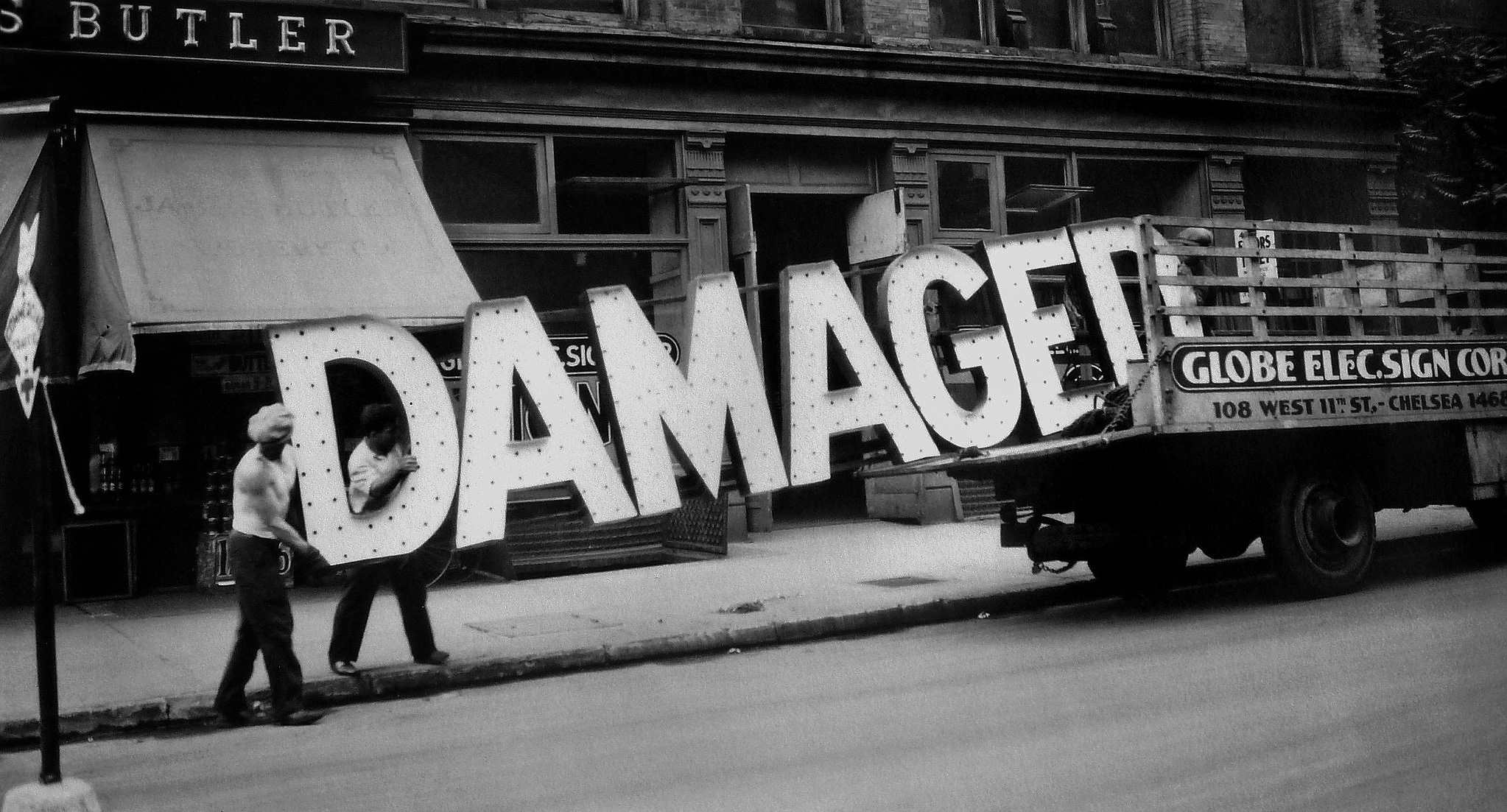


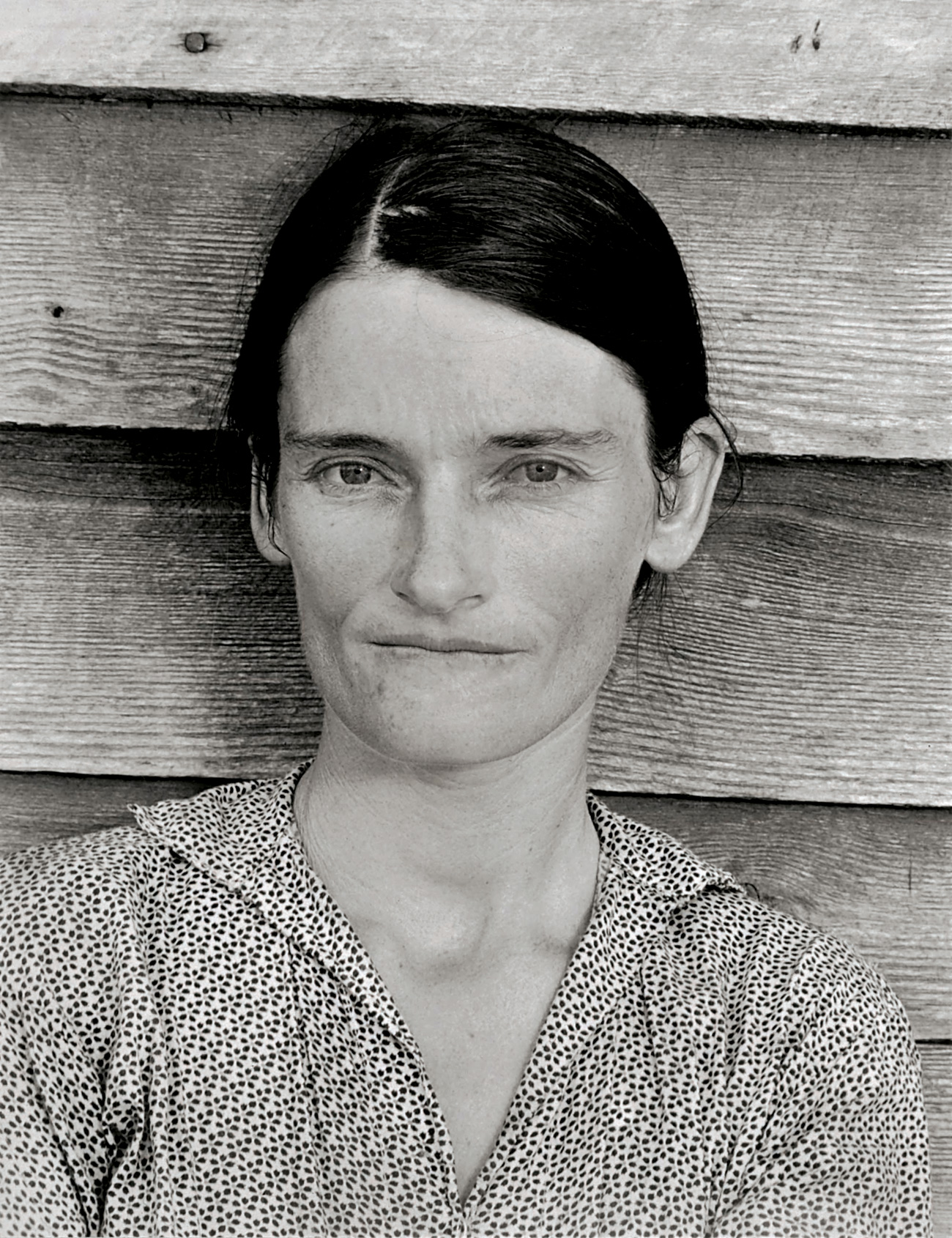


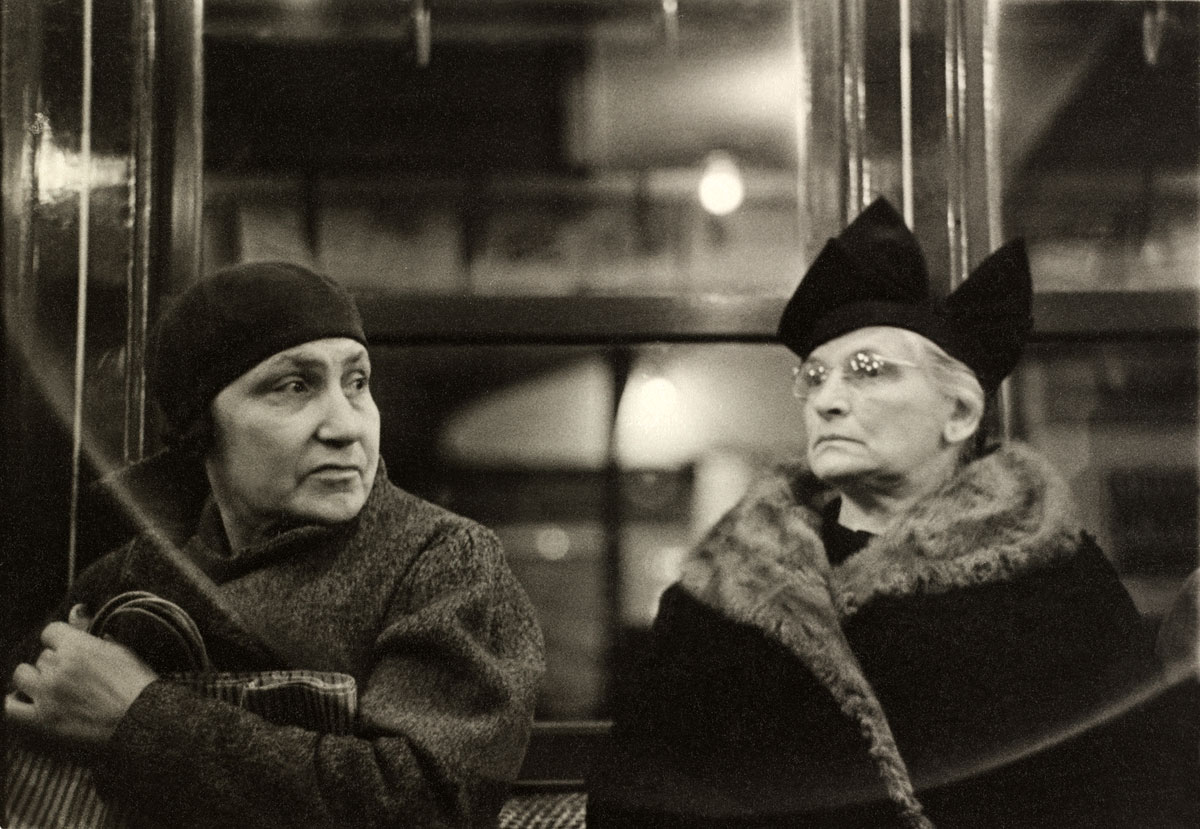

![Walker Evans (American, 1903-1975) '[Subway Passengers, New York City]' 1938](https://artblart.com/wp-content/uploads/2016/07/walker-evans-subway-passengers-new-york-city-web.jpg "Walker Evans (American, 1903-1975) '[Subway Passengers, New York City]' 1938")

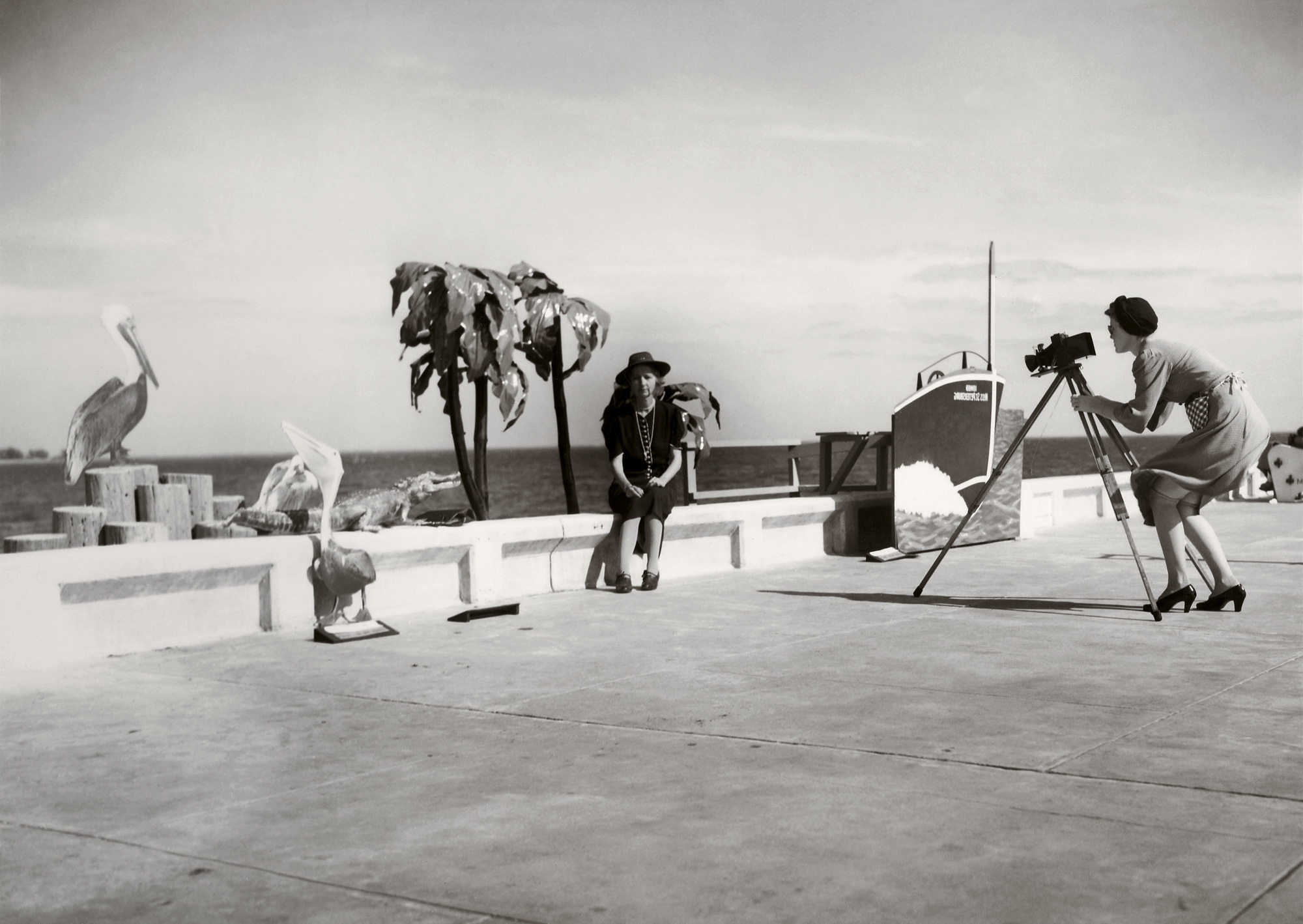
![Walker Evans (American, 1903-1975) 'Untitled [Street scene]' 1950s](https://artblart.com/wp-content/uploads/2018/01/walker-evans-untitled-web.jpg "Walker Evans (American, 1903-1975) 'Untitled [Street scene]' 1950s")

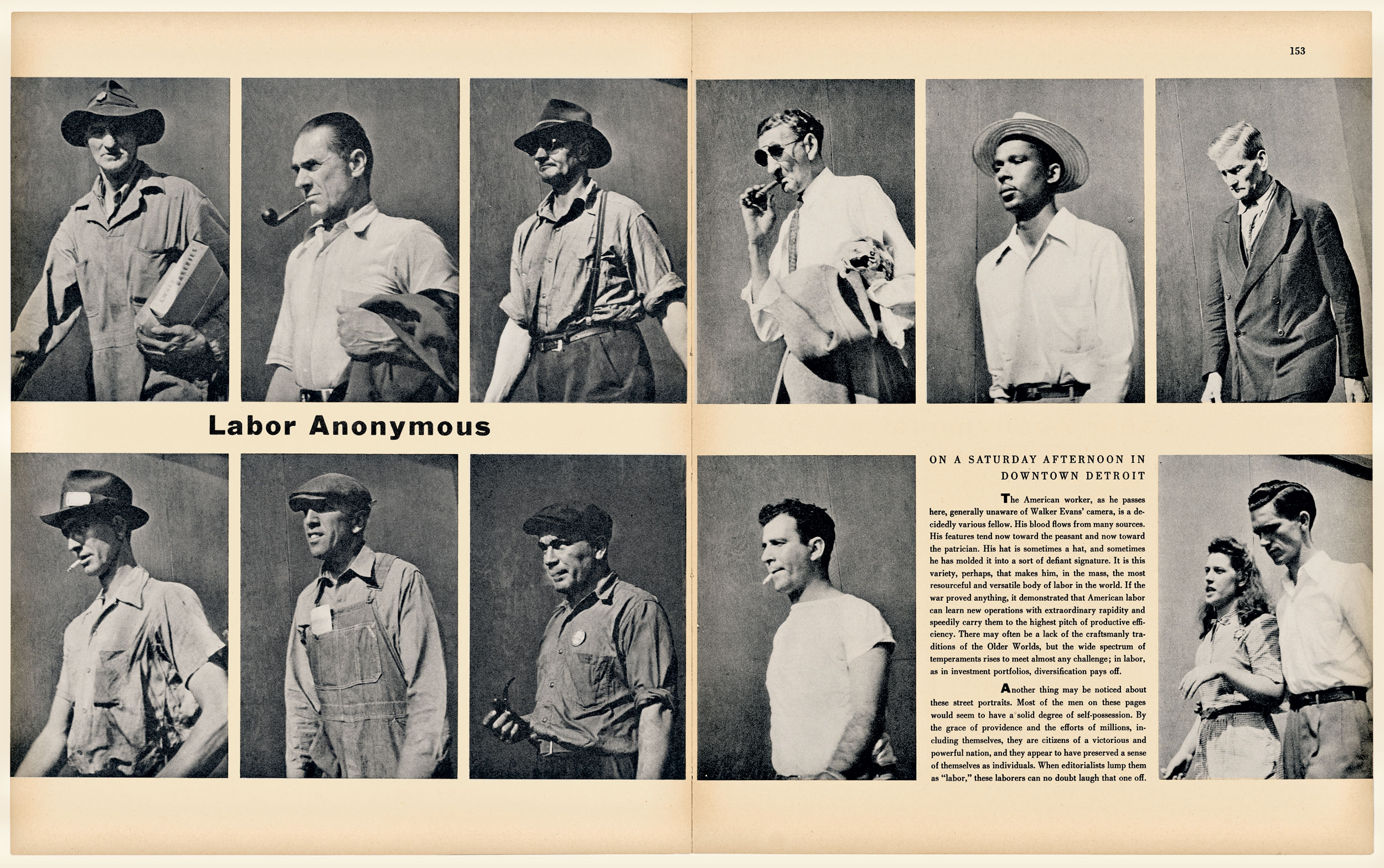


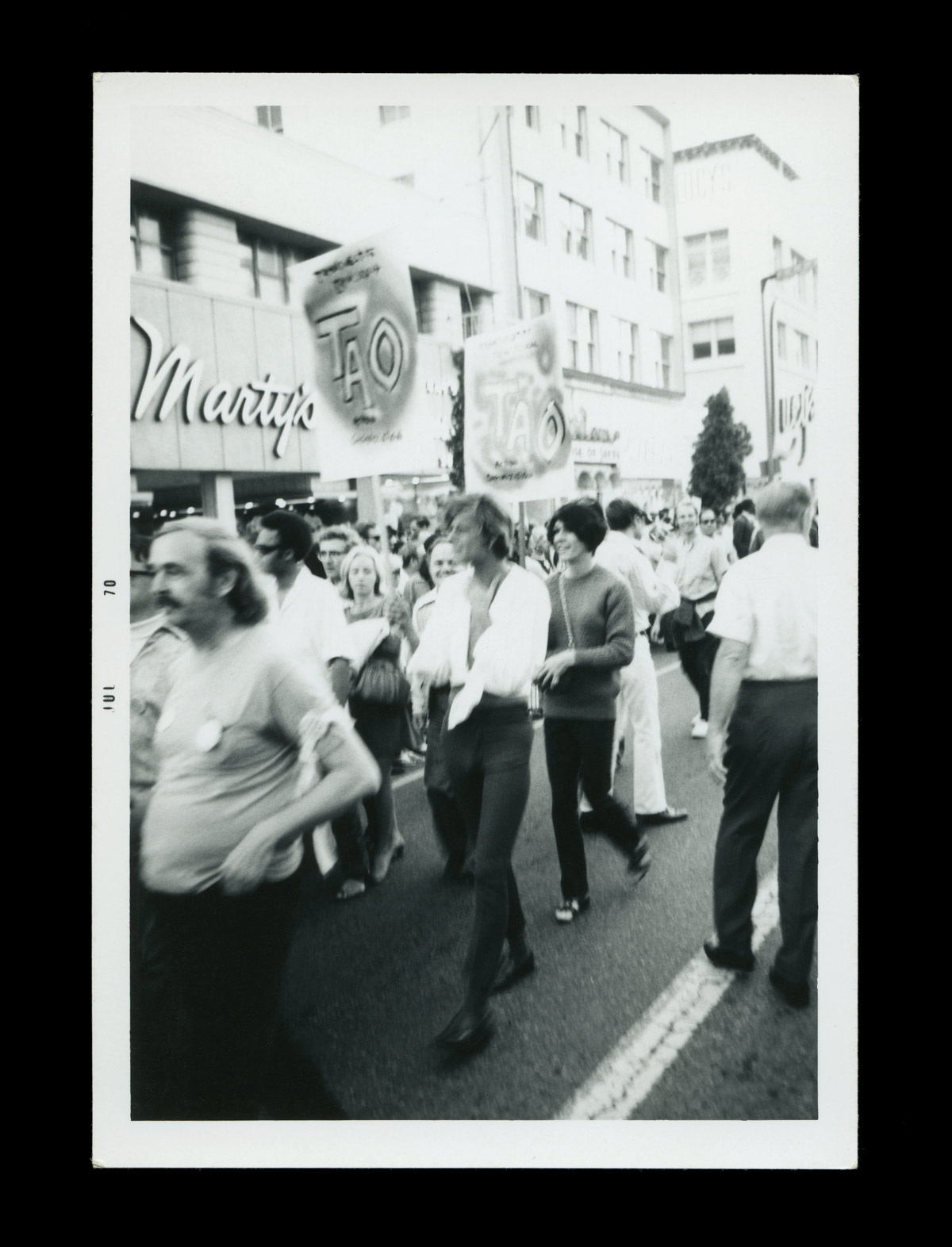


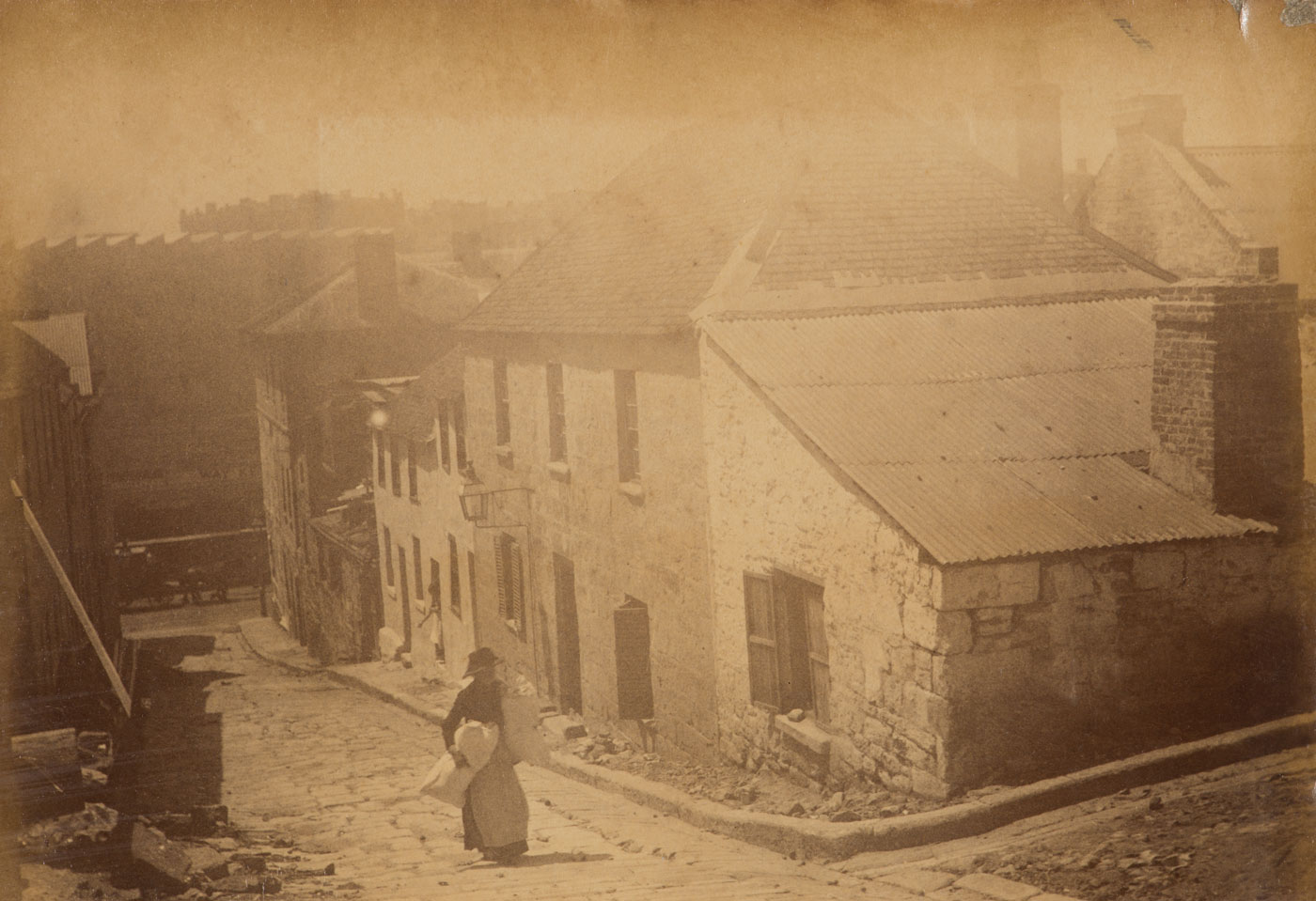
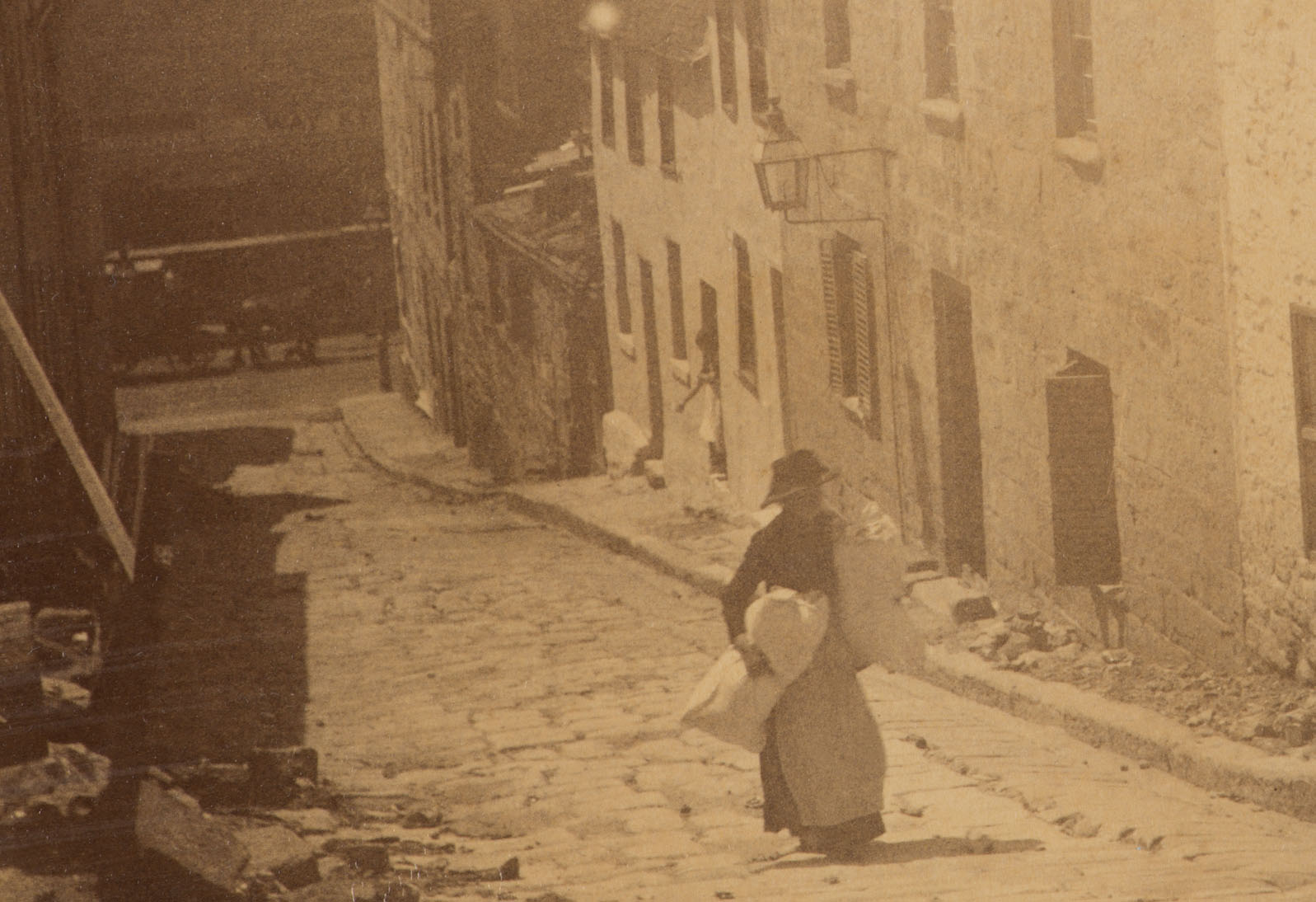
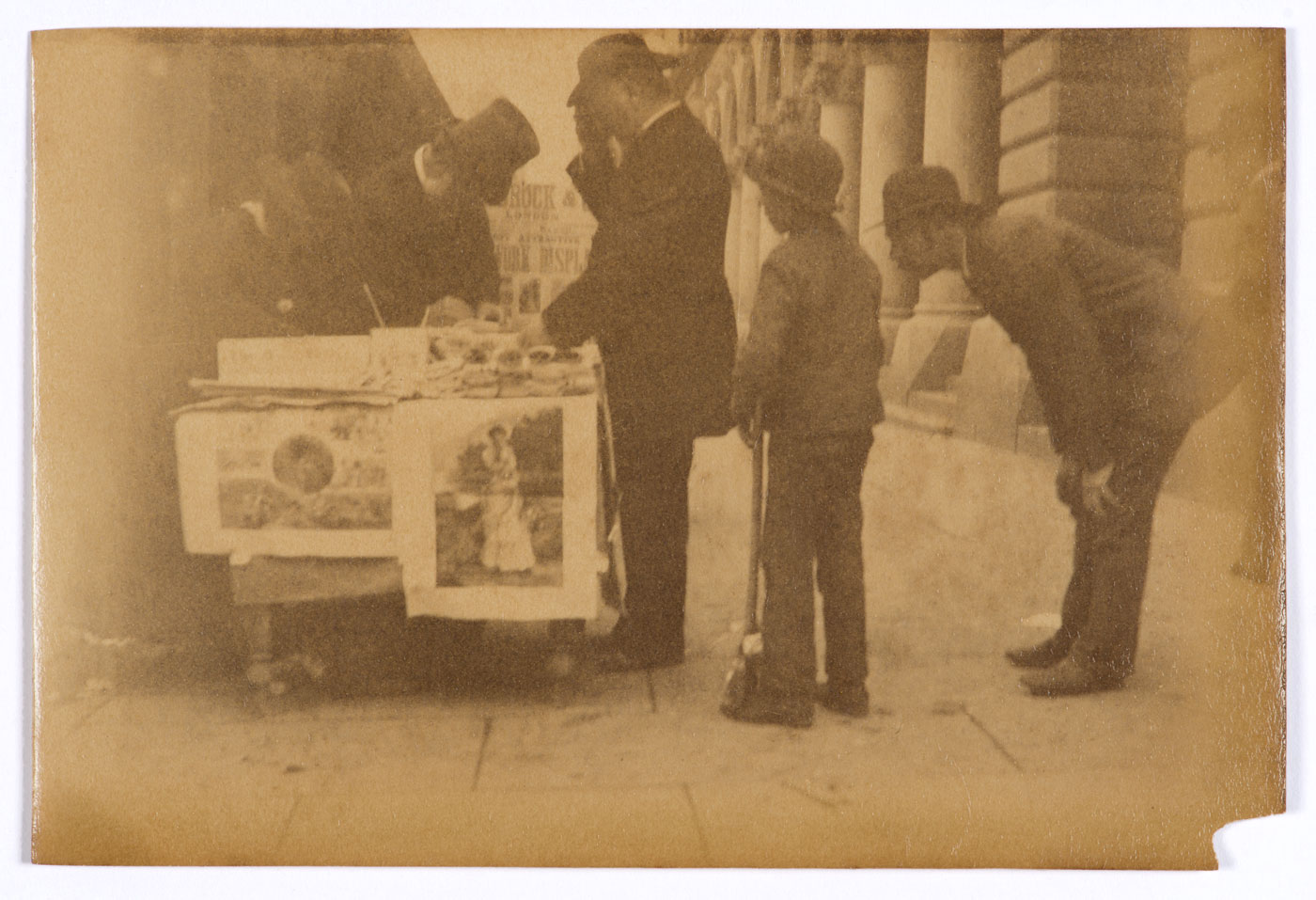

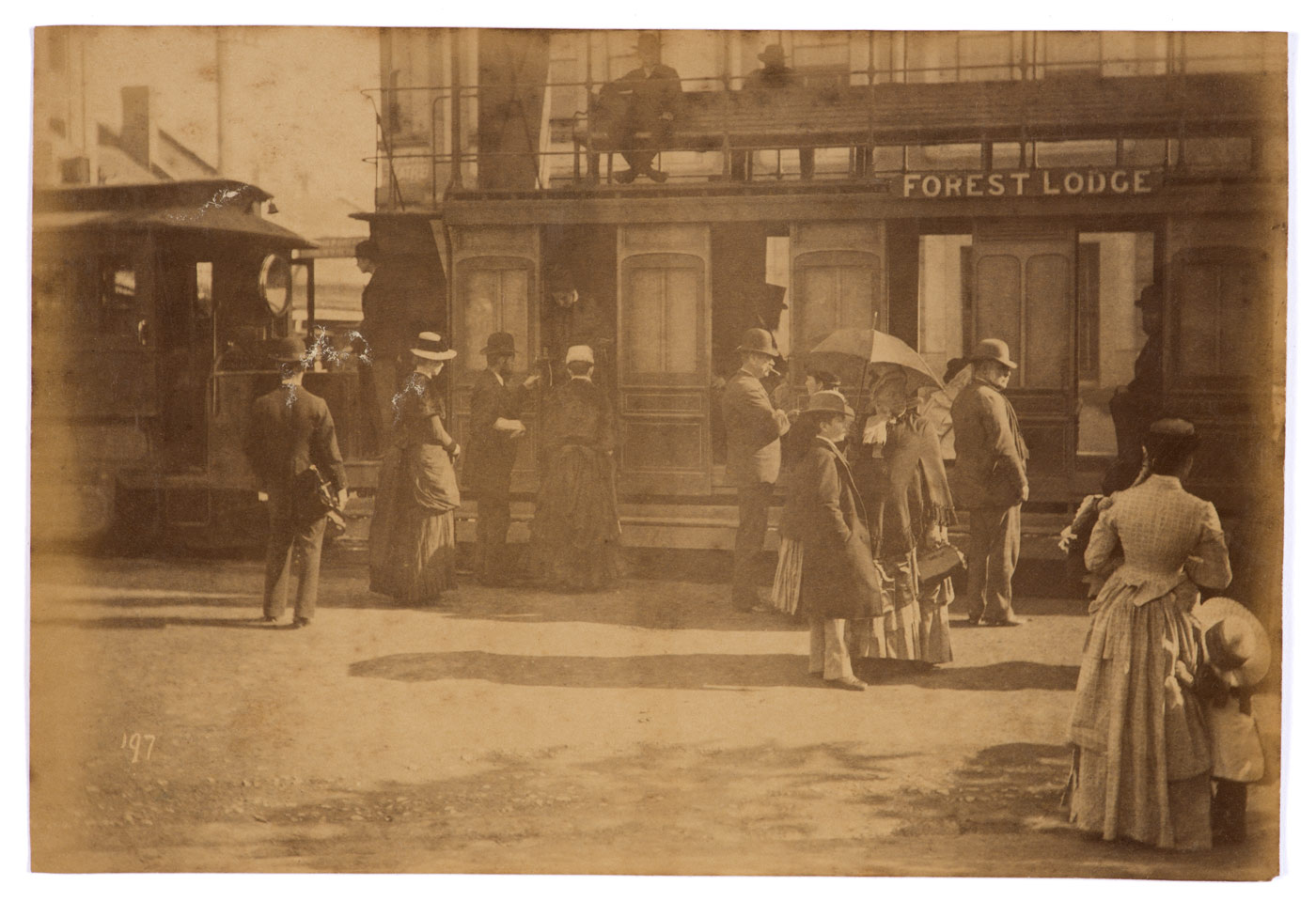
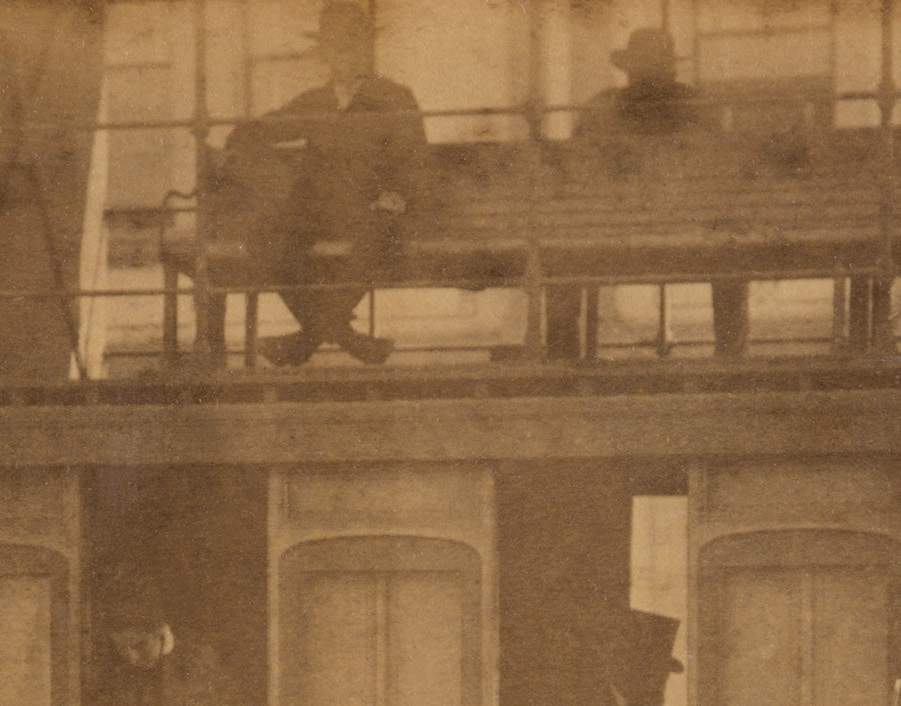
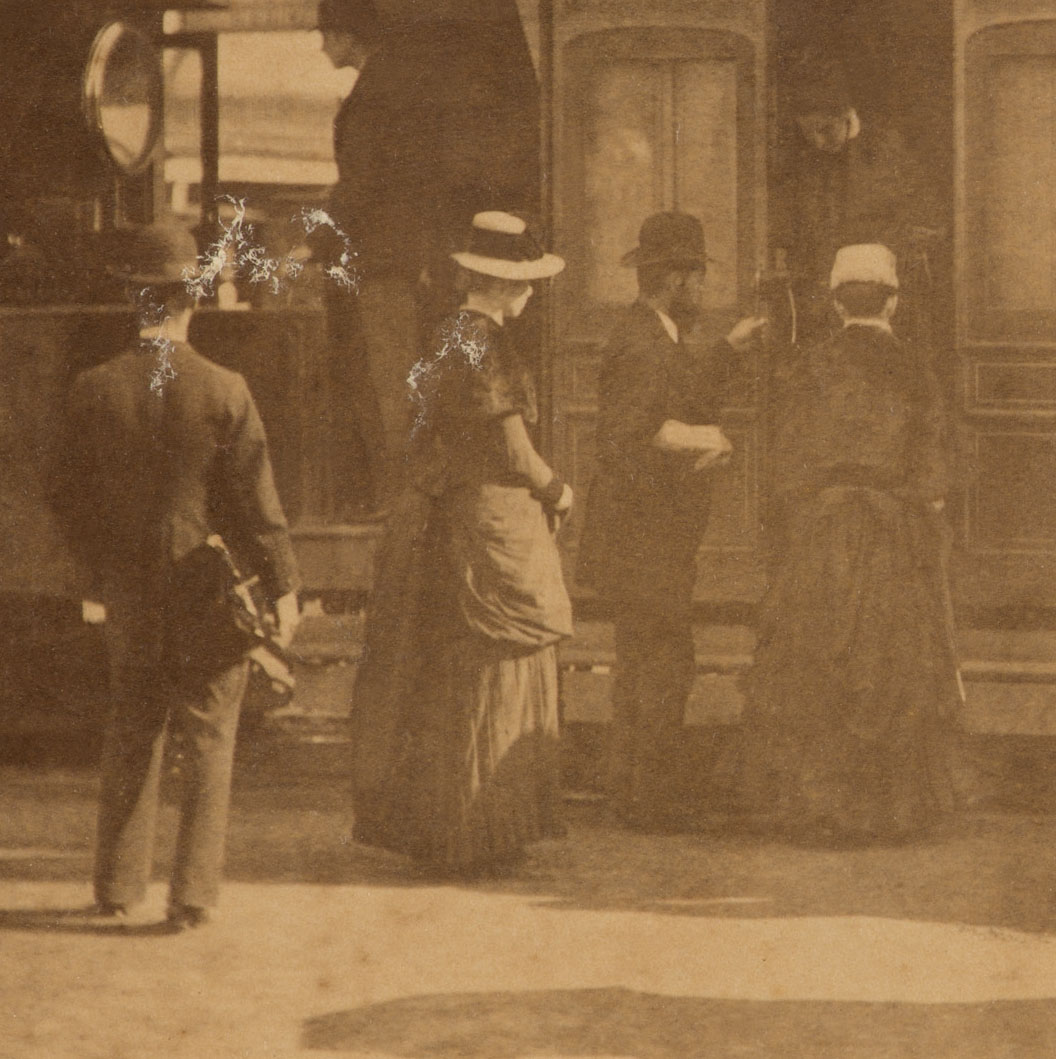
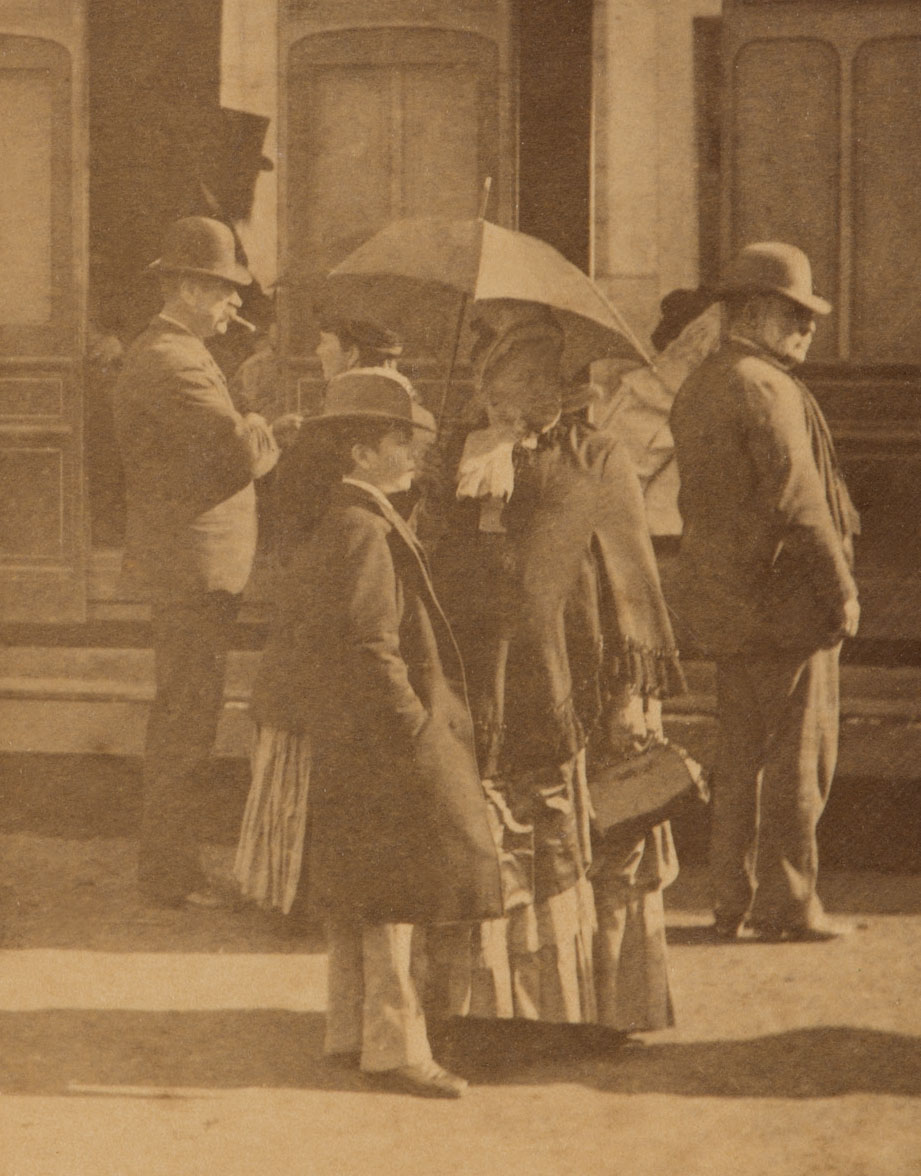

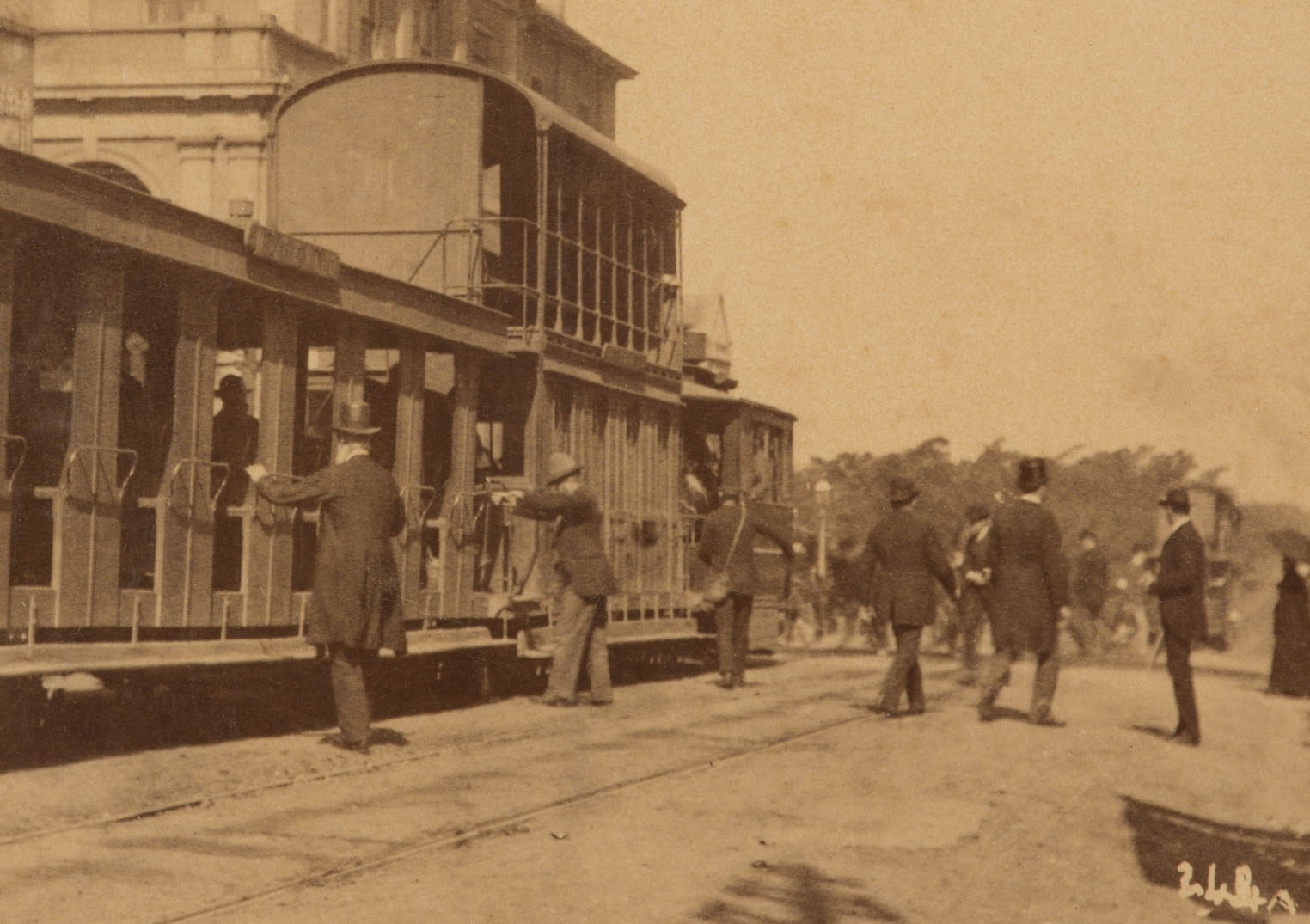
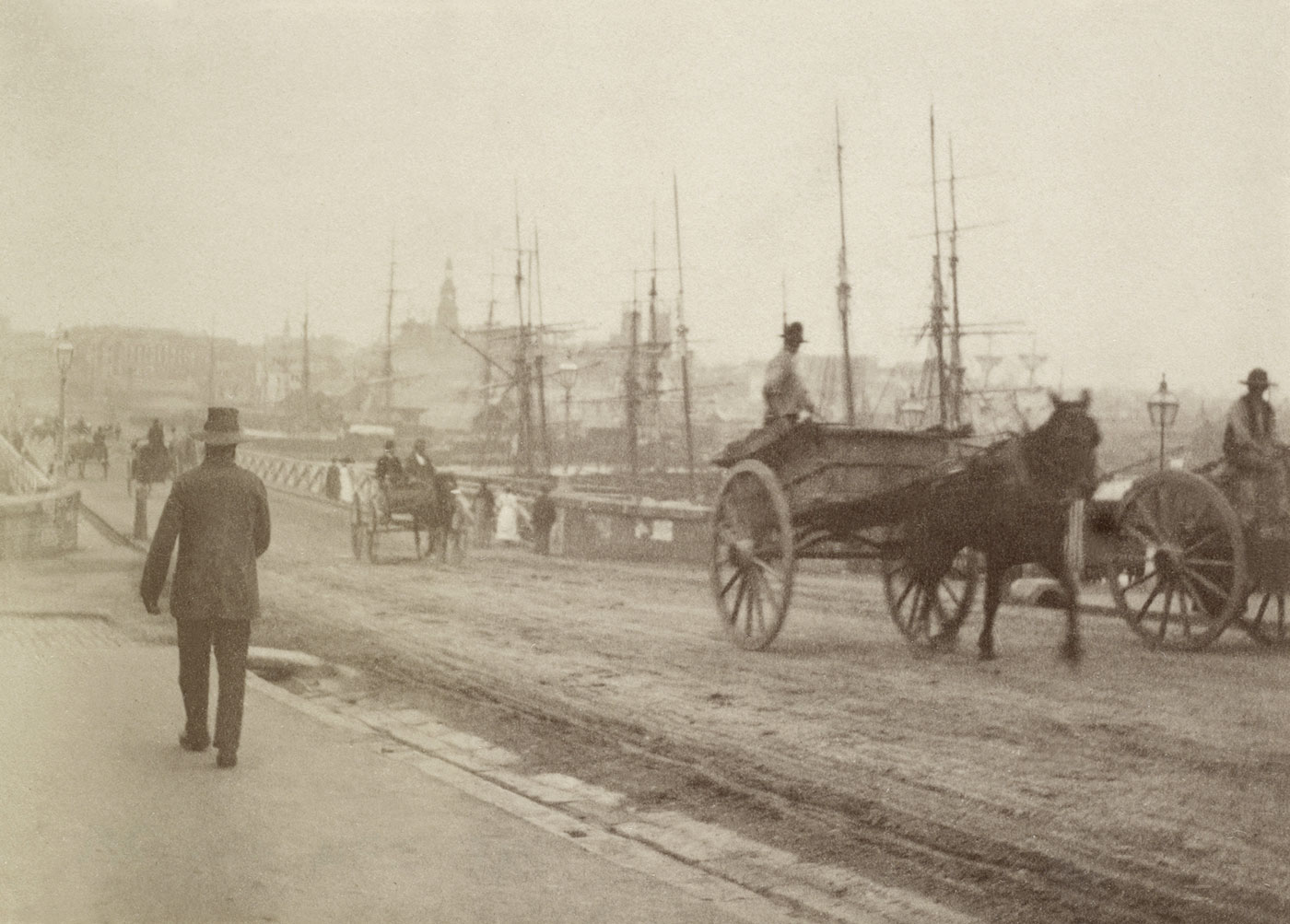

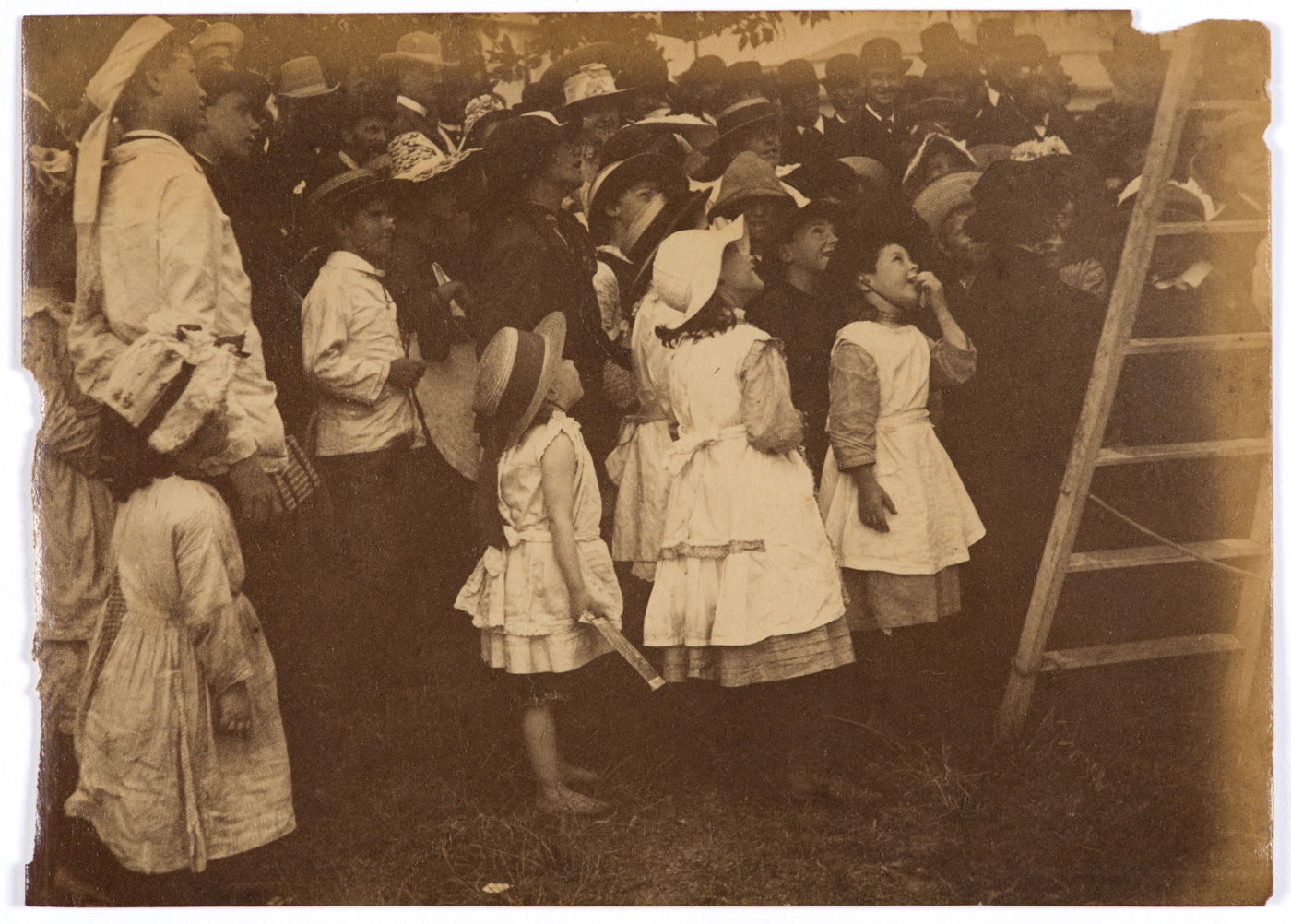
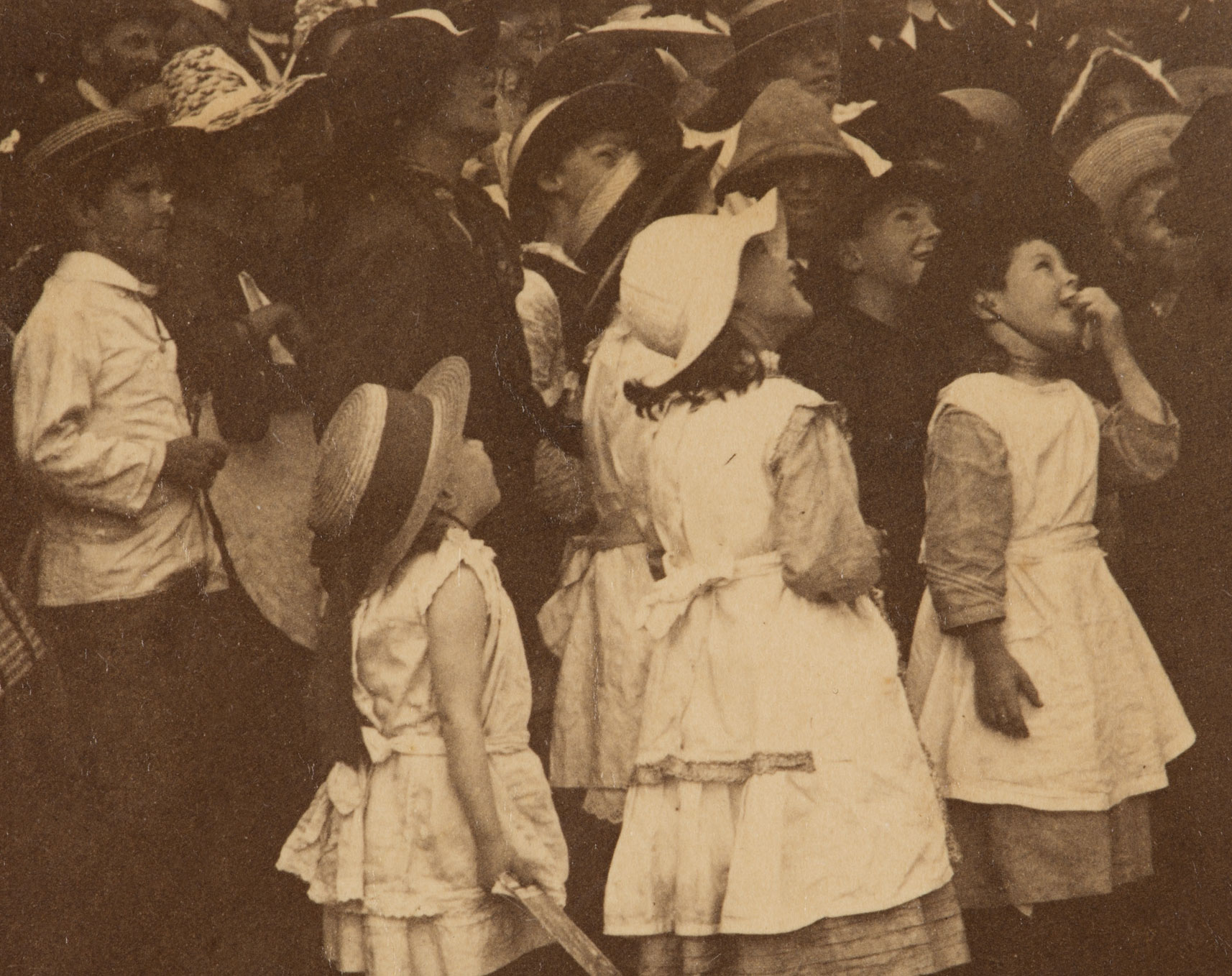
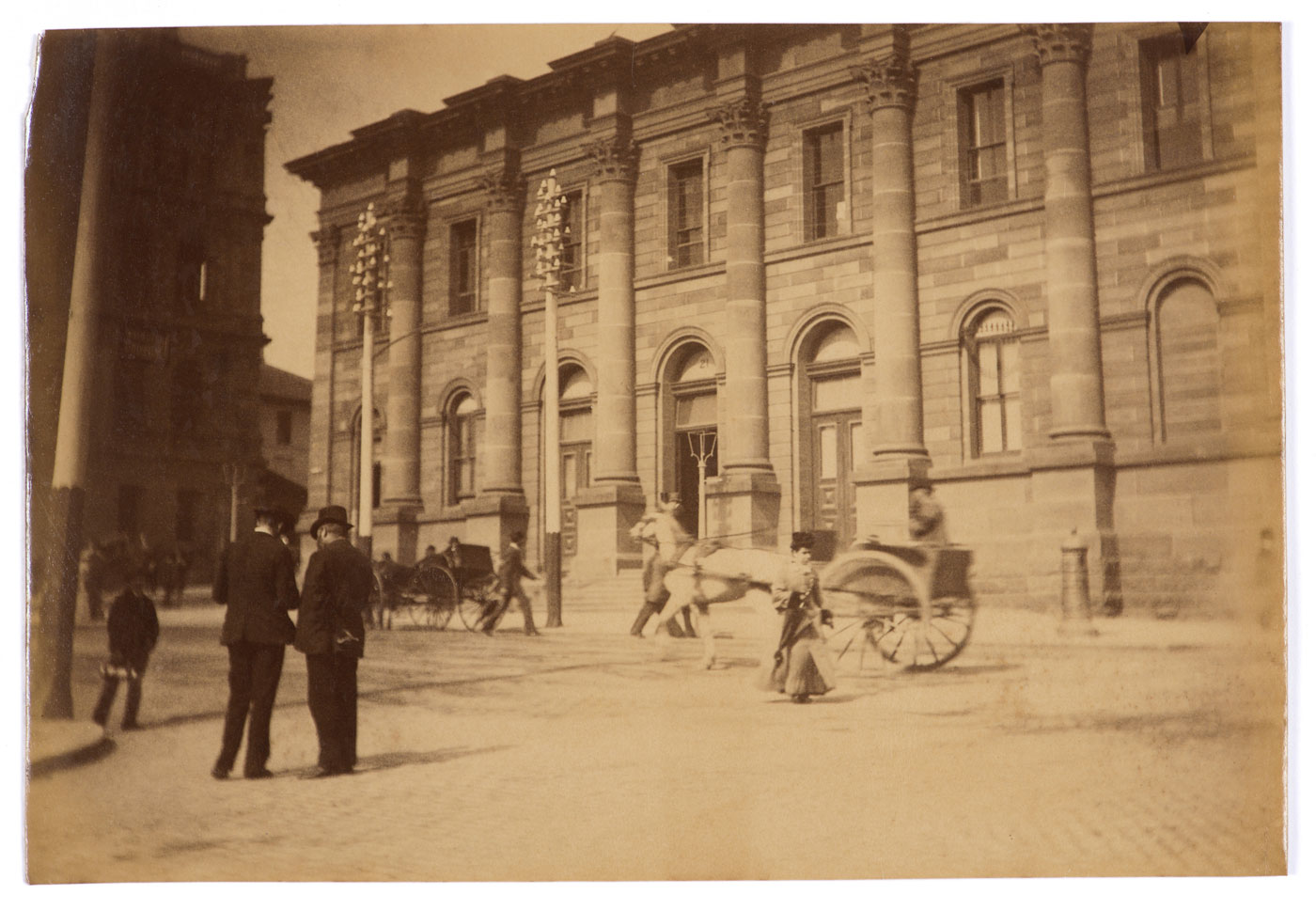
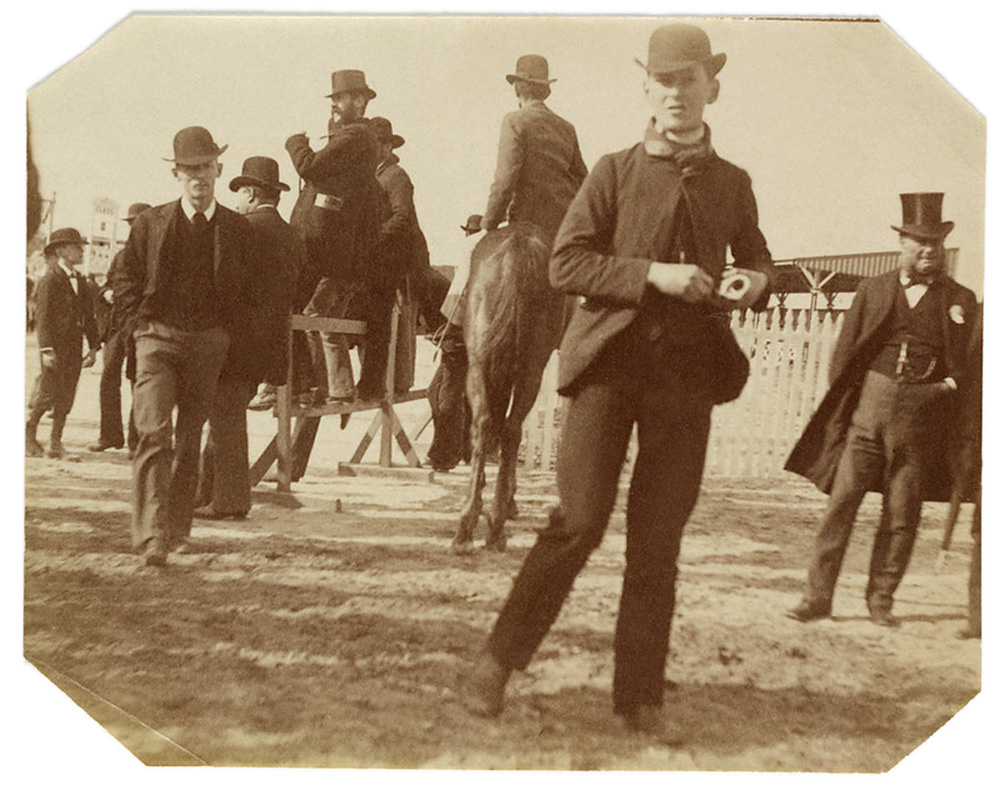
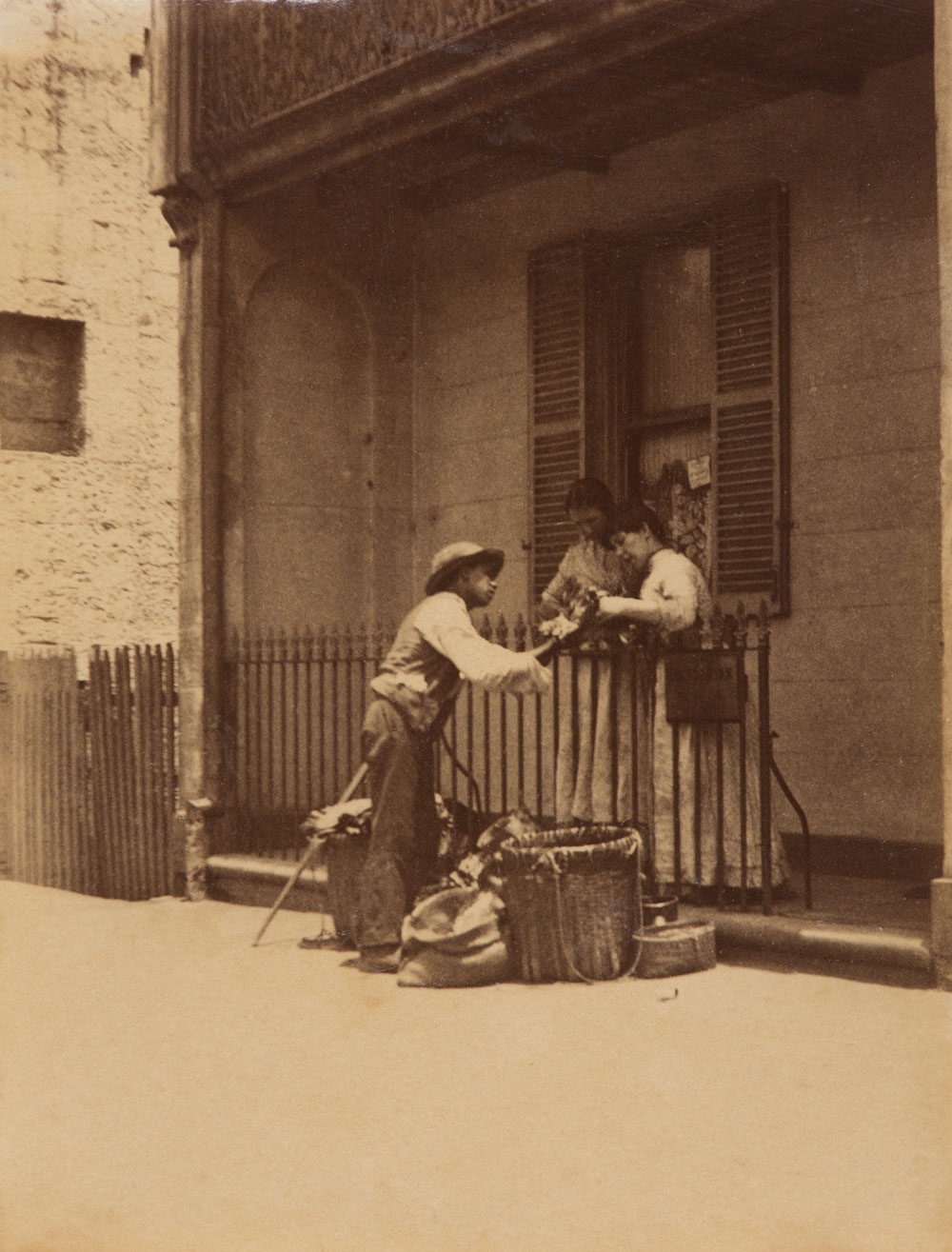

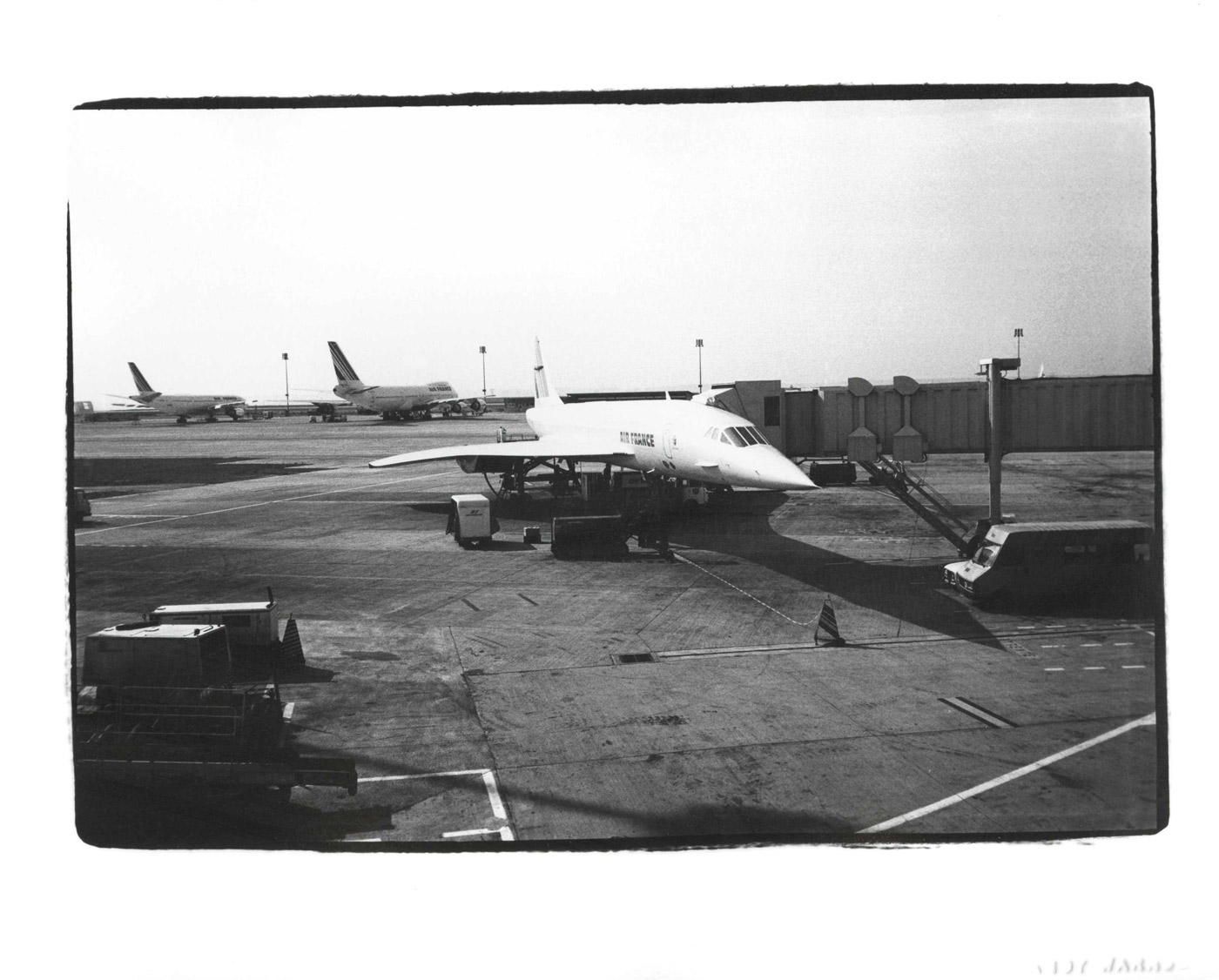
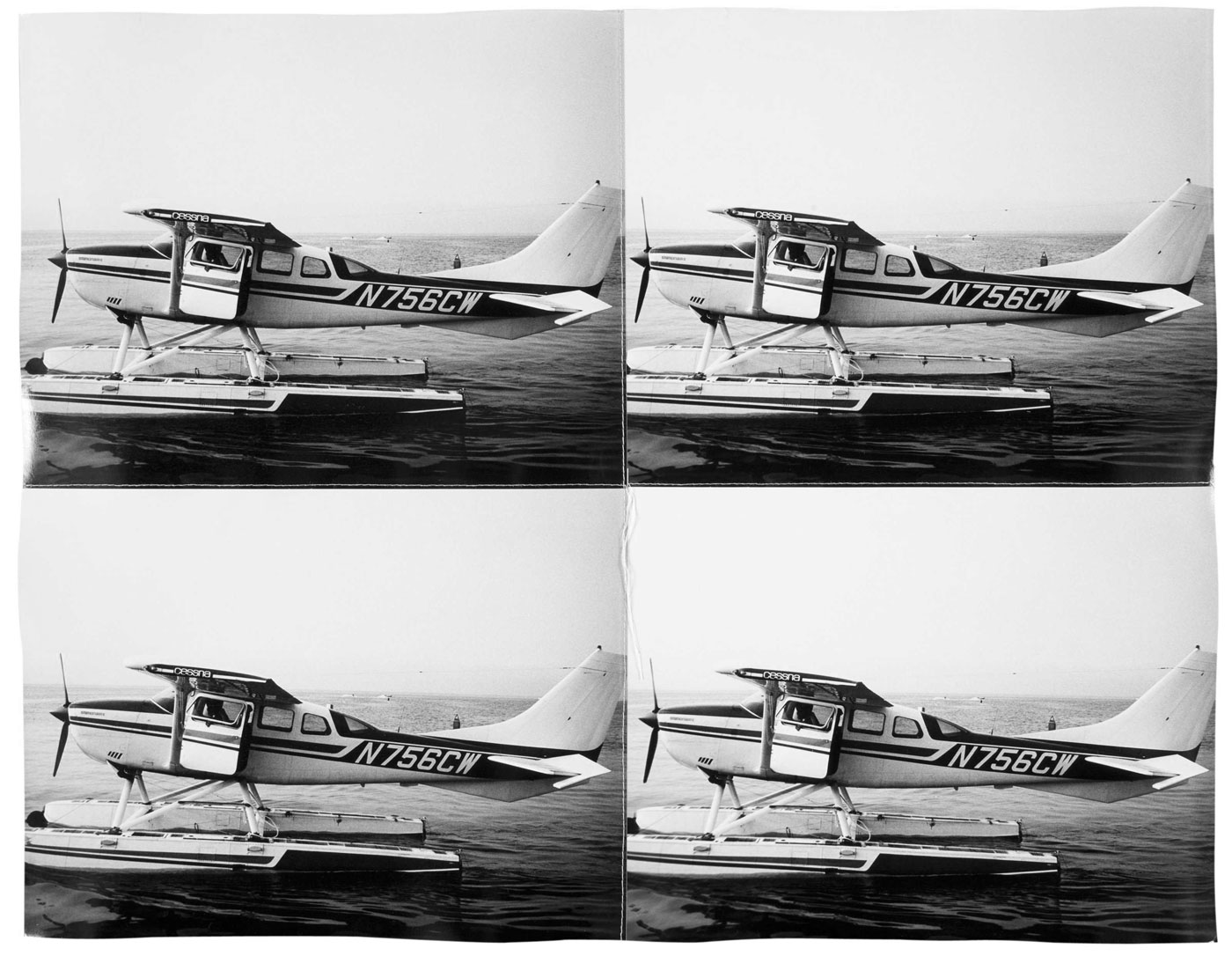
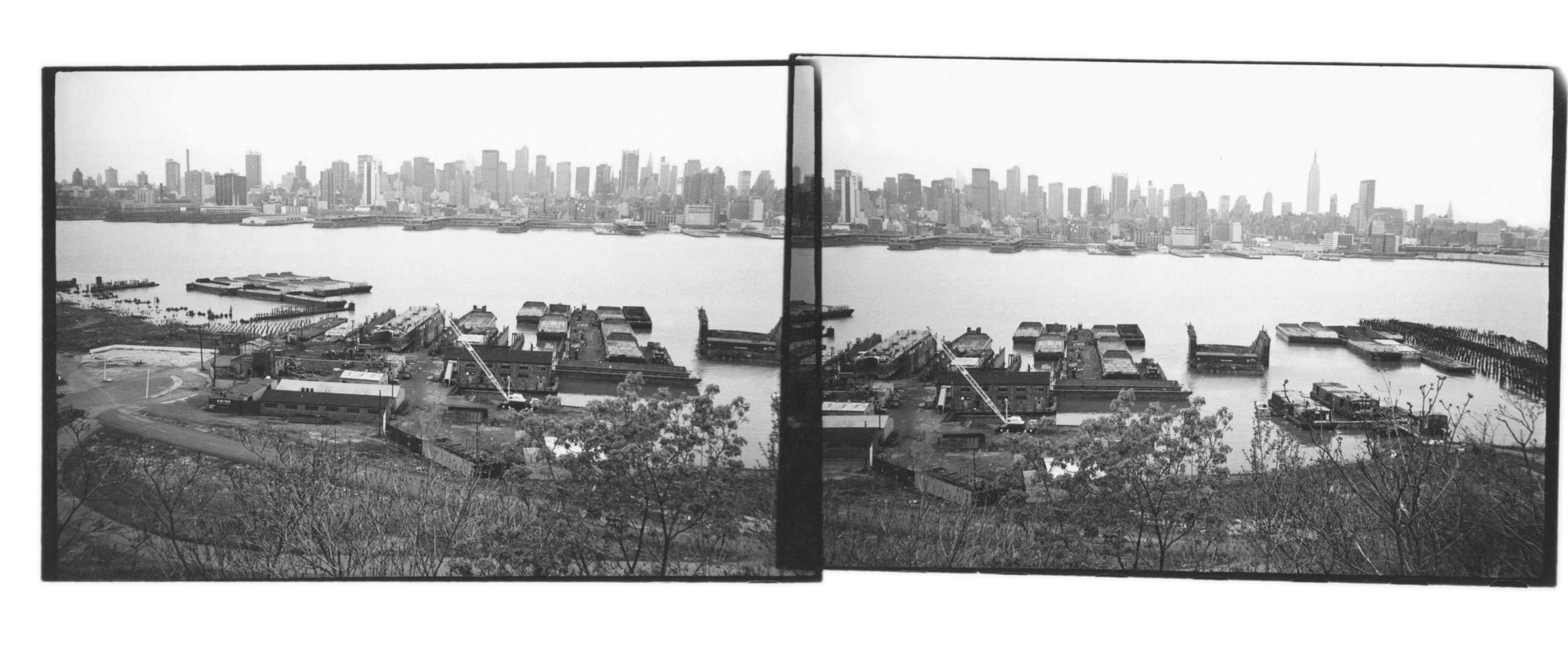
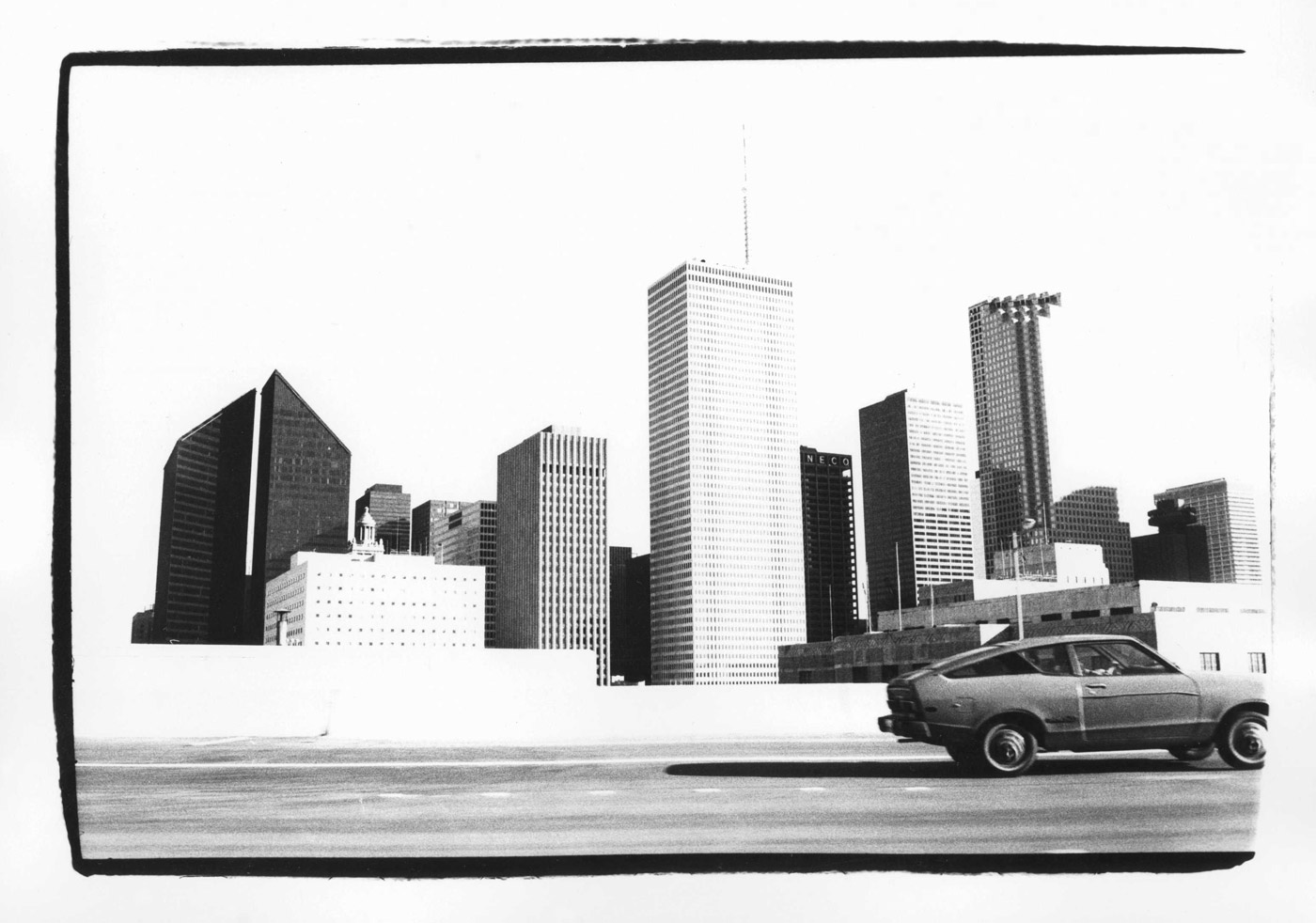
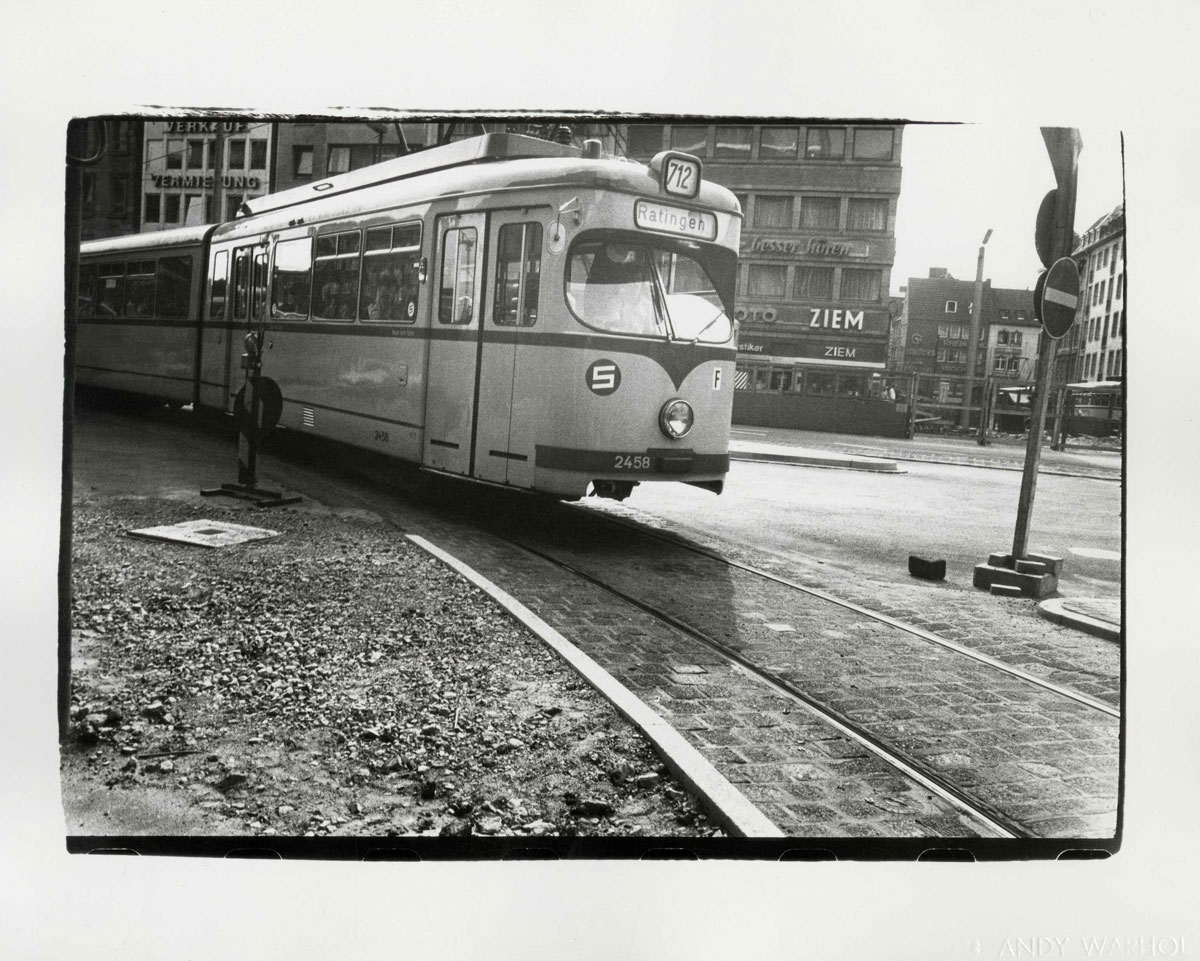
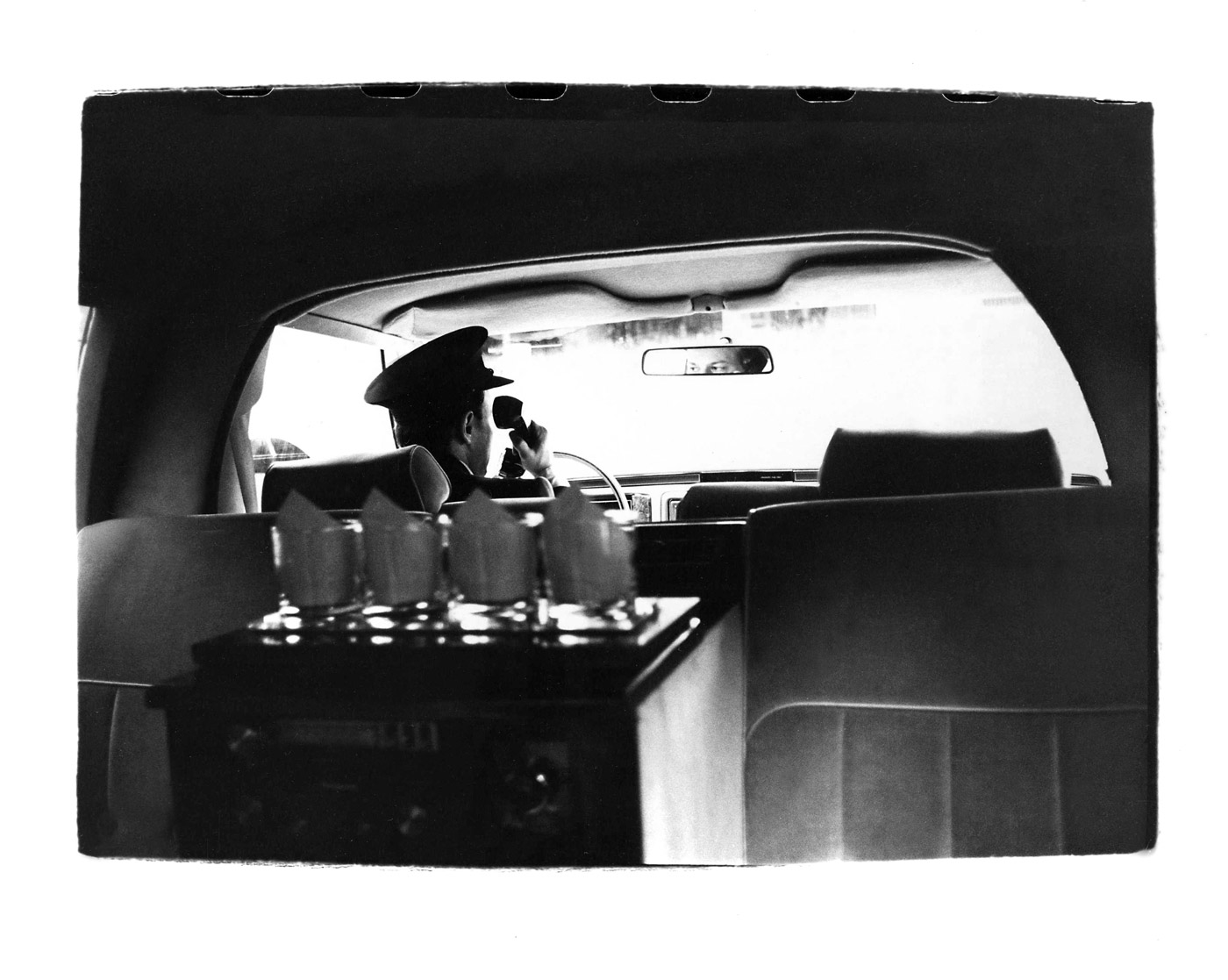


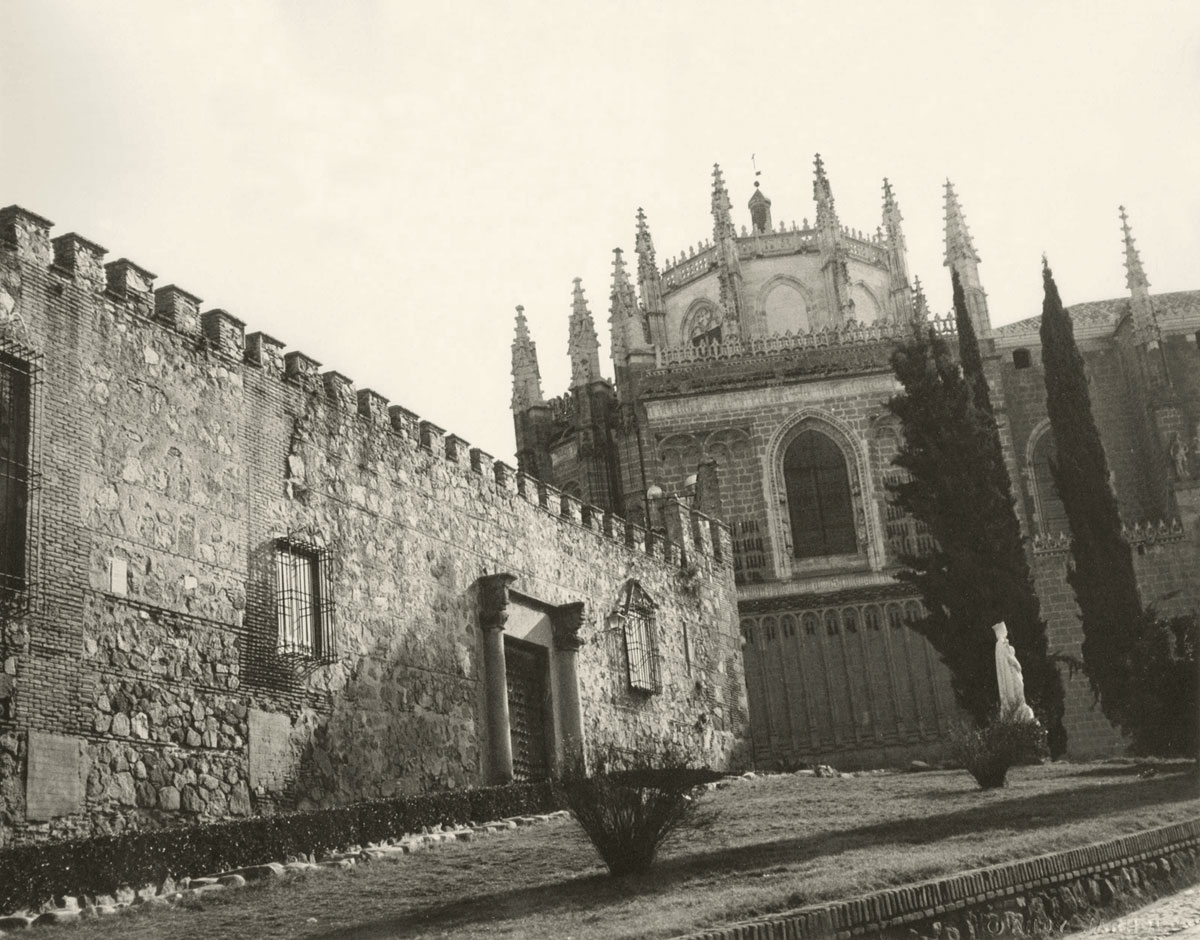
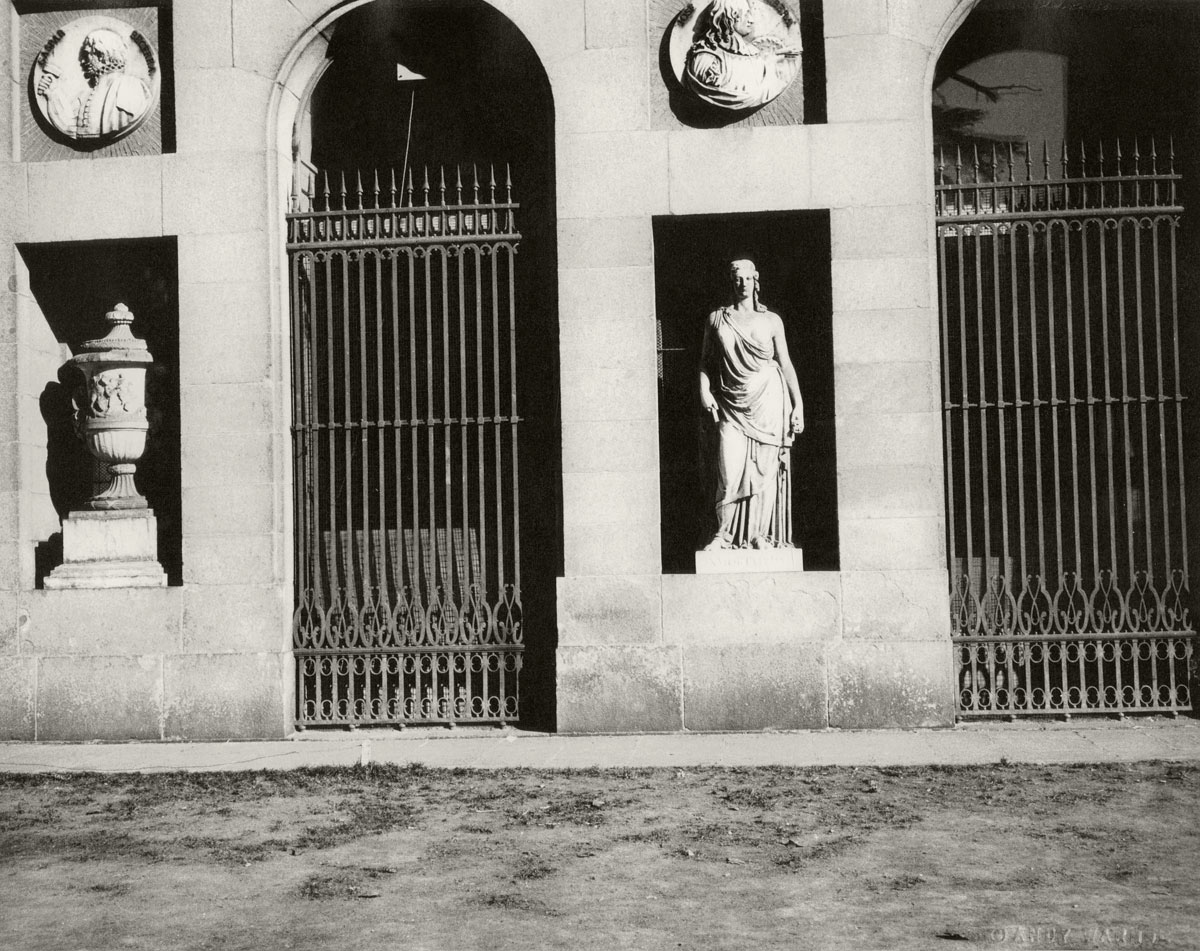

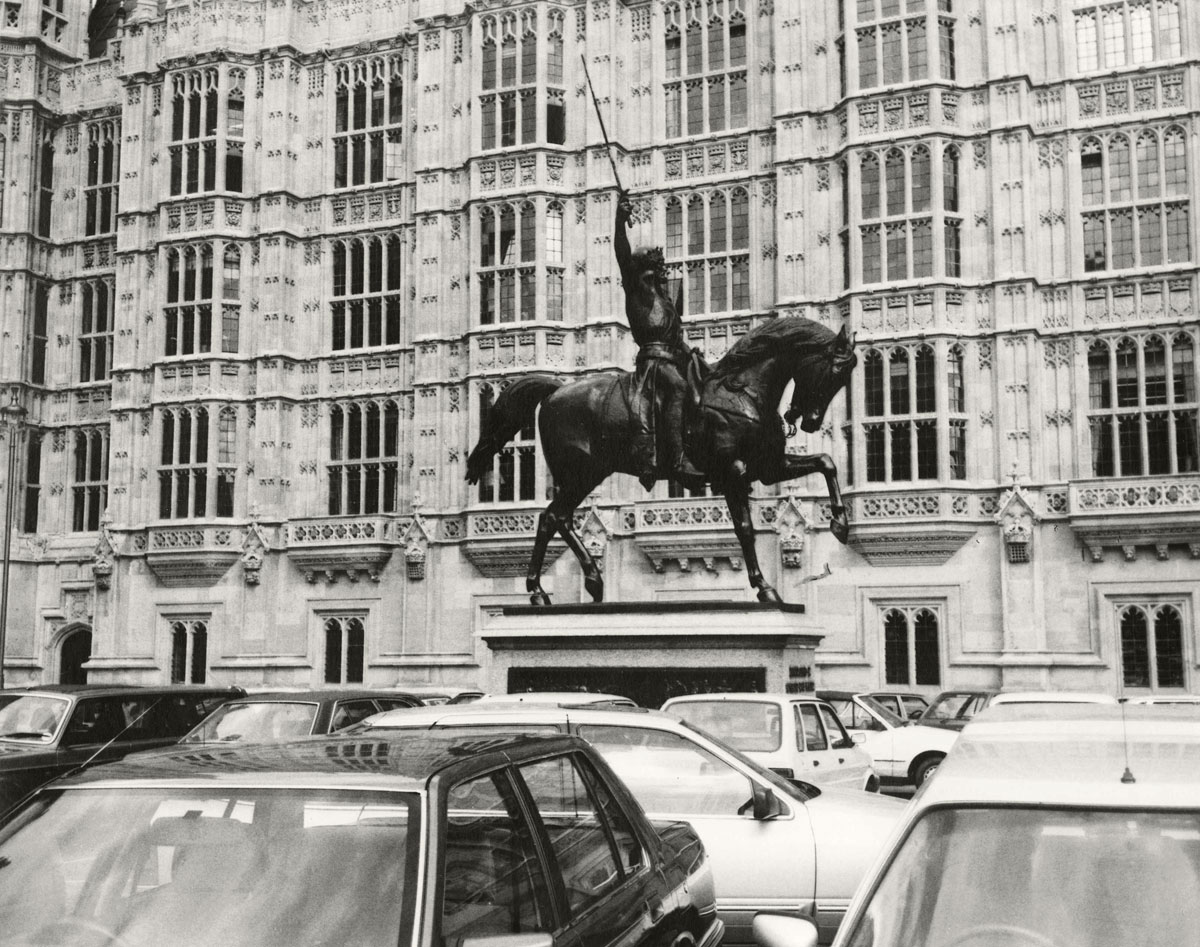
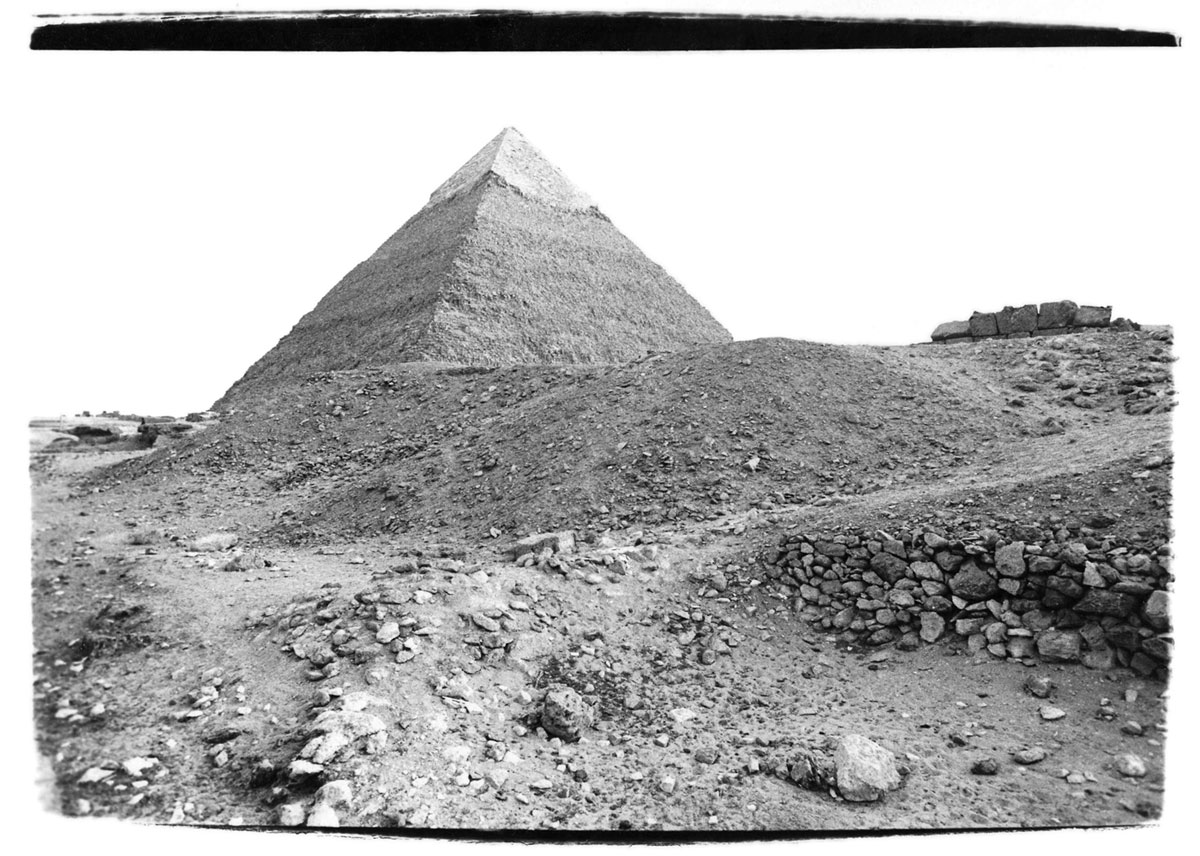

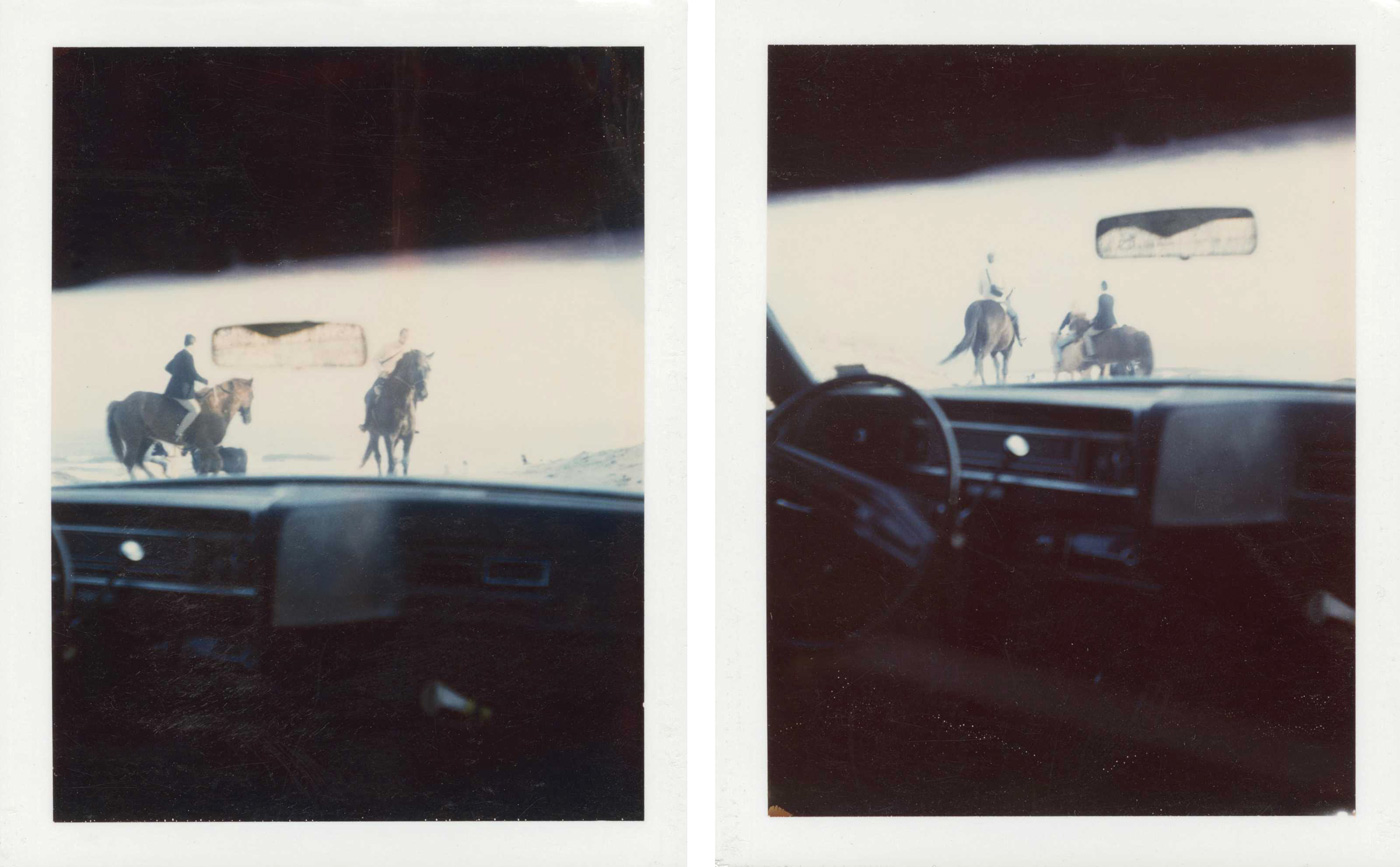
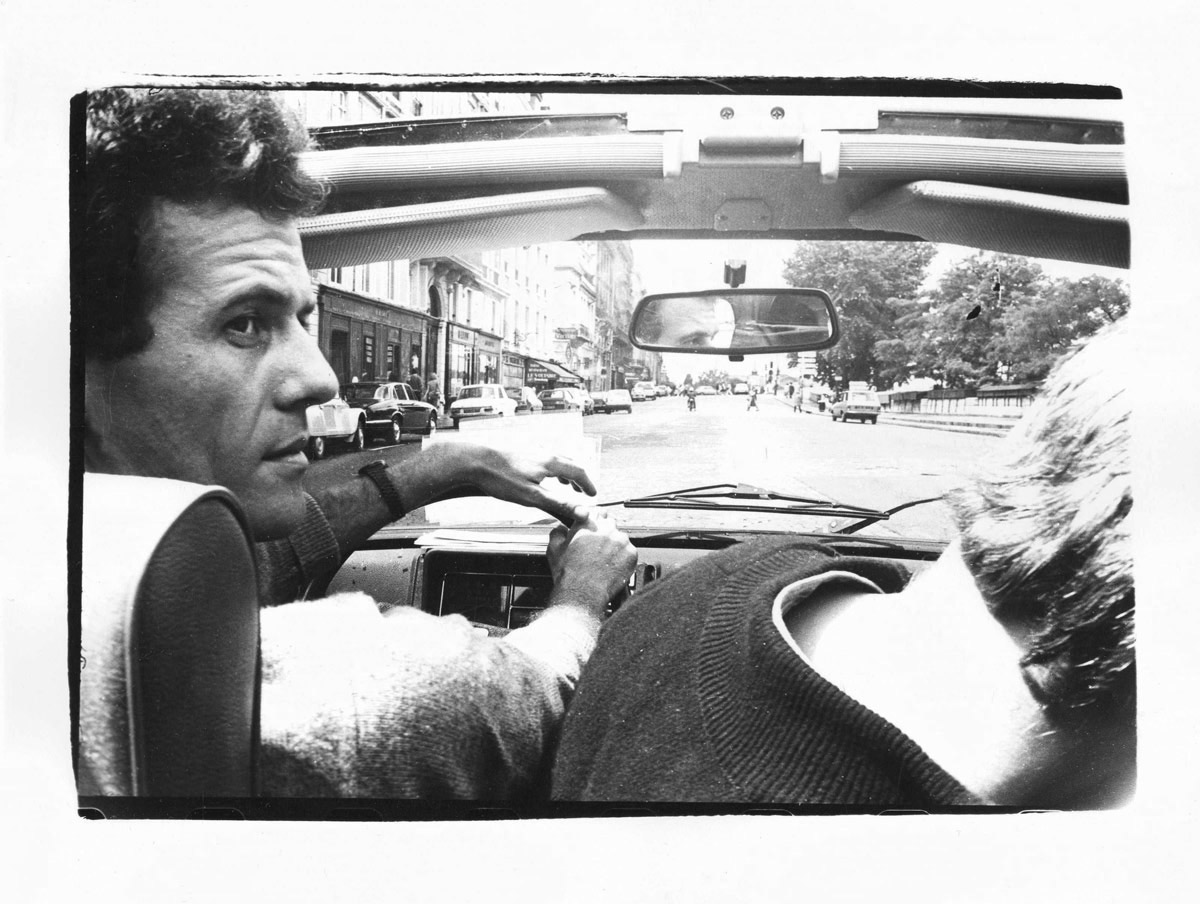

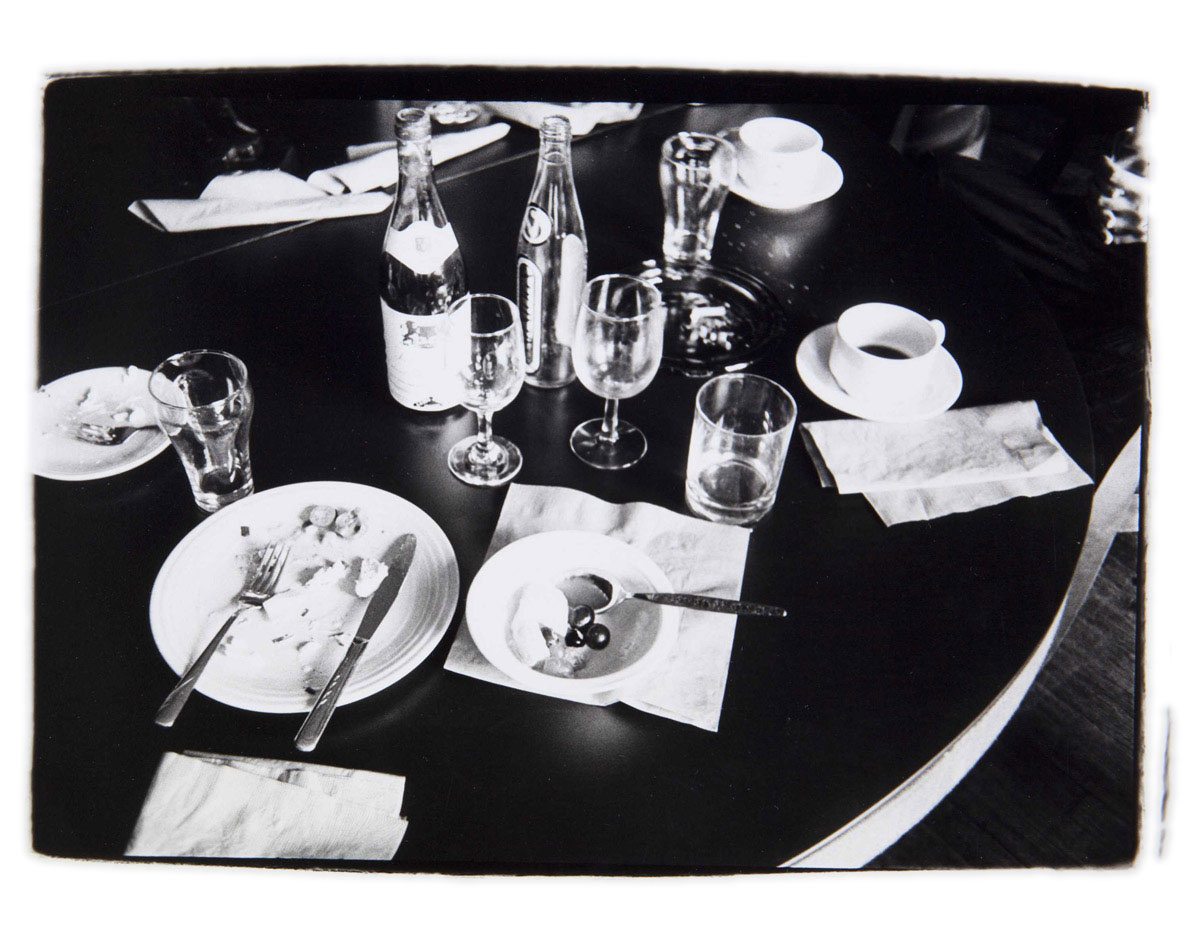


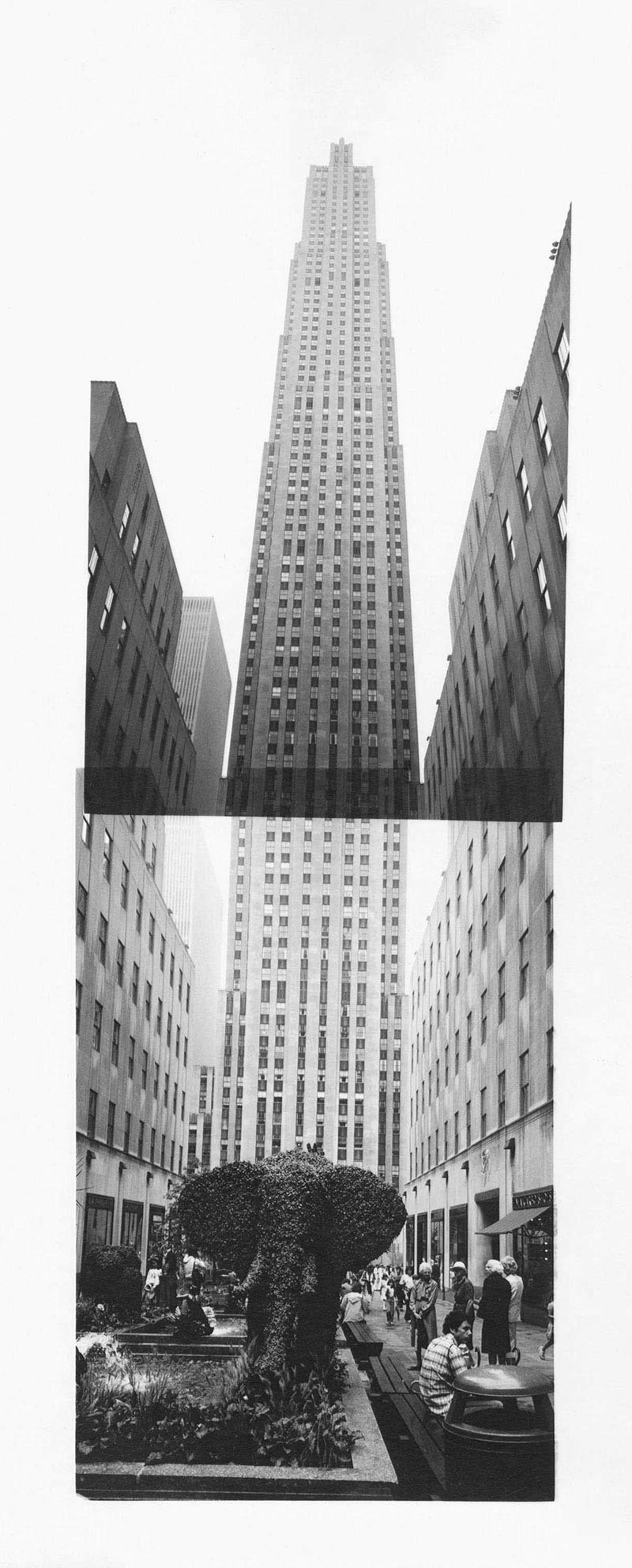

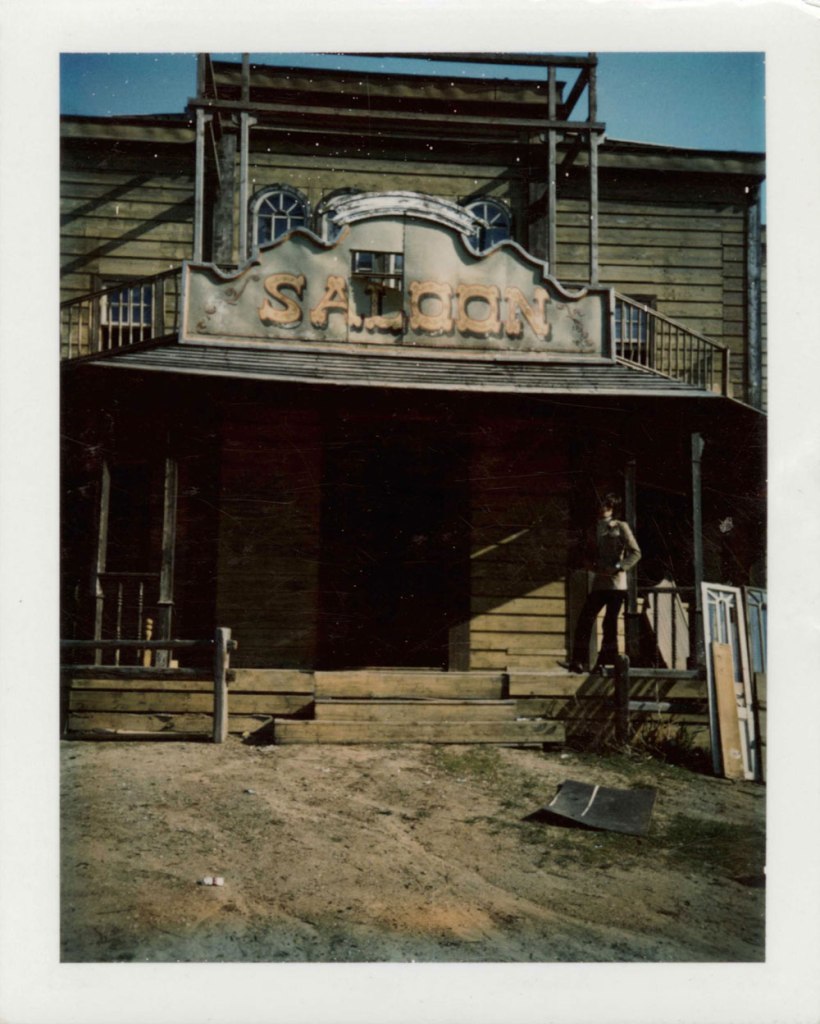
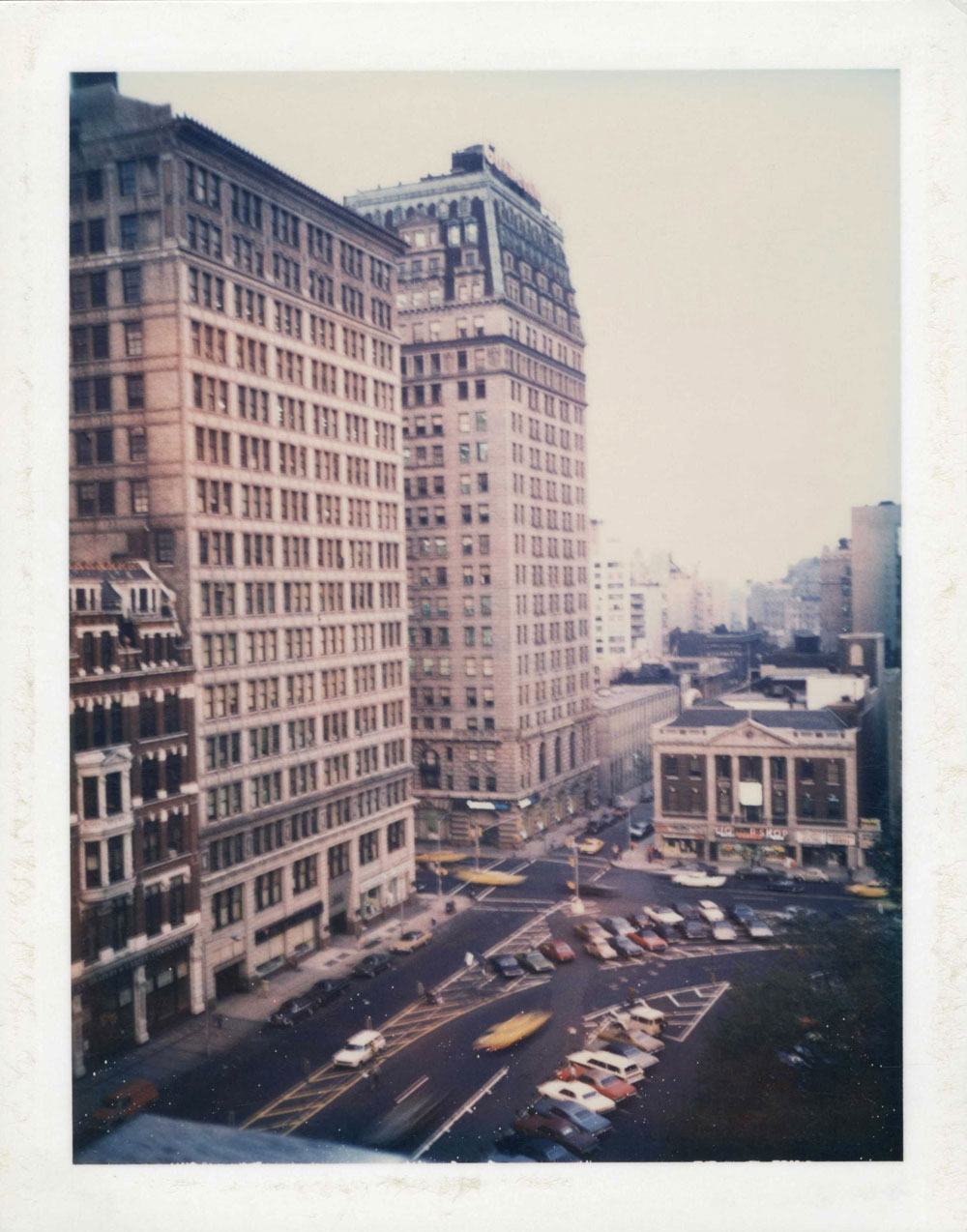






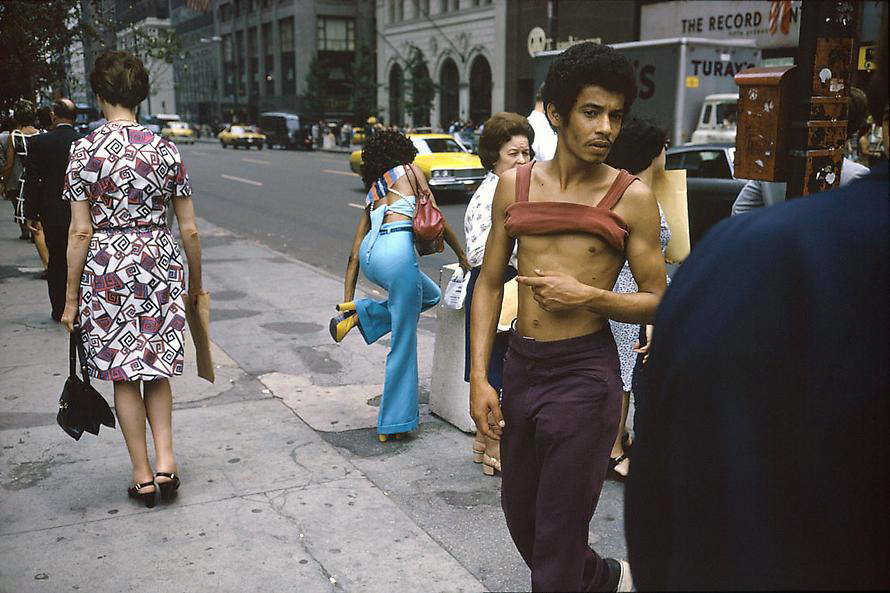

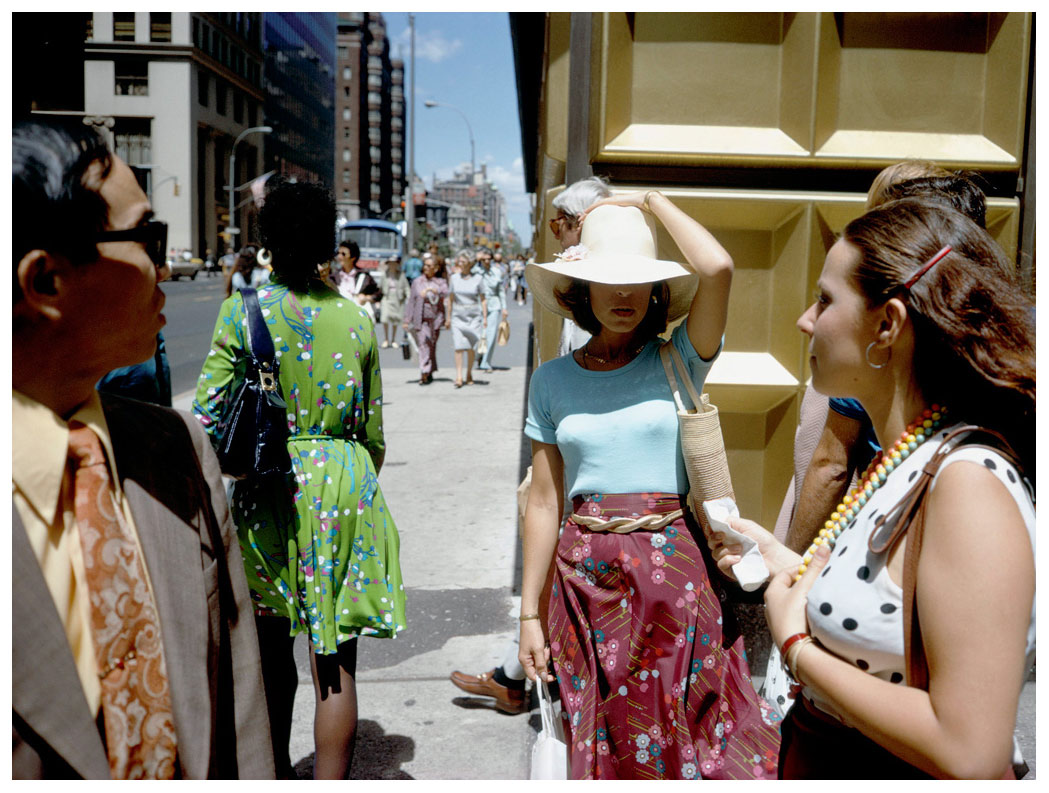
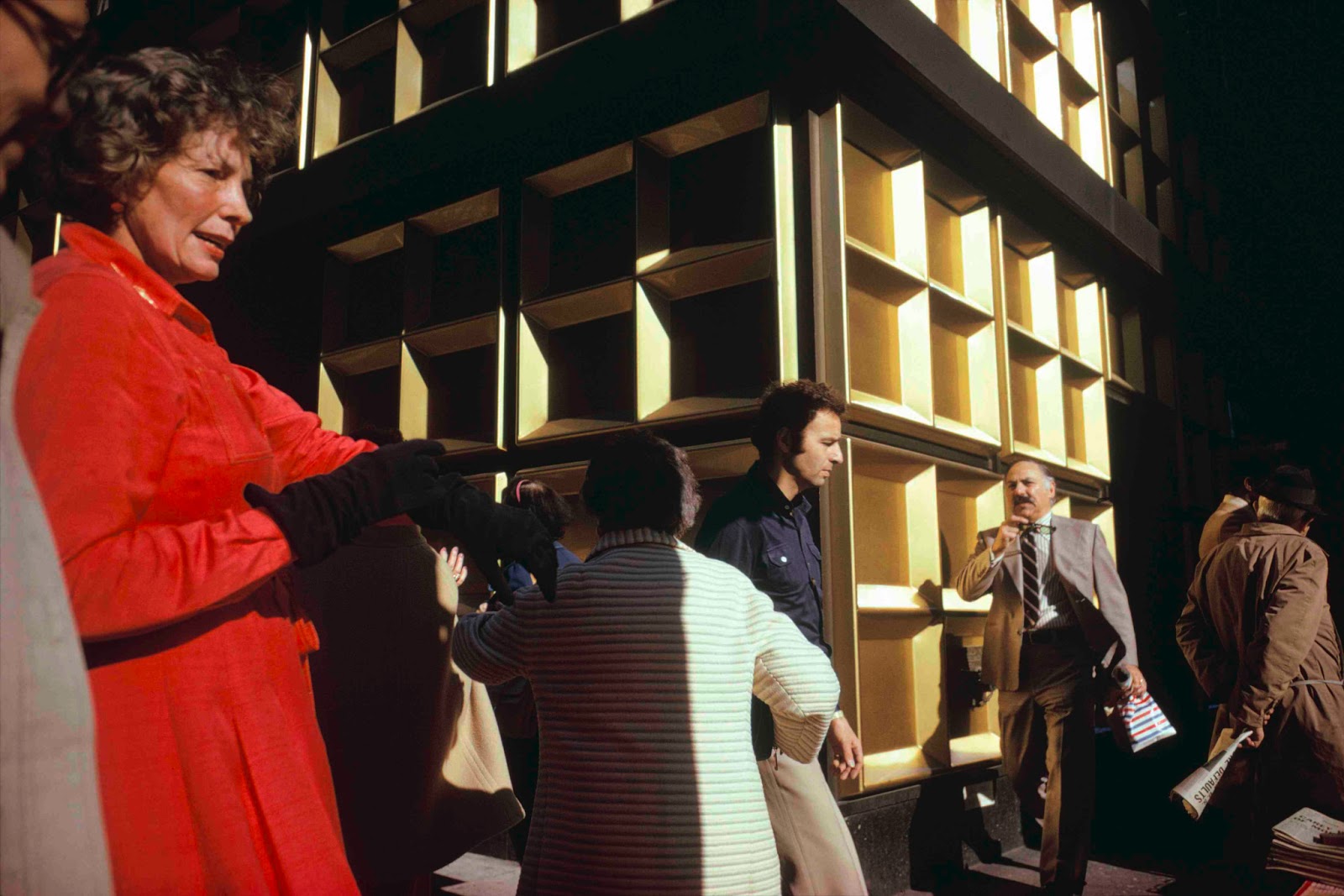


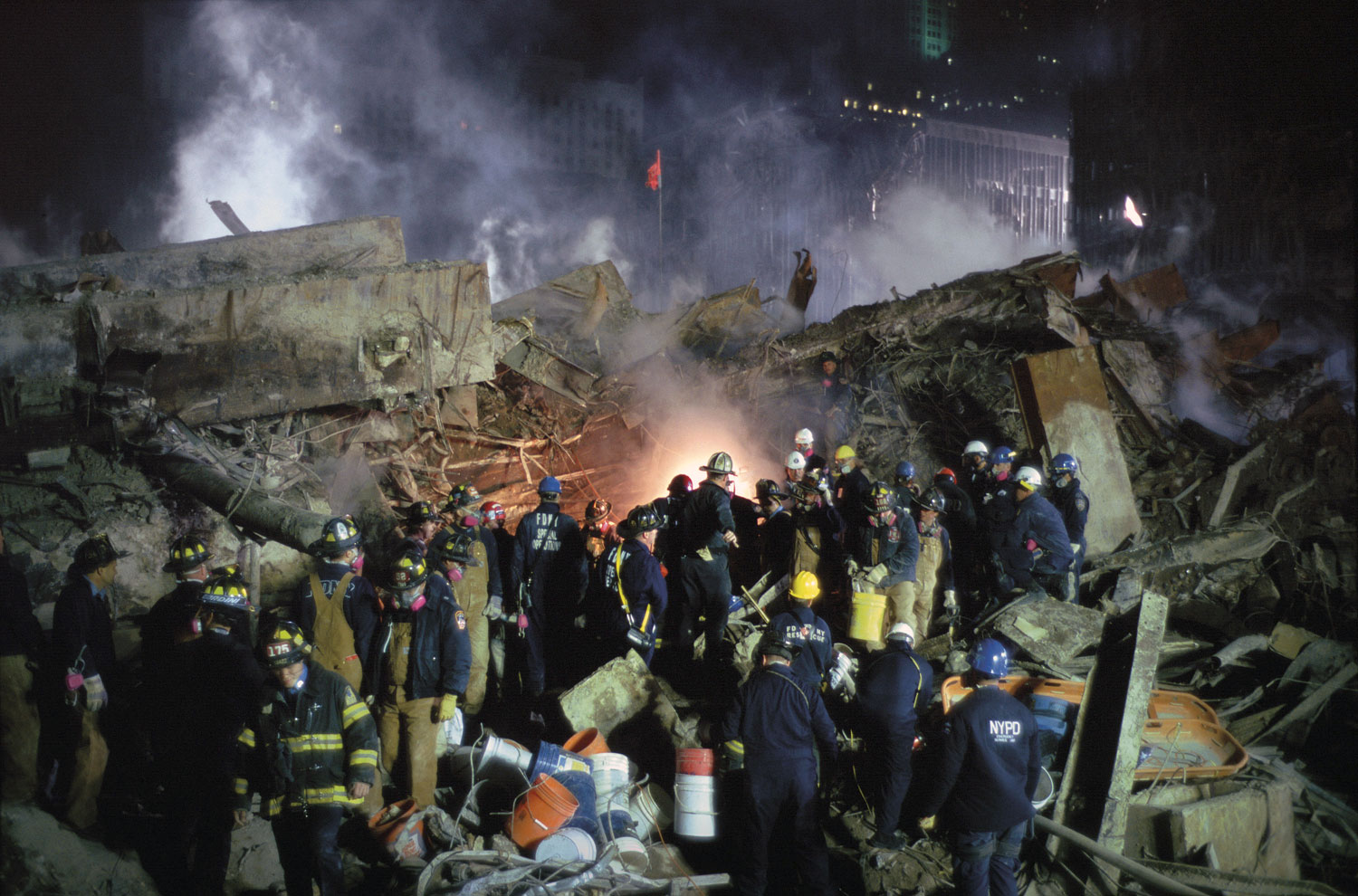

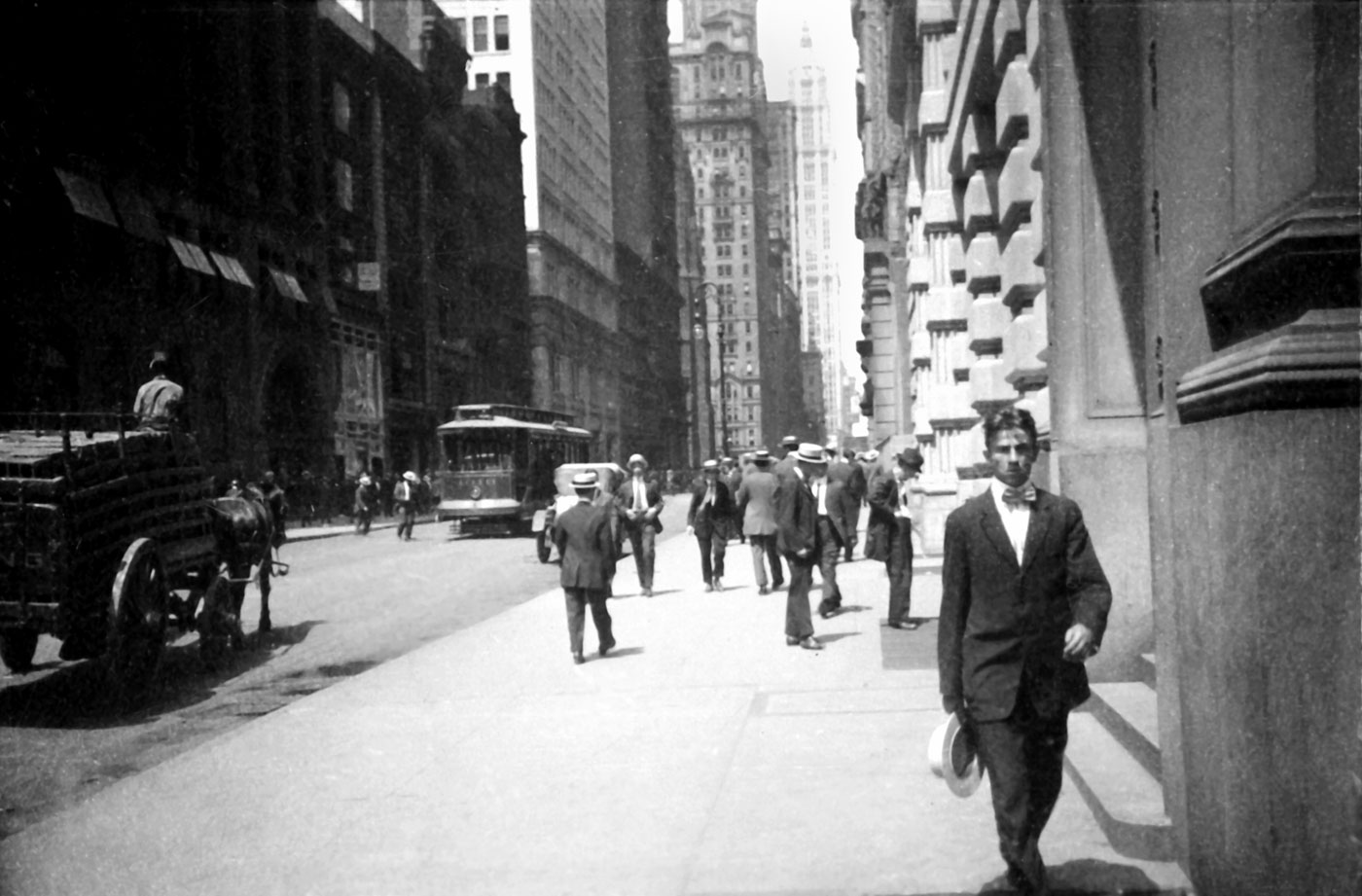


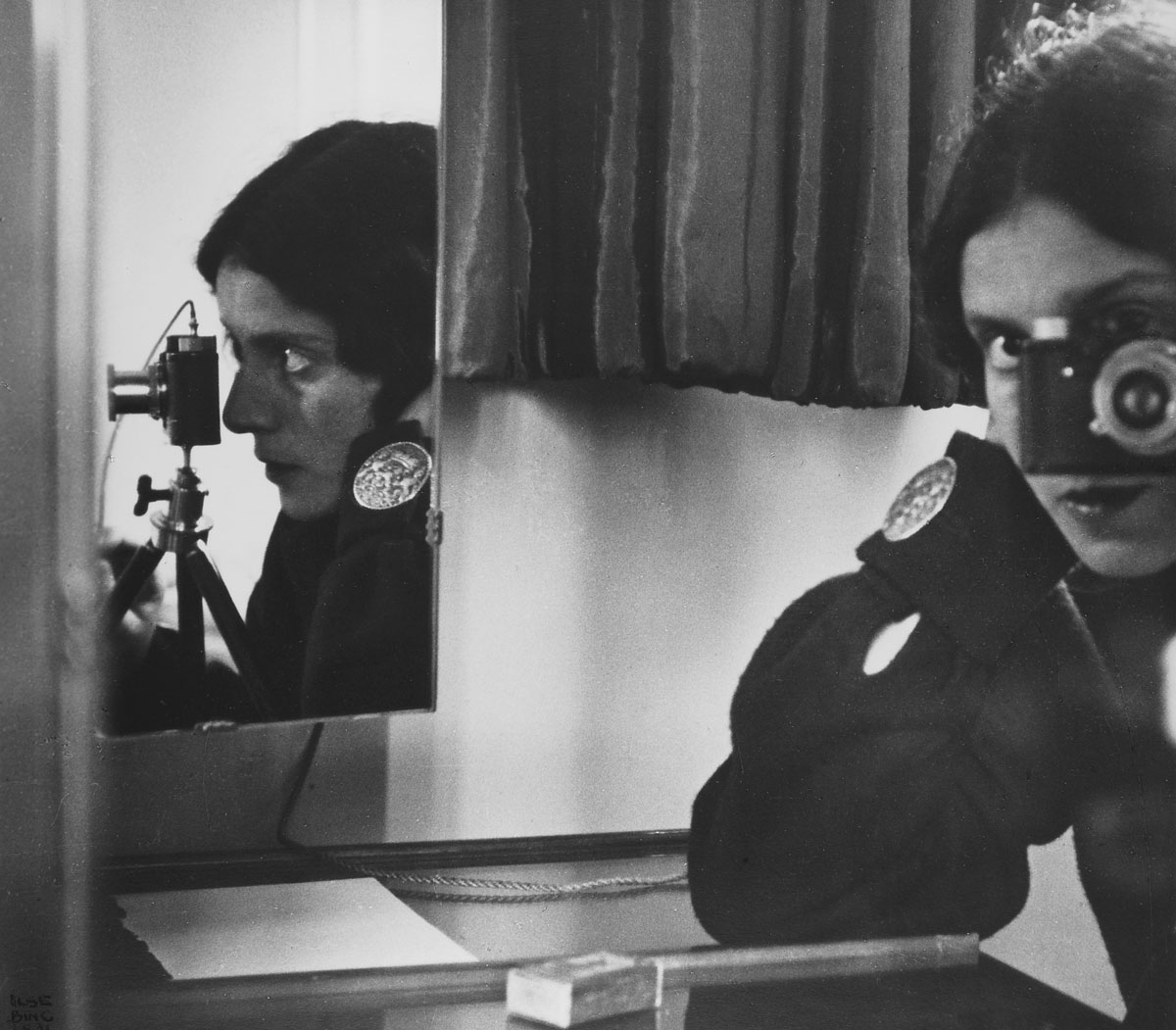
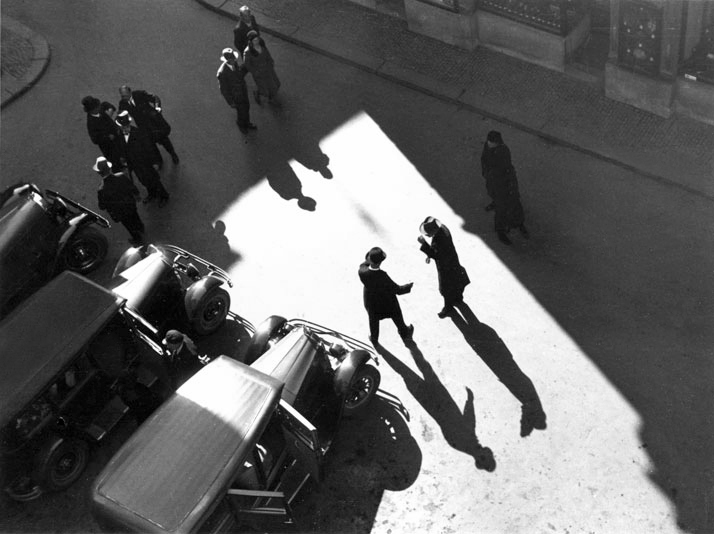

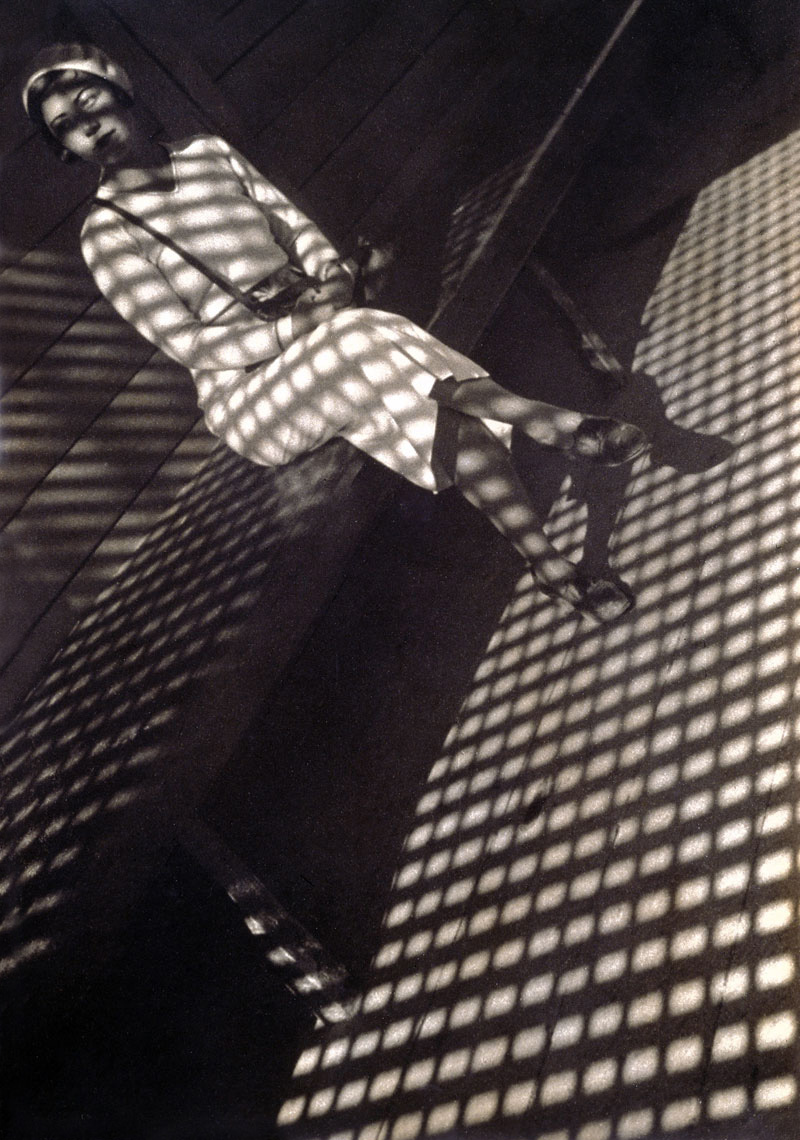

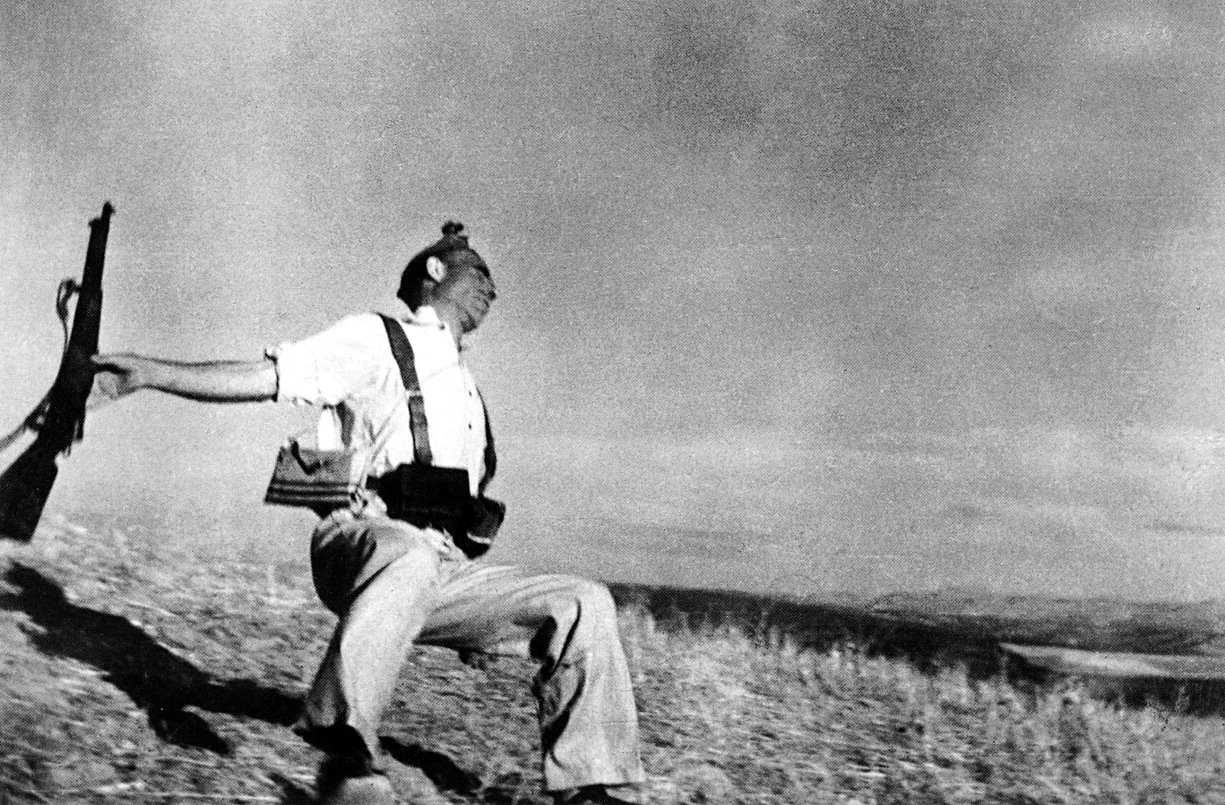


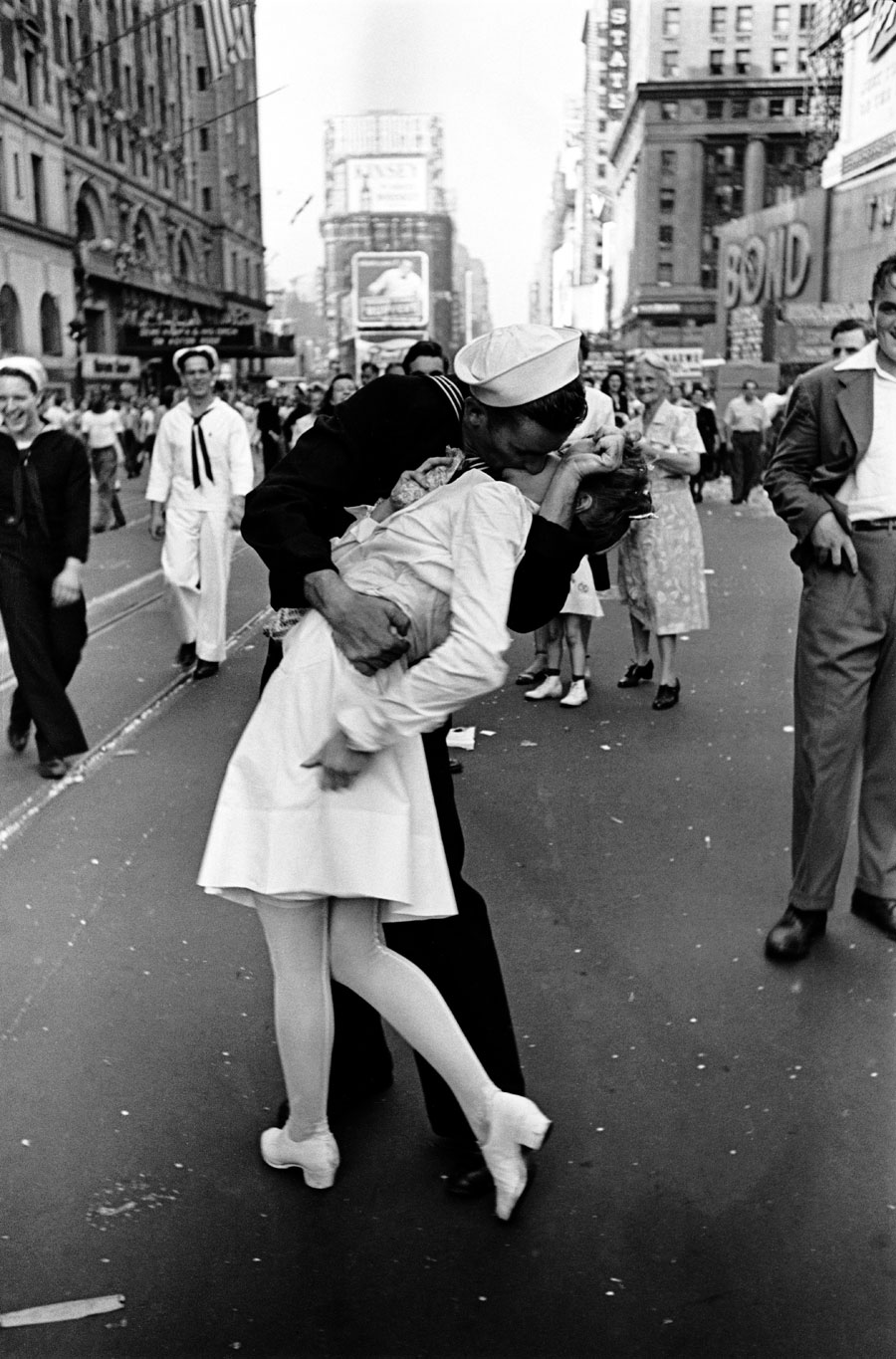


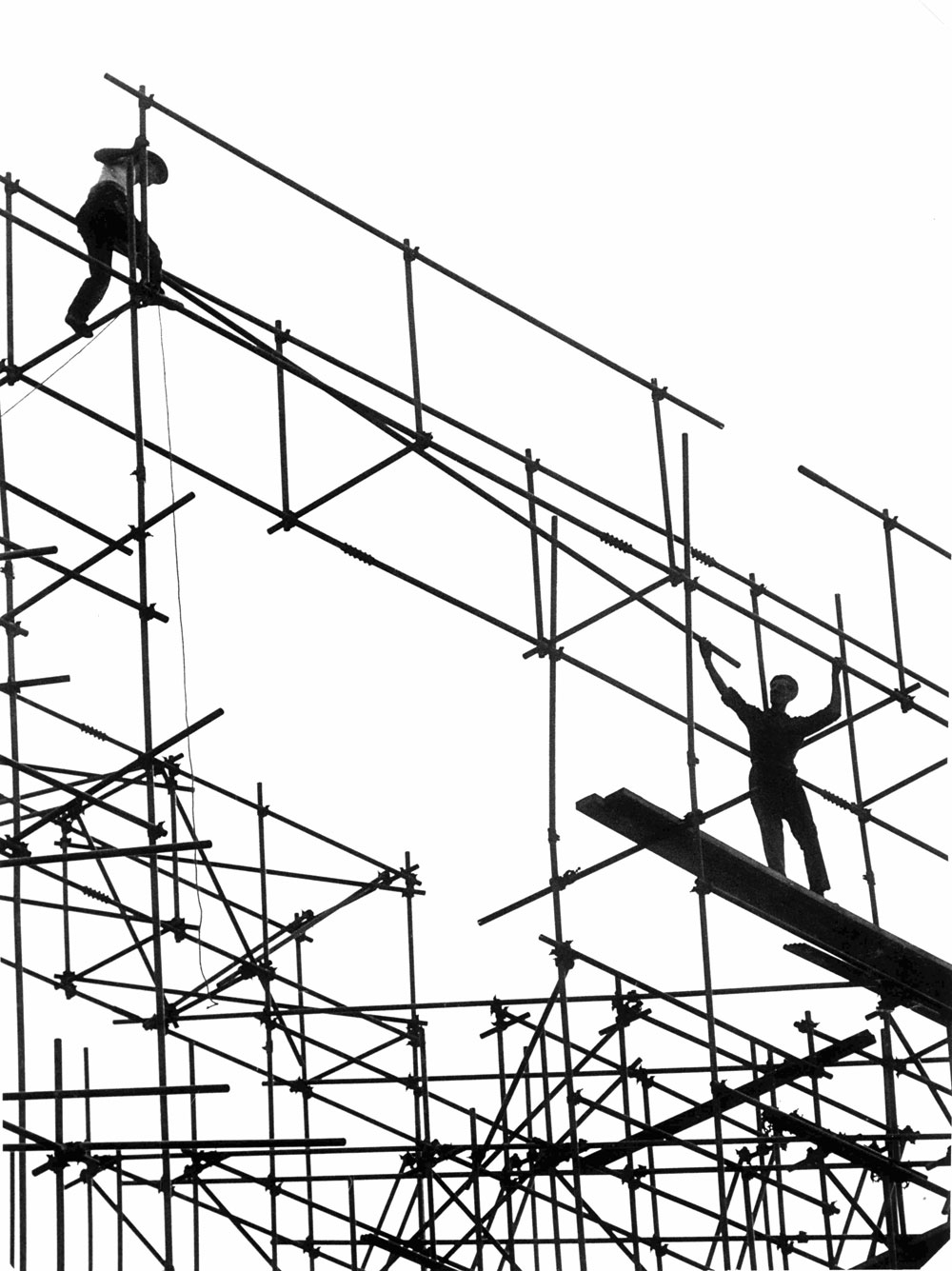


![Claude Dityvon (French, 1937-2008) '"L'homme à la chaise", Bd St. Michel, 21 May 1968' 1968 [The main the chair]](https://artblart.com/wp-content/uploads/2015/01/1968_dityvon__68_bd_st_michel-_21mai08_web.jpg "Claude Dityvon (French, 1937-2008) '\"L'homme à la chaise\", Bd St. Michel, 21 May 1968' 1968 [The main the chair]")

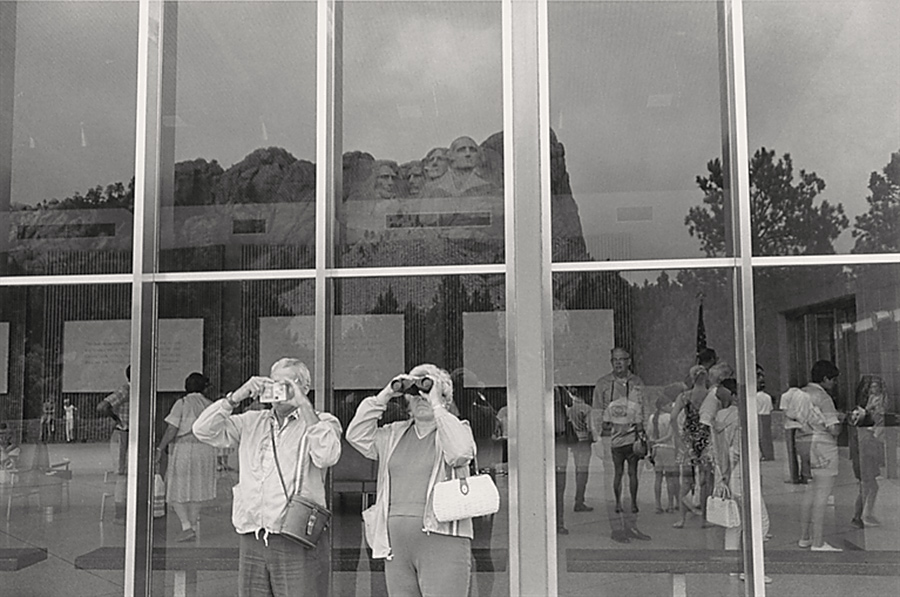
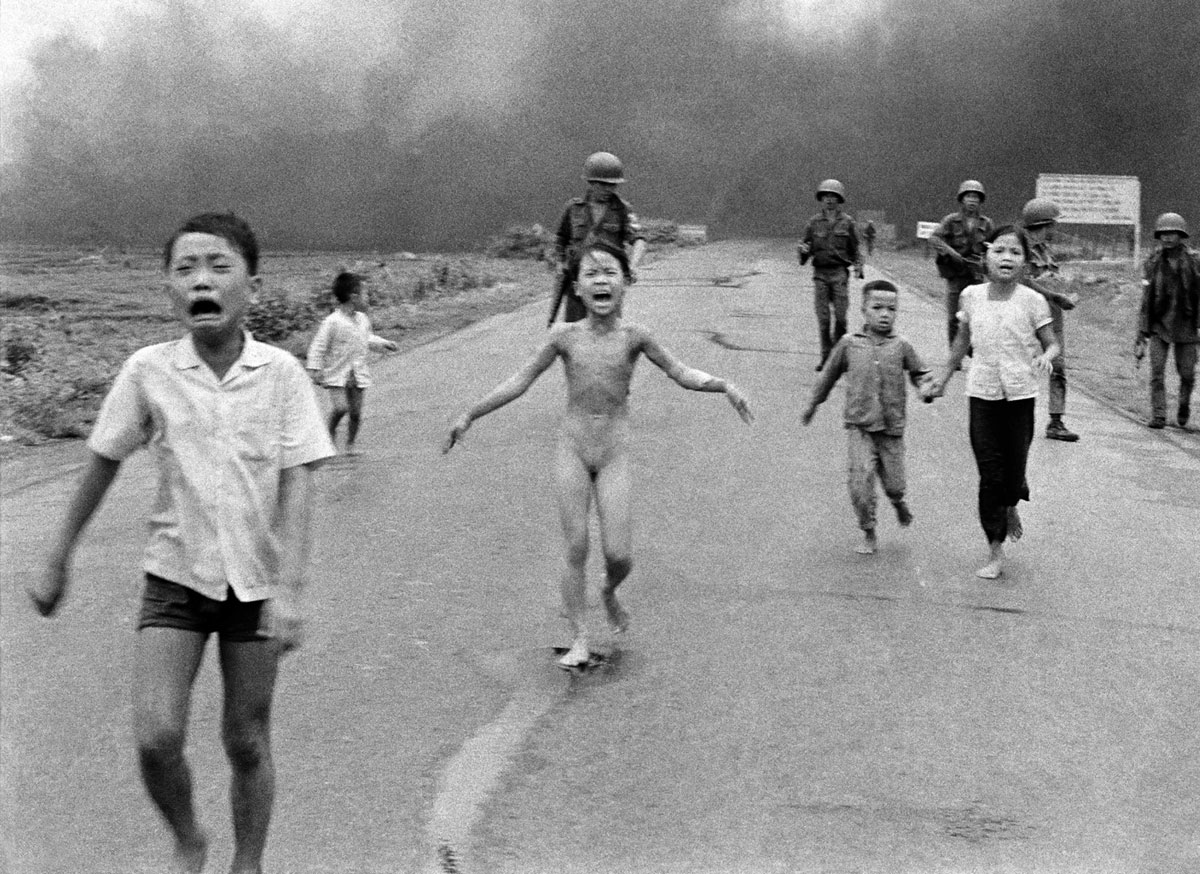

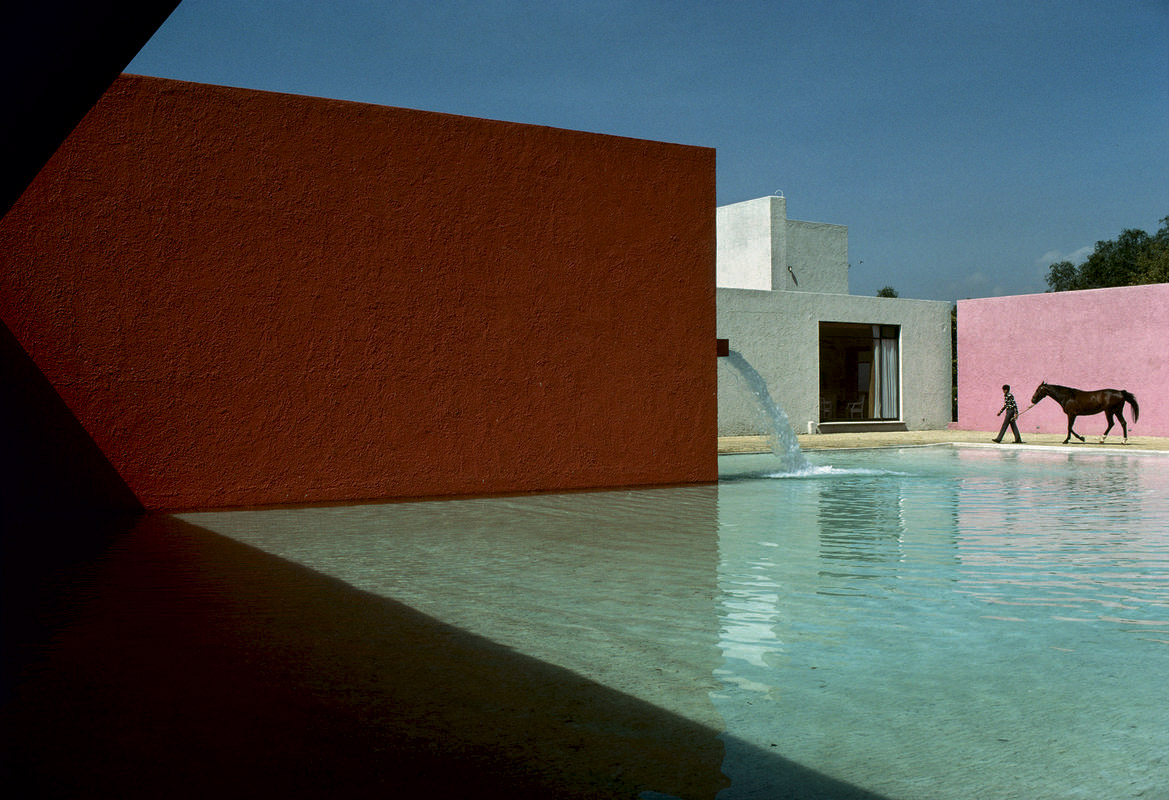


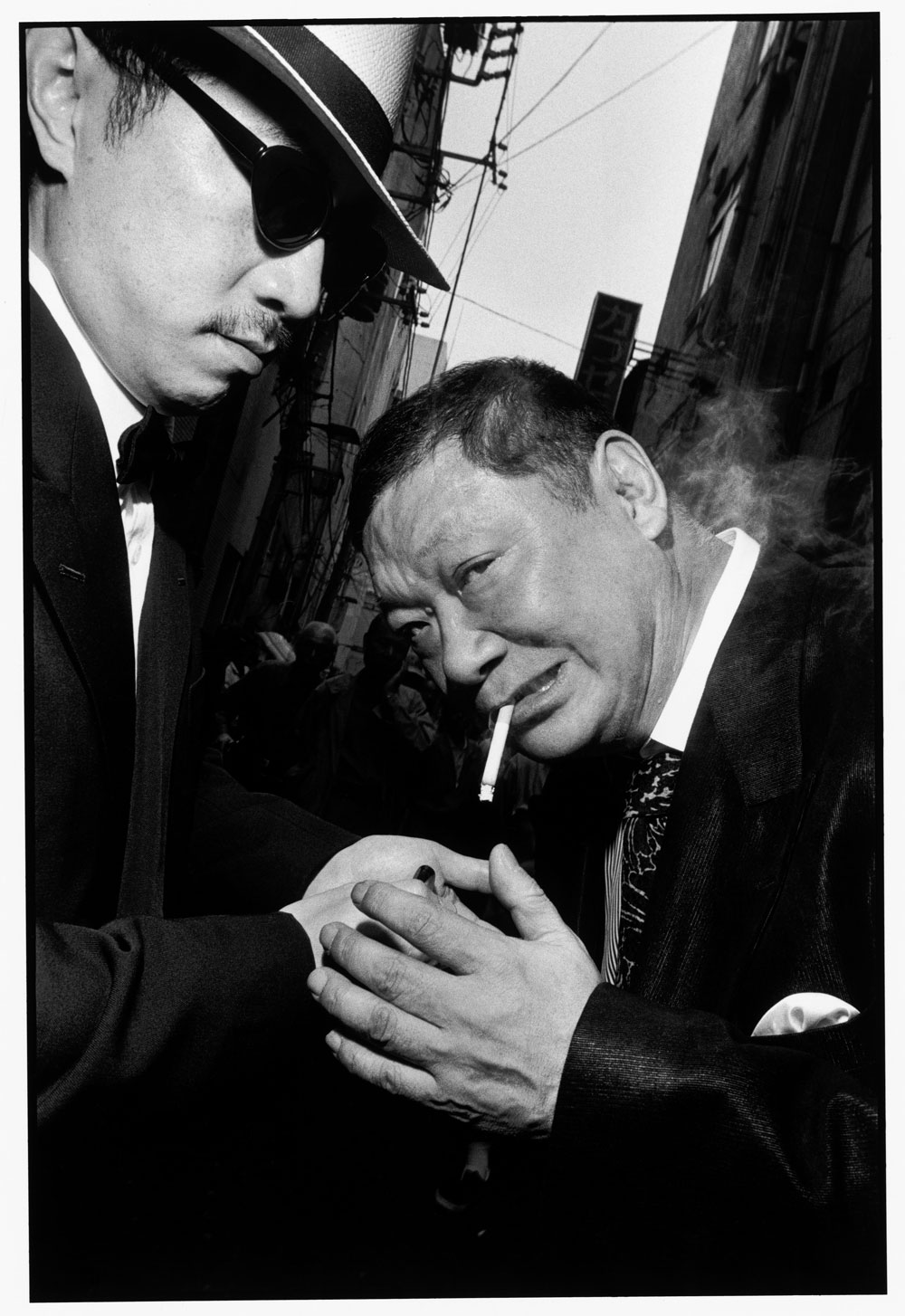


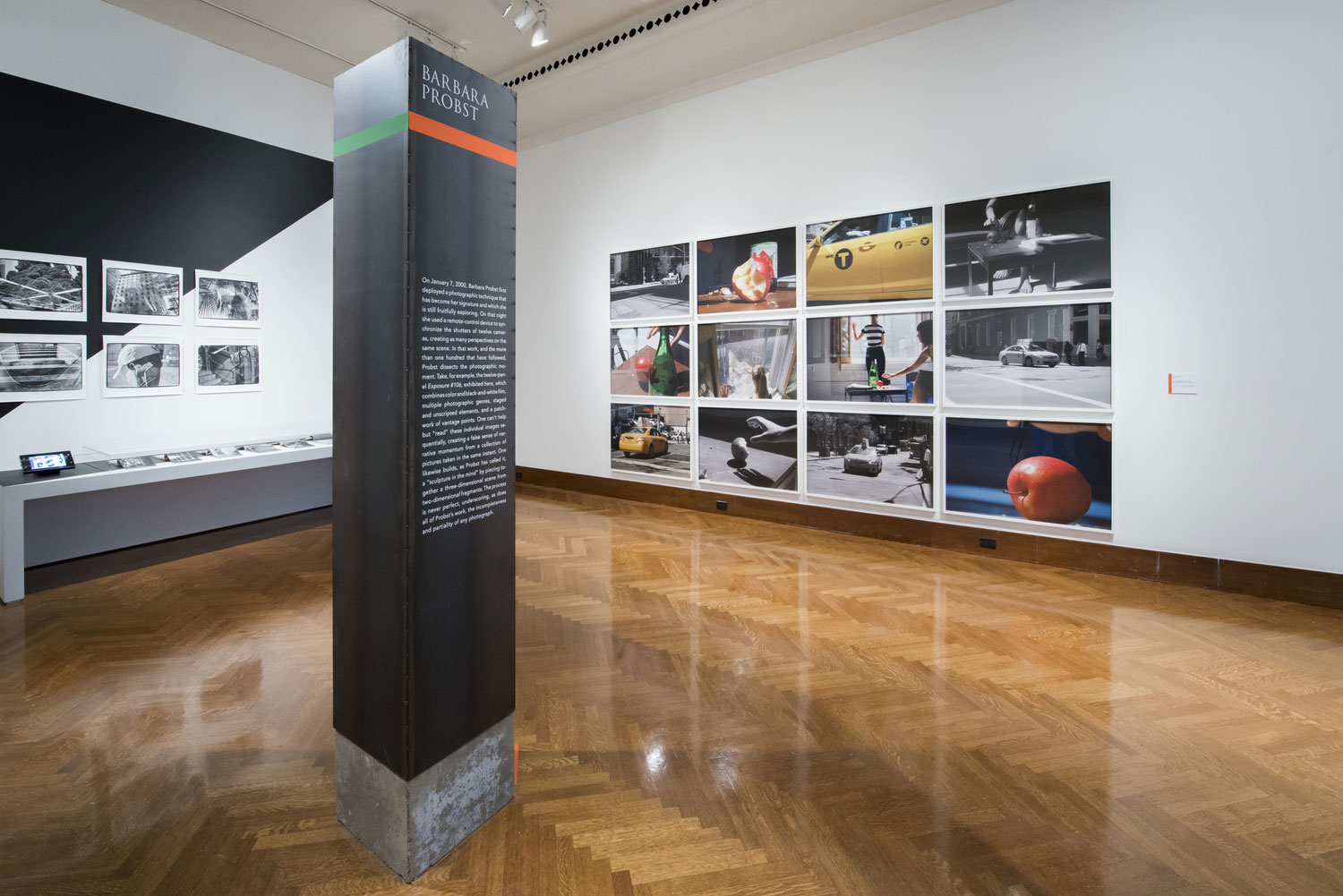

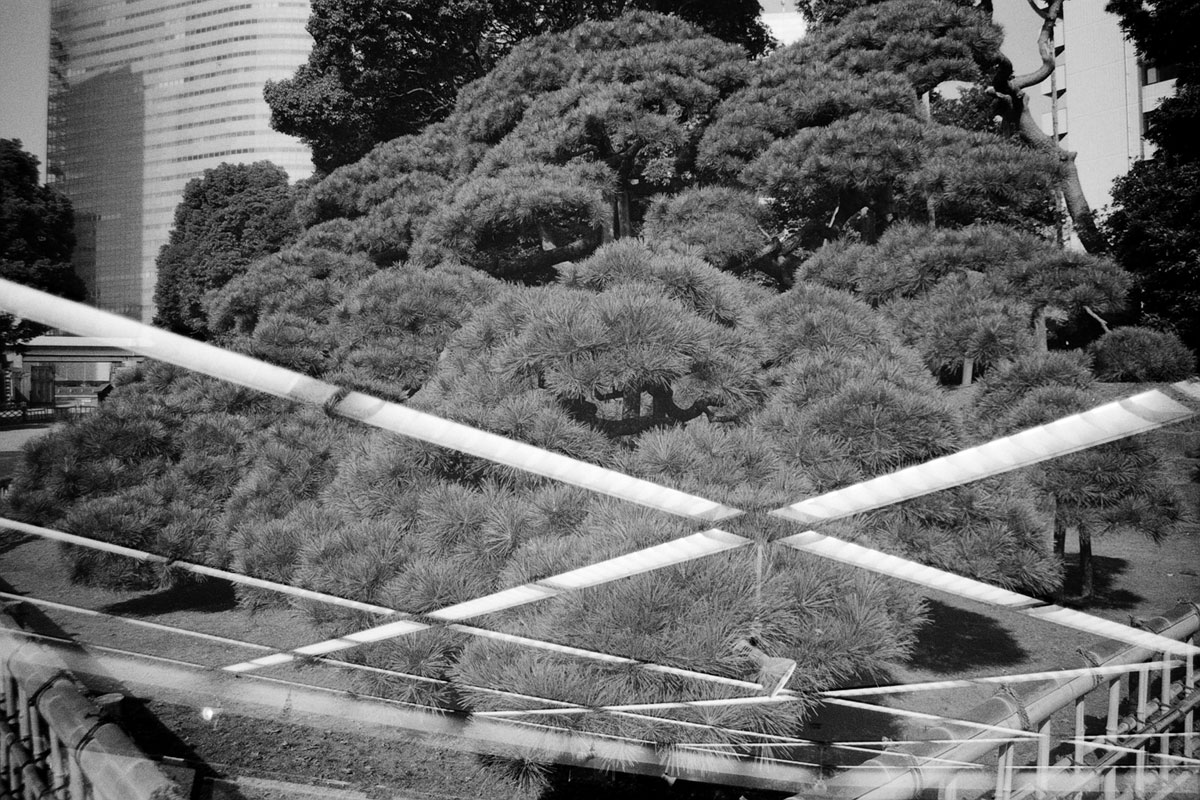

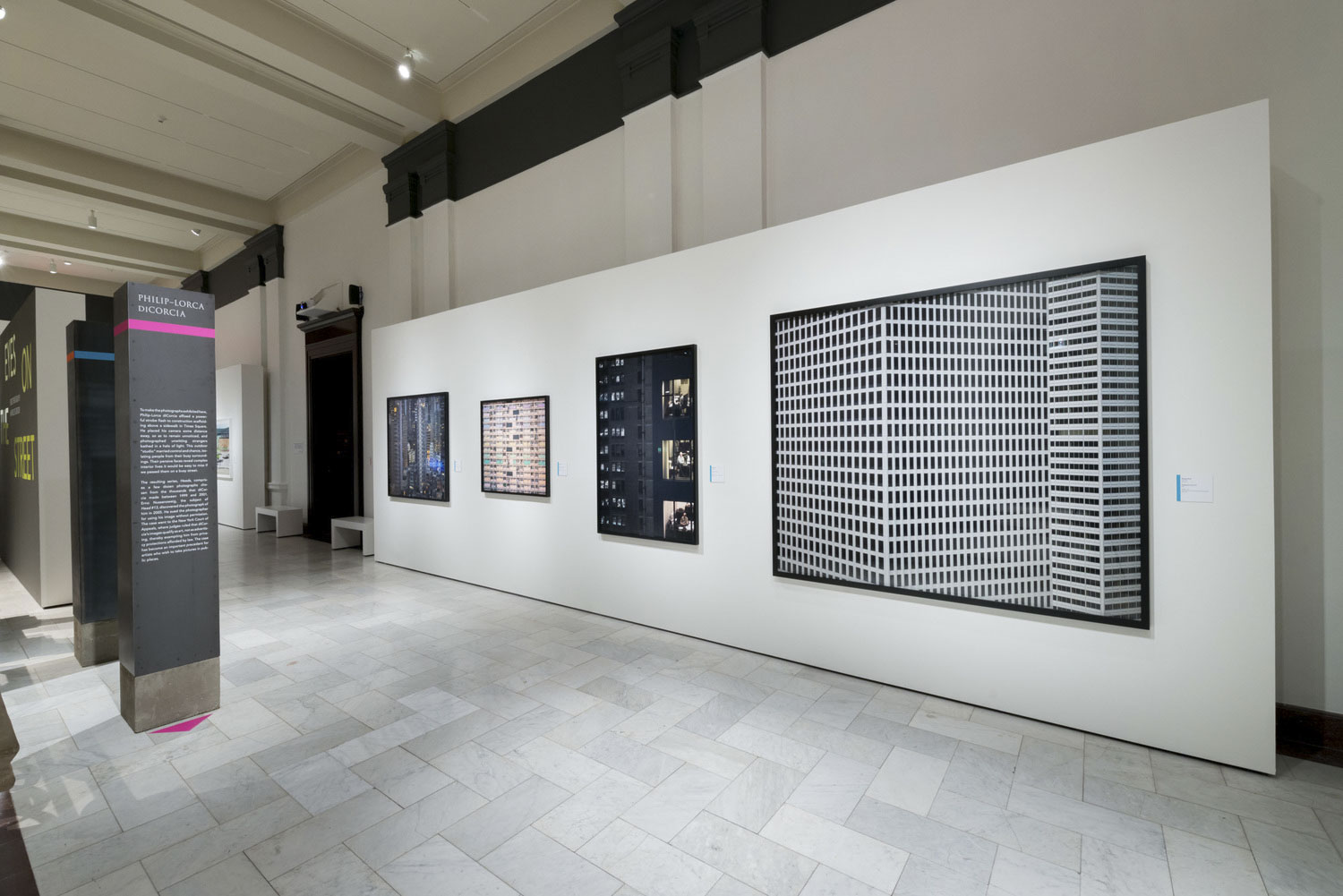

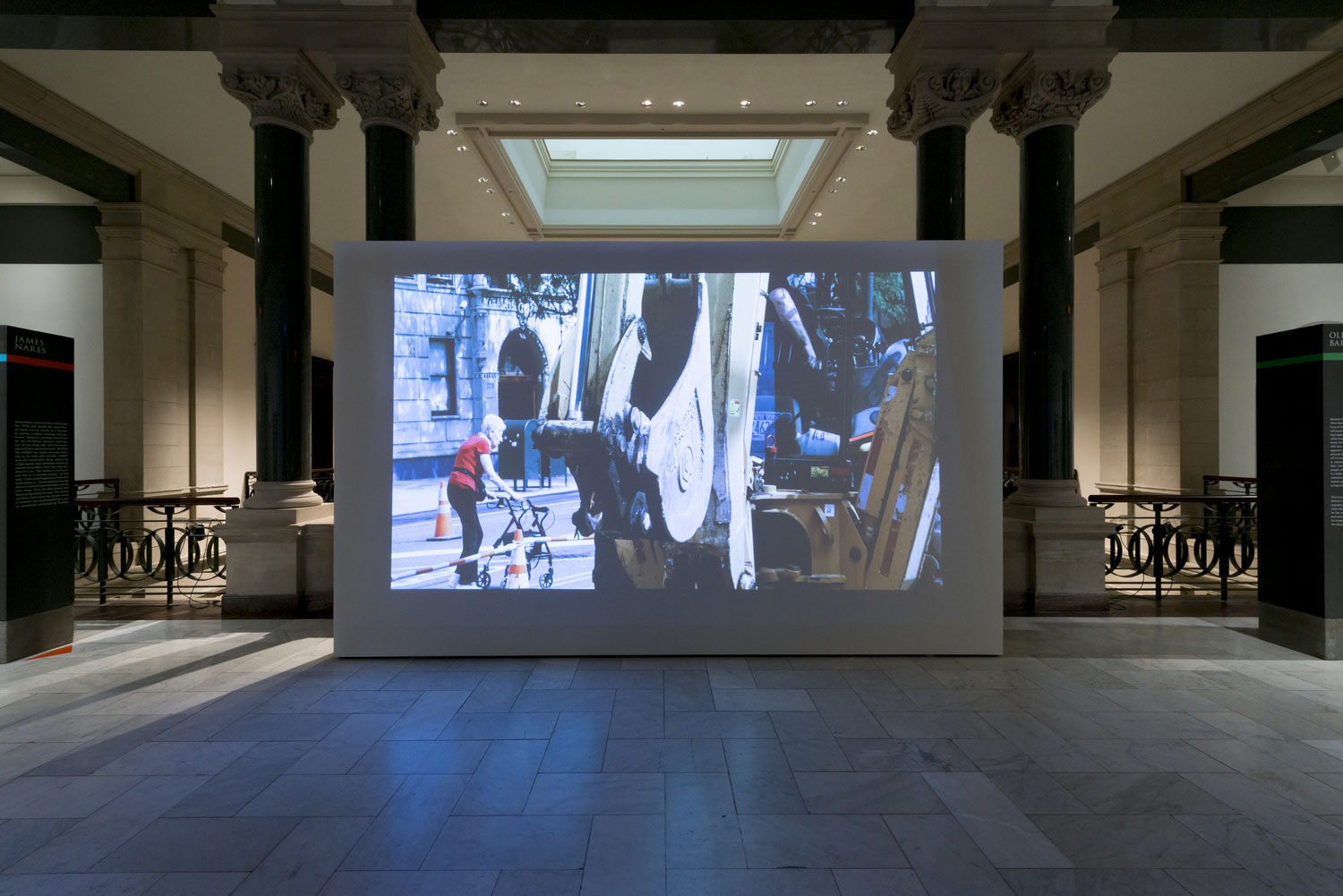
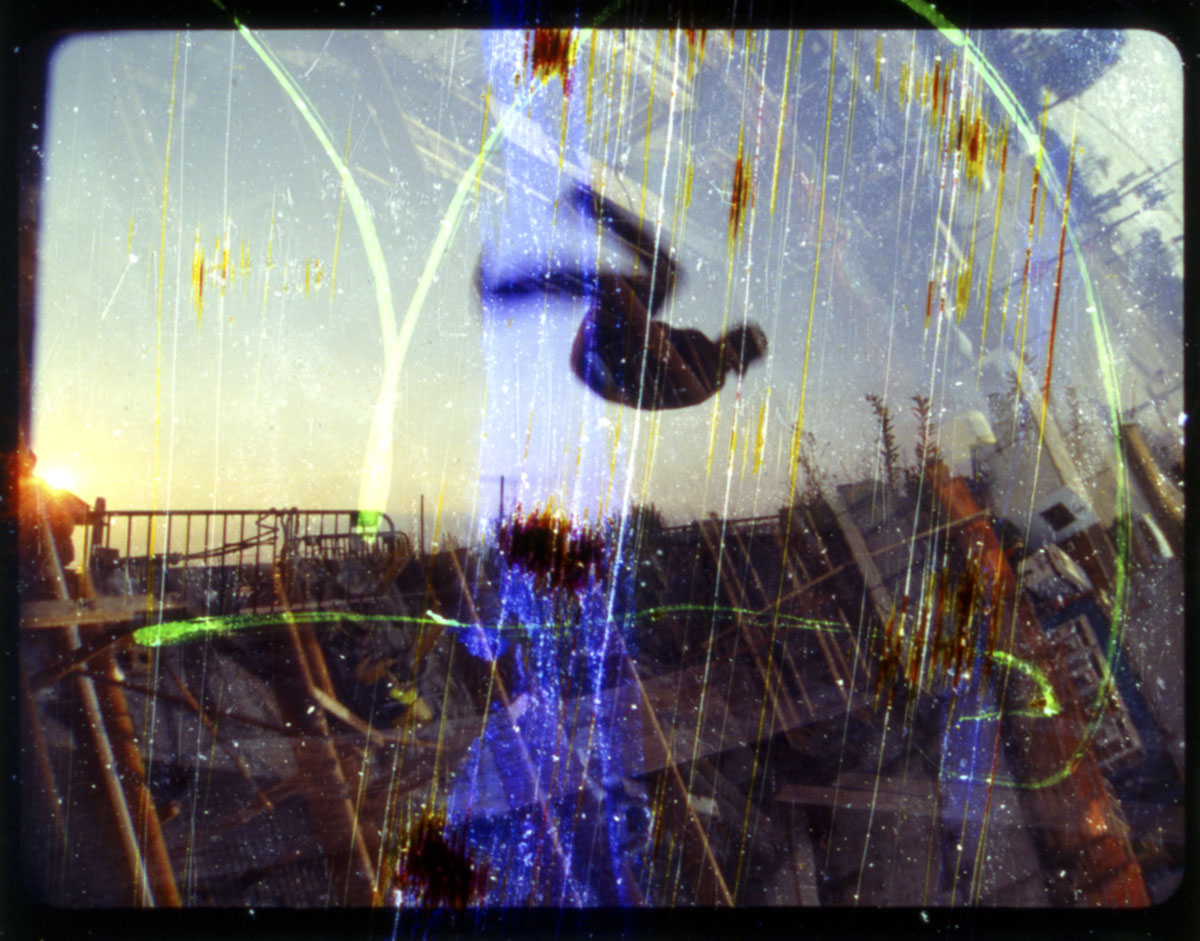
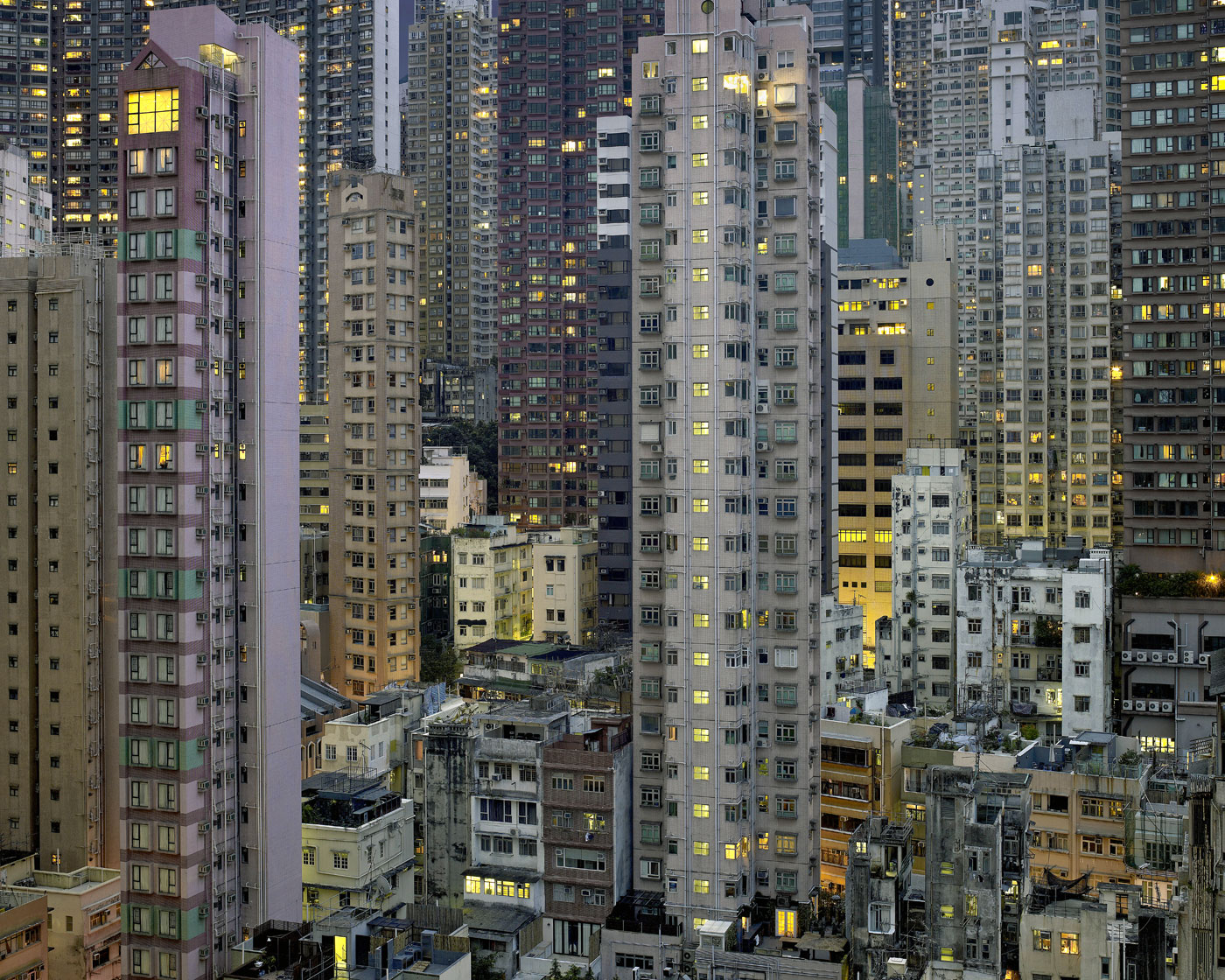

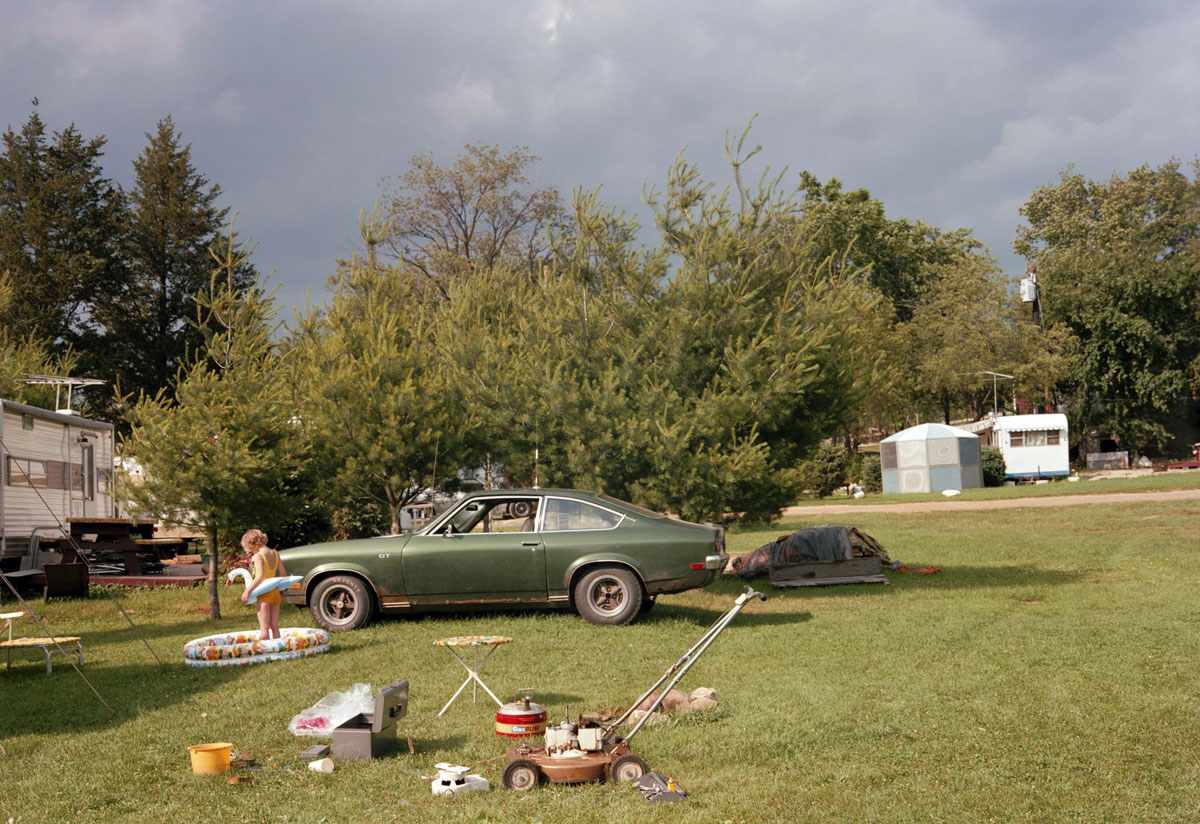
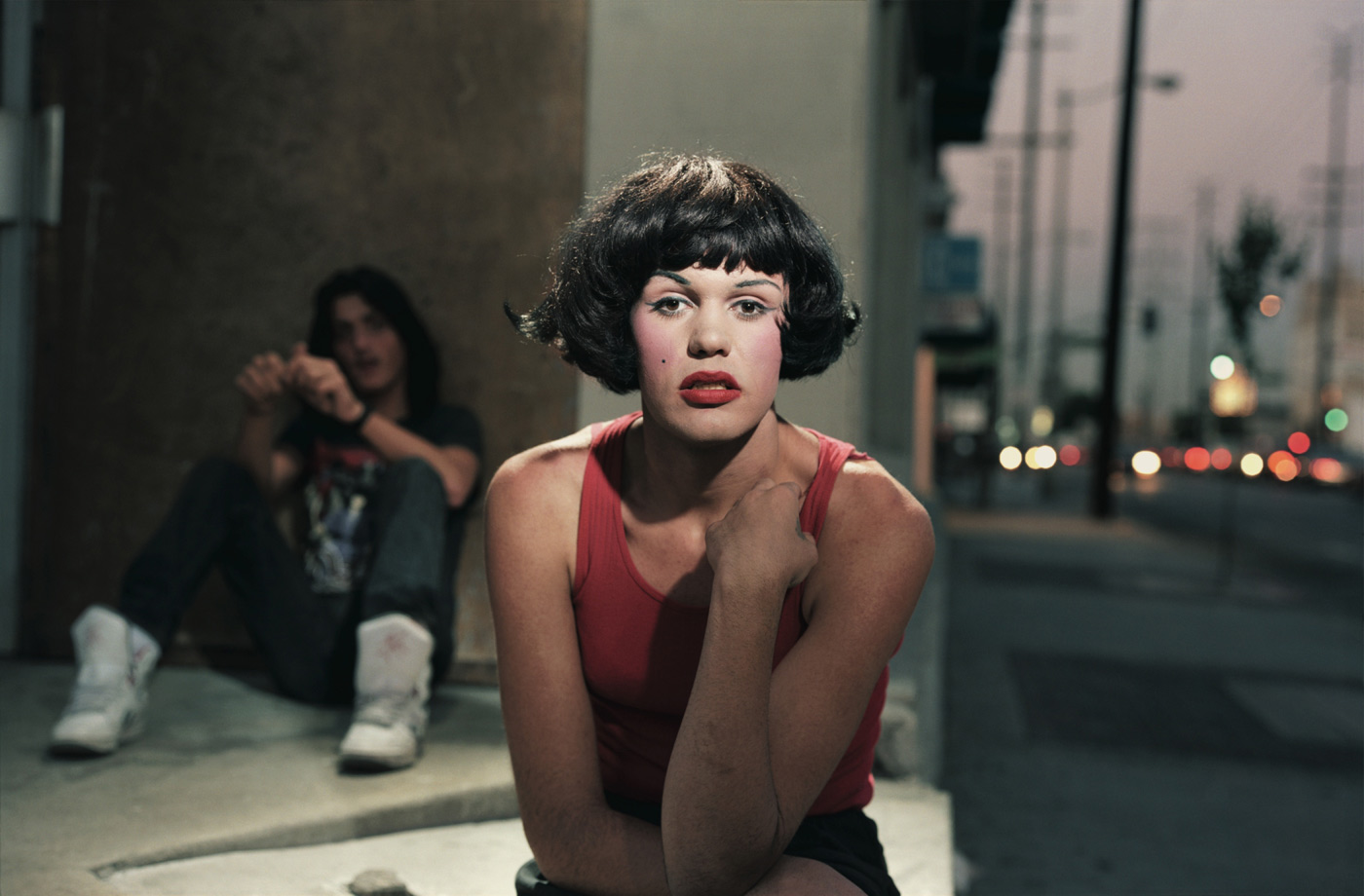
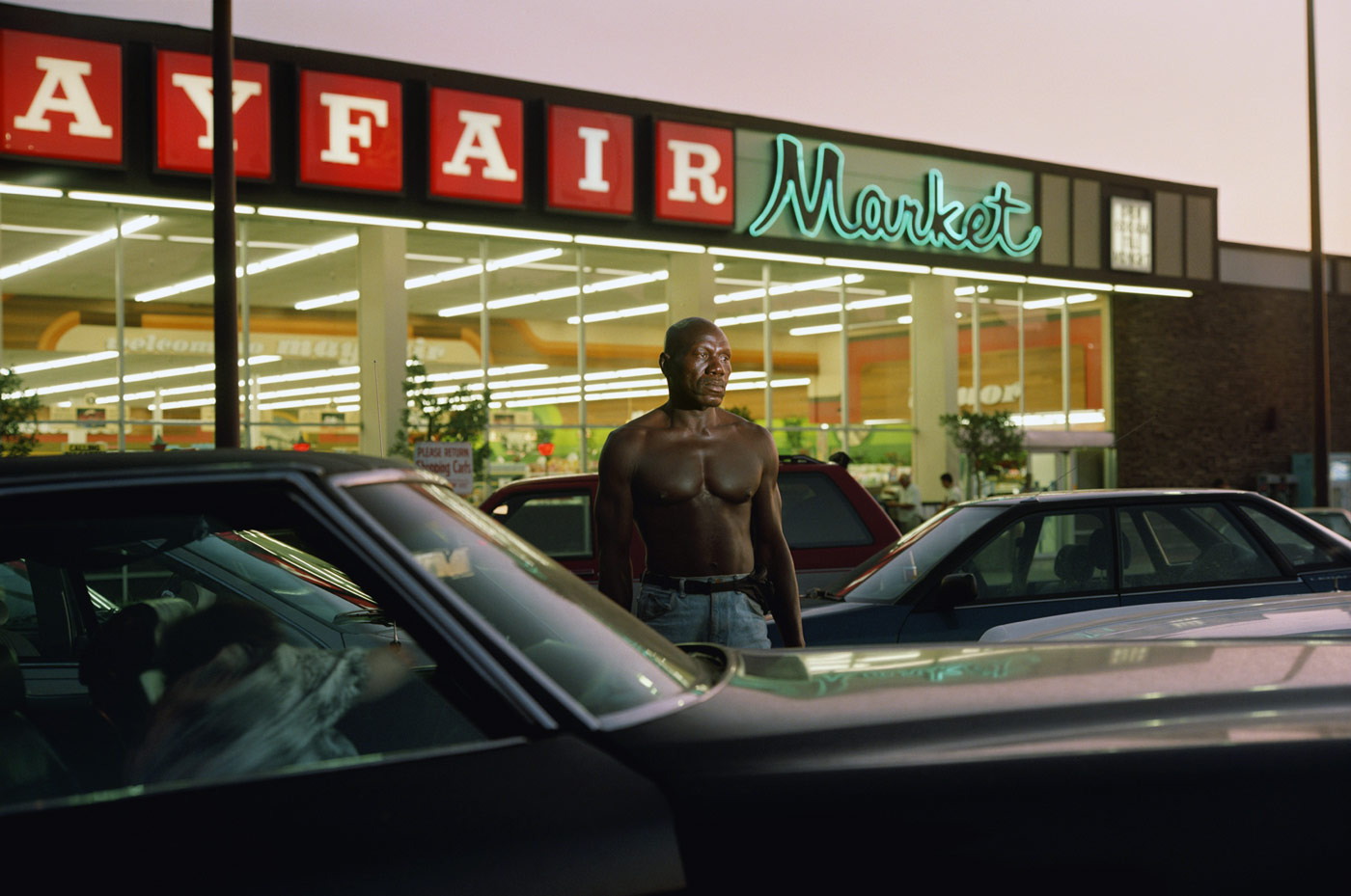
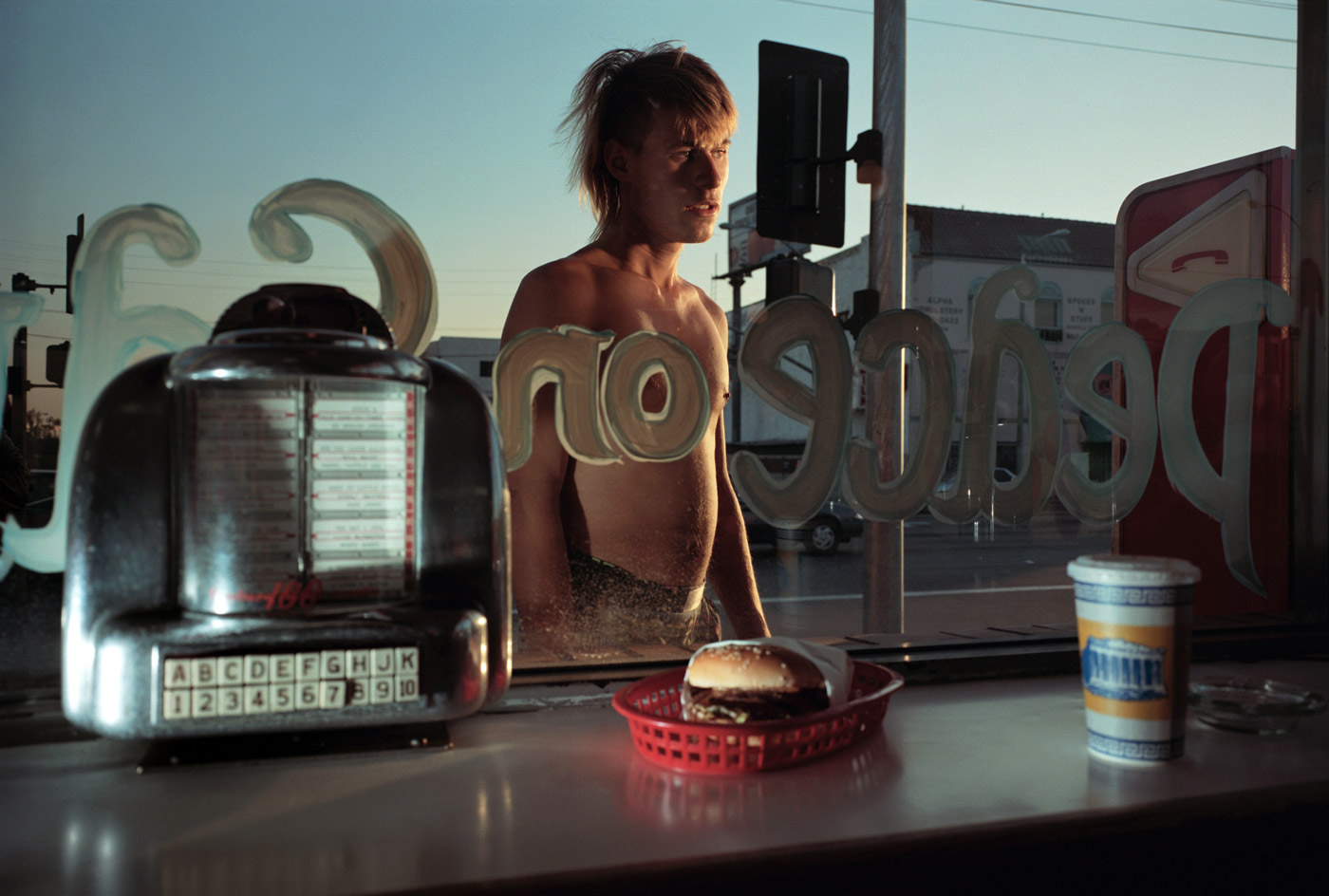


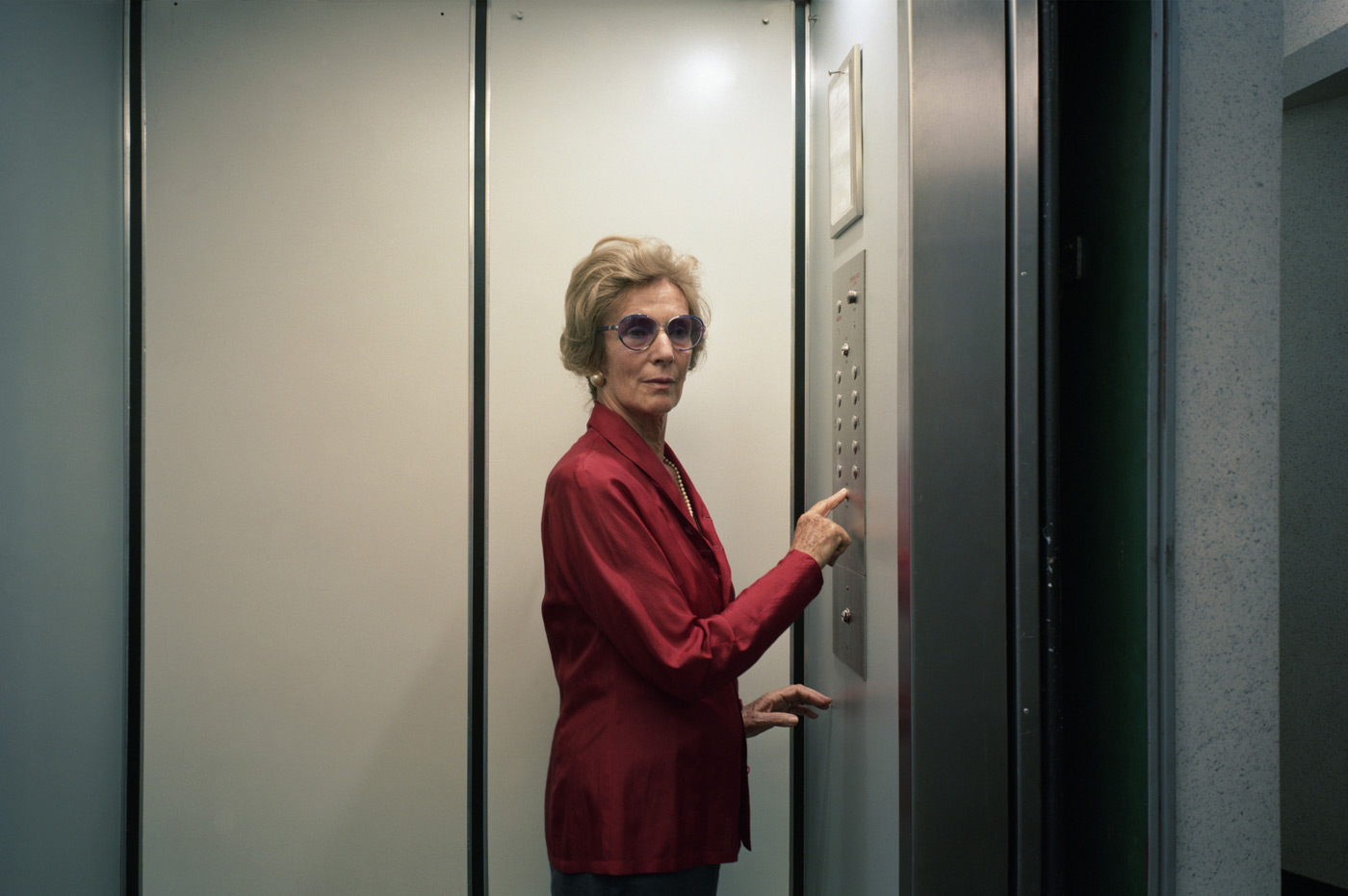

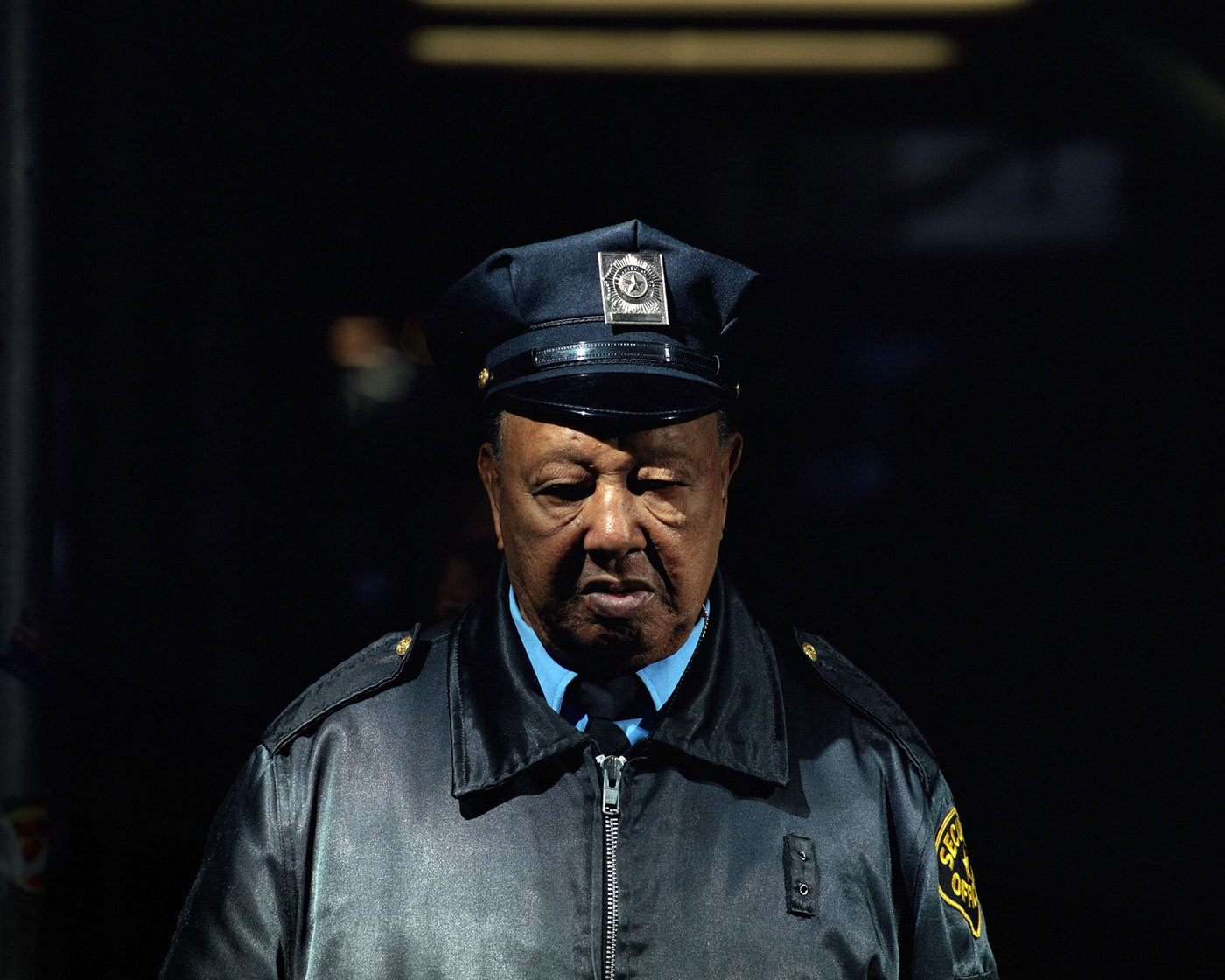

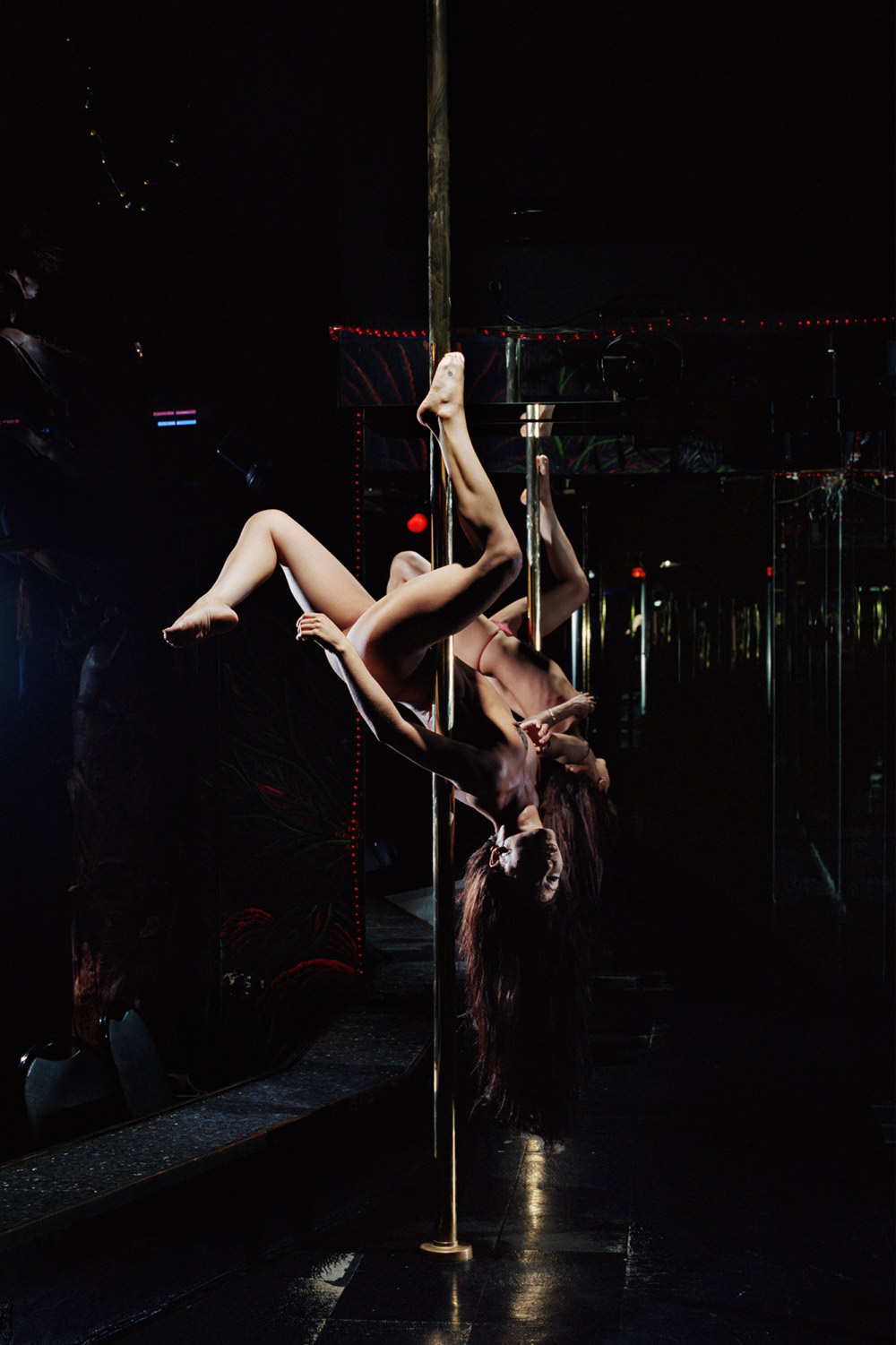
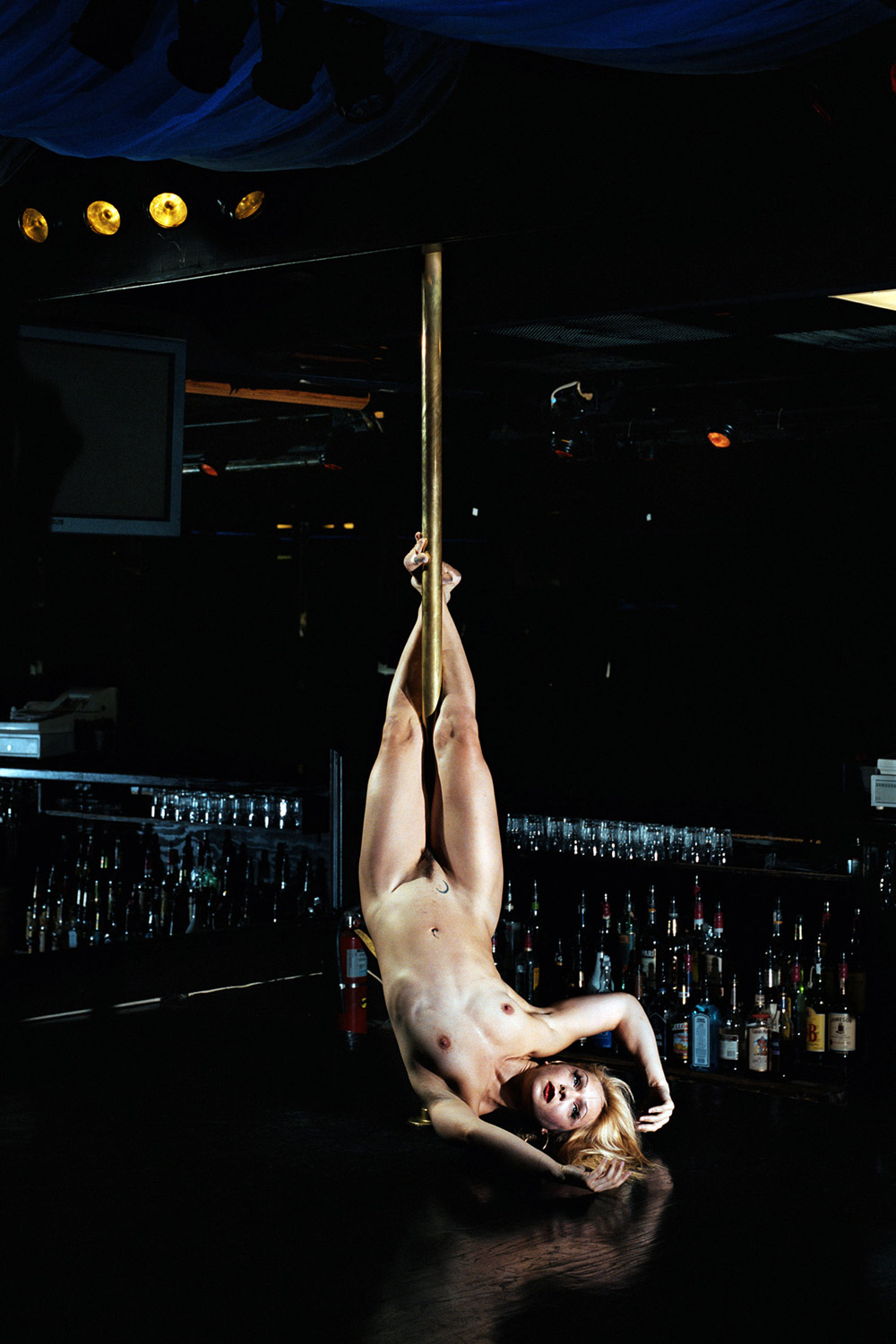

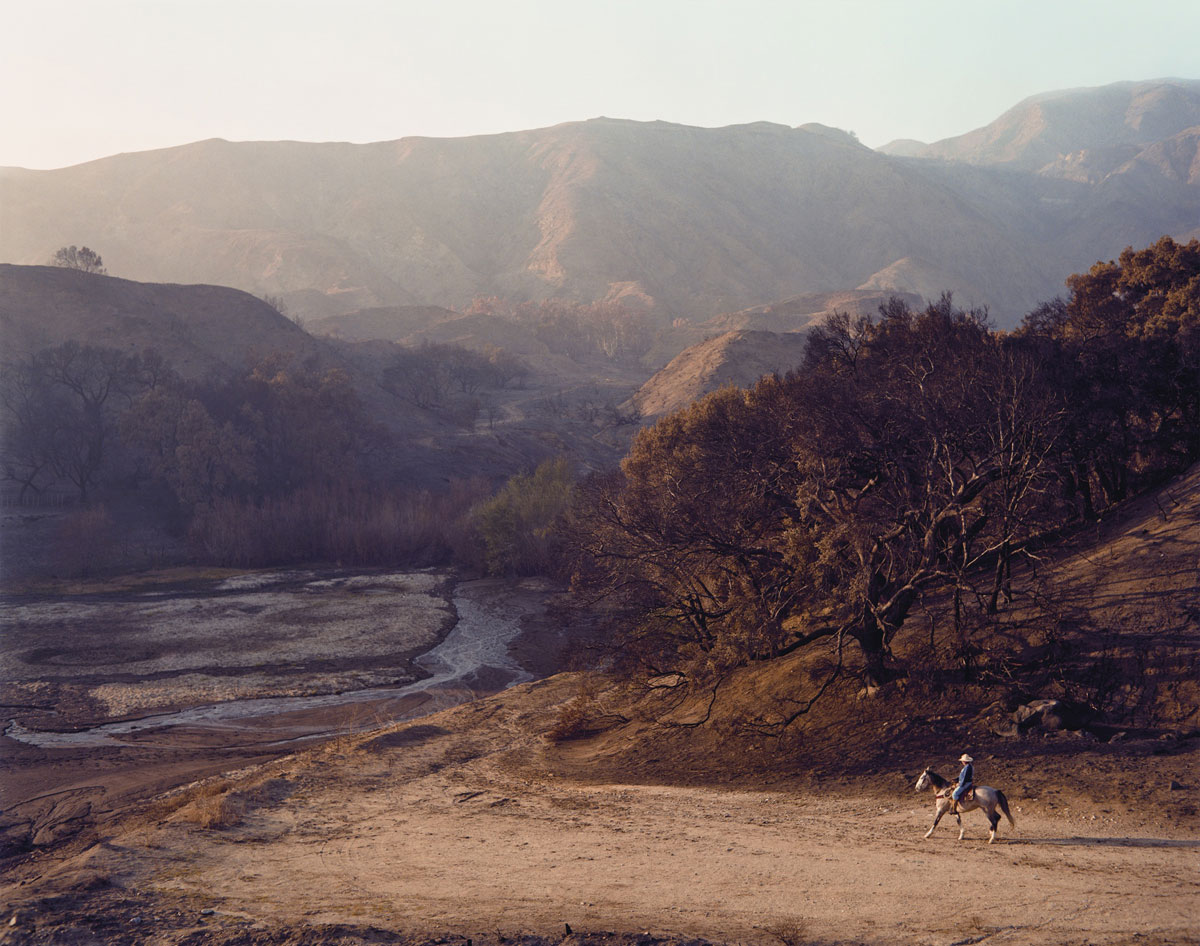
 Art Blart _ art and cultural memory archive
You must be logged in to post a comment.