Curated by Alistair O’Neill, professor of Fashion History and Theory at Central Saint Martins (University of the Arts London)
Please note: This exhibition includes photographs showing nudity and sexually suggestive scenes. There is no age restriction for visitors to the exhibition. We are leaving the decision to visit to the discretion of parents, guardians and carers.
Keith Vaughan (British, 1912-1977) Highgate Men’s Pond Album 1933 Courtesy Aberystwyth University School of Art Museum and Galleries
Nothing hard to see here…
This looks to be a fascinating exhibition albeit with not a single erect penis on show and about half the exhibition showing flaccid examples. The photographs seem particularly asexual. Hardly any of them are what you would call “erotic”, except perhaps the photographs from the earliest album in this posting, Keith Vaughan’s Highgate Men’s Pond Album (1933, above and below). For me, the most sexual photographs are the “rough trade” such as the skins and carnies… an archetype which has existed for centuries.
My Phd research titled Presing the Flesh: Sex, Body Image and the Gay Male (1997-2001) examined in part the history of the male body in photography, including photos of ephebes (young men), the muscular mesomorphic body as featured in the physique magazines and gay male pornography. My history of the male body in photography can be found in the Historical Pressings chapter while the Bench Press chapter investigates the ‘Cult of Muscularity’, the development of gym culture, its ‘masculinity’, ‘lifestyle’, and the images used to represent it.
Much as gay men had to speak ‘Polari’ (gay slang language) when going to pubs such as the Salisbury on St Martin’s Lane in London in the 1970s so that those around us could not understand what we were saying, so physique or ‘beefcake’ magazines of the 1950s and 1960s relied heavily on the iconography of classical Rome and Greece to legitimise and hide from unknowing eyes (in plain sight) their homo-erotic overtones. Use was made of columns, drapery, and sets that presented the male body as the contemporary equivalent of idealised male beauty of ancient times.
While Simon in his excellent post on the exhibition notes that there was a delicate balancing act in the photographs in their subtle aesthetics of constraint and tact and a “self-imposed restraint which made ‘physique photographs’ walk such an exciting fine line between factual depiction of male anatomy and objects of lust from the 1930s to the 80s,” behind the scenes the models were getting boners and having sex all over the place. Purely for private consumption in their day, none of these photographs are ever shown (as in this exhibition) or published today and hardly anyone knows about them. The limp, flaccid penis is all that we get to see for fear of offence and/or moral outrage… for what was covert activity at the time (with a wide underground circulation) is kept impotent today.
Dr Marcus Bunyan
Many thankx to The Photographers’ Gallery for allowing me to publish the photographs in the posting. Please click on the photographs for a larger version of the image.
“I think the interest is not so much in the images, per se, as in their variety, and also in the extraordinary density and complexity of the clandestine networks of gay photographers, subjects, printers, publishers and distributors which the wall labels describe and explain. That’s interesting social history.
And then, when you lay the complex mesh of legal and cultural and visual parameters over the images you get, as it were, another layer of complexity beyond the images themselves; you get to see them as varying visual strategies and approaches and sublimations of very powerful male urges of desire and sexuality.”
“The bodies in the ‘beefcake’ magazines of the 1950’s tend to be bigger than that of the ephebe, even when the models were quite young in some cases. As the name ‘beefcake’ implies, the muscular mesomorphic shape was the attraction of these bodies – perfectly proportioned Adonis’s with bulging pectorals, large biceps, hard as rock abdomens and small waists. The 1950’s saw the beginning of the fixation of gay men with the muscular mesomorph as the ultimate ideal image of a male body. The lithe bodies of young dancers and swimmers now gives way to muscle – a built body, large in its construction, solid and dependable, sculpted like a piece of rock. These bodies are usually smooth and it is difficult to find a hirsute body11 in any of the photographs from the physique magazines of this time. According to Alan Berube in his book, Coming Out Under Fire,
“The post-war growth and commercialization of gay male erotica in the form of mail-order 8 mm films, photographic stills, and physique magazines were developed in part by veterans and drew heavily on World War II uniforms and iconography for erotic imagery.”12
Looking through images from the 1940s in the collection at The Kinsey Institute, I did find that uniforms were used as a fetish in some of the explicitly erotic photographs as a form of sexual iconography. These photographs of male2male sex were for private consumption only. I found little evidence of the use of uniforms as sexual iconography in the published photographs of the physique magazines. Here image composition mainly featured classical themes, beach scenes, outdoor and studio settings. …
As the 1950s turned into the 1960s other stereotypes became available to the photographers – for example the imagery of the marine, the sailor, the biker, the boy on a tropical island, the wrestler, the boxer, the mechanic. The photographs become more raunchy in their depiction of male nudity.
In the 1950s, however, classical aspirations were never far from the photographers minds when composing the images as can be seen in the undated photograph Jim Stevens by Lon of New York in London taken from a book called ‘Art in Physique Photography’.14 This book, illustrated with drawings of classical warrior figures by David Angelo, is subtitled: ‘An Album of the world’s finest photographs of the male physique’.
Here we observe a link between art and the body. This connection was used to confirm the social acceptability of physique photographs of the male body while still leaving them open to other alternative readings. One alternative reading was made by gay men who could buy these socially acceptable physique magazines to gaze with desire upon the naked form of the male body. It is interesting to note that with the advent of the first openly gay pornography magazines after the ruling on obscenity by the Supreme Court in America in the late 1960s,15 classical figures were still used to justify the desiring gaze of the camera and viewer upon the bodies of men. Another reason used by early gay pornography magazines to justify photographs of men having sex together was that the images were only for educational purposes! …
As social morals relaxed in the age of ‘free love’, physique photographers such as Bob Mizer from Athletic Model Guild produced more openly homo-erotic images. In his work from the 1970s full erections are not prevalent but semi-erect penises do feature, as do revealing “moon” shots from the rear focusing on the arsehole as a site for male libidinal desires. A less closeted, more open expression of homosexual desire can be seen in the photographs of the male body in the 1970s.17 What can also be seen in the images of gay pornography magazines from the mid 1970s onwards is the continued development of the dominant stereotypical ‘ideal’ body image that is present in contemporary gay male society – that of the smooth, white, tanned, muscular mesomorphic body image.
Marcus Bunyan. “Historical Pressings,” from Presing the Flesh: Sex, Body Image and the Gay Male. PhD thesis, RMIT University, 2001
A Hard Man is Good to Find! celebrates a clandestine visual culture of men’s bodies that emerged in the post-war period, during a time when making and distributing such images was a criminal offence.
This exhibition highlights key areas of London which were a focus for men seeking out men to photograph. It maps out a territory of risk and possibility across Highgate, between Chelsea and Wellington Barracks, in Soho, Brixton, Portobello and Euston. Catalogues, print ordering sheets, personal albums, magazines and publications explore how these photographs were circulated, exchanged and shared.
While the 1955 Wolfenden Report and the 1967 Sexual Offences Act marked the partial decriminalisation of gay sexual activity, prompting gay liberation and the fight for social equality; any depiction of male nudity which suggested homosexuality remained subject to the 1857 Obscene Publications Act.
Including work by John S. Barrington, Cecil Beaton, Guy Burch, Basil Clavering, Rotimi Fani-Kayode, Bill Green, David Gwinnutt, Angus McBean, Patrick Procktor, Ajamu X and many more.
Whilst this is an exhibition of queer pictures, it is important to note that not all the photographers or models can be claimed as queer subjects. It also acknowledges that language evolves and while queer is employed today for its inclusivity, the reclaiming of the derogatory term can sit uneasily for the generation subjected to it; the term homosexual can be similarly problematic for a younger generation.
As a number of the works are historical documents, it has not been possible to identify all individuals represented in the exhibition. We welcome any amendments or additions.
Text from The Photographers’ Gallery website
A Hard Man is Good to Find! Interview with exhibition curator Alistair O’Neill
Alistair O’Neill, professor of Fashion History and Theory at Central Saint Martins (University of the Arts London) talks about curating the exhibition A Hard Man is Good to Find! – a bold new exhibition charting over 60 years of queer photography of the male physique.
Keith Vaughan (British, 1912-1977) Highgate Men’s Pond Album (detail) 1933 Courtesy Aberystwyth University School of Art Museum and Galleries
Keith Vaughan (British, 1912-1977) Highgate Men’s Pond Album (detail) 1933 Courtesy Aberystwyth University School of Art Museum and Galleries
Keith Vaughan (British, 1912-1977) Highgate Men’s Pond Album 1933 Courtesy Aberystwyth University School of Art Museum and Galleries
Keith Vaughan (British, 1912-1977) Highgate Men’s Pond Album, front cover 1933 Courtesy Aberystwyth University School of Art Museum and Galleries
Highgate men’s pond has a history of accommodating physical culturists and queer men as swimmers and sunbathers. At the age of 21, artist Keith Vaughan purchased a Leica camera and set up a darkroom in his bedroom. One of his first projects was a photobook he designed and made charting the climbing temperature of a summer’s day at the pond. This is the first time the album has been exhibited.
Keith Vaughan (British, 1912-1977) Highgate Men’s Pond Album 1933 Courtesy Aberystwyth University School of Art Museum and Galleries
Keith Vaughan (British, 1912-1977) Highgate Men’s Pond Album (detail) 1933 Courtesy Aberystwyth University School of Art Museum and Galleries
Angus McBean (Welsh, 1904-1990) David Dulak 1946 Courtesy Rupert Smith Collection
In a study of Dulak taken in Angus McBean’s Covent Garden studio, an idealised diptych of the naked dancer is created from controlled lighting and double exposure. It was taken after McBean was released from prison, having served two years’ hard labour for gross indecency. During the Blitz, McBean relocated his studio to Bath and it was raided by police in 1941.
Between Chelsea and Wellington Barracks
I.e. Pimlico, an area of boarding houses and rented rooms, an enclave of queer life. Angus McBean opened his photographic studio on Belgrave Road in 1935.
Montague Glover had served in the First World War where he was awarded a medal. He went on to practice as an architect with photography on the side. His military career gave him easy access to the barracks where he recruited like-minded Guards to return to his studio or rented rooms and pose in less than full uniform. Squaddies available for gay sex were known as ‘a bit of scarlet’.
Angus McBean (Welsh, 1904-1990) David Dulak (detail) 1946 Courtesy Rupert Smith Collection
“… by the time of the 1939 National Register he was 35 and living in a Hertfordshire cottage with three other men; his 19 year old photographer’s assistant, a 21 year old theatre clerk, and a 26 year old builder’s carpenter. Because of the London Blitz McBean moved to Bath where he set up a studio in his ground floor flat in Kingston House, Pierrepont Street, which soon became a meeting place for gay men, including servicemen who were stationed nearby.
On 13 November 1941 Bath police raided the flat and arrested McBean and a 16 year old youth. This began a chain of arrests using evidence from letters, diaries and statements to the police. It also resulted in one, and possibly two, suicides.
McBean and five other men were tried “on grave charges” at Winchester Assizes in March 1942 in front of Bristol born and former Clifton College pupil Lord Chief Justice Thomas Inskip, 1st Viscount Caldecote. All six men were found guilty and sent to prison with McBean receiving a 4 year sentence of hard labour for three charges of gross indecency. On hearing the sentence McBean collapsed in the dock. Others convicted were: 25 year old Lt. Tom Gill, in civilian life an actor, who received 15 months in prison; 18 year old Theodore Parker who was found in possession of 36 love letters from Gill and was sent to borstal for three years; 28 year old Arthur Sigmund Politzer, a well known artist and glass designer serving with the Field Security Police who received a 20 month prison sentence; 21 year old Eric Hughes, a civil servant sentenced to three years Borstal; and 22 year old Brian Ball, a soldier stationed in Surrey and sentenced to 15 months imprisonment.
Two other lives were ended by the case, though neither was charged. Alan Farr, a 30 year old Admiralty electrical fitter and draughtsman had been interviewed twice by police in the week after the raid about connections with McBean. On 16 December 1941 a Detective Inspector called at Farr’s office to escort him to the police station, probably to be charged. On the pretext of visiting the cloakroom before leaving, Farr shot himself and died instantly. Also mentioned during the trial was 18 year old Allan Patrick Nottingham, already on probation for indecency charges in Portsmouth, who may have been the catalyst for the initial discovery of Bean’s circle. A week after the trial, the Bath Chronicle of 21 March 1942 reported that Nottingham had been found in a crashed car on the Wiltshire Downs and had died shortly after in Swindon Hospital.
Jonathan Rowe. “Angus McBean,” on the Out Stories Bristol website 2021 [Online] Cited 29/05/2023
Angus McBean (Welsh, 1904-1990) David Dulak Ballet, January 1946 Courtesy Rupert Smith Collection
Dulak was a dancer, found by physique photographer John S Barrington in 1938 on Charing Cross Road. Barrington introduced him to theatre photographer Angus McBean; this study featured on the cover of Richard Buckle’s progressive dance journal, Ballet.
The Photographers’ Gallery presents A Hard Man is Good to Find! – a bold new exhibition charting over 60 years of queer photography of the male physique, on display from 2 March to 11 June 2023.
Bringing together more than 100 works, the exhibition centres on queer photographs of men’s bodies, produced in London in the twentieth century. While the 1955 Wolfenden Report and the 1967 Sexual Offences Act marked the partial decriminalisation of gay sexual activity, prompting gay liberation and the fight for social equality; any depiction of male nudity which suggested homosexuality remained subject to the 1857 Obscene Publications Act, which made making or distributing such images a criminal offence.
A clandestine visual culture emerged, regulated by laws which enforced homosexuality as invisible. In turn, it directly fed the defiant, overt visuality of gay men’s bodies that emerged in the post-war period. The tension between invisibility and visibility was negotiated through ideas about the male body drawn from art, physical culturists, and pornography – both home-grown and imported.
Taking a novel approach, the exhibition highlights key areas of London which were a focus for men seeking out men to photograph. It maps out a territory of risk and possibility across Highgate, between Chelsea and Wellington Barracks, in Soho, Brixton, Portobello and Euston. Within each site it is possible to locate artists of all persuasions, creating work about queer sensibilities and men’s bodies in radical ways. Catalogues, print ordering sheets, personal albums, magazines and publications are also included in the exhibition to explore how these photographs were circulated, exchanged and shared. Drawing together photographs produced for commercial, as well as creative and personal purposes, A Hard Man is Good to Find! dissolves hierarchies, creates non-linear historical narratives and brokers unlikely adjacencies.
Covering the 1930s to early 1990s, many works are exhibited here for the firsttime including Keith Vaughan’s Highgate Men’s Pond album, a modernist photo collage made in 1933; ‘The Portobello Boys’, an anonymous and striking portfolio of young men taken in the late 1950s and early 1960s in North Kensington. A set of archetypes, ‘The Londoners’, documented in the late 1960s by Anthony C Burls (trading as Cain of London) and Martin Spenceley’s street portraits of subcultural men photographed in Euston in the 1980s.
The hinge of this history is the posing pouch, a modest fabric covering for the male genitals developed by gay physique photographers to show as much of the male body as possible. Its origins lie in the US, in the Athletic Model Guild established by Bob Mizer in 1945, although there is evidence of it being worn for sunbathing in London in the early 1930s. An original 1950s posing pouch will on display in the exhibition. Employed to circumvent the ban on full nudity (which included the postal system), the pouch was also painted on mail order reproductions so that customers could rub them off once received in the post. The sighting and dematerialising of the posing pouch is key to thinking through how such images were consumed, and how queer erotics were discursively constructed from imaginative forms of resistance to power and oppression.
The exhibition includes works by: John S Barrington, Cecil Beaton, Guy Burch, Basil Clavering (trading as Royale), Rotimi Fani-Kayode, Bill Green (trading as Vince), David Gwinnutt, Paul Hawker, Angus McBean and Ajamu X.
Press release from the Photographers’ Gallery
Installation view of the exhibition A Hard Man is Good to Find! at The Photographers’ Gallery, London
Mrs Mizer Tangerine Posing Strap 1955 Miles Chapman Collection
In 1945 Bob Mizer started the Athletic Model Guild, a model agency for bodybuilders for the film industry. In 1951 he launched a quarterly magazine, Physique Pictorial. For his photoshoots Mizer developed the skimpiest possible garment which dwindled down to the posing pouch. The exhibition explains that the earliest versions were sewn for him by his mother who, nonetheless, strongly disapproved of his sexuality. …
Slightly spoiling the effect, there is a small mention of the photographic evidence that this kind of super-minimalist covering was, in fact, being worn by sunbathing men in London in the early 1930s. Still. American has to be shoehorned in somehow. [see photographs by Keith Vaughan at the top of the posting]
Bill Green (Vince) catalogue sheet 31949 June 1949
Bill Green set up Vince Studio at 46 Manchester Street, Marylebone in 1946, specialising in photographs of bodybuilders. Prints could be ordered from catalogue sheets advertised in the classifieds of Health and Strength magazine. His catalogue sheets always had a gutter in the middle so they could be folded for discreet posting without creasing any image.
“Vince” had originally been the pseudonym of Bill Green, a photographer for men’s magazines, who shot wrestlers and bodybuilders naked but for nifty briefs he had cut down from chainstore trunks. These were so unlike available mens’ underwear that models and readers wanted to buy them. Green obliged by mail order, later adding to his catalogue the black sweater get-up of intellectual Paris and unshrunk Levis; in 1954 he set up in the Soho premises – described by Richard Benson of the Face magazine as “a CS Lewis of a wardrobe for young men” – they passed through its door into somewhere far out.
Vince and his boys supplied flagrant colour, untweedy texture, tight fit and low cut to a theatrical and artistic clientele, and many followers of camp. But these were not the only customers for that “certain ambiguity”: pink hipsters walked out of the shop on heteros, too.
Veronica Horwell. “John Stephen,” on The Guardian website Mon 9 Feb 2004 [Online] Cited 29/05/2023
Bill Green (Vince) Monotosh Roy c. 1950s Courtesy Rupert Smith Collection
Bill Green – ‘Vince Man’s Shop’
In the 1940s, Bill Green was a local photographer who specialised in artistic images of ‘muscle men’ and male wrestlers. His models wore fairly revealing (for the time) homo-erotic garments that were mainly designed by himself due to the lack of availability of commercial items. He decided to develop this business and by 1950 was selling them through mail-order catalogues appealing mainly to the gay community. Following European trips in the early Fifties he expanded his portfolio to include the ‘existentialist’ look that was popular in France and Italy and was the first to introduce British men to ‘Beatnik’-style fashions.
With the continued success of his mail-order business, and aware of its popularity with the gay community, he opened Vince Man’s Shop in 1954. The establishment was located in Newburgh Street, an intelligent business decision as this was right at the heart of London’s gay community and very close to Marshall Street Public Baths which was a well-known and popular meeting area for gay men. One of the earliest advertisements featured a muscular Sean Connery in a ‘matelot’ vest and skin-tight jeans.
His colourful and unconventional designs, which included velvet and silk materials and pre-faded denim, quickly widened its appeal by attracting younger members of the Bohemian and Thespian fraternities who frequented the West End of London. The window displays were provocative for the time, often featuring mannequins wearing outrageous fashions including briefs and pink hipster-style slacks, and his wide range of clientele included the likes of George Melly, Peter Sellers, Sean Connery, Pablo Picasso and even the King of Denmark!
The fashions in the establishment were not cheap, and were generally out of the normal price range of ordinary teenagers, but this brought a certain ‘respectability’ to the informality and flamboyance of new styles and were certainly one of the catalysts in the major changes that were to take place in the fashions appealing to young males in the Sixties. As the decade progressed, and ’boutiques’ started providing a progressively fast-moving outlet for cheap fashion clothing, Vince’s came under increasing financial pressure and the establishment was forced to move to a less expensive location in North London. Bill Green closed the shop for good in 1969, subsequently becoming the manager of a Soho restaurant.
Anonymous. “Carnaby Street,” on the Sixties City website Nd [Online] Cited 29/05/2023
Montosh Roy (1916-2014)
Monotosh Roy (1916-2014) was an Indian bodybuilder, who held the Mr. Universe title in Group III Amateur Division in 1951. Roy was the first Indian and Asian to be awarded the Mr. Universe title. …
In 1939, he competed in his first bodybuilding competition, but did not fare well. He resolved for success and engaged himself in further practice. In 1939, he won the East Indian Bodybuilding Championship. In 1947, he won the All India Bodybuilding Championship.
In 1951, Roy travelled to the United Kingdom and participated in the Mr. Universe competition. He won the Mr. Universe title in Group III Amateur Division category. The audience at the competition were mesmerised by his muscle display. They queued up for his autograph and even waited up to two and half hours for his autograph. Following his victory at the Mr. Universe competition, he was felicitated at the India House by the Indian High Commissioner.
After his return to India he acted as a trainer in many physical culture clubs. He used to train fitness and yoga to celebrities. He founded the Indian Bodybuilding Federation in 1958. He was also the founding member of Asian Bodybuilding Federation. He also taught at the Calcutta University and the Law College. He became a featured columnist in periodicals on health and fitness. He also wrote a few books on Yoga. He conducted bodybuilding programmes that were telecast in the Doordarshan. He set up several bodybuilding and yoga centres in Kolkata.
Bill Green (Vince) Vince advertisement Health and Strength, 29 May 1952
In 1951, Green was advertising posing briefs in the Daily Mirror. They were made by shortening and over-dyeing Marks & Spencer underwear. This advertisement was shot at the Serpentine Lido. In 1954, Green opened the first men’s fashion boutique, Vince Man’s Shop, on Fouberts Place, Soho; it was the start of the peacock revolution and Carnaby Street as a fashionable retail destination.
Bill Green (Vince) Vince Man’s Shop catalogue, model Sean Connery Spring/Summer 1957 Courtesy Alistair O’Neill Collection
Vince Man’s Shop was the first boutique to sell imported men’s fashion such as American workwear jeans and Italian suiting and shirting. It catered to homosexual men and benefited from its proximity to the Marshall Street gym, Soho’s coffee bars and Piccadilly Circus. The cover model here is aspiring actor Sean Connery, better known at the time as a bodybuilder and artist’s model
Cecil Beaton (British, 1904-1980) ‘Narcissus of 1967’ (Gervase Griffiths) c. 1967 Gelatin silver print
Marylebone
‘The City of Quebec’ pub in Marylebone is supposed to be London’s oldest gay pub. It opened in 1946 and was popular with gay RAF men. Bill Green learned photography and wrestling in the RAF and in 1946 set up Vince Studio at 46 Manchester Street, soon establishing a name for ‘physique photography’. He advised beginners to use a little oil to help highlight the contours of male musculature.
In 1954 Green opened a men’s fashion boutique in Foubert’s Place, Soho. In 1956 his assistant, John Stephen, opened another fashion store. According to the exhibition’s curator, Alistair O’Neill, Professor of Fashion History and Theory at Central Saint Martins, these sparked ‘the peacock revolution’ in men’s fashion. They helped turn Carnaby Street into the centre of modern fashion.
Artist Patrick Prockter also had a studio on Manchester Street. He took photos as preparatory studies for paintings, especially of his boyfriend Gervase Griffiths. He cultivated an artistic circle which included painter David Hockney, fashion designer Ossie Clark, and physique model Peter Hinwood. The veteran photographer Cecil Beaton was attracted to this young group of openly queer men. The exhibition includes sets of colour photos of Griffiths on a beach, and two by Beaton which are among my favourites, not because they’re nude, camp or gay – simply because they’re beautiful.
Basil Clavering (British, 1910-1973) (Royale, Hussar, Dolphin) Mail order Storyette print late 1950s Courtesy Rupert Smith Collection
Basil Clavering ran the Cameo Royal cinema on the Charing Cross Road, and the Cameo Poly (now Regent Street Cinema). He built a studio in the basement of his home on Denbigh Street, Pimlico, with his friend, John Charles Pankhurst, both of whom had served in the navy. In their studio Basil & John recruited military men to model in authentic uniforms, and Clavering innovated the ‘storyette’ where the catalogue sheet of photos available to order would set out a narrative drama like film stills from a motion picture.
Basil Clavering (British, 1910-1973) (Royale, Hussar, Dolphin) Photograph from Storyette EX FJSS 1950s Courtesy Rupert Smith Collection
“Clavering and Parkhurst’s work reflects in both imagery and subject matter the drawings of Tom of Finland (Touko Laaksonen, 1920-1991). Laaksonen met Clavering during a visit to London and Studio Hussar commissioned a series of 17 panel drawings from him entitled The Thieving Cowboy (1957). No other photographers of the time were extracting so much visual drama from the clothed male figure. Other physique photographers were viewing the legal restrictions of the time as a challenge, whereas Royale and Hussar embraced them as an opportunity to produce magnificent risqué images.
Clavering and Parkhurst both served in the Navy, and their experience and connection to their subject matter is evident in the way clothing and partial undress was depicted, reflecting an insider’s comprehension and understanding.
Many of the models were also active military personnel, who Clavering met in public houses close to Hyde Park and the Chelsea barracks. Consequently, the images are not simply of men dressing up in uniforms, but rather men fully aware of both the purpose and symbolism of the uniform.”
Basil Clavering (British, 1910-1973) (Royale, Hussar, Dolphin) Photograph from Storyette EX FJSS 1950s Courtesy Rupert Smith Collection
Clavering was a successful businessman, and owned the Gala-Royale cinema chain. More as a hobby than anything else, he established a photographic studio in the basement of his Pimlico home, with his friend John Charles Parkhurst (1927-2000). Both men had served in the Navy, and they were drawn to the military men around the Hyde Park and Chelsea barracks, whom they paid to model for them.
The studio operated under two names, Royale and Hussar, and Clavering sold the photographs by mail order. The images are profoundly erotic, despite there being no frontal nudity. Models are occasionally depicted solo, but more often in groups, and scenarios involve uniform, military and naval discipline, wrestling, light bondage and spanking – somehow always in a mood of levity and playfulness. Clavering met Tom of Finland, and several images from a biker series echo the Finn’s work; in 1957 Studio Hussar even commissioned a series of drawings from him.
As far as I know this photograph is not in the exhibition but I like it!
Paul Hawker Spencer Churchill 1951 Courtesy Rupert Smith Collection
The Serpentine
In the 1950s British bodybuilding magazines catered for two audiences, straight bodybuilders and a gay readership. As well as the obvious photos and articles, in their back pages these magazines offered discreet mail order services for ‘original physique studies’. This section features the work of mail order publisher William Domenique (trading as Lon of New York) and gay erotic artist Bill Ward.
Paul Hawker came from Bristol, moved to London, and took photos of young men preening and parading at the Serpentine Open Air swimming pool, another well-known gay haunt. He is represented by some of the photos he took of his friend, body builder Spencer Churchill. Apparently Churchill was one of the first to adopt the American fashion for denim workware jeans as regular casual clothing.
And once you knew, you could purchase. Lots of the images here skirt around the legality of the male nude by being available in bodybuilding magazines, or as a catalogue of physiques for fitness buffs to emulate at home. One amazing image shows Spencer Churchill tensed and glistening while wearing a posing pouch that you could scratch off to reveal the goods beneath. It’s a fascinating portrait of hidden mid-century male desire in London.
But there are ethical questions here too. John S Barrington pretended to be a Vogue photographer to persuade men to pose for him. That’s uncomfortable, exploitative and not really dealt with in the show. Also, lots of the subjects in the exhibition wouldn’t have considered themselves gay or queer either, so framing them anonymously in a queer context totally removes the sitters’ agency.
Then there’s the group of photos of young men lounging around in west London bedrooms and living rooms. They’re amazing images, totally unguarded and joyful, but they were purchased as a box of anonymous negatives from Portobello Antiques Market by Emmanuel Cooper. These men have had no say in their private nude moments being plastered across The Photographers’ Gallery decades after they were taken. This was a time when privacy not only mattered, but had a tangible impact on people’s lives, and this has taken the choice away from them.
So there are issues here and some tricky ethical moments, but there’s still a lot to like. At its best, this show is a celebration of the male form in London from a time when that was an incredibly dangerous thing to celebrate. The thing is, men are hot, always have been, and we should be very grateful that these days we can say that without getting put in prison.
Anonymous photogapher The Portobello Boys Early 1960s Courtesy Emmanuel Cooper Archive The Bishopsgate Institute Special Collections and Archives
Emmanuel Cooper purchased a set of negatives from Portobello Antiques Market in the early 1980s. Cooper was a ceramicist, writer, art critic and gay rights activist. He called this anonymous body of work The Portobello Boys, as he believed they were taken in the north Kensington area in the late 1950s to mid-60s. Taken in an era before gay liberation, they document young men posing, in turns uncertainly and assertively, in states of undress.
Notting Hill
Became known after the war for its combination of bachelor housing and growing immigrant community. In the early 1980s ceramics artist Emmanuel Cooper picked up a set of negatives at Portobello Market. It turned out to be a set of studies of nude or partially clothed young men with an obvious queer vibe taken in the late 1950s and early 1960s in North Kensington. Cooper titled it ‘The Portobello Boys’ and arranged for its publication. They are surprisingly homely, unguarded, intimate studies of everyday life.
Anthony C Burls (Cain of London) Catalogue sheet c. 1968-1970 Guy Burch collection
Anthony C Burls was a photographer who engaged young men to model through street casting. He also ran a coffee shop at World’s End in Chelsea in the 1960s, took casual work at Battersea Funfair and regularly attended a gym in Brixton. He used these contexts to find working-class men to photograph.
White Brixton
Anthony C. Burls was an interesting character. In the 1960s he ran a coffee shop at the World’s End in Chelsea, got odd jobs working at funfairs, and attended a gym in Brixton. In all these settings he asked working class men if he could photograph them and the result is a series of full length, mostly fully clothed studies which I think I liked most out of the exhibition. He named the series ‘The Londoners: Official reports’, including not just the photos but the man’s job description and a pen profile. His first business address was Studio 200 on Railton Road, also home to the South London Gay Community Centre. …
I liked Anthony C. Burls’ set of photos of the rough, dirty, tough-looking young men you get working at funfairs and such, swaggering among the dodgems in tight jeans, unbuttoned shirts and rocker brylcreemed hair. [see photograph at bottom of posting]
John S Barrington (British, 1920-1990) John Hamill c. 1966 Courtesy Rupert Smith Collection
John S. Barrington (1920-1991) was a British physique photographer and publisher. Barrington’s photos of nude or semi-nude men appeared widely in British and American physique magazines, sometimes under the pseudonym John Paignton. Barrington published many of his own physique magazines, including Male Model Monthly, the first in Britain. He also published a number of books related to photography and anthropometry. Barrington was a prolific artist and publisher, and by 1984 was said to have published more nude titles than any other individual in Europe or the United States.
Barrington had frequent sexual encounters with men throughout his life, particularly with the men who modeled for him, though he identified as heterosexual.
Barrington began photographing men in 1938 at the men’s bathing pond at Hampstead Heath. He studied at St Martin’s School of Art and L’Ecole des Beaux Arts in Paris. In addition to photography, Barrington was also a visual artist and sculptor.
Barrington began working as a physique photographer in 1948. In 1954, he began publishing Male Model Monthly, the first physique magazine in Britain. From 1954 until 1979, he would go on to publish many more physique magazines in Britain and the US, among the best-known being MAN-ifique, FORMosus, Superb Youth, and Youth in the Sun.
Barrington was known to select models in the “boy next door” mold, with average body types. His photographs were mostly taken outdoors, with models appearing in relaxed, natural poses.
In the 1950s and 1960s Barrington published books on anatomy and anthropometry, ostensibly for the benefit of artists.
John S Barrington (British, 1920-1990) Catalogue sheet c. 1970s Courtesy Rupert Smith Collection
John S Barrington (British, 1920-1990) Catalogue sheet (details) c. 1970s Courtesy Rupert Smith Collection
John S Barrington (British, 1920-1990) Catalogue sheet c. 1970s Courtesy Rupert Smith Collection
John S Barrington (British, 1920-1990) Catalogue sheet (details) c. 1970s Courtesy Rupert Smith Collection
Martin Spenceley Untitled 1980s Courtesy of the Michael Carnes Collection
Martin Spenceley photographed young men in Euston in the 1980s, scouting for Teds, punks and skinheads, persuading them to pose by cheekily lying that he worked for Vogue America.
Martin Spenceley Untitled 1980s Courtesy of the Michael Carnes Collection
Rough trade!
The show is split into different geographical areas of London, each of which had a slightly different character, lending themselves to different types of man and images. We start in the bedsit land of Pimlico. In the 1950s this was home to many single young queer men as well as soldiers living in the two nearby army barracks. We see pictures of many of the young fit soldiers who liked being photographed to earn a little extra money.
We then move on to Hampstead Heath the famous cruising area and home to the men-only Highgate Men’s Swimming Pond. A good collection of sunbathing men from the 1930s is included here. Other areas of London shown include a selection of 1950s male physique photography shot in Marylebone and in Hyde Park and ‘The Portobello Boys,’ an interesting selection of men shot at home in Notting Hill and Portobello in the 1960s. This area of West London was very queer back then.
Then we head south of the river to Battersea and Brixton where pictures range from 1960s fairground and other workers through to queer artists and activists in the 70s and 80s.
Anthony C Burls (Cain of London) The Young Londoners late 1960s – early 1970s
“The show is structured through areas of London that were known for attracting queer communities and related imagemaking practices,” he explains.
“This might be open air sites where men could see and be seen, such as Highgate Men’s Pond or the Serpentine Lido, but it also includes areas that offered furnished rooms for rent that were popular with single gay men, such as Pimlico or Notting Hill.”
Interesting adjacencies are revealed, such as the fact that artist Patrick Procktor had a studio in Marylebone in the same street as physique photographer Bill Green (who traded under the name Vince).
Many of the works in the show are being exhibited at the gallery for the first time, including a set of archetypes, ‘The Londoners’, documented in the late 60s by Anthony C Burls (who traded as Cain of London) and Martin Spenceley’s street portraits, photographed in Euston in the 80s.
It also highlights fascinating historical objects such as an original 1950s posing pouch, which has its origins in the US Athletic Model Guild established by Bob Mizer in 1945, but was widely used by gay physique photographers to show as much of the male body as possible.
In bringing the show to life, O’Neill hopes to demonstrate how this fascinating pocket of queer history has gone on to influence visual culture more broadly. “The movement certainly informed the body consciousness of queer visual culture,” he says, “but I would argue that it’s intertwined history with the emergence of men’s fashion in the 1950s and 60s has played a significant role in contemporary queer style positions, both naked and dressed.”
Anthony C Burls (Cain of London) Untitled (Carnie) 1960s
As far as I know this photograph is not in the exhibition but I like it!
A secret history
All this explains why, as the tools of photography became cheaper and more widely available, from the 1920s and 30s onwards a clandestine visual culture emerged. During the 1930s stunning images of athletic male physiques could be associated with the general social trend towards hiking and healthy outdoor activities. During the Second World War photographers were encouraged to take photos of our brave boys looking butch and manly. After the war publishers gained more confidence but were still liable for arrest and confiscation of stock. It was only really in the later 1960s that, along with so many other social movement, gay men felt increasing confidence in depicting their lifestyles and objects of desire openly.
Throughout the period there is a continual interplay and overlap between licit and illicit ways of visualising the male body: the naked athlete trope ultimately derived from statues of ancient Greek and Roman men. Images of tough soldiers could walk a narrow line between being heterosexual propaganda and gay adoration. Young men sunbathing could be following European models of health and fitness. Models and precedents from heterosexual art and culture were continually being subtly reworked, the borderline between legal art and illegal ‘obscenity’ shimmered and wavered within individual images, different definitions of desire fight in single photographs.
Anyway, the repression gay photos were liable to be subject to at any moment explains why a good deal of this visual culture was underground or hidden. Some gay publications were subscription only, others were available as a sideline in otherwise ‘respectable’ book and art shops. In the 60s and 70s more magazines and specialist shops came out of the closet.
Look at the “colour” of the Parmesan cheese in Strand’s photograph Parmesan, Luzzara (1953, above). If we think of Ansel Adam’s ‘Zone System’ (the 11 zones in the system from 0-10) where pure black is Zone 0, mid grey (the colour of a Kodak Grey Card) is Zone 5 and pure white is Zone 10… then in “real life” the colour of the wheel of Parmesan would fall in about Zone 5. But what does Strand do? He places the “colour” of the Parmesan wheel in Zone 2-3, much darker than in real life.
In Strand’s “continuous search for a photographic formalism” – that is, the most important aspect of the photograph being its form, the way it is made and its purely visual aspects rather than its narrative content or its relationship to the visible world – then we would ignore Strand’s moving zones, his dark, brooding cheese.
I think not.
Strand’s formalism does not stand alone, for his photographs breathe the subject he is photographing. They are not just surfaces (which is what formalism is), for the viewer is invited to imbibe (absorb or assimilate (ideas or knowledge)) of the intensity and feeling of the culture and people from which these photographs emerge. Feel the intensity of the gaze of Young Boy, Gondeville, Charente, France (1951, below). Imagine placing yourself in the ethereal space of Tir a’Mhurain, Isle of South Uist, Outer Hebrides (1954, below). Dark cheese.
Strand’s photographs are formal and yet they contain a luminiferous ether/real – transmitting light, but also acting as a medium for the transmission and propagation of spirit.
Dr Marcus Bunyan
Many thankx to the Fondation Henri Cartier-Bresson for allowing me to publish the photographs in the posting. Please click on the photographs for a larger version of the image.
Through each trip, Paul Strand tries to tell the real life of people: humble people, affected by wars, bad weather, diseases, oppressive regimes… The artist highlights those who fight for their freedom, for their happiness. Touching stories, which give all their power to these photographs.
Art and documentary research, social and political involvement and the desire to remain objective: these ambivalences bring great strength to Paul Strand’s work. It is these opposing imperatives that make his photographs so interesting, so exciting for us as viewers.
The Fondation HCB offers a new perspective on the work of American photographer Paul Strand (1890-1976) from the collections of the Fundación MAPFRE, Madrid. While Strand is often celebrated as a pioneer of straight photography, this exhibition also addresses the deeply political dimension of his work.
Interview de Clément Chéroux sur l’exposition Paul Strand ou l’équilibre des forces
In the mid 1910s Paul Strand produced a series of images of New York portraying a truly genuine perspective of the city. Strand, a young photographer at the time, connected with modern art and incorporated some of its tendencies into a series of unprecedented views of the metropolis. Anticipating Straight Photography, he made images that distanced themselves from the precepts of Pictorialism through a direct portrayal of reality.
His photographs rapidly found favourable reception within the pages of Camera Work, the legendary magazine directed by Alfred Stieglitz who dedicated the last two issues of the publication to Strand’s compositions. Almost half of the images that appeared were close-up portraits shot with a rudimentary system that allowed Strand to photograph his subjects without them noticing. These surprising shots offered a lively perspective of the city and focused on some of its figures, who were marginal albeit ubiquitous, and seldom represented. With this attention to the periphery of urban life, Strand manifested his commitment to reality rooted in the example of his mentor Lewis Hine.
Blind Woman is one of the most iconic images in the history of North American photography. Published in 1917 by Stieglitz it combines the compositional strength and sharp clarity characteristic of Strand’s work.
Text from the Fundación MAPFRE Collections website
The Fondation HCB offers a new perspective on the work of American photographer Paul Strand (1890-1976) from the collections of the Fundación MAPFRE, Madrid. While Strand is often celebrated as a pioneer of straight photography, this exhibition also addresses the deeply political dimension of his work.
“Opposites are cured by opposites,” goes the saying. American photographer Paul Strand (1890-1976) was heir to two great traditions in photography, often presented as opposed. He had a formalist approach that sought to prove photography an art, and a social approach, which saw photography as more of a documentary instrument serving political ends. Perhaps this is explained by the fact that Alfred Stieglitz and Lewis Hine, who occupy the two poles in photography history, were both Strand’s mentors in his formative years.
While in the mid-1910s Strand photographed faces of the people on the streets of New York, the first period of his work is especially marked by formalism. In 1917, when Stieglitz dedicated the latest issue of his famous magazine Camera Work to Strand, it was above all to show that photography had its own artistic language. Starting with a journey to Mexico City (1932-1934), then Moscow (1935), his approach became more political. He joined the American Labor Party and worked with more than twenty organisations classified “anti-American” during the McCarthy era, leading to his departure from the United States for France. Many of Strand’s choices were deliberated through this political conscience: his choice of subject, places he photographed, writers he worked with, the book as main vector for distributing his work.
In the past few decades, numerous exhibitions have been held on Strand focusing on his formalism. By no means minimising this perspective, the current project seeks to recontextualise Strand, emphasising the importance of his political commitments. Between formalist pursuits and social concerns, the two forces at work in his art are brought into balance here. If Strand often stands among the 20th century’s major photographers, it is precisely because he knew how to offer just equilibrium between the two poles.
The exhibition presents almost 120 prints from the collections of the Fundación MAPFRE, Madrid, the film Manhatta made by Paul Strand and Charles Sheeler in 1921 as well as several prints lent by the Centre Pompidou.
Biography
Born in 1890 in New York, Paul Strand entered the New York Ethical Culture School (ECS) in 1907 where he studied under Lewis Hine, who introduced him to the Photo Secession gallery, founded by Alfred Stieglitz at 291 Fifth Avenue. Stieglitz had an important influence on Paul Strand’s work from the beginning. In 1916, his work was published for the first time in Stieglitz’s magazine, Camera Work, of which he was an avid reader, and then exhibited at 291 in the exhibition Photographs from New York and Other Places. During the war, Paul Strand worked as a hospital radiographer and, after his close-ups of machines, began to take an interest in surgical technique. In 1919 he travelled to Nova Scotia in Canada where he photographed his first landscapes and rock piles.
In 1921, Paul Strand made the film Manhatta with the photographer and painter Charles Sheeler. Between 1925 and 1932, various exhibitions of his work were shown in New York galleries. He travelled to Mexico from 1932 to 1934, during which time he had a solo exhibition at the Sala de Arte in Mexico City, was appointed Head of Film and Photography at the Mexican Secretariat of Education, and directed the film The Revolts of Alvarado (Redes) for the Mexican government.
Paul Strand travelled to the USSR in 1935, where he met Sergei Eisenstein. He then joined the Nykino group, around Leo Hurwitz, Ralph Steiner and Lionel Berman. Two years later, he became president of Frontier Film, a non-profit educational film production company, with former Nykino members.
In 1943, Paul Strand returned to photography after more than ten years in the film industry. In 1945, MoMA gave him a solo exhibition. From 1949 to 1957, the photographer undertook several trips to Europe, from which several books were written, and began an exile outside the United States, which coincided with the period of McCarthyism. He settled in Orgeval, France, where he remained until his death in 1976.
Press release from the Fondation HCB
Manhatta (1921) | Paul Strand – Charles Sheeler
In 1920 Paul Strand and artist Charles Sheeler collaborated on Manhatta, a short silent film that presents a day in the life of lower Manhattan. Inspired by Walt Whitman’s book “Leaves of Grass,” the film includes multiple segments that express the character of New York. The sequences display a similar approach to the still photography of both artists. Attracted by the cityscape and its visual design, Strand and Sheeler favoured extreme camera angles to capture New York’s dynamic qualities. Although influenced by Romanticism in its view of the urban environment, Manhatta is considered the first American avant-garde film.
In 1945 a major exhibition dedicated to the work of Paul Strand took place at the Museum of Modern Art in New York that included 172 photographs, becoming the greatest retrospective devoted to a photographer to date. The project was conceived by Nancy Newhall, Head of the Department of Photography at the institution, who during the show’s preparation proposed to collaborate with Strand on a book about New England, a region located in the northeastern United States.
For a little over a month and a half Strand travelled with his camera throughout the region. His previous experience in Mexico had provided him with an attentive eye for capturing the social and cultural reality of the territory; in this instance through photographs of landscapes, diverse forms of architecture, and through his characteristic portraits. Resulting from this process his first photobook, Time in New England, was published in 1950, with texts by Nancy Newhall. The project’s outcome and his successful collaboration with Newhall inspired Strand to initiate a series of publications that coincided with a growing demand for travel books.
Text from the Fundación MAPFRE Collections website
In 1950 Paul Strand left the United States due in great measure to the increasingly hostile social and political environment generated by the “witch hunt” of McCarthyism. Together with Hazel Kingsbury, who would become his third wife, Strand arrived in France. After their wedding that following year, they traveled the country together. Resulting from this journey and following the format of joining image and text that was established in his book Time in New England, the artist produced La France de Profil [France in Profile] in 1952. The book was published by renowned Swiss publisher Guilde du Livre, with texts by the writer and poet Claude Roy, whose points of view on the social reality and the ethical commitment of artists coincided with Strand’s.
In Café Planchon Paul Strand presents a rhetoric characteristic of the avant-garde, one of texts that belie the visual reality they attempt to portray, which grants them an inevitable and warm ironical distance. The image also contains a sense of artistic joy that is not merely related to the formal composition but is manifested in the proliferation of the vegetation, in the tactility of textures, and in the charming gradation of light that is finally enveloped by shadow. The richness of the image arises as a result of the photographer’s attention to this particular reality, which is celebrated in the book, as well as his technical prowess and the dedication he poured into the prints made in the darkroom.
Text from the Fundación MAPFRE Collections website
In 1952 Paul Strand published La France de profil [France in Profile] which included the photographs he took during his trip throughout the country. With texts by Claude Roy, the book was published by Swiss publisher Guilde du Livre, which had been producing a collection of travel books since the 1940s containing texts by well known writers such as Paul Éluard and Jacques Prévert, and photographs by artists such as Robert Doisneau and Michel Huet.
In a similar fashion to how he had articulated a unique perspective far from the hegemonic exoticising of Mexico during the 1930s, Strand portrayed France in a way that did not settle on its most picturesque features. As inferred by the title, the series is an oblique perspective on the territory materialised through an assortment of images that are arranged in a singular style. Towns, landscapes, examples of vernacular architecture, and faces of elderly people and fishermen appear next to photographs detailing small objects that – beyond their documentary value – join the artistic language of images while simultaneously evoking the time that is inscribed within them.
Young Boy captures the characteristic intensity of the gamut of black and white hues in Strand’s work. The beauty hidden within the heroic ruggedness of the boy’s face, emphasised by the artist’s treatment of light, exemplifies the way in which Strand’s attention to the artistic values he upholds effectuates his political commitment.
Text from the Fundación MAPFRE Collections website
Throughout the 1960s, during the Cold War, Paul Strand continued his documentary work traveling to different socialist countries such as Romania, Egypt, and Ghana. As evidenced by the series of photobooks that he published, Strand’s perspective on these realities is translated into portraits, landscapes, and images of the communities’ daily life and their objects. Nevertheless, although direct references to political issues are eloquently scarce in his photographs, some elements can be observed that subtly point to the positive aspects of the revolutionary processes occurring in these countries.
Such is the case of the portrait of Anna Attinga Frafra – included in Ghana: An African Portrait (New York, Aperture, 1976) – in which the simplicity of the composition points to one dissonant element: the books balanced on the girl’s head. The symbolic character of the image serves as a reference to the literacy and education campaigns planned for the Ghanaian populations, which included women, and has an undoubtedly, albeit subtle, propagandistic nature. Nevertheless, the photograph makes sense and coexists seamlessly with the other images that make up the series. As a whole, they offer a vision that is an alternative from ethnographic typology, incorporating the reality of the aspirations, efforts, and hopes of the community without becoming crude propaganda.
Text from the Fundación MAPFRE Collections website
300,000 lire, 10 sheets, 10 pillowcases, 10 towels, 10 parures and the bedroom are not enough to marry me, you can’t do less. He has to go into the army, otherwise we’d get married right away even if there’s little work. This year he has done less than a thousand hours of work.
Text by Zavattini, photographs by Paul Strand, Turin, Einaudi, 1955, p. 73
Exhibition dates: 3rd October – 30th December, 2022
Curator: Thomas O’Callaghan, Image Specialist for Spanish Art, National Gallery of Art, Department of Image Collections
Juan Laurent (1816-1886, photographer) Panorama of Ávila c. 1870 Albumen silver photograph Madrid: J. Laurent (firm) National Gallery of Art Library, Department of Image Collections
Another eclectic posting… this time, wonderful early photographs of the people and places of Spain.
Dr Marcus Bunyan
Many thankx to the National Gallery of Art for allowing me to publish the photographs in the posting. Please click on the photographs for a larger version of the image.
Rafael Garzón Rodríguez (1863-1923, photographer) Retablo (Altar) by F. de Borgoña, Capilla Real, Granada c. 1890 Gelatin silver DOP photograph Granada: Rafael Garzón (firm) National Gallery of Art Library, Department of Image Collections
A distant land celebrated for its fusion of cultures, Spain in the time of John Singer Sargent (1856-1925) fascinated many. As railroads began crisscrossing the sun-drenched countryside, more visitors could reach more places. Artists like Sargent went to explore: he studied works by Spanish masters, viewed architecture and gardens – with their rich blend of influences, and encountered a land and people that fuelled his creative imagination. A craze for all things Spanish ensued, especially in the United States, where many Spanish artworks entered private collections.
A vibrant visual culture emerged in Spain as commercial photographers such as Juan Laurent established studios that catered to the influx of visitors. As this imagery was collected and dispersed, it entered the popular imagination and defined the region in ways that still influence us today. These materials – the period postcards, fine photographs, and albums – allow us to see Spain as Sargent did, from its landscapes, architecture, and art to its music, dance, and costumes.
Photography and Travel in Sargent’s Spain draws upon photographs and printed matter in the Department of Image Collections of the National Gallery of Art Library. This exhibition is held in conjunction with Sargent and Spain.
Organised by the National Gallery of Art, Washington
This exhibition is curated by Thomas O’Callaghan, Image Specialist for Spanish Art, National Gallery of Art, Department of Image Collections.
Text from the National Gallery of Art website
Juan Laurent (1816-1886, photographer) Tudela to Bilbao: Logroño Railway Station 1865 Albumen silver photograph Madrid: J. Laurent (firm) National Gallery of Art Library, Department of Image Collections
The Compañia de Ferrocarril de Tudela a Bilbao began construction of this railway line in northern Spain in 1857 and finished it in 1863. Two years later, the company commissioned Juan Laurent to document the newly completed line. Laurent photographed the iron tracks, viaducts and rural stations, including this view of the Logroño station, during the two-month-long project that culminated in a final presentation album for the company. With the arrival of the first railroads in Spain in 1848, the Spanish writer Modesto Lafuente (1806-1866) observed: “There is poetry in the little stations where a slow train stops for a long time, on a scorching summer morning; the sun fills everything and blinds the distances; everything is still; some birds sing in the acacias in front of the station; down the lonely, dusty road, a solitary carriage makes for the town, which stands out for its pointed bell tower with a black slate roof. Those other stations near the old cities have poetry, to which on Sunday afternoons, during the twilight, the girls go out for a walk and wander slowly along the platform, arm in arm, peering curiously at the passengers from other places inside the cars. Finally, the arrival of the train, at dawn, at a station in the provincial capital has poetry; after the first moment of arrival, the travellers who were waiting comfortably amid a profound silence, the snort of the locomotive is once again heard; a long voice sounds; the train starts moving again; and there, in the distance, in the darkness of the night, in these dense and deep hours of the morning, the dim, mysterious flicker of the little lights that shine in the sleeping city can be glimpsed: an old city, with narrow alleys, with a vast cathedral, with a dilapidated inn, into which now, rousing the waiter from his drowsiness, a newly arrived traveler is about to enter, while we ride the train away through the black countryside, contemplating the flickering of those little lights that lose themselves and arise anew, and end up completely disappearing.” (quoted in José Martínez Ruiz (Azorín), Castilla, Editorial Biblioteca Nueva, 1912, pp. 37-38)
Juan Laurent, noted French photographer, established a studio in Madrid in 1856. He is recognised for his architectural and landscape scenes of Spain and Portugal as well as his extensive documentation of the collections of the Prado Museum and the Royal Armory in Madrid. By the 1860s he was the proprietor of Laurent y Cia, the largest photographic publishing house in Spain. Laurent’s prints and albums were marketed to a wealthy clientele through his gallery in Paris and distributed in England by Marion & Co. of London. (Hannavy, Encyclopedia of Nineteenth-Century Photography, vol. 2, pp. 829-830).
This mounted photograph may have been sold from one of Laurent’s sales outlets for inclusion in an album. Laurent later commercialised this image in stereoscopic view and large format.
Text from the National Gallery of Art Library
Joseph Lacoste (1872 – c. 1930, photographer) Albumen silver photograph of Diego Velázquez’s Prince Baltasar Carlos on Horseback (1635-1636) 1900/1915 Madrid: J. Lacoste (firm) National Gallery of Art Library, Department of Image Collections
Baltasar Carlos gallops through the rolling Guadarrama mountain landscape near Madrid with an aristocratic bearing befitting a crown prince of the Spanish empire. Starting with the shocks of the empire’s dissolution, however, Spanish intellectuals of the 1860s and 1890s embraced Velázquez and Goya for being the first artists to paint the natural landscape of Castille. For these scholars, the arid landscape revealed the very heart of Spanish identity. Moreover, it was the key to Spain’s revitalisation, especially after the heartbreaking losses of the Spanish-American War of 1898. As a result of the newfound reclamation, the Spanish reformed Free Institution of Education (ILE) began emphasising the study of landscape painting and scientific disciplines like geography and geology. In addition, it encouraged the students to make excursions into nature. Likewise, it offered new art history courses that celebrated Velázquez and Goya for significantly including the Guadarrama mountains of central Spain in their paintings.
Joseph Jean Marie Lacoste y Borde was a French-born photographer who moved to Spain in 1894. He took over Laurent y Cía. from Juan Laurent’s stepdaughter Catalina Dosch de Roswag in 1900, and ran it up to the First World War, when he was drafted by the French armed forces. During the time he ran the company, he was, like Juan Laurent before him, an important photographer at the Museo del Prado. Many early Prado catalogues are printed with Lacoste images. Though he now controlled all the old Laurent negatives of the museum’s collections, Lacoste photographed the collections again, using the new gelatin dry plate process for his negatives. The dry plate process more faithfully rendered the true colours of the paintings in the scale of grey values than the old collodion wet plate process. The collodion process reproduced reds in nature, for example, as dark grey, even black. The smaller scale of this photograph as well as the more faithful reproduction of grey values suggest that it was printed from a gelatin negative made by Lacoste sometime after 1900.
Juan Laurent, noted French photographer who resided in Spain for 43 years, established a studio in Madrid in 1856. He is recognised for his architectural and landscape scenes of Spain and Portugal as well as his extensive documentation of the collections of the Prado Museum and the Royal Armory in Madrid. By the 1860s he was the proprietor of Laurent y Cia, the largest photographic publishing house in Spain. Laurent’s prints and albums were marketed to a wealthy clientele through his gallery in Paris and distributed in England by Marion & Co. of London. (Hannavy, Encyclopedia of Nineteenth-Century Photography, vol. 2, pp. 829-830).
This rare photograph is from A222, vol. 6. (loose photographs only). The six volumes comprising A222 have photographs of paintings, sculpture, architecture, archeological sites, streetscapes and landscapes of Italy and elsewhere on the “Grand Tour.” 514 are mounted in albums, and 59 are individually matted. Of these 59, many, like this albumen silver print of the Velázquez painting in the Prado, are dry-stamped “J. Lacoste – Madrid”, and two (of Murillo paintings) are dry-stamped with an interlaced J L & C monogram, which was an earlier iteration used by the Lacoste company.
Text from the National Gallery of Art Library
Charles Mauzaisse (1823-1885, photographer) The Court of the Lions, Alhambra, Granada 1862 Albumen silver photograph National Gallery of Art Library, Department of Image Collections
The Nasrid sultan Muhammad V (died 1391) conceived the Court of the Lions in his Garden Palace in the Alhambra as a paradisal garden, with sunken flowerbeds and waterways symbolising the rivers of Paradise, and pillars representing palm trees growing in an oasis. The court with its alabaster fountain supported by twelve stone lions taken from a Caliphal palace in Córdoba has become synonymous with the Alhambra.
Charles Mauzaisse was a French painter and the son of a painter. He emigrated to Spain in 1857 and signed the visitors’ log at the Alhambra on the 29th of January. After a peripatetic period traveling through southern Spain, he settled in Granada permanently, becoming one of the city’s few foreigners to become a local professional photographer. As a portrait photographer, he offered his clientele their likenesses on oilcloth, paper, glass, and ivory. He soon expanded his repertoire to views of the city and its architectural monuments, especially the Alhambra, catering to foreign visitors’ whims and custom requests and the booming tourist trade. In 1862, he returned from a visit to France with the latest advances in the photographic field.
From this date to the beginning of the 1880s, he made many photographs. However, their dispersal has left scant remnants in public collections. The Royal Palace in Madrid owns an album with 40 of Mauzaisse’s photos. He dedicated it to María de las Mercedes de Orleans y Bórbon on her marriage in 1878 to King Alfonso XII of Spain. Mauzaisse’s photography conjoined with his activity as a painter. Art deeply entered him as the son of Jean-Baptiste Mauzaisse (1784-1844), a prolific if minor French artist. By 1870, Charles established himself as a painter as well as a photographer in the Alhambra. He reportedly maintained close contact with French artists like Henry Regnault (1843-1871), whom he entertained on his way to Morocco. Recent research has shown that Gustave Doré used photos by Mauzaisse as the basis for his engraved illustrations in several publications.
In July 1871, Mauzaisse photographed the Fortuny-Madrazo family in the Alhambra when they gathered in Granada to celebrate the birth of Fortuny’s son, Mariano Fortuny y Madrazo. Unfortunately, Charles Mauzaisse may have died in the cholera epidemic that swept through Andalucía in 1885.
Text from the National Gallery of Art Library
Juan Laurent (1816-1886, photographer) The Palace of Monserrate, Sintra, Portugal 1869 Albumen silver photograph Madrid: J. Laurent (firm) National Gallery of Art Library, Department of Image Collections
“Sargent swept over America in a cloud of glory, and the dust never settled; it was stirred up even more, eagerly anticipating his return when he left for Spain. He wrote to Mrs. Gardner from Madrid (16 June [1903]), ‘I am leaving Madrid for Portugal and out of the way places and am not likely to be back for three weeks or a month’.” (Stanley Olson, John Singer Sargent: His Portrait, New York, St. Martin’s Press, 2001, p. 227)
Architect James Knowles designed this eclectic palace in 1858 for Francis Cook, the 1st Viscount of Monserrate, a wealthy British textile merchant, industrialist, and great art collector. Knowles modified an existing Neo-Gothic mansion built in the late 18th century on the ruins of an ancient chapel and added a curious mixture of Neo-Manueline, Neo-Mudéjar, Neo-Mughal, and Neo-Renaissance design elements. The result is an example of the innovative Romantic architecture that thrived in Sintra. The Portuguese court established a luxurious summer retreat in Sintra with views of the Atlantic from the cool foothills north of Lisbon. In 1809, the poet Byron visited the site of the future palatial villa and published his impressions of its natural beauty in his poem Childe Harold’s Pilgrimage. Francis Cook installed a large botanical garden on the property that is still renowned for its diverse and exotic plants and trees. In the Laurent photo, the tops of Araucaria conifers native to Chile rise in the lower left corner.
Juan Laurent, noted French photographer, established a studio in Madrid in 1856. He is recognised for his architectural and landscape scenes of Spain and Portugal as well as his extensive documentation of the collections of the Prado Museum and the Royal Armory in Madrid. By the 1860s he was the proprietor of Laurent y Cia, the largest photographic publishing house in Spain. Laurent’s prints and albums were marketed to a wealthy clientele through his gallery in Paris and distributed in England by Marion & Co. of London. (Hannavy, Encyclopedia of Nineteenth-Century Photography, vol. 2, pp. 829-830).
The collodion glass negative used to print this photograph is in the Ruiz Vernacci photo archive in the Spanish Culture Ministry in Madrid; VN-06923.
Text from the National Gallery of Art Library
Juan Laurent (1816-1886, photographer) The Fountain of Narcissus, Garden of the Prince, Palace of Aranjuez c. 1880s Albumen silver photograph printed from a Gramstorff collodion negative Boston: Soule later Gramstorff Art Publishing (firm) copying 1863 photograph by J. Laurent National Gallery of Art Library, Department of Image Collections
This small nineteenth-century albumen print is from the Gramstorff Collection. The department of image collections also has the collodion glass plate negative used to print it (Gramstorff 5754). The Soule (later Gramstorff) Art Publishing Company of Boston (active 1859 – c. 1906) was a purveyor of art, architecture, and topographical photographs specialising in Europe and the American West. The Soule Company acquired original photos from American and European art publishers and then copied them in their Boston workrooms for distribution in the United States. This small-format photograph is a copy by Soule of a larger albumen photograph by the Juan Laurent company of Madrid and Paris. However, the Madrid company may not have authorised Soule’s copies of original Laurent photographs for sale in the United States.
Photographers during this period followed murky standards, and John Soule appears to have been no exception, publishing images by other American photographers without crediting them. The Laurent company found it necessary to file a legal injunction to remedy a piracy case in Cádiz in 1883. Glass negative 5754, like many others in the Gramstorff Collection, is double printed with the same image.
Juan Laurent, noted French photographer who resided in Spain for 43 years, established a studio in Madrid in 1856. He is recognised for his architectural and landscape scenes of Spain and Portugal as well as his extensive documentation of the collections of the Prado Museum and the Royal Armory in Madrid. By the 1860s he was the proprietor of Laurent y Cia., the largest photographic publishing house in Spain. Laurent’s prints and albums were marketed to a wealthy clientele through his gallery in Paris and distributed in England by Marion & Co. of London. (Hannavy, Encyclopedia of Nineteenth-Century Photography, vol. 2, pp. 829-830).
During Laurent’s 1863 photographic campaign in Aranjuez, he remembered that earlier French travel writers had considered the gardens of the royal palace there particularly lovely. In 1855, author Antoine de Latour described the palace as the ‘Versailles of Madrid’ and its gardens as spring oases. In his photo of the Garden of the Prince, Laurent seems to signal its similarity with French palace gardens.
Text from the National Gallery of Art Library
Juan Laurent (1816-1886, photographer) Patio of the Acequia in the Generalife, Granada c. 1881 Albumen silver photograph Madrid: J. Laurent (firm) National Gallery of Art Library, Department of Image Collections
The narrow rectangular canal (acequia) with water jets pictured in this photograph was one of the primary conduits for the Alhambra’s water supply. The Nasrids, after diverting water from the Darro River six kilometres away, brought it by aqueduct to the Generalife, the summer palace in the cool woods above the Alhambra. From its entry point in the Generalife, the water fell to the main complex of palaces, buildings, and gardens below. The system was a marvel of Arab hydraulic engineering.
Text from the National Gallery of Art Library
Casiano Alguacil Blázquez (1832-1914, photographer) Inhabitants of Toledo c. 1880s in Spain: Toledo, Cordova, Granada, Seville, Valencia, Barcelona (1879/1894?), plate 23 from first of two albums of 189 albumen silver photographs Madrid: J. Laurent (firm) National Gallery of Art Library, Department of Image Collections
Casiano Alguacil Blázquez (1832-1914, photographer) Inhabitants of Toledo c. 1880s in Spain: Toledo, Cordova, Granada, Seville, Valencia, Barcelona (1879/1894?), plate 24 from first of two albums of 189 albumen silver photographs Madrid: J. Laurent (firm) National Gallery of Art Library, Department of Image Collections
Casiano Alguacil Blázquez (1832-1914, photographer) Inhabitants of Toledo c. 1880s in Spain: Toledo, Cordova, Granada, Seville, Valencia, Barcelona (1879/1894?), plate 25 from first of two albums of 189 albumen silver photographs Madrid: J. Laurent (firm) National Gallery of Art Library, Department of Image Collections
Casiano Alguacil Blázquez (1832-1914, photographer) Inhabitants of Toledo c. 1880s in Spain: Toledo, Cordova, Granada, Seville, Valencia, Barcelona (1879/1894?), plate 58 from first of two albums of 189 albumen silver photographs Madrid: J. Laurent (firm) National Gallery of Art Library, Department of Image Collections
Juan Laurent (1816-1886, photographer) Inhabitants of Quero, Toledo Province 1878 in Burgos, Madrid, Toledo, Escorial, Cordoba y Sevilla (1878/1890), plate 58 from album of 103 albumen silver photographs Madrid: J. Laurent (firm) National Gallery of Art Library, Department of Image Collections
T. E. Mott (active 1910s – 1920s, photographer) John Singer Sargent’s “El Jaleo” (1882) in the Spanish Cloister, Fenway Court c. 1922 Gelatin silver DOP photograph from an album of 55 views of the Isabella Stewart Gardner Museum, Boston Boston: Thomas E. Mott & Son (firm) National Gallery of Art Library, Department of Image Collections
J. E. Purdy (1859-1933, photographer) John Singer Sargent 1903 Cabinet card-mounted gelatin silver DOP photograph Boston: J. E. Purdy (firm) National Gallery of Art Library, Department of Image Collections Hertzmann Collection of Photographs of American Artists
National Gallery of Art National Mall between 3rd and 7th Streets Constitution Avenue NW, Washington
Curators: Clothilde Morette, Iheanyi Onwuegbucha, and Clara Stratmann
Samuel Fosso (Nigerian born Cameroon, b. 1962) 70’s Lifestyle 1974-1978
“Samuel Fosso was only 13 years old when he started his own photography studio in Bangui, the capital of the Central African Republic, in September 1975. The previous year, he had carried out a five-month-long apprenticeship with a local photographer, thanks to the support of his uncle’s wife… [his uncle] bought him a large camera in Cameroon and agreed to open a photography studio for him. Fosso named it Studio Photo National, to reflect how the Central African Republic had gained independence from France in 1960.” (Press release)
In the evening, his commercial work complete, he would finish off a Kodak roll by taking staged self-portraits. Can you imagine being a precocious 13 year-old, running your own commercial studio, and then at the end of the day creating sets and costumes and taking on roles to reflect his interest in African and Black American style. As a young man he is finding his own identity through pose and play. “Using the camera as a mirror, he takes on and explores various roles. It’s a game of trying on identities that is familiar to teenagers in particular the world over, a game we play in an attempt to find ourselves, or rather to construct an individual identity.”1 It’s not just playing dress ups or charades: the photographs are an exciting investigation into the desire to find oneself, as an artist and as a human being. Whom am I, who can I be in this life?
Fast forward 20 years or so, and “Tati, the French, low-budget department store, commissioned Fosso, as well as the eminent Malian photographers Seydou Keïta and Malick Sidibé, to make a group of self-portraits recreating the African photo-studio environment. Upon learning that Keïta and Sidibé had already made their pictures in black-and-white, Fosso asked if he could make his in colour. His goal was to take a new direction in his work and capture a different mood from the images associated with African photography.” (press release) Fosso’s goal was to register a different mood of the African imagination, and not the images that were already associated with African photography.
This is where it takes the courage of your own convictions, an inherent sense of your creativity as an artist, and respect for yourself as a human being … to strike out and do something different from everyone else, to recognise the chance of taking a different path, to use your imagination to create something fresh and new. Fosso understood this was a crossroads in his life. He could carry on down the same path as Keïta and Sidibé or he could take a chance and strike out on his own, to create “a unique and long-term photographic project that critically and playfully examines identity, sexuality, gender, and African self-representation” through “self-portraiture and performative photography, transforming his body and envisioning compelling variations of postcolonial African identities.”
Fosso was on his way. More insightful series followed which reflect the artist’s personal and artistic trajectory and global politics, which oscillate between personal introspection and collective narratives: reenacting historical photos of pan-African liberation and civil rights movement leaders and celebrities, performing an imaginary Black Pope, embodying Mao Zedong in the series Emperor of Africa which highlights the neo-colonial relationship between China and debt-ridden African countries, and posing as members of the French colonial military sporting uniforms from the First and Second World War.
“By centering himself in performative photographic processes, Fosso’s ideas transcend mere self-representation or self-reflection to encompass explorations of what Okwui Enwezor called “self-constituted theatre of postcolonial identity.” In this “theatre,” there is a manifestation of the paradox of guise and masking, where Fosso does not attempt to recreate an individual but the idea of that person as “characters in a larger human drama.”” (Press release)
By placing himself at the centre of the theatre of postcolonial identity, and at the centre of (sometimes tragic) human dramas, the artist acts (it being theatre), and performs as a prosopopoeia (Greek) which is a rhetorical device (one which conveys a meaning with the goal of persuading the viewer towards considering a topic from a perspective), in which the artist communicates to the audience by speaking as another person. The term literally derives from the Greek roots prósopon “face, person”, and poiéin “to make, to do;”. Prosopopoeiae are used mostly to give another perspective on the action being described.2
Fosso is both himself and the Black Pope; Fosso is himself and he is also the Chairman. Indeed, Fosso offers a complex conceptual framework in order / in disorder, to understand alternative histories of postcolonial identity. What if there was a Black Pope? What if the Chinese bankroll the finances of African governments and then make them subservient to the will of the Chinese government? How are the privileges of colonial occupation and disenfranchisement being played out on Black bodies and Black cultures even to this day?
Through his different personas the artist allows himself to perform what would otherwise be hidden from view, crossing the threshold between reality and fiction. Crossing such a threshold through performative photography and ritual, “makes possible the emergence of a space of play which asserts that the world does not express a determinate and final order but is infinitely open to the emergence of new… forms of self-organization”3
New forms of identity that critique colonial and world histories. In this sense, Fosso is saying that African creativity and representation matters.
“So, when you ask me why I privilege my self-portraits, I believe the answer is rooted in the condition of my life and the meaning of self-representation.”
2/ See Anonymous. “Prosopopoeia,” on the Wikipedia website Nd [Online] Cited 12/11/2022
3/ Massie, Pascal. “Masks and the Space of Play,” in Research in Phenomenology Vol. 48, No. 1 (Feb 2018), p. 119. Abstract. Brill publishers.
Many thankx to The Walther Collection for allowing me to publish the photographs in the posting. Please click on the photographs for a larger version of the image. All images Courtesy of The Walther Collection.
Samuel Fosso (Nigerian born Cameroon, b. 1962) 70’s Lifestyle 1974-1978
“My initial encounter with photographic images outside of the Central African Republic was purely through pictures in magazines, brought by young American Peace Corps volunteers who came to the Central African Republic to visit Pygmies. I was especially excited by the images of the African Americans and their sense of style. I was also very much taken with the style of the popular singer and musician Prince Nico Mbarga, who was very hot around West Africa in 1976 and 1977 with his record Sweet Mother. I wanted to replicate these two stylistic approaches in the studio with me, posing as a model.”
Text from the Samuel Fosso website / more images from the series can be found on the website
Samuel Fosso (Nigerian born Cameroon, b. 1962) 70’s Lifestyle 1974-1978
Samuel Fosso (Nigerian born Cameroon, b. 1962) 70’s Lifestyle 1974-1978
Samuel Fosso (Nigerian born Cameroon, b. 1962) 70’s Lifestyle 1974-1978
Samuel Fosso was only 13 years old when he started his own photography studio in Bangui, the capital of the Central African Republic, in September 1975. The previous year, he had carried out a five-month-long apprenticeship with a local photographer, thanks to the support of his uncle’s wife. Acknowledging his nephew’s precocious talent, Fosso’s uncle, a cobbler with whom he was living, bought him a large camera in Cameroon and agreed to open a photography studio for him. Fosso named it Studio Photo National, to reflect how the Central African Republic had gained independence from France in 1960.
Besides photographing families and friends and taking people’s passport photos, he captured popular occasions, weddings, baptisms and ceremonies. In the evening, his commercial work complete, he would finish off a Kodak roll by taking staged self-portraits. “If I hadn’t finished the film, I used the last two or three for my own account, and I benefited from that to make my own works,” says Fosso when we meet at the home of his long-standing agent, Jean-Marc Patras, in Paris.
There were two other reasons why Fosso became impassioned about photography. One was that he desperately wanted to send photographs of himself to his grandmother in Nigeria. “Whenever I would make my self-portraits, I would send one picture to my grandmother to reassure her that everything was going well for me and keep one for myself,” Fosso says. The other reason is linked to his early infancy. Born in 1962 in Kumba, south-western Cameroon, to Nigerian parents of Igbo ethnicity, Fosso was born partly paralysed. His mother took him to Nigeria – where his grandfather was a ‘native doctor’, or ‘priest healer’ – to be cured, so he could walk normally. He remained there with his grandparents during the Biafran War, during which time his mother died. After the war ended, his uncle collected him and the pair returned to Cameroon for one year before moving to Bangui.
Fosso had missed out on the tradition of being photographed as a three-month-old baby due to his health condition. In an interview with the late Okwui Enwezor (the influential Nigerian-born curator, for a forthcoming Steidl monographic book, Samuel Fosso: Autoportrait), Fosso recounts: “Even though my mother believed I was a normal child, despite the fact that I was paralysed, there was still no photograph commissioned, even after one year, because my father did not see the need to waste money on a paralysed child. So, when you ask me why I privilege my self-portraits, I believe the answer is rooted in the condition of my life and the meaning of self-representation.”
As if to compensate for what had been denied to him, Fosso began asserting his identity and marking his presence, existence and vitality for life by experimenting with self-portraiture, nurturing the freedom this offered. It is a selection of these seminal photographs, titled Autoportrait/Self-portrait from 70s Lifestyle (1975-1978), made between the ages of 13-16… They show the young, slim-framed Fosso striking poses in front of theatrical backdrops and wearing elegant outfits made by a local tailor with fabrics he had purchased. In one image, Fosso – dressed in a white shirt, dark flared trousers and patterned jacket – is bowing slightly, a smile across his face, as if imagining that he is about to meet someone. In others, he has gloved hands on his hips, sporting just a pair of underpants, or he dons tasselled trousers and high-heeled boots.
For inspiration for his looks, Fosso would peruse catalogues, magazines and album covers. “I used American magazines, especially photos of black musicians like James Brown, and showed the magazine pictures to the tailor,” he recalls. “During the colonial years, [African] ministers were obliged to wear a suit and tie, so I chose to make seven photos of me wearing suits like the French. I would also design the décor.” Providing an insight into Fosso’s studio, the photographs show a large picture of Bangui on the wall and several curtains being used for backgrounds. They also offer a social commentary about modern life in Bangui during the post-independence years. Coincidentally, Fosso was making these works at the same time as Cindy Sherman was developing her Murder Mystery series (1976) and Bus Riders (1976) in New Jersey before her iconic Untitled Film Stills (1977-1980). In a similar vein, Fosso was becoming his own director and character, developing his form of self-expression.
Anna Sansom. “Me, Myself & I,” on the 1854 photography website 3 May 2020 [Online] Cited 23/10/2022
Samuel Fosso (Nigerian born Cameroon, b. 1962) 70’s Lifestyle 1974-1978
Samuel Fosso (Nigerian born Cameroon, b. 1962) 70’s Lifestyle 1974-1978
Samuel Fosso (Nigerian born Cameroon, b. 1962) La femme américaine libérée des années 70 (The Liberated American Woman of the 1970s) 1997 From the series Tati
“That’s how my Tati series (1997) began, because I did not want to go back to the black-and-white style as Keïta and Sidibé had done for their Tati commissions. Since there were three African photographers, I wanted my project to register a different mood of the African imagination, and not the images that were already associated with African photography. My goal was to take a new direction in my work.”
Text from the Samuel Fosso website / more images from the series can be found on the website
Samuel Fosso (Nigerian born Cameroon, b. 1962) Le Rocker (The Rocker) 1997 From the series Tati
Three years later, Tati, the French, low-budget department store, commissioned Fosso, as well as the eminent Malian photographers Seydou Keïta and Malick Sidibé, to make a group of self-portraits recreating the African photo-studio environment. Upon learning that Keïta and Sidibé had already made their pictures in black-and-white, Fosso asked if he could make his in colour. His goal was to take a new direction in his work and capture a different mood from the images associated with African photography.
In each photograph in the Tati (1997) series, Fosso changes like a chameleon, masquerading as various figures, exploring issues around gender and stereotypes. His image titled The Chief (the one who sold Africa to the colonists), above, which was printed on the cover of the catalogue of the travelling exhibition, Africa Remix: Contemporary Art of a Continent (2004-2007), questions the role of African chiefs in the slave trade. Fosso also transforms himself into a liberated woman, wearing brightly coloured trousers, high heels and a Panama hat, a bourgeois woman in a sequinned top holding a white fur, and to a sailor.
How did people react to these pictures? “People asked if I was homosexual and why I wanted to disguise myself as a woman; wearing women’s clothes was taboo,” he replies. “Now the mentality is changing a bit. Now people are asking why I wanted to do it. I thought of doing something about how black Americans were liberated in the 1960s and 70s, and the liberated woman.”
Anna Sansom. “Me, Myself & I,” on the 1854 photography website 3 May 2020 [Online] Cited 23/10/2022
Samuel Fosso (Nigerian born Cameroon, b. 1962) The Chief (who sold Africa to the Colonists) 1997 From the series Tati
Samuel Fosso (Nigerian born Cameroon, b. 1962) The Golfer 1997 From the series Tati
Conceptual Framework
The Walther Collection presents a retrospective exhibition of photographic works by Samuel Fosso (b. 1962), one of the most renowned contemporary African artists working today. Spanning his five-decade career, Samuel Fosso: The Man with a Thousand Faces revisits bodies of work that explore issues central to the contemporary art scene. The exhibition retraces a career that oscillates between personal introspection and collective narratives through major series and lesser-known works from his youth.
Since the mid-1970s, Samuel Fosso has dedicated his artistic practice to self-portraiture and performative photography, transforming his body and envisioning compelling variations of postcolonial African identities. His early studio experiments and later series created innovative imagery that questioned ethnographic views of Africa as well as the economic imperatives of studio portraiture. Samuel Fosso: The Man with a Thousand Faces is presented across two galleries of The Walther Collection’s White Cube, bringing together a selection of works from all the artist’s series: early studio photography from the 1970s to 1990s is exhibited in the upper gallery and later works reflecting the artist’s personal and artistic trajectory and global politics are shown in the main gallery space.
Fosso’s work reflects the shifts that occurred in the history of photography in Africa when Africans began to turn the camera onto themselves and began to visualise and embody postcolonial perspectives. In 1975, at the age of thirteen, Fosso opened his Studio Photo Nationale in Bangui, the capital of the Central African Republic. By day he photographed paying clientele, highlighting their fashion and individual styles, depicting them in sometimes exuberant poses. At night, he focused the camera on himself. Fosso’s expressive black-and-white self-portraits from the 1970s reference West African popular culture, formulating a unique and long-term photographic project that critically and playfully examines identity, sexuality, gender, and African self-representation.
Another significant theme that runs through Fosso’s oeuvre is fashion as a powerful tool for expression, transformation, and image-making. In his words, ‘clothes help me tell the character’s story and share their own emotions… but most of all the clothes help me understand them.’ Several of his series examine how self-styling and (manipulation of) the mass media have shaped the representation of social and political ideals and selves.
While the series Tati (1997) investigates the transformative power of fashion through satirical representation, other photo essays such as Mémoire d’un ami (2000) explore themes of memory and ritual. Reconstructing a night in 1997, when the artist’s friend and neighbour was murdered by armed militia in Bangui, Fosso reflects on global socio-political issues through his photographic performance with astonishing vulnerability.
For the series African Spirits (2008), Fosso reenacted historical photos of pan-African liberation and civil rights movement leaders and celebrities, examining the power of iconography. The African and African-American figures represented in the series, like Angela Davis, Malcom X or Haile Selassie, are instantly recognisable through their iconic fashion and adopted poses, their masterful utilisation of self-styling imbuing them with undeniable power to create social and political impact.
Five years later, Fosso embodies Mao Zedong in the series Emperor of Africa (2013), manifesting the relationship between style and image again in a powerful project of political portraits, while at the same time highlighting the neo-colonial relationship between China and debt-ridden African countries.
The selection of two diptychs from the series ALLONZENFANS (2013) depicts Fosso’s intervention into the fraught history of France’s relationship with its former colonies. Fosso poses as members of the military sporting uniforms from the First and Second World War, alternating between a stern-looking soldier at attention and a smiling soldier at ease, drafted for the French regiments. Like African Spirits and Emperor of Africa, ALLONZENFANS illustrates the artist’s ongoing engagement with specific episodes of Africa’s and Europe’s history.
With the Black Pope (2017), Fosso confronts politics of religion between Europe and Africa, addressing the fact that, despite high populations of Roman Catholics on the continent, there has never been a pope of African heritage. While African Catholics hoped that this would be corrected during the 2013 conclave without success, Fosso’s evocative body of work created four years later, teases our imagination, and invites us to consider the improbable event of an African on the papal seat.
By presenting a wide spectrum of Fosso’s work, this comprehensive retrospective offers generous insight into how the artist’s practice deviates sharply from West African studio photography traditions established by Seydou Keïta and Malick Sidibé during the 1950s and 1960s – from his early work examining postcolonial African society’s burgeoning desires to his later conceptual work which explores the way photographs travel the world and change meaning over time. By centering himself in performative photographic processes, Fosso’s ideas transcend mere self-representation or self-reflection to encompass explorations of what Okwui Enwezor called “self-constituted theatre of postcolonial identity.” In this “theatre,” there is a manifestation of the paradox of guise and masking, where Fosso does not attempt to recreate an individual but the idea of that person as “characters in a larger human drama.”
Samuel Fosso was born in Kumba, Cameroon, in 1962 and raised in Nigeria. He fled the Biafran War as an adolescent, and in 1972 was taken in by his uncle in Bangui in the Central African Republic. After learning about photography from a neighbour, he set up his own photo studio at the age of 13.
Fosso was awarded the Afrique en Création prize in 1995 and was the recipient of the prestigious Prince Claus Award in 2001. His self-portraits are represented in the collections of international museums such as Tate Gallery in London, Centre Pompidou and musée du quai Branly – Jacques Chirac in Paris. In 2017, a solo exhibition of his work was held at the National Portrait Gallery in London. In 2020, the monograph Autoportrait, the first comprehensive survey of Fosso’s photographs was published by Steidl and The Walther Collection. Samuel Fosso lives and works between Nigeria and France.
Publications
On the occasion of the retrospective Samuel Fosso at MEP in 2021, Steidl has published a French edition of Autoportrait, the first comprehensive survey of Samuel Fosso’s oeuvre – originally co-published by The Walther Collection in 2020 – with essays and research by leading scholars and writers. Edited by Okwui Enwezor, it includes contributions by Quentin Bajac, Simon Baker, Yves Chatap, Elvira Dyangani Ose, Chika Okeke-Agulu, Oluremi C. Onabanjo, Jean Marc Patras, Terry Smith, Claire Staebler, James Thomas, and Artur Walther, as well as an in-depth conversation between Samuel Fosso and Okwui Enwezor.
SIXSIXSIX consists of 666 large-format Polaroid self-portraits, produced in an intensive process by Samuel Fosso with a small team in his Paris studio in 2015 and 2016. Shot against the same rich, coloured backdrop, these striking photographs depart from Fosso’s earlier self-portraits through their understated and stripped-back approach. Fosso’s challenge was to create 666 self-portraits each with a different bodily expression, reminding us of the link between his performances and photography. The publication opens with a conversation between Fosso and curator and critic Hans Ulrich Obrist.
About the Exhibition
Samuel Fosso: The Man with a Thousand Faces is a touring exhibition organised by the Maison Européenne de la Photographie (Paris) in collaboration with The Walther Collection (Neu-Ulm) and Huis Marseille (Amsterdam), with the support of Art Mentor Foundation Lucerne.
Text from The Walther Collection website
Samuel Fosso (Nigerian born Cameroon, b. 1962) Mémoire d’un ami 2000
“When I work, it’s always a performance that I choose to undertake. It’s not a subject or an object; it’s one more human being. I link my body to this figure, because I want to translate its history.”
Text from the Samuel Fosso website / more images from the series can be found on the website
Samuel Fosso (Nigerian born Cameroon, b. 1962) Mémoire d’un ami 2000
Samuel Fosso (Nigerian born Cameroon, b. 1962) Mémoire d’un ami 2000
Samuel Fosso (Nigerian born Cameroon, b. 1962) Mémoire d’un ami 2000
Samuel Fosso (Nigerian born Cameroon, b. 1962) Mémoire d’un ami 2000
Samuel Fosso (Nigerian born Cameroon, b. 1962) Self-Portrait (Martin Luther King, Jr.) 2008 From the series African Spirits
“I see slavery as connected to all these questions of freedom, liberation, colonialism, and power. To me, slavery was the source, and I wanted to deal with it in a really deep way. My goal was to restage key images and figures in this history from King during the American civil rights movement to Kwame Nkrumah, Léopold Sédar Senghor, and Aimé Césaire during the independence and liberation of Africa. To my mind, all these struggles had one thing in common, and that is the history of slavery. And these figures were committed to the idea of freedom for black people in order to reclaim their culture and human dignity. This was the underlying concept of African Spirits.“
Text from the Samuel Fosso website / more images from the series can be found on the website
Samuel Fosso (Nigerian born Cameroon, b. 1962) Self-Portrait (Angela Davis) 2008 From the series African Spirits
Fosso’s quest to pay homage to historical, political figures that had fought for black civil rights became more precise in his black-and-white series, African Spirits (2008), produced in Patras’ former gallery in Paris. Marking a decisive shift in direction, each photograph is based on a specific image of one of Fosso’s heroes that he faithfully reinterpreted, casting himself as a different character each time. This involved creating elaborate backdrops, hiring costumes and imitating facial expressions. In one, Fosso interprets Martin Luther King Jr’s mugshot following King’s arrest in Alabama in 1956 for his leadership role in the Montgomery bus boycott. Others see him assuming the identities of African-Americans such as Muhammad Ali and the political activist Angela Davis (above), African leaders such as Nelson Mandela, Léopold Senghor and Aimé Césaire, who co-founded the Négritude movement to restore the cultural identity of black Africans, and Keïta.
Anna Sansom. “Me, Myself & I,” on the 1854 photography website 3 May 2020 [Online] Cited 23/10/2022
Samuel Fosso (Nigerian born Cameroon, b. 1962) Self-Portrait (Muhammad Ali) 2008 From the series African Spirits
Samuel Fosso (Nigerian born Cameroon, b. 1962) Self-Portrait (Malcolm X) 2008 From the series African Spirits
Samuel Fosso (Nigerian born Cameroon, b. 1962) Emperor of Africa 2013 From the series Emperor of Africa
“We cannot accept, because of Chinese money, the destruction of our environment. We must also preserve it for our children and for generations to come. This is what I wanted to say in Lagos, in 2013, on the occasion of my first exhibition in Nigeria, where my series Emperor of Africa was also presented for the first time. In this series, Mao is the emperor of this Africa that the Chinese have come to invade. It is the question of economic independence which arises after that of political independence.”
Text from the Samuel Fosso website / more images from the series can be found on the website
Samuel Fosso (Nigerian born Cameroon, b. 1962) Emperor of Africa 2013 From the series Emperor of Africa
Samuel Fosso (Nigerian born Cameroon, b. 1962) Emperor of Africa 2013 From the series Emperor of Africa
Samuel Fosso (Nigerian born Cameroon, b. 1962) ALLONZENFANS 2013
“I want to show the black man’s relationship to the power that oppresses him.”
Text from the Samuel Fosso website / more images from the series can be found on the website
Samuel Fosso (Nigerian born Cameroon, b. 1962) ALLONZENFANS 2013
Samuel Fosso (Nigerian born Cameroon, b. 1962) Black Pope 2017
“Samuel Fosso’s Black Pope explores the way religion and its symbols and objects that are used to create the narrative of a papal figure are so removed from the African context and culture that it almost promotes this idea of whiteness and white supremacy. In the history of the papacy, there has never been a black pope, while today the greatest number of Roman Catholics is actually in Africa.”
Azu Nwagbogu, 2017
Text from the Samuel Fosso website / more images from the series can be found on the website
Samuel Fosso (Nigerian born Cameroon, b. 1962) Black Pope 2017
Next came the series Allonzenfans (2013), in which Fosso reflects upon how France conscripted men from its West African colonies to fight in the First and Second World Wars, followed by Black Pope (2017), above. For the latter, Fosso was awarded the Infinity Art Award 2018 from the International Centre of Photography in New York. At the Rencontres de Bamako in 2017, one enlarged image from the series was presented alongside contact sheets comprising dozens of shots of Fosso enacting the Pope. In total, 70 unique portraits are being produced, according to Patras. In some, Fosso is reading the Bible, praying or holding the papal ferula while standing on a meteorite – an evident pun on Maurizio Cattelan’s sculpture, La Nona Ora (1999), an effigy of Pope John Paul II being crushed by a meteorite. The series alludes to Fosso’s hope that one day the Catholic Church will have a black pope. “I asked myself why there has never been a black pope, but now there’s been a Polish pope [John Paul II], a German pope [Benedict XVI] and now a pope from South America [Francis], so perhaps one day there’ll be a black pope,” Fosso says.
Anna Sansom. “Me, Myself & I,” on the 1854 photography website 3 May 2020 [Online] Cited 23/10/2022
Samuel Fosso (Nigerian born Cameroon, b. 1962) Black Pope 2017
Samuel Fosso (Nigerian born Cameroon, b. 1962) SIXSIXSIX 2020 Polaroid
“It’s neither the body that smiles, nor the body that cries, but a representation of life and all the misfortunes that strike us deep within. In the end, it’s about buried emotions that we ourselves create, and about exorcising my own resentment in the face of this situation.”
Text from the Samuel Fosso website / more images from the series can be found on the website
Samuel Fosso (Nigerian born Cameroon, b. 1962) SIXSIXSIX 2020 Polaroid
Samuel Fosso (Nigerian born Cameroon, b. 1962) SIXSIXSIX 2020 Polaroid
Fosso’s series, SixSixSix (2015) – presented at the National Portrait Gallery in 2017 – is the subject of a second new Steidl book due later this year. Over three weeks in a Parisian studio, Fosso posed shirtless, sitting on a chair, two or three times a day in front of a crimson backdrop, staring at the camera. This culminated in 666 unique Polaroid images that capture Fosso’s varying emotional states, from glum, sad, angry to happy. The classical framing of each self-portrait depicting Fosso’s face and shoulders, his body almost merging into the background, is identical. What differs is the emanating mood and facial expression, no two images being exactly the same.
The title of the series referring to the evil connotation of the figure 666 in the Bible, the work was made partly in response to the Central African Republic’s civil war from 2012-2014. “My house, studio and photography accessories were completely destroyed,” laments Fosso, who eventually managed to escape the violence and catch a flight to France as he had a French passport. Although his archive has been preserved by Patras and the negatives of his series are with Griffin Editions in New York, Fosso lost some of his early colour photographs when his studio was set alight. “Unhappiness has often struck my path – illness and war in my childhood, then wars and wars,” Fosso says.
Anna Sansom. “Me, Myself & I,” on the 1854 photography website 3 May 2020 [Online] Cited 23/10/2022
Samuel Fosso (Nigerian born Cameroon, b. 1962) SIXSIXSIX 2020 Polaroid
The Walther Collection Reichenauer Strasse 21 89233 Neu-Ulm, Germany
Opening hours: Thurs – Sunday 2 – 5pm Public tours Saturday and Sunday at 3pm by appointment only
Entrance of the exhibition WHO ARE YOU: Australian Portraiture at NGV Australia, Federation Square, Melbourne Photo: Marcus Bunyan
The black and white show
This is a challenging and stimulating exhibition at NGV Australia, Federation Square that attempts to answer the question: “who are you” when coming to terms with what it is to be an Australian.
“WHO ARE YOU: Australian Portraiture is one of the most comprehensive explorations of portraiture ever mounted in Australia and the first exhibition to bring together the collections of the National Gallery of Victoria (NGV) and the National Portrait Gallery, Canberra… [it] considers portraiture in Australia across time and media, as well as the role of the portraiture genre in the development of a sense of Australian national identity… The exhibition also questions what actually constitutes portraiture by examining the surprising and sometimes unconventional ways of representing likeness… Presented across five thematic sections, the exhibition raises challenging and provocative questions about who we are and how we view others – historically, today and into the future…
The exhibition opens by considering the connection between people and place, reflecting on the relationship between artists, sitters and the environment, as well as the personification of the natural world… A further section explores the artistic tradition of the self-portrait and portraits of artists, as well as how this convention has been subverted or challenged by contemporary artists working today… Ideas of intimacy and alienation are juxtaposed through images of family and community presented alongside those of vulnerability and isolation… The exhibition also explores portraiture’s surprising capacity to reveal the inner worlds and mindsets of both the sitter and the artist… The final section of the exhibition interrogates Australian icons, identities and how we construct them.” (Press release)
This is an ambitious agenda for several large exhibitions, let alone cram so many ideas into one exhibition. And in the end the central question “who are you” is unknowable, unanswerable in any definitive way… for it all depends on your ancestry, and from what point of view you are looking and in what context – and these conditions can change from minute to minute, day to day, and era to era. Identity is always partially fixed and fluid at one and the same time. It is always a construction, a work in progress, governed by social and cultural relations.
“Identity is formed by social processes. Once crystallized, it is maintained, modified, or even reshaped by social relations. The social processes involved in both the formation and the maintenance of identity are determined by the social structure. Conversely, the identities produced by the interplay of the organism, individual consciousness and social structure react upon the given social structure, maintaining it, modifying it, or even reshaping it.”1
Identity construction is a self-referential system where identities are produced out of social systems. They (identities) then act upon those very systems to alter them, and then those systems re-act again forming anew, an ever changing identity. “The task of identity formation is to develop a stable, coherent picture of oneself that includes an integration of one’s past and present experiences and a sense of where one is headed in the future.”2 But that identity formation, while seeking to be stable, is both multiple and contestatory. It is through those contests that a future sense of self can challenge hegemonic power differentials. As Judith Butler observes,
“Thus every insistence on identity must at some point lead to a taking stock of the constitutive exclusions that reconsolidate hegemonic power differentials, exclusions that each articulation was forced to make in order to proceed. This critical reflection will be important in order not to replicate at the level of identity politics the very exclusionary moves that initiated the turn to specific identities in the first place … It will be a matter of tracing the ways in which identification is implicated in what it excludes, and to follow the lines of that implication for the map of future community that it might yield.”3
In other words, learn from the mistakes of the past and don’t let them repeat themselves in future identities! Do not exclude others in order to reconsolidate the hegemonic status quo. But people always form identities based on the “norm” – how can you change that? As A. David Napier states, “We rely, sometimes almost exclusively it seems, upon the construction and reconstruction of an evolutionary(?) sequence of events that simultaneously excludes outsiders and provides some basis for justifying our social rules and actions. Thus, we minimize diversity by reflecting on who we are, by achieving, that is, a self-conscious state that is not only accepted but considered desirable…”4
Critical reflection is thus so important in challenging who we are, both individually and collectively. In this sense, an exhibition like WHO ARE YOU is important in helping to reshape social relations, helping to challenge hegemonic power differentials, which in turn affects our personal identity construction by reflecting on who we are and changing our point of view, so that we become more informed, and more empathetic, towards different cultures and different people. So that we do not exclude other people and other points of view.
But all is not roses and light in this exhibition with regard to exclusion.
Whilst a lot of people acknowledge and empathise with First Nations people we can have NO IDEA of the ongoing pain and hurt centuries of invasion, disenfranchisement, genocide, massacres, Stolen Generation, lack of health care, massive incarceration, suicide rates and shorter life expectancy, land loss, cultural loss that the violence of the white Anglo gaze has inflicted on the oldest living culture on Earth. While there are moves afoot (as there have been for years) for Aboriginal constitutional recognition through a Voice to Parliament, a permanent body representing First Nations people that would advise government on Indigenous policy; and a treaty that would help secure sovereignty and self-determination, enabling First Nations people make their own decisions and control their own lives, economy and land, free from the effects of changing governments – personally I believe until there is a complete acknowledgement of the pain invasion has caused Aboriginal people by the whole of Australia, nothing will ever change.
Having said that, contemporary Australia is now the most multicultural country it as ever been. According to the Australian Bureau of Statistics 2021 Census, 27.6 per cent of the population were born overseas and the top 5 countries of birth (excluding Australia) were, in order, England, India, China, New Zealand and the Philippines.5 In Australia, 812,000 people identified as Aboriginal and/or Torres Strait Islander in the 2021 Census of Population and Housing. Aboriginal and Torres Strait Islander people represented 3.2% of the population.6
It is interesting to note that when looking through the art works in this exhibition – nearly all of which can be seen in this posting – how much of it is (historical) white art and how much of it is contemporary Aboriginal art, with a sop being made to art made by, or mentioning, other people including Chinese, Afghan, Muslim and Sudanese. Chinese people have been living in Australia for centuries, Afghan people similarly. Greek and Italian people arrived in droves in the 1950s-1960s, Vietnamese boat people in the 1970s, Sudanese, Indian and Sri Lankan people in the late 20th century. More (historical and contemporary) work from these people was needed in this exhibition because they inform the construction of modern Australian identities.
Obviously the inclusion of so much contemporary Aboriginal work is a deliberate curatorial decision, but its disproportionate representation in this exhibition makes it feel like a “catch all”. Why do the curators feel the need to include so much Indigenous work? Is that how they truly see Australian identity? Also, does the inclusion of this art mean it is the best contemporary art that is available in Australia at the moment, or does its inclusion simply exclude other voices from different nationalities and ethnic and religious backgrounds that are just as important in the construction of contemporary Australian identities? While there is no denying the historical significance of invasion there needs to be a balance in such representation, especially in an exhibition purporting to investigate “who are you” over a broad range of references. As it stands the inclusion of so much Indigenous work feels like an agenda, a set point of departure, perhaps even an apologia for white guilt. As the critic John McDonald noted recently, we are living “at a time when museums and commercial galleries have gone completely gaga for such [that is, Aboriginal] work.”
Personally, I would have liked to have seen a greater range of voices expressing themselves in this exhibition. It struck me that the inclusion of so much (historical) white art and so much contemporary Aboriginal art formed a rather limited framework in which to examine “who are you”. Rather, I would have liked a more balanced representation through art of the many voices that contribute to the formation of evolving Australian identities, which ultimately could lead to a greater insight into the construction of our own self-portrait. That is the truly important aspect of any navel gazing exercise.
Dr Marcus Bunyan
Word count: 1,450
1/ Peter Berger and Thomas Luckmann. The Social Construction of Reality: A Treatise in the Sociology of Knowledge. Allen Lane, London, 1967, p. 194.
2/ Erickson, E. Identity: Youth in Crisis. Norton, New York, 1968
3/ Judith Butler. Bodies That Matter. Routledge, New York, 1993, pp. 118-119
4/ A. David Napier. Foreign Bodies: Performance Art, and Symbolic Anthropology. University of California press, Berkeley, 1992, p.143
5/ “Cultural diversity: Census” 2021 on the Australian Bureau of Statistics website 28/06/2022 [Online] Cited 12/08/2022
Installation view of the exhibition WHO ARE YOU: Australian Portraiture at NGV Australia, Federation Square, Melbourne showing from left to right, Polixeni Papapetrou’s Magma Man (2012, below); Karla Dickens’ Mrs Woods and ‘Ere (2013, below); and Kaylene Whiskey’s Seven Sisters Song (2021, below) Photo: Marcus Bunyan
Polixeni Papapetrou’s series The Ghillies shows the artist’s son wearing extreme camouflage costumes that are used by the defence forces to blend in with their environment. The photographs reflect on the passing of childhood, and the journey out of a maternally centred world into a wider existence. Papapetrou proposes that this is a significant moment for many young men as they seek to separate themselves from their mothers, and assume the costumes and identities of masculine stereotypes, often hiding themselves in the process. Papapetrou photographed her children fro most of her career, and explored a range of stereotypes that surround childhood. These works examine the placement of children and adolescents in a society which is determined and defined by adults.
Tjayanka Woods (c. 1935-2014) was a senior Pitjantjatjara artist, born near Kalaya Pirti (Emu Water) near Mimili and Wataru, South Australia. She was a cultural custodian, leader and held significant knowledges regarding cultural law and medicine. As an artist, Woods often referred to the Kungkarrangkalpa Tjurkurpa (Seven Sisters) within her artworks. The Kungkarrangkalpa Tjurkurpa is an epic and ancient creation story revolving around the start cluster, also known as Pleiades. In 2013, Wiradjuri artist Karla Dickens, spent several weeks with Woods and other senior Pitjantjatjara artists research the creation story. During her time in Pitjantjatjara Country, Dickens photographed Woods as the aware and intelligent cultural leader she was, with dignity and strength.
Kaylene Whiskey seamlessly combines references to daily life in Indulkana with popular culture. Painted on an old road sign, Seven Sisters Song celebrates Whiskey’s witty sense of humour and personal reflection of Kungkarangkalpa Tjukurpa, the Seven Sisters creation story. Imbued within the work themes of sisterhood and kinship bonds, Whiskey brings together two vastly different worlds. Strong female characters including Wonder Woman, Whoopi Goldberg and Dolly Parton are situated within a desert landscape and seen interacting with native plants and wildlife, including traditional Anangu activities like hunting, collecting bush tucker, and cultivating mingkulpa (a native tobacco plant).
Wall text from the exhibition
Johannes Heyer (Australian, 1872-1945) William Barak at work on the drawing ‘Ceremony’ at Coranderrk 1902 Gelatin silver photograph, sepia toned on paper 8.7 x 8.7cm National Portrait Gallery, Canberra Purchased with the assistance of the Australian Decorative and Fine Arts Society 2000
Wurundjeri artist and ngurungaeta (Head Man) William Barak was an important cultural leader, diplomat and activist. Barak lived near Coranderrk Aboriginal Station, near Healesville, from 1863 until 1903, becoming an influential spokesman for the rights of his people and an informant on Wurundjeri cultural lore. The people of Coranderrk, however, were officially forbidden from observing traditional practices, so Barak began recording them in drawings, often using ochre and charcoals to depict ceremonies and aspects of Wurundjeri culture before colonisation. His artworks are significant expressions of cultural practice, and he is regarded as an important figure int he history of Indigenous Australian art.
Wall text from the exhibition
Beruk (William Barak) (1824-1903), an elder of the Wurundjeri clan of the Woi-worung, was the most famous Aboriginal person in Victoria in the 1890s. After attending the Reverend George Langhorne’s mission school, Barak joined the Native Police in 1844 and remained there until at least 1851. From 1863 until his death he lived at the government reserve at Coranderrk, at a site near the Yarra River in Victoria. The history of the reserve is one of official interference and mismanagement, and Barak played a significant part in representing the wishes of his community to the government. In the decade of the 1880s he made many paintings and artefacts, mostly of Aboriginal ceremonial subjects.
Beruk (1824-1903), artist, activist, leader and educator, was a Wurundjeri man of the Woiwurrung people, one of the five Kulin Nations whose Country encompasses Narrm (Melbourne). It is said that Beruk was present at the signing of the so-called treaty with which John Batman reckoned he’d acquired 240,000 hectares of Wurundjeri land in 1835. In reality, the men with whom Batman negotiated, including one of Beruk’s uncles, had not transferred ownership, but merely given Batman permission to stay temporarily. Beruk was given the name William Barak (a European mispronunciation) in 1844 when he joined the Native Police. He was among the group of people from across Victoria who were the first to join the settlement at Coranderrk, near Healesville, established by the Aboriginal Protection Board in 1863 following several years of petitioning by community leaders. Beruk emerged as a leader at Coranderrk, which developed into a self-sufficient agricultural settlement. Following the passing of his cousin Simon Wonga in 1874, Beruk became Ngurungaeta (head man) of the Wurundjeri people. During the same period, when European pastoral interests started lobbying for Coranderrk to be broken up and sold off, Beruk led the campaign to prevent the settlement’s closure. It was gazetted as a ‘permanent reservation’ in 1881.
By this time, Beruk was recognised as a leader of his people and as a revered custodian of language and cultural knowledge. As the people at Coranderrk were officially forbidden from observing their traditional ceremonies, including corroborees, Beruk began recording his knowledge in drawings, utilising introduced methods and materials including paper, cardboard, and watercolour to preserve and communicate important stories and aspects of culture and spirituality. On the one hand, his drawings and the artefacts he made functioned as a commodity and were sold as souvenirs to increasing numbers of tourists. Museums in Europe began acquiring examples of his work in the late nineteenth century. On the other hand, and more significantly, Beruk’s drawings represent a profound assertion of pride in his heritage and identity, and the survival of a rich and complex culture in the face of concerted attempts to diminish it. As Wurundjeri elder and Beruk’s great-great niece Aunty Joy Wandin Murphy says: “We believe that what he wanted was for people to remember those ceremonies, so that if he painted them … then people would always know about the ceremonies on Coranderrk and of Wurundjeri people.”
This photograph of Beruk was taken by Johannes Heyer, a Presbyterian clergyman called to the parish of Yarra Glen and Healesville in 1900. The drawing that Beruk is shown working on in the photograph is now in the collection of the Art Gallery of South Australia, Adelaide.
David Moore (Australia 1927-2003) Migrants arriving in Sydney 1966 Gelatin silver print National Gallery of Victoria, Melbourne Purchased, 1961
WHO ARE YOU: Australian Portraiture is the first exhibition to comprehensively bring together the rich portrait holdings of both the National Gallery of Victoria, Melbourne, and the National Portrait Gallery, Canberra. Revealing the artistic synergies and contrasts between the two institutions’ collections, this co-curated exhibition considers portraiture in Australia across time and media.
Through the examination of diverse and sometimes unconventional ways of representing likeness, WHO ARE YOU will question what actually constitutes portraiture – historically, today and into the future. Examples of some of the more abstract notions of portraits in the exhibition include John Nixon’s Self-portrait, (1990), and Boris Cipusev’s typographic portrait of Jeff from The Wiggles, titled Jeff the wiggle, 2009-2013. Polixeni Papapetrou’s Magma man, 2013, a photograph that merges sitter and landscape until the two are almost indecipherable, and Shirley Purdie’s multi-panelled evocation of biography and Country, Ngalim-Ngalimbooroo Ngagenybe, 2018, further challenge the conventions of the genre and touch upon the intimate connection between artist, sitter and land. NGV Collection highlights include new acquisitions: Kaylene Whiskey’s Seven Sisters Song, 2021 – a playful take on portraiture by a living artist and Joy Hester’s Pauline McCarthy,1945, a rare example of Hester producing a portrait in oil.
WHO ARE YOU is the largest exhibition of Australian portraiture ever mounted by either the NGV or NPG, and is the first time the two galleries have worked collaboratively on such a large-scale project.
Text from the NGV International website
Installation view of the exhibition WHO ARE YOU: Australian Portraiture at NGV Australia, Federation Square, Melbourne showing Lloyd Rees’ Portrait of some rocks (1948, below) Photo: Marcus Bunyan
One of Australia’s leading landscape artists of the mid-twentieth century, Lloyd Rees studied at Brisbane Technical College before moving to Sydney in 1917, where he worked as a commercial illustrator. In the early 1930s he concentrated solely on drawing, particularly the rocky landscapes around Sydney, but by the late 1930s he began painting in an increasingly romantic manner. Rocks were a meaningful subject for Rees because they evoked permanency and represented the constitution of the earth. Rees humanises his subject matter by using the word ‘portrait’ in the title, which suggests the rocks have shifted from inorganic to animate objects.
Wall text from the exhibition
Installation view of the exhibition WHO ARE YOU: Australian Portraiture at NGV Australia, Federation Square, Melbourne showing at right, Marshall Claxton’s An emigrant’s thoughts of home (1859, below) Photo: Marcus Bunyan
Installation view of the exhibition WHO ARE YOU: Australian Portraiture at NGV Australia, Federation Square, Melbourne showing at right, Marshall Claxton’s An emigrant’s thoughts of home (1859, below) Photo: Marcus Bunyan
Marshall Claxton (English, 1813-1881, worked in Australia 1850-1854) An emigrant’s thoughts of home 1859 Oil on cardboard 60.7 × 47.0cm National Gallery of Victoria, Melbourne Presented by the National Gallery Women’s Association, 1974
Immigration underlies the European history of Australia. Between 1815 and 1840, more than 58,000 people, predominately from the British Isles, came to Australia in search of a better life. Women migrants were also assisted to curb a gender imbalance in the colonies, to work as domestic servants and to foster marriages and childbirth.
Text from the National Gallery of Victoria website
Immigration is central to the history of Australia. The wistful tilt of this young woman’s head and her thoughtful expression are powerful symbols of the intense nostalgia and fear of the unknown experienced by those in search of a new homeland. Despite its apparent simplicity and sentimentality, the painting captures the issues of poverty, deprivation and emigration that people, especially women, faced in the middle decades of the nineteenth century.
Monga Khan was a hawker, and one of the thousands of people who applied for an exemption to the White Australia Policy, a law which came into effect in 1901. Exemptions were considered for cameleers, hawkers and other traders who were considered essential workers. Drew created this poster and others in the Aussie series using photographs from the National Archives of Australia, and pasted them around Australia’s cities.
He explains: ‘When you address the public through the street you’re entering into a tradition that emphasises our fundamental freedom of expression, over the value of property. I enjoy examining our collective identities and my aim is always to emphasise the connections that bind us, rather than the fractures that divide us’.
Wall text from the exhibition
Installation view of the exhibition WHO ARE YOU: Australian Portraiture at NGV Australia, Federation Square, Melbourne showing at left, Maree Clarke’s Walert – gum barerarerungar (2020-2021, below); and at right, Uta Uta Tjangala’s Ngurrapalangu (1989, below) Photo: Marcus Bunyan
Uta Uta Tjangala (Australian / Puntupi, c. 1926-1990) Ngurrapalangu (installation view) 1989 Synthetic polymer paint on canvas National Gallery of Victoria, Melbourne Presented through the NGV Foundation by Elizabeth and Colin Laverty, Governors, 2001 Photo: Marcus Bunyan
Uta Uta Tjangala forged a new art form at Papunya during 1971-1972 with startling works such as this one. Working for the first time on a discarded scrap of composition board, artists at Papunya rendered visible and permanent ephemeral designs, formerly made only for use in closed and secret ceremonial contexts on bodies, objects or the ground. The painted designs are closely connected to the artist’s cultural identity, his understanding of Country, and of sacred men’s business, unknowable to uninitiated members of the community.
Wall text from the exhibition
Maree Clarke (Australian / Mutti Mutti/Wamba Wamba/Yorta Yorta/Boonwurrung, b. 1961) Walert – gum barerarerungar: Tipperary, Ireland Dunstable, Britain Yorta Yorta Trawlwoolway Boonwurrung, Muttu Mutti, Wamba Wamba (installation view) 2020-2021 Possum pelts National Gallery of Victoria, Melbourne Purchase, Victorian Foundation for Living Australian Artists, 2021 Photo: Marcus Bunyan
Maree Clarke is recognised as one of the most respected possum skin cloak makers and teachers in the world. This work represents the first time Clarke produced a cloak to represent her own ancestral identity. Depicted on the cloak are seven important places, which her ancestors come from: Yorta Yorta Country, Trawlwoolway Country, Boonwurrung Country, Muttu Mutti Country and Wamba Wamba Country, as well as Tiperrary in Ideland, and Dunstable in Britain. Clarke has used a rare green ochre to represent her European ancestors. Together, these seven ancestral sites of significance inform Clarke’s identity.
Wall text from the exhibition
Maree Clarke (Australian / Mutti Mutti/Wamba Wamba/Yorta Yorta/Boonwurrung, b. 1961) Walert – gum barerarerungar: Tipperary, Ireland Dunstable, Britain Yorta Yorta Trawlwoolway Boonwurrung, Muttu Mutti, Wamba Wamba (installation view detail) 2020-2021 Possum pelts National Gallery of Victoria, Melbourne Purchase, Victorian Foundation for Living Australian Artists, 2021 Photo: Marcus Bunyan
Portraiture
In its uniting of artist and sitter, the self-portrait is an intriguing facet of portraiture. The self-reflection is a format that appears to grant the viewer the assurance of revelation and intimate access to the artist’s psyche. However, what the artist intends to communicate to their audience through portraiture is highly varied, and the message each artist conveys is as individual as the artist themselves. Additionally, there is room for the viewer to question how the artist has chosen to depict their image.
Self-portraiture is a diverse genre: there are myriad ways an artist can present themselves. A typical way for the artist to portray themselves is in the role of ‘the artist’, including in the work a visual clue to their profession – for instance holding a brush or paint palette – or showing themselves at work in the studio. As part of an investigation of self, these representations can also communicate the complexities of status and gender. This selection of works explores what the artists intend to reveal or exclude about themselves through their self-representations, considering he environment in which the artists are placed, and the props and imagery they choose to include in the works.
Wall text from the exhibition
Pamela See (Australian, b. 1979) Making Chinese Shadows (sixteen silhouette portraits) (installation view) 2018 Twelve of sixteen papercut silhouette drawings National Portrait Gallery, Canberra Purchased 2019 Photo: Marcus Bunyan
Brisbane-born Pamela See (Xue Mei-Ling) studied at the Queensland College of Art from 1997 to 1999. She began papercutting during a period when she was without access to a studio, and was subsequently awarded grants that enabled her to study the technique in several centres throughout China. Her method and style resemble Foshan papercutting, which is widely practices in the home of her maternal grandparents, in Guangdong province. These papercuts are from a series investigating the lives of Chinese-Australians who flourished prior to the introduction of the White Australia policy. The works connect and juxtapose European silhouette portraiture and Chinese papercutting traditions, exploring the notion that a silhouette profile provides a means of ‘measuring’ a sitter’s character with the totemic and floral symbols evoking personal narratives, identity and professions.
Wall text from the exhibition
Pamela See (Australian, b. 1979) Making Chinese Shadows (sixteen silhouette portraits) (installation view detail) 2018 Twelve of sixteen papercut silhouette drawings National Portrait Gallery, Canberra Purchased 2019 Photo: Marcus Bunyan
Various unknown photographers (Australian) William and Martha Mary Robertson and their children (installation views) 1860s-1870s Eight cartes de visite, hand-coloured, contained in red leather presentation case National Portrait Gallery, Canberra Gift of Malcolm Robertson in memory of William Thomas Robertson 2018 Donated through the Australian Government’s Cultural Gifts Program Photos: Marcus Bunyan
Popular in nineteenth-century Australia, stereographs gave the illusion of three dimensions when placed in a handheld viewer. In this work, Liu Xiao Xian enlarges a typical example of this historical form of photographic portraiture and replaces the sitter’s face with his own on one side. Through this double-take, and the playful invitation to imagine an ‘other life’ for this sitter, this work is both a subtle self-portrait and a pointed reminder of the invisibility of the Chinese migrant experience in mainstream conceptions of Australian history and identity.
Brush in hand, there is no mistaking A. D. Colquhoun’s occupation or the studio setting. The young, glamorous model is an essential part of this carefully orchestrated self-portrayal. By also including his painting of the model on the easel, Colquhoun presents himself in the company of not one, but two women whose presence asserts his own dominant masculinity. The artist’s gaze meets the viewer, placing them as the subject of the painter’s attention, creating a complex network of visual relationships between the artist, model and viewer.
Wall text from the exhibition
Installation view of the exhibition WHO ARE YOU: Australian Portraiture at NGV Australia, Federation Square, Melbourne showing at right, Shirley Purdie’s Ngalim-Ngalimbooroo Ngagenybe (2018, below) Photo: Marcus Bunyan
Shirley Purdie (b. 1947) is a senior Gija artist at the Warmun Art Centre who has been painting for more than twenty years. Purdie has lived on her Country, Western Australia’s East Kimberley, all her life. Inspired by senior Warmun artists, including her late mother, Madigan Thomas, she began to paint sites and narratives associated with her Country in the early 1990s. A prominent leader in the Warmun community, her cultural knowledge and artistic skill allow her to pass on Gija stories and language to the younger generations.
In 2018, Purdie was selected to contribute to the National Portrait Gallery’s 20th anniversary exhibition, So Fine: Contemporary Women Artists Make Australian History. Composed of 36 paintings, Purdie’s self-portrait Ngalim-Ngalimbooroo Ngaginbe is an eloquent and stunning visualisation of personal history, identity and connection to Country. ‘It’s good to learn from old people. They keep saying when you paint you can remember that Country, just like to take a photo … When the old people die, young people can read the stories from the paintings. They can learn from the paintings and maybe they want to start painting too.’ Using richly textured ochres collected on her Country, Purdie’s work is a kaleidoscope of traditional Gija stories and Ngarranggarni passed down to her.
Shirley Purdie is senior Gija woman and a prominent leader within the Warmup Community in Western Australia’s East Kimberley. Combining her cultural knowledge with her art, Purdie creates visual depictions of Gija life and culture. Ngalim-Ngalimbooroo Ngagenybe, meaning ‘from my women’, is informed by Aboriginal ways of seeing, knowing and understanding oneself within the world. Each of the thirty-six panels shares a story about personal history, identity and Country to produce a non-representational self-portrait of the artist and her ongoing connection to women’s stories. By drawing on the significant women in her life, their relationships and histories, Purdie describes herself through these cultural connections and stories.
Wall text from the exhibition
Installation view of the exhibition WHO ARE YOU: Australian Portraiture at NGV Australia, Federation Square, Melbourne showing Sam Jink’s Divide (Self portrait) (2011, below) Photo: Marcus Bunyan
Sam Jinks developed a talent for drawing and constructing his ideas alongside his father, a Melbourne cabinetmaker. Jinks worked as an illustrator before turning to sculpture. He worked in film and television special effects before becoming a fabricator for artist Patricia Piccinini. For the last ten years he has sculpted independently, working in silicone, fibreglass, resin and hair – human, animal and synthetic.
Herbert Badham was an artist, writer and teacher who specialised in figures, urban life and beach scenes. Having studied for many years at the Julian Ashton School in the 1920s and 1930s, he produced a body of painting that typified the gentle, realist aspect of Sydney modernism of the prewar years. Head of the intermediate art department at East Sydney Tech from 1938 to 1961, he published the populist Study of Australian Art in 1949, and A Gallery of Australian Art in 1954. Badham’s work underwent a minor revival in the late 1980s, with a retrospective show held in Wollongong and Sydney, and three of his urban scenes were selected for the National Gallery’s Federation exhibition of 2001. Arguably the most interesting of several self-portraits of the artist, this painting was featured on the cover of the catalogue of the 1987 retrospective.
Janet Dawson (b. 1935) is best known for her contribution to abstract art in Australia. Following her family’s relocation from Forbes to Melbourne in the early 1940s, Dawson attended the private art school run by Harold Septimus Power. In 1951, aged sixteen, she enrolled at the National Gallery School and attended night classes with Sir William Dargie. Five years later, Dawson won a National Gallery of Victoria Travelling Scholarship and went to London, where she studied at the Slade School and the Central School. Returning to Melbourne in 1961, she held her first solo exhibition the same year and in 1963 set up an art school and workshop. Dawson was one of only three women included in the influential exhibition of Australian abstraction, The Field, at the National Gallery of Victoria in 1968. Her work is represented in all major public collections in Australia, and has been the subject of exhibitions at the NGV and the National Gallery of Australia.
Outside of her lyrical abstract work, Dawson always practised portraiture and won the Archibald Prize in 1973 with a portrait of her husband, the late writer, actor and playwright Michael Boddy. Painted during an evening class at the National Gallery School, this self portrait shows Dawson wearing an artist’s work shirt over her elegant day clothes, gazing confidently at the viewer.
Installation view of the exhibition WHO ARE YOU: Australian Portraiture at NGV Australia, Federation Square, Melbourne showing at left, Lina Bryans’ The babe is wise (1940, below); at middle, Janet Cumbrae Stewart’s Portrait of Jessie C. A. Traill (1920, below); and at right, Evelyn Chapman’s Self portrait (1911, below) Photo: Marcus Bunyan
Lina Bryans (Australian born Germany, 1909-2000) The babe is wise (installation view) 1940 Oil on cardboard National Gallery of Victoria, Melbourne Gift of Miss Jean Campbell, 1962 Photo: Marcus Bunyan
Lina Bryans was an important part of the modern movement and a member of literary and artistic circles in Melbourne during the late 1930s and 1940s. Her vibrant paintings are characterised by bold brushwork and the expressive use of colour. In 1937, Bryans began painting portraits of her friends. Her most famous work, The babe is wise, is a portrait of the writer Jean Campbell, who had recently published a novel of the same name.
Wall text from the exhibition
Lina Bryans (Australian born Germany, 1909-2000) The babe is wise 1940 Oil on cardboard National Gallery of Victoria, Melbourne Gift of Miss Jean Campbell, 1962
Chiefly known for her use of pastel, Janet Cumbrae Stewart devoted the most significant part of her career to producing sensuous studies of the female nude and portraits of women. Her portrait of fellow artist Jessie Traill shows Traill in the dress uniform of a Queen Alexandra Imperial Nurse. Nursing was one of the few options open to women wanting to serve in the First World War. Traill, who was living in France, volunteered and was stationed in Rouen in Northern France for three and a half years. Cumbrae Stewart and Traill were friends, both having grown up in Brighton, Victoria, and attended the National Gallery School alongside one another in the early 1900s.
Evelyn Chapman, artist, studied with Antonio Dattilo Rubbo in Sydney and travelled overseas to paint in Paris, where she exhibited at the Salon. A few weeks after the end of World War 1 she took up the opportunity to visit the battlefields of France with her father, who was attached to the New Zealand War Graves Commission. Thus, she became the first Australian female artist to depict the devastated battlefields, towns and churches of the western front. Chapman remained overseas with her father, an organist who played in Dieppe, Venice and elsewhere, and married a brilliant organist, George Thalben-Ball, herself. After she married, she gave up painting, but she encouraged her daughter, Pamela, to pursue art. For the rest of her life, Chapman lived in England, only returning to Australia for a visit in 1960. The Art Gallery of New South Wales has her 1911 portrait of Dattilo Rubbo and a number of her paintings of France, Belgium and England. The Australian War Memorial, too, has several of her evocative French scenes.
Installation view of the exhibition WHO ARE YOU: Australian Portraiture at NGV Australia, Federation Square, Melbourne showing at left, William Yang’s Self Portrait #2 (2007, below); and at centre in case, Alan Constable’s earthenware cameras (see below) Photo: Marcus Bunyan
William Yang shares childhood memories in this self-portrait. He recently reflected: ‘… I cal myself Australian, but I claim my Chinese heritage because that’s the way I look. Central to my art practice is my own story, which I tell in performances with projected images and music in theatres. My story is told against a backdrop of the times. This keys into my documentary-style photography. I have done a series of self-portraits of the same stories for exhibition in galleries. So my art and my life have become entwined and they both feed into each other. And I’ve come to terms with the way I look … It’s a great relief to feel comfortable in your own skin’.
Wall text from the exhibition
Installation view of the exhibition WHO ARE YOU: Australian Portraiture at NGV Australia, Federation Square, Melbourne showing at left, Alan Constable’s Green large format camera (2013, below); and at right Alan Constable’s Not titled (Black Mamiya large format camera) (2013, below) Photo: Marcus Bunyan
Alan Constable’s lifelong fascination with cameras began when he was just eight years old, as he sculpted the objects picture on cereal boxes. Legally blind, Constable’s sculptural practice sometimes extends to other optical objects, such as binoculars and video recorders. Constable’s method involves holding the camera millimetres from his eyes, as he scans and feels the object, before quickly rendering his impressions in clay. Constable has worked at Arts Project Australia since 1991 and held his first solo show in 2011. His works speak to the processes of seeing and looking, and self-reflexively capture the objects that capture the image.
Display case text from the exhibition
Christian Thompson (Australian / Bidjara, b. 1978) Authoring the explorer, James Cook 2015, printed 2016 From the Museum of Others series 2015-2016 Type C photograph on metallic paper National Gallery of Victoria, Melbourne Gift of an anonymous donor through the Australian Government’s Cultural Gifts Program, 2017
‘Today, we are still conditioned by historical tropes such as the bust-style portraits of colonial men who had roles in furthering the position of colonial Britain at the height of the imperial pursuit for claiming new frontiers, at the expense of the Indigenous custodians of countries including Australia. However, as famous as these colonial figures still are, I try to demonstrate that it is never too late to pierce, subvert and re-stage the spectres of history to gain agency from the position of the other. Through the work, I am proposing: let us scrutinise your history, your identities, your flaws.’ ~ Christian Thompson, 2017
Wall text from the exhibition
WHO ARE YOU: Australian Portraiture is one of the most comprehensive explorations of portraiture ever mounted in Australia and the first exhibition to bring together the collections of the National Gallery of Victoria (NGV) and the National Portrait Gallery, Canberra. The exhibition will be on display in Melbourne from 25 March to 21 August 2022 and Canberra from 1 October 2022 to 29 January 2023.
Revealing the rich artistic synergies and contrasts between the two institutions’ collections, this co-curated exhibition considers portraiture in Australia across time and media, as well as the role of the portraiture genre in the development of a sense of Australian national identity.
Featuring more than two-hundred works by Australian artists including Patricia Piccinini, Atong Atem, Howard Arkley, Vincent Namatjira and Tracey Moffatt, and featuring sitters including Cate Blanchett, Albert Namatjira, Queen Elizabeth II, Eddie Mabo and David Gulpilil, the exhibition explores our inner worlds and outer selves, as well as issues of sociability, intimacy, isolation, celebrity and ordinariness.
The exhibition also questions what actually constitutes portraiture by examining the surprising and sometimes unconventional ways of representing likeness, such as the abstract self-portrait by John Nixon and Boris Cipusev’s typographic portrait of Jeff from The Wiggles. Polixeni Papapetrou’s Magma Man, a photograph which merges sitter and landscape until the two are almost indecipherable, and Shirley Purdie’s multi-panelled evocation of biography and Country further challenge the conventions of the genre and touch upon the intimate connection between artist, sitter and land. Alongside these works, iconic self-portraits will also be displayed by artists including John Brack, Nora Heysen and William Yang.
Tony Ellwood AM, Director, NGV, said: “This exhibition marks the first major partnership between the NGV and the National Portrait Gallery in Canberra. By combining our respective portraiture collections and curatorial expertise in this area, we have been able to stage the largest thematic portraiture exhibition in the history of either institution. This presentation will no doubt offer audiences an unprecedented insight into the genre and its place in Australian art history.”
Karen Quinlan AM, Director, National Portrait Gallery, said: “The NPG is thrilled to work with the NGV on this extensive exploration of Australian portraiture. The exhibition comes at a time when, in the current global COVID environment, stories from home, about home, and the artists and identities who have shaped and continue to shape our nation are more compelling and important than ever. It is a privilege to be able to present our collection in conversation with the NGV’s and to explore the idea of Australian identity and its many layers and facets through the lens of portraiture.”
Presented across five thematic sections, the exhibition raises challenging and provocative questions about who we are and how we view others – historically, today and into the future. The exhibition opens by considering the connection between people and place, reflecting on the relationship between artists, sitters and the environment, as well as the personification of the natural world. Highlight works include a conceptual map depicting self and Country by Wawiriya Burton, Ngayaku Ngura (My Country) 2009, as well as the NGV’s recent acquisition Seven Sisters Song 2021 by Kaylene Whiskey, a painted road sign that is filled with personally significant, autobiographical references to pop culture.
A further section explores the artistic tradition of the self-portrait and portraits of artists, as well as how this convention has been subverted or challenged by contemporary artists working today. Works include Hari Ho’s Dadang Christanto 2005, which depicts the artist buried to the neck in sand, referencing the brutal killings of Indonesians in the failed military coup of September 1965, and Alan Constable’s Not titled (Green large format camera) 2013, personifying the act of photography with a hand modelled, ceramic camera.
Ideas of intimacy and alienation are juxtaposed through images of family and community presented alongside those of vulnerability and isolation. Works include Pat Larter’s Marty 1995, a graphic collage depicting a male sex worker, challenging the ease with which society consumes images of female nudity, and Naomi Hobson’s Warrior without a weapon 2019, a photographic series in which the artist challenges stereotypes about Indigenous men from her home community in Coen, by using flowers as a metaphor for male vulnerability.
The exhibition also explores portraiture’s surprising capacity to reveal the inner worlds and mindsets of both the sitter and the artist, as exemplified by Eric Thake’s satirical vignettes of figures in dream-like settings, and Hoda Afshar’s Remain 2018, a video exploring Australia’s controversial border protection policy and the human rights of those seeking asylum.
The final section of the exhibition interrogates Australian icons, identities and how we construct them. Works featured in this section include Michael Riley’s Maria 1986 and Polly Borland’s HM Queen Elizabeth II 2002, two works displayed side by side, drawing connections between archetypal imagery of royalty, with negative renderings of ‘otherness’ found in historical ethnographic portraiture.
WHO ARE YOU: Australian Portraiture is presented by the NGV and the National Portrait Gallery and will be on display at The Ian Potter Centre: NGV Australia at Fed Square from 25 March to 21 August 2022 and the National Portrait Gallery, Canberra from 1 October 2022 to 29 January 2023.
WHO ARE YOU: Australian Portraiture is generously supported by Major Partner, Deakin University.
Press release from the National Gallery of Victoria International
Installation view of the exhibition WHO ARE YOU: Australian Portraiture at NGV Australia, Federation Square, Melbourne showing at centre left, Bert Flugelman’s self portrait (1985, below). The legend of the artworks on the wall is below… Photo: Marcus Bunyan
Installation view of the exhibition WHO ARE YOU: Australian Portraiture at NGV Australia, Federation Square, Melbourne Photo: Marcus Bunyan
Herbert ‘Bert’ Flugelman, sculptor, painter and lecturer, came to Australia from his native Vienna in 1938, aged fifteen. In the late 1940s he trained at the National Art School; he travelled and studied overseas through the first half of the 1950s. In 1967 he won first prize at the Mildura Sculpture Triennial with a large cast-iron equestrian piece. His subsequent public commissions include the untitled copper and ceramic mosaic fountain at Bruce Hall at the Australian National University; Spheres 1977 (known locally as Bert’s Balls) for the Rundle Street Mall, Adelaide; and the Dobell Memorial 1978 for Martin Place, Sydney. Controversially, Tumbling cubes (Dice) (Untitled) 1978/1979, originally made for Cameron Offices in Belconnen ACT, was some years ago moved to a nearby park, according to the artist a ‘hopelessly inappropriate site’. Cones 1982 dominates the Sculpture Garden at the National Gallery of Australia, and the Winged figure (Lawrence Hargrave memorial) 1988 towers 6m high at Mt Keira, near Wollongong. Flugelman taught from 1973 to 1983 at the South Australian School of Art, and from 1984 to 1990 at the University of Wollongong, from which he received an honorary doctorate. There was a retrospective exhibition of his five decades’ work at the Drill Hall Gallery, Australian National University in 2009.
Lewis Morley (Hong Kong 125 – Australia 2013, England 1945-1971, Australia from 1971) Self portrait in reflection (installation view) 1973 Gelatin silver photograph National Portrait Gallery, Canberra Gift of the artist 2003 Donated through the Australian Government’s Cultural Gifts Program Photo: Marcus Bunyan
Lewis Morley OAM (1925-2013), photographer, was born in Hong Kong and went to the United Kingdom with his family at the end of World War 2. He studied commercial art in London and spent time in Paris before taking up photography in 1954, initially working for magazines like Tatler, London Life and She. In 1961, he founded Lewis Morley Studios in Peter Cook’s London club, The Establishment. Here, he built his reputation with photographs of the celebrities that defined the hip spirit of London in the 1960s, among them Cook, Dudley Moore, Charlotte Rampling, Twiggy, Vanessa Redgrave and Jean Shrimpton. In 1963, Morley took one of the world’s most famous photographic portraits – that of Christine Keeler, short-term shared mistress of a British politician and a Soviet diplomat, naked on a Scandinavian chair. By 1971, Morley’s magazine and theatre work in London was petering out, and he emigrated to Australia, where, he said, ‘bingo! there was the sixties all over again’. Shooting increasingly in colour, Morley took many photographs for Dolly, POL, Belle and other publications that now afford an evocative record of changing Australian culture through the 1970s and 1980s. Many of Morley’s portraits from this era were shown in the National Portrait Gallery’s retrospective exhibition Lewis Morley: Myself and Eye in 2003. His work was also the subject of a major exhibitions staged by the National Portrait Gallery, London, in 1989-1990; and the Art Gallery of New South Wales in 2006.
William Dargie (Australian, 1912-2003) Albert Namatjira (installation view) 1958 Oil on canvas laid on composition board National Portrait Gallery, Canberra Purchased with funds donated by Marilyn Darling AC and the assistance of Philip Bacon Galleries 2000 Photo: Marcus Bunyan
Albert Namatjira was a descendant of the Western Arrant people of the Northern Territory. Inspired by the spectacular landforms and vivid colours around his home at the Hermannsuburg Mission in the 1930s, Namatjira fused Western-influenced style of watercolour with unique expressions of traditional sites and sacred knowledge. Sir William Dargie CBE described Namatjira as having ‘tremendous inner dignity’ and within this portrait, he located Namatjira in his country in the MacDonnell Ranges. Holding one of his own landscapes, the portrait represents the intrinsic connection between the artist’s painting and identity. Namatjira was, and still is, an important presence in Australian art and a leading figure in the development of Aboriginal rights.
Wall text from the exhibition
William Dargie (Australian, 1912-2003) Albert Namatjira (installation view detail) 1958 Oil on canvas laid on composition board National Portrait Gallery, Canberra Purchased with funds donated by Marilyn Darling AC and the assistance of Philip Bacon Galleries 2000 Photo: Marcus Bunyan
Rennie Ellis (Australian, 1940-2003) Sharpies, Melbourne 1973, printed c. 1977-1978 Gelatin silver print National Gallery of Victoria, Melbourne Purchased NGV Foundation, 2006
‘Rather than capturing the subjects unawares I have encouraged them to pause, and even pose, from the camera. In this way they have an opportunity to communicate directly with me and to project whatever image they believe suits them best.’ ~ Rennie Ellis
Wall text from the exhibition
Max Dupain (Australian, 1911-1992) Hera Roberts (installation view) 1936 Gelatin silver photograph 23.6 cm x 21.4cm Gift of Rex Dupain 2003 Donated through the Australian Government’s Cultural Gifts Program Photo: Marcus Bunyan
Max Dupain (Australian, 1911-1992) Hera Roberts 1936 Gelatin silver photograph 23.6 cm x 21.4cm Gift of Rex Dupain 2003 Donated through the Australian Government’s Cultural Gifts Program
Hera Roberts (life dates unknown) was a painter, illustrator, designer, commercial artist and milliner. During the 1920s and 30s she produced many covers for the Home magazine, and arranged photo spreads for the magazine promoting fashionable interiors and furniture. She designed a complete room for the Burdekin House exhibition of 1929, including furniture, and also designed furniture for her companion Sydney Ure Smith. Roberts was regarded as an authoritative commentator on matters of style. She was the student and cousin of the artist Thea Proctor, who was also part of the network of ‘lady artists’ who were able to make their careers in interior decorating and taste arbitration. Co-owner of a millinery shop in Pitt Street called ‘June’, Roberts was also one of the finest female fencers in the Southern Hemisphere, operating out of the Sydney Swords Club.
Trevor Turbo Brown (Australian / Latje Latje, 1967-2017) Self-portrait, ‘I am the Dingo Spirit’ (installation view) 2015 Synthetic polymer paint on canvas National Gallery of Victoria, Melbourne Photo: Marcus Bunyan
Trevor Turbo Brown, or ‘Turbo’ as he was known, was born in Mildura and grew up on Latje Latje Country. In 1981, Turbo moved to Melbourne were he became a celebrity in the Koori community. He trained as a boxer at the Fitzroy Stars Gym from 1986 to 1991 and would do breakdance street performances throughout Melbourne during the 1980s and 1990s. It was here that he got his nickname. Turbo was a regular character on the streets of Brunswick before he passed away in 2017. In this self-portrait Turbo impinges himself as a dingo, wild and free in the night.
John Brack (Australian, 1920-1999) Self-portrait 1955 Oil on canvas National Gallery of Victoria, Melbourne Purchased with the assistance of the National Gallery Women’s Association, 2000
John Brack created images that explore the social rituals and realities of everyday living. Rendered in a subtle but complex colour scheme, with its subject stripped of vanity and dressed in early-morning attire, Self-portrait is a piercing study of a man engaged in the intimacy of shaving. Although images of women at their toilette have been recently depicted by both male and female Australian artists, it is unusual for men to be shown or to show themselves in this context.
Wall text from the exhibition
Installation view of the exhibition WHO ARE YOU: Australian Portraiture at NGV Australia, Federation Square, Melbourne with second from left, Michael Cook’s Tunnel No. 2 (2014, below); at third from left, Ron Mueck’s Two Women (2005, below) Photo: Marcus Bunyan
Michael Cook (Australian / Bidjara, b. 1968) Tunnel No. 2 (installation view) 2014 From the series Majority Rule Inkjet print National Gallery of Victoria, Melbourne Ybonne Pettengell Bequest, 2014 Photo: Marcus Bunyan
‘In Majority Rule I created staged scenarios that question Australian history and the dominance of those in power. The series features the same anonymous Indigenous Man, multiplied over and over in each image. Australia’s Indigenous population comprises around three or four percent of our total population. My images seek to defy this reality and ask the viewer to speculate about an Australia where Aboriginal people constitute the majority of the country’s population; they paint a picture of a societal structure reversed … The works also serve as reminders fo the lack of Indigenous representation within Parliament, the judicial system and the business world.’ ~ Michael Cook, 2017
Ron Mueck (Australian born England, b. 1958) Two women 2005 Polyester resin, fibreglass, silicone, polyurethane, aluminium, wire, steel, cotton, nylon, synthetic hair, plastic, metal National Gallery of Victoria, Melbourne Purchased, Victorian Foundation for Living Australian Artists, 2007
Ron Mueck (Australian born England, b. 1958) Two women (detail) 2005 Polyester resin, fibreglass, silicone, polyurethane, aluminium, wire, steel, cotton, nylon, synthetic hair, plastic, metal National Gallery of Victoria, Melbourne Purchased, Victorian Foundation for Living Australian Artists, 2007
Installation view of the exhibition WHO ARE YOU: Australian Portraiture at NGV Australia, Federation Square, Melbourne showing at left, Pierre Mukeba’s Impartiality (2018, below); at second right, William Frater’s Reclining nude (c. 1933, below); and at right, Pat Larter’s Marty (1995, below) Photo: Marcus Bunyan
Pierre Mukeba was a child when he fled with his family from the Democratic Republic of the Congo to Zambia, where they lived in a refugee camp before joining family in Zimbabwe. Following the Mugabe regime’s arrest order for non-nationals, the family applied for asylum through the Australian Embassy and relocated to Adelaide in 2006. In this work, Mukeba uses patterned Dutch wax print fabrics commonly perceived as being ‘African’, while in reality, they were appropriated from traditional Javanese bark by Dutch colonisers in the nineteenth century, mass produced in Europe and exported to Africa. This painting is part of a group of works by Mukeba, in which he draws on sociocultural standards of beauty and representations of his community.
Wall text rom the exhibition
William Frater (Australian born Scotland, 1890-1974, Australia from 1913) Reclining nude (installation view) c. 1933 Oil on canvas on cardboard National Gallery of Victoria, Melbourne Purchased, 1950 Photo: Marcus Bunyan
William Frater (Australian born Scotland, 1890-1974, Australia from 1913) Reclining nude (installation view detail) c. 1933 Oil on canvas on cardboard National Gallery of Victoria, Melbourne Purchased, 1950 Photo: Marcus Bunyan
William Frater (Australian born Scotland, 1890-1974) The artist’s wife 1915 Oil on canvas on plywood 47.0 x 32.9cm National Gallery of Victoria, Melbourne The Joseph Brown Collection Presented through the NGV Foundation by Dr Joseph Brown AO OBE, Honorary Life Benefactor, 2004
Pat Larter (Australian born England, 1936-1996, Australia from 1962) Marty (installation view) 1995 Coloured inks, synthetic polymer paint, plastic, glitter and self-adhesive plastic collage on canvas National Gallery of Victoria, Melbourne Purchased, 1997 Photo: Marcus Bunyan
Throughout her career, Pat Larter produced performance art, photography and multimedia images that focus on the consumption of the naked body throughout the media. Often adapting pornographic images to encourage debate on art, the body and censorship, Larter actively looked to challenge society’s ideas of the nude by producing striking, and sometimes humorous images. Marty is part of a series for which Larter visited Sydney’s brothels to photograph male sex workers. By showing the model in a full frontal, active position, Larter reflects on the double standards of how society consumes nudity in art. Images of naked women are viewed with ease, while depictions of naked men cause shock and often outrage.
Wall text from the exhibition
Installation view of the exhibition WHO ARE YOU: Australian Portraiture at NGV Australia, Federation Square, Melbourne showing at left, John Longstaff’s The young mother (1891, below); at centre Patricia Piccinini’s Nest (2006); at second right, a group of four photographs one by each of Jack Cato, Virginie Grange, Olive Cotton and Athol Shmith (see below); and at right Pierre Mukeba’s Impartiality (2018, above) Photo: Marcus Bunyan
John Longstaff (Australian, 1861-1941, France and England 1887-1895, England 1901-1920) The young mother (installation view) 1891 Oil on canvas National Gallery of Victoria, Melbourne Purchased with funds donated by the NGV Women’s Association, Alan and Mavourneen Cowen, Paula Fox, Ken and Jill Harrison and donors to the John Longstaff Appeal, 2013 Photo: Marcus Bunyan
A gifted student, John Longstaff was awarded the National Gallery School’s inaugural travelling scholarship in 1887. Longstaff and Rosa Louisa (Topsy) Crocker married two months before departing to London in September 1887. An intimate depiction of motherhood, The young mother shows Topsy tenderly waving a palm fan over the outstretched arms of her son, Ralph, who was born in 1890. Topsy appears pale and slim after a long winter spent in their one-room apartment, divided by a curtain into sleeping and eating quarters. The subject of the mother and child has its origins in the depiction of the biblical Madonna and Child, and continued to be a popular subject for nineteenth-century artists recoding their personal and secular experiences with tenderness and conviction.
Wall text rom the exhibition
John Longstaff (Australian, 1861-1941, France and England 1887-1895, England 1901-1920) The young mother (installation view detail) 1891 Oil on canvas National Gallery of Victoria, Melbourne Purchased with funds donated by the NGV Women’s Association, Alan and Mavourneen Cowen, Paula Fox, Ken and Jill Harrison and donors to the John Longstaff Appeal, 2013 Photo: Marcus Bunyan
Patricia Piccinini (Australian, b. 1965) Nest (installation view) 2006 Enamel paint on fibreglass, leather, plastic, metal, rubber, mirror, transparent synthetic polymer resin, glass (a-b) 104.2 × 197.0 × 186.4cm (variable) (installation) National Gallery of Victoria, Melbourne Purchased, Victorian Foundation for Living Australian Artists, 2006 Photo: Marcus Bunyan
Installation view of the exhibition WHO ARE YOU: Australian Portraiture at NGV Australia, Federation Square, Melbourne showing at top left, Jack Cato’s No title (Nude model) (c. 1928-1932, below); at top right, Virginie Grange’s Untitled (1990, below); at bottom left, Olive Cotton’s The photographer’s shadow (Olive Cotton and Max Dupain) (c. 1935, below); and at bottom right, Athol Shmith’s No title (Nude portrait of woman on beanbag) (1970s) Photo: Marcus Bunyan
Jack Cato (Australian, 1889-1971) No title (Nude model) c. 1928-1932 Gelatin silver photograph Image and sheet: 44.1 × 33.7cm Support: 49.1 × 37.8cm Gallery of Victoria, Melbourne Presented through the NGV Foundation by John Cato, Fellow, 2005
Olive Cotton (Australian, 1911-2003) The photographer’s shadow (Olive Cotton and Max Dupain) c. 1935 Gelatin silver print 16.6 cm x 15.2cm National Portrait Gallery, Canberra Purchased 2010
Olive Cotton (1911-2003) and Max Dupain OBE (1911-1992) were pioneering modernist photographers. Cotton’s lifelong obsession with photography began at age eleven with the gift of a Kodak Box Brownie. She was a childhood friend of Dupain’s and in 1934 she joined his fledgling photographic studio, where she made her best-known work, Teacup Ballet, in about 1935. Throughout the 1930s, Dupain established his reputation with portraiture and advertising work and gained exposure in the lifestyle magazine The Home. Between 1939 and 1941, Dupain and Cotton were married and she photographed him often; her Max After Surfing is frequently cited as one of the most sensuous Australian portrait photographs. While Dupain was on service during World War II Cotton ran his studio, one of very few professional women photographers in Australia. Cotton remarried in 1944 and moved to her husband’s property near Cowra, New South Wales. Although busy with a farm, a family, and a teaching position at the local high school, Cotton continued to take photographs and opened a studio in Cowra in 1964. In the 1950s, Dupain turned increasingly to architectural photography, collaborating with architects and recording projects such as the construction of the Sydney Opera House. Dupain continued to operate his studio on Sydney’s Lower North Shore until he died at the age of 81. Cotton was in her seventies when her work again became the subject of attention. In 1983, she was awarded a Visual Arts Board grant to reprint negatives that she had taken over a period of forty years or more. The resulting retrospective exhibition in Sydney in 1985 drew critical acclaim and has since assured her reputation.
Installation view of the exhibition WHO ARE YOU: Australian Portraiture at NGV Australia, Federation Square, Melbourne with at second left, Danila Vassielieff’s Young girl (Shirley) (1937, below) Photo: Marcus Bunyan
Ruth Hollick (Australian, 1883-1977) Janet Armstrong, Woodbury Estate, Deniliquin, New South Wales c. 1939 Gelatin silver photograph 21.6 × 28.8cm National Gallery of Victoria, Melbourne Gift of Mrs Lucy Crosbie Morrison, 1992
Danila Vassilieff (Australian born Russia, 1897-1958, Australia 1923-1929, Central and South America, Europe, England, 1929-1935, Australia from 1935) Young girl (Shirley) (installation view) 1937 Oil on canvas on composition board National Gallery of Victoria, Melbourne National Gallery Society of Victoria Century Fund, 1984 Photo: Marcus Bunyan
Danila Vassilieff (Australian born Russia, 1897-1958, Australia 1923-1929, Central and South America, Europe, England, 1929-1935, Australia from 1935) Young girl (Shirley) 1937 Oil on canvas on composition board National Gallery of Victoria, Melbourne National Gallery Society of Victoria Century Fund, 1984
The 1920s saw the advancement of modernism in Australia, due in large part to the dedication of women artists such as Grace Cossington Smith to work in modern styles. Celebrated for her iconic urban images and luminous interiors, Cossington Smith first studied with Antonio Dattilo Rubbo in Sydney, and between 912 and 1914, she toured Germany and England with her family. Following her return to Rubbo’s school, Cossington Smith starting producing work in a cutting-edge Post-Impressionistic style. For several years Cossington Smith worked as a part-time teacher at Turramurra College, a day and boarding school for boys. During this period she developed a painting technique based on the idea that vibrations emanating from colour expressed a spiritual condition as well as optical movement.
Wall text rom the exhibition
Robert Dowling (England 1827-1886, Australia 1834-1857, 1884-1886) Masters George, William and Miss Harriet Ware with the Aborigine Jamie Ware (installation view) 1856 Oil on canvas 63.7 × 76.4cm National Gallery of Victoria, Melbourne Eleanor M. Borrow Bequest, 2007 Photo: Marcus Bunyan
Robert Dowling (England 1827-1886, Australia 1834-1857, 1884-1886) Masters George, William and Miss Harriet Ware with the Aborigine Jamie Ware 1856 Oil on canvas 63.7 × 76.4cm National Gallery of Victoria, Melbourne Eleanor M. Borrow Bequest, 2007
Installation view of the exhibition WHO ARE YOU: Australian Portraiture at NGV Australia, Federation Square, Melbourne with at left, E. Phillips Fox’s Dolly, daughter of Hammond Clegg Esq. (1896, below); at second left, Nora Heysen’s Self portrait (1934, below); and at third right, Florence Fuller’s Paper Boy (1888, below) Photo: Marcus Bunyan
Florence Fuller (Australian born South Africa, 1867-1946, Australia from 1868) (Paper boy) (installation view) 1888 Oil on canvas 61.2 × 45.5cm National Gallery of Victoria, Melbourne Gift of Krystyna Campbell-Pretty AM and Family through the Australian Government’s Cultural Gifts Program, 2020 Photo: Marcus Bunyan
Paper boys were prominent part of street life in nineteenth-century Melbourne. Mostly from disadvantaged circumstances, boys as young as eight would work long hours selling newspapers on the city’s streets, many supporting single mothers or siblings, or working to survive independently. The boys were exposed to crime and exploitation, and were seen as hardened and cheeky, yet Florence Fuller’s portrait is sensitive and nuanced. Her work is often focused on those living in poverty, which provides insight into Melbourne’s social diversity. Fuller worked as a professional artist throughout her life – encouraged by her parents and her uncle, artist Robert Dowling – and exhibited at the Paris Salon and the Royal Academy, London.
Wall text rom the exhibition
Josephine Muntz Adams (Australian, 1862-1950) Italian girl’s head (installation view) 1913 Oil on canvas 51.0 × 42.9cm National Gallery of Victoria, Melbourne Felton Bequest, 1936 Photo: Marcus Bunyan
Josephine Muntz Adams (Australian, 1862-1950) Italian girl’s head 1913 Oil on canvas 51.0 × 42.9cm National Gallery of Victoria, Melbourne Felton Bequest, 1936
Installation view of the exhibition WHO ARE YOU: Australian Portraiture at NGV Australia, Federation Square, Melbourne showing the work of Simon Obarzanek from his series 80 Faces (2002, below) Photo: Marcus Bunyan
The black and white photographs from Simon Obarzanek’s 80 Faces series show frontal portraits of teenagers, captured from the shoulders up with a consistent, neutral backdrop. The sitters are all aged between fourteen and seventeen, the majority from Victoria’s state schools. When capturing their image, the artist only spends five minutes with each sitter, and discusses nothing about their life. In this body of work, Obarzanek explores the idea that the identity or appearance of an individual sitter reveals something new to the audience when viewed as part of a series.
Installation view of the exhibition WHO ARE YOU: Australian Portraiture at NGV Australia, Federation Square, Melbourne showing at left, Maria Brownrigg’s An evening at Yarra Cottage, Port Stephens (1857, below); and at second left, Samuel Metford’s MacKenzie family silhouette (1846, below) Photo: Marcus Bunyan
Maria Brownrigg (Australian born Ireland 1812-1880, South Africa date unknown – c. 1852, Australia from 1852) An evening at Yarra Cottage, Port Stephens (installation view) 1857 Watercolour and collage on paper National Portrait Gallery, Canberra Purchased, 2017 Photo: Marcus Bunyan
Maria Brownrigg (Australian born Ireland 1812-1880, South Africa date unknown – c. 1852, Australia from 1852) An evening at Yarra Cottage, Port Stephens 1857 Watercolour and collage on paper National Portrait Gallery, Canberra Purchased, 2017
Maria Caroline Brownrigg came to New South Wales in 1852, when her husband was appointed superintendent of the Australian Agricultural Company’s operations in the Hunter River district. The family lived at Stroud and subsequently at Port Stephens, where Brownrigg made this portrait of her six children. It is the only known example of Brownrigg’s work. Though ‘amateur’, it is valuable to decorative arts and social historians, for its detailed documentation of an appropriately conducted mid nineteenth-century drawing room, and for what it reveals about Victorian gender ideals and aspirations to gentility.
Wall text rom the exhibition
Samuel Metford (England 1810-1890, lived in United States 1834-1844) MacKenzie family silhouette 1846 Brush and ink, pen and ink, stencil cutout with watercolour highlights on paper 43.2 x 64.0cm National Portrait Gallery, Canberra Gift of the Estate of Nancy Wiseman
Samuel Metford was born in Glastonbury, into a Quaker family. In England he came to specialise in full-length silhouette likenesses, cut from black paper and embellished with gold and white paint. According to the standard text on British silhouettes, Metford made ‘some very fine family groups – Father and Mother surrounded by their children and pets, with hand-painted backgrounds of imposing rooms whose tall windows looked out on wide landscapes, or a seascape with a tall-funnelled steamship in a prominent position.’ Metford moved to America in about 1834, and spent some ten years there, working mostly in Connecticut but also in New York and South Carolina. He returned to England in the early 1840s, and lived there for the rest of his life, although he revisited America in 1869 and 1867. He died at Weston-Super-Mare.
Samuel Metford (1810-1896), specialised in full-length silhouette likenesses on hand-painted watercolour backgrounds, sometimes embellished with gold and white paint or featuring gentrified interiors. Born in Glastonbury, Somerset, he received tuition from French silhouette artist Augustin Edouart, before going to America and working for the next ten years in New York, Philadelphia and Boston. His return to England in the mid-1840s coincided with the downturn in demand for profile portraits occasioned by photography which, by the 1860s, had rendered art forms such as the silhouette passé. This silhouette depicts the family of Francis MacKenzie (1806-1851, seated far right) at Adlington Hall in Standish, Lancashire. Following Francis MacKenzie’s death, his widow, Maria (1810-1874, third from left) emigrated to Australia with her five children. Maria’s eldest son, John (1833-1917, seated, left, at the table), was Examiner of Coalfields in the Illawarra from 1863 and 1865, later becoming Examiner of Coalfields for NSW. Her sons Walter (1835-1886, seated, right, at the table) and Kenneth (d. 1903) are thought to have become clergymen. Her youngest daughter, Maria (1842-1917, second from left), married a doctor, Alexander Morson, in 1875. Another daughter, Caroline (1837-1922, fourth from left), remained unmarried and died at the family property near Dapto in 1922. Other sitters shown in the silhouette are Maria’s mother, Mrs Thomas Edwards (far left); and her youngest child, William, who died, aged six, in 1851. Maria MacKenzie died at Wallerawang in New South Wales in 1874. The silhouette was bequeathed to the Gallery by her great-grandaughter in 2007.
Installation view of the exhibition WHO ARE YOU: Australian Portraiture at NGV Australia, Federation Square, Melbourne showing by unknown artists – at left, Anna Josepha King (c. 1826-1832, below); and at right, Fanny Jane Marlay (c. 1841, below) Photo: Marcus Bunyan
Unknown artist (Australia) Anna Josepha King c. 1826-1832 watercolour and gouache on ivory Frame: 9.7 cm x 8.3cm Sheet: 8.5 cm x 6.5cm Image: 7.0 cm x 5.7cm National Portrait Gallery, Canberra Purchased 2018
Before the early 1840s, when photography began to take hold, portrait miniatures were a favoured means by which people might secure tangible and enduring mementos of their loved ones. Typically executed in watercolour on panels of ivory and contained in petite frames or mounted in pendants, brooches, rings, and lockets, miniatures were designed to be clutched, kissed, carried close to the heart or displayed on a bedside table. Many early Australian colonists brought British-made miniatures with them, but increasing numbers of free settlers from the 1820s onwards soon created demand for miniatures by local, readily-available artists.
Unknown artist (Australia) Fanny Jane Marlay c. 1841 watercolour on ivory Frame: 7.5 cm x 6.3cm National Portrait Gallery, Canberra Purchased 2013
Fanny Jane Marlay (1819-1848) came to Sydney with her free-settler family around 1825. In 1838, she met John Lort Stokes (1812-1885), an explorer, naval officer and surveyor appointed to HMS Beagle, which was then engaged in a surveying voyage of the Australian coast. In the course of it, Stokes charted much of what is now the coast of the Northern Territory; gave Darwin its name (after his former shipmate, Charles Darwin); and surveyed the Gulf of Carpentaria, the Arafura Sea, the Torres Strait, the Western Australian coast, and Bass Strait. He and Fanny married in Sydney in January 1841. Later the same year, Stoke succeeded to the command of the Beagle. Their daughter was born in 1842. Fanny returned with Stokes to England in 1843 and died while en route to Sydney again in 1848. Back in England from 1851, Stokes was eventually promoted to admiral. He died at his home, Scotchwell, in Pembrokeshire, in June 1885, survived by his second wife, Louisa, whom he’d married in 1856, and by his daughter from his marriage to Fanny.
Installation view of the exhibition WHO ARE YOU: Australian Portraiture at NGV Australia, Federation Square, Melbourne Photo: Marcus Bunyan
Ada Whiting (Australian, 1859-1953) The Earl of Linlithgow 1901 Watercolour on ivory 6.6 × 5.0cm National Gallery of Victoria, Melbourne Gift of Mrs Violet Whiting, 1989
Ludwig Becker (Australian born Germany, 1808-1861) Caroline Davidson (installation view) 1854 Watercolour on fictile ivory Image: 5.7 × 4.6cm National Gallery of Victoria, Melbourne Purchased, 1996 Photo: Marcus Bunyan
Unknown artist (Australia) Thomas and John Clarke, bushrangers, photographed in Braidwood gaol 1867 Albumen silver photograph laid down on a section cut from a nineteenth-century album page National Portrait Gallery, Canberra Purchased, 2019
John (c. 1846-1867) (left) and Thomas Clarke (c. 1840-1867), bushrangers, grew up near Braidwood and from a young age were schooled in nefarious activities including horse-theft. John was 17 when he first went to prison and Thomas was purported to have ridden with the infamous Ben Hall. In October 1865, Thomas escaped from gaol while awaiting trial for armed robbery; thereafter, aided by various mates, he embarked on a string of depredations around Braidwood, Araluen and further south. In April 1866, at Nerrigundah, the gang engaged in a hold-up that left a policeman dead. Thomas was outlawed in May, by which time John had joined him. Reports described them as ‘well-mounted, and armed to the teeth’. In September 1866 colonial secretary Henry Parkes sent four special constables to Braidwood ‘for the express purpose of hunting down the desperate marauders’. In January 1867, the four were murdered in an ambush at Jinden. The Clarkes were blamed immediately and the authorities offered rewards of £1000 each, alive or dead. Aided by an effective bush telegraph system, the brothers evaded capture until April 1867, when they were tracked to a hideout near Araluen, apprehended, and taken to Braidwood Gaol. There, an as yet unidentified photographer took portraits that were sold by a Goulburn bookseller for two shillings and sixpence each. The brothers were later tried in Sydney before Sir Alfred Stephen, who in sentencing them to death noted the more than 60 offences, excluding murders, of which they were suspected.
Installation view of the exhibition WHO ARE YOU: Australian Portraiture at NGV Australia, Federation Square, Melbourne showing a selction of cartes de visite: at top left, Freeman Brothers Studio, Sydney (Australia 1854-1900) Maria Windeyer (c. 1865-1868); at second left top, Batchelder & O’Neill (Australia active 1857-1863) Frances Perry (c. 1863); at second right top, Townsend Duryea (Australian born America, 1823-1888) Sarah and Ann Jacob c. 1866; at top right, Batchelder & O’Neill (Australia active 1857-1863) Lady Barkly (1863); at bottom left, James E. Bray (Australia 1832-1891) Madame Sibly, Phrenologist and Mesmerist (c. 1870); at centre bottom, Stephen Edward Nixon (England 1842 – Australia 1910) Catholic clergymen from the Diocese of Adelaide (c. 1862); and at bottom right, Archibald McDonald (Canada c. 1831 – Australia 1873, Australia from c. 1847) Chang the Chinese Giant with his wife Kin Foo and manager Edward Parlett (c. 1871) Photo: Marcus Bunyan
James E. Bray (Australia, 1832-1891) Madame Sibly, Phrenologist and Mesmerist c. 1870 albumen silver carte de visite photograph Mount: 10.1 cm x 6.2cm Image: 9.4 cm x 5.5cm National Portrait Gallery, Canberra Purchased, 2017
Marie Sibly (c. 1830-1894), mesmerist and phrenologist, performed in towns throughout Australia for nearly twenty years. Purportedly French-born, she arrived in Sydney around 1867 and worked as a clairvoyant, making her first stage appearances in 1868. By 1871 she was in Melbourne, ‘manipulating heads’ for packed houses at Weston’s Opera House on Bourke Street before embarking on a tour of Victoria. Through the 1870s she toured New South Wales and Queensland, her shows incorporating séances, phrenological readings and hypnotisms whereby audiences members were induced to fight, dance, sing or behave absurdly. A report of one performance described how she convinced two men to fetch a leg of lamb from the butcher; she then made them think they were dogs and they ate it. Her later repertoire included ‘baby exhibitions’ in which prizes were awarded to the specimens with the best mental and physical capacity. She took up land at Parkes in 1877 but continued touring regardless. By the mid-1880s she was in New South Wales again, performing with her daughter, ‘Zel the Magnetic Lady’, and advertising her range of remedies for conditions such as gout, rheumatism and neuralgia. She was known by various names throughout her career although it is unclear how many husbands she had. Having ‘retired from the platform’ she ran a store at Drake, near Tenterfield, where she died in April 1894.
James E Bray ran a business called the ‘Prince of Wales Photographic Gallery’ on George Street, Sydney, which was sold in late 1865. He then went to Victoria, and by early 1868 was reported as ‘having an extensive gallery built at his place of business, Camp Street, Beechworth’. There, he was enabled to ‘execute Every Variety of Photographic Portraiture’, including ‘Cartes de Viste, Tinted or Fully Colored in Water Colors’. He appears to have stocked portraits of international celebrities (such as the conman Arthur Orton, aka The Tichborne Claimant) in addition to taking likenesses for local citizens. Notably, he was among the photographers who documented the Kelly gang and their off-shoots: such as the 22 men of Irish descent who were banged up in Beechworth Gaol for four months without charge in 1879 on the off-chance they might be Kelly sympathisers. Another of Bray’s cartes shows constable Alexander Fitzpatrick, whose attempt to arrest Dan Kelly had initiated the gang’s formation in the first place. Marie Sibly performed in the Beechworth area on several occasions during Bray’s time there. Her reading of certain gentlemen’s heads in Eldorado in August 1871 was judged so accurate that it was assumed she’d ‘received some private information about the parties’; and at a séance in Wangaratta that year, ‘a young man, while under mesmeric influence’ had ‘rudely seized’ the wife of another chap, who struck said young man with a stick. In winter 1879 Sibly was in Beechworth, Chiltern, Corowa, Bright and other towns, variously causing offence, sensation or consternation, it seems, wherever she went – and thus becoming a ‘sure card’ for photographers.
Ah Xian (Australian born China, b. 1960) Dr John Yu (installation view) 2004 Glazed ceramic 42.0 x 42.0 depth 31.0cm Commissioned with funds provided by Marilyn Darling AC 2004 Photo: Marcus Bunyan
Ah Xian came to Australia from Beijing in 1989, having already gained some recognition and experience as an artist here. His application for permanent residency took many years to process, and he worked for a long time as a house painter. He began casting porcelain busts and painting them with traditional Chinese designs in 1997; an artist-in-residency followed, he sold a bust to Sydney’s Powerhouse Museum, and he held his first solo show in Melbourne in 2000. The following year, he won the National Gallery of Australia’s inaugural National Sculpture Prize with his life-size painted cloisonne enamel figure Human human: “Human Human : Lotus Cloisonne Figure 1 (2000-2001)”.
Dr John Yu (b. 1934), retired paediatrician and hospital administrator, was born in Nanking, China and moved to Australia with his parents when he was three years old. Educated in Sydney, from 1961 he worked at the Royal Alexandra Hospital for Children (which became the New Children’s Hospital, Westmead), becoming Head of Medicine and serving as its Chief Executive for 19 years before retiring in 1997. For many years he chaired and served on diverse bodies related to children’s health, education, medicine and the arts. From 2004 he was Chair of VisAsia, promoting appreciation of Asian visual arts and culture. He has published a number of books and many papers on paediatrics, hospital management and the decorative arts. Accepting his Australian of the Year Award in 1996, Yu said, ‘I am proud of my Chinese heritage but even prouder to be an Australian’.
In his celadon bust, Ah Xian depicts Yu life-size with his eyes closed while four colourful miniature children clamber over him. In Chinese tradition, children indicate great prosperity and happiness. As Yu noted: ‘A lot of Chinese sculptures have young children climbing all over the subject. I was really pleased because it related to and reflected on my life work as a paediatrician.’
Ah Xian celebrates a once-threatened Chinese artisanal tradition of porcelain-ming and decoration. His portraits are a statement of creative freedom and his Chinese-Australian identity, which he shares with his sitter. The mould for this bust was cast in plaster from life – ‘a funny spooky feeling’ according to the subject, who was 1996 Australian of the Year, Dr John Yu. Yu observed of his portrait, ‘people might assume that the first thing that remains me of my heritage is my facial appearance. But it’s not. It’s actually the children … A lot of Chinese sculptures have young children climbing all over the subject. I was really pleased because it related to and reflected on my life work as a paediatrician’.
Ricardo Idagi (Australian / Meriam Mir, b. 1957) False Evidence Appearing Real (installation view) 2012 Earthenware, under glaze, wood, steel, plastic and glassMeasurements 60.0 × 37.0 × 27.0cm National Gallery of Victoria, Melbourne Purchased, Victorian Foundation for Living Australian Artists, 2013 Photo: Marcus Bunyan
Brook Andrew (Australian, b. 1970) I Split Your Gaze 1997, printed 2005 Gelatin silver photograph National Gallery of Victoria, Melbourne Purchased with funds from the Victorian Foundation for Living Australian Artists, 2005
‘I’ve cut the image in half and then reversed it so you can’t actually look at the person straight on. And I suppose that’s what racism is about. It’s about cutting racism down the centre. It’s about cutting differences down the centre. Neither part of the portrait in I split your gaze is whole and in being simultaneously halved and doubled the viewer is forced to stare blankly through the image, rather than making eye contact with the subject. Identity becomes mutable through repetition and we observe the man without really looking at him. The work operates as a metaphor for Australia as a society divided on issues concerning race relations.’ ~ Brook Andrew, 2005
Wall text from the exhibition
Mike Parr (Australian, b. 1945) John Loane (printer) (Australian, b. 1950) 12 untitled self portraits (set 3) (installation view) 1990 Drypoint on 12 sheets of paper, unique state prints on paper National Portrait Gallery, Canberra Gift of Sara Kelly 2010. Donated through the Australian Government’s Cultural Gifts Program Photo: Marcus Bunyan
In the early 1980s Mike Parr embarked no his ‘Self Portrait Project’, exploring representation of the psychological self. An artist who works across live performance, photography, works on paper, sculpture and installation, Parr said: ‘I am constantly finding ways to perform the alienation of likeness’. In this work, Parr’s self-image simultaneously coalesces and violently disintegrates across the drypoint plates. The work’s burrs – jagged edges where the needle has ripped through the metal – record the violence of the printing process. The butts hold more ink, creating the deep black lines and a ferocious visualisation of internal turmoil and chaos.
Wall text from the exhibition
Installation view of the exhibition WHO ARE YOU: Australian Portraiture at NGV Australia, Federation Square, Melbourne showing at centre, Peter Booth’s Painting (1977, below) Photo: Marcus Bunyan
Installation view of the exhibition WHO ARE YOU: Australian Portraiture at NGV Australia, Federation Square, Melbourne showing at left, Selina Ou’s Anita ticket seller (2002m below); and at right, Peter Booth’s Painting (1977, above) Photo: Marcus Bunyan
Installation view of the exhibition WHO ARE YOU: Australian Portraiture at NGV Australia, Federation Square, Melbourne showing at second left, Petrina Hicks‘ Lauren (2003, below); at third right, Christian Waller‘s Destiny (1916, below); at second right, Charles Dennington‘s Adut Akech (2018, below); and at right, Tony Kearney‘s Gill Hicks (2016, below) Photo: Marcus Bunyan
In this series, Petrina Hicks draws on the tension between perfection and imperfection, the ideal and the real. The model, Lauren, has a look of serenity and otherworldliness – her pale skin, white hair and angelic pose are suggestive of a sculptural marble bust. However, what appears to be a picture of absolute perfection, is a skilfully manipulated image using complex studio lighting and digital technologies, techniques common to glamour and celebrity portraiture that subtly manipulate and remove physical imperfections. The result is a face that appears both fundamentally ‘real’ yet with a flawless quality, resulting in an uncanny and eerie element to the work.
Wall text from the exhibition
Christian Waller (Australian, 1894-1954) Destiny 1916 Oil on canvas National Gallery of Victoria, Melbourne Purchased with funds donated from the Estate of Ouida Marston, 2011
Destiny, personified by a female figure, blows gently into a large bowl of water in which can be seen hundreds of tiny need figures floating within fragile bubbles. An allegory of unpredictable foreign, Destiny would have had a particular relevance in the early years of the First World War, a time when Australians were becoming aware of the scale of loss of life the war would bring. Painted in 1916 soon after the artist’s marriage to Napier Waller in late 1915, and in the same years that Waller left for active service in France, Destiny may also have had more personal associations for the artist.
Adut Akech Bior (b. 1999), supermodel, was born in South Sudan and spent the first several years of her life in the UN’s Kakuma refugee camp in north-west Kenya, after her family fled from civil war. They came to Australia in 2008 and settled in Adelaide. Her break-out modelling assignment came at the age of sixteen, when she walked the runway for Yves Saint Laurent at Paris Fashion Week 2016. In 2017, she became only the second woman of colour to model bridal gowns for Chanel. The following year she featured in the Pirelli calendar, and made 33 appearances at Paris Fashion Week. She was selected by the Duchess of Sussex to feature in British Vogue’s ‘Forces for Change’ edition in 2019, which profiled her activism on humanitarian issues, the rights of asylum seekers, and racial and gender equality.
Charles Dennington’s portrait of Akech was originally taken for the December 2018 issue of Vogue Australia. Dennington discussed plans for the shoot with Akech in advance, giving him a deeper insight into the model’s personal life. This conceptual portrait is one of a group of images that present a funky and upbeat glimpse of the Sudanese-Australian model and her family at home in Adelaide.
Gill Hicks AM MBE (b. 1968) is a peace advocate, author, musician and artist. Having grown up in Adelaide, she moved to London in 1991 and worked as publishing director for architectural magazine Blueprint and as a senior curator with the Design Council. On 7 July 2005 Hicks set out for work as usual; within hours, she was the last living casualty rescued from one of three Underground trains attacked by terrorists in the ‘7/7’ London bombings. Having lost 80 per cent of her blood, she was not expected to live. Both her legs were amputated below the knee. As soon as she was able to walk on prosthetics, Hicks visited Beeston, where three of the bombers had come from, and met members of their community, who embraced her. She returned to Adelaide in 2012, where she has continued her work within the arts, launching a studio and online business, M.A.D Minds.
Tony Kearney took this photograph of Hicks in a dark basement in one of Port Adelaide’s old woolstores. Although she was in pain, Kearney notes: ‘We worked together for more than two hours, Gill uncomplaining and cheerful. Sometimes she would need to sit absolutely still for up to sixteen seconds in order to achieve the right exposure.’
James Gleeson (Australian, 1915-2008) We inhabit the corrosive littoral of habit (installation detail) 1940 Oil on canvas National Gallery of Victoria, Melbourne Anonymous gift, 1941 Photo: Marcus Bunyan
As an artist, writer and curator, James Gleeson was a key exponent of Surrealism in Australia. In 1937 he studied at Sydney Teachers’ College where he encountered the psychoanalytical theory of Sigmund Freud, and developed an interest in the art and literature of European artists associated with the Dada and Surrealist movements. He produced his first Surrealist paintings and poem-drawings soon after, in 1938. Although his style and subject matter continued to transform, Gleeson was committed to Surrealism throughout his sixty-year career and unsettling, dreamlike imagery remained a consistent thread in his work.
Wall text from the exhibition
Del Kathryn Barton (Australian, b. 1972) inside another land 13 (installation view) 2017 Synthetic polymer paint on inkjet print National Gallery of Victoria, Melbourne Purchased, Victorian Foundation for Living Australian Artists, 2018 Photo: Marcus Bunyan
In this montage, Del Kathryn Barton creates post-human imagery where the female body is both human and plant. Artists belonging to the early twentieth century art movement Dadaism used collage to access the Freudian domain of the unconscious mind, and the great Dada artist Hannah Höch was a key proponent of photomontage in her exploration of the role of women in a changing world. Similarly, Barton uses collage to critique the illusion of an orderly world, in favour of absurdity. The visual delirium induces a kind of hallucinatory experience in which new creatures seem possible. In part, Barton incorporates imagery of the flower as a widely understood symbol of female sexuality: their physical resemblance to women’s genitalia is coupled with an associate significance in their blooming, invoking the creation of new life.
Wall text from the exhibition
Del Kathryn Barton (Australian, b. 1972) inside another land 13 2017 Synthetic polymer paint on inkjet print National Gallery of Victoria, Melbourne Purchased, Victorian Foundation for Living Australian Artists, 2018
Rona Panangka Rubuntja joined the Hermannsberg Potters in 1988 and has since established herself as a prominent ceramic artist. This work celebrates legendary AFL star Nicky Winmar, who in 1993 defiantly protested racial taunts by pointing to his skin colour. Winner’s action held widespread attention across Australian media and called to action the ongoing issues of racism in Australian sport. As the artist recalls, ‘I remember when Nicky Winmar lifted his shirt to show that he was black. We will always support Nicky Winmar’.
Wall text from the exhibition
Installation view of the exhibition WHO ARE YOU: Australian Portraiture at NGV Australia, Federation Square, Melbourne showing at left, Adelaide Perry‘s Rachel Roxburgh (1939, below); at second left, Joy Hester‘s Pauline McCarthy (1945, below); at second right, Sybil Craig‘s Peggy (c. 1932, below); and at right, Constance Stokes‘ Portrait of a woman in a green dress (1930, below) Photo: Marcus Bunyan
Installation view of the exhibition WHO ARE YOU: Australian Portraiture at NGV Australia, Federation Square, Melbourne showing at left, Adelaide Perry‘s Rachel Roxburgh (1939, below); at second left, Joy Hester‘s Pauline McCarthy (1945, below) Photo: Marcus Bunyan
Adelaide Perry (Australian 1891-1973) Rachel Roxburgh 1939 Oil on canvas Frame:77.0 cm x 67.0cm National Portrait Gallery, Canberra Purchased 2018
Adelaide Perry held her first solo exhibition in Sydney in 1927, when she was described by Art in Australia magazine as ‘better equipped perhaps than any of the artist of her generation in this country’. The recipient, in 1920, of the National Gallery of Victoria Travelling Scholarship, Perry had studied in Paris and at the Royal Academy Schools, and became a founding member of the Contemporary Group after settling in Sydney in 1926. In 1933 she established the Adelaide Perry School of Art. Artist and conservationist Rachel Roxburgh studies there and, like Perry, exhibited with the Society of Artists, the Contemporary Group and at the Macquarie Galleries in the 1930s.
Wall text from the exhibition
Rachel Roxburgh BEM (1915-1991), artist, educator, conservationist, and heritage campaigner, was born in Sydney and studied at East Sydney Technical College and the Adelaide Perry Art School in the early 1930s. Subsequently, she exhibited with the Contemporary Group, the Society of Artists and at the Macquarie Galleries, and in 1940 organised an exhibition in aid of the Sydney Artists’ and Journalists’ Fund. During World War II she joined a Voluntary Aid Detachment and qualified as a nurse at Sydney Hospital. After the war she spent time in Europe, furthering her studies at the London Central and Hammersmith Art Schools and travelling and sketching in France, Italy, Spain and south-west England. She held her first solo exhibition after returning to Sydney in 1956 and the same year became a member of the newly-formed Potters Society with whom she also exhibited. During the same period she joined the National Trust of Australia (NSW), later becoming a member of its council (1961-1976) and executive (1961-1963). She also served on the Trust’s women’s committee and as a member of the survey committee worked to identify and classify the colonial architectural heritage of New South Wales. A school art teacher for over twenty years, Roxburgh also wrote several articles and books on colonial Australian architecture.
Joy Hester is known for her distinctive style of portraiture, charged with great emotion and dramatic feeling. Hester’s preferred techniques were drawing and brush and ink, and this portrait of Pauline McCarthy is a rare painting in oils by the artist. From 1938 until 1947 Hester was part of the circle of artists now known as the Angry Penguins and was associated with the group who gathered at the home of Sunday and John Reed. Hester was also a regular visitor to Pauline and Jack McCarthy’s Fitzroy bookshop and private lending library, Kismet. When Hester was diagnosed with Hodgkin’s disease at the age of twenty-seven, McCarthy provided her with both emotional and physical support. Hester died from the illness at forty years of age.
Constance Stokes (Australian, 1906-1991) Portrait of a woman in a green dress (installation view) 1930 Oil on canvas National Gallery of Victoria, Melbourne Bequest of Michael Niall, 2019 Photo: Marcus Bunyan
Installation view of the exhibition WHO ARE YOU: Australian Portraiture at NGV Australia, Federation Square, Melbourne showing at second left, Polly Borland’s HM Queen Elizabeth II (2002, below); at second right, Atong Atem’s Adut (2015, below); and at right, Treahna Hamm’s Barmah Forest breastplate (2005) Photo: Marcus Bunyan
‘The Studio series … has developed into an exploration of my blackness and my identity and culture through African cultural iconography, black visual languages, and diasporic traditions represented in the act of posing for a photograph. The photos are traditional, staged studio photographs similar to those found in my family albums and the photo albums of many people in the diaspora – they’re bright, colourful and depict a very precarious moment in African history between traditionalism and cultural changes brought on by colonialism … This Studio series responds to the ethnographic gaze of colonial photographs of black people and speaks to the importance of creating and owning one’s own narrative and depictions.’ ~ Atong Atem, 2019
I’m interested in people and their stories, and how someone from today is connected with the past. I like to paint people who are famous, and paint them here in my community. Painting them in the desert puts them into an unexpected place. Having just a little bit of humour can take the power out of a serious situation, whether something is happening to you right now, or it happened long ago – it lets you be in a little bit of control again, you can get a bit of cheeky revenge. A sense of humour and a paintbrush is a powerful thing.’ ~ Vincent Namatjira
Installation view of the exhibition WHO ARE YOU: Australian Portraiture at NGV Australia, Federation Square, Melbourne showing centre on the pedestal, Charles Summers’ Edmund FitzGibbon and Sarah FitzGibbon (1877); at left, Howard Arkley’s Nick Cave (1999, below); at second left, Julie Dowling’s Federation 1901-2001 series (2001, below and at second right, Julie Rrap’s Persona and shadow: Madonna (1984, below) Photo: Marcus Bunyan
Julie Dowling’s Federation series: 1901-2001 is a series of history paintings produced in response to the Centenary of Federation. The work registers Dowling’s dismay that the Australian Constitution did not included First Nations people when the country was declared a Federation. The narrative cycle of ten canvases, each symbolising a particular diva, presents a profound and multidimensional First Peoples history of the twentieth century. Like a family tree of resilience, the series portrays the faces of ten individual members of Dowling’s family, each affected by policies and events of history.
Installation view of the exhibition WHO ARE YOU: Australian Portraiture at NGV Australia, Federation Square, Melbourne showing at second left, Brenda L. Croft‘s Matilda (Ngambri) (2020, below); at third right, William Buelow Gould‘s John Eason (1838); at second right, Augustus Earle‘s Captain Richard Brooks (1826-1827); and at right, Augustus Earle‘s Mrs Richard Brooks (1826-1827) Photo: Marcus Bunyan
Ngambri woman, Dr Matilda House, is an activist who has dedicated her life to the pursuit of social justice and equity for First Nations peoples since the 1960s. Dr House is renowned for her work in establishing the Aboriginal Legal Service in Queanbeyan and her ongoing support for the Aboriginal Tent Embassy. Using a photographic technique known as a collodion wet plate process, Dr Brenda L. Croft created a powerful series honouring the spirit of Cammeraygal woman, Barangaroo (c. 1750-1791) – one of the Eora Nations earliest influential figures. This portrait of Dr House forms part of the suite, and like Barangaroo, her resilience, cultural authority and fiercely held connection to place continues to inspire many contemporary First Nations women.
Installation view of the exhibition WHO ARE YOU: Australian Portraiture at NGV Australia, Federation Square, Melbourne showing at left, William Buelow Gould‘s John Eason (1838); at centre, Augustus Earle‘s Captain Richard Brooks (1826-1827); and at right, Augustus Earle‘s Mrs Richard Brooks (1826-1827) Photo: Marcus Bunyan
Installation view of the exhibition WHO ARE YOU: Australian Portraiture at NGV Australia, Federation Square, Melbourne showing at second left background, AñA Wojak‘s Acacius (Stigmata) – Tony Carden (1991, below); at centre background, Julie Rrap‘s Persona and shadow: Madonna (1984, below); and at centre on pedestal, Charles Summers‘ Edmund FitzGibbon and Sarah FitzGibbon (1877) Photo: Marcus Bunyan
Installation view of the exhibition WHO ARE YOU: Australian Portraiture at NGV Australia, Federation Square, Melbourne showing at centre on pedestal, Charles Summers‘ Edmund FitzGibbon and Sarah FitzGibbon (1877); at centre background, AñA Wojak‘s Acacius (Stigmata) – Tony Carden (1991, below); and at right, Julie Rrap‘s Persona and shadow: Madonna (1984, below) Photo: Marcus Bunyan
AñA Wojak describes themselves as a ‘cross-disciplinary artist working in performance, painting, assemblage, installation and theatre design, with a particular interest in site-specificity, ritual and altered states’. Born in Australia, they studied in Gdansk, Poland in the period of martial law, attaining a master’s degree in fine arts in 1983. Wojak has been an Archibald finalist twice, a Portia Geach finalist several times and a Sculpture by the Sea finalist four times; they won the Blake Prize for religious art in 2004.
Anthony Carden (1961-1995), activist, studied acting in New York in the early 1980s before returning home to work in theatre, film and television in Sydney and Melbourne. After being diagnosed with AIDS, he joined ACTUP (AIDS Coalition to Unleash Power) and became a lobbyist for better standards of medical care, improved hospital facilities, and effective safe sex education. An activist against discrimination in all its forms, he was a prominent advocate for people living with HIV/AIDS. With Clover Moore, then the Member for Bligh in the New South Wales Legislative Assembly, he helped raise $1 million for the refurbishment of St Vincent’s Hospital’s Ward 17 South, Australia’s first dedicated ward for HIV/AIDS patients. He died five years after his diagnosis.
AñA Wojak met Carden at an ACTUP meeting in 1991, at which time the artist had begun working on a series exploring ideas of sainthood and martyrdom. Wojak painted Carden in the guise of Saint Acacius, an early Christian martyr, as he was ‘someone who was working for the rights of others whilst at the same time suffering himself’. Employing gold leaf and a blue paint derived from lapis lazuli, the work is intended to evoke Byzantine icons and Italian Renaissance altarpieces. The portrait was displayed in Don’t Leave Me This Way: Art in the Age of AIDS at the National Gallery of Australia in 1994-1995; at Carden’s wake; and later in Ward 17 South before being purchased by Carden’s mother, Lesley Saddington.
Julie Rrap dissects and subverts conventional visions of women in art history, so often depicted as ‘the Madonna’. This work is from a series called Persona and Shadow in which Rrap responded to her experience of seeing so few women artists represented in major contemporary art shows in Europe during the early 1980s. Rap takes outlines from work by Edvard Munch and incorporates a fractured photographic self-portrait. Her resulting vision personally and powerfully counters the dominant narrative of women in the art world.
Wall text from the exhibition
Installation view of the exhibition WHO ARE YOU: Australian Portraiture at NGV Australia, Federation Square, Melbourne showing at second left, John Citizen’s Eddie Mabo (after Mike Kelley’s ‘Booth’s Puddle’ 1985, from Plato’s Cave, Rothko’s Chapel, Lincoln’s Profile) No. 3 (1996, below); at third right, TextaQueen’s Creature from the Black Platoon starring Gary Foley 2011 (2011, below); and at right, Guido Maestri’s Geoffrey Gurrumul Yunupingu (2009, below) Photo: Marcus Bunyan
John Citizen is the artistic alter ego of Australian artist Gordon Bennett (1955-2014), painter and multi-media artist, addressed issues of identity and power in a postcolonial context. Within two years of graduating from the Queensland College of Art in 1988 he was awarded the prestigious Moët and Chandon Fellowship. He had numerous solo exhibitions and was represented in many travelling exhibitions within Australia and overseas. Of indigenous Australian and Anglo-Celtic descent, he was concerned with the use of language in delineating ethnocentric boundaries, viewing his work as ‘history painting’ in that it indicated the ways in which history is constructed after the event. Bennett is represented under both John Citizen and Gordon Bennett in many state, regional and tertiary collections.
Koiki (Eddie) Mabo (1937-1992), Torres Strait Islander man, initiated a legal case for native title against the State of Queensland in 1982. Along with his fellow Meriam people, Mabo was convinced that he owned his family’s land on Murray Island (Mer) in Torres Strait. By contrast, Queensland Crown lawyers argued that on annexation in 1879, all the land had become the property of the Crown. In 1992, the seven Justices of the High Court found 6-1 in favour of Mabo and his co-plaintiffs, overturning the accepted view that Australia had been terra nullius (empty land) before white settlement. Mabo died before the historic decision, which was to lead to the Land Title Act of 1993, and permanently to alter the way Australians think about Aboriginal land ownership.
John Citizen is the artistic alter ego of Australian artist Gordon Bennett (1955-2014). Bennett, who worked under his own name and that of John Citizen, grew up in Nambour, Queensland and only learned of his mother’s Indigenous heritage in his early teens. He went to art school as a mature student. Stating early in his career that ‘the bottom line of my work is coming to terms with my Aboriginality,’ he continued to engage with questions of cultural and personal identity, interrogating Australia’s colonial past and postcolonial present through a succession of allusive postmodern works. He won the John McCaughey Memorial Art Prize of the National Gallery of Victoria in 1997, and the NGV mounted a touring exhibition, Gordon Bennett, in 2007-2008. Bennett said that when he began to think about Eddie Mabo he ‘could not think of him as a real person … I only [knew] the Eddie Mabo of the “mainstream” news media, a very two-dimensional “copy” of the man himself.’ In making his portrait of Mabo, he used a newspaper image and headlines from newspaper articles about the Native Title furore, and combined them with an image by the American artist Mike Kelley. ‘To me the image of Eddie Mabo stood like the eye of a storm,’ Bennett said, ‘calmly asserting his rights while all around him the storm, a war of words and rhetoric, raged.’
TextaQueen (Australian, b. 1975) Creature from the Black Platoon starring Gary Foley 2011 (installation view) 2011 From the series We don’t need another hero Fibre-tipped pen on paper Frame: 119.0 x 135.0cm Sheet: 97.5 x 127.2cm National Portrait Gallery, Canberra Purchased, 2011 Photo: Marcus Bunyan
Through a series of fictional movie posters, TextaQueen explores a re-writing of colonial history by subverting roles of power. This work combines film posters to subvert the original leading white film cast, creating a mash-up of Gary Foley as a powerful Blak militia. Foley is a renowned Indigenous activist, known for his involvement in the black Power Movement in Australia, which saw the formation of the Aboriginal Legal Service and Medical Service Redfern in the 1970s to counter the problem of police harassment. Here, TextQueen poses Foley as an outlaw of his post-apocalypse, representing him as a survivor while simultaneously creating a platform for the Indigenous experiences of colonisation and racism to be acknowledged and recognised.
Wall text from the exhibition
Gary Foley (b. 1950) Indigenous activist and historian, has written extensively on Indigenous political movements and maintains the Koori History Website, an intensive history archive and education resource. Of Gumbainggir descent, at seventeen Foley moved from his native Grafton to Sydney. There, inspired by the biography of African-American human rights activist Malcolm X, he was instrumental in establishing Sydney’s Aboriginal Legal Service and Aboriginal Medical Service, and in 1972 he came to the Aboriginal Tent Embassy in Canberra. The first Indigenous Director of the Aboriginal Arts Board, he was Senior Curator for Southeastern Australia at Museum Victoria from 2001 to 2005. Since 2005 Foley has lectured and undertaken postgraduate research at the University of Melbourne.
TextaQueen’s (b. 1975) portrait of Gary Foley is from a series featuring ‘people of colour as outlaws of their post-apocalypse, drawn as if posters for fictional movies. As an artist of colour … I’ve sought out peers from various sociocultural and racial backgrounds to propose characters, costumes, and fictional surrounds to represent themselves as survivors of their Armageddon.’ Gary Foley launched the exhibition of the series in Melbourne.
Guido Maestri (Australian, b. 1974) Geoffrey Gurrumul Yunupingu (installation view) 2009 Oil on linen National Portrait Gallery, Canberra Gift of the artist 2011 Donated through the Australian Government’s Cultural Gifts Program Photo: Marcus Bunyan
Born blind, Geoffrey Gurrumul Yunupingu (1970-2017), was a talented musician with an extraordinary voice. Gurrumul was a self-taught instrumentalist, playing guitar, piano, drunks and yidaki. Growing up on the remote island of Gallwin’ku (Elcho Island), Gurrumul was taught all Yolngu culture in song, dance, art and ceremony. His gentle songs draw reference to these teachings of sacred animals, the sea and seasons, ancestors and reverence for the land. Guido Maestri’s portrait of the musician was created after the artist saw Gurrumul perform in Sydney on New Year’s Eve 2008. Using just one colour and applied by building upon layers of thin oil paint, this portrait plays homage ad respect to one of Australia’s most influential musicians.
Wall text from the exhibition
Guido Maestri (Australian, b. 1974) Geoffrey Gurrumul Yunupingu 2009 Oil on linen National Portrait Gallery, Canberra Gift of the artist 2011 Donated through the Australian Government’s Cultural Gifts Program
Ricky Maynard (Australian / Big River/Ben Lomond, b. 1953) Arthur, Wik elder 2000 From the series Returning to places that name us Gelatin silver photograph 96.1 × 121.3cm irreg. National Gallery of Victoria, Melbourne Gift of Milton and Penny Harris, 2007
Ricky Maynard (Australian / Big River/Ben Lomond, b. 1953) Wik Elder, Gladys Tybingoomba 2000 From the series Returning to places that name us Gelatin silver photograph 95.5 × 123.0cm National Gallery of Victoria, Melbourne Gift of Milton and Penny Harris, 2007
These intimate portraits of Wik Elders from the community of Aurukun, Far North Queensland, were inspired by the hard-fought battle for custodianship and recognition of the Wik people’s connection to traditional land and waterways. In this image, Maynard documents cultural leader and activist Gladys Tybingoompa, who is remembered today as a prolific figure in the Wik vs Queensland Case and a trailblazer for Indigenous land rights across Australia.
Wall text from the exhibition
Installation view of the exhibition WHO ARE YOU: Australian Portraiture at NGV Australia, Federation Square, Melbourne showing at left, Peter Corlett’s The connoisseur II (1984); at second left, Howard Arkley’s Nick Cave (1999, below) Photo: Marcus Bunyan
Anne Zahalka is best known for her photographs that address issues such as racial stereotyping, gender and difference. Using images largely drawn from art historical sources to create elaborately constructed sets, Zahalka’s work raises questions about identity, place and nationhood. The daughter of European immigrants displaced during the war, themes of belonging and national identity are intrinsic to Zahalka’s practice, allowing her to comment on the changing role migration and multiculturalism have had in Australia throughout history. The surfers challenge stereotypical representations of Australian beach-goers, presenting them against a painted backdrop of surf and sand.
One of Australia’s most acclaimed contemporary artists, Tracey Moffatt grew up in Brisbane and moved to Sydney after studying at the Queensland College of Art. She worked in photography, video and filmmaking, helped establish the Boomalli Aboriginal Artists Cooperative, and was part of the group of creatives engaged in reshaping the representation of First Nations peoples in the visual and performing arts. When Moffatt photographed him in 1985, Yolngu man David Gulpilil AM (1953-2021) had already appeared in several major film and television productions, including Walkabout (1971), Storm Boy (1976), The Last Wave (1977) and The Timeless Land (1980). This portrait of him was shown in NADOC ’86, which Wiradjuri / Kamilaroi artist Michael Riley described as the first exhibition where Aboriginal artists ‘were dictating … how they wanted to show images of their own people.’ Moffatt’s image of Gulpilil lazing at Bondi Beach might seem benignly tongue-in-cheek, but in fact makes an incisive reference to colonialism and the dispossession on which Australia’s supposedly egalitarian, laid-back lifestyle is based.
This work and Moffatt’s portrait of Nunukul and Yugambeh dancer Russell Page (1968-2002) were the first two photographs acquired by the National Portrait Gallery.
Installation view of the exhibition WHO ARE YOU: Australian Portraiture at NGV Australia, Federation Square, Melbourne showing photographs from Brenda L. Croft’s A man bout town series (2004, below) Photo: Marcus Bunyan
Brenda L. Croft (Australian / Gurindji/Mutpurra, b. 1965) A hostile landscape (installation view) 2003, printed 2004 From A man about town series 2004 84.0 × 124.8cm National Gallery of Victoria, Melbourne Purchased with funds arranged by Loti Smorgon for Contemporary Australian Photography, 2004 Photo: Marcus Bunyan
Brenda Croft stumbled upon the two photographs A hostile landscape and A man about town in 1997, while sorting the material possessions of her late father. As Croft has written, ‘I carried these images around in my mind for the next seven years, returning to them often and wondering about the city and countryscapes, the period in which they were set and the anonymous people in them’. The two photographs show Croft’s father as a solitary figure in the urban landscape. These depictions contrast with typical representations of the ‘businessman’ within society, which portray a white, middle-class man. These photographs also work to reposition prevailing imagery of Aboriginal Australians living purely in remote areas, as opposed to city environments.
Wall text from the exhibition
Brenda L. Croft (Australian / Gurindji/Mutpurra, b. 1965) A man about town 2003, printed 2004 From A man about town series 2004 84.0 × 124.8cm National Gallery of Victoria, Melbourne Purchased with funds arranged by Loti Smorgon for Contemporary Australian Photography, 2004
Edward Schafer & Co., Melbourne (retailer) Belt buckle c. 1900 15 ct gold, garnets, enamel (a-b) 6.2 x 8.3 x 1.8cm (overall) National Gallery of Victoria, Melbourne The Altmann Collection of Australian Silver Presented through The Art Foundation of Victoria by John and Jan Altmann, Founder Benefactors, 1986
1. Unknown photographer Untitled [Mongolian man with cut-out pedestal] 1910s-1920s Glass plate negative The original material is held by the Archives for Cinema, Photography and Sound Recording, Mongolia From Images of noblemen and noblewomen of early 20th century [1910s-1920s], British Library, Endangered Archives Programme EAP264/1/8/2 https://eap.bl.uk/archive-file/EAP264-1-8-2
Rendering the past and the presence, shaping history and memory
These fascinating glass plate negatives from Mongolia have been saved for prosperity by the Endangered Archives Programme which “seeks to preserve cultural heritage and make it available to as wide an audience as possible… [The programme] primarily funds digitisation projects to record and preserve the content of archives. Our projects create digital material in a format that facilitates long-term preservation, and at least two copies of these are stored: a primary copy that remains at an appropriate repository in the country of origin, and a secondary copy held at the British Library… The EAP website provides access to these digital collections for research, education and enjoyment. We do not however distribute high resolution, print quality versions of images, referring requests for these back to the original holders of the archive. We also seek to ensure that the values of the people and communities from which the archives have come are respected and that they are consulted in any significant re-use of the digital material.”1
While the outcomes of the project are noble and valuable, in effect, these photographs will remain buried in the archive on the British Library website unless someone is specifically undertaking focused research on the history of Mongolian photography. I tried to contact the Archives for Cinema, Photography and Sound Recording, Mongolia to use the images but got no reply. Thus, I use the images under fair use conditions for the purposes of education and research in order that a wider range of people around the world will actually get to see and appreciate them.
I have digitally cleaned all of the images to remove scratches and dust spots to present them to the best of their advantage. I wanted to know what size the glass plate negatives are but not even this information is included on the British Library website. No information on the image makers is available … but they were probably photographers making a living travelling from town to town taking portraits of local families, carrying their painted canvas backdrops applied to collapsible boards with them.
Images 1-18
The most interesting group of images in this posting are from one session which I have grouped in numbers 1-18 below. I have only a small idea in which order these photographs were taken. The time on the alarm clock is indistinguishable in some of the photographs and in others jumps from 12.55pm to 2.55pm to 4.35pm to 4.45pm. If we assume that the alarm clock was working during the portrait session (it could have been broken and manually changed to different positions), then this would indicate that the photoshoot took place over the course of one afternoon. What we do know is that these photographs were all taken in one location in one sitting and are of one extended family or village group wearing their finest clothes, posed in a portable, constructed studio setting.
In image number 1 (above) a man stands in front of a painted canvas backdrop of an effusive, rococo-style scene with window, acanthus decorated columns, heavy curtains decorated with tassels and profuse carved wood work. We can see the edge of the backdrop boards to the right of the man and also observe the piece of wire or rope which is holding them up at top right. The “set” or mise-en-scène (the stage of a theatrical production or the setting or surroundings of an event) is inside a house (not a traditional portable, round tent covered with skins or felt which in Mongolia is called a ger), for at right we can see wallpaper on the wall of the house. There are bare wooden floorboards covered in a patterned carpet with circular motifs and to the right is a bentwood chair. The man stands behind a prop – a probably wooden, cut-out decorated column – looking off camera with an air of authority. He is the only person in the twelve images that is so positioned (behind a column). He is probably a leader of the village and / or head of the household.
In image 2 a man sits on a chair on the same carpet with his hands on his knees staring straight into the camera lens. In his right hand is a set of prayer beads possibly made from mala seeds. The bentwood chair has been replaced to the right hand side with a more sturdy looking chair. In image 3 two men sit on chairs on the same carpet with a table between them, staring directly at the camera. Both men have their hands on their knees and one holds some prayer beads. They are probably father and son. On the table are what I think are prized possessions of the family and / or village: two decorated vases and what would have been a rare and valuable object in 1910s-1920s Mongolia, an alarm clock with bell. The vases, alarm clock and later, teapot, cups and saucers – the cups with handles, a very Western influence as tea in Mongolia was usually drunk in cups without handles2 – are a recurring presence in these photographs, perhaps signifying the status of the family being photographed.
Image number 4 shows a standing man and a women, possibly husband and wife, staring directly at the camera. The same two vases and clock are present on the table between them, but this time the table has been covered in an elaborately decorated tablecloth. Notice how the length of women’s sleeves completely cover her hands by some distance. The same carpet is present on the floor as it is in image number 5. In this fifth image the photographer has moved the couple, again probably husband and wife, along the backdrop so that the painted column appears directly between them above the more prominently displayed table, covered with the same tablecloth. Now there is only one vase displayed, directly behind the same alarm clock. Again, note the length of both male and female sleeves on their costumes, completely covering their hands by a long way.3 The relocation of the couple has cropped the window out of frame to the right, while the bentwood chair now makes a reappearance.
In image number 6 the photographer turns the camera horizontally and pulls back from the subjects to capture a family group, possibly a mother at second left accompanied by her two sons and daughter. All participants stand front on to the camera and stare directly into the camera lens but it is interesting to note the body language of the group: the men stand rigid and stiff, one with his hand on his hip, while the mother sways to her right and the daughter leans to her left, both unsure of the process of being photographed and the final outcome of the photograph. The same carpet is on the floor and two bentwood chairs are now to the right.
In the vertical image number 7 the photographer has moved forward to produce a more tightly cropped photograph, placing the two men directly in front of the table obscuring it and the vase (which can just be seen behind the men) from view. He (for undoubtedly at this time the photographer would have been a man) has also replaced the large carpet with a small carpet with diagonal decoration as its border, isolating the men so that they seem to float above the bare wooden floorboards. The man at right stares off camera to somewhere behind and to the left of the camera, while the man at left stares with disdain and a sense of defiance directly at the camera.
In image number 8 the photographer retains the closer perspective but moves nearer again, titling the camera down to observe the seated man (notice how the window at top right has been cropped from the previous image). Here the photographer balances the composition left to right using the prominent position of table, vases and alarm clock to offset the form of the seated man who stares straight at the camera. The carpet is the same as in the seventh image with its diagonal border, but this time you can see the profuse inner geometric pattern of dark and light shapes. In the family group which is image 9, the photographer has turned the camera horizontally so as to fit in the subjects of his composition, retaining the carpet with the diagonal edge decoration and light and dark inner shapes from the previous image. The not happy child holds her mother’s hand, the woman in the traditional noble headdress of the married Khalkha upper class women, a special hairstyle designed to mimic cow’s horns or, in another version, the wings of a mythical bird. “The basis of [the headdress] is a small silver cap with filigree, to which numerous silver, coral or turquoise ornaments are attached. The combed back hair is divided into two parts and formed into the “horns” with the help of several silver or bamboo pins. The lower part of the strands is braided in plaits. Rich women allow themselves to further decorate this part of the hair: the plaits are put into embroidered brocade covers with rows of coral and silver bands. For special events or for travelling a pointed hat (malagay) which looks like a crown is worn over the small cap. The hat is usually made of velvet and has colourful ribbons attached at the back. The top is sometimes decorated with a big coral or other stone.”4
In image number 10 the photographer has moved the group of men, possibly a seated father (or grandfather?) and his standing sons, much further down the painted backdrop completely cropping out the painted window. On the floor is the original carpet in image 1. All men stare directly at the camera with the seated father slightly in front of his sons. In image 11, the original carpet has been replaced by the second carpet which was seen in the ninth image, the one with the diagonal border. The background is in roughly the same position as can be seen when you compare the column behind the left hand figure in both photographs and the camera is at the same height… but the background must have been physically moved, because the roof support in image 10 is now much more to the left in image 11. In the latter image, the covered table, vases and alarm clock take pride of place, front and centre, with the three men standing to the side and behind the table. Two stare directly at the camera, whilst the other at right stands obliquely to the picture plane and stares off camera to the left. Such positioning of the figures suggests that the photographer had a knowledge of the poses of classical group portraiture and portrait photography in particular. Further, as we can observe in these photographs, “the portrait functioned as an extension of the ceremonies and rituals of daily life. Self-representation was now a major aspect of social life, because it could pave the way to obtaining a place of honor.”5 These photographs also function as a place where the intimacy and narrative of family life were exposed to the public eye, where private becomes public, and in the mise-en-scène of the stage-set the actors were posed to create a theatrical, representative view of how they wanted to see themselves – and how others should see them. This is a scene constructed explicitly for the portrait to … render present, to re-present the presence of the people themselves. And in the posing, directed by the photographer, the subjects assume the shape of a desired representation.
Image 12 is the only photograph in the group of twelve images taken indoors that features a woman on her own. Dressed in all her finery and wearing her traditional headdress the seated woman is posed frontally and stares straight at the camera, her hand lightly resting on her inner thighs. Behind her the column of the painted backdrop that was seen behind the man at left in the eleventh image is now directly behind her head and more of the backdrop has been recorded at her right: flowers, a lush garden with stairs and bannister railing, and a heavy brocade curtain with numerous tassels. The camera has again moved closer to the subject for the edge of the diagonally decorated carpet now appears at the bottom of the image with no floorboards being visible, whilst the top of the image has been framed just at the top of the painted backdrop. The revelatio of the pulled back curtain reveals a wished for, Western, utopian landscape, a paradise reached by the woman in all her finery on her magic carpet.
And the carpet truly does fly!
In image 13 the carpet has been moved down a set of steps onto the bare earth in front of a house with the table, and a different tablecloth, for company. The mise-en-scène is now a simple backdrop of a piece of white fabric which has been pinned by the photographer to the railing of the house – prescient of the work of photographer Richard Avedon and his series In the American West with similar frontal stance and direct gaze of the sitter (see below), although this anonymous photographer never closes in on the subject to fully isolate the subject against the white ground as happens in much conceptual, contemporary portrait photography. What the photographer does do over the remaining images (14-18) is move the camera forward and backward in order to frame his subject(s), changing the camera’s orientation for larger groups.
In image 14 the photographer has moved forward so as to more tightly crop the image: there is no earth and less of the window behind is visible; the same alarm clock as in previous images has made a reappearance. Image 15 is even more tightly cropped, with no carpet and even less window being visible… the alarm clock has been lost and now the sitter is positioned to the left of the table as opposed to image 14 when they were to the right. In image 16 (observe the bare table) and 17, the photographer has moved the camera around another side of the building: note the mud-caked wooden logs, part of the structure of the bottom of the house, the lack of railing and strong sun causing shadows to fall on the wall behind. In previous images (13-15) there is no shadow for the sitters were not in direct sunlight. In the final image, image 18, the photographer has moved the camera again to another wall of the house, this time to a backdrop of a cracked, bare earth wall with the carpet and table placed on the barren ground. In all of these portrait photographs the subject stares impassively at the camera.
In whatever “order” these photographs were taken, through analysis we can begin to see, and feel, and imagine, the choreographic dance that the photographer would have had to go through to capture the likeness of his sitters. We can imagine the cacophony of sound, the instructions to set up backdrops, to move the camera, to arrange the people (after they had dressed in their finest clothes) and extras (such as the table, tablecloth, alarm clock, vases and carpets) for each photograph – for the photographer to capture the person in perfect stillness, order out of the disorder. This dis/order is doubled by the storage of these photographs in an archive, that of the Endangered Archives Programme, where everything is supposedly kept in order but where, “Archives contain elements of truth and error, order and disorder and are infinitely fascinating. As both collections of records and repositories of data, archives are able to shape history and memory depending on how, when and by whom the materials are accessed. Their vastness allows for multiple readings to be unravelled over time.”6
And that is my hope for these images of noblemen and noblewomen of early 20th century. That other people approach the material from different perspectives, different points of view, whether they be artistic, ethnographic, fashion, or Indigenous for example – that they also critique the ideas and systems of archives in order to understand why these images are in an archive, how they can be more freely distributed and studied, and what is their ongoing relevance to the history and culture of contemporary Mongolia. As with the posed photographs of Edward Curtis and his portrayal of The North American Indian, these photographs may “show us today some things that we may no longer have access to and give us a window into eyes of real human beings who were in the process of losing the lives they had known for centuries.”7
Time moves on, cultures change (today Mongolians wear Western clothes and only don traditional clothes for festivals and special events; in the winter they wear a Russian-style fur hat and padded jacket), technology and development take over… but these photographs still give us an important window into the soul of a people.
2/ Mongolian tea called suutei tsai is served with nearly every meal. The tea is served in small bowls as opposed to cups. The tea is made with green tea, milk, water and salt.
3/ “Both men and women wear “dels” (caftan-like, ankle-length padded silk robes lined with sheepskin for the winter and tied around the waist with a sashlike belt) in the winter and a “terlig” (thinly-lined coat similar to a del) in the summer… Dels are designed for horseback riding, keeping riders warm while not constraining them. They have high collars that can be buttoned or unbuttoned. The left side buttons close over the right side. The edges of the coat and sleeves are sometimes trimmed with velvet of another beautiful fabric. Sometimes a long sash or leather belt adorned with silver or copper ornaments is tied around the waist. Under theirs dels, Mongolians generally wear baggy trousers and a shirt… Men and women wear “Mongol gutal” (embroidered leather knee boots with thick soles and upturned toes). There are several explanations as to why the boots are made in this way. Some say they give riders confidence that they won’t slip from the stirrups. Other says that Buddhism is the reason: the upturned toes are said to be less likely to kill insects than conventional footwear. In the winter felt is placed in them for extra warmth… Headgear is often an indicator of where someone is from. Mongolia men sometimes don “loovus” (pointed hats) on feast days or weddings or other important occasions. These have traditionally been made of wolf or fox skin and are said offer good protection in the cold and wind. Other types of men’s hat include the “janjin malgai” and “toortsog”… Men used to wear their hair pulled back in a braid. Women wore theirs in two braids covered with velvet. The braids were worn in front of the shoulders and silver and coral ornaments were woven into them. Young girls wore multi braids joined at the temple with red thread… In the old days upper class women wore elaborate headdresses and sculpted the hair in bizarre horn-like designs with hardened mutton fat and tied their hair with jewellery pieces made of silver, turquoise and coral… During festivals, even some nomads wore their hair in massive headdresses, decorated with silver and coral, or tied their hair with large bows. A family’s wealth was often measured by precious stones and metals in a woman’s hair.” Text from various sources quoted in “Mongolian clothes: Beauty and Hygiene in Mongolia,” on the Facts and Details website, last updated April 2016 [Online] Cited 17/07/2022. For more information on traditional Mongolian dress please see this website
7/ Executive Director Shannon Keller O’Loughlin (Choctaw) of the Association on American Indian Affairs (AAIA). Email to the author, 1 June 2018 [Online] Cited 17/07/2022
Please click on the photographs for a larger version of the image. All images are used under “fair use” conditions for the purpose of education and research and remain the copyright of the Archives for Cinema, Photography and Sound Recording, Mongolia.
Digital copies of glass plate negatives preserved in the Archives for Cinema, Photography and Sound Recording, Mongolia [1910s-1950s]
“This collection consists of digital copies of the glass plate negative collections at the Archives for Cinema, Photography and Sound Recordings, Mongolia. The photographs date from the 1910s to the 1950s, and cover a range of subjects, including art and culture, former Mongolian leader Khorloogiin Choibalsan, festivities, foreign relations, industry, the military, nature, people, religion, science and education, transport, and the Mongolian capital Ulaanbaatar.”
2. Unknown photographer Untitled [Mongolian man] 1910s-1920s Glass plate negative The original material is held by the Archives for Cinema, Photography and Sound Recording, Mongolia From Images of noblemen and noblewomen of early 20th century [1910s-1920s], British Library, Endangered Archives Programme EAP264/1/8/2 https://eap.bl.uk/archive-file/EAP264-1-8-2
3. Unknown photographer Untitled [Mongolian man] 1910s-1920s Glass plate negative The original material is held by the Archives for Cinema, Photography and Sound Recording, Mongolia From Images of noblemen and noblewomen of early 20th century [1910s-1920s], British Library, Endangered Archives Programme EAP264/1/8/2 https://eap.bl.uk/archive-file/EAP264-1-8-2
The time on the alarm clock is indistinguishable.
4. Unknown photographer Untitled [Mongolian woman and man] 1910s-1920s Glass plate negative The original material is held by the Archives for Cinema, Photography and Sound Recording, Mongolia From Images of noblemen and noblewomen of early 20th century [1910s-1920s], British Library, Endangered Archives Programme EAP264/1/8/2 https://eap.bl.uk/archive-file/EAP264-1-8-2
The time on the alarm clock is 4.45pm.
5. Unknown photographer Untitled [Mongolian man and woman] 1910s-1920s Glass plate negative The original material is held by the Archives for Cinema, Photography and Sound Recording, Mongolia From Images of noblemen and noblewomen of early 20th century [1910s-1920s], British Library, Endangered Archives Programme EAP264/1/8/2 https://eap.bl.uk/archive-file/EAP264-1-8-2
The time on the alarm clock is 4.45pm.
6. Unknown photographer Untitled [Two Mongolian men and two Mongolian women] 1910s-1920s Glass plate negative The original material is held by the Archives for Cinema, Photography and Sound Recording, Mongolia From Images of noblemen and noblewomen of early 20th century [1910s-1920s], British Library, Endangered Archives Programme EAP264/1/8/2 https://eap.bl.uk/archive-file/EAP264-1-8-2
Independence and revolution 1900-1925
Mongolia at the start of the 20th century was agrarian, and its people were highly stratified socially and economically. There were two classes of vassals: the khamjlaga, who under Manchu law were serfs for life of the local nobility and civil administrators; and the shavi, the vassals of the monastery estates. Trade in essentials like tea, rice, and tobacco was in the hands of Chinese companies, which willingly extended credit at high interest rates. The currency consisted of units of livestock, as well as tea bricks, small silver ingots, and some foreign coins. When the officials and nobility got into debt, they would increase their taxes in kind on the population. As a result, many Mongols were impoverished and occasionally rebellious, despite the risk of terrible punishment at the hands of the Qing authorities, who had built fortified administrative centres and garrison towns like Khovd and Uliastai to control Mongolia’s regions.
By 1911, when the Chinese Revolution broke out, unrest was widespread in Mongolia. In December the Manchu amban was ordered to leave, the Javzandamba was proclaimed the Bogd Khan (“Holy King”), and he declared the independence of Mongolia-Inner Mongolia and Tannu Tuva (Tyva), as well as Outer Mongolia. Also at that time, the Bogd Khan’s capital, Ikh Khüree (“Great Monastery”), was renamed Niislel Khüree (“Capital Monastery”). The Qing emperor abdicated in 1912, and the Republic of China was proclaimed. Also that year Russia signed a treaty with the Bogd Khan’s government that recognised Mongolia, although the interpretation of this recognition between the two parties differed: Mongolia considered itself independent of China, while Russia characterised Mongolia as being “autonomous.” The Russian position was further underlined in 1913, when Russia and China issued a declaration stating that Mongolia was still under Chinese suzerainty. Mongolia objected, but this status was reinforced by a joint Russian-Chinese-Mongolian treaty in 1915, in which the Bogd Khan’s government was obliged to accept autonomy under Chinese suzerainty. As a result, the Bogd Khan was unable to unite Inner with Outer Mongolia, nor was he able to prevent Russia from colonising Tuva.
Soviet power was established in St. Petersburg following the Russian Revolution of 1917, and it gradually was extended eastward across Russia. In August 1919 the Soviet Russian government recognised Mongolian autonomy, but within a few months Chinese troops had occupied Niislel Khüree and deposed the Bogd Khan. During that turbulent period, Mongolian nationalists Dansrangiin Dogsom, Dogsomyn Bodoo, and others formed underground resistance groups and established contact with Russian Bolsheviks. In June 1920 a group of these revolutionaries formed the Mongolian People’s Party (MPP), and two months later several MPP members, including Soliin Danzan and Dambdyn Chagdarjav, were sent to Moscow to seek help from the Comintern (Third International) and to meet Bolshevik leader Vladimir Ilich Lenin. Two other revolutionaries, Damdiny Sükhbaatar and Khorloogiin Choibalsan, who had stayed in Siberia in the city of Irkutsk, made their way to the small town of Troitskosavsk on the border with Mongolia to organize the resistance. Meanwhile, tsarist cavalry units under the command of Baron Roman von Ungern-Sternberg (known as the “Mad Baron”) entered Mongolia from eastern Siberia, advanced on Niislel Khüree, drove out the Chinese occupation forces, and in February 1921 restored the Bogd Khan to the throne under the baron’s control.
The rule of the Mad Baron was cruel and bloody but relatively brief. In March 1921 the Mongolian revolutionaries gathered in Troitskosavsk and held the first MPP congress, where they adopted a program of action and appointed a provisional cabinet. A Mongolian revolutionary force was assembled under Sükhbaatar’s command that, along with Soviet army units, advanced southward into Mongolia and in July 1921 captured Niislel Khüree. A “people’s government” of Mongolia was appointed, with Bodoo as prime minister, and July 11 subsequently was celebrated as the anniversary of its establishment (now the first day of the naadam sports festival). The Bogd Khan was reinstated as a constitutional monarch with limited powers. The baron was captured in August, handed over to the Soviet authorities, and executed. In November Danzan and Sükhbaatar were sent to Moscow to meet Lenin, and the first Mongolian-Soviet treaty was concluded.
A power struggle ensued between nationalists and communists. In 1922 Bodoo and Chagdarjav were accused of”counterrevolutionary activities” and executed, and the situation was exacerbated by the death of Sükhbaatar in February 1923 and of the Bogd Khan in May 1924. The third congress of the MPP was convened in August 1924, during which Danzan was accused of “bourgeois tendencies” and executed. At the congress, calls were made for Mongolia to develop a close friendship with the Soviet Union, to purge the country of”oppressor class elements,” and to adopt a Leninist “noncapitalist path of development.” In addition, either at the 1924 congress or early in 1925, the party was renamed the Mongolian People’s Revolutionary Party (MPRP). A national assembly, the Great Khural, convened on November 8-26 and adopted Mongolia’s first constitution, renaming the country the Mongolian People’s Republic (MPR). The capital, Niislel Khüree, also was renamed Ulaanbaatar (Ulan Bator), meaning “Red Hero.”
7. Unknown photographer Untitled [Two Mongolian men] 1910s-1920s Glass plate negative The original material is held by the Archives for Cinema, Photography and Sound Recording, Mongolia From Images of noblemen and noblewomen of early 20th century [1910s-1920s], British Library, Endangered Archives Programme EAP264/1/8/2 https://eap.bl.uk/archive-file/EAP264-1-8-2
8. Unknown photographer Untitled [Mongolian man] 1910s-1920s Glass plate negative The original material is held by the Archives for Cinema, Photography and Sound Recording, Mongolia From Images of noblemen and noblewomen of early 20th century [1910s-1920s], British Library, Endangered Archives Programme EAP264/1/8/2 https://eap.bl.uk/archive-file/EAP264-1-8-2
The time on the alarm clock is 12.55pm.
9. Unknown photographer Untitled [Two Mongolian men, two Mongolian women and a child] 1910s-1920s Glass plate negative The original material is held by the Archives for Cinema, Photography and Sound Recording, Mongolia From Images of noblemen and noblewomen of early 20th century [1910s-1920s], British Library, Endangered Archives Programme EAP264/1/8/2 https://eap.bl.uk/archive-file/EAP264-1-8-2
The Mongolian family
Mongols have always been concerned with protecting their ancestral heritage and still practice exogamy, believing it wrong to marry within the clan. Families once kept family tree charts, with names recorded within a series of concentric generational rings. However, family trees, aristocratic titles and clan names (oyag) were banned in 1925, labeled by the socialist regime as aspects of “feudalism.” In the Law on Culture, adopted in April 1996, the legislature decided to revert to the earlier practice of keeping family trees and using clan names, and regulations for this were issued in January 1997. Clan names are now recorded on identity cards and other official documents but otherwise are little used. Thus, Mongolian citizens have three names: a clan name; a patronymic (etsgiin ner), which is based on the father’s given name; and a given name (ner).
10. Unknown photographer Untitled [Three Mongolian men] 1910s-1920s Glass plate negative The original material is held by the Archives for Cinema, Photography and Sound Recording, Mongolia From Images of noblemen and noblewomen of early 20th century [1910s-1920s], British Library, Endangered Archives Programme EAP264/1/8/2 https://eap.bl.uk/archive-file/EAP264-1-8-2
11. Unknown photographer Untitled [Three Mongolian men] 1910s-1920s Glass plate negative The original material is held by the Archives for Cinema, Photography and Sound Recording, Mongolia From Images of noblemen and noblewomen of early 20th century [1910s-1920s], British Library, Endangered Archives Programme EAP264/1/8/2 https://eap.bl.uk/archive-file/EAP264-1-8-2
Note the table with prominent fabric embroidery(?) pattern
Lady Clementina Hawarden (Viscountess, British 1822-1865)
Lady Clementina Hawarden, a noted amateur photographer of the 1860s, frequently photographed her children. Here, her second-eldest daughter Clementina Maude poses next to a mirror, in which a bulky camera is reflected. The camera seems to stand in for the photographer, making this a mother-daughter portrait of sorts.
This photograph gives a good idea of Lady Hawarden’s studio and the way she used it. It was situated on the second floor of her house at 5 Princes Gardens in the South Kensington area of London. Here her daughter Clementina poses beside a mirror. A movable screen has been placed behind it, across the opening into the next room. A side table at the left balances a desk at the right. The figure of the young girl is partially balanced and echoed by the camera reflected in the mirror and the embroidery resting on the table beside it.
Hawarden appears to have worked with seven different cameras. The one seen in the mirror is the largest. Possibly there is a slight suggestion of a hand in the act of removing and/or replacing the lens cap to begin and end the exposure.
12. Unknown photographer Untitled [Mongolian woman] 1910s-1920s Glass plate negative The original material is held by the Archives for Cinema, Photography and Sound Recording, Mongolia From Images of noblemen and noblewomen of early 20th century [1910s-1920s], British Library, Endangered Archives Programme EAP264/1/8/2 https://eap.bl.uk/archive-file/EAP264-1-8-2
13. Unknown photographer Untitled [Mongolian woman and table] 1910s-1920s Glass plate negative The original material is held by the Archives for Cinema, Photography and Sound Recording, Mongolia From Images of noblemen and noblewomen of early 20th century [1910s-1920s], British Library, Endangered Archives Programme EAP264/1/8/2 https://eap.bl.uk/archive-file/EAP264-1-8-2
14. Unknown photographer Untitled [Mongolian woman and table] 1910s-1920s Glass plate negative The original material is held by the Archives for Cinema, Photography and Sound Recording, Mongolia From Images of noblemen and noblewomen of early 20th century [1910s-1920s], British Library, Endangered Archives Programme EAP264/1/8/2 https://eap.bl.uk/archive-file/EAP264-1-8-2
The time on the alarm clock is 4.35pm.
15. Unknown photographer Untitled [Mongolian woman and table] 1910s-1920s Glass plate negative The original material is held by the Archives for Cinema, Photography and Sound Recording, Mongolia From Images of noblemen and noblewomen of early 20th century [1910s-1920s], British Library, Endangered Archives Programme EAP264/1/8/2 https://eap.bl.uk/archive-file/EAP264-1-8-2
Richard Avedon at work
Richard Avedon (American, 1923-2004) Sandra Bennett, twelve year old, Rocky Ford, Colorado, August 23, 1980 1980 Gelatin silver print
16. Unknown photographer Untitled [Mongolian woman and table] 1910s-1920s Glass plate negative The original material is held by the Archives for Cinema, Photography and Sound Recording, Mongolia From Images of noblemen and noblewomen of early 20th century [1910s-1920s], British Library, Endangered Archives Programme EAP264/1/8/2 https://eap.bl.uk/archive-file/EAP264-1-8-2
17. Unknown photographer Untitled [Three Mongolian women and two Mongolian men] 1910s-1920s Glass plate negative The original material is held by the Archives for Cinema, Photography and Sound Recording, Mongolia From Images of noblemen and noblewomen of early 20th century [1910s-1920s], British Library, Endangered Archives Programme EAP264/1/8/2 https://eap.bl.uk/archive-file/EAP264-1-8-2
The time on the alarm clock is indistinguishable.
18. Unknown photographer Untitled [Two Mongolian women and table] 1910s-1920s Glass plate negative The original material is held by the Archives for Cinema, Photography and Sound Recording, Mongolia From Images of noblemen and noblewomen of early 20th century [1910s-1920s], British Library, Endangered Archives Programme EAP264/1/8/2 https://eap.bl.uk/archive-file/EAP264-1-8-2
Notice the length of the sleeves which completely cover the hands by some distance.
Mongolia at the start of the 20th century was agrarian, and its people were highly stratified socially and economically. There were two classes of vassals: the khamjlaga, who under Manchu law were serfs for life of the local nobility and civil administrators; and the shavi, the vassals of the monastery estates. Trade in essentials like tea, rice, and tobacco was in the hands of Chinese companies, which willingly extended credit at high interest rates. The currency consisted of units of livestock, as well as tea bricks, small silver ingots, and some foreign coins. When the officials and nobility got into debt, the would increase their taxes in kind on the population. As a result, many Mongols were impoverished and occasionally rebellious, despite the risk of terrible punishment at the hands of the Qing authorities, who had built fortified administrative centres and garrison towns like Khovd and Uliastai to control Mongolia’s regions.
By 1911, when the Chinese Revolution broke out, unrest was widespread in Mongolia. In December the Manchu amban was ordered to leave, the Javzandamba was proclaimed the Bogd Khan (“Holy King”), and he declared the independence of Mongolia – Inner Mongolia and Tannu Tuva (Tyva), as well as Outer Mongolia. Also at that time, the Bogd Khan’s capital, Ikh Khüree (“Great Monastery”), was renamed Niislel Khüree (“Capital Monastery”). The Qing emperor abdicated in 1912, and the Republic of China was proclaimed.
Also that year Russia signed a treaty with the Bogd Khan’s government that recognized Mongolia, although the interpretation of this recognition between the two parties differed: Mongolia considered itself independent of China, while Russia characterized Mongolia as being “autonomous.” The Russian position was further underlined in 1913, when Russia and China issued a declaration stating that Mongolia was still under Chinese suzerainty. Mongolia objected, but this status was reinforced by a joint Russian-Chinese-Mongolian treaty in 1915, in which the Bogd Khan’s government was obliged to accept autonomy under Chinese suzerainty. As a result, the Bogd Khan was unable to unite Inner with Outer Mongolia, nor was he able to prevent Russia from colonizing Tuva.
Soviet power was established in St. Petersburg following the Russian Revolution of 1917, and it gradually was extended eastward across Russia. In August 1919 the Soviet Russian government recognized Mongolian autonomy, but within a few months Chinese troops had occupied Niislel Khüree and deposed the Bogd Khan. During that turbulent period, Mongolian nationalists Dansrangiin Dogsom, Dogsomyn Bodoo, and others formed underground resistance groups and established contact with Russian Bolsheviks.
In June 1920 a group of these revolutionaries formed the Mongolian People’s Party (MPP), and two months later several MPP members, including Soliin Danzan and Dambdyn Chagdarjav, were sent to Moscow to seek help from the Comintern (Third International) and to meet Bolshevik leader Vladimir Ilich Lenin. Two other revolutionaries, Damdiny Sükhbaatar and Khorloogiin Choibalsan, who had stayed in Siberia in the city of Irkutsk, made their way to the small town of Troitskosavsk on the border with Mongolia to organize the resistance. Meanwhile, tsarist cavalry units under the command of Baron Roman von Ungern-Sternberg (known as the “Mad Baron”) entered Mongolia from eastern Siberia, advanced on Niislel Khüree, drove out the Chinese occupation forces, and in February 1921 restored the Bogd Khan to the throne under the baron’s control.
The rule of the Mad Baron was cruel and bloody but relatively brief. In March 1921 the Mongolian revolutionaries gathered in Troitskosavsk and held the first MPP congress, where they adopted a program of action and appointed a provisional cabinet. A Mongolian revolutionary force was assembled under Sükhbaatar’s command that, along with Soviet army units, advanced southward into Mongolia and in July 1921 captured Niislel Khüree. A “people’s government” of Mongolia was appointed, with Bodoo as prime minister, and July 11 subsequently was celebrated as the anniversary of its establishment (now the first day of the naadam sports festival). The Bogd Khan was reinstated as a constitutional monarch with limited powers. The baron was captured in August, handed over to the Soviet authorities, and executed. In November Danzan and Sükhbaatar were sent to Moscow to meet Lenin, and the first Mongolian-Soviet treaty was concluded.
Julia Chandler (ed.,). Colonial and Postcolonial East and Southeast Asia. Britannica Educational Publishing, 2017, pp. 104-109.
19. Unknown photographer Untitled [Mongolian man] 1910s-1920s Glass plate negative The original material is held by the Archives for Cinema, Photography and Sound Recording, Mongolia From Images of noblemen and noblewomen of early 20th century [1910s-1920s], British Library, Endangered Archives Programme EAP264/1/8/2 https://eap.bl.uk/archive-file/EAP264-1-8-2
Notice the long time exposure of the camera, indicated by the blur of the man’s dress at lower left.
20. Unknown photographer Untitled [Mongolian man] 1910s-1920s Glass plate negative The original material is held by the Archives for Cinema, Photography and Sound Recording, Mongolia From Images of noblemen and noblewomen of early 20th century [1910s-1920s], British Library, Endangered Archives Programme EAP264/1/8/2 https://eap.bl.uk/archive-file/EAP264-1-8-2
21. Unknown photographer Untitled [Two Mongolian men with two vases] 1910s-1920s Glass plate negative The original material is held by the Archives for Cinema, Photography and Sound Recording, Mongolia From Images of noblemen and noblewomen of early 20th century [1910s-1920s], British Library, Endangered Archives Programme EAP264/1/8/2 https://eap.bl.uk/archive-file/EAP264-1-8-2
Again, not the length of the sleeves which completely cover the hands.
22. Unknown photographer Untitled [Mongolian man with two vases and clock] 1910s-1920s Glass plate negative The original material is held by the Archives for Cinema, Photography and Sound Recording, Mongolia From Images of noblemen and noblewomen of early 20th century [1910s-1920s], British Library, Endangered Archives Programme EAP264/1/8/2 https://eap.bl.uk/archive-file/EAP264-1-8-2
23. Unknown photographer Untitled [Mongolian woman with clock] 1910s-1920s Glass plate negative The original material is held by the Archives for Cinema, Photography and Sound Recording, Mongolia From Images of noblemen and noblewomen of early 20th century [1910s-1920s], British Library, Endangered Archives Programme EAP264/1/8/2 https://eap.bl.uk/archive-file/EAP264-1-8-2
24. Unknown photographer Untitled [Four Mongolian men] 1910s-1920s Glass plate negative The original material is held by the Archives for Cinema, Photography and Sound Recording, Mongolia From Images of noblemen and noblewomen of early 20th century [1910s-1920s], British Library, Endangered Archives Programme EAP264/1/8/2 https://eap.bl.uk/archive-file/EAP264-1-8-2
25. Unknown photographer Untitled [Two Mongolian men] 1910s-1920s Glass plate negative The original material is held by the Archives for Cinema, Photography and Sound Recording, Mongolia From Images of noblemen and noblewomen of early 20th century [1910s-1920s], British Library, Endangered Archives Programme EAP264/1/8/2 https://eap.bl.uk/archive-file/EAP264-1-8-2
Not the same painted backdrop as image 24.
26. Unknown photographer Untitled [Two Mongolian men with two clocks] 1910s-1920s Glass plate negative The original material is held by the Archives for Cinema, Photography and Sound Recording, Mongolia From Images of noblemen and noblewomen of early 20th century [1910s-1920s], British Library, Endangered Archives Programme EAP264/1/8/2 https://eap.bl.uk/archive-file/EAP264-1-8-2
Preservation through digitisation of rare photographic negatives from Mongolia (EAP264)
Aims and objectives
The Archives for Cinema, Photography and Sound Recording in Mongolia houses over 160,000 photo negatives, including 10,552 glass plate negatives. This project aims to digitise all these glass plate negatives, the majority of which contain images taken between 1921 and 1945 and have never been printed. The collection covers a wide range of topics such as the army and military, public health, animal husbandry, archaeological finds, nature, prominent Mongolian people, people who were politically repressed during the 1930s, historical documents, construction works, industrial development, Mongolia’s contribution to the victory of WWII, culture, religion and politics.
The collection is housed in the Archives building, which has no adequate and controlled preservation environment and lacks humidity and air control. The glass plates are kept in paper envelopes on shelves where they are exposed to physical mishandling and deterioration in image quality. Only 3,000 have been catalogued. Since no digital images are available to researchers and the general public, these glass plates are in danger of being exposed to frequent printing which represents a threat to the physical condition of the originals themselves. Once degraded in quality or destroyed due to frequent printing and mishandling, this unique pre-industrialised history of Mongolia will be lost for ever.
As the originals will eventually be too fragile for frequent handling, the only way of preserving and providing access to users of this valuable collection is through digitisation. The remaining 7,000 glass plates will also be catalogued. Training schemes will be developed to preserve and further restore archival photographs and the introduction of this digital archive will inspire the Archives, the MSV Foundation and other individuals to carry out further projects to help preserve and digitise the remaining archival holdings.
Outcomes
Research and a visual inspection have been carried out on over 7,000 uncatalogued “orphan” glass negative plates and a bulk of them have been cleaned from dirt, dust and paints.
A total of 10,089 glass negative plates have been digitised. Uncatalogued digitised images have been sorted out either into existing or new collections of the Archives thus enriching its catalogued photographic contents.
Some Archives’ staff have received professional training in digitising technology as well as in digital archives handling. The successful implementation of the project serves to testify that cooperation between the Archives and other national cultural bodies, including MSV Foundation, is vital for the future in preserving and restoring the Archives’ stocks.
This has been the first ever major project funded by foreign institutions and a great challenge for the MSV Foundation. It is considered that the project has been a great success which will certainly add to the good reputation of the Foundation locally.
Thanks to the project, the MSV Foundation will be able to bring more and more historic film and photographic enthusiasts closer together in safeguarding the nation’s cinematographic and photographic heritage.
The original glass negative plates are still housed in the Archives for Cinema, Photography and Sound Recording. Digital copies have been deposited with the Archives, MSV Foundation and the British Library.
27. Unknown photographer Prince Navaantseren of Tsetsen Khanate – one of the four Khanates of the Khalha (Outer Mongolia excluding three Durvut banners) Mongolia 1910s Glass plate negative The original material is held by the Archives for Cinema, Photography and Sound Recording, Mongolia From Images of noblemen and noblewomen of early 20th century [1910s-1920s], British Library, Endangered Archives Programme EAP264/1/8/2 https://eap.bl.uk/archive-file/EAP264-1-8-2
28. Unknown photographer Untitled [Mongolian man] 1910s-1920s Glass plate negative The original material is held by the Archives for Cinema, Photography and Sound Recording, Mongolia From Images of noblemen and noblewomen of early 20th century [1910s-1920s], British Library, Endangered Archives Programme EAP264/1/8/2 https://eap.bl.uk/archive-file/EAP264-1-8-2
Note the same carpet as image 27… taken at the same photo session
Michael J Drew (Australian, 1873-1943) Group taking tea in a garden
James Fox Barnard (Australian, 1874-1945) [Tea on the verandah] c. 1900
29. Unknown photographer Untitled [Mongolian man] 1910s-1920s Glass plate negative The original material is held by the Archives for Cinema, Photography and Sound Recording, Mongolia From Images of noblemen and noblewomen of early 20th century [1910s-1920s], British Library, Endangered Archives Programme EAP264/1/8/2 https://eap.bl.uk/archive-file/EAP264-1-8-2
Note the same carpet as image 27… taken at the same photo session
30. Unknown photographer Untitled [Mongolian man with two teacups and saucers] 1910s-1920s Glass plate negative The original material is held by the Archives for Cinema, Photography and Sound Recording, Mongolia From Images of noblemen and noblewomen of early 20th century [1910s-1920s], British Library, Endangered Archives Programme EAP264/1/8/2 https://eap.bl.uk/archive-file/EAP264-1-8-2
31. Unknown photographer Untitled [Two Mongolian women] 1910s-1920s Glass plate negative The original material is held by the Archives for Cinema, Photography and Sound Recording, Mongolia From Images of noblemen and noblewomen of early 20th century [1910s-1920s], British Library, Endangered Archives Programme EAP264/1/8/2 https://eap.bl.uk/archive-file/EAP264-1-8-2
32. Unknown photographer Untitled [Mongolian woman] 1910s-1920s Glass plate negative The original material is held by the Archives for Cinema, Photography and Sound Recording, Mongolia From Images of noblemen and noblewomen of early 20th century [1910s-1920s], British Library, Endangered Archives Programme EAP264/1/8/2 https://eap.bl.uk/archive-file/EAP264-1-8-2
33. Unknown photographer Untitled [Mongolian woman] 1910s-1920s Glass plate negative The original material is held by the Archives for Cinema, Photography and Sound Recording, Mongolia From Images of noblemen and noblewomen of early 20th century [1910s-1920s], British Library, Endangered Archives Programme EAP264/1/8/2 https://eap.bl.uk/archive-file/EAP264-1-8-2
34. Unknown photographer Untitled [Mongolian man] 1910s-1920s Glass plate negative The original material is held by the Archives for Cinema, Photography and Sound Recording, Mongolia From Images of noblemen and noblewomen of early 20th century [1910s-1920s], British Library, Endangered Archives Programme EAP264/1/8/2 https://eap.bl.uk/archive-file/EAP264-1-8-2
35. Unknown photographer Untitled [Mongolian man] 1910s-1920s Glass plate negative The original material is held by the Archives for Cinema, Photography and Sound Recording, Mongolia From Images of noblemen and noblewomen of early 20th century [1910s-1920s], British Library, Endangered Archives Programme EAP264/1/8/2 https://eap.bl.uk/archive-file/EAP264-1-8-2
Note the same carpet as image 34… taken at the same photo session
36. Unknown photographer Untitled [Mongolian man] 1910s-1920s Glass plate negative The original material is held by the Archives for Cinema, Photography and Sound Recording, Mongolia From Images of noblemen and noblewomen of early 20th century [1910s-1920s], British Library, Endangered Archives Programme EAP264/1/8/2 https://eap.bl.uk/archive-file/EAP264-1-8-2
Note the same carpet as image 34… taken at the same photo session
37. Unknown photographer Untitled [Mongolian man] 1910s-1920s Glass plate negative The original material is held by the Archives for Cinema, Photography and Sound Recording, Mongolia From Images of noblemen and noblewomen of early 20th century [1910s-1920s], British Library, Endangered Archives Programme EAP264/1/8/2 https://eap.bl.uk/archive-file/EAP264-1-8-2
38. Unknown photographer Untitled [Mongolian woman with clock and flowers] 1910s-1920s Glass plate negative The original material is held by the Archives for Cinema, Photography and Sound Recording, Mongolia From Images of noblemen and noblewomen of early 20th century [1910s-1920s], British Library, Endangered Archives Programme EAP264/1/8/2 https://eap.bl.uk/archive-file/EAP264-1-8-2
39. Unknown photographer Untitled [Mongolian woman with two children] 1910s-1920s Glass plate negative The original material is held by the Archives for Cinema, Photography and Sound Recording, Mongolia From Images of noblemen and noblewomen of early 20th century [1910s-1920s], British Library, Endangered Archives Programme EAP264/1/8/2 https://eap.bl.uk/archive-file/EAP264-1-8-2
40. Unknown photographer Untitled [Mongolian woman] 1910s-1920s Glass plate negative The original material is held by the Archives for Cinema, Photography and Sound Recording, Mongolia From Images of noblemen and noblewomen of early 20th century [1910s-1920s], British Library, Endangered Archives Programme EAP264/1/8/2 https://eap.bl.uk/archive-file/EAP264-1-8-2
41. Unknown photographer Untitled [Mongolian woman and child] 1910s-1920s Glass plate negative The original material is held by the Archives for Cinema, Photography and Sound Recording, Mongolia From Images of noblemen and noblewomen of early 20th century [1910s-1920s], British Library, Endangered Archives Programme EAP264/1/8/2 https://eap.bl.uk/archive-file/EAP264-1-8-2
42. Unknown photographer Untitled [Mongolian woman] 1910s-1920s Glass plate negative The original material is held by the Archives for Cinema, Photography and Sound Recording, Mongolia From Images of noblemen and noblewomen of early 20th century [1910s-1920s], British Library, Endangered Archives Programme EAP264/1/8/2 https://eap.bl.uk/archive-file/EAP264-1-8-2
43. Unknown photographer Untitled [Mongolian woman] 1910s-1920s Glass plate negative The original material is held by the Archives for Cinema, Photography and Sound Recording, Mongolia From Images of noblemen and noblewomen of early 20th century [1910s-1920s], British Library, Endangered Archives Programme EAP264/1/8/2 https://eap.bl.uk/archive-file/EAP264-1-8-2
44. Unknown photographer Untitled [Mongolian woman] 1910s-1920s Glass plate negative The original material is held by the Archives for Cinema, Photography and Sound Recording, Mongolia From Images of noblemen and noblewomen of early 20th century [1910s-1920s], British Library, Endangered Archives Programme EAP264/1/8/2 https://eap.bl.uk/archive-file/EAP264-1-8-2
Suresh Punjabi (Indian, b. 1957) Untitled (Portrait of a young tea seller) Suhag Studio, Nagda, Madhya Pradesh 1987
Curator: Elizabeth Siegel, curator of photography and media at the Art Institute of Chicago
André Kertész (Hungarian, 1894-1985) Grands Boulevards 1926 Gelatin silver print on carte postale paper, 1926-1935 Image: 3 1/16 × 45/16″ (7.8 × 10.9cm) Sheet: 3 5/16 × 5 1/16″ (8.4 × 12.9cm) The Museum of Modern Art, New York. Thomas Walther Collection. Gift of Thomas Walther
The next two postings focus on the creation and distribution of carte postale – in this posting fine art photographs taken by an artist experimenting with photography at the beginning of his career, intimate images cropped and printed for carte postale (postcard) photographic paper and distributed in very limited numbers to friends and family; and in the next posting social documentary photographs taken by mainly anonymous artists, printed in larger numbers by publishers for public consumption.
Arriving in Paris in 1925 Kertész used to his camera to document his feelings towards his new city, a city that was to become his spiritual home no matter where he lived. I have the same feeling towards Paris. One day I will live there, wander the streets and continue to take photographs of this beloved city. “Kertész used his camera to document his explorations of Paris in his first days there. During long walks, he photographed activity along the Seine, overlooked scenes behind buildings, and the tents at local fairgrounds. With few expectations to satisfy beyond his own ambition, the artist was free to explore and record, refining his eye as he composed his images in the camera and as he reviewed and printed them as cartes postales.”
In this posting there are only four external scenes of Paris including two crisp Modernist photographs of the same homeless man with street posters; an enigmatic image of the Eiffel Tower; and the highlight for me, an atmospheric high angle view of a fairground. Other highlights in the posting include Kertész’s vibrant, expressive Satiric Dancer (1927, below); his modern, simple and unpretentious Fork (1928, below) and Mondrian’s Pipe and Glasses (1926, below) so clearly and crisply observed; and the most famous of all his photographs, the serene and beautiful Chez Mondrian (1926, below) in which Kertész said “Everything was there before me.” It only required his awareness and recognition of the scene to tell the story. My particular favourite is Kertész’s seeming homage to Eugène Atget, Latin Quarter (Étienne Beöthy’s Cousin) (1927, below) … an Atget interior and perspicacious portrait combined.
The key is to see things clearly and intelligently in order to express the story you want to tell with feeling and empathy. As Kertész tells it, to have enough technique to then forget about it. “I believe you should be a perfect technician in order to express yourself as you wish and then you can forget about the technique.” He insightfully observes, “You have beautiful calligraphy, but it’s up to you what you write with it.”
It’s about the story you tell and not (just) about technique and an empty beauty (as with much contemporary photography).
Dr Marcus Bunyan
Many thankx to the High Museum of Art for allowing me to publish the photographs in the posting. Please click on the photographs for a larger version of the image.
Kertész was an expert printer and a precise technician, even as he strove for spontaneity and naturalism in his imagery and, with the exception of cropping, was apparently averse to manipulations such as experimental darkroom techniques and photomontage.8 He was opinionated on the subject of how his photographs should be made: in 1923, still struggling for recognition, he refused to reprint in bromoil an image he had submitted to a competition, which cost him the silver medal. He later said of the episode, “I have always known that photography can only be photography.”9 In a letter from 1926 Jenö complimented his work, calling it technically impeccable, but Kertész also believed that technical perfection by itself “overshines the boot,” explaining, “You have beautiful calligraphy, but it’s up to you what you write with it.”10 In an interview near the end of his life Kertész said, “Technique is only the minimum in photography. It’s what one must start with. I believe you should be a perfect technician in order to express yourself as you wish and then you can forget about the technique.”11
Nancy Reinhold. “Exhibition in a Pocket: The Cartes Postales of André Kertész,” in Mitra Abbaspour, Lee Ann Daffner, and Maria Morris Hambourg (eds.,). Object: Photo. Modern Photographs: The Thomas Walther Collection 1909-1949. An Online Project of The Museum of Modern Art. New York: The Museum of Modern Art, 2014.
In 1925, photographer André Kertész (American, born Hungary, 1894-1985) arrived in Paris with little more than a camera and meager savings. Over the next three years, the young artist carved out a photographic practice that allowed him to move among the realms of amateur and professional, photojournalist and avant-garde artist, diarist and documentarian. By the end of 1928, he had achieved widespread recognition, emerging as a major figure in modern art photography alongside such figures as Man Ray and Berenice Abbott. During this three-year period, he chose to print most of his photographs on carte postale, or postcard paper. Although this choice may have initially been born of economy and convenience, he turned the popular format toward artistic ends, rigorously composing new images in the darkroom and making a new kind of photographic object.
Postcards from Paris is the first exhibition to bring together Kertész’s rare carte postale prints. These now-iconic works offer new insight into his early, experimental years and reveal the importance of Paris as a vibrant meeting ground for international artists, who drew inspiration from each other to create new, modern ways of seeing and representing the world.
André Kertész (Hungarian, 1894-1985) Self-Portrait July 1927 Gelatin silver print on carte postale paper Estate of André Kertész, courtesy of Stephen Bulger Gallery, Toronto
Kertész sent this print to his brother Jenő with the inscription, “To my younger brother, Bandi.” (“Bandi” was André’s family nickname.) Although the photographer frequently mailed his carte postale prints to family and friends, he sent them in envelopes rather than affixing a stamp to the back and posting them directly in the manner the manufacturers intended. Moreover, rather than signing them on the back, as one would a postcard, he almost always signed them on the front, like a finished work of art. The paper’s utilitarian format nonetheless may have inspired him to circulate his pictures through the mail and use them to communicate with his family.
A Portrait of the Artist
With this self-portrait, André Kertész declared himself a cosmopolitan artist. He appears surrounded by objects that refer to both his birthplace of Hungary and his new home in Paris.
Kertész printed this image on postcard paper and sent it home to his family. Rather than writing on the back of the card and adding postage, he mailed it safely in an envelope as proof that he was surviving and even thriving in his new city and still resolved to become a photographer.
From Immigrant to Insider
Kertész arrived in Paris in fall 1925 with little other than his cameras and some savings. His first years were filled with experimentation as he learned from a community of other expatriate artists. Kertész hung a portrait of his mother on the door to his small apartment [see below]. Made at a professional studio in Budapest, it was printed on carte postale paper, the same kind he used to make his self-portrait and most of his work in Paris.
A Memento of Home
Kertész arranged himself at a table covered by a cloth from Hungary embroidered by his mother with the initials K.A., for Kertész Andor, his name before he adopted the French “André.”
Kertész’s apartment also featured a life mask, a plaster cast of his own face, which he kept as he moved from Hungary to Paris and later to New York. It appears as an alter ego – a strategy of doubling that he used often in his photographs.
Kertész presented himself as cultured and educated, with an overflowing bookshelf behind him and an open book before him on the table. Although he spoke three languages, Kertész later said, “My English is bad. My French is bad. Photography is my only language.”
Hanging prominently above the artist’s head is his take on an iconic Parisian landmark, the Eiffel Tower [see below]. One of the earliest photographs he made in Paris, this image – enlarged for the wall – symbolises his new home.
Romer Erzs Studio (Hungarian) Budapest Kertesz’s Mother Before 1925
André Kertész (Hungarian, 1894-1985) Eiffel Tower 1925 Gelatin silver print on carte postale paper Family Holdings of Nicholas and Susan Pritzker
Among Kertész’s earliest Parisian photographs is this view of the Eiffel Tower [see on the wall behind the artist in his Self-Portrait 1927, above]. Taken from a window in the apartment of a Hungarian architect, the moody image is less a typical tourist snapshot than a specific vision of the landmark captured from the perspective of a local. In a self-portrait, an enlarged version of this work can be seen hanging prominently on the wall of the photographer’s apartment – a decorating choice emblematic, perhaps, of his immersion in his adopted city. Kertész used his camera to document his explorations of Paris in his first days there. During long walks, he photographed activity along the Seine, overlooked scenes behind buildings, and the tents at local fairgrounds. With few expectations to satisfy beyond his own ambition, the artist was free to explore and record, refining his eye as he composed his images in the camera and as he reviewed and printed them as cartes postales. He maintained decades after he left the city, “Paris became my home and it still is. Paris accepted me as an artist just as it accepted any artist, painter, or sculptor. I was understood there.”
André Kertész (Hungarian, 1894-1985) József Csáky 1926 Gelatin silver print on carte postale paper Image: 10.9 × 7.2cm Card: 12.9 × 7.5cm
Joseph Csaky (also written Josef Csàky, Csáky József, József Csáky and Joseph Alexandre Czaky) (18 March 1888 – 1 May 1971) was a Hungarian avant-garde artist, sculptor, and graphic artist, best known for his early participation in the Cubist movement as a sculptor. Csaky was one of the first sculptors in Paris to apply the principles of pictorial Cubism to his art. A pioneer of modern sculpture, Csaky is among the most important sculptors of the early 20th century. He was an active member of the Section d’Or group between 1911 and 1914, and closely associated with Crystal Cubism, Purism, De Stijl, Abstract art, and Art Deco throughout the 1920s and 1930s.
Csaky fought alongside French soldiers during World War I and in 1922 became a naturalised French citizen. He was a founding member of l’Union des Artistes modernes (UAM) in 1929. During World War II, Csaky joined forces with the French underground movement (la Résistance) in Valençay. In the late 1920s, he collaborated with some other artists in designing furniture and other decorative pieces, including elements of the Studio House of the fashion designer Jacques Doucet.
After 1928, Csaky moved away from Cubism into a more figurative or representational style for nearly thirty years. He exhibited internationally across Europe, but some of his pioneering artistic innovation was forgotten. His work today is primarily held by French and Hungarian institutions, as well as museums, galleries and private collections both in France and abroad. …
Legacy
Joseph Csaky contributed substantially to the development of modern sculpture, both as a pioneer in applying Cubism to sculpture, and as a leading figure in nonrepresentational art of the 1920s.
After fighting alongside the French underground movement against the Nazis during World War II, Csaky faced many difficulties: health issues, family problems and a lack of work-related commissions. Unlike many of his friends, whose names became widely known, Csaky was appreciated by fewer people (but they notably included art collectors, art historians and museum curators).
“Today, however,” writes Edith Balas, “in a postmodernist atmosphere, those aspects of his art that made Csáky unacceptable to the more advanced modernists are readily accepted as valid and interesting. The time has come to give Csáky his rightful place in the ranks of the avant-garde, based on an analysis of his artistic innovations and accomplishments.”
Text and more information on the artist can be found on his Wikipedia entry
André Kertész (Hungarian, 1894-1985) Pierre Mac Orlan 1927 Gelatin silver print on carte postale paper Unmarked recto; inscribed verso, on paper, along left edge, sideways, in graphite: “6” [one arrow extending from the left and the right side, running along the left edge]”; verso, upper centre, sideways, in graphite: “Pierre McOxlan / 1927.”; verso, lower centre, sideways, in graphite: “142”; printed verso, along right edge, sideways, in black ink: “CARTE POSTALE / Correspondance Adresse” Image: 10.8 × 7.8cm Card: 11.1 × 18.1cm
Pierre Mac Orlan, sometimes written MacOrlan (born Pierre Dumarchey, February 26, 1882 – June 27, 1970), was a French novelist and songwriter. His novel Quai des Brumes was the source for Marcel Carné’s 1938 film of the same name, starring Jean Gabin. He was also a prolific writer of chansons, many of which were recorded and popularized by French singers such as Juliette Gréco, Monique Morelli, Catherine Sauvage, and Germaine Montero.
In 1925, photographer André Kertész (American, born Hungary, 1894-1985) arrived in Paris with little more than a camera and meager savings. Over the next three years, the young artist carved out a photographic practice that allowed him to move among the realms of amateur and professional, photojournalist and avant-garde artist, diarist and documentarian. This spring, the High Museum of Art will present “André Kertész: Postcards from Paris” (Feb. 18-May 29, 2022), the first exhibition to focus exclusively on his rare cartes postales, precise prints on inexpensive yet lush postcard paper.
Organised by the Art Institute of Chicago, “Postcards from Paris” brings together more than 100 of these prints from collections across Europe and North America and offers insight into Kertész’s early experimental years, during which he produced some of his now-iconic images and charted a new path for modern photography. The exhibition will also reveal the importance of Paris as a vibrant meeting ground for international artists, who drew inspiration from each other to create fresh ways of seeing and representing the world.
“We are delighted for the opportunity to share these rare prints by one of the most intriguing and groundbreaking photographers of the 20th century,” said Rand Suffolk, the High’s Nancy and Holcombe T. Green, Jr., director.
“Kertész was one of the most consequential photographers of the 20th century, and this exhibition focuses on his most innovative and prolific period,” said Gregory Harris, the High’s Donald and Marilyn Keough Family curator of photography. “He was a pioneer who mastered intimate portraiture, dynamic street photography and precise interior studies, moving effortlessly between his personal and commercial work. These distinctive carte postale prints are some of the finest examples of his iconic early photographs.”
Kertész moved to Paris due to the limited opportunities in his native Hungary, and by the end of 1928, he was contributing regularly to magazines and exhibiting his work internationally alongside well-known artists such as Man Ray and Berenice Abbott. The three years between his arrival in Paris and his emergence as a major figure in modern art photography marked a period of dedicated experimentation and exploration for Kertész. During that time, he produced most of his prints on carte postale paper, turning this popular format toward artistic ends, rigorously composing images in the darkroom and making a new kind of photographic object. “Postcards from Paris” pays careful attention to the works as both images and objects, emphasising their experimental composition and daringly cropped formats.
The exhibition includes vintage prints of images that would come to define Kertész’s career, including “Chez Mondrian” (1926), an exquisitely composed scene of Piet Mondrian’s studio emphasising the painter’s restrained geometry; “Satiric Dancer” (1927), uniting photography with dance and sculpture by fellow Hungarians in Paris; and “Fork” (1928), declaring that photography could transform even the humblest of objects into art.
“Postcards from Paris” is curated by Elizabeth Siegel, curator of photography and media at the Art Institute of Chicago. The exhibition will be presented in the Lucinda Weil Bunnen Photography Galleries on the Lower Level of the High’s Wieland Pavilion.
Exhibition Catalogue
The exhibition catalogue unites all of André Kertész’s known carte postale prints, including portraits, views of Paris, careful studio scenes and exquisitely simple still lifes. Essays shed new light on the artist’s most acclaimed images; themes of materiality, exile and communication; his illustrious and bohemian social circle; and the changing identity of art photography. The book’s design reflects the spirit of 1920s Paris while underscoring the modernity of the catalogue’s more than 250 illustrated works. It was selected as Photography Catalogue of the Year for Aperture’s 2021 PhotoBook Awards Shortlist.
“André Kertész: Postcards from Paris” is organised by the Art Institute of Chicago.
Press release from the High Museum of Art
André Kertész (Hungarian, 1894-1985) Quartet 1926 Gelatin silver print on carte postale paper The Art Institute of Chicago, gift of Nicholas and Susan Pritzker
Kertész often radically revised the images he captured with the camera. He produced all of his cartes postales as contact prints by placing the negative in contact with the postcard paper during exposure instead of using an enlarger. He made this photograph of Feri Roth’s string quartet by masking the negative (blocking out certain sections with tape) before printing to highlight just a small section of a publicity picture the group had commissioned. By cropping out the players’ heads to concentrate on their angled bows and the lines of the music stand, Kertész abstracted the idea of a quartet to hands, instruments, and a white rectangle of sheet music. He left a dramatic ratio of the postcard paper blank to emphasise the image’s unusual placement at the top of the support. He then trimmed the card to custom proportions, as he did with nearly all his cartes postales, underlining the interplay between image and paper as an indispensable component of the artwork. Kertész saw these bold interventions as a way to distinguish his art from his budding commercial career: the whole image was for them, he later said in an interview; the cropped print was for him.
A Close Look at André Kertész’s Quartet
André Kertész’s image of the Feri Roth string quartet is tiny, but it packs a wallop.
Four musicians gather to play, with four sets of hands holding their bows at different angles. Kertész (American, born Hungary, 1894-1985) zooms in to concentrate on the lines of the bows and the music stand, resulting in a dynamic composition that abstracts the idea of a quartet to hands, instruments, and a white rectangle of sheet music.
Printed on intimately scaled carte postale (postcard) paper, this print could have been held in the hand, sent home to his family in Hungary, or passed along to a widening circle of international artist friends at the café tables Kertész frequented in 1920s Paris. In its subject and in its form, Quartet represents a key moment in the photographer’s career as he carved out a new, modern photographic practice in his adopted city.
The photograph began as a commission for his friend Feri Roth, a Hungarian musician whose renowned string quartet toured in Europe throughout the 1920s and was in need of publicity photographs. Kertész stood on a chair or stool to get an elevated position (a favourite technique) and made a wide picture that showed the complete scene.
The camera Kertész typically used produced negatives about the same size as the carte postale paper, which allowed for easy contact printing – meaning he placed the negative in direct contact with the postcard paper during exposure instead of using an enlarger. For this image, however, Kertész employed a larger camera, which allowed him to make some dramatic changes in the darkroom as he made his contact print: he cropped out all of the players’ heads and tilted the image slightly to orient it around the geometrical forms of the music stand. The photographer saw these interventions in the negative as a way to distinguish his art from his budding commercial career – the whole image was for them, he later said in an interview; the cropped print was for him.
Kertész’s approach in this print was typical of his work in his early years in Paris. He often made creative revisions in the darkroom, where he could produce a more refined composition by cropping out selected portions of the image. As was his habit with nearly all his carte postale prints, he precisely trimmed the card to custom proportions and carefully signed it on the front. Here, however, Kertész took an even more dramatic step in the print: he left most of the expanse of the postcard paper as empty white space, further emphasising the image’s cropping and its unusual placement at the top of the card. All of these actions elevated these humble materials of mass culture and underlined the interplay between image and paper as an indispensable component of the artwork.
Kertész also adapted this method of making a new composition out of an older one to his camera technique. Take, for example, his portrait of his friend Paul Arma (Imre Weisshaus), a Hungarian composer and pianist. Kertész first made a more traditional seated portrait showing the upper half of the musician’s body, his hands against the chair back holding his distinctive glasses. In another picture from the same sitting, he zoomed in on that gesture in an abstracted portrayal. Here, selected elements stand in for the whole subject, distilling Arma’s persona down to his instrument-playing hands and his particular vision.
Beyond demonstrating Kertész’s experimental approach, Quartet also tracks his expanding network, as he began connecting first to Hungarian – and soon to international – artists, musicians, dancers, and writers. He had built a community of creatives in his native Budapest, and in Paris he linked up with a group of Hungarian expatriates that included painter Lajos Tihanyi, sculptors Joseph (József) Csáky and Étienne (István) Beöthy, experimental puppeteer Géza Blattner, and dancer Magda Förstner, among others – all of whom he made carte postale portaits of. As his French improved and his circle widened, Kertész got to know and came to photograph French writer Pierre Mac Orlan, the poets Tristan Tzara (French-Romanian) and Paul Dermée (Belgian), Swedish painter Gundvor Berg, Spanish ceramicist Josep Llorens Artigas, Russian painter and gallery owner Evsa Model, and especially the Dutch painter Piet Mondrian, whose spare painting and studio left a deep impression on the photographer.
Quartet is one of over one hundred rare carte postale prints brought together for the first time in the exhibition André Kertész: Postcards from Paris. This exhibition takes a focused look at a three-year period in the artist’s career – his first years in Paris – when he explored new compositions and techniques and printed most of his work in the intimate carte postale format. As a reminder of Kertész’s daring experimentalism in photography, the importance of understanding his works as objects as much as images, and proof of his widening network and expansive artistic influences, this small photograph has a big impact.
~ Elizabeth Siegel, curator, Photography and Media
André Kertész (Hungarian, 1894-1985) Paul Arma 1928 Gelatin silver print on carte postale paper Image: 7.9 × 7.9cm Card: 13.5 × 8.1cm
Paul Arma (Hungarian: Arma Pál, aka Amrusz Pál; né Weisshaus Imre; 22 November 1905, in Budapest – 28 November 1987, in Paris) was a Hungarian-French pianist, composer, and ethnomusicologist.
Arma studied under Béla Bartók from 1920 to 1924 at the Franz Liszt Academy of Music, after which time he toured Europe and America giving concerts and piano recitals. Béla Bartók influenced Arma in his love for folksong and collection. He left Hungary in 1930, eventually settling in Paris in 1933, where he became the piano soloist with Radio Paris. His music is generally characterised by modernist tendencies, although his varied output includes folk song arrangements, film music, popular and patriotic songs, in addition to solo, chamber, orchestral and electronic music.
Paul Arma is a crucial figure in the history of French Resistance music, both because of the songs he composed and because of his tireless efforts to preserve the enormous body of music created during the war. Arma saw the songs of the Resistance not simply as sources of hope and acts of wartime courage, but also as important artifacts to be saved as symbols of France’s national spirit. Born in 1905 as Imre Weisshaus, the Hungarian pianist, conductor, and composer Paul Arma studied with Bartok at the Academy of Franz-Liszt in Budapest. He worked as a conductor of orchestras and choirs in Berlin and Lepizig until 1933, before being arrested by the SS in Leipzig for spying against the Germans and for his connections with the intellectual and artistic avant-garde. Though deemed not enough of a threat to be imprisoned, Arma was subject to a mock execution by the SS prior to being released. He subsequently fled to Paris, where he worked until 1939 as a pianist for Radio-Paris and wrote songs supporting the Republican Spanish for the International Brigades such as ‘Madrid’ and ‘No pasaran’ (Do not pass). After the arrival of the Nazis, Arma composed ‘Les chants du silence’ (Songs of silence) on texts of Vercors, Eluard, Romain Rolland and Paul Claudel among others, writing: ‘During a period when, in France, freedom had to take place in prescribed silence … I sang silence in order to blackmail life.’ During the war, Arma secretly collected over 1,800 French songs, transcribing the melodies together with his wife. After the war, he sent out an appeal on radio and in national newspapers in France, Spain, Hungary, Italy, the Ukraine, Armenia and Bulgaria, seeking additional songs for his collection. The response was enormous: listeners sent in over 1,300 songs. From October to December 1945, Arma broadcast a number of these songs on the radio as part of a series entitled La Résistance qui chante (Resistance singing). …
From 1954-1984 Arma conducted research into electromagnetic music, as well as making 81 sculptures out of wood and metal on the theme of music, called Musiques sculptées (sculpted music). In the 1980s he became a French national, was awarded the S.A.C.E.M. Enesco prize, and was made a Knight of the National Order of the Legion of Honour, an Officer of the National Order of Arts and Letters, and an Officer of the National Order of Merit. He died in 1987 and his wife donated his music collection to the Musée Régionale de la Résistance et de la Déportation de Thionville (Regional Museum of the Resistance and Deportation at Thionville).
Daisy Fancourt. “Paul Arma,” on the Music and the Holocaust website Nd [Online] Cited 11/04/2021
André Kertész (Hungarian, 1894-1985) Paul Arma’s Hands, Paris 1928 Gelatin silver print on carte postale paper Image: 24 × 18 cm Mount: 36.8 × 27.3cm Art Institute of Chicago Julien Levy Collection, Special Photography Acquisition Fund
André Kertész (Hungarian, 1894-1985) Lajos Tihanyi 1926 Gelatin silver print on carte postale paper Image: 10.9 × 7.9cm Card: 11.2 × 8.1cm
Lajos Tihanyi (29 October 1885 – 11 June 1938) was a Hungarian painter and lithographer who achieved international renown working outside his country, primarily in Paris, France. After emigrating in 1919, he never returned to Hungary, even on a visit.
Born in Budapest, as a young man, Tihanyi was part of the “Neoimpressionists” or “Neos”, and later the influential avant-garde group of painters called The Eight (A Nyolcak), founded in 1909 in Hungary. They were experimenting with styles of Post-Impressionism and rejected the naturalism of the Nagybánya artists’ colony. Their work is considered highly influential in establishing modernism in Hungary to 1918, when the First World War and revolution overtook the country.
After the fall of the Hungarian Democratic Republic in 1919, Tihanyi left and lived briefly in Vienna. He moved on to Berlin for a few years, where he connected with many Hungarian émigré writers and artists, such as Gyorgy Bölöni and the future Brassaï. By 1924 Tihanyi and numerous other artists moved to Paris, where he stayed for the remainder of his life.
In Paris, Tihanyi gradually shifted to more abstract styles in his work. His paintings and lithographs are held by the Hungarian National Gallery, Musée d’Art Moderne de la Ville de Paris, and the Brooklyn Museum of Art in New York City, among other institutions, and by private collectors. With the centenary of The Eight’s first exhibition, Tihanyi has been featured in five exhibitions since 2004, including ones held in 2010 and 2012 in Hungary and Austria, and another in 2012 devoted to a solo retrospective of his work.
Text and more information on the artist can be found on his Wikipedia entry
André Kertész (Hungarian, 1894-1985) Satiric Dancer 1927 Gelatin silver print on carte postale paper Family Holdings of Nicholas and Susan Pritzker
“Do something with the spirit of the studio corner,” Kertész told his subject before he took this picture. He captured Hungarian dancer Magda Förstner in sculptor Etienne Beöthy’s studio, her contorted pose playfully mimicking the angular form of the work next to the sofa, Beöthy’s Direct Action. “She just made a movement. I took only two photographs. No need to shoot a hundred rolls like people do today. People in motion are wonderful to photograph. It means catching the right moment – the moment when something changes into something else.” Although Satiric Dancer, as it eventually came to be known, was not published or exhibited much during Kertész’s Paris years, it later became one of the artist’s most recognised images. Linking dance, sculpture, and photography, it evokes the ethos of sexual freedom and experimental self-expression that some women embraced in the 1920s as they shed patriarchal constraints, an ethos in which Kertész was steeped during his early years in Paris. It also reflects Förstner’s creative ends: she upends the traditional relationship between male artist and female model, such that Beöthy’s sculpture serves as inspiration for her own artistry.
Etienne Beöthy (Hungarian, 1897-1961)
István (Etienne) Beöthy (1897 – 27 November 1961) was a Hungarian sculptor and architect who mainly lived and worked in France.
After the First World War, in which he served, Beöthy began to study architecture in Budapest. There he was in contact with the avant-garde poet and painter Lajos Kassák, who familiarized him with the tenets of constructivism and suprematism. His earliest work as an architectural draftsman, from 1919, displayed constructivist tendencies. In that same year he would write the manifesto “Section d’Or” (The Golden Section), which did not appear in Paris until 1939.
From 1920 to 1924, Beöthy studied under János Vaszary at the Hungarian University of Fine Arts. He travelled on a grant to Vienna, from where he undertook other travels to western Europe, until in 1925 he settled in Paris. Beöthy found a place in the Parisian art scene and took part in the exhibit of the Salon des Indépendants. In 1927 he married Anna Steiner, and in 1928 he had his first one-man show in the Galerie Sacre-Printemps.
In 1931, Beöthy co-founded the group Abstraction-Creation with sculptor Georges Vantongerloo and painter Auguste Herbin, and was its vice-president for a time. From 1931 to 1939, he had an exclusive contract with Leonce Rosenberg’s Galerie de l’Effort Moderne, and in 1938 he organised an exhibit in Budapest, which was the first exposure of his nonfigurative art to the public in Hungary. Like Herbin, he later explored parallels to other forms of self-expression, particularly music. His sculptures after this point develop along the lines of harmonies, which interact with each other like musical notes.
During World War II Beöthy designed fliers for the French Resistance. In 1946, he became a founding member of the Salon des Réalités Nouvelles, and the Galerie Maeght in Paris showed a retrospective of his work. In 1951, he became a founding member of another group, “Espace”, and founded the journal “Formes et Vie”, with Fernand Léger and Le Corbusier. For a short time between 1952 and 1953, he gave lectures on colour and proportion to architecture classes at the École des Beaux-Arts, and in his subsequent years he worked together with architects and was otherwise part of the planning for the expansion of Le Havre.
André Kertész (Hungarian, 1894-1985) Magda Förstner (Standing in the doorway of Etienne Béothy’s studio) 1926 Gelatin silver print on carte postale paper, c. 1929 Image: 3 9/16 × 1 1/2″ (9.1 × 3.8cm) Sheet: 5 1/8 × 1 11/16″ (13 × 4.3cm) Mount: 14 1/2 × 10 11/16″ (36.8 × 27.2 cm) The Museum of Modern Art, New York. Thomas Walther Collection. Gift of Thomas Walther
In the year he met Piet Mondrian (1872-1944), André Kertész became acquainted with an aspiring [Hungarian] actress and cabaret singer named Magda Förstner (dates unknown). She was also his model for the celebrated Satiric Dancer.
André Kertész (Hungarian, 1894-1985) Latin Quarter (Étienne Beöthy’s Cousin) 1927 Gelatin silver print on carte postale paper Image: 3 7/8 × 3 1/16″ (9.8 × 7.8 cm) Sheet: 4 15/16 × 3 3/16″ (12.6 × 8.1 cm) The Museum of Modern Art, New York. Thomas Walther Collection. Grace M. Mayer Fund
André Kertész (Hungarian, 1894-1985) Fork 1928 Gelatin silver print on carte postale paper National Gallery of Canada, Ottawa, purchased 1978
On the edge of a dinner plate, Kertész posed an ordinary fork. Its shadow traces a faithful double across the tabletop and bends into slanted stripes along the plate’s lip. Clean and modern, simple and unpretentious, this photograph asserted that art could be made with the humblest objects so long as they were carefully observed. Fork, as it came to be known, was an instant icon, featured in numerous international exhibitions and publications almost immediately after its making. One review of an exhibition in which it appeared read, “Among the still lives, one must above all admire a fork by André Kertész – yes, simply a fork – which is almost moving in its purity and its tones. It is perhaps the only image that gave me the impression of a true work of art.” Fork may have been the last image Kertész printed in the carte postale format. In 1928 he acquired a smaller, lightweight 35mm Leica camera, which gave him increased mobility and spontaneity but produced negatives too small for contact printing. He began photographing regularly for Parisian magazines, allowing them to crop and sequence works according to their own preferences. And his work was included in more international exhibitions, for which larger prints were more desirable. Nevertheless, he must have appreciated seeing Fork at carte postale scale, since he printed it at this size on different papers around the same time.
André Kertész (Hungarian, 1894-1985) Legs 1925 Gelatin silver print on carte postale paper Family Holdings of Nicholas and Susan Pritzker
On the back of this print, which he mailed home to Hungary, Kertész wrote, “Interesting coincidence. They claim it as being surrealistic, if it suits people better.” He recognised that the erotically suggestive image of overturned mannequin legs in a sculptor’s studio would have appealed to artists like photographer Man Ray, with whom he was becoming associated in exhibitions and criticism. But Kertész never embraced a fantastical approach to his work, maintaining firmly, “I am not a Surrealist. I am absolutely a realist.”
André Kertész (Hungarian, 1894-1985) Gundvor Berg in Her Studio 1926 Gelatin silver print on carte postale paper Image: 10.9 × 7.2cm Card: 13.6 × 7.6cm
Andre Kertész: Postcards from Paris; Edited by Elizabeth Siegel; With essays by Sarah Kennel, Sylvie Penichon, and Elizabeth Siegel. Distributed for the Art Institute of Chicago
André Kertész (Hungarian, 1894-1985) Jean Sliwinsky, Herwarth Walden, and Friends at Au Sacre du Printemps, Paris 1927 Gelatin silver print on carte postale paper The J. Paul Getty Museum
At the Exhibition
Kertész took this photograph at his first major exhibition, held only a year and a half after he arrived in Paris. The 30 photographs showcased the fruits of an extraordinarily productive period. The works on the wall in the background of this photograph focused on still lifes and scenes of Paris.
This group of Kertész friends includes the gallery’s owner, Jan Sliwinsky [seated centre in the photograph]. Sliwinsky, who was a composer and pianist, was instrumental in connecting expatriate artists, musicians, and writers.
Included in the exhibition was a print of Chez Mondrian [bottom row second from right in the above photo; and below], which later became one of Kertész’s most well known images. Made in painter Piet Mondrian’s meticulously arranged studio, it is a study in contrasts: rectangles against curves, smooth surfaces against rough, and light against shadow.
Kertész made more carte postale prints of this image than of any other from the period, evidence, perhaps, of how much he esteemed it at the time of its making.
The works on view reflect Kertész’s engagement with the Parisian avant-garde and his widening circle of international artist friends.
André Kertész (Hungarian, 1894-1985) Chez Mondrian 1926 Gelatin silver print on carte postale paper 10.8 × 7.9 cm (image/paper); 37.2 × 27.4 cm (mount) The Art Institute of Chicago, Julien Levy Collection, gift of Jean and Julien Levy
Kertész’s encounter with Dutch painter Piet Mondrian marked a turning point in the photographer’s early Paris years. The geometry and balance of Mondrian’s painting – which extended to his rigorously controlled studio space – had a lasting effect on Kertész’s work. He captured the painter and his living space several times, culminating in this image showing the door of Mondrian’s studio opening onto a common stairway. Kertész later recalled the moment he took the picture: “I could see how the inside and the outside contrasted and yet balanced each other, aided by the natural light and shadows… Everything was there before me.” Kertész made at least eight prints of Chez Mondrian in the carte postale format, more than of any other image, an indication of how much the artist appreciated it at the time of its making. The photograph eventually became one of his most famous and enduring works. Kertész trimmed and mounted the version here in the style he favoured for exhibition.
André Kertész (Hungarian, 1894-1985) Sculptures 1927 Gelatin silver print on carte postale paper Museum of Fine Arts, Boston, gift of Patricia Corkin Kennedy and John Kennedy in honour of Jane Corkin
This photograph captures a tabletop sculpture by the German handcraft artist Hilda Daus. It can be seen third from left in the middle row of the Au Sacre du Printemps photograph.
André Kertész (Hungarian, 1894-1985) Hilda Daus 1927 Gelatin silver print on carte postale paper Jane Corkin, Toronto
Hilda Daus was a German handcraft artist; Kertész also made a carte postale print of her delicate tabletop sculptures. He included the image here in his first exhibition in Paris, in 1927 at the gallery Au Sacre du Printemps, where Daus also exhibited.
André Kertész (Hungarian, 1894-1985) Paul Dermée 1927 Gelatin silver print on carte postale paper The Art Institute of Chicago, gift of Nicholas and Susan Pritzker
Belgian poet Paul Dermée was one of the founders of L’Esprit Nouveau, an avant-garde art journal that had ceased publication some years before but which he helped revive for one more issue in 1927. The issue, which debuted one month after Kertész’s exhibition at the gallery Au Sacre du Printemps, placed his photographs among works by an international group of artists active in Paris and elsewhere in Europe. Dermée also penned a poem in honour of the exhibition, which was featured on the invitation.
André Kertész (Hungarian, 1894-1985) Wall of Posters 1926 Gelatin silver print on carte postale paper The Museum of Fine Arts, Houston, museum purchase funded by the Caroline Wiess Law Accessions Endowment Fund, The Manfred Heiting Collection
The exhibition also included Kertész’s scenes of Paris streets, made in a diaristic fashion on exploratory walks through his new city. This photograph [fifth from the left on the bottom row of the Au Sacre du Printemps photograph] demonstrates the artist’s new interest in the geometry of typography as well as his sympathy for the city’s clochards, or vagrants.
André Kertész (Hungarian, 1894-1985) Fairground, Quai de l’Hôtel de Ville 1926 Gelatin silver print on carte postale paper Private collection, courtesy of Corkin Gallery, Toronto
Fairgrounds were particularly appealing to the photographer. Visitors could also have carte postale prints made of themselves playing games or posed in whimsical scenes. In this image [see third from left on the bottom row of the Au Sacre du Printemps photograph], Kertész capitalised on an elevated view, something he often explored in his portraits of artists in their studios.
Kertész’s exhibition shared the space with the abstract paintings of Ida Thal, another Hungarian artist. As the photographer absorbed formal lessons from avant-garde painters, sculptors, and designers, his work became more carefully composed.
Kertész’s exhibition drew praise from critics. The Chicago Tribune, reviewing the show, called him “one of the few talented photographers who recognise that their medium possesses the necessary qualifications for being an independent art.”
Unless otherwise noted, all works are by André Kertész (American, born Hungary, 1894-1985) and are gelatin silver prints on carte postale paper.
André Kertész (Hungarian, 1894-1985) Mondrian’s Pipe and Glasses 1926 Gelatin silver print on carte postale paper Family Holdings of Nicholas and Susan Pritzker
With this photograph [second from left in the bottom row of the Au Sacre du Printemps photograph], Kertész perfected his technique of making a portrait in the absence of the sitter, evoking the Dutch painter Piet Mondrian with only his glasses, pipe, and ashtray. Whereas his images of Mondrian’s studio emphasised the straight lines and right angles of the space, here Kertész highlighted circular elements that allude to human shapes amid a rectilinear environment.
Hungarian puppeteer, painter/stage designer and director who worked mostly in France. Géza Blattner studied painting in Munich (Germany) with the Hungarian painter Simon Hollósy. He became involved with puppetry during World War I by collaborating on productions of the Budapest City Theatre. To the great dismay of his parents he then dedicated himself fully to puppetry and completed his training with Richard Teschner in Vienna and Paul Brann in Munich.
In Budapest, in 1919, he held his first “secessionist” puppet show for adults entitled Wajang játékok (Wayang Plays), (see Wayang) using flat figures animated by strings to present works by famous Hungarian authors such as Dezső Kosztolányi and Béla Balázs. Between 1919 and 1925, he attempted to recreate fairground shows with Antal Németh (1903-1967), who later became a famous Hungarian theatre personality and an influential advocate of puppetry. Blattner also experimented with new lever-operated puppets (also called keyboard puppets) which he later improved upon after he immigrated to France in 1925.
Géza Blattner settled in Paris where he established the Arc-en-ciel (Rainbow) Puppet Theatre. Artists from all over gathered around him: Constantin Detre, Sándor Toth, Marie Vassilieff … Others joined them later: Paul Jeanne, Frédéric O’Brady, Sigismund Walleshausen. The first important public show was in Paris at the 2nd UNIMA Congress in 1929. Up until 1934, Blattner performed experimental, “grotesque” or aesthetic pantomime productions with his puppets, and then later added classic mysteries and a variety of dramatic works.
Géza Blattner was one of the first to break with the traditional style of dialogue and naturalism to create a visual theatre that introduced new values in puppetry performance. He exerted a strong influence in Europe, especially in France and Hungary.
Géza Balogh. “Géza Blattner,” on the World Encyclopaedia of Puppetry Arts website (translated Anne Nguyen) 2013 [Online] Cited 11/04/2022
The postcards are beautifully executed and finished works. Mondrian’s Studio (1926; MoMA 1722.2001) is one of several prints made from a single negative, as Kertész refined this now-famous image by cropping it. Most of the prints, such as Magda, Mme Beöthy, M. Beöthy, and Unknown Guest, Paris (1926-1929, above), have been expertly retouched or etched with a sharp tool in order to remove technical flaws in the image, such the dust spots that inevitably occur during printing (fig. 13). Kertész also retouched his negatives to reduce what might be considered flaws in the appearance of his subjects, such as, in Mondrian (fig. 15), the lines around the artist’s mouth (fig. 16). Other prints show slightly more invasive interventions, where various design elements have been reinforced with an unidentified medium that has been so skilfully applied with a brush that it is difficult to see even under magnification (fig. 14). Such subtle alterations have been used by photographers since the invention of the medium.
Nancy Reinhold. “Exhibition in a Pocket: The Cartes Postales of André Kertész,” in Mitra Abbaspour, Lee Ann Daffner, and Maria Morris Hambourg (eds.,). Object: Photo. Modern Photographs: The Thomas Walther Collection 1909-1949. An Online Project of The Museum of Modern Art. New York: The Museum of Modern Art, 2014.
André Kertész – Postcards from Paris book cover
The High Museum of Art 1280 Peachtree St NE Atlanta, GA 30309
I am not sure any of these kinds of exhibition – supposed extrapolations on the work of an earlier famous photographer, in this case contemporary photographers responding in diverse ways to renowned German photographer August Sander (1876-1964), icon of 20th century photography – serve any kind of lasting useful purpose, other than perhaps to acknowledge the alleged and, in most cases, slight influence of the earlier photographer.
While the contemporary work is strong in its own right, too often it seems shoehorned into the concept of the exhibition, artistic positions exhibited in order to revitalise the work of August Sander both directly and indirectly. Sander does not need revitalising… nor do the contemporary artists need the prop of his fame nor his conceptualisation of German identity, family and life to succeed with their projects. Their changed views of life and new influences on the individual are cogent enough – clear, logical, and convincing – not to need a conceptual walking frame.
However, the exhibition does give us the ability to, once more, marvel at the apparent simplicity and directness of Sanders’ portraits and the monumentality of his project “People of the 20th Century”. Frontal, low depth of field, beautiful light, tightly framed photographs which portray individuals as true characters who have undeniable “presence” in the viewers eyes. When thinking about the human condition, nothing in the rest of the exhibition comes close to their insight and intensity…
Dr Marcus Bunyan
Many thankx to the Museum für Gegenwartskunst Siegen for allowing me to publish the photographs in the posting. Please click on the photographs for a larger version of the image.
At second left, August Sander’s Pastry Cook 1928; at fifth left, Coal Delivery Man c. 1915; at seventh left, Handlanger (Bricklayer / Handyman) 1928; and at eighth right, Working-class Mother 1927
At left, Mother and daughter 1912; at third left, August Sander’s Village Band 1913; and at fourth left, Farmer on his Way to Church 1925-1926; and at right, Cretin 1924
With his collection of portraits, “People of the 20th Century”, August Sander (1876-1964) produced a monumental life’s work that not only made photographic history but went on to influence generations of artists. The photographer, who was born in Herdorf near Siegen, depicted professional groups and social classes for several decades. Altogether he collected more than 600 images in forty-five portfolios, organising them into seven categories: The Farmer, The Skilled Tradesmen, The Woman, Classes and Professions, The Artists, The City (city dwellers), and The Last People, who were found on the fringes of society. A selection was first assembled in the publication “Face of Our Time” (1929). By working on a portrait of society during his time, Sander not only developed archetypal images but also aimed to study the nature of man in relation to his community.
“After August Sander” combines the work of the world-famous yet regionally-based photographer with a contemporary perspective of 13 artists. At the heart of the exhibition is a group of 70 large-format photographs that Sander compiled as late as the early 1960s, also for presentations in the Siegerland. As a gift from Barbara Lambrecht-Schadeberg to mark the MGKSiegen’s 20th birthday, these are now being shown here for the first time. Starting out from this important group of works, the exhibition directs attention towards portraits of people in the 21st century and initiates further examination of images showing contemporary types.
The artistic positions exhibited revitalise the work of August Sander both directly and indirectly. The deliberate leap in time of about 100 years visualises our changed views of life and new influences on the individual. Despite the historical reference, “After August Sander” does not stick exclusively to the medium of photography, but presents video installations and sculptures in a reflection of our times.
With contributions by August Sander, Mohamed Bourouissa, Alice Ifergan-Rey, Jos de Gruyter and Harald Thys, Hans Eijkelboom, Omer Fast, Soham Gupta, Sharon Hayes, Bouchra Khalili, Ilya Lipkin, Sandra Schäfer, Collier Schorr, Tobias Zielony and Artur Zmijewski.
Supported by Kunststiftung NRW
Text from the Museum für Gegenwartskunst Siegen website
The selection of large-format exhibition copies of People of the 20th Century being shown for the first time in the Museum für Gegenwartskunst was compiled from various portfolios by Sander himself in 1961/63. They were intended for presentations in the Siegerland region and printed by his son Gunther Sander under his own supervision. The occasion for this was provided by, amongst others, two exhibitions entitled Antlitz der Zeit (Face of Our Time), shown in Siegen in 1964 and in the fire station close to Herdorf town hall in 1965. Beyond its international significance, for several reasons August Sander’s work also has considerable regional identification value. Sander was born in Herdorf and spent his childhood between Siegerland and the Westerwald. Siegen-based photographers Friedrich Schmeck and Carl Siebel inspired the young Sander to take up photography. Photographs dating from before 1914 were taken in or near his hometown and were subsequently included in the well-known picture atlas. He frequently spent time in the Westerwald and moved his residence to Kuchhausen due to the war in 1942. This exhibition brings a circle to a close in the MGKSiegen. Works by August Sander can now be shown permanently and as part of the collection in Siegen for the first time since the museum’s opening in 2001.
Sandra Schäfer’s artistic practice is concerned with the development of urban and geopolitical space and its history. Her works are often based on long-term research that involves a re-presentation of images, documents, and narratives. In her video installation Westerwald: Eine Heimsuchung (2021), Schäfer – starting out from August Sander’s series of Westerwald farmers and rural labourers – deals with the transformation of the rural region in which she grew up, and by which she has been strongly influenced. Her great-great-great- aunt Katharina Horn, born Schäfer, and her husband Adam Horn, were also the famous farming couple that Sander photographed as early as 1912. The artist juxtaposes August Sander’s perspective with her own, contemporary view in the form of a double projection and two photographs. Schäfer shows how the landscape depicted and its agricultural use have changed over the course of time. She talks to relatives and farmers, as well as to photographic curators about Sander, his photos and the situation in the village of Kuchhausen. She is also interested in the value and varying attributions that the images have experienced in the art world and in private memories. The artist questions existing pictorial orders and narratives with her work, and so ventures her own personal search for home.
Hans Eijkelboom (Dutch, b. 1949) Photo Note October 21, 2006 (Camouflage) 2006 Courtesy the artist
Hans Eijkelboom (Dutch, b. 1949) Photo Note October 21, 2006 (Camouflage) (detail) 2006 Courtesy the artist
Hans Eijkelboom (Dutch, b. 1949)
As early as 1981, Hans Eijkelboom realised an “Ode to August Sander” by asking and categorising citizens of Arnhem, where he lived at the time, on the basis of their distinguishing features and developing the results into a multi-part series of street photographs. Since the early 1990s, the artist has been taking photographs in the business districts of large cities around the world. Unnoticed, he analyses the pedestrians passing by and focuses on them according to formal criteria of their external appearance. Eijkelboom’s gaze – with a thoroughly benevolent sense of humour – falls on the people’s clothing. Fashion statements and similarities in behaviour interest him in formal terms, as uniform codes. He arranges his snapshot-like Photo Notes into groups according to the motif and date of the shot, and then presents them in wall-sized tableaus. Arranged in this way, the exclusively colour portraits direct the viewer’s attention towards the human need to distinguish oneself by means of external features and so underline one’s own identity. In Eijkelboom’s photographs, this striving for individuality is exposed as an illusion due to global trends and milieu-related codes.
Hans Eijkelboom (Dutch, b. 1949) Photo Note October 23, 2015 (Hoed) 2015 Courtesy the artist
Hans Eijkelboom (Dutch, b. 1949) Photo Note October 23, 2015 (Hoed) (detail) 2015 Courtesy the artist
Room 6
Omer Fast (Israeli, b. 1972) August 2016 Still Courtesy the artist Photo: Stephan Ciupek/Filmgalerie 451
Omer Fast (Israeli, b. 1972)
In his films, Omer Fast frequently tells stories of trauma, war and relationships. His working method enables him to question current and historical events as well as the conventions of the cinematic narrator. The short film August (2016), shot in 3D, revolves around the life and work of August Sander, painting a fictional picture of his last days in the early 1960s. The cinematic flashbacks are oriented on biographical facts. In surreal dream sequences, Sander is haunted by memories: recalling his son Erich, who died as a victim of political persecution in a Nazi prison in 1944, as well as iconic motifs such as the Young Farmers or Workers hauling bricks. The film August shows both the visionary artist and the powerless man, scarred by personal loss and entangled in the political circumstances. Omer Fast deconstructs and at the same time contextualises the artist and man August Sander on the basis of his attitudes in an extremely difficult time politically, the late phase of the Weimar Republic and the transition to National Socialist Germany.
New Pictures: Omer Fast, Appendix exhibition video
This “New Pictures” exhibition [at the Minneapolis Institute of Art 2018] features two films by the Berlin-based Israeli artist Omer Fast (b. 1972), along with more than 20 portraits by the German photographer August Sander (1876-1964) from his series People of the Twentieth Century, selected from Mia’s and Minneapolis-based collections. Through reflections of Sander’s portraits, including Young Farmers (1914) and Bricklayer (1928), Fast’s latest film, August (2016), portrays Sander at the end of his life, tracing the photographer’s career during the transition from the Weimar Republic to Nazi Germany. Fast’s para-fictional (i.e., blending facts and fiction) film subverts the boundary between collective history and personal memory, questioning photography’s ability to tell the truth.
Text from the YouTube website
Omer Fast (Israeli, b. 1972) August 2016 Still Courtesy the artist Photo: Stephan Ciupek/Filmgalerie 451
Room 7
Jos de Gruyter (Belgium, b. 1965) and Harald Thys (Belgium, b. 1966) Mondo Cane (The Town Crier) 2019 Courtesy the artists and Galerie Isabella Bortolozzi, Berlin Photo: Nick Ash
Jos de Gruyter (Beligian, b. 1965) and Harald Thys (Belgian, b. 1966)
Jos de Gruyter’s and Harald Thys’ works are devoted to the absurdity of the everyday. Their interest in the psychological state of societies leads them to create portraits of human existence both tragic and comical. The figures assembled here were part of the exhibition Mondo Cane (eng. Dog World) produced for the Belgian Pavilion at the 58th Venice Biennale in 2019. The presentation was conceived as a kind of folkloristic museum examining the human condition and its grotesque diversity. In the shape of partly mechanised, life-sized dolls, it gathered together simple artisans as well as madmen and outcasts. The doll heads were modelled on fictional characters as well as real people. Scattered throughout the exhibition rooms in Siegen we find a ventriloquist, a town crier, a Stasi spy and a French denunciator from the World War II era. As protagonists, they occupy the museum for the duration of the exhibition and interact with the other works. As representatives, the humorous and sinister characters refer to popular stereotypes as well as to historical attitudes and relationships within Europe.
Jos de Gruyter’s and Harald Thys’ work Mondo Cane (2019) at Biennale Arte 2019 – Belgium
After August Sander, Exhibition view, MGKSiegen Work by Jos de Gruyter and Harald Thys, Madame Legrand, 2019 Courtesy the artists and Galerie Micheline Szwajcer Photo: Philipp Ottendörfer
Room 8
Sharon Hayes (American, b. 1970) Ricerche: one 2019 Still Courtesy the artist and Tanya Leighton, Berlin
Sharon Hayes (American, b. 1970)
Sharon Hayes’ videos, performances and installations address the complex processes of shaping public opinion on politics, history, identity and language. Her film series Ricerche (engl. Research) began in 2013 and now consists of five parts. Her starting point was the documentary film Love Meetings (1964, ital. Comizi d’amore) by Pier Paolo Pasolini, who travelled through Italy to ask people of different ages and social backgrounds explicit questions about love, sexuality, and morality. Hayes follows the structure of the film and the conceptual idea of interviewing people outdoors and in groups. The video diptych Ricerche: one (2019) portrays two age groups: 5-8 year olds and young adults. All the participants in the video, shot in Provincetown (Massachusetts, USA), are children of queer parents. Depending on their age, they give fragmented or detailed insights into their complex family structures. The artist mirrors social understanding of gender dominated by the norm, sexuality and family constellations. She shows how present conditions shape national, religious and ethnic identities.
Collier Schorr (American, b. 1963) Swimming Pool Eyes 1996 Black and white photograph Courtesy the artist and Modern Art, London and 303 Gallery, New York
Collier Schorr (American, b. 1963) A Possible Mutation 1994 C-print Courtesy the artist and Modern Art, London and 303 Gallery, New York
Collier Schorr (American, b. 1963)
Collier Schorr’s portraits can be positioned in the border area between documentation, staging and fiction. Her photographs explore the relationship between nationality, gender, and identity. For over 20 years, Schorr travelled to southern Germany every summer to visit the small town of Schwäbisch Gmünd. Her portraits of the town’s inhabitants taken against an authentic local backdrop reflect a fascination with a culture that was initially foreign to her. Collier Schorr places androgynous-looking teenagers in the German landscape, which she sees as pastoral. They are mostly male adolescents from her close environment, photographed in the garden, in front of and on trees, or in the forest. One of the main characters is Horst, and she adds a later self-portrait to this group: Collier as Horst (2021), wearing men’s underpants and gripping her crotch. These stagings, which dissolve gender boundaries by means of clothing, makeup and props, also include portraits of uniformed soldiers as pictorial subjects. In Matti at Attention (Durlangen) (2001), which shows a young man as a soldier in a forest clearing, the landscape takes on a symbolic charge and becomes a speculative space of remembrance. Aware of Sander’s photographic approach and the gaps in his reception, Schorr sets out to find her own Face of our Time that incorporates her Jewish origins and personal ideas of Germany.
After Horst
“I had these ideas about modern West Germany. It was silent. It was empty. The figures were small, or they were art students lined up in front of coloured squares of paper. Whatever I saw in the work of Andreas Gursky and Thomas Struth and Thomas Ruff was somewhat perfect, organised, static, airless. And frozen in time that looked like the 70’s. West Germany itself, a word I might see on a watch face or an Olympic memorial to the Israeli wrestlers killed by Palestinians in Munich. Somehow, I was there and not there. Dead, memorialised, alive and dead again.
I went to Germany in 1989. And again, for 20 summers. During the third summer I started taking photographs. I was convinced the German landscape held some truth other than the one I had seen in the large-scale imports I saw at 303 Gallery and Marian Goodman Gallery. Schwäbisch Gmünd was soft and pastoral. And the local boys seemed soft and pastoral. I would have never made photos in New York. Nan Goldin, Jack Pierson and Larry Clark already made them. But in Germany, I could take a figure of my imagination and place them in the landscape memorialised by the Düsseldorf School. And I could as they say now – queer the space. So I shot my girlfriend’s nephew Horst and a fusion of myself and him, of a young girl and of a young boy of a woman who looked like a boy. I wanted to make him suffer for his luxury… as if he knew he had this luxury which I can never know. Ultimately, it’s a simple proposition. An image of queerness in an open airfield, rather than a club or a closet or a tenement New York apartment or West Side street corner. One image is called After Cindy Sherman because of how I wished I could use myself to talk about myself. But to do that I would have to find my image bearable and I did not. I saw Germany as a very romantic place and I attacked it and was seduced by it every year. I took the one category in August Sander’s work that the Düsseldorf kids didn’t touch: the Nazi’s. I thought to myself, wow, they really left those soldiers out. Don’t they realise that’s the guts and the ghosts worth tearing apart? I began to enjoy the fact that my story about Germany, my Antlitz Der Zeit, was completely ignored. Too romantic, too gay but not authored by a gay male, too Jewish but not Jewish enough, too personal.
Now I look at Horst and I think about my own body naked on the cover of Frieze magazine and dancing in a ballet I’m making. And posing with Jordan Wolfson in Fantastic Man. The same face the same hair. Over 30 years difference. Suddenly acceptable. Perhaps because the queer figure has more presence agency representation. I still find Horst, with his Levis’s and sweat socks, the tropes of Christopher Street and his teenage girl make up somewhat radical. Because he looks like a living paper doll. Dressed and pasted into a landscape to disrupt the pristine crisis of a German photograph, transmounted, with a wide white border, expansive and somewhat toeing the line.”
Collier Schorr. “After Horst,” on the Modern Art website March 2021 [Online] Cited 02/04/2022
Collier Schorr (American, b. 1963) After Cindy Sherman 1994 C-print Courtesy the artist and Modern Art, London and 303 Gallery, New York
Collier Schorr (American, b. 1963) Wes Portrait 2009-2018 Black and white photograph Courtesy the artist and Modern Art, London and 303 Gallery, New York
In her films, photographs, installations and publications, Bouchra Khalili examines the effects of colonial history on migration and political self-image. She provides a voice for social minorities, repeatedly formulating the links between individual actions and collective history. For the video work The Tempest Society (2017), which was shown for the first time at documenta 14, a group of Athenians come together on the stage of a former factory to talk about Europe and their own homeland. It is a portrait of three people from different social backgrounds who joined together to form a theatre group called The Tempest Society. The title is homage to Al Assifa (arab: The Tempest), a project by North African workers and French students who founded an ensemble in Paris in the 1970s to address issues such as racism and social inequality. The individuals in Khalili’s The Tempest Society also address similar problems in contemporary society: Ghani, Katerina and Malek talk about their experiences as people living in Europe and share their stories with each other. At the same time, it is about sharing a collective space – both on stage and in life, and about how the European continent may provide a home.
Bouchra Khalili. The Tempest Society / Twenty-Two Hours 24. August – 21. Oktober 2018
Artur Żmijewski (Polish, b. 1966) Dieter, Patricia, Ursula 2007 Still Courtesy the artist, Galerie Peter Kilchmann, Zürich, and Foksal Gallery Foundation, Warschau
Artur Żmijewski (Polish, b. 1966)
Artur Żmijewski is known for his works investigating historical as well as current social orders – often in a radical way, employing mechanisms of power and oppression. The human body is an essential means of expression in his provocative works, which are mainly interviews, documentaries or experimental settings. The trilogies Dieter, Patricia, Ursula (2007) and Katarzyna, Barbara, Zofia (2012) belong to a ten-part series, for which Żmijewski observed people in Germany, Italy, Mexico and Poland with his camera – each for over 24 hours, as they carried out a simple but often physically strenuous activity. In this case, he accompanies an excavator driver, a snack vendor, a tram driver and three cleaners in their everyday lives – from the moment they get up in the morning until they go to bed. From the footage, Żmijewski created a 15-minute portrait of each person, following the artist’s narrative structure alone, and simply showing what happens without any commentary. Routine and moments of repetition are common to all the portraits. Apparently individual, they are also representative of a group within society. The artist therefore functions, on the one hand, as a sociological catalyst of snapshots; on the other hand, the medium of documentary filming operates as an objective instance.
After August Sander, Exhibition view, MGKSiegen Work by Ilya Lipkin, Untitled, 2019, Courtesy the artist and Lars Friedrich, Berlin Photo: Philipp Ottendörfer
Ilya Lipkin (Latvian, b. 1982) Untitled 2019 Courtesy the artist and Lars Friedrich, Berlin
Ilya Lipkin (Latvian, b. 1982)
In his work, Ilya Lipkin breaks with the conventions of applied and artistic photography, moving playfully between fashion and art, studio and street photography. His work is characterised by a self-reflective approach incorporating contemporary trends and styles. The series Untitled (2019) assembles a number of photographs of young women, all taken in public places in various cities around the world, including on Alexanderplatz in Berlin. Photographed with a fast-focus digital camera in burst mode, the images have been retouched and edited according to the usual standards of fashion photography. In some cases, the background was removed and replaced with bright red or neutral white. This immediacy reveals a generation of girls and young women who are extremely conscious of their own image, but also influenced visually by the clichéd image conventions of social media channels. Quite intuitively, they seem to deny us any insight into their inner selves. By means of clothing, style and technology, they express their desire to please in a global society rather than in specific subcultures.
Ilya Lipkin (Latvian, b. 1982) Untitled 2019 Courtesy the artist and Lars Friedrich, Berlin
Ilya Lipkin (Latvian, b. 1982) Untitled 2019 Courtesy the artist and Lars Friedrich, Berlin
After August Sander, Exhibition view, MGKSiegen Work by Tobias Zielony, Selection of: Curfew, 2001, Ha Neu, 2003, Quartier Nord, 2003, Big Sexyland, 2006, The Cast, 2007, Trona – Armpit of America, 2008, Manitoba, 2009-2011, Jenny Jenny, 2013, Golden, 2018, Courtesy the artist and KOW, Berlin Photo: Philipp Ottendörfer
Tobias Zielony (Germany, b. 1973) Jay 2007 Courtesy the Artist and KOW, Berlin
Tobias Zielony (Germany, b. 1973) Skandalous 2007 Courtesy the Artist and KOW, Berlin
Tobias Zielony (Germany, b. 1973)
In his photographs and videos, Tobias Zielony directs artistic attention towards youth subcultures and marginalised groups in society. His image cycles, developed over a long period of time and drawing on various means of pictorial reportage, are always characterised by a special intimacy and direct proximity. Social, media and subcultural changes provide the thematic framework for these photographs. In his work, Zielony has dealt frequently with the significance of origins, fashion, and the representation of identity. For this exhibition and with a view to August Sander’s portfolio work, he has now assembled a first selection of portraits from the last twenty years. On view are single, double, and group portraits ranging from the early series Curfew (2001), depicting youths in Bristol, to a more recent series, Golden, featuring Riga’s queer underground scene. The presentation highlights strategies of portraiture, masking as well as the increased intermingling of social and visual codes in global, mediatised cultural development. Zielony’s fascination with the people photographed reveals a fundamental human interest in the Other in the sense of experiencing foreignness and vibrancy apart from traditional social categories.
Tobias Zielony (Germany, b. 1973) Two boys 2008 Courtesy the Artist and KOW, Berlin
Tobias Zielony (Germany, b. 1973) From the series Golden 2018 Courtesy the Artist and KOW, Berlin
Room 13
After August Sander, Exhibition view, MGKSiegen Work by Soham Gupta, Untitled, from the series Angst (2013-2017), Courtesy the artist Photo: Philipp Ottendörfer
Soham Gupta (Indian, b. 1988) Untitled From the series Angst (2013-2017) Collection Museum Folkwang Essen Courtesy the artist
Soham Gupta (Indian, b. 1988)
As early as 10 years ago, Soham Gupta began photographing people he encountered in the darkness by Howrah Bridge in the Indian megacity, Calcutta. The bridge connects the two Indian cities of Calcutta and Howrah across the Hugli River. Nearby is Howrah Railway Station, one of the largest railway stations in India. His photographs in colour and black and white capture people across all age groups, who seem to belong to the lower class. The living spaces captured in the photographs leave no doubt about their poverty and their status as social outsiders, abandoned and cast out. While these snapshots – glaring flash images set against dark backdrops – have a certain fleeting character and convey the impression of spontaneous shots, they are in fact the partly staged results of a development in the relationship between the photographer and the respective sitter. These people – individuals, couples or small groups – look towards the camera, towards the artist or their bodies are angled in his direction. Sometimes, they assume poses that seem grotesque. The series Fear poses the question of the photographer’s ambivalent role between the apparent objectivity of documentary photography and the importance of a subjective perspective. In essence, Gupta’s photographs focus on the human condition and search for a connection with marginalised groups in a society.
Soham Gupta (Indian, b. 1988) Untitled From the series Angst (2013-2017) Collection Museum Folkwang Essen Courtesy the artist
Soham Gupta (Indian, b. 1988) Untitled From the series Angst (2013-2017) Collection Museum Folkwang Essen Courtesy the artist
Soham Gupta (Indian, b. 1988) Untitled From the series Angst (2013-2017) Collection Museum Folkwang Essen Courtesy the artist
Museum für Gegenwartskunst Siegen Unteres Schloss 1 57072 Siegen Phone: 0271 405 77 10
Artists: Darogah Abbas Ali, Indu Antony, Felice Beato, Mitter Bedi, Jyoti Bhatt, Bourne & Shepherd, Samuel Bourne, Michael Bühler-Rose, Henri Cartier-Bresson, Chunni Lall & Co., Lala Deen Dayal, Francis Frith & Co., Gauri Gill, Khubiram Gopilal, Hamilton Studios Ltd, Johnston and Hoffmann, Willoughby Wallace Hooper, William Johnson, John William Kaye and John Forbes Watson, Karen Knorr, Annu Palakunnathu Matthew, Steve McCurry, Saché & Murray Studios, Pushpamala N with Clare ARNI, Nicolas & Company (attributed), Norman Parkinson, Anoli Perera, Suresh Punjabi, Marc Riboud, John Edward Saché, Charles Scott, Sawai Ram Singh II, Maharaja of Jaipur, Edward Taurines (attributed), Waswo X Waswo, Wiele and Klein Studio, Wilson Studios Bombay
Installation view of the opening of the exhibition Visions of India: from the colonial to the contemporary at the Monash Gallery of Art showing the Johnston & Hoffman photograph Maharaja Sir Bhagwati Prasad Singh (1915, below) Photo: Marcus Bunyan
The exhibition Visions of India: from the colonial to the contemporary at the Monash Gallery of Art, Melbourne is at one and the same time, a fascinating, stimulating, frustrating, uplifting – and a little sad – overview of the history of the photography of India. I won’t say the history of Indian photography because most of the historical photographs are taken by European studios in India, and even an equal amount of the mid-twentieth century and contemporary photographs are taken by non-Indian born photographers residing in India or elsewhere. The title Visions of India is, therefore, undeniably apt – the exhibition being as much about how foreigners view the Indian continent, culture and people as how Indians picture themselves.
The fascinating, stimulating and sad elements of the exhibition are the “presence” of the historical photographs. These photographs range from the European architectural documentation of Indian temples through European colonial-ethnographic images which document Indian ethnic “types” – in the case of William Johnson montaging ethnic group portraits taken in the studio with appropriate views of actual buildings and scenes to picture oriental races and tribes – to European and Indigenous Indian photographers and ruling Indian princes’ photographs of themselves and their courtesans … taken in the European manner.
John Falconer in his book 2018 book Under Indian Skies: 19th-Century Photographs from a Private Collection observes, “A number of India’s princes became deeply interested in photography and both practiced and collected it, several also retaining state photographers… The portraiture of Indian royalty also proved a popular genre. Portraits posed in the setting of the European studio, but celebrating an oriental luxury of costume, jewellery and other accoutrements, were commissioned not only by rulers themselves but were also collected by Western customers, as the contents of many collections attest.”1
But by whoever they were taken – European photographer, Indian photographer or royal prince – these photographs are always taken from a position of power and authority by a male, either to reinforce through the male gaze their own splendour or to document their personal chattels, the tangible goods that they owned. For example, while texts by Mrinalini Venkateswaran (below) and Aparna Andhare argue that the photographs of Sawai Ram Singh II, Maharaja of Jaipur are adept at revealing himself through his self-portraits “as a thoughtful person who intuitively understood the power of iconography and images,”2 and that he was adept at capturing the personalities of the heavily veiled inner circle of the zenana of the royal household, “that he was able to connect with, and portray, his sitters as individuals rather than ‘types'”2 (at a time when the women lived almost entirely out of public view) … these observations belie the fact that it was he, the ruler, that found them “fit” subjects to be sitters.
And this is what I find particularly sad about these particular photographs – I don’t feel their personalities but I feel their pain. I look at their body language, the demurely clasped hands, the “dead” eyes as they stare at the camera (except one older women who stares defiantly), and the timidity of the body posture… some almost seem to cringe from the camera’s gaze, others look so alone and sad, as though they would wish to be anywhere but subject to (t)his intimidatory gaze – of the camera and the man. It’s disturbing, this feeling of vulnerability and betrayal, when compared to the majesty of Lala Deen Dayal’s photographs, his portrayal of male royal opulence and self-importance.
Pertaining to the Indigenous Indian uptake of photography John Falconer observes that, “[Samuel] Bourne may have viewed the western technology of the camera as yet another symbol of the dominance of European culture, but Indians had lost no time in embracing the new medium. Bourne himself had noted that Indian studios were not uncommon in the Calcutta of the early 1860s. But documentary evidence relating to the growth of an Indigenous photographic culture in India is at present frustratingly limited and has not been investigated with the same rigour as more easily accessible Western records. Even so, it is clear that photography was quickly taken up be sections of the Indian population, in general those who were in a position to associate with European society. …
The only Indian studio whose work has received similar attention and acclamation to that given to European contemporaries is that of Lala Deen Dayal. The success of the Dayal studio is comparable to that achieved by his English counterpart Bourne and Shepherd… The attention paid to Deen Dayal in recent years and his status as an Indian icon stands in marked contrast to the dearth of information available on the work of equally interesting contemporaries.”3
It is unclear in the essay in the book Under Indian Skies: 19th-Century Photographs from a Private Collection from where this information and research has been gathered, as few Indian sources are quoted in the footnotes. While I am no expert on Indigenous Indian photography, it would seem logical that non-European research has been undertaken into historical, home grown photographic studios and published in the Indian, and not English, language. Perhaps the observations can be seen as another example of the ongoing Western-centric view of historical photographs of India.
We then move onto the frustrating element of the exhibition, the contemporary photographs. As many of you may know I am not a great fan of contemporary photography but there is some focused, too focused, work on view. The frustrating element of the contemporary smorgasbord is the constant devolution of subject matter, the constant deconstruction of the (historical) minutiae of India – the small, precise, or trivial details of something – in which we never get a feeling for the personality of the Indian country or its people. The contemporary photographs are all about snippets, fragments, and traces of then and now, as though contemporary India is only ever constructed in order to be deconstructed out of its past. This constant prodding and poking at the multiple strings of history and its inequity is tiring and tiresome to say the least but contemporary Indian photography is not alone in this: Australian contemporary photography suffers from the same dis/ease.
The cacophony of “noise” which emanates from the contemporary photographs (and here I will use a section of text which mirrors the form) – – – from grids of hairy male legs seen from a child’s perspective (childhood memories / male figure / Indian family / perspectives of a child) to incarnations of mythological figures that examine “the genres of both the ethnographic photograph-as-document that is linked to the colonial era, as well as the fantasy-inspired make-believe that emanated from traditional Indian portrait studios in the late 19th and early 20th centuries” to conventions of colonial-era ethnographic portrait photographs of women dictated by male notions of femininity disrupted by deliberately dishevelled hair as a symbol of defiance against the notion of out-of-place hair seen as “hysterical” or “uncontrollable”, paradoxically making legible faces into ill/legible citizens, disturbed and defiant “others” (BIG BREATH!) – – – belies my lack of feeling for ANY of the photographs displayed.
After writing on photography since the year 2008 I keep coming up short / banging on the same drum about contemporary photography: I feel almost nothing for any of these photographs even as I appreciate their historical re-“visions”, their self-awareness and self-reflexivity (as much about the photographer as the subject), their intellectual rigour and conceptual contortions. They leave me feeling like I have been playing Twister with too many hands and feet, my mind tied up in an infinite library of thoughts and ideas while ruminating on less than stimulating images.
And so to the glorious, uplifting denouement of the exhibition which are the dynamic photographs of Suresh Punjabi’s Suhag Studio in Nagda, Madhya Pradesh. I am in love with them.
Reminiscent of the photographs of Africans by Malike Sidibé (Malian, 1935-2016), Seydou Keïta (Malian, 1921-2001) and Sanlé Sory (West African, b. 1943), Punjabi’s visions of Indian life possess a vital energy unlike anything else in this exhibition, and get as close to capturing the spirit of the Indian people as anything I have ever seen from the continent. This is because, at the time, Punjabi’s photographs (like the photographs of Atget) were not considered art but were documents taken for a broad set of purposes: from wedding and family albums to passport photos, from administrative photos to personal souvenirs, from family groups to playful contexts. Through their lack of pretension (ah, there is the key!) “Punjabi’s photographs chronicle daily life in small-town India, a context that many photographic histories from the subcontinent often miss… These portraits are the result of a deeply personal and unique relationship between Punjabi and his clients…”4
Punjabi’s clients were like family to him, and he wanted to photograph them in the best way possible, to picture them how they wanted to see themselves. Deceptively simple and formal in their pictorial construction, Punjabi’s photographs allow us to touch the aspirations of everyday Indians – with their hopes and dreams, their communion with family and friends, lost in the moment of dance or conversation, or crowded together in a small 10 x 20 feet studio with painted backdrop. “You can sense the presence of a humane vision behind the mechanical eye of the camera.” Simply put, these “playfully intimate” and grounded photographs are a refreshing counterpoint to so many conceptual contemporary photographs which lead nowhere, for they have an immediacy and intimacy which touches us (through their palpable aura) as only the best photographs can. “He doesn’t really take pictures of people and things (or, God forbid, grind out endless examples of his own cleverness). He photographs feelings and relationships.” (U.S. Camera ’62)
Dr Marcus Bunyan
1/ John Falconer. Under Indian Skies: 19th-Century Photographs from a Private Collection. Narayana Press, 2018, p. 35
Installation view of the opening of the exhibition Visions of India: from the colonial to the contemporary at the Monash Gallery of Art showing the Johnston & Hoffman photograph Maharaja Sir Bhagwati Prasad Singh (1915, below) Photo: Monash Gallery of Art
Johnston & Hoffman (founded 1882, dissolved 1950s) Maharaja Sir Bhagwati Prasad Singh 1915 Hand-coloured albumen print 46.0 x 33.0cm Courtesy of the Museum of Art & Photography (MAP) (Bengaluru)
The leading photography studio of Johnston & Hoffman was established at 22 Chowringhee Road, Calcutta around 1882 by Theodore Julius Hoffman and Peter Arthur Johnston. A branch was opened in Darjeeling in 1890 and Simla in the mid 1890s. There was also a Burma branch at 70 Phayre Street, Rangoon for a short period between 1889-1890. Hoffmann took over the business on the death of Johnston – which was around 1886 and soon after the Calcutta business commenced. Theodore Hoffman died in Calcutta, India in December 1921. It was possibly the second largest commercial photographers in India after the studios of Bourne and Shepherd and were one of the first to publish postcards in Calcutta from at least 1898 onwards.
1850s-1947 Photography in the colonial era wall text from the exhibition
Installation view of the exhibition Visions of India: from the colonial to the contemporary at the Monash Gallery of Art showing the photographs of Sawai Ram Singh II, Maharaja of Jaipur (c. 1860, below) Photo: Monash Gallery of Art
Installation view of Sawai Ram Singh II, Maharaja of Jaipur showing his self-portrait (c. 1860, centre, see below) and portraits of courtesans (c. 1860, below) Photo: Marcus Bunyan
Informally called the ‘photographer prince of India,’ Maharaja Sawai Ram Singh II was an avid photographer, creating over six thousand individual photographs and nearly two thousand glass plate negatives throughout his life. He is renowned for having photographed women residing in the zenana of the royal household – at a time when the women lived almost entirely out of public view – using modes of representation similar to traditional Victorian portraiture.
Sawai Ram Singh II, Maharaja of Jaipur (Indian, 1833-1880) Portrait of a courtesan (installation view) c. 1860 Albumen print Courtesy of the Museum of Art & Photography (MAP) (Bengaluru) Photo: Marcus Bunyan
Sawai Ram Singh II, Maharaja of Jaipur (Indian, 1833-1880) Portrait of a courtesan c. 1860 Albumen print Courtesy of the Museum of Art & Photography (MAP) (Bengaluru)
The ‘zenana’ portraits [zenana: the part of a house for the seclusion of women], as they are often called, are among the most remarkable of these negatives. They show many individual South Asian women: some look away, others dress up and pose, and several stare down the photographer (and today’s viewer), challenging both to uncover their personalities and stories. That Sawai Ram Singh was able to achieve at least the former – that he was able to connect with, and portray, his sitters as individuals rather than ‘types’ – is one of the special qualities of his images. He seems not to have photographed any of his wives, but that he photographed so many women; that he found them ‘fit’ subjects to be sitters, is unusual for this period. Nothing comparable has emerged from any other contemporary Indian court. Unfortunately, we cannot be sure who all these women are – history is poor at remembering their names – but many were women at his court. Perhaps they were performers; some may have been paaswaans.
Sawai Ram Singh II, Maharaja of Jaipur (Indian, 1833-1880) Portrait of a courtesan (installation view) c. 1860 Albumen print Courtesy of the Museum of Art & Photography (MAP) (Bengaluru) Photo: Marcus Bunyan
Ram Singh was passionate about art and photography; he captured (and developed) numerous photographs of women, junior functionaries (like tailors) and nobles of his court. It is believed that Ram Singh was introduced to a camera in 1864 when photographer T. Murray visited Jaipur. After learning how to photograph, he used to carry his camera on all his trips. When western visitors came to his court, he used to learn photography from them.
Many of the photographs taken by him were of elite women who so-far lived an entirely secluded private life in the zenanas of his palace; captured in an western artificial setting, consisting of elegant backdrops, Victorian furniture and Persian carpets. It has been since considered as a pioneer effort at portraying Rajput women behind the purdah. Prior to Ram Singh’s photographs, portraits of specific Rajput women were nearly unknown and artists mass-produced idealised representations of women based on a single model, to serve a variety of occasions, for centuries. Interestingly, the names of the photographed women were not mentioned and whether the Maharanis allowed themselves to be photographed is unknown.
Laura Weinstein, an acclaimed art curator argues that the photographs served as an important tool to engage in the widespread discourse about Indian women behind the purdah [the practice in certain Muslim and Hindu societies of screening women from men or strangers, especially by means of a curtain] and they stood out as a rare group of photographs that did not mirror oriental conceptions of Indian domestic life. By appropriating the very European model of portrait photography – which emphasised the dignity and propriety of women, he infused dignity into the life of his photograph-figures unlike other concurrent attempts and refuted the colonial notion of the zenana-inhabitants being idle, unhygienic, superstitious, sexually deviant and oppressed. Rather than reforming the purdah system or associated woman issues, his photographs were modern tools that staunchly defended the tradition, much more than it breached, by portraying an apparent normalcy.
Ram Singh had also commissioned numerous self-portraits in a variety of poses ranging from a Hindu holy man to a Rajput warrior to a Western gentleman. Vikramaditya Prakash, an art-historian had described them as “self-consciously hybridised representations [which] straddle and contest the separating boundary – between coloniser and colonised, English and native – the preservation and reaffirmation of which was crucial for colonial discourse.”
The glass negatives that produced the portraits, the albumen print photograph collection and his own self-portraits are now displayed at the Maharaja Sawai Man Singh II Museum in Jaipur. He was also a life-time member of Bengal Photographic Society.
Sawai Ram Singh II, Maharaja of Jaipur (Indian, 1833-1880) Portrait of a courtesan (installation view) c. 1860 Albumen print Courtesy of the Museum of Art & Photography (MAP) (Bengaluru) Photo: Marcus Bunyan
Sawai Ram Singh II, Maharaja of Jaipur (Indian, 1833-1880) Portrait of a courtesan (installation view) c. 1860 Albumen print Courtesy of the Museum of Art & Photography (MAP) (Bengaluru) Photo: Marcus Bunyan
Sawai Ram Singh II, Maharaja of Jaipur (Indian, 1833-1880) Portrait of a courtesan (installation view) c. 1860 Albumen print Courtesy of the Museum of Art & Photography (MAP) (Bengaluru) Photo: Marcus Bunyan
Sawai Ram Singh II, Maharaja of Jaipur (Indian, 1833-1880) Portrait of a courtesan (installation view) c. 1860 Albumen print Courtesy of the Museum of Art & Photography (MAP) (Bengaluru) Photo: Marcus Bunyan
Sawai Ram Singh II, Maharaja of Jaipur (Indian, 1833-1880) Self-portrait c. 1860 Albumen print Courtesy of the Museum of Art & Photography (MAP) (Bengaluru)
Installation view of the exhibition Visions of India: from the colonial to the contemporary at the Monash Gallery of Art showing the photographs of William Johnson (English, date born unknown – 1886) from the album The Oriental races and tribes, residents and visitors of Bombay with at left, The Kulis of the West of India (1852-1855, below); at centre, Chambhars (1852-1855, below); and at right, Kharavas (1852-1855, below) Photo: Monash Gallery of Art
Installation view of the exhibition Visions of India: from the colonial to the contemporary at the Monash Gallery of Art showing the photographs of William Johnson (English, date born unknown – 1886) from the album The Oriental races and tribes, residents and visitors of Bombay with at left, The Kulis of the West of India (1852-1855, below); at centre, Chambhars (1852-1855, below); and at right, Kharavas (1852-1855, below) Photo: Marcus Bunyan
William Johnson (English, date born unknown – 1886) The Kulis of the West of India 1852-1855 From the album The Oriental races and tribes, residents and visitors of Bombay Albumen print 23.0 x 17.7cm Courtesy of the Museum of Art & Photography (MAP) (Bengaluru)
William Johnson (English, date born unknown – 1886) Chambhars 1852-1855 From the album The Oriental races and tribes, residents and visitors of Bombay Albumen print 23.0 x 17.7cm Courtesy of the Museum of Art & Photography (MAP) (Bengaluru)
Four members of the Chambhar community, historically associated with leather work, pose for an outdoor portrait by William Johnson, co-author and photographer of two-volume collection of albumen prints The Oriental Races and Tribes, Residents and Visitors of Bombay. The photographs with letter-press description are largely considered to be the first published ethnographic study of Indian people to use photos as well as written descriptions.
William Johnson (English, date born unknown – 1886) Kharavas 1852-1855 From the album The Oriental races and tribes, residents and visitors of Bombay Albumen print 23.0 x 17.7cm Courtesy of the Museum of Art & Photography (MAP) (Bengaluru)
William Johnson wall text from the exhibition
Installation views of the exhibition Visions of India: from the colonial to the contemporary at the Monash Gallery of Art showing in the bottom image at left and right, Wilson Brothers Bombay Portrait of Maharani Kusum Kunwarba (both c. 1930, below); and at centre Hamilton Studios Ltd Portrait of Maharani Vijaya Raje Scindia (c. 1940, below) Photos: Marcus Bunyan
Wilson Studios Bombay Portrait of Maharani Kusum Kunwarba (installation view) c. 1930 Gelatin silver print Courtesy of the Museum of Art & Photography (MAP) (Bengaluru) Photo: Marcus Bunyan
Hamilton Studios Ltd Portrait of Maharini Vijaya Raje Scindia c. 1940 Gelatin silver print Courtesy of the Museum of Art & Photography (MAP) (Bengaluru)
Wilson Studios Bombay Portrait of Maharani Kusum Kunwarba c. 1930 Gelatin silver print Courtesy of the Museum of Art & Photography (MAP) (Bengaluru)
Installation view of the exhibition Visions of India: from the colonial to the contemporary at the Monash Gallery of Art showing at left, Chunni Lall & Co Portrait of a man (1860-1880, below); and at right, Unknown photographer Portrait of a royal figure (1860-1880, below) Photo: Marcus Bunyan
Chunni Lall & Co Portrait of a man (installation view) 1860-1880 Hand-coloured albumen print Courtesy of the Museum of Art & Photography (MAP) (Bengaluru) Photo: Marcus Bunyan
Unknown photographer Portrait of a royal figure (detail) 1860-1980 Hand-coloured albumen print 26.6 x 21.5cm Courtesy of the Museum of Art & Photography (MAP) (Bengaluru)
Khubiram Gopilal (Indian, 1891-1970) A family worshipping deity Shrinathji during the festival of Nanda (installation view) c. 1940 Gouache, gelatin silver prints Courtesy of the Museum of Art & Photography (MAP) (Bengaluru) Photo: Marcus Bunyan
A family of pilgrims visiting the Shrinathji temple in Nathdwara, Rajasthan, are depicted as a part of a Manorath painting, over which their photographed faces are cut and pasted. The artist used a combination of painting and photography to produce artistic and personalised souvenirs for his clients.
Khubiram Gopilal (Indian, 1891-1970) A family worshipping deity Shrinathji during the festival of Nanda c. 1940 Gouache, gelatin silver prints Courtesy of the Museum of Art & Photography (MAP) (Bengaluru)
Khubiram Gopilal was a painter, studio photographer and collagist who specialised in a style of portrait called Manorath paintings, made for pilgrims visiting the Shrinarhji temple in the town of Nathdwara in Rajasthan (in northern India). To make these pictures, he photographed his subjects, carefully cut out their faces and hands and then pasted them into painted templates, using a brush and paint to mask the difference between the two mediums, making the final result appear like a detailed painting.
Wall text from the exhibition
Installation view of the exhibition Visions of India: from the colonial to the contemporary at the Monash Gallery of Art showing artworks (left to right) by Johnson & Hoffman, Lala Deen Dayal and Bourne & Shepherd (see below) Photo: Monash Gallery of Art
Installation view of the exhibition Visions of India: from the colonial to the contemporary at the Monash Gallery of Art showing at left, Johnston & Hoffmann’s Maharao Raja Sir Ramsinghji, Bahadur of Bondi (1887, below): and at right, four images by Layla Deen Dayal (c. 1880) from the album Princes and Chiefs of India Photo: Marcus Bunyan
Lala Deen Dayal (Indian, 1844-1905) HH The Maha Rao of Kutch c. 1880 From the album Princes and Chiefs of India Carbon prints 25.1 x 19.5cm (each) Courtesy of the Museum of Art & Photography (MAP) (Bengaluru)
Lala Deen Dayal (Indian, 1844-1905)
Raja Lala Deen Dayal (Hindi: लाला दीन दयाल; 1844-1905; also written as ‘Din Dyal’ and ‘Diyal’ in his early years), famously known as Raja Deen Dayal) was an Indian photographer. His career began in the mid-1870s as a commissioned photographer; eventually he set up studios in Indore, Mumbai and Hyderabad. He became the court photographer to the sixth Nizam of Hyderabad, Mahbub Ali Khan, Asif Jah VI, who awarded him the title Raja Bahadur Musavvir Jung Bahadur, and he was appointed as the photographer to the Viceroy of India in 1885.
He received the Royal Warrant from Queen Victoria in 1897.
Career
In 1866, Deen Dayal entered government service as head estimator and draughtsman in the Department of Works Secretariat Office in Indore. Meanwhile, he took up photography. His first patron in Indore was Maharaja Tukoji Rao II of Indore state, who in turn introduced him to Sir Henry Daly, agent to the Governor General for Central India (1871-1881) and the founder of Daly College, who encouraged his work, along with the Maharaja himself who encouraged him to set up his studio in Indore. Soon he was getting commissions from Maharajas and the British Raj. The following year he was commissioned to photograph the governor general’s tour of Central India. In 1868, Deen Dayal founded his studio – Lala Deen Dayal & Sons – and was subsequently commissioned to photograph temples and palaces of India. He established studios in Indore (Mid 1870s), Secunderabad (1886) and Bombay (1896).
In 1875-1876, Deen Dayal photographed the Royal Tour of the Prince and Princess of Wales. In the early 1880s he travelled with Sir Lepel Griffin through Bundelkhand, photographing the ancient architecture of the region. Griffin commissioned him to do archaeological photographs: The result was a portfolio of 86 photographs, known as “Famous Monuments of Central India”.
The next year he retired from government service and concentrated on his career as a professional photographer. Deen Dayal became the court photographer to the sixth Nizam of Hyderabad in 1885. Soon afterward he moved from Indore to Hyderabad. In the same year he was appointed as the photographer to the Viceroy of India. In time, the Nizam of Hyderabad conferred the honorary title of Raja upon him. It was at this time that Dayal created the firm Raja Deen Dayal & Sons in Hyderabad.
Deen Dayal was appointed photographer to Queen Victoria in 1897. In 1905–1906, Raja Deen Dayal accompanied the Royal Tour of the Prince and Princess of Wales.
Lala Deen Dayal (Indian, 1844-1905) HH The Maharaja of Jammu & Kashmir c. 1880 From the album Princes and Chiefs of India Carbon prints 25.1 x 19.5cm (each) Courtesy of the Museum of Art & Photography (MAP) (Bengaluru)
Lala Deen Dayal (Indian, 1844-1905) HH The Thakore Saheb of Palitana c. 1880 From the album Princes and Chiefs of India Carbon prints 25.1 x 19.5cm (each) Courtesy of the Museum of Art & Photography (MAP) (Bengaluru)
Lala Deen Dayal (Indian, 1844-1905) HH The Thakore Saheb of Dhrol c. 1880 From the album Princes and Chiefs of India Carbon prints 25.1 x 19.5cm (each) Courtesy of the Museum of Art & Photography (MAP) (Bengaluru)
Johnston & Hoffmann Maharao Raja Sir Ramsinghji, Bahadur of Bondi 1887 Albumen print Courtesy of the Museum of Art & Photography (MAP) (Bengaluru)
A note with this striking portrait of Maharao Raja Ram Singh Sahib Bahadur, of Bundi, describes him as a “wild fellow”. This image was taken from a four-volume album of photogravure prints, the only other copy belonging to Queen Victoria.
Installation view of the exhibition Visions of India: from the colonial to the contemporary at the Monash Gallery of Art showing at left, Bourne and Shepherd. Ranbir Singh Maharaja of Kashmir (1875, below); at centre right, Unknown photographer. Unidentified Maharaja (c. 1880, below); and at right, Unknown photographer. HH Maharaja Shrimant Sir Anandrao III Puar Sahib Bahadur, Maharaja of Dhar (c. 1870, below) Photo: Marcus Bunyan
Unknown photographer Unidentified Maharaja (installation view) c. 1880 Albumen print Courtesy of the Museum of Art & Photography (MAP) (Bengaluru) Photo: Marcus Bunyan
Unknown photographer HH Maharaja Shrimant Sir Anandrao III Puar Sahib Bahadur, Maharaja of Dhar (installation view) c. 1870 Albumen print Courtesy of the Museum of Art & Photography (MAP) (Bengaluru) Photo: Marcus Bunyan
Bourne and Shepherd (active 1864-1900s) Ranbir Singh, Maharaja of Kashmir 1875 Albumen print Courtesy of the Museum of Art & Photography (MAP) (Bengaluru)
Installation view of the exhibition Visions of India: from the colonial to the contemporary at the Monash Gallery of Art showing three portraits of a courtesan (all 1874) by Darogah Abbas Ali (Indian, dates unknown) Photo: Marcus Bunyan
Darogah Abbas Ali (Indian, dates unknown) Portrait of a courtesan 1874 Albumen print Courtesy of the Museum of Art & Photography (MAP) (Bengaluru)
Installation view of the exhibition Visions of India: from the colonial to the contemporary at the Monash Gallery of Art showing showing at top left, Nicholas & Company (attributed) Meenakshi Temple, Madurai (c. 1880, below); at top right, Nicholas & Company (attributed) Sacred tank (c. 1860); at bottom left, Nicholas & Company (attributed) Temple, Madurai (c. 1880); and at bottom right, Wiele and Klein Studio The Southern Gopura, Meenakshi Temple, Madurai (1895) Photo: Marcus Bunyan
Nicholas & Company (attributed) Meenakshi Temple, Madurai c. 1880 Albumen print Courtesy of the Museum of Art & Photography (MAP) (Bengaluru)
Installation view of the exhibition Visions of India: from the colonial to the contemporary at the Monash Gallery of Art showing showing at left, Unknown photographer. Portrait of a woman carrying pots c. 1870; at centre, Unknown photographer. Portrait of a man c. 1860-1880; and at right, Unknown photographer. Portrait of a couple c. 1860-1880 Photo: Marcus Bunyan
Installation view of the exhibition Visions of India: from the colonial to the contemporary at the Monash Gallery of Art showing at left, Willoughby Wallace Hooper (England, 1837-1912) The game brought into camp (c. 1880); and at right, Francis Frith & Co. Carved horses in the Sheshagirirayar Mandapa at the Ranganatha Temple of Srirangam (c. 1880, below) Photo: Marcus Bunyan
Francis Frith & Co. Carved horses in the Sheshagirirayar Mandapa at the Ranganatha Temple of Srirangam c. 1880 Albumen print Courtesy of the Museum of Art & Photography (MAP) (Bengaluru)
Installation view of the exhibition Visions of India: from the colonial to the contemporary at the Monash Gallery of Art showing at top left, Edward Taurines (attributed, dates unknown). Brahmins of Bombay (c. 1880, below); at bottom left, Charles Scott (attributed, dates unknown). Caves of Karlie – seven attendant musicians (c. 1855-1862) from the album Photographs of Western India; and at right, Unknown photographer. A group portrait of British officials (c. 1880) Photo: Marcus Bunyan
Edward Taurines (attributed, dates unknown) Brahmins of Bombay c. 1880 Albumen print Courtesy of the Museum of Art & Photography (MAP) (Bengaluru)
Installation view of the exhibition Visions of India: from the colonial to the contemporary at the Monash Gallery of Art showing photographs by Felice Beato (Italian, 1832-1909) with at left, Kaiser Bagh (1857); at centre, The Secundra Bagh, showing the breach and gateway, first attack of Sir Colin Campbell in November (1858, below); and at right, Gateway leading into the residency held by Captain Atkinson, 13th Native Infantry, commonly called the Bailee Guard Gate (1858) Photo: Marcus Bunyan
A pioneer of war photography who worked extensively in the Mediterranean, Middle East and South and East Asia, Felice Beato’s photographs reveal the brutality and aftermath of the conflicts he photographed. His reportage on the Crimean War (1853-1856), for instance, contrasted from that of his predecessor, the early British war photographer Roger Fenton, who was more restrained in depicting the lasting impressions of violence. In 1858, Beato travelled to India, after hearing about the rebellion that had broken out the previous year, and applied a similar approach. With the help of military personnel, he traversed the north of the country, documenting its aftermath in cities like Delhi, Agra, Lucknow and Kanpur, where his photographs often depicted bullet-ridden facades and desecrated battlefields.
Wall text from the exhibition
Felice Beato (Italian, 1832-1909) The Secundra Bagh, showing the breach and gateway, first attack of Sir Colin Campbell in November 1858 Albumen print Courtesy of the Museum of Art & Photography (MAP) (Bengaluru)
Felice Beato (Italian, 1832-1909) Gateway leading into the residency held by Captain Atkinson, 13th Native Infantry, commonly called the Bailee Guard Gate 1858 Albumen print Courtesy of the Museum of Art & Photography (MAP) (Bengaluru)
John Edward Saché (Germany, b. 1824; America (dates unknown); India (dates unknown); died India 1882) Four ayahs from Naintal Region (installation view) 1865 Albumen print Courtesy of the Museum of Art & Photography (MAP) (Bengaluru) Photo: Marcus Bunyan
Samuel Bourne (British, 1834-1912) Taj Mahal, Agra c. 1860 Albumen print 16.0 x 20.6cm Courtesy of the Museum of Art & Photography (MAP) (Bengaluru)
Samuel Bourne (British, 1834-1912)
Samuel Bourne (30 October 1834 – 24 April 1912) was a British photographer known for his prolific seven years’ work in India, from 1863 to 1870. Together with Charles Shepherd, he set up Bourne & Shepherd first in Shimla in 1863 and later in Kolkata (Calcutta); the company closed in June 2016. …
Work in India
He initially set up in partnership with an already established Calcutta photographer, William Howard. They moved up to Simla, where they established a new studio ‘Howard & Bourne’, to be joined in 1864 by Charles Shepherd, to form ‘Howard, Bourne & Shepherd’. By 1866, after the departure of Howard, it became ‘Bourne & Shepherd’, which became the premier photographic studio in India, and until it closed in June 2016 was perhaps the world’s oldest photographic business. Charles Shepherd evidently remained in Simla, to carry out the commercial and portrait studio work, and to supervise the printing and marketing of Bourne’s landscape and architectural studies, whilst Bourne was away travelling around the sub-continent.
Bourne spent six extremely productive years in India, and by the time he returned to England in January 1871, he had made approximately 2,200 fine images of the landscape and architecture of India and the Himalayas. Working primarily with a 10 x 12 inch plate camera, and using the complicated and laborious Wet Plate Collodion process, the impressive body of work he produced was always of superb technical quality and often of artistic brilliance. His ability to create superb photographs whilst travelling in the remotest areas of the Himalayas and working under the most exacting physical conditions, places him firmly amongst the very finest of nineteenth century travel photographers.
Installation view of the exhibition Visions of India: from the colonial to the contemporary at the Monash Gallery of Art showing at centre, a group of work by Jyoti Bhatt (Indian, b. 1934) Photo: Marcus Bunyan
Jyoti Bhatt (Indian, b. 1934) An old woman making/drawing a mandana (Rangoli) design, Rajasthan 1972 Pigment ink-jet print 45.6 x 30.4cm Courtesy of the artist and the Museum of Art & Photography (MAP) (Bengaluru)
Jyoti Bhatt (Indian, b. 1934)
Jyotindra Manshankar Bhatt (12 March 1934), better known as Jyoti Bhatt, is an Indian artist best known for his modernist work in painting and printmaking and also his photographic documentation of rural Indian culture. He studied painting under N. S. Bendre and K.G. Subramanyan at the Faculty of Fine Arts, Maharaja Sayajirao University (M.S.U.), Baroda. Later he studied fresco and mural painting at Banasthali Vidyapith in Rajasthan, and in the early 1960s went on to study at the Academia di Belle Arti in Naples, Italy, as well the Pratt Institute in New York. He was awarded the Padma Shri in 2019.
Biography
Bhatt moved from a cubist influence in his early work to a lighthearted and colourful Pop art that often drew its imagery from traditional Indian folk designs. Though Bhatt worked in a variety of mediums, including watercolours and oils, it is his printmaking that ultimately garnered him the most attention. In 1966 Bhatt returned to M.S.U. Baroda with a thorough knowledge of the intaglio process that he had gained at the Pratt Institute at Brooklyn in New York. It was partially Bhatt’s enthusiasm for intaglio that caused other artists such as Jeram Patel, Bhupen Khakhar and Gulammohammed Sheikh, to take up the same process. Bhatt, and his compatriots at the Faculty of Fine Arts in Baroda, soon came to be known as “The Baroda School” of Indian art.
Late in the 1960s, Bhatt was asked to take photographs of Gujarati folk art. Initially, this work was done for a seminar, but it soon became one of the artist’s passions to document traditional Indian craft and design work. The disappearing arts of rural Gujarat became a focus. Though Bhatt’s investigations into a village and tribal designs certainly influenced the motifs he used in his printmaking, Bhatt considers his documentary photographs to be an art form in themselves. His direct and simply composed photographs have become valued on their own merit.
Throughout Bhatt’s long career as a teacher at the M.S.U. Faculty of Fine Arts, he has photographed the evolution of the university, the artistic activities of its faculty and students, and the architecturally significant buildings of Baroda. This huge body of work is perhaps the best assembled photographic documentation that pertains to “The Baroda School” of Indian art.
Jyoti Bhatt (Indian, b. 1934) A Rajasthani (Meena community) woman decorating a bullock for Gordhan Pooja festival 1989 Gelatin silver print 34.5 x 51.0cm Courtesy of the artist and the Museum of Art & Photography (MAP) (Bengaluru)
Installation views of the exhibition Visions of India: from the colonial to the contemporary at the Monash Gallery of Art showing at right in the bottom image, Karen Knorr’s The Queen’s room, Zanana, Udaipur City Palace, Udaipur (2010, below) Photos: Marcus Bunyan
Installation view of the exhibition Visions of India: from the colonial to the contemporary at the Monash Gallery of Art showing at left, Karen Knorr’s The Queen’s room, Zanana, Udaipur City Palace, Udaipur (2010, below); and at right, A Place Like Amravati 2, Udaipur City Palace, Udaipur (2011) Photo: Marcus Bunyan
Karen Knorr (American born Germany, b. 1954) The Queen’s room, Zanana, Udaipur City Palace, Udaipur 2010 Pigment ink-jet print Courtesy of the artist and the Museum of Art & Photography (MAP) (Bengaluru)
Karen Knorr (American born Germany, b. 1954)
Karen Knorr HonFRPS is a German-born American photographer who lives in London.
Knorr was born in Frankfurt and raised in the 1960s in San Juan, Puerto Rico. In the 1970s, she moved to Great Britain where she has lived ever since. Knorr is a graduate of the Polytechnic of Central London (now the University of Westminster), and has an MA from the University of Derby. She is Professor of Photography at the University for the Creative Arts.
Knorr’s work explores Western cultural traditions, mainly British society, with widely ranging topics, from lifestyle to animals. She is interested in conceptual art, visual culture, feminism, and animal studies, and her art maintains connections with these topics.
Between 1979 and 1981 Knorr produced Belgravia, a series of black and white photographs each accompanied by a short text, typically critical to the British class system of the time. Subsequently, she produced Gentlemen (1981-1983), a series consisting of photographs of gentlemen’s members clubs and texts taken from parliamentary speeches and news reports. In these series, Knorr investigated values of the English upper middle classes, comparing them with aristocratic values. In 1986, the series Connoisseurs was made in colour. The series incorporates staged events into English architectural interiors. Between 1994 and 2004, Knorr photographed fine art academies throughout Europe, which resulted in the series Academies.
In 2008, she traveled to Rajasthan and took a large series of photographs, predominantly showing Indian interiors, often with animals from Indian folklore inside. She subsequently became a frequent traveller to India, visiting the country 15 times between 2008 and 2014. She mentioned that most of the buildings in India were never photographed, and they are not less interesting than common tourist attractions.
From 2014 to 2015, one room of Tate Britain hosted an exhibition of her photographs of “posh west Londoners in domestic settings and portraits of members at a gentlemen’s club” (Belgravia series).
Karen Knorr (American born Germany, b. 1954) The Queen’s room, Zanana, Udaipur City Palace, Udaipur 2010 Pigment ink-jet print Courtesy of the artist and the Museum of Art & Photography (MAP) (Bengaluru)
The photographer uses digital image manipulation to create scenes that critique upper caste Rajput culture and examine marginalisation, mythology and power.
Installation views of the exhibition Visions of India: from the colonial to the contemporary at the Monash Gallery of Art showing in the bottom image at centre, two photographs by Gauri Gill (see below) Photo: Marcus Bunyan
Henri Cartier-Bresson (French, 1908-2004) Muslim women praying at dawn in Srinagar 1948 Gelatin silver print Courtesy of the Museum of Art & Photography (MAP) (Bengaluru)
Marc Riboud (French, 1923-2015) Darjeeling, India 1956 Gelatin silver print 24.0 x 36.5cm Courtesy of the Museum of Art & Photography (MAP) (Bengaluru)
Marc Riboud (French, 1923-2015) Benares, India 1956 Gelatin silver print 23.5 x 36cm Courtesy of the Museum of Art & Photography (MAP) (Bengaluru)
Monash Gallery of Art (MGA) announce the upcoming exhibition Visions of India: from the colonial to the contemporary featuring works from the Museum of Art & Photography (MAP), Bengaluru. Since its invention in Europe in the 1840s, the genre of photography has played an integral role in the course of Indian art history. Although it is often quoted that India is the most photographed country in the world, the history of its representation is more complicated, and more political than initially meets the eye. Within just a few months of its invention, the camera arrived in the subcontinent at the height of British colonial rule. Photographs from the time typically served the colonial purpose of administration and control, and thus, often reflected colonial views. Over the subsequent few decades, and at an unprecedented scale, India – its landscapes, people, traditions and archaeological history – was catalogued for the colonial eye and transformed into a governable ‘object.’
Visions of India: from the colonial to the contemporary will be the first major survey of Indian photography in Australia, and all artworks showcased will be from the collection of Museum of Art & Photography (MAP), Bengaluru, which is one of the most celebrated photographic collections in India. The exhibition will be on view at MGA until 20 March 2022.
‘While this exhibition takes the context of colonialism as an entry point – both chronologically and conceptually – the historical arc of photography in India extends far beyond this initial point of contact, encompassing a range of shifts in artistic, cultural and political attitudes, and other voices who exist outside the traditional canon. With this exhibition, we will uncover not only the primary history of the genre, but also the multiple parallel and lesser-known photographic practices in the subcontinent that re-emphasise the diverse and socially significant story of Indian photography.’ ~ Nathaniel Gaskell, curator
One such narrative will be highlighted through a section looking at the work of Suresh Punjabi, the photographer and owner of the Studio Suhag in Nagda, Madhya Pradesh, established in 1979. Punjabi made portraits for a broad set of purposes, from wedding and family albums to passport photos to personal souvenirs. Working at the time in a small 10 x 20 feet studio. His photographs chronicle the human drama of life in a small-town in the heart of India; a history told through faces and attest to the existence of vast and distinct photographic histories that extend beyond formal archives and institutions.
‘Visions of India: from the colonial to the contemporary offers a journey through one of the most complex and photographed countries in the world. This ground-breaking exhibition is curated by Nathaniel Gaskell from MAP’s unique photographic collection specifically for MGA. For many of our audience members, this may be their first encounter with these artists, their works and even with the history of India, while others may recognise places or feel resonance with their Indian cultural heritage. The exhibition draws together an array of unique and fascinating works from the earliest days of colonial India through to some of the nation’s most remarkable contemporary photographers, in the first survey of its kind in Australia.’ ~ Anouska Phizacklea, MGA Gallery Director
The exhibition will begin its journey from 1860 onwards, displaying portraits of India’s ruling elite by pioneering photographers and studios of the time, such as Samuel Bourne, Francis Frith & Co., Felicé Beato, Willoughby Wallace Hooper, Lala Deen Dayal and Khubiram Gopilal, as well as looking at some more creative, non-commercial studios, such as that of Maharaja Ram Singh II, ‘The photographer Prince’ who had established a studio at his palace in Jaipur.
Entering the decades following India’s independence in 1947, the exhibition will showcase works by well-known mid-century European photographers such as Henri Cartier-Bresson to reveal how photography remained entrenched in orientalist ways of seeing, for the benefit of Western media. However, a number of Indian photographers, such as Mitter Bedi and Jyoti Bhatt, were also using photography to represent tradition, inequity and modernity in a changing world, responding to the industrialisation and the economic progress of the country.
The third section, featuring photographic practices from the 1990s onwards, will highlight themes of Western hegemony, postcolonialism, identity politics and the ethics of representation through the works of celebrated contemporary photographers, Pushpamala N and her collaborator Clare Arni, Annu Palakunnathu Matthew, Anoli Perera, and Michael Bühler-Rose, an American ordained Hindu priest who pledges spiritual allegiance to India whilst working from his studios in both Mysore and New York.
Press release from the Monash Gallery of Art website
Installation view of the exhibition Visions of India: from the colonial to the contemporary at the Monash Gallery of Art showing the work of Mitter Bedi (Indian, 1926-1985) with at left, Hindustan lever pipeline to success (1961, below) Photo: Marcus Bunyan
Mitter Bedi (Indian, 1926-1985) Hindustan lever pipeline to success 1961 Gelatin silver print 100.0 x 75.0cm Courtesy of the Museum of Art & Photography (MAP) (Bengaluru)
The photographer’s shots of industrial subjects from a newly independent India aimed to represent the ideals of an economically self-reliant and rapidly mechanised country, in line with the vision of its first prime minister Jawaharlal Nehru.
Mitter Bedi (Indian, 1926-1985)
Mitter Bedi (26 January 1926 – 11 March 1985) was an Indian photographer, specialising in industrial photography, and a teacher. Prior to his interest in the field there was little photographic use in advertising and his images have become classic icons. He was a recipient of several awards and he had his own photographic agency in Bombay (now Mumbai), which became well known in Asia. …
Career
Bedi started his career by working for a printing press and the publicity department of a commercial firm and then took up a job in the film industry in 1947, the year of the partitioning of India and Pakistan into independent nations. At the start of his career in the early 1950s, his photographic assignments covered small events, mostly related to weddings and birthday celebrations or serving as the third or fourth assistant to a Bollywood film director. He frequented the airport to photograph passengers departing and arriving, which prompted his father-in-law B.N. Goenka, an industrialist, to suggest that Bedi change professions or travel abroad. However Bedi was firm in his resolve to continue in his chosen profession and said: “I am never going to leave the profession but bring it to the heights it deserves”. In 1959 his photographic assignments saw a drastic change when he met Arthur D’Arzian, who had specialised in photography of the steel and oil industry, during a social function of the Standard Oil Company in Bombay. Bedi then pursued engagements of Industrial photography, a new field just taking off in the country.
Bedi’s assignments covered public sector corporations and private enterprises. From 1960 to 1985, he traversed the industrial regions of India taking pictures. He took more than 2,000 photo shoots during the span of his career and covered projects from industries such as steel and oil, hospitality, mines, sugar, pharmaceuticals and many more. To propagate black-and-white photography as a profession in the country he wrote many articles and also established an academy in Bombay which is still operational under the direction of his family members. His photographs depicted a nation in which the factory and reactor dominated over the Indian people. He also worked as visiting professor in: K.C. College of Journalism, Bombay during 1974-1975; National Institute of Design, Ahmedabad in 1976; in Rajednra Prasad Institute of Communication, Bombay in 1978; and in SNDT Women’s University, Bombay, 1978. His academy in Bombay was a prominent institution in photography which enrolled national and international students and teachers.
Bedi’s images have become classic icons of the industrialisation which was carried out in India under Nehru. In spite of the limiting aspects of photographs taken primarily for advertising, Bedi introduced shape, design and geometric planes to create artistic rather than simply functional images. His visual expressions and artistry were used by both the state and industrialists to drive national development. An oeuvre of his black-and-white photographs taken during the period 1960s to 1970s, was held at the Piramal Centre for Photography representing an Art Form in Mumbai.
Annu Palakunnathu Matthew (British, b. 1964) Feather Indian/Dot Indian 2008-2009 From the series An Indian from India Ink-jet prints on transparencies, metallic gold cards, leather case 14.5 x 9.4cm (each image) Courtesy of the artist and Museum of Art & Photography (MAP) (Bengaluru)
Near-identical photographs place two “Indians” side by side. A double portrait framed in a leather case, made to appear as a traditional orotone. Matthew’s series An Indian from India addresses the historical identities of Indians and Native Americans, who – owing to Christopher Columbus’s erroneous identification on arriving in the Antilles in the late 15th century – have long been misidentified, and questions the nature of assimilation within and beyond the US.
Annu Palakunnathu Matthew (British, b. 1964) Noble savage/savage noble 2007-2009 from the series An Indian from India Ink-jet prints on transparencies, metallic gold cards, leather case 14.5 x 9.4 cm (each image)
Annu Palakunnathu Matthew (British, b. 1964) American Indian with war paint/Indian with war paint 2007-2009 from the series An Indian from India Ink-jet prints on transparencies, metallic gold cards, leather case 14.5 x 9.4 cm (each image)
Annu Palakunnathu Matthew wall text from the exhibition
Installation view of the exhibition Visions of India: from the colonial to the contemporary at the Monash Gallery of Art showing the work of Anoli Perera Photo: Monash Gallery of Art
Installation views of the exhibition Visions of India: from the colonial to the contemporary at the Monash Gallery of Art with in the bottom image, showing at left, three works by Anoli Perera (see below); at centre right, two photographs by Pushpamala N with Clare Arni. Returning from the tank (2001, below) and Lakshmi (2001, below); and at right, work by Pushpamala N with Clare Arni from the series Native women of South India (manners and customs) (see below) Photos: Marcus Bunyan
Anoli Perera (Sri Lankan, b. 1962; America 1988-1992; Sri Lanka 1992-2016; arrived India 2016) I let my hair loose 2010-2011 From the Protest series I Pigment ink-jet prints Courtesy of the Museum of Art & Photography (MAP) (Bengaluru)
Young women in 2010-2011 pose according to the conventions of colonial-era portrait photography with deliberately dishevelled hair as a symbol of defiance against the notion of out-of-place hair seen as “hysterical” or “uncontrollable.”
Anoli Perera (Sri Lankan, b. 1962; America 1988-1992; Sri Lanka 1992-2016; arrived India 2016) I let my hair loose 2010-2011 From the Protest series IV Pigment ink-jet prints Courtesy of the Museum of Art & Photography (MAP) (Bengaluru)
Hair covers the face of a young woman who poses according to the conventions of colonial-era portrait photography. The Sri Lankan-born, Delhi-based artist is inspired not only by colonial-ethnographic images but also by portraits of women she saw as a child, often dictated by male notions of femininity. ‘Hair in its proper place is seen as a mark of beauty,’ she says. ‘Hair out of place is seen as significations of hysterical, uncontrollable, uncertain and unpredictable behaviour’.
Pushpamala N (Indian, b. 1956) with Clare Arni (Scottish, b. 1962) Returning from the tank 2001 From the series Native women of South India (manners and customs) Chromogenic prints Courtesy of the Museum of Art & Photography (MAP) (Bengaluru)
Pushpamala N (Indian, b. 1956) with Clare Arni (Scottish, b. 1962) Lakshmi 2001 From the series Native women of South India (manners and customs) Chromogenic prints Courtesy of the Museum of Art & Photography (MAP) (Bengaluru)
Pushpamala N (Indian, b. 1956) with Clare Arni (Scottish, b. 1962) Cracking the whip D-4 2000-2004 From the series Native women of South India (manners and customs) Sepia-toned gelatin silver print 13.1 x 8.8cm Courtesy of the Museum of Art & Photography (MAP) (Bengaluru)
“In which the original Native Types characters perform as ethnographic objects”
Pushpamala N. (born 1956) is a photo and visual artist based in Bangalore, India. Born in Bangalore, Pushpamala formally trained as a sculptor and eventually shifted to photography to explore her interest in narrative figuration. Pushpamala has been referred to as “the most entertaining artist-iconoclast of contemporary Indian art”. Her work has been described as performance photography, as she frequently uses herself as a model in her own work. “She is known for her strongly feminist work and for her rejection of authenticity and embracing of multiple realities. As one of the pioneers of conceptual art in India and a leading figure in the feminist experiments in subject, material and language, her inventive work in sculpture, conceptual photography, video and performance have had a deep influence on art practice in India.”
Clare Arni is a photographer whose work encompasses social documentary and cultural heritage. Clare’s body of work has been exhibited extensively, both in private galleries and cultural institutions. Her solo exhibitions document the lives of marginalised communities in some of the most remote regions of India and the disappearing trades of urban India.
Pushpamala N (Indian, b. 1956) with Clare Arni (Scottish, b. 1962) Returning from the tank 1 2000-2004 From the series Native women of South India (manners and customs) Sepia-toned gelatin silver print 13.1 x 8.8cm Courtesy of the Museum of Art & Photography (MAP) (Bengaluru)
Artist Pushpamala measures herself in front of a Lamprey grid, a dehumanising ethnographic tool deployed to standardise the photography of people during and after the late 19th century. By satirically re-enacting this form of subjugation, Pushpamala, in collaboration with fellow artist Arni, questions the colonial gaze and critiques its obsession with classification.
Pushpamala N (Indian, b. 1956) with Clare Arni (Scottish, b. 1962) Velankani F6-A 2000-2004 From the series Native women of South India (manners and customs) Sepia-toned gelatin silver print 13.1 x 8.8cm Courtesy of the Museum of Art & Photography (MAP) (Bengaluru)
Installation view of the exhibition Visions of India: from the colonial to the contemporary at the Monash Gallery of Art showing the work of Waswo X Waswo (American, b. 1953; arrived India 2001) with at left, Tribal dreams (2008, below); and at right, Night prowl (2008, below) Photo: Marcus Bunyan
Waswo X Waswo (American, b. 1953; arrived India 2001) Tribal dreams 2008 Pigment ink-jet prints Courtesy of the Museum of Art & Photography (MAP) (Bengaluru)
Waswo X. Waswo first visited India in 1993; after several trips in the intervening years, he finally moved to India, renting a home and building a studio in Udaipur in 2006. This series is a comprises of Waswo’s hand-coloured work through a wide selection of photographs produced in his studio.
Playfully examining the genres of both the ethnographic photograph-as-document that is linked to the colonial era, as well as the fantasy-inspired make-believe that emanated from traditional Indian portrait studios in the late 19th and early 20th centuries, Waswo creates a unique brand of contemporary photography that is an inspired mix of homage and critique. Ranging from shots of single figures to theatrically arranged tableaux, these photographs feature everyone from Gauri dancers to flower sellers, the incarnations of mythological figures, farmers and school children. In the tradition of pictorialism, Waswo’s carefully crafted images with their pastoral backdrops and hand-tinted processing resonate with a romantic sensibility, while yet remaining humorously self-aware and self-reflexive.
Anonymous text from the TARQ website Nd [Online] Cited 10/03/2022
Waswo X Waswo (American, b. 1953; arrived India 2001) Night prowl 2008 Pigment ink-jet prints Courtesy of the Museum of Art & Photography (MAP) (Bengaluru)
Michael Bühler-Rose (American, b. 1980) Camphor flame on pedestal 2010 Pigment ink-jet print Courtesy of the Museum of Art & Photography (MAP) (Bengaluru)
Installation view of the exhibition Visions of India: from the colonial to the contemporary at the Monash Gallery of Art showing the work of Gauri Gill (Indian, b. 1970) with at left, Madhu (2003, below); and at right, Revanti (2003, below) Photo: Marcus Bunyan
Gauri Gill (Indian, b. 1970) Madhu 2003 From the series Balika Mela Pigment ink-jet print 161.2 x 106.6cm Courtesy of the Museum of Art & Photography (MAP) (Bengaluru)
In 2003 the non profit organisation Urmul Setu Sansthan organised a Balika Mela – or fair for girls, in Lunkaransar town, attended by almost fifteen hundred adolescent girls from seventy surrounding villages. The Mela had various stalls, food, performances, a Ferris wheel, magicians, puppet shows, games and competitions, similar to any other small town fair. Urmul Setu invited the photographer to “do something with photography” at the Mela.
“I created a photo-stall for anyone to come in and have their portrait taken, and later buy the silver gelatin print at a subsidised rate if they wished. I had a few basic props and backdrops, whatever we could get from the local town studio and cloth shop on a very limited budget, but it was fairly minimal, and since it can get windy out in the desert everything would keep getting blown around, or periodically struck down. The light was the broad, even light of a desert sky, filtered through the cloth roof of our tent. Many of the more striking props – like the peacock and the paper hats – were brought in by the girls themselves. Girls came in, and decided how and with whom they would like to be photographed – best friends, new friends, sisters, the odd younger brother who had tagged along, girls with their teachers, the whole class, the local girl scouts. Some of those who posed for the pictures went on to learn photography in the workshops that we started in May of that year, and two years later they photographed the fair themselves.”
Gauri Gill, 2009
Text from the Nature Morte website [Online] Cited 08/03/2022
Gauri Gill (Indian, b. 1970) Revanti 2003 From the series Balika Mela Pigment ink-jet print 161.2 x 106.6cm Courtesy of the Museum of Art & Photography (MAP) (Bengaluru)
Indu Antony (Indian, b. 1982) Uncle Had Hairy Legs 2017 From the series Vincent Uncle Courtesy of the Museum of Art & Photography (MAP) (Bengaluru)
A set of 21 similarly composed photographs depict the legs of men wearing mundus. In her 2017 series Vincent Uncle, Antony investigates childhood memories and comments on the male figure within the Indian family by portraying her subjects from the perspective of a child.
Installation view of the opening of the exhibition Visions of India: from the colonial to the contemporary at the Monash Gallery of Art showing at left, Suresh Punjabi’s Untitled (Two train porters, Behru Singh and his son Laxman) (Nd, below) Photo: Marcus Bunyan
“I was never lonely. Through these mute photographs, this town slowly started to become my family. We were having a conversation that needed no words.”
Suresh Punjabi
Suresh Punjabi (Indian, b. 1957) Untitled (Two train porters, Behru Singh and his son Laxman) 1983 Pigment ink-jet print 33.0 x 33.0cm Courtesy of the artist and the Museum of Art & Photography (MAP) (Bengaluru)
Suresh Punjabi (Indian, b. 1957) Untitled (Two train porters, Behru Singh and his son Laxman) 1983 Pigment ink-jet print 33.0 x 33.0cm Courtesy of the artist and the Museum of Art & Photography (MAP) (Bengaluru)
Two train porters, Behru Singh and his son Laxman by Suresh Punjabi. The owner and photographer of Suhag Studio in Nagda, Madhya Pradesh – one of thousands of photographers who opened studios in small towns after the 1950s – foregrounds the copper armbands synonymous with the sitters’ professions. These carried cultural and social capital, as evidenced by Amitabh Bachchan’s portrayal of the porter as a working-class hero in the 1983 Bollywood movie Coolie.
Wall text from the exhibition
Installation views of the exhibition Visions of India: from the colonial to the contemporary at the Monash Gallery of Art showing the work of Suresh Punjabi (Indian, b. 1957) Photos: Marcus Bunyan
Suresh Punjabi (Indian, b. 1957) Untitled (Administrative portrait) Suhag Studio, Nagda, Madhya Pradesh 1983-1984 Pigment ink-jet print 33.0 x 33.0cm Courtesy of the artist and the Museum of Art & Photography (MAP) (Bengaluru)
A farmer from near Nagda visits Punjabi’s studio to have his portrait made for the first time. While the purpose of the photo is unclear, the man’s wide-eyed stare suggests that the camera either caught him by surprise or that he was overly exerting himself in an attempt to pose appropriately. His all-white attire, turban and Punjabi’s use of a shallow depth of field add to the portrait’s intrigue.
Text from the Museum of Art and Photography (MAP) website [Online] Cited 09/03/2022
Suresh Punjabi (Indian, b. 1957) Untitled (Administrative portrait) Suhag Studio, Nagda, Madhya Pradesh 1979 Pigment ink-jet print 33.0 x 33.0cm Courtesy of the artist and the Museum of Art & Photography (MAP) (Bengaluru)
Some of the earliest and perhaps most obvious drivers of Suhag Studio’s business were administrative portraits, which Punjabi’s clients requested frequently and for a number of reasons, from paperwork for school admissions to procuring disability benefits. When juxtaposed, these images highlight the sheer diversity of Punjabi’s clientele, who appear to us as a mosaic of faces, registering the Indian bureaucracy’s efforts to account for them as formal and formally documented citizens.
Wall text from the exhibition
An older woman poses for a formal portrait at Suhag Studio. Like many of the other women photographed by Punjabi for this reason, this sitter too has a chunni (thin scarf) draped over her head, a convention that has since changed as the production of administrative photographs such as these has become increasingly standardised.
Suresh Punjabi (Indian, b. 1957) Untitled (Administrative portrait) Suhag Studio, Nagda, Madhya Pradesh 1979 Pigment ink-jet print 33.0 x 33.0cm Courtesy of the artist and the Museum of Art & Photography (MAP) (Bengaluru)
Unlike the other administrative images in Punjabi’s archive, this is a full-length portrait because the older man in it asked to be photographed on his crutches, so he could claim disability entitlements from the government. The evidentiary quality of the photograph meant it was an important tool for India’s expanding identification and welfare system. With three studio lights focused directly on the standing subject, the portrait highlights both the man and his condition, making Punjabi an important middleman in the way he is able to be ‘seen’ by the state.
Identification & Records
By the late 1970s, identity documents had embedded themselves deeply into Indian civic life. Standardised photographs became necessary for many administrative activities, from accessing food subsidies to completing job applications. Punjabi’s studio provided an essential administrative service – and for Nagda’s poor and working classes, it became one of the few ways in which the presence of India’s creaking bureaucracy was felt.
Most people interpreted these photographic services through their own needs. One man insisted on a full-length portrait showing his crutches in order to qualify for disability entitlements; another arrived in a crisp white shirt for a passport photograph. When juxtaposed, these images highlight the sheer diversity of Punjabi’s clients, who collectively appear as a mosaic of faces, registering the state’s efforts to make them ‘legible’ citizens.
Text from the Museum of Art and Photography (MAP) website [Online] Cited 09/03/2022
Suresh Punjabi (Indian, b. 1957) Untitled (Administrative portrait) Suhag Studio, Nagda, Madhya Pradesh 1985 Pigment ink-jet print 33.0 x 33.0cm Courtesy of the artist and the Museum of Art & Photography (MAP) (Bengaluru)
Suresh Punjabi (Indian, b. 1957) Untitled (Administrative portrait) Suhag Studio, Nagda, Madhya Pradesh 1987 Pigment ink-jet print 33.0 x 33.0cm Courtesy of the artist and the Museum of Art & Photography (MAP) (Bengaluru) Photo: Marcus Bunyan
“Rooted to the hallowed tradition of studio photography that began in 19th-century India with pioneers like Samuel Bourne and Lala Deen Dayal, Punjabi was also a visionary entrepreneur-artist. When he stood before his sitters, the film of familiarity lifted from their faces, exposing their fondest dreams and desires. In a sense, Punjabi donned the mantle of a dream merchant, as the archivist of the Great Indian Dream. And to such dreams, he himself had also been susceptible. …
In the 1970s, the family business had started to dwindle, forcing Punjabi to move to Nagda, a small town, some 100 km away from Indore. There, he opened Suhag Studio – the name was meant to drawn in clients interested in taking matrimonial photographs – to help his family. It proved to be a lifelong move, indeed an obsession.
Punjabi’s archives, as Gaskell and Nayar indicate in their curation, could be divided into several segments, first of which is his administrative photographs, which cover almost 30% of his archives. These images are mostly mug shots of individuals, taken for the purpose of identification papers and bureaucratic documents. But even in these fairly generic images, the drama of the human face is dimly palpable. You can sense the presence of a humane vision behind the mechanical eye of the camera. Punjabi seems to avoid the vapid blandness of documentary studio photography, where the subject is usually leached of all character and presented sans expression for the unfeeling scrutiny of the state.
A man in crutches is photographed in full profile by Punjabi on his request, with the camera lights included in the frame. The image is meant to be evidentiary record of his disability. Another man in a turban stares back at the camera, his pupils dilated, like the proverbial rabbit caught in the headlights of the Indian state. The incongruity of the carpeted studio floor, the sophisticated props (by the standard of those days) and the intensely ordinary attire of these people are starkly noticeable.
A woman dangles a bunch of grapes before her mouth, recreating the cliché of a lovestruck / lascivious heroine from the annals of Indian cinema. A man poses stiffly in tie and a pair of bell-bottoms, his hair neatly combed. Another one, in a vest, presents a study in contrasts, his hair stylishly long, a kerchief tied to his neck, a cigarette hanging from his lips. He rocks the archetypal mawali look to a T. You can sense the shadow of a slightly crumpled angry young man about his persona, modelled perhaps after Amitabh Bachchan, who was still the reigning hero in the galaxy of Bollywood cinema in the 1980s, when these photographs were taken.
If the influence of cinema shines through these compositions, more intriguing insinuations are made by some of the group photographs. In one, for instance, three men are seated close to one another, two of them locking fingers. The one in the middle stares at the camera, while the other two look in different directions.
These “playfully intimate” photographs, as Nayar calls them, are mementos of different kinds of bonds – filial, friendly, romantic – that were enacted inside the realms of the studio. Thus, Punjabi’s Suhag Studio opened up a space, where much more than plain documentation could be wagered. …
While each of these images stands boldly on its own – carrying its individual aura of distinction and enveloped by its unspoken narratorial arc – they also exist within an ecosystem of emotions that coursed through a nation during a certain phase of its development. With their thoughtful curation and textual notes, Gaskell and Nayar draw our attention to details that would otherwise have escaped our untrained eyes. They also make crucial connections between Punjabi’s work and those of Malike Sidibé’s (1935-2016) from Mali and Hashem El Madani’s (1928-2017) from Lebanon, among others. These photographers, legends in their own rights, also documented the seen and unseen faces of their nations with skill, complexity and exquisite artistry.
Suresh Punjabi (Indian, b. 1957) Untitled (Full-length portrait of two men) Suhag Studio, Nagda, Madhya Pradesh 1985-1986 Pigment ink-jet print 33.0 x 33.0cm Courtesy of the artist and the Museum of Art & Photography (MAP) (Bengaluru)
Two friends, dressed rather stylishly, stand in a slight three-quarter profile while looking directly into the camera. Punjabi often offered props such as sunglasses and hats to his sitters, however the origin of the pieces of clothing featured here – including the flared trousers and blazers – remains unclear. One interesting clue, likely intended to be cropped, is the pair of slippers near the bottom left of the frame. Only one of the men is wearing shoes, suggesting that the shoes are props and the slippers belong to him.
Text from the Museum of Art and Photography (MAP) website [Online] Cited 09/03/2022
Suresh Punjabi (Indian, b. 1957) Untitled (Full-length portrait of a man), Suhag Studio, Nagda, Madhya Pradesh 1985 Pigment ink-jet print 33.0 x 33.0cm Courtesy of the artist and the Museum of Art & Photography (MAP) (Bengaluru)
Punjabi’s childhood coincided with the waning years of the Golden Era of Hindi cinema, which he regularly drew inspiration from when developing his own visual style. Each of these images are largely inspired by the cultural lexicon of the times – outward expressions of heroism, villainy, aspiration, camaraderie, romance, and above all, personal style – and expresses a distinct style of playful formality, seemingly both rehearsed and improvised.
Wall text from the exhibition
On first meeting the man photographed here, Punjabi remarked how much he resembled the actor Amitabh Bachchan. In this portrait, the man’s long legs – much like Bachchan’s – appear even longer in his flared pants. The man’s distant stare, and the peeking studio lights on either edge of the frame, add further credibility to the fiction that this man is perhaps a body double preparing himself for an actual film scene. Being one of the most recognisable of Punjabi’s individual portraits, this image also appears on the cover of scholar Christopher Pinney’s book Artisan Camera: Studio Photography from Central India (2013).
Text from the Museum of Art and Photography (MAP) website [Online] Cited 09/03/2022
Suresh Punjabi (Indian, b. 1957) Untitled (Group portrait of a family), Suhag Studio, Nagda, Madhya Pradesh 1986-1987 Pigment ink-jet print 33.0 x 33.0cm Courtesy of the artist and the Museum of Art & Photography (MAP) (Bengaluru)
Life in Nagda, like in many towns in India, moved along a network of overlapping social relationships – friends, lovers, community members, coworkers. As photography opened up new opportunities for self-representation, these relationships seeped into the studio as well. Punjabi worked to represent his sitters against the social contexts, resulting in images that show us packed families, impassive coworkers, bashful lovers, playful friends and various expressions of cultural and religious celebration; connections, seen and unseen, caught mid-pose.
Wall text from the exhibition
In one of Punjabi’s most crowded compositions, a family of eight gathers into a tight frame for a group portrait. During this period, it was not uncommon for Punjabi to leave his studio (and sometimes Nagda as well) to photograph large families, often in front of their ancestral homes. In this case however, the family just about manages to squeeze into the indoor space. Accommodating all eight members also brings the studio’s ceiling into view, highlighting the limited, 10 x 20 feet space in which he worked during those years.
Text from the Museum of Art and Photography (MAP) website [Online] Cited 09/03/2022
Suresh Punjabi (Indian, b. 1957) Untitled (Group portrait of four friends), Suhag Studio, Nagda, Madhya Pradesh (installation view) 1985 Pigment ink-jet print 33.0 x 33.0cm Courtesy of the artist and the Museum of Art & Photography (MAP) (Bengaluru) Photo: Marcus Bunyan
Suresh Punjabi (Indian, b. 1957) Untitled (Full length portrait of three girls), Suhag Studio, Nagda, Madhya Pradesh (installation view) 1979 Pigment ink-jet print 33.0 x 33.0cm Courtesy of the artist and the Museum of Art & Photography (MAP) (Bengaluru) Photo: Marcus Bunyan
Although it’s difficult to say with certainty, the three young girls in this portrait are likely sisters who planned to have their photograph made on this day. Lending further credence to this assumption is the fact that two of the three girls are wearing identical patterns. At this time, especially in small and mid-sized towns in India, it wasn’t uncommon for households to have matching clothes stitched from the same piece of fabric, especially for siblings to wear. Another interesting aspect of this portrait, although not obvious at first glance, is that the girls on either side are far taller than the one in the middle, who must stand on a small stool – partly concealed by the other girls’ patterned clothing – to help retain a sense of continuity across the faces in the portrait.
Text from the Museum of Art and Photography (MAP) website [Online] Cited 09/03/2022
Suresh Punjabi (Indian, b. 1957) Untitled (Portrait of a man holding a bird), Suhag Studio, Nagda, Madhya Pradesh (installation view) 1987 Pigment ink-jet print 33.0 x 33.0cm Courtesy of the artist and the Museum of Art & Photography (MAP) (Bengaluru) Photo: Marcus Bunyan
Suresh Punjabi (Indian, b. 1957) Untitled (Portrait of a man holding a bird), Suhag Studio, Nagda, Madhya Pradesh 1987 Pigment ink-jet print 33.0 x 33.0cm Courtesy of the artist and the Museum of Art & Photography (MAP) (Bengaluru)
On entering Suhag Studio, the man in this portrait had one simple request for Punjabi: to be photographed with his beloved pet bird. In the resulting image, the man appears in flared trousers, thick-rimmed glasses and a rounded hat, leaning on a stool as his bird sits on his left index finger. In a bid to further accentuate the man’s lean, Punjabi tilts his camera to his right when taking the image, causing the painted background to appear slanted.
Text from the Museum of Art and Photography (MAP) website [Online] Cited 09/03/2022
Suresh Punjabi (Indian, b. 1957) Untitled (Seated portrait of three friends) Suhag Studio, Nagda, Madhya Pradesh (installation view) 1979 Pigment ink-jet print 33.0 x 33.0cm Courtesy of the artist and the Museum of Art & Photography (MAP) (Bengaluru) Photo: Marcus Bunyan
Suresh Punjabi (Indian, b. 1957) Untitled (Seated portrait of three friends) Suhag Studio, Nagda, Madhya Pradesh 1979 Pigment ink-jet print 33.0 x 33.0cm Courtesy of the artist and the Museum of Art & Photography (MAP) (Bengaluru)
In this informal group portrait, the relationship between three male friends finds an intriguing physical manifestation. The man in the centre stares directly into the lens, deadpan, while holding the hand of the man to his right who, in turn, gazes at the third man on the very left, whose focus is caught by something beyond the frame. The language of eyes and hands gains an almost filmic intensity through Punjabi’s treatment, which highlights his enduring interest in capturing unseen and understated gestures in his portraits.
Text from the Museum of Art and Photography (MAP) website [Online] Cited 09/03/2022
Suresh Punjabi (Indian, b. 1957) Untitled (Portrait of a young tea seller) Suhag Studio, Nagda, Madhya Pradesh 1987 Pigment ink-jet print 33.0 x 33.0cm Courtesy of the artist and the Museum of Art & Photography (MAP) (Bengaluru)
While many came to Punjabi with the hope of enacting the role of a film hero, others brought in a different set of influences. Working outside Suhag Studio selling tea, this boy was photographed by Punjabi in a highly stylised way, mimicking the temperament of a cinematic villain. The sunglasses, scarf and unlit cigarette – likely all props – contribute to this overall effect and lend a certain swagger to the thin boy’s leaning posture.
Text from the Museum of Art and Photography (MAP) website [Online] Cited 09/03/2022
Suresh Punjabi’s Suhag Studio: The Business of Dreams
This film tells the remarkable story of a photography studio in central India, established by Suresh Punjabi in the 1970s. Punjabi took tens of thousands of photographs over nearly half a century, documenting the lives and people of Nagda. The film forms part of an online exhibition of the same name, curated by Nathaniel Gaskell and Varun Nayar, for the Museum of Art & Photography (MAP) in Bangalore and has been directed by Naveed Mulki / Faraway Originals. Special thanks to Pratik and Suresh Punjabi and family, and to the people of Nagda who appear in the film.
Suresh Punjabi (Indian, b. 1957) Untitled (Two men with a transistor radio), Suhag Studio, Nagda, Madhya Pradesh 1983 Pigment ink-jet print 33.0 x 33.0cm Courtesy of the artist and the Museum of Art & Photography (MAP) (Bengaluru)
Punjabi’s sitters, two unnamed men, pose holding a smaller transistor radio – the first in Nagda – up to their ears.
Suresh Punjabi (Indian, b. 1957) Untitled (Portrait of a man posing with a telephone) Suhag Studio, Nagda, Madhya Pradesh (installation view) 1985 Pigment ink-jet print 33.0 x 33.0cm Courtesy of the artist and the Museum of Art & Photography (MAP) (Bengaluru) Photo: Marcus Bunyan
While the language of Hindi cinema had a significant impact on Punjabi, it was part of a larger constellation of influences. His work also captured how people from Nagda – a fast-industrialising town that sat outside but was never delinked from India’s urban centres – articulated their evolving ambitions and self-conceptions; a context in which a particular posture or prop could reveal a host of personal preferences and worldviews.
Wall text from the exhibition
Suresh Punjabi (Indian, b. 1957) Untitled (Portrait of a man posing with a telephone) Suhag Studio, Nagda, Madhya Pradesh 1985 Pigment ink-jet print 33.0 x 33.0cm Courtesy of the artist and the Museum of Art & Photography (MAP) (Bengaluru)
A landline telephone makes an appearance in this individual portrait that features a slender young man pretending to be preoccupied for the camera. Apparent in the photograph is the sitter’s desire to associate himself with the sense of modernity and connectivity that the telephone – regardless of who is on the other side – symbolises.
Text from the Museum of Art and Photography (MAP) website [Online] Cited 09/03/2022
Suresh Punjabi (Indian, b. 1957) Untitled (Man with a camera) Suhag Studio, Nagda, Madhya Pradesh (installation view) 1985 Pigment ink-jet print 33.0 x 33.0cm Courtesy of the artist and the Museum of Art & Photography (MAP) (Bengaluru) Photo: Marcus Bunyan
Suresh Punjabi (Indian, b. 1957) Untitled (Man with a camera) Suhag Studio, Nagda, Madhya Pradesh 1985 Pigment ink-jet print 33.0 x 33.0cm Courtesy of the artist and the Museum of Art & Photography (MAP) (Bengaluru)
Punjabi recalls this young man asking for a portrait that would make him look like a “smart, gentleman photographer.” The magazine, camera and tie featured in this image are all props, demonstrating Punjabi’s effort to meet his client’s expectations.
Magazines appear frequently in many of Punjabi’s portraits, where they express a certain urbane and sophisticated form of indulgence that was an important cultural signifier for India’s emerging middle class. Typically, this prop magazine was just whatever was lying around in the studio – often an issue of an entertainment magazine such as Bombay Screen or Mayapuri, from which Punjabi also drew visual inspiration.
The Japanese Yashica – presumably Punjabi’s – slung on this man’s shoulder was a pricey piece of equipment that didn’t typically circulate beyond urban markets. Its existence in this portrait speaks to the sitter’s desire for ‘smartness,’ expressing a degree of professional acuity as well as socioeconomic mobility and access.
Text from the Museum of Art and Photography (MAP) website [Online] Cited 09/03/2022
Suresh Punjabi (Indian, b. 1957) Untitled (Four men standing in front of a truck) Suhag Studio, Nagda, Madhya Pradesh 1985 Pigment ink-jet print 33.0 x 33.0cm Courtesy of the artist and the Museum of Art & Photography (MAP) (Bengaluru)
There were times when Punjabi ventured out of his studio and into both nearby streets and remote villages, into temples and bars and through wedding processions and funerals. Having started out working weddings, Punjabi had become a keen-eyed and quick-footed photographer, rarely without a camera when the moment demanded it. These outdoor images provide a crucial bridge between the regulated and consciously arranged dream-world of his studio and the teeming human drama of everyday life just outside its doors.
Wall text from the exhibition
In one of many images Punjabi made outside his studio, a group of five men pose near a truck in Nagda, which is decorated with lights and flowers to commemorate Diwali. One of the men is hanging off the passenger side of the vehicle, though it is unclear whether he is its owner. Punjabi often ventured out into town with his camera and took photographs of everything from upturned vehicles for insurance claims to mass processions for funerals of important local figures.
Text from the Museum of Art and Photography (MAP) website [Online] Cited 09/03/2022
Suresh Punjabi (Indian, b. 1957) Untitled (Group portrait of men with cigarettes) Suhag Studio, Nagda, Madhya Pradesh 1979 Pigment ink-jet print 33.0 x 33.0cm Courtesy of the artist and the Museum of Art & Photography (MAP) (Bengaluru)
In one of Punjabi’s more crowded outdoor photographs, made at a local wedding, a number of men huddle around a bench at night, exchanging cigarettes, gestures and conversation. Nearly all of them are dressed in white, leading one to believe that they may have all been at the same event prior to – or even during – the point at which this image was made. In the background of the image, written in large Hindi letters on the back of a small wooden shack are the words: “The country’s leader, Indira Gandhi.” The 1970s and early 80s were a tumultuous time for the nation, primarily due to Gandhi’s imposition of a state of emergency from 1975-1977. This image was made after the state of emergency and before Gandhi’s assassination in 1984.
Text from the Museum of Art and Photography (MAP) website [Online] Cited 09/03/2022
Suresh Punjabi (Indian, b. 1957) Untitled (A man dancing during a wedding) Suhag Studio, Nagda, Madhya Pradesh 1980 Pigment ink-jet print 33.0 x 33.0cm Courtesy of the artist and the Museum of Art & Photography (MAP) (Bengaluru)
The subject does not see the bright flash of Punjabi’s camera as he dances energetically alongside the wedding band and many guests at his friend’s wedding. A good wedding photographer must be invisible. Punjabi’s knack for framing an image inconspicuously and at the right moment reflects in a number of his outdoor photographs, especially of ceremonial events.
Text from the Museum of Art and Photography (MAP) website [Online] Cited 09/03/2022
Suresh Punjabi’s Suhag Studio: The Business of Dreams – The Business of Dreams Chapter 1, 1970s
The history of Studio Suhag in Nagda, Madhya Pradesh
Suresh Punjabi’s Suhag Studio: The Business of Dreams Chapter 2, 1980s
The history of Studio Suhag in Nagda, Madhya Pradesh
Monash Gallery of Art 860 Ferntree Gully Road, Wheelers Hill Victoria 3150 Australia Phone: + 61 3 8544 0500
Here is another woman photographer with an strong, passionate, objective but sensitive eye who seems to have slipped through the cracks of time, history and recognition. Would you believe it, this is the first comprehensive survey of the work of photographer Hildegard Heise (German, 1897-1979).
At first New Objectivity, New Vision to the fore… multiples, rows and grids. Carousel horses shot from below, town hall towers as a medieval encampment, and a mass of herring barrels so perfect in their unity higher than the surrounding buildings. An then my favourite, the mass and floating weight of the leaves of the Victoria Regia… the rigour of the composition, its cadences, and the tonality and feeling of the image are just superb. I could go on: the cactus, the crystal, the china – so pure and clean. Followed by glorious almost breathless landscape photographs – Wintry trees, Hamburg (1955, below) and Blossoming apple trees (1961, below). Where has this woman been?
The star of the show has to be her portrait photography. THIS is how you take a portrait, unlike those modestly proficient evocations we saw from Man Ray in the last posting. In these portraits Heise shows her strength and understanding of subject matter, she grasps the essence of the person she is photographing… the whimsy of Alfred Mahlau with film strips (1928-1933, below); the sensitivity of the hands of Carpet weaver Alen Müller-Hellwig at work (1930, below); the windswept bravura of Siegfried Leber, cow hand in Neuendorf on Hiddensee (1934-1938, below); and the composure of the mother in Mother and child on the inter-island steamer (1938, below) with the shadow of the hat covering her face, and the placement of the hands of both mother and child. You could almost pick these people out of the photo and shake them, ask them about their lives, empathise with them. They have true presence. Call me an old romantic, but I could rave on and on about this photographer’s work.
And to top it all off, we have a self-knowing, all-knowing self-portrait where Hildegard (which is a female name derived from the Old High German hild (‘war’ or ‘battle’) and gard (‘enclosure’ or ‘yard’), and means ‘battle enclosure’) appears as if a Sander archetype, staring directly at the camera like a Wagnerian god/ess, both masculine and feminine at the same time. A true enunciation of Gesamtkunstwerk, where art, design, creative process and life combine to create a single cohesive whole.
I take a lovely enjoyment, finally, in her success (Freudenfreude).
Dr Marcus Bunyan
Many thankx to the Museum fur Kunst und Gewerbe Hamburg for allowing me to publish the photographs in the posting. Please click on the photographs for a larger version of the image.
It was in the 1920s, a decade when new career prospects were opening up for women, that Hildegard Heise discovered her passion for photography.
Photography during this period reflected the upheavals and transformation of society in the wake of the First World War. Heise found innovative ways to picture these developments, often choosing unusual perspectives. In line with the “new” genre of object photography, which showcased the world of things, she emphasised the structure, surfaces and form of her subjects. Heise for example shot the “bathing machines” in the French beach town of Carolles from a plunging angle to highlight their graphic structures, and focused in on the shiny surfaces of technical vessels produced by a Berlin porcelain manufactory.
Heise found portrait models all around her, photographing mainly children and artists. In 1937 she took a long trip through the Caribbean, portraying people in their communities, their home settings and landscapes. A precise observer, she succeeded in painting a multifaceted picture of a foreign, still little-travelled region. Even at an advanced age, Heise was still capturing landscapes with her camera; her last pictures show the view out her window of passing cloud formations.
The Museum für Kunst und Gewerbe Hamburg (MK&G) is proud to present the first comprehensive survey of the work of photographer Hildegard Heise (1897-1979). The photographs she produced between 1928 and the early 1970s are nothing less than a revelation. In 1930, Heise exhibited alongside avant-garde photographers such as Max Burchartz, Andreas Feininger, Hans Finsler, Hein Gorny and Anneliese Kretschmer at the “Internationale Ausstellung – Das Lichtbild” in Munich. But this buoyant period of bright prospects was followed after 1945 by a systematic side-lining of women artists. Heise continued to privately pursue photography, but her work fell into oblivion and was little researched. With around 160 images on view, the exhibition now pays delayed tribute to this important photographer. As an exponent of the New Objectivity, Heise often focused in closely on details and emphasised the structure, surfaces and form of her subjects. Her images span the areas of object photography, portraiture, in particular portraits of children, city scenes, travel photography and landscapes. Heise lived in Lübeck until 1933 and in Hamburg from 1945 to 1959, where she helped shape the city’s cultural life together with her husband, Carl Georg Heise, director of the Hamburger Kunsthalle from 1945. The couple counted among their close friends the painter Anita Rée, the graphic artist and painter Alfred Mahlau, and the photographer Albert Renger-Patzsch. Heise did a number of portraits while in Hamburg, for example of Oskar Kokoschka, Karl Schmidt-Rottluff and the weaver Alen Müller-Hellwig. Hildegard Heise’s estate, comprising around 3000 photographs and 2500 negatives, is housed at MK&G.
The exhibition is organised along Heise’s major areas of focus. In her OBJECT PHOTOGRAPHY she highlighted graphic structures and the formal qualities of the objects depicted. In 1930, for example, she photographed the “bathing machines” in the French town of Carolles from an unusual camera angle and showed the turrets lined up atop Lübeck’s town hall. She devoted the same attention to the worn surfaces of Much-Loved Dolls (1928) as she did to the immaculate exteriors of technical vessels produced by a Berlin porcelain manufactory [see below].
Heise found models for her PORTRAITS all around her, for example among her friends or artists such as Oskar Kokoschka, Karl Schmidt-Rottluff and Alfred Mahlau. These are often half-length portraits concentrating on the sitter’s face, manifesting the great preoccupation during this period with physiognomy. Children’s portraiture – mainly the realm of women photographers at the time – became a specialty that Heise continued to pursue over the years. She did such portraits on commission but also in her circle of friends, where she proved to be an attentive observer, seemingly capturing candid moments.
From 1934 to 1936 Heise created an extensive CITY PORTRAIT of Emden that interweaves photographs of people, the cityscape and the northern German dike landscape. Her study of Emden combines shots of boatmen, carters and other occupational groups with scenes of the harbour with its herring factory and views of the Hanseatic city’s architecture and cultural monuments. Heise would continue in the following decades to work with the stylistic device of linking varied perspectives.
In 1937-1938, Heise and her husband took an extended trip to the islands of St. Thomas, St. Croix, Jamaica and Hispaniola in search of traces of her Caribbean grandmother. The PHOTOGRAPHIC TRAVEL REPORTAGE she created during the journey conjoins portraits with scenes of the landscape and built environment. In addition to the sea, exotic vegetation and architecture, she evinced a keen interest in the people she encountered and the different ways of life of the various social classes. Her subjects include the wife of a priest, an elegantly dressed Caribbean lady she spied on a ferry as well as a chambermaid in a grand hotel and the children of market vendors. By addressing everyday human experiences, Heise’s work thus anticipates the humanist photography of the post-war period. After the war, Heise’s travel photography became even more spontaneous and situational. In Naples in the 1960s, she captured the colourful comings and goings at the harbour, and in 1969 she observed the process of wood being loaded onto ships at a port in Finland. The photographer’s pronounced interest in painting a broad portrait of society with its different classes and cultures is in evidence once more in her images of New York’s Central Park (1970).
Another consistent theme in Heise’s work is LANDSCAPE PHOTOGRAPHY. Until an advanced age, she engaged in an almost meditative contemplation of trees and their root systems, remaining true to her matter-of-fact, objective approach. Her nature observations intensified even further after she moved to Nußdorf am Inn, where starting in 1960 she produced extensive series of scenes of the Upper Bavarian winter landscape surrounding her new home. Photography would remain an important means of expression for her until the very last; she was still photographing passing clouds from the window of the residential home where she spent her final years.
Hildegard Heise, born in Lübeck in 1897, initially trained during the First World War as a kindergarten teacher, baby nurse and social worker, unusual occupations for a woman from the upper middle class that testify to her social commitment. After marrying Carl Georg Heise in 1922, she gave up these activities and took up photography, studying in 1928 with her contemporary Albert Renger-Patzsch, a friend of the couple who was at the time a museum director in Lübeck. She accompanied Renger-Patzsch to Holland and Alsace as his assistant. From 1929 to 1930 she continued her training with Hans Finsler (head of the photography class at the Burg Giebichenstein School of Art in Halle) and spent three months working in Grete Kolliner’s portrait studio in Vienna. In 1930 Heise exhibited at the “Internationale Ausstellung – Das Lichtbild” in Munich. Thereafter she participated in a showing of the “Kurt Kirchbach Collection” at the Hamburger Kunstverein in 1932 and in an exhibition on “Contemporary German Photography” at Mills College in California around 1934. Her photographs were featured in magazines including Atlantis, Das Deutsche Familienblatt and the Allgemeiner Wegweiser. Heise sold her pictures through the photography agencies Bavaria and kind-foto and accepted commissions to document works of art and decorative art and architecture, including for the publication Das Lübecker Orgelbuch (1931). From 1945 until the early 1970s, Heise continued to pursue her artistic activities in private.
Press release from the Museum fur Kunst und Gewerbe Hamburg
“I can no longer find my way in such a world, to which I no longer belong and I have no desire but to leave it. What is the point – without a family, without the once loved art and without any people – to continue to vegetate alone in such an indescribable, madness-riddled world … ?”
Anita Rée in her farewell letter to her sister before committing suicide in 1933
Anita Clara Rée (born 9 February 1885 in Hamburg, died 12 December 1933 in Kampen) was a German avant-garde painter during the Weimar Republic. After she took her own life the anti-Semitic government declared her work degenerate. Her works were saved by a groundskeeper. …
In 1930, she received a commission to create a triptych for the altar at the new Ansgarkirche in Langenhorn. The church fathers were not happy with her designs, however, and the commission was withdrawn in 1932 over “religious concerns”. Meanwhile, the Nazis had denounced her as a Jew and the Hamburg Art Association called her an “alien”. Shortly after, she moved to Sylt.
She was a suicide in 1933, partly as a result of having been subjected to such hostility and continuing harassment by antisemitic forces, partly due to disappointments on the personal level. In a note to her sister, she decried the insanity of the world. In 1937, the Nazis designated Rée’s work as “Degenerate art” and began purging it from museum collections. Wilhelm Werner, a groundskeeper at the Kunsthalle Hamburg preserved many of Rée’s paintings by hiding them in his apartment.
Anita Rée is one of the most fascinating and enigmatic artist of the 1920s. In many respects she lived a life in between worlds: as an independent woman in an art world on the verge between tradition and Modernism, as a regional artist with international aspirations, as a native from Hamburg brought up as a Protestant, with South American and Jewish roots. The works of Anita Rée (1885-1933) also reflect the at times radical changes in modern society at the beginning of the 20th century. Yet their main focus lies on the search for one’s own identity that is still highly topical and existential.
In hauntingly intense paintings, Rée depicts both people of different origins and the self as a foreign being. Her intimate female nudes continue to touch us today. Portraits of society gentlemen, the southern landscape as a place of yearning, worldly figure paintings with religious overtones or lone animals in stark dunes mirror the wide variety of her motives.
Text from the Hamburger Kunsthalle website [Online] Cited 12/02/2022. No longer available online
Alfred Mahlau (21 June 1894 – 22 January 1967) German painter, illustrator and teacher.
Alfred Mahlau was born in Berlin on 21 June 1894. He was best known for his graphical work and illustrations, and for the large stained glass window, Dance of Death, in the Lübeck Marienkirche (St. Mary’s Church in Lübeck), which paid homage to a famous mural of the Dance of Death in the church that was destroyed in the bombing of Lübeck during World War II. His books include a number of works with paintings and drawings of Hamburg and the Hamburg port. In the 1920s Mahlau created packaging design for Niederegger, and in 1927 he created the company profile that it still uses today.
During the Third Reich he was a celebrated artist, and was drafted only at a very late stage, to Berlin in April of 1945. He was captured by the Soviets, and held in custody for a couple of months. After the war he became a professor in 1946 at the Hamburg Academy of Fine Arts in Lerchenfeld.
Alen Müller-Hellwig, née Müller ( October 7, 1901 in Lauenburg in Pomerania – December 9, 1993 in Lübeck) was a German weaver.
Alen Müller learned hand weaving and embroidery, first at the Hamburg School of Applied Arts as a student of Paul Helms and Maria Brinckmann, then at the Munich School of Applied Arts with Else Jaskolla. In 1925 she passed the master’s examination as an embroiderer and in 1928 as a hand weaver.
From 1926 to 1991 she had a workshop for hand weaving in Lübeck. In 1934 she was given the castle gate (tower and the customs officer’s house to the east ) as a place to work and live. She had been married to the violin maker Günther Hellwig (1903-1985) since 1937, who also moved his workshop here and devoted himself specifically to building the viola da gamba .
As one of the first weavers, she created a tapestry using only undyed sheep’s wool, working solely with the natural shades and material appeal of the undyed and partially unwashed wool. When Der Baum, her first work of this kind, was exhibited in the Grassi Museum in Leipzig in autumn 1927, it caused a sensation. She was then invited to all major exhibitions of German arts and crafts abroad.
Her style came close to the ideas of the Bauhaus. She “invented constructive motifs from the technique of warp and weft.” With the exhibition Handwoven Carpets from the Best German Weaving Mills in the Behnhaus, Carl Georg Heise offered her the first great opportunity to present herself in Lübeck and showed her work again in the Hallway of the Behnhaus on the occasion of the major Lübeck Carl Milles exhibition in 1929. From 1929, Mies van der Rohe and Lilly Reich ordered a series of monochrome, hand-knotted sheep’s wool carpets from her for the Villa Tugendhat, the Barcelona pavilionand buildings in Paris and Milan. In 1931 she received the honorary award of the city of Berlin. She took part in the world exhibitions in Chicago in 1933 and in Paris in 1937. In Paris she received a gold medal.
Alfred Mahlau, Robert Pudlich and Ervin Bossányi, among others, provided designs for their carpets. A template by Bossányi was her first figurative weaving motif. In 1932 she was the only woman to co-found the artist group Werkgruppe Lübeck with the painters Curt Stoermer and Hans Peters, the graphic artist Alfred Mahlau, the garden architect Harry Maasz and the architects Wilhelm Bräck and Emil Steffann.
From 1934 to 1939, 70 carpets were made based on designs by Alfred Mahlau, mainly on behalf of the Reich Air Ministry, but also for municipalities and private individuals. This kept the growing workshop busy. In 1935 it comprised ten looms, a wool washer, a spinning mill with nine spinning wheels, a showroom and an office and sales room and employed three journeymen, four apprentices, two clerks, three unskilled workers, nine homeworkers and two interns. The first carpet in this series was the curtain Drei Möwen for Kiel-Holtenau Airport. Most of the works from this period have been destroyed or lost. Some examples including the cycle However, the four elements from 1939 have been preserved because they were acquired by Walter Passarge for the Kunsthalle Mannheim. The cooperation with Mahlau ended in 1940 because Alen Müller-Hellwig wanted to support Hildegard Osten, who had worked for many years, after opening her own workshop. In March 1942, during the German occupation, an exhibition was held in the Reichsmuseum Amsterdam under the title Exhibition of modern tapestries based on designs by Alfred Mahlau and Alen Müller-Hellwig Lübeck. fabrics and embroidery. Alfred Mahlau Lübeck. Cardboard boxes for tapestries from the workshop of Alen Müller Hellwig.
Alen Müller-Hellwig turned back to her own designs and created until 1942 a series of tapestries with plant motifs such as Foxglove Meadow (1940), Spiraea, Bear’s Hogweed and Mullein. Also after the air raid on Lübeck on March 29, 1942, where her workshop remained undamaged, she continued to run it in the Lübeck Burgtor (she brought her two children Friedemann and Barbara to safety in Timmendorfer Strand). After the end of the war, the work was expanded to include textiles for everyday use (bed linen, towels, tablecloths) and employed numerous women, especially from East Germany, e.g. Spinners from East Prussia. After the industrial production of textiles got going again, she limited her work to decorative pieces and floor carpets. In 1954 she received the Art Prize of the State of Schleswig-Holstein. Alen Müller-Hellwig ran her workshop until 1990.
Her last trainee Ruth Löbe (1959-2016) took over the workshop in 1992 and continued it until her death in January 2016.
A consistent theme in Hildegard Heise’s work is landscape photography.Up until old age, the photographer repeatedly dealt with trees and roots in an almost meditative repetition, while remaining true to her objective, sober approach.After moving to Nußdorf am Inn, she intensified her engagement with nature observation, where from 1960 extensive series about the Upper Bavarian winter landscape in the vicinity of her new place of residence were created.Photography remained Heise’s most important means of expression until the end of her life.From around 1965, Hildegard Heise photographed simultaneously in black and white and with colour slides.Heise photographed the passing clouds from the window of the residential home where she lived between 1973 and 1975.
Esther Ruelfs on the Museum fur Kunst und Gewerbe Hamburg website Nd [Online] Cited 11/02/2022



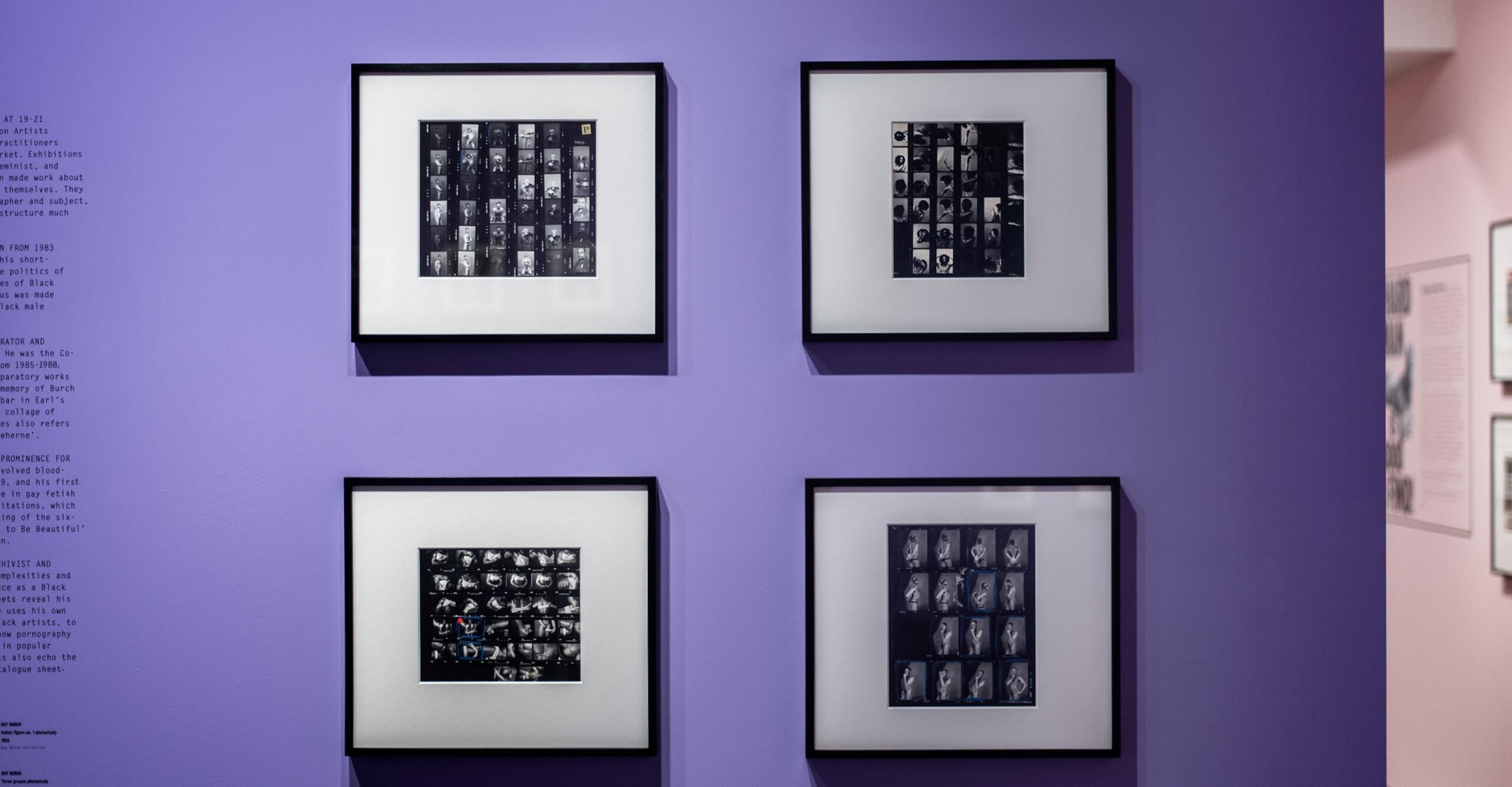


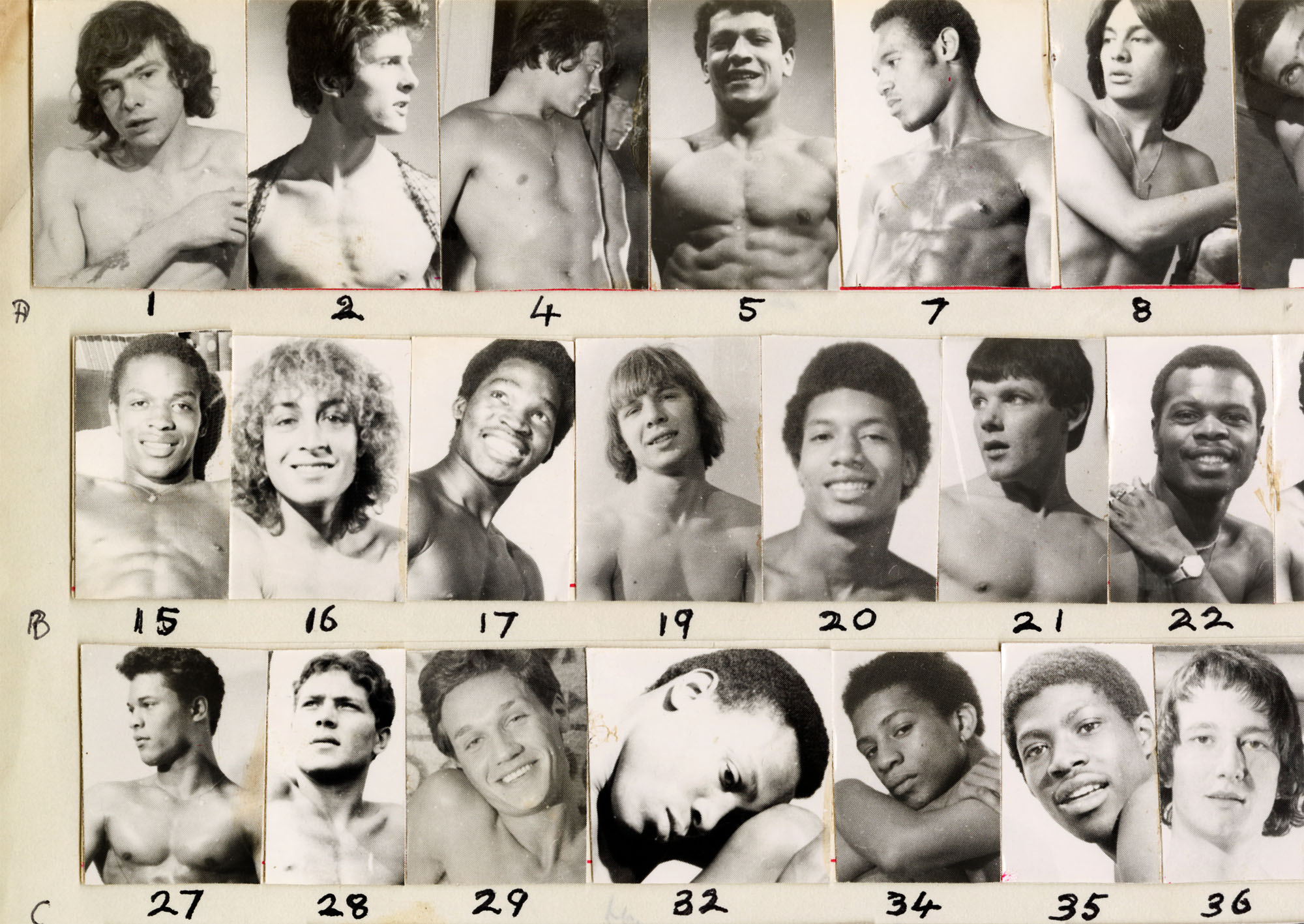


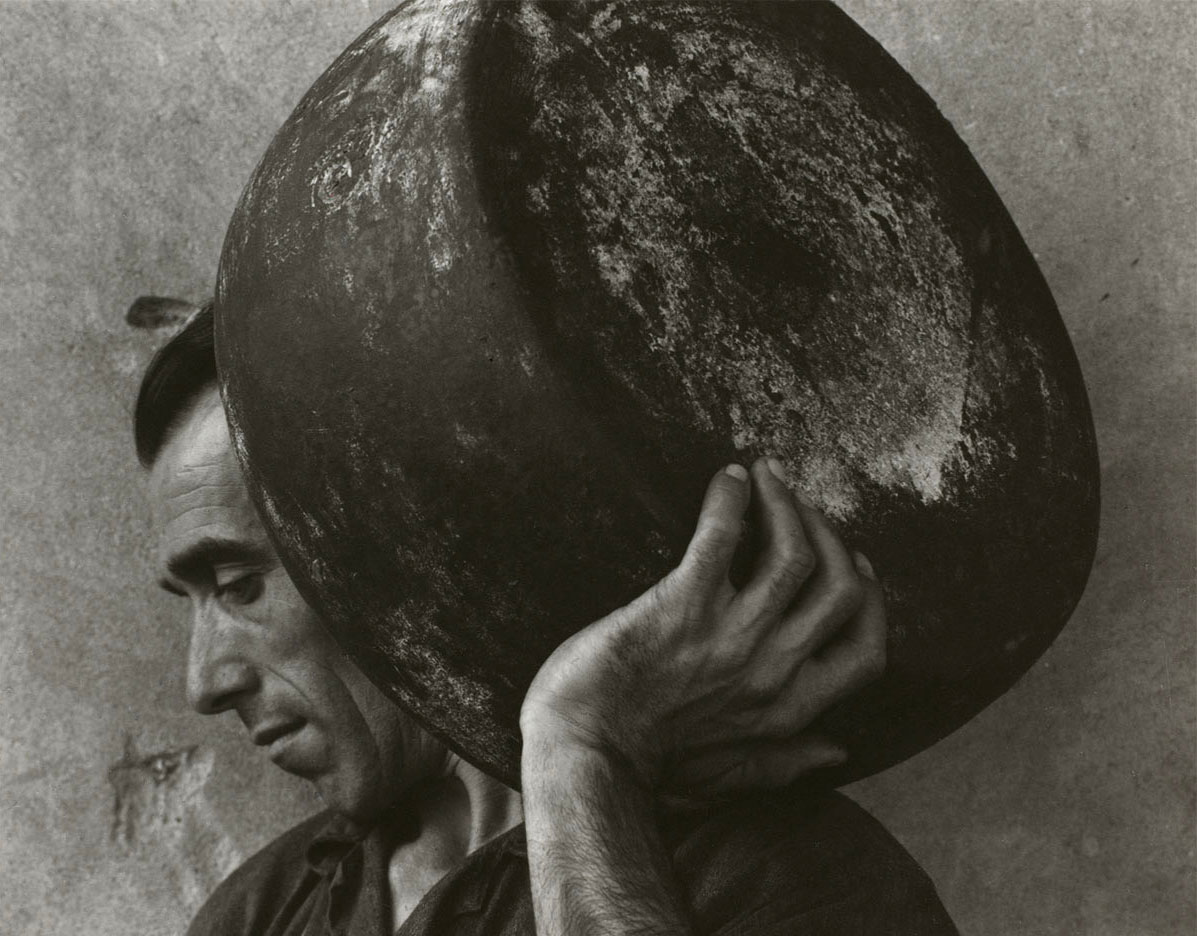

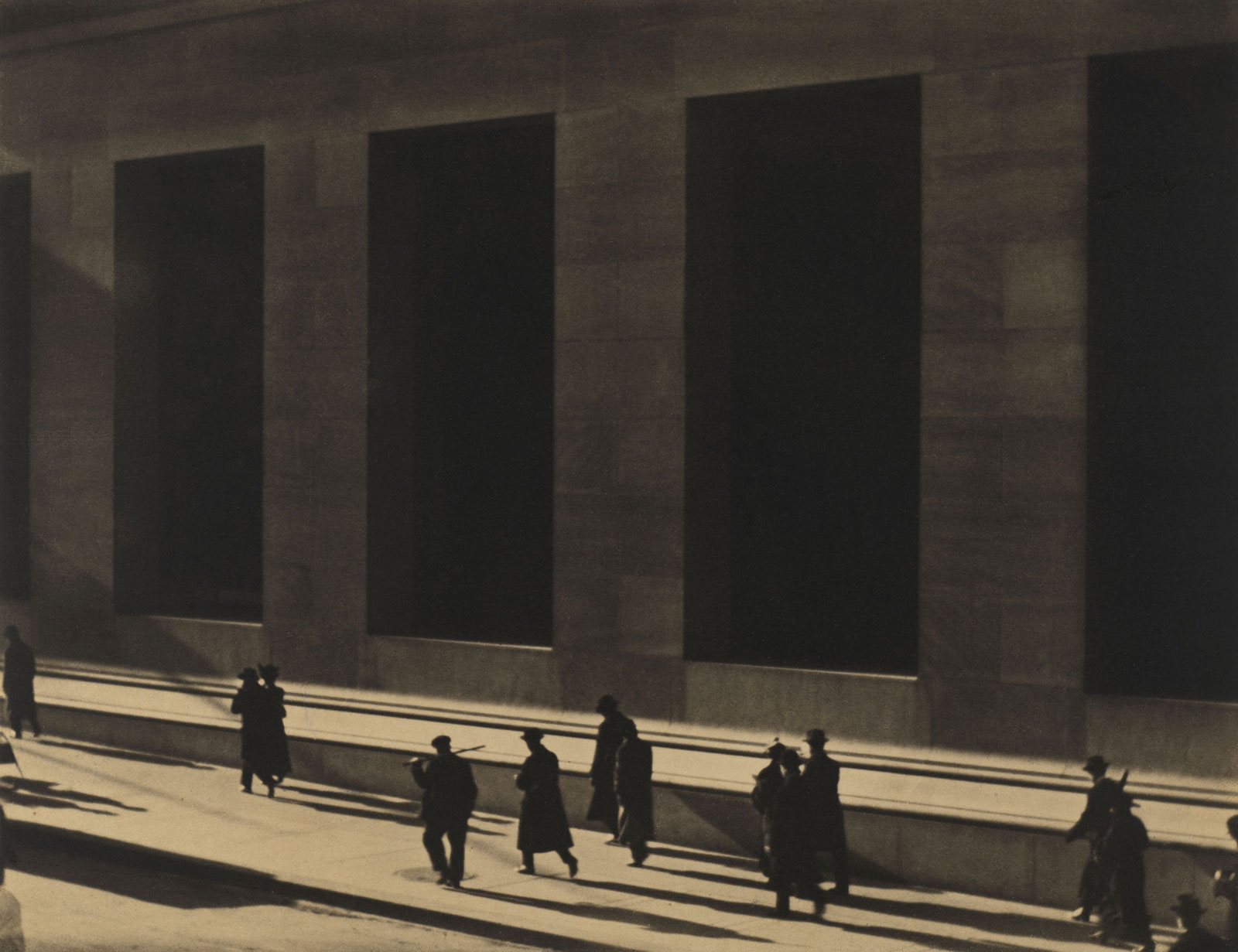
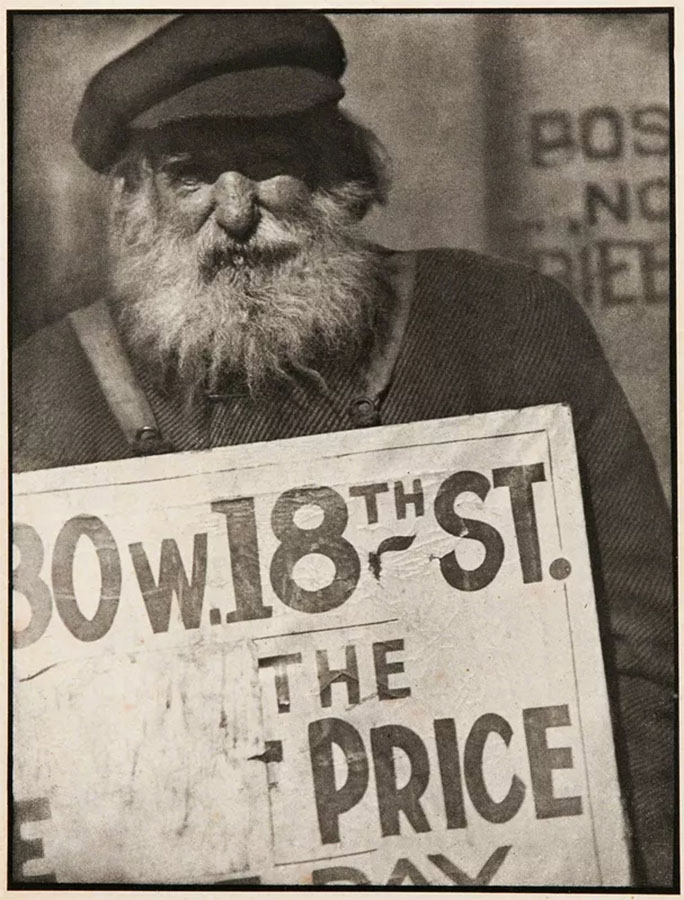
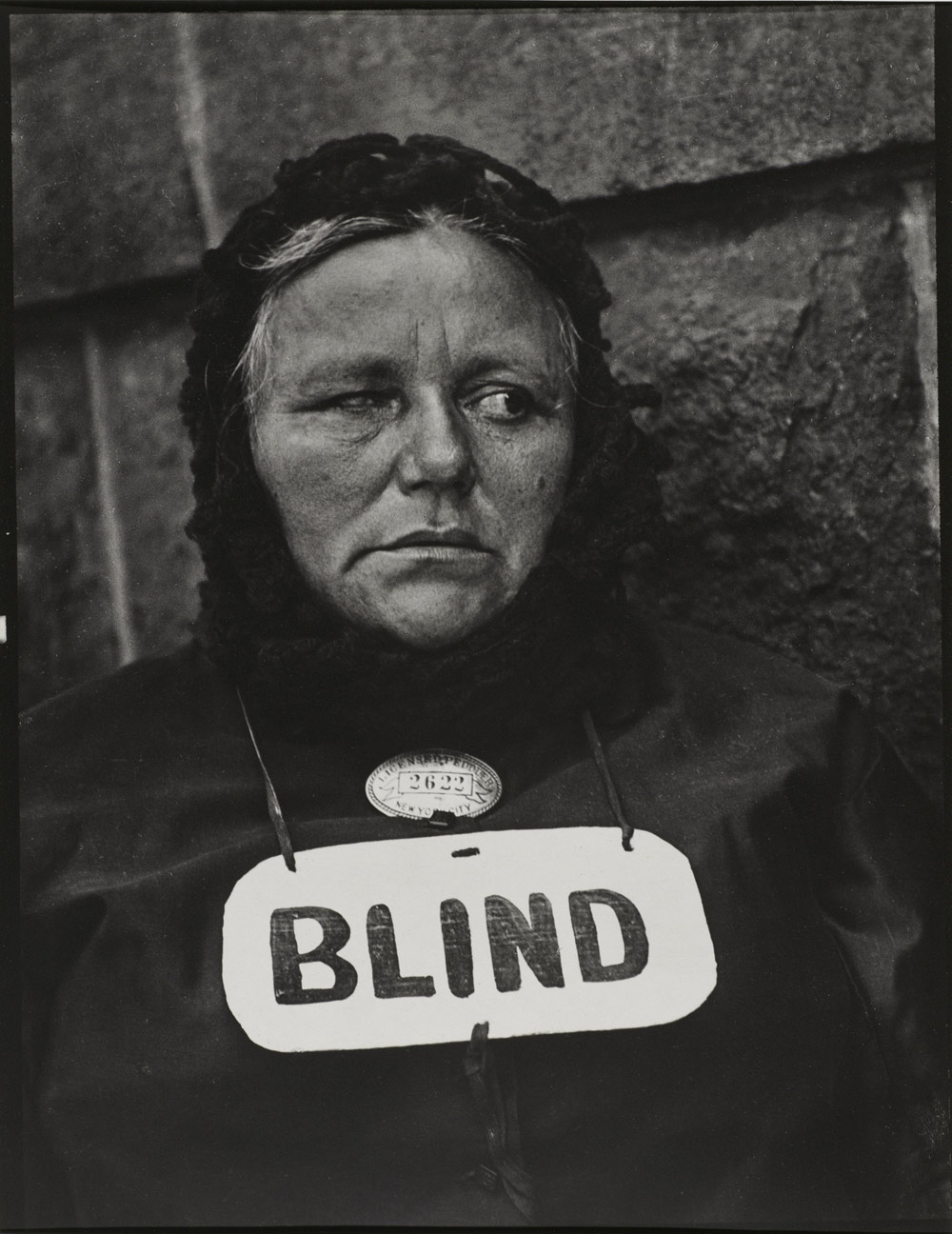

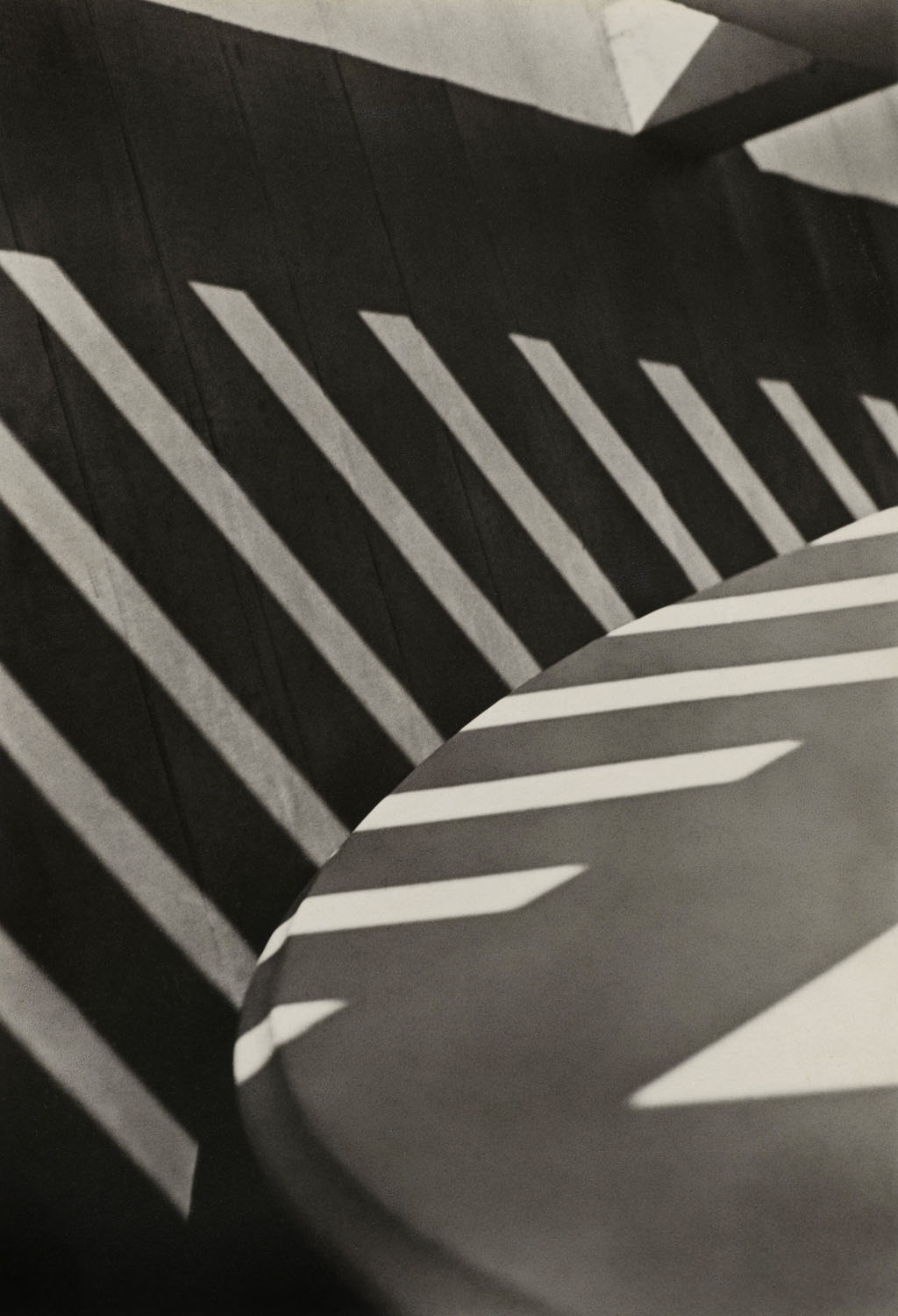
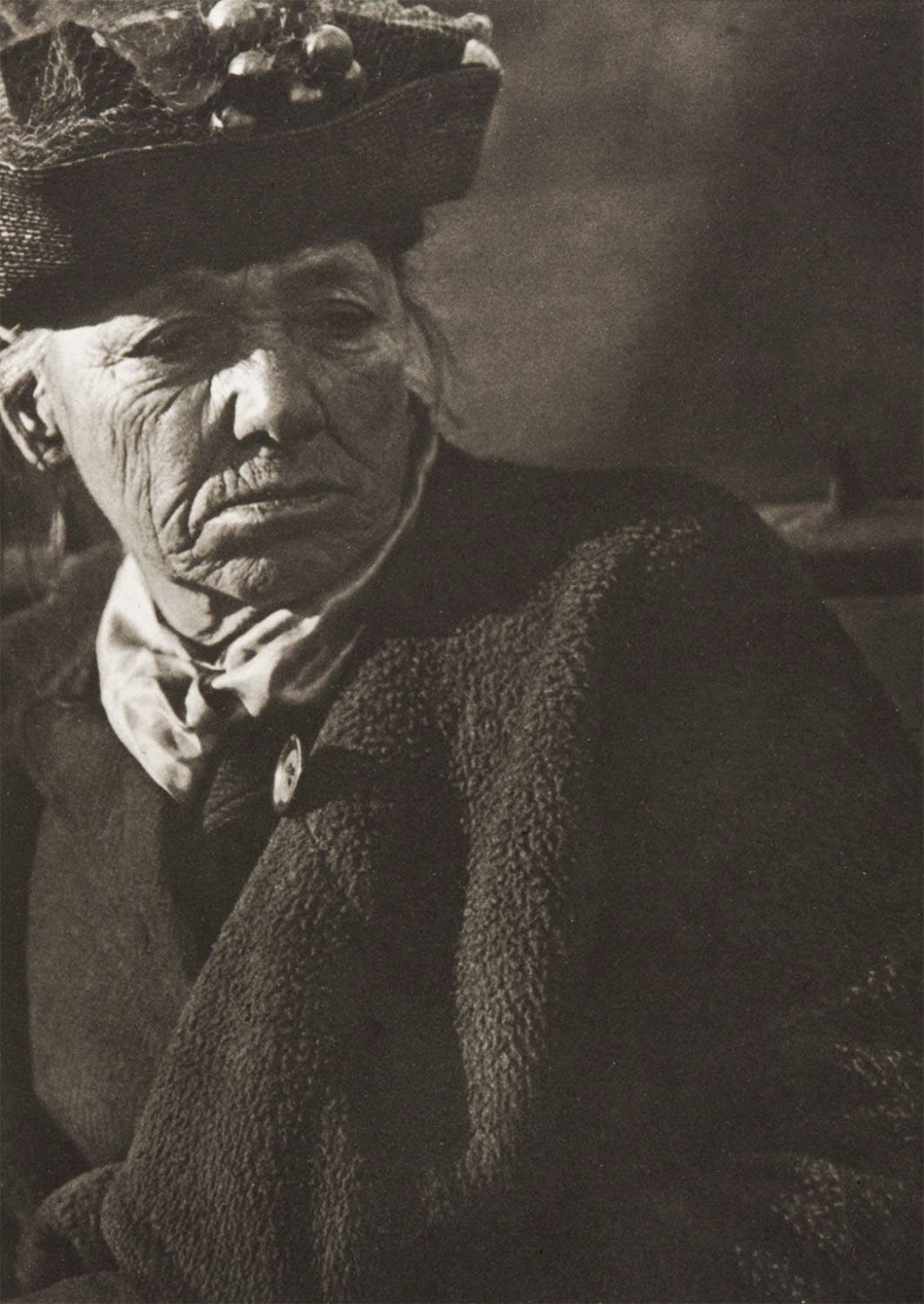
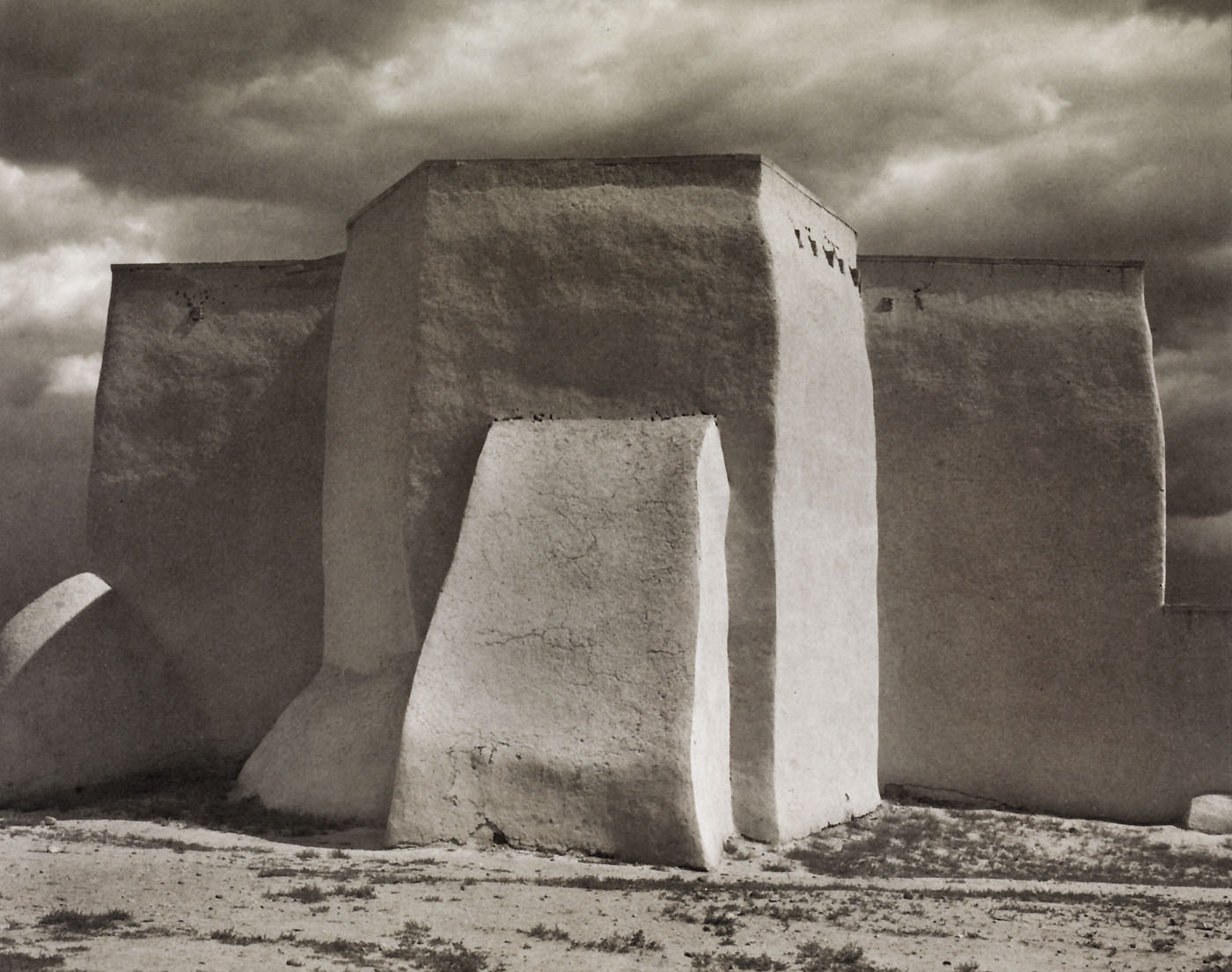
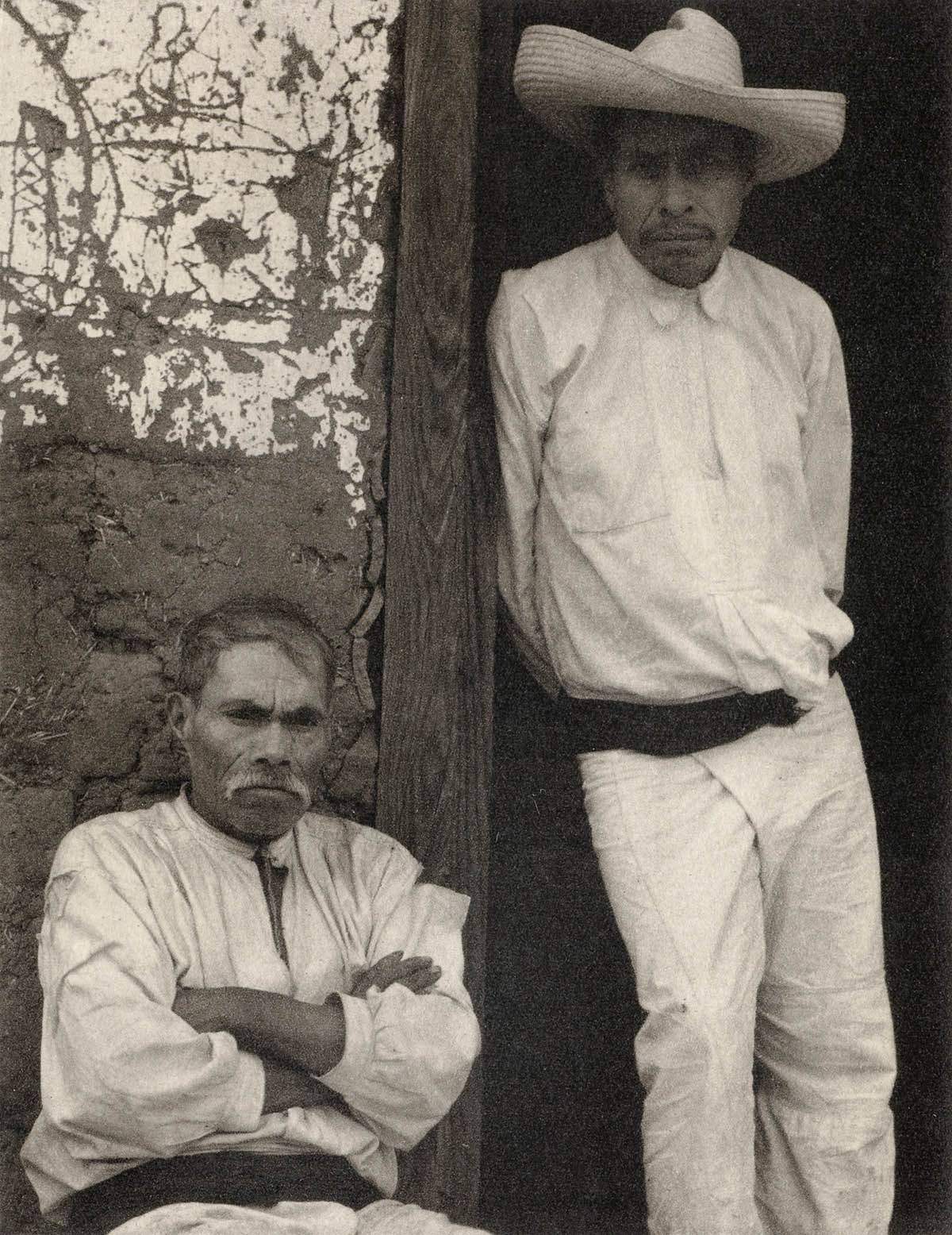


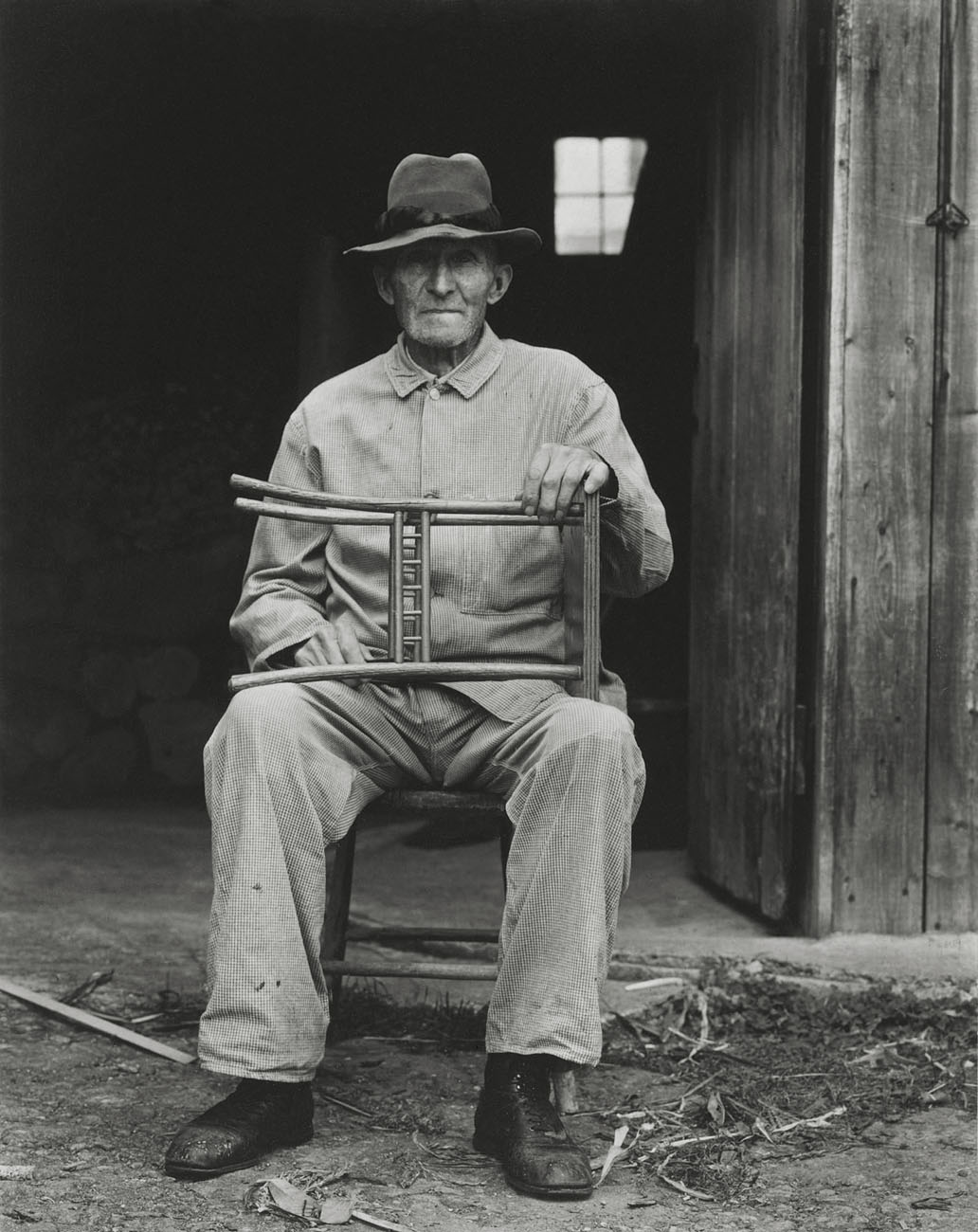

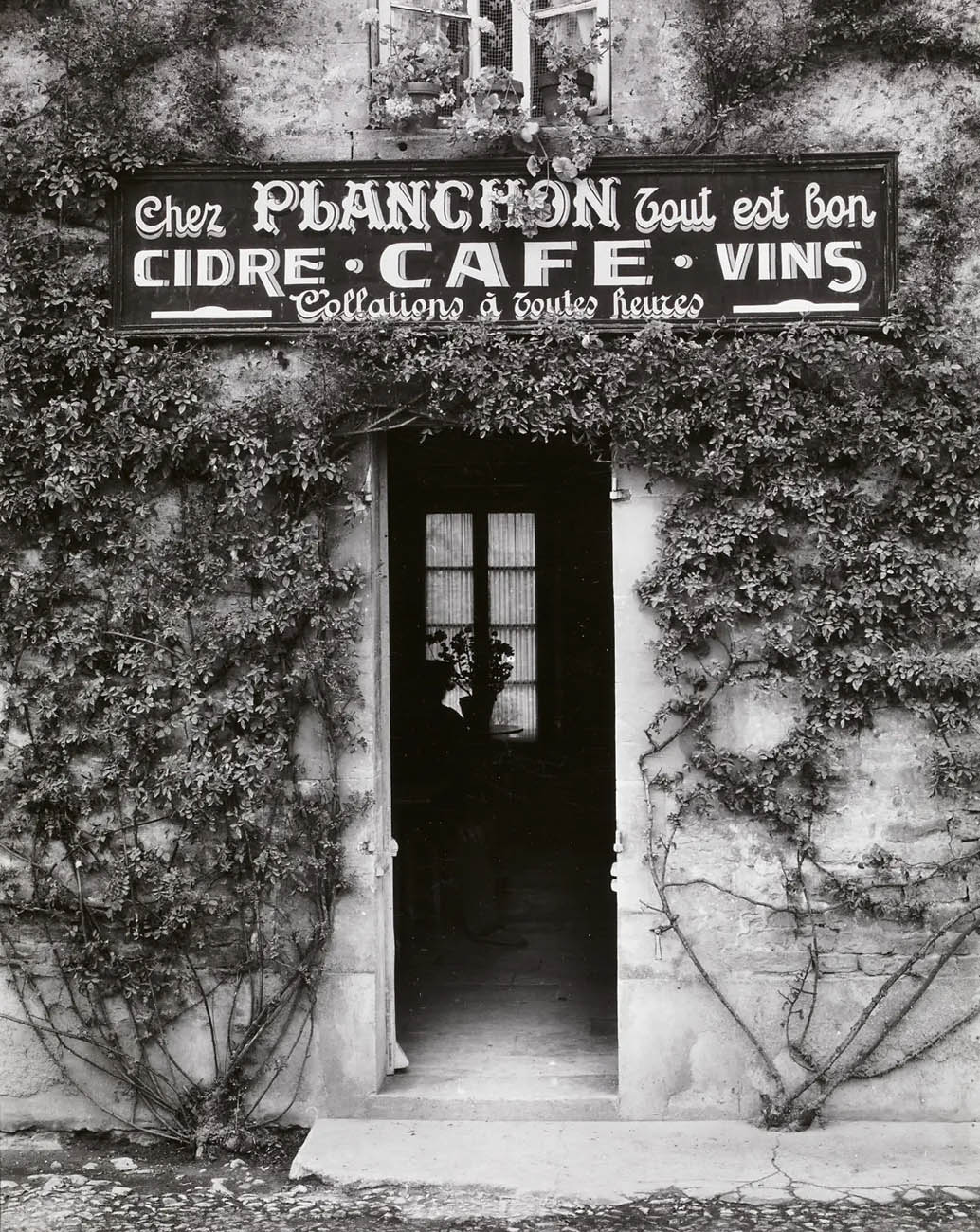
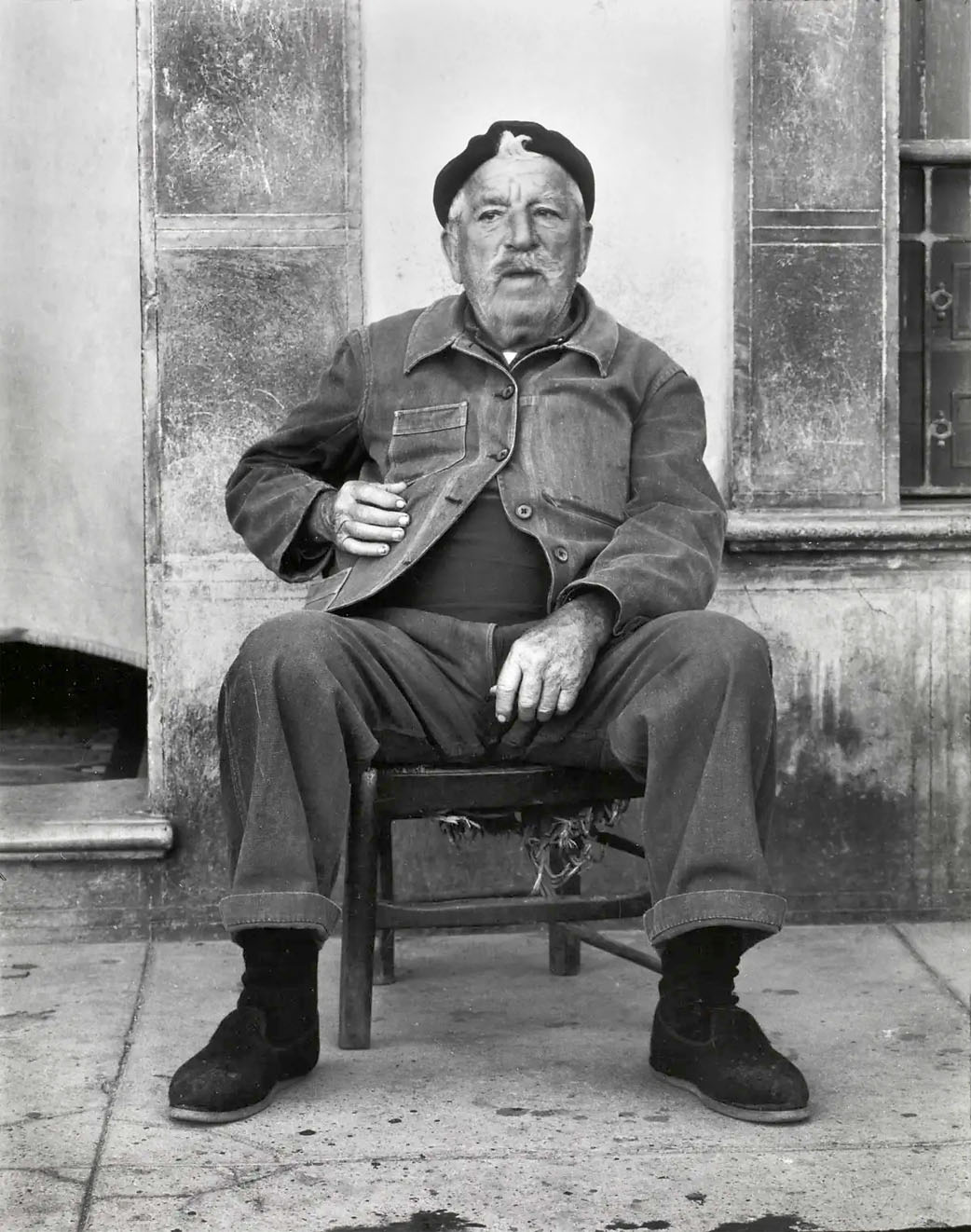
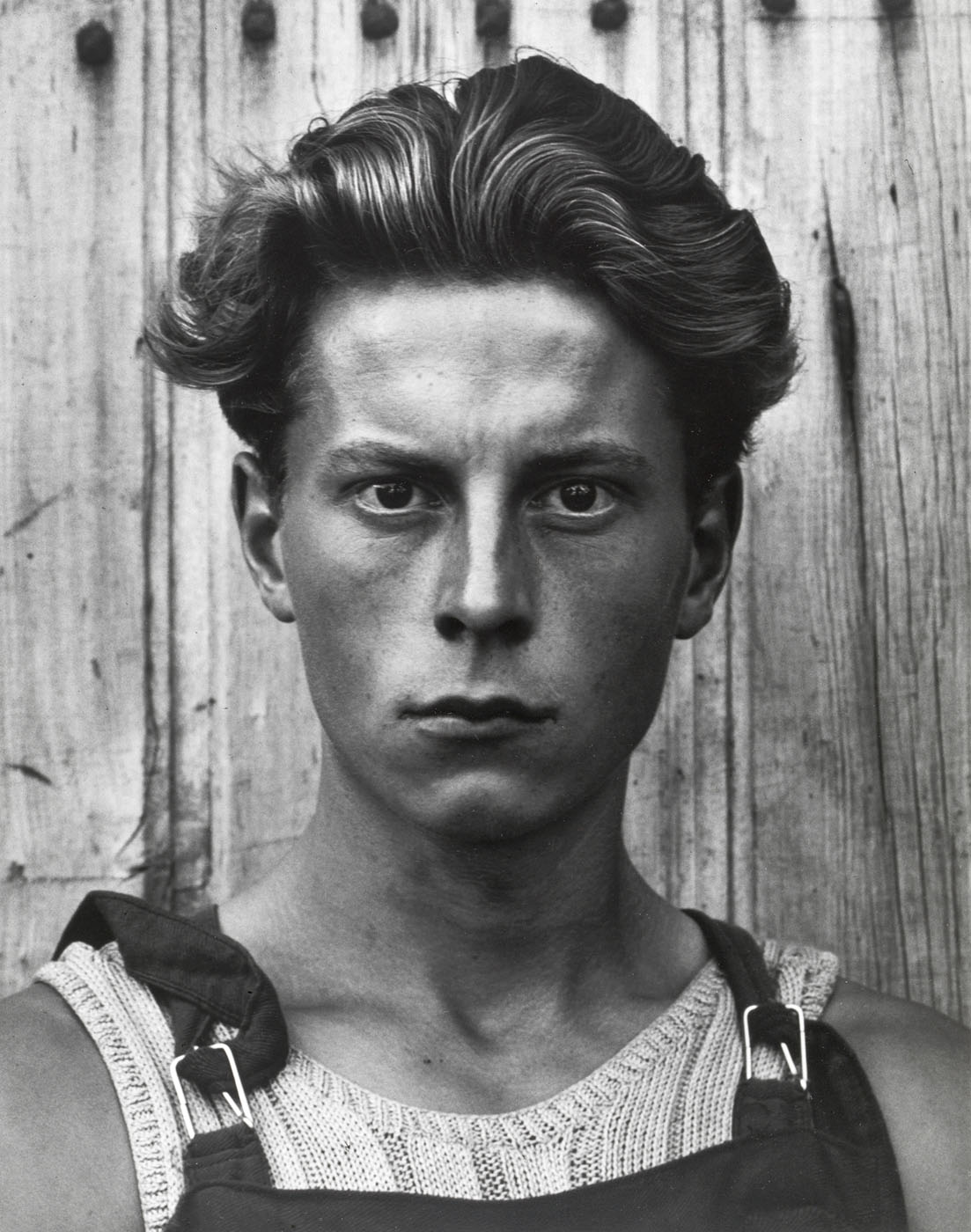
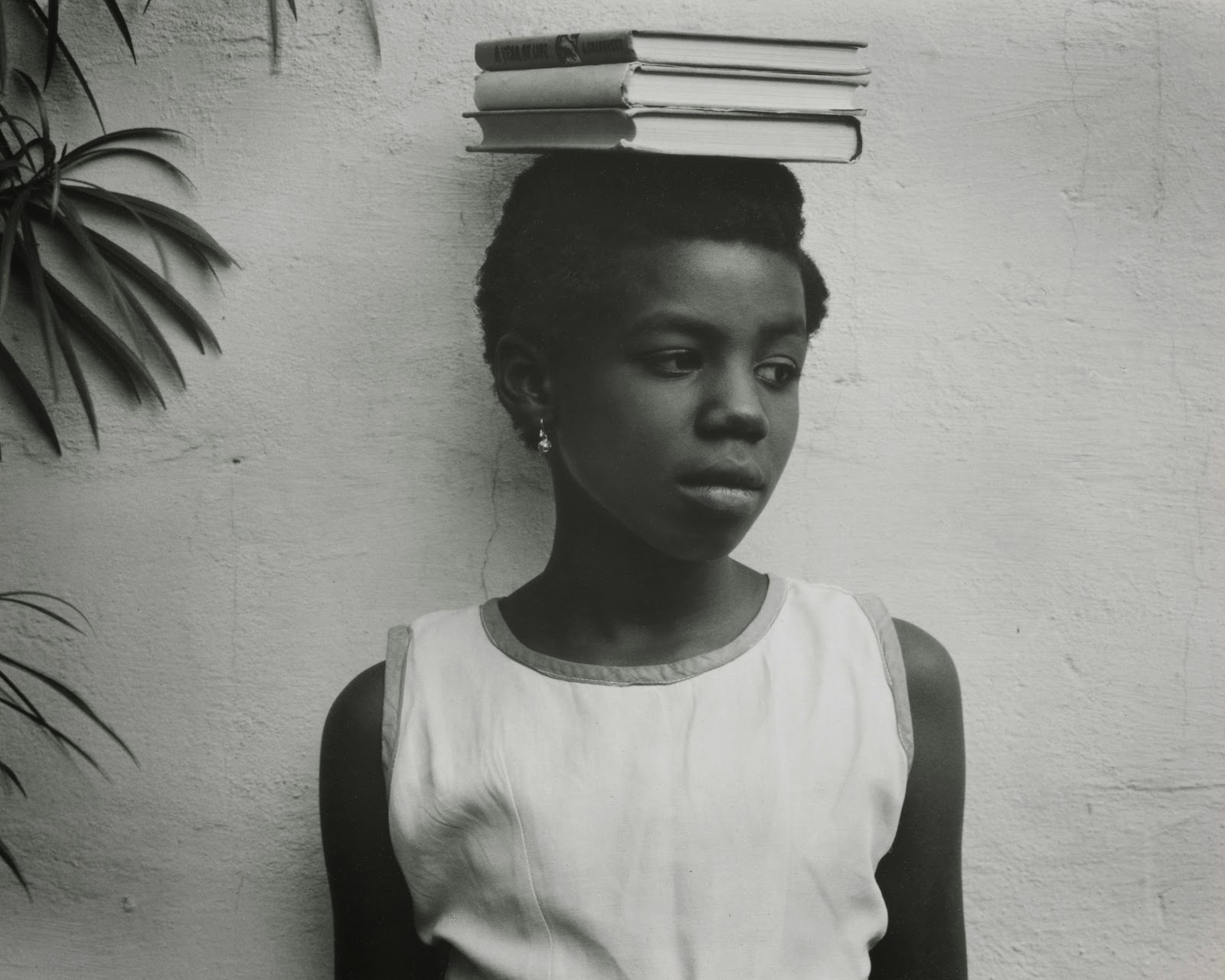
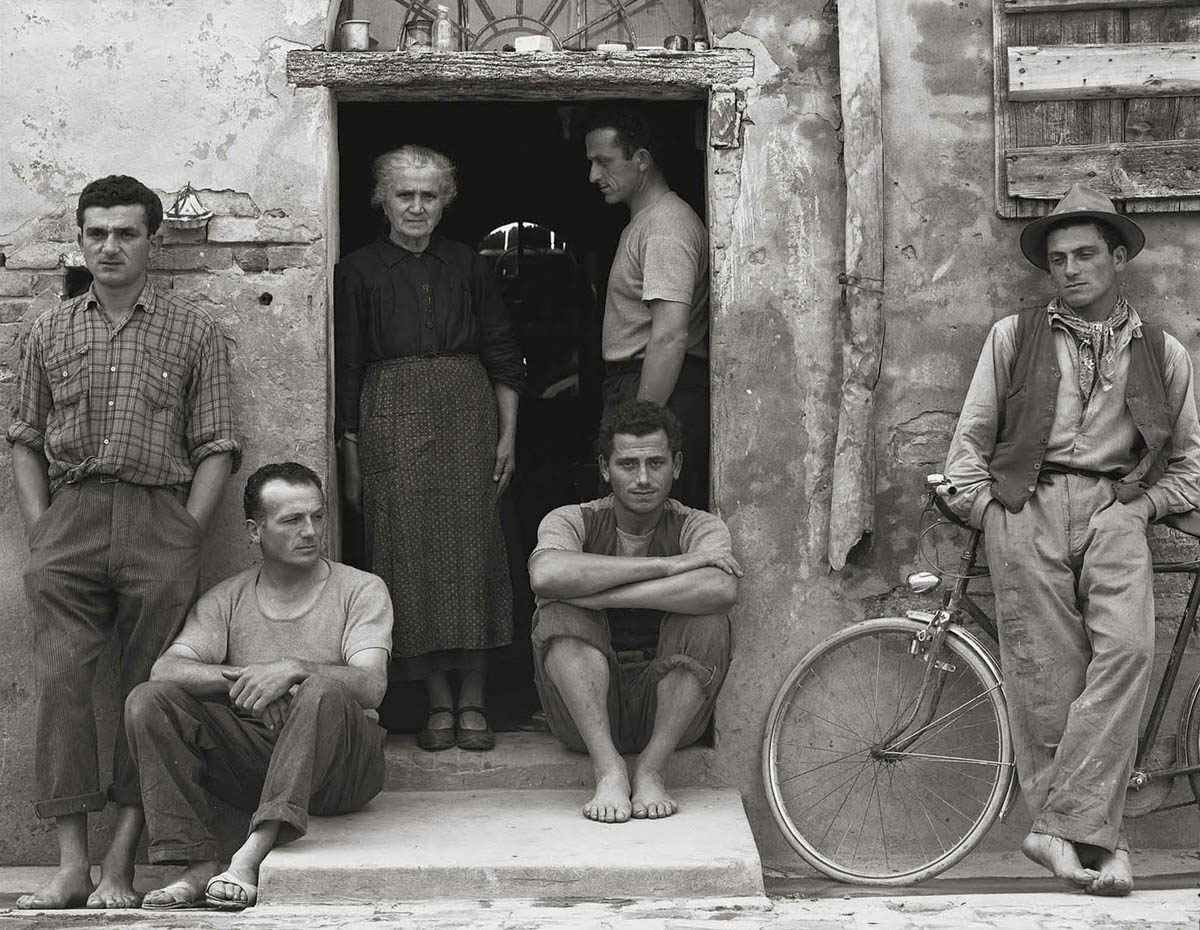
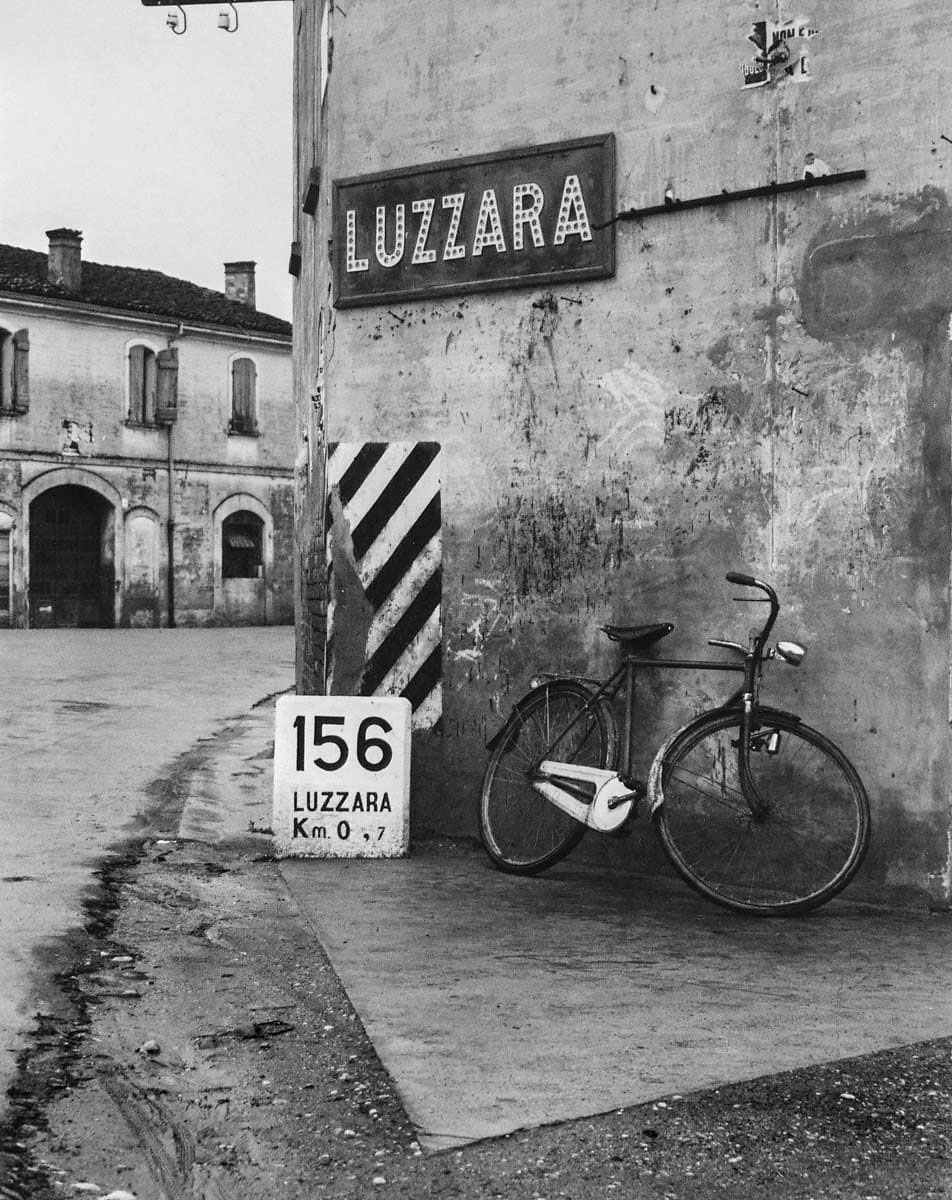
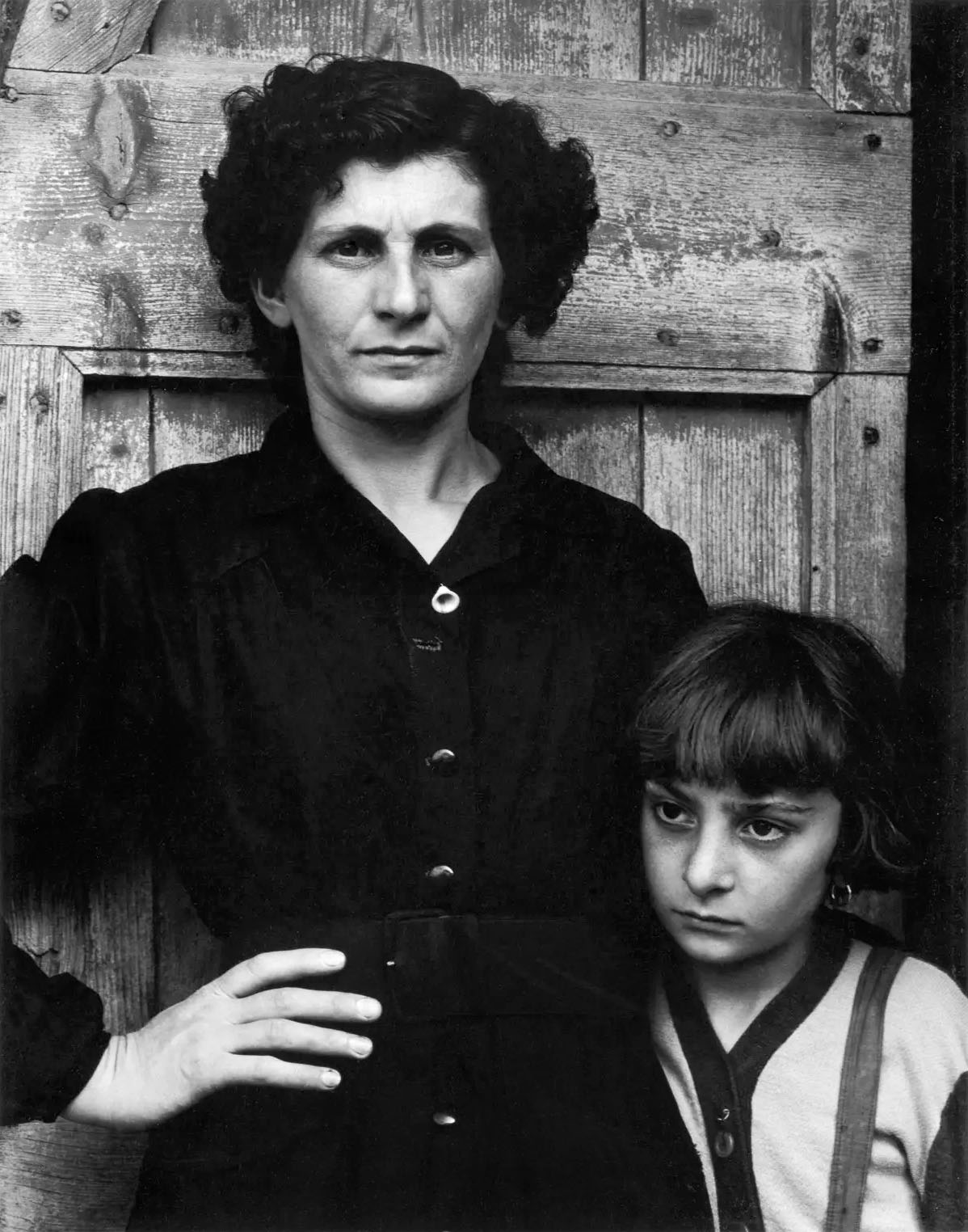
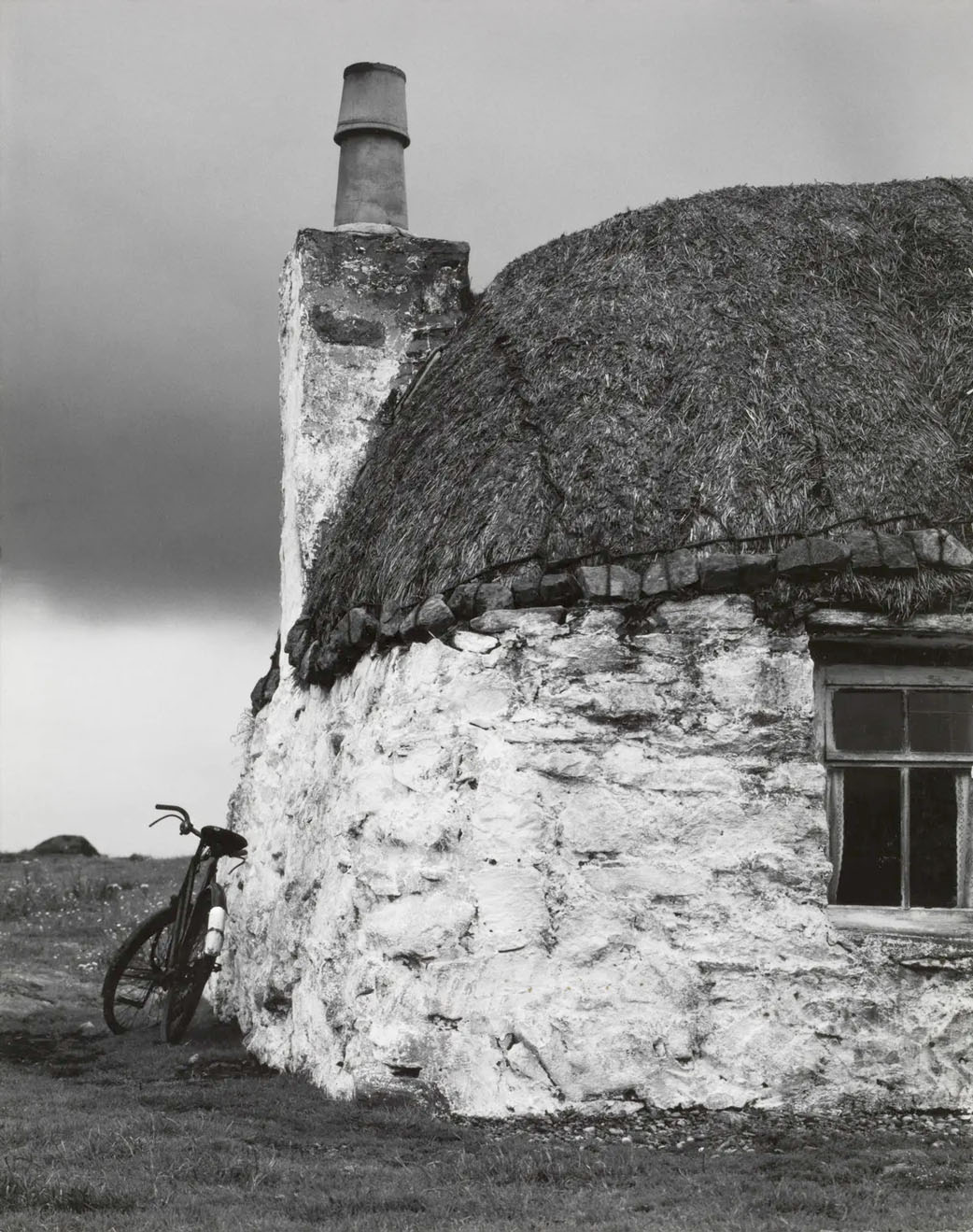
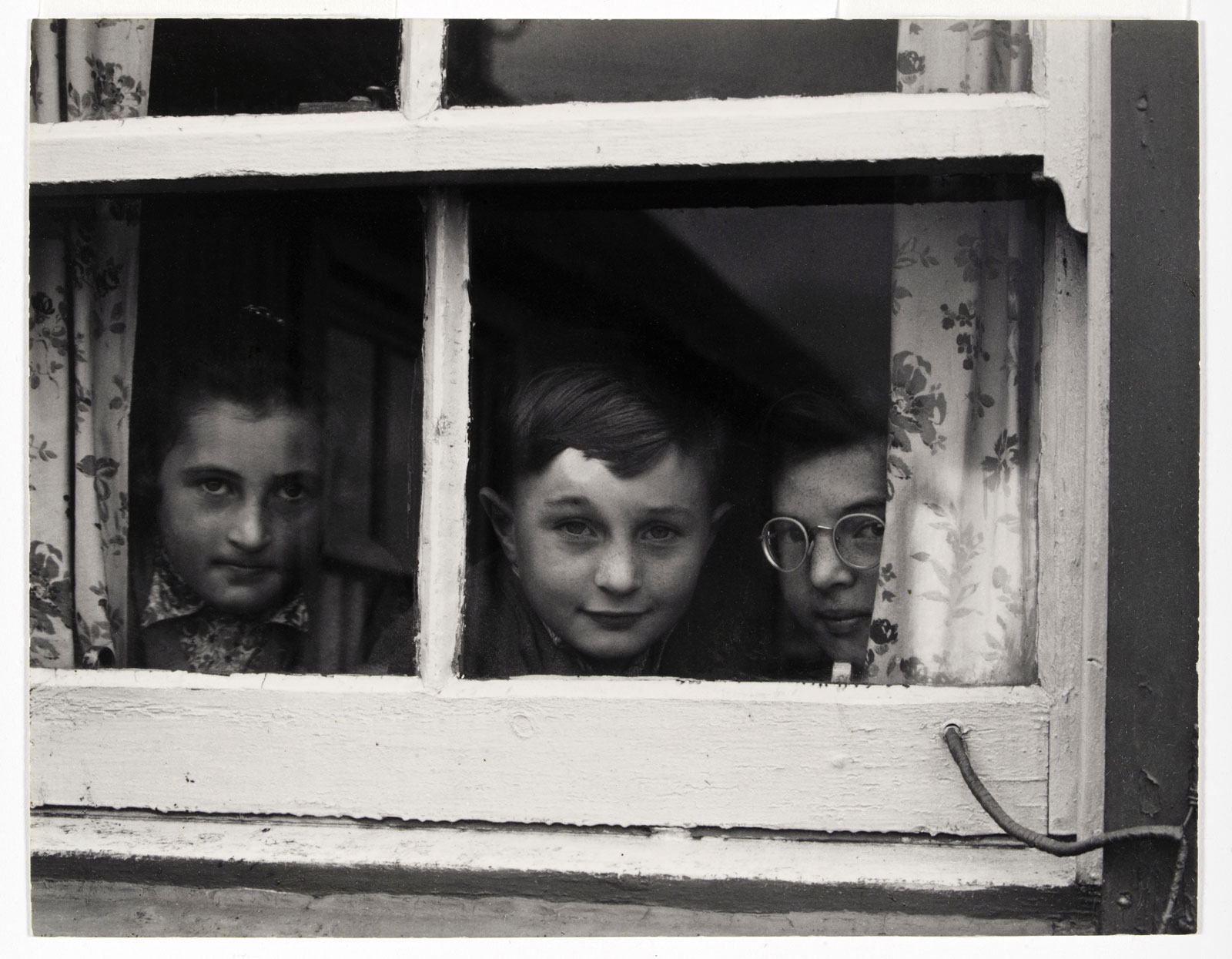
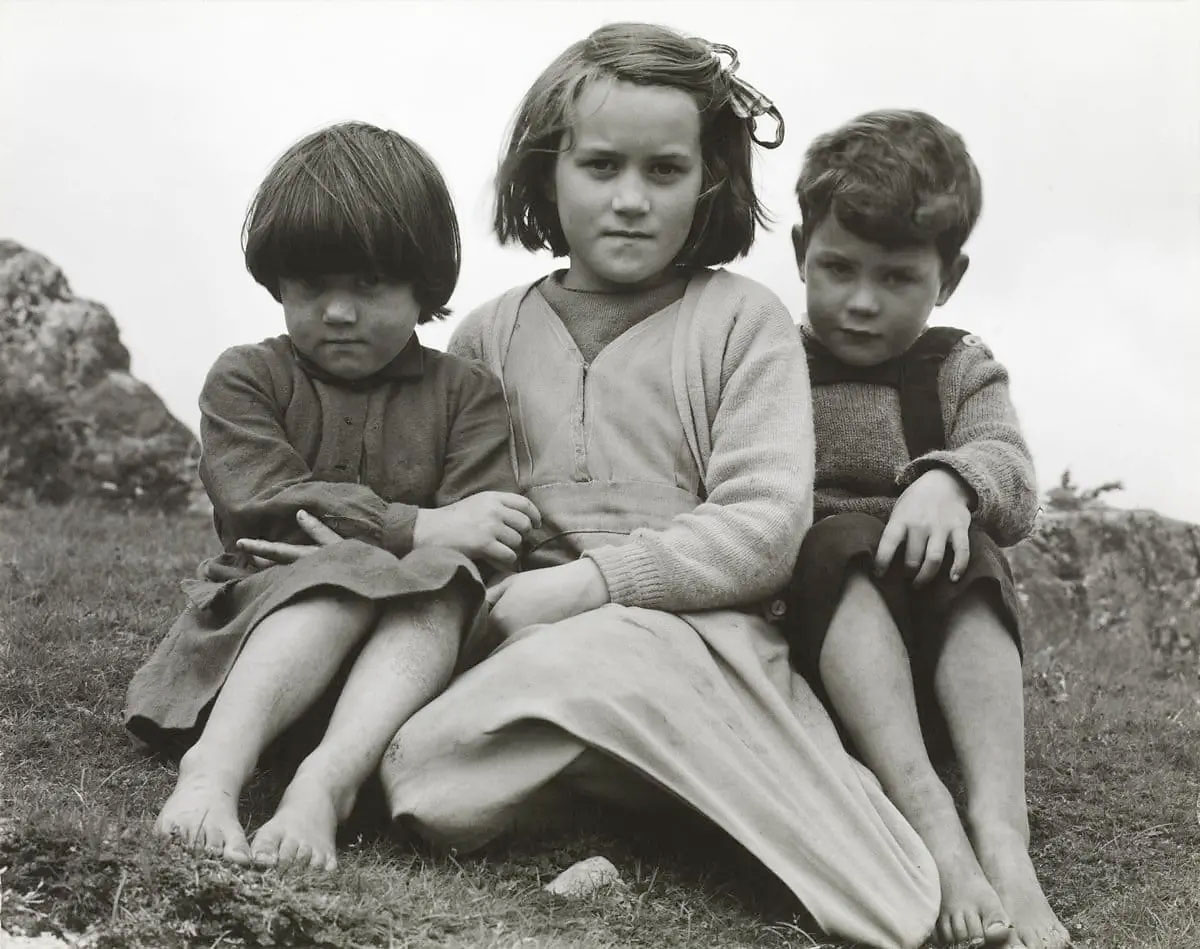
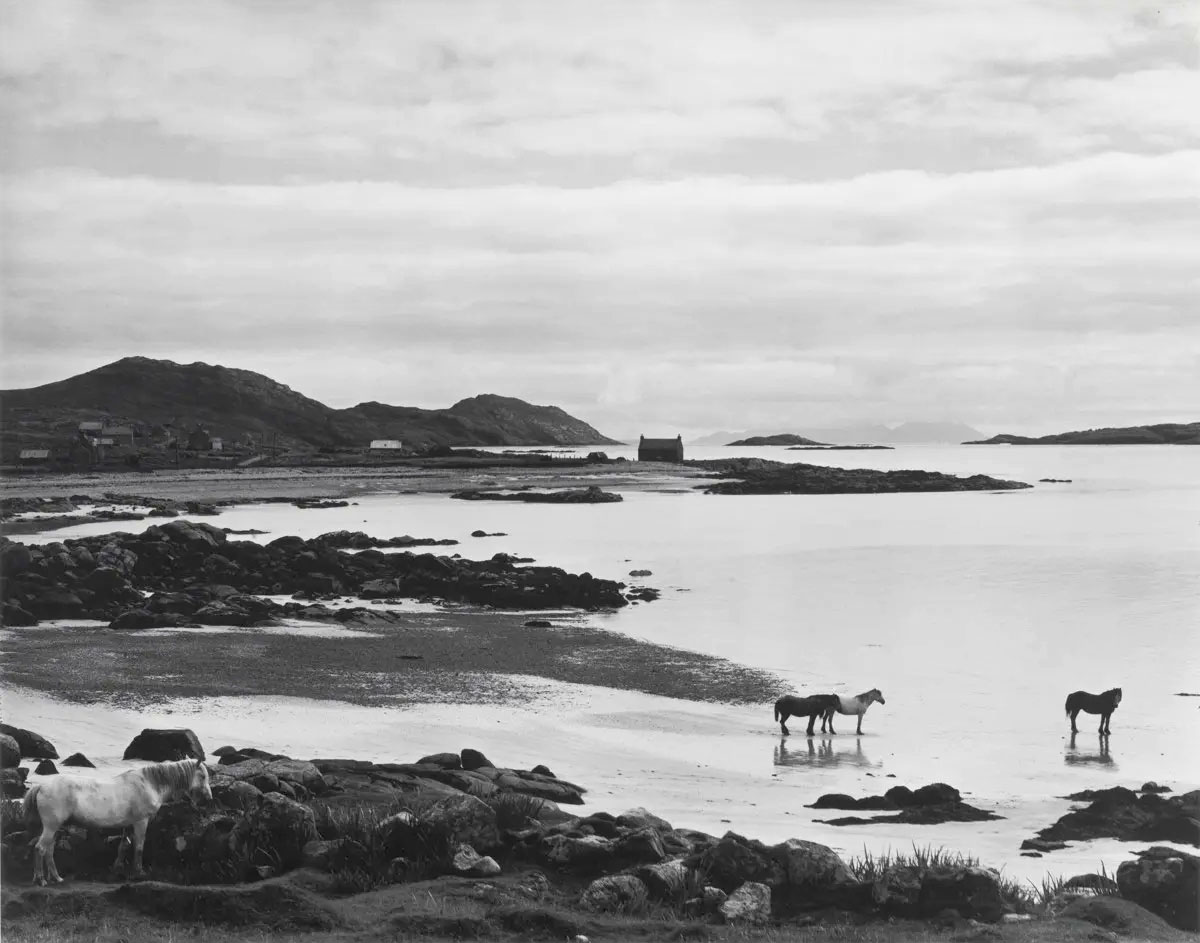
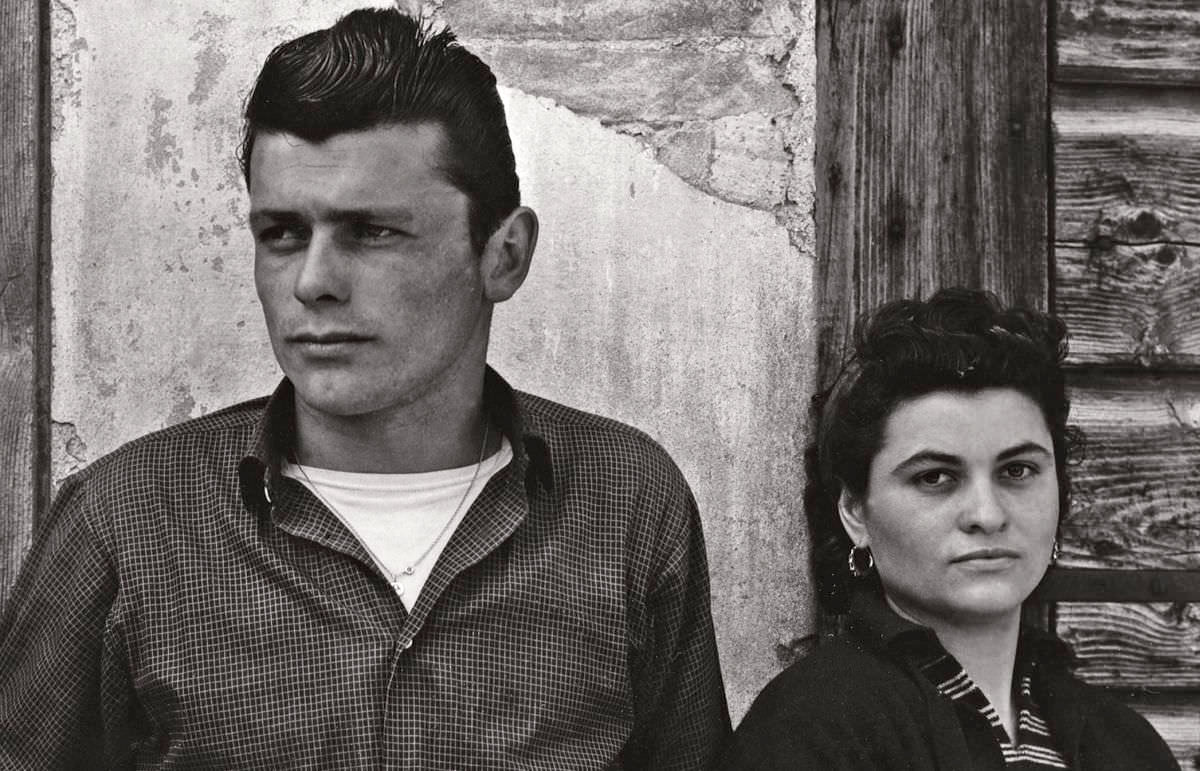
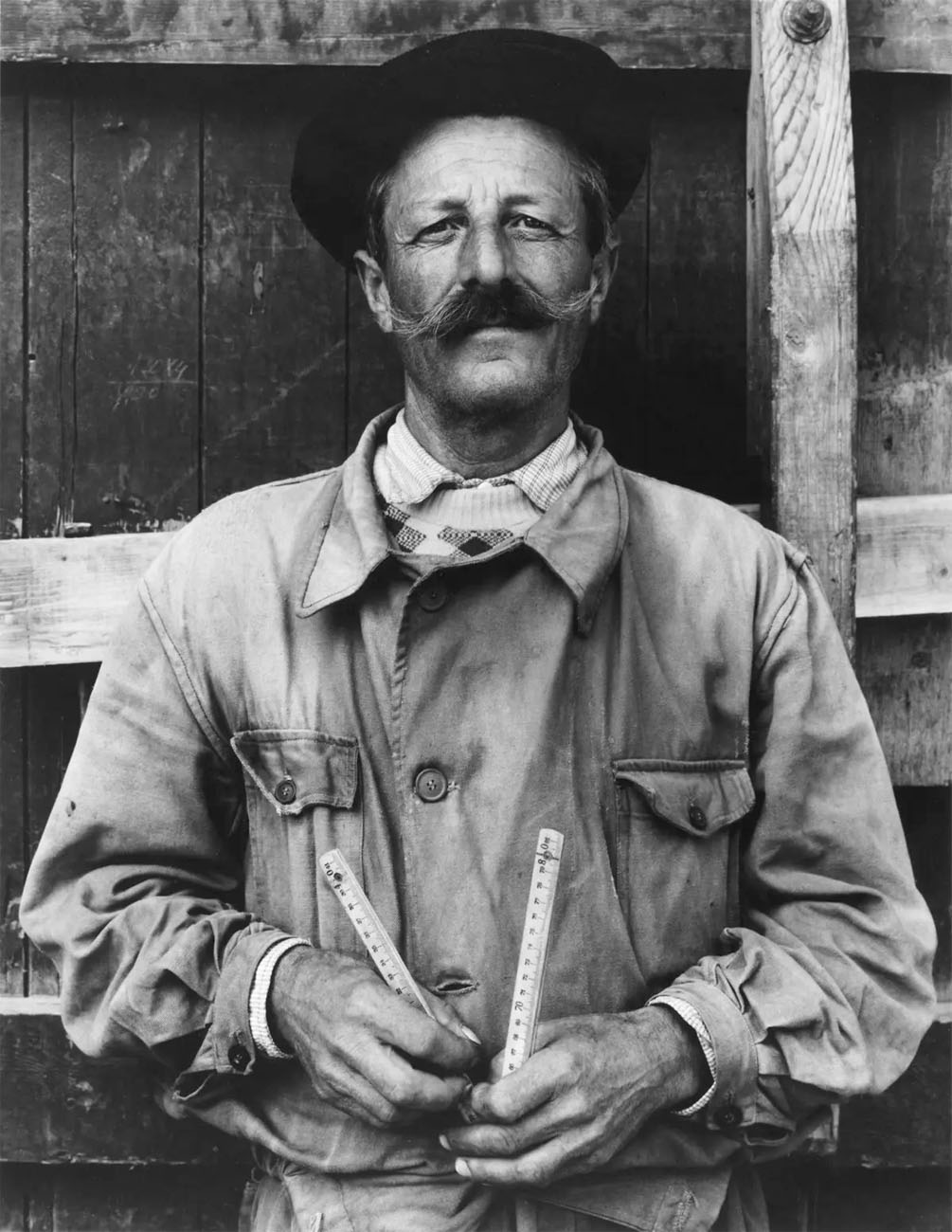
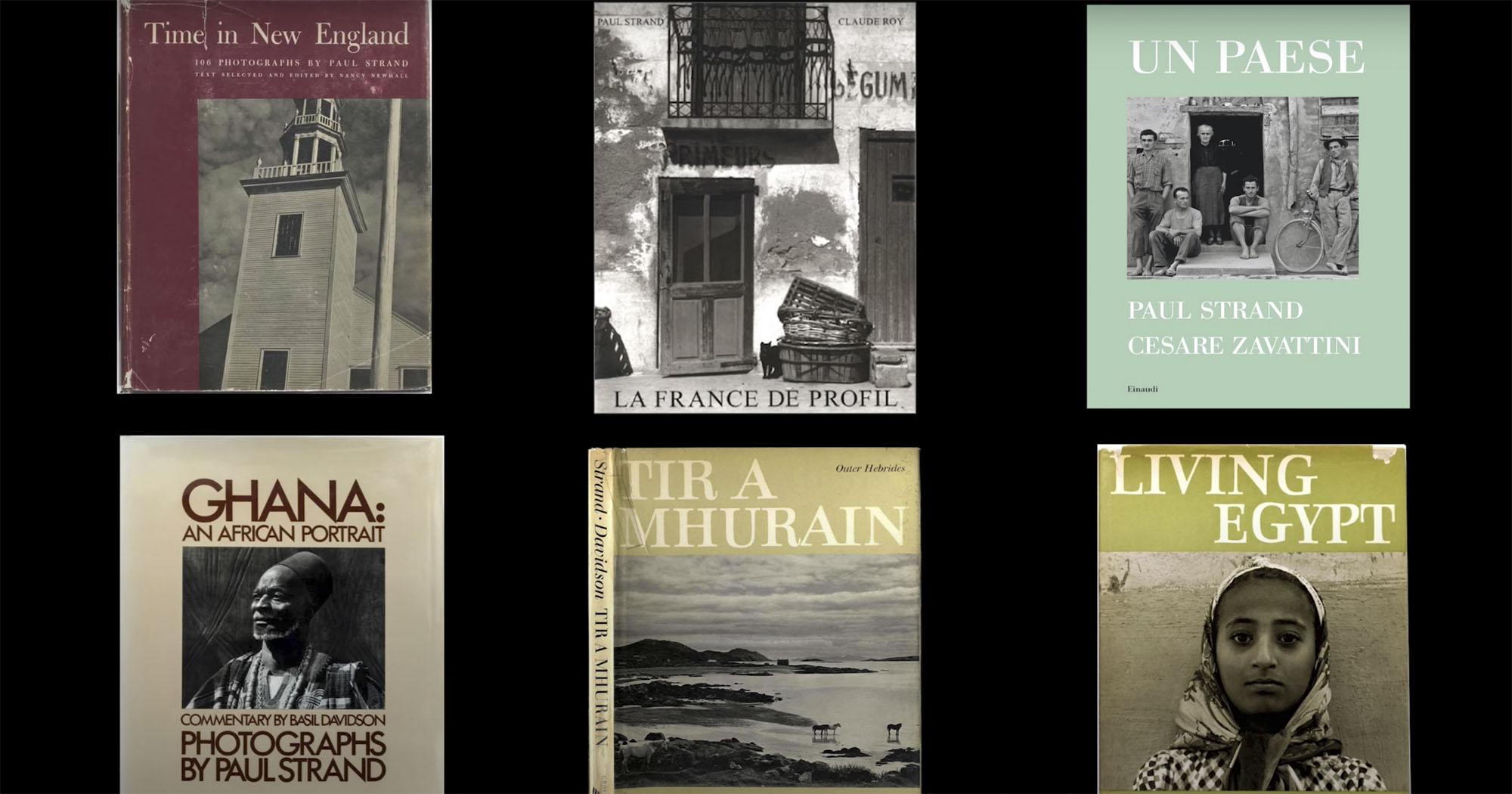
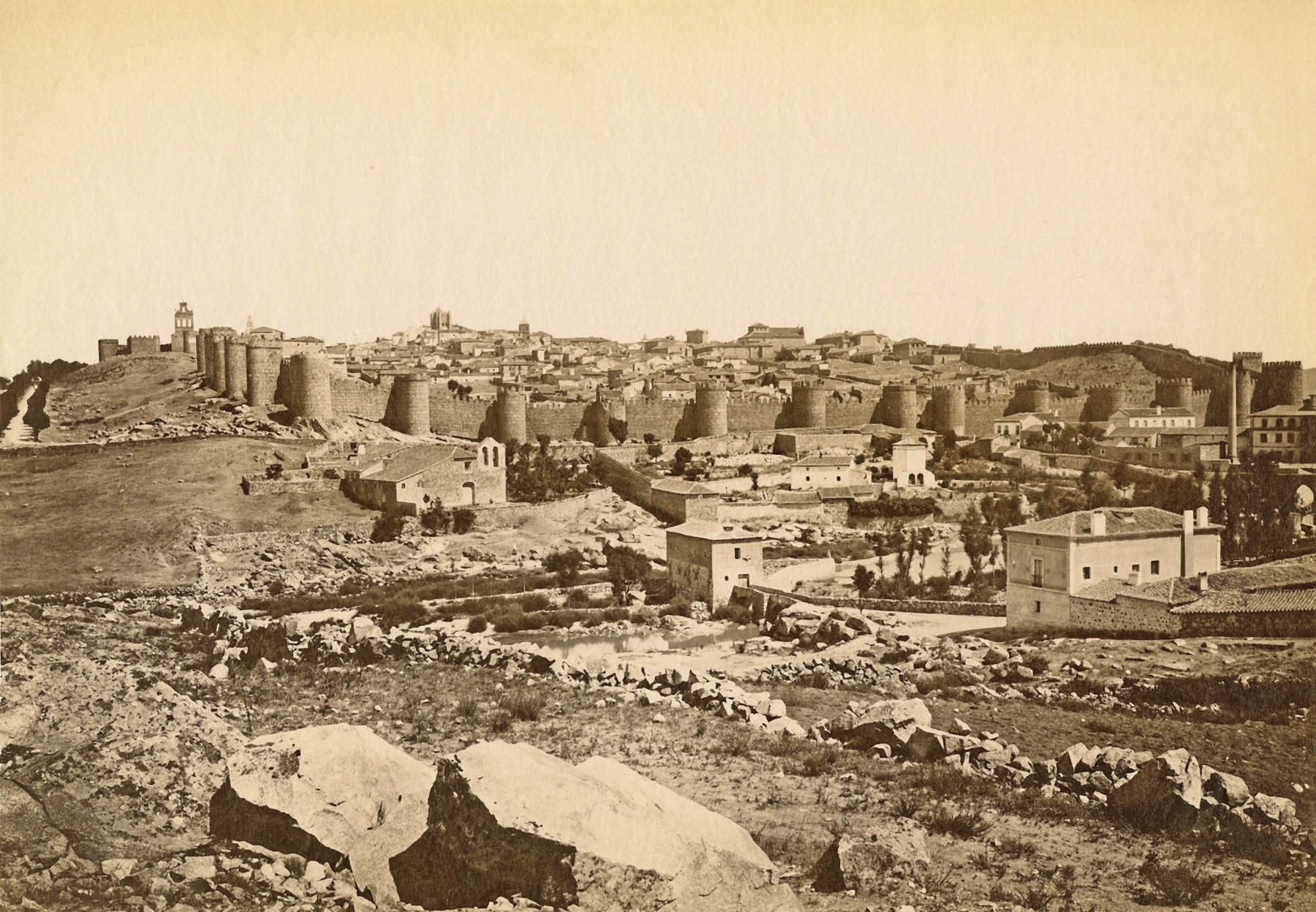
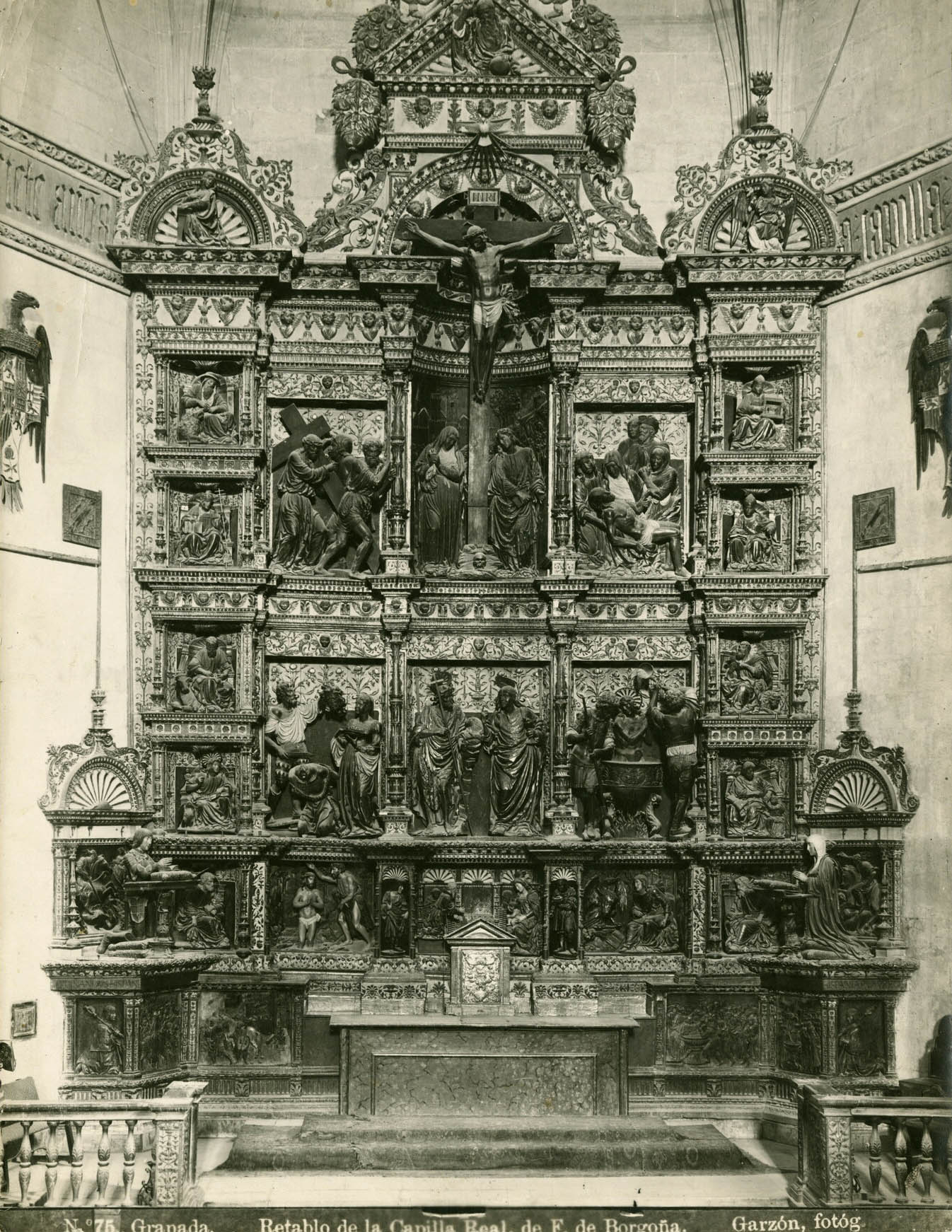
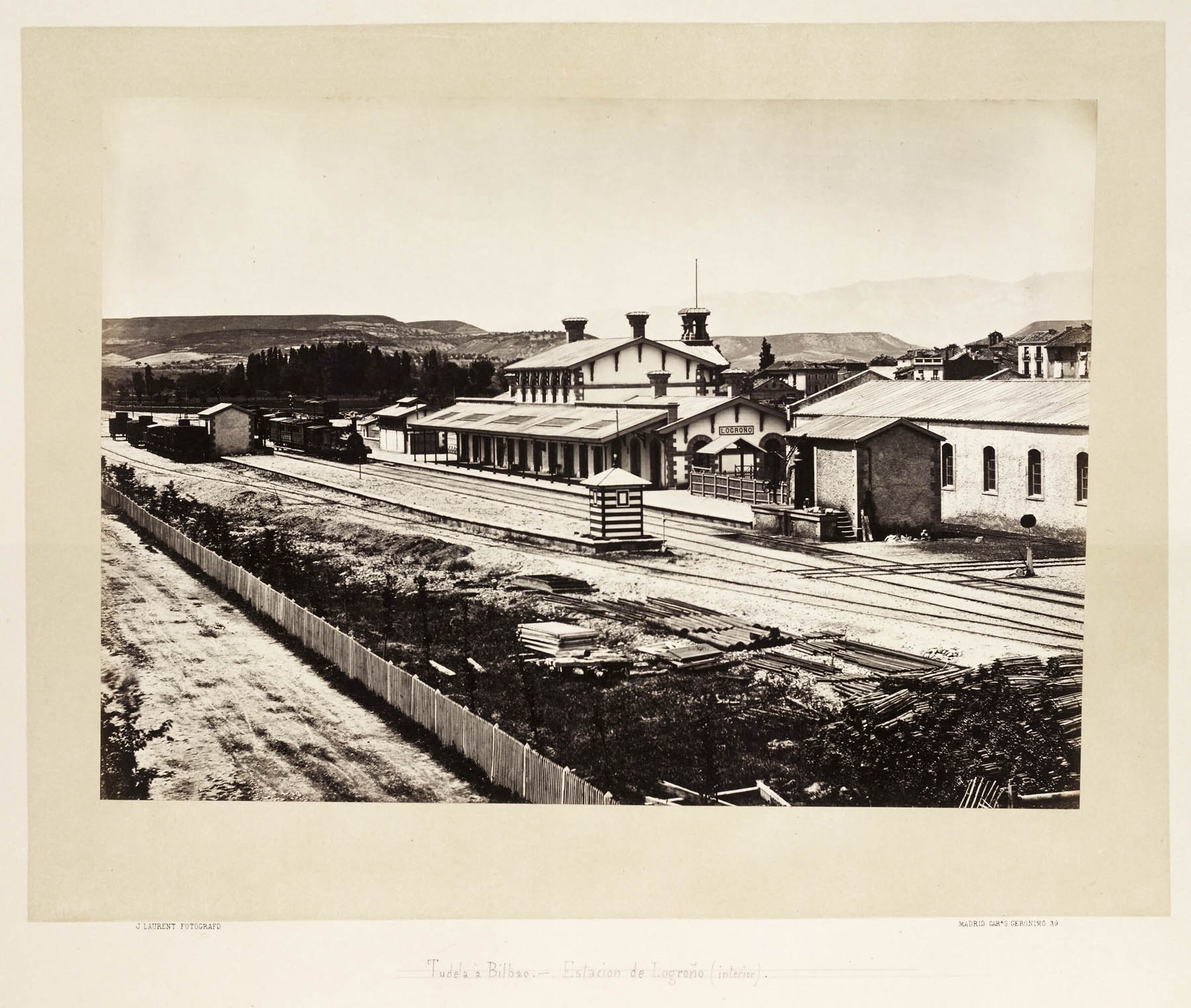
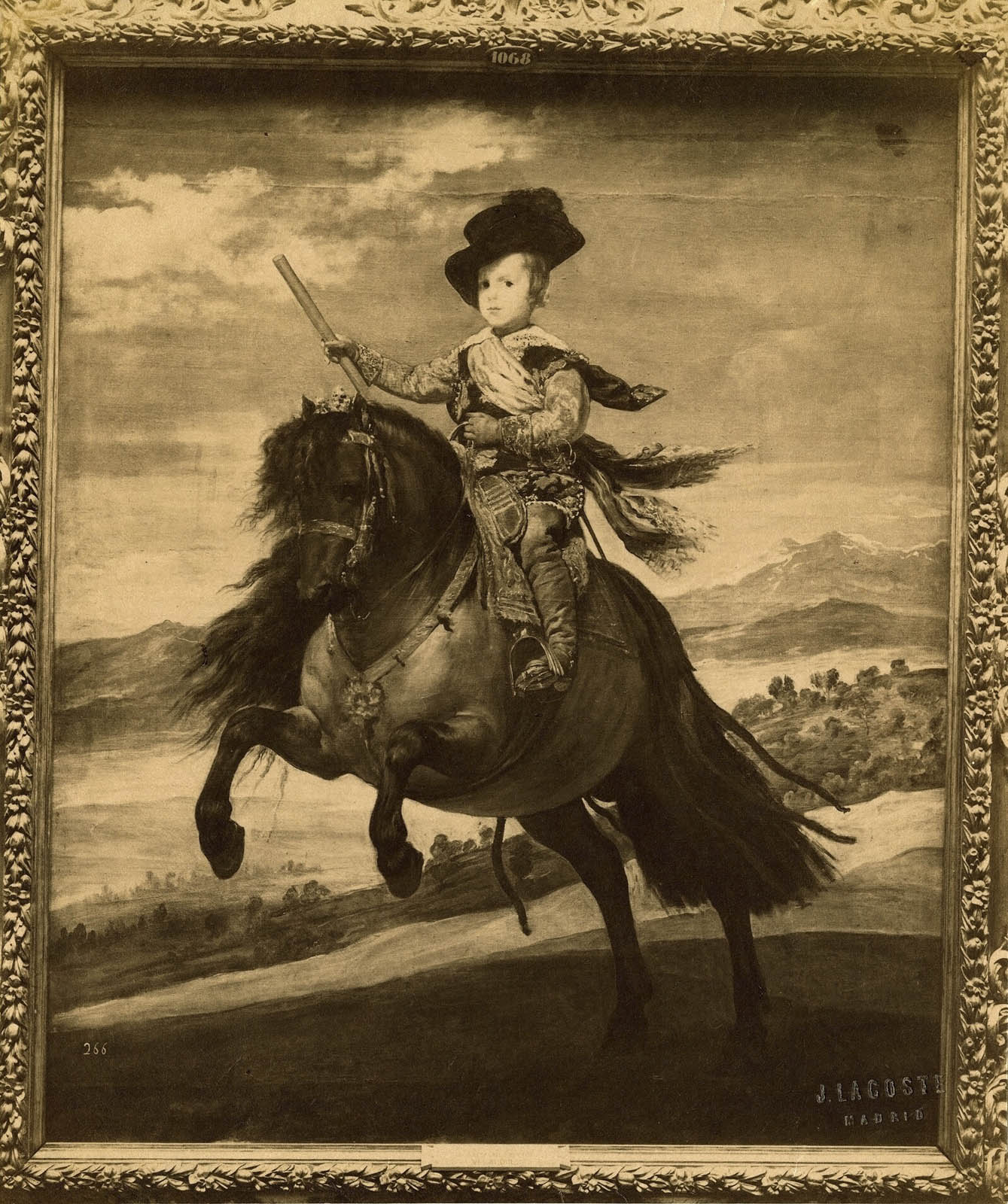
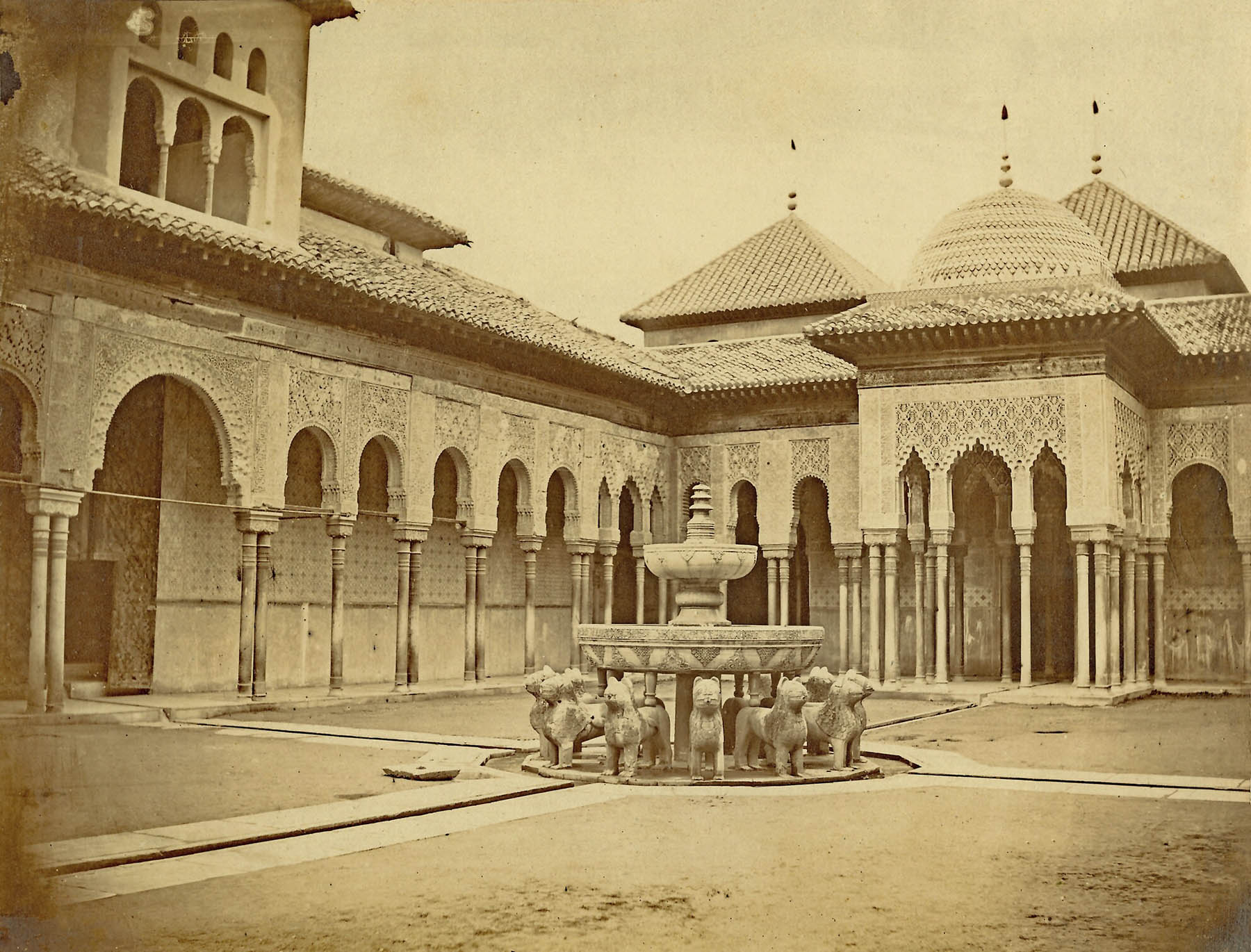
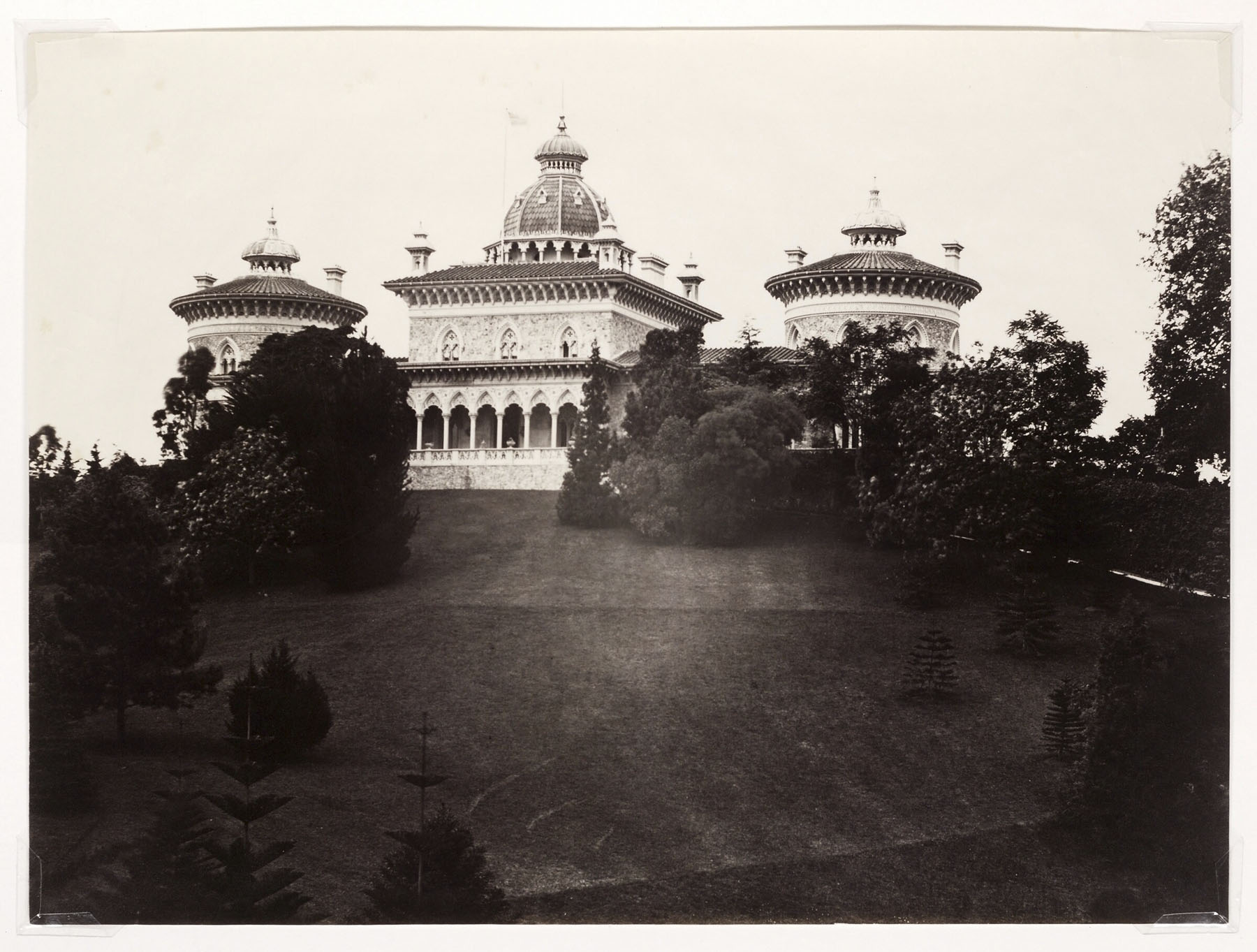
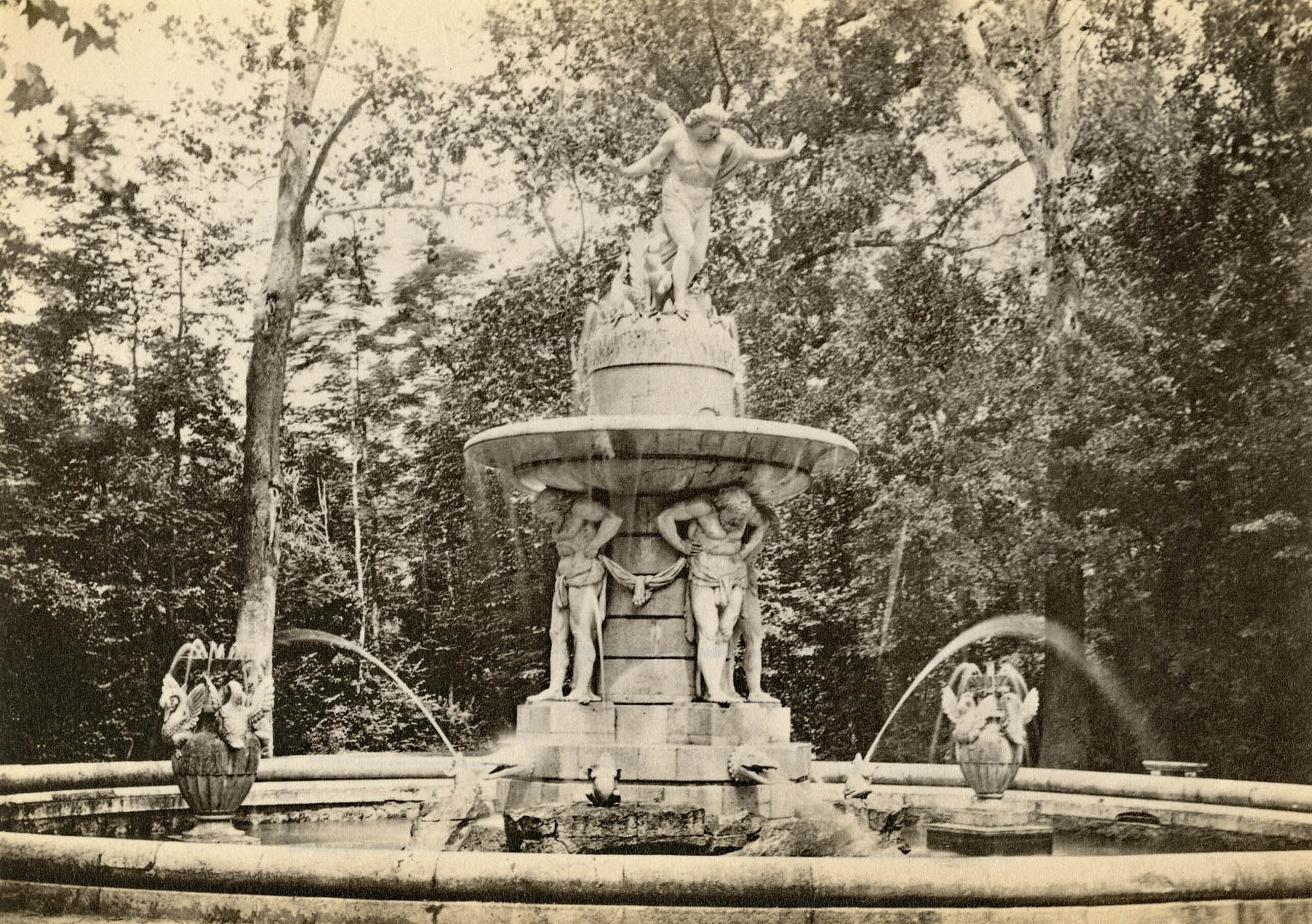
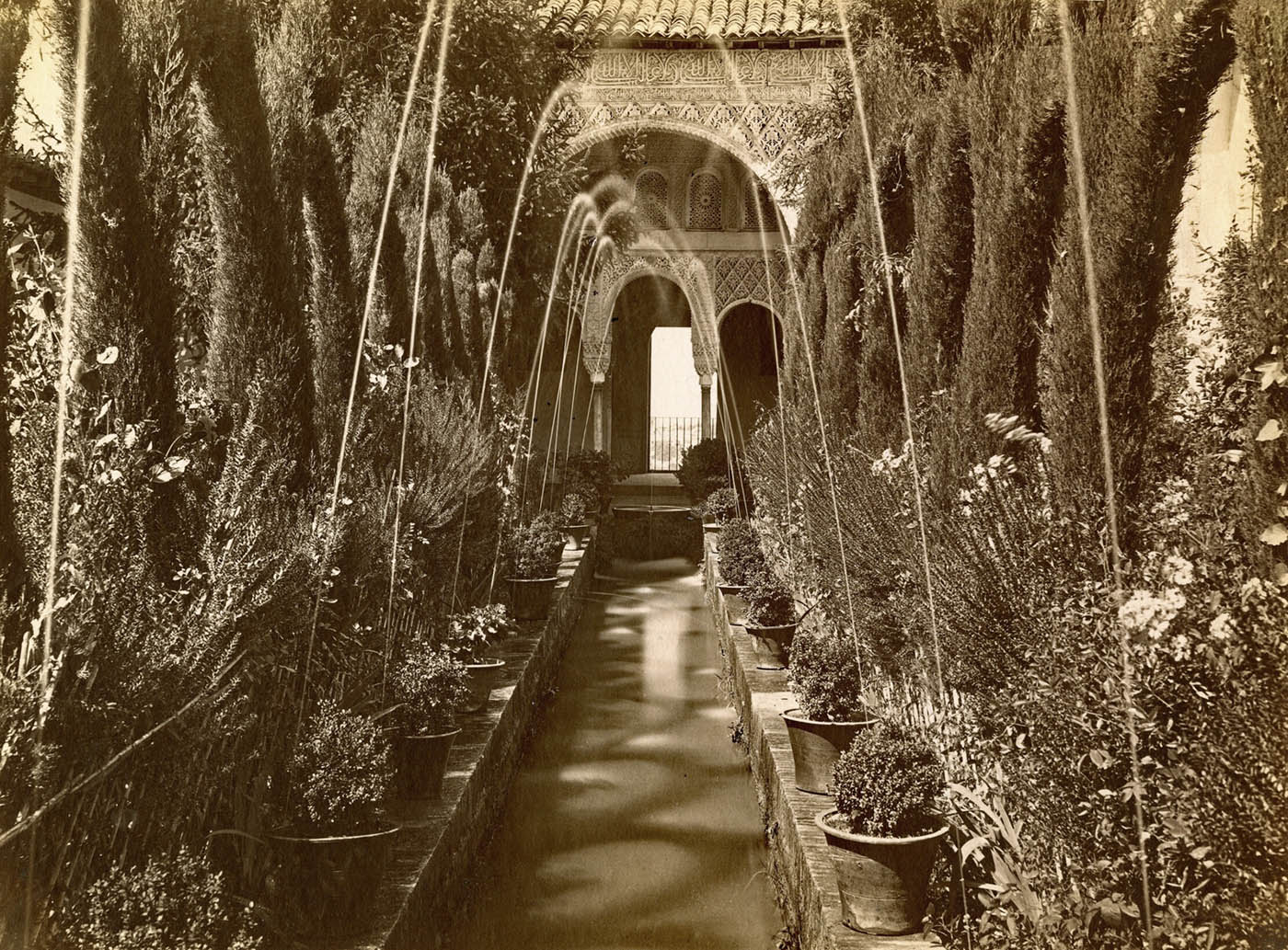
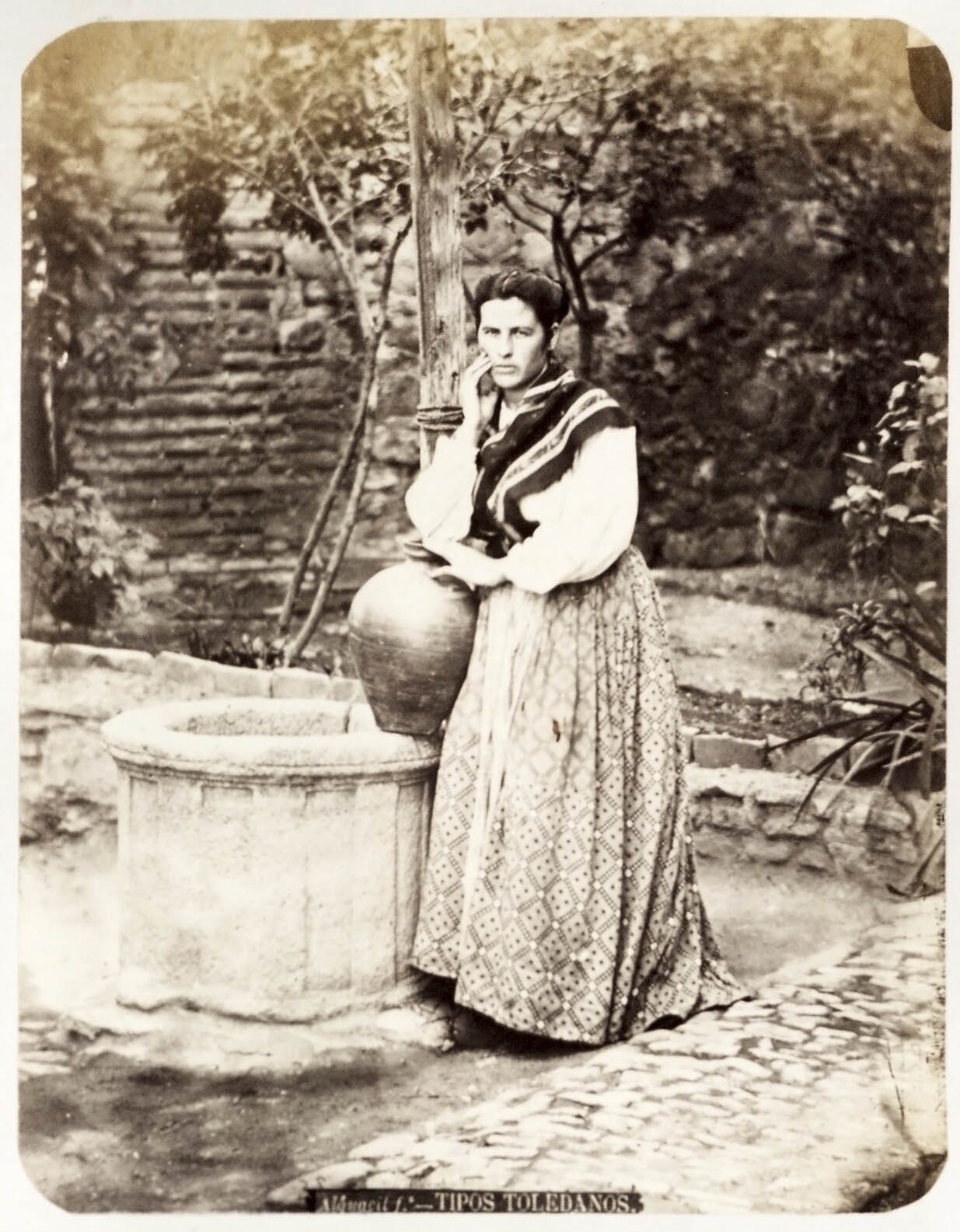
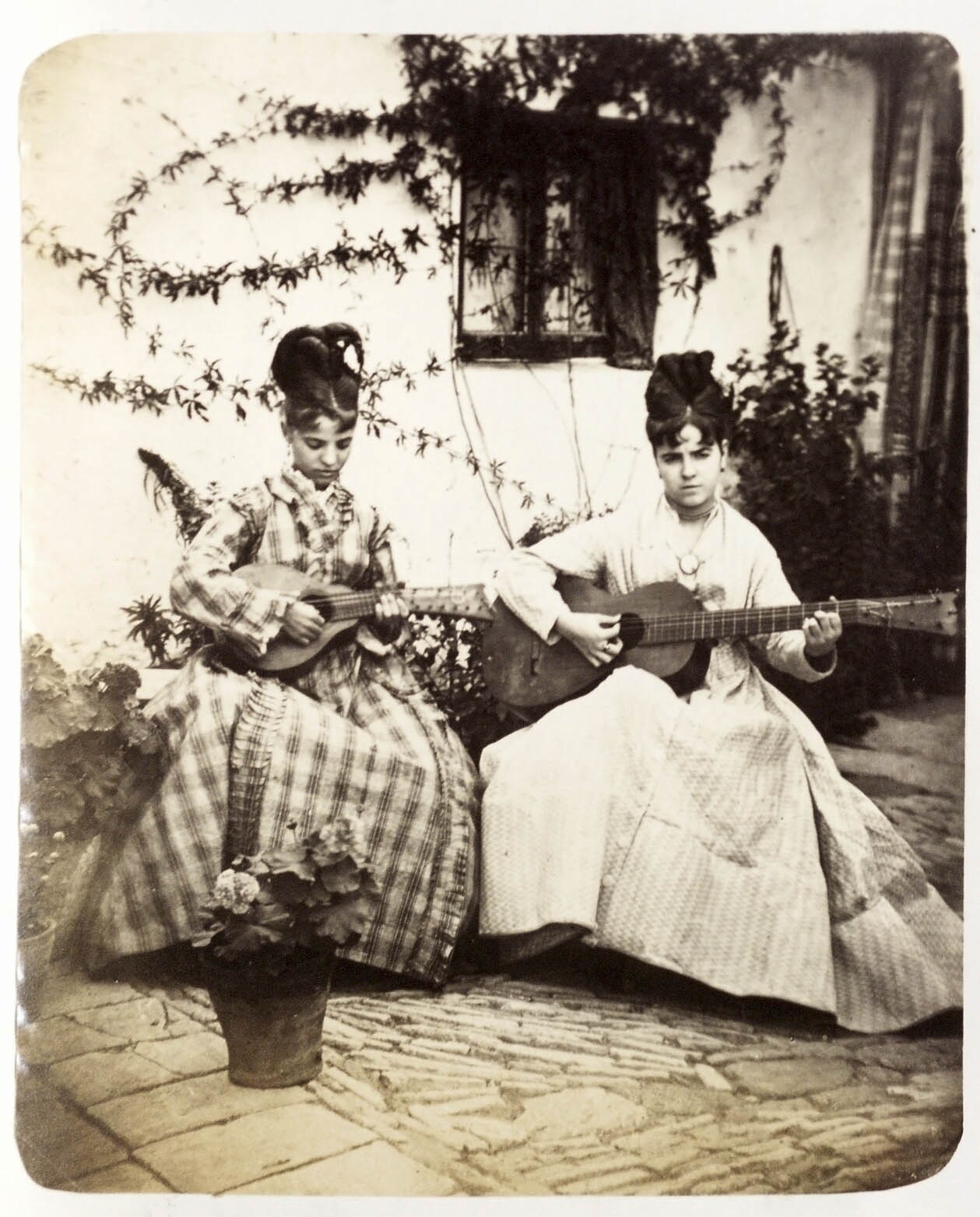
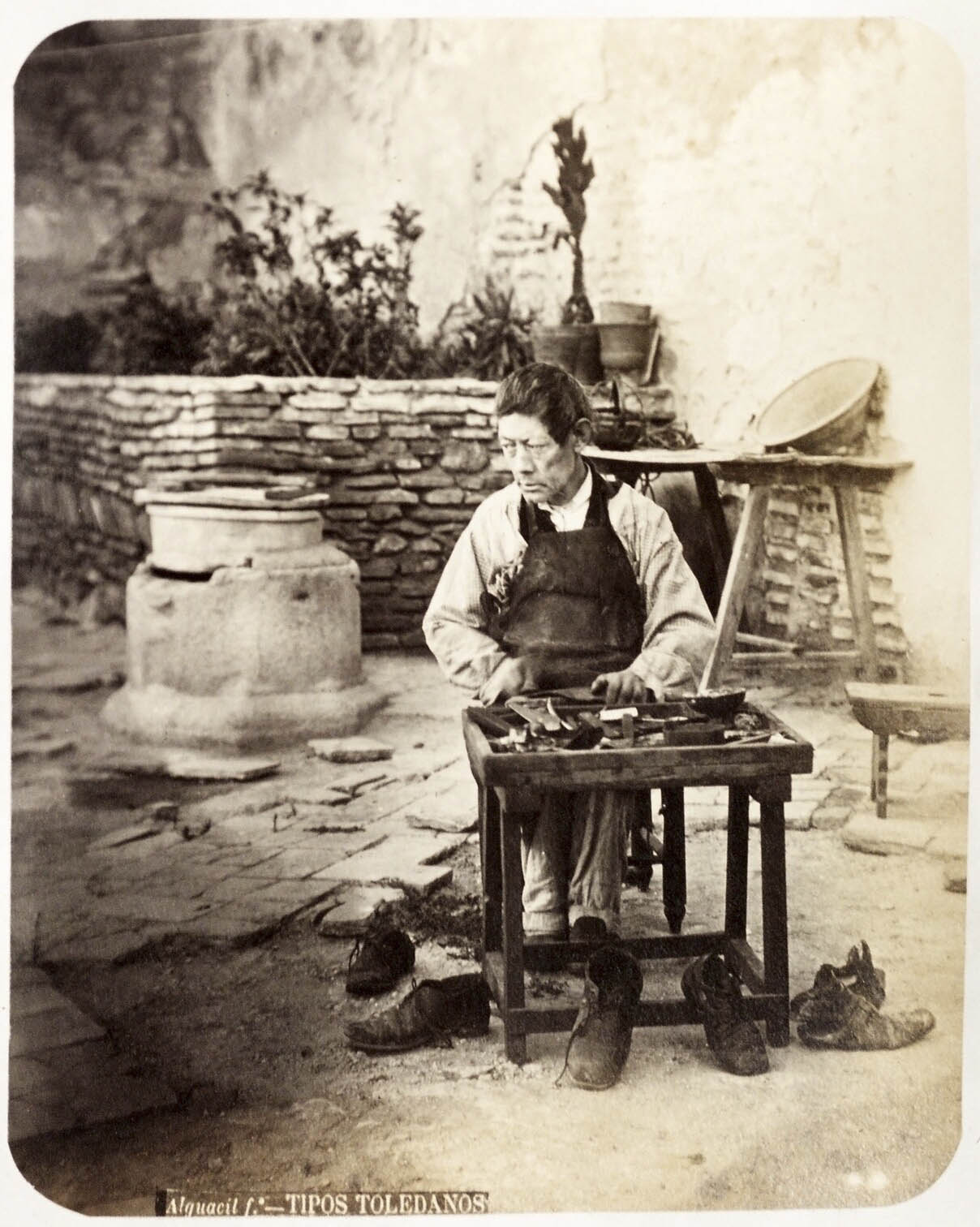
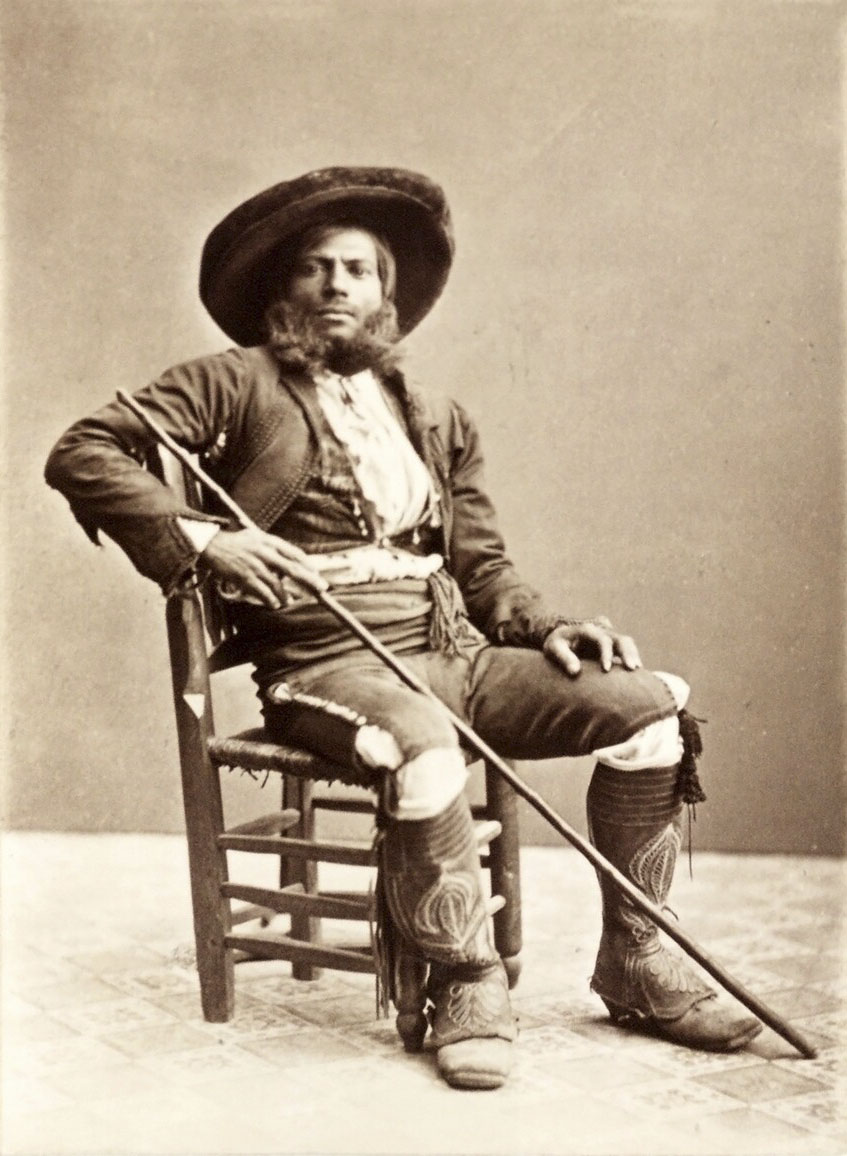
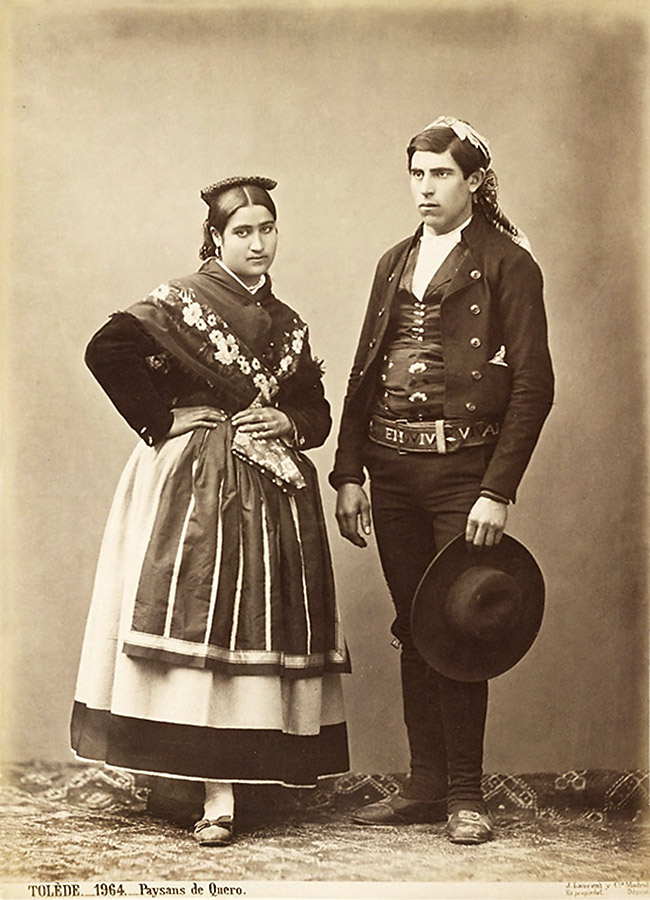
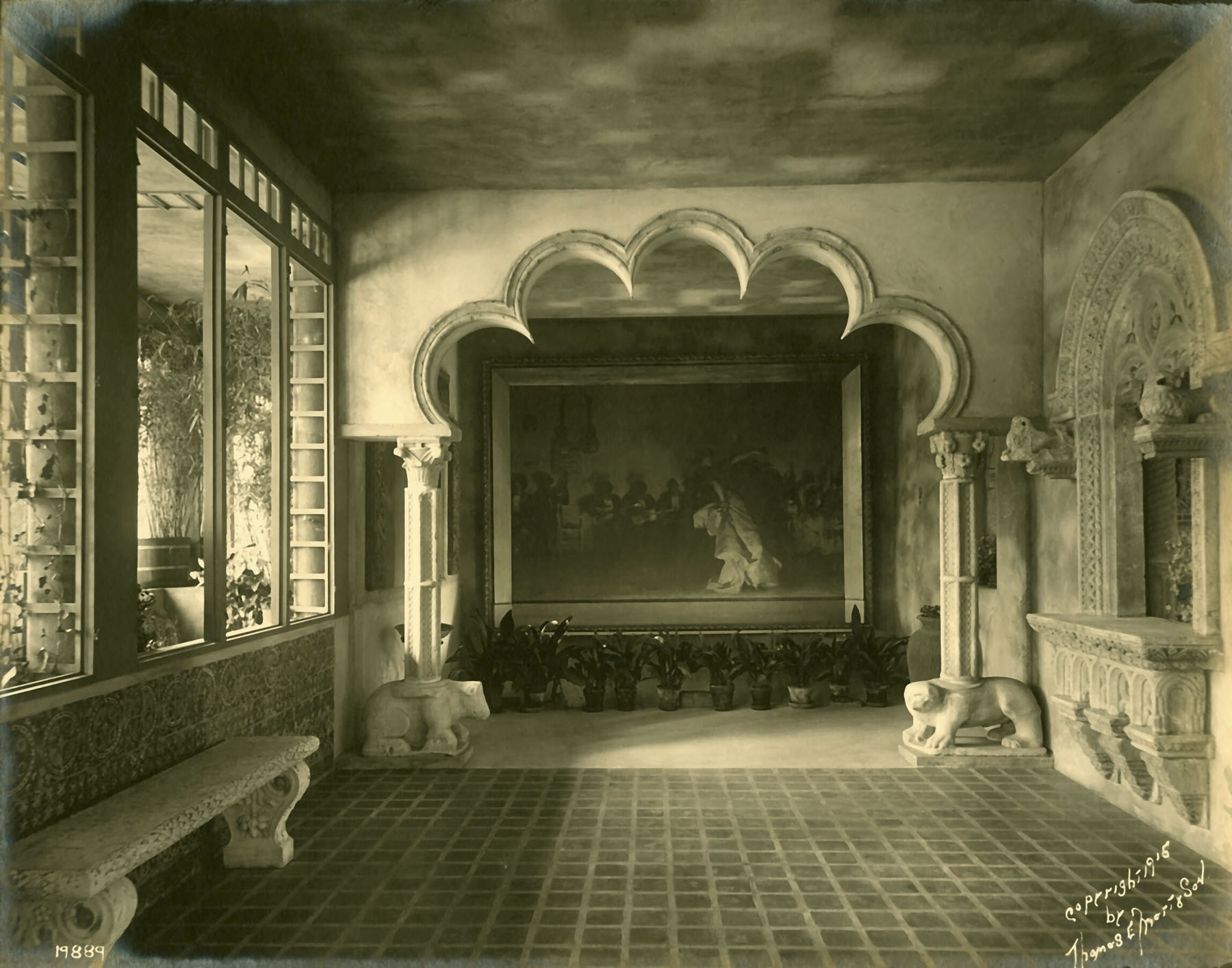
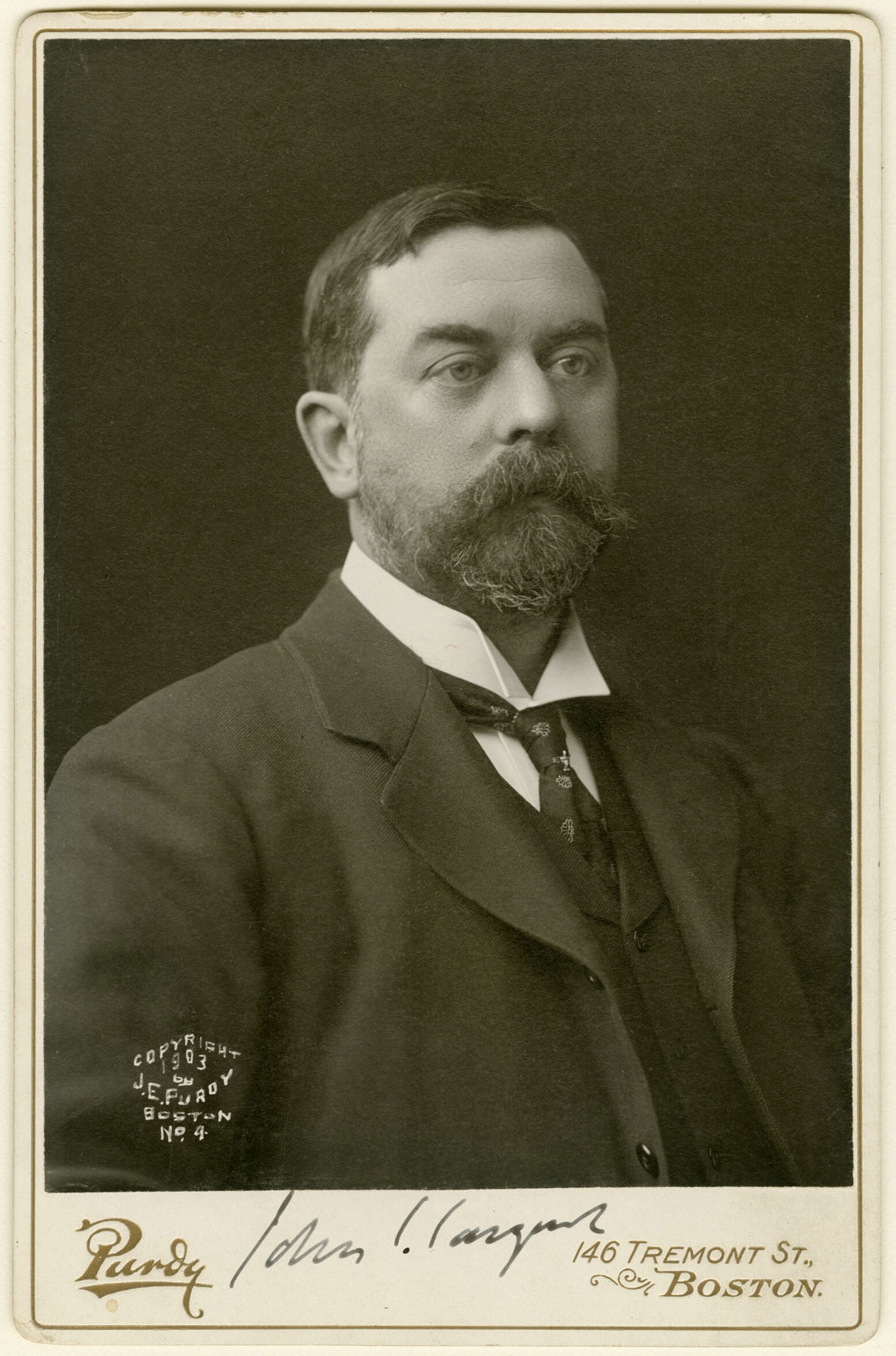
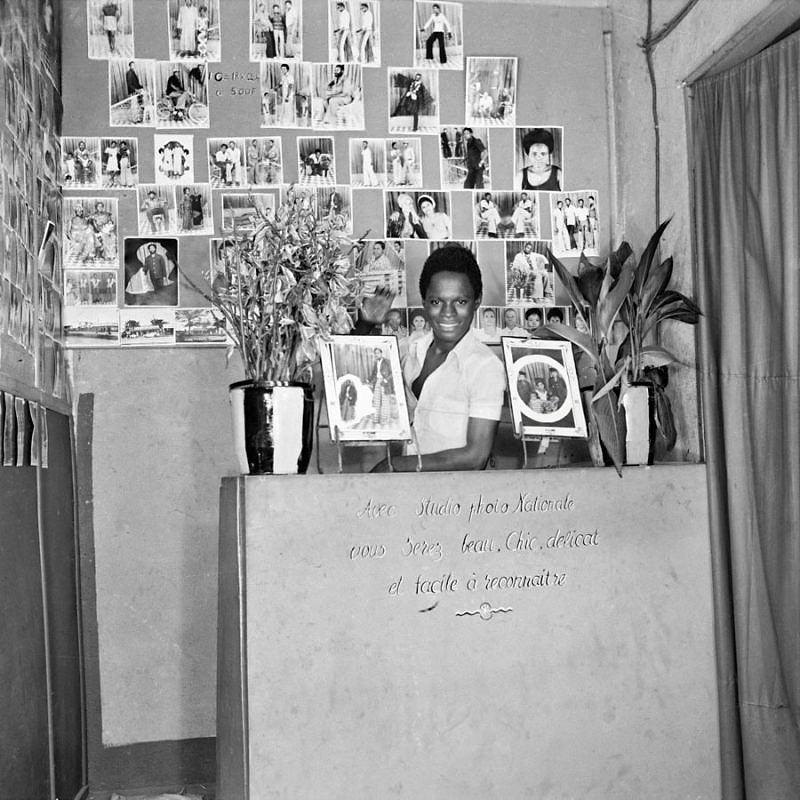


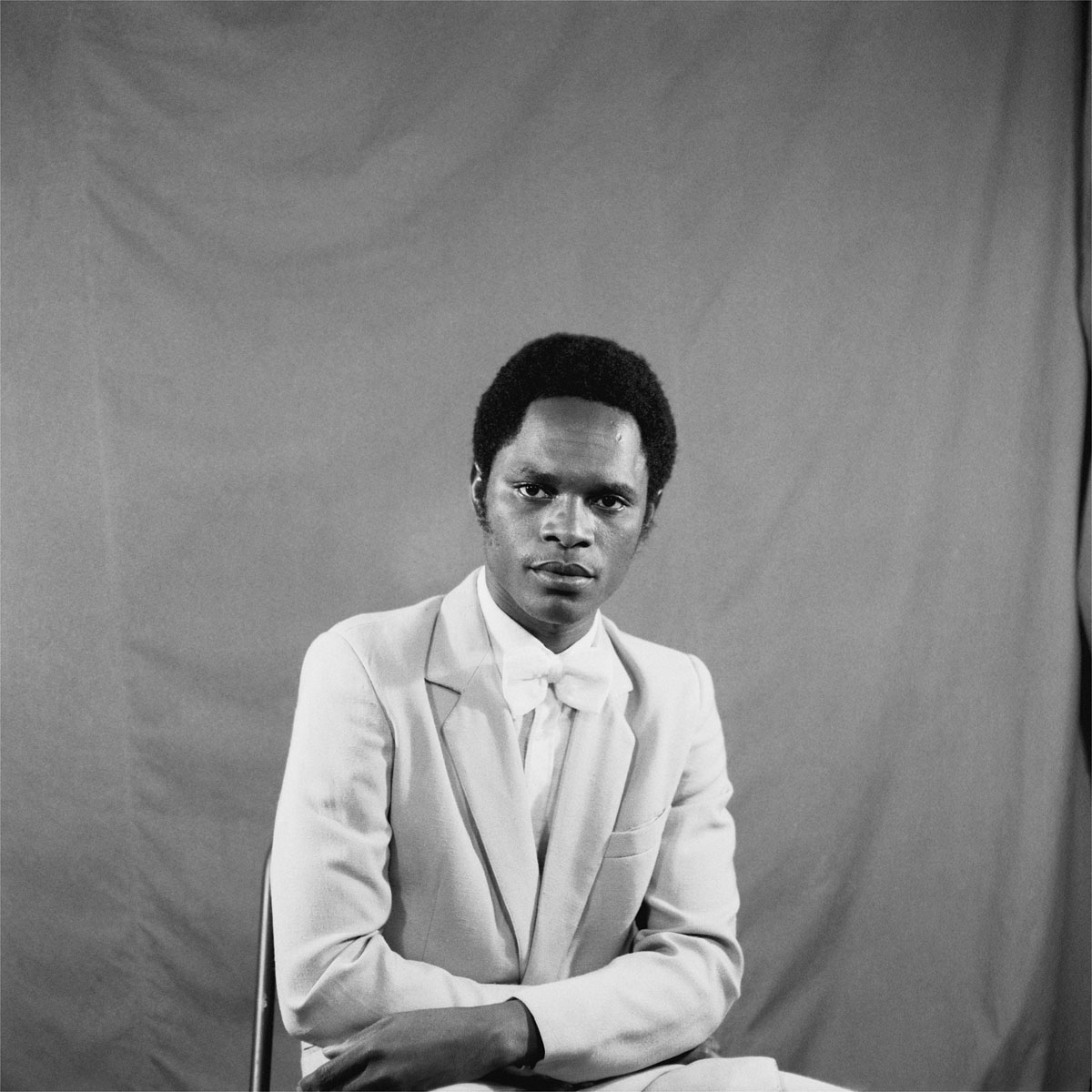
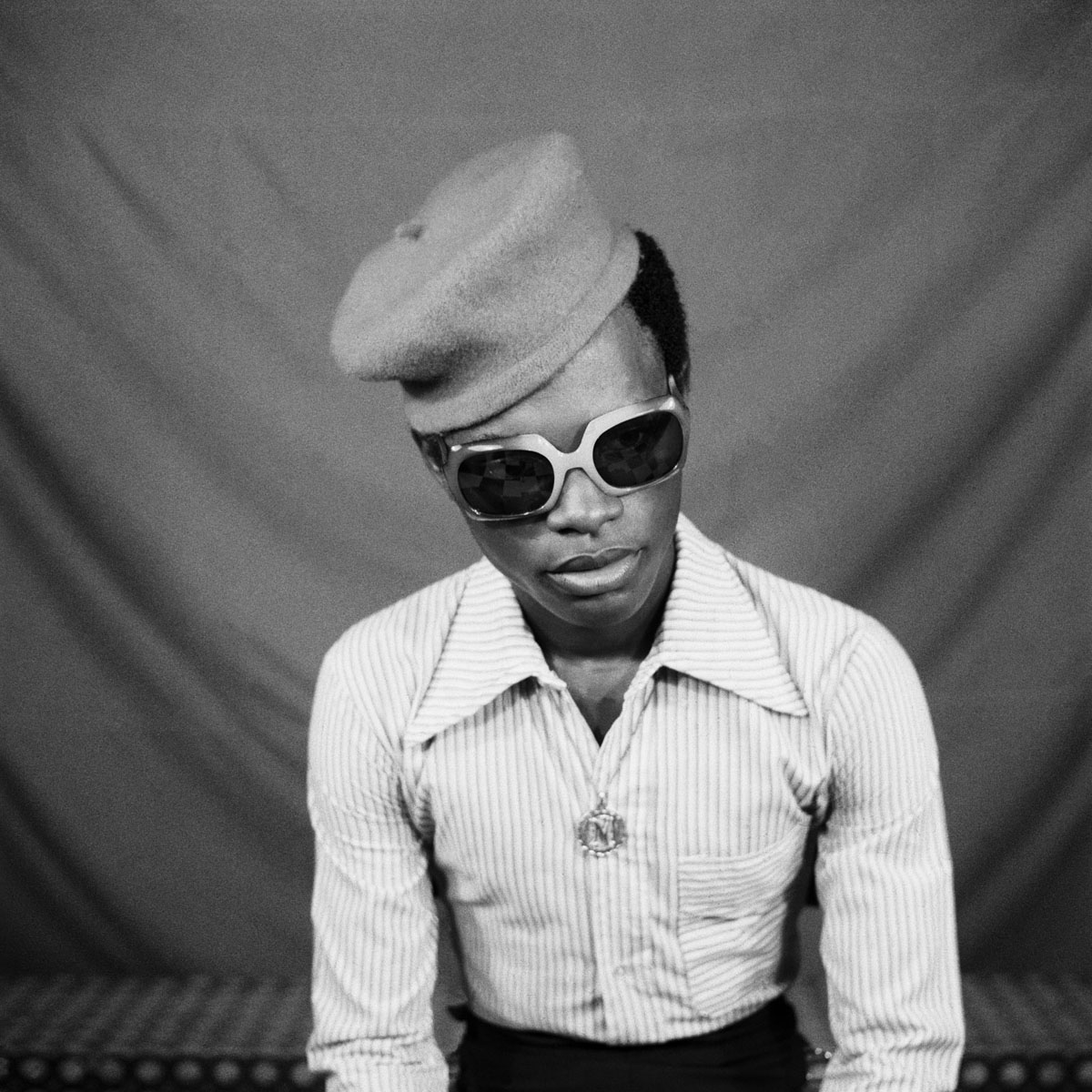


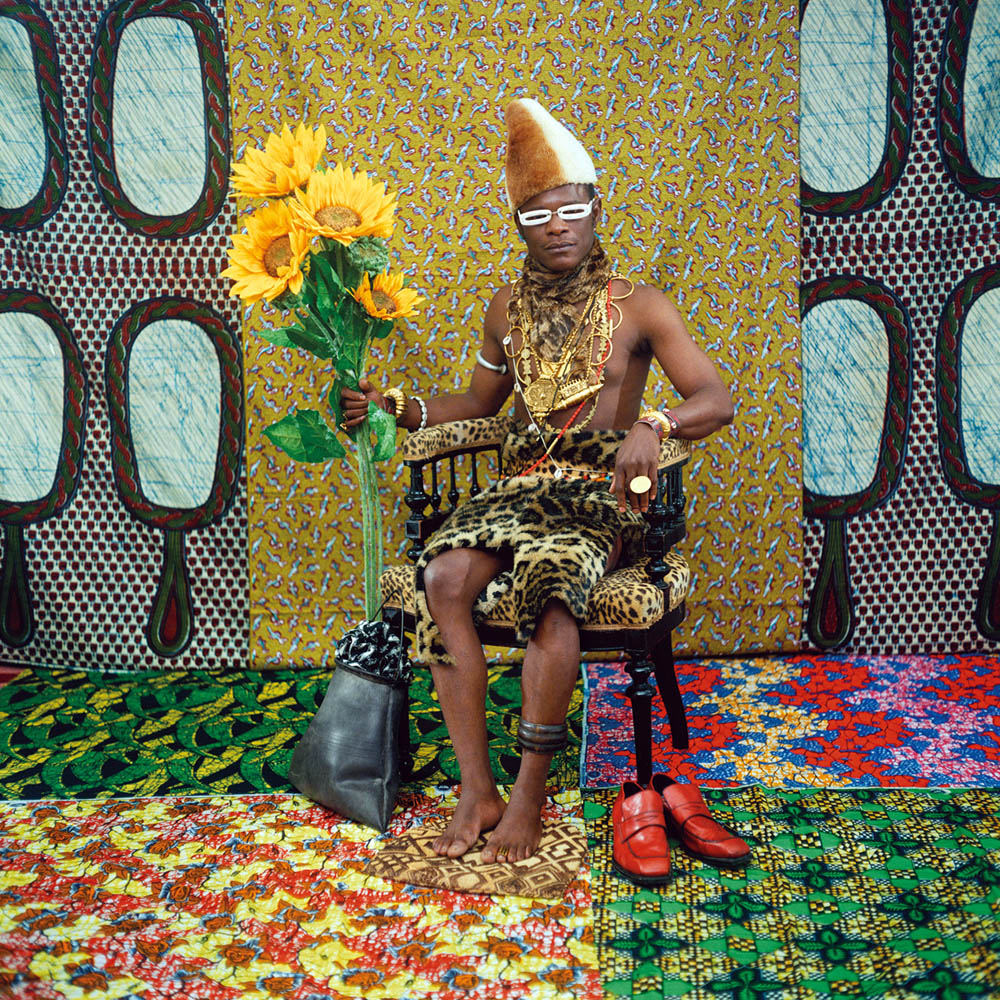


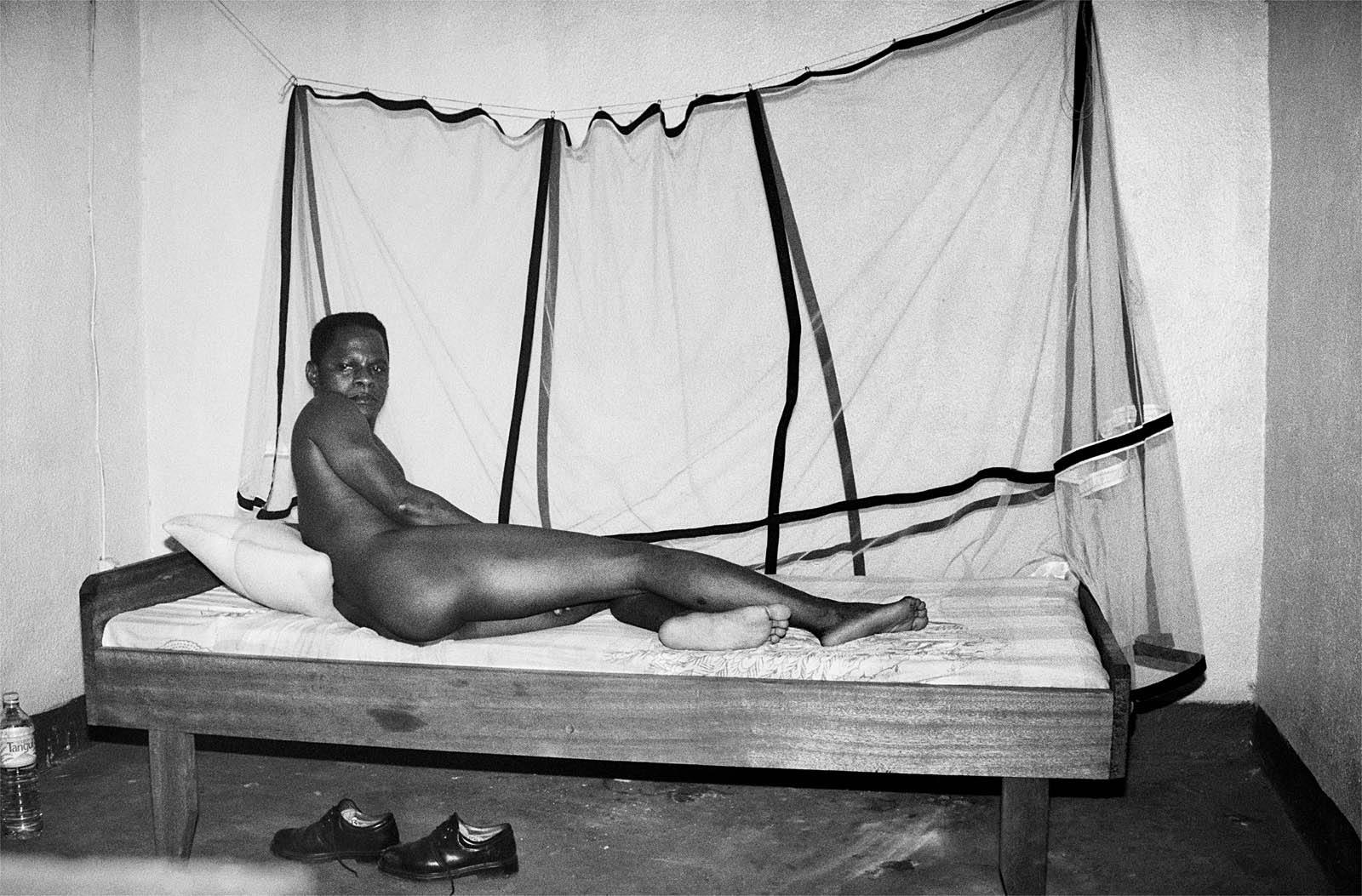


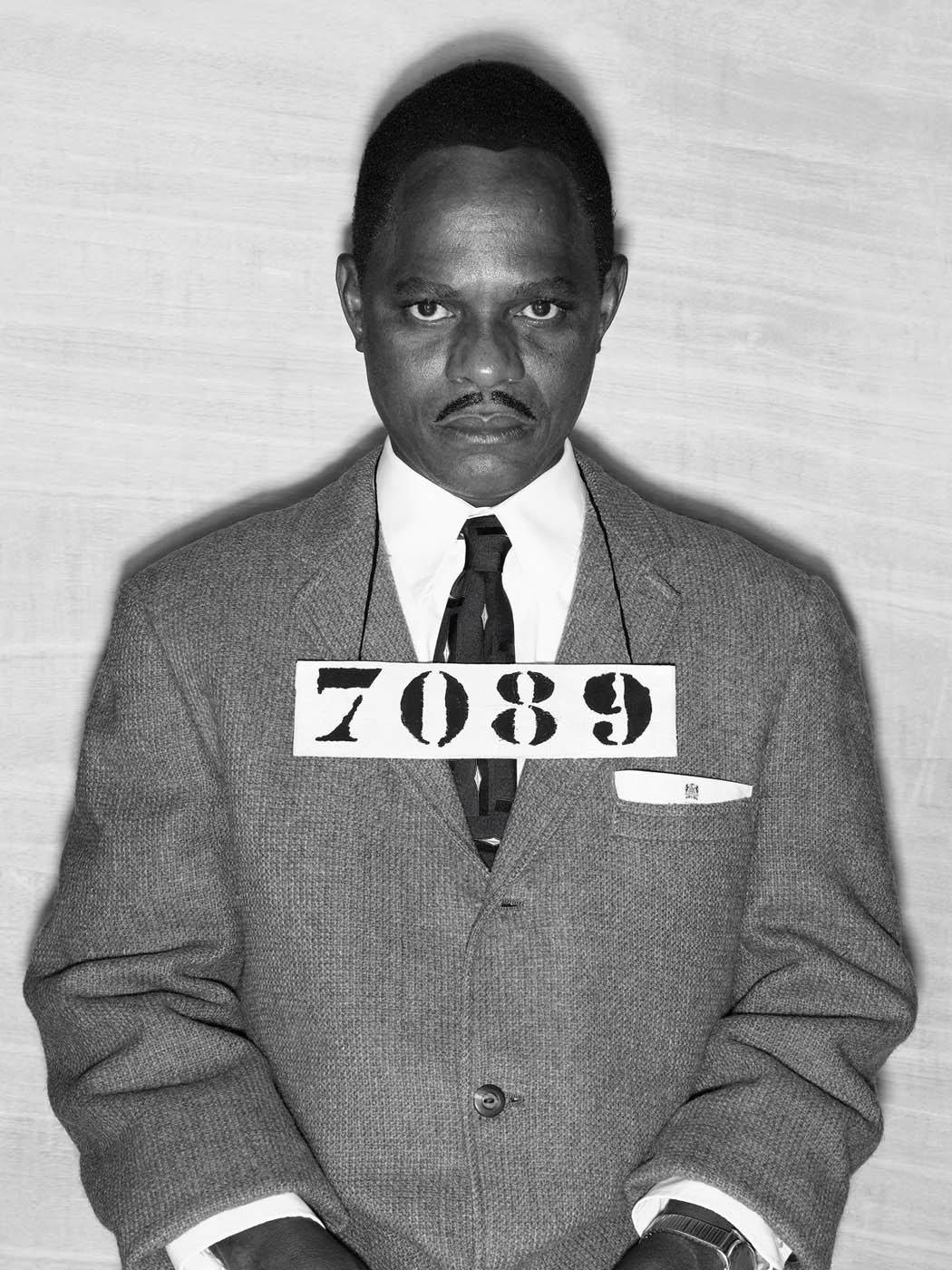


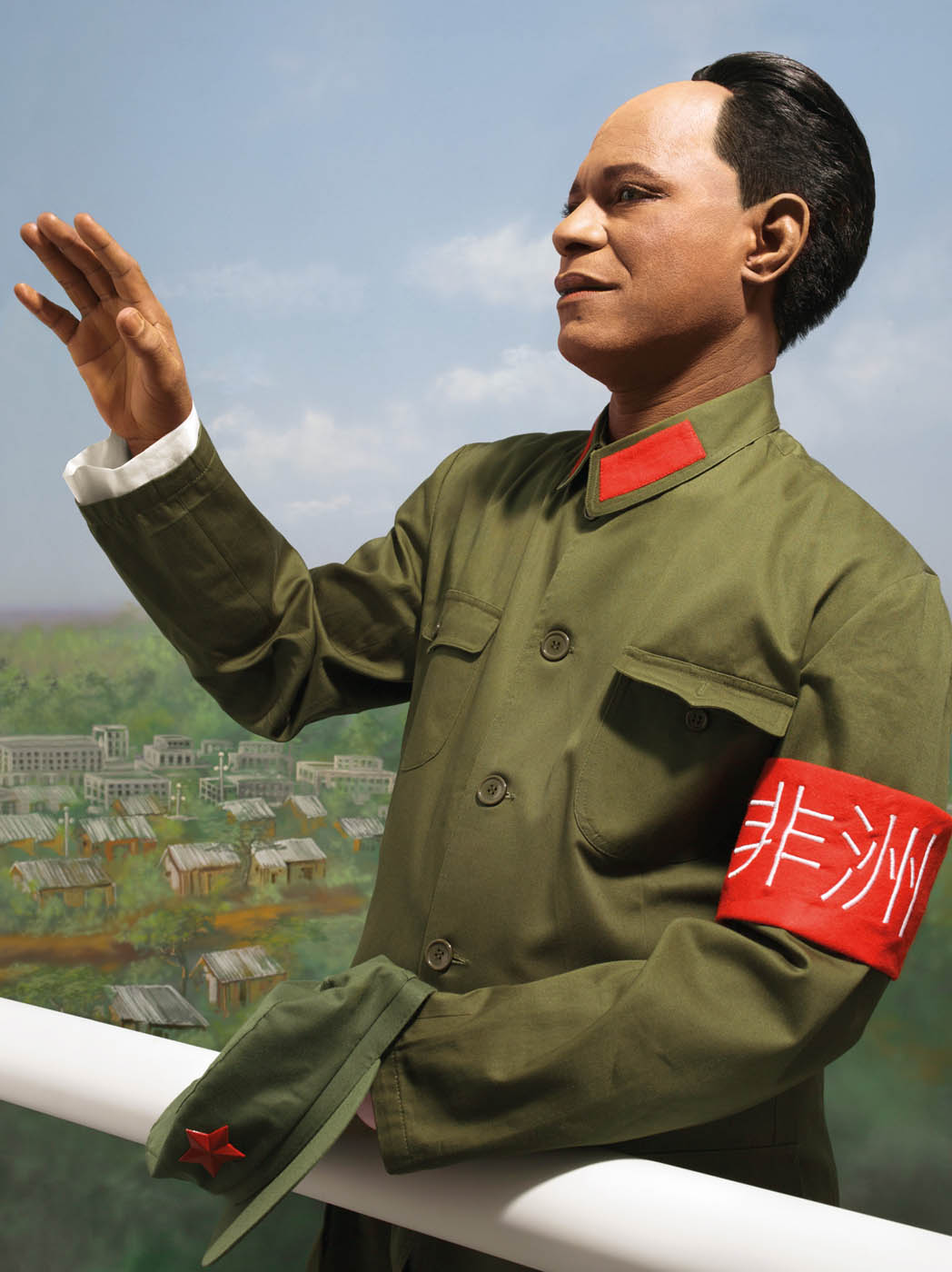


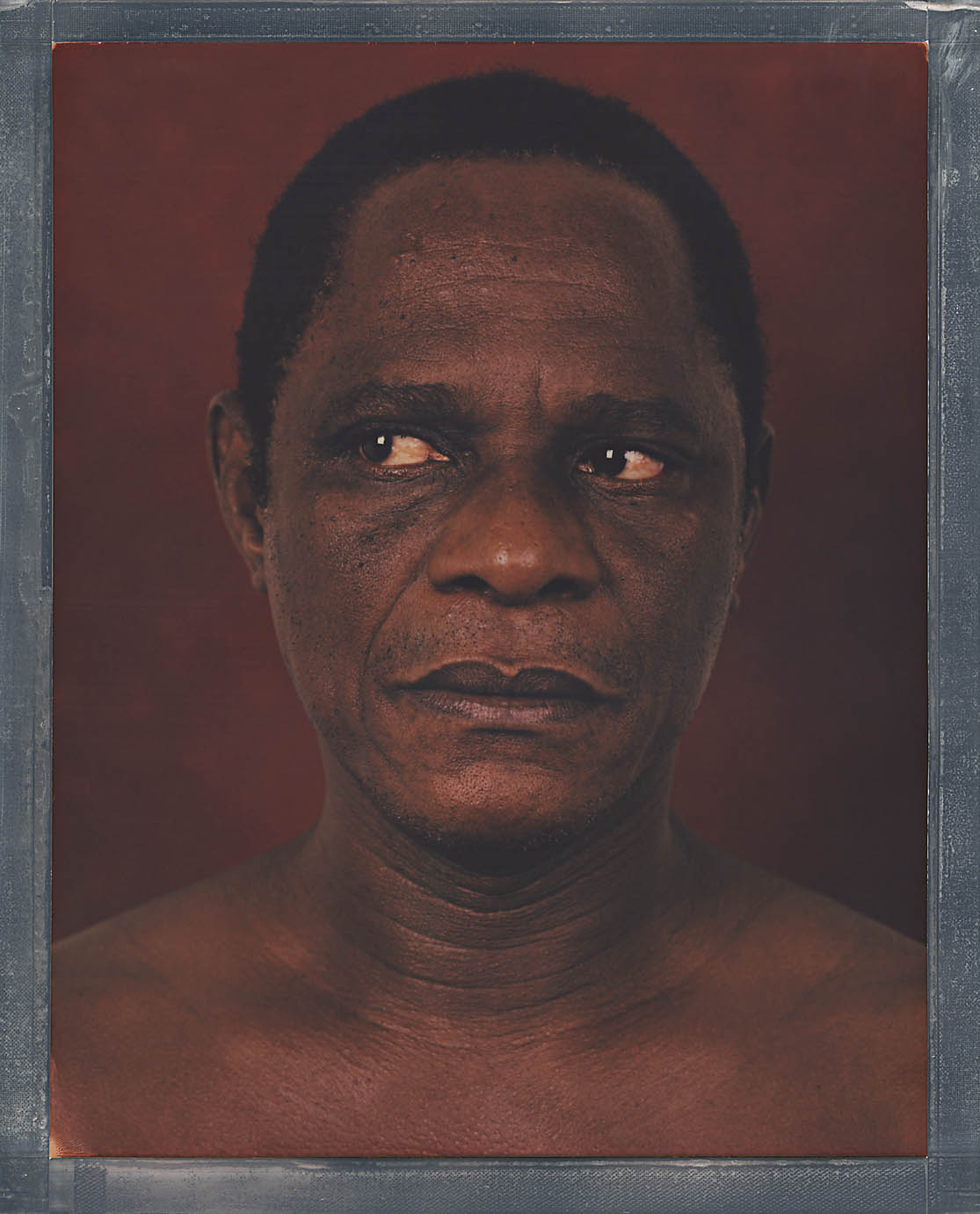

















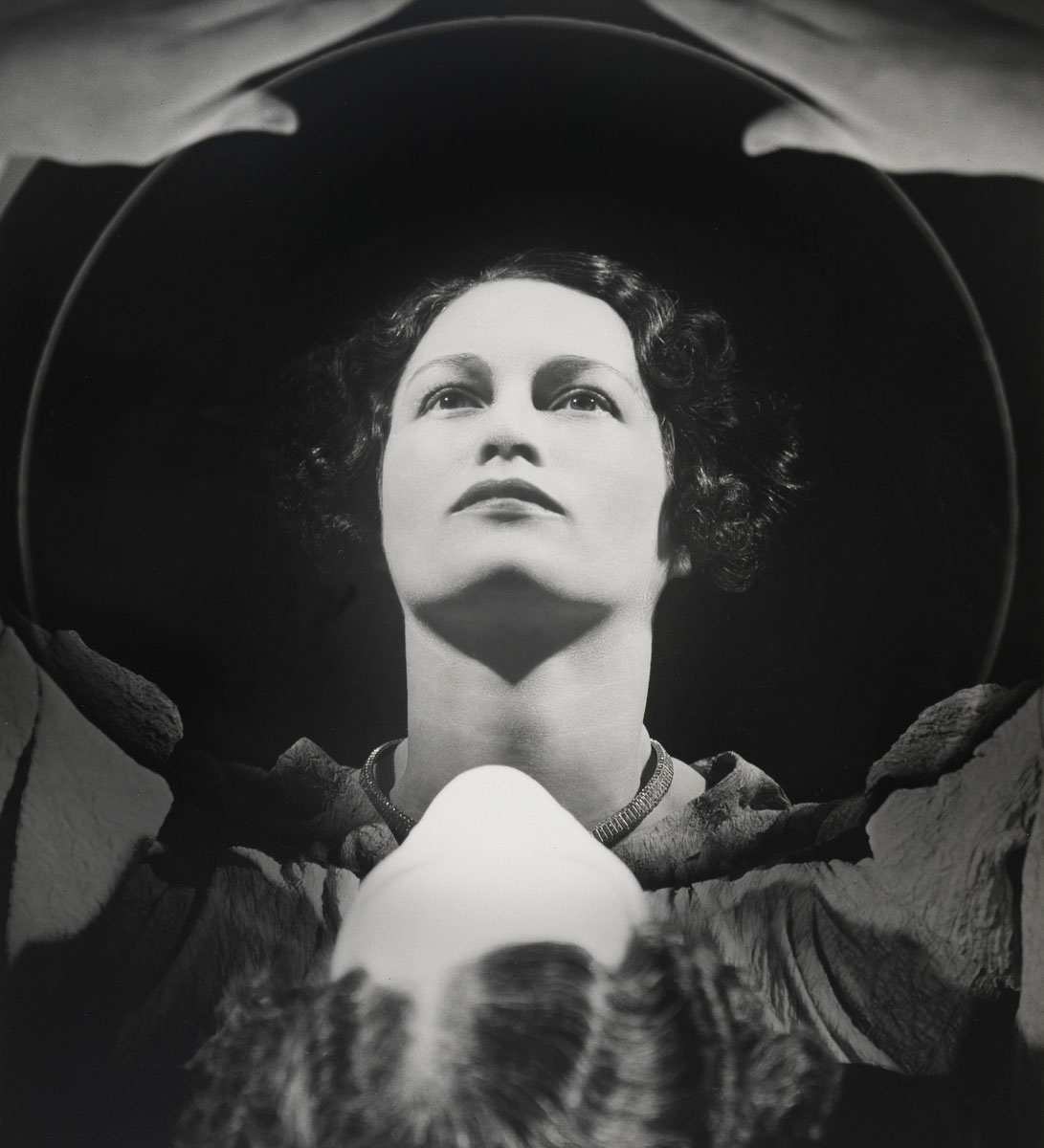

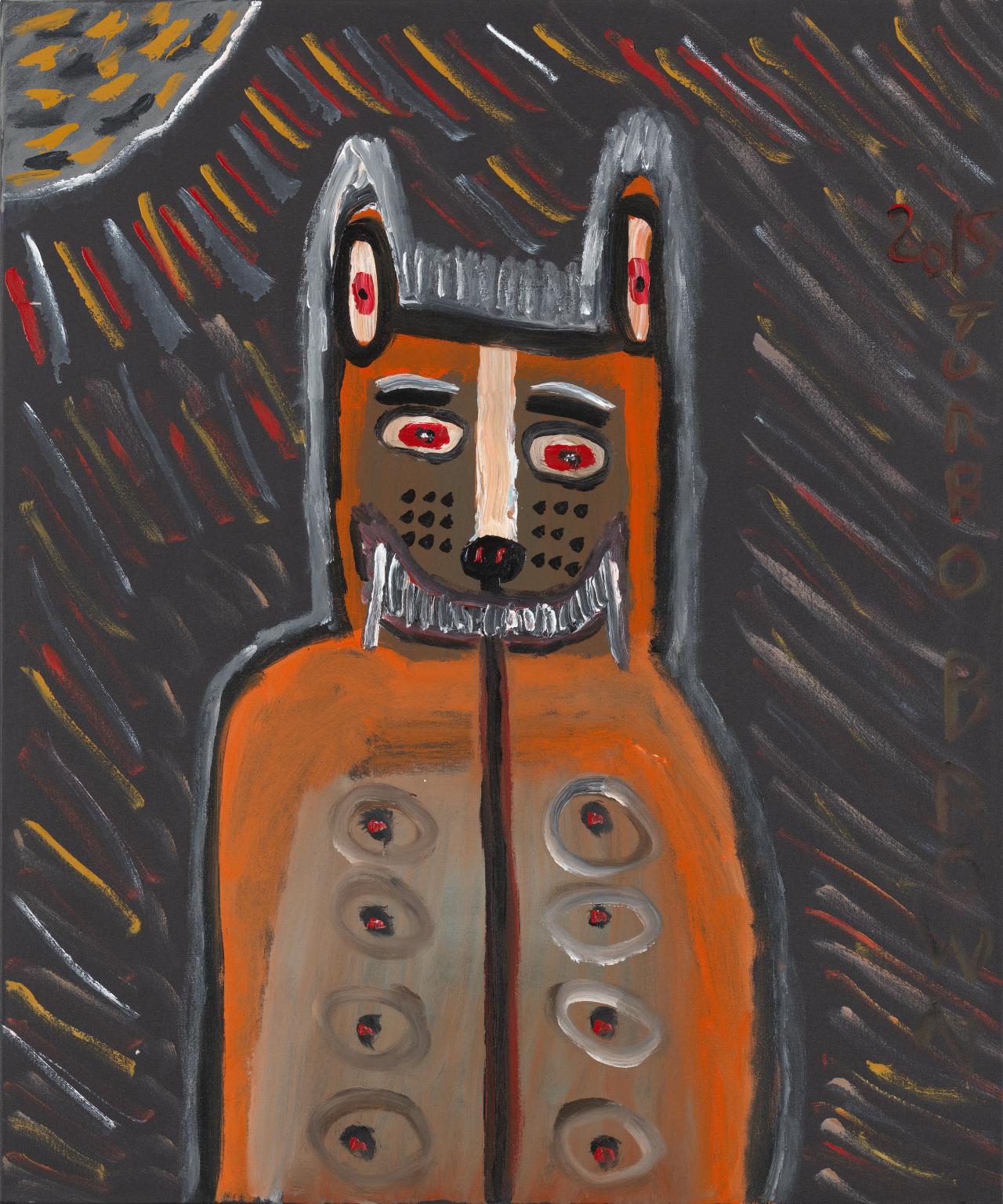

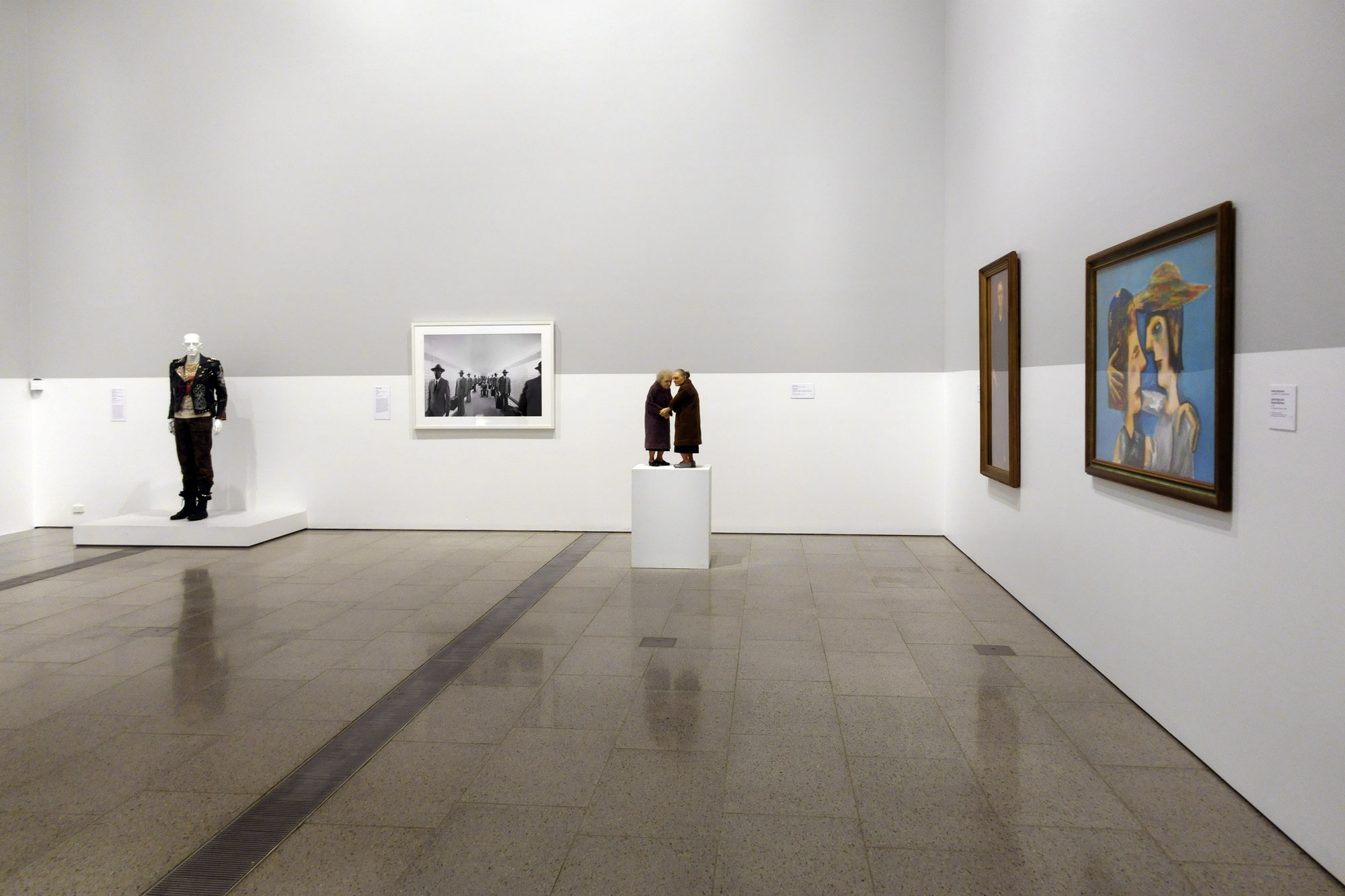


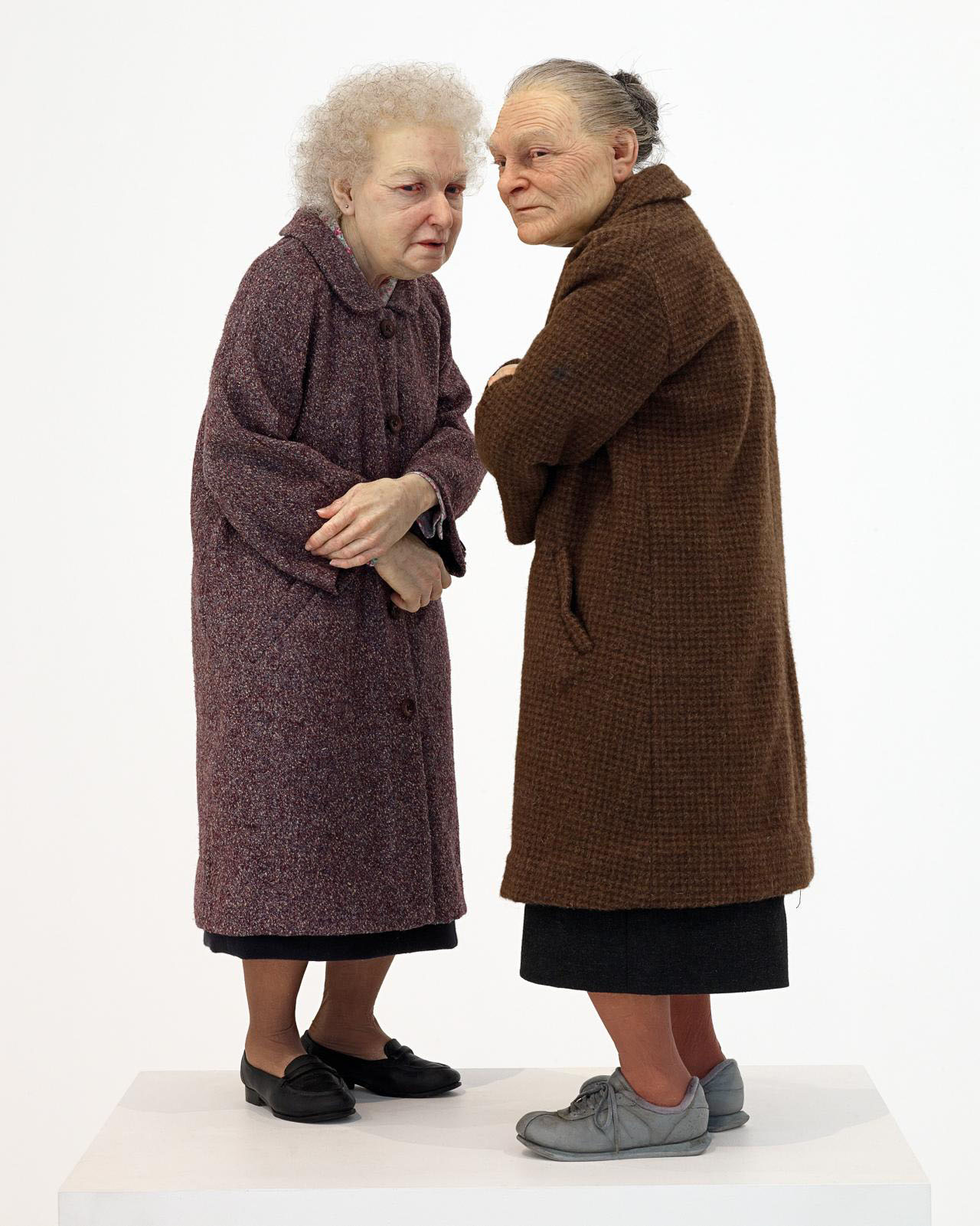










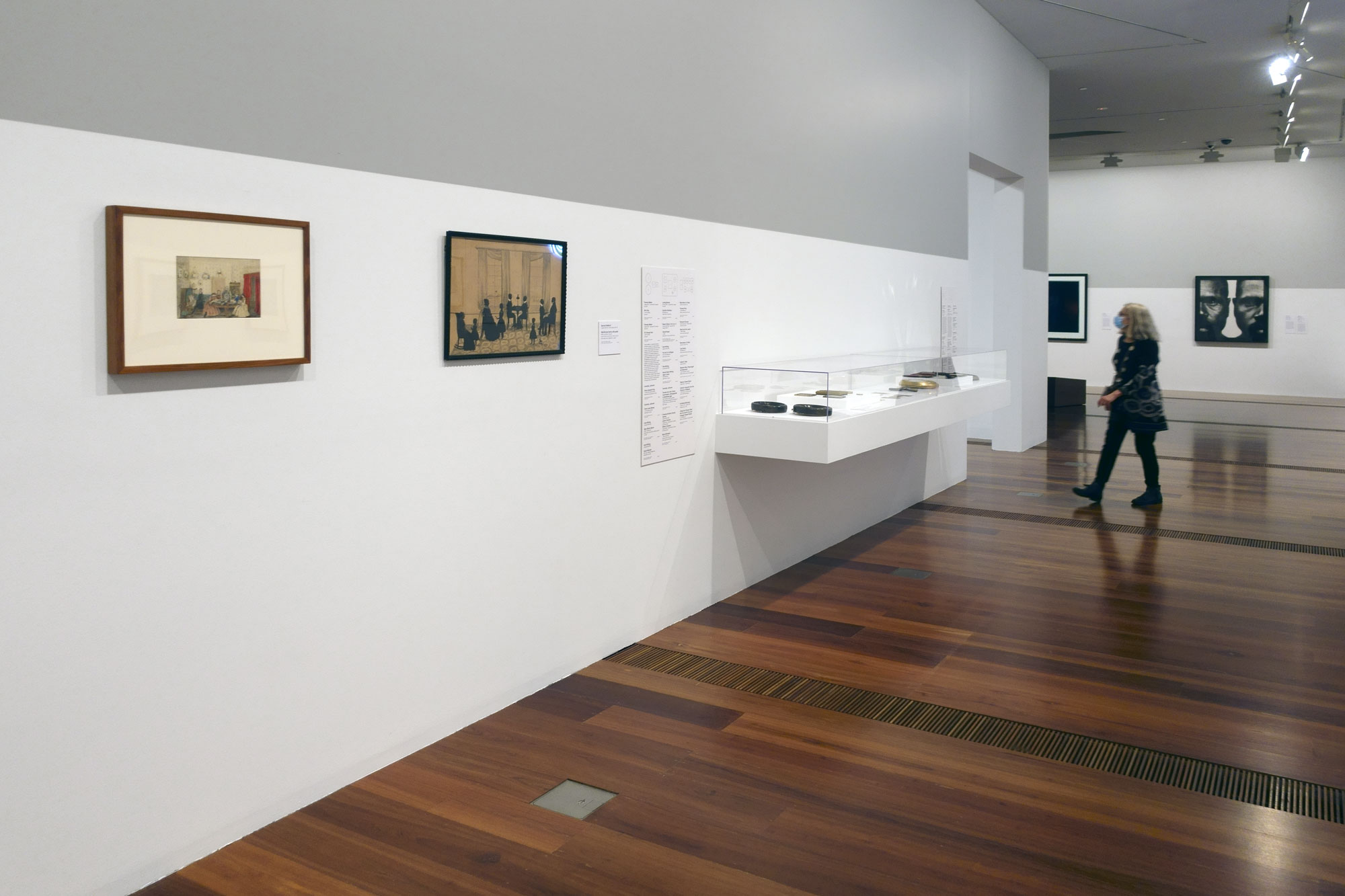
















![Unknown photographer. 'Untitled [Mongolian man with cut-out pedestal]' 1910s-1920s](https://artblart.com/wp-content/uploads/2022/06/mongolia-aa-web.jpg "Unknown photographer. 'Untitled [Mongolian man with cut-out pedestal]' 1910s-1920s")
![Unknown photographer. 'Untitled [Mongolian man]' 1910s-1920s](https://artblart.com/wp-content/uploads/2022/06/mongolia-ae-web.jpg "Unknown photographer. 'Untitled [Mongolian man]' 1910s-1920s")
![Unknown photographer. 'Untitled [Two Mongolian men]' 1910s-1920s](https://artblart.com/wp-content/uploads/2022/06/mongolia-am-web.jpg "Unknown photographer. 'Untitled [Two Mongolian men]' 1910s-1920s")
![Unknown photographer. 'Untitled [Mongolian woman and man]' 1910s-1920s](https://artblart.com/wp-content/uploads/2022/06/mongolia-ah-web.jpg "Unknown photographer. 'Untitled [Mongolian woman and man]' 1910s-1920s")
![Unknown photographer. 'Untitled [Mongolian man and woman]' 1910s-1920s](https://artblart.com/wp-content/uploads/2022/06/mongolia-u-web.jpg "Unknown photographer. 'Untitled [Mongolian man and woman]' 1910s-1920s")
![Unknown photographer. 'Untitled [Two Mongolian men and two Mongolian women]' 1910s-1920s](https://artblart.com/wp-content/uploads/2022/06/mongolia-aj-web.jpg "Unknown photographer. 'Untitled [Two Mongolian men and two Mongolian women]' 1910s-1920s")
![Unknown photographer. 'Untitled [Two Mongolian men]' 1910s-1920s](https://artblart.com/wp-content/uploads/2022/06/mongolia-ab-web.jpg "Unknown photographer. 'Untitled [Two Mongolian men]' 1910s-1920s")
![Unknown photographer. 'Untitled [Mongolian man with cut-out pedestal]' 1910s-1920s](https://artblart.com/wp-content/uploads/2022/06/mongolia-al-web.jpg "Unknown photographer. 'Untitled [Mongolian man with cut-out pedestal]' 1910s-1920s")
![Unknown photographer. 'Untitled [Two Mongolian men, two Mongolian women and a child]' 1910s-1920s](https://artblart.com/wp-content/uploads/2022/06/mongolia-ai-web.jpg "Unknown photographer. 'Untitled [Two Mongolian men, two Mongolian women and a child]' 1910s-1920s")
![Unknown photographer. 'Untitled [Three Mongolian men]' 1910s-1920s](https://artblart.com/wp-content/uploads/2022/06/mongolia-an-web.jpg "Unknown photographer. 'Untitled [Three Mongolian men]' 1910s-1920s")
![Unknown photographer. 'Untitled [Three Mongolian men]' 1910s-1920s](https://artblart.com/wp-content/uploads/2022/06/mongolia-af-web.jpg "Unknown photographer. 'Untitled [Three Mongolian men]' 1910s-1920s")

![Unknown photographer. 'Untitled [Mongolian woman]' 1910s-1920s](https://artblart.com/wp-content/uploads/2022/06/mongolia-ao-web.jpg "Unknown photographer. 'Untitled [Mongolian woman]' 1910s-1920s")
![Unknown photographer. 'Untitled [Mongolian woman and table]' 1910s-1920s](https://artblart.com/wp-content/uploads/2022/06/mongolia-ar-web.jpg "Unknown photographer. 'Untitled [Mongolian woman and table]' 1910s-1920s")
![Unknown photographer. 'Untitled [Mongolian woman and table]' 1910s-1920s](https://artblart.com/wp-content/uploads/2022/06/mongolia-av-web.jpg "Unknown photographer. 'Untitled [Mongolian woman and table]' 1910s-1920s")
![Unknown photographer. 'Untitled [Mongolian woman and table]' 1910s-1920s](https://artblart.com/wp-content/uploads/2022/06/mongolia-at-web.jpg "Unknown photographer. 'Untitled [Mongolian woman and table]' 1910s-1920s")


![Unknown photographer. 'Untitled [Mongolian woman and table]' 1910s-1920s](https://artblart.com/wp-content/uploads/2022/06/mongolia-aw-web.jpg "Unknown photographer. 'Untitled [Mongolian woman and table]' 1910s-1920s")
![Unknown photographer. 'Untitled [Three Mongolian women and two Mongolian men]' 1910s-1920s](https://artblart.com/wp-content/uploads/2022/06/mongolia-as-web.jpg "Unknown photographer. 'Untitled [Three Mongolian women and two Mongolian men]' 1910s-1920s")
![Unknown photographer. 'Untitled [Two Mongolian women and table]' 1910s-1920s](https://artblart.com/wp-content/uploads/2022/06/mongolia-az-web.jpg "Unknown photographer. 'Untitled [Two Mongolian women and table]' 1910s-1920s")
![Unknown photographer. 'Untitled [Mongolian man]' 1910s-1920s](https://artblart.com/wp-content/uploads/2022/06/mongolia-b-web.jpg "Unknown photographer. 'Untitled [Mongolian man]' 1910s-1920s")
![Unknown photographer. 'Untitled [Mongolian man]' 1910s-1920s](https://artblart.com/wp-content/uploads/2022/06/mongolia-ac-web.jpg "Unknown photographer. 'Untitled [Mongolian man]' 1910s-1920s")
![Unknown photographer. 'Untitled [Two Mongolian men with two vases]' 1910s-1920s](https://artblart.com/wp-content/uploads/2022/06/mongolia-ak-web.jpg "Unknown photographer. 'Untitled [Two Mongolian men with two vases]' 1910s-1920s")
![Unknown photographer. 'Untitled [Mongolian man with two vases and clock]' 1910s-1920s](https://artblart.com/wp-content/uploads/2022/06/mongolia-ad-web.jpg "Unknown photographer. 'Untitled [Mongolian man with two vases and clock]' 1910s-1920s")
![Unknown photographer. 'Untitled [Mongolian woman with clock]' 1910s-1920s](https://artblart.com/wp-content/uploads/2022/06/mongolia-ag-web.jpg "Unknown photographer. 'Untitled [Mongolian woman with clock]' 1910s-1920s")
![Unknown photographer. 'Untitled [Four Mongolian men]' 1910s-1920s](https://artblart.com/wp-content/uploads/2022/06/mongolia-ay-web.jpg "Unknown photographer. 'Untitled [Four Mongolian men]' 1910s-1920s")
![Unknown photographer. 'Untitled [Two Mongolian men]' 1910s-1920s](https://artblart.com/wp-content/uploads/2022/06/mongolia-aq-web.jpg "Unknown photographer. 'Untitled [Two Mongolian men]' 1910s-1920s")
![Unknown photographer. 'Untitled [Two Mongolian men with two clocks]' 1910s-1920s](https://artblart.com/wp-content/uploads/2022/06/mongolia-au-web.jpg "Unknown photographer. 'Untitled [Two Mongolian men with two clocks]' 1910s-1920s")
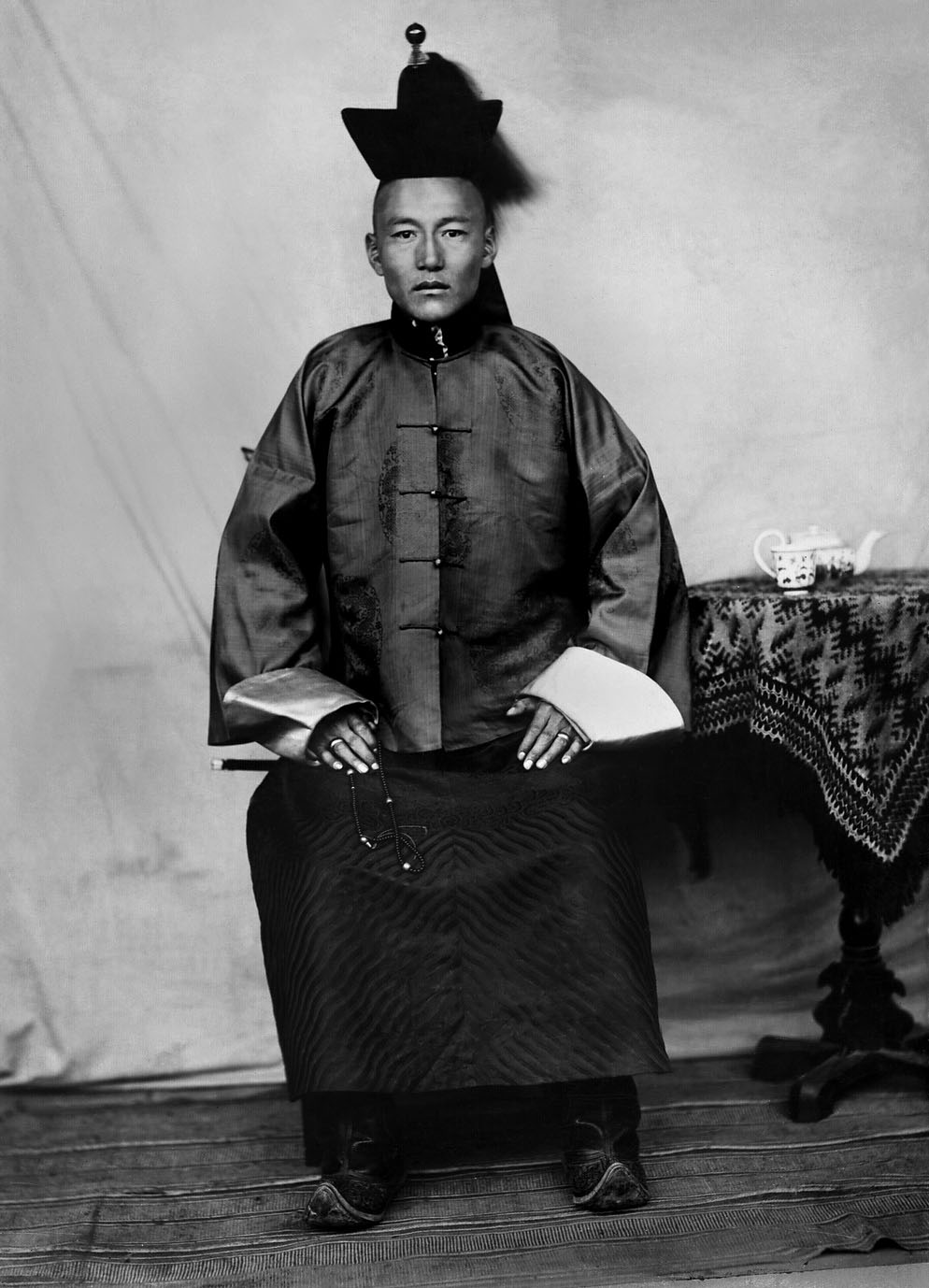
![Unknown photographer. 'Untitled [Mongolian man]' 1910s-1920s](https://artblart.com/wp-content/uploads/2022/06/mongolia-c-web.jpg "Unknown photographer. 'Untitled [Mongolian man]' 1910s-1920s")

![James Fox Barnard (1874-1945) '[Tea on the verandah]' c. 1900](https://artblart.com/wp-content/uploads/2015/09/barnard-tea-verandah.jpg "James Fox Barnard (1874-1945) '[Tea on the verandah]' c. 1900")
![Unknown photographer. 'Untitled [Mongolian man]' 1910s-1920s](https://artblart.com/wp-content/uploads/2022/06/mongolia-q-web.jpg "Unknown photographer. 'Untitled [Mongolian man]' 1910s-1920s")
![Unknown photographer. 'Untitled [Mongolian man with two teacups and saucers]' 1910s-1920s](https://artblart.com/wp-content/uploads/2022/06/mongolia-d-web.jpg "Unknown photographer. 'Untitled [Mongolian man with two teacups and saucers]' 1910s-1920s")
![Unknown photographer. 'Untitled [Two Mongolian women]' 1910s-1920s](https://artblart.com/wp-content/uploads/2022/06/mongolia-e-web.jpg "Unknown photographer. 'Untitled [Two Mongolian women]' 1910s-1920s")
![Unknown photographer. 'Untitled [Mongolian woman]' 1910s-1920s](https://artblart.com/wp-content/uploads/2022/06/mongolia-f-web.jpg "Unknown photographer. 'Untitled [Mongolian woman]' 1910s-1920s")
![Unknown photographer. 'Untitled [Mongolian woman]' 1910s-1920s](https://artblart.com/wp-content/uploads/2022/06/mongolia-g-web.jpg "Unknown photographer. 'Untitled [Mongolian woman]' 1910s-1920s")
![Unknown photographer. 'Untitled [Mongolian man]' 1910s-1920s](https://artblart.com/wp-content/uploads/2022/06/mongolia-h-web.jpg "Unknown photographer. 'Untitled [Mongolian man]' 1910s-1920s")
![Unknown photographer. 'Untitled [Mongolian man]' 1910s-1920s](https://artblart.com/wp-content/uploads/2022/06/mongolia-j-web.jpg "Unknown photographer. 'Untitled [Mongolian man]' 1910s-1920s")
![Unknown photographer. 'Untitled [Mongolian man]' 1910s-1920s](https://artblart.com/wp-content/uploads/2022/06/mongolia-k-web.jpg "Unknown photographer. 'Untitled [Mongolian man]' 1910s-1920s")
![Unknown photographer. 'Untitled [Mongolian man]' 1910s-1920s](https://artblart.com/wp-content/uploads/2022/06/mongolia-m-web.jpg "Unknown photographer. 'Untitled [Mongolian man]' 1910s-1920s")
![Unknown photographer. 'Untitled [Mongolian woman with clock and flowers]' 1910s-1920s](https://artblart.com/wp-content/uploads/2022/06/mongolia-l-web.jpg "Unknown photographer. 'Untitled [Mongolian woman with clock and flowers]' 1910s-1920s")
![Unknown photographer. 'Untitled [Mongolian woman with two children]' 1910s-1920s](https://artblart.com/wp-content/uploads/2022/06/mongolia-n-web.jpg "Unknown photographer. 'Untitled [Mongolian woman with two children]' 1910s-1920s")
![Unknown photographer. 'Untitled [Mongolian woman]' 1910s-1920s](https://artblart.com/wp-content/uploads/2022/06/mongolia-r-web.jpg "Unknown photographer. 'Untitled [Mongolian woman]' 1910s-1920s")
![Unknown photographer. 'Untitled [Mongolian woman and child]' 1910s-1920s](https://artblart.com/wp-content/uploads/2022/06/mongolia-s-web.jpg "Unknown photographer. 'Untitled [Mongolian woman and child]' 1910s-1920s")
![Unknown photographer. 'Untitled [Mongolian woman]' 1910s-1920s](https://artblart.com/wp-content/uploads/2022/06/mongolia-v-web.jpg "Unknown photographer. 'Untitled [Mongolian woman]' 1910s-1920s")
![Unknown photographer. 'Untitled [Mongolian woman]' 1910s-1920s](https://artblart.com/wp-content/uploads/2022/06/mongolia-w-web.jpg "Unknown photographer. 'Untitled [Mongolian woman]' 1910s-1920s")
![Unknown photographer. 'Untitled [Mongolian woman]' 1910s-1920s](https://artblart.com/wp-content/uploads/2022/06/mongolia-y-web.jpg "Unknown photographer. 'Untitled [Mongolian woman]' 1910s-1920s")
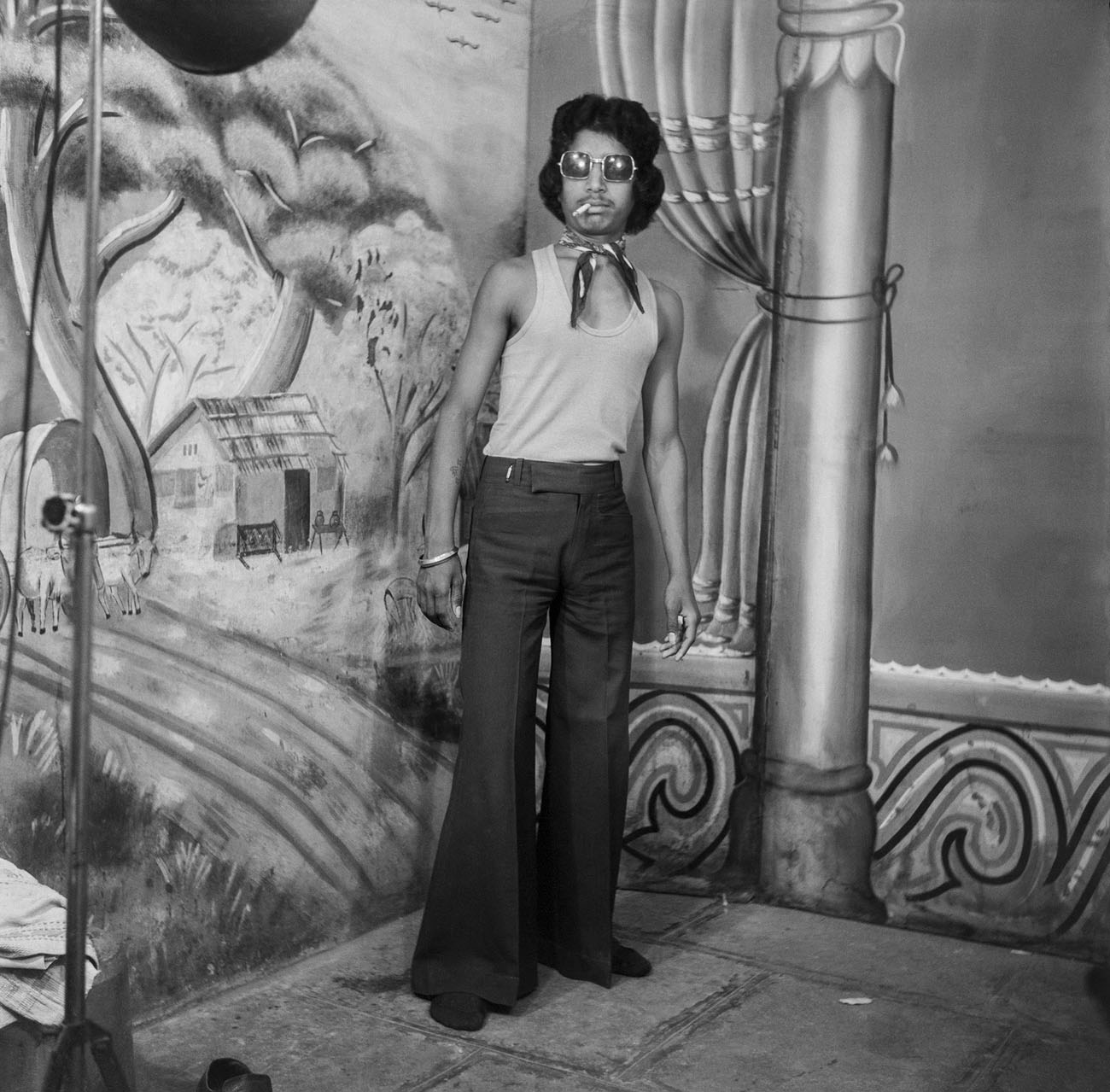

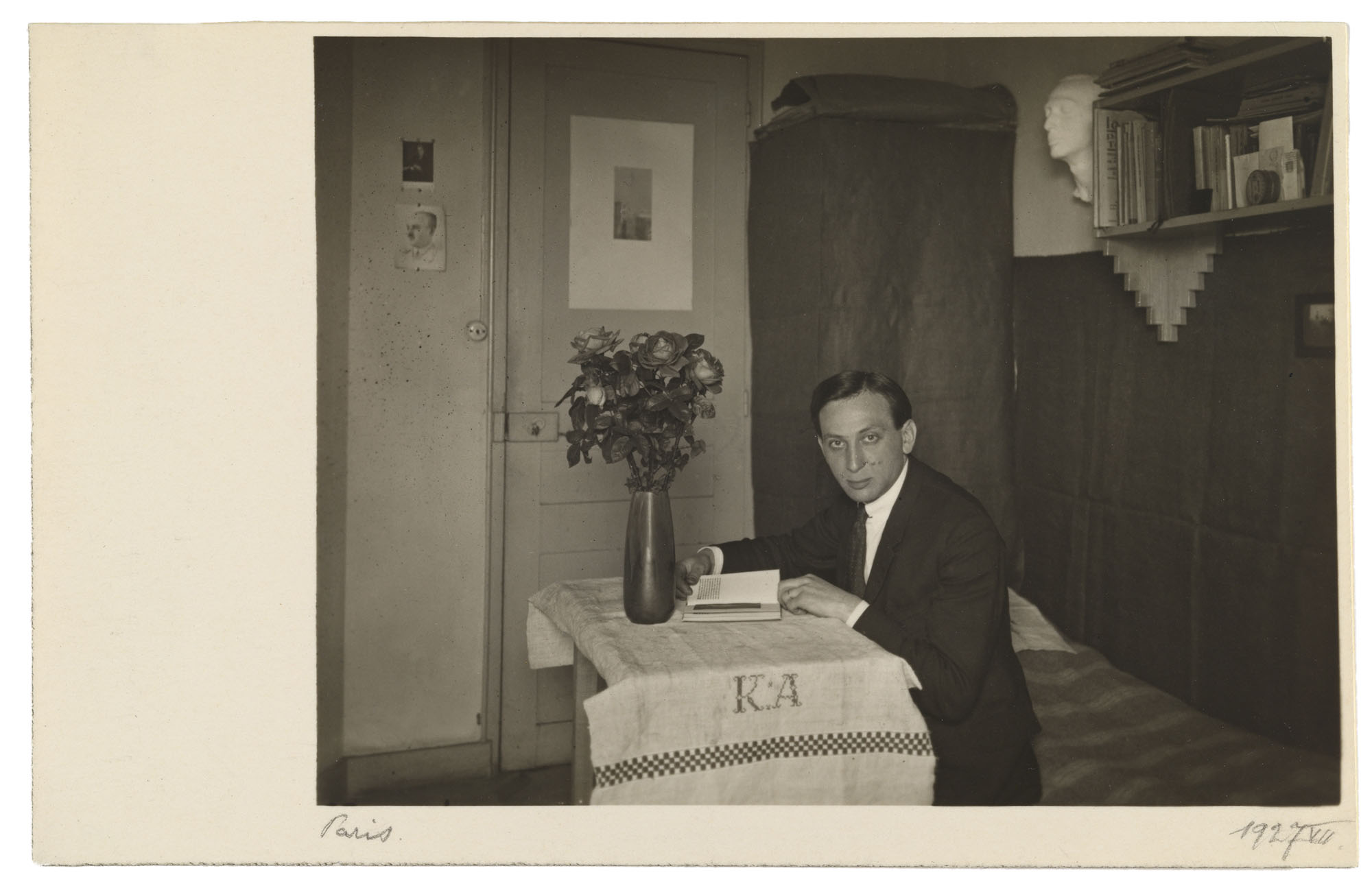


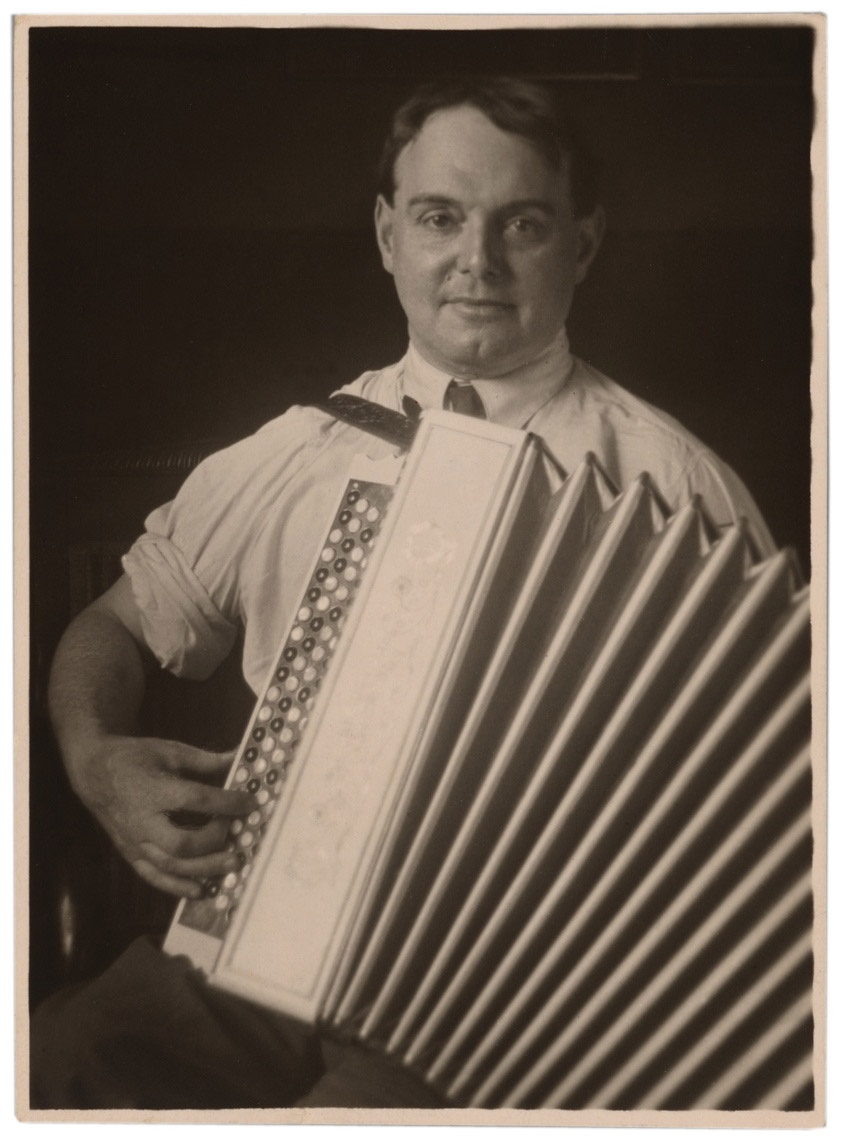





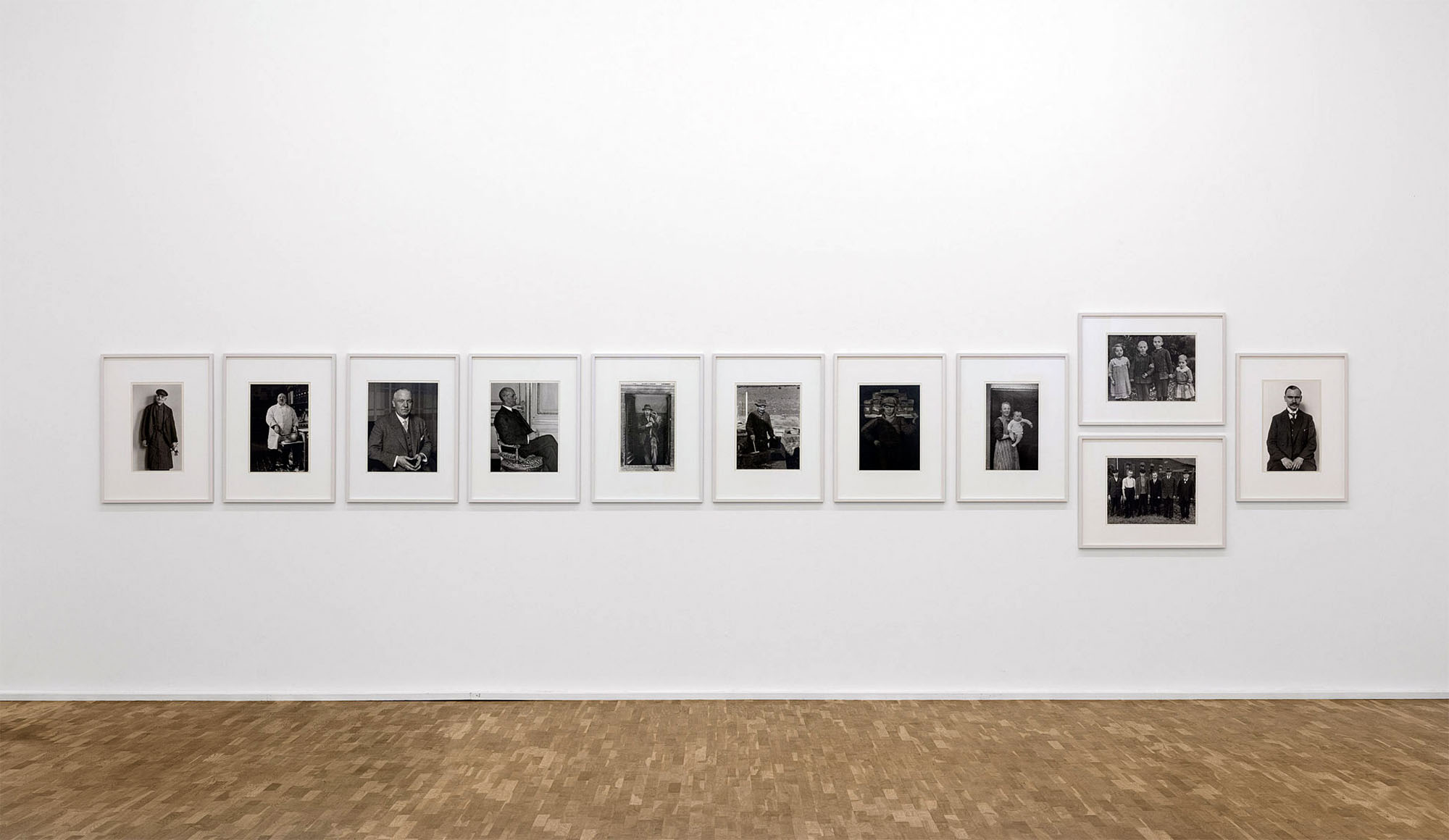

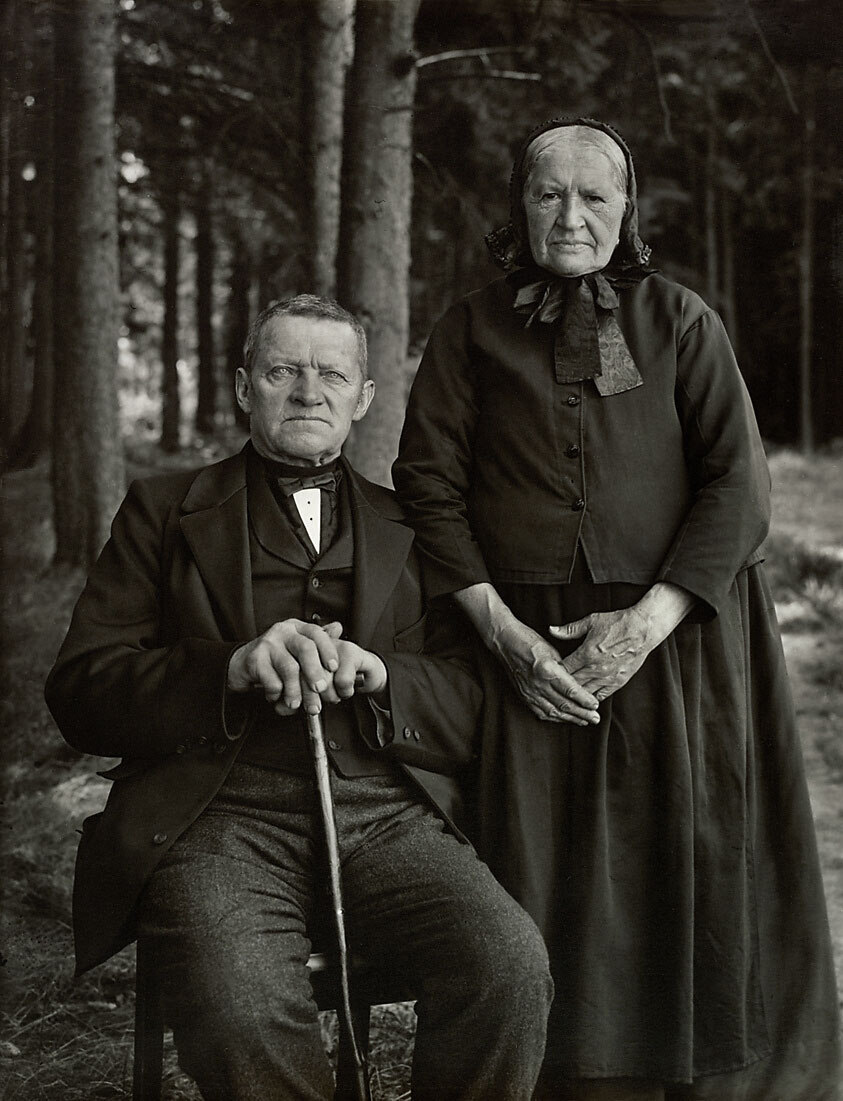
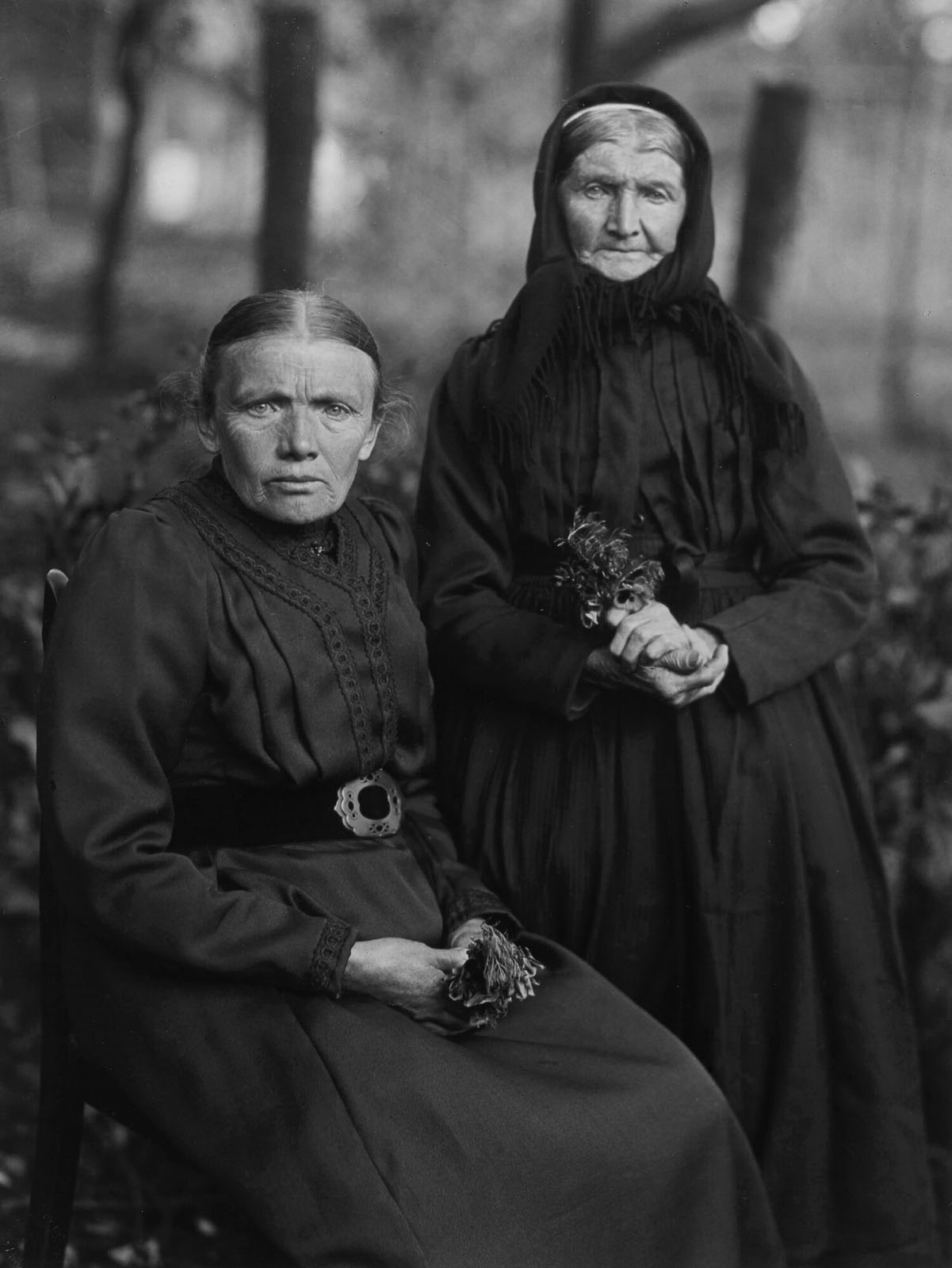
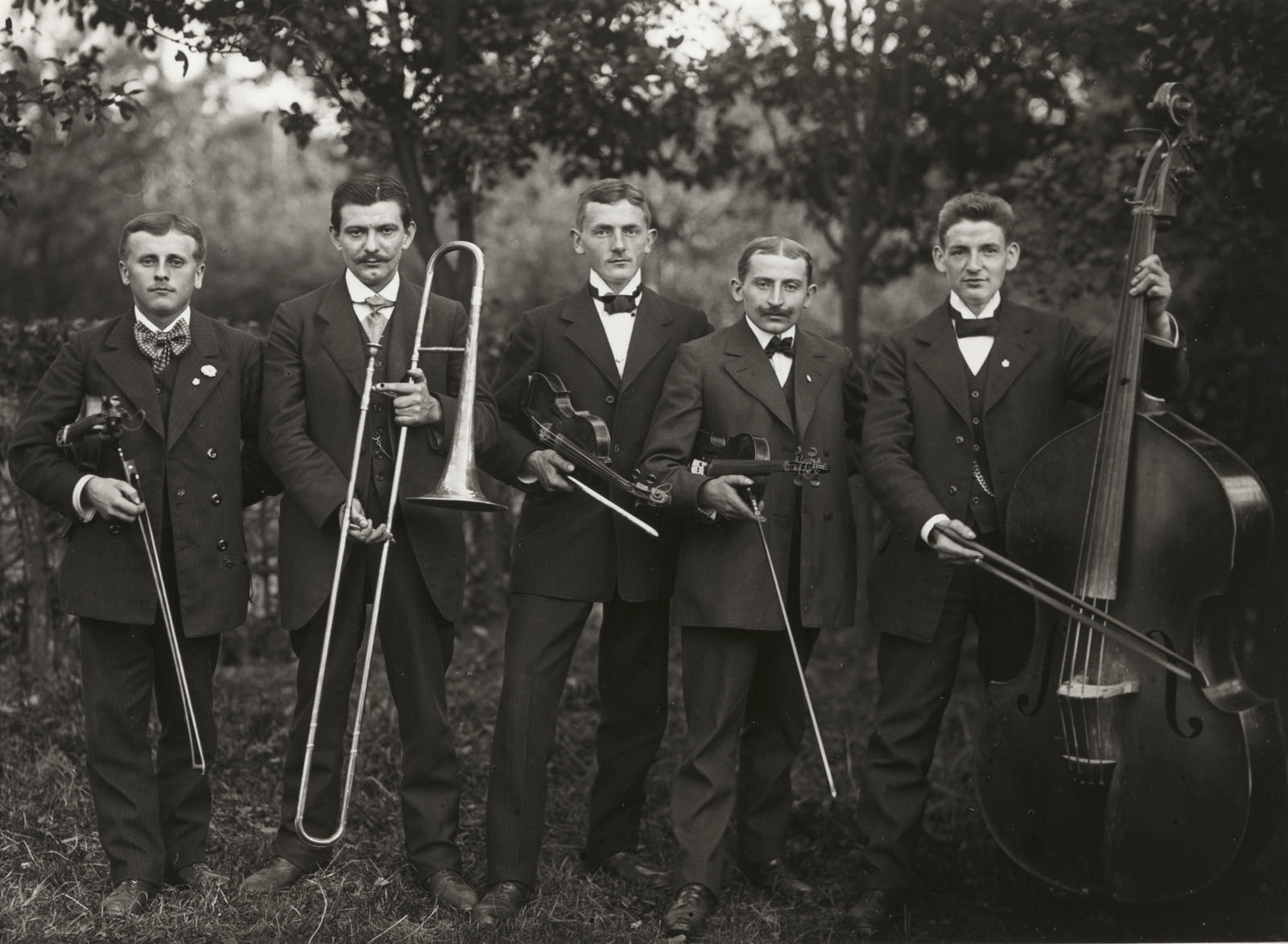



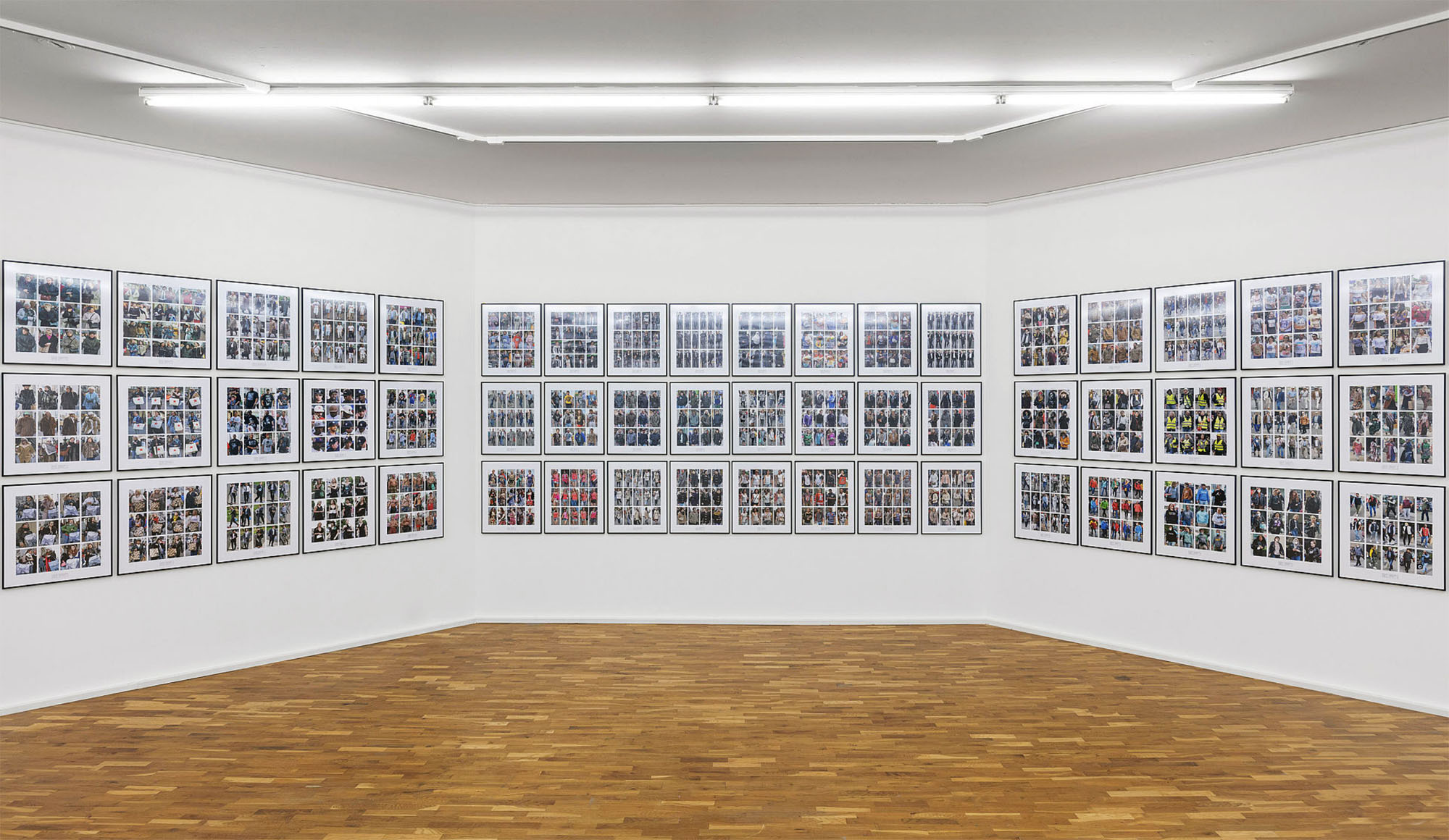



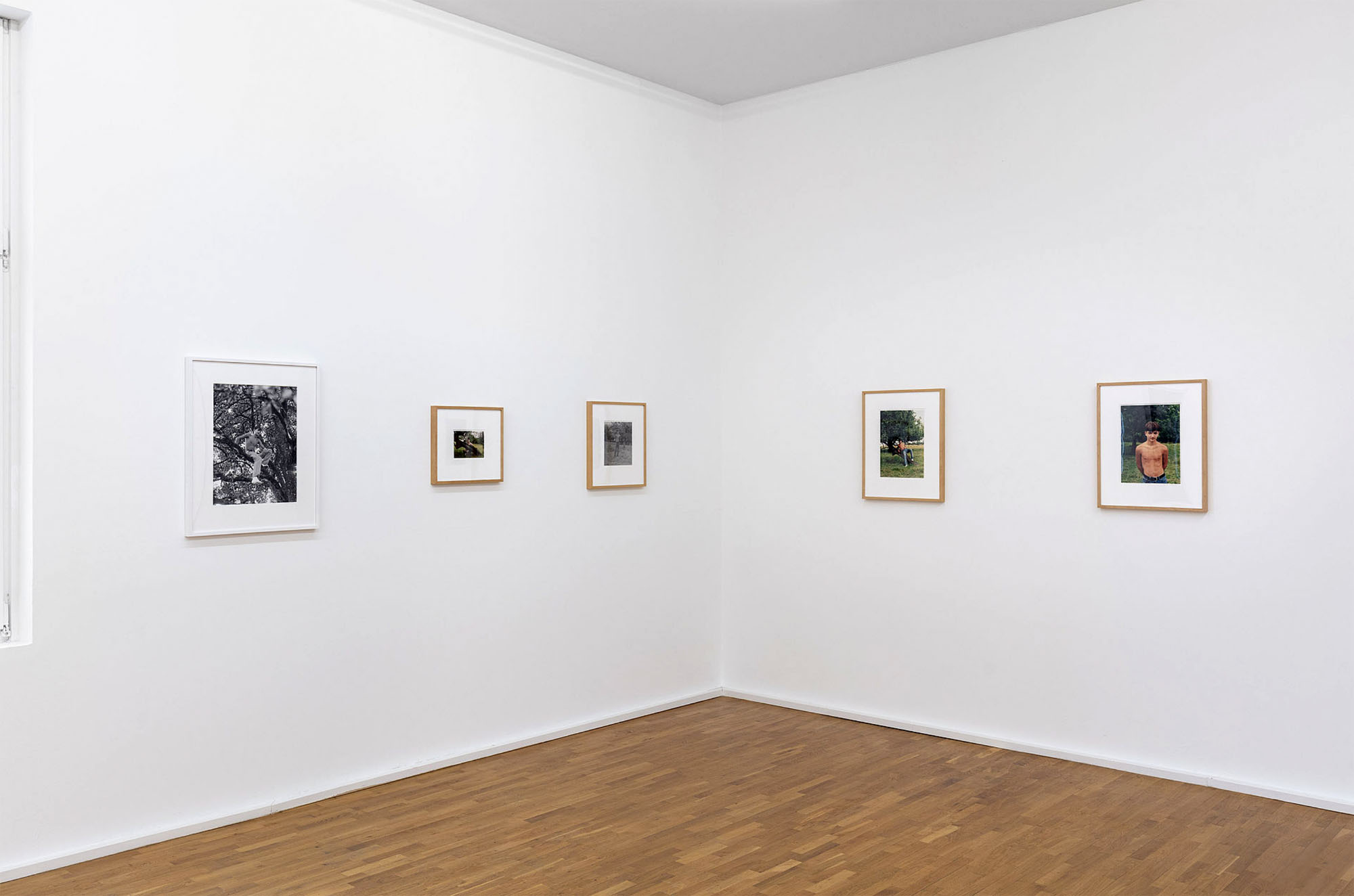
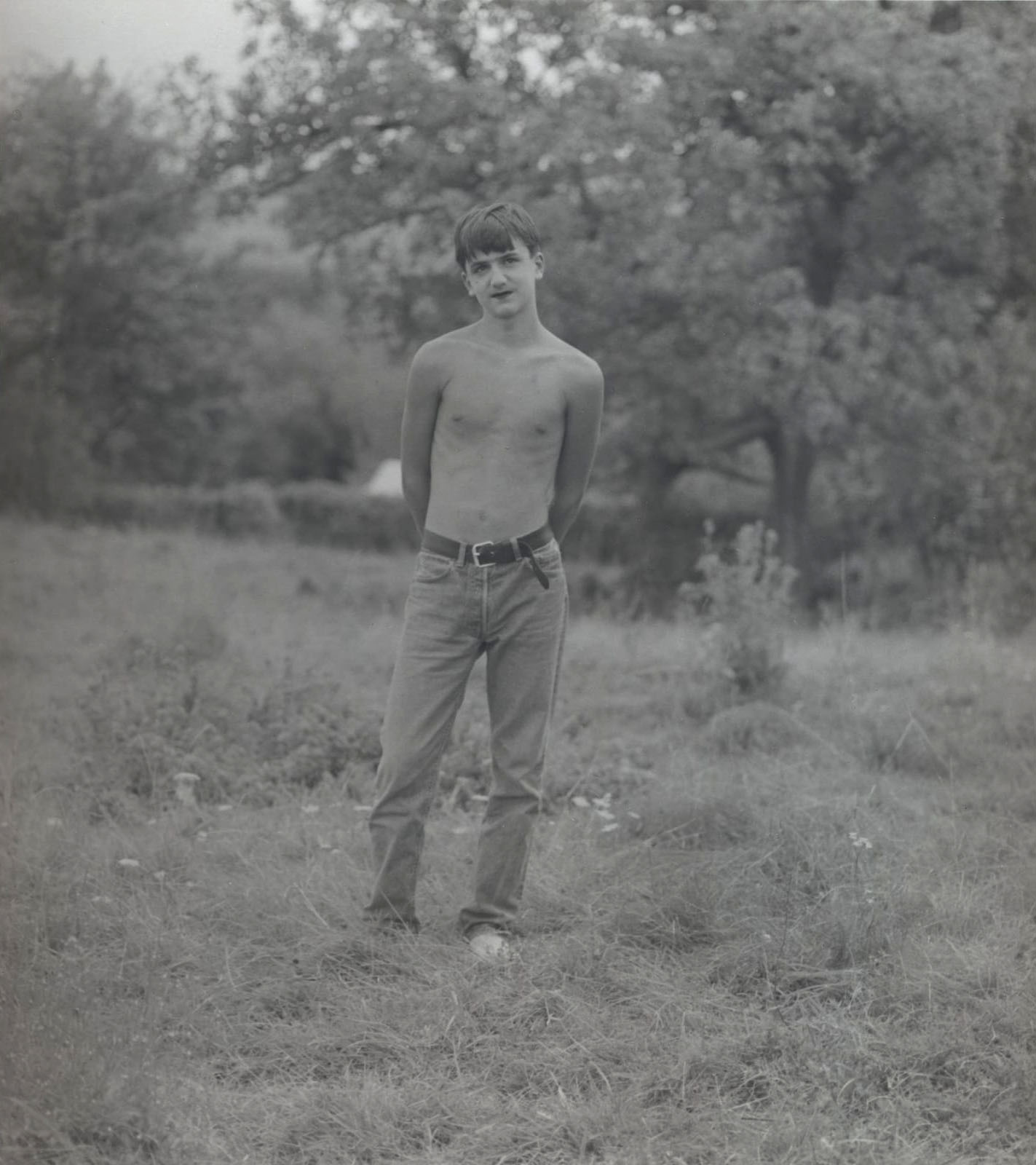
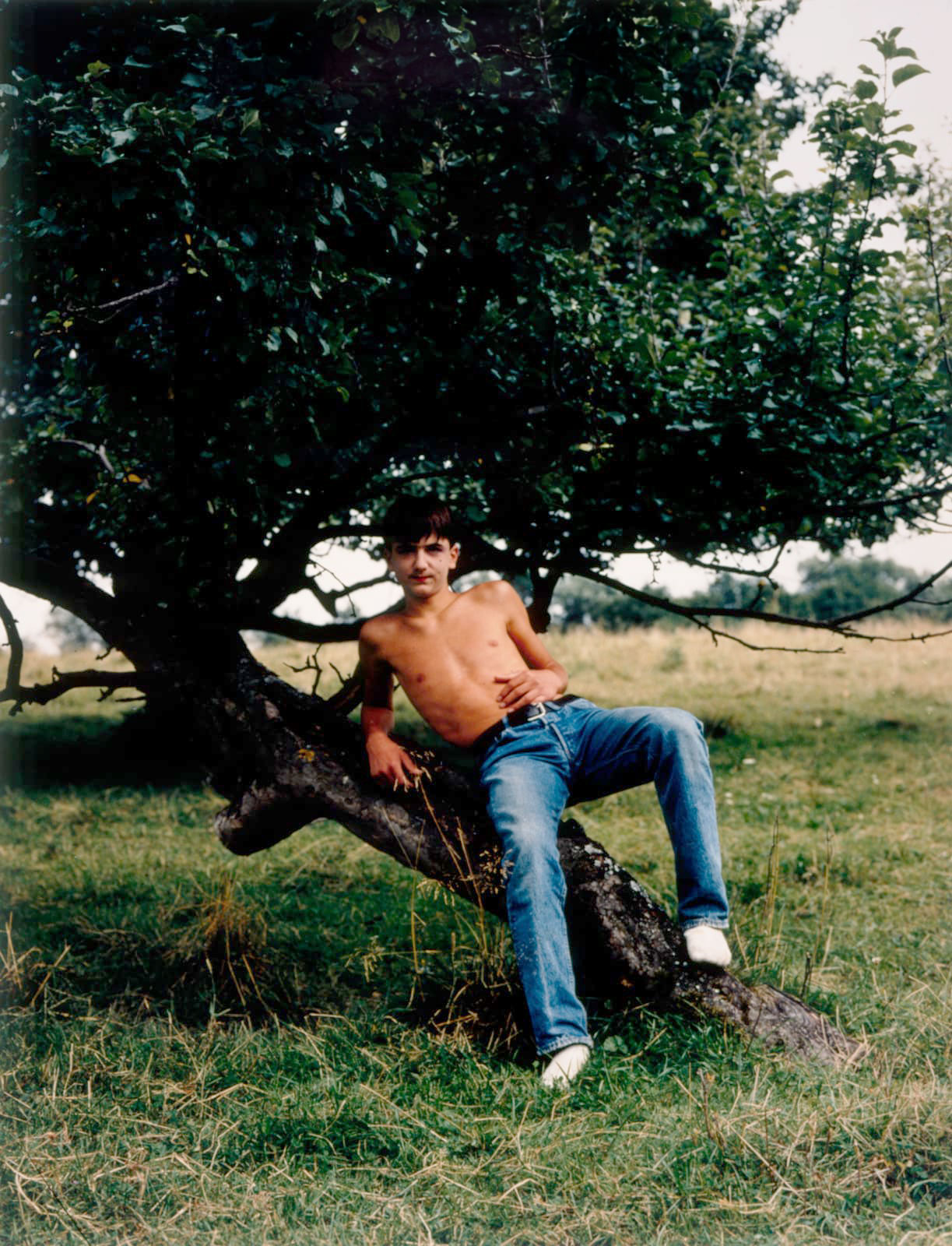
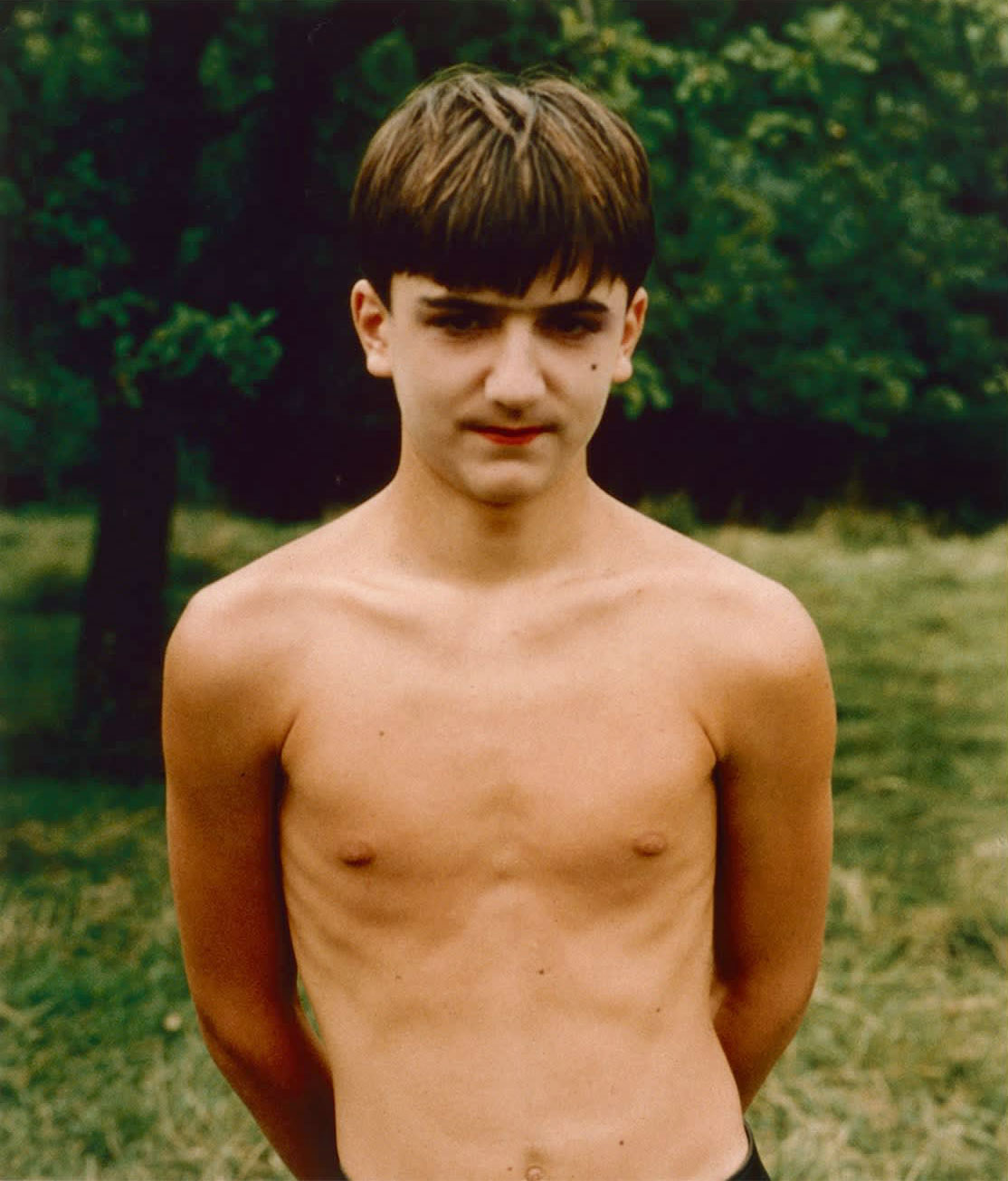
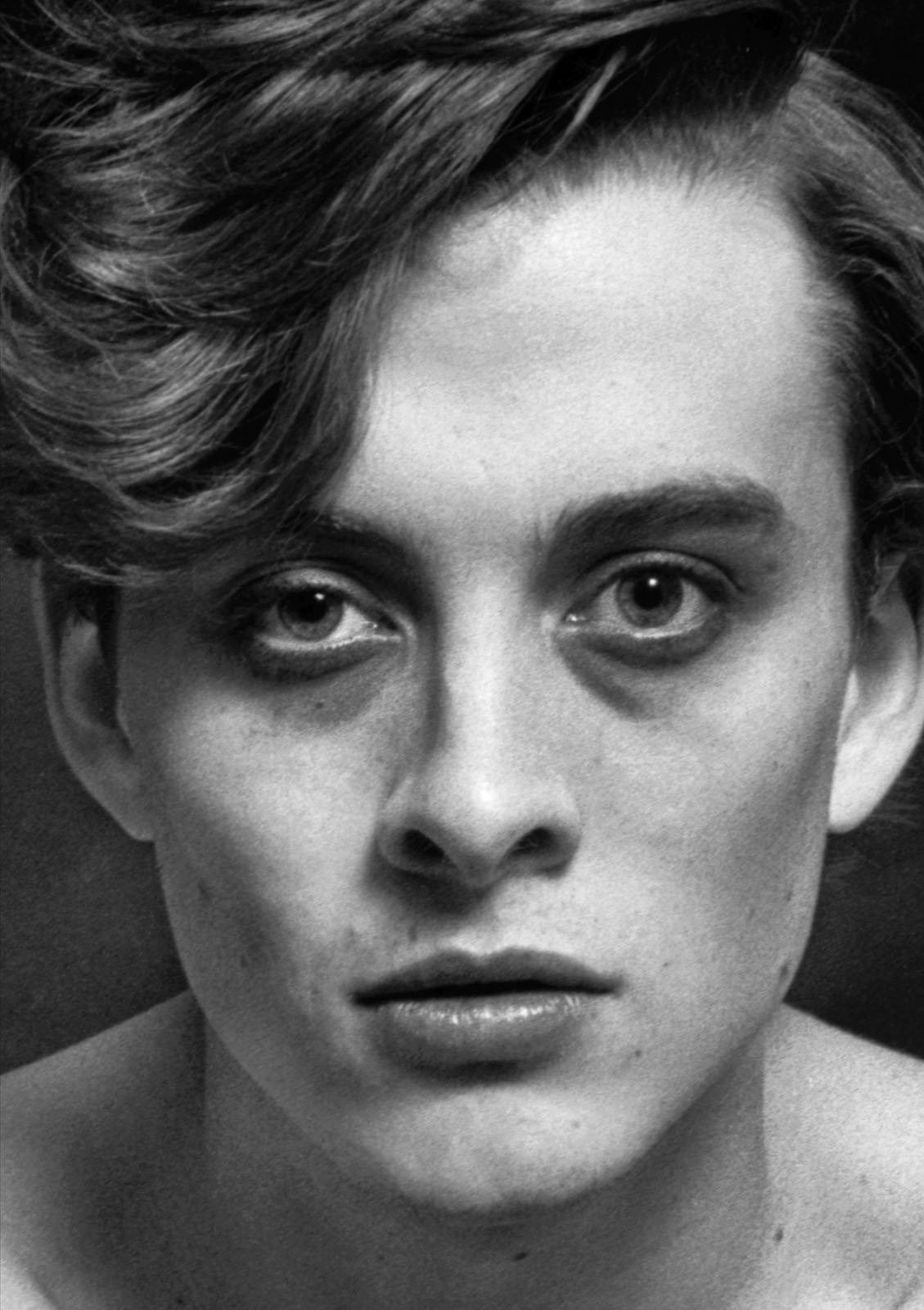
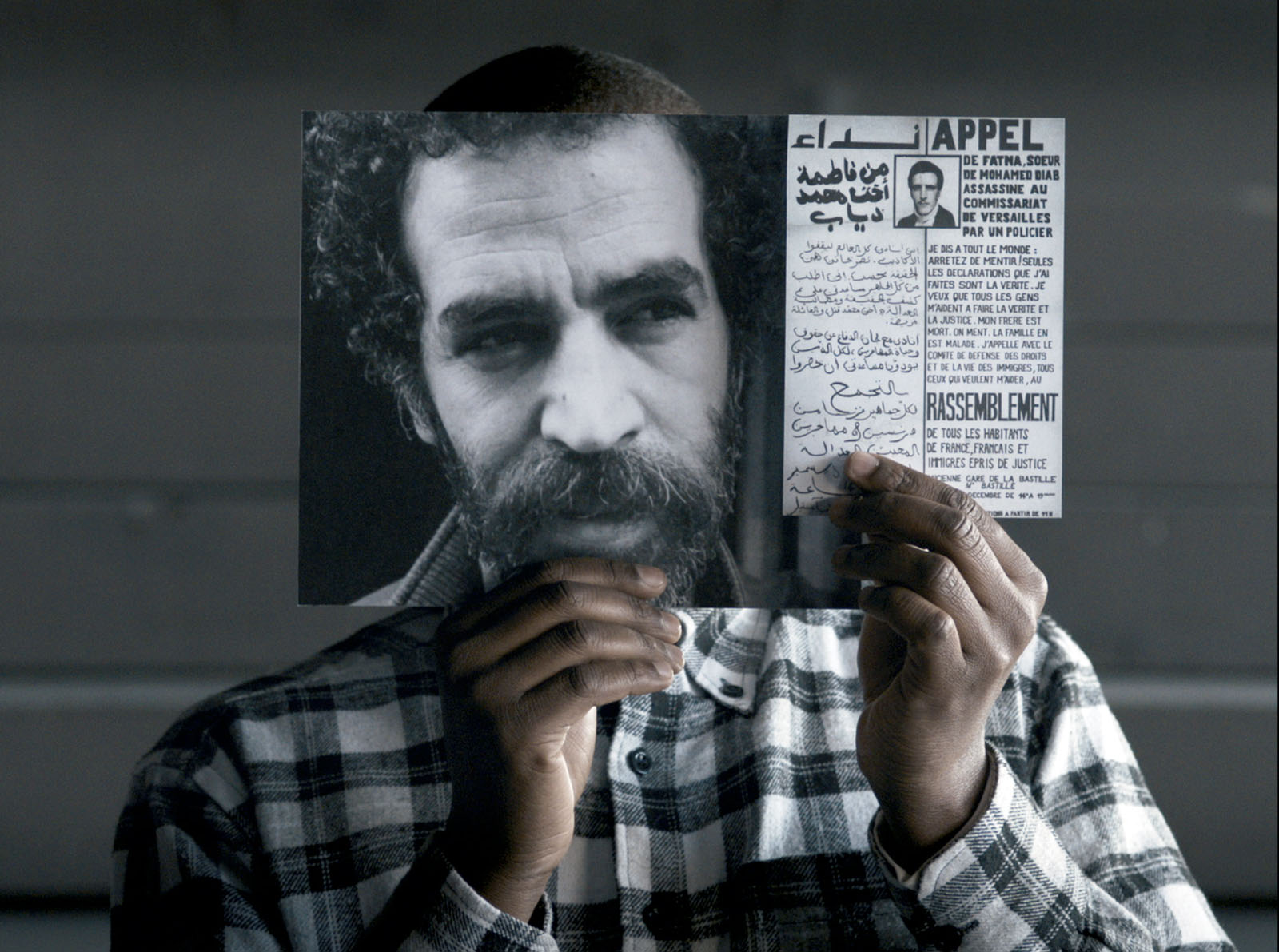

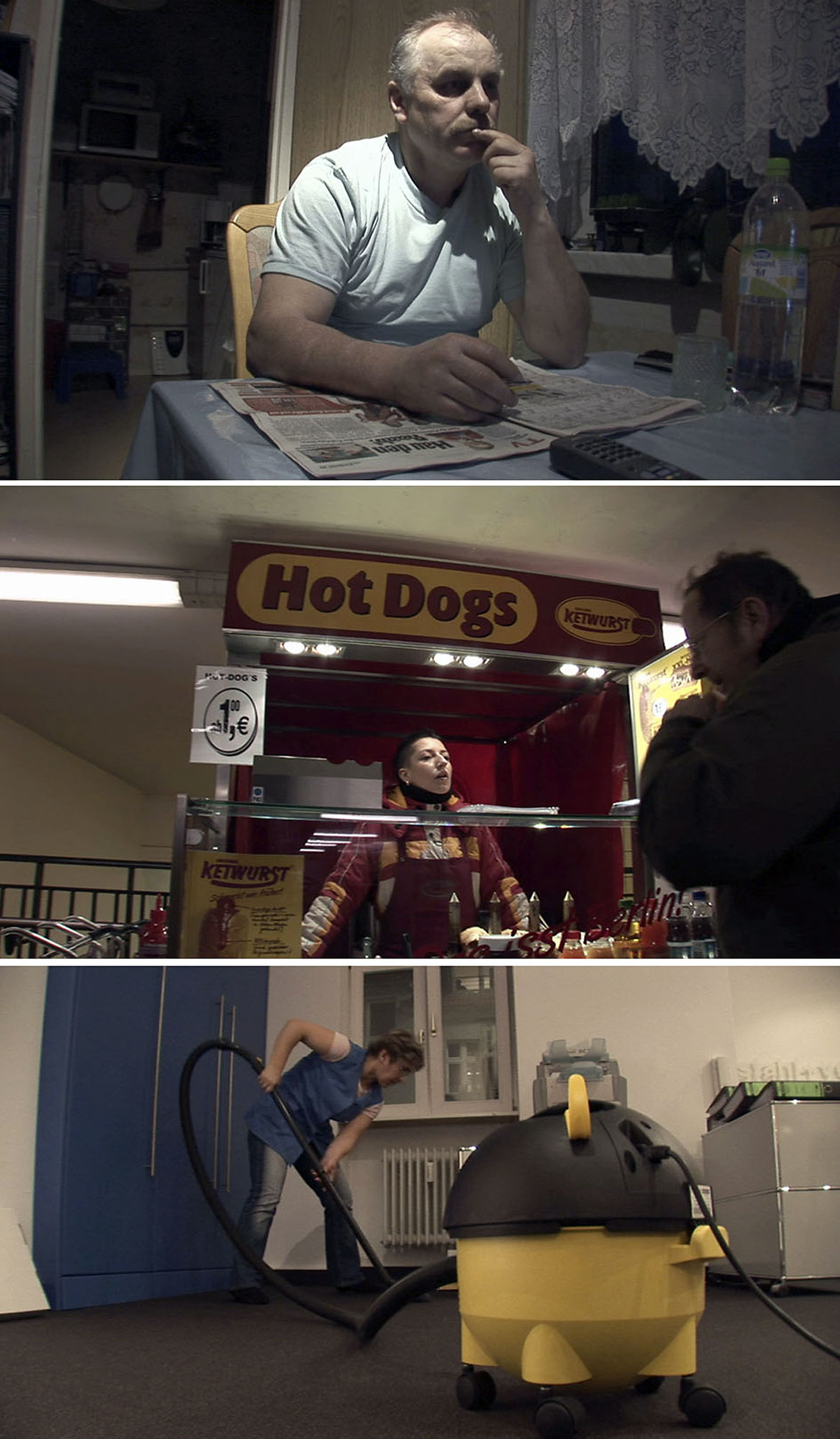


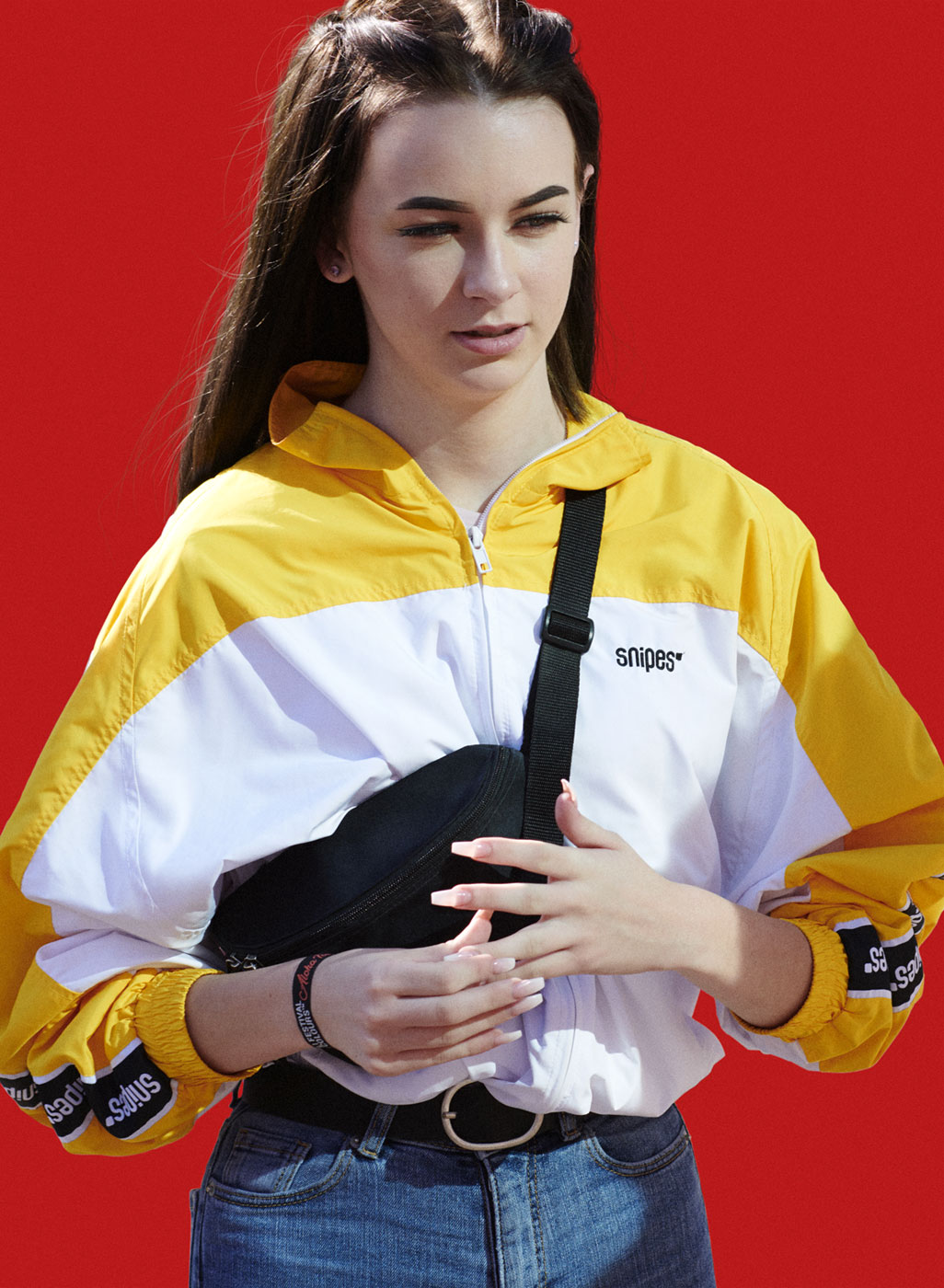


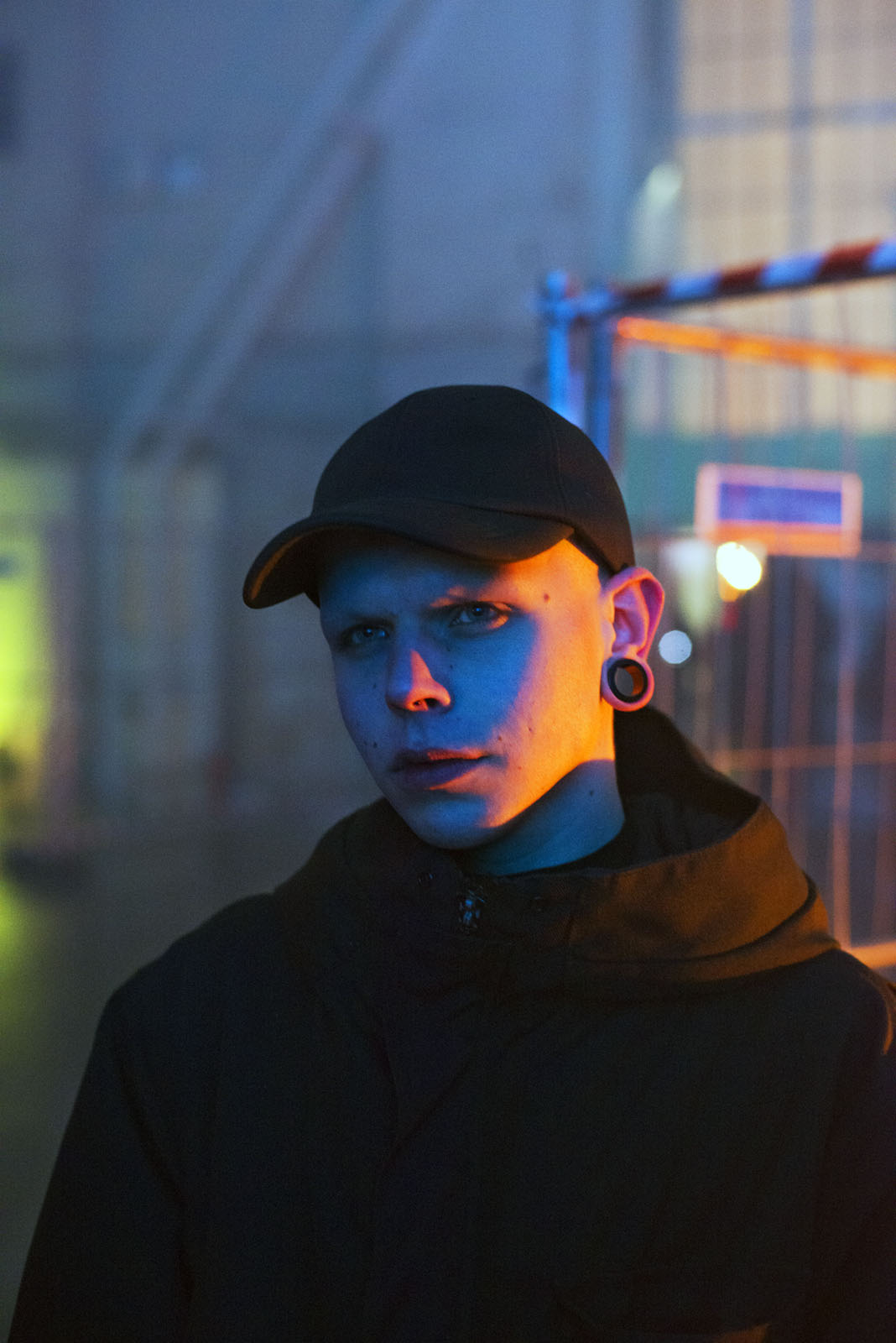
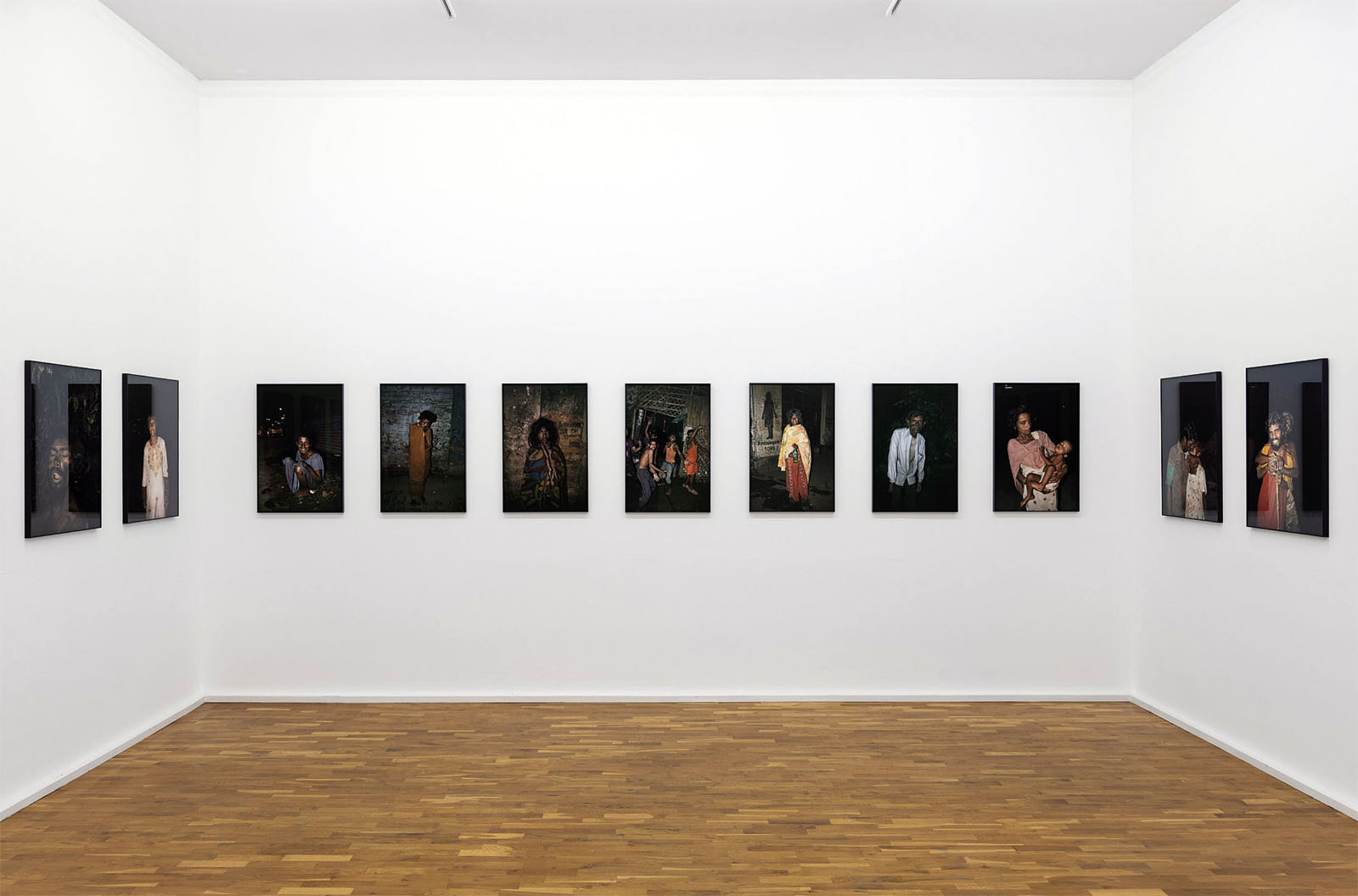


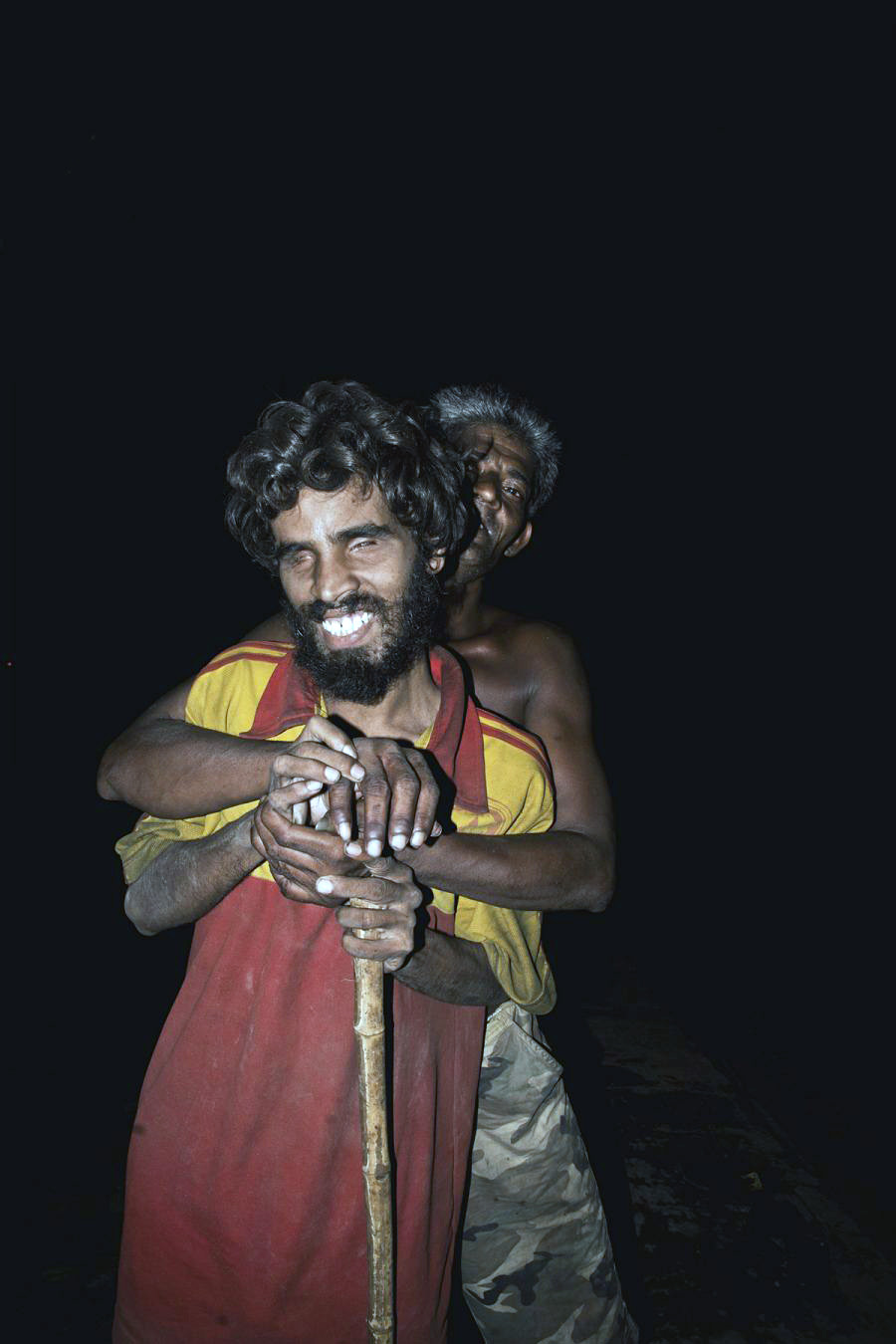

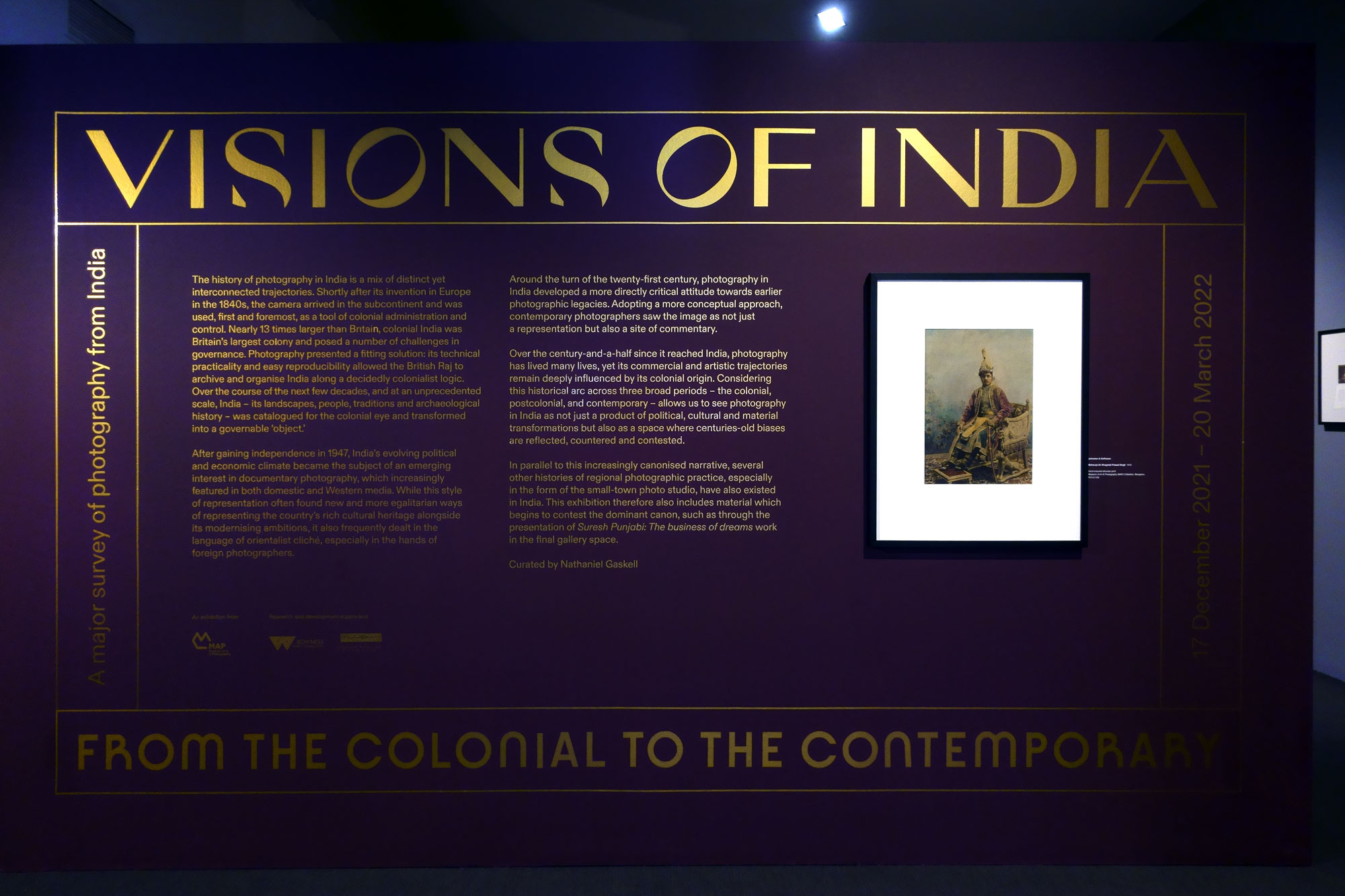





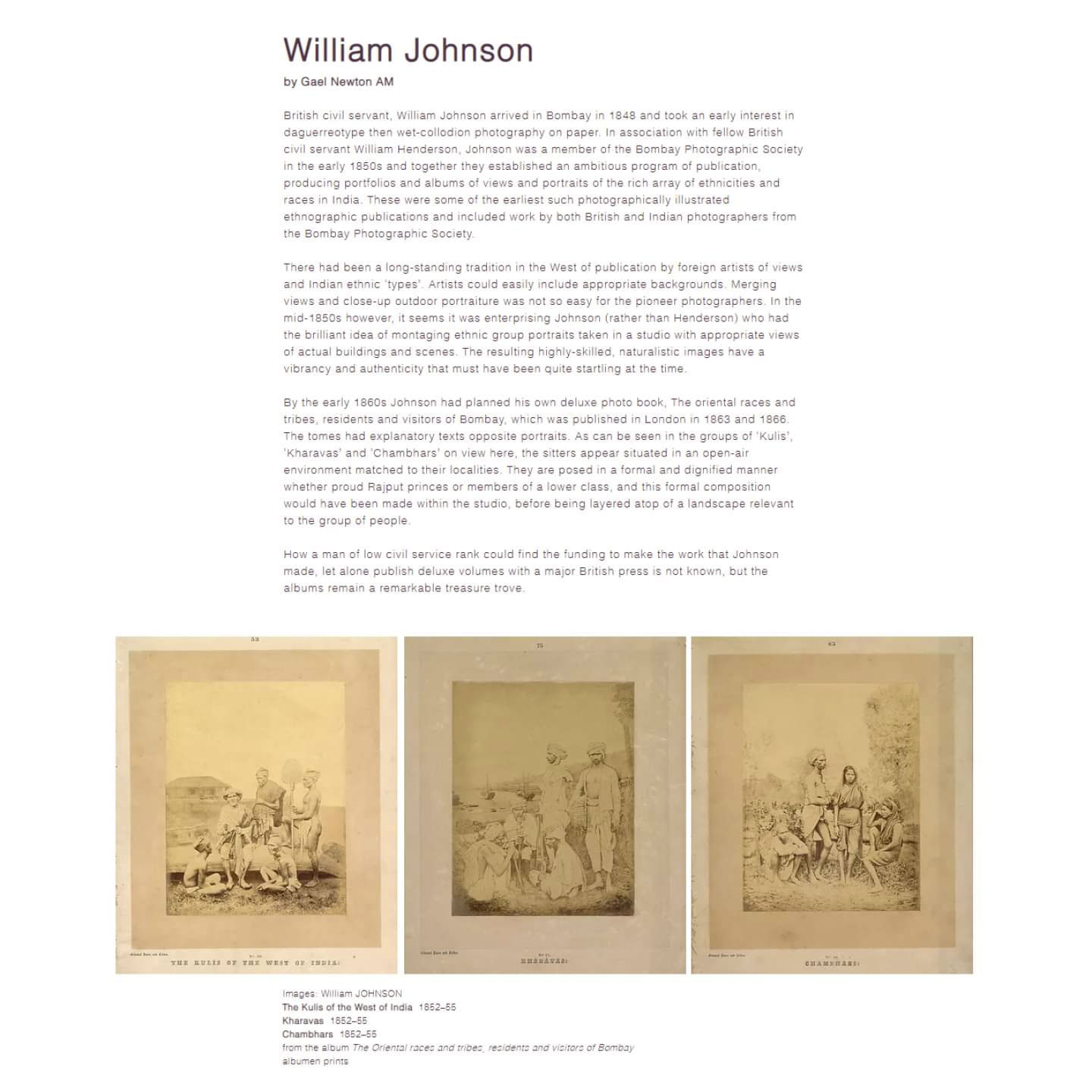
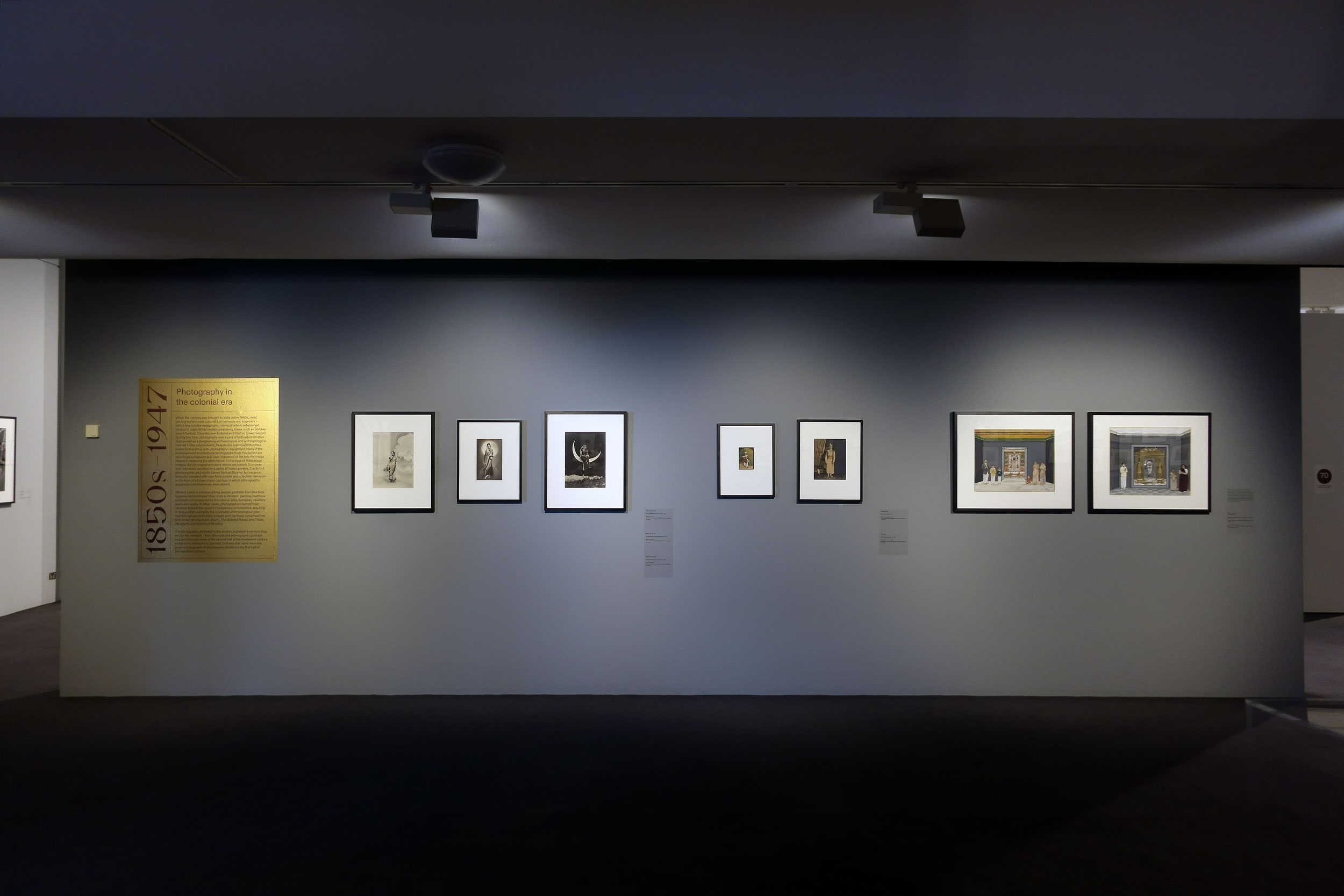
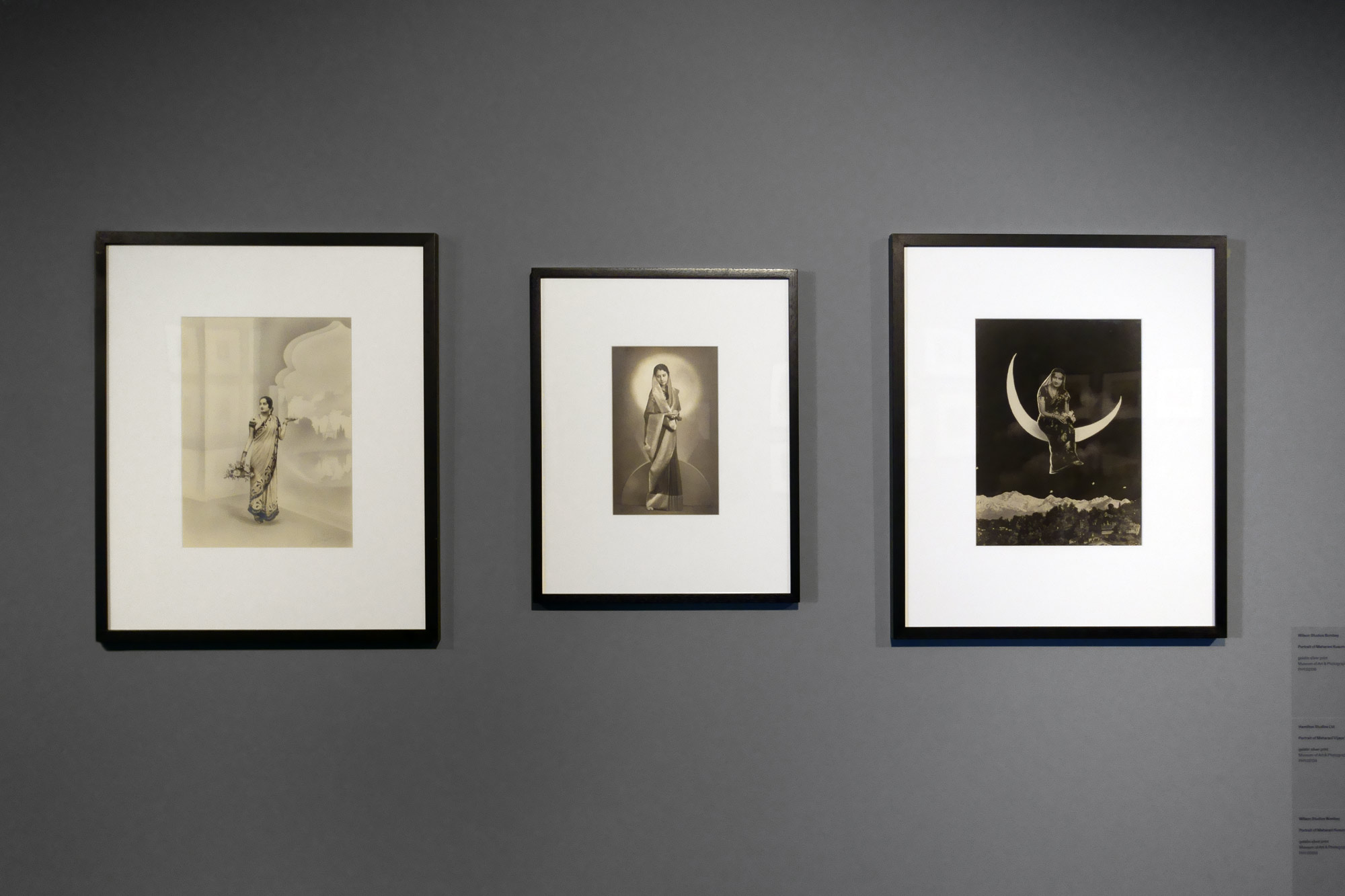
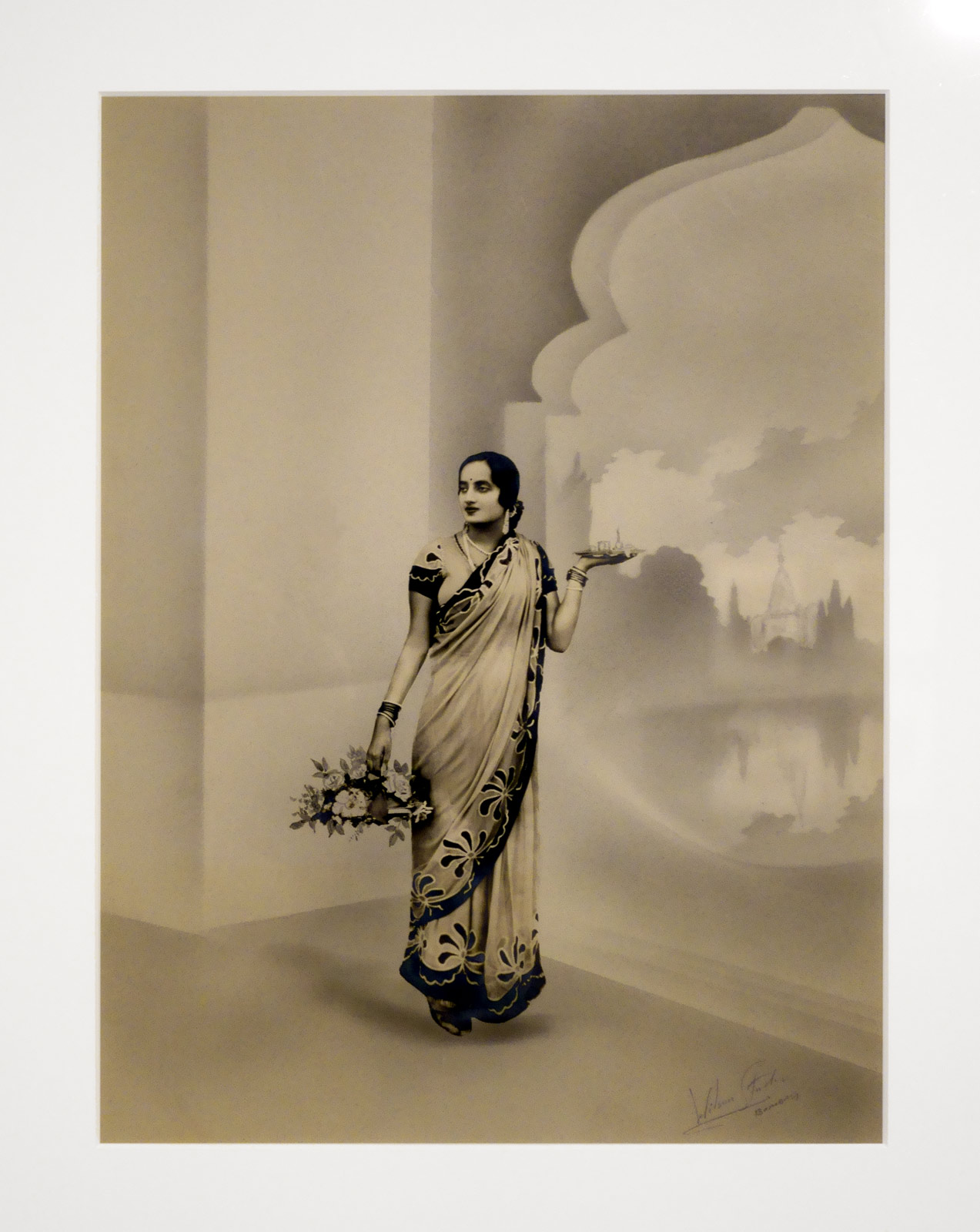



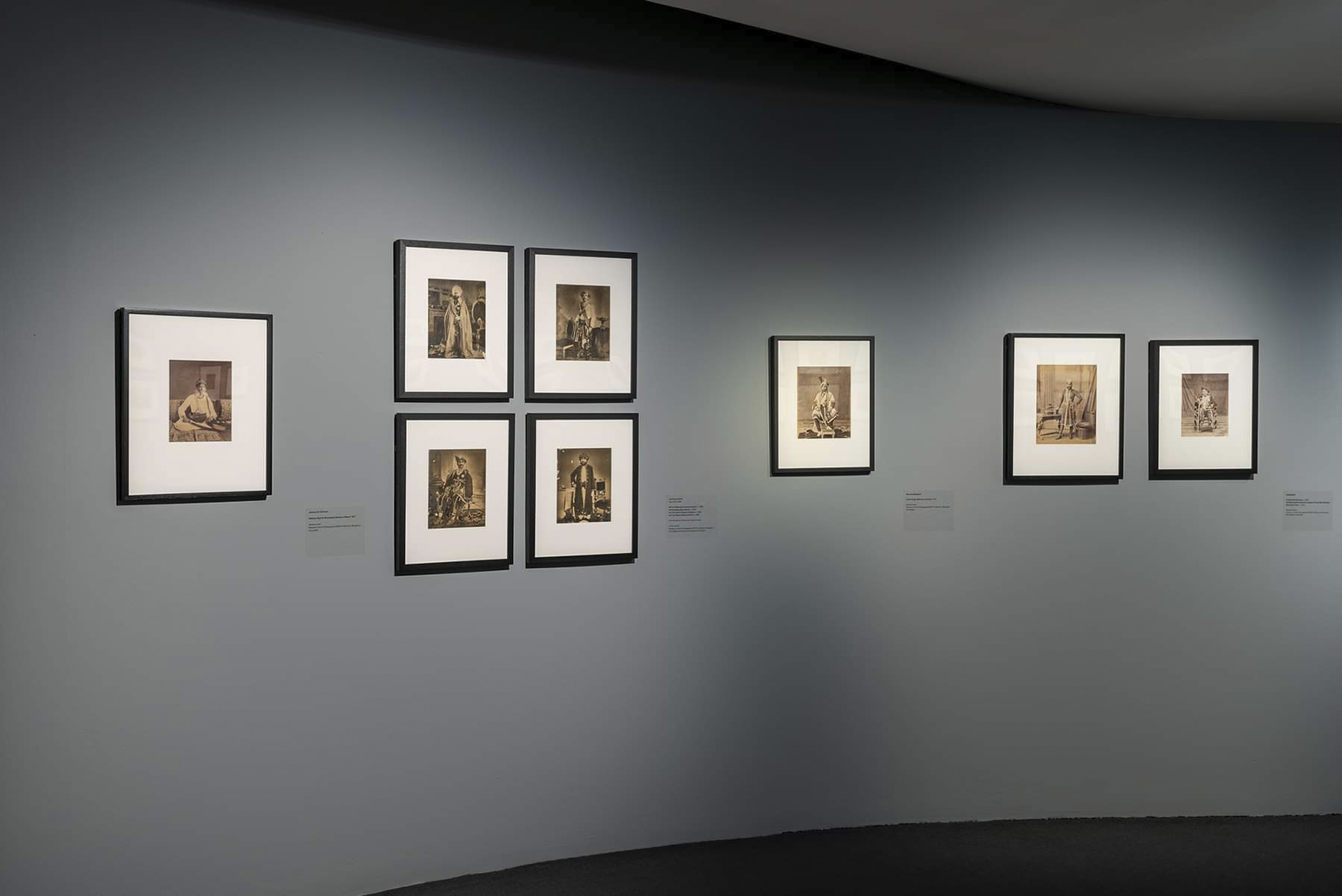





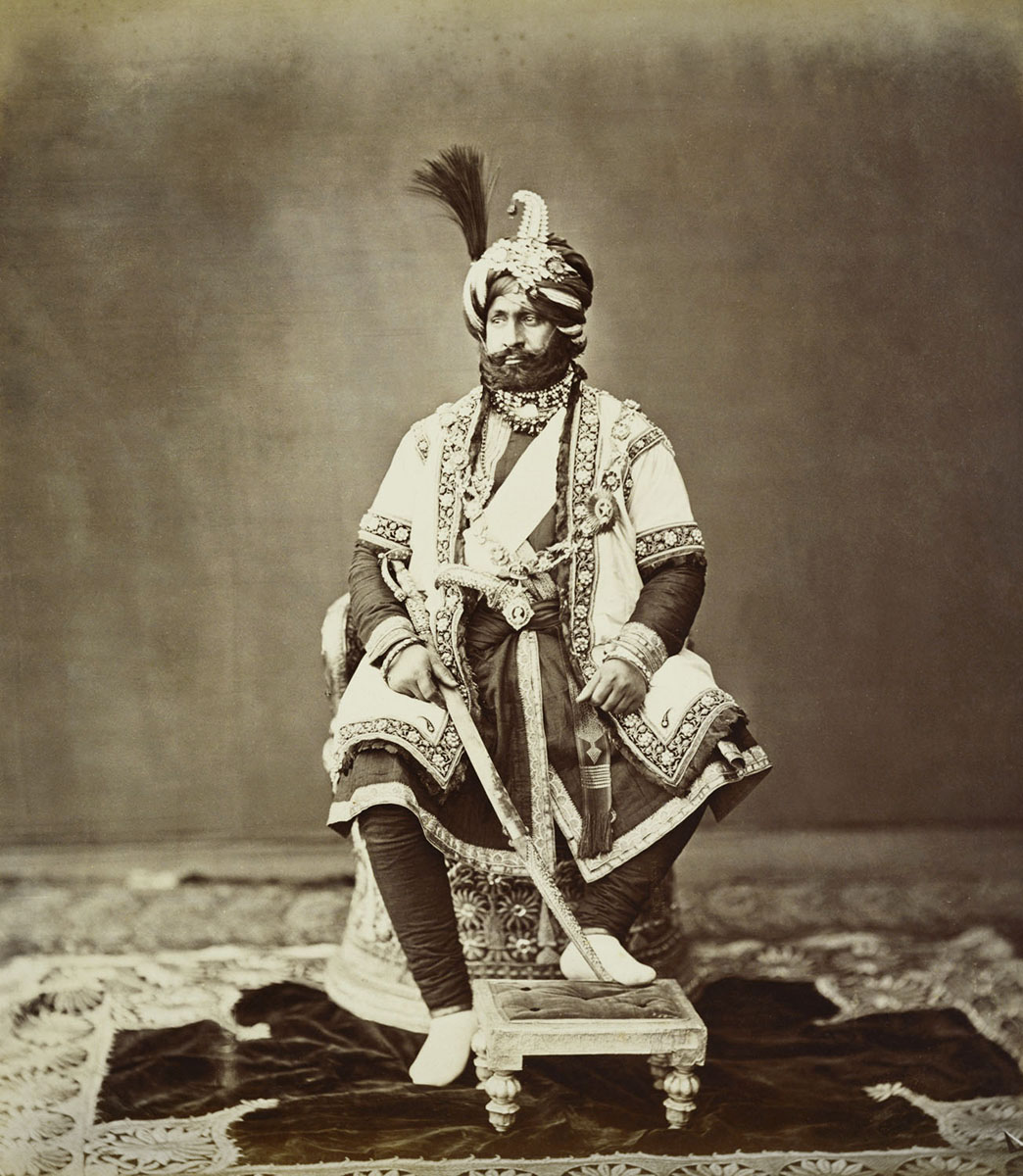
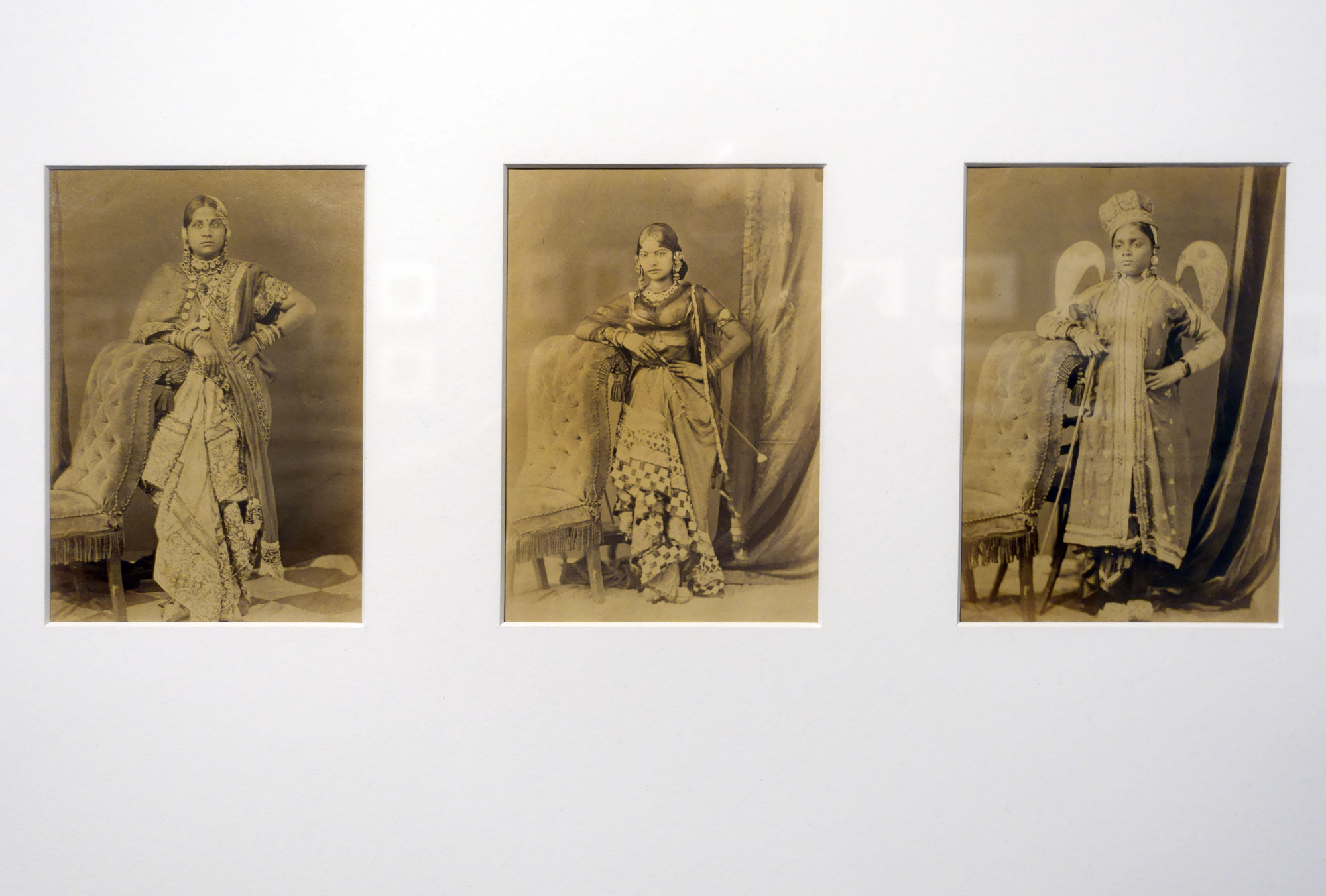


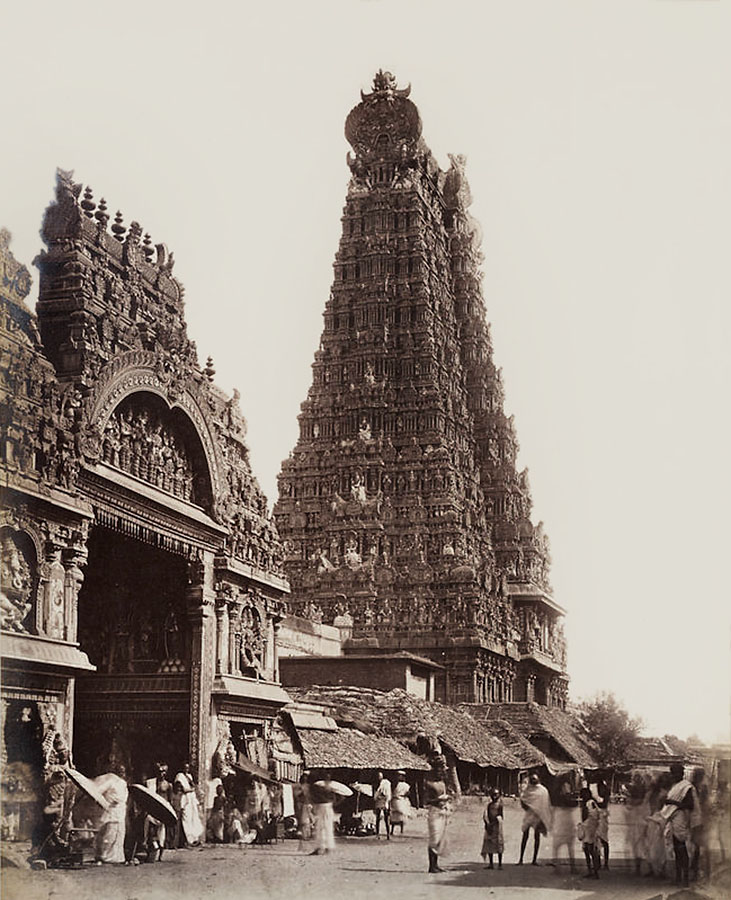








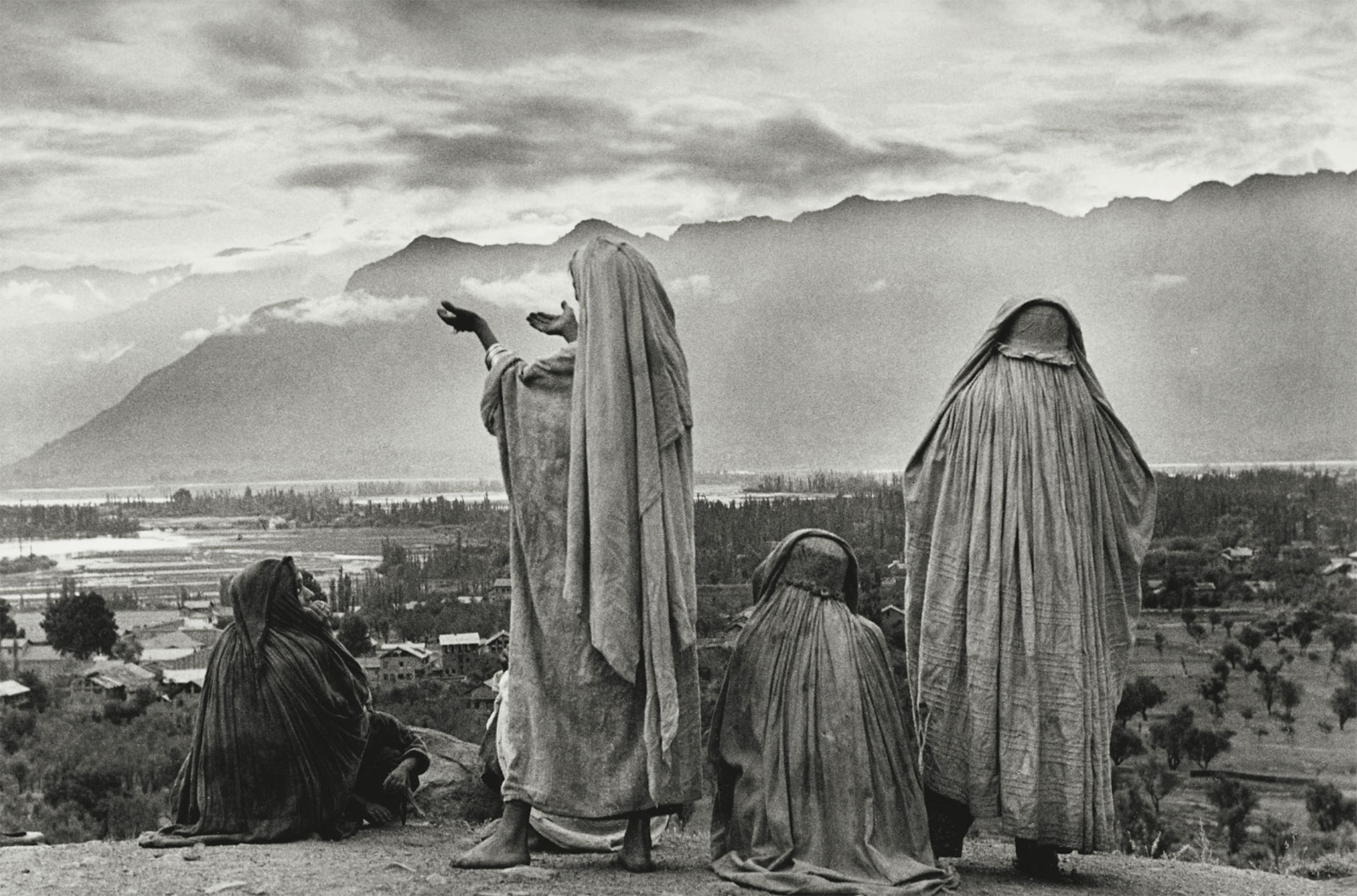
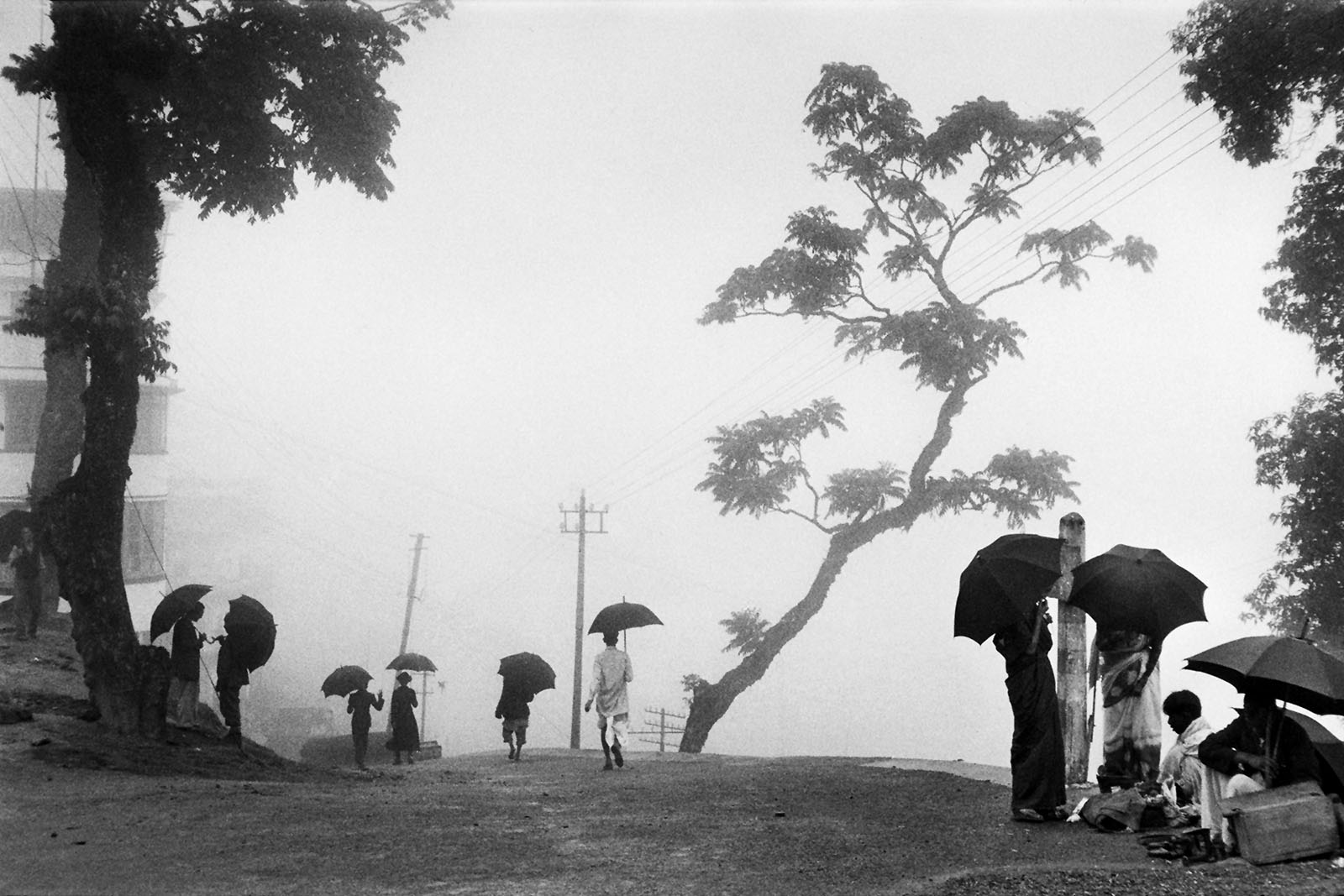


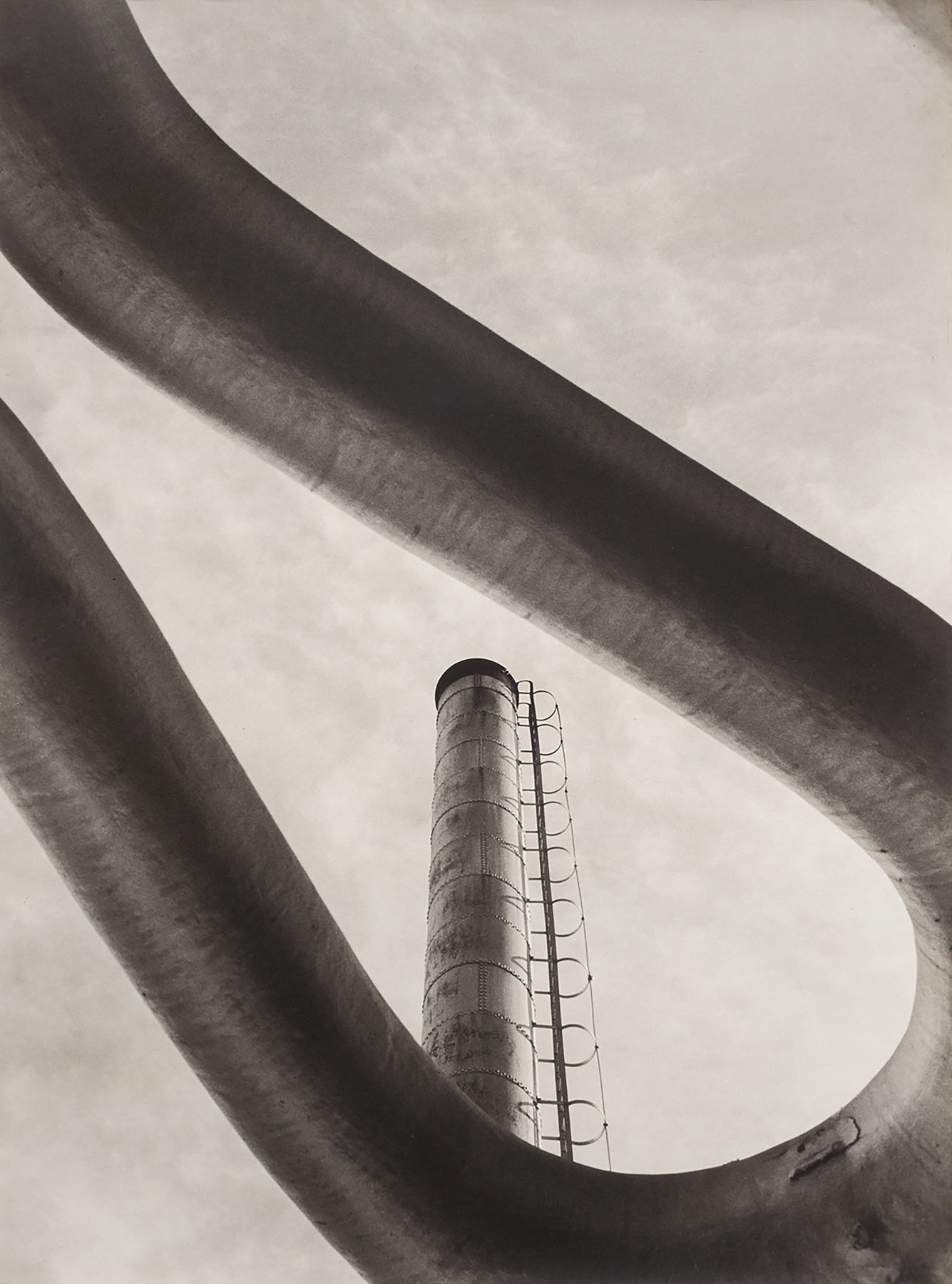

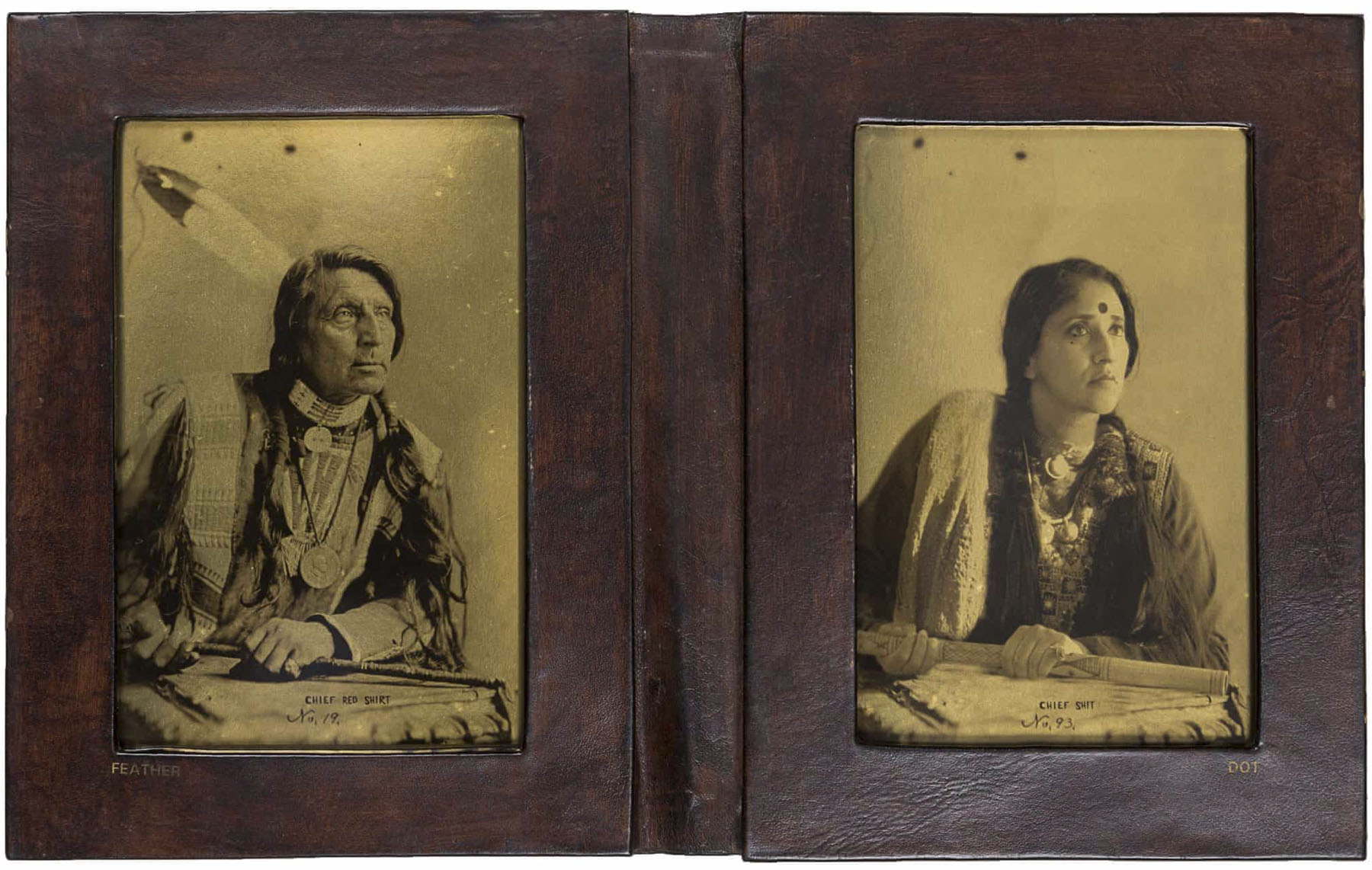
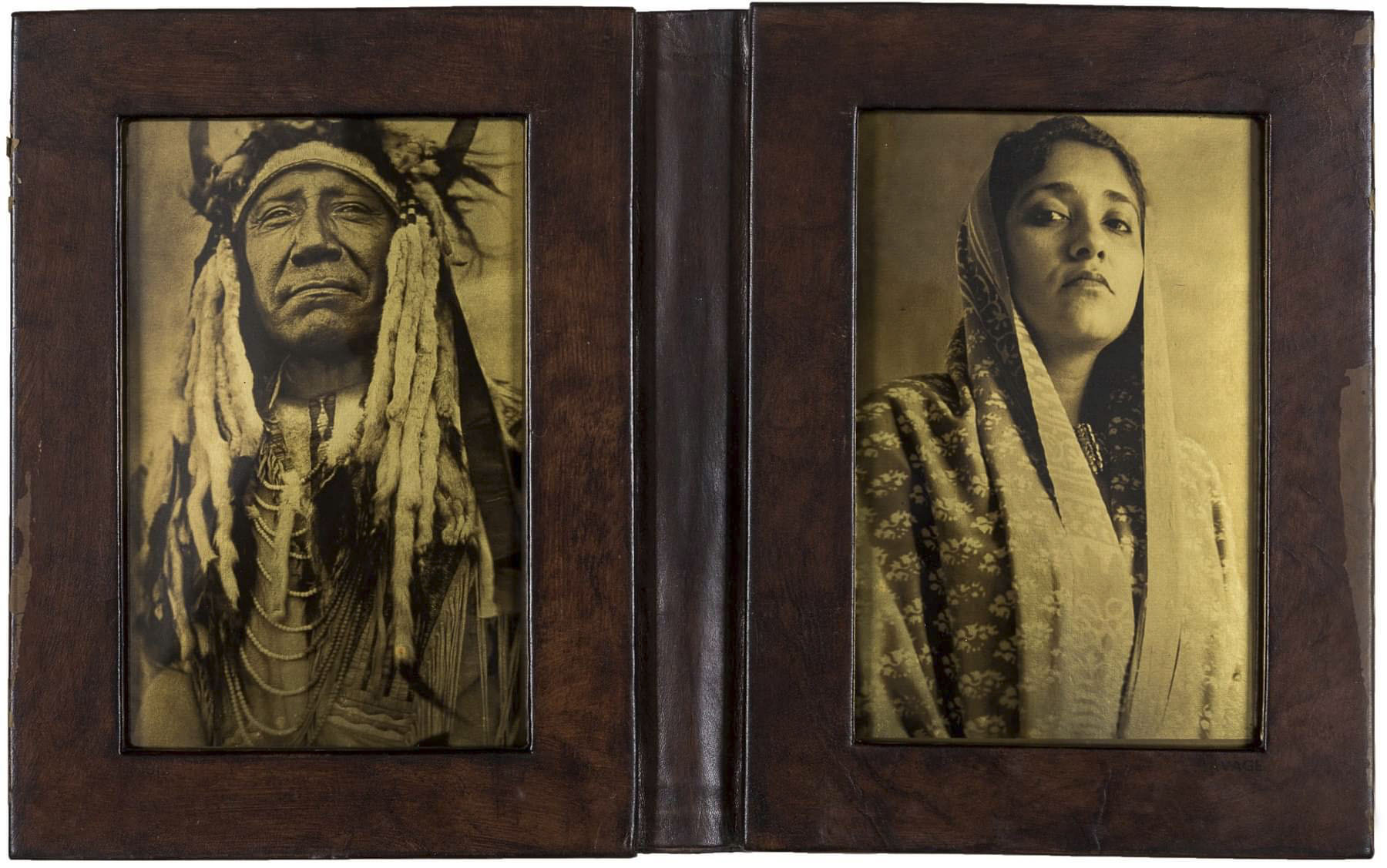
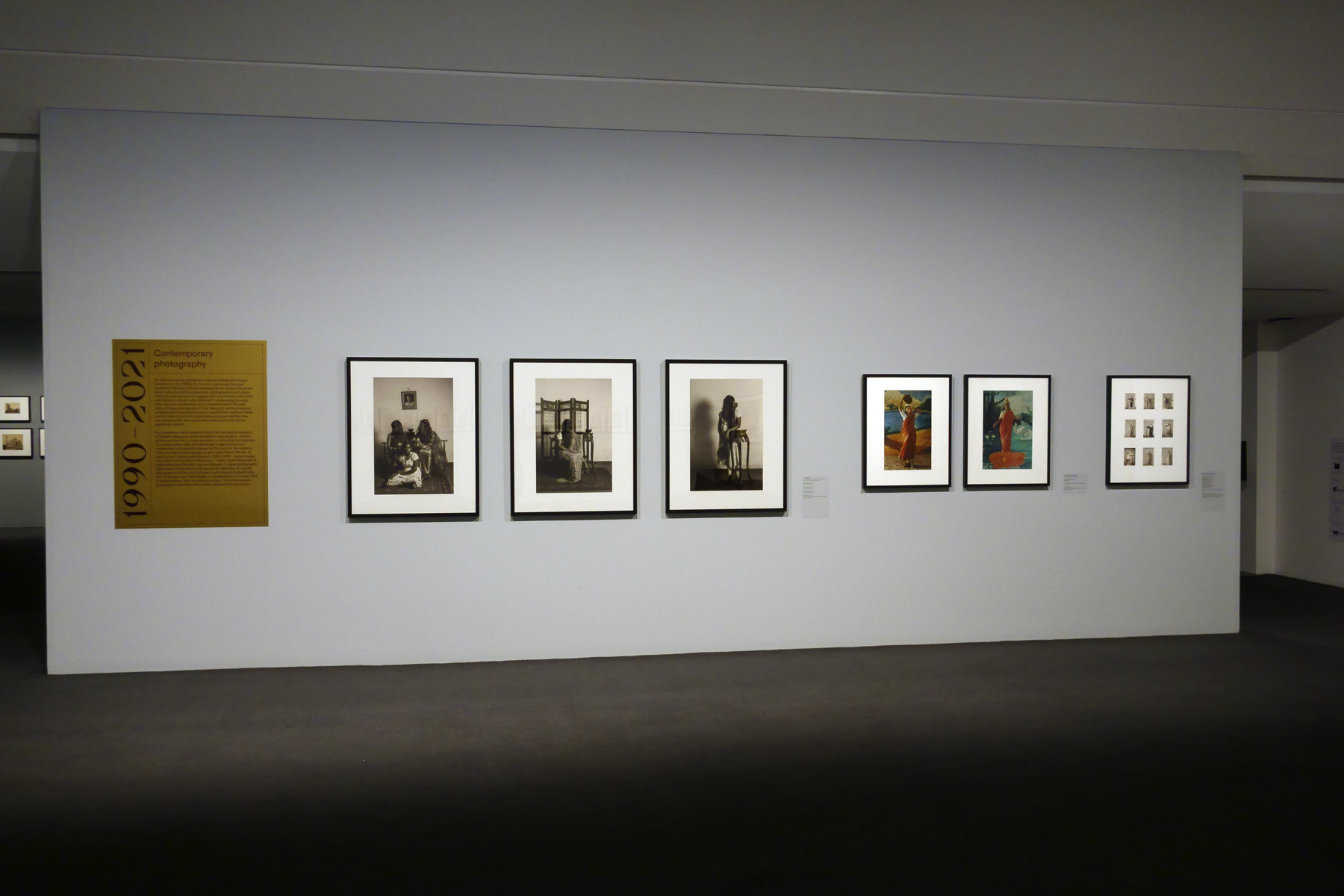
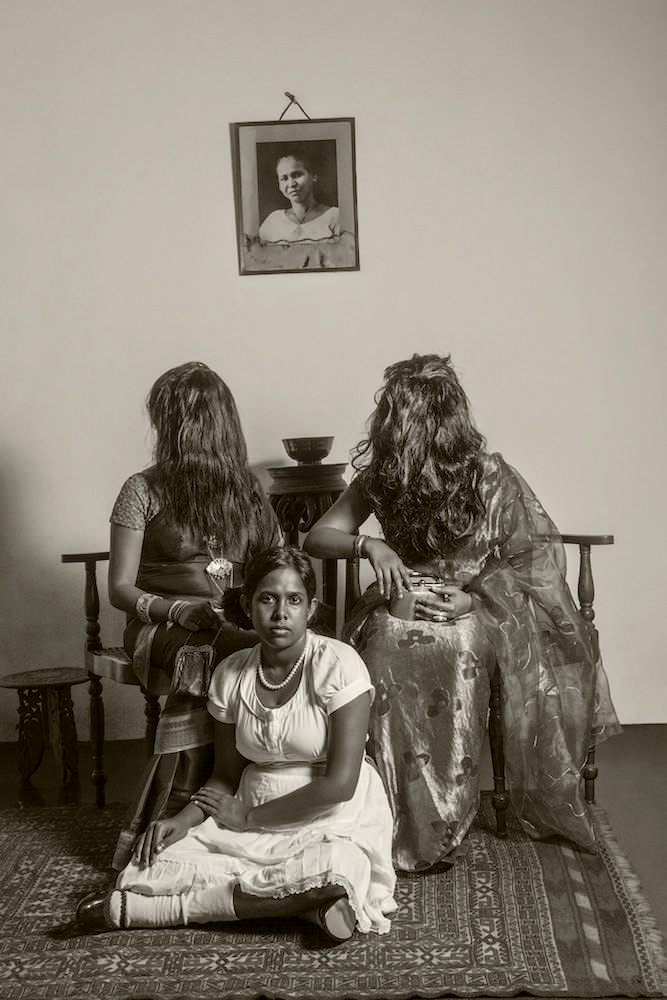
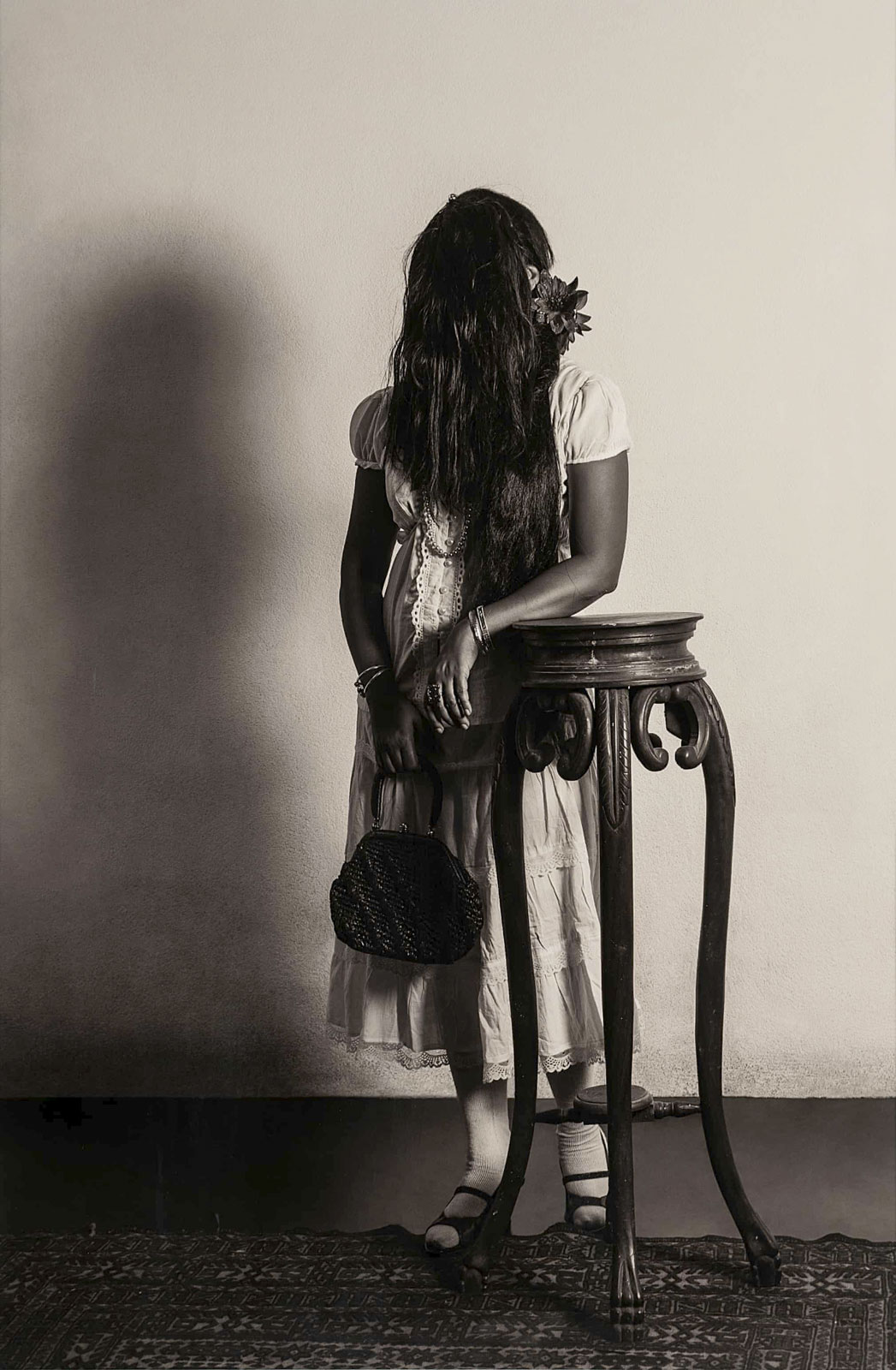
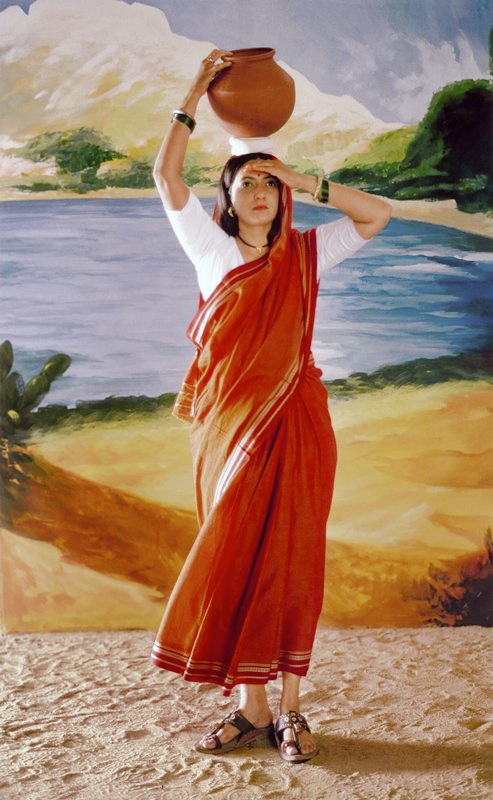
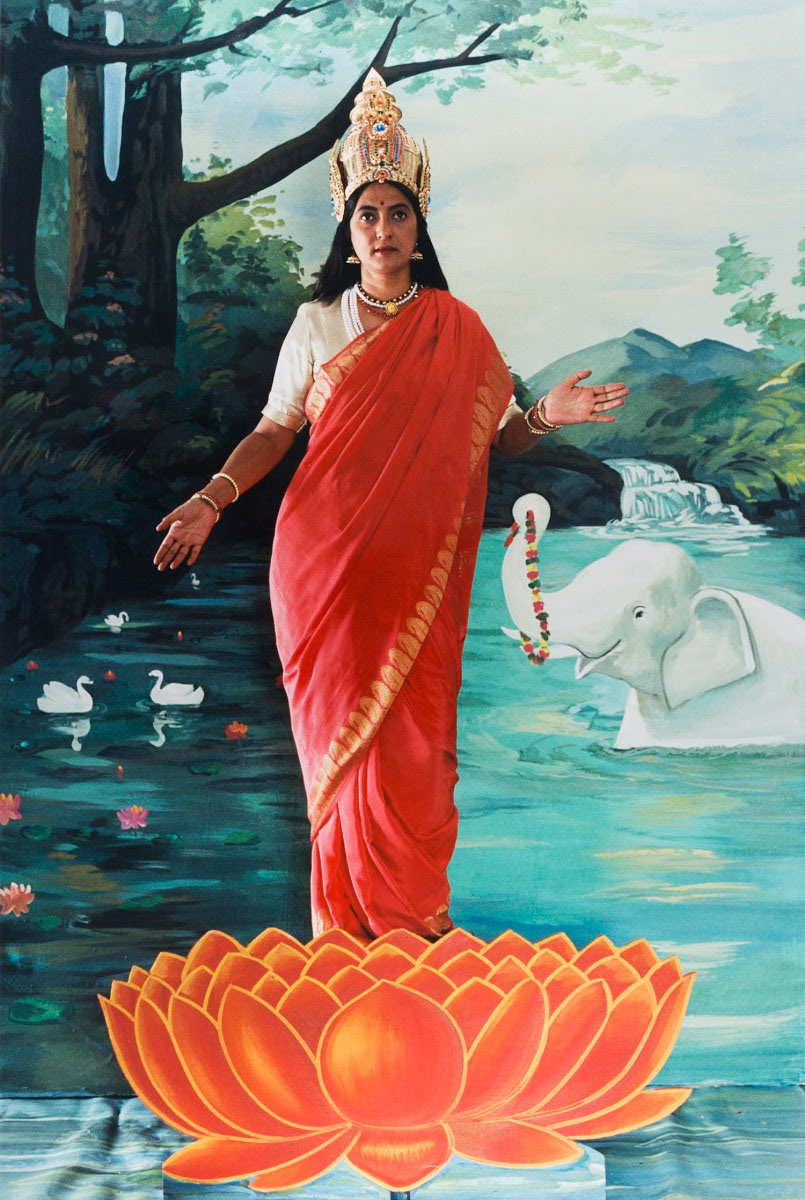
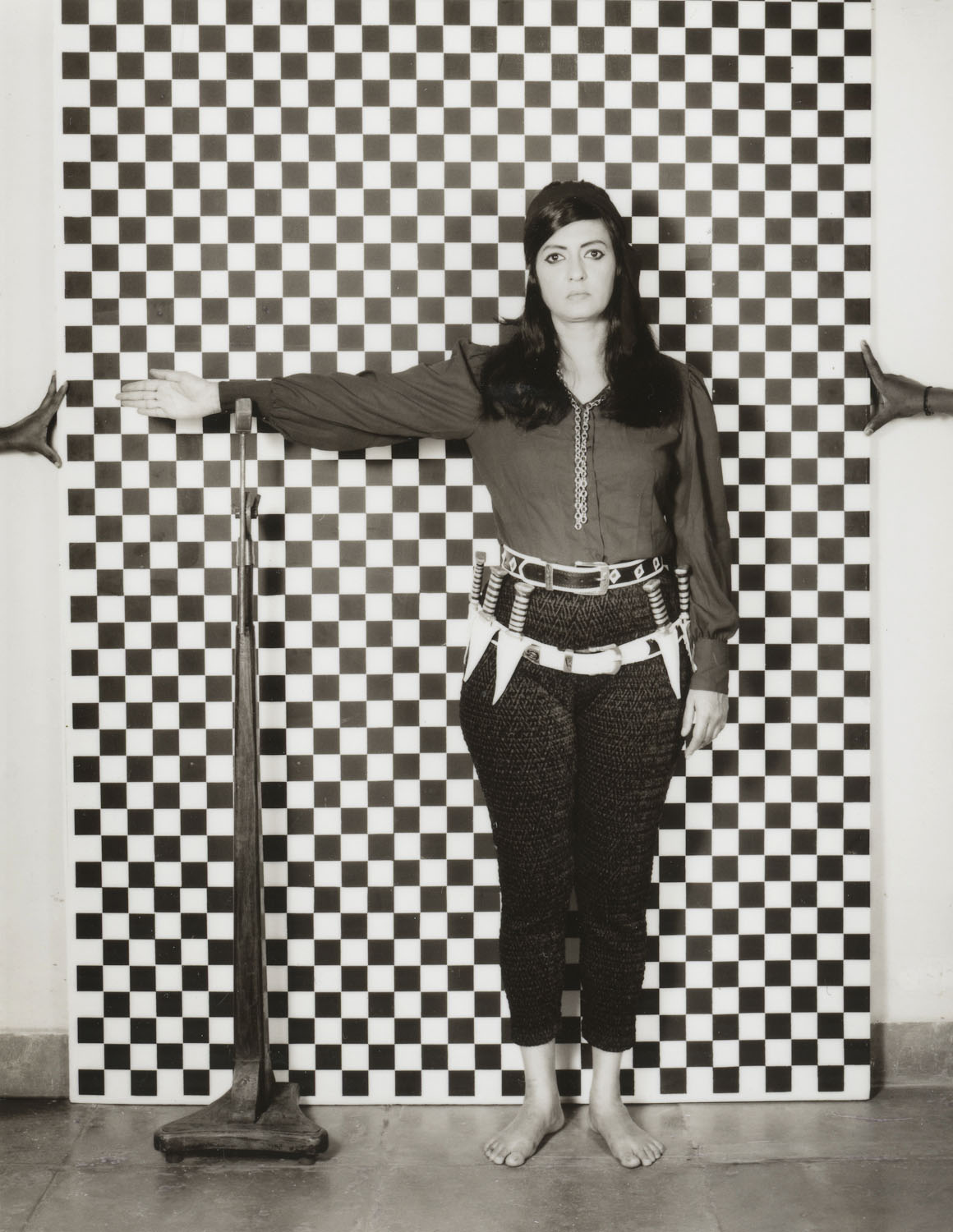
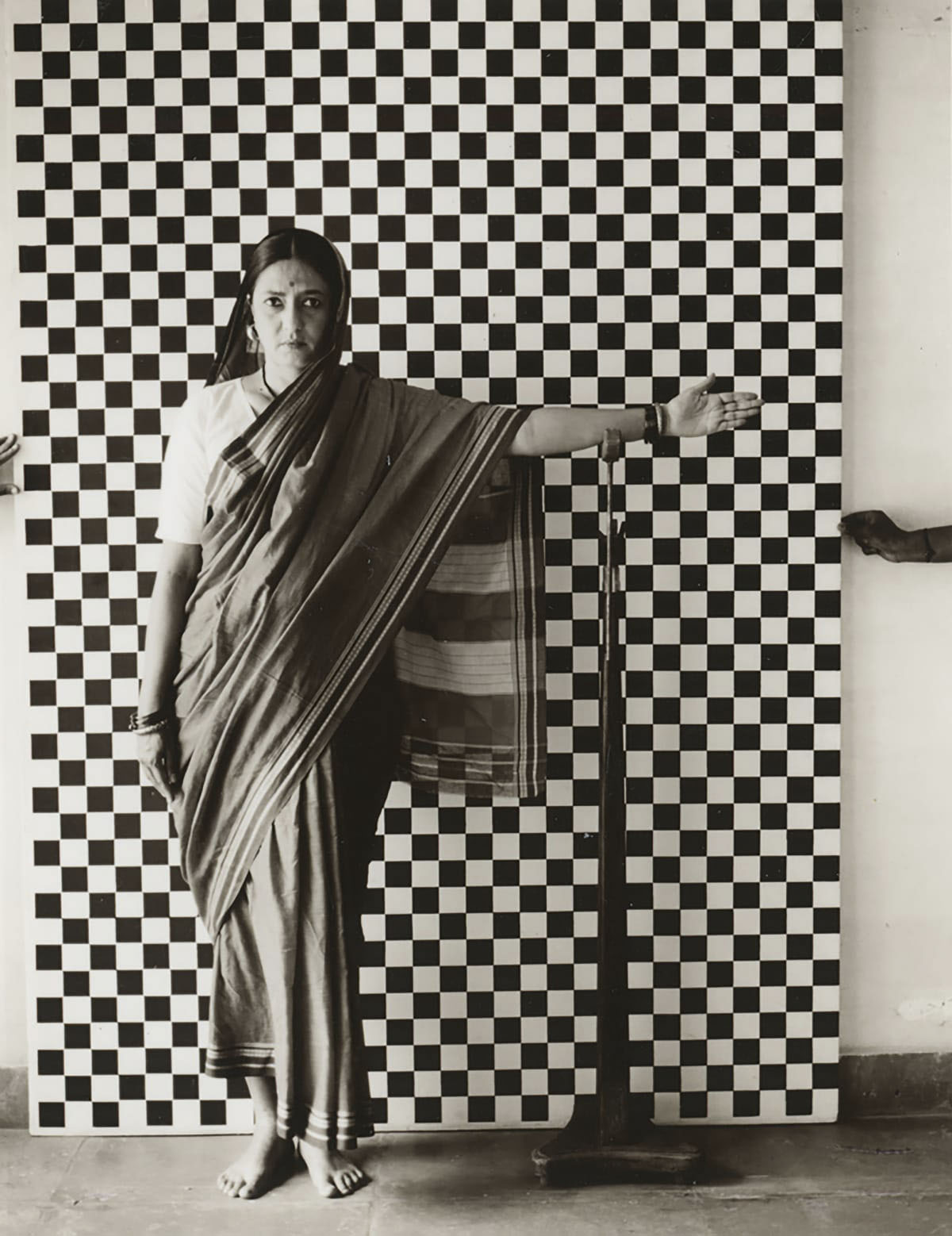

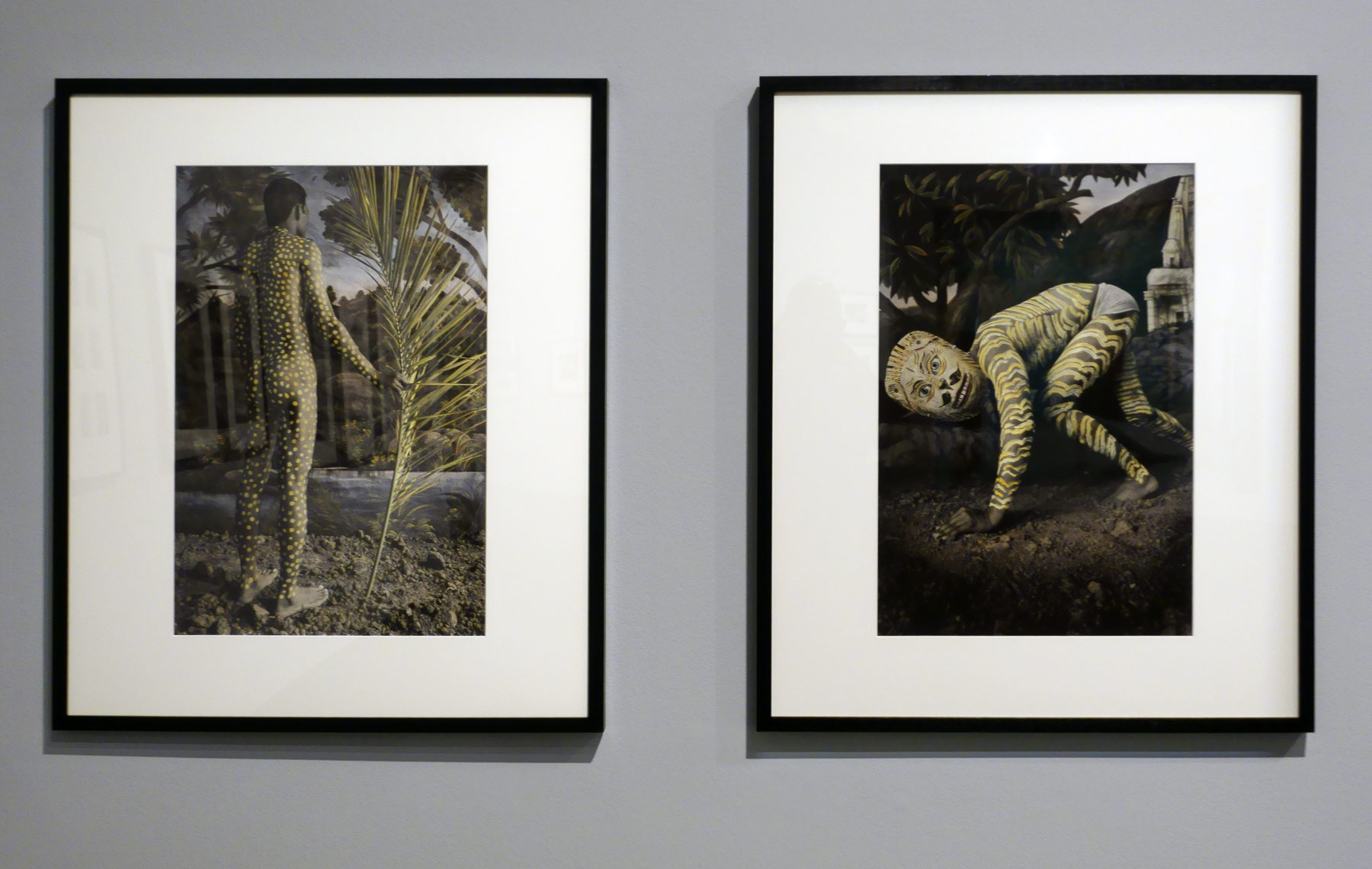
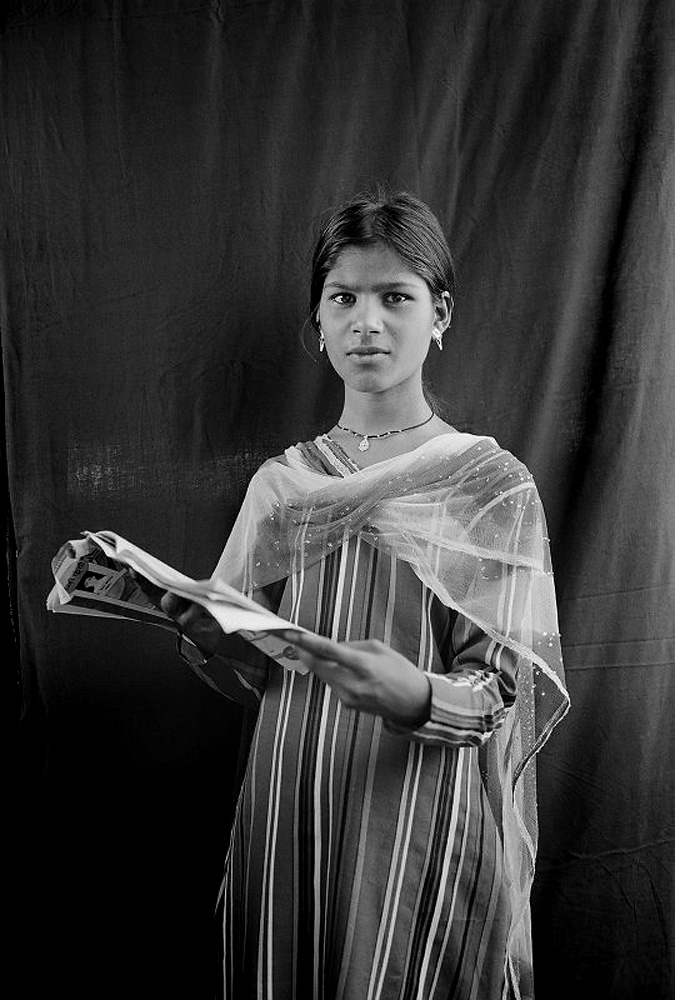
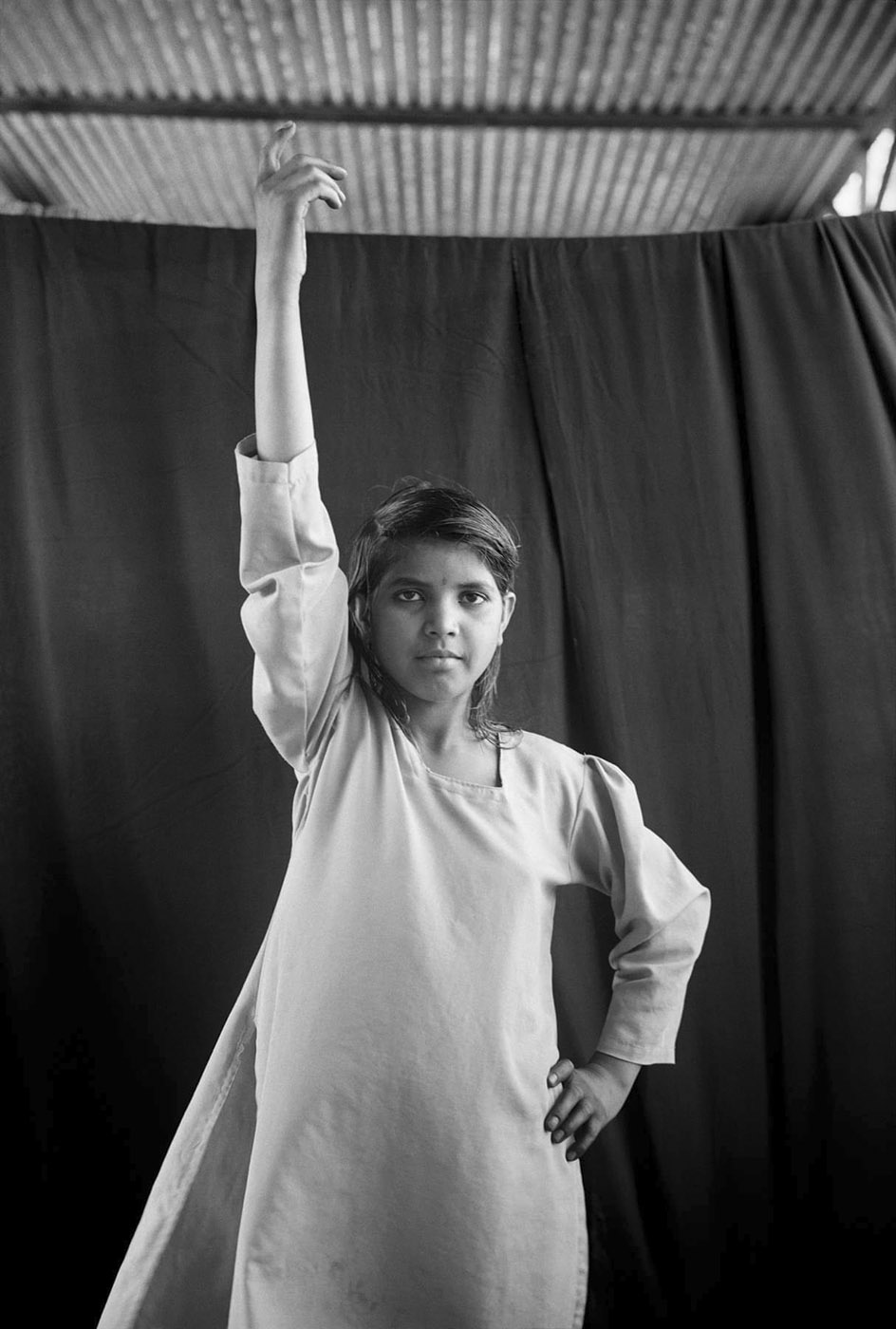

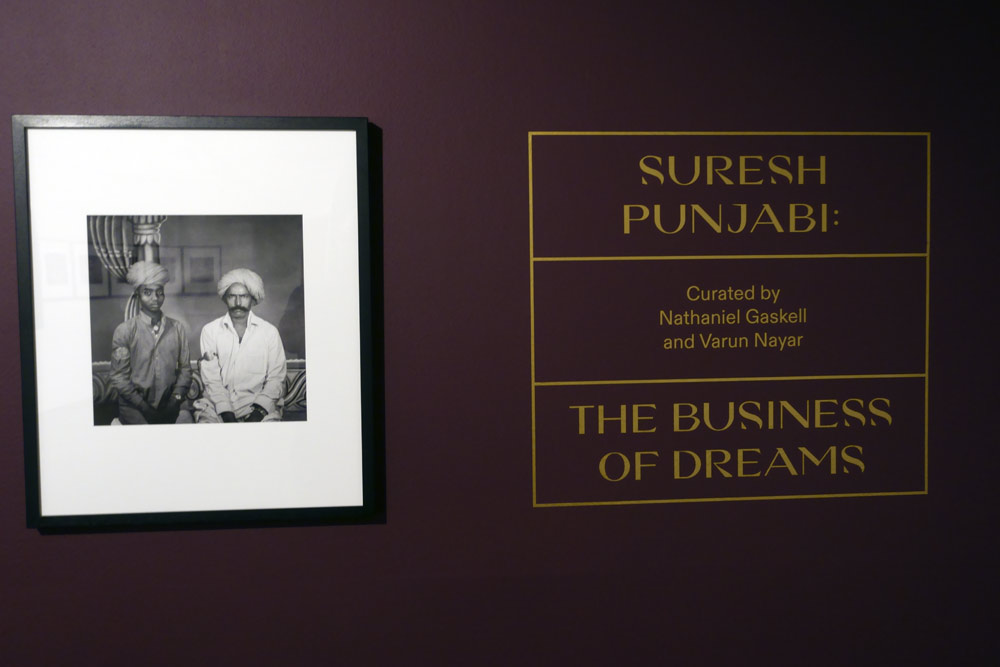
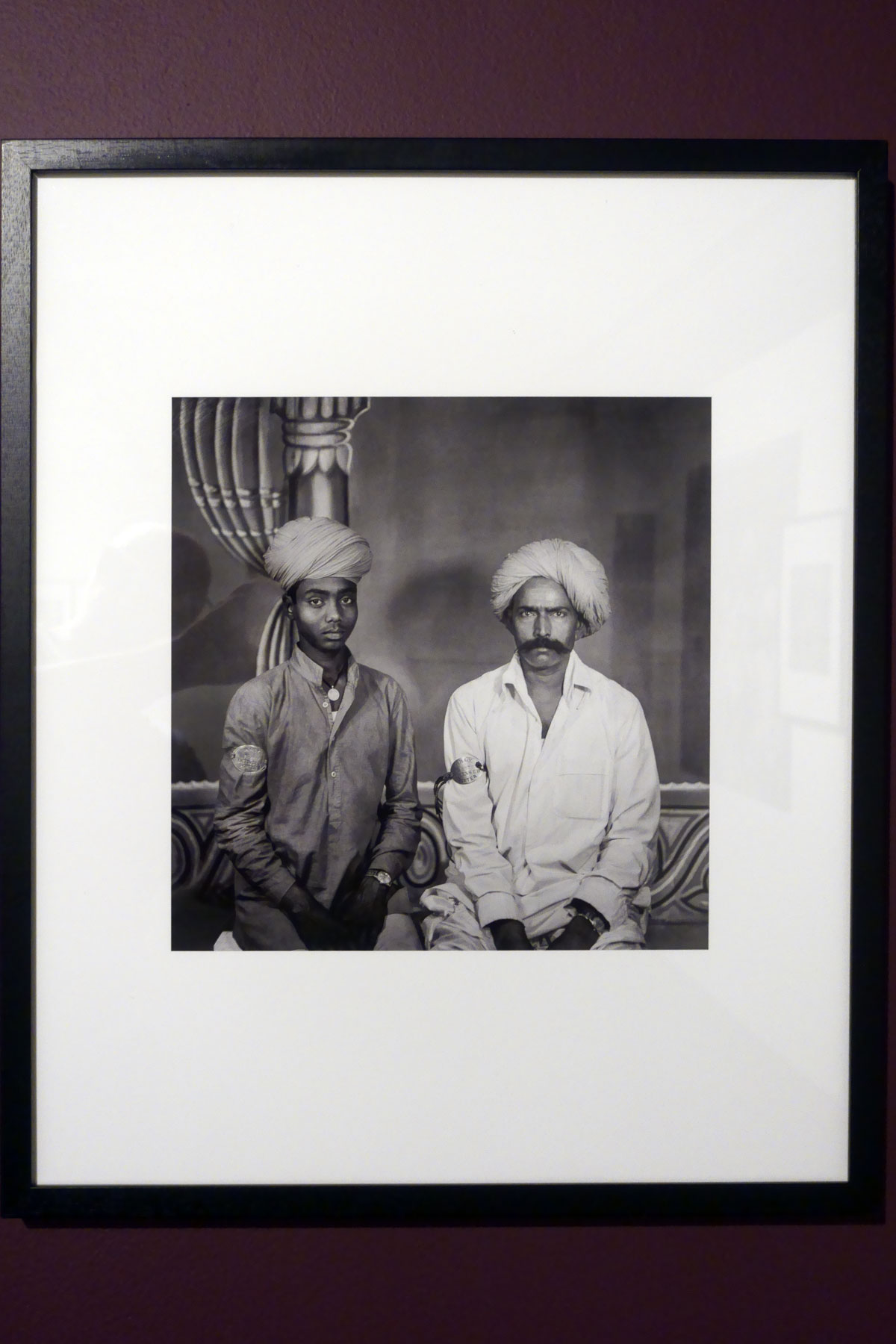
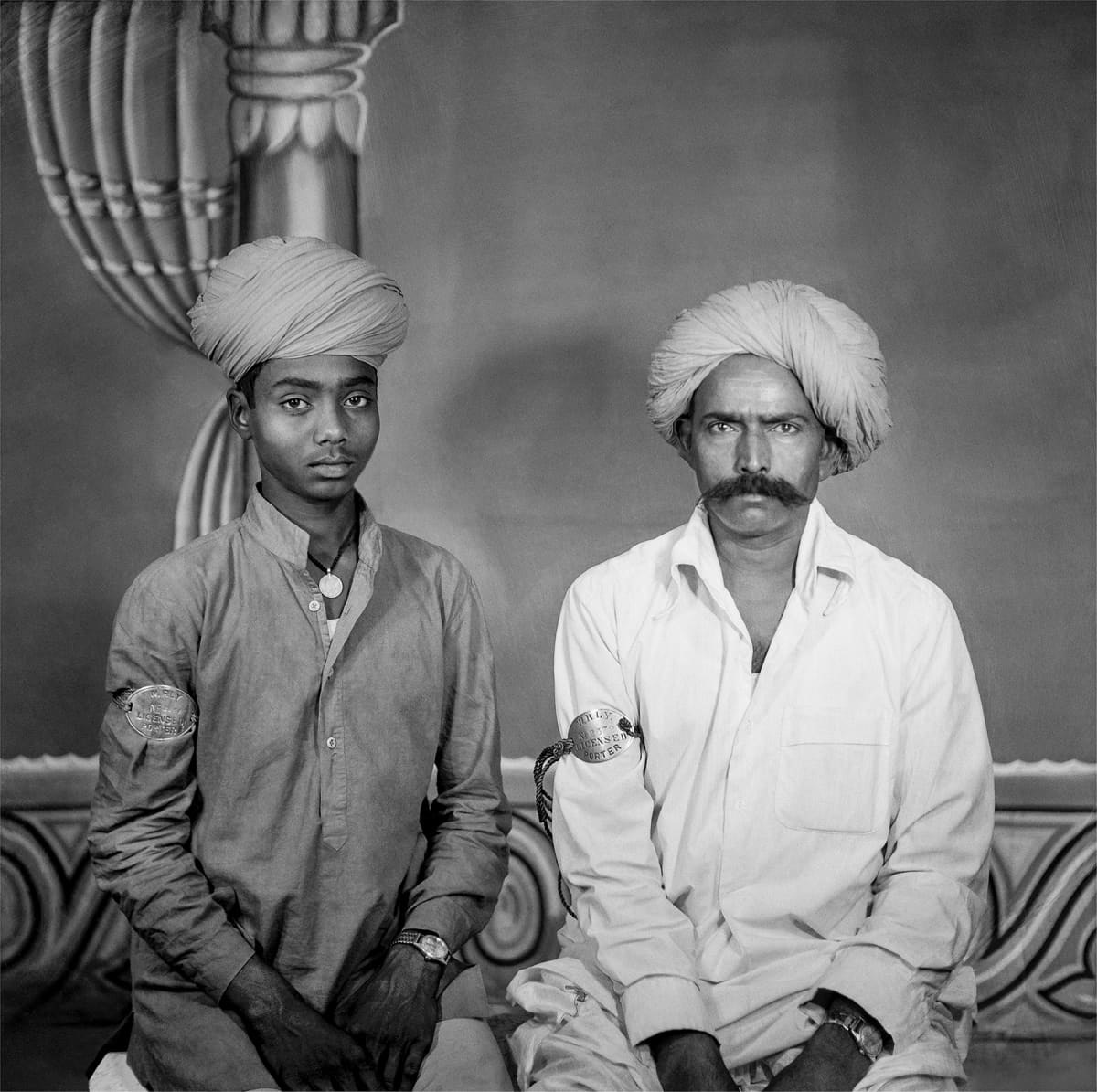

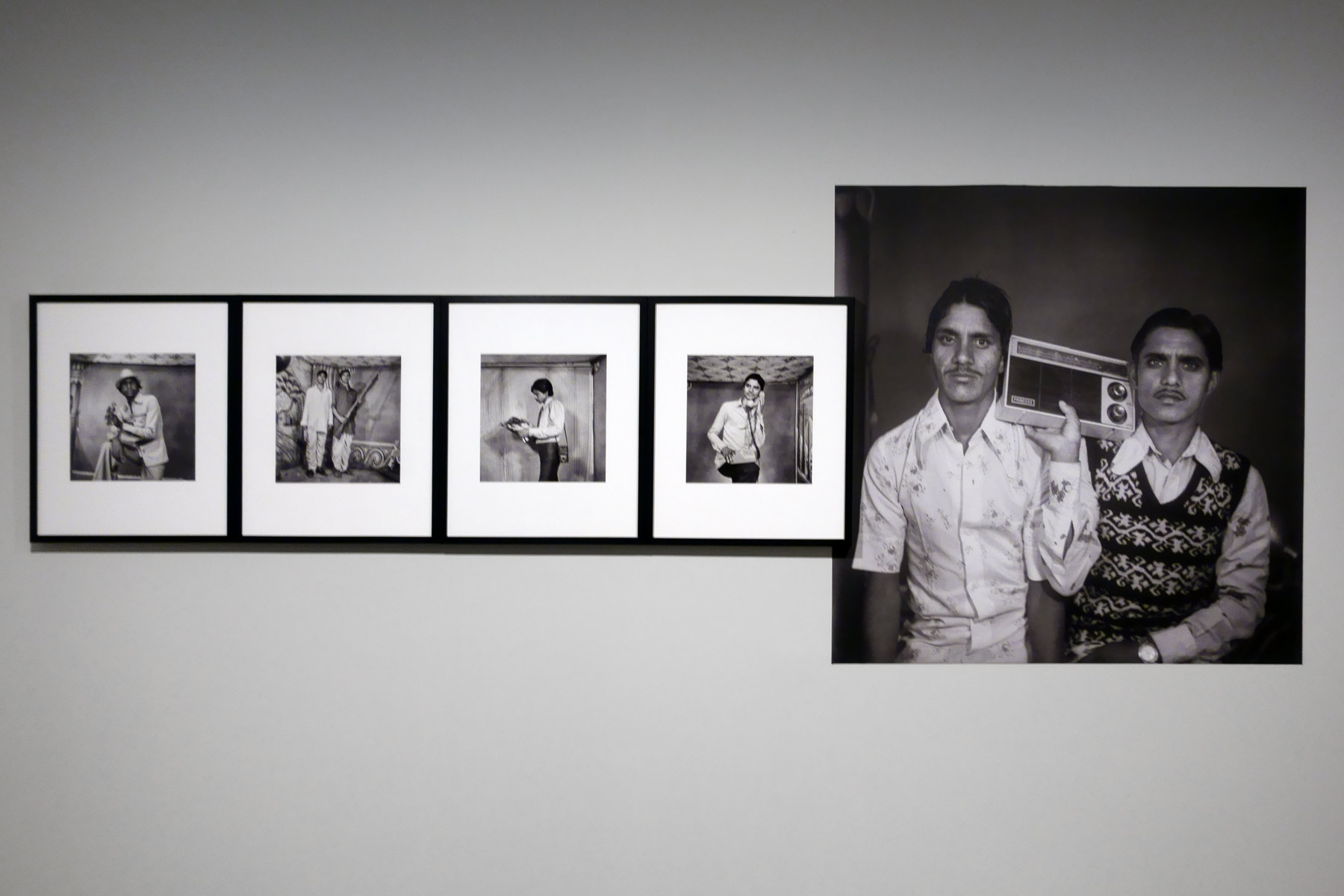
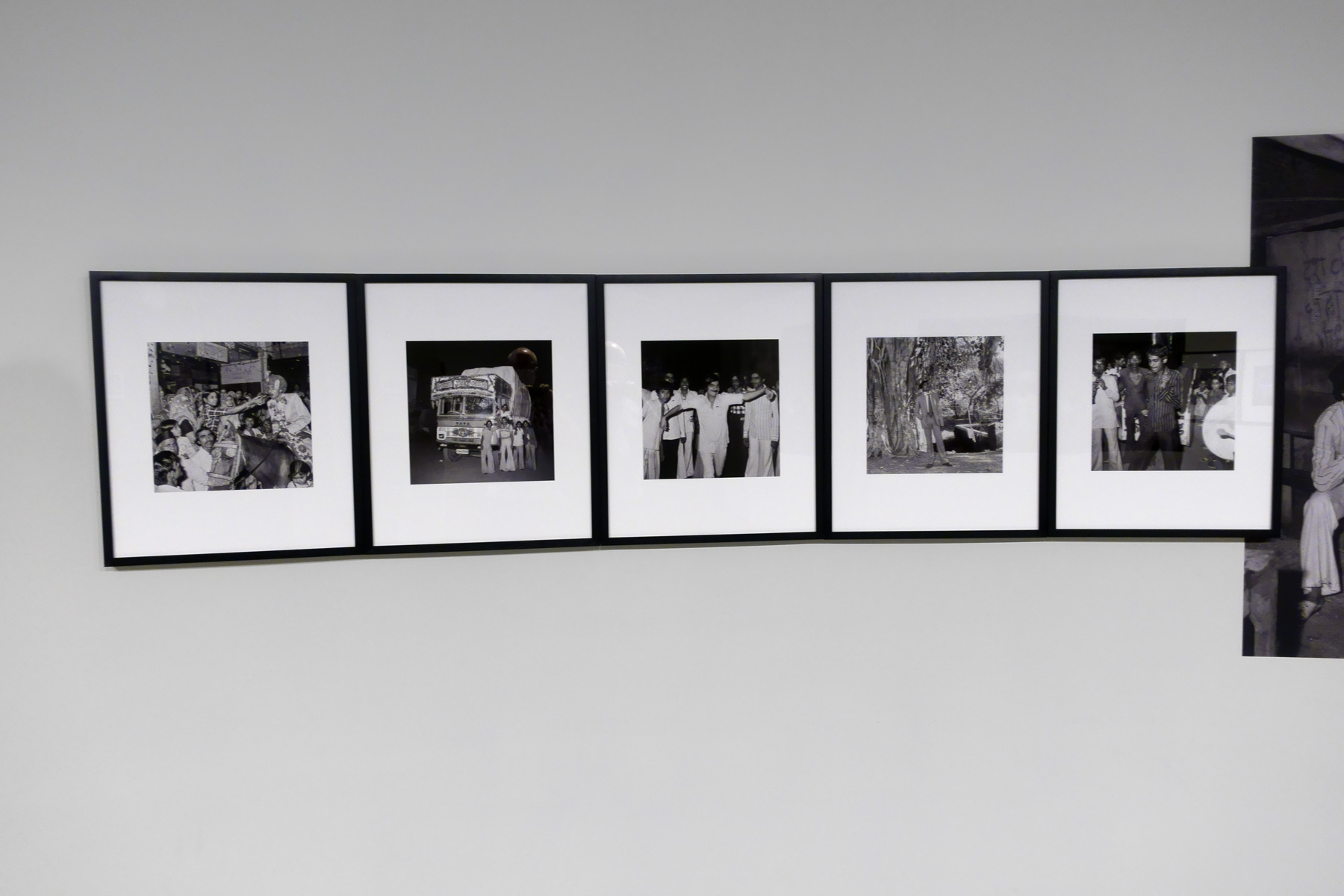
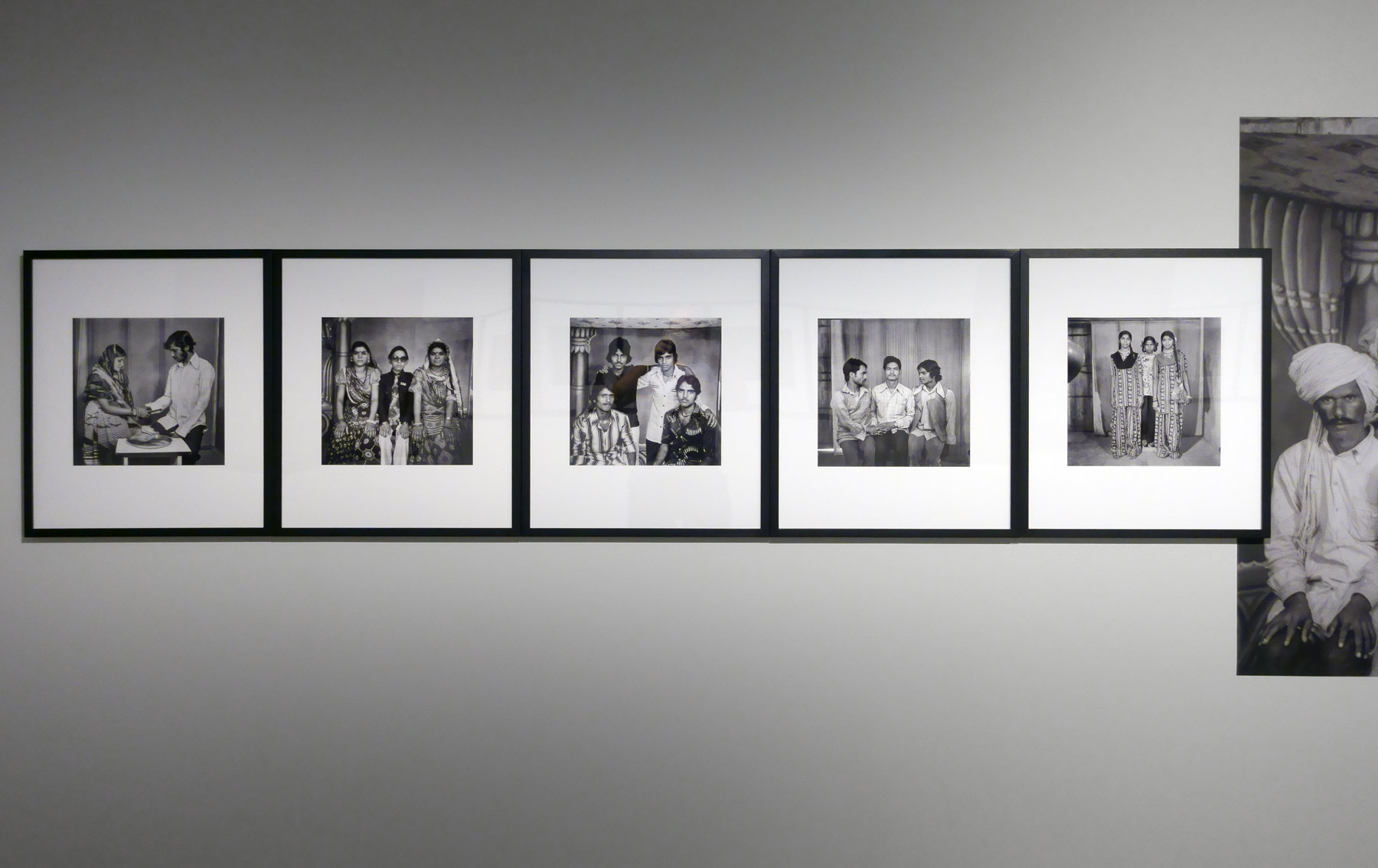
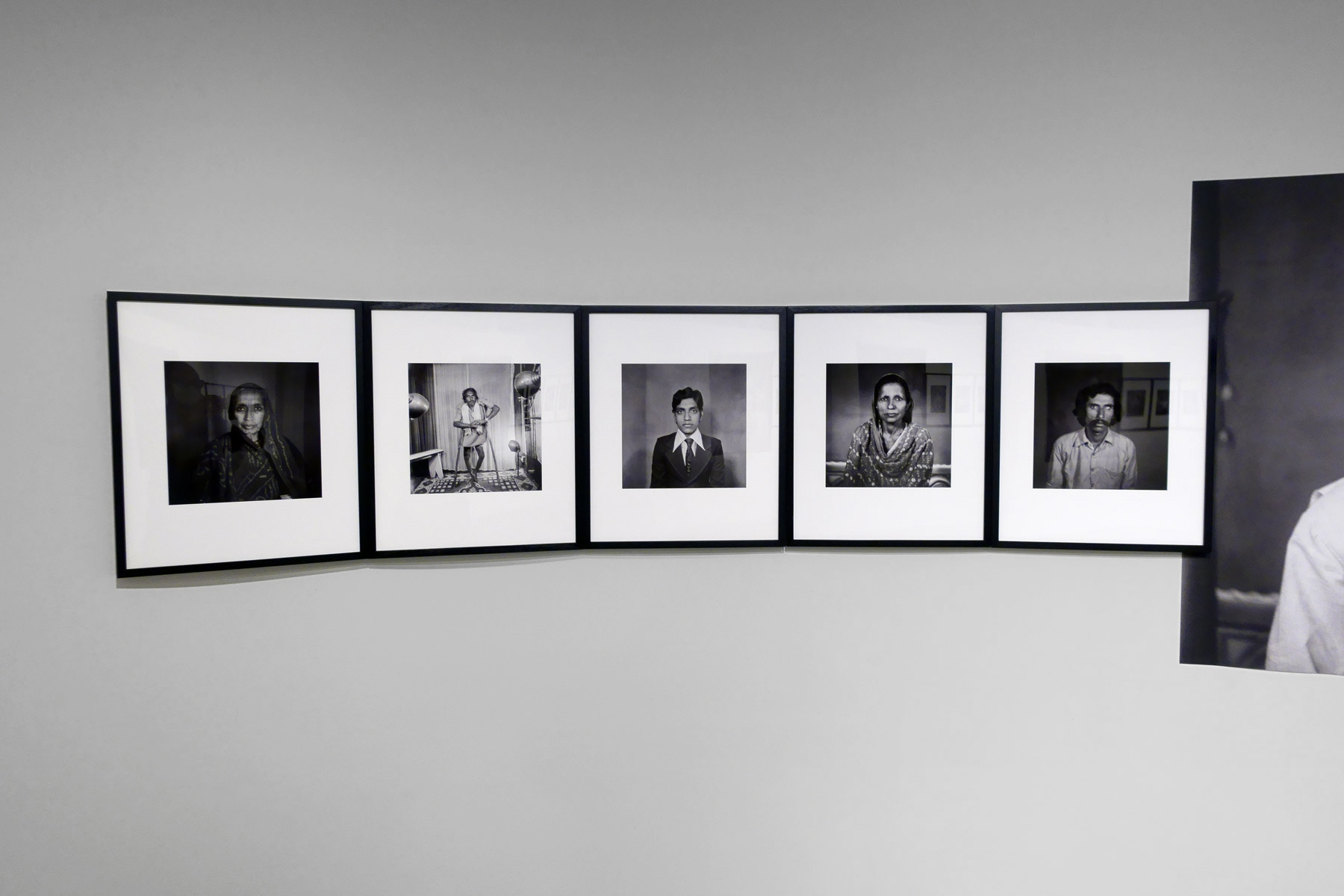

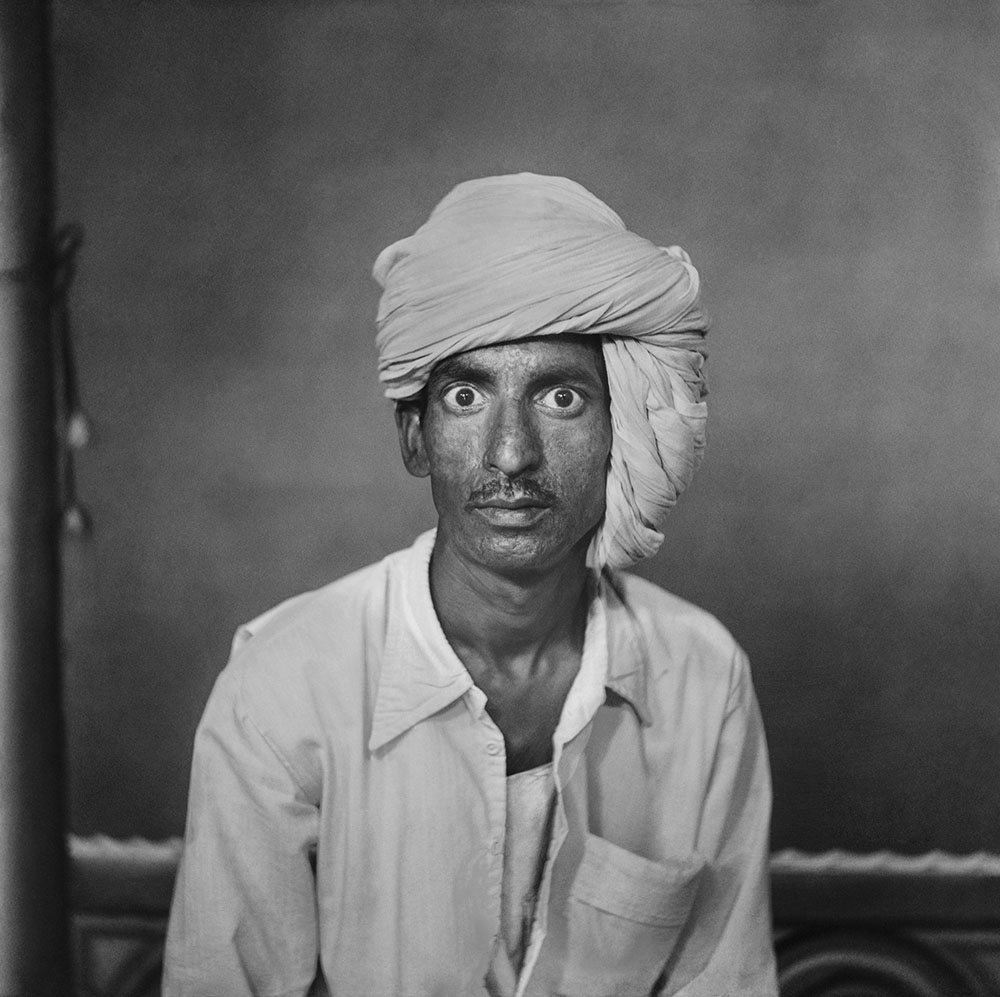
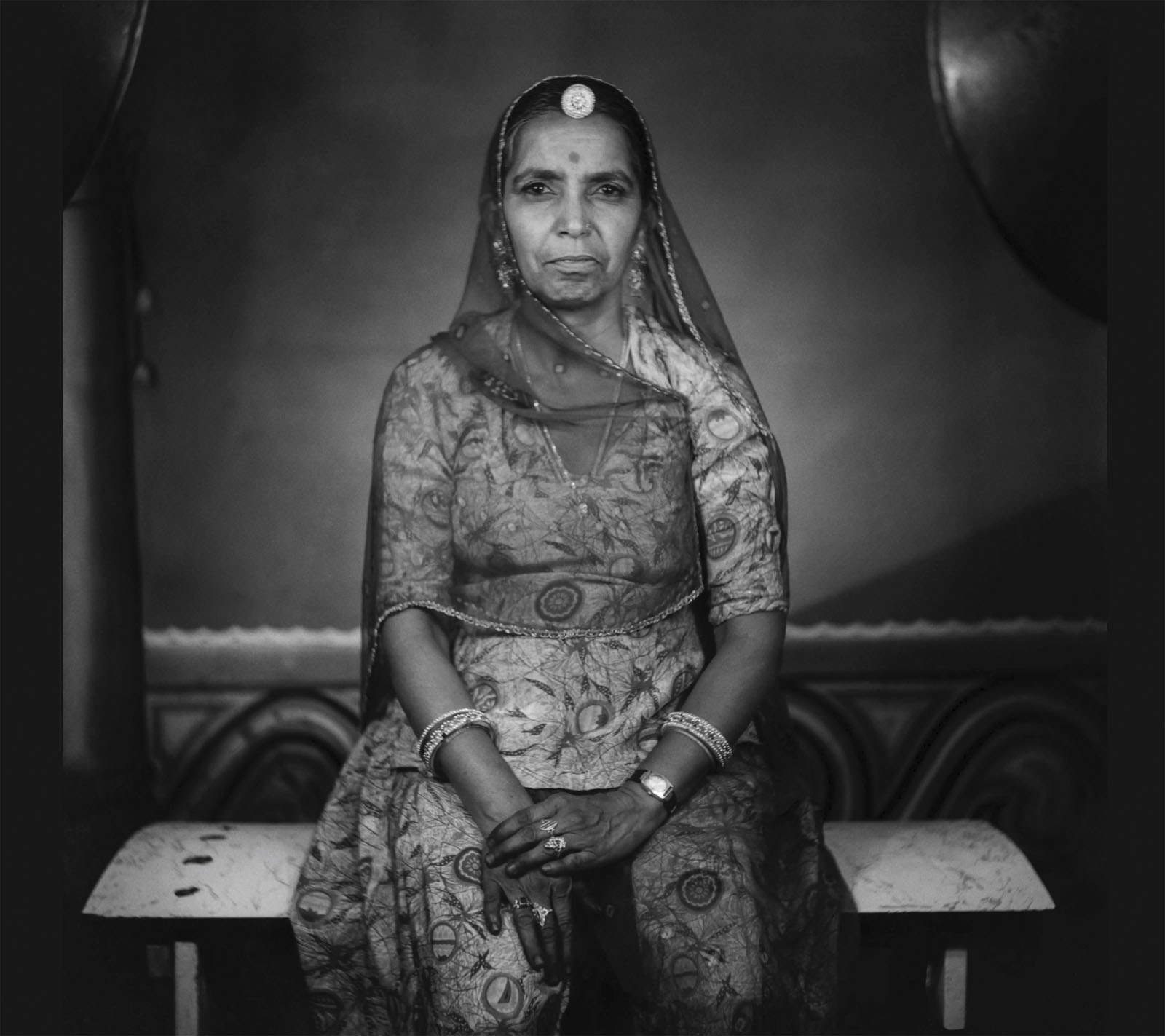
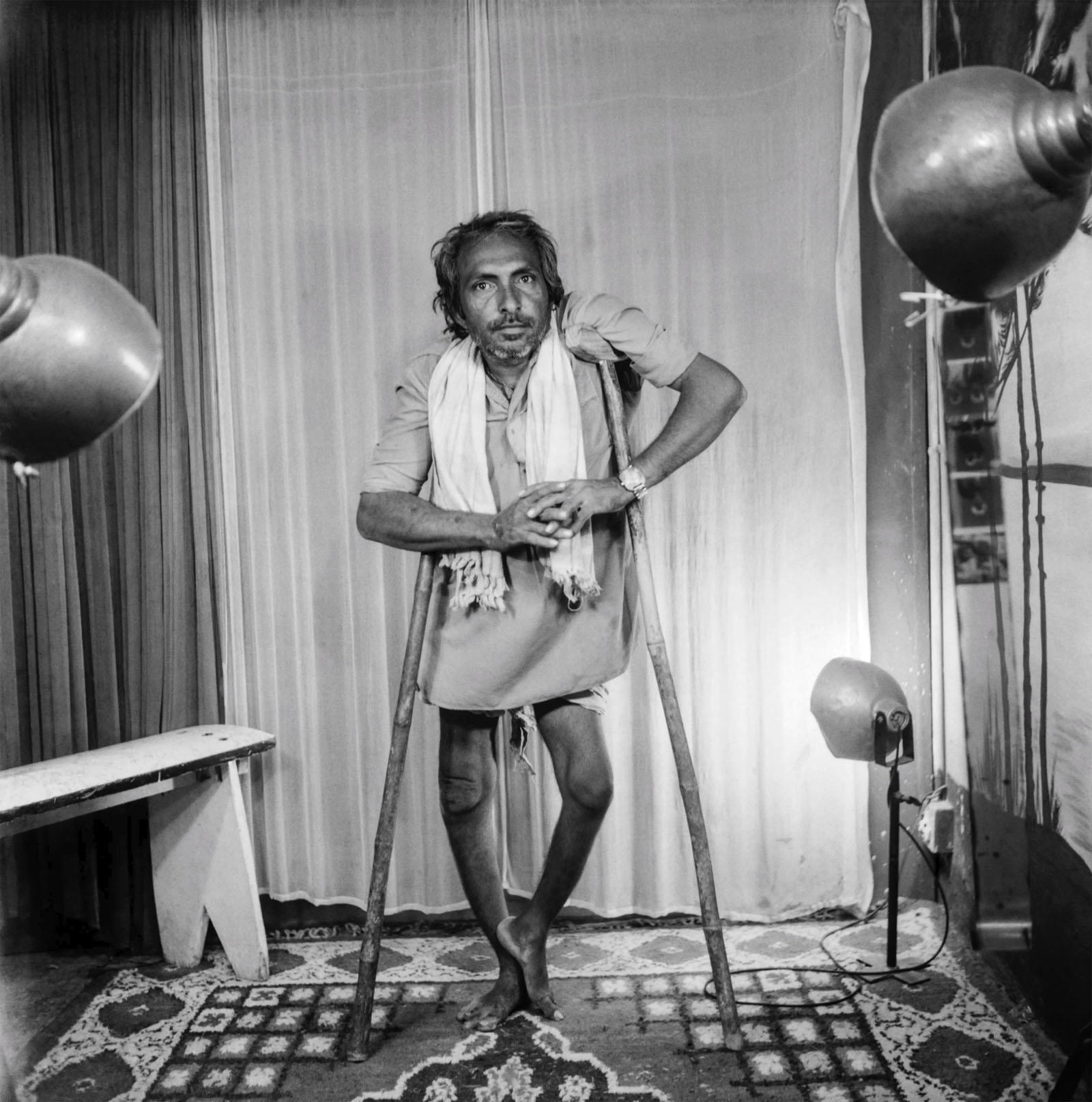

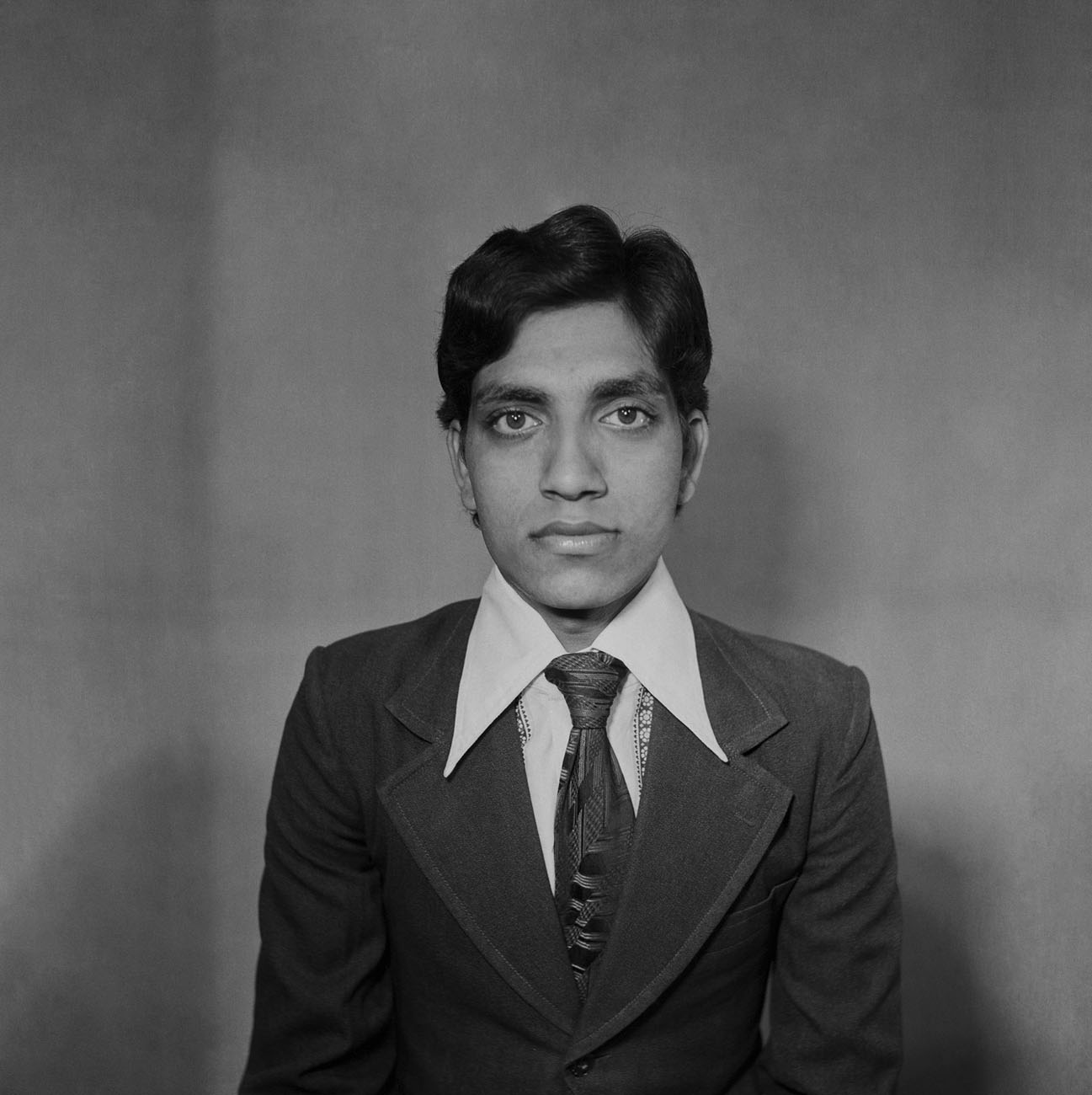
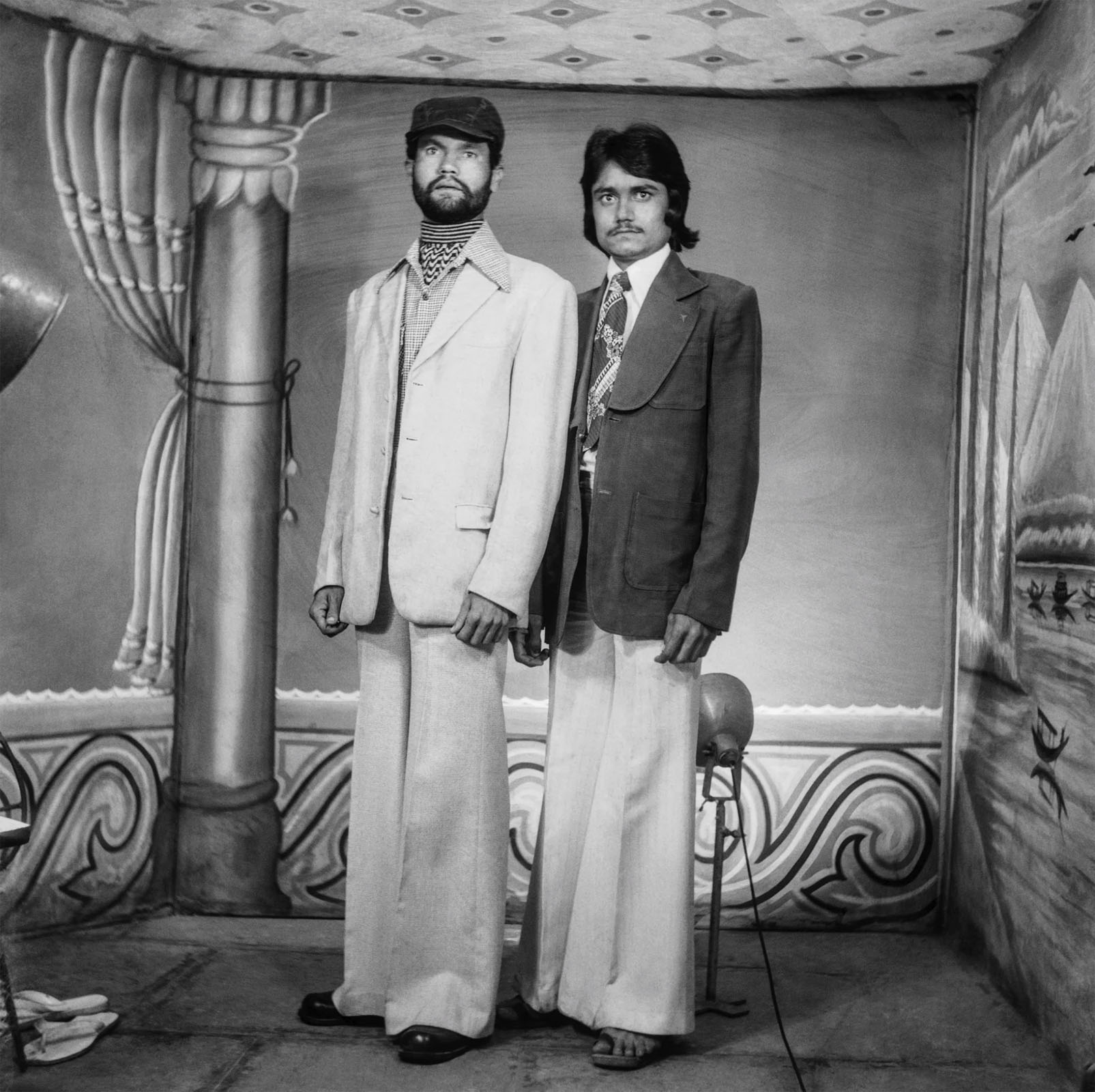
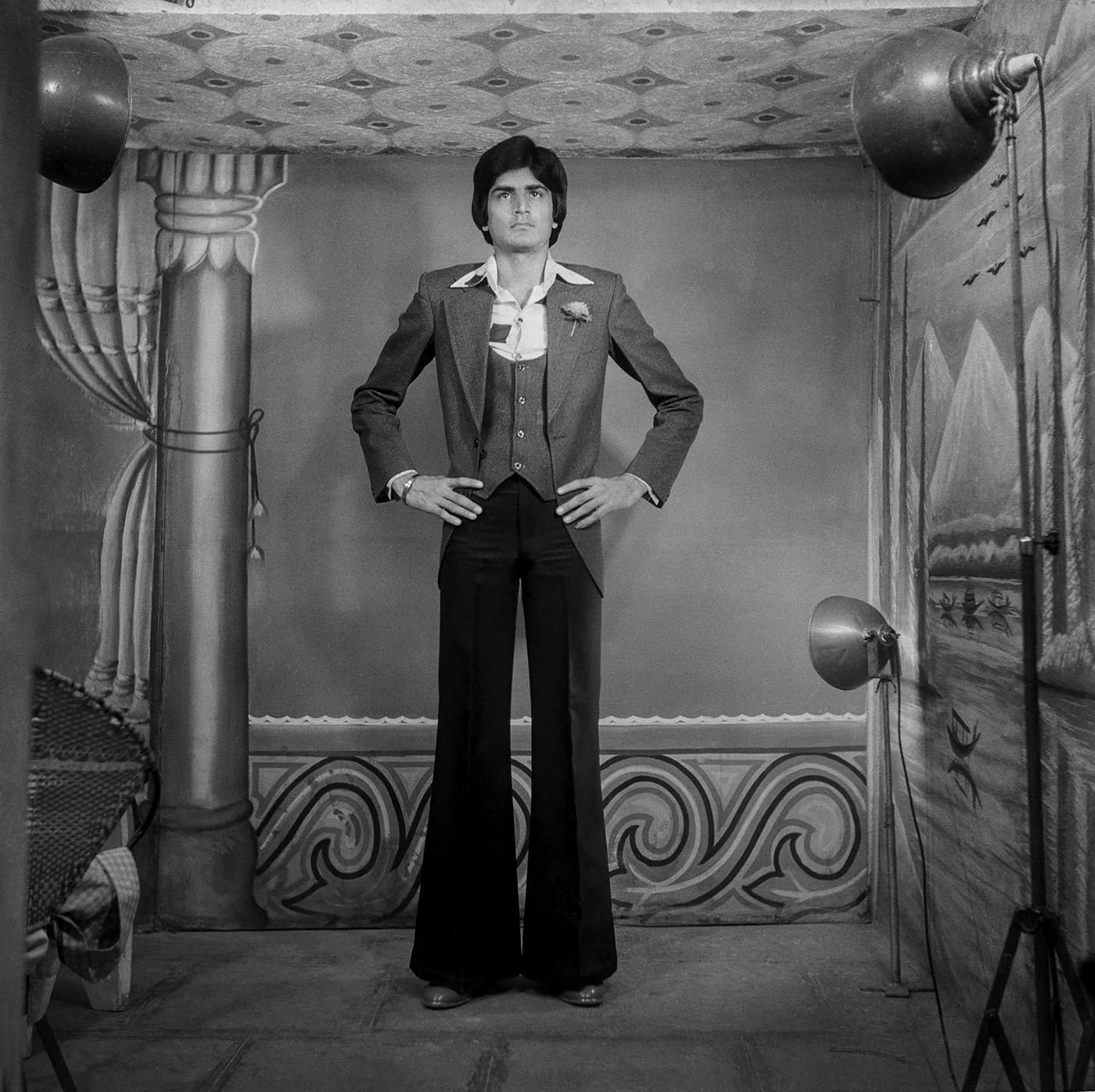

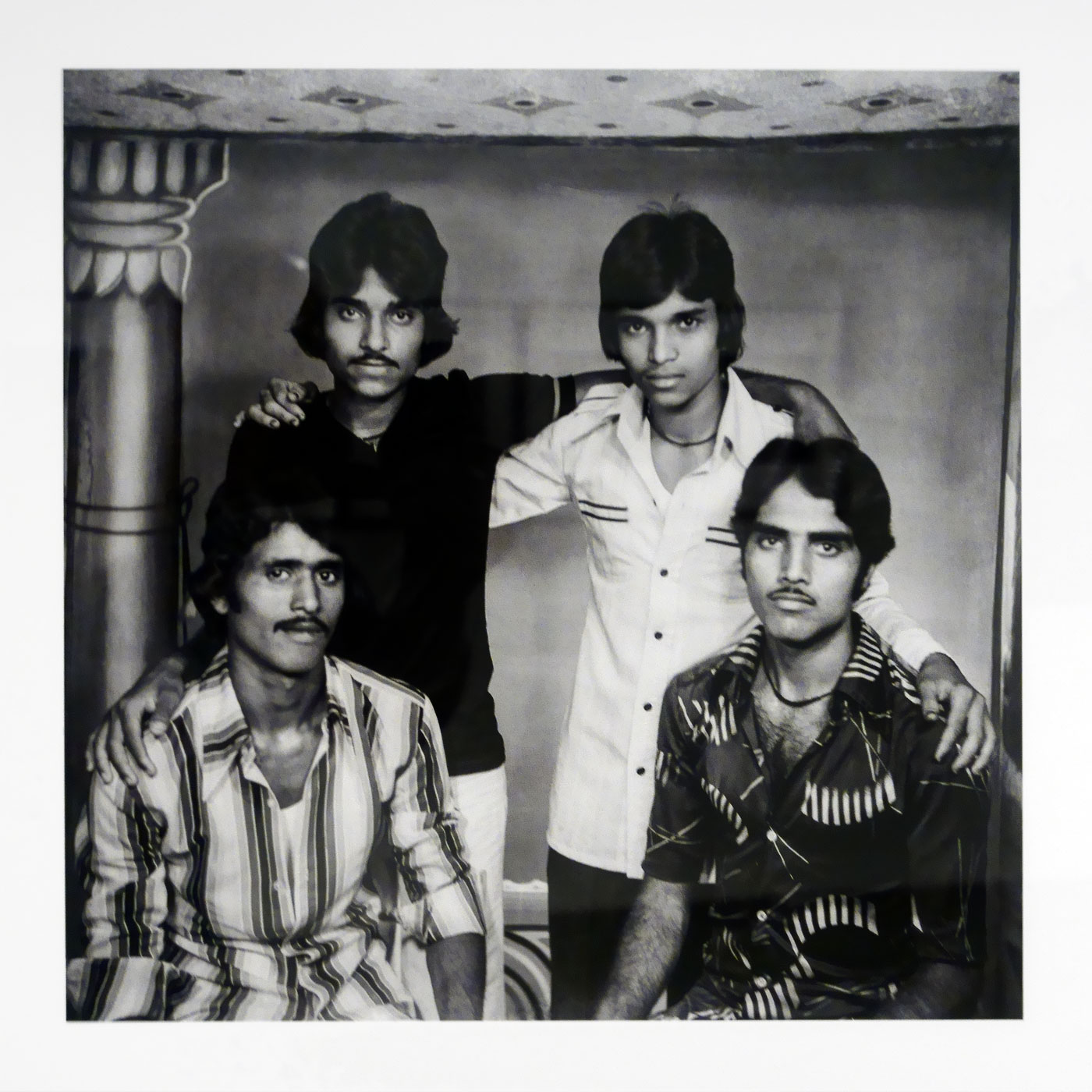

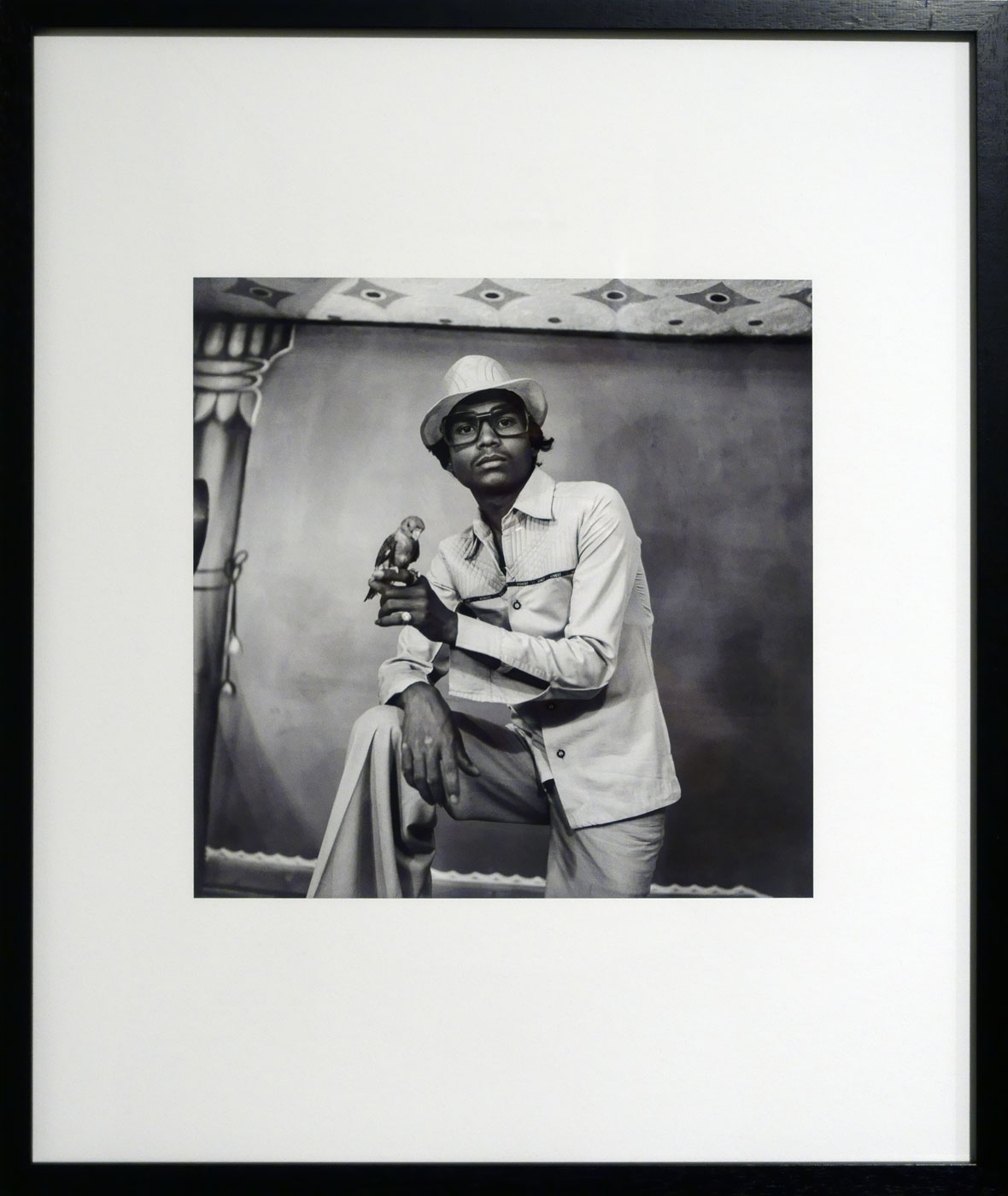
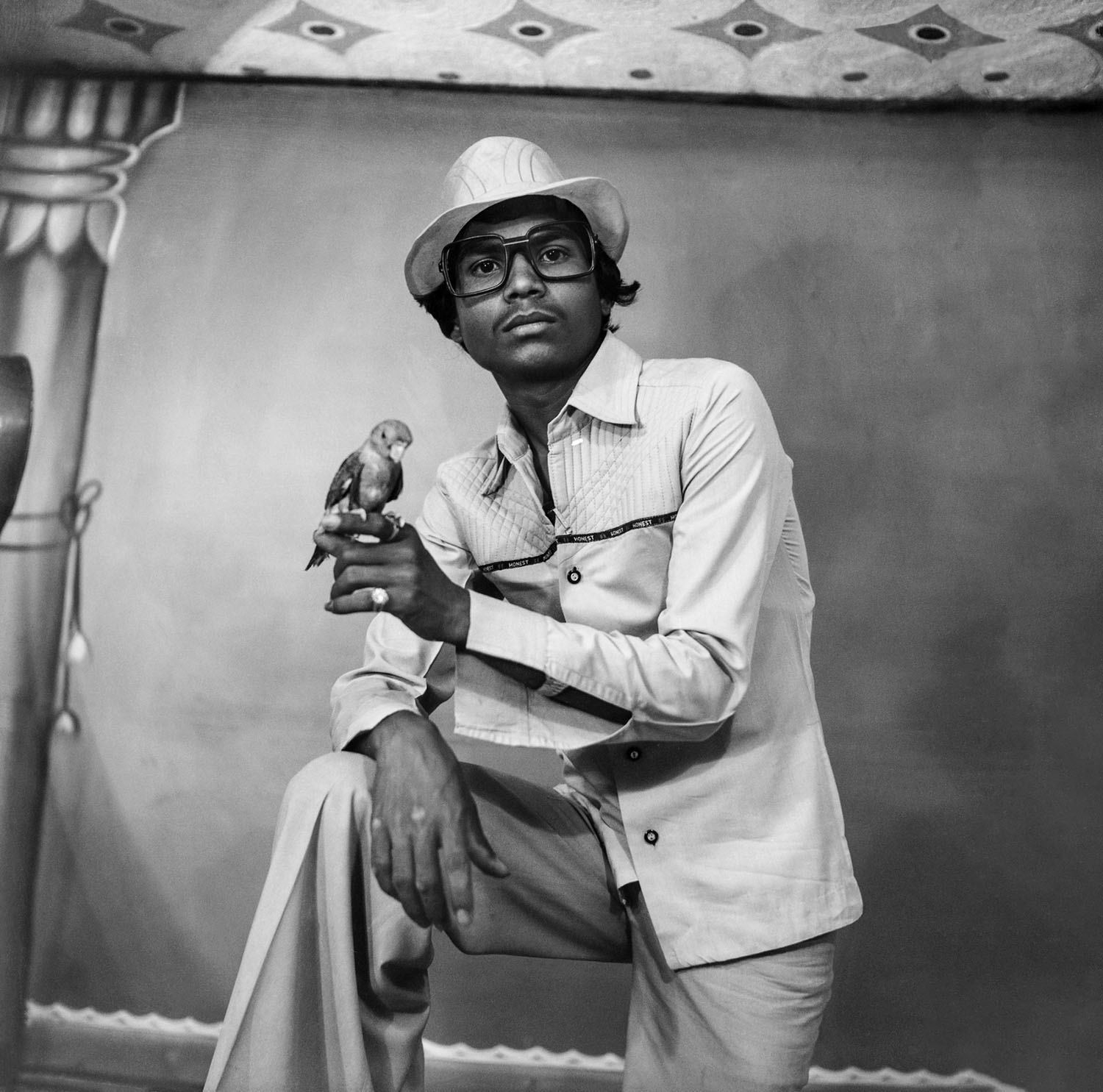
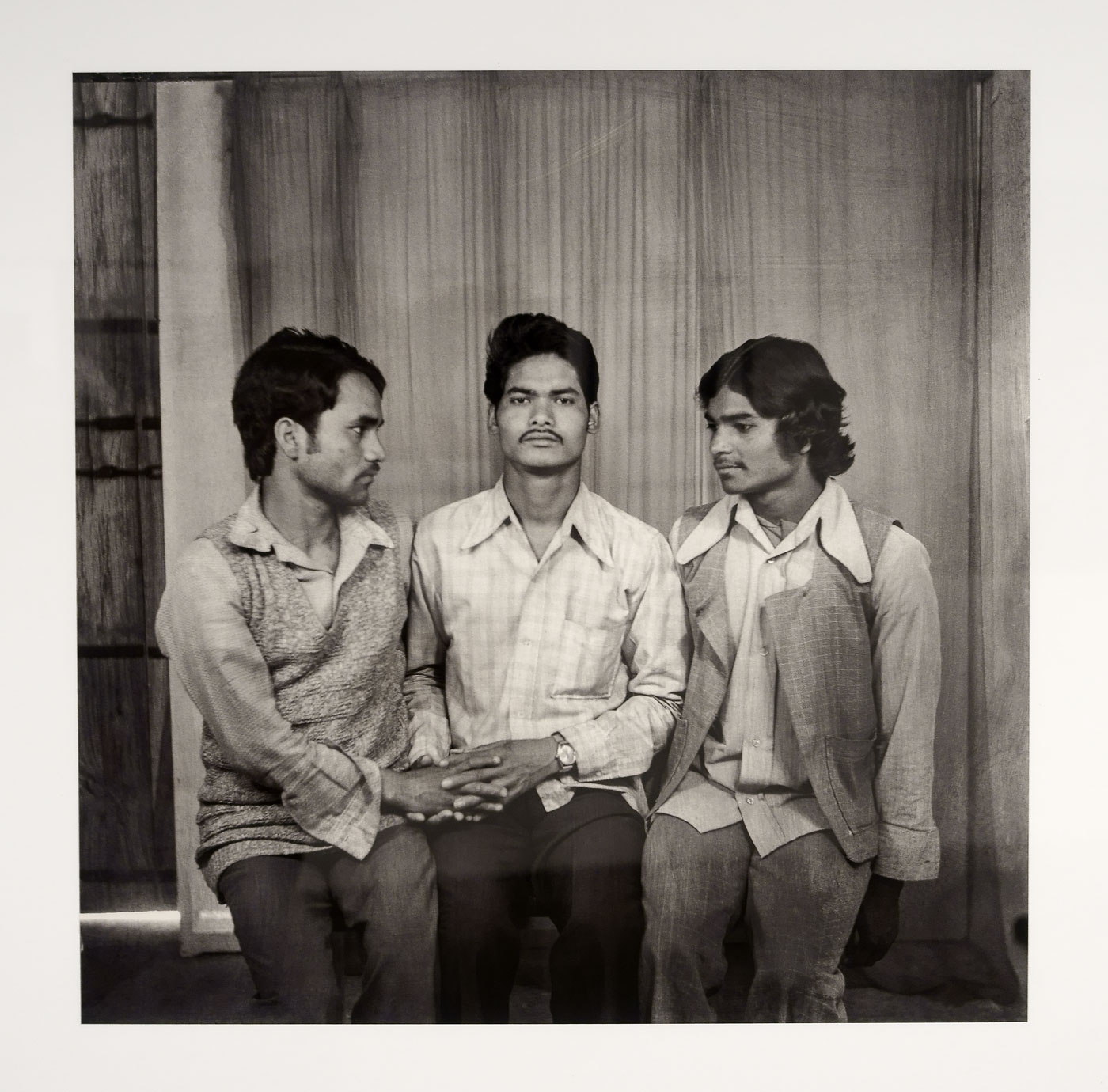
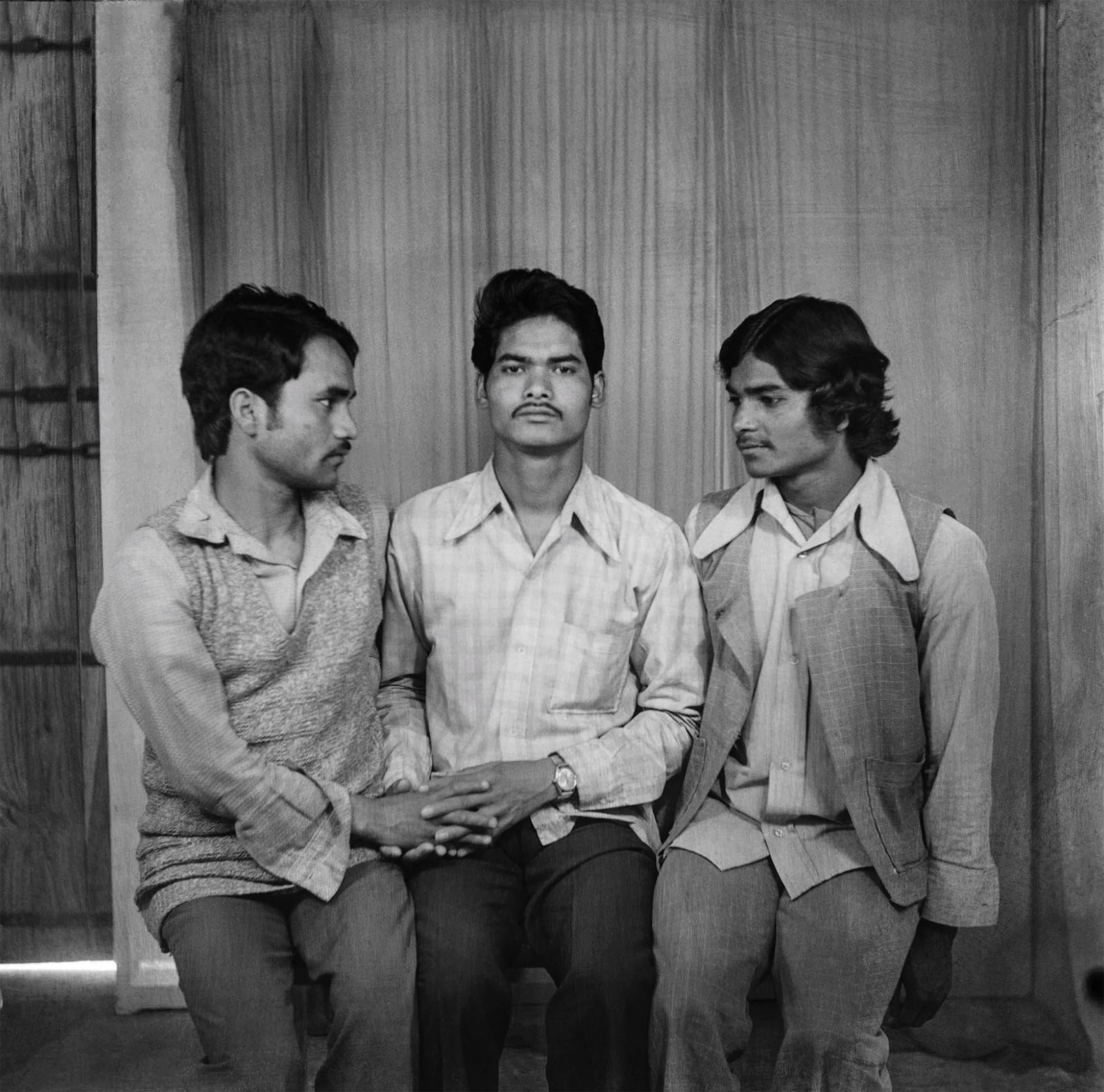
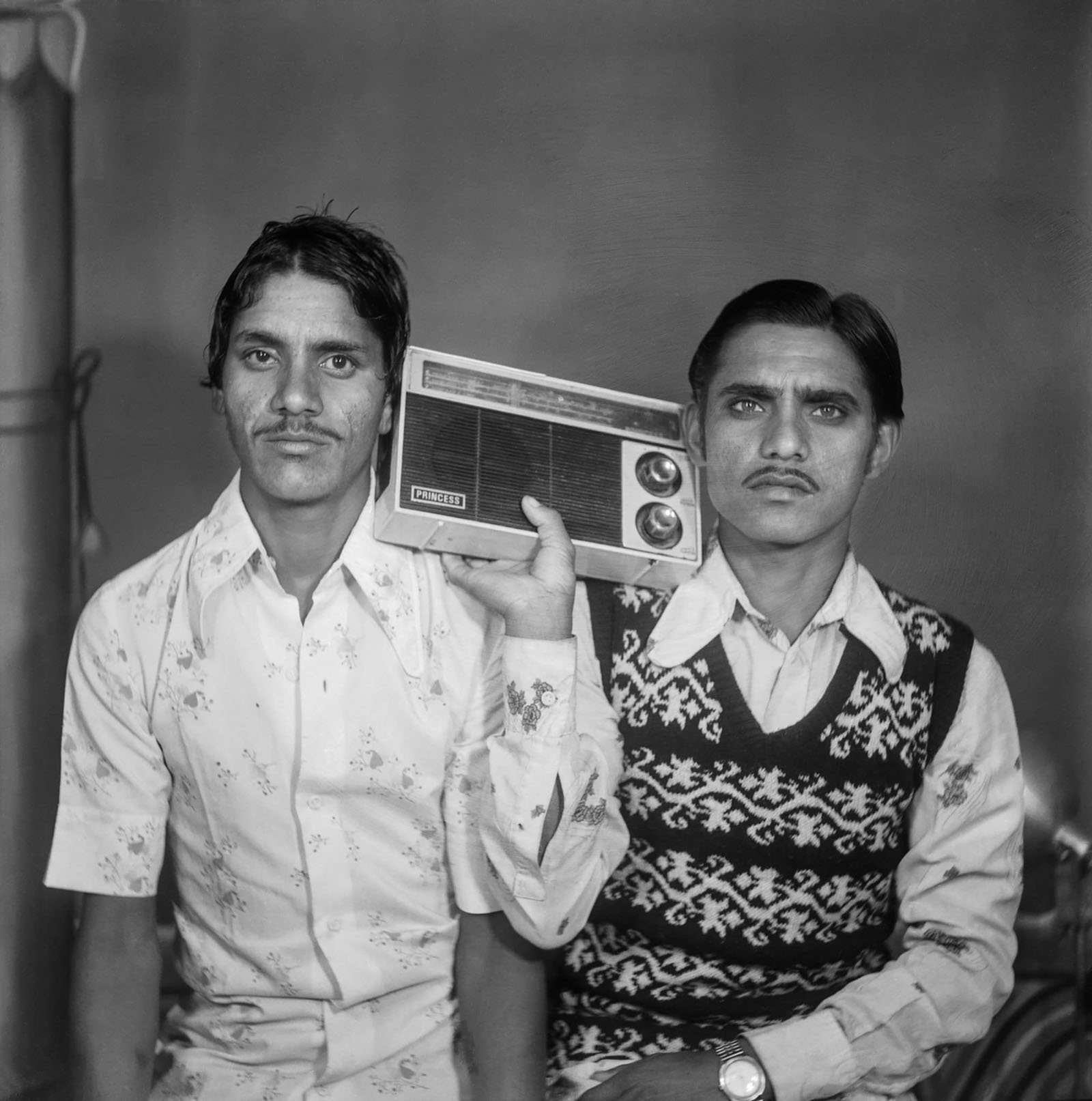
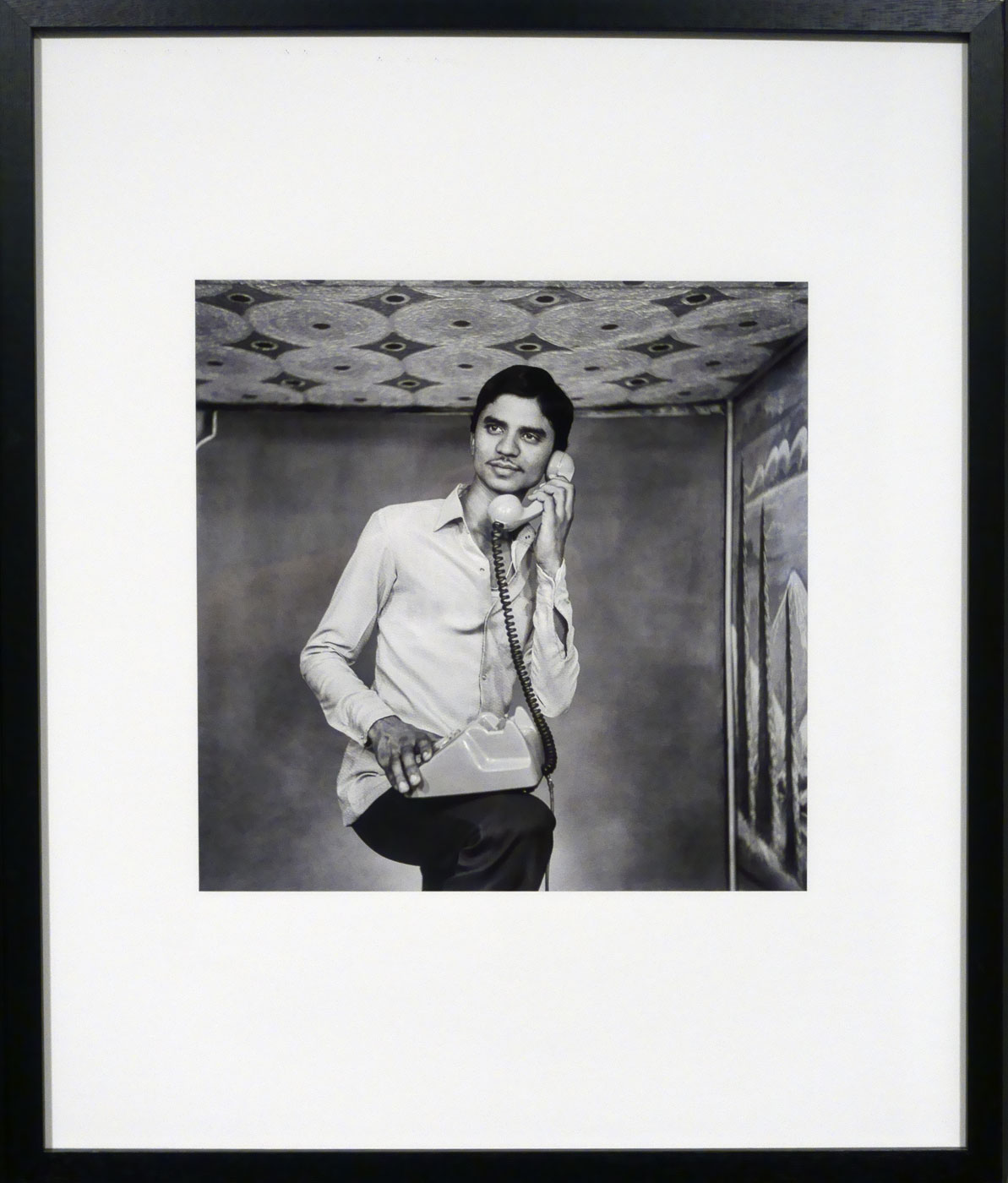
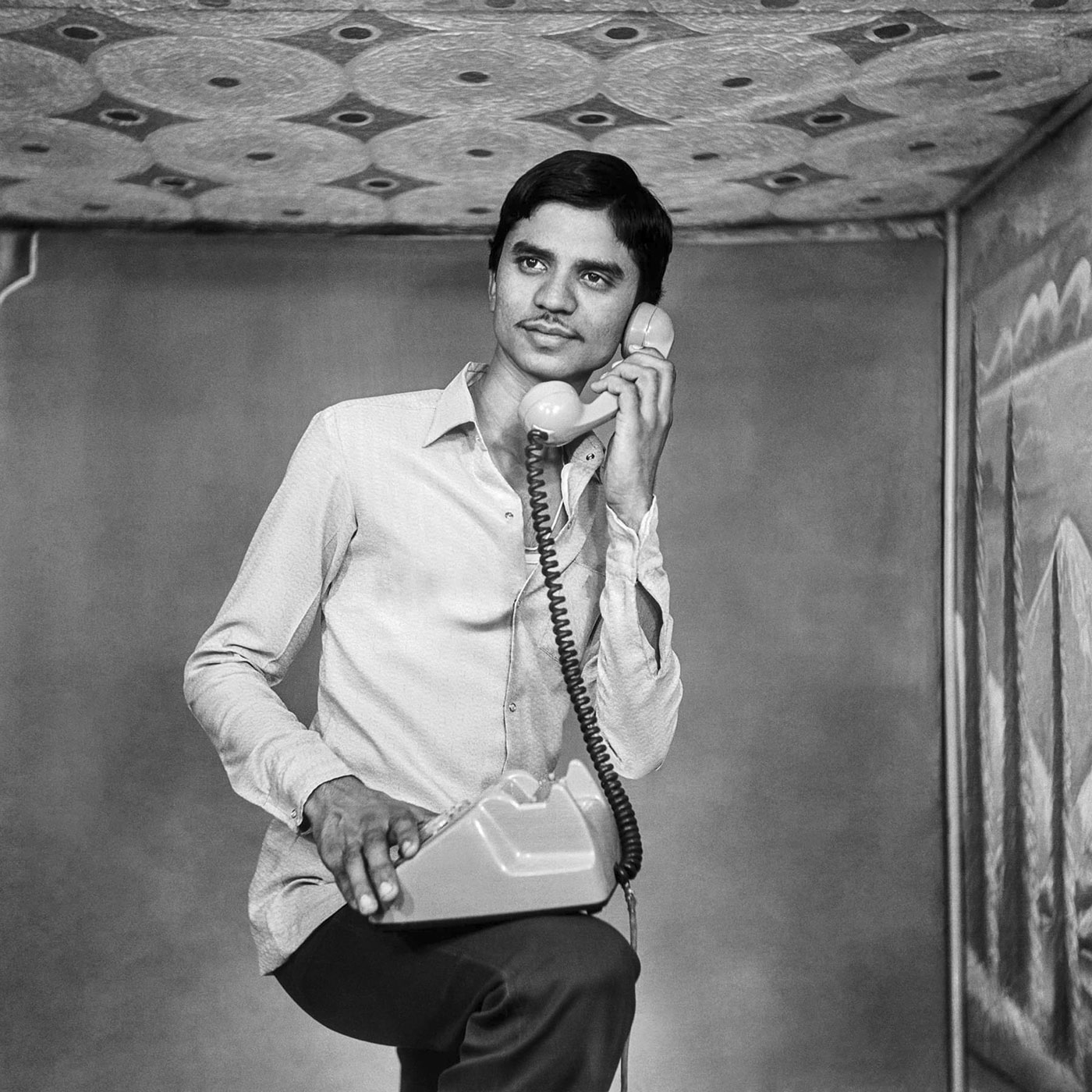
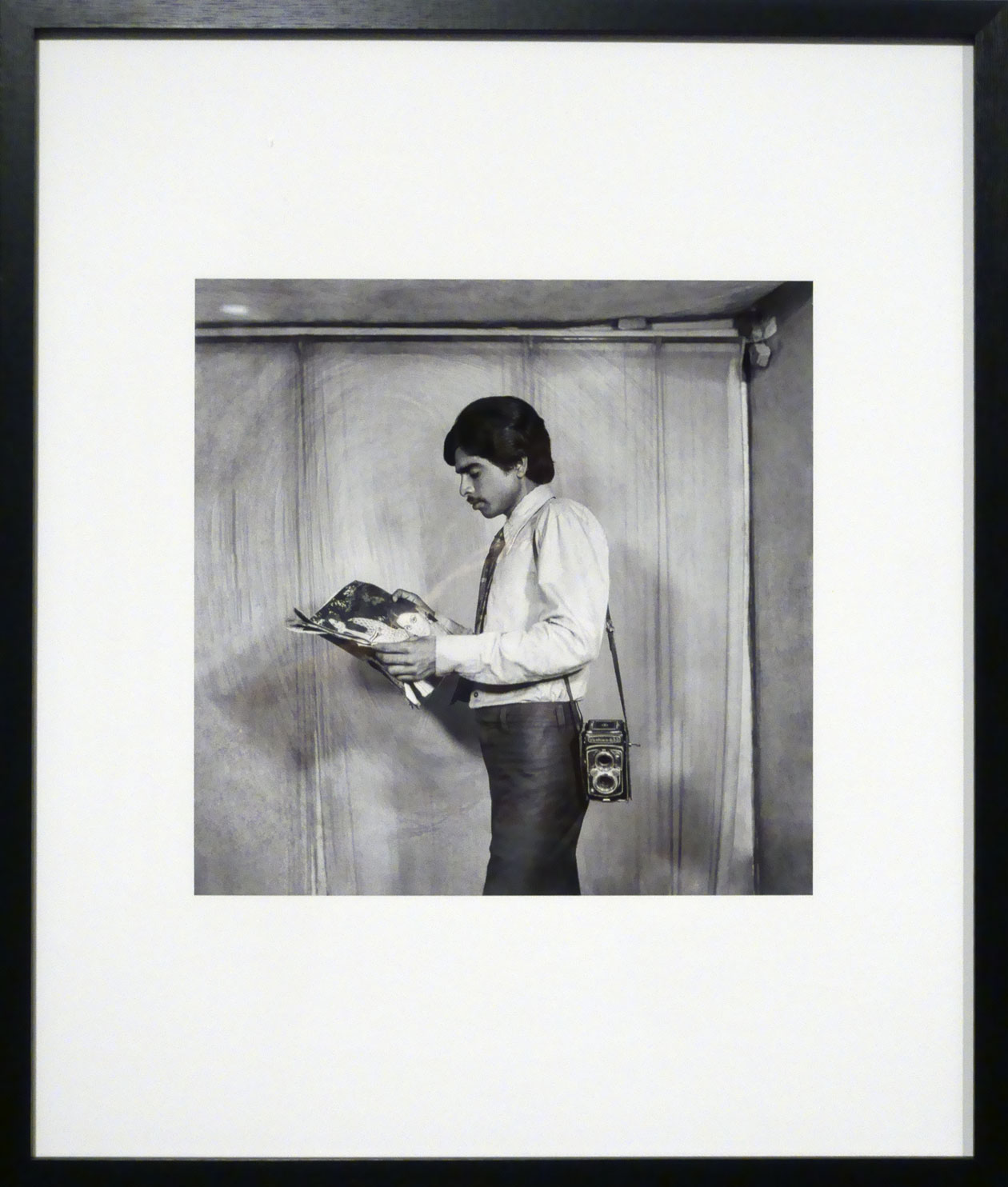
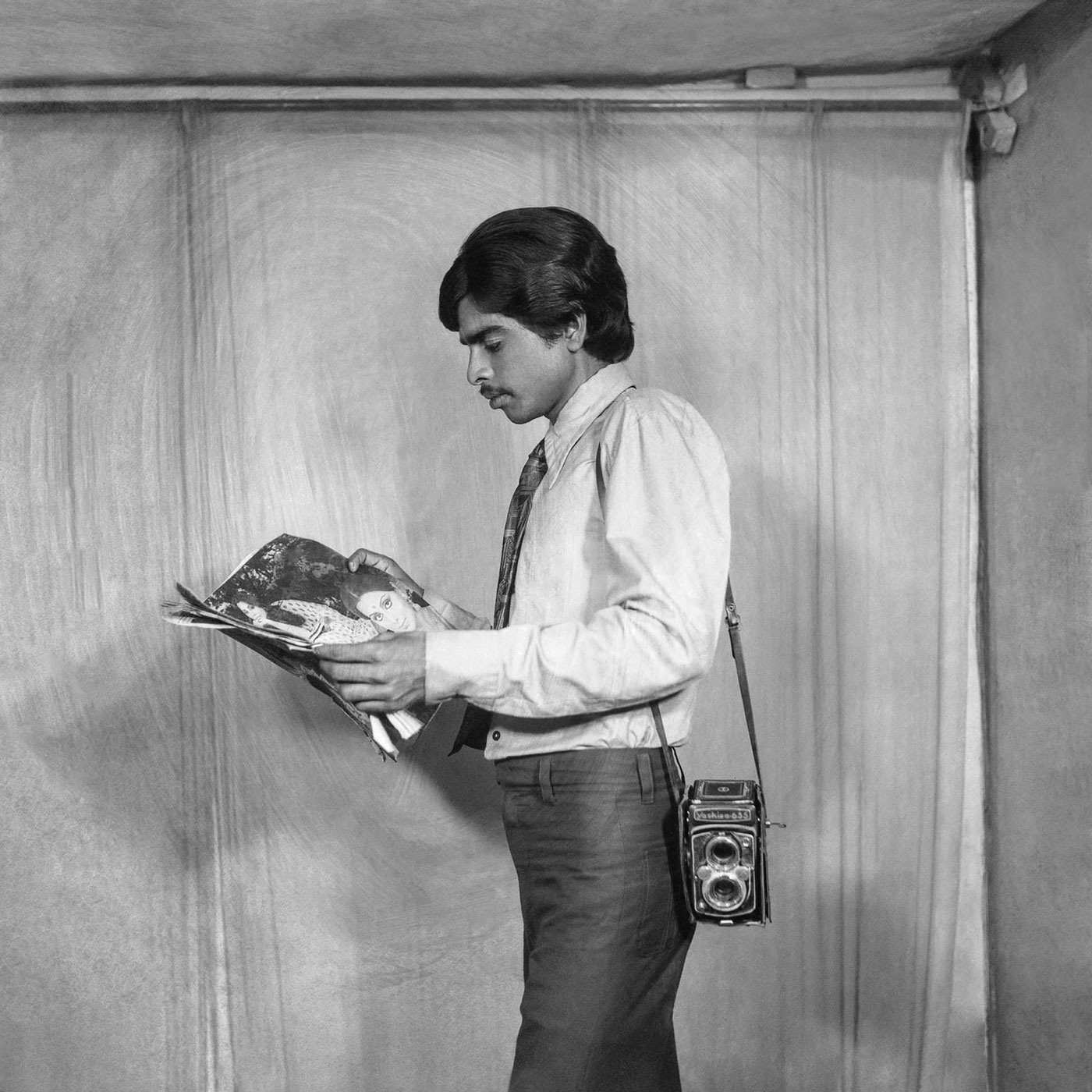

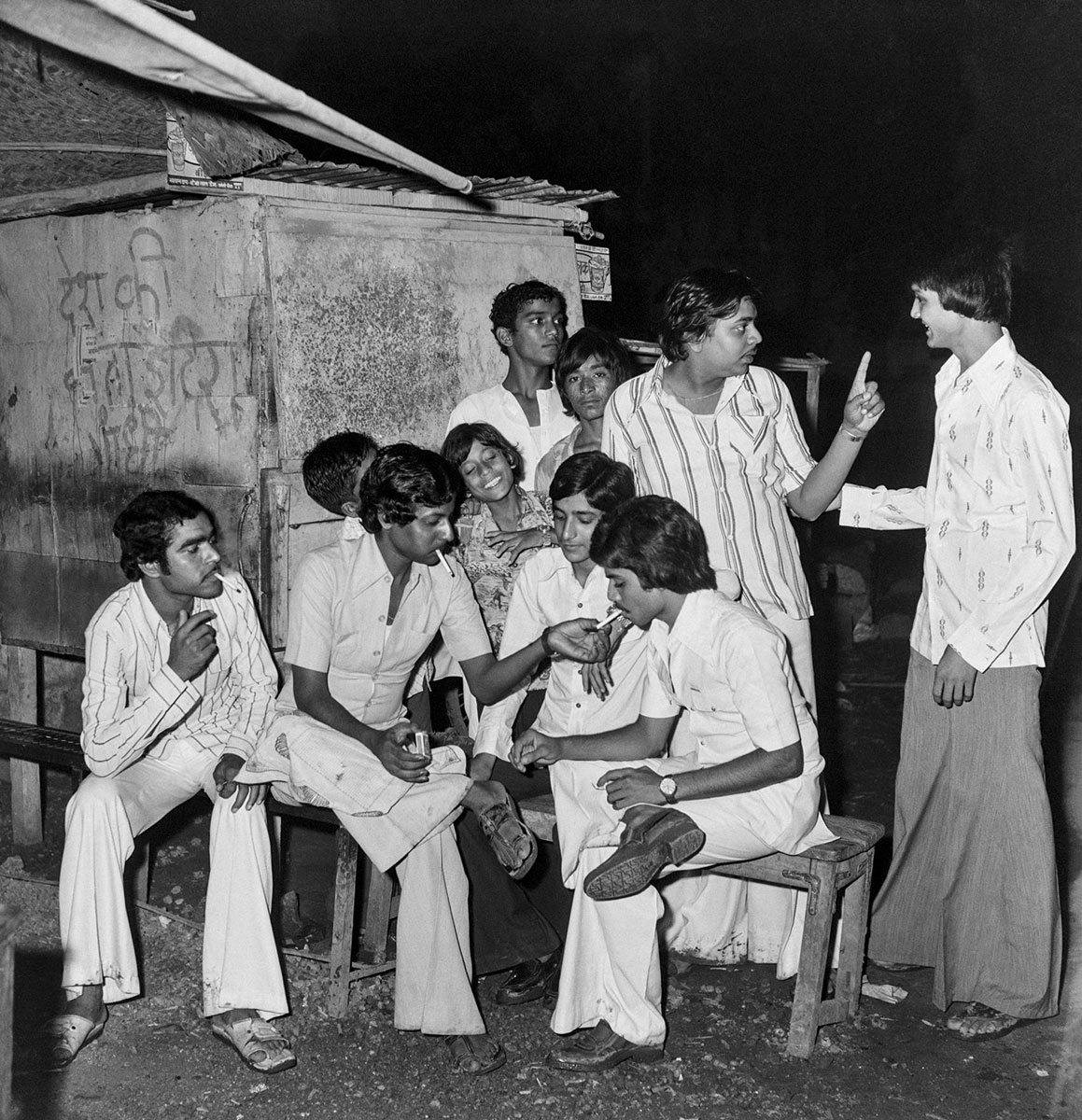
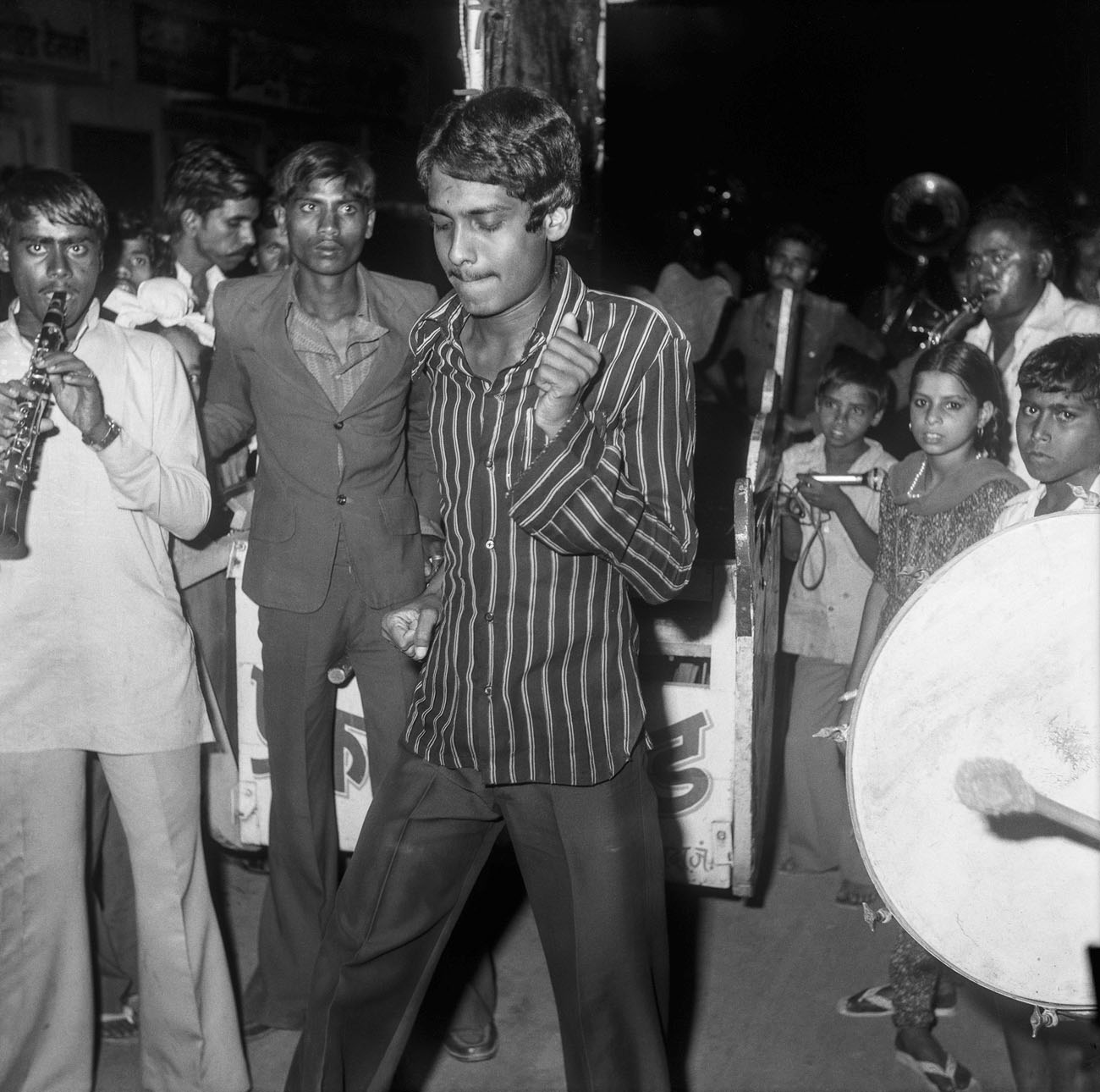

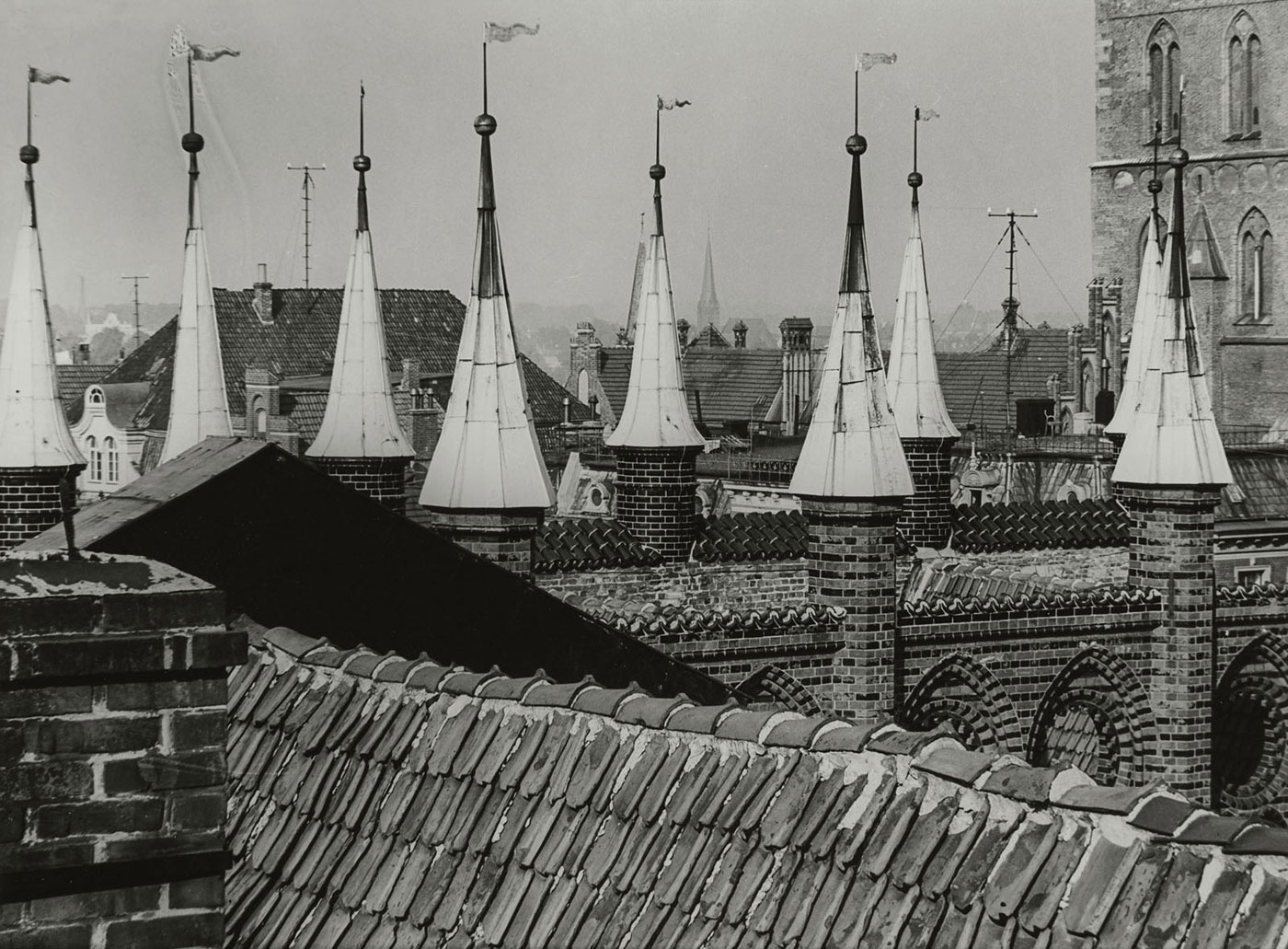


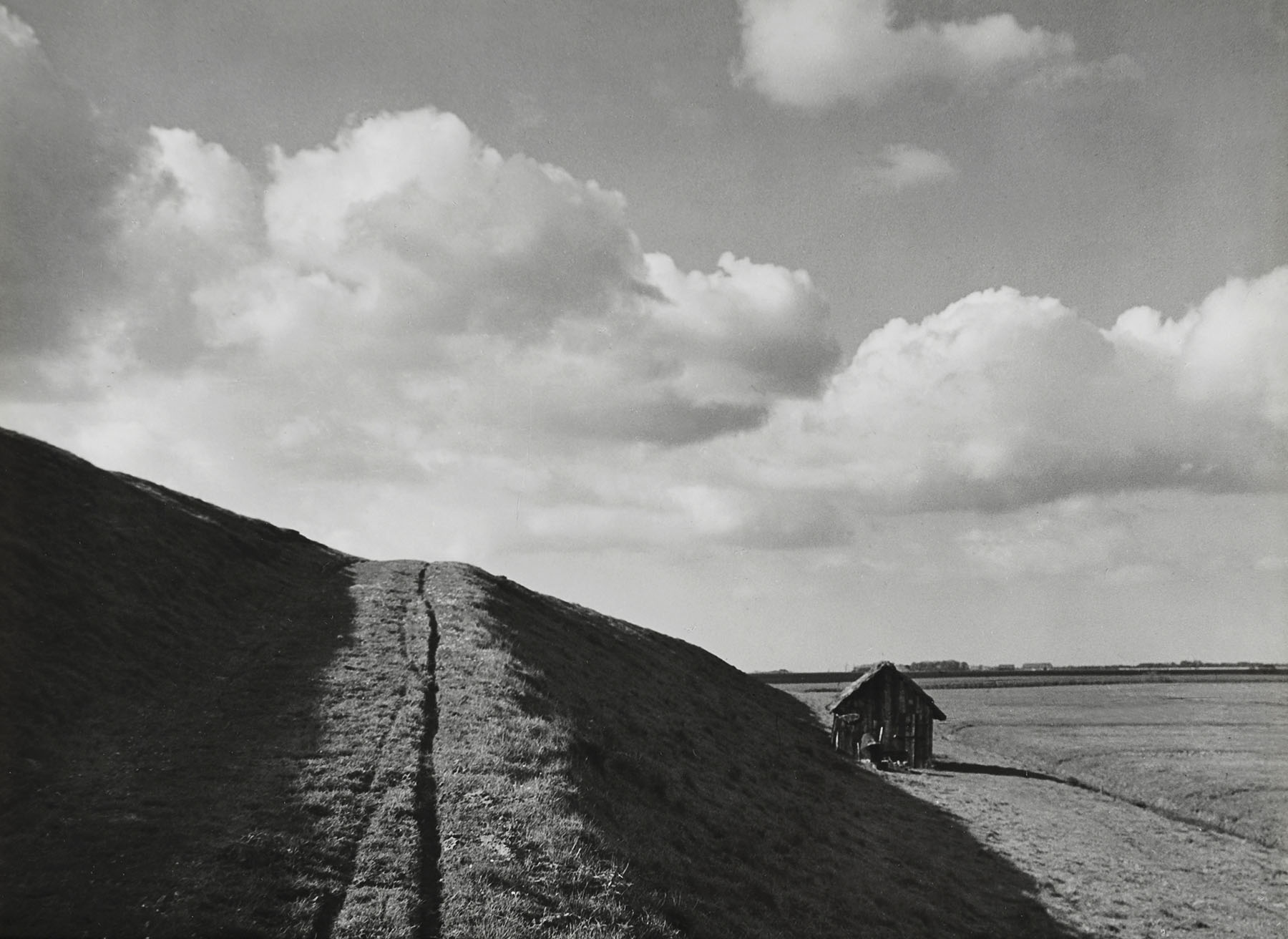

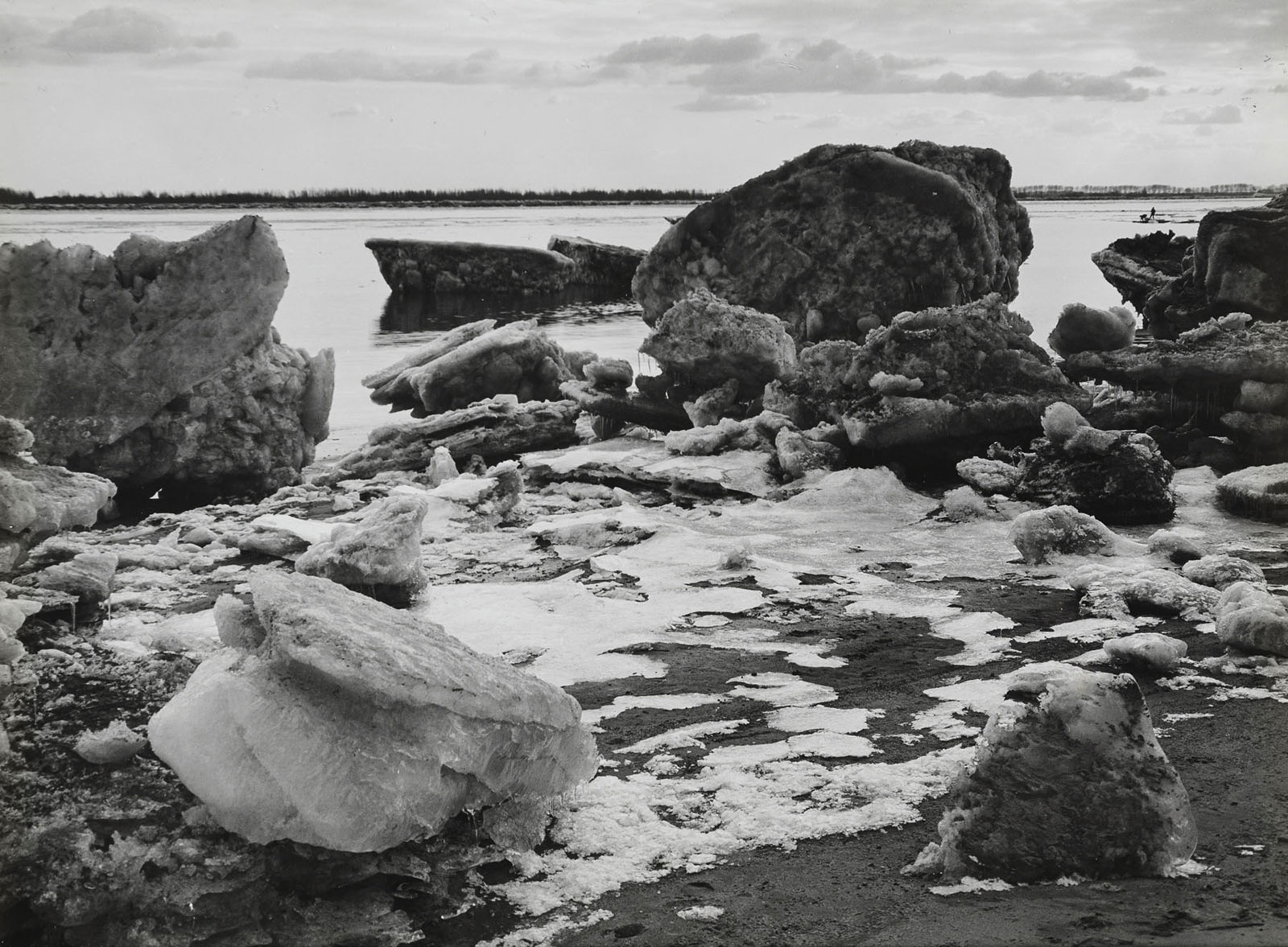
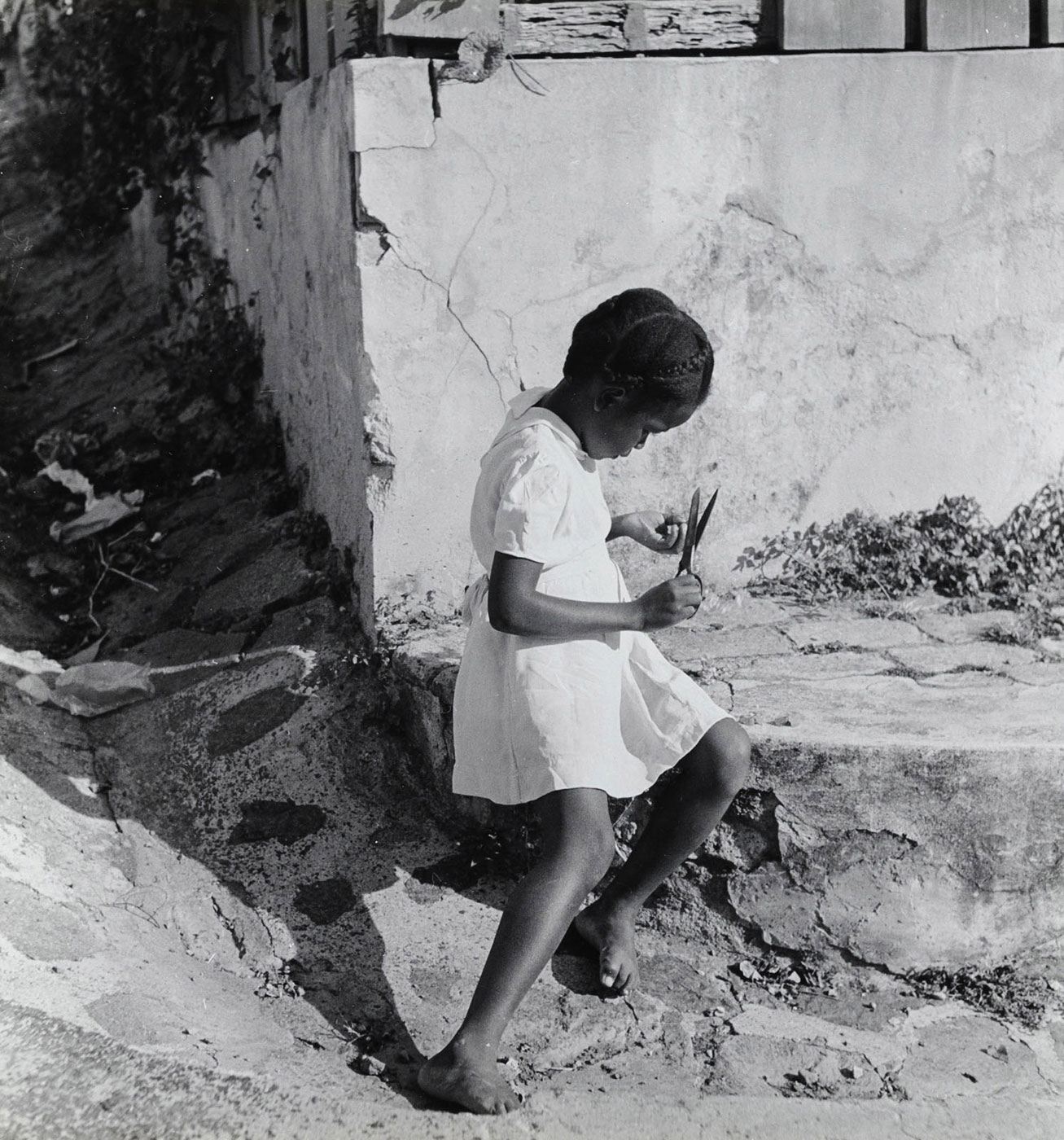


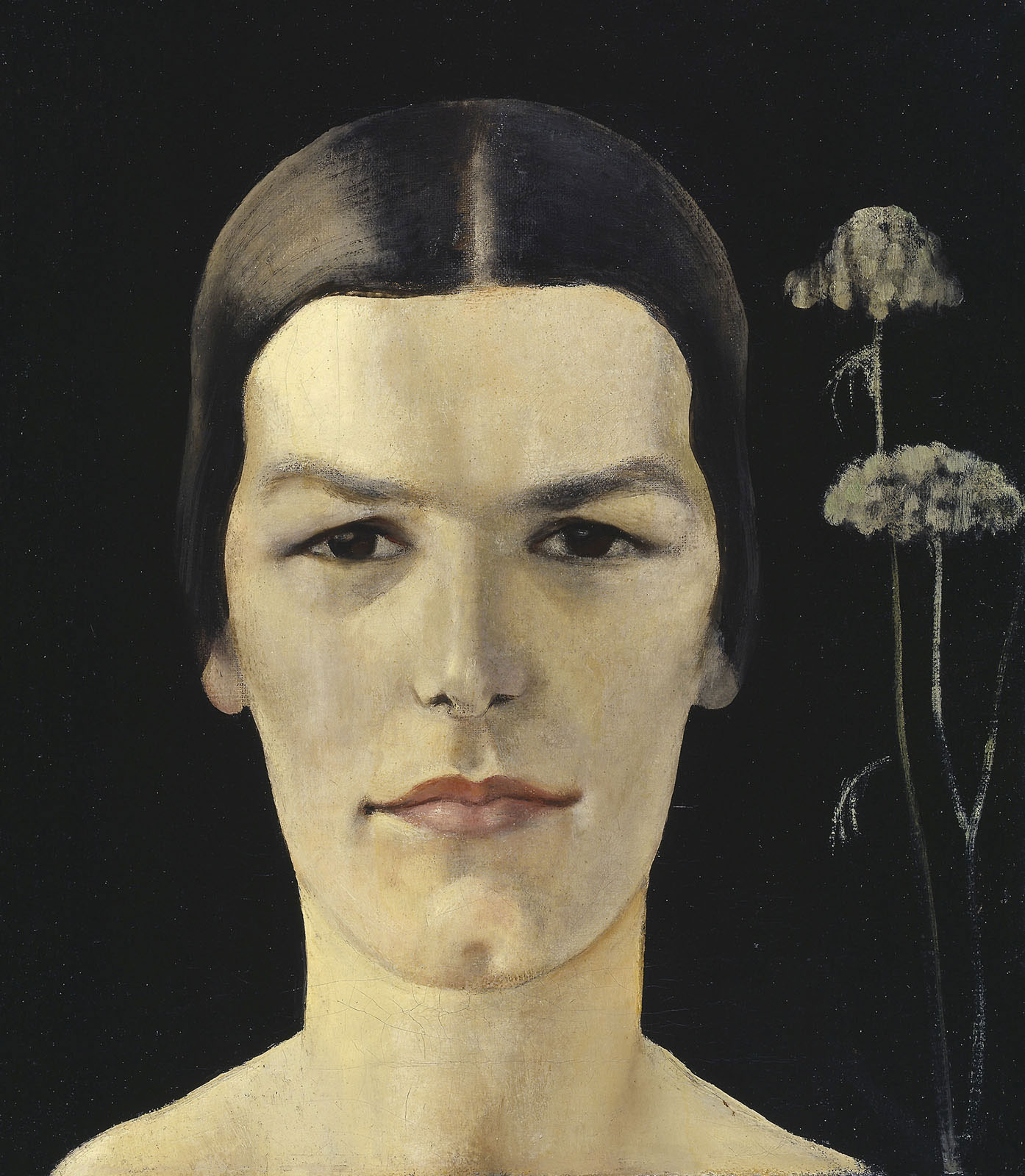




 Art Blart _ art and cultural memory archive
You must be logged in to post a comment.