Many thankx to the Martin-Gropius-Bau, Berlin for allowing me to publish the photographs in the posting. Please click on the photographs for a larger version of the image.
As an actress Margarita Broich is one of the big names, but it may come as a surprise to many that she is also a photographer. For the first time the Martin-Gropius-Bau is showing an exhibition of her work consisting of over 60 portraits of her fellow artists, including Ben Becker, Kate Winslet, Veronika Ferres, Klaus Maria Brandauer, Christoph Schlingensief, Thomas Quasthoff and many more. Margarita Broich has captured those fleeting moments when the actor sheds the role in the intervals or a few minutes after the end of a performance. The role can still be discerned on the features of the players when they are still surrounded by the world of scenery and mirrors but not acting any more. They have been sought out in changing rooms, theatre foyers, or with the make-up artist, taking off their make-up while still surrounded by the tools of their transformation.
Broich portrays the artists with the instinct of a colleague. Her photographs capture famous artists from her circle of acquaintances at those moments when they are returning from the stage after playing their role. However matter-of-fact the situation of the subject may occasionally appear, each photograph has its own charm. The beholder is granted glimpses of scenes that must be among the most intimate in show business: whether they show Martin Wuttke with a blonde, Andy Warhol mane and his poodle, Taxi, smoking a cigarette after a performance of “Gretchens Faust”, or Klaus Maria Brandauer at the end of a 10-hour Wallenstein epic, sitting on a stool with a bottle of beer, the snapshots are full of tension.
Born in Neuwied in 1960, Margarita Broich initially studied photo design in Dortmund and worked as a theatrical photographer at the Bochum Schauspielhaus (Theatre) under Claus Peymann, before studying dramatic art herself at Berlin’s College of Arts. Since then she has appeared in numerous German-language stage performances and television dramas, working with such directors as Claus Peymann, Robert Wilson and, earlier, with Christoph Schlingensief.
Text from the Martin-Gropius-Bau website [Online] Cited 26/05/2011 no longer available online
Many thankx to the Fotomuseum Winterthur, Zurich for allowing me to publish the photographs in the posting. Please click on the photographs for a larger version of the image.
André Kertész (Hungarian, 1894-1985) Fork 1928 Gelatin silver print
André Kertész (Hungarian, 1894-1985) Elizabeth and I 1933, printed in the 1960s Gelatin silver print 25.3 x 17.5cm Collection of Sarah Morthland, New York
André Kertész (Hungarian, 1894-1985) Distortion No. 200 1933, printed c. 1938/1939 Gelatin silver print 34.4 x 25.7cm Courtesy of Klever Holdings
André Kertész is possibly the most photographic of all photographers: he sought out the play of light and shadow; he liked the concentration and overlapping of forms, of moments; and in the everyday, in banality, he recognised poetry, beauty, and even, for all his innate modesty, the “sublime.” Kertész is a photographic poet and seer, for whom it was long difficult to break into the market precisely because of his rich, chiseled iconography.
André Kertész (Budapest 1894 – 1985 New York) supported Brassaï, inspired Henri Cartier-Bresson, is considered one of the founders of photojournalism, and introduced stylistic elements into photography that can still be found in works by contemporary photographers. At heart, he was a photographer and artist in equal measure, poetic, probing, vital, independent in thought and actions. In a word, he was a master of photography, whose long period of production was very influential. Nevertheless, it took a remarkably long time for his special abilities, his poetic experimental version of photography, to find recognition in the history of photography. The three locations where he lived (Budapest, Paris, New York), his freedom, his form of “contemplative photography,” as Roland Barthes characterised it, made quick reception and categorisation of his work impossible. Today, more than twenty-five years after his death, he is recognised and considered to be a central photographer of the twentieth century who crucially enriched the language of photography.
With around 250 photographs and countless magazine contributions, the retrospective at Fotomuseum Winterthur on view until May 15, 2011, allows a comprehensive view of his work. The chronological order and the major themes show what it is that makes up his photographic practice: his unique methods (in photographic postcards, in distortions), his editorial engagement (for example, in the volume Paris vu par Kertész, 1934), his passion for experimentation (with light and shadow), and the evocation of emotions, above all of melancholy and loneliness. Periods that have remained neglected or unexplored until today (his life as a soldier from 1914-1918, for example) are reassessed, and juxtaposed with the development of photojournalism in Paris and the distribution of his pictures in the media, with which he earned his living.
André Kertész liked to characterise himself as an “eternal amateur.” But what a virtuosic “amateur” he was; what virtuosic visual language he employed his entire life to capture the poetry of the everyday! His photographic production was closely connected to his life and psyche. Even when he seemed to be documenting something, he let himself be guided almost exclusively by feeling, by instinct, from his soul. This resulted in a body of work that he liked to compare to a “visual journal”, and about which he said, “I have never just ‘made photos’. I express myself photographically.”
Text from the Fotomuseum Winterthur website
André Kertész (Hungarian, 1894-1985) Satiric Dancer 1926 Gelatin silver print
André Kertész (Hungarian, 1894-1985) Self-Portrait Paris, 1927, printed in the 1970s Gelatin silver print 25.4 x 20.3cm Courtesy of Estate of André Kertész, New York
André Kertész (Hungarian, 1894-1985) Arm and Ventilator 1937, printed in the 1940s-1950s Gelatin silver print 30.5 x 26.7cm Collection of Eric Cepotis and David Williams
André Kertész (Hungarian, 1894-1985) Washington Square New York, January 9, 1954 Vintage gelatin silver print 12.7 x 9.2cm Collection of Leslie, Judith and Gabrielle Schreyer
André Kertész (Hungarian, 1894-1985) July 3, 1979 1979 Polaroid SX-70 original 7.9 x 7.9cm Courtesy of Stephen Bulger Gallery
In the history of group photography Nixon’s ongoing series of family portraits The Brown Sisters (1975- ) is the best in the world. Beautifully structured and composed the photographs are nuanced and sensitive to the people portrayed and the passage of time. The subjects project and recede within the image frame, exposing vulnerability, intimacy and strength. Simply breathtaking!
Dr Marcus Bunyan
Many thankx to Amelia Kantrovitz for her help and to the Museum of Fine Arts, Boston for allowing me to publish the photographs in the posting. Please click on the photographs for a larger version of the image.
Themes such as the passage of time and the enduring nature of close family relationships are brought into focus in the exhibition Nicholas Nixon: Family Album at the Museum of Fine Arts, Boston (MFA). The show, on view from July 28, 2010, through May 1, 2011, in the MFA’s Herb Ritts Gallery, features more than 70 black and white portrait photographs by Nicholas Nixon, one of the most celebrated American photographers of this generation. Among them are pictures of Nixon’s wife, Beverly (Bebe) Brown Nixon, and their two children, Clementine and Sam. Nicholas Nixon also includes The Brown Sisters, the ongoing annual series of portraits of Bebe and her sisters taken each summer for the past 35 years. Nixon will take another photograph of the sisters this summer, which will be hung in the gallery during the course of the exhibition.
The promised gift to the MFA of The Brown Sisters series is the impetus for Nicholas Nixon. The group of photographs has been lent to the Museum for the exhibition from the collection of James Krebs, a Distinguished Benefactor of the MFA, and his late wife, Margie. Also included are works by Nixon purchased by the Museum, and a number that were given and lent to the MFA by the artist. Nicholas Nixon is presented with support from the Shelly and Michael Kassen Fund.
“Nicholas Nixon rose to prominence in the mid 1970s for his large-format black-and-white views of Boston and New York. Since then, he has turned almost exclusively to portraiture, and has produced many celebrated series of pictures – of the elderly, people with AIDS, and couples – but his portrayals of his family are particularly evocative and beloved. Nick has been a friend of the MFA for a long time and has generously given the Museum many of his photographs,” said Malcolm Rogers, Ann and Graham Gund Director of the MFA.
Nicholas Nixon’s photographs of family are both personal in nature and have a universality with which observers can connect. These pictures, a number of which have never been publicly displayed, celebrate the bonds of close family relationships, especially as they grow over time. Included in the exhibition is the luminous image that Nixon took of his wife in the bathtub, Bebe, Cambridge (MFA, Boston, 1980). The beautiful glowing light on her face suggests her interior state, as well as the depth of their long relationship. There are also many photographs in the show that highlight the richness and warmth of daily life with children. In an image from 1985, a cropped view of Bebe pictures her gazing downward, as Clementine’s fist emerges from the bottom of the frame, evoking the power of a new life. A close-up of Clementine’s face made the following year, with her wide eyes gazing upward, captures the toddler’s impression of wonder. The latest photograph of Clementine in the exhibition dates to 2003 and depicts her as a young woman, embracing her mother. Images of Nixon’s son, Sam, are also included, showing him in different stages over the years and in portraits with his sister.
The most recognised images in the exhibition are those that Nixon has taken of the Brown sisters each summer since 1975. The four women – Heather, Mimi, Bebe, and Laurie – always appear in the same order in the portraits, from left to right. These compelling photographs reveal the evolving nature of the sisters’ relationship over time. The serial portraits begin with The Brown Sisters, 1975 (James and Margie Krebs Collection, 1975), which captures them as young women, ranging in age from 15 to 25. With each passing year, observers can note changes in appearance, stance, and demeanour. In several of the portraits, the presence of the photographer is suggested through the shadow of himself and his camera projected across the figures, which makes reference to his role in the family dynamic. The series unfolds in a grid display on the central wall of the Ritts Gallery.
“In his serial pictures of family, Nicholas Nixon explores a classic conundrum in photography: how to suggest the passage of time by means of an instrument that records the instantaneous image. His effort is related to that of several predecessors – Alfred Stieglitz, Edward Weston, Harry Callahan, to name the most important – who, like him, used their wives as subject matter, photographing them over a period of years. What Nixon has added to the discussion – beyond recording facets of appearance, personality, or emphasising formal concerns – is his emphasis on the meaning of family,” said Anne Havinga, the MFA’s Estrellita and Yousuf Karsh Senior Curator of Photographs, who curated the show with Emily Voelker, the MFA’s Estrellita and Yousuf Karsh Assistant Curator of Photographs.
Born in Detroit in 1947, Nixon graduated from the University of Michigan in 1969 with a bachelor’s degree in English, and from the University of New Mexico in 1974 with a Masters of Fine Arts degree. Later that year, he moved to Boston, where he teaches at the Massachusetts College of Art and Design. Nixon is known for his documentary photography, especially city views and portraits rooted in the snapshot tradition. He works primarily in black and white, creating gelatin silver prints with a 8 x 10-inch view camera as did many of the great photographers who influenced him, including Alfred Stieglitz, Edward Weston, and Walker Evans. Working in large format and making contact prints enables him to create images of crisp detail and subtle tone. In recent years, Nixon has also begun to experiment with colour, although the photographs in the exhibition are all black-and-white, for which he is best known. He is the recipient of three National Endowment for the Arts Fellowships and two Guggenheim Fellowships, and, in addition to the MFA, his work is included in numerous museum collections, among them, the Metropolitan Museum of Art and the Los Angeles County Museum of Art.
Press release from the Museum of Fine Arts, Boston website [Online] Cited 26/04/2011 no longer available online
Nicholas Nixon (American, b. 1947) The Brown Sisters 1976 Gelatin silver print Promised gift of James and Margie Krebs Courtesy, Museum of Fine Arts, Boston
Nicholas Nixon (American, b. 1947) The Brown Sisters 1978 Gelatin silver print Promised gift of James and Margie Krebs Courtesy, Museum of Fine Arts, Boston
Nicholas Nixon (American, b. 1947) The Brown Sisters 1980 Gelatin silver print Promised gift of James and Margie Krebs Courtesy, Museum of Fine Arts, Boston
Nicholas Nixon (American, b. 1947) The Brown Sisters 1996 Gelatin silver print Promised gift of James and Margie Krebs Courtesy, Museum of Fine Arts, Boston
Nicholas Nixon (American, b. 1947) The Brown Sisters 1999 Gelatin silver print Promised gift of James and Margie Krebs Courtesy, Museum of Fine Arts, Boston
Museum of Fine Arts, Boston Avenue of the Arts 465 Huntington Avenue Avenue of the Arts Boston, Massachusetts 02115-5523 617-267-9300
Opening hours: Thursday and Friday 10am – 10pm Saturday – Monday 10am – 5pm Closed Tuesday and Wednesday
Exhibition dates: 1st October 2010 – 23rd January, 2011
Many thankx to the Centro di Cultura Contemporanea Strozzina for allowing me to publish the photographs in the posting. All text comes from the Centro di Cultura Contemporanea Strozzina website. Please click on the photographs for a larger version of the image.
Installation view of the exhibition Portraits and Power: People, Politics and Structures at Centro di Cultura Contemporanea Strozzina – Fondazione Palazzo Strozzi, Florence with the work of Rineke Dijkstra at right
Portraits and Power explores portraiture and the representation of political, economical and social power in the contemporary world through the works of contemporary artists. Portraits of famous political figures, investigations into the lifestyle of the social elite, as well as inquiries into the power structures of international institutions.
The exhibition explores its theme from three main standpoints: it analyses power as an expression of the charisma of those individuals who have become icons or symbols of their age; it probes the power of institutions and social models that either represent themselves or are represented in a critical light; and it investigates the hidden mechanisms of powerful authorities.
Portraits and Power is a project of the CCC Strozzina, with the consultancy of Peter Funnell (National Portrait Gallery, London), Walter Guadagnini (“UniCredit & Art” project) and Roberta Valtorta (Museum of Contemporary Photography, Cinisello Balsamo) coordinated by Franziska Nori (CCCS, Firenze).
Text from the Centro di Cultura Contemporanea Strozzina website [Online] Cited 02/02/2020
Tina Barney (American, b. 1945) The Ancestor 2001 C-print Courtesy the artist and Janet Borden Inc., New York
Tina Barney (American, b. 1945) The Brocade Walls 2004 C-print Courtesy the artist and Janet Borden Inc., New York
Installation view of the exhibition Portraits and Power: People, Politics and Structures at Centro di Cultura Contemporanea Strozzina – Fondazione Palazzo Strozzi, Florence showing the work of Tina Barney
The characters Tina Barney portrays are the representatives of a social class that normally exercises careful control over the circulation of pictures of its members, whether in the form of family photographs or official portraits, which are often published on the pages of glossy magazines. She is one of the first photographers to have made artistic use of this kind of representation. Hers is not merely the gaze of an onlooker, but that of a trusted person, who has personal relationships with her subjects. What she is interested in is not so much the idea of displaying the wealth of these families, but that of analysing social and family dynamics – such as the ambivalent relationship between children and parents. Her work is conceived as a means to improve self-understanding.
The people portrayed all come from families educated in the awareness of their own social role: discipline, self-control and rigour are features to be observed in all the subjects photographed, and they share the same high level of composure. For the series entitled The Europeans, which was produced over a period of about eight years, the author was introduced by one circle of friends to another, and thus given the opportunity to portray Italian nobles, Austrian bankers and landowners, proud representatives of the wealthy Spanish bourgeoisie, and English gentlemen in their sophisticated dwellings. Neither the formal way of dressing nor the furnishings can be traced back to any particular fashion: Tina Barney seeks to produce timeless pictures that at first sight will appear closer to traditional painting than to contemporary photography. Tina Barney creates her portraits through a careful observation of people in their everyday lives; to capture transient moments she asks her subjects to repeat something in front of the camera in such a way as to fix them. Her work tool is a fixed, large-size camera; an extended time exposure and high resolution enable her to render the details of each setting in detail. The figures portrayed have a rigid and formal countenance, which makes them appear markedly detached from one another, even though it is often brothers and sisters or parents and children who are photographed together: “this is the best that we can do. This inability to show physical affection is in our heritage”.
Tina Barney’s photographs give a sense of the fleetingness of their relationships behind the mask of self-controlled bearing. The artist thus unveils the game of social roles and attitudes conducted by her subjects, a veritable Theater of Manners (to quote the title of one of her most famous series) which demands enough sensitivity on the viewers’ part for them to focus on those details in the pictures that render hidden and non-immediately obvious features visible.
Since the mid-1970s, Tina Barney has been focusing her work on the portrayal of the privileged exponents of New York and New England high society, seen either in their own homes or on certain special occasions. The style of the pictures ranges from that of tableaux vivant to that of genre paintings, drawing expressive force from the interaction between wealthy settings and the people who move about in them.
Tina Barney (American, b. 1945) The Granddaughter 2004 C-print Courtesy the artist and Janet Borden Inc., New York
Installation view of the exhibition Portraits and Power: People, Politics and Structures at Centro di Cultura Contemporanea Strozzina – Fondazione Palazzo Strozzi, Florence showing the work of Jim Dow
Jim Dow (American, b. 1942) Library Metropolitan Club, New York 1999 / 2010 Chromogenic colour print Courtesy the artist, Janet Borden, Inc., New York
Jim Dow (American, b. 1942) Dining Room, Morgan Library, New York 1999 / 2010 Chromogenic colour print Courtesy the artist, Janet Borden, Inc., New York
By taking shots that are as objective as possible and completely devoid of any human presence, Dow gives a concentrated and authentic view of the architecture, furnishings and frameworks of these backdrops of life. “My interest in photography centres on its capacity for exact description. I use photography to try to record the manifestations of human ingenuity and spirit still remaining in our country’s everyday landscape.” For one of his most recent series, Dow has been able to make his way into some of the most exclusive private circles of New York City. He selected circles that are still active and have a long and significant history behind, such as the renowned Metropolitan Club, which was founded in 1891 by John Pierpont Morgan, and once listed James Roosevelt and William K. Vanderbilt among its most illustrious members. Most of these circles require strict adherence to rules consolidated by tradition. Only those introduced to the club by one of its members can join it, a practice that contributes to keep it a kind of network; a specific commission will then consider whether the candidate is fit for acceptance. Though there are over twenty circles of this kind in New York, outsiders will rarely notice their presence. While they no longer exercise the kind of political influence they used to as seats of power and decision making bodies, these clubs are now undergoing a new renaissance. An increasing number of politicians and businessmen are choosing to meet in their secluded rooms, which public opinion often perceives as places of intrigue and the setting for secret appointments of various kinds. With his descriptive and comparative photographs, Dow is giving a face to these exclusive meeting places, inviting viewers to join him in admiring the timeless opulence of their rooms. Architecture is the “primary and most powerful form of mass-communication”; at the same time, it is a mirror for power and its strategies, for the consolidation of authority and its effects on those who exercise it. “Architecture is power. The powerful build precisely because they are powerful. Yet architecture is also an expression of the capability and resoluteness – as well as resolve – of the powerful. Politicians intentionally exploit architecture to seduce, impress, and intimidate.” (Deyan Sudjic, The Edifice Complex: How the Rich and Powerful Shape the World, 2006).
American photographer Jim Dow approaches places as meeting points bearing visible traces of people’s mutual interactions. In different photographic series, the artist has portrayed American barbecue joints, pie and mash shops in London, tango halls in Buenos Aires, the workplaces of farmers, tinsmiths and iron-smiths, and baseball stadiums from one coast of the US to the other.
Clegg & Guttmann (Michael Clegg and Martin Guttmann) Grand Master 1985 Cibachrome Courtesy Galerie Christian Nagel, Cologne, Berlin, Antwerp
For Grand Master, part of a photographic series produced in the 1980s, Clegg & Guttmann asked an actor to display certain poses characteristic of power, presenting him as the representative of a non-specified institution. The background of the image consists in a fictional architectural scenario – one simply simulated by using photographed space – the artificial nature of which is revealed by certain incongruities in the lighting effects. What is central here, once more, is the reflection offered on the controlled and never spontaneous construction of an image of power.
The tension conveyed by Clegg & Guttmann’s works springs from the subtle gap characterising the artists’ relationship with tradition. Their classical and apparently affirmative representations of people with power should be interpreted, within the context of their career spanning several decades, as different ways of visualising an analytical and deconstructive practice engaging with the mechanisms of authority.
Installation view of the exhibition Portraits and Power: People, Politics and Structures at Centro di Cultura Contemporanea Strozzina – Fondazione Palazzo Strozzi, Florence showing the work of Clegg & Guttmann
The CCCS – Centro di Cultura Contemporanea Strozzina – Fondazione Palazzo Strozzi, Florence, will be staging an exhibition entitled Portraits and Power: People, Politics and Structures, from 1 October 2010 to 23 January 2011, which will run concurrently with the retrospective devoted to Bronzino, the undisputed master of the Mannerist portrait, on Palazzo Strozzi’s piano nobile.
The exhibition, based on an original project by the CCCS in consultation with Peter Funnell (curator and director of research programmes at the National Portrait Gallery in London), Walter Guadagnini (chairman of the “UniCredit & Art” project’s scientific committee) and Roberta Valtorta (director of the Cinisello Balsamo Museum of Contemporary Photography) and coordinated by Franziska Nori (director of the CCCS), will show the work of international artists and collectives such as Tina Barney, Christoph Brech, Bureau d’études, Fabio Cifariello Ciardi, Clegg & Guttmann, Nick Danziger, Rineke Dijkstra, Jim Dow, Francesco Jodice, Annie Leibovitz, Helmut Newton, Trevor Paglen, Martin Parr, Wang Qingsong, Daniela Rossell, Jules Spinatsch, Hiroshi Sugimoto, and The Yes Men – who have all proved capable of developing a critical analysis of the portrayal and depiction of political, economic and social power in the media.
The exhibition explores its theme from two main standpoints: it analyses power as an expression of the charisma of those individuals who have become icons or symbols of their age; and it probes the power of institutions and social models that either represent themselves or are represented in a critical light.
The role played by images has grown to such an extent that it has led to the predominant emergence of their value not only in terms of portrayal but also of the successful establishment of power. The works of art on display bear witness not only to the self-referential strategies of power, but also to the different approaches artists adopt in deconstructing or chipping away at the images that represent social, economic and political power in a way that can not only bolster a leadership but that can also undermine its authority.
The National Portrait Gallery in London will be contributing works by three famous international photographers that explore the image of political authority. The series devoted to Queen Elizabeth II by Annie Leibovitz evinces a celebrated contemporary artist’s dialogue with the great tradition of official portraiture, and the cycle entitled Blair at War by Nick Danziger gives an extraordinary vision of Tony Blair’s daily life in the days immediately preceding the outbreak of the war in Iraq. The portrait of Margaret Thatcher by Helmut Newton keeps alive the iconic role of one of the most influential politicians of recent decades despite the fact that her authority had waned.
Clegg & Guttmann show the photographs of three managing directors of the Deutsche Bank. These images, while based on the official portraiture genre, provide the opportunity for a conceptual reflection on the theme of the public presentation of individuals who are at the same time both subject and patron of the work. Christoph Brech portrays a modern patron of the arts in a video that dwells on a detail of the hull of his yacht, Sea Force One, a floating museum filmed from a distance in Venetian waters.
The role of the image not only as representation but also as a tool for the construction or exploration of power is analysed by artists such as Hiroshi Sugimoto, whose Portraits bring to life wax effigies of historical or contemporary political figures through the evocative power of photography, and Rineke Dijkstra whose series of images of a soldier with the French Foreign Legion prompts a reflection on what remains of the individual when he becomes the representative of a military authority. Francesco Jodice, in his video entitled Dubai Citytellers, analyses the development and the social impact of one of the new centres of global economic power.
In the photo triptych Past, Present and Future, Wang Qingsong portrays himself as a bystander, bearing witness to fighters in poses mimicking celebrative and monumental Socialist sculptures, reflecting upon the contradictory nature of the actual power of masses in contemporary China.
Tina Barney records the life and domestic environment of the beau monde, combining the spontaneous feel of a private snapshot with a sophisticated aesthetic approach strongly echoing the world of art and traditional photography. The provocative photo series Ricas y Famosas by Daniela Rossell portrays the taste and excesses of the new super wealthy social oligarchy in Mexico, while Martin Parr’s series entitled Luxury, which is devoted to fashion shows, horse-racing and art fairs in the world’s major capitals, probes the lifestyle of the upper class in a globalised Western world. The pictures of Jim Dow portray the luxurious rooms of the great private social clubs of New York City’s elite, fashionable places that are inaccessible to the general public.
A different critical approach to the theme of power is offered by the French collective Bureau d’études with its project involving mapping the links between political and economic power. The CIA’s secret missions and operations, on the other hand, provide the focus for the work of Trevor Paglen who reconstructs top secret movements and connections. Jules Spinatsch presents a new work taken from his Temporary Discomfort video-photographic series, denouncing the controversial transformation of a place such as the island of La Maddalena in Sardinia into the venue for the G8 summit that never took place. Also on view is the antagonistic activism of The Yes Men, a collective who will be presenting their spectacular media initiative that rocked the image and power of the multinational corporation responsible for the Bhopal environmental catastrophe in India.
Finally, the composer Fabio Cifariello Ciardi uses famous politicians’ public speeches as his raw material for the creation of electroacoustic music that will underline their rhetorical techniques of persuasion.
The exhibition catalogue, published in Italian and English, contains a series of essays by authors from different countries, backgrounds and disciplines, offering the visitor a chance to explore in greater depth the themes addressed by the exhibition.
Press release from the Strozzina website [Online] Cited 02/02/2020
Rineke Dijkstra (Dutch, b. 1959) Olivier Quartier Vienot, Marseille, France, July 21, 2000 On loan from The Bank of America Merrill Lynch Collection
Rineke Dijkstra (Dutch, b. 1959) Olivier Quartier Monclar, Djibouti, July 13, 2003 On loan from The Bank of America Merrill Lynch Collection
A crucial feature of Dijkstra’s photography is her desire to show the true personality of her subjects, as opposed to any simulated one. Up against the contemporary mystifying quality of the Internet and digital manipulation, her images illustrate in a very convincing way how photography is still capable of transcending the surface of subjects to grasp their deeper and constantly evolving identities. Her series feature, for instance, young bullfighters immediately after a bullfight, young mothers with babies born only a few minutes before, and portraits of boys and girls from various parts of the world at the beach. Her work method, whereby subjects are given very few directions and are usually portrayed frontally, leads to the creation of bare and detached pictures in which people display an inevitably fragile and vulnerable air. The Olivier Silva project, which the artist has developed over the course of more than three years, centres on the figure of a young man who in July 2000 voluntarily enrolled in the French Foreign Legion. Dijkstra portrays crucial moments of his intense training in France and Africa – from the day of his enrolment, in Aubagne, near Marseille, to the missions he was sent to fulfil in various parts of the world (Gabon, Ivory Coast and Gibuti) in 2003. The photographs clearly illustrate the metamorphoses the young man underwent over the course of the years: the innocent looking boy becomes an energetic and professional elite soldier enlisted in one of the world’s toughest and most controversial army corps. The centrepiece of the work is the artist’s interest in Olivier as an individual whose personality evolves in the course of his training, as is clearly revealed by his attitude and the look in his eyes, as well as by the very way in which his facial features change. The training imparted in military units of this kind is aimed at annulling the recruit’s personality in order to then recreate it according to new parameters: the youngster draws closer and closer to the prototype of the soldier as we progress from one photograph to the next. Just as all new recruits of the Foreign Legion are assigned a new name and identity, after three years Olivier no longer looks (even physically) like the same person as before. Like an accelerated film sequence, this series shows the dissolution of the original identity of a man subjected to the conditions dictated by an apparatus of power. Every soldier is at the service of the country he fights for and becomes one of its official public representations, embodying its military power. The same power he now wields is that which in a few years has conditioned him – or even produced him, one may say. Through her aesthetically minimalist photographs, Rineke Dijkstra illustrates the paradox of opposition between individual values and those of the community, between identity and conformity.
Rineke Dijkstra has carried out profound research in the field of photographic portraiture. Her subjects are adolescents who are still searching for themselves and who are incapable of acting in front of a camera, as well as adults caught in decisive moments in their personal development. By portraying these subjects, the artist explores the theme of identity and its representation.
Unlike most of his colleagues, Parr has little interest in the great themes of photographic reporting, such as the documenting of war and poverty. Working around the world, he finds his motifs in everyday life. At the beginning of his career, he focused in particular on the observation of people from lower middle class backgrounds engaged in different activities, in the context of themes such as consumption, communication and leisure. He has left it ambiguous as to whether these pictures of his are charged with critical overtones or intended to serve as a mere means of social documentation. Through this approach to his work, Parr has developed a highly distinctive and almost unmistakable style marked by dazzling colours obtained by the use of flash on top of natural light. Parr takes his camera near people and their social milieus, creating images that appear grotesque or exaggerated at first. Their motifs, which often coincide with moments of everyday life, are shot from unusual perspectives.
The feeling these pictures convey is that of being spontaneous photos, similar to snapshots. Only under closer scrutiny you understand they have been skilfully construed and arranged. While always highly charged and taking widespread social stereotypes as their starting point, Parr’s images are never banal. The perspective they convey stands out for the way in which it takes viewers by surprise and for the ironic detachment with which the photographer turns to his subjects.
According to Parr, his photographs never fail to elicit extreme emotions because they always show some truths: “We are so used to digesting pictures that are pure propaganda, that people are surprised when someone like me shows them images that are closely tied to reality. I, at least, don’t lie”. The photographer’s gaze takes the viewer into his confidence, leading him through the pictures to discover the absurdity of what we deem normal. Gathered in large series regularly published in volumes, these shots transcend the irony of individual images to concentrate on the analysis of a given social milieu.
The Luxury series portrays personages from the international jet set, photographed in different settings around the world – from the Miami Art Fair to horse races in Durban, from polo tournaments in Dubai to the Beijing Auto Show. With these images, Parr has intentionally moved away from his previous subjects to focus on the life of the upper classes: for, as he himself has noted, the main problem the world is facing is not poverty but wealth – excessive development and prosperity. These photographs offer the perspective of an external, noninvolved observer, whose gaze is drawn towards minor details that usually find no place in the common representations of these events.
The centrepieces of these photos are the superficial clichés that the people participating in the events adopt as tokens of their upper-class identity. The pictures fix moments in which this enactment reveals itself to be so fragile or so exaggerated that the people involved become extras in a comedy – one that the photographer’s eye has fallen upon, finding interest not in individuals as such, but in their belonging to a given social system with all its rules and values.
Martin Parr describes himself as a “chronicler of our times”. In his photographic series he records the behaviour of people of different social classes in different contexts, searching not so much for mutual differences as for what brings human beings together when they find themselves in certain roles.
This opportunity had arisen thanks to The Saturday Times Magazine, which had launched a project to produce a special report on the occasion of Blair’s fiftieth birthday, one based not on official photographs but on a way of perceiving and depicting power from the point of view of everyday life – the interior of private and usually inaccessible places, removed from the conventional and more distinctly representational ones. These were the very days in which Blair was facing one of the most challenging decisions of his mandate: that concerning Great Britain’s intervention in the Second Gulf War on the side of the United States.
Danziger was able to document moments and scenes that could otherwise never have been made visible, capturing apparently insignificant moments that actually express all the underlying tensions and dynamics of those crucial days in 2003. On his first day of work, 14 March, Danziger was in Blair’s so called “den” – the Prime Minister’s private workroom in Downing Street. While engaged in a telephone call with Palestinian leader Yasser Arafat, Blair is shown in a non-conventional and informal, rather than simply official, pose. A mirror here gives us a glimpse of Alastair Campbell, the Prime Minister’s ever-present spin doctor, and the person responsible for his public image. This reflection becomes a sort of picture within the picture, a reminder of the assemblage of Danziger’s photographic documents, which are never created by chance or artlessly, but always follow from a conscious decision on the photographer’s part.
Danziger seems to be providing an almost intimate depiction of power, one that catches its subjects unawares. Yet it is worth recalling that the Blair government had developed a very careful and well-thought strategy for controlling its own public identity. New Labour’s promotion of an image of its Prime Minister as a young man from next door and of its own political class as one close to ordinary people has been a central feature of its political platform – a way of making a break after the long years of Conservatism under Margaret Thatcher and John Major.
The power of Danziger’s photographs lies in their ability to suggest the moments preceding and following the one portrayed, as illustrated for instance by the pictures of the Prime Minister’s transfer by plane, or the conversation held by a group of politicians outside Blair’s cabinet as they wait for the imminent war decisions to be made. In these pictures the outside world is always cut off; still, as critic John Berger has noted, the importance of photographs lies precisely in their ability to show things they do not directly portray.
Danziger himself bears witness to this when he writes that “in some of the pictures, from where the Prime Minister is sitting, he could hear people shouting ‘stop the war’ outside”. Power censors what might damage or shed doubt upon the reassuring appearance of a politician, and always seeks to portray itself in a manner useful for its own preservation.
The work of photojournalist Nick Danziger features videos and photographs in a documentary style, which often accompany the diaries he writes during his many trips around the world – from Bosnia to Afghanistan, Great Britain to Brazil, and so on. Between March and April 2003, Danziger and journalist Peter Stothard spent thirty days in close contact with the then Prime Minister Tony Blair and his entourage.
Installation view of the exhibition Portraits and Power: People, Politics and Structures at Centro di Cultura Contemporanea Strozzina – Fondazione Palazzo Strozzi, Florence showing the work of Hiroshi Sugimoto
The Portraits series was first developed in 1999, starting from a portrait of King Henry VIII of England inspired by the work of Dutch painter Hans Holbein. Sugimoto’s self-professed aim was to become “the first sixteenth-century photographer.” The series then continued with different subjects, including famous contemporary figures who have entered the collective imagination, such as the Cuban lider máximo Fidel Castro and Pope John Paul II.
Sugimoto’s works are not portraits of the original subjects, but of wax sculptures reproducing them in the most hyper-realist way possible. The figures are illumined by a source of direct light and strongly stand out against a black background in an extremely theatrical way, imitating poses typical of the characters they represent, while removing them from all context and thus emphasising their nature as icons rather than human beings.
For these works Sugimoto has not made use of the 50 x 60 cm format that is typical of him. Yet, they stand in continuity with the artist’s unique reflection upon the nature of photography and its relation to history and time. Here he embarks upon a reflection on portraiture and the process whereby an image is translated using different media, emphasising the problematic “realistic effect” of photographic reproduction.
An attentive gaze will notice small disproportions in the various parts of the subjects’ bodies or strange lighting effects due to the way in which light reflects on wax as opposed to real skin. Still, these pictures invite us to look at them as we would other photographs. Thinking, that is, about the genuine subjects they portray, something that paradoxically makes them “more real” than the wax statues that constitute their actual subjects. Different levels of reproduction are at play here: from the original subject to an initial photograph that served as a model for the wax statue that Sugimoto then portrayed in his photographic work. Our gaze will strongly be drawn towards the extraordinary elegance and aesthetic refinement of these works, which reveal the uncommon technical abilities of Sugimoto, marked as they are by the endless range of white, grey and black shades typical of him. Despite all this, his works remain emotionally cold: they consist in conceptual reflections upon the very notion of portrait and its political and cultural value as an icon of the characters it represents, and explicitly forgo any realist view of the individuals they take as their subjects. The artist seems to be causing all sense of natural time to collapse – in such a way as to stress that of absolute time. He attains a balance between life and death that is characteristic of photography but also of portraiture, whereby what counts is not the reality or the life of a subject, but the latter’s value as an image in itself, beyond time and everyday life.
Hiroshi Sugimoto’s photographs convey a conceptual attitude aimed at stripping images down to their bare essence, thus emphasising the primacy of the idea over the object portrayed. His famous marine landscapes and dioramas express a view of photography as a sort of time machine – a way of preserving or constructing memories and emotions.
Curators: Peter W. Kunhardt, Jr., Director of the Meserve-Kunhardt Foundation, and Robin Garr, Director of Education, Bruce Museum
Many thankx to Mike Horyczun, Director of Public Relations and the Bruce Museum for allowing me to publish the images in the posting. Please click on the photographs for even larger version of the image.
Marcus
Alexander Hesler (American, 1823-1895) Abraham Lincoln June 3, 1860 Springfield, Illinois
Alexander Hesler or Hessler (1823-1895) was an American photographer active in the U.S. state of Illinois. He is best known for photographing, in 1858 and 1860, definitive iconic images of the beardless Abraham Lincoln. …
Hesler’s known portraits include photographs of the two chief Illinois political figures of his day, Lincoln and federal senator Stephen A. Douglas. In the 1860 presidential election, Lincoln’s friends took steps to have Hesler’s images copied and recirculated, cementing their stature as works of Lincoln image-making.
Hesler was an award-winning photographer whose goal was to create photographs of lasting artistic value. He was recognised for the quality of both his portrait work and his outdoor photography. Upon Hesler’s retirement in 1865, he transferred his Chicago studio and negatives to a fellow photographer, George Bucher Ayres. Several of Hesler’s best-known images of Lincoln are platinum prints produced by Ayres from Hesler negatives.
Preston Butler Abraham Lincoln August 13, 1860 Springfield, Illinois Ambrotype Plate 5 3/4 x 4 1/2 in Library of Congress
Abraham Lincoln as candidate for United States president. Half-length portrait, seated, facing front.
Thought to be the last beardless portrait of Lincoln, this photo was “made for the portrait painter, John Henry Brown, noted for his miniatures in ivory. … ‘There are so many hard lines in his face,’ wrote Brown in his diary, ‘that it becomes a mask to the inner man. His true character only shines out when in an animated conversation, or when telling an amusing tale. … He is said to be a homely man; I do not think so.'” (Source: Ostendorf, p. 62)
Published in: Lincoln’s photographs: a complete album / by Lloyd Ostendorf. Dayton, OH: Rockywood Press, 1998, pp. 62-63.
Between 1856, the year of Preston Butler’s arrival in Springfield, and Feb. 11, 1861, when President-elect Abraham Lincoln departed from Springfield, Butler took at least 8 photographs of Lincoln and at least 1 photograph of Mary, Willie and Tad Lincoln. Also, in 1857 or 1858, Butler photographed each of the 4 sides of Springfield’s public square. These photographs are the primary source of information about the appearance of the public square in Lincoln’s Springfield.
Abraham B. Byers (American, 1836-1920) Abraham Lincoln May 7, 1858 Beardstown, Illinois Ambrotype
The Bruce Museum in Greenwich, Connecticut, presents its newest exhibition Lincoln, Life-Size, from February 13, 2010, through June 6, 2010. The exhibition features photographs of Abraham Lincoln reproduced full size, hanging alongside original 19th-century images and artefacts that tell the story of Lincoln’s tumultuous presidency. The exhibition is drawn from the Meserve-Kunhardt Collection which it has on loan from the Meserve-Kunhardt Foundation. Lincoln, Life-Size is supported by Fieldpoint Private Bank & Trust, New England Land Company, Ltd., a Committee of Honor co-chaired by Tom Clephane and Nat Day, and the Charles M. and Deborah G. Royce Exhibition Fund.
Lincoln, Life-Size is organised by guest curator Peter W. Kunhardt, Jr., Director of the Meserve-Kunhardt Foundation, and Robin Garr, Director of Education, Bruce Museum. Peter W. Kunhardt, Jr., is the great-great-grandson of Frederick Hill Meserve one of this country’s premiere Lincoln collectors. Frederick Hill Meserve’s passion for Lincoln was ignited in the 1880s when his father, William Neal Meserve, who had served in the Civil War, asked him to hunt for photographs to illustrate his handwritten war diary. Five generations of the family have preserved this massive historical record over the past century.
The exhibition chronicles the toll of war etched into the face of our 16th president. Life-size enlargements of Lincoln’s portraits circle the entire central gallery. Visitors will experience what it was like to stand before him and look into his eyes. Beneath this facial timeline of his presidency is a selection of photographs of people who touched his life and events that nearly wore him out.
The show explores the time from Abraham Lincoln’s arrival in Washington in 1857 through his assassination in 1865. Photographs chronicle events as the war unfolds, his son dies, and he struggles with generals and mounting death tolls. In the photographs, Lincoln is revealed in a variety of poses, each bearing a significance that attests to the historic nature of his life, be it as he is grappling with emancipation or drafting words that would become sacred; serving as husband and father or being pulled in all directions by his constituents; and ultimately as he holds the country together throughout the turbulent times of the Civil War.
Highlights of the exhibition include Leonard Volk’s bronze life mask of Lincoln’s head and hands, glass negatives by Mathew Brady, original albumen war prints by Alexander Gardner and Timothy O’Sullivan, and carte-de-visites of Lincoln, his family, his cabinet, and his generals. Viewers can study official government war maps, view a Thomas Nast drawing depicting the slavery issue, and walk around an early “triptych” photograph that portrays Lincoln, Grant, or Sherman, depending on where the viewer stands. An oversize “imperial” print shows Lincoln just days before delivering his Gettysburg address. In another imperial print a lab technician’s thumb print obliterates Lincoln at his second inaugural, but what is visible is a spectator in the crowd who appears to be John Wilkes Booth. Another photograph of Booth has these words written on the back side: “Recognize him and kill him.”Lincoln, Life-Size also include artefact related to Lincoln and his era.
“We have presented these works so that viewers can see how the toll the war and personal tragedies aged him during his years in office,” said Peter W. Kunhardt, Jr. “In fact, he was just 56 years old when he was assassinated.” This is the first museum exhibition dedicated to the collection of the Meserve-Kunhardt Foundation, which is now housed on the campus of SUNY Purchase. The recent book, Lincoln, Life-Size, co-authored by Phillip B. Kunhardt III, Peter W. Kunhardt and Peter W. Kunhardt, Jr. is available in the Bruce Museum Store. A full array of exhibition programming related to the exhibition is scheduled.
Text from the Bruce Museum website [Online] Cited 01/06/2010. No longer available online
Mathew B. Brady (American, c. 1822-1896) Abraham Lincoln January 8, 1864 Washington, DC National Archives and Records Administration
Anthony Berger (American born Germany, 1832 – after 1897) Abraham Lincoln February 9, 1864 Washington, DC Collodion negative Quarter-plate glass transparency 10.9 x 8.7cm (case) Brady’s National Photographic Portrait Galleries Library of Congress
This is one of a series of photographs that Anthony Berger took of President Abraham Lincoln at the Brady Gallery in Washington in the winter of 1864, as the Civil War dragged on. Modern albumen print from 1864 wet-plated collodion negative. National Portrait Gallery.
“The Famous Profile” by Anthony Berger, manager of Brady’s Gallery, Washington D.C., made direct from an original collodion negative in the Meserve collection (M-82). One of seven poses taken by Berger on Tuesday February 9, 1864, it is perhaps the most familiar of Lincoln profiles, a more handsome pose than its companion view (0-89) because Lincoln’s profile is less severe and his left eyebrow is more visible.
Alexander Gardner (Scottish 1821-1882; emigrated America 1856) Abraham Lincoln November 8, 1863 Washington, DC Library of Congress
Alexander Gardner (Scottish 1821-1882; emigrated America 1856) Abraham Lincoln February 5, 1865 Washington, DC Library of Congress
Alexander Gardner was a Scottish photographer who immigrated to the United States in 1856, where he began to work full-time in that profession. He is best known for his photographs of the American Civil War, U.S. President Abraham Lincoln, and the execution of the conspirators to Lincoln’s assassination.
This is one of the last photos taken of Lincoln, who was assassinated ten weeks later, on April 14, 1865.
Alexander Gardner (Scottish 1821-1882; emigrated America 1856) Abraham Lincoln (detail) February 5, 1865 Washington, DC Library of Congress
The Bruce Museum 1 Museum Drive in Greenwich, Connecticut, USA.
Opening hours: Tuesday – Sunday 10am – 5pm Closed Mondays and major holidays
Owen Leong (Australian, b. 1979) Chi 2009-2010 Pigment print on archival paper 73 x 73cm, edition of 5 Courtesy of the artist and Anna Pappas Gallery
Apologies for the late posting on this exhibition but I only received the images for the posting today.
A strong body of work by Owen Leong, twelve portraits of Asian-Australians, their faces digitally overlaid with the unique wing patterns of the Bogong moth, an insect often seen as a pest in Australia. Uniformly lit, of consistent size and presented in modern white frames the series hangs quietly but impressively in the upstairs space of the Anna Pappas Gallery. Here the uniqueness of human physiognomy (and attendant modifications such as scars, piercings and tattoos) is symbiotically paired with that of the moth – it is almost as though one breathes the other – with the eyes of the humans occluded, becoming blackened pits.
The slightly amateurish digital blacking out of some of the eyes is my only point of contention: perhaps this was intentional (?) but sharp shape selections in Photoshop do not make for a good blend between layers of information. Be that as it may, Leong’s practice of selective breeding applied to humans has produced some beautiful, eloquent photographs that promote difference and diversity through a palpable intimacy with the subject matter.
Dr Marcus Bunyan
Many thankx to Anna Pappas, Leah Crossman and the Anna Pappas Gallery for allowing me to use the photographs in the posting. Please click on the photographs for a larger version of the image.
Owen Leong (Australian, b. 1979) Jac 2009-2010 Pigment print on archival paper 73 x 73cm, edition of 5 Courtesy of the artist and Anna Pappas Gallery
Owen Leong (Australian, b. 1979) Justin 2009-2010 Pigment print on archival paper 73 x 73cm, edition of 5 Courtesy of the artist and Anna Pappas Gallery
Owen Leong (Australian, b. 1979) Raina 2009-2010 Pigment print on archival paper 73 x 73cm, edition of 5 Courtesy of the artist and Anna Pappas Gallery
These are fascinating photographs (and in part, more than a little what? marginal, disturbing, poetic, beautiful, creepy, voyeuristic, misogynist).
Tichy’s camera is such an amazing construction (click on the image above to see a larger version).
Dr Marcus Bunyan
Many thankx to Jim Edwards and the Michael Hoppen Gallery for allowing me to publish the photographs in the posting.
“Women are just a motif to me. The figure – standing, bending, or sitting. The movement, walking. Nothing else Interests me. The erotic is just a dream anyway. The world is only an illusion, our illusion.”
“Everything is decided by the earth, which is turning. You can only live as long as the earth keeps turning. That is predetermined.
The recently unknown photographic work of Czech artist Miroslav Tichý has become a noteworthy presence in the worlds of photography and contemporary art over the last few years. Timeless and uncategorisable, Tichý’s work captures the women of Kijov, from the artist’s native city in Moravia. On 28 April 2010, the Michael Hoppen Gallery will bring together unique photographs, previously unseen in the UK, created in the 1960’s by Tichý with his makeshift cameras and enlargers.
Marginal and exceptionally voyeuristic, in his methods Tichý could be described as an “art brut photographer” yet he is marked by many classical influences. Though his images are produced with poor-quality equipment and carelessly shot, they offer an idiosyncratic and almost hallucinatory vision of a fantastical, eroticised reality. With his endless return to the same subject and the volume and regularity of his production, Tichý’s work draws many parallels to certain practices of conceptual art during the same period.
For thirty years Tichý took up to one hundred photographs each day, pursuing his artistic obsession with the female form. Dressed in rags and using a homemade camera, Tichy captured the universe of the people in the small town of Brno in the Czech Republic. This discovery of photography saved him from madness and the claustrophobia of political dictatorship. Though his work today is widely exhibited, Tichý worked for years as an unknown artist in complete isolation on the periphery of the art world.
A student at the Academy of Arts in Prague, Tichý left following the communist overthrow of 1948. Unwilling to subordinate to the political system he spent some eight years in prison and psychiatric wards for no reason, other than he was ‘different’ and considered subversive. Upon his release he became an outsider, occupying his time by obsessively taking photographs of the women of his home town, using homemade cameras constructed from tin cans, children’s spectacle lenses, rubber bands, scotch tape and other junk found on the streets.
He captured images of their ankles, faces and torsos whilst out strolling or sunbathing, shop-girls behind the counter, mothers pushing prams, and any others who caught his eye, sometimes finding himself in trouble with the police. These small objects of obsession, which might appear to the casual viewer to be simply voyeurism, are simultaneously melancholic and poetic.
Tichý’s work surfaced in July 2005, when he won the ‘New Discovery Award’ at Arles. Within a year he had already been featured in two solo museum exhibitions, at the Wintertaur in Zurich and the Rudolfinum, Prague, and his work has been purchased by the Victoria & Albert Museum here in London. Tichý has now exhibited in museums from Holland to Canada, Finland to Ireland and Tokyo. In 2009, a seminal show was held at the Centre Pompidou in Paris where it received rave reviews. Since then, Tichý’s work has recently been on show at ICP in New York where The New York Times reviewed his work as … ‘intensely fascinating’. American artist Richard Prince wrote an essay for the catalogue. In his signature smart-aleck, red-blooded-male persona, Prince links Tichý to Bettie Page, Swanson’s TV dinners and the short stories of John Cheever. Tichý’s work will also appear at Tate Modern later this year as part of their Voyerism, Surveillance and Camera exhibition in May 2010.
Press release from the Michael Hoppen Gallery website [Online] Cited 21/05/2010 no longer available online
Miroslav Tichý (Czech, November 20, 1926 – April 12, 2011) was a photographer who from the 1960s until 1985 took thousands of surreptitious pictures of women in his hometown of Kyjov in the Czech Republic, using homemade cameras constructed of cardboard tubes, tin cans and other at-hand materials. Most of his subjects were unaware that they were being photographed. A few struck beauty-pageant poses when they sighted Tichý, perhaps not realising that the parody of a camera he carried was real.
His soft focus, fleeting glimpses of the women of Kyjov are skewed, spotted and badly printed – flawed by the limitations of his primitive equipment and a series of deliberate processing mistakes meant to add poetic imperfections. Of his technical methods, Tichý has said, “First of all, you have to have a bad camera”, and, “If you want to be famous, you must do something more badly than anybody in the entire world.”
During the Communist regime in Czechoslovakia, Tichý was considered a dissident and was badly treated by the government. His photographs remained largely unknown until an exhibition was held for him in 2004. Tichý did not attend exhibitions, and lived a life of self-sufficiency and freedom from the standards of society. Tichý died on April 12, 2011 in Kyjov, Czech Republic. …
An essay in Artforum International describes Tichý as “practically reinventing photography from scratch”, rehabilitating the soft focus, manipulated pictorial photography of the late 1800s,
“… not as a distortion of the medium but as something like its essence. What counts for him is not only the image – just one moment in the photographic process – but also the chemical activity of the materials, which is never entirely stable or complete, and the delimitation of the results via cropping and framing.”
Director Radek Horacek of the Brno House of Art, which held an exhibition of Tichý’s photographs in 2006, describes them thus:
“They are all very careful observations of women from Kyjov and of everyday trivial activities. But soon you realise that these trivial situations such as someone sitting on a bench, women waiting for a bus, someone taking a T-shirt off at a swimming pool, are somehow extraordinary. Tichý managed to give this banality a feeling of exceptionality and rarity. Just part of a female body in his pictures can look very esoteric. There are so many magazines that offer much more nudity than Tichý but his photographs are different. A woman’s tights between a knee and a skirt or a swimming costume in his pictures look somehow mysterious.”
Until you are reminded by the photographs you sometimes forget what a fantastic auteur Cecil Beaton was.
Marcus
Many thankx to the Walker Art Gallery for allowing me to publish the photographs in the posting. Please click on the photographs for a larger version of the image.
A stunning exhibition of nearly 50 portraits by Cecil Beaton, one of the most famous photographers of the 20th century, captures the glamour and excitement of some of the world’s greatest celebrities.
Cecil Beaton: Portraits 26 June – 31 August 2009 brilliantly reflects the astonishing talents of the photographer who was also a writer, artist, designer, actor, caricaturist, illustrator and diarist.
He photographed a dazzling array of superstars and leading personalities ranging from the Queen to Mick Jagger, Marilyn Monroe to Audrey Hepburn and Winston Churchill to Lucian Freud.
Beaton (1904-1980) was himself a charismatic character who could charm and cajole, amuse and flirt, electrify and calm. He was known for his elegant sartorial style which exactly matched and reflected the circles he moved in. His long career covered an era of great change from the Roaring Twenties to the dawn of the New Romantics.
Jessica Feather, Walker curator, says:
“Cecil Beaton had a remarkable gift of bringing out the personalities and flair of his sitters so that he created some of the great iconic images of the age. The portraits still cast a spell with their timeless appeal, giving deep insights into the extraordinary people who came before his camera.”
Beaton’s career as a photographer began with his earliest portraits of his sister Baba taken in 1922, when he was a teenager.
After Cambridge, his early photographs were published in society magazines The Sketch, Tatler and Eve from 1925 onwards. In 1927, 23-year-old Beaton secured a contract with Vogue to provide portraits, caricatures and social commentary. His career – with the exception of two short breaks – continued with Vogue for the rest of his life.
In the 1930s he published books packed with glamorous portraits and artwork and photographed the wedding of the Prince of Wales to Wallis Simpson. Beaton also took a striking series of romantic studies of Queen Elizabeth (later the Queen Mother).
His work took on a grittier aspect during the war and post-war years when he worked for the Ministry of Information and as an official war photographer.
Beaton reached the height of his powers in the 1950s and 60s when he became a household name. As well as creating great portraits of a new generation of film actresses such as Audrey Hepburn and Marilyn Monroe, he won Oscars for his design work in the blockbuster films Gigi and My Fair Lady.
Knighted in 1972, Beaton had a stroke in 1974 but returned to photography three years later. Among his subjects in his final years were fashion designers and international celebrities.
Press release from the Walker Art Gallery website [Online] Cited 05/08/2009. No longer available online
Kyra Vaslavovna Nijinsky (19 June 1913 – 1 September 1998), was a ballet dancer of Polish and Hungarian ancestry, with a Russian dance and cultural heritage. She was the daughter of Vaslav Nijinsky and the niece of Bronislava Nijinska. In the 1930s she appeared in ballets mounted by Ida Rubinstein, Max Reinhardt, Marie Rambert, Frederick Ashton, Antony Tudor.
Her father Vaslav (1889-1950) was a truly world-famous dancer with Ballets Russes in Paris. Her aunt Bronia (1891-1972) also excelled in dance and was a leading choreographer, initially with Ballets Russes. Her mother Romola de Pulszky was a socialite and author. Romola’s mother, Kyra’s grandmother, was Emilia Márkus, a popular Hungarian actress. …
“We also met Nijinsky’s daughter, Kyra, who is fascinating. Sturdily built and full of exuberance, she has the most engaging smile and what must be her father’s eyes, of an unusual grey-green, or is it green-brown? She is an artist and uses bright colours. Her father is a frequent subject, but I noticed all her paintings show him in ballet roles, never as himself. When she was describing a Russian dance she made a momentary gesture of her right arm across her brow, and I could see Nijinsky exactly. There was something in her movement and her face that expressed all there is to say about dancing in that one instant, and I can never forget it.”
Dame Margot Fonteyn on meeting Kyra in San Franciso in 1951
This major retrospective exhibition brings together captivating images from Cecil Beaton, one of the most celebrated photographers of the 20th century. Renowned for his images of elegance, glamour and style, Beaton’s work has inspired many famous photographers including David Bailey and Mario Testino.
The exhibition reflects the astonishing talents of the photographer who was also a writer, artist, designer, actor, caricaturist, illustrator and diarist. There are four sections in the exhibition covering Beaton’s career and capturing 50 years of fashion, art and celebrity:
The Early Years: London to Hollywood, 1920s and 1930s
Photographs of Hollywood stars such as Marlene Dietrich and Fred Astaire and artists including John (Rex) Whistler, Pablo Picasso and Salvador Dali.
The Years Between: The War and Post-War Arts, 1940s
Featuring Greta Garbo, Vivian Leigh and Laurence Olivier as well as Princess Elizabeth and Sir Winston Churchill.
The Strenuous Years: Picturing the Arts, 1950s
Portraits of Queen Elizabeth II, Francis Bacon, Jackie Kennedy Onassis, Lucian Freud and Marilyn Monroe.
Partying and the Partying Years: Apotheosis and Retrospection, 1960s and 1970s
Includes images of Audrey Hepburn, Prince Charles, Harold Pinter, Katherine Hepburn, Mick Jagger, Barbara Streisand and Elizabeth Taylor.”
Text from the Walker Art Gallery website [Online] Cited 23/03/2019 no longer available online
Cecil Day-Lewis (or Day Lewis) CBE (27 April 1904 – 22 May 1972), often writing as C. Day-Lewis, was an Anglo-Irish poet and the Poet Laureate of the United Kingdom from 1968 until his death in 1972. He also wrote mystery stories under the pseudonym of Nicholas Blake.
During World War II, Day-Lewis worked as a publications editor in the Ministry of Information for the UK government, and also served in the Musbury branch of the British Home Guard. He is the father of Sir Daniel Day-Lewis, a noted actor, and Tamasin Day-Lewis, a documentary filmmaker and television chef.
I can remember coming here as a boy in old wooden boats to be taught by my grandparents and my parents. I’ll be 57 this year and I have missed only one year when my daughter Leanne was born. Mutton birding is my life. To me it’s a gathering of our fellas where we sit and yarn, we remember and we honour all of those birders who have gone before us. Sometimes I just stand and look out across these beautiful islands remembering my people and I know I’m home. It makes me proud to be a strong Tasmanian black man. This is something that they can never take away from me.
This winter the Museum of Contemporary Art presents a major survey of photographic works by documentary photographer Ricky Maynard, encompassing more than two decades of the artist’s practice.
Portrait of a Distant Land features more than 60 evocative and captivating photographic works, drawn from six bodies of work, which document the lives and culture of Maynard’s people, the Ben Lomond and Cape Portland peoples of Tasmania.
The exhibition is curated by MCA Aboriginal and Torres Strait Islander Programs Keith Munro and is presented at the MCA from 4 June until 23 August 2009. Born in Launceston, Tasmania in 1953 Maynard is a self taught documentary photographer now based on Flinders Island in the Bass Strait between Tasmania and mainland Australia.
Maynard first came to prominence in the late 1980s with a photographic essay about Aboriginal mutton bird farmers and he has continued to document physical and social landscapes which form a visual record and representation of Aboriginal and Torres Strait Islander people in Australia.
“For me, photographs have always been personal and I hope to convey the intimacy of a diary. Photography has the ability to tell stories about the world and how the photograph has power to frame a culture,” said Maynard, describing his practice.
The works presented in Portrait of a Distant Land survey a broad range of themes and issues facing Aboriginal and Torres Strait Islander people today. It includes photographs which document sites significant to Maynard’s people: ranging from serenely beautiful landscapes which follow the song lines, tribal movements and historical displacement routes of his ancestors, to the confrontational and emotionally-charged images of Indigenous people incarcerated in the South Australian prison system.
The six photographic series by Maynard which are featured in the exhibition are The Moonbird People (1985-1988), No More Than What You See (1993), Urban Diary (1997), In The Footsteps of Others (2003), Returning To Places That Name Us (2000) and Portrait of a Distant Land (2005- ). Together these works create a form of visual diary of multiple landscapes derived from collective oral histories of Maynard’s people.”
Press release from the MCA website [Online] Cited 05/07/2009. No longer available online
The owner of an enviable collection of antique cameras, Maynard is a lifelong student of the history of photography, particularly of the great American social reformers Jacob Riis, Lewis Hines, Dorothea Lange and Walker Evans. He is interested in the power of the uninflected image – of sheer veracity – as an agent of record and change. Maynard’s images cut through the layers of rhetoric and ideology that inevitably couch black history (particularly Tasmanian history) to present images of experience itself. ‘To know the meaning of a culture you must recognise the limits and meaning of your own,’ the artist explains. ‘You can see its facts but not its meaning. We share meaning by living it.’ Maynard’s photographs are, he says, about ‘leaving proof’ – about ‘… life in passing and in complicated times’.
The word ‘Wik’ has come to denote a historic decision of the High Court of Australia rather than the name of the Indigenous peoples from the western Cape York Peninsula in northern Queensland. In his intimate portraits of elders from these communities, Maynard aims to unpick this abstraction. Etched on each face is the complexity of an unspoken life story, delineated, one imagines, by hardship, perseverance and the burden – and wealth – of an extraordinary living memory. As he wrote in his artist’s statement for the exhibition Returning to Places that Name Us in 2001, ‘… I wanted a presence and portraits that spoke, and through this process to present an idea, rather than preach messages’. In this series, Maynard achieves his aim of capturing meanings that no other medium could convey.
Hannah Fink in ‘Tradition today: Indigenous art in Australia’, Art Gallery of New South Wales, Sydney, 2004
Maynard is a lifelong student of the history of photography, particularly of the great American social reformers Jacob Riis, Lewis Hines, Dorothea Lange and Walker Evans. Maynard’s images cut through the layers of rhetoric and ideology that inevitably couch black history (particularly Tasmanian history) to present images of experience itself. His visual histories question ownership; he claims that ‘the contest remains over who will image and own this history… we must define history, define whose history it is, and define its purpose as well as the tools used for the telling it’.
In Portrait of a distant land Maynard addresses the emotional connection between history and place. He uses documentary style landscapes to illustrate group portraits of Aboriginal peoples’ experiences throughout Tasmania. Each work combines several specific historical events, creating a narrative of shared experience – for example The Mission relies on historical records of a small boy whom Europeans christened after both his parents died in the Risdon massacre. This work highlights the disparity between written, oral and visual histories, as Maynard attempts to create ‘a combination of a very specific oral history as well as an attempt to show a different way of looking at history in general’.
Text from the Art Gallery of New South Wales website [Online] Cited 14/03/2019
Museum of Contemporary Art (MCA) 140 George Street The Rocks, Sydney, Australia
Nickolas Muray (American, 1892-1965) Frida with Olmeca Figurine, Coyoacan 1939 Colour print, assembly (Carbro) process
Forty-seven exquisite colour and black-and-white photographs of the Mexican artist Frida Kahlo by the American photographer Nickolas Muray are featured in this exhibition organised and circulated by Smith Kramer Fine Art Services. Muray and Kahlo first met in Mexico in 1931 and soon began a love affair that lasted ten years and continued as an enduring friendship throughout their lives. The photographs, selected from the Nickolas Muray Archives, capture the exotic mystery and proud beauty of Frida Kahlo through the eyes of this accomplished portrait photographer, who loved her deeply. Organised at the Albright-Knox by Associate Curator Holly E. Hughes, the exhibition will also include reproductions of Kahlo’s letters to Muray, explanatory wall texts, and an educational brochure.
Text from the Albright-Knox Art Gallery website [Online] Cited 01/05/2009. No longer available online
Many thankx to the Albright-Knox Art Gallery for allowing me to publish the photographs in the posting. Please click on the photographs for a larger version of the image.
Nickolas Muray (American, 1892-1965) Frida, Mexico, 1940 c. 1940 Colour print, assembly (Carbro) process
Nickolas Muray (American, 1892-1965) Frida with her sister Cristina, Nickolas Muray, and Rosa Covarrubias, Coyoacán 1939 Colour print, assembly (Carbro) process
Nickolas Muray (American, 1892-1965) Frida Painting the Two Fridas, Coyoacan 1939 Silver gelatin print
Nickolas Muray (American, 1892-1965) Frida with Nick in her Studio, Coyoacán 1941 Silver gelatin print
Nickolas Muray (American, 1892-1965) Frida with Magenta Rebozo, New York 1939 Colour print, assembly (Carbro) process
Nickolas Muray (American, 1892-1965) Frida with Magenta Rebozo, New York 1939 Colour print, assembly (Carbro) process
Nickolas Muray
In 1913, with the threat of war in Europe, Muray sailed to New York City, and was able to find work as a colour printer in Brooklyn.
By 1920, Muray had opened a portrait studio at his home in Greenwich Village, while still working at his union job as an engraver. In 1921 he received a commission from Harper’s Bazaar to do a portrait of the Broadway actress Florence Reed; soon after he was having photographs published each month in Harper’s Bazaar, and was able to give up his engraving job. In 1922 he also made a portrait of the dancer Desha Delteil.
Muray quickly became recognised as an important portrait photographer, and his subjects included most of the celebrities of New York City. In 1926, Vanity Fair sent Muray to London, Paris, and Berlin to photograph celebrities, and in 1929 hired him to photograph movie stars in Hollywood. He also did fashion and advertising work. Muray’s images were published in many other publications, including Vogue, Ladies’ Home Journal, and The New York Times.
Between 1920 and 1940, Muray made over 10,000 portraits. His 1938 portrait of Frida Kahlo, made while Kahlo sojourned in New York, attending her exhibit at the Julien Levy Gallery, became the best known and loved portrait made by Muray. Muray and Kahlo were at the height of a ten-year love affair in 1939 when the portrait was made. Their affair had started in 1931, after Muray was divorced from his second wife and shortly after Kahlo’s marriage to Mexican muralist painter Diego Rivera. It outlived Muray’s third marriage and Kahlo’s divorce and remarriage to Rivera by one year, ending in 1941. Muray wanted to marry, but when it became apparent that Kahlo wanted Muray as a lover, not a husband, Muray took his leave for good and married his fourth wife, Peggy Muray. He and Kahlo remained good friends until her death, in 1954.
After the market crash, Muray turned away from celebrity and theatrical portraiture, and become a pioneering commercial photographer, famous for his creation of many of the conventions of colour advertising. He was considered the master of the three-color carbro process. His last important public portraits were of Dwight David Eisenhower in the 1950s.
Nickolas Muray (American, 1892-1965) Frida With Hand at Her Throat, Mexico City 1940 Colour print, assembly (Carbro) process
Nickolas Muray (American, 1892-1965) Frida leaning on a sculpture by Mardonio Magaña, Coyoacán, Mexico 1940 Colour print, assembly (Carbro) process
Nickolas Muray (American, 1892-1965) Frida in Pink and Green Blouse, Coyoacán 1938 Colour print, assembly (Carbro) process
Nickolas Muray (American, 1892-1965) Frida on White Bench, New York 1939 Colour print, assembly (Carbro) process
An exhibition of photographs of the acclaimed Mexican artist Frida Kahlo taken by her friend and lover, the internationally renowned portrait photographer Nickolas Muray (1892-1965), will be on view at the Albright-Knox Art Gallery from May 8 through July 5, 2009. Frida Kahlo: Through the Lens of Nickolas Muray, From the Collection of the Nickolas Muray Archives celebrates Kahlo’s life and work and comprises approximately fifty colour and black-and-white photographs, along with archival material, including excerpts from letters between Kahlo and Muray. The installation in Buffalo will feature Frida Kahlo’s Self- Portrait with Monkey, 1938, from the Albright-Knox Art Gallery’s Permanent Collection.
Born in Hungary in 1892, Nickolas Muray came to the United States in 1913, marking the beginning of his forty-five-year career living and working in New York City. Originally hired by Condé Nast Publications to prepare illustrations for magazines, in 1920 Muray set up a photography studio at his home in Greenwich Village. Following an assignment in 1921 for Harper’s Bazaar magazine to photograph the Broadway star Florence Reed, Muray’s career as a portrait and celebrity photographer took off. Soon he was photographing “everybody who was anybody” and his work was regularly featured in such publications as Vanity Fair, Vogue, and Ladies’ Home Journal.
Nickolas Muray and Frida Kahlo first met in Mexico in 1931 and soon began a love affair that lasted ten years and continued as a friendship that endured all their lives. The images included in this exhibition, dating from 1937 to 1940, were taken during the height of the couple’s on-again, off-again, ten-year love affair. The photographs included were selected from the Nickolas Muray Archives and capture the exotic mystery and proud beauty of Frida Kahlo through the eyes of this accomplished portrait photographer who loved her deeply.
Text from the Artdaily.org website
Frida Kahlo (Mexican, 1907-1954) Self-Portrait with Monkey 1938 Oil on masonite 40.6 cm × 30.5cm (16.0 in × 12.0 in) Albright-Knox Art Gallery, Buffalo, New York
Of her 143 self-portraits, 55 include Kahlo’s pets. It is as though she saw them as an extension of her own self and being. Spider monkeys are known to have long, spindly legs and arms that look almost disproportionate to their body. Their strange appearance may have reflected Kahlo’s own discomfort with her physical body. Having contracted polio at an early age, she had one leg that was thinner than the other. She used colourful, large skirts to cover the disfigurement.
Kahlo doted on her pet monkeys. In her self-portraits, they are often shown sitting close to her, physically enfolding or grasping her in some way. They appear to be protective, friendly and gentle.
In many cultures, monkeys are used to symbolise lascivious, or primal behaviour. They are a mirror image of man, reminding him of his animal nature and close proximity to the natural world. Through monkeys, man sees his own connection to the animal kingdom with its uncontrollable, primal urges. In renaissance art, fettered monkeys were often used to symbolise men who are entrapped or bound by their desires.
In Kahlo’s paintings, monkeys do not appear in this way. They are more gentle, child-like and tender. Partially due to their wild natures, monkeys are often associated with fertility or lust in Mexican mythology. Kahlo’s trust and connection with her pets may have been in part due to her own feelings of inadequacy and frustration around her inability to carry to children. One of the reasons feminists celebrate Kahlo’s work is her unabashed claim to her own sexuality. She was not afraid to acknowledge her own sexual feelings or desires.
In Kahlo’s painting, the monkeys appear loyal. It feels as though Kahlo is connected with the creatures in some way. There is a bond there. Never the less, the monkeys also often appear by Kahlo’s shoulder or back, reflecting the image of a ‘monkey on your back’, a phrase commonly used to describe a problem or burden of some kind. With their association with animal nature, disfigured or primal humanity and lascivious primal urges, Kahlo may have felt at once supported by and burdened by her connection to her animal ancestors.
Extract from Kitty Jackson. “Symbolism in Art: Frida Kahlo – Self Portrait with Monkey,” on the ArtDependence Magazine website, September 4, 2017 [Online] Cited 20/01/2019
Nickolas Muray (American, 1892-1965) Frida in Front of the Cactus Organ Fence, San Angel 1938 Colour print, assembly (Carbro) process
Nickolas Muray (American, 1892-1965) Frida with Blue Satin Blouse, New York 1939 Colour print, assembly (Carbro) process
Nickolas Muray (American, 1892-1965) Frida on Rooftop, New York 1946 Colour print, assembly (Carbro) process
Nickolas Muray (American, 1892-1965) Cristina and Frida, New York 1946 Colour print, assembly (Carbro) process
Albright-Knox Art Gallery 1285 Elmwood Avenue Buffalo, New York 14222-1096
Opening hours: Tuesday – Sunday 10am – 5pm Closed Mondays, Tuesdays, and Independence, Thanksgiving, Christmas, and New Year’s Days


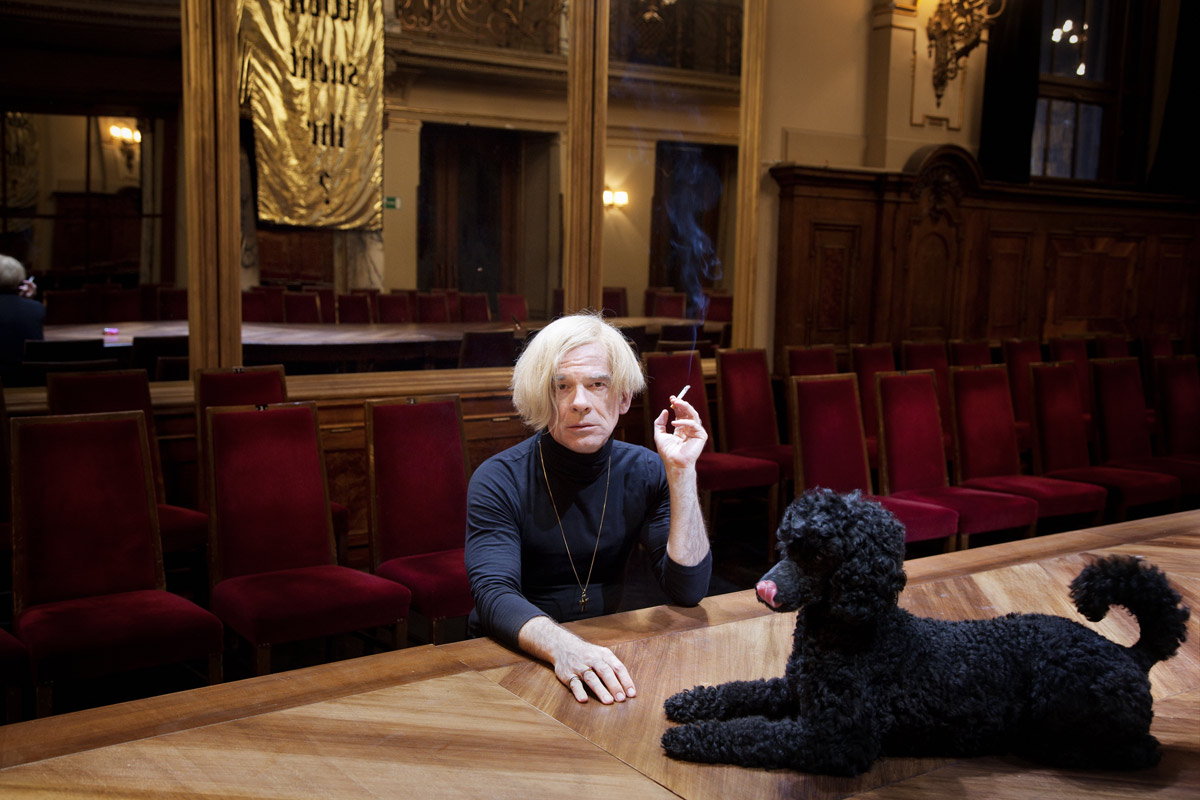

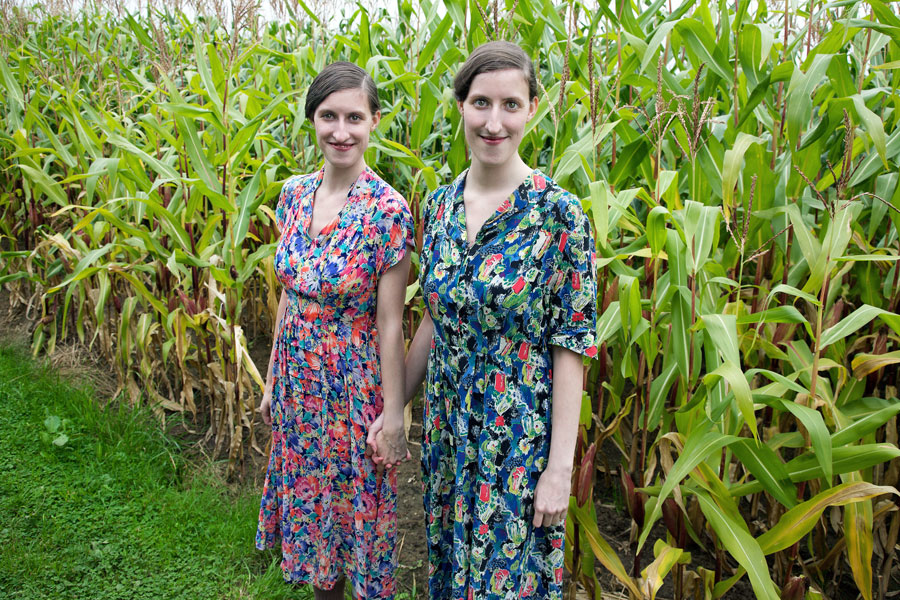
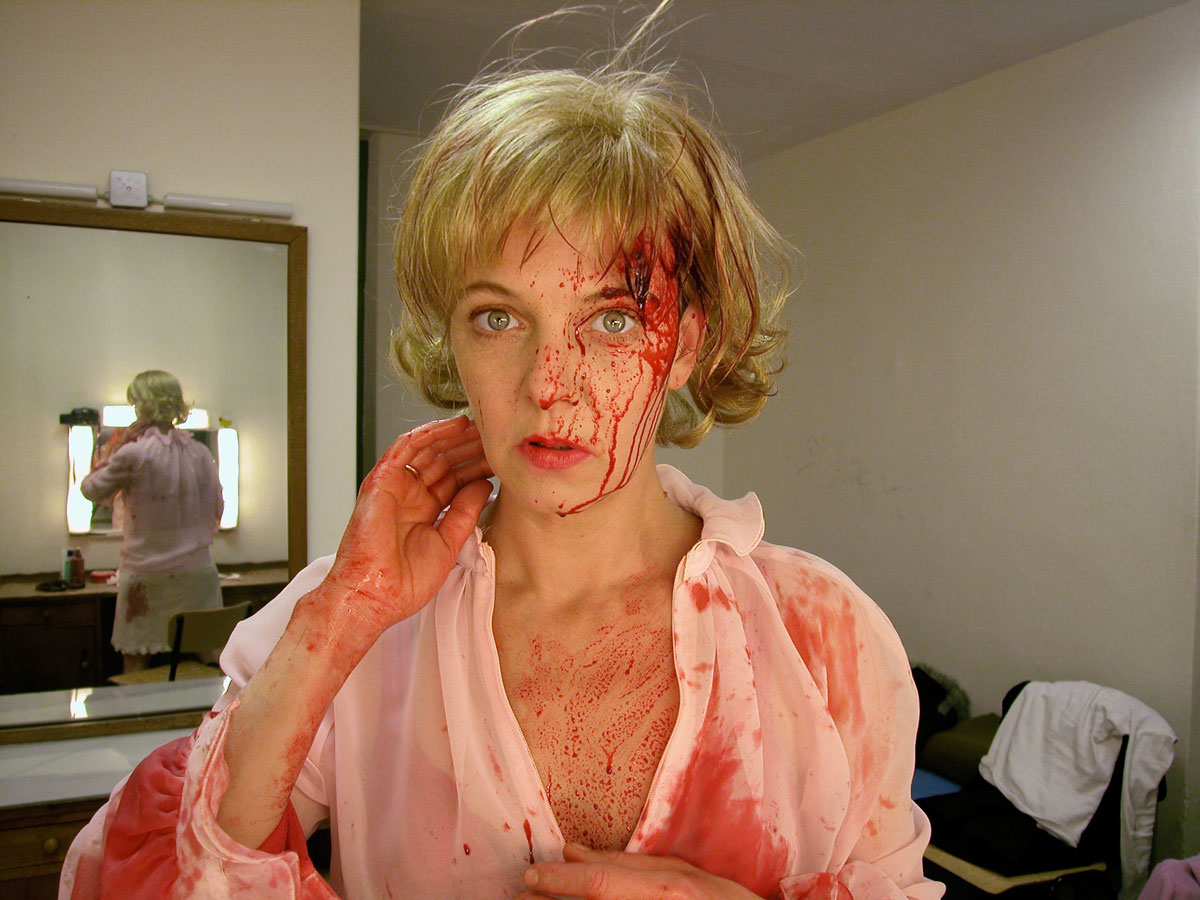


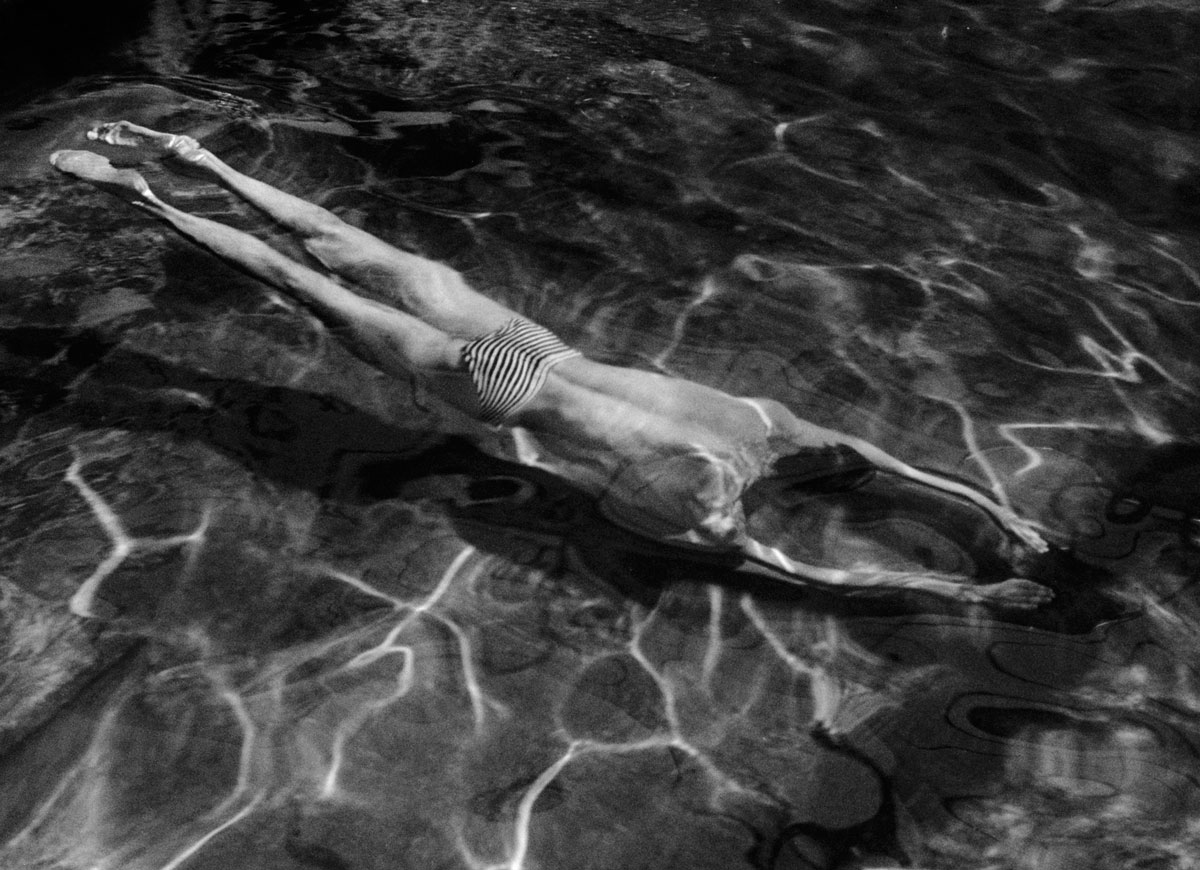
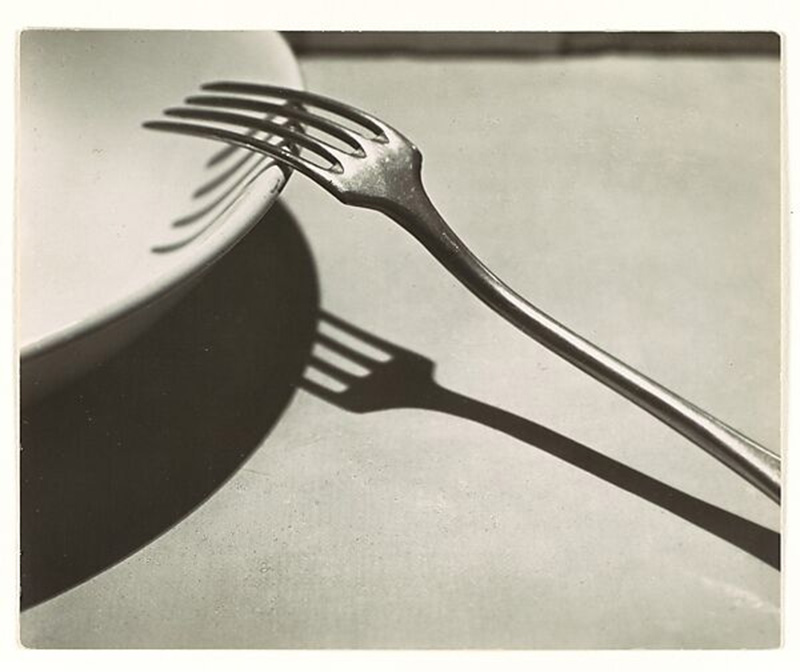

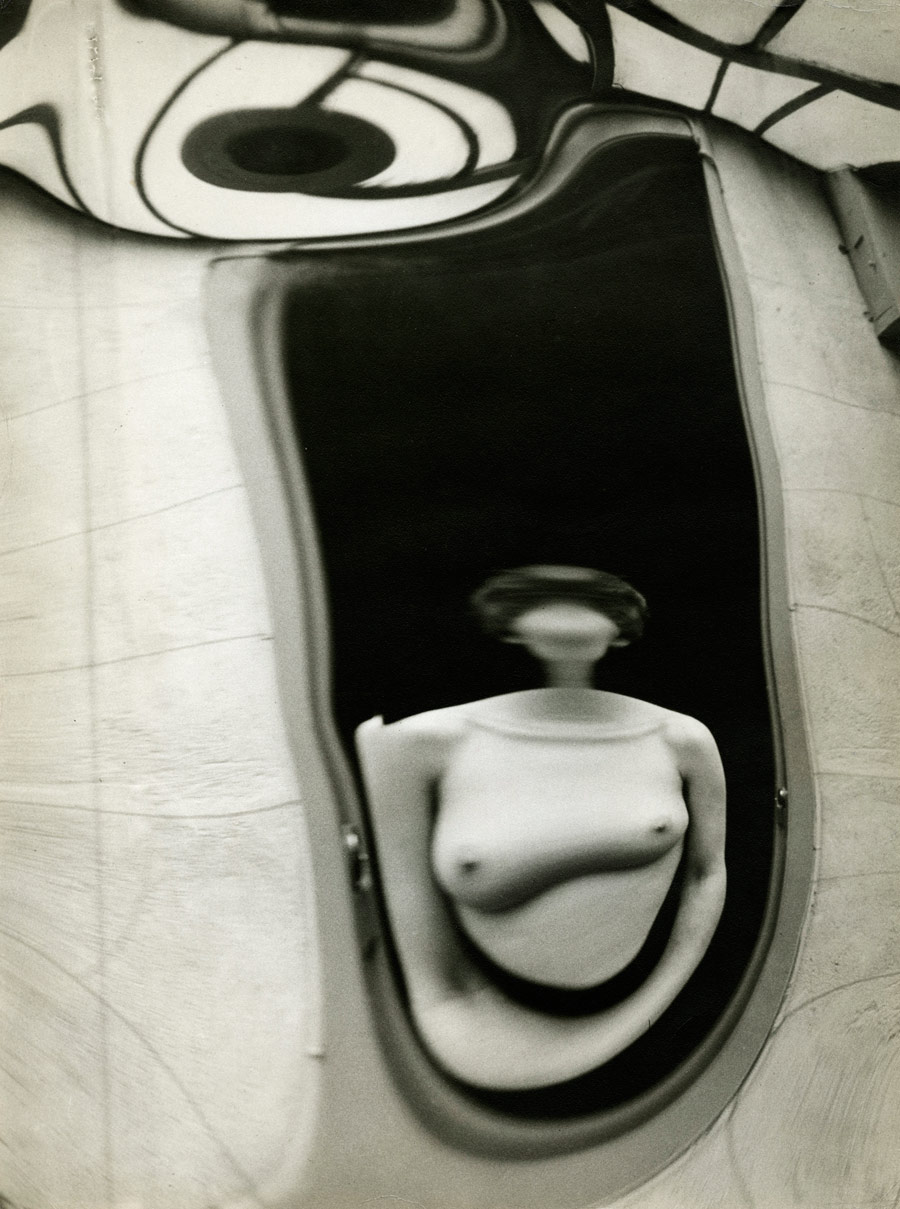
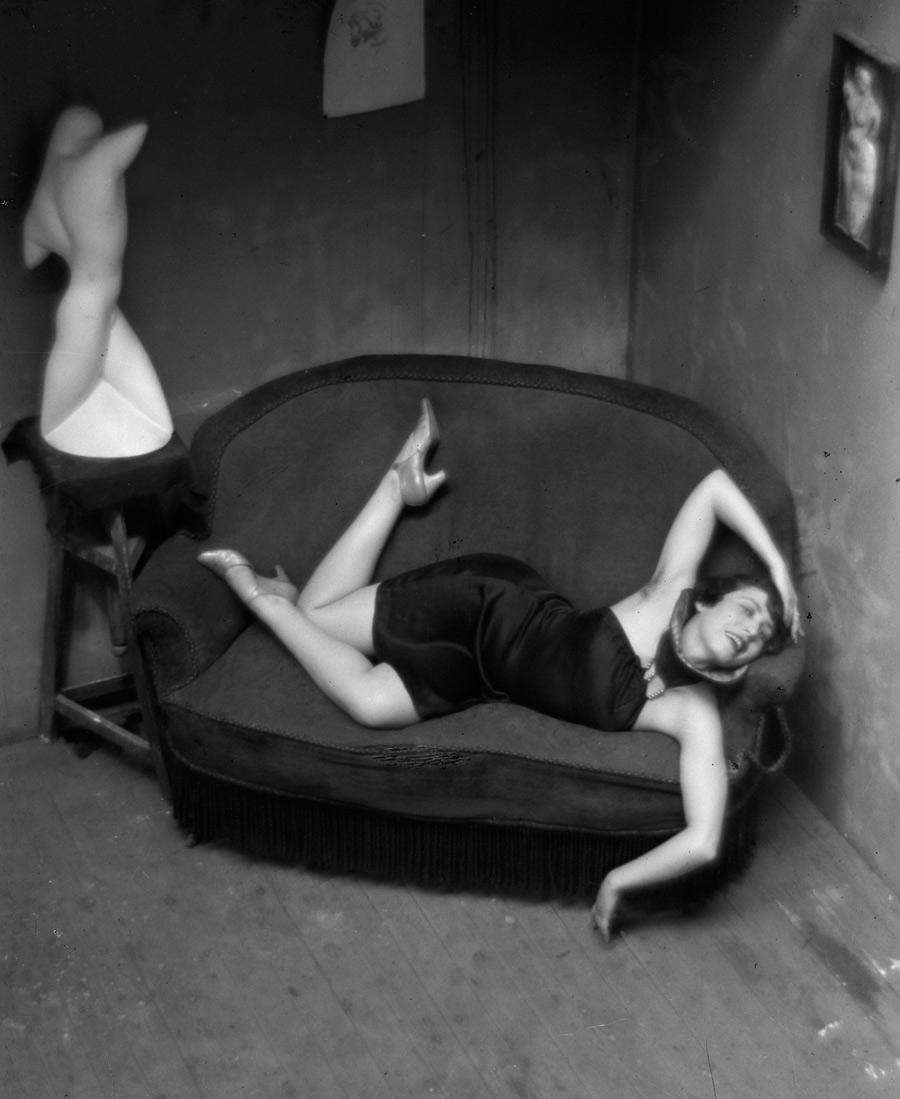


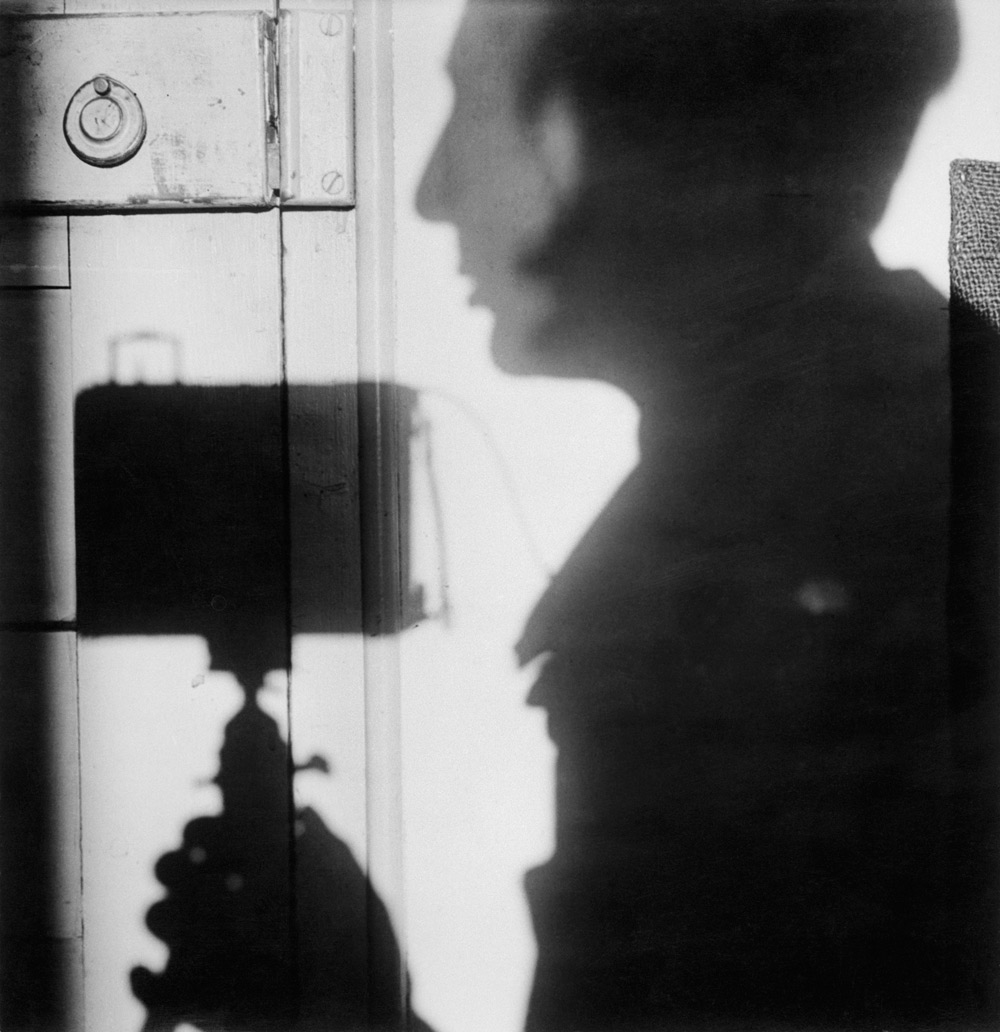


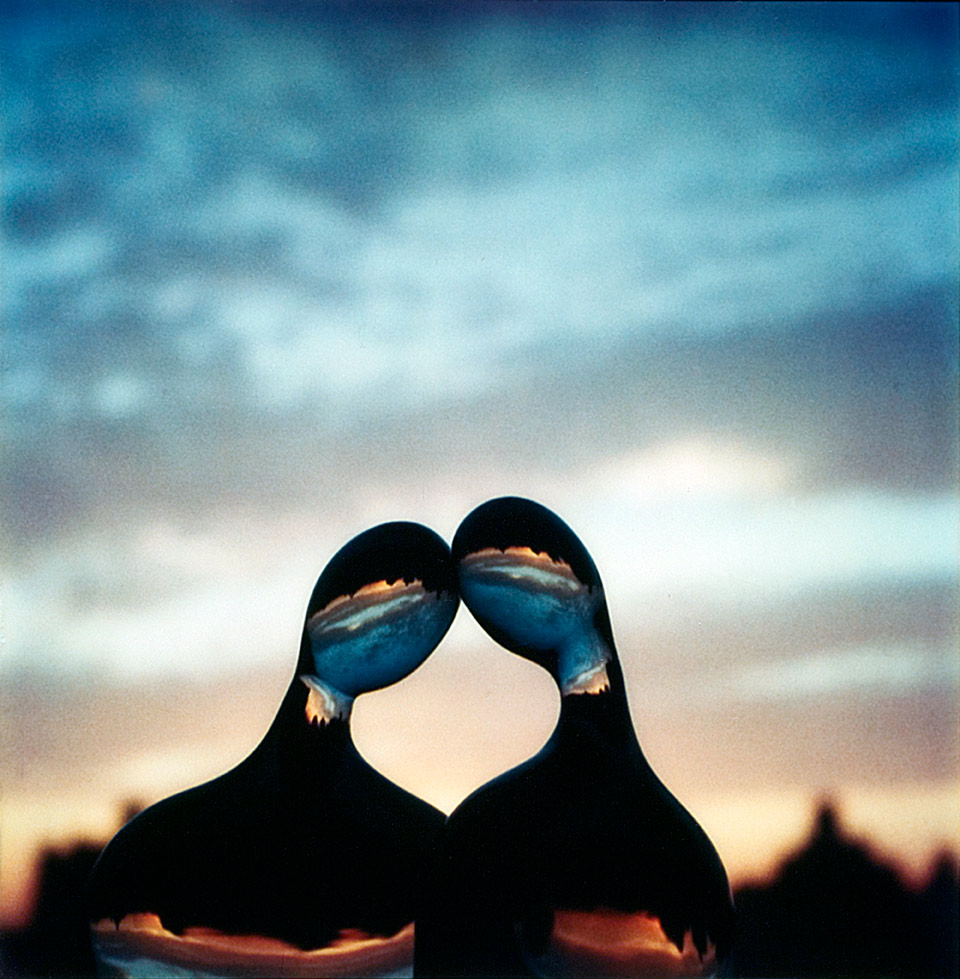

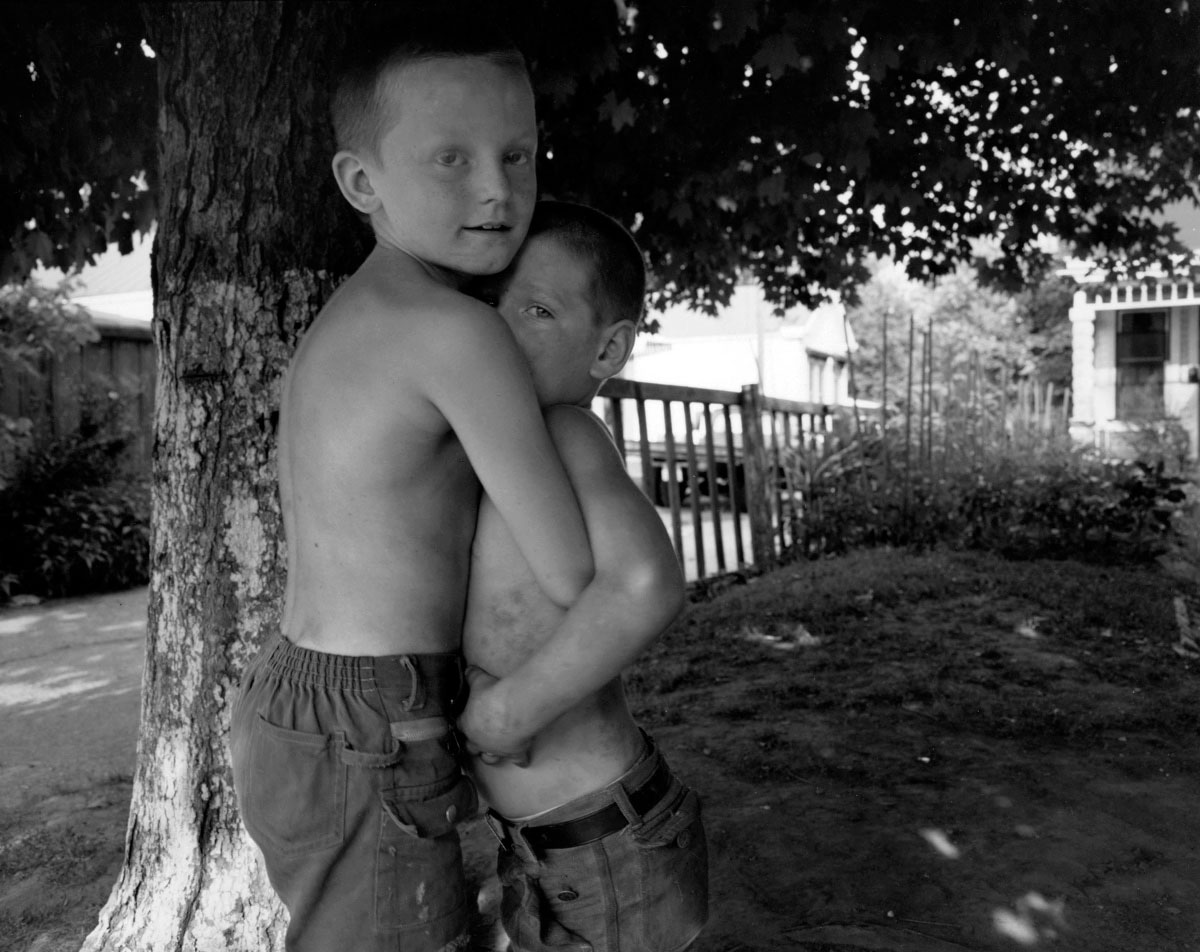

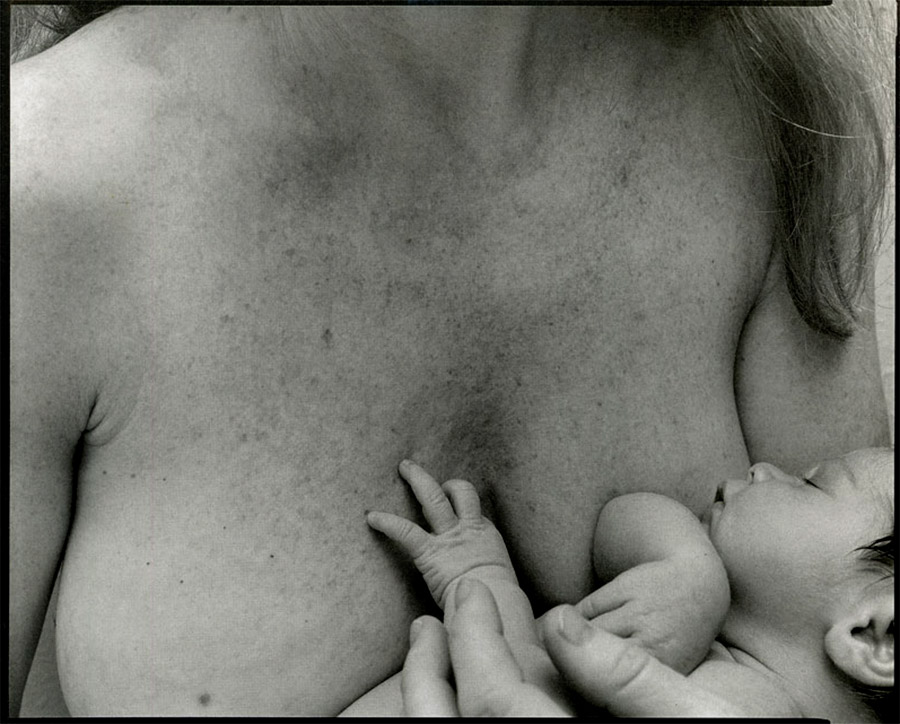

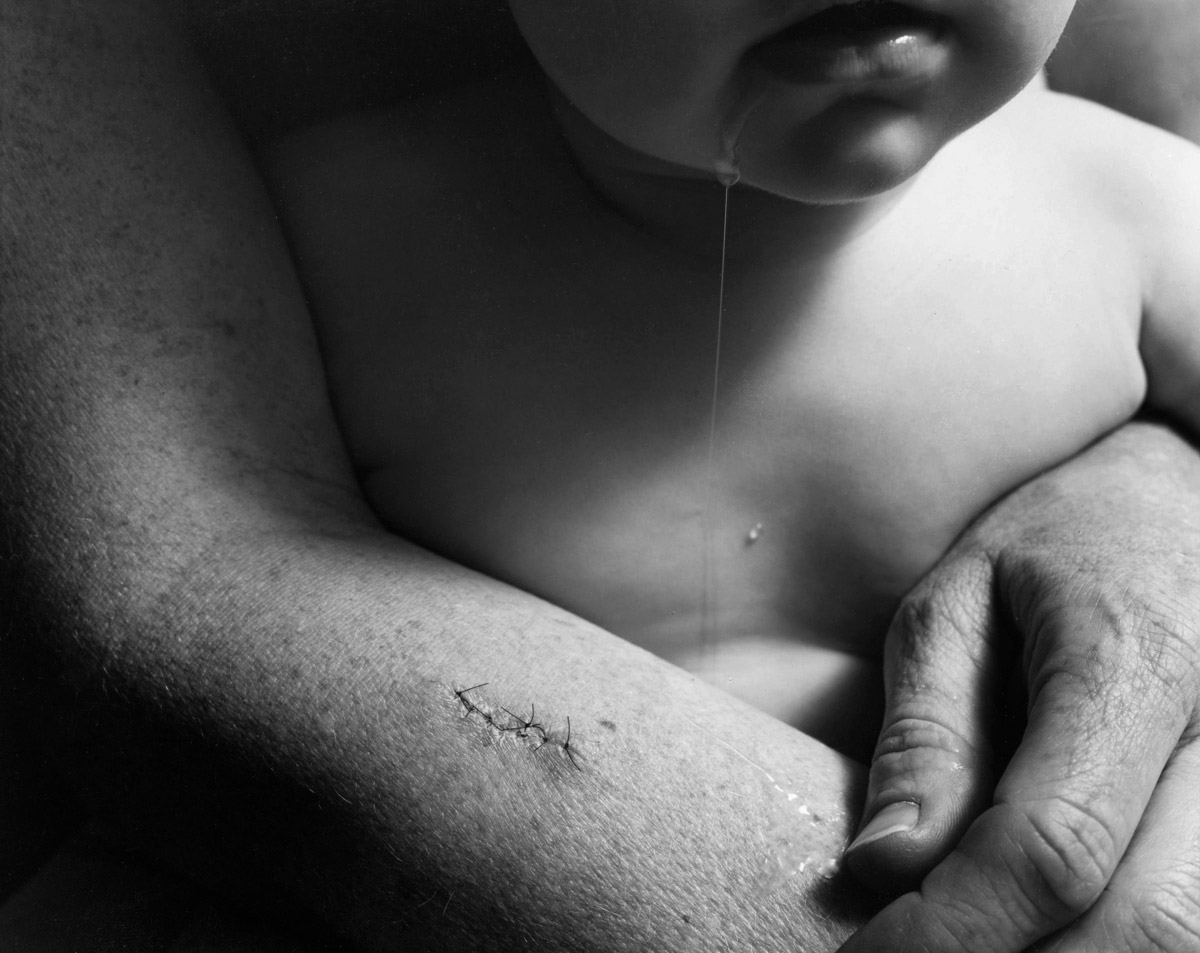
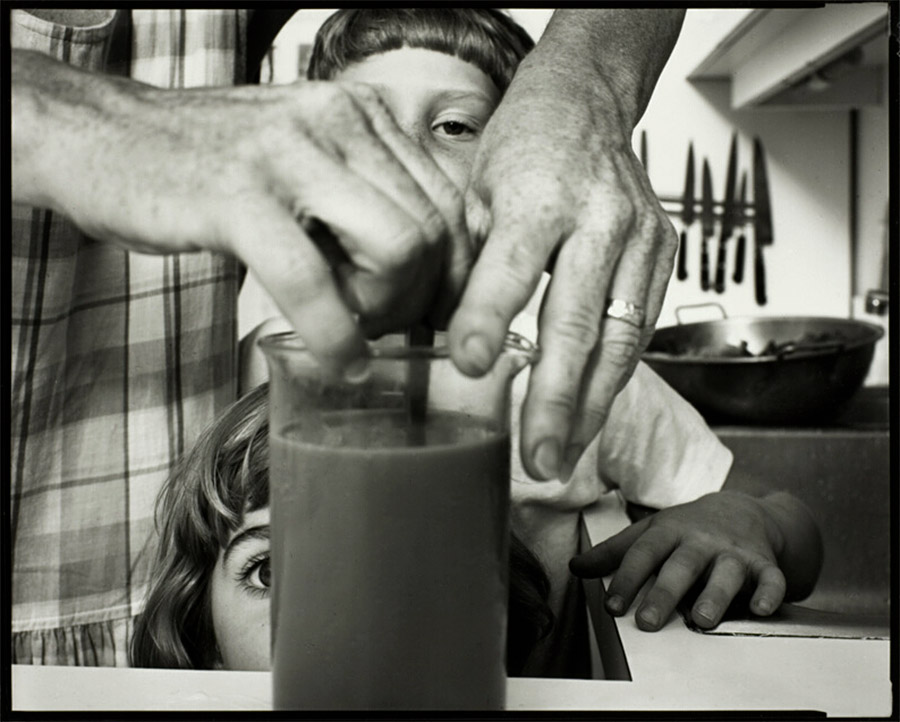
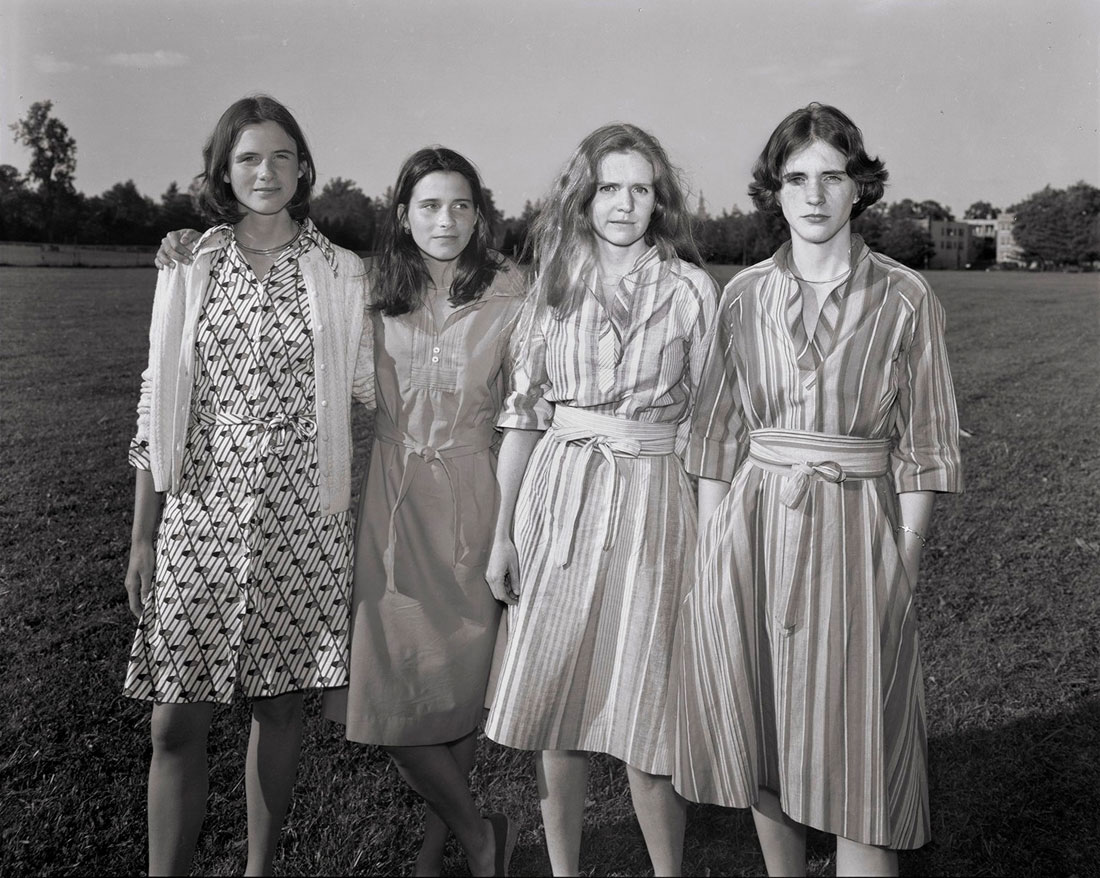

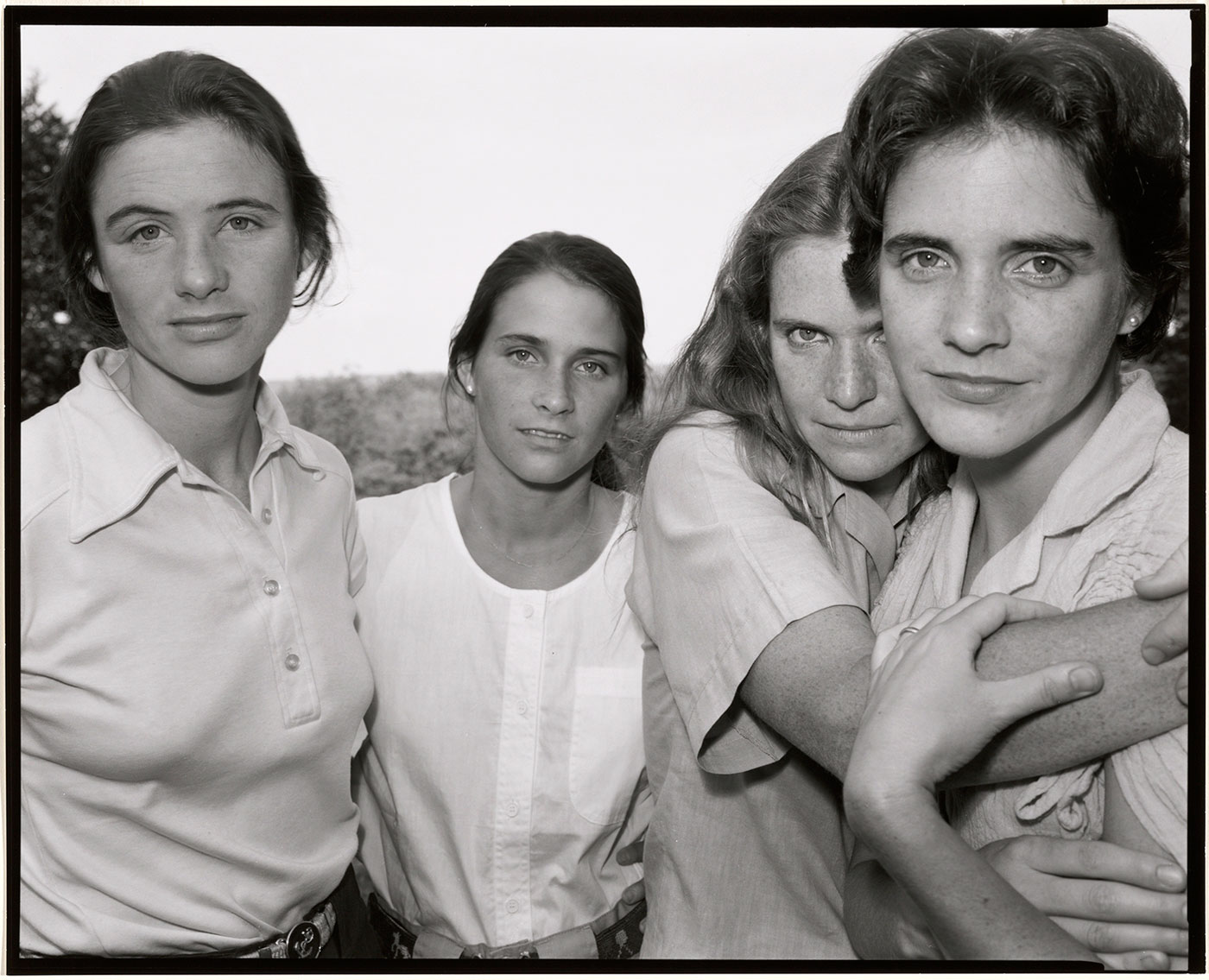

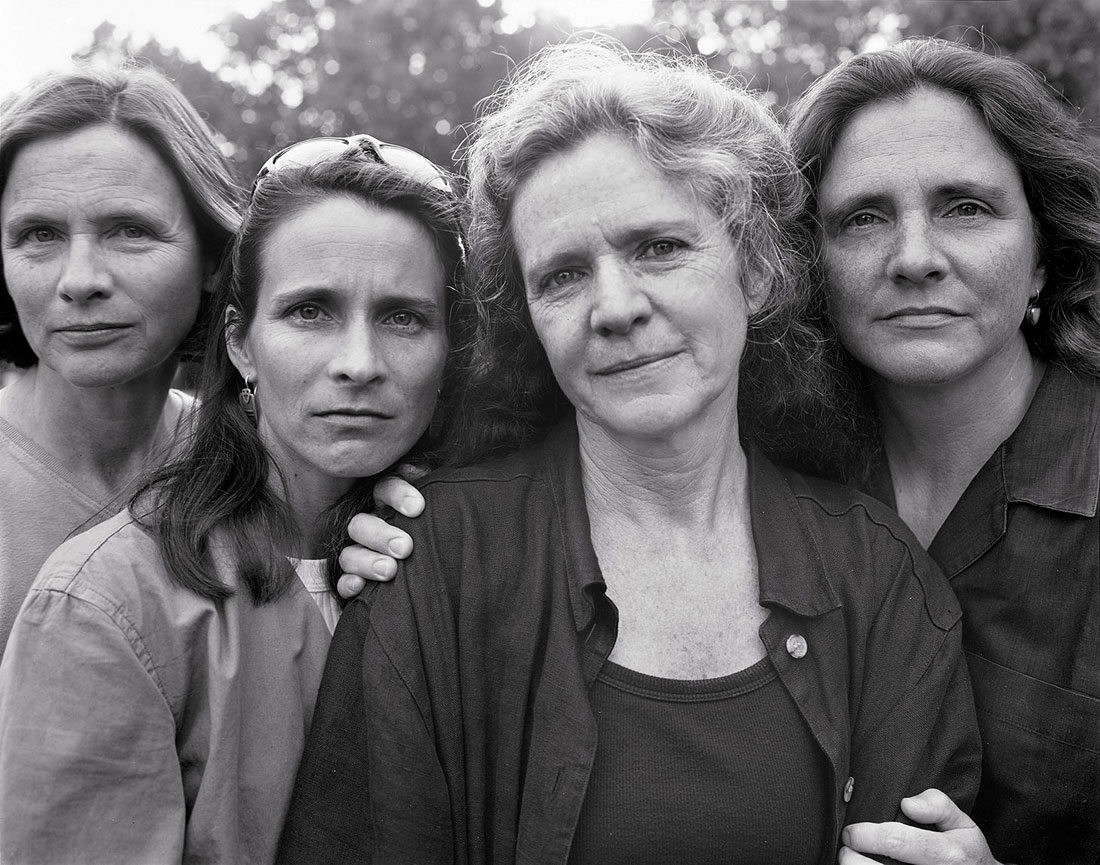


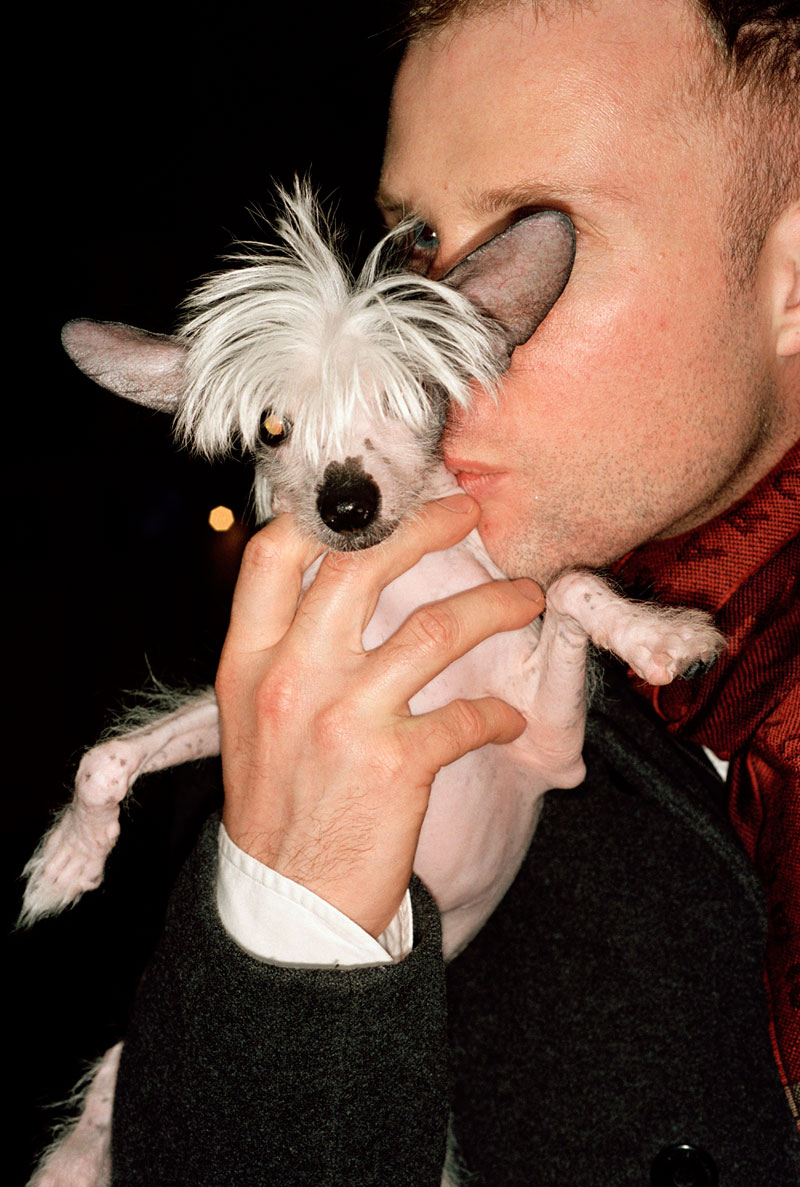


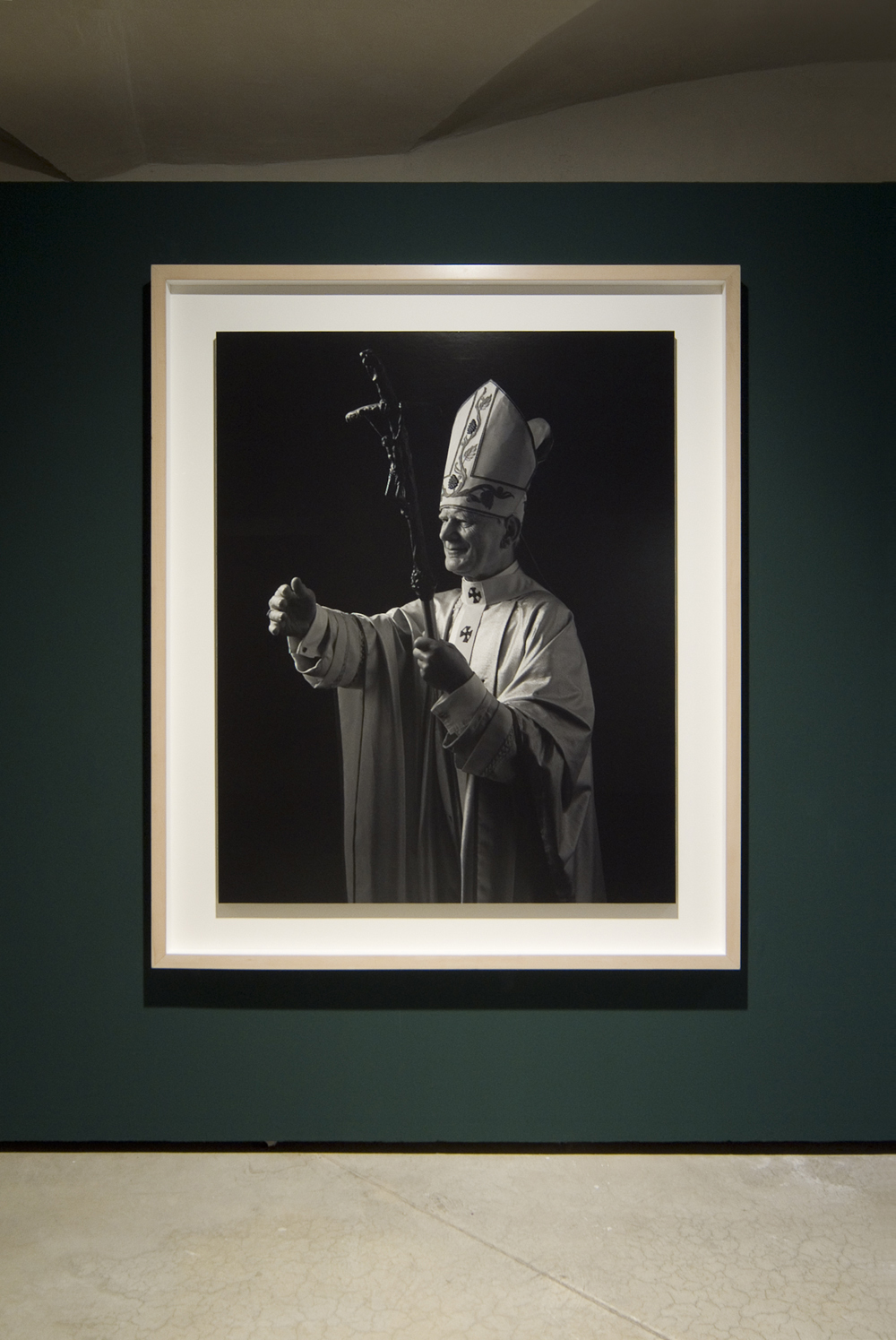
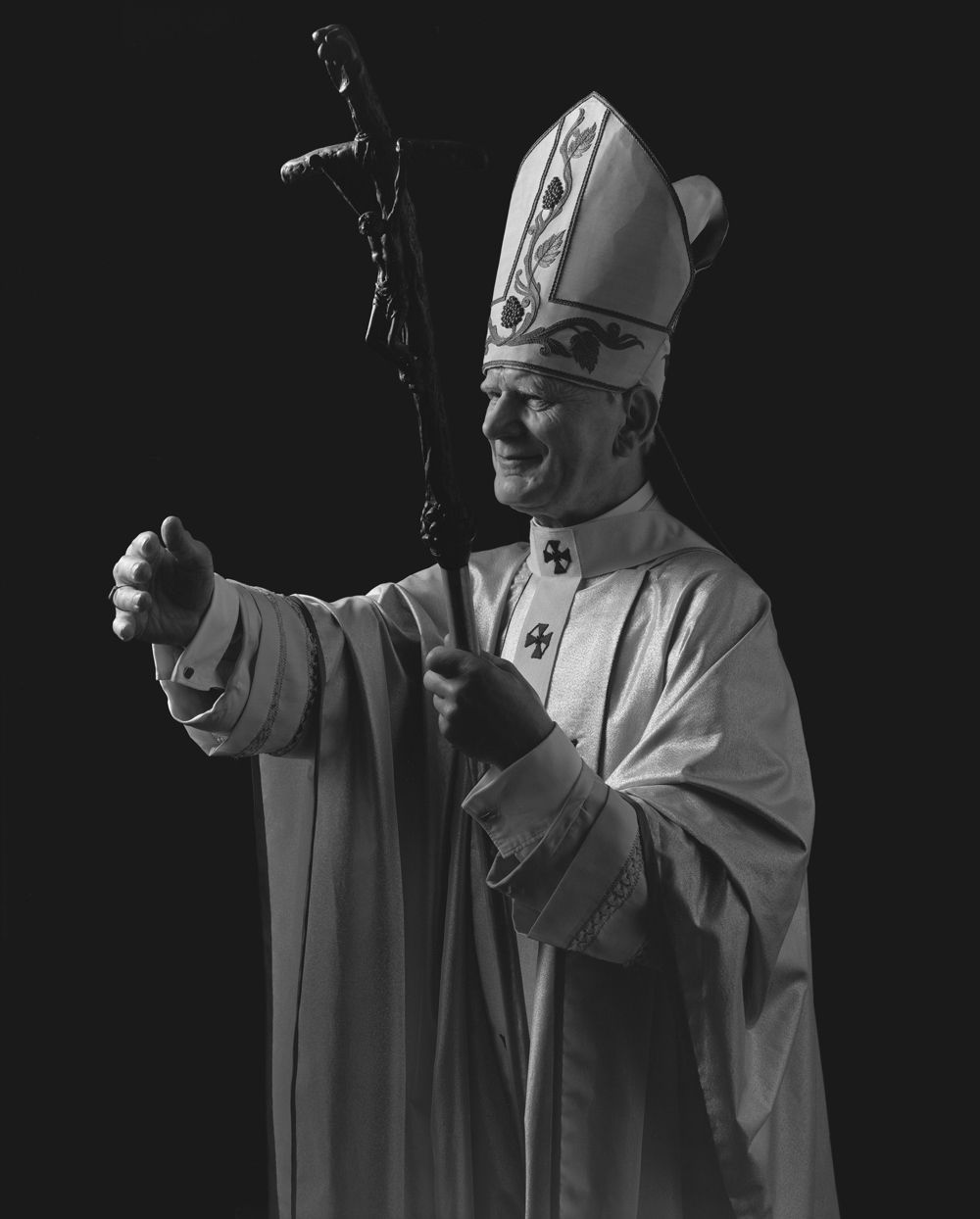


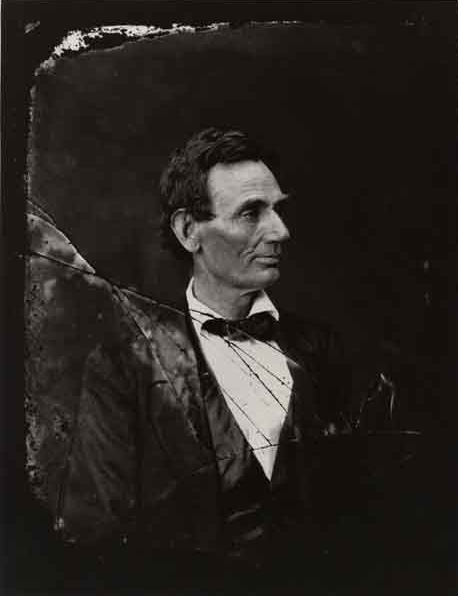
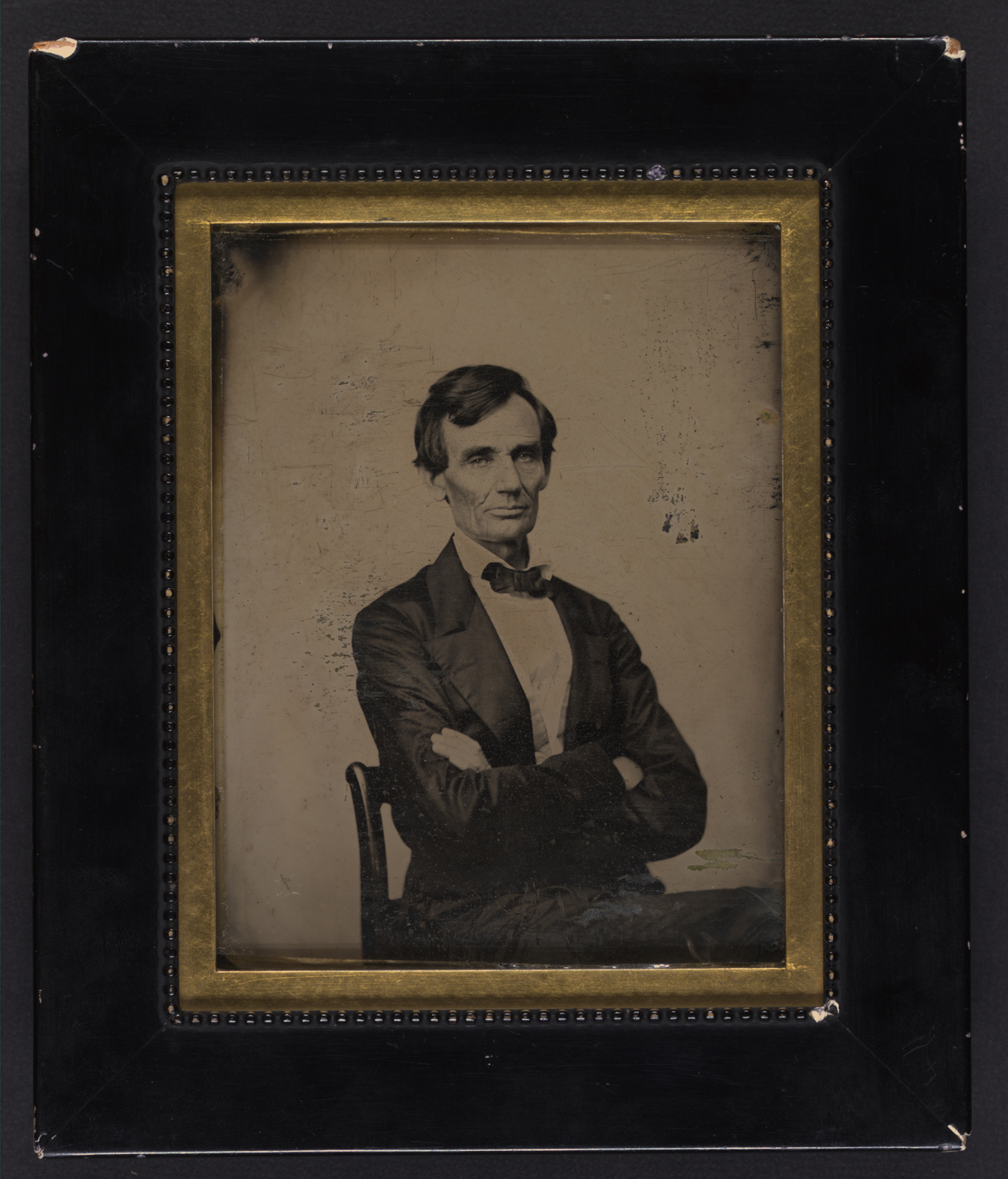

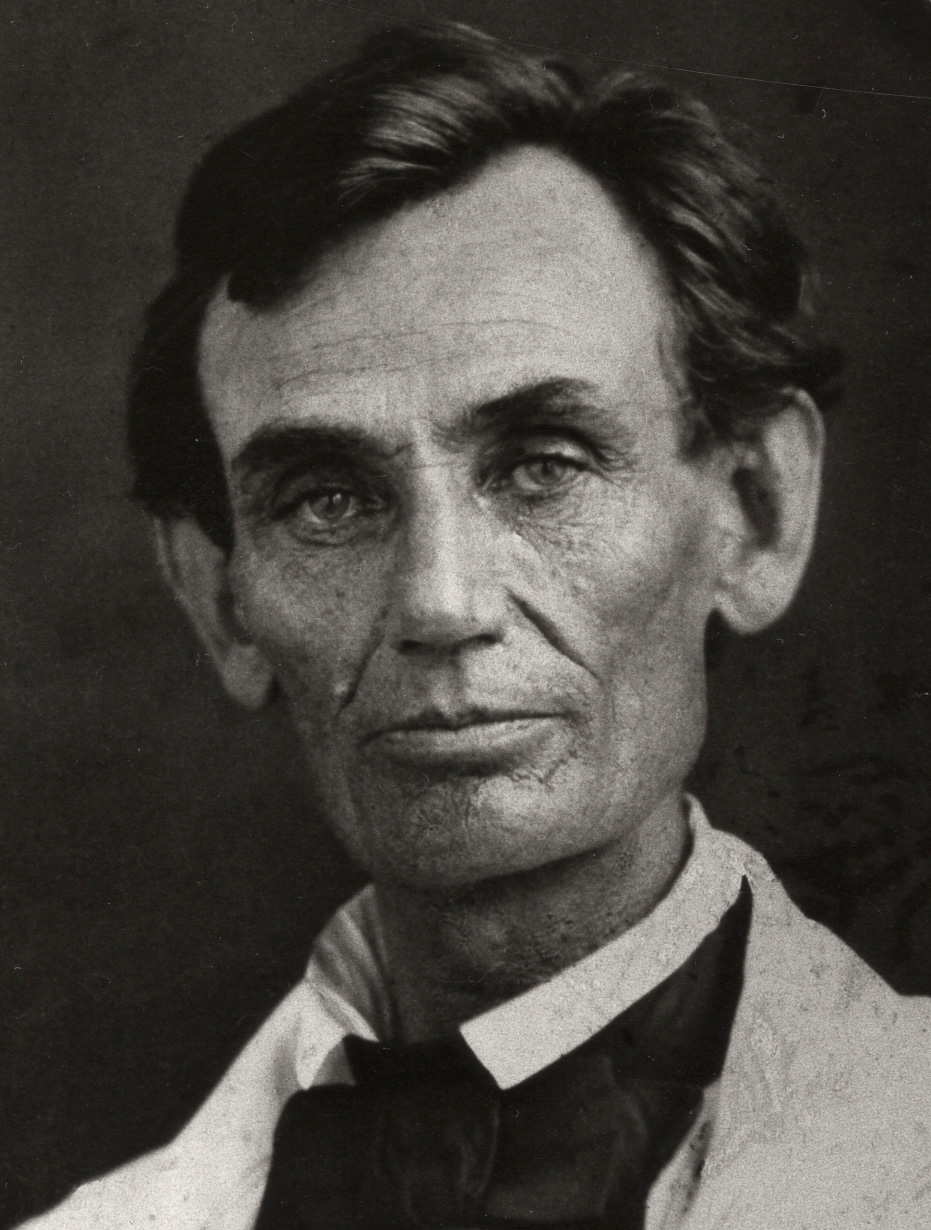


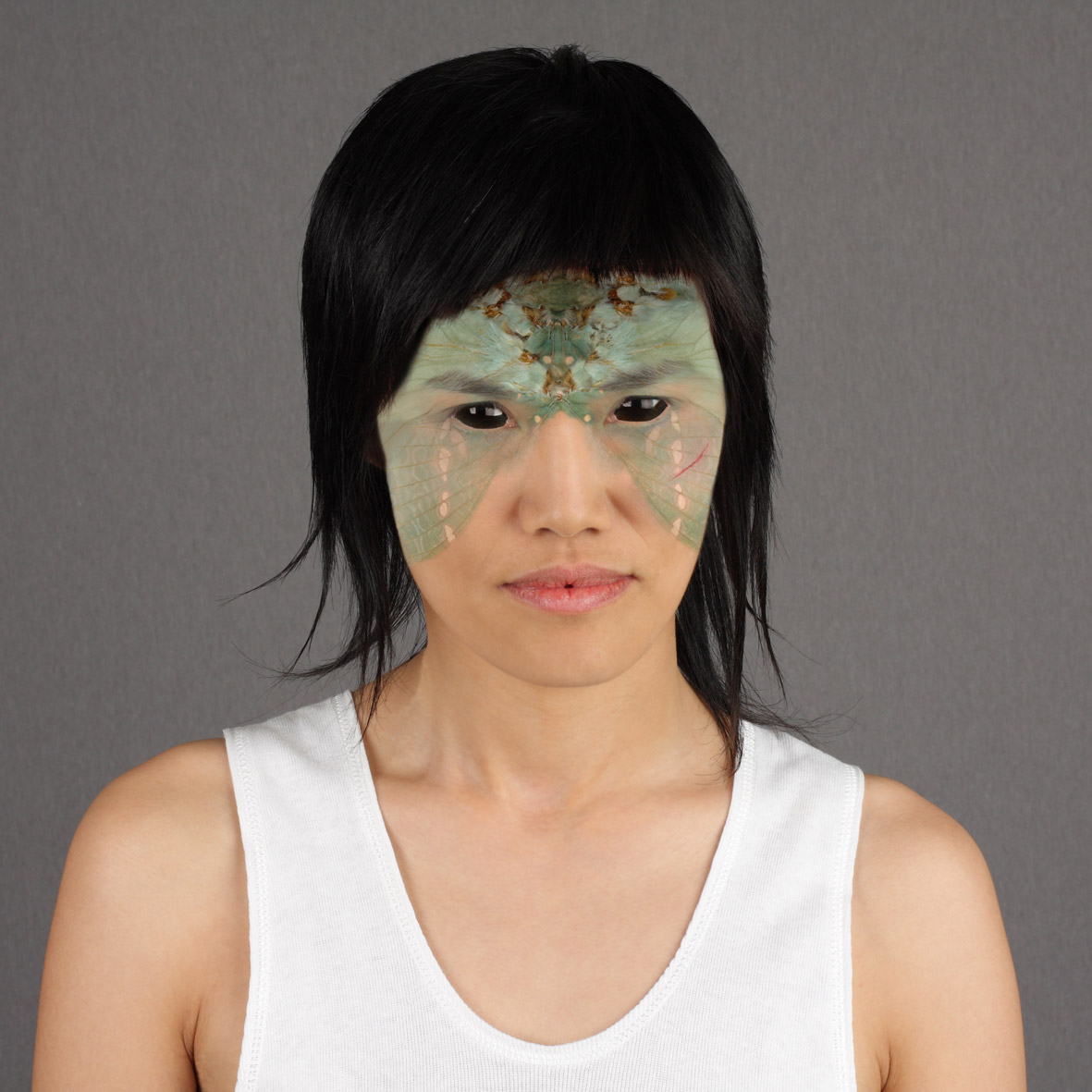
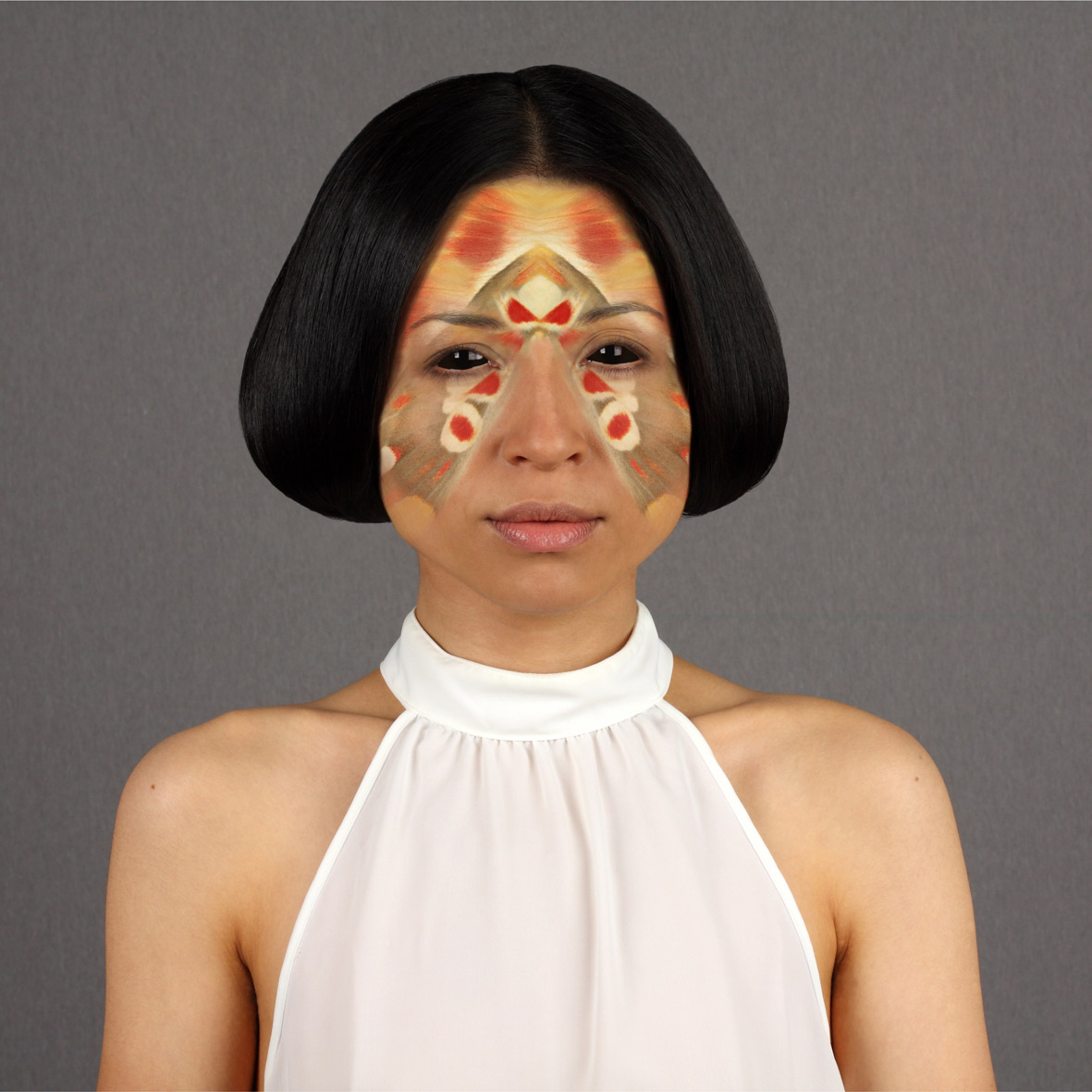
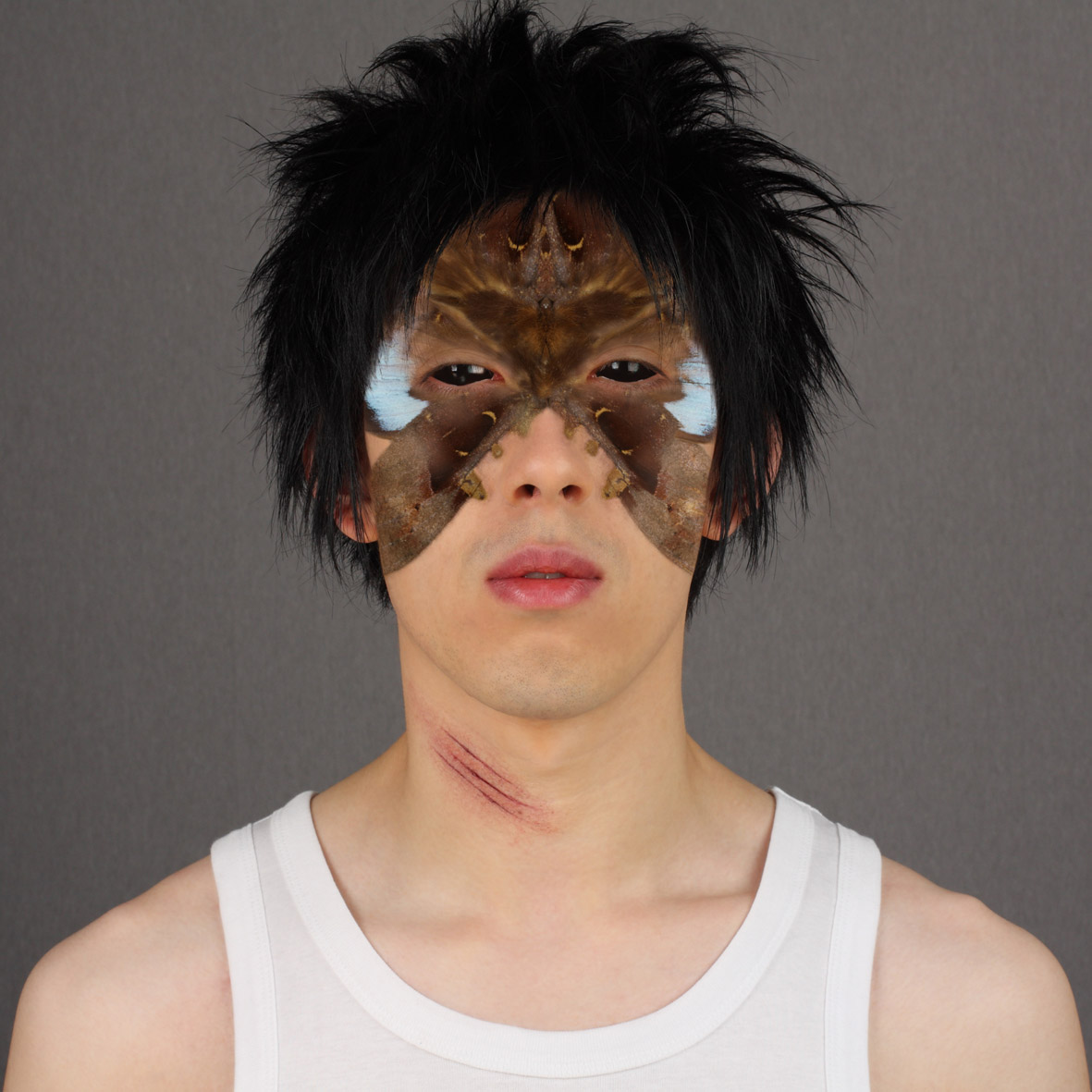
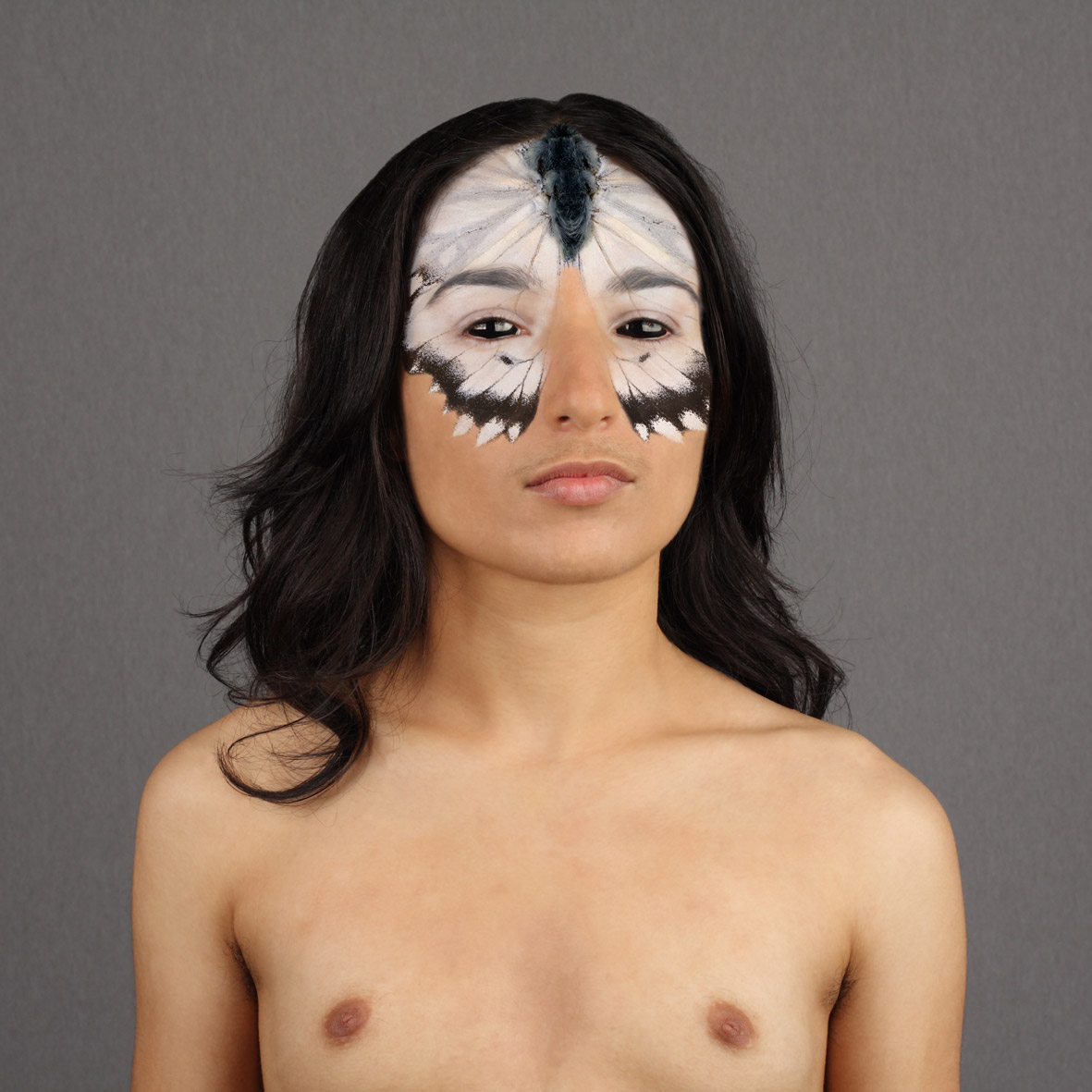
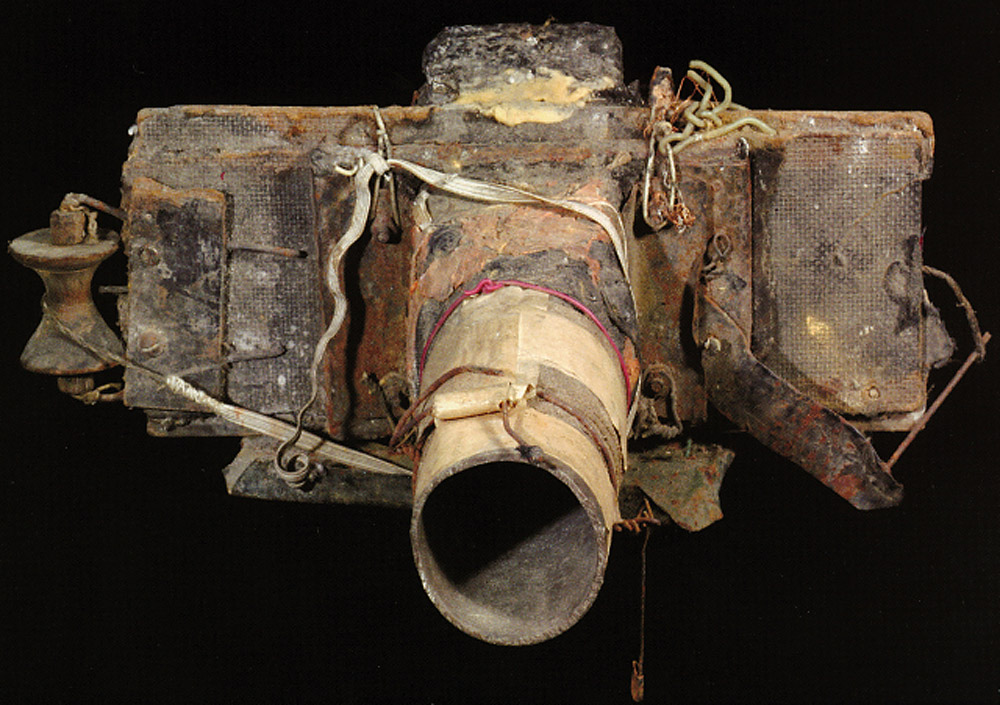


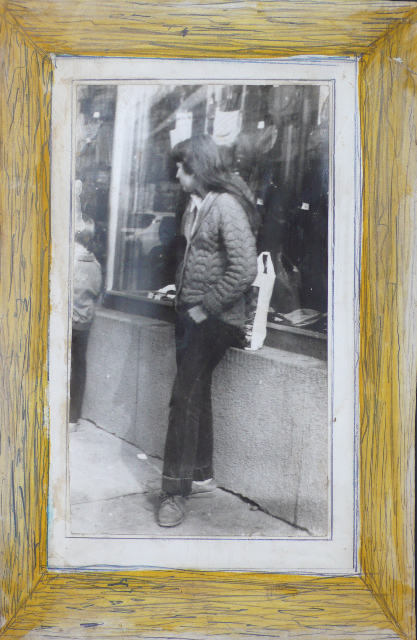


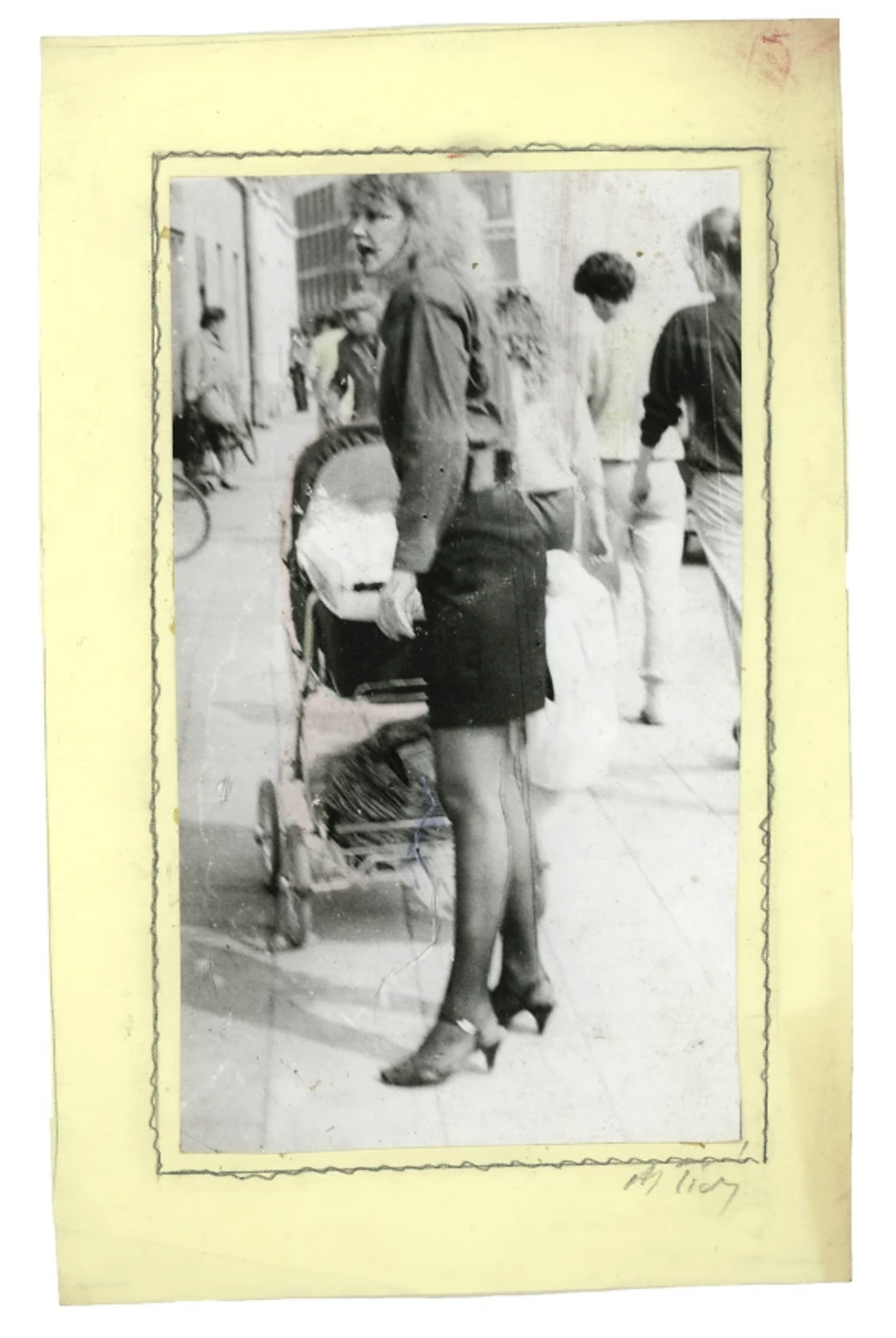


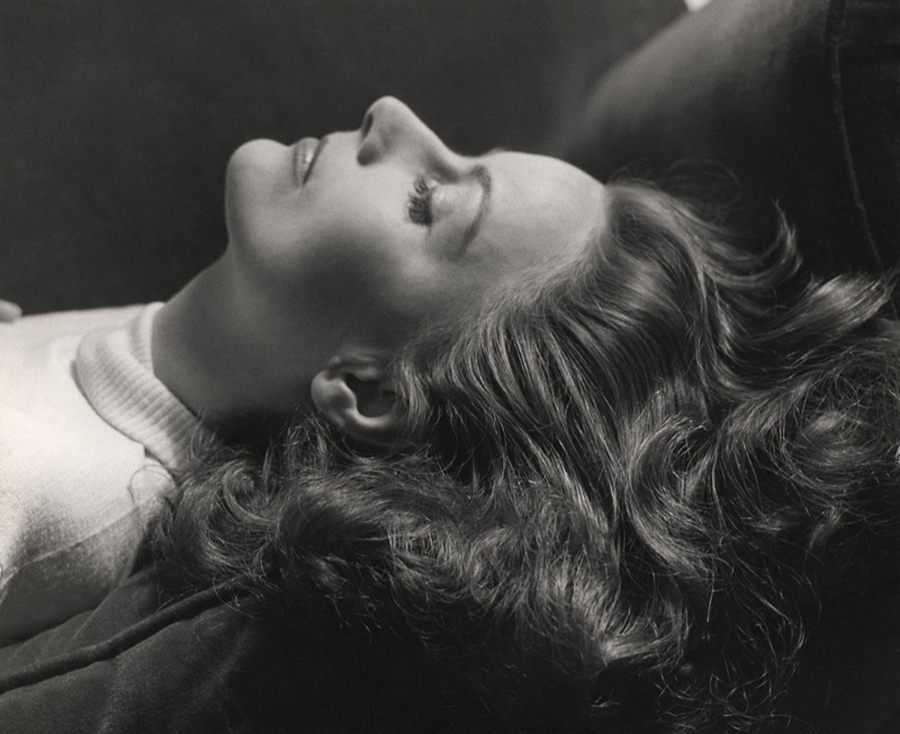

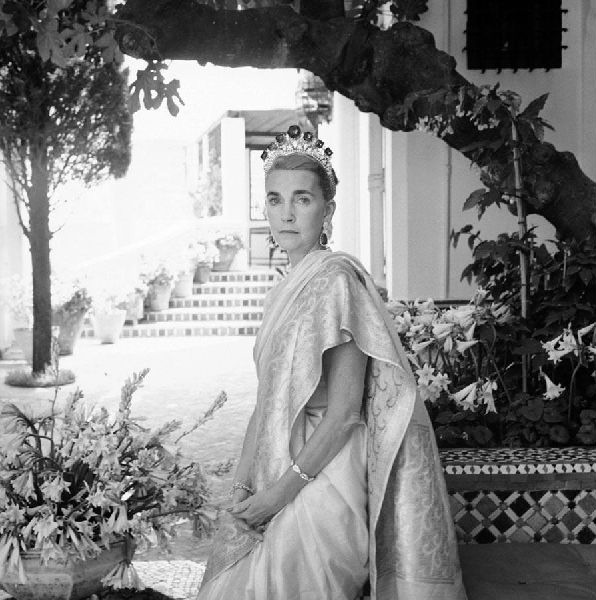
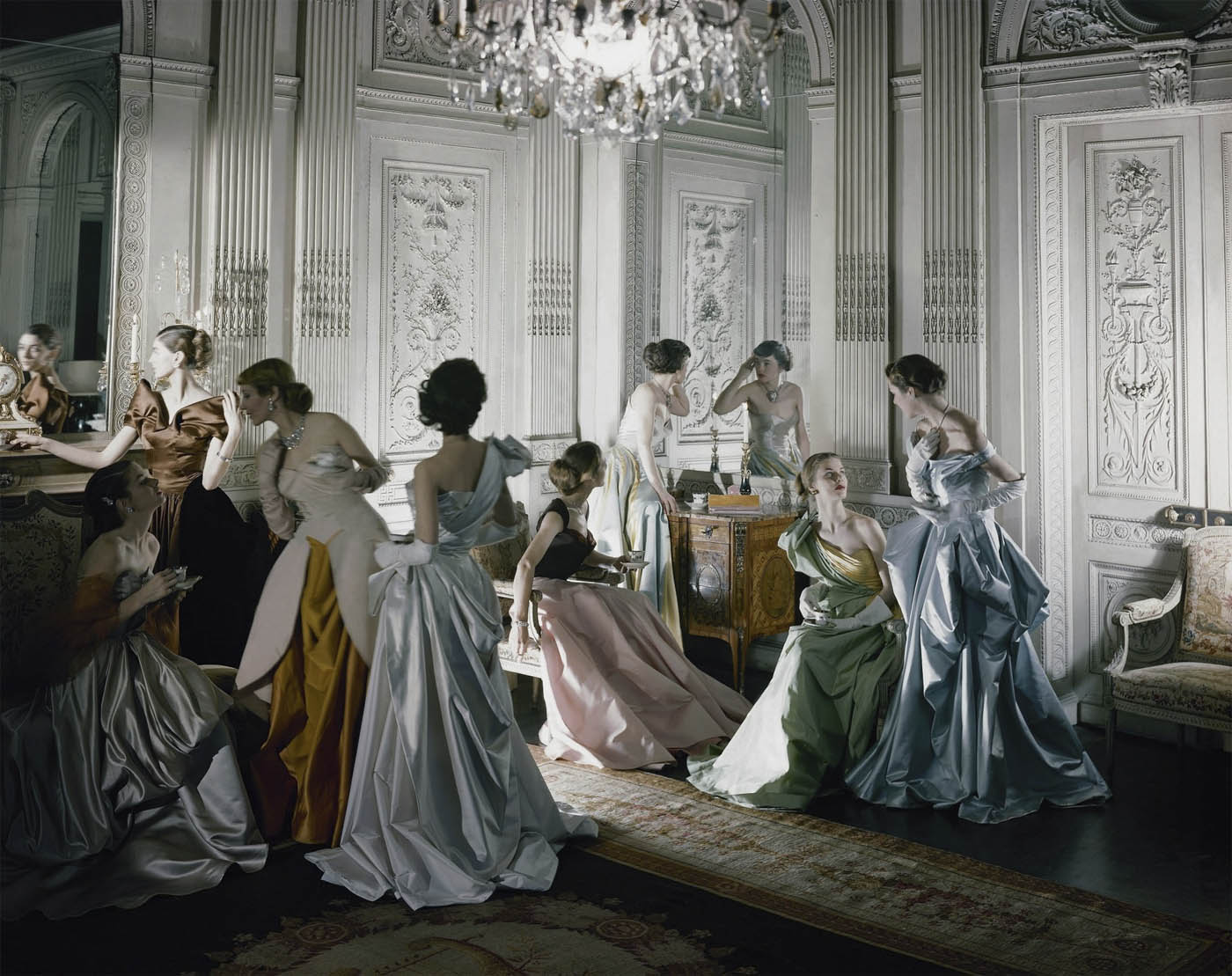
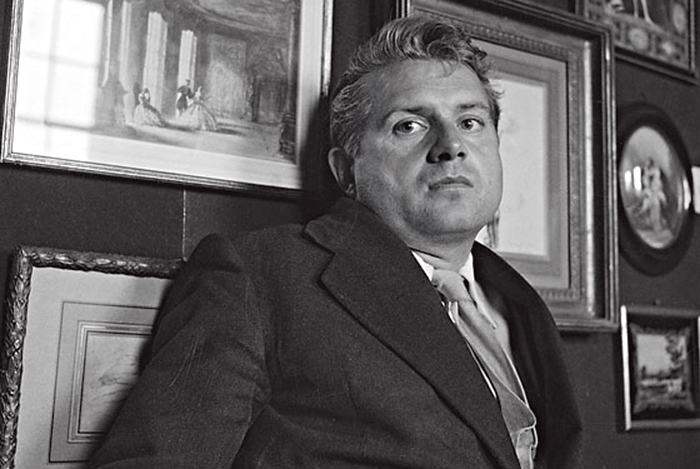
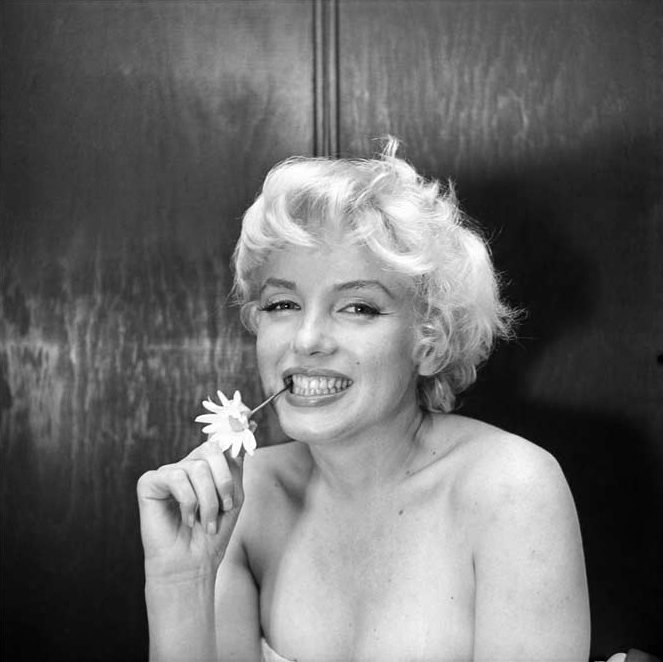

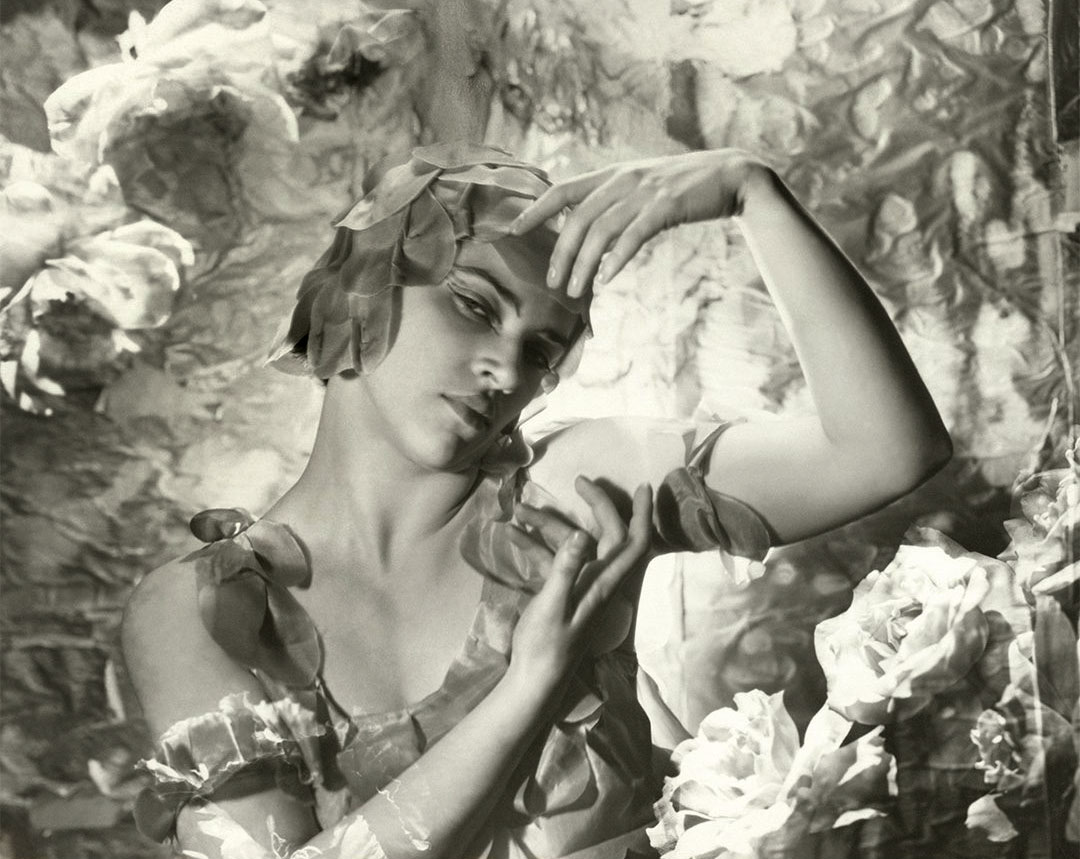


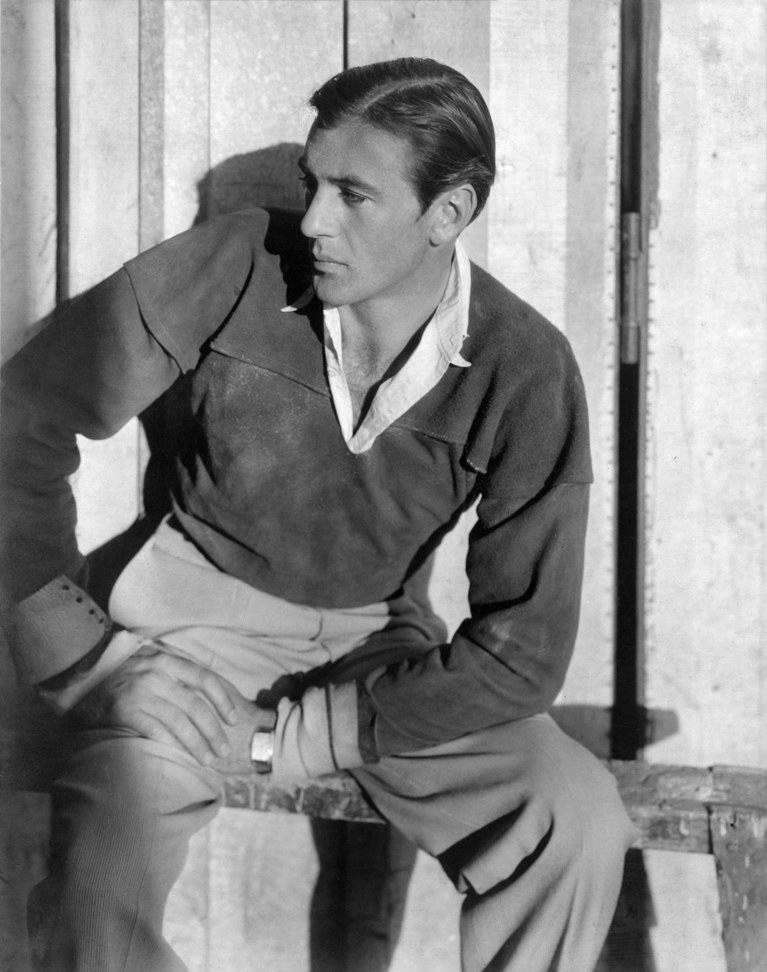

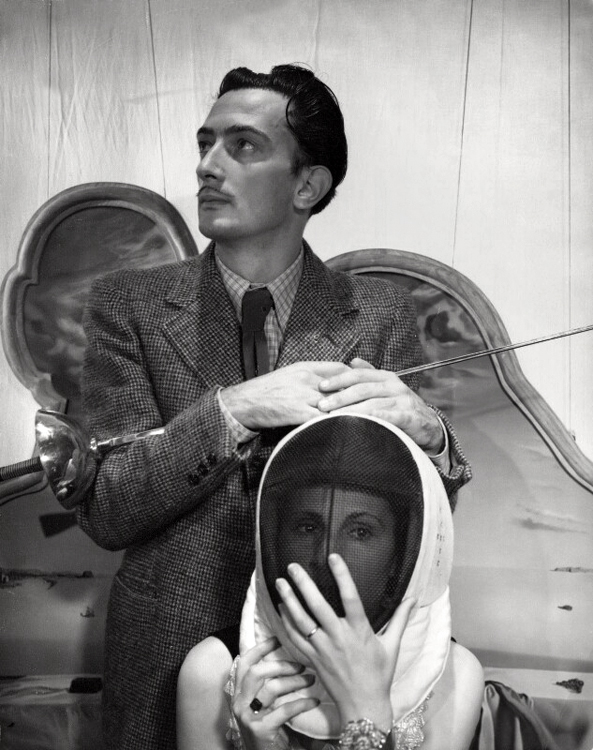


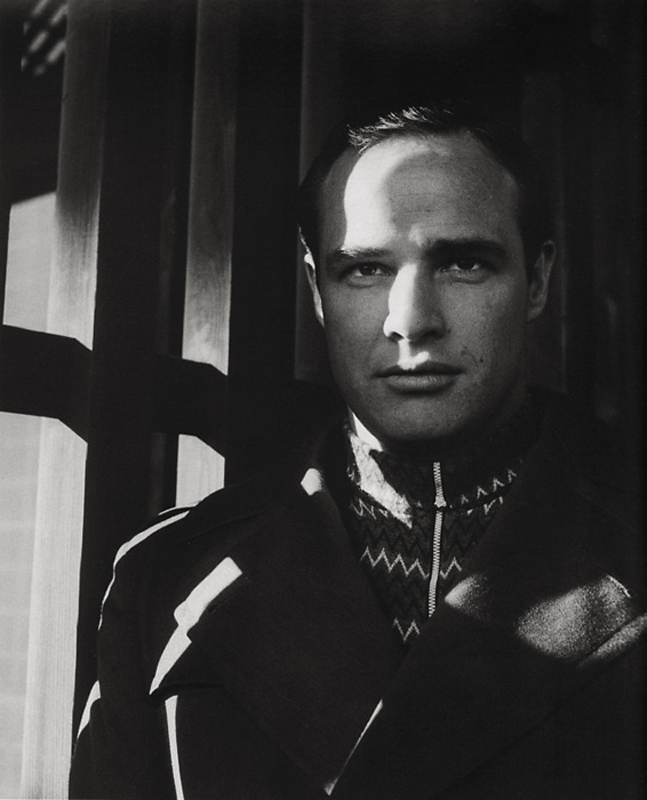
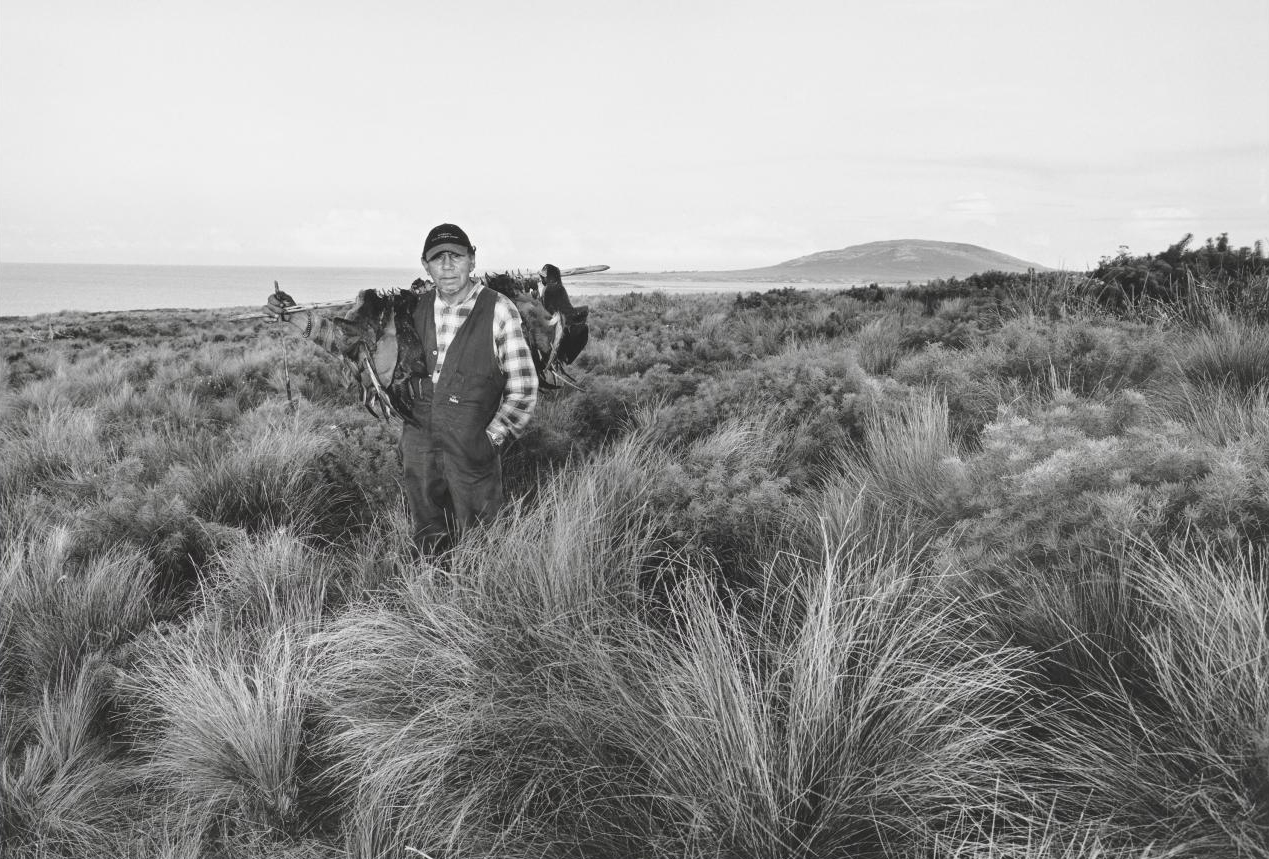
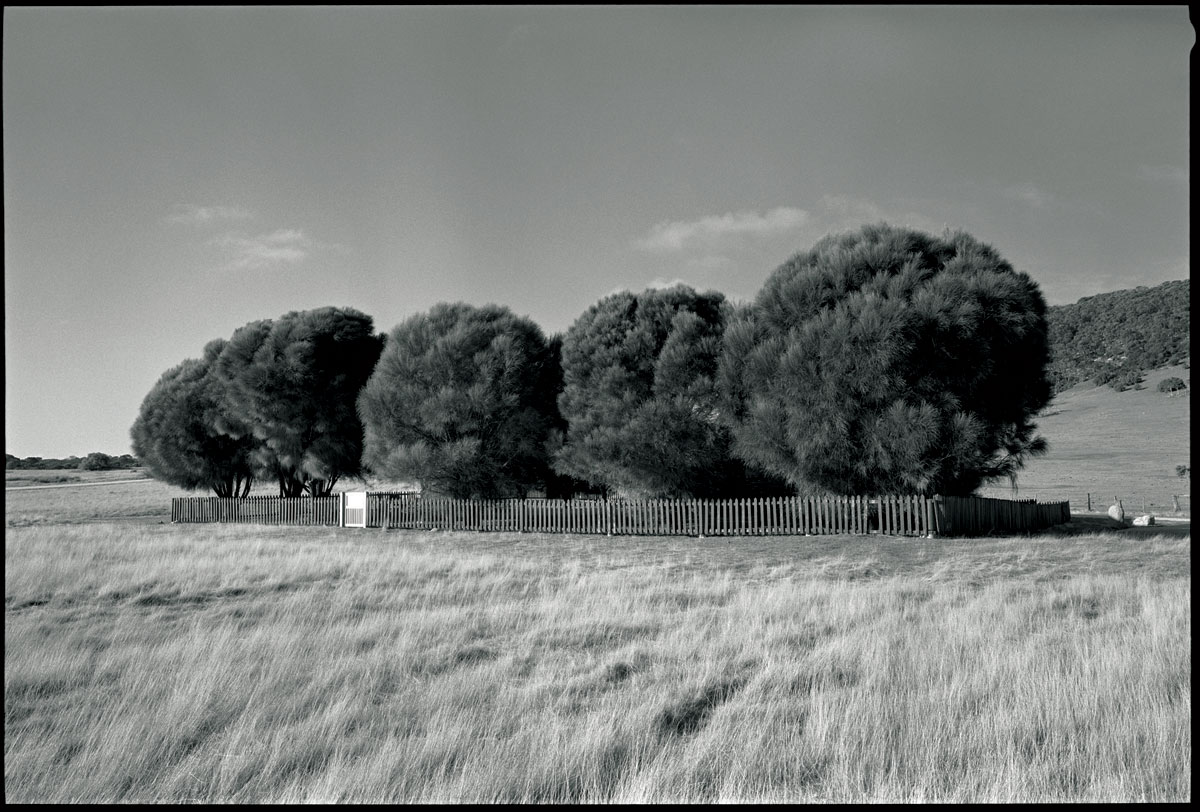


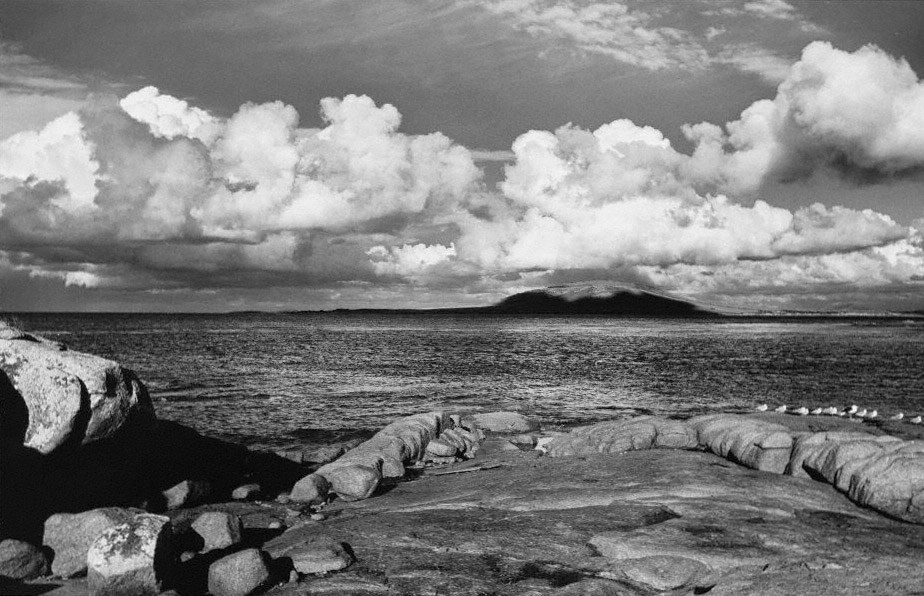


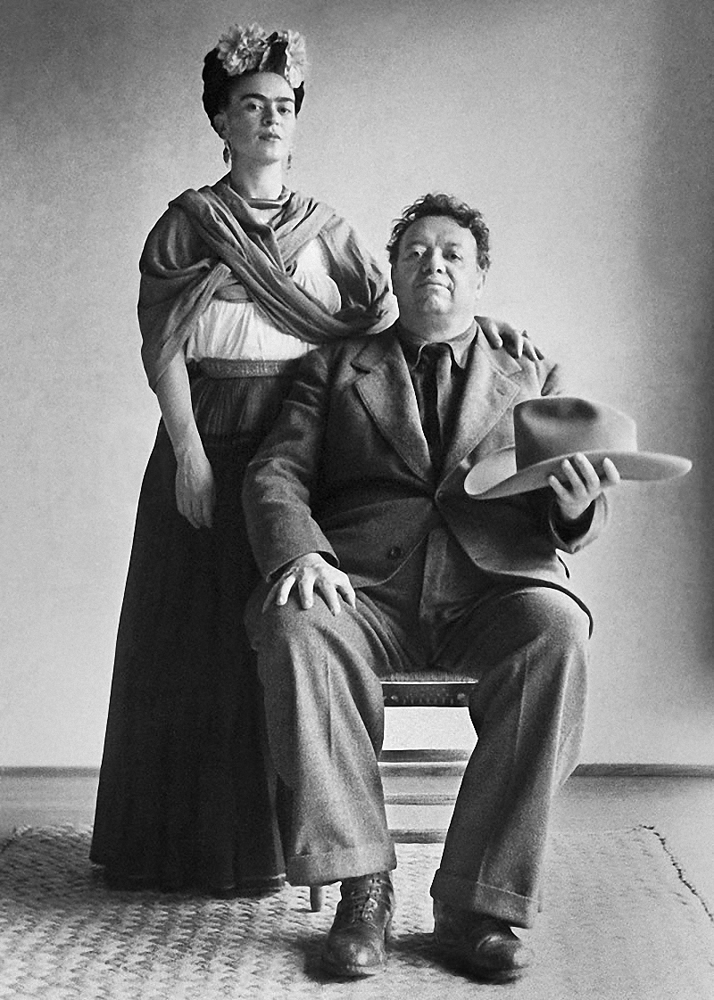

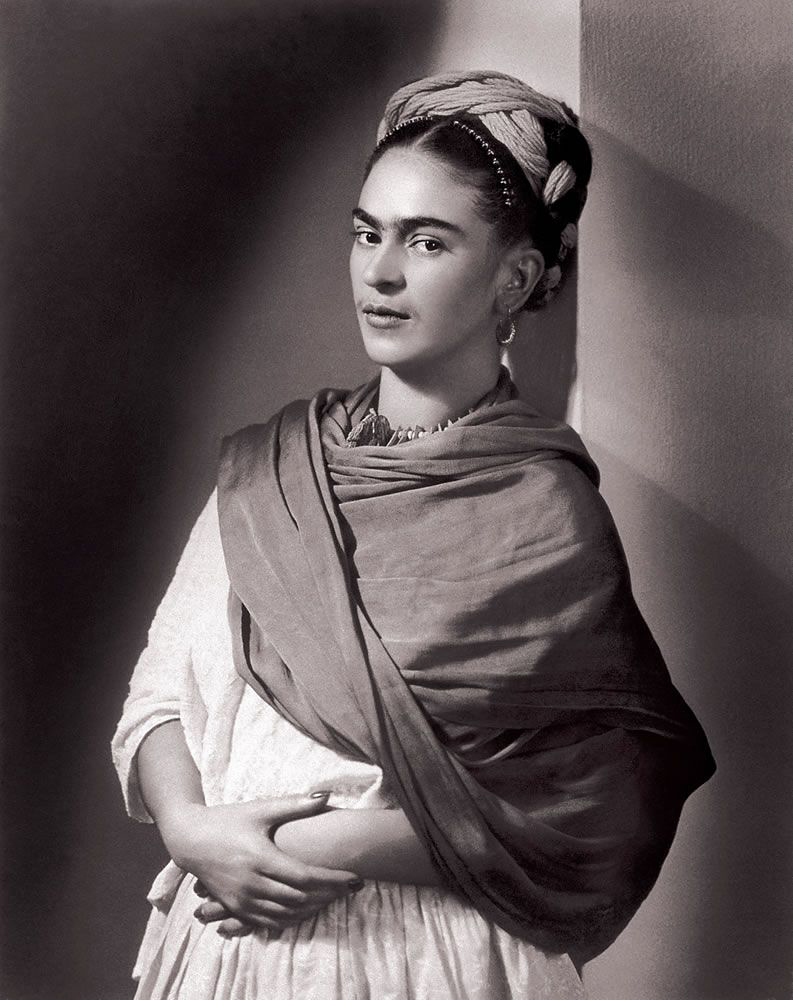


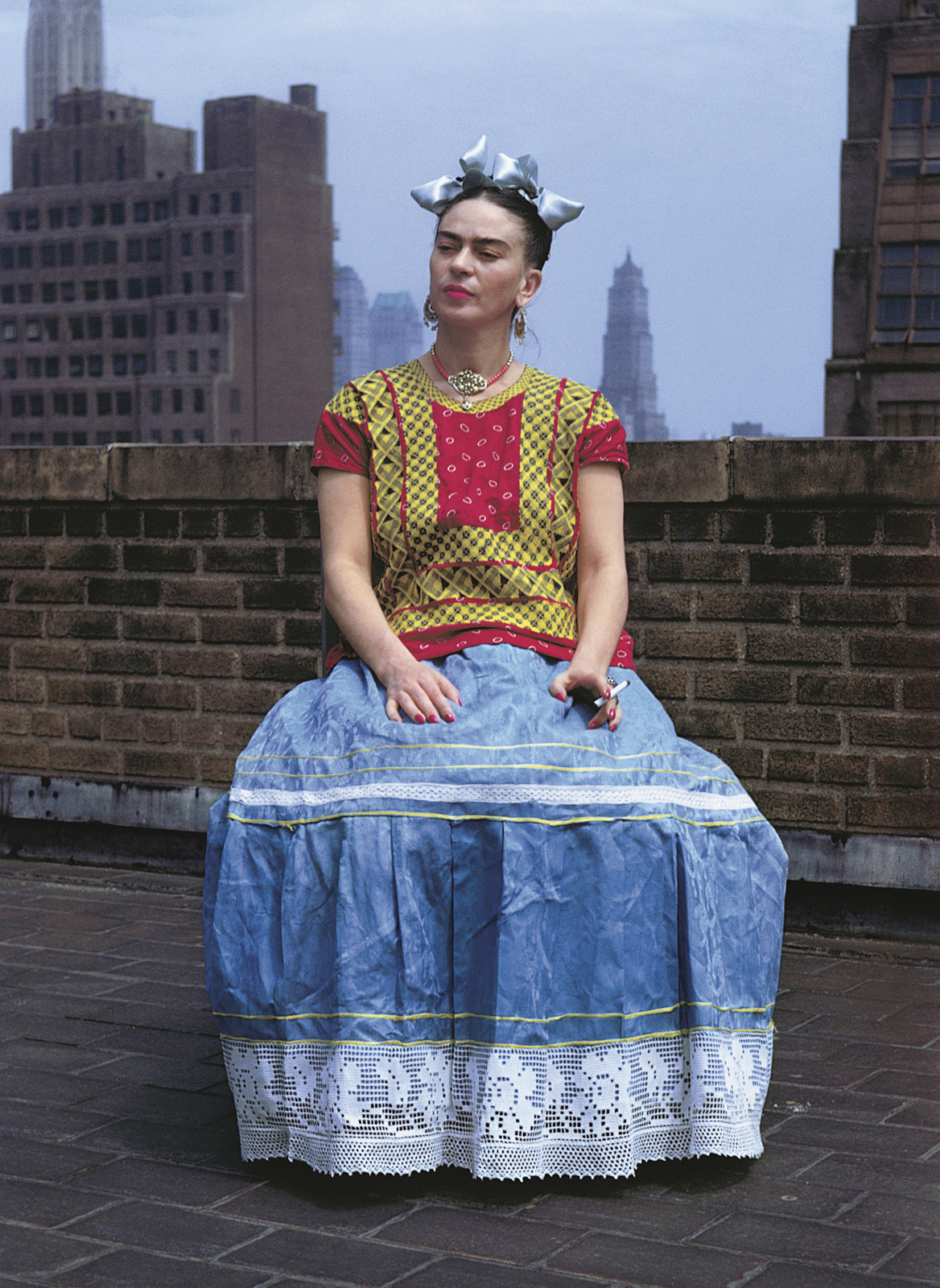

 Art Blart _ art and cultural memory archive
You must be logged in to post a comment.