This looks to be a fascinating exhibition, presenting as it does images from the first seven years of Arbus’ career as an independent artist. I wish I could see it.
What strikes one when viewing the 35mm photographs is how loose they are in terms of the framing and composition. Most of them could do with a good crop to tighten the image frame. Stripper with Bare Breasts Sitting in Her Dressing Room, Atlantic City, N.J. 1961 would have worked better if the focus had been tightened on the central figure. Similarly, Lady on a Bus, N.Y.C. 1957 works much better as a square image as seen in the feature image for the exhibition (below). Gone is the extraneous frontal detritus which adds nothing to the image. But just feel the intensity of the withering look of the women being projected out of the photograph – it’s as if she could bit your head off at any moment. She’s not a happy camper at being photographed.
This is Arbus experimenting, feeling out the medium and trying to find her signature voice as an artist. All the later, well known elements are there: keen observation; wonderful timing; a love of intimacy and a formal, visual relationship with the subject; strong central characters; a respect for outsiders; an understanding of the pain of others; and “the poignancy of a direct personal encounter … [and] a passionate interest in the individual.”
My favourite photographs in this posting are the two images Boy stepping off the curb, N.Y.C. 1957-58 and Girl with schoolbooks stepping onto the curb, N.Y.C., 1957. There is a marvellous insouciance about these photographs, “the divineness in ordinary things” embedded in the innocence of youth. We could be these people caught half-stride in their young lives, lightly stepping onto the pavement of the future. The reciprocal gaze makes us stare, and stare again… for even as those photographs are glimpses, glances of a life they become so much more, long lasting archetypes to which we can all relate. As Arthur Lubow observes citing John Szarkowski, a longtime director of photography at the Museum of Modern Art, “The reciprocal gaze that marks her early photographs would be furthered and intensified in the collaborative form of portraiture in her mature work, done with a medium-format camera. Szarkowski, for one, believed that the sharpness that larger film offered was in keeping with her aim to be both particular and mythic.”
Particular and mythic. How magical.
Not only did her work need the sharpness that medium format film offered, what a lot of people forget is that using a medium format camera like a Rollei is a totally different way of seeing the world. This is something that hardly anybody mentions. With a 35mm camera you bring the camera to your face and look through the viewfinder; with a medium format camera such as Arbus’ Rolleiflex or her Mamiya C330 (seen around her neck in a portrait of her in Central Park, below), the camera is held at waist level and you look down into the viewing prism of the camera… and everything is seen in reverse. I remember travelling around the world in 2000 and using a Mamiya C220 and thinking to myself, this is the most amazing experience staring down at the world, moving the camera left and right and the image moving the opposite way to what you think it will move, and then having to account for for parallax in the framing (where the image seen in the viewfinder is not framed the same as the image seen through the lens, because the viewfinder is in a slightly different position to the lens). Even with the one medium format image featured in this posting, I can just feel the different relationship of the camera and photographer to the world – in the format, in the cropping and in the previsualisation of the image. Looking down, back up to the subject, back down into the camera – instead of a horizontal perspective, both a horizontal, vertical and square perspective on the world. It’s all about feeling (in) her work. And you couldn’t really miss her if she wanted to take your photograph… look at all the equipment slung around her neck in her portrait in Central Park: twin lens hoods to stop glare, boom and large flash. She wanted you to know that she was there, to acknowledge her presence.
Arbus intuitively knew what she wanted – the presence of the person and the presence of the photographer acknowledged through a circular, two-way relationship. And we, the viewer, understand that process and acknowledge it. Hence, these photographs are not “apparently artless”, they are the very antithesis of that. They are both a thinking and feeling person’s photography. All of her photographs are intelligent investigations of the human condition which produce an empathic response in the viewer. They are a form of empathic vision in which the viewer is drawn into that magical and transcendent relationship. In my opinion, there has never been anyone like her, before or since: no devotees, followers or disciples (except, perhaps, Mary Ellen Mark). Arbus is one of a kind. She will always be my #1.
Dr Marcus Bunyan
Many thankx to the Metropolitan Museum of Art for allowing me to publish the photographs in the posting. Please click on the photographs for a larger version of the image.
The photographs from her early career reveal that the salient characteristics of her work – its centrality, boldness, intimacy and apparent artlessness – were present in her pictures since the very beginning. Arbus’s creative life in photography after 1962 is well documented and already the stuff of legend; now, for the first time, we can properly examine its origins.
“The camera is cruel, so I try to be as good as I can to make things even.”
“I do feel I have some slight corner on something about the quality of things. I mean it’s very subtle and a little embarrassing to me but I really believe there are things which nobody would see unless I photographed them.”
“One thing that struck me early is that you don’t put into a photograph what’s going to come out. Or, vice versa, what comes out is not what you put in.”
“…I would never choose a subject for what it means to me. I choose a subject and then what I feel about it, what it means, begins to unfold.”
Diane Arbus
“I think Arbus was suggesting that just as people are looking at us and we’re looking at them every day, the pictures made us introspective as viewers. They forced us to confront our own identity. And that’s a really beautiful switch, that switcheroo. We’re looking at somebody else but we’re mindful of our voyeurism, and we’re mindful of how we ourselves are presenting. ‘How am I different? How did I become the person I am?’ That’s one of the qualifying elements of an Arbus photograph: that you feel something about you, often something that might not be comfortable.”
“Arbus’s early photographs are wonderfully rich in achievement and perhaps as quietly riveting and ultimately controversial as the iconic images for which she is so widely known. She brings us face-to-face with what she had first glimpsed at the age of 16 – “the divineness in ordinary things” – and through her photographs we begin to see it too.”
Exhibition curator Jeff L. Rosenheim
Installation views of the exhibition diane arbus: in the beginning at the Metropolitan Museum of Art, New York
This landmark exhibition features more than 100 photographs that together redefine Diane Arbus (American, 1923-1971), one of the most influential and provocative artists of the 20th century. It focuses on the first seven years of her career, from 1956 to 1962, the period in which she developed the idiosyncratic style and approach for which she has been recognised praised, criticised, and copied the world over.
Arbus made most of her photographs in New York City, where she lived and died, and where she worked in locations such as Times Square, the Lower East Side, and Coney Island. Her photographs of children and eccentrics, couples and circus performers, female impersonators and Fifth Avenue pedestrians are among the most intimate and surprising images of the era.
The majority of the photographs in the exhibition have never before been seen and are part of the Museum’s Diane Arbus Archive, acquired in 2007 by gift and promised gift from the artist’s daughters, Doon Arbus and Amy Arbus. It was only when the archive came to The Met that this remarkable early work came to be fully explored. Arbus’s creative life in photography after 1962 is well documented and already the stuff of legend; now, for the first time, we can properly examine its origins.
“This is a shot inside a theater, of a movie called ‘Horrors of the Black Museum.’ The woman is using binoculars and when she focuses, daggers come out and blind her.”
As part of the inaugural season at The Met Breuer, diane arbus: in the beginning will open on July 12, featuring more than 100 photographs that together will redefine one of the most influential and provocative artists of the 20th century. This landmark exhibition will highlight never-before-seen early work of Diane Arbus (1923-1971), focusing on the first seven years of her career, from 1956 to 1962 – the period in which she developed the idiosyncratic style and approach for which she has been recognised, praised, criticised, and copied the world over. The exhibition is made possible by the Alfred Stieglitz Society. Additional support is provided by The Horace W. Goldsmith Foundation and the Art Mentor Foundation Lucerne.
“It is a rare privilege to present an exhibition this revelatory, on an artist of Arbus’s stature. More than two-thirds of these works have never before been exhibited or published,” said Thomas P. Campbell, Director and CEO of The Met. “We sincerely thank the Estate of Diane Arbus for entrusting us to show an unknown aspect of this remarkable artist’s legacy with the camera.”
Jeff Rosenheim, Curator in Charge of the Department of Photographs, added, “Arbus’s early photographs are wonderfully rich in achievement and perhaps as quietly riveting and ultimately controversial as the iconic images for which she is so widely known. She brings us face-to-face with what she had first glimpsed at the age of 16 – ‘the divineness in ordinary things’ – and through her photographs we begin to see it too.”
diane arbus: in the beginning focuses on seven key years that represent a crucial period of the artist’s genesis, showing Arbus as she developed her style and honed her practice. Arbus was fascinated by photography even before she received a camera in 1941 at the age of 18 as a present from her husband, Allan, and made photographs intermittently for the next 15 years while working with him as a stylist in their fashion photography business. But in 1956 she numbered a roll of 35mm film #1, as if to claim to herself that this moment would be her definitive beginning. Through the course of the next seven years (the period in which she primarily used a 35mm camera), an evolution took place – from pictures of individuals that sprang out of fortuitous chance encounters to portraits in which the chosen subjects became engaged participants, with as much stake in the outcome as the photographer. This greatly distinguishes Arbus’s practice from that of her peers, from Walker Evans and Helen Levitt to Garry Winogrand and Lee Friedlander, who believed that the only legitimate record was one in which they, themselves, appear to play little or no role. In almost complete opposition, Arbus sought the poignancy of a direct personal encounter.
Arbus made most of her photographs in New York City, where she was born and died, and where she worked in locations such as Times Square, the Lower East Side, Coney Island, and other areas. Her photographs of children and eccentrics, couples and circus performers, female impersonators and Fifth Avenue pedestrians are among the most intimate and surprising images of the era. From the beginning, Arbus believed fully that she had something special to offer the world, a glimpse of its many secrets: “I do feel I have some slight corner on something about the quality of things. I mean it’s very subtle and a little embarrassing to me but I really believe there are things which nobody would see unless I photographed them.”
Nearly half of the photographs that Arbus printed during her lifetime were made between 1956 and 1962, the period covered by this exhibition. At the time of her death in 1971, much of this work was stored in boxes in an inaccessible corner of her basement darkroom at 29 Charles Street in Greenwich Village. These prints remained undiscovered for several years thereafter and were not even inventoried until a decade after her death. The majority of the photographs included in the exhibition are part of the Museum’s vast Diane Arbus Archive, acquired in 2007 by gift and promised gift from the artist’s daughters, Doon Arbus and Amy Arbus. It was only when the archive – a treasury of photographs, negatives, notebooks, appointment books, correspondence, and collections – came to The Metropolitan Museum of Art in 2007 that this seminal early work began to be fully explored.
Among the highlights in the exhibition are lesser-known published works such as Lady on a bus, N.Y.C. 1957, Boy stepping off the curb, N.Y.C. 1957-58, The Backwards Man in his hotel room, N.Y.C. 1961, and Jack Dracula at a bar, New London, Conn. 1961, as well as completely unknown additions to her oeuvre, such as Taxicab driver at the wheel with two passengers, N.Y.C. 1956,Woman with white gloves and a pocket book, N.Y.C. 1956,Female impersonator holding long gloves, Hempstead, L.I. 1959, and Man in hat, trunks, socks and shoes, Coney Island, N.Y. 1960. Included among the selection of six square-format photographs from 1962 is the iconic Child with a toy hand grenade in Central Park, N.Y.C. 1962, a photograph that signals the moment when Arbus turned away from the 35mm camera and started working with the 2 1/4 inch square format Rolleiflex camera, a format that remained a distinctive attribute of her work for the rest of her life. The photographs from her early career reveal that the salient characteristics of her work – its centrality, boldness, intimacy, and apparent artlessness – were present in her pictures since the very beginning. Arbus’s creative life in photography after 1962 is well documented and already the stuff of legend; now, for the first time, we can properly examine its origins.
diane arbus: in the beginning is curated by Jeff L. Rosenheim, Curator in Charge of the Department of Photographs at The Met.
“We’re in the isolationist ’50s, and here’s a glamorous woman on Fifth Avenue, wearing gloves, with her pocketbook, but with this anxiety on her face.”
Jeff L. Rosenheim curator: There are many pictures from her first 50 rolls of film in the show. And you can see for yourself that she is already isolating individuals, pedestrians on Fifth Avenue. She is approaching people, and in almost every instance, it’s one image and the subject is addressing the camera. Arbus did not want to do what almost every one of her peers was doing, which she was highly aware of – she was well versed in the history of the medium; she was taking classes from Lisette Model and she had studied with Berenice Abbott and Alexey Brodovitch. What she took away from that training was this feeling that she could find her subject and they could find her in equal measure. She allowed herself to be vulnerable enough. Helen Levitt used a right-angle viewfinder so her subjects couldn’t see what she was doing. Walker Evans used the folds of his coat to hide his camera on the subway. The style of documentary photography was that you wanted to see but you didn’t want to be seen, and Arbus had a completely different method. It was to use the camera as an expressive device that allows the viewer of the photograph to be implicated by the subject looking directly at the artist.
“Arbus is not without her critics and, where some people praise her ability to celebrate the marginalized and glorify the unusual, others see her work as cruel and exploitative. Lubow, however, claims that both stances oversimplify the real complexity of her work, which is perhaps where both he and Jeff Rosenheim, the curator in charge of photography at the Met, take a stab at redefining Arbus, because if we define her solely by the people she photographed, we’re missing the point.
“I think both Jeff and I realized that from the beginning she wanted to capture a moment where she was seeing and being seen, she wanted a reciprocal look,” Lubow says. “Jeff is doing that formally, and showing you that she needed it as an artist, and I’ve tried to show that she needed it as a person. She was motivated to feel and to record the response of her subject to her. That was how she felt real, this was how she felt alive.””
“From the very beginning of her career, she was taking photographs to obtain a vital proof – a corroboration of her own existence. The pattern was set early. When she was 15, she described to a friend how she would undress at night in her lit bathroom and watch an old man across the courtyard watch her (until his wife complained). She not only wanted to see, she needed to be seen. As a street photographer, she dressed at times in something attention-grabbing, like a fake leopard-skin coat. She didn’t blend into the background, she jumped out of it. And she fascinated her subjects. “People were interested in Diane, just as interested in her as she was in them,” John Szarkowski, a longtime director of photography at the Museum of Modern Art, once told me…
Diane had a talent for friendship, and she maintained long-term connections with all sorts of people – eccentrics in rooming houses, freaks in sideshows, socialites on Park Avenue. She needed those relationships. But she also relied on filmed verification of her impact on others. The reciprocal gaze that marks her early photographs would be furthered and intensified in the collaborative form of portraiture in her mature work, done with a medium-format camera. Szarkowski, for one, believed that the sharpness that larger film offered was in keeping with her aim to be both particular and mythic.”
I think Arbus was suggesting that just as people are looking at us and we’re looking at them every day, the pictures made us introspective as viewers. They forced us to confront our own identity. And that’s a really beautiful switch, that switcheroo. We’re looking at somebody else but we’re mindful of our voyeurism, and we’re mindful of how we ourselves are presenting. ‘How am I different? How did I become the person I am?’ That’s one of the qualifying elements of an Arbus photograph: that you feel something about you, often something that might not be comfortable.
“This is the transition year, when she changed to square format. The receptionist is in a kind of diorama, not one made by the woman but by the culture.”
Diane Arbus in Central Park with her Mamiya Camera (330?) in 1967
Diane Arbus (American, 1923-1971) Child with a toy hand grenade in Central Park, N.Y.C. 1962 1962 Silver gelatin print
The Metropolitan Museum of Art 1000 Fifth Avenue at 82nd Street New York, New York 10028-0198 Phone: 212-535-7710
Opening hours: Sunday – Tuesday and Thursday: 10am – 5pm Friday and Saturday: 10am – 9pm Closed Wednesday
Curators: Tanya Barson, Curator, Tate Modern with Hannah Johnston, Assistant Curator, Tate Modern
Alfred Stieglitz (American, 1864-1946) Untitled (O’Keeffe with sketchpad and watercolors) 1918 Silver gelatin print
A beautiful world
Briefly I can comment on the influence of photography, calligraphy and Japanese printmaking on the artistic practice of Georgia O’Keeffe.
With their flattened perspective, manipulation of scale, and forms shaped by light, her paintings are a synthesis, a synesthesia of interior and exterior e/motions linked to music and the modern. As Louisa Buck notes, “Texture and painterly qualities were not what was important in the depiction of her smoothed, abstracted forms… Tellingly, she once declared that “art must be a unity of expression so complete that the medium becomes unimportant.””
Important in that unity of expression is the flow of energy in time and space. Throughout a career that spanned many years O’Keeffe never lost that bravura rendition of energy that was present in her early watercolours. The concerns that were present in the first work, developed throughout her career, were still present at the very end in different form. O’Keeffe wasn’t obsessed with the power of the image but rather with insight into the condition of the image, and how it resolved and portrayed the world in its many forms. Texture was not necessary to this clear seeing… of beauty in the intricacy of nature, of Black Place / White Space, and of the faraway – “that memory or dream thing”. Far Away.
Dr Marcus Bunyan
Many thankx to Tate for allowing me to publish the art work in the posting. Please click on the artwork for a larger version of the image.
“When I started painting the pelvis bones I was most interested in the holes in the bones – what I saw through them – particularly the blue from holding them up against the sky… They were the most beautiful thing against the Blue – that Blue that will always be there as it is now after all man’s destruction is finished.”
“Whether you succeed or not is irrelevant, there is no such thing. Making your unknown known is the important thing – and keeping the unknown always beyond you.”
“Someone else’s vision will never be as good as your own vision of yourself. Live and die with it ’cause in the end it’s all you have. Lose it and you lose yourself and everything else. I should have listened to myself.”
Georgia O’Keeffe
“The radical cropping, and the use of fore- and background, but less so of a middle-ground, is clearly influenced by photography – in particular the work of her friend Paul Strand (1890-1976) – but it is disingenuous to suggest that her painting is just like photography, or that photography captures the scenery better (as has been said about some of the works in this exhibition) – since her painterly quality, despite the flatness of the surface, creates a vast sense of space in the composition, reflecting the monumentality of the landscape and a true sense of the expansive horizon. Her landscapes pulsate and, unlike photography, which captures one decisive moment, they are living and breathing. The colours she chooses reflect the atmosphere of the place – particularly the heat of the New Mexico desert – and it is this affinity to a place, this experience of a landscape, that O’Keeffe paints best…
Is it therefore correct that the first major exhibition of O’Keeffe’s work in the UK in 20 years – marking the centenary of her 1916 debut exhibition at 291 – should portray her as half of a co-dependent artistic duo? Of the 221 works in the show, from 71 lenders, only 115 are major O’Keeffes. The rest comprise works by Stieglitz, Strand, Ansel Adams (1902-84), and others – all men – from the sphere in which she was working. What male artist of this calibre would have nearly half the items in his major retrospective made up of works by women who had been working around him? …
Her initial representational painting would be done from life, out in the open air, then she would take the canvas home to her studio and work over it so that it took on an emotional resonance – something she described as: “that memory or dream thing I do that for me comes nearer reality than my objective kind of work”. She painted on canvas with a very fine weave and coated it with a special primer to make the surface extremely smooth, blending one colour into the next, making sure that the brushstrokes were invisible. Her colours remain rich and bright to this day – O’Keeffe was a painter who knew what she was doing on every level.”
Anna McNay, “Georgia O’Keeffe,” on the Studio International website 15 August 2016 [Online] Cited 17/02/2023
“The Texas country that I know is the plains. It was land like the ocean all the way around. Hardly anybody liked it, but I loved it. The wind blew too hard, the dust flew, and we had heavy dust storms. I’ve come in many times when I’d be the colour of the road. At night you could drive away from the town, right out into space. You didn’t have to drive on the road, and when the sunset was gone, you turned around and went back, lighted by the light of the town.”
Georgia O’Keeffe in the film Georgia O’Keeffe, produced and directed by Perry Miller Adato; a WNET/THIRTEEN production for Women in Art, 1977. Portrait of an Artist, no.1; series distributed by Films, Inc./Home Vision, New York.
“I was busy in the daytime and I made most of these drawings at night. I sat on the floor and worked against the closet door. Eyes can see shapes. It’s as if my mind creates shapes that I don’t know about. I get this shape in my head and sometimes I know what it comes from and sometimes I don’t. And I think with myself that there are a few shapes that I have repeated a number of times during my life and I haven’t known I was repeating them until after I had done it.”
Georgia O’Keeffe in the film Georgia O’Keeffe, produced and directed by Perry Miller Adato; a WNET/THIRTEEN production for Women in Art, 1977. Portrait of an Artist, no.1; series distributed by Films, Inc./Home Vision, New York.
Georgia O’Keeffe (American, 1887-1986) Untitled (Abstraction/Portrait of Paul Strand) 1917 Watercolour on paper
O’Keeffe was inspired by the European modernist movement and Kandinsky’s theories on how visual art can or should be pure patterns of form, colour and line as opposed to representing the material world. Blue and Green Music incorporates these ideas with O’Keeffe’s love of landscapes and the natural world.
Throughout her early work, O’Keeffe was influenced by the European modernist movement and how visual art could be pure patterns of form, colour and line as opposed to representing the material world. From the Lake No.1 clearly demonstrates these ideas, coupled with her enthusiasm for nature and her fascination with bodies of water.
O’Keeffe made many paintings during her regular trips to Lake George, New York, especially of the vibrant colours of the leaves and trees during autumn. Throughout her life she was deeply inspired by nature and was famous for painting natural objects such as flowers, shells and landscapes from areas she lived in throughout her life, or made painting trips to.
Tate Modern presents the largest retrospective of modernist painter Georgia O’Keeffe (1887-1986) ever to be shown outside of America. Marking a century since O’Keeffe’s debut in New York in 1916, it is the first UK exhibition of her work for over twenty years. This ambitious and wide-ranging survey reassesses the artist’s place in the canon of twentieth-century art and reveals her profound importance. With no works by O’Keeffe in UK public collections, the exhibition is a once-in-a-generation opportunity for European audiences to view her oeuvre in such depth.
Widely recognised as a founding figure of American modernism, O’Keeffe gained a central position in leading art circles between the 1910s and the 1970s. She was also claimed as an important pioneer by feminist artists of the 1970s. Spanning the six decades in which O’Keeffe was at her most productive and featuring over 100 major works, the exhibition charts the progression of her practice from her early abstract experiments to her late works, aiming to dispel the clichés that persist about the artist and her painting.
Opening with the moment of her first showings at ‘291’ gallery in New York in 1916 and 1917, the exhibition features O’Keeffe’s earliest mature works made while she was working as a teacher in Virginia and Texas. Charcoals such as Special No.9 1915 and Early No. 2 1915 are shown alongside a select group of highly coloured watercolours and oils, such as Sunrise 1916 and Blue and Green Music 1919. These works investigate the relationship of form to landscape, music, colour and composition, and reveal O’Keeffe’s developing understanding of synaesthesia.
A room in the exhibition considers O’Keeffe’s professional and personal relationship with Alfred Stieglitz (1864-1946); photographer, modern art promoter and the artist’s husband. While Stieglitz increased O’Keeffe’s access to the most current developments in avant-garde art, she employed these influences and opportunities to her own objectives. Her keen intellect and resolute character created a fruitful relationship that was, though sometimes conflictive, one of reciprocal influence and exchange. A selection of photography by Stieglitz is shown, including portraits and nudes of O’Keeffe as well as key figures from the avant-garde circle of the time, such as Marsden Hartley (1877-1943) and John Marin (1870-1953).
Still life formed an important investigation within O’Keeffe’s work, most notably her representations and abstractions of flowers. The exhibition explores how these works reflect the influence she took from modernist photography, such as the play with distortion in Calla Lily in Tall Glass – No. 2 1923 and close cropping in Oriental Poppies 1927. A highlight is Jimson Weed / White Flower No. 1 1932, one of O’Keeffe’s most iconic flower paintings.
O’Keeffe’s most persistent source of inspiration however was nature and the landscape; she painted both figurative works and abstractions drawn from landscape subjects. Black Mesa Landscape, New Mexico / Out of Black Marie’s II 1930 and Red and Yellow Cliffs 1940 chart O’Keeffe’s progressive immersion in New Mexico’s distinctive geography, while works such as Taos Pueblo 1929/34 indicate her complex response to the area and its layered cultures. Stylised paintings of the location she called the ‘Black Place’ are at the heart of the exhibition.
Georgia O’Keeffe is curated by Tanya Barson, Curator, Tate Modern with Hannah Johnston, Assistant Curator, Tate Modern. The exhibition is organised by Tate Modern in collaboration with Bank Austria Kunstforum, Vienna and the Art Gallery of Ontario, Toronto. It is accompanied by a catalogue from Tate Publishing and a programme of talks and events in the gallery.
While living in New York in the 1920s and 1930s O’Keefe made many paintings of the city inspired by the architecture and lifestyle. In Radiator Building – Night, New York O’Keeffe displays her keen eye for composition and uses colour sparingly, but expertly, to convey the atmosphere of the city at night.
O’Keeffe lived in New York during the 1920s and 30s and made many paintings of the city despite being told to ‘leave New York to the men’. She lived in The Shelton Hotel in Manhattan, for 11 years and this piece is a beautiful example of the studies she created of the city from above in her 30th floor apartment.
Georgia O’Keeffe (American, 1887-1986) Lake George 1922 Oil on canvas 16 1/4 in. x 22 in. Collection SFMOMA Gift of Charlotte Mack
Georgia O’Keeffe (American, 1887-1986) Black Iris 1926 Oil on canvas 91.4 x 75.9cm The Metropolitan Museum of Art, New York. Alfred Stieglitz Collection, 1969 Photo: Malcom Varon ? 2015 Image copyright The Metropolitan Museum of Art/ Art Resource/ Scala, Florence
O’Keeffe’s large close-up paintings of flowers were intended to ‘make even busy New Yorkers take time to see what I see of flowers’ who often didn’t take the time to engage with nature as she did. This detail of a black iris uses a subtle colour pallet to explore the intricacies of the flower petals and their contrasting tones.
Georgia O’Keeffe (American, 1887-1986) Abstraction Blue 1927 Oil on canvas 102.1 x 76cm The Museum of Modern Art, New York. Acquired through the Helen Acheson Bequest, 1979 ? 2015 Digital image, The Museum of Modern Art, New York / Scala, Florence
O’Keeffe experimented with abstraction in her early work, saying ‘it is only by selection, by elimination, by emphasis, that we get at the real meaning of things’. Her love of nature is evident in Abstraction Blue, which hints at flower petals, clouds, the sky and the streams, rivers and seashores she enjoyed making studies of.
O’Keeffe was fascinated with nature, and collected natural objects such as flowers, bones, shells and leaves to use as subjects in her paintings. Shell No.2 is unusual in the way O’Keeffe has arranged a collection of objects related to the sea, as her paintings typically show objects in isolation to their natural environment.
O’Keeffe was constantly inspired by nature and hoped that her paintings of enlarged flowers would draw the attention of busy New Yorkers and encourage them to appreciate the beauty in intricacy of nature that might otherwise pass them by. This piece depicts a close up of two lilies, a regularly repeated subject that earned O’Keeffe the nickname ‘The Lady of the Lily’, first coined by caricaturist Miguel Covarrubias in the New Yorker.
Georgia O’Keeffe (American, 1887-1986) Grey, Blue & Black – Pink Circle 1929 Oil on canvas 91.4 x 122cm Dallas Museum of Art, gift of The Georgia O’Keeffe Foundation
Originally painted in 1929, Grey Blue & Black – Pink Circle demonstrates O’Keeffe’s interest in the European modernist movement that concentrated on the idea that visual art could or should be purely patterns of form, colour and line. Using vivid colour palettes inspired by nature, she often abstracted natural objects such as flowers, trees and shells.
Georgia O’Keeffe (1887-1986) is widely recognised as a foundational figure within the history of modernism in the United States, and during her lifetime became an American icon. Her career spanned more than seven decades and this exhibition encompasses her most productive years, from the 1910s to the 1960s. It aims to dispel the clichés that persist about O’Keeffe’s painting, emphasising instead the pioneering nature and breadth of her career.
O’Keeffe was born in Sun Prairie, Wisconsin, the daughter of Irish and Dutch-Hungarian immigrants, and died in Santa Fe, New Mexico, at the age of 98. She decided to be an artist before she was 12 years old. She was the most prominent female artist in the avant-garde circle around the photographer and gallerist Alfred Stieglitz (1864-1946), later O’Keeffe’s husband. The first showing of her work was at Stieglitz’s New York gallery ‘291’ in 1916, now 100 years ago. Tate Modern’s exhibition therefore marks a century of O’Keeffe
The early years and ‘291’
“I have things in my head that are not like what anyone has taught me – shapes and ideas so near to me … I decided to start anew – to strip away what I had been taught… I began with charcoal and paper and decided not to use any other colour until it was impossible to do what I wanted to do in black and white.”
O’Keeffe’s earliest mature works were abstractions in charcoal, made while she was working as an art teacher in Virginia and Texas. These drawings, made on a comparatively large scale, were exhibited by Alfred Stieglitz at ‘291’ (evoked by this room) in O’Keeffe’s debut in 1916 and in her first solo exhibition in 1917. O’Keeffe had sent her drawings to Anita Pollitzer, a friend from her student days, who first showed them to Stieglitz. He exclaimed: ‘finally a woman on paper’.
This early period also reveals O’Keeffe to be a gifted colourist, skilled in watercolour. Strikingly vivid paintings of the mountain landscapes of Virginia and plains of Texas demonstrate her skilful handling of colour. Her early oil paintings also took their inspiration from the landscape and show an interest in synaesthesia, the stimulation of one sense by another, for example translating sounds such as cattle lowing into abstract forms
Abstraction and the senses
“I paint because colour is a significant language to me.”
After moving from Texas to New York in 1918, O’Keeffe turned with greater assurance to abstraction and to oil paint as a medium. Focusing on paintings from 1918 until 1930, this room shows the importance of abstraction in O’Keeffe’s work and how she took inspiration from sensory stimulation. Here, her paintings investigate the relationship of form to music, colour and composition, showing her understanding of synaesthesia and chromothesia, or as she said ‘the idea that music could be translated into something for the eye’. We also see her early flower-abstractions.
The critical response emphasised O’Keeffe’s identity as a woman artist and attributed essential feminine qualities to her work, often hinting heavily at erotic content. Stieglitz was a major source for such attitudes and supported them by introducing psychoanalytic interpretations of her paintings. Frustrated with this limited view, O’Keeffe began to transform her style and this room includes several less widely-known hard-edged or cubist-inspired abstractions.
“When people read erotic symbols into my paintings, they’re really talking about their own affairs.
O’Keeffe, Stieglitz and their circle
“I have been much photographed… I am at present prejudiced in favour of photography.”
This room takes a closer look at O’Keeffe’s creative and personal partnership with Alfred Stieglitz and the circle of artists, writers and cultural figures that congregated around him and the couple. Many of their personal acquaintances are pictured in Stieglitz’s photographs, figures who impacted on their professional and private lives. This was the generation of the ‘Progressive Era’, men and women who came of age in the late nineteenth and early twentieth century and who embodied an optimistic cultural nationalism, wanting to create a modern America.
Two major series of Stieglitz’s work are displayed here: his extended portrait of O’Keeffe, in which we can see her as both muse and collaborator, and his sky photographs titled Equivalents, several of which were also made as portraits of Georgia, linking the two series. Their personal and aesthetic exchange is continued in the painting A Celebration 1924, an image of clouds made by O’Keeffe the year they married. Other works by O’Keeffe can also be considered indirect portraits of Stieglitz.
New York cityscapes
When O’Keeffe first expressed an intention to paint New York, she said, ‘Of course, I was told it was an impossible idea – even the men hadn’t done too well with it’. She made her first painting of the city in 1925, continuing with the same subject for the rest of the decade. O’Keeffe’s paintings show views from street level, the tall buildings providing an urban parallel to her early depictions of canyons in Texas and later in New Mexico. O’Keeffe and Stieglitz lived on the 30th floor of a skyscraper, and she delighted in the vantage point it afforded of the city beneath.
“I know it is unusual for an artist to want to work way up near the roof of a big hotel, in the heart of a roaring city, but I think that’s just what the artist of today needs for stimulus… Today the city is something bigger, grander, more complex than ever before in history.”
O’Keeffe stopped painting New York not long after the Wall Street Crash of 1929, the year she made her first prolonged visit to New Mexico. With the onset of the Great Depression, the city’s utopian spirit vanished, and it no longer held her attention.
Lake George
“I wish you could see the place here – there is something so perfect about the mountains and the lake and the trees – sometimes I want to tear it all to pieces – it seems so perfect – but it is really lovely.”
The rural Northeast, through Lake George in upstate New York, as well as coastal Maine and Canada, contrasts both with New York City and, later, O’Keeffe’s travels to the Southwest. Lake George in particular, where the Stieglitz family had a summer home, enabled O’Keeffe to continue her investigation of abstraction from nature. O’Keeffe first visited Lake George as a student in 1908, but during her three-decade relationship with Stieglitz, she spent summer and autumn there. ‘Here I feel smothered with green’, she remarked, revealing her ambivalence towards the location. Nevertheless, the years she spent summering there were some of the most prolific of her career.
Lake George and the Northeast suggested a different palette to O’Keeffe. Her works made there range from soft blue and green to the red and purple of maple trees and the warm red of apples and autumn leaves. Like the images of New York, there are correlations between her works and Stieglitz’s photography – key motifs include the lake itself, trees, turbulent clouds, barns and still lifes of apples or leaves.
Flowers and still lifes
“Nobody sees a flower – really – it is so small – we haven’t time – and to see takes time… So I said to myself – I’ll paint what I see – what the flower is to me, but I’ll paint it big and they will be surprised into taking time to look at it – I will make even busy New Yorkers take time to see what I see of flowers… Well – I made you take time to look … and when you took time … you hung all your own associations with flowers on my flower and you write about my flower as if I think and see what you think and see of the flower – and I don’t.”
O’Keeffe is renowned for her flower paintings, which she made from the 1920s until the 1950s. At first her work tended towards imaginative, semi-abstract compositions inspired by flowers, or showing the entire form of the flower, as in her delicate calla lilies of the 1920s. They progressed to works with a greater photographic realism, focusing in close-up on the blooms themselves. This move to realism was partly motivated by her aim to dispel the sexual or bodily interpretations of her work made by critics, and O’Keeffe lamented that this view continued.
Black Cross with Stars and Blue demonstrates O’Keeffe’s passion for the New Mexico landscape with her talent for creating strong compositions and using a limited colour palette effectively. This early painting of New Mexico echoes her city paintings of the era, using the cross as a towering foreground for the even more monumental mountains behind.
This is one of O’Keeffe’s earliest paintings of the New Mexico landscape after she first visited the area in the summer of 1929. It’s a beautiful example of her early style of painting, with a focus on colour and contour, simplifying and refining the dessert terrain that truly inspired her.
“When I got to New Mexico, that was mine. As soon as I saw it, that was my country. I’d never seen anything like it before, but it fitted to me exactly. It’s something that’s in the air, it’s just different. The sky is different, the stars are different, the wind is different.”
Georgia O’Keeffe in the film Georgia O’Keeffe, produced and directed by Perry Miller Adato; a WNET/THIRTEEN production for Women in Art, 1977. Portrait of an Artist, no.1; series distributed by Films, Inc./Home Vision, New York.
Having made the first of many trips to New Mexico the previous year, O’Keeffe was constantly inspired by the distinctive red hills of the area, and made it her permanent home in later life. In Rust Red Hills, O’Keeffe uses a range of rich colours, exploring the natural form of the local landscape and the variation of colour within the rock formations.
Sangre de Cristo Mountains in Taos County, New Mexico, with Arroyo Hondo in the front
The arid desert terrain of New Mexico, where O’Keeffe spent many months in her Ghost Ranch house, was littered with animal bones which she often collected and painted. She frequently positioned these bones alongside flowers in her pieces to express how she felt about the desert she enjoyed so much.
The mountain Pedernal was visible from the front door of O’Keeffe’s Ghost Ranch house in New Mexico and is present in a vast amount of her paintings of the New Mexico landscape. O’Keeffe felt a deep connection with the area and described the flat top mountain as ‘my private mountain. It belongs to me’. She picked up animal skulls from the desert terrain and often used them as subjects for her paintings, which became some of her most iconic works.
“The first year I was out here I began picking up bones because there were no flowers. I wanted to take something home, something to work on… When it was time to go home I felt as if I hadn’t even started on the country and I wondered what I could take home that I could continue what I felt about the country and I couldn’t think of anything to take home but a barrel of bones. So when I got home with my barrel of bones to Lake George I stayed up there quite a while that fall and painted them. That’s where I painted my first skulls, from this barrel of bones.”
Georgia O’Keeffe in the film Georgia O’Keeffe, produced and directed by Perry Miller Adato; a WNET/THIRTEEN production for Women in Art, 1977. Portrait of an Artist, no.1; series distributed by Films, Inc./Home Vision, New York.
Georgia O’Keeffe (American, 1887-1986) From the Faraway, Nearby 1937 Oil in canvas Photograph: Georgia O’Keeffe/The Metropolitan Museum of Art/Art Resource/Scala, Florence
New Mexico: Taos and Alcalde
“When I got to New Mexico that was mine. As soon as I saw it that was my country. I’d never seen anything like it before, but it fitted to me exactly. It’s something that’s in the air – it’s different. The sky is different, the wind is different. I shouldn’t say too much about it because other people may be interested and I don’t want them interested.”
In 1929 O’Keeffe made her first prolonged visit to New Mexico in the Southwestern United States, a dry and arid high altitude desert region. Initially she was invited to stay with the socialite, art patron and writer Mabel Dodge Luhan in her house in Taos, a town already home to an established artistic community.
Over the next few years, O’Keeffe made repeated visits to New Mexico. Here she had found a landscape that was a contrast to the East coast but whose rural and expansive qualities felt familiar. O’Keeffe explored the specifics of the region, the adobe or earth-built architecture, the crosses, as well as views of the wide mesas or flat mountain plateaus, revealing its cultural complexity – the layering of Native American and Spanish colonial influences on the landscape
From the faraway, nearby: Skull Paintings
“When I found the beautiful white bones on the desert I picked them up and took them home… I have used these things to say what is to me the wideness and wonder of the world as I live in it.”
O’Keeffe began painting animal bones, principally skulls, around 1931, but had collected them since 1929. As she explained, “that first summer I spent in New Mexico I was a little surprised that there were so few flowers. There was no rain so the flowers didn’t come. Bones were easy to find so I began collecting bones.” Wanting to take something back with her she decided “the best thing I could do was to take with me a barrel of bones.”
Writers and painters at this time were searching for a specifically American iconography, or in O’Keeffe’s words ‘the Great American Thing’. In O’Keeffe’s paintings the bones, particularly when juxtaposed with the desert landscape of the Southwest, summarise the essence of America which she felt was not in New York but was the country west of the Hudson River, which symbolised what she called ‘the Faraway’
Ghost Ranch
“I wish you could see what I see out the windows – the earth pink and yellow cliffs to the north – the full pale moon about to go down in an early morning lavender sky behind a very long beautiful tree-covered mesa to the west – pink and purple hills in front and the scrubby fine dull green cedars – and a feeling of much space – It is a very beautiful world.”
O’Keeffe first discovered Ghost Ranch in 1934 – a ‘dude ranch’ for wealthy tourists to gain an experience of the ‘wild west’. Though O’Keeffe wanted nothing to do with the ranch’s patrons she stayed in an adobe house on the property from 1937, purchasing the house in 1940, her first home in New Mexico. During the later 1930s and 1940s O’Keeffe deepened her exploration of the distinctive landscape of the Southwest – the intense reds and pinks of the earth and cliffs, the desiccated trees, the Chama River and the Cerro Pedernal (‘flint hill’), which is the Spanish name for the flat-topped mesa viewed in the distance from Ghost Ranch. ‘It’s my private mountain. It belongs to me’, she said, half-jokingly. ‘God told me if I painted it enough, I could have it’.
The distinctive landscape of the New Mexico desert was a constant source of inspiration for O’Keeffe, from her first visit to the area in 1929. She discovered Ghost Ranch in 1934 where she made many painting trips and purchased a house there in 1940. O’Keeffe’s paintings of New Mexico terrain and the natural objects she found there became some of her best known works.
O’Keeffe was deeply inspired by the New Mexico landscape that she visited on painting trips from 1929 onwards. She bought a house at Ghost Ranch 1940 before moving there permanently in 1949 and never tired of the desert landscape that she made countless studies of. ‘It’s my private mountain. It belongs to me’, she said, half-jokingly ‘God told me if I painted it enough, I could have it’
The arid desert landscape of New Mexico, where O’Keeffe had a house at Ghost Ranch, was a constant inspiration for her paintings. Red Hills and Bones depicts the distinctive red hills of the local area, exaggerating their colours in contrast to the white animal bones, which in turn mirror the ridges of the landscape in the background.
“The Black Place is about one hundred and fifty miles from Ghost Ranch and as you come to it over a hill, it looks like a mile of elephants – grey hills all about the same size with almost white sand at their feet. When you get into the hills you find that all the surfaces are evenly crackled so walking and climbing are easy…
I don’t remember what I painted on my first trip over there. I have gone so many times. I always went prepared to camp. There was a fine little spot quite far off the road with thick old cedar trees with handsome trunks – not very tall but making good spots of shade…
Such a beautiful, untouched lonely-feeling place – part of what I call the Far Away.”
Georgia O’Keeffe in Georgia O’Keeffe (A Studio Book), published by Viking Press, New York, 1976
“I must have seen the Black Place first driving past on a trip into the Navajo country and, having seen it, I had to go back to paint – even in the heat of mid-summer. It became one of my favourite places to work … as you come to it over a hill, it looks like a mile of elephants – grey hills all about the same size.”
Two very specific locations recur frequently in O’Keeffe’s work. Their repetition allowed her to explore the various conditions of landscape through changing light and seasons, and its representation through degrees of abstraction. In one location, the ‘White Place’ – a site of grey-white cliffs in the Chama River valley – she explored the differing variations of light on the white limestone cliffs and contrasted this with vivid blue sky. In the more distant ‘Black Place’ – which is 150 miles west of Ghost Ranch – she progressively abstracted from observed, perceptual reality towards more intensely-coloured, non-naturalistic compositions, painted from memory.
In the ‘White Place’ and ‘Black Place’ paintings O’Keeffe also became more clearly engaged with seriality, obsessively returning to the same motif and working through it in its different permutations.
Georgia O’Keeffe (American, 1887-1986) In the Patio No IV 1948 Illustration: 2016 Georgia O’Keeffe Museum/ DACS, London
“Those little squares in the door paintings are tiles in front of the door; they’re really there, so you see the painting is not abstract. It’s quite realistic. I’m always trying to paint that door – I never quite get it… It’s a curse – the way I feel I must continually go on with that door. Once I had the idea of making the door larger and the picture smaller, but then the wall, the whole surface of that wonderful wall, would have been lost.”
Georgia O’Keeffe in Katherine Kuh, The Artist’s Voice: Talks with Seventeen Artists, published by Harper & Row, New York, 1961; quoted in Georgia O’Keeffe and Her Houses, 2012.
During her long stays in her Ghost Ranch house in New Mexico, O’Keeffe picked up bones from the desert floor and began to paint them. This piece is part of a series of paintings she made to show the sky as seen through the various holes in a pelvis bone she found.
“When I started painting the pelvis bones I was most interested in the holes in the bones – what I saw through them – particularly the blue from holding them up against the sky… They were the most beautiful thing against the Blue – that Blue that will always be there as it is now after all man’s destruction is finished.”
The series: Abiquiú Patios, pelvis bones and cottonwood trees
“When I started painting the pelvis bones I was most interested in the holes in the bones – what I saw through them – particularly the blue from holding them up in the sun against the sky… They were most beautiful against the Blue – that Blue that will always be there as it is now after all man’s destruction is finished.”
Working in series became an increasingly evident approach for O’Keeffe in the 1940s and 1950s. She developed three series simultaneously during this period, each one exploring a path towards abstraction, in parallel to developments in abstract painting in New York. They were also made against the backdrop of the Second World War (referred to in the quotation above), and of Stieglitz’s death in 1946. At the same time O’Keeffe’s work was becoming increasingly prominent, with major solo exhibitions at The Art Institute of Chicago and the Museum of Modern Art in New York.
O’Keeffe continued her investigation of bones, using pelvis bones rather than skulls, held up against the sky, or viewing a distant landscape through an aperture in the bone. Another motif was the patio of O’Keeffe’s house at Abiquiú, her second New Mexico home, with its distinctive door presented in varying degrees of naturalism and abstraction. Lastly the series of cottonwood trees reveals a more painterly approach to the serialised motif.
Tony Vaccaro (American, 1922-2022) Georgia O’Keeffe, Taos Pueblo, New Mexico 1960 1960 Gelatin silver print on paper 16.7 x 23.5cm Chrysler Museum of Art, Norfolk, VA; photo courtesy Michael A. Vaccaro Studios
“Where I was born and where and how I have lived is unimportant. It is what I have done with where I have been that should be of interest.”
O’Keeffe’s engagement with the Southwest was deep and enduring. This room includes drawings and sketches that reveal aspects of her working method as she immersed herself within the landscape or worked back in one of her two houses and their respective studios. It also includes photographs of O’Keeffe taken by Stieglitz in New York State, but with attributes that place her in the Southwest such as Native American blankets and her car – a sign of her independence. Other photographs are by her close friend Ansel Adams who shared her fascination with the Southwest, its landscape and cultures.
From her arrival in New Mexico and spanning the 1930s and 1940s, O’Keeffe also made a number of paintings of Native American ‘kachinas’ – figures of spirit beings carved in wood or modelled in clay and painted. These works make clear O’Keeffe’s awareness of the indigenous Native American cultures of the region and show her fascination with their ritual life. Painting the objects was for her a way of painting the country
Late abstracts and skyscapes
“One day when I was flying back to New Mexico, the sky below was a most beautiful solid white. It looked so secure that I thought I could walk right out on it to the horizon if the door opened. It was so wonderful I couldn’t wait to be home to paint it.”
This final room shows O’Keeffe’s late paintings of the 1950s and 1960s, focusing on two series that are inspired by aeroplane journeys she took in her later years. One series of the late 1950s takes its cue primarily from aerial views of rivers, which O’Keeffe transformed to create lyrical abstractions that hark back to her earliest works in oil, watercolour and charcoal from the 1910s. A second series of stylised near-abstractions represents the view from a plane over the clouds. Both reveal her awareness of contemporary abstract painting, particularly colour field painting, then dominating American art. O’Keeffe’s works were always rooted in a direct experience of the landscape and her emotional connection to it, and continued to be so until the end of her career.
“It is breathtaking as one rises up over the world one has been living in… It is very handsome way off into the level distance … like some marvellous rug patterns of maybe “Abstract Paintings”.”
Text from the Tate Modern website
Georgia O’Keeffe (American, 1887-1986) From the River – Pale 1959 Oil on canvas Photograph: 2016 Georgia O’Keeffe Museum/ DACS, London
Exhibition dates: 17th June – 25th September, 2016
Curator: Julian Cox
Danny Lyon (American, b. 1942) Self-portrait, Chicago 1965/1995 Gelatin silver print montage Image: 31.2 x 27.8cm (12 1/4 x 10 15/16 in.) Mount: 50.8 x 40.6cm (20 x 16 in.) Collection of the artist
This man is a living legend. What a strong body of socially conscious work he has produced over a long period of time. Each series proposes further insight into the human condition – and adds ‘value’ to series that have gone before. It is a though the artist possesses the intuition for a good story and the imagination to photograph it to best advantage, building the story over multiple encounters and contexts to form a thematic whole.
In a press release for a currently showing parallel exhibition titled Journey at Edwynn Houk Gallery the text states, “Continuing in the tradition of Walker Evans and Robert Frank, Lyon forged a new style of realistic photography, described as “New Journalism,” where the photographer immerses himself in his subject’s world.” This reference to immersion is reinforced by the second quotation below, where “the power of Lyon’s work has often derived from his willingness of immerse himself entirely in the cultures and communities he documents.”
While the observation is correct that the artist immerses himself in the cultures and communities he documents, this is different to the tradition of Robert Frank and to a lesser extent, Walker Evans. Frank was a Swiss man who imaged his impressions of America on a road trip across the country. His “photographs were notable for their distanced view of both high and low strata of American society” which pictured the culture as both alienating and strange, “skeptical of contemporary values and evocative of ubiquitous loneliness”. This is why The Americans had so much power and caused so much consternation when it was first released in 1959 in America, for it held up a mirror to an insular society, one not used to looking at itself especially from the position of an “outsider” – where the tone of the book was perceived as derogatory to national ideals – and it didn’t like what it saw. The American Walker Evans was also an outsider photographing outsiders, journeying through disparate towns and communities documenting his impressions how I can I say, subjectively with an objective focus, at one and the same time. He never immersed himself in the culture but was an active observer and documenter, never an insider.
Lyon was one of the first “embedded” social documentary photographers of the American street photography movement of the 1960s who had the free will and the social conscience to tell it like it is. His self-proclaimed “advocacy journalism” is much more than just advocacy / journalism. It is a vitality of being, of spirit, an inquiry of the mind that allows the artist to get close, both physically and emotionally, to the problems of others through becoming one with them – and then to picture that so that others can see their story, so that he can “change history and preserve humanity.” But, we must acknowledge, that humanity is mainly (good looking) males: outlaw motorcycle clubs, mainly male prisons, mainly male civil rights, tattoo shops, and male Uptown, Chicago. Women are seemingly reduced to bit-players at best, singular portraits or standing in the background at funerals. This is a man’s world and you better not forget it…
Having said that, can you imagine living the life, spending four years as a member of the Chicago Outlaw Motorcycle Club. How exhilarating, how enmeshed with the culture you would become – the people, the travel, the ups and downs, the life, the danger – and then when you get photographs like Funny Sonny Packing with Zipco, Milwaukee (1966, below) with the manic look in Funny Sonny’s eyes, how your heart would sing. If I had to nominate one image that is for me the epitome of America in the 1960s it would be this: Crossing the Ohio River, Louisville (1966, below): all Easy Rider (an 1969 American road movie) encapsulated in one image. The structure and modernism / of the two bridges frames / the speeding / wicked bike / helmet lodged over the headlight; the man / wearing a skull and crossbones emblazoned jacket / helmet-less / head turned / behind / hair flying in the wind / not looking where / he is going / as though his destiny: unknown.
Danny Lyon IS one of the great artists working in photography today. He is a rebel with his own cause. Through his vital and engaging images his message to the future is this: everyone has their own story, their own trials and tribulations, each deserving of empathy, compassion, and non-judgemental acceptance. Prejudice has no voice here, a lesson never more pertinent than for America today as it decides who to elect – a woman who has fought every inch of the way or a narcissistic megalomaniac who preaches hate to minorities.
Dr Marcus Bunyan
Many thankx to the Whitney Museum of American Art for allowing me to publish the photographs in the posting. Please click on the photographs for a larger version of the image.
“Closeness, both physical and emotional, is a recurring theme throughout the 175 works in “Message to the Future,” Lyon’s Whitney Museum retrospective, a quietly brilliant affair curated with panache by Julian Cox. (Later this year, the show will travel to the Fine Arts Museums in San Francisco, which organized it; Elisabeth Sussman oversaw the Whitney installation.) We see here a photographer who was witness to a changing America and, occasionally, other places in the world. Since the early ’60s, Lyon has been infiltrating outsider groups – talking to and photographing bikers, Texas prison inmates, and hippies, and learning from them by becoming close with them. It’s as if Lyon has no sense of personal space. That, as this revelatory show proves, is his greatest attribute…
Lyon is a deft stylist who cares deeply about his subjects, to the point of exchanging letters with them for years after taking their pictures. What results is something more intimate, more political, and, in some ways, better than traditional photojournalism – a fuller portrait of America since the ’60s.”
“Self-taught, and driven by his twin passions for social change and the medium of photography, the power of Lyon’s work has often derived from his willingness of immerse himself entirely in the cultures and communities he documents. This was evident early on in his series ‘Bikeriders’ (1968; reissued in 2003 by Chronicle Books), which evolved from four years spent as a member of the Chicago Outlaw Motorcycle Club. And ‘Conversations with the Dead’ derived from his close study of the Texas prison system; it also revealed Lyon’s novel and distinctive approach to the photobook, which often sees him splicing images with texts drawn from various sources, including interviews, letters, and even fiction.”
Text from the Edwynn Houk Gallery website [Online] Cited 21/09/2016. No longer available online
Danny Lyon (American, b. 1942) Self-Portrait, New Orleans, 1964 1964 Gelatin silver print 18.2 x 12.2cm (7 3/16 x 4 13/16 in.) Collection of the artist
In his 1981 book, “Danny Lyon: Pictures From the New World,” he wrote of starting out in the early ’60s. “Photography then seemed new and exciting, and all America, which I regarded with mystery and reverence, lay before me.”
That sense of newness and excitement fills the show. What we’re discovering now, Lyon was discovering then – not just seeing or observing, but discovering, with the sense of revelation that brings. Mystery and reverence are here, too, but complicatedly. Framing them – debating with them? – are the clarity of precision the camera affords and a skepticism born of a forthrightly ’60s sensibility. Several photographs of the Occupy movement attest to how vigorous that sensibility remains…
He was working as a documentarian but not a photojournalist. That’s an important distinction. These images are implicitly polemical – inevitably polemical, too. Rarely in our nation’s history has the distinction between what’s right and what’s wrong been as clear cut. Yet then as now, people matter more to Lyon than any ideological stance. Outsiders attract Lyon and populate the show: civil rights demonstrators, transgender people (in Galveston, Texas, of all places), lower Manhattan demolition crews, inmates, undocumented workers, Indians, Appalachian whites transplanted to Chicago, motorcycle gangs…
Enclosure and entrapment are not for Lyon – nor, for that matter, is the absence of people (a very rare condition in his work). A larger restlessness in Lyon’s career reflects the energy so often evident within the frame – within the frame being another form of enclosure and entrapment. The South, Chicago, lower Manhattan, Texas, New Mexico, China, Haiti, Latin America share space in the show. Even so, sense of place doesn’t signify as much for Lyon as a sense of a place’s inhabitants. More likely he’d say that the two are indistinguishable. Looking at his pictures, you can see why he’d think so.”
Danny Lyon (American, b. 1942) Arrest of Eddie Brown, Albany, Georgia 1962 Gelatin silver print Image: 22 x 31.7cm (8 5/8 x 12 1/2 in.) Sheet: 27.9 x 35.6cm (11 x 14 in.) Collection of the artist
Eddie Brown former gang leader and movement activist is arrested.
“The first sit-in arrests I see and photograph are those of Eddie Brown, a former Albany gang leader, and a visitor from the North. Both have volunteered to be arrested for the photographs. The picture of Eddie Brown, calmly being carried off by the Albany police, is widely distributed as the image of the classic non-violent arrest, Georgia.”
~ Danny Lyon
“Eddie Charles Brown, Jr., a great-souled human being committed to fighting the oppression of all people from Mississippi to South Africa, died at his home on November 23, 2011. In political circles, Ed was respected for his enduring commitment to our people. As a consequence of his tireless devotion to, and success in advancing the culture and economic progress of poor black folk, Ed Brown was widely recognised as among the most, incorruptible, responsible, resourceful and effective of the activist leaders of the Movement. As his SNCC colleagues said of him, “More than most, Ed’s life embodies and exemplifies to a remarkable degree, the principle of undying love for our people both here and in the Motherland.” …
A native of Louisiana, Ed was born on August 19, 1941, in New Orleans and raised in Baton Rouge to Thelma Warren and Eddie Charles Brown, Sr. Ed’s historical efforts to fight segregation and all forms of oppression as well as to empower Black people started in 1960 as a young student at Louisiana’s Southern University. He and 16 other classmates confronted the University and staged a sit-in protesting the racial segregation prevalent in Louisiana at the time. After he and the others were arrested, expelled and banned from enrolling in any university in Louisiana Ed began the ongoing struggle for justice, which would define his entire life. This expulsion led Ed to Howard University in Washington, D.C. in 1961, where he landed on the front line of the Civil Rights Movement. Ed was an active member of the Nonviolent Action Group, the SNCC affiliate at Howard.
As a leader and field secretary for the Student Nonviolent Coordinating Committee (SNCC) he fought to win constitutional rights for Blacks and all disenfranchised people. Ed always proclaimed that he was “fighting fire with a feather,” but he knew he would prevail because he often said, ironically, he was protected by “asbestos gloves.””
The most comprehensive retrospective of the work of American photographer, filmmaker, and writer Danny Lyon in twenty-five years debuts at the Whitney on June 17, 2016. The first major photography exhibition to be presented in the Museum’s downtown home, Danny Lyon: Message to the Future is organised by the Fine Arts Museums of San Francisco, where it will make its West Coast debut at the de Young Museum on November 5, 2016. The exhibition assembles approximately 175 photographs and is the first to assess the artist’s achievements as a filmmaker. The presentation also includes a rare look at works from Lyon’s archives, including vintage prints, unseen 16mm film footage made inside Texas prisons, and his personal photo albums. A leading figure in the American street photography movement of the 1960s, Lyon has distinguished himself by the personal intimacy he establishes with his subjects and the inventiveness of his practice.
Photographer, filmmaker, and writer Danny Lyon (b. 1942) has over the past five decades presented a charged alternative to the sanitised vision of American life presented in the mass media. Throughout, he has rejected the standard detached humanism of the traditional documentary approach in favour of a more immersive, complicated involvement with his subjects. “You put a camera in my hand,” he has explained, “I want to get close to people. Not just physically close, emotionally close, all of it.” In the process he has made several iconic bodies of work, which have not only pictured recent history but helped to shape it.
Lyon committed intensively to photography from the beginning. In 1962, while still a student at the University of Chicago, he hitchhiked to the segregated South to make a photographic record of the civil rights movement. He went on to photograph biker subcultures, explore the lives of the incarcerated, and document the architectural transformation of Lower Manhattan. He has travelled to Latin America and China, and has lived for years in New Mexico; the work he has made throughout these journeys demonstrates his respect for the people he photographs on the social and cultural margins.
Message to the Future, shaped in collaboration with the artist, incorporates seldom-exhibited materials from Lyon’s archive, including rare vintage prints, previously unseen 16mm film footage made inside the Texas prisons, his personal photo albums, and related documents and ephemera. In his roles as a photographer, filmmaker, and writer, Lyon has reinvented the expectations for how the still photographic image can be woven together with journalism, books, films, and collage to present a diverse record of social customs and human behaviour. His work, which he continues to make today, reveals a restless idealist, digging deep into his own life and those of his subjects to uncover the political in the personal and the personal in the political.
Text from the Whitney Museum of American Art
Civil rights
In the summer of 1962, Lyon hitchhiked to Cairo, Illinois, to witness demonstrations and a speech by John Lewis, chairman of the Student Nonviolent Coordinating Committee (SNCC), one of the most important organisations driving the civil rights movement of the early 1960s. Inspired to see the making of history firsthand, Lyon then headed to the South to participate in and photograph the civil rights movement. There, SNCC executive director James Forman recruited Lyon to be the organisation’s first official photographer, based out of its Atlanta headquarters. Traveling throughout the South with SNCC, Lyon documented sit-ins, marches, funerals, and violent clashes with the police, often developing his negatives quickly in makeshift darkrooms.
Lyon’s photographs were used in political posters, brochures, and leaflets produced by SNCC to raise money and recruit workers to the movement. Julian Bond, the communications director of SNCC, wrote of Lyon’s pictures, “They put faces on the movement, put courage in the fearful, shone light on darkness, and helped make the movement move.”
Danny Lyon (American, b. 1942) Student Nonviolent Coordinating Committee (SNCC) Sit-In, Atlanta 1963 Gelatin silver print Image: 16.1 x 24cm (6 3/8 x 9 1/2 in.) Sheet: 20.3 x 25.4cm (8 x 10 in.) Collection of the artist
Danny Lyon (American, b. 1942) The Leesburg Stockade, Leesburg, Georgia 1963 Gelatin silver print Image: 17.5 x 26cm (6 7/8 x 10 3/16 in.) Sheet: 27.9 x 35.6cm (11 x 14 in.) Collection of the artist
Danny Lyon (American, b. 1942) Abernathy, Shuttlesworth (SCLC), King and Wilkinson (NAACP) 1963 Gelatin silver print
Danny Lyon (American, b. 1942) Voting Rights Demonstration, Organized by the Student Nonviolent Coordinating Committee (SNCC), Selma, Alabama October 7, 1963 Gelatin silver print Image: 18.3 x 26.8cm (7 3/16 x 10 9/16 in.) Sheet: 27.8 x 35.4cm (10 15/16 x 13 15/16 in.) Whitney Museum of American Art, New York; purchase with funds from the Photography Committee
Danny Lyon (American, b. 1942) Sheriff Jim Clark Arresting Demonstrators, Selma, Alabama October 7, 1963 Gelatin silver print Image: 18.4 x 27cm (7 1/4 x 10 5/8 in.) Sheet: 27.8 x 35.4cm (10 15/16 x 13 15/16 in.) Whitney Museum of American Art, New York; purchased with funds from the Photography Committee
Danny Lyon (American, b. 1942) Stokely Carmichael, Confrontation with National Guard, Cambridge, Maryland 1964 Gelatin silver print Image: 16.5 x 22.2cm (6 1/2 x 8 3/4 in.) Sheet: 20.3 x 25.4cm (8 x 10 in.) Collection of the High Museum of Art, Atlanta; purchase with funds from Joan N. Whitcomb
Danny Lyon (American, b. 1942) Woman Holds Off a Mob, Atlanta 1963 Gelatin silver print
Danny Lyon (American, b. 1942) Bob Dylan behind the SNCC office, Greenwood, Mississippi 1963 Gelatin silver print
Danny Lyon (American, b. 1942) Arrest of Taylor Washington, Atlanta 1963 Gelatin silver print 24 x 16cm (9 7/16 x 6 1/4 in.) Collection of the artist
Atlanta, Georgia. High school student Taylor Washington is arrested at Lebs Delicatessen. His eighth arrest.
“One of Taylor Washington’s numerous arrests is immortalised as he yells while passing before me. The photograph became the cover of SNCC’s photo book, The Movement, and was reproduced in the former Soviet Union in Pravda, captioned “Police Brutality USA.””
~ Danny Lyon
The Civil Rights movement of the 1960’s was a widespread effort to end racial segregation and discrimination against African Americans. News coverage of sit-ins and freedom rides dominated the cultural and political landscape of the United States. At this time Danny Lyon was in his early 20s and an undergraduate student at the University of Chicago. After meeting John Lewis, the chairman of the Student Nonviolent Coordinating Committee’s (SNCC’s) in Cairo, Illinois, Lyon then traveled to Mississippi, to cover voter registrations, and soon he was present at almost all of the major SNCC events during the movement. Lyon served as SNCC’s photographer from 1962 to 1964 and later documented his experiences in his book Memories of the Southern Civil Rights Movement.
Text from the Minneapolis Institute of Art Collection website
Danny Lyon (American, b. 1942) The March on Washington August 28, 1963 Gelatin silver print 29.8 x 20.8cm (11 3/4 x 8 3/16 in.) Museum of Modern Art, New York; Gift of Anne Ehrenkranz
Galveston
Danny Lyon (American, b. 1942) Pumpkin and Roberta, Galveston, Texas 1967 Gelatin silver print Image: 23.8 x 16.1cm (6 3/8 x 9 3/8 in.) Sheet: 20.3 x 25.4cm (8 x 10 in.) Collection of the artist
Prisons
In 1967, Lyon applied to the Texas Department of Corrections for access to the state prisons. Dr. George Beto, then director of the prisons, granted Lyon the right to move freely among the various prison units, which he photographed and filmed extensively over a fourteen-month period. The result is a searing record of the Texas penal system and, symbolically, of incarceration everywhere.
Lyon’s aim was to “make a picture of imprisonment as distressing as I knew it to be in reality.” This meant riding out to the fields to follow prisoners toiling in the sun, as well as visiting the Wynne Treatment Centre, which housed primarily convicts with mental disabilities. He befriended many of the prisoners, listening to their stories and finding the humanity in their experiences, and still maintains contact with some of them.
Danny Lyon (American, b. 1942) Weight Lifters, Ramsey Unit, Texas 1968 Gelatin silver print Image: 22.4 x 33.2cm (8 7/8 x 13 1/16 in.) Sheet: 27.7 x 35.6cm (11 x 14 in.) Collection of the artist
Danny Lyon (American, b. 1942) New Arrivals from Corpus Christi, The Walls, Texas 1968 Gelatin silver print Image: 21.4 x 32cm (8 7/16 x 12 5/8 in.) Sheet: 27.9 x 35.6cm (11 x 14 in.) Collection of the artist
Danny Lyon (American, b. 1942) Contents of Arriving Prisoner’s Wallet, Diagnostic Unit, The Walls, Huntsville, Texas 1968 Gelatin silver print Image: 24.3 x 17.5cm (9 9/16 x 6 3/4 in.) Sheet: 25.4 x 20.3cm (10 x 8 in.) Collection of the artist
Danny Lyon (American, b. 1942) Six-Wing Cell Block, Ramsey Unit, Texas 1968 Gelatin silver print Image: 16 x 24cm (6 5/16 x 9 7/16 in.) Sheet: 20.3 x 25.4cm (8 x 10 in.) Collection of the artist
Danny Lyon (American, b. 1942) Charlie Lowe, Ellis Unit, Texas 1968 Gelatin silver print Image: 16.2 x 23.8cm (6 3/8 x 9 3/8 in.) Sheet: 20.3 x 25.4cm (8 x 10 in.) Collection of the artist
Danny Lyon (American, b. 1942) Shakedown, Ellis Unit, Texas 1968 Gelatin silver print 21.6 x 31.3cm (8 1/2 x 12 1/4 in.) Museum of Modern Art, New York; purchase
Danny Lyon (American, b. 1942) Shakedown, Ramsey Unit, Texas 1968 Gelatin silver print Image: 17 x 24.2cm (6 5/8 x 9 9/16 in.) Sheet: 20.3 x 25.4cm (8 x 10 in.) Collection of the artist
Danny Lyon (American, b. 1942) Convict With a Bag of Cotton, Texas 1968 Gelatin silver print
Danny Lyon (American, b. 1942) Two Inmates, Goree Unit, Texas 1968 Gelatin silver print Image: 16.8 x 24cm (6 5/8 x 9 91/6 in.) Sheet: 20.3 x 25.4cm (8 x 10 in.) Collection of the artist
The destruction of Lower Manhattan
In late 1966 and into the summer of 1967, starting from his loft at the corner of Beekman and William Streets near City Hall Park, Lyon documented the demolition of some sixty acres of predominantly nineteenth-century buildings below Canal Street in lower Manhattan. With funding from the New York State Council on the Arts, he photographed most of the buildings that would be torn down to make way for the World Trade Center. Lyon recalled later: “I wanted to inhabit [the buildings] with feelings and give them and their demise a meaning.”
Moving from the outside of the buildings to their deserted interiors, Lyon also took pictures of the workers involved in the demolition. The photographs, together with Lyon’s journal entries, became a book, published by Macmillan in 1969 and dedicated to his close friend, sculptor Mark di Suvero. The volume’s significance lies in part in its depiction of a city – and, more broadly, a culture – cannibalising its own architectural history for the sake of development.
Danny Lyon (American, b. 1942) View South from 100 Gold Street, New York 1967 Gelatin silver print 18.3 x 18.2cm (7 1/4 x 7 3/16 in.) Collection of Melissa Schiff Soros and Robert Soros
Danny Lyon (American, b. 1942) Self-Portrait in Susquehanna Hotel, Third-Floor Room with Grass, New York 1967 Gelatin silver print 18.2 x 18.2cm (7 3/16 x 7 3/16 in.) Collection of Melissa Schiff Soros and Robert Soros
Danny Lyon (American, b. 1942) Ruins of 100 Gold Street, New York 1967 Gelatin silver print 23.6 x 23.4cm (9 5/16 x 10 7/16 in.) Collection of Melissa Schiff Soros and Robert Soros
The Bikeriders
Lyon purchased his first motorcycle – a 1953 Triumph TR6 – in 1962, after spending weekends watching college friend and motorcycle racer Frank Jenner compete at informal dirt track races across the Midwest. When he returned to Chicago in 1965 after leaving SNCC, Lyon joined the hard-riding, hard-drinking Chicago Outlaws Motorcycle Club and began making photographs with a goal to “record and glorify the life of the American bike rider.” With clubs like the Hells Angels making headlines for their criminal and vigilante activities at the time, bike riders were simultaneously feared for their anarchism and romanticised for their independence.
Riding with the Outlaws, Lyon attempted to capture their way of life from the inside out. Their unapologetic pursuit of freedom and libertine pleasures compelled him to get close to them as people. Lyon’s images are intimate and familiar, whether taken during rides or at clubhouse meetings. He also used a tape recorder to document the bikers speaking for themselves, unobtrusively capturing their collective voice. The resulting photographs were gathered into the now classic book of the same name, published in 1968, combining his pictures with an edited transcription of the interviews.
Danny Lyon (American, b. 1942) Racer, Schererville, Indiana 1965 Gelatin silver print 13.9 x 20.3cm (5 1/2 x 8 in.) Silverman Museum Collection
Danny Lyon (American, b. 1942) Crossing the Ohio River, Louisville 1966 Gelatin silver print 20.3 x 31.8cm (8 x 12 1/2 in.) Silverman Museum Collection
Danny Lyon (American, b. 1942) Route 12, Wisconsin 1963 Gelatin silver print 15.6 x 23.8cm (6 1/8 x 9 1/8 in.) Silverman Museum Collection
Danny Lyon (American, b. 1942) Sparky and Cowboy, Schererville, Indiana 1965 Gelatin silver print Image: 16.1 x 23.9cm (6 3/8 x 9 3/8 in.) Sheet: 20.3 x 25.4cm (8 x 10 in.) Collection of the artist
Danny Lyon (American, b. 1942) Untitled (Close Up of Cal on the Road) 1966 Gelatin silver print
Danny Lyon (American, b. 1942) Renegade’s funeral, Detroit 1966 Gelatin silver print
Danny Lyon (American, b. 1942) Funny Sonny Packing with Zipco, Milwaukee 1966 Gelatin silver print
Danny Lyon (American, b. 1942) Kathy, Chicago 1965 (printed 1966) Gelatin silver print 25.8 x 25.5cm (10 1/8 x 10 1/16 in.) Collection of the artist
Danny Lyon (American, b. 1942) Cal on the Springfield Run, Illinois 1966 (printed 2003) Cibachrome print Image: 22.8 x 32.5cm (9 x 13 1/4 in.) Sheet: 27.9 x 35.6cm (11 x 14 in.) Collection of the artist
Danny Lyon (American, b. 1942) Cowboy, Rogue’s Picnic, Chicago 1966 Gelatin silver print Image: 23.5 x 15.9cm (9 1/4 x 6 1/4 in.) Mount: 50.8 x 40.6cm (20 x 16 in.) Collection of the artist
Danny Lyon (American, b. 1942) Benny, Grand and Division, Chicago 1965 Gelatin silver print 24.5 x 17.2cm (9 5/8 x 6 3/4 in.) Collection of the artist
New Mexico and the West
Lyon headed west from New York in 1969. Tired of the hectic pace of the big city and in search of new surroundings, he settled in Sandoval County, New Mexico. He developed a great admiration for the region’s close knit communities of Native Americans and Chicanos. Lyon’s photographs and, increasingly, his films reflected his growing understanding of the cross-cultural flow between these disparate groups and how they interacted with the geography of the Southwest.
With the help of his good friend, a migrant labourer named Eduardo Rivera Marquez, Lyon built a traditional adobe home for his family in Bernalillo, in the Rio Grande Valley just north of Albuquerque. As Lyon’s family grew, his children also became a frequent subject, often depicted against the dramatic Western landscape. Though Lyon moved back to New York in 1980, New Mexico would remain a centre of gravity for the artist, who returned every summer with his family to photograph and make films.
Danny Lyon (American, b. 1942) Eddie, New Mexico 1972 Gelatin silver print Image: 23 x 34.5cm (9 x 13 5/8 in.) Sheet: 27.9 x 35.6cm (11 x 14 in.) Collection of the artist
Danny Lyon (American, b. 1942) Navajo Boy, Gallup, New Mexico 1971 Gelatin silver print Image: 23.3 x 33.8cm (9 1/8 x 13 5/16 in.) Sheet: 27.9 x 35.6cm (11 x 14 in.) Collection of the artist
Danny Lyon (American, b. 1942) Maricopa County, Arizona 1977 Gelatin silver print Image: 22.8 x 33.5cm (9 x 13 3/16 in.) Sheet: 27.9 x 35.6cm (11 x 14 in.) Collection of the artist
Danny Lyon (American, b. 1942) Stephanie, Sandoval County, New Mexico 1969/1975 Gelatin silver print (decorated) Image: 16.7 x 25cm (6 9/16 x 9 3/4 in.) Sheet: 27.9 x 35.6cm (11 x 14 in.) Collection of the artist
Danny Lyon (American, b. 1942) El Paso, Texas 1975 (printed 2015) Pigmented inkjet print Image: 27.9 x 40.6cm (11 x 16 in.) Sheet: 33 x 45.7cm (13 x 18 in.) Collection of the artist
Danny Lyon (American, b. 1942) El Paso, Texas 1975
Films and montages
Lyon started making 16mm films in earnest in the 1970s, focusing on marginalised communities and injustice as he had in his photographs. His subjects included Colombian street kids in Los Niños Abandonados (1975) and undocumented workers from Mexico in El Mojado (1974) and El Otro Lado (1978). Lyon has explained that after leaving the Texas prisons he struggled to move forward, feeling that there were “no more worlds to conquer” in creating photography books. Filmmaking became the means by which he could continue to make sense of the beauty and inequality he saw in the world around him.
Lyon did not give up photography completely, however. He turned to assembling family albums and creating collaged works that he describes as montages, referencing the filmmaking practice of juxtaposing disparate images to form a continuous whole. Lyon’s montages combine multiple images and materials sourced from his archives. Initially meant as vehicles for reflection and, in the case of the albums, as family heirlooms, these deeply personal works bridge past generations of his family with his present.
Danny Lyon (American, b. 1942) Los Niños Abandonados 1975
Danny Lyon (American, b. 1942) El Mojado 1974 New Mexico, colour, 14 minutes [The Wetback] English and Spanish with subtitles A portrait of a hard-working undocumented labourer from Mexico produced by J.J. Meeker
Danny Lyon (American, b. 1942) El Otro Lado 1978 Mexico and Arizona, colour, 60 minutes [The Other Side] Spanish with English subtitles An honest film infused with poignant beauty, without political rhetoric
Danny Lyon (American, b. 1942) Dear Mark 1981, New York and France, colour and b&w, 15 minutes A comedy in which the artist’s voice has been replaced by Gene Autry’s Lyon’s homage to his friend, sculptor Mark di Suvero, from footage shot in 1965 and 1975.
Danny Lyon (American, b. 1942) Soc Sci 127 1969 Houston, color and b&w, 21 minutes A comedy – Danny Lyon’s first film with the late great Bill Sanders and his “painless” tattoo shop.
Danny Lyon (American, b. 1942) Willie 1985 New Mexico, color, b&w, 82 minutes Willie is a realistic film made in Bernalillo, home of Willie Jaramillo and filmmakers Danny and Nancy Weiss Lyon Defiantly individual and implacable in the face of authority, Willie is repeatedly thrown into jail for relatively minor offences. The filmmakers gain access to jail cells, day rooms, lunatic wards, and the worst cellblock in the penitentiary where Willie is locked up next to his childhood friend and convicted murderer, Michael Guzman.
Knoxville
Danny Lyon (American, b. 1942) Knoxville 1967 Gelatin silver print
Danny Lyon (American, b. 1942) Knoxville, Tennessee 1967 Gelatin silver print
Danny Lyon (American, b. 1942) Leslie, Downtown Knoxville 1967 Gelatin silver print Image: 28.7 x 19.1cm (11 1/4 x 7 1/2 in.) Mount: 56.2 x 45.7cm (22 1/8 x 18 in.) Art Institute of Chicago; gift of Mr. Danny Lyon
Tattoo
Danny Lyon (American, b. 1942) Bill Sanders, Tattoo Artist, Houston, Texas 1968 Gelatin silver print Image: 20.7 x 20.7cm (8 3/16 x 8 3/16 in.) Sheet: 35.6 x 27.9cm (14 x 11 in.) Collection of the artist
Chicago
Danny Lyon (American, b. 1942) Two youths in Uptown, Chicago, Illinois, a neighborhood of poor white southerners 1974
Danny Lyon (American, b. 1942) Children at an apartment entrance 1965 From series Uptown, Chicago Gelatin silver print
Danny Lyon (American, b. 1942) Kathy, Uptown, Chicago 1965 Gelatin silver print Image: 24.1 x 23.9cm (9 1/2 x 9 3/8 in.) Sheet: 35.6 x 27.9cm (14 x 11 in.) Collection of the artist
Danny Lyon (American, b. 1942) Uptown, Chicago 1965 Gelatin silver print Image: 16.4 x 16.4cm (6 1/2 x 6 1/2 in.) Mount: 50.8 x 40.6cm (20 x 16 in.) Collection of the artist
New York
Danny Lyon (American, b. 1942) Subway, New York 1966 (printed 2015) Pigmented inkjet print Image: 23.7 x 24.1cm (9 5/16 x 9 1/2 in.) Sheet: 28.8 x 29.2cm (11 5/16 x 11 1/2 in.) Collection of the artist
Danny Lyon (American, b. 1942) Self-Portrait in Mary Frank’s Bathroom, New York 1969 Gelatin silver print Image: 15.6 x 23.5cm (6 1/8 x 9 1/4 in.) Sheet: 20.3 x 25.2cm (8 x 9 15/16 in.) Whitney Museum of American Art, New York; purchase with funds from Joanna Leonhardt Casullo, Niko Elmaleh, Lauren DePalo, Julia Macklowe, and Fern Kaye Tessler
Danny Lyon (American, b. 1942) John Lennon and Danny Seymour, The Bowery, New York 1969 (printed c. 2005) Gelatin silver print, printed later Image: 22.3 x 33.3cm (8 13/16 x 13 1/8 in.) Sheet: 27.6 x 35.4cm (11 x 14 in.) Collection of the artist
Danny Lyon (American, b. 1942) Mark di Suvero and Danny Lyon, Hyde Park, Chicago 1965 Gelatin silver print Image: 23.9 x 16.2cm (9 3/8 x 6 3/8 in.) Sheet: 25.4 x 20.3cm (10 x 8 in.) Collection of the artist
Colombia
Danny Lyon (American, b. 1942) Mary, Santa Marta, Colombia 1972 Gelatin silver print Image: 17.1 x 25.3cm (6 3/4 x 10 in.) Sheet: 27.9 x 35.6cm (11 x 14 in.) Collection of the artist
Danny Lyon (American, b. 1942) Tesca, Cartagena, Colombia 1966 (printed 2008) Cibachrome print Image: 25.7 x 25.7cm (10 1/8 x 10 1/8 in.) Sheet: 35.6 x 27.9cm (14 x 11 in.) Collection of the artist
The most comprehensive retrospective of the work of American photographer, filmmaker, and writer Danny Lyon in twenty-five years debuted at the Whitney on June 17, 2016. The first major photography exhibition to be presented in the Museum’s downtown home, Danny Lyon: Message to the Future is organised by the Fine Arts Museums of San Francisco, where it will make its West Coast debut at the de Young Museum on November 5, 2016.
The exhibition assembles approximately 175 photographs and is the first to assess the artist’s achievements as a filmmaker as well as a photographer. The presentation also includes many objects that have seldom or never been exhibited before and offers a rare look at works from Lyon’s archives, including vintage prints, unseen 16mm film footage made inside Texas prisons, and his personal photo albums.
A leading figure in the American street photography movement of the 1960s, Lyon has distinguished himself by the personal intimacy he establishes with his subjects and the inventiveness of his practice. With his ability to find beauty in the starkest reality, Lyon has presented a charged alternative to the vision of American life presented in the mass media. Throughout, he has rejected the traditional documentary approach in favour of a more immersive, complicated involvement with his subjects. “You put a camera in my hand,” he has explained, “I want to get close to people. Not just physically close, emotionally close, all of it.” In the process he has made several iconic bodies of work, which have not only pictured recent history, but helped to shape it.
“We are delighted to partner with the Fine Arts Museums of San Francisco on Danny Lyon: Message to the Future,” stated Adam D. Weinberg, the Alice Pratt Brown Director of the Whitney Museum of American Art. “Since the early 1960s, Lyon’s photographs and films have upturned conventional notions of American life. The Whitney has long championed Lyon’s work and we are thrilled to present this retrospective, which encompasses more than half a century of important work.”
In 1962, while still a student at the University of Chicago, Lyon hitchhiked to the segregated South to make a photographic record of the Civil Rights movement. His other projects have included photographing biker subcultures, exploring the lives of individuals in prison, and documenting the architectural transformation of Lower Manhattan. Lyon has lived for years in New Mexico, and his commitment to personal adventure has taken him to Mexico and other countries in Latin America, China, and the less-traveled parts of the American West.
“Danny Lyon is one of the great artists working in photography today,” said Julian Cox, Founding Curator of Photography for the Fine Arts Museums of San Francisco and Chief Curator at the de Young Museum. “Lyon’s dedication to his art and his conviction to produce work underpinned by strong ethical and ideological motivations sets him apart from many of his peers.
Press release from the Whitney Museum of American Art
Ongoing activism
Lyon’s first encounter with Latin America was through a trip to Colombia in February 1966, during which he photographed extensively in and around Cartagena. In the 1970s and 1980s, Lyon’s self-described “advocacy journalism” took him to Bolivia, where he captured the hard lives of rural miners; Mexico, where he photographed undocumented workers moving back and forth across the U.S. – Mexico border; back to Colombia, where he made the film Los Niños Abandonados, chronicling the lives of street children; and to Haiti, where he witnessed firsthand the violent revolution overthrowing Jean-Claude Duvalier’s dictatorship.
More recently, Lyon made six trips between 2005 and 2009 to Shanxi province in northeast China. Aided by a guide, he photographed the people living in this highly polluted coal-producing region. As in his work in the civil rights movement and the Texas prisons, Lyon’s photographs from his travels are examples of his advocacy journalism, part of his effort to “change history and preserve humanity.”
Danny Lyon (American, b. 1942) Boulevard Jean-Jacques Dessalines, Port-au-Prince, Haiti February 7, 1986 Gelatin silver print Image: 21.3 x 32.1cm (8 3/8 x 12 5/8 in.) Sheet: 27.9 x 35.6cm (11 x 14 in.) Collection of the artist
Occupy
Danny Lyon (American, b. 1942) Occupy Demonstration on Broadway, Los Angeles 2011 Inkjet print Image: 24.5 x 32.9cm (9 5/8 x 12 15/16 in.) Sheet: 32.7 x 40cm (13 x 15 3/4 in.) Collection of the artist
Danny Lyon (American, b. 1942) Occupy Oakland, City Hall, Oakland 2011 Pigmented inkjet print Image: 24.6 x 33cm (9 3/4 x 13 in.) Sheet: 27.3 x 38cm (10 3/4 x 15 in.) Collection of the artist
Whitney Museum of American Art 99 Gansevoort Street New York, NY 10014 Phone: (212) 570-3600
Curator: Karole P. B. Vail, Guggenheim’s exhibition curator, in collaboration with co-organisers Carol S. Eliel (LACMA) and Matthew S. Witkovsky (Art Institute of Chicago)
“To understand the production of art at the end of tradition, which in our lifetime means art at the end of modernism, requires, as the postmodern debate has shown, a careful consideration of the idea of history and the notion of ending. Rather than just thinking ending as the arrival of the finality of a fixed chronological moment, it can also be thought as a slow and indecisive process of internal decomposition that leaves in place numerous deposits of us, in us and with us – all with a considerable and complex afterlife. In this context all figuration is prefigured. This is to say that the design element of the production of a work of art, the compositional, now exists prior to the management of form of, and on, the picture plane. Techniques of assemblage, like montage and collage – which not only juxtaposed different aesthetics but also different historical moments, were the precursors of what is now the general condition of production.”
Fry, Tony. “Art Byting the Dust,” in Hayward, Phillip. Culture, Technology and Creativity in the Late Twentieth Century. London: John Libbey and Company, 1990, pp. 169-170.
Many thankx to the Solomon R. Guggenheim Museum for allowing me to publish the photographs in the posting. Please click on the photographs for a larger version of the image.
In order to understand the present we must link it to the self transforming urges of the past. We must see it as an evolutionary urge toward a transformation of all traditional notions, as a gradual process of growth in which several earlier currents have penetrated one another and thus have changed their very essence.
From May 27 to September 7, 2016, the Solomon R. Guggenheim Museum presents the first comprehensive retrospective in the United States in nearly fifty years of the work of pioneering artist and educator László Moholy-Nagy (1895-1946). Organised by the Solomon R. Guggenheim Foundation, the Art Institute of Chicago, and the Los Angeles County Museum of Art, Moholy-Nagy: Future Present examines the full career of the utopian modernist who believed in the potential of art as a vehicle for social transformation, working hand in hand with technology. Despite Moholy-Nagy’s prominence and the visibility of his work during his lifetime, few exhibitions have conveyed the experimental nature of his work, his enthusiasm for industrial materials, and his radical innovations with movement and light. This long overdue presentation, which encompasses his multidisciplinary methodology, brings together more than 300 works drawn from public and private collections across Europe and the United States, some of which have never before been shown publicly in this country. After its debut presentation in New York, the exhibition will travel to the Art Institute of Chicago (October 2, 2016 – January 3, 2017) and the Los Angeles County Museum of Art (February 12 – June 18, 2017).
Moholy-Nagy: Future Present provides an opportunity to examine the full career of this influential Bauhaus teacher, founder of Chicago’s Institute of Design, and versatile artist who paved the way for increasingly interdisciplinary and multimedia work and practice. Among his radical innovations were his experiments with cameraless photographs (which he dubbed “photograms”); use of industrial materials in painting and sculpture that was unconventional for his time; researching with light, transparency, and movement; his work at the forefront of abstraction; and his ability to move fluidly between the fine and applied arts. The exhibition is presented chronologically up the Guggenheim’s rotunda and features collages, drawings, ephemera, films, paintings, photograms, photographs, photomontages, and sculptures. The exception to the sequential order is Room of the Present (Raum der Gegenwart) in the High Gallery, a contemporary fabrication of a space originally conceived by Moholy-Nagy in 1930 but never realised in his lifetime. Constructed by designers Kai-Uwe Hemken and Jakob Gebert, the large-scale work contains photographic reproductions, films, slides, documents, and replicas of architecture, theater, and industrial design, including a 2006 replica of his kinetic Light Prop for an Electric Stage (Lichtrequisit einer elektrischen Bühne, 1930). Room of the Present illustrates the artist’s belief in the power of images and his approach to the various means with which to view them – a highly relevant paradigm in today’s constantly shifting and evolving technological world. Room of the Present will be on display at all three exhibition venues and for the first time in the United States. The Guggenheim installation is designed by Kelly Cullinan, Senior Exhibition Designer, and is inspired by Moholy-Nagy’s texts on space and his concept of a “spatial kaleidoscope” as applied to the experience of walking up the ramps.
Born in 1895 in Austria-Hungary (now southern Hungary), Moholy-Nagy moved to Vienna briefly and then to Berlin in 1920, where he encountered Dada artists, whose distinctive visual attributes of the urban industrial landscape had already entered his work. He was also influenced by the Constructivists, and exhibited work on several occasions at Berlin’s Der Sturm gallery. During this time, Moholy-Nagy experimented with metal constructions, photograms, and enamel paintings. At the same moment, in his ongoing quest to depict light and transparency, he painted abstract canvases composed of floating geometric shapes. While teaching at the Bauhaus in Weimar and then Dessau, he and Walter Gropius pioneered the Bauhaus Books series, which advanced Moholy-Nagy’s belief that arts education and administration went hand in hand with the practice of art making. Around this period, the artist became temporarily disenchanted with the limitations of traditional painting. Photography took on greater importance for him, and he described the photogram as “a bridge leading to new visual creation for which canvas, paint-brush and pigment cannot serve.” He fashioned photomontages by combining photographs (usually found) and newspaper images into absurd, satirical, or fantastical narratives. When he moved back to Berlin in 1928, he enjoyed success as a commercial artist, exhibition and stage designer, and typographer, examples of which will be on display in Moholy-Nagy: Future Present. Adolf Hitler’s rise to power made life increasingly difficult for the avant-garde in Germany; thus, in 1934 Moholy-Nagy moved with his family to the Netherlands and then to London. Once he moved to Chicago in 1937, he never returned to Europe.
Moholy-Nagy immigrated to Chicago to become founding director of the New Bauhaus, known today as the Institute of Design at the Illinois Institute of Technology. He also made some of his most original and experimental work during this time, pursuing his longtime fascination with light, shadow, transparency, and motion. He continued to make photograms, created his Space Modulators (hybrids of painting and sculpture made from Plexiglas), and pioneered 35 mm colour slide photography, shown as projections in the exhibition. He gave his full attention to American exhibition venues before his untimely death of leukaemia in 1946, showing nearly three dozen times across the United States – including in four solo shows.
Moholy-Nagy was a central figure in the history of the Guggenheim Museum. His work was included in the museum’s founding collection, and he held a special place at the Museum of Non-Objective Painting, the forerunner of the Guggenheim Museum. He was among the first artists director Hilla Rebay exhibited and collected in depth, and the museum presented a memorial exhibition shortly after his death. Moholy-Nagy: Future Present highlights the artist’s interdisciplinary and investigative approach, migrating from the school to the museum or gallery space, consistently pushing toward the Gesamtwerk, the total work, which he sought to achieve throughout his lifetime.
Press release from the Solomon R. Guggenheim Museum
Last day for this exhibition from one of the masters of photography. Apologies to the gallery and the readers that I did not get the posting up earlier but I have just been so busy at work. At least we have a record of the exhibition online.
Some of the media images were in a really shocking state. I can’t believe that an artist of Paul Strand’s standing would ever have wanted his photographs distributed in such a state – for example, enlarge the unrestored Milly, John and Jean MacLellan, South Uist, Hebrides (1954, detail) below, and then look at the restored version above that I have digitally cleaned.
What can you say about Strand that has not already been said before? He is a seminal figure in the history of photography. His Wall Street, New York (1915, below) is still one of my favourite images of all time – for its light, foreboding, and incisive comment on capitalism and the worker. Follow this by one of the first truly “modernist” images, and one that changed the course of photography (and what a difference a year, and an image makes), White Fence, Port Kent, New York (1916, below) and you set the scene for a stellar career. To have that natural perspicaciousness: a penetrating discernment – a clarity of vision or intellect which provides a deep understanding and insight – is an element of wisdom that cannot be taught. As an artist, you’ve either got it or you haven’t.
As is observed in the Wikipedia entry on perspicacity, “In 17th century Europe René Descartes devised systematic rules for clear thinking in his work Regulæ ad directionem ingenii (Rules for the direction of natural intelligence). In Descartes’ scheme, intelligence consisted of two faculties: perspicacity, which provided an understanding or intuition of distinct detail; and sagacity, which enabled reasoning about the details in order to make deductions. Rule 9 was De Perspicacitate Intuitionis (On the Perspicacity of Intuition). He summarised the rule as
Oportet ingenii aciem ad res minimas et maxime faciles totam convertere, atque in illis diutius immorari, donec assuescamus veritatem distincte et perspicue intueri.
We should totally focus the vision of the natural intelligence on the smallest and easiest things, and we should dwell on them for a long time, so long, until we have become accustomed to intuiting the truth distinctly and perspicuously.”
Intuiting the truth distinctly and perspicuously… quick to pick out, from among the thousands of things he sees, those that are significant, and to synthesise observations. This is what Strand does so well. His photographs are honest, direct, without ego. They just are. They live and breathe the subject. How do you get that look, that presence such as in Young Boy, Gondeville, Charente, France (1951, below). That presence is repeated again and again – in rocks, tendrils, people, buildings, landscapes – and finally, in the last years of his life, in intimate, sensitive and complex images of his garden at Orgeval.
God bless that we have great artists like Paul Strand.
Dr Marcus Bunyan
Many thankx to the V&A for allowing me to publish the photographs in the posting. Please click on the photographs for a larger version of the image.
Installation photographs of the exhibition Paul Strand: Photography and Film for the 20th Century at the Victoria & Albert Museum, London
For the first time in the UK in 40 years a major retrospective on the American photographer Paul Strand (1890-1976) opens at the V&A. The exhibition is the first of its kind since Strand’s death in 1976 and shows how the pioneering photographer defined the way fine art and documentary photography is understood and practiced today.
Part of a tour organised by Philadelphia Museum of Art, in collaboration with Fundación MAPFRE and made possible by the Terra Foundation for American Art, the V&A exhibition reveals Strand’s trailblazing experiments with abstract photography, screens what is widely thought of as the first avant-garde film and shows the full extent of his photographs made on his global travels beginning in New York in 1910 and ending in France in 1976. Newly acquired photographs from Strand’s only UK project – a 1954 study of the island of South Uist in the Scottish Hebrides – are also on show, alongside other works from the V&A’s own collection.
Paul Strand: Photography and Film for the 20th Century encompasses over 200 objects from exquisite vintage photographic prints to films, books, notebooks, sketches and Strand’s own cameras to trace his career over sixty years. Arranged both chronologically and thematically, the exhibition broadens understanding of Strand as an international photographer and filmmaker with work spanning myriad geographic regions and social and political issues.
Martin Barnes, curator of the exhibition said: “The V&A was one of a handful of UK institutions to collect Paul Strand’s work during his lifetime and the Museum now houses the most extensive collection of his prints in the UK. Through important additional loans, the exhibition explores the life and career of Strand, but also challenges the popular perception of Strand as primarily a photographer of American places and people of the early 20th century.”
The exhibition begins in Strand’s native New York in the 1910s, exploring his early works of its financial district, railyards, wharves and factories. During this time he broke with the soft-focus and Impressionist-inspired ‘Pictorialist’ style of photography to produce among the first abstract pictures made with a camera. The influence of photographic contemporaries Alfred Stieglitz and Alvin Langdon Coburn as well European modern artists such as Braque and Picasso can be seen in Strand’s experiments in this period. On display are early masterpieces such as Wall Street which depicts the anonymity of individuals on their way to work set against the towering architectural geometry and implied economic forces of the modern city. Strand’s early experiments in abstraction, Abstraction, Porch Shadows and White Fence are also shown, alongside candid and anonymous street portraits, such as Blind Woman, made secretly using a camera with a decoy lens.
The exhibition explores Strand’s experiments with the moving image with the film Manhatta (1920-21). A collaboration with the painter and photographer Charles Sheeler, Manhatta was hailed as the first avant-garde film, and traces a day in the life of New York from sunrise to sunset punctuated by lines of Walt Whitman’s poetry. Strand’s embrace of the machine and human form is a key focus of the exhibition. In 1922, he bought an Akeley movie camera. The close-up studies he made of both his first wife Rebecca Salsbury and the Akeley during this time are shown alongside the camera itself. Extracts of Strand’s later, more politicised films, such as Redes (The Wave), made in cooperation with the Mexican government are featured, as well as the scarcely-shown documentary Native Land, a controversial film exposing the violations of America’s workforce.
Strand travelled extensively and the exhibition emphasises his international output from the 1930s to the late 1960s, during which time he collaborated with leading writers to publish a series of photobooks. As Strand’s career progressed, his work became increasingly politicised and focused on a type of social documentary alongside the desire to depict a shared humanity. The exhibition features Strand’s first photobook Time in New England (1950), alongside others including a homage to his adopted home France and his photographic hero Eugène Atget, La France de profil, which he made in collaboration with the French poet, Claude Roy. One of Strand’s most celebrated images, The Family, Luzzara, (The Lusetti’s) was taken in a modest agricultural village in Italy’s Po River valley for the photobook Un Paese, for which he collaborated with the Neo-Realist screen writer, Cesare Zavattini. On display, this hauntingly direct photograph depicts a strong matriarch flanked by her brood of five sons, all living with the aftermath of the Second World War.
From the late 1950s to the mid-1960s, Strand photographed in Egypt, Morocco and Ghana, all of which had gone through transformative political change. The exhibition shows Strand’s most compelling pictures from this period, including his tender portraits, complemented by street pictures showing public meetings and outdoor markets. The exhibition concludes with Strand’s final photographic series exploring his home and garden in Orgeval, France, where he lived with his third wife Hazel until his death in 1976. The images are an intimate counterpoint to Strand’s previous projects and offer a rare glimpse into his own domestic happiness.
Fred Zinnemann and Emilio Gómez Muriel (directors) Paul Strand (photography) Silvestre Revueltas (music) Redes / The Wave 1936 Filmada en Alvarado, Veracruz (México)
Paul Strand and Leo Hurwitz (directors) Paul Strand (photography) Native Land 1942 VOSE (Tierra Natal)
Ahead of the first UK retrospective on Paul Strand in over 40 years, the V&A has acquired nine rare photographs from the pioneering 20th century photographer’s only UK-based series. Taken in 1954 in the Outer Hebrides in Scotland, the photographs document the threat to traditional Gaelic life during the Cold War. The photographs will be unveiled for the first time together as part of the exhibition, Paul Strand: Photography and Film for the 20th Century, opening 19 March.
Paul Strand defined the way fine art and documentary photography is understood and practiced today through his revolutionary experiments with the medium. The major acquisition, purchased for the V&A with the assistance of its Photographs Acquisition Group, comprise an intimate set of nine exquisite black and white vintage prints originally made for Strand’s photobook Tir A’Mhurain (‘Land of Bent Grass’).
A committed Marxist, Strand fled McCarthyism in the U.S. in 1950, pursued by the FBI. He settled in France, and carried out work there and in Italy before arriving on the Hebridean island of South Uist in 1954. Inspired by a BBC radio programme on Gaelic song, and news that the island would become home to a testing range for America’s new nuclear missile, Strand raced to capture the sights, sounds and textures of the place steeped in the threatened traditions of Gaelic language, fishing and agricultural life of pre-Industrial times. The photographs reveal Strand’s meticulous and methodical approach to photography, much like a studio photographer in the open air. They capture not only a pivotal moment in time, but also the end of a particular way of life for the islanders.
The acquisition encompasses four portraits of islanders staring directly at the camera, exuding strength and dignity. Each was photographed in their own environment, usually in or around their home, and is framed by weathered walls, doors or window frames – devices used often by Strand and borrowed from his 19th century photographic heroes David Octavius Hill and Robert Adamson. The V&A has also acquired five of Strand’s evocative landscapes, revealing the island’s reliance on the land and sea.
John MacLellan was eight years’ old when he was photographed by Strand with his two sisters for the picture Milly, John and Jean MacLellan, South Uist (below). Of the experience, he said: “I was very young when I met Strand, but I knew he must have been a serious photographer because of the quality of his camera. Me and my sisters were lined up and knew to look at the camera. Looking at the picture, my mother had combed our hair and dressed us in our smartest clothes. I’ve since read that Strand was motivated to take these photographs by the idea that things would change. I know so many people in the photographs, it’s wonderful to be able to look at them now and remember the place I used to call home.”
Martin Barnes, Senior Curator of Photographs at the V&A said: “The photographs made by Strand in the Hebrides are for me a high point in his long and distinguished career. Strand worked slowly yet deliberately and with great poise in his pictures. By this time, his vision for his work had fully matured. His approach to sequencing and editing images in books such as ‘Tir A’Mhurain’ was informed by his collaborative experience making films for over twenty years. The Scottish book contains establishing panoramas of landscapes and the sea, a cast of characters with memorable faces, details of homes and workplaces and close-ups of the rocks, sands and grasses of the natural environment. The accompanying text by Basil Davidson is eloquent and informative about life on the islands, both in the past and at a pivotal time in the 1950s.The whole is a subtle sequence of meditative, revealing pictures and texts that avoid sentimentality and are yet full of empathy. These pictures make a surprising British link with this major American Modernist photographer and will have a satisfying legacy as part of the permanent collection at the V&A.”
Strand is an important figure in the history of photography not only because his career spanned much of the 20th century, but because he relentlessly trialled and pioneered myriad photographic approaches, subjects and technologies. Ironically it was his variety and failure to coin a signature style, and his belief in the integrity of the photographic print as an original artwork, that have seen him increasingly overlooked in the 40 years since his death. The V&A’s exhibition seeks to redress the balance, covering all aspects of Strand’s long career, from his trailblazing experiments in abstraction and dynamic views of New York in the 1910s to his final intimate pictures of his home and garden in France made during the 1970s.
He is making an image – his lower hand is about to go to the shutter button – the lens doesn’t have to be a camera lens, it could be an enlarger lens = note how the lens is tilted slightly forward to extend the depth of field… He has dressed up to take photos!!”
After I questioned holding a camera like this to take a photograph without using a tripod:
“Strand may not be making a picture – he may be just pretending. But he might be shooting @ f4. He might be showing off!!”
Victoria and Albert Museum Cromwell Road London SW7 2RL Phone: +44 (0)20 7942 2000
This mega-exhibition has been a popular success for the National Gallery of Victoria, Melbourne, with over 300,000 visitors during its run. But does that make it an interesting, or even memorable, exhibition? Personally, I think this is an exhibition based on a curatorial concept, an interesting concept, that does not then lead to a memorable exhibition. I will explain why.
The idea behind the exhibition, to compare and contrast the work of Andy Warhol (one of the most influential artists of the twentieth century) and the work of Ai Weiewei (that denizen and superstar of contemporary art and free speech, in China and around the world) is sound but in reality, on actual viewing, the relationship between the ideas of both artists seems rather forced.
While the synergy of ideas between both artists is present – “a vocabulary which celebrates freedom of speech and, at the same time, the wisdom of pop culture” – evidenced through the symbology of popular culture and the specificity and uniqueness of the original, the installation of the work does neither of the artist’s work justice.
In this game of comparisons (where Andy Warhol’s photographs of New York sit opposite those of Ai Weiwei’s, where Andy Warhol’s portraits of Chairman Mao sit diagonally opposite Ai Weiwei’s) neither artist’s work can be contemplated as a whole… and it is Warhol’s work that comes out a poor second best in this artistic exchange.
Why?
Mainly because both artist’s are talking about completely different things from completely different eras and it is Ai who dominates the conversation. As Monica Tan observes in an article on the Guardian website, “In their art, Ai aggressively engages with politics and current affairs… while Warhol was forever occupied with consumerism, pop culture iconography and celebrity.”1
With regard to the work of Ai Weiwei there is the key word, aggressively. His brazen installations simply overwhelm the sophistication of the work of Andy Warhol, and this should never have happened, should never have been allowed to happen. The exhibition does not do Warhol’s work justice.
Ai Weiwei comments, “We’re dealing with different societies, Andy Warhol and I. We are involved with very different social and political circumstances. But we’re both trying to face out reality honestly and to give a better illustration of our time.”2
While the last sentence is true, facing out reality honestly does not mean that both mens work can be understood or compared in the same breath, which is what happens in this exhibition. For each artist’s work I felt there was no space to breathe in the whole eight galleries. The visitor needs at least three hours, and a couple of visits, to get through all of the work and at the end of it all you feel is rather exhausted and only a little enlightened.
After the forced curatorial concept of the whole exhibition, this is my second major criticism of the show: the unnecessary “noise” of the installation. Everything and the art kitchen sink (preferably teamed with an ancient Chinese sink with ceramic flowers growing out of it) has been thrown at the installation of the exhibition, not necessarily to its benefit.
Susan Sontag despairs of the “ambience of distraction” that pervades contemporary museums – less room to contemplate, more rooms for noise.
The NGV seems particularly adept at this distraction and this exhibition is just another example of the phenomenon. Room after room is filled to the brim with artefacts which are then placed on more noise – busy, repetitious wallpaper!
Andy Warhol’s silkscreen portraits of Mao (1972) are hung on his Mao Wallpaper (1974, reprint 2015), on the exterior of Ai Weiwei’s Letgo room (2015) meaning that you can’t really “read” the colours of the silkscreens properly as they are subsumed amongst this mass of wallpaper noise. A similar thing happens with Warhol’s Electric Chairs (1971) silkscreens and his Electric Chair (1967) painting which are hung on Warhol’s Washington Monument Wallpaper (1974, reprint 2015). This means that the luminosity of the colours of the silkscreens and painting completely loose their impact if you were viewing the works against a plain wall. They just blend into the gallery wall.
It’s as though the curators at the NGV are frightened of empty wall space, both in the number of objects in a room and the lack of negative space (plain coloured walls) behind the art works. And this is not a singular occurrence of this phenomenon at the NGV… the exhibition David McDiarmid: When This You See Remember Me featured this installation technique while the exhibition Masterpieces from the Hermitage: The Legacy of Catherine the Greatwas nearly ruined by garish wall colourings and patterned floors. Less is more.
Speaking of which, some of superstar of the contemporary art world Ai Weiwei’s work was, dare I say it, woeful. When he hits the mark, such as in bodies of work like the photographic series Study of Perspective (1995-2011, below), his incisive commentary on freedom and surveillance With Flowers(2013-2015) or his installation of S.A.C.R.E.D. Maquettes(2011), which depicts scenes from the detention cell where he was held without charge by the Chinese government for eighty-one days – he is masterful as an artist, in complete control of his visual and symbolic language.
But then you have pieces of work such as the dire Letgo (2015) (focusing on Australian activists, advocates and champions of human rights and freedom of speech) made of pseudo-LEGO which is just a hideous and ugly art work that has very few redeeming features. There also seems no logical reason to remake the famous photographic triptych Dropping a Han Dynasty Urn (1995, below) in children’s building bricks. To no particularly good effect, why is this statement, this re-imagining being made?
Similarly, when Ai remakes a pair of handcuffs in jade and wood, Handcuffs (2015), other than the historic qualities of the materials in relation to the history of China and issues of freedom of speech, where does the work actually take you? Not very far. Noise, noise and more noise, just a symptom and comment on our social media society.
The third major criticism of this exhibition and the most crucial to its failure to be a memorable exhibition: is its lack of TIME.
Lumping both Warhol and Ai Weiwei side by side, cheek by jowl, gives neither artist’s work the time to breathe and the viewer no time to contemplate, to IMAGINE, the relationship between the two artists. Two artist’s from different eras separated by time. Here, time (and space) is conflated as though the intervening period between them never existed. My idea was this: first, have the first four gallery rooms full of Warhol’s work so that you could understand the ambience of his colour and subtlety, yes subtlety, of his visual language. Then a dark passageway before emerging into four galleries of Ai Weiwei’s work. In this way, you could have understood each artist’s work independently of each other in a holistic way, and then made you own linkages between the two artist’s works… instead of, oh look, here’s Warhol’s photographs of NY and, oh, there’s Ai Weiwei’s photographs of NY!
This simplistic, popularist, comparative curatorial strategy never allows these major artists work room to breathe or the time and space to exist in the sphere and realm of each other. Warhol’s work is denuded by Ai’s aggressive, contemporary take on politics and freedom of speech. Warhol did not deserve that. A sense of TIME and SPACE is what this exhibition needed in its installation in order for the viewer to be able to fully contemplate and IMAGINE the relationship between the two artists. To trust the intelligence of the viewer to make the connections, not treat them as some number walking through the door. Less noise and more imagination.
2/ “Max Delany in conversation with Ai Weiwei,” in Gallery magazine, January-February 2016. National Gallery of Victoria, 2016, p. 29.
Many thankx to the National Gallery of Victoria for allowing me to publish the art work in the posting. Please click on the photographs for a larger version of the image.
“Marilyn Monroe, the electric chair, Mickey Mouse, Mao Zedong, wallpaper, disasters, comic books, the Empire State Building, dollar bills, Coca-Cola, Einstein – no one knows how many works he left behind; they are varied and miscellaneous, touching upon almost all the important personalities and things of his time, and encompassing almost any possible means of expression: design, painting, sculpture, installation, recordings, photography, video, texts, advertising … Andy Warhol’s creations have rebelled against traditional, commercial, consumerist, plebeian, capitalist and globalised art… no matter when or where he was he was always taking photographs and recording; he was several decades ahead of his time. …
Andy Warhol was a self-created product, and the transmission of that product was a characteristic of his identity, including all of his activities and his life itself. He was a complicated composite of interests and actions; he practiced the passions, desires, ambitions and imaginations of his era. He shaped a broad perception of the world, an experimental world, a popular world, and a non-traditional, anti-elitist world. This is the true significance of Andy Warhol that people aren’t willing to accept, and the reason that he is still not recognised as a true artist by everyone.”
Ai Weiwei. “Ai Weiwei: A tribute to Andy Warhol,” in Gallery magazine, January-February 2016. National Gallery of Victoria, 2016, pp. 31-32.
“Warhol is someone I think of as a unique treasure from the past century, which I call the ‘American Century’. His work has all the qualities of that time and reflects all its mythologies. Warhol’s value has always been underrated. He was many evades ahead of his time. I think, even today, he is still one of the most important figures in contemporary art.”
Ai Weiwei quoted in “Max Delany in conversation with Ai Weiwei,” in Gallery magazine, January-February 2016. National Gallery of Victoria, 2016, p. 27.
Gao Yuan Ai Weiwei 2012 Image courtesy Ai Weiwei Studio
This major international exhibition features two of the most significant artists of the twentieth and twenty-first centuries: Andy Warhol and Ai Weiwei.
Andy Warhol | Ai Weiwei, developed by the NGV and The Andy Warhol Museum, with the participation of Ai Weiwei, explores the significant influence of these two exemplary artists on modern art and contemporary life, focusing on the parallels, intersections and points of difference between the two artists’ practices. Surveying the scope of both artists’ careers, the exhibition at the NGV presents more than 300 works, including major new commissions, immersive installations and a wide representation of paintings, sculpture, film, photography, publishing and social media.
Presenting the work of both artists, the exhibition explores modern and contemporary art, life and cultural politics through the activities of two exemplary figures – one of whom represents twentieth century modernity and the ‘American century’; and the other contemporary life in the twenty-first century and what has been heralded as the ‘Chinese century’ to come.
Andy Warhol | Ai Weiwei premieres a suite of major new commissions from Ai Weiwei, including an installation from the Forever Bicycles series, composed from almost 1500 bicycles; a major five-metre-tall work from Ai’s Chandelier series of crystal and light; Blossom 2015, a spectacular installation in the form of a large bed of thousands of delicate, intricately designed white porcelain flowers; and a room-scale installation featuring portraits of Australian advocates for human rights and freedom of speech and information.
Text from the National Gallery of Victoria website
Ai Weiwei in conversation with Virginia Trioli
Icons and iconoclasm
Andy Warhol is among the most influential artists of the twentieth century. He was a leading figure in the development of Pop Art, and his influence extended to the worlds of film, music, television and popular culture. Warhol created some of the most defining iconography of the late twentieth century through his exploration of consumer society, fame and celebrity, media and advertising, politics and capital.
Ai Weiwei is a Chinese artist, social activist and one of today’s most renowned contemporary artists. His provocative work encompasses diverse fields, including visual art, architecture, curatorial practice, cultural criticism, social media and activism. Ai’s practice addresses some of the most critical global issues of the early twenty-first century, such as the relationship between tradition and modernity, the role of the individual and the state, questions of human rights and the value of freedom of expression.
In this gallery we are introduced to the artists through their engagement with self-portraiture and self-representation, and through some of their most iconic, performative and iconoclastic works. These works not only attest to both artists’ transformation of aesthetic value through artistic innovation and experimentation, but also reference their shared interest in cultural heritage and vernacular expression in the United States and China, respectively.
The source image for Warhol’s numerous portraits of Mao Zedong is the frontispiece to the Chairman’s famous Little Red Book of quotations. Mao’s image was in the media spotlight in 1972, the year US President Richard Nixon travelled to China, and his official portrait could be seen on the walls of homes, businesses and government buildings throughout the country. It was also extremely popular among literary and intellectual circles in the West. Warhol’s repetition of the image as pop-cultural icon underlines the cult of celebrity surrounding Mao, and the ways in which the proliferation of images in media and advertising promotes consumer desire and identification.
Text from exhibition wall panel
Cultural revolutions
Andy Warhol’s Mao paintings, based on a photograph of Mao Zedong taken from his famous Little Red Book of quotations (1964-1976), adopt the subject matter of totalitarian propaganda to create pop portraits of the communist leader. Created in 1972, the year US President Richard Nixon travelled to China – signalling a thawing of relations between the two nations after almost three decades of intense political rivalry – Warhol’s paintings address the cult of personality surrounding Mao. Warhol’s Mao paintings, prints and wallpaper highlight not only the status and influence of the Chinese leader at the height of the Cold War, but also the instrumental role the repetition of images played in establishing his fame.
In the aftermath of the Cultural Revolution, avant-garde artists in China embraced a wide range of aesthetic positions, including Pop and postmodern critiques of Socialist Realism, sometimes known as cynical realism, to recalibrate historical Chinese images and propaganda. These deadpan critiques of official state imagery are apparent in Ai Weiwei’s large-scale, hand-painted images of Mao produced in the mid 1980s in New York. Ai’s representations of Mao subject the communist leader to various distortions familiar from television signals and screens and painterly gestural abstraction.
This self-portrait was shot by Ai in an elevator while being taken into police custody in 2009. On the night before the trial of a fellow political activist in Chengdu Ai was preparing for, Chinese police officers forced their way into his hotel room around 3 am and arrested him. This candid, documentary-style snap plays on the tradition of the ‘selfie’ in contemporary social media, transforming the form into a political tool. Illumination is a defiant expression of personal autonomy.
Images of death and disaster were a recurrent theme for Warhol from the early 1960s onwards – a preoccupation fatefully realised at a personal level in 1968 when he was shot and seriously injured by the radical feminist writer Valerie Solanas. The gun in the painting is similar to the .22 pistol that Solanas used. While it may be read as autobiographical, Warhol’s Gun series can also be considered in the tradition of still life. It reflects on the ubiquity of violence in popular culture and the media, as well as the role of guns in US culture.
Andy Warhol’s and Ai Weiwei’s practices, like those of many artists, began with a strong interest in drawing. Following art school at the Carnegie Institute of Technology, Pittsburgh, Warhol relocated to New York and worked as a commercial illustrator throughout the 1950s. His professional success was largely due to a simple yet sophisticated style and his ability to create art quickly using the ‘blotted line’ technique – a signature style which combined drawing with very basic printmaking. One of his best known advertising campaigns in the 1950s was for I. Miller Shoes; other clients included book publishers, record companies and fashion magazines. These early drawings are of a more personal nature and reveal Warhol’s interest in themes explored in later paintings, screen-prints and films, such as beauty, celebrity, commodities and urban life.
Ai’s early drawings display the poetic sensibility of a young artist whose childhood was largely spent in western Xinjiang Province, a remote desert area where his father, the eminent poet and intellectual Ai Qing had been sent for manual labour and ‘re-education’ during the Cultural Revolution. Made in the late 1970s, when Ai became involved in burgeoning democracy movements and the avant-garde artists’ collective the Stars group, the drawings – while classical in appearance – are marked by an individualistic world view and artistic experimentation at odds with the officially sanctioned aesthetics of Socialist Realism.
Warhol’s paintings of Marilyn Monroe were made from a production still from the 1953 film Niagara, and are among his first photo-silkscreen works. Warhol recalls that he began using this process in August 1962: ‘When Marilyn Monroe happened to die that month, I got the idea to make silkscreens of her beautiful face – the first Marilyns’. The repetition of Monroe’s image can be read as a memorial for the deceased American icon as well as a reflection of the media’s insatiable appetite for celebrity and tragedy.
It is perhaps surprising, in view of his self-consciousness and fondness for the anonymity of silkscreen printing, that Warhol produced many self-portraits over a twenty-year period. In Self-Portrait No. 9 his gaunt, disembodied image floats against a starry black background, partially concealed by a fluorescent camouflage pattern – an eloquent reflection on the nature of fame and privacy in an age of mass media. Produced only months before Warhol’s death from surgical complications, this haunting self-portrait is sometimes interpreted as a postmodern death mask.
Nine months before his untimely death due to complications after gall bladder surgery, Warhol undertook a large series of iconic self-portrait paintings. Many viewers and critics alike regard these gaunt staring faces as memento mori, or reminders of human mortality. Each work centres on a levitating head surrounded by a halo of spiky hair. Monumental in scale, the works have a melancholic, haunting quality created in part by the use of dark tones and a dense black ground, and in part by variations across the series in the ghostlike negative photographic reproduction.
The first series of Warhol paintings on a silver background – the Electric Chairs and Tunafish Disasters of 1963 – suggest that the artist’s silver paintings are related to death. Even in the Liz paintings, which appear to highlight Elizabeth Taylor’s Hollywood career, there is an underlying theme of mortality. Warhol created this portrait when Taylor was at the height of stardom, but also very ill with pneumonia. He later recalled: ‘I started those a long time ago, when she was so sick and everyone said she was going to die. Now I’m doing them all over, putting bright colours on her lips and eyes’.
Warhol returned to the Statue of Liberty image many times during his career, repeatedly adapting the iconic form from different stylistic angles. In this work, Warhol focused on Lady Liberty’s face to produce a heroic celebrity portrait. The painting was created in 1986 – 100 years after the statue arrived in New York as a gift from France. The Fabis logo in the painting’s left corner is that of a French cookie company. Warhol played with all sorts of brands and logos in large-scale paintings of this period, often juxtaposing brands on top of images in contradictory and humorous ways.
The Study of Perspective series of photographs depicts Ai defiantly raising his middle finger to architectural monuments symbolic of state and cultural power. Measuring the distance between the artist and his subject, the composition of these works invokes the spatial relationship between the individual and the state while also echoing the unforgettable image of a lone demonstrator blocking the path of a military tank at Tiananmen Square in 1989.
Andy Warhol | Ai Weiwei at the NGV maps out where the two artists intersect. Works such as Ai’s neolithic urn defaced with a Coca-Cola logo seem to echo Warhol’s Campbell’s Soup Cans. But it would be reductive to call Ai “the Andy Warhol of 2015”. He says the show is interesting because it simultaneously highlights how close but also “so far away, so far apart” the artists are in their respective cultural backgrounds.
In their art, Ai aggressively engages with politics and current affairs (such as his moving roll call of the more than 5,000 students that died in the 2008 Sichuan earthquake) while Warhol was forever occupied with consumerism, pop culture iconography and celebrity.
A frisson is created by their respective portrayals of Mao Zedong hung in tandem. Ai says Warhol was a “very keen and very sensitive” artist, but portrayed the chairman as “no different to Marilyn Monroe or a Coca-Cola sign – purely a sign or signature of that time.”
The Chinese artist has a very different relationship to the ruthless political leader who he says was “very responsible” for damaging the nation, the destruction of so much Chinese tradition and so much personal, family crisis (Ai’s father, the notable poet Ai Qing, was exiled to Xinjiang as part of the late 1950s anti-rightist campaign).
In another room Warhol’s photographic impressions of China during a 1982 visit face Ai’s photos of his life in New York. Ai finds it strange Warhol visited the country since it was “every bit” the opposite of what he believed. “He said China was not beautiful because it didn’t have McDonald’s yet.”
AW: Contemporary art always changes its own form; it is always questioning its own condition. Social media is a way to connect and, for me as an artist, it is also a way to connect to reality and search for new expressions and ways to communicate. This has become essential because contemporary art is not a series but a practice. It is connected to our inherent human need to express our inner world, and to make that association possible with others. Social media is the best for this purpose.
MD: Warhol’s Polaroids and portrait paintings not only document his social milieu but also constitute a form of history painting. You recently embarked upon two major portrait projects, including Trace, 2014, and Letgo, 2015, focusing on Australian activists, advocates and champions of human rights and freedom of speech. Can you expand on the relationship between portraiture, celebrity, dissidence and political authority?
AW: These things differ a lot and they form different sections of human expression. As humans, our feelings relate to our desires, fears, anxieties or inner needs for justice and fairness. Above all, we have the idea of right or wrong, but we also make aesthetic judgements about proportion, light, colour, shape and sound. All these aspects have to work together to express ourselves.
Our values are not abstract. They are really about out wellbeing as humanity. We’re dealing with different societies, Andy Warhol and I. We are involved with very different social and political circumstances. But we’re both trying to face out reality honestly and to give a better illustration of our time.
Ai Weiwei quoted in “Max Delany in conversation with Ai Weiwei,” in Gallery magazine, January-February 2016. National Gallery of Victoria, 2016, p. 29.
A major international exhibition featuring two of the most significant artists of the twentieth and twenty-first centuries – Andy Warhol and Ai Weiwei – will open at the National Gallery of Victoria (NGV), Melbourne, in December 2015, and The Andy Warhol Museum, Pittsburgh, in June 2016.
Andy Warhol | Ai Weiwei, developed by the NGV and The Warhol, with the participation of Ai Weiwei, will explore the significant influence of these two exemplary artists on modern and contemporary life, focussing on the parallels, intersections and points of difference between the two artists’ practices. Surveying the scope of both artists’ careers, the exhibition at the NGV will present over 300 works, including major new commissions, immersive installations and a wide representation of paintings, sculpture, film, photography, publishing and social media.
Presenting the work of both artists’ in dialogue and correspondence, the exhibition will explore modern and contemporary art, life and cultural politics through the activities of two exemplary figures – one of whom represents twentieth century modernity and the ‘American century’; and the other contemporary life in the twenty-first century and what has been heralded as the ‘Chinese century’ to come.
Ai Weiwei commented, “I believe this is a very interesting and important exhibition and an honour for me to have the opportunity to be exhibited alongside Andy Warhol. This is a great privilege for me as an artist.”
Ai Weiwei lived in the United States from 1981 until 1993, where he experienced the works of Marcel Duchamp, Andy Warhol and Jasper Johns, among others. The Philosophy of Andy Warhol (From A to B & Back Again) was the first book that Ai Weiwei purchased in New York, and was a significant influence upon his conceptual approach. Ai Weiwei’s relationship to Warhol is explicitly apparent in a photographic self-portrait (taken in New York in 1987) in which Ai Weiwei poses in front of Warhol’s multiple self-portrait, adopting the same gesture.
Each artist is also recognised for his unique approach to notions of artistic value and studio production. Warhol’s Factory was legendary for its bringing together of artists and poets, film-makers and musicians, bohemians and intellectuals, drag queens, superstars and socialites, and for the serial-production of silkscreen paintings, films, television, music and publishing.
The studio of Ai Weiwei is renowned for its interdisciplinary approach, post-industrial modes of production, engagement with teams of assistants and collaborators, and strategic use of communications technology and social media. Both artists have been equally critical in redefining the role of ‘the artist’ – as impresario, cultural producer, activist, and brand – and both are known for their keen observation and documentation of contemporary society and everyday life.
Andy Warhol (born Pittsburgh 1928 – died New York 1987) was a leading protagonist in the development of Pop Art, and his influence extended beyond the world of fine art to music, film, television, celebrity and popular culture. Warhol created some of the most defining iconography of the late twentieth century, through his exploration of consumer society, fame and celebrity, media, advertising, politics and capital.
The NGV will present over 200 of Warhol’s most celebrated works including portraits, paintings and silkscreens such as Campbell’s Soup, Mao, Elvis, Three Marilyns, Flowers, Electric Chairs, Skulls and Myths series; early drawings and commercial illustrations from the 1950s; sculpture and installation, including Brillo Boxes 1964, Heinz Tomato Ketchup Boxes 1964, and Silver Clouds 1968; films such as Empire 1964, Blow job 1964, and Screen Tests 1965, among others from Warhol’s extensive filmography; music and publishing; alongside a selection of previously unseen work. The exhibition will also bring together a wide range of photography including over 500 Polaroids documenting Warhol’s friends, colleagues, artistic and social milieux.
Ai Weiwei (born Beijing 1957) is an artist and social activist who is among the most renowned contemporary artists practicing today. One of China’s most provocative artists, his work encompasses diverse fields including visual art, architecture, publishing and curatorial practice, cultural criticism, social media and activism. Ai Weiwei’s work addresses some of the most critical global issues of the early twenty-first century, including the relationship between tradition and modernity, the role of the individual and the state, questions of human rights, and the value of freedom of expression.
For the NGV exhibition, a suite of major commissions will be premiered, including a new installation from the Forever bicycles series and a new monumental work from his Chandelier series, among others. These will be presented alongside key works by Ai Weiwei from his early drawings in the 1970s, readymades of the 1980s, and painting, sculpture and photography of the 1990s and 2000s. New and recent installations, including new configurations of major works such as S.A.C.R.E.D. 2013 and Trace 2014, will sit alongside a wide range of photography, film and social media from over the past four decades. It will be the most comprehensive representation of the artist’s work in Australia to date.
Three major illustrated publications
The Andy Warhol | Ai Weiwei exhibition will be accompanied by a suite of three dynamic and visually-led publication formats: a deluxe collectors’ book in a presentation case, including an original limited-edition print by Ai Weiwei; a prestigious hardback edition; and sumptuous paperback volume. The major publications will explore the conceptual, formal, strategic and historical resonances between both artists’ work.
Press release from the National Gallery of Victoria
Andy Warhol’s expanded cinema and multimedia performance the Exploding Plastic Inevitable (EPI), featuring legendary rock group The Velvet Underground and Nico, debuted in April 1966 at The Dom, a Polish meeting hall in New York City. In the context of Warhol’s own practice, the EPI evolved from his work as a filmmaker, the social environment of his studio and earlier performances known as Andy Warhol, Up-Tight, in which members of Warhol’s entourage antagonistically confronted the audience while The Velvet Underground played onstage.
The EPI was a sensory assault – an immersive sound-and-light environment involving numerous collaborators. Warhol shot new footage that was projected simultaneously with older films as part of the show. Danny Williams helped orchestrate light effects, including strobes, spotlights and assorted coloured gels and mattes; Jackie Cassen created psychedelic slides; Gerard Malanga, Mary Woronov, and Ingrid Superstar staged dance routines with sadomasochistic theatrics; and The Velvet Underground performed their proto-punk songs and avant-garde rock improvisations at ear-splitting volume.
This evocation of the EPI is the result of detailed research by The Andy Warhol Museum into the original performances. It includes films that were projected during the shows, digitised copies of the slides, mattes that were used and live recordings of the Velvet Underground and Nico.
In Ai’s series of Coloured Vases, ongoing since 2006, Neolithic and Han dynasty urns are plunged into tubs of industrial paint to create an uneasy confrontation between tradition and modernity. In what might be considered an iconoclastic form of action painting, Ai gives ancient vessels a new glaze and painterly glow, appealing to new beginnings and cultural change through transformative acts of obliteration, renovation and renewal.
Warhol’s paintings of Campbell’s Soup Cans were first exhibited at the Ferus Gallery, Los Angeles, in 1962, and he returned to the subject repeatedly throughout his career. The works’ readymade commercial imagery, mechanical manufacture and serial production ran counter to prevailing artistic tendencies, offering a comment on notions of artistic originality, uniqueness and authenticity. The familiar red-and-white label of a Campbell’s Soup can was immediately recognisable to most Americans, regardless of their social or economic status, and eating Campbell’s Soup was a widely shared experience. This quintessential American product represented modern ideals: it was inexpensive, easily prepared and available in any supermarket.
First created in late 1963, Warhol’s Brillo Soap Pads Box recasts the Duchampian readymade through the lens of American popular culture. Warhol produced approximately 100 of these boxes for his exhibition at Stable Gallery, New York, in March 1964, where they were tightly packed and piled high in a display reminiscent of a grocery warehouse. Unlike Duchamp’s use of real objects as readymade works of art, Warhol’s Brillo Soap Pads Boxes are carefully painted and silkscreened to resemble everyday consumer items. For philosopher Arthur C. Danto, Warhol’s Brillo boxes marked the end of an art-historical epoch and represented a new model of how art could be produced, displayed and perceived.
The assembly and replication of readymade bicycles in Ai’s Forever Bicycles series, ongoing since 2003, promotes an intensely spectacular effect. ‘Forever’ is a popular brand of mass-produced bicycles manufactured in China since the 1940s and desired by Ai as a child. Composed from almost 1500 bicycles, this installation suggests both the individual and the multitude, with the collective energy of social progress signalled in the assemblage and perspectival rush of multiple forms.
Forever Bicycles disconnects the bicycles from their everyday function – reconfiguring them as an immense labyrinth-like network. The multi-tiered installation also achieves an architectural presence, much like a traditional arch or gateway to the exhibition.
Experimenting with decoration – one of modernist painting’s most controversial subjects – Warhol’s Flowers prints were exhibited in tight grids at his first show at Leo Castelli Gallery, New York City, in 1964. A subsequent series was exhibited in Paris, where more than 100 works were hung almost edge to edge, mimicking the decorative effect of wallpaper. The source photograph, taken by Patricia Caulfield, appeared in the June 1964 issue of Modern Photography magazine. Caulfield sued to maintain ownership of the image, and while the suit was settled out of court, the issues of authorship and copyright it raised remain relevant to contemporary art debates.
Text from exhibition wall panel
Flowers
Flowers in Western art history have symbolised love, death, sexuality, nobility, sleep and transience. In Chinese culture flowers also carry rich and auspicious symbolic meanings; from wealth and social status to beauty, reflection and enlightenment. The flower is a repeated motif in Andy Warhol’s work, from his earliest drawings and commercial illustrations to his Pop paintings and prints, first shown at the Leo Castelli Gallery, New York, in 1964. While the production of Warhol’s Flower paintings and silkscreens through the 1960s and early 1970s coincided with the burgeoning Flower Power movement, their bold plasticity, mechanical reproduction and seriality also suggested a more commercial undercurrent to the counterculture.
Flowers feature repeatedly in the work of Ai Weiwei, from his celebrated Sunflower Seeds, 2010, to a new installation, Blossom, 2015, composed of thousands of delicate white flowers created in the finest traditions of Chinese porcelain production. Along with poetic ideals of beauty, remembrance and renewal Ai directs the symbolism of flowers towards political ends in projects such as With Flowers, 2013-15, a daily act of placing fresh flowers in the basket of a bicycle outside Ai’s studio, for the benefit of surveillance cameras trained upon it. The act was a form of protest against the Chinese authorities’ confiscation of the artist’s passport and restriction of his right to travel freely.
Andy Warhol fanatically recorded his everyday life on audiotape, celluloid and photographic film. He moved effortlessly between underground, avant-garde and glamorous social circles and his photographs of the 1970s and 1980s provide an intimate insight into his social world. They also show his keen observation of the urban life, architecture, advertising, popular culture and personalities of his adopted New York City. When Warhol visited China in 1982, he turned his photographic gaze to the people and significant sites of a culture in transition.
Ai Weiwei lived in New York for a decade from 1983 onwards, and his New York Photographs document the young artist’s social context as part of the city’s Chinese artistic and intellectual diaspora community. The images also show his participation on the margins of the New York art world; his commitment to social activism; his involvement with influential poets, such as Allen Ginsberg; and his identification with the work of Marcel Duchamp, Jasper Johns and Warhol.
In one photograph, taken at the Museum of Modern Art in 1987 – the year of Warhol’s death – Ai, in his late twenties, identifies himself explicitly with Warhol by adopting a Warholian pose in front of the Pop artist’s multiple Self-Portrait of 1966.
This stark, singular image of an empty electric chair is one of Warhol’s most austere works. It is based on a 1953 death chamber photograph taken at New York’s notorious Sing Sing Prison, where the convicted Soviet spies Julius and Ethel Rosenberg had been executed in January 1953 at the height of the Cold War. Warhol used this image for all of his Electric Chair paintings and prints, varying the cropping and background colours. As Warhol noted: ‘You’d be surprised how many people want to hang an electric chair on their living-room wall. Specially if the background colour matches the drapes’.
The Electric Chairs series of prints from 1971 employ imagery first developed in Warhol’s paintings of 1967. The repeated single image derives from a photograph of the electric chair in New York’s Sing Sing Penitentiary released by the press service Wide World Photo on the day two Soviet spies were executed in 1953, at the height of the Cold War. Warhol’s treatment, using pastel decorator colours applied in a painterly manner, contrasts with the macabre scene devoid of human presence.
Ai’s major installation S.A.C.R.E.D., [is] a series of architecturally scaled dioramas depicting scenes from the detention cell where he was held without charge by the Chinese government for eighty-one days in 2011. The work consists of six parts to which its acronymic title refers: Supper, Accusers, Cleansing, Ritual, Entropy and Doubt. The maquettes serve as archaeological evidence of the denial of personal freedom and dignity that Ai and many other dissidents have experienced, and cast him in the dual roles of rebel and victim of oppression.
Text from exhibition wall panel
The individual and the state
The relationship between individual freedom and state power is a relevant subject for both Andy Warhol and Ai Weiwei. Warhol began exploring the electric chair as a motif in 1963, and the image remains a potent symbol of state disciplinary power. The artist’s celebrated Death and Disaster series – including representations of political assassinations, guns and knives, the hammer and sickle and most-wanted men – also explores the glamorisation of violence in the United States. These works, as well as the spectacular images of capital itself in Warhol’s Dollar Signs series, might be seen as a grand narrative of his time.
As an artist and human rights activist committed to freedom of expression, Ai Weiwei has been a longstanding advocate of individual acts of resistance against state, political or corporate power. Ai’s irrepressible impulse to defy the authority of the state is illustrated through his art and political activism. Vocal criticisms of Chinese government policy made by Ai on his blog led to its shutdown by authorities in 2009, and he was detained without charge for eighty-one days in 2011. Ai regained the right to travel only recently, in July 2015, when his passport was reinstated.
Warhol’s full-length portraits of Elvis Presley were first shown in 1963, accompanied by a series of portraits of film star Elizabeth Taylor. These large-scale screen-printed paintings show Warhol’s innovative painterly approach in the early 1960s. The image of popular American singer and actor Elvis Presley – derived from a publicity still for the film Flaming Star (1960) – captures him at the height of his acting career. The painting references the power and transience of fame while also highlighting violence in the cultural mythology of America.
While the photographs of the bridge, rigging and pastimes aboard the twin-screw turbine steamer New York are the most avant-garde and successful (in terms of composition, light and pictorial space) in this posting, it is very interesting to observe how a German immigrant artist viewed New York through the lens of a Leica camera upon his arrival.
These photographs could be seen as typical tourist snapshots but there is a certain vivacity (don’t you just love that word, vivacity – viva/city) and angular disposition about them that raises them above the status of snapshots. Grosz captures the spatial abstractness, intensity and excitement of the metropolis in displaced beats and accents – the sense of the buildings closing in looking uptown on 42nd street, or the flashing of bodies frozen in perpetual motion.
These images are precursors to the work of other great immigrant photographers who made the journey to America – the Hungarian André Kertész in 1936 and, later, the Swiss Robert Frank in 1947. Even though these latter photographers have a completely different style to Grosz, all three artists cast their dispassionate eye over American culture. They view it from the standpoint of an outsider, reinterpreting what they see from a different point of view.
Dr Marcus Bunyan
Please note: I have added the postcard of the steamer SS New York, the photograph of the boxer Max Schmeling and the paintings by George Grosz to give some social, historical and artistic context to the photographs in the exhibition. These works are NOT included in the exhibition.
Many thankx to the Akim Monet Side by Side Gallery for allowing me to publish the photographs in the posting. Please click on the photographs for a larger version of the image.
“After his emigration to the USA in 1933, Grosz “sharply rejected [his] previous work, and caricature in general.” In place of his earlier corrosive vision of the city, he now painted conventional nudes and many landscape watercolours. More acerbic works, such as Cain, or Hitler in Hell (1944), were the exception. In his autobiography, he wrote: “A great deal that had become frozen within me in Germany melted here in America and I rediscovered my old yearning for painting. I carefully and deliberately destroyed a part of my past.”Although a softening of his style had been apparent since the late 1920s, Grosz’s work assumed a more sentimental tone in America, a change generally seen as a decline.”
Akim Monet Side by Side Gallery presents a selection of 60 photographs by George Grosz taken in 1932 in partnership with Ralph Jentsch, director of the George Grosz Estate.
George Grosz is well known for his painting and drawing. The DADA MARSHAL, the moralist and angry observer, whose obsessive eye misses nothing and whose cutting, razor-sharp line, records the dangers and problems of his time like no other.
Lesser known is George Grosz the photographer, who in 1932, during his first voyage to America, took camera in hand and in just a few days shot almost 200 multi-layered photos. Right before his departure for America to accept a teaching position, George Grosz bought his first camera in Berlin especially for this trip. With it he started to take photographs during the Atlantic crossing on a ship tellingly called the New York. He chose specific subject matter with a clear emphasis on angles. Behind the viewfinder of the objective camera, finding the right crop became for him a fascinating, creative moment.
His photography profoundly changed after his arrival. In New York, instead of structured stills, his photography was dominated by dynamic movement. In rapid shots taken from moving double-decker buses or in sequences of moving subjects, George Grosz captured the restless metropolis that fascinated him, as if he wanted to imitate cinema with these syncopated images. Chance and detail take the place of balanced composition. The whole, pulsating life of New York is seen through the eyes of the artist.
Text after: Jentsch, Ralph, George Grosz. Eye of the Artist, Photographs New York 1932, Weingarten, 2002.
Press release from the Akim Monet Side by Side Gallery
Anonymous photographer Knackstedt & Co (publisher) SS New York (front and verso) After 1926 Postcard
The Twin-Screw Turbine Steamer “New York”
Measurement: 21,500 tons gross • Length 633 ft. • Beam 79 ft. • Depth 56 ft. 5 Builders: Messrs. Blohm 6- Voss, of Hamburg (1926/27)
New York, the city after which the Hamburg-America Line (HAPAG) steamer “New York” was christened by the Lady Mayoress of the American metropolis on the occasion of her being launched in Hamburg on October 20, 1926. USA service, 1941 transferred to Deutsche Amerika Line, 1945 bombed at Kiel and capsized.
George Grosz (German, 1893-1959) Lower Manhattan c. 1934 Oil on cardboard 18 x 24 (45.7 x 61cm) Gift of Dalzell Hatfield
The Greatest Boxing Fights of All Time – Max Schmeling vs Mickey Walker in 1932
Unknown photographer Max Schmeling(German, 1905-2005) “The Black Uhlan” Heavyweight Champion 1930-1932
Maximillian Adolph Otto Siegfried “Max” Schmeling (September 28, 1905 – February 2, 2005) was a German boxer who was heavyweight champion of the world between 1930 and 1932. His two fights with Joe Louis in 1936 and 1938 were worldwide cultural events because of their national associations.
Starting his professional career in 1924, Schmeling came to the United States in 1928 and, after a ninth-round technical knockout of Johnny Risko, became a sensation. He became the first to win the heavyweight championship (at that time vacant) by disqualification in 1930, after opponent Jack Sharkey knocked him down with a low blow in the fourth round. Max retained his crown successfully in 1931 by a TKO victory over Young Stribling. A rematch in 1932 with Sharkey saw the American gaining the title from Schmeling by a controversial fifteen-round split decision. In 1933, Schmeling lost to Max Baer by a tenth-round TKO. The loss left people believing that Schmeling was past his prime. Meanwhile, Adolf Hitler and the Nazi Party took over control in Germany, and Schmeling came to be viewed as a ‘Nazi puppet.’
In 1936, Schmeling knocked out American rising star Joe Louis, placing him as the number one contender for Jim Braddock’s title, but Louis got the fight and knocked Braddock out to win the championship in 1937. Schmeling finally got a chance to regain his title in 1938, but Louis knocked him out in one round. During World War II, Schmeling served with the German Air Force (Luftwaffe) as an elite paratrooper (Fallschirmjäger). After the war, Schmeling mounted a comeback, but retired permanently in 1948.
After retiring from boxing, Schmeling worked for The Coca-Cola Company. Schmeling became friends with Louis, and their friendship lasted until the latter’s death in 1981. Schmeling died in 2005 aged 99, a sporting icon in his native Germany. Long after the Second World War, it was revealed that Schmeling had risked his own life to save the lives of two Jewish children in 1938.
Curator of Coney Island exhibition: Dr Robin Jaffee Frank
Samuel S. Carr (American, 1837-1908) Beach Scene c. 1879 Oil on canvas 12 x 20 in. (30.5 x 50.8cm) Smith College Museum of Art, Northampton, Massachusetts; Bequest of Annie Swan Coburn (Mrs. Lewis Larned Coburn)
The first posting of 2016, and it is a doozy – a multimedia extravaganza of sight and sound showcasing exhibitions that focus on that eclectic playground, Coney Island.
Featuring images supplied by the gallery – plus videos, other art work featured in the exhibitions and texts that I sourced myself – this posting documents “the luridness of the sideshow acts, the drunk sailors, the amorous couples and the scantily dressed bathers who were so much a part of the allure and menace of Coney Island.” I spent many hours scouring the internet, undertaking research and cleaning poor quality images to bring this selection to you.
The exhibition is divided into five sections, and I have attempted to keep the posting in this chronological order.
~ Down at Coney Isle, 1861-1894 ~ The World’s Greatest Playground, 1895-1929 ~ The Nickel Empire, 1930-1939 ~ A Coney Island of the Mind, 1940-1961 ~ Requiem for a Dream, 1962-2008
There are some interesting art works in both exhibitions. The correspondence between elephant / handler and mural is delightful in Edgar S. Thomson’s Coney Island (1897, below), while Joseph Stella’s Battle of Lights, Coney Island, Mardi Gras (1913-1914, below) is a revelation to me, considering the date of production and the portrayal of contemporary life which is akin to our own. Walker Evans’ Couple at Coney Island, New York (1928, below) seems staged and confused in its pictorial construction, not one of his better photographs, while Edward J. Kelty’s photographs of sideshow revues including a “coloured revue” are interesting for their social context and formalism.
Paul Cadmus’ satirical view of American vacationers Coney Island (1934, below) is a riot of colour, movement and social commentary, including references to homosexuality and Hitler, while his friend Reginald Marsh’s effusive Coney Island paintings play with “reimagined bathers and sideshow audiences in poses derived from Michelangelo and Rubens” packed into compressed, collage like spaces. Particular favourites are photographs by Garry Winograd, Bruce Davidson, Diane Arbus and Robert Frank. Surprise of the posting are the black and white photographs of Morris Engel.
Dr Marcus Bunyan
Many thankx to the Brooklyn Museum for allowing me to publish the photographs in the posting. Please click on the photographs for a larger version of the image.
Strobridge Lithographing Company The great Forepaugh & Sells Brothers shows combined. Terrific flights over ponderous elephants by a company of twenty five splendid artists in a great contest for valuable prizes, introducing high, long distance, layout, twisting, single and double somersault leapers, enlivened by mirth provoking comedy surprises. c. 1899 Promotional poster for Forepaugh & Sells Brothers circus Colour lithograph poster
“The mixed-media exhibit captures Coney Island’s campy, trippy aesthetic with a hodgepodge of photographs by the likes of Walker Evans, Weegee, Bruce Davidson, and Diane Arbus (since Coney Island was basically tailor-made for a Diane Arbus photo shoot). Also on view are pastoral seascapes from the 1800s; sideshow posters galore; a turn-of-the-century gambling wheel and carousel animals presented like sculpture; film stills from Woody Allen’s Annie Hall and Darren Aronofsky’s Requiem for a Dream; and a modernist abstract composition by Frank Stella. With red and yellow stripes around a blue square, Stella distills the sand and sea and sun into a primary-colored flag for Brooklyn’s most famous destination.
In these pictures, Coney Island serves as a microcosm of American mass culture as a whole, and the chronology of 140 art objects here chart major societal shifts, from the dawn of the Great Depression to desegregation. “The modern American mass-culture industry was born at Coney Island, and the constant novelty of the resort made it a seductively liberating subject for artists,” Dr Robin Jaffee Frank, curator of the exhibit, which Wadsworth Athenaeum helped organize, said in a statement. “What these artists saw from 1861 to 2008 at Coney Island, and the varied ways in which they chose to portray it, mirrored the aspirations and disappointments of the era and the country. Taken together, these tableaux of wonder and menace, hope and despair, dreams and nightmares become metaphors for the collective soul of a nation.”
Strobridge Lithographing Company The Barnum & Bailey Greatest Show on Earth /The Great Coney Island Water Carnival /Remarkable Head-Foremost Dives from Enormous Heights into Shallow Depths of Water 1898 Colour lithograph poster 30 1/6 x 38 3/4 in. (76.6 x 98.4 cm) Cincinnati Art Museum; Gift of the Strobridge Lithographing Company
Strobridge Lithographing Company Beach and boardwalk scenes, Coney Island c. 1898 Colour lithograph foldout poster approx. 21 feet long
George Bradford Brainerd (American, 1845-1887) Bathers, Steel Pier, Coney Island c. 1880-1885, printed 1940s Gelatin silver photograph 7 5/8 x 12 in. (19.4 x 30.5cm) Brooklyn Museum, Brooklyn Museum Collection Photo: Sarah DeSantis, Brooklyn Museum
Edgar S. Thomson (American, active 1890s-1900s) Coney Island 1897 Gelatin dry glass plate negative 4 x 5 in. (10.2 x 12.7cm) Brooklyn Museum, Brooklyn Museum/Brooklyn Public Library, Brooklyn Collection Photo: Althea Morin, Brooklyn Museum
Edgar S. Thomson (American, active 1890s-1900s) Coney Island (detail) 1897 Gelatin dry glass plate negative 4 x 5 in. (10.2 x 12.7cm) Brooklyn Museum, Brooklyn Museum/Brooklyn Public Library, Brooklyn Collection Photo: Althea Morin, Brooklyn Museum
William Merritt Chase (American, 1849-1916) Landscape, near Coney Island c. 1886 Oil on panel 8 1/8 x 12 5/8 in. (20.6 x 32cm) The Hyde Collection, Glens Falls, New York; Gift of Mary H. Beeman to the Pruyn Family Collection
Joseph Stella (American born Italy, 1877-1946) Battle of Lights, Coney Island, Mardi Gras 1913-1914 Oil on canvas 77 by 84 3/4 inches Yale University Art Gallery, New Haven, Conn.
“In 1913, to celebrate Mardi Gras, Joseph Stella took a bus ride to Coney Island that changed his life. The Italian immigrant painter remembered that up until this point he had been “struggling … working along the lines of the old masters, seeking to portray a civilization long since dead.” He continued:
“Arriving at the Island I was instantly struck by the dazzling array of lights. It seemed as if they were in conflict. I was struck with the thought that here was what I had been unconsciously seeking for so many years… On the spot was born the idea for my first truly great picture.” (Joseph Stella, “I Knew Him When (1924),” in Barbara Haskell, ed., Joseph Stella, New York, Whitney Museum of American Art, distributed by Harry N. Abrams, 1994, p. 206)
The result of Stella’s revelation, the enormous oil painting Battle of Lights, Coney Island, Mardi Gras (1913-1914), was the inspiration for the traveling exhibition Coney Island: Visions of an American Dreamland, 1861-2008…
If the broken planes and neon coloring of Stella’s painting suggest the exhilaration of contemporary life, they also express dislocation and alienation. Stella himself spoke of the “dangerous pleasures” of Coney Island, implying that its unleashing of desires could provoke anxiety (Joseph Stella, “Autobiographical Notes (1946),” in Barbara Haskell, ed., Joseph Stella, p. 213). And yet for all of the dynamism of Stella’s aesthetic, his painting’s sweeping arabesques are checked by the rectangle of the picture plane, and its decorative unity distances the disruptive power of its discordant subjects. The contained anarchy of Stella’s painting is the perfect metaphor for Coney Island’s manipulation and control of the unruly masses, who, at the end of the day, go back to their homes and their ordered existence.
Looking closely at Battle of Lights we might be able to make out fragments of actual rides and even shapes that suggest people, but Stella’s abstraction obscures the luridness of the sideshow acts, the drunk sailors, the amorous couples and the scantily dressed bathers who were so much a part of the allure and menace of Coney Island.”
Text from Jonathan Weinberg “Coney Island Forever,” on the Art in America website, October 1st 2015 [Online] Cited 14/12/2015.
Irving Underhill (American, 1872-1960) Luna Park and Surf Avenue, Coney Island 1912 Gelatin dry glass plate negative Brooklyn Museum, Brooklyn Museum/Brooklyn Public Library, Brooklyn Collection Photo: Althea Morin, Brooklyn Museum
Irving Underhill (American, 1872-1960) Luna Park and Surf Avenue, Coney Island (detail) 1912 Gelatin dry glass plate negative Brooklyn Museum, Brooklyn Museum/Brooklyn Public Library, Brooklyn Collection Photo: Althea Morin, Brooklyn Museum
Roscoe Fatty Arbuckle (director) Fatty Arbuckle and Buster Keaton (actors) Coney Island 1917 25 mins – short, comedy
The 5th film starring the duo of Buster Keaton & Fatty Arbuckle, who also directed. Taking place at the Coney Island amusement park of New York City, it’s notable as the only film where Buster Keaton is seen laughing as this is before he developed his “Great Stoneface” persona.
Gambling Wheel 1900-1920 Wood, glass, metal 65 x 14 in. (165.1 x 35.6cm) Collection of The New-York Historical Society; Purchase
Charles Carmel (American born Russia, 1865-1931) Carousel Horse with Raised Head, Coney Island, Brooklyn, New York c. 1914 Paint on wood, jewels, glass eyes, horsehair tail 62 x 58 x 14 in. (157.5 x 147.3 x 36.6cm) Collection of American Folk Art Museum, New York; Gift of Laura Harding
Born in Russia in 1865, Charles Carmel and his young bride immigrated to the U.S. in 1883 and lived in Brooklyn for most of their lives. Charles was a perfectionist in his work and a disciplinarian with his family. Their home was located close to Prospect Park and its stable of riding horses, which served as a source of inspiration for Charles’ carousel horse carving work. It is generally accepted that Charles Carmel carved carousel horses from 1905 to 1920, and sold his work to all of the major carousel manufacturers of the time including Dolle, Borelli, Murphy, and Mangels.
In 1911 Charles invested most of his money in a newly constructed carousel that he intended to operate on Coney Island. The day before the park was to open, a fire totally destroyed the amusement park along with the uninsured carousel. This was a devastating financial blow to the Carmel family. Later his health deteriorated due to diabetes and arthritis until Charles closed his shop and carved a few hours a day at home, filling orders. Charles died in 1933 of cancer, but his legacy lives on with the exquisite carousel animals that he produced throughout his life.
Text from the Gesa Carousel of Dreams website [Online] Cited 01/01/2016. No longer available online
Anonymous artist Looping the Loop, Coney Island 1901-1910 Postcard Private Collection
Walker Evans (American, 1903-1975) Couple at Coney Island, New York 1928 Gelatin silver print 8 x 5 13/16 inches The Metropolitan Museum of Art, New York, Ford Motor Company Collection. Gift of Ford Motor Company and John C. Waddell, 1987
Edward J. Kelty (American, 1888-1967) X-ray of Ajax, “The Sword Swallower” 1928 20 x 20 inches Collection of Ken Harck
Paul Cadmus (American, 1904-1999) Coney Island 1934 Oil on canvas 32 7/16 x 36 5/16 inches Los Angeles County Museum of Art. Gift of Peter Paanakker
Paul Cadmus’s “Coney Island” takes a satirical view of American vacationers. The fleshy members of the human pyramid seem carefree and frivolous in light of the ominous rise to power of the Nazi Party in Germany (Hitler’s face can be seen printed on the magazine resting on the sleeping man’s chest at the bottom of the painting).
“… Paul Cadmus, who shared Marsh’s use of old-master forms and techniques but not his heterosexuality, filled his beach painting with purposely ugly women and mostly beautiful men. The main action in Cadmus’s Coney Island (1934) is the human pyramid of men and women at its center. And yet the Adonis who lies on his stomach in the foreground has no interest in this heterosexual game. Instead, he looks off at another muscular youth farther down the beach. For Marsh, Cadmus and their fellow Coney Island artists, the chance to gaze unabashedly at the body of a stranger was one of the great pleasures of the milieu.
… traditional figuration, like that of Cadmus and Marsh, is so dominant that the exhibition arguably offers an alternate history of American art – one in which the modernist painting of Milton Avery or Frank Stella seems like a sideshow. Breaking out of the canon of modernism, “Coney Island” puts new focus on neglected realist painters like Harry Roseland, Robert Riggs, George Tooker and a particular favorite of mine, Henry Koerner.”
Text from Jonathan Weinberg “Coney Island Forever,” on the Art in America website, October 1st 2015 [Online] Cited 14/12/2015.
Curator notes
Coney Island was the first painting Cadmus made after he ceased working for the federally sponsored Public Works of Art Project. It is typical of his paintings of the period in both theme and form. Cadmus viewed the prosaic activity of bathing on a beach in devastatingly satirical terms. Poking fun at the bathers’ carefree pleasures, Cadmus accumulated an odd assortment of bulging, burnt bodies. The bathers are oblivious to their ridiculous appearance and uncouth behaviour. Swarming the beach, their bodies are strangely intertwined, their faces smiling inanely. Everything is exaggerated, the color verging on the garish to intensify their grossness. In the 1930s Cadmus used oil paint almost as if it were a graphic medium, consequently Coney Island looks more like a tinted drawing than a painting. His small, exacting brushstrokes impart a flickering quality to the surface, which intensifies the impression that the figures are in constant motion. Cadmus actually began to sketch the scene on Martha’s Vineyard, before he visited Coney Island. He was attracted to the Brooklyn beach because it offered him the opportunity to delineate the human figure with as little clothing as possible. Moreover, he considered the beach scene to be a classical subject. His treatment, however, is rather baroque.
As was his friend Reginald Marsh, Cadmus was attracted to the elaborate compositions of old master paintings. Coney Island, with its seminude figures arranged in complex groupings, their bodies twisted and in constant motion, was for Cadmus the twentieth-century version of a baroque allegorical composition. Cadmus claimed that his intent was not to be sensational, but when the painting was exhibited in the Whitney Museum of American Art’s second biennial, it suffered the same hostile reception as did his earlier The Fleet’s In!. The Coney Island Showmen’s League, a local trade group, denounced the painting as offensive and inaccurate and threatened a libel suit if the painting was not removed from the exhibition. According to the artist’s incomplete records, it seems that the painting was rejected from several annual exhibitions to which it was submitted soon after it was shown at the Whitney biennial, probably because of the controversy it stirred. In 1935 Cadmus produced an etching from a photograph of the painting in the hope that it would reach a larger public. In the etching the image is reversed but otherwise differs only in a few minor details.
Exhibition Label, 1997
Cadmus was one of the most controversial American artists of the 1930s. His satirical perspective made people uncomfortable, and consequently reviewers sometimes questioned the decency of his rollicking scenes of New York City life. Coney Island, with its amusement park and beach on the south shore of Brooklyn, was a favourite destination of working-class people. Rather than glamorise labourers enjoying their day off, Cadmus poked fun at these beachgoers and their bulging, entangled bodies. They seem oblivious to their sunburnt flesh and the silliness of their activities. Coney Island met a particularly hostile reception when it was first exhibited. A businessman organisation associated with the amusement park denounced the painting as offensive, resulting in its rejection from subsequent exhibitions. Cadmus’s meticulous painting technique – pigments applied with thin, pencil like strokes – enabled him to delineate minute detail. For example, the viewer can read the headline about Hitler in the newspaper held by the reclining man in the foreground. This subtle reference to the horrifying political developments abroad underscores the inanities of the beachgoers. Carved in wood, this simple frame was rubbed with pigment rather than gilded, a treatment that came into fashion during World War I, as gold became scarce.
Text from the LACMA website [Online] Cited 01/01/2016.
Reginald Marsh (American, 1898-1954) Pip and Flip 1932 Tempera on paper mounted on canvas 48 1/4 x 48 1/4 in. Terra Foundation for American Art, Chicago Daniel J. Terra Collection
“Such bodies were the great subjects of Reginald Marsh. Instead of Stella’s spirals of lights abstracted and seen from a distance, Marsh’s George C. Tilyou’s Steeplechase Park (1936) gives us a close-up view of the Human Roulette Wheel where young women are spun into all kinds of unladylike postures. For the Yale-educated Marsh, Coney Island was a chance to go “slumming,” to mingle with the lower classes on the beach and in the amusement parks. Hostile to modernism and abstract art, he reimagined bathers and sideshow audiences in poses derived from Michelangelo and Rubens. And yet, like Stella, Marsh overpacked his Coney Island paintings so that every inch is activated and in motion like a carnival ride. The highly compressed space of a Marsh painting like Pip and Flip (1932, above), with its collage-like play of rectangular billboards advertising human-oddity sideshows, would be unthinkable without the precedent of Cubism that he supposedly detested.”
Text from Jonathan Weinberg “Coney Island Forever,” on the Art in America website, October 1st 2015 [Online] Cited 14/12/2015.
Human Roulette Wheel at Steeplechase Park, Coney Island, early 1900s
Reginald Marsh (American, 1898-1954) George Tilyou’s Steeplechase Park 1936 Oil and egg tempera on linen mounted on fiberboard 30 1/8 x 40 1/8 in. (76.5 x 101.8cm) Smithsonian American Art Museum Gift of the Sara Roby Foundation
Steeplechase Mechanical Horse Ride at Steeplechase Park, Coney Island, early 1900s
The spirit of Coney Island comes alive with Coney Island: Visions of an American Dreamland, 1861-2008 on view at the Brooklyn Museum. The exhibition traces the evolution of the Coney Island phenomenon from tourist destination during the Civil War to the World’s Greatest Playground to a site of nostalgia. Covering a period of 150 years, the exhibition features 140 objects, including paintings, drawings, photographs, prints, posters, artefacts, carousel animals, ephemera, and film clips. Also on view is Forever Coney, 42 photographs from the Brooklyn Museum collection.
An extraordinary array of artists have viewed Coney Island as a microcosm of the American experience and used their works to investigate the area as both a place and an idea. Coney Island: Visions of an American Dreamland offers up early depictions of “the people’s beach” by Impressionists William Merritt Chase and John Henry Twachtman; modernist depictions of the amusement park by Joseph Stella; Depression-era scenes of cheap thrills by Reginald Marsh; photographs by Walker Evans, Diane Arbus, Weegee, and Bruce Davidson; and contemporary works by Daze and Swoon.
“The modern American mass-culture industry was born at Coney Island, and the constant novelty of the resort made it a seductively liberating subject for artists,” said Dr Robin Jaffee Frank, exhibition curator. “What these artists saw from 1861 to 2008 at Coney Island, and the varied ways in which they chose to portray it, mirrored the aspirations and disappointments of the era and the country. Taken together, these tableaux of wonder and menace, hope and despair, dreams and nightmares become metaphors for the collective soul of a nation.”
Coney Island: Visions of an American Dreamland, 1861-2008 is organised by the Wadsworth Atheneum Museum of Art, Hartford, Connecticut. The Brooklyn presentation is organised by Connie H. Choi, Assistant Curator, Arts of the Americas and Europe, Brooklyn Museum. A fully illustrated 304-page catalogue, co-published by Yale University Press and the Wadsworth Athenaeum, incorporates the first continuous visual analysis of great works of art about Coney Island by Dr Frank as well as essays by distinguished cultural historians.
Forever Coney
As one of America’s first seaside resorts, Coney Island has attracted adventurous visitors and undergone multiple transformations, inspiring photographers since the mid-nineteenth century. Forever Coney: Photographs from the Brooklyn Museum Collection features forty-two images that celebrate the people and places that make up Coney Island. The earliest works, taken by photographers such as George Bradford Brainerd and Irving Underhill, document the resort from the post-Civil War period through the turn of the twentieth century. Later artists such as Harry Lapow and Stephen Salmieri have photographed the many personalities that have passed through the site.
The photographers included in this exhibition are George Bradford Brainerd, Lynn Hyman Butler, Anita Chernewski, Victor Friedman, Kim Iacono, Sidney Kerner, Harry Lapow, Nathan Lerner, Jack Lessinger, H.S. Lewis, John L. Murphy, Ben Ross, Stephen Salmieri, Edgar S. Thomson, Arthur Tress, Irving Underhill, Breading G. Way, Eugene Wemlinger, and Harvey R. Zipkin. Forever Coney: Photographs from the Brooklyn Museum Collection is organized by Connie H. Choi, Assistant Curator of American Art, Brooklyn Museum. It is presented in conjunction with the exhibition Coney Island: Visions of an American Dreamland, 1861-2008.
Morris Engel (American, 1918-2005) Mother with Children 1938 Gelatin silver print 8 x 10 inches Orkin/Engel Film and Photo Archive, New York
Nieman Studios, Inc., Chicago Shackles the Great 1940 Sideshow banner 118 x 108 inches Collection of Ken Harck
Quito, Human Octopus 1940 Sideshow banner 140 x 117 inches Collection of Ken Harck
Steeplechase Funny Face Nd Painted metal 23 inches Collection of Ken Harck
Henry Koerner (American born Austria, 1915-1991) The Barker’s Booth 1948-1949 Oil on Masonite 26 x 40 1/2 in. (66 x 102.9cm) Collection of Alice A. Grossman
George Tooker (American, 1920-2011) Coney Island 1948 Egg tempera on gesso panel 19 1/4 x 26 1/4 inches Curtis Galleries, Minneapolis
George Tooker’s thought-provoking “Coney Island” places traditional beach goers in a Pietà tableau.
Weegee (Arthur Fellig) (American, 1899-1968) Coney Island Beach 1940 Gelatin silver print 8 1/8 x 10 inches The Metropolitan Museum of Art, New York. Ford Motor Company Collection, Gift of Ford Motor Company and John C. Waddell, 1987
Looking at Weegee’s photograph, it is easy to be carried away with longing for what seems like a simpler and happier time. Undoubtedly, the picture’s sense of naïve jubilation was part of its appeal for Red Grooms, who essentially copied the image in paint for Weegee 1940 (1998-1999). And yet, like much at Coney Island, Weegee’s photograph is an illusion. Taken when Europe was already at war and the Depression had not yet ended, its merriment was only a momentary respite.
Text from Jonathan Weinberg “Coney Island Forever,” on the Art in America website, October 1st 2015 [Online] Cited 14/12/2015.
Unknown artist Modern Venus of 1947 Coney Island, 1947 Gelatin silver photograph 10 3/4 x 13 7/8 in. (27.3 x 35.2cm) Brooklyn Museum, Brooklyn Museum Collection Photo: Christine Gant, Brooklyn Museum
Unknown artist Modern Venus of 1947 (detail) Coney Island, 1947 Gelatin silver photograph 10 3/4 x 13 7/8 in. (27.3 x 35.2cm) Brooklyn Museum, Brooklyn Museum Collection Photo: Christine Gant, Brooklyn Museum
Morris Engel (American, 1918-2005) Under the Boardwalk, Coney Island [Production still from Little Fugitive] 1953 Gelatin silver print 8 x 10 inches Orkin/Engel Film and Photo Archive, New York
Raymond Abrashkin (as “Ray Ashley”), Morris Engel and Ruth Orkin (directors) Little Fugitive 1953
Joey, a young boy, runs away to Coney Island after he is tricked into believing he has killed his older brother. Joey collects glass bottles and turns them into money, which he uses to ride the rides.
“Little Fugitive (1953), one of the most beautiful films featured in the exhibition, conveys the feeling of moving through the enormous crowds in Weegee’s photograph. The creation of two master still photographers, Morris Engel and Ruth Orkin, and writer Ray Ashley, the film tells the story of Joey, a seven-year-old boy who runs away to Coney Island. But if Joey initially exalts in the freedom of being lost in the crowd, he feels abandoned when the amusement park closes down. Robert Frank’s photograph from the same year of a man asleep on a deserted beach with the Parachute Tower at his back [see below] echoes the film’s invocation of the resort’s fleeting joys. When Coney Island empties out it reveals the superficiality and pathos of the fantasies it evokes. In 1894, even before the big amusement parks were built, Stephen Crane mused about how in winter the “mammoth” hotels became “gaunt and hollow, impassively and stolidly suffering from an enormous hunger for the public.” (Stephen Crane, “Coney Island’s Failing Days,” in A Coney Island Reader, p. 69).”
Text from Jonathan Weinberg “Coney Island Forever,” on the Art in America website, October 1st 2015 [Online] Cited 14/12/2015.
Installation of views of the exhibition Coney Island: Visions of an American Dreamland, 1861-2008 at the Brooklyn Museum, New York
Cyclops Head from Spook-A-Rama c. 1955 Mixed media 60 x 47 x 42 inches The Vourderis Family. Deno’s Wonder Wheel
Garry Winogrand (American, 1928-1984) Coney Island, New York City, N.Y., 1952 Silver bromide 8 1/2 x 13 inches Yale University Art Gallery, New Haven, Conn. Gift of Barbara and James L. Melcher
Bruce Davidson (American, b. 1933) Untitled (Cathy and Cigarette Machine), from the series Brooklyn Gang 1959, printed later Gelatin silver print Image: 8 3/8 x 12 5/8 Sheet: 11 x 14 inches Yale University Art Gallery, New Haven, Conn. The Heinz Family Fund
Diane Arbus (American, 1923-1971) The House of Horrors 1961 Gelatin silver print 14 1/2 x 14 inches Fraenkel Gallery, San Francisco
“As its carnival rides and sideshows became increasingly dated in the 1960s, Coney Island was unable to maintain even the phony thrills that Miller derided in the 1930s. In Diane Arbus’s The House of Horrors (1961), the fake skeleton and the cartoon ape mask aren’t as scary as the ride’s sorry state and the impression that something terrible has driven all the people away. (The 1970 low-budget slasher film Carnival of Blood, not included in the exhibition, brilliantly uses this seediness to create a sense of uncanny doom.) In Arnold Mesches’s painting Anomie 1991: Winged Victory (1991), the creaky rides mingle with images of war, turning dreamland into an apocalyptic nightmare.”
Text from Jonathan Weinberg “Coney Island Forever,” on the Art in America website, October 1st 2015 [Online] Cited 14/12/2015.
Diane Arbus (American, 1923-1971) Couple Arguing, Coney Island, N.Y., 1960 Vintage gelatin silver print Image: 8 1/2 x 6 5/8 inches Sheet: 14 x 11 inches Collection Thomas H. Lee and Ann Tenenbaum
Robert Frank (American, 1924-2019) Coney Island July 4, 1958 15 5/8 x 11 9/16 inches Gelatin silver print National Gallery of Art, Washington, D.C., Robert Frank Collection. Gift of the Richard Florsheim Art Fund and an Anonymous Donor
Frank Stella (American, b. 1936) Coney Island 1958 Oil on canvas 85 1/4 x 78 3/4 inches Yale University Art Gallery, New Haven, Conn. Gift of Larom B. Munson, B.A. 1951
Harry Lapow began frequenting Coney Island to capture quirks of the beach and boardwalk after receiving a Ciroflex camera on his forty-third birthday. He was intrigued by the camera’s ability to isolate details and fleeting moments of everyday life. Here, a toddler’s crossed legs appear above the head of a buried woman whose eyes are covered by a floral towel. In cropping this beach sighting, Lapow crafts a surprising juxtaposition, forming an unlikely dynamic between the lively child and the masked adult.
Bruce Davidson (American, b. 1933) Untitled July 4, 1962 Gelatin silver print 11 x 14 inches Howard Greenberg Gallery, New York
Daze (American, b. 1962) Coney Island Pier 1995 Oil on canvas 60 x 80 in. (152.4 x 203.2cm) Collection of the artist
Daze (American, b. 1962) Kiddyland Spirits 1995 Oil on canvas 42 x 71 inches Collection of the artist
Requiem for a Dream, production still, directed by Darren Aronofsky, 2000
Marie Roberts (American, b. 1954) A Congress of Curious Peoples 2005 Acrylic on unstretched canvas 84 x 120 in. (213.4 x 304.8cm) Collection of Liz and Marc Hartzman
Swoon Coney, Early Evening 2005 Linoleum print on Mylar Variable; overall: 213 x 39 x 113 inches Brooklyn Museum. Healy Purchase Fund B, Emily Winthrop Miles Fund, and Designated Purchase Fund
Swoon’s “Coney, Early Evening” suspends youthful figures intertwined throughout the iconic tracks of a Coney Island roller coaster.
Exhibition dates: 26th June – 13th September, 2015
Hugo Gellert (Hungarian-American, 1892-1985) Daily Worker c. 1935 Lithograph on paper Collection of Merrill C. Berman Courtesy Mary Ryan Gallery, New York
It has given me greater insight after researching the artists and the issues for this posting. Strong graphics for just social causes. Words and images are powerful tools against bigotry, racism and extremism of any form.
The older I get the more fiercely liberal and socially conscious I become.
Dr Marcus Bunyan
Many thankx to the New-York Historical Society Museum and Library for allowing me to publish the photographs in the posting. Please click on the photographs for a larger version of the image.
Great Depression to World War II
Featuring three main sections, Art as Activism opens with works dating from the Great Depression to World War II. The posters and broadsides from the era focus on the American labor movement, Communism, racism in the South, housing in the North, and the legacy of the Harlem Renaissance.
The Scottsboro Boys
The Scottsboro Boys were a group of nine black teenagers accused of rape in the 1930s South. The blatant injustice given to them during their trial lead to several legal reforms. Watch as Emory’s Associate Professor of African American Studies, Carol Anderson, discusses what happened to these boys both during and after their trial.
J. Louis Engdahl (American, 1884-1932) Labor Defender June 1931 Lithograph on paper Collection of Merrill C. Berman
Scottsboro Boys
The Scottsboro Boys were nine African-American teenagers accused in Alabama of raping two White American women on a train in 1931. The landmark set of legal cases from this incident dealt with racism and the right to a fair trial. The cases included a lynch mob before the suspects had been indicted, a frameup, all-white juries, rushed trials, and disruptive mobs. It is frequently cited as an example of an overall miscarriage of justice in the United States legal system.
On March 25, 1931, several people were hoboing on a freight train traveling between Chattanooga and Memphis, Tennessee. Several white teenagers jumped off the train and reported to the sheriff that they had been attacked by a group of African-American teenagers. The sheriff deputised a posse comitatus, stopped and searched the train at Paint Rock, Alabama and arrested the African Americans. Two young white women also got off the train and accused the African-American teenagers of rape. The case was first heard in Scottsboro, Alabama, in three rushed trials, in which the defendants received poor legal representation. All but 12-year-old Roy Wright were convicted of rape and sentenced to death, the common sentence in Alabama at the time for black men convicted of raping white women, even though there was medical evidence to suggest that they had not committed the crime.
With help from the Communist Party USA (CPUSA), the case was appealed. The Alabama Supreme Court affirmed seven of the eight convictions, and granted 13-year-old Eugene Williams a new trial because he was a minor. Chief Justice John C. Anderson dissented, ruling that the defendants had been denied an impartial jury, fair trial, fair sentencing, and effective counsel. While waiting for their trials, eight of the nine defendants were held in Kilby Prison. The cases were twice appealed to the United States Supreme Court, which led to landmark decisions on the conduct of trials. In Powell v. Alabama (1932), it ordered new trials.
The case was returned to the lower court and the judge allowed a change of venue, moving the retrials to Decatur, Alabama. Judge Horton was appointed. During the retrials, one of the alleged victims admitted fabricating the rape story and asserted that none of the Scottsboro Boys touched either of the white women. The jury found the defendants guilty, but the judge set aside the verdict and granted a new trial.
The judge was replaced and the case tried under a more biased judge, whose rulings went against the defence. For the third time a jury – now with one African-American member – returned a third guilty verdict. The case returned to the US Supreme Court on appeal. It ruled that African Americans had to be included on juries, and ordered retrials. Charges were finally dropped for four of the nine defendants. Sentences for the rest ranged from 75 years to death. All but two served prison sentences. One was shot in prison by a guard and permanently disabled. Two escaped, were later charged with other crimes, convicted, and sent back to prison. Clarence Norris, the oldest defendant and the only one sentenced to death, “jumped parole” in 1946 and went into hiding. He was found in 1976 and pardoned by Governor George Wallace, by which time the case had been thoroughly analysed and shown to be an injustice. Norris later wrote a book about his experiences. The last surviving defendant died in 1989.
“The Scottsboro Boys,” as they became known, were defended by many in the North and attacked by many in the South. The case is now widely considered a miscarriage of justice, particularly highlighted by use of all-white juries. African Americans in Alabama had been disenfranchised since the turn of the century and thus were generally disqualified from jury duty. The case has been explored in many works of literature, music, theatre, film and television. On November 21, 2013, Alabama’s parole board voted to grant posthumous pardons to the three Scottsboro Boys who had not been pardoned or had their convictions overturned.
Not the usual version of this song by Billie Holiday, but a different rendition by the great Nina Simone (no date to the recording). White southerners lynched nearly 4,000 black men, women and children between the years 1877 and 1950.
This song, written by white teacher Abel Meeropol as a poem and published in 1937, was performed by many artists (but most notably, Billie Holiday and Nina Simone,) is a dark and profound song about the lynching of African Americans in the Southern United States during the Jim Crow Era. In the lyrics, black victims are portrayed as “strange fruit,” as they hang from trees, rotting in the sun, blowing in the wind, and becoming food for crows upon being burned.
Southern trees Bearing strange fruit Blood on the leaves And blood at the roots Black bodies Swinging in the southern breeze Strange fruit hangin’ From the poplar trees Pastoral scene Of the gallant south Them big bulging eyes And the twisted mouth Scent of magnolia Clean and fresh Then the sudden smell Of burnin’ flesh Here is a fruit For the crows to pluck For the rain to gather For the wind to suck For the sun to rot For the leaves to drop Here is strange and bitter crop
Vera Bock (American born Russia, 1905-1973) Haiti; A Drama of the Black Napoleon by William Du Bois at Lafayette Theatre 1938 Screenprint on board Collection of Merrill C. Berman
François-Dominique Toussaint Louverture (20 May 1743 – 7 April 1803), also known as Toussaint L’Ouverture, Toussaint-Louverture, Toussaint Bréda, and nicknamed the “Napoléon Noir” (Black Napoleon), was the leader of the Haitian Revolution. His military genius and political acumen transformed an entire society of slaves into the independent state of Haiti. The success of the Haitian Revolution shook the institution of slavery throughout the New World.
Toussaint Louverture began his military career as a leader of the 1791 slave rebellion in the French colony of Saint-Domingue; he was by then a free black man. Initially allied with the Spaniards of neighbouring Santo Domingo, Toussaint switched allegiance to the French when they abolished slavery. He gradually established control over the whole island and used political and military tactics to gain dominance over his rivals. Throughout his years in power, he worked to improve the economy and security of Saint-Domingue. He restored the plantation system using paid labour, negotiated trade treaties with Britain and the United States, and maintained a large and well-disciplined army.
In 1801 he promulgated an autonomist constitution for the colony, with himself as governor for life. In 1802 he was forced to resign by forces sent by Napoleon Bonaparte to restore French authority in the former colony. He was deported to France, where he died in 1803. The Haitian Revolution continued under his lieutenant, Jean-Jacques Dessalines, who declared independence in early 1804. The French had lost two-thirds of forces sent to the island in an attempt to suppress the revolution; most died of yellow fever.
Unidentified artist Negro Peoples Theatre Presents: Langston Hughes’ Great Play, “Don’t You Want to be Free?” Directed by Fanny McConnell, Lincoln Centre 1938 Screenprint on paper mounted on board Collection of Merrill C. Berman
James Mercer Langston Hughes (American, 1902-1967)
James Mercer Langston Hughes (February 1, 1902 – May 22, 1967) was an American poet, social activist, novelist, playwright, and columnist from Joplin, Missouri. He was one of the earliest innovators of the then-new literary art form called jazz poetry. Hughes is best known as a leader of the Harlem Renaissance. He famously wrote about the period that “the negro was in vogue”, which was later paraphrased as “when Harlem was in vogue”.
When Langston Hughes returned from his assignment in Spain as a war correspondent, he told Louise Patterson of his idea for establishing a people’s theatre. She suggested the hall of the International Workers Order (a leftist labor-cultural group) above Frank’s Restaurant on 125th Street. This was the first home of the Harlem Suitcase Theatre, in 1937.
Named for its arena staging and lack of scenic properties, Suitcase Theatre was a peoples’ theatre composed of amateur actors. The audiences were seventy-five per cent black; admission was thirty-five cents. The program was usually two or three short pieces; The Slave, or The Man Who Died at Twelve O’Clock, or several skits written by Mr. Hughes lampooning white caricatures of blacks: Em-Fueher Jones, Limitations of Life, and Little Eva’s End. The piece de resistance was always Don’t You Want To Be Free? We had no play so the suggestion came up one evening as we were sitting there plotting the theatre, that Langston should do a play and why not a play of music-drama of many of his folk poems? So that he went home that night after we had had that discussion and sat up all night writing it and came back the next night with Don’t You Want To Be Free? (from an interview with Louise Patterson by Norma Markman, 1969)
Although Suitcase Theater lasted only two years (it did not survive its transplant to the library basement on 135th Street) the idea of a Negro People’s Theater spread to other cities. In March 1939, Mr. Hughes founded the New Negro Theater in Los Angeles.
The success of Don’t You Want To Be Free?, which opened in February 1937 and ran for 135 performances, may be found in three factors: (1) the direct appeal to the problems of the audience (most businesses in Harlem were owned by whites and only one of every six employees of the businesses were black), (2) the simplicity and beauty of the poetry and songs, (3) the appeal to unite poor whites and blacks in a fight against exploitation by the rich.
Text from The University Theatre website Cited [Online] Cited 20/07/2015. No longer available online
Lester Beall (1903-1969) was an American graphic designer notable as a leading proponent of modernist graphic design in the United States.
His clear and concise use of typography was highly praised both in the United States and abroad. Throughout his career he used bold primary colours and illustrative arrows and lines in a graphic style that became easily recognisable as his own. He eventually moved to rural New York and set up an office, and home, at a premises that he and his family called “Dumbarton Farm”. He remained at the farm until his death in 1969.
Lester Thomas Beall was born in Kansas City, Missouri. His family soon moved to St. Louis, Missouri, and later to Chicago, Illinois. Beall studied at the University of Chicago and was active on the varsity track team coached by Amos Alonzo Stagg. Beall also took classes at the Art Institute of Chicago. After a short period of experimentation and professional work in Chicago, Beall moved to New York in 1935. The following year he established his home / office in Wilton, Connecticut.
According to his online AIGA biography by R. Roger Remington: “Through the 1930s and 1940s Beall produced innovative and highly regarded work for clients including the Chicago Tribune, Sterling Engraving, The Art Directors Club of New York, Hiram Walker, Abbott Laboratories and Time magazine. Of particular interest was his work for the Crowell Publishing Company which produced Colliers magazine. The promotional covers “Will There Be War?” and “Hitler’s Nightmare” are powerful designs which distill messages of the time. In these works he utilises angled elements, iconic arrows, silhouetted photographs and dynamic shapes, all of which captures the essence of his personal style of the late 1930s. Also of interest in this period are the remarkable poster series for the United States Government’s Rural Electrification Administration.”
Unidentified artist Vote American Labor Party; Roosevelt and Lehman 1936 Lithograph on paper Collection of Merrill C. Berman
Long before digital technology made worldwide communication possible, political protests and calls for action reached the public through posters. Posted on walls and bulletin boards, slapped up on store windows and church doors, these works often featured bright colours and modernist art-inspired graphics, and were quickly mass-produced to inform communities, stir audiences, and call attention to injustice. This summer, the New-York Historical Society will present 72 posters dating from the early 1930s through the 1970s, drawn from one of the world’s finest collections of American protest art in Art as Activism: Graphic Art from the Merrill C. Berman Collection, on view June 26 through September 13, 2015.
“These seemingly ephemeral activist artefacts are of tremendous historical and artistic importance, with deep roots in the past and a lasting influence,” said Dr. Louise Mirrer, President and CEO of the New-York Historical Society. “Merrill Berman’s collection rivals the graphic design holdings of the Museum of Modern Art in New York and the Stedelijk Museum in Amsterdam, and we are thrilled to be able to share some highlights with the public this summer.”
Art as Activism presents a wide selection of posters addressing movements that arose in reaction to the Great Depression, World War II, racial inequality, the Vietnam War, and environmental concerns. Featured posters include works by artists such as Emory Douglas, Hugo Gellert, James Rosenquist and Tomi Ungerer, as well as numerous unidentified designers.
“Art as Activism will showcase imagery that served as the wallpaper of public discontent,” said New-York Historical’s Chief Curator Stephen Edidin. “Posters shaped the visual language of protest for generations, “going viral” decades before the term was born, until they were replaced by other forms of social media, including street art and ultimately the Internet.”
Exhibition highlights
Featuring three main sections, Art as Activism opens with works dating from the Great Depression to World War II, with themes that include electoral politics, workers’ marches and the political, social, and economic inequalities endured by African Americans. Featured works include a poster for Langston Hughes’ political play Don’t You Want to be Free?: From Slavery Through the Blues to Now – and then some! (1938), with bright red and yellow graphics of a whip in a raised fist. A colourful 1941 poster Cross Out Slums promoted the U.S. Housing Authority, which cleared slums and built new low-income housing. Using photomontage and European modernist design, graphic artist Lester Beall shows a bucolic neighbourhood in the form of a hand, crossing out substandard accommodations with a large “X.”
The second section of the exhibition explores the Black Panther organisation, beginning with its founding in California in 1966 and tracing its rise to national prominence. The Panthers used posters and the press to spread their message, leveraging advertising techniques and celebrity culture to compose and disseminate powerful imagery. One of the most defining photographs of this era is the iconic image Huey Newton seated in a wicker chair (1967), featuring the Panthers’ Minister of Defense enthroned in a wicker chair, holding a rife and a spear. Another highlight is the poster An Attack Against One is An Attack Against All, The Slaughter of Black People Must be Stopped by Any Means Necessary! (circa 1970), featuring the image of a black panther with massive claws and a sinuous body, poised to attack.
The final section of Art as Activism focuses on the anti-Vietnam War movement and other protest movements of the era, such as the American Indian movement and the nascent Environmentalist effort. To cut costs and distribute the message by any means available, activists printed posters on computer paper. In 1970, U.C. Berkeley students protested President Nixon’s bombing of Cambodia with the poster Amerika is Devouring Its Children, making a powerful anti-war statement by appropriating Francisco Goya’s terrifying image of the god Saturn fiendishly eating his own son. Another highlight on view is a poster from the 1975 Central Park rally celebrating the end of the Vietnam War, featuring a photograph of a Hanoi circus performer with doves balanced on her outstretched arms, offering an uplifting image and global message.
Press release from the New-York Historical Society Museum and Library
Black Panther Party
The second section of the exhibition explores the Black Panther Party, beginning with its founding in California in 1966 and traces its rise to international prominence. Their policies of self-defense and anti-imperialism prompted FBI Director J. Edgar Hoover to notoriously condemn them as “the greatest threat to internal security.” Their legacy of lesser-known initiatives to aid impoverished black communities, including a breakfast program that at its height served 10,000 kids in need every day was overshadowed as a result.
Unidentified artist Free Angela Davis c. 1970-72 Lithograph on paper Collection of Merrill C. Berman
Angela Yvonne Davis (American, b. 1944)
Angela Yvonne Davis (born January 26, 1944) is an American political activist, scholar, and author. She emerged as a prominent counterculture activist and radical in the 1960s as a leader of the Communist Party USA, and had close relations with the Black Panther Party through her involvement in the Civil Rights Movement, although she was never a party member. Her interests included prisoner rights; she founded Critical Resistance, an organisation working to abolish the prison-industrial complex. She is a retired professor with the History of Consciousness Department at the University of California, Santa Cruz, and a former director of the university’s Feminist Studies department.
Davis was arrested, charged, tried, and acquitted of conspiracy in the 1970 armed take-over of a Marin County courtroom, in which four persons died.
On August 7, 1970, Jonathan Jackson, a heavily armed 17-year-old African-American high-school student, gained control over a courtroom in Marin County, California. Once in the courtroom, Jackson armed the black defendants and took Judge Harold Haley, the prosecutor, and three female jurors as hostages.
As Jackson transported the hostages and two black convicts away from the courtroom, the police began shooting at the vehicle. The judge and the three black men were killed in the melee; one of the jurors and the prosecutor were injured. The firearms used in the attack, including the shotgun used to kill Haley, had been purchased by Davis two days prior and the barrel of the shotgun had been sawed off. Davis was also corresponding with one of the inmates involved. Since California considers “all persons concerned in the commission of a crime, whether they directly commit the act constituting the offence… principals in any crime so committed”, Marin County Superior Judge Peter Allen Smith charged Davis with “aggravated kidnapping and first degree murder in the death of Judge Harold Haley” and issued a warrant for her arrest. Hours after the judge issued the warrant on August 14, 1970, a massive attempt to arrest Angela Davis began. On August 18, 1970, four days after the initial warrant was issued, the FBI director J. Edgar Hoover made Angela Davis the third woman and the 309th person to appear on the FBI’s Ten Most Wanted Fugitive List.
Soon after, Davis became a fugitive and fled California. According to her autobiography, during this time she hid in friends’ homes and moved from place to place at night. On October 13, 1970, FBI agents found her at the Howard Johnson Motor Lodge in New York City. President Richard M. Nixon congratulated the FBI on its “capture of the dangerous terrorist, Angela Davis”.
On January 5, 1971, after several months in jail, Davis appeared at the Marin County Superior Court and declared her innocence before the court and nation: “I now declare publicly before the court, before the people of this country that I am innocent of all charges which have been levelled against me by the state of California.” John Abt, general counsel of the Communist Party USA, was one of the first attorneys to represent Davis for her alleged involvement in the shootings. While being held in the Women’s Detention Center there, she was initially segregated from the general population, but with the help of her legal team soon obtained a federal court order to get out of the segregated area.
Across the nation, thousands of people who agreed with her declaration began organising a liberation movement. In New York City, black writers formed a committee called the Black People in Defense of Angela Davis. By February 1971 more than 200 local committees in the United States, and 67 in foreign countries worked to liberate Angela Davis from prison. Thanks, in part, to this support, in 1972 the state released her from county jail. On February 23, 1972, Rodger McAfee, a dairy farmer from Fresno, California, paid her $100,000 bail with the help of Steve Sparacino, a wealthy business owner. Portions of her legal defence expenses were paid for by the United Presbyterian Church.
Davis was tried, and the all-white jury returned a verdict of not guilty. The fact that she owned the guns used in the crime was judged not sufficient to establish her responsibility for the plot. She was represented by Leo Branton Jr., who hired psychologists to help the defence determine who in the jury pool might favour their arguments, a technique that was uncommon at the time, and also hired experts to undermine the reliability of eyewitness accounts.
Her research interests are feminism, African-American studies, critical theory, Marxism, popular music, social consciousness, and the philosophy and history of punishment and prisons. Her membership in the Communist Party led to Ronald Reagan’s request in 1969 to have her barred from teaching at any university in the State of California. She was twice a candidate for Vice President on the Communist Party USA ticket during the 1980s.
Photography attributed to Blair Stapp Composition by Eldridge Cleaver Huey Newton seated in wicker chair 1967 Lithograph on paper Collection of Merrill C. Berman
Huey Percy Newton (American, 1942-1989)
Huey Percy Newton (February 17, 1942 – August 22, 1989) was an African-American political and urban activist who, along with Bobby Seale, co-founded the Black Panther Party in 1966. Newton had a long series of confrontations with law enforcement, including several convictions, while he participated in political activism. He continued to pursue an education, eventually earning a Ph.D. in Social Science. Newton spent time in prison for manslaughter and was involved in a shooting that killed a police officer, for which he was later acquitted. In 1989 he was shot and killed in Oakland, California by Tyrone “Double R” Robinson, a member of the Black Guerrilla Family.
Emory Douglas (born May 24, 1943) was born in Grand Rapids, Michigan and grew up in the San Francisco Bay Area. As a teenager, Douglas was incarcerated at the Youth Training School in Ontario, California; during his time there he worked in the prison’s printing shop. He later studied commercial art, taking graphic design classes, at San Francisco City College. As Erika Doss wrote, “He also joined the college’s Black Students Union and was drawn to political activism.”
In 1967 Douglas became Minister of Culture for the Black Panther Party. In 2007, The San Francisco Chronicle reporter Jessica Werner Zack reported that he “branded the militant-chic Panther image decades before the concept became commonplace. He used the newspaper’s popularity to incite the disenfranchised to action, portraying the poor with genuine empathy, not as victims but as outraged, unapologetic and ready for a fight.”
Douglas worked at the black community-oriented San Francisco Sun Reporter newspaper for over 30 years after The Black Panther newspaper was no longer published. He continued to create activist artwork. According to Greg Morozumi, of the Bay Area EastSide Arts Alliance, his artwork stayed relevant. “Rather than reinforcing the cultural dead end of “post-modern” nostalgia, the inspiration of his art raises the possibility of rebellion and the creation of new revolutionary culture.”
In 2006, artist and curator Sam Durant edited a comprehensive monograph of Black Panther artist Emory Douglas’ work, Black Panther: The Revolutionary Art of Emory Douglas, with contributors including Danny Glover, Kathleen Cleaver, St. Clair Bourne, Colette Gaiter (associate professor at the University of Delaware), Greg Morozumi (artistic director of the EastSide Arts Alliance in Oakland, California), and Sonia Sanchez.
“Douglas was the most prolific and persistent graphic agitator in the American Black Power movements. Douglas profoundly understood the power of images in communicating ideas…. Inexpensive printing technologies – including photostats and presstype, textures and patterns – made publishing a two-colour heavily illustrated, weekly tabloid newspaper possible. Graphic production values associated with seductive advertising and waste in a decadent society became weapons of the revolution. Technically, Douglas collaged and re-collaged drawings and photographs, performing graphic tricks with little budget and even less time. His distinctive illustration style featured thick black outlines (easier to trap) and resourceful tint and texture combinations. Conceptually, Douglas’s images served two purposes: first, illustrating conditions that made revolution seem necessary; and second, constructing a visual mythology of power for people who felt powerless and victimised. Most popular media represents middle to upper class people as “normal.” Douglas was the Norman Rockwell of the ghetto, concentrating on the poor and oppressed. Departing from the WPA / social realist style of portraying poor people, which can be perceived as voyeuristic and patronising, Douglas’s energetic drawings showed respect and affection. He maintained poor people’s dignity while graphically illustrating harsh situations.”
Colette Gaiter quoted in the Wikipedia entry for Emory Douglas.
Distributed by the Robert Brown Elliott League An Attack Against One is An Attack Against All c. 1970 Lithograph on paper Collection of Merrill C. Berman
Art as Activism
The final section of Art as Activism focuses on the anti-Vietnam War movement and other protest movements of the 1960s and 1970s. The mass protest movements varied greatly in their demands and their activist style. Some were violent, others peaceful. Some pushed for reform, others revolution. Regardless of their messages, these movements brought millions to the streets and forever changed American society; they helped end the Vietnam War and gave rise to watershed legislation and fundamental social change.
Jay Belloli (American, 1944-2021) Berkeley, California Amerika is Devouring Its Children 1970 Screenprint on computer paper Collection of Merrill C. Berman
Decade of Dissent – Jay Belloli
Jay Belloli is an independent contemporary art curator and writer who created an iconic political poster while a student at UC Berkeley during the strike to oppose Nixon’s bombing of Cambodia in 1970. In this video, Jay discusses his developing politicisation during the Vietnam War era and describes the urgent activity of students across the country to use political posters to define the pressing issues of the day.
This interview is part of a video series in which poster artists share stories about art and activism. The interviews accompany Decade of Dissent: Democracy in Action 1965-1975, a traveling political poster art exhibition that premiered at the West Hollywood Library, February – April 2012. Both the exhibition and interviews were produced by the Center for the Study of Political Graphics.
1965-1975 – years that span the U.S. war in Viet Nam – was a watershed decade for California and the country as a whole. Through legislation and demonstrations, democracy was both advanced and challenged at the ballot box, in the classroom and in the streets. U.S. democracy embraces free speech, yet California’s students fought for the right to engage in free speech in high schools and college campuses. Our democracy ensures freedom of assembly, yet the police often attacked peaceful demonstrators. The Constitution protects civil liberties and civil rights regardless of race, gender, class or ethnicity, yet African Americans, Asians, Latinos, women, lesbians, gays and others fought – and continue to fight – for their equality.
Whenever people organise and protest, artists are in the forefront of the struggles for greater democracy and justice. This exhibition documents the importance of poster art for developing and promoting the ideas and ideals of democracy in California during a very turbulent decade – not unlike the present. The posters forcefully and graphically demonstrate that democracy includes the obligation to speak-out and struggle for justice. Dissent is patriotic. The exhibition also shows the power of art to recall historical events and views of the world that can create a deeper context for understanding contemporary society.
Text from the YouTube website
Unidentified artist Red Power 1970 Lithograph on paper Collection of Merrill C. Berman
Phil Ochs (American, 1940-1976), Cora Weiss (American, b. 1934) and Dan Luce The War is Over! 1975 Lithograph on paper Collection of Merrill C. Berman
New-York Historical Society 170 Central Park West at Richard Gilder Way (77th Street) New York, NY 10024 Phone: (212) 873-3400
This stunning suite of large format photographs emanates from an esteemed lineage: the early morning light of Atget’s photographs of Old Paris during that cities urban renewal; the frontality of Walker Evans and his photographs of Southern churches (with both artist’s attention to the storefront facade); and the formal qualities of the New Topographic movement and the gridded topos of Bernd and Hilla Becher.
While Eugène Atget photographed the vanishing environs of Old Paris, Davies captures the urban decay of New York City, a city that was undergoing serious urban renewal in the 1970s.
“The redevelopment of large sections of New York City and New York State by Robert Moses between the 1930s and the 1970s was a notable and prominent example of urban redevelopment. Moses directed the construction of new bridges, highways, housing projects, and public parks. Moses was a controversial figure, both for his single-minded zeal and for its impact on New York City… The Rondout neighbourhood in Kingston, New York (on the Hudson River) was essentially destroyed by a federally funded urban renewal program in the 1960s, with more than 400 old buildings demolished, most of them historic brick structures built in the 19th century. Similarly ill-conceived urban renewal programs gutted the historic centres of other towns and cities across America in the 1950s and 1960s.” (Anon. “Urban Renewal,” on the Wikipedia website)
In Davies’ project (and essential to his task), is the revealing of detail in these undervalued buildings. An ethereal light radiates, almost pulsates from these night time buildings – all rendered in beautifully ferrotyped prints that display a surplus of detail.
The previsualisation in these photographs is excellent. Notice how Davies pushes and pulls the viewer forward and backward in the image plane by using the device of the footpath to frame his compositions. In an image such as 94 Greene Street, New York (1975, above) – one of my favourite in this posting – the artist frames the image to stop at the edge of the pavement, allowing enough room so that the eye is led into the image. In other images, such as Broadway, New York (1976, below) or 425 Broome Street, New York (1976, below), Davies crops right up to the base of the building, forcing the viewer to acknowledge the geometric, cellular structure of the facade and nothing else. In yet other images, such as Column, Mercer Street, New York (1975, below) or 155 West Broadway, New York (1975, below) the artist pulls back from the building, allowing the pavement to anchor the building’s displacement while emphasising the columns grounding within the scene.
These really are magnificent photographs that bring the silence of the city to the fore front of our consciousness. Without the presence of human beings, the buildings take on a majesty that is usually usurped, overlooked or just plain passed by during the humdrum nature of everyday life.
Dr Marcus Bunyan
Many thankx to the Joseph Bellows Gallery for allowing me to publish the photographs in the posting. Please click on the photographs for a larger version of the image.
Joseph Bellows Gallery is pleased to announce its upcoming solo exhibition, Bevan Davies New York. The exhibition opens on March 14th and will continue through May 9, 2015. An opening reception will be held on Saturday, March 14th, from 6-8 pm. New York will present Davies’ luminous and highly detailed large-format black and white architectural views from the mid 1970’s, along with a selection of his earlier street portraiture from the preceding decade, in the atrium gallery.
Bevan Davies studied photography with Bruce Davidson, at the University of Chicago in early 1960’s and benefitted greatly through mentoring from Diane Arbus later in that decade. After working the street in both daylight and evening hours, photographing people at odds with society, with a hand camera, Davies changed his working methodology to describing the physical environs of the street: the building facades, alleys and streets with a tripod mounted view camera.
This change in subject and approach resulted in Davies most celebrated work. Created in 1975/76 Bevan Davies’ architectural photographs situated themselves wholly within the dictum laid forth by William Jenkins, as “New Topographics”. In fact, Davies writes of his approach as, “an effort being made to let the camera almost see by itself.” This notion was carried further by the late photographer, Lewis Baltz, who in 1976, referred to Davies’ photographs as, “rigorously contemporary, while acknowledging a use of the camera which dates from the inception of the medium.” The New York facades, taken in the early morning hours and devoid of people, describe spaces defined by light and shadow. They depict a specific time and place, as seen by the window dressings and signage, as well as portray a formal grace among the building’s details that are included within Davies’ camera frame. New York is the first comprehensive exhibition of Davies’ photographs in over two decades.
Davies photographs can be found in the collections of the J. Paul Getty Museum, Center for Creative Photography, Art Institute of Chicago, Nelson-Atkins Museum, Minneapolis Institute of the Arts, Museum of Fine Arts, Houston, George Eastman House, Corcoran Gallery of Art, Harry Ransom Center, Metropolitan Museum of Art, and the International Center of Photography.
In 2014, Nazraeli Press released Los Angeles, 1976, a monograph on Davies’ photographs from that region and era. The photographs depict the residential architecture and neighbourhoods through nuanced arrangement and clarity. A forthcoming volume on Davies’ New York photographs is in prepublication.

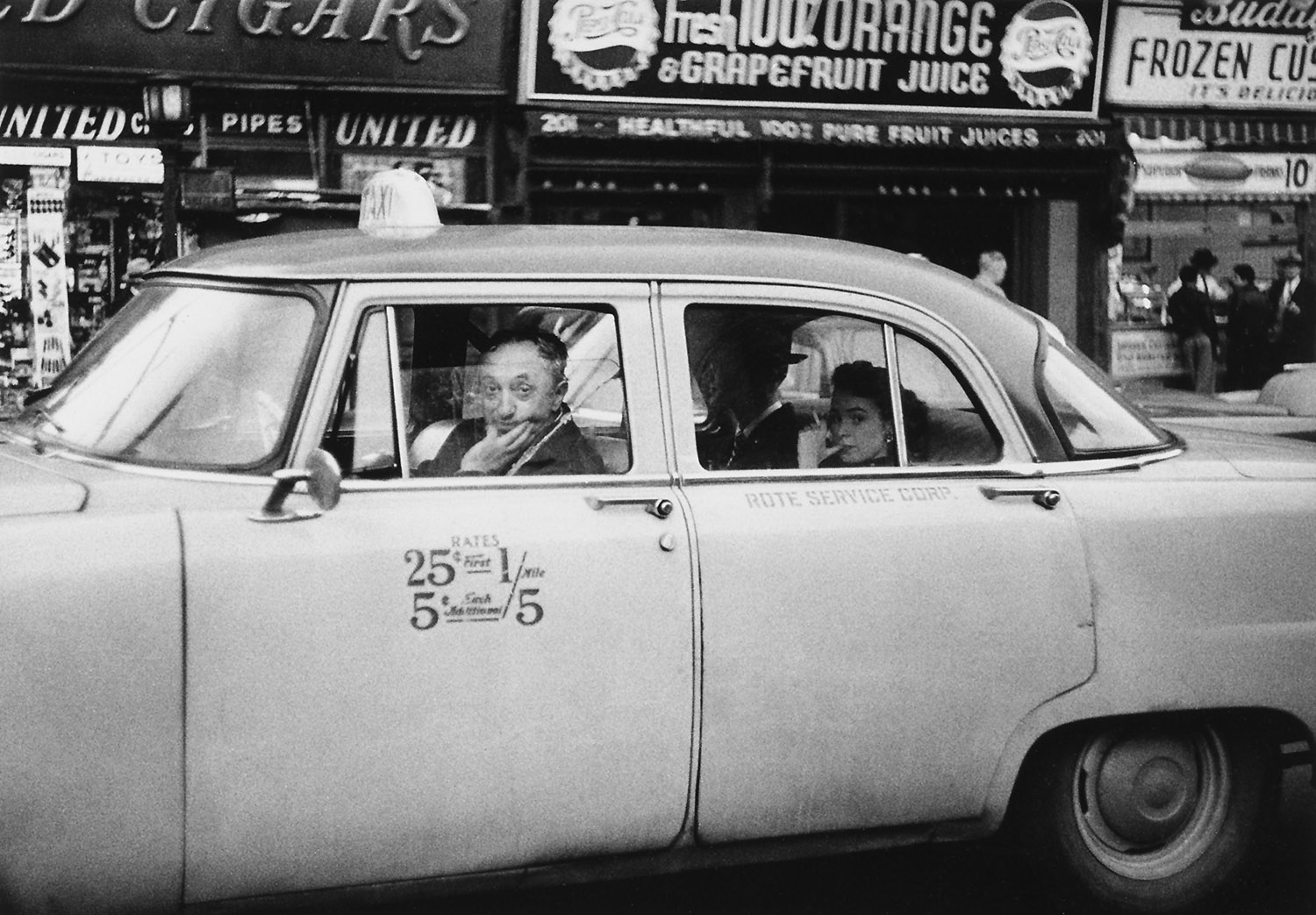
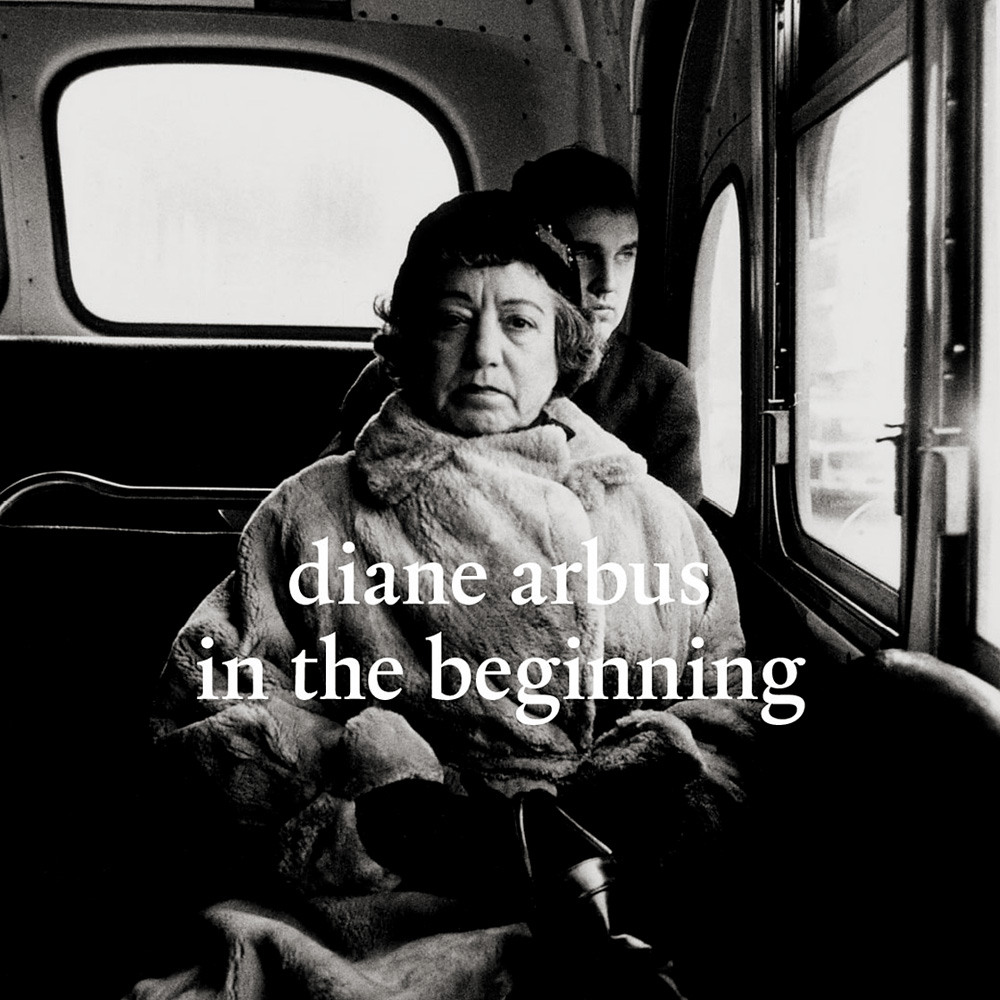
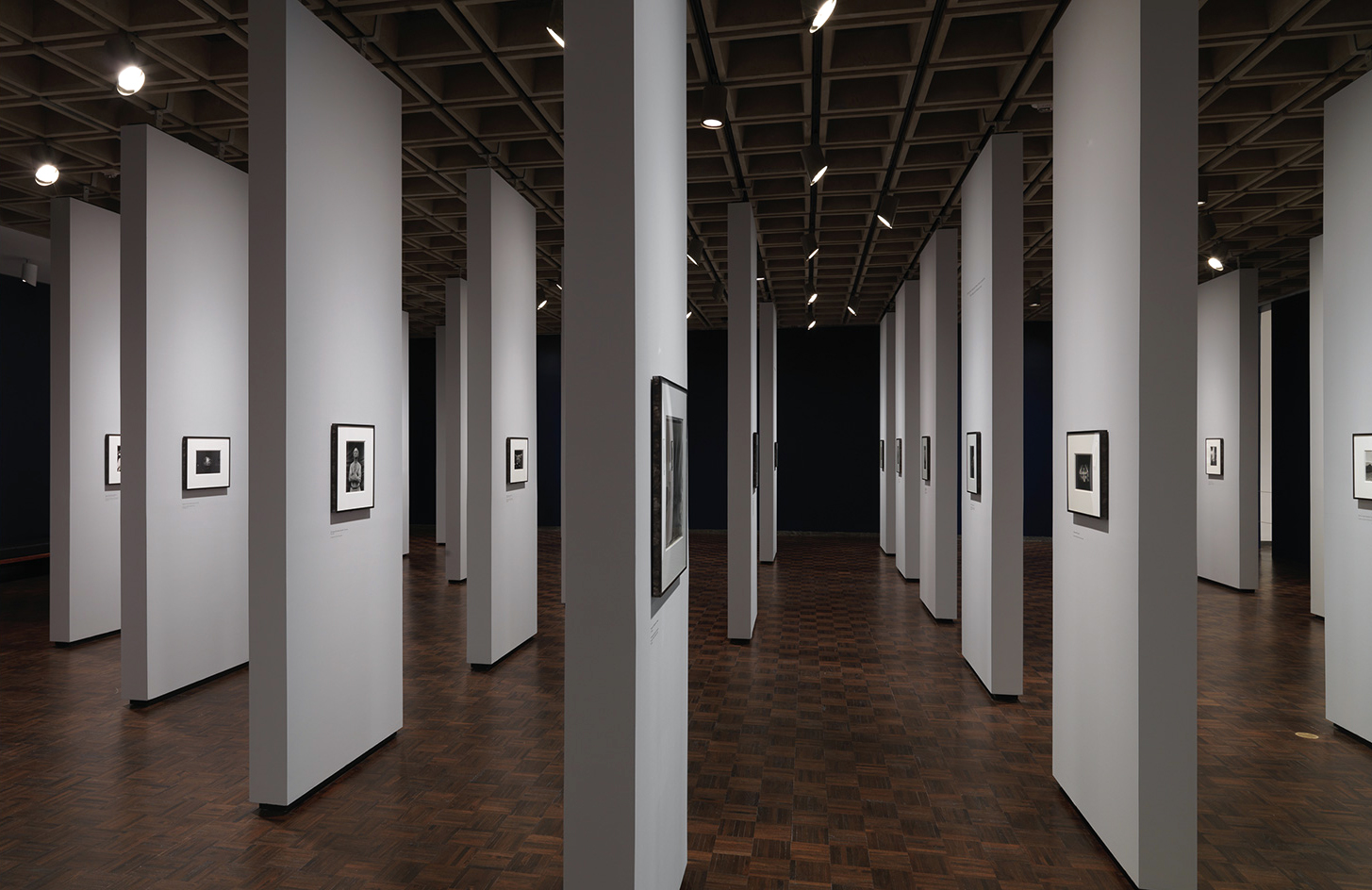
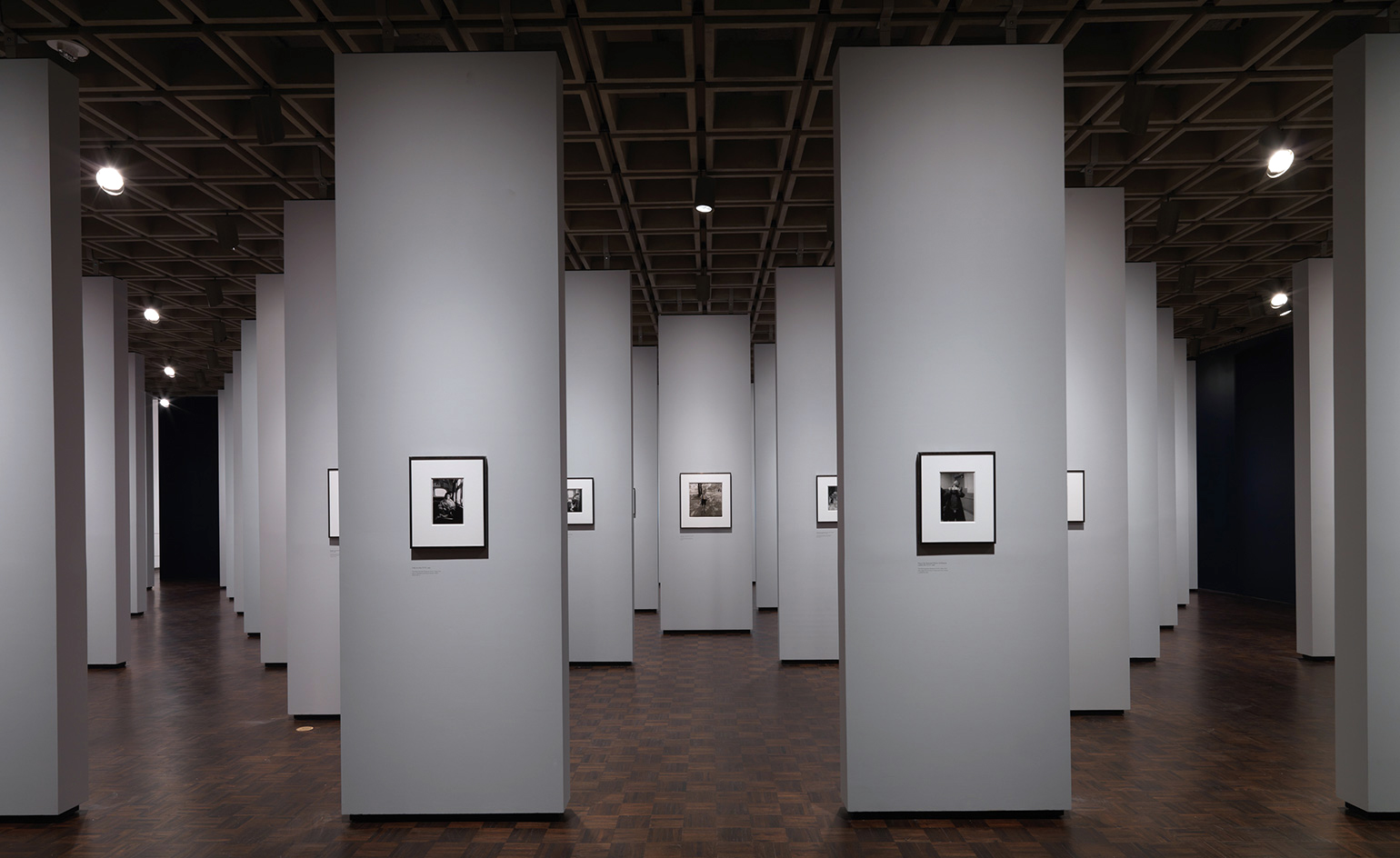

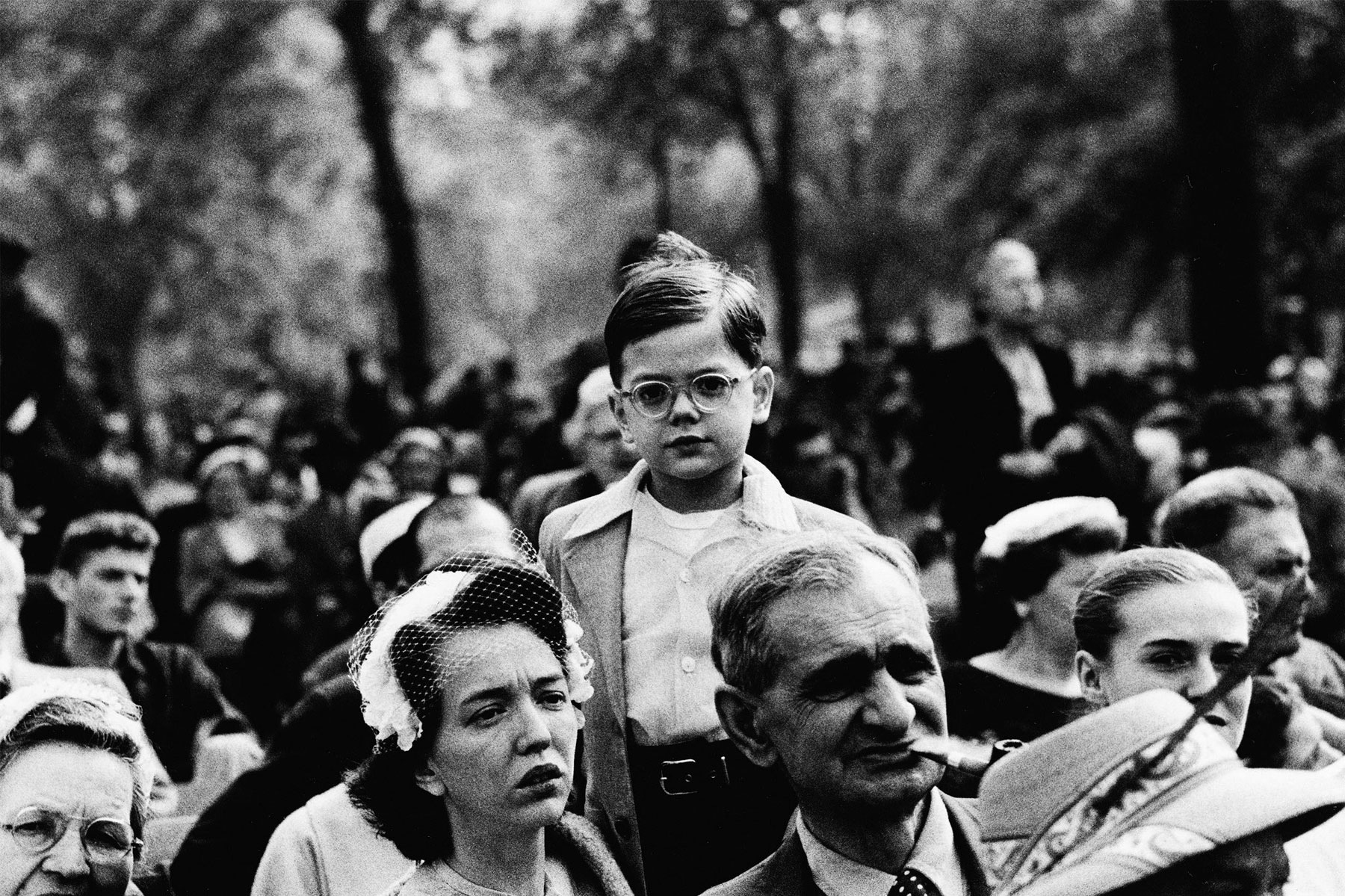
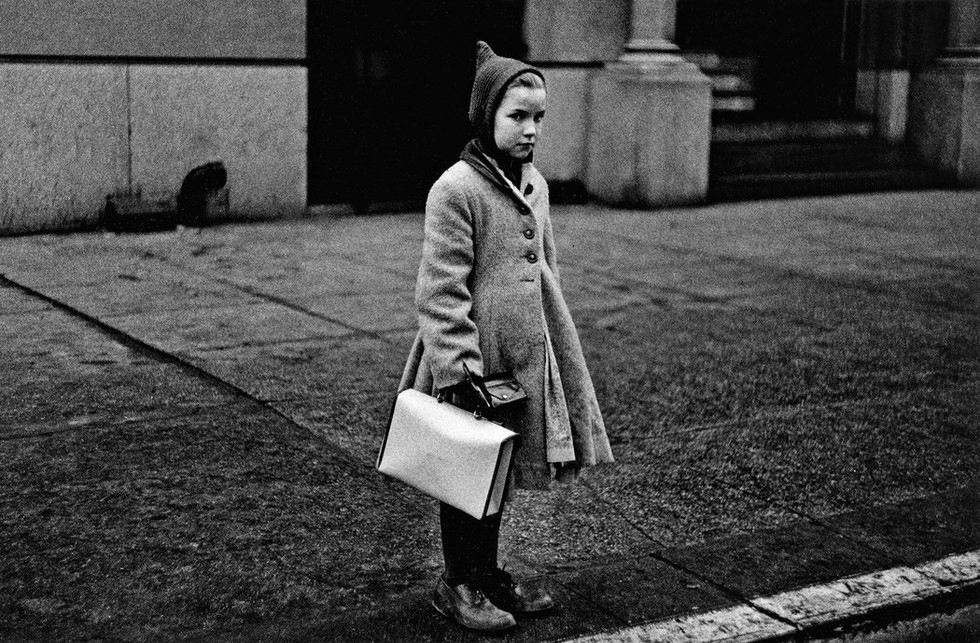

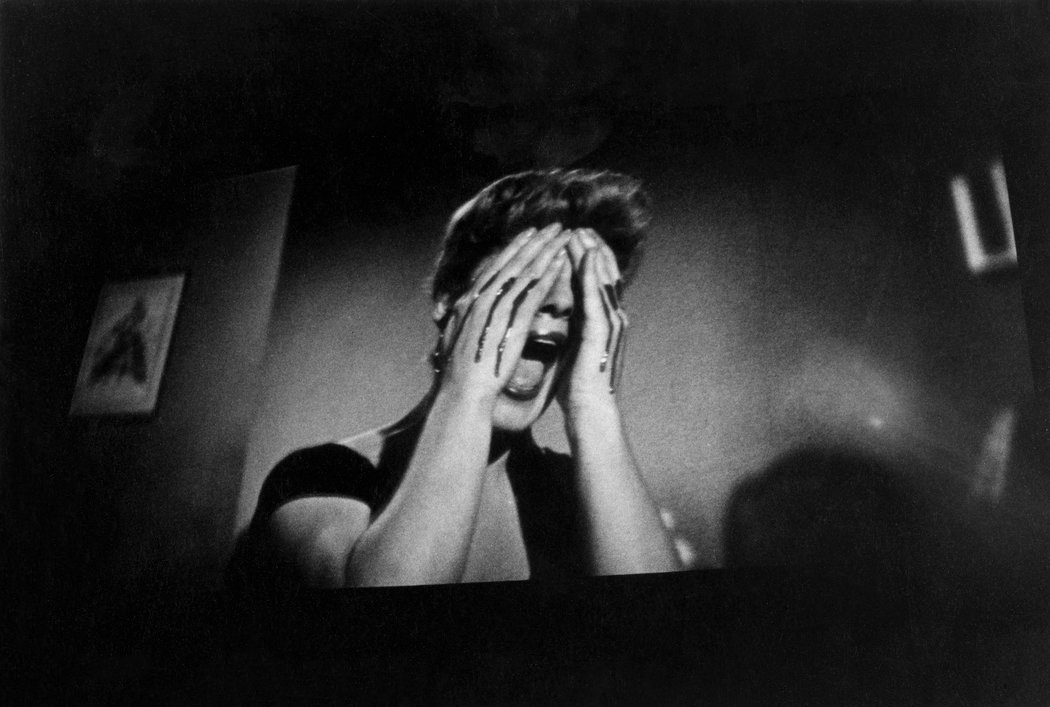
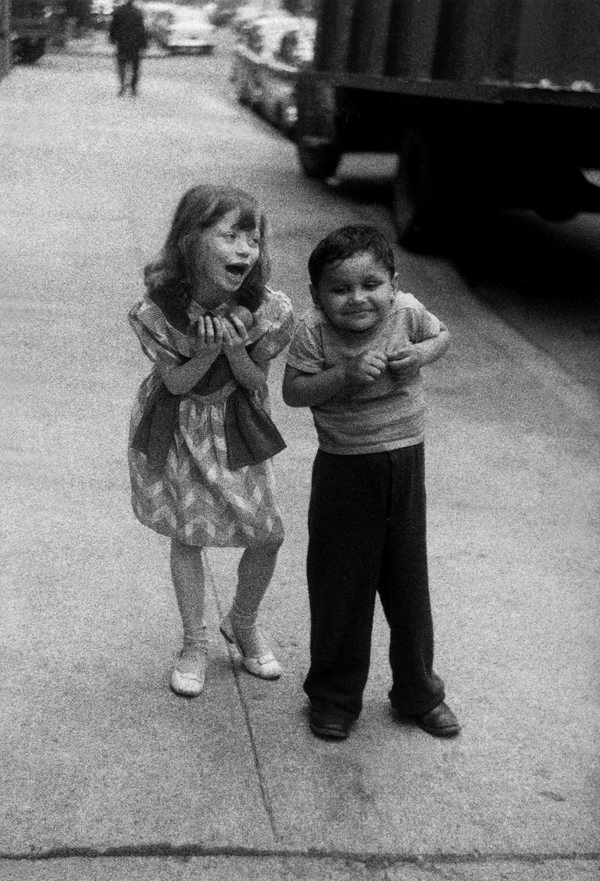
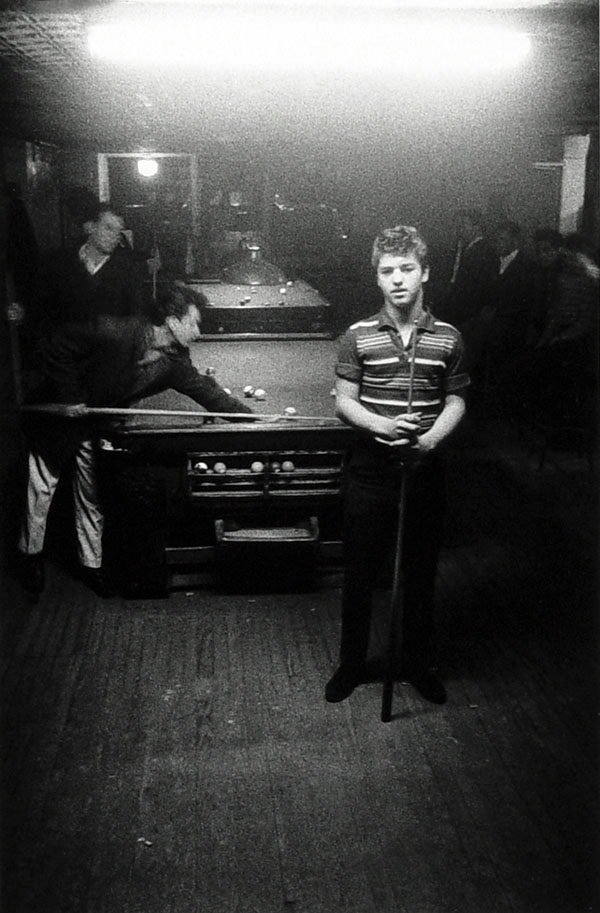
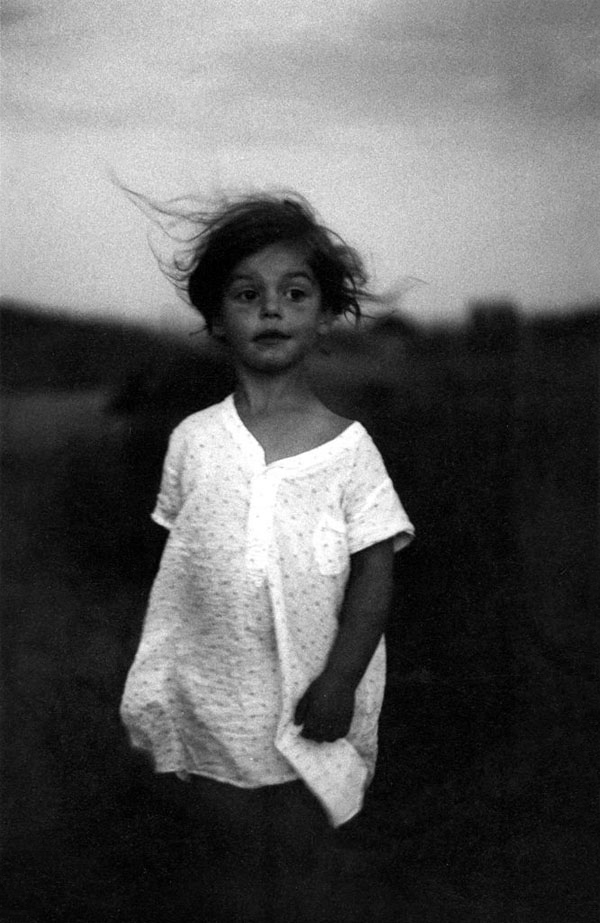
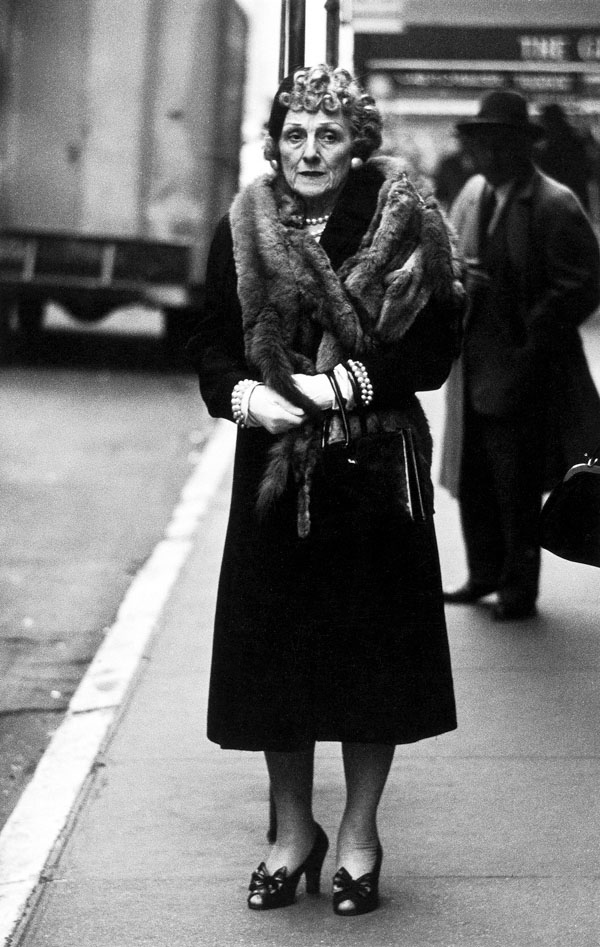
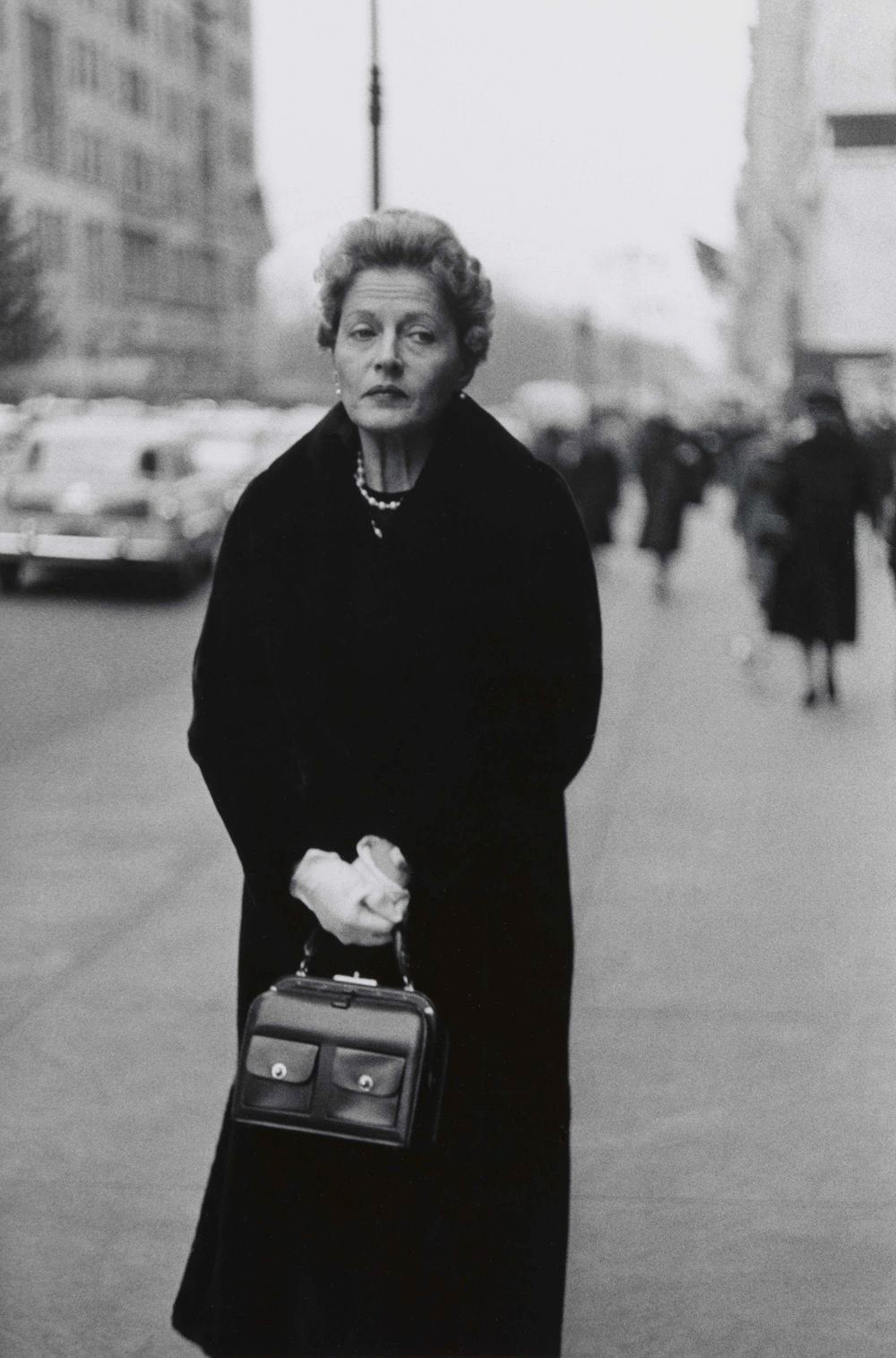
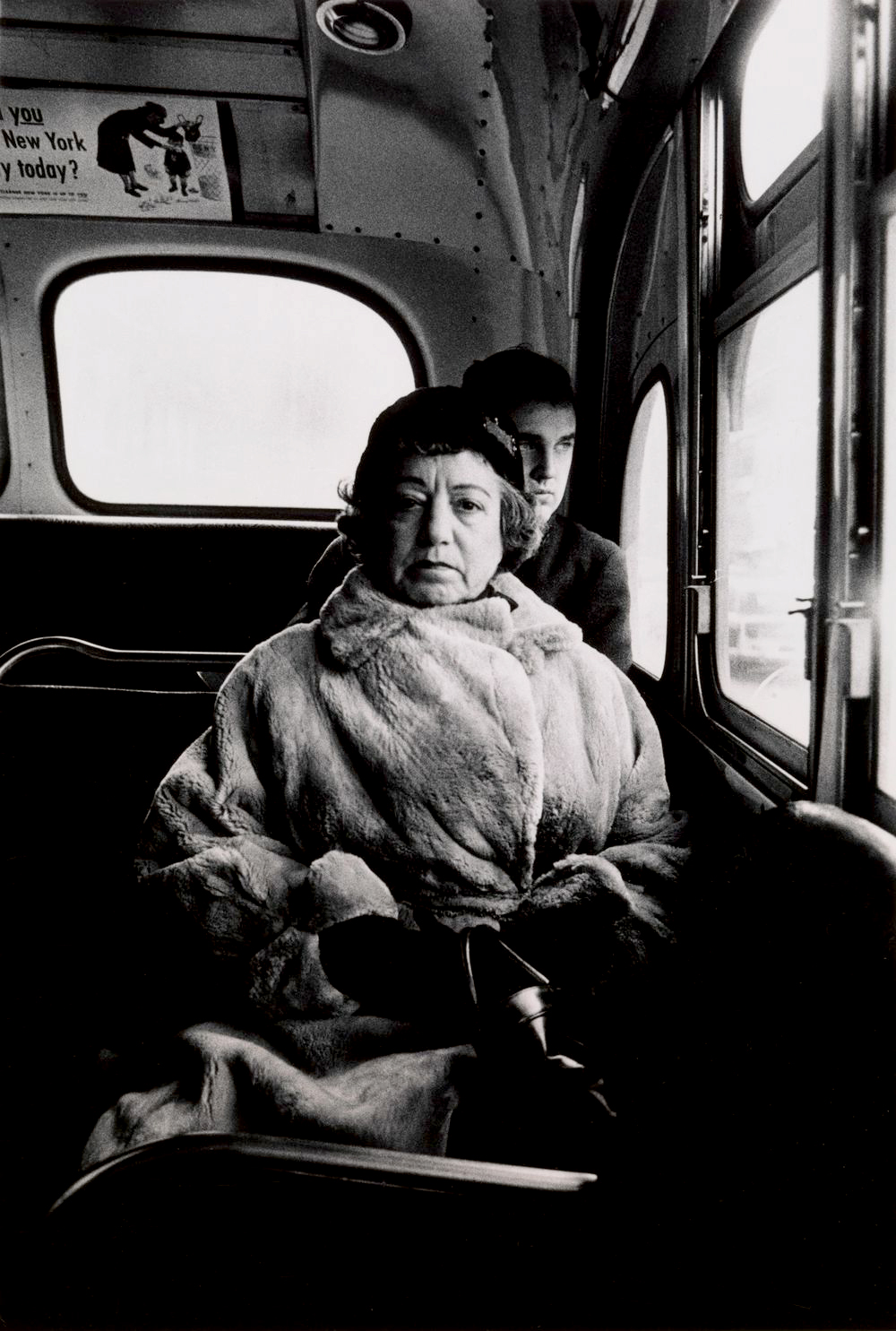
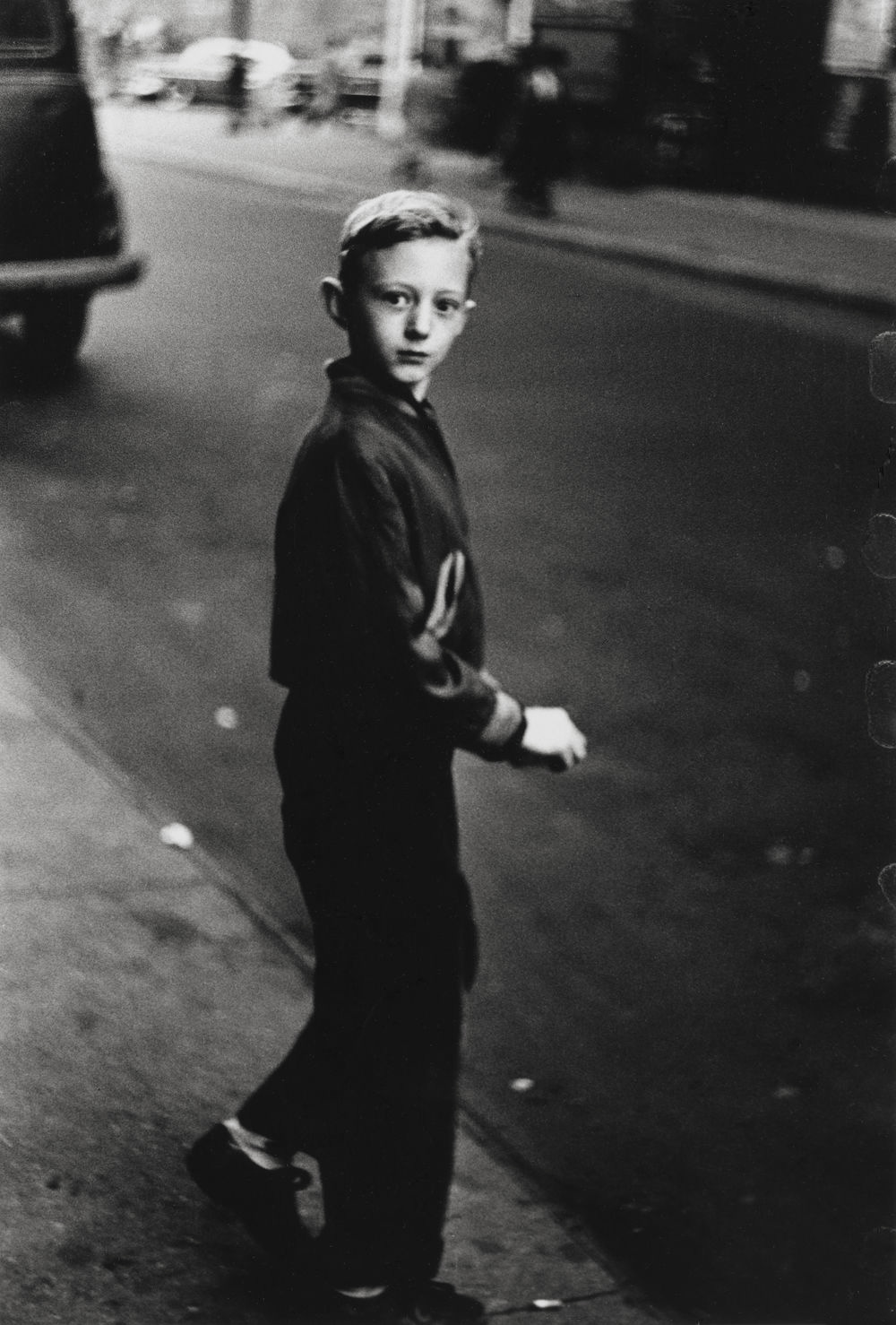
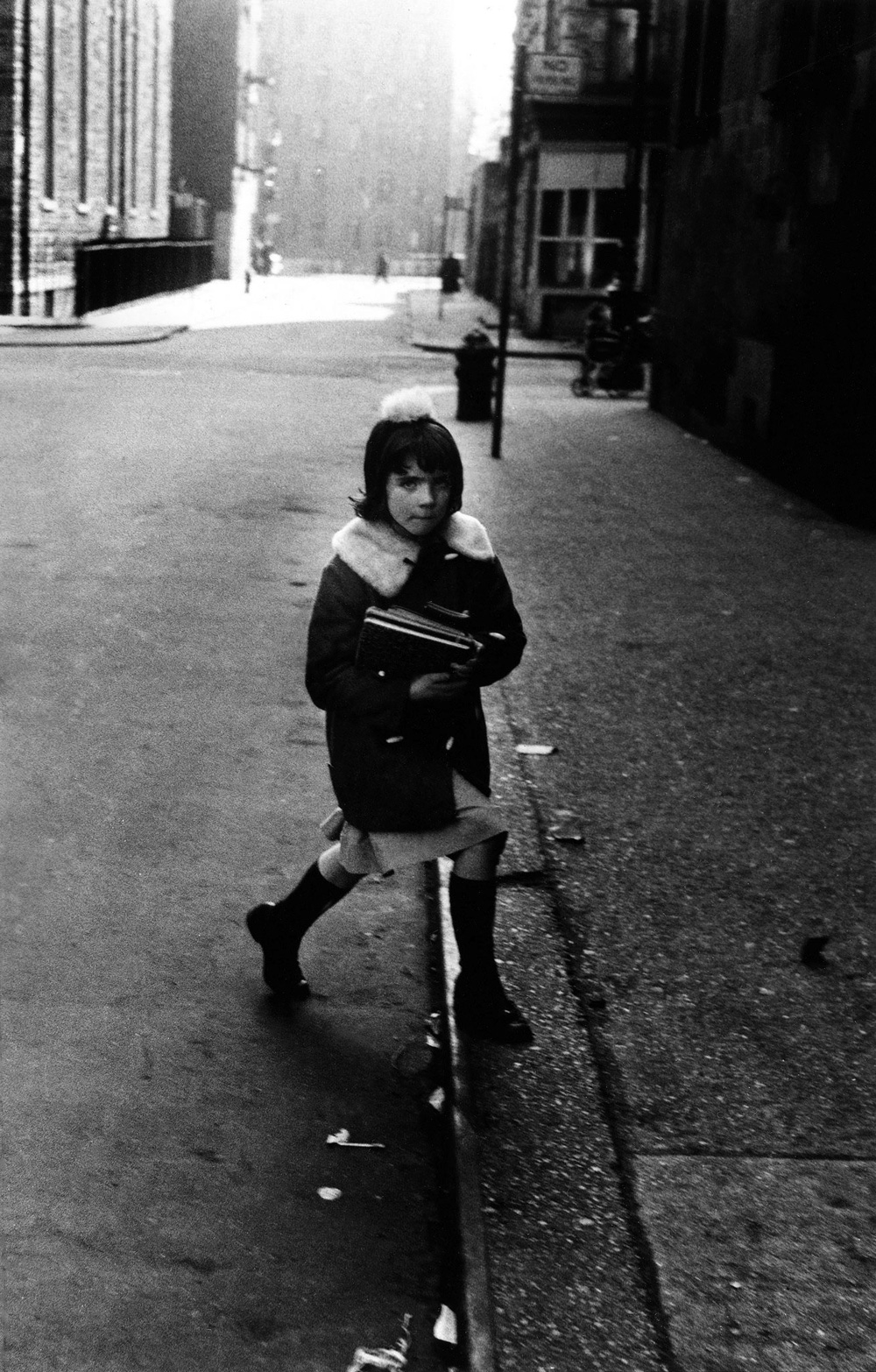
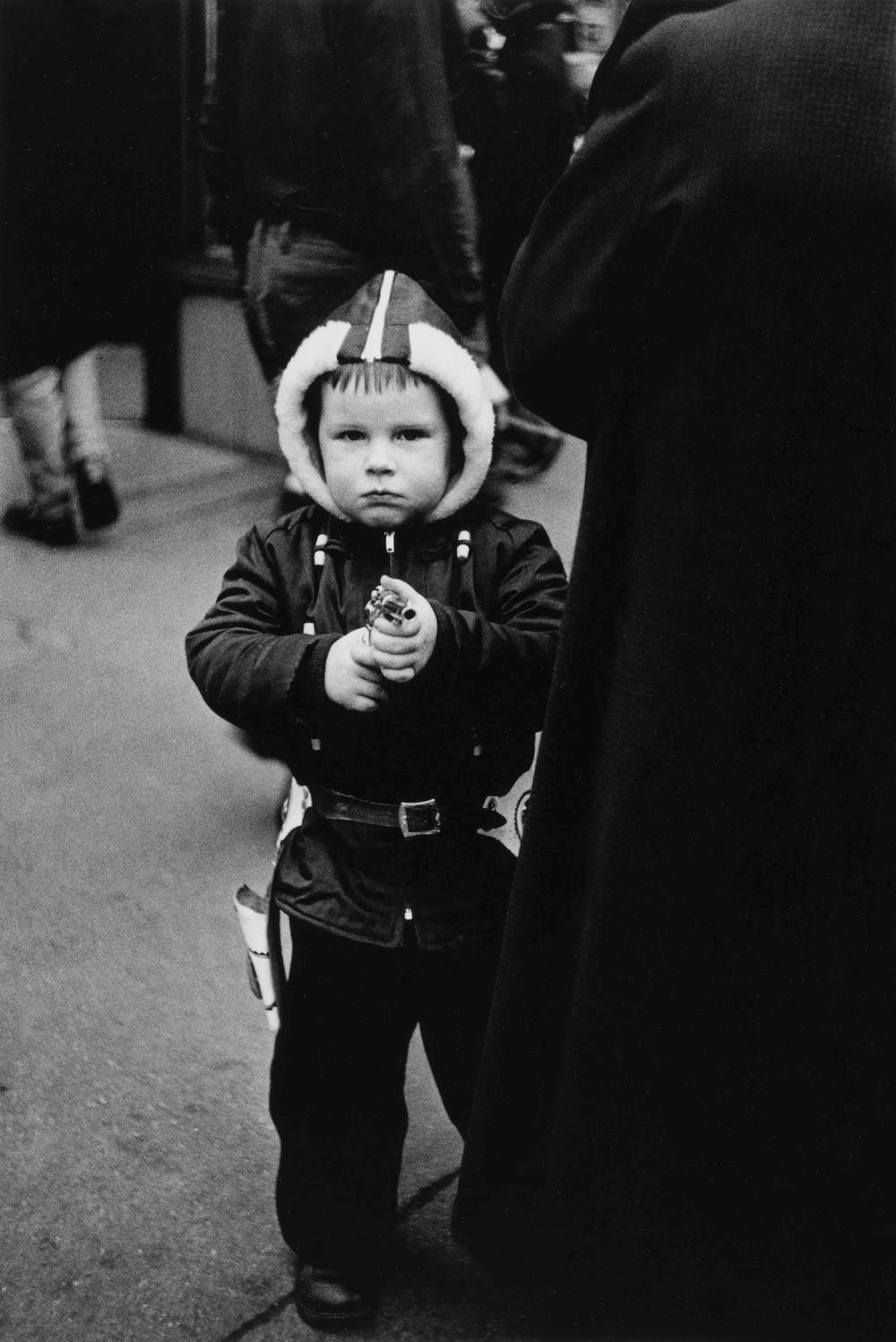
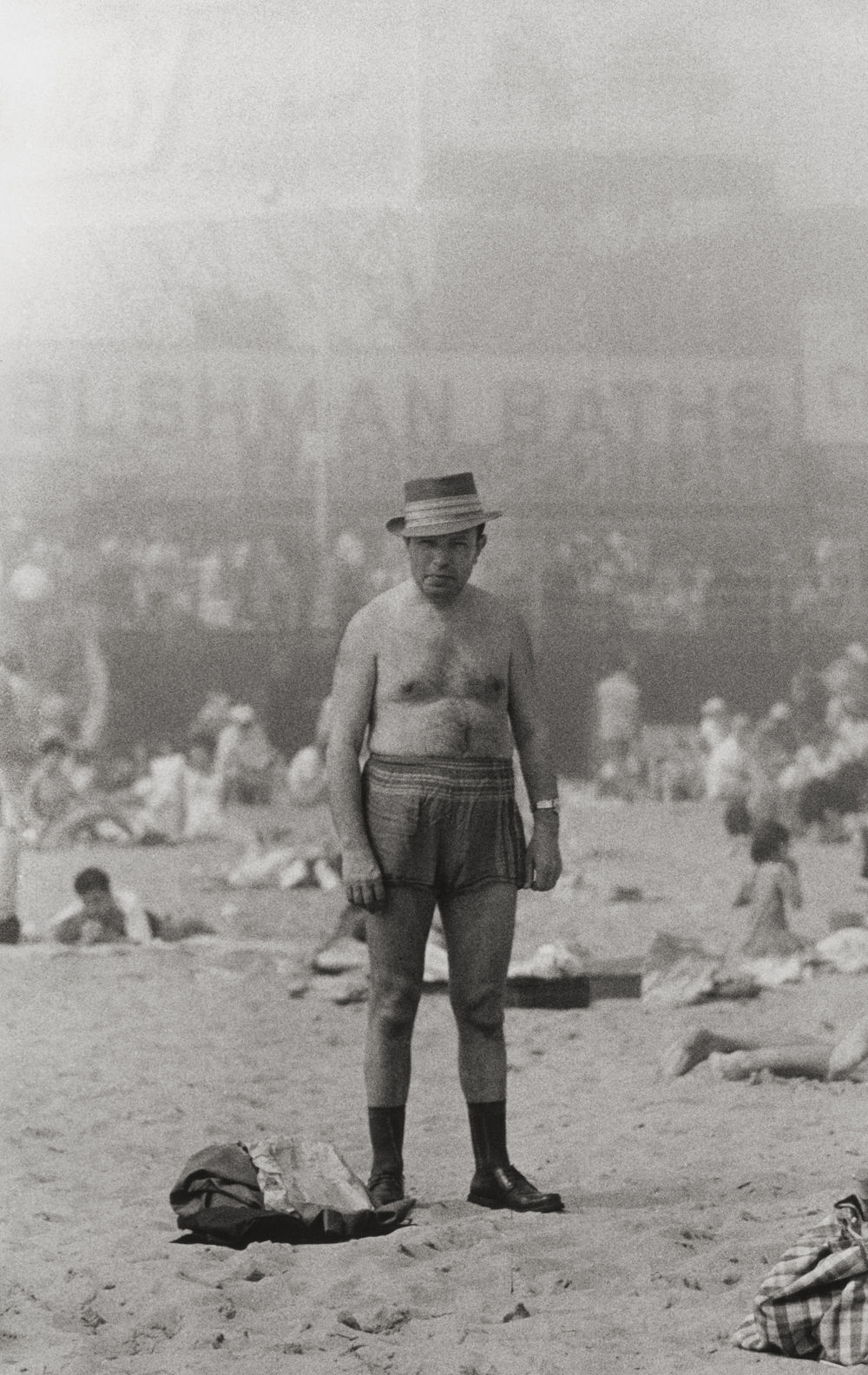
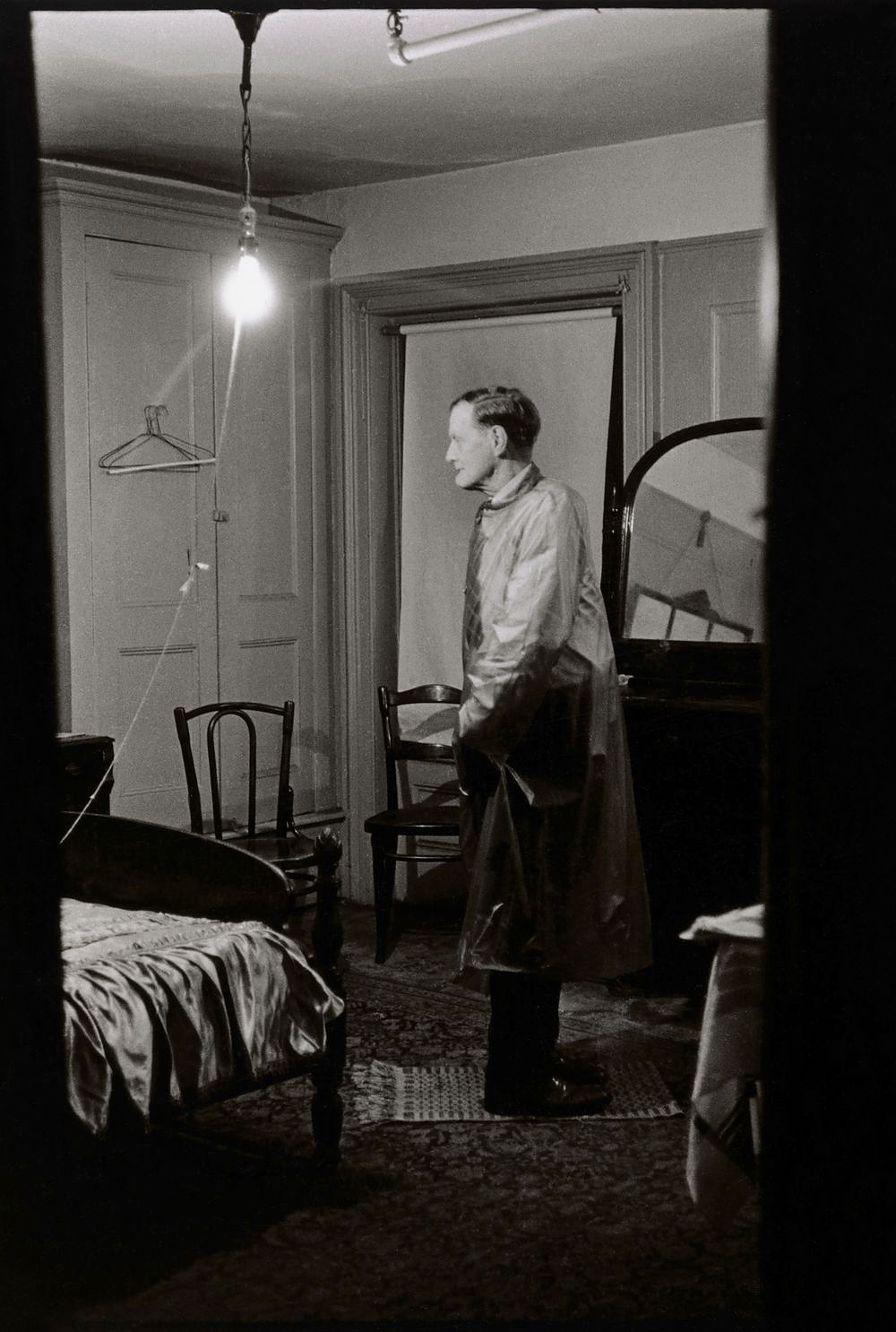
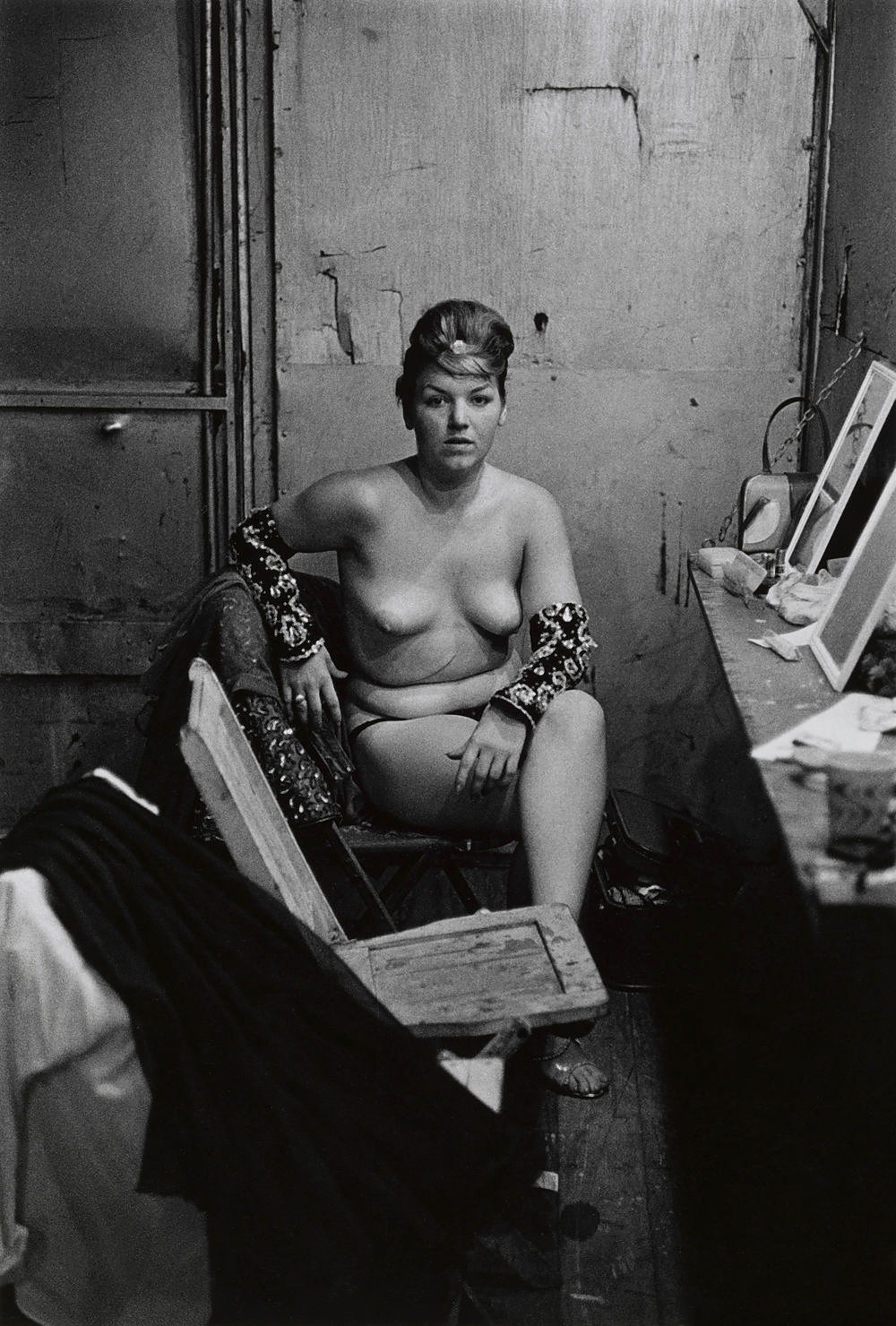
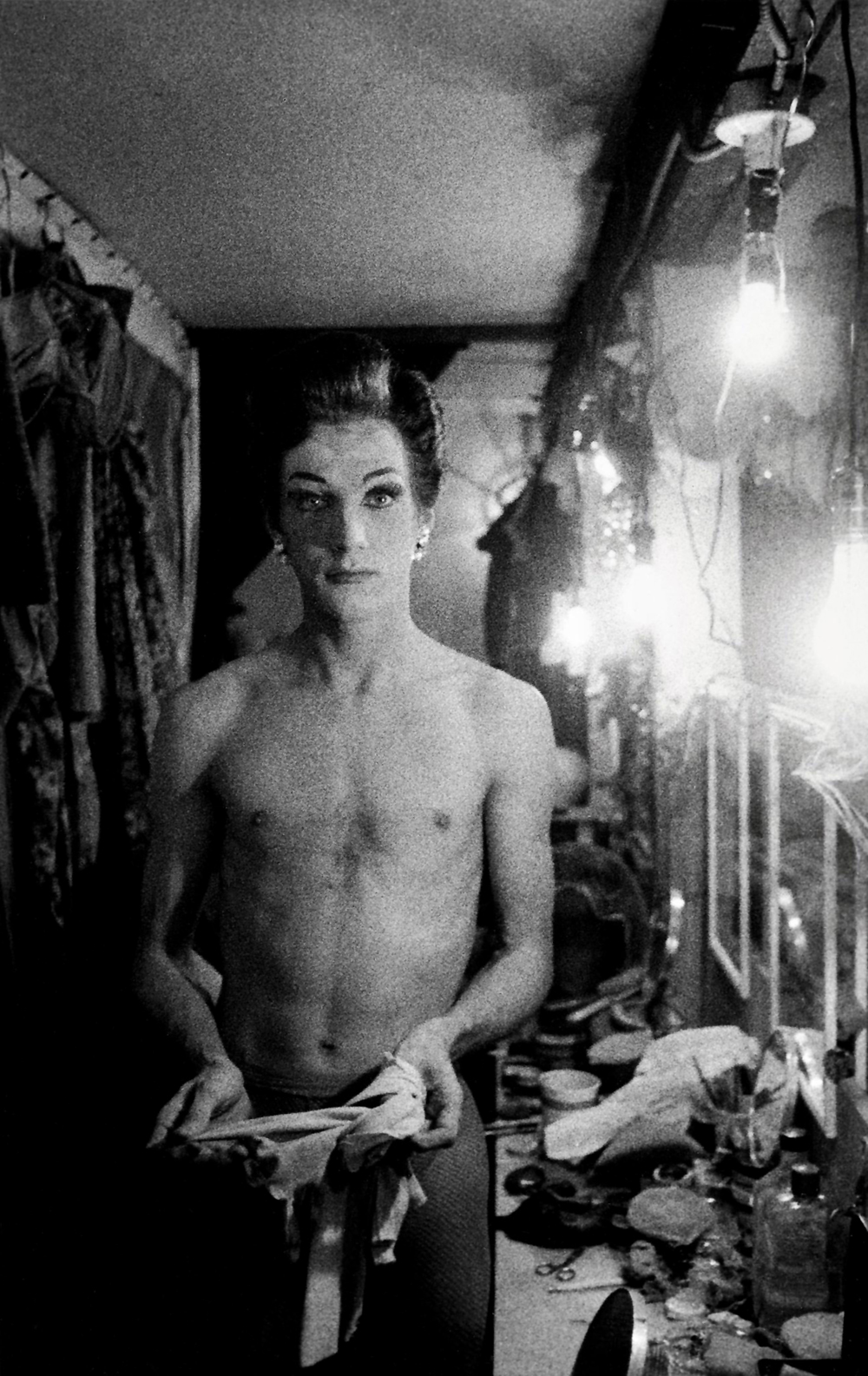
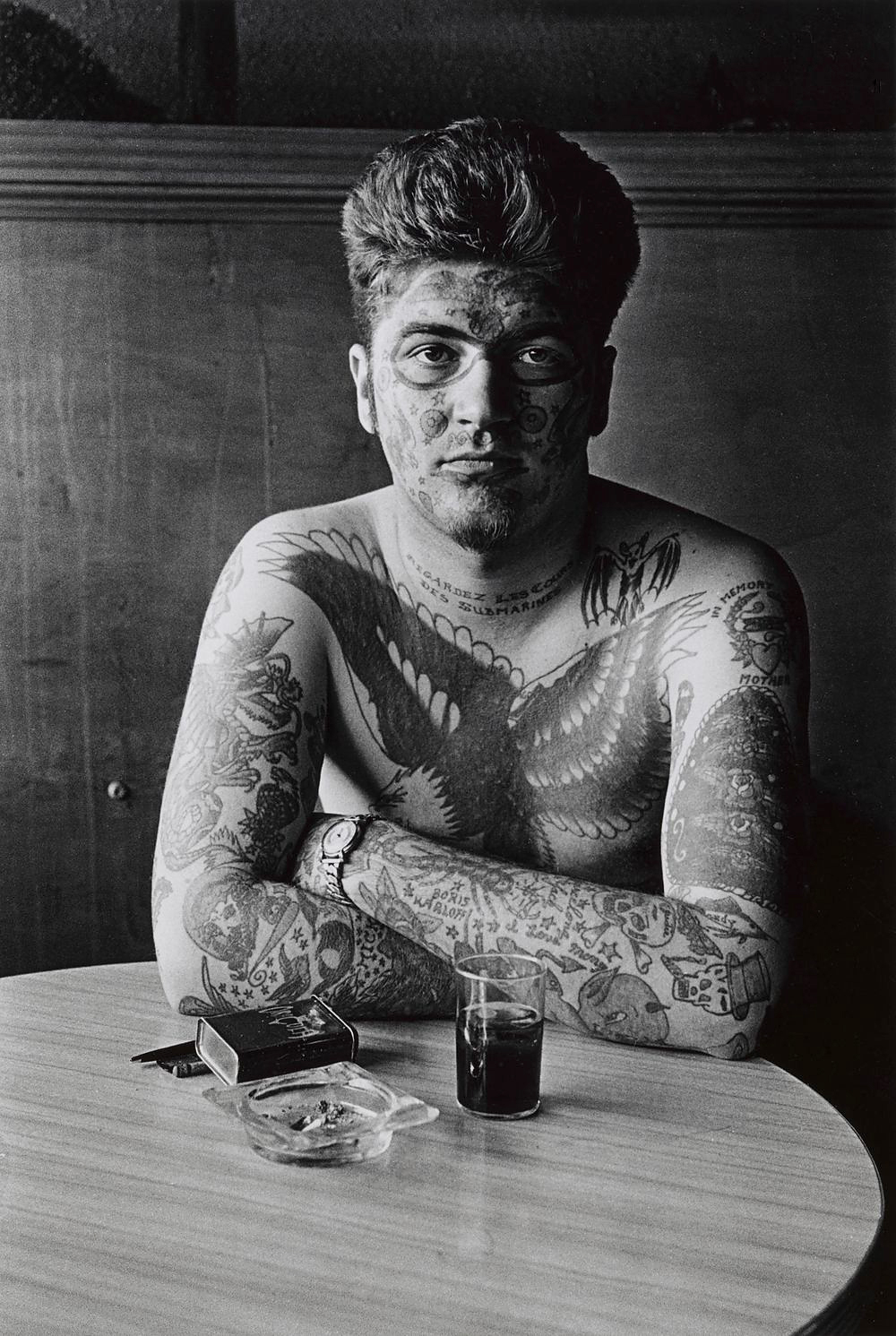
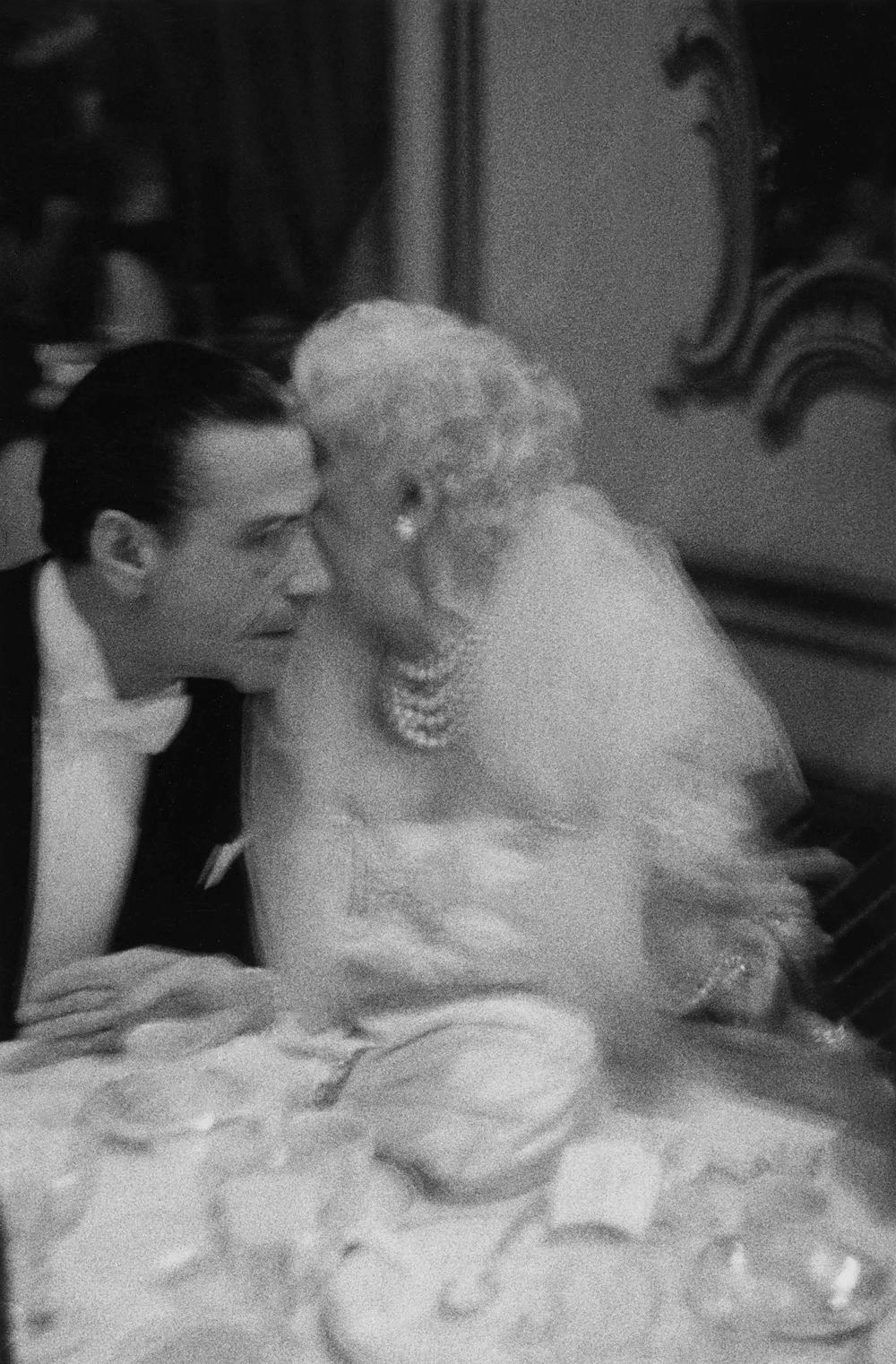
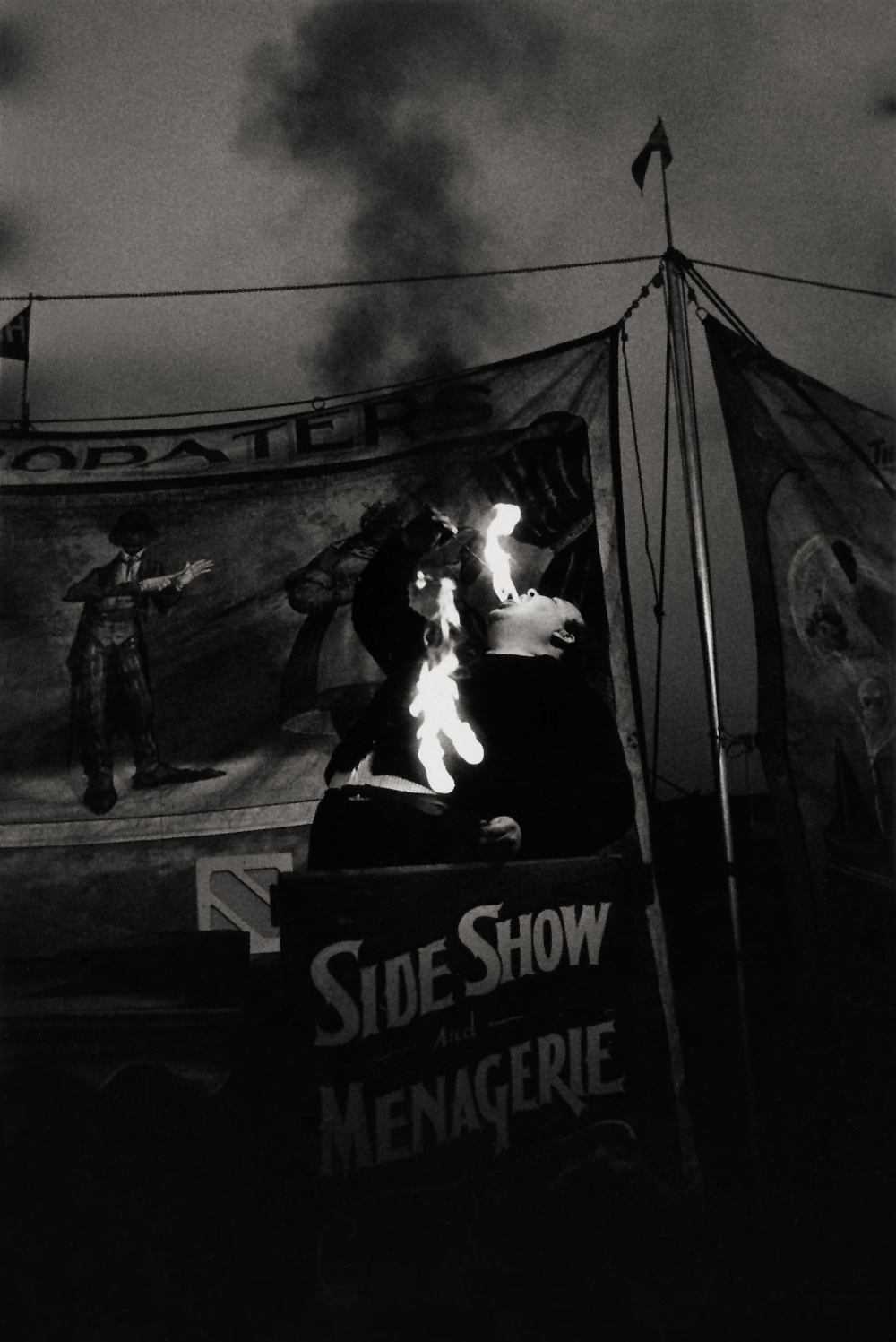

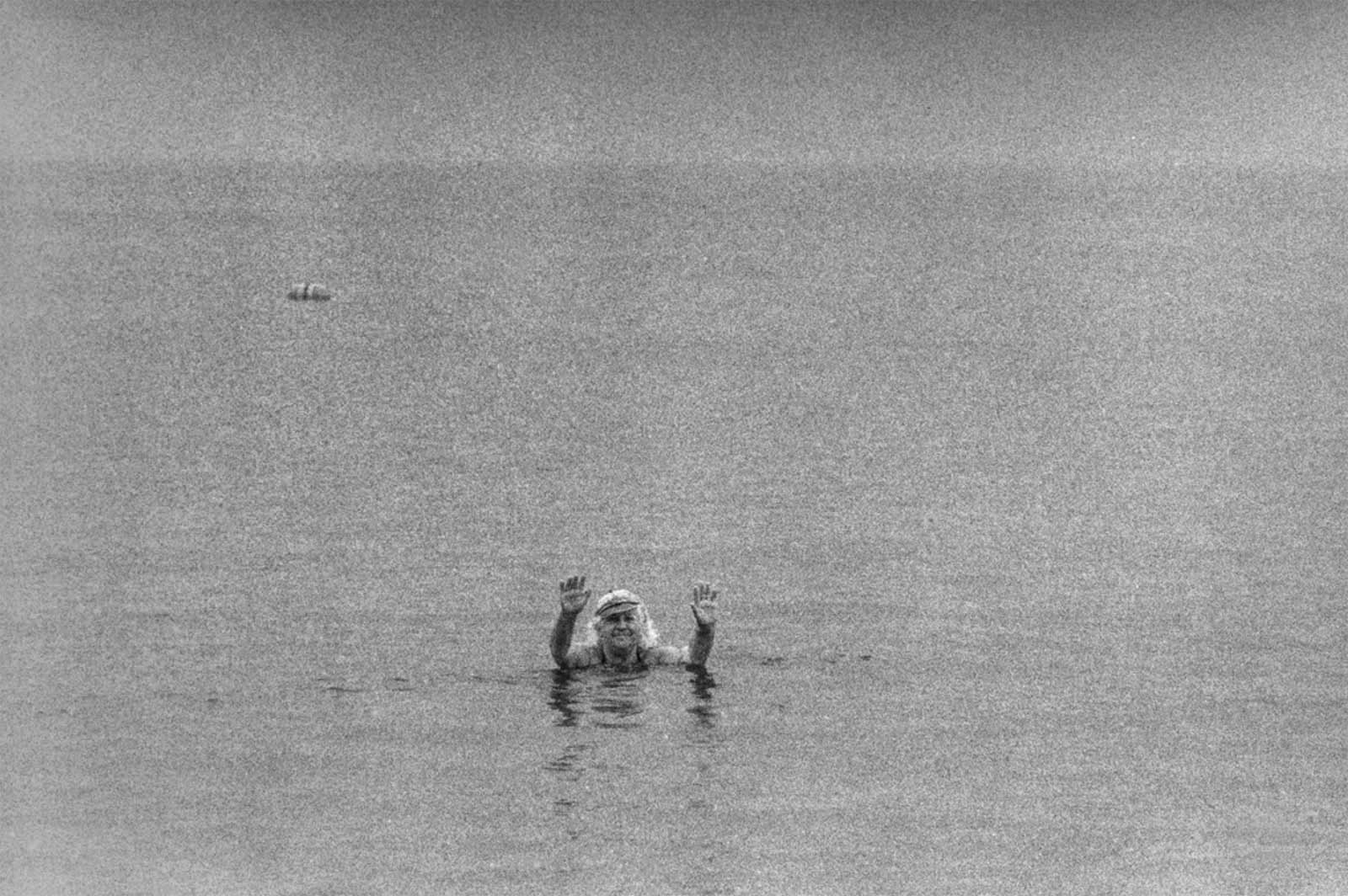

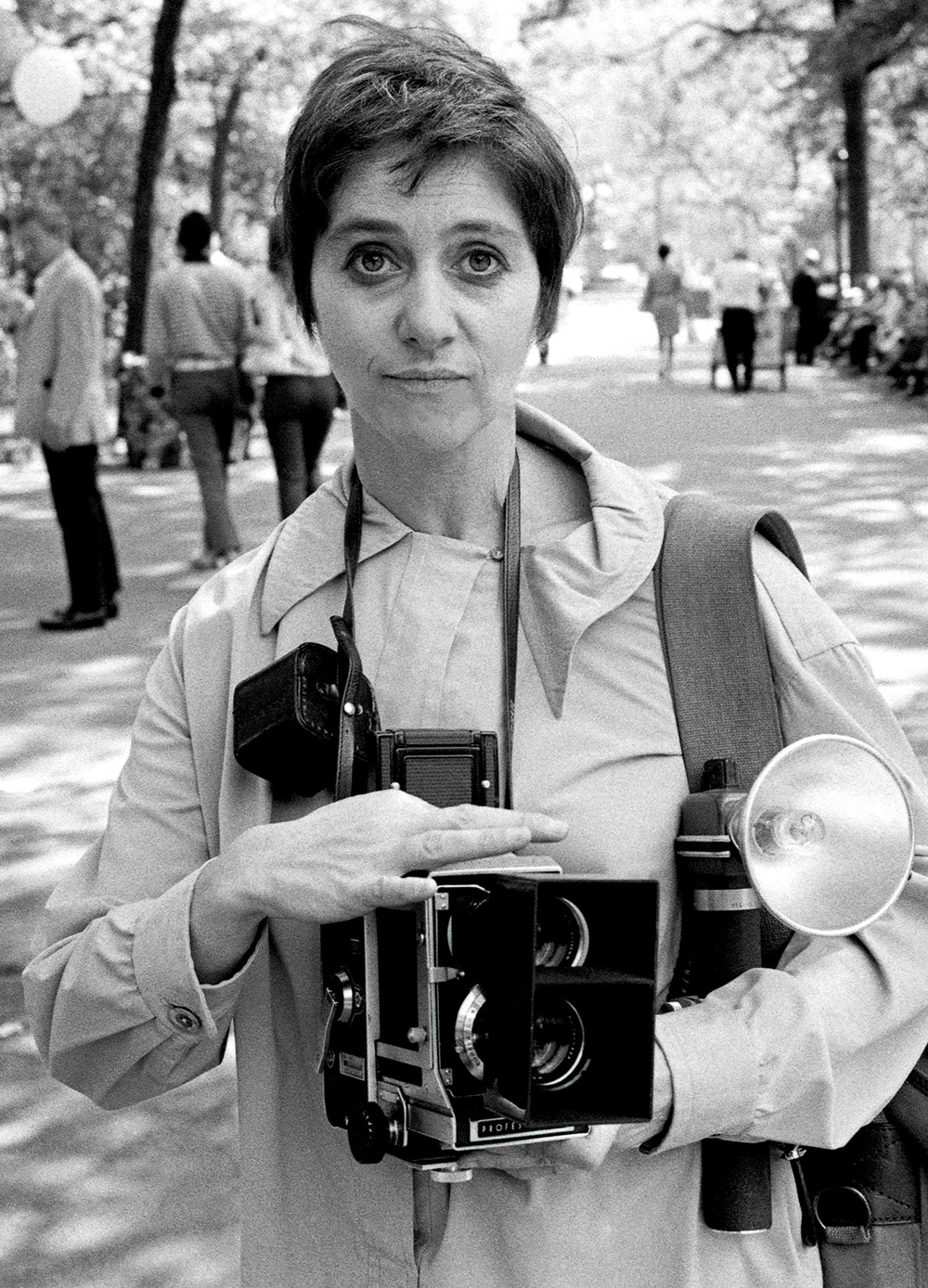

![Alfred Stieglitz (American, 1864-1946) 'Untitled [O'Keeffe with sketchpad and watercolors]' 1918 from the exhibition 'Georgia O'Keeffe' at Tate Modern, London, July - Oct, 2016](https://artblart.com/wp-content/uploads/2016/10/georgia_okeeffe_by_stieglitz_1918-web.jpg "Alfred Stieglitz (American, 1864-1946) 'Untitled [O'Keeffe with sketchpad and watercolors]' 1918 from the exhibition 'Georgia O'Keeffe' at Tate Modern, London, July - Oct, 2016")
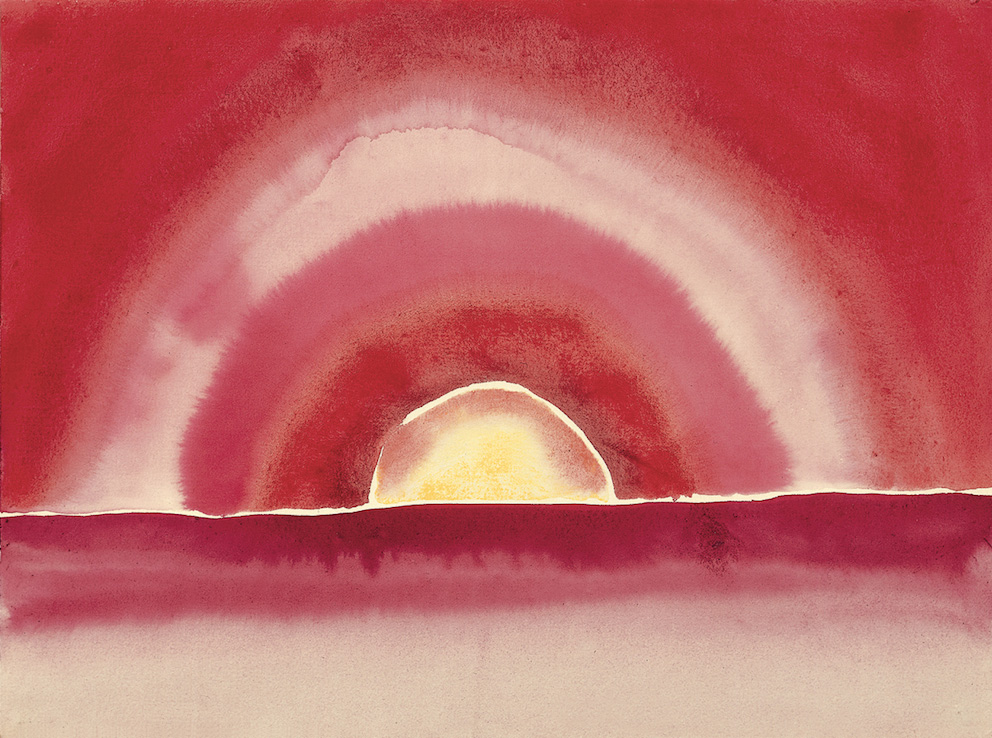

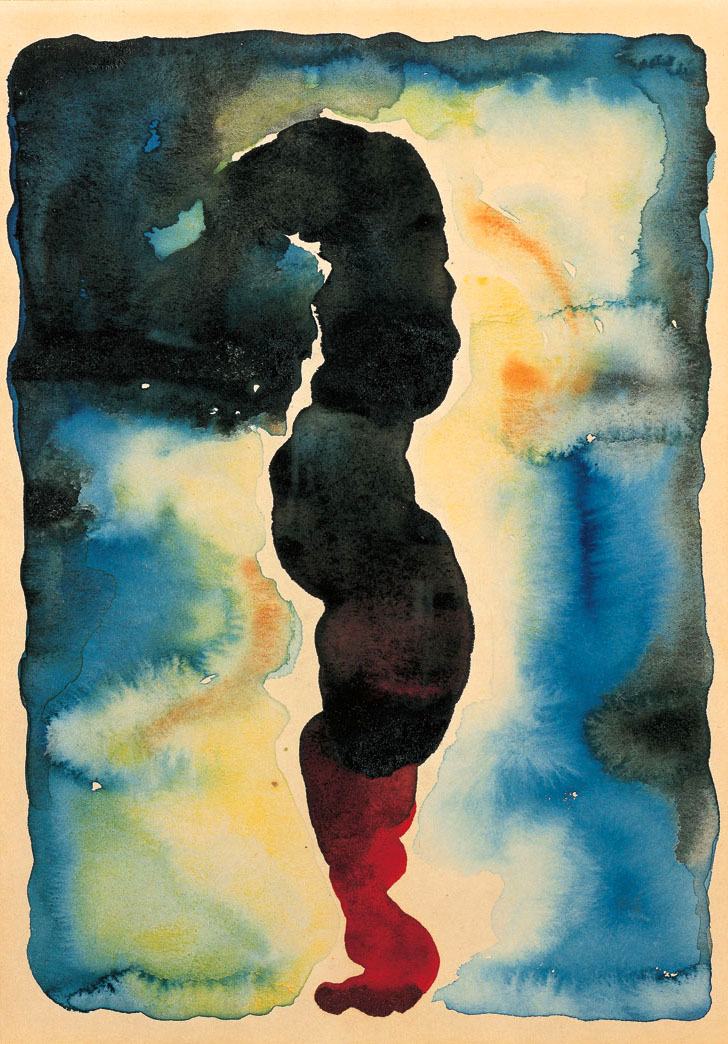
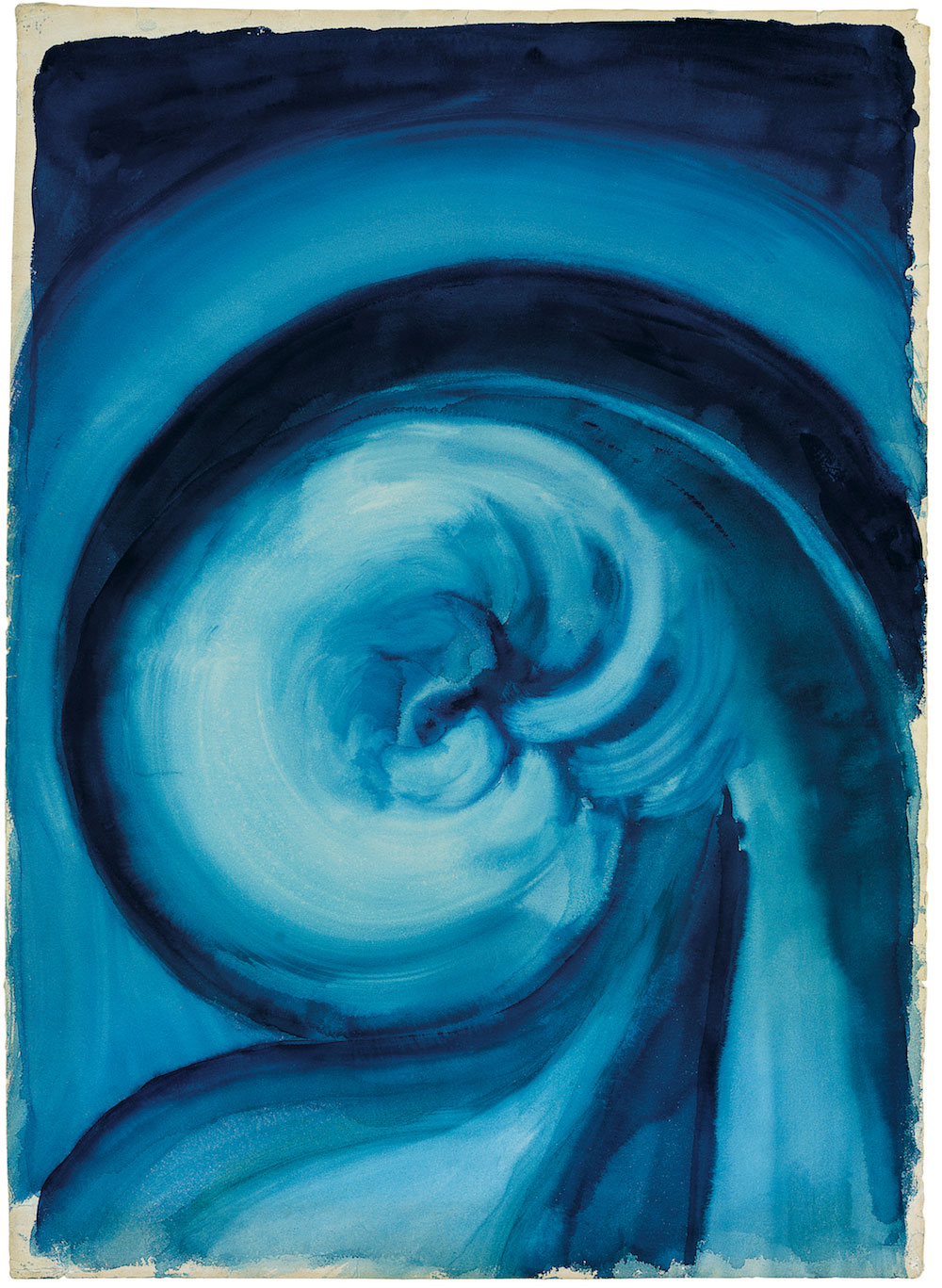


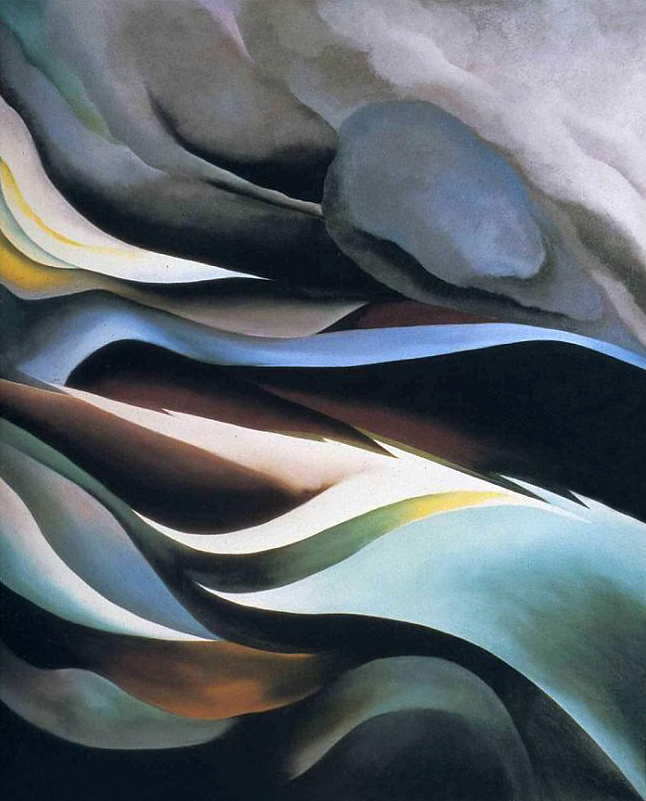

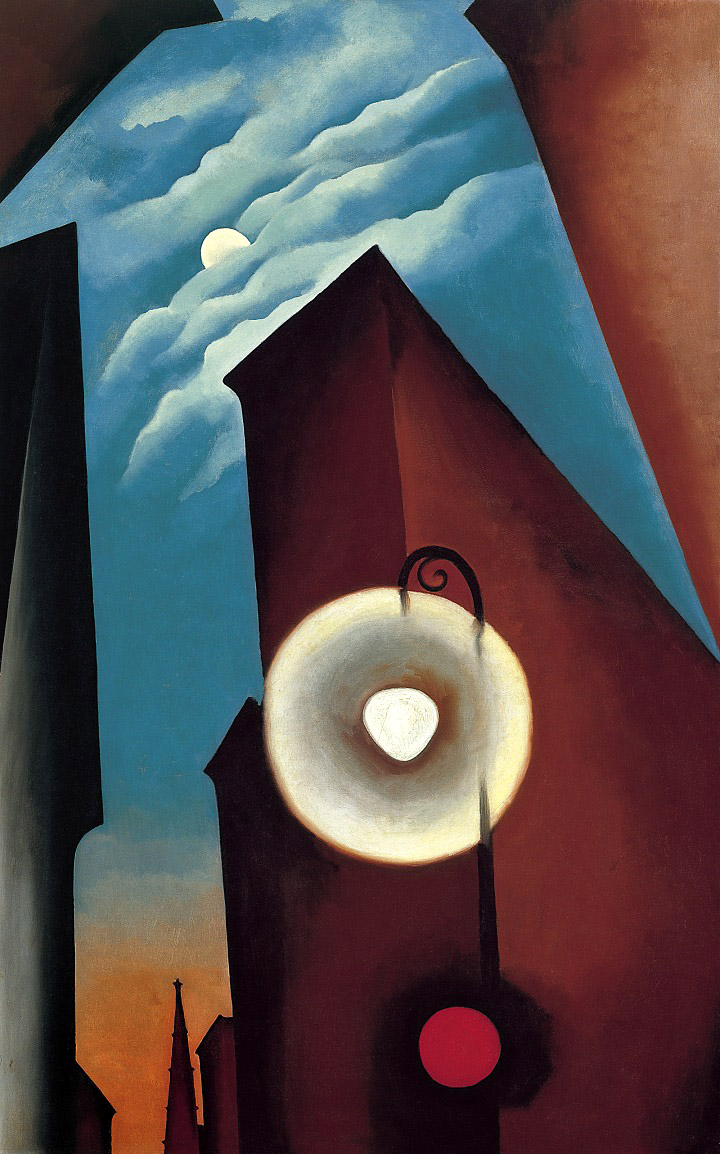
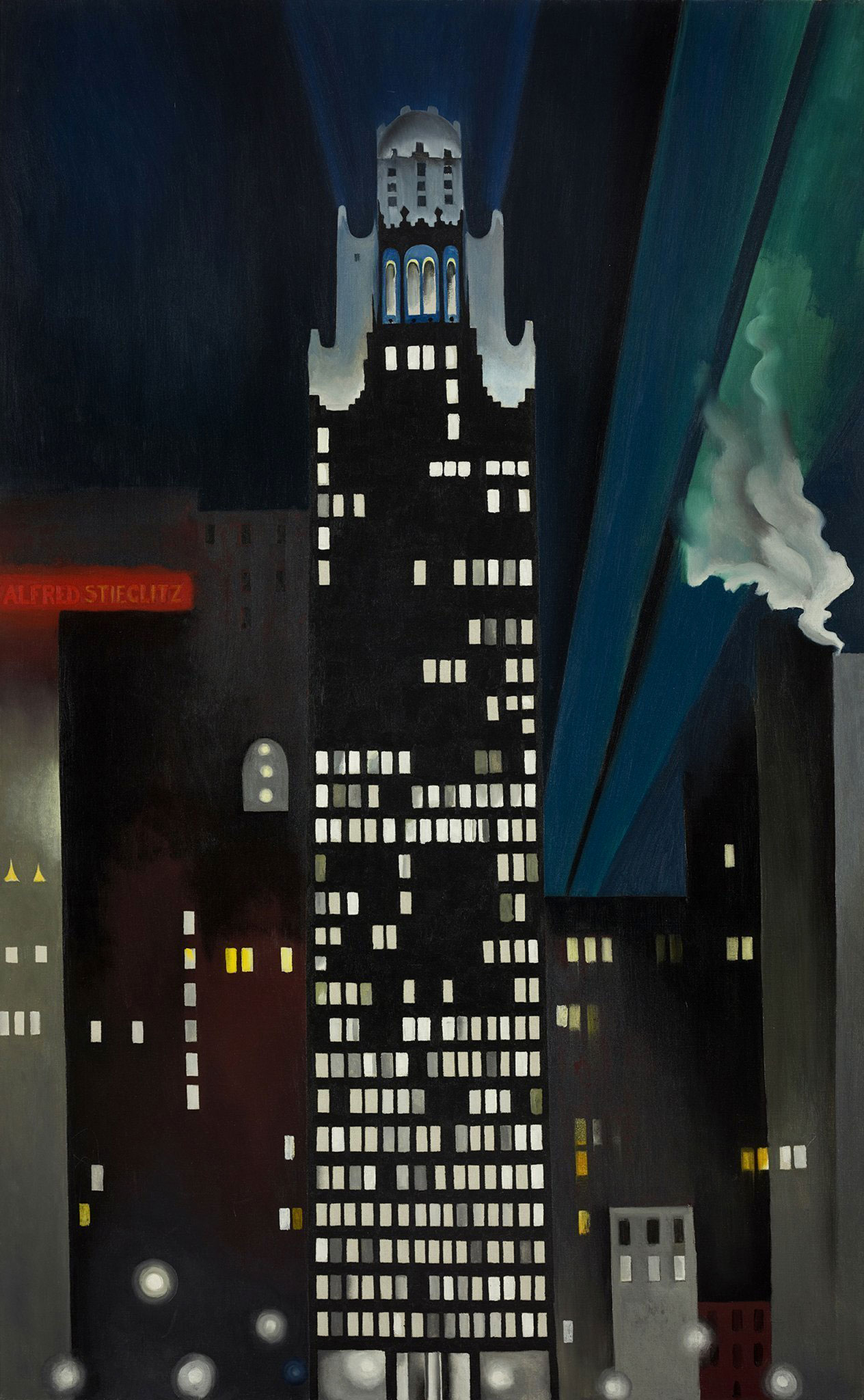

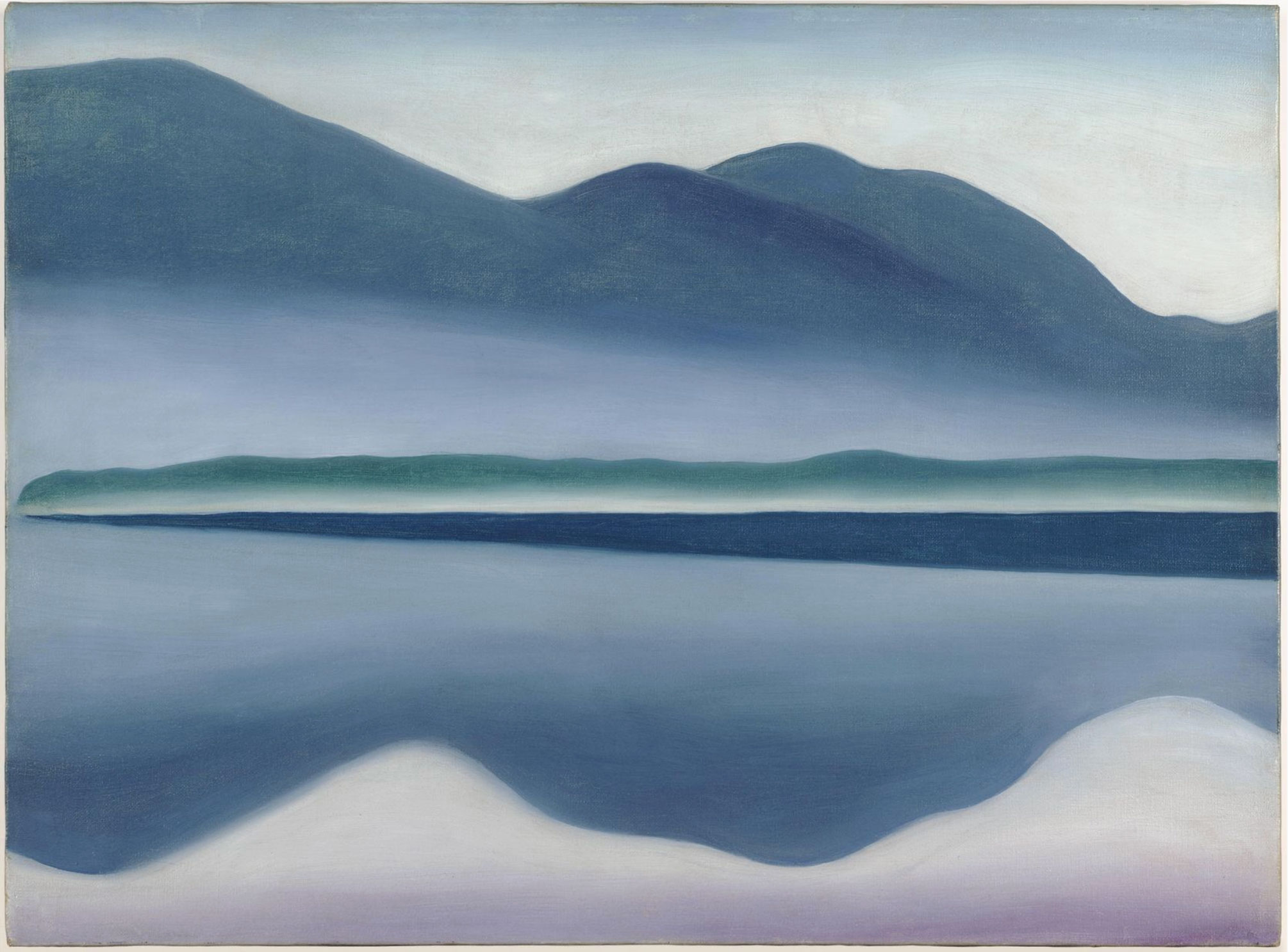
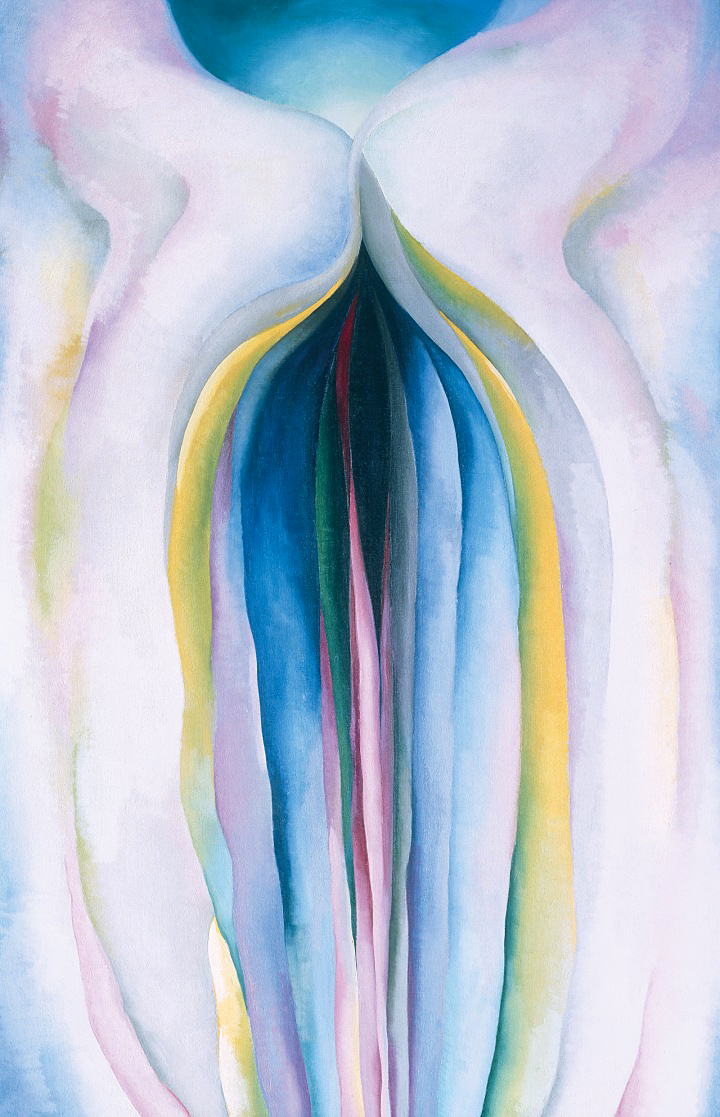

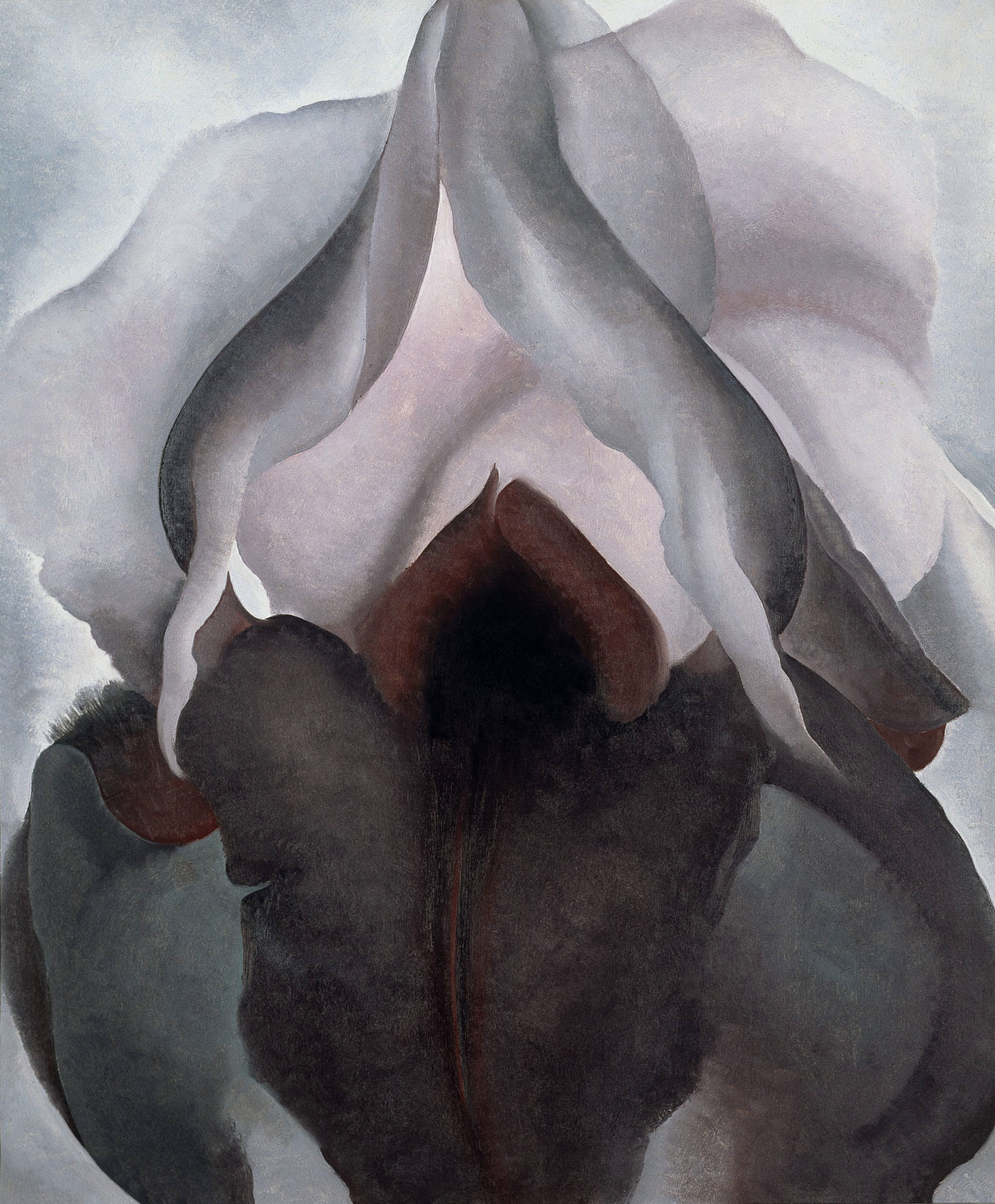
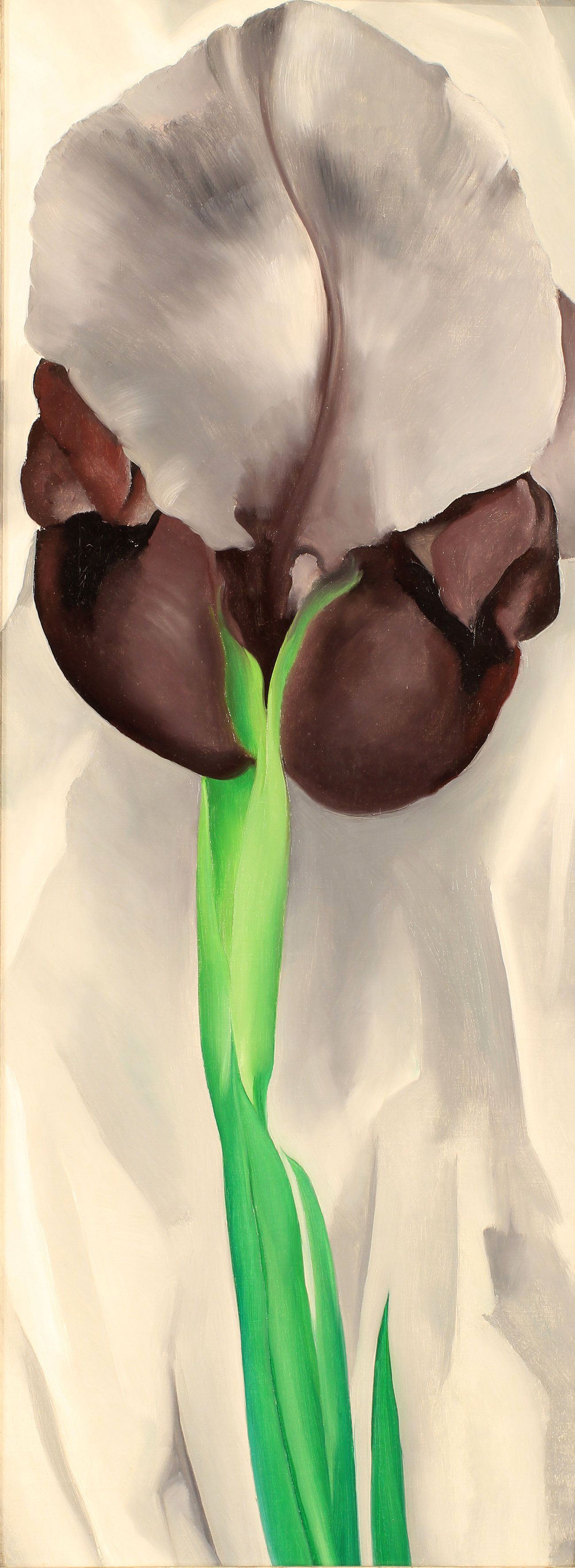

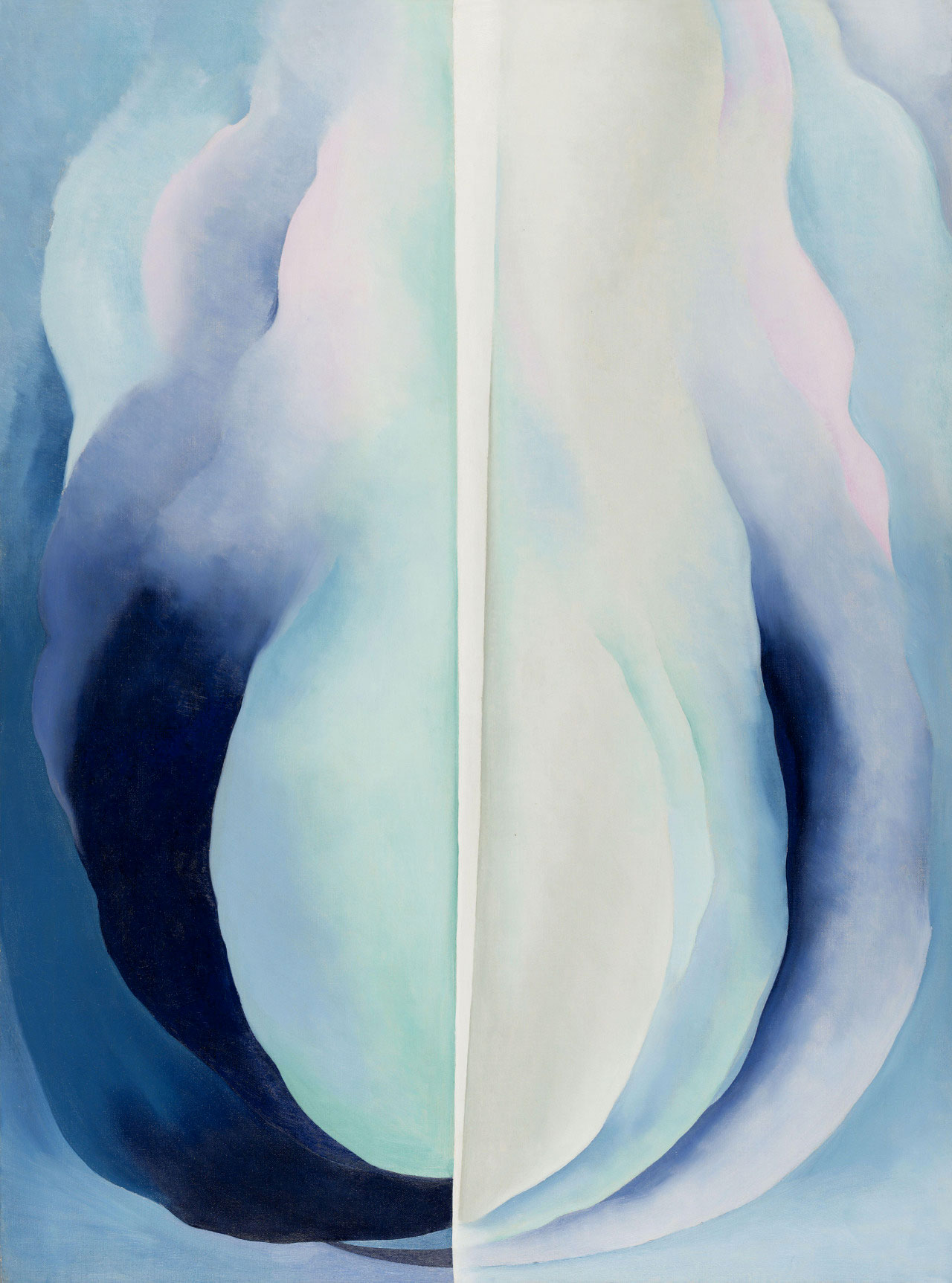

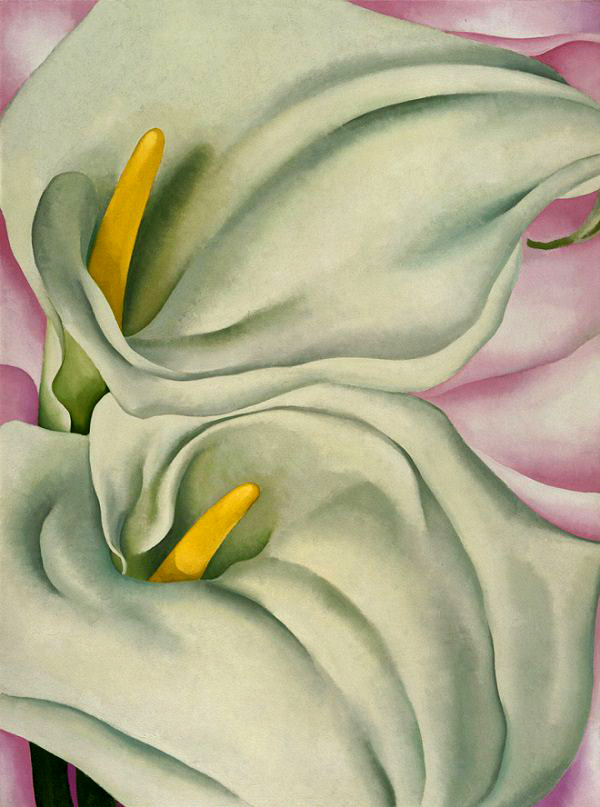

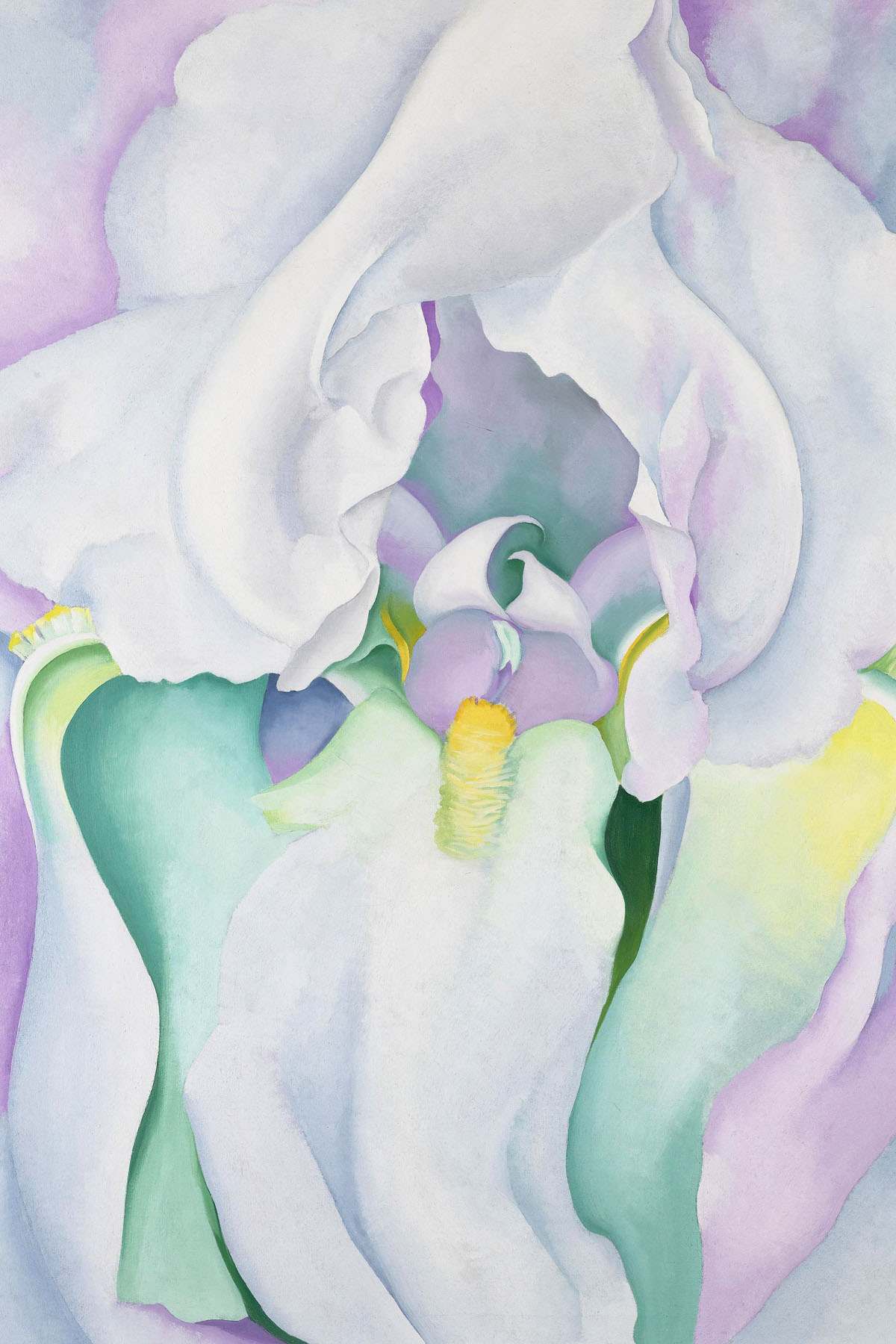
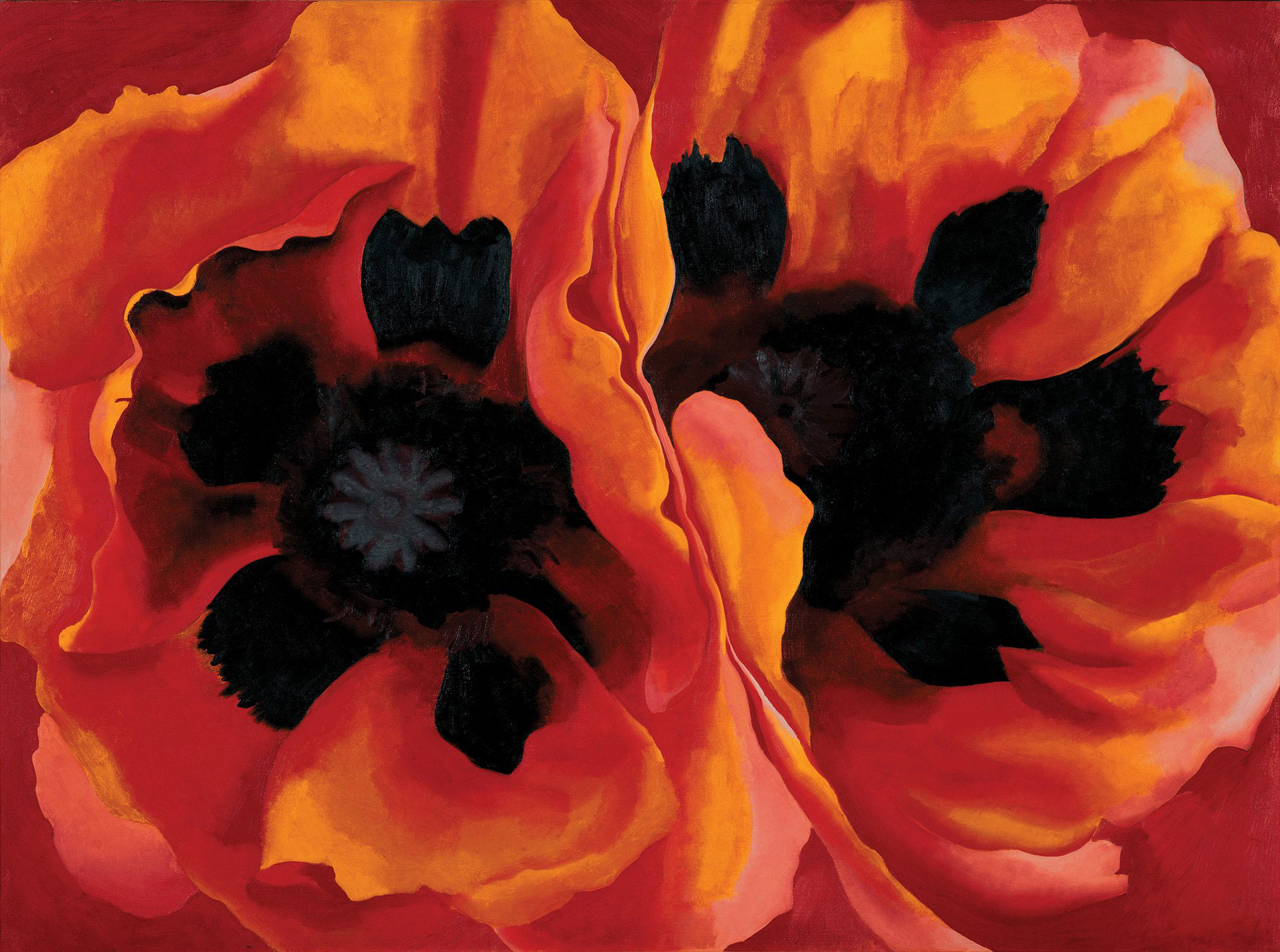
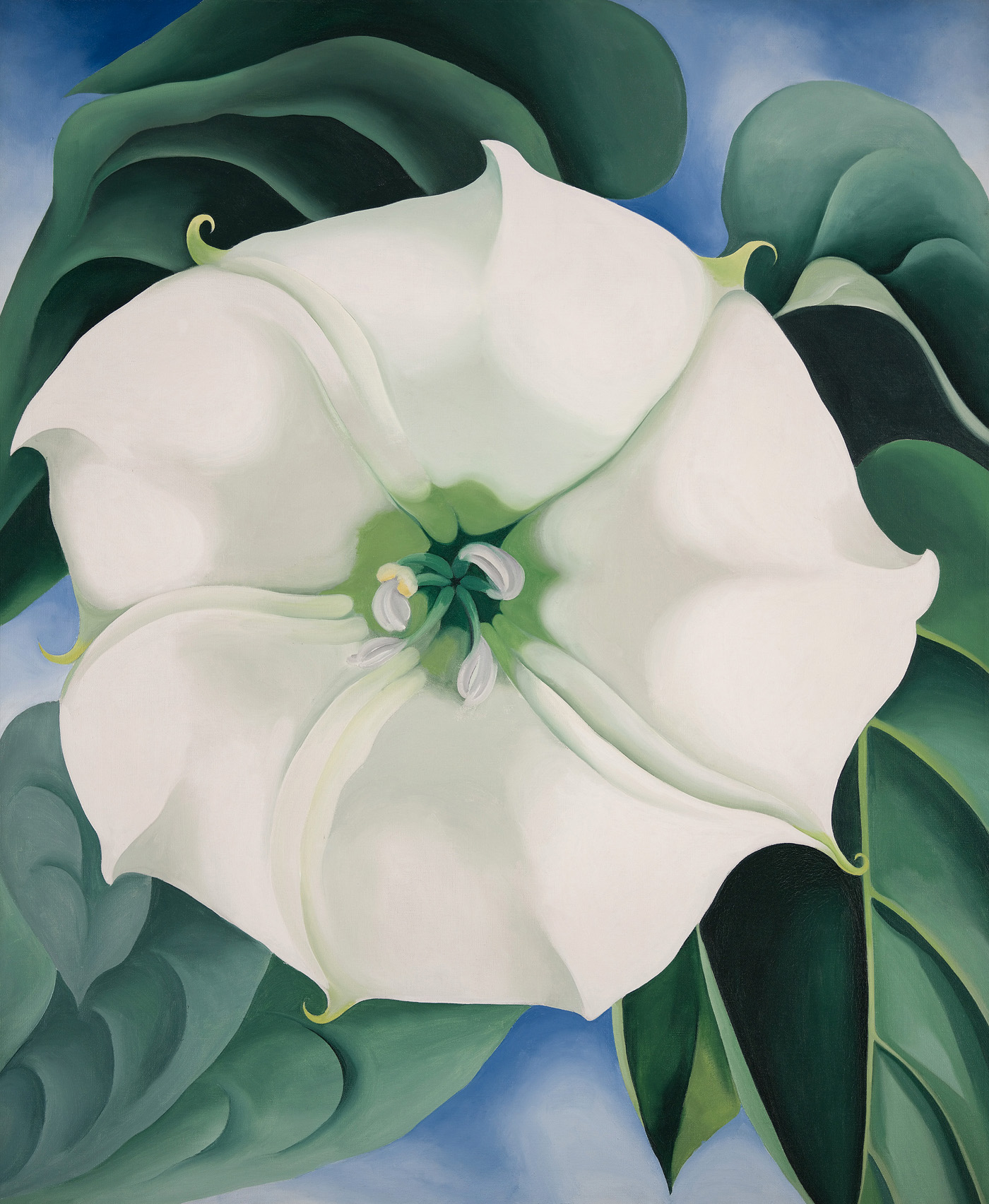
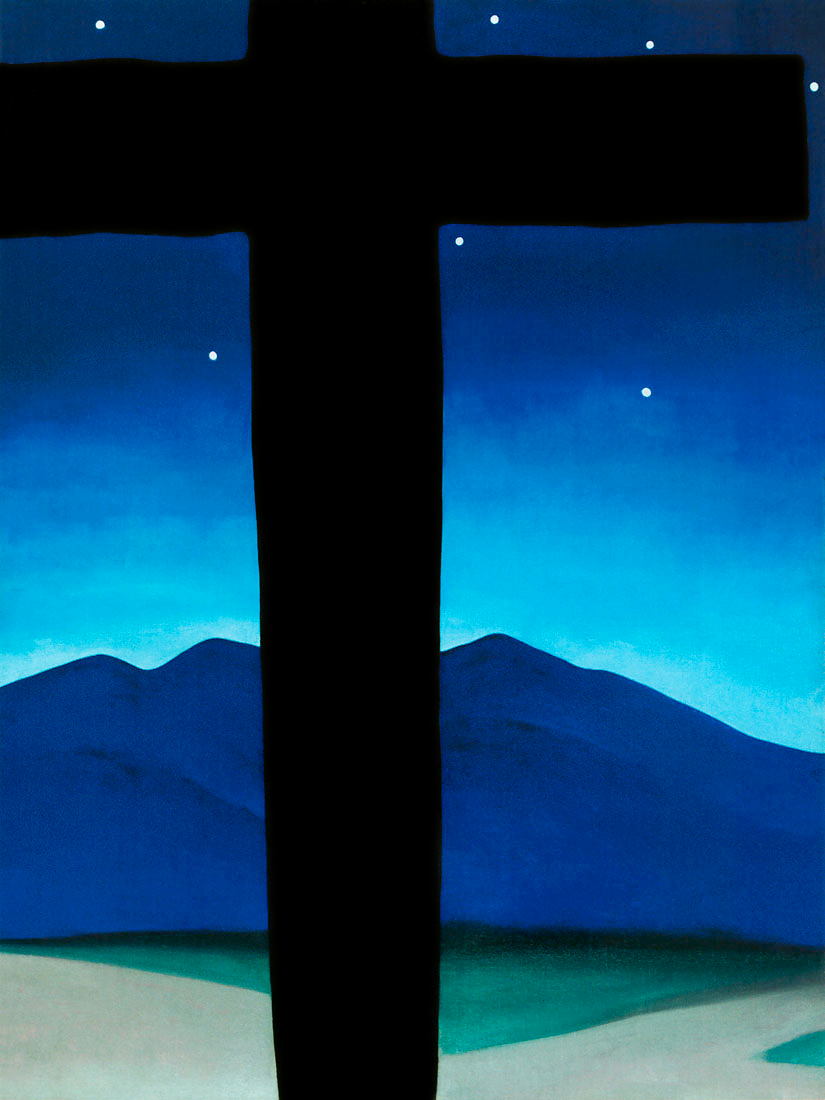
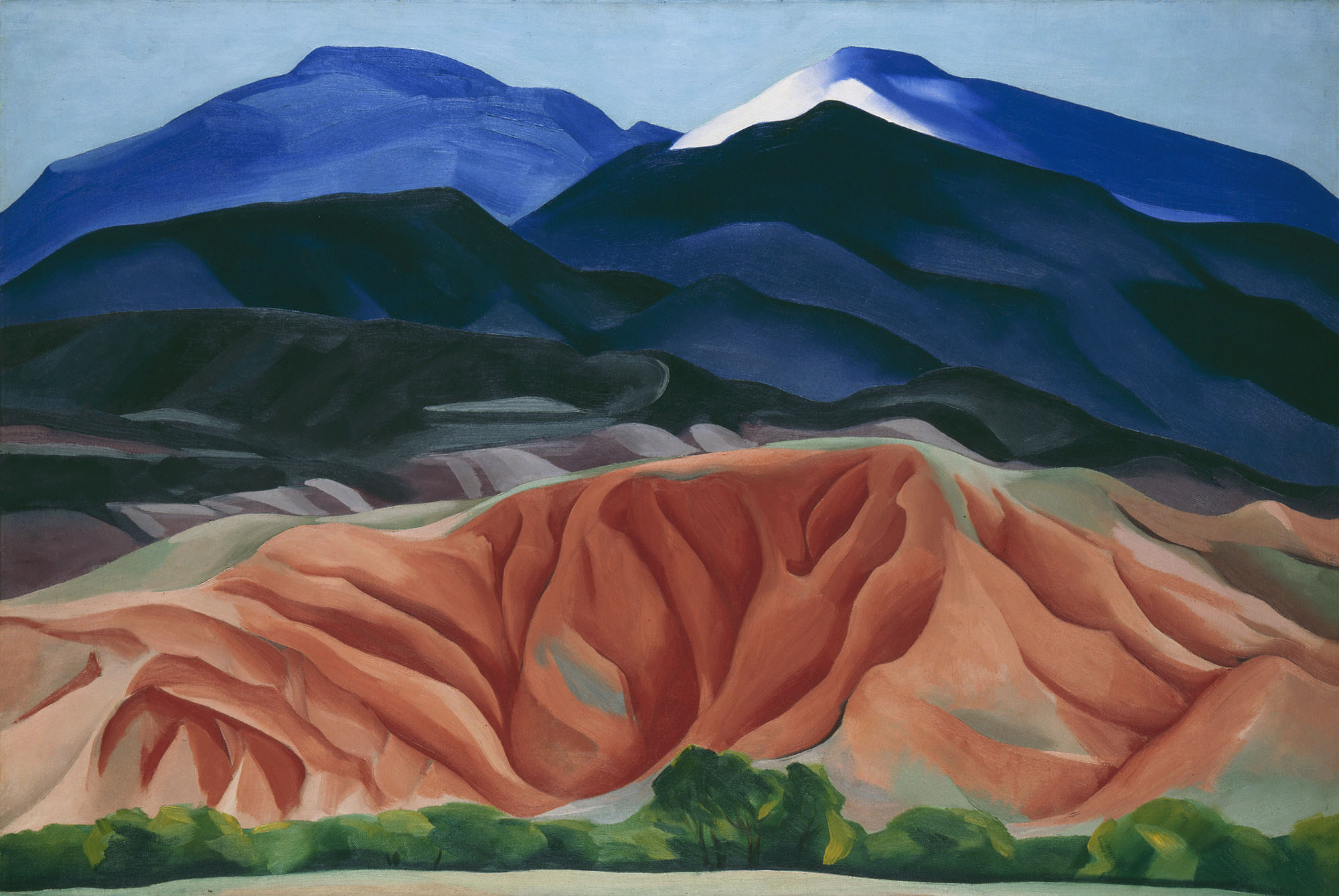
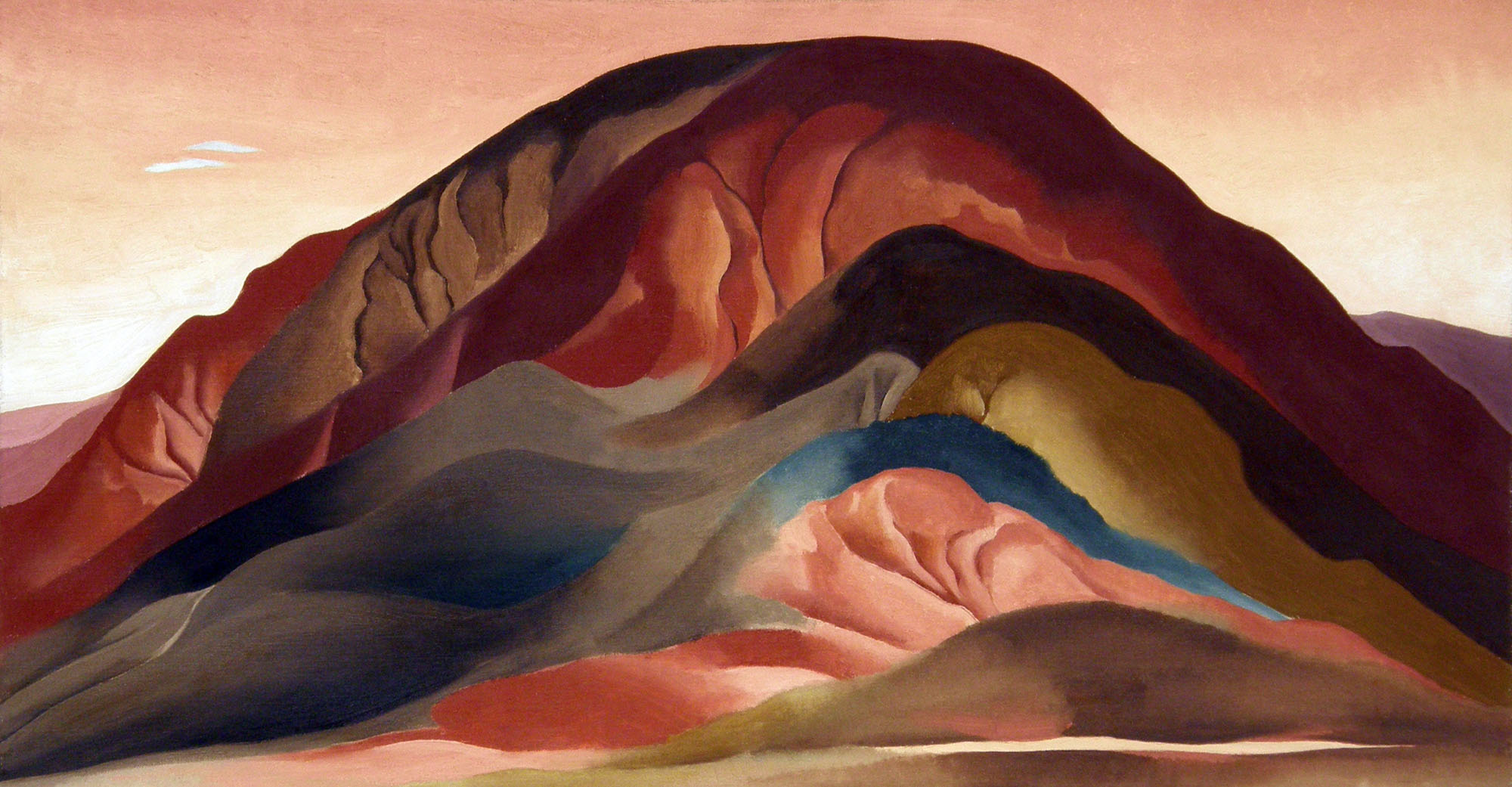
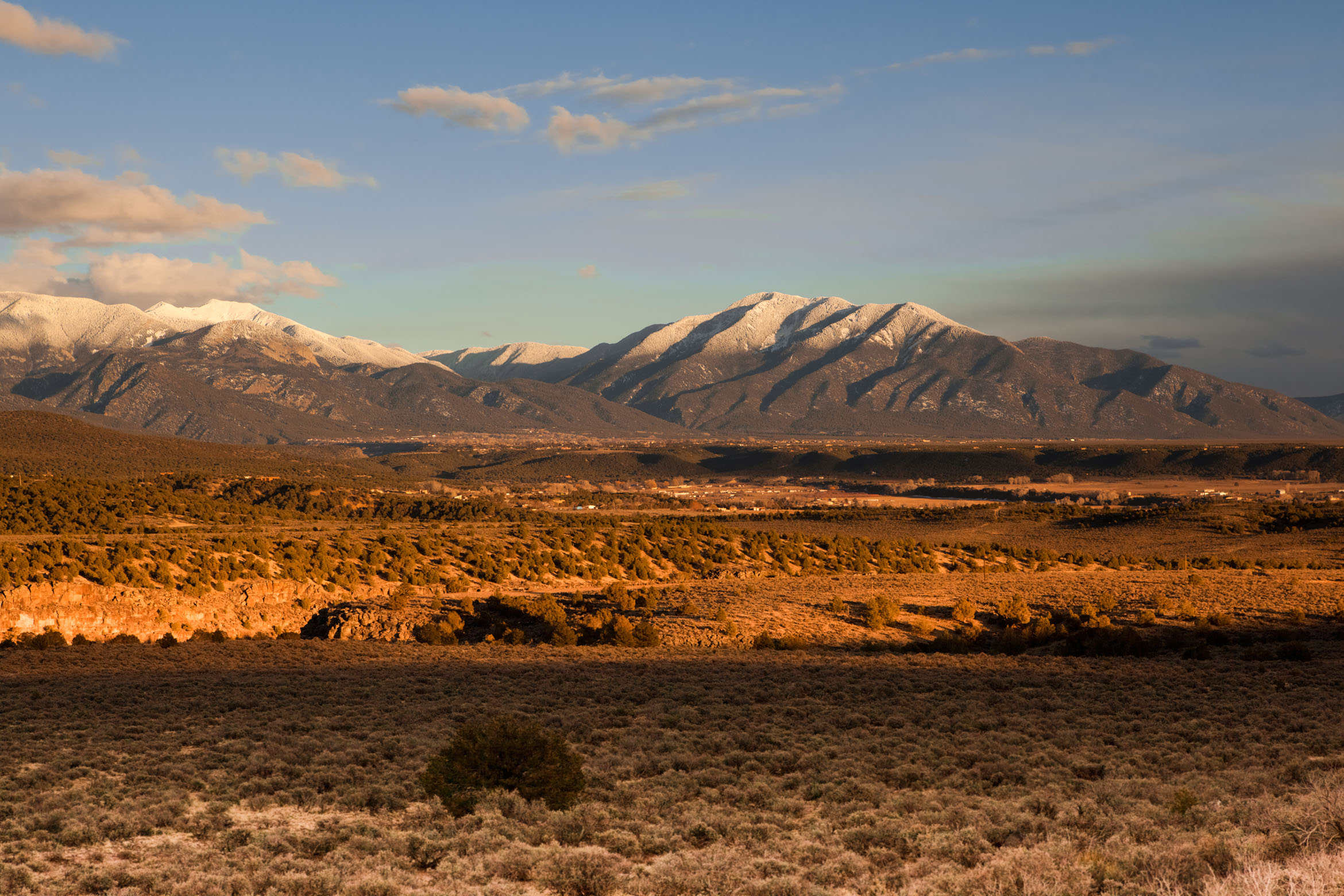
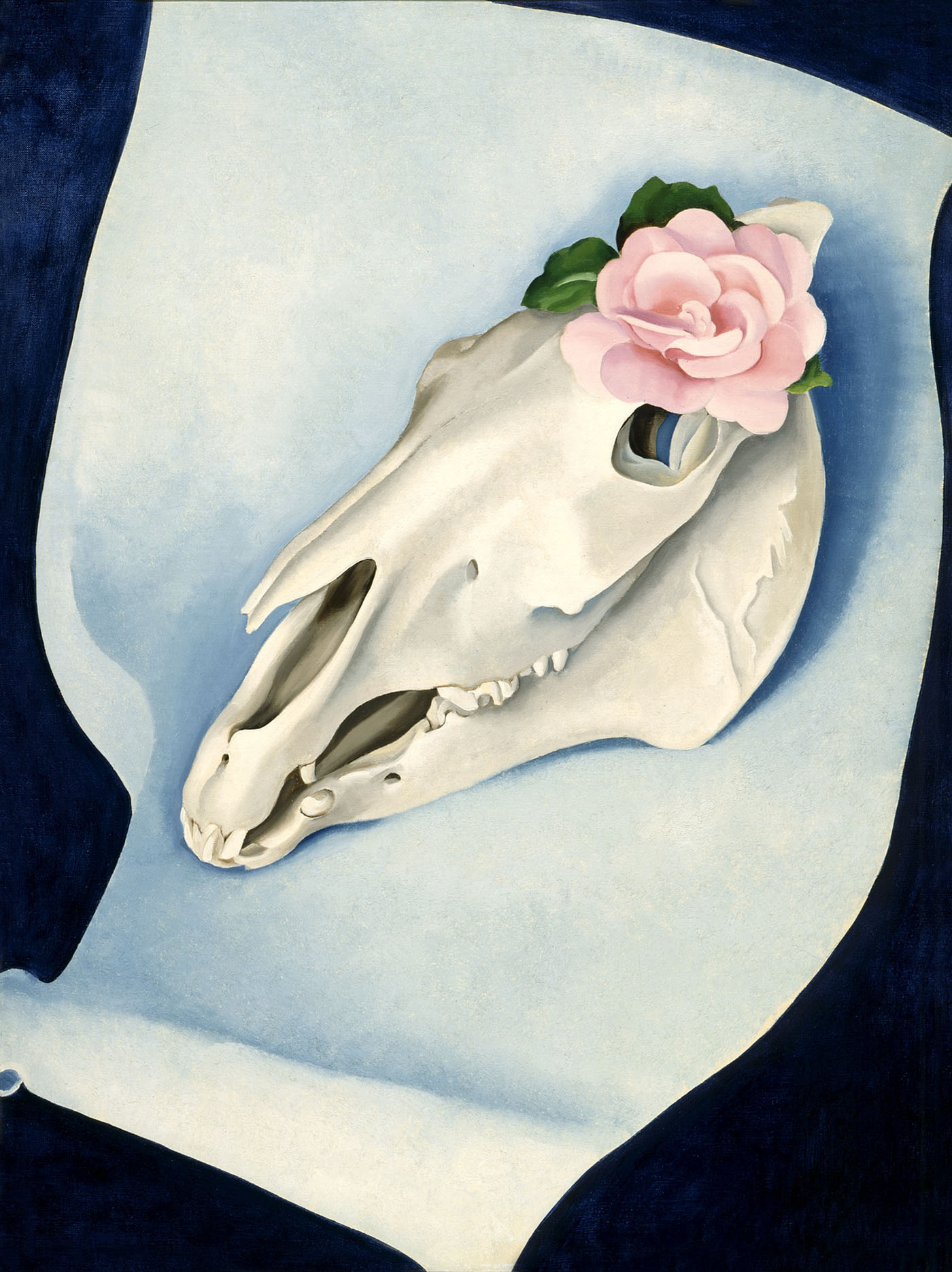
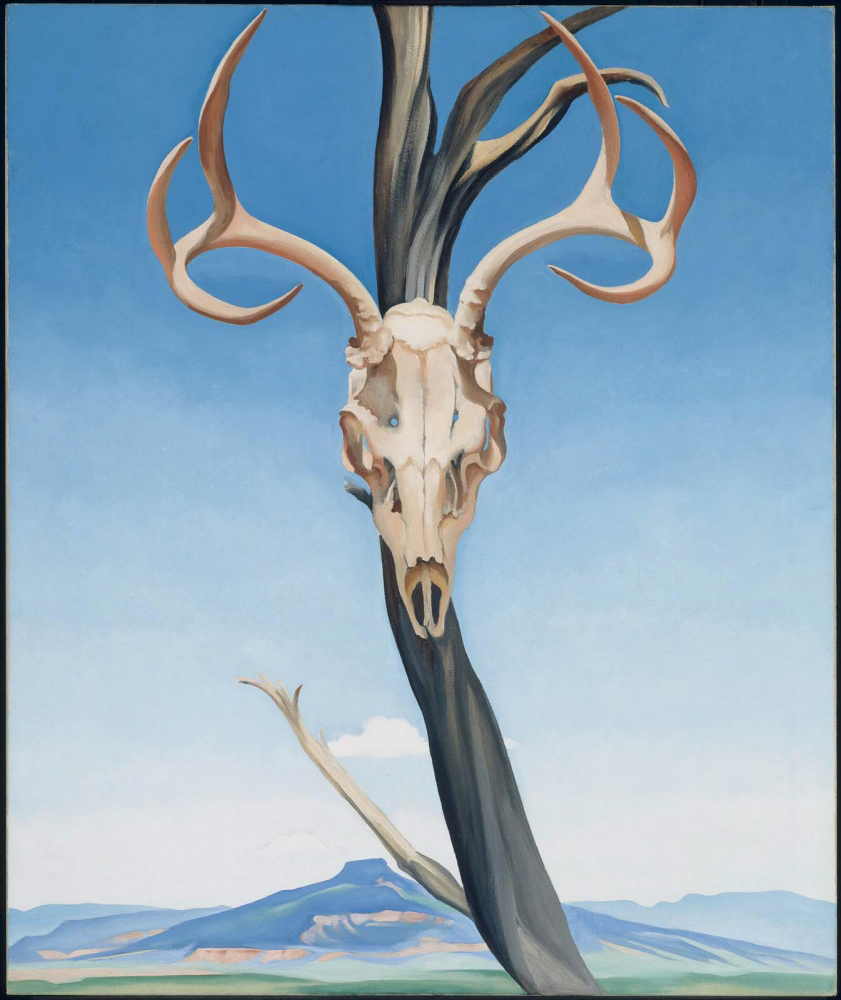
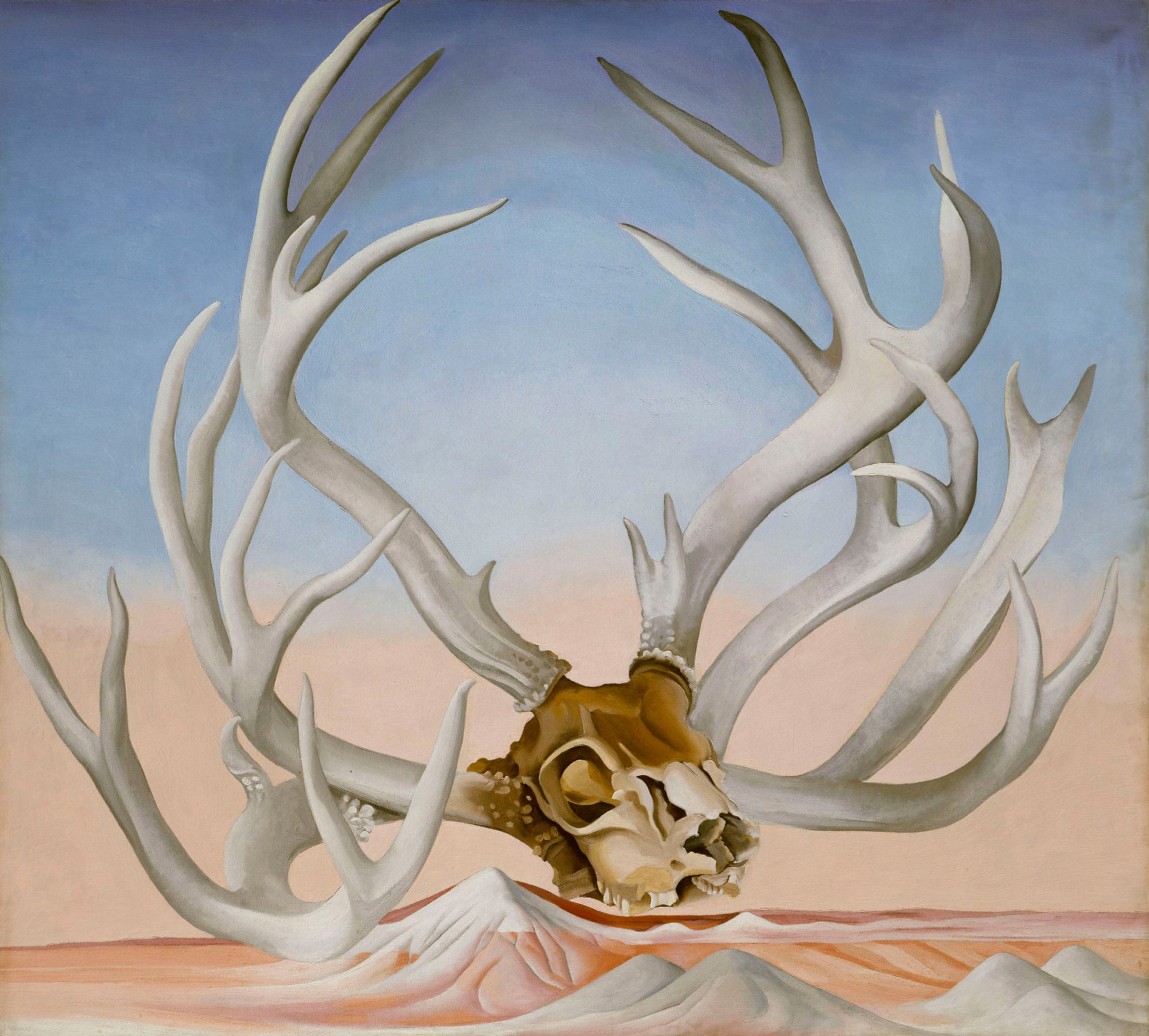
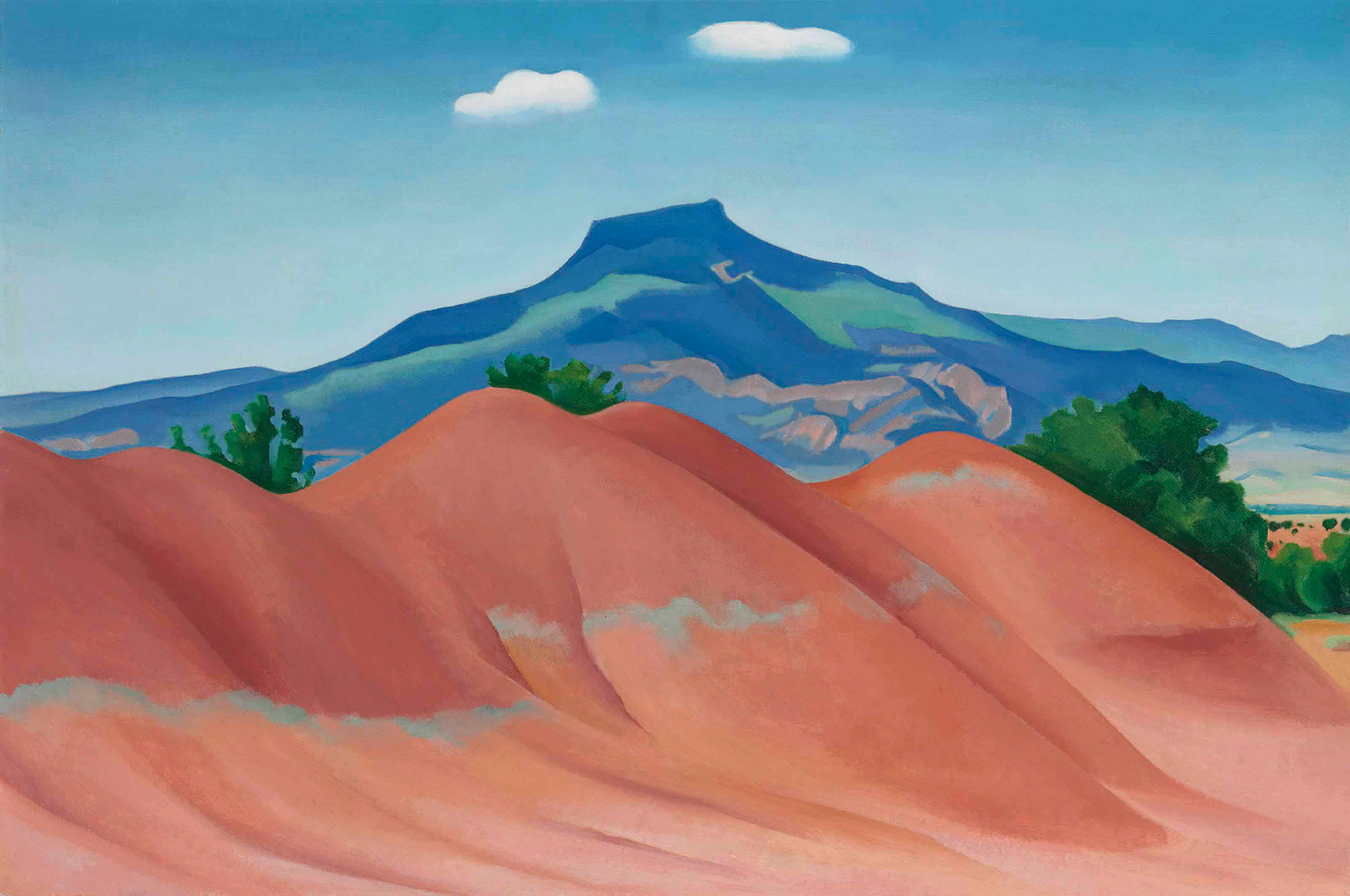
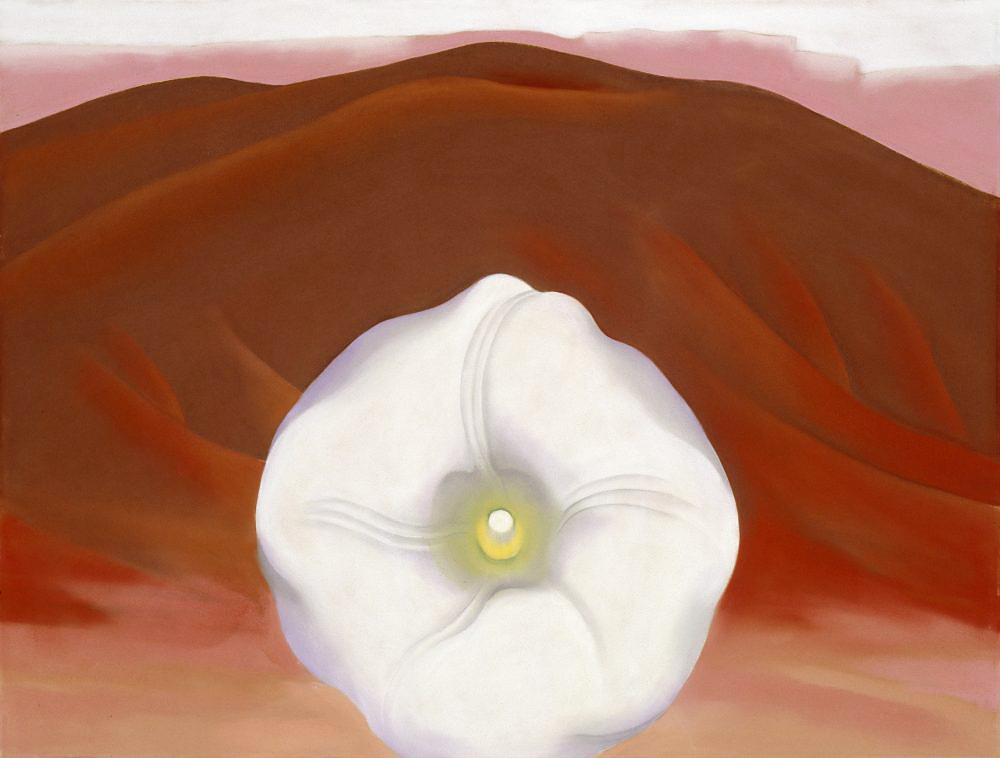
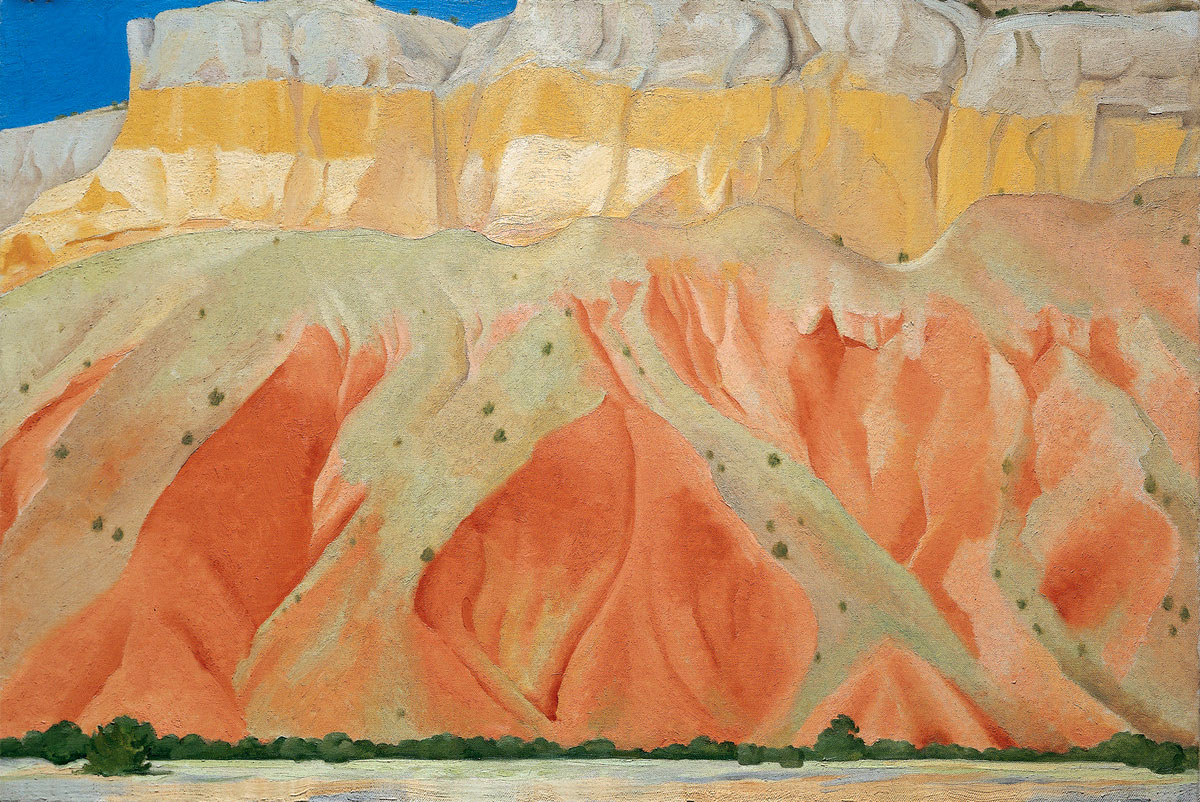
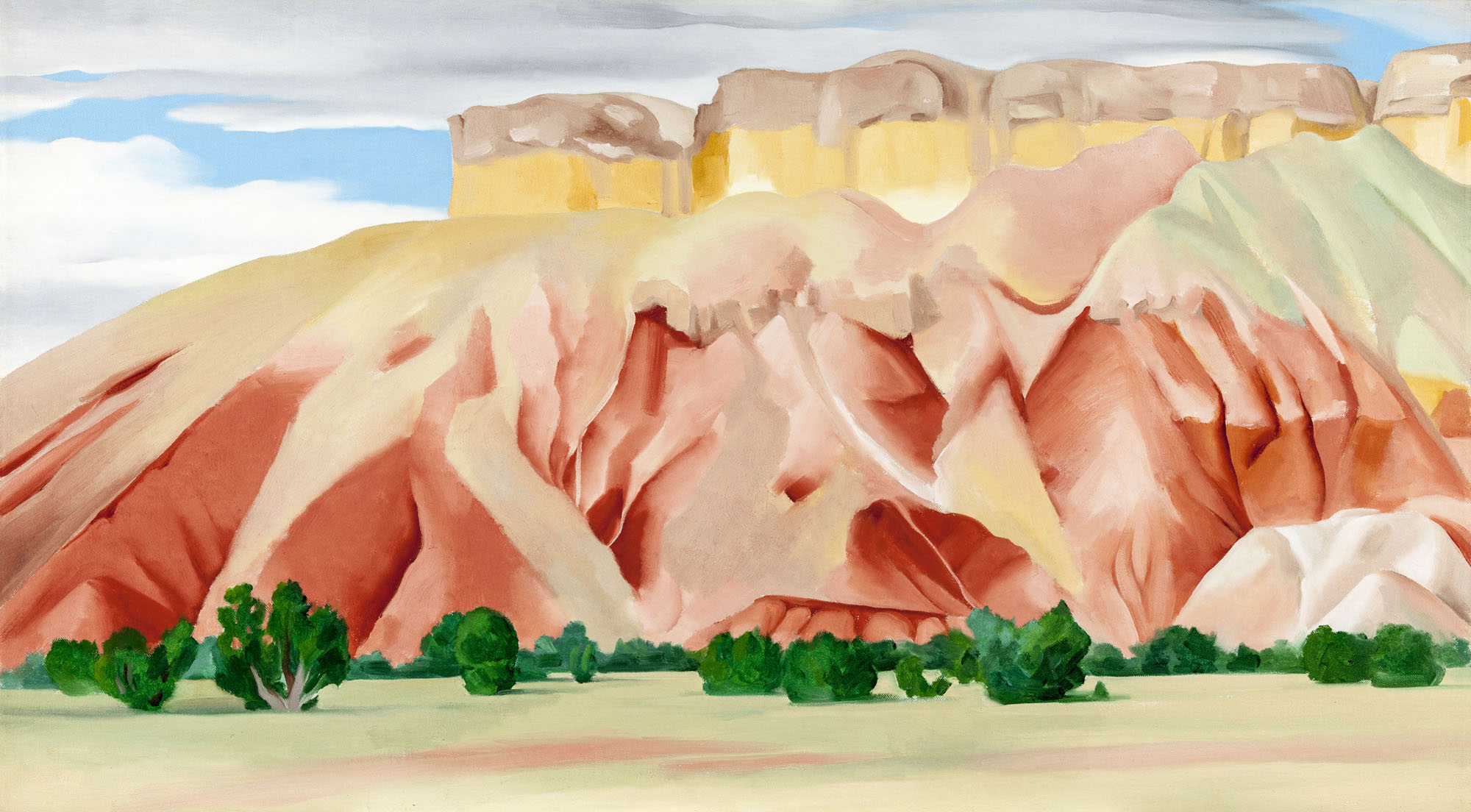
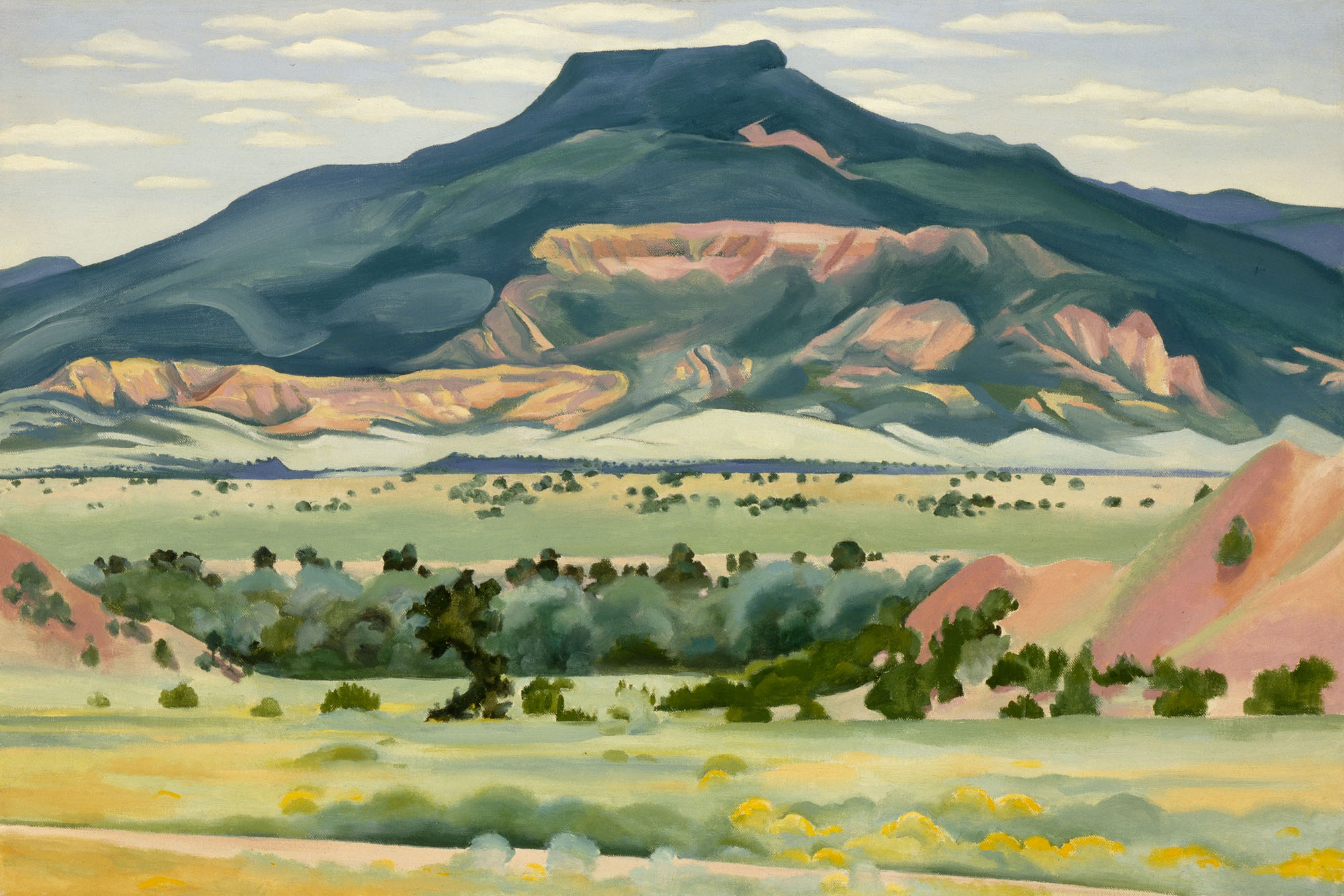
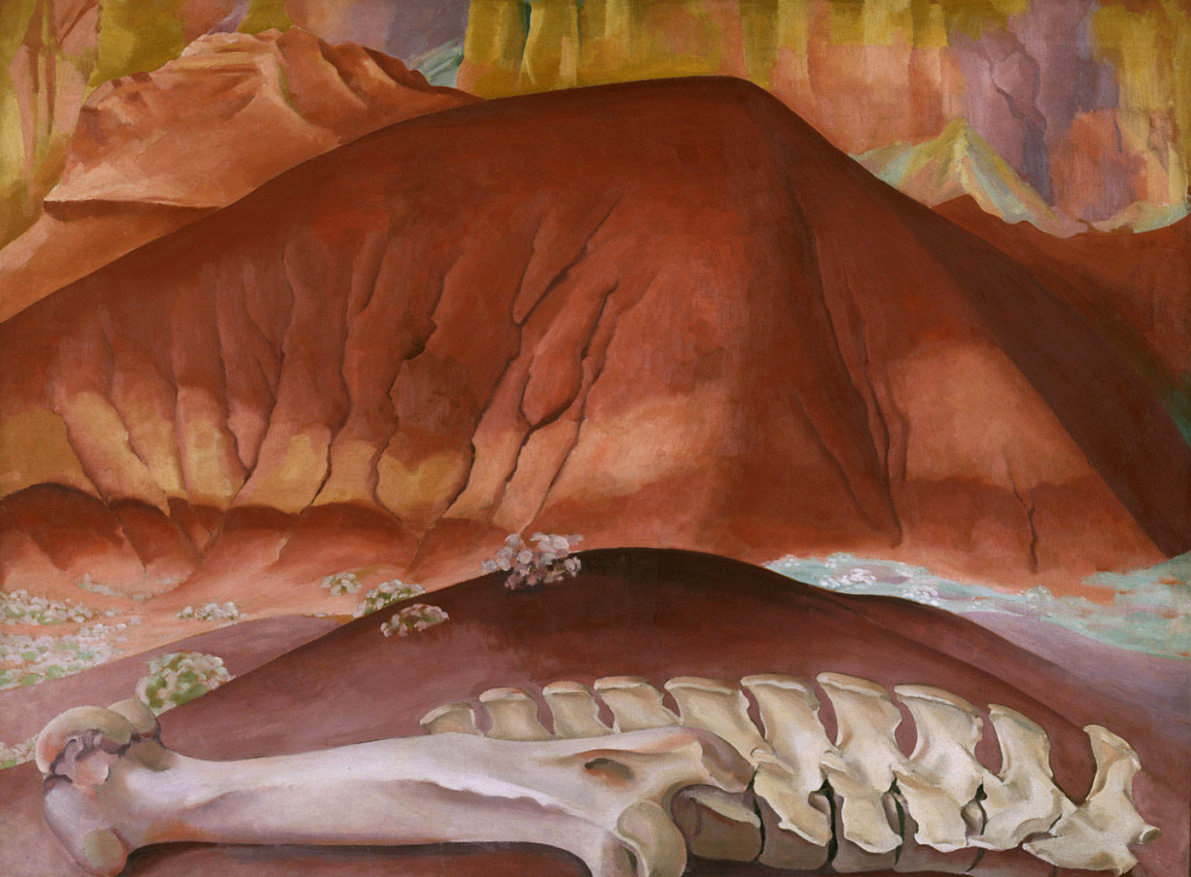

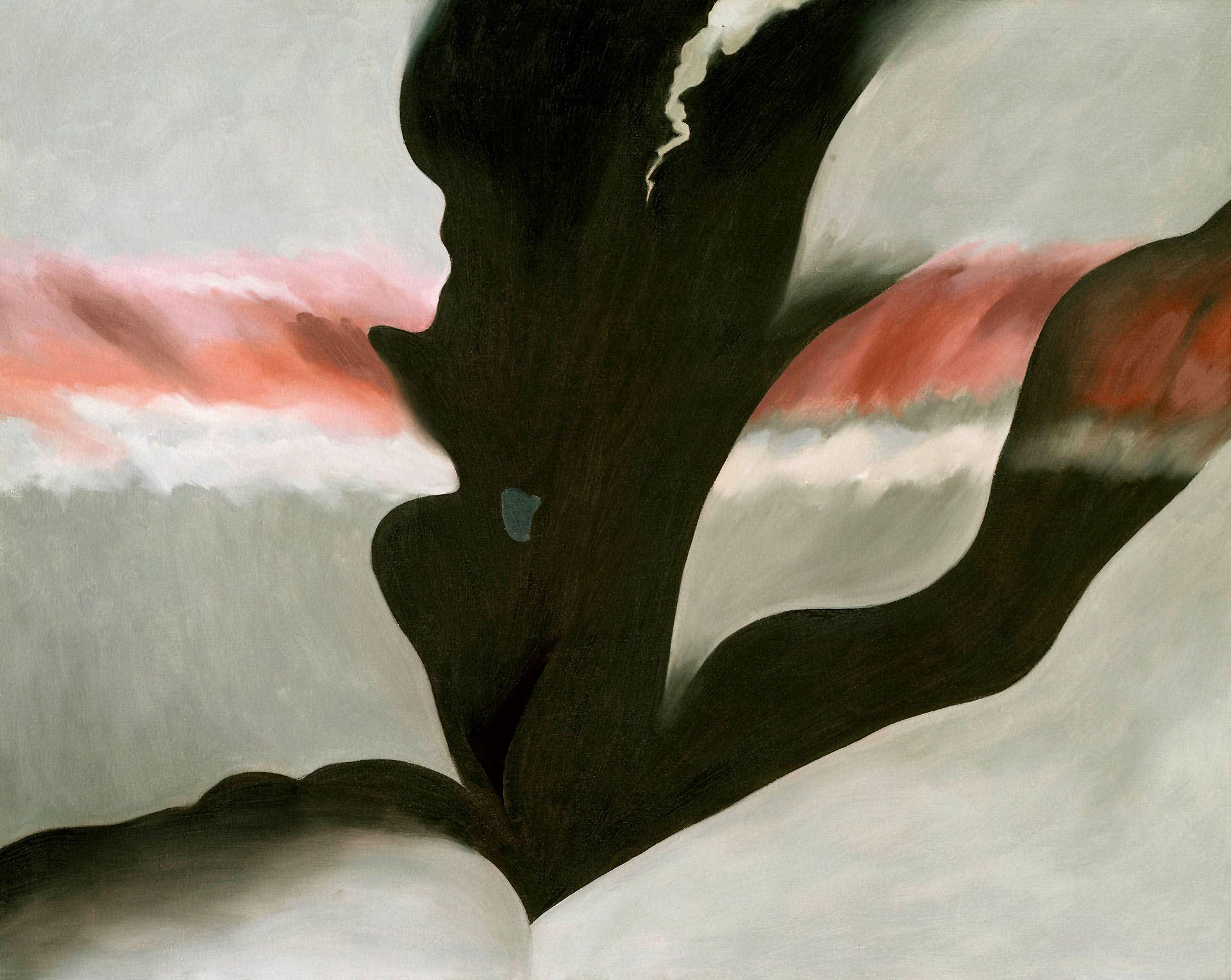


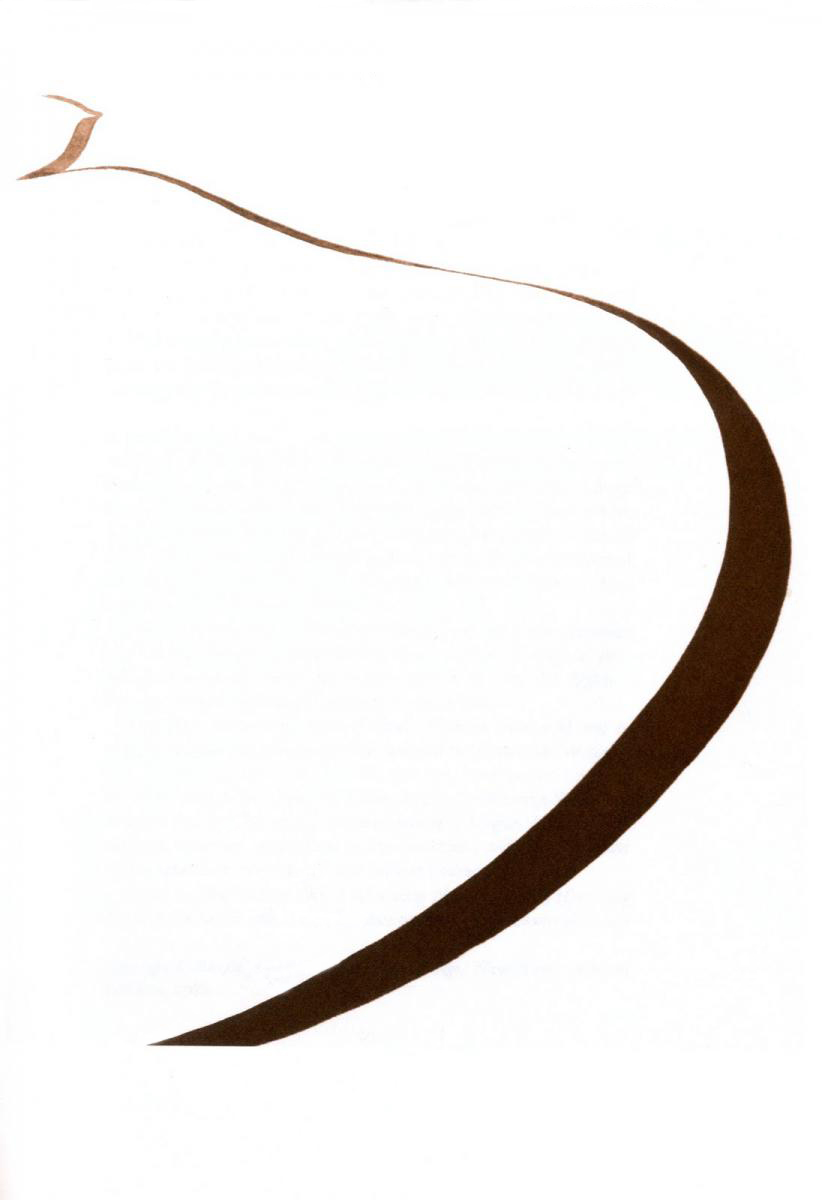
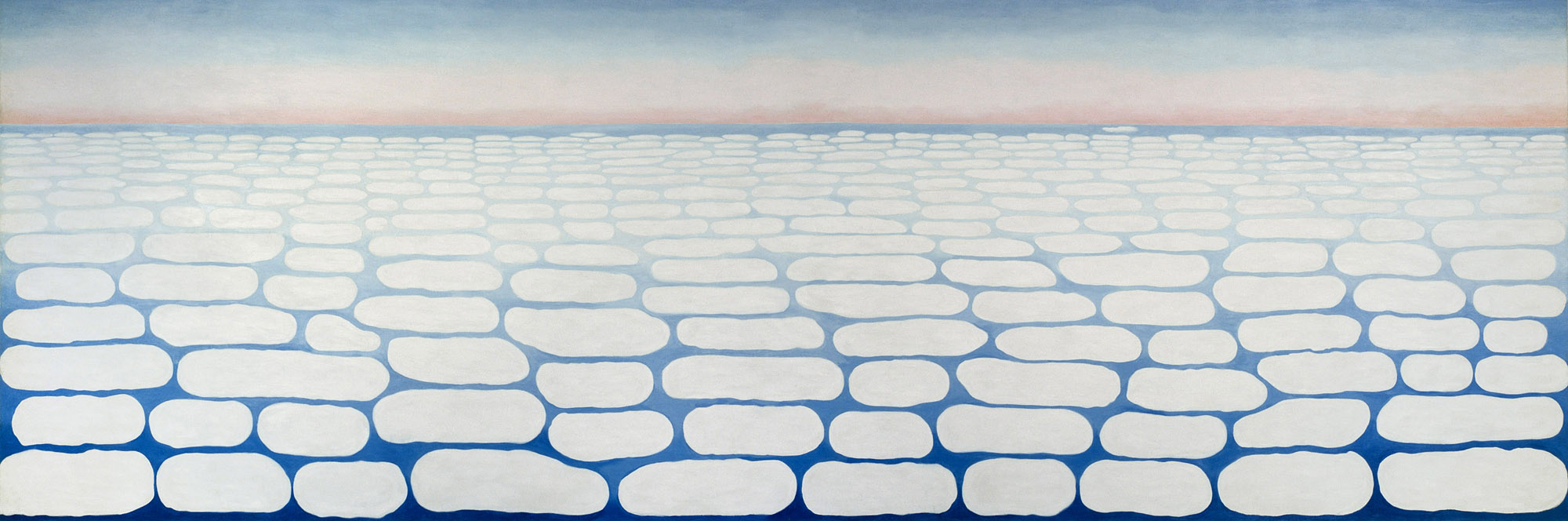

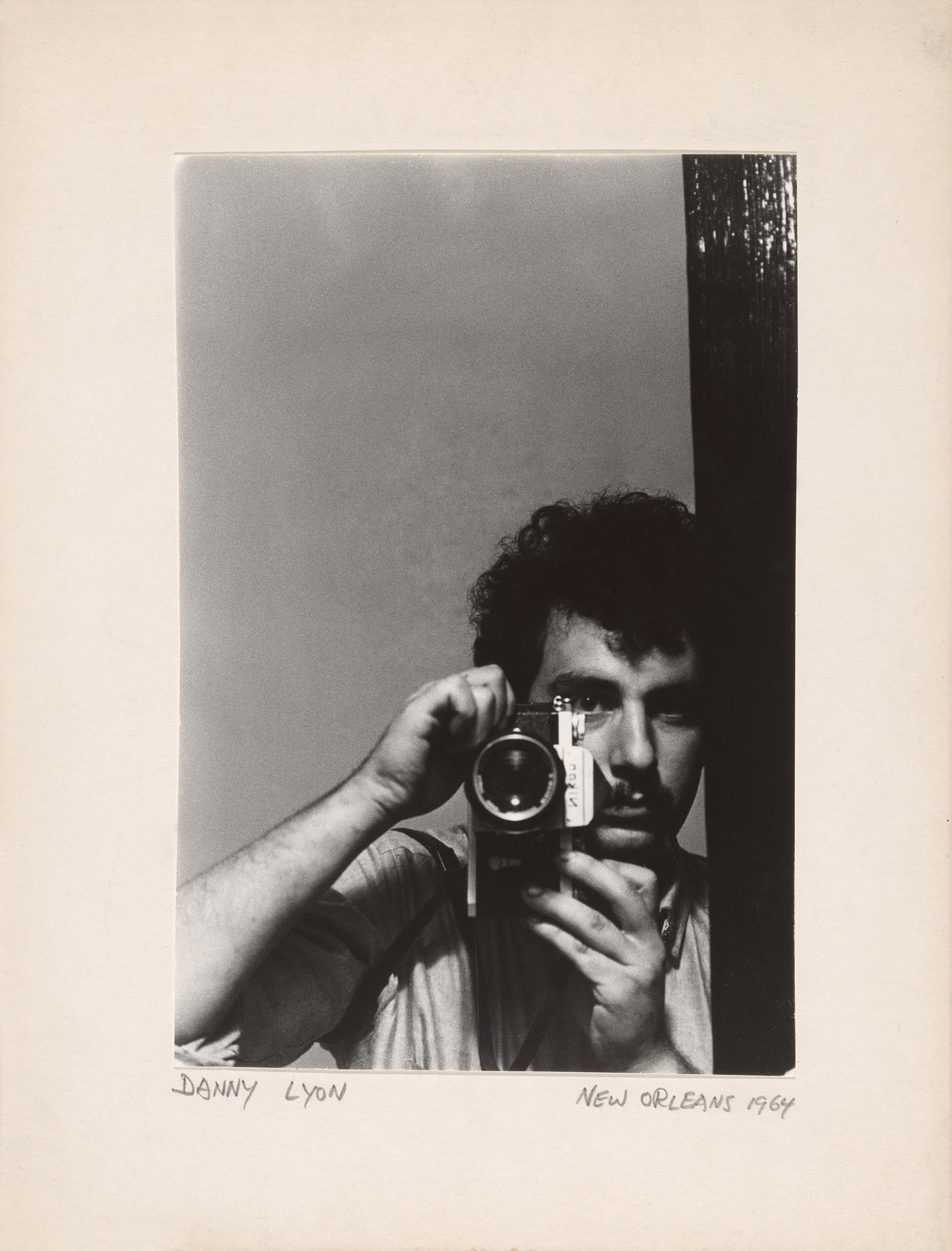


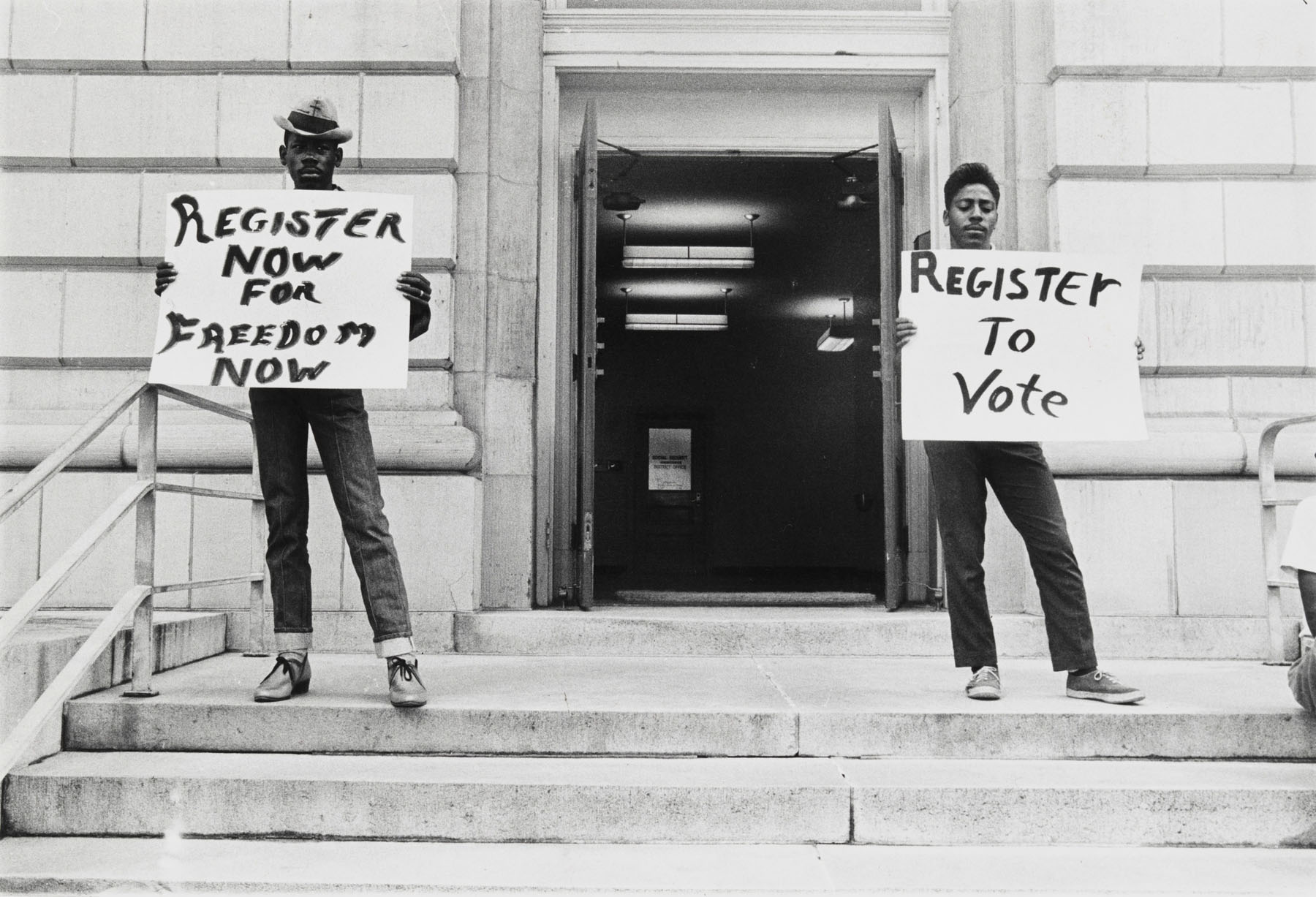
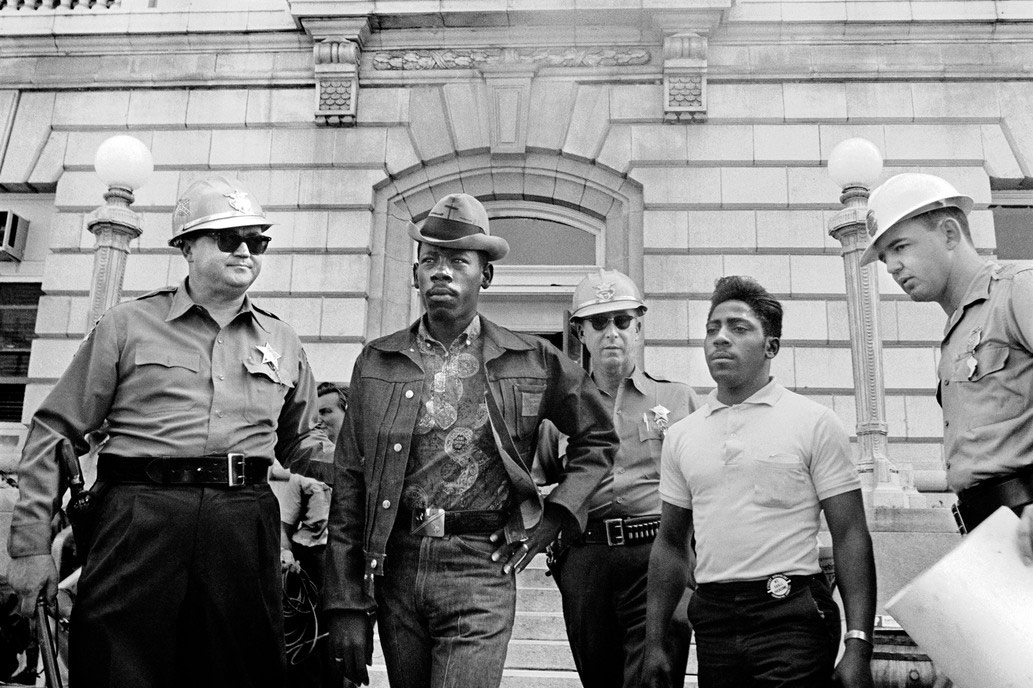


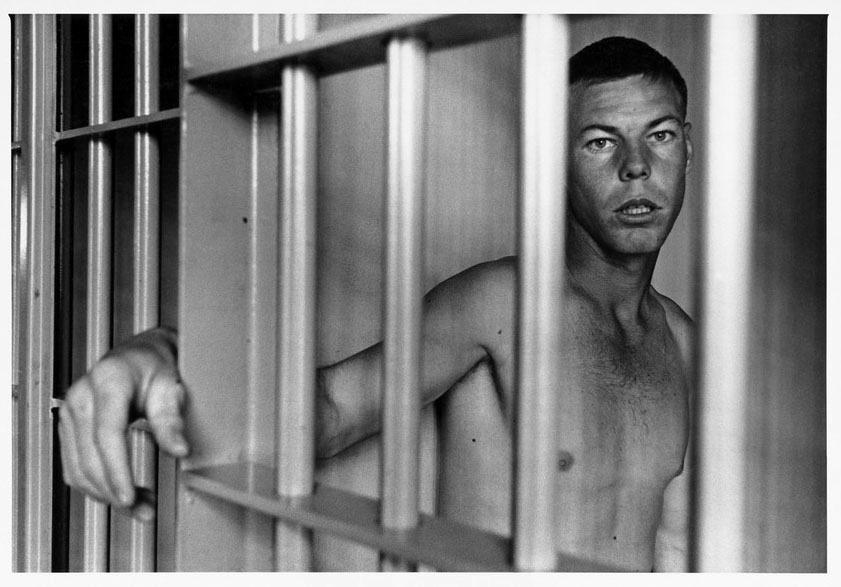


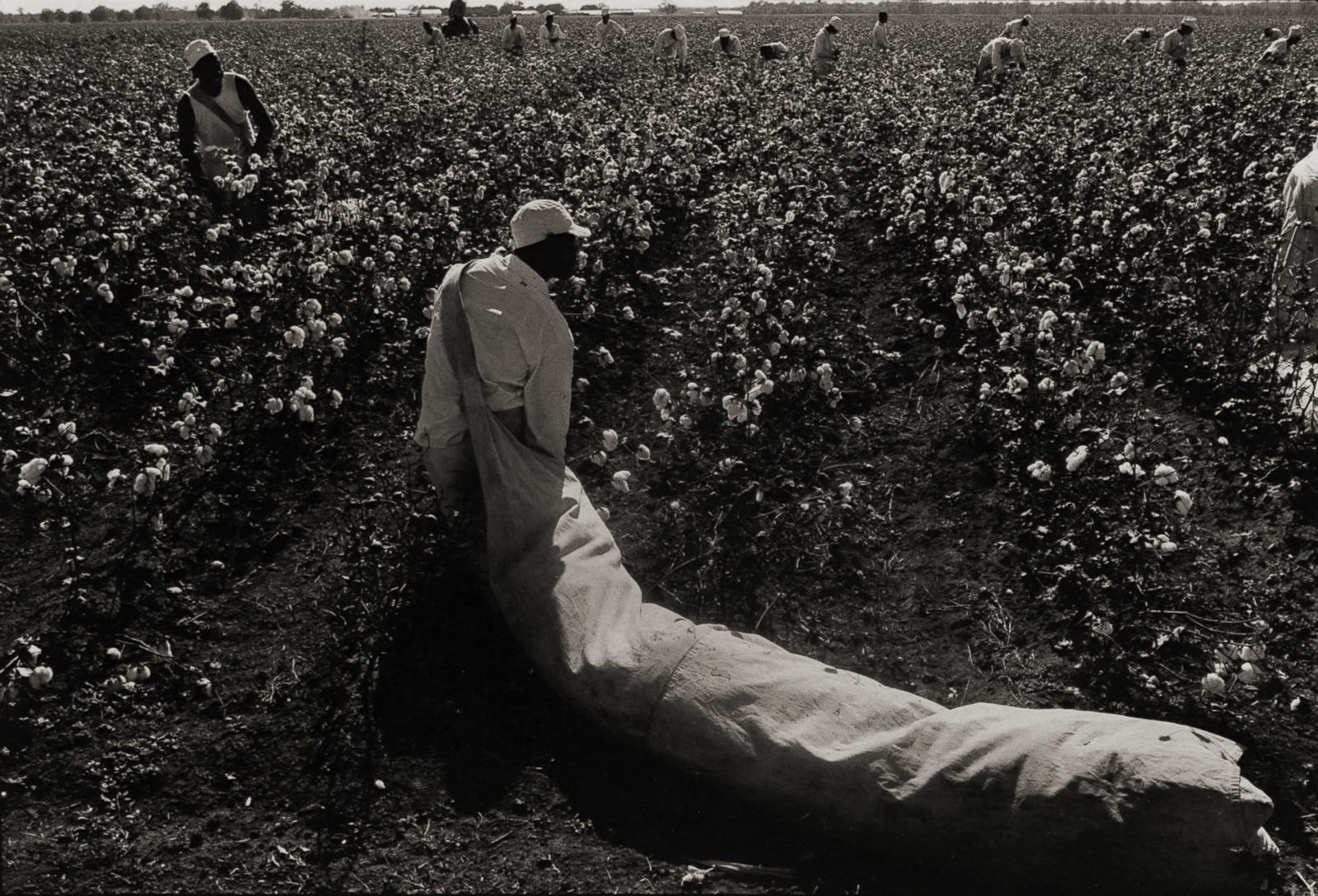


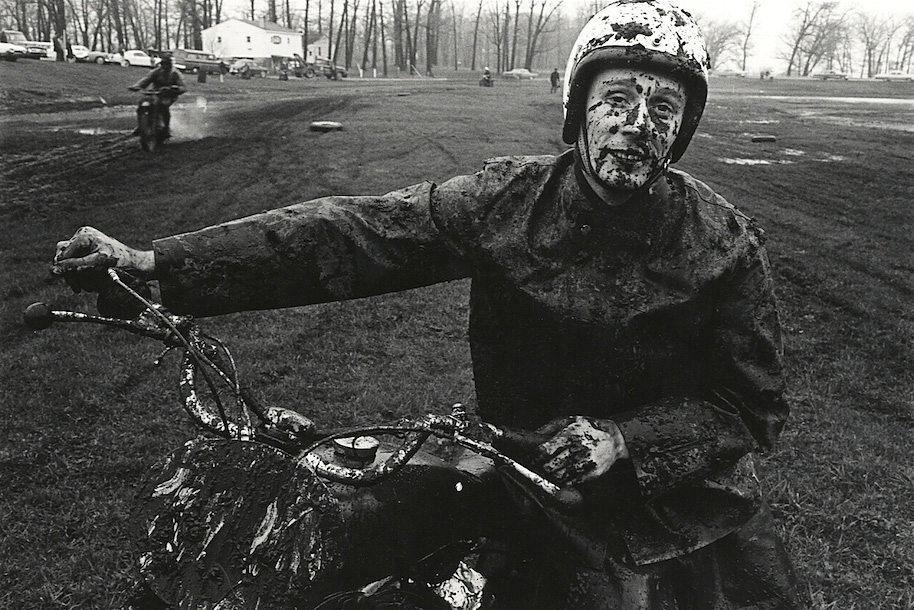
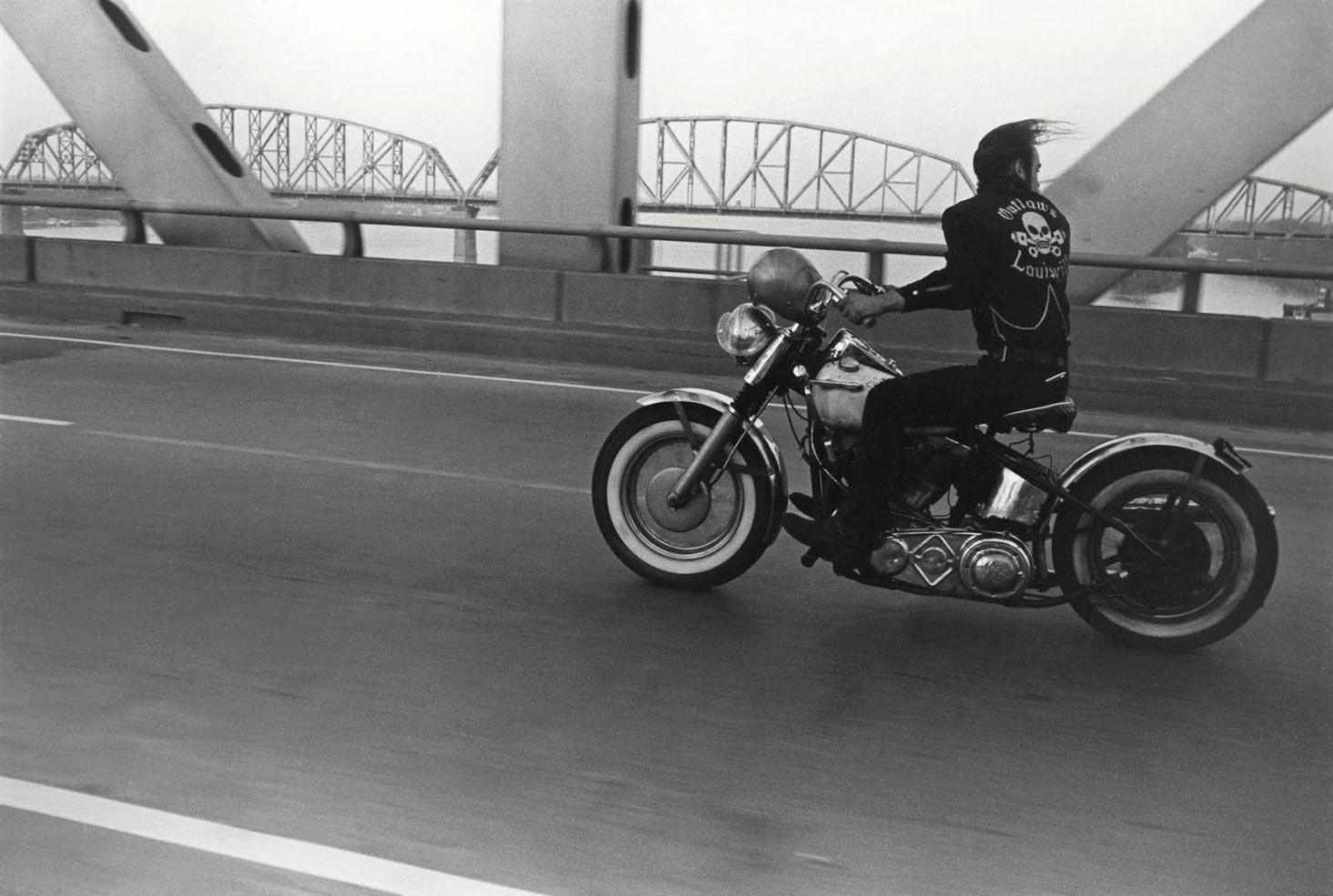


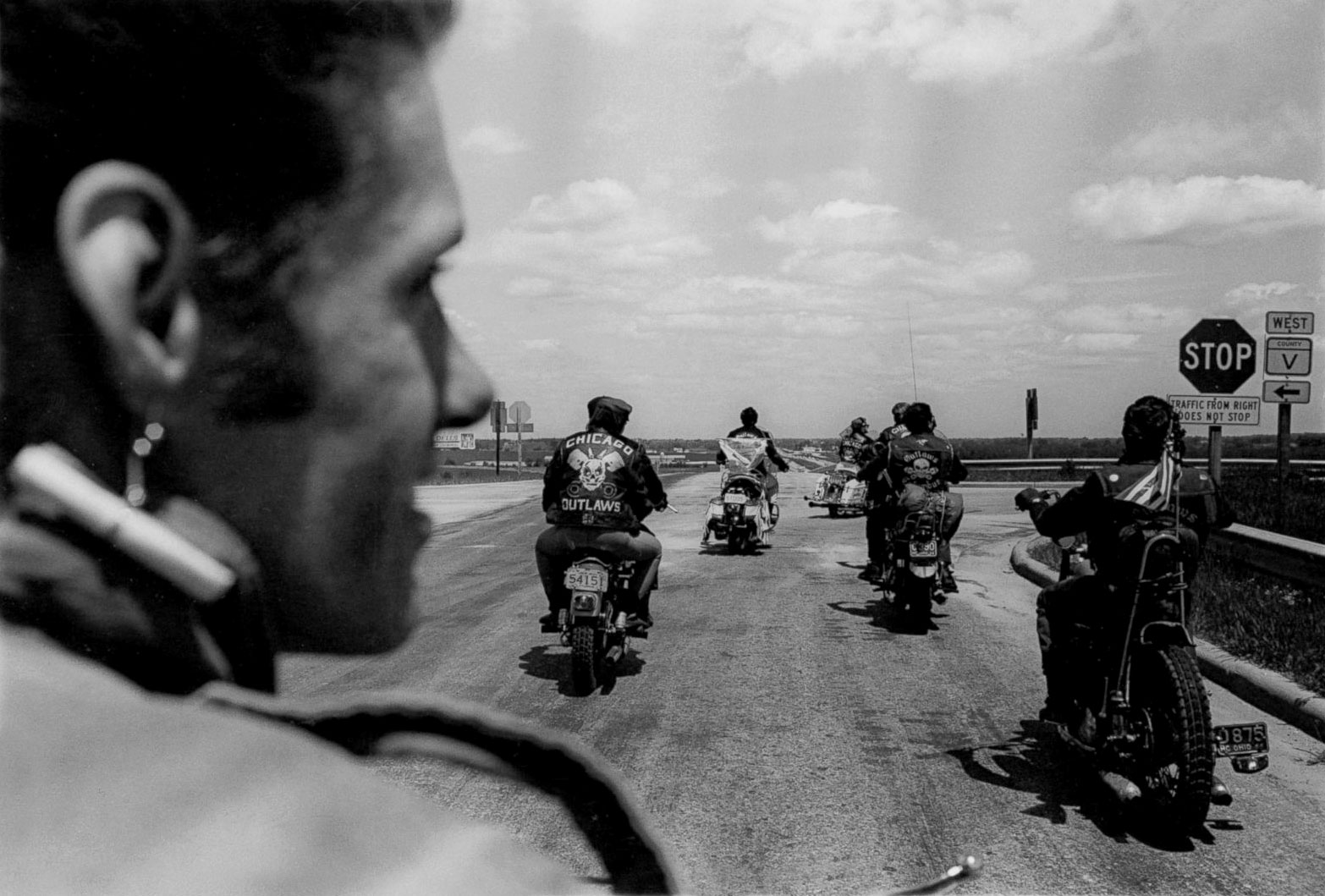

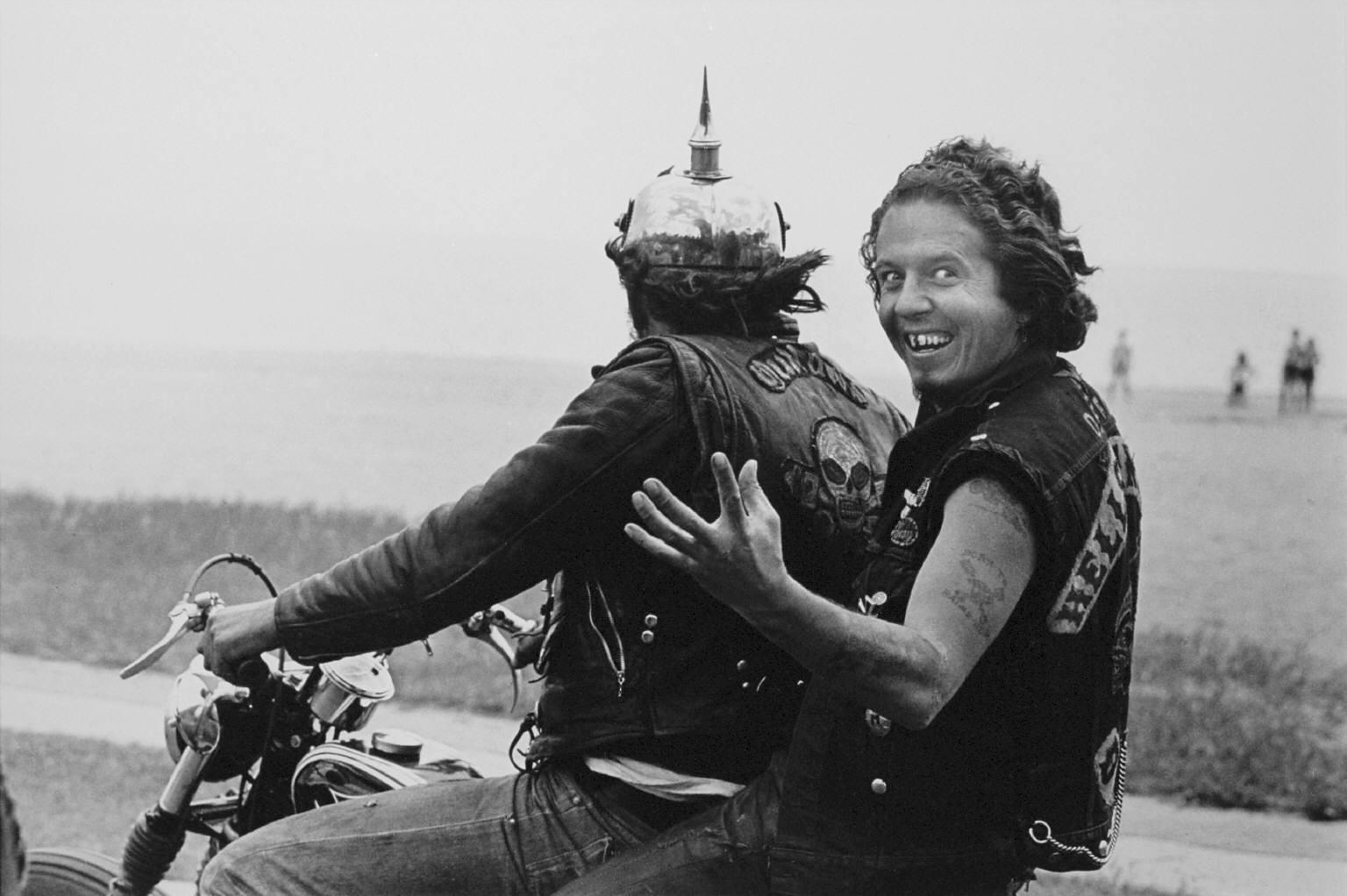

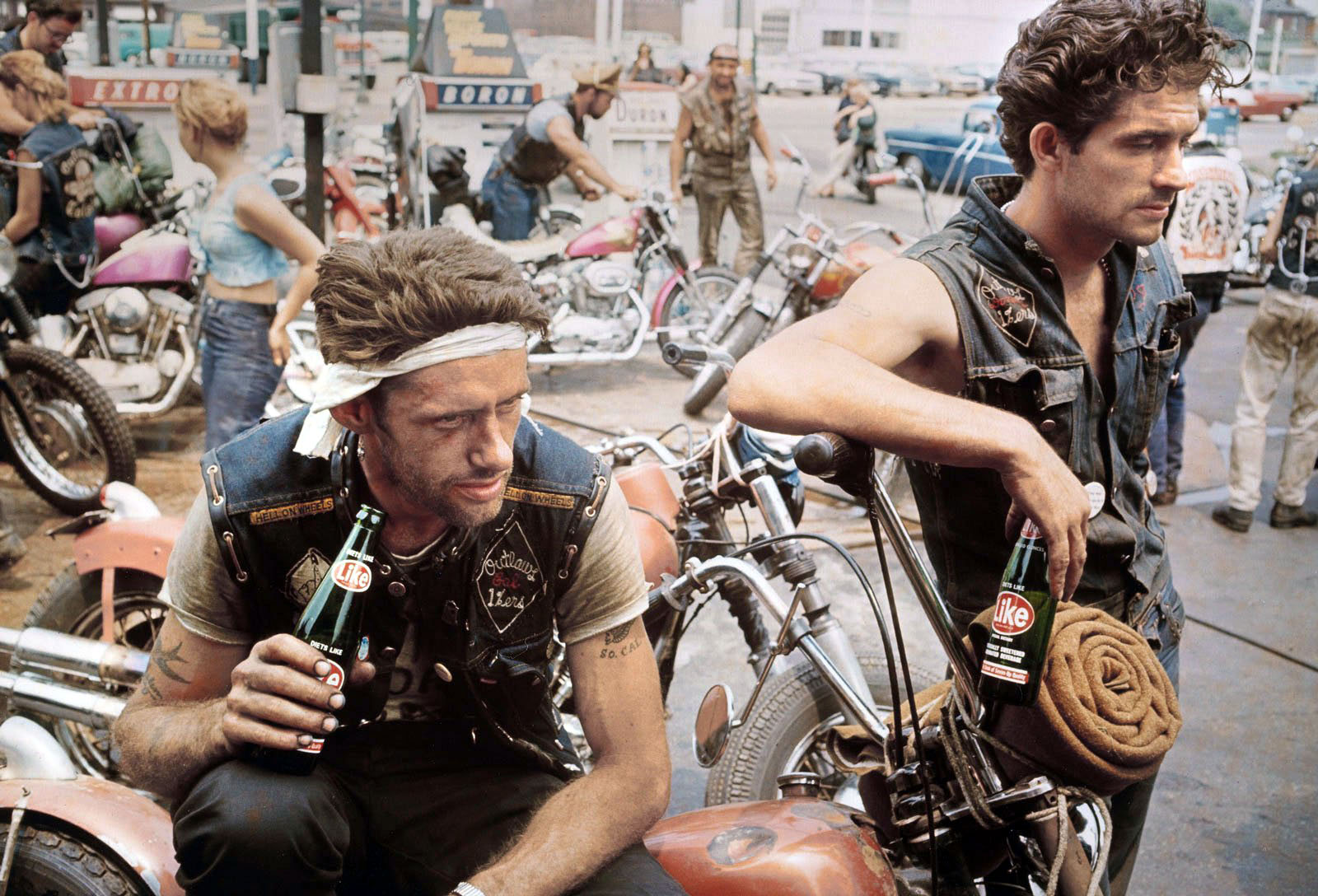


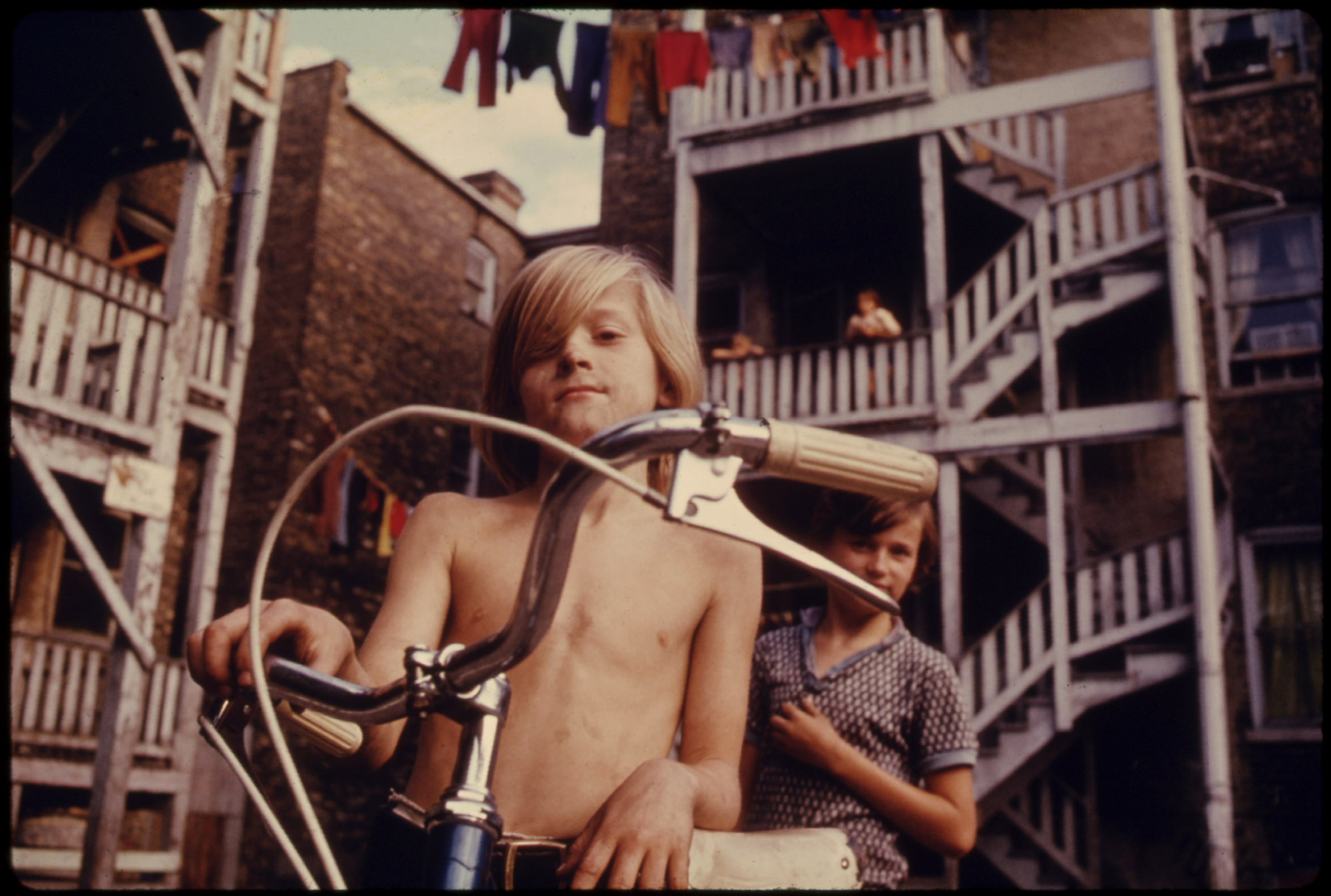


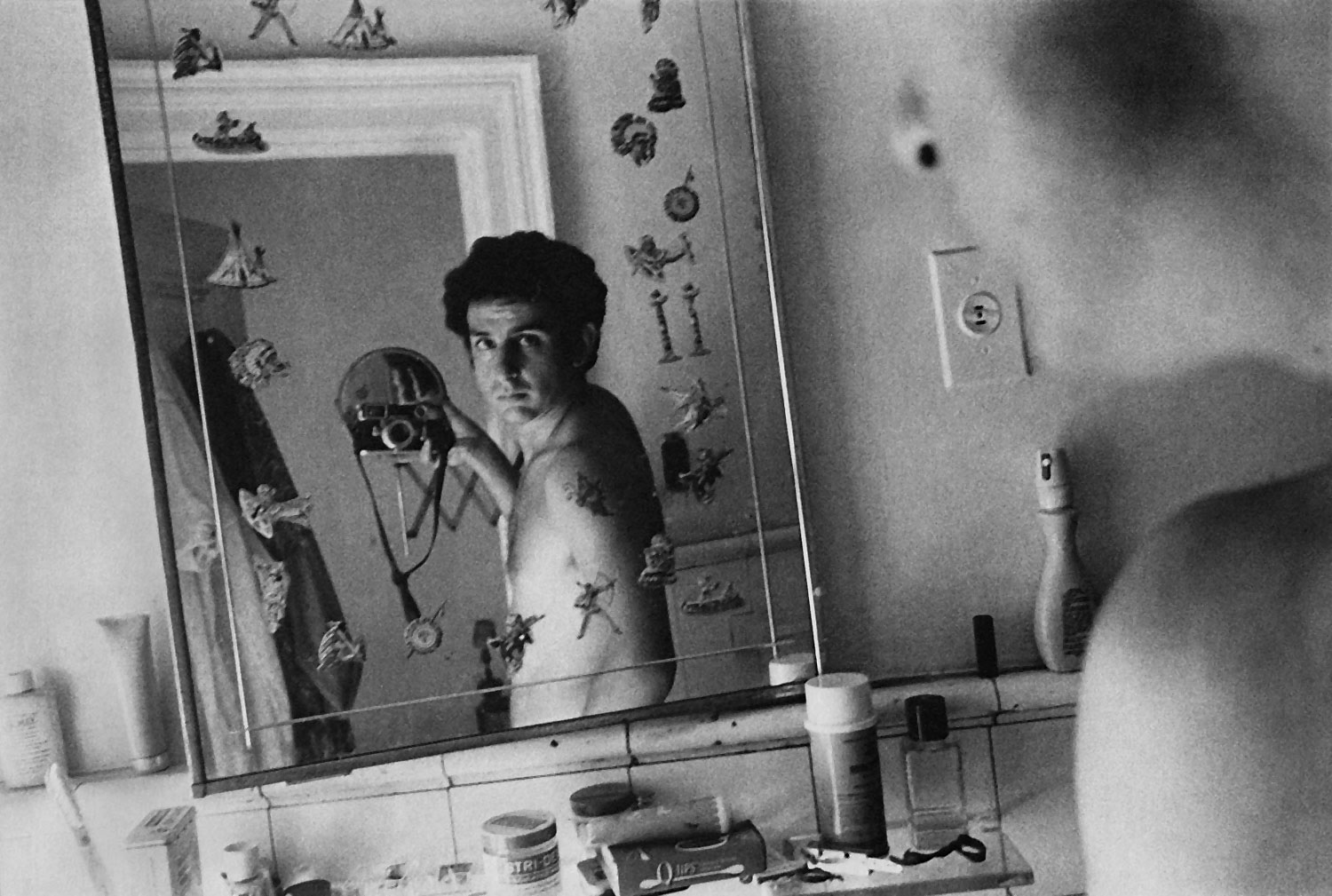
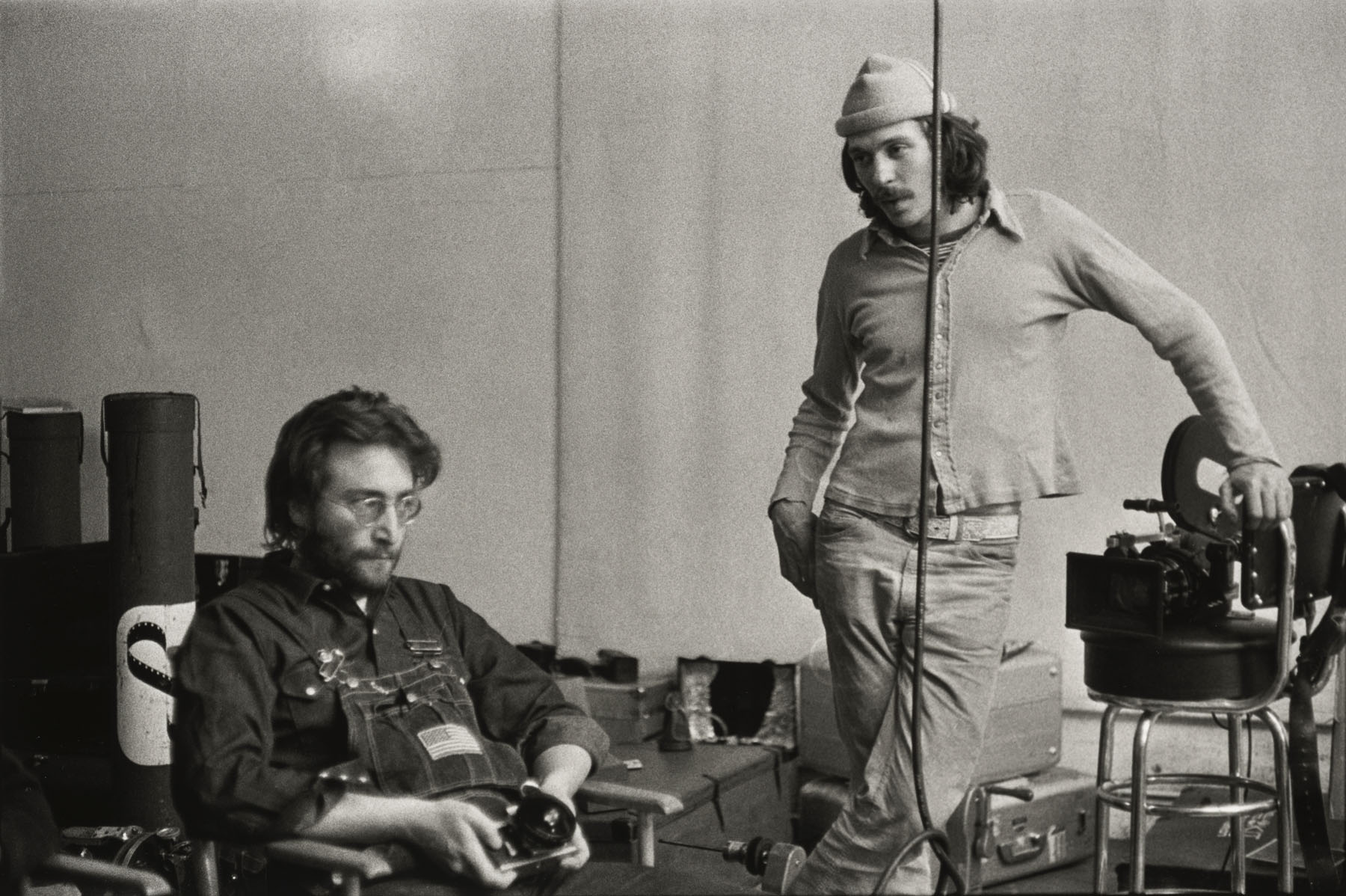


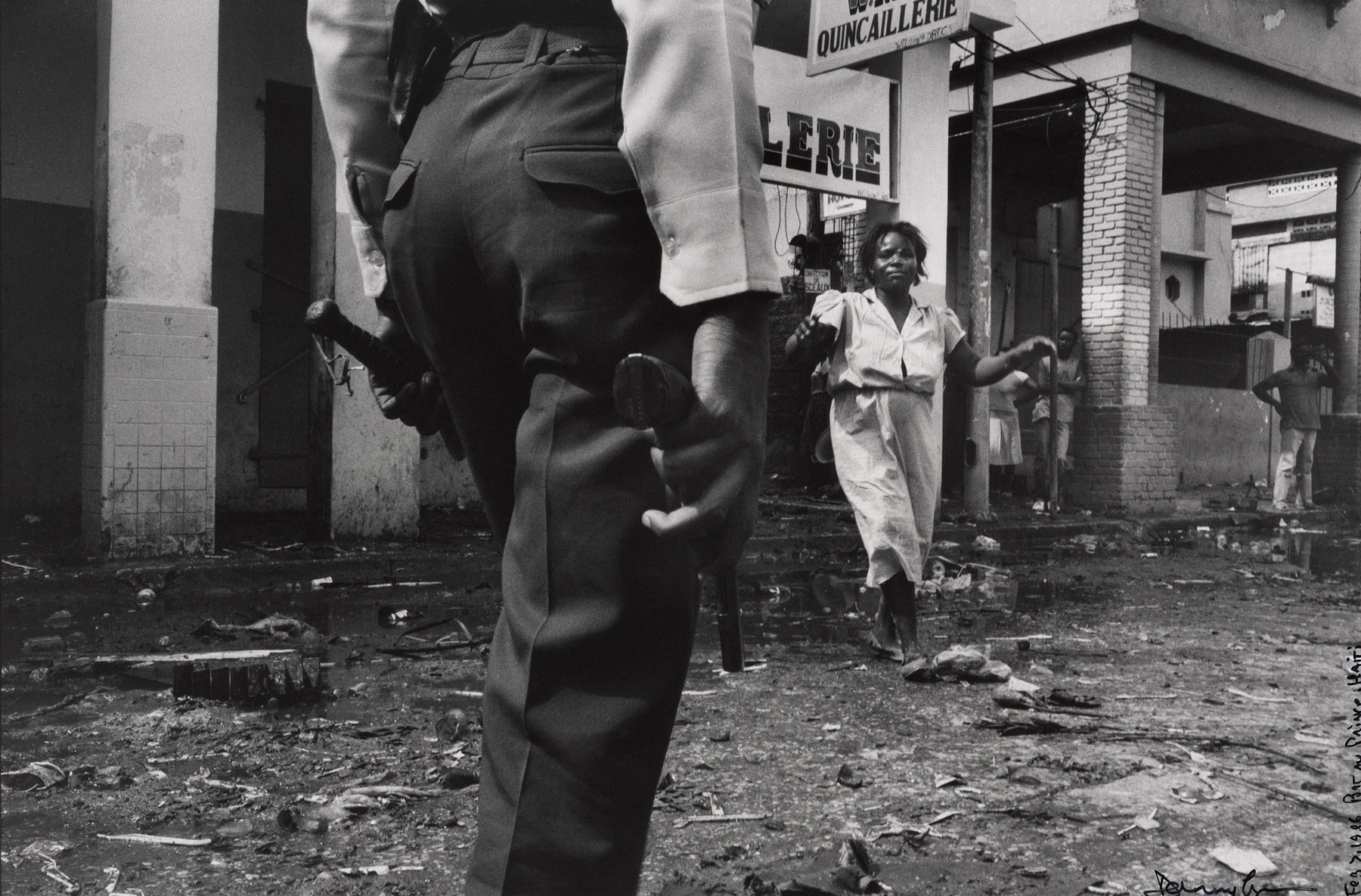


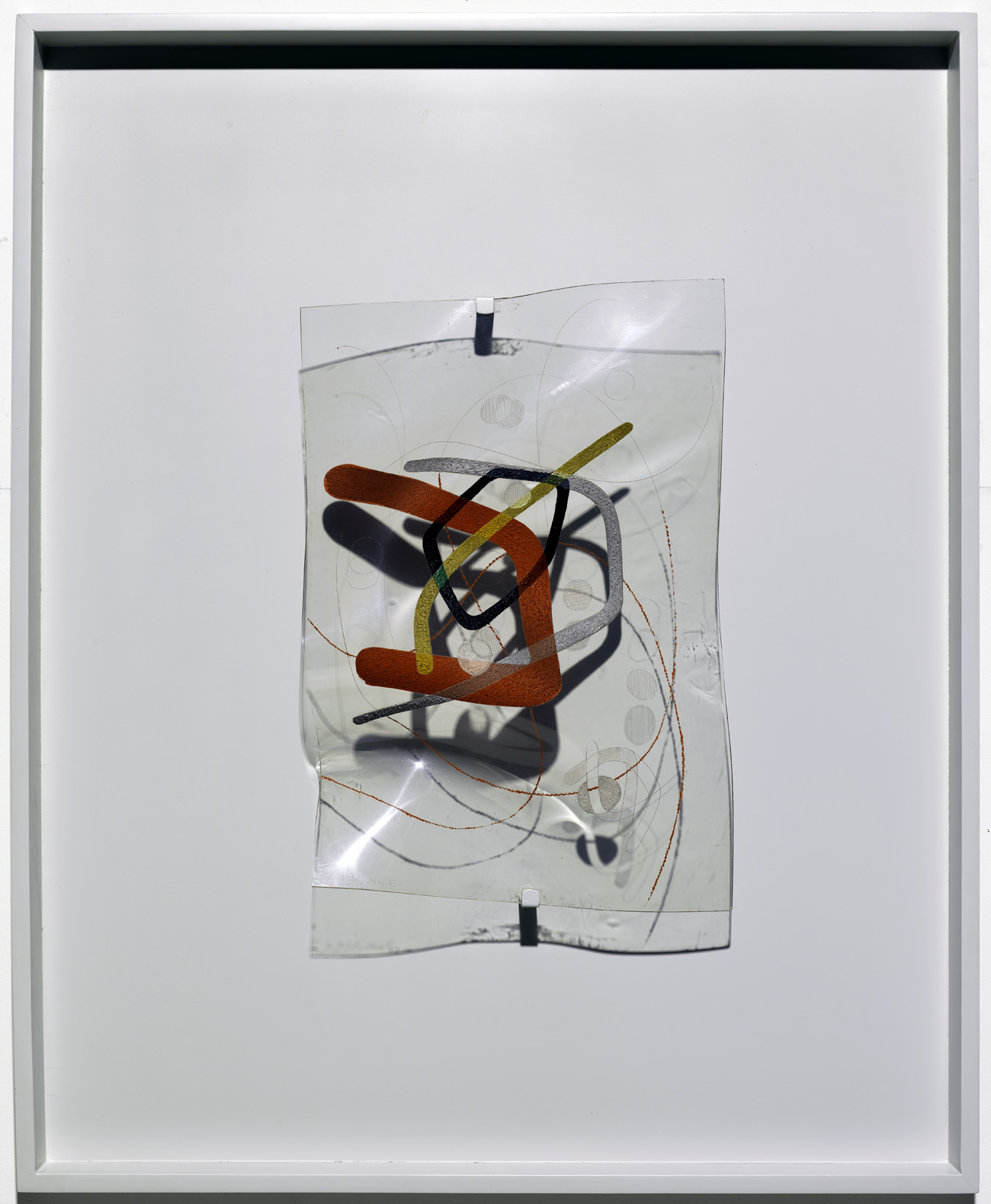






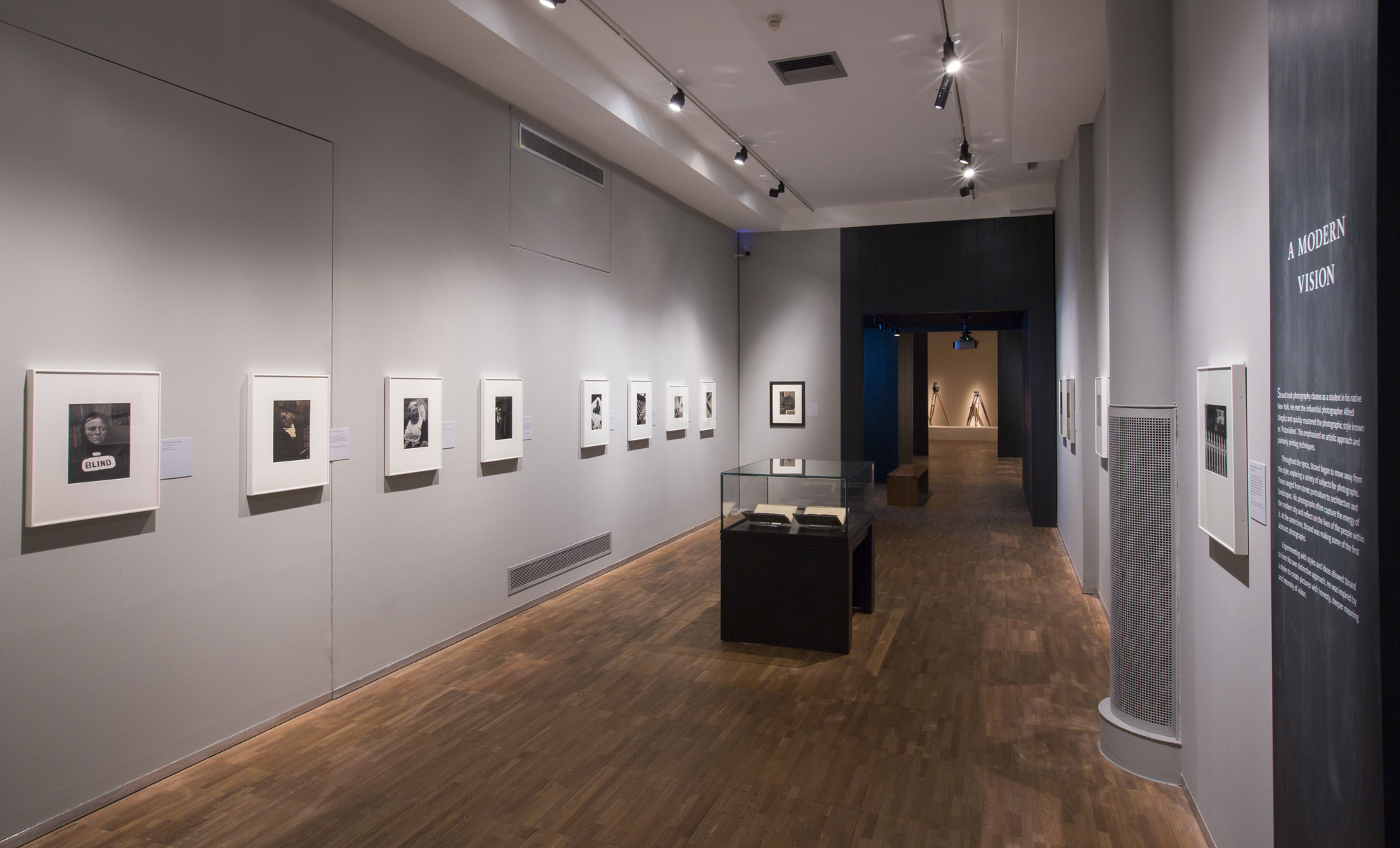
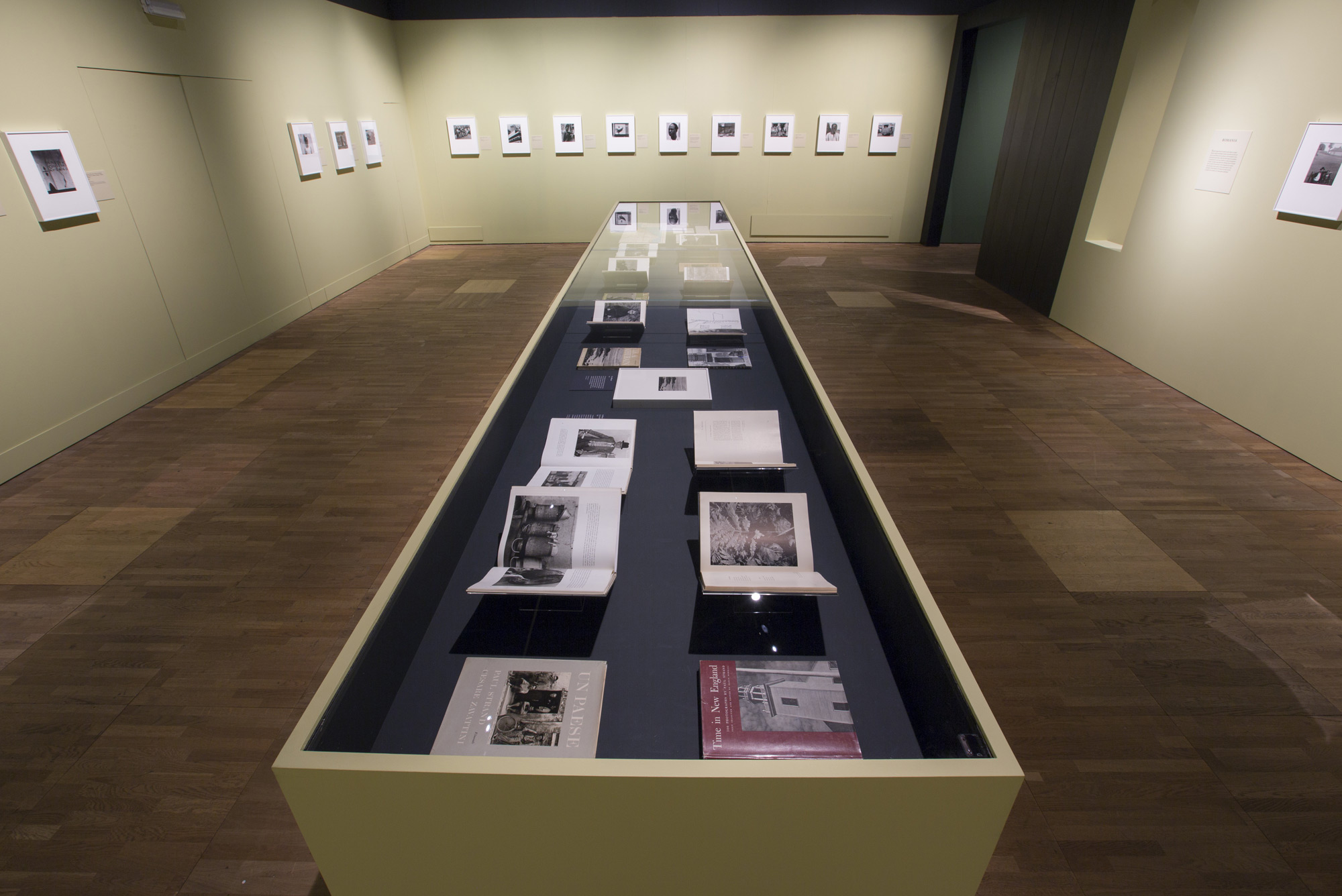


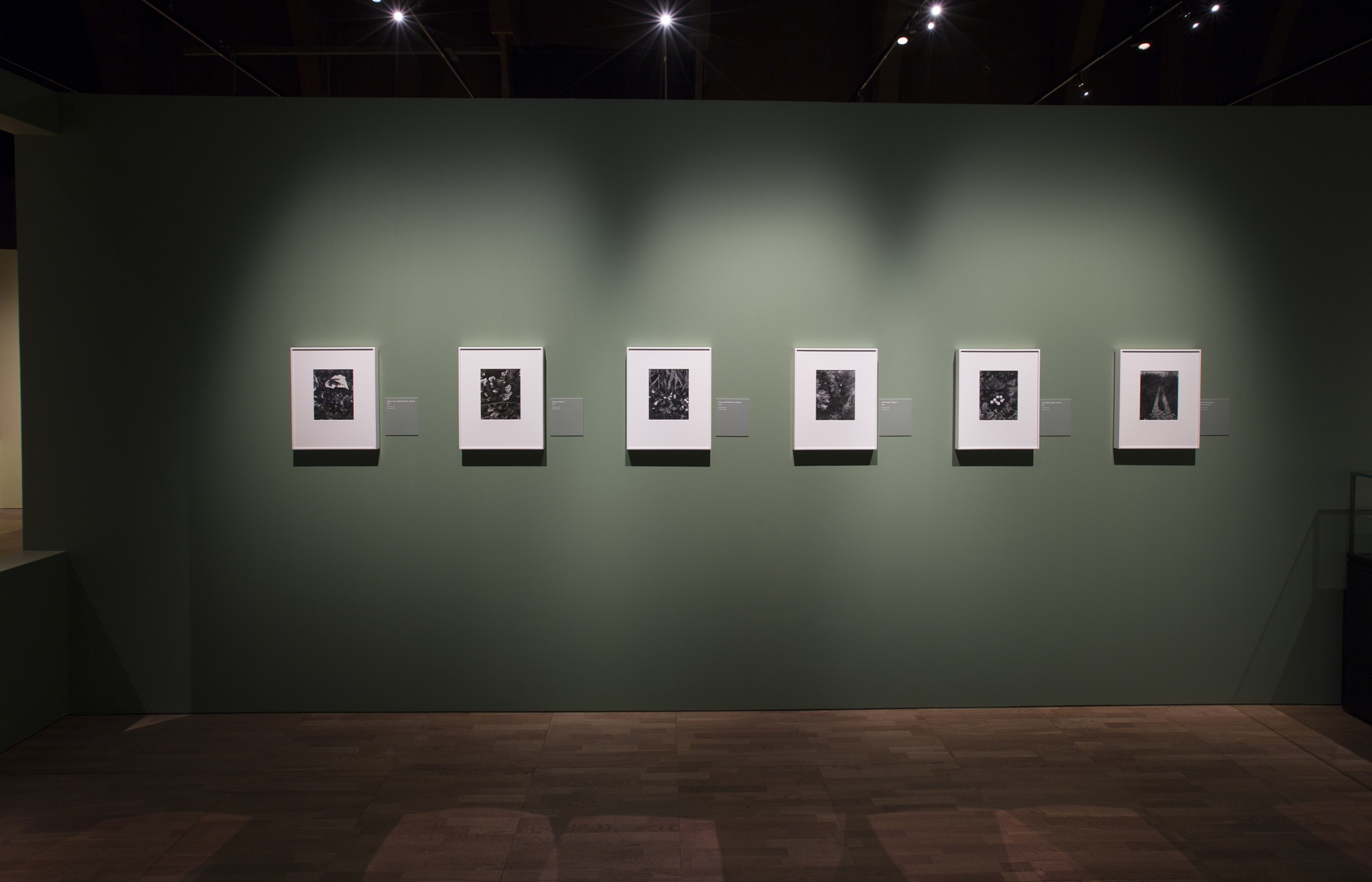
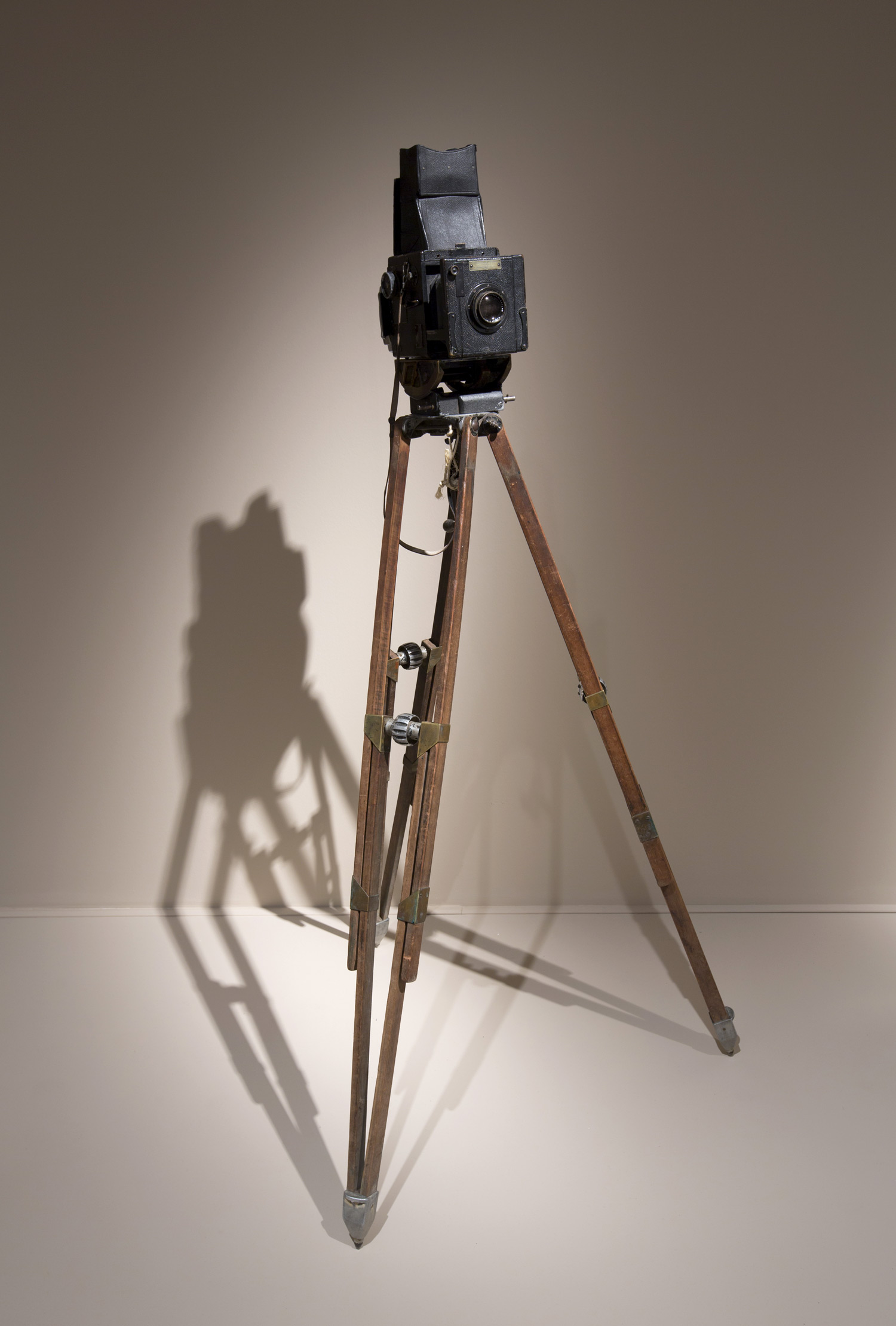
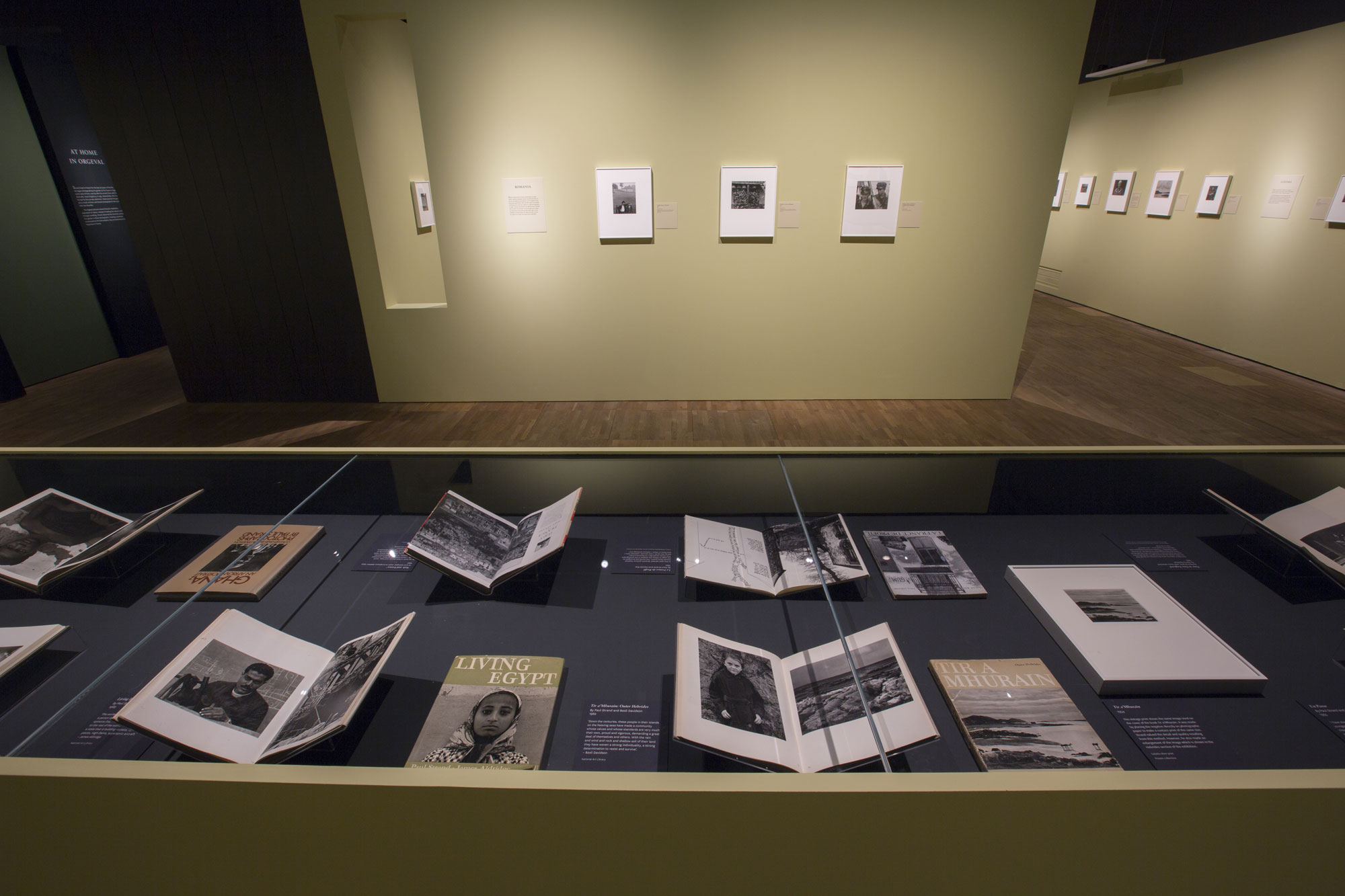


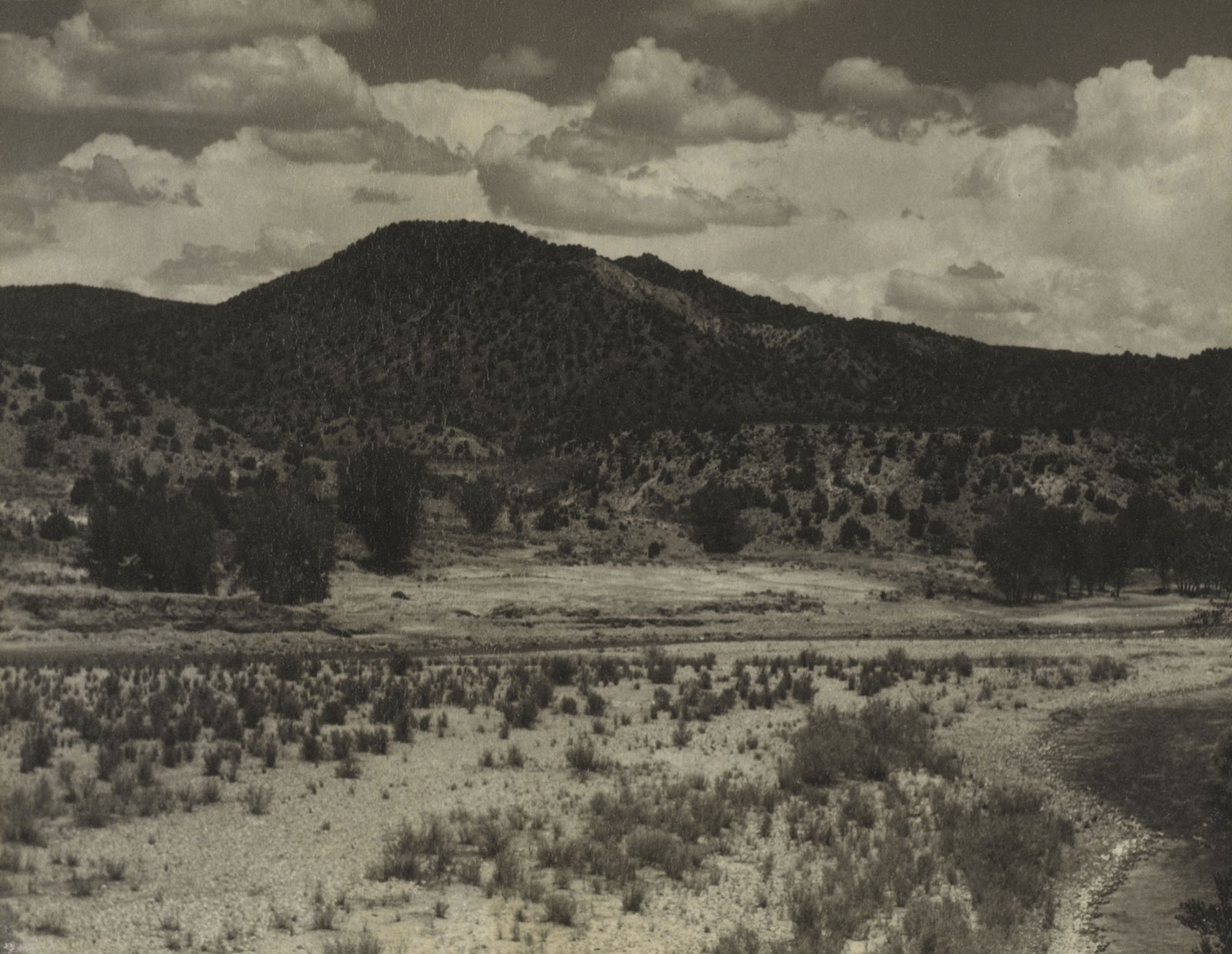

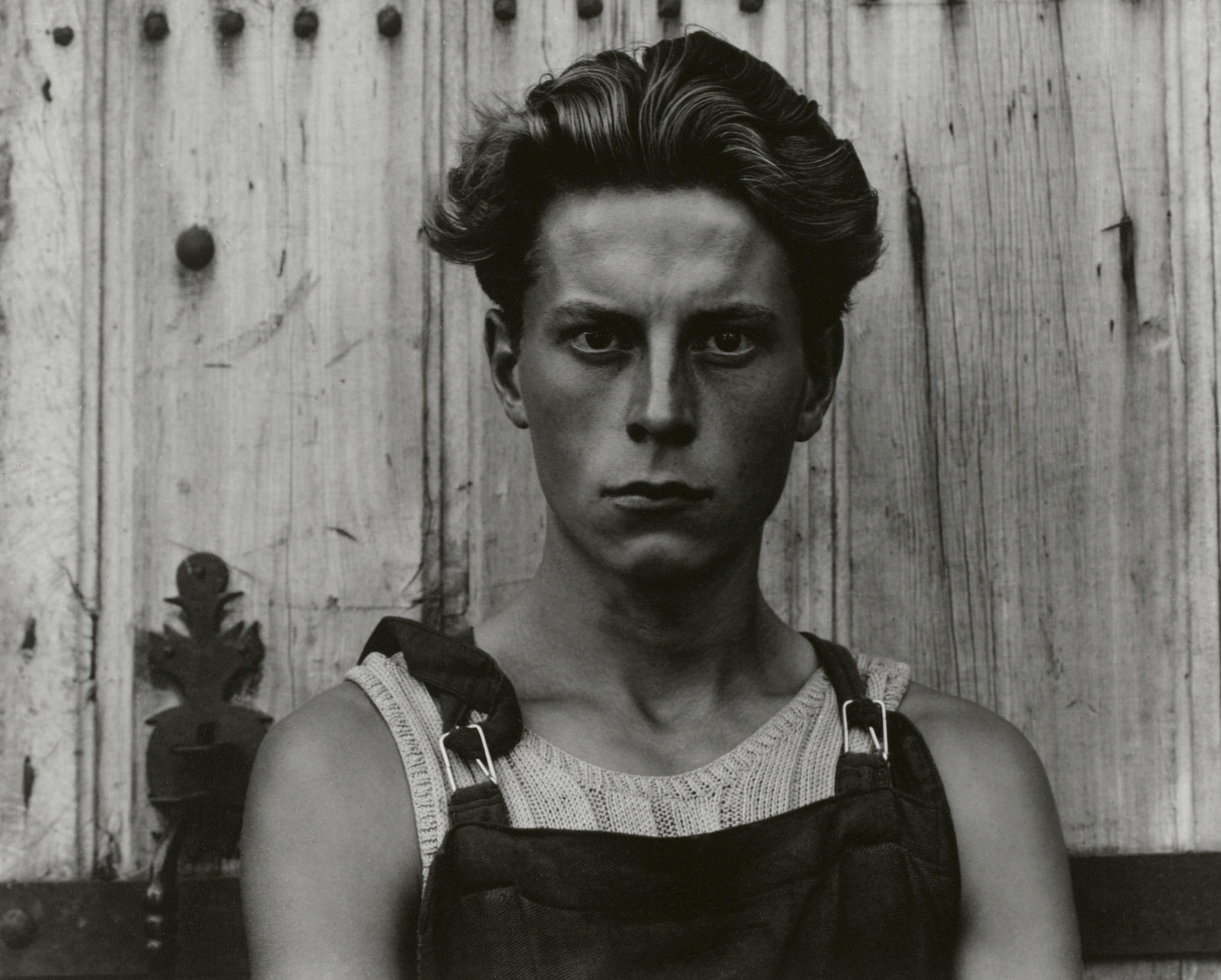
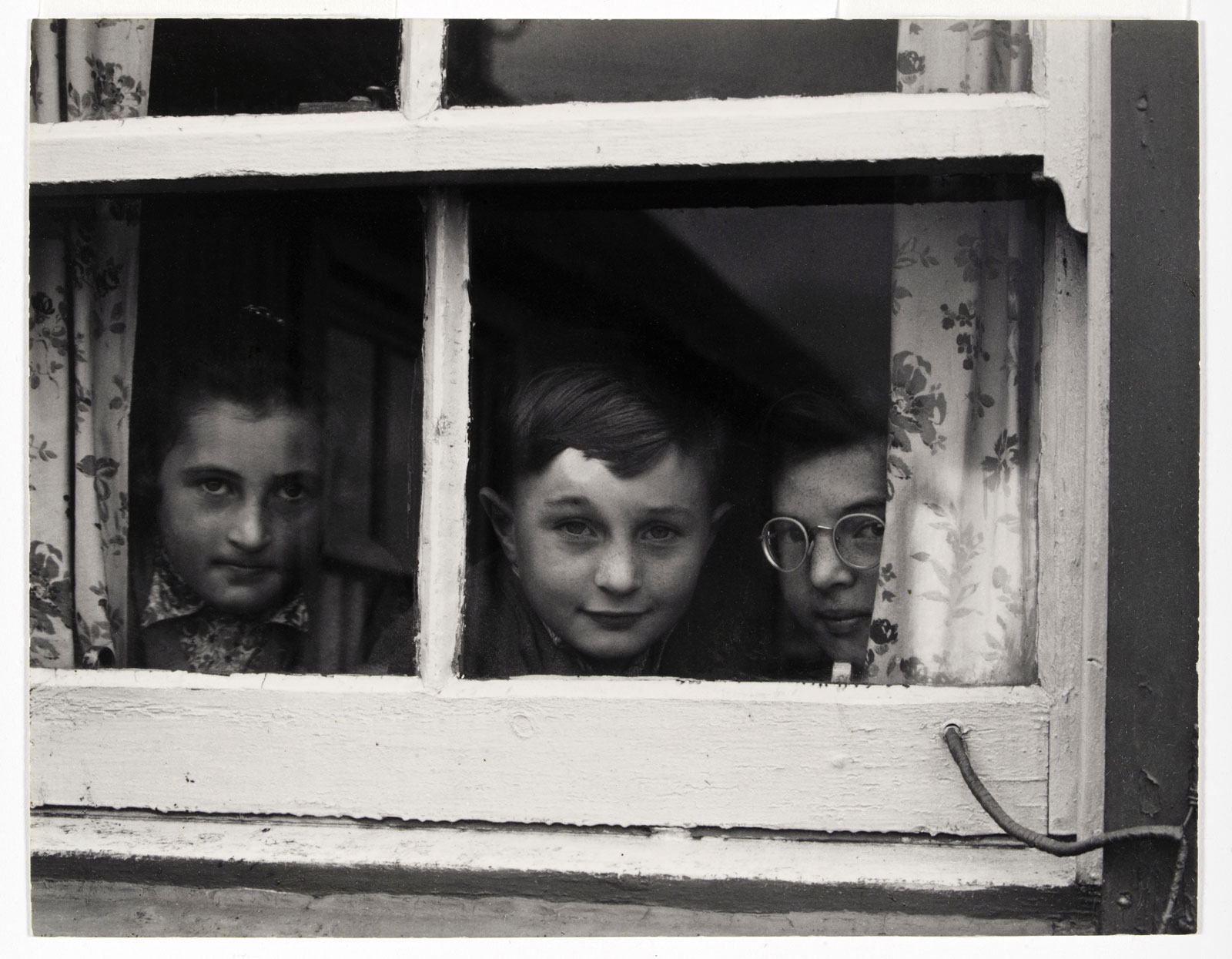
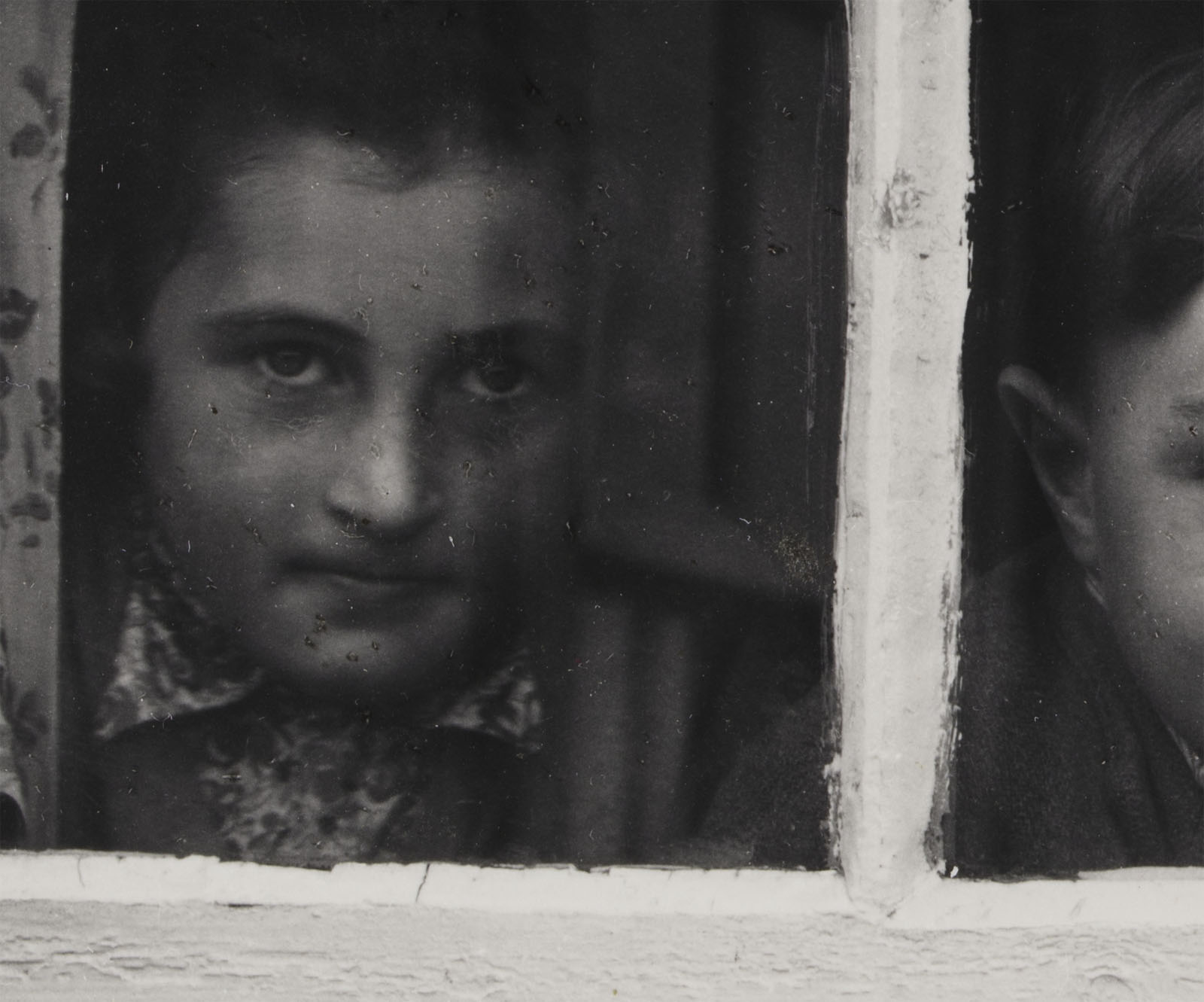

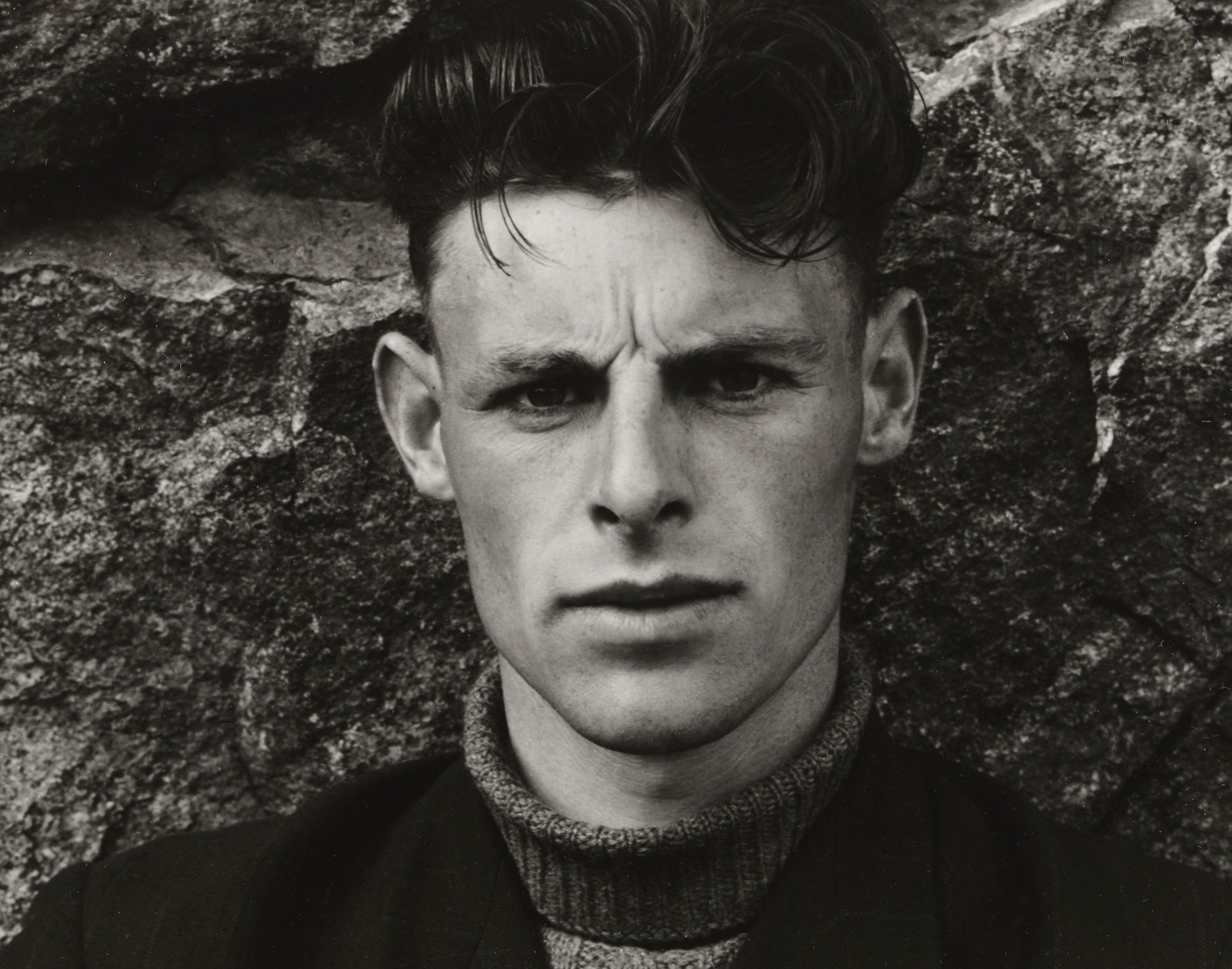







![Andy Warhol (American, 1928-1987) 'Silver Liz [Ferus Type]' 1963](https://artblart.com/wp-content/uploads/2016/03/exhi032777-web.jpg "Andy Warhol (American, 1928-1987) 'Silver Liz [Ferus Type]' 1963")


![Andy Warhol (American, 1928-1987) 'Screen Test: Edie Sedgwick [ST308]' 1965](https://artblart.com/wp-content/uploads/2016/03/exhi037605-web.jpg "Andy Warhol (American, 1928-1987) 'Screen Test: Edie Sedgwick [ST308]' 1965")









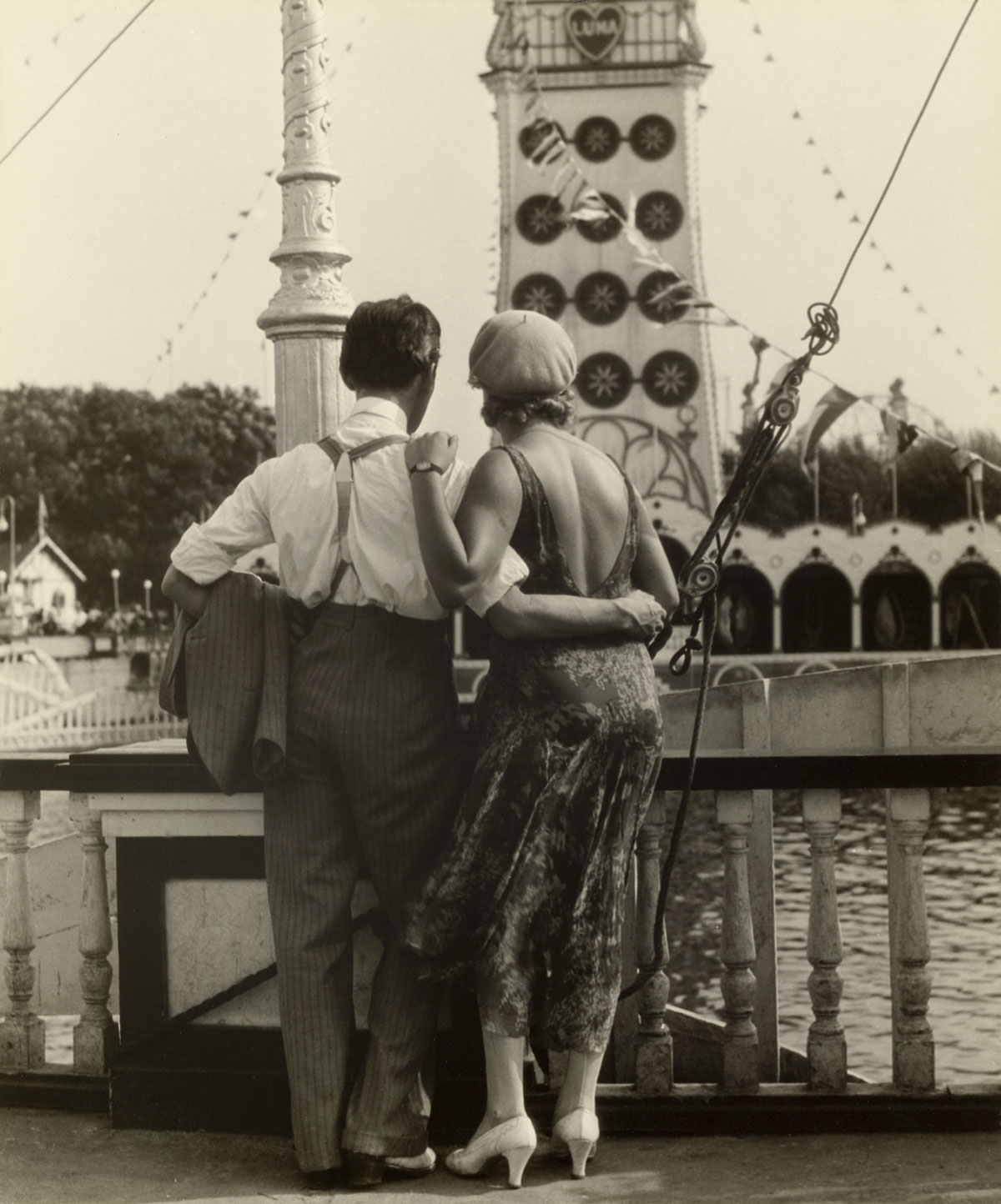
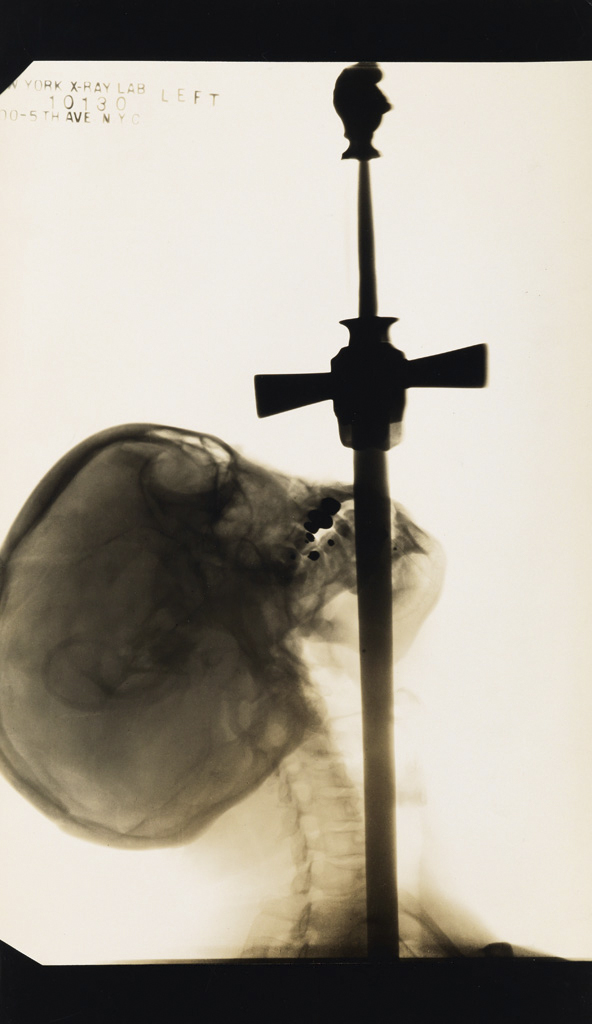

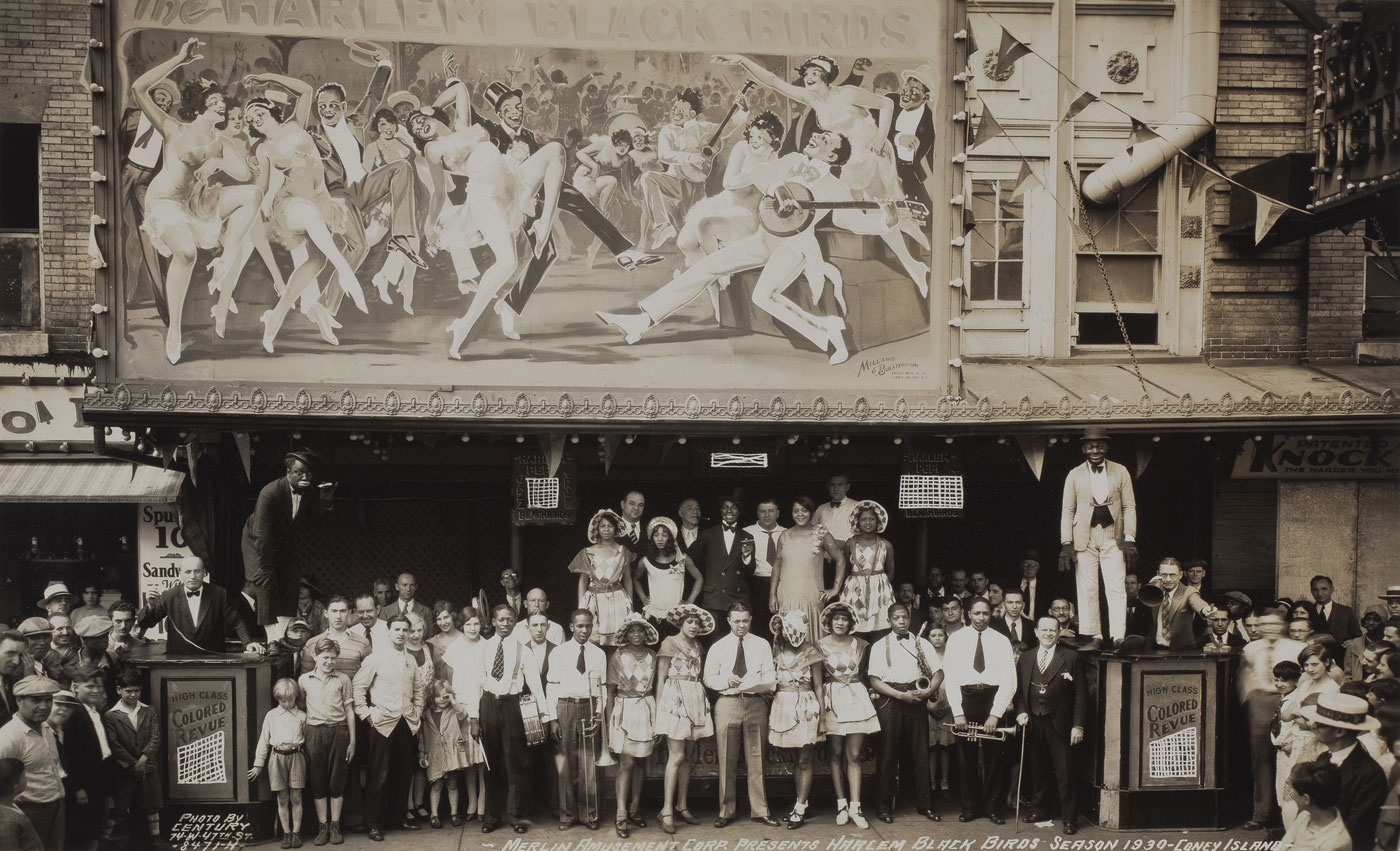

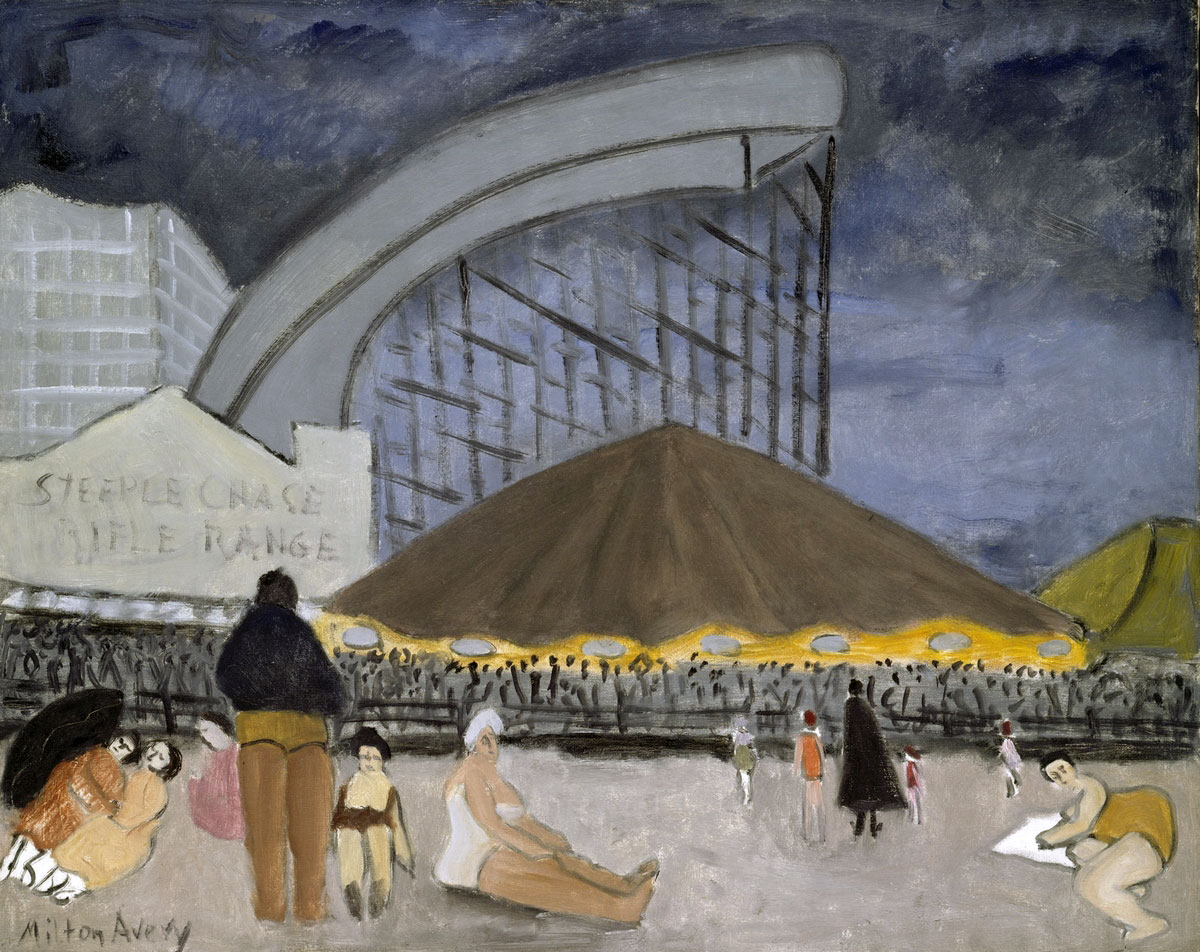






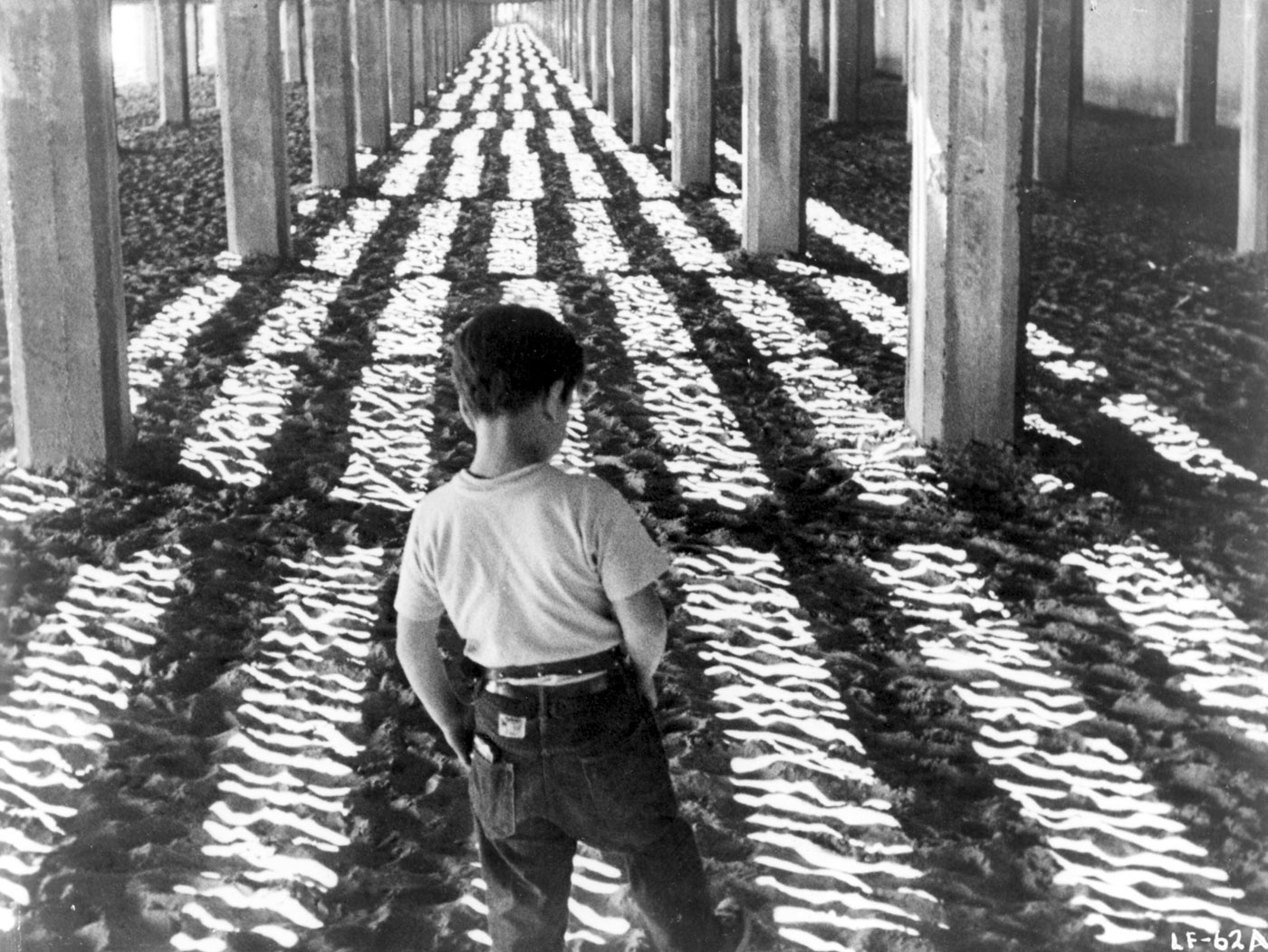
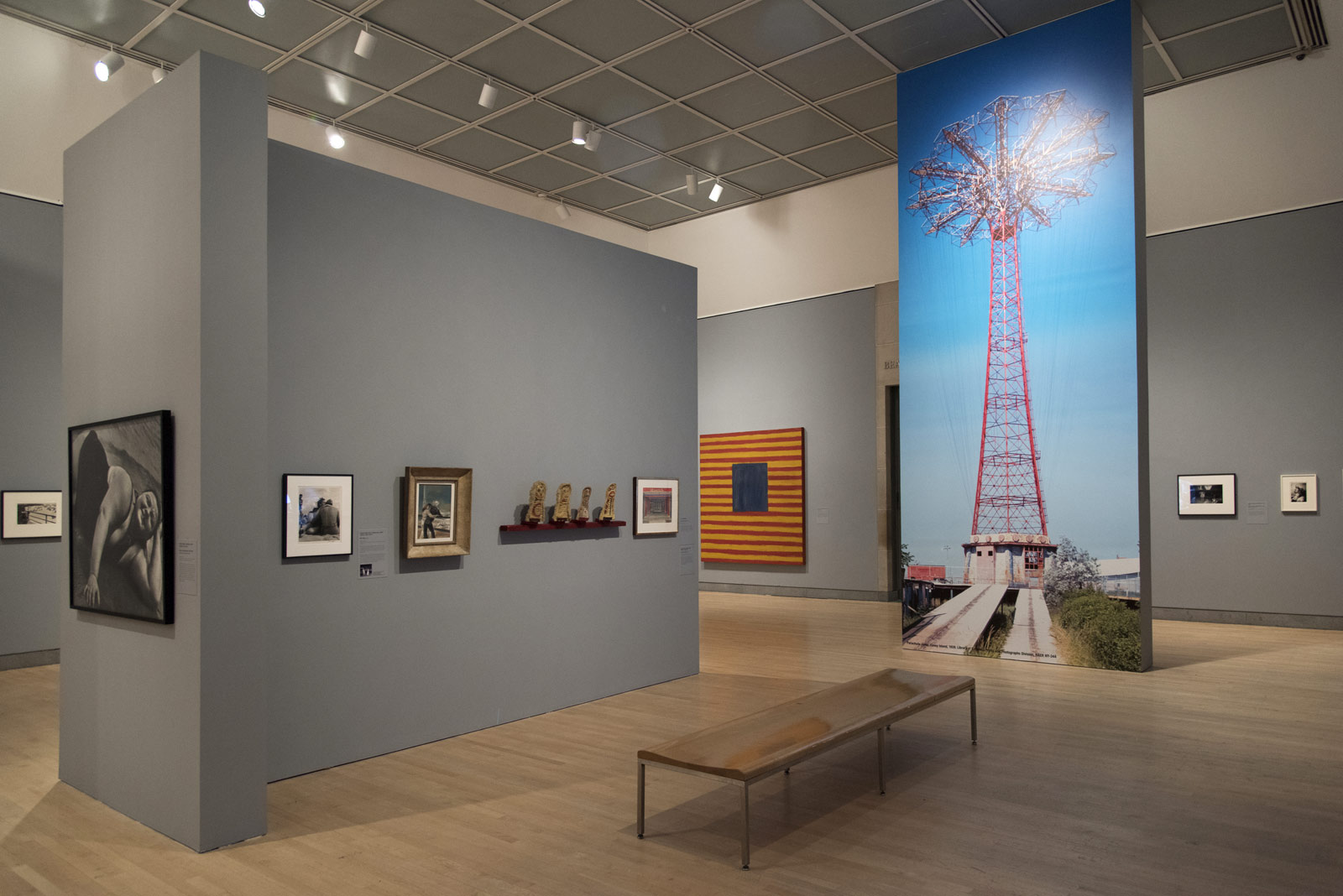
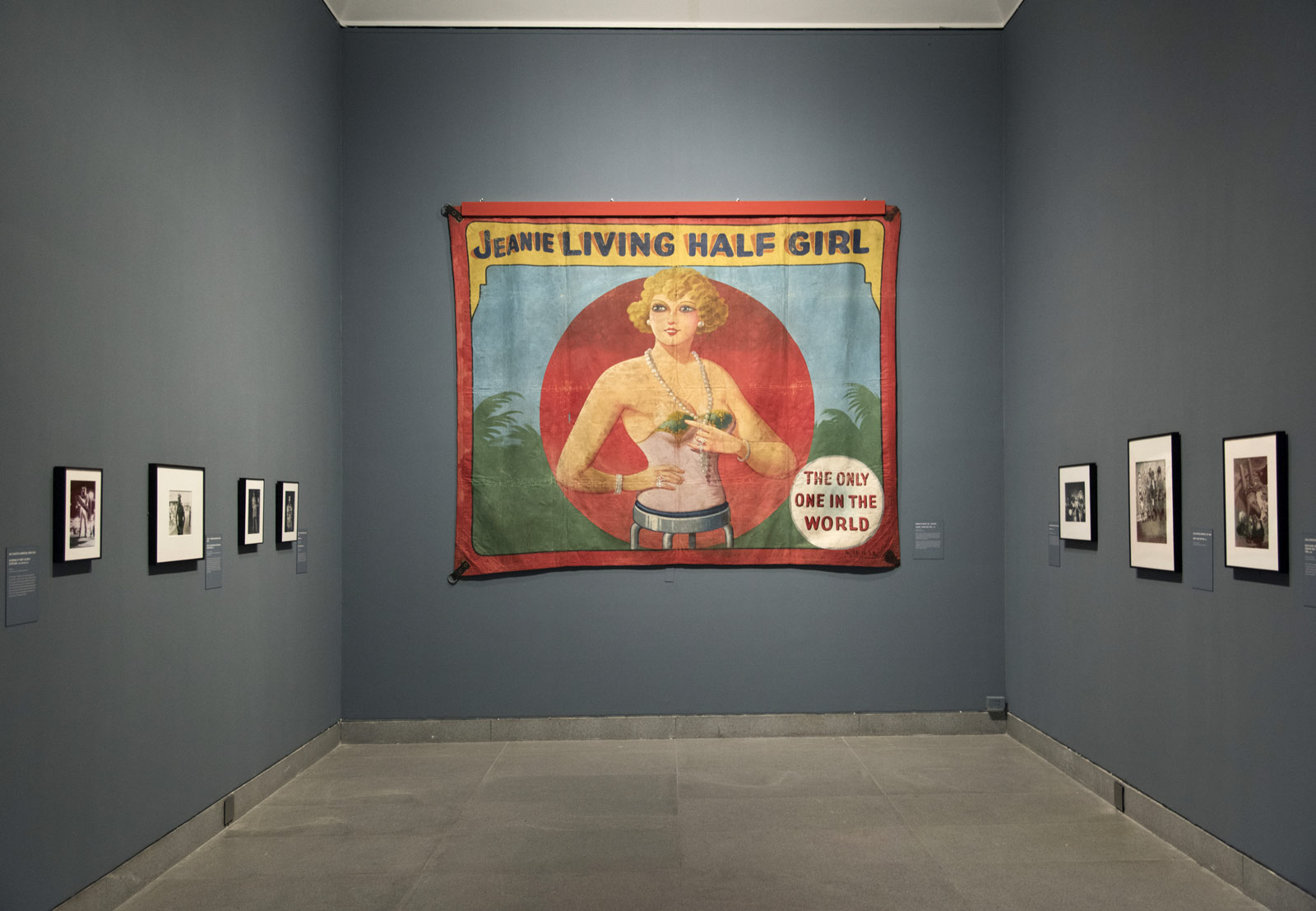


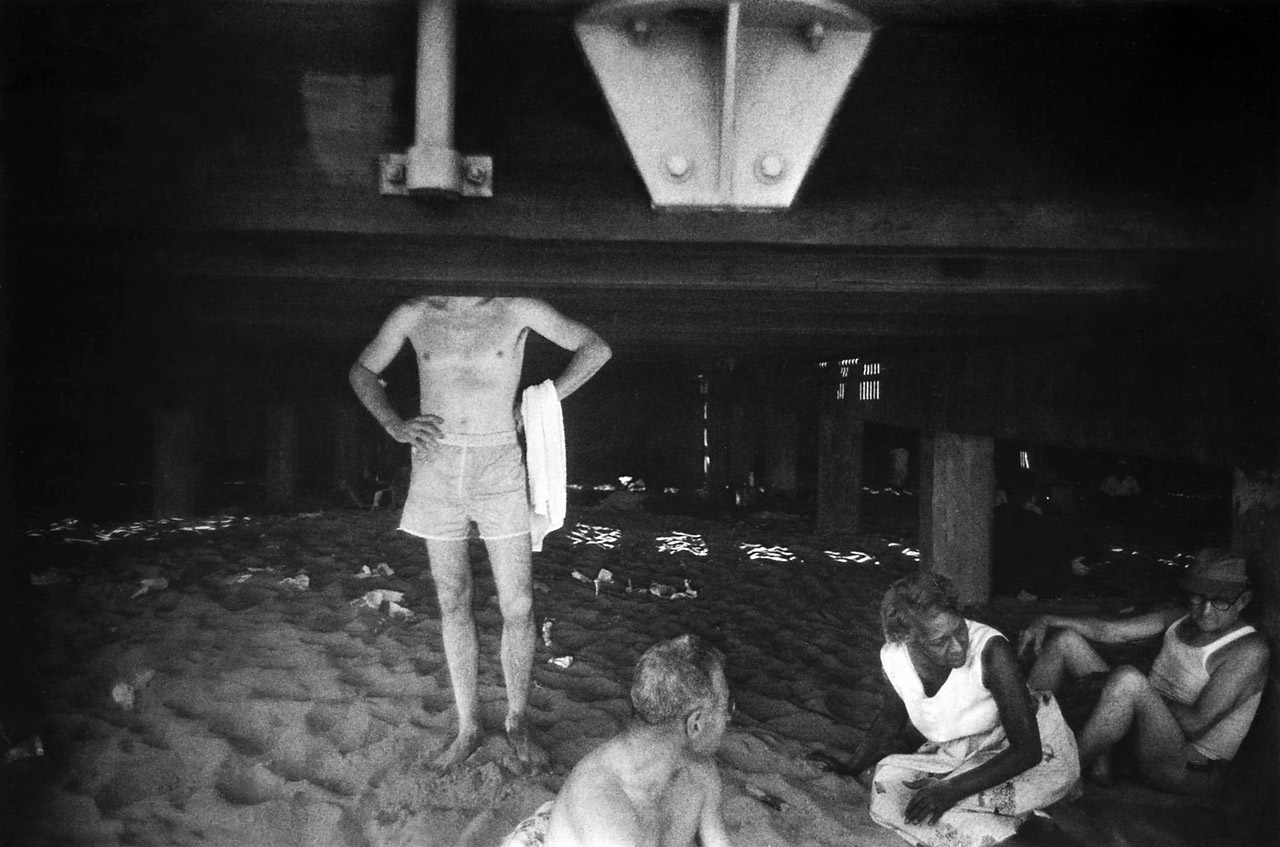

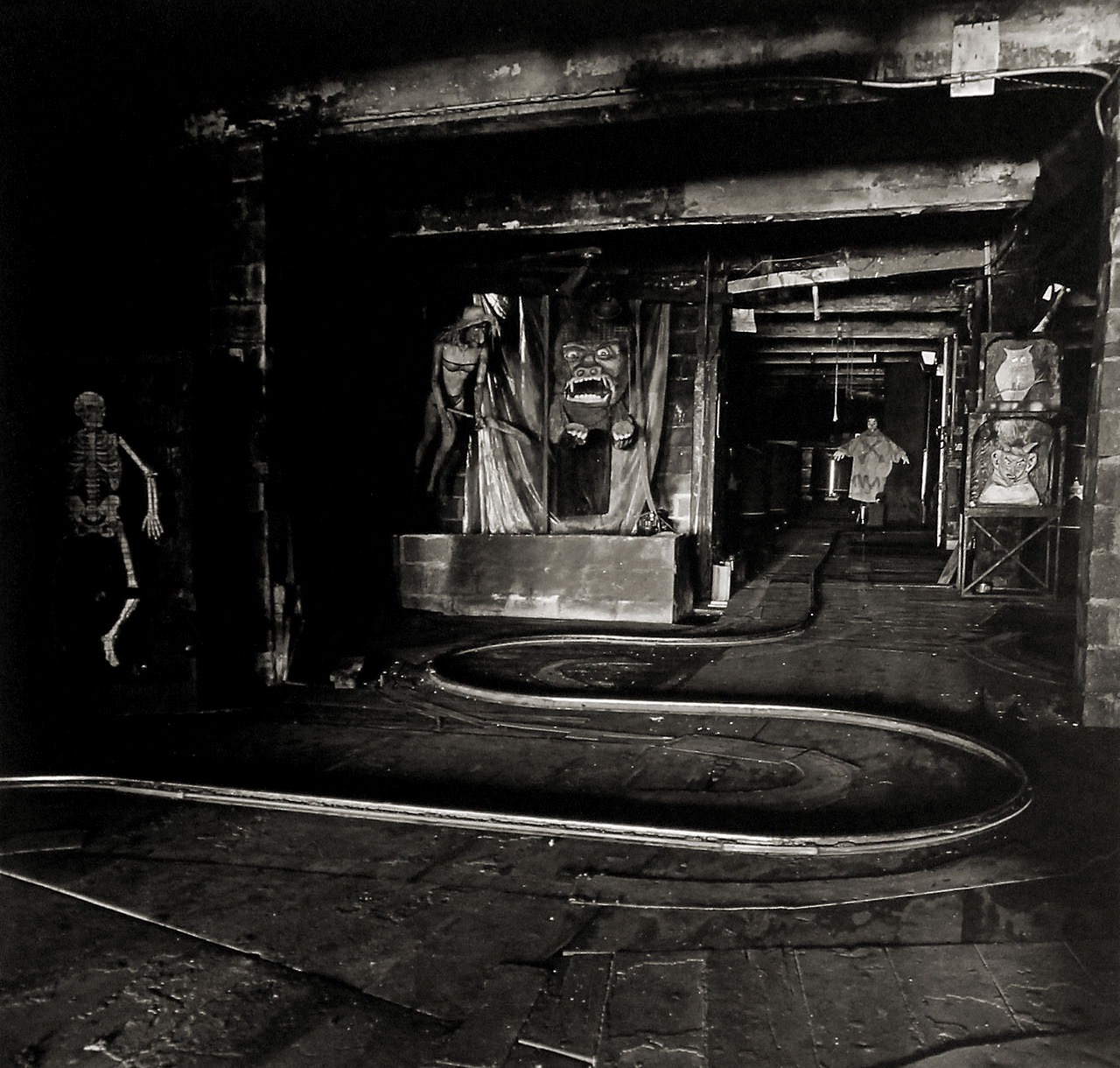
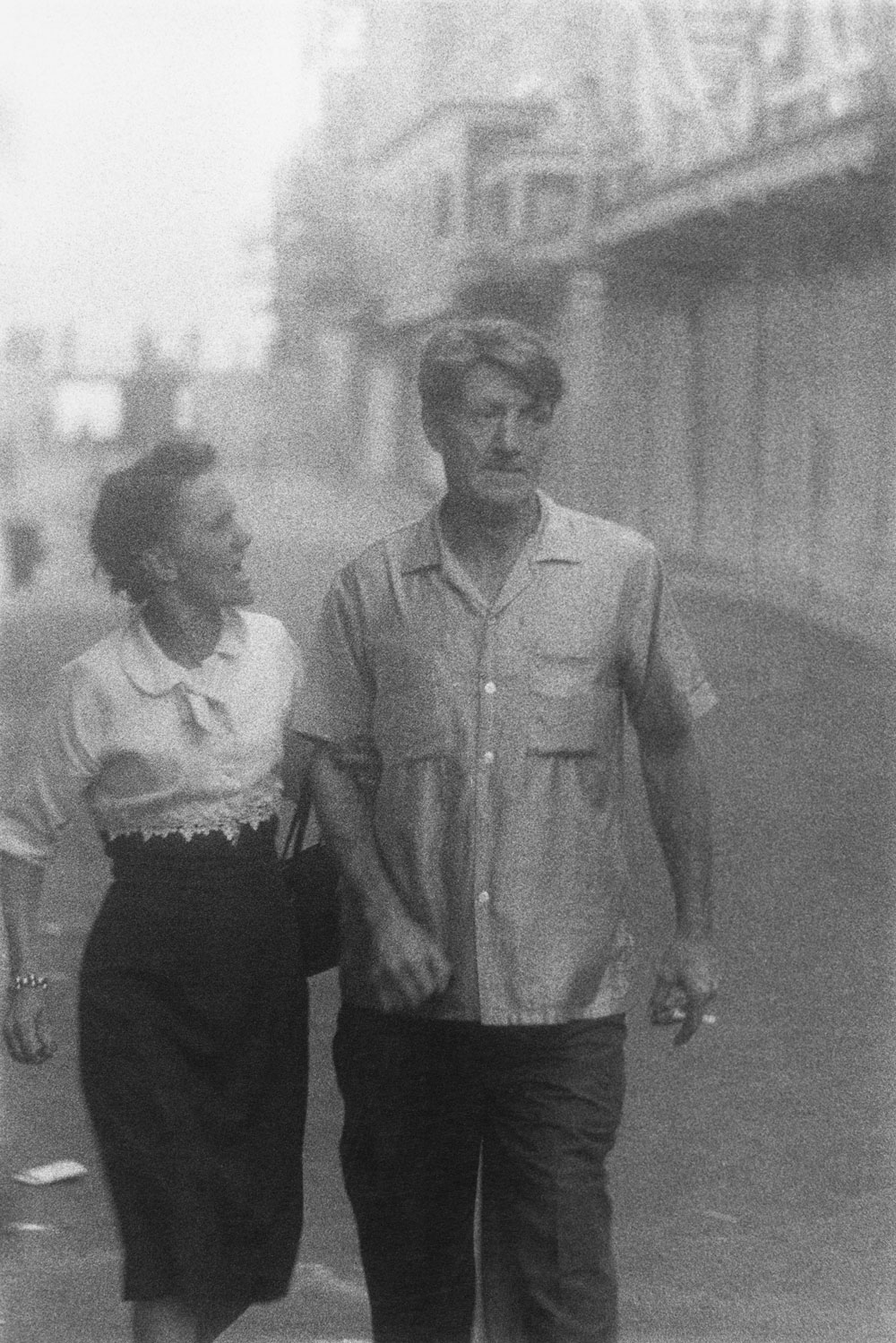

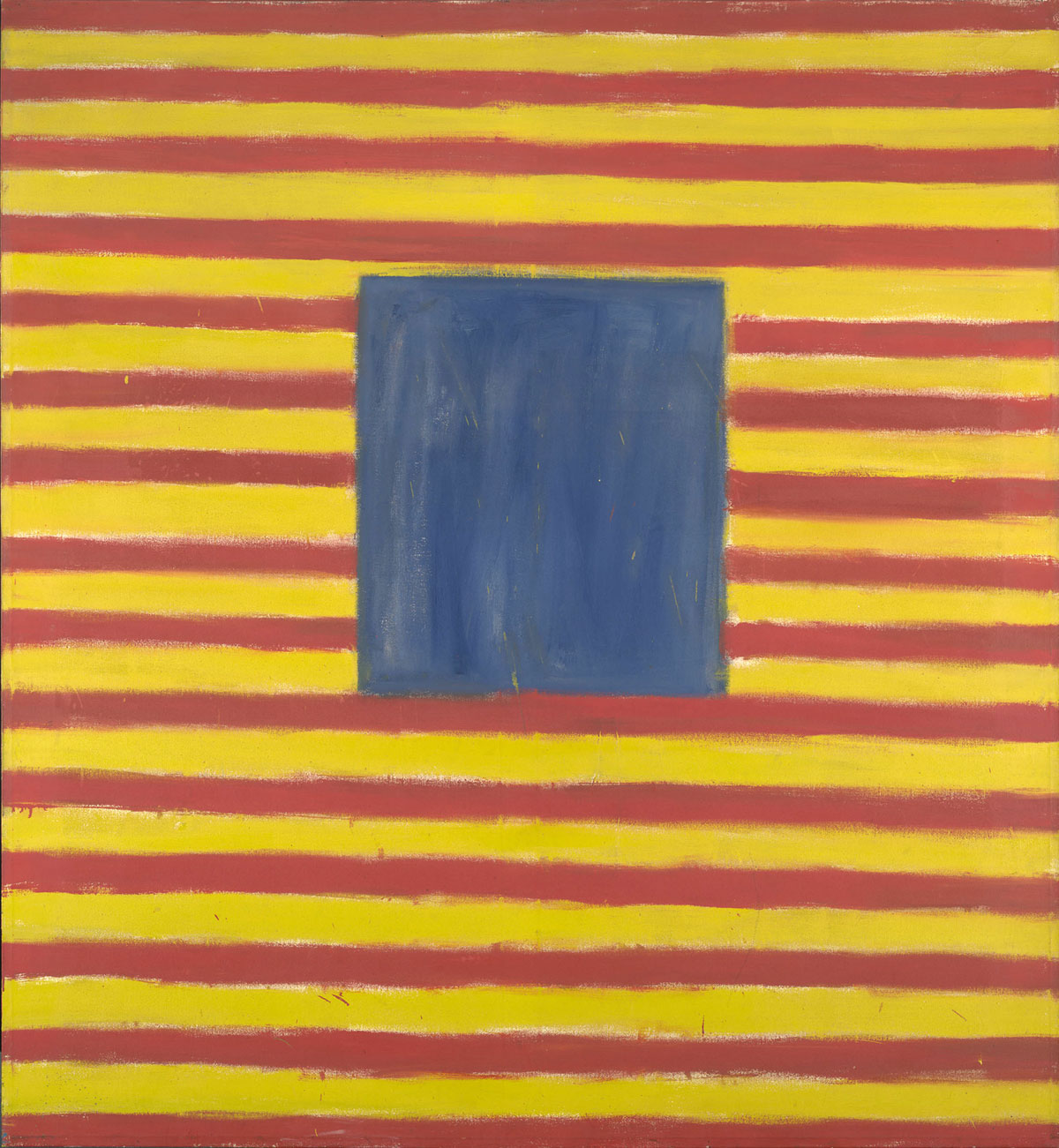
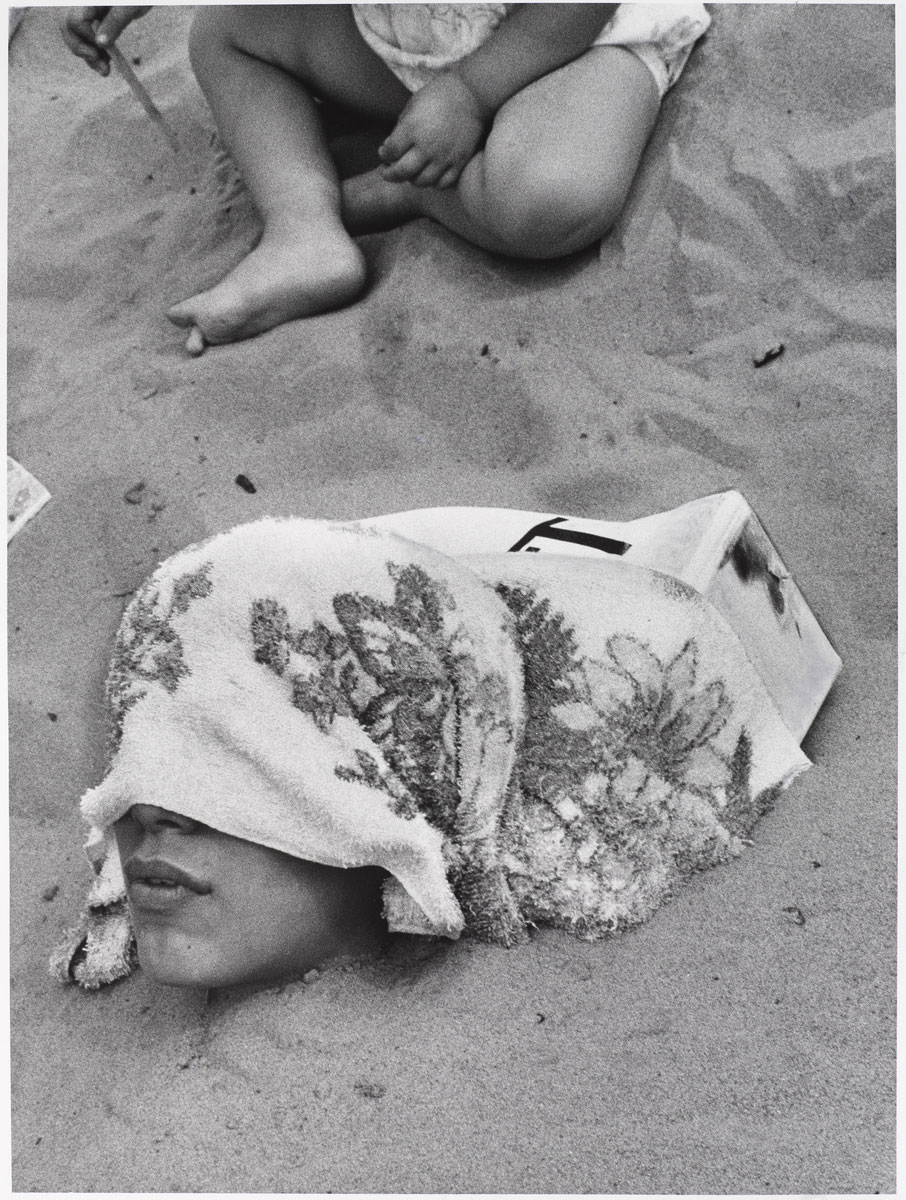
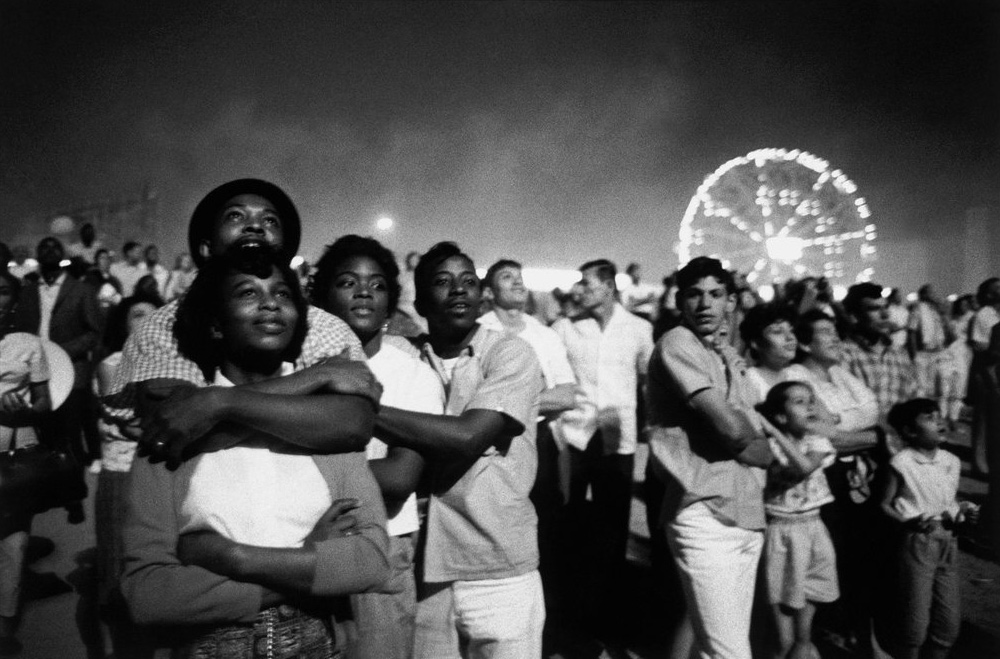

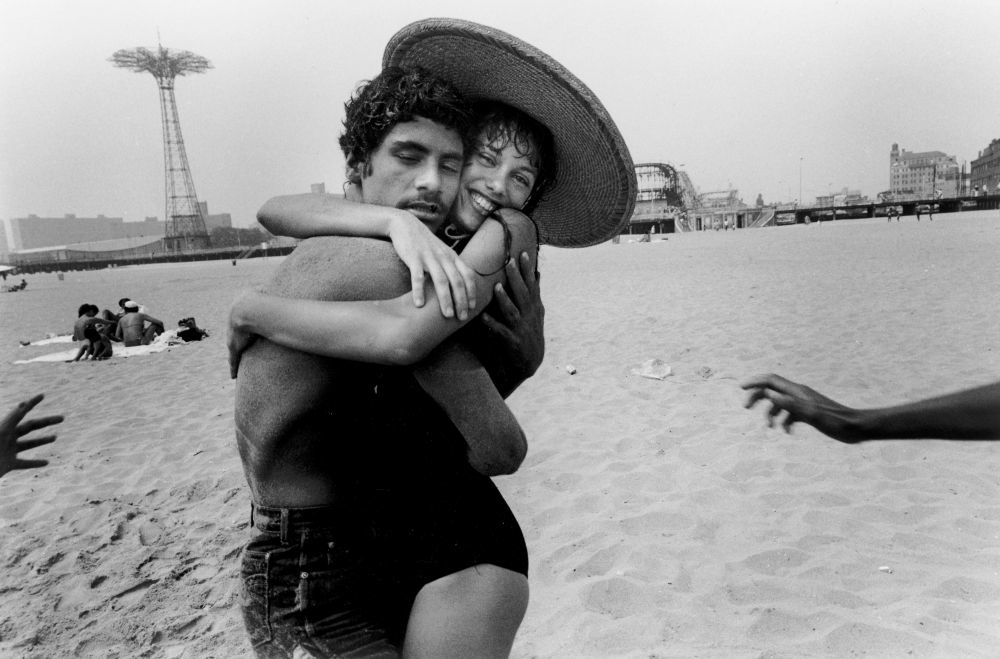

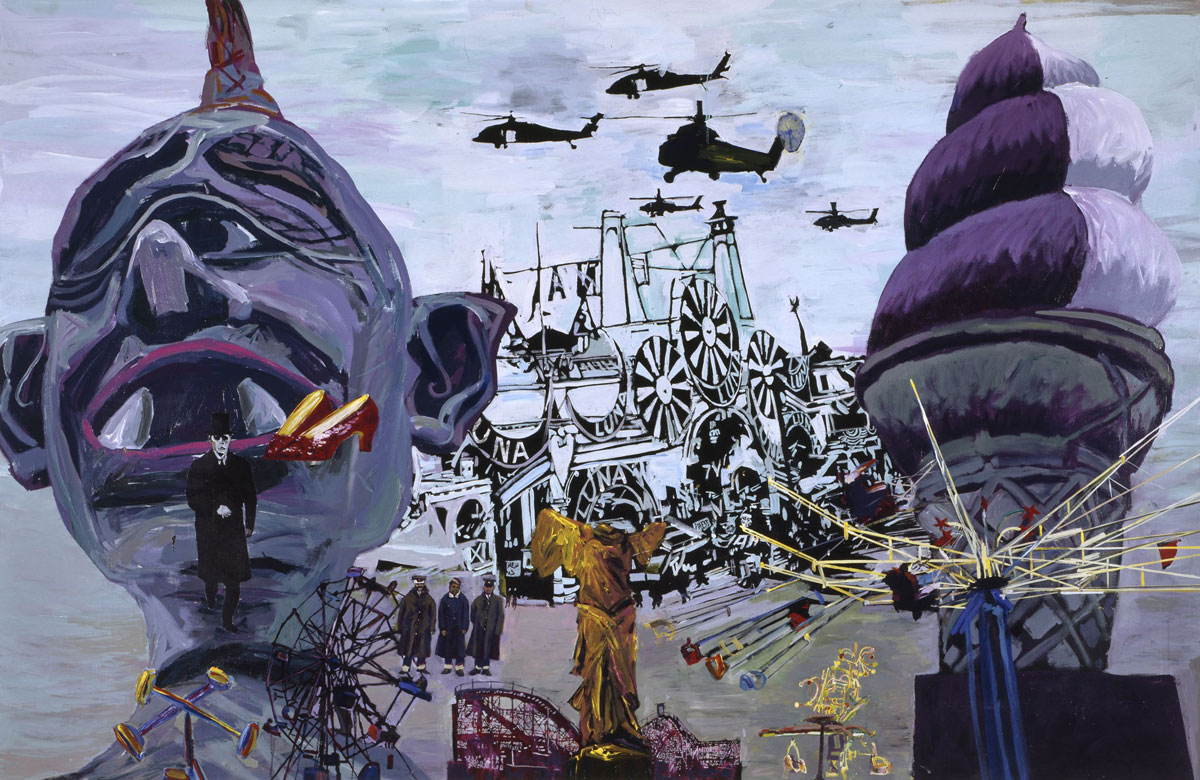

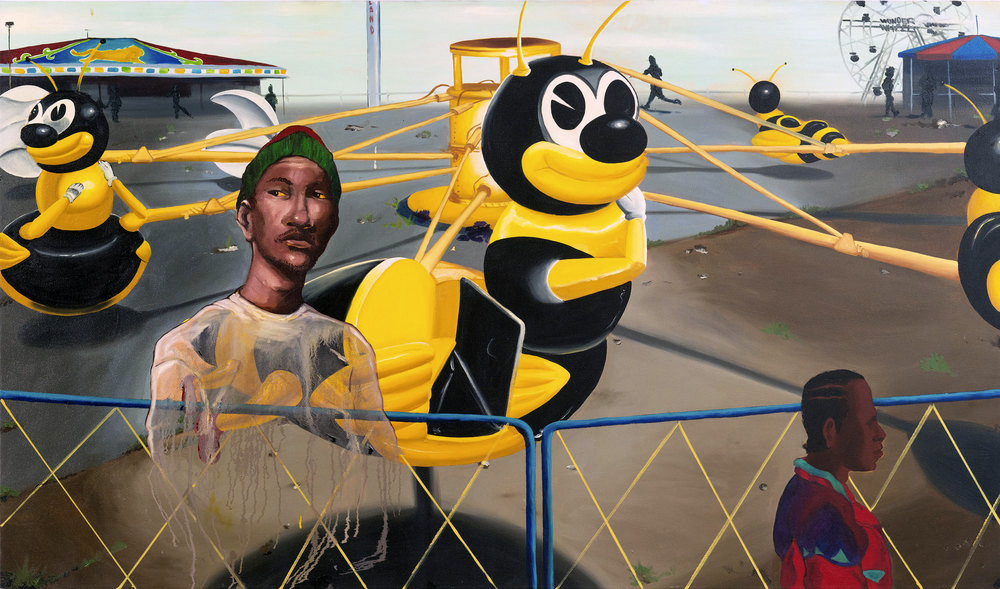









 Art Blart _ art and cultural memory archive
You must be logged in to post a comment.