Timothy H. O’Sullivan (American, 1840-1882) Entrance to Black Cañon, Colorado River, from Above 1871 Albumen silver print Amon Carter Museum of American Art, Fort Worth, Texas
A quick posting as I am not feeling that well.
This exhibition drags up that perennial favourite, is photography art? by addressing it in the affirmative ‘Photography Is Art’.
While historically the statement has had to be fought for, even having to make that statement today in the title of exhibition implies – through its very existence – that there still exists an opposite, that photography is not art. Surely a more apposite title could have been found, especially as over half the media images are from a period when photography was collected by major galleries and museums around the world.
Highlights for me are the O’Sullivan, Stieglitz, Clarence H. White and the Gordon Parks.
Let the photographs speak for themselves (now there’s a good title: ‘Speaking for themselves’). They need no justification.
Dr Marcus Bunyan
Many thankx to the Amon Carter Museum of American Art for allowing me to publish the art work in the posting. Please click on the photographs for a larger version of the image.
Has photography always been considered art? Though widely accepted today as a medium in its own right, art museums have not always embraced photography. In fact, it wasn’t until the late 1970s and early 1980s that many museums began actively collecting and displaying photographs. Photography Is Art tells the story of American photographers’ efforts, from the late 19th century on, to explore and proclaim photography’s artfulness. Drawn from the Carter’s expansive and renowned photography collection, this exhibition reveals how artists shaped their medium’s artistic language.
Text from the Amon Carter Museum of American Art website
Alfred Stieglitz (American, 1864-1946) A Wet Day on the Boulevard, Paris 1894 Photogravure Amon Carter Museum of American Art, Fort Worth, Texas Gift of Doris Bry
Clarence H. White (American, 1871-1925) Nude c. 1900 Platinum print Amon Carter Museum of American Art; Fort Worth, Texas Bequest of the Artist
Carlotta Corpron was born in Blue Earth, Minnesota, but spent fifteen years of her youth in India. She returned to the United States in 1920 to earn degrees in art education at Michigan State Normal College and Columbia University, and was first introduced to photography in 1933. Her interest grew out of her desire to create close-up images of natural forms for use in art and design courses, and her vision was influenced by László Moholy-Nagy, and further shaped by her friendship with Gyorgy Kepes, who included her in his book The Language of Vision (1944). Of particular note are Corpron’s early light drawings, made by tracking moving light at amusement parks – radiant images of wild edges and rhythmic lines – and her “space compositions,” which employed eggs and shells, although their real subject is the constructed space in which they exist. This space, achieved by the use of light-reflecting surfaces, often seems to reproduce the perceptual distortions of underwater realms. Corpron also made “fluid light designs” examining reflections on plastic materials; “light follows form” studies of sculpture; abstractions of light flowing through glass; and solarisations of flowers and portraits. She retired from teaching in 1968 but continued printing her earlier work. Corpron’s photographs were shown at the Museum of Modern Art and the Art Institute of Chicago, and were included in the 1979 ICP exhibition Recollections: Ten Women in Photography.
Corpron’s experiments with light are among the most intriguing abstract photographic works from her day, sharing as they do the concerns of her predecessors Moholy-Nagy, Man Ray, and Alvin Langdon Coburn. Her work is significant for its inventive and resolutely independent exploration of the aesthetic possibilities of light and space. Wrought from simple materials and the free play of imagination, Corpron’s light abstractions are increasingly admired. Cynthia Fredette
Handy et al. Reflections in a Glass Eye: Works from the International Center of Photography Collection, New York: Bulfinch Press in association with the International Center of Photography, 1999, p. 212 on the International Centre of Photography website [Online] Cited 18/04/2021.
Gordon Parks (American, 1912-2006) Leonard “Red” Jackson (standing, right) supervises painting of bicycles belonging to members of his Harlem gang. In foreground is “Brother” Price, Red’s cousin and assistant gang leader 1948 Oct. 8, 1948 Gelatin silver print Amon Carter Museum of American Art, Fort Worth, Texas
Barbara Crane (American, 1928-2019) NS-015-1969 1969 Gelatin silver print Amon Carter Museum of American Art, Fort Worth, Texas Gift of Elizabeth, Jennifer, and Bruce Crane
Richard Avedon (American, 1923-2004) Clyde Corley, Rancher, Belgrade, Montana, 8/26/79 1979 Gelatin silver print Amon Carter Museum of American Art, Fort Worth, Texas
Sharon Core (American, b. 1965) Peaches and Blackberries 2008 Dye coupler print Amon Carter Museum of American Art, Fort Worth, Texas Purchase with funds provided by Nenetta C. Tatum and Stephen L. Tatum
Alex Prager (American, b. 1979) Crowd #1 (Stan Douglas) 2010 Dye coupler print Amon Carter Museum of American Art, Fort Worth, Texas
Amon Carter Museum of American Art 3501 Camp Bowie Boulevard Fort Worth, TX 76107-2695
Permanet exhibition Visited September 2019 posted November 2019
First gallery
Installation view of the exhibition The Photojournalist Robert Capa II at the Robert Capa Contemporary Photography Center, Budapest Photo: Marcus Bunyan
I didn’t have time on my European photographic research tour to post about this exhibition at the Robert Capa Contemporary Photography Center, Budapest.
Let me say right off bat, that I’m not a great fan of Capa’s work and the larger, 1990s non-vintage prints presented in this exhibition were unimpressive.
I admire Capa’s courage in order to get the shot (“If your photographs aren’t good enough, you’re not close enough”), but his photographs leave me cold. I can’t quite put my finger on it, but his objectivity, his reportage, is just that. Looking back 80 years later, we must remember how raw, how radical and confronting these photographs would have been when viewed in Life magazine and Picture Post at the time: authentic representations of war and death straight from the front. But in terms of the image, what you see is what you get. The framing is not particularly good, the angles are pretty conventional and front on, the occurrences direct and focused. The immediacy of the image, that is their strength.
For me they don’t leave a lasting impression, never have done. Yes, the D-Day landings because he was there; The death of a Loyalist militiaman because it is so famous; the shaving of the women collaborators heads because they are so vile … but you wonder, does his greatness come from the fact that, time and time again, he got the job done and produced the goods (as in a saleable image). That and the reality that he was a great self promoter: labelled the ‘Greatest War Photographer in the World’ by Picture Post in 1938. But was he a good image maker?
They are what they are. That’s really all you can say.
Installation views of the exhibition The Photojournalist Robert Capa II at the Robert Capa Contemporary Photography Center, Budapest Photos: Marcus Bunyan
“La Guerre Civile en Espagne,’ in Vu Magazine No. 445 September 23, 1936
Caption: “Le jarret vif, la poitrine au vent, fusil au poing, il dévalaient la pente couverte d’un chaume raide… Soudain l’essor est brisé, une balle a siffle – une balle fratricide – et leur sang est bu par la terre natale … “
“His step quick, his chest to the wind, his rifle in his hand, he hurtled down the steep slope. Suddenly the boom was broken, a bullet whistled – a fratricidal bullet – and their blood is drunk by the homeland … “
The caption as published in LIFE magazine: “Robert Capa’s camera catches a Spanish soldier the instant he is dropped by a bullet through the head in front of Cordoba.”
Installation views of the exhibition The Photojournalist Robert Capa II at the Robert Capa Contemporary Photography Center, Budapest Photos: Marcus Bunyan
Robert Capa (American-Hungarian, 1913-1954) September 5, 1936. The death of a Loyalist militaman 1936 Gelatin silver print
“The Spanish War Kills Its First Woman Photographer,” in LIFE magazine (Gerda Taro, July 1937) Photo: Marcus Bunyan
Gerda Taro (1910-1937)
Gerta Pohorylle (1 August 1910 – 26 July 1937), known professionally as Gerda Taro, was a German Jewish war photographer active during the Spanish Civil War. She is regarded as the first woman photojournalist to have died while covering the frontline in a war.
Taro was the companion and professional partner of photographer Robert Capa. The name “Robert Capa” was originally an alias that Taro and Capa (born Endre Friedmann) shared, an invention meant to mitigate the increasing political intolerance in Europe and to attract the lucrative American market. A significant amount of what is credited as Robert Capa’s early work was actually made by Taro.
Coverage of the Spanish Civil War
When the Spanish Civil War broke out in 1936, Taro travelled to Barcelona, Spain, to cover the events with Capa and David “Chim” Seymour. Taro acquired the nickname of La pequeña rubia (“The little blonde”). They covered the war together in northeastern Aragon and in the southern Córdoba province. Always together under the common and using the bogus signature of Robert Capa, they succeeded in publishing through important publications (the Swiss Zürcher Illustrierte, the French Vu). Their early war photographs are distinguishable since Taro used a Rollei camera which rendered squared photographs while Capa produced rectangular pictures using a Contax camera[citation needed] or a Leica camera. However, for some time in 1937 they each produced similar 35 mm pictures under the label of Capa&Taro.
Subsequently, Taro attained some independence. She refused Capa’s marriage proposal. Also, she became publicly related to the circle of anti-fascist European and intellectuals (such as Ernest Hemingway and George Orwell) who crusaded particularly for the Spanish Republic. fr:Ce Soir, a communist newspaper of France, signed her for publishing Taro’s works only. Then, she began to commercialise her production under the Photo Taro label. Regards, Life, Illustrated London News and Volks-Illustrierte (the exile edition of Arbeiter-Illustrierte-Zeitung) were amongst the publications that used her work.
Reporting the Valencia bombing alone, Taro obtained the photographs which are her most celebrated. Also, in July 1937, Taro’s photographs were in demand by the international press when, alone, she was covering the Brunete region near Madrid for Ce Soir. Although the Nationalist propaganda claimed that the region was under its control, the Republican forces had in fact forced that faction out. Taro’s photographs were the only testimony of the actual situation.
“So nobody will forget your unconditional struggle for a better world” (epitaph in French and Catalan on her tomb in Père Lachaise Cemetery, Paris)
“The Spanish War Kills Its First Woman Photographer,” in LIFE Magazine (Gerda Taro, July 1937) Photos: Marcus Bunyan
Robert Capa
(Endre Ernő Friedmann) 22 October 1913, Budapest, Hungary – 25 May 1954, Thái Bình, Vietnam
He never avoided challenges – he brought his restless, adventurous spirit and toughness from Hungary. He hardly had anything else in his luggage when he left his native country in 1931. He made photo-history with his war reportage on the Spanish Civil War, WWII, China, and Vietnam. His stories and, in particular, his slogan – “if your photographs aren’t good enough, you’re not close enough” – made him a legendary person. But he made a mistake in Thái Bình. He went too close.
His brother wrote about him: “He lived a lot and suffered a lot during his short life. He was born poor and died poor. He bequeathed us the chronicle of his unique career along with the visual proof of his conviction: not only can mankind endure a lot but it is able to win every now and then.”
His parents – Júlia Berkovits and Dezső Friedmann – were tailors, who ran a prosperous show-room in Budapest. Their first child was László, followed by Endre and five years later by Kornél. After a Lutheran elementary school, Robert Capa went to study at Madách Secondary School. Inspierd by Lajos Kassák, he became interested in journalism in 1929, one year before his matriculation. After 1930, he was a photographer.
He was a good friend of Suzanne Szász, i.e. Székely Zsuzsa, already in Budapest. He lived at the same house as Éva Besnyő, who was his first childhood love.
He was shortly imprisoned because of his leftist connections and his participation in a leftist demonstration on 1 September 1930. In prison, he learnt the methods of the infamous investigator Péter Hain, who beat him so hard that he lost consciousness. He was released through his parents’ connections and he almost immediately left the country.
According to one of the legends, he only had a stick of salami in his luggage when he left. His train ticket to Vienna was paid by the Jewish Community of Pest, from there he went on to Prague through Brno and somehow he eventually arrived in Berlin. He left in July 1931 and it took him two or three weeks to get to the German capital. He studied journalism at the German Political College (Deutsche Hochschule für Politik). Since his parents were becoming poor and were not able to support him, he went to work as a photo lab assistant at the photo agency Dephot (Deutscher Photodienst). In the beginning, almost everybody spoke Hungarian at Dephot. No wonder since it was founded by Simon Guttmann and its financial manager was László Fekete, known as Ladislaus Glück at that time.
There were László Czigány (Taci) and György Markos among his fellow-workers and friends. He received his first camera at this time, a Voigtländer 6×9 from György Kepes. Later he got a Leica from Guttmann to carry out smaller assignments.
In 1932, he was sent by Guttmann to make the report which made him famous: he took the photo of Leon Trotsky at the Socialist Congress in Copenhagen. He was the only one to succeed in taking a photo of Trotsky, since photography was strictly forbidden at the meeting. The photo was published by Weltspiegel on a full page.
He was assisted in adapting himself to the foreign city and culture by his friends from Budapest, György Kepes and Éva Besnyő. They often invited him for dinner at their home, actively contributing to his subsistence besides his spiritual development. (At this time he stealthily ate the everyday roast-meat chop of his landlady’s dachshund.) He had to leave Berlin in 1933, which became more and more dangerous for left-wing Jewish intellectual immigrants. He went to Vienna and from there to Budapest by boat. He went to court schoolgirls at Lajos Pécsi’s studio in Dorottya Street almost everyday with his friends from the Munka-kör (Work Circle), among them Lajos Kassák. He worked for photographer Ferenc Veres in Budapest, taking photos of Budapest for touristic leaflets and publications. But he did not do it just howsoever! He did it by the metre. The photographer bought the exposed and developed Leica-films by 26 frames, i.e. by the metre from Endre Friedmann. We do not know what happened to these pictures or those he made in 1933 at the World Scout Jamboree in Gödöllő. Some of them were certainly taken to Paris, where a photographer friend of his tried to sell them to French photo agencies – without any success.
He moved to Paris in September 1933, still not as Capa, but neither as Bandi Friedmann any more; he tried to sell his photos under his new name André Friedman – with little success. He was starving more often than eating well. The young Hungarian with many names yet being actually an unknown photographer was helped by André Kertész with work, connections, his friendship and – knowing Capa – certainly with some money, too. (Later – already in America – he designed Capa’s book titled Death in the Making (Így készül a halál) from Gerda Taro’s and Capa’s photos taken in Spain.) He came into contact with Gisèle Freund, Hans Namuth and Chim at this time. Soon after he made friends with Henri Cartier-Bresson.
His first photo report was published in 1934 in Vu Magazine. He changed his name to Capa around this time almost together with his girlfriend Gerda Pohorylle, whose name became Gerda Taro. Foreign literature wrongly put together the name of Robert Capa from those of Robert Taylor and Frank Capra, but, to our knowledge, he was called Cápa (shark) because of his big mouth and pushy behaviour already at secondary school in Budapest. All he did abroad was to make it sound English by dropping the accent. The change of his name was also motivated by financial interests, since Gerda was able to sell the photos of a successful American photographer at a price three times higher than those of André. His appearance was also significantly transformed together with the change of his name. He had his long hair cut and he began to wear well-ironed suits, believing that it would be the seal of his success. However, it was difficult for him to work up the change of his name and the radical transformation of his appearance mentally.
He went to record the Spanish Civil War in 1936/37 together with Gerda Taro (whom he taught photography), assigned by Regards, a leftist French weekly magazine. And why should he not have received accreditation when his commissioner, Regards had a Hungarian editor, Pál Aranyossy writing under the name of Falus? Dezső Hoffmann was also working here at this time. Gerda died during an air-raid, but Spain became the springboard to world-wide fame for Capa since his photo titled “The Falling Soldier” irrevocably became a classic.
He worked in London, Paris and returned to Spain to take photos at the fall of Barcelona. He was everywhere where the sky was resounding. Besides the weekly magazine Regards, his photos were also published in LIFE. A countless number of his photos were published by Stefan Lorant in his journals, in Weekly Illustrated and in Picture Post. Lorant coined the slogan “The Greatest War Photographer in the World: Robert Capa,” which accompanied him all through his life.
He spent six months in China with film director Joris Ivens and cameraman John Fernhout during the Japanese occupation. He learnt English from the Dutch in the middle of China and he taught them songs of Hungarian highwaymen in exchange. By the way, Fernhout was Éva Besnyő’s first husband, whom she met earlier in the Spanish Civil War.
Capa returned to Paris, then went back to Spain again to take the series of photos published on 11 pages in Picture Post, two pages in LIFE and five pages in Regards.
After his father died in Budapest, he had nothing else binding him to Europe, so he moved to the United States in 1939 following his mother and his younger brother. Not only his photography, but also the typical Hungarian “lecho” (lecsó) dish cooked by Júlia Friedmann became a legend in the larger group of their friends. He preserved his Hungarian bonds: in his writing “Why have I left home?” he wrote about the conspiracy with his secondary schoolmates under the pillars of the Chain Bridge in Budapest. At the time, he mostly made reportage for LIFE, for example about the presidential elections in Mexico, where he met Kati Deutsch again, a former pupil of Hungarian photographer Lajos Pécsi.
He authored a book in 1941 together with writer Diana Forbes-Robertson about the air battle of London, entitled The Battle of Waterloo Road. After Hungary’s declaration of war, for being a citizen of an enemy state, he was not allowed to leave a ten-mile range of New York and he was also forbidden to take photos. However, in a rather short time, as perhaps the only alien enemy, he achieved to be accredited by the U. S. Army. He only had these personal documents at that time: U. S. residence permit, a Hungarian passport and letters of assignment from various journals. It did not pose an unsolvable problem to him, since he already succeeded in crossing international borders with an expired passport and a nicely decorated Hungarian restaurant menu – and with his big talk – already ten years earlier.
He took photos in England, North Africa, Sicily and in other parts of Italy. He landed with the first American troops on D-Day. He covered the last German offensive in Belgium and took photos about the fall of Leipzig. In the last day of the war he was asked by the Paris correspondent of the American Army’s radio to read an appeal in Hungarian on the air to persuade the population of besieged Budapest to turn against the Germans. Capa accepted to do it; however, by this time his Hungarian had become so rusty that he had to give it up in disgrace. After this incident, his friends were teasing him unmercifully about being a fake Hungarian. At this time Hemingway’s saying became a classic: “Capa speaks seven languages, but all of them poorly.”
At the end of the war, he was about to have a business-card printed with the title “Robert Capa, war photographer, unemployed.” Being aware of the course of world history since that time and Capa’s life story, he could hardly have distributed a lot of these cards. He received U. S. citizenship after the war, officially under the name of Robert Capa.
He went to the Soviet Union in 1947 with John Steinbeck, who wrote about him: “Capa was able to see and use what he had discovered. He was able to show the whole population’s hatred on a child’s face… Capa’s work is the proof of his great heart and his exuberant compassion… I frequently travelled and worked with Capa. He may have had much closer friends but nobody liked him as much as I did. He liked to seem to be easy and carefree in his work. But he was not. His photos are not accidental.”
In the same year, he founded Magnum in New York with Henri Cartier-Bresson, David Seymour, George Rodger, Maria Eisner, William Vandivert and his wife. Organising the agency, getting clients and making money took much of his time. He wrote to Maria Eisner around 1950: “I enjoy so much to be able to take photos again that I think I will get into to the habit.” After his death, Magnum was taken on and managed by his younger brother, Kornél Friedmann – or as he is better known: Cornell Capa.
In 1947, Robert Capa went to Turkey with a 16 mm film camera. A little bit later he covered the birth of the State of Israel. In Tel Aviv he met a lot of Hungarian acquaintances and then, guided by Paul Goldmann, a photographer of Hungarian origins, he took pictures of the heroic defence at the Kibbutz Negba in the Negev Desert. He also recorded the immigrant Hungarian battalion fighting for the liberation of Jerusalem.
In 1948, he spent six weeks in Hungary, taking photos of the war-torn country with the more and more evident signs of communist influence. At this time reconstruction works were implemented under the first three-year plan. He was accompanied by György Markos, his friend in Berlin and then in Paris. He took photos at the Ganz Shipyard, he recorded the first rice harvest in Békés County and the city of Budapest reviving from the ruins. “The day before I left, I went to get my exit visa. The sergeant who handled foreigners studied my passport very thoroughly. After stamping my exit visa, he asked me which school I went to. I told him the name of my secondary school in Budapest and he promptly listed my teachers and found out the year of my matriculation. He attended the same school, which he finished two years later than me. He gave back my passport and said: “If you had been born two years later with your talent, you either would not be alive today or you would be a secretary of a minister. This way, however, you are only a troubled Western liberal. This is historical materialism.”” This story, entitled “Conversation in Budapest” was published a year later in Holiday Magazine.
Until 1952, he mostly reported about his travels on assignment by Holiday Magazine, often writing the articles as well. Although he never grew rich, he was always full of ideas hiding opportunities to make a lot of money. Once he said: “I will never make millions. You make millions if you have one good idea. When you have twenty a day, you have to share them.” He was proud of his shrewdness that he attributed to being Hungarian. He reversed the well-known slogan from Hollywood, quoted earlier. In his version he said: “It is not enough to have talent, you also have to be Hungarian.”
In 1954, he was sent to Indochina by LIFE to cover the French colonies. On 25 May, he stepped on a land-mine and died. He was honoured with a posthumous Croix de Guerre by General René Cogny.
Capa’s memory has not faded – neither in Hungary, nor abroad. This is, not the least, due to his younger brother who, after the deaths of Capa, Bischof and Chim, felt that he did not have a more important task in his life than ensuring eternal life for these geniuses of photography. His zeal is attested by several exhibitions and books. His work was not without success: almost thirty years after Capa’s death, one of the best Hungarian writers, Ferenc Karinthy wrote about the photographer in his book The End of the World (Vége a világnak). Also András Simor wrote a poem as an homage to the photographer and to the soldier he made immortal. Film director Miklós Jancsó wrote an essay for the fortieth anniversary of Thái Bình. And above all: there is no photographic history or textbook without mentioning both of their names with Robert Capa on the top.
Károly Kincses (2005) “Robert Capa,” on the Robert Capa Contemporary Photography Center website [Online] Cited 03/11/2019
Please note: according to Capa’s birth entry his fathers name was Dávid Friedman (one n) and he was named Endre Ernő Friedman (one n). According to my friend György Németh whom this information came from, he later used his name with two N. As György says, it’s a bit of a mess as he used all kind of spelling throughout his life. Thank you György!
Robert Capa’s birth entry
Second gallery
Installation view of the exhibition The Photojournalist Robert Capa II at the Robert Capa Contemporary Photography Center, Budapest Photo: Marcus Bunyan
Robert Capa (American-Hungarian, 1913-1954) Fountain rubble in city square, Stalingrad, USSR (installation view) August 1-31, 1947 Gelatin silver print, printed 1990s 50 x 40cm Photo: Marcus Bunyan
Robert Capa (American-Hungarian, 1913-1954) Student civil-defense volunteers assisting the wounded, Guangzhou, China (installation view) July-September 1938 Gelatin silver print, printed 1990s 40 x 50cm Photo: Marcus Bunyan
Installation views of the exhibition The Photojournalist Robert Capa II at the Robert Capa Contemporary Photography Center, Budapest Photos: Marcus Bunyan
Robert Capa (American-Hungarian, 1913-1954) Funeral procession for victim killed on the day of the presidential elections, Mexico City, Mexico (installation view) July 9, 1940 Gelatin silver print, printed 1990s 40 x 50cm Photo: Marcus Bunyan
Robert Capa (American-Hungarian, 1913-1954) Man and cat outside an air-raid shelter, London, UK June-July 1941 Gelatin silver print, printed 1990s 40 x 50cm
Installation views of the exhibition The Photojournalist Robert Capa II at the Robert Capa Contemporary Photography Center, Budapest Photos: Marcus Bunyan
Robert Capa (American-Hungarian, 1913-1954) Medical transport craft for men wounded in the first wave of American troops landing on D-Day, off Omaha Beach, near Colelville-sur-Mer, Omaha Beach, Normandy, France (installation view) June 6, 1944 Gelatin silver print, printed 1990s 50 x 40cm Photo: Marcus Bunyan
Robert Capa (American-Hungarian, 1913-1954) German soldiers captured by American forces burying some of the men killed during the D-Day landings, near Colelville-sur-Mer, Omaha Beach, Normandy, France June 1944 Gelatin silver print, printed 1990s 50 x 40cm
Robert Capa (American-Hungarian, 1913-1954) American soldiers guard a group of captured Germans, southwest of Saint-Lð, Normandy, France July 26-30, 1944 Gelatin silver print, printed 1990s 40 x 50cm
Robert Capa (American-Hungarian, 1913-1954) Cow in the middle of a street lined with ruined buildings, Normandy, France (installation view) June-July 1944 Gelatin silver print, printed 1990s 40 x 50cm Photo: Marcus Bunyan
Robert Capa (American-Hungarian, 1913-1954) Soldiers leading a French woman who had collaborated with the Germans to the Préfecture de Police to have her head shaved, Chartres, France (installation view) August 18, 1944 Gelatin silver print, printed 1990s 40 x 50cm Photo: Marcus Bunyan
Installation view of the exhibition The Photojournalist Robert Capa II at the Robert Capa Contemporary Photography Center, Budapest Photos: Marcus Bunyan
Robert Capa (American-Hungarian, 1913-1954) German soldiers captured by American forces during the Battle of the Bulge, south of Bastogne, Belgium (installation view) December 23-26, 1944 Gelatin silver print, printed 1990s 50 x 40cm Photo: Marcus Bunyan
Robert Capa Contemporary Photography Center, Budapest 8 Nagymező Street, 1065 Budapest, Hungary Phone: +36 1 413 1310
Installation view of the exhibition Emanations: The Art of the Cameraless Photograph at the Govett-Brewster Art Gallery with at left, Christian Marclay and at right, Hiroshi Sugimoto
Part 2 of a posting on the wonderful exhibition Emanations: The Art of the Cameraless Photograph at the Govett-Brewster Art Gallery / Len Lye Centre, New Plymouth, New Zealand. See Part 1 of the posting.
While there is no doubt as to the quality and breadth of the work on display, nor how it has been curated or installed in these beautiful contemporary spaces, I question elements of the conceptual rationale that ground the exhibition. Curator Geoffrey Batchen correctly notes that “artists are coming back to the most basic and elemental chemistry of photography, hands on, making unique images where there is a direct relationship between the thing being imaged and then image itself” as a response to the dematerialisation of the image that occurs in a digital environment and the proliferation of reproductions of digital images, but his assertion in a Radio New Zealand interview that the cameraless photograph has a direct relationship to the world, unmediated – through the unique touch of the object on the photographic paper – is an observation that seems a little disingenuous.
Batchen observes, “it’s as if nature represents itself, completely unmediated and directly. In some ways … [this] is far more realist, far more true to the original object than any camera picture could be.” Note how he qualifies his assertion and position by the statement “in some ways”.
The reality of the situation is that every photograph is mediated to one degree or another, whether through the use of the camera, the choice of developer, photographic paper, size, perspective and so forth. The physicality of the actual print and the context of capture and display are also mediated, in each instance and on every occasion. Every photograph is mediated through the choices of the photographer, even more so in the production of cameraless photographs (what to choose to photograph, where to position the object, what to draw with the light) because the artist has the ultimate control on what is being pictured (unlike the reality of the world). To say that cameraless photographs have a more direct and unmediated relationship to the world than analogue and digital photographs could not be further from the truth – it is just that the taxonomic system of ordering “reality” is of a different order.
Batchen further states in the Radio new Zealand interview that “in these photographs the object is still there, that’s the strange thing about cameraless photographs. There is a sense of presentness to this kind of photograph. … Cameraless photographs seem to exist in a kind of eternal present, and in that sense they complicate our understanding both of photography but also to the world that is being represented here.”
This is a contentious observation that argues for some special state of being that exists within the cameraless photograph which I believe does not exist. I argue that EVERY photograph possesses the POSSIBILITY of a sense of presentness of the object being photographed (whether it be landscape, portrait, street, abstract, etc…). It just depends whether the photographer is attuned to what is present before their eyes, whether they are attuned to the mediation of the camera and whether the print reveals what has been captured in the negative. Minor White’s “revelation of spirit”.
A “hands on” process does not guarantee a more meaningful form of photographic authenticity, or cameraless photographs possess some inherent authentic reality (the appeal to the aura of the object, Benjamin), any more than analogue or digitally reproduced photographs do. They are all representations of a mediated reality in one form or another. Some photographs will simply not capture that “presence” no matter how hard you try, be they cameraless or not.
Further, every photograph exists in an eternal present, bringing past time to present and, in the process of existence, transcending time. In this regard, to claim special status for cameraless photographs is a particularly incongruous and elliptical argument, an argument which posits an obfuscation of the theoretical history of photography.
Dr Marcus Bunyan
PS. I particularly love Len Lye’s work for its visual dexterity and robustness.
Many thankx to the Govett-Brewster Art Gallery for allowing me to publish the photographs in the posting. Please click on the photographs for a larger version of the image. All images are photographed by Bryan James.
“You assume that the image caught by the camera is “the” image, but of course a camera is ultimately a device – about from the Renaissance on – in which perspective is organised within a box using a lens, based on a principle that light travels in straight lines. So what you get when you use a camera is a mediated image, an image constructed according to certain conventions developed during the Renaissance and beyond in which the world is developed … according to the rules of perspective, and we’ve learnt to accept those rules as, as reality itself. But … when you put an object directly onto a piece of paper without any mediation [of a machine], it’s as if nature represents itself, completely unmediated and directly. In some ways … [this] is far more realist, far more true to the original object than any camera picture could be.”
Geoffrey Batchen
Geoffrey Batchen: Cameraless Photography
From Standing Room Only, 2:25 pm on 17 April 2016 Radio New Zealand
Today, if you have a smartphone, you have a camera with you wherever you go. But how were the first ever photos taken? Professor of Art History at Victoria University and world-renowned historian Geoffrey Batchen is the curator of ‘Emanations: The Art of the Cameraless Photograph’ exhibition at the Govett-Brewster Art Gallery and Len Lye Centre in New Plymouth.
Installation view of Christian Marclay’s Large Cassette Grid No. 6, 2009 (left) and Allover (Rush, Barbra Streisand, Tina Turner, and Others), 2008 (right)
Christian Marclay (American, b. 1955) Large Cassette Grid No. 6 2009 Cyanotype photograph
Christian Marclay (American, b. 1955) Allover (Rush, Barbra Streisand, Tina Turner, and Others) 2008 Cyanotype photograph
Using hundreds of cassette tapes bought in thrift stores, Christian Marclay has scattered the entangled strands of the tapes across large sheets of specially prepared blueprint paper, deliberately adopting the “action painter” techniques of Jackson Pollock and similar artists. He then exposed them, sometimes multiple times, under a high-powered ultraviolet lamp. In other cases, the cassettes themselves were stacked in translucent grids to make a minimalist composition.
Installation view of the exhibition Emanations: The Art of the Cameraless Photograph at the Govett-Brewster Art Gallery with at left, Christian Marclay and at right, Hiroshi Sugimoto
Walead Beshty (American, b. 1976) Two Sided Picture (RY), January 11, 2007, Valencia, California, Fujicolor Crystal Archive, 2007 Chromogenic photograph
In the series from which this work comes American photographic artist Walead Beshty cut and folded sheets of photographic paper into three-dimensional forms and then exposed each side to a specific colour of light, facilitating the production of multi-faceted prints with the potential to exhibit every possible colour combination. The trace of this process remains visible, with the original folds transformed into a network of contours on the surface of the print.
Hiroshi Sugimoto’s photographs of static electricity were inspired by his unsuccessful efforts to banish such discharges from the surface of his negatives during the printing process. Sugimoto decided instead to try and harness such discharges for the purposes of image making. Utilising a Van der Graaf generator, he directed as many as 40,000 volts onto metal plates on which rested unexposed film. He soon changed tactics when he discovered that immersing the film in saline water during the discharge gave much better results.
Installation views of the exhibition Emanations: The Art of the Cameraless Photograph at the Govett-Brewster Art Gallery with at left, Andreas Müller-Pohle Digital Scores (after Nicéphore Niépce) 1995, and to the right in the second and third images, Susan Purdy
In 1995 the German artist Andreas Müller-Pohle took the digital code generated by a scan of the supposed “first photograph,” Nicéphore Niépce’s 1827 heliograph View from the window at Le Gras, and spread it across eight panels as a messy swarm of numbers and computer notations. Each of Müller-Pohle’s separations represents an eighth of a full byte of memory, a computer’s divided remembrance of the first photograph. The Scores are therefore less about Niépce’s photograph than about their own means of production (as the title suggests, they bear the same abstracted relation to an image as sheet music has to sound). We see here, not a photograph, but the new numerical rhetoric of digital imaging.
Installation view of Ian Burn (Australian, 1939-1993) Xerox book # 1, 1968 from the exhibition Emanations: The Art of the Cameraless Photograph at the Govett-Brewster Art Gallery
In the 1960s a number of artists sought to distil artwork from the new imaging technologies becoming commonly available. Ian Burn, an Australian artist then living in New York, made a series of Xerox Books in 1968 in which he churned out 100 copies of a blank sheet of white paper on a Xerox 660 photocopying machine, copying each copy in turn until the final sheet was filled with the speckled visual noise left by the machine’s own imperfect operations.
Installation view of the exhibition Emanations: The Art of the Cameraless Photograph at the Govett-Brewster Art Gallery
Installation views of the exhibition Emanations: The Art of the Cameraless Photograph at the Govett-Brewster Art Gallery with in foreground display case, Herbert Dobbie’s illustrated cyanotype books New Zealand Ferns (148 Varieties) 1880, 1882, 1892 and background, the cyanotypes of Anna Atkins
Herbert Dobbie, a railway station master and amateur botanist who emigrated to New Zealand from England in 1875, made cyanotype contact prints of specimens of all 148 known species of fern in his new country in 1880 and sold them in album form. Dobbie was responding to a fashion for collecting and displaying ferns among his local audience, a fashion driven in part by a nostalgia for a pre-modern style of life and in part by a developing nationalism. The end result is a group of images that hover somewhere between science and art, between popular aesthetic enjoyment and commercial profit.
Anna Atkins (English, 1799-1871) Untitled (from the disassembled album Cyanotypes of British and Foreign Flowering Plants and Ferns) c. 1854 Cyanotype photographs
The English photographer Anna Atkins issued albums of cyanotype prints of seaweed and algae from 1843, and these are often regarded as the earliest photographic books.
In the 1850s, Atkins collaborated with her friend Anne Dixon to produce at least three presentation albums of cyanotype contact prints, including Cyanotypes of British and Foreign Ferns (1853) and Cyanotypes of British and Foreign Flowering Plants and Ferns (1854). These albums included examples from places like Jamaica, New Zealand and Australia – a reminder that, for an English observer, all these places were but an extension of home, a part of the British Empire. These cyanotypes look as if they were made yesterday, offering a trace from the past that nevertheless always remains contemporary.
William Henry Fox Talbot (British, 1800-1877) Floral patterned lace c. 1845 Salted paper print 23.0 x 18.8 cm (irregular)
During the 1850s, William Henry Fox Talbot focused his energies on the invention of a way of producing photographic engravings on metal plates, so that permanent ink on paper imprints could be taken from them. In April 1858, having found a way to introduce an aquatint ground to the process, he filed a patent for a system which he called photoglyphic engraving.
Talbot described his invention in terms of an ability to make accurate photographic impressions without a camera: “The objects most easily and successfully engraved are those which can be placed in contact with the metallic plate, – such as the leaf of fern, the light feathery flowers of a grass, a piece of lace, etc. In such cases the engraving is precisely like the object; so that it would almost seem to any one, before the process was explained to him, as if the shadow of the object had itself corroded the metal, – so true is the engraving to the object.”
This photograph was made using the calotype process, patented in 1841 by its inventor, the English gentleman William Henry Fox Talbot. The increased exposure speeds allowed by the process made it easier to print positive photographs from a negative image, so that multiple versions of that image could be produced. In this case, a positive photograph has been made from a contact print of a piece of lace.
Installation views of the exhibition Emanations: The Art of the Cameraless Photograph at the Govett-Brewster Art Gallery featuring Len Lye’s cameraless photographic portraits
Len Lye (New Zealand, 1901-1980) Georgia O’Keeffe 1947 Courtesy of the Len Lye Foundation Collection Govett-Brewster Art Gallery/Len Lye Centre
Len Lye (New Zealand, 1901-1980) Le Corbusier 1947 Courtesy of the Len Lye Foundation Collection and Archive Govett-Brewster Art Gallery/Len Lye Centre
Lye’s subjects included notable artists such as Joan Miró, Hans Richter, and Georgia O’Keeffe (who brought some deer antlers to the shoot), the architect Le Corbusier, the jazz musician Baby Dodds, the scientist Nina Bull, and the writer W. H. Auden. But they also included a baby and a young woman who remain unnamed; Lye’s new partner, Ann Hindle; and Albert Bishop, a plumber who had come by to do some repairs. (Referencing the history of “silhouette” art)
Len Lye (New Zealand, 1901-1980) Marks and Spencer in a Japanese Garden (Pond People) 1930 Courtesy of the Len Lye Foundation Collection and Archive Govett-Brewster Art Gallery/Len Lye Centre
Len Lye’s earliest cameraless photographs were made around 1930 as he settled into the London art scene and before he emerged as a leading figure in experimental cinema. His practice was eclectic during this period. He exhibited paintings, batiks, photographs and sculpture as part of the Seven and Five Society, Britain’s leading avant-garde group. During a visit to Mallorca with his friends Robert Graves and Laura Riding, Lye made a number of photograms with plasticine and cellophane shapes arranged over the photographic paper. Two of these, Self-Planting at Night (Night Tree) and Watershed, were exhibited in the 1936 International Surrealist Exhibition in London.
Installation view of the exhibition Emanations: The Art of the Cameraless Photograph at the Govett-Brewster Art Gallery featuring James Cant’s Six Signed Artist’s Prints 1948
James Cant (Australian, 1911-1982) The struggle for life 1948 Cliché verre print (cyanotype blueprint from one hand-drawn glass plate) 35 x 29.6cm sheet
A number of Australian artists, some working in Melbourne and some in London, issued prints in the 1940s and early 50s using architectural blueprint (or cyanotype) paper, perhaps because, during the deprivations that attended the aftermath of World War Two, it was a cheap and available material for this purpose. James Cant, an artist interested in both Surrealism and Australian Aboriginal art, brought the two together in his designs for a portfolio of Six Signed Artist’s Prints that he issued in a print run of 150 in 1948. Each image was painted on a sheet of glass and then this glass was contact printed onto the blueprint paper to create a photograph.
In August 1834, while resident in Geneva, William Henry Fox Talbot had a friend make some drawings on sheets of varnished glass exposed to smoke, using an engraver’s needle to scratch through this darkened surface. The procedure came to be known as cliché verre.
The German artist Kilian Breier began making abstract photographs in the 1950s, some by folding his photographic paper and others by allowing rivulets of developer to flow across and stain it. A 1991 exhibition catalogue, Kilian Breier: Fotografik 1953-1990, gave the artist an opportunity to make a provocative gesture in line with his dedication to the self-generated image; he included in it a loose unfixed piece of signed photographic paper that continues to develop every time it is exposed to light. It therefore inhabits the book that protects it like a ghost, unable to be seen but nonetheless always present.
The Australian modernist photographer Max Dupain was a great admirer of the work of Man Ray. In 1935 Dupain reviewed a book of the American’s photographs for The Home magazine in Sydney, declaring that “He is alone. A pioneer of the 20th century who has crystallised a new experience in light and chemistry.” With this book as his inspiration, Dupain himself made a number of experimental cameraless photographs in the later 1930s.
Běla Kolářová (Czechoslovakia, 1923-2010) Pecky broskve (z cyklu Stopy) Peach Stones (From Traces series) 1961 Gelatin silver photograph from an artificial negative
Taking up photography in 1956 during the Cold War, the Czech artist Běla Kolářová wrote about the need to photograph things normally beneath the notice of photography, the negligible detritus of everyday life. Her initial experiments along these lines involved the making of prints from what she called “artificial negatives.” Collecting all sorts of discarded items (onion peels, peach pits), she either placed her scraps directly on celluloid or embedded them in a layer of paraffin, projecting the resulting image onto bromide paper using an enlarger. Kolářová also began to produce photographic images by placing her light-sensitive paper on a record turntable, rotating it at varying speeds, and allowing the light to produce a series of overlapping and wavy concentric circles.
Installation view of György Kepes (Hungarian, 1906-2001) Black, great and white light composition, 1949 Black and white calligraphy, 1951 Fluid patterns, 1938 (Calligraphic light), 1948 Optical transformation, 1938 Hieroglyphic body, 1942 (Magnetic pattern), 1938 Gelatin silver photographs (printed c. 1977)
The Hungarian-born artist György Kepes moved to the United States in the late 1930s, where he published a series of interdisciplinary books concerned with the “language of vision.” Informed by his study of psychological theory, Kepes particularly favoured the cameraless photograph as offering a kind of universal language, stressing the need for images that combined “transparency and interpenetration… the order of our time is to knead together the scientific and technical knowledge required, into an integrated whole on the biological and social plane.” Even when they appear to be abstractions, Kepes’s own photograms were intended as an expression of the interdependence of natural and manmade structures and as an advocacy for the interrelationship of art, science, and technology.
Installation view of the work of Herbert Matter (left), Chargesheimer (centre), and Roger Catherineau (right)
Herbert Matter (American born Switzerland, 1907-1984) Untitled c. 1939-1943 Gelatin silver photograph
Born in Switzerland, Herbert Matter studied with Fernand Léger in Paris before working there and in Switzerland as a graphic designer, incorporating photographic images into his many posters. In 1935 he moved to the United States, involving himself in the design and art world he found there, with a special interest in the work of abstract painters. He produced a number of experimental photographs in this period, deliberately designed to break with what he called “the chains of documentation.” These included a calligraphic image made in 1944 by tracing brush strokes on a wet emulsion plate charged by an electrical current and a series of sinuous, painterly photographs, perhaps made by pouring chemicals on sheets of glass already marked with a resist and then printing from them.
In 1961, the German artist Karl-Heinz Hargesheimer, who went by the single name of Chargesheimer, published a limited-edition book titled Lichtgrafik [Light Graphic]. He described the ten unique prints gathered in it as photochemische Malereien or “photo-chemical paintings,” inducing their strange combinations of gestural calligraphic marks and organic-looking surface using only developer and fixer on gelatin silver photographic paper.
Roger Catherineau (French, 1925-1962) Photogramme 1957 Gelatin silver photograph
Starting in the 1950s, French artist Roger Catherineau drew on his interest in sculpture and dance to produce sinuous, layered photograms that look more like graphics than paintings. Their ambiguous depths were made even more elusive by the addition of coloured inks to their surfaces.
Installation view of the exhibition Emanations: The Art of the Cameraless Photograph at the Govett-Brewster Art Gallery with at left, Marco Breuer and at right, Lynn Cazabon
Installation view of Danica Chappell (Australian, b. 1972) Slippery Image #1, 2014-2015 Slippery Image #2, 2014-2015 Daguerreotype
The work of Australian artist Danica Chappell brings together the formal experiments of early modernist avant-garde groups, such as the Russian Constructivists and the German Bauhaus, with some of photography’s earliest techniques, resulting in geometrically patterned daguerreotypes and tintypes. These patterns of light and shadow animate the surface of Chappell’s metallic photographs, while also recording her work in the darkroom, her negotiation of radiation, object, body and time.
Installation view of Lynn Cazabon (American, b. 1964) Diluvian 2010-2013 40 unique silver gelatin solar photographs
Diluvian, by American artist Lynn Cazabon, comprises a grid of unique contact prints, with their imagery and the means of its production both being directly generated by the work’s subject matter. Embedded in a simulated waste dump, covered with discarded cell phones and computer parts as well as organic material, expired sheets of gelatin silver paper were sprayed with baking soda, vinegar and water, sandwiched under a heavy sheet of glass, and left in direct sunlight for up to six hours, four prints at a time. The chemical reactions that ensued left visual traces – initially vividly coloured and then gradually fading when fixed – of our society’s flood of toxic consumer items, produced by the decomposing after-effects of those very items.
Installation view of Marco Breuer (German, b. 1966) Untitled (C-1378), 2013 Untitled (C-1598), 2014 Chromogenic paper, embossed/burned/scraped
Marco Breuer (German, b. 1966) Untitled (C-1526), 2014 Chromogenic paper, burned/scraped
Marco Breuer (German, b. 1966) Untitled (C-1338), 2013 Chromogenic paper, burned
By folding, scoring, burning, scouring, abrading, and/or striking his pieces of photographic paper, German-born, US-based artist Marco Breuer coaxes a wide range of colours, markings and textures from his chosen material. Both touched and tactile, Breuer’s photographs have become surrogate bodies, demonstrating the same fragility and relationship to violence as any other organism. And like any other body, they also bear the marks of time, not of a single instant from the past, like most photographs, but rather of a duration of actions that have left accumulated scars.
Installation views of the exhibition Emanations: The Art of the Cameraless Photograph at the Govett-Brewster Art Gallery with at centre, the work of Anne Noble
Anne Noble (New Zealand, b. 1954) Bruissement: Bee Wing Photograms #10 2015 Pigment print on Canson baryta paper 320 x 110cm Courtesy of the artist, Wellington
In recent times, the New Zealand artist Anne Noble has made a number of works that address the calamitous collapse of the global honeybee population. In these two cameraless photographs, cascading vertically down the wall like Chinese scroll paintings, we get to see the imprint of thousands of detached bee wings, their determined hum stilled by disease, human interference and a toxic ecology. The haunting beauty of these delicate traceries and strange shadows is also a warning. A beekeeper herself, Noble looks at bees as a living system under stress but also as a model for our own society; as she says, “what is happening to the bees we are likely doing to ourselves.”
Installation views of Alison Rossiter (American, b. 1953) Agfa Cykora, expired January 1942, processed 2013 Eastman Kodak Velox, expired March 1919a, processed 2014 Eastman Kodak Medalist E2, expired September 1956, processed 2010 Eastman Kodak Velox, expired March 1919b, processed 2014 Eastman Kodak PMC No.11, expired September 1937, processed 2013 Defender Argo, exact expiration date unknown, c. 1910, processed 2013 Velox T4, expiry date October 1, 1940, processed 2008 Unique gelatin silver photographs
Since 2007, American photographic artist Alison Rossiter has been buying old expired packets of unexposed film at auction or on the internet, some of them dating from as early as 1900. She then develops these sheets in her darkroom with no further exposure to light, never quite sure what the resulting object-image will look like. The one inscribed Velox T4, expiry date October 1, 1940, for example, was developed in 2008, and displays a Mark Rothko-like grid of pale impressions on a dark ground. These are the chemical traces left behind by the wrapping paper that once protected it from light. We’re looking, then, at an exposure – to chemicals as well as to leaked light – of approximately seventy years.
Installation view of Matt Higgins (Australia) Untitled 134-5, 2014 Untitled 254-5, 2014 Untitled 287-5, 2014 Untitled 292-5, 2014 Unique chemigram on gelatin silver photographic paper
Australian artist Matt Higgins makes what are called ‘chemigrams,’ created by the interplay of various manual and chemical processes on a single sheet of photographic paper or film. Higgins also uses resists to help create his patterned surfaces, from soft organic substances such as apple syrup to industrial compounds such as epoxy enamel. He thereby returns photography to its historical roots: the desire to coax images from a chemical reaction to light.
Installation views of the exhibition Emanations: The Art of the Cameraless Photograph at the Govett-Brewster Art Gallery
Govett-Brewster Art Gallery/Len Lye Centre Queen St, New Plymouth, New Zealand Phone: +64 6 759 6060 Email:info@govettbrewster.com
Curators: Sarah Greenough, Senior Curator and Head of the Department of Photographs, and Diane Waggoner, Associate Curator, Department of Photographs, National Gallery of Art
Charles Nègre (French, 1820-1880) Market Scene at the Port of the Hotel de Ville, Paris before February 1852 Salted paper print 14.7 x 19.9cm National Gallery of Art, Washington, Patrons’ Permanent Fund, 2003
What a great title for an exhibition. Photography always evidences light of the past, we live in light of the past (the light of the Sun takes just over 8 minutes to reach Earth) and, for whatever reason, human beings never seem to learn from mistakes, in light of the past history of the human race.
My favourites in this postings are the 19th century photographs, to which I am becoming further attuned the more I look at them. There is almost a point when you become psychologically enmeshed with their light, with the serenity of the images, a quality that most contemporary photographs seem to have lost. There is a quietness to their presence, a contemplation on the nature of the world through the pencil of nature that is captivating. You only have to look at Gustave Le Gray’s The Pont du Carrousel, Paris: View to the West from the Pont des Arts (1856-1858, below) to understand the everlasting, transcendent charisma of these images. Light, space, time, eternity.
Dr Marcus Bunyan
Many thankx to the National Gallery of Art for allowing me to publish the photographs in the posting. Please click on the photographs for a larger version of the image.
William Henry Fox Talbot (English, 1800-1877) A Scene in York: York Minster from Lop Lane 1845 Salted paper print 16.2 x 20.4cm National Gallery of Art, Washington, Edward J. Lenkin Fund, Melvin and Thelma Lenkin Fund and Stephen G. Stein Fund, 2011
A British polymath equally adept in astronomy, chemistry, Egyptology, physics, and philosophy, Talbot spent years inventing a photographic process that created paper negatives, which were then used to make positive prints – the conceptual basis of nearly all photography until the digital age. Calotypes, as he came to call them, are softer in effect than daguerreotypes, the other process announced in 1839. Though steeped in the sciences, Talbot understood the ability of his invention to make striking works of art. Here the partially obstructed view of the cathedral rising from the confines of the city gives a sense of discovery, of having just turned the corner and encountered this scene.
Carleton E. Watkins (American, 1829-1916) Piwac, Vernal Falls, 300 feet, Yosemite 1861 Albumen print 39.9 x 52.3cm National Gallery of Art, Washington, Gift of Mary and David Robinson, 1995
The westward expansion of America opened up new opportunities for photographers such as Watkins and William Bell. Joining government survey expeditions, hired by railroad companies, or catering to tourists and the growing demand for grand views of nature, they created photographic landscapes that reached a broad audience of scientists, businessmen, and engineers, as well as curious members of the middle class. Watkins’s photographs of the sublime Yosemite Valley, which often recall landscape paintings of similar majestic subjects, helped convince Congress to pass a bill in 1864 protecting the area from development and commercial exploitation.
Eugène Cuvelier (French, 1837-1900) Belle-Croix 1860s Albumen print 25.4 x 34.3cm National Gallery of Art, Washington, Gail and Benjamin Jacobs for the Millennium Fund, 2007
In the second half of the nineteenth century, some photographers in France, hired by governmental agencies to make photographic inventories or simply catering to the growing demand for pictures of Paris, drew on the medium’s documentary abilities to record the nation’s architectural patrimony and the modernisation of Paris. Others explored the camera’s artistic potential by capturing the ephemeral moods of nature in the French countryside. Though photographers faced difficulties in carting around heavy equipment and operating in the field, they learned how to master the elements that directly affected their pictures, from securing the right vantage point to dealing with movement, light, and changing atmospheric conditions during long exposure times.
Gustave Le Gray (French, 1820-1884) The Pont du Carrousel, Paris: View to the West from the Pont des Arts 1856-1858 Albumen print 37.8 x 48.8cm National Gallery of Art, Washington, Patrons’ Permanent Fund, 1995
Édouard-Denis Baldus (French, 1813-1889) Toulon, Train Station c. 1861 Albumen print 27.4 x 43.1cm National Gallery of Art, Washington, Patrons’ Permanent Fund, 1995
In Light of the Past: Celebrating 25 Years of Photography at the National Gallery of Art, on view in the West Building from May 3 through July 26, 2015, will commemorate more than two decades of the Gallery’s robust photography program. Some 175 of the collection’s most exemplary holdings will reveal the evolution of the art of photography, from its birth in 1839 to the late 1970s. In Light of the Past is one of three stellar exhibitions that will commemorate the 25th anniversary of the National Gallery of Art’s commitment to photography acquisitions, exhibitions, scholarly catalogues, and programs.
“In Light of the Past includes some of the rarest and most compelling photographs ever created,” said Earl A. Powell III, director, National Gallery of Art, Washington. “It also honours the generous support of our donors who have enabled us to achieve this new place of prominence for photography at the Gallery.
About the exhibition
In Light of the Past begins with exceptional 19th-century salted paper prints, daguerreotypes, and albumen prints by acclaimed early practitioners such as William Henry Fox Talbot (1800-1877), Gustave Le Gray (1820-1884), Roger Fenton (1819-1869), Julia Margaret Cameron (1815-1879), Albert Sands Southworth (1811-1894), and Josiah Johnson Hawes (1808-1901). It also displays works by American expeditionary photographers, including William Bell (1830-1910) and Carleton E. Watkins (1829-1916).
The exhibition continues with late 19th- and early 20th-century American Pictorialist photographs by Alfred Stieglitz (1864-1946), Clarence H. White (1871-1925), Gertrude Käsebier (1852-1934), and Alvin Langdon Coburn (1882-1966), among others, as well as European masters such as Eugène Atget (1857-1927). The exhibition also examines the international photographic modernism of artists such as Paul Strand (1890-1976), André Kertész (1894-1985), Marianne Brandt (1893-1983), László Moholy-Nagy (1895-1946), and Ilse Bing (1899-1998) before turning to the mid-20th century, where exceptional work by Walker Evans (1903-1975), Robert Frank (b. 1924), Harry Callahan (1912-1999), Irving Penn (1917-2009), Lee Friedlander (b. 1934), and Diane Arbus (1923-1971) will be on view.
The exhibition concludes with pictures from the 1960s and 1970s, showcasing works by photographers such as Robert Adams (b. 1937), Lewis Baltz (1945-2014), and William Eggleston (b. 1939), as well as Mel Bochner (b. 1940) and Sol LeWitt (1928-2007), which demonstrate the diverse practices that invigorated photography during these decades.
Press release from the National Gallery of Art
Albert Sands Southworth (American, 1811-1894) and Josiah Johnson Hawes (American, 1808-1901) The Letter c. 1850 Daguerreotype Plate: 20.3 x 15.2cm National Gallery of Art, Washington, Patrons’ Permanent Fund, 1999
Working together in Boston, the portrait photographers Southworth and Hawes aimed to capture the character of their subjects using the daguerreotype process. Invented in France and one of the two photographic processes introduced to the public in early 1839, the daguerreotype is made by exposing a silver-coated copper plate to light and then treating it with chemicals to bring out the image. The heyday of the technique was the 1840s and 1850s, when it was used primarily for making portraits. The daguerreotype’s long exposure time usually resulted in frontal, frozen postures and stern facial expressions; this picture’s pyramidal composition and strong sentiments of friendship and companionship are characteristic of Southworth and Hawes’s innovative approach.
Clarence H. White (American, 1871-1925) The Hillside c. 1898 Gum dichromate print 20.8 x 15.88cm National Gallery of Art, Washington, Patrons’ Permanent Fund, 2008
The Photo-Secession
At the turn of the century in America, Alfred Stieglitz and his colleague Edward Steichen led the movement to establish photography’s status as a fine art. In 1902 Stieglitz founded an organisation called the Photo-Secession, consisting of young artists who shared his belief in the creative potential of the medium. Many of the photographers featured here were members of the group, including Gertrude Käsebier, Clarence White, and Alvin Langdon Coburn. Through the exhibitions Stieglitz organised in his New York gallery, called 291, and the essays he published in his influential quarterly, Camera Work, he and the Photo-Secession promoted the Pictorialist aesthetic of softly textured, painterly pictures that elicit emotion and appeal to the imagination. Occasionally the photographers’ compositions refer to other works of art, such as Steichen’s portrait of his friend Auguste Rodin, whose pose recalls one of the sculptor’s most famous works, The Thinker. Influenced by the modern European and American painting, sculpture, and drawing he exhibited at 291, Stieglitz lost interest in the Photo-Secession in the early 1910s and began to explore a more straightforward expression.
Eugène Atget (French, 1857-1927) Saint-Cloud 1926 Albumen print 22.2 x 18.1cm National Gallery of Art, Washington, Gift of Mary and Dan Solomon and Patrons’ Permanent Fund, 2006
Using a cumbersome camera mounted on a tripod, Atget recorded the myriad facets of Paris and its environs at the turn of the century. Transforming ordinary scenes into poetic evocations, he created a visual compendium of the objects, architecture, and landscapes that were expressive of French culture and its history. He sold his photographs to artists, architects, and craftsmen, as well as to libraries and museums interested in the vanishing old city. Throughout his career he returned repeatedly to certain subjects and discovered that the variations caused by changing light, atmosphere, and season provided inexhaustible subjects for the perceptive photographer.
Julia Margaret Cameron (British, 1815-1879) The Mountain Nymph, Sweet Liberty June 1866 Albumen print 36.1 x 26.7cm National Gallery of Art, Washington, New Century Fund, 1997
Ensconced in the intellectual and artistic circles of midcentury England, Cameron manipulated focus and light to create poetic pictures rich in references to literature, mythology, and history. Her monumental views of life-sized heads were unprecedented, and with them she hoped to define a new mode of photography that would rival the expressive power of painting and sculpture. The title of this work alludes to John Milton’s mid-seventeenth-century poem L’Allegro. Describing the happy life of one who finds pleasure and beauty in the countryside, the poem includes the lines:
Come, and trip it as ye go On the light fantastic toe; And in thy right hand lead with thee, The mountain nymph, sweet Liberty.
Dr Guillaume-Benjamin-Amant Duchenne (de Boulogne) (French, 1806-1875) Figure 63, “Fright” from “Mécanisme de la physionomie humaine (Mechanism of human physiognomy)” (1862) 1854-1855 Albumen print 21.5 × 16cm National Gallery of Art, Washington, Pepita Milmore Memorial Fund, 2015
A neurologist, physiologist, and photographer, Duchenne de Boulogne conducted a series of experiments in the mid-1850s in which he applied electrical currents to various facial muscles to study how they produce expressions of emotion. Convinced that these electrically-induced expressions accurately rendered internal feelings, he then photographed his subjects to establish a precise visual lexicon of human emotions, such as pain, surprise, fear, and sadness. In 1862 he included this photograph representing fright in a treatise on physiognomy (a pseudoscience that assumes a relationship between external appearance and internal character), which enjoyed broad popularity among artists and scientists.
Lewis Hine (American, 1874-1940) An Anaemic Little Spinner in a New England Cotton Mill (North Pownal, Vermont) 1910 Gelatin silver print 24.1 × 19.2cm National Gallery of Art, Washington, Pepita Milmore Memorial Fund, 2015
Trained as a sociologist and initially employed as a teacher, Hine used the camera both as a research tool and an instrument of social reform. One of the earliest and most influential social documentary photographers of his time, he made many pictures under the auspices of the National Child Labor Committee, an organisation formed in 1904 to promote better working conditions for children. Hine’s focus on the thin, frail body of this barefoot twelve-year-old spinner, who stands before rows of bobbins in the mill where she worked, was meant to illustrate the unhealthy effects of her employment. Photographs like this one were crucial to the campaign to change American child labor laws in the early twentieth century.
In Light of the Past: Twenty-Five Years of Photography at the National Gallery of Art
Georgia O’Keeffe and the Alfred Stieglitz Estate laid the foundation of the photography collection of the National Gallery of Art in 1949 with their donation of 1,650 Stieglitz photographs, an unparalleled group known as the Key Set. Yet the Gallery did not start actively acquiring photographs until 1990, when it launched an initiative to build a collection of works by European and American photographers from throughout the history of the medium and mount major exhibitions with scholarly publications. Now including nearly fifteen thousand prints, the collection encompasses the rich diversity of photographic practice from fine art to scientific and amateur photography, as well as photojournalism. It is distinguished by its large holdings of works by many of the medium’s most acclaimed masters, such as Paul Strand, Walker Evans, André Kertész, Ilse Bing, Robert Frank, Harry Callahan, Lee Friedlander, Gordon Parks, Irving Penn, and Robert Adams, among others.
In Light of the Past celebrates the twenty-fifth anniversary of the 1990 initiative by presenting some of the Gallery’s finest photographs made from the early 1840s to the late 1970s. It is divided into four sections arranged chronologically. The first traces the evolution of the art of photography during its first decades in the work of early British, French, and American practitioners. The second looks at the contributions of late nineteenth and early twentieth-century photographers, from Stieglitz and the American Pictorialists to European masters such as Eugène Atget. The third section examines the international photographic modernism of the 1920s and 1930s, and the fourth features seminal mid-twentieth-century photographers. The exhibition concludes with pictures representing the varied practices of those working in the late 1960s and 1970s.
The Nineteenth Century: The Invention of Photography
In 1839 a new means of visual representation was announced to a startled world: photography. Although the medium was immediately and enthusiastically embraced by the public at large, photographers themselves spent the ensuing decades experimenting with techniques and debating the nature of this new invention. The works in this section suggest the range of questions addressed by these earliest practitioners. Was photography best understood as an art or a science? What subjects should photographs depict, what purpose should they serve, and what should they look like? Should photographers work within the aesthetics established in other arts, such as painting, or explore characteristics that seemed unique to the medium? This first generation of photographers became part scientists as they mastered a baffling array of new processes and learned how to handle their equipment and material. Yet they also grappled with aesthetic issues, such as how to convey the tone, texture, and detail of multicoloured reality in a monochrome medium. They often explored the same subjects that had fascinated artists for centuries – portraits, landscapes, genre scenes, and still lifes – but they also discovered and exploited the distinctive ways in which the camera frames and presents the world.
Photography at the Turn of the Twentieth Century
In the late nineteenth century, improvements in technology and processing, along with the invention of small handheld cameras such as the Kodak, suddenly made it possible for anyone of middle-class means to take photographs. Many amateurs took up the camera to commemorate family, friends, and special events. Others, such as the sociologist Lewis Hine, used it as a tool for social and political change. Partially in response to the new ease of photography, more serious practitioners in America and Europe banded together to assert the artistic merit of the medium. Called Pictorialists, they sought to prove that photography was just as capable of poetic, subjective expression as painting. They freely manipulated their prints to reveal their authorial control, often resulting in painterly effects, and consciously separated themselves from amateur photographers and mechanised processes.
Photography Between the Wars
In the aftermath of World War I – the first modern, mechanised conflict – sweeping changes transformed photography. Avant-garde painters, graphic designers, and journalists turned to the medium, seeing it as the most effective tool to express the fractured, fast-paced nature of modernity and the new technological culture of the twentieth century. A wide variety of new approaches and techniques flourished during these years, especially in Europe. Photographers adopted radical cropping, unusual angles, disorienting vantage points, abstraction, collage, and darkroom alchemy to achieve what the influential Hungarian teacher László Moholy-Nagy celebrated as the “new vision.” Other photographers, such as the German August Sander or the Americans Alfred Stieglitz, Edward Weston, and Walker Evans, sought a more rigorous objectivity grounded in a precise examination of the world.
Postwar Photography
Photography thrived in the decades after World War II, invigorated by new ideas, practices, and expanding venues for circulating and displaying pictures. Immediately after the war, many photographers sought to publish their pictures in illustrated magazines, which prospered during these years. Some, such as Gordon Parks, made photographs highlighting racial, economic, and social disparities. Others, such as Louis Faurer, Sid Grossman, and Robert Frank, turned to the street to address the conditions of modern life in pictures that expose both its beauty and brutality. Using handheld cameras and available light, they focused on the random choreography of sidewalks, making pictures that are often blurred, out of focus, or off-kilter.
In the later 1950s and 1960s a number of photographers pushed these ideas further, mining the intricate social interactions of urban environments. Unlike photographers from the 1930s, these practitioners, such as Garry Winogrand, Lee Friedlander, and Diane Arbus, sought not to reform American society but to record it in all its complexity, absurdity, and chaos. By the late 1960s and 1970s, other photographers, such as Robert Adams and Lewis Baltz, looked beyond conventional notions of natural beauty to explore the despoliation of the urban and suburban landscape. Their pictures of tract houses, highways, and motels are stripped of any artistic frills, yet they are exquisitely rendered and replete with telling details. Also starting in the 1960s, many conceptual or performance artists working in a variety of media embraced what they perceived to be photography’s neutrality and turned to it as an essential part of their experiments to expand traditional notions of art. In the late 1960s, improvements in colour printing techniques led others, such as William Eggleston, to explore the artistic potential of colour photography.
Edward Steichen (American, 1879-1973) An Apple, A Boulder, A Mountain 1921 Platinum print National Gallery of Art, Washington, Patrons’ Permanent Fund, 2014
After World War I, Steichen became disillusioned with the painterly aesthetic of his earlier work and embarked on a series of experiments to study light, form, and texture. Inverting an apple, he demonstrated how a small object, when seen in a new way, can assume the monumentality and significance of a much larger one. His close-up scrutiny of a natural form closely links this photograph with works by other American modernists of the 1920s, such as Edward Weston, Paul Strand, and Georgia O’Keeffe.
Paul Strand (American, 1890-1976) People, Streets of New York, 83rd and West End Avenue 1916 Platinum print 24.2 x 33cm National Gallery of Art, Washington, Patrons’ Permanent Fund, 1990
Strand was introduced to photography in high school by his teacher Lewis Hine, who instilled in him a strong interest in social issues. In 1907, Hine took his pupil to Alfred Stieglitz’s 291 gallery in New York, which launched Strand’s desire to become a fine art photographer. By the early 1910s, influenced by Stieglitz, he began to make clearly delineated portraits, pictures of New York, and nearly abstract still lifes. Strand came to believe that photography was a gift of science to the arts, that it was an art of selection, not translation, and that objectivity was its very essence.
American 20th Century Untitled c. 1930 Gelatin silver print 5.7 x 10cm National Gallery of Art, Washington, Gift of Robert E. Jackson, 2007
Snapshots
After World War I, a parade of technological improvements transformed the practice of photography. With smaller cameras, faster shutter speeds, and more sensitive film emulsions, both amateurs and more serious practitioners could now easily record motion, investigate unexpected angles and points of view, and work in dim light and inclement weather. The amateur’s less staid, more casual approach began to play an important role in the work of modernist photographers as they explored spontaneity and instantaneity, seeking to capture the cacophony and energy of modern life. Blurriness, distorted perspectives, and seemingly haphazard cropping-once considered typical amateur mistakes-were increasingly embraced as part of the modern, vibrant way of picturing the world.
Robert Frank (Swiss, 1924-2019) City of London 1951 Gelatin silver print 23 x 33.6cm National Gallery of Art, Washington, Robert Frank Collection, Purchased as a Gift of The Howard Gilman Foundation, in Honor of the 50th Anniversary of the National Gallery of Art, 1991
Robert Frank (Swiss, 1924-2019) Woman/Paris 1952 Gelatin silver print in bound volume Image: 35.1 x 25.4cm National Gallery of Art, Washington, Robert Frank Collection, Gift (Partial and Promised) of Robert Frank, in Honor of the 50th Anniversary of the National Gallery of Art, 1990
In the late 1940s and early 1950s, Frank made several handbound volumes of photographs, exploring different ways to link his pictures through non-narrative sequences. While in Zurich in October 1952, he assembled pictures taken in Europe, South America, and the United States in a book called Black White and Things. With a brief introductory quote from Antoine de Saint-Exupéry – “it is only with the heart that one can see rightly; what is essential is invisible to the eye” – the photographs are arranged in a sophisticated sequence that uses formal repetition, conceptual contrasts, and, as here, witty juxtapositions to evoke a range of ideas …
While in Zurich in October of 1952, Frank assembled photographs taken in Europe, South America, and the United States in the preceding years into a bound book called Black White and Things. Designed by Frank’s friend Werner Zryd, and with only a brief introductory statement describing the three sections, the photographs appear in a sophisticated sequence that relies on subtle, witty juxtapositions and powerful visual formal arrangements to evoke a wide range of emotions.
Frank made three copies of this book, all identical in size, construction, and sequence. He gave one copy to his father, gave one to Edward Steichen, and kept one. The book that belonged to his father is now in a private collection; Steichen’s copy resides at the Museum of Modern Art, New York; and in 1990 Frank gave his copy to the Robert Frank Collection at the National Gallery of Art.
Robert Frank (Swiss, 1924-2019) Trolley – New Orleans 1955 Gelatin silver print Sheet: 21 x 31.6cm National Gallery of Art, Washington, Gift of Maria and Lee Friedlander, 2001
Roy DeCarava (American, 1919-2009) Mississippi Freedom Marcher, Washington, D.C. 1963 Gelatin silver print 25.5 x 33cm National Gallery of Art, Washington, Horace W. Goldsmith Foundation through Robert and Joyce Menschel, 1999
Lee Friedlander (American, b. 1934) New York City 1966 Gelatin silver print Image: 13.3 x 20.6 cm National Gallery of Art, Washington, Trellis Fund, 2001
Heir to the tradition of documentary photography established by Eugène Atget, Walker Evans, and Robert Frank, Friedlander focuses on the American social landscape in photographs that can seem absurd, comical, and even bleak. In dense, complex compositions, he frequently depicts surprising juxtapositions that make the viewer look twice. He has made numerous self-portraits, yet he appears in these pictures in oblique and unexpected ways, for example reflected in a mirror or window. The startling intrusion of Friedlander’s shadow onto the back of a pedestrian’s coat, at once threatening and humorous, slyly exposes the predatory nature of street photography.
Giovanni Anselmo (Italian, 1934-2023) Entering the Work 1971 Photographic emulsion on canvas 49 x 63.5cm National Gallery of Art, Washington, Glenstone in honor of Eileen and Michael Cohen, 2008
Conceptual Photography
In the 1960s, many painters and sculptors questioned the traditional emphasis on aesthetics and turned to creating art driven by ideas. Photography’s association with mechanical reproduction appealed to them as they sought to downplay the hand of the artist while promoting his or her role as idea maker. Some conceptual artists, such as Sol Lewitt and Mel Bochner, used photographs to explore an interest in perspective, scale, and mathematics. Others turned to photography as a tool to record performances and artistic undertakings, the resulting pictures acting as an integral part of those projects.
Anselmo was a member of the Italian Arte Povera group, which sought to break down the separation of art and life through experimental performances and the use of natural materials such as trees and leaves. To make this work, Anselmo set his camera up with a timed shutter release, and raced into view so that his running figure creates a modest yet heroic impression on the landscape.
Robert Adams (American, b. 1937) Colorado Springs, Colorado 1974 Gelatin silver print, printed 1983 15.2 x 15.2cm National Gallery of Art, Washington, Gift of Mary and Dan Solomon and Patrons’ Permanent Fund, 2006
For more than forty years, Adams has recorded the changing American landscape, especially the ongoing settlement of the West. Although he has photographed roads, tract houses, and strip malls that have utterly transformed the landscape, he has also captured the beauty that remains and indeed, that refuses to die, as in his poetic picture of morning fog over California hills. He is convinced, as he wrote in 1974, that “all land, no matter what has happened to it, has over it a grace, an absolutely persistent beauty.”
Margaret Bourke-White (American, 1904-1971) Fort Peck Dam, Montana 1936 Gelatin silver print 33.02 × 27.31cm National Gallery of Art, Washington, Patrons’ Permanent Fund, 2014
One of the most iconic photographs by the pioneering photojournalist Bourke-White, Fort Peck Dam, Montana was published on the cover of the inaugural issue of Life magazine on November 23, 1936. A striking representation of the machine age, the photograph depicts the stark, massive piers for an elevated highway over the spillway near the dam. The two men at the bottom of the print indicate the piers’ massive scale while revealing the vulnerable position of the worker in the modern industrial landscape.
György Kepes (American born Hungary, 1906-2001) Juliet with Peacock Feather and Red Leaf 1937-1938 Gelatin silver print with gouache 15.7 × 11.6cm National Gallery of Art, Washington, Pepita Milmore Memorial Fund, 2014
Trained as a painter at the Academy of Fine Arts in Budapest, Kepes was an influential designer, educator, aesthetic theorist, and photographer. In 1930 he moved to Berlin, where he worked with László Moholy-Nagy, but eventually settled in Chicago and later Cambridge, Massachusetts. Created soon after his arrival in America, this startling photograph is both an intimate depiction of Kepes’s wife and a study of visual perception. Like the red leaf that seems to float above the image, the peacock feather – its eye carefully lined up with Juliet’s – obscures not only her vision but also the viewer’s ability to see her clearly.
Irving Penn (American, 1917-2009) Woman with Roses (Lisa Fonssagrives-Penn in Lafaurie Dress), Paris 1950 Platinum/palladium print, 1977 55.1 x 37cm National Gallery of Art, Washington, Gift of Irving Penn, 2002
One of the most influential fashion and portrait photographers of his time, Penn made pictures marked by refinement, elegance, and clarity. Trained as a painter and designer, he began to photograph in the early 1940s while working at Vogue; more than 150 of his photographs appeared on the cover of the magazine during his long career. A perfectionist, Penn explored earlier printing techniques, such as a late nineteenth-century process that used paper coated with solutions of platinum or palladium rather than silver, to achieve the subtle tonal range he desired.
National Gallery of Art National Mall between 3rd and 7th Streets Constitution Avenue NW, Washington
Gyorgy Kepes (American born Hungary, 1906-2001) Lichtenberg figures: A. R. von Hippel 1951 Photographic enlargement on particleboard Lent by Department of Special Collections, Stanford University Libraries
Way to go… Abstract Expressionists eat your heart out!
Marcus
Many thankx to the Cantor Arts Center for allowing me to publish the photographs in the posting. Please click on the photographs for a larger version of the image.
“The obvious world that we know on gross levels of sight, sound taste and touch, can be connected with the subtle world revealed by our scientific instruments and devices. Seen together, aerial maps of river estuaries and road systems, feathers, fern leaves, branching blood vessels, nerve ganglia, electron micrographs of crystals and the tree-like patterns of electrical discharge-figures are connected, although they are vastly different in place, origin and scale … Their similarity of form is by no means accidental. As patterns of energy-gathering and energy-distribution, they are similar graphs generated by similar processes.”
György Kepes
This exhibition explores the question of art’s relevance in a scientific age through the work of Hungarian-born American artist, designer, and visual theorist Gyorgy Kepes (1906-2001). Forty-five panels depict what Kepes, associated with Germany’s Bauhaus and Chicago’s New Bauhaus, called the “new landscape” of scientific imagery – microscopic minerals, cellular patterns, and tissue fibres – as well as Kepes’s own experiments with camera-less photographic techniques. The exhibition is one of the first projects resulting from a $500,000 grant awarded to the Cantor and the Department of Art & Art History from the Andrew W. Mellon Foundation to facilitate research conducted by Stanford Ph.D. candidates on the Cantor’s collection.
Text from the Cantor Arts Center website
Gyorgy Kepes (American born Hungary, 1906-2001) Lichtenberg figures: A. R. von Hippel 1951 Photographic enlargement on particleboard Lent by Department of Special Collections, Stanford University Libraries
Gyorgy Kepes (American born Hungary, 1906-2001) Untitled Date unknown Photographic enlargement on particleboard, date unknown Lent by Department of Special Collections, Stanford University Libraries
Gyorgy Kepes (American born Hungary, 1906-2001) Untitled Date unknown Photographic enlargement on particleboard, date unknown Lent by Department of Special Collections, Stanford University Libraries
Gyorgy Kepes (American born Hungary, 1906-2001) Gate, Photogenic 1948 Photographic enlargement on particleboard, date unknown Lent by Department of Special Collections, Stanford University Libraries
Gyorgy Kepes (American born Hungary, 1906-2001) Photogenic Painting, Photogenic 1942 Photographic enlargement on particleboard, date unknown Lent by Department of Special Collections, Stanford University Libraries
Gyorgy Kepes (American born Hungary, 1906-2001) Light Graphic, Photogenic 1945 Photographic enlargement on particleboard, date unknown Lent by Department of Special Collections, Stanford University Libraries
Gyorgy Kepes (American born Hungary, 1906-2001) Camel’s tongue: 10X 1951 Photographic enlargement on particleboard Lent by Department of Special Collections, Stanford University Libraries
Gyorgy Kepes (American born Hungary, 1906-2001) Transverse section of Osmanthus wood: 50X
1951
Photographic enlargement on particleboard
Lent by Department of Special Collections, Stanford University Libraries
Gyorgy Kepes (American born Hungary, 1906-2001) Transverse section of wood: 250X 1951 Photographic enlargement on particleboard Lent by Department of Special Collections, Stanford University Libraries
Gyorgy Kepes (American born Hungary, 1906-2001) Ecological Light Plan for Boston Harbor 1964-1965
Cantor Arts Center at Stanford University 328 Lomita Drive at Museum Way Stanford, CA 94305-5060 Phone: 650-723-4177
Exhibition dates: 8th February – 2nd November, 2014
The Edward Steichen Photography Galleries, third floor
Curators: Organised by Quentin Bajac, The Joel and Anne Ehrenkranz Chief Curator, with Lucy Gallun, Assistant Curator, Department of Photography
Peter Hujar (American, 1934-1987) David Wojnarowicz 1981 Gelatin silver print 14 x 14″ (35.6 x 35.6cm) The Fellows of Photography Fund Museum of Modern Art Collection
Many thankx to MoMA for allowing me to publish four of the photographs in the posting. The rest of the images were sourced from the Internet in order to give the reader a more comprehensive understanding of what this exhibition is actually about – especially if you are thousands of miles away and have no hope of ever seeing it!
Please click on the photographs for a larger version of the image.
The exhibition is divided into 6 themes each with its own gallery space:
1/ Surveying the Studio 2/ The Studio as Stage 3/ The Studio as Set 4/ A Neutral Space 5/ Virtual Spaces 6/ The Studio, from Laboratory to Playground
A Neutral Space
Harry Callahan (American, 1912-1999) Eleanor 1948 Gelatin silver print 4 1/2 x 3 1/4″ (11.4 x 8.3cm) Gift of the artist Museum of Modern Art Collection
Charles Harry Jones (English, 1866-1959) Brussels Sprouts c. 1900 Gelatin silver printing-out-paper print 6 1/8 × 8 1/16″ (15.5 × 20.5cm) Acquired through the generosity of Robert B. Menschel Museum of Modern Art Collection
Charles Harry Jones (1866 – 15 November 1959) was an English gardener and photographer, noted for his still lifes of fruit and vegetables.
The photographs were probably made between 1895 and 1910, and likely while he was employed at Ote Hall. Jones’ work was never exhibited in his lifetime, and was largely unknown even to his family, until the photographic prints were discovered by accident in 1981. Sean Sexton found a suitcase containing hundreds of prints of vegetables, fruits and flowers at Bermondsey antiques market. Other than a very few exceptions, Jones’ photographs exist only in unique examples. None of the glass-plate negatives have been located.
Jones isolated his vegetables, fruits and flowers against neutral dark or light backgrounds, in the manner of formal studio portraits. He used long exposures and small apertures to give depth of field.
Imogen Cunningham (American, 1883-1976) Cala Leaves 1932 Gelatin silver print 9 9/16 x 7 9/16″ (24.3 x 19.2cm) Gift of Paul F. Walter Museum of Modern Art Collection
Richard Avedon (American, 1923-2004) Carl Hoefert, unemployed blackjack dealer, Reno, Nevada, from the series In the American West August 30, 1983 Gelatin silver print, printed 1985 47 1/2 x 37 1/2″ (120.6 x 95.2cm) Gift of the artist Museum of Modern Art Collection
Peter Hujar (American, 1934-1987) Pascal (Paris) 1980 Gelatin silver print 14 5/8 x 14 11/16″ (37.1 x 37.3cm) Gift of David Wojnarowicz Museum of Modern Art Collection
Valérie Belin (French, b. 1964) Untitled from the series Mannequins 2003 Gelatin silver print 61 x 49″ (154.9 x 124.5cm) Purchase Museum of Modern Art Collection
Laurie Simmons (American, b. 1949) Allan McCollum (American, b. 1944) Untitled from the series Actual Photos 1985 Silver dye bleach print 9 5/16 x 6 5/16″ (23.7 x 16.1cm) Joel and Anne Ehrenkranz Fund Museum of Modern Art Collection
Josephine Meckseper (German, b. 1964) Blow-Up (Michelli, Knee-Highs) 2006 Chromogenic colour print 78 5/8 x 62 5/8″ (199.7 x 159.1cm) Fund for the Twenty-First Century Museum of Modern Art Collection
Christian Marclay (American and Swiss, b. 1955) Allover (Genesis, Travis Tritt, and Others) 2008 Cyanotype Composition and sheet: 51 1/2 x 97 3/4″ (130.8 x 248.3cm) Publisher and printer: Graphic studio, University of South Florida, Tampa Acquired through the generosity of Steven A. and Alexandra M. Cohen Museum of Modern Art Collection
Luigi Veronesi (28 May 1908 – 25 February 1998) was an Italian photographer, painter, scenographer and film director born in Milan.
Thomas Ruff (German, b. 1958) phg.06 2012 Chromogenic colour print 100 3/8 x 72 13/16″ (255 x 185cm) Courtesy David Zwirner, New York/London Museum of Modern Art Collection
Man Ray (American, 1890-1976) Rayograph 1923 Gelatin silver print 9 7/16 x 7″ (23.9 x 17.8cm) Purchase Museum of Modern Art Collection
György Kepes (American born Hungary, 1906-2001) Abstraction – Surface Tension #2 c. 1940 Gelatin silver print 14 x 11 1/8″ (35.6 x 28.3cm) Gift of the artist Museum of Modern Art Collection
The Studio, from Laboratory to Playground
Barbara Morgan (American, 1900-1992) Pure Energy and Neurotic Man 1941 Gelatin silver print, printed 1971 19 1/8 x 15 1/2″ (48.6 x 39.3cm) Gift of the artist Museum of Modern Art Collection
Barbara Morgan (American, 1900-1992) Cadenza 1940 Gelatin silver print, printed 1971 17 7/8 x 15″ (45.4 x 38.2cm) Gift of the artist Museum of Modern Art Collection
Berenice Abbott (American, 1898-1991) Focusing Water Waves, Massachusetts Institute of Technology 1958-1961 Gelatin silver print 6 9/16 x 7 15/16″ (16.7 x 20.1cm) Gift of Ronald A. Kurtz Museum of Modern Art Collection
Berenice Abbott (American, 1898-1991) Wave Pattern with Glass Plate, Massachusetts Institute of Technology 1958-1961 Gelatin silver print 6 9/16 x 7 9/16″ (16.7 x 19.2cm) Gift of Ronald A. Kurtz Museum of Modern Art Collection
Heinz Hajek-Halke (German, 1898-1983) Embrace (Umarmung) 1947-1951 Gelatin silver print 15 5/8 x 11 3/8″ (39.7 x 29.0cm) Gift of the artist Museum of Modern Art Collection
Harold Edgerton (American, 1903-1990) Lead Falling in a Shot Tower 1936 Gelatin silver print 7 9/16 x 9 1/2″ (19.3 x 24.2cm) Gift of Gus and Arlette Kayafas Museum of Modern Art Collection
Harold Edgerton (American, 1903-1990) Bouncing Ball Bearing 1962 Gelatin silver print 9 9/16 x 7 11/16″ (24.3 x 19.5cm) Gift of Gus and Arlette Kayafas Museum of Modern Art Collection
Harold Edgerton (American, 1903-1990) This is Coffee 1933 Gelatin silver print 9 7/8 x 12 7/8″ (25.1 x 32.7cm) Gift of the artist Museum of Modern Art Collection
Roman Signer (Swiss, b. 1938) Sand Curtain (Sandvorhang) 1983 Super 8 film transferred to video (colour, silent) Approximately 2 min. Committee on Media Funds Museum of Modern Art Collection
Roman Signer (Swiss, b. 1938) Sand Stairs (Sandtreppe) 1975 Super 8 film transferred to video (colour, silent) Approximately 2 min. Committee on Media Funds Museum of Modern Art Collection
Roman Signer (Swiss, b. 1938) Rubber Motor (Gummimotor) 1983 Super 8 film transferred to video (colour, silent) Approximately 2 min. Committee on Media Funds Museum of Modern Art Collection
Roman Signer (Swiss, b. 1938) Sand Cone (Sandkegel) 1984 Super 8 film transferred to video (colour, silent) Approximately 2 min. Committee on Media Funds Museum of Modern Art Collection
Roman Signer (Swiss, b. 1938) Sand Pillar (Sandturm) 1987 Super 8 film transferred to video (colour, silent) Approximately 2 min. Committee on Media Funds Museum of Modern Art Collection
Roman Signer (Swiss, b. 1938) Sand (Sand) 1988 Super 8 film transferred to video (colour, silent) Approximately 2 min. Committee on Media Funds Museum of Modern Art Collection
Roman Signer (Swiss, b. 1938) Umbrella (Schirm) 1989 Super 8 film transferred to video (colour, silent) Approximately 2 min. Committee on Media Funds Museum of Modern Art Collection
Roman Signer (Swiss, b. 1938) Barrel (Fass) 1985 Super 8 film transferred to video (colour, silent) Approximately 2 min. Committee on Media Funds Museum of Modern Art Collection
Roman Signer (Swiss, b. 1938) Carriage (Wagen) 1982 Super 8 film transferred to video (colour, silent) Approximately 2 min. Committee on Media Funds Museum of Modern Art Collection
Roman Signer (Swiss, b. 1938) Tube (Schlauch) 1982 Super 8 film transferred to video (colour, silent) Approximately 2 min. Committee on Media Funds Museum of Modern Art Collection
Roman Signer (b. 1938 in Appenzell, Switzerland) is principally a visual artist who works in sculpture, installations photography, and video. Signer’s work has grown out of, and has affinities with both land art and performance art, but they are not typically representative of either category.It is often being described as following the tradition of the Swiss engineer-artist, such as Jean Tinguely and Peter Fischli & David Weiss.
Signer’s “action sculptures” involve setting up, carrying out, and recording “experiments” or events that bear aesthetic results. Day-to-day objects such as umbrellas, tables, boots, containers, hats and bicycles are part of Signer’s working vocabulary. Following carefully planned and strictly executed and documented procedures, the artist enacts and records such acts as explosions, collisions, and the projection of objects through space. Signer advocates ‘controlled destruction, not destruction for its own sake’.Action Kurhaus Weissbad (1992) saw chairs catapulted out of a hotel’s windows; Table (1994) launched a table into the sea on four buckets; Kayak (2000) featured the artist being towed down a road in a canoe. In documenta 8 (1987), he catapulted thousands of sheets of paper into the air to create an ephemeral wall in the room for a brief, but all the more intense moment. As the Swiss representative at the Venice Biennale in 1999, he made 117 steel balls fall from the ceiling on to lumps of clay lying on the ground.Many of his happenings are not for public viewing, and are only documented in photos and film.Video works like Stiefel mit Rakete (Boot with Rocket) are integral to Signer’s performances, capturing the original setup of materials that self-destruct in the process of creating an emotionally and visually compelling event.
Kiki Smith (American born Germany, b. 1954) My Secret Business 1993 Lithograph 23 9/16 x 18 1/8″ (59.8 x 46cm) Gift of Howard B. Johnson Museum of Modern Art Collection
Adrian Piper (American, b. 1948) Food for the Spirit #2 1971, printed 1997 Gelatin silver print 14 9/16 x 15″ (37 x 38.1cm) The Family of Man Fund Museum of Modern Art Collection
Adrian Piper (American, b. 1948) Food for the Spirit #8 1971, printed 1997 Gelatin silver print 14 9/16 x 14 15/16″ (37 x 38cm) The Family of Man Fund Museum of Modern Art Collection
Adrian Piper (American, b. 1948) Food for the Spirit #14 1971, printed 1997 Gelatin silver print 14 9/16 x 15″ (37 x 38.1cm) The Family of Man Fund Museum of Modern Art Collection
Harold Edgerton (American, 1903-1990) Indian Club Demonstration 1939 Gelatin silver print 13 x 10″ (33.0 x 26.0cm) Gift of the artist Museum of Modern Art Collection
Harold Edgerton (American, 1903-1990) Bobby Jones with an Iron 1938 Gelatin silver print 9 5/8 x 11 1/2″ (24.4 x 29.2cm) Gift of the artist Museum of Modern Art Collection
John Divola (American, b. 1949) Untitled from the series Vandalism 1974 Gelatin silver print 7 1/16 x 7 1/16″ (18.0 x 18.0cm) Purchase Museum of Modern Art Collection
John Divola (American, b. 1949) Untitled from the series Vandalism 1974 Gelatin silver print 7 x 7″ (17.9 x 17.9cm) Purchase Museum of Modern Art Collection
Robert Frank (American born Switzerland, 1924-2019) Boston (detail) March 20, 1985 Colour instant prints (Polaroids) with hand-applied paint and collage Each 27 3/4 x 22 1/4″ (70.3 x 56.4cm) Acquired through the generosity of Polaroid Corporation Museum of Modern Art Collection
Anna Blume (German, 1937-2020) Bernhard Blume (German, 1937-2011) Kitchen Frenzy (Küchenkoller) (detail) 1986 Gelatin silver prints Each 66 15/16 x 42 1/2″ (170 x 108cm) Acquired through the generosity of the Contemporary Arts Council of The Museum of Modern Art Museum of Modern Art Collection
Anna Blume (née Helming; 21 April 1936 – 18 June 2020) and Bernhard Johannes Blume (8 September 1937 – 1 September 2011) were German art photographers. They created sequences of large black-and-white photos of staged scenes in which they appeared themselves, with objects taking on a “life” of their own. Their works have been shown internationally in exhibitions and museums, including New York’s MoMA. They are regarded as “among the pioneers of staged photography”. …
Anna and Bernhard Blume together created installations, sequences of large photo scenes and, mostly in the 1990s, Polaroids. Both created drawings. They staged and photographed scenes in which they appeared themselves, with objects taking on a “life” of their own. According to the Deutsche Börse Photography Foundation, their process was to create their picture sequences together and complete all related tasks without outside help. That included designing the sets and costumes, developing the negatives, and producing enlargements; at each stage the artwork was refined, polished and painted. Anna said: “Wir malen mit der Kamera, und diese malerische Arbeit findet auch noch im Labor statt.” (We paint with our camera, and this painterly work continues in the lab, too.) The images were produced without the aid of digital manipulation or post-production montages. Taking pictures of a “flying, crashing, and swirling world”, the artists used safety features such as ropes, nets and mattresses.
Curator: Britt Salvesen, Department Head and Curator of the Wallis Annenberg Photography Department and Prints and Drawings at LACMA
William Henry Fox Talbot (English, 1800-1877) Articles of China c. 1844 Calotype 5 3/8 x 7 1/8 in. (13.65 x 18.1cm) The Marjorie and Leonard Vernon Collection, gift of The Annenberg Foundation, acquired from Carol Vernon and Robert Turbin
It is a real joy to bring these beautiful images to you!
Frederick H. Evans A Sea Of Steps – Wells Cathedral(England, 1903, below) is one of my favourite photographs of all time, up there in my top 20 or so. But you wouldn’t knock back any of these for your collection, especially Imogen Cunningham’s Magnolia Blossom(1925, below) and Edward Steichen’s Three Pears & An Apple(1921, below).
Dr Marcus Bunyan
Many thankx to The Los Angeles County Museum of Art for allowing me to publish the photographs in the posting. Please click on the photographs for a larger version of the image.
Linnaeus Tripe (English, 1822-1902) The Elliot Marbles, Central Museum, Madras India, 1858 Albumen photograph 10 1/2 × 13 in. (26.67 × 33.02cm) The Marjorie and Leonard Vernon Collection, gift of The Annenberg Foundation, acquired from Carol Vernon and Robert Turbin
The Los Angeles County Museum of Art (LACMA) presents See the Light – Photography, Perception, Cognition: The Marjorie and Leonard Vernon Collection, an exhibition celebrating an extraordinary collection and exploring parallels between photography and the science of vision. Since the invention of photography in the late 1830s, the medium has evolved in relation to theories about vision, perception, and cognition. The exhibition takes a historical perspective, identifying correlations between photography and the science of vision during four chronological periods. See the Light is comprised of 220 works by more than 150 artists, including Ansel Adams, Julia Margaret Cameron, Imogen Cunningham, William Henry Fox Talbot, Edward Steichen, Edward Weston, Minor White, and many more.
The exhibition draws entirely from the Marjorie and Leonard Vernon Collection, a key collection within LACMA’s Wallis Annenberg Photography Department. Acquired in 2008, the collection represents the diversity of photographic processes from the medium’s invention in 1839 to the 21st century. See the Light is accompanied by a free mobile-phone multimedia tour featured on mobile.lacma.org with commentary by the Vernons’ daughter, Carol Vernon; curator Britt Salvesen; artist James Welling; expert in computational vision Pietro Perona; and others. A 208-page catalogue, published by LACMA and DelMonico Books / Prestel, includes an essay by Britt Salvesen with contributions from Todd Cronan, Antonio Damasio, Alan Gilchrist, Pietro Perona, Barbara Maria Stafford, and James Welling. A new web page features excerpts from LACMA’s Vernon Oral History Project, an ongoing series of interviews with prominent artists, curators, dealers, and scholars who worked closely with the Vernons.
“Photography is often approached from either the artistic or the technological point of view, but these two aspects of the medium have been intertwined since its invention,” said Britt Salvesen, Department Head and Curator of the Wallis Annenberg Photography Department. “As a scientific instrument, the camera operates as an infallible eye, augmenting physiological vision, and as an artist’s tool, it channels the imagination, recording creative vision. The Marjorie and Leonard Vernon Collection offers unparalleled scope to the spirit of both science and art.”
The Marjorie and Leonard Vernon Collection
Through a groundbreaking gift from Wallis Annenberg and the Annenberg Foundation, and with the support of Carol Vernon and Robert Turbin, LACMA acquired the Marjorie and Leonard Vernon Collection in 2008. Comprising of more than 3,600 prints by almost 700 artists, the Marjorie and Leonard Vernon Collection at LACMA constitutes one of the finest collections of photography spanning the 19th and 20th centuries. LACMA’s acquisition of this collection makes it possible for the museum to represent photography’s breadth in the context of its encyclopaedic collections.
Marjorie and Leonard Vernon were avid collectors in the Los Angeles and Southern California communities. The Vernons built their collection beginning around 1975, cultivating a group of works with global significance, with a special emphasis on West Coast photography of the early and mid-20th century. The collection grew over the years to include works by international photographers, with the earliest photographs dating from the 1840s and the latest to 2001.
Exhibition organisation
See the Light is organised thematically and traces the trajectory of advanced research on cognition and perception in relation to the art of photography. Four approaches within photography are identified: descriptive naturalism, subjective naturalism, experimental modernism, and romantic modernism.
Descriptive naturalism
Early advocates of photography (from the 1840s through around 1880) were eager to recruit the authority of science without sacrificing the romance of art. The notion that the camera could make a pure transcription of nature, undistorted by human error, took hold at precisely the moment with research in physiological optics revealed the complexities of the human visual system. The depiction of far-off landscapes was one of photography’s key functions in its descriptive naturalist phase, as in Carleton Watkins’s commanding views of the American West, which recorded the natural splendour of the landscape and its settlement.
Subjective naturalism
In the late 19th century, experimental psychology, a newly defined scientific discipline, addressed the progression of sensation into interpretation. At the same time, champions of artistic photography introduced the possibilities of expression, ambiguous form, and abstraction into a medium previously valued for its descriptive functions. Heinrich Kühn’s mastery of painterly techniques, for example, led to the creation of photographs on par with paintings or charcoal drawings. Ultimately Kühn’s photographs depict dreams or memories as much as physical reality.
Experimental Modernism
After World War I, photography became a key tool for avant-garde artists determined to deploy technology in a positive rather than destructive manner, thus restoring balance within the individual psyche and within society at large. The abstract works of György Kepes, influenced by Gestalt psychology, represent a European version of this tendency, which he and other emigrés brought to the United States. A later heir to this tradition is Barbara Kasten, who uses photography to explore key interests including transparency, colour, light, and structure.
Romantic Modernism
Inspired by nature, romantic modernism isolated moments of direct personal contact with the world, and explored the specific capabilities of photography. Despite an apparent divergence of art and science following World War II, photography was a site of connection. Ansel Adams believed in the artist’s unique vision, while also advocating technical precision to realise it. Concurrently, scientists were focusing on contrast perception, the neurological mechanisms by which we distinguish objects and make sense of spatial arrangements. Scientists and photographers alike had to understand the visual system and its responses to black and white.”
William Henry Fox Talbot (England, 1800-1877) Lace 1841 Calotype 7 1/2 × 9 1/4 in. (19.05 × 23.5cm) The Marjorie and Leonard Vernon Collection, gift of The Annenberg Foundation and promised gift of Carol Vernon and Robert Turbin
Andrew Young (English, active 1870-1879) Plane at Aberdour, in Old Avenue Scotland, late 1870s Woodbury type 9 1/8 × 7 3/8 in. (23.18 × 18.73cm) The Marjorie and Leonard Vernon Collection, gift of The Annenberg Foundation, acquired from Carol Vernon and Robert Turbin
Jaroslav Rössler (Bohemia, Havlíčkův Brod, 1902-1990) Still Life with Small Bowl Czechoslovakia (now Czech Republic), 1923 Gelatin silver print 8 7/8 × 9 3/8 in. (22.54 × 23.81cm) The Marjorie and Leonard Vernon Collection, gift of The Annenberg Foundation and promised gift of Carol Vernon and Robert Turbin
One of the purposes of this archive is to bring relatively unknown artists into the spotlight. Eva Besnyö is one such artist. Leaving the repressive atmosphere of Hungary in 1930, Besnyö joined László Moholy-Nagy, Martin Munkácsi, György Kepes and Endre Friedmann (Robert Capa) in Berlin before, sensing the danger of National Socialism, she moved to the Netherlands in 1932. After the invasion of the Netherlands by Nazi Germany in 1940 Besnyö survived four long years in hiding before obtaining false papers in 1944 that allowed her to emerge into the open. She was Jewish.
Exploring elements of the New Vision and New Objectivity in her work, Besnyö explored “the different terrains that photography was opening up” through various bodies of work: “ranging from experimental to the photojournalistic, from street scenes to portraits, and from new architecture to the aftermath of the aerial bombardment of Rotterdam.” As John Yau observes in the quote at the top of the posting, “The various bodies of work make it difficult to characterise her… she seems to have no signature body of work, which is one of her abiding strengths. Just when you think you have gotten some sense of her, she slips through your fingers.”
Continuing the conversation from my recent review of the work of Pat Brassington (where I noted that curators and collectors alike try to pigeon hole artists into one particular style, mainly so that they can compartmentalise and order the work that they produce: such and such produces this kind of work – and that the work produced in this style is not necessarily their best), Besnyö can be seen to be a transmogrifying artist, one that experimented and investigated the same themes through different subject matter – hence no signature body of work. One of my friends observed that this kind of art making could be mistaken for a strange form of nihilism (in which nothing in the world has a real existence). It could be argued that the artist keeps changing subject matter, just dabbling really, pleasing herself with the images that she took, without committing to a particular style. Without seeing the 120 vintage prints it is hard to make a judgement.
From the work posted here it would seem that for Besnyö, observation and exploration of the lines of sight of life were the most critical guide to her art. In other words her shifting viewpoints create a multi-dimensional narrative that coalesces in a holistic journey that challenges our point of view in a changing world. As Victor Burgin notes in Thinking Photography, “The structure of presentation – point-of-view and frame – is intimately implicated in the reproduction of ideology (the ‘frame of mind’ of our ‘points-of-view’)” (1982, p. 146). The frame of mind of our points of view… this is what Eva’s work challenges, the reproduction of our own ideology. Her morphology (the philosophical study of forms and structures) challenges the cameras and our own point of view. As Paul Virilio observes,
“In calling his first photographs of his surroundings ‘points of view’, around 1820, their inventor, Nicéphore Nièpce came as close as possible to Littré’s rigorous definition: ‘The point of view is a collection of objects to which the eye is directed and on which it rests within a certain distance.'” (Virilio, Paul. The Vision Machine (trans. Julie Rose). Bloomington: Indiana University Press, 1994, p. 19.)
Besnyö changes the collection of objects to which the eye is directed as she also changes the distance and feeling of the objects upon which the eye rests. Notice how in most of the photographs the human subjects all have their back to the camera or are looking away from the instrument of objectification (or looking down into it). Even in the two self portraits Besnyö – formal in one with bobbed hair and skirt, wild in the other with a shock of tousled hair – she avoids the gaze of the camera. Like most of her subjects she remains hard to pin down. What Besnyö does so well (and why she isn’t just pleasing herself) is to construct a mythology of the city, a mythology of life which resonates through the ages. She creates a visual acoustics (if you like), a vibration of being that is commensurate with an understanding of the vulnerability of existence.
Dr Marcus Bunyan
Many thankx to Jeu de Paume for allowing me to publish the photographs in the posting. Please click on the photographs for a larger version of the image.
“Ranging from the experimental to the photojournalistic, from street scenes to portraits, and from new architecture to the aftermath of the aerial bombardment of Rotterdam, July 1940, Besnyö explored the different terrains that photography was opening up, while at the same time helping to define them. The various bodies of work make it difficult to characterise her… she seems to have no signature body of work, which is one of her abiding strengths. Just when you think you have gotten some sense of her, she slips through your fingers.”
Renger-Patzsch was associated with the Neue Sachlichkeit (New Objectivity), an attitude towards life and art that many Germans understood as distinctly American: the cult of the objective. Along with Regner-Patzsch, August Sander is another photographer associated with this tendency. (Karl Hubbuch, Otto Dix and Christian Schad are among the painters associated with it). The difference between the two photographers is that the human being is at the center of Sander’s work, while the world of things is at the center of Renger-Patcsch’s. Besnyö situates herself between the two, finding her own way.
The other influence on Besnyö was Låslø Moholy-Nagy’s New Vision, a term he coined to define his belief that photography enabled the viewer to see the world in ways the eyes could not. In 1930, at the age of 20, she moved to Berlin, rather than to Paris, where Hungarian photographers such as Andre Kertesz and Brassaï had gone. According to Besnyö, “The whole German side interested me. Paris was the Romantic, old-fashioned trend. The second reason was Gyørgy Kepes, who was a good friend of mine and had gone to Berlin as an assistant to Moholy.”
It was Gyørgy Kepes who said to Besnyö; “If you want to be a photographer, you must go to Berlin.” It was from this relationship and the circle around Moholy-Nagy that Besnyö learned of Russian Constructivism and began incorporating the diagonal into her photographs.
Eva Besnyö (1910-2003) is one of those women who found in photography not just a profession but also a form of liberation, and of those cosmopolitan avant-garde artists who chose Europe as their playing field for both play and work. Immediately after her photographic training in the studio of József Pécsi in Budapest, Eva Besnyö left the repressive, anti-progressive environment of her native Hungary for ever. Then aged 20, she decided, like her compatriots László Moholy-Nagy, Martin Munkácsi, György Kepes and Endre Friedmann (Robert Capa), to go to Berlin. As soon as she arrived in autumn 1930, she discovered there a dynamic photographic scene, open to experimentation and placed under the double sign of the New Vision and the New Objectivity, whose modern language would allow her to develop her personal style.
Of Jewish origins, Eva Besnyö, who foresaw the threat of National Socialism, moved to the Netherlands in 1932 where she met again her companion the film director John Fernhout. There she was welcomed into the circle of international artists around the painter Charley Toorop, and rapidly became known in Amsterdam, where she had her own photographic studio. A solo exhibition at the Kunstzaal van Lier in 1933 gained the attention notably of the Dutch followers of the “Neues Bauen” (New Building), whose architecture she recorded, in a highly personal manner, over a long period. The invasion of the Netherlands by Nazi Germany in 1940 marked a dramatic turning point in Eva Besnyö’s life. If she managed to come out of hiding in 1944, thanks to an invented genealogy, the traces of this experience would remain acute throughout the postwar decades. During the 1950s and 60s, her family life led her to abandon street photography for commissions. Finally, in the twilight of her career, the photographer militated in the Dolle Mina feminist movement, whose street actions she chronicled in the 1970s.
With more than 120 vintage prints, some modern prints and numerous documents, this first French retrospective devoted to Eva Besnyö aims to show the public the different facets of her work, which is situated between New Vision, New Objectivity and social documentary, at the crossroads between poetry and political activism.
With other eyes
In 1929, during her second year of apprenticeship to József Pécsi, portrait and advertising photographer in Budapest, Eva Besnyö received the book of photographs Die Welt ist schön (The World is Beautiful), published a few months earlier in Munich. Its author, Albert Renger-Patzsch, is the precursor of New Objectivity in photography. While pictorialism reigned in Hungary, Eva Besnyö discovered the world with other eyes: from up close and under unexpected angles. With these new models in mind and her Rolleiflex in hand, she strode along the banks of the Danube in search of subjects and daring viewpoints, showing concern for a precise, close-up description of the most diverse objects, as well as a taste for fragmentation and for the repetition of the motif in the frame.
As soon as she finished her studies, Eva Besnyö went to Berlin on the advice of the painter and photographer György Kepes – and against the wishes of her father who would have preferred that she chose Paris. The Berlin years, between 1930 and 1932, were for her those of a political and aesthetic awakening. Besides the influence of the revolutionary aesthetic of Russian cinema, she came under that of the New Vision, which took off with László Moholy-Nagy and his book PaintingPhotography Film (1925), using a whole stylistic grammar, advocating downward perspectives or low-angle shots, a taste for the isolated object and its repetition, as well as optical manipulations revealing an unknown, but very real, world. The activity of the town or the empty crossroads of Starnberger Straße, portraits and images of summer on the banks of Lake Wannsee count among Besnyö’s most successful compositions.
Worker and social photography
At the Marxist Workers’ School in Berlin, Eva Besnyö schooled her social and political conscience. In her circle of friends gathered around fellow Hungarian György Kepes, she discussed passionately the role of the workers’ movements. In Berlin, as earlier in Budapest, Eva Besnyö took her camera to the principal sites of trade and business, where she photographed labourers hard at work: dockers on the Spree, coalmen in the street, fitters perched on ladders; in the city centre, she followed the workers at Alexanderplatz, in around 1930 the largest construction site in Europe. In Hungary, where she returned from time to time from Berlin, she carried out an extraordinary documentary project on the people of Kiserdö, in the suburbs of Budapest. Blessed with a heightened political awareness, she had already understood by 1932 that, as a Jew, her future was not in this country, and left Berlin for Amsterdam.
New Vision and New Building
In 1933, the solo show devoted by the Kunstzaal van Lier to Eva Besnyö just one year after her arrival in Amsterdam aroused the enthusiasm of numerous architects – her principal clients in the years to come. Mostly members of the group de 8 in Amsterdam and the radical abstract collective Opbouw in Rotterdam, they discerned in her images, which emphasised the functional side of objects, their structure and their texture, a suitable approach for explaining their buildings.
Equipped with a Linhof 9 x 12 cm plate camera acquired especially for the purpose, Eva Besnyö went to building sites and photographed public and private buildings, notably the studios of the Dutch radio station AVRO at Hilversum, the Cineac cinema in Amsterdam and a summer house in Groet, in the north of the country. Become, in the 1930s, the preferred photographer of Dutch New Building, Eva Besnyö made most of her income at the time from architectural photography.
Bergen and Westkapelle
From Amsterdam, where from 1935 to 1939 she shared a studio at Keizersgracht 522 with the photographer Carel Blazer and the architect Alexander Bodon, Eva Besnyö went regularly to Bergen and Westkapelle, two villages where many artists gathered. In Bergen, north of Amsterdam, Charley Toorop, Expressionist painter and mother of the film director John Fernhout, whom Eva had married in 1933, held an artistic salon in the De Vlerken studio. It was at Westkapelle, a centuries-old village built on a polder in Zealand, that the family often spent their holidays. In this landscape shaped by the natural elements, Eva Besnyö returned to a free photographic practice, with views of vast beaches of white sand, of black silhouettes against a background of old windmills and cut-out shadows.
Rotterdam
In July 1940, Eva Besnyö photographed the old town of Rotterdam destroyed by German airforce bombing. Far from classic photo-journalism, these images of ruins and traces of devastation – from which, in retrospect, she distanced herself – are today silent, bare statements of the wounds and scars of history.
Dolle Mina
The Dolle Mina feminist movement gathered both men and women, mainly from the student protest movement. In the 1970s, Eva Besnyö militated actively within it, alongside sympathisers of all ages. In a second phase, she focused on photographic documentation of the movement’s actions and activities, taking responsibility for sending out images daily, like a press agency.
Text by Marion Beckers and Elisabeth Moortgat, curators of the exhibition
In 1930, when Eva Besnyö arrived in Berlin at the age of only twenty, a certificate of successful apprenticeship from a recognised Budapest photographic studio in her bag, she had made two momentous decisions already: to turn photography into her profession and to put fascist Hungary behind her forever.
Like her Hungarian colleagues Moholy-Nagy, Kepes and Munkacsi and – a little later – Capa, Besnyö experienced Berlin as a metropolis of deeply satisfying artistic experimentation and democratic ways of life. She had found work with the press photographer Dr. Peter Weller and roamed the city with her camera during the day, searching for motifs on construction sites, by Lake Wannsee, at the zoo or in the sports stadiums, and her photographs were published – albeit, as was customary at the time, under the name of the studio. Besnyö’s best-known photo originates from those years: the gypsy boy with a cello on his back – an image of the homeless tramp that has become familiar all over the world.
Eva Besnyö had a keen political sense, evidenced by the fact that she fled in good time from anti-Semitic, National Socialist persecution, leaving Berlin for Amsterdam in autumn 1932. Supported by the circle surrounding woman painter Charley Toorop, filmmaker Joris Ivens and designer Gerrit Rietveld, Besnyö – meanwhile married to cameraman John Fernhout – soon enjoyed public recognition as a photographer. An individual exhibition in the internationally respected Van Lier art gallery in 1933 made her reputation in the Netherlands practically overnight. Besnyö experienced a further breakthrough with her architectural photography only a few years later: translating the idea of functionalist “New Building” into a “New Seeing.” In the second half of the 30s, Besnyö demonstrated an intense commitment to cultural politics, eg. at the anti-Olympiad exhibition “D-O-O-D” (De Olympiade onder Diktatuur) in 1936; in the following year, 1937, she was curator of the international exhibition “foto ’37” in the Stedelijk Museum Amsterdam.
The invasion of German troops in May 1940 meant that as a Jew, Eva Besnyö was compelled to go into hiding underground. She was attracted to a world view shaped by humanism in the post-war years, and her photographs became stylistically decisive for neo-Realism and immensely suitable for the moralising exhibition, the “Family of Man” (1955). The mother of two children, she had experienced the classic female conflict between bringing up children and a profession career as a crucial and very personal test. Consequentially, Besnyö became an activist in the Dutch women’s movement “Dolle Mina” during the 70s, making a public commitment to equal rights and documenting demonstrations and street protests on camera.
This first retrospective exhibition, showing approximately 120 vintage prints, aims to introduce the public to the life and work of this emigrant and “Berliner by choice”, a convinced cosmopolitan and the “Grande Dame” of Dutch photography. “Like many other talents, that of Eva Besnyö was lost to Germany and its creative art as a direct consequence of the National Socialists’ racial mania.” (Karl Steinorth, DGPh, 1999)



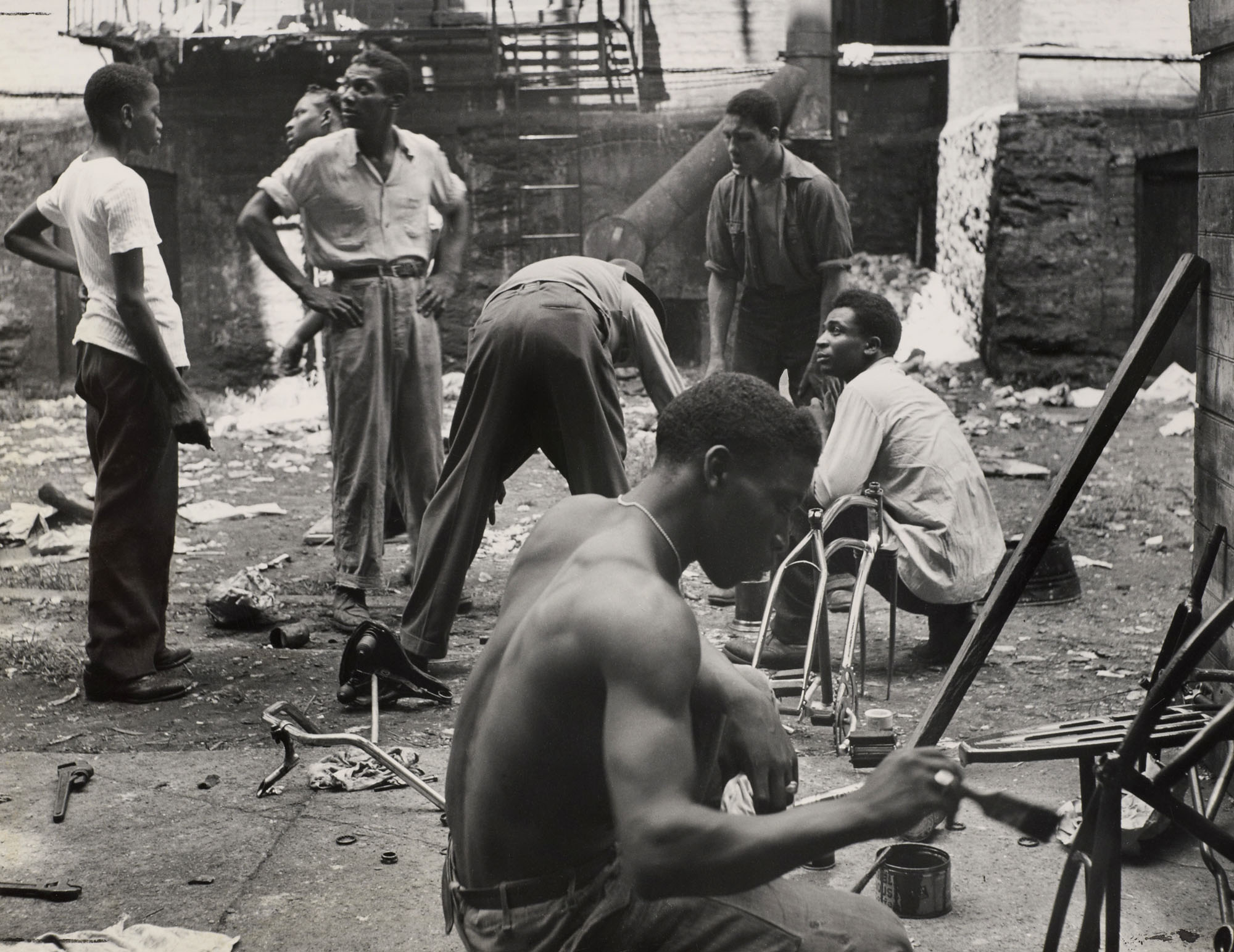


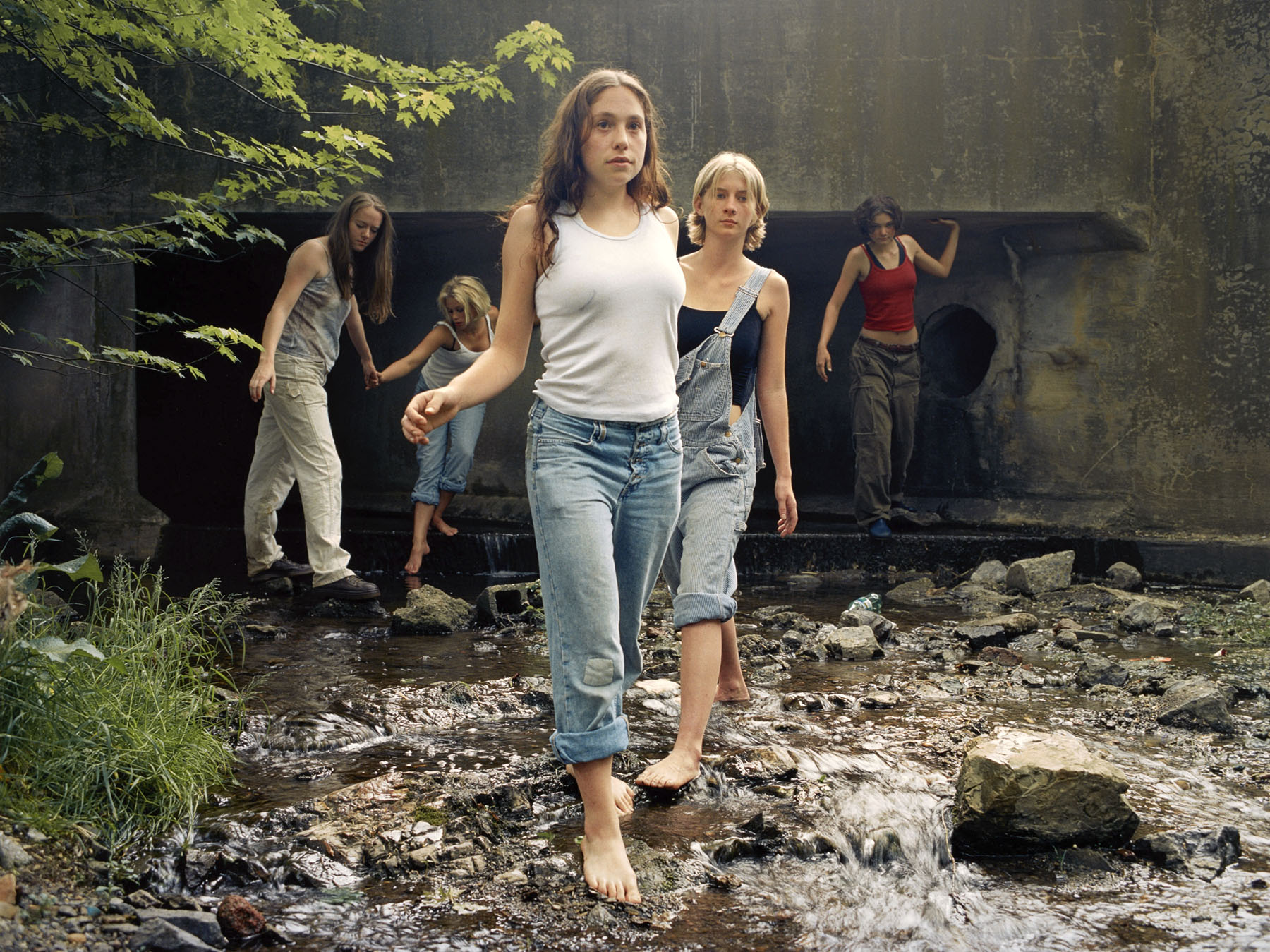


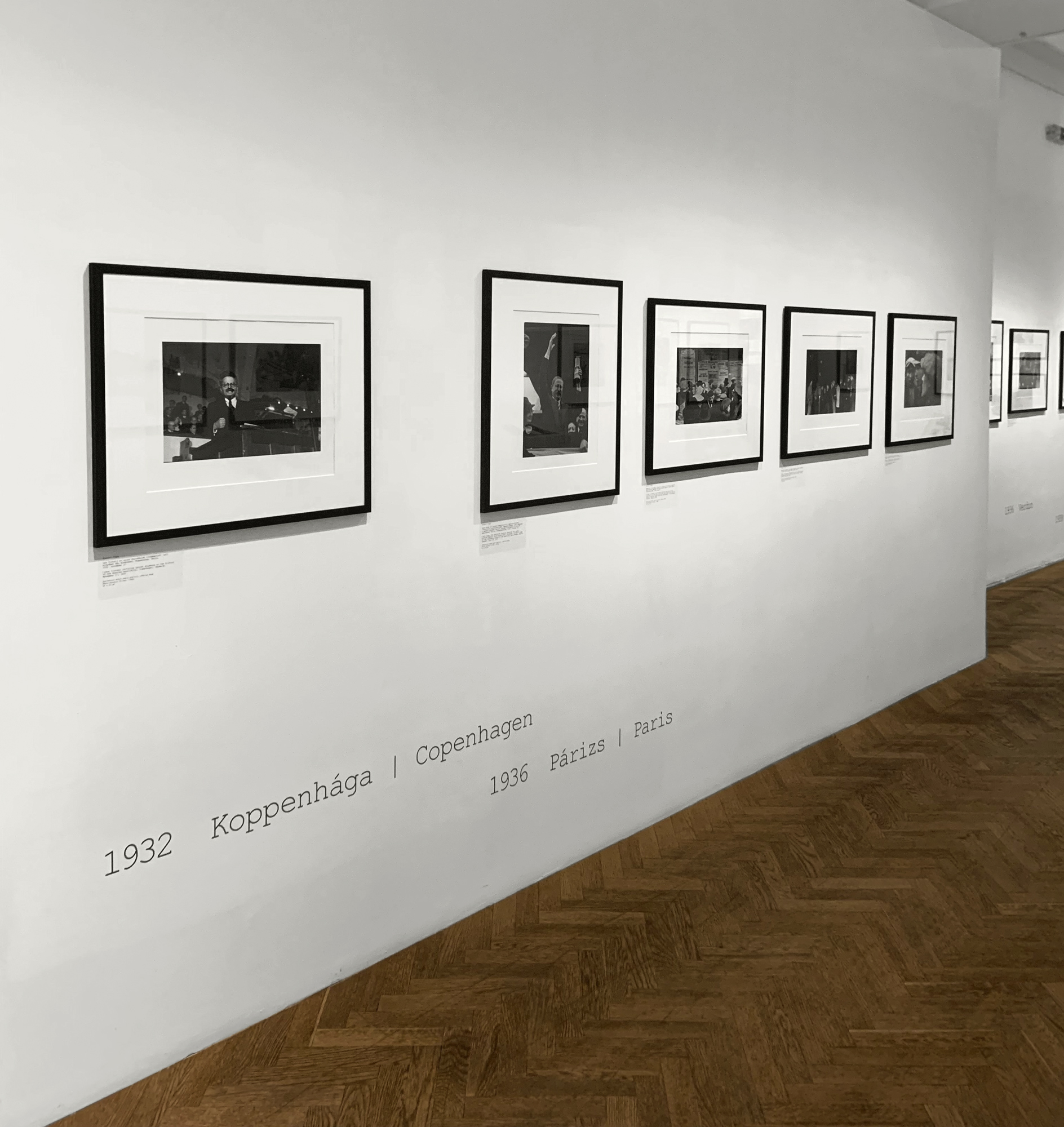


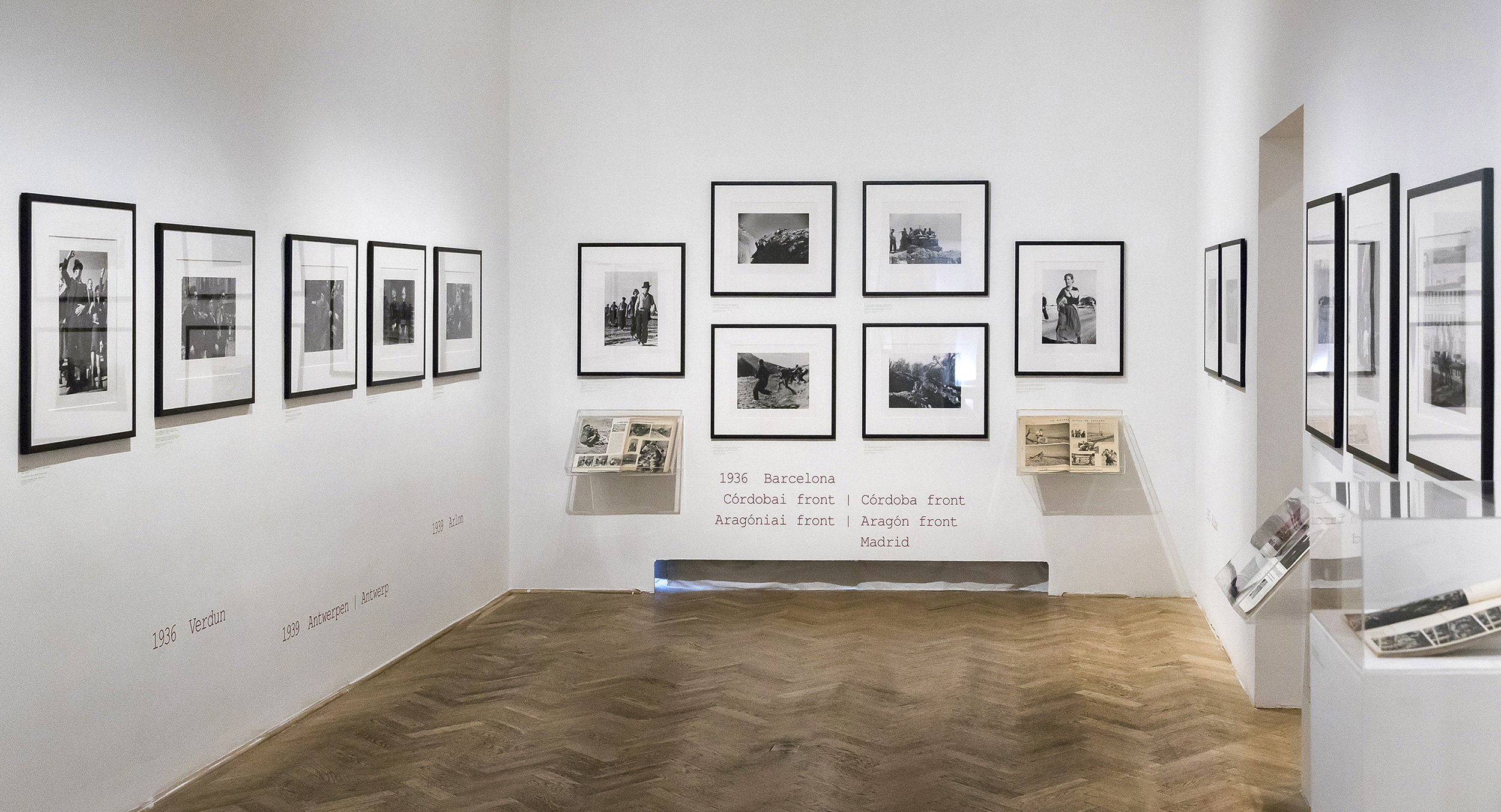
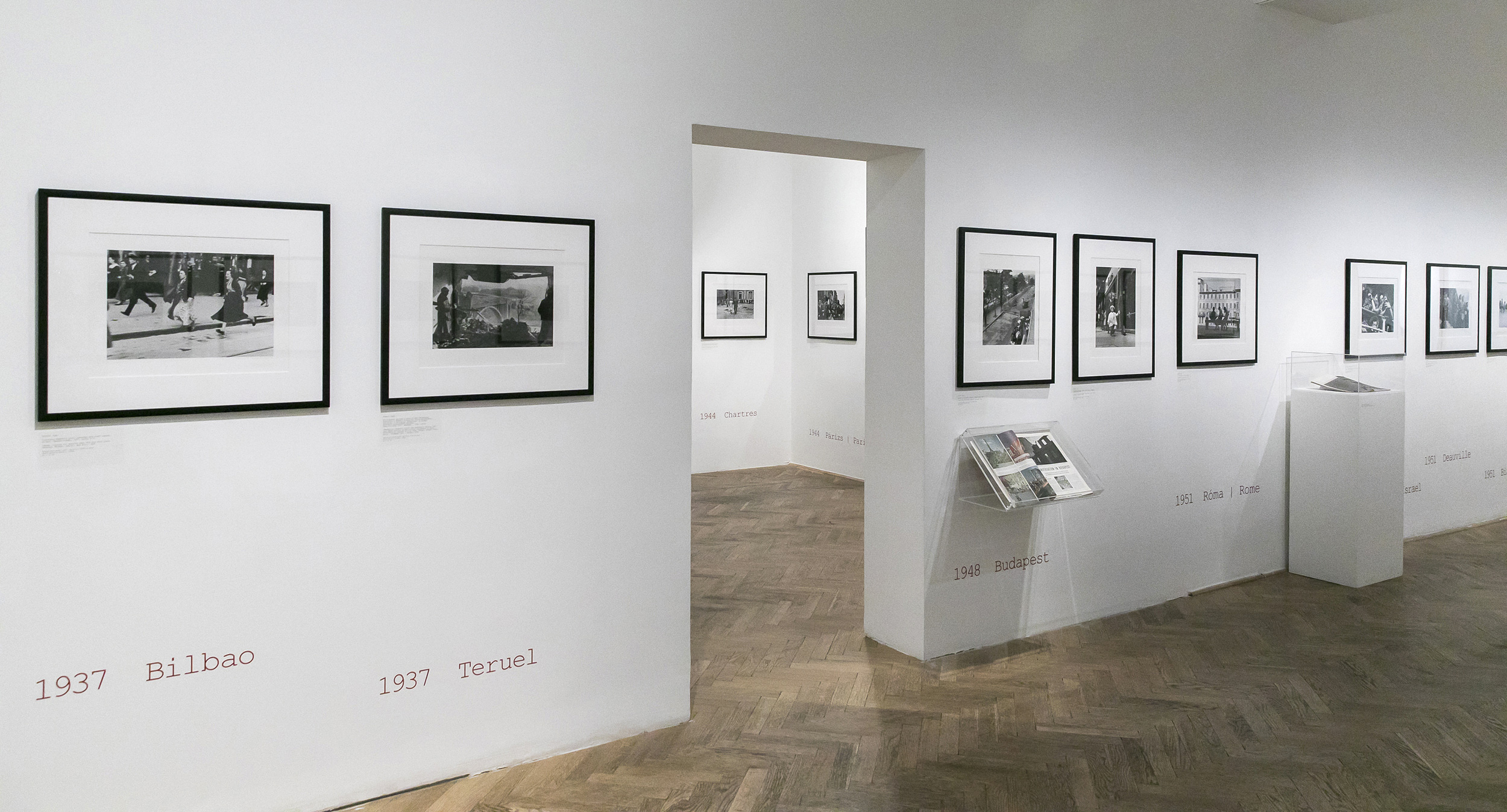


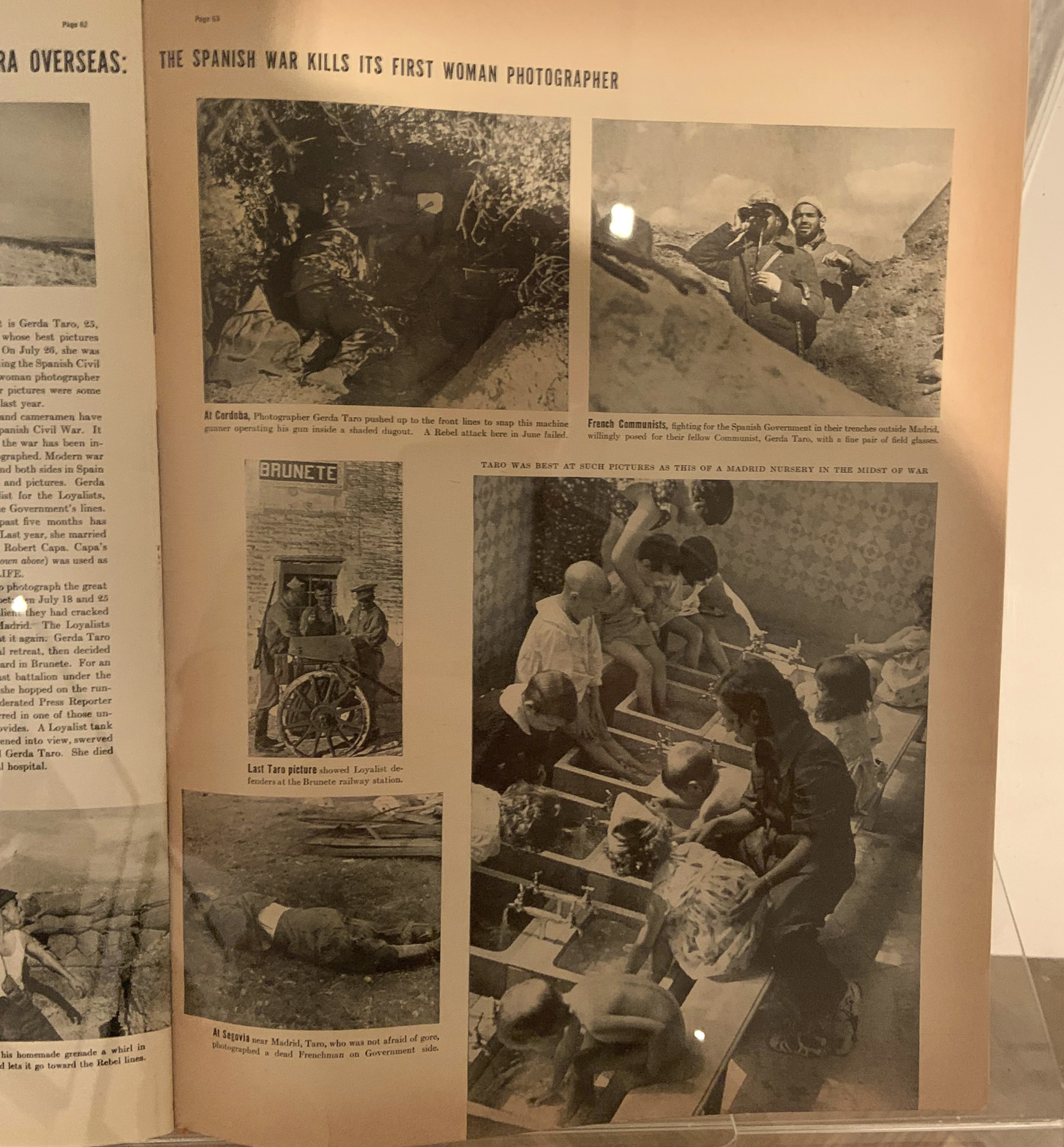
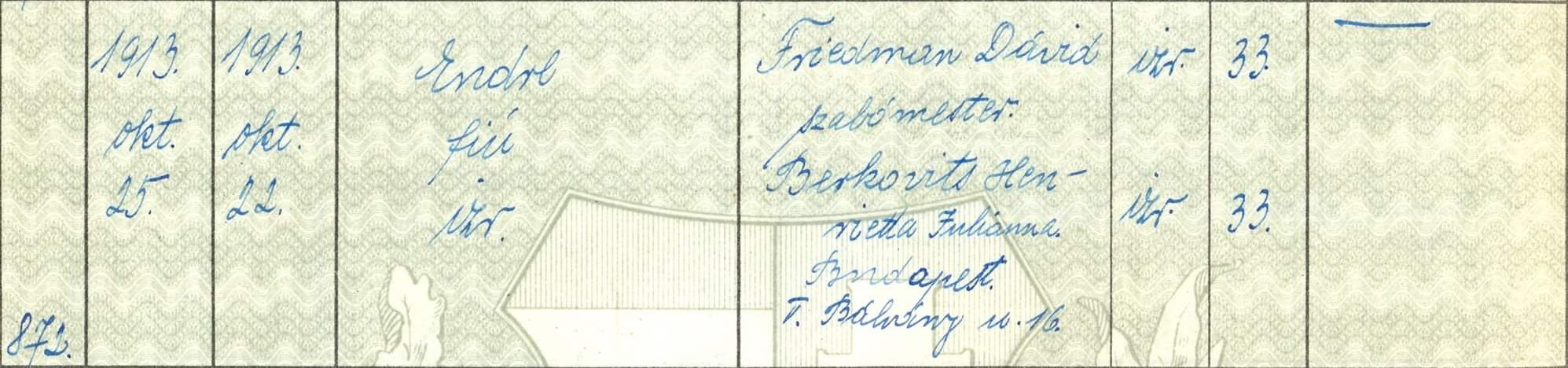
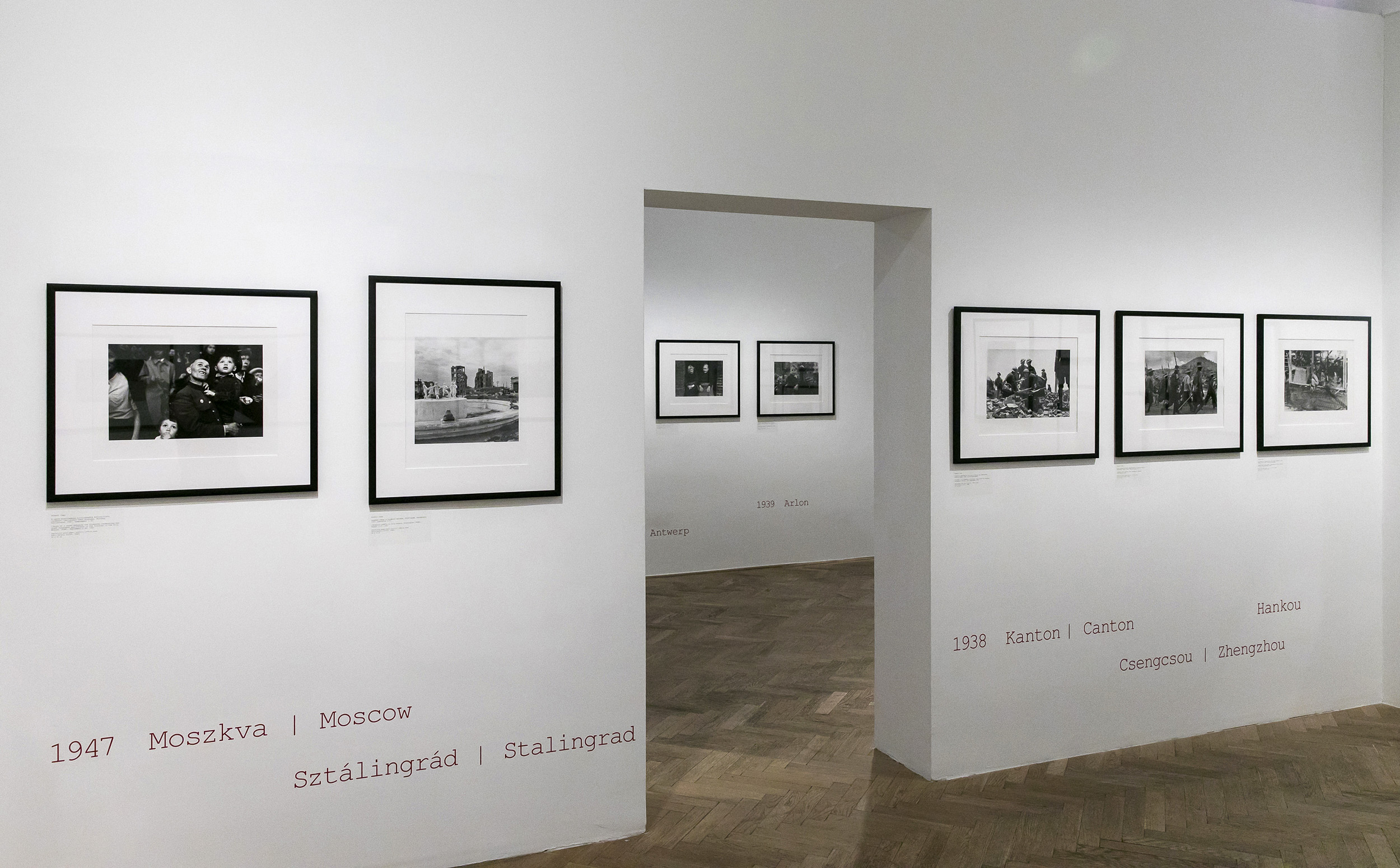


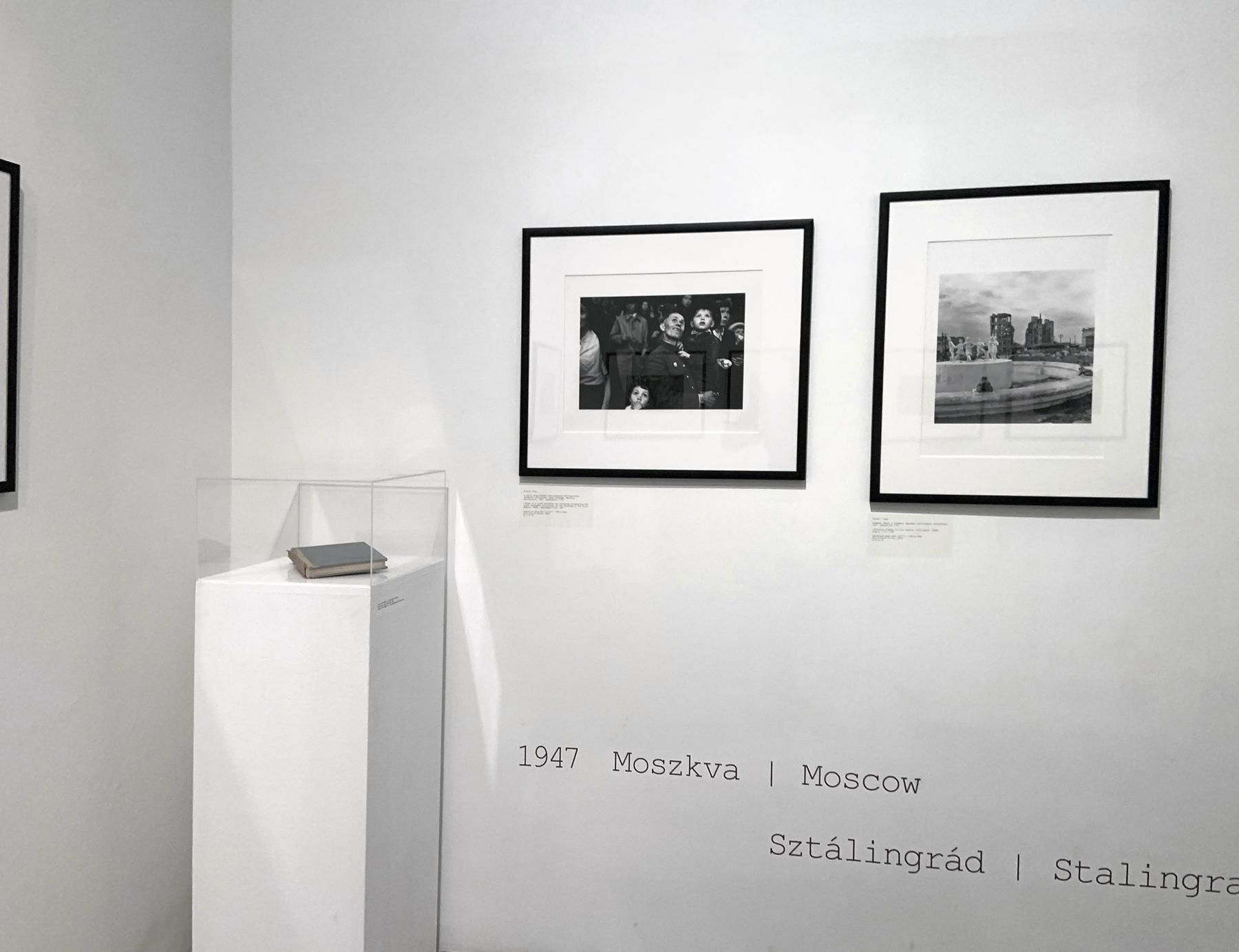

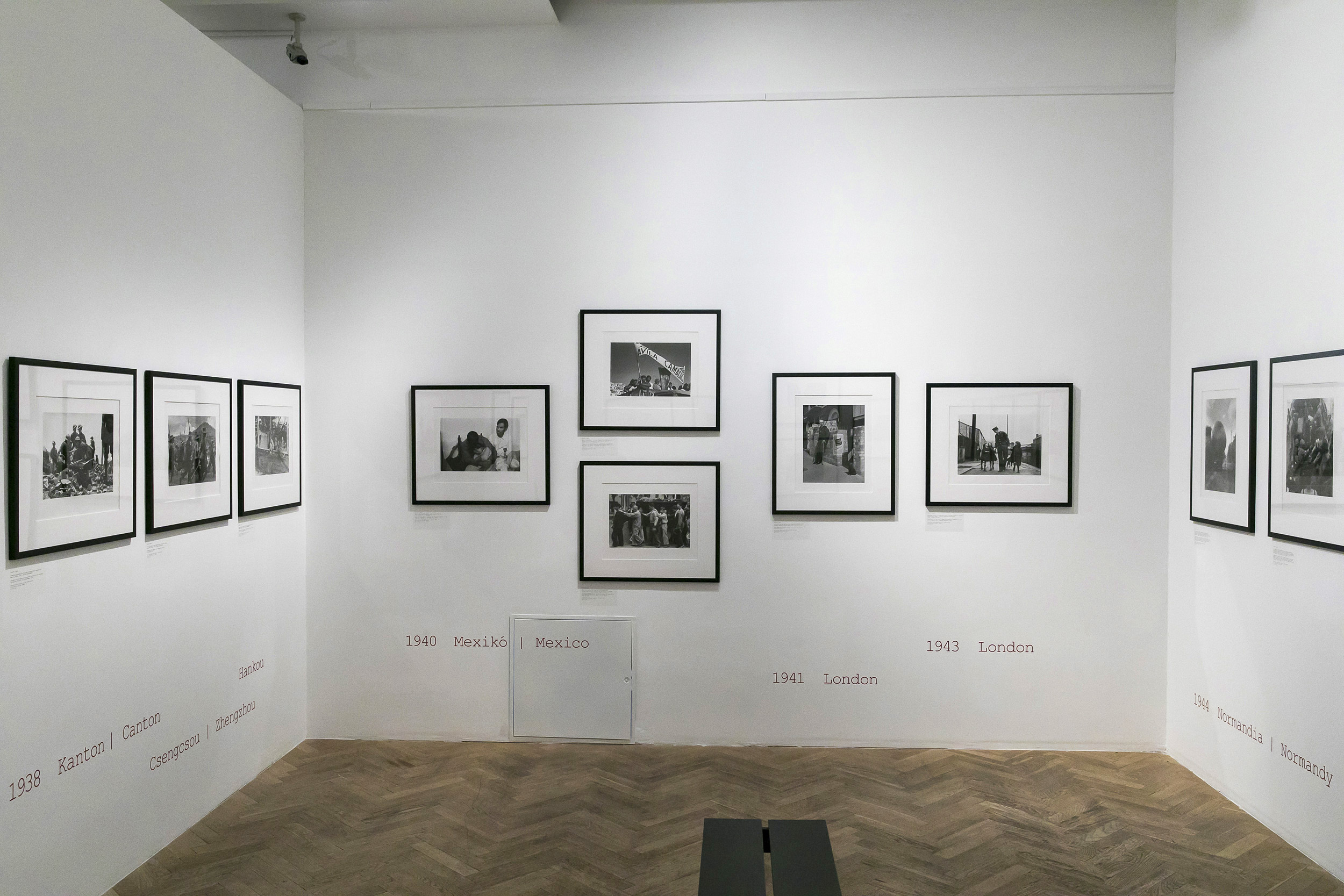

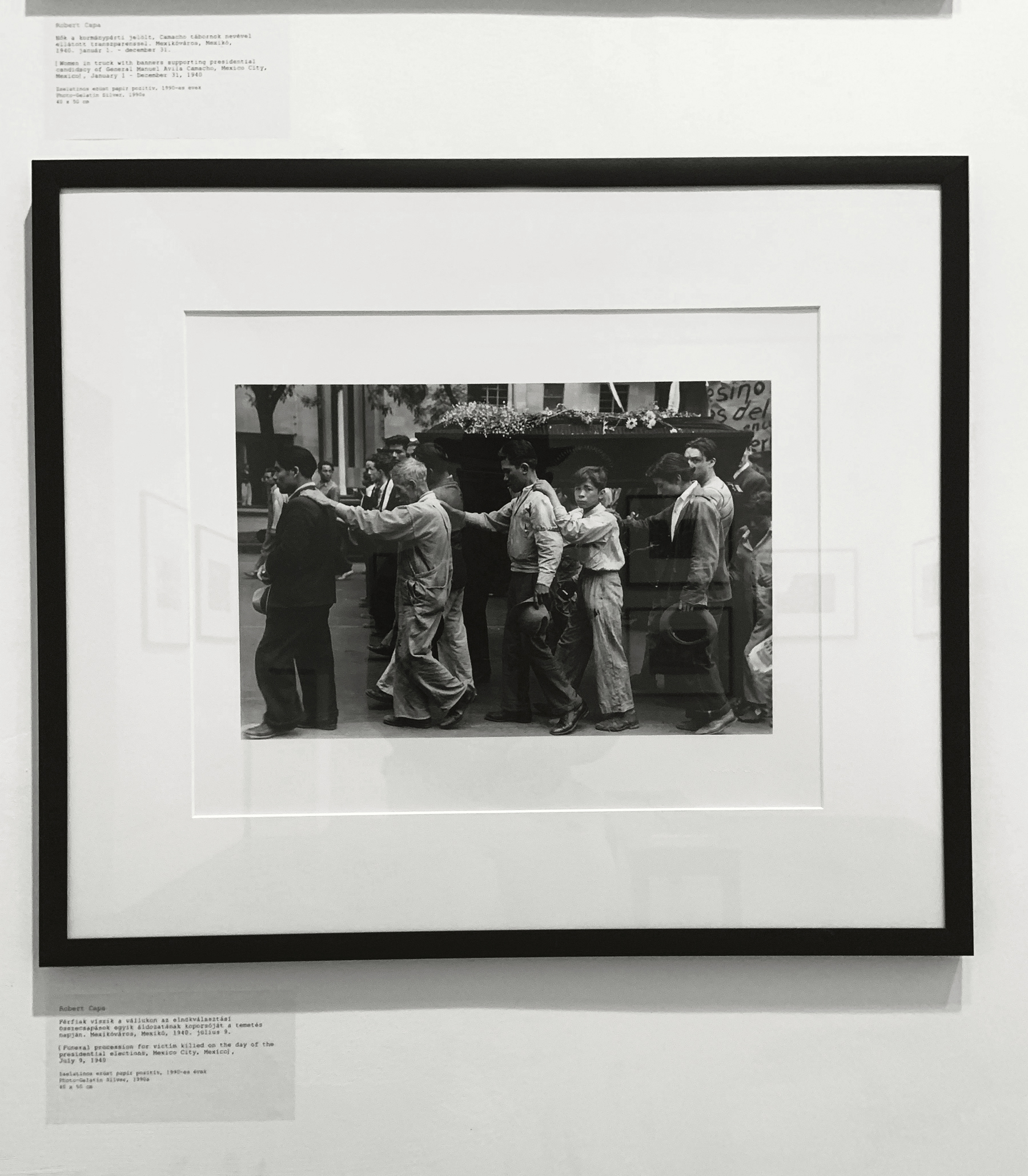
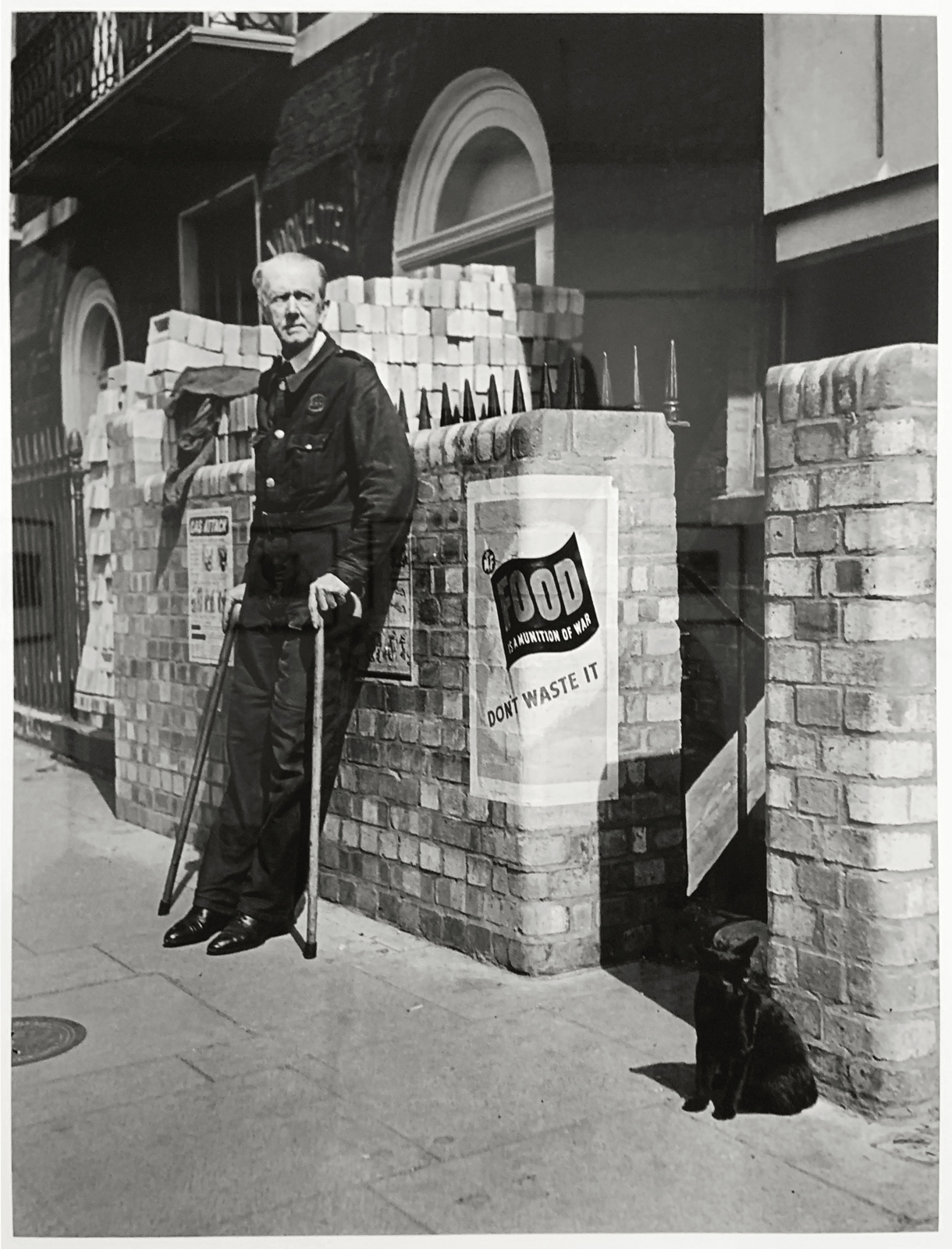


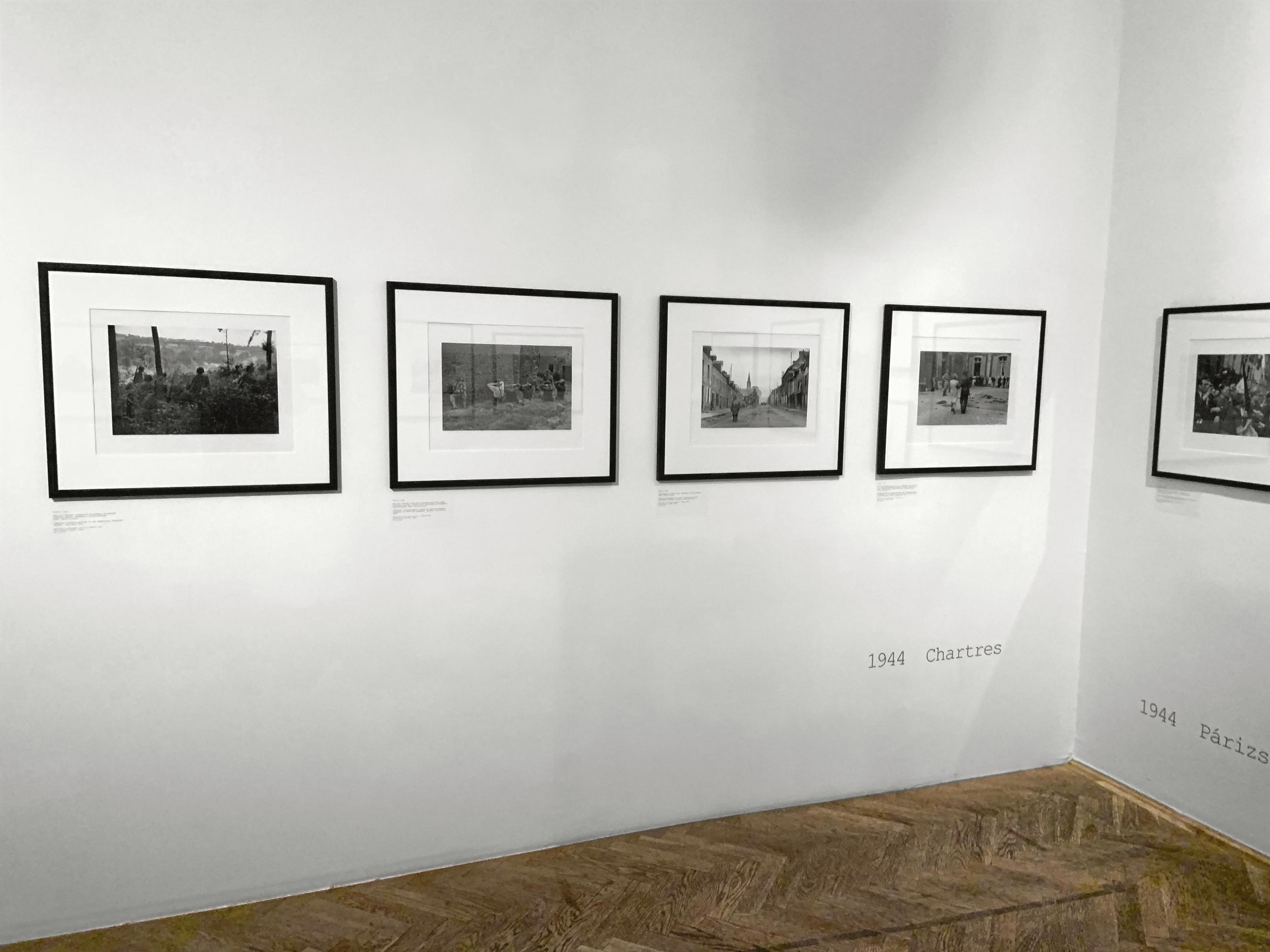

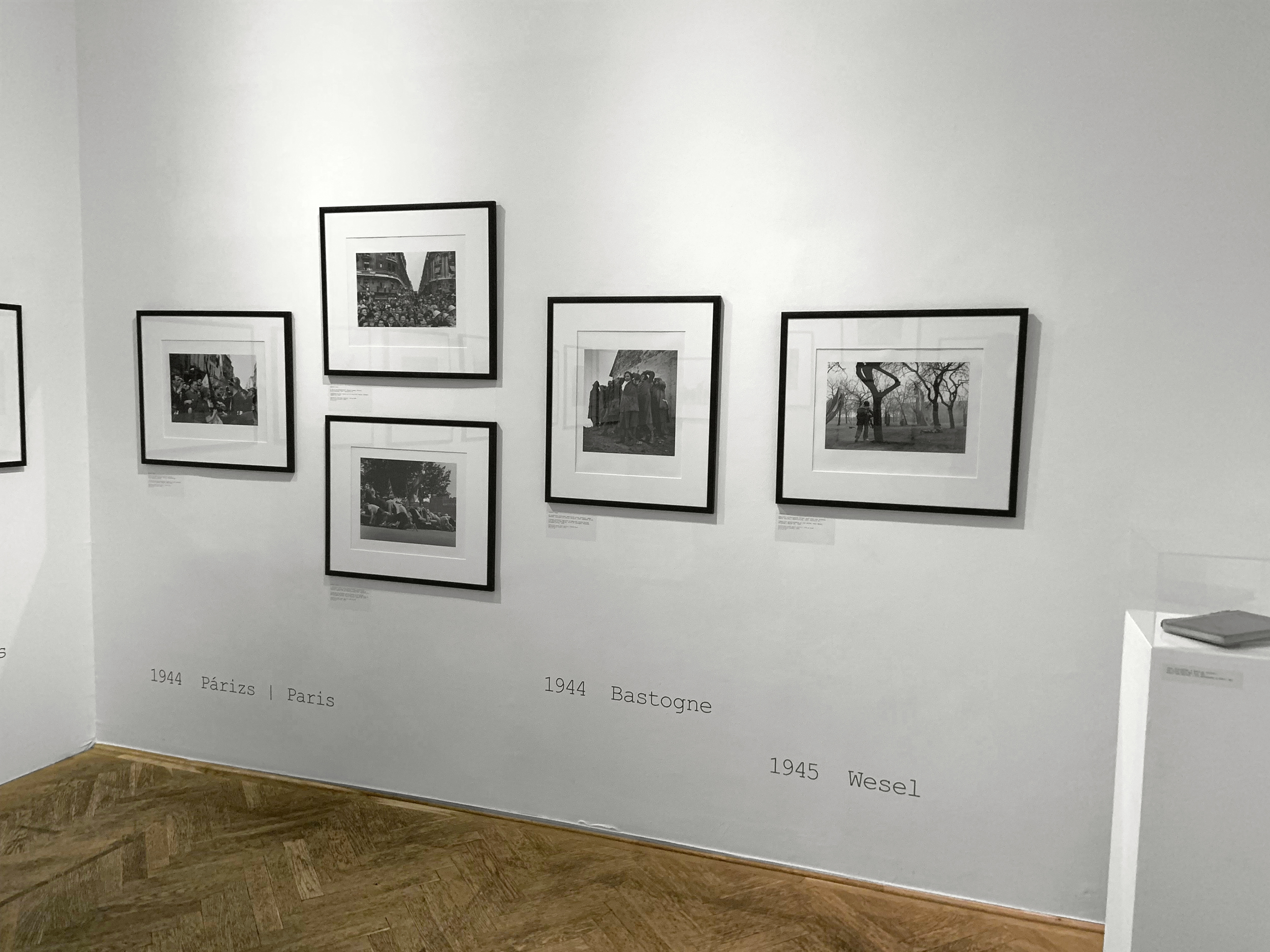


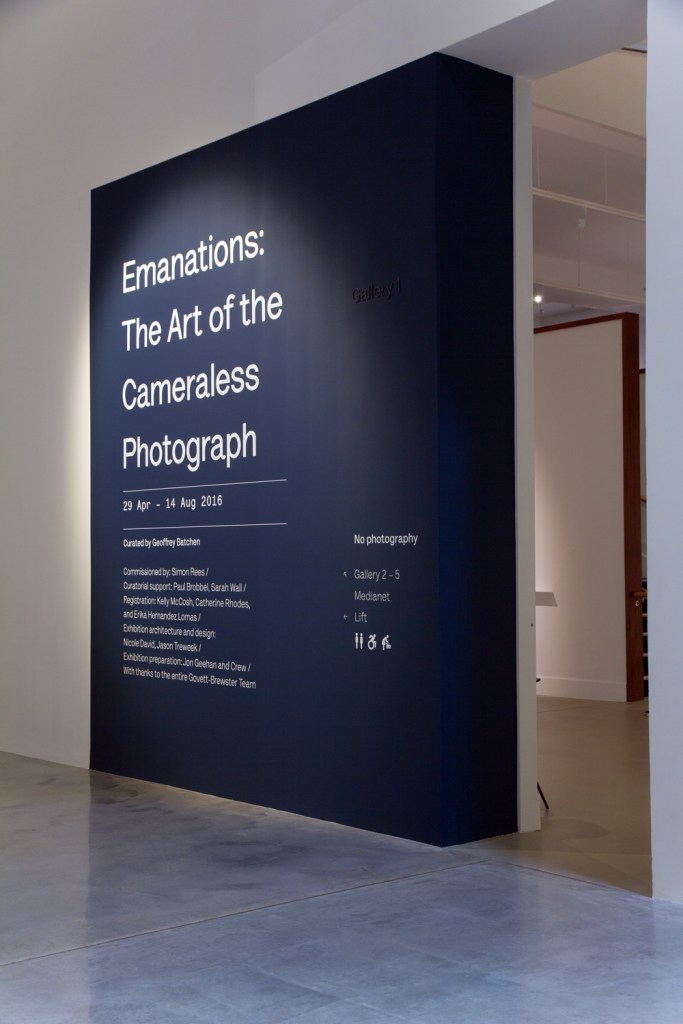
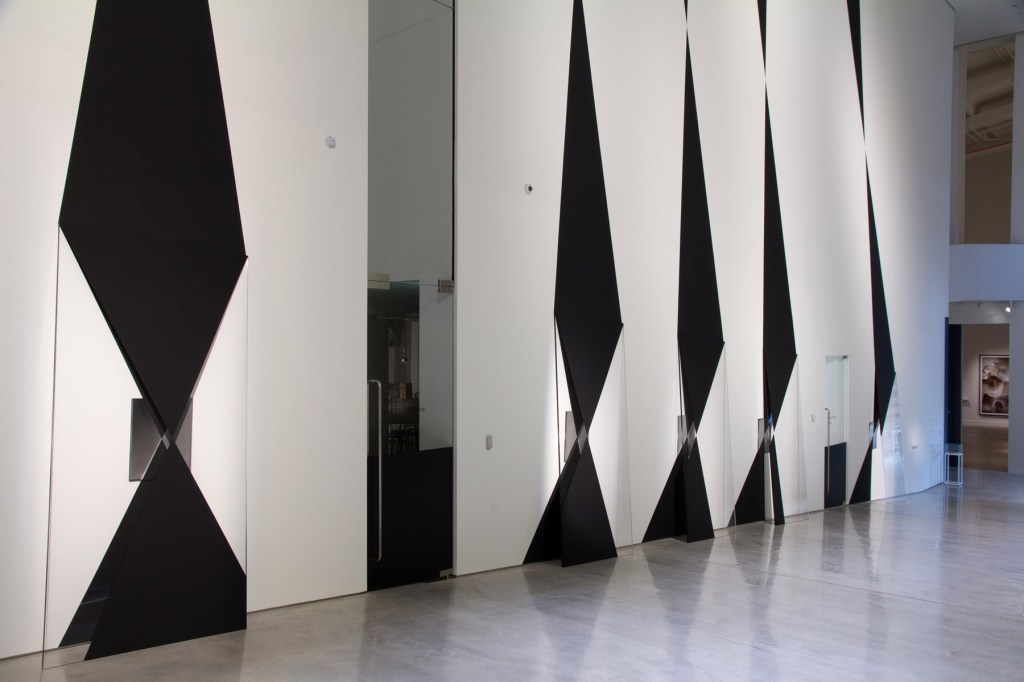
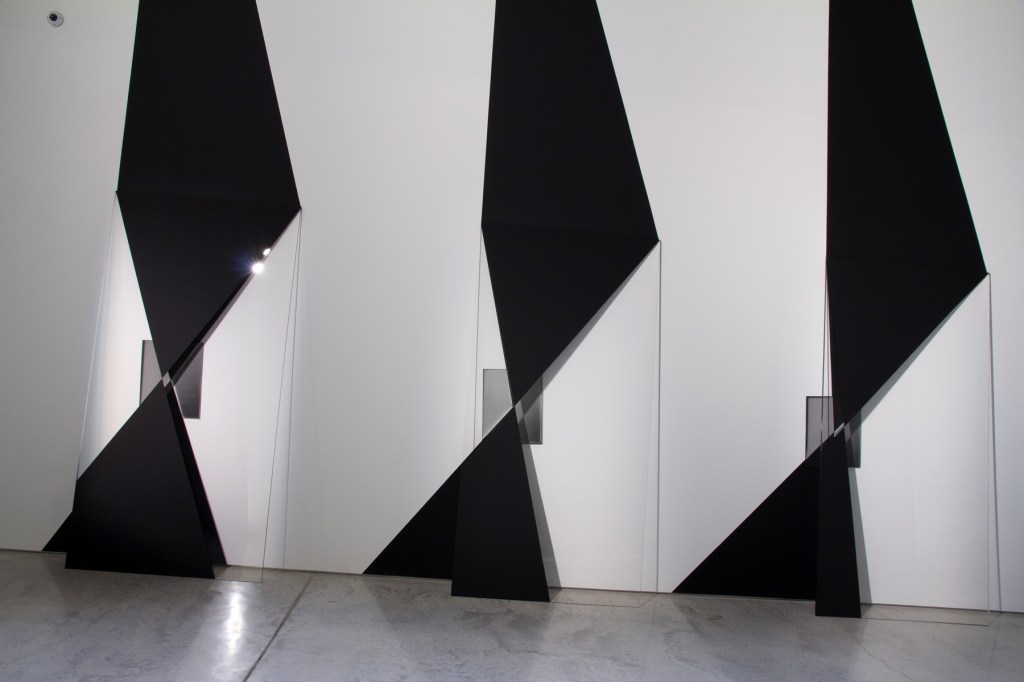
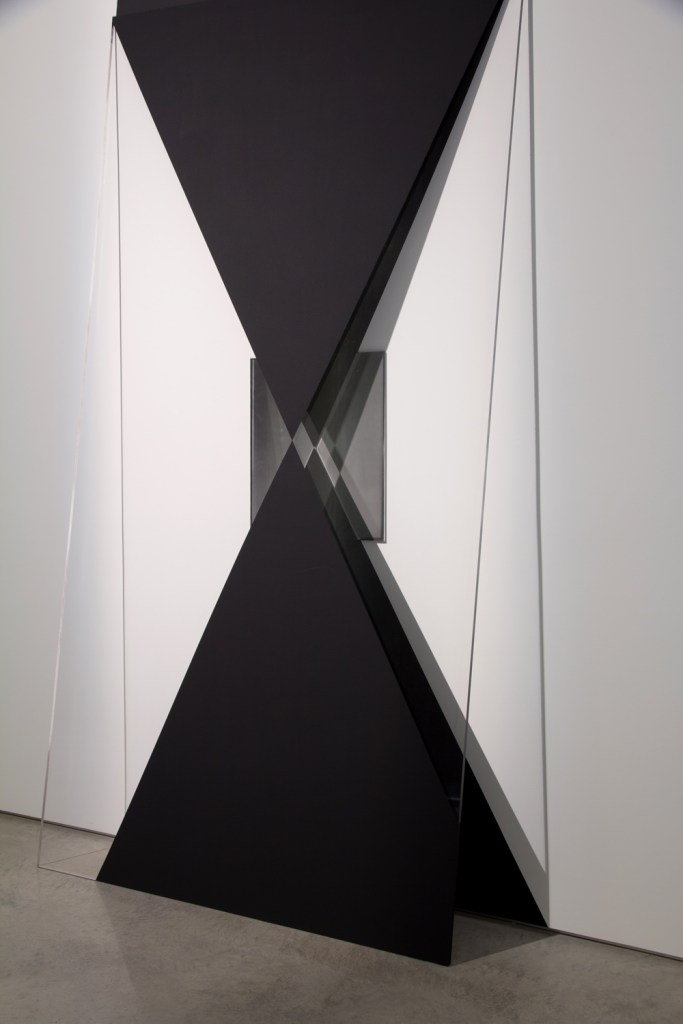
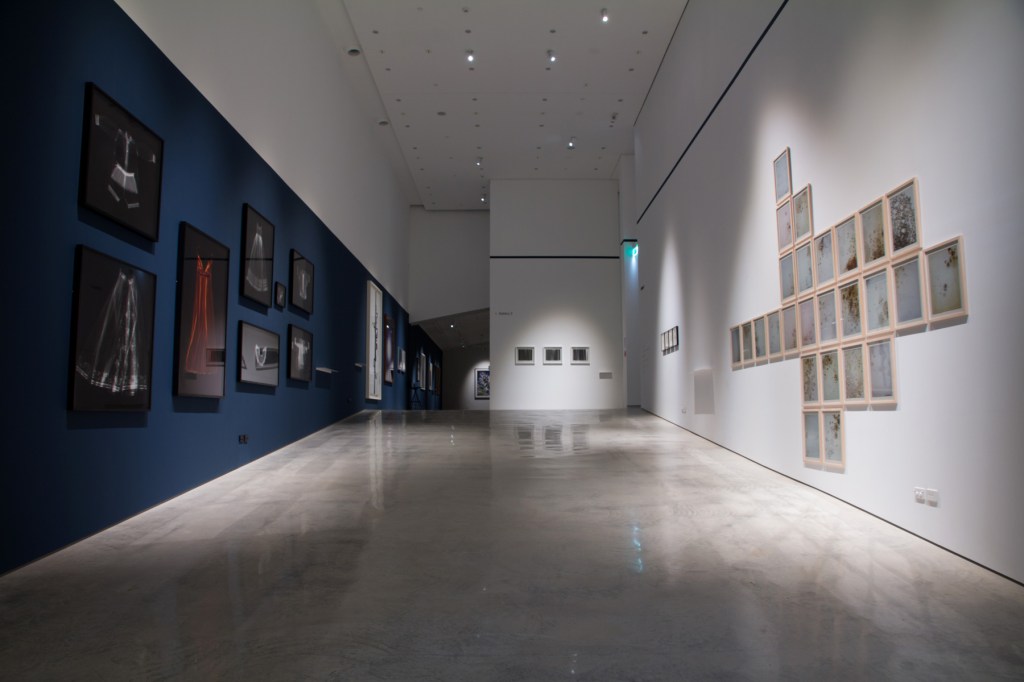
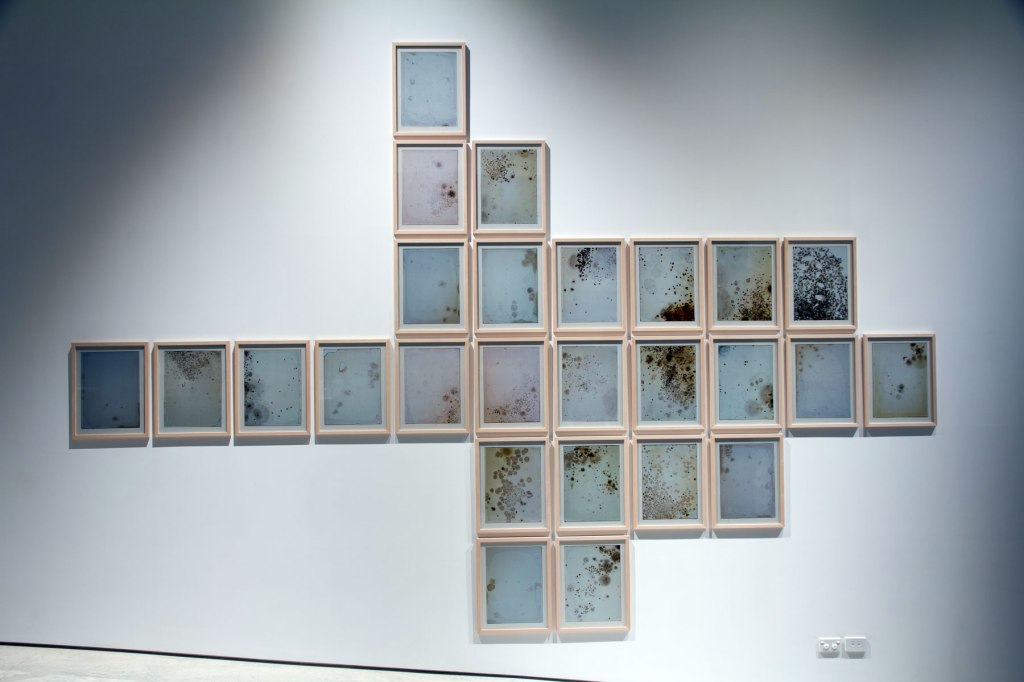
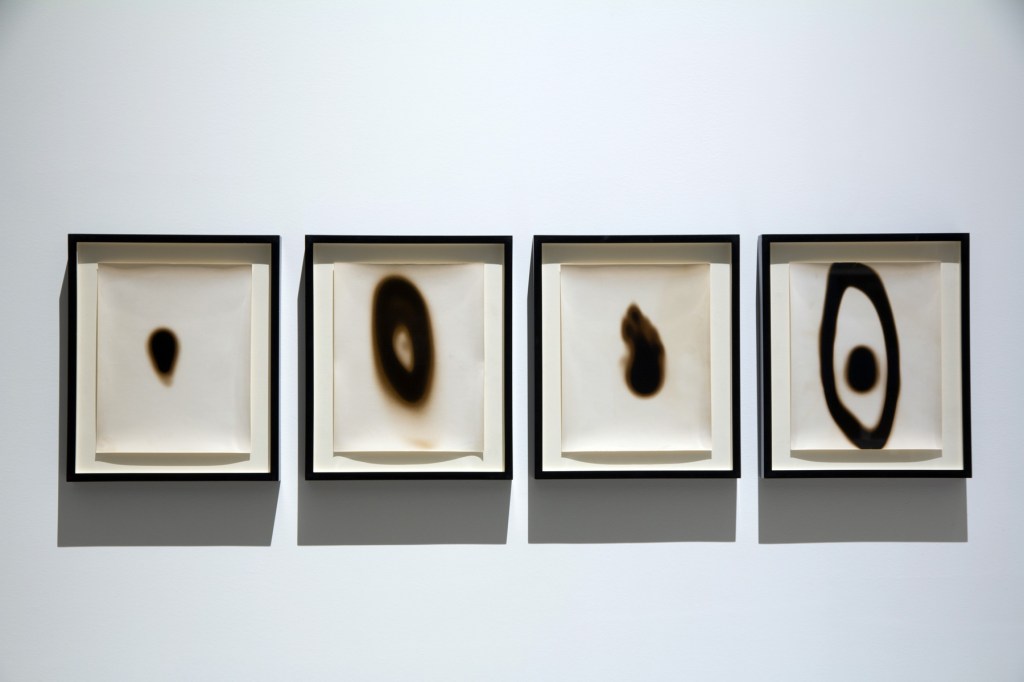
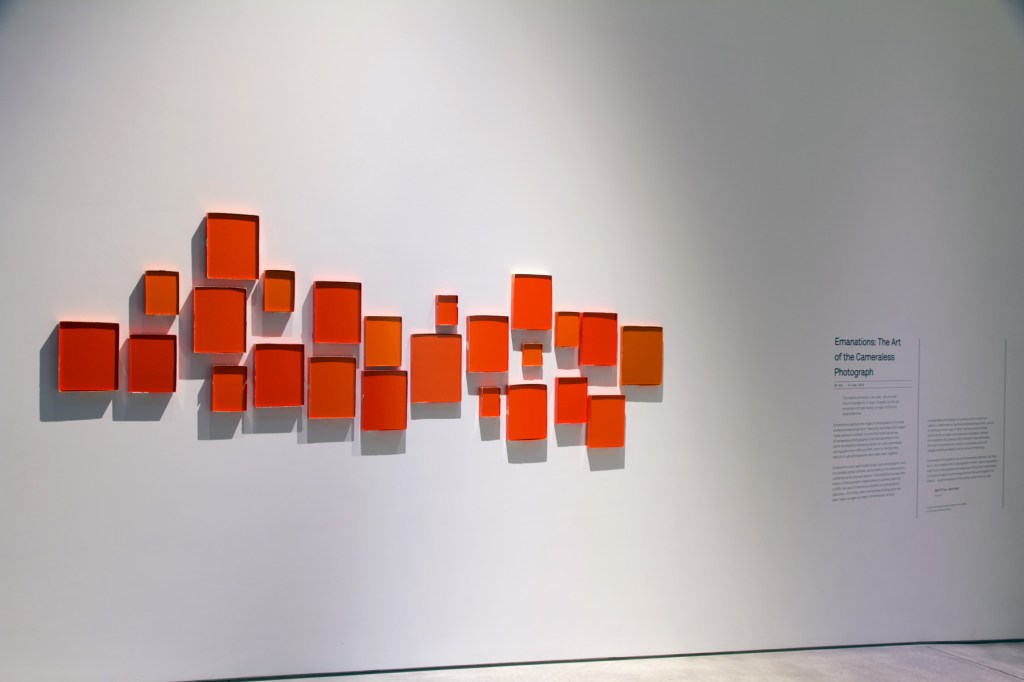
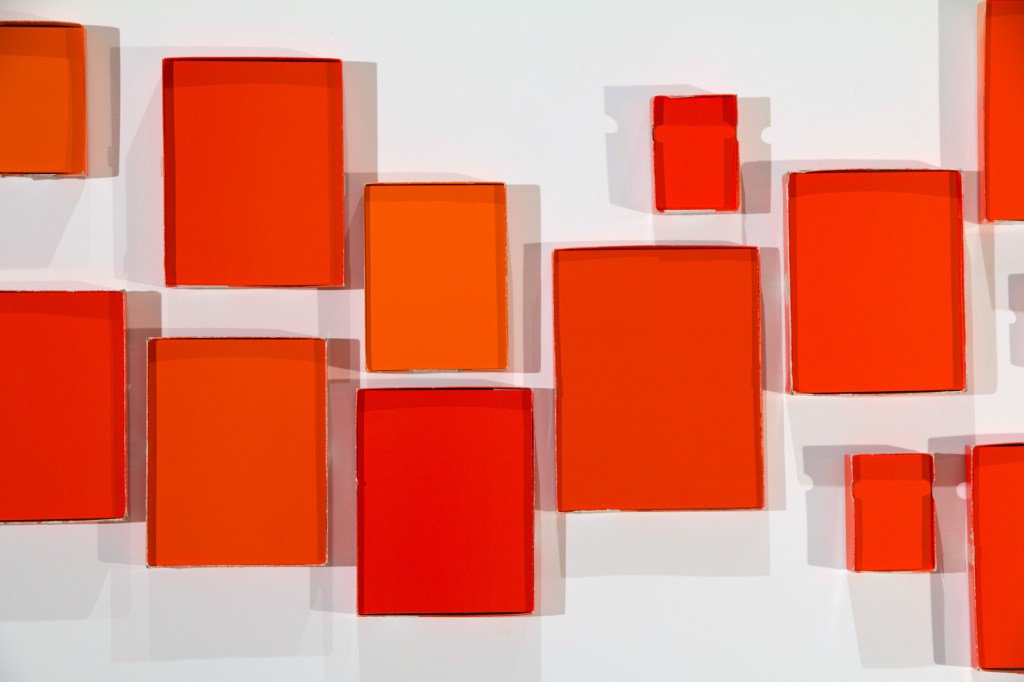
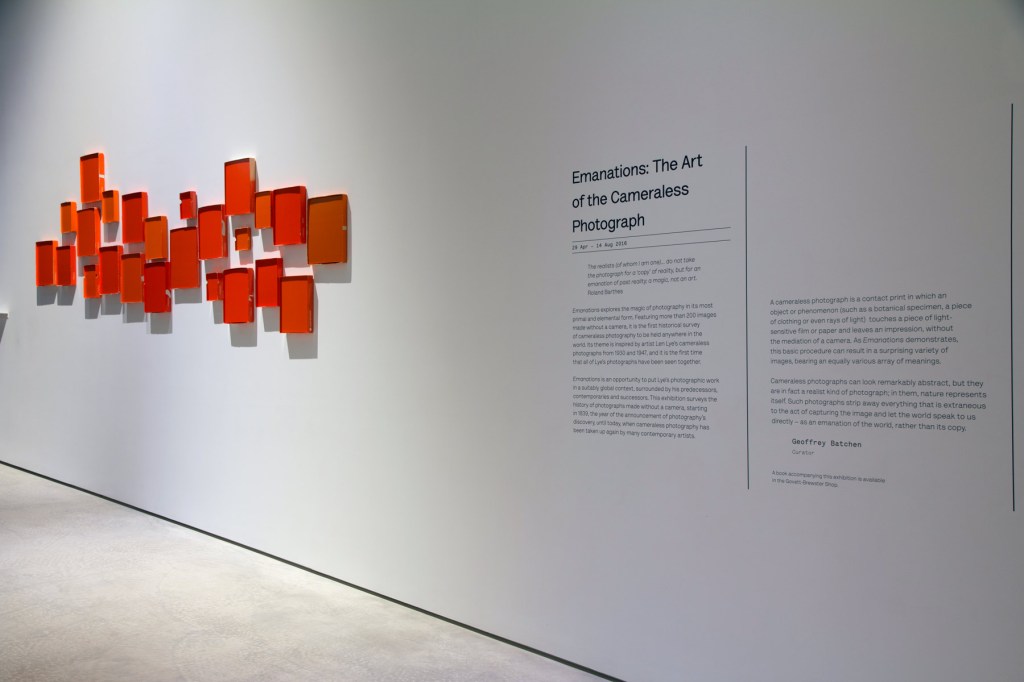
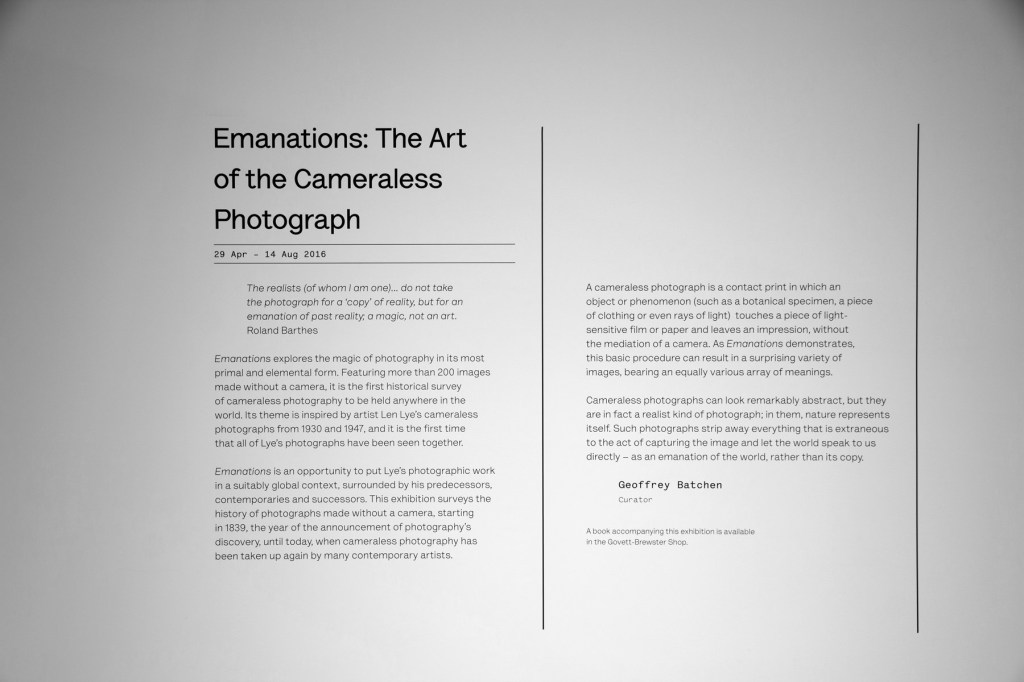
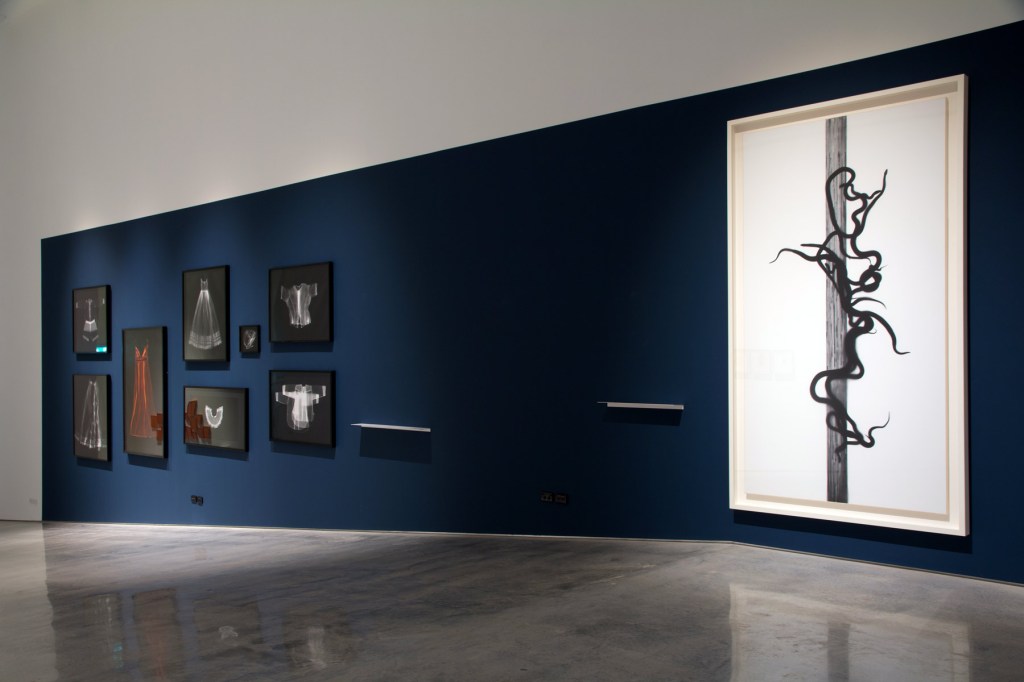
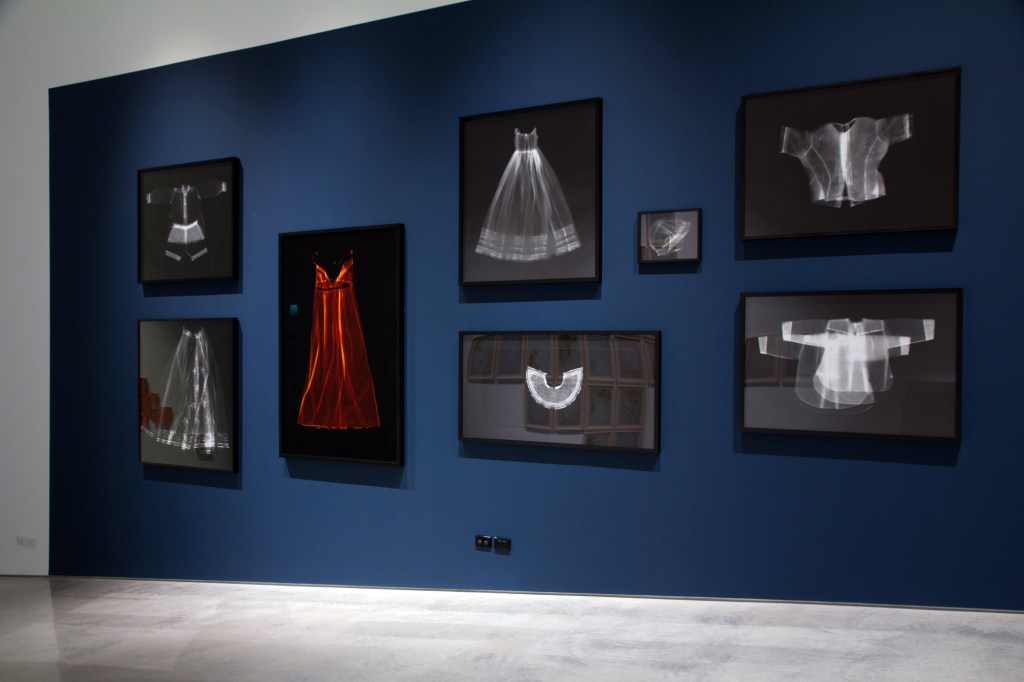
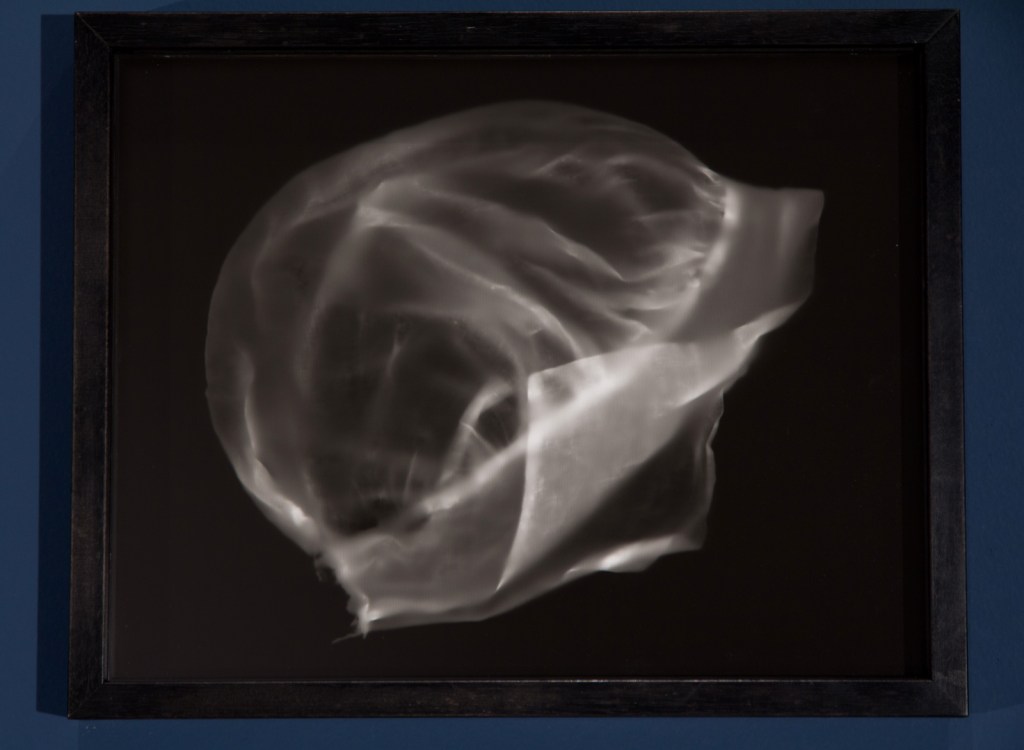
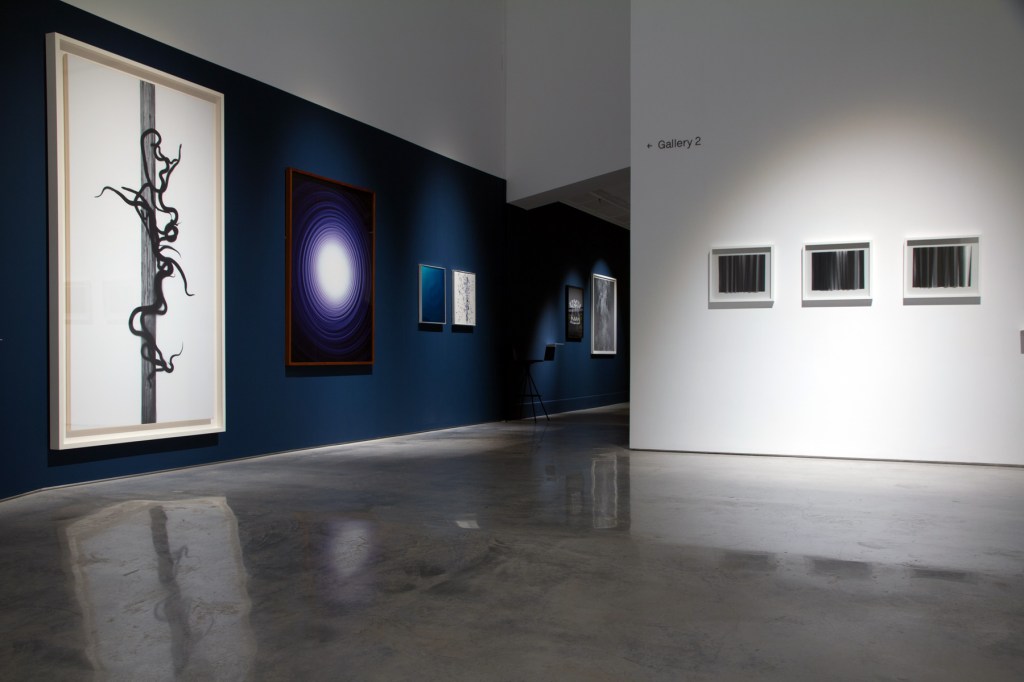
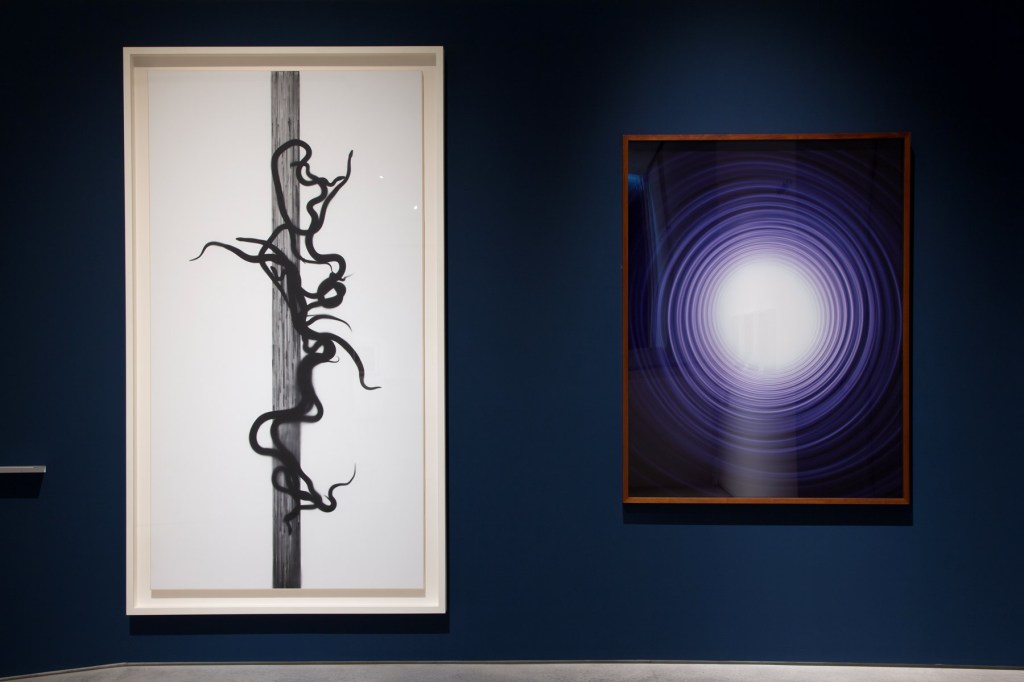
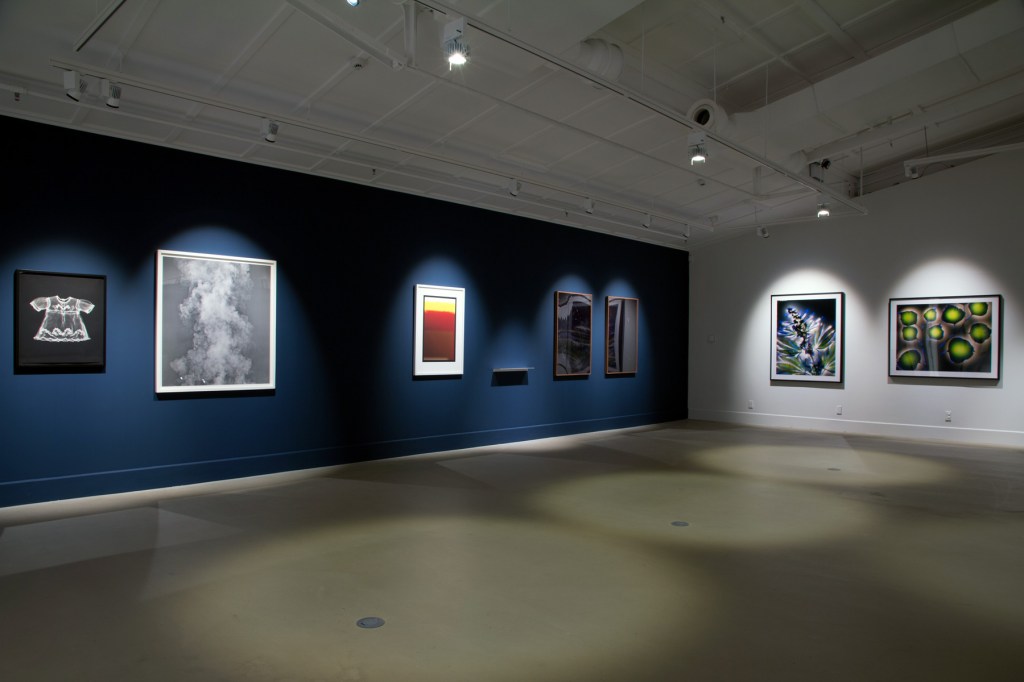
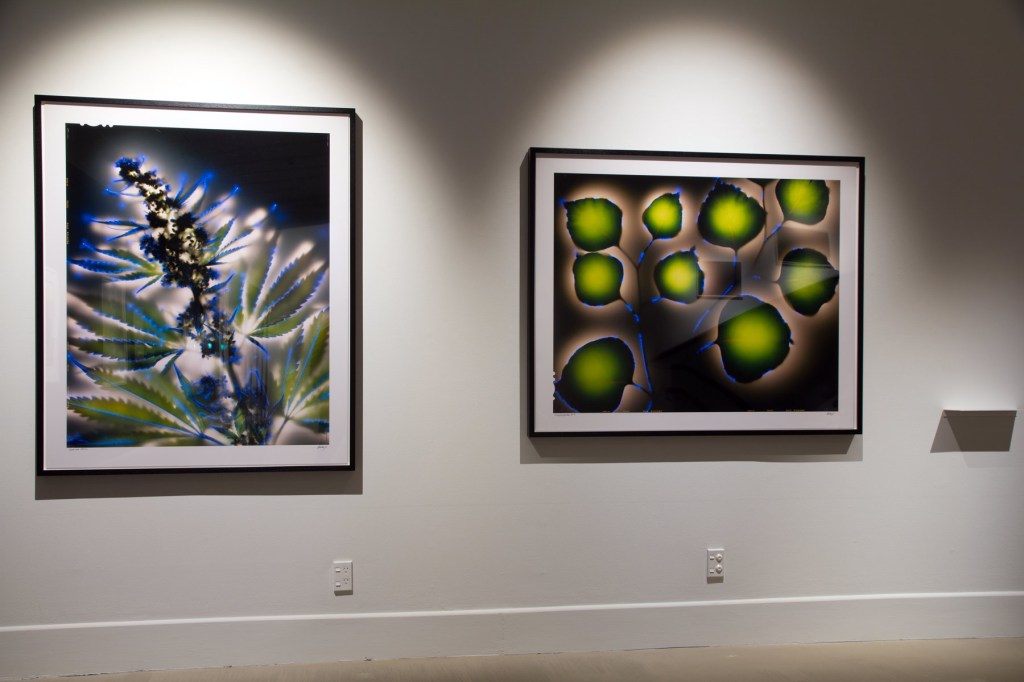

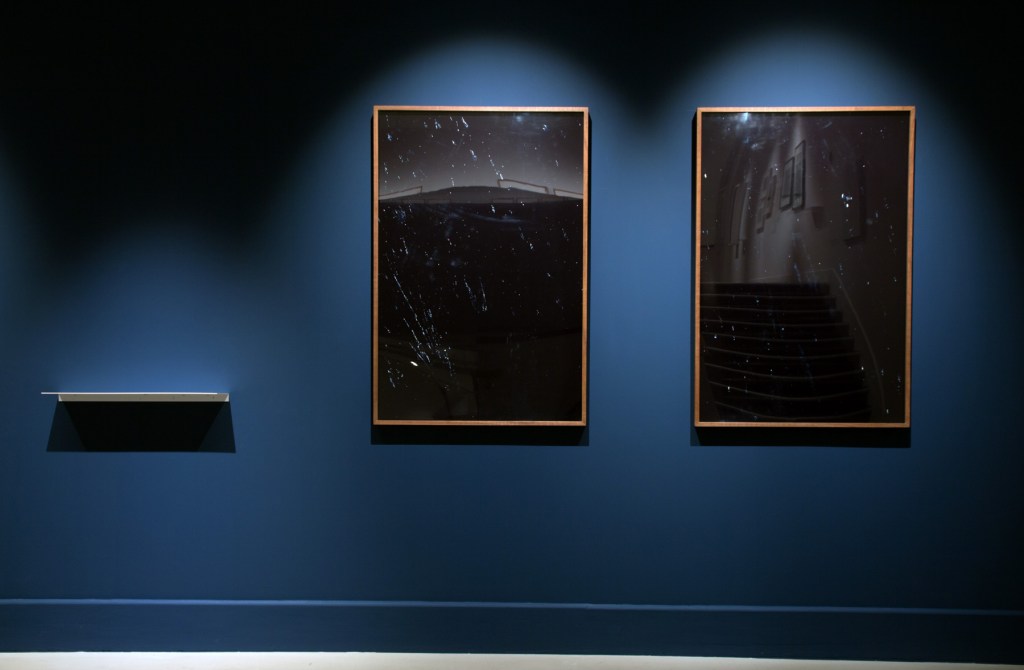
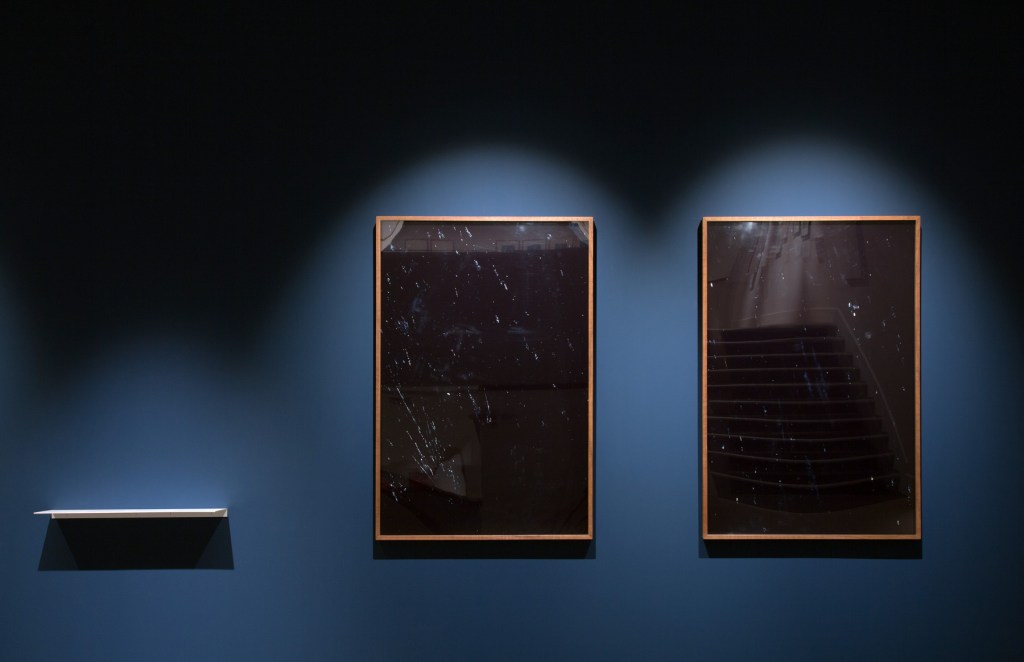
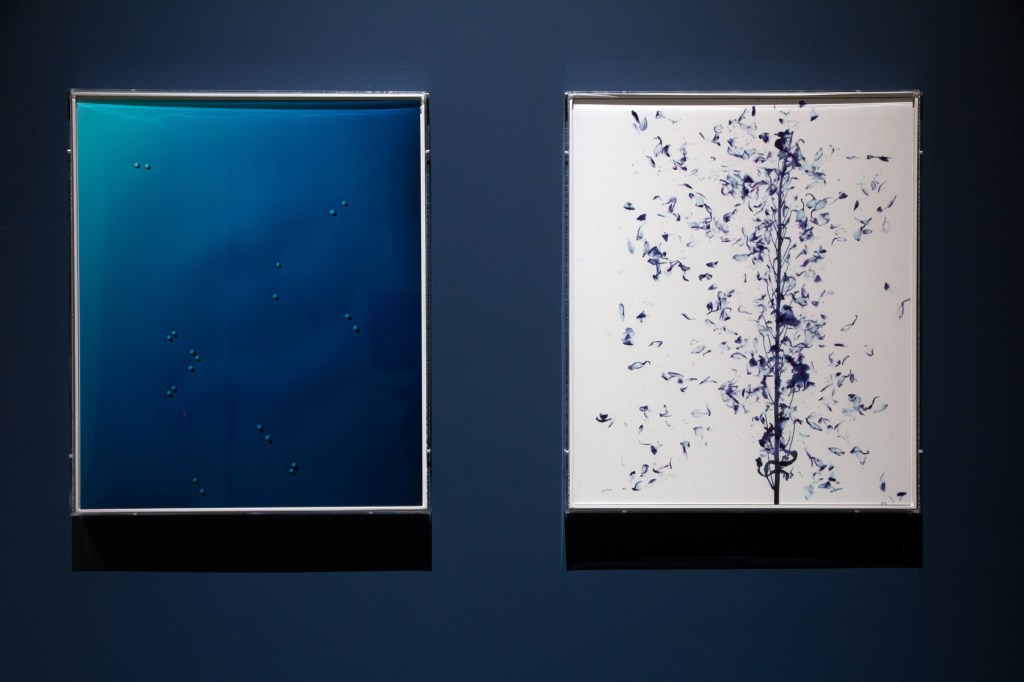
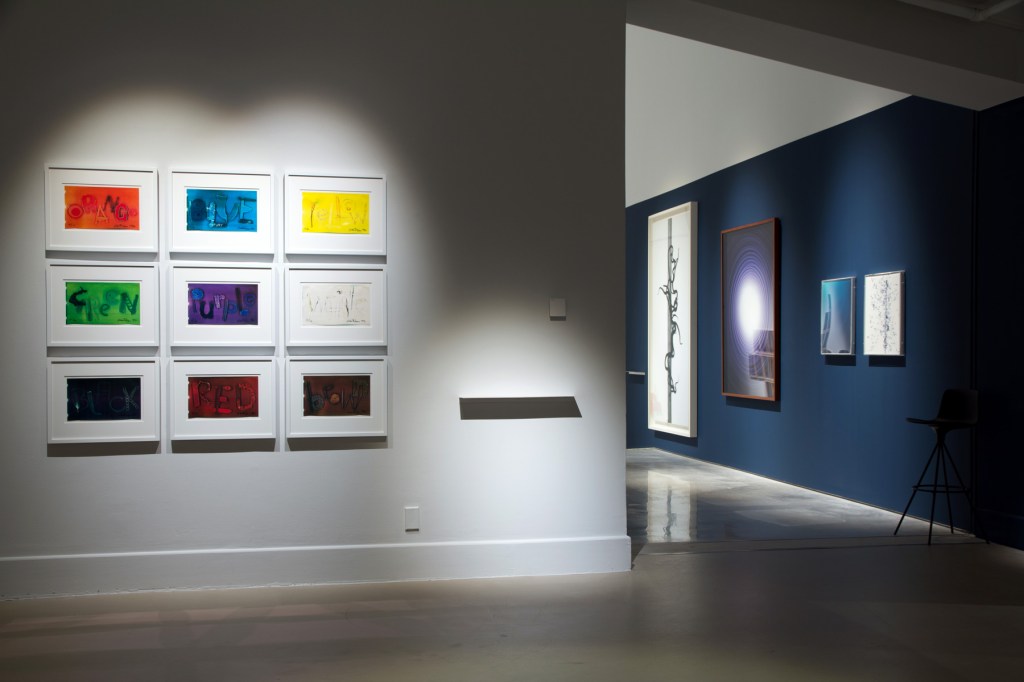
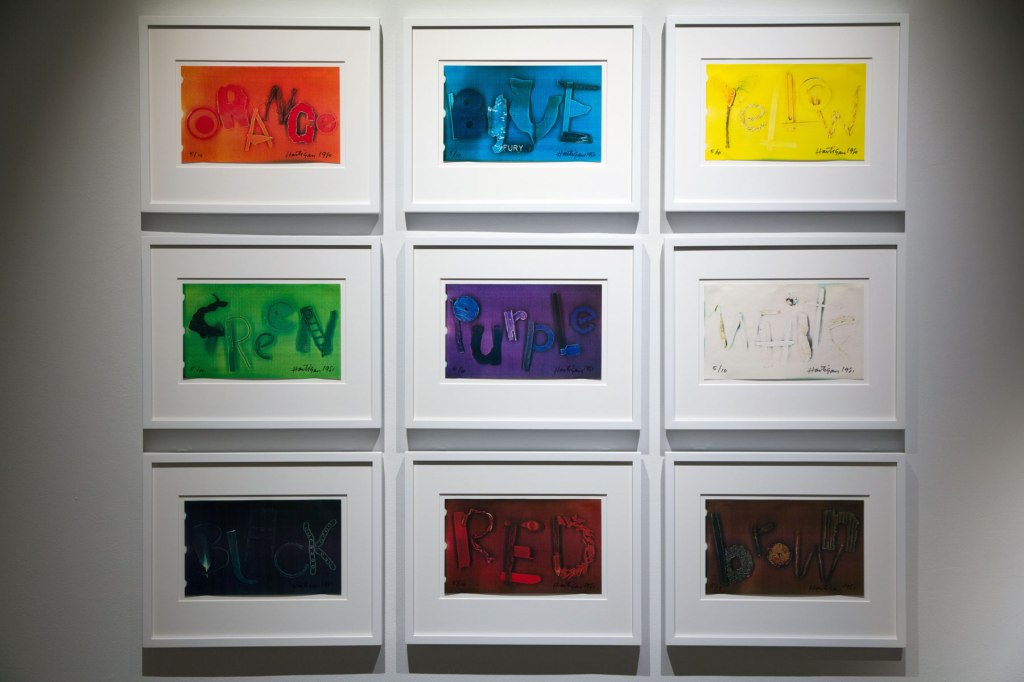

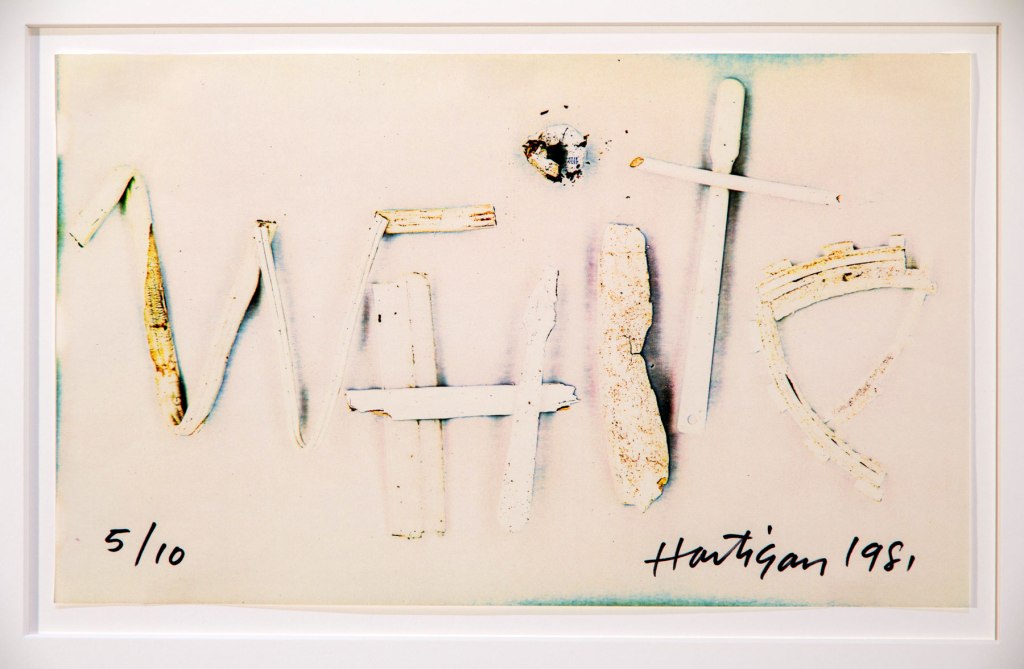
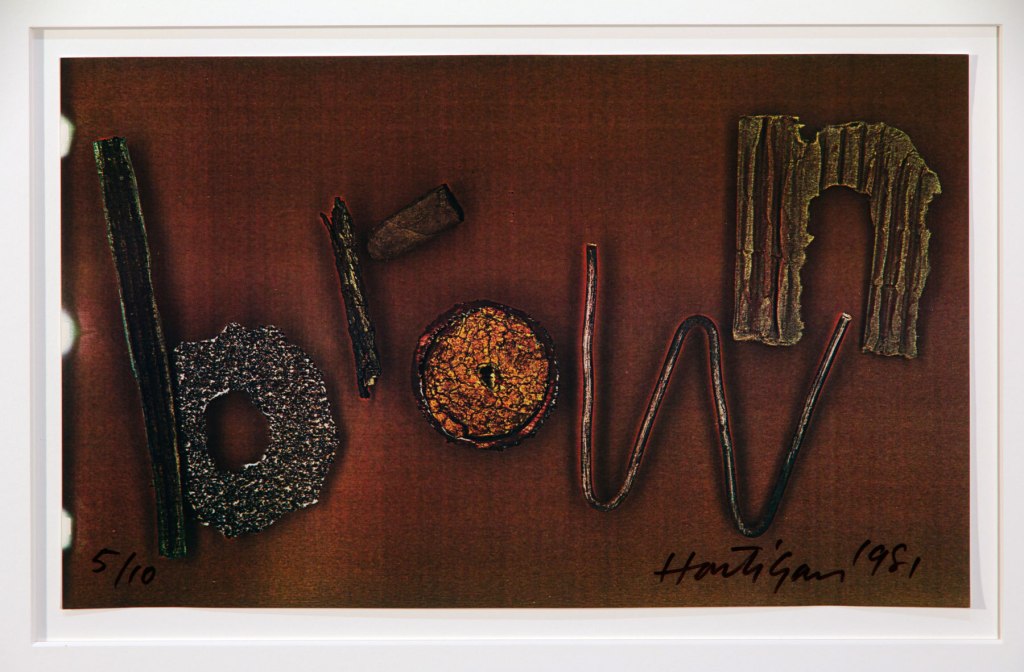
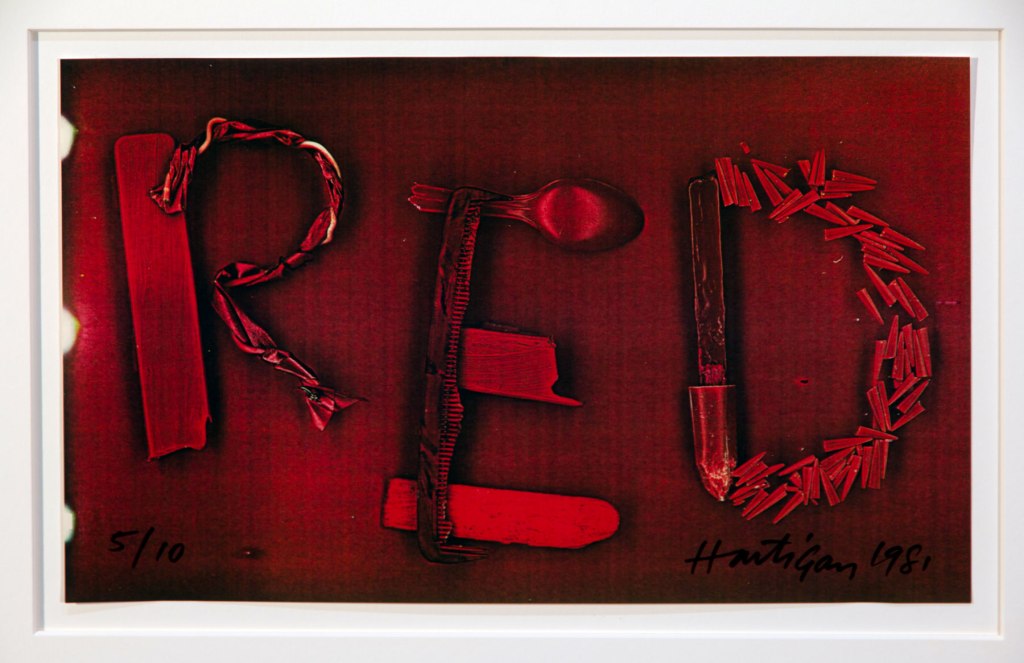
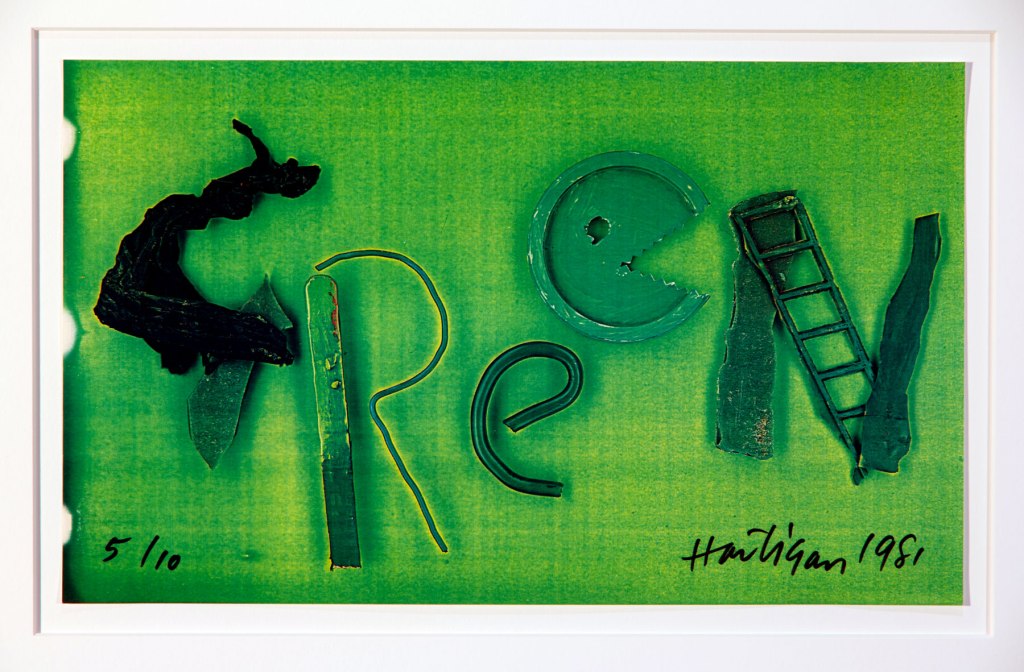
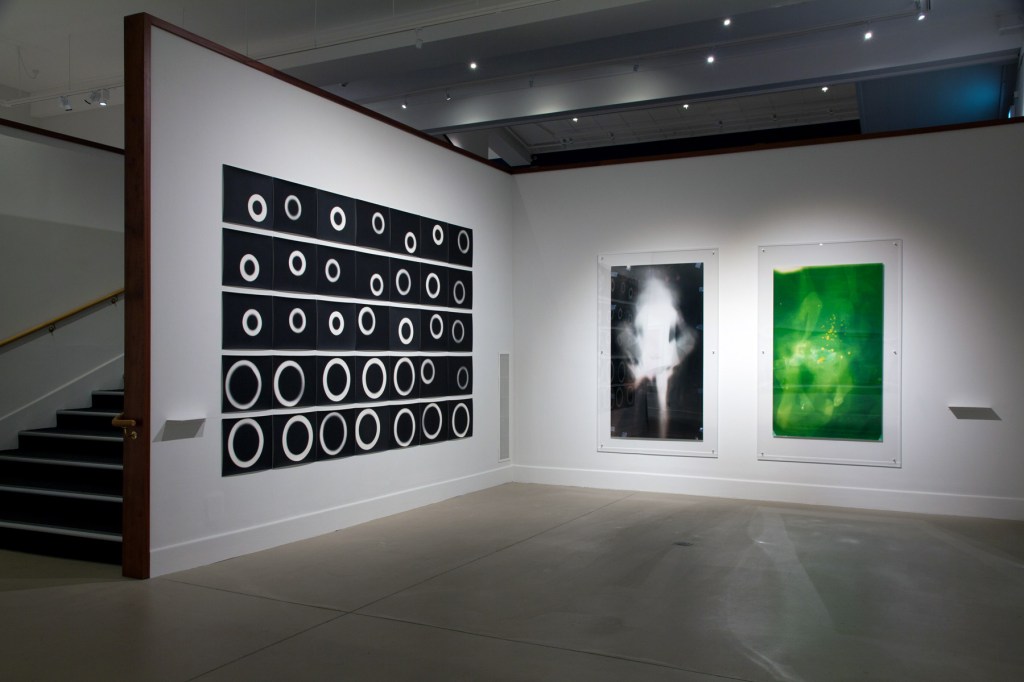
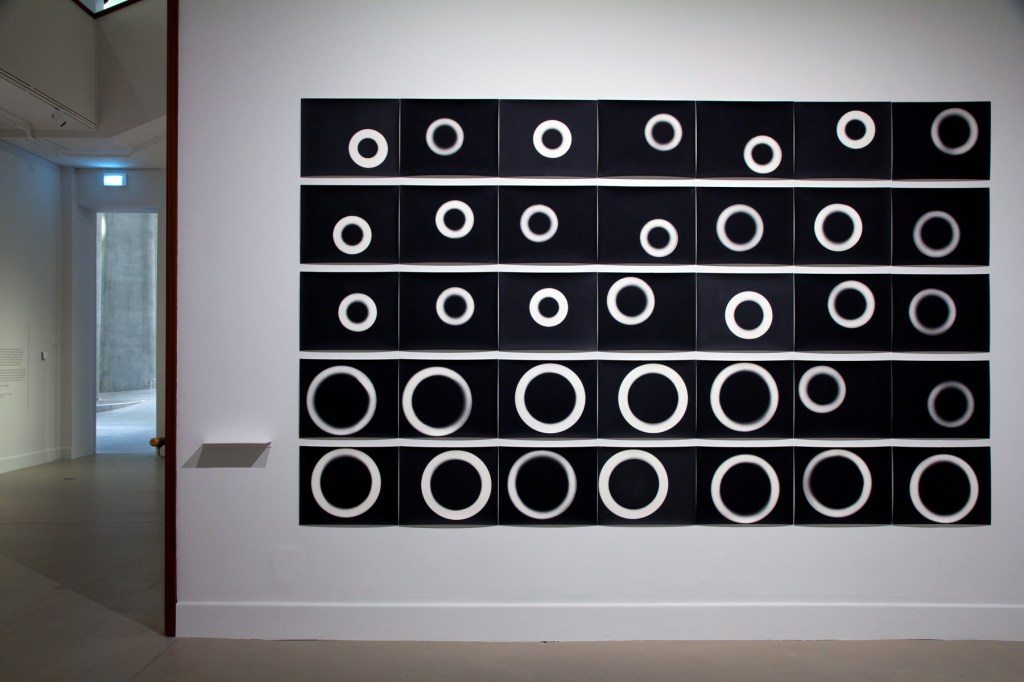
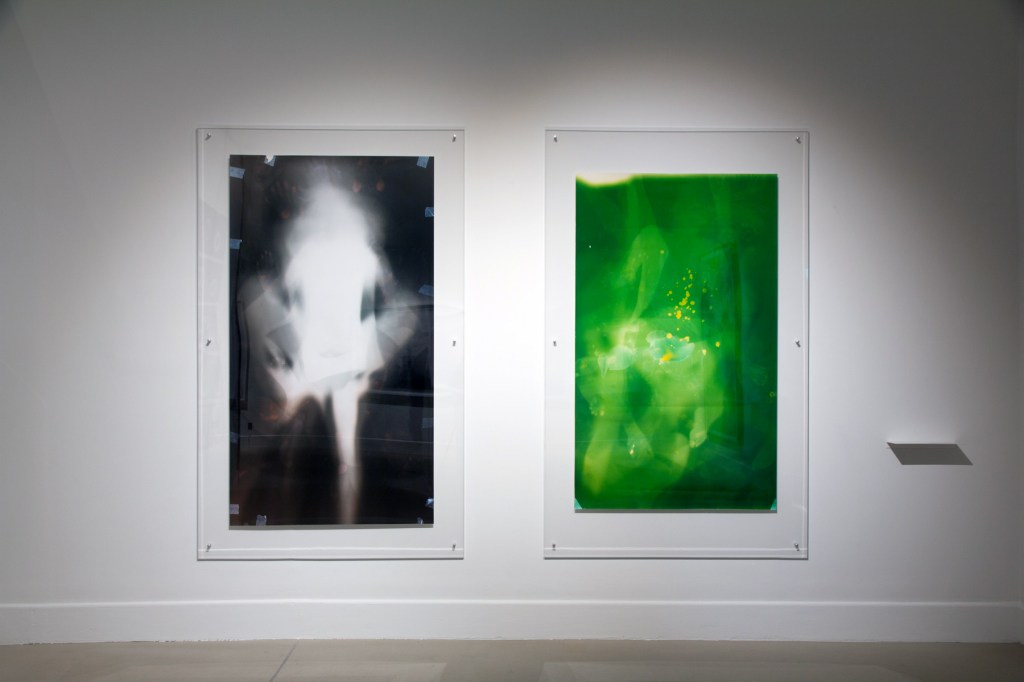
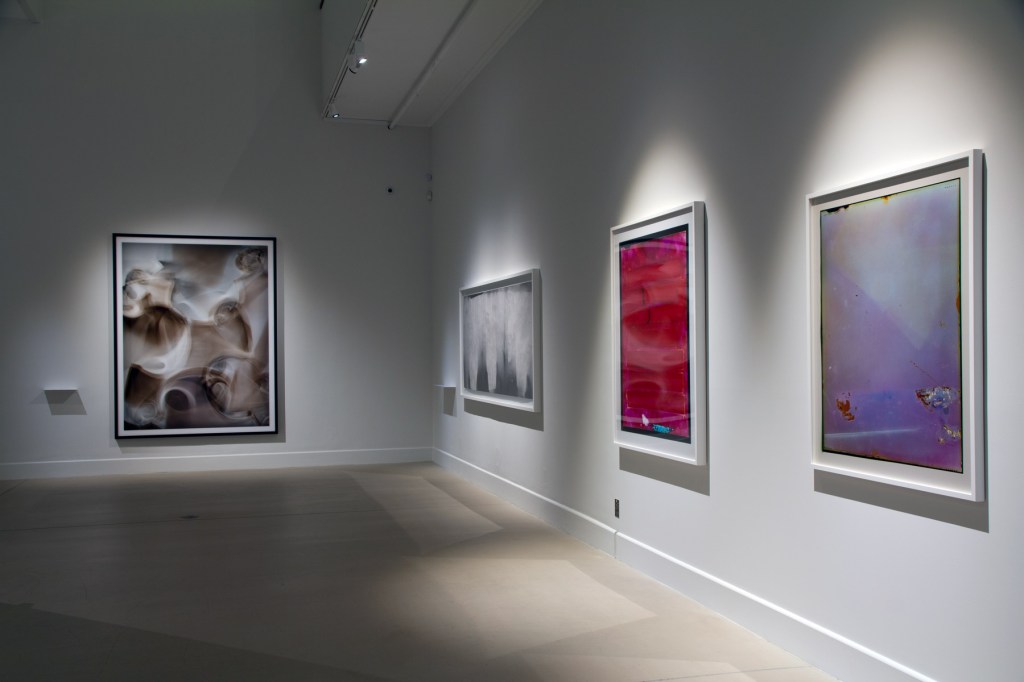
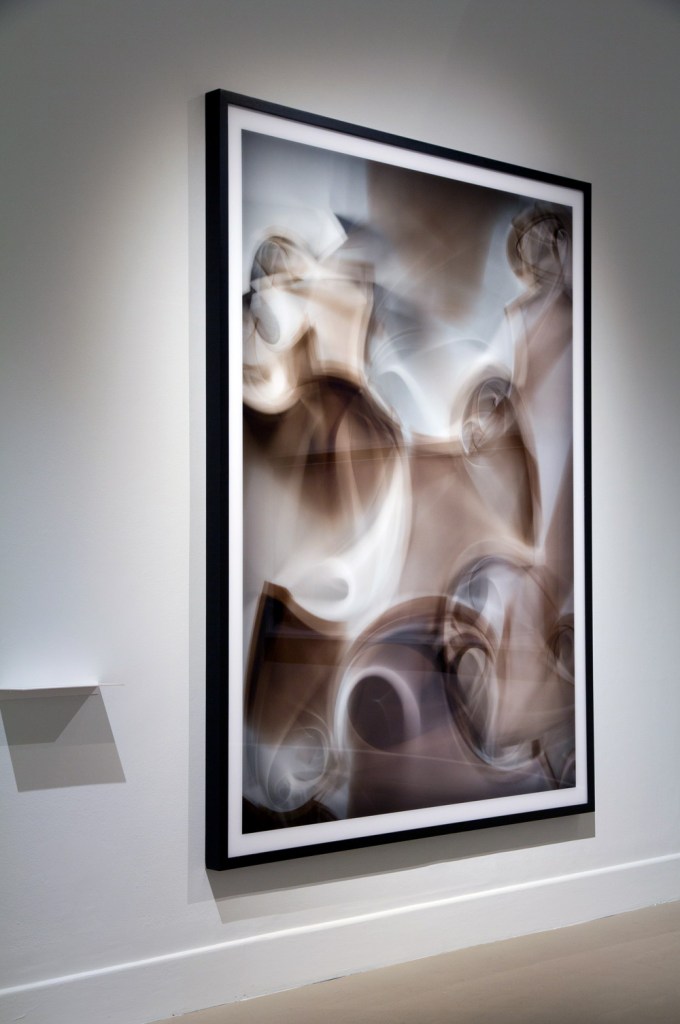
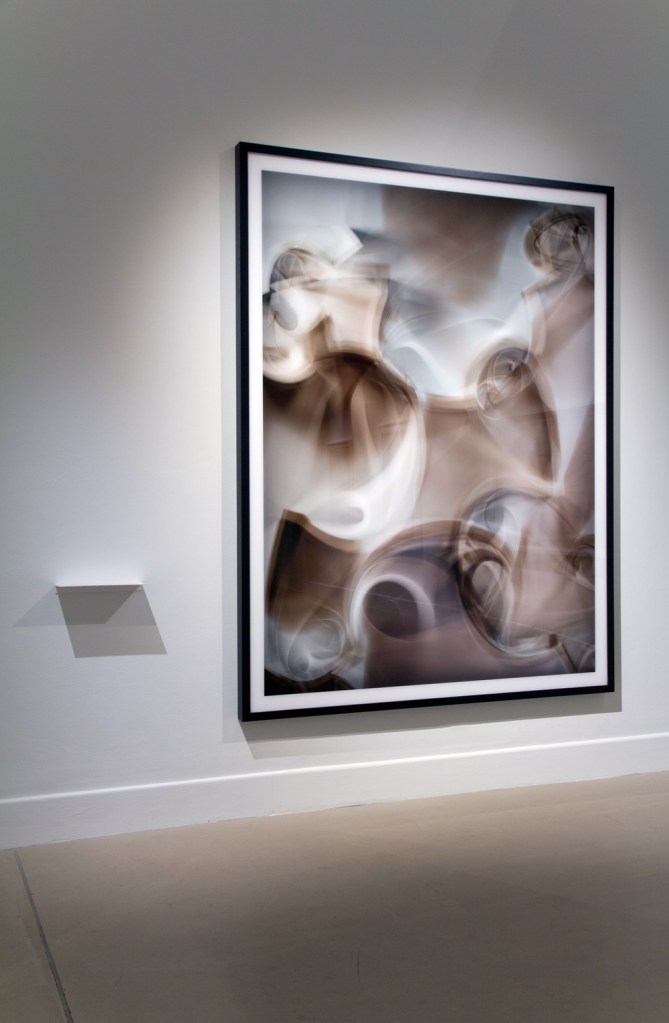
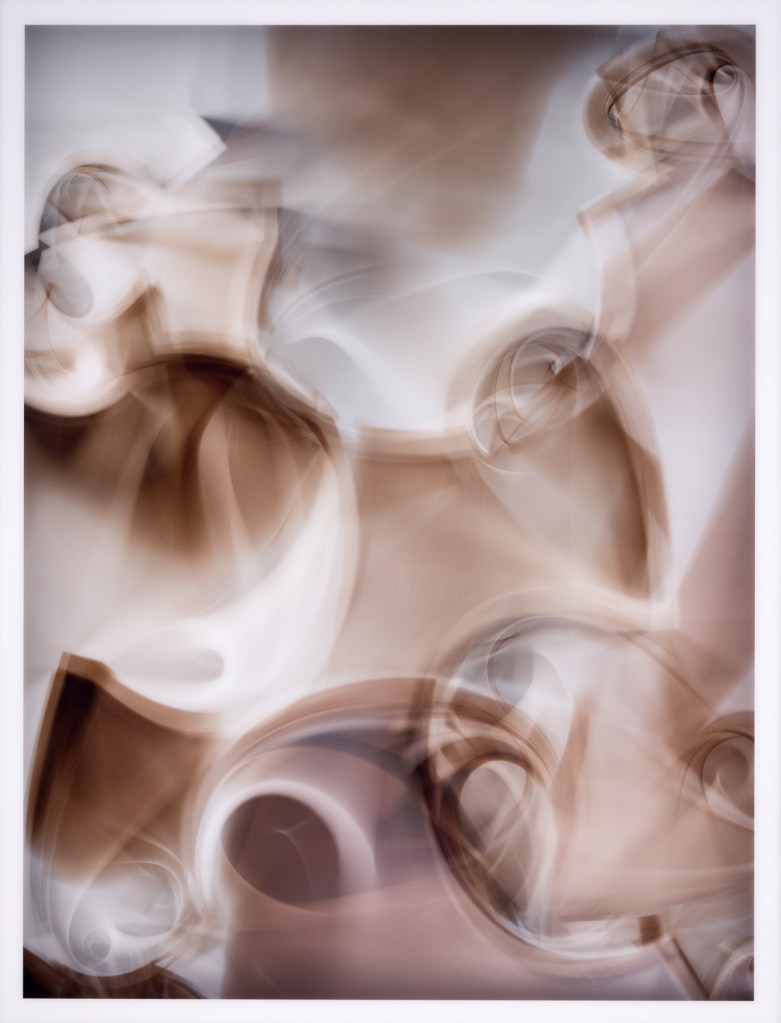
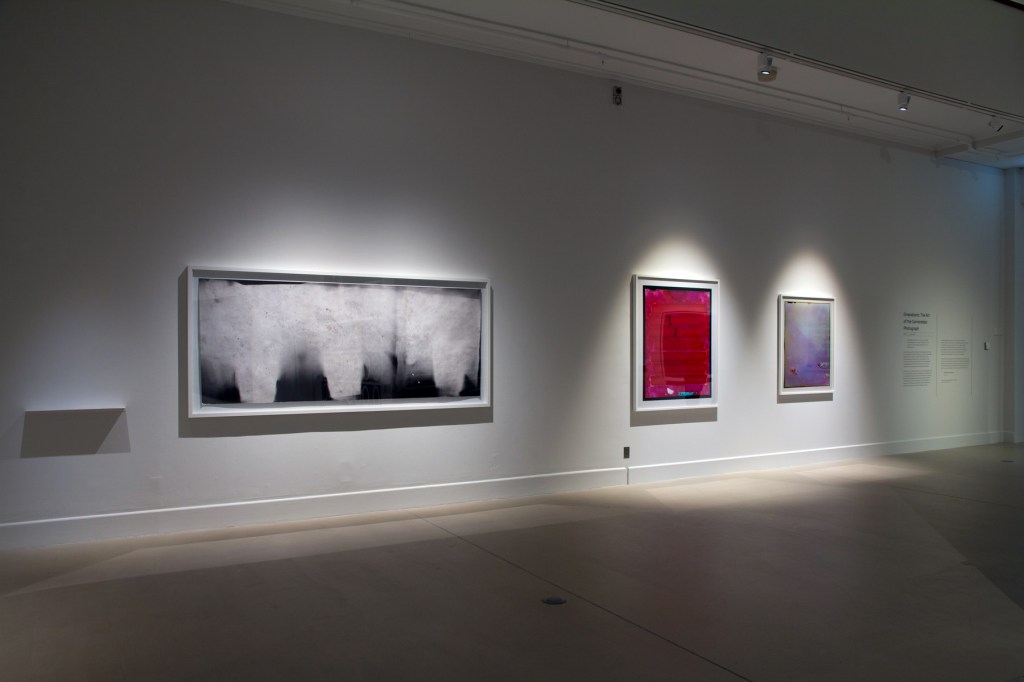
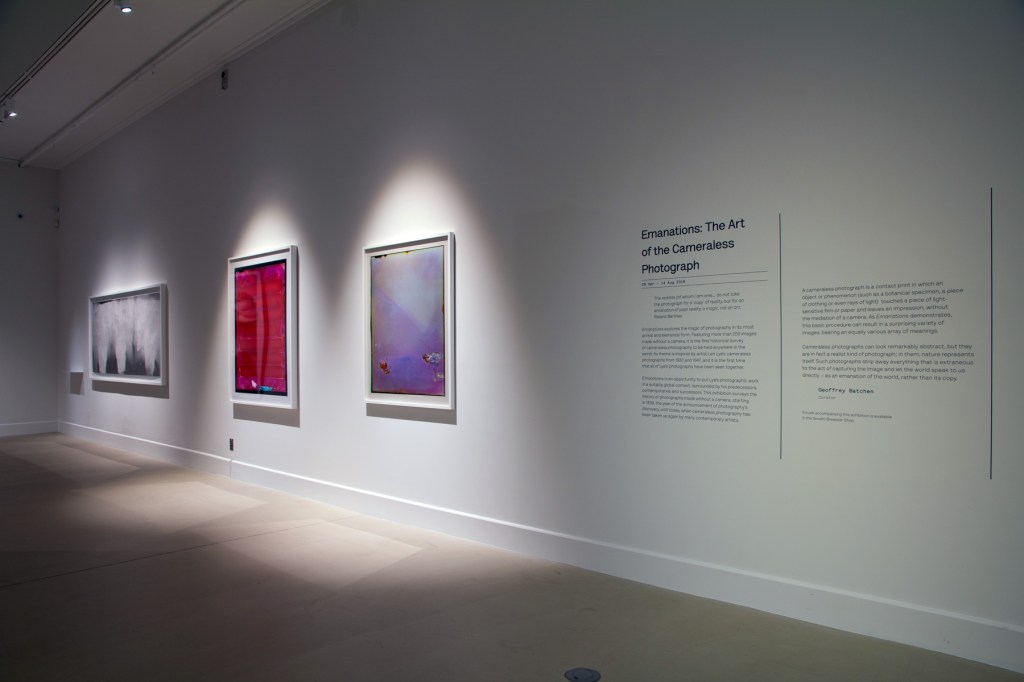
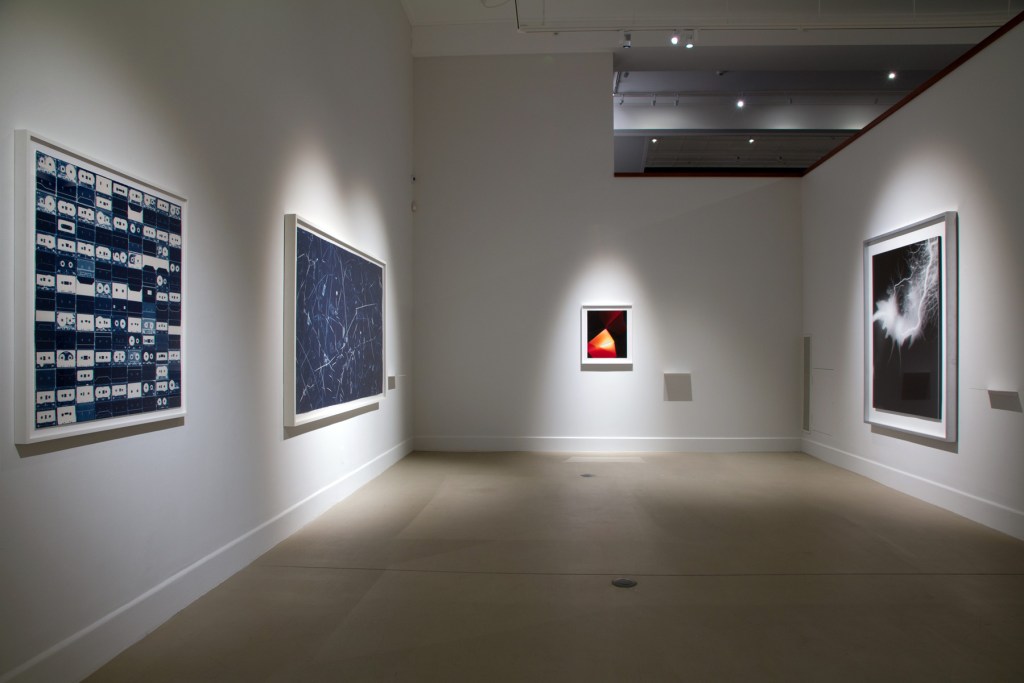
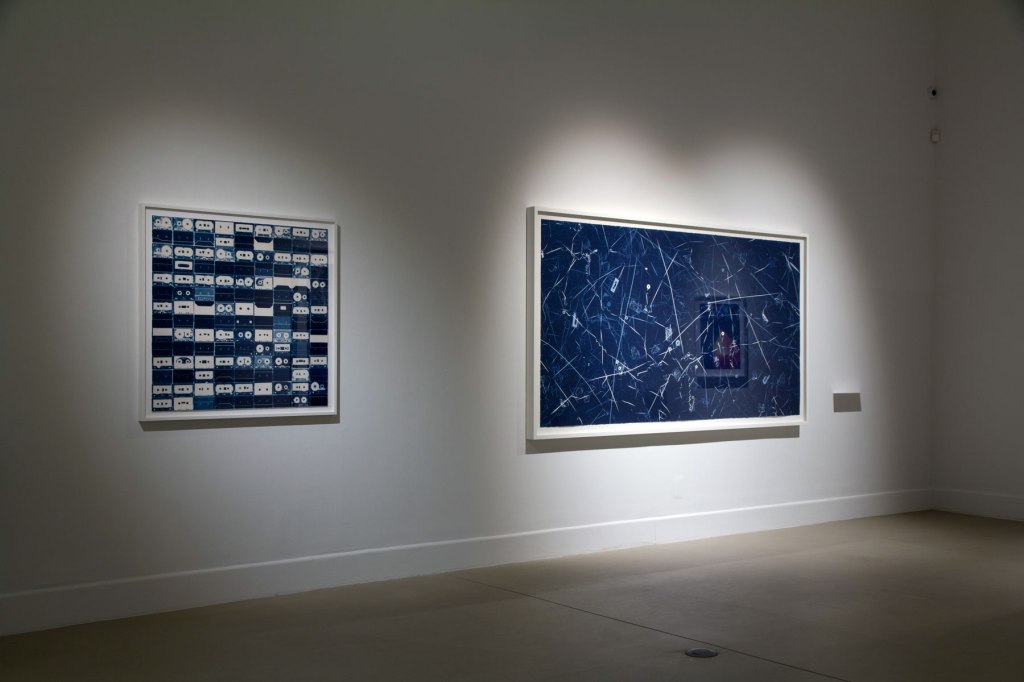


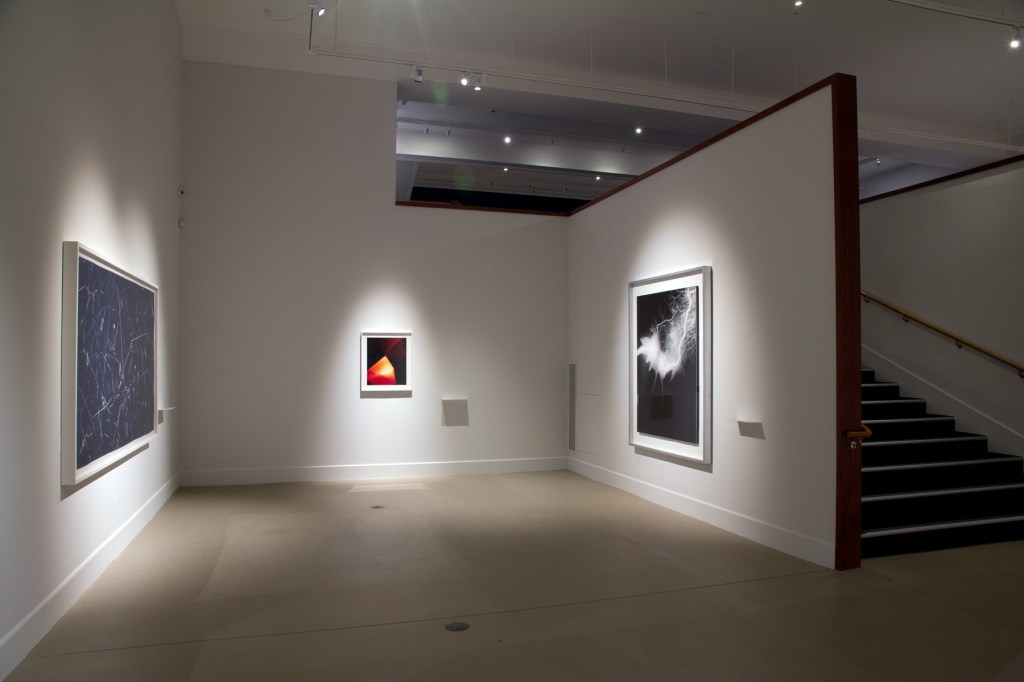
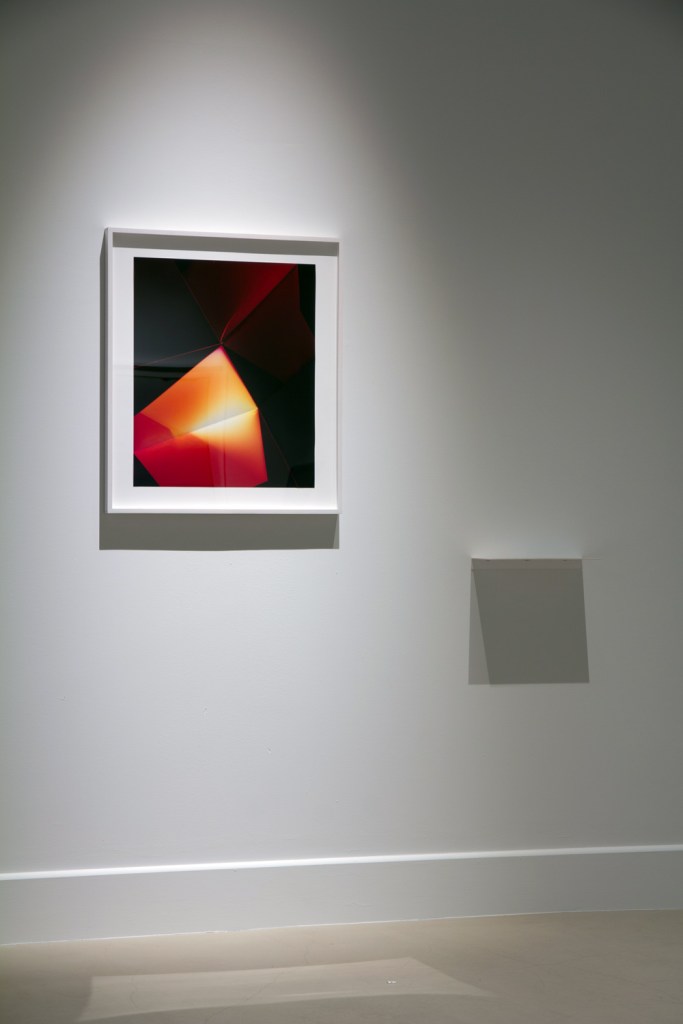
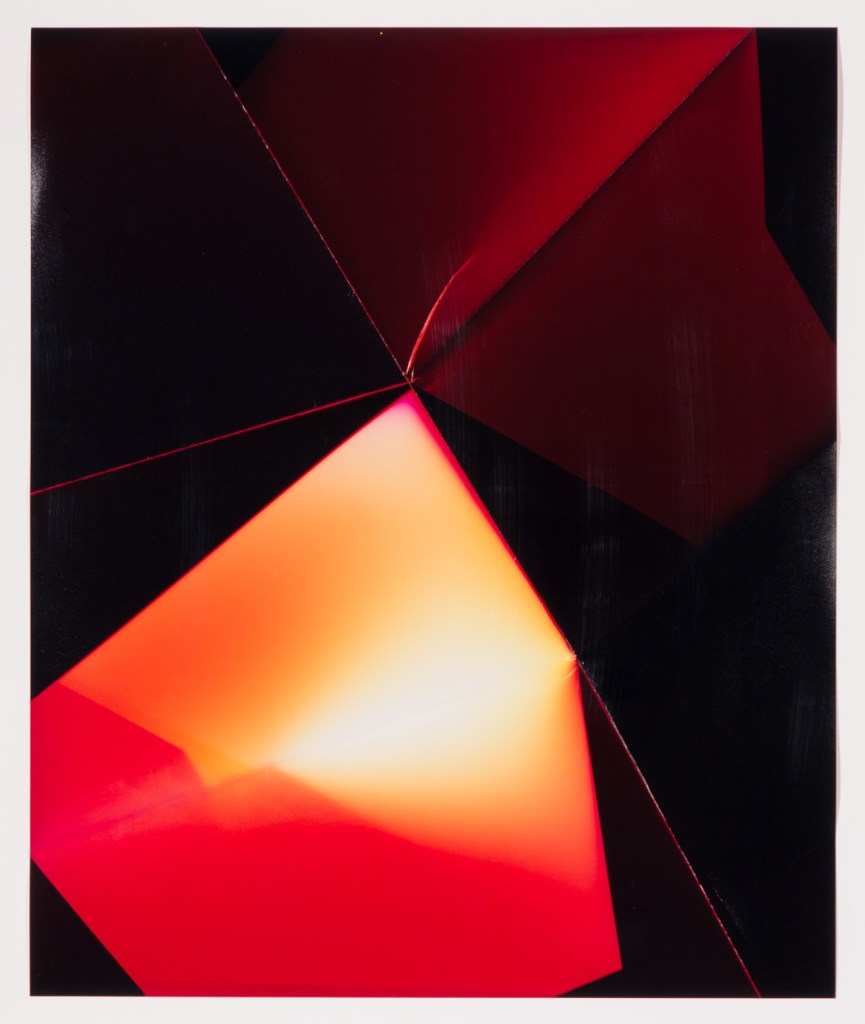
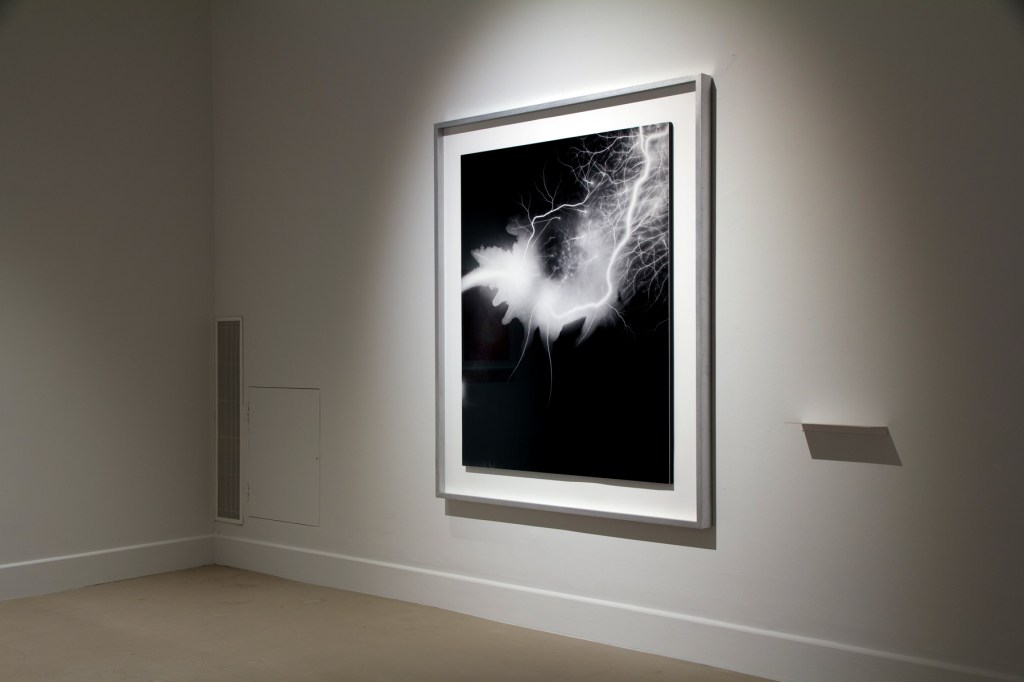
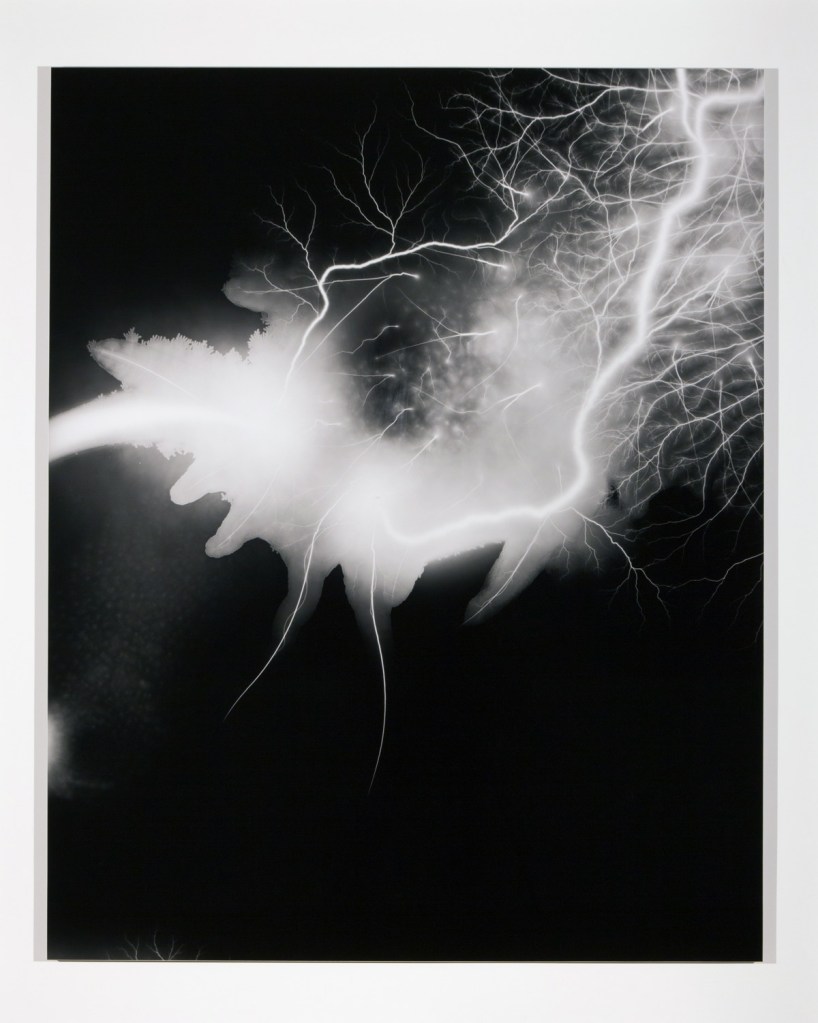
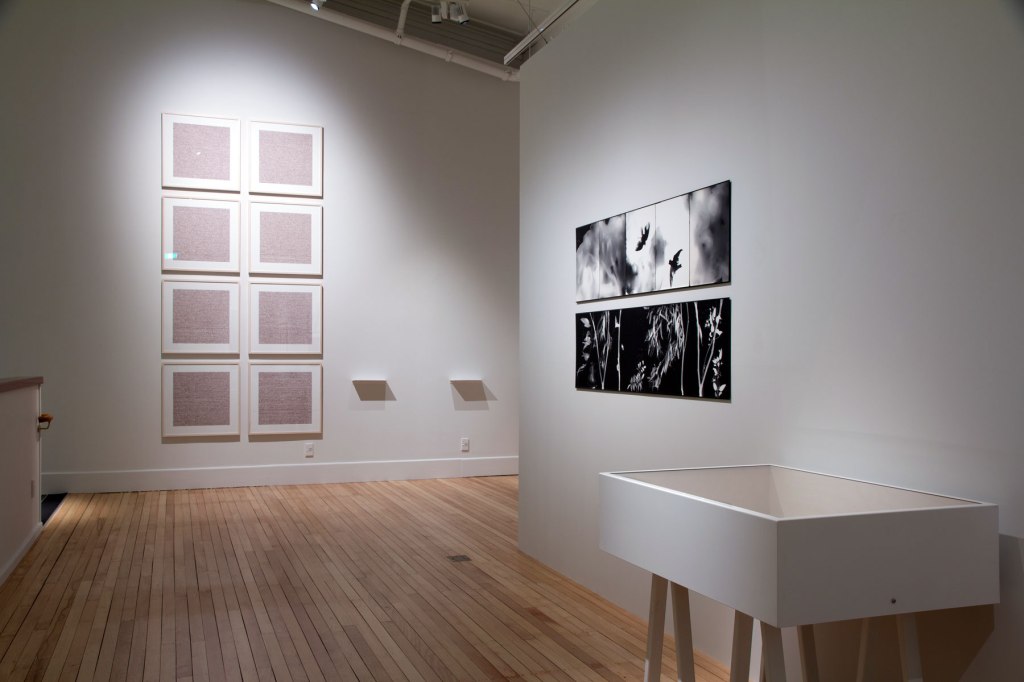
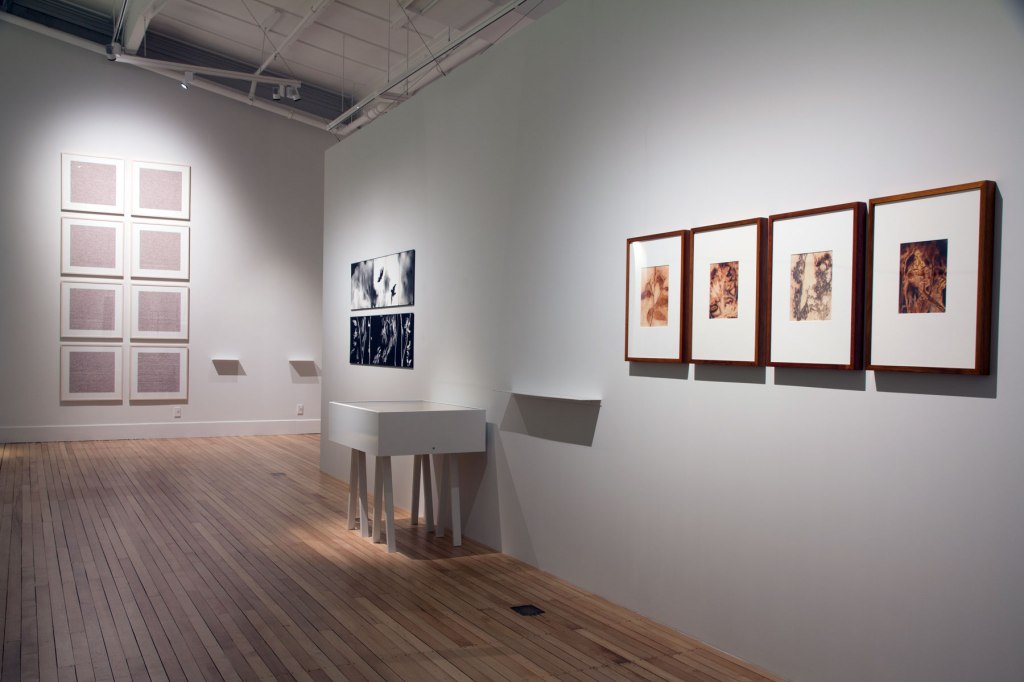
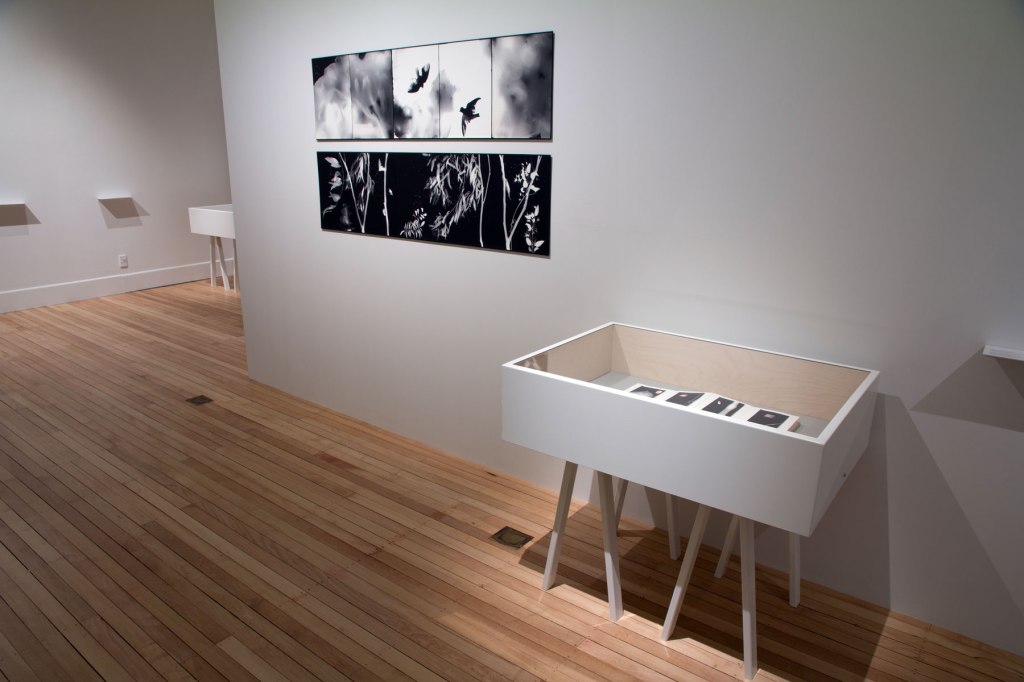
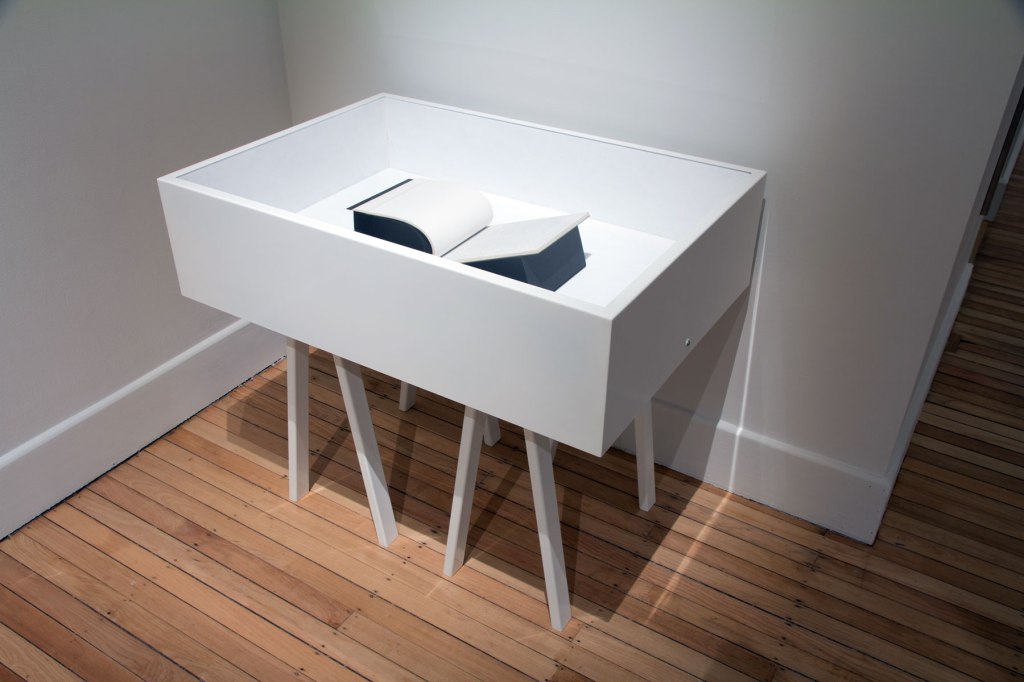
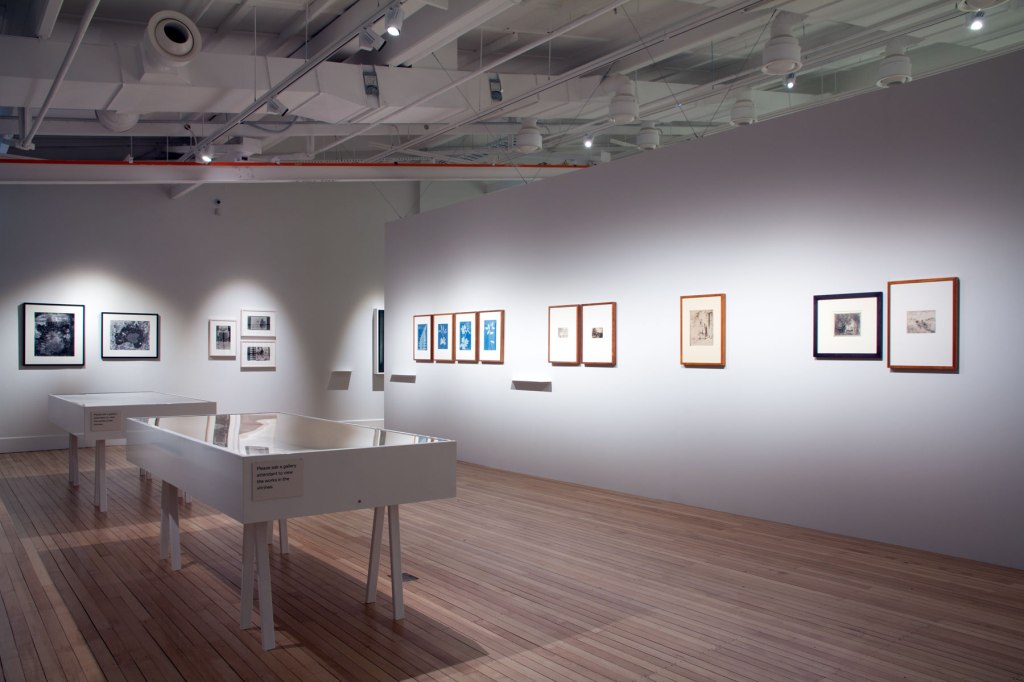
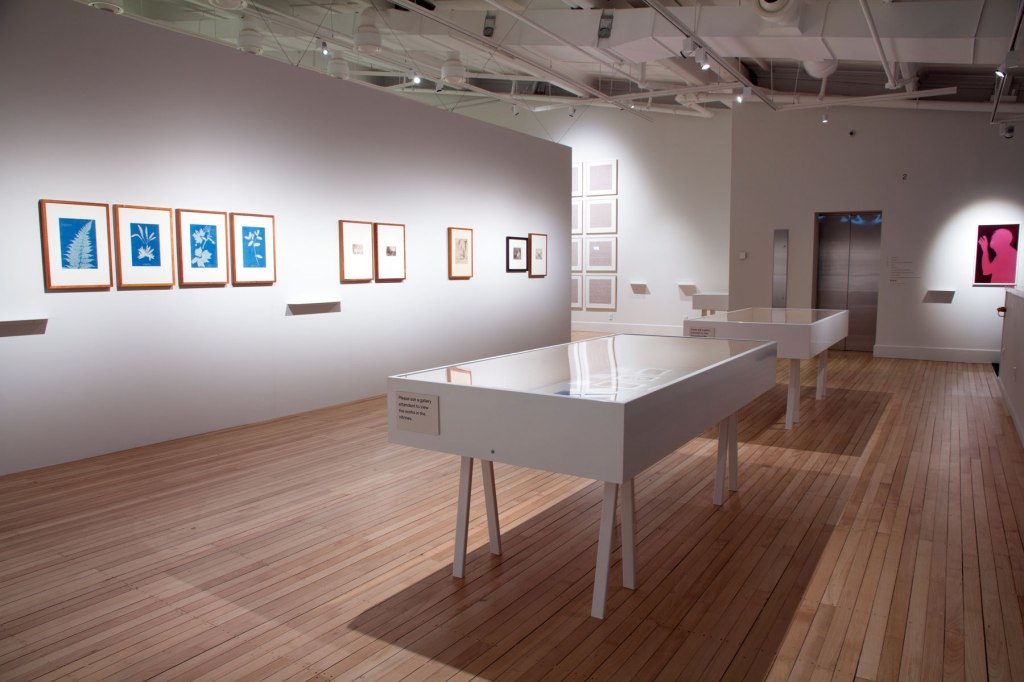

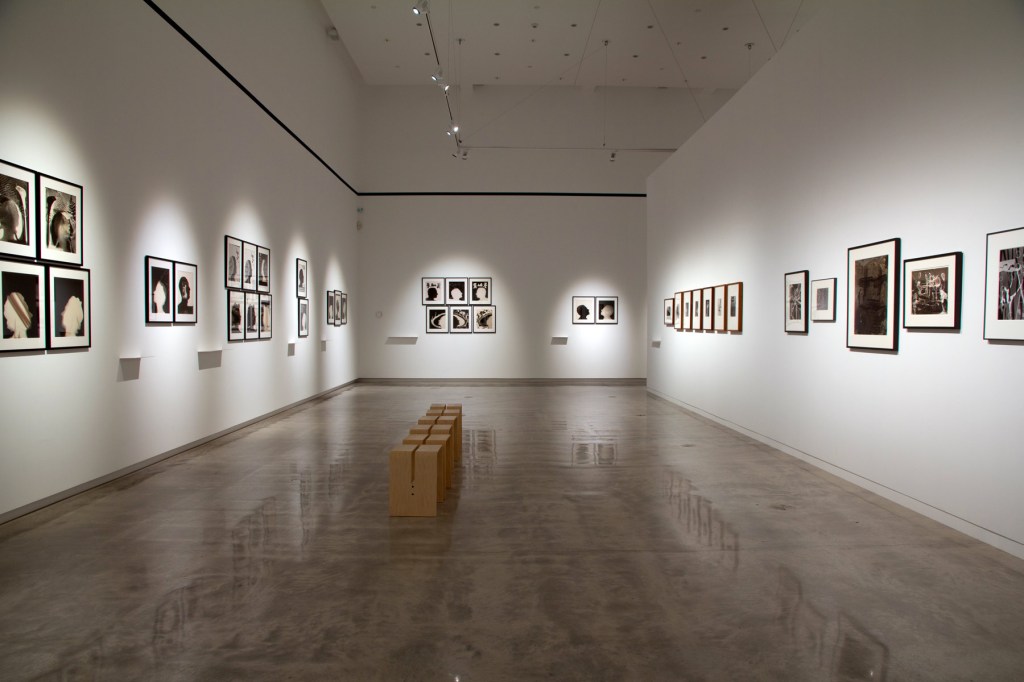
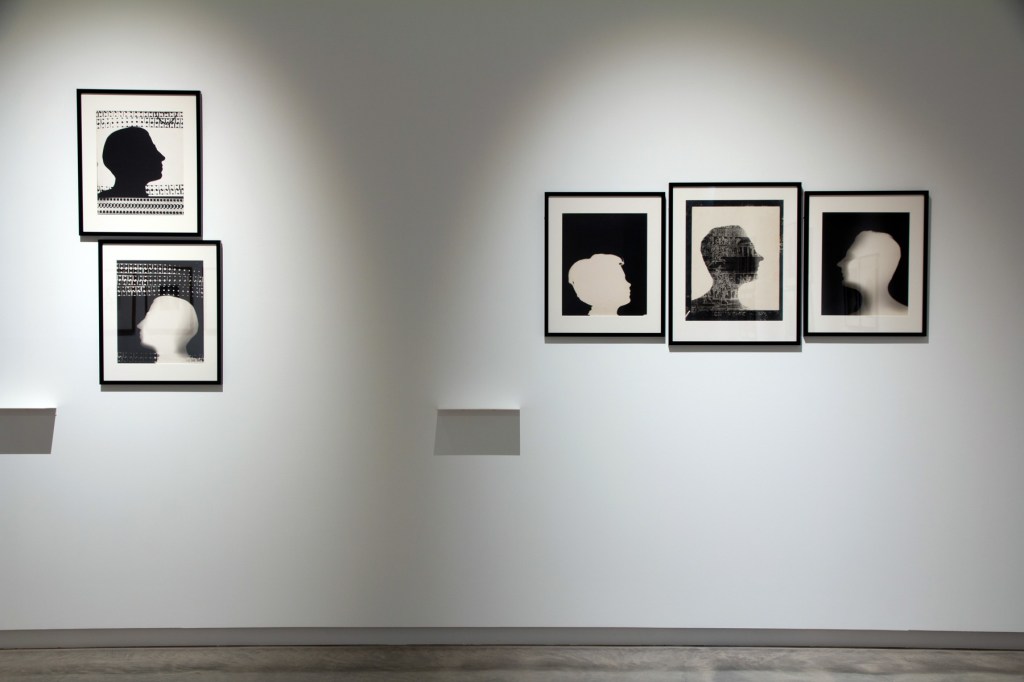
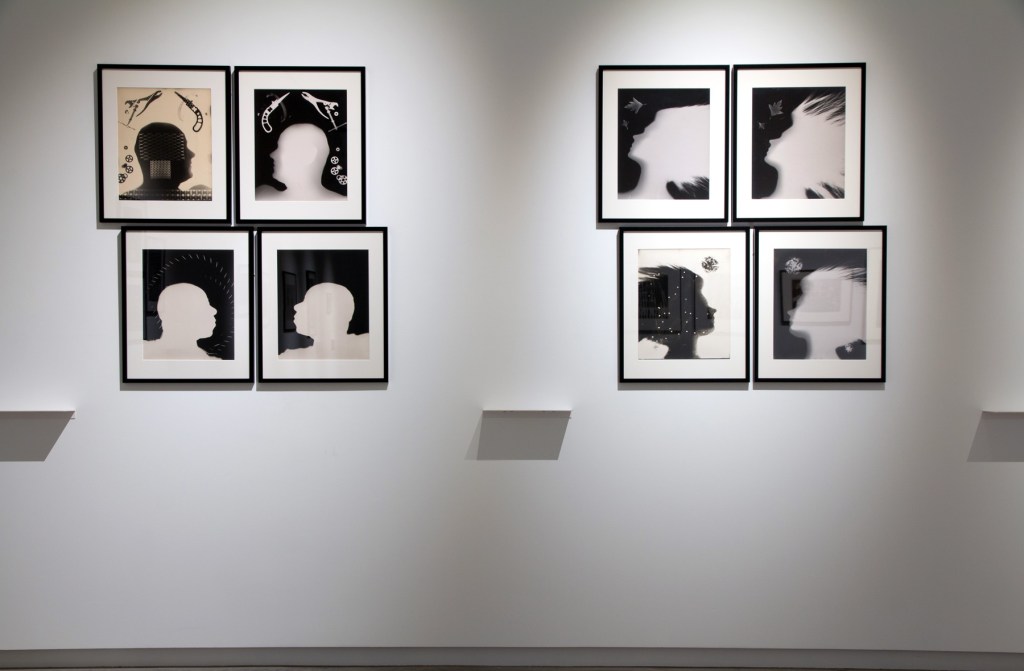
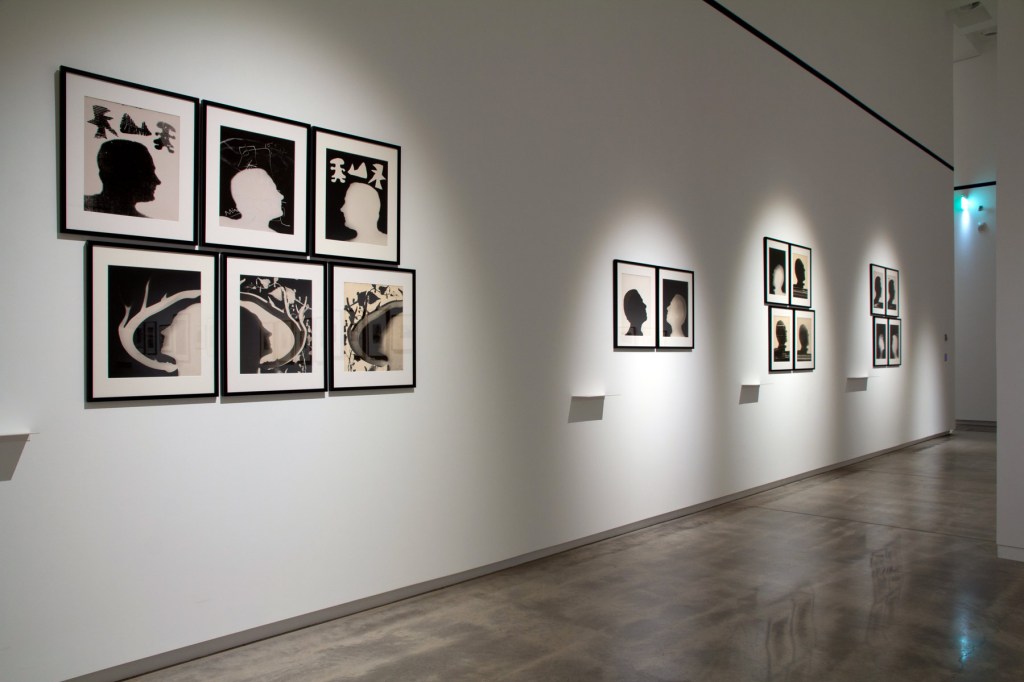
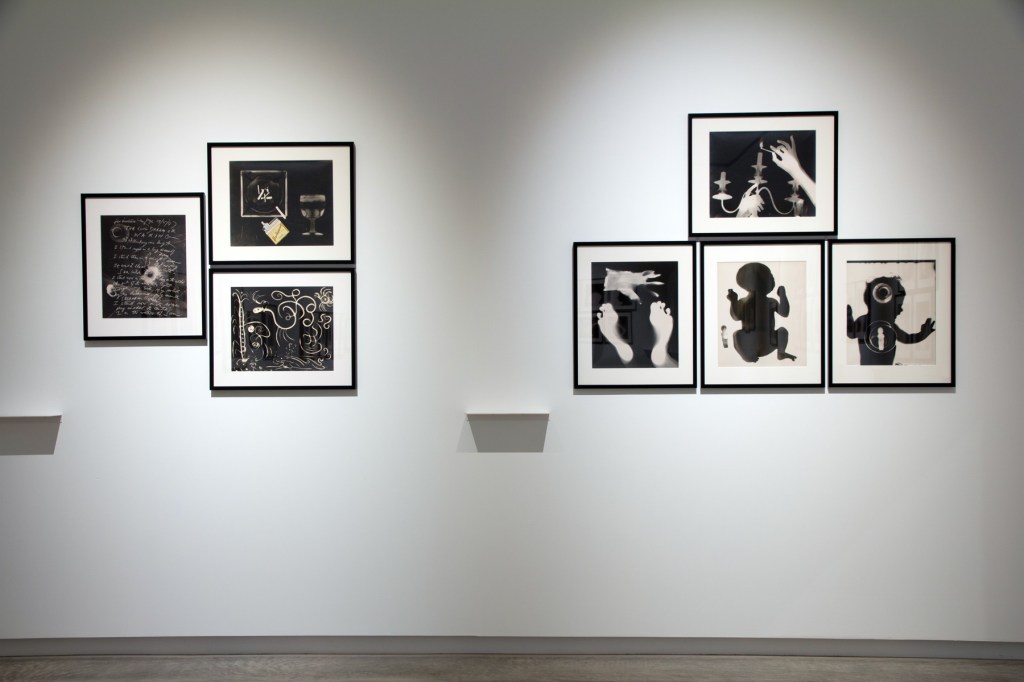


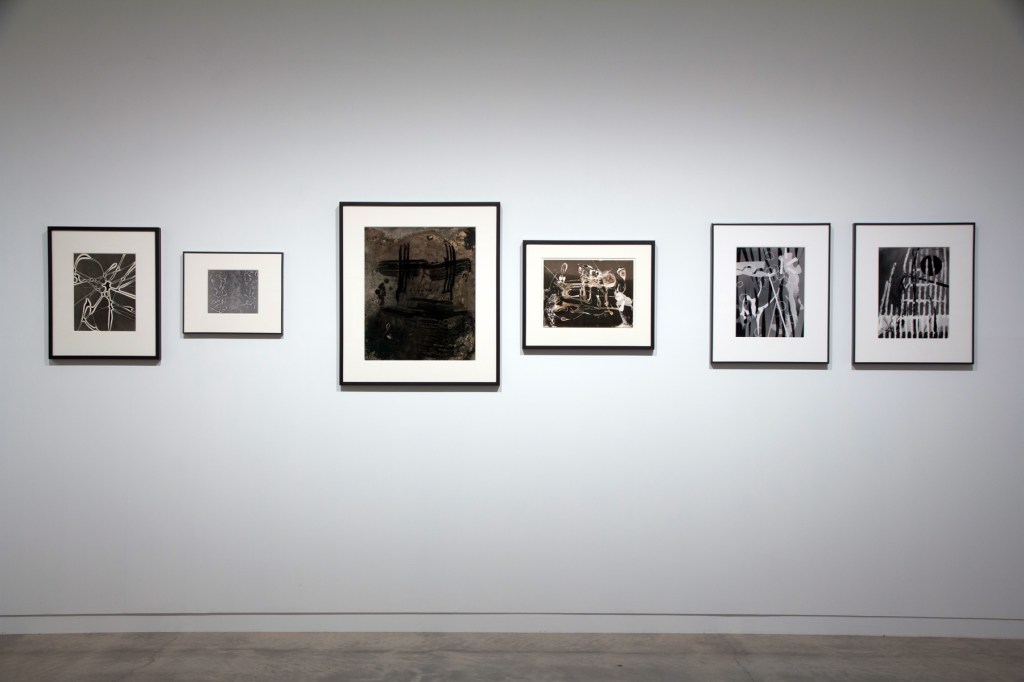
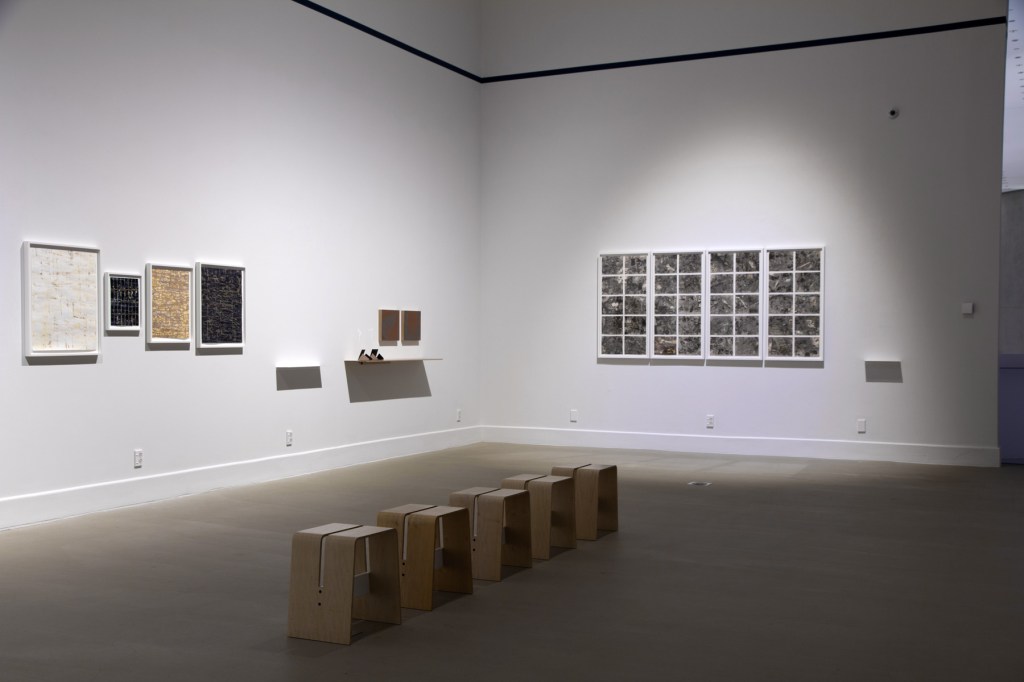
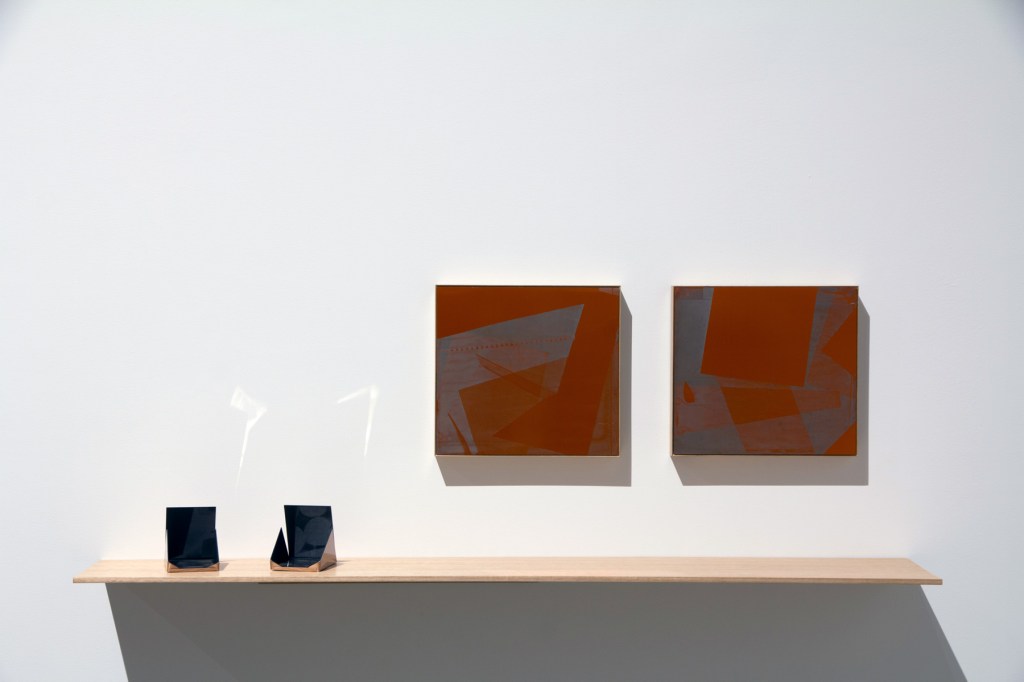
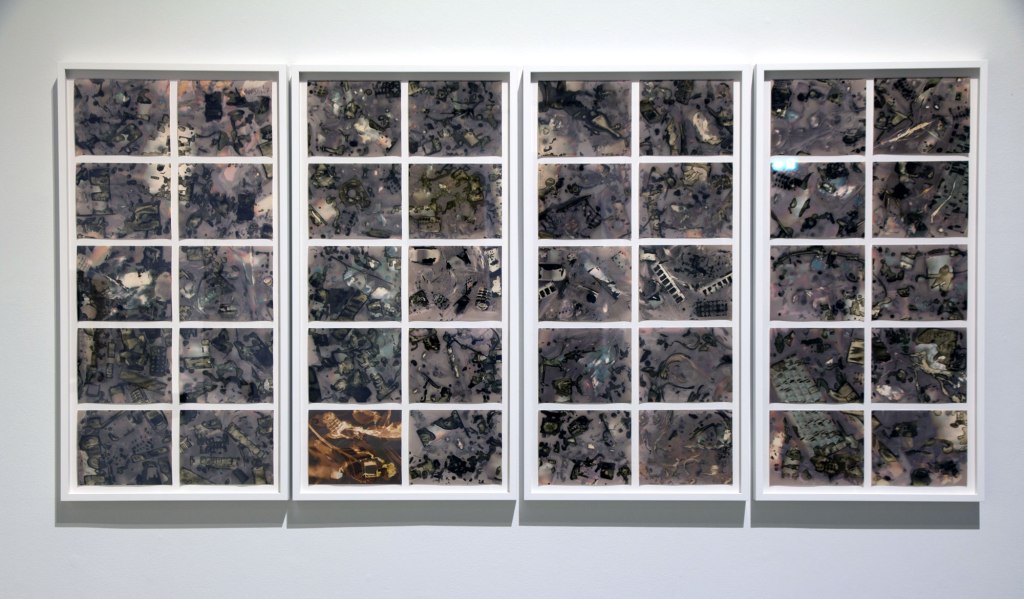

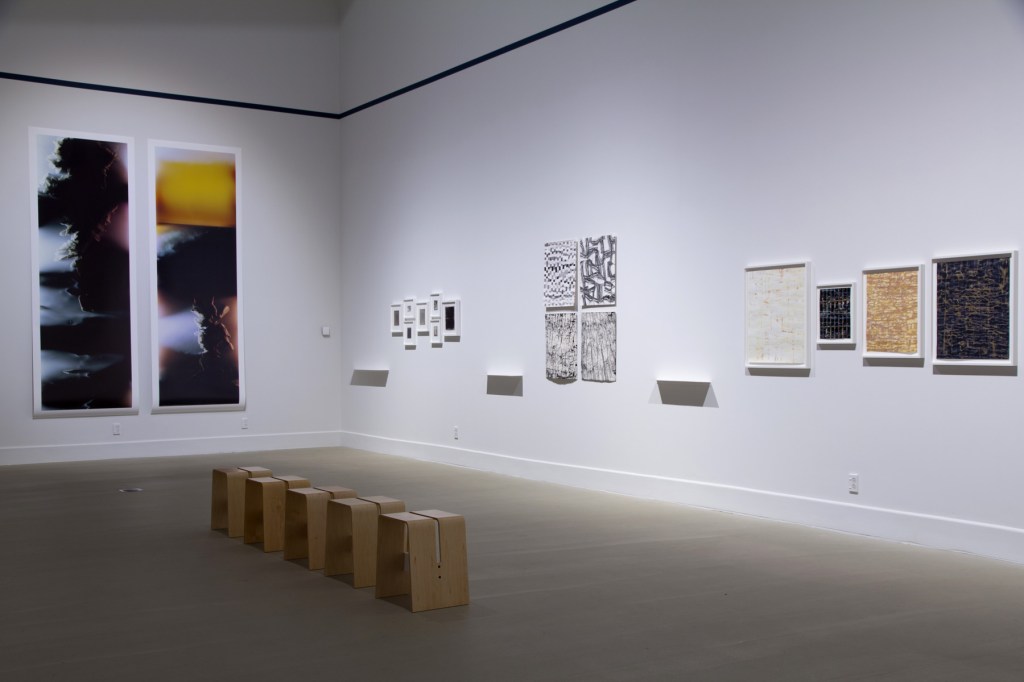
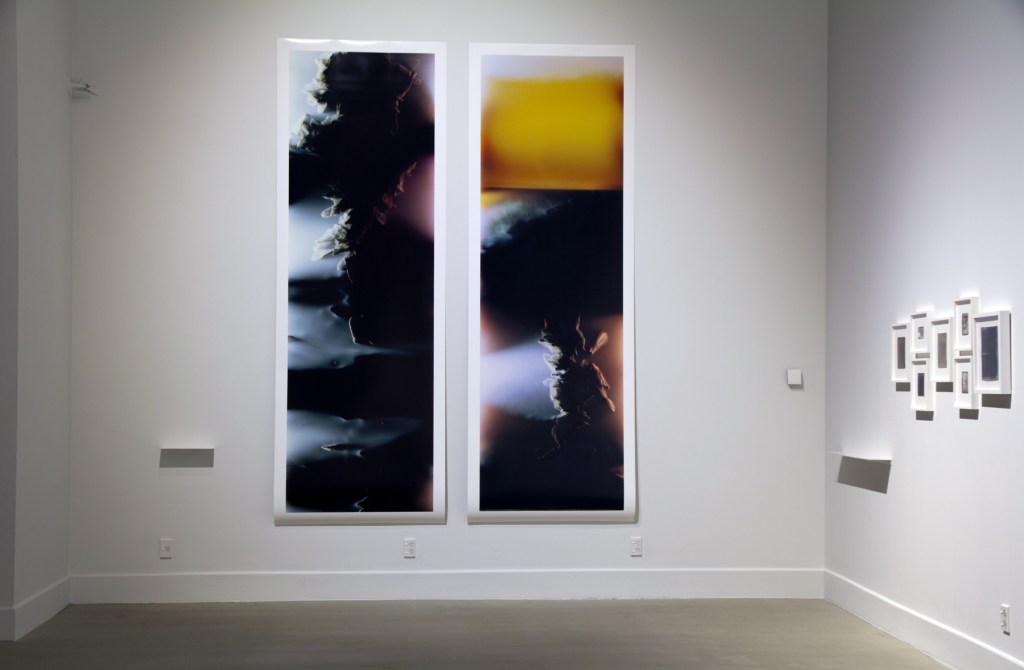
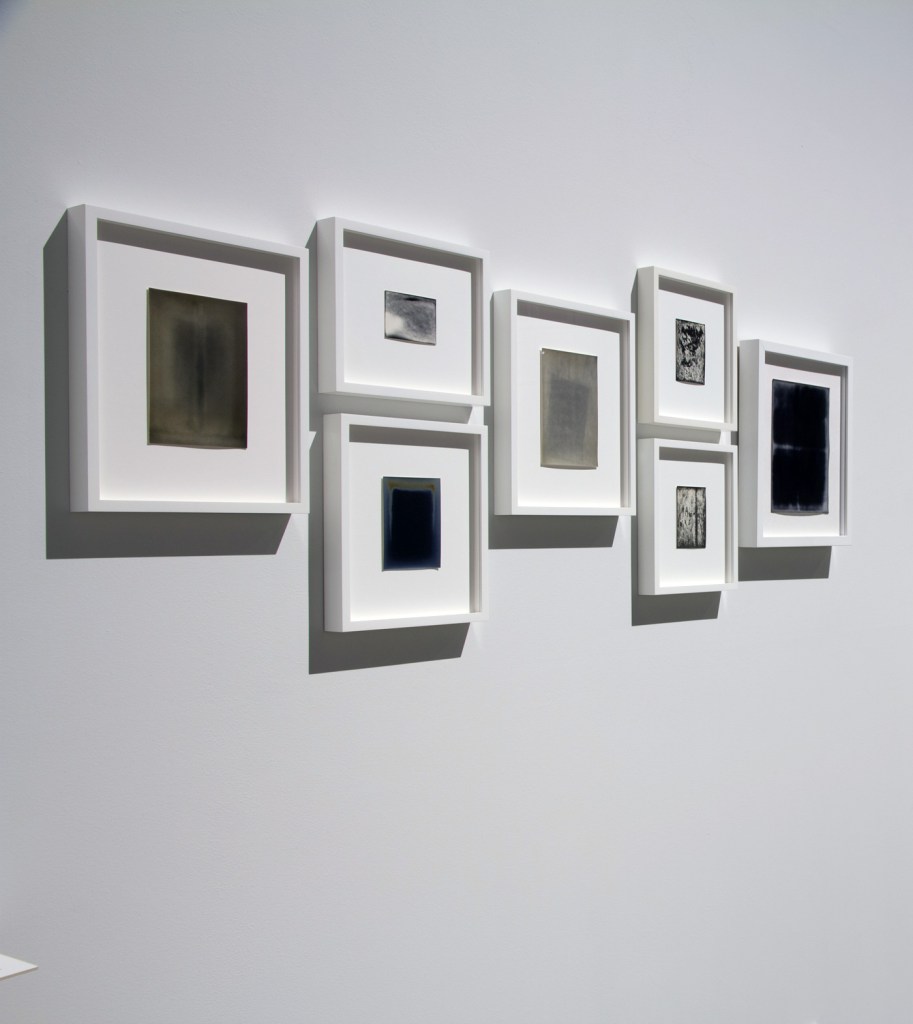
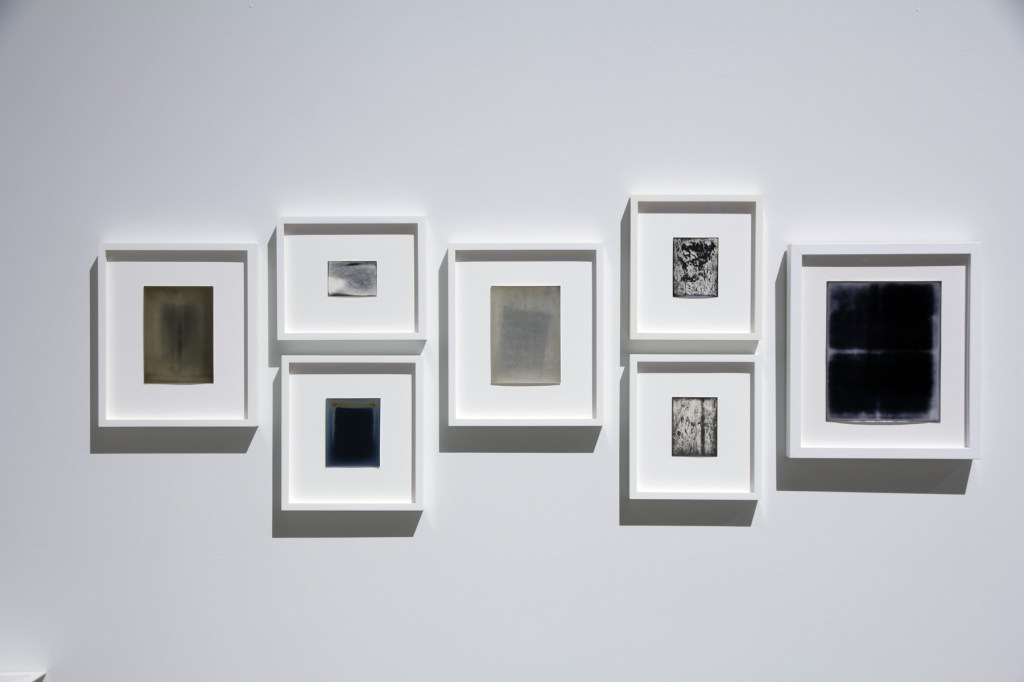
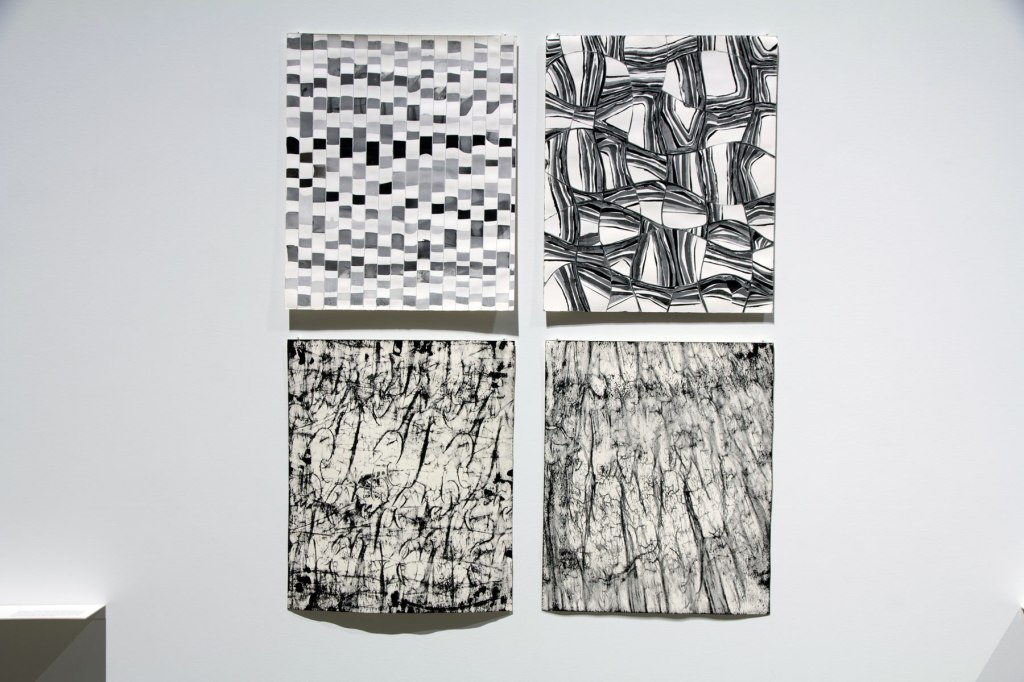
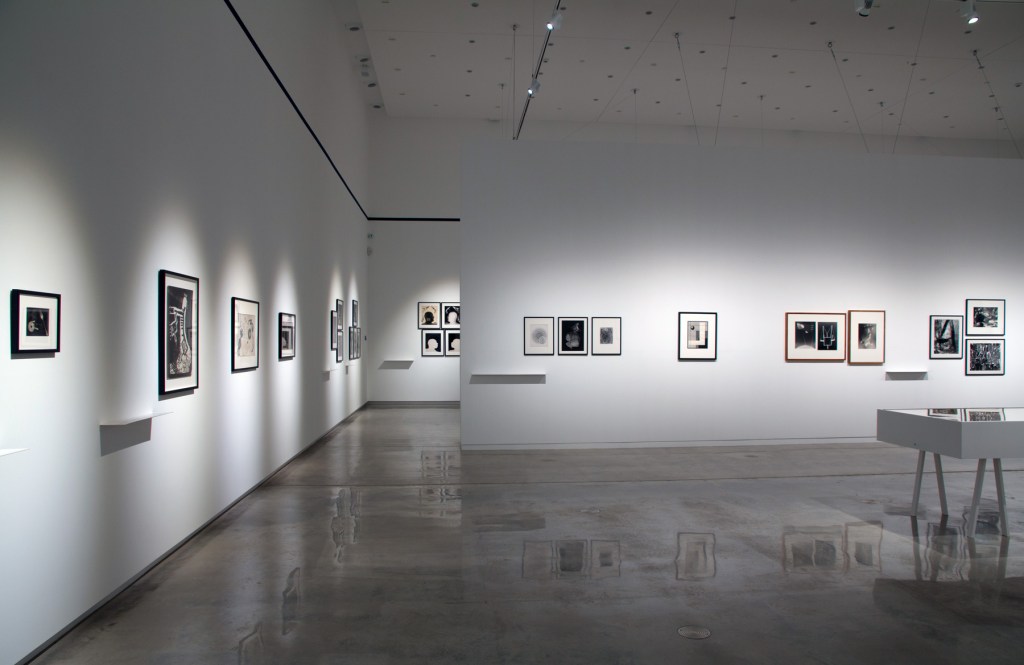

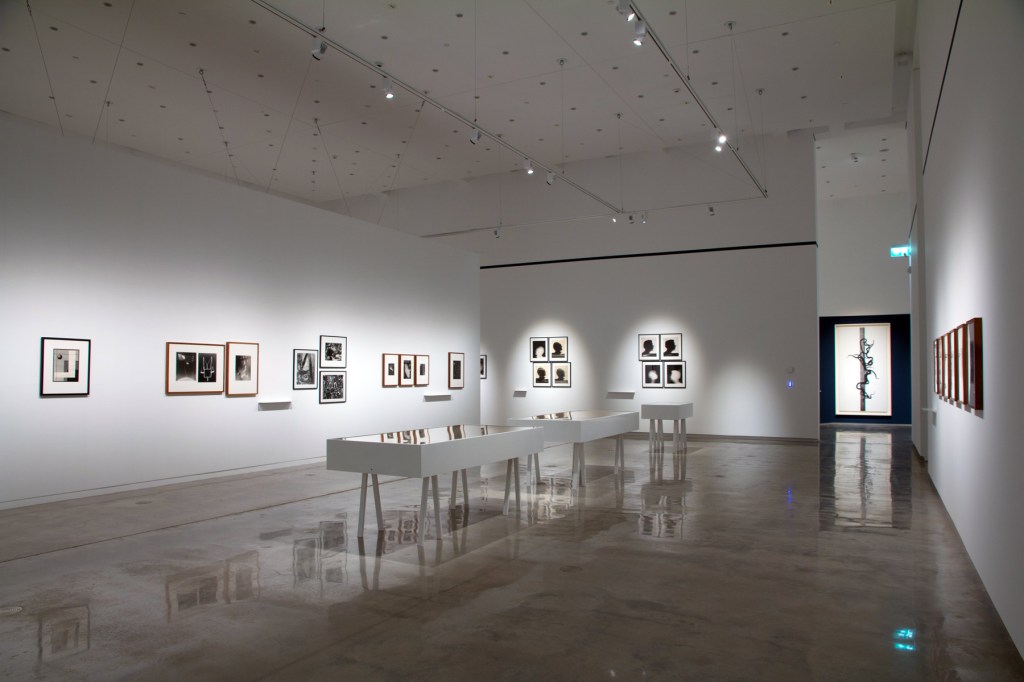
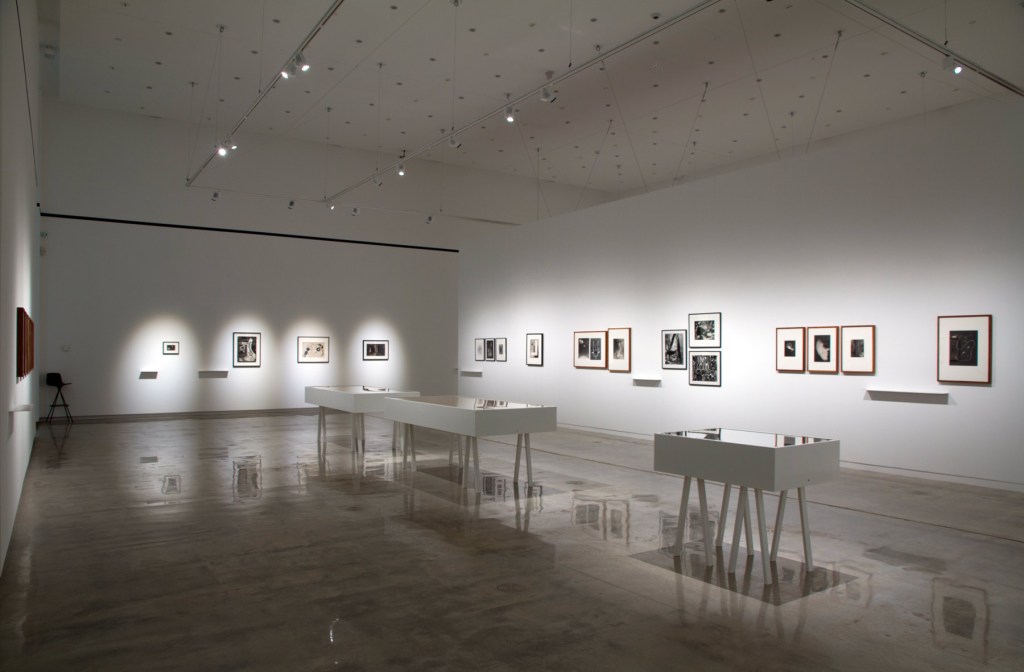
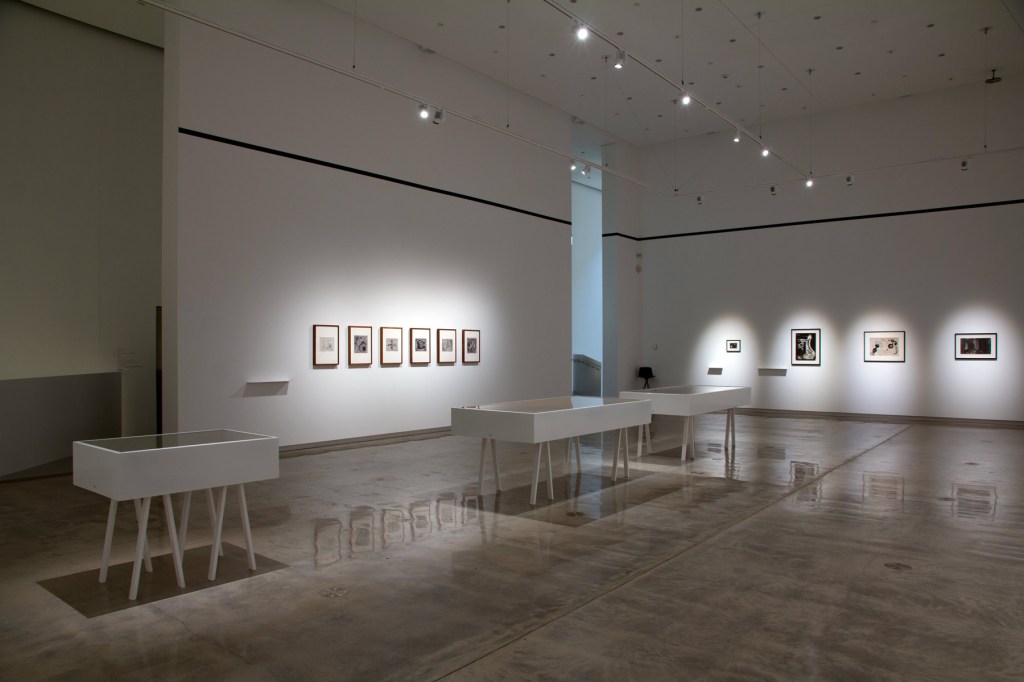
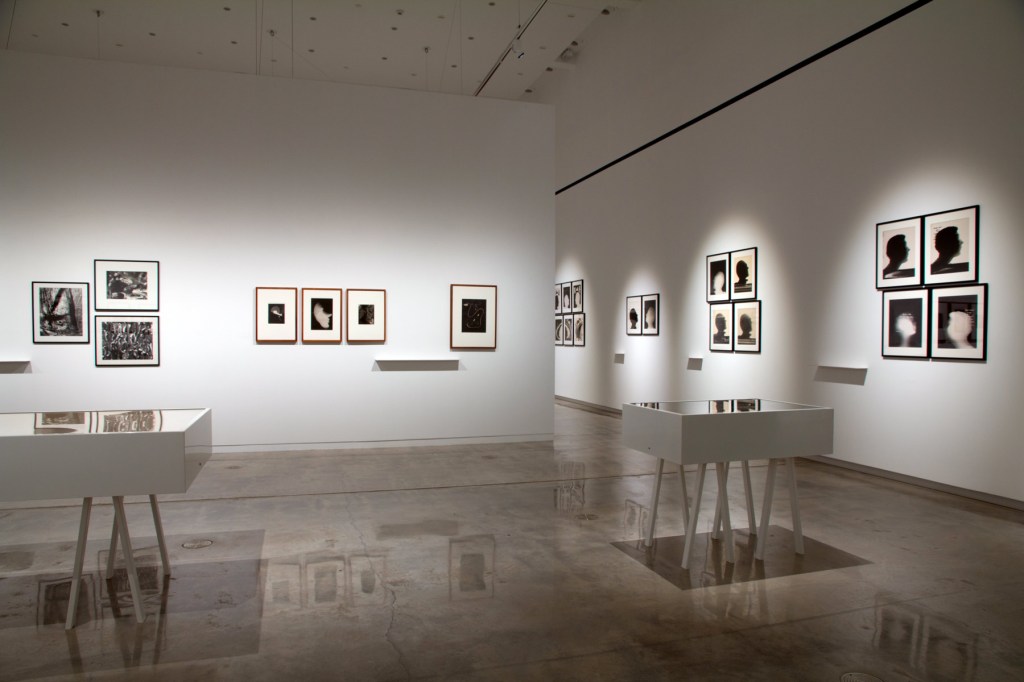
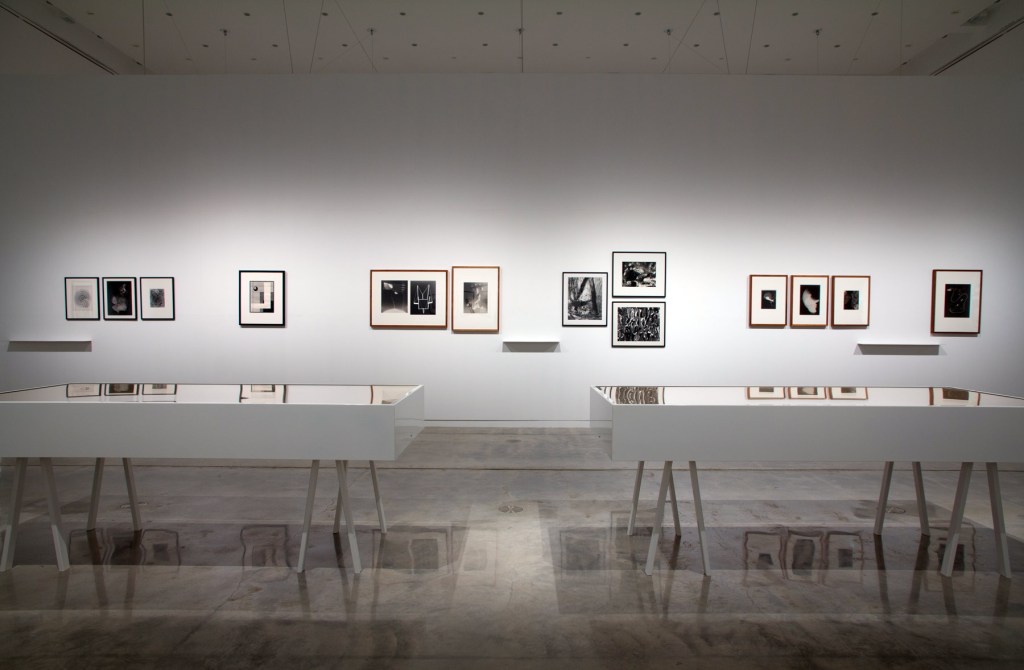

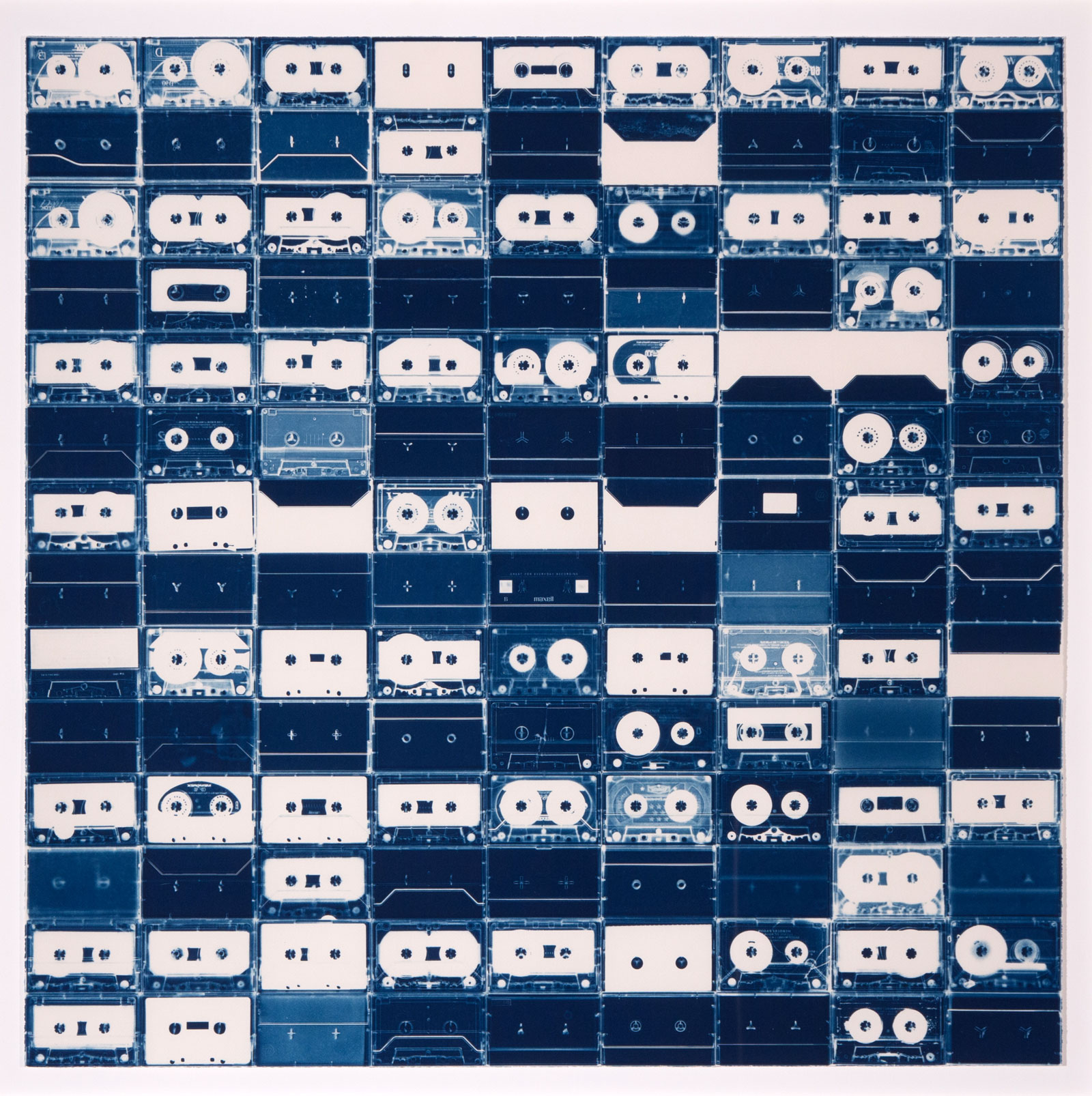
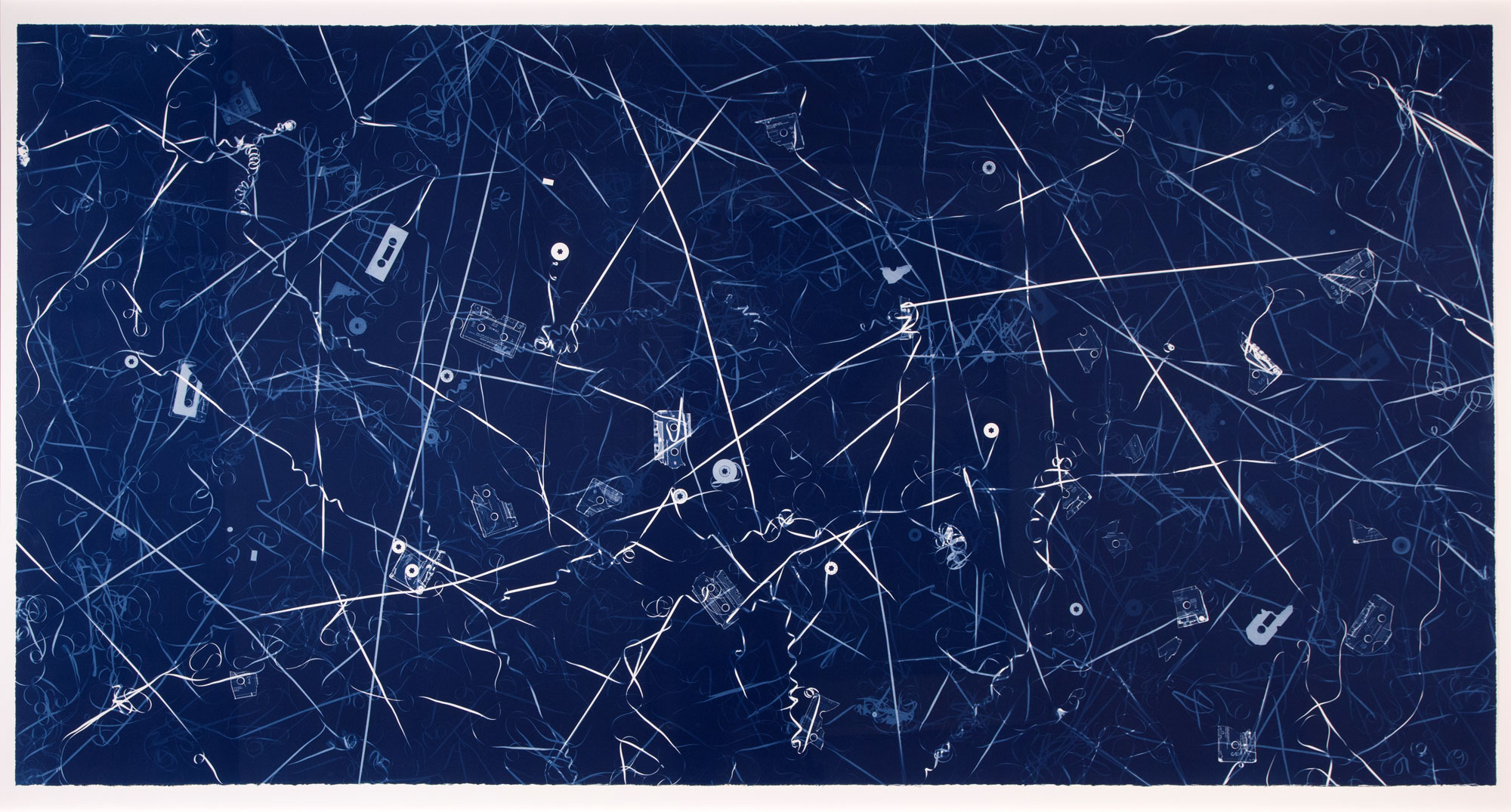

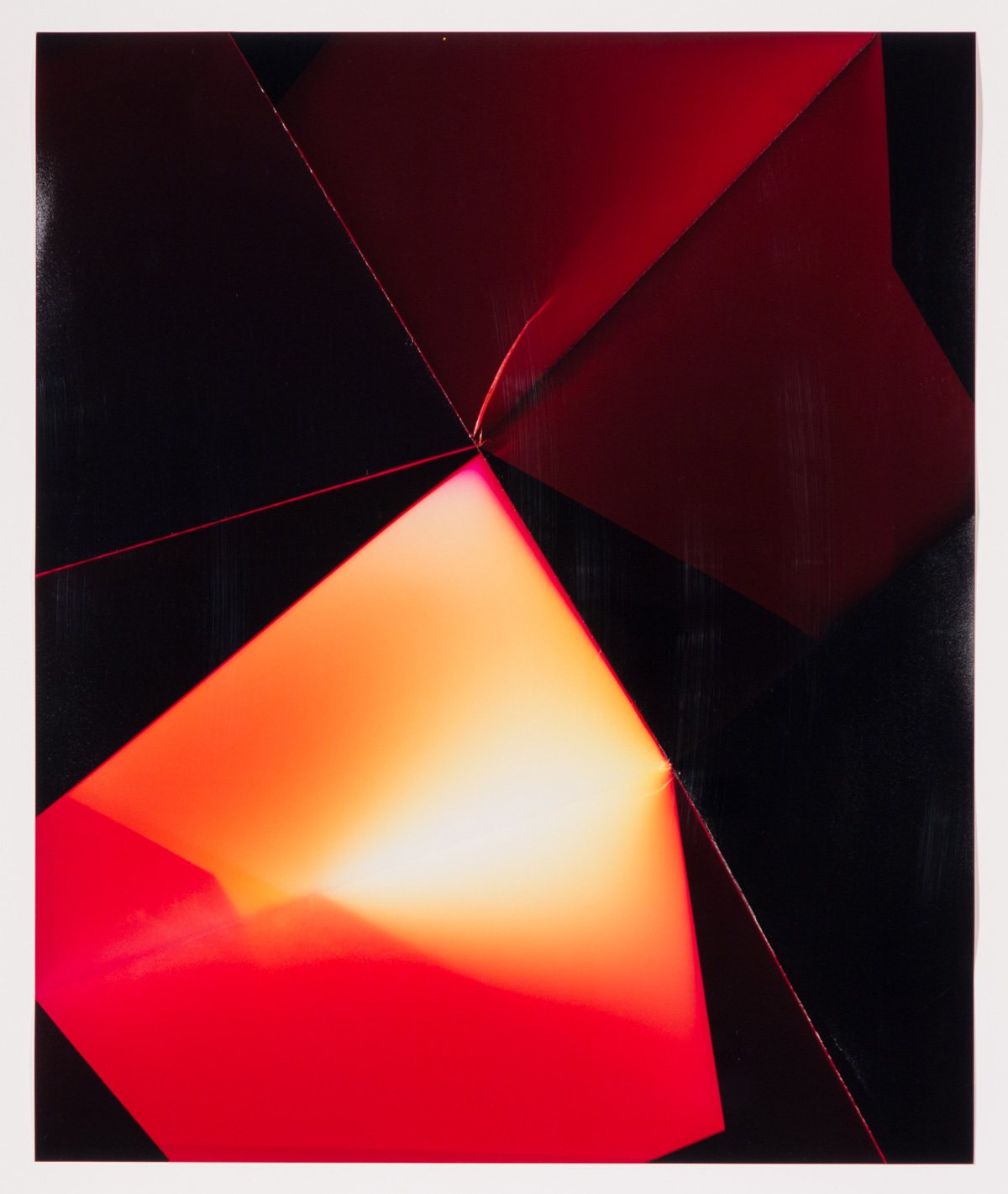
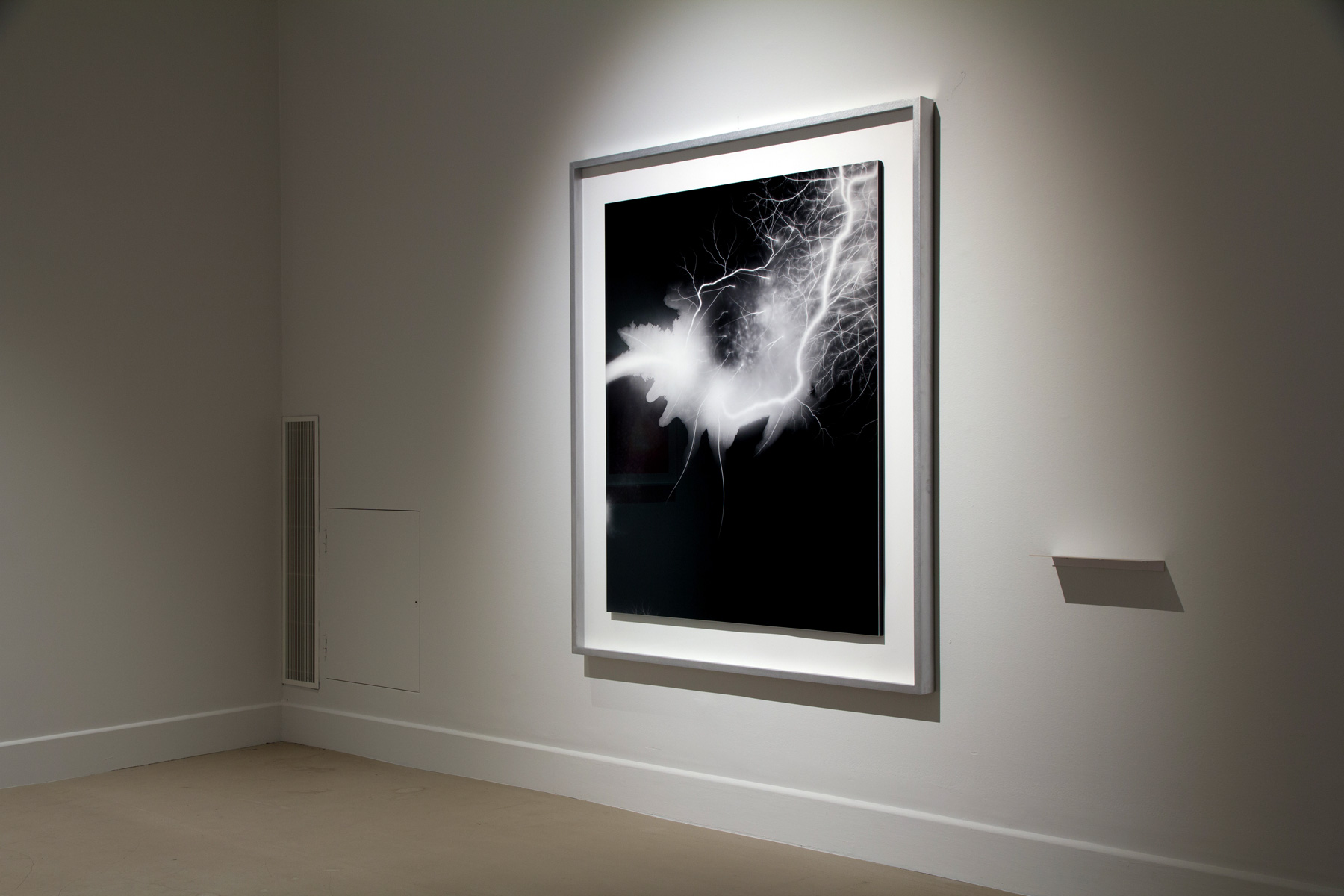


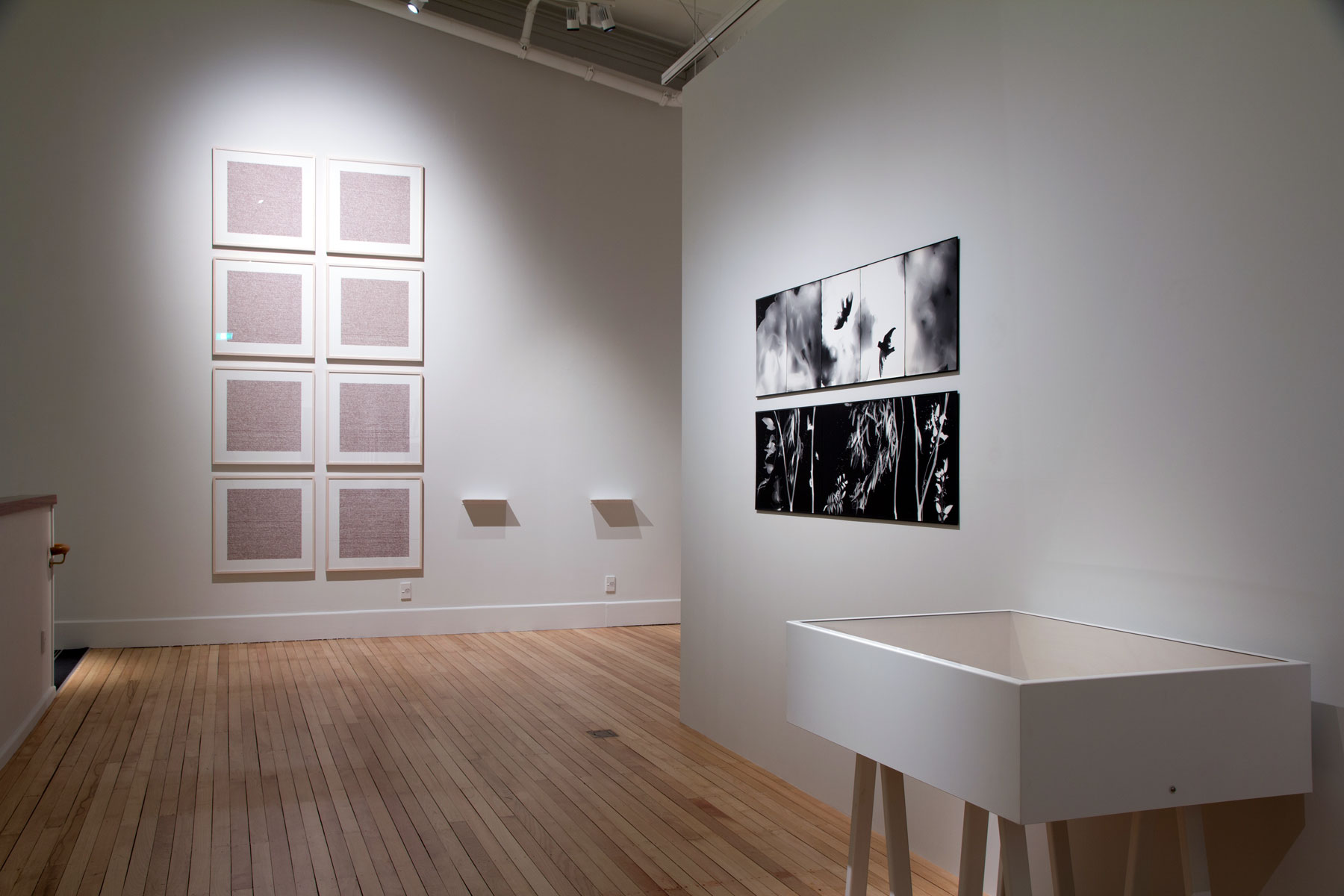
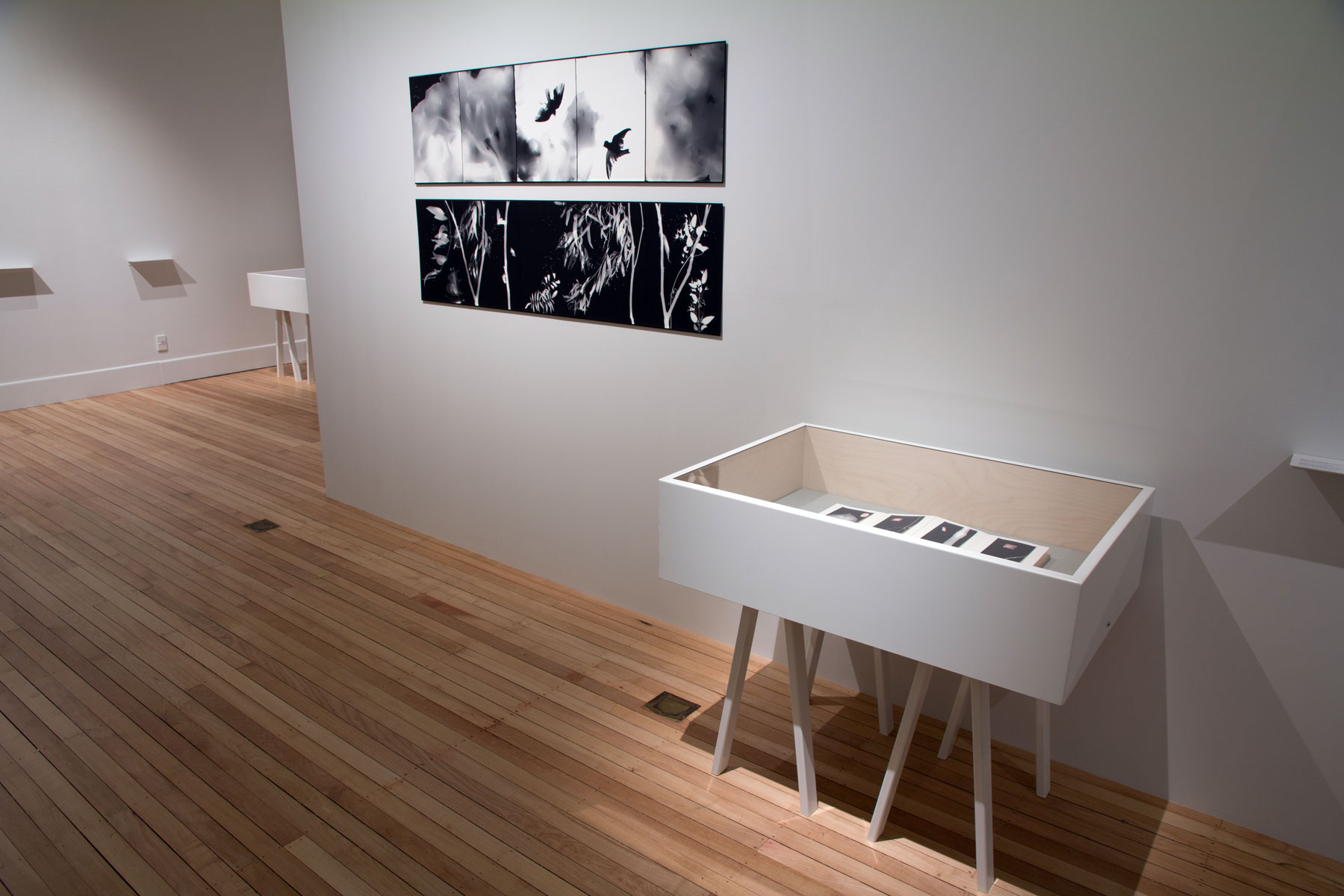

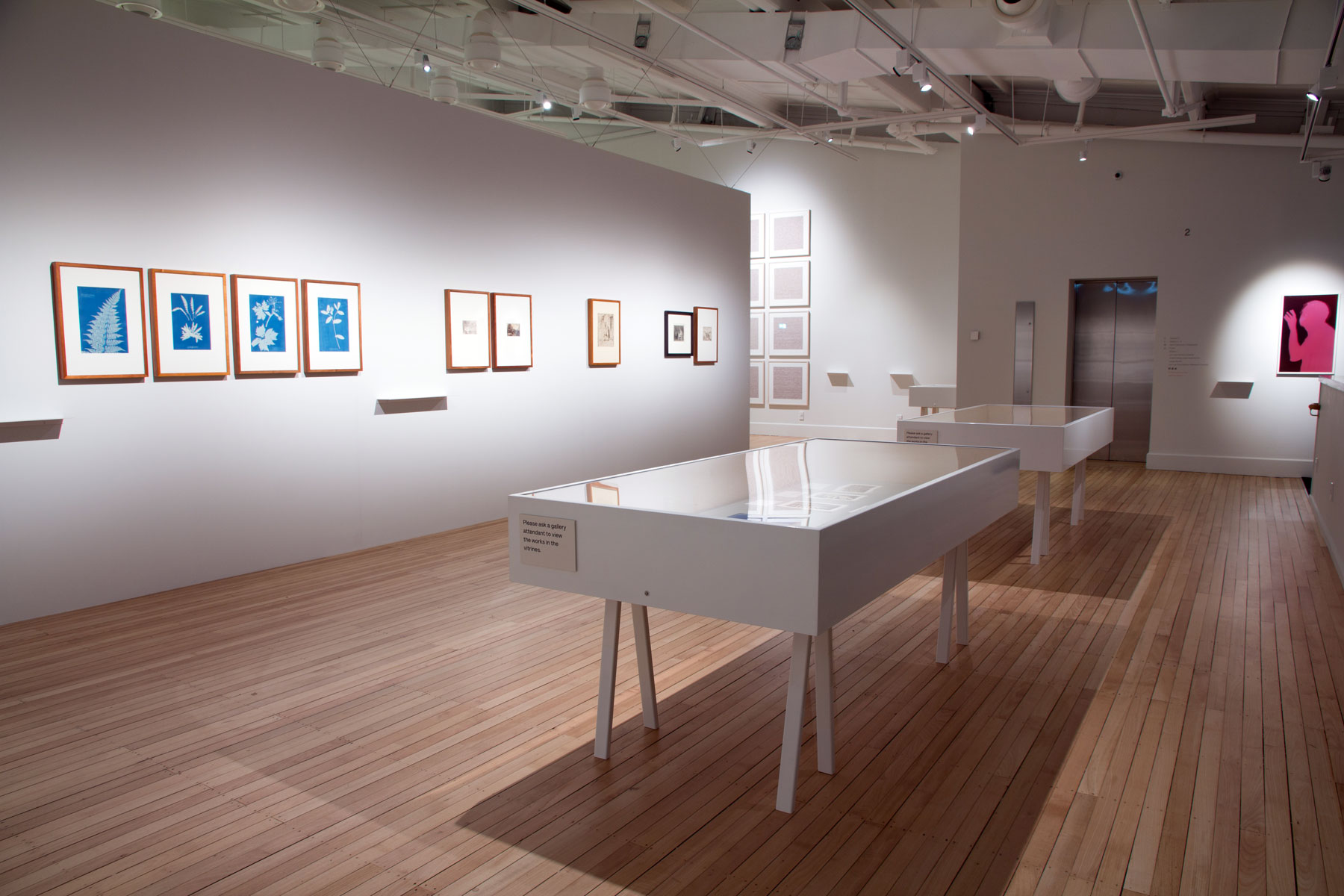

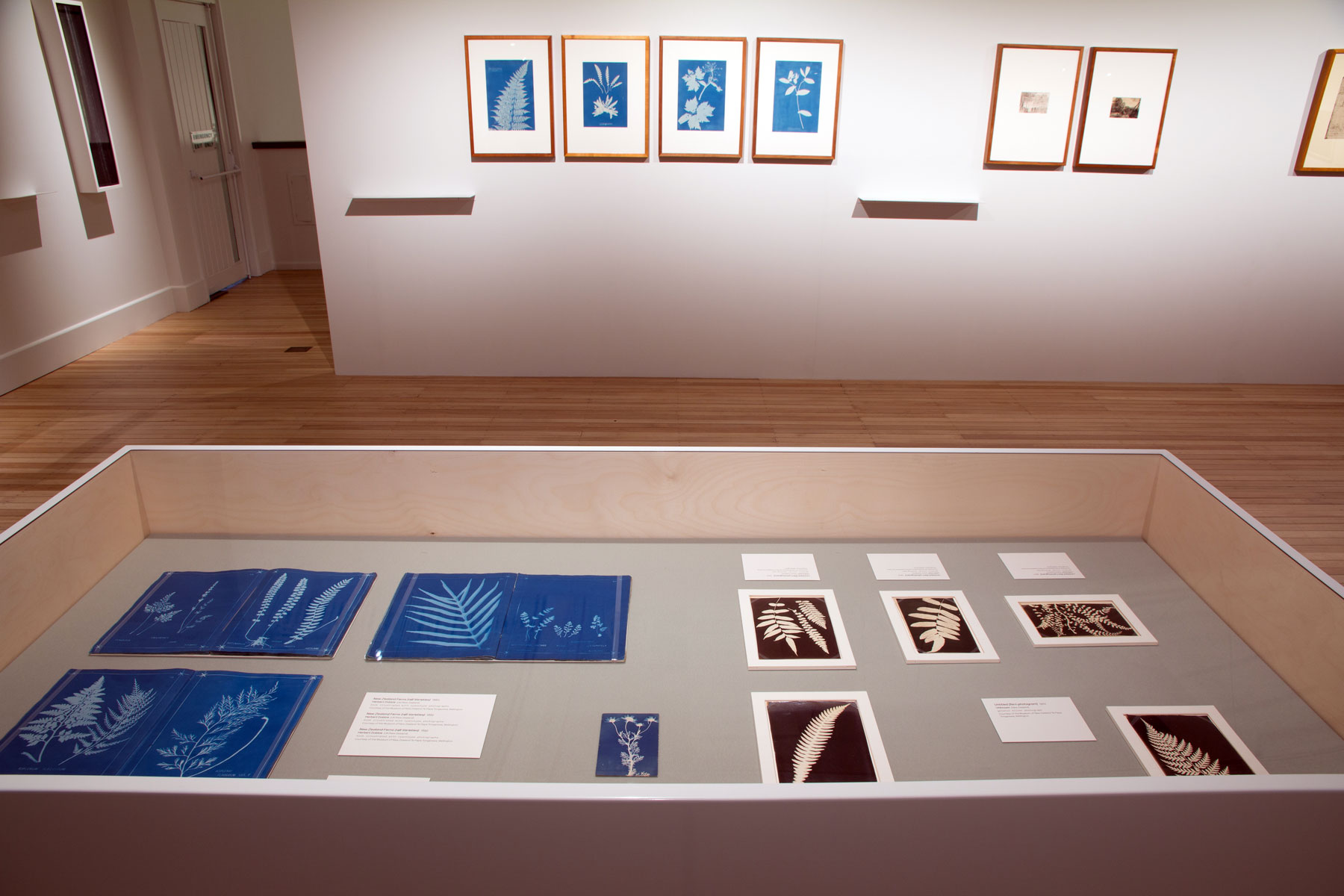
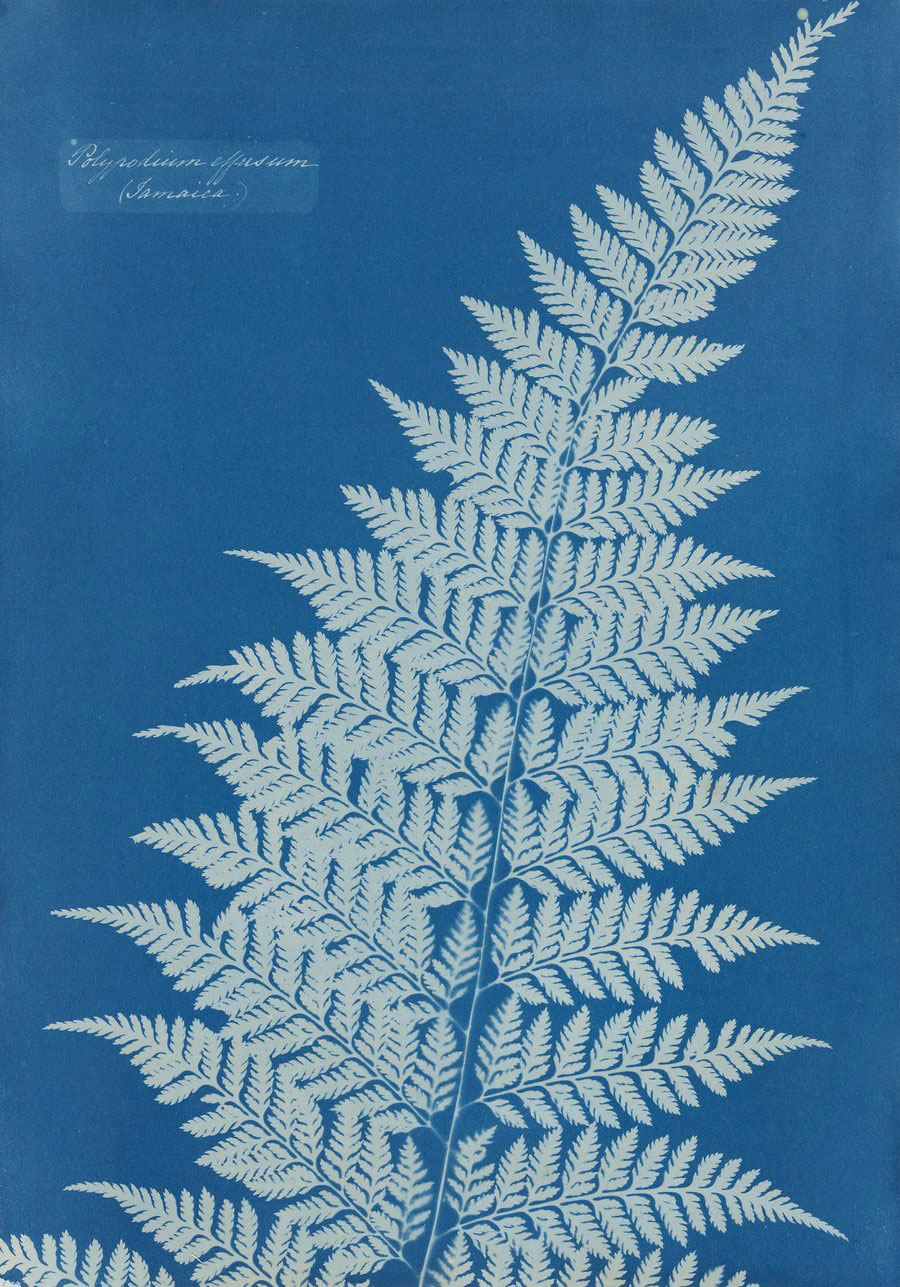


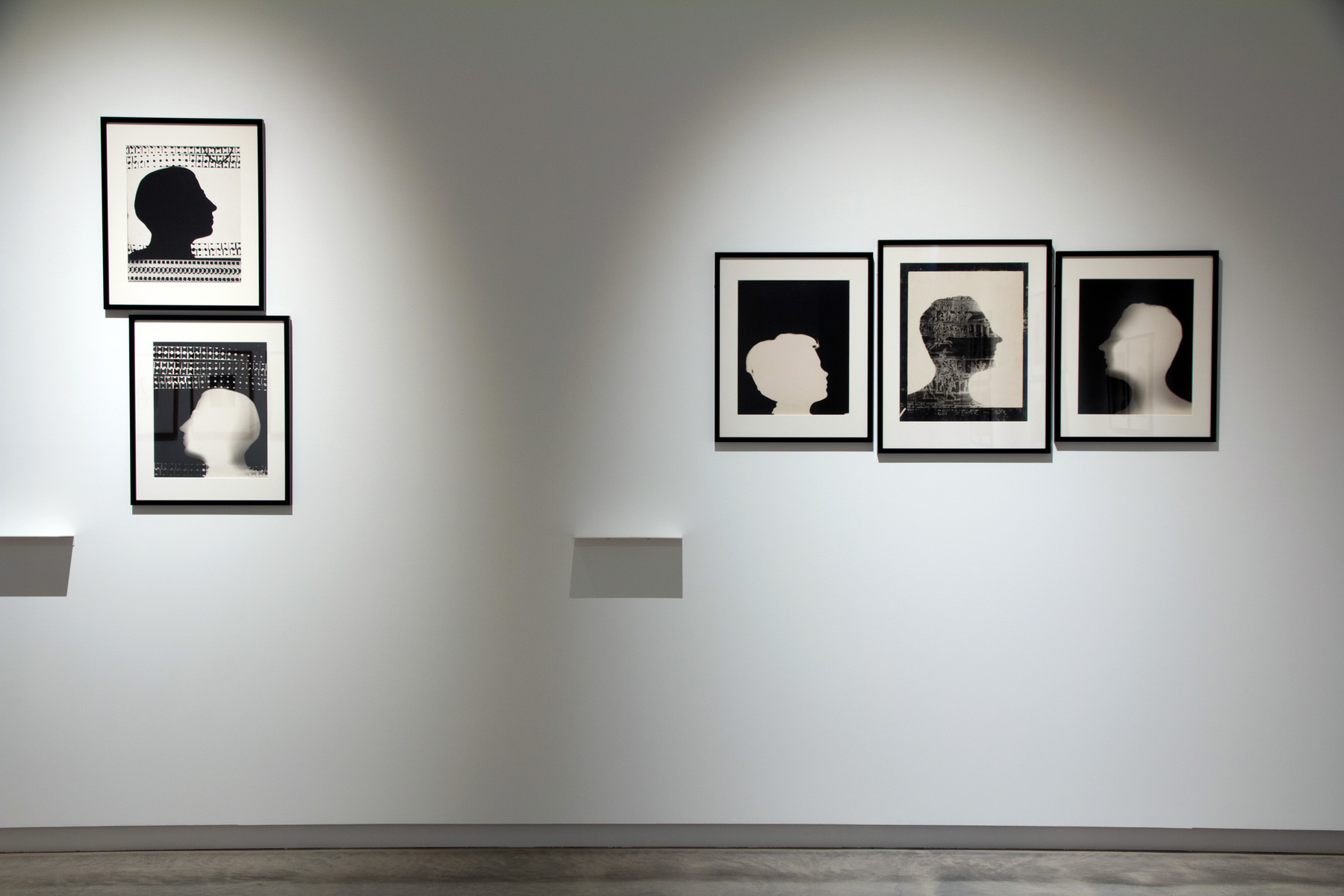


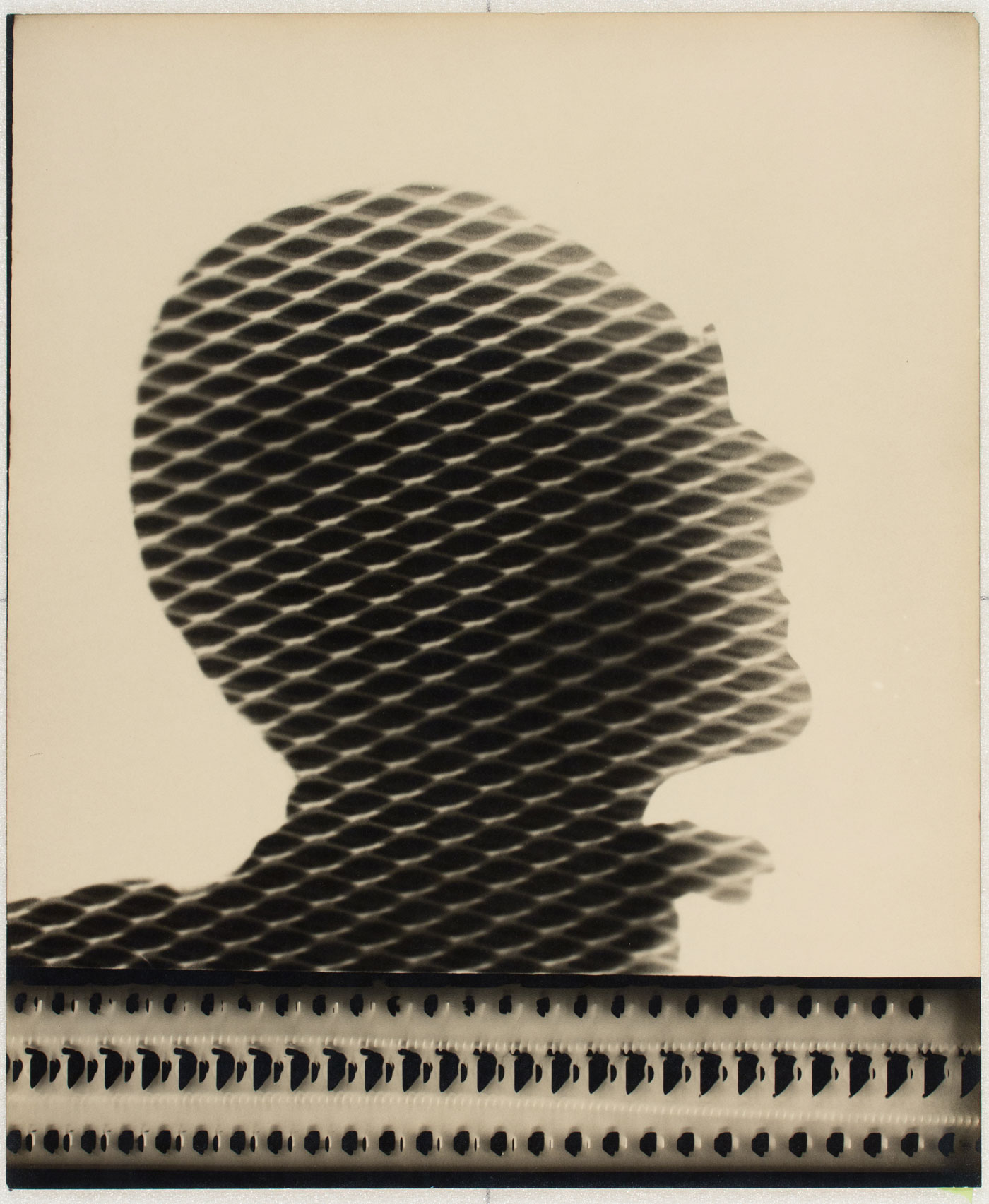

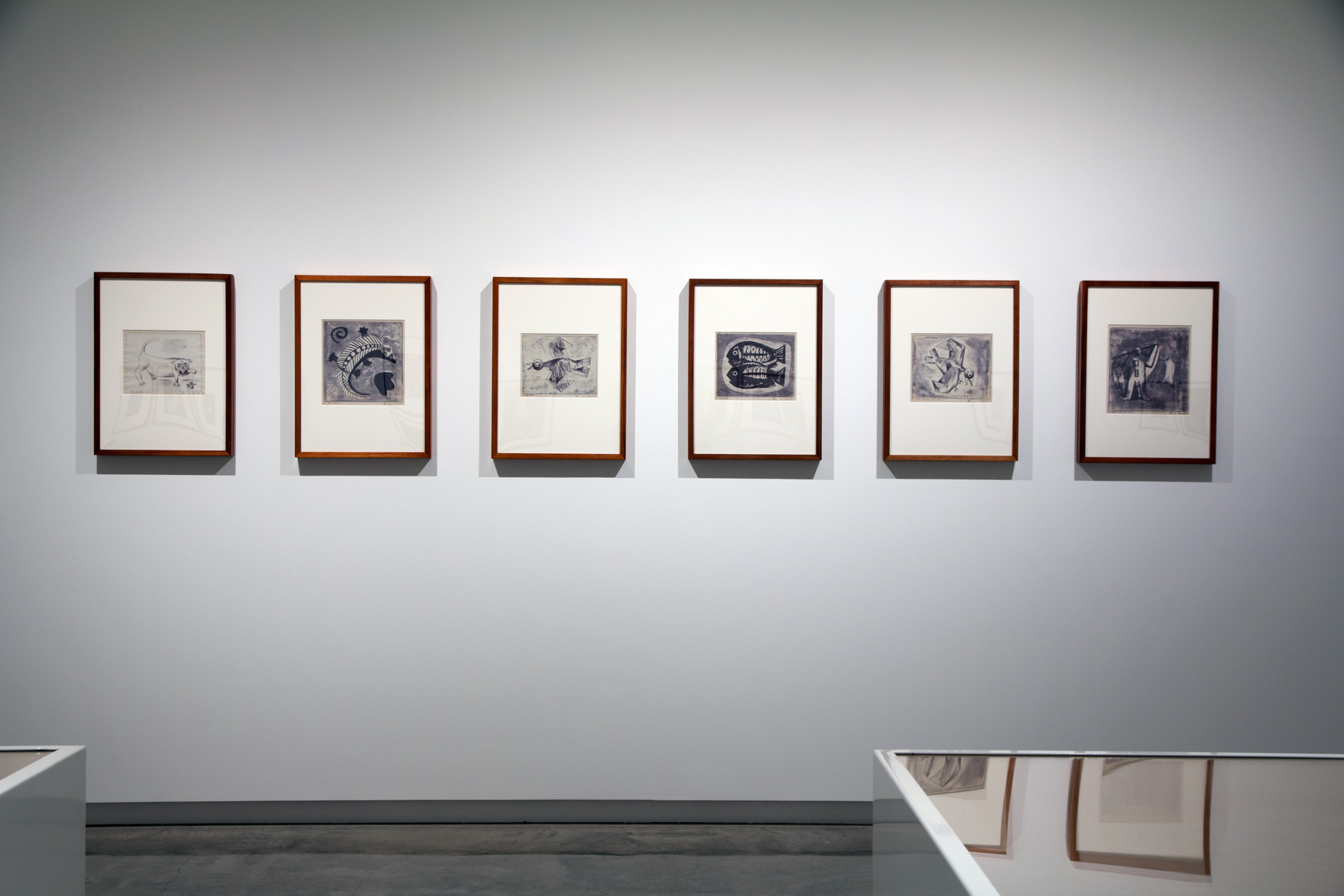
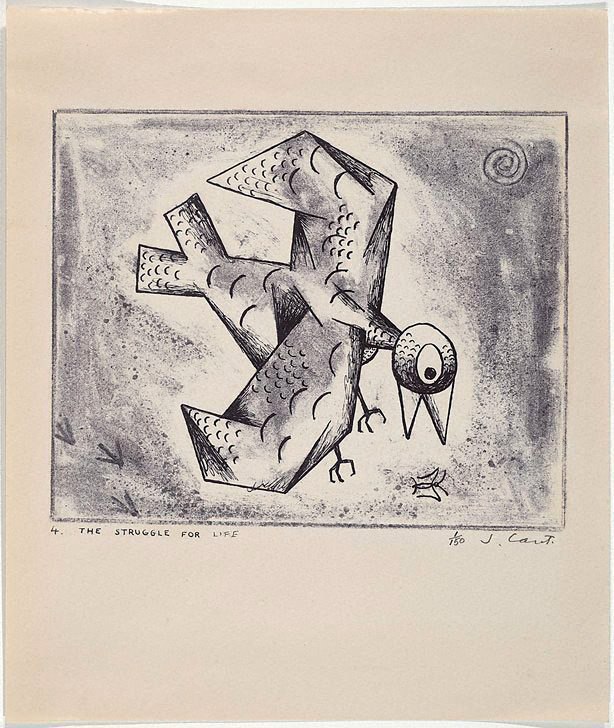

![Max Dupain (Australian, 1911-1992) 'Untitled rayograph [with water]' 1936](https://artblart.com/wp-content/uploads/2016/07/dupain-rayograph-water.jpg "Max Dupain (Australian, 1911-1992) 'Untitled rayograph [with water]' 1936")

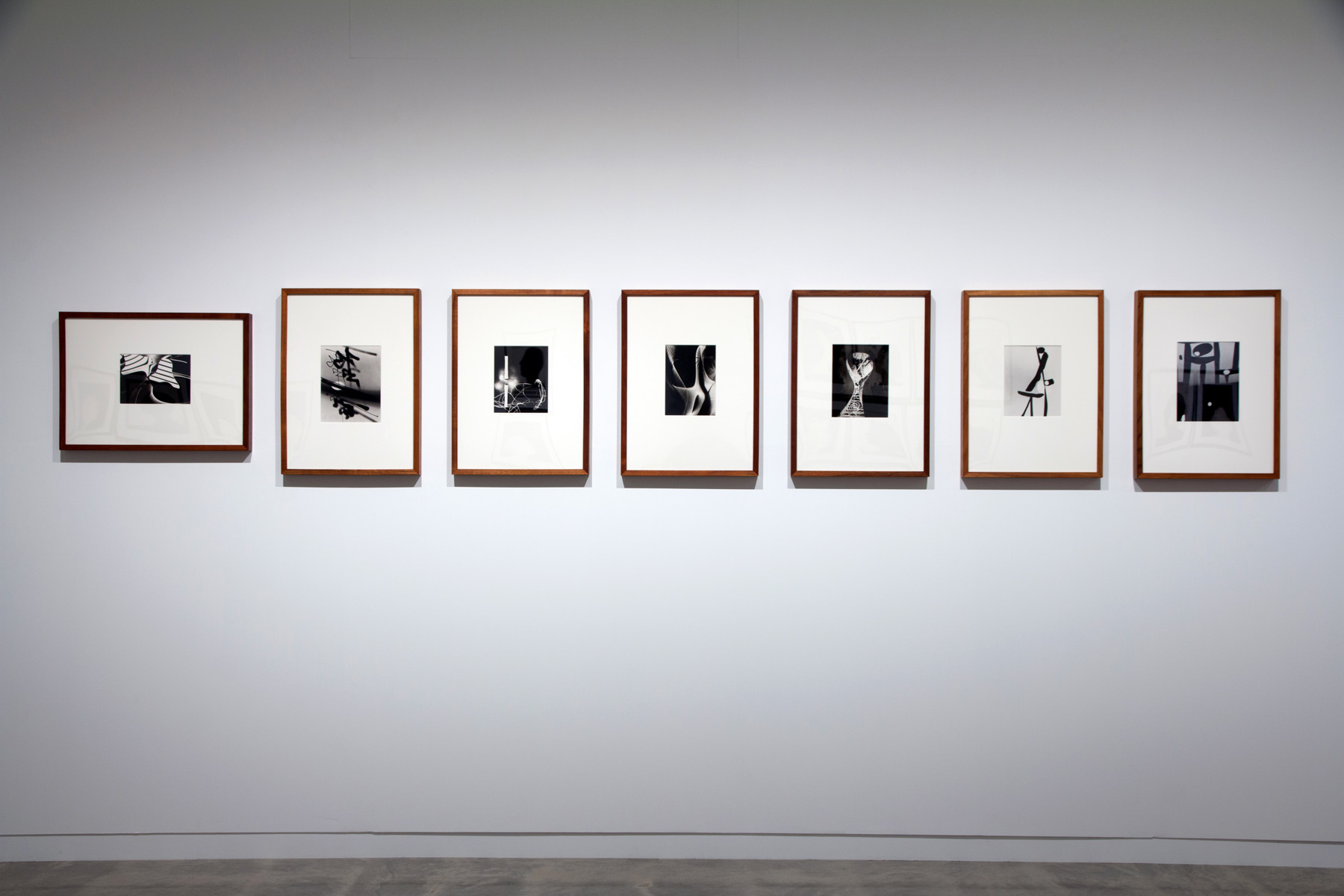

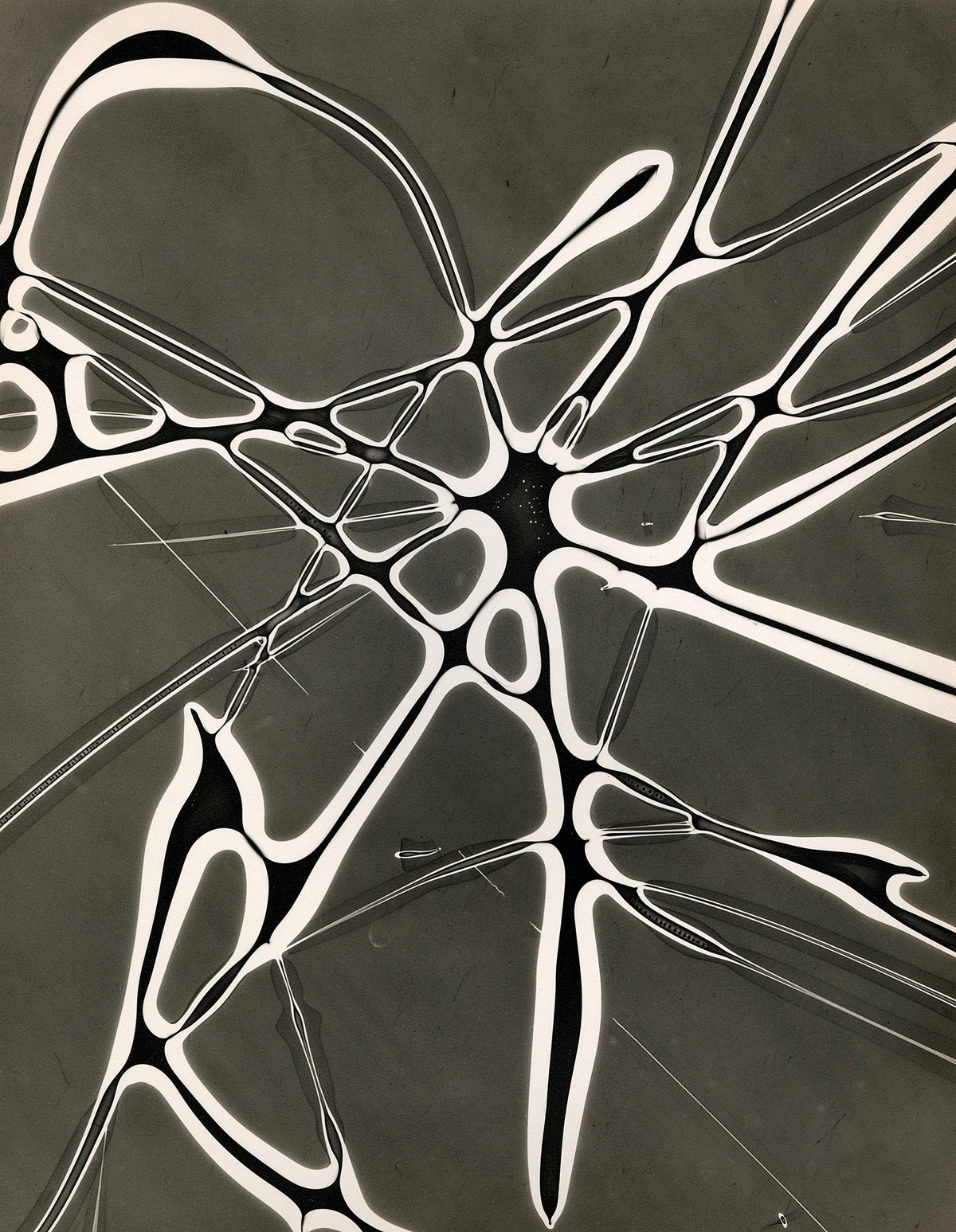


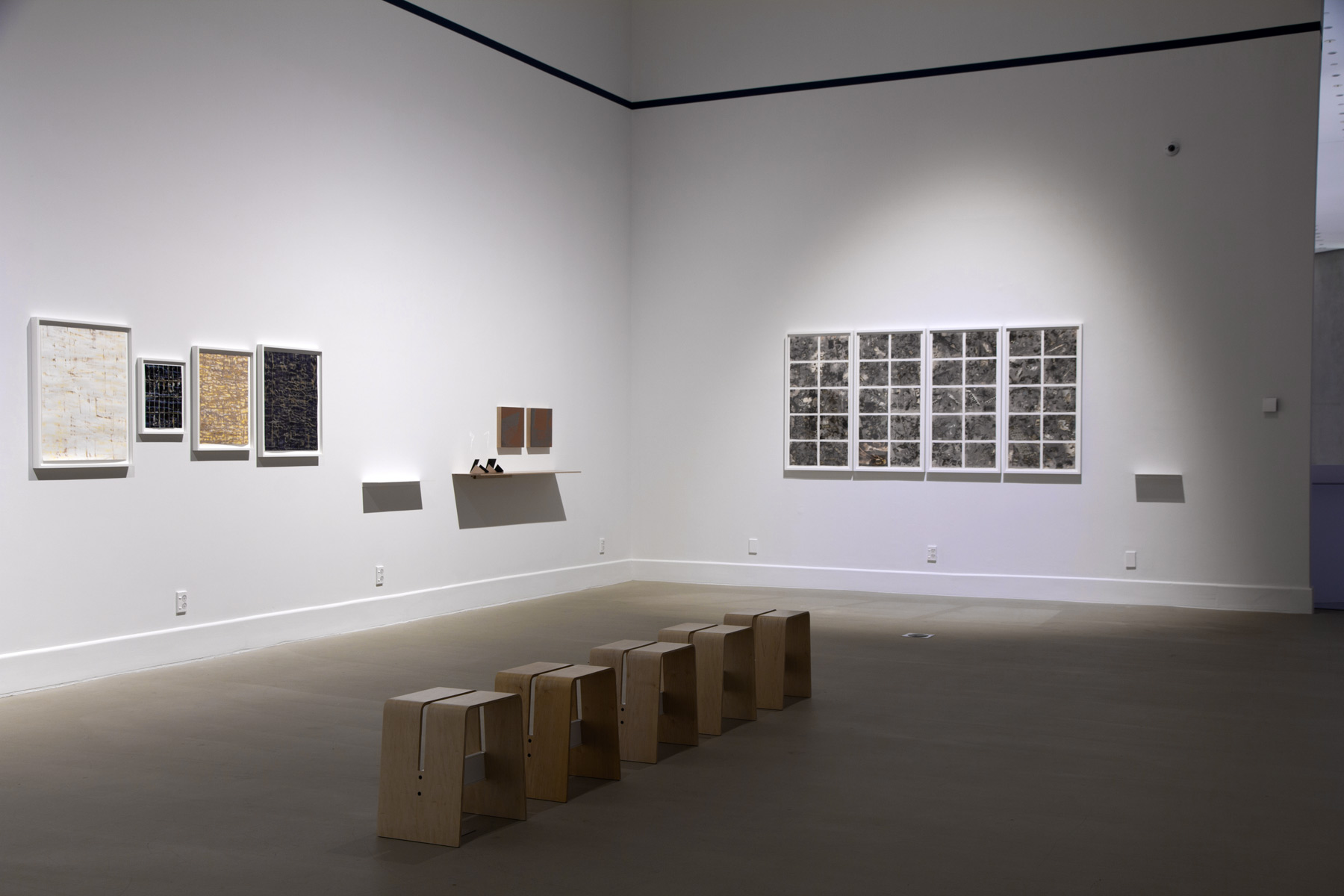

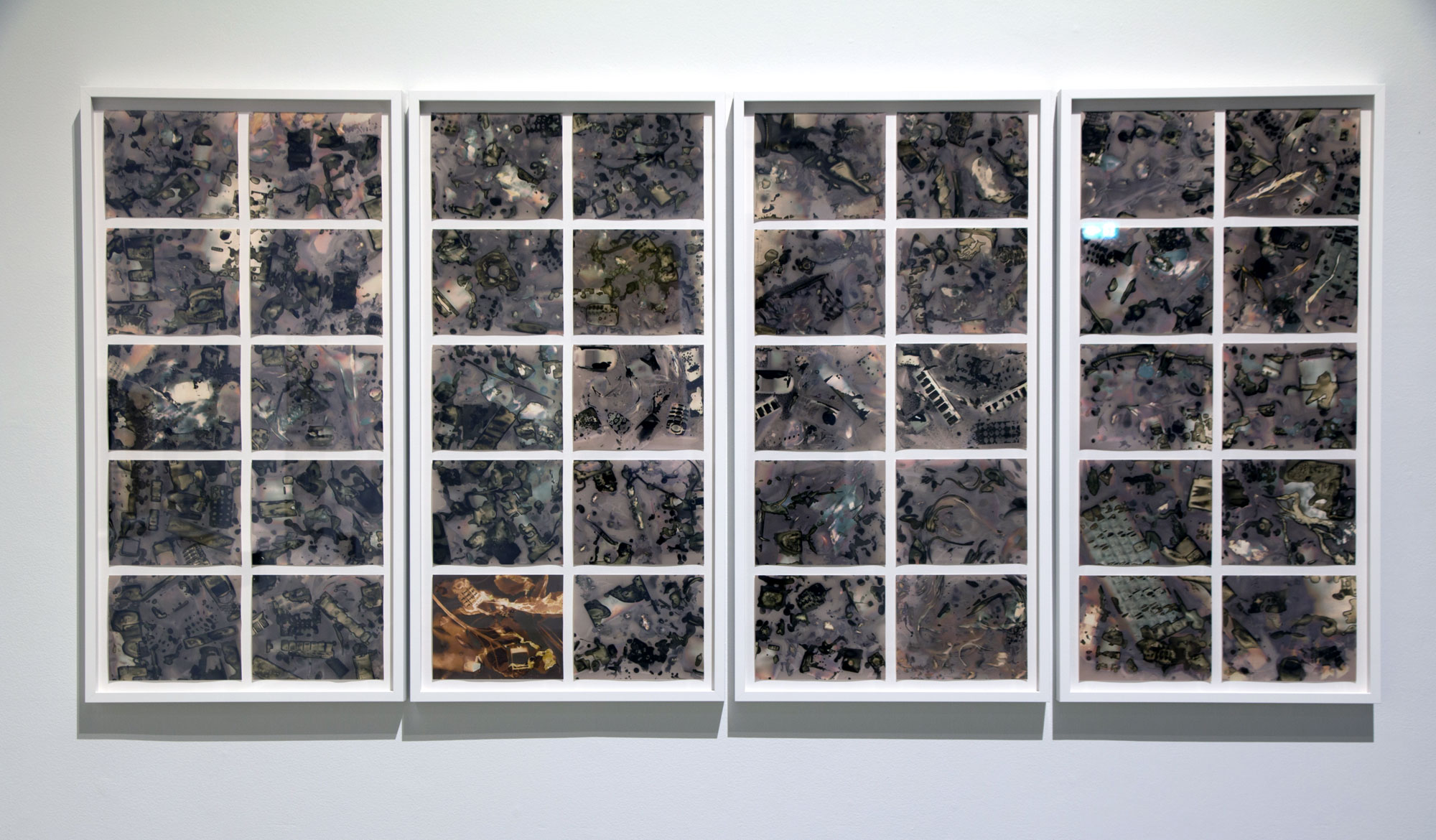

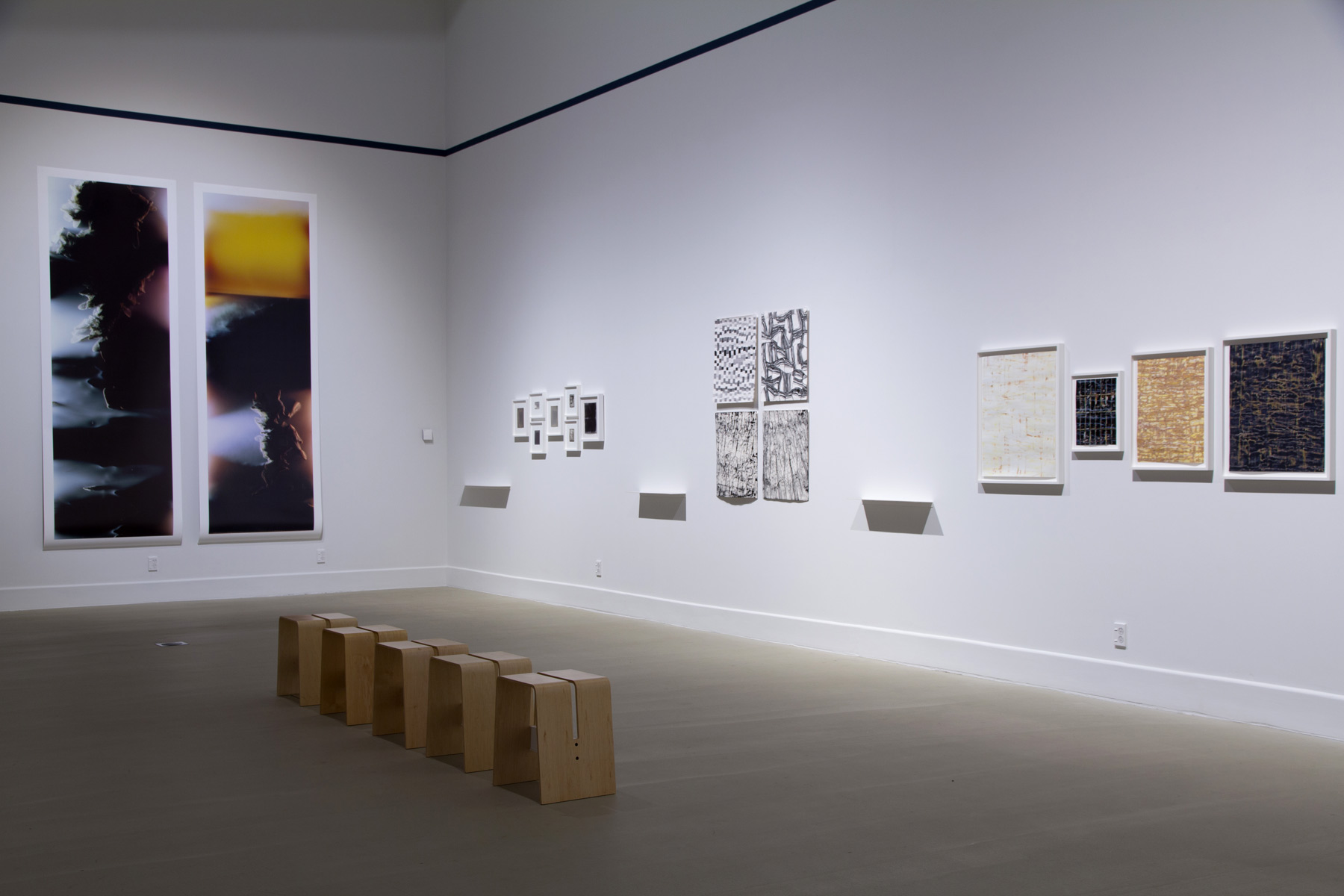

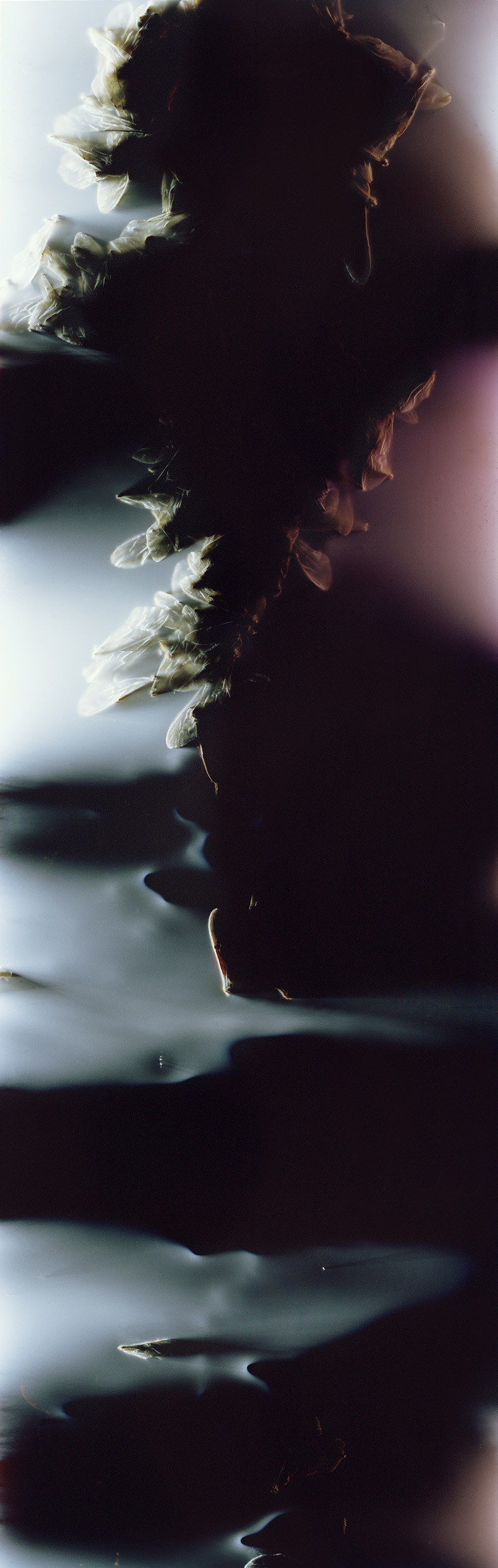
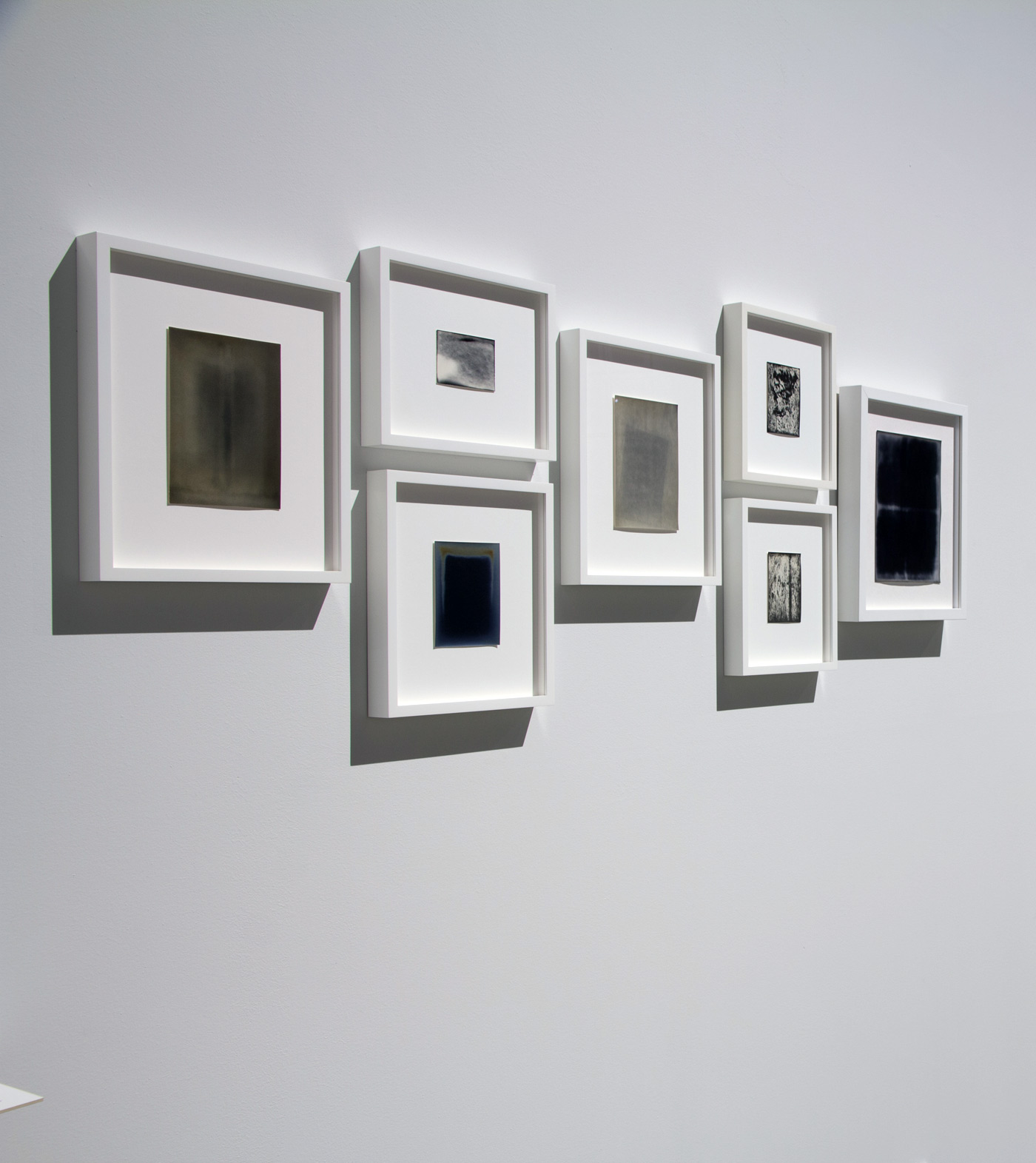


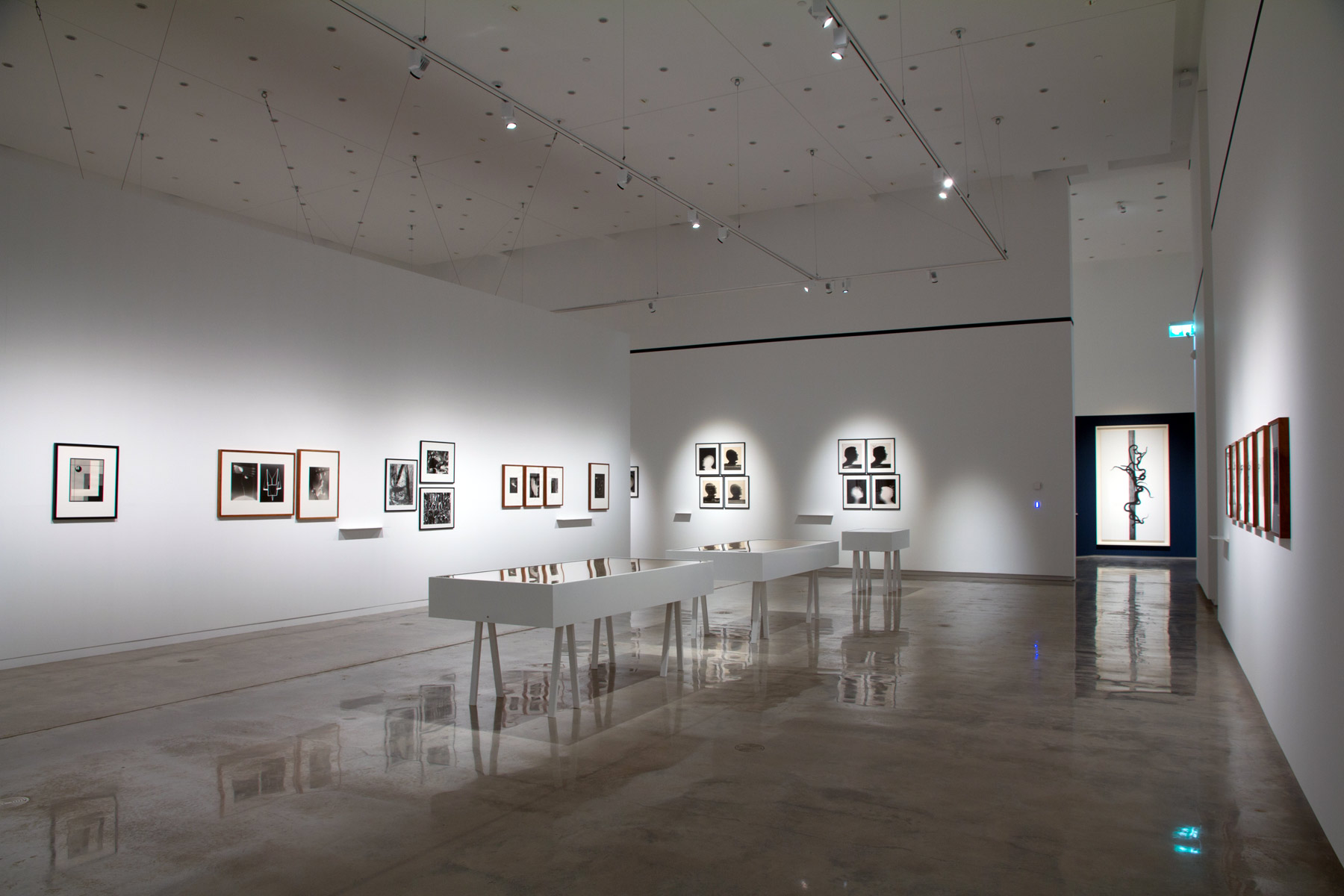
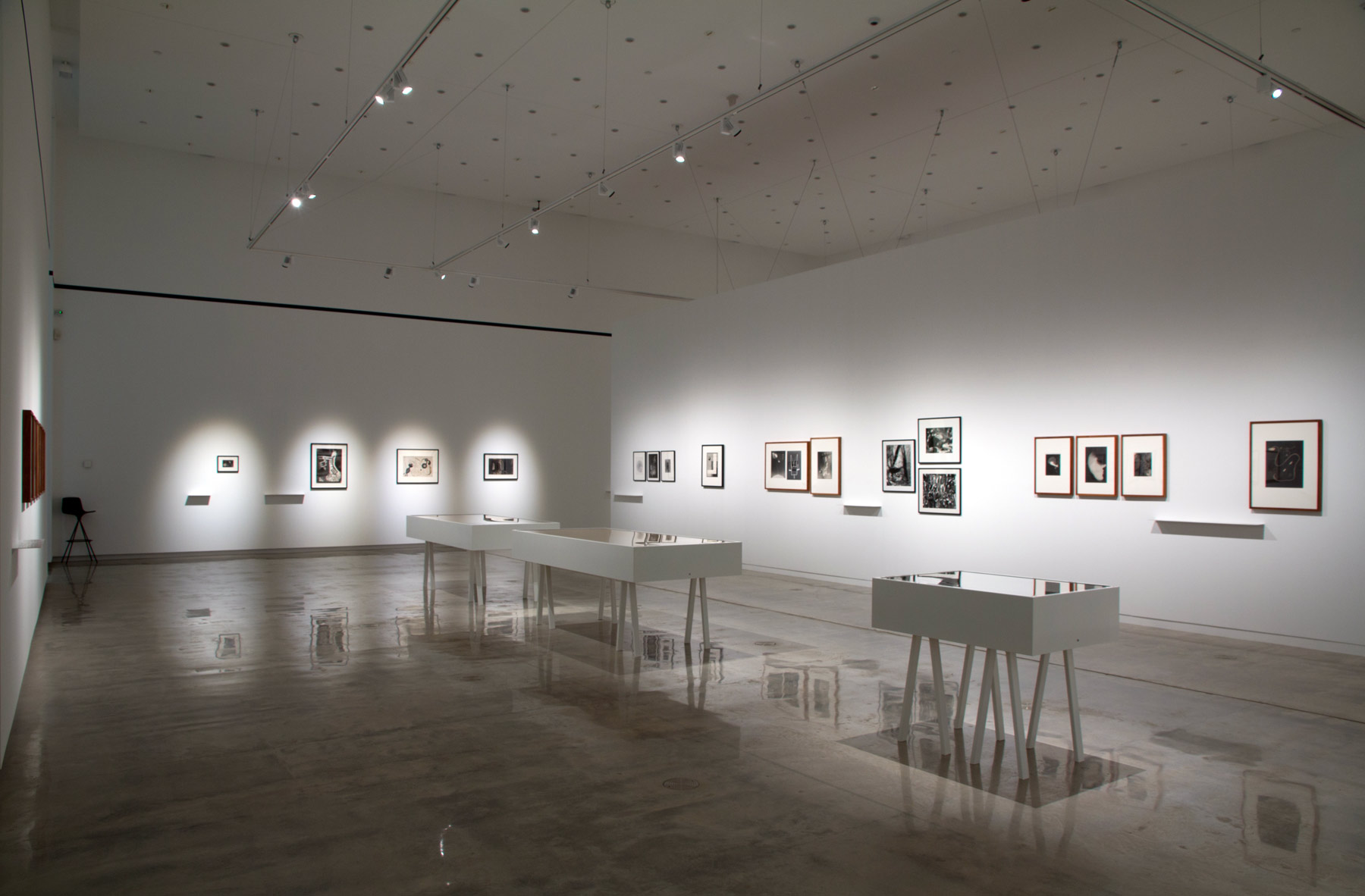
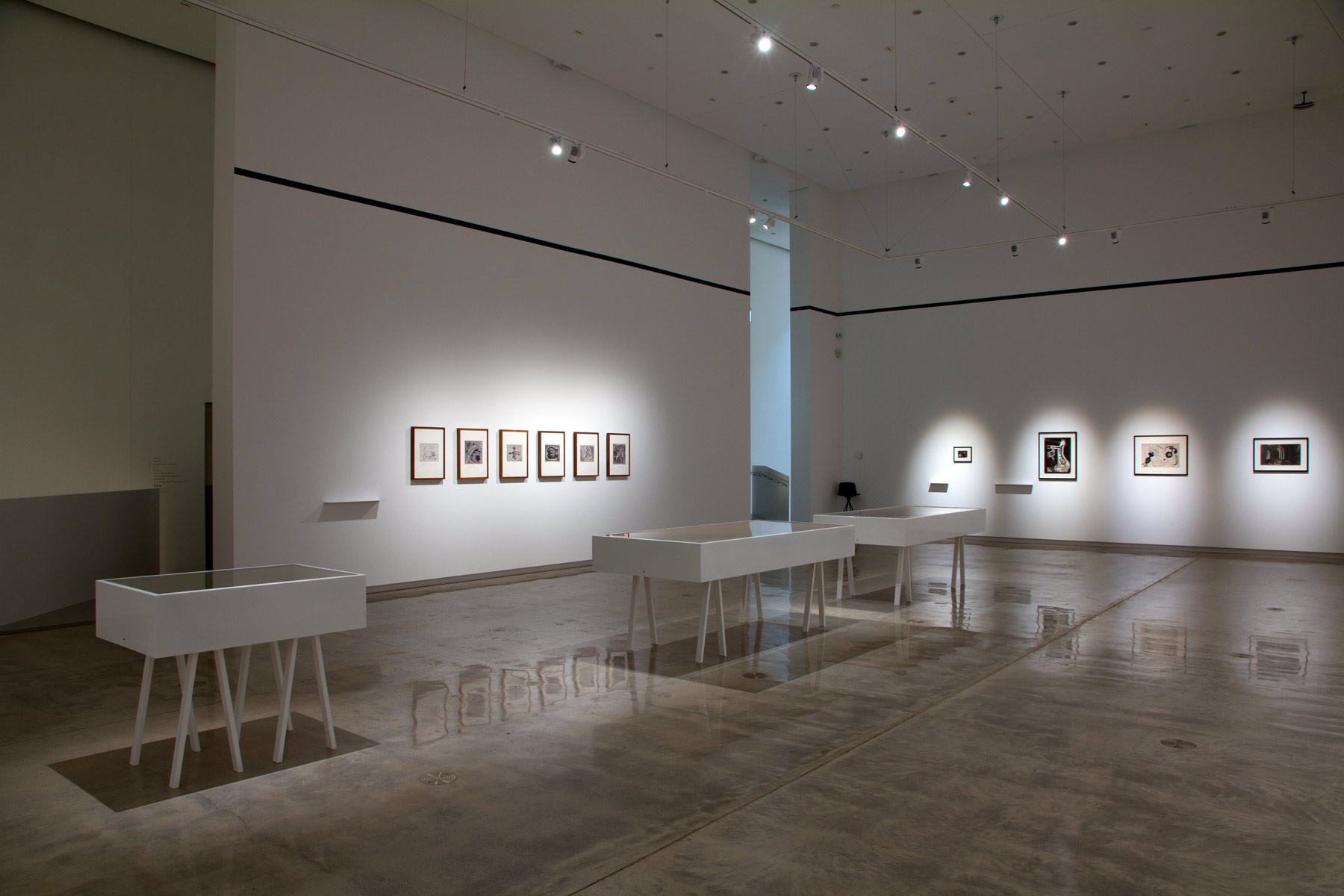
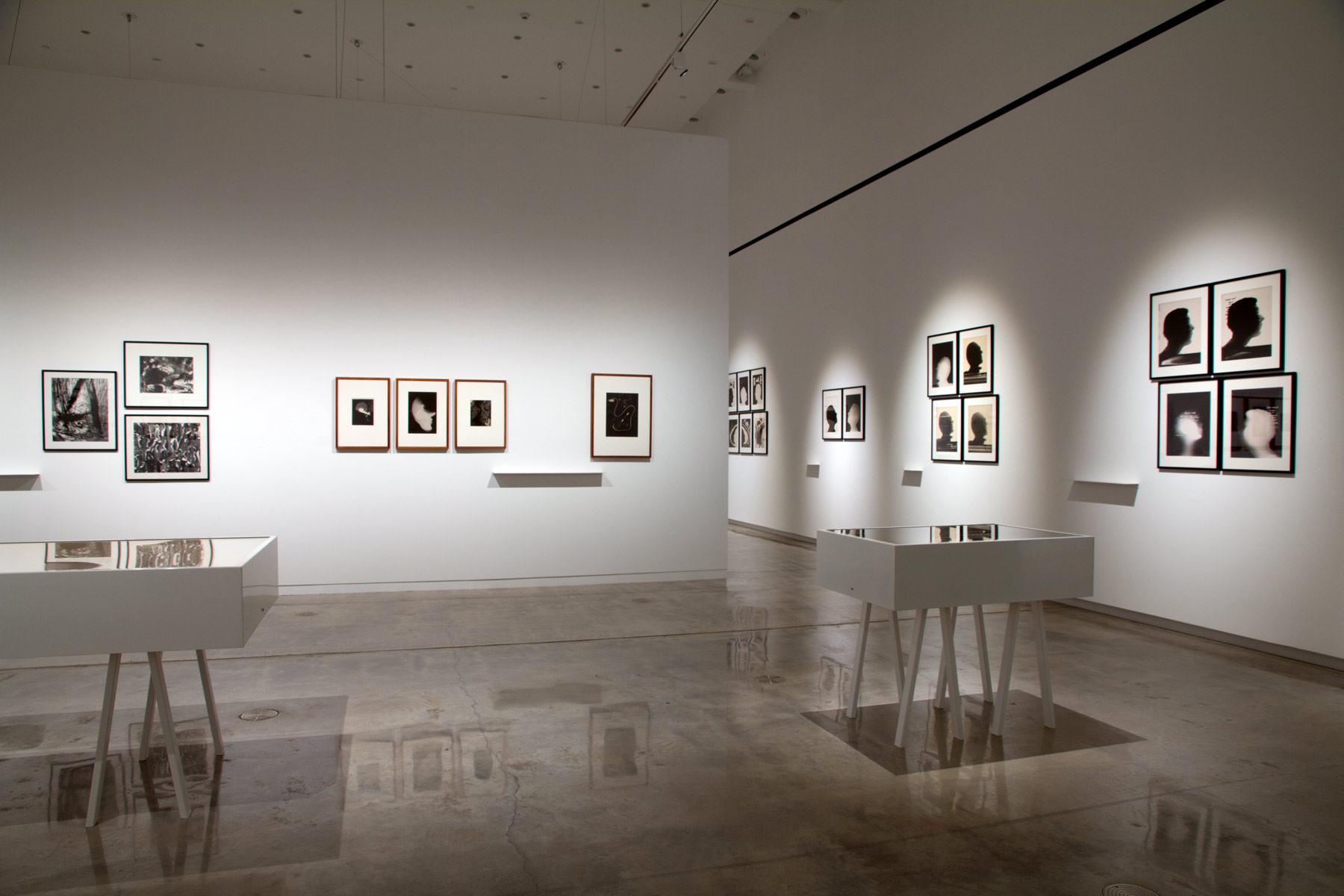
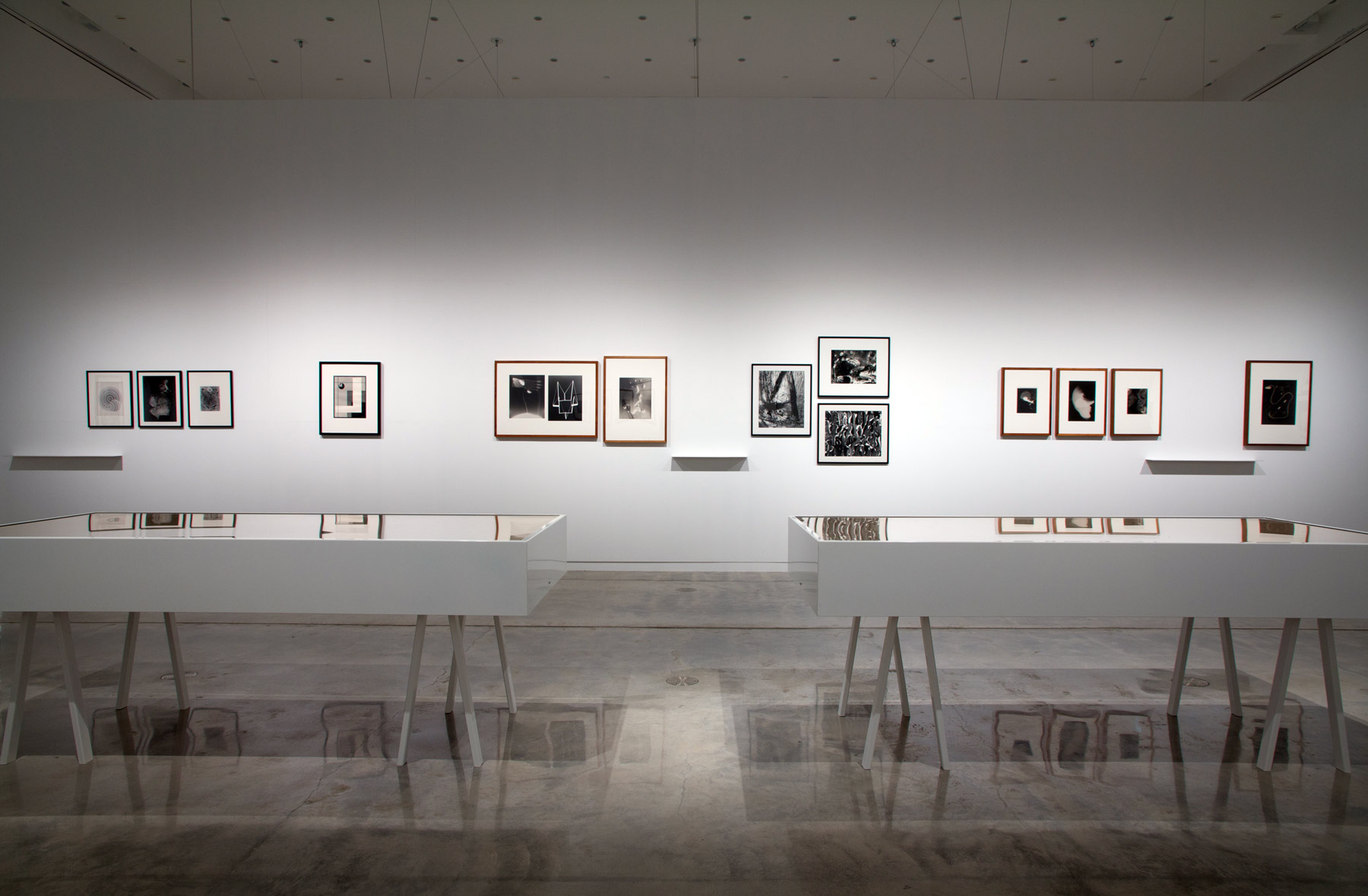


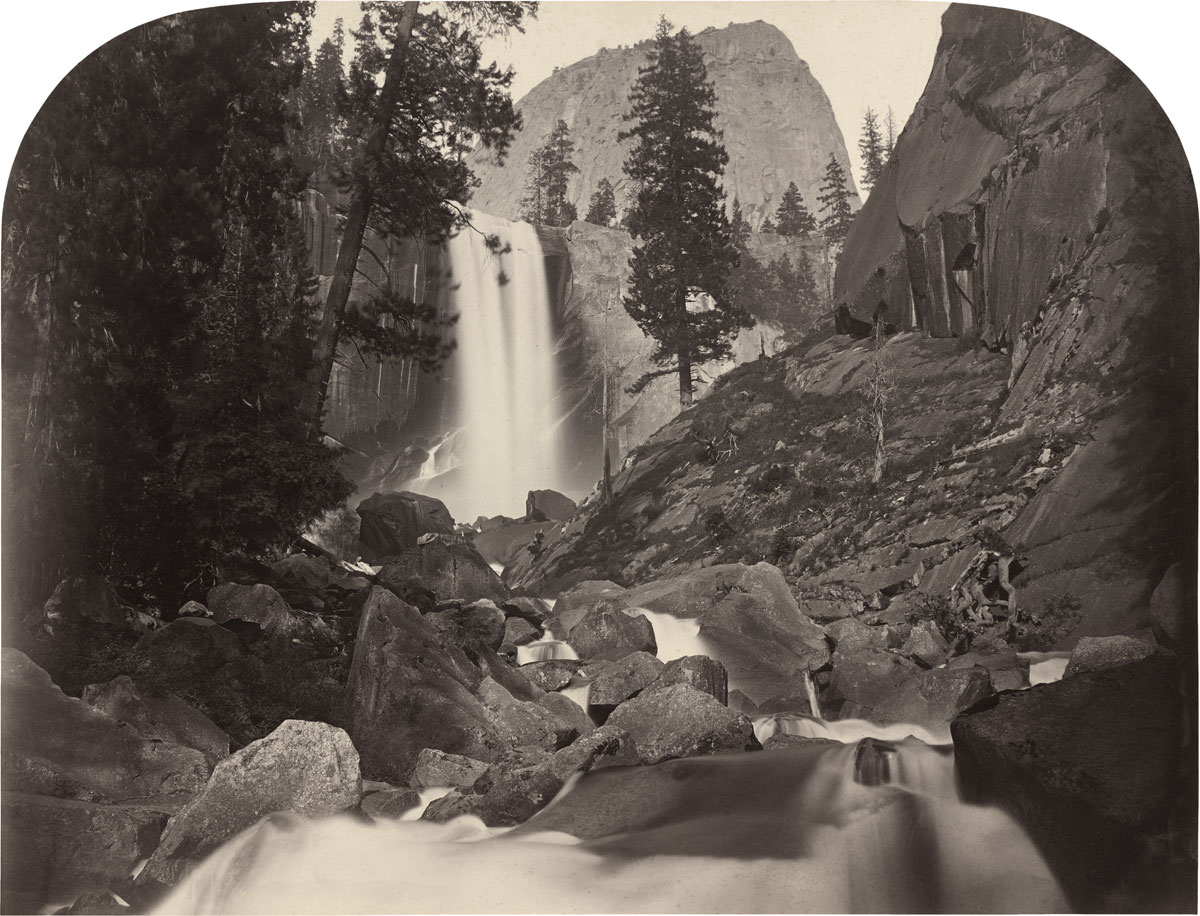
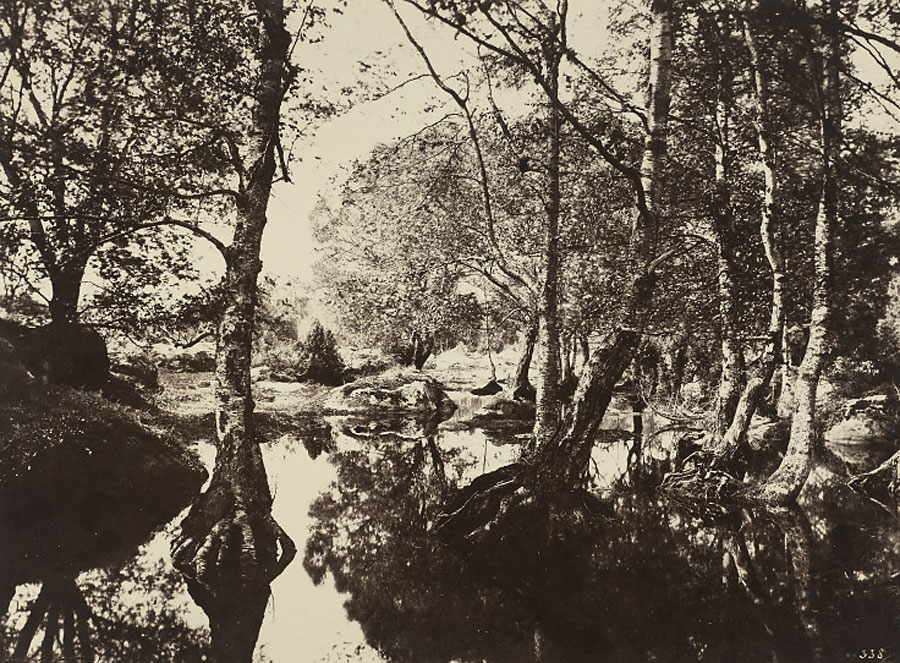


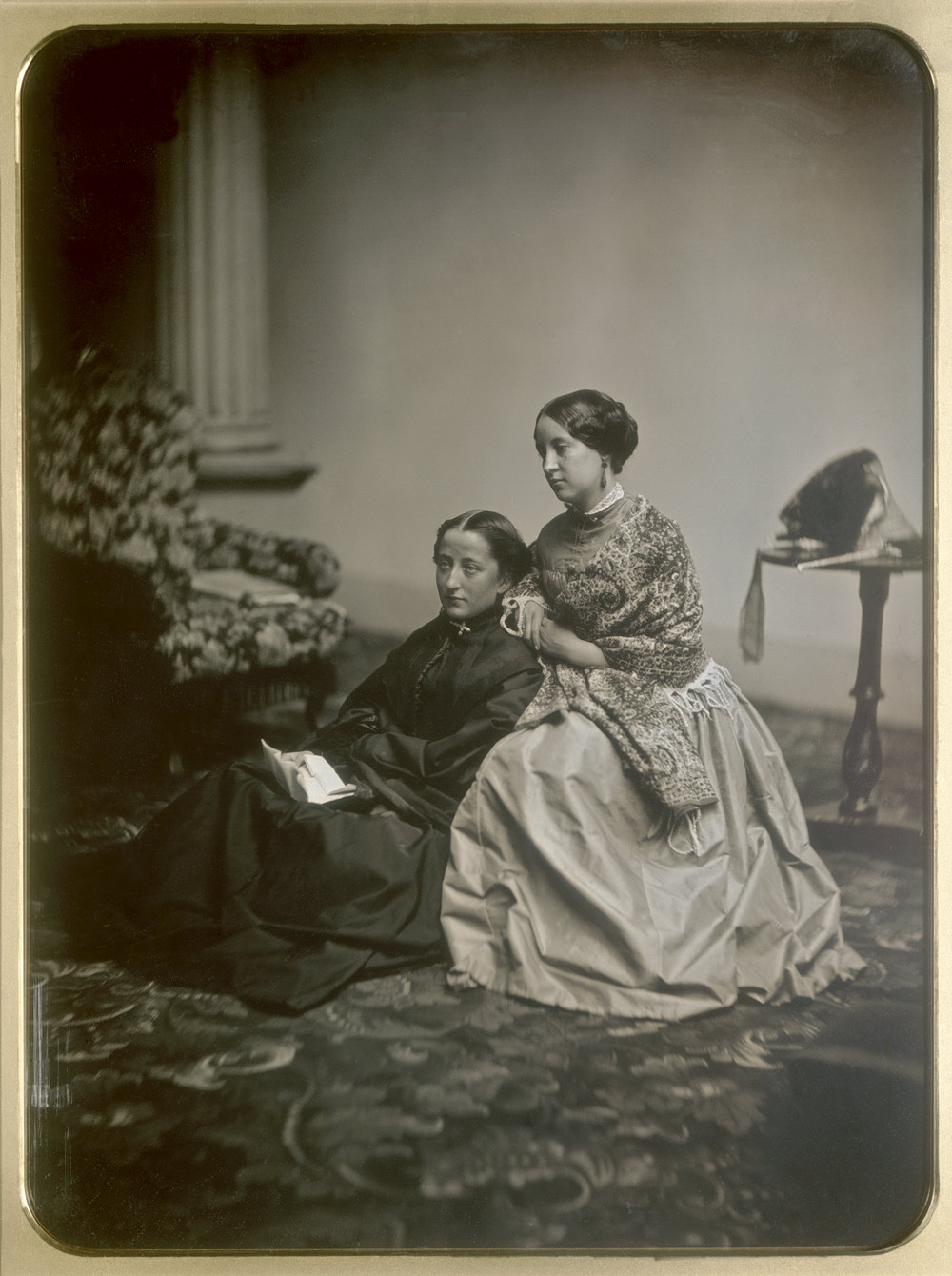

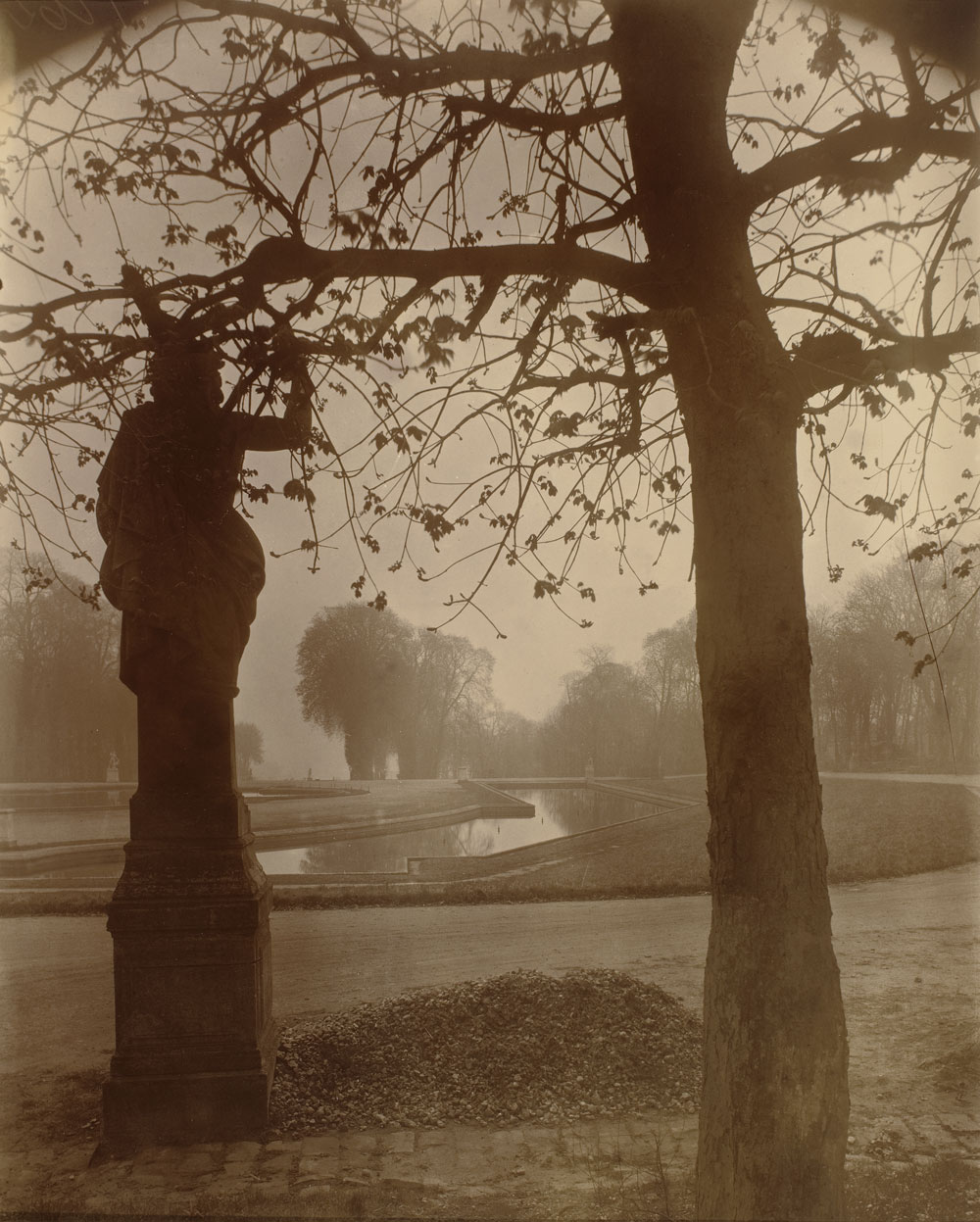
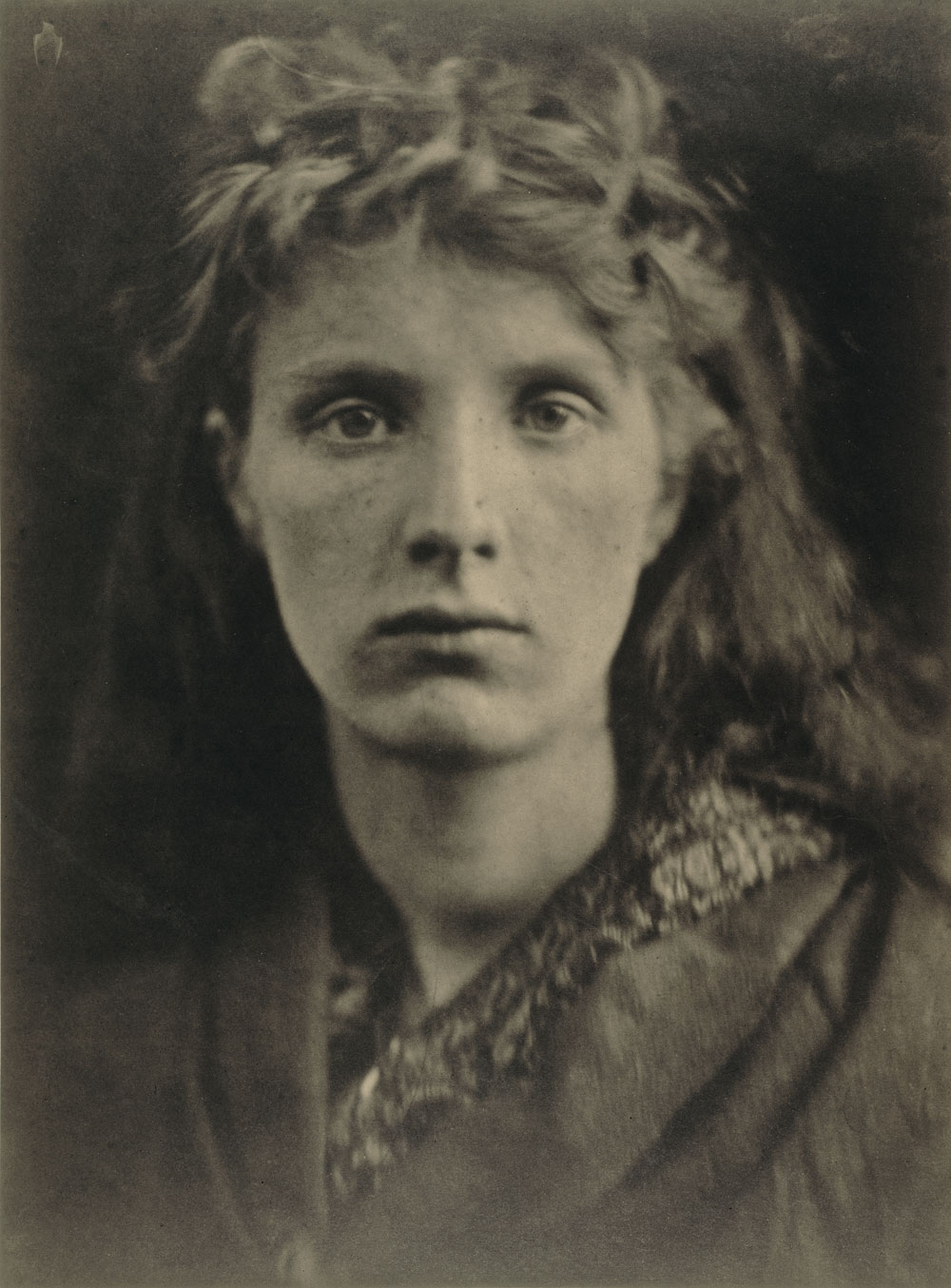
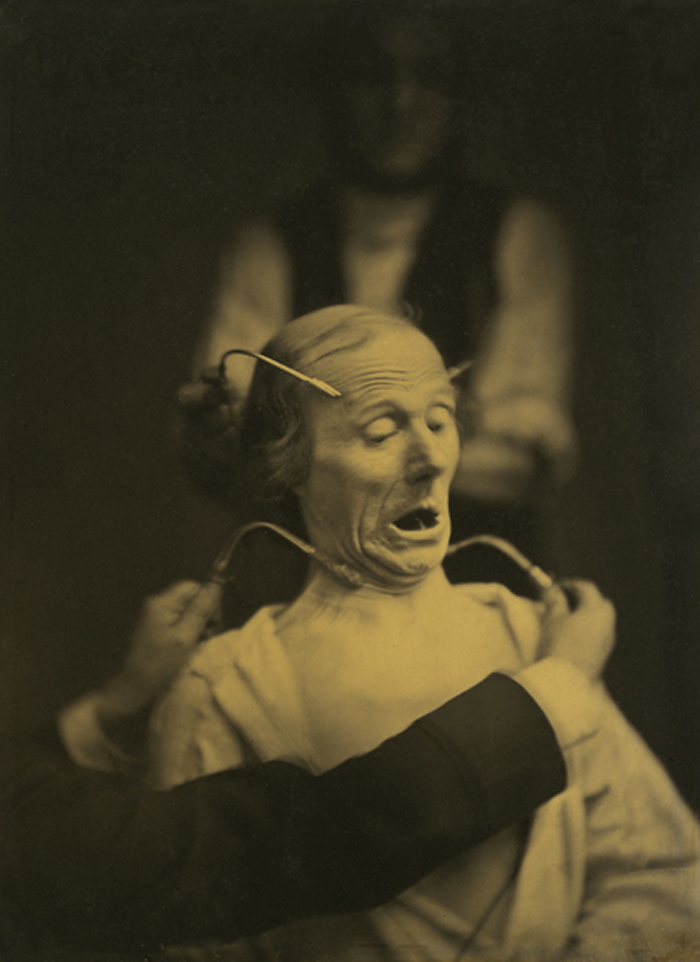
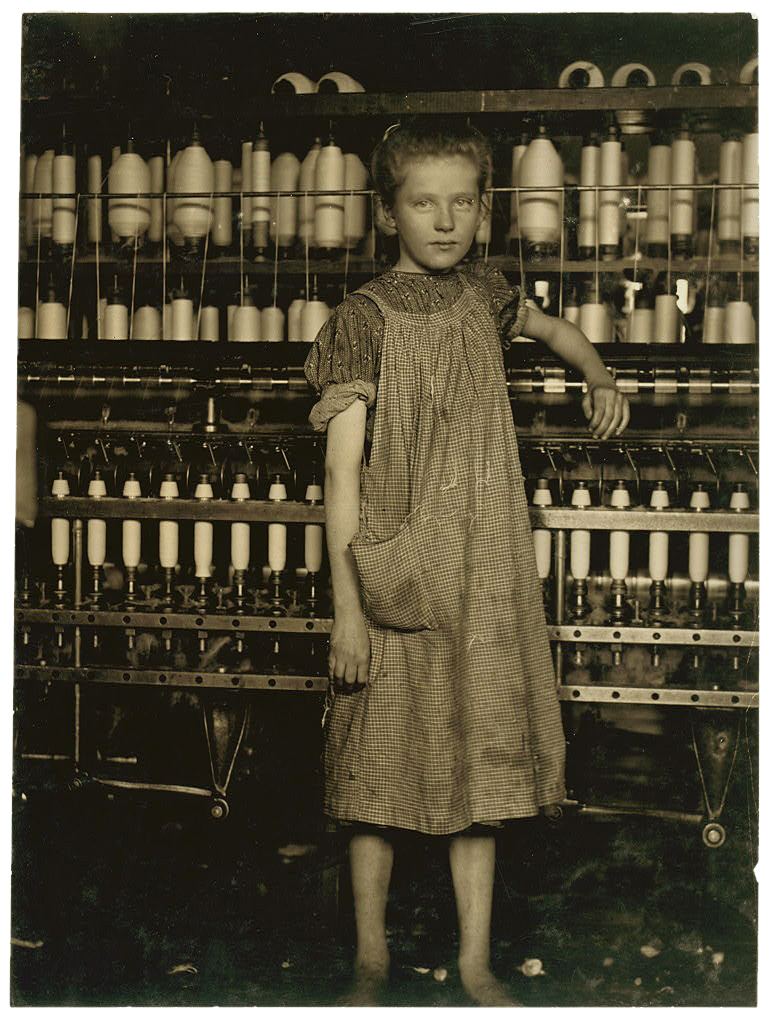

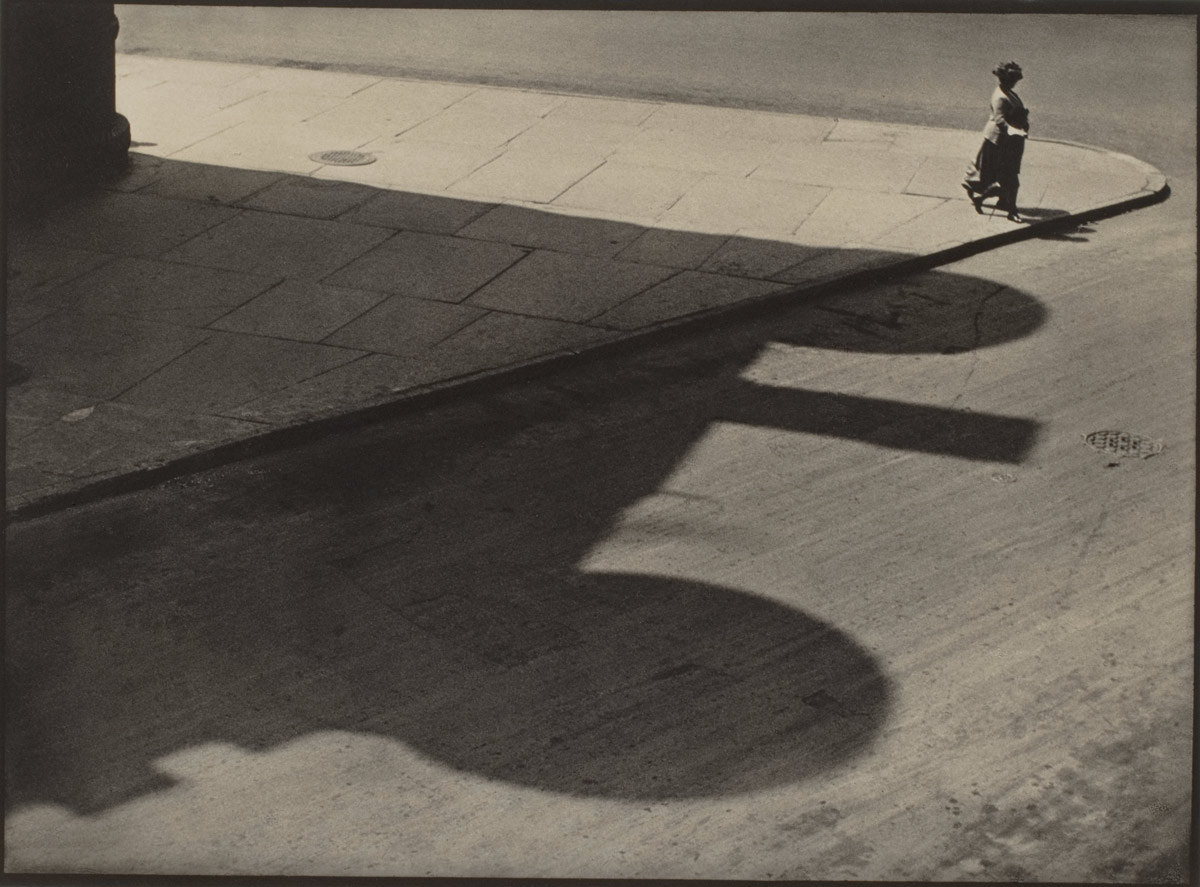
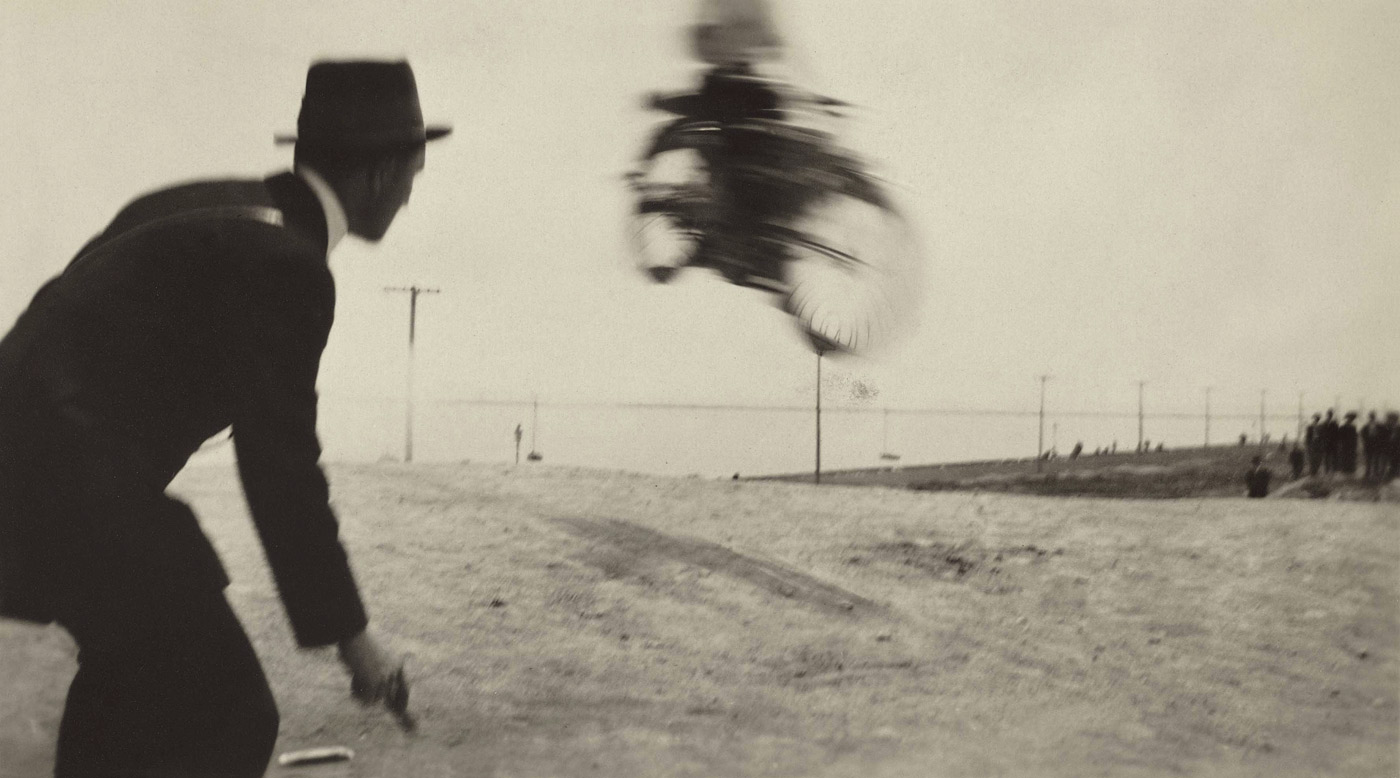
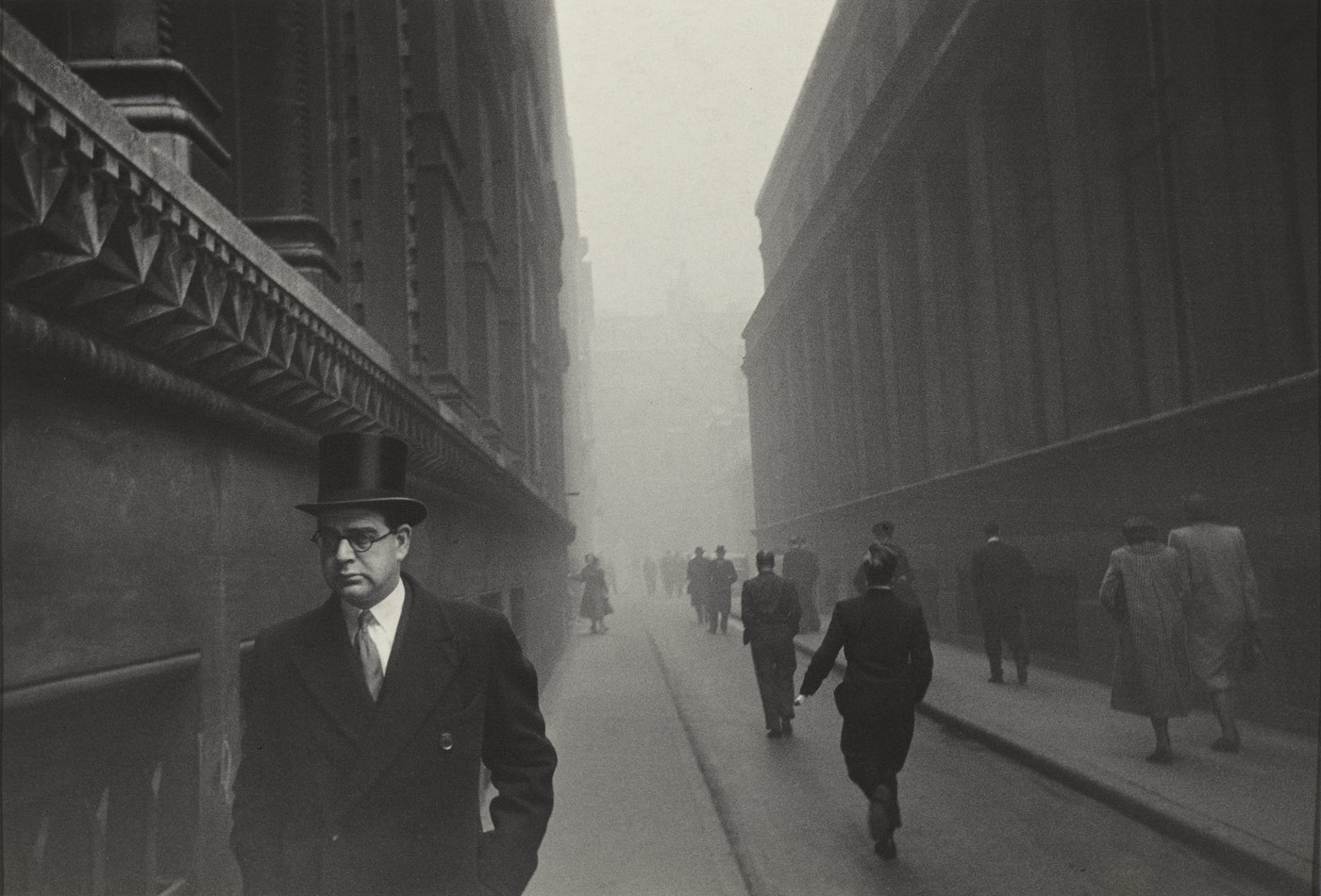
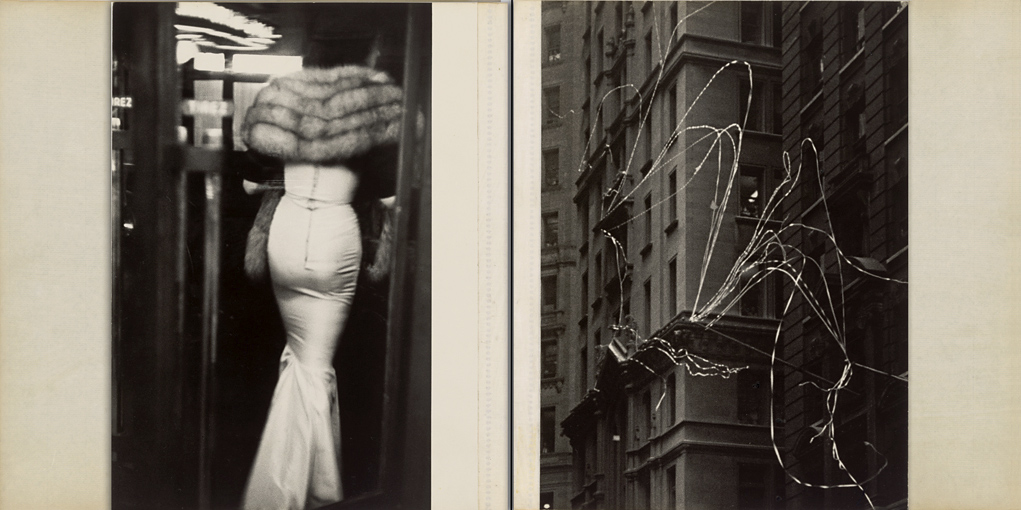
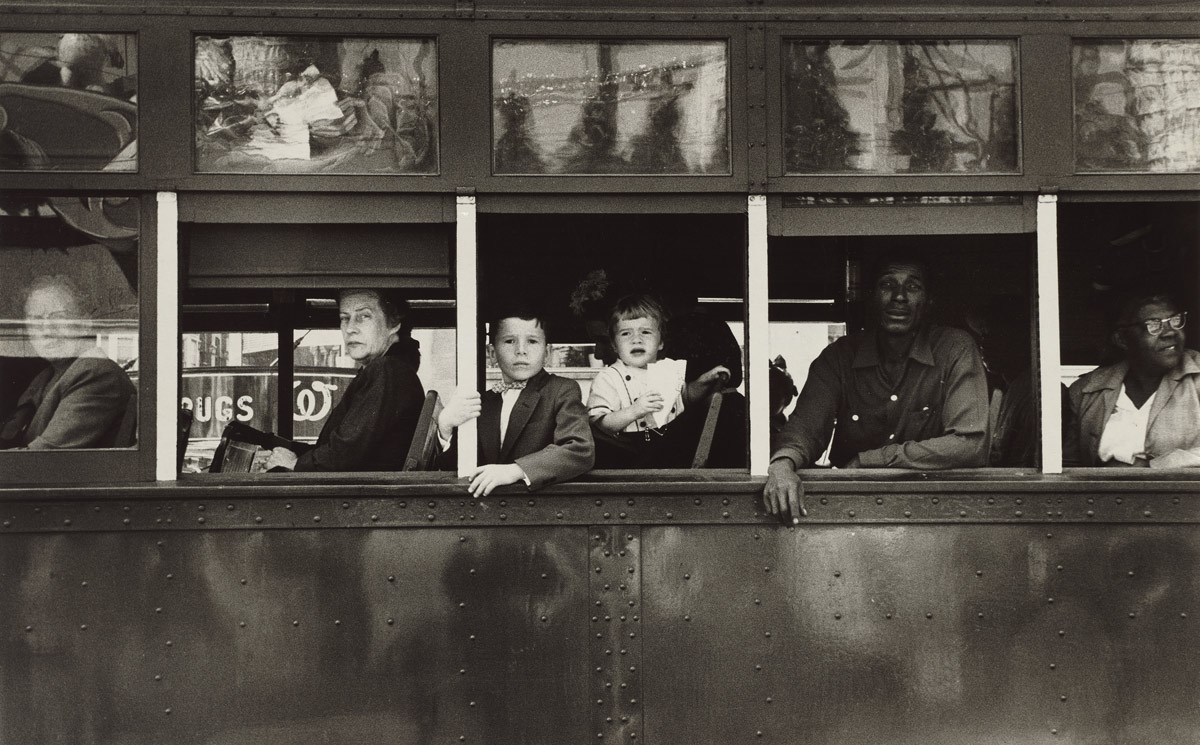
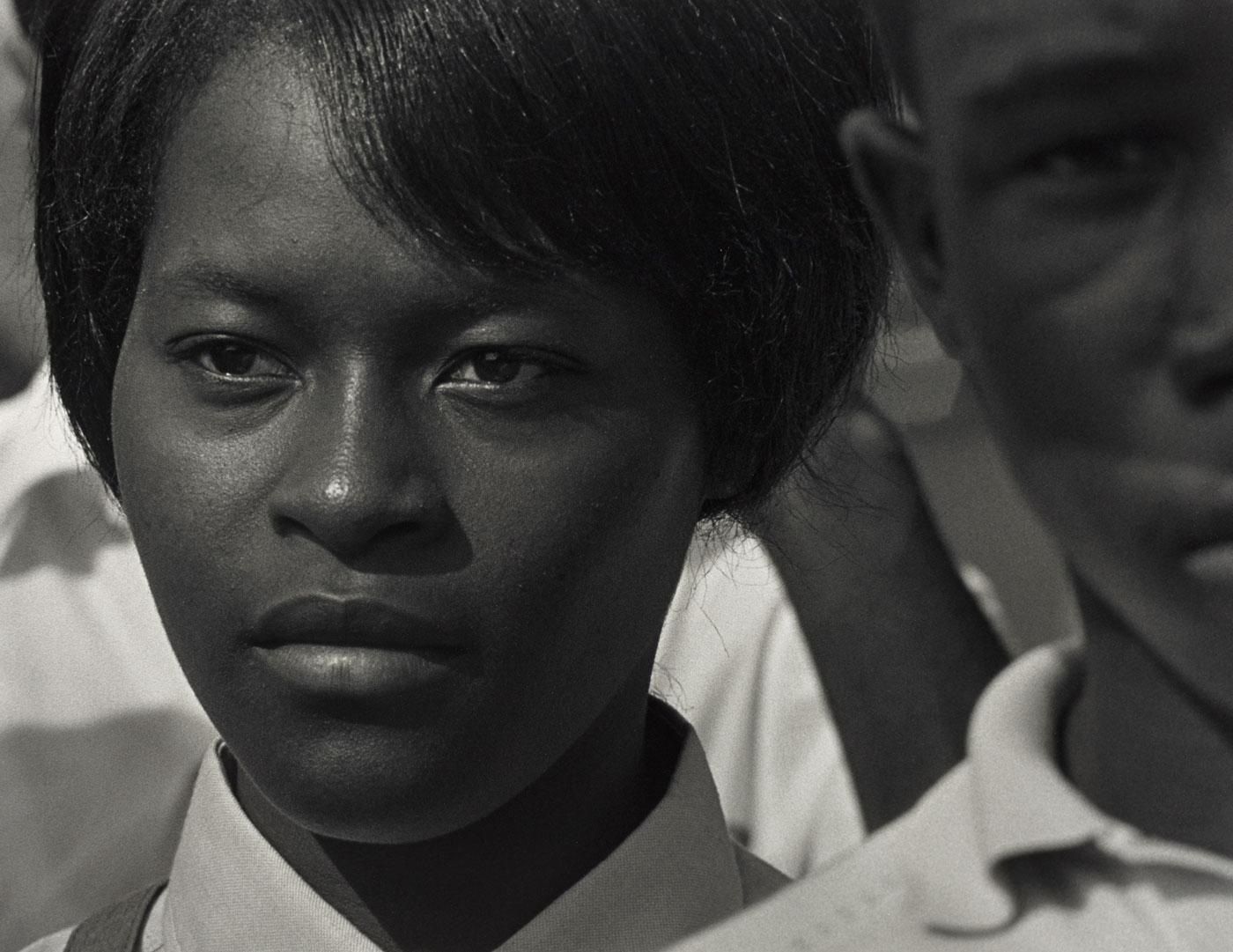


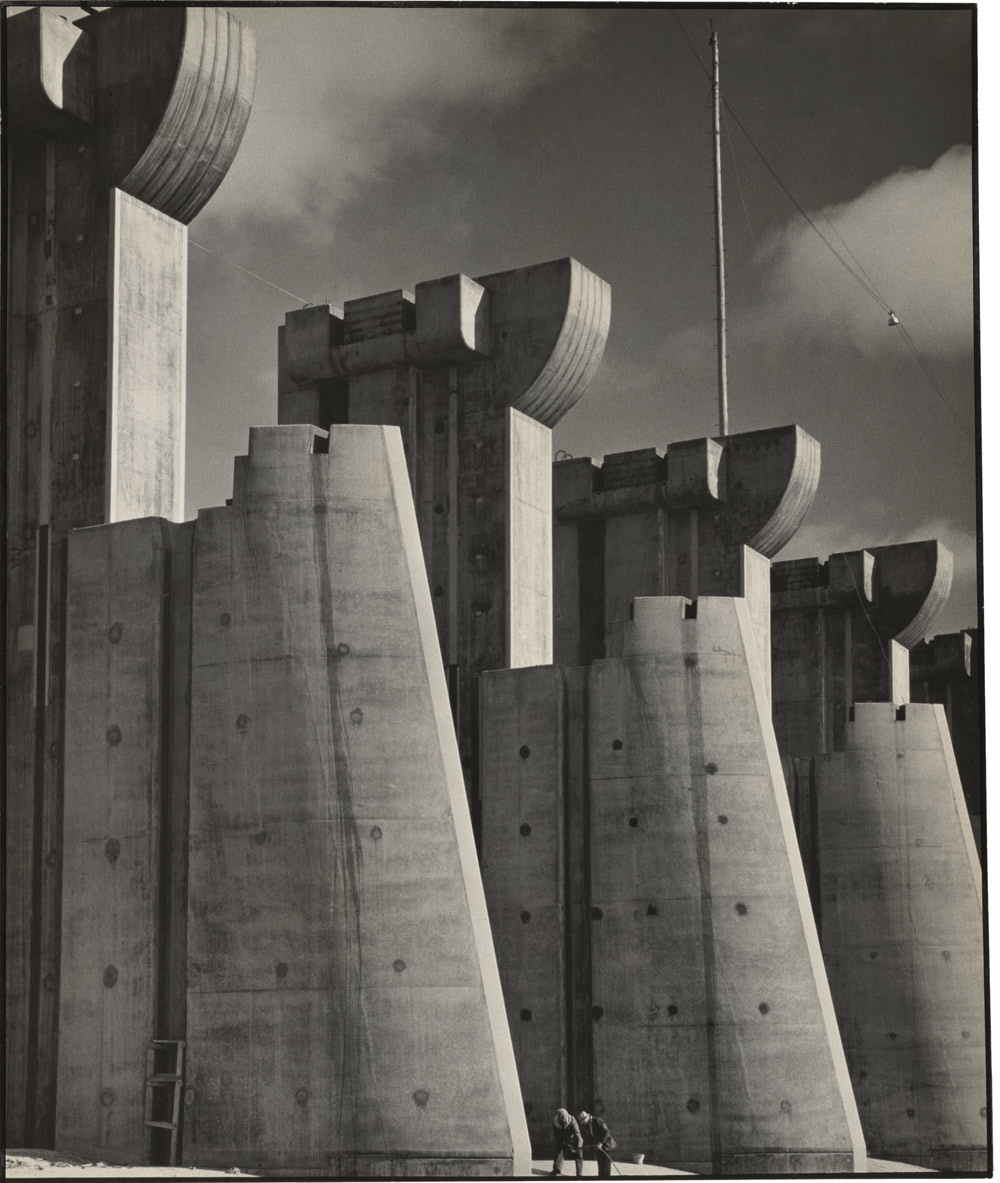


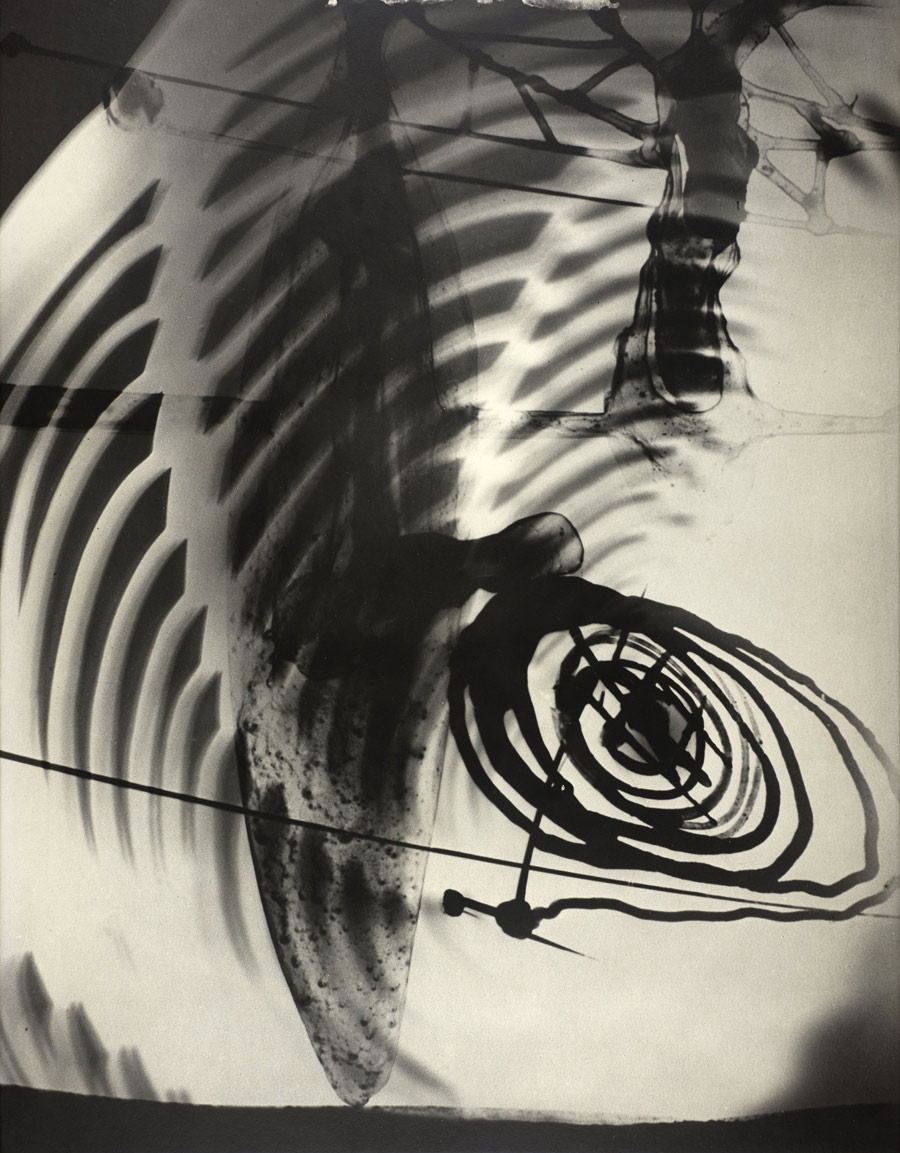
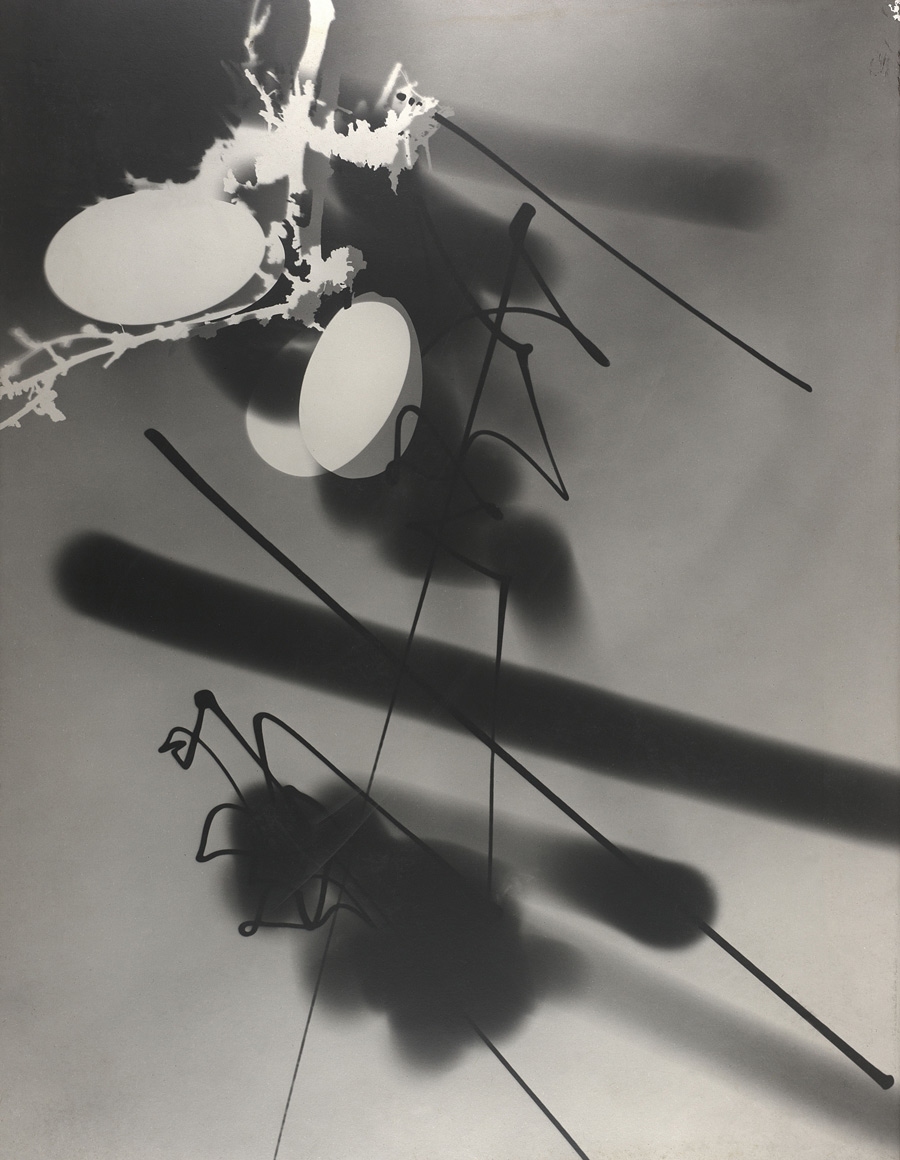


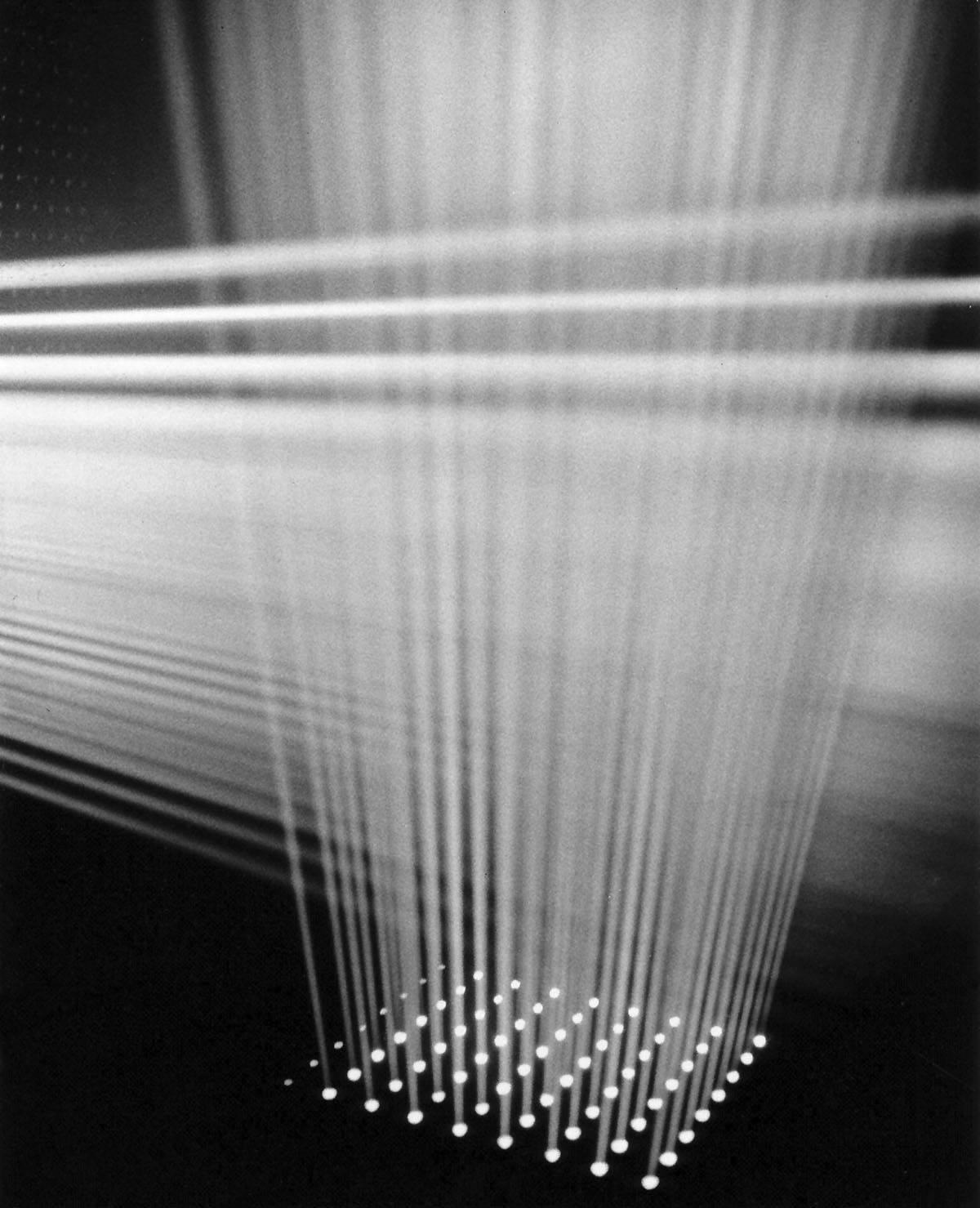
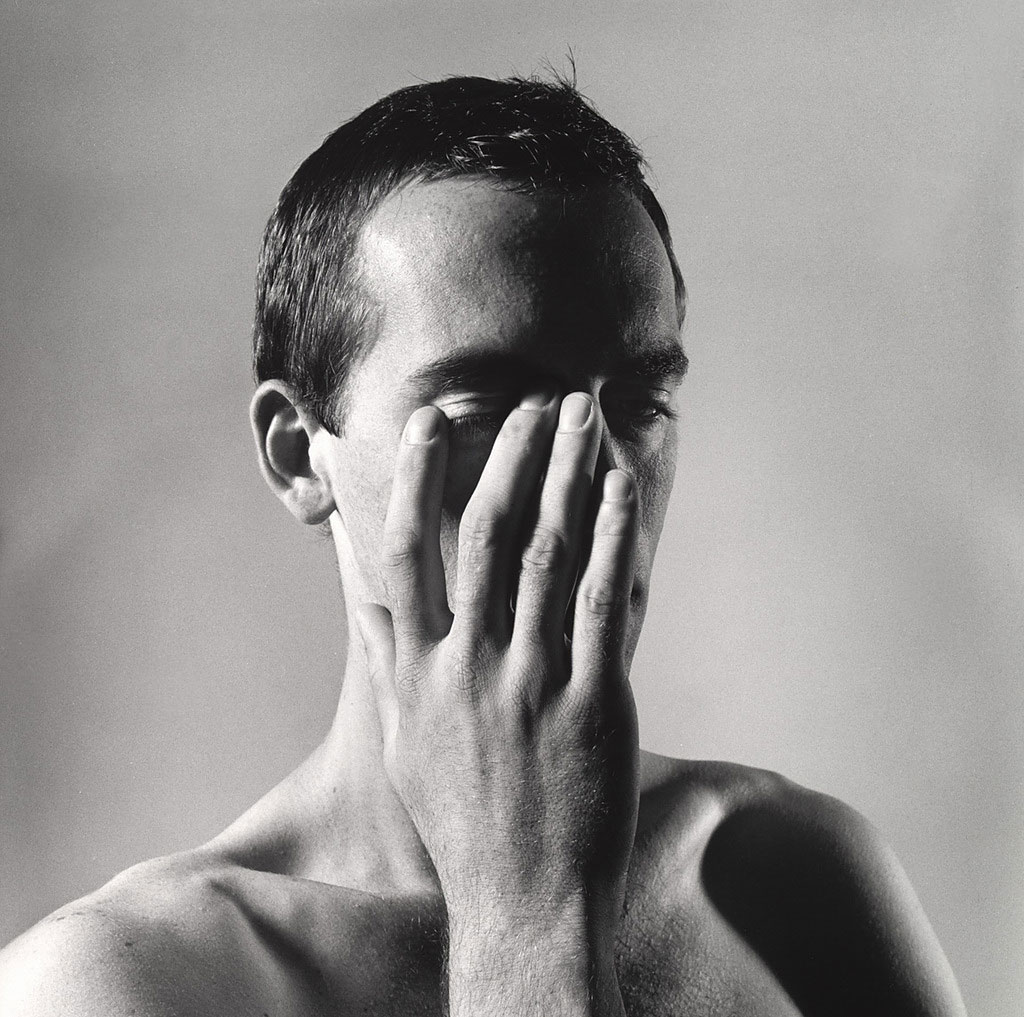
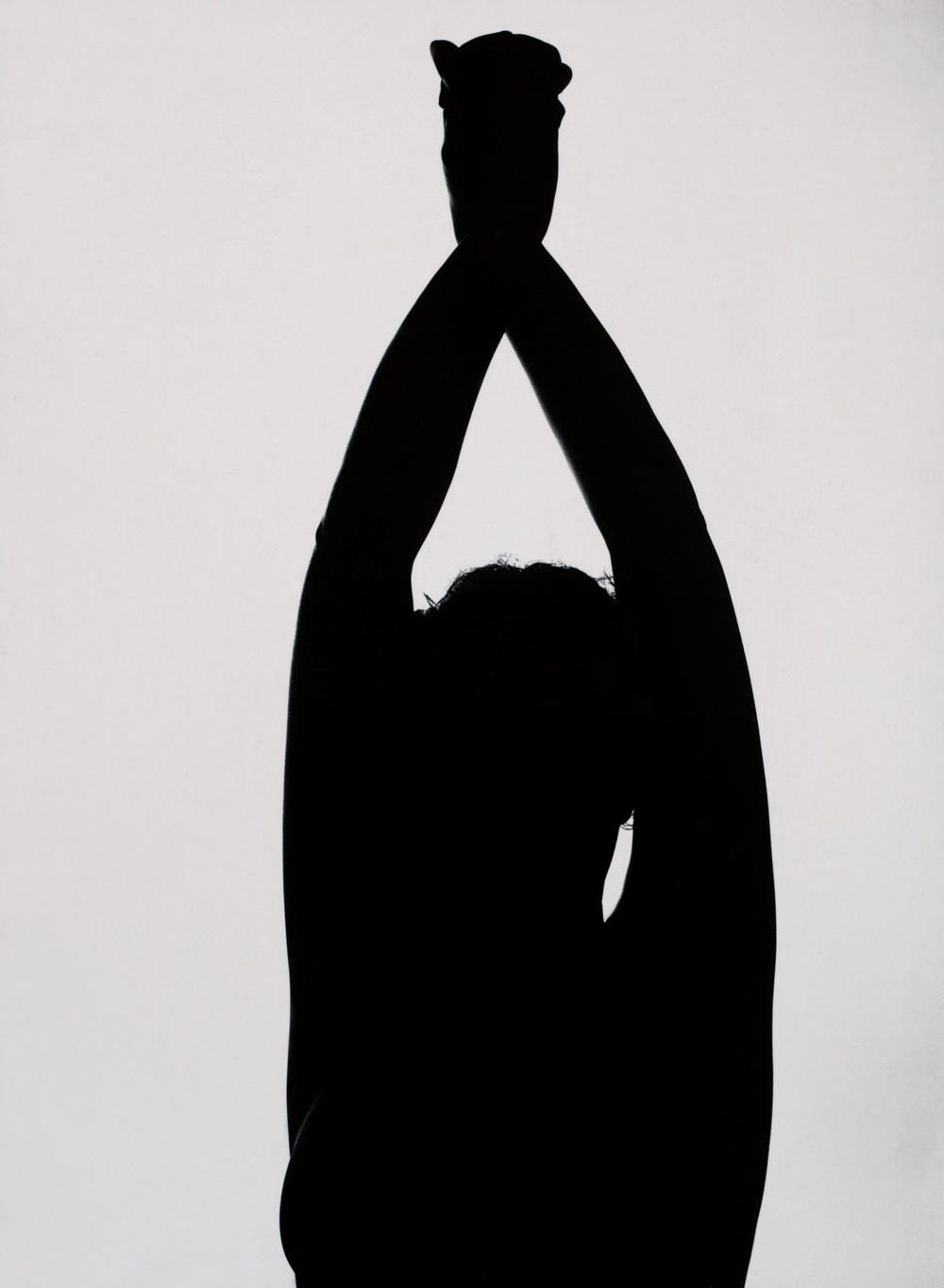

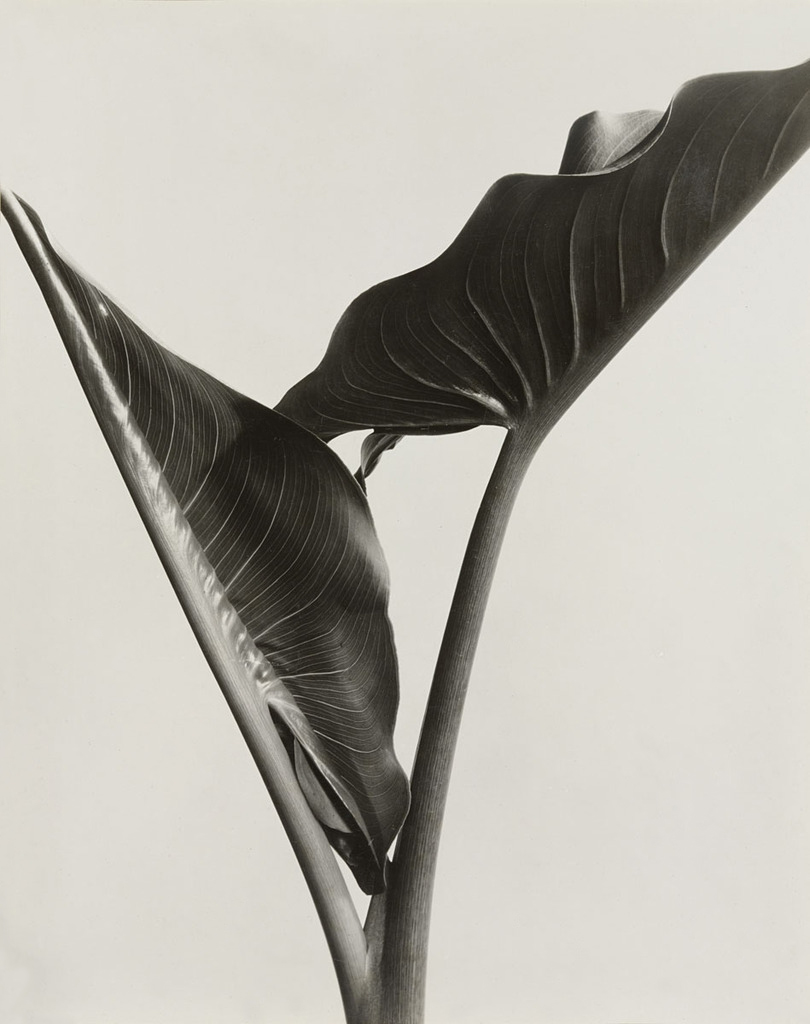
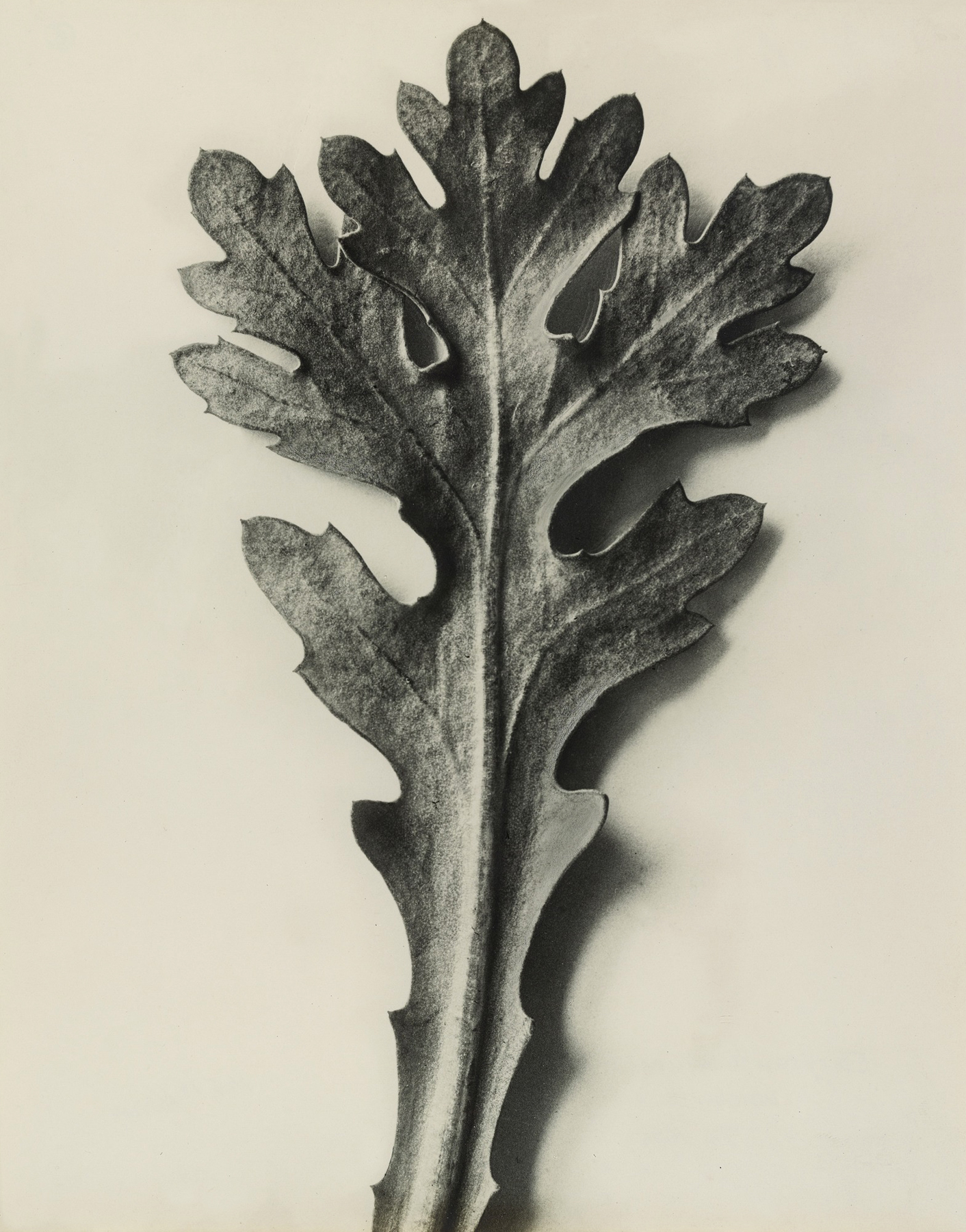
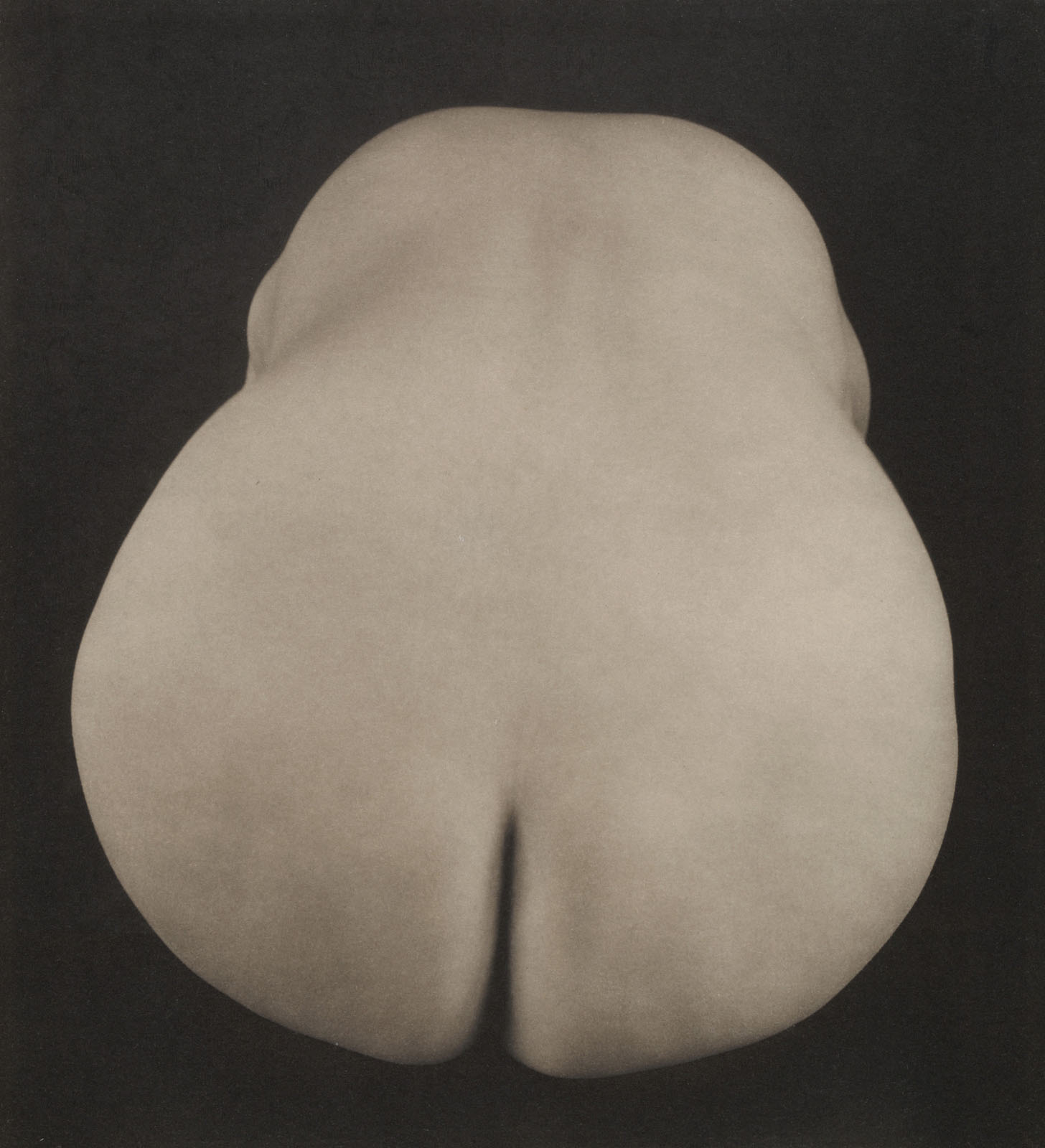

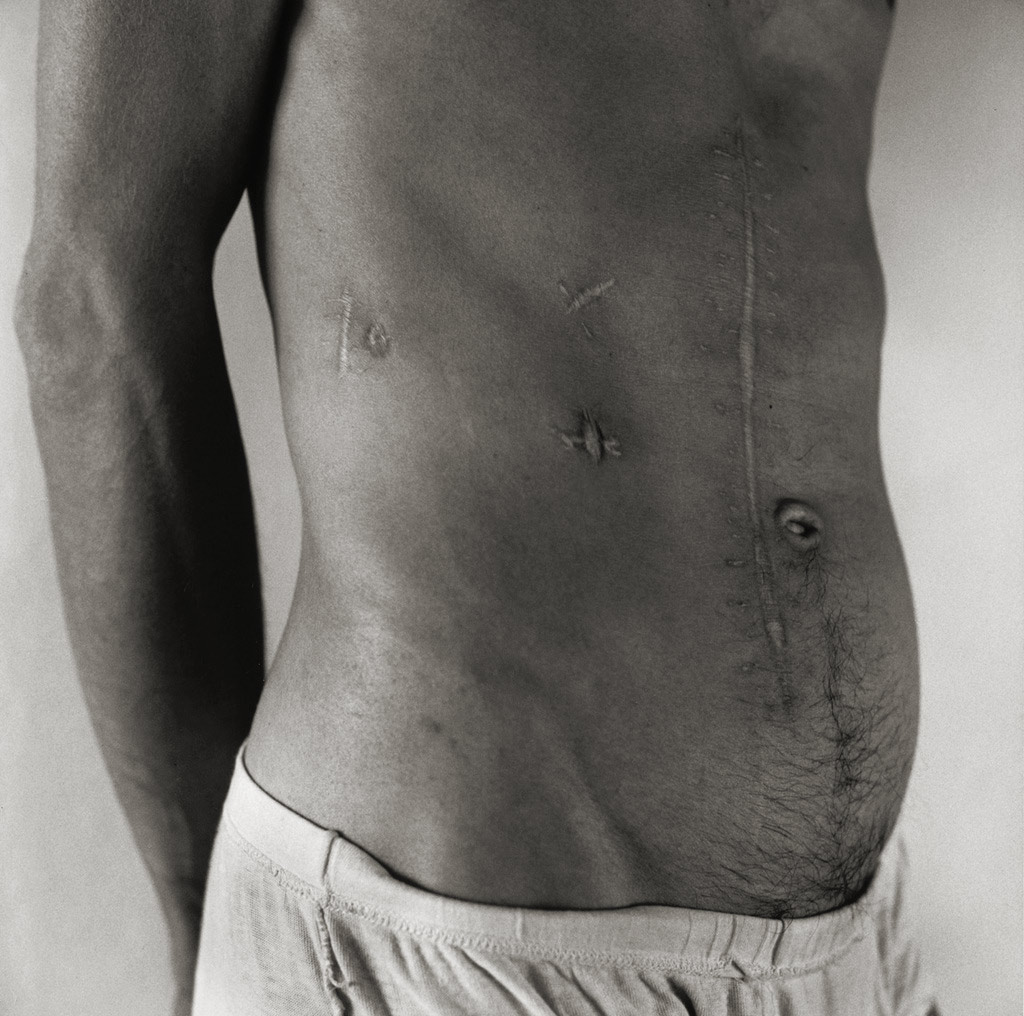


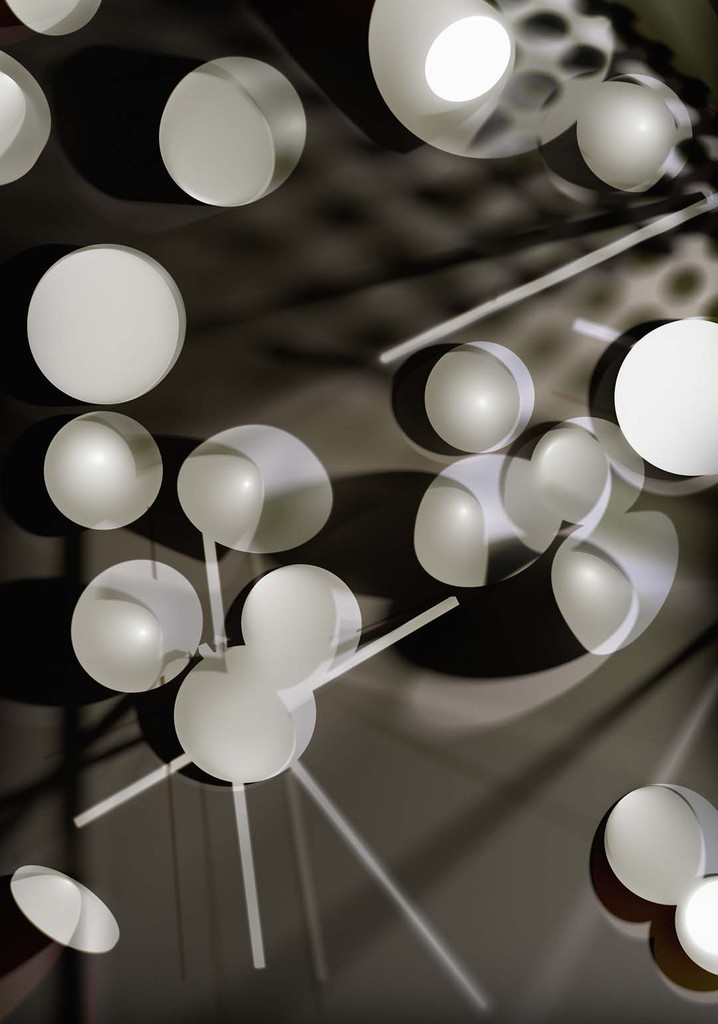
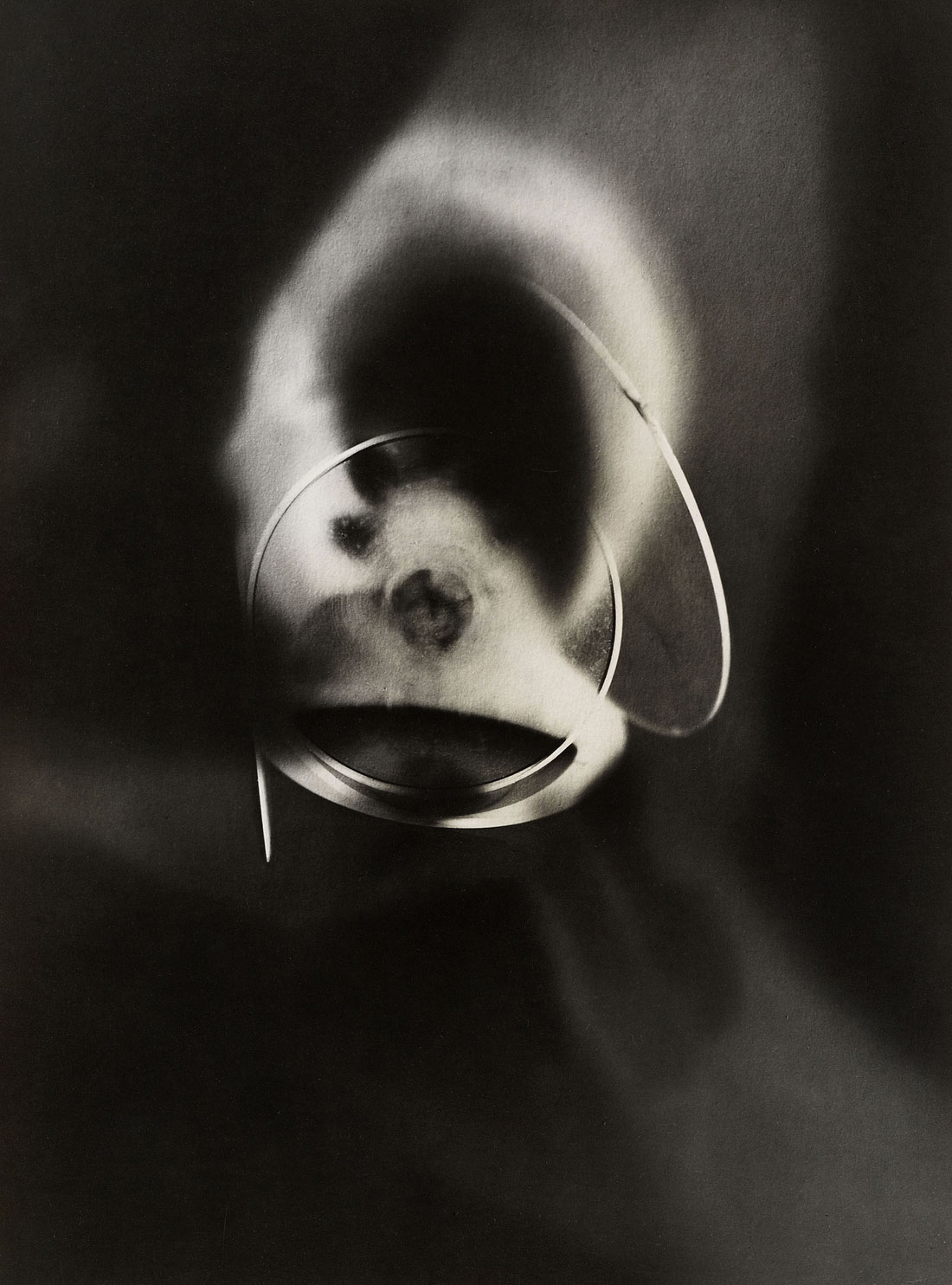
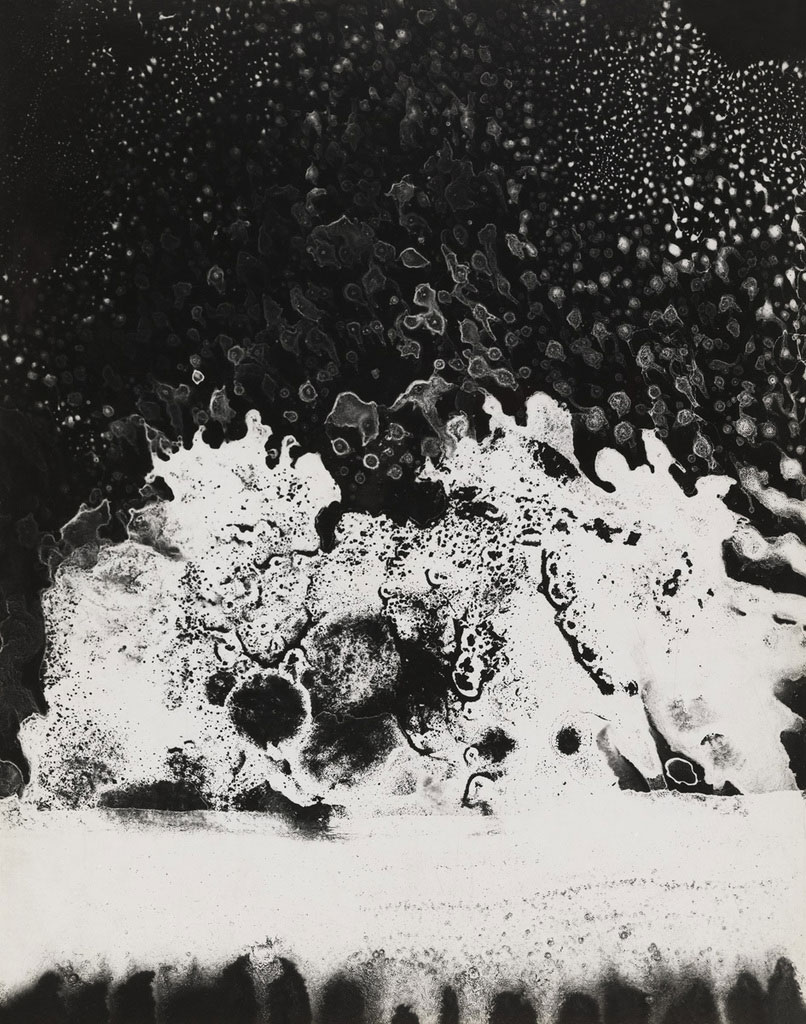


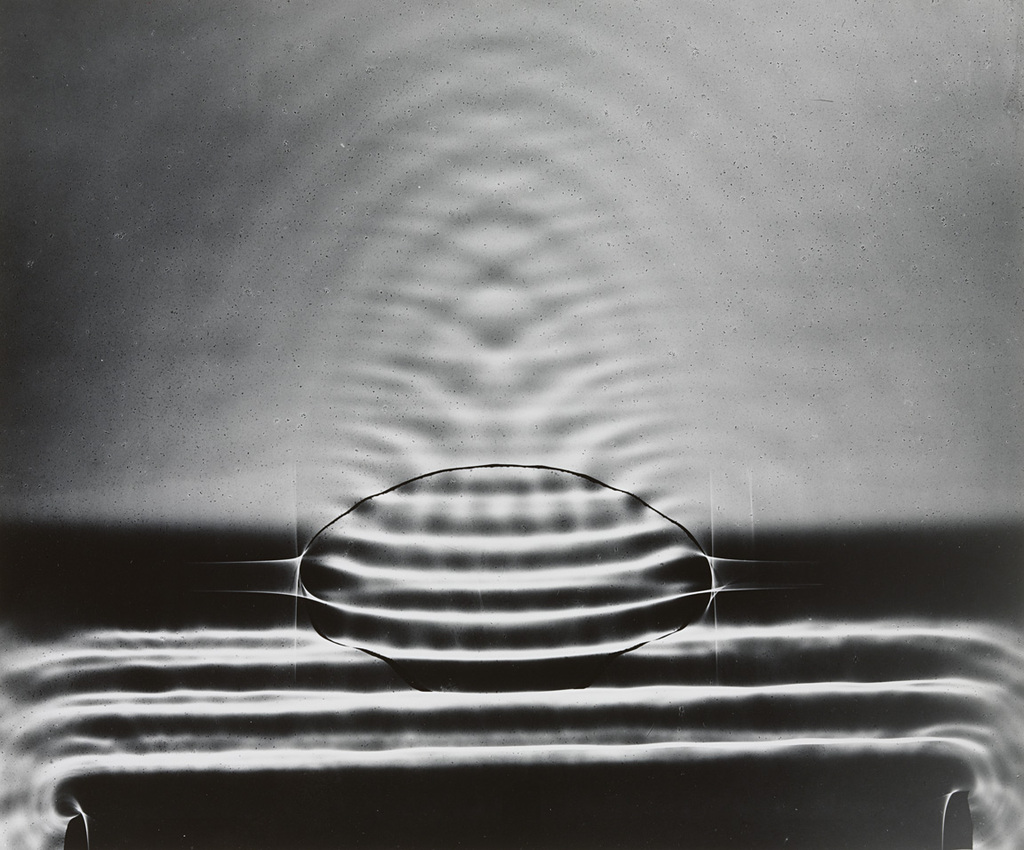

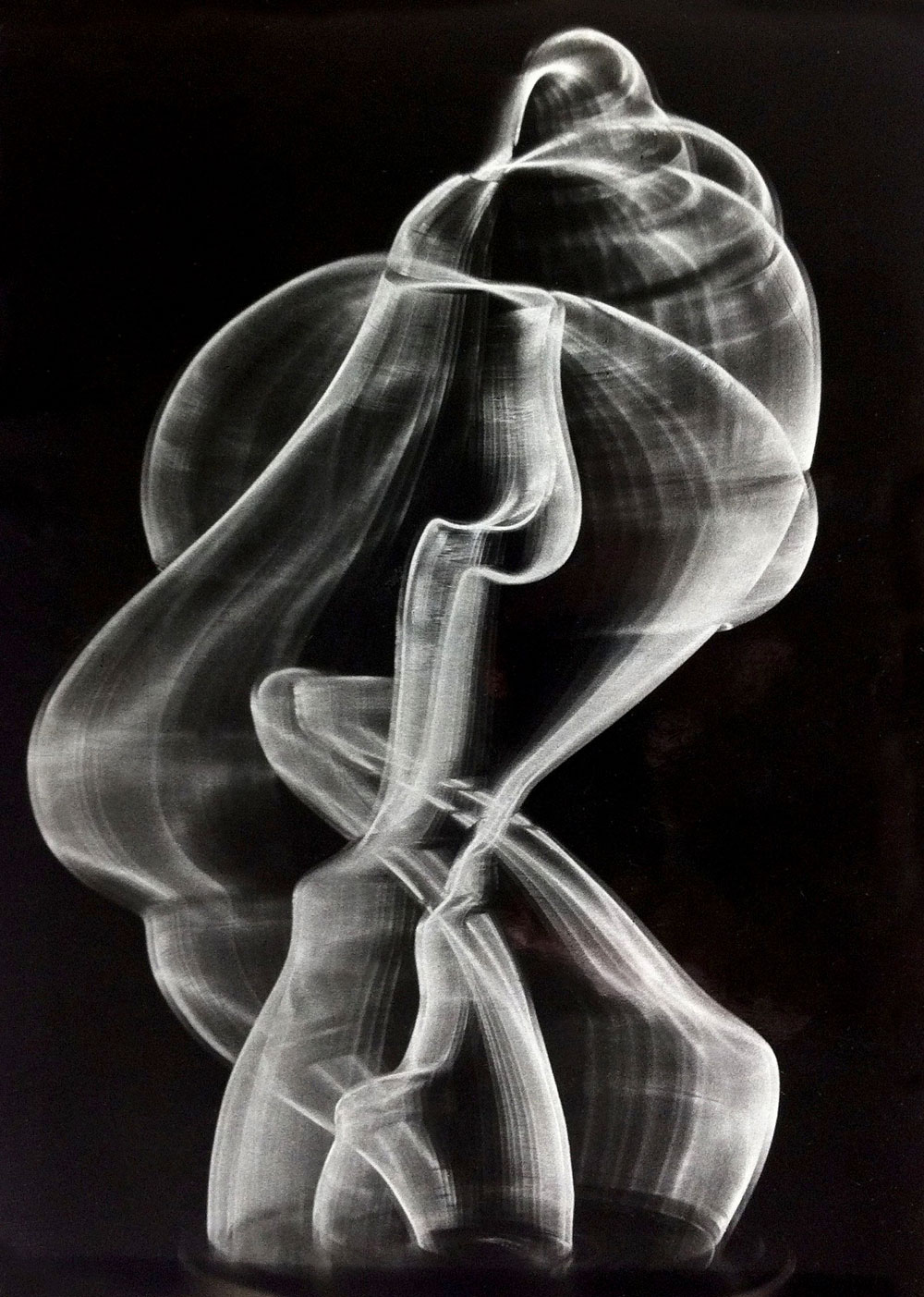
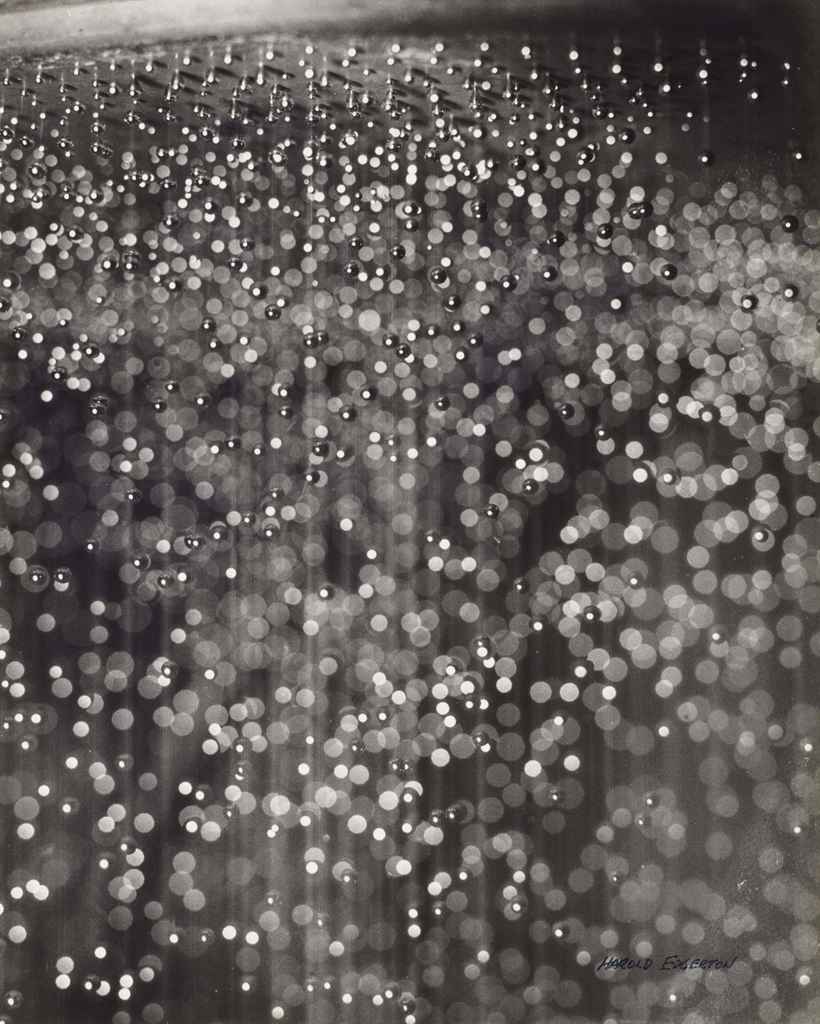

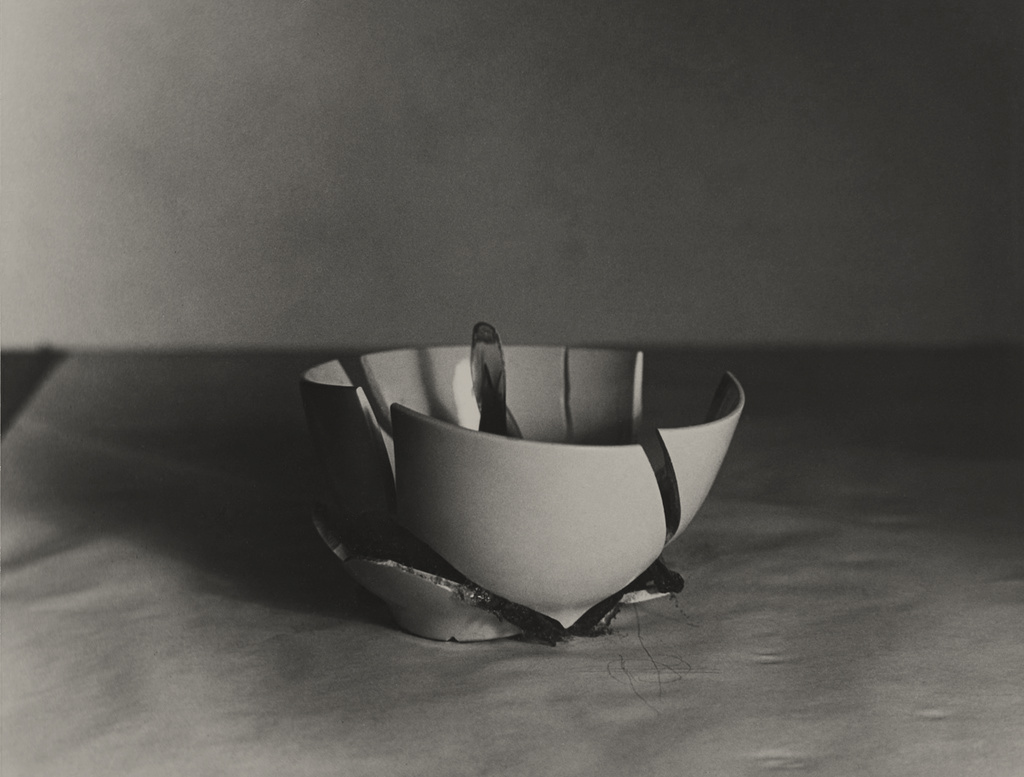


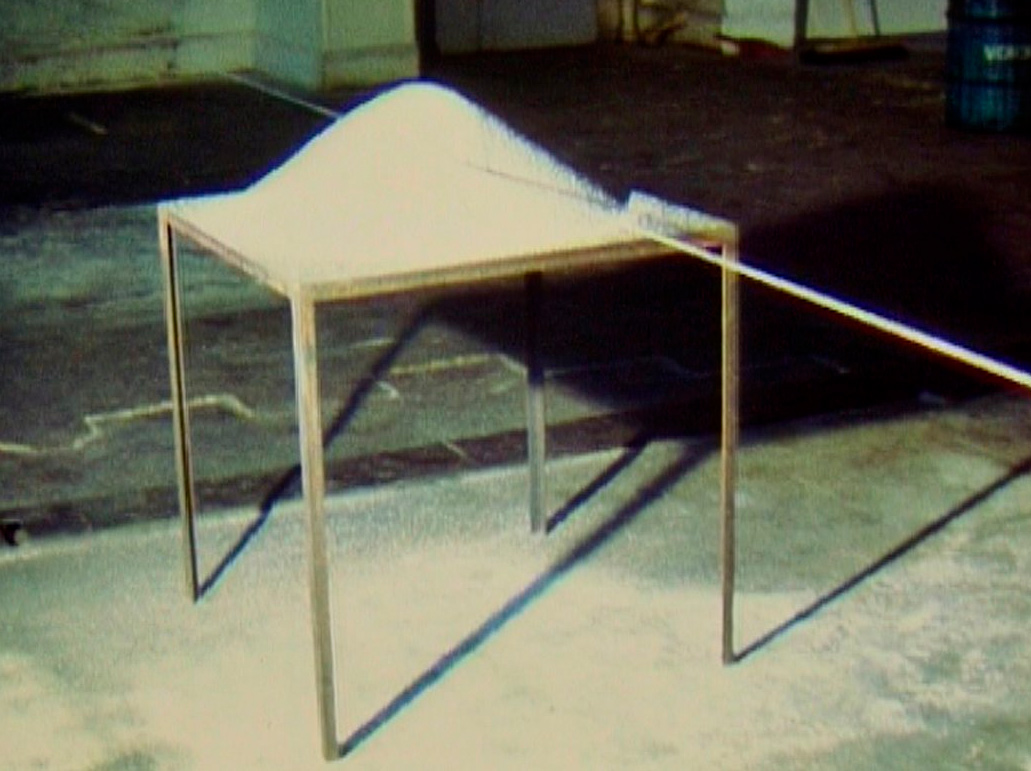



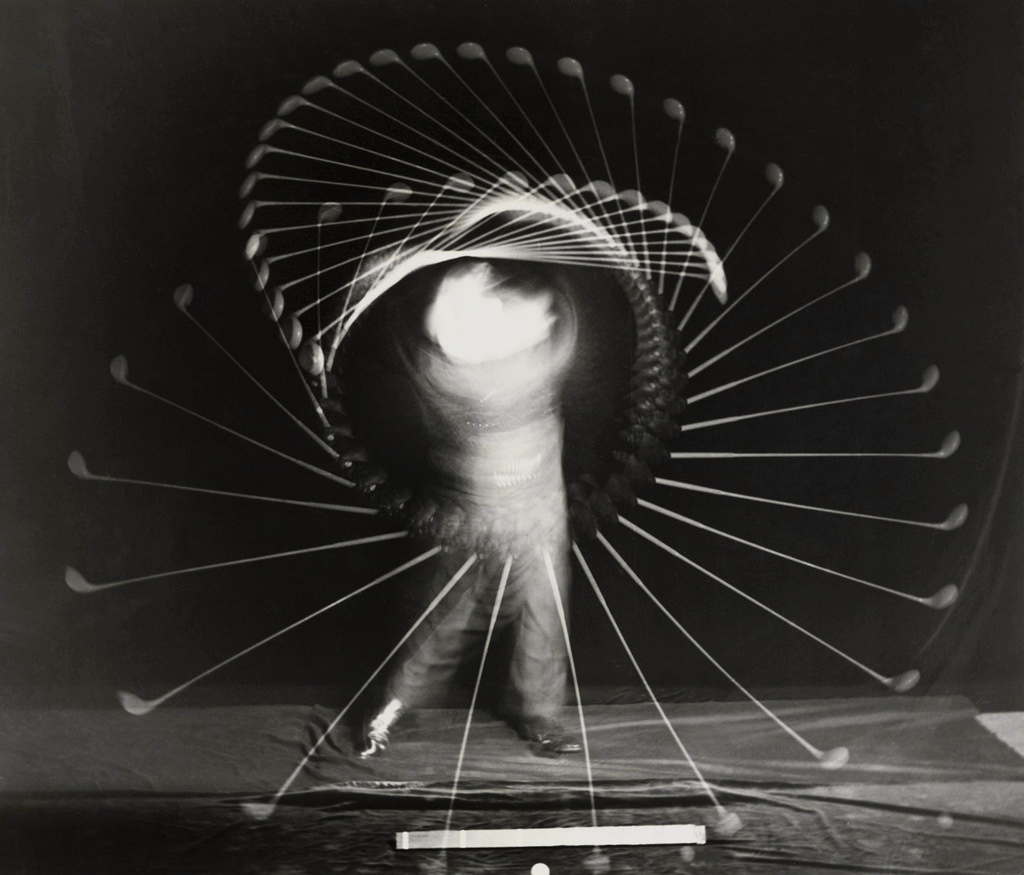
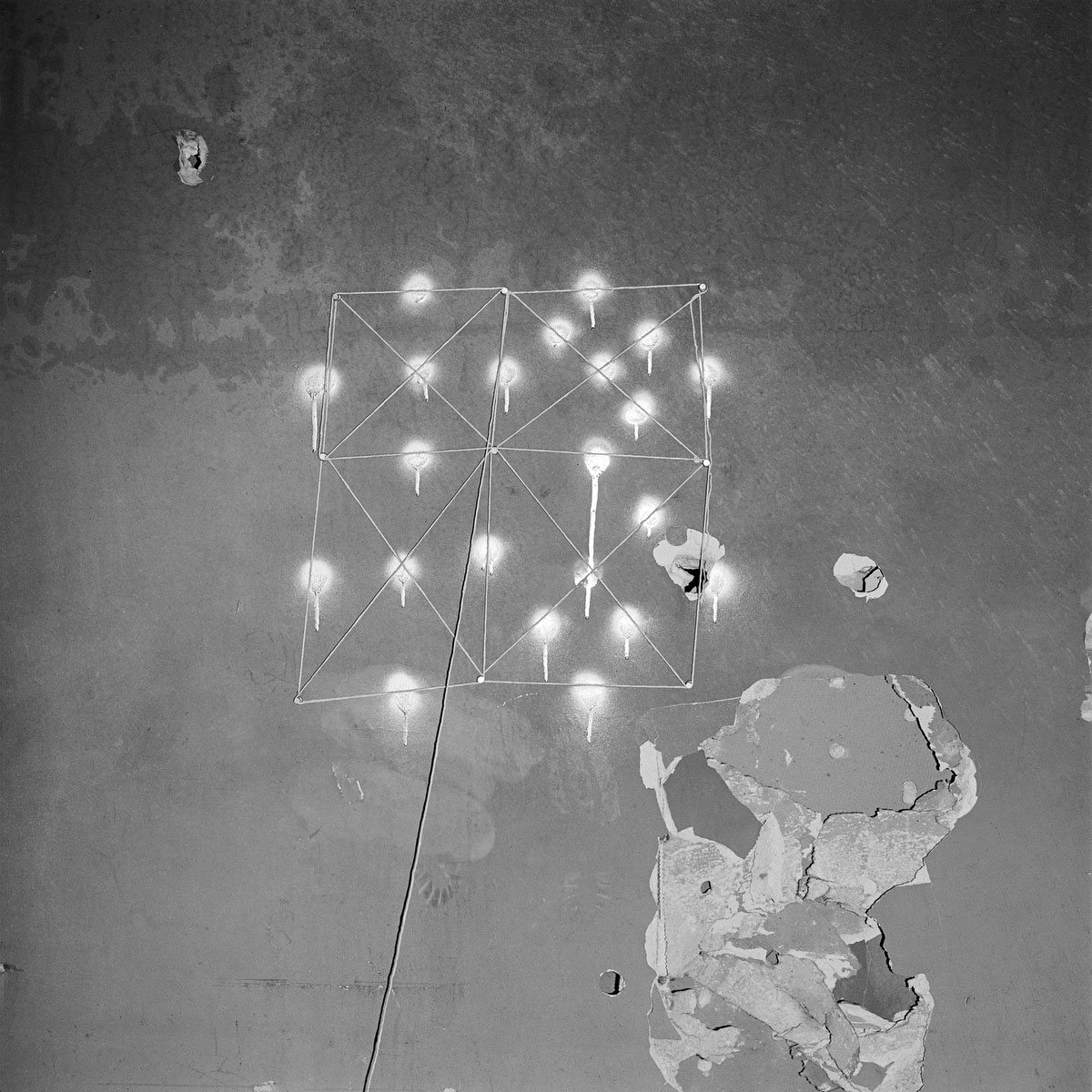
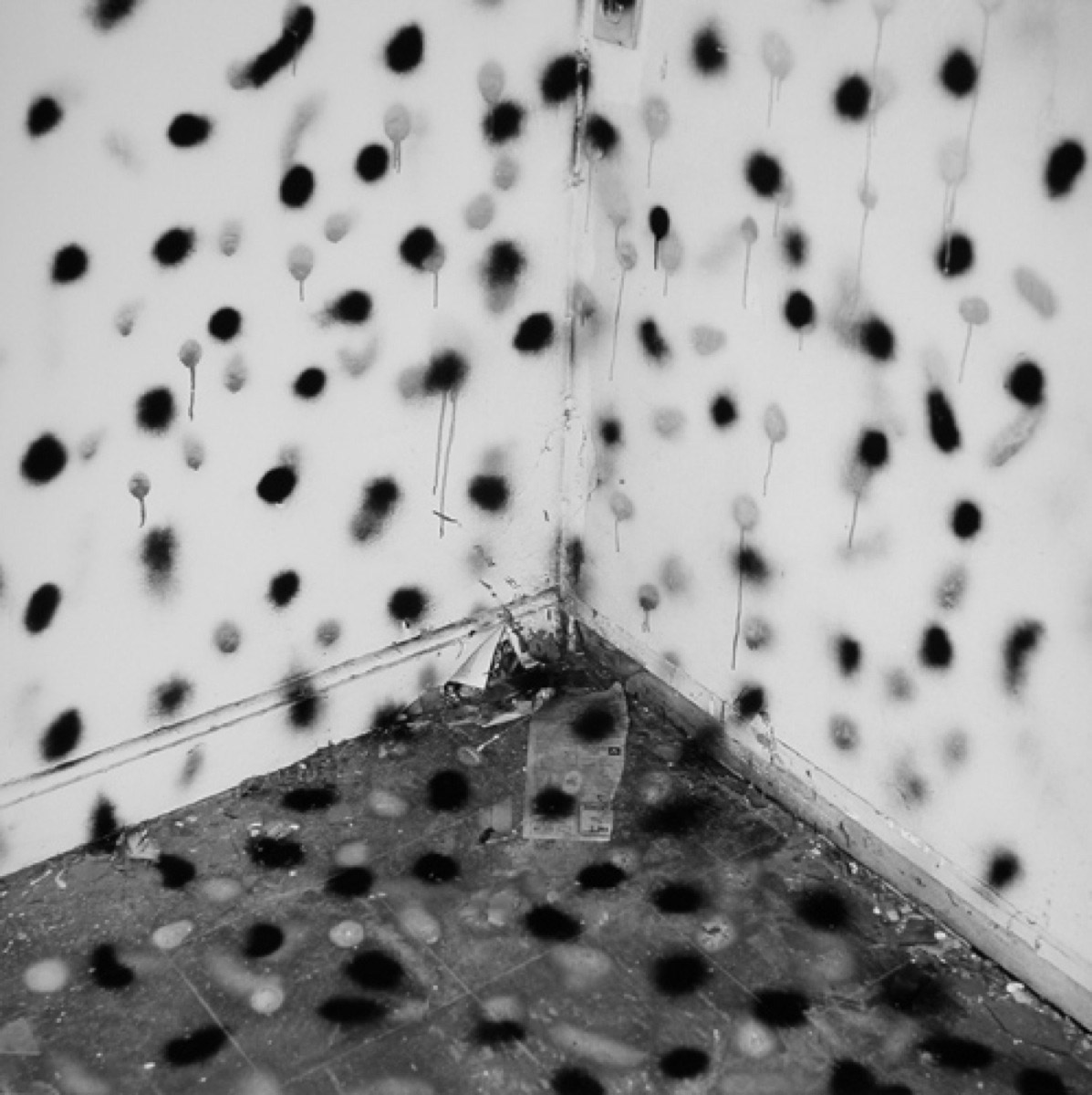
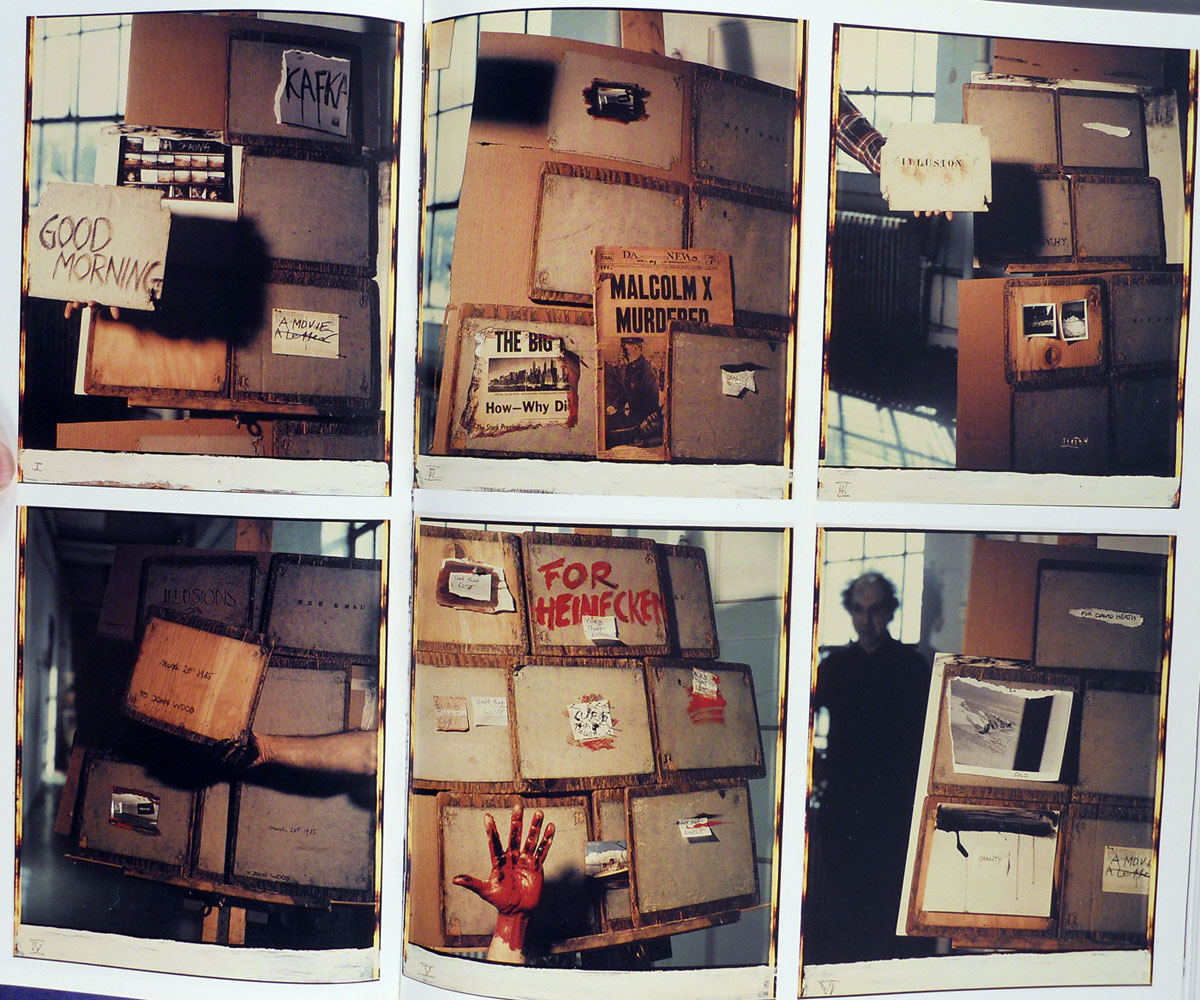


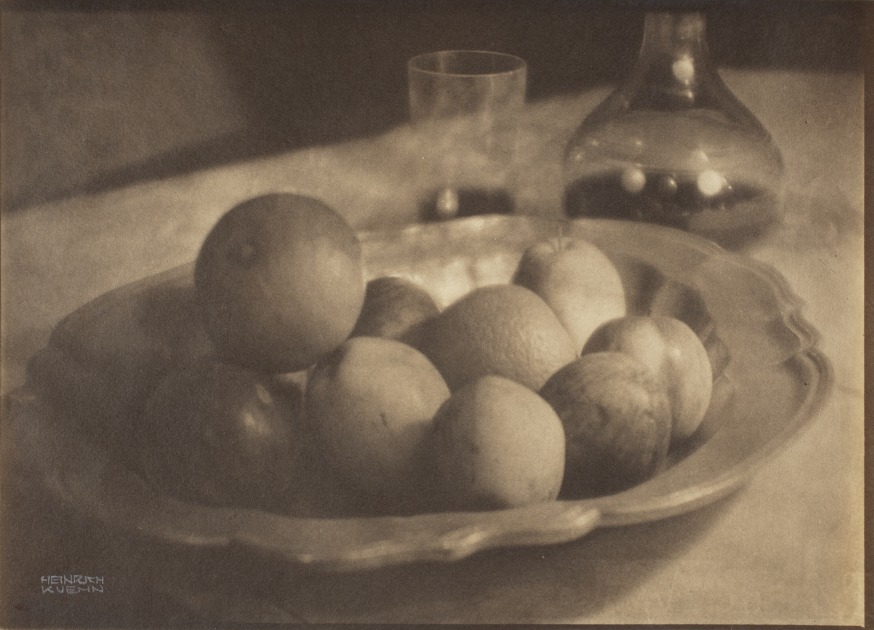


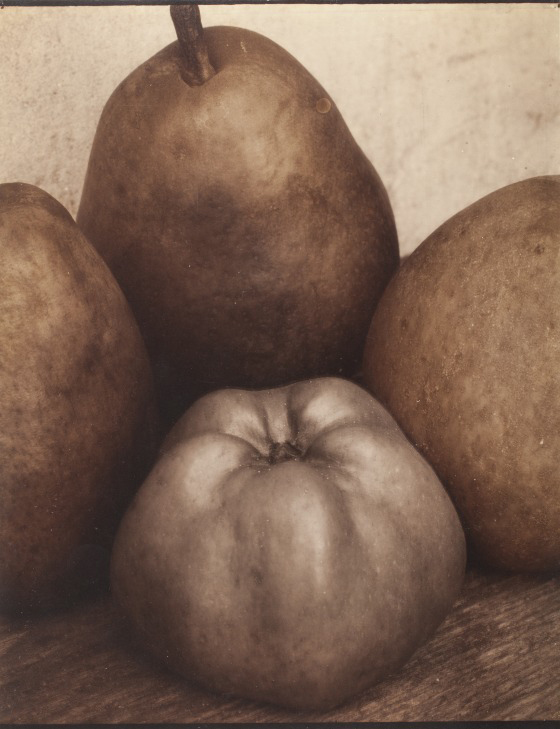


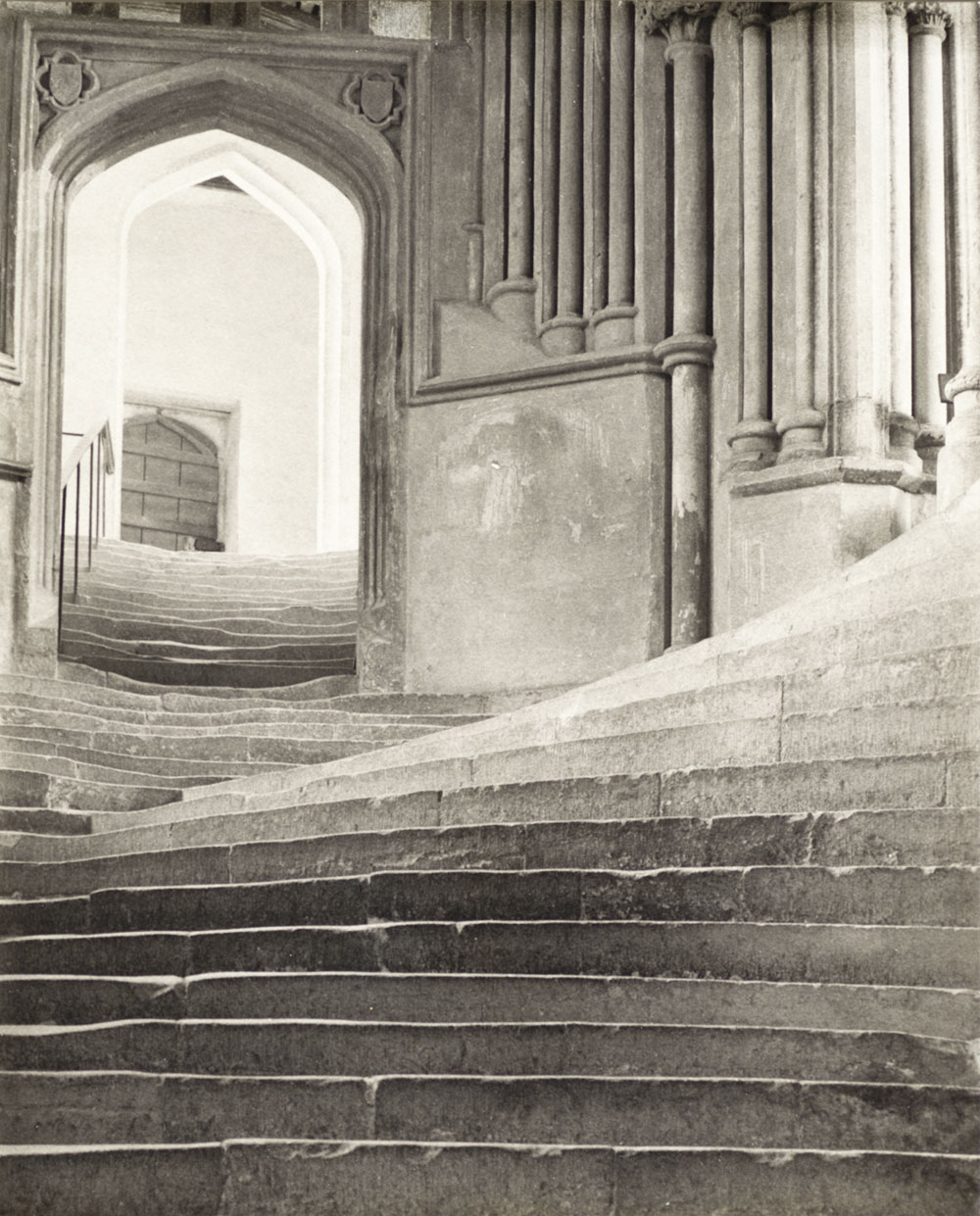

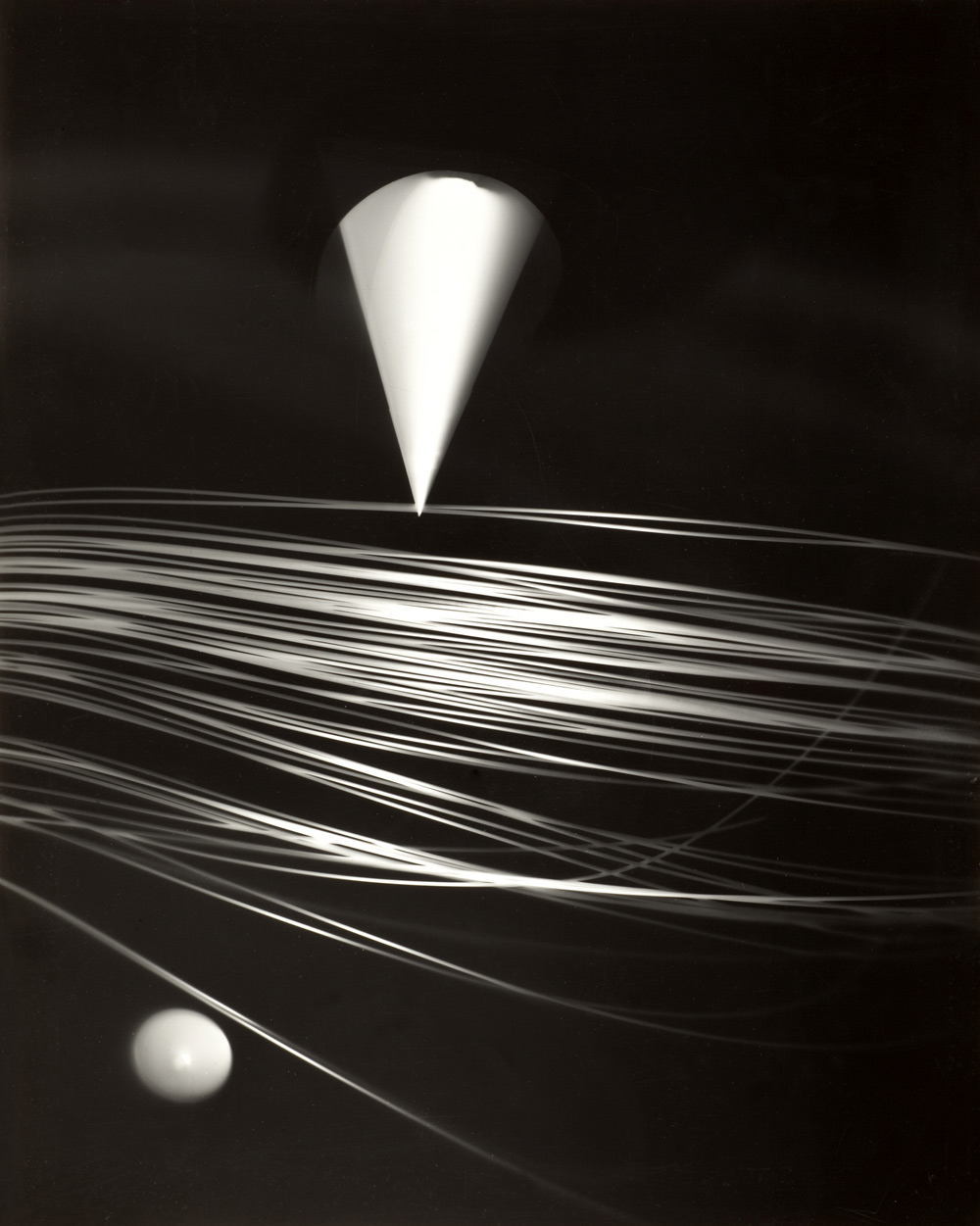


![Eva Besnyö (Dutch-Hungarian, 1910-2003) 'Untitled Untitled [boy with a violoncello, Balaton, Hungary]' 1931](https://artblart.com/wp-content/uploads/2012/09/eva_besnyo_gypsy_boy-web.jpg "Eva Besnyö (Dutch-Hungarian, 1910-2003) 'Untitled Untitled [boy with a violoncello, Balaton, Hungary]' 1931")

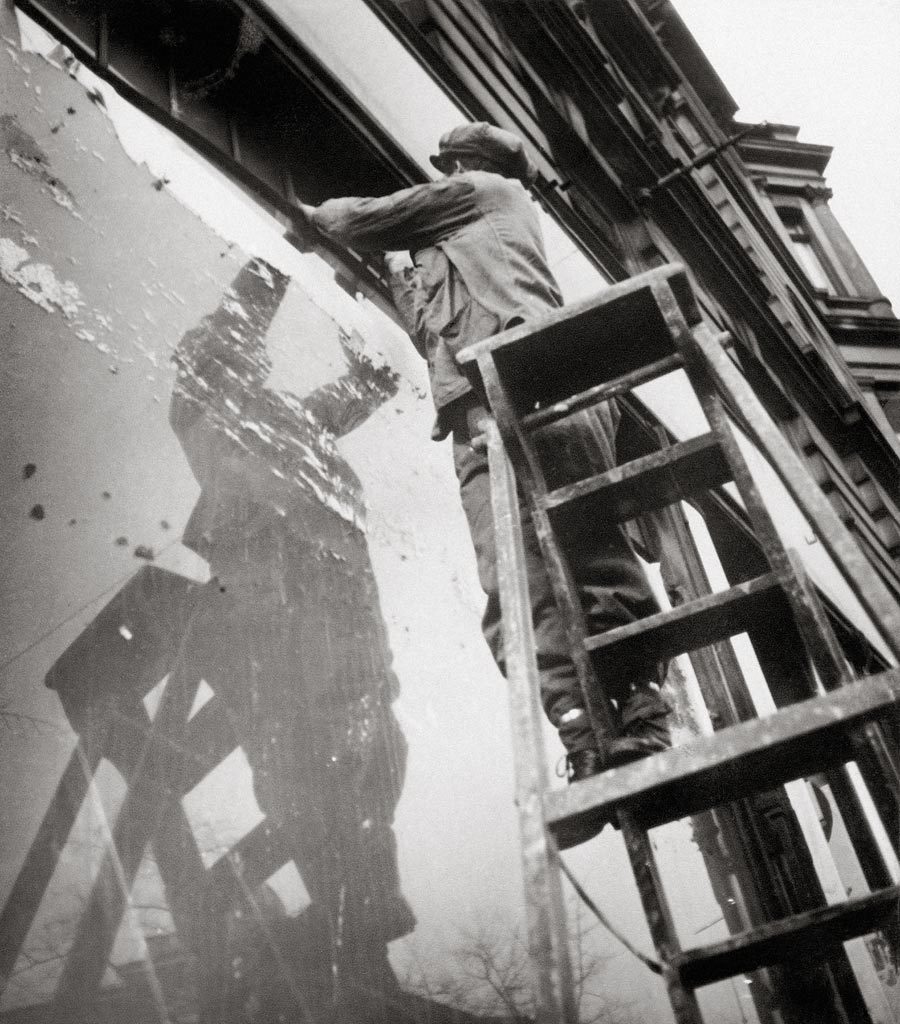
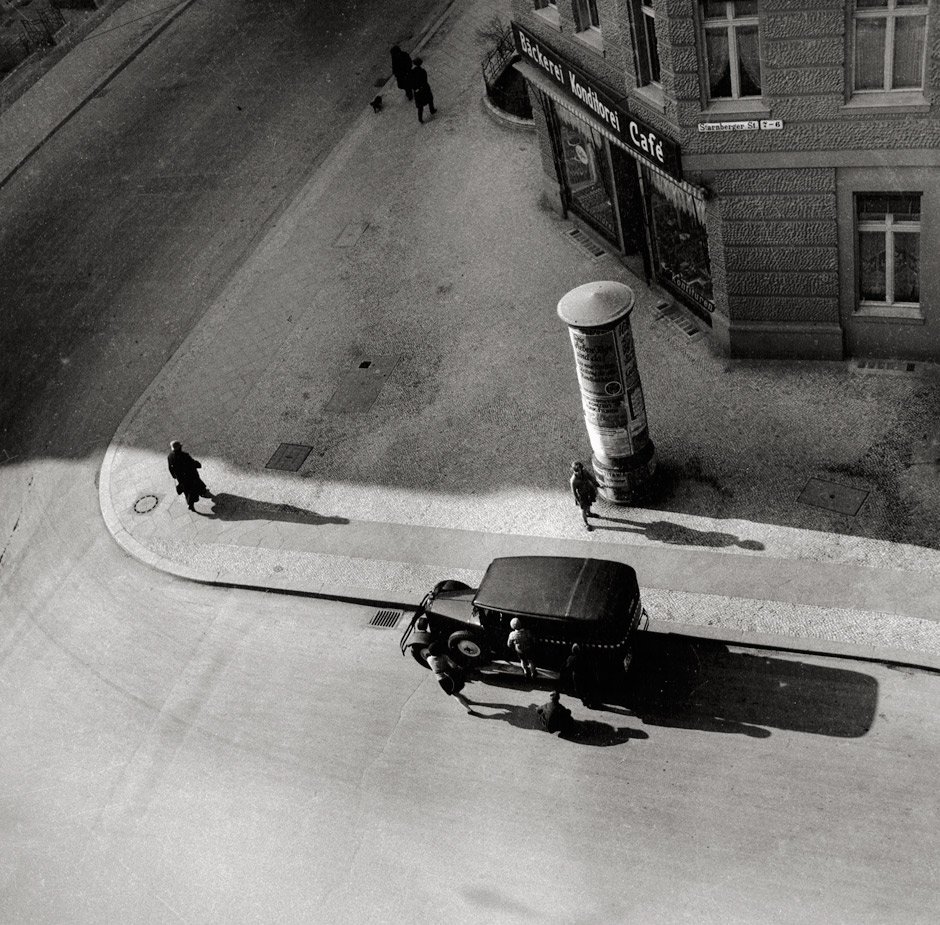
![Eva Besnyö (Dutch-Hungarian, 1910-2003) 'Untitled [Shadow play]' Hungary 1931](https://artblart.com/wp-content/uploads/2012/09/eva_besnyo_shadow_play-web.jpg "Eva Besnyö (Dutch-Hungarian, 1910-2003) 'Untitled [Shadow play]' Hungary 1931")
![Eva Besnyö (Dutch-Hungarian, 1910-2003) 'Untitled [dockers on the Spree]' Berlin, 1931](https://artblart.com/wp-content/uploads/2012/09/eva_besnyo_docks-web.jpg "Eva Besnyö (Dutch-Hungarian, 1910-2003) 'Untitled [dockers on the Spree]' Berlin, 1931")
![Eva Besnyö (Dutch-Hungarian, 1910-2003) 'Untitled [Vertigo #3]' Nd](https://artblart.com/wp-content/uploads/2012/09/photo_by_eva_besnyo_vertigo3-web.jpg "Eva Besnyö (Dutch-Hungarian, 1910-2003) 'Untitled [Vertigo #3]' Nd")

![Eva Besnyö (Dutch-Hungarian, 1910-2003) 'Untitled [Summer house in Groet, North Holland. Architects Merkelbach & Karsten]' 1934](https://artblart.com/wp-content/uploads/2012/09/eb18-web.jpg "Eva Besnyö (Dutch-Hungarian, 1910-2003) 'Untitled [Summer house in Groet, North Holland. Architects Merkelbach & Karsten]' 1934")
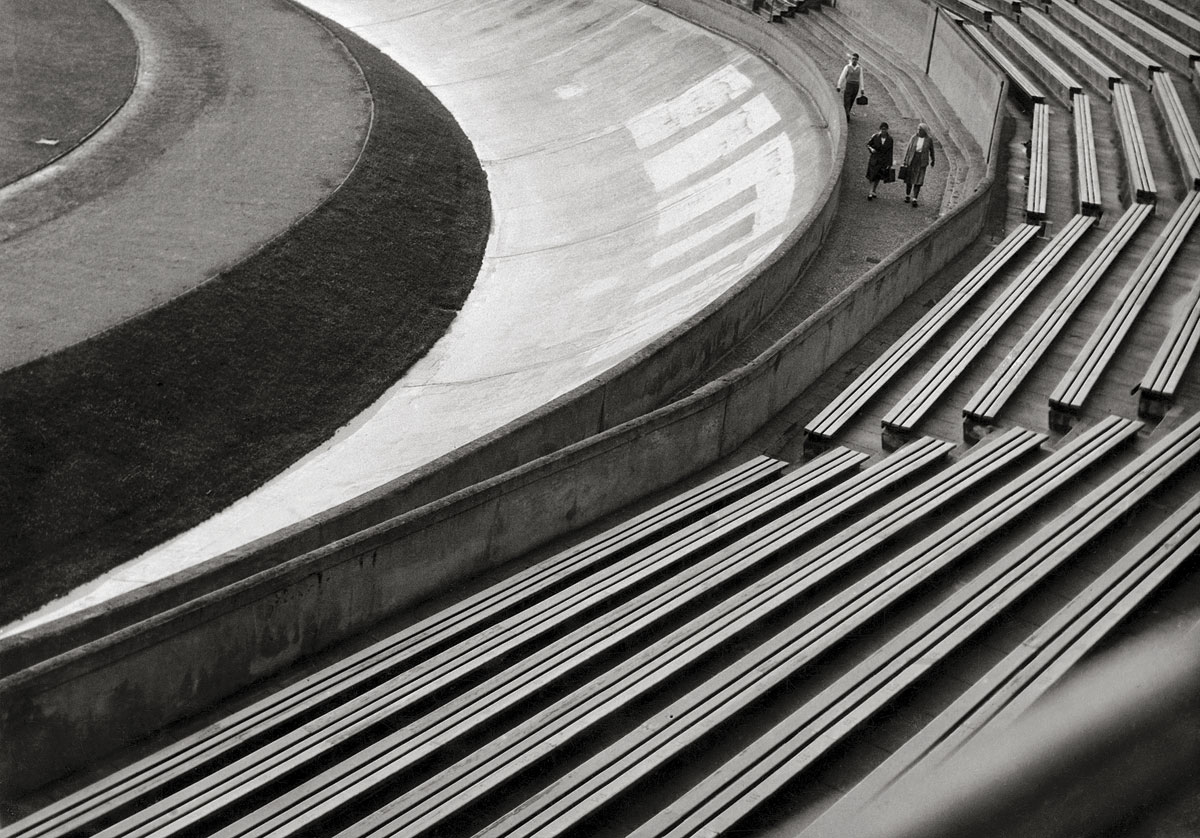
![Eva Besnyö (Dutch-Hungarian, 1910-2003) 'Untitled [Lieshout, The Netherlands]' 1954](https://artblart.com/wp-content/uploads/2012/09/eb15-web.jpg "Eva Besnyö (Dutch-Hungarian, 1910-2003) 'Untitled [Lieshout, The Netherlands]' 1954")
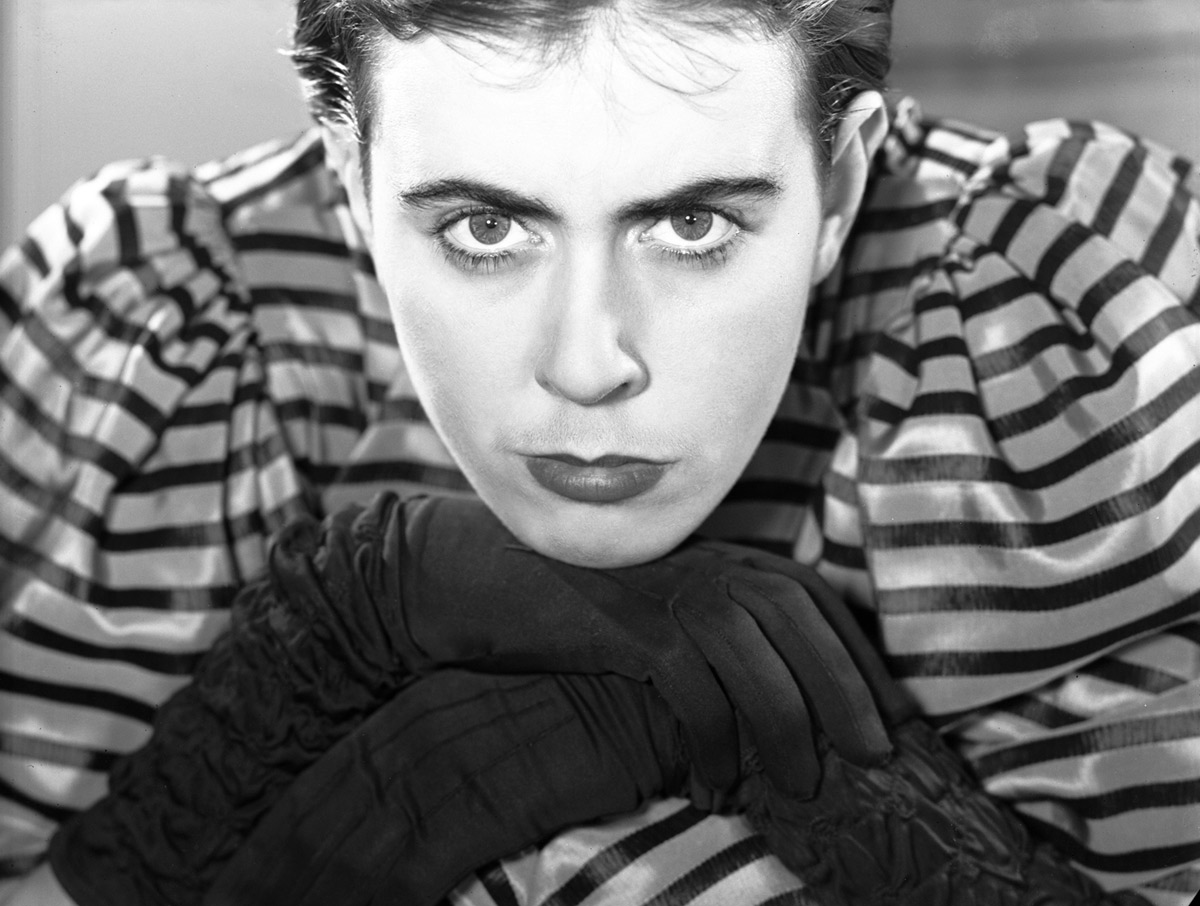
![Eva Besnyö (Dutch-Hungarian, 1910-2003) 'Untitled [John Fernout with Rolleiflex at the Baltic seaside]' 1932](https://artblart.com/wp-content/uploads/2012/09/eb02-web.jpg "Eva Besnyö (Dutch-Hungarian, 1910-2003) 'Untitled [John Fernout with Rolleiflex at the Baltic seaside]' 1932")
![Eva Besnyö (Dutch-Hungarian, 1910-2003) 'Untitled [Magda, Balaton, Hungary]' 1932](https://artblart.com/wp-content/uploads/2012/09/eb04-web.jpg "Eva Besnyö (Dutch-Hungarian, 1910-2003) 'Untitled [Magda, Balaton, Hungary]' 1932")
![Eva Besnyö (Dutch-Hungarian, 1910-2003) 'Untitled [The shadow of John Fernhout, Westkapelle, Zeeland, Netherlands]' 1933](https://artblart.com/wp-content/uploads/2012/09/eb13-web.jpg "Eva Besnyö (Dutch-Hungarian, 1910-2003) 'Untitled [The shadow of John Fernhout, Westkapelle, Zeeland, Netherlands]' 1933")
 Art Blart _ art and cultural memory archive
You must be logged in to post a comment.