Installation view of the exhibition Thomas Struth: Figure Ground at Haus der Kunst, Munich Courtesy of the artist and Haus der Kunst, Munich
I have always liked this man’s work. His understanding of space, colour, form and photograph as aesthetic experience is sublime. His muscular compositions show evidence of clear thinking and seeing… an investigation into sachlichkeit, that is objectivity: the boundaries between human, animal and machine (the aesthetics of innovation).
And yet Struth’s “unheroic” images also show evidence of subjective forces at work: impulsion, chaos, and serendipity to name a few, capturing a ‘razzmatazz of sensations’ that challenge the existential nature of the human, ‘being’.
Dr Marcus Bunyan
Many thankx to Haus der Kunst for allowing me to publish the art work in the posting. Please click on the photographs for a larger version of the image.
“Most of the images are very unheroic.I have a strong relationship to clarity. That’s why my compositions and choices are very meticulous.”
Installation view of the exhibition Thomas Struth: Figure Ground at Haus der Kunst, Munich with Louvre 4, Paris (1989) centre left Courtesy of the artist and Haus der Kunst, Munich
Installation view of the exhibition Thomas Struth: Figure Ground at Haus der Kunst, Munich with Paradise 26 (Bougainville), Palpa, Peru (2003) to the right Courtesy of the artist and Haus der Kunst, Munich
This major exhibition by the pioneering German photographer Thomas Struth (born 1954) presents the most comprehensive survey of his genre-defining oeuvre. Covering four decades of work and every phase of his illustrious artistic career, the exhibition focuses especially on the aspect of Struth’s social interests which represent the important forces of his internationally influential artistic development. Starting with his first series Unbewusste Orte (Unconscious Places) published in 1987 through his current works that deal with the field of research and technology in the globalised world, Struth’s work develops its own specific analytical nature through his choice of subject matter, the manner of its photographic realisation and its modes of presentation. These aspirations are manifested in questioning the relevance of public space and transformation of cities, the cohesive factor of family solidarity, the importance of the relationship between nature and culture, and exploring the limits and possibilities of new technologies. The momentum of participation further characterises these aspirations, as Struth’s extensive pictorial inventions and strategies allow individual interpretation based on collective knowledge.
In this exhibition, early works and research materials related to the artist’s subject matter, and collected over several decades, are shown for the first time in the context of an exhibition, offering access and insight into Struth’s working methods. Together with the photographs, these materials elucidate his longstanding interests behind the different series, demonstrating the process of artistic translation before the perfection of the image.
Featuring around 130 works, two multichannel video installations, and a selection of archival material, the exhibition in Haus der Kunst is the largest survey of Struth’s artistic career to date. The survey links his early ideas to well-known series such as Straßen (Streets), Unbewusste Orte (Unconscious Places), Portraits, Museumsbilder (Museum Pictures), Paradise, and Audiences which are placed in dialogue with site-specific works like Löwenzahnzimmer (Dandelion Room), the landscape- and flower photographs that were made for the patients’ rooms at the Hospital on the Lindberg in Winterthur, Switzerland. It also includes photographs recently shown in the exhibition Nature & Politics. Within this interplay, the exciting ability of the artist to combine analysis and individual pictorial invention in multifaceted works and techniques builds an overarching idea on how to deal with the elementary matters of our times.
The exhibition is accompanied by a publication from Schirmer / Mosel Publishers, Munich, designed by Fernando Gutierrez, with texts by Thomas Weski, Ulrich Wilmes, Jana-Maria Hartmann, and an interview with the artist by Okwui Enwezor. The exhibition is organised by Haus der Kunst and curated by Thomas Weski.
Installation view of the exhibition Thomas Struth: Figure Ground at Haus der Kunst, Munich with Semi Submersible Rig, DSME Shipyard, Geoje Island (2007) at centre Courtesy of the artist and Haus der Kunst, Munich
Installation view of the exhibition Thomas Struth: Figure Ground at Haus der Kunst, Munich with Tokamak Asdex Upgrade Periphery, Max Planck IPP, Garching (2009) at left Courtesy of the artist and Haus der Kunst, Munich
Installation view of the exhibition Thomas Struth: Figure Ground at Haus der Kunst, Munich with The Faez Family, Rehovot (2009) second left Courtesy of the artist and Haus der Kunst, Munich
Take, for instance, Struth’s photograph “Chemistry Fume Cabinet, The University of Edinburgh” (2010). Ostensibly a photograph of a chemistry fume cabinet at the University of Edinburgh, photographed through a clear, glass window, the work is also a study in colour and form. Within a white background space, the back wall has black horizontal lines running along it, while the side walls have one vertical line each. These opposing lines create what appear to be a haphazard grid. A wide red horizontal structure runs across the front of the room, creating one more line that both breaks up and contributes to the grid. Various machines within the room, two square red panels on the left and right sides of the window, and six coloured balloons provide a series of objects that fit within the finely structured container of the photograph’s frame.
What struck me immediately upon seeing this image was how the various lines and objects interact with one another. Struth presents the viewer with a kind of interactive field in which she can either read the image “as is” – photograph documenting a chemistry fume cabinet – or as a purely aesthetic experience. Or, of course, she can do both, which is what makes Struth’s work so rich and gratifying. It is in the way his mastery of colour and other formal elements coincides with his documentation of the world.
Installation view of the exhibition Thomas Struth: Figure Ground at Haus der Kunst, Munich with Queen Elizabeth II & The Duke of Edinburgh, Windsor Castle (2010) at left Courtesy of the artist and Haus der Kunst, Munich
Installation view of the exhibition Thomas Struth: Figure Ground at Haus der Kunst, Munich with Aquarium, Atlanta, Georgia (2013) at right Courtesy of the artist and Haus der Kunst, Munich
“What the teachings of Bernd and Hilla Becher sparked off – and their students developed further – is a new conception of the artwork according to which the boundaries between sculpture, painting and photography dissolve in terms of media and aesthetics alike. In other words, in the very moment in history when photography emancipated itself to become an independent medium, it sounded its own death knell.” (Press release)
WHAT ABSOLUTE RUBBISH – the second sentence, that is!
Just look at the photographs as pictures.
The Bechers and their students’ photographs might invoke a new concept of the pictorial but that does not mean the death of photography far from it. In fact, this conceptualisation opens up an expanded terrain of becoming for photography (continuing the theme of the last post on the work of Walker Evans). In this sense, the work of these artists is vital to an understanding of the place of photography within the observation, construction and taxonomy of contemporary culture and its pictorial representation. Everything in contemporary art relates not to beauty or aesthetics but to the social.
Dr Marcus Bunyan
Many thankx to the Städel Museum for allowing me to publish the photographs in the posting. Please click on the photographs for a larger version of the image. For more information please see the interactive website.
One of the most radical changes in art’s relation to its aesthetic, media, and economic contexts is closely associated with the students of the first Becher Class at the Düsseldorf art academy – but even more so with the names of their teachers, Bernd and Hilla Becher. The exhibition brings together 200 major works, some in large format, by these important artists, as well as a selection of their early works.
“This is a purely economic architecture […]. It is erected, used and discarded.”
Becher, Bernd and Hilla cit. in: “Beauty in the Awful”, in: Time. The Weekly Newsmagazine, 94, 10, 5 September 1969, p. 69.
The same subject in nine different types: as in a scientific documentary the photos show nine coal silos before a neutral light-grey background. The Bechers’ photos all follow the same approach: from an elevated vantage point the artists photograph details and total views of objects or entire industrial facilities and position them centrally in the picture. Every detail is razor sharp. The sky is predominantly overcast. The photographs are black and white. Nothing is to distract from the subject, to guarantee a presentation that is as objective as possible.
Bernd Becher and Hilla Wobeser begin to collaborate in 1959. At the time both study at the art academy Düsseldorf. Two years later they marry. During the following five decades the artist couple produces mostly tableaus of several parts – consisting of three, nine, twelve or more photos; they call them typologies. Their subjects are disused headstocks, furnaces, oil refineries, water reservoir towers, grain silos, gasometres or even half-timbered houses in former workers’ settlements – all of them testimonies of a declining industrial culture.
The Bechers depict the half-timbered houses from the Siegerland in a sober and restrained fashion. The picture removes the buildings from their original context. One view follows the next. Thus the form of the single building becomes more important than its function. In the photographs the half-timbered houses become aesthetic objects with a sculptural character. Bernd and Hilla Becher do not present their images individually, but in a grid. Not the single photo is the work, but the total of the typology is.
When Hilla and Bernd Becher presented their works at the Städtische Kunsthalle Düsseldorf in 1969, this coincided with an exhibition on US-American minimal art – a juxtaposition that was to prove programmatic. In 1972 the American sculptor Carl Andre mentioned the insightful connection of the Bechers’ works and the movements of minimal and conceptual art. This prominent, art-theoretical connection significantly contributed to the great international success of the Bechers. This is also why – especially in the USA – the two are considered concept artists more than photographers. …
The Bechers’ method of working – ostensibly – is concerned with sobriety and anonymity, rigidity and objectivity. They work in series, where the whole and a part of this whole, total view and detail are balanced. Setting their photographs into the context of sculpture, they test the boundaries of the genres of photography and sculpture. Working and presenting their works in series, they move the photograph beyond the individual work: the viewer can never see everything at once; instead the eye oscillates between detail and general context.
From 27 April to 13 August 2017, the Städel Museum is staging a comprehensive survey on the Becher Class at the Düsseldorf art academy and the major paradigm shift in the medium of artistic photography with which the Bechers and their students are associated. With the aid of some 200 photographs by Volker Döhne, Andreas Gursky, Candida Höfer, Axel Hütte, Tata Ronkholz, Thomas Ruff, Jörg Sasse, Thomas Struth and Petra Wunderlich – a group of whom some enjoy international renown and others are due for rediscovery – the exhibition will examine the influence exerted by Bernd and Hilla Becher on their students at the Düsseldorf school. What unites the students’ works with those of their teachers? How do they differ? Is there really such a thing as the “Becher School” or is it ‘merely’ a matter of several highly successful photographers who happened to be studying at the ‘right place’ at an especially propitious moment in history? And how have those artists influenced our present conception of what a picture is? Taking the artist duo’s work as a point of departure, the exhibition “Photographs Become Pictures. The Becher Class” will acquaint viewers with the radical changes in the medium of artistic photography that became manifest in the works of the Becher pupils in the eighties and above all the nineties, and investigate the art-historical impact of this development up to the very present. It will feature major large-scale works as well as key early endeavours by the members of what is presumably the most influential generation of German photographers in the field of fine art.
The students of the first in a long line of Becher Classes at the Düsseldorfer art academy introduced elementary changes to contemporary art’s aesthetic, media and economic contexts. They not only contributed decisively to shaping international photography in the 1990s, but also fundamentally redefined the status and perception of artistic photography in general. Their works can be considered as one of the most self-confident emancipations of photography as art in the mediums history, while at the same time reflecting the (not merely digital) moment when the boundaries between the media dissolve.
“Bernd and Hilla Becher’s first – meanwhile world-famous – students played a tremendously important role in establishing photography as an expressive medium on a par with other art forms. The nine artists featured in our show occupy a realm where the distinction between painting and photography is no longer clear. The permeability of the boundary between the media is deliberate in their work, and in that respect they mirror one of the key focuses of the Städel Museum’s collection of contemporary art,” observes Städel director Dr Philipp Demandt. And exhibition curator Dr Martin Engler adds: “What the teachings of Bernd and Hilla Becher sparked off – and their students developed further – is a new conception of the artwork according to which the boundaries between sculpture, painting and photography dissolve in terms of media and aesthetics alike. In other words, in the very moment in history when photography emancipated itself to become an independent medium, it sounded its own death knell.”
The founding of a chair for artistic photography at the Düsseldorf art academy in 1976 provided perhaps the single most important impulse for a change in how the medium of photography was perceived. In close cooperation with his wife Hilla Becher, Bernd Becher held that chair until 1996. Even before their appointment to the Düsseldorf school, the Bechers had been taking pictures of historical industrial architecture, subscribing to a work concept that exceeded the scope of a common documentary approach in photography. They portrayed mining headframes, blast furnaces, gas tanks, water towers and other testimonies to a vanishing industrial culture – frontally, in central perspective, with fascinating depth of field, and where possible before the backdrop of a uniformly grey sky. They arranged the individual shots in grids to form large-scale tableaus they called typologies. The concern here was no longer merely the illustration of reality, but its perception. Reality could no longer be depicted singly, but only in a multiplicity of simultaneous images. From the formal aesthetic point of view, the staging of the pictorial subjects was now far more than documentary in nature. The affinity to minimal and concept art – evident in the rigour of the pictorial vocabulary, the industrial aesthetic and the new perception of a work in stages – is unmistakable.
Especially in their early work, the students of the first Becher Class explored their teachers’ artistic strategy with great intensity. Yet as they continued to pursue it in the nineties, they did so ever more independently, and in their own highly individual styles. With the aid of various strategies in terms of scale, presentation and motif, and not least of all with abstract pictorial inventions provoked by digital image techniques, they took the interpenetration of the mediums of painting and photography to an extreme. The result was a new concept of the picture that blurs aesthetic and media distinctions. “The dissolution of media boundaries, but also the use of technical innovations, are characteristic of the works of the first Becher Class. It is here that the impact of a changing media culture is felt,” explains Dr Jana Baumann, the co-curator of the exhibition.
A show devoted to such a complex phenomenon on the one hand, and such productive teaching activities on the other, must inevitably be limited in scope. “Photographs Become Pictures” concentrates deliberately on the students of the early years of the Becher Class, beginning with Höfer, Döhne, Hütte and Struth in 1976 and ending with the completion of Gursky’s and Sasse’s studies in 1987/1988. In retrospect, it is precisely in the heterogeneity of the first Becher Class – with its wide range of approaches that have influenced our present-day understanding of the pictorial image – that the success of Bernd and Hilla Becher’s teachings is evident.
Candida Höfer (b. 1944) is known above all for her pictures of public interiors such as libraries, universities, museums and waiting rooms. Nevertheless, the purely documentary aspect is ultimately of secondary importance to her, as is also true of her teachers. Particularly when she turned to colour photography, she began producing iconically clear shots of meaning-charged interiors extremely striking in their rigorous aesthetic. In composition, repetition and rhythm as well as the sculptural emphasis, Höfer’s formal staging of her interiors is reminiscent of the Becher typologies.
A distinct affinity to the typologies is also evident in early street shots by Thomas Struth (b. 1954), such as West Broadway, Tribeca, New York (1978) or Sommerstrasse, Düsseldorf (1980). He proceeded in a manner similar to his teachers, but broadened his spectrum of motifs. He is concerned in his work with cultural structures; in addition to streets he also depicts museums or religious cult sites and portrays families. With the aid of social and ethnological allusions he reveals orders and interrelationships, thus achieving a universal survey of human and their lifeworld in imagery.
Petra Wunderlich‘s (b. 1954) black-and-white series depict details of churches or quarries that the artist has introduced to a new, abstract compositional framework. By this method she reduces architecture visually to its stereometric tectonics in such a way that elementary architectonic forms unexpectedly emerge from the “broken” surfaces of nature. Wunderlich’s photographs, like those by the Bechers, can be read as sociological and historical testimonies.
The workgroups of Volker Döhne (b. 1953) closely resemble Bernd and Hilla Bechers’ typologies with regard to concept and motif alike. He developed series such as Small-Scale Iron Industry (1977/78) or Small Railway Bridges and Underpasses in the Bergisches and Märkisches Land (1979). With his experimental Colour (1979) series, he then emancipated himself from his teachers.
Tata Ronkholz (1940-1997) was interested primarily in factory gates, shop windows, beverage kiosks and snack bars, which she photographed in the even light of grey days. Many aspects of these works are strongly reminiscent of the Becher photographs: the consistent placement of the subject at the pictorial centre, the unchanging size of the prints, but also the serial, typologically comparative approach.
Thomas Ruff (b. 1958) is likewise deeply indebted to his teachers’ serial method, which we encounter in his work in ever-different formulations. His portraits as well as the strongly enlarged nocturnal shots of, in part, found material, convey his fundamentally sceptical attitude towards photography’s claim to truth and documentation. His persistent investigations of new pictorial sources and technologies are perhaps the most impressive demonstrations of the manner in which Ruff continues the approach of Bernd and Hilla Becher.
Axel Hütte‘s (b. 1951) early architectural details investigate social situations using a mode of photographic expression distinguished by distance and anonymity. Within this context, he devotes himself as much to spoiled landscapes as to supposedly untouched nature which nevertheless has always been formed by human intervention. A conspicuous aspect of his work is the strong reference to historical landscape painting, whose formal compositional principles he both copies and deconstructs. Whereas the Bechers directed their attention to the sculptural or conceptual potential of their pictures, Hütte focusses on painting as the leading medium of modern art.
Jörg Sasse (b. 1962) initially devoted himself to highly artificial and at the same time prosaic arrangements of petit-bourgeois domestic culture. His later “tableaus” represent a virtual antithesis to the reductive rigour of these early works. Using digital and analogue techniques alike, he began processing found pictures as well as images of his own making, in which context he blurred the distinction between painting and photograph beyond recognition.
Andreas Gursky‘s (b. 1955) early photographs are likewise characterised by a keen interest in everyday surroundings – the private as well as the public sphere, the context of work as well as leisure time. Like Sasse, he investigates the aesthetic boundary between photographic and painterly image production. By means of digital manipulations he uses to duplicate and mount the pictorial motif to the point of abstraction, he creates perplexing pictorial architectures that merge construction and reality in large-scale colour prints.
The development of the Becher Class shows how concept art’s expanding notion of the artwork led to a new concept of the pictorial including photography. What the teachers introduced in rudiments was taken by their students and the following generation of artists to a momentous change in the picturing of reality. The realisation that photography cannot reproduce reality impartially does not detract from the medium. On the contrary, it means an enhancement in terms of artistic potential. What is more, the lack of focus in the portrayal of reality – in the literal and figurative sense alike – enriches photography’s complexity. It is not least of digital changes that enables innovative pictorial invention. Yet the boundaries of the photographic image also became fluid in the development from individual work to typology and series, and from detail to overall image. The answer to all questions about the significance, classification, doctrine and conception of what we refer to as the “Becher School” can thus be found in an insight as simple as it is surprising: in the very moment in history when photography emancipated itself to become an independent medium, it sounded its own death knell.
Press release from the Städel Museum
At left in the bottom image, Axel Hütte (b. 1951) 15 artists USA (David McDermott, Stephen Prina, Mike Kelley, Peter McGough, David McDermott, Doug Starn, Mike Starn, Jeff Koons, Haim Steinbach, Ross Bleckner) 1988 (2003)(detail)
Candida Höfer (left) and Thomas Struth (b. 1954) Louvre 3, Paris 1989 1989 (2012) (right)
Thomas Struth (b. 1954) Paradiese 09 Xi Shuang Banna, Provinz Yunnan, China, 1999
Thomas Struth (German, b. 1954) Paradiese 09 Xi Shuang Banna, Provinz Yunnan, China, 1999
In the bottom image, Thomas Struth (b. 1954) The Consolandi Family, Mailand, 1996 (2014) (left)
Exhibition views “Photographs Become Pictures. The Becher Class” Photo: Städel Museum
The Bechers
For their photographs Bernd and Hilla Becher are awarded the “Golden Lion” in the category of “sculpture” at the Venice Biennale in 1990. How is that possible? Surprisingly at the time there was no separate category for photography at the Biennale. But this is not the real reason. Already in 1969 the first larger exhibition of the Bechers is called “Anonymous Sculptures”, just like their first volume of photographs. The artists very consciously link the genres of photography and sculpture. This idea informs their entire oeuvre.
Bernd Becher and Hilla Wobeser begin to collaborate in 1959. At the time both study at the art academy Düsseldorf. Two years later they marry. During the following five decades the artist couple produces mostly tableaus of several parts – consisting of three, nine, twelve or more photos; they call them typologies. Their subjects are disused headstocks, furnaces, oil refineries, water reservoir towers, grain silos, gasometres or even half-timbered houses in former workers’ settlements – all of them testimonies of a declining industrial culture.
An Overall Concept
When Hilla and Bernd Becher presented their works at the Städtische Kunsthalle Düsseldorf in 1969, this coincided with an exhibition on US-American minimal art – a juxtaposition that was to prove programmatic. In 1972 the American sculptor Carl Andre mentioned the insightful connection of the Bechers’ works and the movements of minimal and conceptual art. This prominent, art-theoretical connection significantly contributed to the great international success of the Bechers. This is also why – especially in the USA – the two are considered concept artists more than photographers.
The Bechers’ method of working – ostensibly – is concerned with sobriety and anonymity, rigidity and objectivity. They work in series, where the whole and a part of this whole, total view and detail are balanced. Setting their photographs into the context of sculpture, they test the boundaries of the genres of photography and sculpture. Working and presenting their works in series, they move the photograph beyond the individual work: the viewer can never see everything at once; instead the eye oscillates between detail and general context.
The artist couple directs the attention to formal, creative aspects of the photographed edifices at the same time allowing them to disappear in the typology’s grid. The rigidity of their pictorial vocabulary and the interest in an industrial aesthetic evidences the close proximity of the Bechers’ creative work to minimal and concept art.
Photography in Germany
“In principle it [photography] was a fallow field, where nothing ‘noteworthy’ had taken place in the past fifty years. We saw us in the tradition of objective photography of the 1920s; Bernd and Hilla Becher were the first to reconnect to this. There was absolutely nothing that we could fight or needed to disengage with. We could start from scratch.” ~ Thomas Ruff
“New Objectivity” this was the motto of the 1920s – also in photography. It was no longer the pictorial language of painting, but precision, focus and truth to detail, characteristics of photography that had garnered the artists’ interest.
The photographer August Sander focused on the society of the Weimar Republic and created a typology: in 1925 his pictorial atlas People of the 20th Century, where he systematically assembled hundreds of portraits of stereotypes of people of the most diverse social backgrounds and occupations. All of his sitters are portrayed frontally, which makes the photographs comparable. Sander also engaged in the photography of landscapes, industrial sites and cities.
Two more representatives of the photography of New Objectivity are also worth mentioning here: Albert Renger-Patzsch recorded industrial buildings and machinery in a sober directness. Karl Blossfeldt adopted scientific standards and photographed plants – always before a neutral background, removed from their natural setting.
Bernd and Hilla Becher draw on these approaches and develop them in their works. With a few exemptions, photography was not considered an autonomous artistic medium in Germany. Still in the 1960s, photography in art predominantly served as a means of documentation of actions, happenings and performances. Yet painting and photography interact. The painter Gerhard Richter for example, used photos as templates for his paintings since the early 1960s. The Bechers in turn greatly contributed to the recognition of photography as autonomous artistic medium with their photographs.
These are the students of the first Becher class. In 1976 Bernd Becher is appointed first professor for photography at the Düsseldorf Art Academy. In close cooperation with his wife Hilla he teaches there for twenty years. Their first students become artists, who will have a formative influence on photography in the 1980s and the 1990s internationally. The Becher students intensely study their teachers’ work. Especially in their early works comparable approaches develop: a distanced perspective, an interest in architecture and striving for technical precision.
The Bechers are preoccupied with an industrial architecture in decline, representative also of the social changes affecting the respective region. Taking this as a starting point, their students consider their direct surroundings and social contexts. They seek to identify systems of classification and in their photographs investigate the relationship of individual work and series. In the process the Becher students adopt their own positions. They discover new themes, techniques and creative strategies. Regardless of the distinctions they are indebted to the conceptual approach of their teachers, which they then developed in their individual ways.
In their teaching and their work Bernd and Hilla Becher explore a concept of the image, where medial and aesthetic distinctions of sculpture, painting and photography dissolve. Their students continue this work in very different ways. In the 1980s and 1990s their enquiries lead to a critical reflexion of the possibilities of representing reality. The lack of focus in the depiction of reality – literally and figuratively – represent an increase in artistic complexity. Innovative pictorial creations were now possible by way of digital intervention.
The borders of the photographic image blur at the stage between single work and typology and series. The alternation of perception, oscillating between detail and total image extend the possibilities of photography. The meaning of what is called “Becher school” can be summarised in a simple and surprising statement: at the historic moment, when photography becomes an independent medium, it also realises its potential and explores its limits. Photography reaches its limits, transgresses it and thus ultimately questions its existence.
Kiosks and Streets
The developments in American photography are also important to the Becher-students: Ed Ruscha, whose photos show everyday subjects, is one of their role models. In 1966 he creates Every Building on the Sunset Strip. With a simple handheld camera Ruscha photographs every building on the Los Angeles boulevard of that name; he presents his pictures in a fanfold or an artist’s book. This quickly reveals the serial principle behind the work. Volker Döhne’s approach in Reconstruction II is similar. He, too, documents the commercial architecture, largely determining the surrounding.
Ice cream parlour, garage, drug store, stationers, dwelling house, shoe shop – nicely aligned. Volker Döhne focuses on the urban space dominated by nondescript post war architecture and empty sites. Other than his American colleague Ed Ruscha, Döhne always positions his camera head-on in the same angle. Surprisingly this emphasises the buildings’ volume. Like his teachers Bernd and Hilla Becher he emphasises the three-dimensional, sculptural aspect of buildings and pursues a concept that he determined before he began to photograph.
The Bechers assemble identical, yet different photographs to a static tableau. Döhne on the other hand, required the viewer to move along the strip and proceed down the row of photographs. Above all the viewer must add together the photos of the Krefelder Straße by himself: the work forms as a result of the viewer’s active viewing and perception.
Cigarette and gumball machines are fixed to exterior walls. Advertising posters overlap. Beverages, magazines and sweets are visibly lined up behind glass. It is Tata Ronkholz’ serial presentation that enables the comparison of the kiosks and their study as a social phenomenon in urban contexts.
Kiosks are everyday meeting points and the setting for social life. At the same time their role fundamentally changed in the past decades. Ronkholz photographs kiosks as socially grown places. She positions them centrally in their architectural environment – people are absent. This is what the photos have in common with Becher-photographs. Like her teachers, Ronkholz is committed to the conservation and archiving of a changing urban culture.
Tata Ronkholz (German, 1940-1997) Dusseldorf, Sankt-Franziskusstraße 107 1977 Silver gelatin print on baryta paper 41.2 × 51.2cm Courtesy The Photographische Sammlung / SK Stiftung Kultur, Cologne / Permanent Loan of the Sparkasse KölnBonn
Tata Ronkholz (German, 1940-1997) Without title 1978 Silver gelatin print on baryta paper 41.2 × 51.2cm Courtesy The Photographische Sammlung / SK Foundation Culture, Cologne / Dauerleihgabe der Sparkasse KölnBonn
Tata Ronkholz (German, 1940-1997) Düsseldorf, Germany, Konkordiastraße 85 1978 Silver gelatin print on baryta paper 41.2 × 51.2cm Courtesy The Photographische Sammlung / SK Stiftung Kultur, Cologne / Permanent Loan of the Sparkasse KölnBonn
Picture Parallels
Bernd and Hilla Bechers students are linked to the work of their teachers in many ways. And yet they devote themselves, in part, to new motifs, subjects, and picture formats during their studies. In addition to architecture, they also photograph interiors, simple everyday objects or people.
In the early 1980s the Becher-students Axel Hütte and Thomas Ruff turn to portrait photography practically at the same time. They capture their models with neutral facial expressions, generally head-on before a monochrome background. The extreme setting makes the individual recede while the surface of the background dominates. In the series the single faces turn into an interchangeable motif somewhere between person and typology.
From Near and Far
The directions of the persons’ gazes differs. Nothing distracts from their faces. The neutral background and the close details are reminiscent of giant passport photographs. One almost overlooks that some of the sitters are famous artists today.
Axel Hütte’s portraits with their conscious play with blurring and sharpness are irritating: some areas in the photo show up the slightest detail, while others are slightly blurred – a conscious reference to the Bechers’ works, characterised by their extreme depth of focus. When observing Hütte’s works from close-up the face becomes a surface of structures. If one wants to see it in focus, one needs to distance oneself. Thus the viewer is kept at bay and always in motion.
Axel Hütte (German, b. 1951) 15 artists USA (David McDermott, Stephen Prina, Mike Kelley, Peter McGough, David McDermott, Doug Starn, Mike Starn, Jeff Koons, Haim Steinbach, Ross Bleckner) 1988 (2003) Silver gelatin print on baryta paper 113 x 91cm each Loan from the artist
Axel Hütte (German, b. 1951) 15 artists USA (David McDermott, Stephen Prina, Mike Kelley, Peter McGough, David McDermott, Doug Starn, Mike Starn, Jeff Koons, Haim Steinbach, Ross Bleckner) (detail) 1988 (2003) Silver gelatin print on baryta paper 113 x 91cm each Loan from the artist
Pictures Generation
Thomas Ruff explores the gap between reality and image. This is something he shares with the American artists of the so-called “Pictures Generation” from the 1970s and 1980s. This informal group of artists, among them Cindy Sherman, Sherrie Levine, Robert Longo and Richard Prince, grew up with a flood of pictures in cinema, television and the print media. Their works show distrust for the media, as well as a fascination with it. The artists make use of existing images from film, advertising and art. They copy, quote and redesign this material – more subtly than the artists from American Pop Art in the 1960s. Instead of working with found images in print, collage or painting, the artists of the “Pictures Generation” make small interventions. By introducing minor changes or by producing a practically identical copy of an image they very consciously play with conventional ways of perception. In their works they draw attention to mechanisms of picture production and the methods of artificial construction of reality through pictures.
Photos of Faces
Like Axel Hütte, Thomas Ruff does not believe in an image of human character. He is convinced that only the exterior reality – the appearance – can be represented. In this sense Ruff’s portraits are photos of faces that resemble expressionless surfaces. The monochrome background hides any hint at a recognisable location.
The face becomes a surface and thus resembles a projection screen for an advertising message. The serial juxtaposition turns the individual in Ruff’s photographs into a type that also represents a particular generation. The stereotypes communicated by mass media and the influence of images on individual and collective opinion-forming are being questioned.
Thomas Ruff (German, b. 1958) Portrait (G. Benzenberg) 1985 Chromogenic colour print 41 × 33cm Loan from the artist
“Looks good. Continue in colour.”
The bed, bath and living rooms, the kitchen unit and the furniture of the 1950s and 1970s, Thomas Ruff finds at the homes of relatives and friends in the Black Forest, where he comes from. Bernd and Hilla Becher preferably work in black and white. Ruff on the other hand starts experimenting with colour photography early on during his studies:
“At some point I started, making use of the colour practice, which I […] had developed, in my interiors, and I thought this looked better than in black and white photos. The colleagues said, you cannot do this. Then I also asked Bernd Becher and he said: “Looks good. Continue in colour.”
Thomas Ruff (German, b. 1958) Interior 3 A 1979 Chromogenic paint removal 45.7 x 39.4cm Loan from the artist
A Question of Mise-en-Scène
The two clips on yellow ground look like two flies. The bright background emphasises the form of the represented objects. Their original function becomes secondary. The simple stationary objects become worthy of the photographer’s meticulous attention. Jörg Sasse uses and parodies the strategies of advertising photography, ever concerned with presenting an object as something special.
From the start, Sasse’s work shows a painterly tendency as well as a penchant for abstraction. This is also apparent in a sequence of still lives with reduced colour and shapes. In his early work Sasse is interested in his immediate environment. He seeks to capture the unusual in the everyday. This links his work with the typologies of his teachers. Other than they do, Sasse does not give titles to his works; instead he gives them random numbers. This allows him to remove the represented object even further from its original context without offering a new interpretation.
Jörg Sasse (German, b. 1962) ST-84-12-06 1984 Chromogenic paint removal 18 × 24cm Art Collection Deutsche Börse, Deutsche Börse Photography Foundation
Kitchen, Bath Room and Living Room
Almost in symmetry Jörg Sasse’s photo shows a light blue jug and a glass jug on two hobs. It belongs to a series, which Sasse dedicated to modest interiors between the post war years and the economic miracle. Sometimes the photos show individual objects, sometimes a combination of two or three objects. They capture details of tiles, furniture or floors.
They give the impression as if the objects were arranged by coincident or as if the inhabitants had left them behind like this. At the same time the scenes appear to be very artificial. Sasse transforms colour, shape and structure of the interior settings into individual, abstract compositions. He focuses on formal contrasts, sequences and similarities. According to the artist it is “not the preoccupation with interiors but with the picture.” The photographer is more interested in the painterly composition than in the representation of reality.
The artists Axel Hütte and Thomas Struth share an interest in urban non-spaces, indistinct streets or architectures.
In the 1980s modernist residential dwellings like the brutalist, square James Hammett House in London, become increasingly less popular and are turned into social housing. The raw concrete façade of the London block of flats spreads across almost the entire picture. The empty square in front of it is abandoned. There is no sign of inhabitants: a forbidding place.
Like Bernd and Hilla Becher in their pictures of industrial buildings, Axel Hütte emphasises the angular and unwieldy shapes of the architecture in his London series. From a distance the sad, functional façade appears to be an abstract pattern of rhythmically changing shades of grey, behind which the architecture recedes.
Axel Hütte (German, b. 1951) James Hammett House 1982-1984 Silver gelatin print on baryte paper 66 x 80cm Loan of the artist
In the Street
The row of houses on New York’s 21st Street seems never ending. Old houses and modern high rises alternate and form a sequence of textures and geometric forms rich in contrast. Thomas Struth was struck by the deep street canyons of the metropolis. He took his photos from the middle of the street, positioning the camera at eye-level – a method that resembles that of his teachers. It is an unusual perspective unfamiliar to both pedestrians and drivers.
Struth begins capturing urban spaces already when in Cologne and Düsseldorf. A stipend takes him to New York in 1978. His photographic approach offers a completely new view of the city’s urbanity and structure.
“I may very well stem from the legacy of documentary photography and do use its means and perspective, but my true concern exceeds this. […] To me the street is a space, where manifold influences and historical events convene and become apparent. The public space has a subconscious language, addressing us continuously.”
Landscapes, families, places of leisure, libraries, museums – the subjects of the Becher-students are equally as varied as their approach to photography. Their own positions develop more and more, while shared characteristics with their teachers’ oeuvre become apparent.
“Not the subject, but the representation of a landscape is what matters to me.” ~ Axel Hütte
Almost two thirds of the picture are concealed by thick fog. The rocks in the foreground, however, are razor sharp. In Furka Axel Hütte plays with the contrast of diffusion and focussed parts of the picture. He explores landscape photography and thus consciously enters into competition with the genre of painting.
Foggy landscape is of great importance in the paintings of German Romanticism. This art movement, which began in the late 19th century, is characterised by mystic nature, where religious ideas are intertwined with subjective sentiment. Caspar David Friedrich is recognised as one of the most important representatives of Romanticist landscape painting. To him nature mirrored the human soul. In his painting Mountains in the Rising Fog, which he painted around 1835, the hills are veiled and only the outlines can be made out. In his photographs, Hütte refers to this tradition and employs similar techniques to guide the viewer’s gaze and to compose the picture. The landscape can be sensually grasped. The atmosphere and the subjective experience come to the fore. While his teachers sought the proximity to sculpture, Hütte’s work reflects the strategies of painting.
Axel Hütte (German, b. 1951) Furka 1994 (2012) Chromogenic colour print 56.7 × 65.7cm DZ BANK Kunstsammlung
The Silence Beside the Storm
Andreas Gursky’s works are dedicated to traffic hubs, mass events, economic centres, transit zones or places of leisure. Gursky’s focus is always on the common denominator and questions the relationship of man with nature and society. The photograph Teneriffa, Swimming Pool shows a holiday resort from a bird’s eye perspective that makes the tiny holidaymakers almost disappear. The force of nature represented by the foaming sea is in stark contrast with the artificial silence of the adjacent pool.
Like his teachers, Gursky keeps a distance to his subject. But unlike them he does not work in series and concentrates on single works. Bernd and Hilla Becher’s compositions are always about one centrally positioned object. Gursky’s images on the other hand are rich in detail and the motives are spread across the picture plane in captivating sharpness – he plays with visual challenge.
Andreas Gursky (German, b. 1955) Teneriffa, Swimming Pool 1987 Chromogenic colour print 104.5 × 127cm On loan from the artist / Courtesy Sprüth Magers
Own Vantage Points
Candida Höfer too, photographs public spaces. Her photographs follow the architecture of the buildings she finds. At the same time she chooses unusual positions for her camera and thus resists the symmetries or views prescribed by the spaces. Her photos defy architectural hierarchies and structures and thus communicate the spatial experience in a particular way.
Waiting Room Cologne III 1981 is an early example of Höfer’s artistic method. The furniture reaches diagonally into the space, a dynamic underscored by the pattern of the parquet flooring. The row of tables and chairs in the bottom corner is cut off by the edge. Instead of creating a balanced symmetrical composition, she works with alternative vantage points.
This allows Höfer to emphasise her personal view of the interior architecture. Concurrently she is enquiring how the architectural space is influenced by the way people use it in the course of time. The Waiting Room with Neo-Baroque décor dating from the second half of the 19th century forms a stark contrast to the simple furniture that is easily 100 years less old.
“By means of the print I then create my own space once again. It is not my intention to show the space in a manner as realistic as possible.”
Candida Höfer (German, b. 1944) Waiting Room Cologne III 1981 1981 Chromogenic colour print 155 × 155cm Art Collection Deutsche Börse, Deutsche Börse Photography Foundation
Libraries as Brand
Above all Candida Höfer is famous for her large-scale interior views of libraries devoid of people. The workspaces in the Bibliothèque nationale de France in Paris are lined up like books in libraries. The artist frequently focuses on places that preserve and order knowledge and culture. Apart from libraries she also worked on museums or operas. She is interested in how humans influence architecture through their culture. Her photos are always determined by a cool sobriety. This is what they have in common with the photographs of the Bechers. However, Höfer always works with the light and the space present in each situation. She strives to capture the atmosphere and aura of a space.
Candida Höfer (German, b. 1944) Bibliothèque Nationale de France Paris XIII 1998 1998 Chromogenic colour print 155 × 215cm Art Collection Deutsche Börse, Deutsche Börse Photography Foundation
The Picture in the Picture
In his series Museum Photographs Thomas Struth focuses on imposing interior spaces such as the gallery at the Louvre in Paris – unlike Höfer, he always shows the visitors, too. They become a multifaceted continuation of the figures in the paintings on the wall. Through the photograph Struth establishes a connection of pictorial space and real space, the painterly and photographic space. Here, the formerly competing media painting and photography enter into a dialogue as equals.
Simultaneously the viewer is confronted with different levels of viewing: those who contemplate Struth’s photos inevitably also observe the visitors at the Louvre contemplating the art works there. Thus the artist prompts a reflection on how we deal with art and its history, with seeing and being seen. Struth does not influence the positions of the visitors in his Museum Photographs. He waits for situations that can serve as the basis of his compositions. Struth merely decides on the space and the visual angle he takes.
Thomas Struth (German, b. 1954) Louvre 3, Paris 1989 1989 (2012) Chromogenic colour print 152.2 × 168.3cm DZ BANK Kunstsammlung im Städel Museum, Städel Museum, Frankfurt am Main
Family Relations
The photo The Consolandi Family, Milano by Thomas Struth belongs to the series Family Portraits, which shows relationships that are complex and full of tension. The viewer is challenged to explore the connections of the family, reflected in subtle looks, mimics or posture.
The Family Portraits evolved from an unpublished project, which Struth and a friend of his, a psychoanalyst, pursued in the early 1980s. Patients were asked to submit a couple of photographs that were typical of their families, which Struth then combined in a portfolio. Drawing on this project, the photographer began to work with family portraits he took. He photographed people he knew in their homes. The individuals were asked to choose their position in a space that the artist had selected. Struth’s psychological interest in the family as a social fabric is evident. The order resembles a sociagram after all.
Like the Bechers’ works, Struth’s photographs are determined by an intrinsic dynamic full of tension. While his teachers work with industrial fields of force, he balances psychological energies. This results in an alternation of perception – the eye sways between single pictorial elements and the total composition.
Thomas Struth (German, b. 1954) The Consolandi Family, Milan 1996 1996 (2014) Chromogenic colour print 178 × 214.2cm Art Collection Deutsche Börse, Deutsche Börse Photography Foundation
Picture Editing
In February 1982 the first great scandal about a digitally edited press picture occurs: for the title of the periodical National Geographic – actually indebted to scientific exactitude – the pyramids at Gizeh have been pushed closer together so they would fit the portrait format. This represents a fundamental shift in photo and media culture that also affects the work of the Becher students.
Ruff, Sasse and Gursky especially, develop their works digitally. This inevitably distances them from their teachers’ documentary approach more and more. The artists do not depict reality they create their own reality. This results in photographs that cannot be explained through analogue camera technology. The truth in the pictures is questioned, just like the viewer’s perception. In nascent form this approach is already present in the typologies created by the Bechers.
Digital interventions
This photo of an average residential block from 1987 marks a turning point in Thomas Ruff’s oeuvre. Things – namely a tree and a street sign – are missing. Ruff decided to have these details erased. He also retouched an opened skylight. This is one of the first digitally edited pictures in the circle of the Becher students. Ruff’s idea is to emphasise the symmetrical appearance and the hermetic quality of the building. Still, he is not really meddling with the picture’s structure of reality.
Ruff’s photos of the House Series confront the viewer with urban banality. The enormous scale of the works, measuring nearly 2 x 3 metres exaggerates the uneventfulness as a crucial characteristic of this architecture. From the 1980s the Becher students increasingly use large formats. They become a trademark of the group. Mostly presented with a wooden frame the artists elevate the photos to the level of paintings. Like the Bechers, Ruff worked in series, but no longer arranged his works in typologies. His series preserve the suspicion of a single image that might represent the world.
Thomas Ruff (German, b. 1958) House No. 1 1987 Chromogenic colour print 179 × 278cm Loan from the artist
Giant Grid
In photos like Paris, Montparnasse Andreas Gursky enlarges the image to a monumental scale of over four metres in width. He, too, relies on digital editing. The frontal view of the residential block is presented in strictly right-angular lines. The building is so wide that it would be impossible to capture it in a single photo. Hence, Gursky used two photos and joined them on the computer.
From a distance, the geometrical grid of the building looks abstract. The skeleton structure of the block also means that the windows offer hundreds of single images. However, it is impossible to simultaneously perceive the detail as well as the overall structure. Gursky requires the viewer to constantly alternate his focus between close-up and distance.
“My pictures are always composed for two aspects […]. The smallest detail can be read from close up. From afar they are mega-signs.”
Exhibition view “Photographs Become Pictures. The Becher Class” showing Andreas Gursky’s Paris, Montparnasse 1993 (before 2003) Photo: Städel Museum
Andreas Gursky (German, b. 1955) Paris, Montparnasse 1993 (before 2003) Chromogenic colour print 207 × 422cm On loan from the artist / Courtesy Sprüth Magers
Pixel and Pixel and Pixel
Sasse’s work 1546 (1993) also plays with perception at the border of abstraction. The single pixels as a trace of the digital reworking are immediately visible. The realistic representation of a curtain is ruptured. Instead pixel and square colour fields become the focus, while the original sense of space is lost. The photo appears two-dimensional.
Sasse takes up a basic issue with the illusion of space that has a long art historic tradition. Already in early Renaissance the artist and scholar Leon Battista Alberti considers painting as a window to the world. He considered it important for an illusionist way of painting to conceal the two-dimensionality of the canvas. In his oeuvre Sasses draws on this issue. He questions photography and painting’s claim to realism and questions the possibility of pictorially representing reality at all.
My hand is progressing slowly. A return to part-time work in the next couple of weeks, for which I will be grateful. It has been tough road dealing with this injury.
Dr Marcus Bunyan
Many thankx to the National Gallery of Victoria for allowing me to publish the photographs in the posting. Please click on the photographs for a larger version of the image.
Antoine-Louis Barye (French, 1796-1875) Walking tiger Tigre qui marche c. 1841, cast 1900 Bronze National Gallery of Victoria Felton Bequest, 1927
John Armstrong (English, 1893-1973) Invocation 1938 Tempera on plywood National Gallery of Victoria Purchased with funds donated by Ian Hicks AM and Dorothy Hicks, 2006
Invocation is one of a series of paintings, which John Armstrong begun in the 1930’s as a direct statement against the rise of Fascism in Europe. John Armstrong observed Fascism in Italy at first hand and became an active left wing campaigner against the proliferation of nuclear weapons. He was commissioned as an official war artist, designing a cover for a leaflet in the 1945 election campaign and contributed occasional articles and poetry to left wing journals. In his painting Victory, he imagined the result of a nuclear holocaust, which attracted the attention at the Royal Academy Summer Exhibition in 1958.
Text from the Leicester Galleries website [Online] Cited 17/07/2017. No longer available online
Eugène Atget (French, 1857-1927) Eclipse 1911, printed 1956- early 1970s Gelatin silver photograph National Gallery of Victoria Purchased, 1978
Surrogates and the Surreal
Atget’s photograph Pendant l’éclipse (During the eclipse) was featured on the cover of the seventh issue of the Parisian Surrealists’ publication La Révolution surréaliste, with the caption Les Dernières Conversions (The last converts), in June 1926. The picture was uncredited, as were the two additional photographs reproduced inside. Although Atget firmly resisted the association, his work – in particular his photographs of shop windows, mannequins, and the street fairs around Paris – had captured the attention of artists with decidedly avant-garde inclinations, such as Man Ray and Tristan Tzara. Man Ray lived on the same street as Atget, and the young American photographer Berenice Abbott (working as Man Ray’s studio assistant) learned of the French photographer and made his acquaintance in the mid-1920s – a relationship that ultimately brought the contents of Atget’s studio at the time of his death (in 1927) to The Museum of Modern Art almost forty years later.
Pierre Bonnard (France, 1867-1947) Siesta La Sieste 1900 Oil on canvas National Gallery of Victoria Felton Bequest, 1949
Eugène Boudin (French, 1824-1998) Low tide at Trouville Trouville, Mareé basse 1894 Oil on canvas National Gallery of Victoria Felton Bequest, 1939
John Brack (Australian, 1920-1999) Self-portrait 1955 Melbourne, Victoria Oil on canvas National Gallery of Victoria Purchased with the assistance of the National Gallery Women’s Association, 2000
Striking in its candour, with its subject stripped of vanity and dressed in early-morning attire, Self portrait is a piercing study of a man engaged in the intimacy of shaving. Although images of women at their toilette have been frequently depicted by both male and female Australian artists, it is unusual for men to be shown or to show themselves in this context. Modest in scale, Brack’s image is conceived in a complex yet subtle colour scheme, applied with clarity and precision.
Geoffrey Smith. “John Brack’s Self Portrait,” on the National Gallery of Victoria website 4th June 2014 [Online] Cited 21/12/2021
Britains Ltd, London manufacturer (English, 1860-1997) Milk float and horse no. 45F from the Model home farm series 1921-1961 c. 1950 Painted lead alloy National Gallery of Victoria Presented by Miss Lucy Kerley and her nephew John Kerley, 1982
Jacques Callot (French, 1592-1635) The firing squad L’Arquebusade Plate 12 from Les Misères et les malheurs de la guerre The miseries and misfortunes of war series 1633 Etching, 2nd of 3 states National Gallery of Victoria Purchased, 1950
Paul Caponigro (American, 1932-2024) Nahant, Massachusetts 1965 Gelatin silver photograph National Gallery of Victoria Purchased with the assistance of the National Gallery Society of Victoria, 1977
Jean Charles Cazin (French, 1841-1901, lived in England 1871-1875) The rainbow L’Arc-en-ciel late 1880s Oil on canvas National Gallery of Victoria Felton Bequest, 1913
Marshall Claxton (English, 1813-1881, lived in Australia 1850-1854) An emigrant’s thoughts of home 1859 Oil on cardboard National Gallery of Victoria Presented by the National Gallery Women’s Association, 1974
Marshall Claxton’s painting An emigrant’s thoughts of home (1859) belongs to a clutch of works, both fine and popular, both pictorial and literary, that for an Australasian audience are perhaps the most resonant of the many products of Victorian culture. Emigration, a social and political phenomenon for mid-nineteenth-century Britain, and the essential lubricant of British imperialism, inspired a profusion of paintings, prints, novels, plays, poems, essays and letters that speak eloquently about the realities and myths of Victorian Britain and its role in the world, engaging concepts of the family, womanhood, the artist’s role and function and, indeed, the meaning of life.
Olive Cotton (Australian, 1911-2003) Teacup ballet 1935, printed 1992 Gelatin silver photograph National Gallery of Victoria Purchased from Admission Funds, 1992
Among Cotton’s most famous photographs, Teacup ballet has very humble origins. It was taken after hours in the Dupain studio and used a set of cheap cups and saucers Cotton had earlier bought from a Woolworths store for use around the studio. As she later recounted: ‘Their angular handles suggested to me the position of “arms akimbo” and that led to the idea of a dance pattern’. The picture uses a range of formal devices that became common to Cotton’s work, especially the strong backlighting used to create dramatic tonal contrasts and shadows. The picture achieved instant success, and was selected for exhibition in the London Salon of Photography for 1935.
Olive Cotton (Australian, 1911-2003) The sleeper 1939, printed 1992 Gelatin silver photograph, ed. 4/25 National Gallery of Victoria Purchased from Admission Funds, 1992
The sleeper 1939, Olive Cotton’s graceful study of her friend Olga Sharp resting while on a bush picnic, made around the same time as Max Dupain’s Sunbaker, presents a different take upon the enjoyment of life in Australia. The woman is relaxed, nestled within the environment. The mood is one of secluded reverie.
Edward Curtis (American, 1868-1952) Kalóqutsuis – Qágyuhl 1914, printed 1915 Photogravure National Gallery of Victoria Gift of Ms Christine Godden, 1991
Not only was he one of the greatest ethnographic photographers of all time (as well as being an ethnographer recording more than 10,000 songs on a primitive wax cylinder, and writing down vocabularies and pronunciation guides for 75 languages) … he was also an aesthetic photographer. Looking at his photographs you can feel that he adhered to the principles of the nature and appreciation of beauty situated within the environment of the Native American cultures and peoples. He had a connection to the people and to the places he was photographing…
Curtis created a body of work unparrallleled in the annals of photography – an ethnographic study of an extant civilisation before it vanished (or so they thought at the time). Such a project stretched over thirty years, producing 45-50 thousand negatives “many of them on glass and some as large as fourteen by seventeen inches” of which 2,200 original photographs appeared in his magnum opus, The North American Indian…
While all great photographers have both technical skill and creative ability it is the dedication of this artist to his task over so many years that sets him apart. That dedication is critically coupled with his innate ability to capture the “spirit” of the Native American cultures and peoples, their humanity.
Frances Derham (Australian, 1894-1987) Building the bridge 1929 Colour linocut on Japanese paper National Gallery of Victoria Gift of Mr Richard Hodgson Derham, 1988
Kerry Dundas (Australian, b. 1931, lived in Europe 1958-1967) A girl is carried away under arrest From the Youth against the Bomb series 1961-1963 Gelatin silver photograph National Gallery of Victoria Purchased 1971
Max Dupain (Australian, 1911-1992) Bondi 1939 Gelatin silver photograph 30.3 × 29.5cm National Gallery of Victoria Purchased with the assistance of the Visual Arts Board, 1976
Walker Evans (American, 1903-1975) Hitchhikers, near Vicksburg, Mississippi 1936, printed c. 1975 Gelatin silver photograph National Gallery of Victoria Purchased 1975
Walker Evans (American, 1903-1975) Auto dump, near Easton, Pennsylvania 1935, printed c. 1975 Gelatin silver photograph National Gallery of Victoria Purchased 1975
William Frater (born Scotland 1890, arrived Australia 1913, died 1974) The blue nude c. 1934 Oil on canvas on cardboard National Gallery of Victoria Gift of Mrs Lina Bryans 1969
His contribution to art in Australia was, however, as a painter who introduced Post-Impressionist principles and challenged the notion that art was an imitation of nature.
Frater’s oeuvre developed between 1915 and 1920 towards a simplification of design, an interplay of massed lights and shadows, and sonorous low-keyed colour that reflected his interest in the classical seventeenth century painters in interaction with the analytical tonal theory of Max Meldrum. Notable examples of his predominantly figure and portrait paintings are ‘The artist’s wife reading’ (1915) and ‘Portrait of artist’s wife’ (1919). An experimental Colourist phase followed in the next decade. His first solo exhibition was held in May 1923 at the Athenaeum, Melbourne, and he exhibited with the Twenty Melbourne Painters from the late 1920s, and the Contemporary Group of Melbourne in the 1930s.
His approach in the 1930s was markedly indebted to Cézanne, especially in the portraits which predominated until his retirement… Frater gave aggressive leadership to the small group of modernists in the 1920s. His example, teaching, lecturing and crusty style of polemic did much to disrupt the academic style as the arbiter of pictorial values and to pioneer a change of taste in the community.
L. J. Course. “Frater, William (1890-1974),” on the Australian Dictionary of Biography website, published first in hardcopy 1981 [Online] Cited 23 December 2021
Emmanuel Frémiet (French, 1824-1910) Gorilla carrying off a woman Gorille enlevant une femme 1887 Bronze National Gallery of Victoria Gift of the artist 1907
Lee Friedlander (American, b. 1934) Hillcrest, New York 1970, printed c. 1977 Gelatin silver photograph National Gallery of Victoria Purchased 1977
Lee Friedlander (American, b. 1934) Mount Rushmore 1969, printed c. 1977 Gelatin silver photograph National Gallery of Victoria Purchased 1977
The ‘tourist gaze’
As Grundberg notes, Friedlander’s terse depiction shows both the sight and the tourists themselves, being brought into existence through the effects of looking, reflecting, framing and imaging. These, he adds, are all linked to the general project of culturally appropriating the natural world. ‘Natural site has become acculturated sight’ (Grundberg 1990: 15).
As the image makes clear, the ‘sight’ or the ‘site’ is a ‘seeing’ without a subject, for it pre-exists the arrival and activity of any individual tourist-photographer, who, once located there, is framed as much as framing. The sight is not so much an object to be viewers an already structured condition of seeing, a situation which places the sightseer even as he or she freely choose to look or shoot.
The effects of photography’s presence in the tourist system merely completed a process under way before photography’s birth. As tourists, even at the moment of photographing, even if touring cameraless, we are not so much looking as looking at images, or looking for images. Tourism provides us less with experience than with events to be seen, Or rather, events to look at. The privileging of the visual grants us separation from our own experience… We look on or look in through the distancing arrangements of the camera or through eyes educated to see with the same ontological remoteness. The world of the tourist is ‘over there’, in the past-present, in the exotic-ordinary. It is framed off, the object of imaging or description, in some spectacular distance, or set back as performance (Greenwood in Smith 1989).
Peter Osborne. Traveling Light: Photography, Travel and Visual Culture. Manchester University Press, 2000, pp. 81-82.
Barbara Hepworth (English, 1903-1975) Eidos 1947 Stone, synthetic polymer paint National Gallery of Victoria Purchased with the assistance of the Samuel E. Wills Bequest to commemorate the retirement of Dr E. Westbrook, Director of Arts for Victoria, 1981
Eidos a Greek term meaning “form” “essence”, “type” or “species”. The early Greek concept of form precedes attested philosophical usage and is represented by a number of words mainly having to do with vision, sight, and appearance. The words, εἶδος (eidos) and ἰδέα (idea) come from the Indo-European root *weid-, “see”.Eidos (though not idea) is already attested in texts of the Homeric era, the earliest Greek literature. This transliteration and the translation tradition of German and Latin lead to the expression “theory of Ideas.” The word is however not the English “idea,” which is a mental concept only.
The meaning of the term εἶδος (eidos), “visible form”, and related terms μορφή (morphē), “shape”, and φαινόμενα (phainomena), “appearances”, from φαίνω (phainō), “shine”, Indo-European *bhā-, remained stable over the centuries until the beginning of philosophy, when they became equivocal, acquiring additional specialised philosophic meanings.
Lewis Hine (American, 1874-1940) Sam Pine, 8 year old truant newsboy who lives at 717 West California Street 1917 Gelatin silver photograph National Gallery of Victoria Purchased 1980
David Hockney (born England 1937, worked in United States 1964-1968, 1975- ) Reclining figure 1975 Etching and liftground etching, ed. 38/75 National Gallery of Victoria Gift of Margaret Toll 2006
Edmond-François Aman-Jean (French, 1860-1936) Woman resting La Femme couchée c. 1904 Oil on canvas National Gallery of Victoria Felton Bequest 1905
Max Klinger (German, 1857-1920) Cast of artist’s hands 1920 plaster National Gallery of Victoria Gift of Mrs Marcelle Osins, 1994
Fred Kruger (Australian born Germany, 1831-1888) Coast scene, Mordialloc Creek, near Cheltenham c. 1871 Albumen silver photograph National Gallery of Victoria Gift of Mrs Beryl M. Curl, 1979
The best of the landscape photographs have nothing to do with Arcadian, pastoral life at all. For me, Kruger’s photographs only start to come alive when he is photographing gum trees against the sky. Anyone who has tried to photograph the Australian bush knows how difficult it is to evince a “feeling” for the bush and Kruger achieves this magnificently in a series of photographs of gum trees in semi-cleared land, such as Bush scene near Highton (c. 1879). These open ‘park-like’ landscapes are not sublime nor do they picture the spread of colonisation but isolate the gum trees against the sky. They rely on the thing itself to speak to the viewer, not a constructed posturing or placement of figures to achieve a sterile mise-en-scène.
Kusakabe Kimbei (Japanese, 1841-1934) No title (Couple with a cabinet photograph and ghost in background) 1880s Albumen silver photograph, colour dyes National Gallery of Victoria Purchased 2004
Kimbei Kusakabe arrived in Yokohama in 1856 and became Felice Beato’s pupil, hand-colouring his photographs until 1863. In 1881, he opened his own studio and promptly became one of the most prosperous and influential photographers of his generation, rivalling the Western artists that had until then dominated the market. With his coloured portraits, everyday scenes and landscapes, he is the purveyor of souvenir images for Westerners visiting Japan. Kimbei Kusakabe depicted men in serene social and economic contexts while women – his favourite subjects – were represented in romantic portraits as well as domestic and cultural scenes. The young mysterious and submissive geisha was particularly appealing to Western audiences and the Japanese photographer helped establish their visual identity as icons of feminine beauty and social etiquette. Kimbei Kusakabe’s rare images are a rich resource for the comprehension of a Japan that has now disappeared.
Text from The Red List website [Online] Cited 17/07/2017. No longer available online
Kusakabe Kimbei worked with Felice Beato and Baron Raimund von Stillfried as a photographic colourist and assistant before opening his own workshop in Yokohama in 1881, in the Benten-dōri quarter, and from 1889 operating in the Honmachi quarter. He also opened a branch in the Ginza quarter of Tokyo. Around 1885, he acquired the negatives of Felice Beato and of Stillfried, as well as those of Uchida Kuichi. Kusakabe also acquired some of Ueno Hikoma’s negatives of Nagasaki. He stopped working as a photographer in 1912-1913.
Dorothea Lange (American, 1895-1965) Towards Los Angeles, California 1936, printed c. 1975 Gelatin silver photograph National Gallery of Victoria Purchased 1975
Dorothea Lange (American, 1895-1965) Ditched, stalled and stranded, San Joaquin Valley, California 1935, printed c. 1975 Gelatin silver photograph National Gallery of Victoria Purchased 1975
Russell Lee (American, 1903-1986) Interlude, after watching the Fourth of July Parade, Vale, Oregon 1941, printed c. 1975 Gelatin silver photograph National Gallery of Victoria Purchased 1975
José López (born Cuba 1941, lived in United States c. 1961-1992, died United States 1992) Luis Medina (born Cuba 1942, lived in United States 1961-1985, died United States 1985) Boy asleep by the beach 1976 Gelatin silver photograph National Gallery of Victoria Purchased 1978
Ruth Maddison (Australian, b. 1945) No title (Woman collecting a Christmas present from the car) from the Christmas Holidays with Bob’s Family, Mermaid Beach, Queensland series 1977-1978, printed 1979 Gelatin silver photograph, coloured pencils and fibre tipped pen, ed. 1/5 National Gallery of Victoria Purchased 1980
This was a very hands on process, an observation confirmed by artist Ruth Maddison. “The process was like hand watering your garden, an intense exchange and engagement with the object. When I started I was completely untrained, but I loved the process. I just experimented in order to understand what medium does what on what paper surface. There was the beauty of its object and its physicality. I just loved the object.” Her series Christmas holiday with Bob’s family, Mermaid Beach, Queensland (1977-1978), photographed over Christmas Day and several days afterwards, evidences this magical transformation. Vernacular photographs of a typical Australia Christmas holiday become something else, transformed into beautiful, atypical representations of family, friendship, celebration and life.
Henri Matisse (France, 1869-1954) Reclining nude on a pink couch Nu couché sur canapé rose 1919 Oil on canvas National Gallery of Victoria Felton Bequest 1952
Amedeo Modigliani (born Italy 1884, lived in France 1906-1920, died France 1920) Nude resting c. 1916-1919 Pencil on buff paper; laid down National Gallery of Victoria Felton Bequest 1948
László Moholy-Nagy (born Hungary 1895, lived in Germany 1920-1934, lived in United States 1935-1937, United States 1937-1946, died United States 1946) Helsinki 1927, printed 1973 Gelatin silver photograph National Gallery of Victoria Purchased 1975
David Moore (Australian, 1927-2003) Migrants arriving in Sydney 1966 Gelatin silver photograph National Gallery of Victoria Purchased 1991
In this evocative image Moore condenses the anticipation and apprehension of immigrants into a tight frame as they arrive in Australia to begin a new life. The generational mix suggests family reconnections or individual courage as each face displays a different emotion.
Moore’s first colour image Faces mirroring their expectations of life in the land down under, passengers crowd the rail of the liner Galileo Galilei in Sydney Harbour was published in National Geographic in 1967.1 In that photograph the figures are positioned less formally and look cheerful. But it is this second image, probably taken seconds later, which Moore printed in black-and-white, that has become symbolic of national identity as it represents a time when Australia’s rapidly developing industrialised economy addressed its labour shortage through immigration. The strength of the horizontal composition of cropped figures underpinned by the ship’s rail is dramatised by the central figure raising her hand – an ambiguous gesture either reaching for a future or reconnecting with family. The complexity of the subject and the narrative the image implies ensured its public success, which resulted in a deconstruction of the original title, ‘European migrants’, by the passengers, four of whom it later emerged were Sydneysiders returning from holiday, alongside two migrants from Egypt and Lebanon.2 Unintentionally Moore’s iconic image has become an ‘historical fiction’, yet the passengers continue to represent an evolving Australian identity in relation to immigration.
1/ Max Dupain and associates: Accessed 17/06/2006. No longer available online 2/ Thomas D & Sayers A 2000, From face to face: portraits by David Moore, Chapter & Verse, Sydney
Henry Moore (English, 1898-1986) Reclining figure distorted – Sectional line 1979 Chalk, charcoal, wax crayon, ballpoint pen and watercolour over pencil National Gallery of Victoria Gift of Ginny Green, Sandra Bardas OAM family, Vicki Vidor OAM and Bindy Koadlow in memory of their parents Loti Smorgon AO and Victor Smorgon AC through the Australian Government’s Cultural Gifts Program, 2014
William De Morgan & Co., London (manufacturer, England 1872-1911) William De Morgan (designer, England 1839-1917) Startled tigers, dish c. 1880 Earthenware National Gallery of Victoria Felton Bequest 1980
Helen Ogilvie (Australian, 1902-1993) (Four figures seated at a table listening to a phonograph through earpieces) Illustration to Flinders Lane: recollections of Alfred Felton by Russell Grimwade. Melbourne University Press, Carlton, 1947 c. 1947 Wood-engraving on Japanese paper, proof National Gallery of Victoria
“What interested me I think were the English wood engravers. I would have seen them in reproductions in books … I think it appealed to me as an artistic expression because it was done so directly with the hand. I know that when a painter is painting the hand is connected with the brain. But with wood engraving it seemed to me it was almost more so. And I got very worked up about it, but I had no way of learning … I know how I got started. Eric Thake was the man who said to me, “I’ll show you how to use your tool.”‘
from Anne Ryan, ‘Australian etchings and engravings 1880s-1930s from the Gallery’s collection’, AGNSW, Sydney 2007
John Perceval (Australian, 1923-2000) Lover’s walk in the corn, summer, England 1964 Oil and toy mouse on canvas National Gallery of Victoria Presented through The Art Foundation of Victoria by Fingal Pastoral Property Limited, Fellow, 1997
Peter Peryer (New Zealand, 1941-2018) Seeing 1989 Gelatin silver photograph National Gallery of Victoria Purchased 1996
G. B. Poletto (Italian, 1915-1988) No title (Ava Gardner in wardrobe still for On the beach: Street) 1957 Gelatin silver photograph National Gallery of Victoria Purchased 2003
David Potts (Australian, 1926-2012, lived in England 1950-1955) Cat show, London 1953 Gelatin silver photograph National Gallery of Victoria Purchased through the KODAK (Australasia) Pty Ltd Fund 1975
August Sander (German, 1876-1964) Itinerant basket makers from the People of the Twentieth Century project 1929, printed 1973 Gelatin silver photograph National Gallery of Victoria Purchased 1974
Nomadism
In the literature on nomadism, there is considerable disagreement over the range of societies that should be designated as “nomadic,” but there is some consensus that at least three categories of mobile peoples should be recognised. The first category, to which many wish to restrict the term “nomadic,” is that of pastoral nomads… The second broad category of nomads is that of hunter-gatherers, whose mode of subsistence sets them apart from both pastoralists and sedentary farmers…
The third basic category is that of Gypsies, itinerant basket-makers, tinkers, weavers, mimes, magicians, musicians, horse dealers, nostrum traders, carnival people, circus performers, and so on. Characterised the variously as “service nomads,” “economic nomads,” “commercial nomads,” “craftsman nomads,” “non-food producing nomads,” “floating industrial populations,” “peripatetic tribes,” “peripatetic peoples” or plain “peripatetics,” these are spatially mobile peoples who primarily exploit resources in the social environment. They exploit what Berland and Salo call a distinct peripatetic niche: “the regular demand for specialised goods and/or services that more sedentary or pastoral communities cannot, or will not, support on a permanent basis.”
Ronald Bogue. Deleuze’s Way: Essays in Transverse Ethics and Aesthetics. London and New York: Routledge, 2007, pp. 114-115.
Ben Shahn (born Lithuania 1898, lived in United States c. 1925-1969, died United States 1969) A deputy with a gun on his hip during the September 1935 strike in Morgantown, West Virginia 1935, printed c. 1975 Gelatin silver photograph National Gallery of Victoria Purchased, 1975
Athol Shmith (Australian, 1914-1990) Misses Mary and Rae Plotkin, bridesmaids at the wedding of Mrs Edith Sheezel 1940 Hand-coloured gelatin silver photograph National Gallery of Victoria Gift of Mary Lipshut through the Australian Government’s Cultural Gift’s Program, 2012
Baron Raimund von Stillfried (Austrian, 1839-1911, lived throughout Europe and Asia 1871-1910) No title (Tattooed bettōs, porters) c. 1875, printed c. 1877-1880 Albumen silver photograph, colour dyes National Gallery of Victoria Purchased through the NGV Foundation with the assistance of The Herald & Weekly Times Limited, Fellow, 2001
“There are two employments which I have mentioned among those of domestic servants because they would be so classed by us, but which in Japan rank among the trades. The jinrikisha man and the groom belong, as a rule, to a certain class at the bottom of the social ladder, and no samurai would think of entering either of these occupations, except under stress of severest poverty. The bettōs, or grooms, are a hereditary class and a regular guild, and have a reputation, among both Japanese and foreigners, as a betting, gambling, cheating, good-for-nothing lot. An honest bettō is a rare phenomenon.”
Alice Mabel Bacon. Japanese Girls and Women. Boston and New York: Houghton Mifflin Company The Riverside Press, 1891, p. 319.
Hiroshi Sugimoto (born Japan 1948, lived in United States and Japan 1976- ) Winnetka Drive-In, Pb aramount 1993 Gelatin silver photograph, ed. 8/25 National Gallery of Victoria Bowness Family Fund for Contemporary Photography, 2009
Hiroshi Sugimoto’s famous series Theaters is represented in the exhibition by the work Winnetka Drive-In, Paramount (1993) where Sugimoto “photographs auditoriums of American movie theaters, and drive-in movies, during showings. The exposure time used for the photograph corresponds with the projection time of the film. This allows him to save the duration of the entire film in a single shot. What remains visible of the film’s time-compressed, individual images is the bright screen of the movie theater, which illuminates the architecture of the space. That its content retreats into the background makes the actual film a piece of information, manifesting itself in the (movie theater) space. As a result, instead of a content-related event, film presents itself here as the relationship between time and spatial perception.”3
If we think of the camera lens as being fully open, like an eye without blinking, for the duration of the length of the film then the shutter of the lens has to be set on “B” for Bulb which allows for long exposure times under the direct control of the photographer. “The term bulb is a reference to old-style pneumatically actuated shutters; squeezing an air bulb would open the shutter and releasing the bulb would close it… It appears that when instantaneous shutters were introduced, they included a B setting so that the familiar bulb behaviour could be duplicated with a cable release.”4 In other words light waves, reflecting from the surface of objects, are controlled by the photographer over an indefinite period (not the short “snap” of the freeze frame / the decisive moment), accumulating light from thousands of years in the past through the lens of the camera onto the focal plane, coalescing into a single image, controlled and constructed by the photographer.
Dr Marcus Bunyan from a review of the NGV exhibition Light Works 2012
3/ Kellein, Thomas and Sugimoto, Hiroshi. Time Exposed. Thames & Hudson, First edition, 1995, p. 91, quoted in Heike Helfert. “Hiroshi Sugimoto “Theaters”,” on the Media Art Net website Nd [Online] Cited 08/09/2012. 4/ Anonymous. “Bulb (photography),” on the Wikipedia website Nd [Online] Cited 08/09/2012.
James Thomas (English, 1854-1921, lived in Italy 1889-1906) Thyrsis 1914 Bronze, patina National Gallery of Victoria Felton Bequest, 1915
Joseph Turner (active in Australia 1856-1880s) No title (Laying the foundation stone of the Geelong clock tower) 1856 Daguerreotype leather, wood, silk, gilt metal and glass (case) National Gallery of Victoria Purchased, 1974
Market Square was a town square located in the centre of Geelong, Victoria, Australia. Consisting of eight acres (2.9 hectares) of land, the area was reserved by Governor Sir George Gipps as a town square during the initial surveying of Geelong. The area later became a produce market, before being progressively built upon. Today the Market Square Shopping Centre occupies the site, having been opened in 1985 by the City of Geelong…
A clock tower was built in the centre of the square in 1856. It was the idea of the second mayor of Geelong James Austin, who offered to pay for a clock tower in Geelong to mark his term as mayor. The clock was featured in The Illustrated London News in March 1855. Components for the clock arrived in Geelong on November 13, 1855 from England, but the location for the clock had yet to be decided. Suggestions of high ground at top of Moorabool, Yarra or Gheringhap Streets were put forward at the time, the indecision lasting into early 1856. In July 1857 a decision was made, and the foundation stone was finally laid in the Market Square…
The clock tower remained until October 1923 when it was demolished to make way for the CML Building. There was a public outcry, and no one was willing to demolish it. However, it was deemed too impractical to move intact, and was brought down by steel cables attached to traction engine. The site of the clock tower is marked by a plaque in the Market Square Shopping Centre.
If one thing matters, everything matters (A love letter to Wolfgang Tillmans)
I believe that Wolfgang Tillmans is the number one photo-media artist working today. I know it’s a big call, but that’s how I see it.
His whole body of work is akin to a working archive – of memories, places, contexts, identities, landscapes (both physical and imagined) and people. He experiments, engages, and imagines all different possibilities in and through art. As Adrian Searle observes in his review of the exhibition, “Tillmans’ work is all a kind of evidence – a sifting through material to find meaning.” And that meaning varies depending on the point of view one comes from, or adopts, in relation to the art. The viewer is allowed to make their own mind up, to dis/assemble or deepen relationships between things as they would like, or require, or not as the case may be. Tillmans is not didactic, but guides the viewer on that journey through intersections and nodal points of existence. The nexus of life.
Much as I admire the writing of art critic John McDonald, I disagree with his assessment of the work of Wolfgang Tillmans at Tate Modern (see quotation below). Personally, I find that there are many memorable photographs in this exhibition … as valuable and as valid a way of seeing the world in a contemporary sense, as Eggleston’s photographs are in a historic visualisation. I can recall Tillmans’ images just an intimately as I can Eggleston’s. But they are of a different nature, and this is where McDonald’s analysis is like comparing apples and pears. Eggleston’s classical modernist photographs depend on the centrality of composition where his images are perfectly self-contained, whether he is photographing a woman in a blue dress sitting on a kerb or an all green bathroom. They are of their time. Times have changed, and how we view the world has changed.
For Tillmans no subject matter is trivial (If One Thing Matters, Everything Matters – the title of a 2003 exhibition at Tate Britain), and how he approaches the subject is totally different from Eggleston. As he says of his work, his images are “calls to attentiveness.” What does he mean by this? Influenced by the work of the philosopher Jiddu Krishnamurti whom I have also studied, a call to attentiveness is a way of being open and responsive to the world around you, to its infinite inflections, and to not walk around as if in a dream, letting the world pass you by. To be open and receptive to the energies and connections of the world spirit by seeing clearly.
Krishnamurti insightfully observed that we do not need to make images out of every word, out of every vision and desire. We must be attentive to the clarity of not making images – of desire, of prejudice, of flattery – and then we might become aware of the world that surrounds us, just for what it is and nothing more.1 Then there would be less need for the absenting of self into the technological ether or the day dreams of foreign lands or the desire for a better life. But being aware is not enough, we must be attentive of that awareness and not make images just because we can or must. This is a very contemporary way of looking at the world. As Krishnamurti says,
“Now with that same attention I’m going to see that when you flatter me, or insult me, there is no image, because I’m tremendously attentive … I listen because the mind wants to find out if it is creating an image out of every word, out of every contact. I’m tremendously awake, therefore I find in myself a person who is inattentive, asleep, dull, who makes images and gets hurt – not an intelligent man. Have you understood it at least verbally? Now apply it. Then you are sensitive to every occasion, it brings its own right action. And if anybody says something to you, you are tremendously attentive, not to any prejudices, but you are attentive to your conditioning. Therefore you have established a relationship with him, which is entirely different from his relationship with you. Because if he is prejudiced, you are not; if he is unaware, you are aware. Therefore you will never create an image about him. You see the difference?”2
Then you are sensitive to every occasion, it brings its own right action. You are attentive and tremendously awake.
This is the essence of Tillmans work. He is tremendously attentive to the images he is making (“a representation of an unprivileged gaze or view” as he puts it) and to the associations that are possible between images, that we make as human beings. He is open and receptive to his conditioning and offers that gift to us through his art, if we recognise it and accept it for what it is. If you really look and understand what the artist is doing, these images are music, poetry and beauty – are time, place, belonging, voyeurism, affection, sex. They are archaic and shapeless and fluid and joy and magic and love…
They are the air between everything.
Dr Marcus Bunyan
1/ Krishnamurti. Beginnings of Learning. London: Penguin, 1975, p. 131 2/ Ibid., pp. 130-131
Many thankx to the Tate Modern for allowing me to publish the art work in the posting. Please click on the photographs for a larger version of the image.
“To look at Eggleston alongside those he has inspire [Wolfgang Tillmans and Juergen Teller for example] is to see a surprisingly old-fashioned artist. No matter how instinctive his approach or how trivial his subjects, Eggleston believes in the centrality of composition. His images are perfectly self-contained. They don’t depend on a splashy, messy installation or a political stance. …
In the current survey of Tillmans’s work at Tate Modern photos of every description are plastered across the walls in the most anarchic manner, with hardly a memorable composition. Yet this shapeless stuff is no longer reviled by the critics – it’s the height of fashion.”
John McDonald for The Sydney Morning Herald column. “William Eggleston: Portraits” on the John McDonald website June 1, 2017 [Online] Cited 17/12/2021
“For a long time in Britain, there was a deep suspicion of my work. People saw me as a commercial artist trying to get into the art world, and the work was dismissed as shallow or somehow lightweight. There are still many misconceptions about what I do – that my images are random and everyday, when they are actually neither. They are, in fact, the opposite. They are calls to attentiveness.”
The Tate show includes a room full of his “truth study centres”, which comprise often contradictory newspaper cuttings as well as photographs and pamphlets that aim to show how news is manipulated according to the political loyalties of those who produce it. As activists go, though, Tillmans is defiantly centre ground. “This is about strengthening the centre. I can understand left-wing politics from a passionate, idealistic point of view, but I do not think it is the solution to where we are now. The solution is good governance, moderation, agreement. Post-Brexit, post-Trump, the voices of reason need to be heard more than ever.”
The State We’re In, A, is part of Neue Welt [New World], the loose family of pictures I began at the end of the last decade. These had two points of departure: “What does the outside world look like to me 20 years after I began photographing?” and “What does it look like in particular with a new photographic medium?”
Wolfgang Tillmans
“This exhibition is not about politics, it’s about poetry, it’s about installation art. It’s about thinking about the world. I’ve never felt that l can be separated, because the political is only the accumulation of many people’s private lives, which constitute the body politics…”
“My work has always been motivated by talking about society, by talking about how we live together, by how we feel in our bodies. Sexuality, like beauty, is never un-political, because they relate to what’s accepted in society. Two men kissing, is that acceptable? These are all questions to do with beauty.”
“There is music. There is dancing. Bewilderment is part of the pleasure, as we move between images and photographic abstractions. Tillmans’ asks us to make connections of all kinds – formal, thematic, spatial, political. He asks what the limits of photography are. There are questions here about time, place, belonging, voyeurism, affection, sex. After a while it all starts to tumble through me.”
What are we to make of the world in which we find ourselves today? Contemporary artist Wolfgang Tillmans offers plenty of food for thought.
This is Wolfgang Tillmans’s first ever exhibition at Tate Modern and brings together works in an exciting variety of media – photographs, of course, but also video, digital slide projections, publications, curatorial projects and recorded music – all staged by the artist in characteristically innovative style. Alongside portraiture, landscape and intimate still lifes, Tillmans pushes the boundaries of the photographic form in abstract artworks that range from the sculptural to the immersive.
The year 2003 is the exhibition’s point of departure, representing for Tillmans the moment the world changed, with the invasion of Iraq and anti-war demonstrations. The social and political form a rich vein throughout the artist’s work. German-born, international in outlook and exhibited around the world, Tillmans spent many years in the UK and is currently based in Berlin. In 2000, he was the first photographer and first non-British artist to receive the Turner Prize.
Room one
Static interference typically appears on a television screen when an analogue signal is switched off. This can occur when a station’s official programme finishes for the night or if a broadcast is censored. In Tillmans’s Sendeschluss / End of Broadcast 2014 it represents the coexistence of two different generations of technology. The chaotic analogue static was displayed on a digital television, which allowed Tillmans’s high-resolution digital camera to record the pattern as it really appeared, something that would not have been possible with a traditional cathode ray tube television. This work shows Tillmans’s interest in questioning what we believe to be true: the seemingly black-and-white image turns out to be extremely colourful when viewed very close up.
Other works in this room reflect on digital printmaking and photography today. For example, the technical ability to photograph a nightscape from a moving vehicle without blurring, as in these images of Sunset Boulevard, is unprecedented. Itself the subject of many famous art photographs, this iconic roadway appears here littered with large format inkjet prints in the form of advertising billboards. In Double Exposure 2012-2013 Tillmans juxtaposes images of two trade fairs – one for digital printers, the other for fruit and vegetables. Encounter 2014 shows a different photo-sensitive process. A pot had been left on top of a planter preventing light from reaching the sprouts underneath and leaving them white, while the surrounding growths that caught the daylight turned green.
Television white noise that the artist photographed while in Russia. For Tillmans, the image signifies resistance on his part to making clear images, but without the text its ostensibly radical nature would not be known.
Installation view of room 1 (detail), with Sendeschluss / End of Broadcast I, 2014, at left
Tillmans spends much of his time in the studio, yet he only occasionally uses it as a set for taking portraits. Instead, it is where prints are made and exhibitions are planned in architectural models, and where he collects materials and generates ideas. Over the years this environment has become a subject for his photographs, presenting a radically different view of the artist’s studio to the more traditional depictions seen in paintings over the centuries.
These works made around the studio demonstrate Tillmans’s concern with the physical process of making photographs, from chemical darkroom processes and their potential to create abstract pictures without the camera, to digital technology that is vital to the production of contemporary images, and the paper onto which they are printed. Tillmans’s understanding of the material qualities of paper is fundamental to his work, and photographs can take on a sculptural quality in series such as Lighter, 2005-ongoing and paper drop, 2001-ongoing, seen later in the exhibition.
In CLC 800, dismantled 2011 Tillmans uses photography to record a temporary installation, the result of unfastening every single screw in his defunct colour photocopier. He prefers to photograph his three-dimensional staged scenarios rather than actually displaying them as sculptures. He has often described the core of his work as ‘translating the three dimensional world into two dimensional pictures’.
Perhaps as a continuation of his more textural photographs – depicting fabrics and still lifes so close up they become difficult to read – experiments in abstraction followed suit, many of them featuring what is perhaps his favourite motif: the fold, which, as the exhibition’s curator Chris Dercon kindly reminded us, was considered by the philosopher Leibniz as one of the most accurate ways to depict the complexities of the human soul.
Having spent the preceding decade working largely on conceptual and abstract photographs, in 2009 Tillmans embarked on the four-year project Neue Welt. Looking at the world with fresh eyes, he aimed to depict how it has changed since he first took up the camera in 1988. He travelled to five continents to find places unknown to him and visited familiar places as if experiencing them for the first time. Interested in the surface of things as they appeared in those lucid first days of being in a new environment, he immersed himself in each location for just a brief period. Now using a high resolution digital camera, Tillmans captured images in a depth of detail that is immediately compelling, but also suggests the excess of information that is often described as a condition of contemporary life.
Communal spaces, people, animals, and still-life studies of nature or food are just some of the subjects that feature in Neue Welt. Seen together, these images offer a deliberately fragmented view. Rather than making an overarching statement about the changing character of modern life, Tillmans sought only to record, and to create a more empathetic understanding of the world. Over the course of the project, however, some shrewd observations about contemporary worldviews did emerge. One related to the changing shape of car headlights, which he noted are now very angular in shape, giving them a predatory appearance that might reflect a more competitive climate.
In the mid-2000s, prompted by global events, such as the claim that Iraq had weapons of mass destruction, Tillmans became interested in the assertions made by individuals, groups or organisations around the world that their viewpoint represented the absolute truth about a number of political and ethical questions.
He began his wryly-named truth study center project in 2005. Photographs, clippings from newspapers and magazines, objects, drawings, and copies of his own images are laid out in deliberate – and often provocative – juxtapositions. These arrangements reflect the presentation of information by news outlets in print and online. They also draw attention to gaps in knowledge, or areas where there is room for doubt. For each installation, the material presented in the truth study centers is selected according to its topical and geographic context. In 2017, the subject of truth and fake news is at the heart of political discourse across the world. This iteration of the project focuses in particular on how constructions of truth work on a psychological and physiological level.
The Silver 1998-ongoing prints connect to reality in a different way. Made by passing monochromatically exposed photographic paper through a dirty photo-developing machine, they collect particles and residue from the rollers and liquids. This makes them, in effect, a record of the chemical and mechanical process from which they originate.
Tillmans has described how, as a photographer, he feels increasingly less obligated to reflect solely on the outside world through documentary images. In his abstract works, he looks inwards: exploring the rudiments of photographic processes and their potential to be used as a form of self-expression.
Like the Silver works in the previous room, the abstract Greifbar 2014-2015 images are made without a camera. Working in the darkroom, Tillmans traces light directly onto photographic paper. The vast swathes of colour are a record of the physical gestures involved in their construction, but also suggest aspects of the body such as hair, or pigmentation of the skin. This reference to the figurative is reflected in the title, which translates as ‘tangible’.
Tillmans has observed that even though these works are made by the artist’s hand, they look as though they could be ‘scientific’ evidence of natural processes. For him, this interpretation is important, because it disassociates the works from the traditional gestural technique of painting. That the image is read as a photographic record, and not the result of the artist’s brushstroke, is essential to its conceptual meaning.
Tillmans is interested in social life in its broadest sense, encompassing our participation in society. His photographs of individuals and groups are underpinned by his conviction that we are all vulnerable, and that our well-being depends upon knowing that we are not alone in the world.
Tillmans has observed that although cultural attitudes towards race, gender and sexuality have become more open over the three decades since he began his artistic practice, there is also greater policing of nightlife, and urban social spaces are closing down. His photographs taken in clubs, for example, testify to the importance of places where people can go today to feel safe, included, and free.
This concern with freedom also extends to the ways in which people organise themselves to make their voices heard. Images of political marches and protests draw attention to the cause for which they are fighting. They also form part of a wider study of what Tillmans describes as the recent ‘re-emergence’ of activism.
Playback Room is a space designed for listening to recorded music. The project first ran at Between Bridges, the non-profit exhibition space Tillmans opened in London in 2006 and has since transferred to Berlin. In three exhibition (‘Colourbox’, ‘American Producers’ ‘Bring Your Own’) that took place between September 2014 and February 2015, he invited visitors to come and listen to music at almost the same quality at which it was originally mastered.
Whereas live music can be enjoyed in concert halls and stadiums, and visual art can be enjoyed in museums, no comparable space exists for appreciating studio music. Musicians and producers spend months recording tracks at optimal quality, yet we often listen to the results through audio equipment and personal devices that are not fit for perfect sound reproduction. Playback Room is a response to this. An example of Tillmans’s curatorial practice, he has chosen to include it here to encourage others to think about how recorded music can be given prominence within the museum setting.
The three tracks you hear in this room are by Colourbox, an English band who were active between 1982 and 1987. Tillmans, a long-term fan of the band, chose their music for Playback Room because they never performed live, thus emphasising the importance of the studio recordings.
Room eight
Tillmans began experimenting with abstraction while in high school, using the powerful enlargement function of an early digital photocopier to copy and degrade his own photographs as well as those cut from newspapers. He describes the coexistence of chance and control involved in this process as an essential ingredient in most of his work.
Ever since then, he has found ways to resist the idea that the photograph is solely a direct record of reality. In 2011, this area of his practice was compiled for the first time in his book Abstract Pictures. For a special edition of 176 copies Tillmans manipulated the printing press, for example by running it without plates or pouring ink into the wrong compartments, to create random effects and overprinted pages.
Some of his abstract photographs are made with a camera and others without, through the manipulation of chemicals, light, or the paper itself. Importantly, however, Tillmans does not distinguish between the abstract and the representational. He is more interested in what they have in common. The relationship between photography, sculpture and the body, for example, is expressed in abstract photographs made by crumpling a sheet of photographic paper, but also in close-ups of draped and wrinkled clothing such as Faltenwurf (Pines) a, 2016 in Room 9.
Artist books, exhibition catalogues, newspaper supplements and magazine spreads, posters and leaflets are an integral part of Tillmans’s output. These various formats and the ways in which they are distributed or made visible in the public space allow him to present work and engage audiences in a completely different manner to exhibitions. For him the printed page is as valid a venue for artistic creation as the walls of a museum. Many such projects are vital platforms on which he can speak out about a political topic, or express his continued interest in subjects such as musicians, or portraiture in general.
Recently, the print layout has enabled Tillmans to share a more personal aspect of his visual archive. Originally designed as a sixty-six page spread for the Winter 2015/Spring 2016 edition of Arena Homme +, this grid of images looks back at Fragile, the name he gave as a teenager to his creative alter-ego. Spanning 1983 to 1989 – the year before he moved to England to study – the photographs and illustrations provide a sensitive insight into a formative period in Tillmans’s life, predating the time when he chose photography as his main medium of expression.
The layout is also an example of the intricate collaging technique that he has employed in printed matter since 2011, deliberately obscuring some images by overlapping others on top of them
An acute awareness of fragility endures across Tillmans’s practice in all of its different forms. Often this is expressed in his attentiveness to textures and surfaces. Collum 2011 is taken from Central Nervous System 2008-2013, a group of portraits featuring only one subject, where the focus on intimate details, such as the nape of the neck or the soft skin of the outer ear, both emphasises and celebrates the frailty of the human body.
Weed 2014, a four-metre tall photograph taken in the garden of the artist’s London home, invites us to consider the beauty and complexity of a plant usually seen as a nuisance. The dead leaf of a nearby fig tree appears as both a sculptural form and a memento mori. Dusty Vehicle 2012, photographed in Jeddah, Saudi Arabia, is highly specific in its depiction of texture, yet the reasons leading to this roadside arrangement remain a mystery.
The focus on a very few works in this room serves as an example of Tillmans’s varied approaches to exhibiting his prints. Though best known for installations comprising many pictures, he always places emphasis on the strength of the individual image. By pinning and taping work to the wall, as well as using frames, Tillmans draws attention to the edges of the print, encouraging the viewer to interact with the photograph as an object, rather than a conduit for an image.
In this room Tillmans highlights the coexistence of the personal, private, public, and political spheres in our lives. The simultaneity of a life lived as a sexual being as well as a political being, or in Tillmans’s case as a conceptual artist as well as a visually curious individual, plays out through the installation.
The entirely white view taken from the inside of a cloud, a word charged with multiple meanings, is presented alongside the close-up and matter-of-fact view of male buttocks and testicles. Like nackt, 2 2014, the small photograph The Air Between 2016 is the result of a lifelong interest in visually describing what it feels like to live in our bodies. Here the attention lies in photographing the air, the empty space between our skin and our clothes.
In still life, Calle Real II 2013, a severed agave chunk is placed on a German newspaper article describing the online depiction of atrocities by Islamic State. The image is as startling in its depiction of the finest green hues as it is in capturing how, simultaneously, we take in world events alongside details of our personal environment.
This room, which Tillmans considers as one work or installation in its entirety, is an example of his innovative use of different photographic prints and formats to reflect upon how we experience vastly different aspects of the world at the same time.
Tillmans has always been sensitive to the public side of his role as an artist, acknowledging that putting images out in the public world unavoidably places himself in the picture as well. His participation in activities such as lectures and interviews has been a platform for his voice from the beginning of his career.
Since 2014 he has also allowed performance to become a more prominent strand of his practice. Filmed in a hotel room in Los Angeles and an apartment in Tehran, Instrument 2015 is the first time that Tillmans has put himself in front of the camera for a video piece. Across a split screen, we see two separate occasions on which he has filmed himself dancing. The accompanying soundtrack was created by distorting the sound of his feet hitting the floor. In the absence of any other music, his body becomes an instrument.
On one side of the screen we see his body, on the other only his shadow. Referring to the shadow, New York Times critic Roberta Smith commented that:
“Disconcertingly, this insubstantial body is slightly out of sync with the fleshly one. It is a ghost, a shade, the specter that drives us all. The ease with which we want to believe that the two images are connected, even though they were filmed separately, might also act as a reminder to question what we assume to be true.”
Room thirteen
Portraiture has been central to Tillmans’s practice for three decades. For him, it is a collaborative act that he has described as ‘a good levelling instrument’. No matter who the sitter – a stranger or someone close to him, a public figure, an unknown individual, or even the artist himself – the process is characterised by the same dynamics: of vulnerability, exposure, honesty and always, to some extent, self-consciousness. Tillmans sees every portrait as resulting from the expectations and hopes of both sitter and photographer.
The portrait’s ability to highlight the relationship between appearance and identity is a recurring point of interest. In 2016, at HM Prison Reading, Tillmans took a distorted self-portrait in a damaged mirror once used by inmates. The disfigured result is the artist’s expression of the effects on the soul wrought by physical and psychological confinement and also censorship. Whoever looked into the reflective surface would gain a completely inaccurate impression of what they looked like, and how they are perceived by others.
“The image’s reference to both Dorian Gray and Francis Bacon is evident. This catapults a new association: perhaps Bacon was painting Gray all along. Insistently, fearlessly, longingly.
As with much of Bacon’s oeuvre, and the very particular picture of Dorian Gray, a distorted, forward-facing male figure intimidates the viewer with his unmade face. However, Tillsman’s piece is not a picture, it is a photograph. Here, the artist (as was the case with Bacon/Wilde) is not the one dissembling what’s inside the frame, subjecting it with his brush. No. In Tillsman’s image, a piece of thick glass distorts the artist. Here, the artist is no longer the lens that is able to affect his surroundings. Here, the surroundings distort the artist.
The message Tillsman delivers is clear: things have changed. The world disfigures the subject while the artist is trapped, forced to stand there and watch.”
Text by Ana Maria Caballero on The Drugstore Notebook website [Online] Cited 07/06/2017. No longer available online
Room fourteen
Symbol and allegory are artistic strategies Tillmans is usually keen to avoid. The State We’re In, A 2015 is a departure from this stance: the work’s title is a direct reference to current global political tensions. Depicting the Atlantic Ocean, a vast area that crosses time zones and national frontiers, it records the sea energised by opposing forces, but not yet breaking into waves. Differing energies collide, about to erupt into conflict.
The photographs in this room deal with borders and how they seem clear-cut but are actually fluid. In these images, borders are made tangible in the vapour between clouds, the horizon itself or the folds in the two Lighter photo-objects. The shipwreck left behind by refugees on the Italian island of Lampedusa, depicted in this photograph from 2008, is a reminder that borders, represented elsewhere in more poetic delineations, can mean a question of life and death.
The text and tables sculpture Time Mirrored 3 2017 represents Tillmans’s interest in connecting the time in which we live to a broader historical context. He always understands the ‘Now’ as the history of the future. Events perceived as having happened over a vast gulf of time between us and the past, become tangible when ‘mathematically mirrored’ and connected to more recent periods of time in our living memory.
In contrast to the epic themes of sea and time, the pictures of an apple tree outside the artist’s London front door, a subject he has photographed since 2002, suggest a day-to-day positive outlook.
Book for Architects 2014 is the culmination of Tillmans’s longstanding fascination with architecture. First presented at Rem Koolhaas’s 14th International Architecture Exhibition, Venice, 2013, it explores the contrast between the rationality and utopianism that inform design and the reality of how buildings and streets come to be constructed and inhabited.
In 450 images taken in 37 countries, across 5 continents, Tillmans hones in on the resourceful and ingenious ways in which people adapt their surroundings to fit their needs. These are individual and uncoordinated decisions that were not anticipated in architects’ plans, but still impact the contemporary built environment.
Across the double projection, we see examples of how buildings come to sit within a city plan, the ad-hoc ways in which they are modified, and the supposed ‘weaknesses’ of a space such as the corners where there are service doors, fire escapes, or alarm systems.
“He has said of his photographs that “they are a representation of an unprivileged gaze or view … In photography I like to assume exactly the unprivileged position, the position that everybody can take, that chooses to sit at an airplane window or chooses to climb a tower.”
Wolfgang Tillmans quoted in Peter Halley, Midori Matsui, Jan Verwoert, Wolfgang Tillmans, London 2002, p. 136
Wolfgang Tillmans has earned recognition as one of the most exciting and innovative artists working today. Tate Modern presents an exhibition concentrating on his production across different media since 2003. First rising to prominence in the 1990s for his photographs of everyday life and contemporary culture, Tillmans has gone on to work in an ever greater variety of media and has taken an increasingly innovative approach to staging exhibitions. Tate Modern brings this variety to the fore, offering a new focus on his photographs, video, digital slide projections, publications, curatorial projects and recorded music.
Social and political themes form a rich vein throughout Tillmans’s work. The destabilisation of the world has arisen as a recurring concern for the artist since 2003, an important year when he felt the world changed with the invasion of Iraq and anti-war demonstrations. In 2017, at a moment when the subject of truth and fake news is at the heart of political discourse, Tillmans presents a new configuration of his tabletop installation truth study center 2005-ongoing. This ongoing project uses an assembly of printed matter from pamphlets to newspaper cuttings to his own works on paper to highlight Tillmans’s continued interest in word events and how they are communicated in the media.
Wolfgang Tillmans: 2017 will particularly highlight the artist’s deeper engagement with abstraction, beginning with the important work Sendeschluss / End of Broadcast I 2014. Based on images the artist took of an analogue TV losing signal, this work combines two opposing technologies – the digital and the analogue. Other works such as the series Blushes 2000-ongoing, made without a camera by manipulating the effects of light directly on photographic paper, show how the artist’s work with abstraction continues to push the boundaries and definitions of the photographic form.
The exhibition includes portraiture, landscape and still lives. A nightclub scene might record the joy of a safe social space for people to be themselves, while large-scale images of the sea such as La Palma 2014 or The State We’re In, A 2015 document places where borders intersect and margins are ever shifting. At the same time, intimate portraits like Collum 2011 focus on the delicacy, fragility and beauty of the human body. In 2009, Tillmans began using digital photography and was struck by the expanded opportunities the technology offered him. He began to travel more extensively to capture images of the commonplace and the extraordinary, photographing people and places across the world for the series Neue Welt 2009-2012.
The importance of Tillmans’s interdisciplinary practice is showcased throughout the exhibition. His Playback Room project, first shown at his Berlin exhibition space Between Bridges, provides a space within the museum for visitors to experience popular music by Colourbox at the best possible quality. The video installation Instrument 2015 shows Tillmans dancing to a soundtrack made by manipulating the sound of his own footsteps, while in the Tanks Studio his slide projection Book for Architects 2014 is being shown for the first time in the UK. Featuring thirty-seven countries and five continents, it reveals the tension between architectural form and function. In March, Tillmans will also take over Tate Modern’s south Tank for ten days with a specially-commissioned installation featuring live music events.
Wolfgang Tillmans: 2017 is co-curated by Chris Dercon and Helen Sainsbury, Head of Programme Realisation, Tate Modern with Emma Lewis, Assistant Curator, Tate Modern. The exhibition is accompanied by a catalogue from Tate Publishing designed by Wolfgang Tillmans and a programme of talks and events in the gallery.
Press release from Tate Modern
Images from the exhibition
Installation view of the exhibition Wolfgang Tillmans: 2017 with at left, Sunset night drive (2014) and at centre right, Young Man, Jeddah (2012)
“Now the camera is staring into a big cardboard box, half-filled with pharmacist’s tubs and packages, 17 years’ supply of antiretroviral and other medications to treat HIV/AIDS. I imagine the sound that box would make if you shook it, what that sound might say about a human life, its vulnerability and value.”
Exhibition dates: 10th November, 2016 – 7th May, 2017
Curators: Shoair Mavlian with Simon Baker and Newell Harbin, Director of The Sir Elton John Photography Collection
Paul Strand (American, 1890-1976) Wall Street, New York 1915 Silver gelatin print The Sir Elton John Photographic Collection
Many thankx to Tate Modern for allowing me to publish the photographs in the posting. Please click on the photographs for a larger version of the image.
“This is a once-in-a-lifetime chance to see one of the world’s greatest private collections of photography, drawn from the classic modernist period of the 1920s-50s. An incredible group of Man Ray portraits are exhibited together for the first time, having been brought together by Sir Elton John over the past twenty-five years, including portraits of Matisse, Picasso, and Breton. With over 70 artists and nearly 150 rare vintage prints on show from seminal figures including Brassai, Imogen Cunningham, André Kertész, Dorothea Lange, Tina Modotti, and Aleksandr Rodchenko, this is a chance to take a peek inside Elton John’s home and delight in seeing such masterpieces of photography.”
Text from the Tate Modern website
Edward Weston (American, 1886-1958) White Door, Hornitos, California 1940 Silver gelatin print The Sir Elton John Photographic Collection
Tate Modern presents a major new exhibition, The Radical Eye: Modernist Photography from the Sir Elton John Collection, drawn from one of the world’s greatest private collections of photography. This unrivalled selection of classic modernist images from the 1920s to the 1950s features almost 200 works from more than 60 artists, including seminal figures such as Berenice Abbott, André Kertész, Man Ray, Alexandr Rodchenko and Edward Steichen among many others. The exhibition consists entirely of rare vintage prints, all created by the artists themselves, offering a unique opportunity to see remarkable works up close. The quality and depth of the collection allows the exhibition to tell the story of modernist photography in this way for the first time in the UK. It also marks the beginning of a long term relationship between Tate and The Sir Elton John Collection, as part of which Sir Elton and David Furnish have agreed to give important works to the nation.
The Radical Eye introduces a crucial moment in the history of photography – an exciting rupture often referred to as the ‘coming of age’ of the medium, when artists used photography as a tool through which they could redefine and transform visions of the modern world. Technological advancements gave artists the freedom to experiment and test the limits of the medium and present the world through a new, distinctly modern visual language. This exhibition reveals how the timeless genres of the portrait, nude and still life were reimagined through the camera during this period, also exploring photography’s unique ability to capture street life and architecture from a new perspective.
Featuring portraits of great cultural figures of the 20th century, including Georgia O’Keeffe by Alfred Stieglitz, Edward Weston by Tina Modotti, Jean Cocteau by Berenice Abbott and Igor Stravinsky by Edward Weston, the exhibition gives insight into the relationships and inner circles of the avant-garde. An incredible group of Man Ray portraits are exhibited together for the first time, having been brought together by Sir Elton John over the past twenty-five years, depicting key surrealist figures such as Andre Breton and Max Ernst alongside artists including Henri Matisse, Pablo Picasso and Dora Maar. Ground-breaking experimentation both in the darkroom and on the surface of the print, such as Herbert Bayer’s photomontage and Maurice Tabard’s solarisation, examine how artists pushed the accepted conventions of portraiture.
As life underwent rapid changes in the 20th century, photography offered a new means to communicate and represent the world. Alexandr Rodchenko, László Moholy-Nagy and Margaret Bourke-White employed the ‘worm’s eye’ and ‘bird’s eye’ views to create new perspectives of the modern metropolis – techniques associated with constructivism and the Bauhaus. The move towards abstraction is also explored, from isolated architectural elements to camera-less photography such as Man Ray’s rayographs and Harry Callahan’s light abstractions.
A dedicated section of the exhibition looks at the new approaches that emerged in capturing the human form, highlighted in rare masterpieces such as André Kertész’s Underwater Swimmer, Hungary 1917, while Imogen Cunningham’s Magnolia Blossom, Tower of Jewels 1925 and Tina Modotti’s Bandelier, Corn and Sickle 1927 feature in a large presentation dedicated to the Still Life. The important role of documentary photography as a tool of mass communication is demonstrated in Dorothea Lange’s Migrant Mother 1936 and Walker Evans’ Floyde Burroughs, Hale County, Alabama 1936, from the Farm Security Administration project.
The Radical Eye: Modernist Photography from the Sir Elton John Collection is at Tate Modern from 10 November 2016 until 7 May 2017. It is curated by Shoair Mavlian with Simon Baker and Newell Harbin, Director of The Sir Elton John Photography Collection. The exhibition is accompanied by an exclusive audio tour of the exhibition featuring commentary from Sir Elton John, and a major new catalogue from Tate Publishing including an interview with Sir Elton John by Jane Jackson.
Press release from Tate Modern
Max Dupain (Australian, 1911-1992) Sunbaker 1937 Silver gelatin print The Sir Elton John Photographic Collection
“We possess an extraordinary instrument for reproduction. But photography is much more than that. Today it is … bringing something entirely new into the world.”
László Moholy-Nagy, 1932
Artists in the modernist period explored what the camera could do that the human eye alone could not, and how this could be harnessed to present a new modern perspective on the world. Artist and theorist László Moholy-Nagy proclaimed that photography could radically change not just what, but how we see. He called this the ‘new vision’. Rather than emulating other art forms, photography began to embrace qualities unique to itself, from its ability to reproduce the world in sharp detail to its capacity to create new realities through the manipulation of light, chemicals and paper.
This re-evaluation of photography coincided with a period of upheaval. War, revolution and economic depression led to mass movements of people and great social change. The idea of the avant-garde took hold and dada and surrealism emerged, challenging both the art and social norms that had come before. At the same time, new art schools such as the Bauhaus in Germany and Vkhutemas in Russia fostered the role of the professional artist and challenged divisions between art and design.
The Radical Eye is arranged thematically and charts a changing emphasis from the subject of an image to the visual qualities of the photograph itself, irrespective of what it represents. The many vintage prints in this exhibition – made soon after the photographs were taken – give a rare insight into the artists’ processes and creative decisions, and foreground the photograph as a physical object. All works are shown in the frames in which they are displayed in the home of Sir Elton John and David Furnish.
Together, the works in this exhibition show how photography pushed the boundaries of the possible, changing the world through the ways in which it was seen and understood. ‘Knowledge of photography is just as important as that of the alphabet. The illiterates of the future will be ignorant of the use of camera and pen alike,’ wrote Moholy-Nagy in 1927, foreseeing the cultural dominance of the photographic image. This extraordinary period still impacts how we, the photo-literate future, read and create images today.
Alfred Stieglitz (American, 1864-1946) Georgia O’Keeffe 1922 Silver gelatin print The Sir Elton John Photographic Collection
“They collect themselves. Carefully, as if tying a cravat, they compose their features. Insolent, serious and conscious of their looks they turn around to face the world.”
From ‘Men before the Mirror’, published alongside portraits by Man Ray, 1934
Portraits
Modernist portraiture harnessed photography’s capacity to render an accurate likeness in clear, sharp focus and detail. But at the same time, artists and sitters pushed the conventions of portraiture with innovations in pose, composition and cropping.
Many of the portraits in this room are of artists, writers and musicians, giving a cross section of key cultural players of the time. Issues of control and collaboration arise particularly when the subject is an artist, raising the question of who is responsible for conveying the sitter’s persona. The modernist period also saw a boom of the illustrated press. Magazines reproduced photographic portraits of well-known figures which were instrumental in shaping their public images.
Man Ray (American, 1890-1976) Nusch Éluard 1928 Silver gelatin print The Sir Elton John Photography Collection Photograph: Man Ray Trust/ADAGP, Paris and DACS, London 2016
Nusch Éluard (born Maria Benz; June 21, 1906 – November 28, 1946) was a French performer, model and surrealist artist…
Nusch arrived in France as a stage performer, variously described as a small-time actress, a traveling acrobat, and a “hypnotist’s stooge”. She met Paul Éluard in 1930 working as a model, married him in 1934, produced surrealist photomontage and other work, and is the subject of “Facile,” a collection of Éluard’s poetry published as a photogravure book, illustrated with Man Ray’s nude photographs of her.
She was also the subject of several cubist portraits and sketches by Pablo Picasso in the late 1930s, and is said to have had an affair with him. Nusch worked for the French Resistance during the Nazi occupation of France during World War II. She died in 1946 in Paris, collapsing in the street due to a massive stroke.
Adolph de Meyer (European / American, 1868-1946) For Elizabeth Arden (The Wax Head) 1931 Silver gelatin print The Sir Elton John Photography Collection
Irving Penn (American, 1917-2009) Salvador Dali in New York 1947 Silver gelatin print The Sir Elton John Photography Collection Photograph: The Irving Penn Foundation
“The enemy of photography is convention, the fixed rules ‘how to do’. The salvation of photography comes from the experiment.”
László Moholy-Nagy, c. 1940
Experiments
This was not a period of discovery but of rediscovery. Artists were rewriting the preceding century’s rules of photographic technique, harnessing ‘mistakes’ such as distortions and double exposures, or physically manipulating the printed image, cutting, marking and recombining photographs. These interventions could occur at any point in the process, from taking the image to the final print.
Used in portraiture, such experiments allowed for more psychologically charged representations. However, the transformative power of a particular technique often becomes much more important than the particular subject of the image. Above all, the rich creative possibilities of the photographic process come to the fore. While artists were seriously investigating the medium, the results are often surprising and playful.
Josef Breitenbach (German, 1896-1984) Patricia, New York c. 1942 Silver gelatin print The Sir Elton John Photography Collection Photograph: Josef and Yaye Breitenbach Charitable Foundation, Courtesy Gitterman Gallery
“The camera should be used for a recording of life, for rendering the very substance and quintessence of the thing itself, whether it be polished steel or palpitating flesh.”
Edward Weston, 1924
Bodies
Experimental approaches to shooting, cropping and framing could transform the human body into something unfamiliar. Photographers started to focus on individual parts of the body, their unconventional crops drawing attention to shape and form, accentuating curves and angles. Fragmented limbs and flesh were depersonalised and could be treated like a landscape or still life, dissolving distinctions between different genres. Thanks to faster shutter speeds and new celluloid roll film, photographers could also freeze the body in motion outside of the studio for the first time, capturing dancers and swimmers with a clarity impossible for the naked eye.
Rudolph Koppitz (Austrian, 1884-1936) Movement Study 1925 Gelatin silver print The Sir Elton John Photography Collection Photograph: ADAGP, Paris and DACS London 2016
Man Ray (American, 1890-1976) Noire et Blanche 1926 Silver gelatin print The Sir Elton John Photography Collection Photograph: Man Ray Trust/ADAGP, Paris and DACS, London 2016
Edward Weston (American, 1886-1958) Nude 1936 Silver gelatin print The Sir Elton John Photography Collection Photograph: 1981 Center for Creative Photography, Arizona Board of Regents
Man Ray (American, 1890-1976) Dora Maar 1936 Silver gelatin print The Sir Elton John Photography Collection Photograph: Man Ray Trust/ADAGP, Paris and DACS, London 2016
Nino Migliori (Italian, b. 1926) Il Tuffatore (The Diver) 1951 Silver gelatin print The Sir Elton John Photography Collection
“The documentary photographer is trying to speak to you in terms of everyone’s experience.”
Dorothea Lange, 1934
Documents
During the 1930s, photographers refined the formula for what we now know as social documentary. To compel the public to look at less palatable aspects of contemporary society they married creative manipulation with an appeal to viewers’ trust in the photograph as an objective visual record. This combination proved itself uniquely capable of eliciting empathy but is fraught with artistic and ethical complexity. These works highlight the vexed position of documentary photographs: historical evidence, instruments of propaganda and, latterly, works of art.
The development of new technology – particularly the portable camera and roll film – allowed photographers to capture spontaneous moments unfolding in the everyday world. Taking viewers into neighbourhoods where they might never set foot, street photography and documentary opened up new perspectives socially as much as visually.
Dorothea Lange (American, 1895-1965) Migrant Mother 1936 Silver gelatin print The Sir Elton John Photographic Collection
Walker Evans (American, 1903-1975) Floyde Burroughs, a cotton sharecropper, Hale County, Alabama 1936 Silver gelatin print The Sir Elton John Photography Collection
Dorothea Lange (American, 1895-1965) A young girl living in a shack town near Oklahoma City, Oklahoma 1936 Silver gelatin print The Sir Elton John Photography Collection
Walker Evans (American, 1903-1975) Christ or Chaos? 1946 Gelatin silver print The Sir Elton John Photography Collection Photograph: Walker Evans Archives, The Metropolitan Museum of Art
“Contradictions of perspective. Contrasts of light. Contrasts of form. Points of view impossible to achieve in drawing and painting.”
Aleksandr Rodchenko, 1920s
Objects, Perspectives, Abstractions
The subjects and approaches of modernist photography vary widely, but are united by a fascination with the medium itself. Every image asks what photography is capable of and how it can be pushed further. This final room brings together three interlinked approaches. It shows the still life genre reimagined by photographers who used the technical capabilities of the camera to reveal the beauty of everyday things. Objects captured at unconventional angles or extreme close-up become strange, even unrecognisable.
A similar effect of defamiliarisation was accomplished by taking photographs from radically new perspectives, positioning a camera at the point of view of the ‘worm’s eye’ or ‘bird’s eye’. This created extreme foreshortening that transformed photographs from descriptive images of things into energetic compositions hovering between abstraction and representation.
Abstraction pushes against photography’s innate ability to record objectively. Radical techniques such as cameraless image-making simplified the medium to the point of capturing the play of light on photosensitive paper. By stripping it back to its most basic components, artists celebrated photography, not as a tool for reproduction, but as a creative medium capable of producing new imagery.
Edward Steichen (American, 1879-1973) A Bee on a Sunflower c. 1920 Gelatin silver print The Sir Elton John Photography Collection
Man Ray (American, 1890-1976) “Rayograph” 1923 Silver gelatin print The Sir Elton John Photography Collection Photograph: Man Ray Trust/ADAGP, Paris and DACS, London 2016
It’s so good to see these essential, vital, rebellious images from Germany as a counterpoint and “additional chapter to the history of West German photography of the time beyond that of the Düsseldorf School,” ie. the New Objectivity of Bernd and Hilla Becher with their austere “images of the water towers, oil refineries and silos of the fast-disappearing industrial landscape of the Ruhr valley.”
“A special artistic approach emerged from a dialog between renowned photographers and amateurs, between conceptual approaches and documentary narrations, between technical mediation and substantive critique and altered the styles of many photographers over time thanks to its direct access to their reality.”
I love the rawness and directness of these images. They speak to me through their colour, high contrast, frontality and narrative. A conversation in art and life from people around the world.
Dr Marcus Bunyan
Many thankx to Museum Folkwang Essen and C/O Berlin for allowing me to publish the photographs in the posting. Please click on the photographs for a larger version of the image. All photographs from The Rebellious Image exhibition unless it states differently underneath the photograph.
The exhibition The Rebellious Image (December 9, 2016 – February 19, 2017) – part of the three-part collaborative project Werkstatt für Photographie 1976-1986 , held in association with C/O Berlin and Sprengel Museum Hannover – sheds light on this period of upheaval and generational change within German photography, focusing on the photography scene in Essen.
Towards the end of the 1970s, two developments took place in Essen: the first was a revolt, a search for a new path, for a ‘free’ form of artistic photography beyond the confines of photojournalism and commercial photography; the second was the institutionalisation of photography which occurred with the foundation of the Museum Folkwang’s Photographic Collection. Some 300 photographs and a range of filmic statements and documentary material help to bring this era of change and flux in the medium of photography back to life: showing the evolution of new visual languages which – in contrast to the Düsseldorf School’s aesthetics of distance ‘ placed an emphasis on colour, soft-focus blurring and fragmentation.
The show sets out from the climate of uncertainty that developed in the wake of the death of Otto Steinert in 1978, who, as a photographer, teacher and curator, had been particularly influential in Essen in the field of photojournalism. In the area of teaching, photographic design began to come to the fore, while with the founding of the Photographic Collection at Museum Folkwang under Ute Eskildsen, the institutionalisation of artistic photography began. Young students – among them, Gosbert Adler, Joachim Brohm, Uschi Blume, Andreas Horlitz and Petra Wittmar – developed a form of photography that was divorced from typical clichés and commercial utility. The impulse behind this development was provided by the Berlin-based photographer Michael Schmidt. In 1979 and 1980, he taught in Essen and fostered a close dialogue with the Berlin and American scenes.
Over seven chapters, The Rebellious Image traces the development of photography in the 1980s in Germany: the show presents the early alternative exhibitions of these young photographers and provides an insight into the formative projects of the first recipients of the Stipendium Für Zeitgenössische Deutsche Fotografie (German Contemporary Photography Award) awarded by the Alfried Krupp von Bohlen und Halbach-Stiftung. It shows how these young photographic artists refined topographic and documentary photography through their work with colour and their deliberate adoption of the anti-aesthetics of amateur photography. The Rebellious Image reflects on the debates and themes of the exhibition Reste Des Authentischen: Deutsche Fotobilder der 80er Jahre (The Remains of Authenticity: German Photography in the 80s). The largest and most ambitious photographic exhibition of this era, it took place in 1986 at the Museum Folkwang. This exhibition brought together representatives of the Berlin Werkstatt für Photographie, graduates of the Essen School and artists from the Rhineland who were united by their postmodern conception of reality. As such, The Rebellious Image presents a different, subjective perspective, which developed parallel to the objectivising style of the Düsseldorf School and their aesthetic of the large-format images.
The exhibition brings together important and rarely exhibited groups of works by former students in Essen such as Gosbert Adler, Volker Heinze, Joachim Brohm, Uschi Blume, Andreas Horlitz and Petra Wittmar. References to the American photography of the time – such as Stephen Shore, Larry Fink, Diane Arbus, Larry Clark or William Eggleston – make the preoccupations of this young scene apparent. In addition, with works by Michael Schmidt, Christa Mayer and Wilmar Koenig, members of the Berlin Werkstatt für Photographie are also represented.”
Press release from Museum Folkwang Essen
C/O Berlin is presenting the exhibition Kreuzberg – Amerika from December 10th, 2016 to February 12th, 2017. The exhibition is part of the project about the Werkstatt für Photographie 1976-1986, in which C/O Berlin, the Museum Folkwang Essen and the Sprengel Museum Hannover are presenting the history, influences and effects of the legendary Berlin-based photographic institute and its key players in an intercity cooperation.
“We try to help students to recognise or even find their personality, where photography becomes irrelevant with regard to its commercial applicability.” ~ Michael Schmidt, 1979
Starting in the 1970s, a unique departure in photography took place in Germany. A younger generation in various initiatives quickly established a new infrastructure for a different perspective on photography and consciously defined the medium as an independent art form – to this very day. The Werkstatt für Photographie (Workshop for Photography), founded in Berlin by Michael Schmidt in 1976, is one of these innovative models and as an institution was completely unique. That’s because it offered an openly accessible cultural production and intensified adult education beyond academic hurdles and without access limitations. A special artistic approach emerged from the unconventional dialog between renowned photographers and amateurs, between technical mediation and substantive critique as well as on the basis of documentary approaches. Its special access to reality defined styles for a long time. The Werkstatt für Photographie reached the international level through exhibitions, workshops and courses and established itself as an important location for the transatlantic photographic dialog between Kreuzberg, Germany and America. A unique and pioneering achievement!
In the beginning of the Werkstatt für Photographie, a strict documentary perspective prevailed that was based on the neutral aesthetic of the work of Michael Schmidt and concentrated on the blunt representation of everyday life and reality in a radical denial of common photographic norms. He and the young photographer scene later experimented with new forms of documentary that emphasised the subjective view of the author. They discovered colour as an artistic form of expression and developed an independent, artistic authorship with largely unconventional perspectives.
The Werkstatt für Photographie offered anyone who was interested a free space to develop their artistic talents. In addition to its open, international and communicative character, it was also a successful model for self-empowerment that at the same time was characterised by paradoxes. That’s because the vocational school set in the local community developed into a lively international network of contemporary photographers. The students were not trained photographers but rather self-taught artists and as such had a freer understanding of the medium than their professional counterparts. Moreover, the majority of teachers had no educational training but were all active in the context of adult education. At that time, there were also no curators for photography in Germany but the Werkstatt für Photographie were already independently hosting exhibitions alternating between unknown and renowned photographers…
On the occasion of the 40th anniversary of the Werkstatt für Photographie, C/O Berlin, the Museum Folkwang Essen and the Sprengel Museum Hannover are presenting a joint exhibition project, which for the first time portrays the history, influences and effects of this institution and its key players divided between three stages. Furthermore, the three stages outline the situation of a changing medium, which focuses on independent, artistic authorship encouraged by consciousness of American photography. As such, they’re designing a lively and multi-perspective presentation of photography in the 1970s and 1980s that adds an additional chapter to the history of West German photography of the time beyond that of the Düsseldorf School.
Text from the C/O Berlin website
Photography workshop 1976-1986. The beginnings / How it began. Part 1
On the occasion of the 40th anniversary of the workshop for photography, C/O Berlin, the Museum Folkwang, Essen, and the Sprengel Museum Hannover are presenting a joint exhibition project that describes the career of this institution and its actors for the first time. In addition, the three stations outline the situation of a medium on the move that – encouraged by the self-confidence of American photography – relies on independent, artistic authorship. The exhibitions create a lively, multi-perspective image of photography from the 1970s and 1980s, which adds another chapter to the history of West German photography at the time, in addition to the Düsseldorf School.
Andreas Langfeld studied photography at the Folkwang University in Essen. He is a freelance photographer and filmmaker. Svenja Paulsen is a scholarship holder in the Museum Curators for Photography program of the Alfried Krupp von Bohlen und Halbach Foundation. Between February and October 2016, on the occasion of the exhibition cooperation between C/O Berlin, Museum Folkwang and Sprengel Museum at the workshop for photography, they conducted interviews with the photographers involved.
Photography workshop 1976-1986. The Americans. Part 2
Photography workshop 1976-1986. Essen. Part 3
Photography workshop 1976-1986. Michael Schmidt. Part 4
Born in Dülken, Brohm studied at the Gesamthochschule, Essen and was one of the few photographers who used colour photography in the late 1970s. In his series Ruhr he tries to create a new view of the Ruhr area through the occasional recording of urban space. Brohm’s approach coincides with the claim of the then current “New Topographics” to capture the social reality in the direct environment in a documentary style. In the German-speaking photo landscape here he took a leading role.
The working-class district of Kreuzberg at the end of the 1970s on the outer edge of West Berlin – and yet the lively centre of a unique transatlantic cultural exchange. In the midst of the Cold War, the newly founded Werkstatt für Photographie (Workshop for Photography) located near Checkpoint Charlie started an artistic “air lift” in the direction of the USA, a democratic field of experimentation beyond traditional education and political and institutional standards. A special artistic approach emerged from a dialog between renowned photographers and amateurs, between conceptual approaches and documentary narrations, between technical mediation and substantive critique and altered the styles of many photographers over time thanks to its direct access to their reality. The Werkstatt für Photographie reached the highest international standing with its intensive mediation work through exhibitions, workshops, lectures, image reviews, discussions and specialised courses.
In 1976, the Berlin-based photographer Michael Schmidt founded the Werkstatt für Photographie at the adult education centre in Kreuzberg. Its course orientation with a focus on a substantive examination of contemporary photography was unique and quickly lead to a profound understanding of the medium as an independent art form. When the institution was closed in 1986, it fell into obscurity.
On the occasion of the 40th anniversary of the Werkstatt für Photographie, C/O Berlin, the Museum Folkwang Essen and the Sprengel Museum Hannover are presenting a joint exhibition project, which for the first time portrays the history, influences and effects of this institution and its key players divided between three stages. Furthermore, the three stages outline the situation of a changing medium, which focuses on independent, artistic authorship encouraged by consciousness of American photography. As such, they’re designing a lively and multi-perspective presentation of photography in the 1970s and 1980s that adds an additional chapter to the history of West German photography of the time beyond that of the Düsseldorf School.
C/O Berlin is addressing the history of the Werkstatt für Photographie in its contribution entitled Kreuzberg – Amerika (December 10, 2016 – February 12, 2017). Within the context of adult education, a unique forum for contemporary photography emerged. A special focus is placed on the exhibitions of the American photographers that were often presented in the workshop for the first time and had an enormous effect on the development of artistic photography in Germany. The exhibition combines the works of faculty, students and guests into a transatlantic dialogue.
The Museum Folkwang in Essen is exploring the reflection of the general change of those years in its own Folkwang history with its work entitled The Rebellious Image (December 9, 2016 – February 19, 2017). After the death of the influential photography teacher Otto Steinerts in 1978, a completely open and productive situation of uncertainty reigned. Essen became more and more of a bridgehead for the exchange with Berlin and a point of crystallisation for early contemporary photography in the Federal Republic. Along with Michael Schmidt, who made provocative points during his time as a lecturer at the GHS Essen, Ute Eskildsen counted among the key players at Museum Folkwang as a curator. Early photography based in Essen addressed urbanity and youth culture, discovered colour as a mode of artistic expression, asked questions following new documentarian approaches, authentic images and attitudes and contrasted the objective distance of the Düsseldorf School with a research-based and subjective view.
The Sprengel Museum Hannover complements both exhibitions with a perspective in which the focus rests on publications, institutions and exhibitions that encouraged the transatlantic exchange starting in the mid 1960s. Using outstanding examples And Suddenly this Expanse (December 11, 2016 – March 19, 2017) tells of the development of the infrastructure that laid the foundation for and accompanied the context of the documentarian approach. The photo magazine Camera also takes on an equally central role as the founding of the first German photo galleries such as Galerie Wilde in Cologne, Lichttropfen in Aachen, Galerie Nagel in Berlin and the Spectrum Photogalerie initiative in Hanover. The documenta 6 from 1977 and the photo magazines that emerged in the 1970s, particularly Camera Austria, have separate chapters devoted to them.
Werkstatt für Photographie 1976-1986 A cooperation between C/O Berlin, Museum Folkwang, Essen, and Sprengel Museum Hannover
Sprengel Museum Hannover And Suddenly this Expanse December 11, 2016 – March 19, 2017 www.sprengel-museum.de
C/O Berlin Kreuzberg – Amerika Werkstatt für Photographie 1976-86 December 10, 2016 – February 12, 2017 www.co-berlin.org
Thomas Ruff (German, b. 1958) press++28.19 2016 Chromogenic print 72 1/2 x 93 1/2 inches (184 x 237.5cm) Courtesy the artist and David Zwirner, New York/London
The first posting of a new year and we are off to a cracking start.
In my opinion, Thomas Ruff is one of the most creative contemporary photo-media artists working today. Since the early 1980s, Ruff has constantly pushed the boundaries of photographic creativity and its representation of space time, culture and identity. From the early interiors, through hyperrealist portraiture, haunting night vision photographs, stereoscopes, nudes based on internet pornography and my particular favourites, the “jpegs” series (see the David Zwirner website for a survey of Ruff’s work), the artist has a wonderful self-effacing way of interrogating contemporary culture. Ruff turns the world on its head by looking at things from a different point of view. Through the use of scale, colour, manipulation and the digital layering of information, he proposes an acknowledgment of the strangeness of the world in which we live and the fracturing of seemingly holistic identities.
The artist is at his probing best again in his new series, press++, which features photomontages of the back and front of press images of various subjects including film stars, car crashes, bank robbers, car advertisements and, most notably, planes and space exploration. “Interested equally in the subject matter (and any touch-ups) on the front of the paper and the words, stamps, signatures, and smudges on the back, he thus created seamless montages of image and text, in the process compromising the integrity of the former as well as adding relevant context. The overlap causes each side to lose its intended information and merge into a new image altogether.” As the press release continues, “press++ continues Ruff’s long-standing interest in the deconstruction of the image and the new structures of photography following digital technology… As layers of information coexist seamlessly, the idea of a source becomes increasingly obsolescent and the image acquires even greater agency. The information of the press image is lost in favour of an image of its own artistic value.”
In this sense, that the press image is lost in favour of an image that radiates it own artistic value, the strongest images in this new series are the plane and space exploration ones, and for this reason I have concentrated on them in this posting. The images of film stars, car advertisements, car crashes and bank robbers are much less successful – the film stars because the original image is already laden with cultural semiotics (beauty and the surreality of star power) that cannot be so easily broken down / overwritten; the car advertisements because of the prosaic nature of the original image and the box-like design of the cars; and the car crashes (Warhol) and bank robbers because of the strong verisimilitude of the original image, the photographs relationship to its referent, which does not allow the images to be transformed so easily into new artistic works.
Only in the works of planes and space exploration does the new series take flight – a flight of fancy if you like – through the deconstruction of the original image. Here, layers of information coexist seamlessly and the idea of a singular source becomes increasingly obsolescent. Here, aerodynamic planes soar “Beyond Earth”; Gloster “Meteor” aircraft strike vertically through the clouds surrounded by a spiralling blue line, as though the plane were breaking through the limits of the Earth; bursting Aerobee rockets are excised by thick black lines; Snark guided missiles engage Associated Press Wirephoto Notices of reproduction intent (in which, now, the rocket cannot be used for the purposes of trade); and a Little Joe rocket roars skyward through a space “3 cols full deep” on the PICTURE PAGE on November 5th 1959. The day of the week was a Thursday.
Only in these photomontages is the series really successful in its goal… to produce images with their own artistic value beyond that of the original document. But what a triumph these plane and space exploration images are. They take the picture away from its origins, the rockets and planes away from the Earth, and the viewer away from the stable ground on which they stand. Conceptually they are tight and inventive, subverting known taxonomies of pictorial construction. Spiritually, they take the viewer away from themselves into another world, into Barthes’ extended form of punctum: time. These vertiginous images are indeed “the vertigo of time defeated.” Full deep.
Dr Marcus Bunyan
Many thankx to David Zwirner for allowing me to publish the photographs in the posting. Please click on the photographs for a larger version of the image.
Thomas Ruff (born 1958) is a German photographer, known for his blown up passport-like photo large scale portrait, executed between 1981 and 1985. In 2003 he published a series of nudes based on internet pornography, which were digitally processed and obscured without using any camera or traditional photographic device. Ruff’s “Substrat” series (2002-2003), continued to explore digitally altered Web-based pictures, this time based on Japanese manga and anime cartoons, although the source material was altered and manipulated so the had no visual memory of the original image. In 2009, he produced “jpegs”, another large-scale series of photographs exclusively using downloaded images, which bared lots of jpeg compression artefacts.
Installation view of Thomas Ruff New Works at David Zwirner New York, 18 November 2016 – 05 January, 2017 showing at right, Tomas Ruff’s press++30.18, 2016. Chromogenic print, 87 1/2 x 72 1/2 inches (222.3 x 184cm)
Installation view of Thomas Ruff New Works at David Zwirner New York, 18 November 2016 – 05 January, 2017 showing at left, Thomas Ruff’s press++70.01, 2016. Chromogenic print, 72 1/2 x 88 3/4 inches (184 x 225.5cm)
Installation view of Thomas Ruff New Works at David Zwirner New York, 18 November 2016 – 05 January, 2017 showing at left, Thomas Ruff’s press++22.01, 2015. Chromogenic print, 88 15/16 x 72 7/8 inches (226 x 185cm); and at right, Thomas Ruff’s press++28.04, 2016. Chromogenic print, 92 1/2 x 72 1/2 inches (235 x 184cm)
Installation view of Thomas Ruff New Works at David Zwirner New York, 18 November 2016 – 05 January, 2017 showing at left, Thomas Ruff’s press++09.26, 2016. Chromogenic print, 72 1/2 x 92 5/8 inches (184 x 235.3cm)
Installation view of Thomas Ruff New Works at David Zwirner New York, 18 November 2016 – 05 January, 2017 showing at left, Thomas Ruff’s press++28.19, 2016. Chromogenic print, 72 7/8 x 93 3/4 inches (185 x 238cm); and at right, press++21.11, 2016. Chromogenic print, 102 x 72 1/2 inches (259.1 x 184 cm)
Installation view of Thomas Ruff New Works at David Zwirner New York, 18 November 2016 – 05 January, 2017 showing at left, Thomas Ruff’s press++21.11, 2016. Chromogenic print, 102 x 72 1/2 inches (259.1 x 184cm)
Thomas Ruff (German, b. 1958) press++28.04 2016 Chromogenic print 92 1/2 x 72 1/2 inches (235 x 184cm) Courtesy the artist and David Zwirner, New York/London
Thomas Ruff (German, b. 1958) press++70.01 2016 Chromogenic print 72 7/8 x 89 inches (185 x 226cm) Courtesy the artist and David Zwirner, New York/London
Thomas Ruff (German, b. 1958) press++32.10 2016 Chromogenic print 15 x 11 7/8 inches (38.1 x 30cm) Courtesy the artist and David Zwirner, New York/London
Thomas Ruff (German, b. 1958) press++65.33 2016 Chromogenic print 11 7/8 x 14 7/8 inches (30 x 37.6cm) Courtesy the artist and David Zwirner, New York/London
Thomas Ruff (German, b. 1958) press++65.21 2016 Chromogenic print 11 7/8 x 14 7/8 inches (30 x 37.6cm) Courtesy the artist and David Zwirner, New York/London
David Zwirner is pleased to present press++, a new series of works by Thomas Ruff on view at 533 West 19th Street in New York.
Working in distinct series since the late 1970s, Ruff has approached different genres of photography, including portraiture, architecture, astronomy, the nude, surveillance footage, reportage, and photograms. Using a wide range of technological approaches, and often pushing the limits of photographic representation in the process, he has reinvented historical conventions and expectations of the medium. In his considered approach to the means and possibilities of photography, Thomas Ruff explores a breadth of themes that is reflected in the range of techniques he employs: analogue and digital exposures taken by the artist exist in his practice alongside computer generated imagery, photographs from scientific archives, and pictures culled and manipulated from newspapers, magazines, and the Internet.
Shown here for the first time, press++ features large-scale photographs of archival media clippings from American newspapers that relate to the theme of space exploration. Ruff scanned the front and back of the original documents, which he has been collecting over several years, and combined the two sides in Adobe Photoshop. Interested equally in the subject matter (and any touch-ups) on the front of the paper and the words, stamps, signatures, and smudges on the back, he thus created seamless montages of image and text, in the process compromising the integrity of the former as well as adding relevant context. The overlap causes each side to lose its intended information and merge into a new image altogether. As such, the often disrespectful treatment of press pictures by newspaper editors becomes obvious, as text, cropping, and retouching can all fundamentally change the original document.
press++ continues Ruff’s long-standing interest in the deconstruction of the image and the new structures of photography following digital technology. It relates to earlier series by the artist including Newspaper Photographs (1990-1991), in which images were sourced from analog newspaper prints, and jpegs (2004-2007), where he used digitally disseminated photographs. The new works further recall the emergence of photomontage in Germany in the 1920s, where it was employed by Dada artists as a potent and subversive political tool. Ruff’s digital composites, however, are not concerned with the often fragmented and surrealistic effects produced by these art historical precedents, but with the treatment of the photographic image when it is redistributed and re-archived. As layers of information coexist seamlessly, the idea of a source becomes increasingly obsolescent and the image acquires even greater agency. The information of the press image is lost in favour of an image of its own artistic value.
Press release from David Zwirner
Thomas Ruff (German, b. 1958) press++01.38 2015 Chromogenic print 11 1/4 x 14 7/8 inches (30 x 37.8cm) Courtesy the artist and David Zwirner, New York/London
Thomas Ruff (German, b. 1958) press++09.27 2016 Chromogenic print 14 1/2 x 11 7/8 inches (36.9 x 30cm) Courtesy the artist and David Zwirner, New York/London
Thomas Ruff (German, b. 1958) press++20.56 2016 Chromogenic print 14 1/2 x 11 7/8 inches (36.7 x 30cm) Courtesy the artist and David Zwirner, New York/London
Thomas Ruff (German, b. 1958) press++21.11 2016 Chromogenic print 102 x 72 1/2 inches (259.1 x 184cm) Courtesy the artist and David Zwirner, New York/London
Thomas Ruff (German, b. 1958) press++22.01 2015 Chromogenic print 88 15/16 x 72 7/8 inches (226 x 185cm) Courtesy the artist and David Zwirner, New York/London
Thomas Ruff (German, b. 1958) press++01.64 2016 Chromogenic print 15 1/4 x 11 1/4 inches (38.5 x 30cm) Courtesy the artist and David Zwirner, New York/London
Thomas Ruff (German, b. 1958) press++24.75 2016 Chromogenic print 14 7/8 x 11 7/8 inches (37.6 x 30cm) Courtesy the artist and David Zwirner, New York/London
Thomas Ruff (German, b. 1958) press++25.05 2015 Chromogenic print 88 7/8 x 72 7/8 inches (226 x 185cm) Courtesy the artist and David Zwirner, New York/London
Thomas Ruff (German, b. 1958) press++02.20 2015 Chromogenic print 15 3/8 x 11 7/8 inches (39 x 30cm) Courtesy the artist and David Zwirner, New York/London
David Zwirner New York, NY 10011 Phone: 212 727 2070
Installation view of the exhibition Emanations: The Art of the Cameraless Photograph at the Govett-Brewster Art Gallery
This is how best a contemporary art exhibition can show the work to advantage. Just gorgeous!
The well curated, comprehensive content is complemented by a beautifully paced hang nestled within stunning contemporary art spaces. Labels are not just plonked on the wall, but are discretely displayed on horizontal shelves next to the work – accessible but so as not to interrupt the flow of the work. Coloured walls add to the ambience of the installation and act as an adjunct to the colours of the art. Beautiful modernist contemporary display cabinets keep the spaces fresh and vibrant.
Many thankx to the Govett-Brewster Art Gallery for allowing me to publish the photographs in the posting. Please click on the photographs for a larger version of the image. All images are photographed by Bryan James.
“Exploring the art of cameraless photography, encompassing historical, modern and contemporary works. Emanations: The Art of the Cameraless Photograph is the first comprehensive survey of cameraless photography held anywhere in the world, presenting more than 200 examples, from 1839 – when photography’s invention was announced – through to contemporary artists. We present the most complete study of cameraless photography to date, focusing on the cameraless mode from the 1830s through to today and offering a global perspective on this way of working.
The theme of the exhibition is inspired by artist Len Lye’s cameraless photographs from 1930 and 1947, and it’s the first time all 52 of Lye’s photograms have been seen together. Emanations is an opportunity to put Lye’s photographic work in a suitably global context, surrounded by his predecessors, contemporaries and successors. Emanations includes many masterpieces of photographic art and showcases the talents of some of the world’s leading contemporary photographic artists.
The exhibition has work by photographic pioneers William Henry Fox Talbot and Anna Atkins, important modernist photographers Man Ray and László Moholy-Nagy, and many of today’s most significant photographic artists including Walead Beshty, Marco Breuer, Liz Deschenes, Joan Fontcuberta, Christian Marclay, Thomas Ruff, and Hiroshi Sugimoto. Emanations also includes work by both senior and emerging Australian and New Zealand artists, from Anne Noble and Anne Ferran to Andrew Beck and Justine Varga.
The exhibition presents artwork by more than 50 artists hailing from New Zealand, Australia, Japan, Poland, Czechoslovakia, Hungary, France, Germany, Italy, England, Canada and the United States. Almost every photographic process is included in the exhibition – photogenic drawings, calotypes, daguerreotypes, and tintypes, as well as gelatin silver, chromogenic and ink-jet photographic prints, photocopies, verifax and thermal prints.
The exhibition is accompanied by a major book by the same name and on the same theme, co-published by the Govett-Brewster Art Gallery and DelMonico Books/Prestel, based in New York and Munich. The book contains 184 full-page colour plates and a 25,000 word essay by Geoffrey Batchen. The Govett-Brewster is also publishing another book reproducing all the cameraless photographs by Len Lye, along with an essay by Wystan Curnow.
Emanations is curated by Geoffrey Batchen, Professor of Art History at Victoria University of Wellington, and a world-renowned historian and curator of photography.”
Text from the Govett-Brewster Art Gallery website
Installation views of Andrew Beck (New Zealand, b. 1987) Double Screen 2016 Glass, acrylic paint, gelatin silver photographs
In the 1930s, László Moholy-Nagy made art that combined a cameraless photograph, plexiglass and paint. New Zealand artist Andrew Beck works in a similar way to produce sculptural installations that complicate our expectations of the relationship between light and shadow, the natural and the artificial, images and objects, art and reality. He forces us to look very closely at what we are seeing, and even to critically reflect on the act of seeing itself.
Installation view of the exhibition Emanations: The Art of the Cameraless Photograph at the Govett-Brewster Art Gallery with at left, Anne Ferran and at right, Joyce Campbell
Installation view of Joyce Campbell (New Zealand, b. 1971) LA Bloom 2002 Cibachrome photographs Courtesy of the artist, Auckland
In 2002 the New Zealand photographer Joyce Campbell decided to conduct a microbial survey of Los Angeles, a city in which she lives for part of each year. She swabbed the surfaces of plants and soil from twenty-seven locations chosen out of her Thomas Guide to the city. She then transferred each sample onto a sterilised plexiglass plate of agar and allowed it to grow as a living culture. The Cibachrome positive colour contact prints she subsequently made from these plates resemble abstract paintings and yet also offer a critical mapping of the relative fertility of this particular urban landscape, revealing its dependence on the politics of water distribution.
Although raised in Italy, Aldo Tambellini was working in New York in 1969 when he manipulated the cathode ray tube of a TV set into the shape of a spiral (for this artist, a universal sign of energy) and exposed sheets of light-sensitive paper by laying them over its screen. The calligraphic inscriptions that resulted made his paper look as if it had been scorched from the inside out. These ‘videograms,’ as Tambellini called them, highlight the chaos and chance operations that lurk just beneath the surface of technology’s apparent rationality.
Installation views of Shaun Waugh (New Zealand, b. 1982) ΔE2000 1.1 2014 24 Agfa boxes with mounted solid colour inkjet photographs
This work by New Zealand artist Shaun Waugh began with the purchase of empty boxes that once held Agfa photographic paper. Waugh then took readings of all four sides of the inside lip of each box lid using a spectrophotometer, employing this data and Photoshop to generate a solid orange-red inkjet print. The box lid is used to frame a two-dimensional version of itself, bringing analogue and digital printing into an uncomfortably close proximity to create a memorial to a kind of photography that is now defunct. Hung salon style, like so many small paintings, Waugh’s work manages to turn the photograph inside out, and thus into something other than itself.
Wall text from the exhibition Emanations: The Art of the Cameraless Photograph at the Govett-Brewster Art Gallery
Installation view of the exhibition Emanations: The Art of the Cameraless Photograph at the Govett-Brewster Art Gallery with at left, Anne Ferran and at right, Adam Fuss
In 1998 Australian artist Anne Ferran was offered an artist-in-resident’s position at an historic homestead not far from Sydney that had been occupied by successive generations of the same family since 1813. Ferran spent six months systematically making contact prints using the dresses, bodices, skirts, petticoats, and collars still contained in the house. Hovering in a surrounding darkness, softly radiating an inner light, the ghostly traces of these translucent garments now act as residual filaments for a century of absorbed sunshine. Many of them have been patched over the years and their signs of wear and repair are made clear. This allows us to witness a history of the use of each piece of clothing, seeing inside them to those small and skilful acts of home economy – the labour of women – usually kept hidden from a public gaze.
Anne Ferran (Australian, b. 1949) Untitled (baby’s bonnet) 1998 Unique gelatin silver photograph
Installation view of the exhibition Emanations: The Art of the Cameraless Photograph at the Govett-Brewster Art Gallery with at left, Adam Fuss and at right, Lisa Clunie
Installation view of Adam Fuss (UK/Australia/US) Caduceus 2010 (left) and Untitled 1991 (right)
Born in England, raised in Australia, and resident in New York, Adam Fuss has produced a diverse range of large cameraless photographs since the 1980s, asking his light-sensitive paper to respond to the physical presence of such phenomena as light, water, a slithering snake, flocks of birds, and sunflowers.
Adam Fuss (British, b. 1961) Untitled 1991 Type C photograph
Lisa Clunie (New Zealand) Fold I 2014 Silver gelatin photograph
The work of New Zealand artist Lisa Clunie looks back to the work of pioneer modernist László Moholy-Nagy in order to manifest the idea that our lives are shaped by a continual play of forces. Like Moholy, she wets her photographic paper and then tightly folds it, before moving the paper back and forth under her enlarger, selectively exposing these folds to the ‘force’ of light. The resulting work reminds us that a photograph has weight, surface, texture, tension and edges.
Installation view of the exhibition Emanations: The Art of the Cameraless Photograph at the Govett-Brewster Art Gallery with at right, the work of Robert L. Buelteman
Installation view of Robert L. Buelteman (American, b. 1954) Cannabis sativa (left) 2002 Digital chromogenic development photograph
Robert L. Buelteman (American, b. 1954) Eucalyptus polyanthemos (right) 2002 Digital chromogenic development photograph
The San-Franciscan artist Robert Buelteman takes his leaves and other botanical specimens and slices them into paper-thin sections, before charging them, in a complicated and dangerous process, with a pulse of 40,000 volts of electricity. This leaves behind a colorised trace on his photographic paper, a photogram in which these plants appear to be aflame, as if emitting an energy all their own. Hovering between life and death, this is a nature that seems to be on the cusp of its transmutation into something else entirely.
Installation view of the exhibition Emanations: The Art of the Cameraless Photograph at the Govett-Brewster Art Gallery with at centre, Robert Owen and at right, Joan Fontcuberta
Robert Owen (Australian, b. 1937) Endings (Rothko died today) – Kodachrome 64, No. 21, 26/02/1970 2009 Pigment ink-jet print
The photographic work of Australian artist Robert Owen is part of a broader tendency on the part of contemporary artists to reflect in morbid terms on aspects of photography’s past. Owen has been collecting film stubs since 1968. Although better known as a painter and sculptor, he recently decided to print these end strips of film as a series of large colour photographs, paying homage to this residue of the Kodak era in a chronological sequence of readymade chromatic fields. This one was collected on the day that the American abstract painter Mark Rothko killed himself.
Adam Fuss (British, b. 1961) Untitled (from the series My Ghost) 2001 Unique gelatin silver photograph
In his series, titled My Ghost, Adam Fuss put together a body of contact photographs of such things as plumes of smoke, patterns of light, a butterfly, a swan and a baptism dress. As his title suggests, Fuss’s work aims to evoke rather than describe; for all their evident tactility, these photographs are meant as metaphors, as prayers, perhaps even as poems.
Installation view of Adam Fuss (British, b. 1961) Untitled 1989 Cibachrome photograph
Adam Fuss (British, b. 1961) Untitled 1989 Cibachrome photograph
Installation views of Joan Fontcuberta (Spanish, b. 1955) MN 62: OPHIUCUS (NGC 6266), AR 17 h. 01,2 min. / D -30º 07′ (left) LAMBDA CORONAE AUSTRALIS (Mags 5,1/9,7 Sepn 29,2″ AP 214º), AR 18 h 43,8 min. / D -38º 19′ (right) both 1993 From the Constellations series Cibachrome photographs
Photographs from the Constellations series by Spanish artist Joan Fontcuberta come filled with fields of sparkling blackness, their speckled surfaces redolent of infinite space and twinkling stars. Their titles imply we are looking upwards towards the heavens. But this artist’s prints actually record dust, crushed insects and other debris deposited on the windscreen of his car, a trace of the evidence of his own rapid passage through terrestrial space and time. The artist applied sheets of 8-by-10-inch film directly onto the glass windscreen and shone a light through, creating photograms which were then made into glossy Cibachrome prints.
Installation views and detail of Paul Hartigan (New Zealand, b. 1939) Colourwords 1980-1981 Colour photocopy
Consistently defined by a subversive edge and a darkly witty humour, the work of New Zealand artist Paul Hartigan is often subtly permeated by astute social and political perceptions. Shortly after they were introduced into New Zealand in 1980, Hartigan explored the creative possibilities of a colour photocopying machine, making a series of images in which words and found objects ironically refer to each other in an endless loop. With the objects arranged to spell out their own colour, each picture offers an oscillation of word and meaning, flatness and dimension, art and detritus.
Installation view of Gavin Hipkins (left) and Lucinda Eva-May (right) as part of the exhibition Emanations: The Art of the Cameraless Photograph at the Govett-Brewster Art Gallery
Installation view of Gavin Hipkins (New Zealand, b. 1968) The Coil 1998 Silver gelatin photographs
Inspired by the kinetic films of Len Lye, in the 1990s Gavin Hipkins made a series of cameraless photographs that play with sequence and implied movement. The 32 images that make up The Coil were made by resting polystyrene rings on sheets of photographic paper and then exposing them to light.
Installation view of Lucinda Eva-May (Australia) Unity in light #6, 2012 (left) Unity in light #9, 2012 (right) C-type prints
Australian artist Lucinda Kennedy has sought to capture a phenomenological representation of the feelings and sensations of sexual intercourse through the direct imprint on sheets of photographic paper of this most primal of human interactions. Turned into a single blurred organism by the extended duration of the exposure, the artist and her partner become an abstraction, thereby aptly conjuring an experience that has always been beyond the capacity of mere description.
Installation view of the exhibition Emanations: The Art of the Cameraless Photograph at the Govett-Brewster Art Gallery with at left, Thomas Ruff, and at right, Justine Varga
Installation views of Thomas Ruff (Germany, b. 1958) r.phg.07_II 2013 Chromogenic print
Thomas Ruff (Germany, b. 1958) r.phg.07_II 2013 Chromogenic print
German artist Thomas Ruff uses his computers to construct virtual objects with simulated surfaces and to calculate the lights and shadows they might cast in different compositions. He then prints the results, in colour and at very large scale. Combining variations of spheres, curves, zig-zags and sharp edges, all set within richly coloured surrounds, Ruff’s images are both untethered abstractions and historical ciphers. Although referred to by the artist as photograms, the final prints are perhaps better conceived as being about the photogram, studiously replaying an analogue process in digital terms so as to make a spectacle of its logic.
Installation view of the exhibition Emanations: The Art of the Cameraless Photograph at the Govett-Brewster Art Gallery with at left, Shimpei Takeda and at right, Justine Varga
Justine Varga (Australian, b. 1984) Desklamp 2011-2012 Chromogenic photograph
Australian artist Justine Varga creates photographic works from an intimate and often prolonged exchange between a strip of film and the world that comes to be inscribed on it. Desklamp involved the year-long exposure of a large format negative placed on top of the artist’s desk lamp. Exit was derived from a similar piece of film that was scarred and weathered during a three-month exposure on her windowsill during a residency in London. Both were then turned into luscious colour photographs in the darkroom via various printing procedures.
Govett-Brewster Art Gallery/Len Lye Centre Queen St, New Plymouth, New Zealand Phone: +64 6 759 6060 Email:info@govettbrewster.com
I loved putting the Florence Henri and the skull together. Too exhausted after a long day at work to say much else!
Marcus
Many thankx to Museum Bellerive for allowing me to publish the photographs in the posting. Please click on the photographs for a larger version of the image.
“I believe in the future resolution of these two states, dream and reality, which are seemingly so contradictory, into a kind of absolute reality, a surreality, if one may so speak.”
In 1930 Stern and Ellen Rosenberg Auerbach founded ringl+pit, a critically acclaimed, prize-winning Berlin based photography and design studio. They used equipment purchased from Peterhans and became well known for innovative work in advertising. The name ringl+pit is from their childhood nicknames (Ringl for Grete, Pit for Ellen).
Intermittently between April 1930 and March 1933, Stern continued her studies with Peterhans at the Bauhaus photography workshop in Dessau, where she met the Argentinian photographer Horacio Coppola. In 1933 the political climate of Nazi Germany led her to emigrate with her brother to England, where Stern set up a new studio, soon to resume her collaboration there with Auerbach.
Stern first traveled to Argentina in the company of her new husband, Horacio Coppola in 1935. The newlyweds mounted an exhibition in Buenos Aires at Sur magazine, which according to the magazine, was the first modern photography exhibition in Argentina. In 1958, she became a citizen of Argentina.
In 1948 Stern began working for Idilio, an illustrated women’s magazine, targeted specifically at lower / lower-middle class women. In the late 1940s and early 1950s, Stern created Los Sueños as illustrations for the woman’s magazine Idilio and its column “El psicoanálisis te ayudará” (Psychoanalysis Will Help You). Readers were encouraged to submit their dreams to be analysed by the ‘experts’ as an aid for its readers to find “self-knowledge and self-aid that would help them succeed in love, family and work”. Each week, one dream would be selected, analysed in depth by the expert, Richard Rest, and then illustrated by Stern through photomontage. Stern created about 150 of these photomontages, of which only 46 survive in negatives. Stern’s photomontages are surreal interpretations of the readers’ dreams that often subtly pushed back on the traditional values and concepts in Idilio magazine by inserting feminist critique of Argentinian gender roles and the psychoanalytic project in her images. The Idilio series has often been compared to Francisco Goya’s Sueños drawings, a series of preliminary drawings for his later body of work, Los Caprichos; they have also been directly compared to Los Caprichos themselves.
Stern provided photographs for the magazine and served for a stint as a photography teacher in Resistencia at the National University of the Northeast in 1959 and continued to teach until 1985.
In 1985, she retired from photography, but lived another 14 years until 1999, dying in Buenos Aires on 24 December at the age of 95.
Avant-garde photographs seem like pictures from a dream world. From new kinds of compositions and perspectives to photomontage, technical experiments, and staged scenes, Real Surreal offers a chance to rediscover the range and multifacetedness of photography between the real and the surreal. The exhibition leads the visitor through the Neues Sehen (New Vision) movement in Germany, Surrealism in France, and the avant-garde in Prague. Thanks to rare original prints from renowned photographers between 1920 and 1950, this exhibition offers a chance to see these works in a new light. In addition to some 220 photographs, a selection of historical photography books and magazines as well as rare artists’ books allow visitors to immerse themselves in this new view of the world. Furthermore, examples of films attest to the fruitful exchanges between avant-garde photography and cinema during this time.
An exhibition in cooperation with the Kunstmuseum Wolfsburg
Artistic polymath Herbert Bayer was one of the Bauhaus’s most influential students, teachers, and proponents, advocating the integration of all arts throughout his career. Bayer began his studies as an architect in 1919 in Darmstadt. From 1921 to 1923 he attended the Bauhaus in Weimar, studying mural painting with Vasily Kandinsky and typography, creating the Universal alphabet, a typeface consisting of only lowercase letters that would become the signature font of the Bauhaus. Bayer returned to the Bauhaus from 1925 to 1928 (moving in 1926 to Dessau, its second location), working as a teacher of advertising, design, and typography, integrating photographs into graphic compositions.
He began making his own photographs in 1928, after leaving the Bauhaus; however, in his years as a teacher the school was a fertile ground for the New Vision photography passionately promoted by his close colleague László Moholy-Nagy, Moholy-Nagy’s students, and his Bauhaus publication Malerei, Photographie, Film (Painting, photography, film). Most of Bayer’s photographs come from the decade 1928-38, when he was based in Berlin working as a commercial artist. They represent his broad approach to art, including graphic views of architecture and carefully crafted montages.
In 1938 Bayer emigrated to the United States with an invitation from Alfred H. Barr, Jr., founding director of The Museum of Modern Art, to apply his theories of display to the installation of the exhibition Bauhaus: 1919-28 (1938) at MoMA. Bayer developed this role through close collaboration with Edward Steichen, head of the young Department of Photography, designing the show Road to Victory (1942), which would set the course for Steichen’s influential approach to photography exhibition. Bayer remained in America working as a graphic designer for the remainder of his career.
Introduction by Mitra Abbaspour, Associate Curator, Department of Photography, 2014 on the MoMA website [Online] Cited 01/10/2021.
Genia Rubin (actually Jewgeni Germanowitsch Rubin, 1906-2001) was a Russian fashion and portrait photographer and painter .
Rubin left Russia in 1927 and initially assisted the cameraman Karl Freund in Berlin. He then studied photography at AGFA IG Farben. In 1929 Rubin went to Paris, where he worked as a still photographer in the Pathé film studios and as a portrait photographer. In 1931 he returned to Berlin, met the photographer Rolf Mahrenholz and opened his own photo studio on Berlin’s splendid boulevard, the Kurfürstendamm. It was soon discovered and launched by Franz Wolfgang Koebner, editor-in-chief of the popular magazines Das Magazin and Elegante Welt. In 1935 Rubin moved back to Paris, where he met Harry Ossip Meerson; after his departure for America Meerrson took over his studio. During this time Rubin photographed fashion for “Femina”, Harper’s Bazaar and Australian “The Home”. After the war he met the English court photographer Baron (Stirling Henry Nahum); until 1956 he worked alternately as a “fashion guest photographer” in “Baron’s Studios” in London and as a Parisian photo correspondent for the Daily Express.
Rubin had started to paint in Paris at this time. Through his acquaintance with André Breton, for example, he came into contact with contemporary painting in Paris and was among other things. In 1947 he took part in the international surrealist exhibition at the Maeght Gallery .
In 1957 Rubin stopped photographing fashion and took pictures of parks, gardens, palaces and art objects in France, England and Italy for “Maison et Jardin” (“House and Garden”, Condé-Nast ). From 1959 he devoted himself again to modern painting, also as a collector.
“… Olga Solarics (1896-1969) and her husband Adorjan von Wlassics (1893-1946) ran the Manasse’ Foto-Salon in Vienna from 1922-1938. Olga seems to have been the one interested in the photographic nude. She (or they) exhibited at the 1st International Salon of Nude Photography in Paris in 1933…”
“… Studio Manasse, which flourished in the 1930s in Vienna, captured more than just portrait photography bursting with erotic charge; it immortalised the fluid state of beauty and the ‘new woman’: confident in her own sexuality as she struggled to redefine her position in the modern world. Each picture offers a conflict of concepts, as provocative poses are presented in such traditional roles that the cynicism intended renders them humorously absurd. Adorjan and Olga Wlassics, a husband-and-wife team, founded Studio Manasse in the early 1920s. The first Manasse illustrations appeared in magazines in 1924, a booming industry at the time, as the movie industry skyrocketed and publications aimed to satisfy a public obsessed with glimpses into the world of glamour. Attracting some of the leading ladies of the time from film, theatre, opera, and vaudeville, Studio Manasse created masterpieces, employing all the techniques of makeup, retouching, and overpainting to keep their subjects happy while upholding an uncompromised artistic vision. Moulded bodies were dreams with alabaster or marble-like skin; backgrounds were staged so that the photographer could control each environment. And as their art found a home, the Wlassics found themselves able to afford a style of life similar to those reflected in their photographs. Their clients ran the gamut, from the advertising agencies to private buyers. When the Wlassics opened a new studio in Berlin, their business in Vienna was managed more and more by associates, until 1937, when the firm’s name was sold to another photographer. Adorjan passed away just 10 years later; Olga remarried and died in 1969… “
Text from the Historical Ziegfeld Group website Nd [Online] Cited 20/06/2016, No longer available online
A single image posting, which is a rarity on Art Blart … just because the image is so fab. This is a brilliant image – the same year as Weston’s first Point Lobos images. Click on the image to enlarge it.
My friend and mentor Ian Lobb said of this image:
“I doubt that the film has been developed in a great tonal developer like pyrogallol or D-23. You would have to be the world’s finest technician to develop large format film as evenly as this in pyro – nor do the shadows show any compensation.
It is a standard developer – but a great film. There were films made by Adox (for example) that were rich in emulsion. I suspect a moderate filter to make the sky a little darker – (a yellow / green filter or an orange, probably the former guessing the colours beyond the bridge). The way the blue shadows under the bridge are so dark, it could be either of these filters. I don’t think a red, it would be too dramatic in the sky.
Anyhow it is all to do with the sharpness and the tonal separation in the middle greys. This is a very early example of pre-visualisation – and being able to execute that pre-visualisation. That is what I wanted to say!”
Werner Mantz (German, 1901-1983) Bridge 1929 Silver gelatin print
Werner Mantz (German, 1901-1983) is known as one of the most prominent photographers of the Neues Bauen movement of modernist architecture in Cologne during the 1920s. Born and raised in Cologne, in 1921 he opened a photo studio, where he initially took portraits of famous intellectuals, artists, and politicians. In 1926 he began receiving commissions as an architectural photographer for Wilhelm Riphahn, Peter Franz Nöcker, Caspar Maria Grod, and other representatives of avant-garde architecture who implemented Konrad Adenauer’s housing policy for a modern Cologne. Architectural magazines such as Bauwelt, Die Form, and Bauwarte frequently published his works. Their objective, black-and-white austerity gives the deserted buildings and streets in Mantz’s pictures the appearance of monumental backdrops of the modern age. It was these pictures that made Cologne’s modernist architecture renowned beyond the boundaries of the city.
In 1932 Mantz opened a second studio in Maastricht, and he moved to the Netherlands in 1938. There he returned to portrait photography and specialized in portraits of children. He saw his portraits as equally important as his architectural photographs, but they have not yet been exhibited. The Museum Ludwig will now bring together these two aspects of his oeuvre and will allow visitors to experience it in its historical breadth and diversity for the first time ever.
Text from the Museum Ludwig website [Online] Cited 08/09/2021

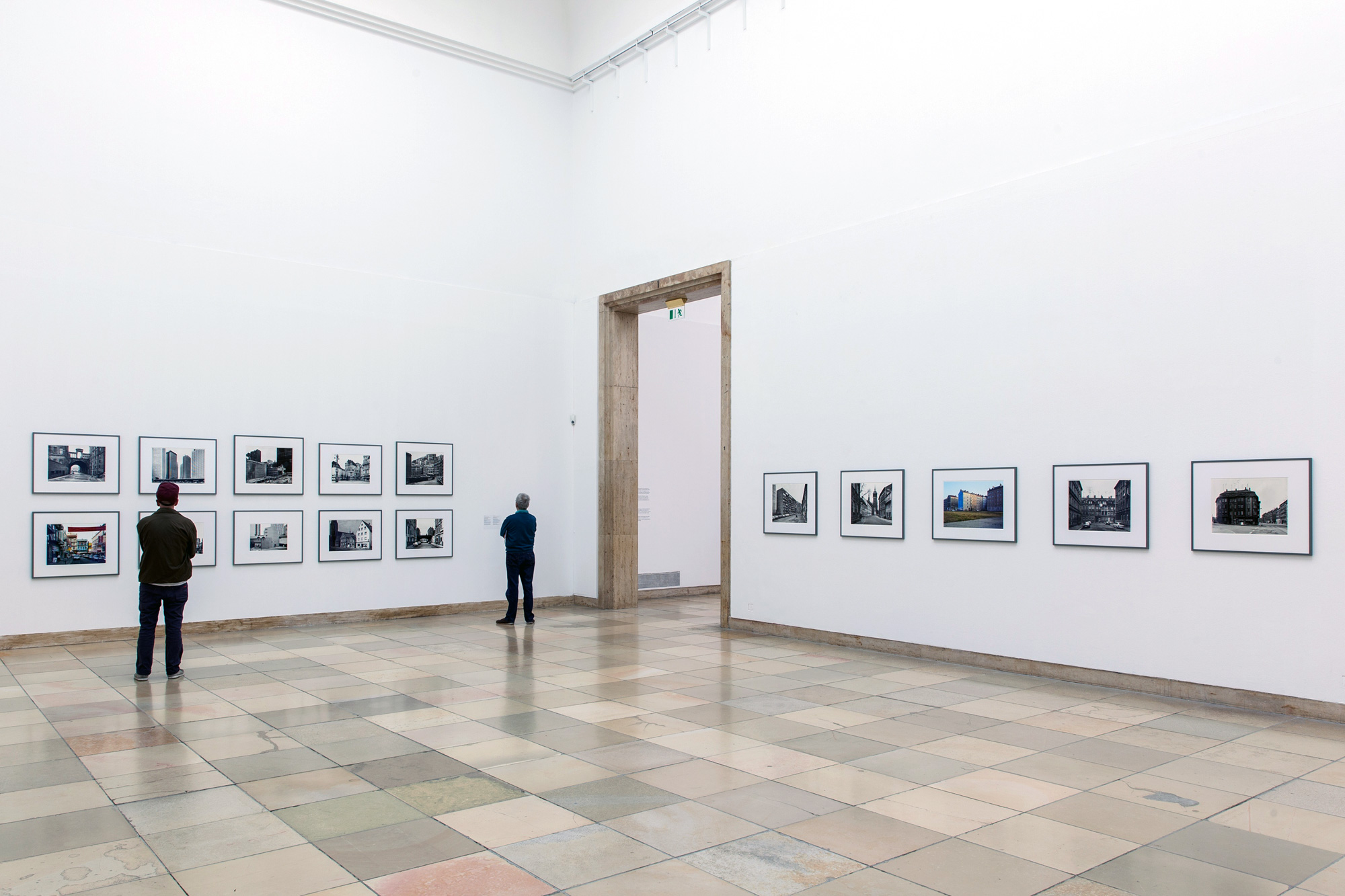
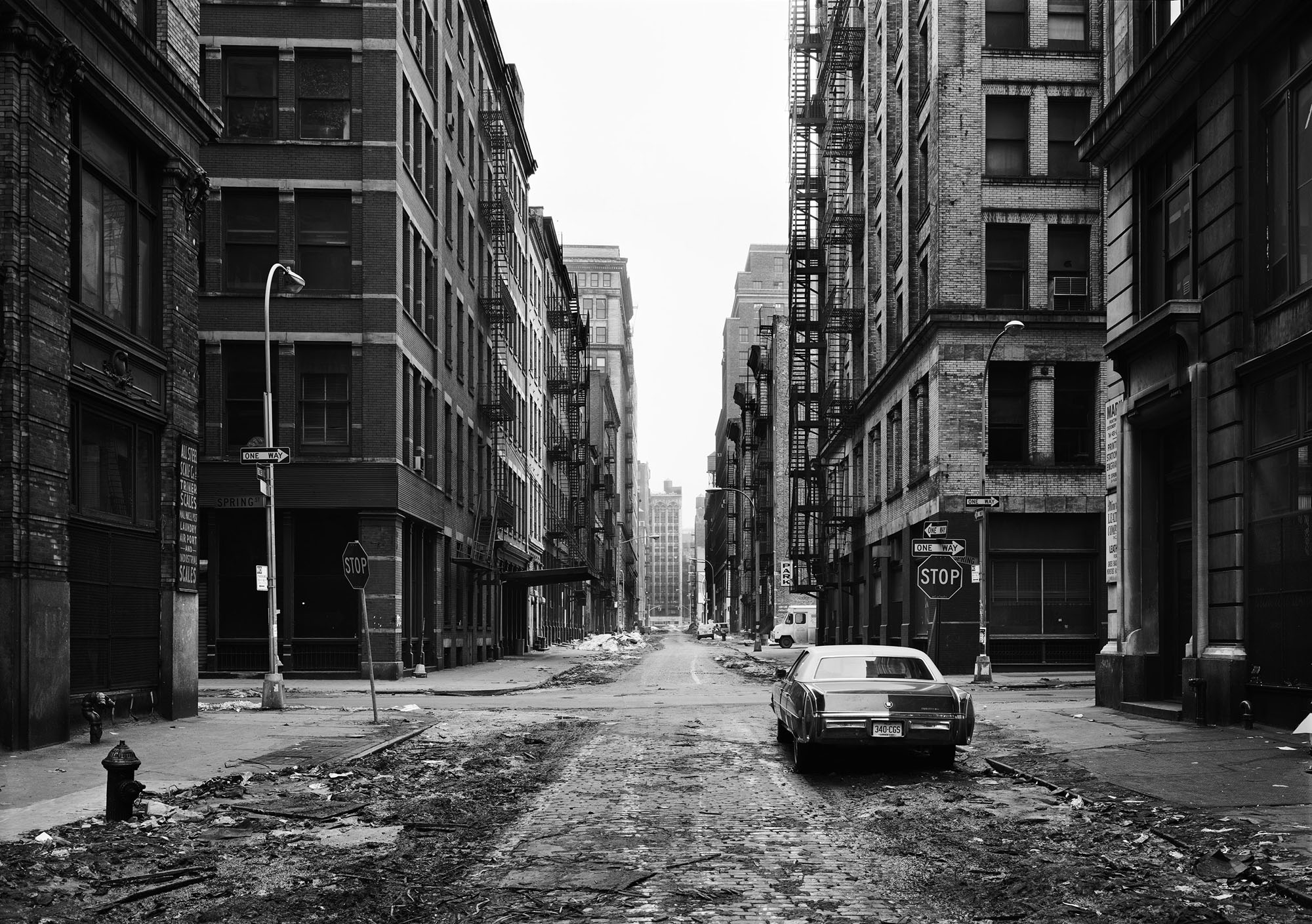

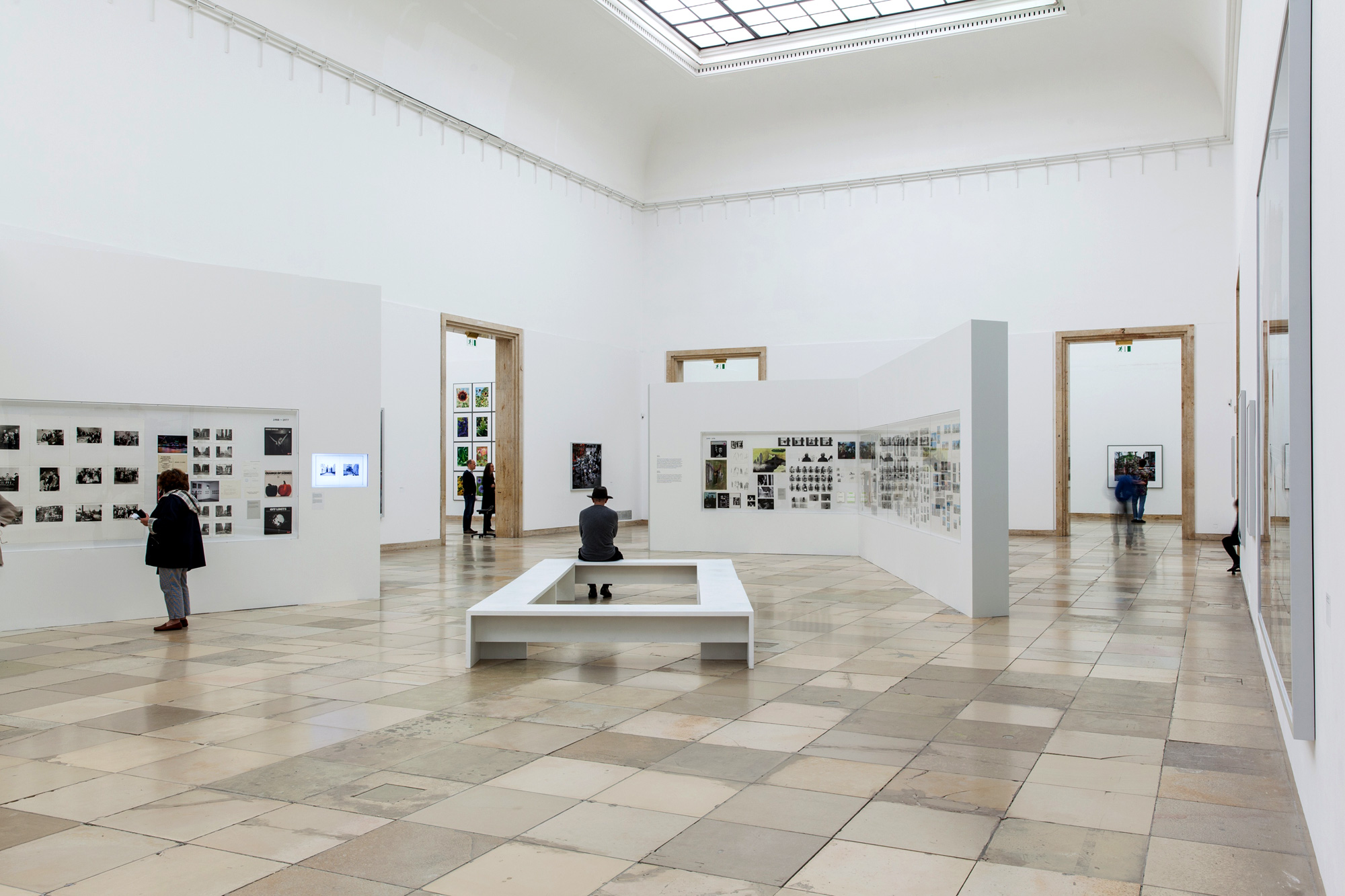

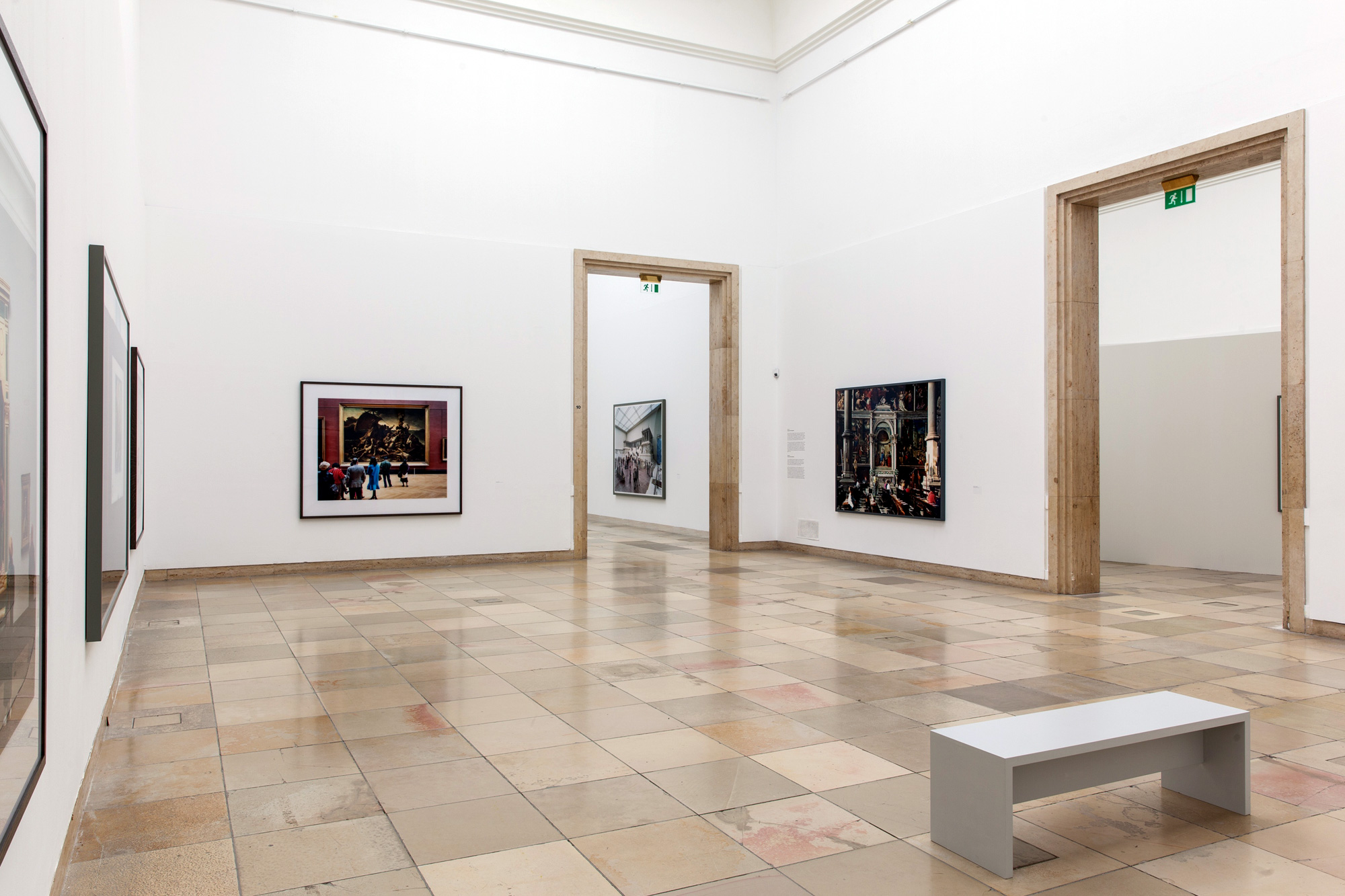

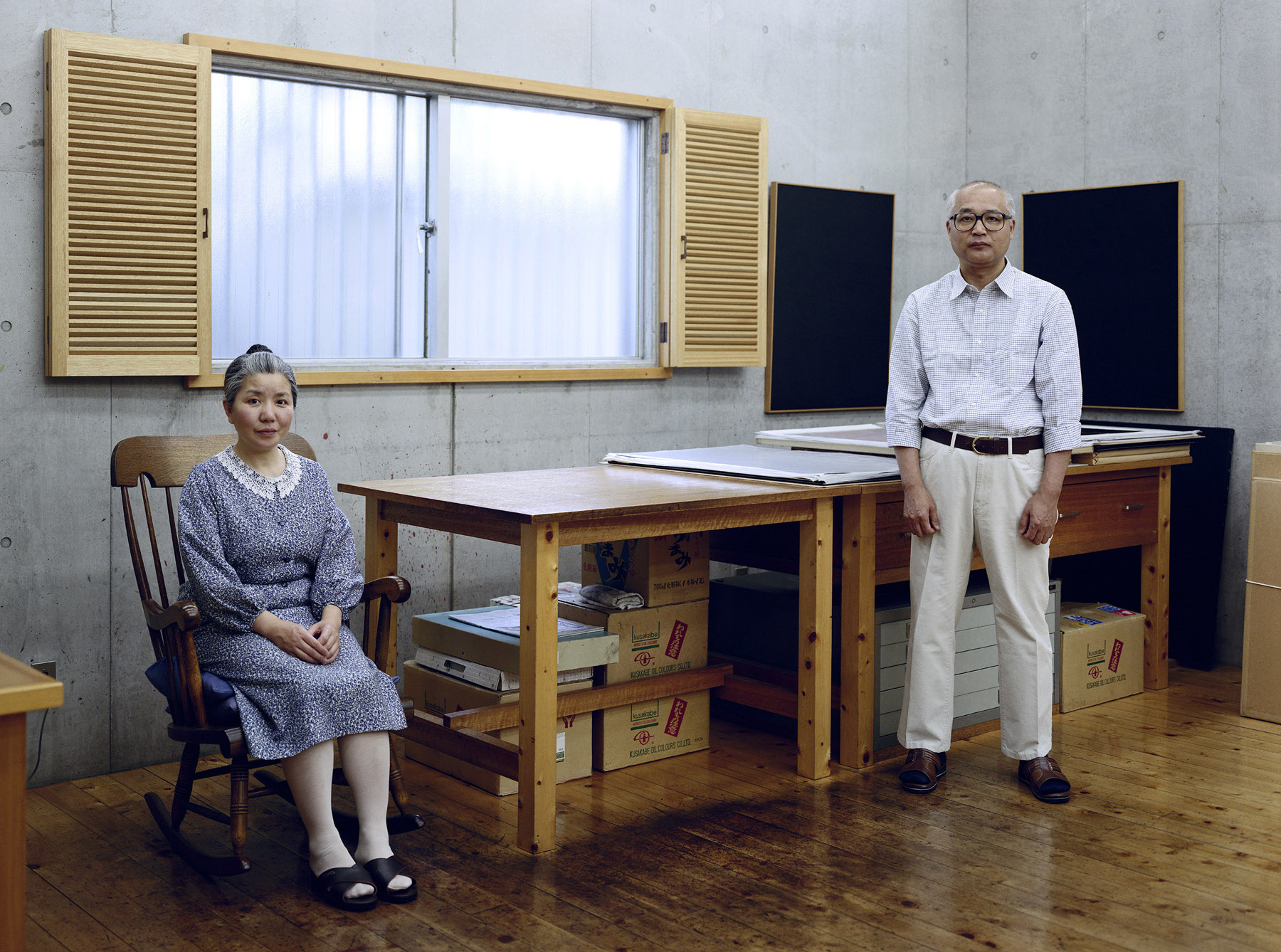


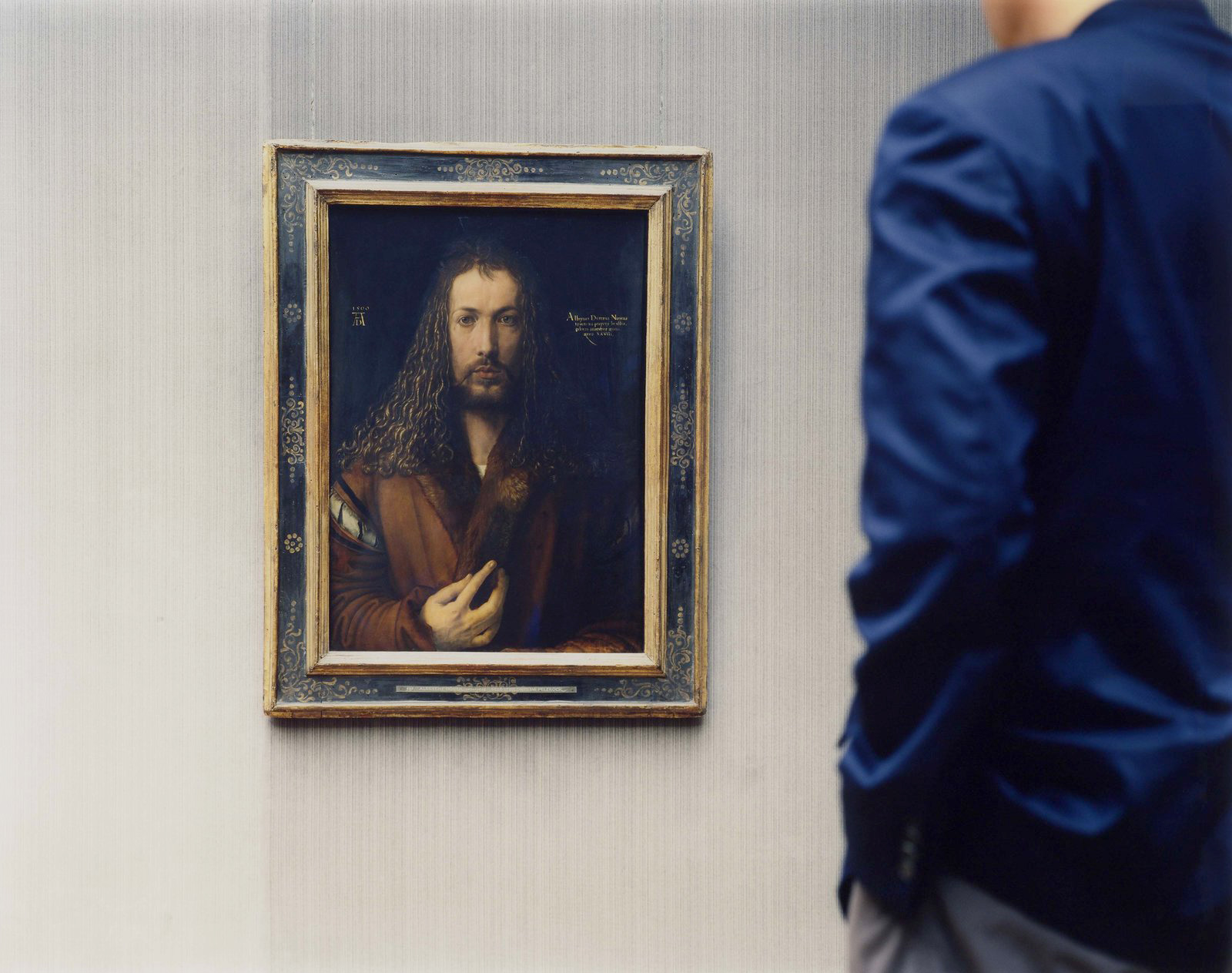

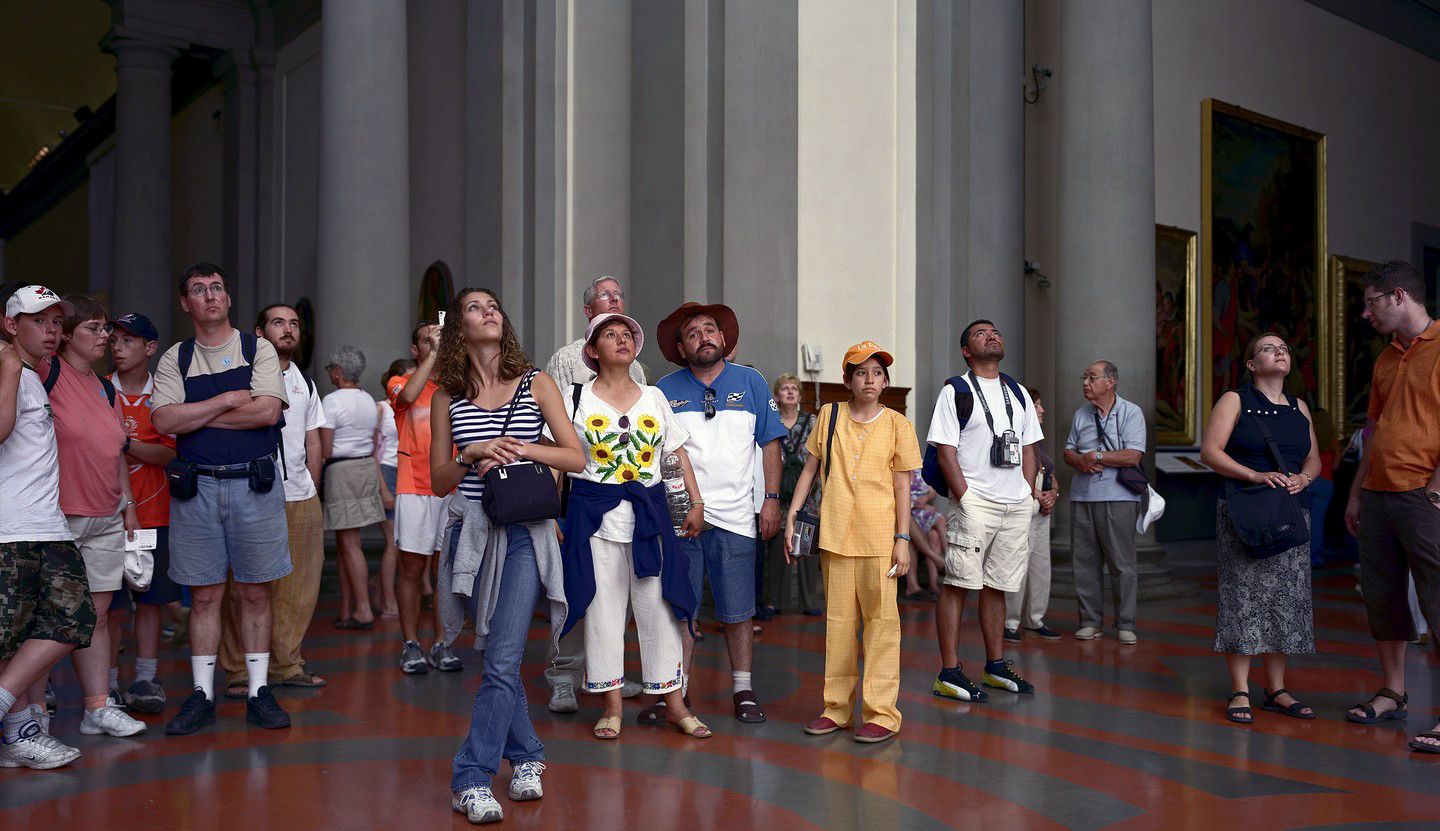
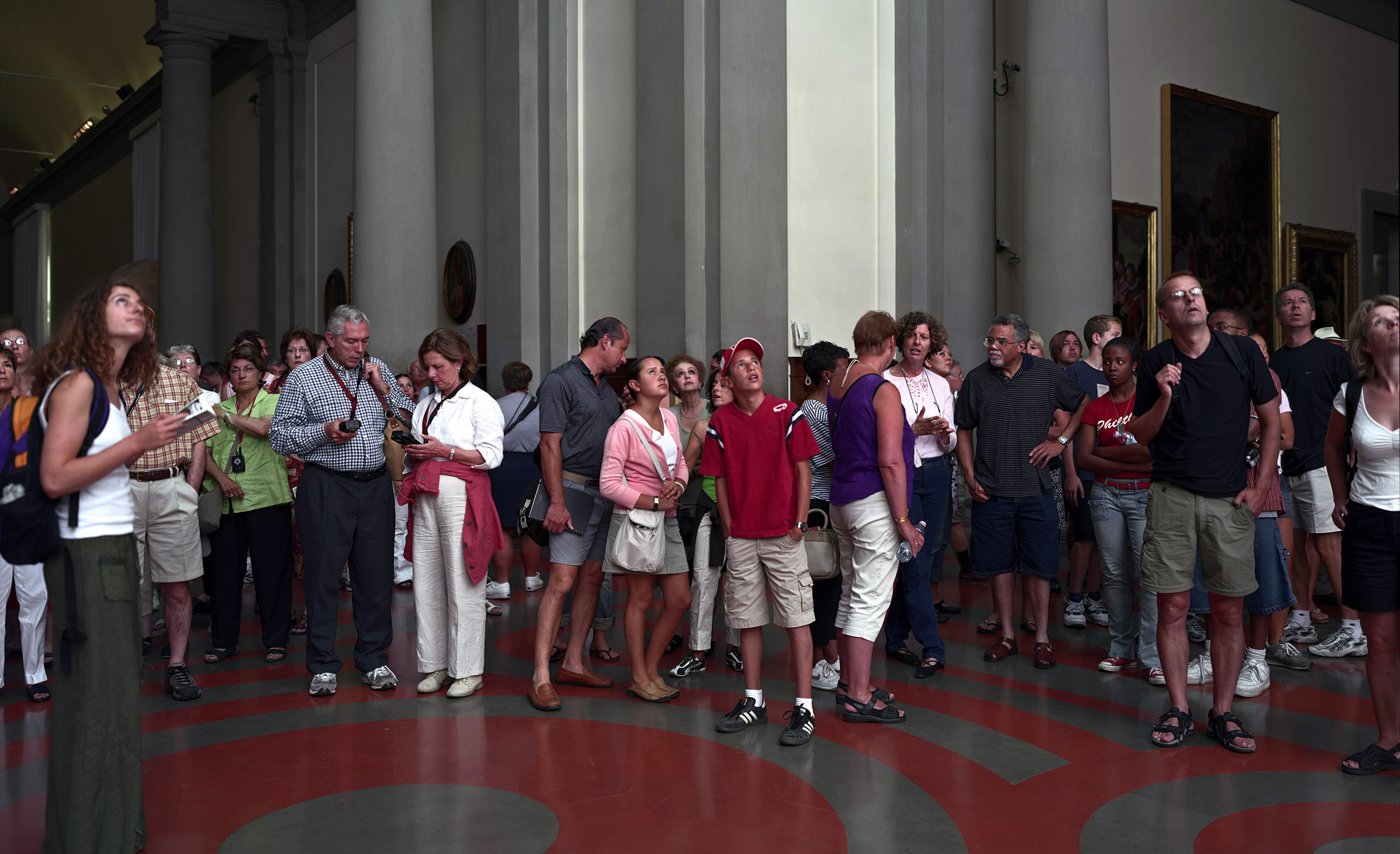
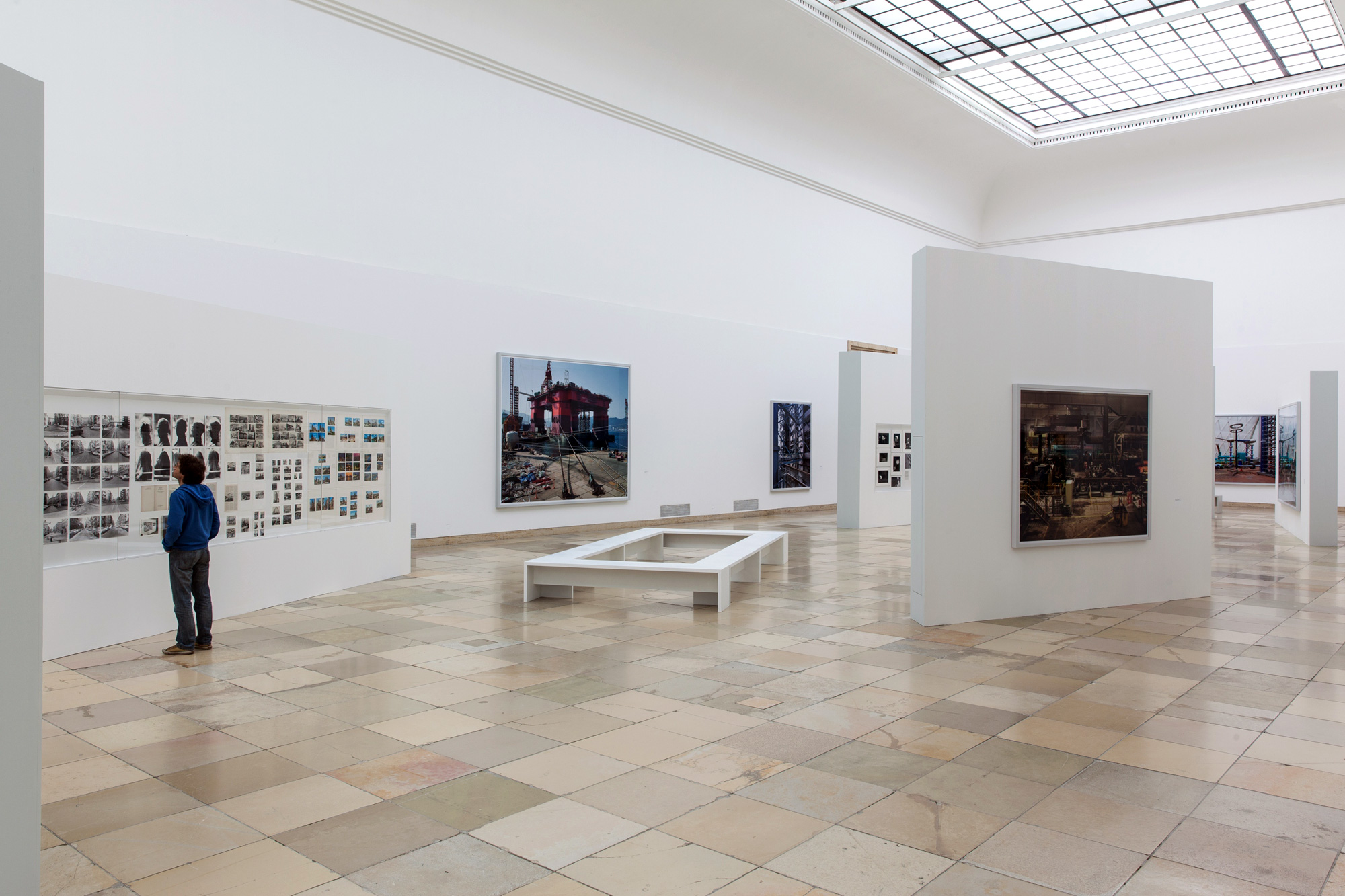
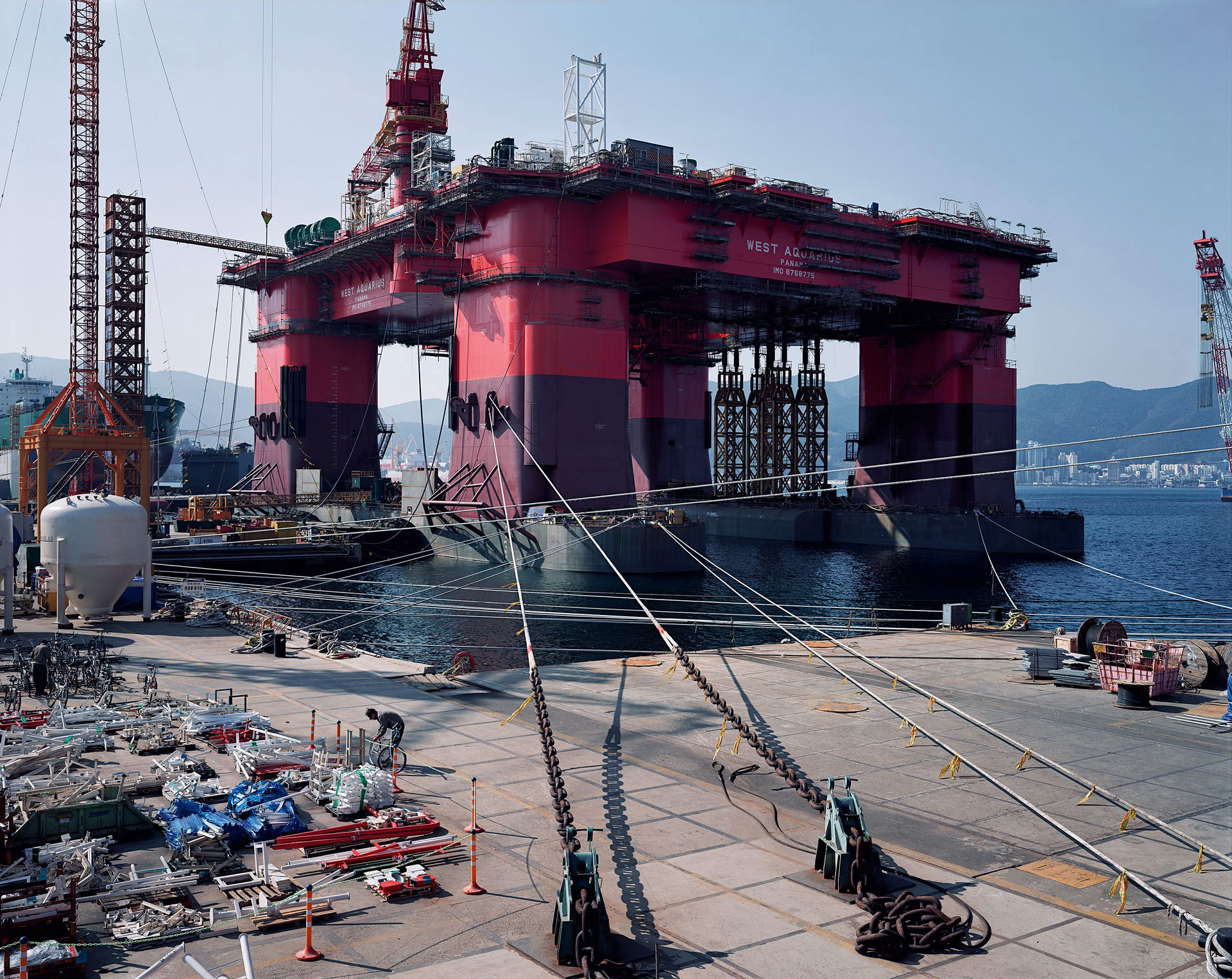

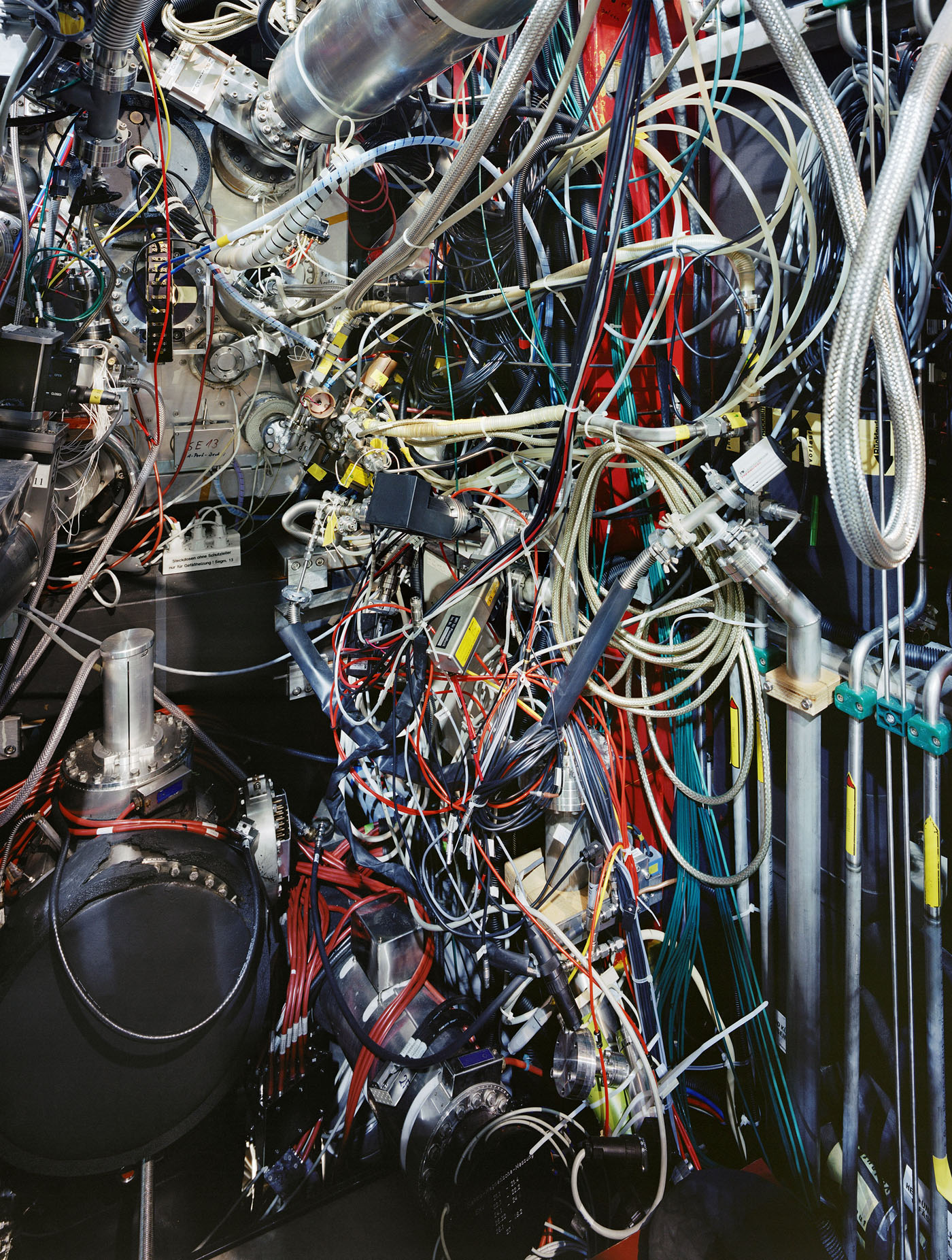

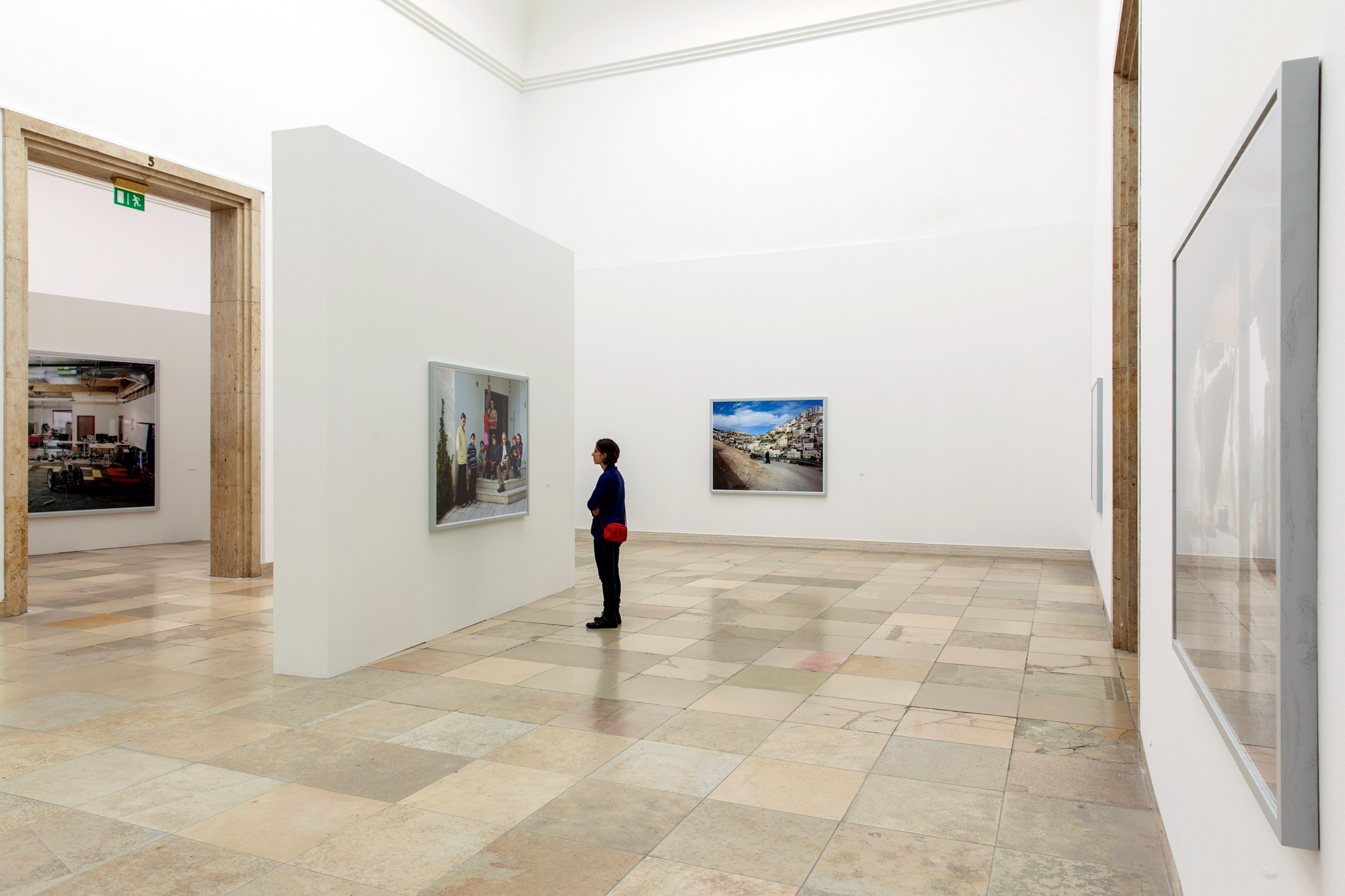

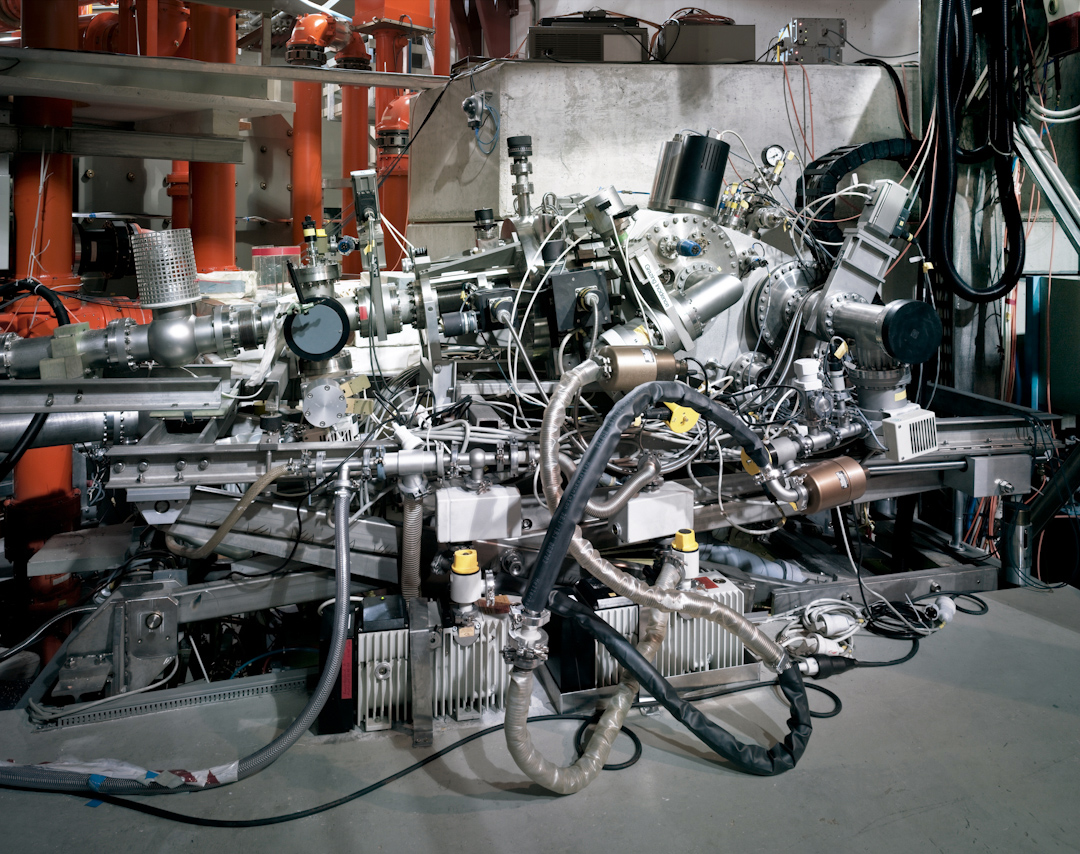
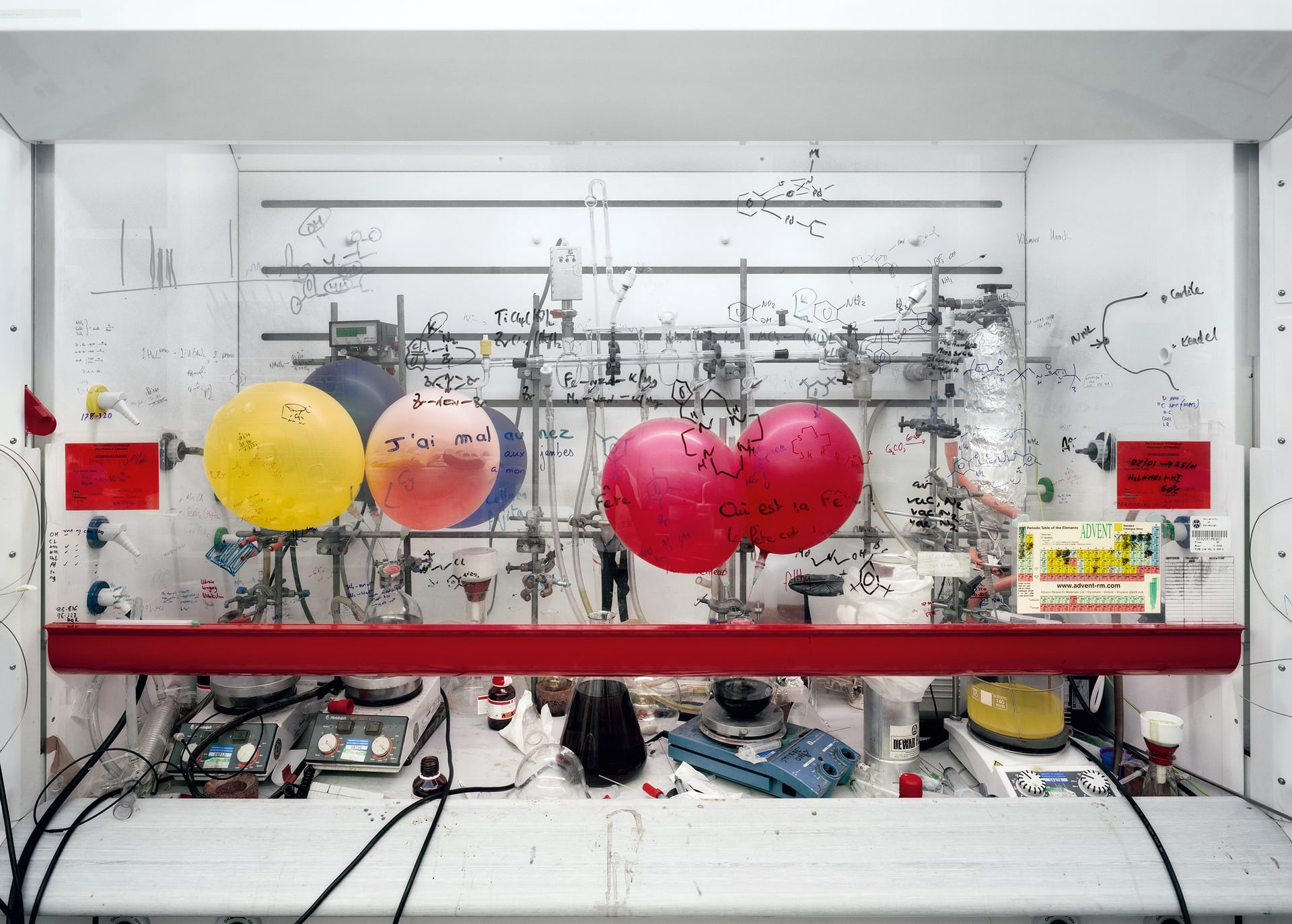

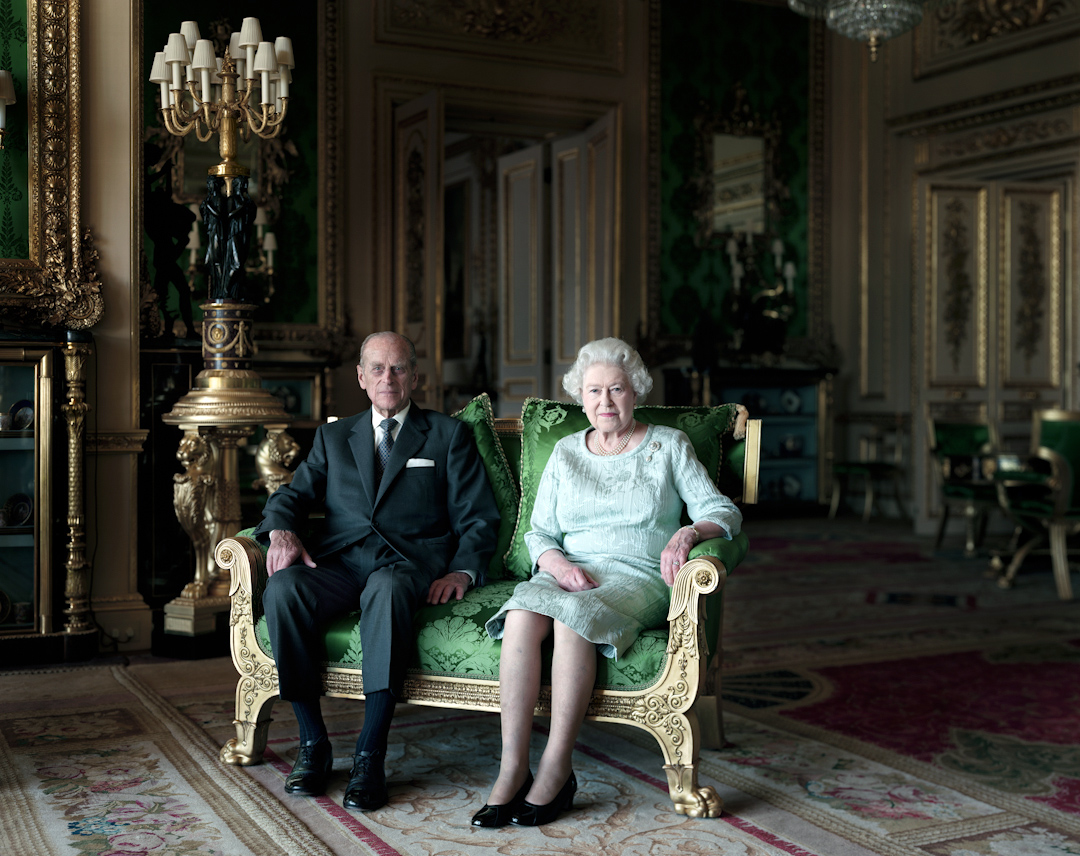
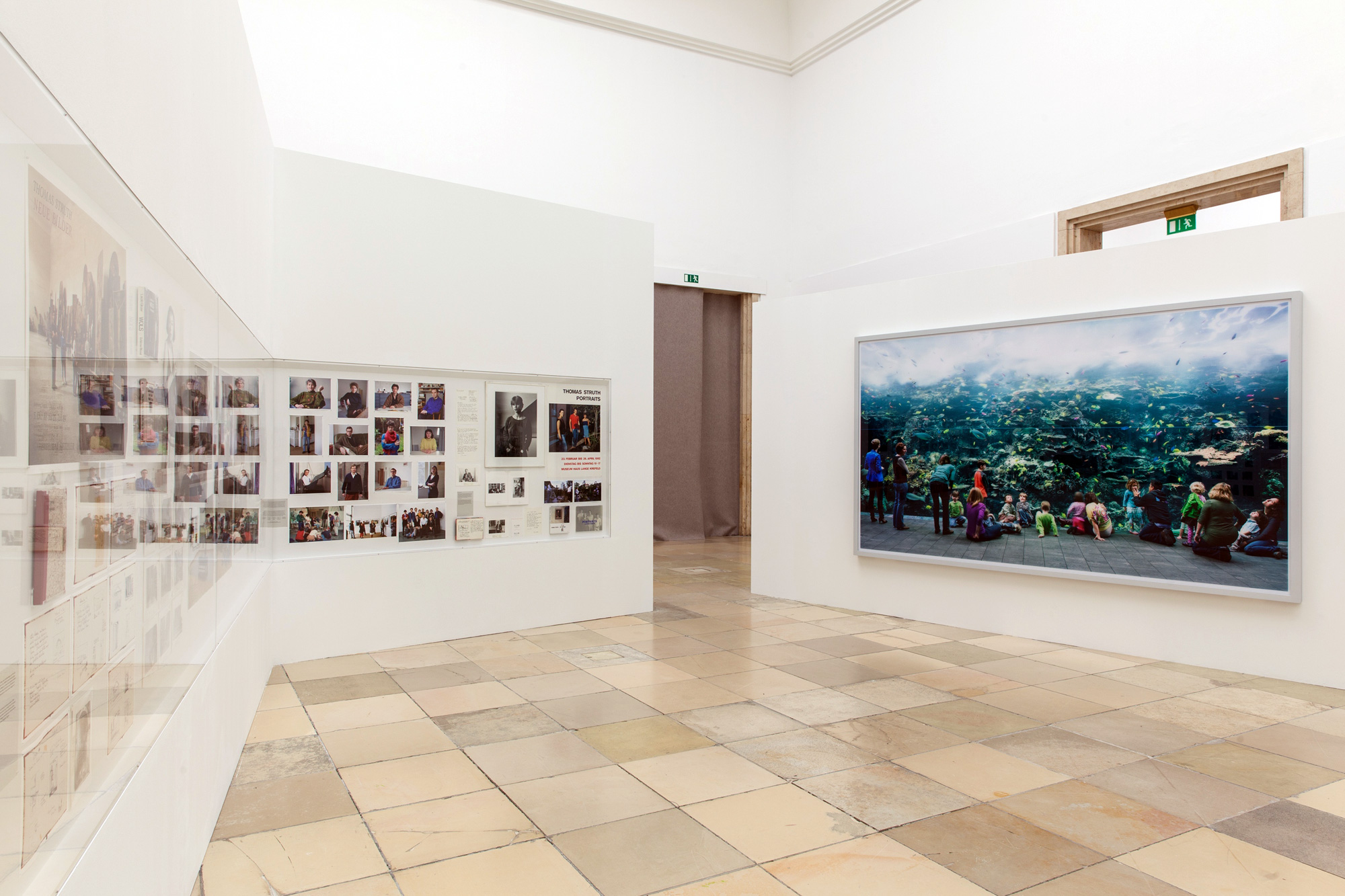

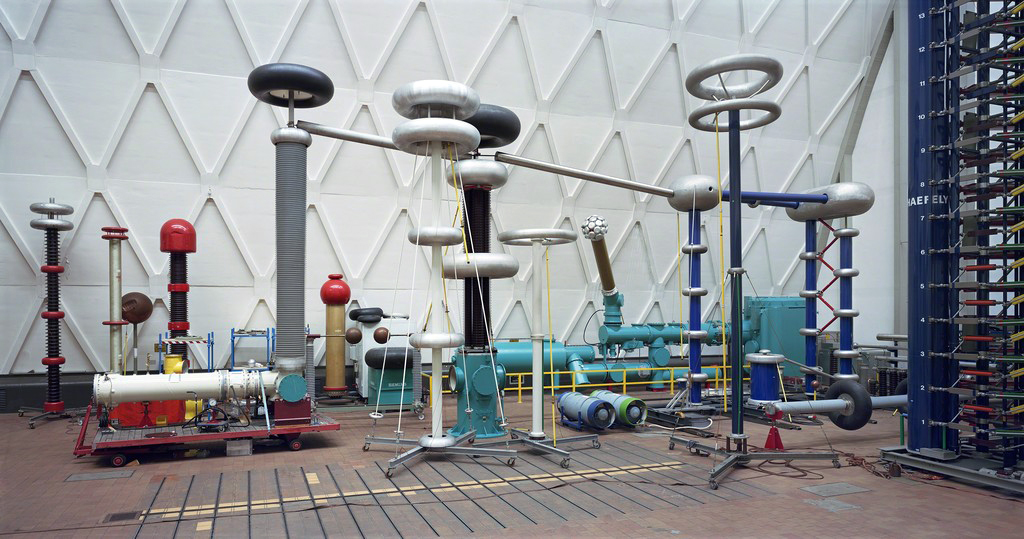
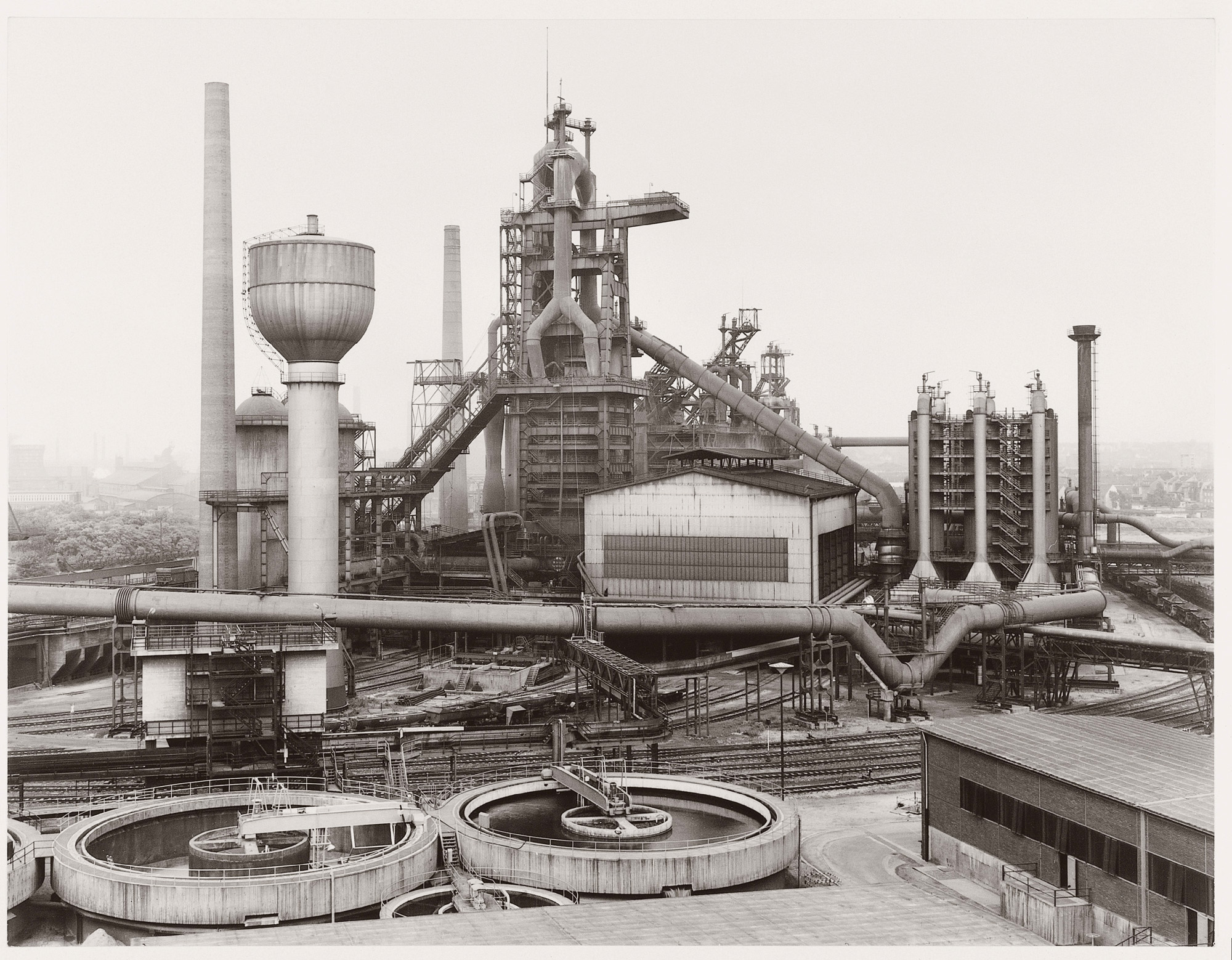


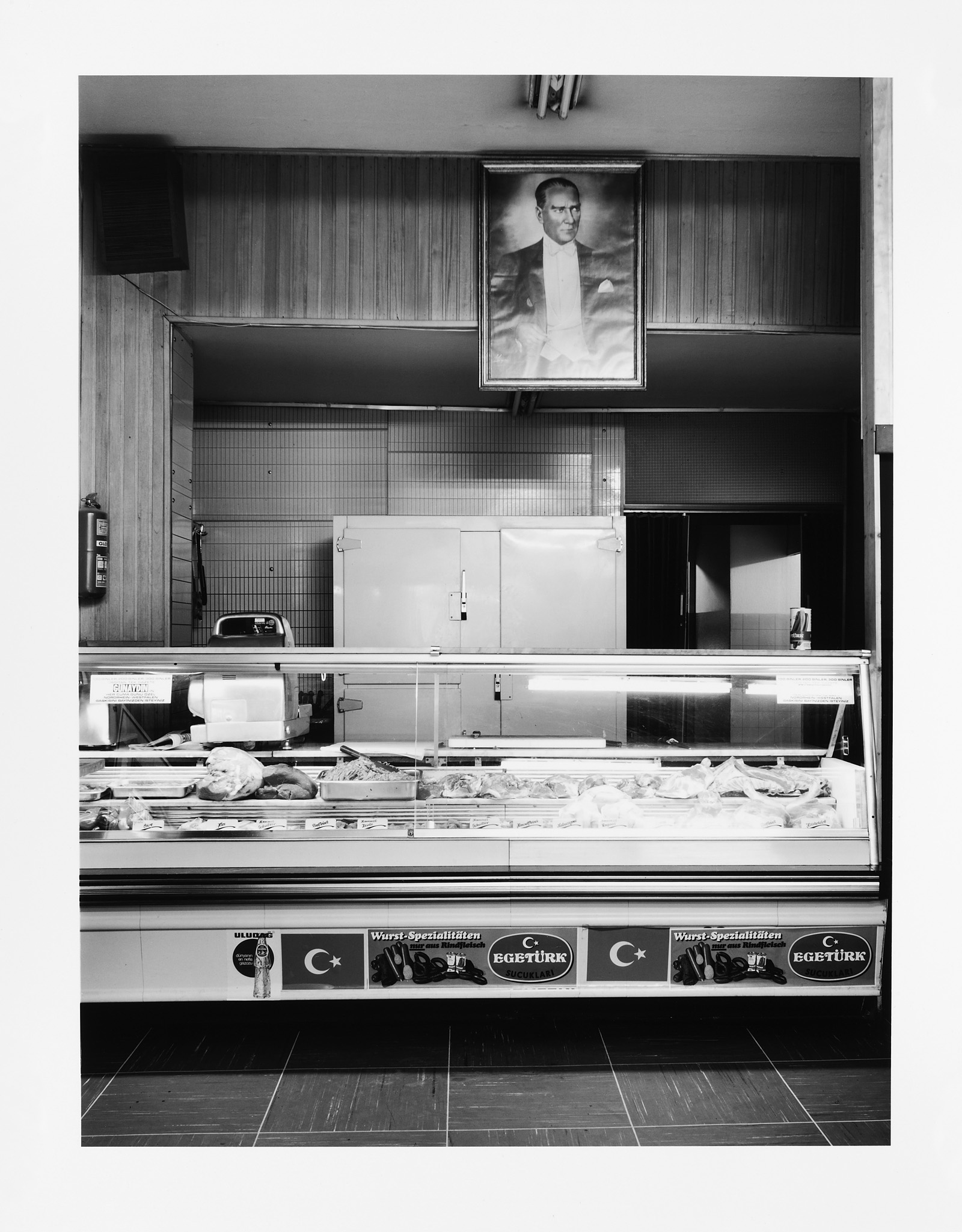

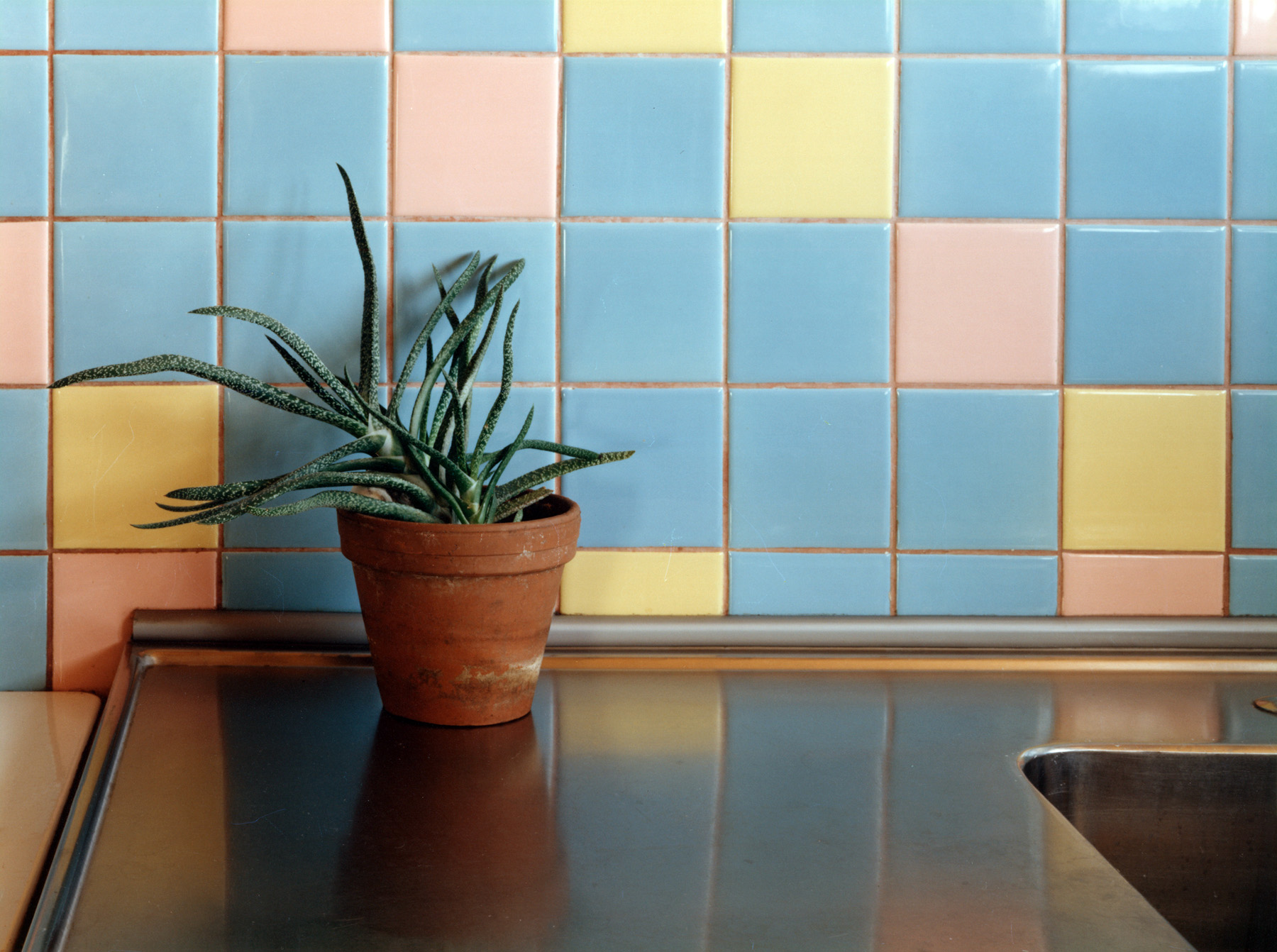
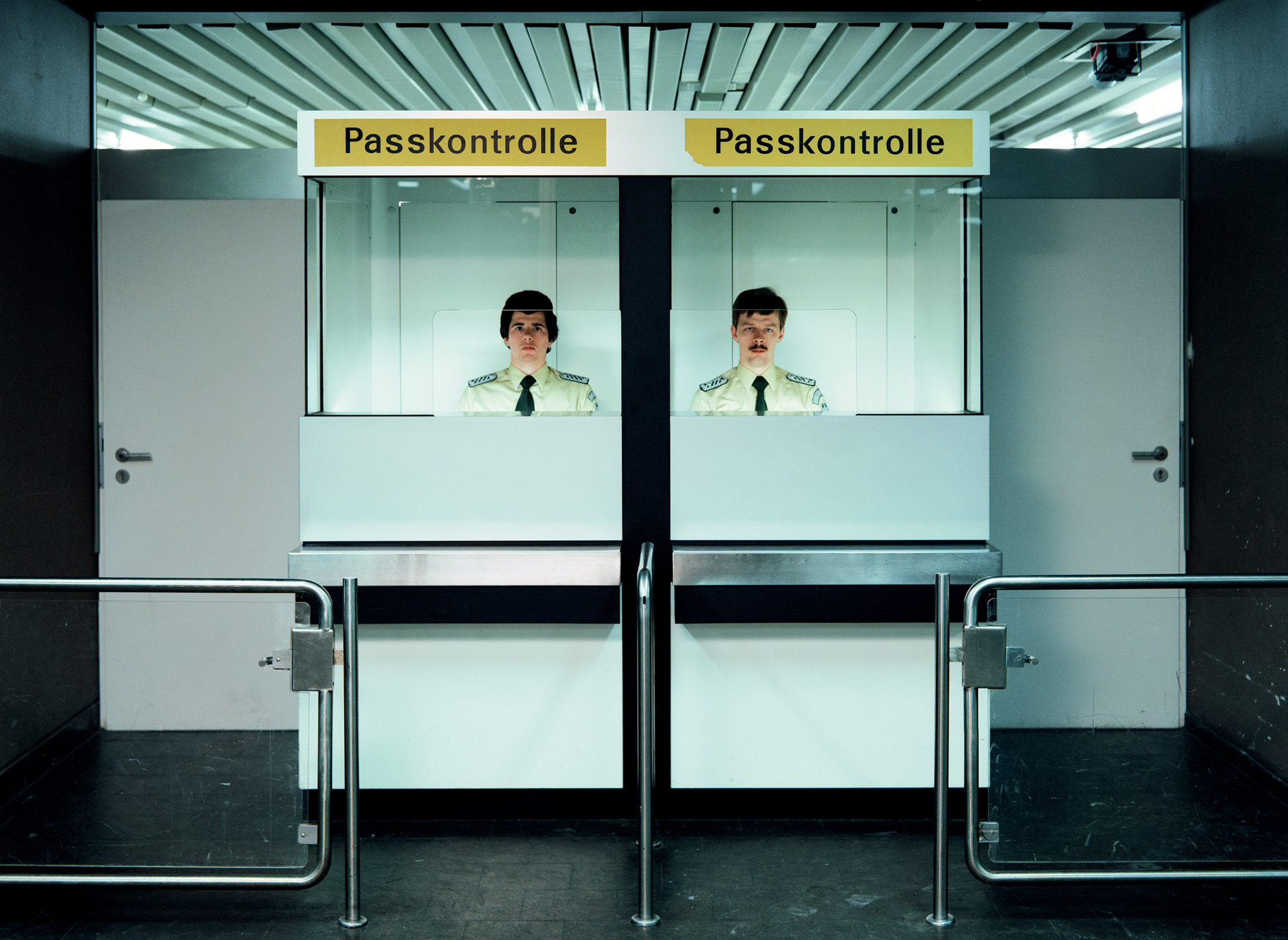
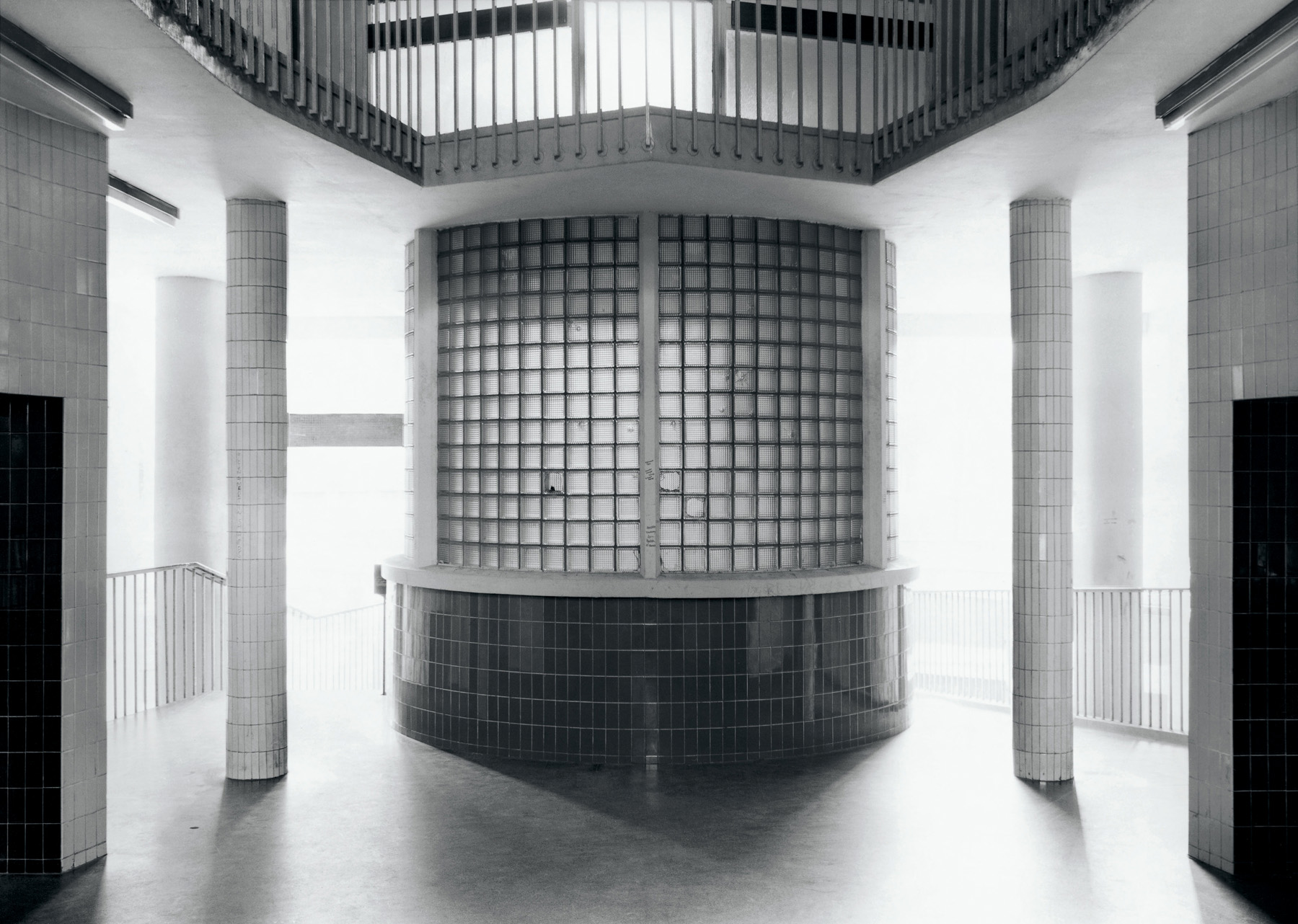
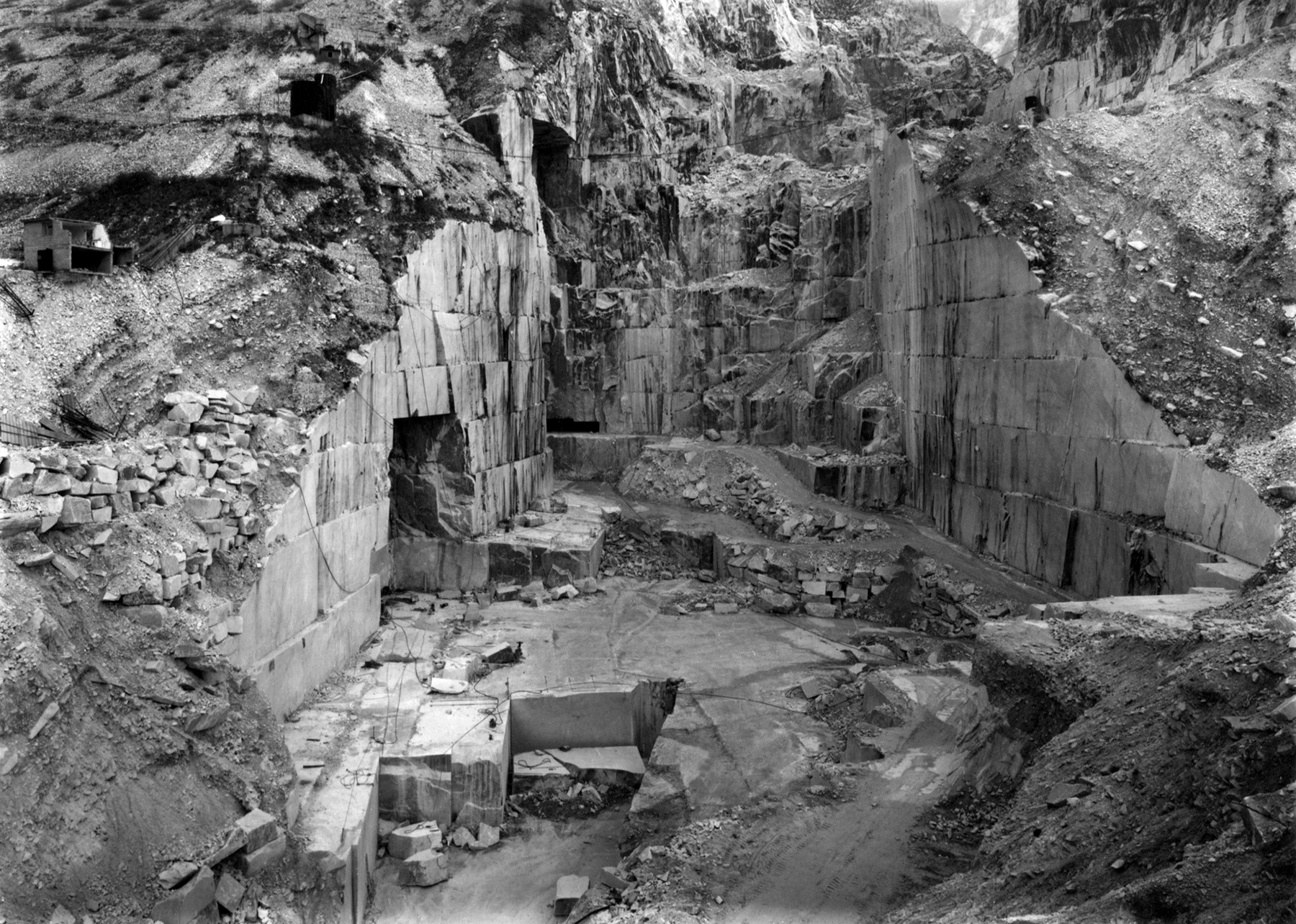

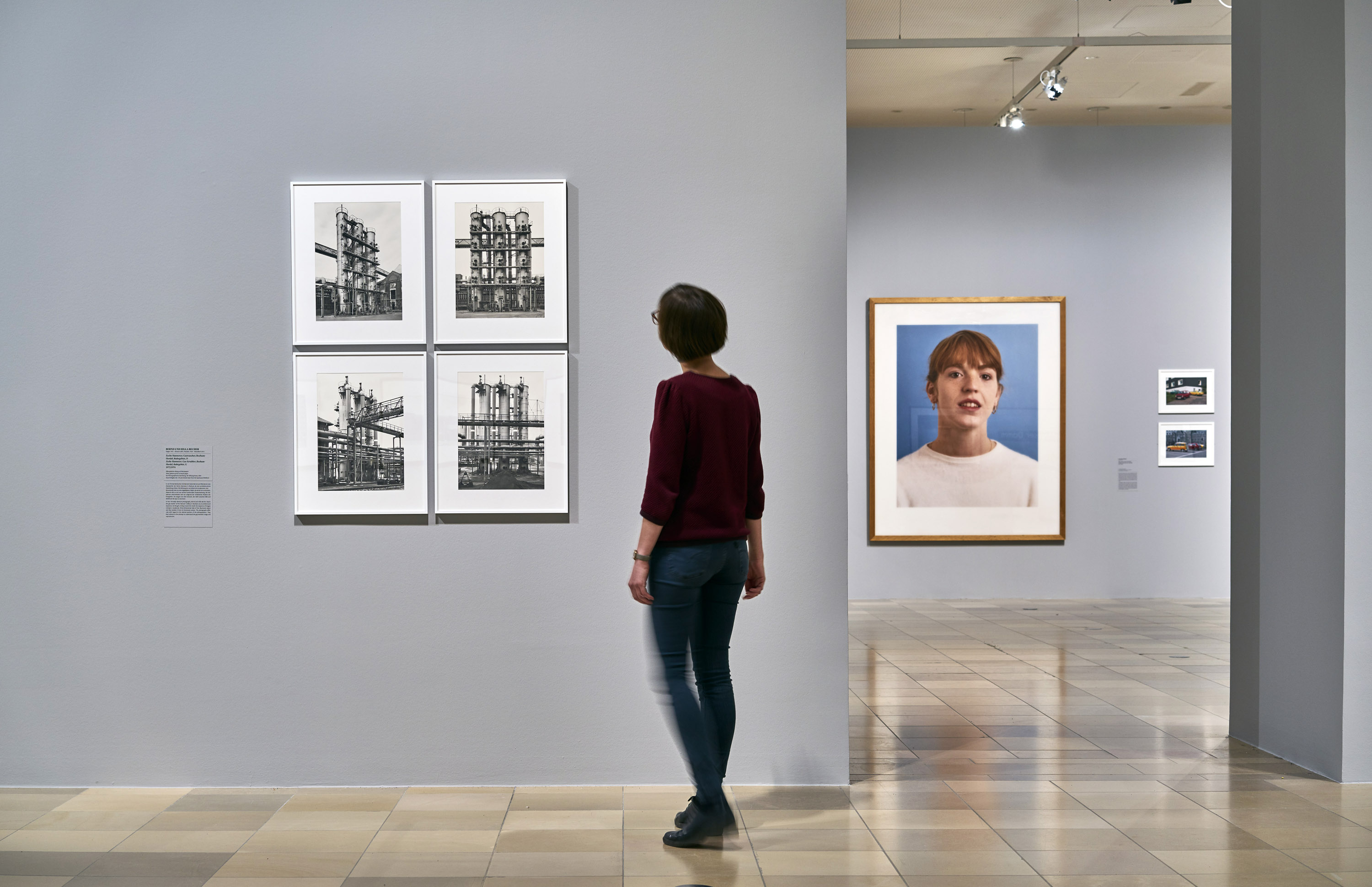
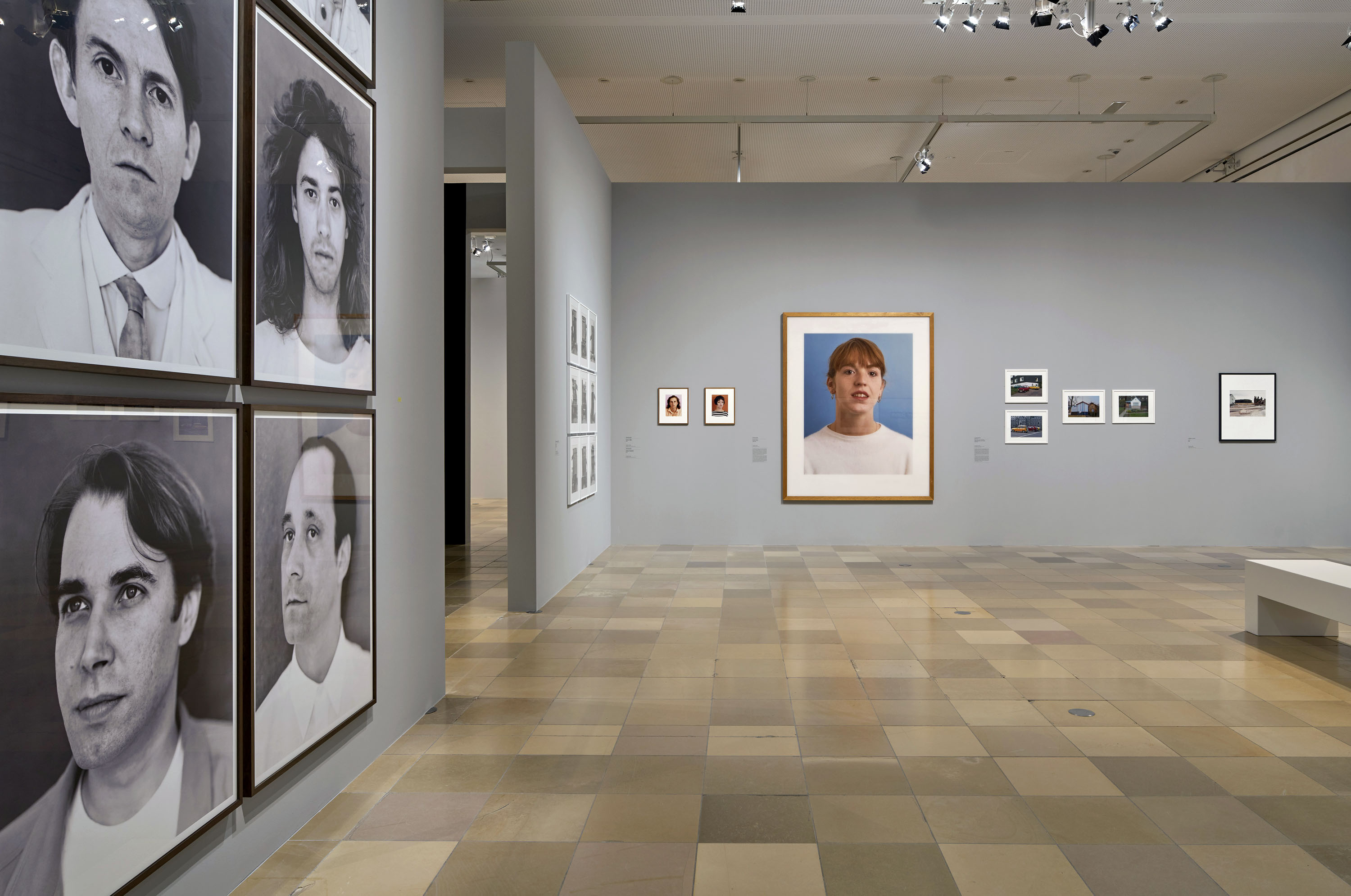
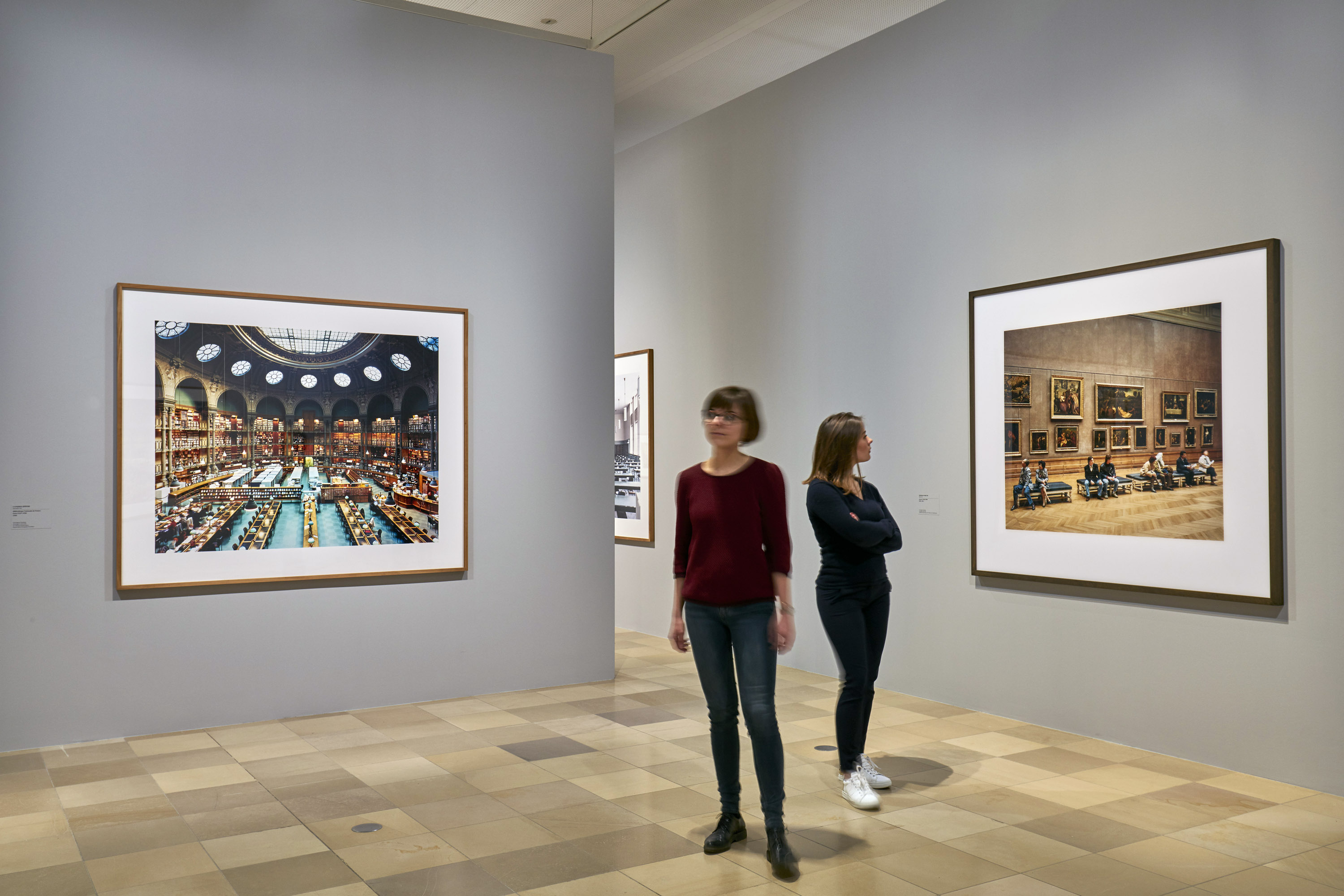


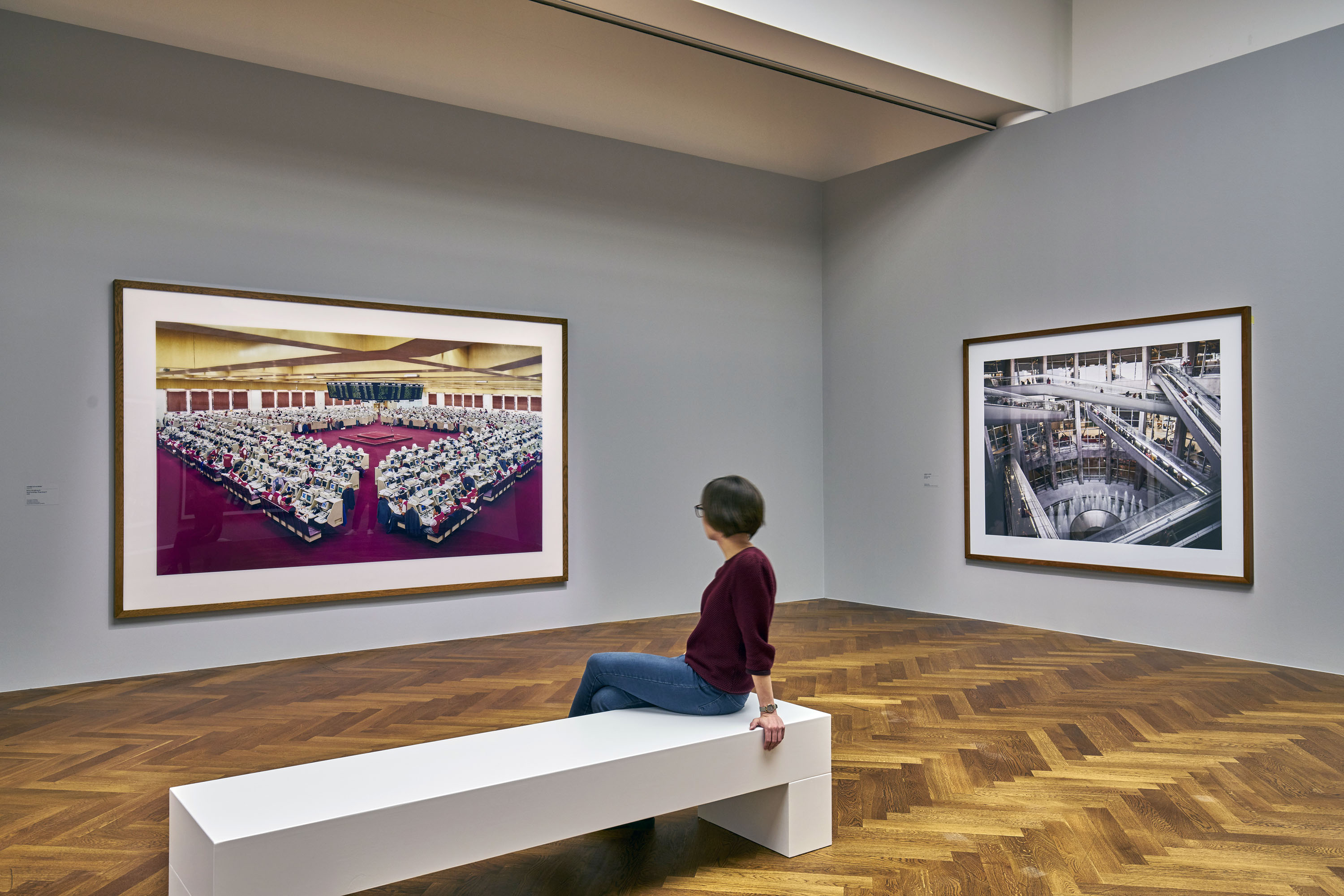
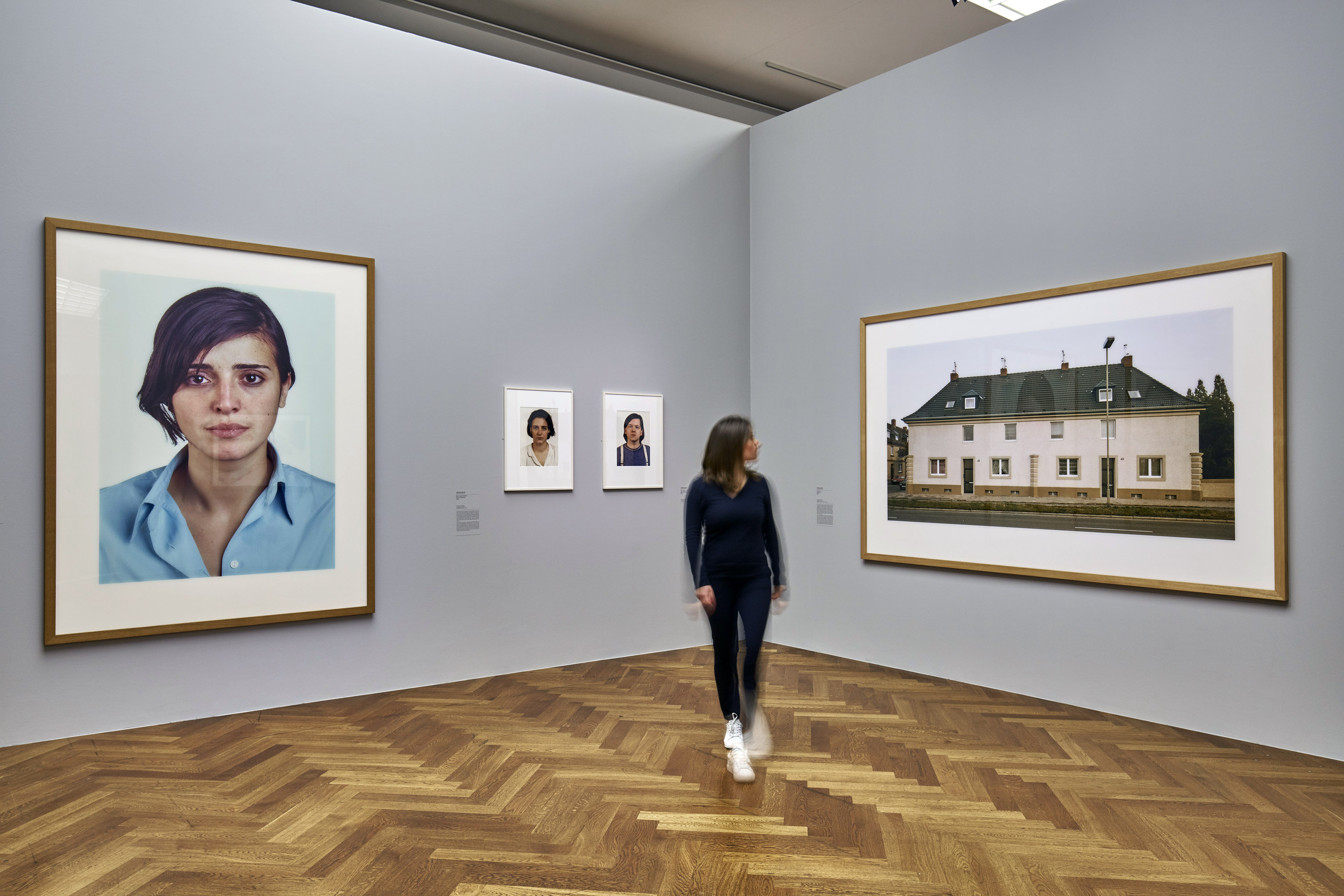


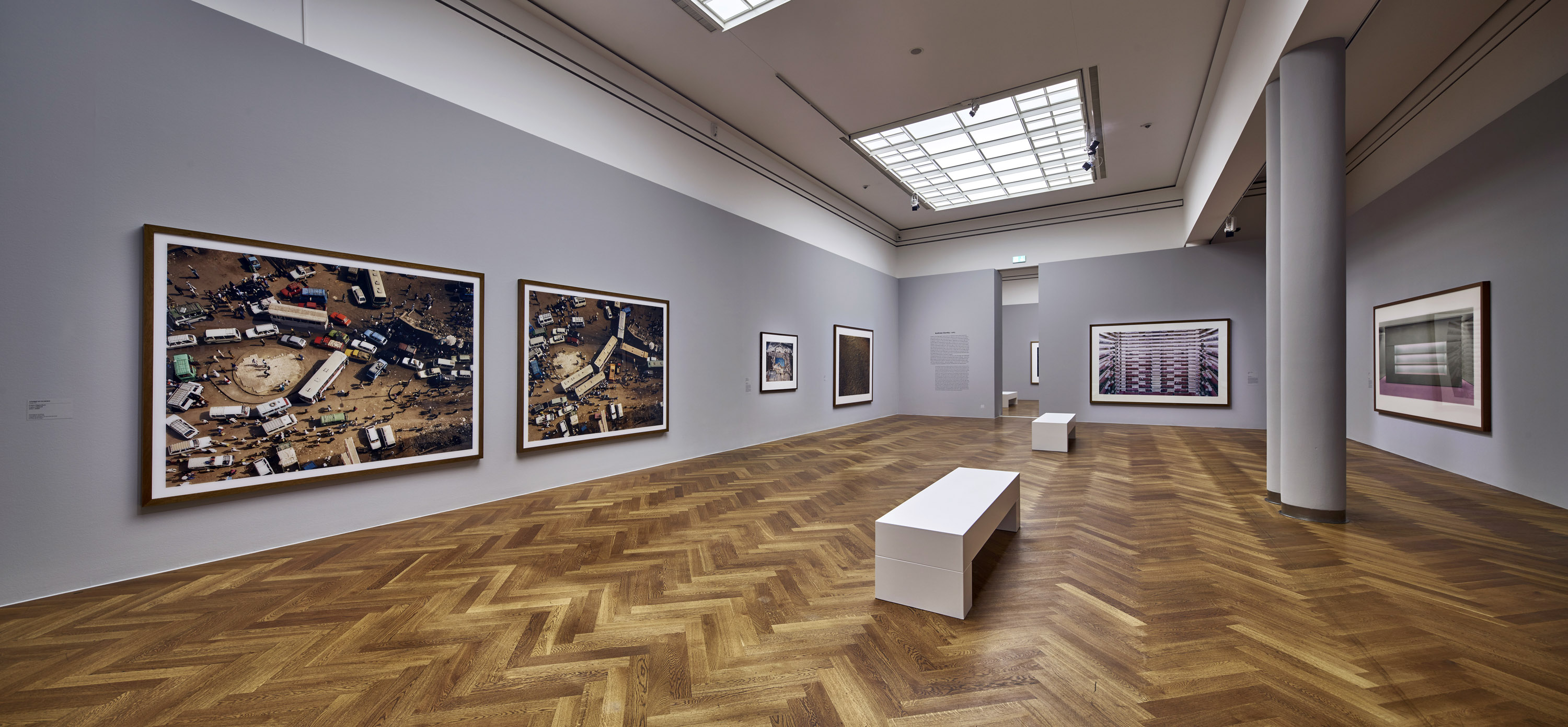


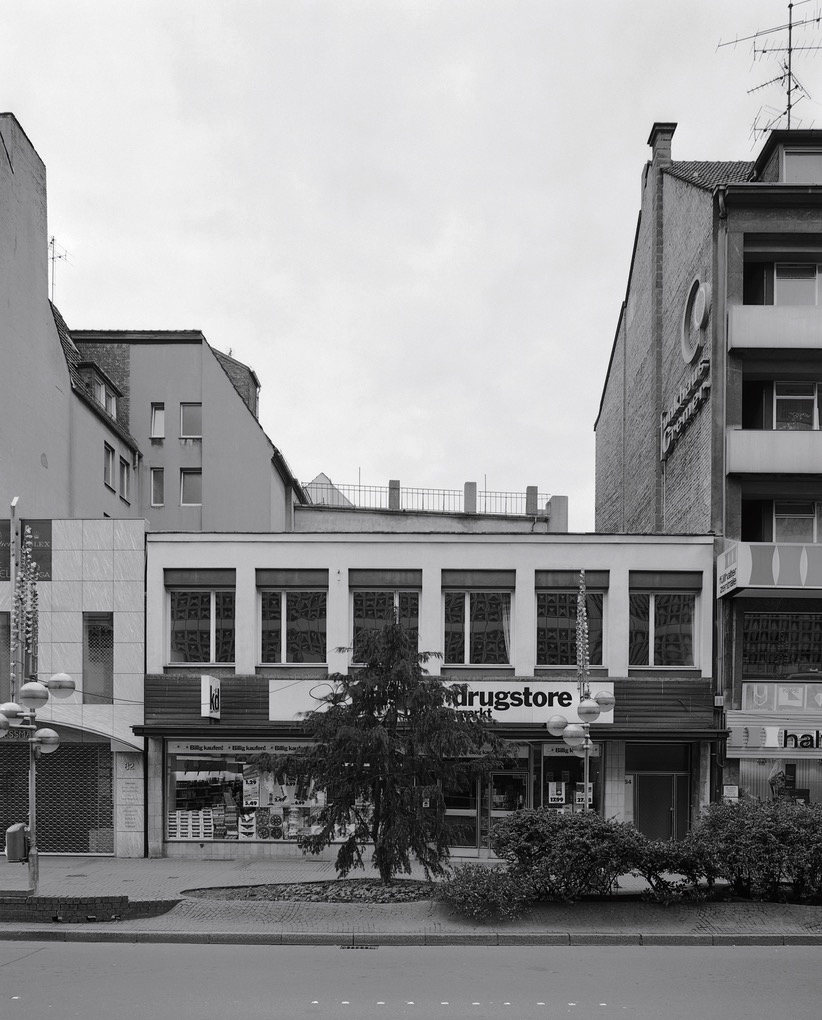


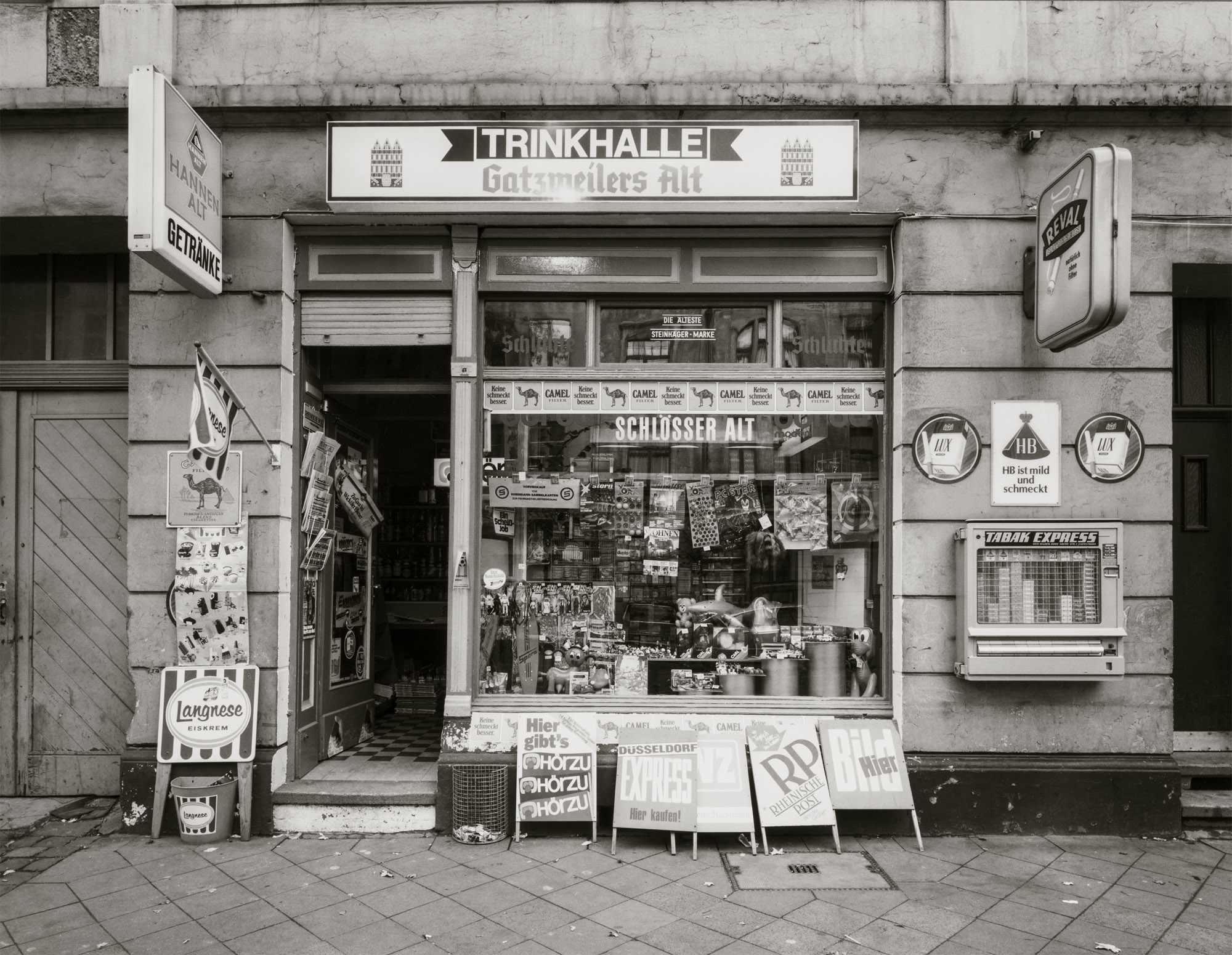
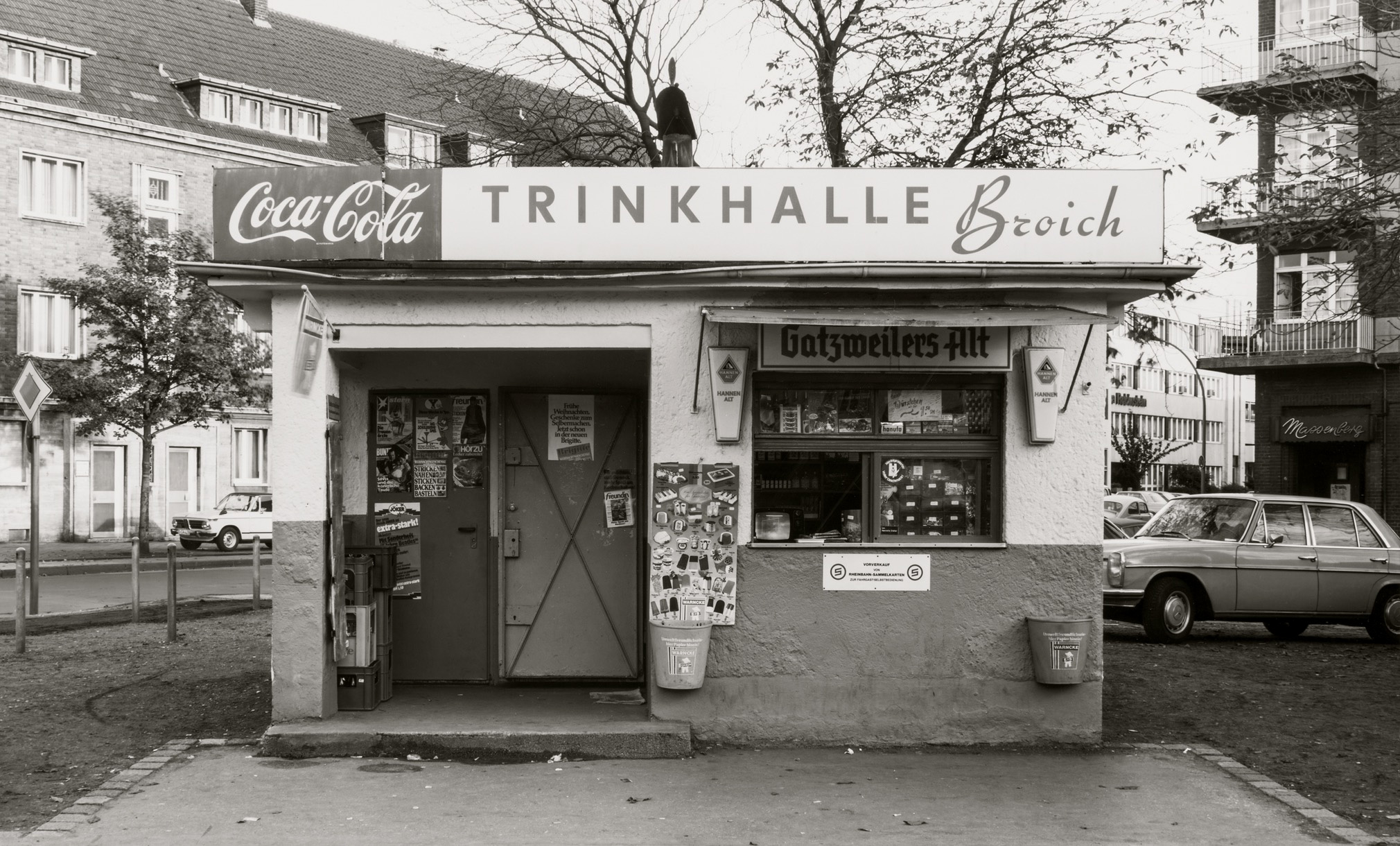


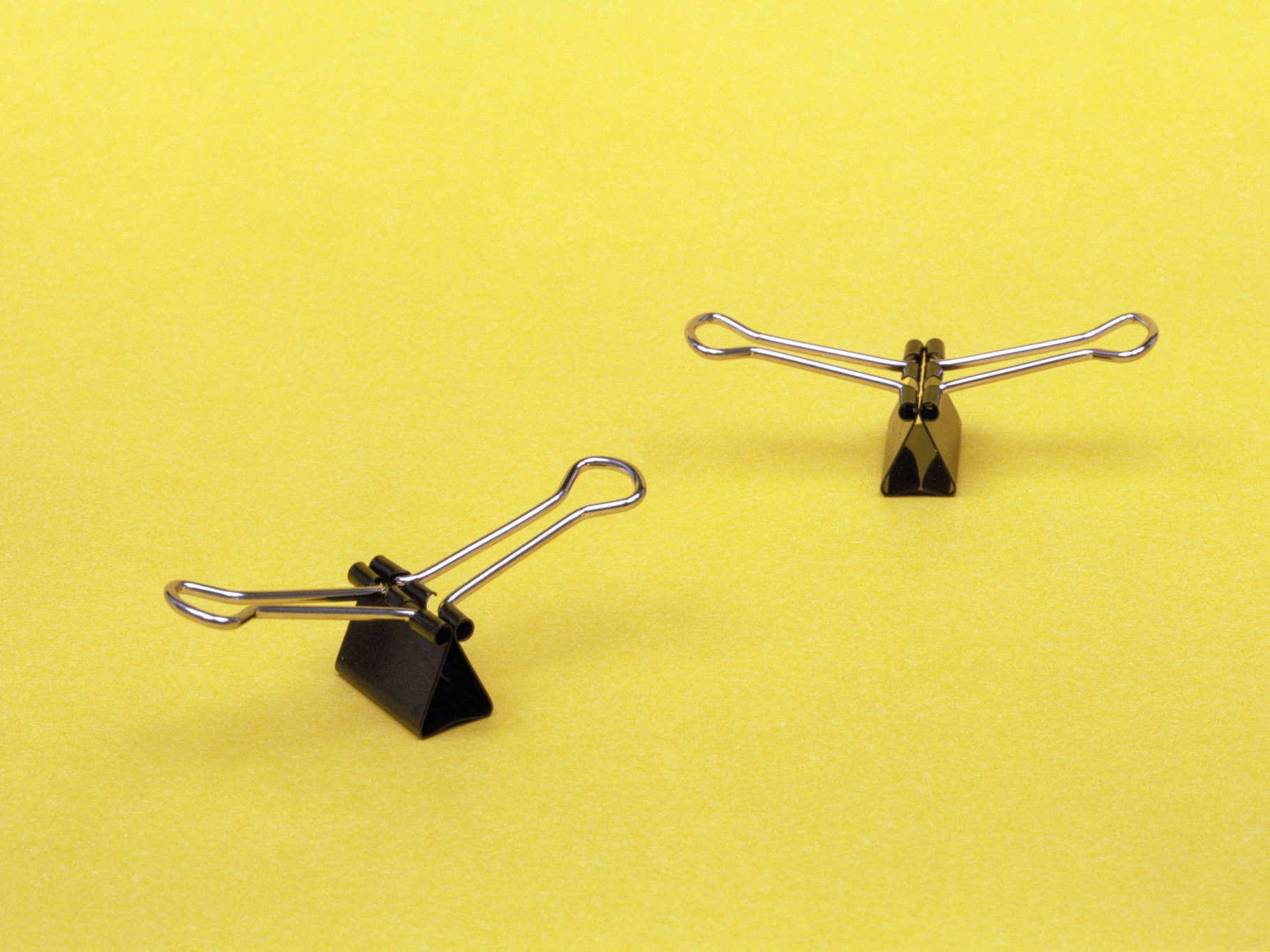
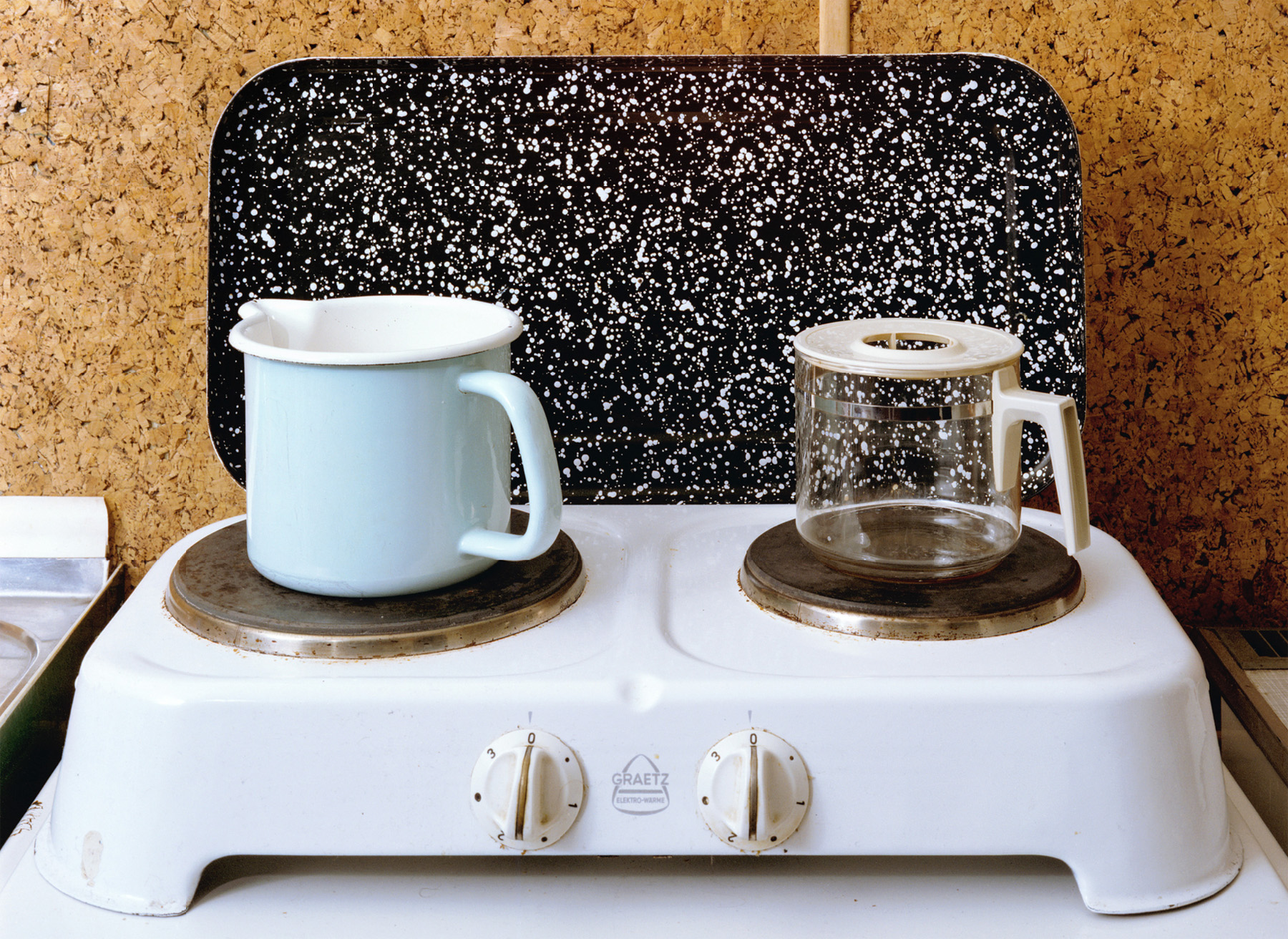


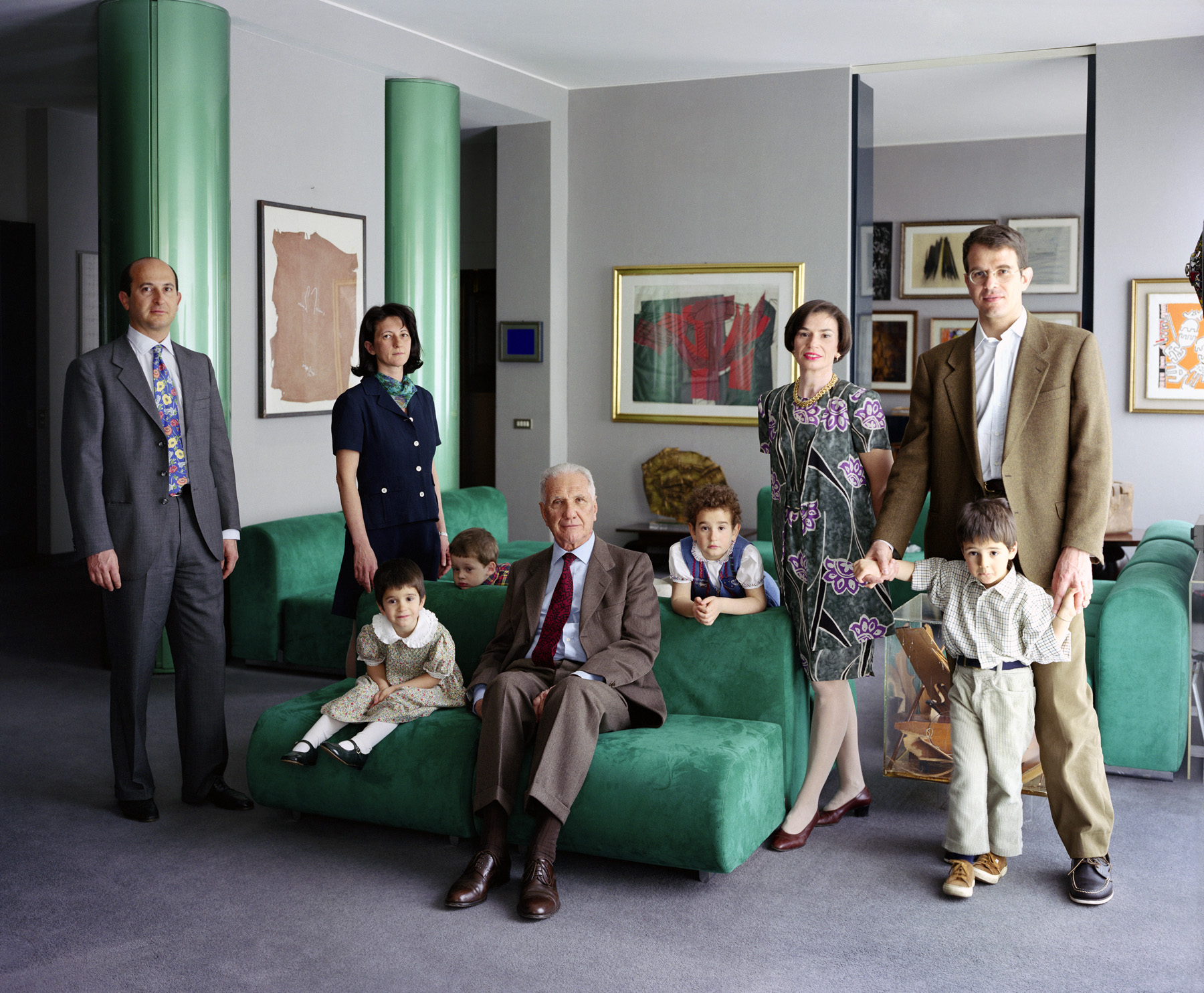
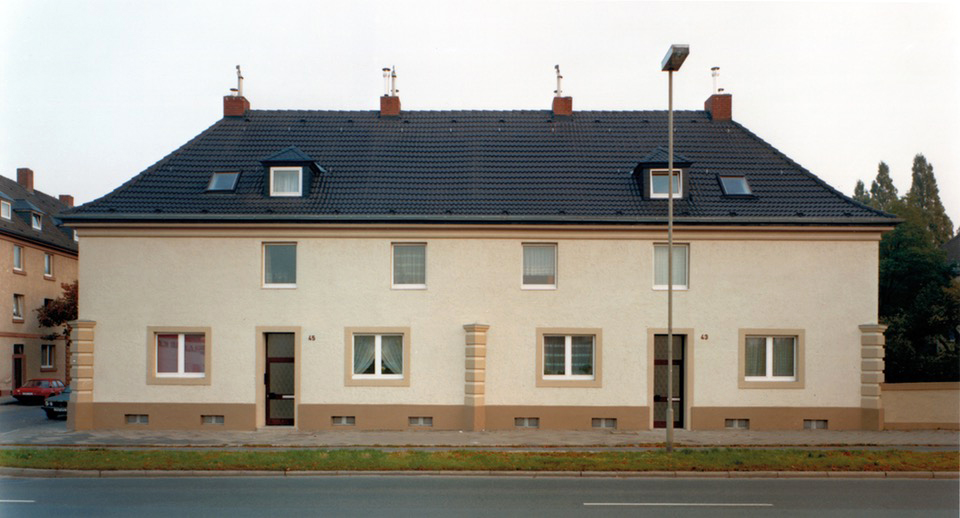
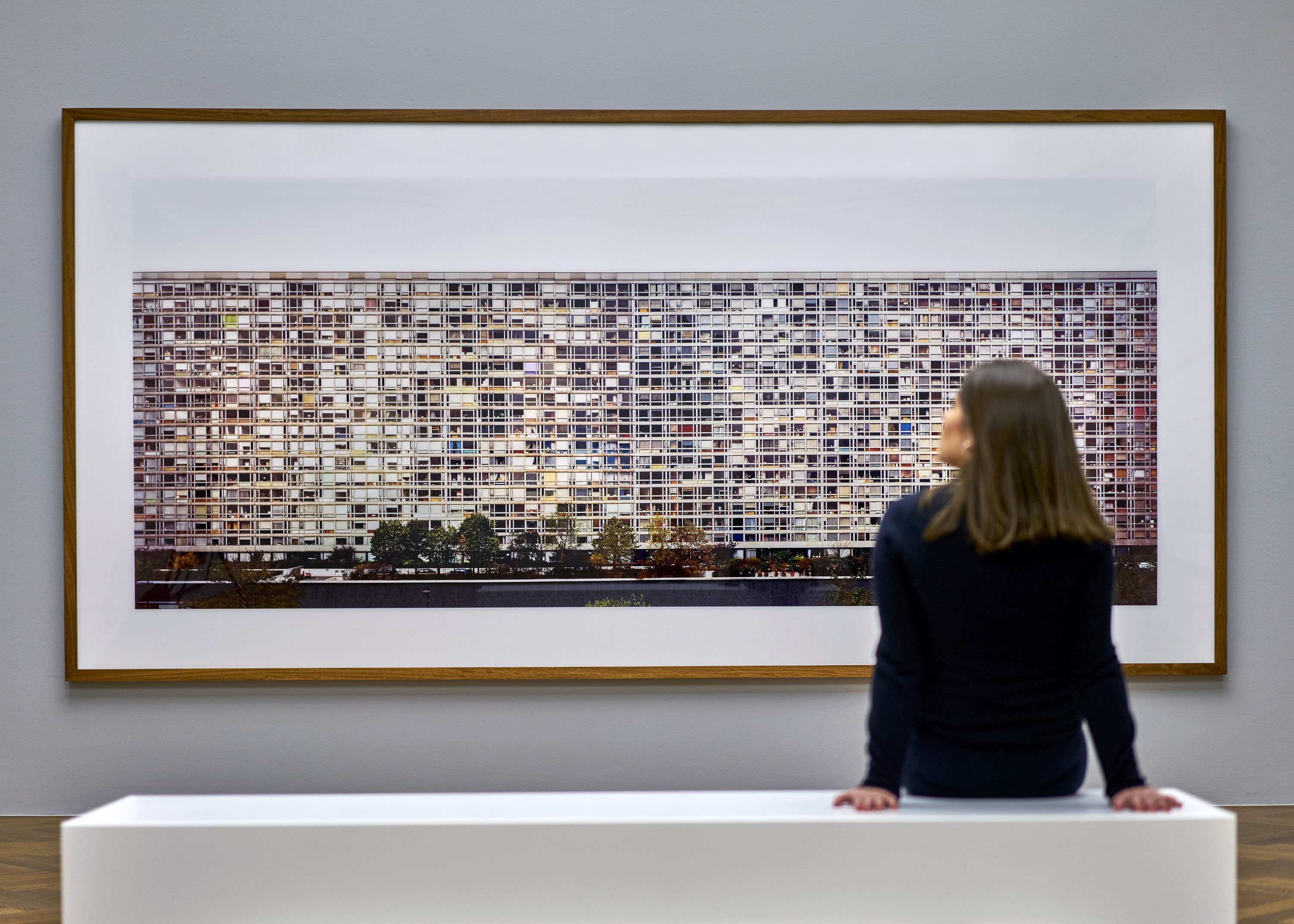
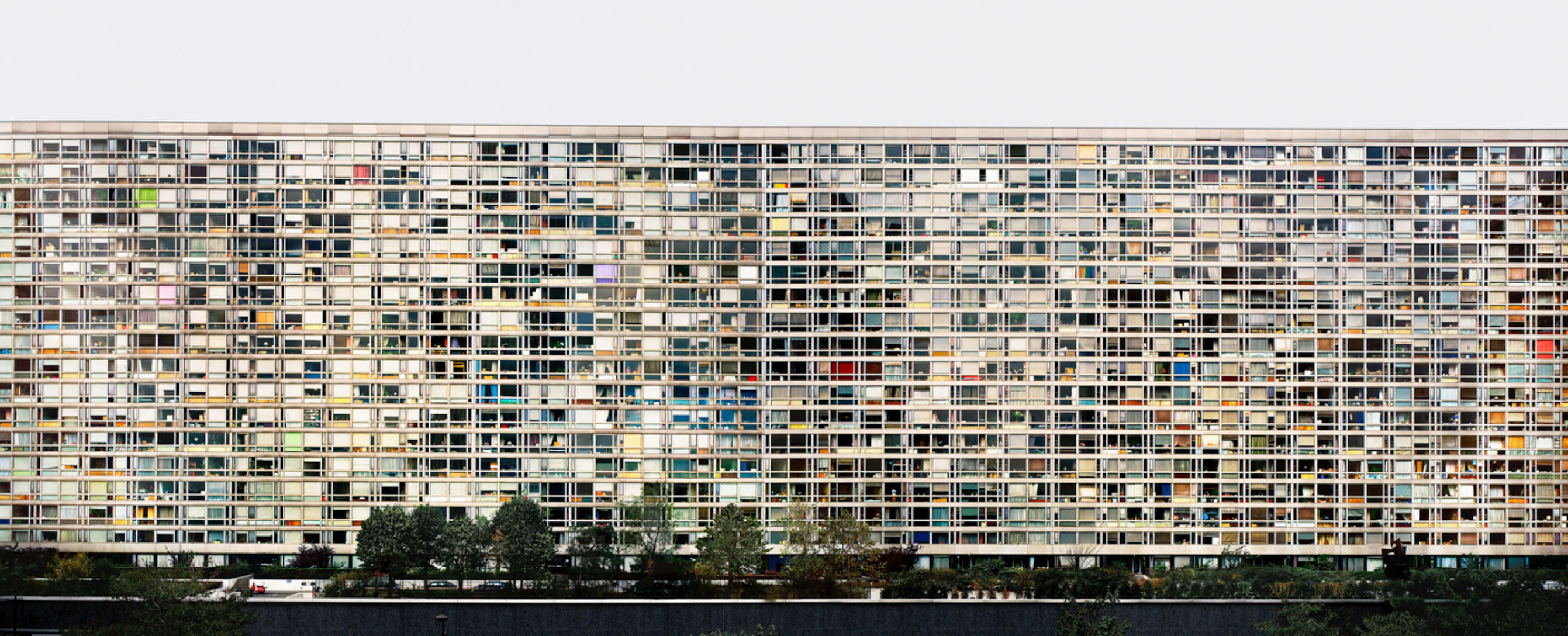


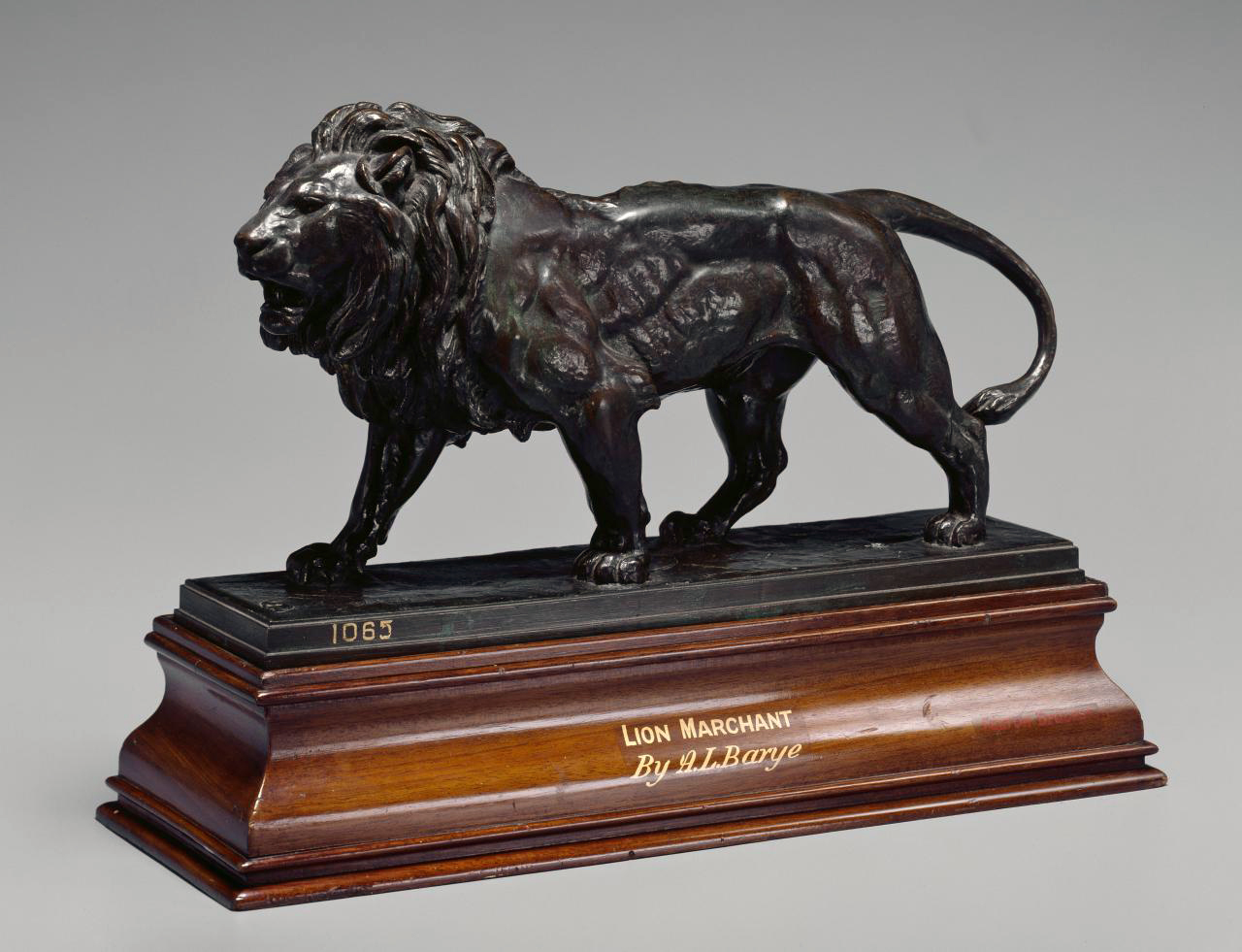
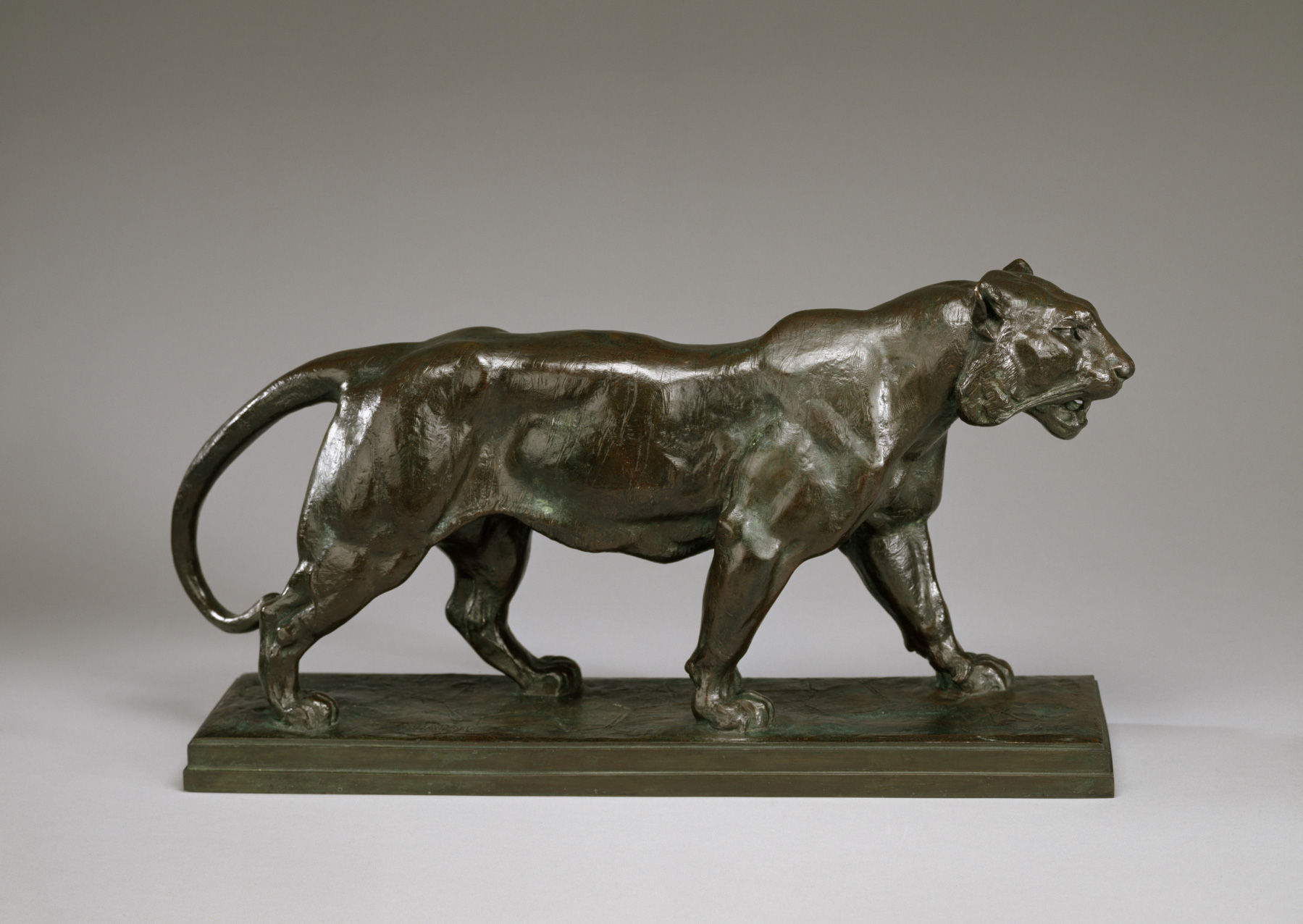


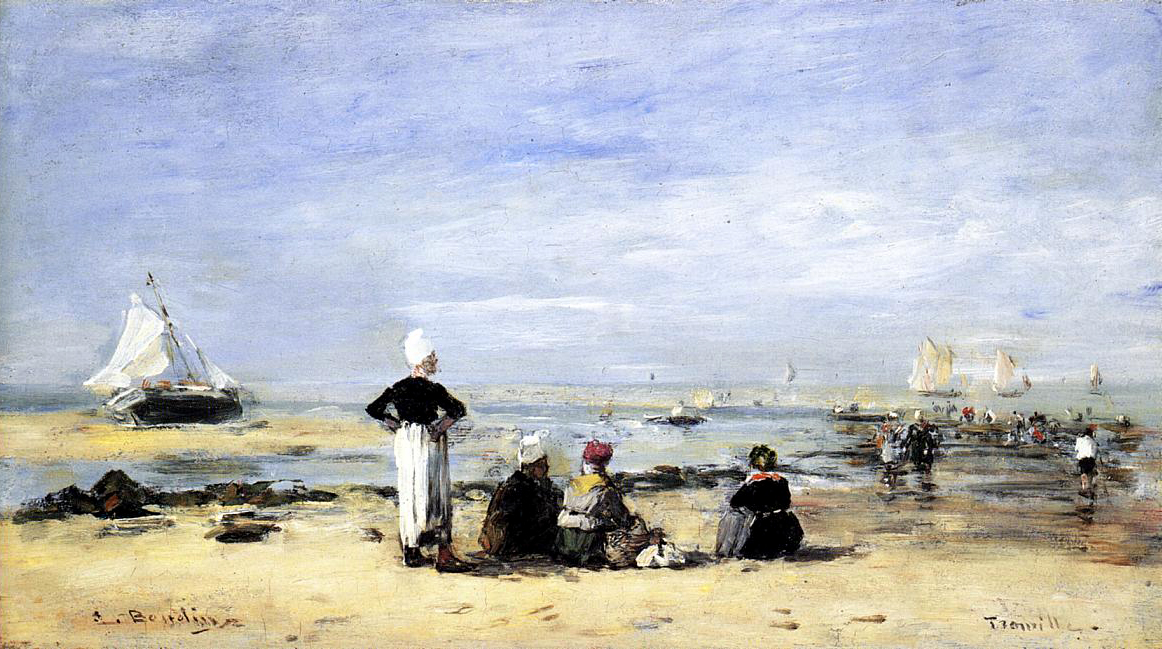

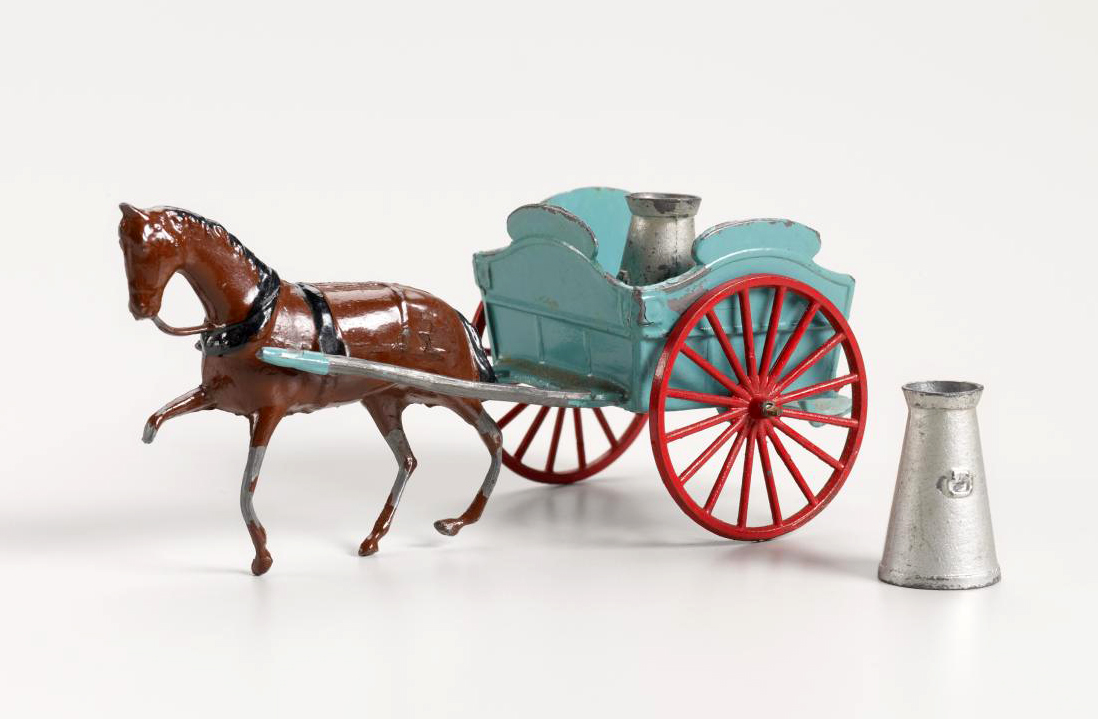


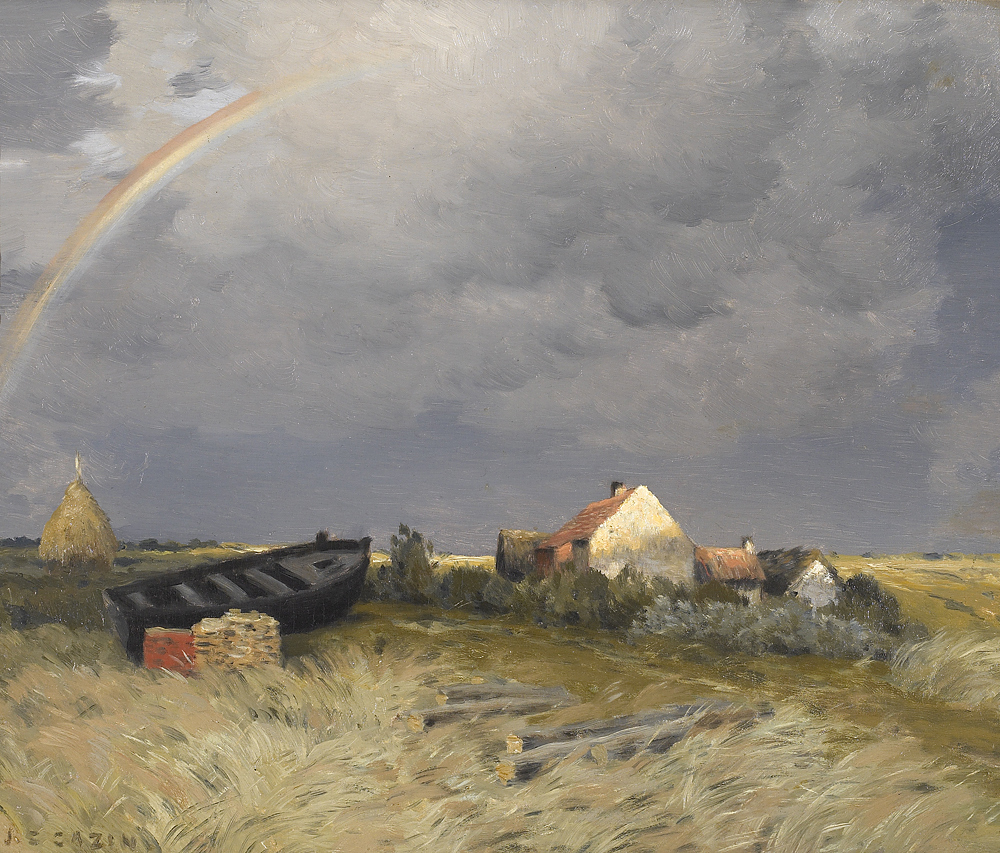
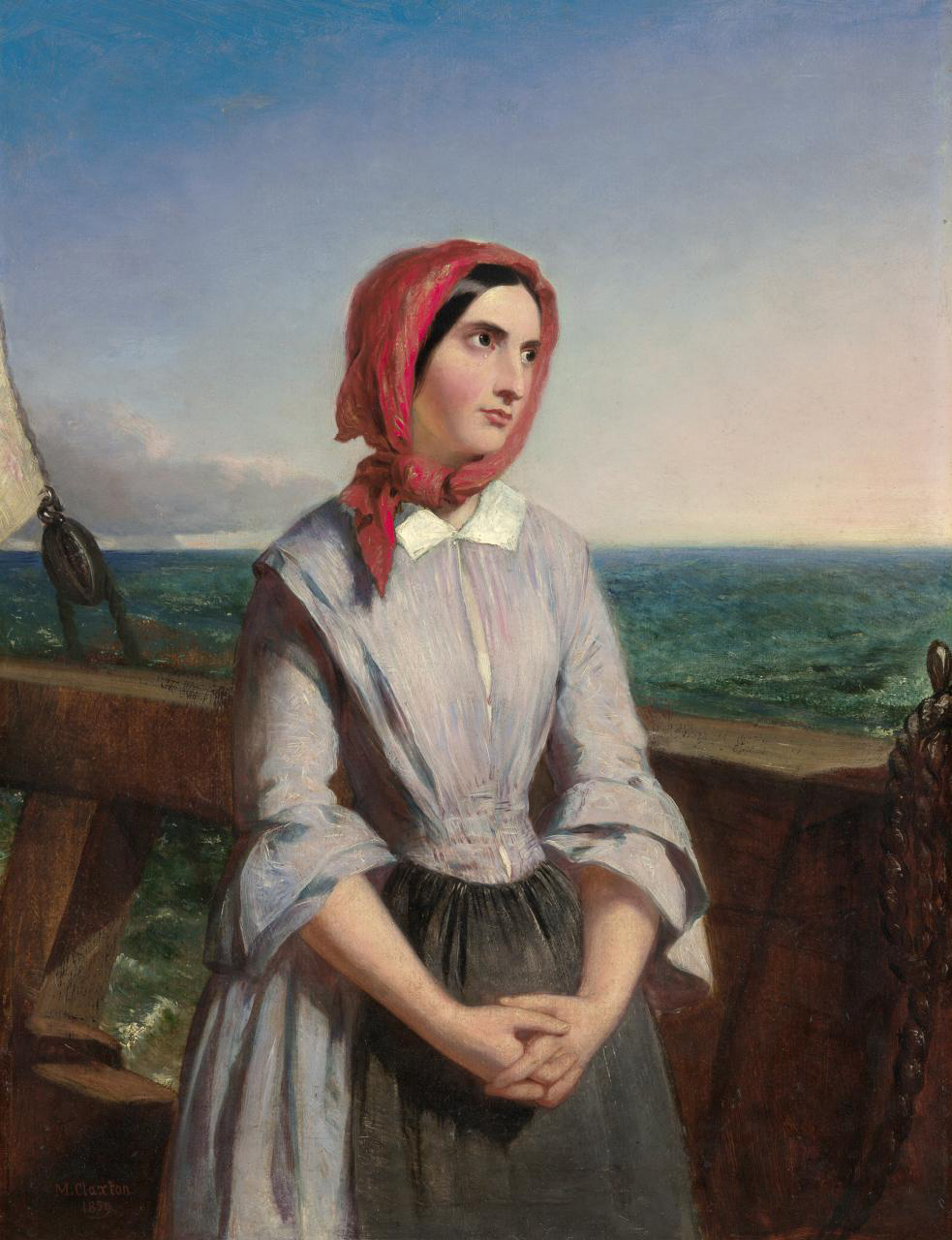

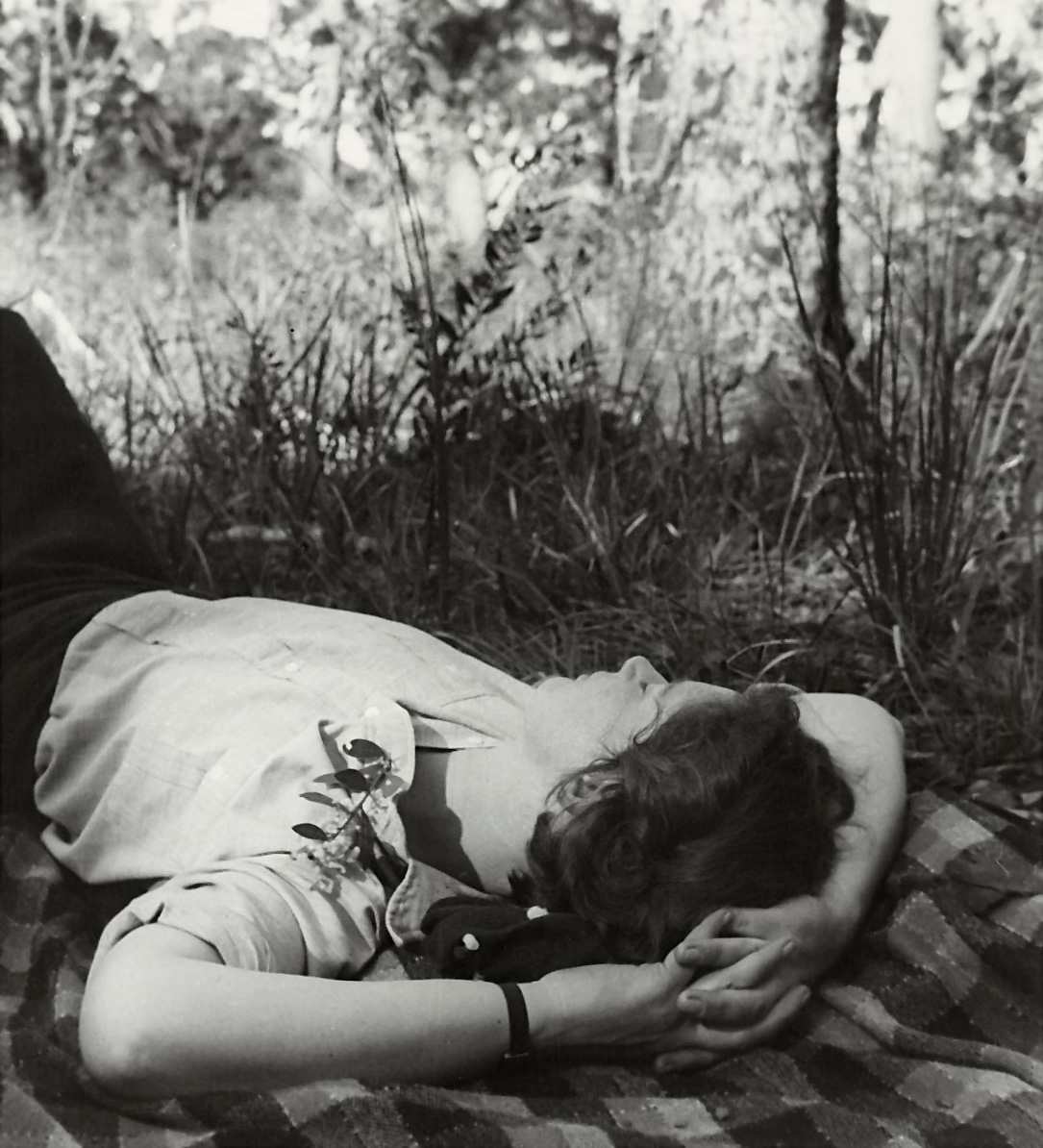
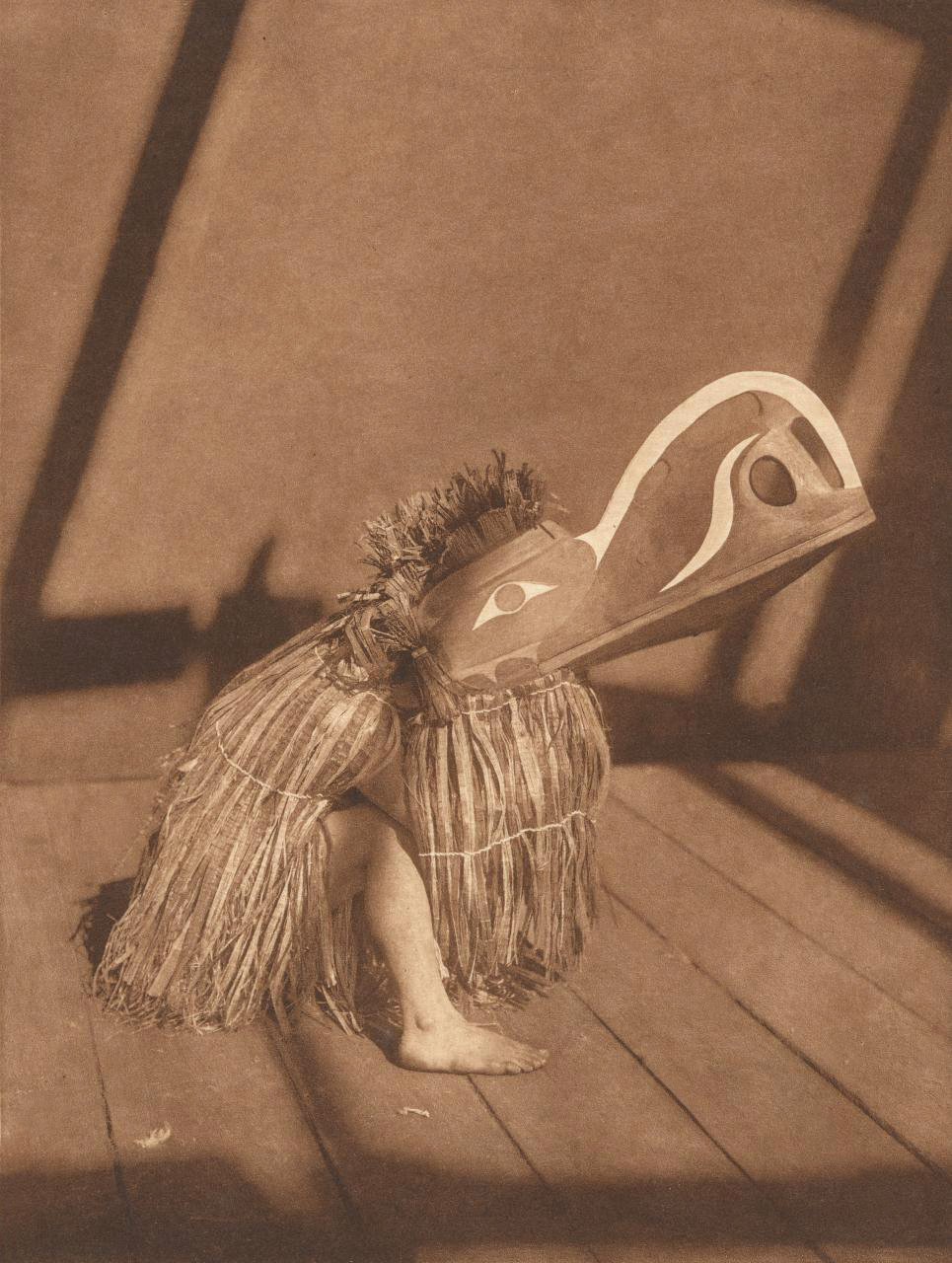

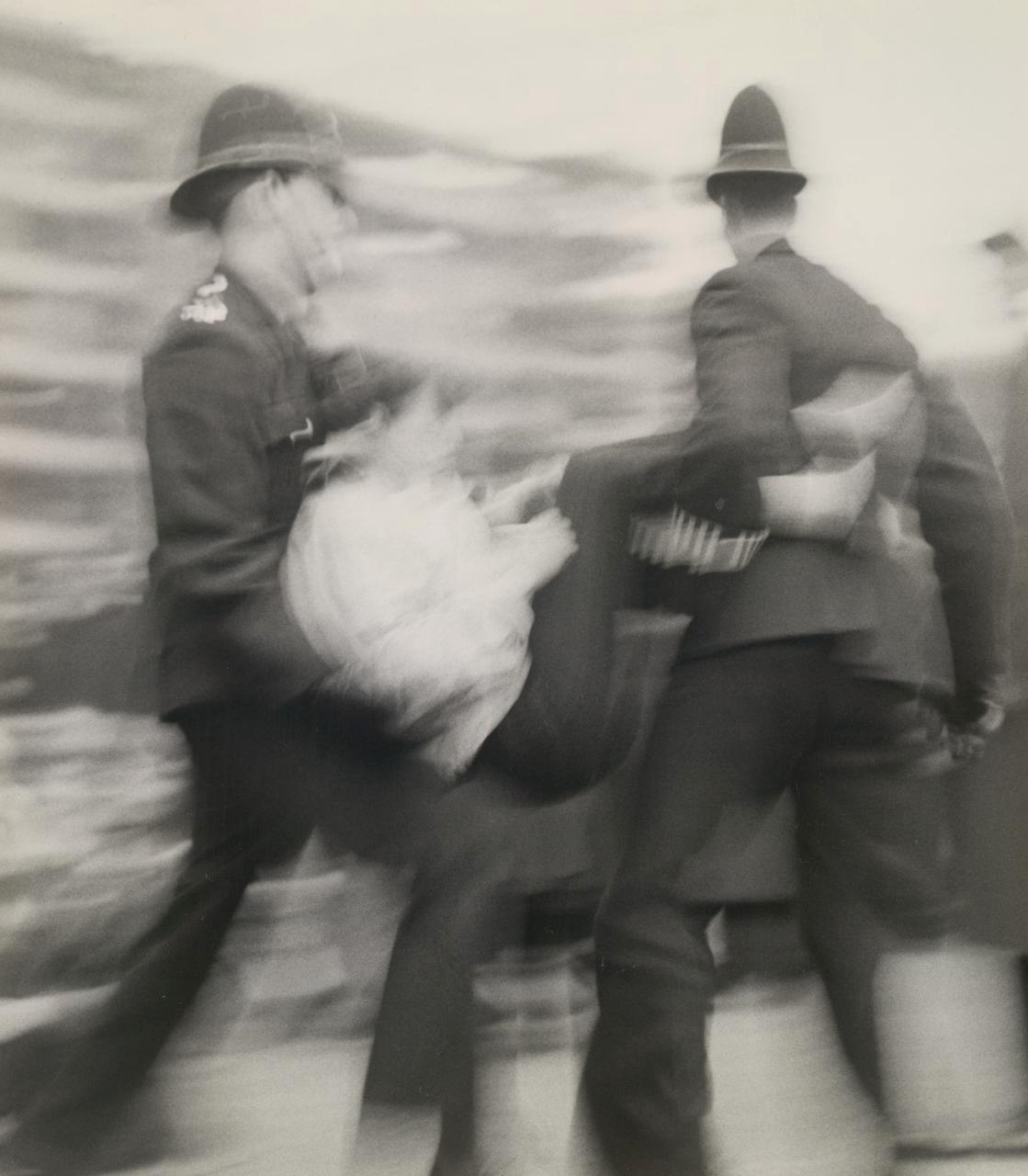


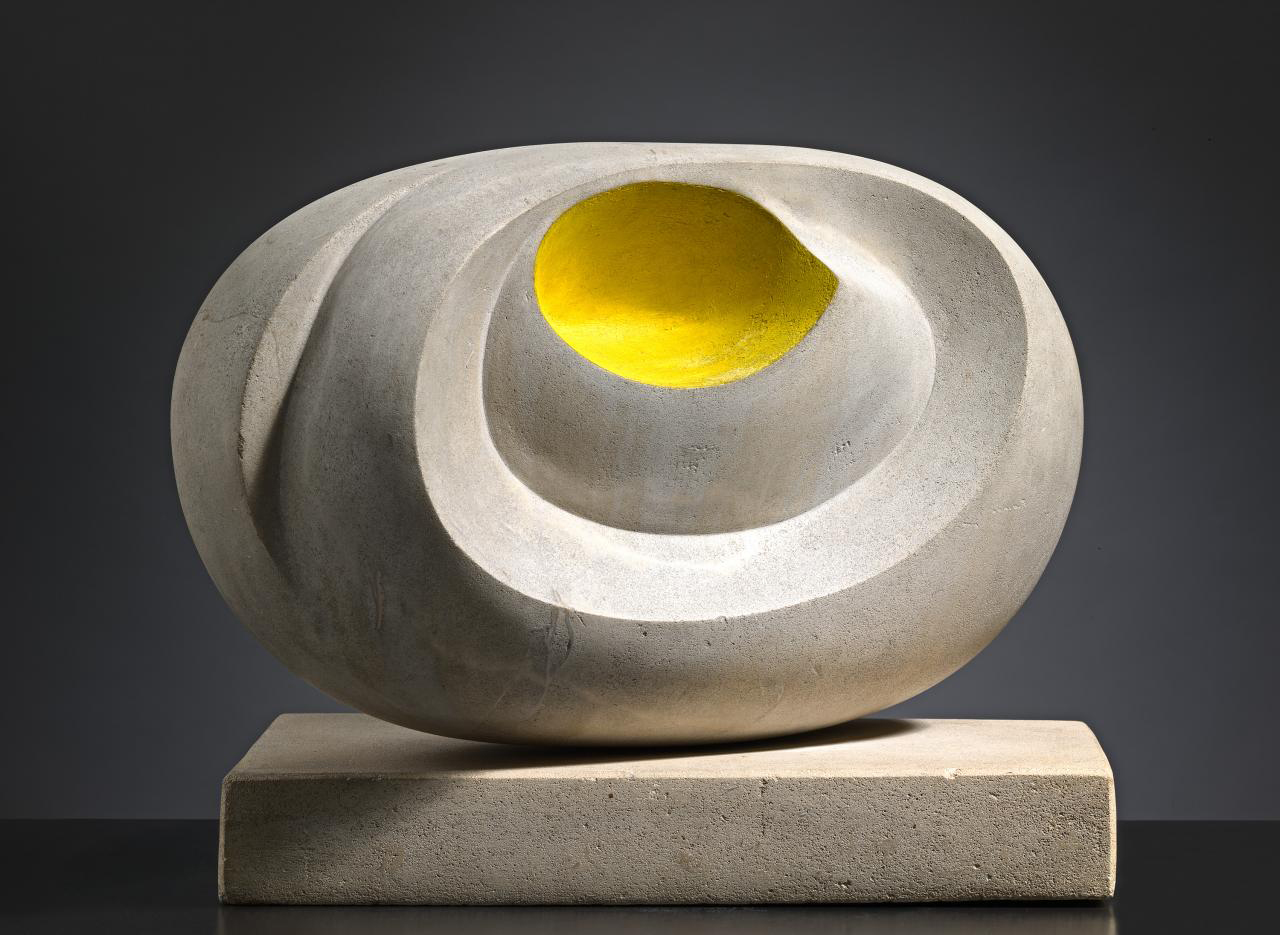
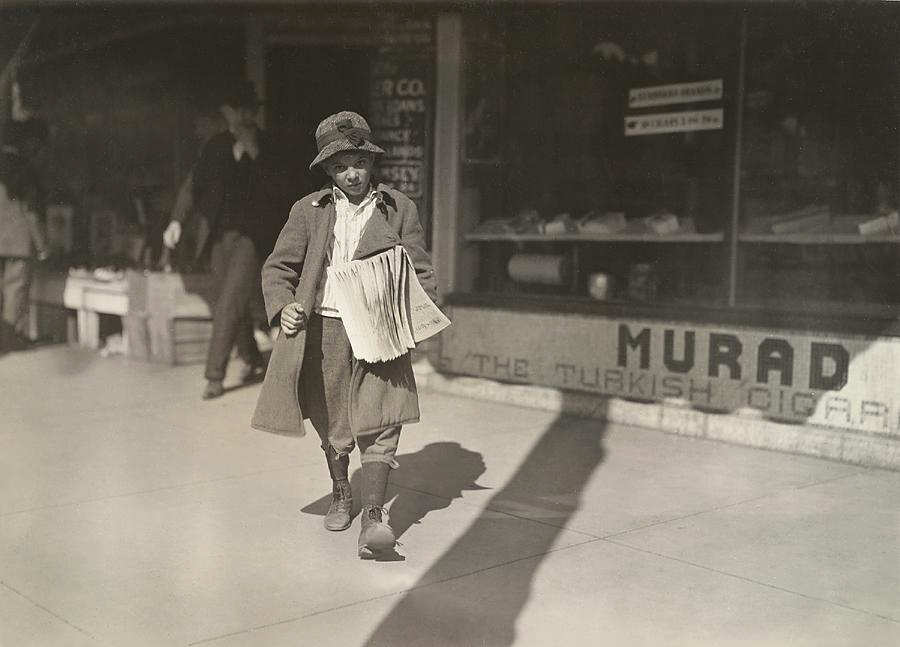
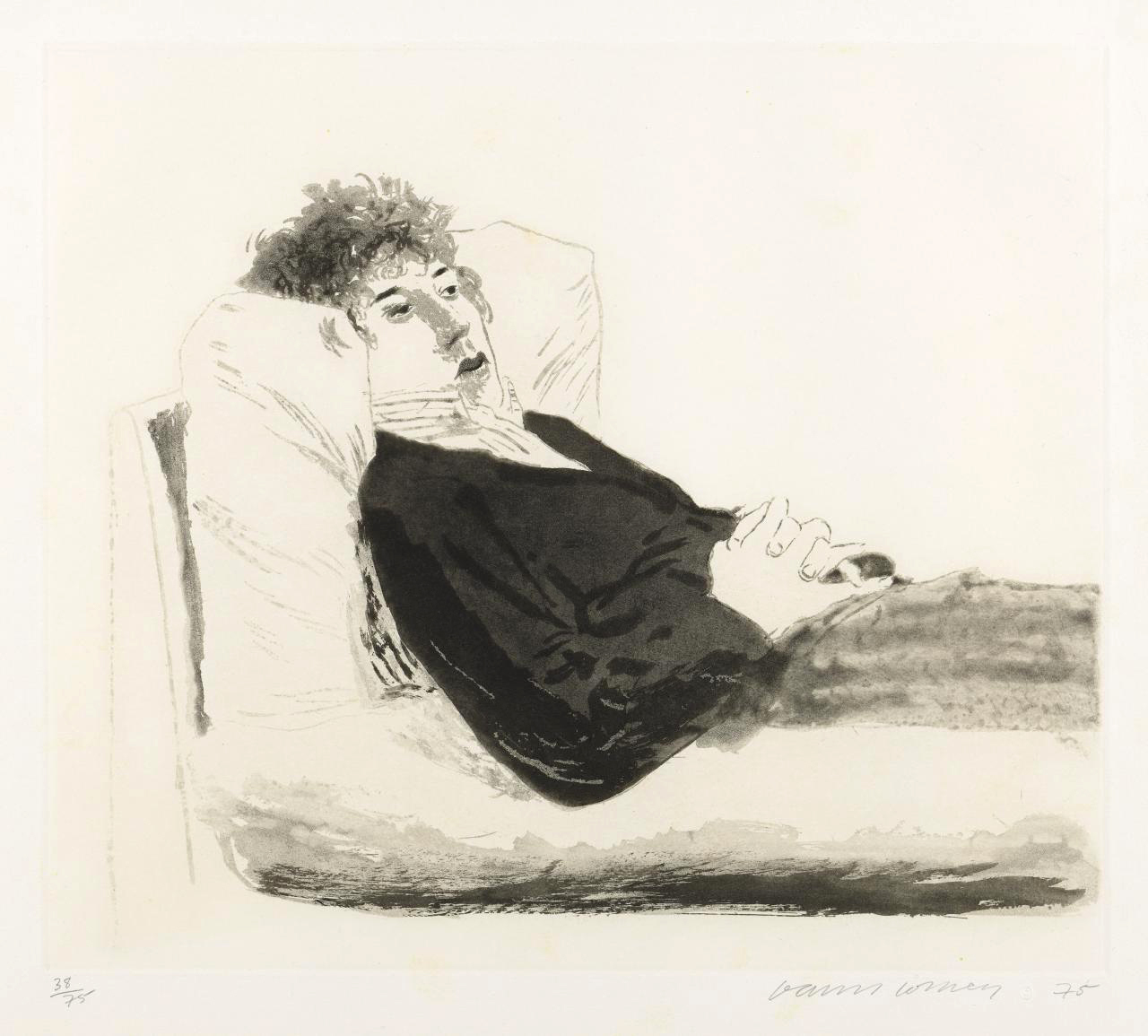

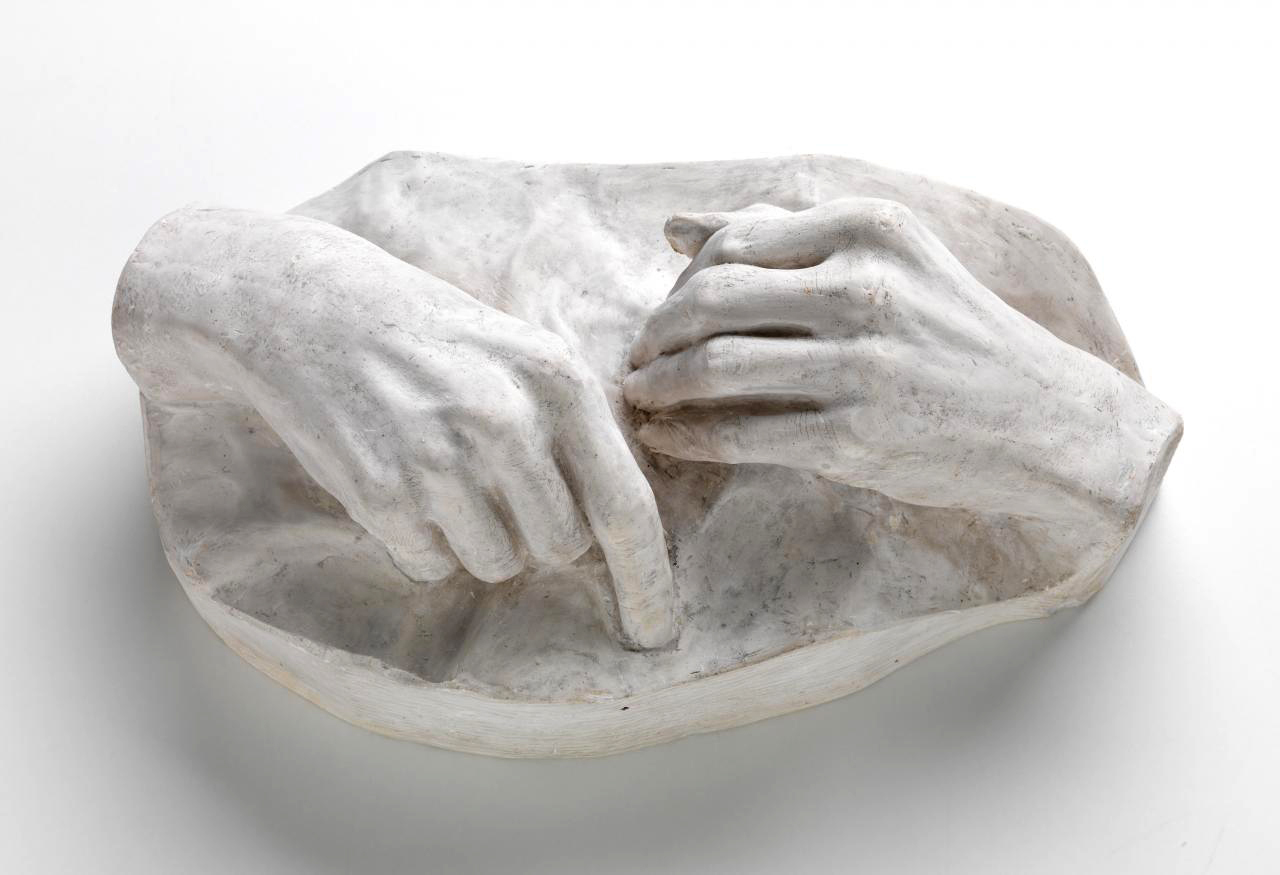


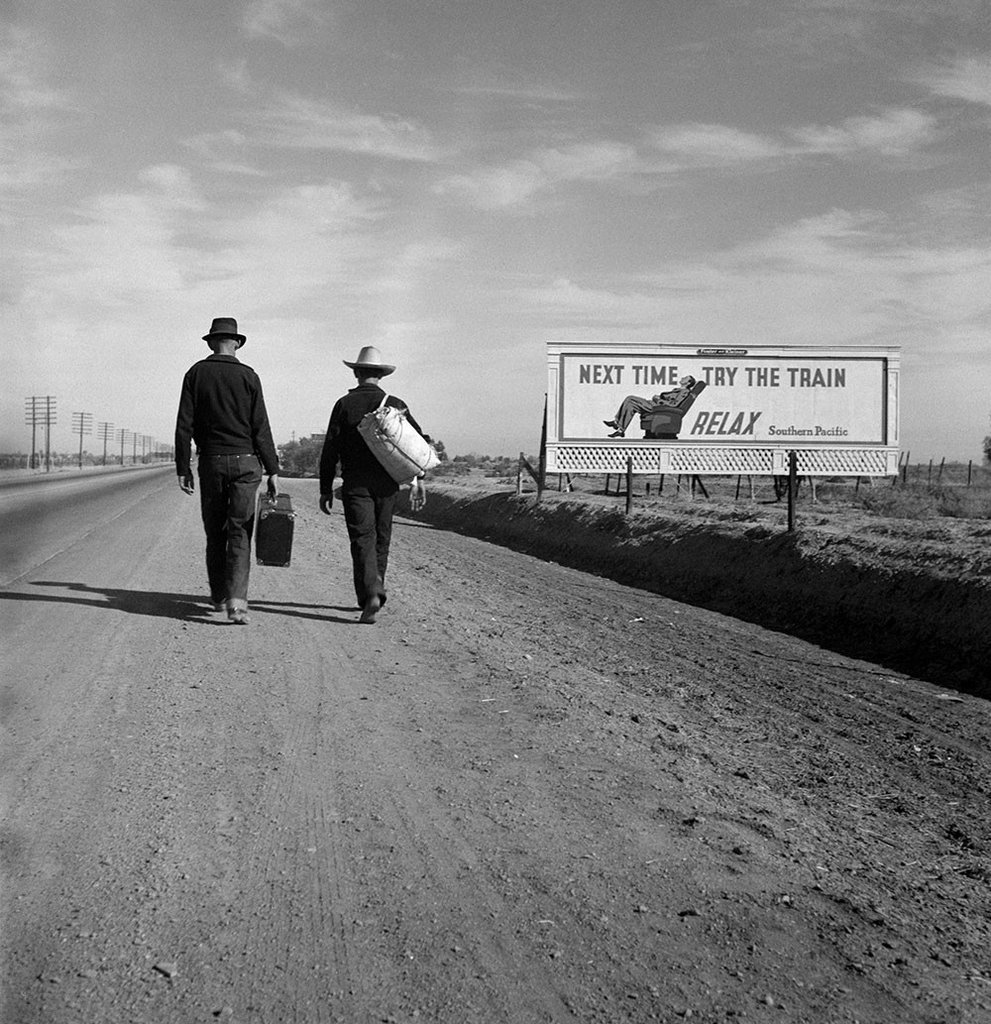

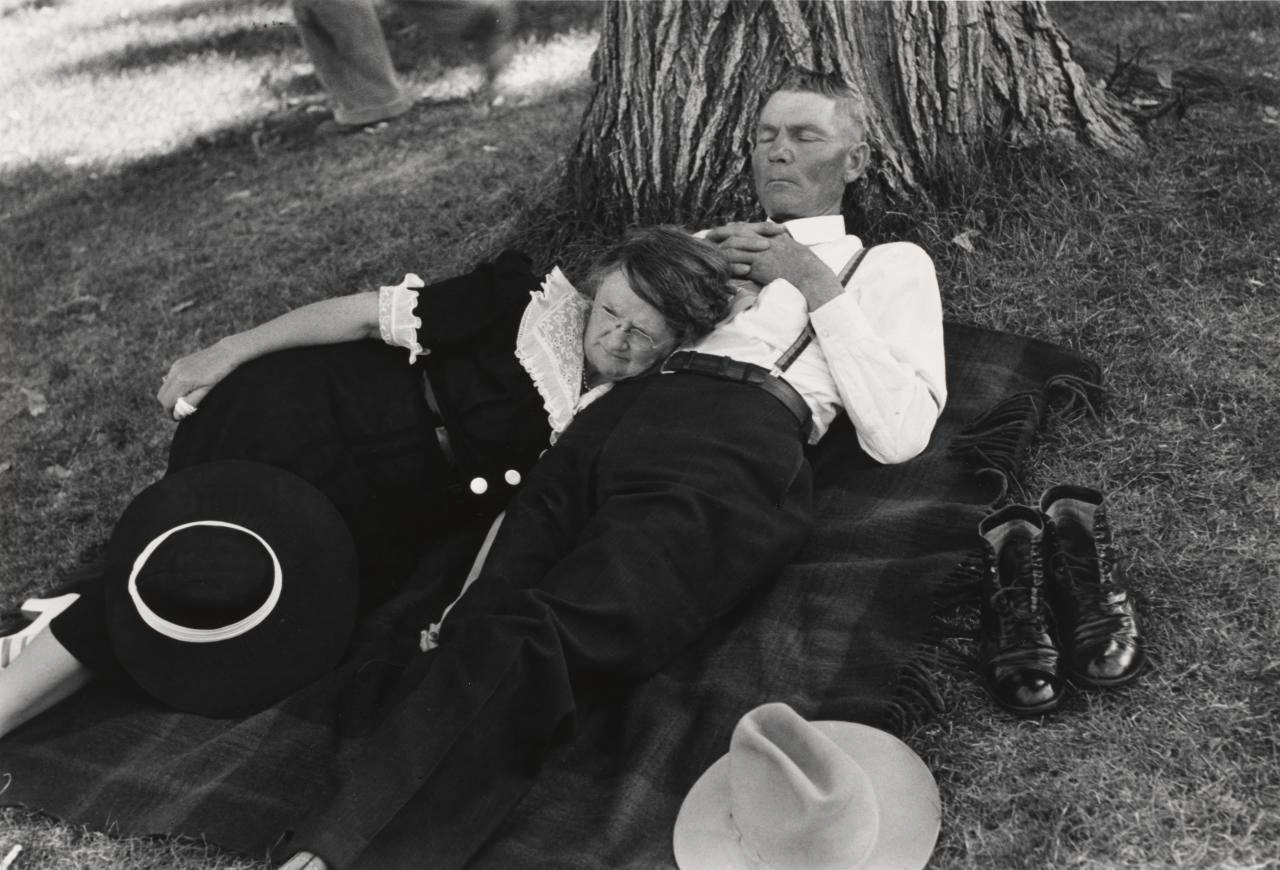


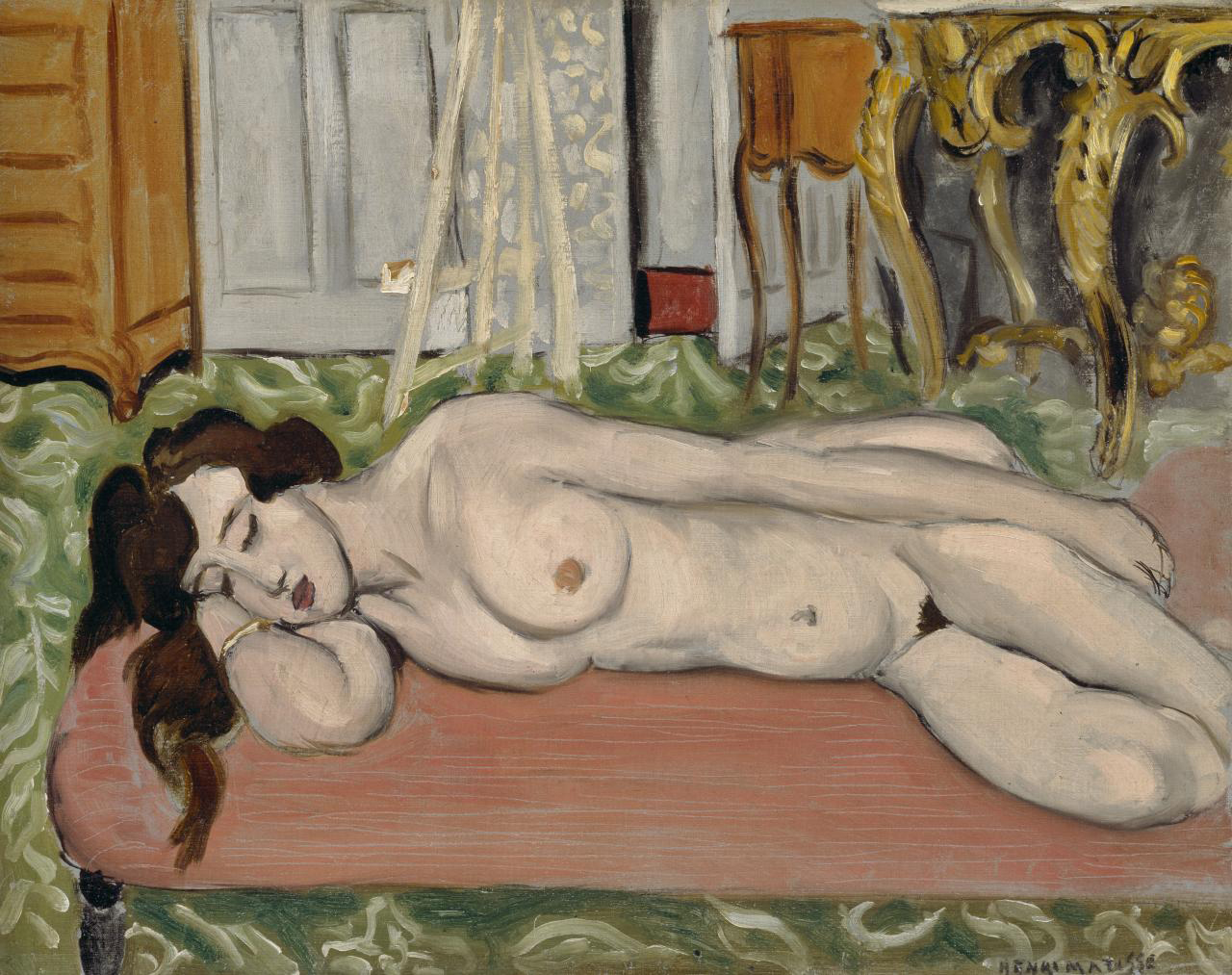


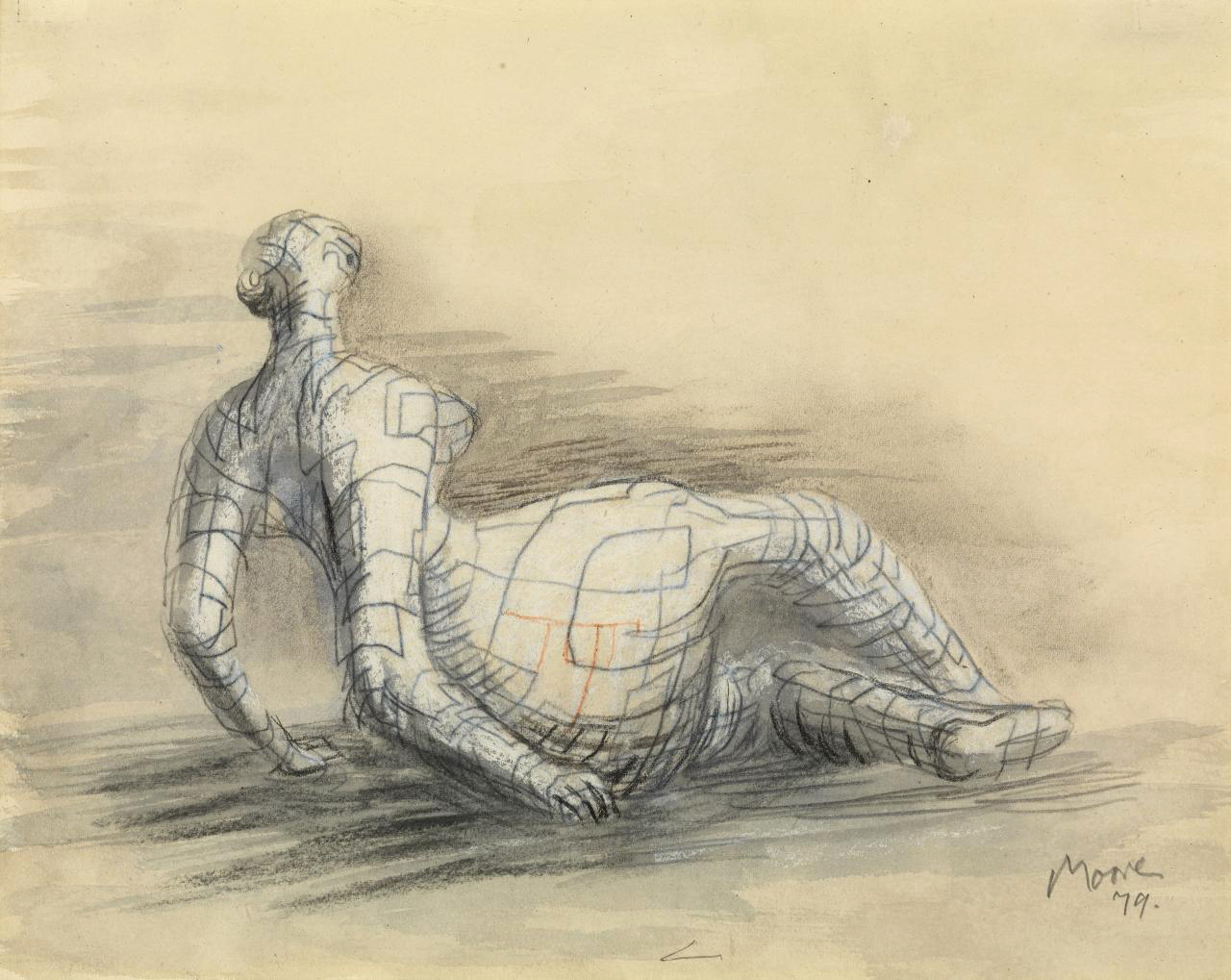

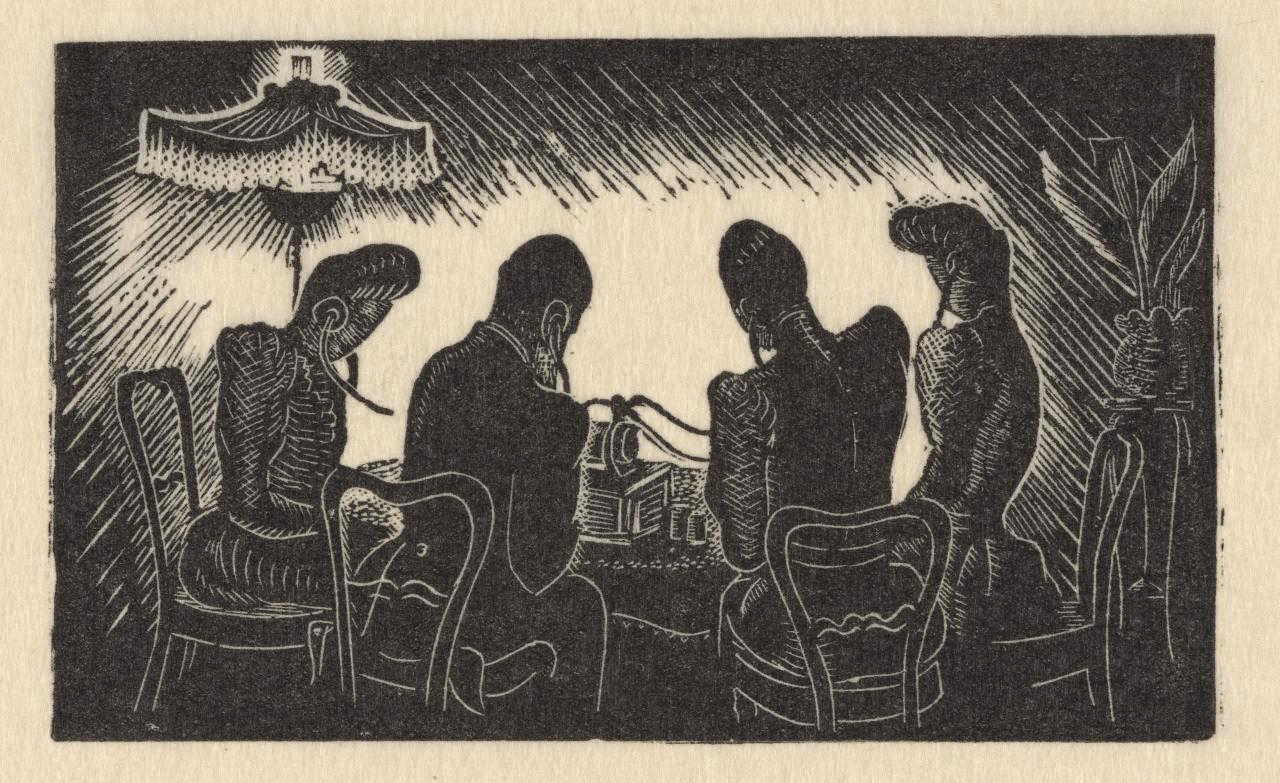
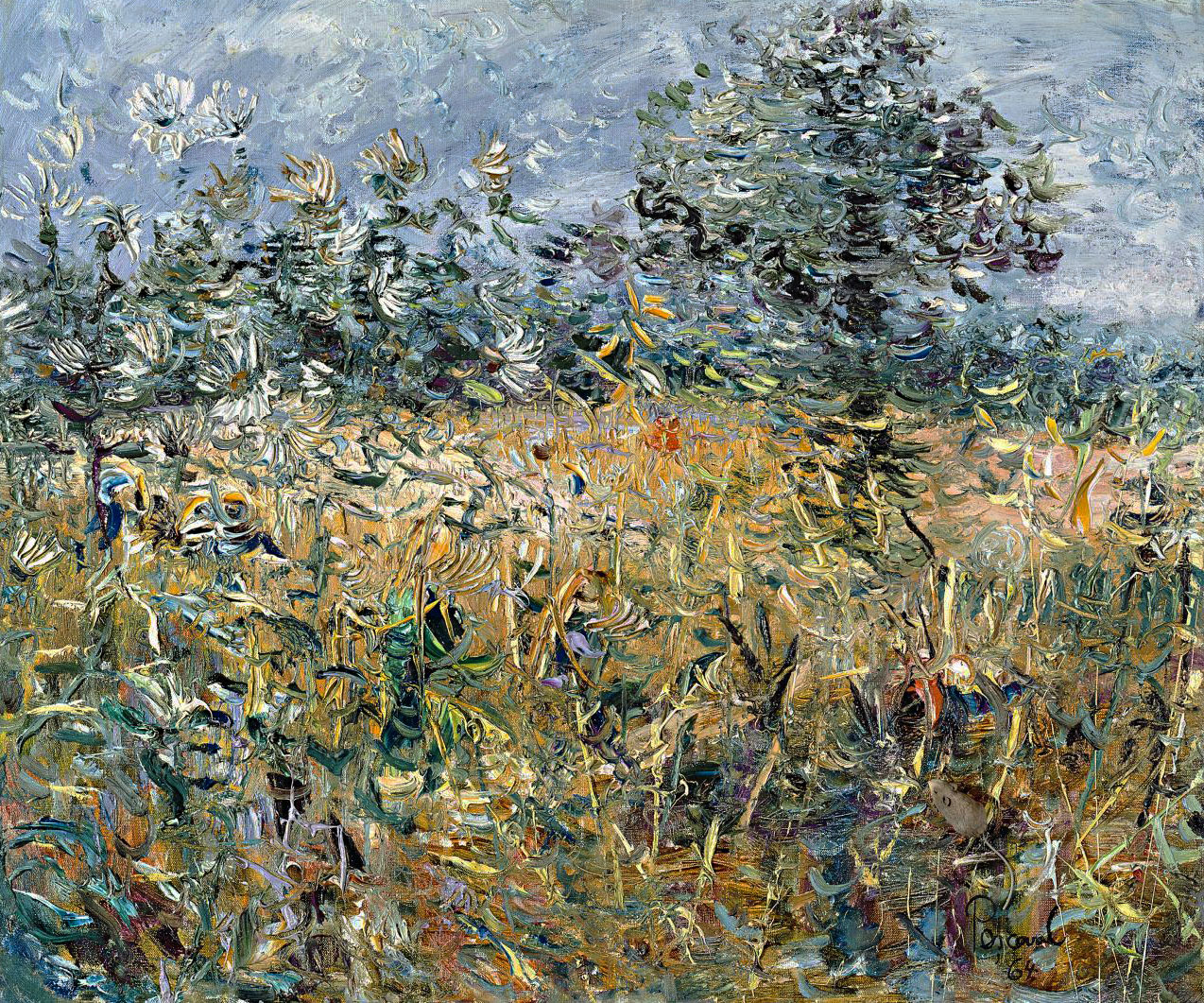

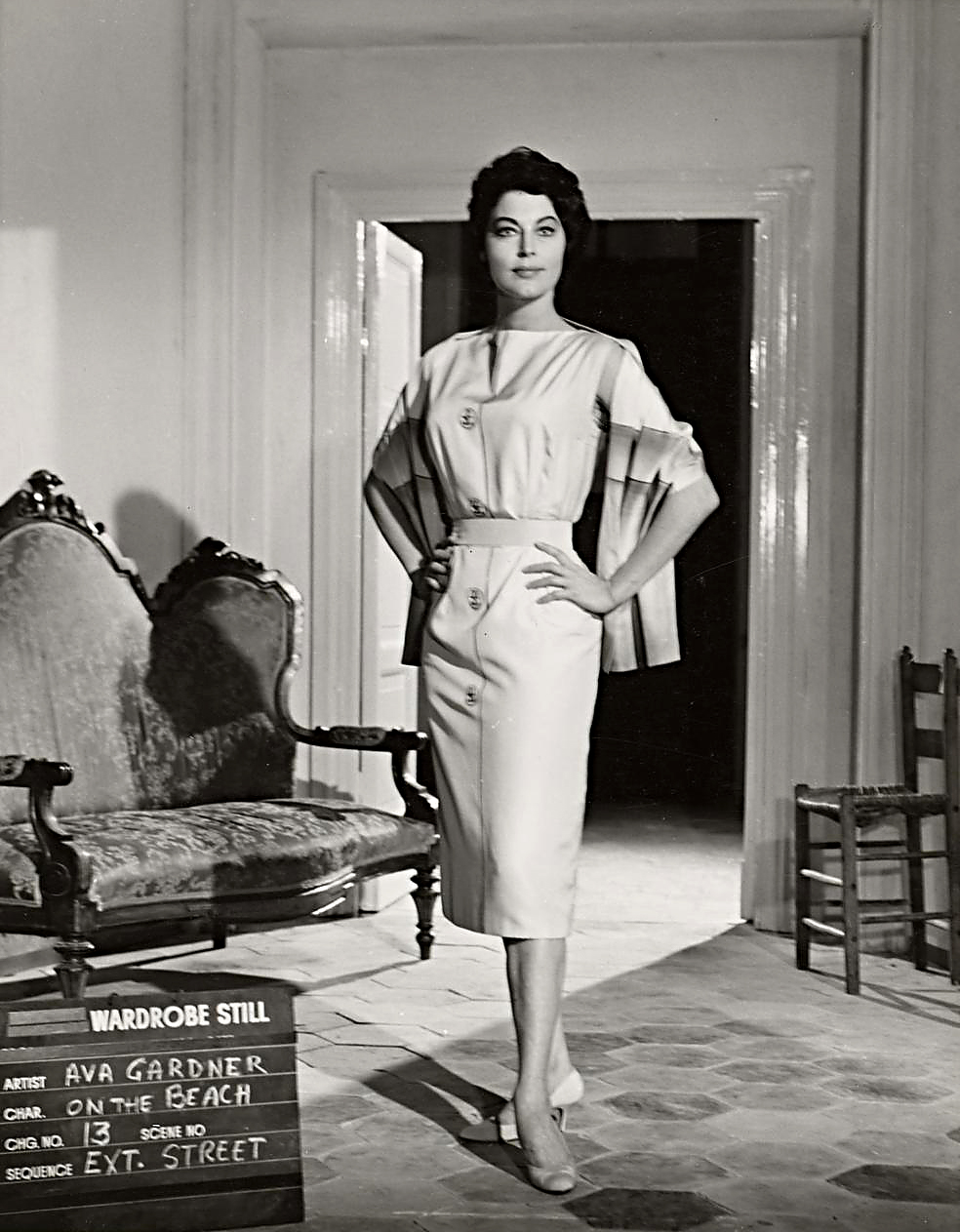

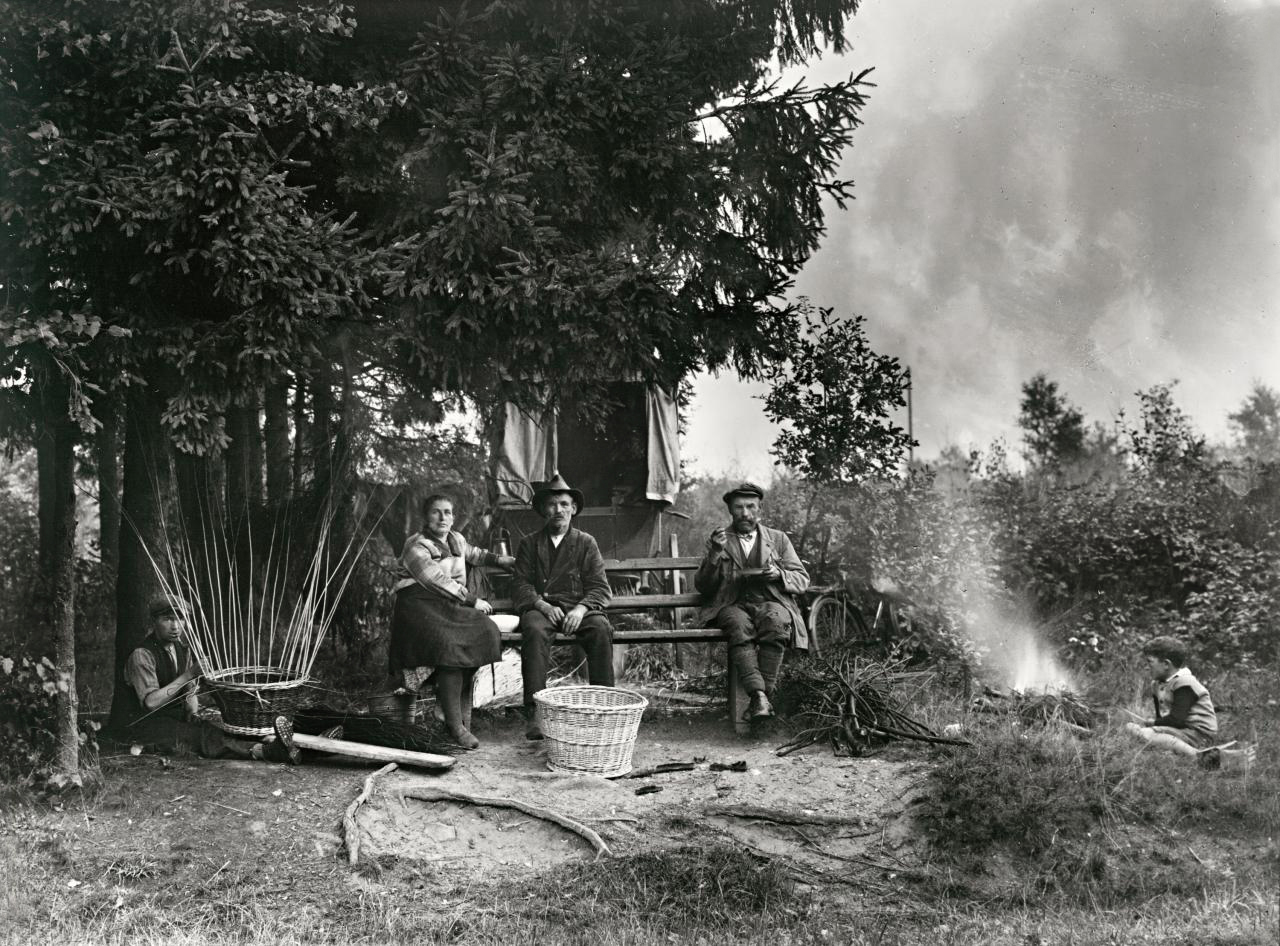


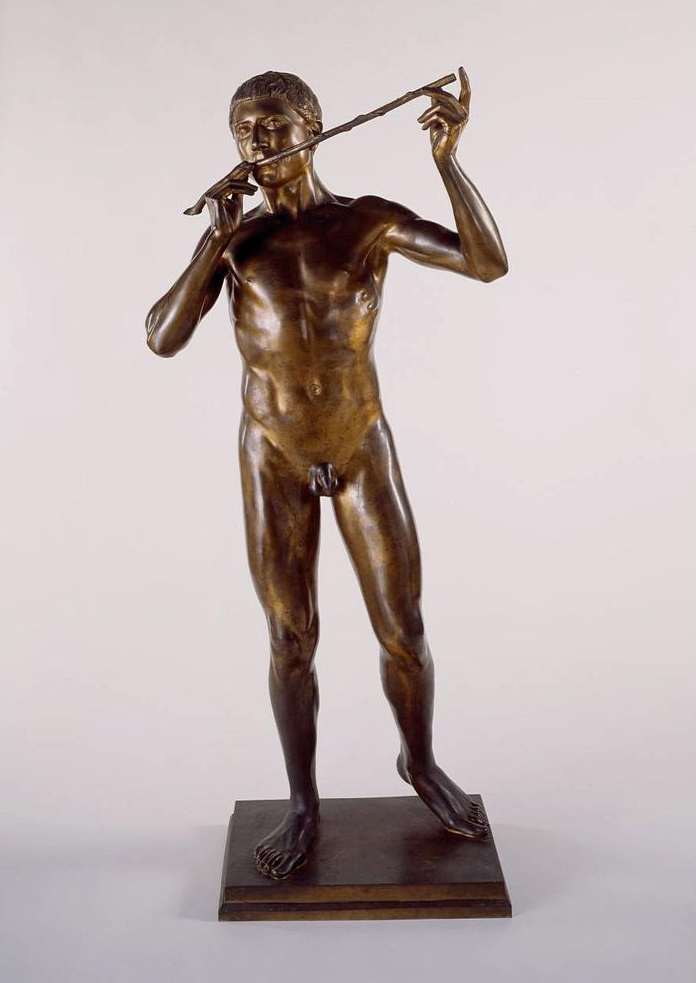
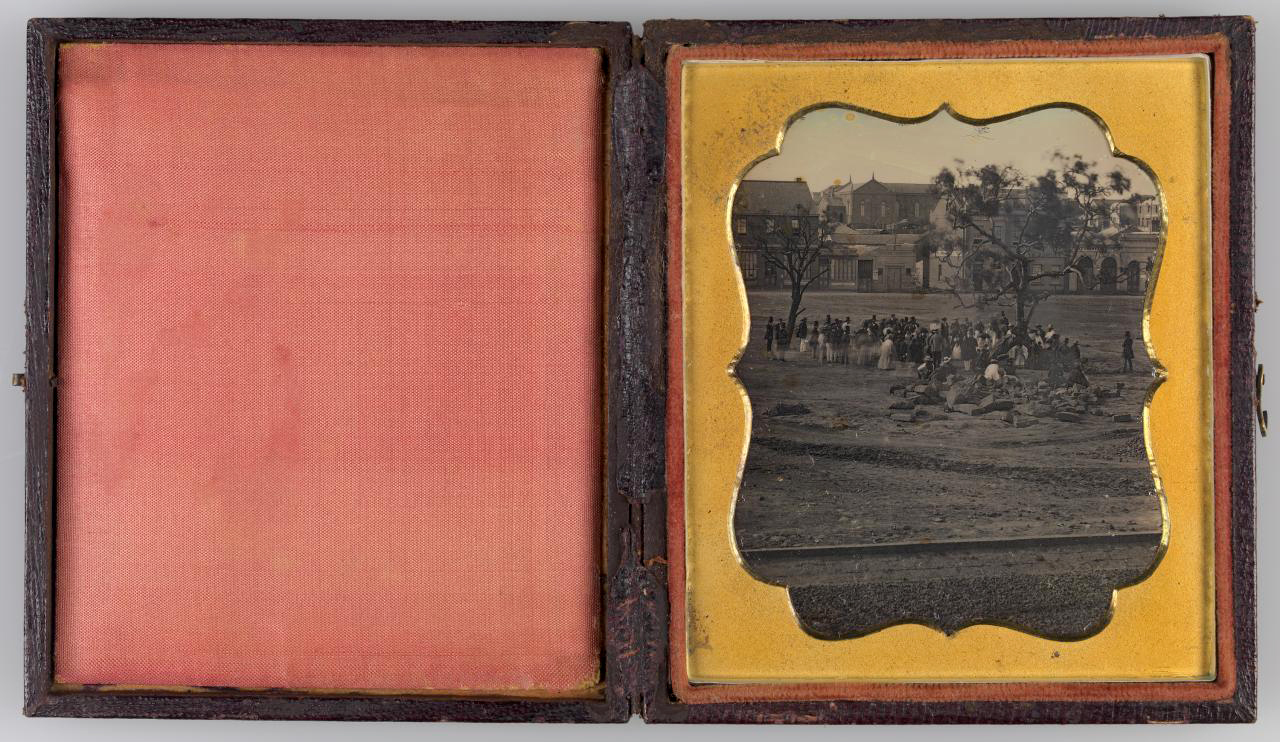


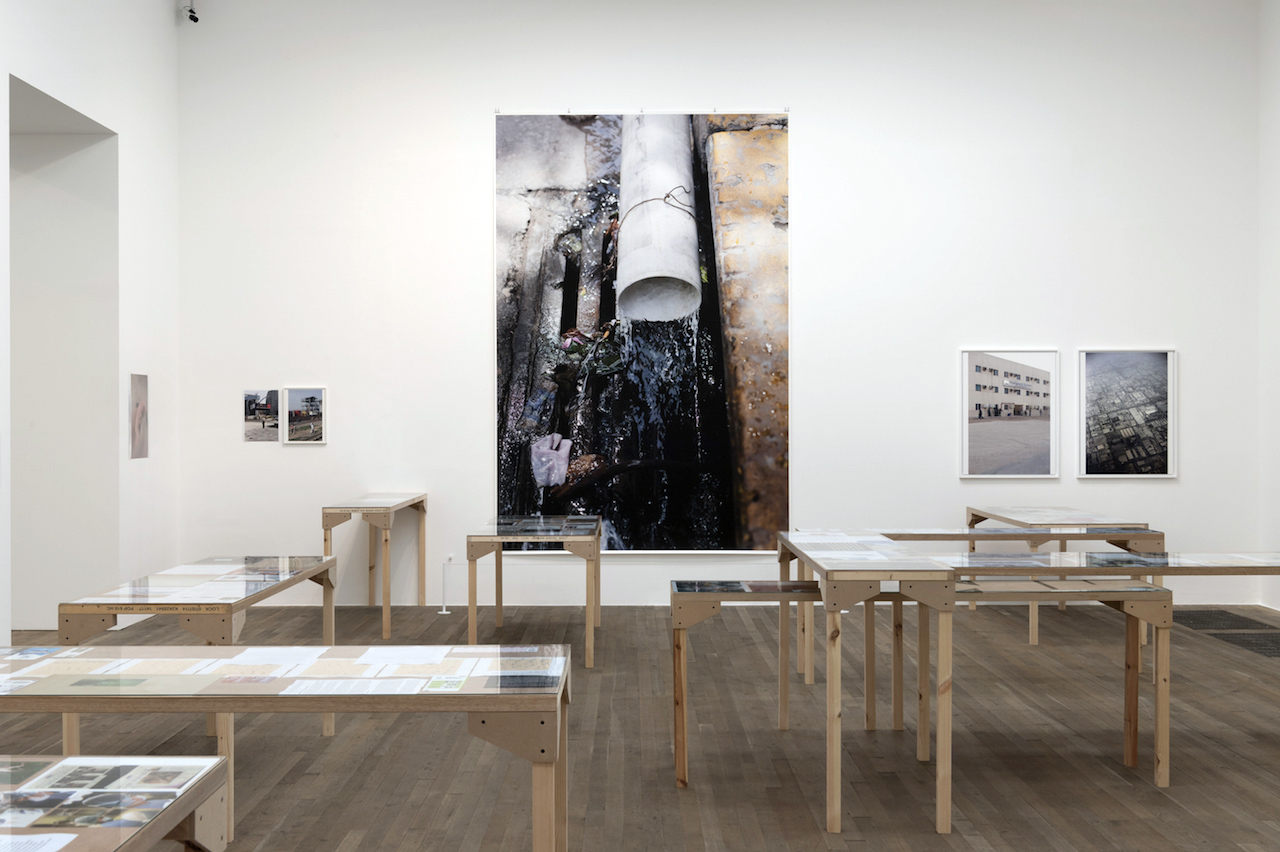
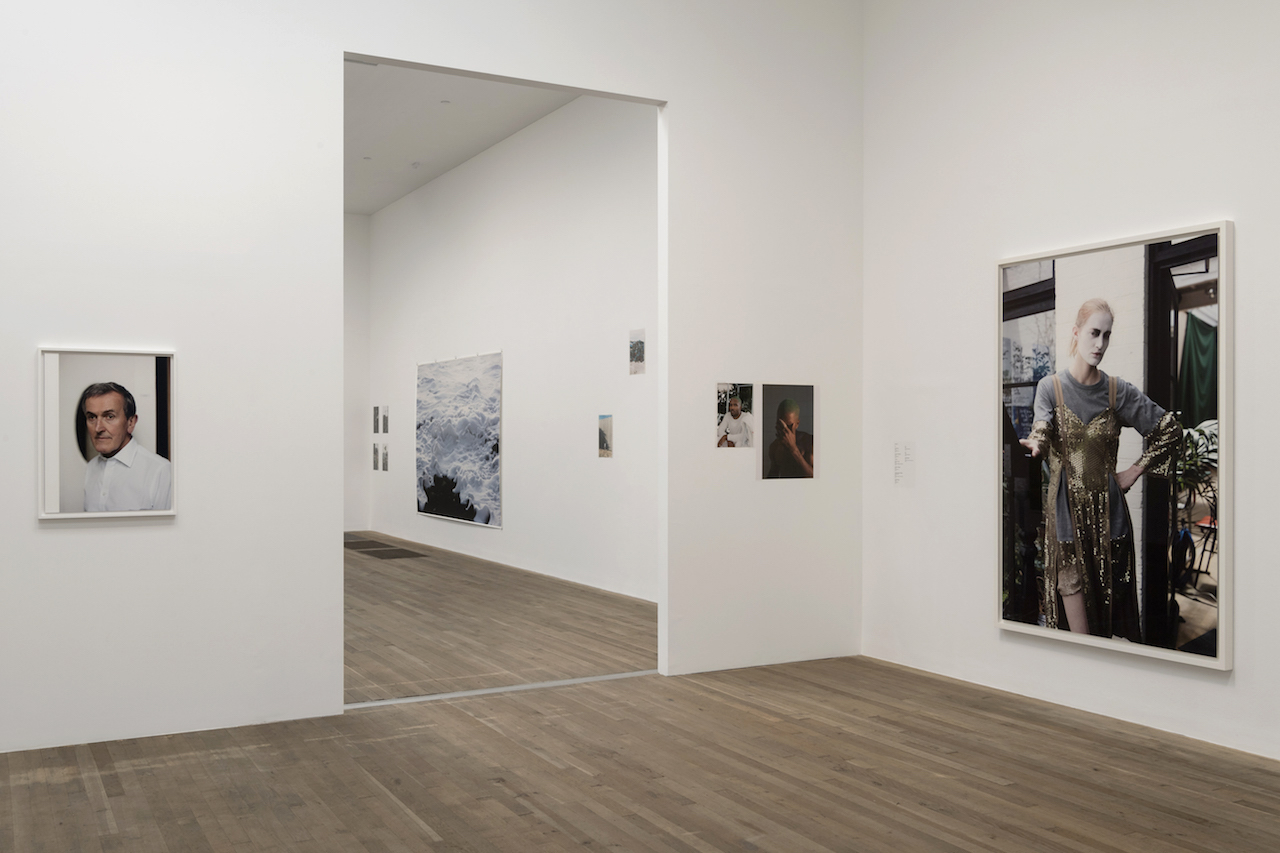




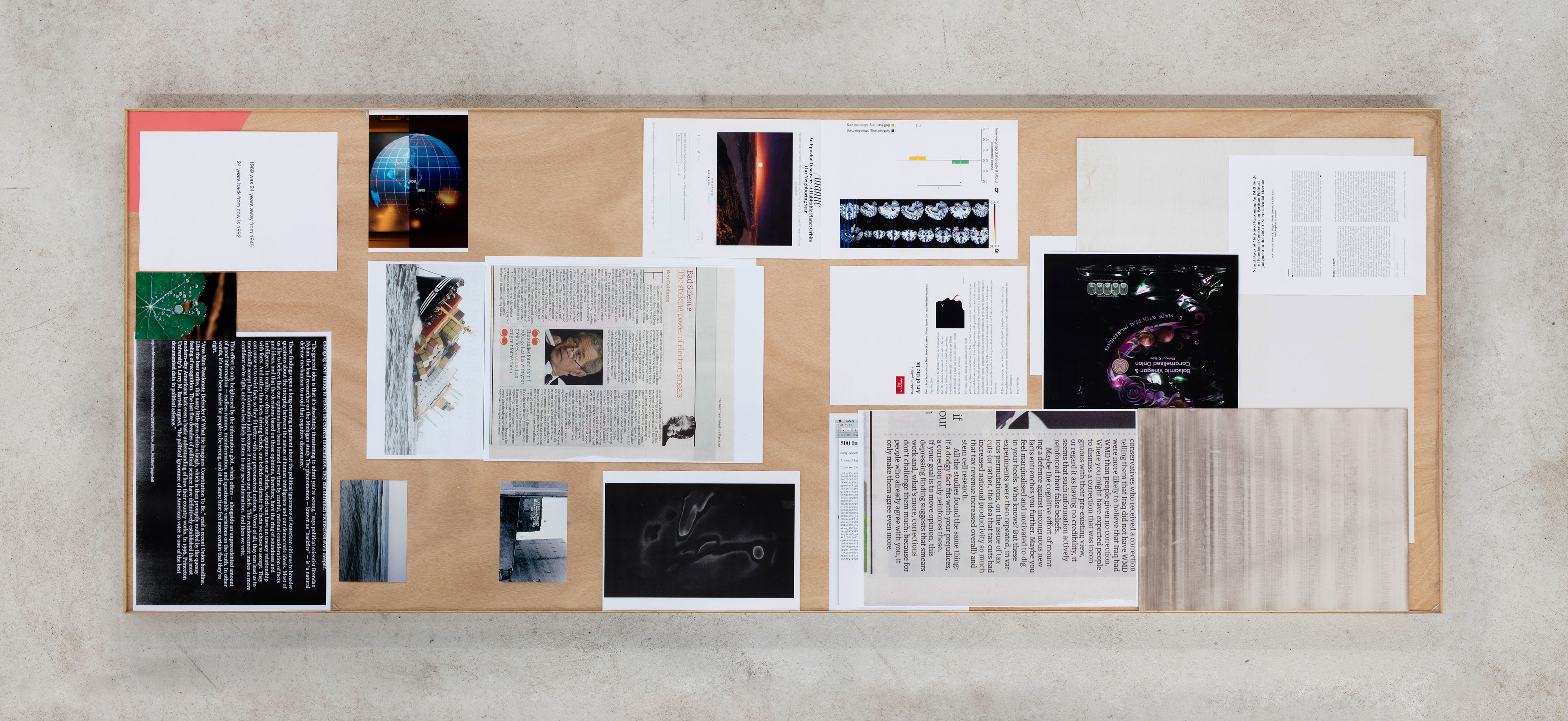


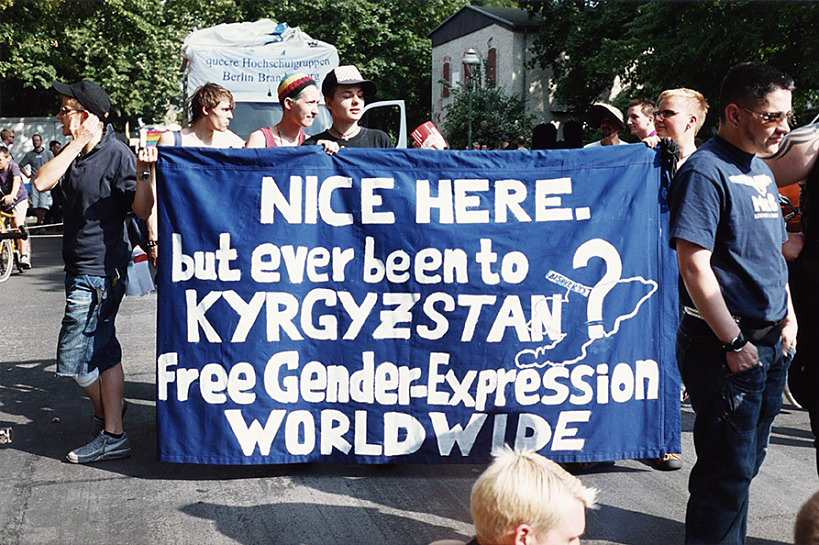






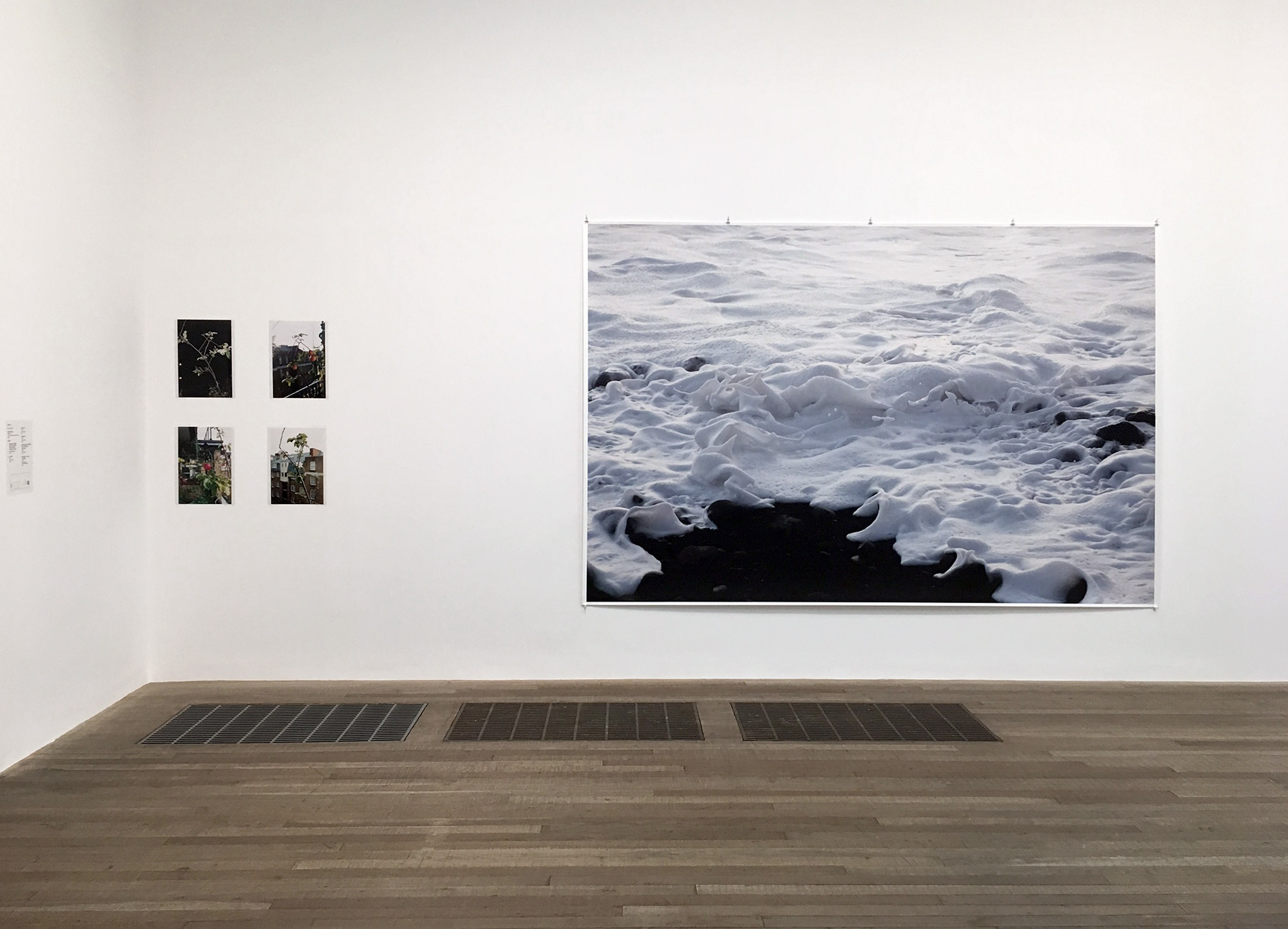



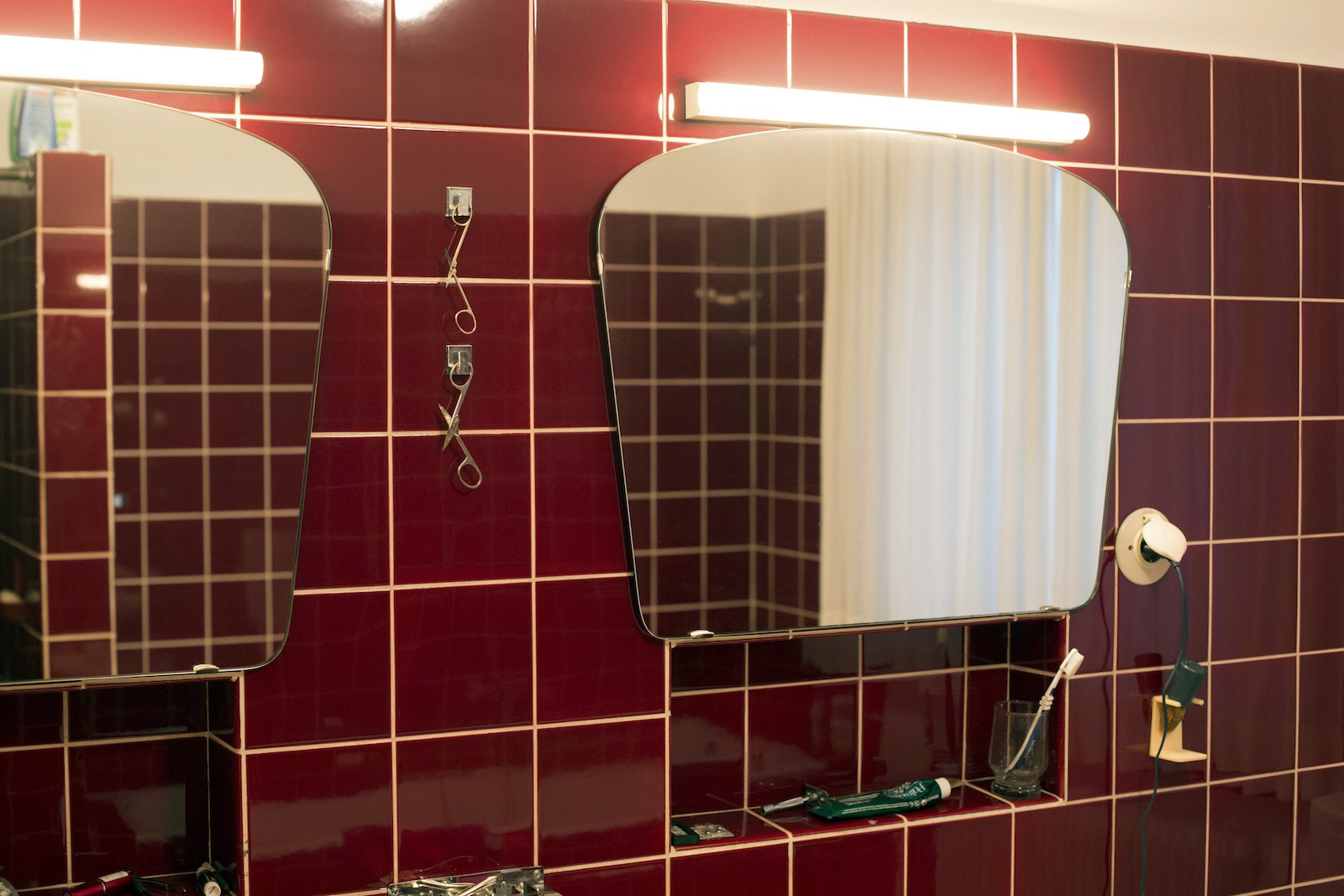
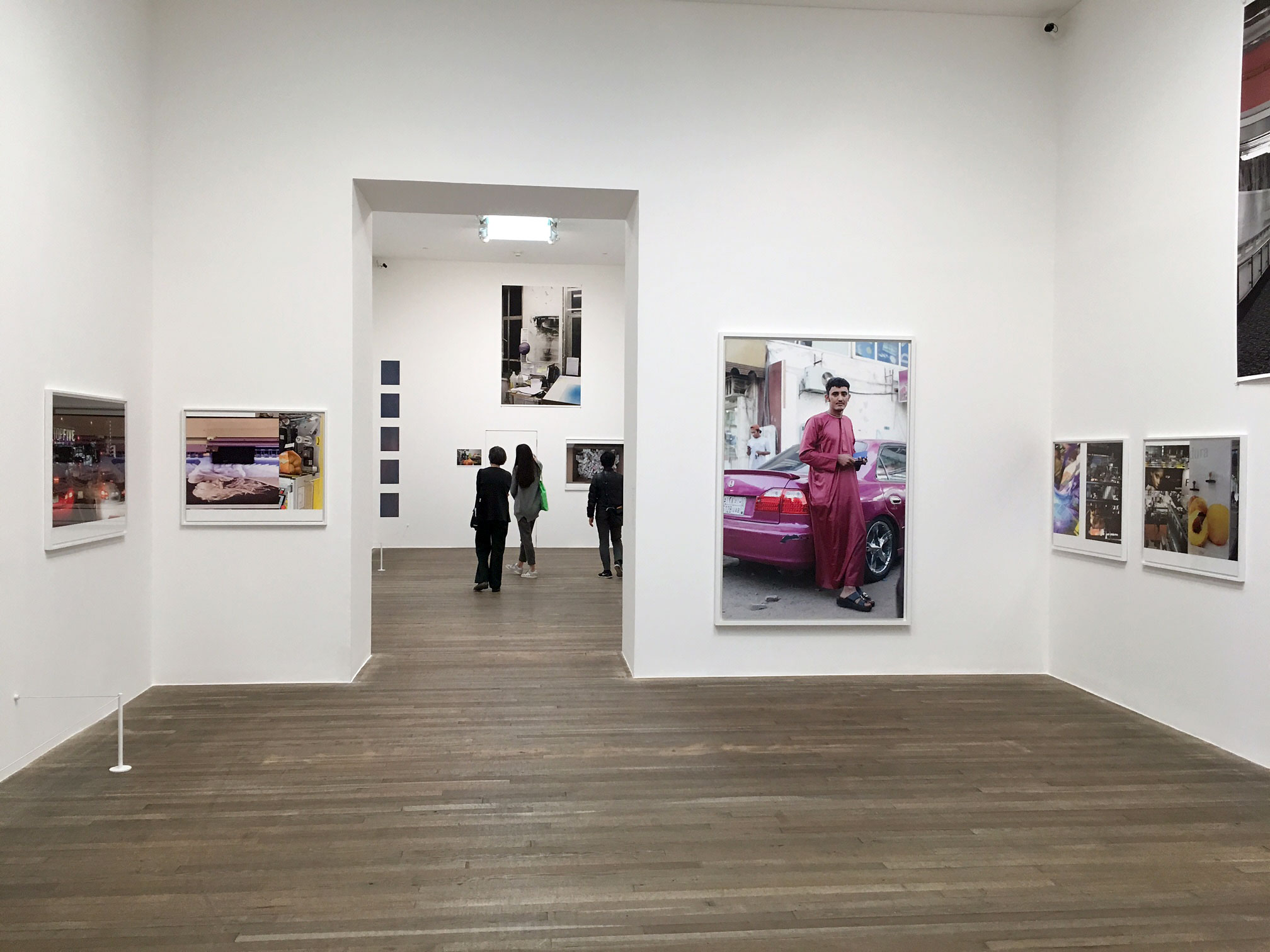
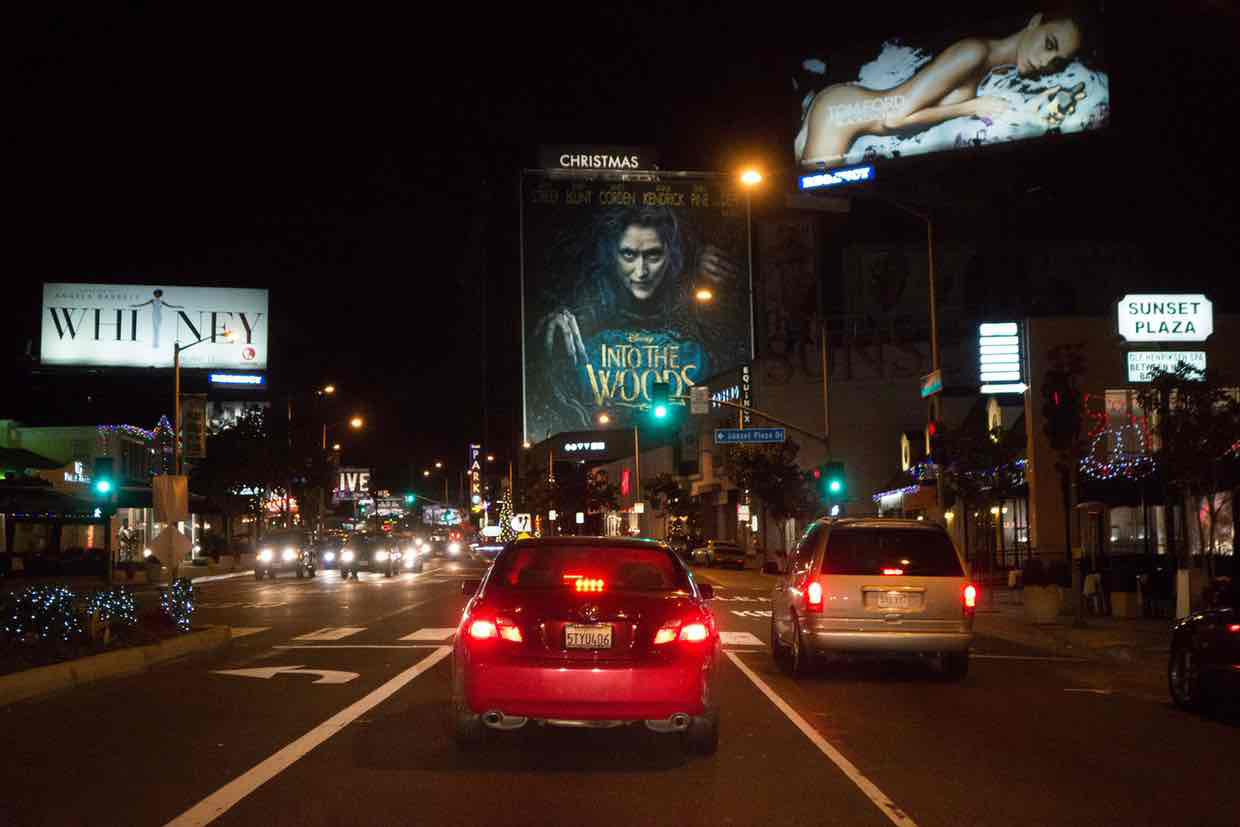

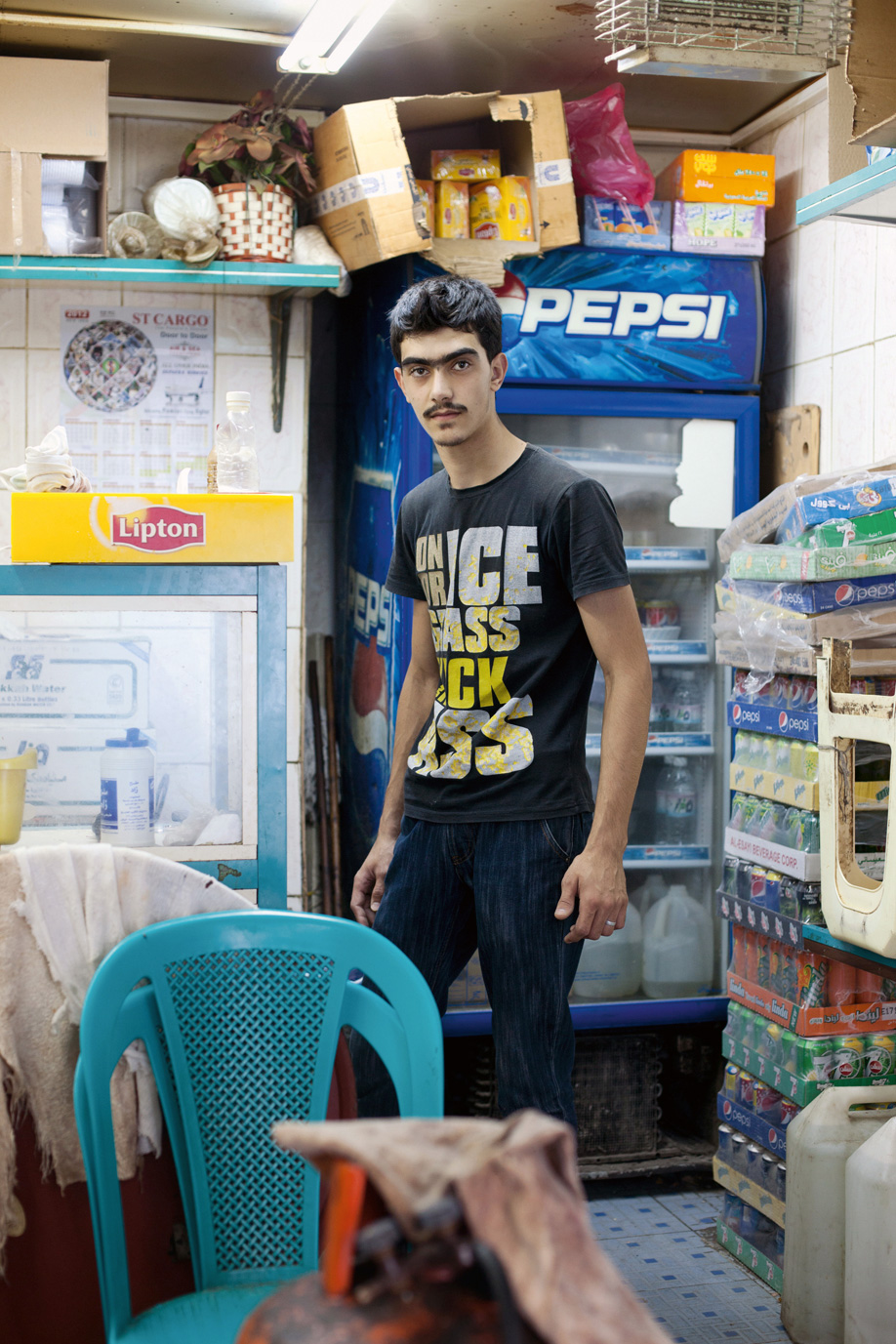






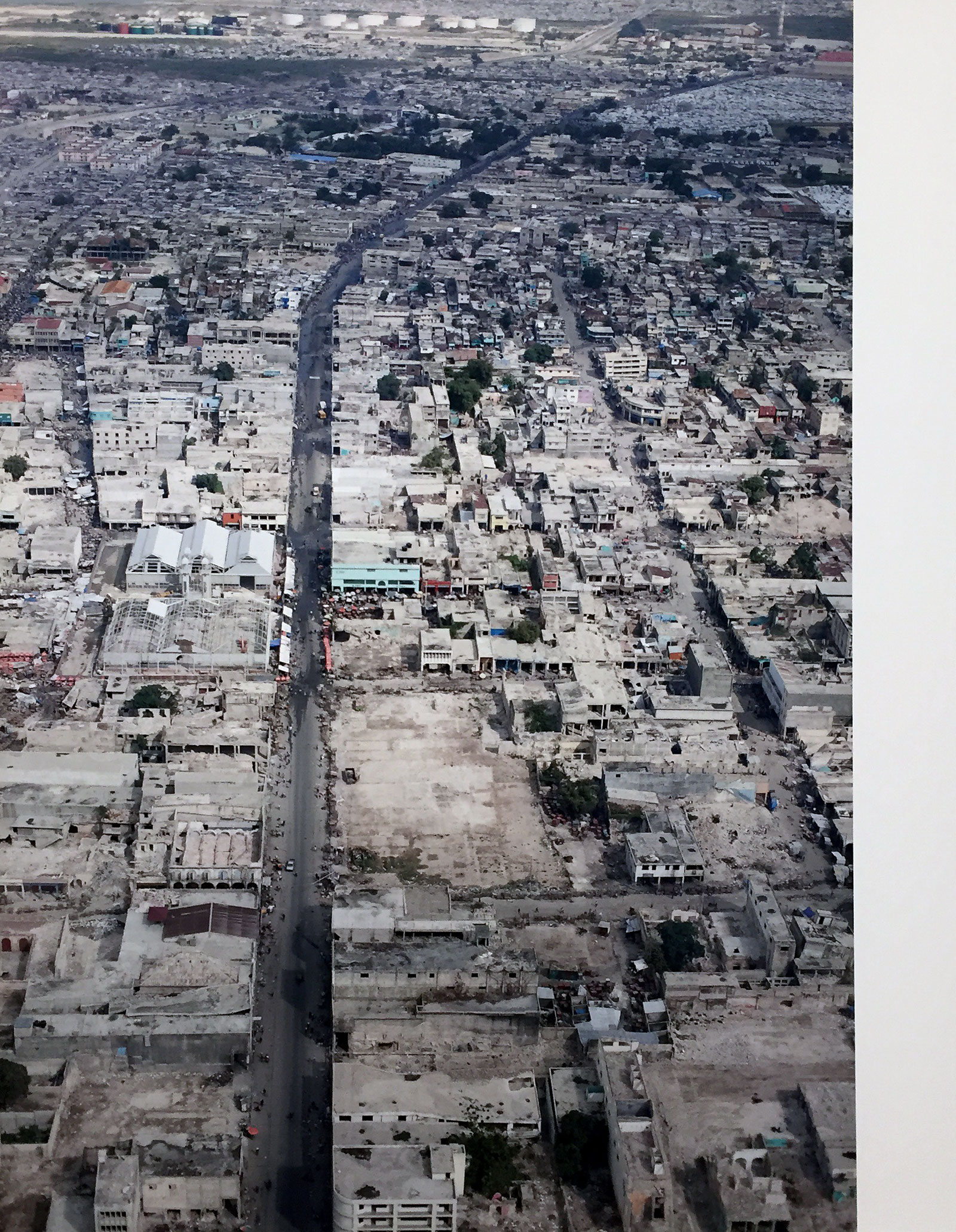


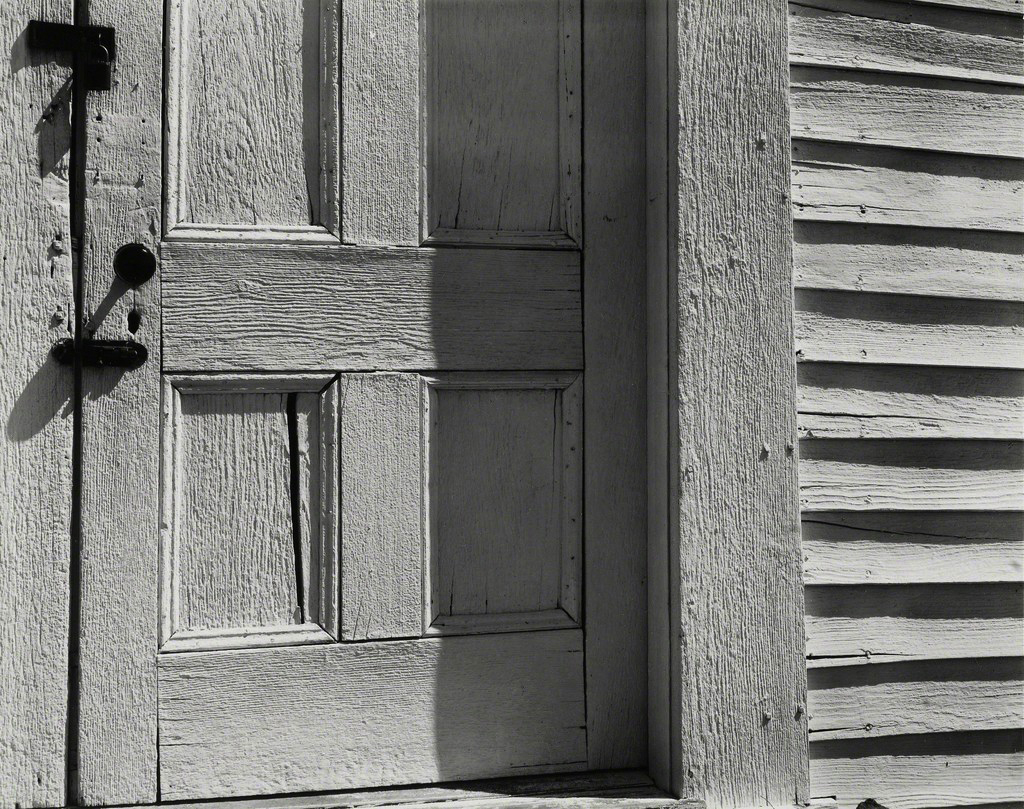
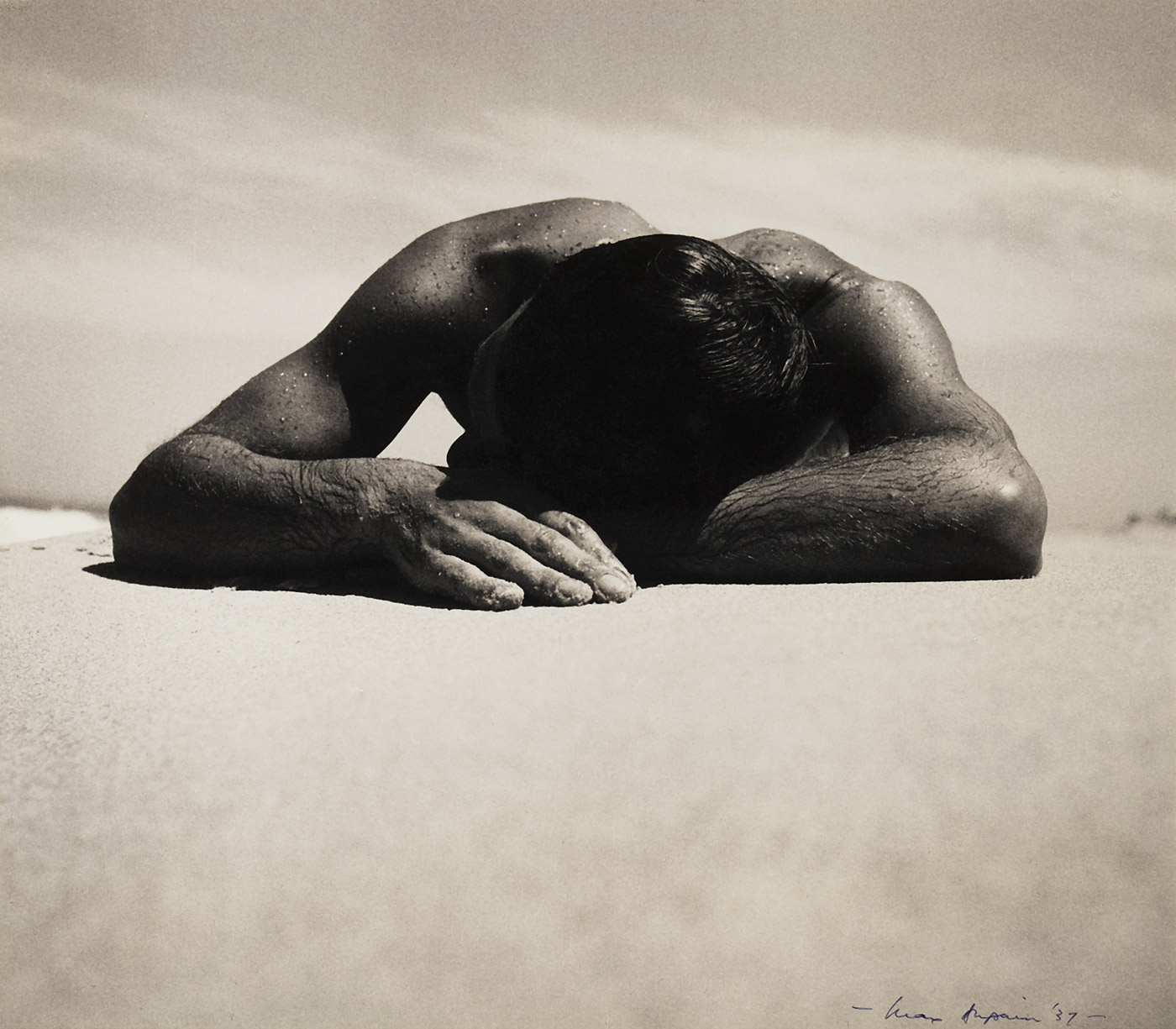


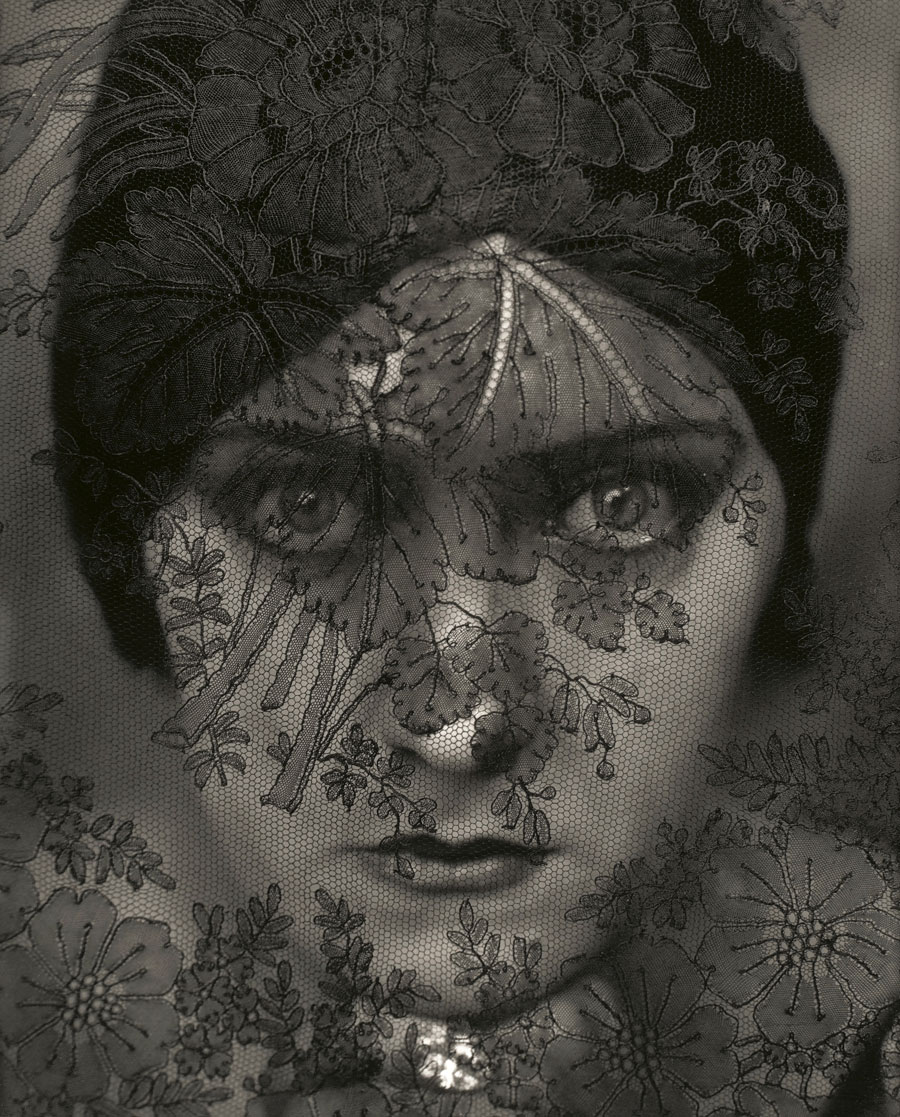
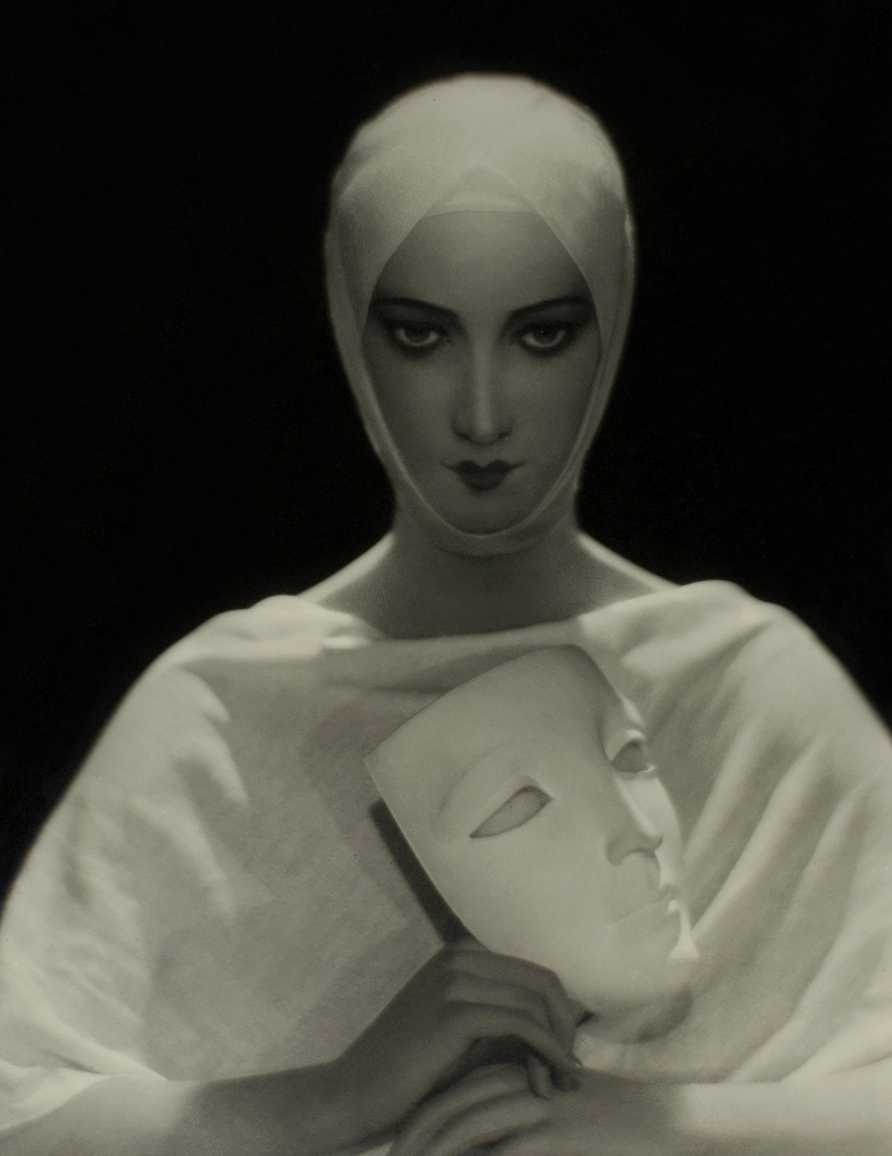
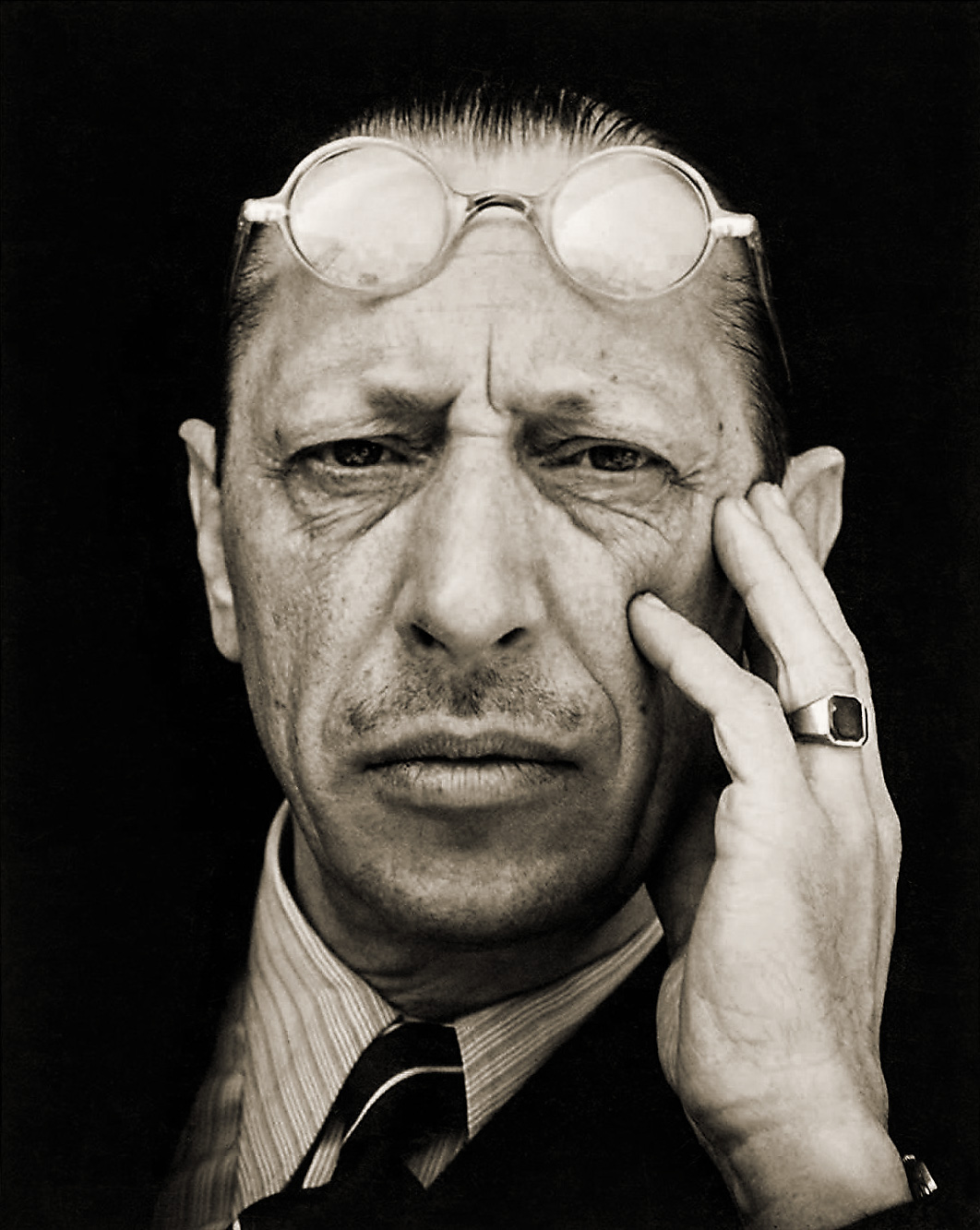





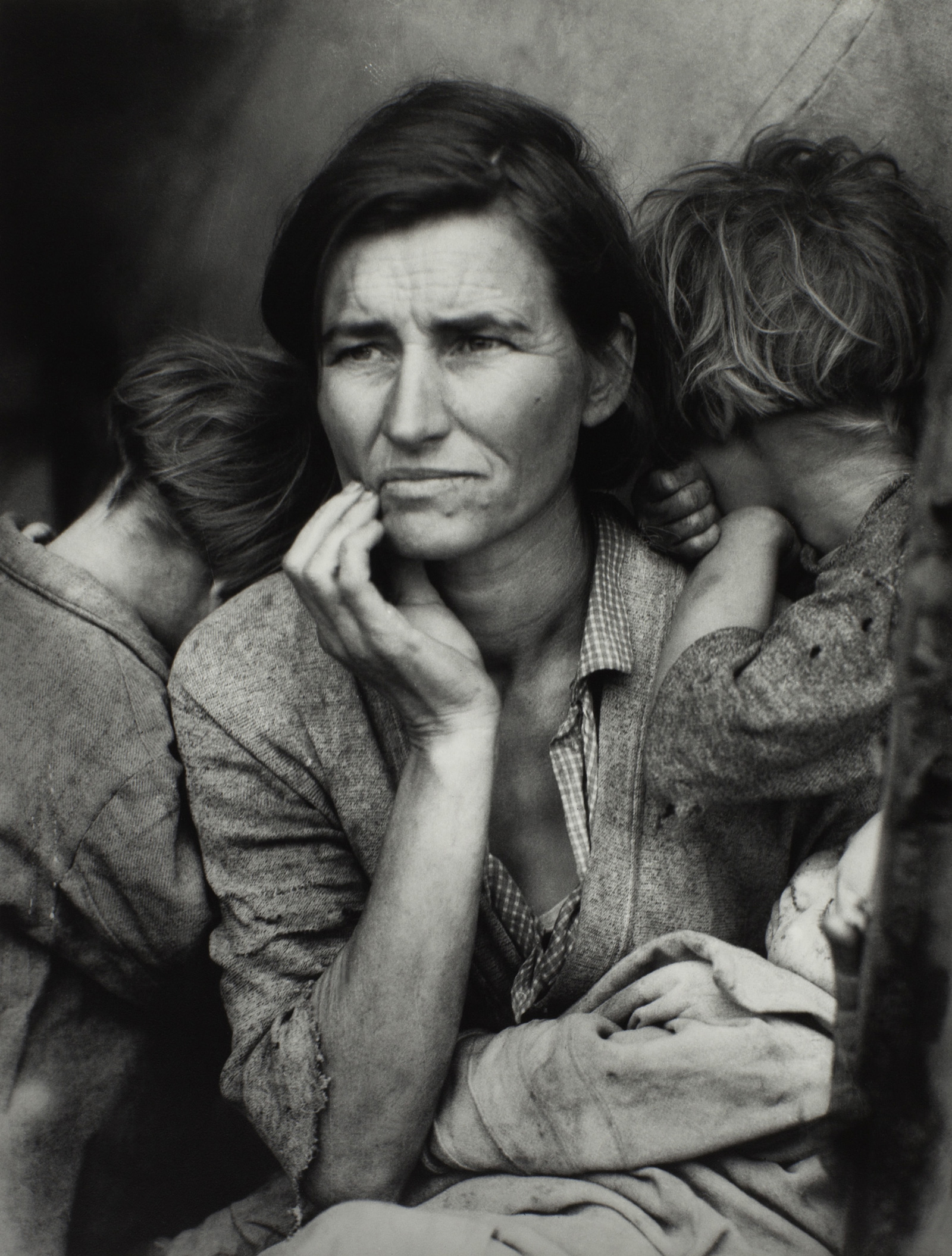
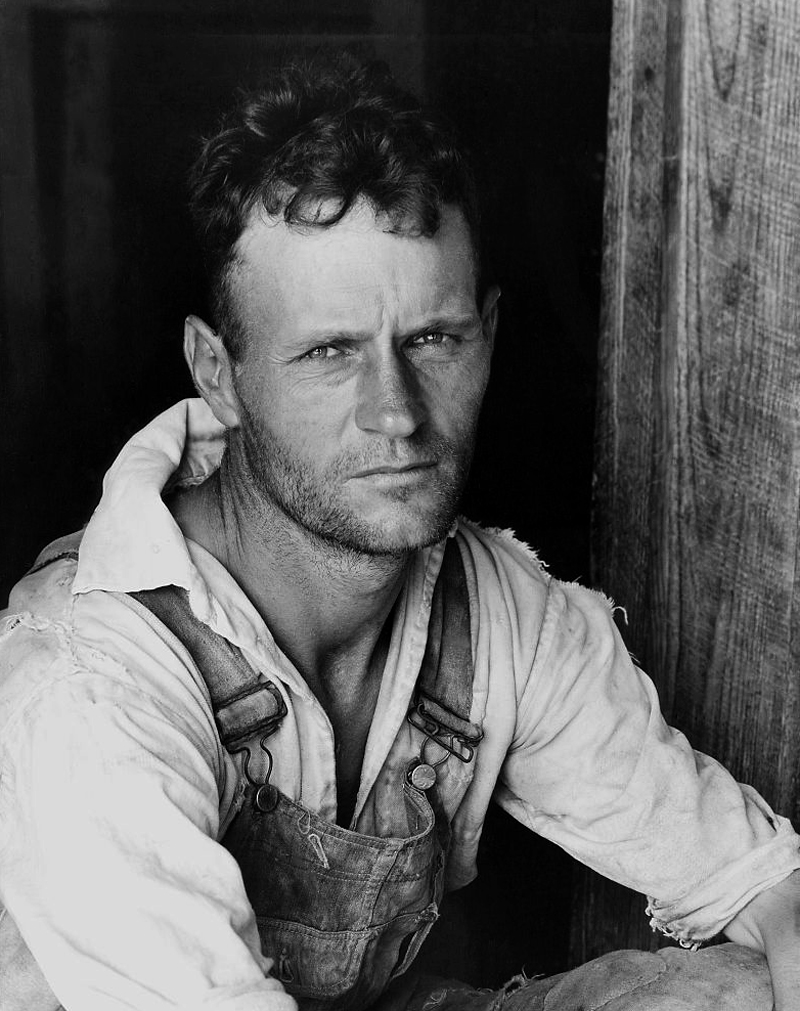


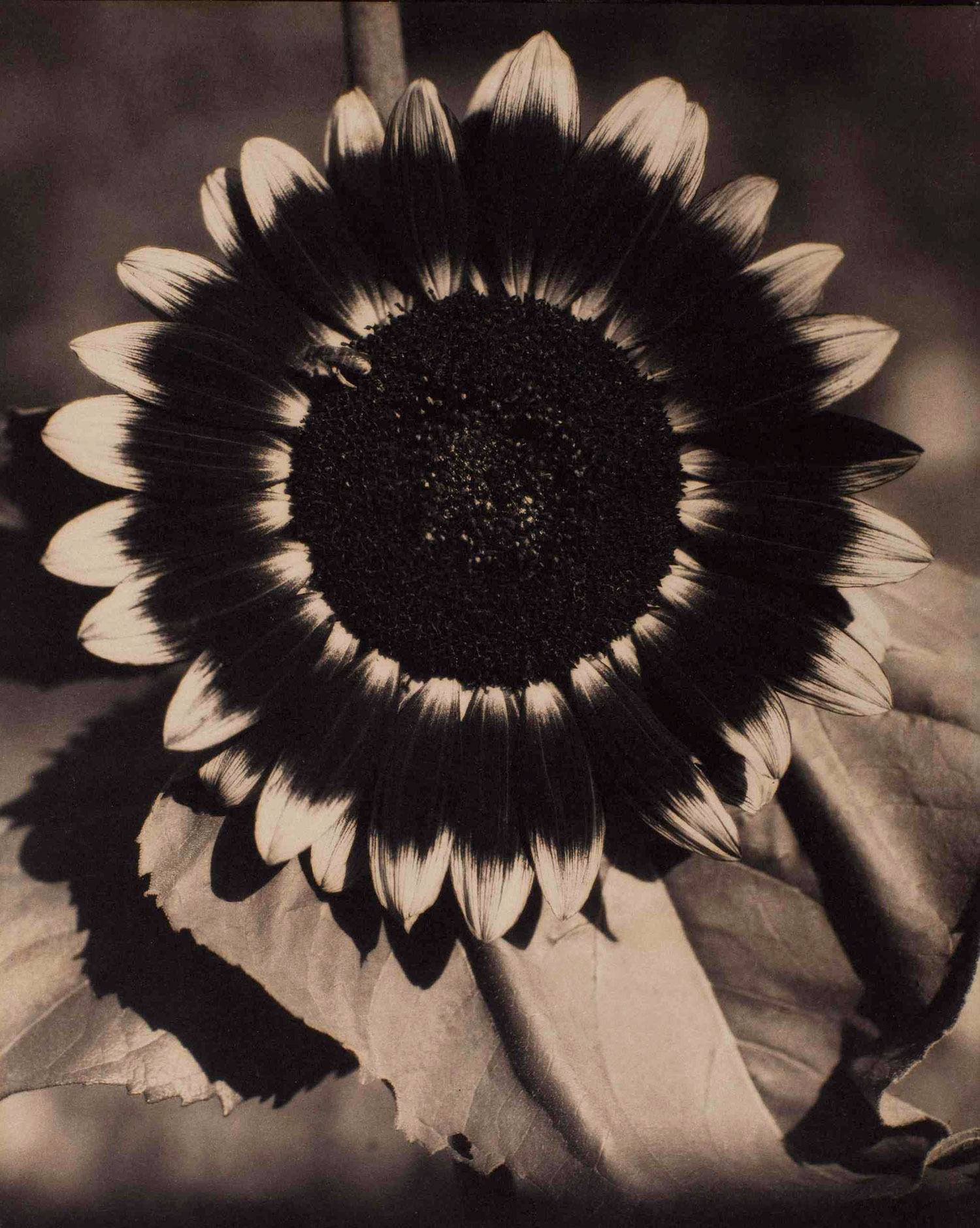


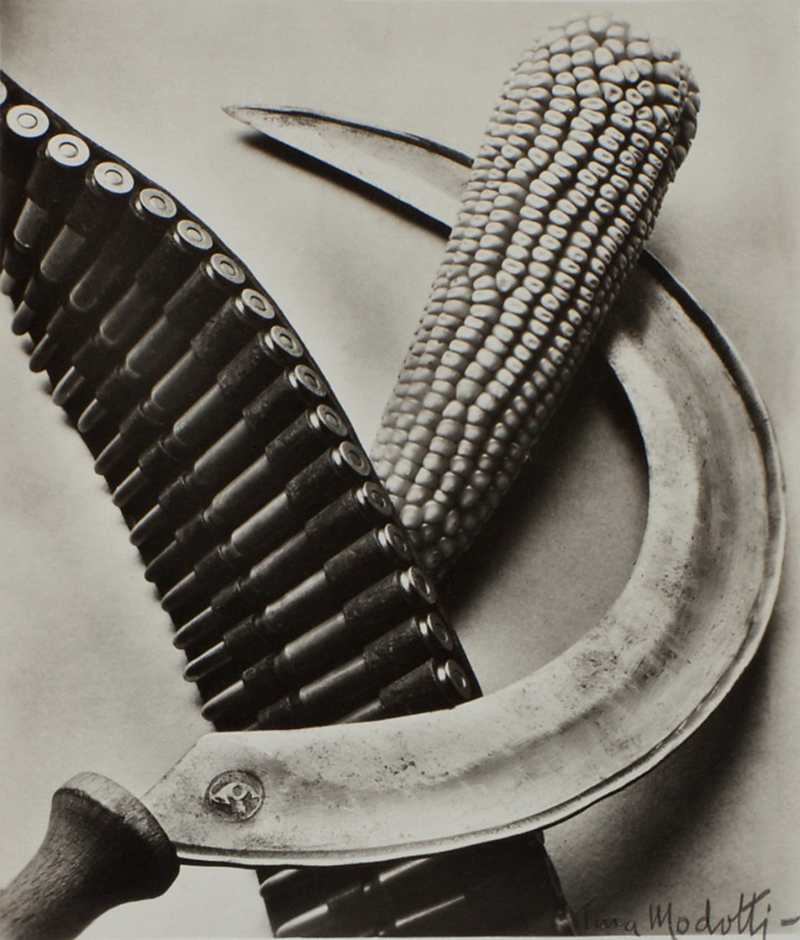


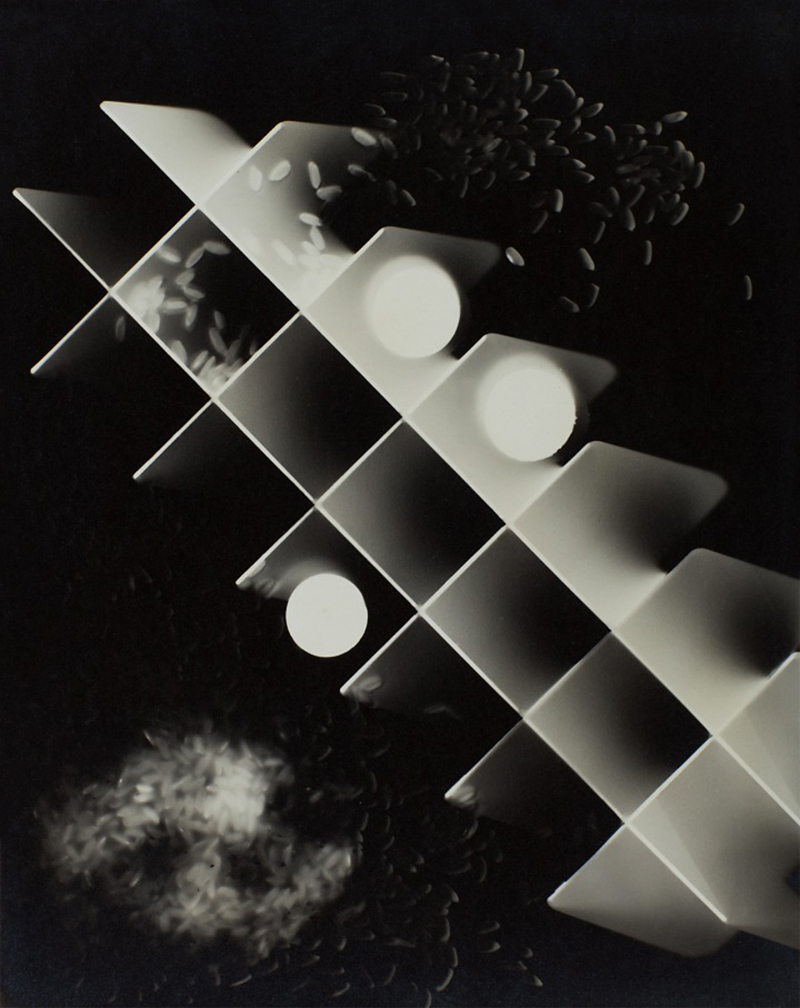
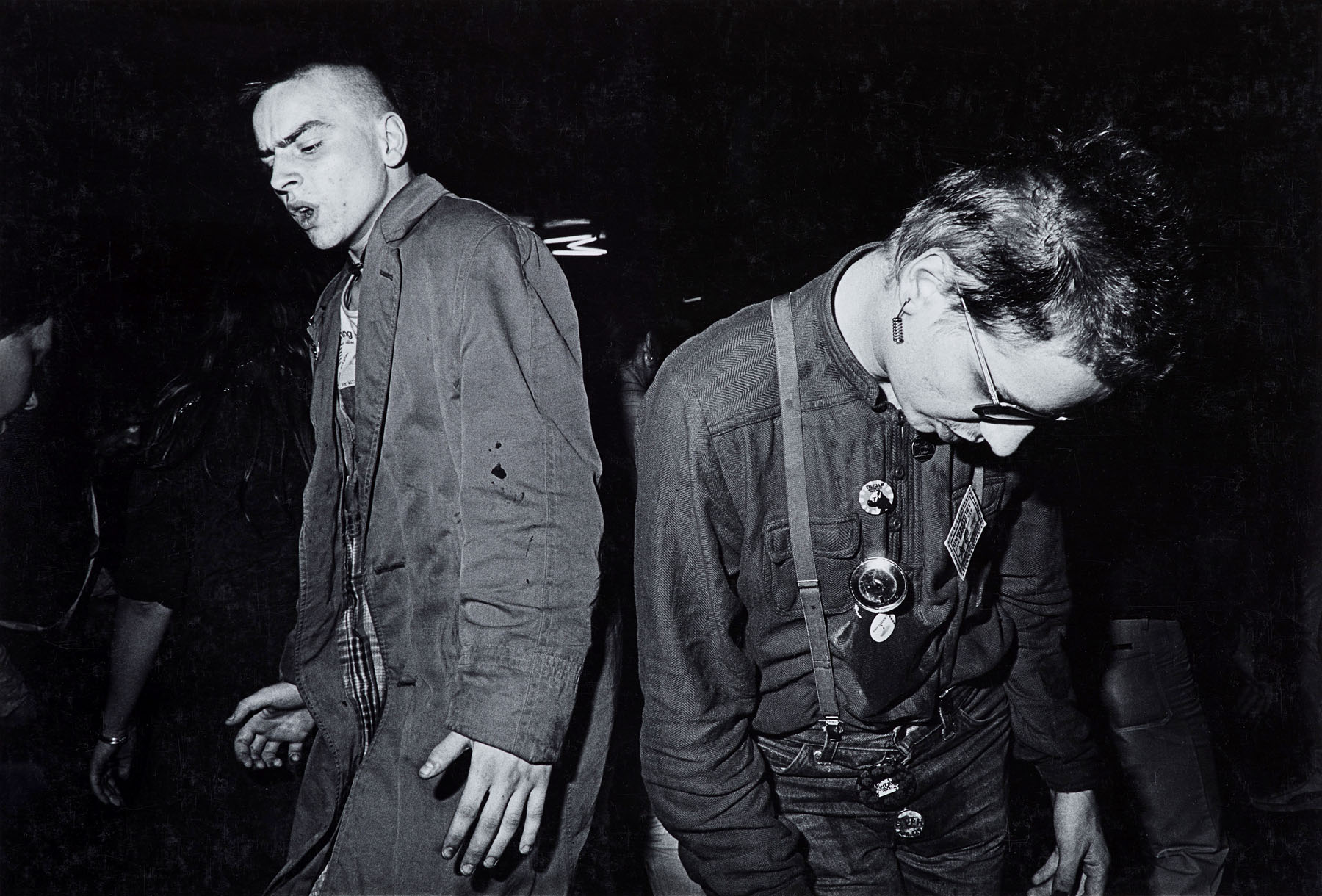

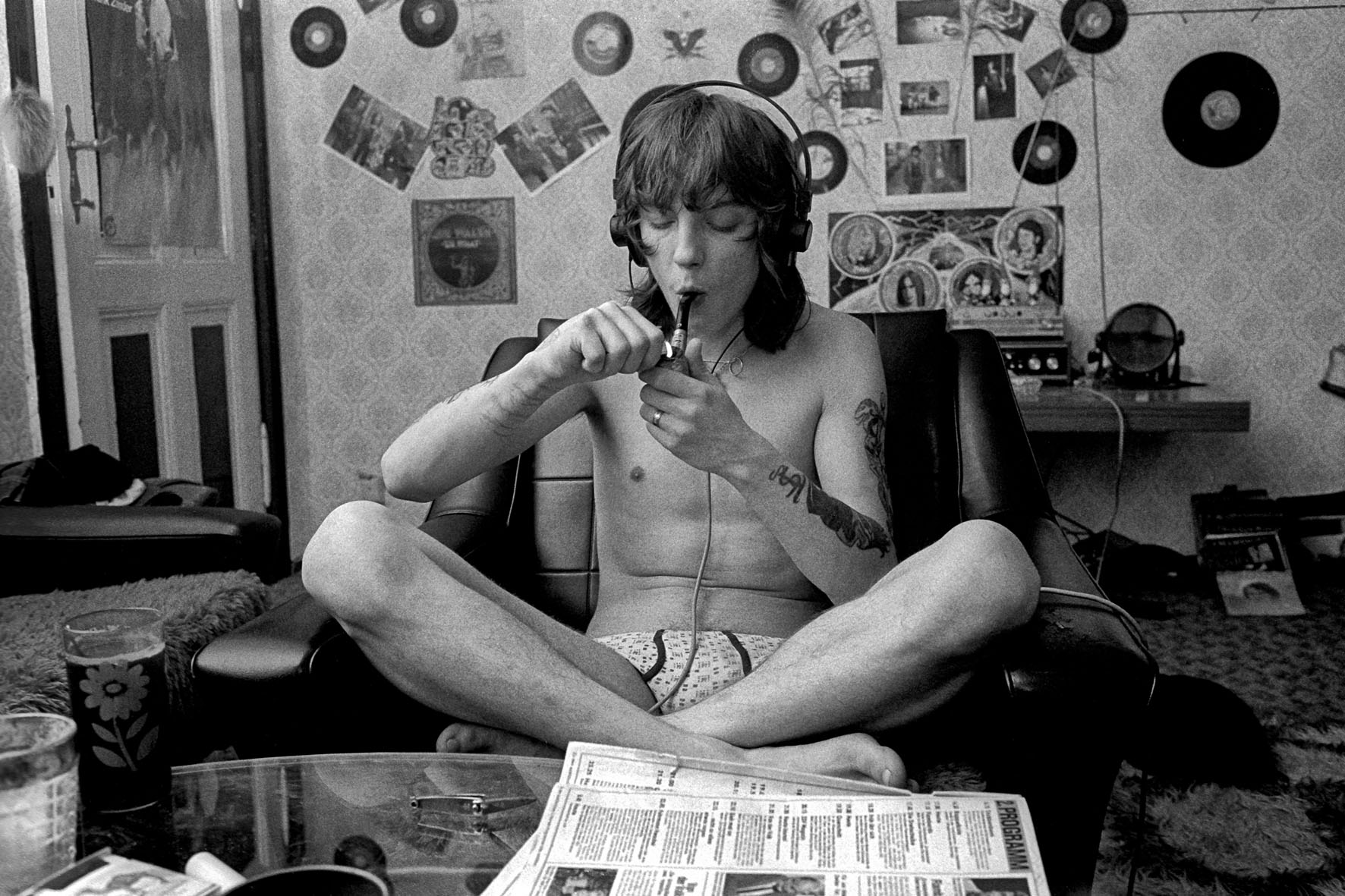
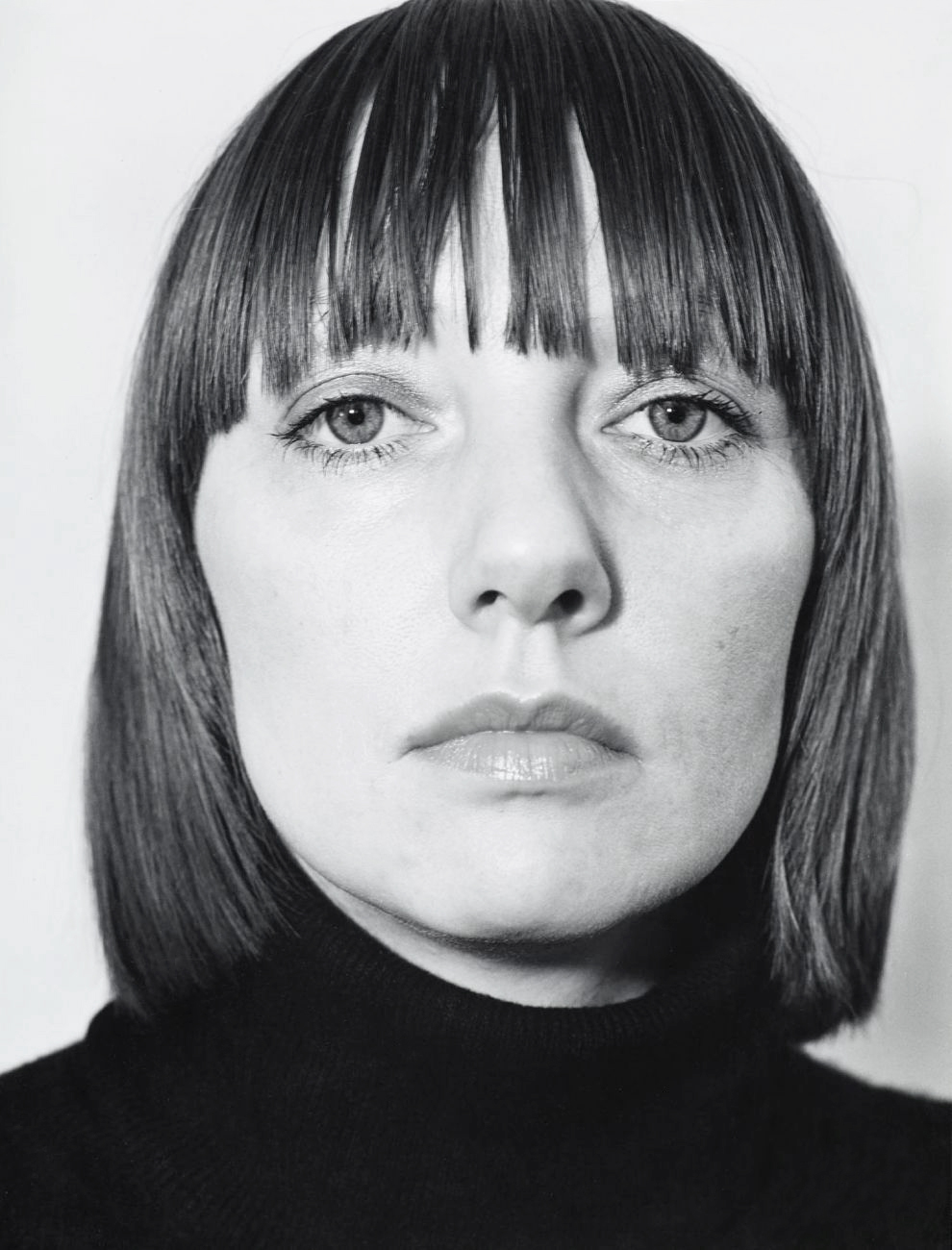
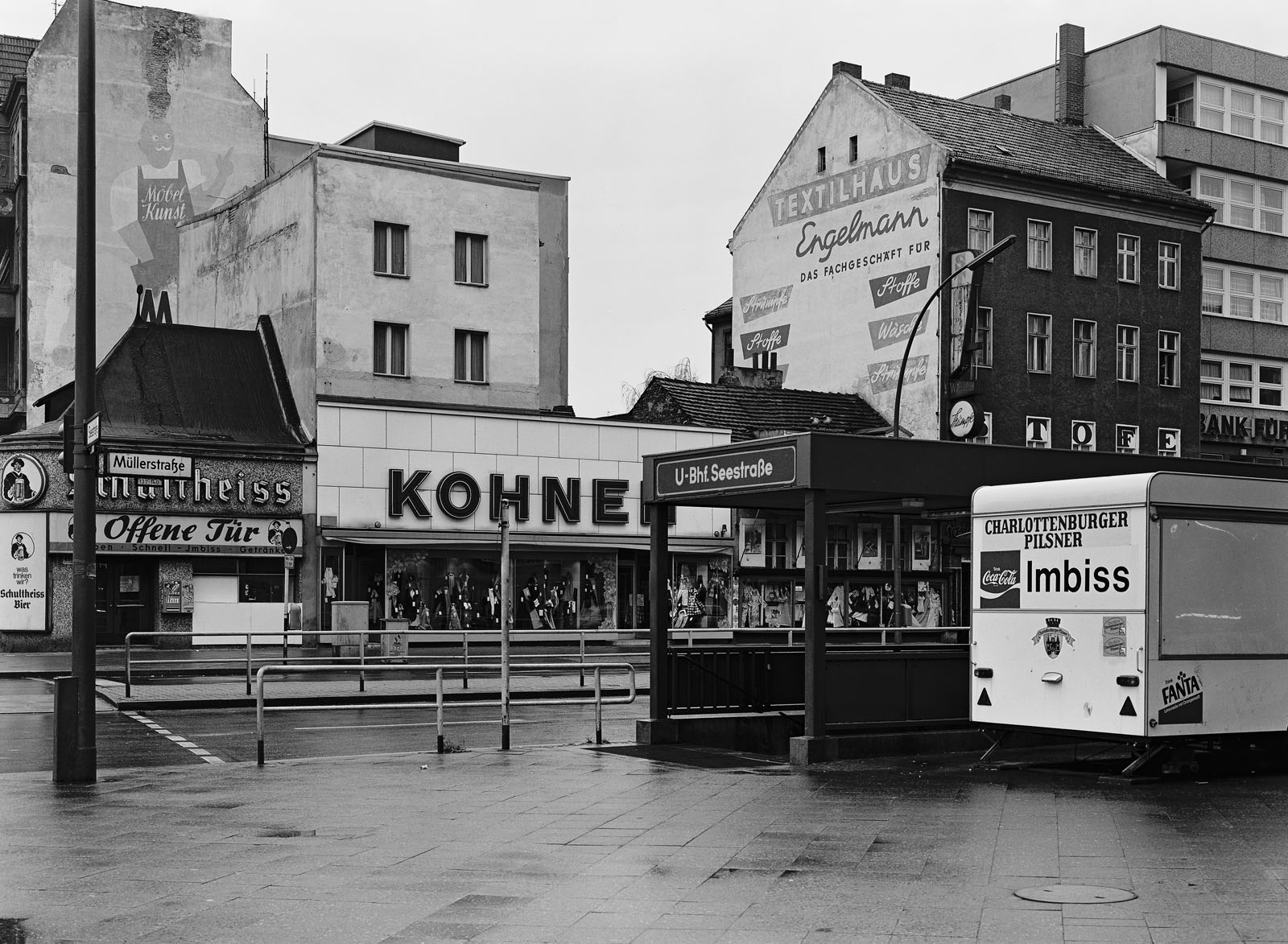
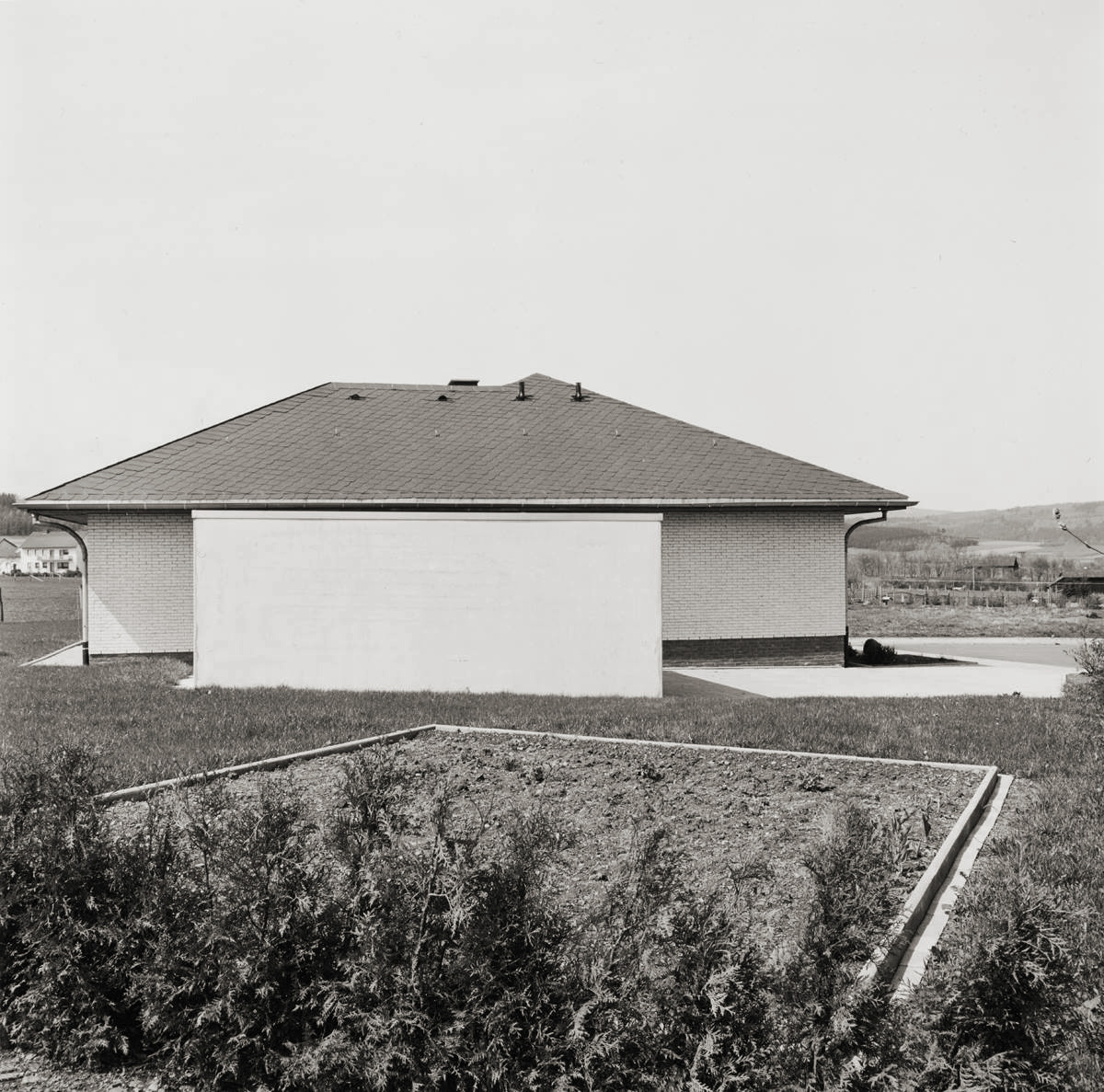
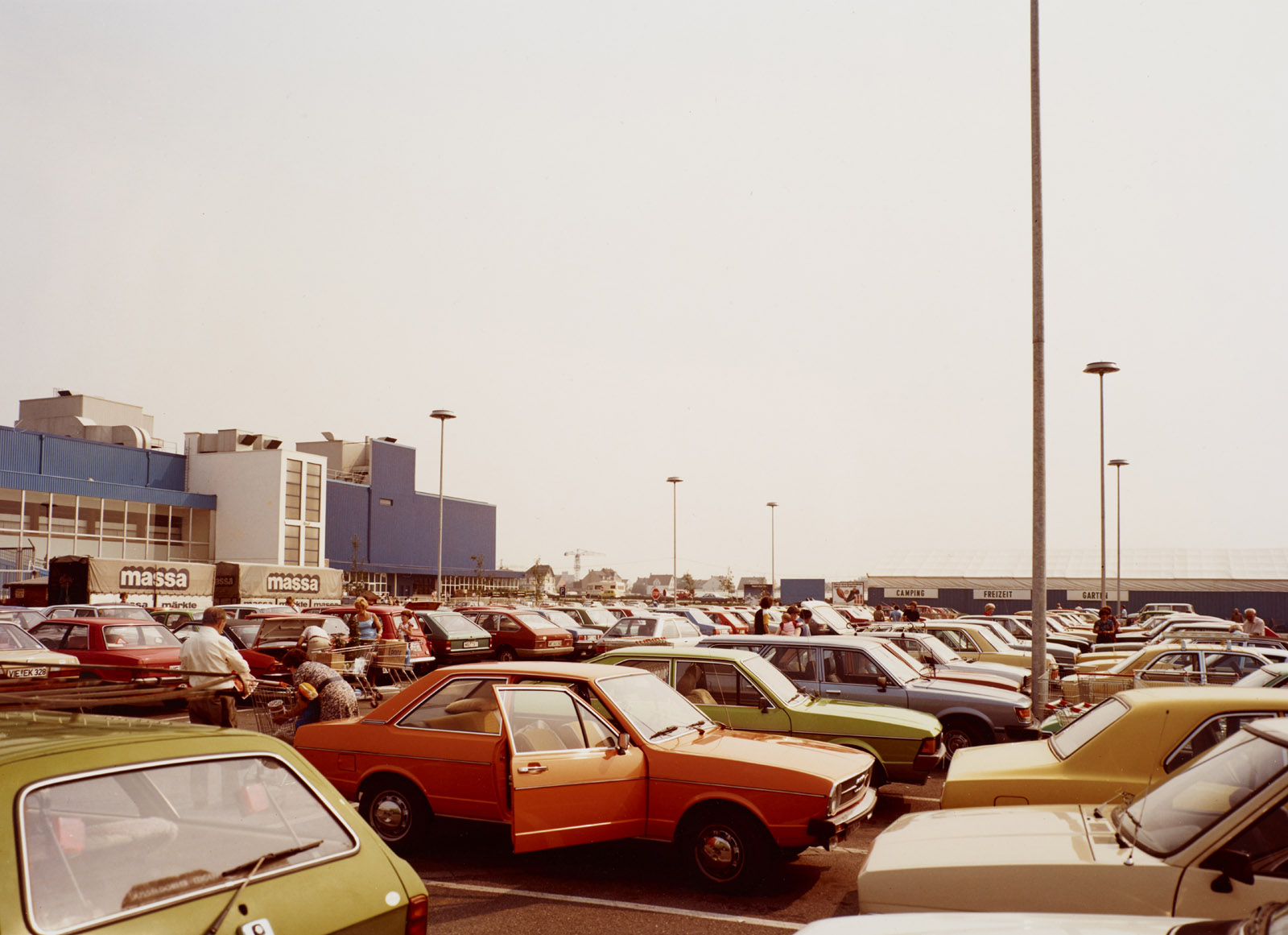
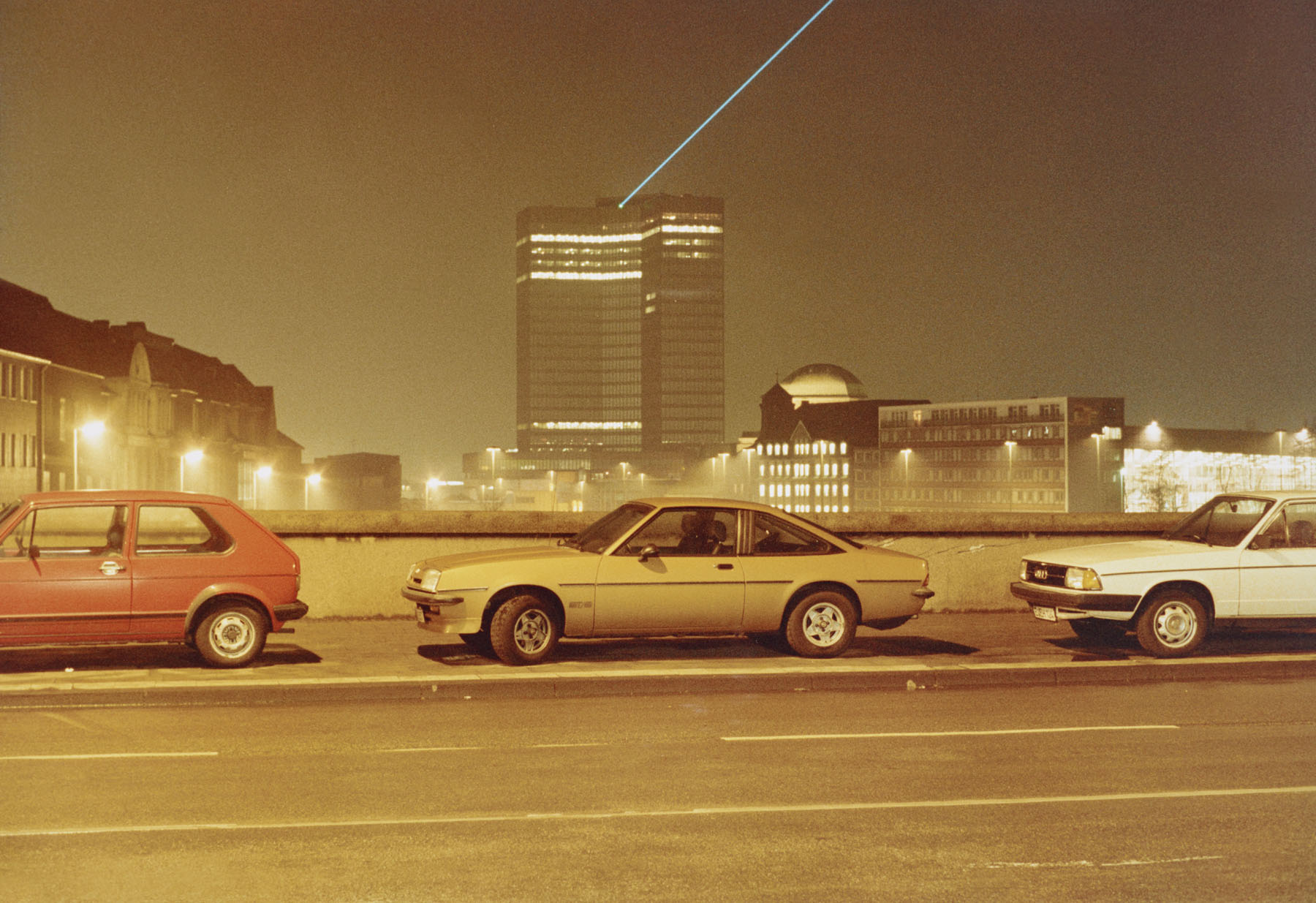
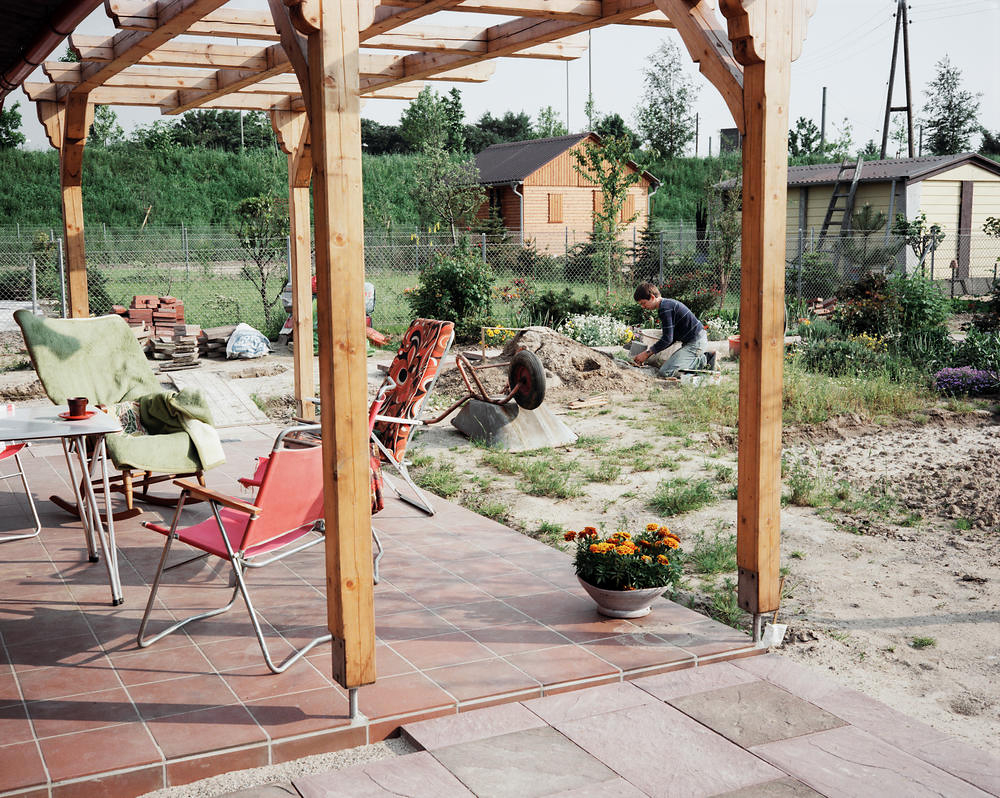

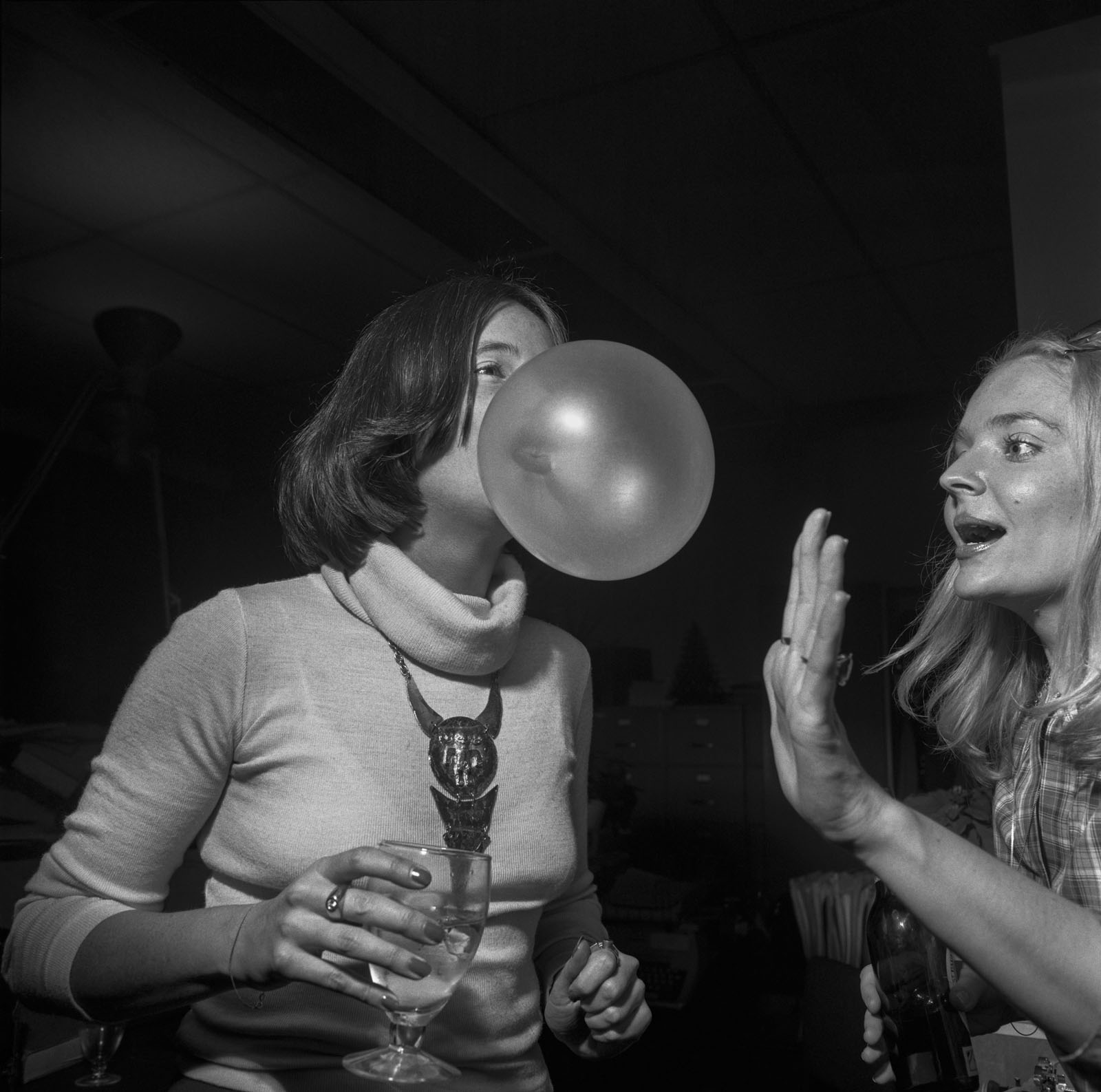
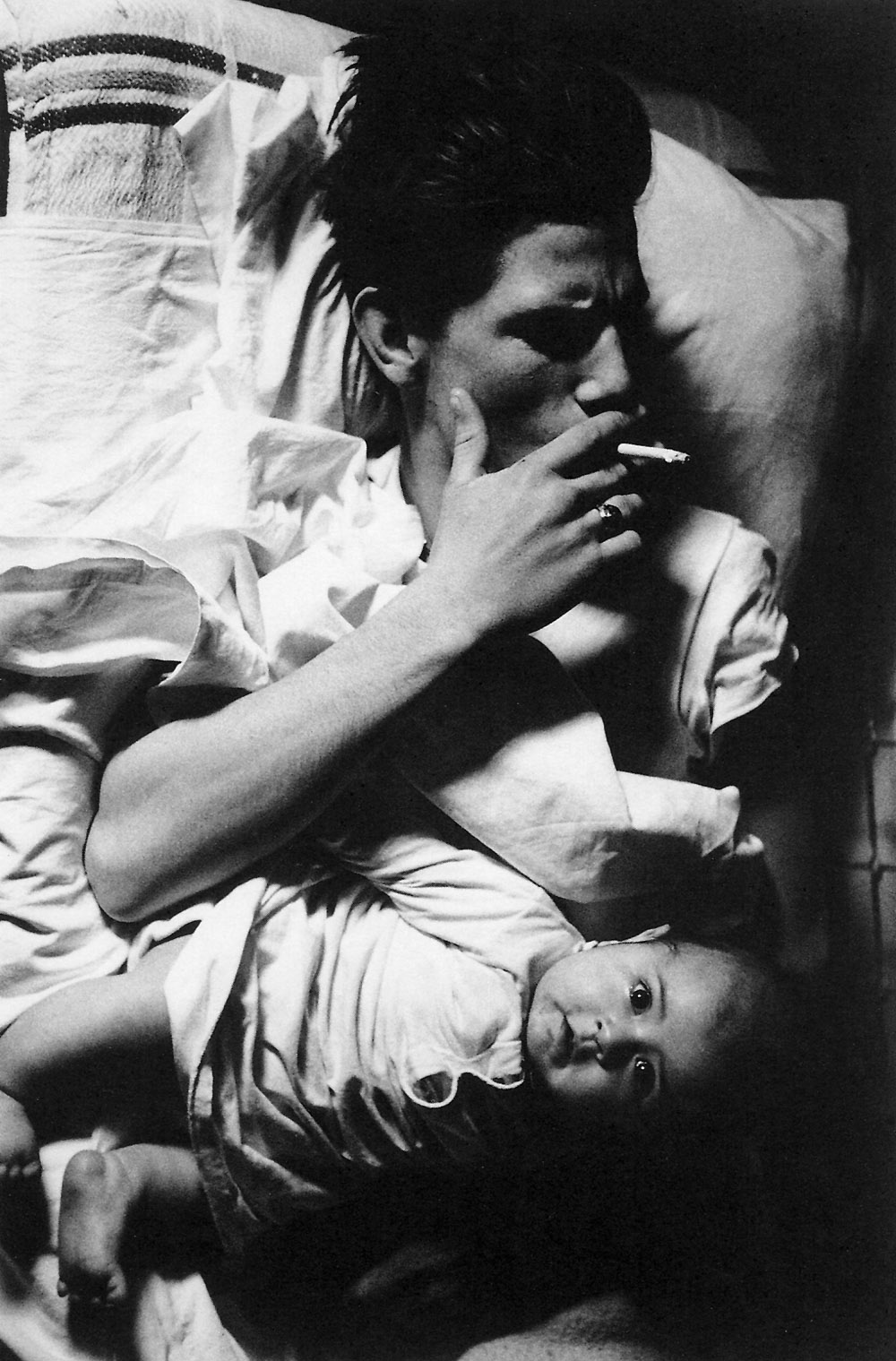
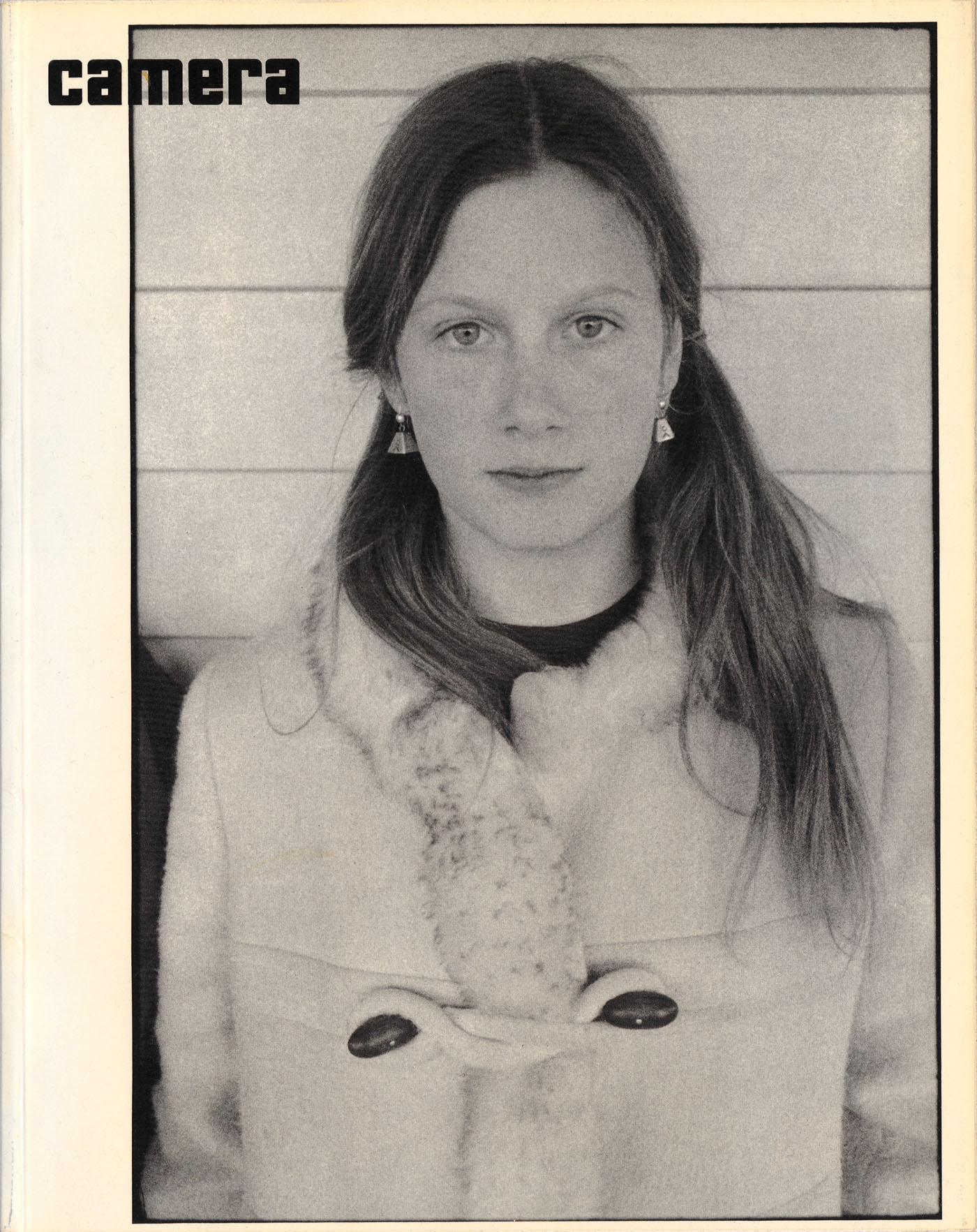
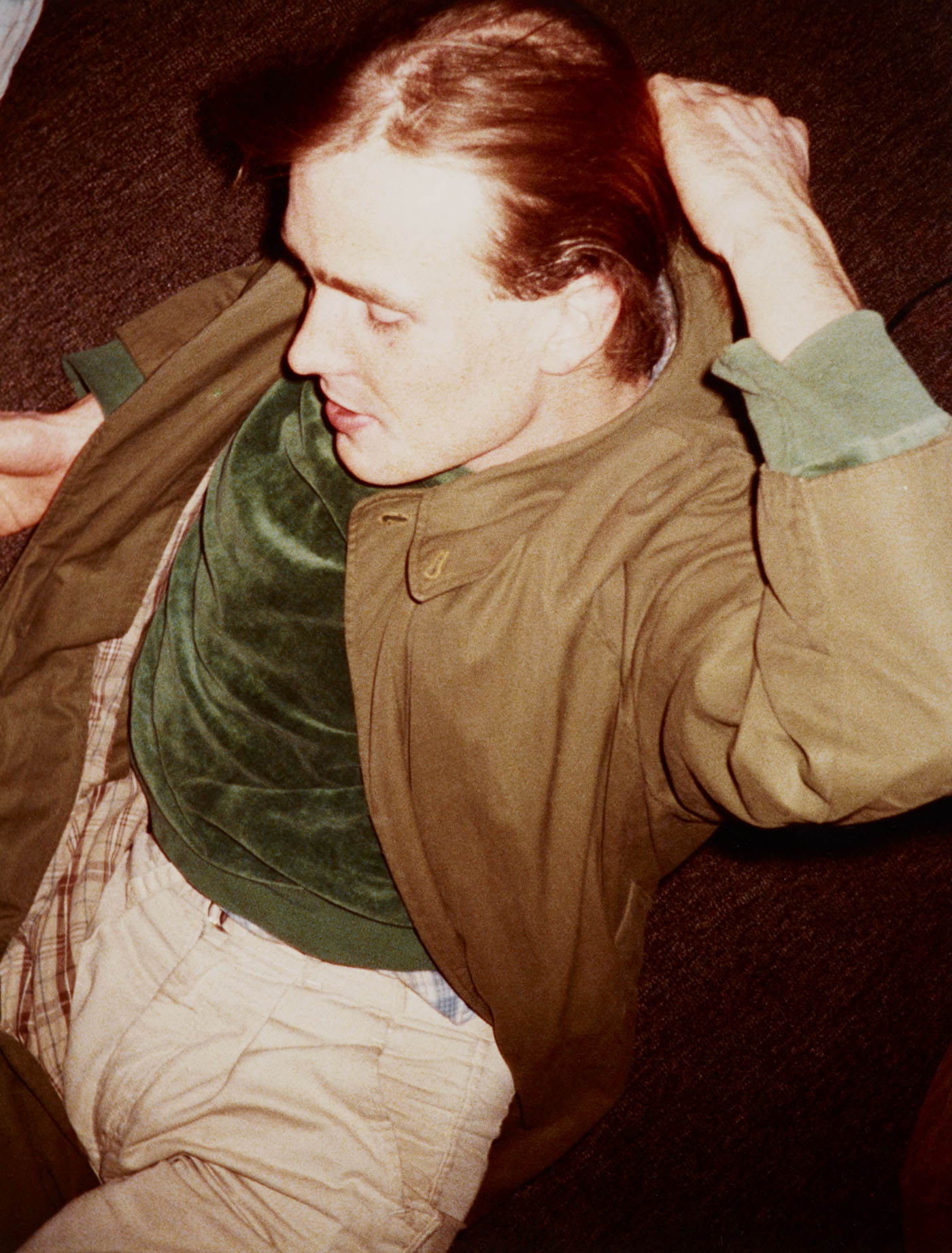
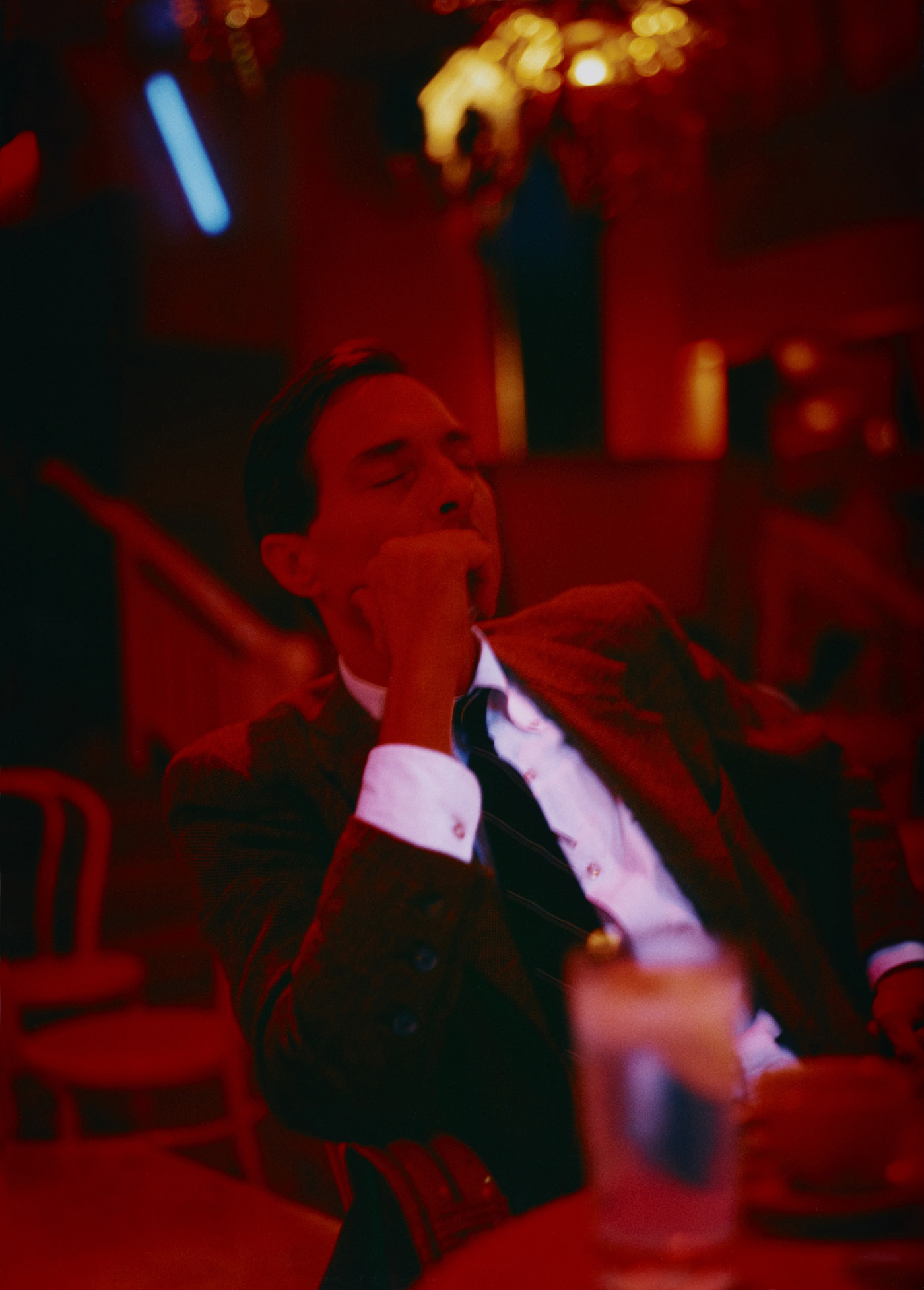
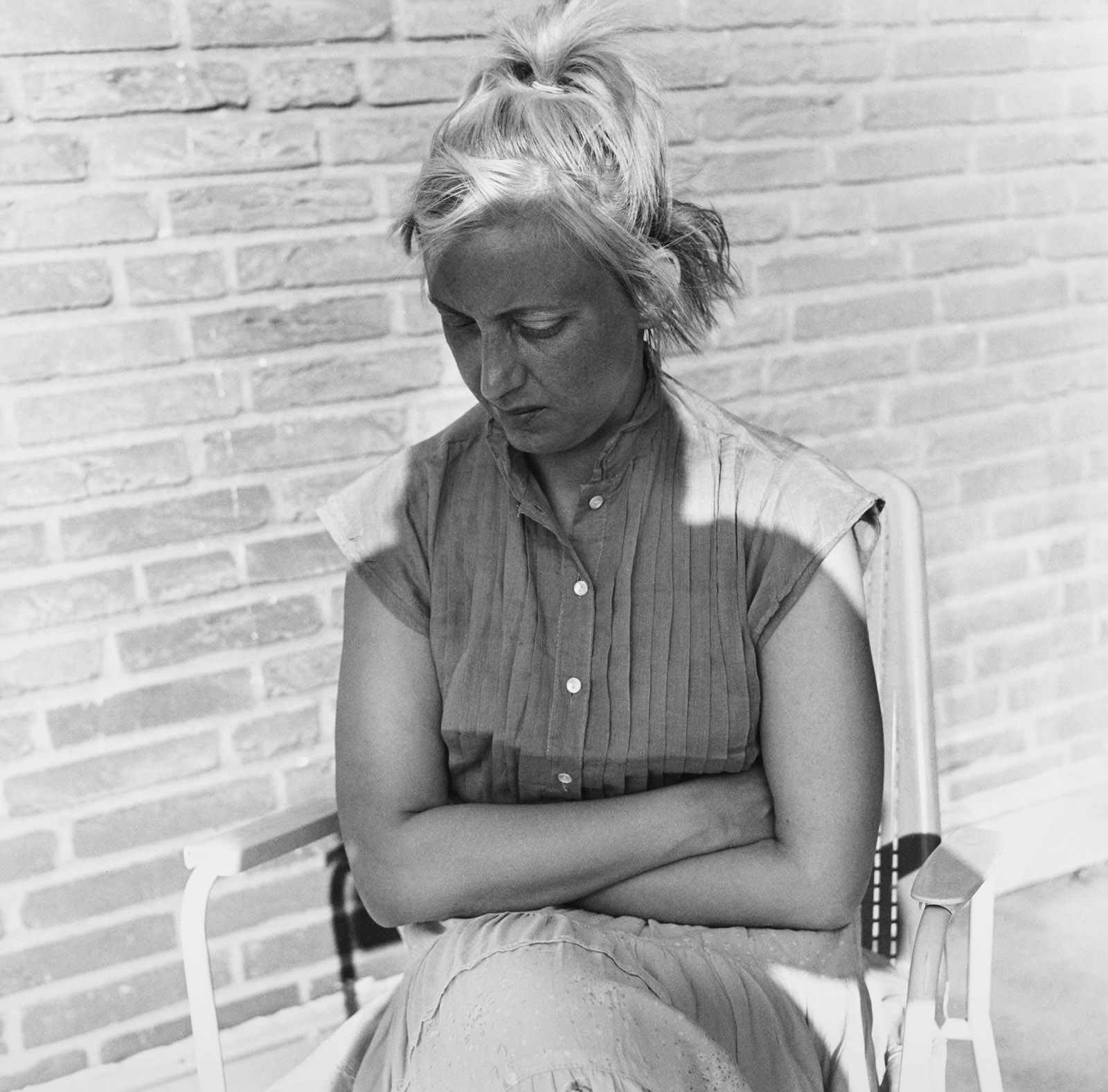


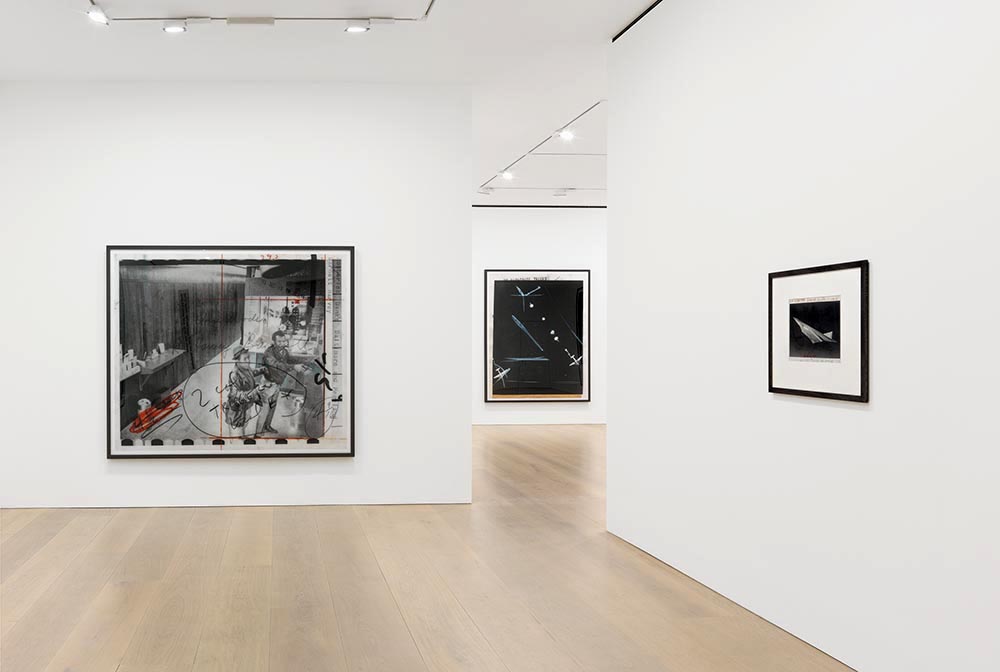

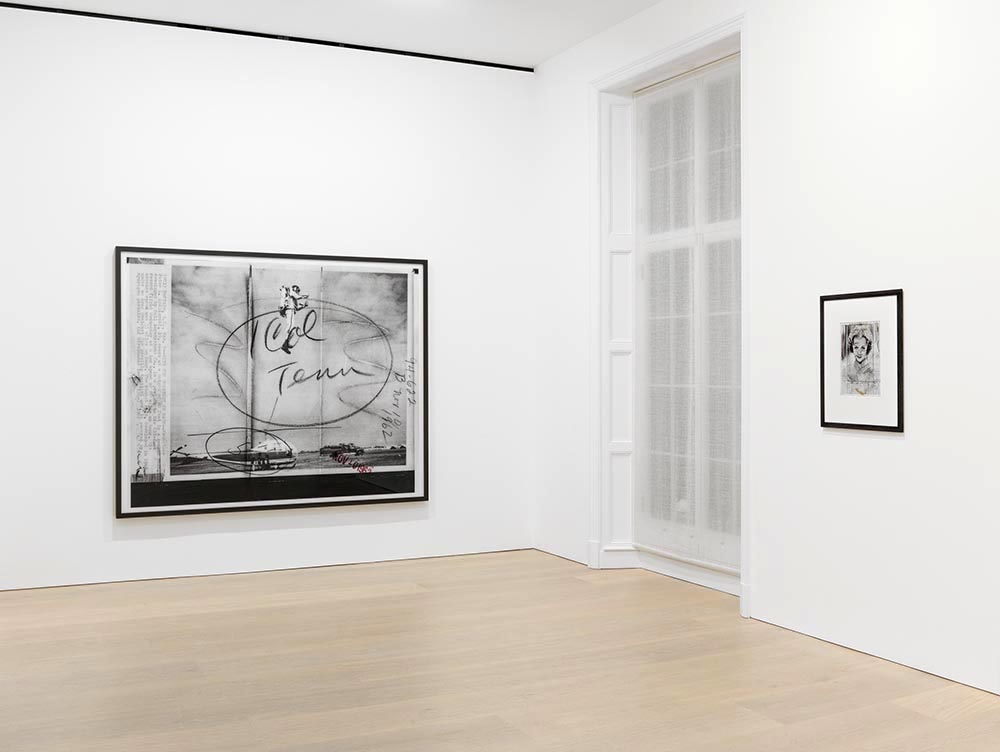
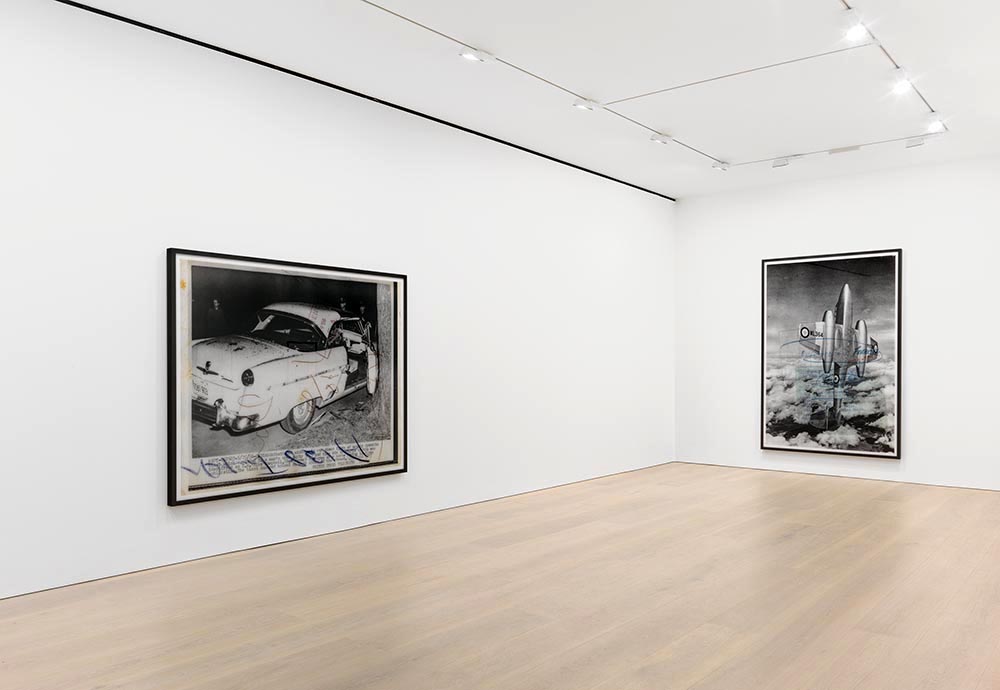



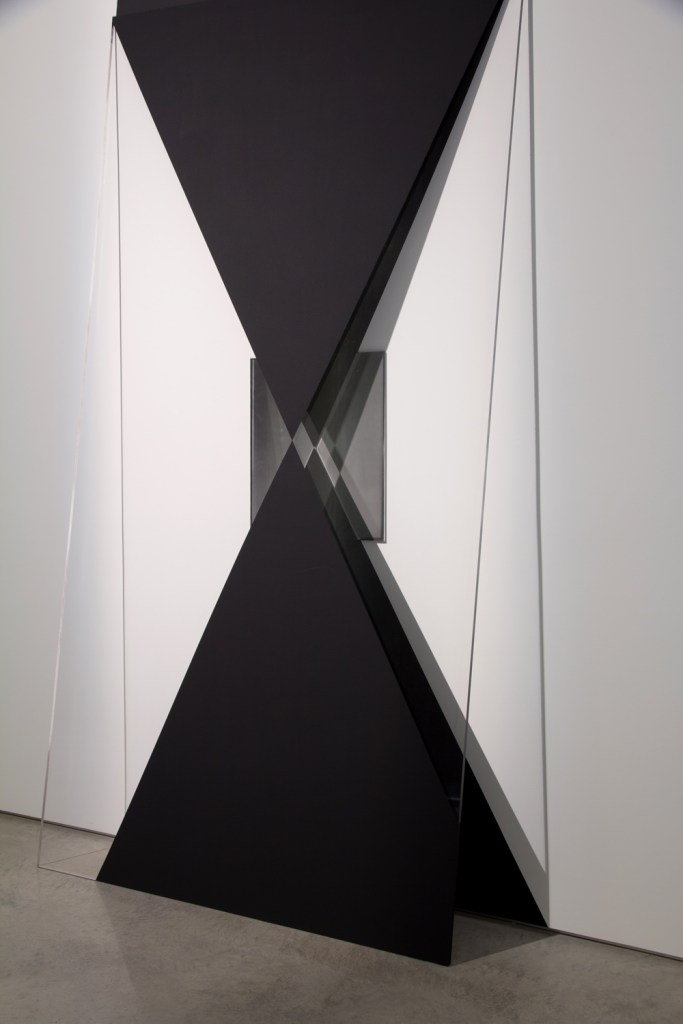
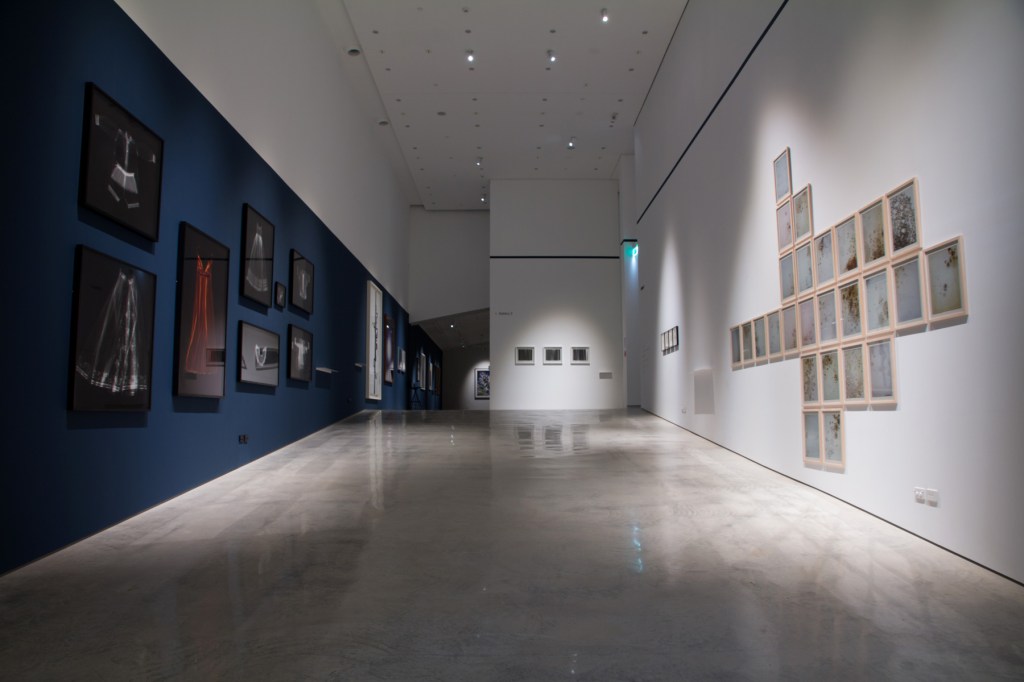
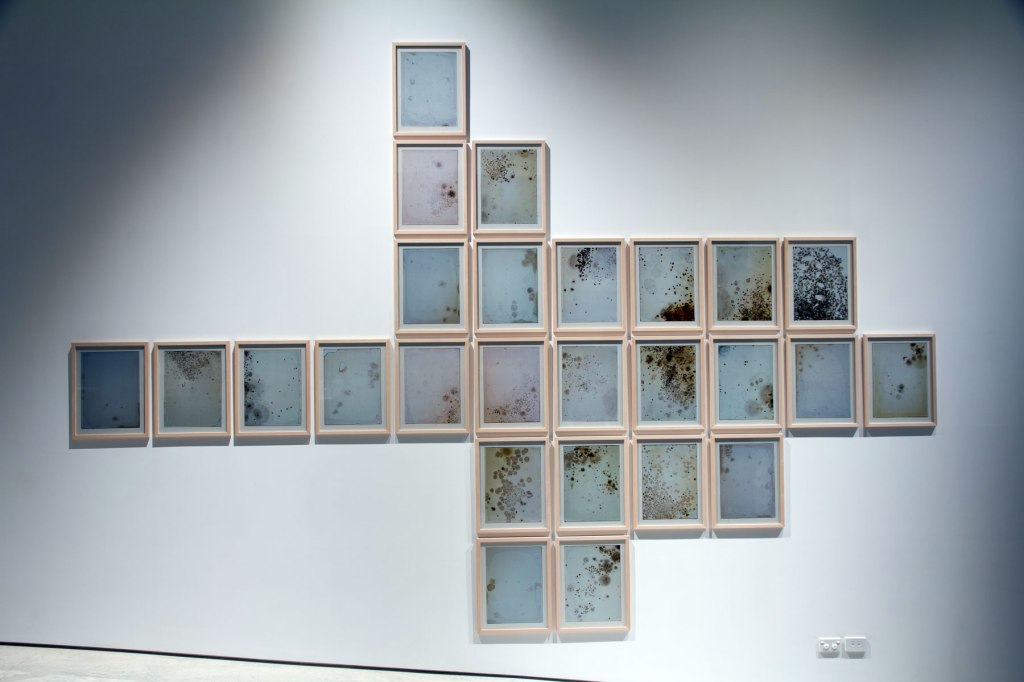
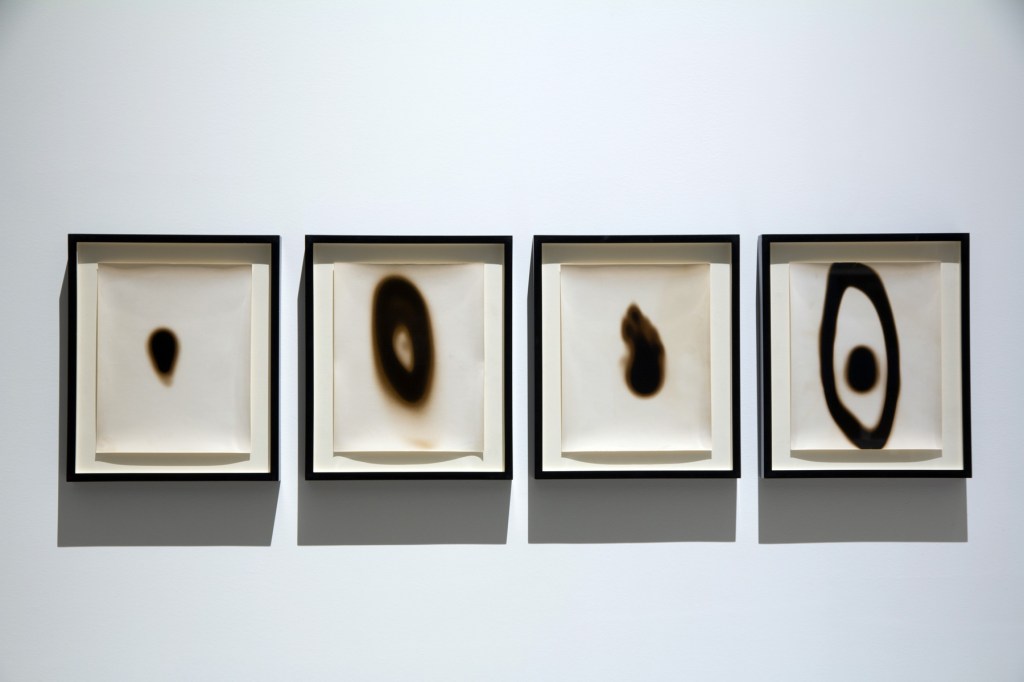
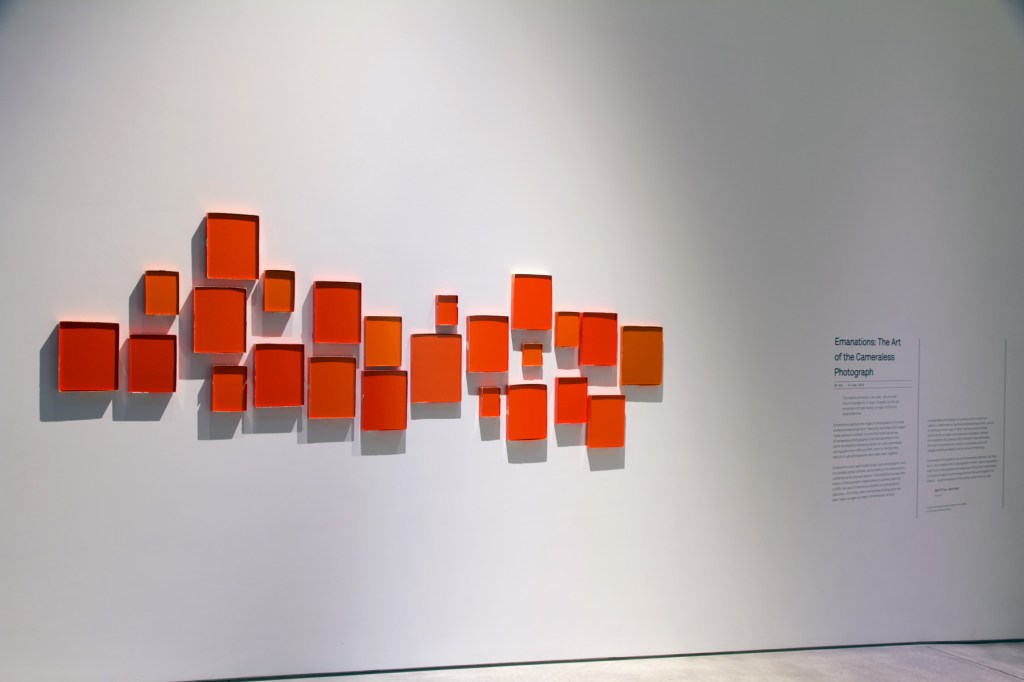
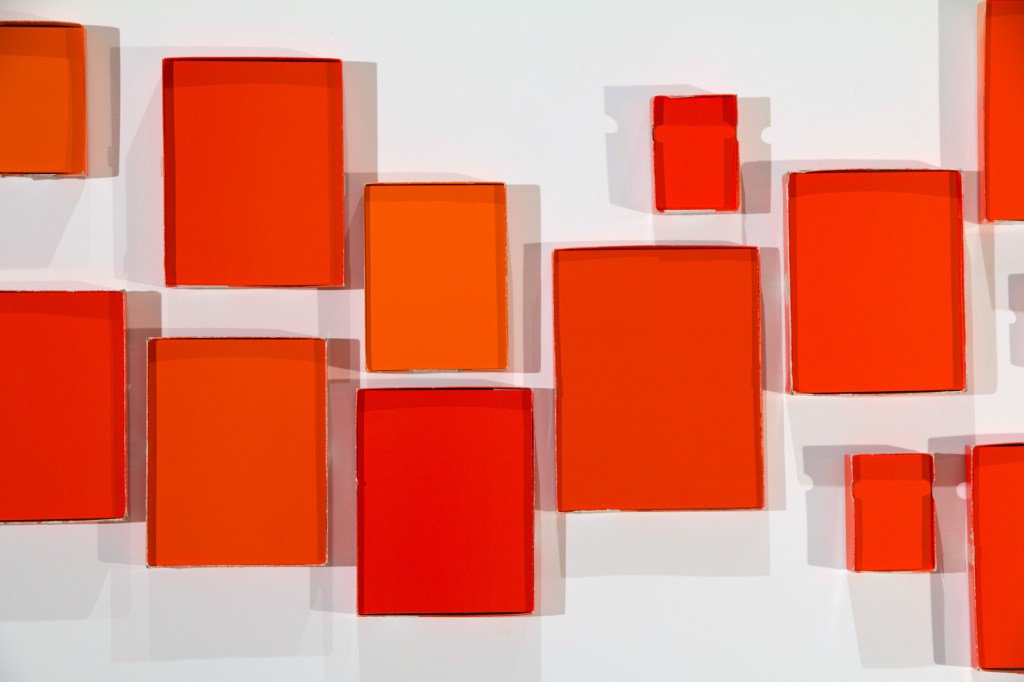
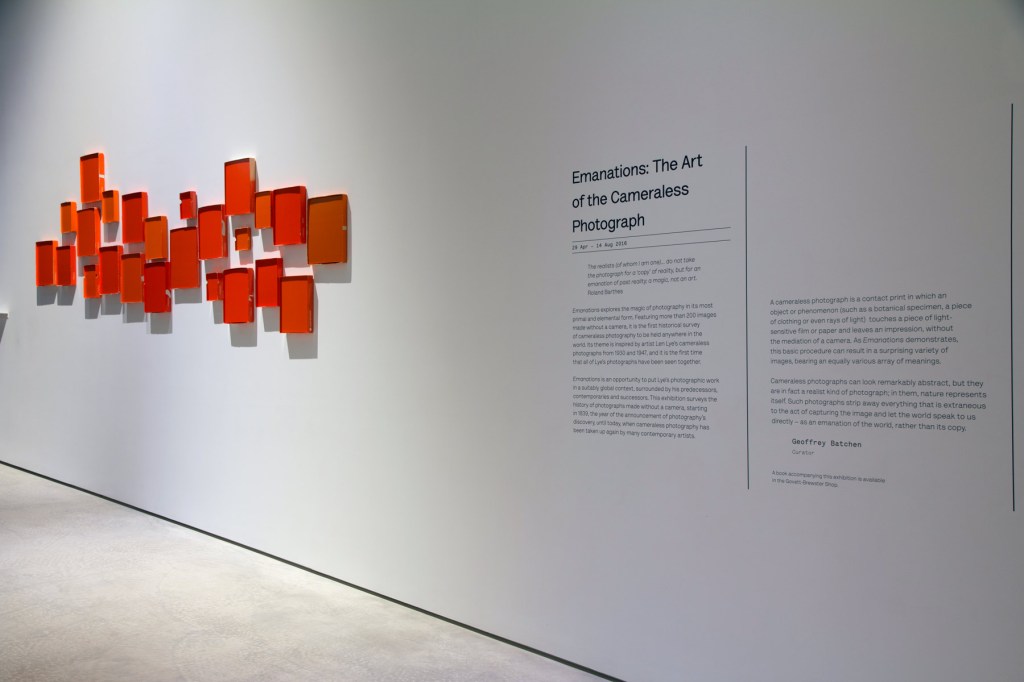
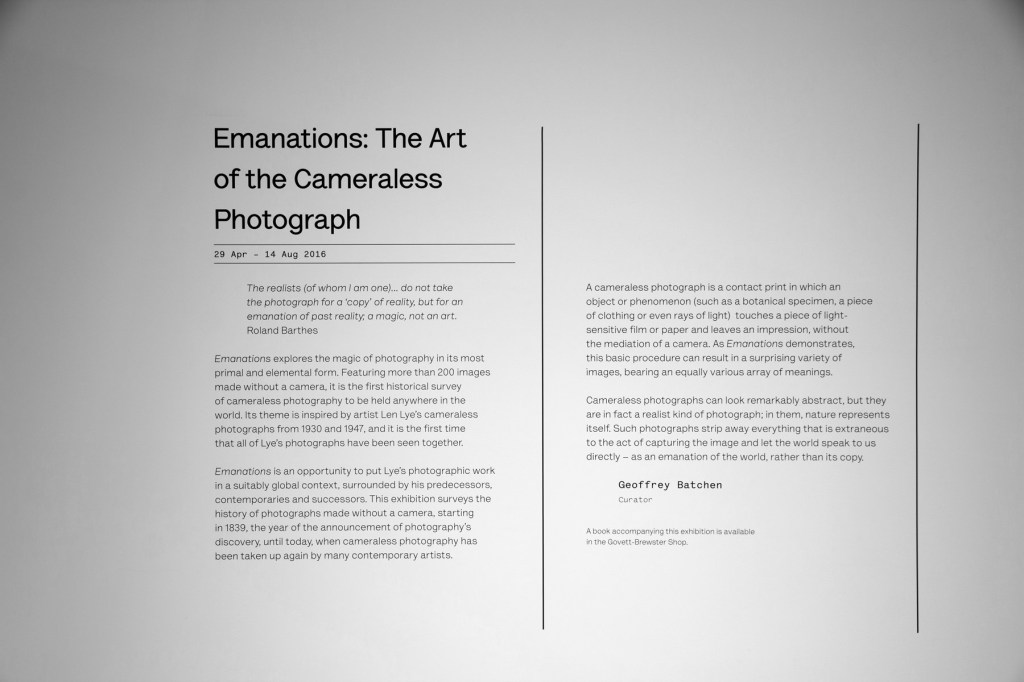
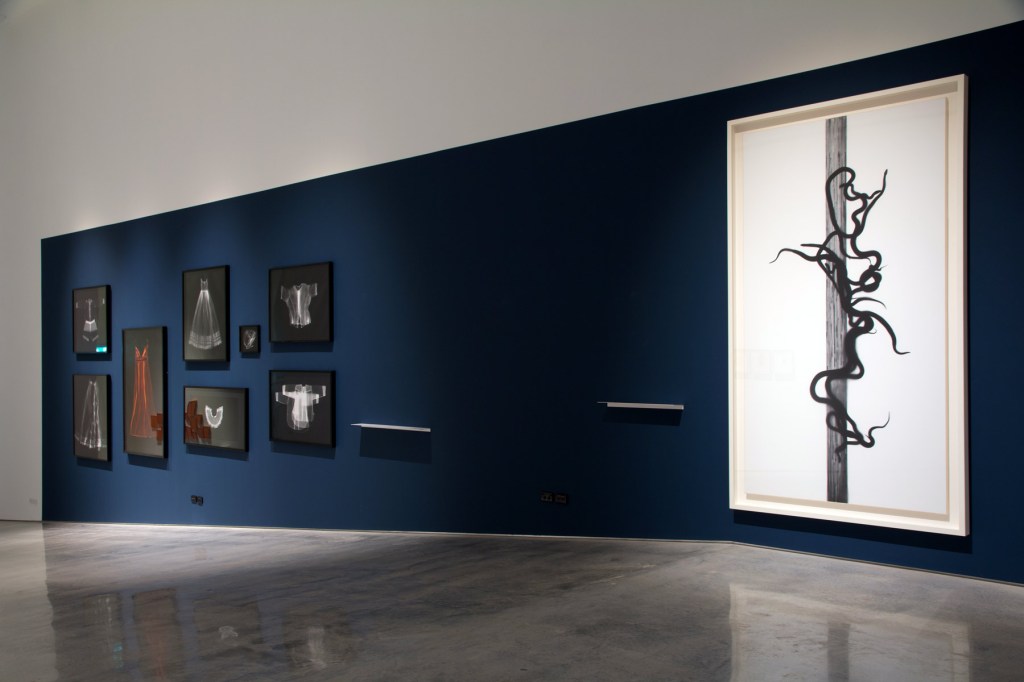
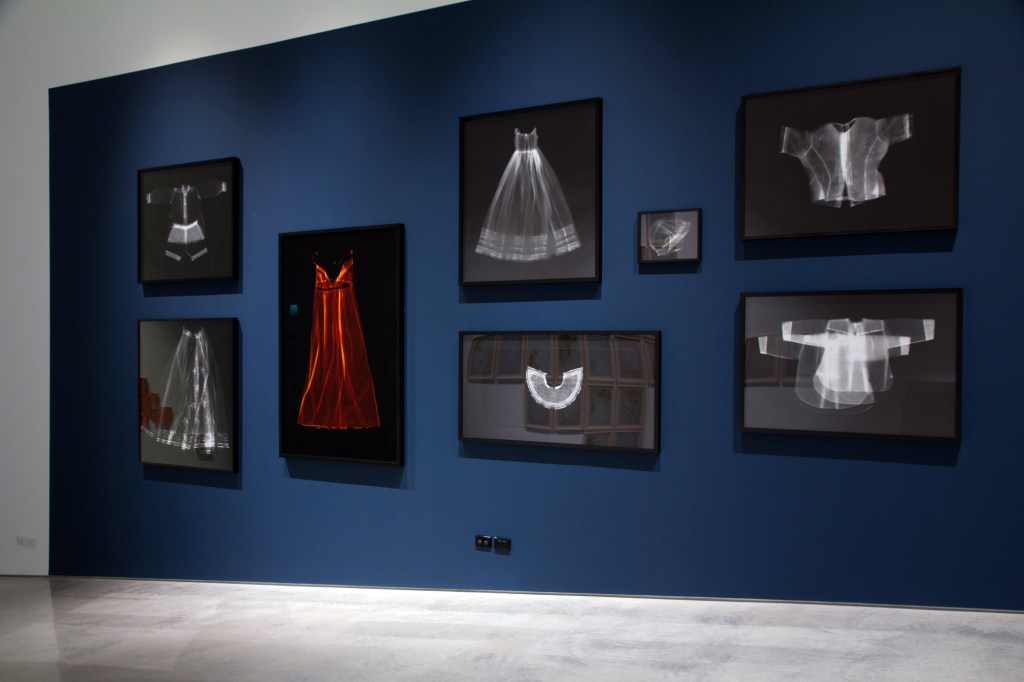
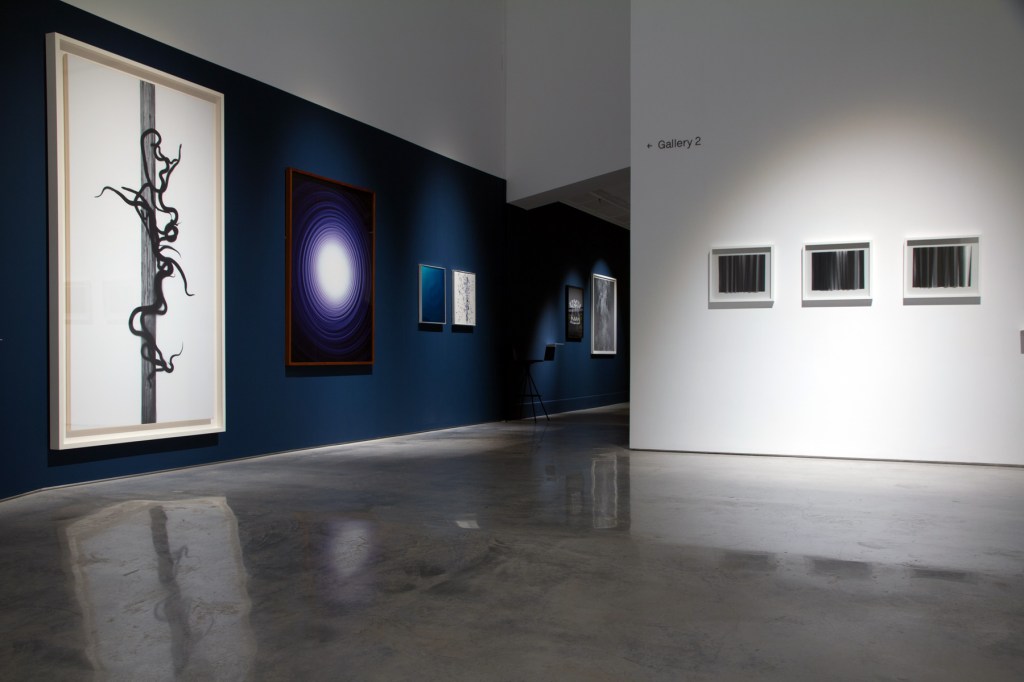
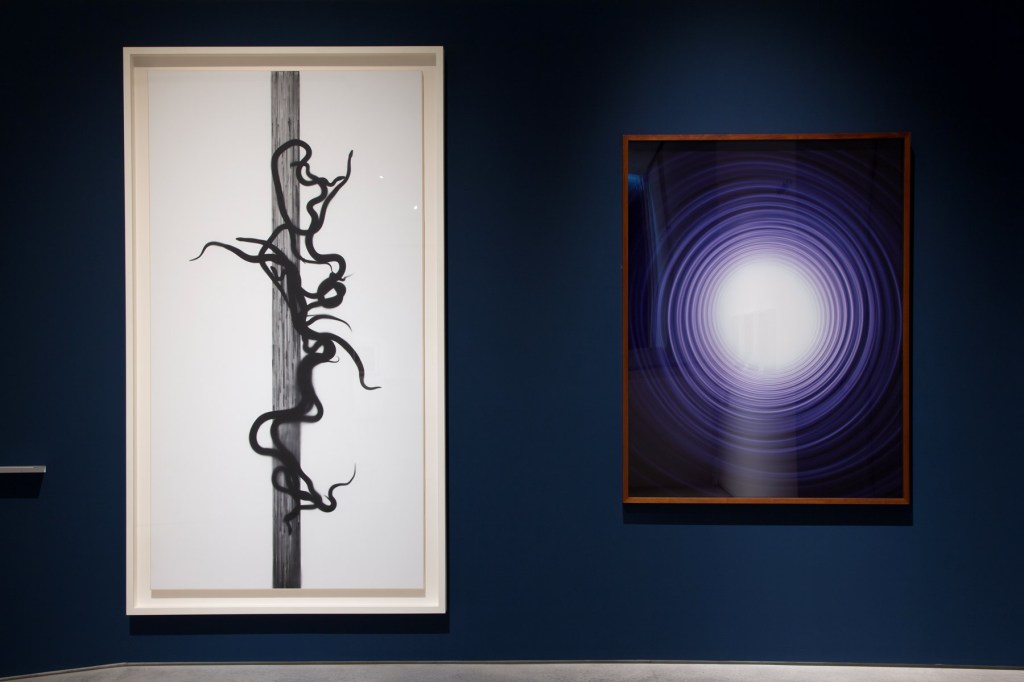
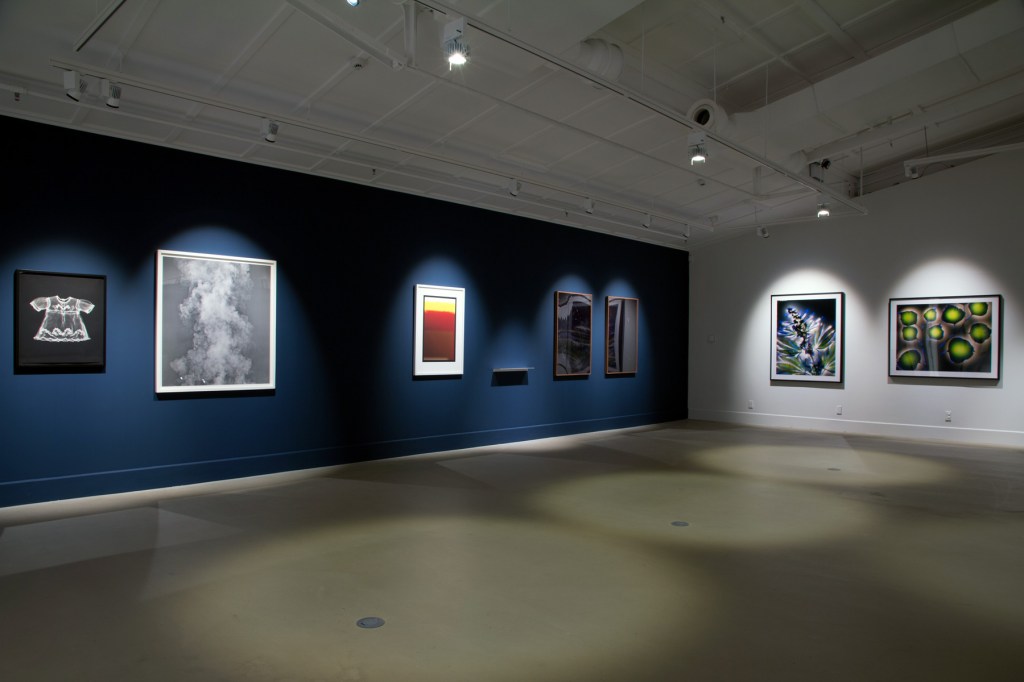
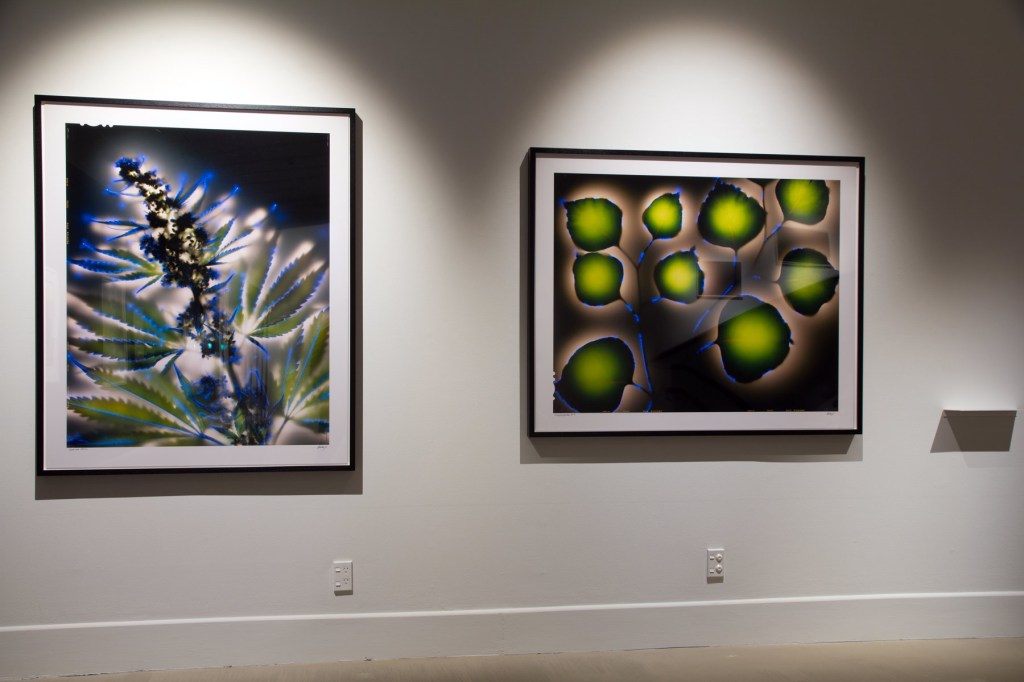

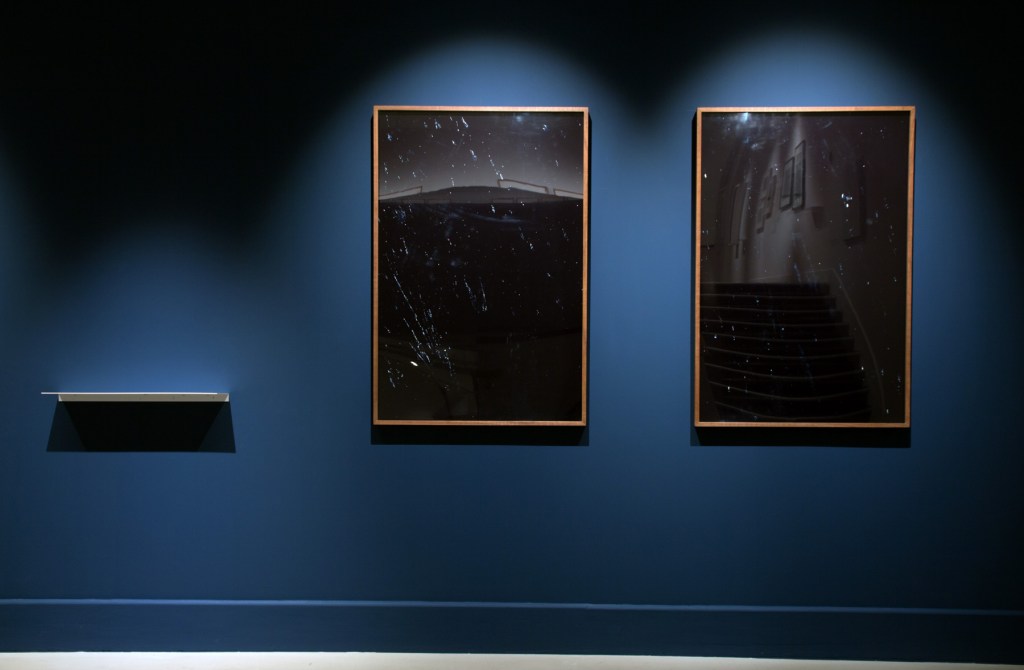
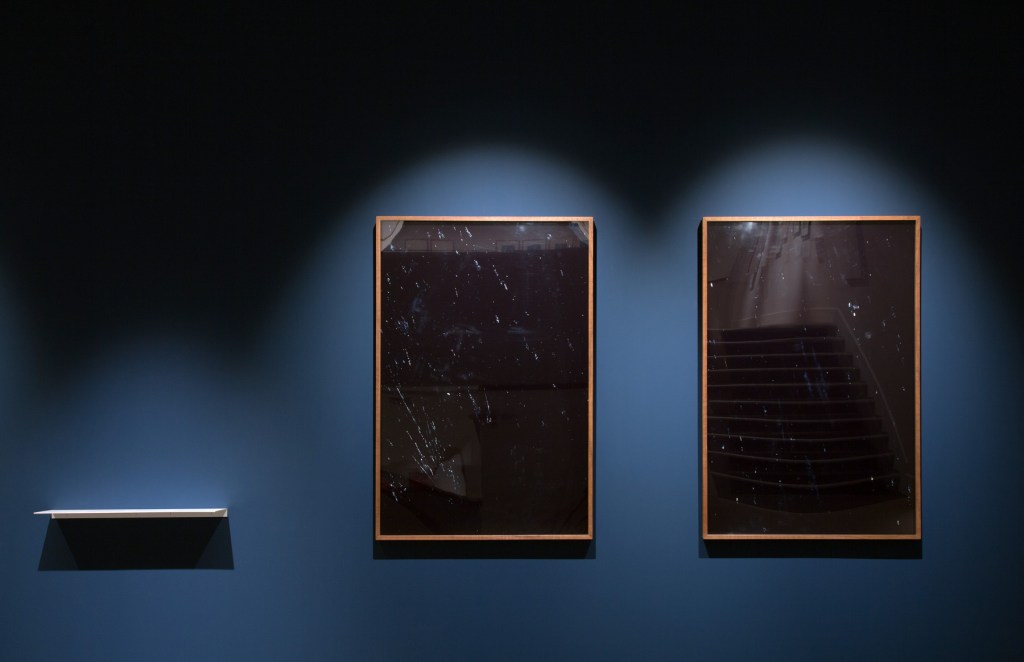
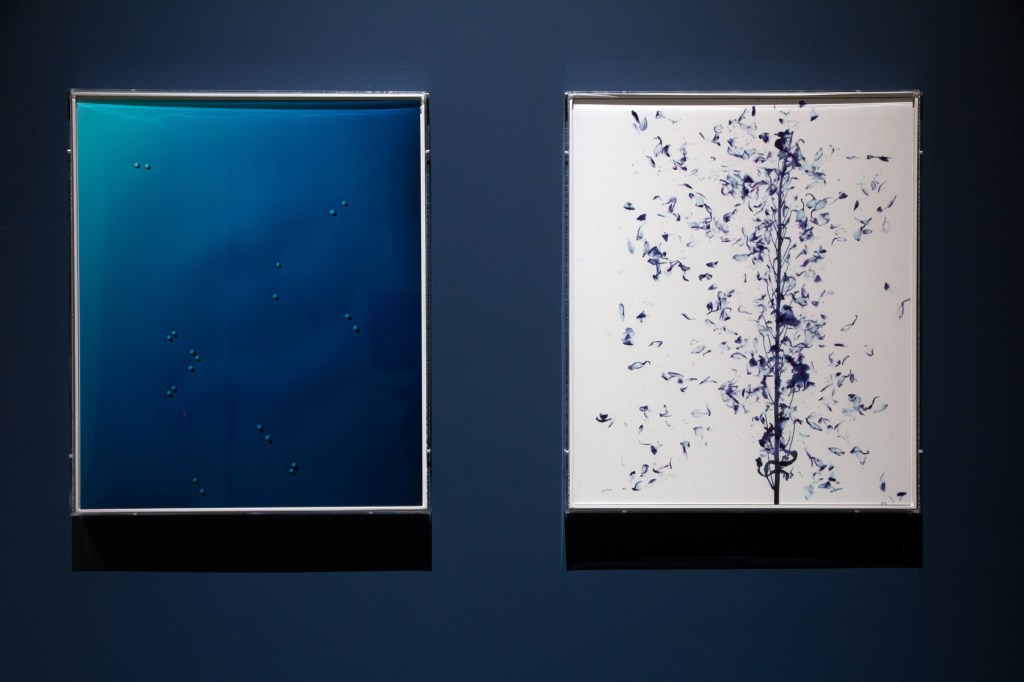
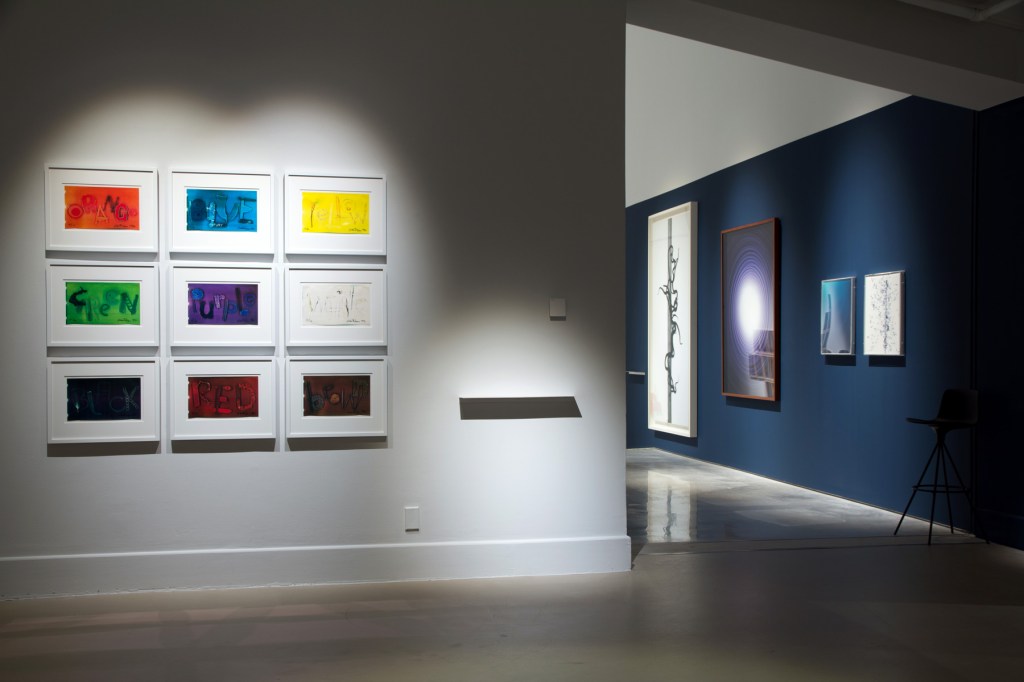
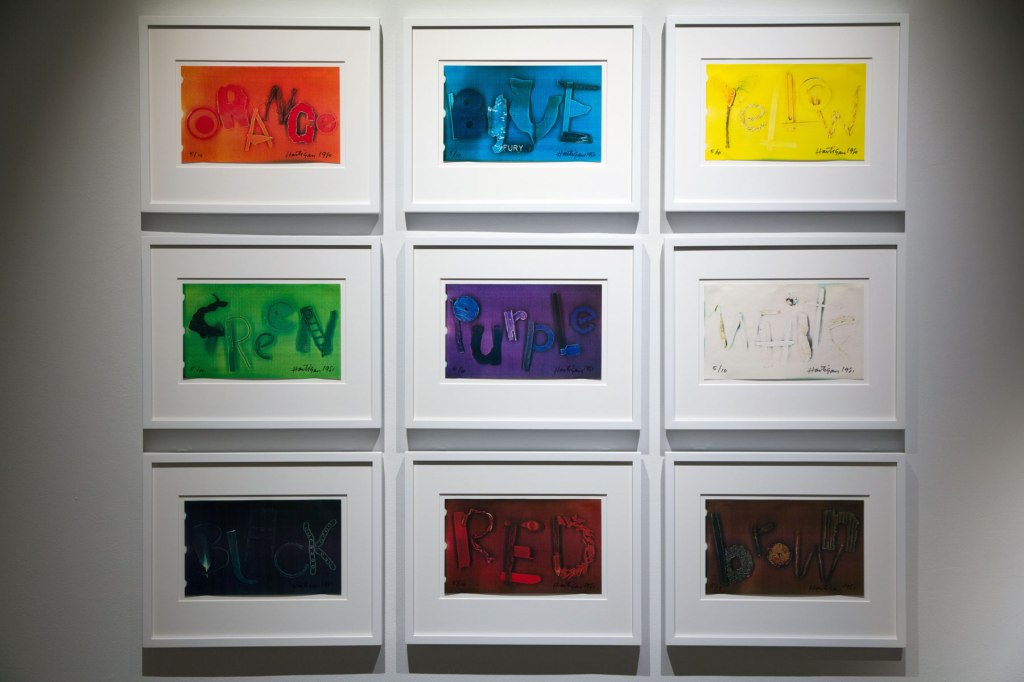

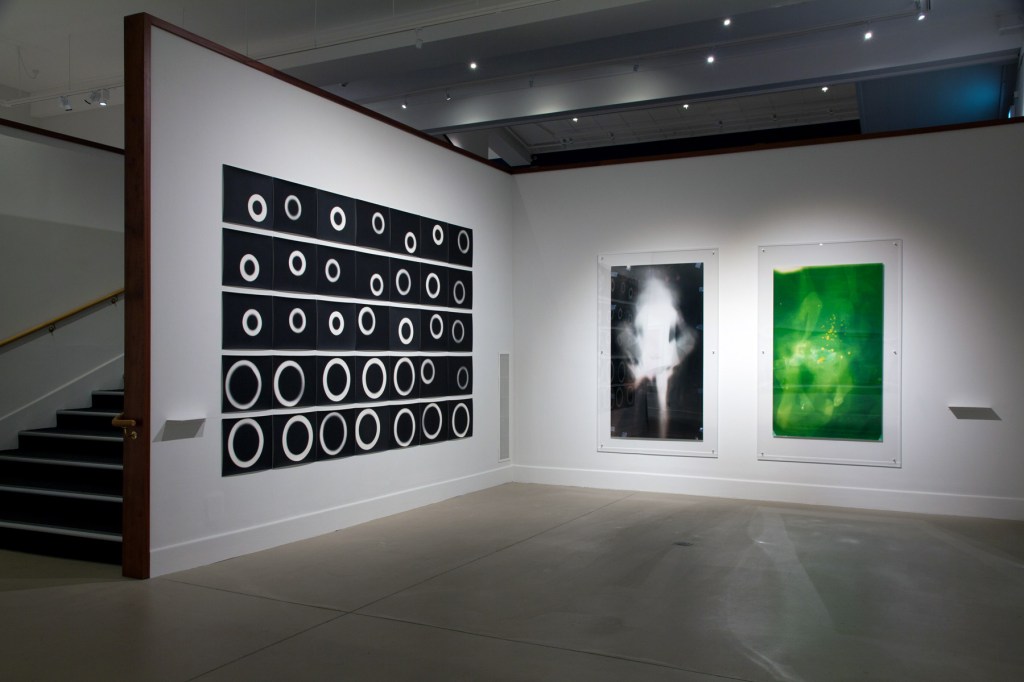
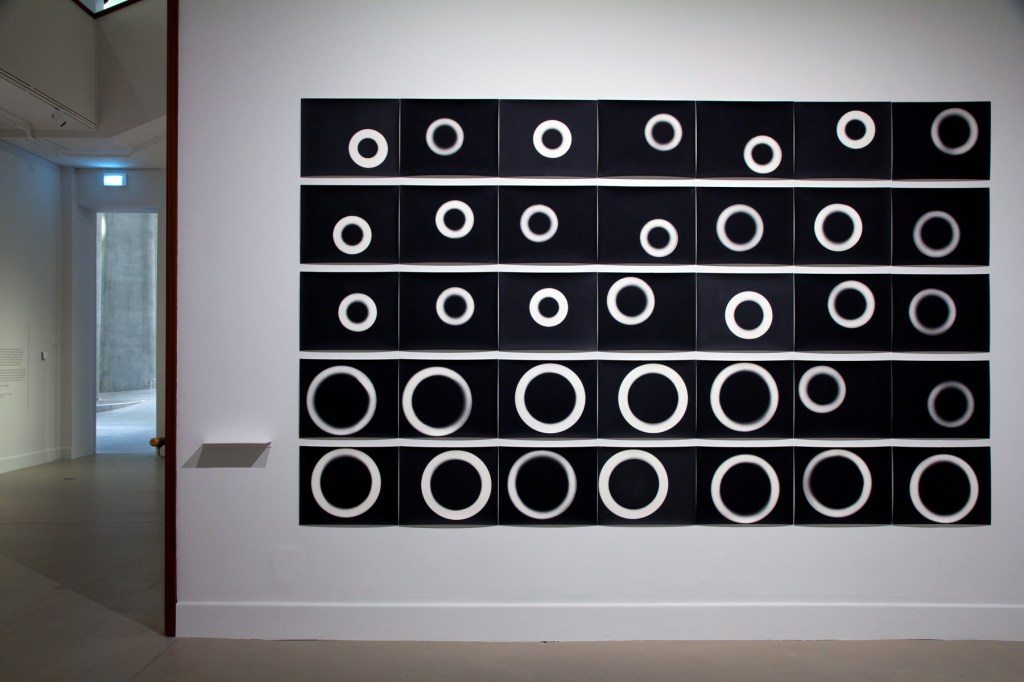
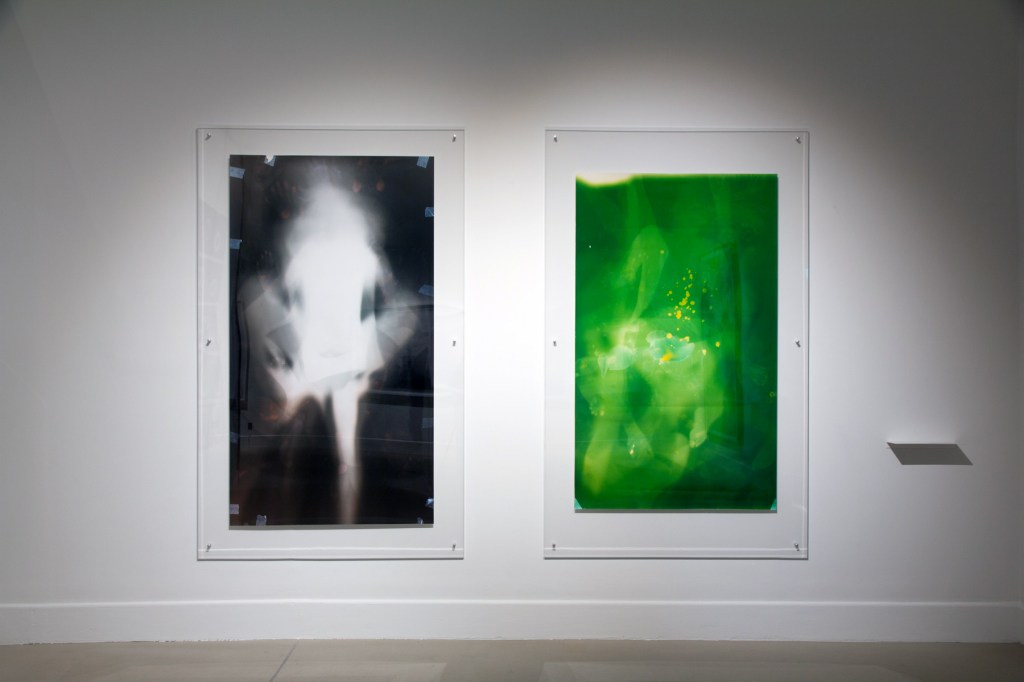
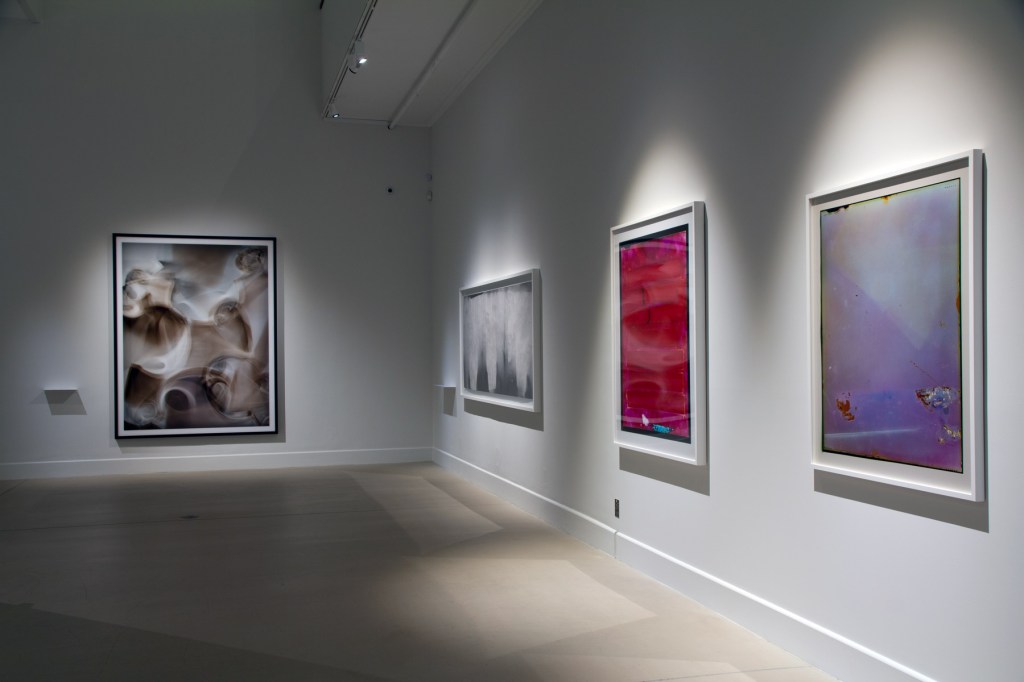
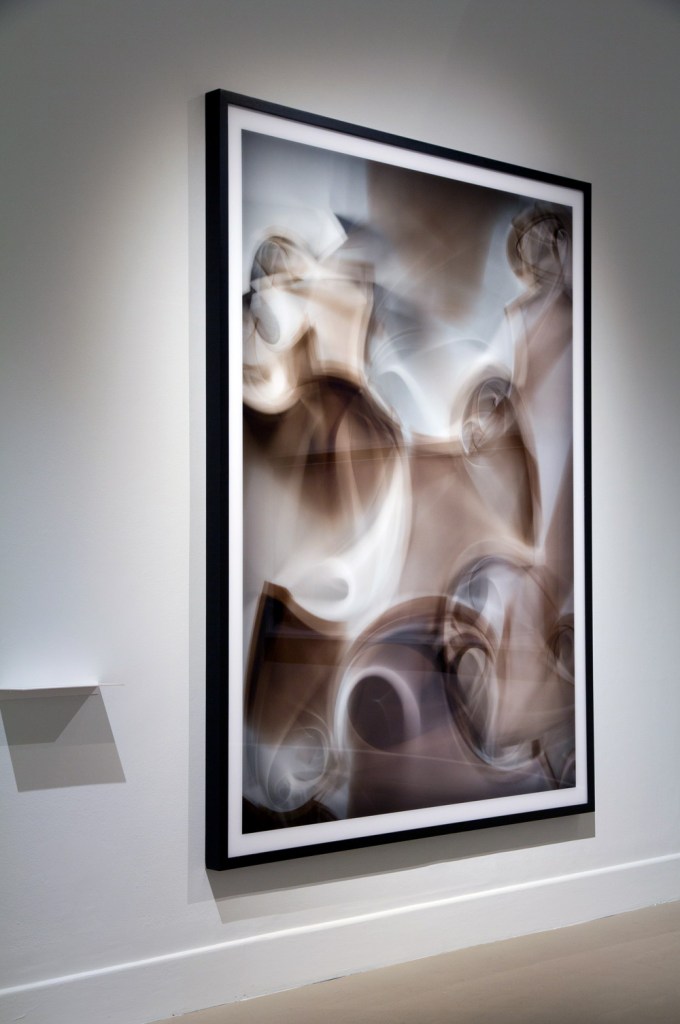
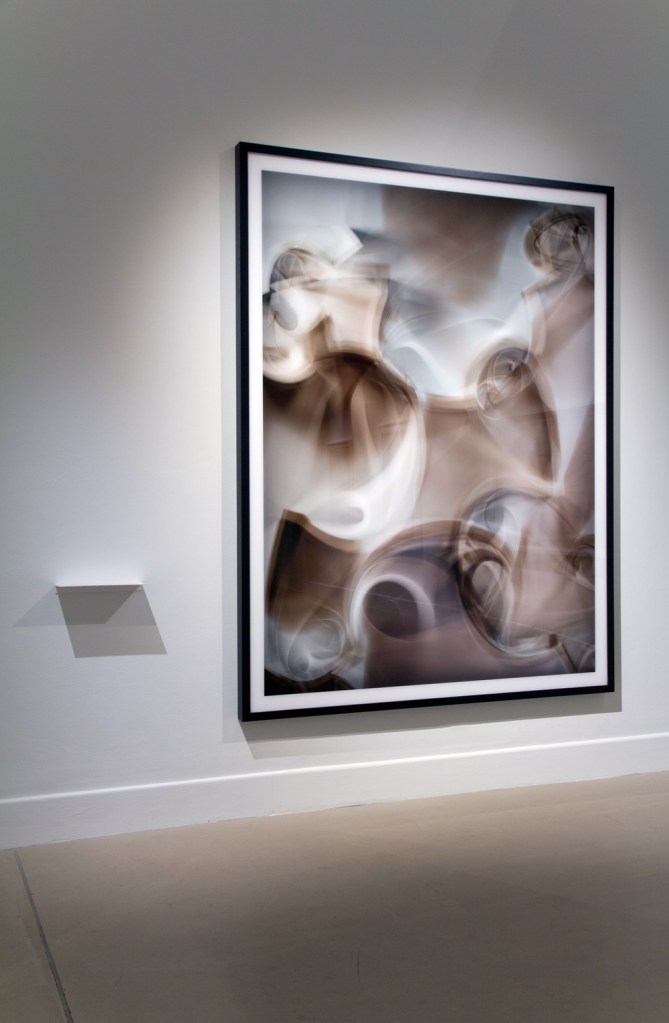
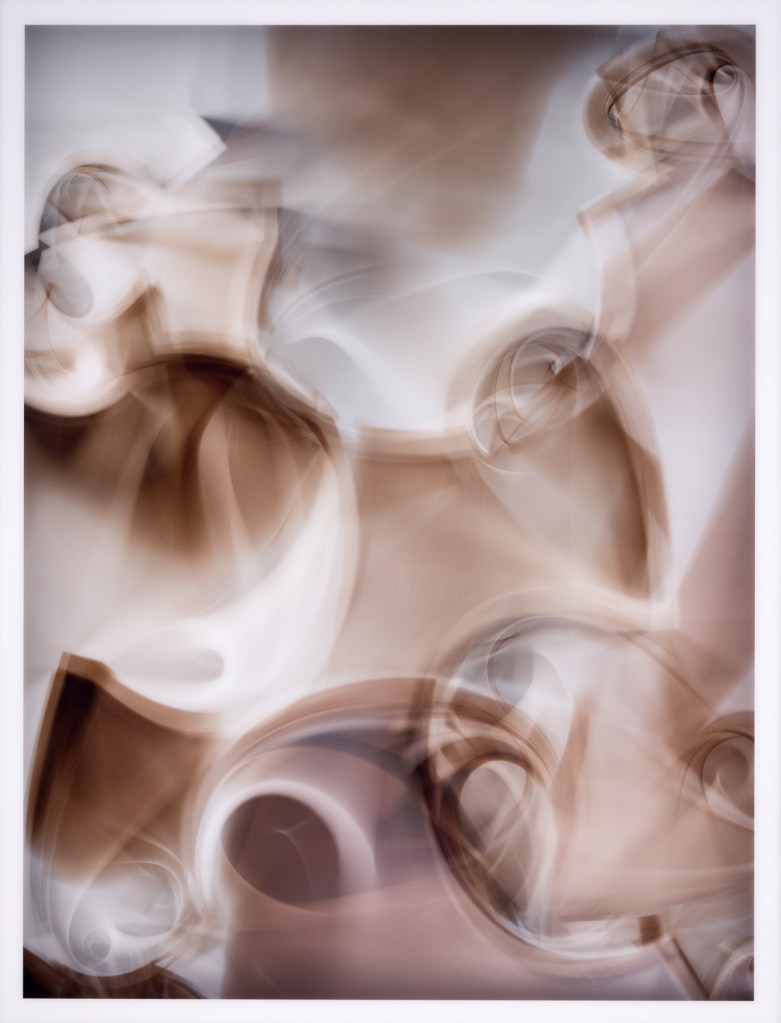
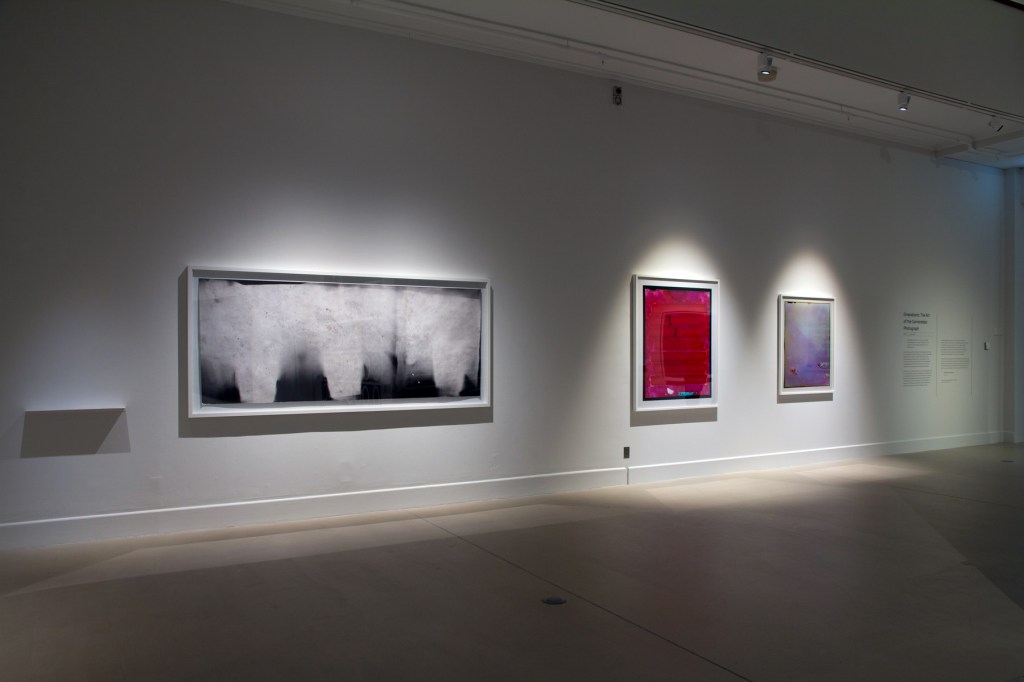
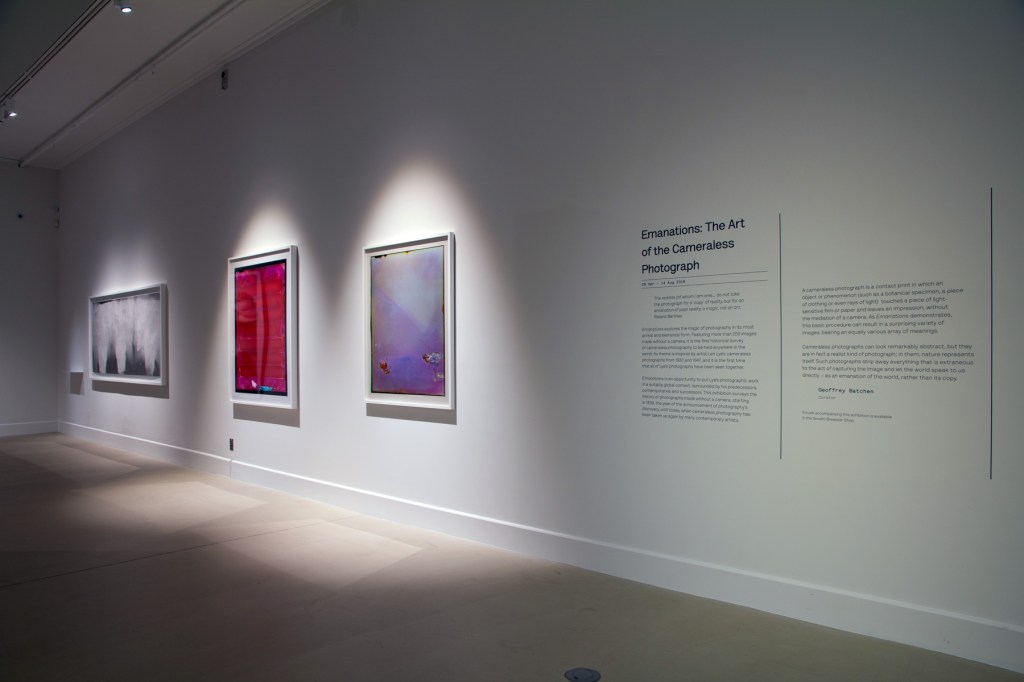
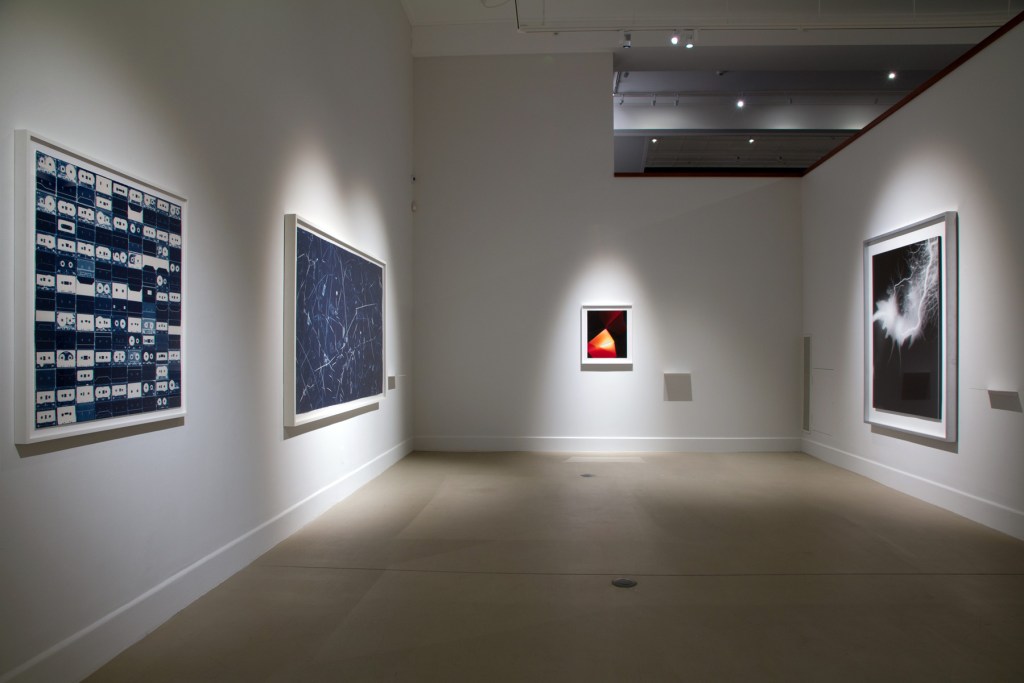
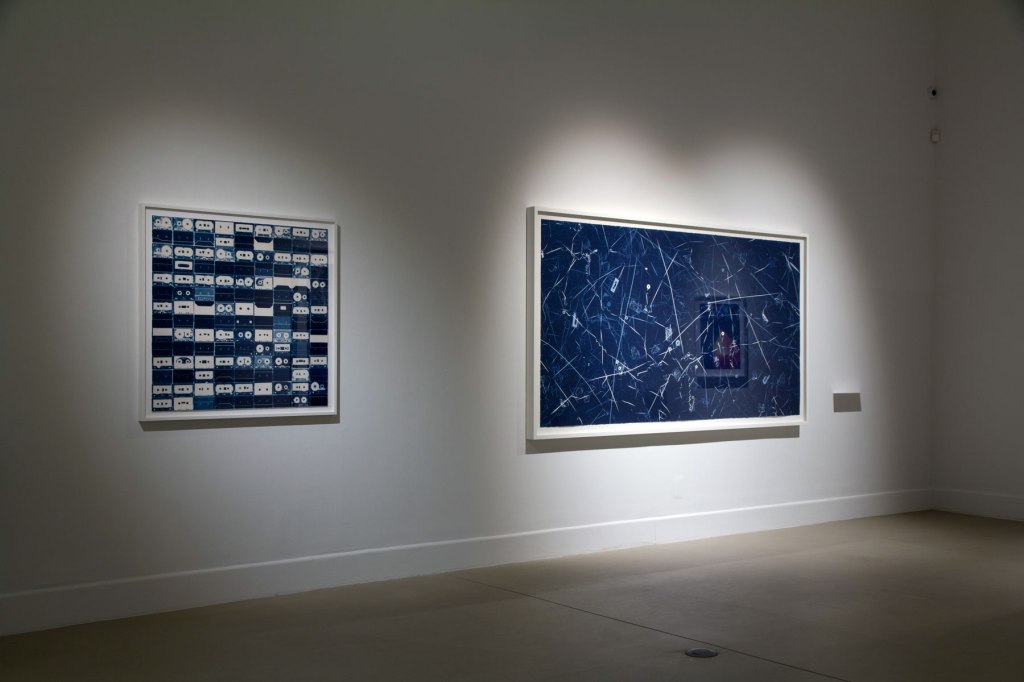


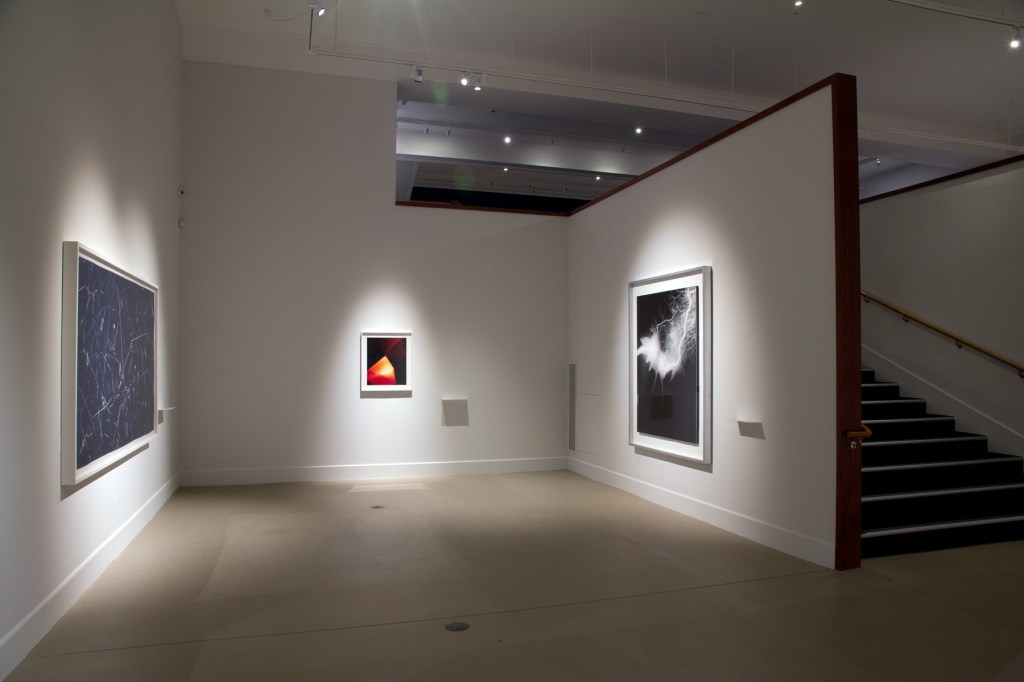
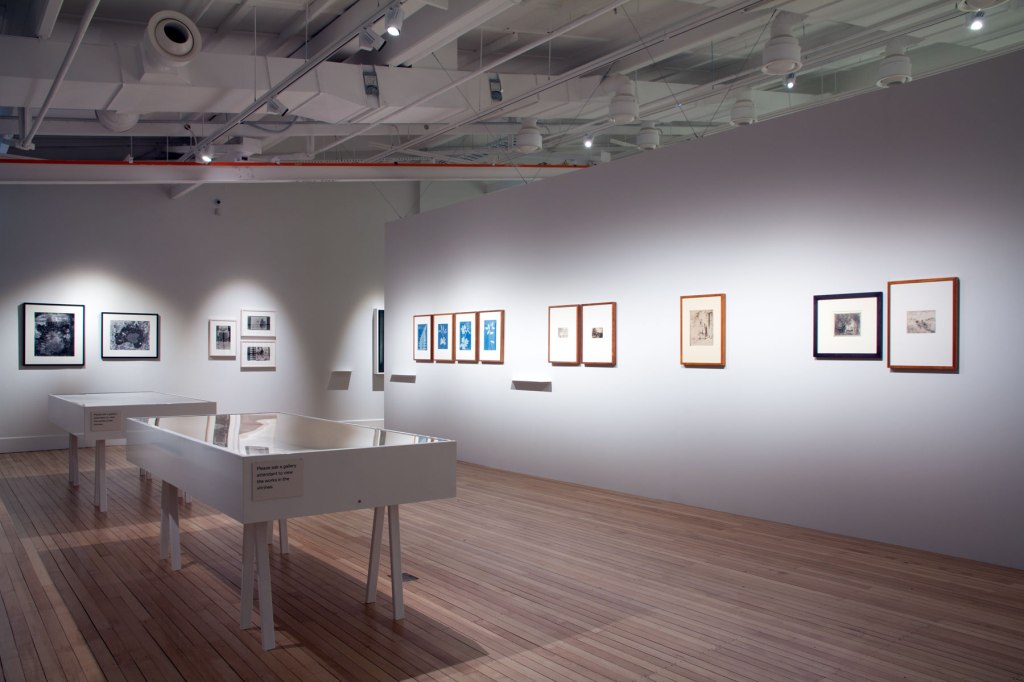
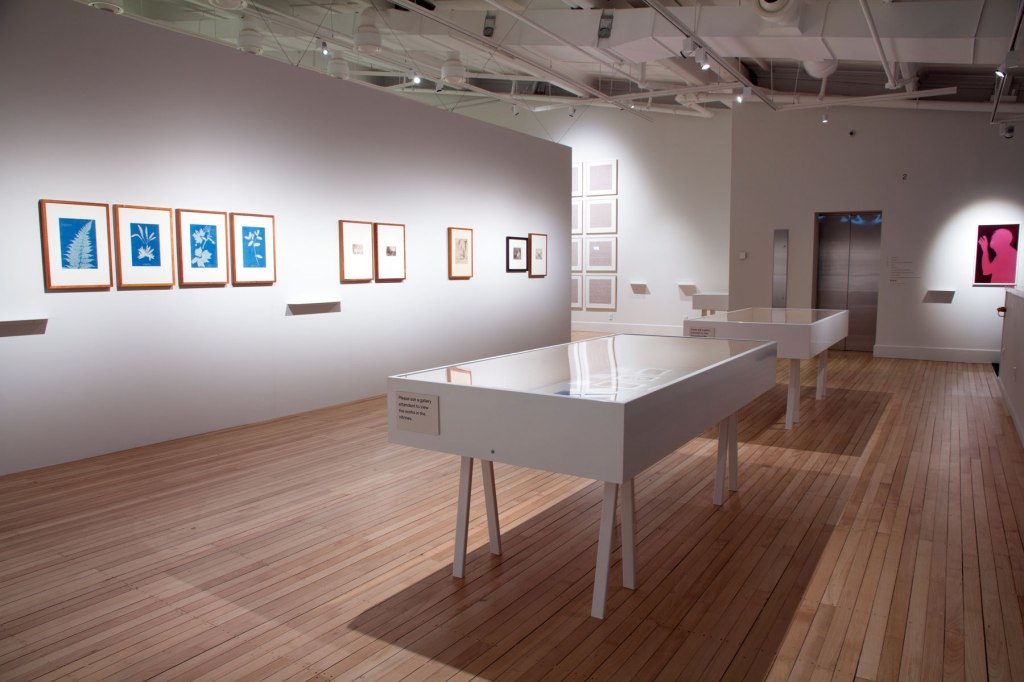

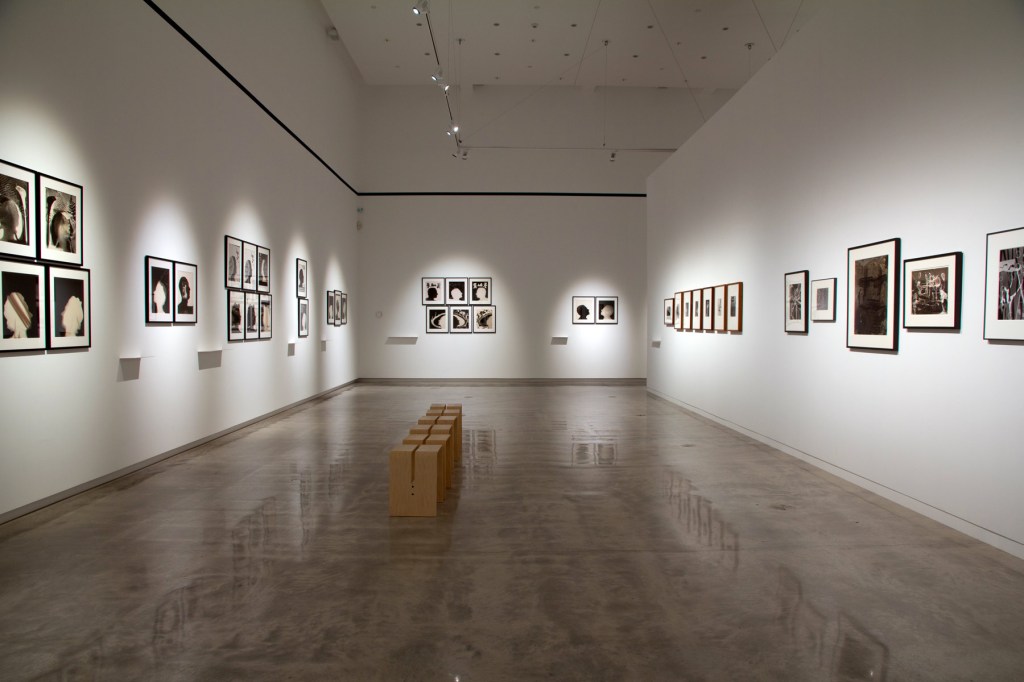
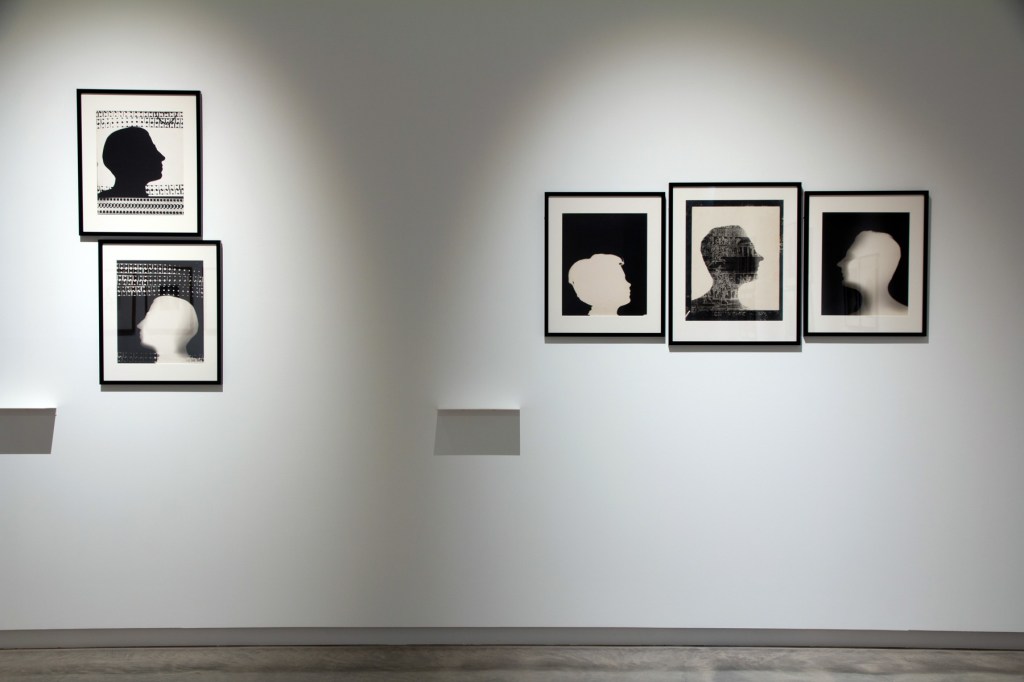
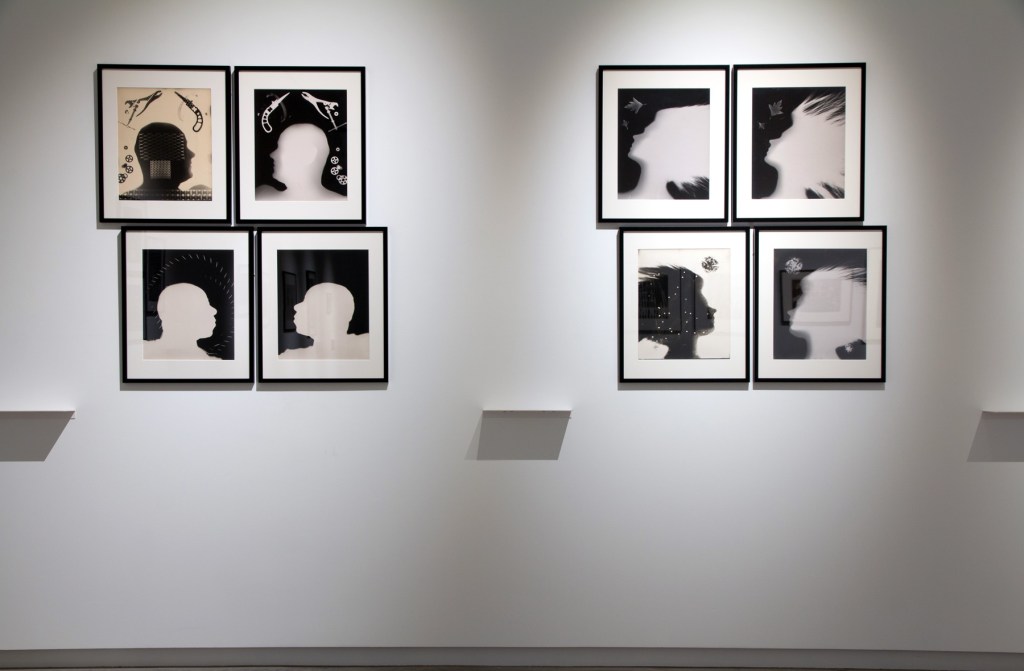
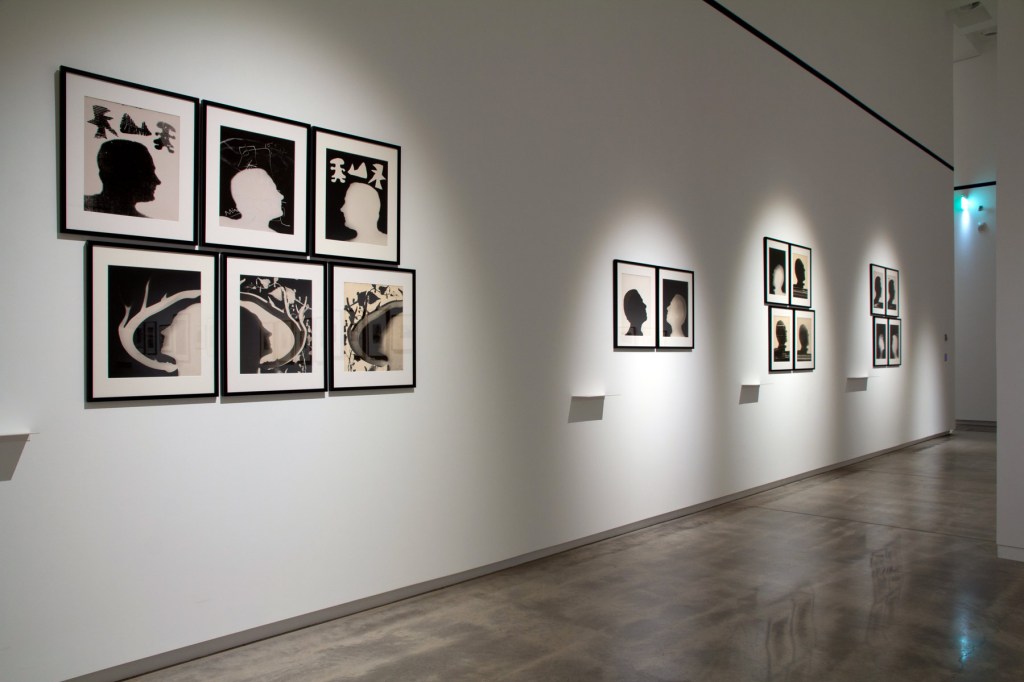
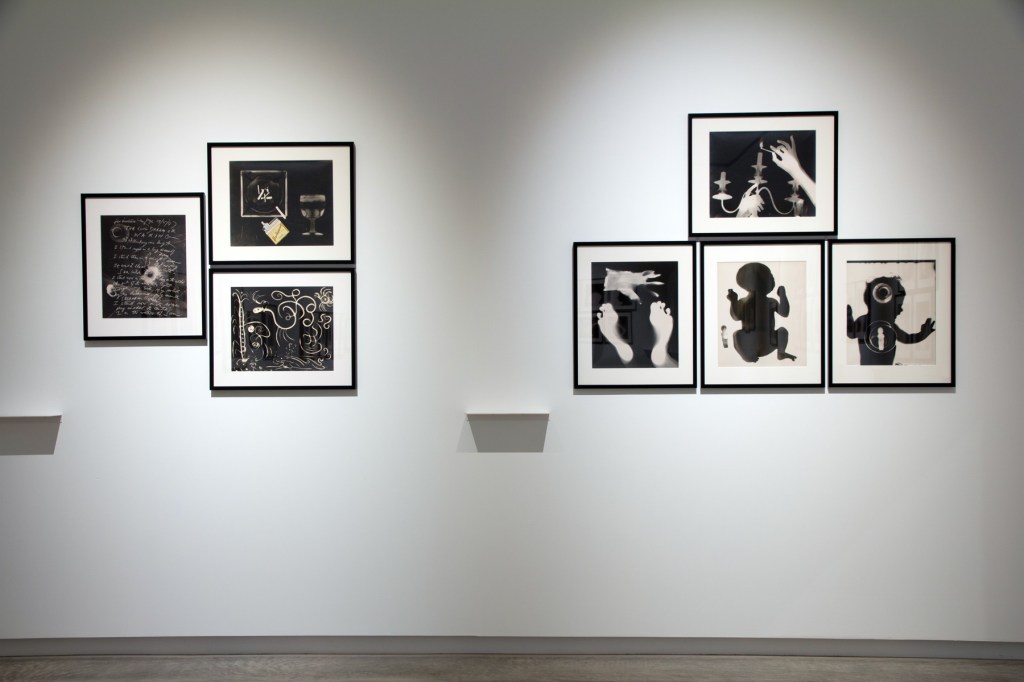


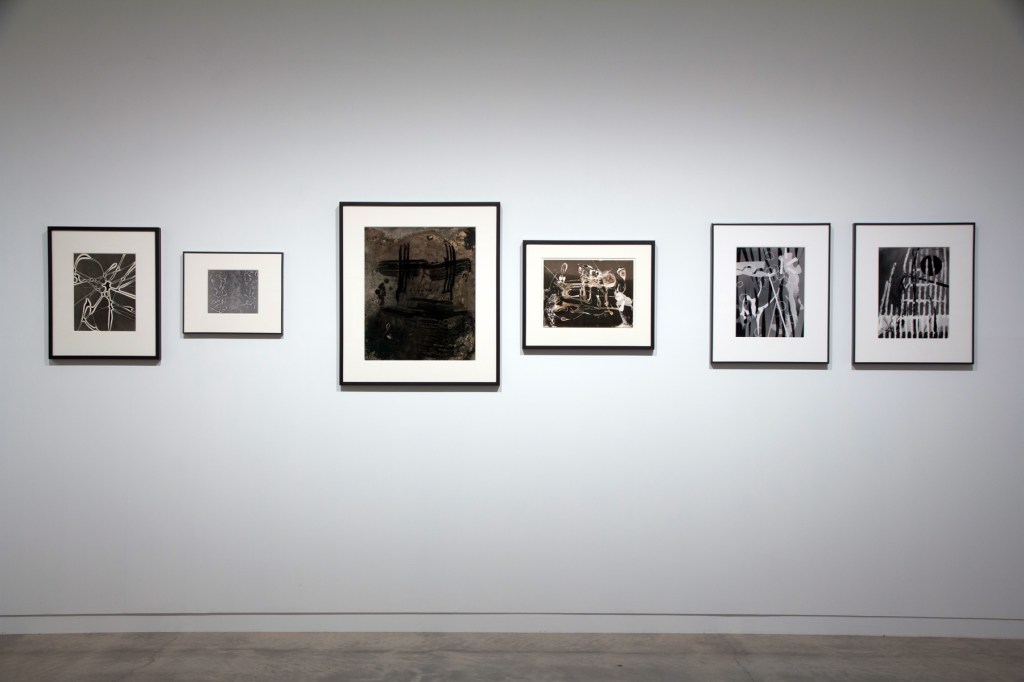

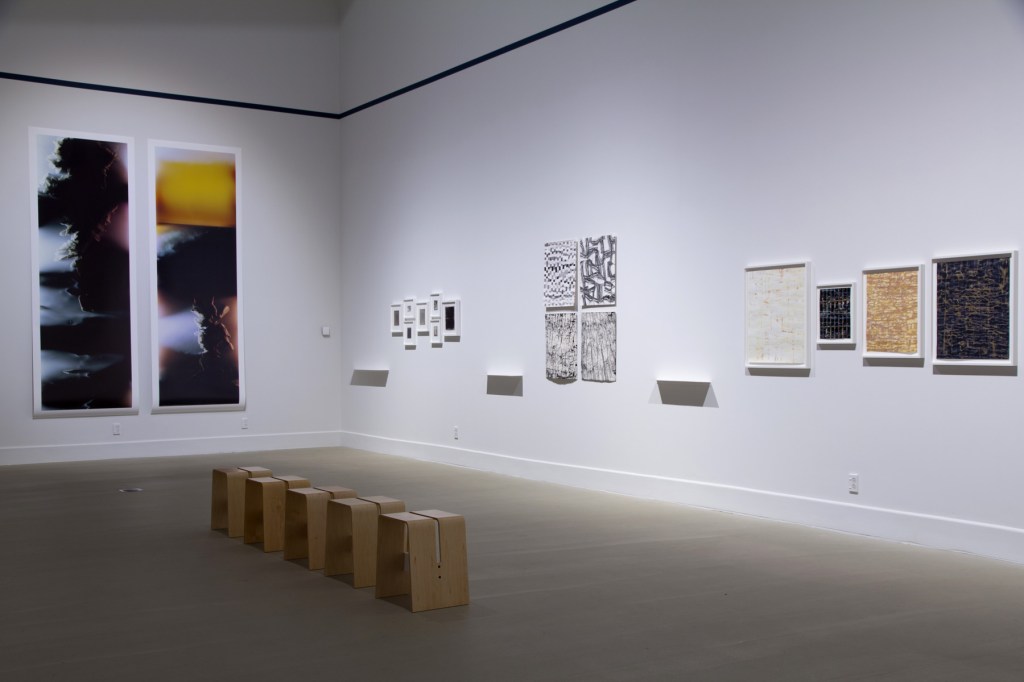
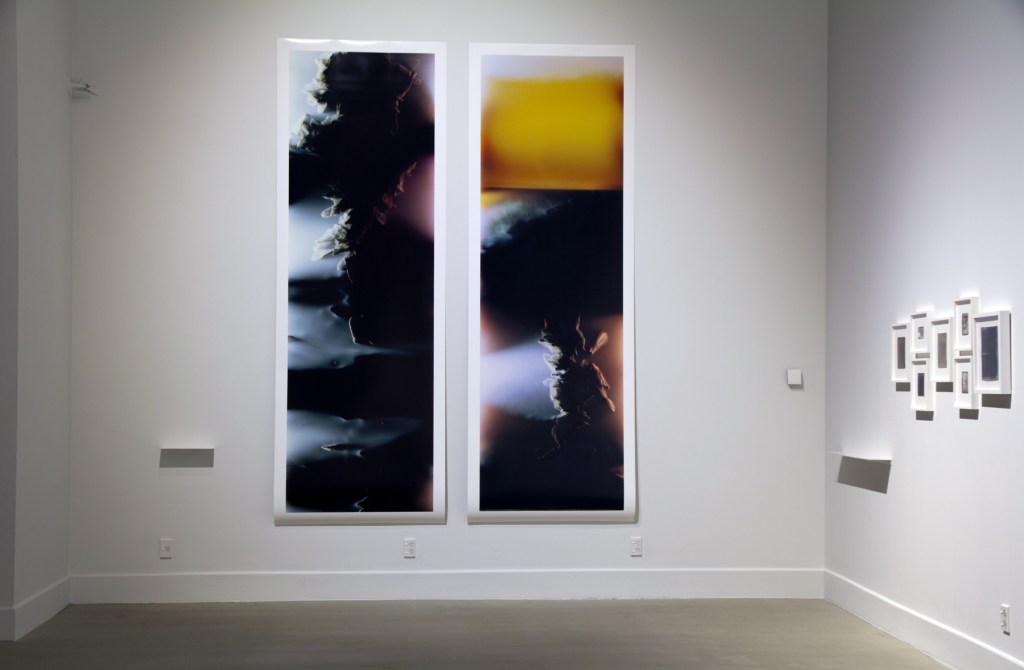
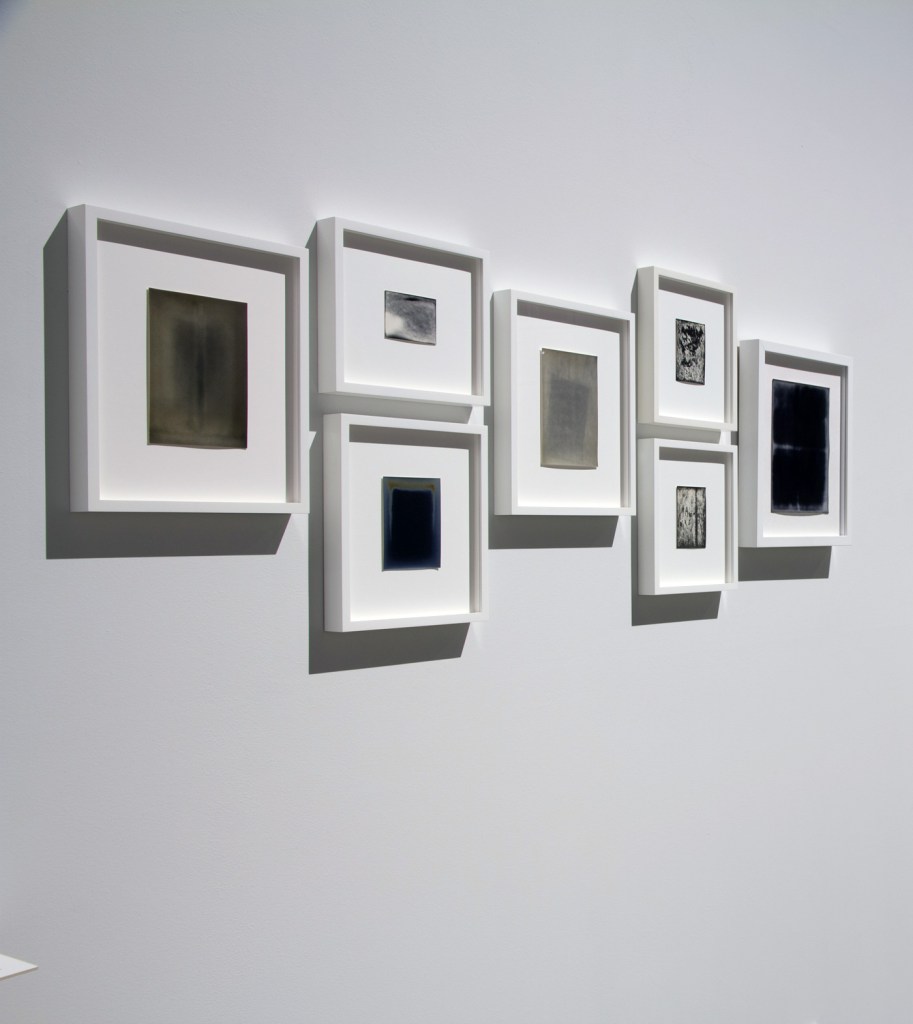
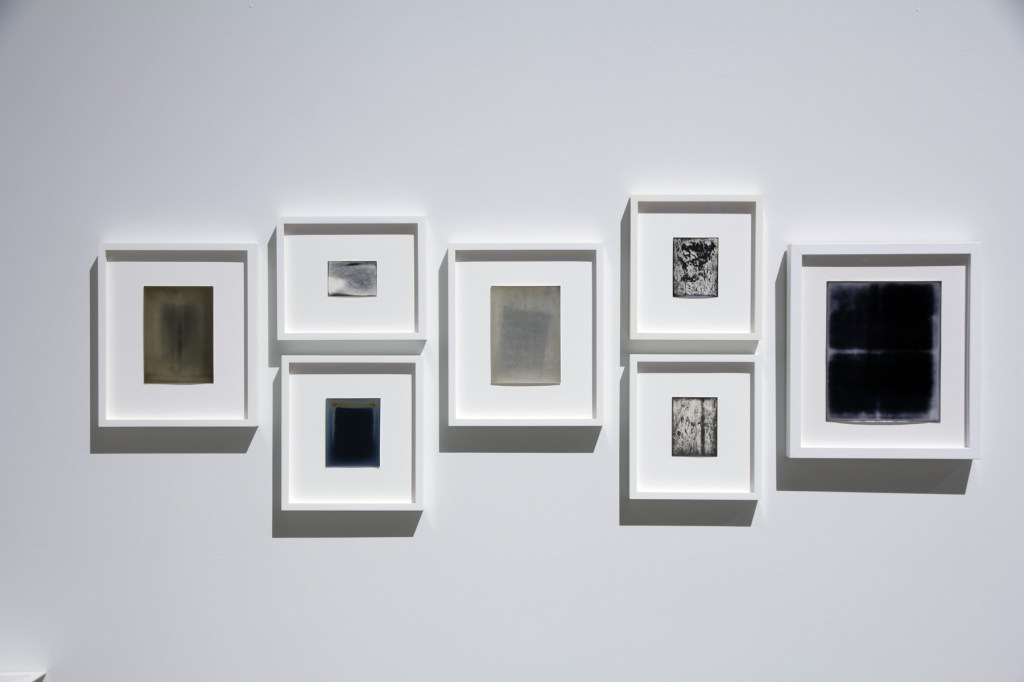
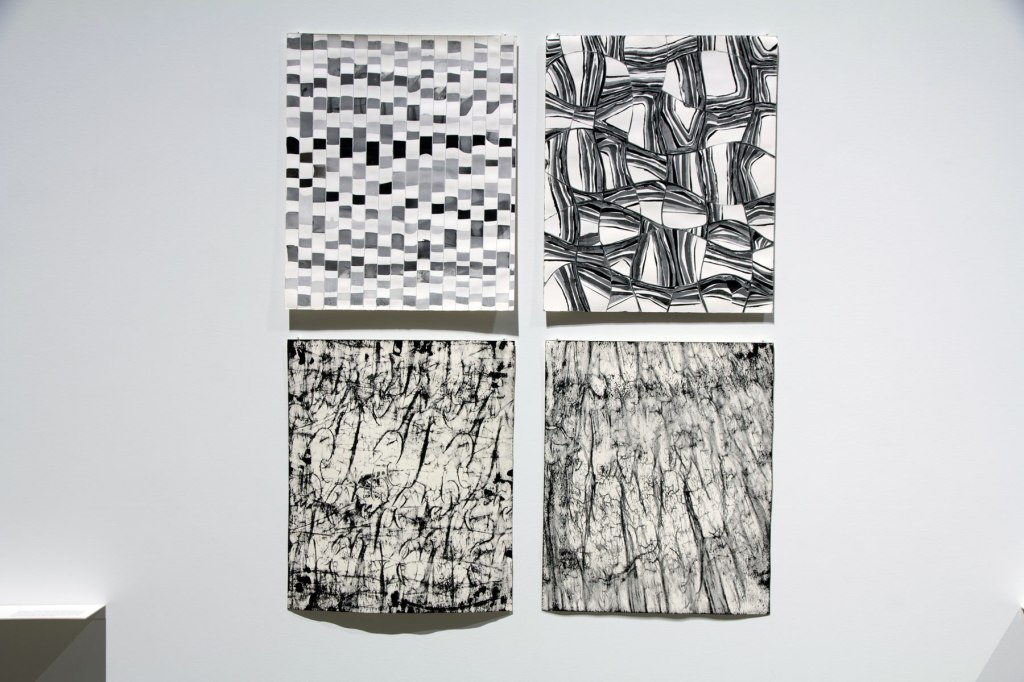
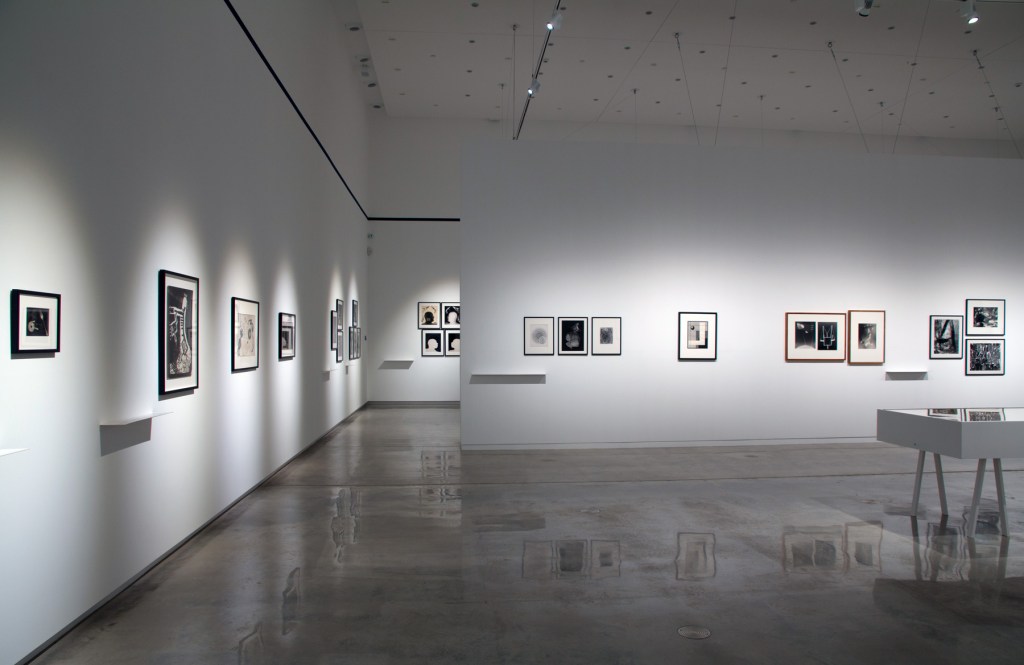

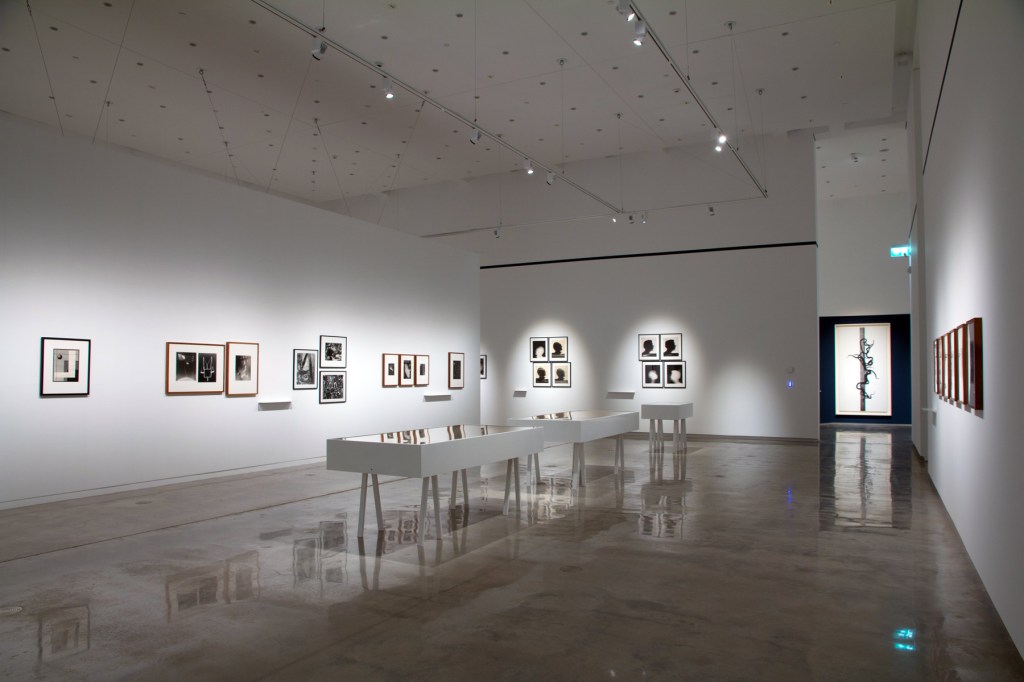
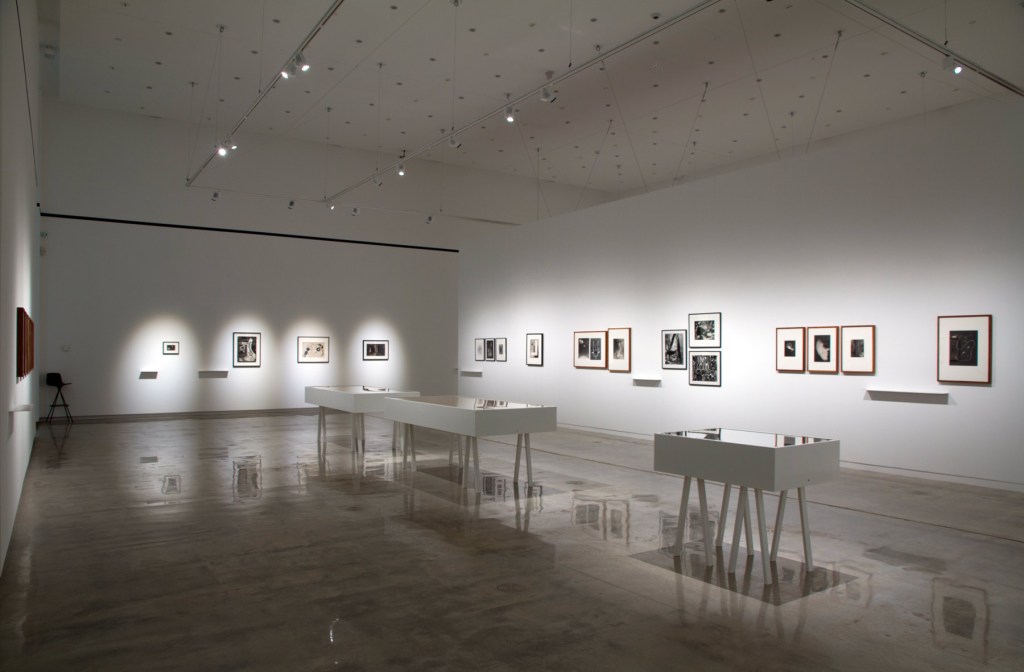
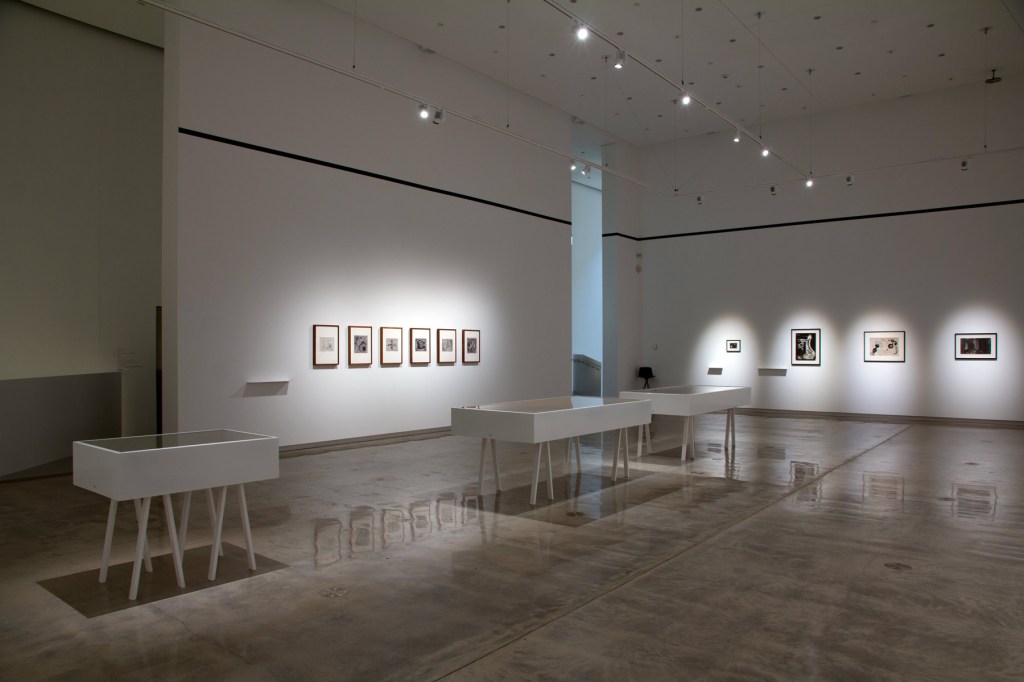
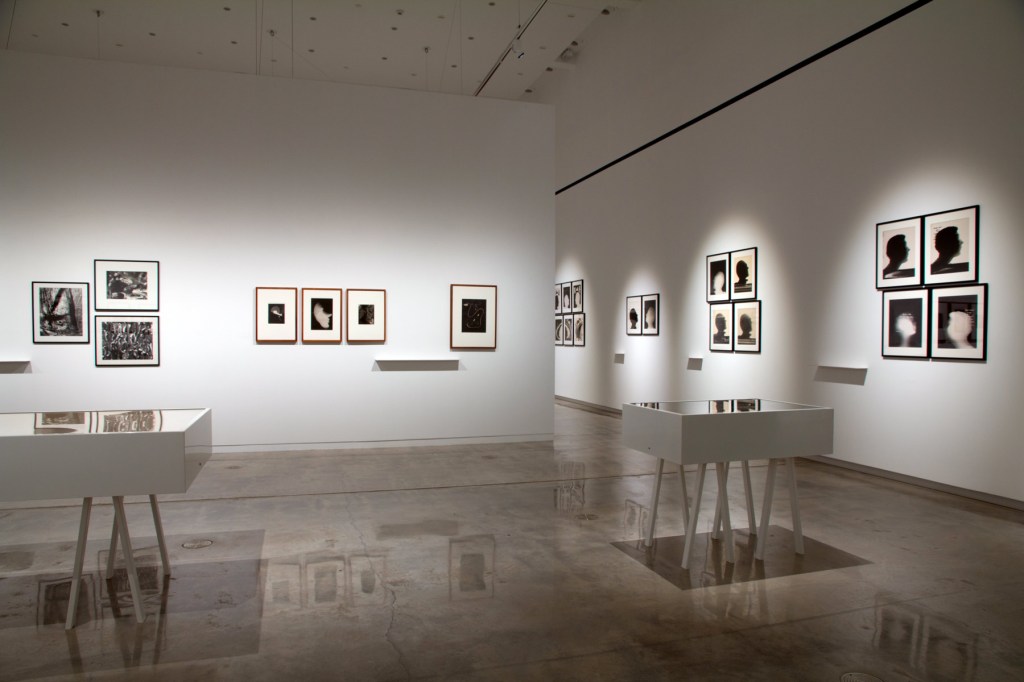











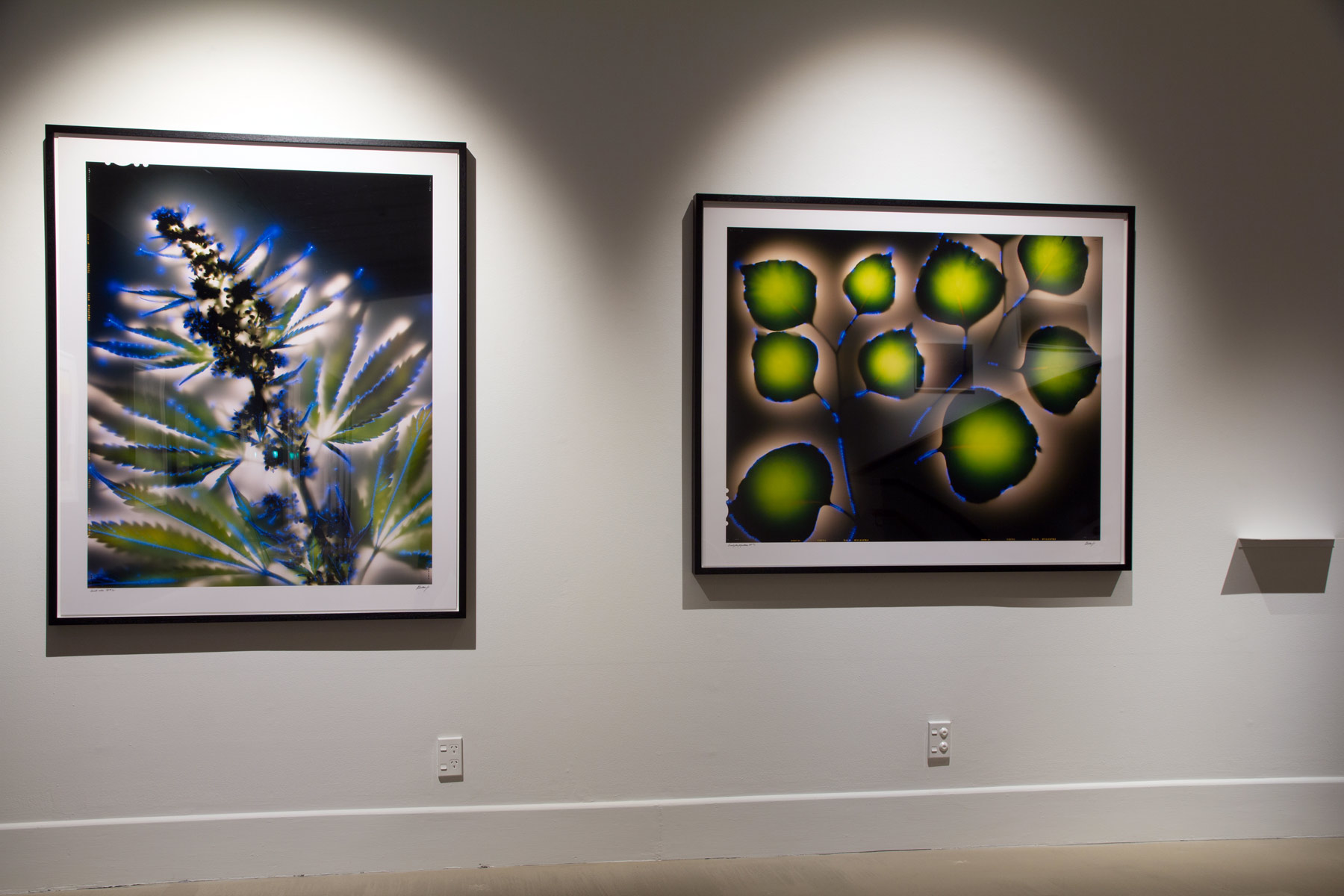
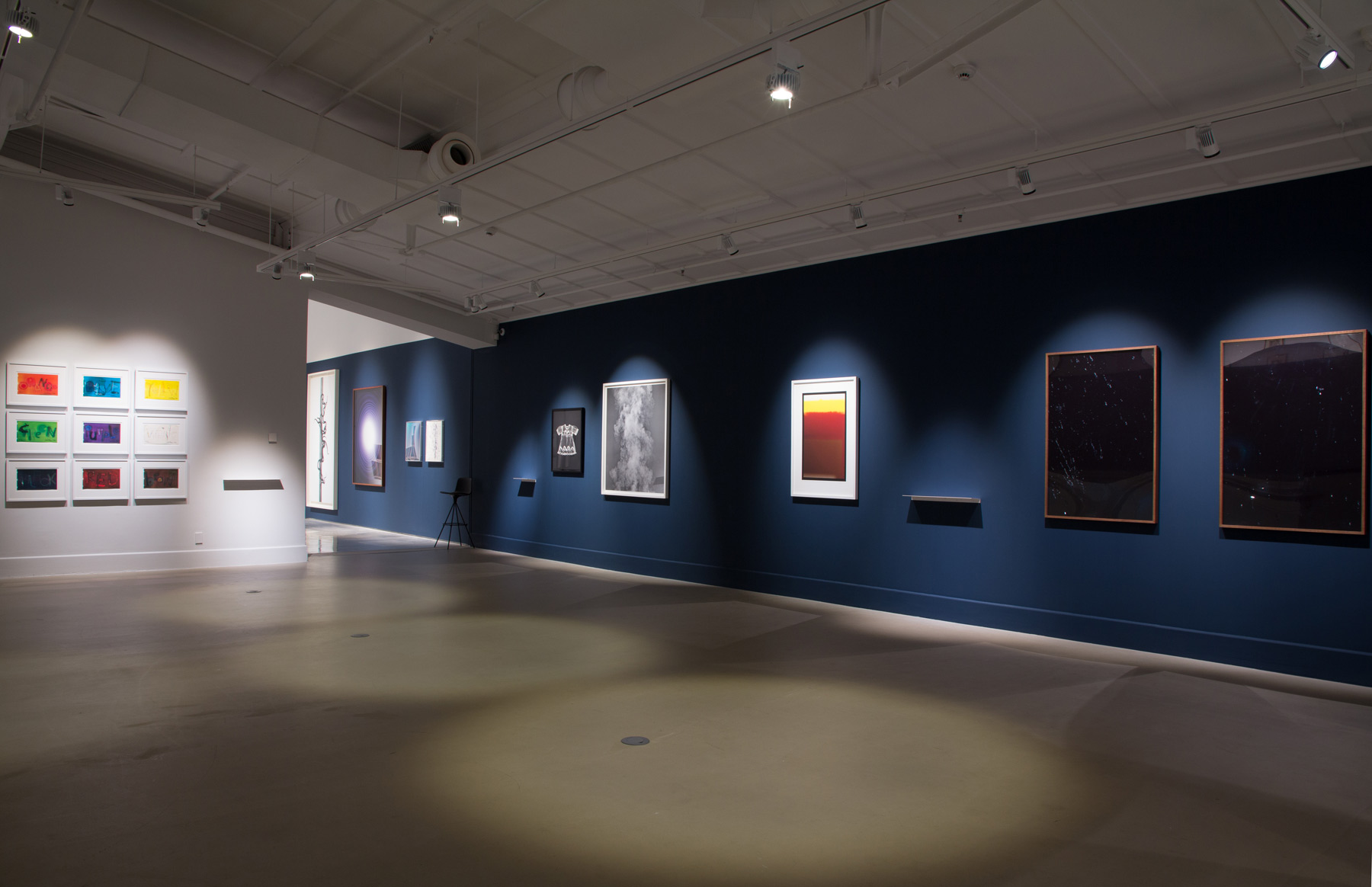


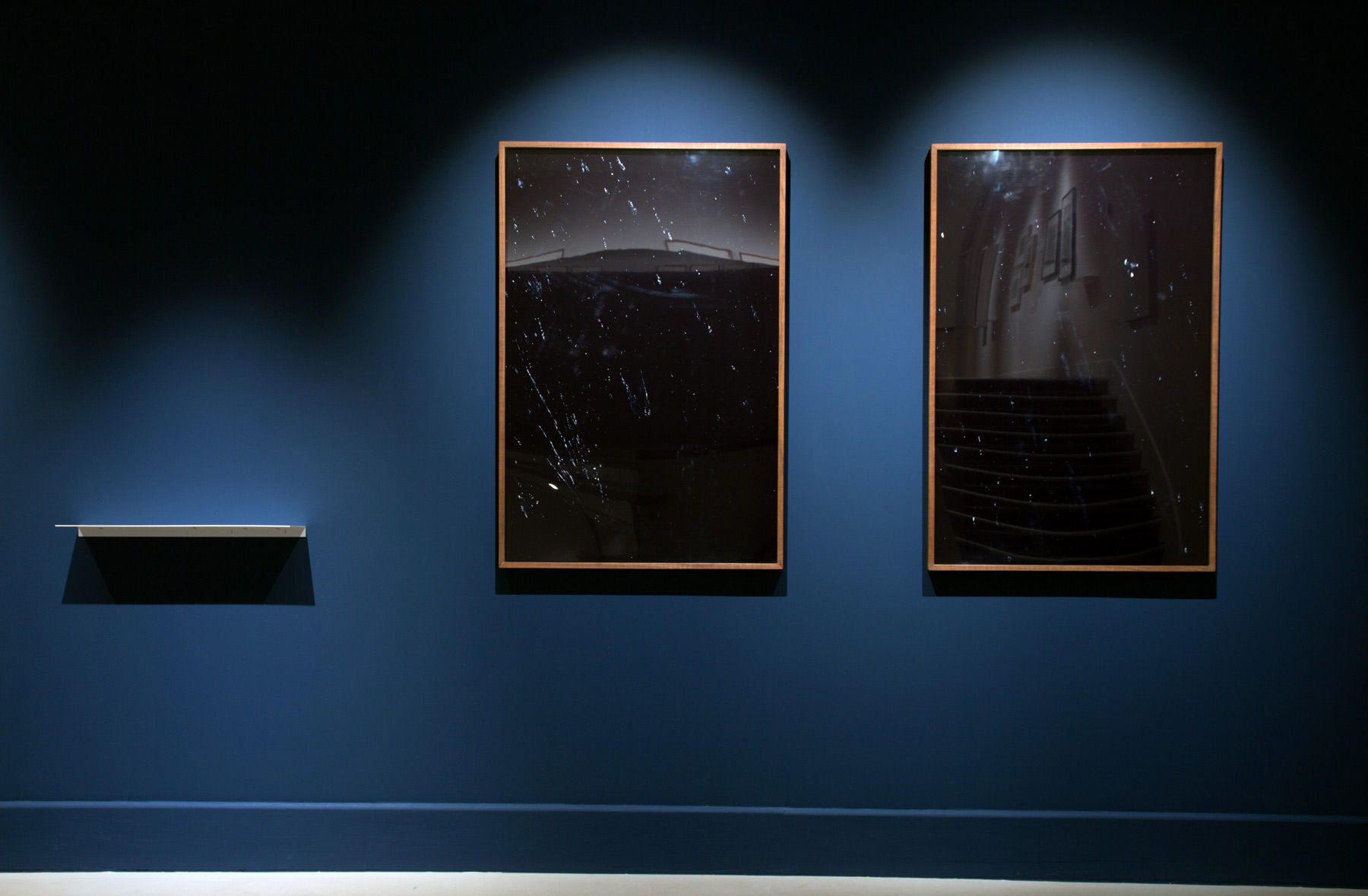


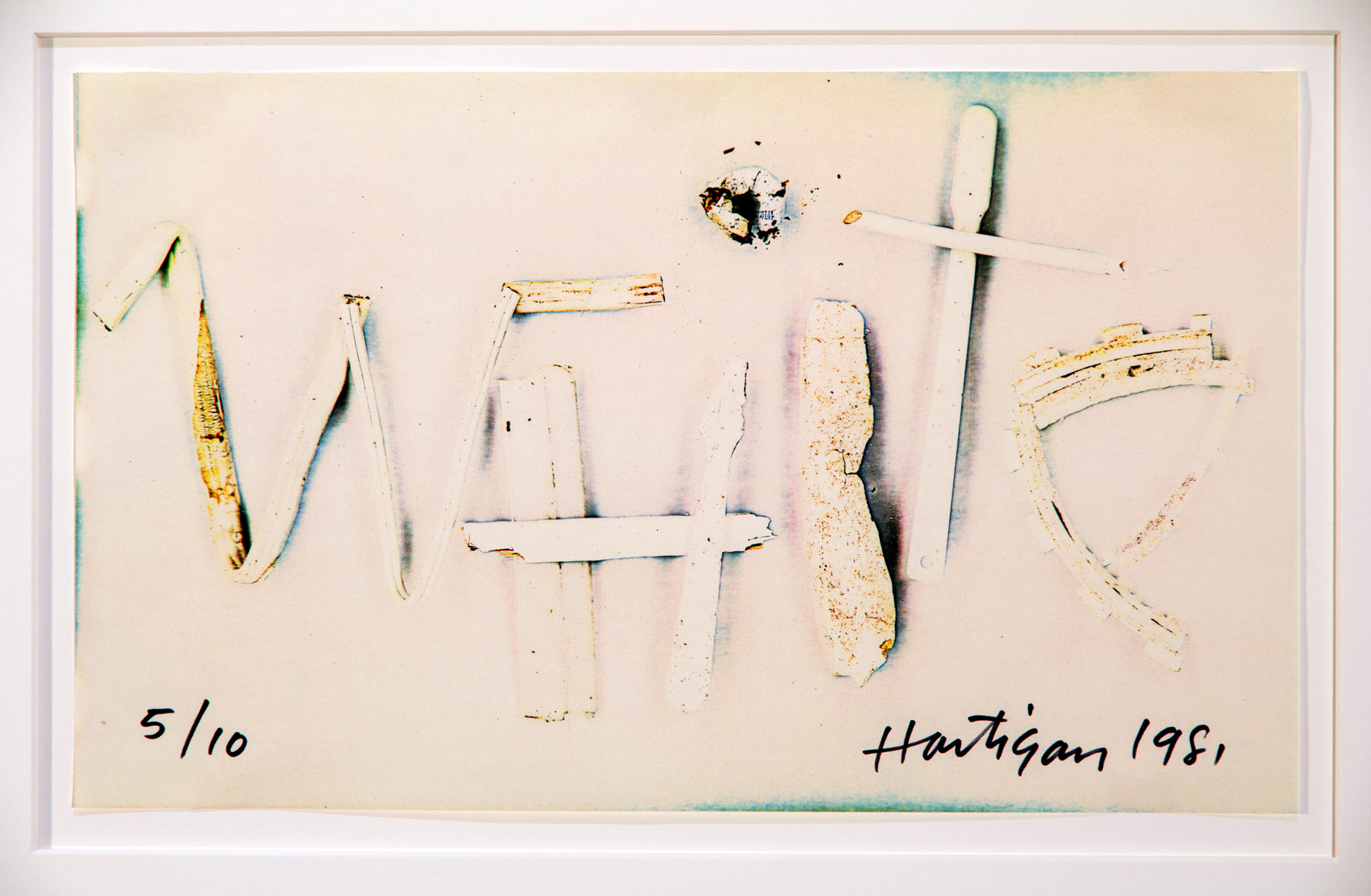


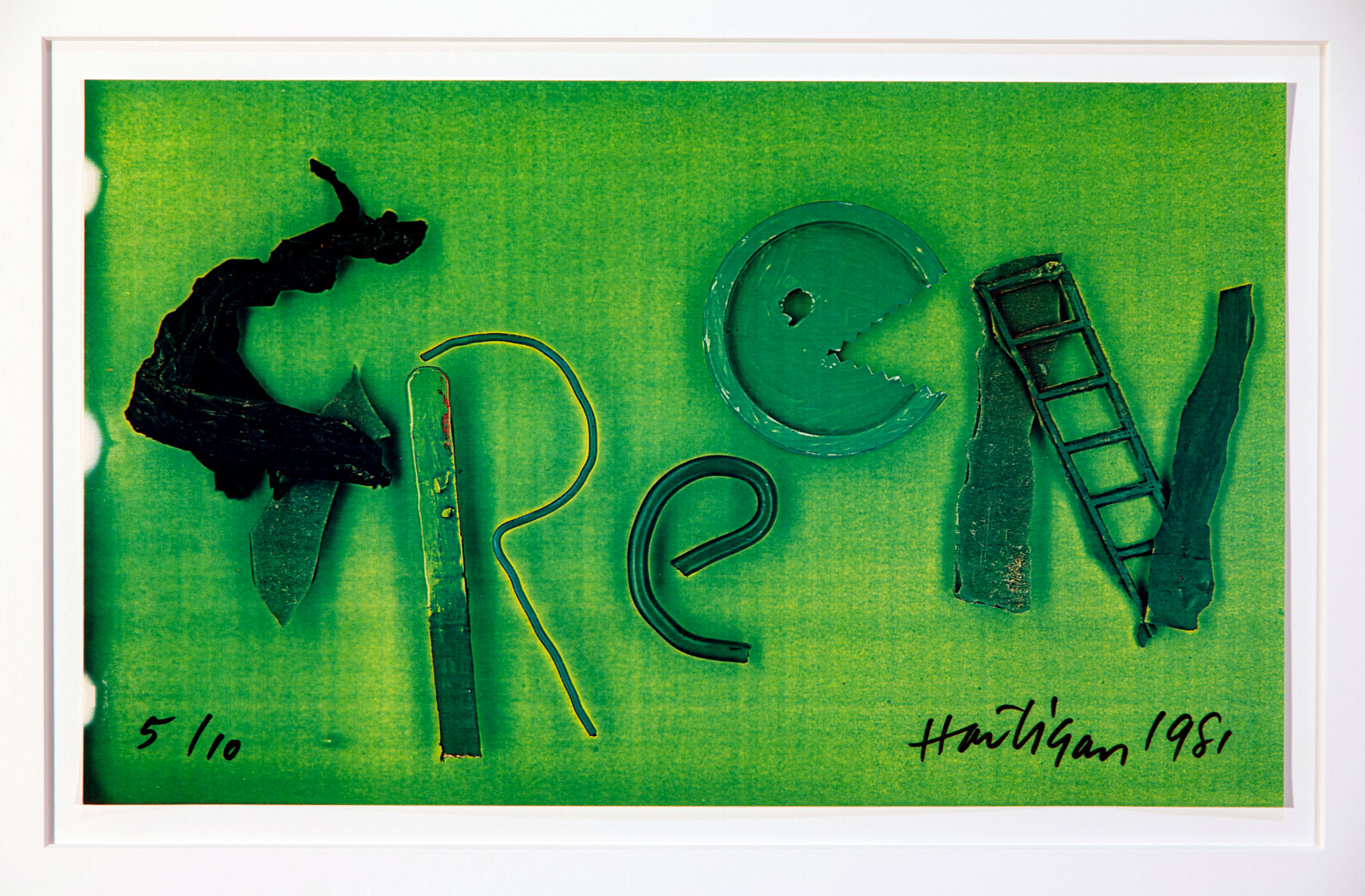
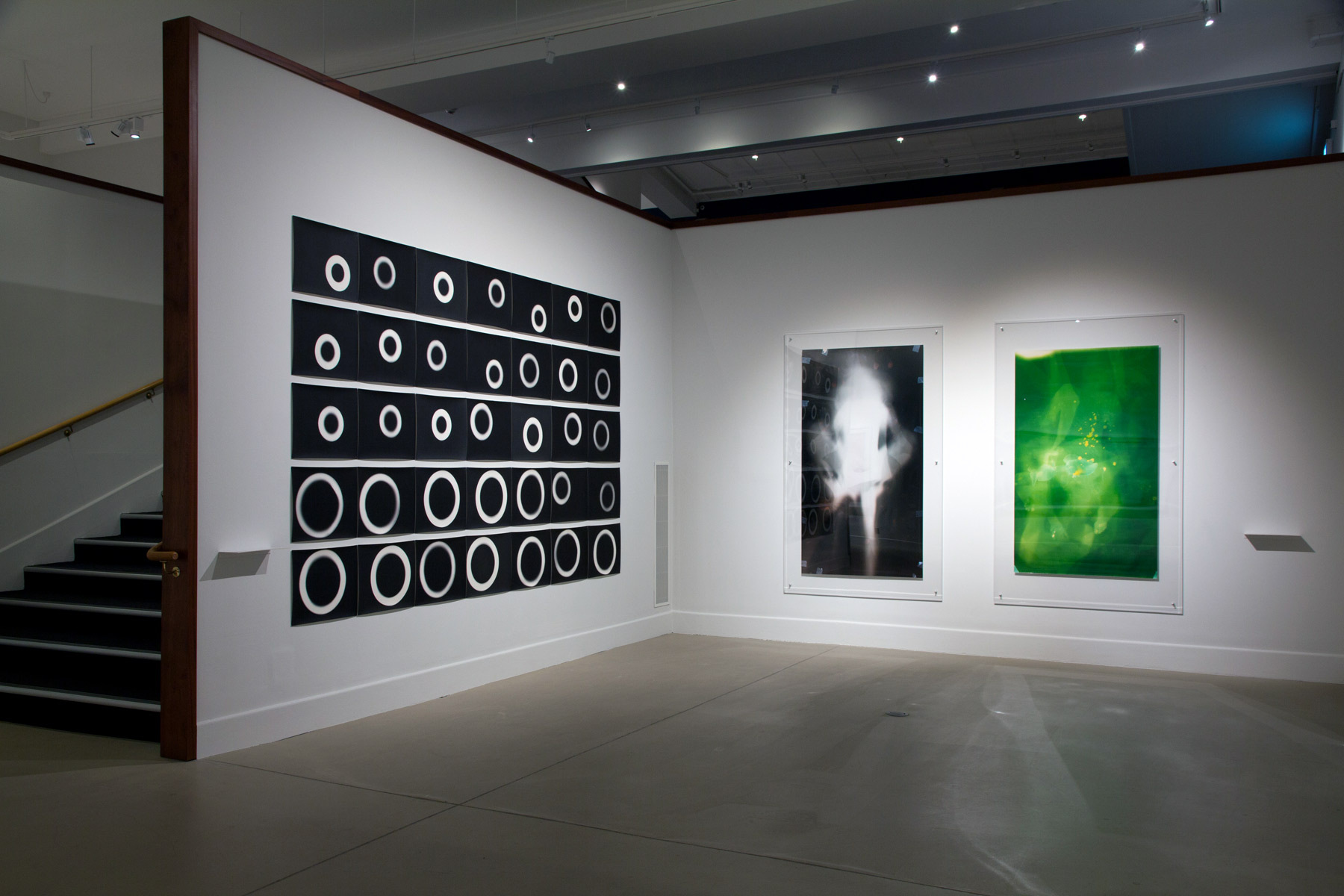





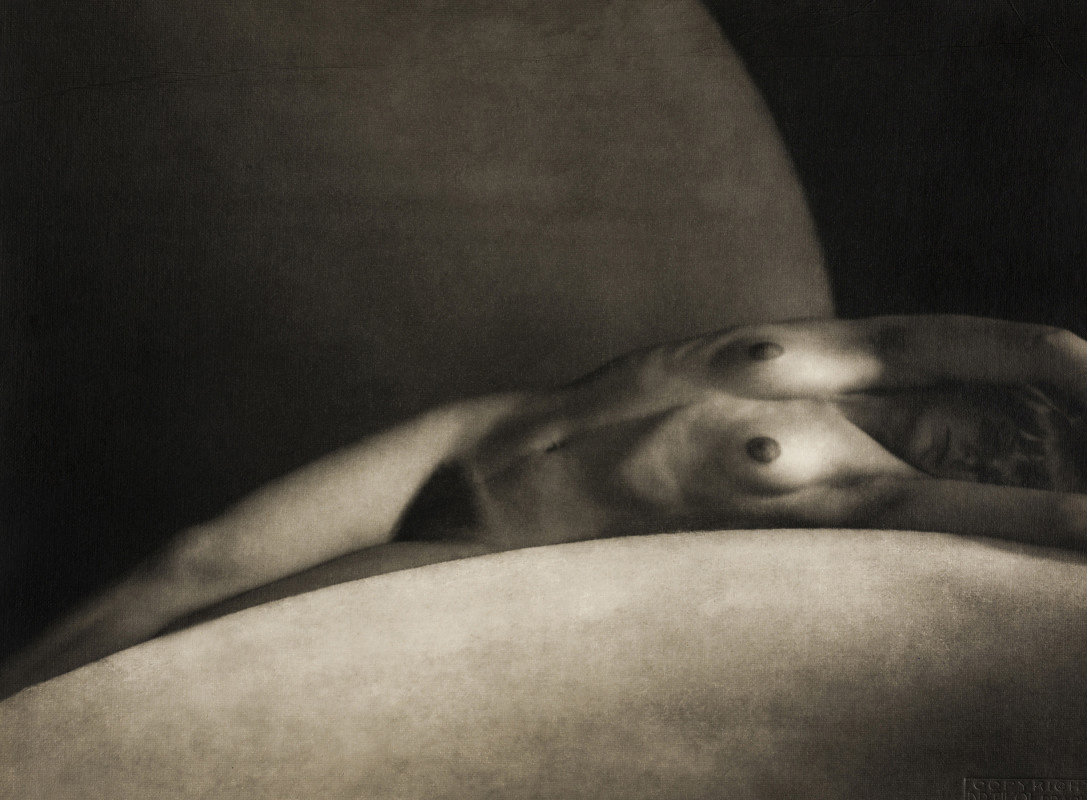

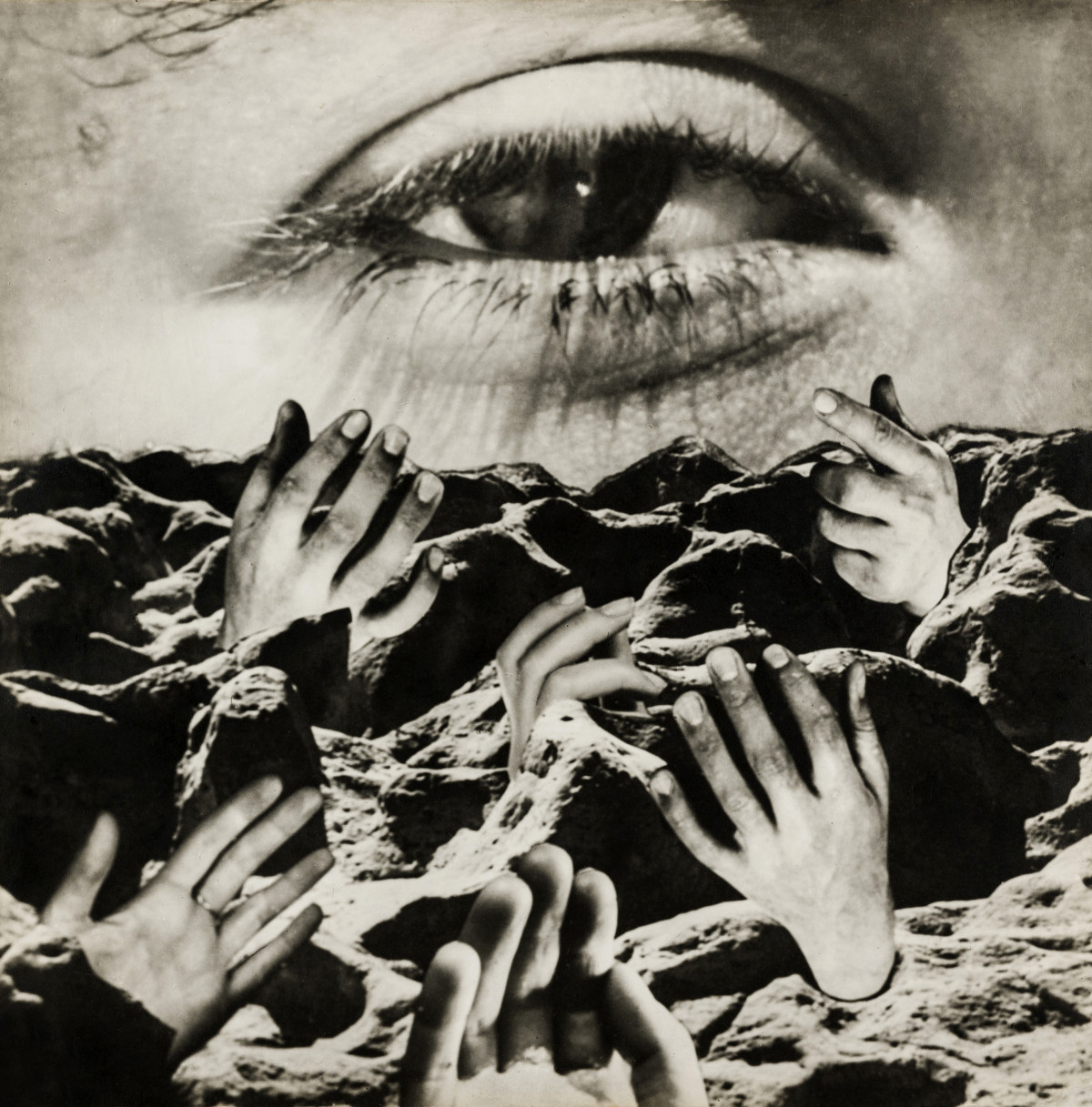
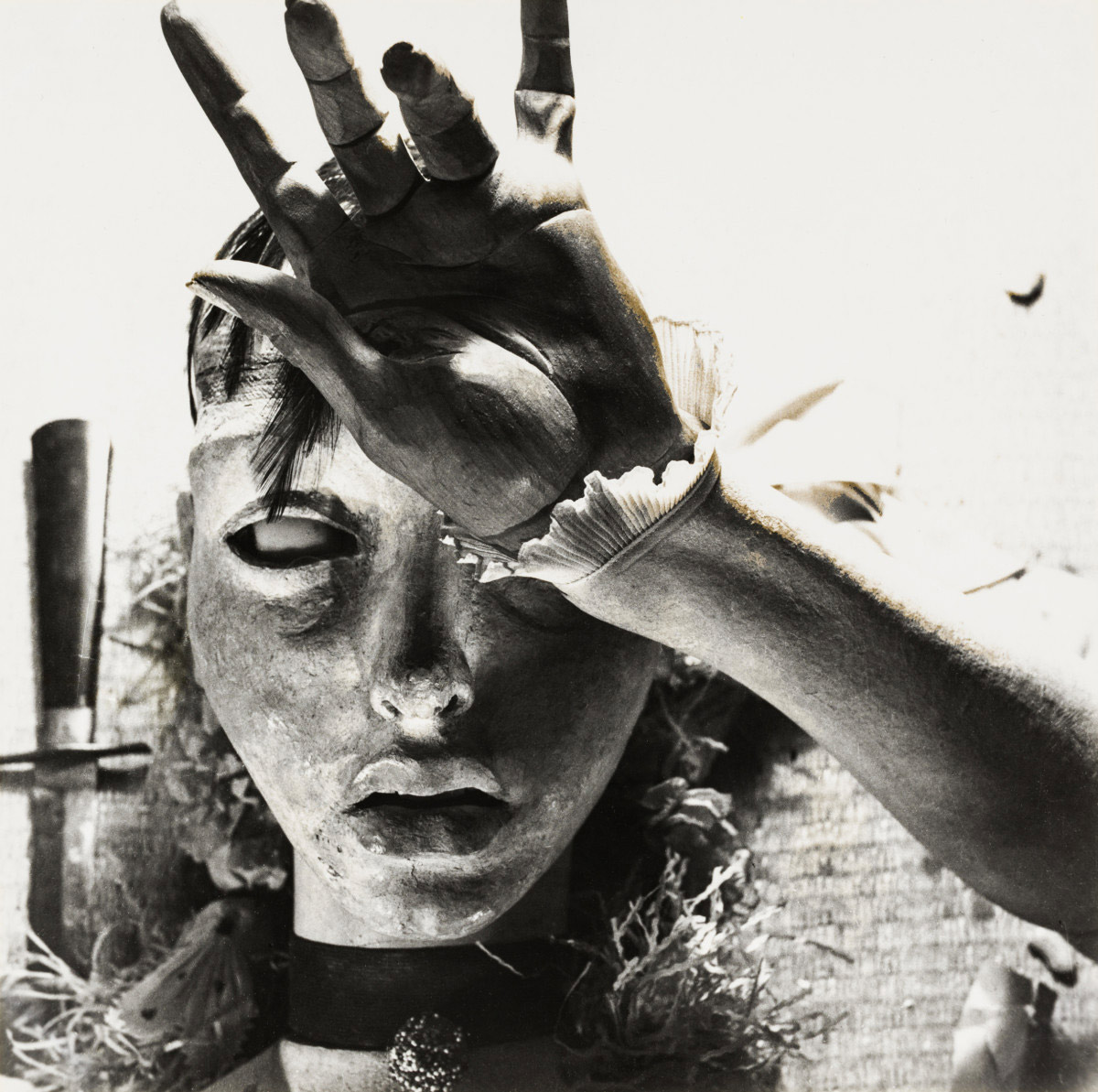


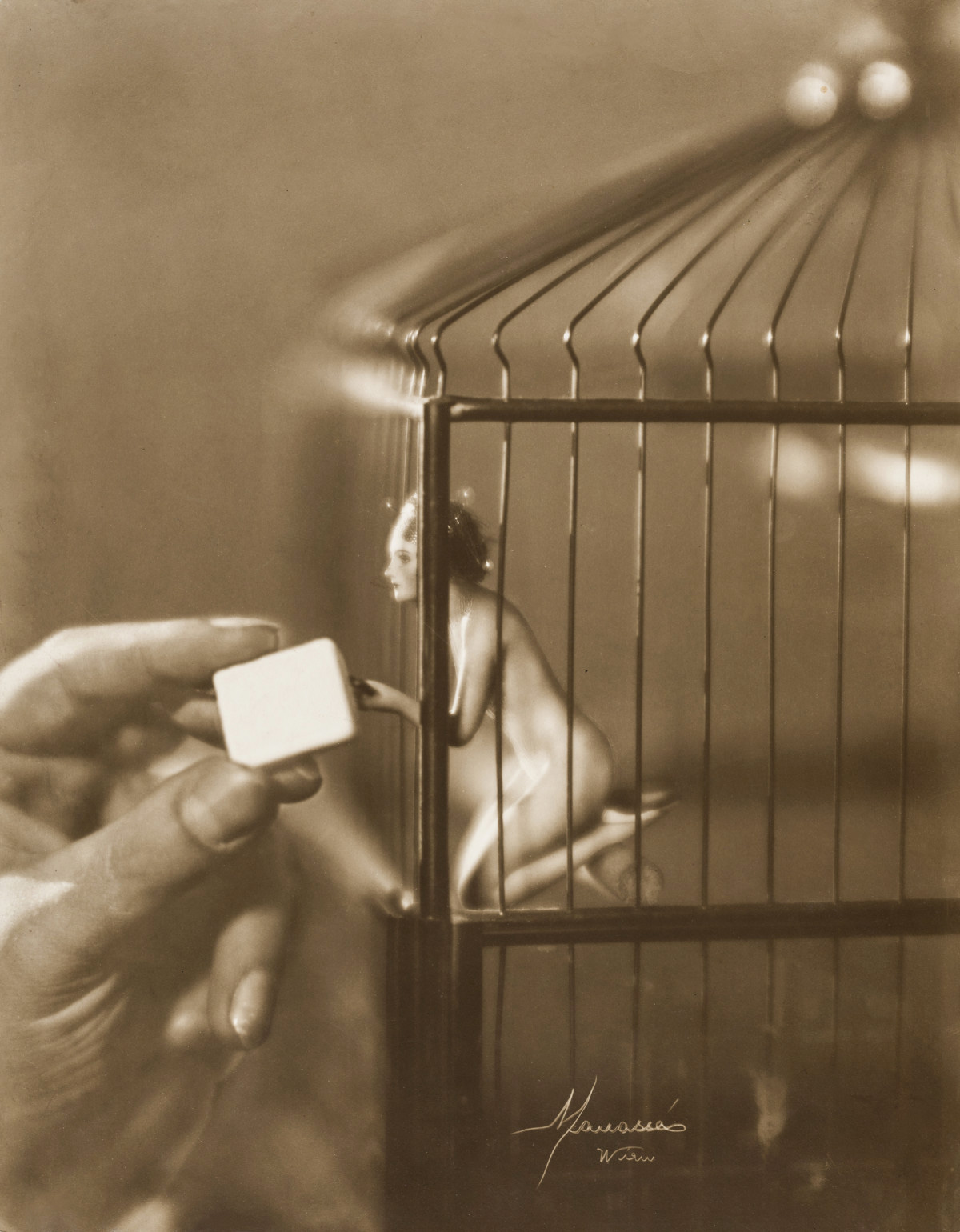
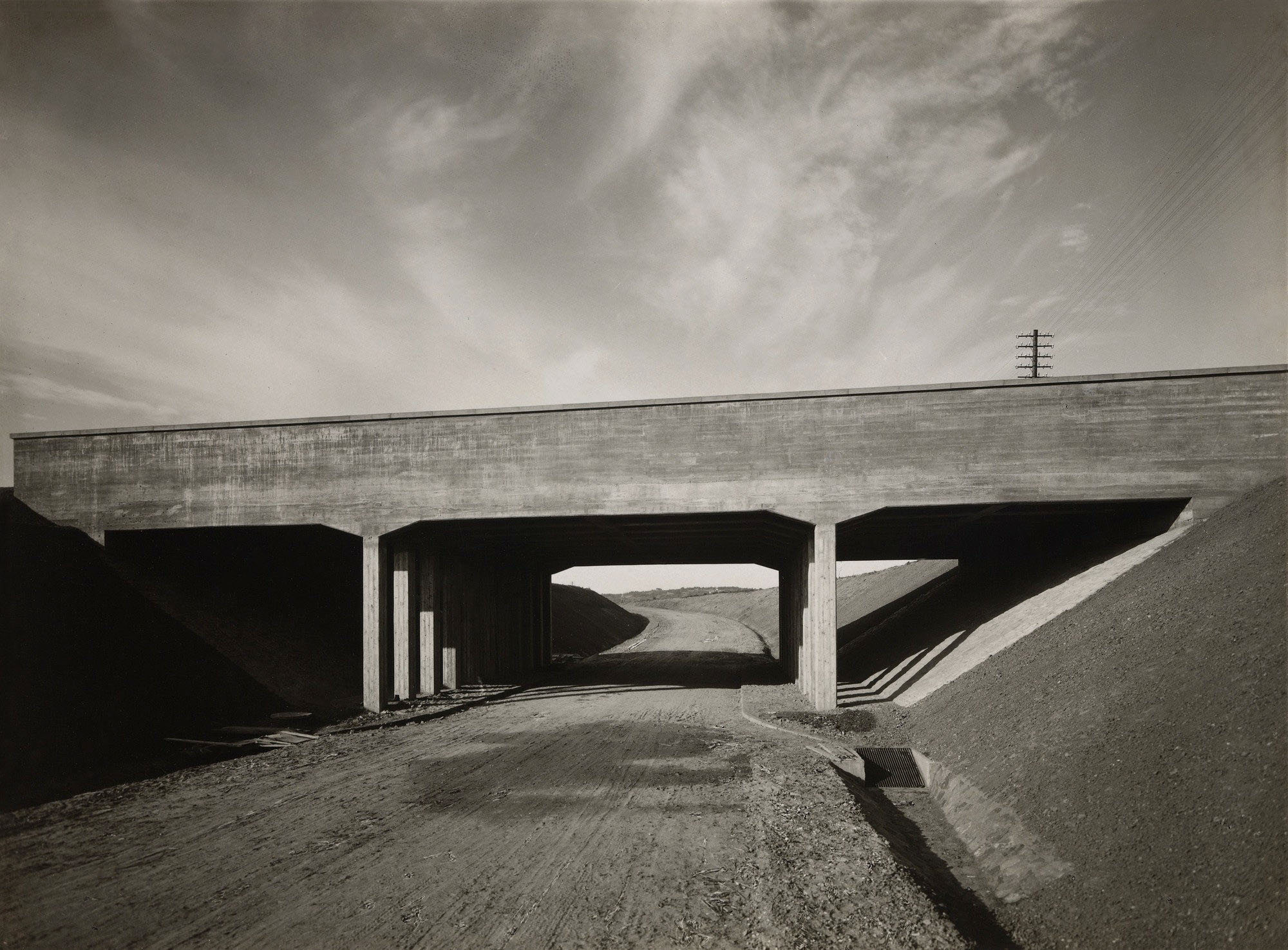
 Art Blart _ art and cultural memory archive
You must be logged in to post a comment.