Exhibition dates: 24th August – 29th December 2024
Peter Henry Emerson (British born Cuba, 1856-1936) Poling the Marsh Hay c. 1885 Platinum print on paper
Id est / that is
Voluptuous = relating to or characterised by luxury or sensual pleasure
Sensual = late Middle English (in the sense ‘sensory’): from late Latin sensualis, from sensus (see sense)
Sense = various; including:
~ a reasonable or comprehensible rationale i.e. the latent and emerging Modernism inherent in Photo-Secession photographs
~ the way in which a situation [in this case the “reading” of a photograph] can be interpreted i.e. the interpretation of Photo-Secession photographs as either Pictorialist, Modernist or a combination of both
~ a keen intuitive awareness of or sensitivity to the presence or importance of something i.e. the feeling of the photographer towards the object of their attention, revealed in the print, whether that be a nude, a building, pears and an apple or the side of a white barn
~ to be aware of (something) without being able to define exactly how one knows i.e. to be able to detect, recognise, and feel that ineffable “something” that emanates from the object of (y)our attention… in the act of creativity, in the act of seeing
Bringing something to our senses
Thus, the older I get the more I appreciate the faculty of feeling, thought and meaning that is revealed in these revolutionary photographs.
Dr Marcus Bunyan
Many thankx to the Utah Museum of Fine Arts for allowing me to publish the photographs in the posting. Please click on the photographs for a larger version of the image.
Quotes on Walls
“Why, Mr. Stieglitz, you won’t insist that a photograph can possibly be a work of art – you are a fanatic!”
Luigi Palma de Cesnola, Director of the Metropolitan Museum of Art, reportedly said to Alfred Stieglitz, 1902
“The painter need not always paint with brushes, he can paint with light itself. Modern photography has brought light under control and made it as truly art-material as pigment or clay. … The photographer has demonstrated that his work need not be mechanical imitation. He can control the quality of his lines, the spacing of his masses, the depth of his tones and the harmony of his gradations. He can eliminate detail, keeping only the significant. More than this, he can reveal the secrets of personality. What is this but Art?”
Arthur Wesley Dow, 1921
“The photographer’s problem therefore, is to see clearly the limitations and at the same time the potential qualities of his medium… without tricks of process or manipulation, through the use of straight photographic methods. … Photography is only a new road from a different direction but moving toward the common goal, which is Life.”
Paul Strand, 1917
“Pictorial photography owes its birth to the universal dissatisfaction of artist photographers in front of the photographic errors of the straight print. Its false values, its lack of accents, its equal delineation of things important and useless, were universally recognised and deplored by a host of malcontents… I consider that, from an art point of view, the straight print of today is not a whit better than the straight print of fifteen years ago. If it was faulty then it is still faulty now.”
Robert Demachy, 1907
“Gum, diffused lenses, (ultra) glycerining, were of experimental interest once. … Most of these are of more value historically than artistically. The prints are neither painting (or its equivalents) nor photographs. Let the photographer make a perfect photograph. It will be straight and beautiful – a true photograph.”
Alfred Stieglitz, 1919
Photo-Secession: Painterly Masterworks of Turn-of-the-Century Photography celebrates an intrepid group of photographers, led by preeminent photographer Alfred Stieglitz, who fought to establish photography as fine art, coequal with painting and sculpture at the turn of the 20th century. The Photo-Secession movement took cues from European modernists – who seceded from centuries-old academic traditions – to demonstrate photographic pictures’ aesthetic, creative, and skilful value as art. An homage to Stieglitz, Photo-Secession includes some of the very images that established the appreciation of photography’s artistic merits.
The UMFA will present this exhibition concurrently with Blue Grass, Green Skies: American Impressionism and Realism from the Los Angeles County Museum of Art to draw attention to the cyclical dialogue between painting and photography in the late 19th and early 20th centuries. During this period, photographers manipulated their images at various stages of production to imitate painterly effects, while painters worked and reworked their oils to imitate the immediacy of photography, demonstrating a remarkable reciprocity between these two art forms.
Text from the Utah Museum of Fine Arts website
Installation view of the exhibition Photo-Secession: Painterly Masterworks of Turn-of-the-Century Photography at the Utah Museum of Fine Arts showing the work of Heinrich Kühn Image courtesy of the Utah Museum of Fine Arts
Installation view of the exhibition Photo-Secession: Painterly Masterworks of Turn-of-the-Century Photography at the Utah Museum of Fine Arts showing at centre from left to right, Bernard Shea Horne Doorway Abstraction; Drahomir Josef Ruzicka The Arch, Pennysylvannia Station c. 1920; Arnold Genthe Acoma Pueblo, New Mexico c. 1920; William E. Dassonville The Great Highway, San Francisco c. 1905
Installation view of the exhibition Photo-Secession: Painterly Masterworks of Turn-of-the-Century Photography at the Utah Museum of Fine Arts showing from top left to right, Edward Steichen Lotus, Mount Kisco 1915; Edward Steichen Calla Lily c. 1921; Edward Steichen Three pears and an apple c. 1921; Edward Steichen Blossom of White Fingers c. 1923
Installation view of the exhibition Photo-Secession: Painterly Masterworks of Turn-of-the-Century Photography at the Utah Museum of Fine Arts
Installation view of the exhibition Photo-Secession: Painterly Masterworks of Turn-of-the-Century Photography at the Utah Museum of Fine Arts showing in the display cabinet issues of the magazine Camera Work, 1903-1917. Edited by Alfred Stieglitz and Edward Steichen
The Role of Camera Work
One of the key platforms for the Photo-Secession movement was the influential journal Camera Work, edited by Stieglitz and Steichen. Published from 1903 to 1917, Camera Work featured the work of Photo-Secessionists alongside essays and critiques that championed the artistic potential of photography. The journal played a crucial role in shaping public and critical perceptions of photography, providing a space for photographers to showcase their work and engage in intellectual discourse.
This exhibition celebrates 26 intrepid artists at the turn of the 20th century who sought to establish photography as a fine art equal to long-established media like painting, sculpture, drawing, and printmaking. This movement in the United States centred on the group dubbed the Photo-Secession. While each of the Photo-Secessionists had their distinctive approaches, their works are hand-crafted photographic prints of traditional artistic subjects, such as landscape, portraiture, figure study, and still life. This combination of painterly imagery and printmaking is also known as Pictorialism.
The passionate leader and tenacious advocate of the Photo-Secession was Alfred Stieglitz, who advanced the visions of the most ambitious photographers of the time, including Heinrich Kühn, Gertrude Käsebier, Edward Steichen, Paul Strand, and Clarence White. Stieglitz tirelessly promoted art photography through his exhibition space in New York City – the Little Galleries of the Photo-Secession and later called simply 291 – as well as through the journals he edited – Camera Notes (1897-1903) and Camera Work (1903-1917).
This exhibition also covers the breakup of the Photo-Secession, as some photographers rejected Pictorialism while others remained staunchly committed to it. The Photo-Secession itself irrevocably split apart around 1917. Artists led by Stieglitz, Steichen, and Strand switched to Straight Photography, an approach involving sharp focus and direct printing of the original shot. Artists led by Käsebier and White continued to innovate through painterly approaches using soft focus and manipulated prints.
The works in this exhibition represent some of the most influential artists and iconic images of the period as well as superb examples of a variety of photographic printing techniques, including platinum, gum-bichromate, carbon, cyanotype, and bromoil.
All works of art this exhibition are from the private collection of Michael Mattis and Judith Hochberg. This exhibition is organised by art2art Circulating Exhibitions.
The Rebirth of Art Photography in Europe
In the first few decades after the invention of photography in 1839, painters played an instrumental role in the development of this new medium. Artist-photographers like D.O. Hill in Edinburgh and Gustave Le Gray in Paris exhibited their photographs alongside paintings, drawings, and prints. The novelty of the photograph led to the proliferation of portrait studios and mass-produced views of famous monuments or exotic locales for the tourist trade. By the 1860s photography was considered a bourgeois technical profession. The Kodak camera, first issued in 1888, further popularised photography with its roll film, simple controls, and reasonable cost of one dollar (about $33 today).
Even as more and more individuals could access the means to make photos, artist-photographers advocated for the status of their medium and demanded a differentiation between their work and the products of point-and-shoot cameras. In 1889 Peter Henry Emerson published the book Naturalistic Photography for Students of the Art, which proposed a role for landscape photographers equal to esteemed painters like Camille Corot and Jean-François Millet. Emerson’s publication was a clarion call for a new generation of artistic photographers, and Pictorialism was born.
Pictorialist photographers enthusiastically pursued their new movement, pioneering soft-focus lenses and manipulatable printing methods. Soon they were forming regional clubs across Europe and resumed exhibiting their prints as art. The photographers that formed the t in London were particularly active and influential, and Pictorialism spread to other cultural centres like Paris, Berlin, and Vienna.
Alfred Stieglitz and the American Pictorialist Movement
Born in Hoboken, New Jersey, but educated largely in Germany, Alfred Stieglitz (1864-1946) watched the flowering of European Pictorialism with a mixture of aesthetic appreciation and fierce competitiveness, writing in 1892:
“Every unbiased critic will grant that we [American photographers] are still many lengths in the rear, apparently content to remain there, inasmuch as we seem to lack the energy to strive forward – to push ahead with that American will-power which is so greatly admired by the whole civilised world.”
Energised by European Pictorialism, Stieglitz championed juried photographic salons in Boston, New York, and Philadelphia. He also edited a series of increasingly ambitious journals about Pictorialist photography, starting with The American Amateur Photographer in 1893, then Camera Notes in 1897, and finally Camera Work starting in 1903. He inaugurated and named the Photo-Secession movement through the landmark exhibition he curated in 1903 at the National Arts Club in New York, which comprised 162 works by 32 artists. The name “Photo-Secession” referred to European avant-garde artistic movements, and in his own words, “Photo-Secession actually means a seceding from the accepted idea of what constitutes a photograph.” Eventually European artists would also be invited to join the Photo-Secession.
In 1905 Stieglitz opened a space at 291 Fifth Avenue in New York, the Little Galleries of the Photo-Secession, later simply called 291. It was the first retail gallery devoted to photography. He supported the venture with his own resources and generous assistance from others, and Edward Steichen was his steadfast associate. By 1915 Stieglitz was also showing avant-garde painting and sculpture at 291, including works by Pablo Picasso, Henri Matisse, and Constantin Brâncuși. Thus, he sought to demonstrate the idea that all art forms were on par with and informed one another.
Close Collaborations and the Sudden End of the Photo-Secession
From 1907 to 1910 Alfred Stieglitz and Clarence White closely collaborated on photographs and a landmark photography exhibition. In 1907 they made a series of 60 nudes, Stieglitz posing the models and White focusing the camera and making most of the prints. The following year, Stieglitz devoted an entire issue of Camera Work to White. In 1910 Stieglitz and White co-curated the International Exhibition of Pictorial Photography at Buffalo’s Albright Gallery (now Albright Knox Gallery). This historic project that included over 600 prints is now regarded as the apex of the Photo-Secession. It was also the final monument of the movement, as each of the major Pictorialists, White included, broke away from Stieglitz in the years that followed.
Significant reasons for the end of the Photo-Secession were Stieglitz’s authoritarian personality and disdain for photographers who needed to earn a living rather than exclusively pursue art for art’s sake. Philosophical differences also explain the rupture. Stieglitz had come to believe that Pictorialism had run its course. The irony was that the Photo-Secession had established photography as fine art through images that imitated other art forms by manipulation at every stage of the process – from lens to negative to print. Their pictures to varying degrees used methods that denied the very essence of photography. Stieglitz asserted that it was time to abandon the “painterly photograph” and to champion photography as fine art with compelling pictures that were truly photographic.
Late Pictorialism and the Clarence White School
As the artist Georgia O’Keeffe, Alfred Stieglitz’s partner for 30 years, acknowledged, “He was either loved or hated – there wasn’t much in between.” For reasons both personal and professional, most of the leading Photo-Secessionists chose not to follow Stieglitz and Paul Strand into Straight Photography. Many clustered instead around Clarence White, who in his gentle and encouraging manner was the antithesis of Stieglitz. In 1914 White founded the Clarence White School of Photography in New York City. In 1916 White along with Gertrude Käsebier and Alvin Langdon Coburn co-founded Pictorial Photographers of America; this new society welcomed members of all backgrounds and published the new journal Photo-Graphic Art.
The Clarence White School continued to be a locus for the training of new photographers until 1940, under the guidance of White’s widow Jane White after his death in 1925. Among the most prominent students of Clarence White are Karl Struss, Anne Brigman, Laura Gilpin, and Doris Ulmann, all of whom are represented in this exhibition. Other notable pupils of White include Margaret Bourke-White, Anton Bruehl, Paul Outerbridge, and Dorothea Lange.
Straight Photography, Edward Steichen, and Paul Strand
The final section of this exhibition focuses on Straight Photography and two of Alfred Stieglitz’s most notable protégés, Edward Steichen and Paul Strand. Between them, they pioneered leading branches of 20th-century American photography.
With the entry of the United States into World War I, both Steichen and Strand were drafted into the U.S. Army. Steichen was a photographer for the Army Air Service Signal Corps in Europe, and Strand was an X-ray technician in the Army Medical Corps. In the years immediately after WWI, they each turned their attention to photographing the natural world: flowers and fruit in Steichen’s case, and toadstools, grasses, and ferns in Strand’s. Both would return to photographing their gardens in the final years of their lives.
Outside the naturalist realm, Steichen and Strand’s paths diverged.
Steichen, an extrovert, pioneered modern fashion and advertising photography for the Condé Nast magazines Vogue and Vanity Fair. Later he was named Director of the Department of Photography at the Museum of Modern Art in New York, where he organised the landmark exhibition, Family of Man, which traveled to 37 countries on six continents and was seen by an estimated nine million people.
Strand, an introvert, traveled to remote places around the world, documenting the landscape, architecture, and people, his work exuding a respect for the dignity of the labouring class, which he absorbed from his mentor, Lewis Hine. Overall, Strand’s profoundly humanist scenes of everyday life influenced a generation of socially conscious photographers who documented the 20th-century crises of the Dust Bowl, the Great Depression, World War II, and more.
Heinrich Kühn
In the late 19th century, European Pictorialism was divided into two camps. On the one side were the purist photographers who, aside from a softening of the lens, opposed extensive manipulation of the negative or the print for artistic effect. On the other side were those who derided “button-pushers” and viewed the “straight” photograph as merely the raw material from which to create an artistic print through elaborate handiwork.
The leader of this latter camp was Heinrich Kühn (1866-1944). Eschewing Modernist tendencies, he chose traditional subject matter of painting from the 17th through 19th centuries: still life, figural studies, and genre scenes. His preference for gum-bichromate and bromoil printmaking techniques, which allowed for extensive manipulation, were intended to provoke the reaction in the viewer: is that really a photograph?
Born in Dresden, Kühn moved to Innsbruck, Austria, after youthful studies in science and medicine. Thanks to a sizeable inheritance, he could devote himself to artistic photography, joining both the Linked Ring in London and Stieglitz’s Photo-Secession in the United States. A trans-Atlantic correspondence with Stieglitz began in 1899 and lasted three decades. They congratulated one another on their latest triumphs and encouraged each other through professional and personal disappointments. In 1909, with Stieglitz’s assistance, Kühn organised the International Photographic Exhibition in Dresden, one of the high points of Pictorialism.
Later in life, Kühn filed multiple patents in photochemistry and camera technology related to Pictorialist photography, but none earned him any money. Tastes had changed, and the painterly photograph had become a quaint curiosity.
Gertrude Käsebier
Gertrude Käsebier (1852-1934) was 37 years old, married, and had three children by the time she began studying art at the Pratt Institute. She had originally purchased a camera to make portraits of her children, but Pratt encouraged its women students to earn a living in the arts. By 1897 she opened a one-room commercial portrait studio in New York City. Her ambition was to make “not maps of faces, but likenesses that are biographies, to bring out in each photograph the essential personality that is variously called temperament, soul, humanity.”
Recognition for Käsebier’s talent and ability came swiftly. In 1898 the painter William Merritt Chase, judging the Philadelphia Photographic Salon, called her work “as fine as anything that [Anthony] Van Dyck has ever done.” For Stieglitz, who organised her first solo show in 1899 at the Camera Club of New York, Käsebier was “beyond dispute the leading portrait photographer in this country.” That year, she sold one of her photographs for the unheard-of sum of $100 (almost $3,800 today).
However, by the time that the Brooklyn Museum honoured Käsebier with a career retrospective in 1929, Pictorialist photography had fallen so far out of fashion that the exhibition was not even reviewed in major journals.
Clarence Hudson White
Clarence Hudson White (1871-1925) was a modest, soft-spoken, entirely self-taught genius from America’s heartland. Raised in the small town of Newark, Ohio, he eked out a living as a bookkeeper for a wholesale grocer; each week he saved enough to purchase two glass plates for his camera. He specialised in gorgeously back-lit domestic interior scenes featuring his friends and members of his close-knit extended family.
White’s contributions to the 1898 Philadelphia Photographic Salon were so highly praised that, like Gertrude Käsebier, he was appointed a judge for the following year. The annual salons of the Newark Camera Club that he organised featured the nation’s preeminent Pictorialists and were the direct precursor to Stieglitz’s Photo-Secession. Indeed, the 1900 salon featured his friend and latest discovery, Edward Steichen of Milwaukee.
From 1907 onwards, both in New York City and during summers in rural Maine, White was also America’s foremost teacher of photography. Many of the leading American photographers of the 20th century studied at the Clarence White School.
Paul Strand
In 1915 Alfred Stieglitz found in the young Paul Strand (1890-1976) the leader of a remarkable new direction in photography. Strand had been a senior at the Ethical Culture High School in 1907 when he first visited Gallery 291 on a class trip with his photography teacher, Lewis Hine, whose poignant documents of immigrants and child labor were staples of the Progressive Movement. Eight years later, after thousands of hours in the darkroom at the New York Camera Club, Strand returned to 291 with a portfolio of platinum prints that pointed the way to a new era. Stieglitz deemed them “brutally direct, devoid of all flim-flam, devoid of trickery and of any ‘ism’. These photographs are the direct expression of today.” Stieglitz not only offered Strand an exhibition at 291, but also devoted the final two issues of Camera Work exclusively to him.
What was so compelling and inspiring to Stieglitz in Strand’s photography? His portfolio contained pictures of urban street life and architecture, as well as powerful close-ups of weathered New York faces (influenced by Lewis Hine), boldly composed still lifes, and shadow abstractions taken on a porch in Twin Lakes, Connecticut.
As for photography’s future, Strand and Stieglitz saw eye to eye. In his essay in Camera Work, Strand called for the universal adoption of Straight Photography “without tricks of process or manipulation.” In a provocative lecture at the Clarence White School, Strand condemned “this so-called pictorial photography, which is nothing but an evasion of everything photographic.”
Works by Emerson, Post, Evans, and Sutcliffe
Frank Meadow Sutcliffe (British, 1853-1941) The Water Rats 1886 Platinum print on paper
Sutcliffe was a member of the British photographic society the Linked Ring, which sought to make their work recognised as fine art. He operated a portrait studio in the seaside town of Whitby in North Yorkshire but is remembered for his charming, naturalistic depictions of local life. This photograph resulted in his excommunication by local clergy for its “corrupting” effects. Today this is his best-known photograph, regarded as a study of pure childhood joy.
Frederick H. Evans (British, 1853-1943) Poplars on a French River c. 1900 Platinum print on paper
Peter Henry Emerson (British born Cuba, 1856-1936) Gathering Water Lilies c. 1885 Platinum print on paper
In addition to his photographic work, Emerson wrote persuasively that photography could match – and even surpass – painting as an emotive art form. His writings were influential to the young Alfred Stieglitz, with whom he corresponded over four decades.
All from the Collection of Michael Mattis and Judith Hochberg
Works by Thiollier
Félix Thiollier (French, 1842-1914) Landscape in Bugey c. 1885 Carbon print on paper
From the Collection of Michael Mattis and Judith Hochberg
Works by Kühn
Heinrich Kühn (Austrian born Germany, 1866-1944) Nude in Morning Sun c. 1920 Multiple bromoil transfer print on Japanese tissue paper
Heinrich Kühn (Austrian born Germany, 1866-1944) Female torso in sunlight c. 1920
Heinrich Kühn (Austrian born Germany, 1866-1944) Walter at Easel c. 1909 Gum-bichromate print on paper
Heinrich Kühn (Austrian born Germany, 1866-1944) Still Life with Fruit and Pottery c. 1896 Gum-bichromate print on paper with an applied watercolour wash
Kühn’s still lifes deliberately recall paintings from earlier centuries. This scene – his first published image – contains similar elements to 17th-century still-life compositions. He even included insects, which are traditional references to mortality called memento mori (reminders of death). Can you spot the housefly?
All from the Collection of Michael Mattis and Judith Hochberg
Portraits by Steichen
Edward Steichen (American born Luxembourg, 1879-1973) George Frederic Watts, London 1901 Varnished platinum print on paper
This dramatic profile portrait of the English Pre-Raphaelite painter was the first in what Steichen termed his “Great Men” series. Steichen wrote about his approach to portraiture, “I aim for the expression of something psychological. I am not satisfied with the mere reproduction of features and expression.”
Published in Camera Work, 14, 1906
Edward Steichen (American born Luxembourg, 1879-1973) The Photographer’s Best Model: George Bernard Shaw, London 1907 Platinum print on paper
Steichen was elated after his photographic sitting with Shaw, writing to Stieglitz: “Well I’ve seen and done Shaw (photographically of course). He’s the nicest kind of fellow imaginable – genial and boyish – there is a little of the sardonic about him as you see him but when you get the camera at him you are tempted with possibilities in that way. He seems to know a lot about photography and certainly skilfully bluffs you into believing he knows it all.”
Published in Camera Work, 42/43, 1913
All from the Collection of Michael Mattis and Judith Hochberg
Glossary of Photographic Printing Methods and Terms from the History of Photography
Gelatin Silver Print
For over a century, from the 1880s until the digital era, the gelatin silver print was the most common technique for producing black-and-white photographs. The paper is coated with a binder layer of gelatin incorporating light-sensitive silver chloride or silver bromide. The paper is exposed under a negative, either by contact-printing or through an enlarger, then chemically developed, stopped, fixed, and dried. In the process, the silver salts are reduced to metallic silver, which carries the image. The overall color of the print can be altered through toning.
Cyanotype
A sheet of paper is sensitised in a solution of potassium ferricyanide and ferric ammonium citrate. After contact-printing under a negative, the iron compounds form an insoluble blue (“cyan”) dye known as Prussian blue. Apart from its occasional artistic use, the only regular use of the cyanotype was in copying architectural plans, thus called “blueprints.”
Platinum or Palladium Print
A platinum print is produced by sensitising a sheet of paper with platinum and iron salts. The sheet is then contact-printed under a negative until a faint image is visible. The print is developed in a potassium oxalate solution that dissolves unexposed iron salts and transforms the platinum salts into metallic platinum, which intensifies the image. Mercury chloride can be added to the solution to give a warmer tone. Unlike a silver print, where the image lives in a gelatin binder layer on top of the paper (akin to a watercolour), the image in a platinum print is embedded in the paper fibres (akin to an oil painting). The rich mid-tone range and matte surface made the platinum print the favoured medium for the Pictorialist photographers, from P.H. Emerson onward. When the price of platinum spiked during World War I, palladium was introduced as a more affordable (and generally warmer-toned) substitute.
Pigment Prints
The following processes are known as pigment prints, because the photographic image is carried by inks or pigments, rather than by metallic particles like silver, iron, or platinum.
Gum Bichromate Print
A sheet of paper is coated with diluted gum-arabic mixed with coloured pigment and light-sensitive potassium bichromate. During exposure under a negative, the bichromate causes the coloured gum-arabic to harden in proportion to the amount of light received. The areas not exposed to light remain soluble in water, and the print is developed by washing away the soluble areas, leaving a positive image on the paper. The prints can be exposed and reprinted numerous times with different coloured pigments, as well as manipulated by brushing away more pigmented gum during the washing stage.
Bromoil (Transfer) Print
This process does not begin with a negative, but rather with a gelatin silver print that is bleached in a solution of potassium bromide. The bleaching removes the silver-based image and selectively hardens the underlying gelatin in proportion to the image density. The sheet is then hand-coloured with an oil-based ink, which is selectively absorbed depending on the hardness of the gelatin: the softer areas contain more water, which repels the oil-based ink. An inked print is sometimes used as a kind of printing plate for transferring the image to another sheet of paper (a bromoil transfer print).
Photogravure
This is a sophisticated photomechanical process used for reproducing photographs in ink in a large edition. It is a form of intaglio printing, in which a photographic image is acid-etched into a copper plate. The relief image is then inked and printed. Alfred Stieglitz’s magazine Camera Work was largely printed in photogravure.
The Photo-Secession
This was the brief but influential artistic movement led by American Alfred Stieglitz during the years 1902–1915 that championed photography as an art form that was as aesthetic, creative, and skilful as traditional media like painting, drawing, watercolour, and printmaking. The European artistic movement Secessionism inspired the name Photo-Secession, and both movements were committed to Modernism by seceding from centuries-old academic traditions.
Pictorialism / Pictorialist
The approach to photography in which artists sought to make images that imitated the tradition of paintings through photographic prints. Pictorialist photographers used soft focus lenses and manipulated both their negatives and printing media to create their prints.
The Linked Ring
Also known as the Brotherhood of the Linked Ring, this photographic society founded in 1892 in London promoted photography as a form of art and was influential for the American society of the Photo-Secession.
Straight Photography
The approach to photography in which artists use sharp focus and print directly from their negatives with minimal or no manipulation.
Camera Notes
Camera Notes was the journal of the Camera Club of New York, edited by Alfred Stieglitz from 1897 to 1902. Under Stieglitz’s editorship, the purposes of Camera Notes were “to take cognisance also of what is going on in the photographic world at large, to review new processes and consider new instruments and agents as they come into notice; in short to keep our members in touch with everything connected with the progress and elevation of photography.”
Camera Work
Camera Work was the journal about contemporary photography that Alfred Stieglitz edited and published with the assistance of Edward Steichen from 1903 to 1917. The goal of this journal “devoted largely to the interests of pictorial photography” was “to issue quarterly an illustrated publication which will appeal to the ever-increasing ranks of those who have faith in photography as a medium of individual expression, and, in addition, to make converts of many at present ignorant of its possibilities.”
This glossary has been edited from primary sources and text by Ina Schmidt-Runke, Meike Harder, and Andreas Gruber.
The Photo-Secession Movement: Pioneering Artistry in Early Photography
By Adelaide Ryder, head photographer and digital assets manager at the UMFA
The Birth of the Photo-Secession Movement
This fall the Utah Museum of Fine Arts will exhibit Photo-Secession: Painterly Masterworks of Turn-of-the-Century Photography. This exhibition of art photography from the early 20th century will be on view from August 24 to December 29, 2024. Who were the Photo-Secessionists and why was their work so pivotal to the advancement of photography as an art form?
In the mid-19th century photography was regarded as a complex technical field that only a trained professional could do. By the 1880s, however, the hand-held camera had become affordable and easy to use, and the “snapshot” became commonplace. Smaller, easier-to-use cameras and the ability to send the film off to a lab for development gave the public accessibility to the medium in a new way. This technological advancement greatly affected the professional photography business, as people began to question the skills needed to make a photograph when “anyone could push a button.”
How did photographers respond to this shift in aesthetics and business? Many searched for ways to use photography to express abstract ideas or subjective points of view, shifting from using photography to document objective likeness to illustrating subjective conditions or the subject’s inner state. This helped elevate the photographer’s status, as the expressive ability of the person behind the camera became as important as the subject. Photographers embraced symbolism and started printing with complex techniques like gum bichromate to elevate their craft above the basic snapshot. Two significant movements were born from this struggle to gain recognition as a legitimate form of artistic expression rather than simply a means of mechanical documentation: Pictorialism and the Photo-Secession.
The camera was seen as a tool, and many felt that photographs visually lacked the “artist’s hand,” an essential factor in calling something “art.” The Photo-Secession movement, founded by Alfred Stieglitz in 1902, aimed to change this perception. Stieglitz and his contemporaries believed photography deserved the same artistic consideration as painting and sculpture. They aimed to elevate photography to fine art, emphasizing the photographer’s vision and creativity over mere technical skill. Stieglitz said the Photo-Secession was founded “loosely to hold together those Americans devoted to pictorial photography in their endeavour to compel its recognition, not as a handmaiden of art, but as a distinctive medium of individual expression.” (Camera Work, no. 6, April 1904.)
The Photo-Secession movement emerged from the broader Pictorialist movement, which dominated photographic art in the late 19th and early 20th centuries. While both movements sought to establish photography as an art form, the Photo-Secessionists emerged with their own philosophy.
Similarities
Artistic Expression: The Photo-Secession and Pictorialism emphasized the photographer’s role as an artist rather than a mere technician. They believed that photography should convey the photographer’s vision and emotional intent.
Aesthetic Quality: Both movements valued the aesthetic quality of photographs. They often employed techniques like soft focus, manipulation of light, and careful composition to create visually striking images.
Influence of Painting: Both were heavily influenced by the aesthetics of painting, particularly Impressionism and Symbolism. They sought to create images that were painterly in style, blurring the lines between photography and traditional fine arts.
Differences
Philosophical Focus: Pictorialism focused on creating images that looked like paintings, often using elaborate darkroom techniques to achieve a painterly effect. Photo-Secession, while also influenced by painting, emphasised the photographer’s personal expression and the inherent qualities of the photographic medium, sometimes even embracing the “snapshot” aesthetic if it helped to illustrate more hidden ideas and thoughts.
Technical Innovation: The Photo-Secessionists were more open to embracing the amateur artist and experimentation in techniques and technologies, whereas the Pictorialists held on to the traditional hierarchy of the European artistic schools of the time. Photo-Secessionists saw innovation as a means to expand photography’s artistic potential.
Subject Matter: Pictorialists focused on romanticized and idealized subjects, such as landscapes, portraits, and allegorical scenes. The Photo-Secessionists, on the other hand, explored a wider range of subjects, including urban scenes, modern life, and abstract forms. They embraced art movements like Cubism and Futurism, reflecting a broader and more progressive vision of art.
Exhibition and Display: The Photo-Secessionists were disenchanted with the outdated salons and gate-keeping ways of many photo schools commonly practiced in Europe. They began publications like The American Amateur Photographer, Camera Notes, and Camera Work to help give a platform to young photographers and people practicing these new ways of image making.
Alfred Stieglitz was a driving force behind the Photo-Secession movement. His passion for photography galvanized his dedication to promoting it as an art form. He saw photography as a means of personal expression. He helped catapult the idea that image-making can happen in the darkroom, during the printing process, as much as in the camera.
Stieglitz’s photograph The Steerage (1907, below) is one of the most iconic images in the history of photography. This powerful image captures the crowded lower deck of a transatlantic steamer, where people traveled in steerage class, the part of the ship with accommodations for those with the cheapest tickets. The Steerage is celebrated for its striking composition, which combines geometric shapes and human forms to create a dynamic and balanced visual narrative. Stieglitz considered this photograph one of his most outstanding achievements, as it encapsulated his transition to straight photography, which embraced photographs looking like photographs rather than the painterly qualities of Pictorialism. This photograph shows his ability to convey the complexity and depth of human experience through a single image. The photograph is a masterpiece of visual artistry and a compelling social document, reflecting the conditions and aspirations of early 20th century immigrants.
Alfred Stieglitz (American, 1864-1946) The Steerage 1907 Hand-pulled photogravure on paper
This photograph has become the iconic image of the Photo-Secession and has legendary status. In June 1907 he sailed to Europe to visit family and booked a first-class cabin. On a stroll around the ship, he encountered a bustling scene of labourers and their families traveling in steerage class, the part of the ship with accommodations for those with the cheapest tickets. With a single four-by-five-inch glass plate left in his camera, Stieglitz shot what would be regarded as a definitive masterpiece of both photography and Modernism.
About making this picture Stieglitz recalled: “There were men and women and children on the lower deck of the steerage. There was a narrow stairway leading to the upper deck of the steerage, a small deck right on the bow of the steamer. To the left was an inclining funnel and from the upper steerage deck there was fastened a gangway bridge that was glistening in its freshly painted state. It was rather long, white, and during the trip remained untouched by anyone. On the upper deck, looking over the railing, there was a young man with a straw hat. The shape of the hat was round. He was watching the men and women and children on the lower steerage deck. A round straw hat, the funnel leaning left, the stairway leaning right, the white drawbridge with its railing made of circular chains – white suspenders crossing on the back of a man in the steerage below, round shapes of iron machinery, a mast cutting into the sky, making a triangular shape. I saw shapes related to each other. I saw a picture of shapes and underlying that the feeling I had about life.”
Alfred Stieglitz (American, 1864-1946) The Hand of Man 1902 Hand-pulled photogravure on paper
All from the Collection of Michael Mattis and Judith Hochberg
Works by Käsebier
Gertrude Käsebier: The Master of Portraiture
Gertrude Käsebier was known for her compelling portraits and allegorical imagery. Käsebier’s work transcended traditional portrait photography by infusing her images with a deep sense of intimacy and character. She believed that a photograph should reveal the inner essence of its subject, and her portraits are renowned for capturing the personality and spirit of the people she photographed.
Käsebier’s approach to portraiture was both innovative and empathetic. This image from the UMFA’s permanent collection is a perfect example of how she photographed women and children, presenting them with dignity and respect at a time when they were not the usual subjects of portraiture. Her work challenged conventional representations and highlighted her subjects’ emotional depth and individuality.
Gertrude Käsebier (American, 1852-1934) Untitled (Billiard Game) c. 1909 Platinum print on paper
Gertrude Käsebier (American, 1852-1934) Mother and Two Children 1899 Platinum print on paper
Gertrude Käsebier (American, 1852-1934) Serbonne (A Day in France) 1901 Platinum print on paper
Both Pumpkin Pie, Voulangis and Serbonne (A Day in France) were set in France in 1901, when the artist was chaperoning art students. The young man in both scenes is Edward Steichen at age 22, whose interest in photography was then budding.
Serbonne is Käsebier’s chaste reference to Édouard Manet’s famous painting Le Déjeuner sur l’herbe (The Luncheon on the Grass) of 1863. An example of ultra-soft focus, this photo was reproduced in the inaugural issue of Camera Work, which was devoted to Käsebier.
Published in Camera Work, 1, 1903
Gertrude Käsebier (American, 1852-1934) The Heritage of Motherhood 1904 Gum-bichromate print on paper
This portrays the children’s book author Agnes Rand Lee in mourning after the sudden death of her daughter from illness. A contemporary photographer and critic deemed this image “one of the strongest things that Käsebier has ever done, and one of the saddest and most touching that I have ever seen.” Käsebier extensively manipulated the gum-bichromate process to make this print appear like a charcoal drawing.
Gertrude Käsebier (American, 1852-1934) Mother and Child c. 1900 Multiple gum-bichromate print on paper
The subject of mother and child was a frequent one for Pictorialists, especially Käsebier and Clarence White. The contrast between the tiny infant and the mighty tree gives this image additional symbolic meaning.
Gertrude Käsebier (American, 1852-1934) The Picture Book 1903 Platinum print on paper
Alfred Stieglitz had a print of this photograph in his personal collection, which he bequeathed to the Metropolitan Museum of Art in New York.
Published in Camera Work, 10, 1905
All from the Collection of Michael Mattis and Judith Hochberg
Works by Evans
Frederick H. Evans (British, 1853-1943) Aubrey Beardsley 1893 Platinum print on paper
Evans, a member of the British art photography group the Linked Ring, was close friends with prominent authors and artists, such as George Bernard Shaw and Aubrey Beardsley. Portrayed here around age 20, Beardsley was a talented artist, designer, and illustrator, whose promising career was cut short by tuberculosis just five years after this photo was made.
Frederick H. Evans (British, 1853-1943) Alvin Langdon Coburn in Eastern Clothing 1901 Platinum print on paper
Coburn was a precocious young American artist. An eighth birthday gift of a Kodak camera sparked his interest in photography. By age 16 Coburn had moved to London to work with his cousin the photographer F. Holland Day, whose portrait by Gertrude Käsebier is in this exhibition. After being included in a landmark exhibition at the Royal Photographic Society, Coburn returned to New York and apprenticed with Käsebier. By the tender age of 20, he became a founding member of the Photo-Secession and launched an international career dividing his time between New York, London, and Paris.
All from the Collection of Michael Mattis and Judith Hochberg
Works by Dow
Arthur Wesley Dow (American, 1857-1922) Silhouetted Trees c. 1910 Cyanotype print on paper
A painter, printmaker, and photographer, Dow is mainly remembered today as a pioneering educator who taught in New York at the Pratt Institute, Art Students League, and Teacher’s College of Columbia University. Among Dow’s students were Gertrude Käsebier, Alvin Langdon Coburn, Charles Sheeler, and Georgia O’Keeffe. Dow also hired Clarence White to teach photography at Columbia, thereby launching White’s important teaching career.
From the Collection of Michael Mattis and Judith Hochberg
Works by Haviland
Paul Burty Haviland (American, 1880-1950) Ship Deck 1910 Platinum print on paper
Haviland was an amateur photographer from a young age and grew up immersed in the arts. His grandfather was an early photography critic in Paris, and his father owned Haviland porcelain factory in Limoges, France. As the New York representative of the family business, Haviland happened to meet Alfred Stieglitz in 1908. Just two years later he became associate editor of Camera Work and helped financially support Stieglitz’s gallery 291.
All from the Collection of Michael Mattis and Judith Hochberg
Works by Struss
Karl Struss (American, 1886-1981) Cables 1912 Gelatin silver print on paper
Struss was a star pupil of Clarence White and became a favourite of Alfred Stieglitz and the youngest member of the Photo-Secession. He is best known for his compelling cityscapes of New York, including the view of the Singer Building through the cables of the Brooklyn Bridge and the dramatic Flatiron Building, Twilight.
Karl Struss (American, 1886-1981) Flatiron Building, Twilight c. 1915 Gelatin silver print on paper
Struss eventually broke away from Stieglitz and cofounded the society of the Pictorial Photographers of America along with Clarence White and Gertrude Käsebier in 1916. He … accepted a job as a cameraman for filmmaker Cecil B. DeMille. Struss would become one of the most prolific Hollywood cinematographers with 150 films, an Academy Award, and three Academy nominations to his credit.
All from the Collection of Michael Mattis and Judith Hochberg
Nudes by Stieglitz and White
Clarence Hudson White (American, 1871-1925) Reflected Nude 1909 Platinum print on paper
Alfred Stieglitz (American, 1864-1946) and Clarence Hudson White (American, 1871-1925) Nude Posed in Doorway (Miss Thompson) 1907 Platinum print on paper
Alfred Stieglitz (American, 1864-1946) and Clarence Hudson White (American, 1871-1925) The Torso 1907 Palladium print on paper
This is likely the most widely reproduced nude by Photo-Secession artists.
After their personal and professional rupture, Stieglitz wrote White a letter that specifically referred to their collaboration in 1907. Stieglitz insisted “that my name be not mentioned by you in connection with either the prints or the negatives” and further instructed White to erase his name from any prints they had jointly signed. Despite this vitriol, Stieglitz retained in his personal collection two prints of The Torso, one of them jointly signed in pencil.
Published in Camera Work, 27, 1909
All from the Collection of Michael Mattis and Judith Hochberg
Images of O’Keeffe by Stieglitz
Alfred Stieglitz (American, 1864-1946) Georgia O’Keeffe 1918 Palladium print on paper
Alfred Stieglitz (American, 1864-1946) Georgia O’Keeffe (Fixing Hair) 1919-1921 Palladium print on paper
Over two decades, Stieglitz made over 300 photos of O’Keeffe, producing an extraordinary and candid portrait of the artist. She recalled, “I was photographed with a kind of heat and excitement and in a way wondered what it was all about.” The directness and intimacy of this series of photos differ from the idealised nudes that Stieglitz and White made together during the heyday of the Photo-Secession.
All from the Collection of Michael Mattis and Judith Hochberg
Works by White
Clarence Hudson White: The Romantic
Clarence Hudson White was celebrated for his romanticised and intimate approach to photography. His 1904 image The Kiss perfectly illustrates his unique style. This platinum print on paper captures a tender moment with a soft focus and gentle lighting. The Kiss portrays an intimate scene imbued with a sense of emotional depth. White’s use of the platinum printing process, which provides a broad tonal range and exquisite detail, enhances the image’s delicate and dreamlike quality. His work reflects the movement’s early emphasis on creating photographs that evoke the emotional and aesthetic qualities of fine art while also paving the way for future explorations in photographic expression.
Clarence Hudson White (American, 1871-1925) The Bubble 1898 Platinum print on paper
This image was exhibited at the 1898 Philadelphia Photographic Salon to great acclaim. Fellow photographer and critic Joseph Keiley commented, “Like most of Mr. White’s pictures, it is a well nigh perfect piece of composition whose subject with subtle poetry stimulates and leaves much to the imagination.”
Clarence Hudson White (American, 1871-1925) The Mirror 1912 Platinum print on paper
Clarence Hudson White (American, 1871-1925) The Kiss 1904 Platinum print on paper
This is one of White’s best known photographs. Despite his separation from White, Stieglitz kept prints of both The Kiss and The Bubble in his personal collection throughout his life.
All from the Collection of Michael Mattis and Judith Hochberg
Works by followers of White
Anne Brigman: The Feminine Mystic of Photo-Secession
Anne Brigman was known for her evocative and mystical imagery. She often placed herself within her compositions, challenging traditional gender roles and expectations. Her connection to the Photo-Secession movement was cemented through her association with Alfred Stieglitz, who published her work in Camera Work and admired her innovative spirit.
Brigman’s 1911 photograph The Pine Sprite exemplifies her distinctive style. The image features a nude female figure intertwined with the natural landscape, blending the human form seamlessly with the rugged environment. This work reflects Brigman’s themes of femininity, nature, and freedom, aligning with the Photo-Secessionist emphasis on personal expression and artistic experimentation. Brigman’s contributions highlighted the movement’s inclusive spirit, showcasing how female photographers could assert their voices and artistic visions in a male-dominated field.
Anne Brigman (American, 1869-1950) The Shadow on My Door (Self Portrait) 1921 Gelatin silver print on paper
Anne Brigman (American, 1869-1950) The Pine Sprite 1911 Gelatin silver print on paper
Brigman was for a long time the only Californian member of the Photo-Secession. She was a free spirit and pagan whose woodsy nudes inspired by fantasy and folklore were frequently reproduced in Camera Work.
Laura Gilpin (American, 1891-1979) Ghost Rock, Garden of the Gods, Colorado 1919 Palladium print on paper
An amateur photographer from Colorado Springs, Gilpin moved to New York to study with Clarence White in 1916. This photograph was one of Gilpin’s first successes after returning home in 1919, the beginning of her decades-long career as one of the most notable photographers of the West and Southwest.
All from the Collection of Michael Mattis and Judith Hochberg
In 1916 Gilpin enrolled at the Clarence H. White School of Photography in New York. Two years later, she returned to her native Colorado Springs and became one of the few women to pursue landscape photography.
This is her depiction of the Garden of the Gods, a scenic rock formation in Colorado Springs. It captures the stillness and otherworldly quality of the area. The photograph also reflects an emphasis on the evocation of mood rather than on descriptive detail.
Text from the National Gallery of Art Facebook page
Edward Steichen
Edward J. Steichen: The Innovator
Edward J. Steichen, a close associate of Stieglitz, brought a unique perspective to the Photo-Secession movement. Steichen was not only a photographer but also a painter, which influenced his photographic style. He experimented with various techniques, including soft focus and manipulation of light, to create both ethereal and visually striking images.
An avid gardener, Steichen propagated and grew a bountiful garden at his French country house. This image of a calla lily is rendered with exquisite detail and tonal richness. Steichen’s botanical images showcase his ability to find harmony between nature and art. His meticulous composition and sensitivity to light transform a simple flower into a work of art, reflecting his painterly approach to photography. His botanical works contributed to the Photo-Secession movement by highlighting the artistic potential of natural forms.
Edward Steichen (American born Luxembourg, 1879-1973) Lotus, Mount Kisco 1915 Gelatin silver print on paper
Edward Steichen (American born Luxembourg, 1879-1973) Calla Lily c. 1921 Platinum print on paper
Steichen had previously photographed flowers in compositions that placed delicate floral arrangements next to women figured as ideals of feminine beauty. In contrast, here he presents the lotus and calla lily in sharp focus and as singular subjects without overt metaphorical meaning.
Edward Steichen (American born Luxembourg, 1879-1973) Three Pears and an Apple 1921 Gelatin silver print on paper
On making this picture Steichen wrote: “I was particularly interested in a method of representing volume, scale, and a sense of weight. In my small greenhouse I constructed a tent of opaque blankets. From a tiny opening, I directed light against one side of the covering blanket, and this light, reflected from the blanket, was all. I made a series of exposures that lasted more than two days and one night. As the nights were cool, everything, including the camera, contracted and the next day expanded. Instead of producing one meticulously sharp picture, the infinitesimal movement produced a succession of slightly different sharp images, which optically fused as one. Here for the first time in a photograph, I was able to sense volume as well as form.”
Edward Steichen (American born Luxembourg, 1879-1973) Blossom of White Fingers c. 1923 Gold-toned gelatin silver print on paper
This study of the graceful hands of Steichen’s wife with ultra-soft focus and high-key lighting and printed on gold-toned gelatin paper is one of the rare instances of Steichen using Pictorialist methods after the end of the Photo-Secession.
Edward Steichen (American born Luxembourg, 1879-1973) Backbone and Ribs of a Sunflower c. 1920 Gelatin silver print on paper
Steichen was a knowledgeable botanist and spent five decades photographing the life cycle of sunflowers. This is one of his earliest studies of the plant. He became fascinated with spirals in nature, writing, “I found some form of the spiral in most succulent plants and in certain flowers, particularly in the seed pods of the sunflower.”
Edward Steichen (American born Luxembourg, 1879-1973) Advertising Study for Coty Lipstick 1929 Gelatin silver print on paper
Steichen is credited as a founding figure of modern advertising and fashion photography. From 1923 to 1938, he served as chief photographer for the Condé Nast magazines Vogue and Vanity Fair. He had extensive experience in graphic design and advertising from his youth and earlier career. He had designed posters as a young man for a lithographic printer in Milwaukee. As Alfred Stieglitz’s associate on Camera Work from 1903 to 1917, Steichen produced the logo, typeface, and page layouts.
All from the Collection of Michael Mattis and Judith Hochberg
Works by Strand
Paul Strand (American, 1890-1976) Central Park 1915-1916 Platinum print on paper
Urban life preoccupied Strand and in the 1920s would become a central subject of Modernist photographers around the world. From a Central Park overpass Strand identified this interesting composition with the bright, sinuous path dividing the picture plane. The decisive moment to snap the shutter occurred with the appearance of the two advancing figures and their angular shadows.
Paul Strand (American, 1890-1976) Speckled Toadstool, Georgetown, Maine 1927 Waxed platinum print on paper
Strand continued to use platinum printing long after most other photographers adopted gelatin silver papers, which were more efficient and versatile and had a glossier surface. His prints in platinum are highly regarded for capturing minute detail and a wide range of tonal values.
Paul Strand (American, 1890-1976) Cobweb in the Rain, Georgetown, Maine 1928 Gelatin silver print on paper
All from the Collection of Michael Mattis and Judith Hochberg
Works of Straight photography
Charles Sheeler (American, 1883-1965) Side of White Barn, Bucks County 1917 Gelatin silver print on paper
A painter and photographer, Sheeler became a close friend of Alfred Stieglitz as the Photo-Secession dissolved. This photographic study of line, shape, and tone recalls the hard-edged style of Sheeler’s paintings. Only the chickens appearing at the bottom edge give a sense of scale to the barn.
Alvin Langdon Coburn: The Avant-Garde Creator
Alvin Langdon Coburn pushed the boundaries of photography with his innovative Vortographs, created in 1916-1917. These images are considered some of the first abstract photographs, born from Coburn’s desire to create art that combined the physical with the spiritual. By placing a vortoscope, a triangular arrangement of mirrors and prisms, over a camera’s lens, Coburn created complex images of kaleidoscopic and geometric patterns that simplify the photograph to the essential elements of light and form. This technique broke away from traditional photographic representation, emphasising form, structure, and abstraction. The Vortographs were influenced by the Vorticist movement, which celebrated dynamic and abstract art. Coburn’s pioneering work with these images marked a significant departure from Pictorialism, embracing modernist principles and demonstrating the artistic potential of photography beyond mere depiction. The Vortographs stand as a testament to Coburn’s visionary approach and contributions to the evolution of photographic art.
Alvin Langdon Coburn (British American, 1882-1966) Vortograph 1917 Gelatin silver print on paper
Coburn was one of the Photo-Secessionists who rejected Pictorialism. In his 1916 essay “The Future of Pictorial Photography,” he called for abstraction in photography, concluding, “it is my hope that photography may fall in line with all the other arts, and with her infinite possibilities, do things stranger and more fascinating than the most fantastic dreams.” Coburn created vortographs like this by placing a devise with three mirrors between his camera and subject. When he exhibited them to great fanfare in London in 1917, Ezra Pound proclaimed: “The Camera is freed from Reality!”
All from the Collection of Michael Mattis and Judith Hochberg
Utah Museum of Fine Arts University of Utah campus Marcia and John Price Museum Building 410 Campus Center Drive
This is a strange group of photographs with which to investigate the “long-intertwined relationship between fashion as a tool for self-expression and photography’s role in chronicling it,” for while the many historical portrait photographs depict a link between fashion and photography of the self (through the need to fit into a regimented cultural norm), many of the vernacular images are not about fashion, are a kind of non-fashion, where the people who “pose” for the photographs are just wearing whatever they are in at the time… thereby undermining the premise of the exhibition, that the performance of self becomes a visual language through the picturing of fashion.
Indeed, despite the assertion that historical genres such as street photography “inform contemporary evolutions, such as selfies and carefully crafted social-media platforms”, most selfies taken today through the ubiquity of the phone camera are not carefully crafted, are the very antithesis of the old purpose of a portrait: that is, to picture how we choose to dress, adorn, and re/present ourselves at a particular moment in time.
In today’s contemporary age self is more about the style and context of the individual (as pictured in a photograph) rather than about the fashion (the latest style; the manner of doing something) of the individual or the collective.
Today, style is casual, informal, ephemeral, temporary… which leads us to pose the questions, are historical photographs evidence of a self-expression of more substance, compared to the rapid self, the throw away self, the narcissistic self of today? Are selfies today just a shallow expression of self or are they intended to be more, can they be more?
Today, there is less a consciousness of fashionability than there is the ability to enact the self without resort to fashion. As Yves Saint Laurent once said, “Fashion fades, style is eternal.”
While visual representations of identity continue to shape our understandings of self and each other “with intimate details that alert viewers to who we are, as filtered through the photographic medium” this is no longer achieved through the definition of self as “fashionable” (as defined on a hierarchical scale of who is fashionable and who isn’t, who is beautiful and who isn’t) – rather, it is through the equivalence of a nonhierarchical expression of self where everything becomes valuable, every selfie and portrait of equal awareness and importance in a collective and individual consciousness of self.
The very non-fashion of contemporary self expression is a non-performance, an anti-ritual if you like (which destroys the ritual of production of consumable fashion), which negates fashion as defining the self, much as photography of the self does not define who we are but is only a very small facet of a multi-layered identity.
All of which makes the premise of this exhibition (that the performance of self becomes a visual language through the picturing of fashion) and the first part of its title – Fashioning Self – highly problematic.
Dr Marcus Bunyan
PS. Many thankx to my friend and artist Elizabeth Gertsakis for her help in providing thoughts and inspiration for this text.
Many thankx to the Phoenix Art Museum for allowing me to publish the photographs in the posting. Please click on the photographs for a larger version of the image.
Louis Carlos Bernal (1941-1993) was born in Douglas, Arizona, and grew up in Phoenix. After completing his M.F.A. at Arizona State University in 1972, he joined the faculty of Pima Community College in Tucson, where he remained for the duration of his career, developing and heading its photography program. In 1979, Bernal, along with four other photographers – Morrie Camhi, Abigail Heyman, Roger Minick, and Neal Slavin – received funding from the Mexican American Legal Defense and Educational Fund to photograph Chicano culture in the Southwest for an exhibition and a book project entitled ESPEJO: Reflections of the Mexican American. The commission brought him closer to his ethnic roots and fueled a passionate direction for his work that gained him international recognition for championing regional diversity while symbolizing his exploration of identity as a Mexican American.
Following a tradition of Latin American documentary street photography, Bernal photographed in the barrio – a young girl and her grandfather in a corner barber shop, a girl taking her quinceañera, or locals posing in front of colourful wall murals – images that captured the unique character of Chicano life. He wrote, “My images speak of the religious and family ties I have experienced as a Chicano. I have concerned myself with the mysticism of the Southwest and the strength of the spiritual and cultural values of the barrio.”
Bernal also centered on the family and the home, believing these two elements combined to form the most significant structure within the Mexican-American community. As he wandered streets from Texas to Los Angeles, and met people who were soon drawn to charismatic personality, he was often invited into their homes. He asked permission to photograph them surrounded by their treasured possessions, their family portraits and mementos, and their shrines decorated with saints, candles, and flowers. His subjects appear at ease and confident in front of his camera, a product of Bernal’s deep respect for them. Bernal’s interest in what people chose to surround themselves with led him to photograph the interiors of homes without people. These sensitive portraits of both prized and everyday items in living rooms, bedrooms and gardens were perhaps his most significant innovation.
Bernal’s interest in strong compositional design and technical expertise are evident in both his skilfully printed black-and-white images and his colour work that luminously captures the bright pinks, blues, and greens of interior painted adobe walls, window curtains, and religious icons. He felt a particular urgency to document the streets, people, homes, and artefacts in historic neighbourhoods, as many were undergoing rapid changes or being bulldozed to make way for urban renewal. In recording the Mexican- American experience of Southwest towns and barrios, Bernal created a visual document that preserves the specific iconography and reveals many aspects of this distinct culture.
The Louis Carlos Bernal Collection contains 98 fine prints, both black-and-white and colour, and research materials that include project records, correspondence, clippings, writings and publications.
Anonymous. “Louis Carlos Bernal,” on the Centre for Creative Photography website Nd [Online] Cited 28/09/2023
Kozo Miyoshi was born in Chiba, Japan in 1947. He graduated from the Department of Photography at Nihon University College of Art in 1971. He began his photographic career in the 1970s and started shooting an 8 × 10-inch large format camera in 1981. In 2009 he upgraded to an ultra large format 16 × 20-inch camera which he continues to use on his travels. Miyoshi’s photographs have received international acclaim for their unique and sincere approach to his fleeting subjects.
From the seedy streets of Los Angeles to empty living rooms and apartments across the United States, the photographs of Dennis Feldman (b. 1946) explore the ways popular entertainment seeps into American consciousness. Pictures from his most acclaimed series, Hollywood Boulevard, 1969-1972, invite subjects from social parade of Los Angeles’s famed sidewalk to animate their self-styled identities. His American Images series, published in 1977, pursues other disclosures, revealing tensions that have come to define the underside of the American dream. In some pictures, people relish the escape and freedom symbolised by cars and movieland, while others seem to search for more elusive horizons. Like Walker Evans, Robert Frank, and Frederick Sommer – pioneering photographers whom he considers mentors – Feldman carefully crafts compositions that do not judge their subjects. Instead, they pry apart the world of appearances to reflect on fantasy and desire as they intertwine with paths of everyday life.
Fashioning Self: The Photography of Everyday Expression examines the role of photography in shaping, sharing, and shifting identity.
About the exhibition
Whether for a selfie or formal portrait, we all craft our appearance and identity for a public audience. We consider cultural and social norms, the emotions we wish to express or hide away, where we’re going and with whom, and the purpose of the photograph when choosing how we dress, adorn, and present ourselves. The resulting images serve as a window into a particular moment of our life, with intimate details that alert viewers to who we are, as filtered through the photographic medium.
Organised by Phoenix Art Museum and the Center for Creative Photography (CCP), Fashioning Self: The Photography of Everyday Expression features 54 works of street, documentary, and self-portrait photography from 1912 to 2015 that explore this long-intertwined relationship between fashion as a tool for self-expression and photography’s role in chronicling it. Iconic views by Dennis Feldman, Laura Volkerding, Linda Rich, John Simmons, David Hume Kennerly, Teenie Harris, and more illuminate the dialogue that occurs between photographer and subject – the give-and-take between self-performance and art making.
Alongside these works drawn from CCP’s outstanding collection, Fashioning Self also features a rotating display of social media images reflecting community members and individuals from across the United States. Throughout the duration of the exhibition, the Museum and CCP will invite visitors, Arizona residents, and our collective social media followings to take their own selfies and portraits in the galleries or in their environments and share them via the hashtag #FashioningSelf for display in Norton Gallery. By placing these contemporary, real-time images in conversation with works by renowned photographers of the Americas, the exhibition interrogates what it means to be an artist or maker in a world where cameras are commonplace and everyone curates a feed.
Yasuo Kuniyoshi (国吉 康雄, Kuniyoshi Yasuo, September 1, 1889 – May 14, 1953) was an eminent 20th-century Japanese-American painter, photographer and printmaker.
Social documentary photographer Max Yavno (1911-1985) identified the odd charm that constitutes the identity of a place and people. Born in New York, Yavno was a social worker from 1932-1936; this background clearly informed his photographic career. His humanistic sensibility is revealed in his work, which includes street photographs made in New York, San Francisco, and Los Angeles. Yavno is best known for his depictions of these great American cities and the cultural and social detail of their inhabitants, many of which distinctively reflect their era.
In 1936, Yavno began photographing New York street life for the Works Progress Administration’s Federal Theater Project. As his interest in photography burgeoned, Yavno joined the Photo League and served as its President in the late 1930s. Through this organisation he met Aaron Siskind who became his roommate and lifelong friend. During World War II, Yavno served in the United States Army Air Force as a film and photography instructor. Following the war, he relocated to San Francisco and continued teaching. There, Yavno began a freelance career with clients including Vogue and Harper’s Bazaar. During this time Yavno achieved success both as a fine art and a commercial photographer.
Yavno was included in “Seventeen American Photographers,” a 1947 exhibition at the Los Angeles County Museum of Art. This placed him alongside established photographers Berenice Abbott, Ansel Adams, Man Ray, and Edward Weston. Following this pivotal exhibition, Yavno published The San Francisco Book in 1948 and The Los Angeles Book in 1950, both of which chronicled the urban landscape and its population. By 1952, Edward Steichen had purchased Yavno’s prints for The Museum of Modern Art, New York. With recommendations by Edward Weston and Steichen, he was awarded a Guggenheim Fellowship in 1953. From 1954-75, Yavno owned and operated a thriving commercial photography studio in Los Angeles.
In 1975, the sixty four year old photographer closed his studio to allow for more personal pursuits. Yavno continued to photograph California, but also worked in Mexico, Morocco, Israel, and Egypt, securing funds for the later trips from the National Endowment for the Arts. The Photography of Max Yavno was published by University of California press in 1981, to accompany a retrospective at Los Angeles Municipal Art Gallery. Yavno continued to make and exhibit photographic works until his death in 1985.
The Max Yavno Archive contains papers, records of commercial assignments, correspondence, information regarding the Photo League, memorabilia, photographic materials and over 800 fine photographs.
Anonymous. “Max Yavno,” on the Centre for Creative Photography website Nd [Online] Cited 28/09/2023
Marion Post Wolcott was born in Montclair, New Jersey, and educated at the New School for Social Research, New York University, and at the University of Vienna. Upon graduation in 1932, she returned to New York to pursue a career in photography and attended workshops with Ralph Steiner. By 1936, she was a freelance photographer for Life, Fortune, and other magazines. She became a staff photographer for the Philadelphia Evening Bulletin in 1937 and remained there until Paul Strand recommended her to Roy Stryker at the Farm Security Administration, where she worked from 1938 to 1942. Wolcott suspended her photographic career thereafter in order to raise her family, but continued to photograph periodically as she traveled and taught, in Iran, Pakistan, Egypt, and New Mexico. In 1968 she returned to freelance photography in California and concentrated on colour work, which she had been producing in the early 1940s. Wolcott’s photographs have been included in group and solo exhibitions at the Museum of Modern Art in 1962, ICP, and elsewhere. Among other honours she has received are the Dorothea Lange Award, and the 1991 Society of Photographic Education’s Lifetime Achievement Award. The several books on her life and career include Paul Henrickson’s Looking for the Light: The Hidden Life of Marion Post Wolcott (1992).
Wolcott’s documentary photographs for the FSA are notable for their variation in subject matter. Because she joined the organisation late in its existence, Stryker often gave her assignments intended to complete projects already begun by others. Wolcott’s photographs show wealthy and middle-class subjects in addition to the poor people and migrant workers who appeared in most FSA photographs. Her body of work provides a view into another side of the 1930s in America, among that small percentage of people who could afford to escape the damaging effects of the Depression.
Lisa Hostetler
Handy et al. Reflections in a Glass Eye: Works from the International Center of Photography Collection, New York: Bulfinch Press in association with the International Center of Photography, 1999, p. 232 “Marion Post Wolcott,” on the International Center of Photography website Nd [Online] Cited 28/09/2023
Francis J. Bruguière (American, 1879-1945) Self-portrait with Friend c. 1912 Gelatin silver print Center for Creative Photography, University of Arizona Gift of James Enyeart
This spring, Phoenix Art Museum (PhxArt) presents Fashioning Self: The Photography of Everyday Expression, a new major photography exhibition organised by PhxArt and the Center for Creative Photography (CCP) in Tucson. It will be on view from March 8 through November 12 in the Doris and John Norton Gallery for the Center for Creative Photography at Phoenix Art Museum.
Spanning the 1910s through the present, Fashioning Self explores the long-intertwined relationship between self-expression, fashion, and the photographic medium, with more than 50 works by Dennis Feldman, Laura Volkerding, Louis Carlos Bernal, Tseng Kwong Chi, David Hume Kennerly, Helen Levitt, Teenie Harris and others drawn from the CCP collection. These fine-art photographs are displayed alongside a social-media feed of community photos and selfies to spark reflection on the dynamic between photographer and subject, particularly as new technologies, self-styling, and the photographic medium continue to shape visual culture and personal and collective identities around the globe.
“Since the mid-1800s, photographers have captured our world and the captivating cast of characters who inhabit it, documenting all the varied and nuanced presentations of style and expression,” said the Sybil Harrington Director and CEO of Phoenix Art Museum, Jeremy Mikolajczak. “Fashioning Self: The Photography of Everyday Expression sparks fascinating conversations around historical photography genres, including street photography, and how they inform contemporary evolutions, such as selfies and carefully crafted social-media platforms, while also exploring the give-and-take between self-performance and art making.”
Fashioning Self showcases 54 works of street, documentary and self-portrait photography that present slices of everyday public life in the United States from 1912 through 2015. Featured works include those by Garry Winogrand, Marion Post Wolcott, Kozo Miyoshi, Laura Volkerding, Tseng Kwong Chi, Joan Liftin and Rosalind Solomon.
The exhibition’s fine-art images are complemented by a rotating display of social-media photos reflecting community members and individuals from across the United States. Throughout the duration of the exhibition, the museum and CCP will invite visitors, Arizona residents and the institutions’ collective social-media followings to snap their own selfies and portraits in the galleries or other environments and share them via the hashtag #FashioningSelf for display in Norton Gallery. By placing these contemporary, real-time images in conversation with works by renowned photographers of the Americas, the exhibition interrogates what it means to be an artist or maker when cameras are commonplace and everyone curates a feed.
“I am excited for visitors to contribute their own photos to Fashioning Self and engage with works from CCP’s collection in a fun and unique way,” said Rebecca A. Senf, chief curator at CCP and curator of Fashioning Self. “By participating in the gallery’s regularly updated social-media feed, they will be included in a century-long history of photographers who have fashioned, captured and distributed visual representations of identity, while considering how technology, digital platforms, and the ubiquity of the camera continue to shape our understandings of self and each other.”
Educator and photographer Laura Volkerding (1939-1996) began her artistic career making prints and drawings, and discovered her passion for photography in 1972, at age thirty-three. Volkerding studied fine arts at the University of Louisville and the Institute of Design at the Illinois Institute of Technology where she received a Master’s degree in graphic design. She taught at University of Chicago from 1970 to 1980, and then served as a senior lecturer in photography at Stanford University until her death in 1996.
Citing photographs by Walker Evans and Art Sinsabaugh, as well as Chicago’s modernist architecture as visual influences, Volkerding’s early photographic work depicts quirky vernacular architecture, campgrounds and suggestive landscapes. In the late 1970s, Laura Volkerding, Nicholas Nixon, Stephen Shore, Frank Gohlke, and Lewis Baltz were among twenty-four photographers chosen to participate in an intensive project entitled Court House that documented historic court house architecture across America. Published in 1979, the monograph Court House: A Photographic Document exhibits a diverse and inclusive examination of America’s architectural heritage. In 1980, Volkerding moved to California and embarked on a project documenting the development of the San Francisco and San Pablo Bay waterfronts creating panoramic images by joining continuous frames of 5 x 7 inch negatives into a more expansive view.
Volkerding experimented with multiple photographic formats before settling, in 1984, on the rich clarity of prints produced with a Deardorff 8 x 10 inch view camera. This same year, Volkerding discovered the subject that would drive her work for over a decade: Les Compagnons du Devoir, a French sculpture apprentice community founded in medieval times. Their history of sculptural practice and reverence for craftsmanship resonated for Volkerding. She was attracted to the figurative and architectural forms that populated their work space. Volkerding photographed classrooms and apprentice projects, foundries and workshops, and cathedral restoration projects. The images suggest the presence of the craftsmen, but are devoid of the actual artisans, thus alluding to the longer craft tradition rather than the contemporary individuals. In addition to making many photographs of Les Compagnons in France, Volkerding photographed other sculpture workshops in Quebec, Tunisia, Spain, Greece, Italy, and the United States. This body of work was exhibited at Stanford in 1986; in 1988 she was awarded her second Guggenheim fellowship. The Center for Creative Photography published a related monograph, Solomon’s Temple: the European Building-Crafts Legacy, shortly before Volkerding’s death.
The Laura Volkerding Endowment and the naming of the Laura Volkerding Reading Room at the Center for Creative Photography serve to perpetuate her important role in photography. The Laura Volkerding Archive contains photographic work prints, negatives, personal papers, and a substantial collection of multi-colour intaglio prints and one-colour lithographs, as well as 968 fine prints.
Anonymous. “Laura Volkerding,” on the Centre for Creative Photography Nd [Online] Cited 28/09/2023
“Our choices about clothing, makeup, hairstyles and accessories are a component of the way we communicate who we are, what we value, and what is important to us,” says Rebecca A. Senf, Chief Curator at the Center for Creative Photography …
“These prints are not just evidence of the photographer’s process; they are also evidence of the self presentation process of the people who appear in the pictures,” says Senf. “When you have your portrait made, there’s a process that goes behind thinking about what you’ll wear, how you’ll do your hair and what kind of sense of yourself are you trying to convey through the picture.”
Featuring works by Helen Levitt, Tseng Wong Chi, Charles “Teenie” Harris and Dennis Feldman, among others, Fashioning Self considers both the formal and informal ways in which people employ visual signifiers to transit their identities to the world. Whether donning ball gowns and fur wraps, cowboy hats and boots, bandana and chest tattoos, or unironic trucker hats, each subject conveys an intuitive sense of ease and authenticity that comes from being true to who they are.
Senf brings this integrity to the curation of the show, offering a broad array of images sparkling with individual expressions of character and poise that can resonate with the widest possible audience. “One of the most exciting things about photography is that it’s functioning as a visual language and people are using it to communicate ideas,” she says.
John Gutmann received his bachelor’s degree from the State Academy of Arts and Crafts in Breslau, Germany (now Wroclaw, Poland) and studied with master painter Otto Mueller, one of the founding members of the New Realist movement in Germany. Gutmann moved to Berlin in 1927 where he earned his master’s degree at the State Institute for Higher Education. The arts were flourishing in Berlin, and the city’s vibrant social scene provided inspiration for subject matter and aesthetic. Gutmann’s paintings were done in the vein of well-known German painter Otto Dix, who represented Berlin nightlife as both dizzily exciting and darkly isolating. In 1933, due to the rise of the Nazi regime, Gutmann was no longer able to exhibit his paintings or teach and began to experiment with photography as a means of supporting himself. He bought a Rolleiflex camera, shot three rolls of film, and immediately secured a contract with a German agency, Presse-Foto, to photograph in America and send pictures back for German publications. That same year he arrived in San Francisco and started to document America from the detached eye of an anthropologist. By 1936 he had secured a teaching position at San Francisco State College, where a decade later he founded its creative photography program, one of the first in the country. By the end of the thirties, Gutmann switched agencies to Pix, Inc., a New York-based agency, which promoted his work for publication in magazines such as Time, The Saturday Evening Post, Life, and Look. During World War II, he studied at the Signal Corps Motion Picture School in Queens and made still and motion pictures for the United States Army Signal Corps. He focused much of his work during this time on China, Burma, and India. Gutmann retired from teaching in 1973 and began to print and edit his earlier work for exhibition and publication. The San Francisco Museum of Modern Art held a two-man exhibition in 1976 of John Gutmann and Walker Evan’s work focusing on images of the Great Depression and the American culture that emerged from it. Two years later he was awarded a Guggenheim fellowship. In 1984 his first publication titled The Restless Decade was published by Harry N. Abrams, showcasing his work from the 1930s. Beginning in 1989 a major retrospective, Beyond the Document, traveled from San Francisco Museum of Modern Art to the Museum of Modern Art in New York and then to the Los Angeles County Museum of Art. Gutmann died on June 12, 1998 in San Francisco.
Gutmann brings a strong modernist sensibility to his black-and-white documentary photographs. Using a Rolleiflex camera and shooting from the waist, he combines unusual angles, close cropping, and careful – almost classical – framing to create works that are as poetic as they are impactful. Like Walker Evans, he finds beauty in ordinary and everyday subjects such as advertisements, street scenes, and automobiles–subjects he would return to throughout his career. His straight-style depictions of Depression-era America often include an element of humour, capturing quiet moments of human drama, charged with anxiety, but also hope.
Anonymous. “John Gutmann,” on the International Center of Photography website Nd [Online] Cited 28/09/2023
David Noyes Jackson (September 16, 1922 – July 13, 2001) was the life partner of poet James Merrill (1926-1995).
A writer and artist, Jackson is remembered today primarily for his literary collaboration with Merrill. The two men met in May 1953 in New York City, after a performance of Merrill’s play, “The Bait.” They shared homes in Stonington, Connecticut, Key West, Florida, and Athens, Greece. “It was, I often thought, the happiest marriage I knew,” wrote Alison Lurie, who got to know both men in the 1950s and thought enough of the relationship to write a memoir about it more than forty years later, Familiar Spirits (2001).
Over the course of decades conducting séances with a Ouija board, Merrill and Jackson took down supernatural transcriptions and messages from otherworldly entities. Merrill’s and Jackson’s ouija transcriptions were first published in verse form in The Book of Ephraim (printed for the first time in Divine Comedies, 1976, which was awarded the Pulitzer Prize in 1977).
Jackson collaborated with James Merrill on much of his most significant poetic output. The Book of Ephraim (1976), Mirabell: Books of Number (1978), and Scripts for the Pageant (1980) were all written with Jackson’s assistance. Together, they constitute the epic trilogy The Changing Light at Sandover, a 560-page apocalyptic poem published in its entirety in 1982.
He and James Merrill are buried side by side at Evergreen Cemetery, Stonington. Jackson’s former wife and Merrill’s friend, Doris Sewell Jackson is buried behind them.
Rosalie Thorne “Rollie” McKenna (November 15, 1918 – June 14, 2003) was an American photographer. Writers photographed by McKenna include Sylvia Plath, Robert Frost, Dylan Thomas, and Truman Capote. McKenna had a long-term friendship with John Malcolm Brinnin, who helped her come in contact with many of the people she photographed. In addition to portraiture, McKenna also had an interest in architecture, particularly the architecture of Stonington, Connecticut.
John Yang (1933-2009) was an American architect and photographer. Born in China, he settled in the United States with his family in 1939. His interest in photography began as a child and was later developed when he was a student at The Putney School in Vermont where he was classmates with other future photographers such as Tim Asch. In the summer of 1951, he studied with Minor White at The California School of the Fine Arts. He graduated from Harvard College majoring in Philosophy, and in 1957 he earned a MA in Architecture from the University of Pennsylvania studying under Louis Kahn. Before becoming a photographer full-time, Yang worked as an architect and continued in that practice until 1978.
Yang photographed the architecture and streets of New York as well as the surrounding landscape and gardens. Using traditional equipment and alternative darkroom techniques, he produced exquisite large format contact prints, often toned rich magentas: 11″ x 14″, 8″ x 10″, 5″ x 7″ and 10″ x 78″ panoramas. All work was printed by Yang himself.
Harold Jones (born 1940) has contributed to photography as an artist, educator, curator and arts administrator. Born in Morristown, New Jersey in 1940, he graduated from the Maryland Institute with a BFA in Painting and Photography, and from the University of New Mexico with an MFA in Art History and Photography. After graduation Jones worked as an assistant curator at the George Eastman House and in 1971 became the first director of LIGHT Gallery in New York City, the first gallery to exclusively represent contemporary photographers, such as Harry Callahan, Aaron Siskind, and Frederick Sommer. In 1975 Jones became the founding director of the Center for Creative Photography and then went on to start the photography program at the University of Arizona where he taught for the next 30 years. Presently he is professor emeritus and volunteer coordinator of the Voices of Photography oral history project at the Center. Jones continues to be a constant student and practitioner of photography.
Harold Jones’s photography is difficult to categorise, and there are no generalisations that satisfactorily describe his varied body of work. His original training in painting and photography led to a practice that Jones referred to as “photodrawings” – gelatin silver prints worked with a variety of hand-coloured surfaces. Over the years, Jones used ink, food colouring, and oil paints as well as a variety of chemical toners to produce effects that range from subtle to direct. The resulting images are unique and cannot be duplicated. Initially he was ambivalent about altering the surfaces of his prints, feeling that it was an impure practice, but ultimately concluded that creating the photograph was the first phase of drawing, and surface treatments and colouring constituted the second phase. Jones’ approach has varied even within his unaltered prints. He has worked with both multiple and long-duration exposures to capture motion. Jones’s subjects are everyday objects arranged in compositions that require viewing and re-viewing. The photographer has described his delight in the process in which a person moves beyond a superficial reading of his work for closer inspection. His images reinforce the idea that a world continues beyond the picture plane; that one is seeing a fragment of a larger whole. Although he often photographs mundane objects, such as a water tower or laundry hanging, his unusual vantage points or unexpected cropping, produce a range of effects from humour to mystery.
The Harold Jones Archive contains over 150 prints, including a number of unique photodrawings, correspondence, biographical materials, teaching and exhibition files, records of the Society for Photographic Education, publications and clippings, and ephemera covering his career. Correspondents include Robert Heinecken, Jim Alinder, Robert Fichter, Beaumont Newhall, Jerry Uelsmann, and many others. An archive highlight is: University: A Photographic Inquiry, 1984-85: a 2-volume maquette from a project titled Universe City, containing 44 gelatin silver prints and 3 colour prints. Jones’s career can also be studied at the Center for Creative Photography through the LIGHT Gallery archive.
Anonymous. “Harold Jones,” on the International Center of Photography website Nd [Online] Cited 28/09/2023
David Hume Kennerly (born March 9, 1947) is an American photographer. He won the 1972 Pulitzer Prize for Feature Photography for his portfolio of photographs of the Vietnam War, Cambodia, East Pakistani refugees near Calcutta, and the Ali-Frazier fight in Madison Square Garden. He has photographed every American president since Lyndon B Johnson. He is the first presidential scholar at the University of Arizona.
The photographer Rosalind Fox Solomon turned her camera on Washington, D.C., between 1977 and 1979. With access to spaces ranging from artist studios to the White House, Solomon made probing portraits, such as this one of First Lady Rosalynn Carter aboard Air Force 2. During her years as first lady, Carter (born in Plains, Georgia, in 1927) expanded the role of the presidential spouse, regularly attending cabinet meetings and representing her husband, Jimmy Carter, in an official capacity at home and abroad.
Carter continues to devote her life to public service. For more than four decades, she has championed the needs of people with mental illness while also advocating on behalf of numerous other causes, including the Equal Rights Amendment, early childhood immunisation, the Cambodian refugee crisis, and homelessness. In 1982, she and her husband co-founded the Carter Center to promote peace and human rights worldwide. They jointly received the Presidential Medal of Freedom in 1999.
Text from the Smithsonian National Portrait Gallery website
O’Keeffe was unconcerned with creating perfect photographic prints and none of these photographs by Georgia O’Keeffe are memorable but the photographs help inform her art practice, acting as a form of documentary sketch rather than being about the art of photography. Perhaps for O’Keeffe it’s about a clarity of looking, and then looking again at the pictorial plane, in order to abrogate in her paintings a photographic reality that is always unreal in the first place.
Form, light, perspective and place in photographs are all reframed through O’Keeffe’s intuitive mind’s eye resulting in the physical painting so conceived. They inform her creative reimag(in)ings and expressive compositions of the landscape. The formal elements of the photographs, their light and shade, their depth and weight, are rendered – depicted artistically, become, made, translated, performed, surrendered – abstractly in the medium of paint, substituting one perceived reality for another. But the paradox is, what is being seen here, what does O’Keeffe see in her relations with the camera?
“To apprehend myself as seen is, in fact, to apprehend myself as seen in the world and from the standpoint of the world. The look does not carve me out in the universe; it comes to search for me at the heart of my situation and grasps me only in irresolvable relations with instruments. If I am seen as seated, I must be seen as “seated-on-a-chair,” … But suddenly the alienation of myself, which is the act of being-looked-at, involves the alienation of the world which I organise. I am seated on this chair with the result that I do not see it at all, that it is impossible for me to see it …”1
Everything (photography, painting, self, world) is in dis/agreement, everything is up for negotiation – as nothing is “in fact”. What did you say?
Dr Marcus Bunyan
1/ Jean-Paul Satre. Being and Nothingness (trans. Hazel Barnes). London: Methuen, 1966, p. 263.
Many thankx to the Cincinnati Art Museum for allowing me to publish the photographs in the posting. Please click on the photographs for a larger version of the image.
How well do we know iconic American artist, Georgia O’Keeffe? Scholars have examined her paintings, home, library, letters, and even her clothes. Yet, despite O’Keeffe’s long and complex association with the American photographic avant-garde, no previous exhibition has explored her work as a photographer.
Georgia O’Keeffe, Photographer presents nearly 100 photographs by the artist, together with a complementary selection of paintings and drawings. These works illuminate O’Keeffe’s use of the camera to further her modernist vision, showing how she embraced photography as a unique artistic practice and took ownership of her relationship with the medium. Discover, for the first time, O’Keeffe’s eloquent and perceptive photographic vision.
Through Another Lens: Georgia O’Keeffe’s Photography
Georgia O’Keeffe is revered for her iconic paintings of flowers, skyscrapers, animal skulls, and Southwestern landscapes. Her photographic work, however, has not been explored in depth until now. Originating exhibition curator Lisa Volpe joins us from The Museum of Fine Arts, Houston, to discuss O’Keeffe’s relationship to and personal use of photography, the research that brought this history to light, and the discoveries still waiting to be made.
“There’s an incredible clarity in the way that she thought about composition and the way that forms fill a space the most beautifully… That was her primary concern, and that’s what she’s interested in photographing. It’s not about making a pretty picture or even showing what her dogs look like or any of those things. It’s about what the image looks like as a picture.”
Nathaniel Stein, Cincinnati Art Museum curator of photography
Before the advent of digital retouching, flaws in a photographic print, such as dust spots or scratches, were covered on the print surface with a brush and spot tone dye. “Spotting” is a demanding process that requires patience, precision, and a sensitivity to tone. O’Keeffe first learned the technique while assisting Alfred Stieglitz (1864-1946) in the late 1910s. Decades later, she used her kit again, to eliminate visual interference in the perfect tonal masses and shapes in her own photographs. O’Keeffe’s mastery of painting easily translated to spotting – her touch-ups are so fine that they are almost imperceptible.
Large print label to the exhibition
Most people know renowned artist Georgia O’Keeffe as a painter. What they probably don’t know? O’Keeffe was also a passionate photographer. Soon, visitors can see a selection of her photographs at the exhibition Georgia O’Keeffe, Photographer, coming to the Cincinnati Art Museum February 3 – May 7, 2023.
In the first major investigation of O’Keeffe’s 30-year engagement with photography, Cincinnati Art Museum visitors can gain a rare, new understanding of the artist. More than 100 photographs and a complementary selection of paintings, drawings and objects from O’Keeffe’s life tell the story of her eloquent use of the camera to pursue her singular artistic vision.
“For me, an exciting facet of this project is how it shifts the paradigm for multiple audiences,” states Cincinnati Art Museum Curator of Photography Nathaniel M. Stein, PhD. “Photography buffs are learning her relationship with photography was larger and more complicated than we knew. I think those audiences will be surprised by the sophistication and rigour of O’Keeffe’s own exploration of photographic seeing, even as they have to let go of an assumption that she would be making photographs in service of her painting practice. On the other hand, audiences arriving out of admiration for O’Keeffe as a painter are coming to know the artist’s vision in an entirely new way, seeing her digest the world more clearly and gaining an understanding of elemental tenets of photographic composition and form through her eyes.”
Exhibition overview
Georgia O’Keeffe is the widely admired “Mother of American Modernism” who has long been examined by scholars for her paintings of flowers, skulls, and desert landscapes. Despite being one of the most significant artists of the 20th century, no previous exhibition has explored her work as a photographer … until now.
The exhibition is accompanied by a richly illustrated catalogue containing new scholarship by Museum of Fine Arts, Houston Curator of Photography Lisa Volpe and a contribution from Georgia O’Keeffe Museum Curator of Fine Arts Ariel Plotek. The catalogue will significantly broaden readers’ understanding of one of the most innovative artists of the 20th century. It will be available soon for purchase from the museum shop in person and online.
Gallerist, publisher, and photographer Alfred Stieglitz made his first portrait of O’Keeffe in 1917 at the beginning of their romantic relationship. Over the next 20 years, he photographed her more than 300 times. Due in large part to Stieglitz’s epic portrait project and his outsized legacy in the American art world, historians have assumed that O’Keeffe’s relationship to photography was passive – that of a sitter, assistant, or spectator. However, O’Keeffe’s photographs prove that she developed her own visionary practice behind the camera.
Large print label to the exhibition
“It is only by selection, by elimination, by emphasis that we get at the real meaning of things.”
Georgia O’Keeffe
American artist Georgia O’Keeffe (1887-1986) strived to give visual form to “the unexplainable thing in nature that makes me feel the world is big far beyond my understanding … to find the feeling of infinity on the horizon line or just over the next hill.”
After nearly thirty years rendering the vistas of the Southwest on canvas, O’Keeffe still sought new ways to express the beauty and essential forms of the land in all its cycles. She produced more than 400 photographs of her New Mexico home, its surrounding landscape, and other subjects in the 1950s, 60s, and 70s. Photography offered a new means of artistic engagement with her world. Revisiting subjects she painted years or even decades earlier, O’Keeffe explored new formal and expressive possibilities with the camera.
Like her work in other media, O’Keeffe’s photographs demonstrate an acute attention to composition and passion for nature. Her photography provides a window into an artistic practice based on tireless looking and reconsideration. O’Keeffe used the camera to capture both momentary impressions and sustained investigations over the course of days, seasons, and years. Alongside her better-known paintings and drawings, O’Keeffe’s photographs open new insight into her unending dialogue with the world around her.
Introduction
From the mid-1950s until the 1970s, Georgia O’Keeffe (1887-1986) produced more than 400 photographic images, focused primarily on her New Mexico home and the surrounding landscape. After rendering the vistas of the Southwest on canvas and paper for over 25 years, the artist still sought new ways to express the beauty of the land in all its cycles and forms. Photography offered O’Keeffe a new means of artistic engagement with her world. Revisiting subjects she painted years, or even decades, earlier, the artist’s photographs explored new formal and expressive possibilities.
Her photographs reveal the same passion for nature and acute attention to composition that we see in her paintings and drawings. Through photography, O’Keeffe captured multiple momentary impressions and recorded sustained investigations over the course of days, seasons, and years. Alongside her better-known paintings and drawings, O’Keeffe’s photographs reveal her unending, unique dialogue with the natural world.
A Life in Photography
O’Keeffe was no stranger to photography. Family photos and travel snapshots marked her early decades. Sophisticated photographers – including her husband, Alfred Stieglitz (1864-1946) – were drawn to picture the enigmatic artist throughout her life. O’Keeffe’s approach to the medium was informed by past encounters, but principally guided by her own interests. O’Keeffe dedicated her life to expressing her unique perspective, whether through her clothing, home décor, paintings, or photographs. By the time she began her photographic practice in earnest in the mid-1950s, O’Keeffe brought her singular, fully formed identity and artistic vision to her camera work.
Unknown Photographer Georgia O’Keeffe and Friends in a Boat 1908 Gelatin silver print Georgia O’Keeffe Museum, Santa Fe Museum Purchase
By 1890, the Eastman Company had sold millions of $1 Kodak Brownie cameras and photography was part of daily life for many people. Family photographs, studio portraits, and snapshots taken by O’Keeffe and her friends mark the artist’s earliest decades.
Born in Wisconsin, O’Keeffe studied and worked in Virginia, Illinois, New York, South Carolina, and Texas before she was 30. As she moved from place to place, she kept her close friendships in part by trading snapshots. Her friend Anita Pollitzer wrote, “Won’t you send me a Kodak picture… of you?” O’Keeffe responded with her own request, noting, “I want to know what you are looking like this fall.” O’Keeffe continued this practice when she began photographing with a clear artistic intention in the late 1950s, sending her photos to family and friends.
Large print label to the exhibition
Between 1907-1908, Georgia O’Keeffe attended the Art Students League in New York and studied with William Merritt Chase, F. Luis Mora, and Kenyon Cox. In June of 1908, she was awarded League’s Still Life Scholarship and attended the League’s Outdoor School at Lake George, New York.
O’Keeffe’s years as a young student were marked by the release of the first easy-to-use handheld cameras that made photography more widely available. This amateur photograph shows a 21-year-old O’Keeffe enjoying the day on a boat with her friends.
Text from the Georgia O’Keeffe Museum Instagram website
Georgia O’Keeffe (American, 1887-1986) Stieglitz at Lake George c. 1923 Gelatin silver print Georgia O’Keeffe Museum, Santa Fe Museum
This double exposure – produced when two images are captured on the same frame of film – shows two views of the Stieglitz family property at Lake George, New York. In the vertical image, Alfred Stieglitz walks ahead on a path, while the horizontal image shows an expanse of the family’s summer residence. Though the double exposure was probably unintentional, O’Keeffe kept this photograph for more than 60 years, suggesting she found the image noteworthy even though it was the result of operator error. Her later photographic practice also demonstrated a sense of certainty in her own visual instincts over and above the rules of technique.
Large print label to the exhibition
Georgia O’Keeffe (American, 1887-1986) The Black Place c. 1970 Black-and-white Polaroid Georgia O’Keeffe Museum, Santa Fe Georgia O’Keeffe Papers
Georgia O’Keeffe (American, 1887-1986) Small Purple Hills 1934 Oil on panel Crystal Bridges Museum of American Art, Bentonville, Arkansas
Beginning in 1929, O’Keeffe spent part of almost every year in New Mexico until moving there permanently in 1949. Her beloved Southwestern landscape was a continual source of inspiration. “I never seem to get over my excitement in walking about here – I always find new places or see the old ones differently,” she wrote in 1943. O’Keeffe’s paintings, such as Small Purple Hills, conveyed her pleasure in the forms and colours of New Mexico. These same vistas would become the subjects of her photographs. In photography, O’Keeffe continued the formal exploration of those places that had ignited her artistic passions.
Large print label to the exhibition
Georgia O’Keeffe (American, 1887-1986) Red Hill and White Shell 1938 Oil on canvas The Museum of Fine Arts, Houston Gift of Isabel B. Wilson in memory of her mother, Alice Pratt Brown
Red Hill and White Shell embodies O’Keeffe’s experiments with the fresh colours and dynamism of the natural world. Using the dual elements of a massive sandstone mesa and a small iridescent shell, the painting expresses attentiveness to environmental forms, both great and small. O’Keeffe’s careful abstractions in both painting and photography strove for a perfect union of aesthetic order and emotional expression. She wrote, “It is only by selection, by elimination, by emphasis that we get at the real meaning of things.”
Large print label to the exhibition
LIFE magazine (publisher) “Georgia O’Keeffe Turns Dead Bones to Live Art” February 14, 1938 The Museum of Fine Arts, Houston: Courtesy of the Hirsch Library
During O’Keeffe’s lifetime, articles in newspapers and magazines made her face as recognisable to the public as her art, linking O’Keeffe, the woman, to the landscapes and objects she painted. This LIFE essay from 1938 juxtaposes the artist’s Horse’s Head with Pink Rose (1930) with three photos of her handling bones from New Mexico, presenting her art and her life as synonymous.
Like her photographs, Ghost Ranch Cliffs reveals O’Keeffe’s restless experimentation with composition. Drawing upon lessons from her teacher, Arthur Wesley Dow, O’Keeffe would frame and reframe her landscape sketches, searching for the most expressive arrangement of forms. Accustomed to framing on paper, O’Keeffe’s transition to framing with a camera was a natural one.
Large print label to the exhibition
Todd Webb (American, 1905-2000) Georgia O’Keeffe in Salita Door July 1956, printed later Inkjet print Courtesy of the Todd Webb Archive
Georgia O’Keeffe (American, 1887-1986) Todd Webb in the Salita Door July 1956, printed later Inkjet print The Museum of Fine Arts, Houston Museum Purchases funded by the Director’s Accessions Endowment
In 1955 O’Keeffe’s interest in beginning a photographic practice was sparked by a visit from her friend, photographer Todd Webb. Over the next few summers, Webb visited O’Keeffe in New Mexico, and the pair photographed together, often trading his cameras back and forth. Here, the friends took turns posing for each other in O’Keeffe’s Abiquiú courtyard. “As you can see, you are a very good portrait photographer,” Webb wrote encouragingly to O’Keeffe. “I like the one of me in the doorway very much.”
Like her paintings of New York, many of O’Keeffe’s photographs of the city explore aspects of its monumentality and modernity. “One can’t paint New York as it is, but rather as it is felt,” she noted. O’Keeffe took this photo of the architect Ludwig Mies van der Rohe’s minimalist Seagram Building soon after it opened. Her dramatic, low camera angle presents the structure’s innovative vertical beams as endless lines stretching into the sky. Her view of the Chrysler Building [see first image in the posting] seems to grapple with a related experience, as a sense of quiet intimacy coexists with the vast scale and loftiness of the modern urban environment.
Unlike most photographers, O’Keeffe was unconcerned with creating perfect photographic prints. More interested in the image than the final print, she used her instant Polaroid camera, printed her work at drugstores, or asked Todd Webb to create test prints or enlarged contact sheets of her pictures. These approaches did not align with the norms of contemporary art photography, yet they match O’Keeffe’s larger artistic practice.
In 1939, O’Keeffe accepted an invitation from an advertising company to go to Hawaii to produce paintings for the Hawaiian Pineapple Company. She kept these photographs for the remaining five decades of her life. The “Hawaii snaps,” as she referred to them, capture subject matter that is quintessentially O’Keeffe – dramatic landforms and perfect flower blooms.
O’Keeffe made her first significant body of photographs on her 1939 trip to Hawaii. These photographs make clear that O’Keeffe had an intuitive interest in the photographic frame. Later, reframing would become a central tool in her sustained exploration of the medium.
Large print label to the exhibition
Though a handful of scattered snapshots made before 1939 can be attributed to O’Keeffe, her trip to Hawaii that year produced her first significant body of photographs. From this group of images, you can see O’Keeffe already framing and reframing the same landscape. These early photographs reveal that reframing was a method she intuitively brought to the medium and not one she learned from others nearly two decades later.
Here, O’Keeffe uses subtle reframing to seek an ideal expression of her experience of the place. She works with four boldly simplified elements – arch, water, sky, and coast – within a square picture area. In the top image, O’Keeffe uses the shoreline to bisect the middle of the picture plane, resulting in a composition that feels natural and balanced. In the bottom image, she has raised the shoreline within the frame, compressing the ocean, arch, and sky. How does your experience of the picture change because of her compositional choices?
O’Keeffe’s small oil painting Black Lava Bridge, Hana Coast No. 2 depicts the same coastline as her nearby photographs. Compared to the square pictures, the painting’s wider, lateral format emphasises the massy character of the rock formation itself, drawing our attention to its horizontality and relationship with the water.
In many of her letters home from Maui, O’Keeffe described her desire to photograph the island’s landscape and vistas. “The black sands of Hawaii – have something of a photograph about them,” she wrote. Perhaps the artist was responding to the chromatic simplicity of lacy white sea foam on black sand. Yet, there is also a notable relationship between O’Keeffe’s attraction to reframing and the constantly changing, expressive compositions created by nature as the edges of waves skim over the beach. Here, she seems to explore exactly that visual potential.
In 1940, O’Keeffe purchased a cottage on Ghost Ranch, northwest of Abiquiú, New Mexico. Ghost Ranch would become her summer and fall home – a place of solitude where she concentrated on painting. In 1945 she purchased a home in Abiquiú, where she would spend the winter and spring seasons. She moved to the Southwest permanently in 1949. In the mid-1950s, O’Keeffe took up the camera in earnest to continue her relentless search for ideal artistic expression. She made most of her photographs on or near her Abiquiú property.
The Abiquiú studio door is a subject unique to O’Keeffe’s photography. In this series of photographs, she explored ways to visually compress the subject into two dimensions using the arrangement of forms within the frame. Photographing her studio door from a vantage point inside her garage (which is located across an open courtyard), she positioned her camera to include more or less of the garage ceiling. The linear pattern of vigas (round roof beams) and latillas (ceiling slats) change the way space seems to work in the picture, moving from three-dimensional depth to increasingly flattened planes of form.
“As I climbed and walked about in the ruin, I found a patio with a very pretty well house and bucket to draw up water. It was a good-sized patio with a long wall with a door on one side. That wall with a door in it was something I had to have.”
~ Georgia O’Keeffe
On many occasions, O’Keeffe claimed that the dark salita door – the door leading into her salita, or sitting room – was the reason she purchased her Abiquiú home. She depicted this door in her work with notable frequency, producing 23 paintings and drawings from 1946 until 1960 and numerous photographs beginning in 1956. “It’s a curse – the way I feel I must continually go on with that door,” she noted.
On many occasions, O’Keeffe claimed that the salita door was the reason she purchased her Abiquiú property. This interior door separates the central patio from the salita, or sitting room. O’Keeffe used the salita as a workroom and storage space for her paintings, making the door a physical and metaphorical link between her home and her art. “I’m always trying to paint that door – I never quite get it,” O’Keeffe wrote. Her 23 paintings and drawings of the door were followed by a series of photographs.
Large print label to the exhibition
This door separates the central patio from the salita, or sitting room, which O’Keeffe used as a workroom and storage space for her paintings. The door can be seen as a physical and metaphorical link between her home and her art. “I’m always trying to paint that door – I never quite get it,” O’Keeffe wrote.
The multiple doors and windows of the central patio in O’Keeffe’s Abiquiú home lent themselves to experiments in reframing. By moving the position and orientation of her camera, the artist could explore a huge variety of precise compositions in her own domestic space. Here, she turned toward the entryway of the zaguan – a central passage between the interior courtyard and the exterior of the house. O’Keeffe’s reflection, sometimes visible in a window at the left of the frame, captures the artist carefully framing the scene.
Large print label to the exhibition
Georgia O’Keeffe (American, 1887-1986) Salita Door 1956-1958 Gelatin silver print Metropolitan Museum of Art, New York Anonymous Gift
One of O’Keeffe’s first photographs of her Abiquiú, New Mexico home was a carefully and beautifully rendered image of the salita door in her courtyard. In the picture, the dark rectangle of the door breaks the adobe wall. A long, sleek shadow cuts diagonally through the frame, and a silvery sage bush fills the bottom left corner.
In 1957, O’Keeffe produced a group of eight photographs of big sagebrush (Artemisia tridentata) near Barranca, New Mexico. She pictured the three, tightly grouped shrubs at close range, in contrast to the rolling horizon, or framed against the packed ground. Moving her camera with each capture, she altered the arrangement of the forms and changed the overall organisation of the scene. The resulting images are radically different, though each contains the same basic elements.
While O’Keeffe organised most of her photographic compositions within single film frames, a few noteworthy examples demonstrate her interest in testing that limitation. In July 1957, O’Keeffe visited Canyon de Chelly, Arizona, making three images at White House Overlook. Together, the images form a panorama, moving from the starburst form of a crag, through the winding canyon below, to the tall sandstone spire of Spider Rock. O’Keeffe’s choice to use vertical frames to capture a sweeping horizontal vista is distinctive. What might have interested her about this approach?
Large print label to the exhibition
In July 1957, O’Keeffe visited Canyon de Chelly, Arizona, and produced three images at White House Overlook. Together, the three images form a panorama, moving from the starburst form of a crag, through the winding canyon below, to the tall sandstone spire of Spider Rock. O’Keeffe’s choice to capture a sweeping, horizontal vista through three vertical photos is another characteristic of her photography.
Text from the Denver Art Museum website
Light
Georgia O’Keeffe (American, 1887-1986) Dark Rocks 1938 Oil on canvas The Museum of Fine Arts, Houston Gift of Patricia Barrett Carter
The painting Dark Rocks exemplifies O’Keeffe’s talent for abstracting natural forms. Her rendering of stacked rocks includes precisely placed areas of highlight and shadow. These formal elements result in an ambiguous relationship between positive and negative space. What is solid and what is mere shadow? This play of depth and weight is also evident in O’Keeffe’s photographs of her chow chows, which she rendered in her art as abstract round forms – much like these rocks. O’Keeffe often used light and dark to explore the qualities of form, dimension, and depth.
Large print label to the exhibition
Georgia O’Keeffe (American, 1887-1986) Bo II (Bo-Bo) 1960-1961 Gelatin silver print Georgia O’Keeffe Museum, Santa Fe
In these photographs, O’Keeffe’s chow Bo II (also known as Bo-Bo) curls up on sun-bleached tree trunks outside the artist’s studio door. The dog’s body is a dark, weighty form juxtaposed in various ways against the light cylindrical forms of the tree trunks. At the same time, the shadow of a ladder suggests the dog’s form could read as a shadow – a negative space without depth or weight.
Large print label to the exhibition
Georgia O’Keeffe (American, 1887-1986) Untitled (Dog) 1951 Graphite on paper Georgia O’Keeffe Museum, Santa Fe Gift of the Georgia O’Keeffe Foundation
O’Keeffe owned eight chow chows – seven blue and one red – over the course of more than 20 years. She received her first two, Bo and Chia, as Christmas presents in 1951. O’Keeffe often described her dogs in formal terms. She wrote to her sister Claudia, “I have two new chow puppies – half grown… not quite blue and against the half snow has a frosty colour – very pretty.” The artist appreciated the dogs’ dark fur in contrast to the bright New Mexico environment and their ambiguous shape when they lay curled on the ground.
Large print label to the exhibition
Georgia O’Keeffe (American, 1887-1986) Forbidding Canyon, Glen Canyon September 1964 Black-and-white Polaroids Georgia O’Keeffe Museum, Santa Fe
During her second trip to Glen Canyon in Utah and Arizona, O’Keeffe and her group camped for four nights at a picturesque location near Forbidding Canyon. There, the monumental form of two cliffs meeting in a “V” shape provided a spectacular view each morning. The strong morning light turned one cliff into a bright white form, while the other, cast in shade, became a dark mass. As the sun moved across the morning sky, the shadows quickly shifted. O’Keeffe’s Polaroids tracked the changing proportions of dark and light in this dynamic scene, much like she had looked at the surf on the black sands of Maui 25 years earlier.
In the Patio VIII depicts the interior courtyard of O’Keeffe’s Abiquiú home. In the painting, she uses a bold band of a shadow to pick out the geometry of the space. The dark angular shape cuts across the lower half of the painting, differentiating the planes of walls and ground. It is as if the shadow lends the space a three-dimensional nature. For O’Keeffe, shadows were entities that could define a composition.
The door, wall, and sagebrush at the north corner of O’Keeffe’s Abiquiú patio presented the artist with an eye-catching array of lines, shadows, and shapes. Characteristically, she used these features of her environment relentlessly to search for the perfect arrangement of forms.
O’Keeffe produced these two photographs in rapid succession. Often, she rendered light as a bright white form and shadow as a weighty dark object. By placing a white bowl to the left of the ladder in one frame and one of her pet dogs to the right in the other, O’Keeffe created startlingly different compositions through one minor change.
O’Keeffe shared her photographs with family and friends, often mailing prints with handwritten notes on the back. For the artist, these photographs provided her friends with glimpses of her home and artistic world. Skull, Ghost Ranch was printed multiple times. On the verso of one print, O’Keeffe hand wrote to an unknown acquaintance, “Another present this is. It is beside the Studio door. Pretty isn’t it!”
“It never occurs to me that [skulls] have anything to do with death. They are very lively,” O’Keeffe noted. “I have enjoyed them very much in relation to the sky.” For O’Keeffe, the artistry in rendering skulls lay in juxtaposition. The harmonious relation of the skull’s form to other elements resulted in an artistic play of light and shadow and positive and negative space that sustained her interest.
Large print label to the exhibition
Georgia O’Keeffe (American, 1887-1986) Goat’s Head 1957 Oil on canvas McNay Art Museum, San Antonio Gift of the Estate of Tom Slick
Skulls were a favourite subject for O’Keeffe, appearing in her paintings from the 1930s until the 1960s and in her photographs until the 1970s. These bones, however, were never depicted in isolation. O’Keeffe’s skulls were always juxtaposed with other elements: cloth backgrounds, desert landscapes, architectural forms, and blue skies. In Goat’s Head, O’Keeffe presents the skull against alternating planes of light and shadow, suggesting a retreating desert landscape. The careful cropping of the composition, like a photograph, unites the forms of the skull and landscape and encourages a comparison of bone and background.
Streaked by morning shadows, O’Keeffe’s photographs of her “roofless room” at Abiquiú are stunning studies of the dimensional quality of shadows. As the sun’s position changed throughout the day, the shadows cast by the latillas (ceiling slats) crept down the walls and across the bare floor, reframing the scene. In each image, O’Keeffe uses these dramatic shadows to articulate the planes and angles of the room.
Large print label to the exhibition
Seasons
In the Southwest, each season brings subtle and dramatic shifts in the quality of sunlight and the appearance of the landscape. While full, leafy trees cast deep shadows in the summer, the same place offers bare branches and evenly lit, snowy ground in the low sun of winter. O’Keeffe photographed her environment in all seasons, allowing the change in nature to act as an inherent formal characteristic in her artwork.
Georgia O’Keeffe (American, 1887-1986) Road from Abiquiú 1964-1968 Black-and-white Polaroids Georgia O’Keeffe Museum, Santa Fe
“The valley is wide and flat with a row of bare trees on the far side – masking the river that I do not see because of them – then a very fine long mountain rises beyond. It is all frosty this morning – The sun this time of year hits the mountain first – then the trees – with a faint touch of pink – then spreads slowly across the valley as sun light.” O’Keeffe’s sensitivity to the seasonal change outside her bedroom windows is evident in her multiple photographs of those views, which capture the landscape in winter, spring, summer, and fall.
Large print label to the exhibition
Georgia O’Keeffe (American, 1887-1986) Road out Bedroom Window Road out Bedroom Window Probably 1957 Gelatin silver prints Metropolitan Museum of Art, New York Anonymous Gift, 1977
Several extant photographs of the mesa and road outside O’Keeffe’s east window track the view at different times of the year. In addition to overtly reframing the scene, the artist allowed nature’s changes to alter the relationships of form and light within the composition. The strong summer sun cast hard shadows onto the silvery road in one photograph, while in another, the diffuse light of spring highlights the new growth of the thin foliage.
Large print label to the exhibition
Georgia O’Keeffe (American, 1887-1986) Road Past the View 1964 Oil on canvas Collection of Carl & Marilynn Thoma
In her 1976 Viking Press book, titled Georgia O’Keeffe, the artist included the following text next to the seductive painting Road Past the View: “The road fascinates me with its ups and downs and finally its wide sweep as it speeds toward the wall of my hilltop to go past me. I had made two or three snaps of it with a camera.” It is notable that this anecdote about photography was included in a book with limited text covering an impressive 60-year career. O’Keeffe was sure to write photography into her story.
Large print label to the exhibition
Todd Webb (American, 1905-2000) Georgia O’Keeffe Photographing the Chama River 1961, printed later Inkjet print Courtesy of the Todd Webb Archive
In 1957 Todd Webb wrote to O’Keeffe, “Will we stand on the bridge and watch the Chama in flood?” The pair often visited this spot, located between O’Keeffe’s Ghost Ranch property and her main house in Abiquiú. In these three frames, Webb captured O’Keeffe as she moved along the rise, reframing the river view with her camera.
Large print label to the exhibition
Georgia O’Keeffe and Todd Webb met in 1946. That year she was the first woman to be honored with a retrospective exhibition at the Museum of Modern Art (MoMA). Webb, a photographer and protégé of the artist’s husband Alfred Stieglitz, documented the exhibition. That same year, Webb’s urban scenes were shown at the Museum of the City of New York, curated by influential photographic historian Beaumont Newhall. Despite these professional accomplishments, it was also a time of loss as Stieglitz died in July of that year. They went on to have a long friendship and Webb visited O’Keeffe in New Mexico multiple times. Their friendship is documented in a series of photographs on exhibit alongside works by O’Keeffe.
In 1961, O’Keeffe traveled with Lucille and Todd Webb along with a dozen other friends on a ten-day raft trip down the Colorado River to Glen Canyon, Utah. After the trip, Webb presented O’Keeffe with an album of photographs from their shared experience. With his camera focused on the artist, he also framed the extraordinary beauty of the canyons accessible only on the water…
In a 1981 letter to the photographer, O’Keeffe remembered a day in 1946 which solidified their friendship. She was packing artwork for her MoMA exhibition. “I had the world to myself to pack up thirty or forty paintings to go. It looked like quite a formidable task… When you saw the problem you started right in to help me. I may have seen you before, talking with Stieglitz, but I never spoke with you. However, I will never forget your helping me for hours – a person, almost a stranger – till we had everything packed and ready to go.”
Anonymous. “Todd Webb,” on the Georgia O’Keeffe Museum website 2016 [Online] Cited 07/04/2023
Georgia O’Keeffe (American, 1887-1986) Chama River 1957-1963 Gelatin silver prints Georgia O’Keeffe Museum, Santa Fe
Located between O’Keeffe’s Abiquiú home and Ghost Ranch, this south-facing elevation overlooks the Chama River as it makes a tight bend. O’Keeffe photographed the view in a variety of seasons, capturing the changing depth of the rushing water, the density of foliage, and the deepness of shadows throughout the year.
O’Keeffe’s photographs of jimsonweed flowers exemplify her interest in seasonal change. The trumpet-like flowers of the jimsonweed began blooming around her home in late summer and continued through the first frost. The flowers obey both the cycle of the seasons and a shorter daily cycle, opening in the afternoon and closing with the rising sun the next day.
O’Keeffe’s many photographs of jimsonweed present the bright white flower in contrast to its dark surrounding leaves. Individually or in groups of blooms, jimsonweed signals O’Keeffe’s ongoing fascination with nature’s transformation in all its forms.
“Well – I made you take time to look at what I saw and when you took time to really notice my flower you hung all your own associations with flowers on my flower and you write about my flower as if I think and see what you think and see of the flower – and I don’t,” O’Keeffe scolded. For the artist, her renderings of flowers were about detail, light and shade, and formal juxtaposition. Though many critics read other meanings into these works, O’Keeffe maintained that they signified only the artistic potential of flowers. Here, she distills their potential not with pencil or paint, but with her camera.
Large print label to the exhibition
Georgia O’Keeffe (American, 1887-1986) White Flower 1929 Oil on canvas The Cleveland Museum of Art, Hinman B. Hurlbut Collection
Georgia O’Keeffe is perhaps best known for her paintings of flowers. Their magnified structures fill the canvas and absorb the viewer in her unique vision of nature. She magnified her painted flowers so that people would “be surprised into taking time to look at it.” O’Keeffe rendered her blooms at their peak, capturing this fleeting view of nature in enveloping detail.
Large print label to the exhibition
Cincinnati Art Museum 953 Eden Park Drive Cincinnati, Ohio 45202 Phone: (513) 721-ARTS (2787)
Curator: The exhibition is curated by Andrea Nelson, associate curator in the department of photographs, National Gallery of Art, Washington.
Tsuneko Sasamoto (Japanese, b. 1914) Ginza 4 Chome P.X. 1946, printed 1993 Gelatin silver print Image: 29.6 x 29.6cm (11 5/8 x 11 5/8 in.) Frame: 40.64 x 50.8cm (16 x 20 in.) Frame (outer): 41 x 51.2 x 2.5cm (16 1/8 x 20 3/16 x 1 in.) Collection of Tokyo Photographic Art Museum
Abstract
Using the media images from the exhibition The New Woman Behind the Camera at the National Gallery of Art, Washington (31st October, 2021 – 30th January, 2022) as a starting point, this text examines the (in)visibility of the “New Woman” behind the camera. The text briefly investigates the disenfranchisement of women in 19th century through the work of George Sand and Camille Claudel; the role of the female flâneuse and the rise of the suffragettes; the relationship between two women and two men; a story; the work of two women photographers (Germaine Krull and Claude Cahun) who through photography challenged the representation of gender identity; a Zen proposition, and the particular becomes universal – in order to understand how artists, both female and male, find integrity on their chosen path.
Keywords
New Woman, photography, art, integrity, George Sand, Camille Claudel, female flâneuse, suffragette, camera, Germaine Krull, Claude Cahun, Leni Reifenstahl, Georgia O’Keeffe, Alfred Stieglitz, female emancipation, gender identity, representation, Sabine Weiss, Susan Sontag, self recognition, patriarchal society.
“The world doesn’t like independent women, why, I don’t know, but I don’t care.”
Berenice Abbott
Finding Integrity: “New Woman” artists and female emancipation in the first half of the twentieth-century
After thousands of years of human existence, woman still do not have equality. They have to fight for equal pay for the same job, they fight for equal opportunity in many jobs and top level positions, they fight for control of their body, and they fight against misogyny, discrimination and the aggression of hypermasculinity. They, and their children, fight not to be killed by jealous and enraged (x)lovers or (x)husbands – where x in mathematics is a variable number which is not yet known (in 2021 in Australia 43 women died at the hands of men) – whose ego and possessiveness cannot bear the thought of a vibrant, free thinking woman living beyond their control. I know of these things having grown in the womb, having grown up for the first 18 years of my life feeling my mother being abused, and then being abused myself trying to protect my mother.
My mother wanted to study music at Cambridge after graduating from the Royal College of Music but because she got married and had children she never had the opportunity. Her struggle, as with many women still, was to find her place in a man’s world – as a wife and mother in her case – to live within the parameters of the social construct that is a patriarchal society. At the time (in the 1960s) she said she felt less than human… for there was no help and little opportunity for women to escape their situation. Her one salvation was music and the one way she found to subvert the dominant structures was to teach piano. Now ninety years old, she has taught piano for the rest of her life. She found her voice and her independence. She found her integrity.
Earlier generations
In earlier generations, before the “New Woman”, women had to conform (to society’s expectations) and submit (to men) … unless they were notorious, celebrities or geniuses. Otherwise they were mainly disenfranchised and disempowered.
Women had to write under men’s names to be accepted, to sell and make a living. The novelist Amantine Lucile Aurore Dupin initially collaborated with the male writer Jules Sandeau and they published under the name Jules Sand before Dupin took up the pen name that was to make her famous and a celebrity across Europe: George Sand (French, 1804-1876). “Sand’s writing was immensely popular during her lifetime and she was highly respected by the literary and cultural elite in France.”1 She chose to wear male attire in public without a permit (which “enabled her to circulate more freely in Paris than most of her female contemporaries, and gave her increased access to venues from which women were often barred, even women of her social standing”1), and she smoked “tobacco in public; neither peerage nor gentry had yet sanctioned the free indulgence of women in such a habit, especially in public… While there were many contemporary critics of her comportment, many people accepted her behaviour until they became shocked with the subversive tone of her novels.”1 Sand was also politically active and “sided with the poor and working class as well as women’s rights. When the 1848 Revolution began, she was an ardent republican. Sand started her own newspaper, published in a workers’ co-operative.”1
Nadar (Gaspard Félix Tournachon) (French, 1820-1910) George Sand (Amandine-Aurore-Lucile Dupin), Writer c. 1865 Albumen silver print from a glass negative 24.1 x 18.3 cm (9 1/2 x 7 1/4 in.) The J. Paul Getty Museum, Los Angeles Used under fair use conditions for the purposes of academic research and education
In other words because of her visibility, celebrity, social standing, writing, intellect and revolutionary fervour she was acknowledged as a great woman. Men consulted with her and took her advice. Upon her death under the heading “Emancipated Woman,” in The Saturday Review, Victor Hugo commented: “George Sand was an idea. She has a unique place in our age. Others are great men … she was a great woman.” All well and good, but then he continues, “In this country, whose law is to complete the French Revolution, and begin that of the equality of the sexes, being a part of the equality of men, a great woman was needed. It was necessary to prove that a woman could have all the manly gifts without losing any of her angelic qualities; be strong without ceasing to be tender. George Sand proved it.”2 In other words to be the equal of a man, a woman must act like a man but also keep her womanly qualities (tenderness, femininity). She couldn’t really be herself because she had to measure up to the ideals of men. What a slap in the face, a kind of pseudo-equality – if you played your cards right and obeyed the rules of the game.
An incredibly sad example of female disenfranchisement in the arts is that of August Rodin’s assistant Camille Claudel (French, 1864-1943) who became his model, his confidante, and his lover. Claudel started working in Rodin’s workshop in 1883 and became a source of inspiration for him.
César (French) Portrait de Camille Claudel before 1883 Musée Camille Claudel Used under fair use conditions for the purposes of academic research and education
“The exact nature of the tasks with which she was entrusted remains uncertain, but she apparently spent most of her time on difficult pieces, such as the hands and feet of figures for monumental sculptures (notably The Gates of Hell). For Claudel, this was an intensive period of training under Rodin’s supervision: she learned about his profiles method and the importance of expression. In tandem, she pursued her own investigations, accepted her first commissions and sought recognition as an independent artist at the Salon. Between 1882 and 1889, Claudel regularly exhibited busts and portraits of people close to her at the Salon des Artistes Français. Largely thanks to Léon Gauchez, Rodin’s friend the Belgian art dealer and critic, several of her works were purchased by French museums in the 1890s.”3
But women working under the “master” were not often acknowledged.
“Le Cornec and Pollock state that after the sculptors’ physical relationship ended [with Rodin in 1892 after an abortion], she was not able to get the funding to realise many of her daring ideas – because of sex-based censorship and the sexual element of her work. Claudel thus had to either depend on Rodin, or to collaborate with him and see him get the credit as the lionised figure of French sculpture. She also depended on him financially, especially after her loving and wealthy father’s death, which allowed her mother and brother, who disapproved of her lifestyle, to maintain control of the family fortune and leave her to wander the streets dressed in beggars’ clothing.
Claudel’s reputation survived not because of her once notorious association with Rodin, but because of her work. The novelist and art critic Octave Mirbeau described her as “A revolt against nature: a woman genius.”” …
Ayral-Clause says that even though Rodin clearly signed some of her works, he was not treating her as different because of her gender; artists at this time generally signed their apprentices’ work. Others also criticise Rodin for not giving her the acknowledgment or support she deserved. …
Other authors write that it is still unclear how much Rodin influenced Claudel – and vice versa, how much credit has been taken away from her, or how much he was responsible for her woes. Most modern authors agree that she was an outstanding genius who, starting with wealth, beauty, iron will and a brilliant future even before meeting Rodin, was never rewarded and died in loneliness, poverty, and obscurity. Others like Elsen, Matthews and Flemming suggest it was not Rodin, but her brother Paul who was jealous of her genius, and that he conspired with her mother, who never forgave her for her supposed immorality, to later ruin her and keep her confined to a mental hospital.”4
This “sculptor of genius” was eventually “voluntarily” committed by her family to a psychiatric hospital in 1913 where she lived the remaining 30 years of her life, unable to practice her art. Her remains were buried in a communal grave at the asylum, her bones mixed with the bones of the most destitute. Her brother Paul Claudel could not be bothered with a grave for her, while he specified the exact place of his internment… the ultimate irony being that, Rodin had decided to include an exhibition space reserved exclusively for Camille Claudel’s works in the future museum that would house the collections he bequeathed to the French state on his death (at the Rodin Museum) – a request that could not be honoured until 1952, when Paul Claudel donated four major works by his sister to the museum.5 Bitter irony.
During the 19th century women could not stroll alone in the city.
“In Baudelaire’s essays and poems, women appear very often. Modernity breeds, or makes visible, a number of categories of female city-dwellers. Among the most prominent in these texts are: the prostitute, the widow, the old lady, the lesbian, the murder victim, and the passing unknown woman… But none of these women meet the poet as his equal. They are subjects of his gaze, objects of his ‘botanising’. The nearest he comes to a direct encounter, with a woman who is not either marginal or debased, is in the poem, À Une Passante (Even here, it is worth noting that the woman in question is in mourning – en grand deuil). The tall, majestic woman passes him in the busy street; their eyes meet for a moment before she continues her journey, and the poet remains to ask whether they will only meet again in eternity… (But if this is the rare exception of a woman sharing the urban experience, we may also ask whether a ‘respectable’ woman, in the 1850s would have met the gaze of a strange man).”6
But as Janet Wolff observes, women clearly were active and visible in other ways in the public arena, especially when it came to the construction of women’s dress as a sign of their husbands’ position: in effect, the less they worked and the more they evidenced the performance of conspicuous leisure and consumption, the more this was to the credit of their master rather than to their own credit. Wolff further notes, “The establishment of the department store in the 1850s and the 1860s provided an important new arena for the legitimate public appearance of middle-class women…” but denies this has anything to do with women being a female flâneur – a flâneuse – because the fleeting, anonymous encounters and purposeless strolling she has been considering “do not apply to shopping, or to women’s activities either as public signs of their husband’s wealth or as consumers.”7 Wolff rejects the notion of a female flâneuse as “such a character was rendered impossible by the sexual divisions of the nineteenth century.”8
Others disagree with this interpretation. In a paper titled “Gender Differences in the Urban Environment: The flâneur and flâneuse of the 21st Century”, Akkelies van Nes and Tra My Nguyen offer the following history of the flâneur9 and the flâneuse concepts (apologies for the long quotation but it necessary):
“The term flâneur originated from the 18th century. It was described by Charles Baudelaire as ‘gentleman stroller of city streets’ (van Godsendthoven, 2005). …
‘The flâneur was an idle stroller with an inquisitive mind and an aesthetic eye, a mixture of the watchful detective, the aesthetic dandy and the gaping consumer, the badaud. A solitary character, he avoided serious political, familial or sexual relationships, and was only keen on the aesthetics of city life. He read the city as a book, finding beauty in the obsolete objects of other people, but in a distanced, superior way’ (van Godsendthoven, 2005).
The flâneur is a product of modern life and the industrial revolution, parallel to the references of the tourist in contemporary times. The arrival of department stores and the ‘Haussmannization’ of Paris’ streets in the second half of the nineteenth century swept away large parts of the historical city and also the domain of the flâneur. The archetype of the flâneur disappeared with its surroundings, in favour of the women- oriented department stores. ‘The department store may have been, as Benjamin put it, the flâneur’s last coup, but it was the flâneuse’s first’ (Friedberg, 1993).
The flâneuse is not a female flâneur, but she is a version of the flâneur. She does not experience the city in the same way as he does. It is hard to define the archetype of the flâneuse, because the flâneur himself consists of paradoxes and many subcategories. Key concepts for flâneur and flâneuse are the amount of spare time, the aesthetic detachment towards objects, crowd and sceneries they see and their ambiguity about it.
The department stores were a starting point for the existence of the flâneuse, but this also marked her as a consumer, a ‘badaud’. The difference between badauds and flâneuses are the distance they create between themselves and the activities in the city. A characteristic of flânerie is an aesthetic distance between the subject and the object of attention. The badaud-flâneuse lacks this distance. The city is not being experienced, but is reduced to a place to consume.
As implied, the badaud-flâneuse did not have the full ability to flânerie. However, she has many qualities, which are at least some first initiatives to stroll around. Her domain moved from the interior of her home to the interior of the department store and sometimes even to the streets (Parsons, 2000). Shopping, art and day trips contribute to develop a certain view in that period of society, which was at the end of 19th century. Friedberg was very well aware that this new freedom was not the same as the freedom of the flâneur (Friedberg, 1993).
The flâneuse concept developed throughout the years expanded somehow further than being a badaud. She was discovering domains like art forms, like for example the cinema and the theatre at the beginning of the 20th century. But she was still objectified by men and patriarchic institutes. However, women became independent, without taking over the absent look and gaze of the flâneur. They changed their lives into art forms and had an opinion about the society they lived in. To gain respect as artists, the image of women as muses had to disappear. She had to claim an active role and to develop her own personality.
Through the literature, the life of the flâneuse and the female characters in the city, like passersby, artists, dandies and badauds [gawkers, bystanders] are often interlaced with each other, and difficulties they experienced are alike. The flâneuse often shifted between these roles, but distinguished herself by her independency and distanced. She became a symbol for post-modern urban life: a wanderer in many shapes.”10
Nes and Nguyen further argue that the emancipation of women over the last two decades “has brought the flâneuse to a more equal position with the flâneur in the invisible right to be in public urban space. However, aspects like safety and when and where women are spending time in urban space still have effect on how women use public spaces and affect the public spheres.”11 Indeed, with the despicable murder of too many women in Melbourne in recent years by predatory men (Aiia Maasarwe, Mersina Halvagis, Masa Vukotic, Eurydice Dixon, Tracey Connelly, Sarah Cafferkey, Renea Lau and Jill Meagher to name just a few…), women still fear walking the streets alone. “Even when grief enveloped his family, Bill Halvagis can recall the wider sense of public outrage that followed the murder of his older sister Mersina. The shock that someone could do such a thing in a public place was as brutal as the crime itself.”12
Unknown photographer (Australian) People march through Brunswick in Melbourne after the murder of Jill Meagher in 2012 2012 Australian Associated Press (AAP) Republished under Creative Commons from The Conversation website
Used under fair use conditions for the purposes of academic research and education
Looking back a century later, one of the key points of female emancipation in the early twentieth century is that women gained their independence “and had an opinion about the society they lived in… She had to claim an active role and to develop her own personality” while present and visible in the community, present in a public place. The world-wide suffragette movement was at the forefront of this early twentieth-century revolution.
“A suffragette was a member of an activist women’s organisation in the early 20th century who, under the banner “Votes for Women”, fought for the right to vote in public elections. The term refers in particular to members of the British Women’s Social and Political Union (WSPU), a women-only movement founded in 1903 by Emmeline Pankhurst, which engaged in direct action and civil disobedience.” During the First World War “the suffragette movement in Britain moved away from suffrage activities and focused on the war effort… Women eagerly volunteered to take on many traditional male roles – leading to a new view of what women were capable of.”13 However, this new found capability and visibility in society “cast women as passive, erotic objects, subjecting them to a kind of voyeuristic control” by men, embodying the gaze of modernity which is both covetous and erotic – public sites (of interaction) producing “meanings and positions from which those meanings are consumed.”14 Women were “playing” in a man’s world subject to their approval, their gaze and their desire to possess and control the female both physically and sexually.
But, as Griselda Pollock observes, “modernity was not represented as taking place in exclusively masculine, because public, domains: rather, the spaces of modernity were in fact marginal spaces, those in which the city’s “new subjective experiences of exhilaration and alienation, pleasure and fear, mobility and confinement, expansiveness and fragmentation,” were most intense. These spaces of intersection happened to be sites in which bourgeois men came into contact with women…”15
Here comes the “New Woman” taking on traditional male roles, socialising in marginalised spaces, boldly going where few women had gone before, sampling new subjective experiences, becoming who they wanted to be… all under the munificent gaze of the (bourgeois) male.
Two women and two men
The “New Woman”, mainly middle class females, took their courage in their hands to become professional photographers and artists: photojournalists, fashion photographers, war photographers, magazine and picture photographers, working with successful men and women in fashion, interior design, news, graphics and art. At the Bauhaus female students pushed the boundaries in fields such as textiles, lighting, ceramics and costume, the “New Woman” putting her femininity under the spotlight.
By pushing boundaries, female artists and photographers broke ground becoming female in a male world… within the framework of modernity and aesthetics, to form the modern divine. In a youthful culture of commercial and technological changes they gained their independence through hard work and talent via the stereotype of the “New Woman” – a constructed image portrayed in the magazines (bobbed hair beauty, flapper, speed, fast cars, cigarette smoking) which played into the male system of the recognition of the feminine subject. By playing the system they became successful and visible, self conscious of their undeniable abilities. But at what cost? Many women, excited by the world of men, where chewed up and spat out, dumped, and sometimes met a terrible end.
Unknown photographer (German) Leni Riefenstahl with Heinrich Himmler (left) during the 1934 Nuremberg Nazi Party Rally in the Luitpold Arena while recording her film “Triumph of the Will” September 9, 1934 German Federal Archives / Wikipedia (public domain)
The epito/me of this new self consciousness and will to power was the Nazi film director Leni Reifenstahl (German, 1902-2003). Reifenstahl began as an interpretive dancer who often made almost 700 Reichsmarks for each performance. “Her dancing revealed her childlike quality, her surrender to the moment, and this natural, naïve quality made her the perfect heroine for his [Arnold Fanck’s] Alpine love stories. Riefenstahl was involved in a love triangle involving Fanck and her leading man [in director Fanck’s 1920s “mountain films”], Luis Trenker, demonstrating, in Mr. Bach’s words, “Leni’s skill at dominating the exclusive male society in which she found herself now and for almost all the rest of her professional life.””16 Reifenstahl used her beauty, voracious sexual prowess (with both women and men) and talent to infiltrate the world of film and learn acting and film editing techniques. Hitler saw her films and thought Riefenstahl epitomised the perfect German female.
“Riefenstahl heard Nazi Party (NSDAP) leader Adolf Hitler speak at a rally in 1932 and was mesmerised by his talent as a public speaker… Hitler was immediately captivated by Riefenstahl’s work. She is described as fitting in with Hitler’s ideal of Aryan womanhood, a feature he had noted when he saw her starring performance in Das Blaue Licht. After meeting Hitler, Riefenstahl was offered the opportunity to direct Der Sieg des Glaubens (“The Victory of Faith”), an hour-long propaganda film about the fifth Nuremberg Rally in 1933… Still impressed with Riefenstahl’s work, Hitler asked her to film Triumph des Willens (“Triumph of the Will”), a new propaganda film about the 1934 party rally in Nuremberg. More than one million Germans participated in the rally. The film is sometimes considered the greatest propaganda film ever made… In February 1937, Riefenstahl enthusiastically told a reporter for the Detroit News, “To me, Hitler is the greatest man who ever lived. He truly is without fault, so simple and at the same time possessed of masculine strength”.”17
After the Second World War Riefenstahl was tried four times by postwar authorities for denazification and eventually found to be a “fellow traveller” (Mitläufer) who sympathised with the Nazis but she won more than fifty libel cases against people accusing her of having previous knowledge regarding the Nazi party.18 Research in the first decade of the twenty-first century (Jürgen Trimborn Leni Riefenstahl: A Life Faber & Faber, 2007 and Steven Bach Leni – The Life and Work of Leni Riefenstahl Knopf, 2007) dismantle Riefenstahl’s myth that she was an artist innocent of political motivations. She hitched her wagon to National Socialism, taking money to make her film Tiefland (Lowlands) and then bringing in extras from a concentration camp, keeping them in rags and starving them. After filming some were executed in the gas chambers. “Bach shows that the contract she entered into with the camp commandant makes clear the terms on which she had access to these ‘extras’ and that she knew they were going back to (at the very least) an uncertain future ‘in the east’.”19 Riefenstahl would later claim that all of the Romani extras – 53 Roma and Sinti from Maxglan, and a further 78 from a camp in eastern Berlin – had survived the war. In fact, almost 100 of them are known or believed to have been gassed in Auschwitz.20
Riefenstahl’s image of wholesome “New Woman” – a “version of an ideal presence, a kind of imperishable beauty” – never faded and she never wavered in her belief in herself and her innocence. The hubris of her egotistical narcissism denied any other version of history was possible, jealousy protecting her self-believed legacy like a protective tigress guarding her cubs, all the while denying her servitude and slavery to Nazi propaganda. Of course, all of it is a lie. There is Riefenstahl after the invasion of Poland filming away dressed as a uniformed army war correspondent replete with revolver around her waist.
Oswald Burmeister (German) Visit of Leni Riefenstahl with a pistol at the XIV Army Corps, conversation with soldiers, on the left a film camera Poland, September, 1939 German Federal Archives / Wikipedia (public domain)
“Four of the six feature films she directed are documentaries, made for and financed by the Nazi government… [they] celebrate the rebirth of the body and of community, mediated through the worship of an irresistible leader.”21 Susan Sontag saw Riefenstahl’s aesthetics as entirely inseparable from Nazi ideology, “consistent with some of the larger themes of Nazi ideology: the contrast between the clean and the impure, the incorruptible and the defiled, the physical and the mental, the joyful and the critical.”22
Naturally, and I use the word advisedly, the leader was male. While Riefenstahl could wish all she liked that she had power as a “New Woman”, “dominating the exclusive male society” of Nazi Germany, she was in reality just a pawn of their largesse. Women in Nazi Germany were seen mainly as baby producing machines, representing the fundamental ideologies of the role of the mother (the role of women under National Socialism). To that end the Cross of Honour of the German Mother (Mutterkreuz – Mother’s Cross) conferred by the government of the German Reich to honour a Reichsdeutsche German mother for exceptional merit to the German nation – 1st class, Gold Cross: eligible mothers with eight or more children; 2nd class, Silver Cross: eligible mothers with six or seven children; 3rd class, Bronze Cross: eligible mothers with four or five children – reinforced traditional feminine and family values, and “traditional” lifestyle patterns.23 The New Woman in Germany thus became a pure woman of German blood-heredity and genetically fit, the mother worthy of the decoration. In Nazi Germany the New Woman became “decoration” herself, the ideal protected as Sontag puts it as, “the family of man (under the parenthood of leaders).”24
One of the greatest artists of the twentieth-century was the painter Georgia O’Keeffe (American, 1887-1986). O’Keeffe, born in a small town named Sun Prairie in Dane County, Wisconsin grew up on the family farm south of the city. “As a child she received art lessons and her abilities were recognised and encouraged by local teaches and family throughout her school years. After O’Keeffe left Sun Prairie she pursued studies at the Art Institute of Chicago (1905-1906) and at the Arts Students League, New York (1907-9108).”25 She took a job as a commercial artist and then began teaching art, taking summer at classes at the University of Virginia for several years before becoming chair of an art department beginning the fall of 1916. A friend sent some of O’Keeffe’s charcoal drawings to the photographer, gallerist and impresario Alfred Stieglitz (American, 1864-1946) who exhibited them at his 291 gallery in April 1916. Stieglitz found them to be the “purest, finest, sincerest things that had entered 291 in a long while,” and in the spring of 1917 he sponsored her first one-artist exhibition at 291 – the last show held at the galleries before they closed in July of that year.
At this time, “O’Keeffe painted to express her most private sensations and feelings. Rather than sketching out a design before painting, she freely created designs. O’Keeffe continued to experiment until she believed she truly captured her feelings [in watercolour] … After her relationship with Alfred Stieglitz started, her watercolour paintings ended quickly. Stieglitz heavily encouraged her to quit because the use of watercolour was associated with amateur women artists. … Stieglitz, twenty-four years older than O’Keeffe, provided financial support and arranged for a residence and place for her to paint in New York in 1918. They developed a close personal relationship while he promoted her work. She came to know the many early American modernists who were part of Stieglitz’s circle of artists, including painters Charles Demuth, Arthur Dove, Marsden Hartley, John Marin, and photographers Paul Strand and Edward Steichen. Strand’s photography, as well as that of Stieglitz and his many photographer friends, inspired O’Keeffe’s work.”26 Stieglitz and O’Keeffe were married in 1924. Between 1918 and 1928 O’Keeffe worked primarily in New York City and at the Stieglitz family’s summer home at Lake George.
Working creatively side by side with that egotistical beomoth of American art that was Stieglitz could not have been easy. While Stieglitz promoted his wife’s art, provided financial support, directed the medium of her continued development, he also controlled her “purest” form (a symbol of the ideal) – that of her image. O’Keeffe became Stieglitz’s muse (a goddess, a person or personified force who is the source of inspiration for a creative artist), between 1918-1920 the photographer “making more than 140 photographs of O’Keeffe that, unlike his earlier analytic work, resonated with emotion and personal meaning… conjoining her art and her body, suggesting they were one.”27
“Stieglitz conceived of his portraits of O’Keeffe as a single work – a composite portrait. Each photograph stands on its own, revealing a certain innate quality at a given moment. But because change is a constant, only a series of photographs can evoke a subject’s entire being over time. To underscore the composite nature of his project, in 1921 Stieglitz exhibited more than forty photographs of O’Keeffe – many clustered by body part – under the title “Demonstration of Portraiture.”
Stieglitz and O’Keeffe married in 1924, and he continued to photograph her through the 1930s – his composite portrait eventually numbering 331 works. But his pictures of her changed markedly over the years. In 1923 when he became entranced with photographing clouds, he made smaller, more casual pictures of her at work or holding the subjects of her paintings. Many of his portraits of her from the 1930s lack the feverish intensity of those he made from 1918 to 1920 and reveal instead the distance in their relationship.”28
Stieglitz’s early photographs of O’Keeffe capture her in intimate encounters with the camera, portraying her through the gaze of male passion. “Extreme close-ups evoke an intimate sense of touch,” “different body parts were expressive of O’Keeffe’s individuality,” while in other photographs “she looks directly and longingly at the camera…”.29 O’Keeffe’s supposed independent New Woman was tied to the coat tails of an older man, her place in the cult of beauty (the ideal of life as art) an ideal eroticism. Her image was presented not as a temptation, not as a repression of the sexual impulse … but as its ultimate revelation in the seduction of the physicality of the photograph. Stieglitz’s composite “portrait in time,” “reflects his ideals of modern womanhood and is evocative of their close relationship.”30 Under the control of the man.
Alfred Stieglitz (American, 1864-1946) Georgia O’Keeffe 1918 Wikipedia (Public domain)
O’Keeffe of course realised the power that Stieglitz had over her and she started to remove herself from his field of vision, from his power of influence. To truly gain her independence. As Akkelies van Nes and Tra My Nguyen observed earlier, “To gain respect as artists, the image of women as muses had to disappear” as so this is what O’Keeffe did: she stopped becoming Stieglitz’s muse. After first visiting New Mexico in 1917 O’Keeffe returned to what was her spiritual home in 1929 when she travelled to Mexico with her friend Rebecca Strand and stayed in Taos with Mabel Dodge Luhan, who provided the women with studios,31 from then on spending part of nearly every year working in New Mexico. “Upon returning to the place that touched her heart so deeply, O’Keeffe’s mental health did indeed improve. Her life and her artwork would never be the same again. “I felt as if something was ending and another was beginning,” O’Keeffe once said. She began to feel more like her true self, integrated with parts of her personality that had been submerged in New York City.”32
The distance in the relationship between O’Keeffe and Stieglitz (both physical, he in New York and she in New Mexico, and spiritual with her attenuation to the Cerro Pedernal landscape) was exacerbated by his long-term relationship with Dorothy Norman which started in 1928, leading to O’Keeffe’s mental breakdown and hospitalisation in 1933. She returned to New Mexico and in August 1934 moved to Ghost Ranch, north of Abiquiú. Literally, her place in Mexico was faraway, an isolated landscape which she called the Faraway: “She often talked about her fondness for Ghost Ranch and Northern New Mexico, as in 1943, when she explained, “Such a beautiful, untouched lonely feeling place, such a fine part of what I call the ‘Faraway’. It is a place I have painted before … even now I must do it again.””33 Metaphorically, it was faraway from the life she led with Stieglitz, far away from her wifely concerns. “Shortly after O’Keeffe arrived for the summer in New Mexico in 1946, Stieglitz suffered a cerebral thrombosis. She immediately flew to New York to be with him. He died on July 13, 1946. She buried his ashes at Lake George. She spent the next three years mostly in New York settling his estate, and moved permanently to New Mexico in 1949, spending time at both Ghost Ranch and the Abiquiú house that she made into her studio.”34
Georgia O’Keeffe (American, 1887-1986) Rams Head and White Hollyhock, New Mexico 1935 Oil on canvas Brooklyn Museum Used under fair use conditions for the purposes of academic research and education
Stieglitz never came to New Mexico. It was her space. Here she found her integrity, her own voice, far from the madding crowd, far from the gallery openings – a voice full of songs of the world. “She painted Taos Pueblo, San Francisco de Asís Catholic Church, a tree on the D.H. Lawrence ranch (that still stands), Mexican paper flowers, wood carvings, wild flowers, hills and sky around Taos.”35 She painted her “flowers of the desert”, bleached animal bones that were alive to her; and “she hoped people could see the music that she painted.” In New Mexico she truly became a “New Woman”: independent, intelligent, talented and famous … and her own woman – untamed by men, full of fierce self-protection and formidable work ethic, a woman adept at embracing the unknown and appreciative of the art of solitude.
Pushing the boundaries, finding themselves
While the physical presence of women photographers and their work in the “Roaring Twenties” or “golden 1920s” – “which saw young women breaking with traditional “mores” or likewise step aside from “traditional” lifestyle patterns”36 – was apsirational for young and independent women in order to achieve social prestige and material success, for most women photographers it was all about having a job and making a living.
Paradoxically, while the “New Woman” behind the camera “embraced photography as a mode of professional and personal expression”, promoting female empowerment based on real women making revolutionary changes in life and art they also bought into a capitalist system of male dominance in a patriarchal society where the “feminine” – that is a feminine perspective – underwent a process of sublimation through the sequestering (hiding away) of gender. As women photographers “sought to redefine their positions in society and expand their rights”, their independence, so women were still outsiders in the male system of the recognition of the feminine subject – both of the female body as subject and that of the female photographers’ body (although the latter less so, with the numerous self-portraits of the “New Woman” and their cameras captured in mirrors). Indeed, most “New Woman” photographers never seem to have had the desire, or the eroticism, to virtually put gender in the image. They were still in servitude to the dominant status quo.
The story of the two mites is apposite here. In the story (see below) many rich people put money into the treasury, while a poor widow puts in two mites (two small coins worth a few cents) which is all she has. “The same religious leaders who would reduce widows to poverty also encourage them to make pious donations beyond their means. In [Adison] Wright’s opinion, rather than commending the widow’s generosity, Jesus is condemning both the social system that renders her poor, and “… the value system that motivates her action, and he condemns the people who conditioned her to do it.””37 In other words, the widow (in our case the New Woman) contributes her whole livelihood to maintaining the social system (patriarchal society) that oppresses her by supporting the value system that motivates her action… a system, controlled by men, that keeps her in servitude.
Many “New Woman” photographers behind the camera had to operate in such a value system in order have a job and make a living. Variously, they had to build a career as a fashion photographer, advertising and graphic photographer, magazine photographer, studio photographer, photojournalist, war photographer, social documentary photographer, street photographer and ethnographic photographic … and usually had be proficient at most styles of photography in order to obtain sufficient work for survive. For example, Sabine Weiss bridled at being labelled a humanist, “because she considered her street photography to be just one part of her oeuvre. Most of her career was spent as a fashion photographer and a photojournalist, shooting celebrities like Brigitte Bardot and musicians like Benjamin Britten. “From the start I had to make a living from photography; it wasn’t something artistic,” Weiss told Agence France-Presse in 2014. “It was a craft, I was a craftswoman of photography.”38
I suspect for most women photographers of the era this was the truth: taking photographs wasn’t something artistic it was a craft from which they earned a living. While part of the profound shaping of the medium during a time of tremendous social and political change they did not initiate the “modernisation” of photography but were undoubtedly an important part of that movement. But, and here is the key point, they were still producing “mainstream” images and, as Annette Kuhn notes, “‘Mainstream’ images in our culture bear the traces of the capitalist and patriarchal social relations in which they are produced, exchanged and consumed.”39 They bought into the value system.
Among others (such as Dora Maar, Tina Modotti, Lucia Moholy, Aenne Biermann, Eva Besnyö and Florence Henri to name just a few of my favourites) … two women photographers who did push the boundaries of the art of photography and, in their case, what was acceptable in terms of the representation of gender identity were the temporarily bisexual, pan-world Germaine Krull (1897-1985) and the “neuter” (neither) photographer Claude Cahun (French, 1894-1954).
Krull published her seminal book Métal in 1928 in Paris, and began to receive attention alongside other practitioners of new, assertively modern photographic styles such as Man Ray and André Kertész.
“With Métal, Krull turned her lens on the soaring structures of industrial Europe: Rotterdam’s railroad bridge De Hef, Marseille’s Pont Transbordeur, a number of nameless industrial cranes, factory machinery, and, most recognizably, the Eiffel Tower. The portfolio bore the subtitle “métaux nus” (bare metals), and critics have often likened these metallic bodies to the nude photographs she made around the same time. In both cases, Krull got close to her subjects, dislocating them from their environments. In Métal, Krull rendered the familiar form of the Eiffel Tower nearly unrecognizable…
In an untitled nude photograph from 1928 or ’29, she deployed a similar approach, keeping the camera fixed on an unclothed torso twisting off toward the edge of the frame with upturned face cut off at mid-cheek. The dramatic play of shadow and light renders the figure’s gender indistinct. Whether focused on a living subject or an architectural one, Krull’s camera resists the viewer’s urge to name and categorize.”40
Germaine Krull (1897-1985, photographer) Cover design by M. Tchimoukow (Louis Bonin) MÉTAL cover 1928 Librairie des Arts décoratifs A. Calavas, Editeur.
Portfolio comprising a title page, a preface by Florent Fels and sixty four (64) loose photogravures, each mentioning the photographer’s name, titled ‘MÉTAL’, plate number and publisher’s name. Original dust jacket. Used under fair use conditions for the purposes of academic research and education
Folio 30 x 23.5cm; 11 3/4 x 9 1/4 in. Plate 29.2 x 22.5cm; 11 1/2 x 8 3/4 in. Image 23.6 x 17.1cm; 9 1/4 x 6 1/2 in.
Germaine Krull (1897-1985, photographer) From the portfolio Les amies c. 1924 Used under fair use conditions for the purposes of academic research and education
In 1924, in an earlier portfolio of eleven photographs titled Les amies (French for “the friends,” specifically denoting female friends), Krull depicts “a pair of women in stages of gradual undress, eventually left only in their stockings, the rest of their flesh laid bare.” In a tangle of insouciant bodies that hid breasts and eyes, in which none of the models stares at the camera, Krull presents an eroticism that “is contained between the two women, with no imaginary space for a third, presumably male, viewer to enter…,” Krull dismissing “”the male gaze of Weimar culture in favor of a female gaze” and her emphasis on the gazes within the images as the female models view each other. In Les Amies, there is no space for a third party: the only possibility is to become one of the women.”41
“By photographing erotic scenes, Krull not only constructed the desiring gaze but also placed herself in the position of that gaze, taking on privileges previously permitted only to male photographers…”42 whilst at the same time transgressing the definition of middle-class respectability – all the while emphasising the fluidity of female sexual identity in the 1920s, especially for the adventurous “New Woman”.
While these images received little attention during her lifetime (much like the gender bending images of Claude Cahun) they are representations of queer desire which picture the dissolution of the controlling male gaze. Using the mirror of her / Self and her camera, Krull’s staged (erotic) encounters in Les Amies and Métal undermine the male space of control through spatial disorientation – her “reforming mirror” performing a tangle of limbs, the fragmentation of the female body in which gender becomes neutral coupled with the dismantling of the phallocentrism of the (Eiffel) tower until its form becomes an unrecognisable and different “other”. “Armed with her camera, she had the power not only to depict reality but to transform it.”43
The French surrealist photographer, sculptor, and writer Lucy Renee Mathilde Schwob adopted the pseudonym Claude Cahun in 1914.
“In Disavowals, she writes: “Masculine? Feminine? It depends on the situation. Neuter is the only gender that always suits me.” … [She] is most remembered for her highly staged self-portraits and tableaux that incorporated the visual aesthetics of Surrealism. During the 1920s, Cahun produced an astonishing number of self-portraits in various guises such as aviator, dandy, doll, body builder, vamp and vampire, angel, and Japanese puppet.
Some of Cahun’s portraits feature the artist looking directly at the viewer, head shaved, often revealing only head and shoulders (eliminating body from the view), and a blurring of gender indicators and behaviours which serve to undermine the patriarchal gaze. Scholar Miranda Welby-Everard has written about the importance of theatre, performance, and costume that underlies Cahun’s work, suggesting how this may have informed the artist’s varying gender presentations.”44
Cahun’s self-portraiture over a period of 27 years (in collaboration with her lover Marcel Moore) was a unique investigation into the multiplicity of sexuality and gender identity. “By 1930, Cahun had amassed a considerable image bank of photographic self-portraits; that year, she publicly disseminated a handful of those images for the first and only time.”45 In her photographs she explored the mutable definitions of gender through multiple ‘masked’ personas – using photomontage, the doubling of the image (asserting another conception of gender identity that of a “third sex” or an “Androgyne”), the various ways photographs can be produced and viewed (meant to unsettle the audience’s understanding of photography as a documentation of reality), and the dissolution of the self in the space between the body and the mirror to aid her investigation. Self-reflection was not her objective in the use of the mirror but Cahun did use the mirror as a source of reflection in a contemplative, interrogatory mode in her photographs; and these were private photographs never intended for public display. “It has been proposed that these personal photographs allowed for Cahun to experiment with gender presentation and the role of the viewer to a greater degree.”46
Claude Cahun (French, 1894-1954) Autoportrait (Self-Portrait) c. 1927 Gelatin silver print Used under fair use conditions for the purposes of academic research and education
Claude Cahun (French, 1894-1954) Self-Portrait 1927 Gelatin silver print Used under fair use conditions for the purposes of academic research and education
In Cahun’s gender non-conforming self-portraits “identity and gender is played out through performance and masquerade in a constructive way, a deep, probing interrogation of the self in front of the camera. While Cahun engages with Surrealist ideas – wearing masks and costumes and changing her appearance, often challenging traditional notions of gender representation – she does so in a direct and powerful way. As Laura Cumming observes, “She is not trying to become someone else, not trying to escape. Cahun is always and emphatically herself. Dressed as a man, she never appears masculine, nor like a woman in drag. Dressed as a woman, she never looks feminine. She is what we refer to as non-binary47 these days, though Cahun called it something else: “Neuter is the only gender that always suits me.””
Cahun had a gift for the indelible image but more than that, she possesses the propensity for humility and openness in these portraits, as though she is opening her soul for interrogation, even as she explores what it is to be Cahun, what it is to be human. This is a human being in full control of the balance between the ego and the self, of dream-state and reality. The photographs, little shown in Cahun’s lifetime, are her process of coming to terms with the external world, on the one hand, and with one’s own unique psychological characteristics on the other. They are her adaption48 to the world.”49
These were private manifestations of her inner self for the benevolence of her own spirit. She made art for herself, willing enough to face uncertainty and take the untrodden path of inner discovery. She was a “New Woman” where the term “woman” is fluid and fragmentary, open to adaptation and interpretation.
Claude Cahun (French, 1894-1954) Que me veux tu? (What do you want from me?) 1929 Gelatin silver print Used under fair use conditions for the purposes of academic research and education
A proposition and, the particular becomes universal
So the question becomes – when is a photographer a photographer a photographer. Does it matter who is behind the lens?
On the evidence of almost 200 photographs in the postings on this exhibition, if the photographs were labelled “unknown photographer”, many of these images could as easily have been made by men as by women. So in one sense it does not matter. What matters is the quality of the work.
But from other perspectives of course it matters, it matters a great deal. These women photographers have been whitewashed from the history of photography as though they never existed. Their challenge to the dominant narrative of male supremacy in society and the continuation of the struggle for female visibility and emancipation, requires a recognition of their courage and sacrifices. These were talented, strong and creative human beings and their work demands the recognition it deserves.
And then we ask, why has it taken a hundred years to shift the institutionally constructed history of photography, which has been perpetuated from generation to generation, where only male photographers were to be looked at, collected, admired and displayed? And the simple answer is that one word: “men”. Although things are changing slowly, too slowly, it was and still is a patriarchal society, a system of society controlled by men, and in the time period we are talking about (1920s-1950s), it was a world where institutions and their collecting practices were controlled by men; where photography was not being collected by many museums; and where the photographs of the “New Woman” behind the camera was not seen as collectible because it was what they did to make a living… it wasn’t art.
Further, we might postulate a proposition with regard to the practice of “New Woman” photographers, a form of Zen kōan if you like:
It doesn’t matter that I am a woman / I am a woman
In relation to this in/sight, I muse on a quotation about the work of Imogen Cunningham: “I keep coming back to this duality: Don’t pigeonhole her for being a woman. But don’t forget she’s a woman!” says Dunn Marsh. “She photographed flowers, which people sort of treated as a feminine subject matter. But Edward Weston was photographing peppers, and nobody considered that to be an exclusively masculine subject matter.”50
If we unpack this quotation, it reads as ‘it doesn’t matter that Cunningham was a woman… but don’t forget she’s a woman!’. Weston made images of peppers and nobody commented on his masculinity or the masculine “nature” of his subject matter and the same should go for Cunningham. Just because she is a women why comment on the femininity of flowers – but don’t forget Imogen is a women! It’s about the quality of the work, not the gender of the artist and then maybe it’s about being female but only if the artist chooses it to be … (Georgia O’Keeffe got very annoyed by the reading of her close-up flower paintings which many interpreted as representing female genitalia, insisting that the paintings has nothing to do with female sexuality).
Finally we can say, it’s doesn’t matter what gender you are when you look through the camera lens (as a machine it’s impartial), it is about the reality of yourself as a human being and your relationship to the camera. The actions of the photographer are a personal engagement with the camera (in other words, in relation to the women behind the camera, the camera in relation to her/Self) but through direct action – an engagement with time and light – their can be a shift in consciousness from the personal (the particular) to the universal.
It shouldn’t (that is the key word) matter whether you are male or female … it’s about the quality of the work and it’s about following the light. The light of self recognition of the path that you are on. As Maria Popova insightfully observes,
“And so the best we can do is walk step by next intuitively right step until one day, pausing to catch our breath, we turn around and gasp at a path. If we have been lucky enough, if we have been willing enough to face the uncertainty, it is our own singular path, unplotted by our anxious younger selves, untrodden by anyone else.”51
The “New Woman” broke new ground by challenging the (in)visibility of women in a male dominated world. She placed herself in a man’s world but she still had to fit into that man’s world and conform to his image of her. But she followed her path of uncertainty with conviction and motivation, a path until then untrodden by anyone else, until she turned around and found that she had forged her own singular path, had looked within and had found her own voice. Looking back from a contemporary perspective we can finally recognise the struggle of the “New Woman” behind the camera, we can see their singular paths and recognise their achievements. What we can learn from the “New Woman” today, is that we all have a choice… to accept the status quo or offer determined defiance to prejudiced social conventions.
All human beings have to live within the parameters of social constructs but as human beings what we can do is push against the limits society imposes on us, push against the barriers of economic, political and sexual freedom. We can transgress the taboo. We can struggle that great and mighty struggle on the path of life, to push at the boundaries of being. What we all need to do, both women and men, is to find our integrity in relation to the reality of the world and to our own spirit. Through the efforts of those that came before us, we all now have a choice as to the path we follow and how we fit into this multifarious society.
Dr Marcus Bunyan
January 2021
Word count: 8,590
Footnotes
1/ Anonymous text. “George Sand,” on the Wikipedia website [Online] Cited 14/12/2021
2/ Victor Hugo. Les funérailles de George Sand quoted “Emancipated Woman,” in the Saturday Review: Politics, Literature, Science and Art, Volume 41, June 17, 1876, pp. 771 [Online] Cited 14/12/2021
3/ Anonymous text. “Camille Claudel,” on the Musée Rodin website [Online] Cited 14/12/2021
4/ Anonymous text. “Camille Claudel,” on the Wikipedia website [Online] Cited 14/12/2021
5/ Musée Rodin op cit.,
6/ Janet Wolff. “The Invisible Flaneuse. Women and the Literature of Modernity” in Theory, Culture and Society Volume 2, Number 3, Sage, 1985, p. 42
7/ Ibid., p. 44
8/ Ibid.,
“When flanerie moves into the private realm of the department store, feminization alters this urban practice almost beyond recognition … By abolishing the distance between the individual and the commodity, the feminization of flanerie redefines it out of existence. The flaneur‘s dispassionate gaze dissipates under pressure from the shoppers’ passionate engagement in the world of things to be purchase and possessed. The flaneur ends up going shopping after all. … The department store cannot be the scene of urban strolling, not only because it is an enclosed and circumscribed space, but, more importantly, because shopping is a pre-defined and purposeful activity.”
Janet Wolff. “Gender and the haunting of cities (or, the retirement of the flâneur),” in Aruna D’Souza and Tom McDonough (eds.,) The Invisible Flâneuse? Gender, Public Space, and Visual Culture in Nineteenth-Century Paris. London, UK: Manchester UP, 2006, p. 21
9/ Flaneur – “The flaneur symbolises the privilege or freedom to move about the public arenas of the city observing but never interacting, consuming the sights through a controlling but rarely-acknowledged gaze… The flaneur embodies the gaze of modernity which is both covetous and erotic. … The site of pleasurable looking, this look actively cast women as passive, erotic objects, subjecting them to a kind of voyeuristic control; it was in this sense that the visual purview of the bourgeois stroller – now the representative of middle-class masculinity in its entirety – became thoroughly implicated in issues of gender.”
Griselda Pollock. Vision and Difference: Femininity, Feminism and the Histories of Art. London, UK: Routledge, 1988.
10/ Akkelies van Nes and Tra My Nguyen. “Gender Differences in the Urban Environment: The flâneur and flâneuse of the 21st Century,” in Daniel Koch, Lars Marcus and Jesper Steen (eds.,). Proceedings of the 7th International Space Syntax Symposium. Stockholm: KTH, 2009
11/ Ibid.,
“Prostitution was indeed the female version of flânerie, which serves only to emphasise the inequality of gender differences in this era. The male flâneur was simply a man who loitered on the streets; but women who loitered risked being seen as prostitutes, streetwalkers, or les grandes horizontales as they were known in nineteenth-century Paris.” Bobby Seal. “From Streetwalker to Street Walker: The Rise of the Flâneuse,” on the Psychogeographic Review website 24/12/20212 [Online] Cited 20/01/2022
13/ “Suffragette,” on the Wikipedia website [Online] Cited 14/12/2021
14/ Aruna D’Souza and Tom McDonough (eds.,) The Invisible Flâneuse? Gender, Public Space, and Visual Culture in Nineteenth-Century Paris. London, UK: Manchester UP, 2006, p. 8
15/ Ibid., p. 6
16/ Steven Bach quoted in Carl Rollyson. “Leni Riefenstahl on Trial,” on The New York Sun website March 7, 2007 [Online] Cited 04/01/2022
17/ Anonymous. “Leni Riefenstahl,” on the Wikipedia website [Online] Cited 02/01/2021
18/ Ibid.,
19/ Taylor Downing. “Leni: fully exposed,” on The Observer website Sun 29 April 2007 [Online] Cited 12/01/2022
30/ John Black. “Alfred Stieglitz and Modern America,” on the Boston Event Guide website Wednesday, 23 August 2017 [Online] Cited 12/02/2022. No longer available online
31/ Anonymous. “Georgia O’Keeffe,” on the Wikipedia website [Online] Cited 12/02/2022
32/ Roberta Courtney Meyers. “O’Keeffe in Taos,” on the Taos News website May 21, 2019 [Online] Cited 12/02/2022
33/ Anonymous. “Georgia O’Keeffe,” on the Wikipedia website [Online] Cited 12/02/2022
46/ Anonymous. “Claude Cahun,” on the Wikipedia website [Online] Cited 16/01/2022
47/ Those with non-binary genders can feel that they: Have an androgynous (both masculine and feminine) gender identity, such as androgyne. Have an identity between male and female, such as intergender. Have a neutral or unrecognised gender identity, such as agender, neutrois, or most xenogenders.
48/ “The constant flow of life again and again demands fresh adaptation. Adaptation is never achieved once and for all.” Carl Jung. “The Transcendent Function,” CW 8, par. 143.
Many thankx to the National Gallery of Art for allowing me to publish the photographs in the posting. Please click on the photographs for a larger version of the image.
Uncertainty is the price of beauty, and integrity the only compass for the territory of uncertainty that constitutes the landmass of any given life.
And so the best we can do is walk step by next intuitively right step until one day, pausing to catch our breath, we turn around and gasp at a path. If we have been lucky enough, if we have been willing enough to face the uncertainty, it is our own singular path, unplotted by our anxious younger selves, untrodden by anyone else.
The beautiful woman will continue to serve as a symbol of feminine mystery to the man who desires her and of potency and success to the man who can claim her. And to the women around her, she will remain a symbol of the ideal against which they will be judged. This can only change when beauty loses its distorted power in the evaluation of a “woman’s worth”; that is, when the dependent relationship between women and men has been dismantled. Thus are the politics of appearance inextricably bound up with the structures of social, political and economic inequality … Fighting pressure to conform, attempting to hold one’s own against the commercial and cultural images of the acceptable is a crucial first act of resistance. The attempt to pass and blend in actually hides us from those we most resemble. We end up robbing each other of authentic reflections of ourselves. Instead, imperfectibly visible behind a fashion of conformity, we fear to meet each others’ eyes …
Real diversity can only become a source of strength if we learn to acknowledge it rather than disguise it. Only then can we recognize each other as different and therefore exciting, imperfect and as such enough.
Wendy Chapkis. Beauty Secrets: Women and the Politics of Appearance. Boston: South End Press, 1986, p. 175.
… in practice, images are always seen in context: they always have a specific use value in the particular time and place of their consumption. This, together with their formal characteristics, conditions and limits the meanings available from them at any on moment. But if representations always have use value, then more often than not they also have exchange value: they circulate as commodities in a social / economic system. This further conditions, or overdetermines, the meanings available from representations. Meanings do not reside in images, then: they are circulated between representation, spectator and social function.
Kuhn, Annette. The Power of the Image: Essays on Representation and Sexuality. London: Routledge and Kegan Paul, 1985, p. 6.
Meanings readable from photographs … are at all points connected with the status they occupy as products, with the contexts of reception and the discourses of authorship, aesthetics, criticism and marketing which surround them. ‘Mainstream’ images in our culture bear the traces of the capitalist and patriarchal social relations in which they are produced, exchanged and consumed.
Kuhn, Annette. The Power of the Image: Essays on Representation and Sexuality. London: Routledge and Kegan Paul, 1985, p. 10.
Tsuneko Sasamoto (Japanese, b. 1914) Woman Selling Her and Her Husband’s Poetry Books (Street Snapshot in Tokyo) c. 1950-1953, printed 1993 Gelatin silver print Image: 29.6 x 29.6cm (11 5/8 x 11 5/8 in.) Frame: 40.64 x 50.8cm (16 x 20 in.) Frame (outer): 41 x 51.2 x 2.5cm (16 1/8 x 20 3/16 x 1 in.) Collection of Tokyo Photographic Art Museum
Lesson of the widow’s mite
The lesson of the widow’s mite or the widow’s offering is presented in the Synoptic Gospels (Mark 12:41-44, Luke 21:1-4), in which Jesus is teaching at the Temple in Jerusalem. The Gospel of Mark specifies that two mites (Greek lepta) are together worth a quadrans, the smallest Roman coin. A lepton was the smallest and least valuable coin in circulation in Judea, worth about six minutes of an average daily wage.
Biblical narrative
“He sat down opposite the treasury and observed how the crowd put money into the treasury. Many rich people put in large sums. A poor widow also came and put in two small coins worth a few cents. Calling his disciples to himself, he said to them, ‘Amen, I say to you, this poor widow put in more than all the other contributors to the treasury. For they have all contributed from their surplus wealth, but she, from her poverty, has contributed all she had, her whole livelihood.'”
Commentary
… In the passage immediately prior to Jesus taking a seat opposite the Temple treasury, he is portrayed as condemning religious leaders who feign piety, accept honour from people, and steal from widows. “Beware of the scribes, who like to go around in long robes and accept greetings in the marketplaces, seats of honour in synagogues, and places of honour at banquets. They devour the houses of widows and, as a pretext, recite lengthy prayers. They will receive a very severe condemnation.”
The same religious leaders who would reduce widows to poverty also encourage them to make pious donations beyond their means. In [Adison] Wright’s opinion, rather than commending the widow’s generosity, Jesus is condemning both the social system that renders her poor, and “… the value system that motivates her action, and he condemns the people who conditioned her to do it.”
Tsuneko Sasamoto (Japanese, b. 1914) The Labor Offensive Heats Up 1946, printed 1993 Gelatin silver print Image: 24.9 x 37.2cm (9 13/16 x 14 5/8 in.) Frame: 40.64 x 50.8cm (16 x 20 in.) Frame (outer): 41 x 51.2 x 2.5cm (16 1/8 x 20 3/16 x 1 in.) Collection of Tokyo Photographic Art Museum
Tsuneko Sasamoto (Japanese, b. 1914) “Living New Look” Photography Exhibitionkru 1950, printed 1993 Gelatin silver print Image: 37.6 x 29.5cm (14 13/16 x 11 5/8 in.) Frame: 40.64 x 50.8 cm (16 x 20 in.) Frame (outer): 41 x 51.2 x 2.5 cm (16 1/8 x 20 3/16 x 1 in.) Collection of Tokyo Photographic Art Museum
Photographer unknown Tsuneko Sasamoto, Tokyo 1940, printed 2020 Inkjet print Image: 18.2 x 18.2cm (7 3/16 x 7 3/16 in.) Frame: 45.72 x 35.56cm (18 x 14 in.) Frame (outer): 46.99 x 36.83cm (18 1/2 x 14 1/2 in.) Tsuneko Sasamoto / Japan Professional Photographers Society
Tsuneko Sasamoto (Japanese, 1914-2022) Hiroshima Peace Memorial 1953, printed 2020 Inkjet print Image: 37.4 x 37.3cm (14 3/4 x 14 11/16 in.) Frame: 55.88 x 50.8cm (22 x 20 in.) Frame (outer): 57.15 x 52.07cm (22 1/2 x 20 1/2 in.) Tsuneko Sasamoto / Japan Professional Photographers Society
Tsuneko Sasamoto (Japanese, 1914-2022) Untitled 1940, printed 2020 Inkjet print image: 47.5 x 33.8cm (18 11/16 x 13 5/16 in.) Frame: 60.96 x 45.72cm (24 x 18 in.) Tsuneko Sasamoto / Japan Professional Photographers Society
Toshiko Okanoue (岡上 淑子, Okanoue Toshiko, born 3 January 1928) is a Japanese artist associated with the Japanese avant-garde art world of the 1950s and best known for her Surrealist photo collages. …
Early career
Born in Kochi and raised in Tokyo, Okanoue began to make photo collages while studying fashion and drawing at the Bunka Gakuin in Tokyo in the early 1950s. The young Okanoue, initially knew little of art history or the Surrealist movement.
In 1952, a classmate from Keisen Girls’ High School introduced Okanoue to poet and art critic Shuzo Takiguichi, a leading figure in the Japanese Surrealist movement, who would help introduce her to the wider art world, including the work of European Surrealists, such as German artist Max Ernst, who was an influence on her subsequent work.
Over the next six years she would produce over 100 works. She exhibited in two exhibits including, solo shows at the Takemiya Gallery in Tokyo, In the second show at Takemiya, over fifty pieces of Okanoue’s monochrome photographs were hung on display. Also exhibited at the “Abstract and Illusion” exhibition at the National Museum of Modern Art, Tokyo between 1 December 1953 and 20 January 1954, which attracted total of 16,657 audiences appreciating 91 artworks by 91 artists.
Artistic style
In post-war Japan, shortages of goods meant that foreign goods filled the market and fashion and lifestyle magazines such as Vogue, Harpers Bazaar and Life magazine provided the raw materials for Okanoue’s collages. Her black and white photo collages mix images of places, objects and people, often fashionable European women, in dynamic and often unsettling compositions whose subjects explored themes of war, femininity and the relations between the sexes.
Photographer unknown Page spread featuring Eiko Yamazawa and her assistant, from the “Photo Times” October 1940 Magazine Open: 25.4 x 30.48cm (10 x 12 in.) Cradle: 8.89 x 33.02 x 26.35 cm (3 1/2 x 13 x 10 3/8 in.) National Gallery of Art Library, Gift of the Department of Photographs
American, 20th Century “Photo-Fighter,” in “True Comics” July 1944 Comic book Open: 25.4 x 35.56cm (10 x 14 in.) National Gallery of Art Library, Gift of the Department of Photographs
Ilse Bing (United States of America, Germany 1899-1998) Self-Portrait With Leica 1931 Gelatin silver print Collection of Michael Mattis and Judith Hochberg/Ilse Bing Estate
Ré Soupault (German, 1901–1996) Self-Portrait, Tunis 1939 Gelatin silver print Artists Rights Society, New York
Elisabeth Hase (December 16, 1905 – October 9, 1991) was a German commercial and documentary photographer active in Frankfurt from 1932 until her death in 1991, at the age of 85.
Hase was born in Döhlen bei Leipzig, Germany. She studied typography and commercial art from 1924 to 1929 at the School of Applied Arts, and later at the Städelschule, under, among other teachers, Paul Renner and Willi Baumeister. Hase was active as a photographer during the time of the transition from the Weimar Republic to the Third Reich and through post-WWII Germany. She was able to avoid government oversight of her work by establishing her own photographic studio in 1933.
Hase’s work included surreal photography, such as close-up photographs of dolls.
She received several awards, several for paper designs and collages. During a two-year collaboration in the studio of Paul Wolff and Alfred Tritschler, Hase took architectural photographs in New Objectivity style for the magazine Das Neue Frankfurt (The New Frankfurt) and documentary photographs of modern housing projects, including those of Ferdinand Kramer.
In 1932, Hase started her own business. It focused on timeless designs like still life, structures, plants, dolls, people, especially self-portraits. Often she used herself as a model in her photographic “picture stories.” Cooperation with agencies like Holland Press Service and the Agency Schostal enabled her to publish her photographs internationally.
Despite the bombing of Frankfurt in 1944 by the Allies, Hare’s photographic archive survived the war without major damage. Many of those works are now part of the collections held by the Folkwang Museum in Essen, Germany, in the Albertina (Vienna) in Vienna, and in the Walter Gropius estate in the Bauhaus Archive in Berlin, as well as in private collections in Germany and abroad.
Despite loss of her cameras and other technical equipment in the chaos of war, Hase was able to resume taking photographs in 1946 by the help of emigre friends who provided her with film and cameras to use. Among other subjects Hase documented was the reconstruction of St. Paul’s Church in Frankfurt.
From 1949, her work focused on advertising, consisting mostly of plant portraits.
Hase died at the age of 85 in 1991 in Frankfurt am Main.
Erna Lendvai-Dircksen (German, 1883-1962) Mädchen aus dem Guttachtal, Schwarzwald (Young Woman from the Guttach Valley, Black Forest) Before 1934 Gelatin silver print Image: 17.1 x 13.2cm (6 3/4 x 5 3/16 in.) Mount: 26 x 18.4cm (10 1/4 x 7 1/4 in.) Frame (outer): 52.07 x 39.37cm (20 1/2 x 15 1/2 in.) The J. Paul Getty Museum, Los Angeles
Erna Lendvai-Dircksen (German, 1883-1962)
Erna Lendvai-Dircksen (born Erna Katherina Wilhelmine Dircksen, 31 May 1883 – 8 May 1962) was a German photographer known for a series of volumes of portraits of rural individuals from throughout Germany. During the Third Reich, she also photographed for eugenicist publications and was commissioned to document the new autobahn and the workers constructing it. …
Critical reception
Lendvai-Dircksen’s portraits of farmers suited the Nazi ethos except that in her initial publication, almost all her subjects were old, and indeed she clearly portrayed the damage to their bodies as a sign of authenticity. She later widened her focus to include children. She never, however, photographed sport, whether for technical reasons or because of her personal philosophy.
Although Lendvai-Dircksen has been referred to as “brown Erna” for the promotion of Nazi ideals in her work under the Third Reich, her portrait photography can be compared to the work of Dorothea Lange or Walker Evans as documentation of impoverished people, and Margaret Bourke-White also photographed labourers in a heroic light. As pointed out by Berlin photographic curator Janos Frecot in the catalogue of an exhibition at the Albertina which included her work, her portraits and those of others at the time can be seen as applications of the same ethnographic principle as portraits of people in faraway cultures; similarly, Leesa Rittelmann has shown that the same principle of characterising a country by the physiognomies of its people, although a throwback to 19th-century theories, was shared by Weimar-era photographers such as the progressive August Sander, in his Antlitz der Zeit (Face of Our Time).
Annemarie Heinrich (Argentinian born Germany, 1912-2005) Serge Lifar, “El espectro de la rosa” (Serge Lifar, “The Spirit of the Rose”) 1935 Gelatin silver print Image: 28.4 x 20.7cm (11 3/16 x 8 1/8 in.) Frame: 45.72 x 35.56cm (18 x 14 in.) Frame (outer): 49.53 x 39.37cm (19 1/2 x 15 1/2 in.) National Gallery of Art, Washington, Pepita Milmore Memorial Fund
Annemarie Heinrich (Argentinian born Germany, 1912-2005)
Annemarie Heinrich (9 January 1912 – 22 September 2005) was a German-born naturalised Argentine photographer, who specialised in portraits and nude photographs. Heinrich is considered one of Argentina’s most important photographers.
She is known for having photographed various celebrities of Argentine cinema, such as Tita Merello, Carmen Miranda, Zully Moreno and Mirtha Legrand; as well as other cultural personalities like Jorge Luis Borges, Pablo Neruda and Eva Perón. She also photographed landscapes, city scenes, animals, and abstracts. Her photographs of South America hold significant ethnographic value, showing changes to the area through the 20th century.
Career
In 1930, she opened her first studio in Villa Ballester, Buenos Aires. She also married Ricardo Sanguinetti, a writer under the name Alvaro Sol, in the same year. Two years later she moved to a larger studio and began photographing actors from the Teatro Colón.
Heinrich co-founded Foto Club Argentino and was a founding member of Consejo Argentino de Fotografía (Argentine Council on Photography) and the Consejo Latinoamericano de Fotografía (Latin American Council on Photography). Her photos were also the cover of magazines such as El Hogar, Sintonía, Alta Sociedad, Radiolandia and Antena for forty years.
In Argentina during the Second World War, Heinrich was part of the anti-war movement, Consejo Argentino por la Paz (Argentinian Council for Peace). She was also in the Junta de la Victoria (Victory Board), a women’s group advocating against fascism and for the Allies. After the war, Heinrich travelled across Europe, exhibiting her work in Rome, Milan, Paris, and Zürich. In the 1950s Heinrich was part of a modernist group calling themselves Carpeta de los diez (Group of Ten).
Heinrich was brought to court in 1991 for displaying one of her nude photographs in the Avenida Callao studio window. National and international outcry in support of Heinrich and the aesthetic value of the photograph led to the case being dropped.
In 2015, the Museo de Arte Latinoamericano de Buenos Aires held a retrospective of her work. Heinrich’s work was shown in New York for the first time in 2016 at Nailya Alexander Gallery in the show “Annemarie Heinrich: Glamour and Modernity in Buenos Aires.”
Heinrich’s archive has been digitised in a project between the British Library Endangered Archives Programme and the Institute for Research in Art and Culture, Universidad Nacional de Tres de Febrero, in 2016. The collection is available online at the Endangered Archives Programme website.
Germaine Krull (German, French, and Dutch, Brazil, Republic of the Congo, Thailand and India, 1897-1985) Ohne Titel (Studie für “Der Akt”) (Untitled (Study for “The Nude”)) 1924 Gelatin silver print Image: 22.23 x 16.51cm (8 3/4 x 6 1/2 in.) Frame: 50.8 x 40.64cm (20 x 16 in.) Frame (outer): 53.34 x 43.18cm (21 x 17 in.) Trish and Jan de Bont
Germaine Krull’s Queer Vision
The photographer Germaine Krull is little known outside of specialist circles today, but in 1928 she was the toast of Paris. Her avant-garde photographs of the city filled the pages of VU, a magazine known for its dynamic spreads and modern, bold aesthetic. Krull was one of its signature photographers. She shot sailors on the docks, piles of curios at the flea market, dancers at the Moulin Rouge. As both photojournalist and art photographer, Krull was one of the leading lights of the Parisian photography scene. Her pictures hung in the Salon de l’Escalier, a major exhibition of modernist photography, and over the next few years, her work featured in exhibitions across Europe. By 1931, the cultural critic Walter Benjamin used Krull as an example of photography’s potential in his celebrated essay “Little History of Photography.”1
Krull, born in Posen (then Germany, now Poznán, Poland), wound up in Paris after an itinerant childhood, a few years’ study of photography in Munich, and a series of political embroilments that sound like the stuff of fiction. Banned from Bavaria for aiding a Bolshevik emissary’s attempted escape through the Alps, she was later deported from the Soviet Union as a supposed counterrevolutionary.
After a stint in Berlin, where she ran her own photography studio, she made her way to Paris. There, she published her photo book Métal in 1928 and began to receive attention alongside other practitioners of new, assertively modern photographic styles such as Man Ray and André Kertész.
With Métal, Krull turned her lens on the soaring structures of industrial Europe: Rotterdam’s railroad bridge De Hef, Marseille’s Pont Transbordeur, a number of nameless industrial cranes, factory machinery, and, most recognizably, the Eiffel Tower.2 The portfolio bore the subtitle “métaux nus” (bare metals), and critics have often likened these metallic bodies to the nude photographs she made around the same time. In both cases, Krull got close to her subjects, dislocating them from their environments. In Métal, Krull rendered the familiar form of the Eiffel Tower nearly unrecognizable. She tended to shoot the tower from beneath, its iron lattices stretching vertiginously upward, such that the monument’s iconic shape is lost.
In an untitled nude photograph from 1928 or ’29, she deployed a similar approach, keeping the camera fixed on an unclothed torso twisting off toward the edge of the frame with upturned face cut off at mid-cheek. The dramatic play of shadow and light renders the figure’s gender indistinct. Whether focused on a living subject or an architectural one, Krull’s camera resists the viewer’s urge to name and categorize.
Before Krull became a famous Parisian photojournalist, she made a series of enigmatic pictures of female couples. In 1924, while living in Berlin, Krull shot a portfolio of eleven photographs entitled Les amies (French for “the friends,” specifically denoting female friends). The photographs depict a pair of women in stages of gradual undress, eventually left only in their stockings, the rest of their flesh laid bare. In the narrative that unfolds from image to image, the two women move between sofa and floor: the shape of their union shifts but their bodies remain interlocked. The images were risqué enough that they received little attention during Krull’s lifetime – perhaps a bit too lewd for fine art display, and yet not quite pornographic either. Certainly though, these photographs are representations of queer desire; they were made by an artist who desired women herself.
In her memoirs, Krull describes the relationship she had with a woman (perhaps pseudonymously) referred to as “Elsa,” noting, “We would have laughed if someone had labeled us lesbians.” At the time, Krull and Elsa were both married to men, and Krull frames the affair as an exception. She calls Elsa “the only woman I have loved and who has loved me.” In another passage, she seems to contradict herself, stating, “I never loved a woman.” But she does not altogether dismiss this relationship: “With Elsa, the joy of feeling united was so great. … She was so much mine that the physical question did not count.”3
One of the Les amies photographs in The Met collection shows two women wrapped in an amorous knot, so engaged in their pursuit of pleasure that their faces remain almost entirely obscured. This elision of the models’ faces is, perhaps, an effect of modesty or concealing their identity, but it also produces a sense of intense absorption in the sexual act – despite performing for a camera, the two women seem concerned only with each other. The photographs offer a vision of queer feminine sexuality in its most visible form.
Krull’s straightforward depiction of these female lovers is all the more striking given that she took these photographs at a time when lesbians were often imagined to be invisible – or at the very least, imperceptible. In the interwar years of the 1920s and ’30s, and especially in France, anxieties ran high about precisely this problem. If lesbians could not be identified on sight, how could they be apprehended? How could the dangers of rampant female sexuality be curtailed with lesbians walking around Paris in plain sight, undetected? These worries occupied novelists, social scientists, and sexologists alike, as Carolyn J. Dean describes in her book, The Frail Social Body.4
Krull, unlike her (largely male) contemporaries, seems to have had no trouble locating queer female sexuality, or representing it. On the contrary, the Les amies photographs adopt a direct, frontal view of the two lovers. Krull’s models become almost indistinguishable over the course of the series. This compositional strategy suggests a particularly queer eroticization of sameness, very different from the conception of a butch-femme dyad imaged by Krull’s contemporary Brassaï in his photographs of the Parisian lesbian bar Le Monocle. But the representation of queerness as a kind of doubling accords with popular French conceptions of the so-called sapphist as a “female Narcissus,” as Nicole Albert puts it in her 2005 study of the lesbian phantasm at the fin-de-siècle, Lesbian Decadence.5
Just as Narcissus gazed upon his own likeness, the lesbian often appeared in popular representations gazing upon another woman as a kind of mirror image of herself. Mirrors, long linked with feminine vanity, became a convenient shorthand for the idea that lesbian desire is the ultimate narcissism. This allowed for artists and writers to simultaneously denounce sexual immorality and the eroticization of that sin. Contemporary illustrations in magazines and advertisements, for instance, offered up sensuous sights of women embracing through, near, or against mirrors. The mirror’s reflection plays up the autoeroticism of self-regard, and supposedly of sapphism itself. Meanwhile, literary accounts of lesbianism in the interwar period frequently staged scenes of erotic encounters in mirrored rooms.6 Such spaces – be they brothels, nightclubs, or private bedrooms – facilitated both voyeurism and spatial disorientation.
Nor was sapphism the mirror’s only resonance in the 1920s. Contemporary critics frequently compared photography to a mirror. The poet and polymath Jean Cocteau, for instance, told Krull of her art: “You are a reforming mirror. You and the darkroom [chambre noire] obtain a new world, a world that has passed through [the camera’s] workings and a soul.”7 Here, he plays upon the double meaning present in the French “chambre noire,” which refers at once to the literal darkroom where photographs are developed and to the camera obscura, which we might think of as a stand-in for the enterprise of photography itself. As Cocteau would have it, Krull herself was the mirror, not photography. Armed with her camera, she had the power not only to depict reality but to transform it.”
1/ Walter W. Benjamin, “Little History of Photography,” in Selected Writings: 1927-1934, ed. Howard Eiland, Michael W. Jennings, and Gary Smith, trans. Rodney Livingstone (Cambridge, M.A.: Harvard University Press, 1996), 507-528
2/ Kim Sichel, Making Strange: The Modernist Photobook in France (New Haven: Yale University Press, 2020), 19
3/ Germaine Krull, La vie mène la danse, ed. Françoise Denoyelle (Textuel, 2015), 179-180
4/ Carolyn J. Dean, The Frail Social Body: Pornography, Homosexuality, and Other Fantasies in Interwar France (Berkeley, C.A.: University of California Press, 2000)
5/ Nicole G. Albert, Lesbian Decadence: Representations in Art and Literature of Fin-de-Siècle France, trans. Nancy Erber and William A. Peniston (New York: Columbia University Press, 2016), 241-242. Originally published as Albert, Saphisme et décadence dans Paris fin-de-siècle (Paris: Martinière, 2005)
6/ Dean, The Frail Social Body, 193
7/ “Vous êtes un miroir reformant. Vous et la chambre noire obtenez un monde neuf, un monde qui a traversé des mécanismes et une âme.” Jean Cocteau, Jean Cocteau to Germaine Krull, April 1930. Quoted in Pierre MacOrlan, Germaine Krull (Paris: Librairie Gallimard, 1931), 16
During the 1920s, the iconic New Woman was splashed across the pages of magazines and projected on the silver screen. As a global phenomenon, she embodied an ideal of female empowerment based on real women making revolutionary changes in life and art. Featuring more than 120 photographers from over 20 countries, the groundbreaking exhibition, The New Woman Behind the Camera, explores the diverse “new” women who embraced photography as a mode of professional and personal expression from the 1920s to the 1950s. The first exhibition to take an international approach to the subject, it examines how women brought their own perspectives to artistic experimentation, studio portraiture, fashion and advertising work, scenes of urban life, ethnography, and photojournalism, profoundly shaping the medium during a time of tremendous social and political change. Accompanied by a fully illustrated catalogue, this landmark exhibition will be on view from October 31, 2021 through January 30, 2022, in the West Building of the National Gallery of Art, Washington. It was previously on view at The Metropolitan Museum of Art, New York, from July 2 through October 3, 2021.
In an era when traditional definitions of womanhood were being questioned, women’s lives were a mix of emancipating and confining experiences that varied by country. Many women around the world found the camera to be a means of independence as they sought to redefine their positions in society and expand their rights. This exhibition presents a geographically, culturally, and artistically diverse range of practitioners to advance new conversations about the history of modern photography and the continual struggle of women to gain creative agency and self-representation.
“This innovative exhibition reevaluates the history of modern photography through the lens of the New Woman, a feminist ideal that emerged at the end of the 19th century and spread globally during the first half of the 20th century,” said Kaywin Feldman, director, National Gallery of Art. “The transnational realities of modernism visualised in photography by women such as Lola Álvarez Bravo, Berenice Abbott, Claude Cahun, Germaine Krull, Dorothea Lange, Niu Weiyu, Tsuneko Sasamoto, and Homai Vyarawalla offer us an opportunity to better understand the present by becoming more fully informed of the past.”
About the exhibition
This landmark exhibition critically examines the extraordinary impact women had on the practice of photography worldwide from the 1920s to the 1950s. It presents the work of over 120 international photographers who took part in a dramatic expansion of the medium propelled by artistic creativity, technological innovation, and the rise of the printed press. Photographers such as Berenice Abbott, Ilse Bing, Lola Álvarez Bravo, Madame d’Ora, Florence Henri, Elizaveta Ignatovich, Germaine Krull, Dorothea Lange, Dora Maar, Niu Weiyu, Eslanda Goode Robeson, Tsuneko Sasamoto, Gerda Taro, and Homai Vyarawalla, among many others, emerged at a tumultuous moment in history that was profoundly shaped by two world wars, a global economic depression, struggles for decolonisation, and the rise of fascism and communism. Against the odds, these women were at the forefront of experimentation with the camera and produced invaluable visual testimony that reflects both their personal experiences and the extraordinary social and political transformations of the era.
Organised thematically in eight galleries, The New Woman Behind the Camera illustrates women’s groundbreaking work in modern photography, exploring their innovations in the fields of social documentary, avant-garde experimentation, commercial studio practice, photojournalism, ethnography, and the recording of sports, dance, and fashion. By evoking the global phenomenon of the New Woman, the exhibition seeks to reevaluate the history of photography and advance new and more inclusive conversations on the contributions of female photographers.
Known by different names, from nouvelle femme and neue Frau to modan gāru and xin nüxing, the New Woman was easy to recognise but hard to define. Fashionably dressed with her hair bobbed, the self-assured cosmopolitan New Woman was arguably more than a marketable image. She was a contested symbol of liberation from traditional gender roles. Revealing how women photographers from around the world gave rise to and embodied the quintessential New Woman even as they critiqued the popular construction of the role, the exhibition opens with a group of compelling portraits and self-portraits. In these works, women defined their positions as professionals and artists during a time when they were seeking greater personal rights and freedoms.
For many women, the camera became an effective tool for self-determination as well as a source of income. With better access to education and a newfound independence, female photographers emerged as a major force in studio photography. From running successful businesses in Berlin, Buenos Aires, London, and Vienna, to earning recognition as one of the first professional female photographers in their home country, women around the world, including Karimeh Abbud, Steffi Brandl, Trude Fleischmann, Annemarie Heinrich, Eiko Yamazawa, and Madame Yevonde, reinvigorated studio practice. A collaborative space where both sitters and photographers negotiated gender, race, and cultural difference, the portrait studio was also vitally important to African American communities which sought to represent and define themselves within a society that continued to be plagued by racism. Photography studios run by Black women, such as Florestine Perrault Collins and Winifred Hall Allen, thrived throughout the United States, and not only preserved likenesses and memories, but also constructed a counter narrative to the stereotyping images that circulated in the mass media.
With the invention of smaller lightweight cameras, a growing number of women photographers found that the camera’s portability created new avenues of discovery outside the studio. In stunning photographs of the city, photographers such as Alice Brill, Rebecca Lepkoff, Helen Levitt, Lisette Model, Genevieve Naylor, and Tazue Satō Matsunaga used their artistic vision to capture the exhilarating modern world around them. They depicted everyday life, spontaneous encounters on the street, and soaring architectural views in places like Bombay (now Mumbai), New York, Paris, São Paulo, and Tokyo, revealing the multiplicity of urban experience. Many incorporated the newest photographic techniques to convey the energy of the city, and the exhibition continues with a gallery focused on those radical formal approaches that came to define modern photography. Through techniques like photomontage, photograms, sharp contrasts of light and shadow, extreme cropping, and dizzying camera angles, women including Aenne Biermann, Imogen Cunningham, Dora Maar, Tina Modotti, Lucia Moholy, and Cami Stone pushed the boundaries of the medium.
Women also produced dynamic pictures of the modern body, including innovative nude studies as well as sport and dance photography. Around the world, participation in spectator and team sports increased along with membership in fitness and hygiene reform movements. New concepts concerning health and sexuality along with new attitudes in movement and dress emphasised the body as a central site of experiencing modernity. On view are luminous works by photographers Laure Albin Guillot, Yvonne Chevalier, Florence Henri, and Jeanne Mandello who reimagined the traditional genre of the nude. Photographs by Irene Bayer-Hecht and Liselotte Grschebina highlight joyous play and gymnastic exercise, while Charlotte Rudolph, Ilse Bing, Trude Fleischmann, and Lotte Jacobi made breathtaking images of dancers in motion, revealing the body as artistic medium.
During the modern period, a growing number of women pursued professional photographic careers and traveled widely for the first time. Many took photographs that documented their experiences abroad and interactions with other cultures as they engaged in formal and informal ethnographic projects. The exhibition continues with a selection of photographs and photobooks by women, mainly from Europe and the United States, that reveal a diversity of perspectives and approaches. Gender provided some of these photographers with unusual access and the drive to challenge discriminatory practices, while others were not exempt from portraying stereotypical views. Publications by Jette Bang, Hélène Hoppenot, Ella Maillart, Anna Riwkin, Eslanda Goode Robeson, and Ellen Thorbecke exemplify how photographically illustrated books and magazines were an influential form of communication about travel and ethnography during the modern period. Other works on display include those by Denise Bellon and Ré Soupault, who traveled to foreign countries on assignment for magazines and photo agencies seeking ethnographic and newsworthy photographs, and those by Marjorie Content and Laura Gilpin, who worked on their own in the southwestern United States.
The New Woman – both as a mass-circulating image and as a social phenomenon – was confirmed by the explosion of photographs found in popular fashion and lifestyle magazines. Fashion and advertising photography allowed many women to gain unprecedented access to the public sphere, establish relative economic independence, and attain autonomous professional success. Producing a rich visual language where events and ideas were expressed directly in pictures, illustrated fashion magazines such as Die Dame, Harper’s Bazaar, and Vogue became an important venue for photographic experimentation by women for a female readership. Photographers producing original views of women’s modernity include Lillian Bassman, Ilse Bing, Louise Dahl-Wolfe, Toni Frissell, Toni von Horn, Frances McLaughlin-Gill, ringl + pit, Margaret Watkins, Caroline Whiting Fellows, and Yva.
The rise of the picture press also established photojournalism and social documentary as dominant forms of visual expression during the modern period. Ignited by the effects of a global economic crisis and growing political and social unrest, numerous women photographers including Lucy Ashjian, Margaret Bourke-White, Kati Horna, Elizaveta Ignatovich, Kata Kálmán, Dorothea Lange, and Hansel Mieth engaged a wide public with gripping images. So-called soft topics such as “women and children,” “the family,” and “the home front” were more often assigned to female photojournalists than to their male counterparts. The exhibition asks viewers to question the effect of having women behind the camera in these settings. Pictures produced during the war, from combat photography by Galina Sanko and Gerda Taro to images of the Blitz in London by Thérèse Bonney and the Tuskegee airmen by Toni Frissell, are also featured. At the war’s end, haunting images by Lee Miller of the opening of Nazi concentration camps and celebratory images of the victory parade of Allied Forces in New Delhi by Homai Vyarawalla made way for the transition to the complexities of the postwar era, including images of daily life in US-occupied Japan by Tsuneko Sasamoto and the newly formed People’s Republic of China by Hou Bo and Niu Weiyu.
The New Woman Behind the Camera acknowledges that women are a diverse group whose identities are defined not exclusively by gender but rather by a host of variable factors. It contends that gender is an important aspect in understanding their lives and work and provides a useful framework for analysis to reveal how photography by women has powerfully shaped our understanding of modern life.
Exhibition catalog
Published by the National Gallery of Art, Washington and distributed by DelMonico Books | D.A.P., this groundbreaking, richly illustrated 288-page catalog examines the diverse women whose work profoundly marked the medium of photography from the 1920s to the 1950s. The book – featuring over 120 international photographers, including Lola Álvarez Bravo, Elizaveta Ignatovich, Germaine Krull, Dorothea Lange, Tsuneko Sasamoto, and Homai Vyarawalla – reevaluates the history of modern photography through the lens of the iconic New Woman. Inclusive scholarly essays introduce readers to these important photographers and question the past assumptions about gender in the history of photography. Contributors include Andrea Nelson, associate curator in the department of photographs, National Gallery of Art; Elizabeth Cronin, assistant curator of photography in the Miriam and Ira D. Wallach Division of Art, Prints, and Photographs, New York Public Library; Mia Fineman, curator in the department of photographs, Metropolitan Museum of Art; Mila Ganeva, professor of German in the department of German, Russian, Asian, and Middle Eastern languages and cultures, Miami University, Ohio; Kristen Gresh, Estrellita and Yousuf Karsh Senior Curator of Photographs, Museum of Fine Arts, Boston; Elizabeth Otto, professor of modern and contemporary art history, University at Buffalo (The State University of New York); and Kim Sichel, associate professor in the department of the history of art and architecture at Boston University; biographies of the photographers by Kara Felt, Andrew W. Mellon postdoctoral fellow in the department of photographs, National Gallery of Art.
Portrait of Ubu(1936; also called Père Ubu), a monstrous close-up image by Maar of what may be an armadillo fetus (she would never confirm), became an icon of the movement.
Dora Maar (French, 1907-1997)
Henriette Theodora Markovitch (22 November 1907 – 16 July 1997), known as Dora Maar, was a French photographer, painter, and poet. A love partner of Pablo Picasso, Maar was depicted in a number of Picasso’s paintings, including his Portrait of Dora Maar and Dora Maar au Chat. …
Dora Maar the photographer
Maar’s earliest surviving photographs were taken in the early 1920s with a Rolleiflex camera while on a cargo ship going to the Cape Verde Islands.
At the beginning of 1930, she set up a photography studio on rue Campagne-Première (14th arrondissement of Paris) with Pierre Kéfer, photographer, and decorator for Jean Epstein’s 1928 film, The Fall of the House of Usher. In the studio, Maar and Kefer worked together mostly on commercial photography for advertisements and fashion magazines. Her father assisted with her finances in this period of her life as she was establishing herself while trying to earn a living. The studio displayed fashion, advertising and nudes, and it became very successful.
She met the photographer Brassaï with whom she shared the darkroom in the studio. Brassai once said that she had “bright eyes and an attentive gaze, a disturbing stare at times”.
During this time working in advertising and fashion photography, the influence of Surrealism could be seen in her work through her heavy use of mirrors and contrasting shadows. She felt that art should represent the content of reality through links with intuitions or ideas, rather than visually reproduce the natural. Maar also met Louis-Victor Emmanuel Sougez, a photographer working for advertising, archeology and artistic director of the newspaper L’Illustration, whom she considered a mentor.
In 1932, she had an affair with the filmmaker Louis Chavance. Maar frequented the “October group”, formed around Jacques Prévert and Max Morise after their break from surrealism. She had her first publication in the magazine Art et Métiers Graphiques in 1932. Her first solo exhibition was held at the Galerie Vanderberg in Paris.
It is the gelatin silver works of the surrealist period that remain the most sought after by admirers: Portrait of Ubu (1936), 29 rue d’Astorg, black and white, collages, photomontages or superimpositions. The photograph represents the central character in a popular series of plays by Alfred Jarry called Ubu Roi. The work was first shown at the Exposition Surréaliste d’objets at the Galerie Charles Ratton in Paris and at the International Surrealist Exhibition in London in 1936. She also participated in Participates in Fantastic Art, Dada, Surrealism, at the MoMA in New York the same year.
Surrealist concepts and interests often aligned with the ideas of the political left of the time and so Maar became very politically active at this point in her life. After the fascist demonstrations of 6 February 1934, in Paris along with René Lefeuvre, Jacques Soustelle, supported by Simone Weil and Georges Bataille, she signed the tract “Appeal to the Struggle” written at the initiative of André Breton. Much of her work is highly influenced by leftist politics of the time, often depicting those who had been thrown into poverty by the Depression. She was part of an ultra-leftist association called “Masses”, where she first met Georges Bataille, an anti-fascist organisation called the Union of Intellectuals Against Fascism, and a radical collective of left-wing actors and writers called October.
She also was involved in many Surrealist groups and often participated in demonstrations, convocations, and cafe conversations. She signed many manifestos, including one titled “When Surrealists were Right” in August 1935 which concerned the Congress of Paris, which had been held in March of that year.
In 1935, she took a photo of fashion illustrator and designer Christian Berard that was described by writer and critic Michael Kimmelman as “wry and mischievous with only his head perceived above the fountain as if he were John the Baptist on a silver platter”.
Arthur Rothstein (American, 1915-1985) Untitled (Marion Post Wolcott on assignment, Montgomery County, Maryland) 1940 Gelatin silver print Image: 22.86 x 17.4cm (9 x 6 7/8 in.) Sheet: 25.2 x 20.2cm (9 15/16 x 7 15/16 in.) Frame (outer): 50.48 x 37.78cm (19 7/8 x 14 7/8 in.) The J. Paul Getty Museum, Los Angeles
Marion Post Wolcott with Rolleiflex and Speed Graphic in hand in Montgomery County, Maryland
Marion Post (June 7, 1910 – November 24, 1990)
Marion Post (June 7, 1910 – November 24, 1990), later Marion Post Wolcott, was a noted American photographer who worked for the Farm Security Administration during the Great Depression documenting poverty and deprivation. …
Life
Marion Post was born in New Jersey on June 7, 1910. Her parents split up and she was sent to boarding school, spending time at home with her mother in Greenwich Village when not at school. Here she met many artists and musicians and became interested in dance. She studied at The New School.
Post trained as a teacher, and went to work in a small town in Massachusetts. Here she saw the reality of the Depression and the problems of the poor. When the school closed she went to Europe to study with her sister Helen. Helen was studying with Trude Fleischmann, a Viennese photographer. Marion Post showed Fleischmann some of her photographs and was told to stick to photography.
While in Vienna she saw some of the Nazi attacks on the Jewish population and was horrified. Soon she and her sister had to return to America for safety. She went back to teaching but also continued her photography and became involved in the anti-fascist movement. At the New York Photo League she met Ralph Steiner and Paul Strand who encouraged her. When she found that the Philadelphia Evening Bulletin kept sending her to do “ladies’ stories”, Ralph Steiner took her portfolio to show Roy Stryker, head of the Farm Security Administration, and Paul Strand wrote a letter of recommendation. Stryker was impressed by her work and hired her immediately.
Post’s photographs for the FSA often explore the political aspects of poverty and deprivation. They also often find humour in the situations she encountered.
In 1941 she met Leon Oliver Wolcott, deputy director of war relations for the U. S. Department of Agriculture under Franklin Roosevelt. They married, and Marion Post Wolcott continued her assignments for the FSA, but resigned shortly thereafter in February 1942. Wolcott found it difficult to fit in her photography around raising a family and a great deal of traveling and living overseas.
In the 1970s, a renewed interest in Wolcott’s images among scholars rekindled her own interest in photography. In 1978, Wolcott mounted her first solo exhibition in California, and by the 1980s the Smithsonian and the Metropolitan Museum of Art began to collect her photographs. The first monograph on Marion Post Wolcott’s work was published in 1983. Wolcott was an advocate for women’s rights; in 1986, Wolcott said: “Women have come a long way, but not far enough. … Speak with your images from your heart and soul” (Women in Photography Conference, Syracuse, N.Y.).
Marion Post Wolcott’s work is archived at the Center for Creative Photography at the University of Arizona in Tucson, Arizona.
Arthur Rothstein (July 17, 1915 – November 11, 1985) was an American photographer. Rothstein is recognised as one of America’s premier photojournalists. During a career that spanned five decades, he provoked, entertained and informed the American people. His photographs ranged from a hometown baseball game to the drama of war, from struggling rural farmers to US Presidents.
Genevieve Naylor (American, 1915-1989) A Café, Brazil Early 1940s Gelatin silver print Image/sheet: 16.51 x 17.78cm (6 1/2 x 7 in.) Frame: 35.56 x 45.72cm (14 x 18 in.) Frame (outer): 38.1 x 48.26 cm (15 x 19 in.) National Gallery of Art, Washington, Alfred H. Moses and Fern M. Schad Fund
Genevieve Naylor (American, 1915-1989)
Genevieve Naylor (February 2, 1915 – July 21, 1989) was an American photographer and photojournalist, best known for her photographs of Brazil and as Eleanor Roosevelt’s personal photographer. …
Career
At the age of 22, in 1937, Naylor was chosen by Holger Cahill of the Works Progress Administration (WPA) as a photographer for the Harlem Arts Center. She also worked for the WPA in New Hampshire, Pennsylvania, Washington D.C., and New York. She then worked for the Associated Press and was one of the first women photojournalists to be hired by any American news wire services.
In 1940, Genevieve Naylor was assigned by the U.S. State department as part of a team to travel to Brazil. In an effort to further and strengthen the anti-Nazi relationship between the United States and Brazil and to promote mutual cultural awareness, the U.S. Office of Inter-American Affairs, under the leadership of Nelson Rockefeller, created a team of notable Americans that included Orson Welles, Errol Flynn, and Walt Disney. Genevieve Naylor and her partner (and later husband) Misha Reznikoff arrived in Brazil in October, 1940, where he showed his paintings while Miss Naylor took photographs. Naylor’s assignment was to document Brazil’s progress toward becoming a modern nation, capture images that would boost war-time morale, foster cultural interchange, and promote the Allied cause. But Naylor, with her energetic and outgoing personality, soon ventured into other milieus, taking photographs of Brazilian workers jammed into trams, school children, religious and street festivals, and various aspects of everyday lives. Because it was war time, film was rationed, and Naylor’s equipment was modest. She had neither flash nor studio lights and had to carefully choose her shots, balancing spontaneity with careful composition. Of her work, nearly 1,350 photos survived and were preserved. After her return to the states in 1943, Naylor become only the second woman photographer to be given a one-woman show when her work was exhibited by New York’s Museum of Modern Art.
Naylor later spent 15 years as a photographer with Harper’s Bazaar and from 1944 to 1980 was a freelance photographer for Vogue, McCall’s, Town and Country, Life, Look, Saturday Evening Post, Women’s Home Companion, Cosmopolitan, Fortune, Collier’s, Glamour, Good Housekeeping, Vanity Fair, Elle, Ladies’ Home Journal, Redbook, House Beautiful, Holiday, Mademoiselle, American Home, Seventeen, Better Homes and Gardens, Charm, Bride’s, amongst others. She was a war time photographer, covering parts of the Korean War for Look magazine.
Genevieve Naylor (American, 1915-1989) São Januário Trolley Early 1940s Gelatin silver print Image: 19.05 x 19.05cm (7 1/2 x 7 1/2 in.) Sheet: 20.32 x 25.4cm (8 x 10 in.) Frame: 35.56 x 45.72cm (14 x 18 in.) Frame (outer): 38.1 x 48.26cm (15 x 19 in.) National Gallery of Art, Washington, Alfred H. Moses and Fern M. Schad Fund
Elfriede Stegemeyer (German, 1908-1988) Selbstporträt (Self-Portrait) 1933 Gelatin silver print Image: 23.81 x 17.94cm (9 3/8 x 7 1/16 in.) Support: 23.81 x 17.94cm (9 3/8 x 7 1/16 in.) Mat: 50.8 x 40.64cm (20 x 16 in.) Frame: 50.8 x 40.64cm (20 x 16 in.) Frame (outer): 51.44 x 41.28 x 3.33cm (20 1/4 x 16 1/4 x 1 5/16 in.) Los Angeles County Museum of Art, The Audrey and Sydney Irmas Collection
Elfriede Stegemeyer (1908-1988); German photographer, painter and film artist. In a bombing raid on Berlin in 1943, much of her work was destroyed. After the war, she dedicated herself under the pseudonym Elde Steeg increasingly to painting and drawing, and experimented with Surrealist and Constructivist expression. From 1945 she lived and worked under the name Elde Steeg. In 1974 she moved to Innsbruck and worked there until her death.
Lillian Bassman (June 15, 1917 – February 13, 2012) was an American photographer and painter.
Career
From the 1940s until the 1960s Bassman worked as a fashion photographer for Junior Bazaar and later at Harper’s Bazaar where she promoted the careers of photographers such as Richard Avedon, Robert Frank, Louis Faurer and Arnold Newman. Under the guidance of the Russian emigrant, Alexey Brodovitch, she began to photograph her model subjects primarily in black and white. Her work was published for the most part in Harper’s Bazaar from 1950 to 1965.
By the 1970s Bassman’s interest in pure form in her fashion photography was out of vogue. She turned to her own photo projects and abandoned fashion photography. In doing so she tossed out 40 years of negatives and prints – her life’s work. A forgotten bag filled with hundreds of images was discovered over 20 years later. Bassman’s fashion photographic work began to be re-appreciated in the 1990s.
She worked with digital technology and abstract colour photography into her nineties to create a new series of work. She used Photoshop for her image manipulation.
The most notable qualities about her photographic work are the high contrasts between light and dark, the graininess of the finished photos, and the geometric placement and camera angles of the subjects. Bassman became one of the last great woman photographers in the world of fashion. A generation later, Bassman’s pioneering photography and her mentor Alexey Brodovitch’s bold cropping and layout innovations were a seminal influence on Sam Haskins and his black and white work of the sixties.
Edith Tudor-Hart (British born Austria, 1908-1973) Untitled (Street, London) 1940s, printed later Gelatin silver print Image: 21 x 28cm (8 1/4 x 11 in.) Frame: 35.56 x 45.72cm (14 x 18 in.) Frame (outer): 38.1 x 48.26cm (15 x 19 in.) Peter Suschitzky, Julia Donat, and Misha Donat
Edith Tudor-Hart (British born Austria, 1908-1973)
Edith Tudor-Hart (née Suschitzky; 28 August 1908 – 12 May 1973) was an Austrian-British photographer and spy for the Soviet Union. Brought up in a family of socialists, she trained in photography at Walter Gropius’s Bauhaus in Dessau, and carried her political ideals through her art. Through her connections with Arnold Deutsch, Tudor-Hart was instrumental in the recruiting of the Cambridge Spy ring which damaged British intelligence from World War II until the security services discovered all their identities by the mid-1960s. She recommended Litzi Friedmann and Kim Philby for recruitment by the KGB and acted as an intermediary for Anthony Blunt and Bob Stewart when the rezidentura at the Soviet Embassy in London suspended its operations in February 1940.
Lola Álvarez Bravo (3 April 1903 – 31 July 1993) was the first Mexican female photographer and a key figure in the post-revolution Mexican renaissance. Known for her high level of skill in composition, her works were seen by her peers as fine art. She was recognised in 1964 with the Premio José Clemente Orozco (José Clemente Orozco Prize), by the State of Jalisco, for her contributions to photography and her efforts to preserve the culture of Mexico. Her works are included in the permanent collections of international museums, including the Museum of Modern Art in New York City.
Álvarez was born in a small town in Jalisco, but moved to Mexico City with her father when her parents separated around 1906. For a decade, she lived with her father in a large mansion, but upon his death was taken in by her older half-brother, who sent her to boarding school. After completing a traditional education, in 1922 she enrolled in the Escuela Nacional Preparatoria, where she met her lifelong friend, Frida Kahlo. A friendship with another of her childhood friends, Manuel Álvarez Bravo, blossomed into romance around the same time and the two married in 1925. Her husband taught her photography, as well as development techniques, and for nearly a decade, she acted as his assistant. As she sought to explore her own creativity and was unhappy in the marriage, the couple separated in 1934.
Beginning her career as a teacher, Álvarez took photographic assignments for magazines and newspapers, developing a reputation as one of the only women photojournalists working in Mexico City. She chose to portray subjects candidly, revealing the deeper meaning of culture and social significance, rather than seeking newsworthy work. In 1935, she began cataloging photographs in the Department of Education and two years later was hired to run the photography workshops of the National Autonomous University of Mexico, where she remained until her retirement in 1971.
In addition to her contributions to advertising and photojournalism, Álvarez took many photographs of her artistic friends, and in 1951 opened the Galeria de Arte Contemporáneo (Gallery of Contemporary Art) to promote their work. In 1953 at the Galeria, she hosted the only exhibition of Frida Kahlo’s works held in Mexico during the artist’s life. From the late 1970s until her death in 1993, she gained international recognition for her body of work. Her photo archive is located at the Center for Creative Photography in Tucson, Arizona, United States.
Jette Bang (Danish, 1914-1964) Grønland 1940 Bound volume Open: 26.04 x 44.45cm (10 1/4 x 17 1/2 in.) Closed: 26.04 x 22.86cm (10 1/4 x 9 in.) Cradle: 6 1/8 (maximum height at left) x 15 1/2 (width) x 10 1/2 (depth) x 3 3/8 in. (maximum height at right) National Gallery of Art Library, Gift of the Department of Photographs
Jette Bang (Danish, 1914-1964)
Jette Bang (February 4, 1914 – February 16, 1964) was a Danish photographer and film maker who is remembered for the large collection of photographs and films she took in Greenland, depicting the country and the way of life of its inhabitants before their old culture disappeared. …
Career
In 1936, Bang arrived in Greenland for the first time and spent eight months taking photographs of the traditional lifestyle of the Greenlandic Inuit, which was beginning to die out as a result of European influence. She travelled around on dog sleds and lived with the natives, sharing their way of life. The result was 400 photographs which were exhibited at the Danish Museum of Art & Design in 1937. Some were published in her book Grønland (1940) with a foreword by Minister of State Thorvald Stauning. The book was an eyeopener for the Danes.
Her next expedition in the winter of 1938-1939 was supported by Denmark’s Greenland Administration, who provided a motorboat, lighting and helpers. Under harsh and primitive conditions, she lived closely together with the Greenlanders, spending most of the winter in a hole in the ground with floor space of just four square metres. Joining the Thule postal sleds, she travelled across Melville Bay up to Cape York in the district of Thule. Her trip resulted in a revealing colour film, Inuit, seen as a work of art when it was shown in Denmark in 1938. The film was in two parts, depicting the old and the new Greenland. The reels on Melville Bay were lost in a fire while she was in Thule but there was still enough material for a four-hour production.
For a time, Jette Bang hoped to go back and take some additional shots but her plans were brought to a standstill by the outbreak of the Second World War. Only after the liberation in 1945 was she able to continue her project.
Many stills taken from the film were published in her book 30.000 Kilometer med Sneglefart (30,000 kilometers at a snail’s pace) (1941). Bang, a good storyteller, was able to provide an excellent account of her experiences. With the photo book Grønlænderbørn (Greenlandic Children) (1944) she continued to report on her travels, now addressing Danish schoolchildren.
She travelled to Greenland five more times. Disappointed with modern developments there, she republished her book Grønland in 1961. In 1962, she travelled to Greenland for the last time, trying to rework her 1938 colour film; but illness prevented any more trips.
In 1959, she took part in Peter Glob’s archaeological expedition to Bahrain, which led to her film Beduiner (1962).
Assessment
Jette Bang was the first photographer to take close-up portraits of the Greenlanders. While earlier photographers had been more interested in their clothing and surroundings, she was more concerned with their behaviour, creating more lasting and universal impressions.
Jette Bang’s photographs from Greenland are the only remaining material documenting the old Greelandic way of life which has now almost disappeared. Her dedication to the country and its people was legendary. She was also a talented author: “The full moon’s twisted face tripped up over the tops of the pointed peaks in the north west like a fakir trying to walk on a bed of nails,” she wrote in 30.000 Kilometer med Sneglefart.
Many of her photographs are in the National Museum of Greenland in Nuuk. The main collection of 12,000 photographs is with the Arktisk Institut in Copenhagen, which has made them available on the Internet.
Gerda Leo (German, 1909-1993) Korbgeflecht (Wicker Basket) c. 1928 Gelatin silver print Image: 36.3 x 29.2cm (14 5/16 x 11 1/2 in.) Frame (outer): 51.3 x 41.3 x 2.7cm (20 3/16 x 16 1/4 x 1 1/16 in.) Galerie Berinson, Berlin
Gerda Leo (born February 1, 1909 in Hagen, Westphalia , died September 28, 1993 in Amsterdam, Netherlands) was a German photographer in the field of New Vision and New Objectivity. She studied at the Burg Giebichenstein State School of Applied Arts in Halle (Saale) with Hans Finsler and worked as an assistant to Albert Renger-Patzsch. Her photographic estate is in the Moritzburg Art Museum Halle (Saale).
Women actively participated in the development of photography soon after its inception in the 19th century. Yet it was in the 1920s, after the seismic disruptions of World War I, that women entered the field of photography in force. Aided by advances in technology and mass communications, along with growing access to training and acceptance of their presence in the workplace, women around the world made an indelible mark on the growth and diversification of the medium. They brought innovation to a range of photographic disciplines, from avant-garde experimentation and commercial studio practice to social documentary, photojournalism, ethnography, and the recording of sports, dance, and fashion.
The New Woman
A global phenomenon, the New Woman of the 1920s embodied an ideal of female empowerment based on real women making revolutionary changes in life and art. Her image – a woman with bobbed hair, stylish dress, and a confident stride – was a staple of newspapers and magazines first in Europe and the United States and soon in China, Japan, India, Australia, and elsewhere. A symbol of the pursuit of liberation from traditional gender roles, the New Woman in her many guises represented women who faced a mix of opportunities and obstacles that varied from country to country. The camera became a powerful means for female photographers to assert their self-determination and redefine their position in society. Producing compelling portraits, including self-portraits featuring the artist with her camera, they established their roles as professionals and artists.
The Studio
Commercial studio photography was an important pathway for many women to forge a professional career and to earn their own income. Running successful businesses in small towns and major cities from Buenos Aires to Berlin and Istanbul, women reinvigorated the genre of portraiture. In the studio, both sitters and photographers navigated gender, race, and cultural difference; those run by women presented a different dynamic. For example, Black women operated studios in Chicago, New Orleans, and elsewhere in the United States, where they not only preserved likenesses and memories, but also constructed a counter narrative to racist images then circulating in the mass media.
The City
The availability of smaller, lightweight cameras and the increasing freedom to move about cities on their own spurred a number of women photographers to explore the diversity of the urban experience beyond the studio walls. Using their creative vision to capture the vibrant modern world around them, women living and working in Bombay (now Mumbai), London, New York, Paris, São Paulo, Tokyo, and beyond photographed soaring architecture and spontaneous encounters on the street.
Avant-Garde Experiments
Creative formal approaches – photomontage, photograms, sharp contrasts of light and shadow, unconventional cropping, extreme close-ups, and dizzying camera angles – came to define photography during this period. Women incorporated these cutting-edge techniques to produce works that conveyed the movement and energy of modern life. Although often overshadowed by their male partners and colleagues, women photographers were integral in shaping an avant-garde visual language that promoted new ways of seeing and experiencing the world.
Modern Bodies
Beginning in the 1920s, new concepts concerning health and sexuality, along with changing attitudes about movement and dress, emphasised the human body as a central site of experiencing modernity. Women photographers produced incisive visions of liberated modern bodies, from pioneering photographs of the nude to exuberant pictures of sport and dance. Photographs of joyous play and gymnastic exercise, as well as images of dancers in motion, celebrate the body as artistic medium.
Ethnographic Approaches
During this modern period, numerous women pursued professional photographic careers and traveled extensively for the first time. Many took photographs that documented their experiences abroad in Africa, China, Afghanistan, and elsewhere, while others engaged in more formal ethnographic projects. Some women with access to domains that were off limits to their male counterparts produced intimate portraits of female subjects. While gender may have afforded these photographers special connections to certain communities, it did not exempt some, especially those from Europe and the United States, from producing stereotypical views that reinforced hierarchical concepts of race and ethnocentrism.
Fashion and Advertising
Images splashed across the pages of popular fashion and lifestyle magazines vividly defined the New Woman. The unprecedented demand for fashion and advertising photographs between the world wars provided exceptional employment opportunities for fashion reporters, models, and photographers alike, allowing women to emerge as active agents in the profession. Cultivating the tastes of newly empowered female consumers, fashion and advertising photography provided a space where women could experiment with pictures intended for a predominantly female readership.
Social Documentary
Galvanised by the effects of a global economic crisis and the growing political and social unrest that began in the 1930s, numerous women photographers produced arresting images of the human condition. Whether working for government agencies or independently, women contributed to the visual record of the Depression and the events leading up to World War II. From images of breadlines and worker demonstrations to forced migration and internment, women photographers helped to expose dire conditions and shaped what would become known as social documentary photography.
Reportage
The rise of the picture press established photojournalism as a dominant form of visual expression during a period shaped by two world wars. Women photographers conveyed an inclusive view of worldwide economic depression, struggles for decolonisation in Africa, and the rise of fascism and communism in Europe and the Soviet Union. They often received the “soft assignments” of photographing women and children, families, and the home front, but some women risked their lives close to the front lines. Images of concentration camps and victory parades made way for the complexities of the postwar era, as seen in pictures of daily life in US-occupied Japan and the newly formed People’s Republic of China. The photographers whose works are in The New Woman Behind the Camera represent just some of the many women around the world who were at the forefront of experimenting with the camera. They produced invaluable visual testimony that reflected both their personal experiences and the extraordinary social and political transformations of the early 20th century. Together, they changed the history of modern photography.
Text from the National Gallery of Art website
Dulce Carneiro (Brazilian, 1929-2018) Mulher (Woman) c. 1957 Gelatin silver print Image: 37.94 x 28.58cm (14 15/16 x 11 1/4 in.) Frame: 40.64 x 50.8cm (16 x 20 in.) Frame (outer): 43.18 x 53.34cm (17 x 21 in.) National Gallery of Art, Washington, Robert B. Menschel and the Vital Projects Fund
Galina Sanko (Russian, 1904-1981) During an Attack 1943, printed c. 1960s Gelatin silver print Image: 15.72 x 24.29cm (6 3/16 x 9 9/16 in.) Frame: 40.64 x 50.8cm (16 x 20 in.) Frame (outer): 43.18 x 53.34cm (17 x 21 in.) Robert Koch Gallery
Galina Sanko (Russian, 1904-1981)
Galina Sanko (Russian: Галина Захаровна Санько and also Galina Sankova or Galina Sankowa) (1904-1981) was a Russian photographer who worked as a photojournalist and was one of only five women who served as a war photographer during World War II. She was one of the most noted Soviet photographers and known in the West, winning awards both at home and abroad. …
After the persecution of her husband in 1938, Sanko dedicated her life to photography. When the war broke out, she asked to go to the front as a war correspondent. Initially, Sanko trained as a nurse and then studied driving and auto mechanics. She bandaged the wounded and once she had proved her fitness for battle was allowed as one of only five women who served as war photographers. She worked for the magazine Frontline Illustration (Russian: Фронтовая иллюстрация) and took photographs of battles in Kursk, Moscow and Stalingrad, taking pictures at Bryansk and the Don Campaign near Stallingrad. In 1944, during the northern offensive, she took photographs of the siege of Leningrad. Near the end of the war, she took photographs of the fighting against Japan. She was seriously injured twice during the war. In the movie Wild Honey (Russian: Дикий мед) (1967) based on the novel by Leonid Pervomaisky, there is a scene based upon a real-life event in which Sanko escaped in the nick of time from being fired upon by a German tank.
At the end of the war, Sanko worked for the magazine Spark (Russian: Огонек) but until the 1960s, her work was banned and hidden in an archive. Accused of distorting the truth, with her photographs of the liberation of the Petrozavodsk camp, Sanko was exonerated when 20 years after the war, she returned to the Republic of Karelia and found one of the children she had photographed in the camp. After publishing “Claudia 20 years later”, her archive was opened in 1966 and Sanko participated in many photographic exhibitions at home and abroad. She was awarded the Order of the Red Star. Sanko died in Moscow in 1981.
Galina Sanko (Russian, 1904-1981) Prisoners, Stalingrad 1943, printed c. 1960s Gelatin silver print Image: 20.32 x 29.53cm (8 x 11 5/8 in.) Frame: 40.64 x 50.8cm (16 x 20 in.) Frame (outer): 43.18 x 53.34cm (17 x 21 in.) Robert Koch Gallery
Galina Sanko (Russian, 1904-1981) Behind the front lines, workers at a factory evacuated from Ukraine to a town on the Volga 1942, printed c. 1960s Gelatin silver print Image/sheet: 24.13 x 16.67cm (9 1/2 x 6 9/16 in.) Frame: 40.64 x 50.8cm (16 x 20 in.) Frame (outer): 43.18 x 53.34cm (17 x 21 in.) Robert Koch Gallery
Galina Sanko (Russian, 1904-1981) Observation Post, the Fight for Hill N 1942 Gelatin silver print Image/sheet: 29.21 x 20.96cm (11 1/2 x 8 1/4 in.) Frame: 40.64 x 50.8cm (16 x 20 in.) Frame (outer): 43.18 x 53.34cm (17 x 21 in.) Robert Koch Gallery
G. Herbert Taylor My Best Photograph and Why 1937 Photography book Closed: 29.53 x 23.18cm (11 5/8 x 9 1/8 in.) Open: 29.53 x 44.77cm (11 5/8 x 17 5/8 in.) Mount: 1.43 x 44.93 x 29.69cm (9/16 x 17 11/16 x 11 11/16 in.) National Gallery of Art Library, David K.E. Bruce Fund
Claude Cahun (French, 1894-1954) Autoportrait (Self-Portrait) c. 1927 Gelatin silver print Image: 25.5 x 20.1cm (10 1/16 x 7 15/16 in.) Frame: 53 x 42cm (20 7/8 x 16 9/16 in.) Wilson Centre for Photography
Claude Cahun (French, 1894-1954)
Claude Cahun (born Lucy Renee Mathilde Schwob, 25 October 1894 – 8 December 1954) was a French surrealist photographer, sculptor, and writer. Schwob adopted the pseudonym Claude Cahun in 1914. Cahun is best known as a writer and self-portraitist, who assumed a variety of performative personae. Cahun’s work is both political and personal. In Disavowals, she writes: “Masculine? Feminine? It depends on the situation. Neuter is the only gender that always suits me.” During World War II, Cahun was also active as a resistance worker and propagandist. …
Cahun’s works encompassed writing, photography, and theatre. She is most remembered for her highly staged self-portraits and tableaux that incorporated the visual aesthetics of Surrealism. During the 1920s, Cahun produced an astonishing number of self-portraits in various guises such as aviator, dandy, doll, body builder, vamp and vampire, angel, and Japanese puppet.
Some of Cahun’s portraits feature the artist looking directly at the viewer, head shaved, often revealing only head and shoulders (eliminating body from the view), and a blurring of gender indicators and behaviours which serve to undermine the patriarchal gaze. Scholar Miranda Welby-Everard has written about the importance of theatre, performance, and costume that underlies Cahun’s work, suggesting how this may have informed the artist’s varying gender presentations. …
Cahun’s work was often a collaboration with Marcel Moore. Cahun and Moore collaborated frequently, though this often goes unrecognised. It is believed that Moore was often the person standing behind the camera during Cahun’s portrait shoots and was an equal partner in Cahun’s collages.
With the majority of the photographs attributed to Cahun coming from a personal collection, not one meant for public display, it has been proposed that these personal photographs allowed for Cahun to experiment with gender presentation and the role of the viewer to a greater degree.
Toni von Horn (American born Germany, 1899-1970) Untitled 1932 Gelatin silver print Image/sheet: 23 x 19cm (9 1/16 x 7 1/2 in.) Frame: 40.64 x 50.8cm (16 x 20 in.) Frame (outer): 45.09 x 55.25cm (17 3/4 x 21 3/4 in.) National Gallery of Art, Washington Gift of Charles van Horne on behalf of the family of Toni von Horn
Toni von Horn (American born Germany, 1899-1970)
Baroness Antonie “Toni” von Horn was born to a prominent family in Germany in 1899. Around 1920, she opened a photography studio in Heidelberg. While in New York on an assignment, she met the editor of Vanity Fair who recommended she pursue a career in New York.
She did, and soon became a leading fashion and advertising photographer in the 1920s and 30s, working for Vanity Fair, Vogue, and Harper’s Bazaar and at her own studio. She was one of the first woman photographers to gain a national and international reputation, Her many celebrity portraits included Greta Garbo, Eleanor Roosevelt, Ginger Rogers, Cole Porter, Clark Gable, Claudette Colbert, and Jean Harlow. Her photograph of Albert Einstein has been called the best ever made of him.
Toni von Horn was among the first woman professional photographers and was the first to join the stable of Conde Nast’s Vogue and Vanity Fair, and Harper’s Bazaar during those magazines’ glorious years of the early 1930s. Active as Tony von Horn, her images were regular features, along with such luminaries as Edward Steichen, Adolf de Meyer and George Hoyningen-Heune among others, in the magazines from the end of 1930 to 1935.
Ruth Orkin (September 3, 1921 – January 16, 1985) was an American photographer, photojournalist, and filmmaker, with ties to New York City and Hollywood. Best known for her photograph An American Girl in Italy (1951), she photographed many celebrities and personalities including Lauren Bacall, Doris Day, Ava Gardner, Tennessee Williams, Marlon Brando, and Alfred Hitchcock.
Life
Ruth Orkin was born on September 3, 1921 in Boston, Massachusetts to Mary Ruby and Samuel Orkin. Ruth grew up in Hollywood, due to her mother’s career as a silent film actress. In 1931, she received her first camera, a 39-cent Univex, and soon began experimenting by taking photographs of her friends and teachers at school. At the age of 17, she decided to bike across America, beginning in Los Angeles, and ending in New York City for the 1939 World’s Fair. She completed the trip in three weeks’ time, taking photographs along the way.
She briefly attended Los Angeles City College for photojournalism in 1940, prior to becoming the first messenger girl at MGM Studios in 1941, citing a desire to become a cinematographer. She left the position after discovering the union’s discriminatory practices that did not allow female members. She joined the Women’s Auxiliary Army Corps during World War II, in 1941 in an attempt to gain filmmaking skills, as advertisements promoting the group promised. The attempt was not fruitful, however, and she was discharged in 1943 without any filmmaking training.
In 1943, Orkin moved to New York City in pursuit of a career as a freelance photojournalist. She began working as a nightclub photographer, and received her first assignment in 1945 from The New York Times to shoot Leonard Bernstein. Shortly after, her freelance career grew as she traveled internationally on assignments and contributed photographs to Life, Look, Ladies’ Home Journal, and others. Orkin is credited with breaking into a heavily male field.
Orkin’s most celebrated image is An American Girl in Italy (1951). The subject of the now-iconic photograph was the 23-year-old Ninalee Craig (known at that time as Jinx Allen). The photograph was part of a series originally titled “Don’t Be Afraid to Travel Alone.” The image depicted Craig as a young woman confidently walking past a group of ogling Italian men in Florence. In recent articles written about the pair, Craig claims that the image was not staged, and was one of many taken throughout the day, aiming to show the fun of traveling alone.
In 1952 Orkin married photographer, filmmaker and fellow Photo League member Morris Engel. Orkin and Engel collaborated on two major independent feature films, “Little Fugitive” (1953) and “Lovers and Lollipops” (1955). After the success of the two films, Orkin returned to photography, taking colour shots of Central Park as seen through her apartment window. The resulting photographs were collected in two books, “A World Through My Window” (1978) and “More Pictures from My Window” (1983).
Orkin taught photography at the School of Visual Arts in the late 1970s, and at the International Center of Photography in 1980. After a long, private battle with cancer, Orkin died of the disease at her New York City apartment on January 16, 1985.
This tiny but iconic masterpiece of twentieth-century photography is the second earliest work in the exhibition, and a gem in the Tenenbaum and Lee collection. Made while André Kertész was convalescing from a gunshot wound received while serving in the Austro-Hungarian army during World War I, it prefigures by some fifteen years his renowned mirror distortions produced in Paris. Displaying both Cubist and Surrealist influences, the photograph reveals the artist’s commitment to the spontaneous yet analytic observation of fleeting commonplace occurrences – one of the essential and most idiosyncratic qualities of the medium.
It’s a mystery
There are some eclectic photographs in this posting, many of which have remained un/seen to me before.
I have never seen the above version of Kertész’s Underwater Swimmer, Esztergom, Hungary (1917), with wall, decoration and water flowing into the pool at left. The usual image crops these features out, focusing on the distortion of the body in the water, and the lengthening of the figure diagonally across the picture frame. That both images are from the same negative can be affirmed if one looks at the patterning of the water. Even as the exhibition of Kertész’s work at Jeu de Paume at the Château de Tours that I saw last year stated that their version was a contact original… this is not possible unless the image has been cropped.
Other images by Alfred Stieglitz, Paul Outerbridge Jr., Eugène Atget, Walker Evans, Pierre Dubreuil, Ilse Bing, Bill Brandt, Dora Maar, Joseph Cornell, Nan Goldin, Laurie Simmons, Robert Gober, Rachel Whiteread, Zanele Muholi have eluded my consciousness until now.
What I can say after viewing them is this.
I am forever amazed at how deep the spirit, and the medium, of photography is… if you give the photograph a chance. A friend asked me the other day whether photographs had any meaning anymore, as people glance for a nano-second at images on Instagram, and pass on. We live in a world of instant gratification was my answer to him. But the choice is yours if you take / time with a photograph, if it possesses the POSSIBILITY of a meditation from its being. If it intrigues or excites, or stimulates, makes you reflect, cry – that is when the photographs pre/essence, its embedded spirit, can make us attest to the experience of its will, its language, its desire. In our presence.
The more I learn about photography, the less I find I know. The lake (archive) is deep – full of serendipity, full of memories, stagings, concepts and realities. Full of nuances and light, crevices and dark passages. To understand photography is a life-long study. To an inquiring mind, even then, you may only – scratch the surface to reveal – a sort of epiphany, a revelation, unknown to others. Every viewing is unique, every interpretation different, every context unknowable (possible).
Dr Marcus Bunyan
PS. When Minor White was asked, what about photography when he dies? When he is no longer there to influence it? And he simply says – photography will do what it wants to do. This is a magnificent statement, and it shows an egoless freedom on Minor White’s part. It is profound knowledge about photography, about its freedom to change.
Many thankx to the Metropolitan Museum of Art for allowing me to publish the photographs in the posting. Please click on the photographs for a larger version of the image.
This exhibition will celebrate the remarkable ascendancy of photography in the last century, and Ann Tenenbaum and Thomas H. Lee’s magnificent promised gift of over sixty extraordinary photographs in honour of The Met’s 150th anniversary in 2020. The exhibition will include masterpieces by the medium’s greatest practitioners, including works by Paul Strand, Dora Maar, Man Ray, and László Moholy-Nagy; Edward Weston, Walker Evans, and Joseph Cornell; Diane Arbus, Andy Warhol, Sigmar Polke, and Cindy Sherman.
The collection is particularly notable for its breadth and depth of works by women artists, its sustained interest in the nude, and its focus on artists’ beginnings. Strand’s 1916 view from the viaduct confirms his break with the Pictorialist past and establishes the artist’s way forward as a cutting-edge modernist; Walker Evans’s shadow self-portraits from 1927 mark the first inkling of a young writer’s commitment to visual culture; and Cindy Sherman’s intimate nine-part portrait series from 1976 predates her renowned series of “film stills” and confirms her striking ambition and stunning mastery of the medium at the age of twenty-two.
Text from the Metropolitan Museum of Art website
Alfred Stieglitz (American, 1864-1946) Georgia O’Keeffe 1918 Platinum print 9 1/2 × 7 1/2 in. (24.1 × 19.1cm) Ann Tenenbaum and Thomas H. Lee Collection The Metropolitan Museum of Art
This photograph marks the beginning of the romantic relationship between Alfred Stieglitz and Georgia O’Keeffe, which transformed each of their lives and the story of American art. The two met when Stieglitz included O’Keeffe, a then-unknown painter, in her first group show at his gallery 291 in May 1916. A year later, O’Keeffe had her first solo show at the gallery and exhibited her abstract charcoal No. 15 Special, seen in the background here. In the coming months and years, O’Keeffe collaborated with Stieglitz on some three hundred portrait studies. In its physical scope, primal sensuality, and psychological power, Stieglitz’s serial portrait of O’Keeffe has no equal in American art.
Paul Outerbridge Jr. (American, 1896-1958) Telephone 1922 Platinum print 4 1/2 × 3 3/8 in. (11.4 × 8.5cm) Promised Gift of Ann Tenenbaum and Thomas H. Lee, in celebration of the Museum’s 150th Anniversary The Metropolitan Museum of Art
A well-paid advertising photographer working in New York in the 1930s, Paul Outerbridge Jr. was trained as a painter and set designer. Highly influenced by Cubism, he was a devoted advocate of the platinum-print process, which he used to create nearly abstract still lifes of commonplace subjects such as cracker boxes, wine glasses, and men’s collars. With their extended mid-tones and velvety blacks, platinum papers were relatively expensive and primarily used by fine-art photographers like Paul Strand, Edward Steichen, and Alfred Stieglitz. This modernist study of a Western Electric “candlestick” telephone attests to Outerbridge’s talent for transforming banal, utilitarian objects into small, but powerful sculptures with formal rigour and startling beauty.
Edward Weston moved from Los Angeles to Mexico City in 1923 with Tina Modotti, an Italian actress and nascent photographer. They were each influenced by, and in turn helped shape, the larger community of artists among whom they lived and worked, which included Diego Rivera, Jean Charlot, and many other members of the Mexican Renaissance. In fall 1925 Weston made a remarkable series of nudes of the art critic, journalist, and historian Anita Brenner. Depicting her body as a pear-like shape floating in a dark void, the photographs evoke the hermetic simplicity of a sculpture by Constantin Brancusi. Brenner’s form becomes elemental, female and male, embryonic, tightly furled but ready to blossom.
Eugène Atget (French, 1857-1927) Boulevard de Strasbourg 1926 Gelatin silver print 8 7/8 in. × 7 in. (22.5 × 17.8cm) Ann Tenenbaum and Thomas H. Lee Collection The Metropolitan Museum of Art
Eugène Atget became the darling of the French Surrealists in the mid-1920s courtesy of Man Ray, his neighbour in Paris, who admired the older artist’s seemingly straight forward documentation of the city. Another American photographer, Walker Evans, also credited Atget with inspiring his earliest experiments with the camera. A talented writer, Evans penned a famous critique of his progenitor in 1930: “[Atget’s] general note is a lyrical understanding of the street, trained observation of it, special feeling for patina, eye for revealing detail, over all of which is thrown a poetry which is not ‘the poetry of the street’ or ‘the poetry of Paris,’ but the projection of Atget’s person.”
Walker Evans (American, 1903-1975) Self-portrait, Juan-les-Pins, France, January 1927 1927 Promised Gift of Ann Tenenbaum and Thomas H. Lee, in celebration of the Museum’s 150th Anniversary The Metropolitan Museum of Art
Walker Evans (American, 1903-1975) Shadow, Self-Portrait (Right Profile, Wearing Hat), Juan-les-Pins, France, January 1927 1927 Film negative Promised Gift of Ann Tenenbaum and Thomas H. Lee, in celebration of the Museum’s 150th Anniversary The Metropolitan Museum of Art, New York
Like many other European and American photographers, Pierre Dubreuil was indifferent to the industrialisation of photography that followed the invention and immediate global success of the Kodak camera in the late 1880s. A wealthy member of an international community of photographers loosely known as Pictorialists, he spurned most aspects of modernism. Instead, he advocated painterly effects such as those offered by the bromoil printing process seen here. What makes this photograph exceptional, however, is the modern subject and the work’s title, The Woman Driver. Dubreuil’s wife, Josephine Vanassche, grasps the steering wheel of their open-air car and stares straight ahead, ignoring the attention of her conservative husband and his intrusive camera.
Florence Henri (French, born America 1893-1982) Windows 1929 Gelatin silver print 14 1/2 × 10 1/4 in. (36.8 × 26cm) Promised Gift of Ann Tenenbaum and Thomas H. Lee, in celebration of the Museum’s 150th Anniversary The Metropolitan Museum of Art
A peripatetic French American painter and photographer, Florence Henri studied with László Moholy-Nagy at the Bauhaus in Germany in summer 1927. Impressed by her natural talent, he wrote a glowing commentary on the artist for a small Amsterdam journal: “With Florence Henri’s photos, photographic practice enters a new phase, the scope of which would have been unimaginable before today… Reflections and spatial relationships, superposition and intersections are just some of the areas explored from a totally new perspective and viewpoint.” Despite the high regard for her paintings and photographs in the 1920s, Henri remains largely under appreciated.
Ilse Bing trained as an art historian in Germany and learned photography in 1928 to make illustrations for her dissertation on neoclassical architecture. In 1930 she moved to Paris, supporting herself as a freelance photographer for French and German newspapers and fashion magazines. Known in the early 1930s as the “Queen of the Leica” due to her mastery of the handheld 35 mm camera, Bing found the old cobblestone streets of Paris a rich subject to explore, often from eccentric perspectives as seen here. She moved to New York in 1941 after the German occupation of Paris and remained here until her death at age ninety-eight.
Bill Brandt (British, 1904-1983) Soho Bedroom 1932 Gelatin silver print 8 7/16 × 7 5/16 in. (21.4 × 18.5cm) Ann Tenenbaum and Thomas H. Lee Collection The Metropolitan Museum of Art
Bill Brandt challenged the standard tenets of documentary practice by frequently staging scenes for the camera and recruiting family and friends as models. In this intimate study of a couple embracing, the male figure is believed to be either a friend or the artist’s younger brother; the female figure is an acquaintance, “Bird,” known for her beautiful hands. The photograph appears with a different title, Top Floor, along with sixty-three others in Brandt’s second book, A Night in London (1938). After the book’s publication, Brandt changed the work’s title to Soho Bedroom to reference London’s notorious Red Light district and add a hint of salaciousness to the kiss.
When Dora Maar first traveled to Barcelona in 1932 to record the effects of the global economic crisis, she was twenty-five and still finding her footing as a photographer. To sustain her practice, she opened a joint studio with the film designer Pierre Kéfer. Working out of his parents’ villa in a Parisian suburb, he and Maar produced mostly commercial photographs for fashion and advertising – projects that funded Maar’s travel to Spain. With an empathetic eye, she documents a mother and her child peering out of a makeshift shelter. Adapting an avant-garde strategy, she chose a lateral angle to monumentalise her subjects.
The nude as a subject for the camera would occupy Edward Weston’s attention for four decades, and it is a defining characteristic of his achievement and legacy. This physically small but forceful, closely cropped photograph is a study of the writer Charis Wilson. Although presented headless and legless, Wilson tightly crosses her arms in a bold power pose. Weston was so stunned by Wilson when they first met that he ceased writing in his diary the day after he made this photograph: “April 22 [1934], a day to always remember. I knew now what was coming; eyes don’t lie and she wore no mask… I was lost and have been ever since.” Wilson and Weston immediately moved in together and married five years later.
The exhibition Photography’sLast Century: The Ann Tenenbaum and Thomas H. Lee Collection celebrates the remarkable ascendancy of photography in the last hundred years through the magnificent promised gift to The Met of more than 60 extraordinary photographs from Museum Trustee Ann Tenenbaum and her husband, Thomas H. Lee, in honour of the Museum’s 150th anniversary in 2020. The exhibition will feature masterpieces by a wide range of the medium’s greatest practitioners, including Diane Arbus, Richard Avedon, Ilse Bing, Joseph Cornell, Walker Evans, Robert Frank, Andreas Gursky, Helen Levitt, Dora Maar, László Moholy-Nagy, Jack Pierson, Sigmar Polke, Man Ray, Laurie Simmons, Alfred Stieglitz, Paul Strand, Cindy Sherman, Andy Warhol, Edward Weston, and Rachel Whiteread.
The exhibition is made possible by Joyce Frank Menschel and the Alfred Stieglitz Society.
Max Hollein, Director of The Met, said, “Ann Tenenbaum brilliantly assembled an outstanding and very personal collection of 20th-century photographs, and this extraordinary gift will bring a hugely important group of works to The Met’s holdings and to the public’s eye. From works by celebrated masters to lesser-known artists, this collection encourages a deeper understanding of the formative years of photography, and significantly enhances our holdings of key works by women, broadening the stories we can tell in our galleries and allowing us to celebrate a whole range of crucial artists at The Met. We are extremely grateful to Ann and Tom for their generosity in making this promised gift to The Met, especially as we celebrate the Museum’s 150th anniversary. It will be an honour to share these remarkable works with our visitors.”
“Early on, Ann recognised the camera as one of the most creative and democratic instruments of contemporary human expression,” said Jeff Rosenheim, Joyce Frank Menschel Curator in Charge of the Department of Photographs. “Her collecting journey through the last century of picture-making has been guided by her versatility and open-mindedness, and the result is a collection that is both personal and dynamic.”
The Tenenbaum Collection is particularly notable for its focus on artists’ beginnings, for a sustained interest in the nude, and for the breadth and depth of works by women artists. Paul Strand’s 1916 view from the viaduct confirms his break with the Pictorialist past and establishes the artist’s way forward as a cutting-edge modernist; Walker Evans’s shadow self-portraits from 1927 mark the first inkling of a young writer’s commitment to visual culture; and Cindy Sherman’s intimate nine-part portrait series from 1976 predates her renowned series of “film stills” and confirms her striking ambition and stunning mastery of the medium at the age of 22.
Ms. Tenenbaum commented, “Photographs are mirrors and windows not only onto the world but also into deeply personal experience. Tom and I are proud to support the Museum’s Department of Photographs and thrilled to be able to share our collection with the public.”
The exhibition will feature a diverse range of styles and photographic practices, combining small-scale and large-format works in both black and white and colour. The presentation will integrate early modernist photographs, including superb examples by avant-garde American and European artists, together with work from the postwar period, the 1960s, and the medium’s boom in the late 1970s and early 1980s, and extend up to the present moment.
Photography’s Last Century: The Ann Tenenbaum and Thomas H. Lee Collection is curated by The Met’s Jeff L. Rosenheim, Joyce Frank Menschel Curator in Charge of the Department of Photographs.
Joseph Cornell is celebrated for his meticulously constructed, magical shadow boxes that teem with celestial charts, ballet stars, parrots, mirrors, and marbles. Into these tiny theatres he decanted his dreams, obsessions, and unfulfilled desires. Here, his subject is the Russian prima ballerina Tamara Toumanova. Known for her virtuosity and beauty, the dancer captivated Cornell, who met her backstage at the Metropolitan Opera and thereafter saw her as his personal Snow Queen and muse.
Tamara Toumanova (Georgian 2 March 1919 – 29 May 1996) was a Georgian-American prima ballerina and actress. A child of exiles in Paris after the Russian Revolution of 1917, she made her debut at the age of 10 at the children’s ballet of the Paris Opera.
She became known internationally as one of the Baby Ballerinas of the Ballet Russe de Monte Carlo after being discovered by her fellow émigré, balletmaster and choreographer George Balanchine. She was featured in numerous ballets in Europe. Balanchine featured her in his productions at Ballet Theatre, New York, making her the star of his performances in the United States. While most of Toumanova’s career was dedicated to ballet, she appeared as a ballet dancer in several films, beginning in 1944. She became a naturalised United States citizen in 1943 in Los Angeles, California.
Text from the Wikipedia website
Richard Avedon (American, 1923-2004) Noto, Sicily, September 5, 1947 September 5, 1947 Gelatin silver print 6 × 6 in. (15.2 × 15.2cm) Promised Gift of Ann Tenenbaum and Thomas H. Lee, in celebration of the Museum’s 150th Anniversary The Metropolitan Museum of Art
Richard Avedon believed this early street portrait of a young boy in Sicily was the genesis of his long fashion and portrait career. On the occasion of The Met’s groundbreaking 2002 exhibition on the artist, curators Maria Morris Hambourg and Mia Fineman described the work as “a kind of projected self-portrait” in which “a boy stands there, pushing forward to the front of the picture. … He is smiling wildly, ready to race into the future. And there, hovering behind him like a mushroom cloud, is the past in the form of a single, strange tree – a reminder of the horror that split the century into a before and after, a symbol of destruction but also of regeneration.”
Lee Friedlander (American, b. 1934) Philadelphia 1961 Gelatin silver print 12 1/16 × 17 15/16 in. (30.7 × 45.5cm) Promised Gift of Ann Tenenbaum and Thomas H. Lee, in celebration of the Museum’s 150th Anniversary The Metropolitan Museum of Art
Philadelphia is the earliest dated photograph from a celebrated series of television sets beaming images into seemingly empty rooms that Lee Friedlander made between 1961 and 1970. The pictures provided a prophetic commentary on the new medium to which Americans had quickly become addicted. Walker Evans published a suite of Friedlander’s TV photographs in Harper’s Bazaar in 1963 and noted: “The pictures on these pages are in effect deft, witty, spanking little poems of hate… Taken out of context as they are here, that baby might be selling skin rash, the careful, good-looking woman might be categorically unselling marriage and the home and total daintiness. Here, then, from an expert-hand, is a pictorial account of what TV-screen light does to rooms and to the things in them.”
This intentionally mundane work by the Los Angeles–based painter and printmaker, Ed Ruscha, appears in Twentysix Gasoline Stations (1963), the first of sixteen landmark photographic books he published between 1963 and 1978. The volume established the artist’s reputation as a conceptual minimalist with a mastery of typography, an appreciation for seriality and documentary practice, and a deadpan sense of humour. Early on, he was influenced by the photographs of Walker Evans. “What I was after,” said Ruscha, “was no-style or a non-statement with a no-style.”
While still in college, Nan Goldin spent two years recording performers at the Other Side, a Boston drag bar that hosted beauty pageants on Monday nights. This black-and-white study of Ivy, Goldin’s friend from the bar, walking alone through the Boston Common is one of the artist’s earliest photographs. The portrait evokes the glamorous world of fashion photography and hints at its loneliness. In all of her photographs, Goldin explores the natural twinning of fantasy and reality; it is the source of their pathos and rhythmic emotional beat. A decade after this elegiac photograph, she conceived the first iteration of her 1985 breakthrough colour series, The Ballad of Sexual Dependency, which was presented as an ever-changing visual diary using a slide projector and synchronised music.
Laurie Simmons began her career in 1976 with a series of enchantingly melancholic photographs of toy dolls set up in her apartment. The accessible mix of desire and anxiety in these early photographs resonates with, and provides a useful counterpoint to, Cindy Sherman’s contemporaneous “film stills” such as Untitled Film Still #48 seen nearby. Simmons and Sherman were foundational members of one of the most vibrant and productive communities of artists to emerge in the late twentieth century. Although they did not all see themselves as feminists or even as a unified group of “women artists,” each used the camera to examine the prescribed roles of women, especially in the workplace, and in advertising, politics, literature, and film.
Cindy Sherman (American, b. 1954) Untitled Film Still #48 1979 Gelatin silver print 6 15/16 × 9 3/8 in. (17.6 × 23.8cm) Promised Gift of Ann Tenenbaum and Thomas H. Lee, in celebration of the Museum’s 150th Anniversary The Metropolitan Museum of Art
A lone woman on an empty highway peers around the corner of a rocky outcrop. She waits and waits below the dramatic sky. Is it fear or self-reliance that challenges the unnamed traveler? Does she dread the future, the past, or just the present? So thorough and sophisticated is Cindy Sherman’s capacity for filmic detail and nuance that many viewers (encouraged by the titles) mistakenly believe that the photographs in the series are reenactments of films. Rather, they are an unsettling yet deeply satisfying synthesis of film and narrative painting, a shrewdly composed remaking not of the “real” world but of the mediated landscape.
Robert Mapplethorpe (American, 1946-1989) Coral Sea 1983 Platinum print 23 1/8 × 19 1/2 in. (58.8 × 49.5cm) Promised Gift of Ann Tenenbaum and Thomas H. Lee, in celebration of the Museum’s 150th Anniversary The Metropolitan Museum of Art
This study of a Midway-class aircraft carrier shows a massive warship not actually floating on the ocean’s surface but seemingly sunken beneath it. The rather minimal photograph is among the rarest and least representative works by Robert Mapplethorpe, who is known mostly for his uncompromising sexual portraits and saturated flower studies, as well as for his mastery of the photographic print tradition. Here, he chose platinum materials to explore the subtle beauty of the medium’s extended mid-grey tones. By rendering prints using the more tactile platinum process, Mapplethorpe hoped to transcend the medium; as he said it is “no longer a photograph first, [but] firstly a statement that happens to be a photograph.”
Although Robert Gober is not often thought of as a photographer, his conceptual practice has long depended on a camera. From the time of his first solo show in 1984 Gober has documented temporal projects in hundreds of photographs, and today many of his site-specific installations survive as images. His photography resists classification, seeming to split the difference between archival record and independent artwork. Here, across three frames, flimsy white dresses advance and recede into a deserted wood. Gober sewed the garments from fabric printed by the painter Christopher Wool in the course of a related collaboration. Seen together, Gober’s staged photographs record an ephemeral intervention in an unwelcoming, almost fairy-tale landscape.
Hiroshi Sugimoto (Japanese, b. 1948) Imperial Montreal 1995 Gelatin silver print 20 × 24 in. (50.8 × 61cm) Ann Tenenbaum and Thomas H. Lee Collection The Metropolitan Museum of Art
A self-taught expert on the history of photography and Zen Buddhism, Hiroshi Sugimoto posed a question to himself in 1976: what would be the effect on a single sheet of film if it was exposed to all 172,800 photographic frames in a feature-length movie? To visualise the answer, he hid a large-format camera in the last row of seats at St. Marks Cinema in Manhattan’s East Village and opened the shutter when the film started; an hour and a half later, when the movie ended, he closed it. The series (now forty years in the making) of ethereal photographs of darkened rooms filled with gleaming white screens presents a perfect example of yin and yang, the classic concept of opposites in ancient Chinese philosophy.
To produce this quasi-architectural study of a barren luxury store display, Andreas Gursky used newly available software both to artificially stretch the underlying chemical image and to digitally generate the billboard-size print. At ten feet wide, the work is a Frankensteinian glimpse of what would transform the medium of photography over the next two decades. Gursky seems to have fully understood the Pandora’s box he had opened by using digital tools to manipulate his pictures, which put into question their essential realism: “I have a weakness for paradox. For me… the photogenic allows a picture to develop a life of its own, on a two-dimensional surface, which doesn’t exactly reflect the real object.”
How might one solidify water other than by freezing it? In New York in June 1998, a translucent 12 x 9-foot, 4 1/2-ton sculpture created by Rachel Whiteread landed like a UFO atop a roof at the corner of West Broadway and Grand Street. The artist described the work – a resin cast of the interior of one of the city’s landmark wooden water tanks – as a “jewel in the Manhattan skyline.” This print is a poetic trace of the massive sculpture, which was commissioned by the Public Art Fund. The original work of art holds and refracts light just like the acrylic resin applied to the surface of this print.
Gregory Crewdson (American, b. 1962) Untitled 2005 Chromogenic print 57 × 88 in. (144.8 × 223.5cm) Promised Gift of Ann Tenenbaum and Thomas H. Lee, in celebration of the Museum’s 150th Anniversary The Metropolitan Museum of Art
Gregory Crewdson describes his highly scripted photographs as single-frame movies; to produce them, he engages teams of riggers, grips, lighting specialists, and actors. The story lines in most of his photographs centre on suburban anxiety, disorientation, fear, loss, and longing, but the final meaning almost always remains elusive, the narrative unfinished. In this photograph something terrible has happened, is happening, and will likely happen again. A woman in a nightgown sits in crisis on the edge of her bed with the remains of a rosebush on the sheets beside her. The journey from the garden was not an easy one, as evidenced by the trail of petals, thorns, and dirt. Even so, the protagonist cradles the plant’s roots with tender regard.
Catherine Opie (American, b. 1961) Football Landscape #8 (Crenshaw vs. Jefferson, Los Angeles, CA) 2007 Chromogenic print 48 × 64 in. (121.9 × 162.6cm) Ann Tenenbaum and Thomas H. Lee Collection The Metropolitan Museum of Art
High school football is not a conventional subject for contemporary artists in any medium. Neither are freeways nor surfers, each of which are series by the artist Catherine Opie. A professor of photography at the University of California, Los Angeles, Opie spent several years traveling across the United States making close-up portraits of adolescent gladiators as well as seductive, large-scale landscape views of the game itself. Poignant studies of group behaviour and American masculinity on the cusp of adulthood, the photographs can be seen as an extension of the artist’s diverse body of work related to gender performance in the queer communities in Los Angeles and San Francisco.
Zanele Muholi (South African, b. 1972) Vukani II (Paris) 2014 Gelatin silver print 23 1/2 in. × 13 in. (59.7 × 33cm) Promised Gift of Ann Tenenbaum and Thomas H. Lee, in celebration of the Museum’s 150th Anniversary The Metropolitan Museum of Art
The South African photographer Zanele Muholi is a self-described visual activist and cultural archivist. In the artist’s hands, the camera is a potent tool of self-representation and self-definition for communities at risk of violence. Muholi has chosen the nearly archaic black-and-white process for most of their portraits “to create a sense of timelessness – a sense that we’ve been here before, but we’re looking at human beings who have never before had an opportunity to be seen.” Challenging the immateriality of our digital age, Muholi has restated the importance of the physical print and connected their work to that of their progenitors. In this recent self-portrait, Muholi sits on a bed, sharing a quiet moment of reflection and self-observation. The title, in the artist’s native Zulu, translates loosely as “wake up.”
The Metropolitan Museum of Art 1000 Fifth Avenue at 82nd Street New York, New York 10028-0198 Phone: 212-535-7710
Curator: Arpad Kovacs, assistant curator of photographs at the museum
Peter Henry Emerson (British born Cuba, 1856-1936) Coming Home from the Marshes 1886 Platinum print Image: 19.8 × 28.9cm (7 13/16 × 11 3/8 in.) The J. Paul Getty Museum, Los Angeles
Glorious. adjective: having a striking beauty or splendour.
I have seen quite a few vintage platinum prints over the years, from Paul Strand to Robert Mapplethorpe (even though he didn’t print them himself). And there has always struck me about them a lusciousness, a pleasingly rich “atmosphere” which appeals strongly to the senses, through an almost erotic charge of intensity.
Contrary to the contemporary mania for pure blacks and whites in an image, platinum prints, with their wide gamut, can have an innumerable number of greys in their tonal range which form a holistic whole in the rendition of the subject. For example, Frederick H. Evans’ Kelmscott Manor: In the Attics (2) (1896, below) has a delicacy of description and a glowing aura seemingly emanating from the very depths of the image, which fetishises the photographic object, itself.
As in a drizzle of light rain – and emerging from Pictorialist conventions of sfumato – there is a liquidity to the tonality of platinum prints, as though there is mercury flowing under the surface of the paper. Glorious.
Dr Marcus Bunyan
Many thankx to the J. Paul Getty Museum for allowing me to publish the photographs in the posting. Please click on the photographs for a larger version of the image.
Admired for their velvety matte surface, wide tonal range, and neutral palette, platinum prints helped establish photography as a fine art. Introduced in 1873, the process was championed by prominent photographers until platinum’s use was restricted in World War I and manufacturers were forced to introduce alternatives. The process attracted renewed interest in the mid-twentieth century from a relatively small but dedicated community of practitioners. This exhibition draws from the Museum’s collection to showcase some of the most striking prints made with platinum and the closely related palladium processes.
Text from the J. Paul Getty Museum website
Eveleen W. H. Myers (British, 1856-1937) Leopold Hamilton Myers as ‘The Compassionate Cherub’ about 1888-1891 Platinum print Image: 24.4 × 29cm (9 5/8 × 11 7/16 in.) The J. Paul Getty Museum, Los Angeles
Sarah Choate Sears (American, 1858-1935) Helen Sears 1895 Platinum print Image: 22.8 × 18.7cm (9 × 7 3/8 in.) The J. Paul Getty Museum, Los Angeles
Sarah Choate Sears (American, 1858-1935)
Sarah Choate Sears (1858-1935) was an American art collector, art patron, cultural entrepreneur, artist and photographer
About 1890 she began exploring photography, and soon she was participating in local salons. She joined the Boston Camera Club in 1892, and her beautiful portraits and still life attracted the attention of fellow Boston photographer F. Holland Day. Soon her work was gaining international attention.
At the same time she was pursuing her photography interest, she and her husband were hosting some of the most elegant cultural and artistic parties in Boston. They often featured private symphonic performances and included many international composers and performers, including Ignacy Paderewski, Serge Koussevitsky and Dame Nellie Melba.
In 1899 she was given a one-woman show at the Boston Camera Club, and in 1900 she had several prints in Frances Benjamin Johnson’s famous exhibition in Paris. In early 1900 she met American Impressionist Mary Cassatt, and the two continued to be friends for the remainder of their lives. During this same period she was elected as a member of the prestigious photographic associations: the Linked Ring in London and Alfred Stieglitz’s Photo-Secession in New York…
In 1907, two of her photographs were published in Camera Work, but by that time she had lost much of her interest in photography.
Frederick H. Evans (British, 1853-1943) Kelmscott Manor: In the Attics (2) 1896 Platinum print Image: 19.9 × 14.9cm (7 7/8 × 5 7/8 in.) The J. Paul Getty Museum, Los Angeles
Gertrude Käsebier (American, 1852-1934) [Gertrude O’Malley and son Charles] 1900 Platinum print Image: 20.2 × 15.6cm (7 15/16 × 6 1/8 in.) The J. Paul Getty Museum, Los Angeles
Edward Steichen (American, born Luxembourg, 1879-1973) La Cigale (The cicada) Negative 1901; print 1908 Waxed gum bichromate over platinum print Image: 31.4 × 27cm (12 3/8 × 10 5/8 in.) The J. Paul Getty Museum, Los Angeles
The J. Paul Getty Museum presents In Focus: Platinum Photographs, featuring more than two dozen striking prints made with platinum and the closely related palladium photographic process.
Drawn from the museum’s collection, the exhibition explores the wide variety of visual characteristics that have come to define the allure and beauty of this medium, which include a velvety matte surface, wide tonal range, and neutral palette. Introduced in 1873 by scientist William Willis Jr. (British, 1841-1923), the use of platinum was quickly embraced by both professional and amateur photographers alike and helped to establish photography as a fine art.
The visual qualities of each print could be individualised by changing the temperature of the developer or adding chemicals such as mercury or uranium. Photographers further enhanced their works by using an array of commercially available papers with rich textures and by employing inventive techniques such as the application of pigments and layered coatings to mimic effects associated with painting and drawing.
Platinum printing became widely associated with Pictorialism, an international movement and aesthetic style popular at the end of the 19th century. Advocates of Pictorialism favoured visible marks of the artist’s hand that might be achieved by manipulating either the negative or the print, or both. These hand-crafted prints differentiated themselves from the crisp images produced by commercial photographers and snapshots made with hand-held cameras recently introduced by Kodak.
Among the works on view is a triptych of a mother and child by Gertrude Käsebier (American, 1852-1934), one of the most technically innovative photographers associated with Pictorialism, an atmospheric nude by Edward Steichen (American, born Luxembourg, 1879-1973), and a view of Venice by Alvin Langdon Coburn (British, born United States, 1882-1966). Other images by Paul Strand (American, 1890-1976) and Karl Struss (American, 1886-1981) incorporate geometric forms or unusual vantage points to introduce abstraction into their compositions.
The popularity of platinum paper declined in the years leading up to the First World War. The soaring price of the metal forced manufacturers to introduce alternatives, including papers made with palladium and a platinum-and-silver hybrid. As platinum became crucial in the manufacture of explosives, governments prohibited its use for any purpose outside the defence industry. The scarcity of materials and eventual shifting aesthetic preferences led many photographers to abandon the process in favour of gelatin silver prints.
Interest in the process was renewed in the mid-20th century, and a relatively small but dedicated number of photographers continue to use the process today. The fashion photographer Irving Penn (American, 1917-2009) began hand coating papers with platinum in the 1960s and created prints that simultaneously emphasise intense and detailed shadows and subtle luminous highlights. More recent examples include a double portrait by artist Madoka Takagi (American, born Japan, 1956-2015) featuring herself, arms crossed and a shirtless man covered in tattoos, both gazing stoically into the camera’s lens; a suburban night scene by Scott B. Davis (American, born 1971); and an experiment in abstraction by James Welling (American, born 1951).
In Focus: Platinum Photographs is on view January 21-May 31, 2020 at the J. Paul Getty Museum. The exhibition is curated by Arpad Kovacs, assistant curator of photographs at the museum.
Press release from The J. Paul Getty Museum
Gertrude Käsebier (American, 1852-1934) Gertrude and Charles O’Malley: A Triptych, summer 1903 1903 Platinum print Image: 19.4 × 15.2cm (7 5/8 × 6 in.) Later overmat and mount -irregular: 58.3 × 71.1cm (22 15/16 × 28 in.) The J. Paul Getty Museum, Los Angeles
Gertrude Käsebier (American, 1852-1934) Gertrude and Charles O’Malley: A Triptych, summer 1903 1903 Platinum print Image: 18.7 × 14.9cm (7 3/8 × 5 7/8 in.) Later overmat and mount -irregular: 58.3 × 71.1cm (22 15/16 × 28 in.) The J. Paul Getty Museum, Los Angeles
Gertrude Käsebier (American, 1852-1934) Gertrude and Charles O’Malley: A Triptych, summer 1903 1903 Platinum print Image: 20 × 14.8cm (7 7/8 × 5 13/16 in.) Later overmat and mount -irregular: 58.3 × 71.1cm (22 15/16 × 28 in.) The J. Paul Getty Museum, Los Angeles
Gertrude Käsebier (American, 1852-1934) Gertrude and Charles O’Malley: A Triptych, summer 1903 1903 Platinum print Image: 19.4 × 15.2cm (7 5/8 × 6 in.) Later overmat and mount -irregular: 58.3 × 71.1cm (22 15/16 × 28 in.) The J. Paul Getty Museum, Los Angeles
Joseph Turner Keiley (American, 1869-1914) Untitled 1900-1905 Platinum print The J. Paul Getty Museum, Los Angeles
Joseph Turner Keiley (American, 1869-1914)
Joseph Turner Keiley (26 July 1869 – 21 January 1914) was an early 20th-century photographer, writer and art critic. He was a close associate of photographer Alfred Stieglitz and was one of the founding members of the Photo-Secession. Over the course of his life Keiley’s photographs were exhibited in more than two dozen international exhibitions, and he achieved international acclaim for both his artistic style and his writing.
He began photographing in the mid-1890s and met fellow New York photographer Gertrude Käsebier, who at that time was engaged in photographing American Indians who were performing in Buffalo Bill’s Wild West Show. Keiley also photographed some of the same subjects, and in 1898 nine of his prints were exhibited in the Philadelphia Photographic Salon. One of the judges for the Salon was Stieglitz, who also wrote a glowing review of Keiley’s work.
Due to his success in Philadelphia the next year Keiley became the fourth American elected to the Linked Ring, which at that time was the most prominent photographic society in the world promoting pictorialism.
In 1900 he joined the Camera Club of New York and had a one-person exhibition in the Club’s gallery. At that time Stieglitz was serving as the Vice President of the Club and editor of the Club’s journal Camera Notes, and Keiley soon became his closest ally. Stieglitz asked him to become Associate Editor of the journal, and over the next few years Keiley was one of its most prolific writers, contributing articles on aesthetics, exhibition reviews and technical articles. He also had several of his photographs published in the journal.
While working with Stieglitz the two began experimenting with a new printing technique for glycerine-developed platinum prints, and they co-authored an article on the subject that was later published in Camera Notes.
In 1902 Stieglitz included Keiley as one of the founding members of the Photo-Secession, and he had fifteen of his prints (one more than Edward Steichen) included in the inaugural exhibition of the Photo-Secession at the National Arts Club.
When Stieglitz started Camera Work in 1903 he asked Keiley to become Associate Editor, and for the next eleven years he was second only to Stieglitz in the details of publishing the journal. He contributed dozens of essays, reviews and technical articles, and he advised Stieglitz about promising new photographers from Europe.
Keiley had seven gravures published in Camera Work, one in 1903 and six in 1907.
Alvin Langdon Coburn (British born United States, 1882-1966) Grand Canal, Venice 1908 Platinum print 40.8 × 21.3cm (16 1/16 × 8 3/8 in.) The J. Paul Getty Museum, Los Angeles
Alfred Stieglitz (American, 1864-1946) Georgia O’Keeffe – Hands 1918 Palladium print The J. Paul Getty Museum, Los Angeles
Doris Ulmann (American, 1882-1934) Landscape with Pump and Barn about 1920-1934 Platinum print The J. Paul Getty Museum, Los Angeles
Doris Ulmann (May 29, 1882 – August 28, 1934) was an American photographer, best known for her portraits of the people of Appalachia, particularly craftsmen and musicians, made between 1928 and 1934.
Tina Modotti (American born Italy, 1896-1942) Hands Resting on Tool 1927 Palladium print Image: 19.7 × 21.6cm (7 3/4 × 8 1/2 in.) The J. Paul Getty Museum, Los Angeles
James Welling (born 1951 in Hartford, Connecticut) is a postmodern artist. He earned both a BFA and an MFA at California Institute of the Arts in Valencia, California, where he studied with, among others, Dan Graham. He emerged in the 1970s as a post-conceptual artist for whom photographic norms and the representational field itself were and remain contested and problematised. Welling lives and works in Los Angeles.
The J. Paul Getty Museum 1200 Getty Center Drive Los Angeles, California 90049
Alfred Stieglitz (American, 1864-1946) Georgia O’Keeffe: A Portrait 1918 Gelatin silver print Image: 11.4 × 8.6cm (4 1/2 × 3 3/8 in.) The J. Paul Getty Museum, Los Angeles
Some fabulous photographs in series in this posting, which document transformations in landscapes or intimate portraits of people at different times in their lives… and some challenging ones as well. My favourite photographs in series are not represented: Duane Michals narrative fairytales; Cindy Sherman’s Untitled Film Stills; and Nicholas Nixon’s The Brown Sisters.
Dr Marcus Bunyan
Many thanks to the J. Paul Getty Museum for allowing me to publish the photographs in the posting. Please click on the photographs for a larger version of the image.
Photographers often record change through images in series, registering transformations in the world around them. Artists featured in the exhibition photographed faces and places over minutes, months, or years. Historical and contemporary photographs prompt reflection on the ways the passage of time impacts how we see people and spaces.
Alfred Stieglitz (American, 1864-1946) Georgia O’Keeffe: A Portrait 1923 Gelatin silver print Image: 8.9 × 11.7cm (3 1/2 × 4 5/8 in.) The J. Paul Getty Museum, Los Angeles
Alfred Stieglitz (American, 1864-1946) Georgia O’Keeffe: A Portrait 1933 Gelatin silver print Image: 8.9 × 11.4cm (3 1/2 × 4 1/2 in.) The J. Paul Getty Museum, Los Angeles
Artists have long used cameras to record change, documenting transformations in landscapes or intimate portraits of people at different times in their lives. Once. Again. Photographs in Series, on view July 9 – November 10, 2019 at the J. Paul Getty Museum, Getty Center, features historical and contemporary artists who have revisited people and places to make extended photographic series, prompting reflection on the impact of the passage of time – on photographers as well as their subjects.
The exhibition, drawn primarily from the collection of the Getty Museum, takes its cue from artist Gordon Parks’ trips to Brazil over several decades to document the life of Flávio da Silva. Parks’ photographs are on view in Gordon Parks: The Flávio Story, installed in the adjacent galleries of the Center for Photographs.
Photographing friends and family is a familiar pastime for many, and the exhibition includes the work of several artists who made masterful portraits of loved ones over the course of many years. Alfred Stieglitz photographed artist Georgia O’Keeffe frequently during their tumultuous 30 year relationship, and the photographs on view expose shifts in their rapport as well as changes in Stieglitz’s photographic style over time. Series by Harry Callahan of his wife Eleanor, Paul Strand of his wife, artist Rebecca Salsbury, and Julia Margaret Cameron of her niece Julia Jackson similarly offer fascinating reflections on the changes in relationships over time.
The exhibition also includes compelling contemporary portraits, including photojournalist Seamus Murphy’s record of the physical and emotional toll inflicted upon a family living in Afghanistan under rule of the Taliban, and Donna Ferrato’s documentation of a woman who fled an abusive relationship. Both series register the struggles as well as triumphs.
A number of artists in the exhibition document seasonal and man-made changes in the landscape. In a 1953 series by William A. Garnett, aerial photography is used to capture a walnut grove before and after the trees were felled to make way for a housing development. The startling perspective of Garnett’s images came to play an important role in the burgeoning environmental movement. Richard Misrach used his move to a new home in the hills above Berkeley, California, as an opportunity to take hundreds of photographs of the astonishing range of colours and atmospheric conditions surrounding the Golden Gate Bridge at sunset each evening. Several of his richly saturated sunset images are featured in the exhibition. Works by Roni Horn, Jem Southam, and Josef Sudek also trace changes in the natural world, to both political and poetic effect.
Transformations in the built environment also reveal the profound effects of the passage of time. LaToya Ruby Frazier documented the painful process of clearing the rooms of her family home in a series of self-portraits in which she cloaked herself in the familiar belongings of her loved ones. In order to spotlight socioeconomic changes in American neighbourhoods, Camilo José Vergara photographed the dramatic transformation of a single Harlem storefront over 40 years, as it changed hands, changed facades, and split into two establishments. Other artists in the exhibition, including John Divola and William Christenberry, chronicle the disintegration of architecture over time, creating evocative meditations on deterioration.
“‘Once again’ is a phrase repeated in a poem by William Wordsworth,” says Mazie Harris, assistant curator of photographs at the Getty Museum and curator of the exhibition. “He was fascinated by the powerful feeling that arises when revisiting a familiar place. He’s experiencing his surroundings in real time and yet is constantly aware of his memories of being there before. The photographers in this exhibition conjure that same sensation. They offer us the opportunity to see people and places afresh, even as we track the powerful changes wrought by time.”
Once. Again. Photographs in Series, is on view July 9-November 10, 2019 at the J. Paul Getty Museum, Getty Center. The exhibition is curated by Mazie Harris, assistant curator of photographs at the Getty Museum.
Press release from the J. Paul Getty Museum website [Online] Cited 11/08/2019
Curator: Peter Barberie, The Brodsky Curator of Photographs, Alfred Stieglitz Center
Arnold Newman (American, 1918-2006) Isamu Noguchi c. 1941-1945 Gelatin silver print Image: 7 7/16 × 9 1/2 inches Sheet: 7 15/16 × 10 inches Mount (primary): 9 × 11 inches Mount (secondary): 16 15/16 × 13 7/8 inches Philadelphia Museum of Art: Gift of R. Sturgis and Marion B. F. Ingersoll, 1945
Arnold Newman (American, 1918-2006)
Isamu Noguchi (野口 勇 Noguchi Isamu, November 17, 1904-December 30, 1988) was a Japanese American artist and landscape architect whose artistic career spanned six decades, from the 1920s onward. Known for his sculpture and public works, Noguchi also designed stage sets for various Martha Graham productions, and several mass-produced lamps and furniture pieces, some of which are still manufactured and sold.
In 1947, Noguchi began a collaboration with the Herman Miller company, when he joined with George Nelson, Paul László and Charles Eames to produce a catalog containing what is often considered to be the most influential body of modern furniture ever produced, including the iconic Noguchi table which remains in production today. His work lives on around the world and at the Noguchi Museum in New York City. …
Upon his return to New York, Noguchi took a new studio in Greenwich Village. Throughout the 1940s, Noguchi’s sculpture drew from the ongoing surrealist movement; these works include not only various mixed-media constructions and landscape reliefs, but lunars – self-illuminating reliefs – and a series of biomorphic sculptures made of interlocking slabs. The most famous of these assembled-slab works, Kouros, was first shown in a September 1946 exhibition, helping to cement his place in the New York art scene.
No much to see here. A couple of interesting images but other than that the images are stylised and static, offering little insight into the “public personas of their creative subjects.” I have added biographical information to the posting to add some context to the photographs.
Dr Marcus Bunyan
Many thankx to the Philadelphia Museum of Art for allowing me to publish the photographs in the posting. Please click on the photographs for a larger version of the image.
Billie Holiday with her pit bull. Jacob Lawrence in his Coast Guard uniform. Georgia O’Keeffe with her Model A Ford. See how photographers helped craft the public personas of their creative subjects in this stunning collection of rare photographs from the Museum’s collection. The exhibition features works by Dorothy Norman, Man Ray, Richard Avedon, Alice O’Malley, and many others who captured some of the most fascinating artists and performers of the past 150 years.
Arnold Newman (American, 1918-2006) Jacob Lawrence 1944 Gelatin silver print Image and sheet: 9 1/2 × 4 inches Sheet: 16 9/16 × 13 11/16 inches Philadelphia Museum of Art: Gift of R. Sturgis and Marion B. F. Ingersoll, 1945
Jacob Lawrence (American, 1917-2000)
Jacob Lawrence (September 7, 1917 – June 9, 2000) was an African-American painter known for his portrayal of African-American life. As well as a painter, storyteller, and interpreter, he was an educator. Lawrence referred to his style as “dynamic cubism”, though by his own account the primary influence was not so much French art as the shapes and colours of Harlem. He brought the African-American experience to life using blacks and browns juxtaposed with vivid colours. He also taught and spent 15 years as a professor at the University of Washington.
Lawrence is among the best-known 20th-century African-American painters. He was 25 years old when he gained national recognition with his 60-panel Migration Series, painted on cardboard. The series depicted the Great Migration of African-Americans from the rural South to the urban North. A part of this series was featured in a 1941 issue of Fortune. The collection is now held by two museums: the odd-numbered paintings are on exhibit in the Phillips Collection in Washington, D.C., and the even-numbered are on display at MoMA in New York. Lawrence’s works are in the permanent collections of numerous museums, including the Philadelphia Museum of Art, the Museum of Modern Art, the Whitney Museum, the Phillips Collection, Metropolitan Museum of Art, the Brooklyn Museum, and Reynolda House Museum of American Art. He is widely known for his modernist illustrations of everyday life as well as epic narratives of African American history and historical figures
Arnold Newman (American, 1918-2006) Milton Avery 1944 Gelatin silver print Image and sheet: 7 11/16 × 9 11/16 inches Mount: 16 15/16 × 14 inches Philadelphia Museum of Art: Gift of R. Sturgis and Marion B. F. Ingersoll, 1945
Milton Avery (American, 1885-1865)
Milton Clark Avery (March 7, 1885 – January 3, 1965) was an American modern painter. Born in Altmar, New York, he moved to Connecticut in 1898 and later to New York City. According to painter Mark Rothko,
“What was Avery’s repertoire? His living room, Central Park, his wife Sally, his daughter March, the beaches and mountains where they summered; cows, fish heads, the flight of birds; his friends and whatever world strayed through his studio: a domestic, unheroic cast. But from these there have been fashioned great canvases, that far from the casual and transitory implications of the subjects, have always a gripping lyricism, and often achieve the permanence and monumentality of Egypt.”
Art critic Hilton Kramer said, “He was, without question, our greatest colourist… Among his European contemporaries, only Matisse – to whose art he owed much, of course – produced a greater achievement in this respect.”
Arnold Abner Newman (3 March 1918 – June 6, 2006) was an American photographer, noted for his “environmental portraits” of artists and politicians. He was also known for his carefully composed abstract still life images. …
Newman found his vision in the empathy he felt for artists and their work. Although he photographed many personalities – Marlene Dietrich, John F. Kennedy, Harry S. Truman, Piet Mondrian, Pablo Picasso, Arthur Miller, Marilyn Monroe, Ronald Reagan, Mickey Mantle, and Audrey Hepburn – he maintained that even if the subject is not known, or is already forgotten, the photograph itself must still excite and interest the viewer.
Newman is often credited with being the first photographer to use so-called environmental portraiture, in which the photographer places the subject in a carefully controlled setting to capture the essence of the individual’s life and work. Newman normally captured his subjects in their most familiar surroundings with representative visual elements showing their professions and personalities. A musician for instance might be photographed in their recording studio or on stage, a Senator or other politician in their office or a representative building. Using a large-format camera and tripod, he worked to record every detail of a scene.
“I didn’t just want to make a photograph with some things in the background,” Newman told American Photo magazine in an interview. “The surroundings had to add to the composition and the understanding of the person. No matter who the subject was, it had to be an interesting photograph. Just to simply do a portrait of a famous person doesn’t mean a thing.”
This summer, the Philadelphia Museum of Art presents a unique selection of photographic portraits of artists, from the French painter Henri Matisse to American writer Eudora Welty and the great jazz singer Ella Fitzgerald as well as many other figures in the world of the visual, literary, performing arts. Ranging in date from the late nineteenth century to the present, the compelling images in Face to Face reveal the expressive ways in which artists have used photography not only to portray their subjects but also to promote or shape their own celebrity. Many of the photographs in this exhibition represent artists whose work can be seen in Modern Times: American Art 1910-1950, on view concurrently at the Museum. Among these are portraits of Berenice Abbott, George Biddle, Arthur B. Carles, Jacob Lawrence, Georgia O’Keeffe, and Alfred Stieglitz.
Of special note are several groups of pictures of artists, such as Marcel Duchamp, Thomas Eakins, Frida Kahlo, O’Keeffe and Stieglitz, who skilfully crafted their public personae through photography. Stieglitz and O’Keeffe realised the power of photographs to shape their public reputation, and over time were the subjects of many portraits. By contrast, most of the images of Kahlo in the Museum’s collection are from a single session with her art dealer and friend Julien Levy, who produced what appears to be a collaborative and intimate exploration of her artistic identity. Another photograph from this same session, recently discovered, shows Levy’s future wife, Muriel Streeter, wearing some of Kahlo’s clothes, adding another dimension to this intriguing series.
Consisting of over one hundred works, the exhibition is centred around two groups of portraits by Arnold Newman and Carl Van Vechten that are foundational to the Museum’s photography collection. Newman’s portraits were featured in the Museum’s inaugural photography exhibition in 1945, titled Artists Look Like This. Among the subjects depicted are such well-known figures as cartoonist Saul Steinberg and painter Piet Mondrian, as well as illustrator Peggy Bacon and painter Robert Gwathmey. The sitters captured by Van Vechten – a novelist and artistic patron who photographed those he knew well – include Ella Fitzgerald and Zora Neale Hurston, Bessie Smith and Ethel Waters. Writer James Baldwin, sculptor Richmond Barthé and painter Aaron Douglas are also highlights of this group.
Peter Barberie, The Brodsky Curator of Photographs, Alfred Stieglitz Center, said: “We are delighted to share these portraits of some of the most creative people of the past century and to take this opportunity to explore an important aspect of our collection.”
Press release from the Philadelphia Museum of Art website
Carl Van Vechten (American, 1880-1964) Zora Neale Hurston April 3, 1935 Gelatin silver print Image and sheet: 9 5/8 × 7 1/8 inches Philadelphia Museum of Art: Gift of John Mark Lutz, 1965
Zora Neale Hurston (American, 1891-1960)
Zora Neale Hurston (January 7, 1891 – January 28, 1960) was an influential author of African-American literature and anthropologist, who portrayed racial struggles in the early 20th century American South, and published research on Haitian voodoo. Of Hurston’s four novels and more than 50 published short stories, plays, and essays, her most popular is the 1937 novel Their Eyes Were Watching God.
Hurston was born in Notasulga, Alabama, and moved to Eatonville, Florida, with her family in 1894. Eatonville would become the setting for many of her stories and is now the site of the Zora! Festival, held each year in Hurston’s honour. In her early career, Hurston conducted anthropological and ethnographic research while attending Barnard College. While in New York she became a central figure of the Harlem Renaissance. Her short satires, drawing from the African-American experience and racial division, were published in anthologies such as The New Negro and Fire!! After moving back to Florida, Hurston published her literary anthropology on African-American folklore in North Florida, Mules and Men (1935) and her first three novels: Jonah’s Gourd Vine (1934); Their Eyes Were Watching God (1937); and Moses, Man of the Mountain (1939). Also published during this time was Tell My Horse: Voodoo and Life in Haiti and Jamaica (1938), documenting her research on rituals in Jamaica and Haiti.
Hurston’s works touched on the African-American experience and her struggles as an African-American woman. Her novels went relatively unrecognised by the literary world for decades, but interest revived after author Alice Walker published “In Search of Zora Neale Hurston” in the March 1975 issue of Ms. Magazine. Hurston’s manuscript Every Tongue Got to Confess (2001), a collection of folktales gathered in the 1920s, was published posthumously after being discovered in the Smithsonian archives. Her nonfiction book Barracoon was published posthumously in 2018.
Carl Van Vechten (American, 1880-1964) Ella Fitzgerald January 19, 1940 Gelatin silver print Image and sheet: 9 15/16 × 7 15/16 inches Philadelphia Museum of Art: Gift of John Mark Lutz, 1965
Carl Van Vechten (American, 1880-1964)
Carl Van Vechten (June 17, 1880 – December 21, 1964) was an American writer and artistic photographer who was a patron of the Harlem Renaissance and the literary executor of Gertrude Stein. He gained fame as a writer, and notoriety as well, for his novel Nigger Heaven. In his later years, he took up photography and took many portraits of notable people. Although he was married to women for most of his adult life, Van Vechten engaged in numerous homosexual affairs over his lifetime.
By the start of the 1930s and at age 50, Van Vechten was finished with writing and took up photography, using his apartment at 150 West 55th Street as a studio, where he photographed many notable persons.
Alfred Stieglitz (American, 1864-1946) Georgia O’Keeffe – After Return from New Mexico 1929 Gelatin silver print Image/Sheet/Mount: 3 1/16 × 4 11/16 inches Mount (secondary): 13 1/2 × 10 11/16 inches 125th Anniversary Acquisition The Alfred Stieglitz Collection, purchased with the gift (by exchange) of Dr. and Mrs. Paul Todd Makler, the Lynne and Harold Honickman Fund for Photography, the Alice Newton Osborn Fund, and the Lola Downin Peck Fund, with funds contributed by Mr. and Mrs. John J. F. Sherrerd, Lynne and Harold Honickman, John J. Medveckis, and M. Todd Cooke, and gift of The Georgia O’Keeffe Foundation, 1997
Peter A. Juley & Son (American) Diego Rivera and Frida Kahlo with Lucile and Arnold Blanch at Coyoacán c. 1930 Gelatin silver print Image and sheet: 9 1/2 x 7 1/2 inches Philadelphia Museum of Art: Gift of Carl Zigrosser, 1975
Peter A. Juley & Son collection at The Smithsonian
The Juleys photographed the work of turn-of-the-century painters such as Childe Hassam, Thomas Eakins, and Albert Pinkham Ryder; ash can school artists such as Robert Henri and John Sloan; the avant-garde group associated with Alfred Stieglitz; regionalists of the 1930 and 1940s such as Thomas Hart Benton and Grant Wood; abstract expressionists such as Hans Hoffman and Robert Motherwell; and sculptors such as Daniel Chester French and William Zorach.
The Juley collection also holds some 4,700 photographic portraits of artists. These images capture some of the best-known artists of the twentieth century, including Thomas Hart Benton, Alexander Calder, Stuart Davis, Edward Hopper, Frida Kahlo, Jacob Lawrence, Barnett Newman, Diego Rivera, and Grant Wood. Many of the portraits depict artists at work in their studios or at home with their families and offer glimpses into the artistic and social climate of the period.
Group photography by the Juley firm records the histories of the National Academy of Design and Art Students League and documents important summer art colonies at Provincetown, Massachusetts; Woodstock, New York; Old Lyme, Connecticut; and Ogunquit, Maine. In addition to the negatives produced by the Juley’s, the firm also acquired valuable negatives from other fine arts photographers, including Myra Albert, A. B. Bogart, George C. Cox, Walter Russell, A. E. Sproul, and De Witt Ward, to broaden its holdings.
George Biddle (January 24, 1885 – November 6, 1973) was an American painter, muralist and lithographer, best known for his social realism and combat art. A childhood friend of President Franklin D. Roosevelt, he played a major role in establishing the Federal Art Project (1935-1943), which employed artists under the Works Progress Administration. …
Some factors that contributed to Biddle’s artwork are the many art movements that he was involved in. Biddle was involved in “French Impressionism; the American Ashcan School; the School of Paris and Cubism during those early and exciting days when it first exploded on the world; Regionalism, the Mexican Mural Movement, and the New Deal Subsidy of Art”. He also was involved in the “post war currents of contemporary art”. Many of his works of art were contemporary. Another factor that contributed to Biddle’s artwork were his friendships with many great “painters, sculptors, and critics of the past generation and his life-long activity in behalf of fellow artists”. He borrowed many of the other artists’ styles and turned them into his own by using different techniques and images to get a different effect. Biddle believed that everyone’s life should be influenced by every “fact with which one comes in contact, until one ceases to grow or is, actually dead”. This is the reason why Biddle became such a successful American artist; he had his own style, and expressed real actual events.
Irving Penn (American, 1917-2009) Elsa Schiaparelli 1948 (negative), c. 1948 (print) Gelatin silver print Image and sheet: 10 1/8 × 8 1/8 inches Philadelphia Museum of Art: Gift of the artist, 2005
Elsa Schiaparelli (Italian, 1890-1873)
Elsa Schiaparelli (1890-1973) was an Italian fashion designer. Along with Coco Chanel, her greatest rival, she is regarded as one of the most prominent figures in fashion between the two World Wars. Starting with knitwear, Schiaparelli’s designs were heavily influenced by Surrealists like her collaborators Salvador Dalí and Jean Cocteau. Her clients included the heiress Daisy Fellowes and actress Mae West. Schiaparelli did not adapt to the changes in fashion following World War II and her couture house closed in 1954.
Sonia Katchian (American born Lebanon, b. 1947) Muhammed Ali 1974 Gelatin silver print Image: 11 7/8 x 8 inches Sheet: 13 15/16 x 11 inches Philadelphia Museum of Art: 125th Anniversary Acquisition. The Lynne and Harold Honickman Gift of the Julien Levy Collection, 2001
Sonia Katchian immigrated to the U.S. from Beirut, Lebanon, where she was born to Armenian parents. She is a Barnard College graduate. A New Yorker for 23 years, she was the first woman photographer hired by The N.Y. Post, was affiliated with Black Star photo agency, and was a founding member of the Soho Photo Gallery. She worked for W. Eugene Smith. In 1982 she established Photo Shuttle: Japan, moving her photo business to Tokyo, where she shuttled between NY and Tokyo for 12 years. She is currently based outside Chapel Hill, NC, where she produces fine-art portfolios, consults and shoots documentary and commercial projects – both still and video.
Dorothy Norman (American, 1905-1997) John Cage 1970s Gelatin silver print 2 15/16 × 2 3/4 inches (7.4 × 7cm) Philadelphia Museum of Art From the Collection of Dorothy Norman, 1984
Dorothy Norman (American, 1905-1997)
Dorothy Norman (28 March 1905 – 12 April 1997) was an American photographer, writer, editor, arts patron and advocate for social change. …
Norman never worked as a professional photographer, instead capturing images of friends, loved ones and prominent figures in the arts and in politics. People she photographed include Jawaharlal Nehru, Indira Gandhi, Thomas Mann (with his wife Katia, or Katy), John Cage, Marcel Duchamp, Bernard Berenson, Albert Einstein, Theodore Dreiser, Elia Kazan, Lewis Mumford and Sherwood Anderson. She also photographed special sites, special trees, special harbours, special churches and buildings. She detailed the interior of An American Place, Stieglitz’s last gallery. She created an extended portrait study of Stieglitz (he returned the favour by creating a similar study of Norman).
Norman’s photographic work is noted for its clarity of vision, masterful mix of light and shading, and professional-quality printing techniques. Norman chose provocative aphorisms by contemporary and historical writers, male and female, and from various cultures, to accompany the thematic groups of photographs in sections of MoMA’s world-touring exhibition The Family of Man for its curator Edward Steichen, a long-term associate of Alfred Stieglitz.
John Milton Cage Jr. (September 5, 1912 – August 12, 1992) was an American composer and music theorist. A pioneer of indeterminacy in music, electroacoustic music, and non-standard use of musical instruments, Cage was one of the leading figures of the post-war avant-garde. Critics have lauded him as one of the most influential composers of the 20th century. He was also instrumental in the development of modern dance, mostly through his association with choreographer Merce Cunningham, who was also Cage’s romantic partner for most of their lives.
Cage is perhaps best known for his 1952 composition 4’33”, which is performed in the absence of deliberate sound; musicians who present the work do nothing aside from being present for the duration specified by the title. The content of the composition is not “four minutes and 33 seconds of silence,” as is often assumed, but rather the sounds of the environment heard by the audience during performance. The work’s challenge to assumed definitions about musicianship and musical experience made it a popular and controversial topic both in musicology and the broader aesthetics of art and performance. Cage was also a pioneer of the prepared piano (a piano with its sound altered by objects placed between or on its strings or hammers), for which he wrote numerous dance-related works and a few concert pieces. The best known of these is Sonatas and Interludes (1946-1948).
Henry Horenstein (American, b. 1947) Mother Maybelle Carter, Lone Star Ranch, Reeds Ferry, NH 1973 Gelatin silver print 9 × 5 15/16 inches (22.9 × 15.1cm) Philadelphia Museum of Art Purchased with funds contributed in memory of Judith Taylor, 2013
Henry Horenstein (born 1947, New Bedford, Massachusetts) is an American artist / photographer. He studied history at the University of Chicago and earned his BFA and MFA at Rhode Island School of Design (RISD), where he is now professor of photography. He has worked as a professional photographer, teacher, and author since the early 1970s. A student of photographers / teachers Harry Callahan, Aaron Siskind, and Minor White, Horenstein is the author of over 30 books, including a series of instructional textbooks that have been used by hundreds of thousands of photography students over the past 40 years.
“Mother” Maybelle Carter (born Maybelle Addington; May 10, 1909 – October 23, 1978) was an American country musician. She is best known as a member of the historic Carter Family act in the 1920s and 1930s and also as a member of Mother Maybelle and the Carter Sisters.
Texts from the Wikipedia website
Philadelphia Museum of Art 26th Street and the Benjamin Franklin Parkway Philadelphia, PA 19130
Look at the tonality and sensuality in Georgia O’Keeffe: A Portrait (8) (1919, below) and Dancing Trees (1922, below). No one would ever think of printing a photograph like that today!
Dr Marcus Bunyan
Many thankx to the Museum of Fine Arts Boston for allowing me to publish the photographs in the posting. Please click on the photographs for a larger version of the image.
This exhibition presents a selection of the MFA’s exceptional holdings of works by Alfred Stieglitz (1864-1946), the great American impresario of photography at the turn of the 20th century. Featuring 36 photographs, the exhibition showcases fine examples of his New York views, portraits and photographs that Stieglitz took at his family’s country home at Lake George. The New York views reveal the artist’s lifelong interest in the city, from his early explorations of the picturesque effects of rain, snow and nightfall to later ones that focus on the inherent geometry of modernity’s rising architectural structures. The portraits include 10 images from Stieglitz’s magnificent extended series of images of his wife, the celebrated painter Georgia O’Keeffe – a “portrait in time” that reflects his ideals of modern womanhood and is evocative of their close relationship. These portraits are accompanied by additional images of members of his family and friends.
The Lake George photographs include, in addition to views of the family property, a sequence of the mystical cloud studies that Stieglitz called “equivalents,” which explore the interpretation of inner states of being. Many of the photographs on view were donated by Stieglitz to the MFA in 1924 – making it one of the first museums in the US to collect photography as fine art. Enhanced by an additional gift from O’Keeffe in 1950, the MFA’s Stieglitz holdings form an outstanding survey of the photographer’s career, as well as the cornerstone of the Museum’s photography collection.
291 is the commonly known name for an internationally famous art gallery that was located in Midtown Manhattan at 291 Fifth Avenue in New York City from 1905 to 1917. Originally known as the “Little Galleries of the Photo-Secession“, the gallery was created and managed by photographer Alfred Stieglitz.
The gallery is famous for two reasons. First, the exhibitions there helped bring art photography to the same stature in America as painting and sculpture. Pioneering artistic photographers such as Stieglitz, Edward Steichen, Alvin Langdon Coburn, Gertrude Käsebier and Clarence H. White all gained critical recognition through exhibitions at 291. Equally important, Stieglitz used this space to introduce to the United States some of the most avant-garde European artists of the time, including Henri Matisse, Auguste Rodin, Henri Rousseau, Paul Cézanne, Pablo Picasso, Constantin Brâncuși, and the Dadaists Francis Picabia and Marcel Duchamp.
First published in 1921 with the caption “Watch your step!” in the single issue of Marcel Duchamp and Man Ray’s magazine New York Dada, Stieglitz’s surreal portrait was a happy accident. Attempting to capture the modern character of Dorothy True, a friend of Georgia O’Keeffe, Stieglitz made two exposures: a conventional, full-face portrait and a view of one artfully posed leg. Stieglitz was thrilled with the fortuitous superimposition of the images, believing that together they captured the spirit of the postwar American female. While the equation of short hair and skirts with women’s liberation might seem trite today, Stieglitz made the portrait in 1919, the year that Congress extended suffrage to women. In 1926, he exhibited it with the title American Girl.
This double exposure of the face and leg of Dorothy True constitutes an unusual portrait. Her somewhat somber face, very faint, is not immediately apparent, but slowly a mouth, nose, and eye begin to reveal themselves in the black-stockinged ankle and calf. Alone, the image of the leg is an interesting one; her foot appears veritably stuffed into her stylish, patent leather pump. Her instep bulges out of the top of the shoe, and the leather ripples from the pressure at the toe, making the foot an almost sculptural form.
True appears to step down upon overturned prints or mats. A chair casts a graphic shadow across the floor, and a vertical paper backdrop echoes the black shadow at the upper left, uncovered by the sagging paper. The neat triangle of True’s skirt lends additional geometric balance.
Georgia Engelhard was the first child of George Engelhard and Agnes Stieglitz. It is as the niece of Alfred Stieglitz, modernism’s most successful early booster in the United States, that Engelhard’s artistic career was encouraged. From the age of 12 to 22 she corresponded regularly with Stieglitz who serve as a confidant to the young woman. Engelhard occasionally posed for Stieglitz and the uncle honoured her with an exhibition at his famous gallery, 291, when she was only ten years old. (Stieglitz’s motivation to show his niece’s work was more than likely a response to Wassily Kandinsky’s proposition that there was a fundamental spirituality to be found in true art and that children’s art had the ability to convey this “inner truth.”)
It is under the tutelage of Stieglitz’s wife, Georgia O’Keeffe, that Engelhard matured as a painter. In biographies Engelhard is repeatedly mentioned as O’Keeffe’s friend and companion. Georgia minor, as Engelhard was called, served as comic release for the older artist who often found Stieglitz and his family oppressive. The two artists frequently painted together at Stiegltiz’s summer house on Lake George and occasionally took excursions together. Engelhard’s paintings reflect O’Keeffe’s influence – flat areas of pure colour and sensuous curves are used to define the landscape. …
Despite a paralysing fear of heights, Engelhard became a premier mountain climber at the age of 20 and was the first female climber to ascend many of the peaks in the Canadian Rockies. Engelhard’s determination to overcome this specific fear evolved into a passion for the mountains that lasted throughout her lifetime…
Engelhard was also a writer and an accomplished photographer. In 1938 when she began living with Eaton Cromwell she stopped painting and together the couple pursued photography. While living in Switzerland they sold a number of their pictures to postcard companies. Few of Georgia Engelhard’s paintings are in existence today and when one does appear there is often a dispute about whether the canvas comes from O’Keefe’s hands or Engelhard’s.
Anonymous text. “Georgia Engelhard,” on the JWL Collection website [Online] Cited 05/01/2022. No longer available online
Curators: guest curator Wanda M. Corn, Robert and Ruth Halperin Professor Emerita in Art History, Stanford University, and coordinated by Lisa Small, Curator of European Painting and Sculpture, Brooklyn Museum
Hilda Belcher (American, 1881-1963) The Checkered Dress (Young Georgia O’Keeffe) 1907 Oil on canvas
I love this woman. Such style, class and talent.
Fabulous art, clothes and photographs. An icon in every sense of the word.
Dr Marcus Bunyan
Many thankx to the Brooklyn Museum for allowing me to publish the photographs in the posting. Please click on the photographs for a larger version of the image.
Georgia O’Keeffe (American, 1887-1986) Blue #2 1916 Watercolour on paper 15 7/8 x 11 in. (40.3 x 27.8cm) Brooklyn Museum; Bequest of Mary T. Cockcroft, by exchange Photo: Sarah DeSantis, Brooklyn Museum
“Even in photographs in which O’Keeffe gazes directly at the camera, she telegraphs an elegant aloofness – not a coldness, exactly, but a demand to be seen from a distance, like the vast Southwestern landscapes that she made her own. Looking into her face repeated on gallery walls, I was reminded of the way a horizon invites one’s eye to the farthest possible point. Our gaze shifts; the horizon stays the same.”
Georgia O’Keeffe: Living Modern takes a new look at how the renowned modernist artist proclaimed her progressive, independent lifestyle through a self-crafted public persona – including her clothing and the way she posed for the camera. The exhibition expands our understanding of O’Keeffe by focusing on her wardrobe, shown for the first time alongside key paintings and photographs. It confirms and explores her determination to be in charge of how the world understood her identity and artistic values.
In addition to selected paintings and items of clothing, the exhibition presents photographs of O’Keeffe and her homes by Alfred Stieglitz, Ansel Adams, Annie Leibovitz, Philippe Halsman, Yousuf Karsh, Cecil Beaton, Andy Warhol, Bruce Weber, and others. It also includes works that entered the Brooklyn collection following O’Keeffe’s first-ever museum exhibition – held at the Brooklyn Museum in 1927.
The exhibition is organised in sections that run from her early years, when O’Keeffe crafted a signature style of dress that dispensed with ornamentation; to her years in New York, in the 1920s and 1930s, when a black-and-white palette dominated much of her art and dress; and to her later years in New Mexico, where her art and clothing changed in response to the surrounding colours of the Southwestern landscape. The final section explores the enormous role photography played in the artist’s reinvention of herself in the Southwest, when a younger generation of photographers visited her, solidifying her status as a pioneer of modernism and as a contemporary style icon.
Georgia O’Keeffe: Living Modern is organised by guest curator Wanda M. Corn, Robert and Ruth Halperin Professor Emerita in Art History, Stanford University, and coordinated by Lisa Small, Curator of European Painting and Sculpture, Brooklyn Museum.
Text from the Brooklyn Museum website
Installation views of the exhibition Georgia O’Keeffe: Living Modern at the Brooklyn Museum, New York with Alfred Stieglitz’s Georgia O’Keeffe at 291 (1917) at left, and Gaston Lachaise’s sculpture Georgia O’Keeffe (1925-1927, below) at centre
Gaston Lachaise (American born France, 1882-1935) Georgia O’Keeffe 1925-27 Alabaster H. 22 3/4 x W. 7 3/4 x D. 12 1/4 in. (57.8 x 19.7 x 31.1cm); including 5 3/4 in. high base Weight 70lb (31.8kg) Alfred Stieglitz Collection, 1949 The Metropolitan Museum of Art
Georgia O’Keeffe: Living Modern installation view with her painting Clam and Mussel (1926, below) at second left
Installation views of the exhibition Georgia O’Keeffe: Living Modern at the Brooklyn Museum, New York with in the bottom image, O’Keeffe’s painting Manhattan (1932, below) at left, and Brooklyn Bridge (1949, below) at right
Georgia O’Keeffe (American, 1887-1986) Manhattan 1932 Oil on canvas 84 3/8 x 48 1/4 in. (214.3 x 122.6cm) Smithsonian American Art Museum, Washington, D.C.; Gift of The Georgia O’Keeffe Foundation Photo: Smithsonian American Art Museum, Washington, D.C./Art Resource, NY
Georgia O’Keeffe (American, 1887-1986) Brooklyn Bridge 1949 Oil on Masonite 48 x 35 7/8 in. (121.8 x 91.1cm) Brooklyn Museum; Bequest of Mary Childs Draper Photo: Brooklyn Museum
Installation view of the exhibition Georgia O’Keeffe: Living Modern at the Brooklyn Museum, New York with her painting Rams Head, White Hollyhock – Hills (Rams Head and White Hollyhock, New Mexico) (1935) at right
Installation view of the exhibition Georgia O’Keeffe: Living Modern at the Brooklyn Museum, New York with her painting In the Patio IX (1950, below) at left; and an Emilio Pucci dress second right
Installation view of the exhibition Georgia O’Keeffe: Living Modern at the Brooklyn Museum, New York with her painting The Mountain, New Mexico (1931) at left
Installation view of the exhibition Georgia O’Keeffe: Living Modern at the Brooklyn Museum, New York with in the bottom image, Georgia O’Keeffe by Irving Penn (1948) second left, and Georgia O’Keeffe by Laura Gilpin (1953, below) at right
Georgia O’Keeffe (American, 1887-1986) Black Pansy & Forget-Me-Nots (Pansy) 1926 Oil on canvas 27 1/8 x 12 1/4 in. (68.9 x 31.1cm) Brooklyn Museum; Gift of Mrs. Alfred S. Rossin Photo: Christine Gant, Brooklyn Museum
Georgia O’Keeffe: Living Modern offers a new look at the iconic American artist’s powerful ownership of her identity as an artist and a woman. This major exhibition examines the modernist persona that Georgia O’Keeffe crafted for herself through her art, her dress, and her progressive, independent lifestyle. It will mark the first time O’Keeffe’s understated yet remarkable wardrobe will be presented in dialogue with key paintings, photographs, jewellery, accessories, and ephemera. Opening on March 3, Georgia O’Keeffe: Living Modern represents a homecoming of sorts, as the artist had her first solo museum exhibition at the Brooklyn Museum, in 1927.
On view through July 23, 2017, Georgia O’Keeffe: Living Modern is part of A Year of Yes: Reimagining Feminism at the Brooklyn Museum, a yearlong project celebrating a decade of feminist thinking at the Brooklyn Museum.
In addition to a number of O’Keeffe’s key paintings and never-before-exhibited selections from her wardrobe, the exhibition will also feature portraits of her by such luminary photographers as Alfred Stieglitz, Ansel Adams, Philippe Halsman, Yousuf Karsh, Todd Webb, Cecil Beaton, Bruce Weber, Annie Leibovitz, and others. These images, along with the garments and artworks on view, testify to the ways that O’Keeffe learned to use photographic sittings as a way to construct her persona, framing her status as a pioneer of modernism and as a style icon.
“Fifteen years ago I learned that when Georgia O’Keeffe died and left her two homes to her estate, her closets were filled with her belongings. The O’Keeffe Museum in Santa Fe now owns the homes and their contents, but no one had yet studied the sixty years of dresses, coats, suits, casual wear, and accessories she left behind. I took on that task. The Georgia O’Keeffe who emerged from my research and is presented in this exhibition was an artist not only in her studio but also in her homemaking and self-fashioning,” says guest curator, Wanda M. Corn, Robert and Ruth Halperin Professor Emerita in Art History, Stanford University.
“This exhibition reveals O’Keeffe’s commitment to core principles associated with modernism – minimalism, seriality, simplification – not only in her art, but also in her distinctive style of dress,” says Lisa Small, Curator of European Painting and Sculpture, Brooklyn Museum, who serves as the exhibition’s in-house coordinator.
Georgia O’Keeffe: Living Modern opens with an introduction that demonstrates how O’Keeffe began to craft her signature clothing style as a high school student, dispensing with the bows and frills worn by young women at the time. The exhibition continues in four parts. The first is devoted to New York in the 1920s and ’30s, when she lived with Alfred Stieglitz and made many of her own clothes. It also examines Stieglitz’s multiyear, serial portrait project, which ultimately helped her to become one of the most photographed American artists in history and contributed to her understanding of photography’s power to shape her public image.
Her years in New Mexico comprise the second section, in which the desert landscape – surrounded by colour in the yellows, pinks, and reds of rocks and cliffs, and the blue sky – influenced her painting and dress palette. A small third section explores the influence and importance of Asian aesthetics in her personal style. The final section displays images made after Stieglitz’s era by photographers who came to visit her in the Southwest.
Georgia O’Keeffe (American, 1887-1986) The Mountain, New Mexico 1931 Oil on canvas 30 1/16 × 36 1/8 in. (76.4 × 91.8cm) Whitney Museum of American Art, New York
Georgia O’Keeffe (American, 1887-1986) Rams Head, White Hollyhock – Hills (Rams Head and White Hollyhock, New Mexico) 1935 Oil on canvas 30 x 36 in. (76.2 x 91.4cm) Brooklyn Museum; Bequest of Edith and Milton Lowenthal Photo: Brooklyn Museum



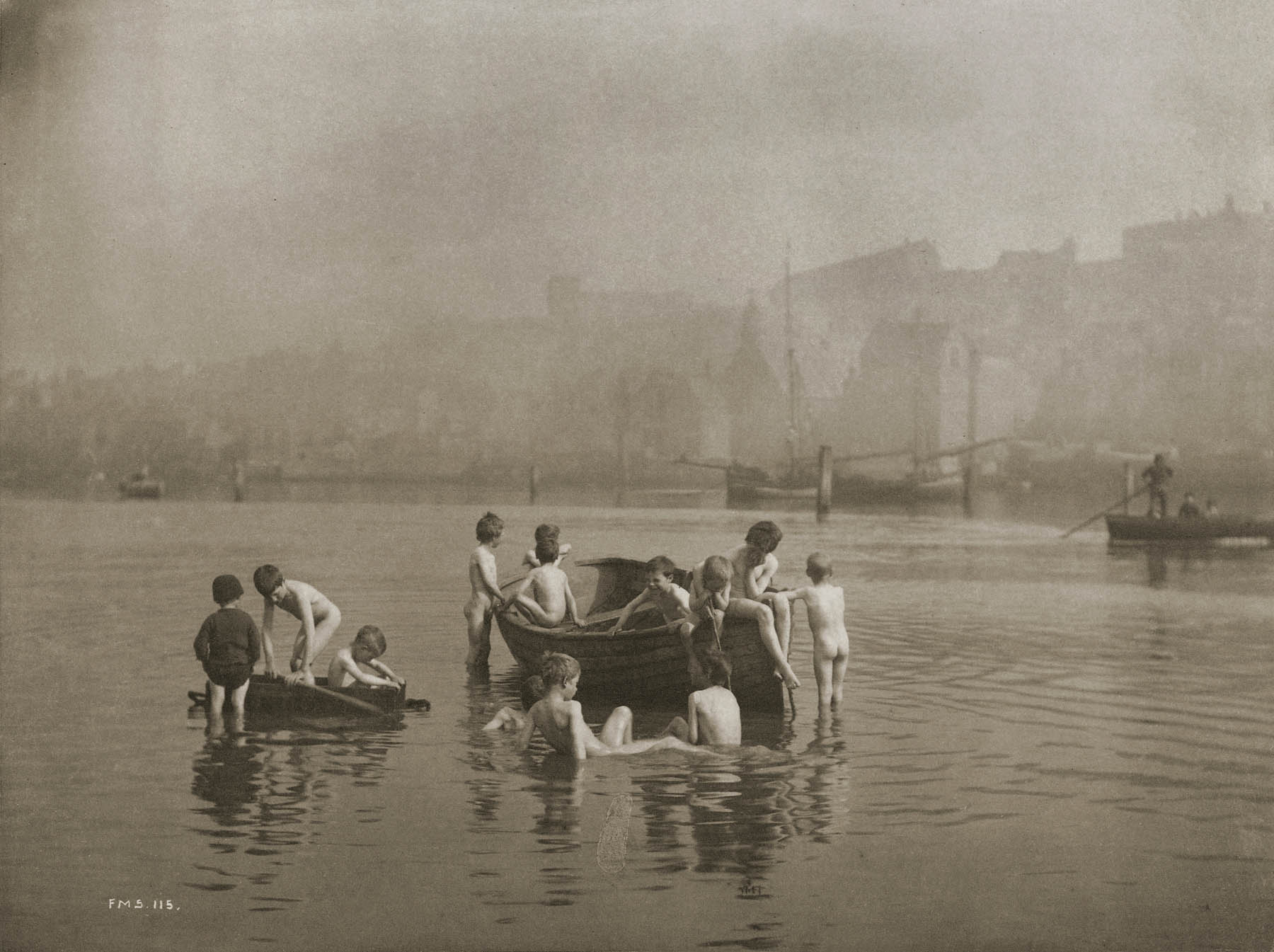
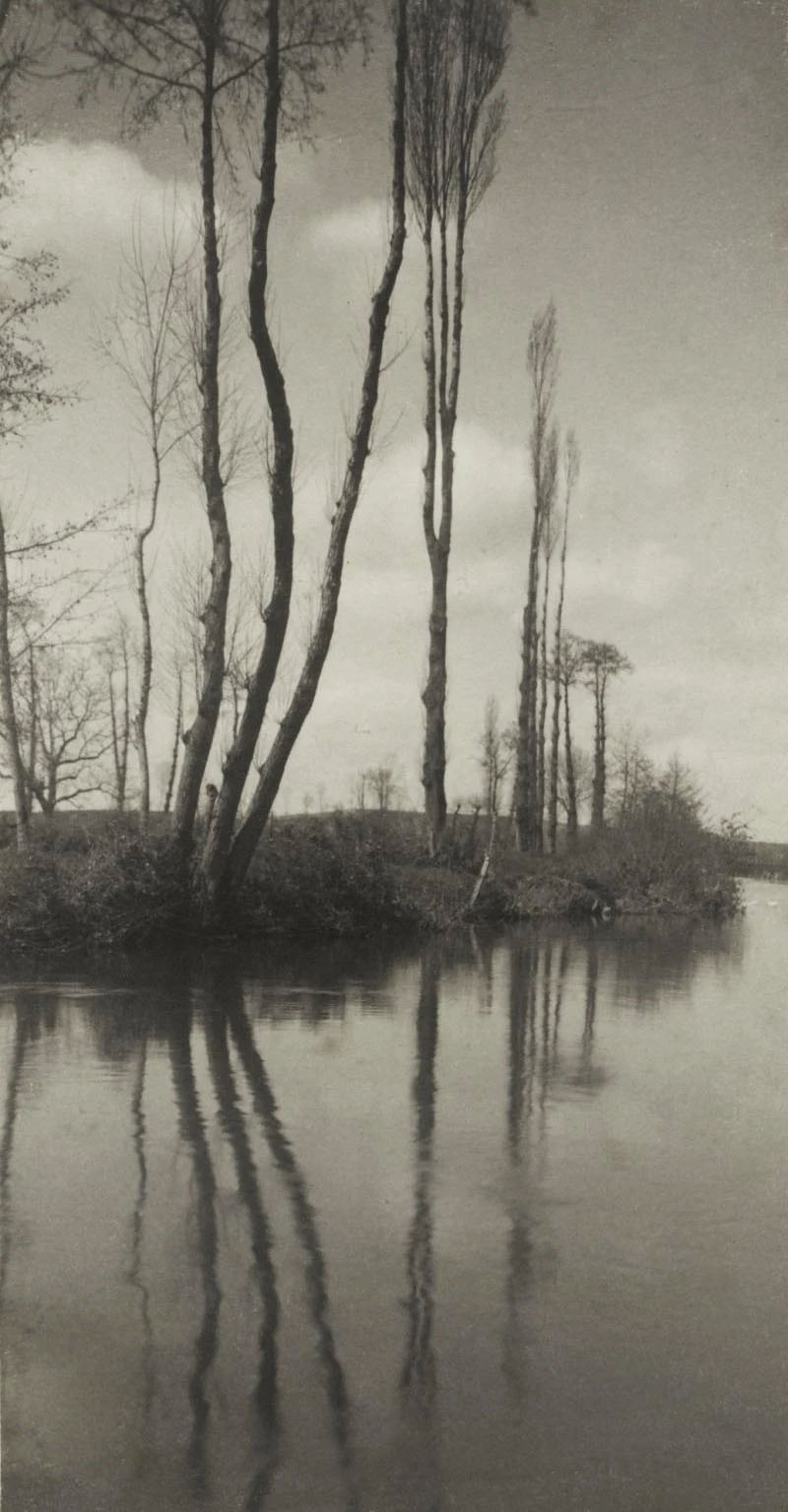
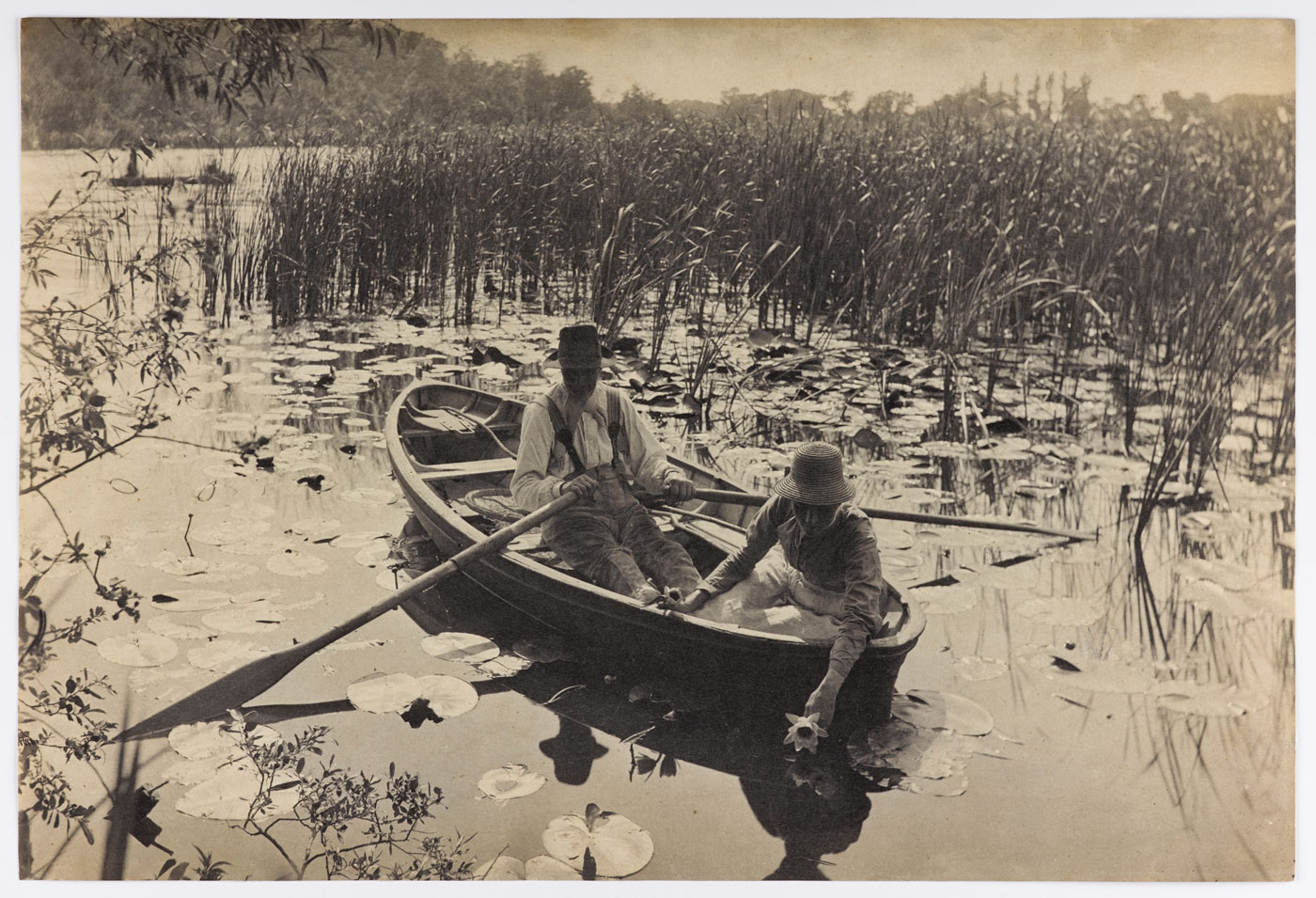
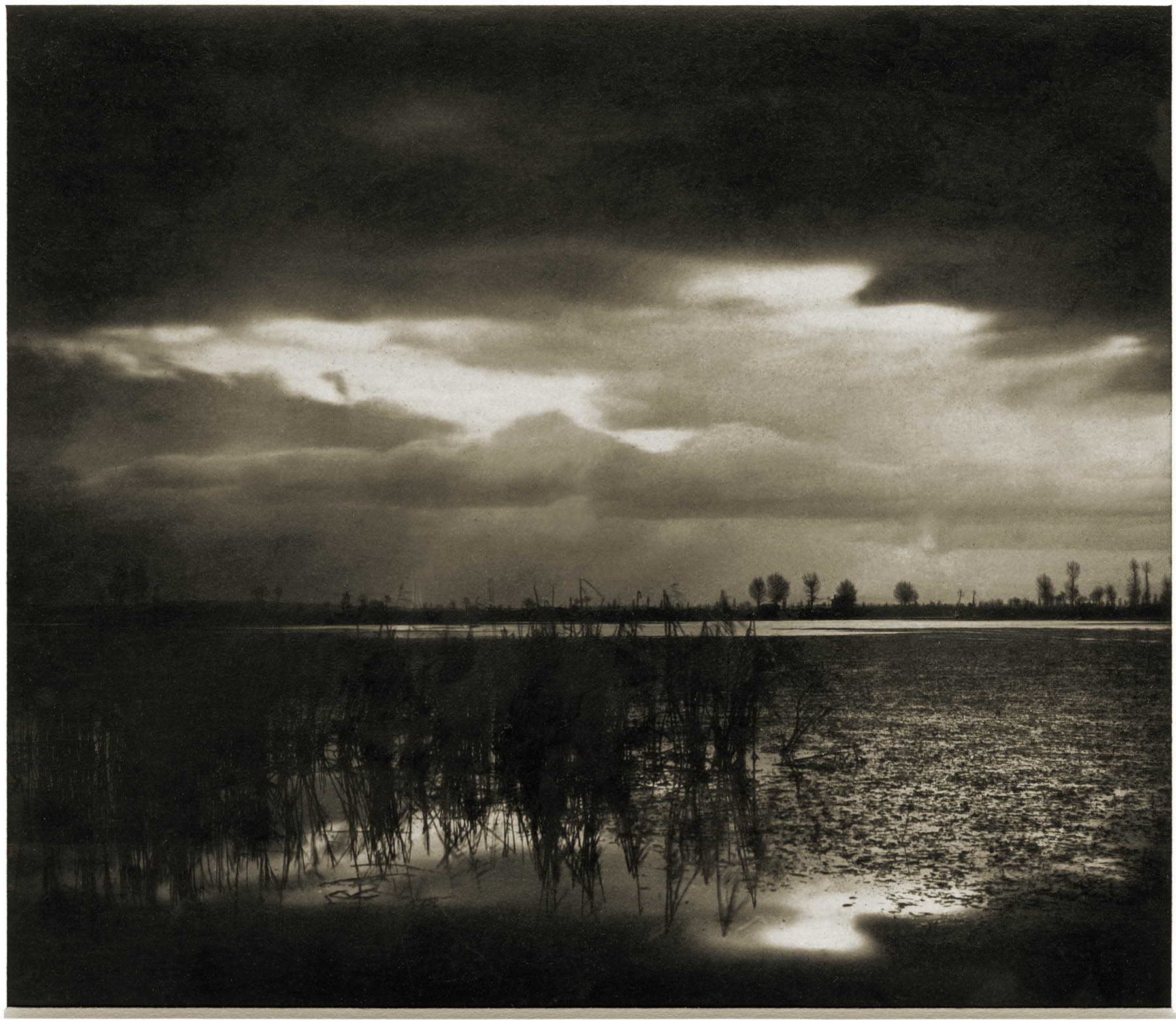


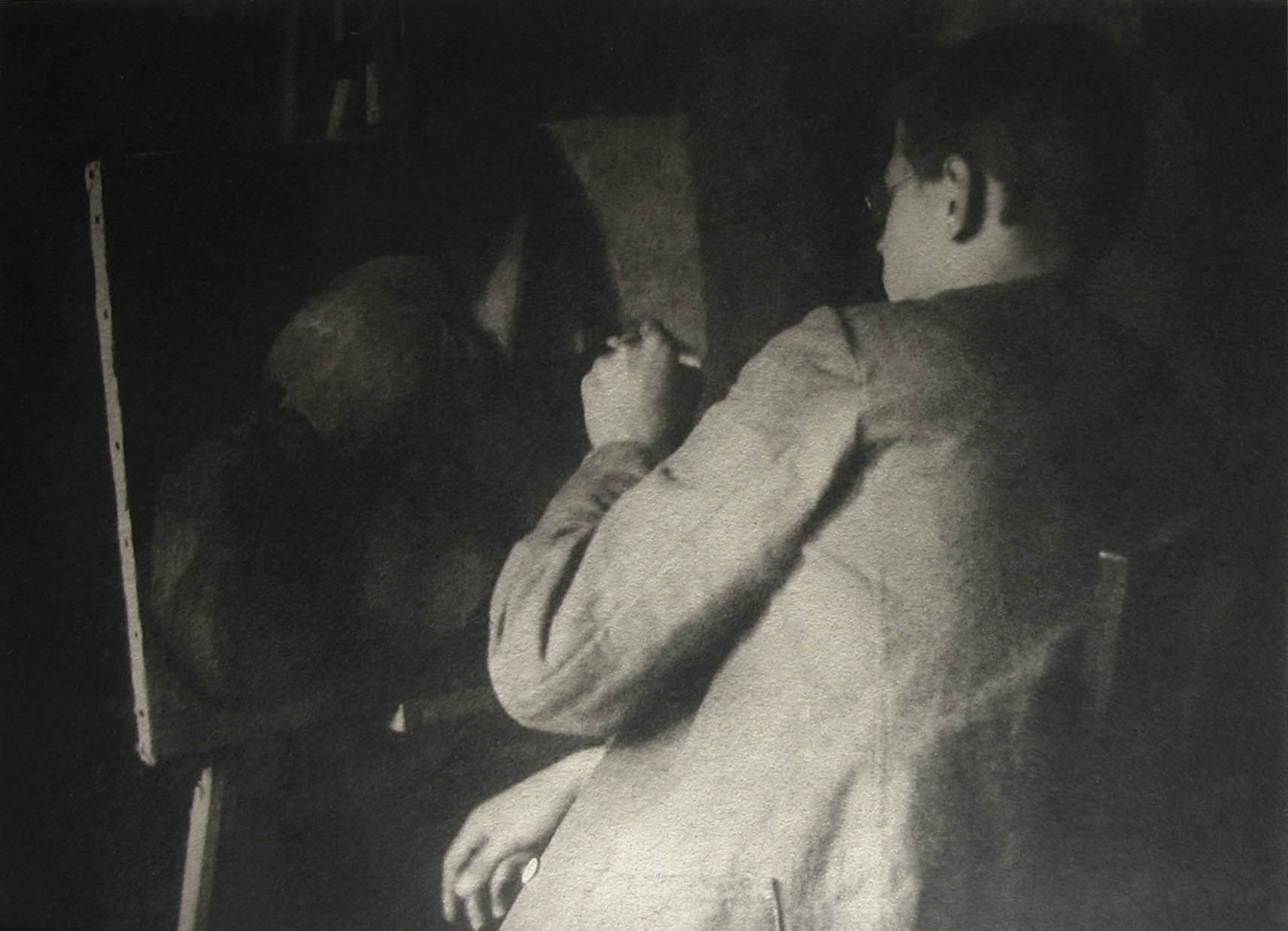


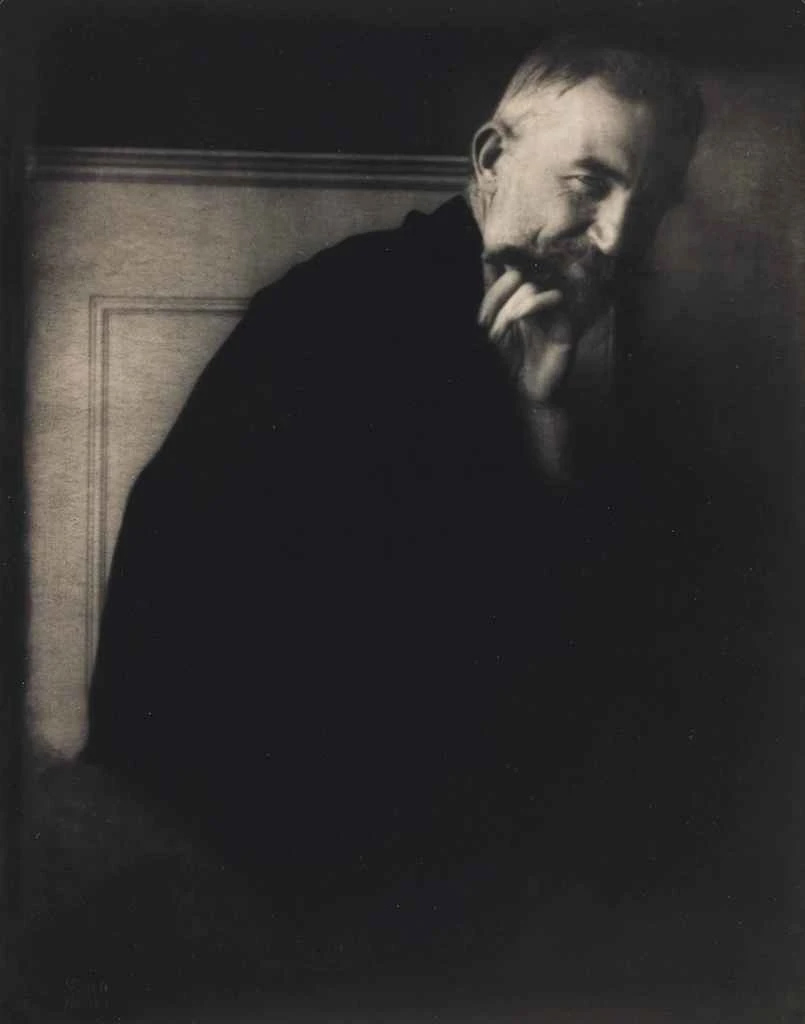
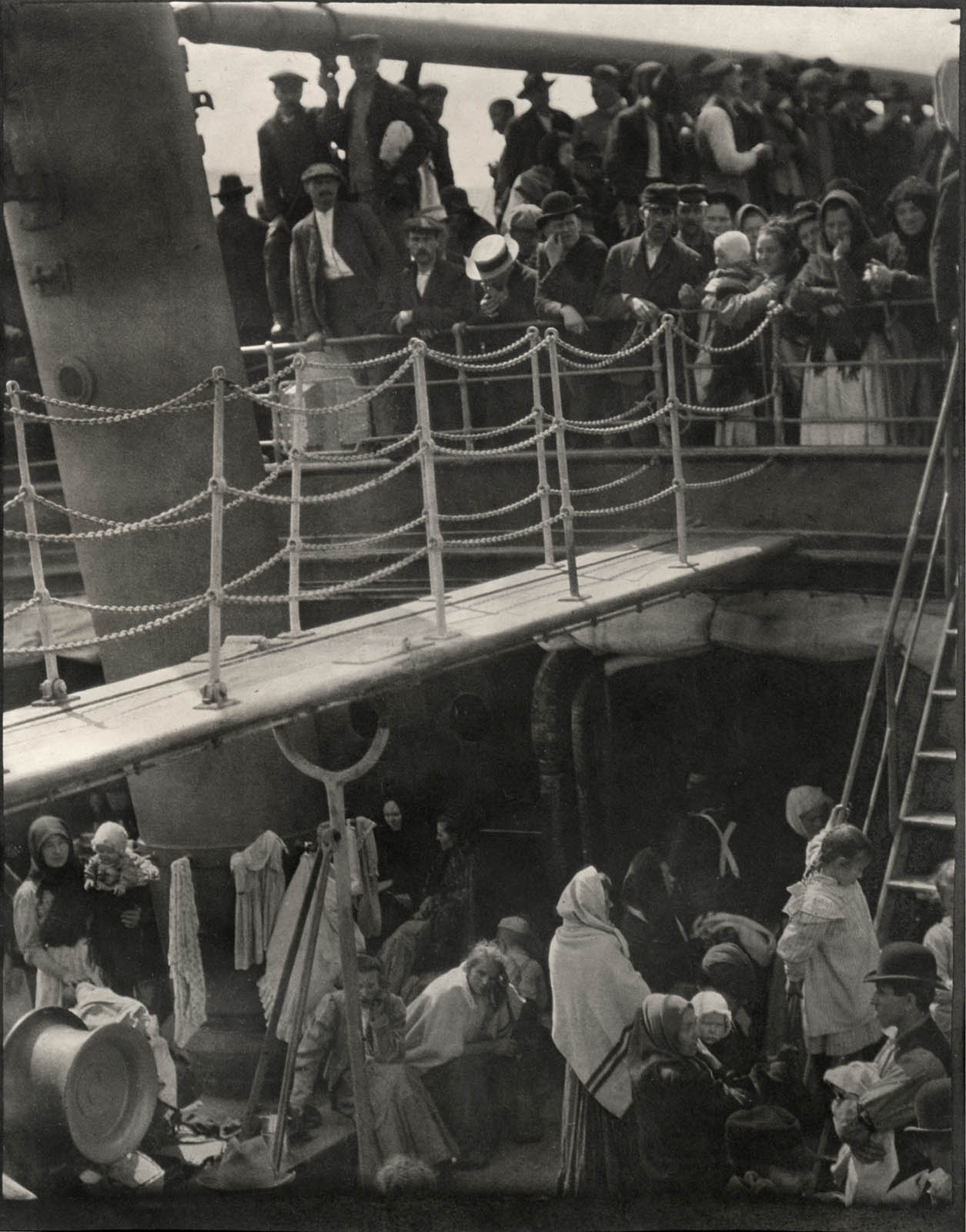

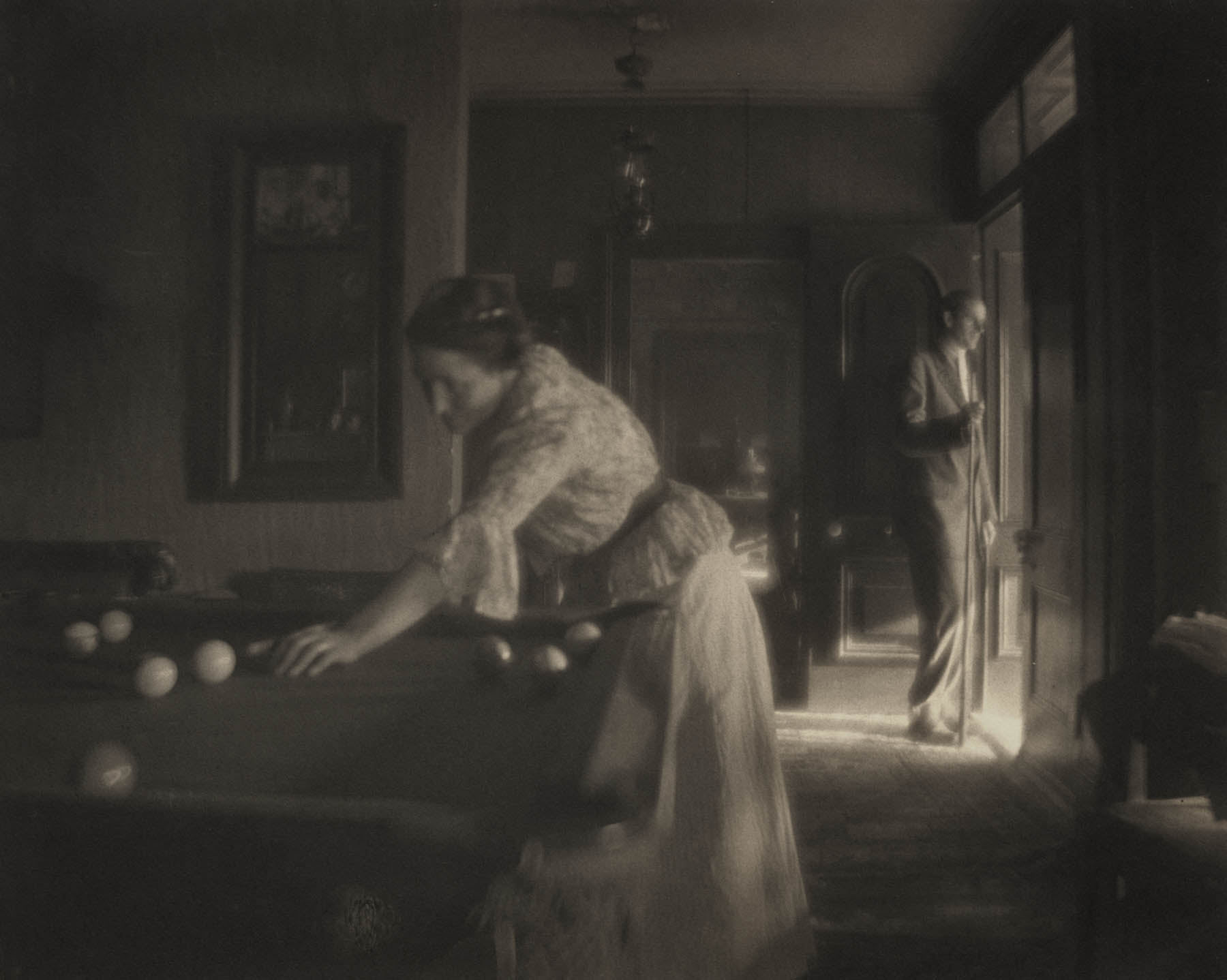
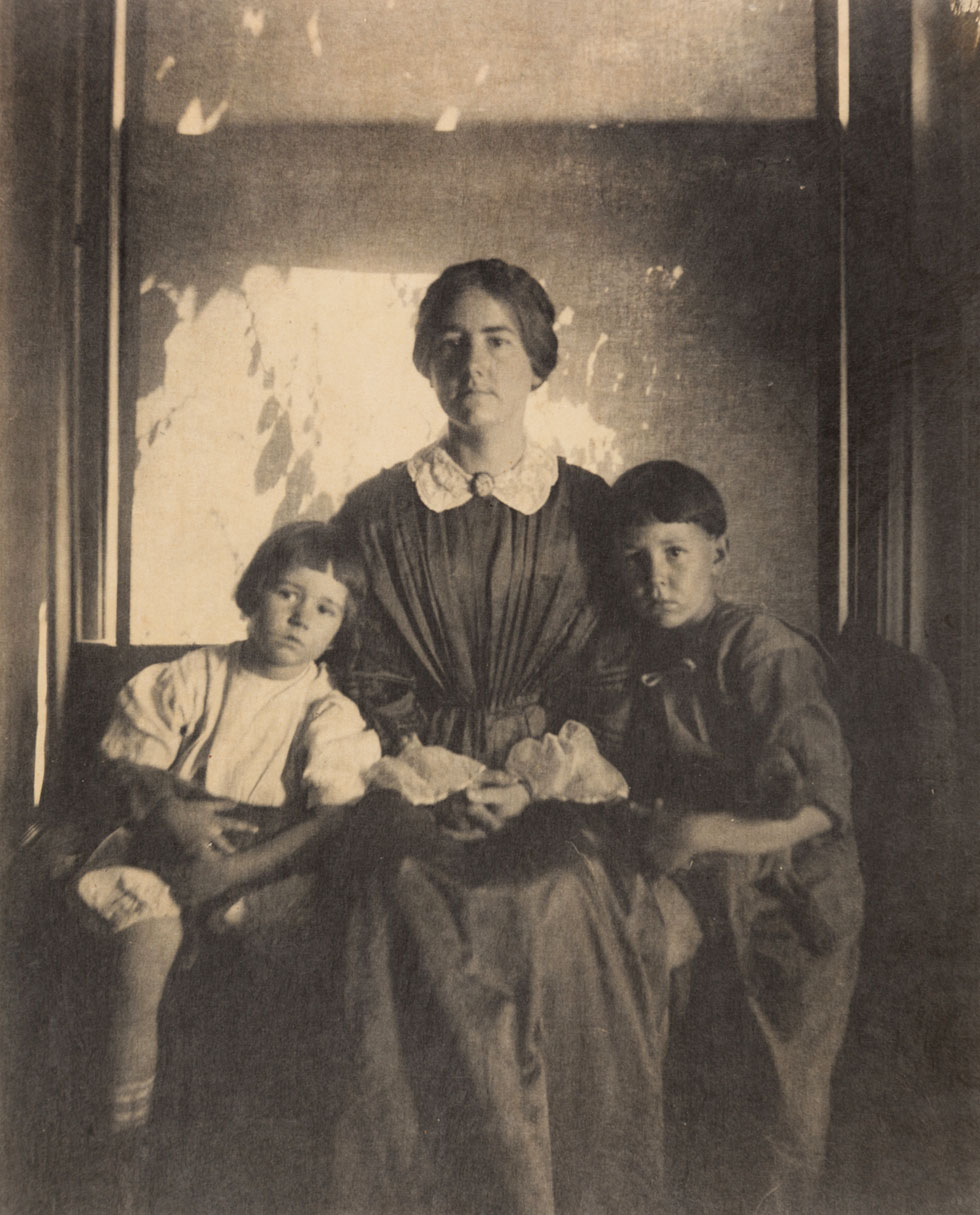

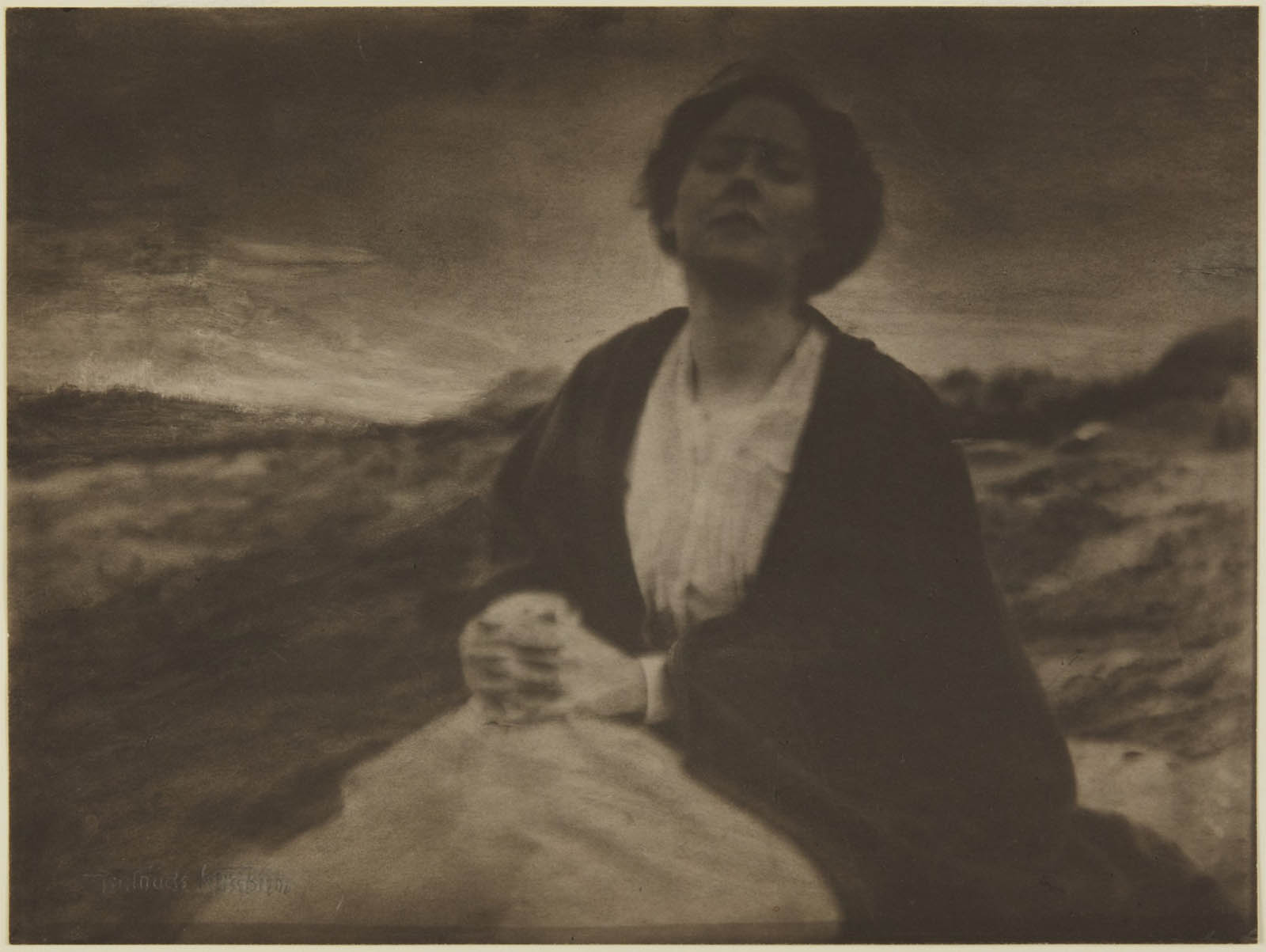
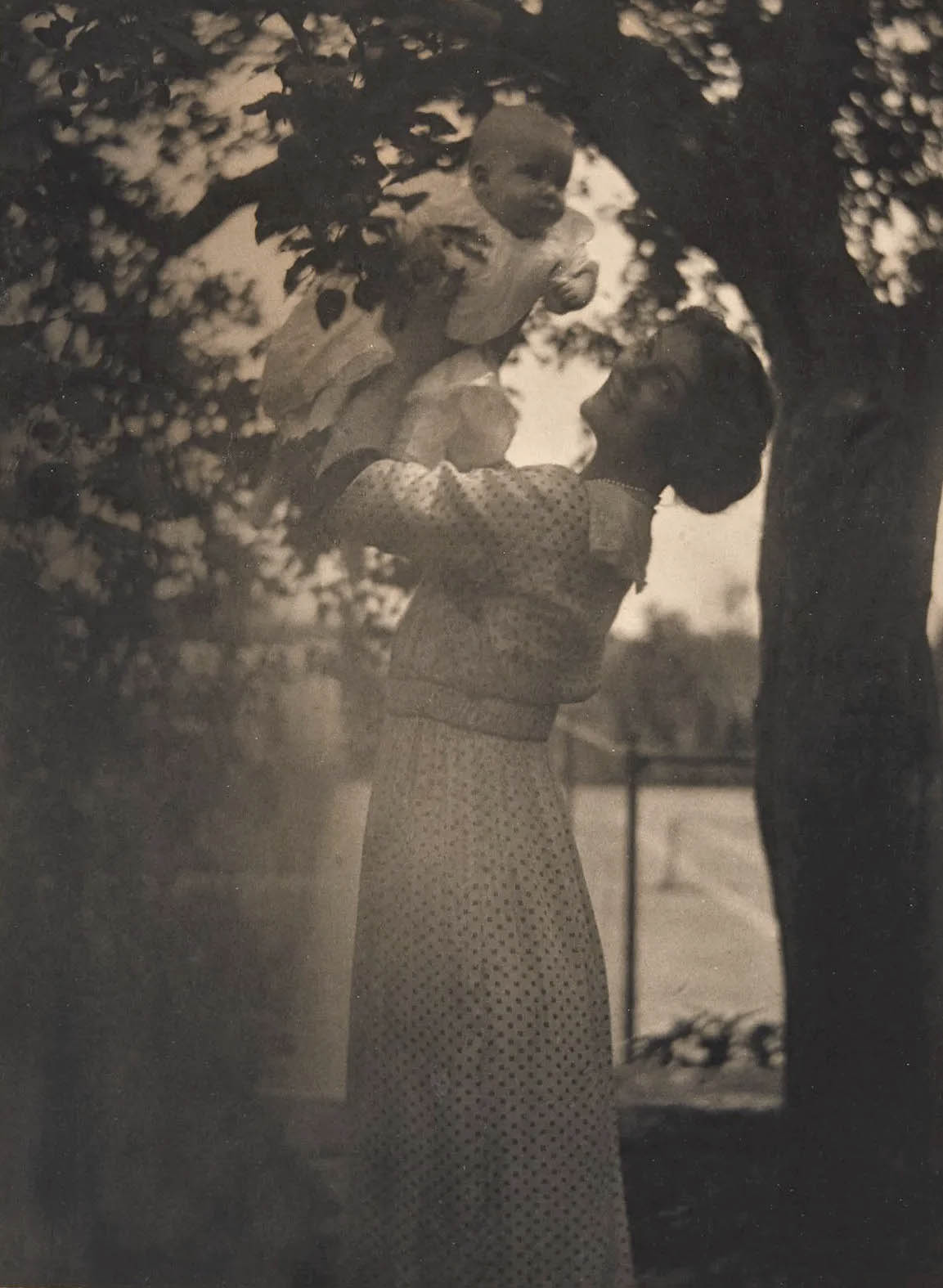


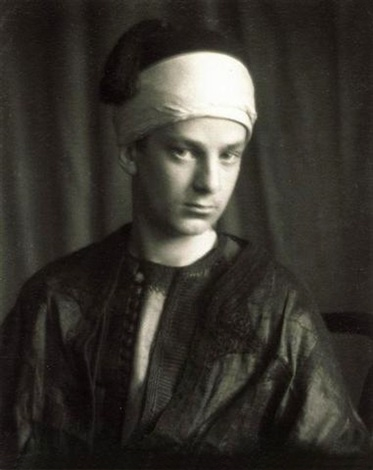

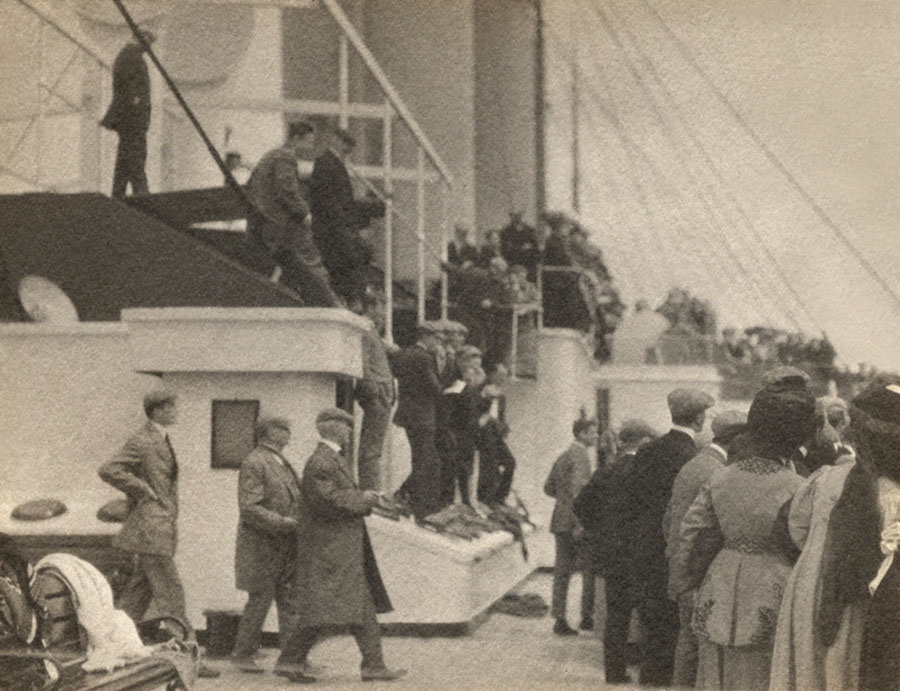
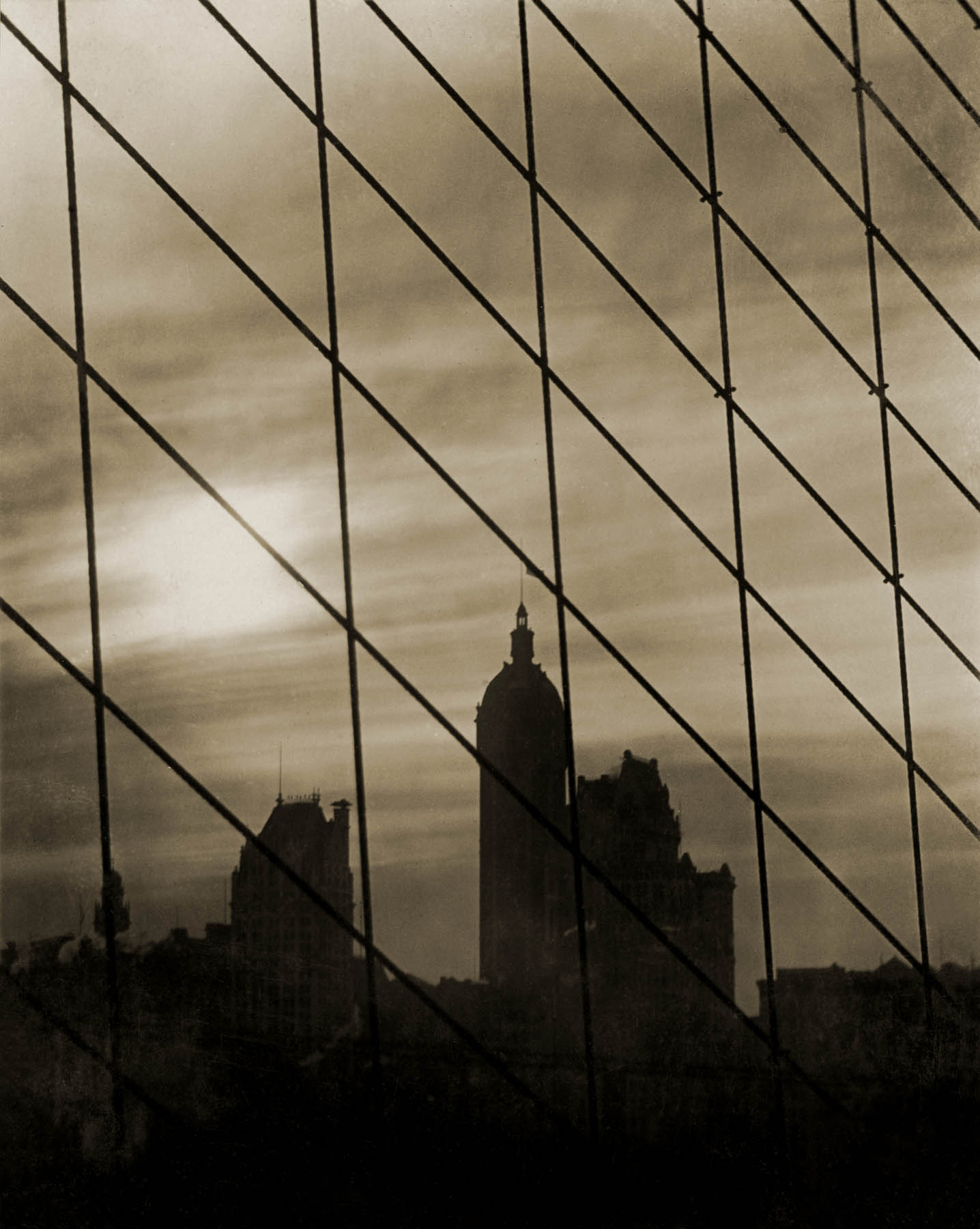


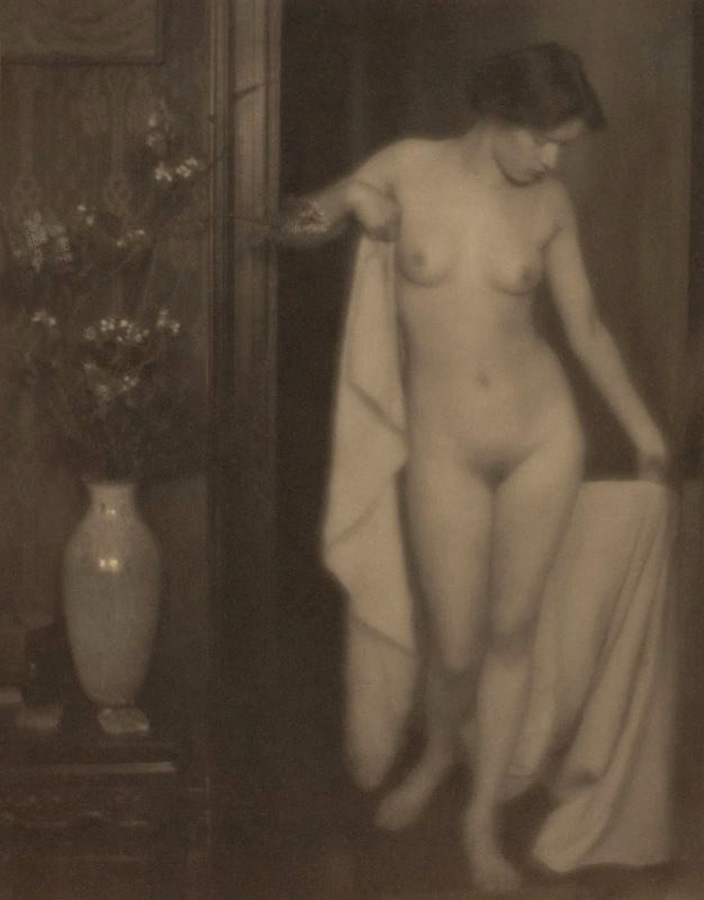

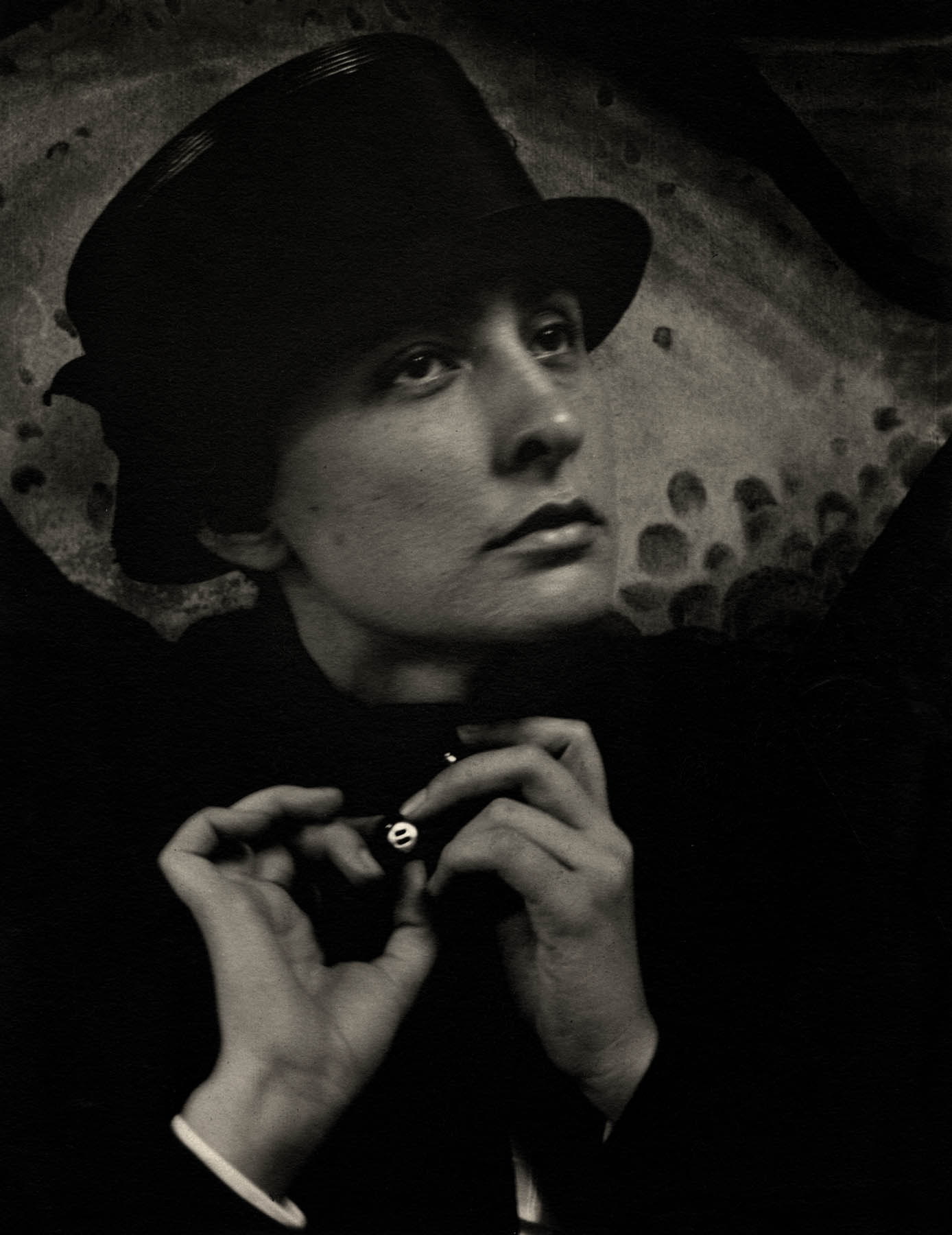
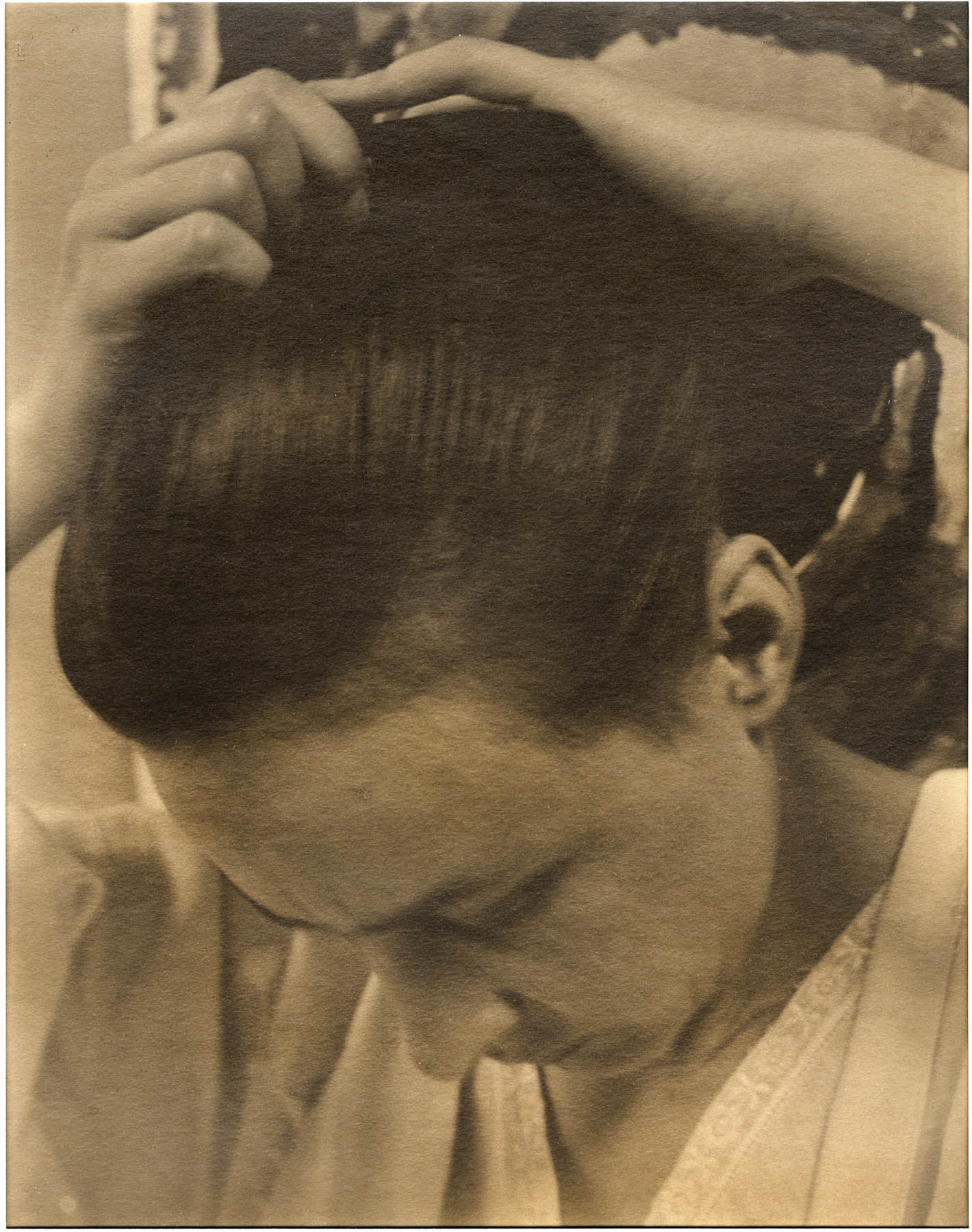


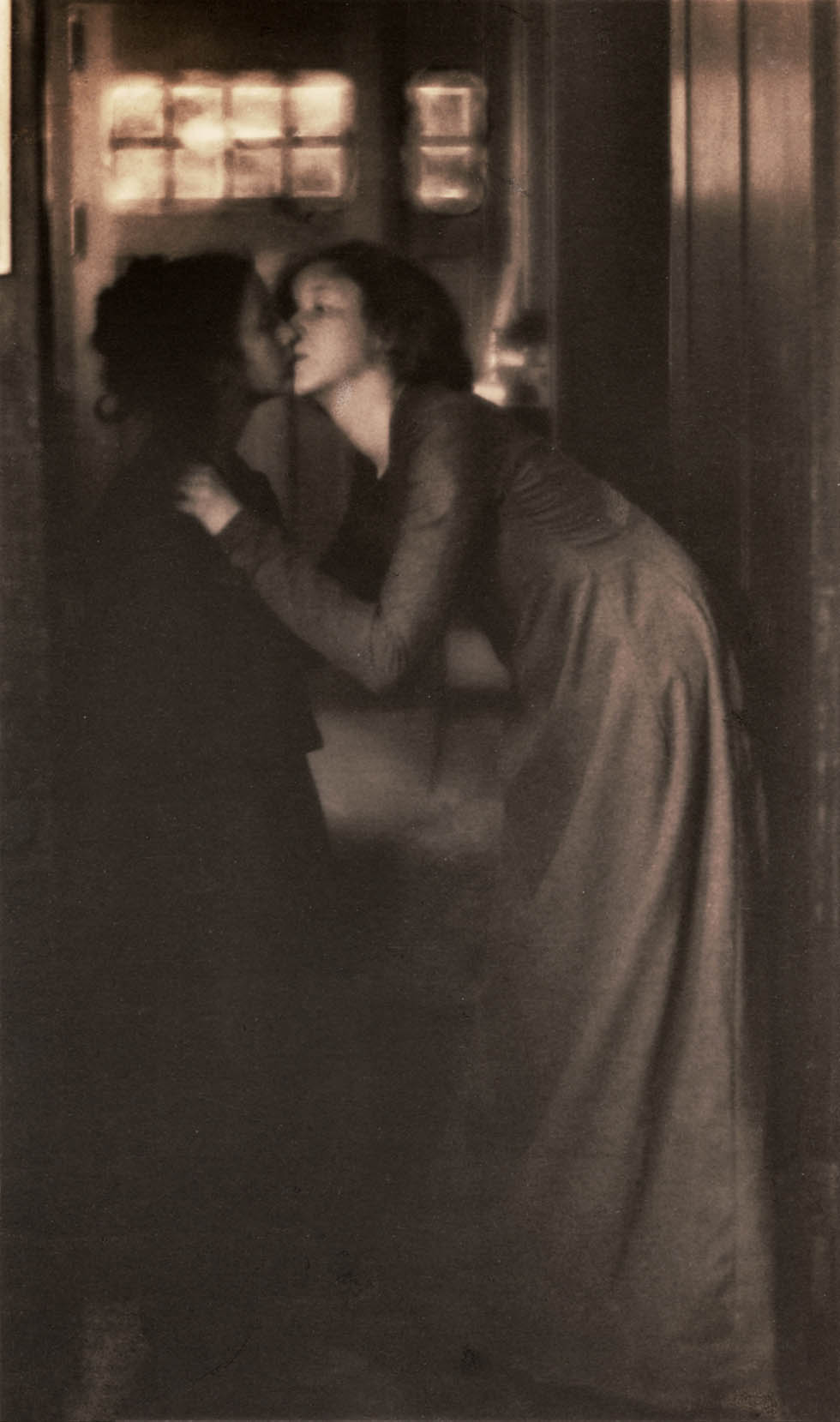
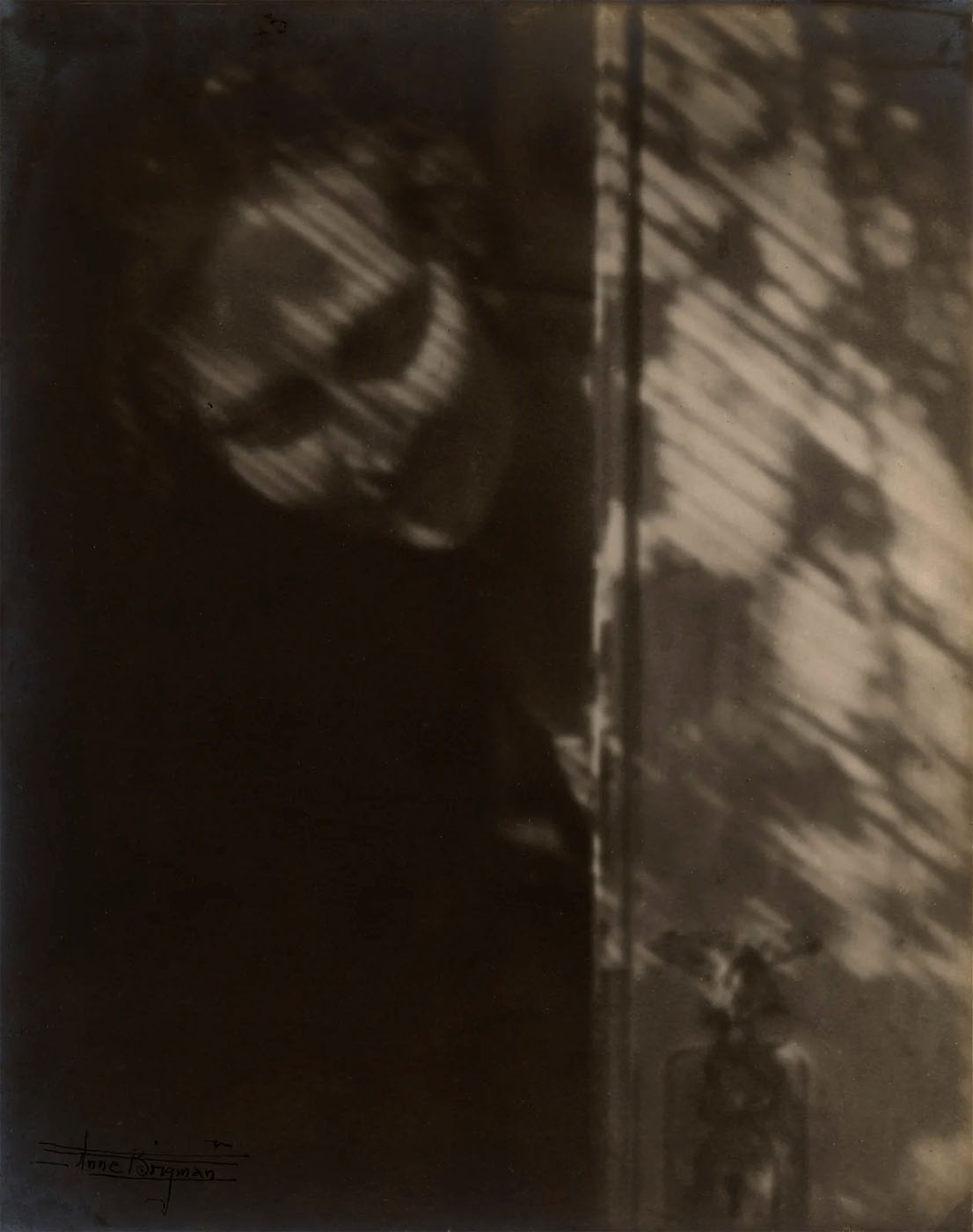
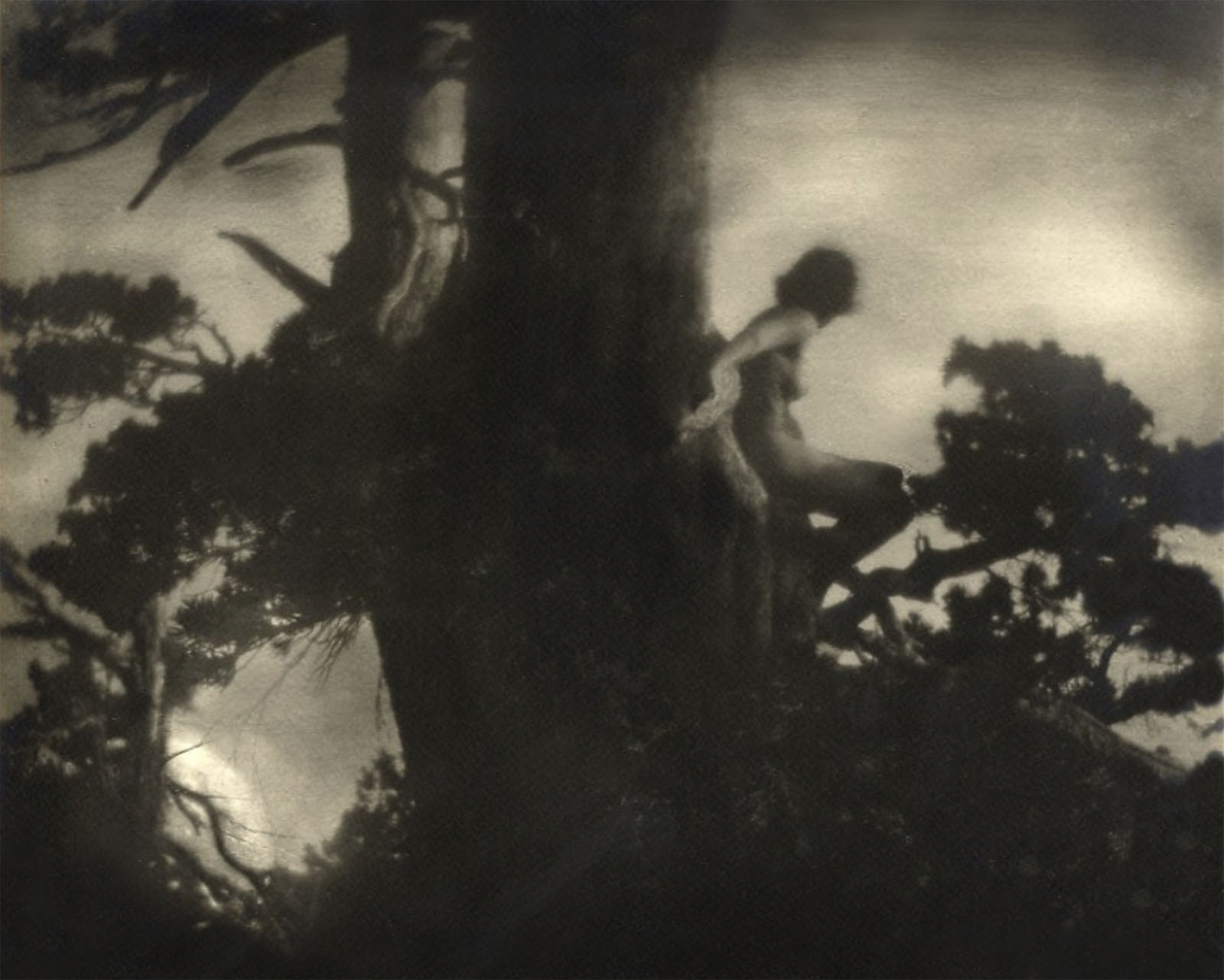

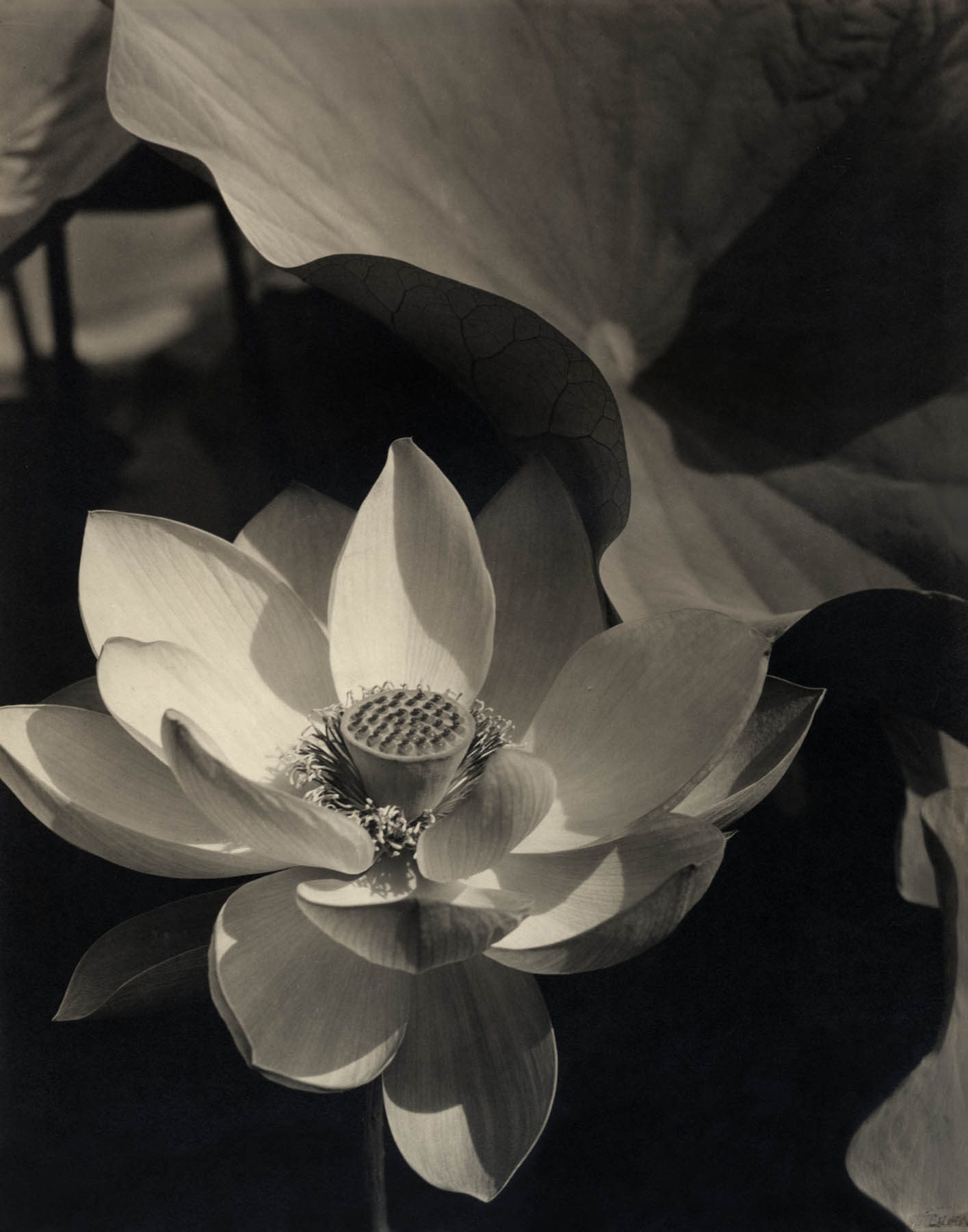


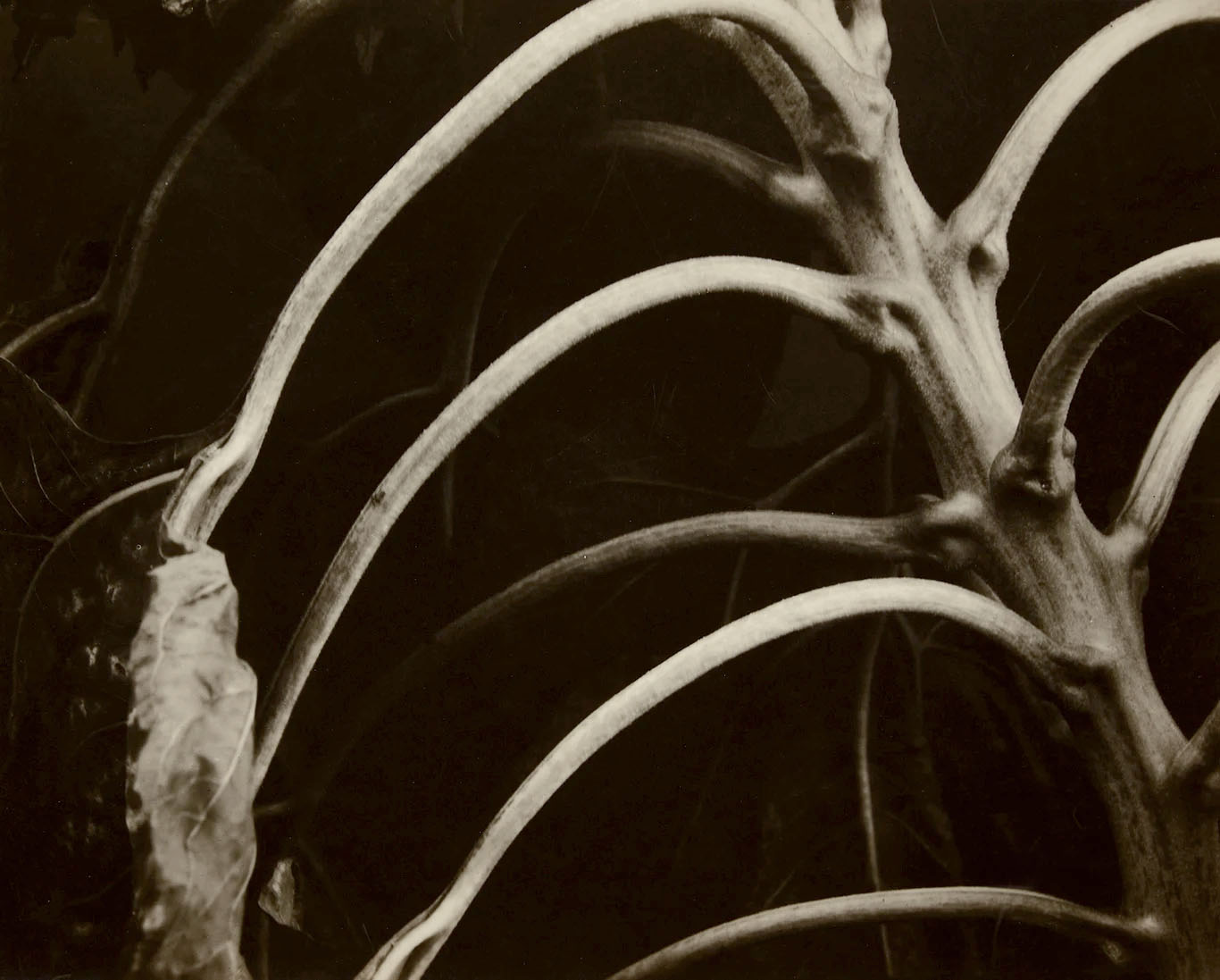

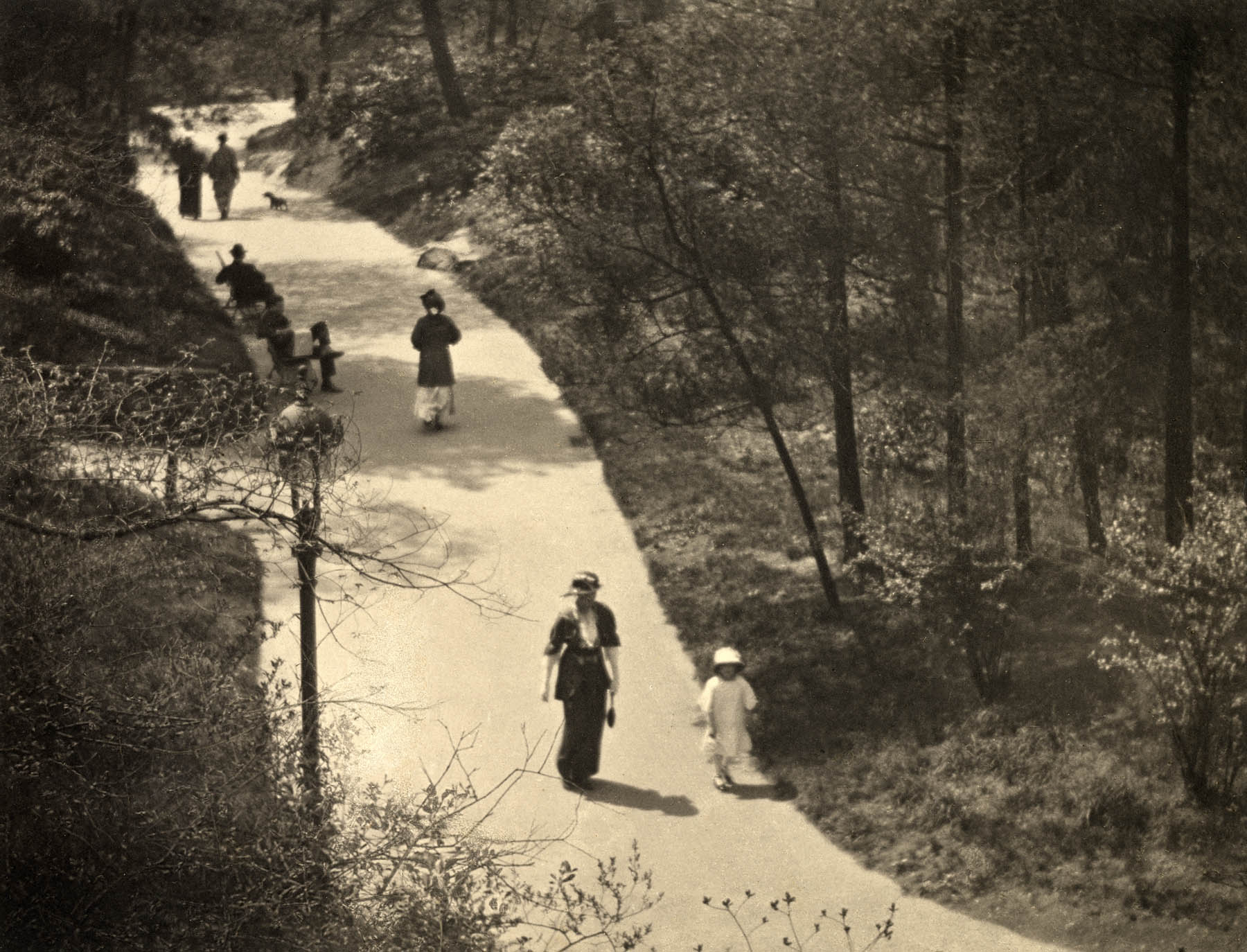
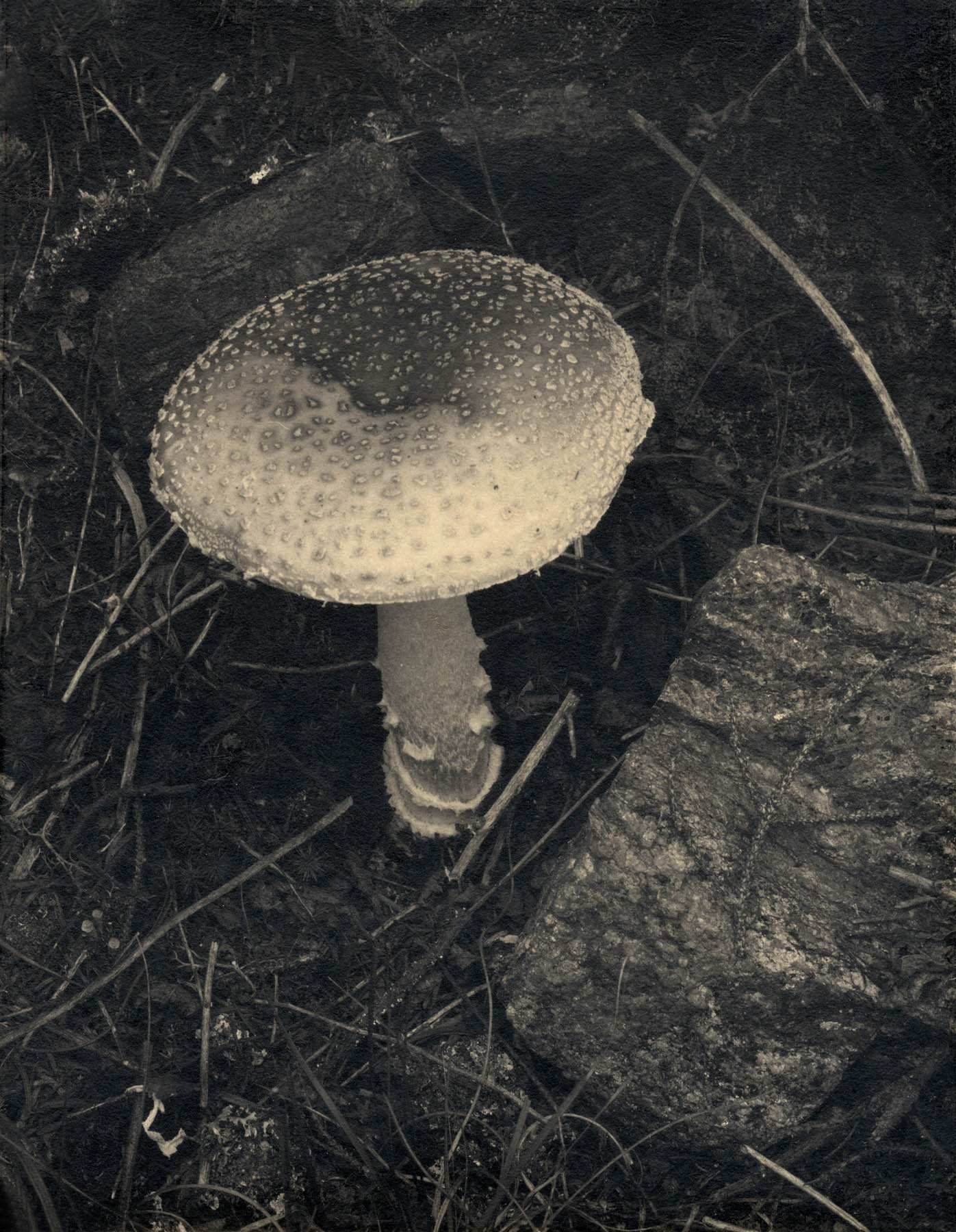
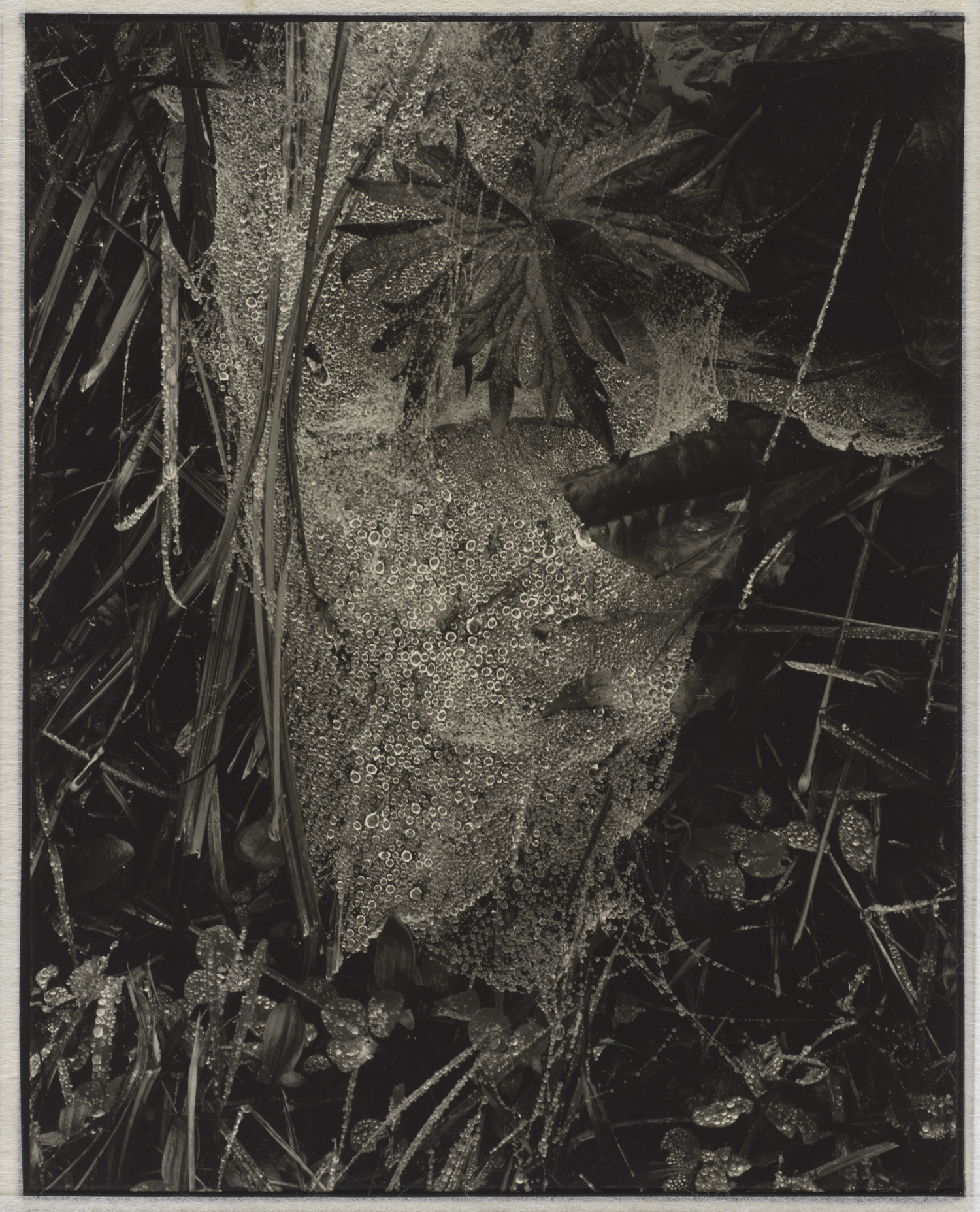
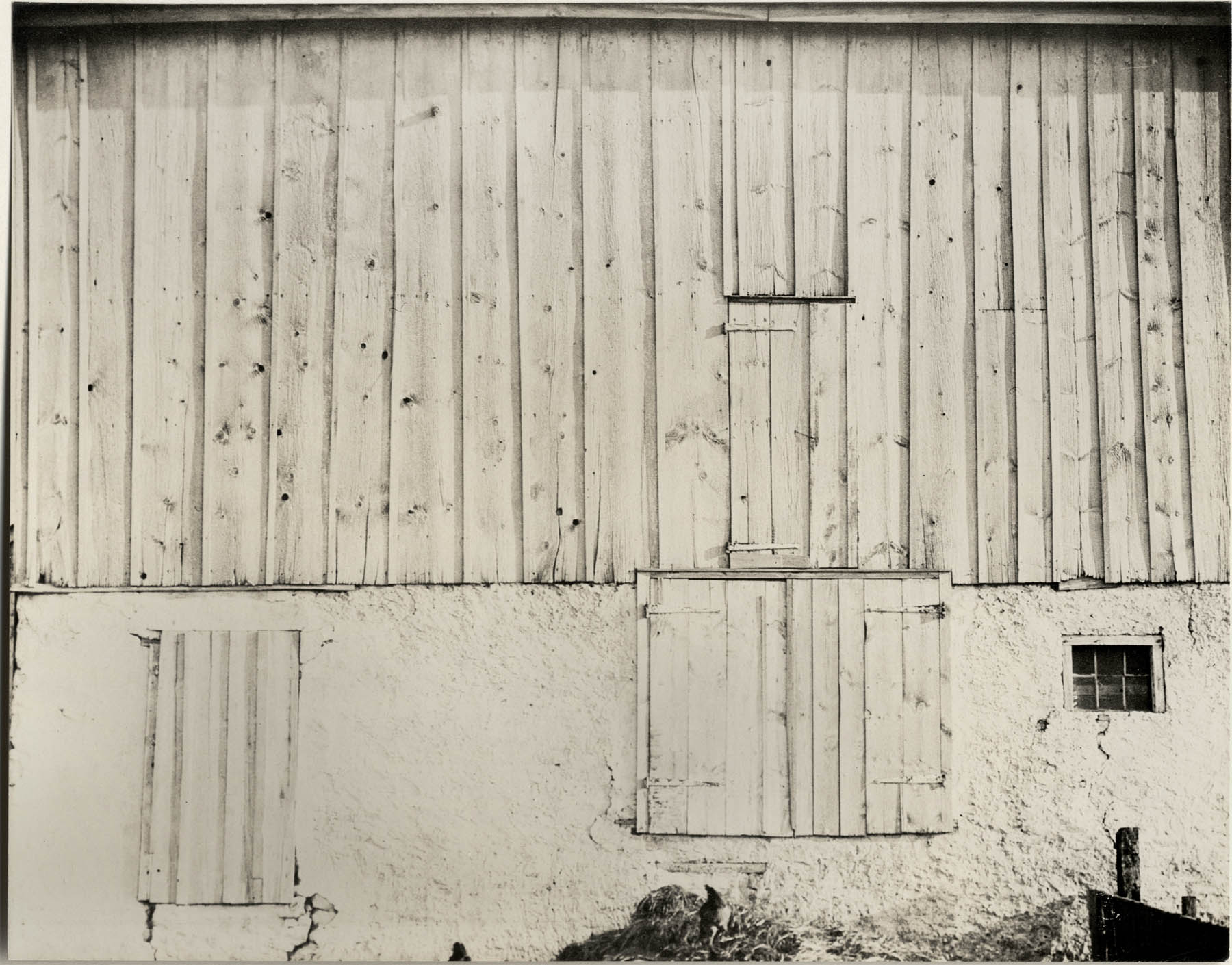
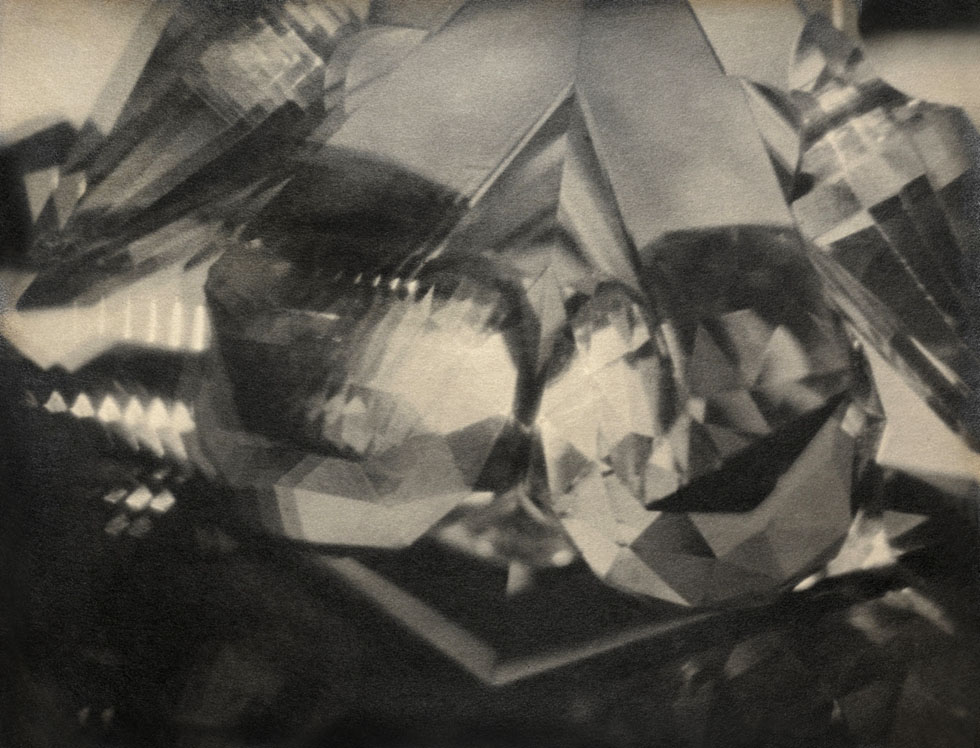
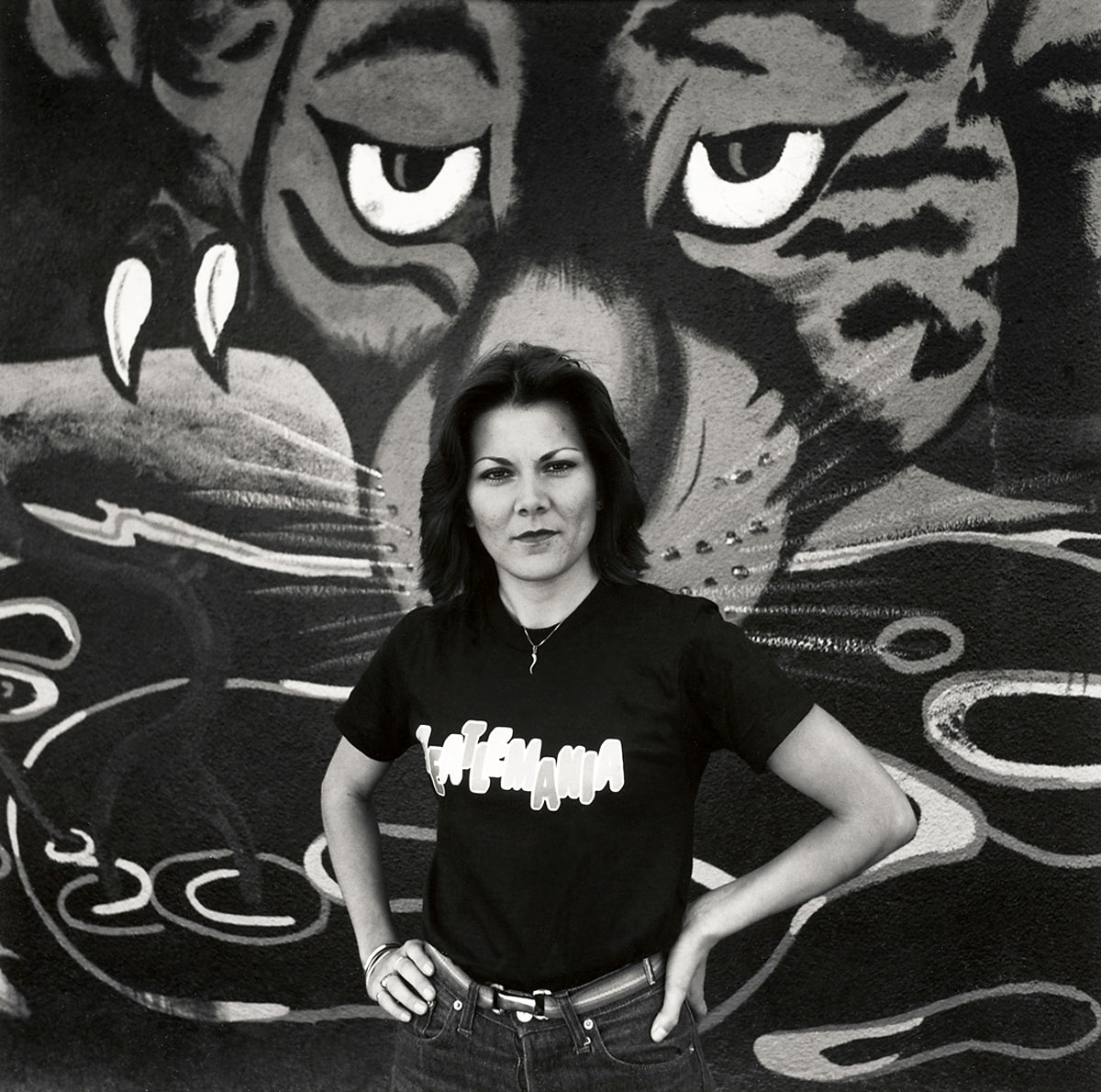


![Garry Winogrand (American, 1928-1984) 'Untitled [Liberace with his mother]' New York, 1954](https://artblart.com/wp-content/uploads/2023/09/83204a.jpg "Garry Winogrand (American, 1928-1984) 'Untitled [Liberace with his mother]' New York, 1954")
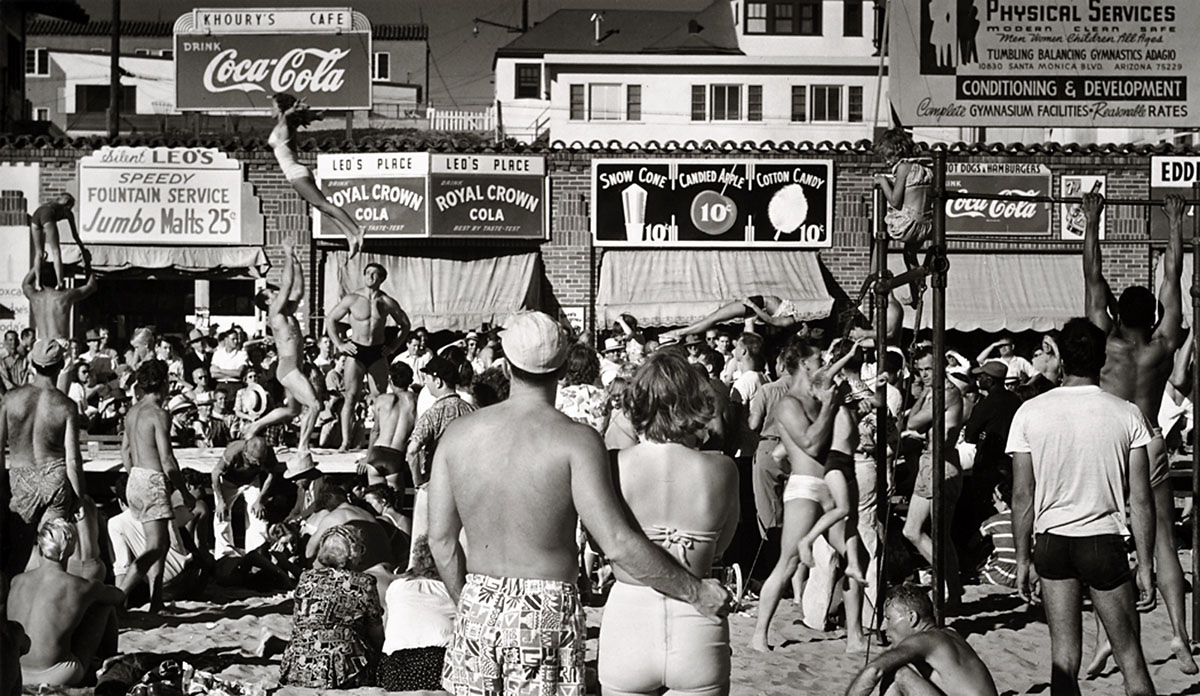
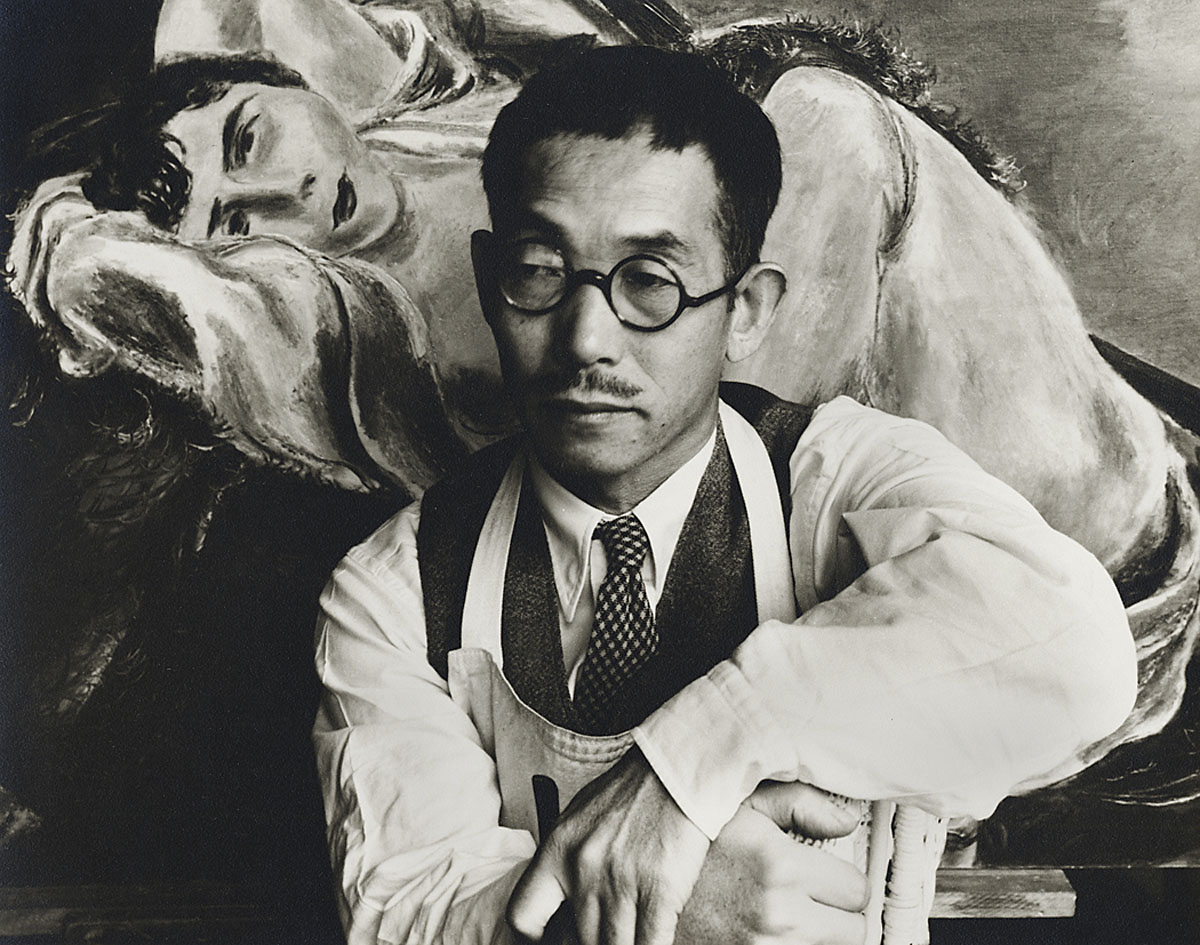
![Max Yavno (American, 1911-1985) 'Untitled [Opening Night at the San Francisco Opera]' 1947](https://artblart.com/wp-content/uploads/2023/09/92143117.jpg "Max Yavno (American, 1911-1985) 'Untitled [Opening Night at the San Francisco Opera]' 1947")


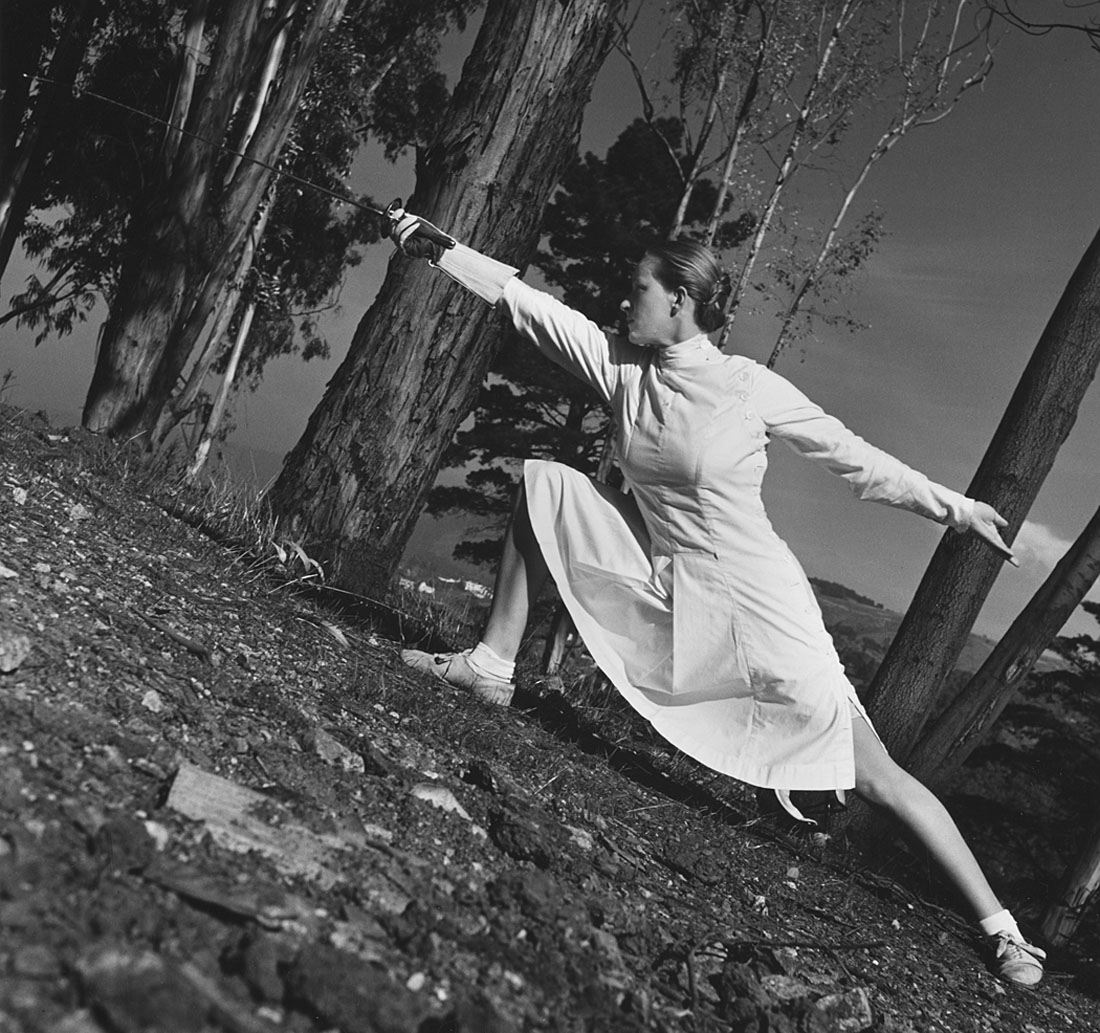


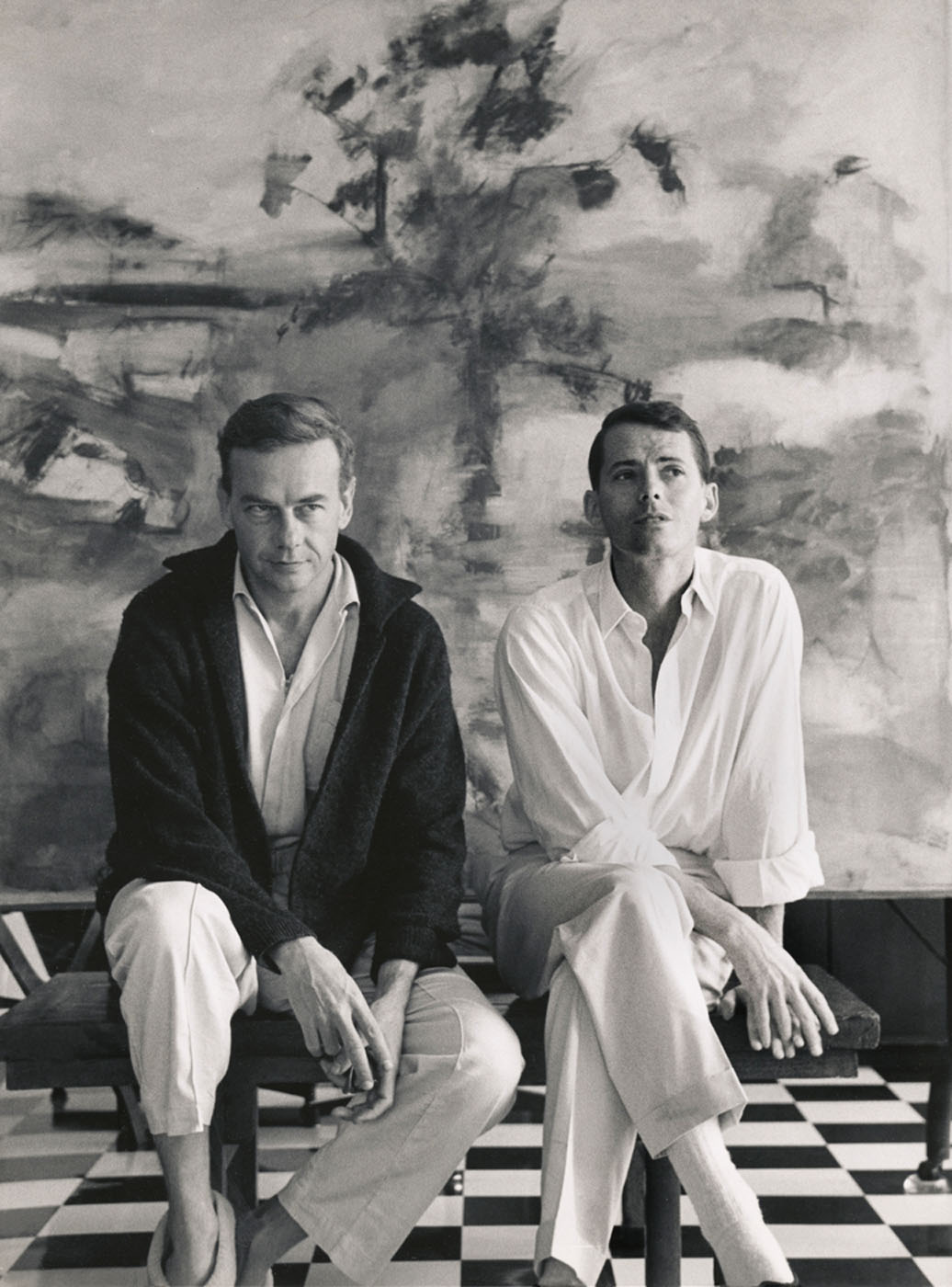


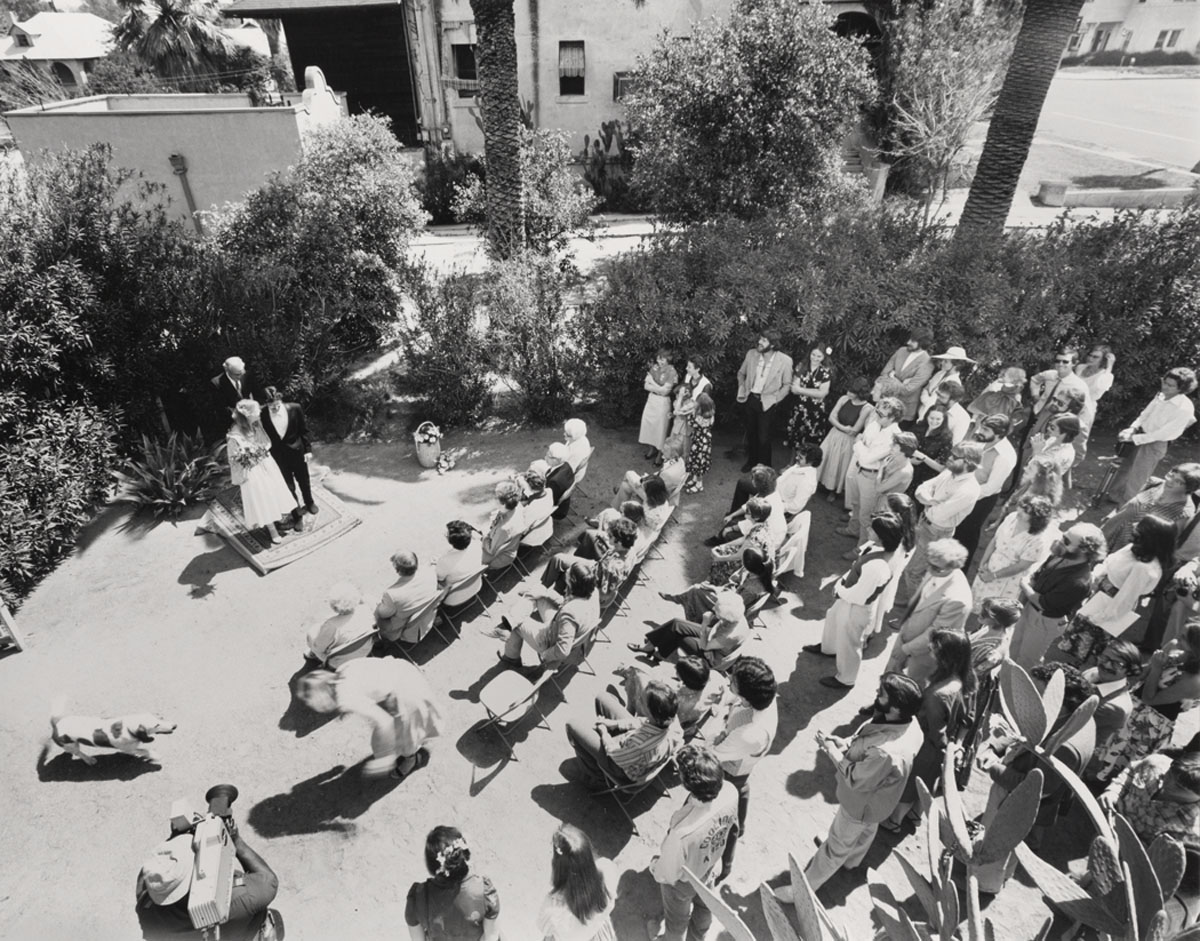

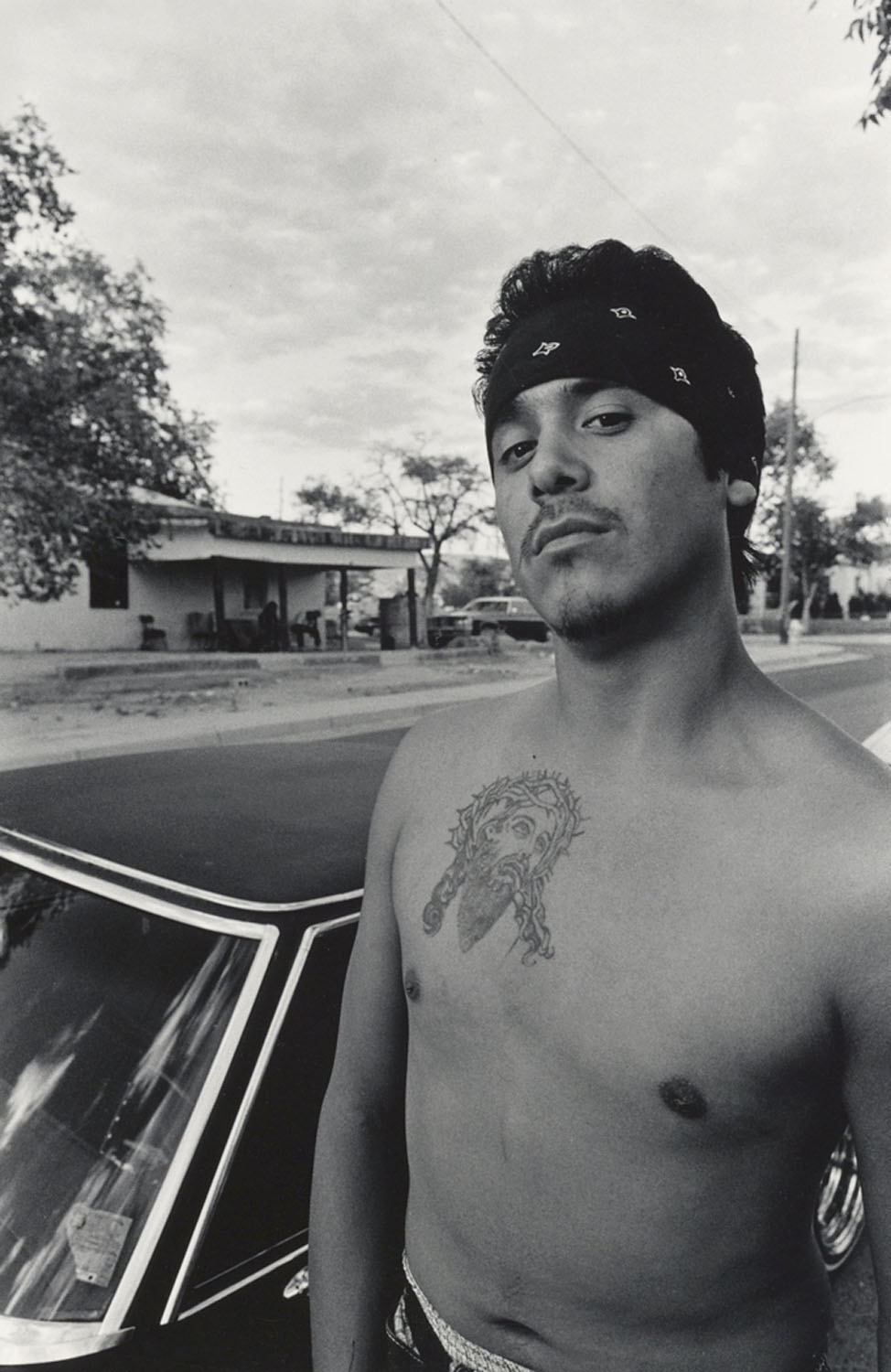


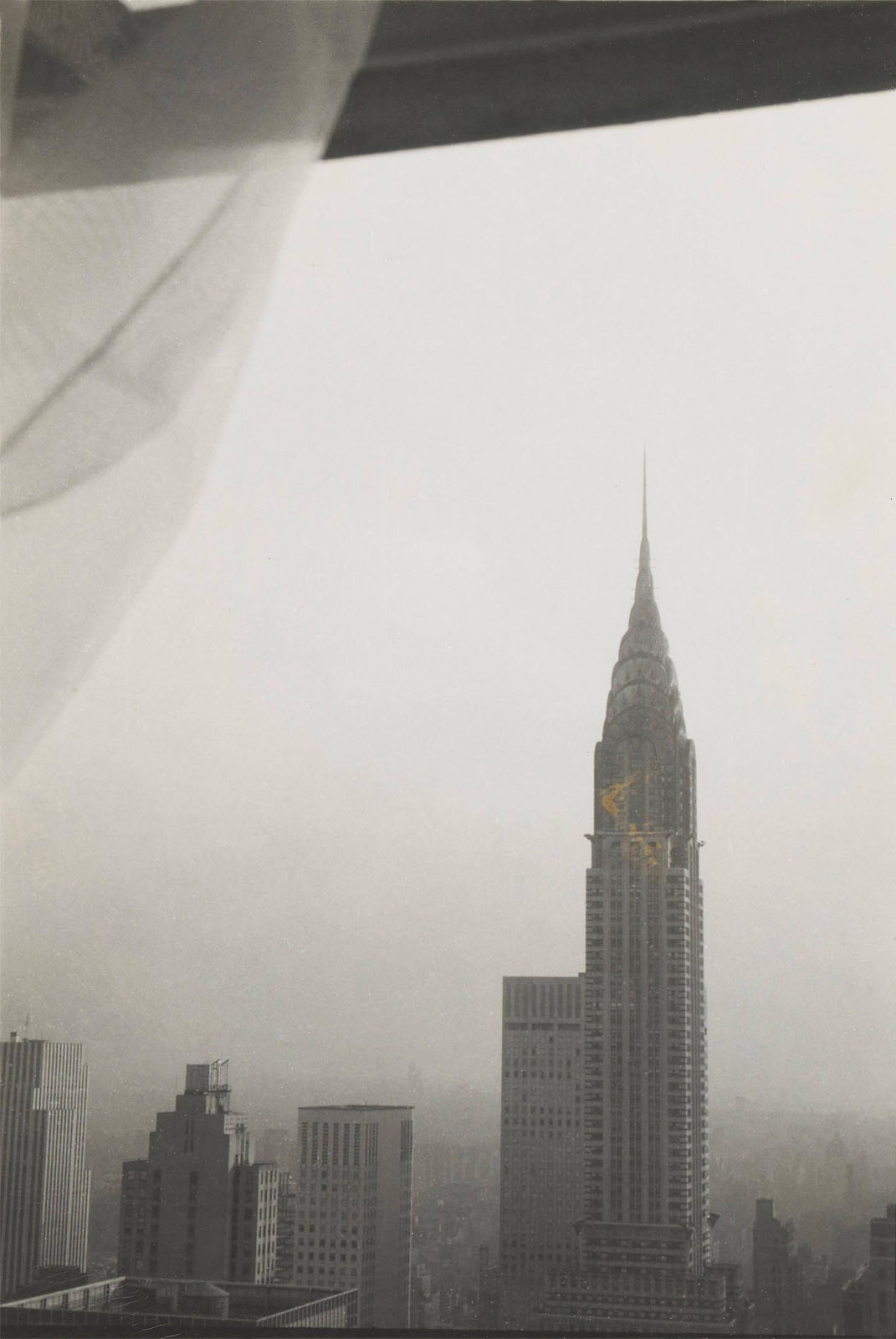

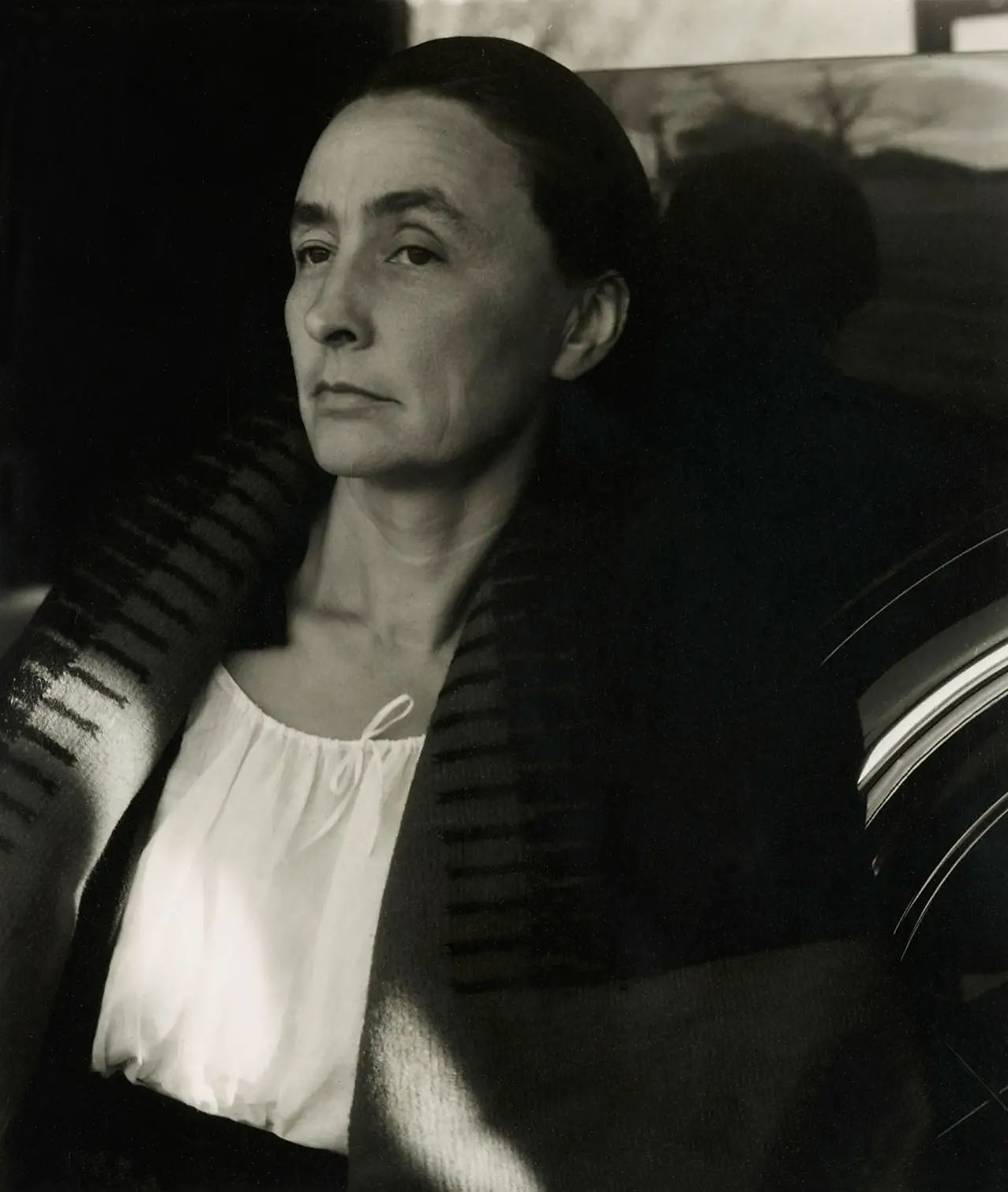
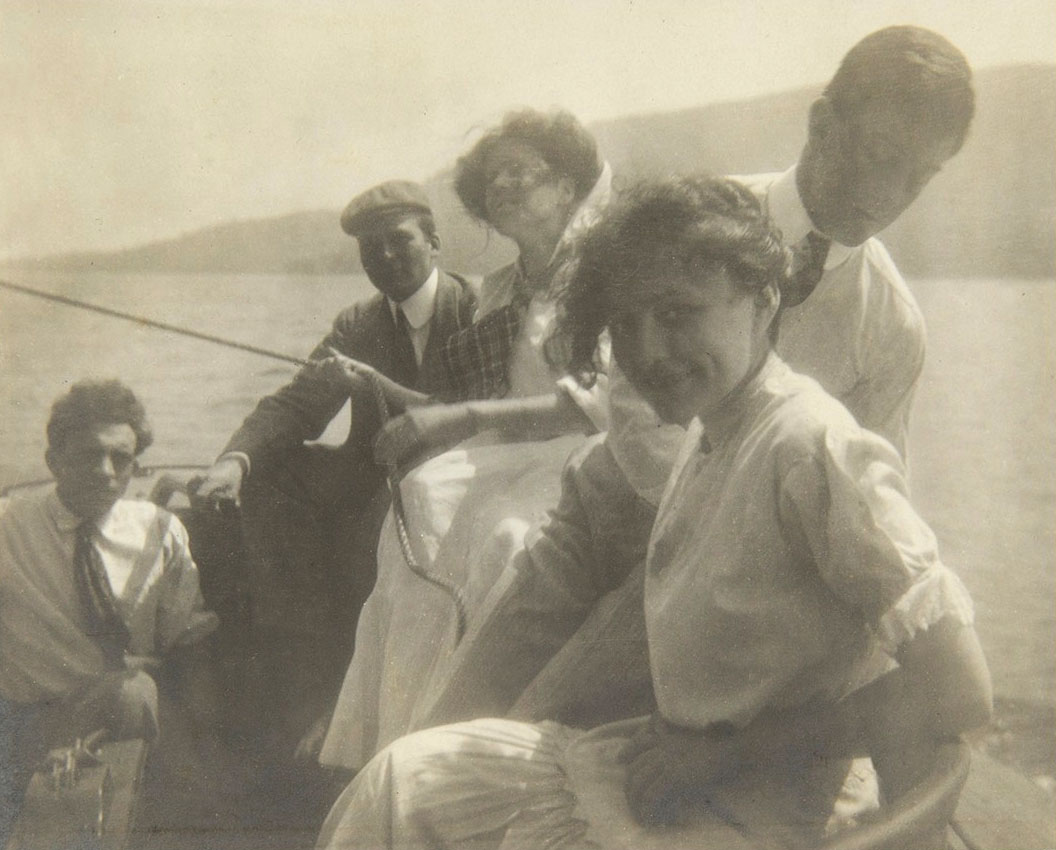
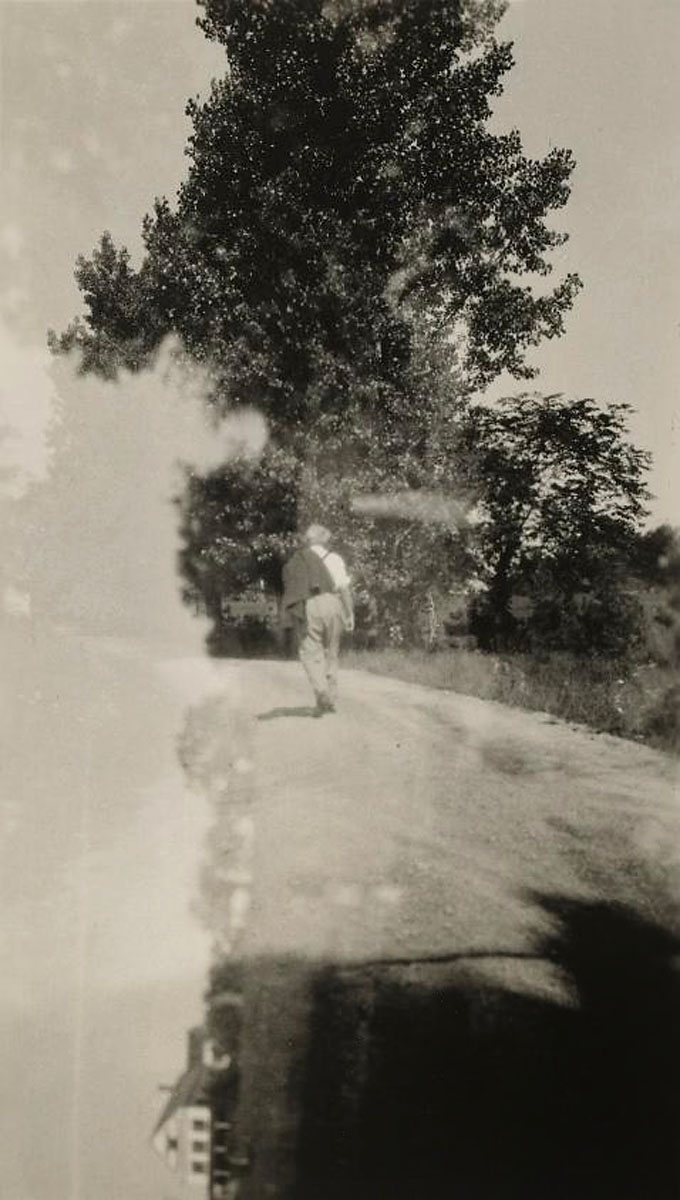
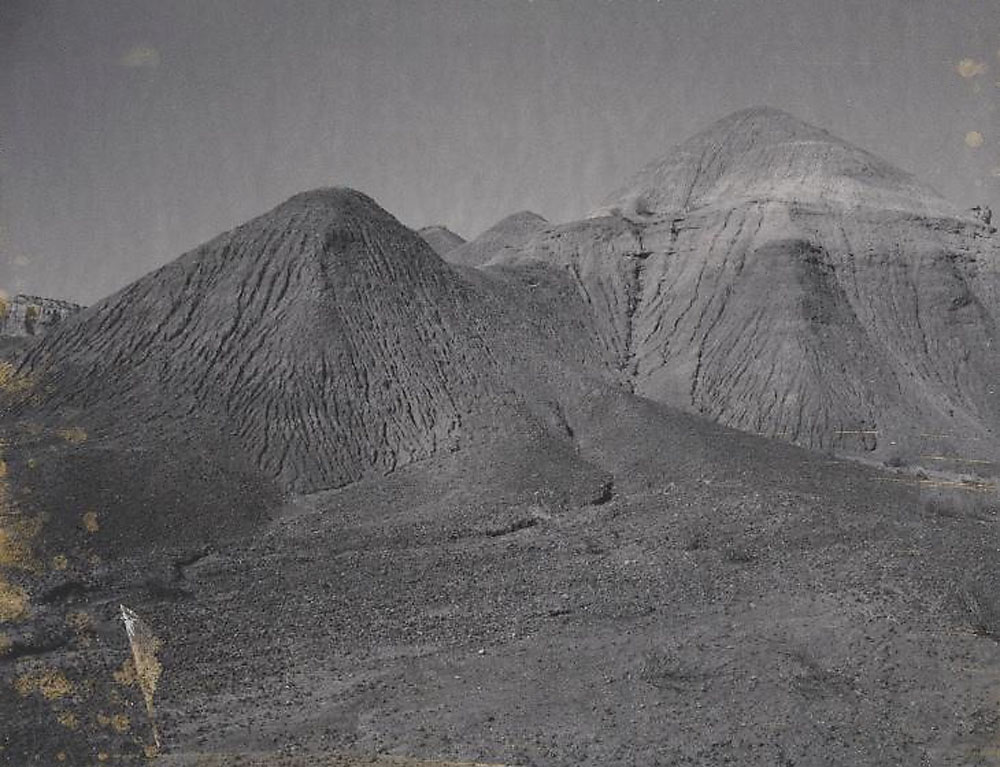
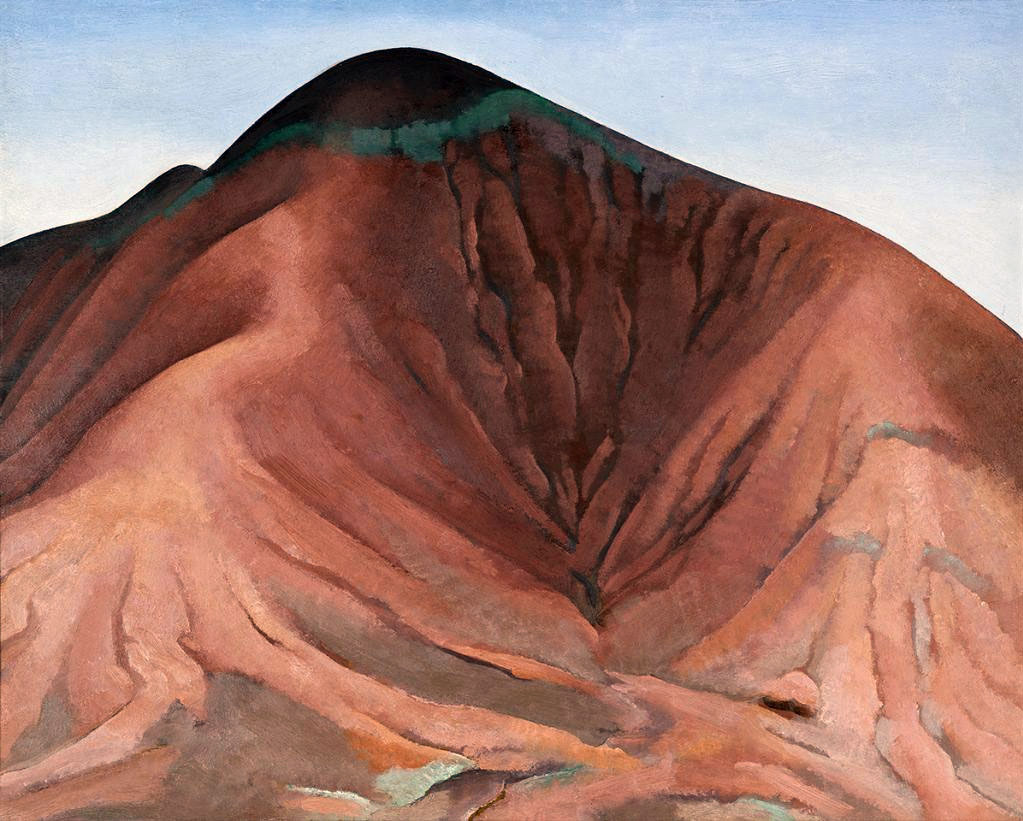
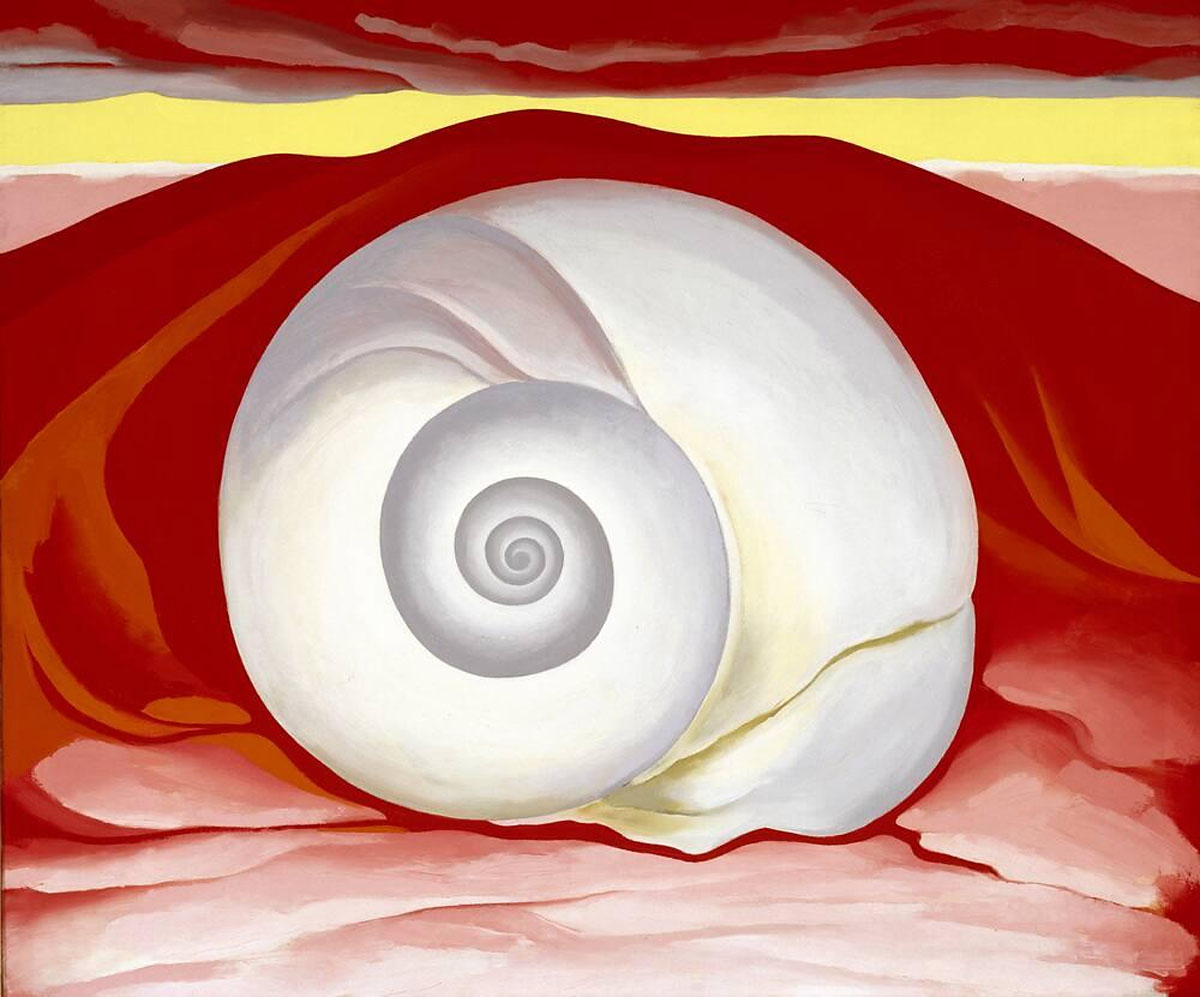
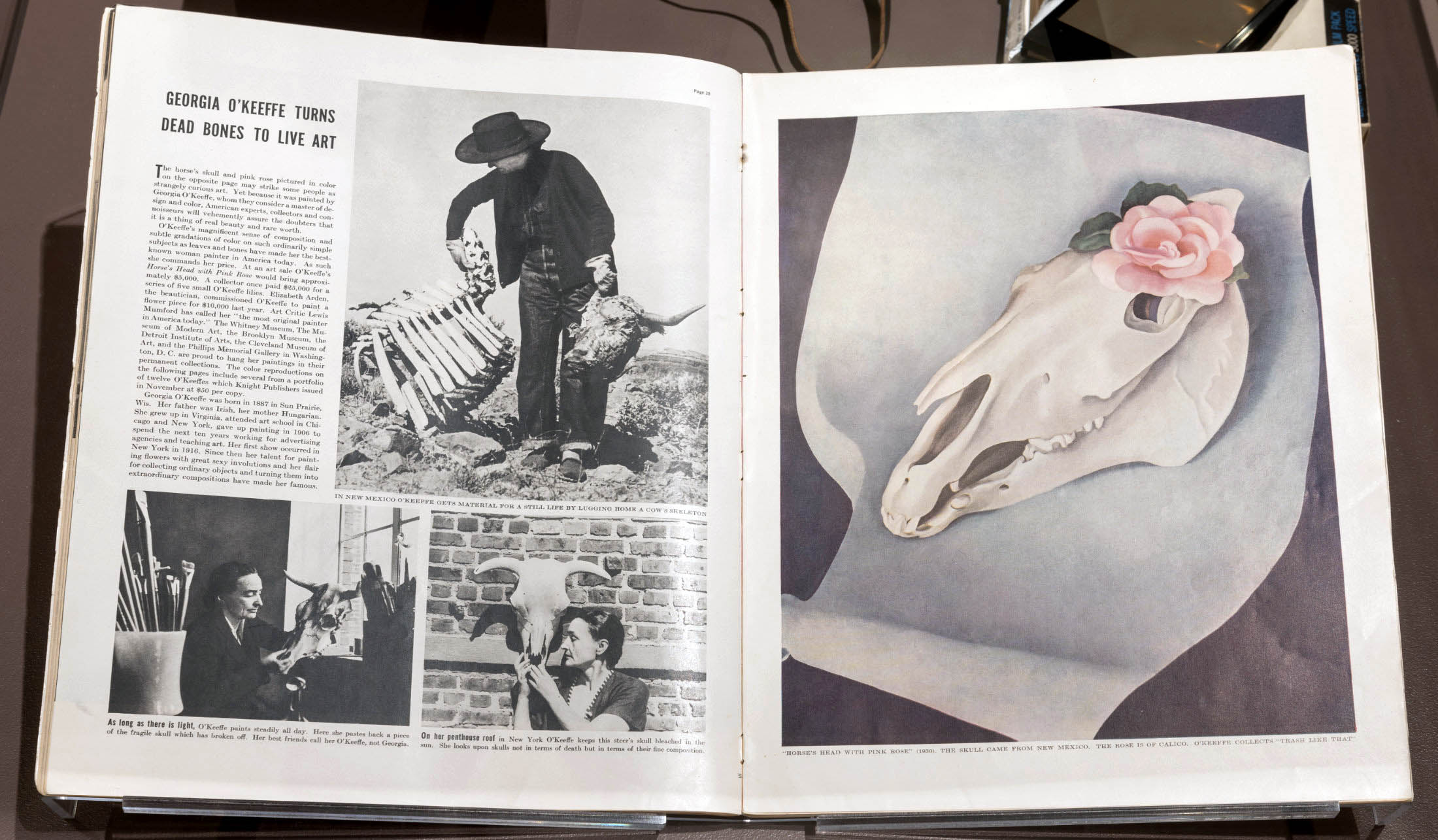
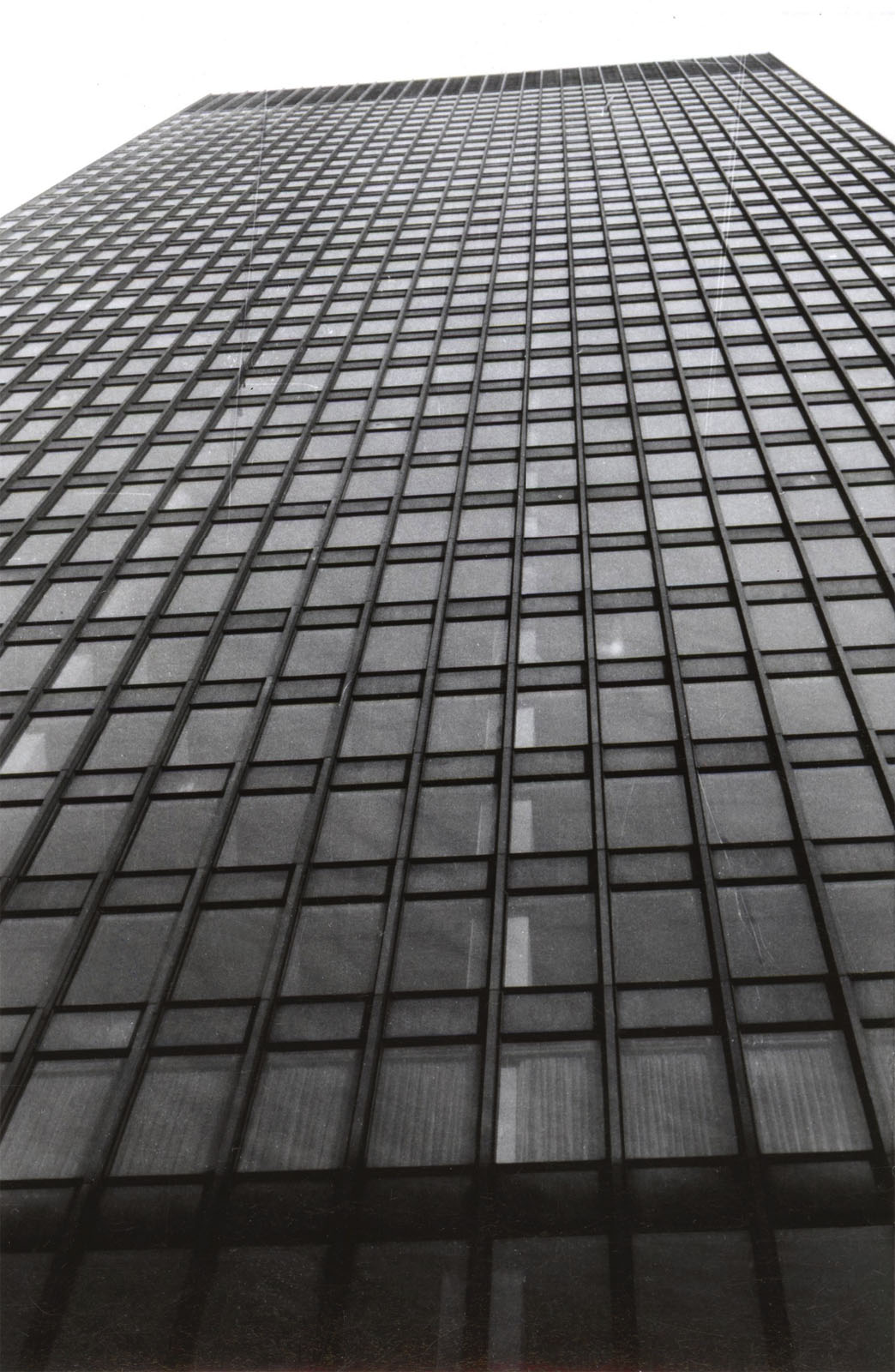

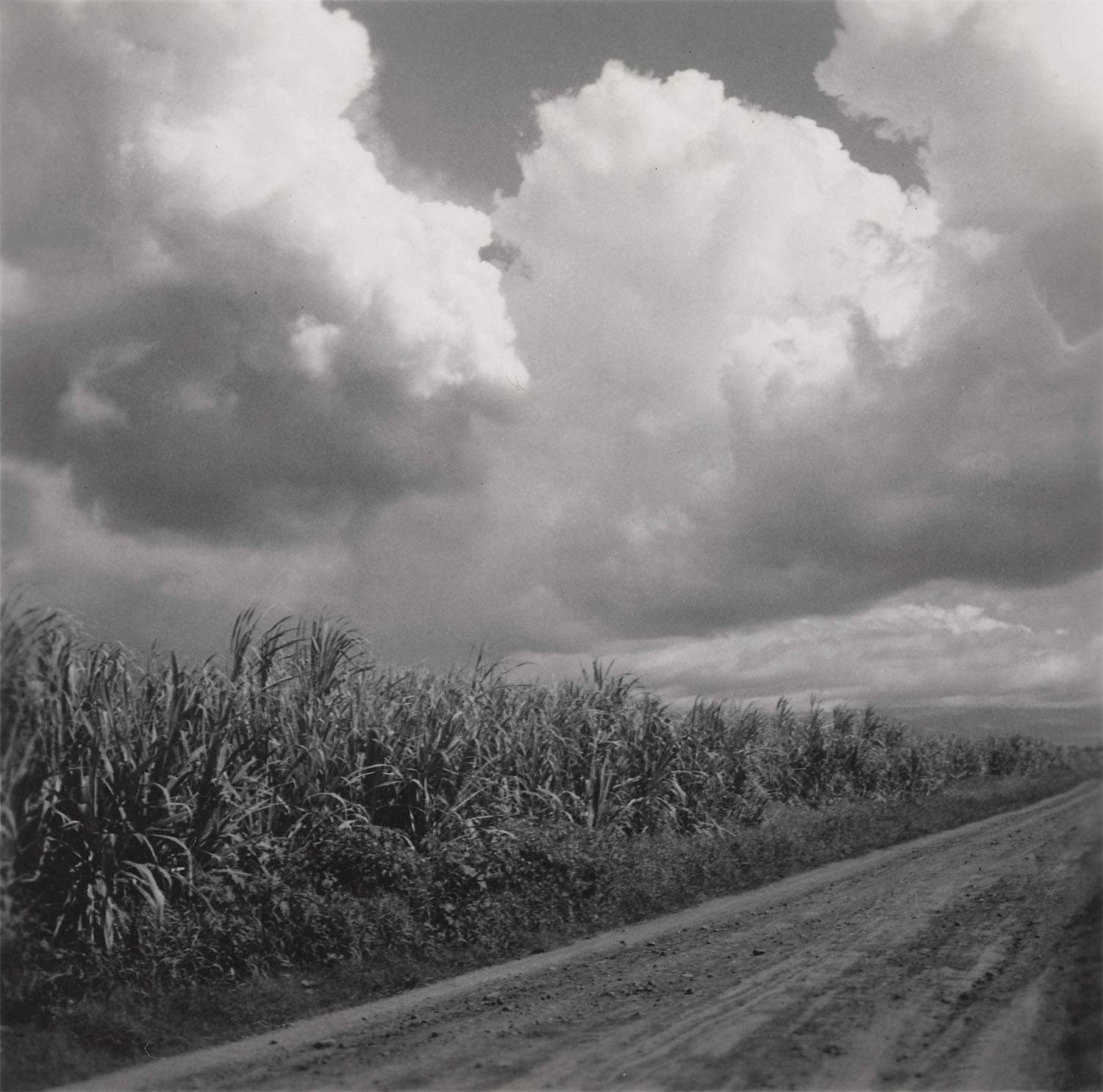
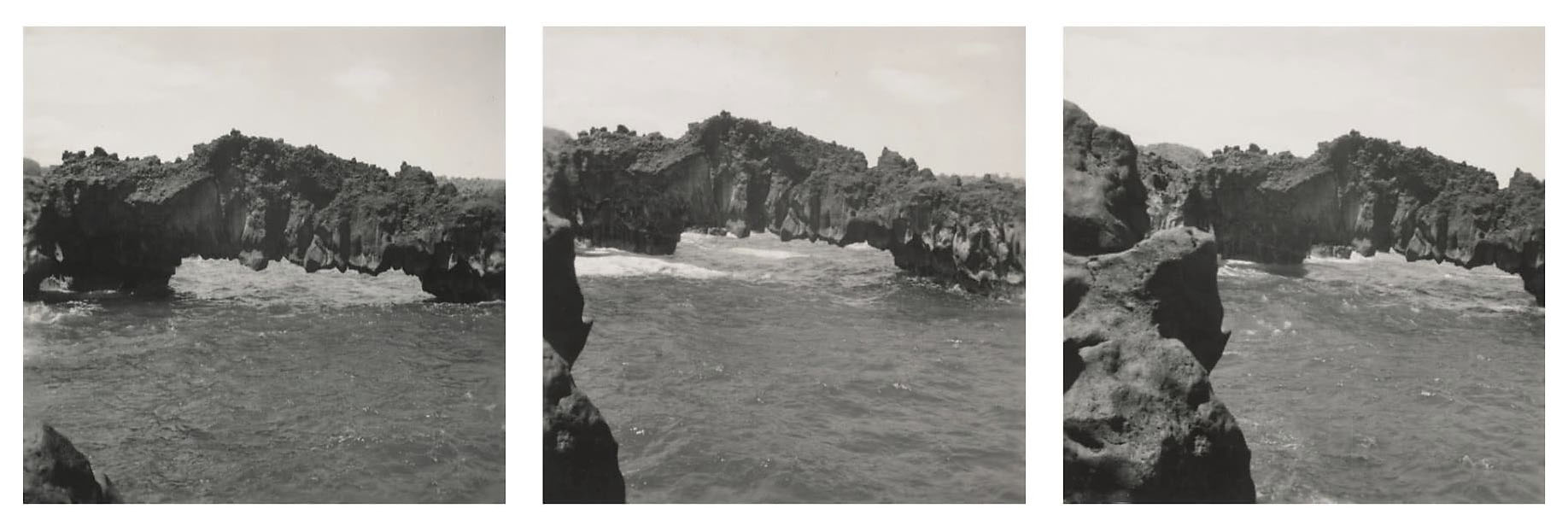
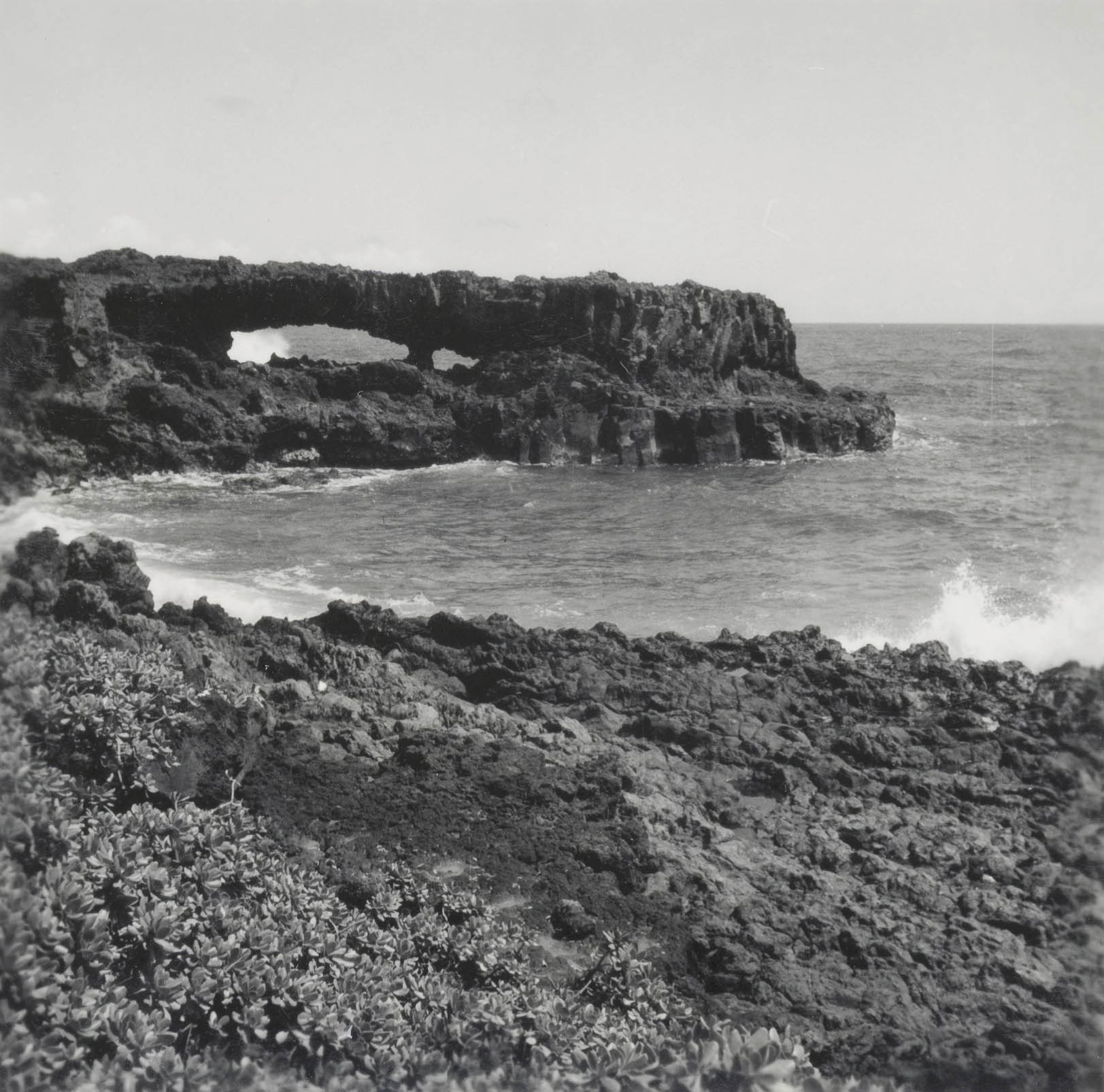


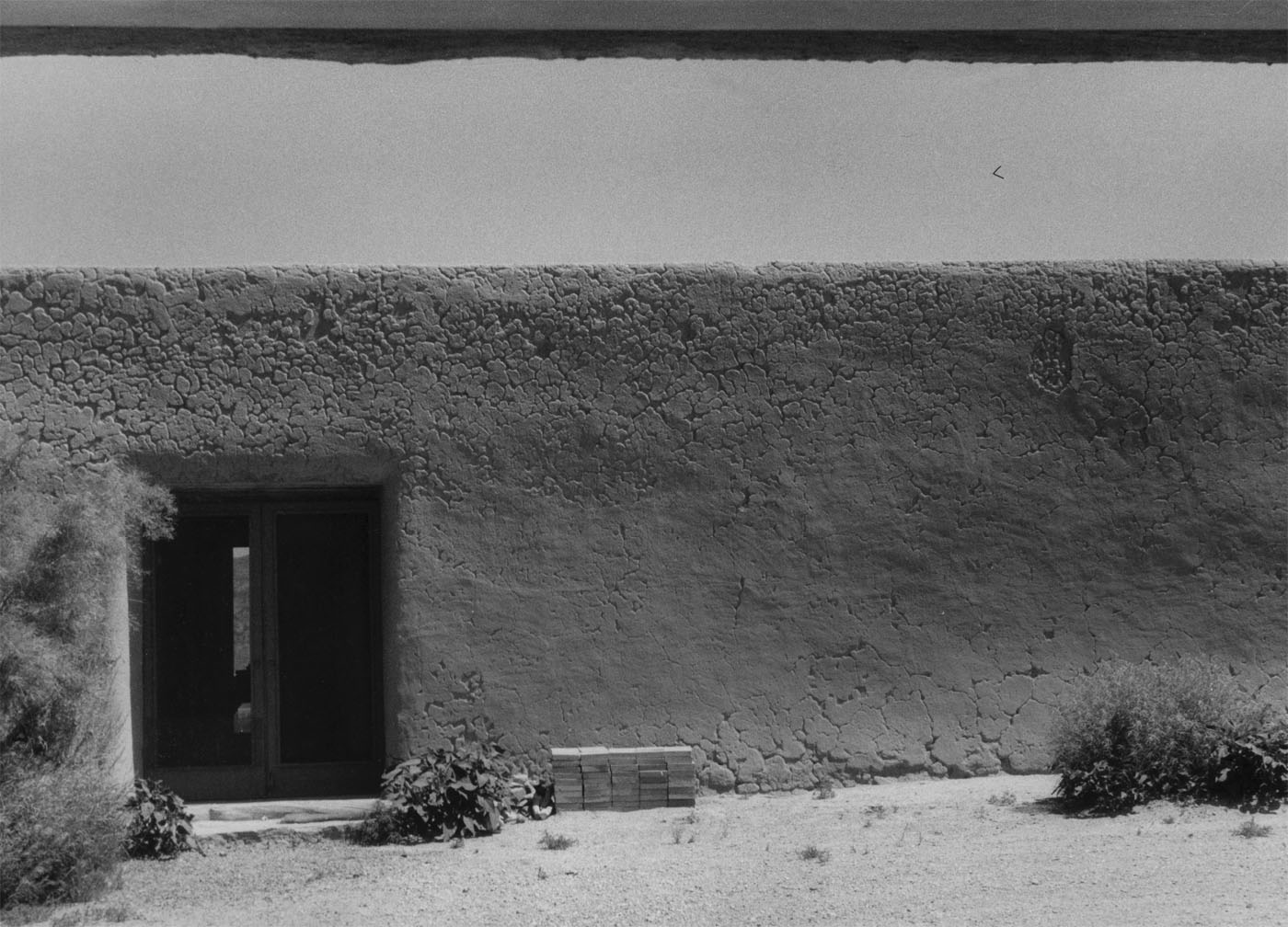

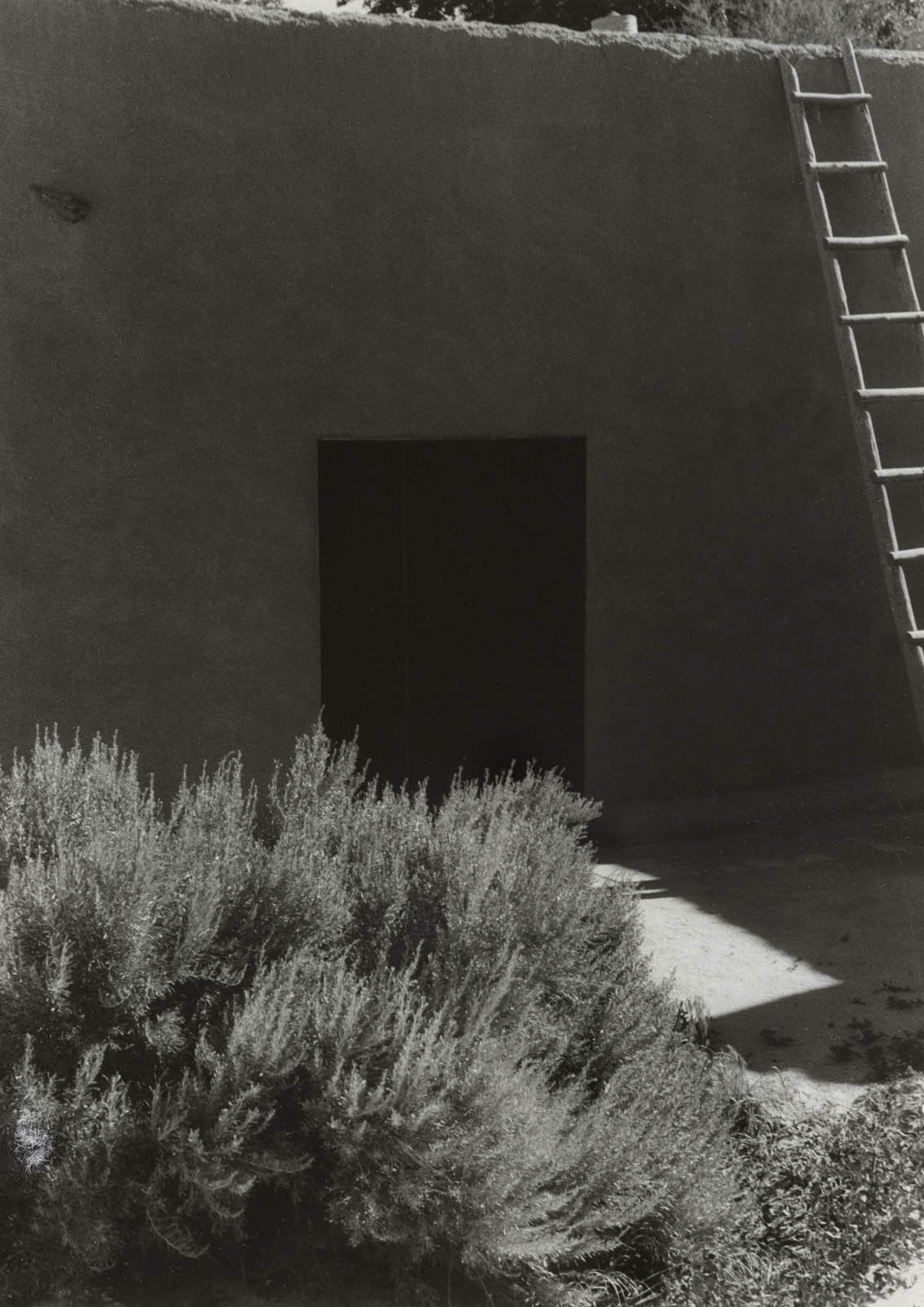


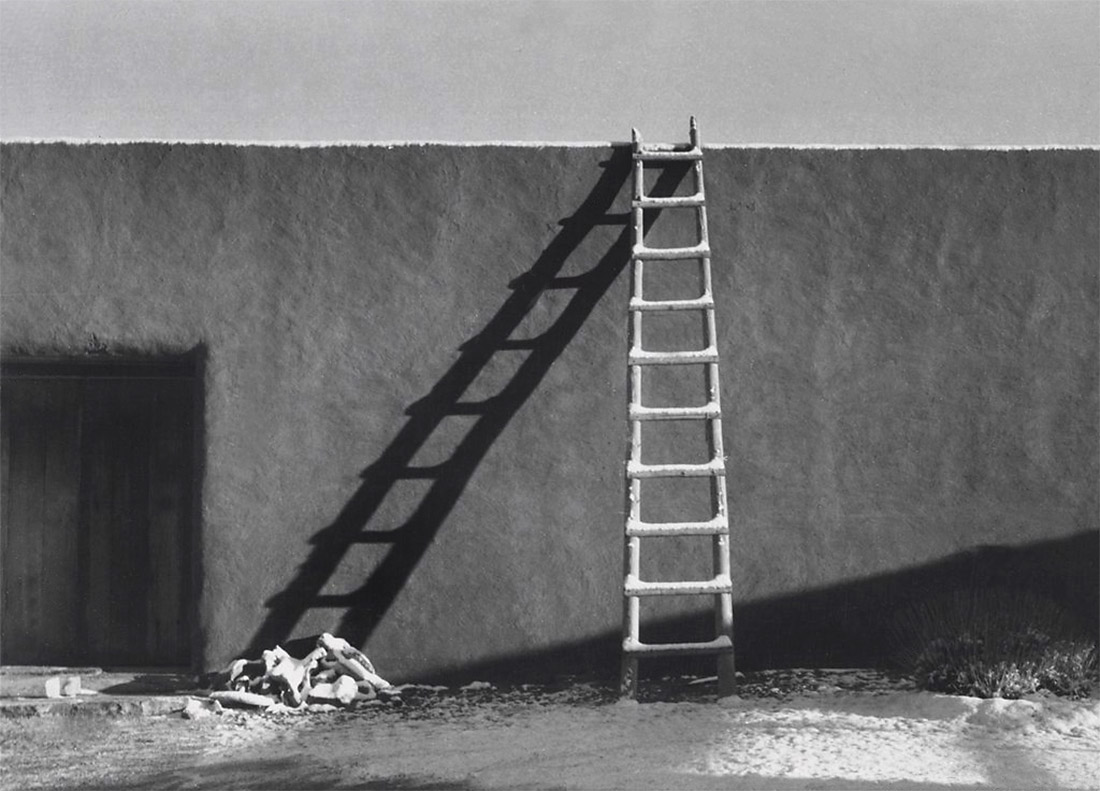

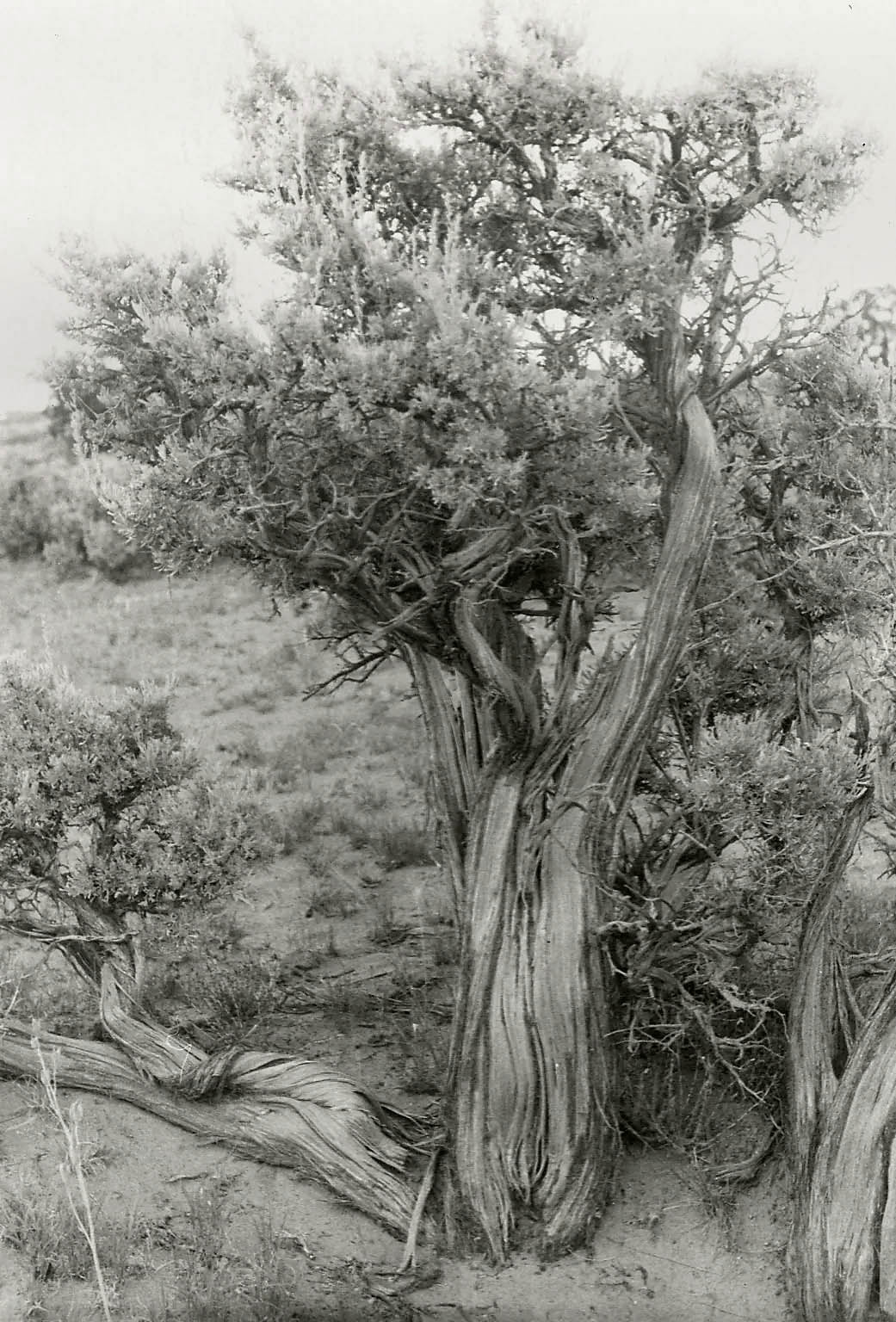


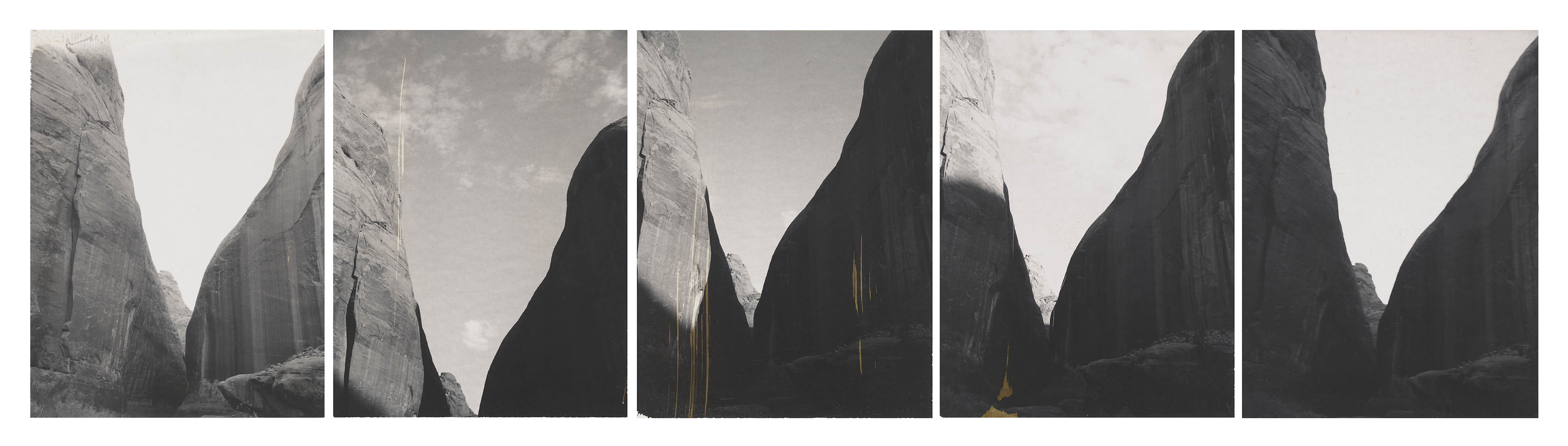
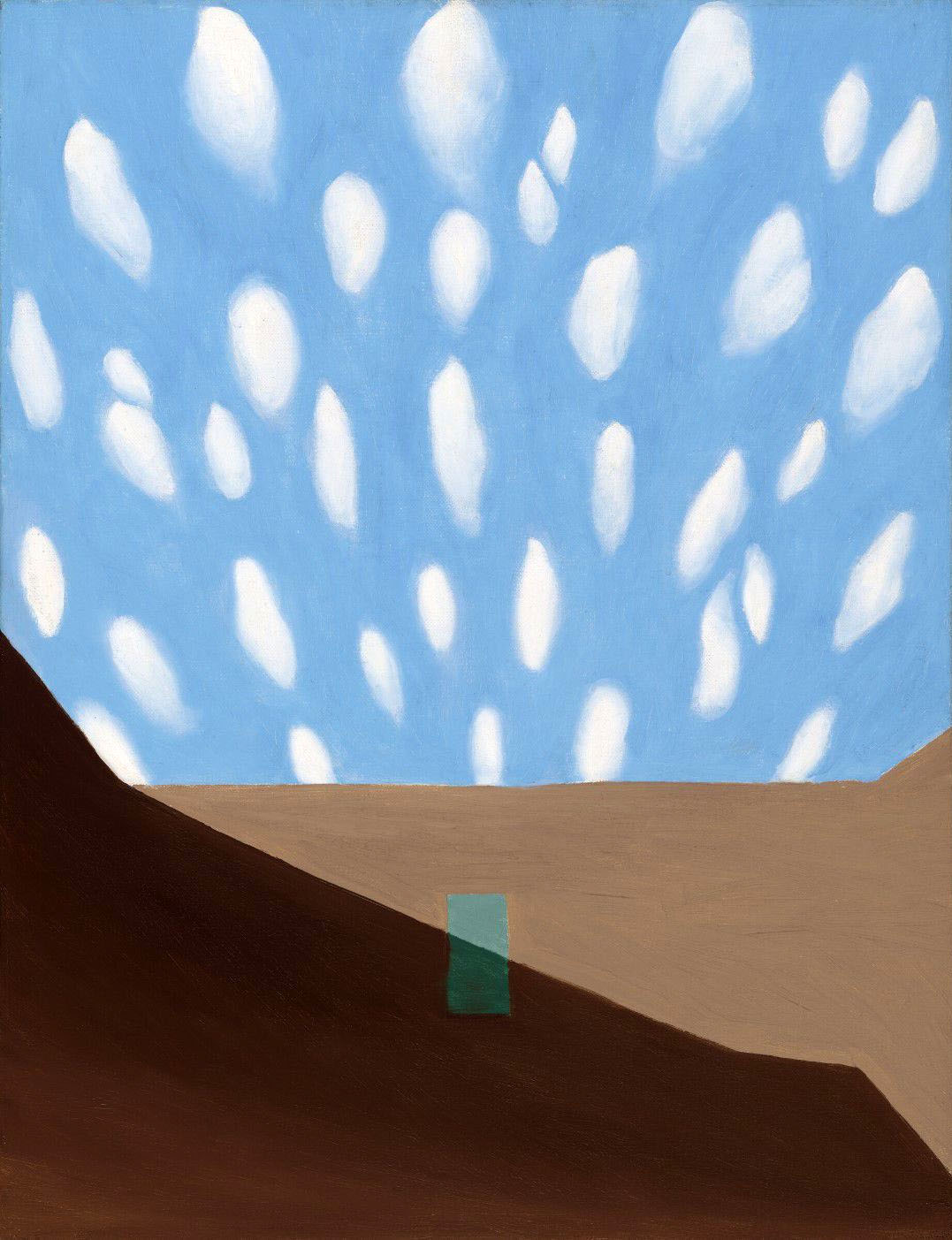

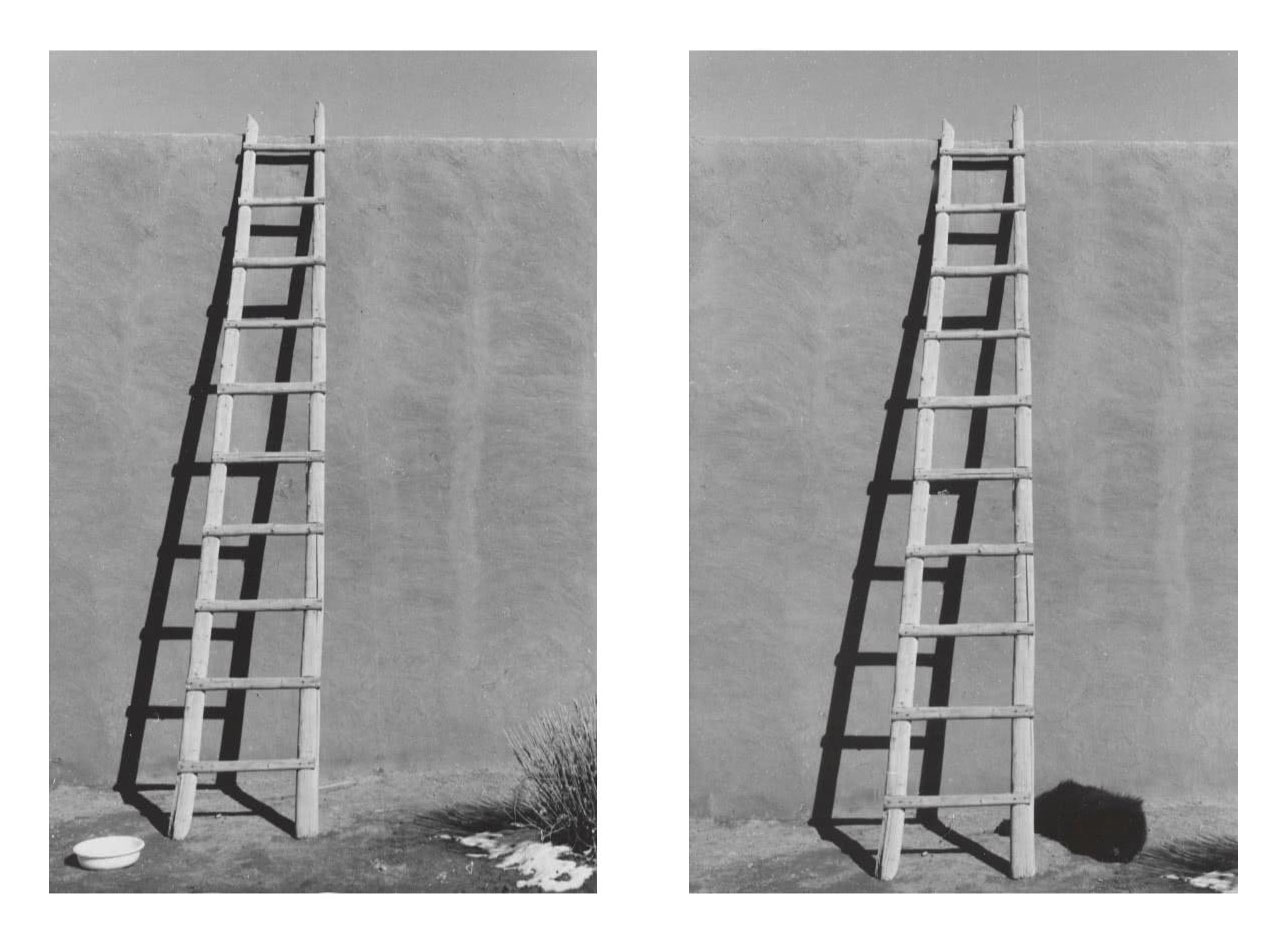
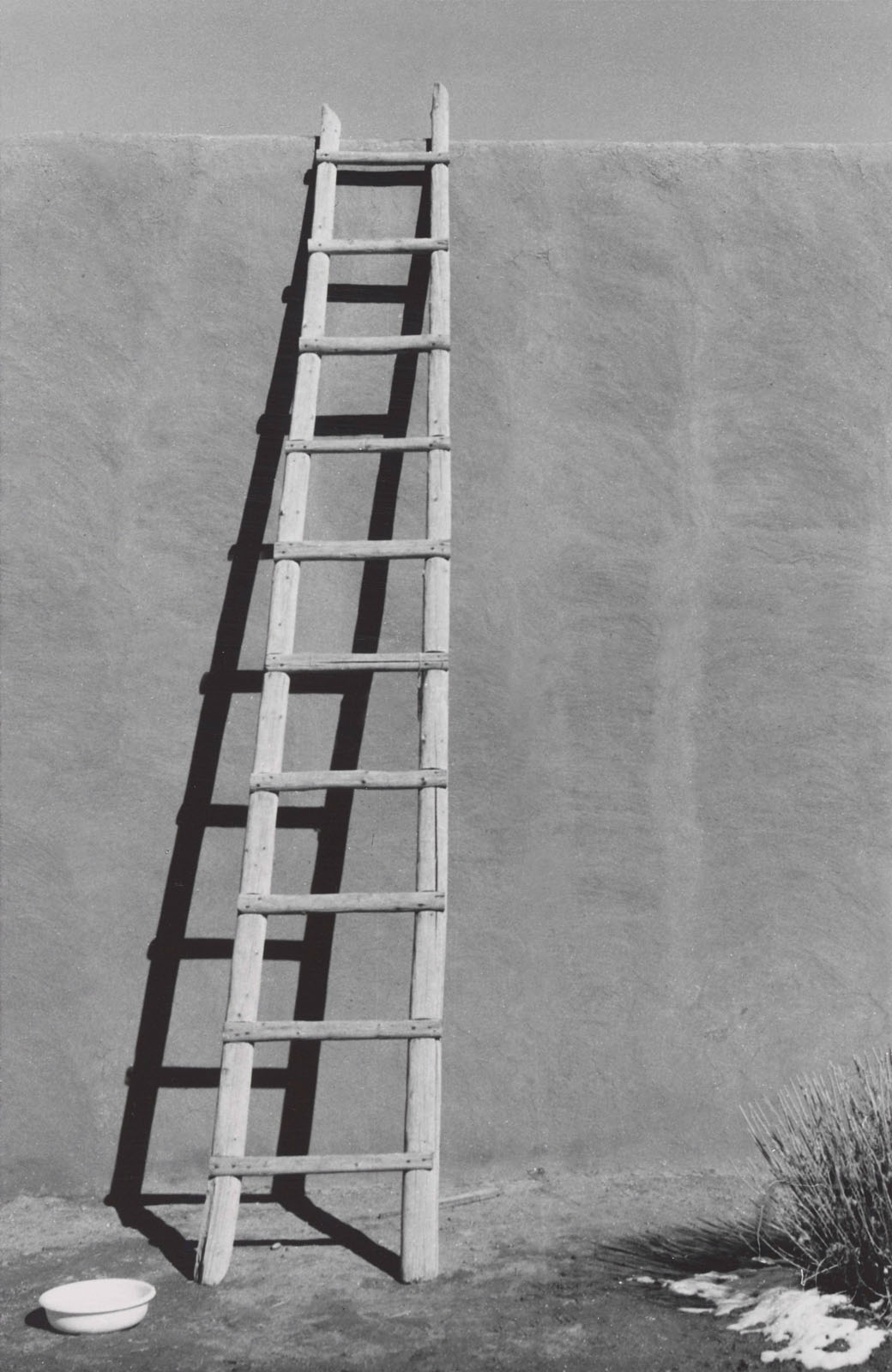
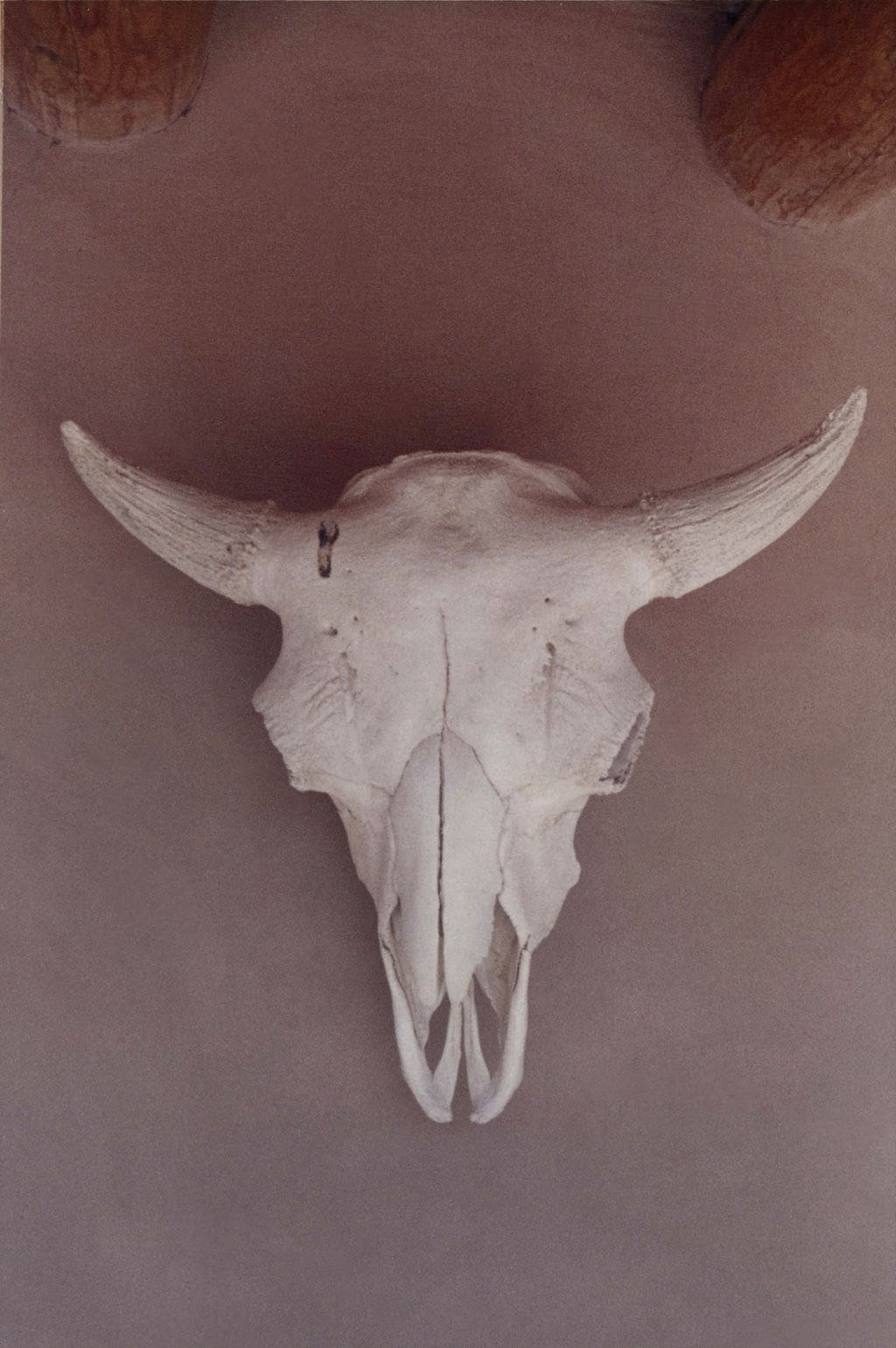


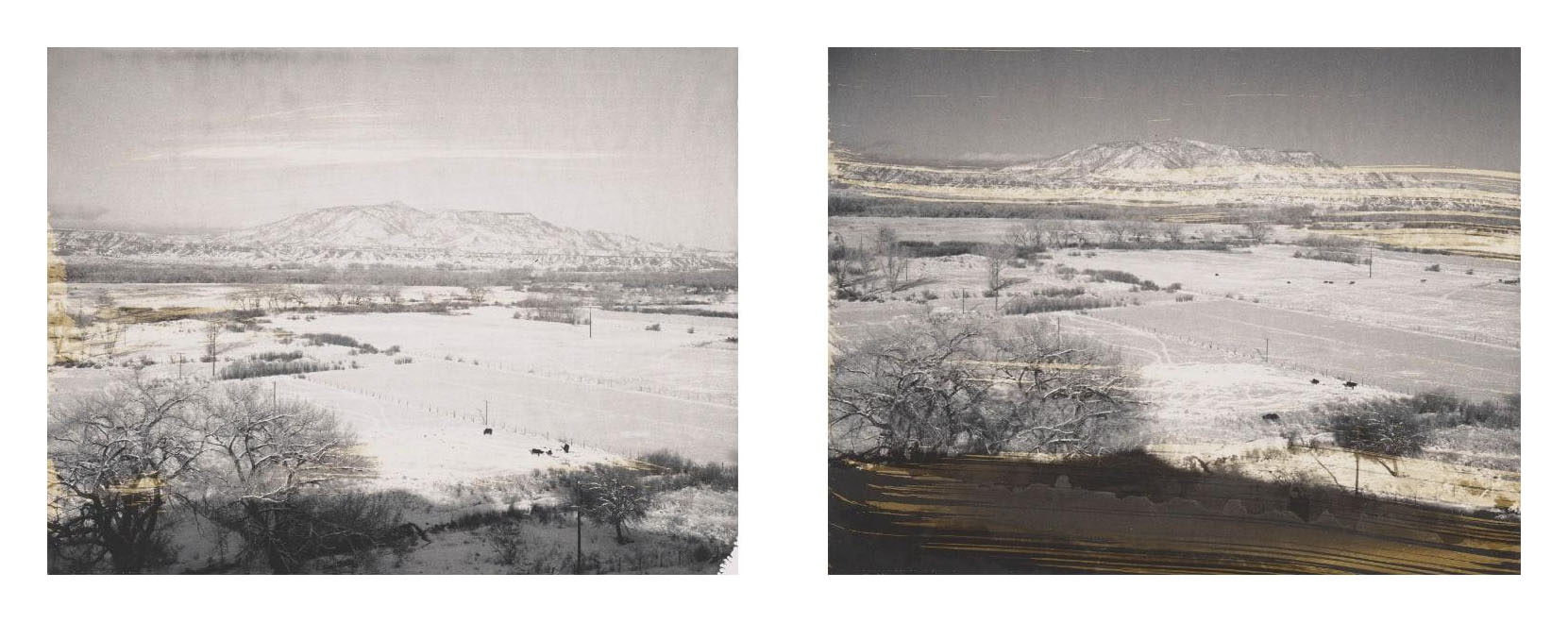
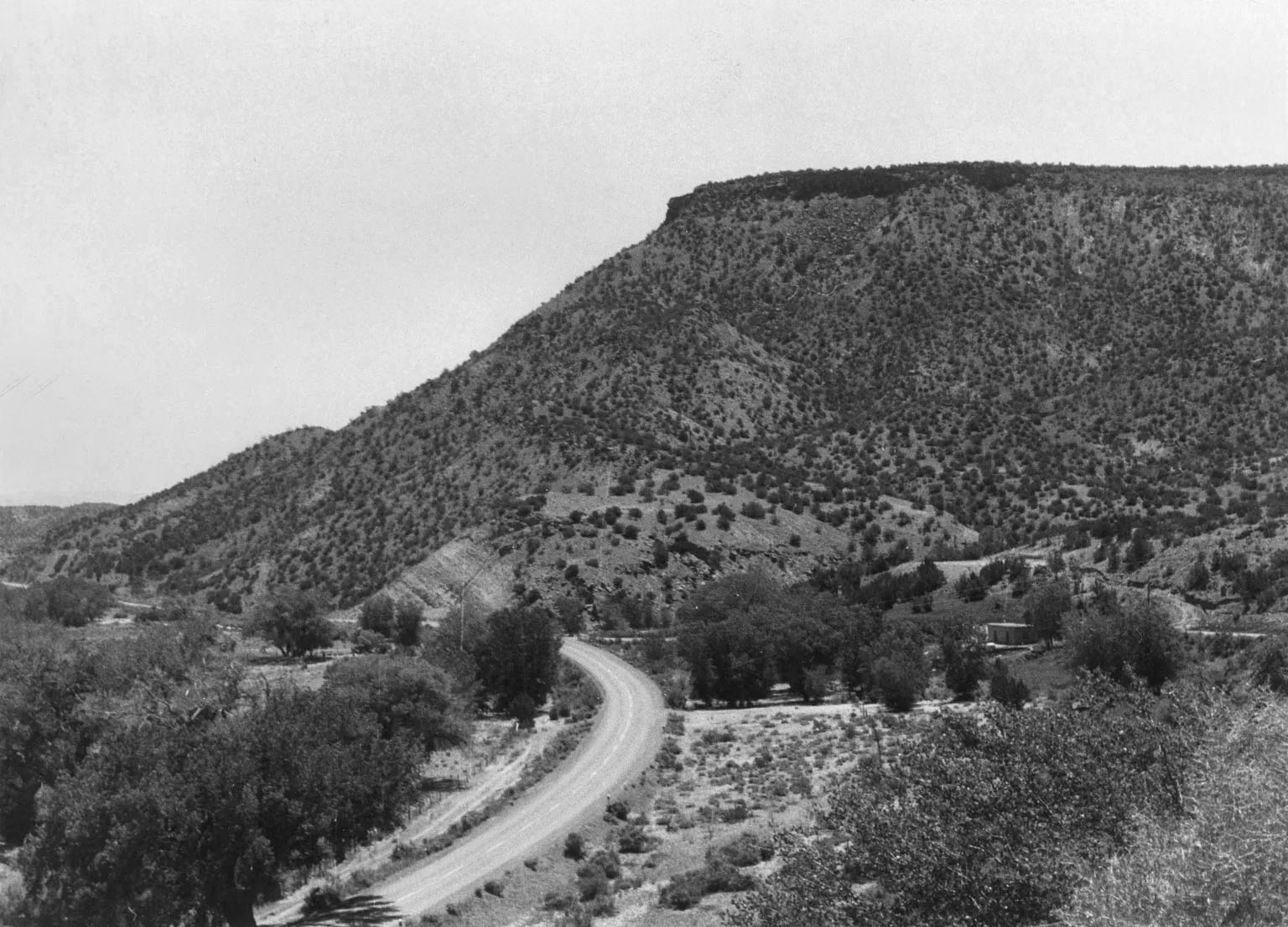


![Nadar [Gaspard Félix Tournachon] (French, 1820-1910) 'George Sand (Amandine-Aurore-Lucile Dupin), Writer' c. 1865](https://artblart.com/wp-content/uploads/2016/10/realideal5-web.jpg "Nadar [Gaspard Félix Tournachon] (French, 1820-1910) 'George Sand (Amandine-Aurore-Lucile Dupin), Writer' c. 1865")
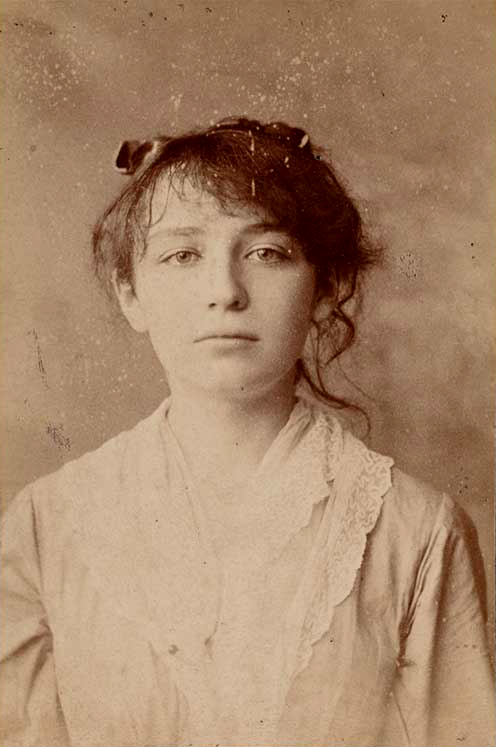
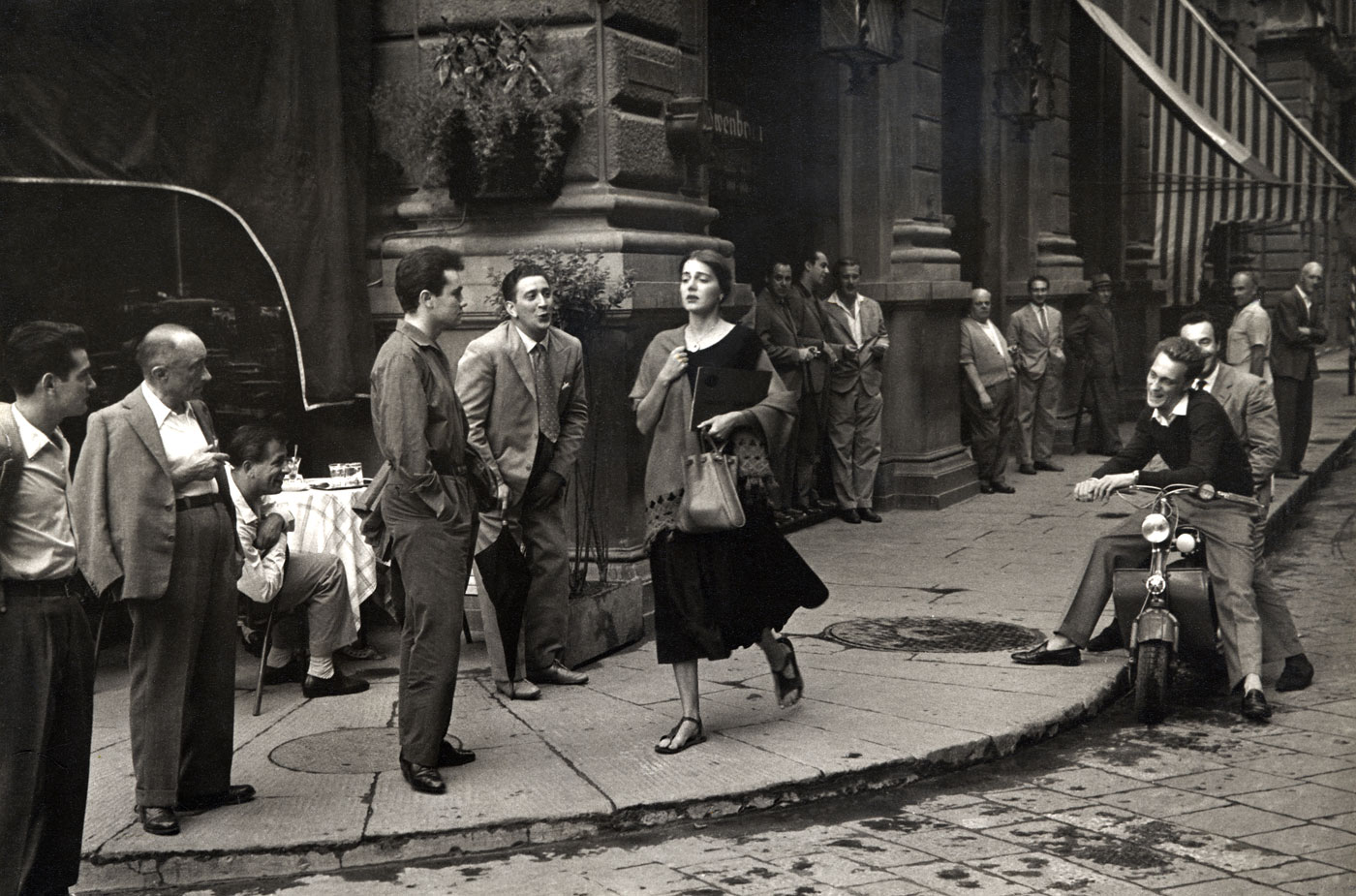
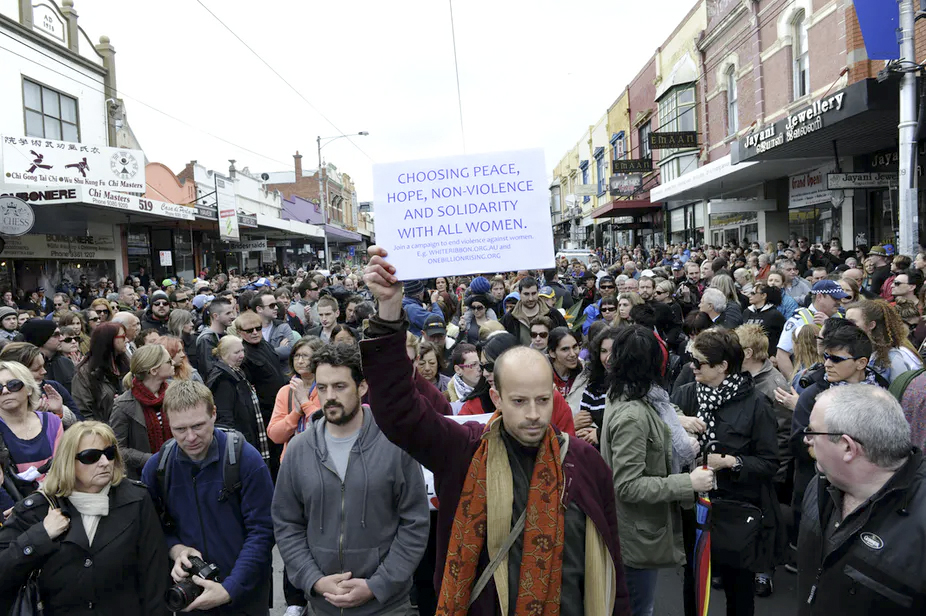


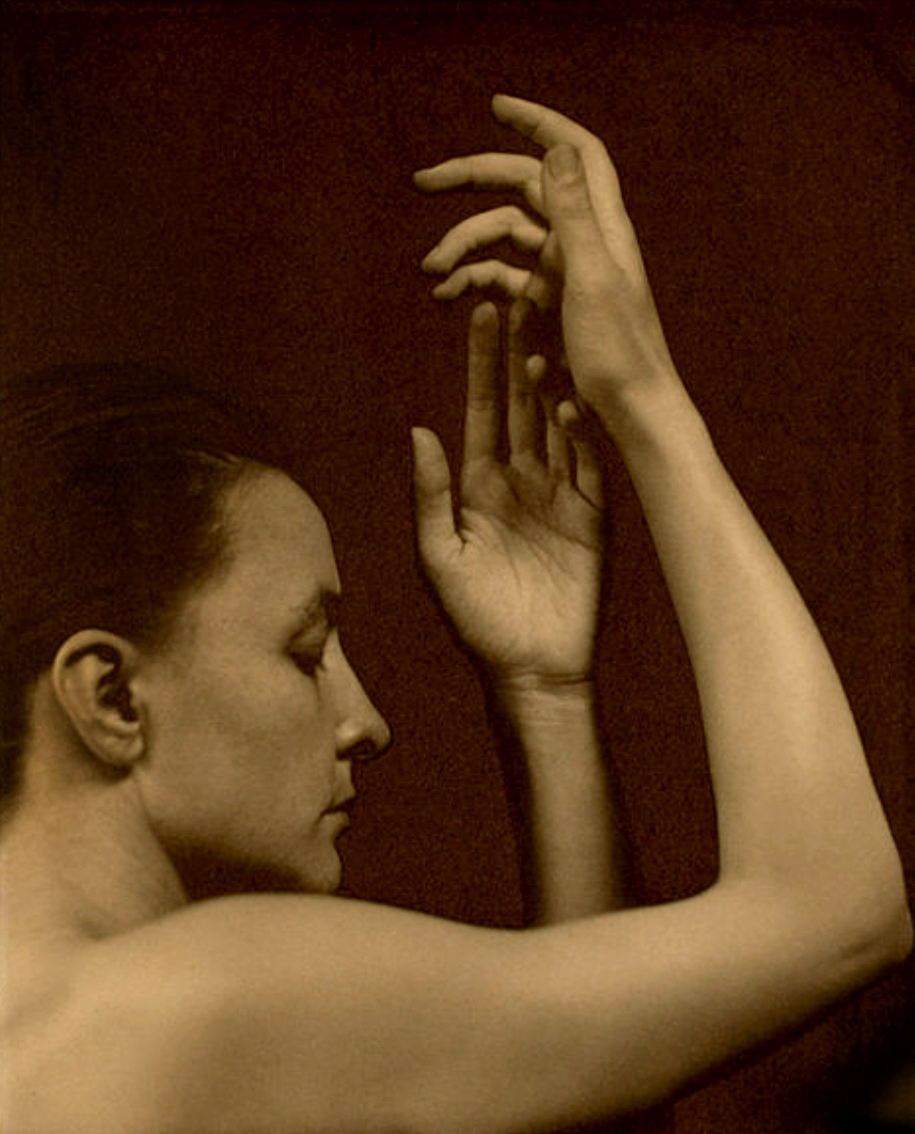


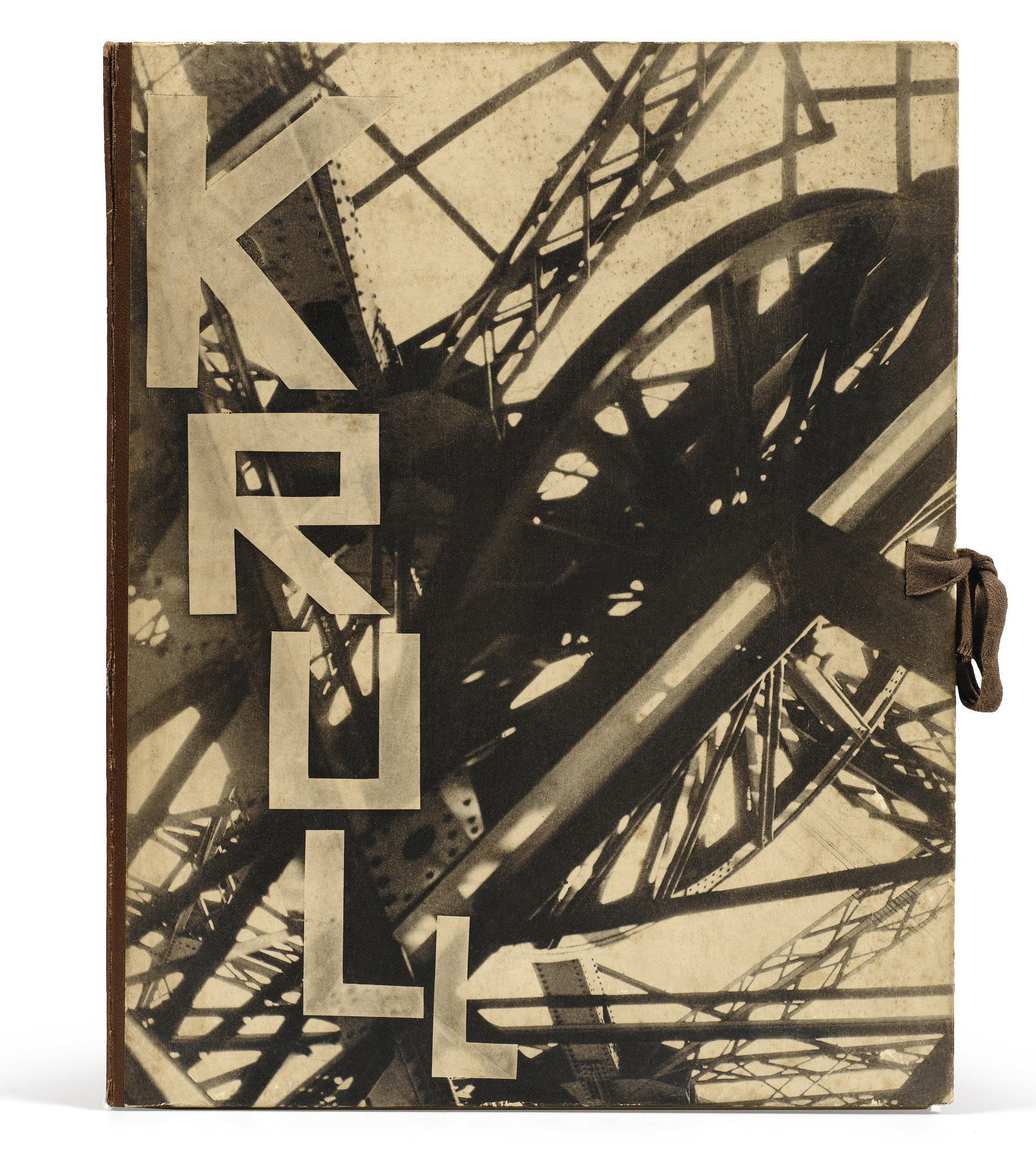
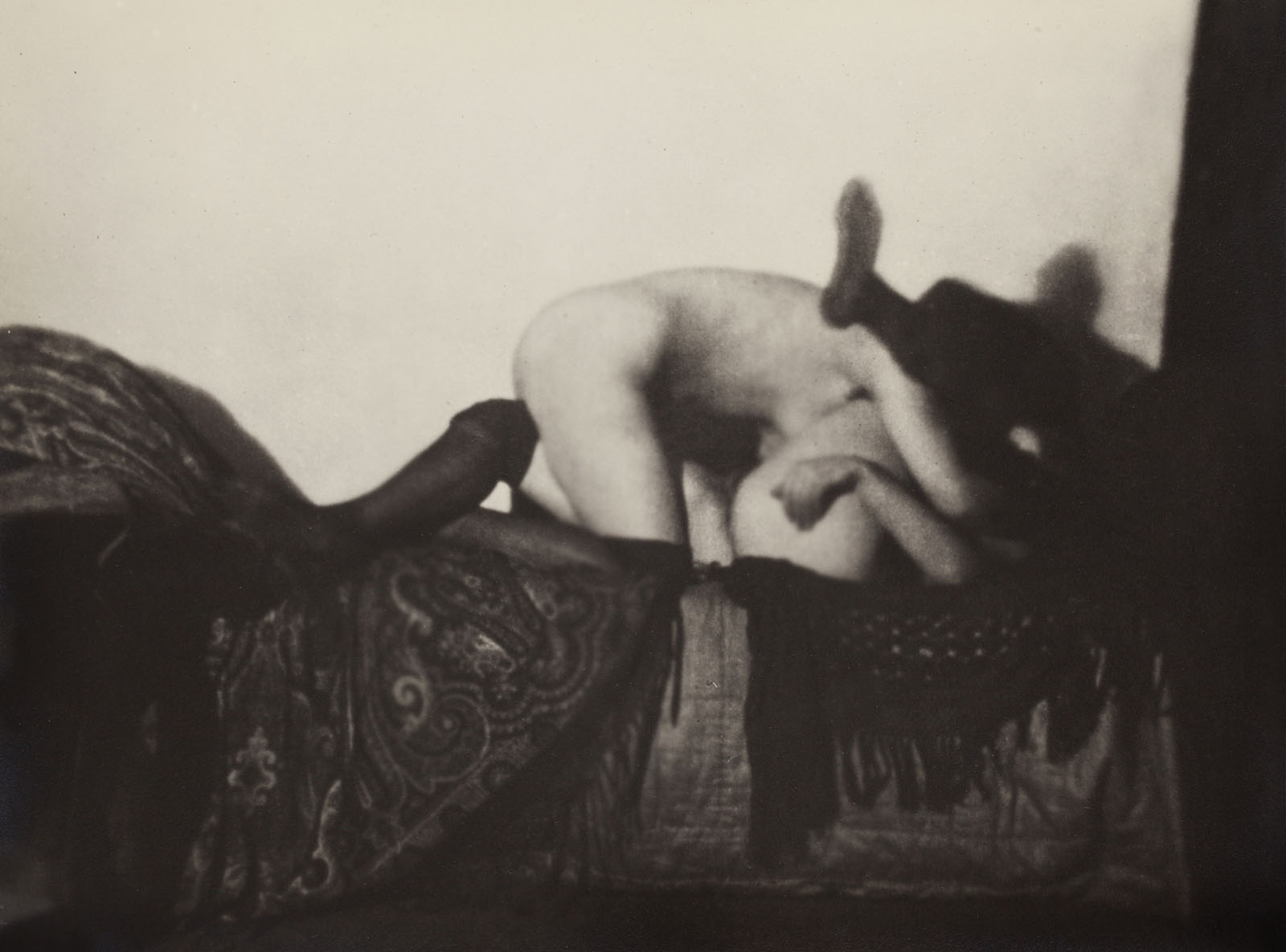
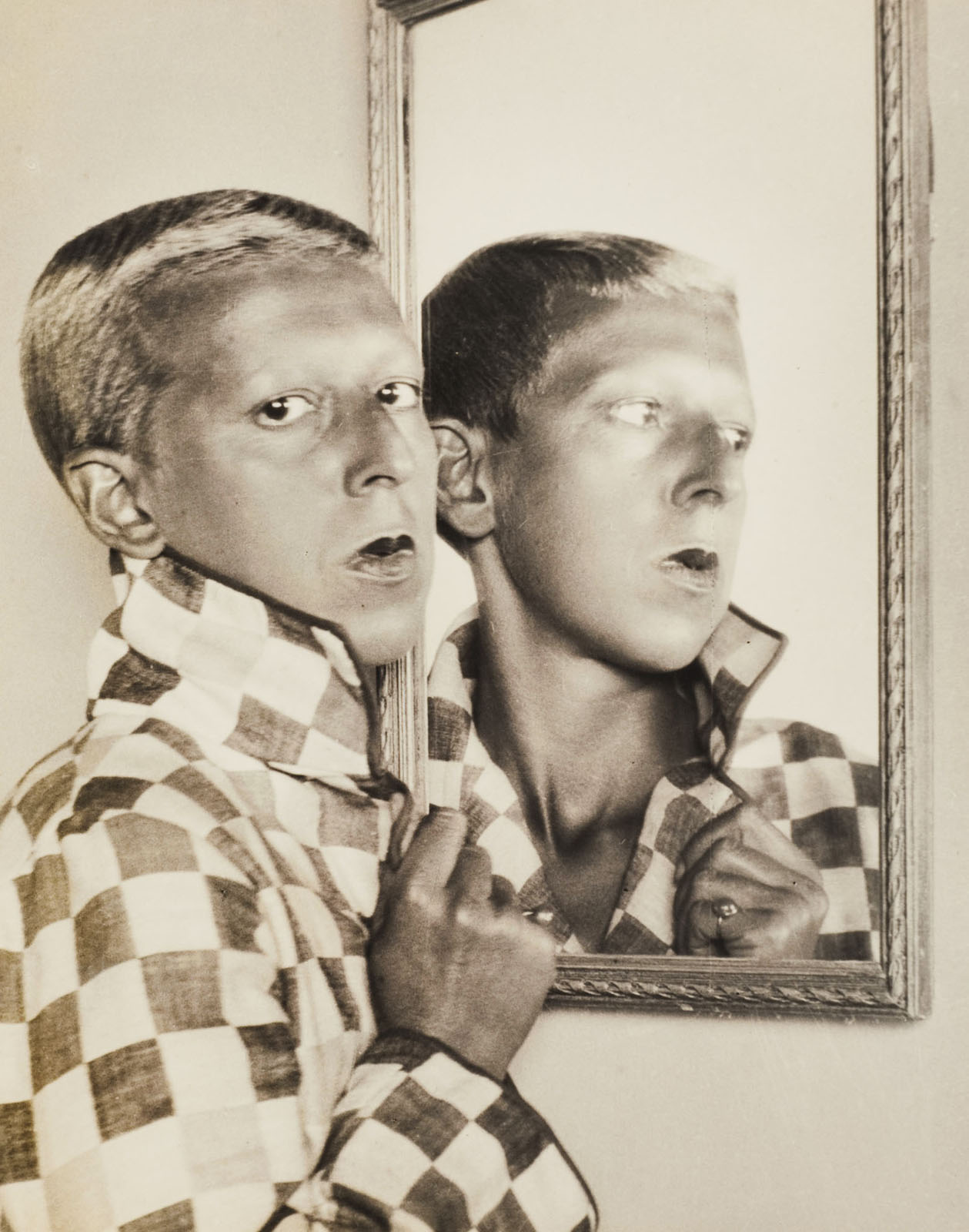
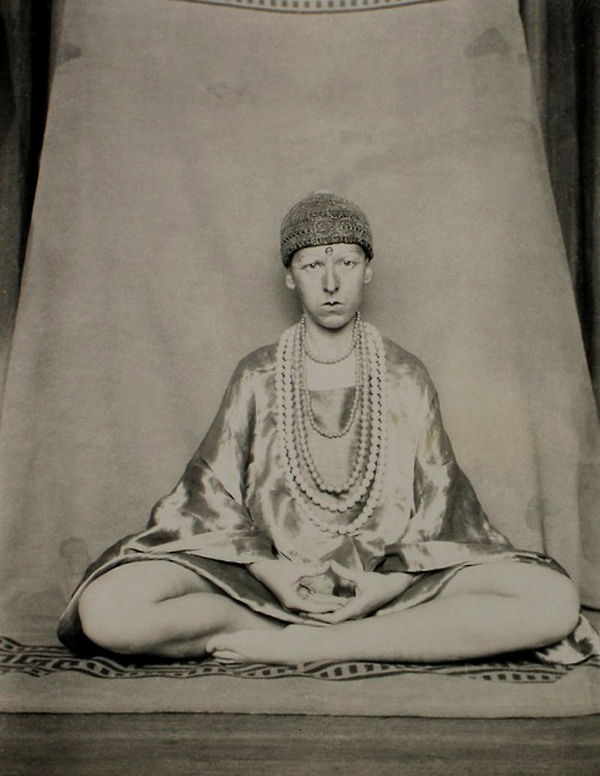
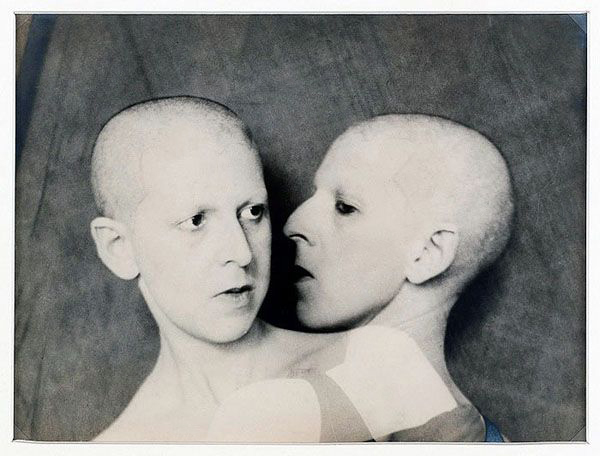
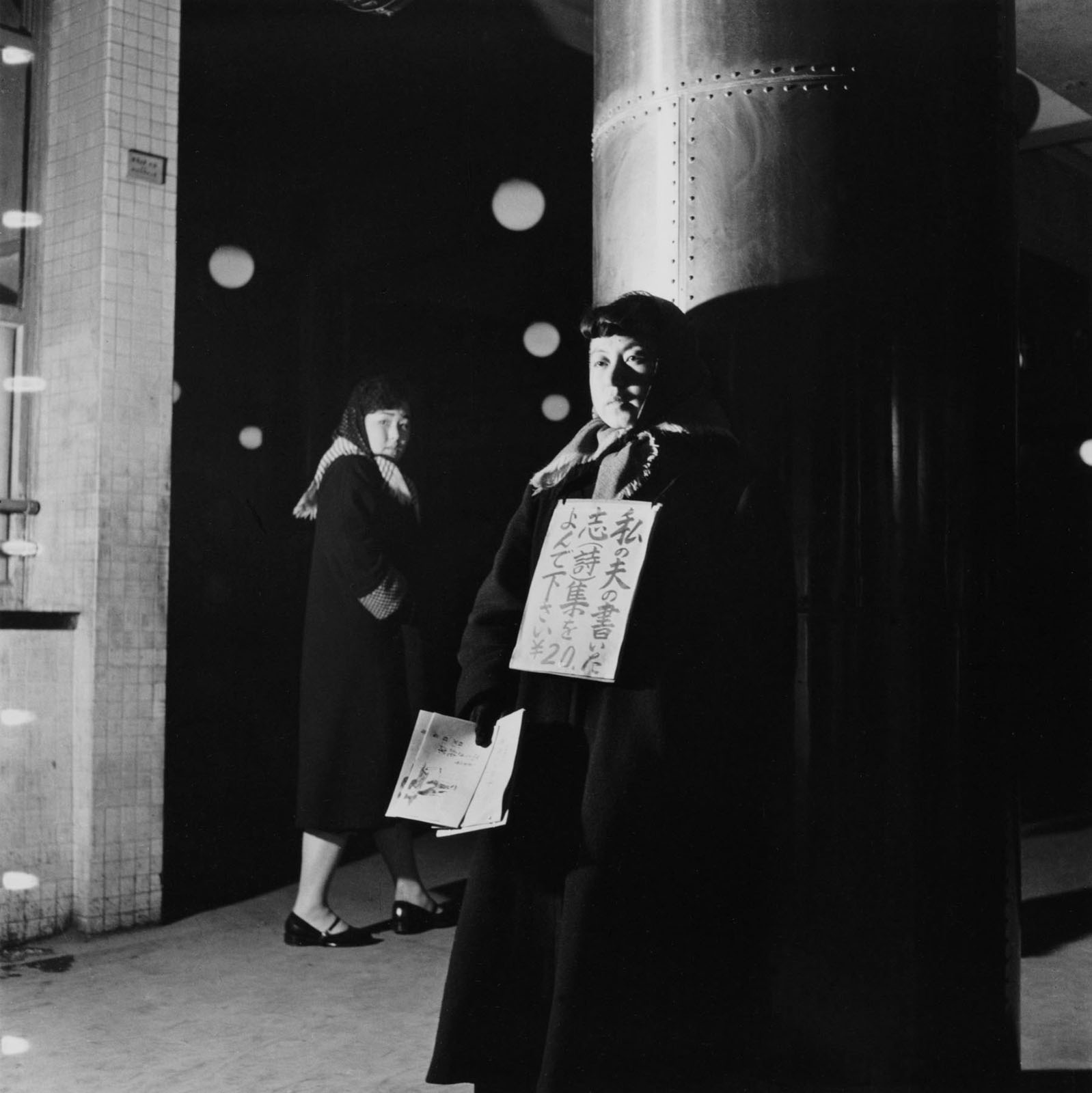
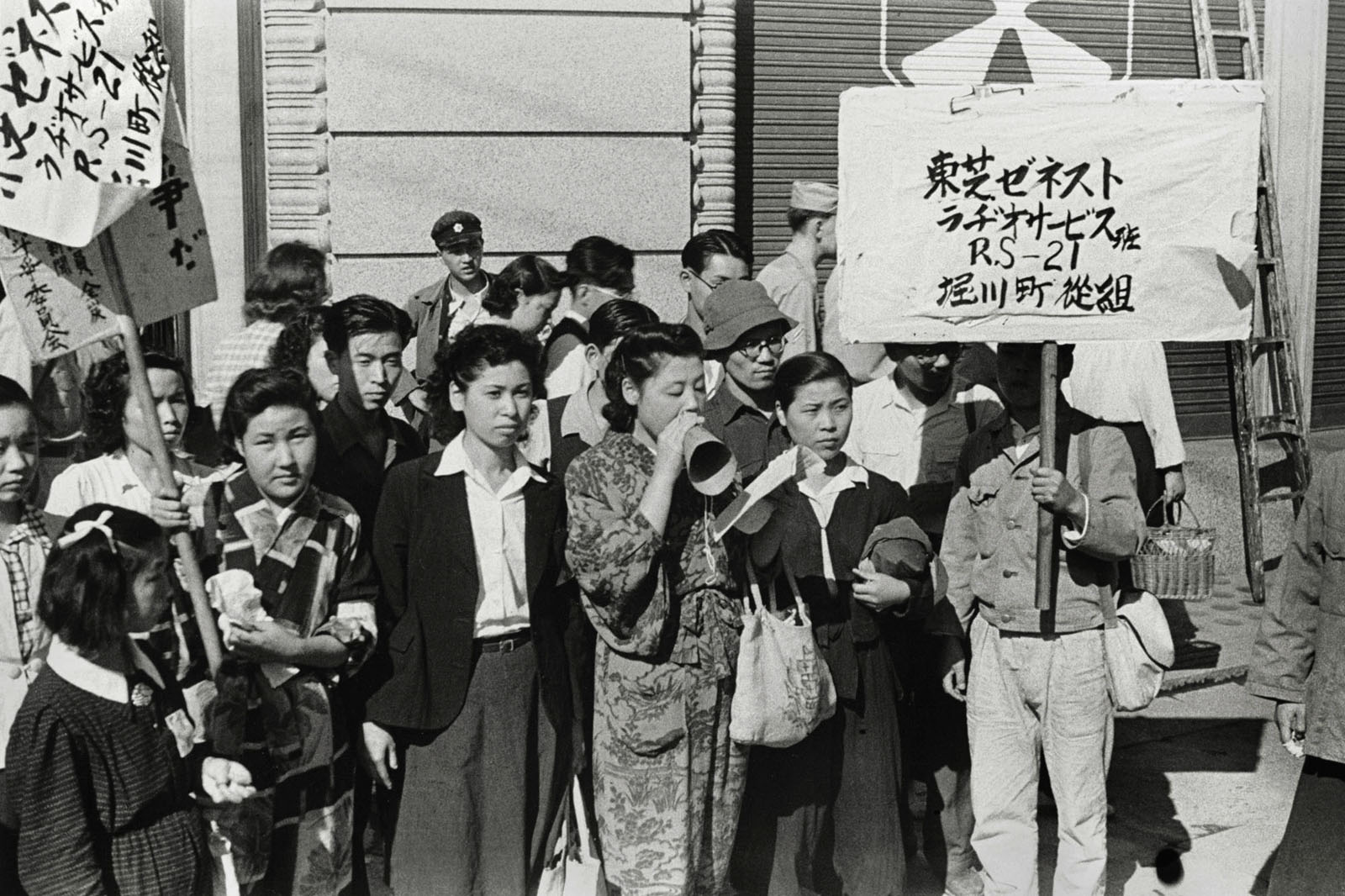


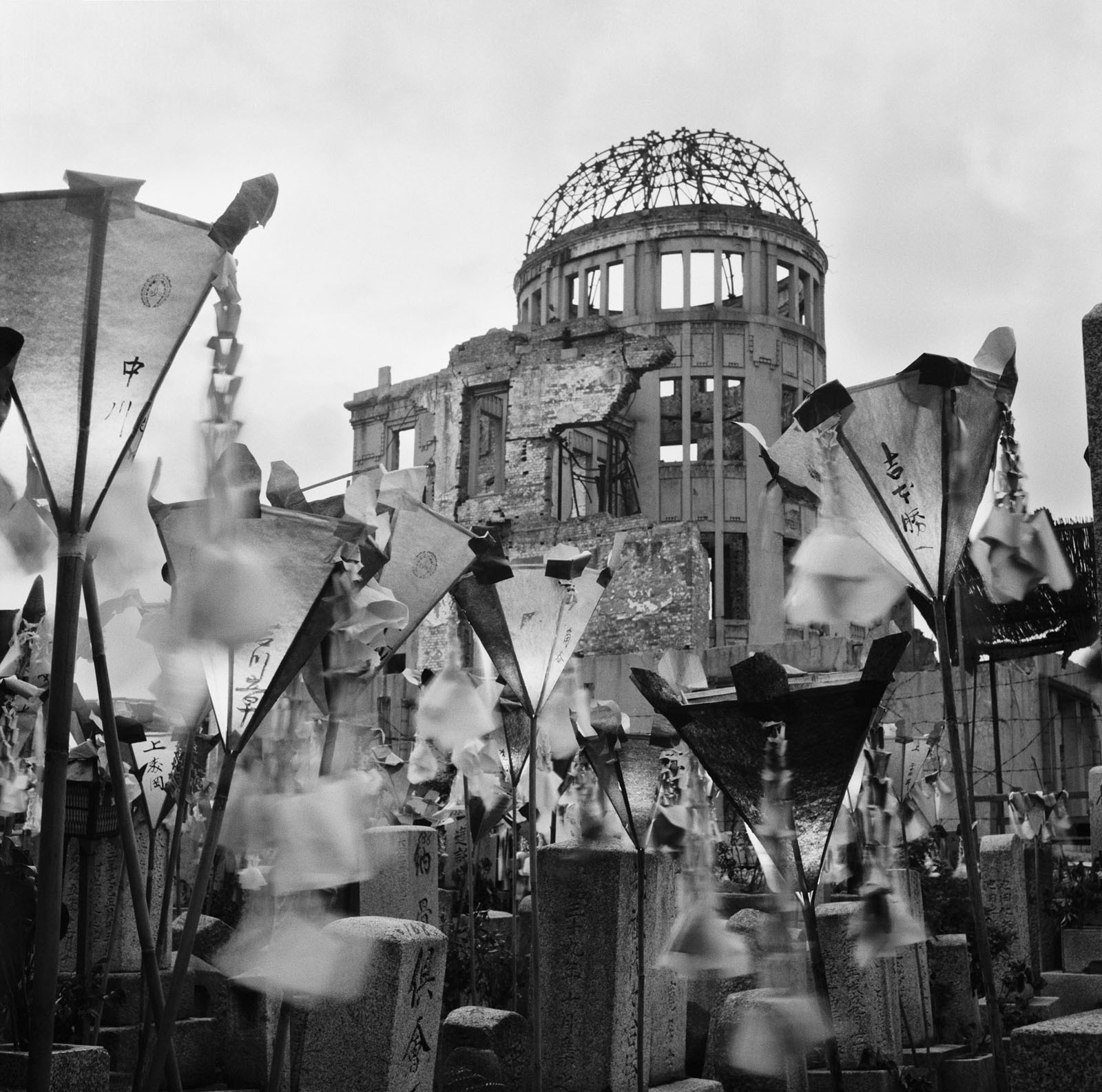
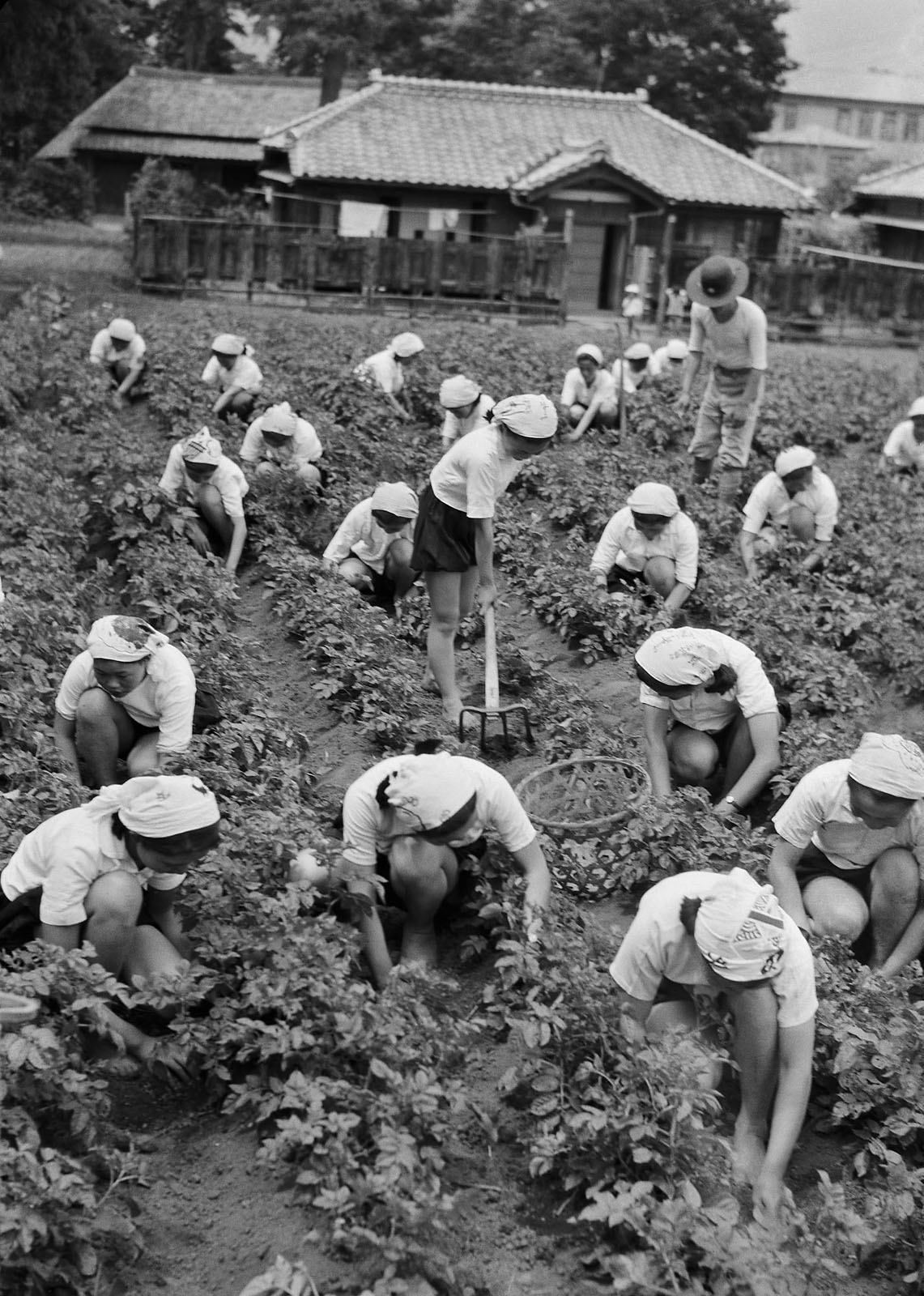
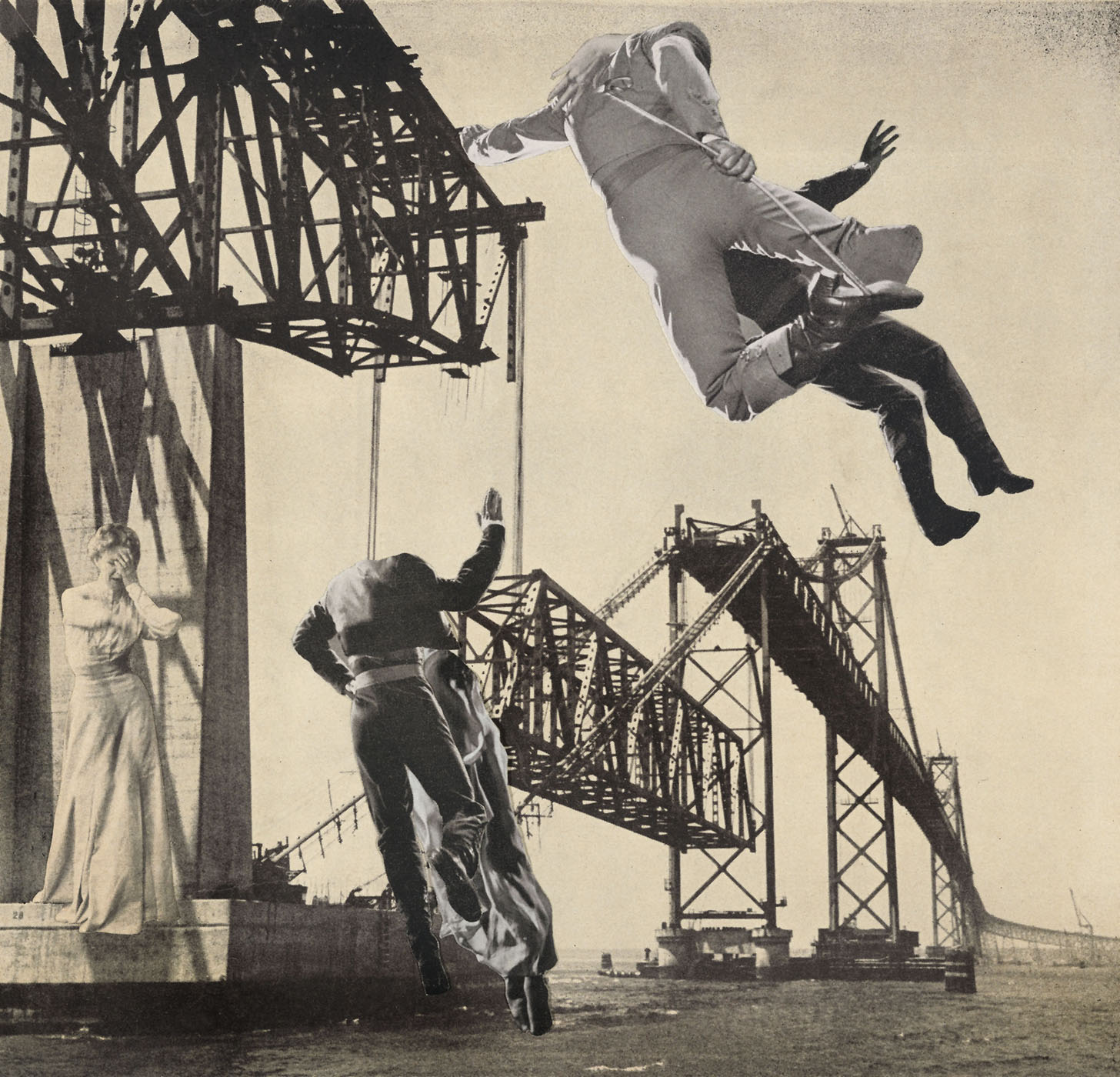


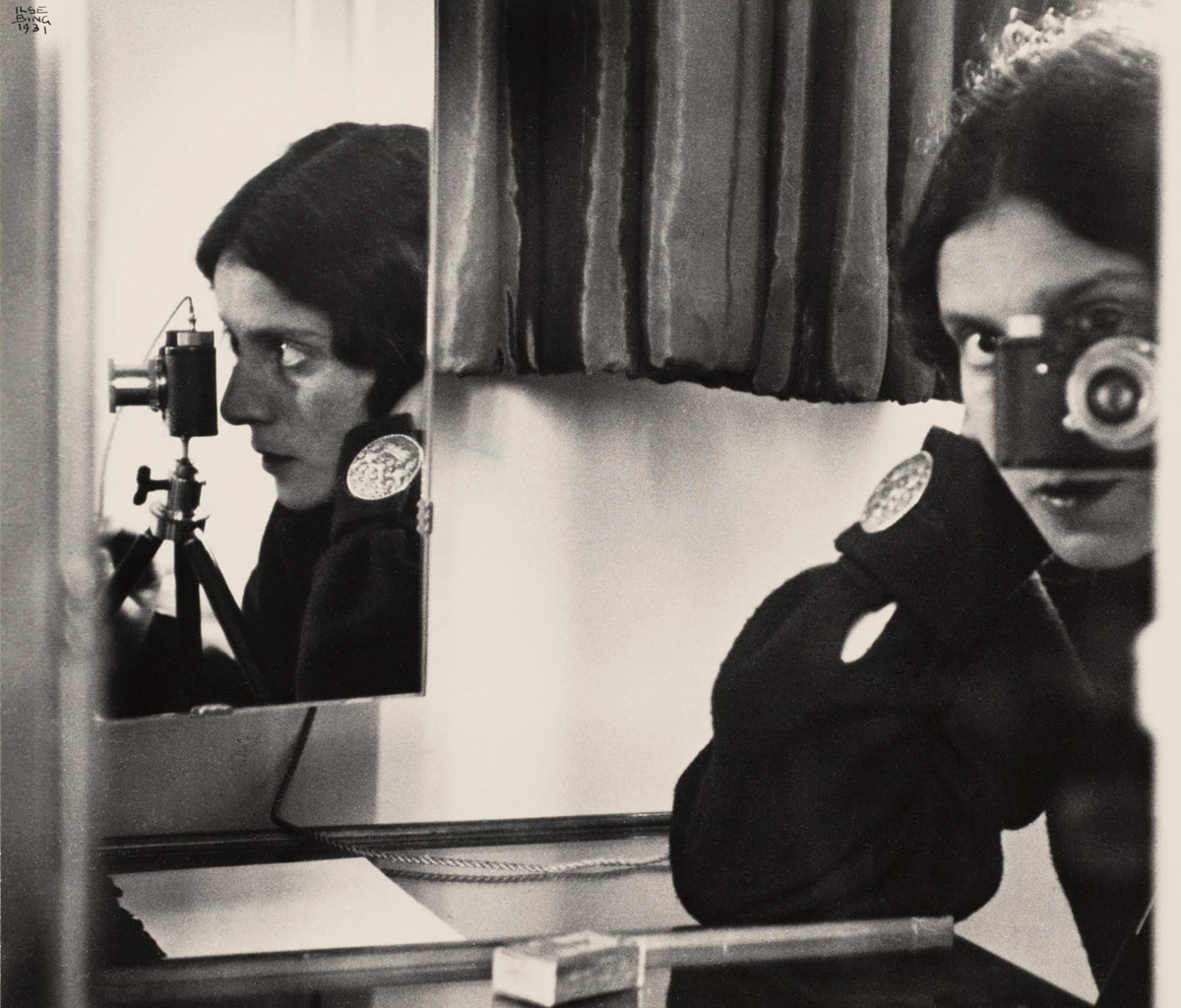

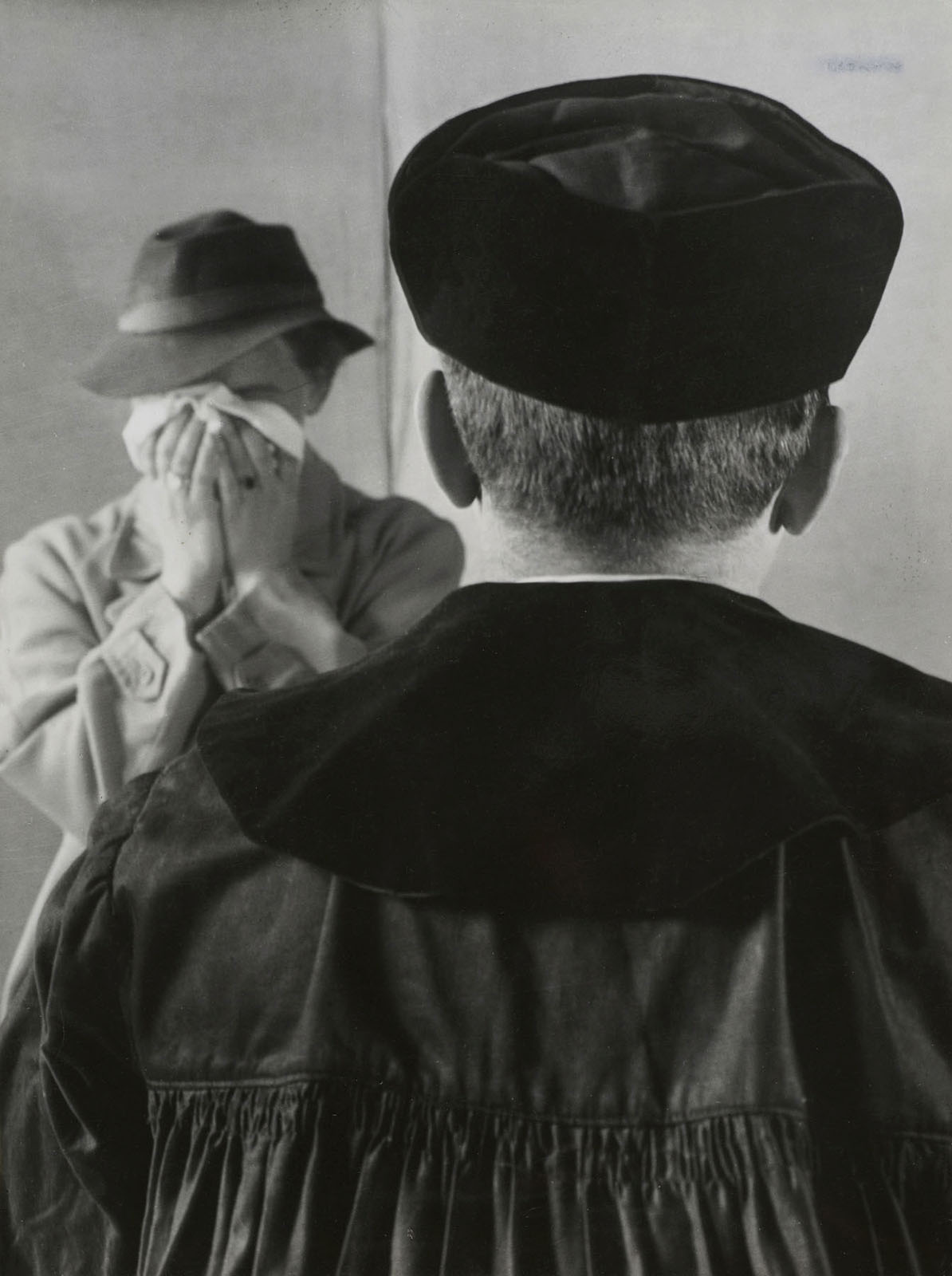


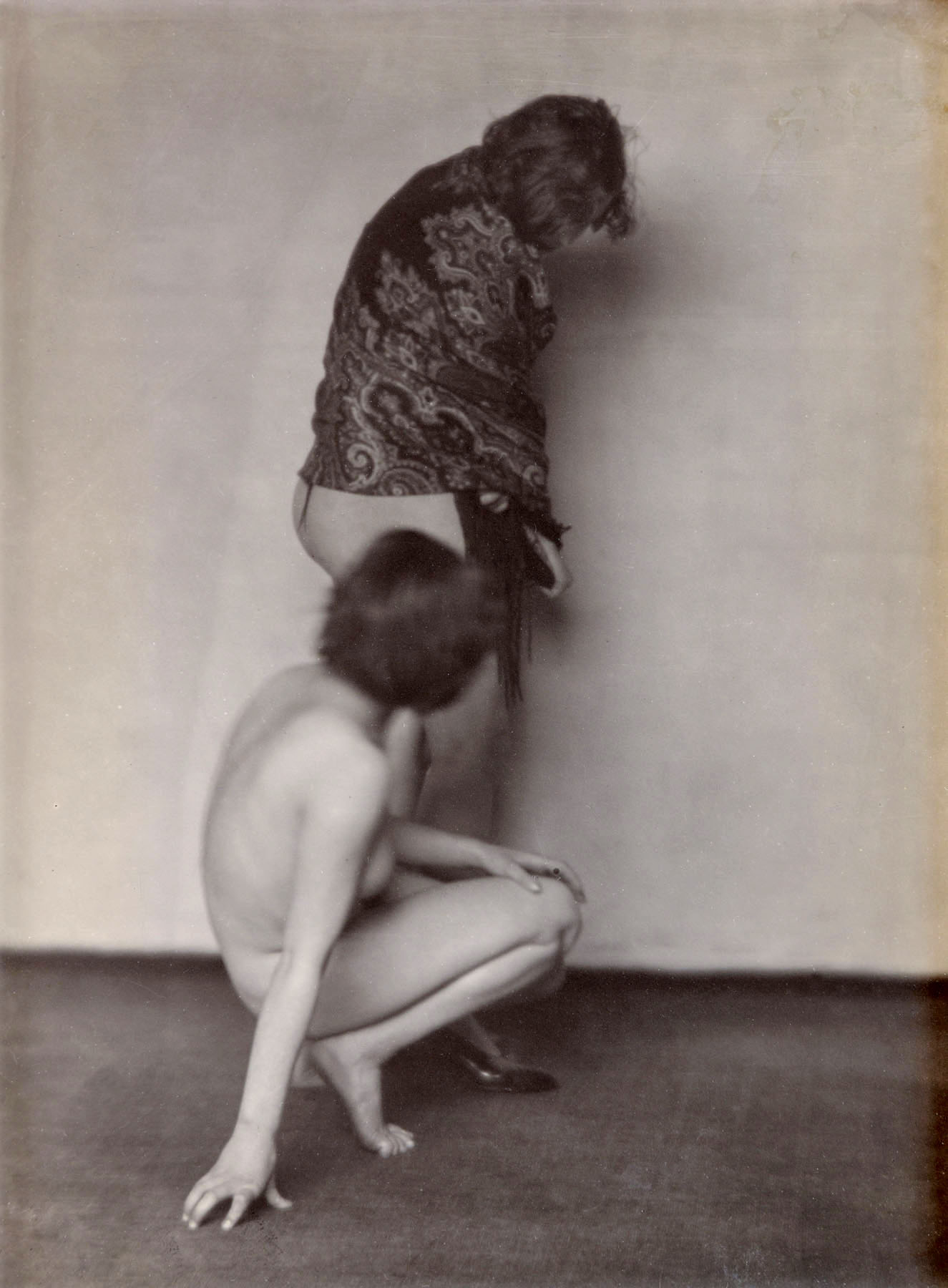
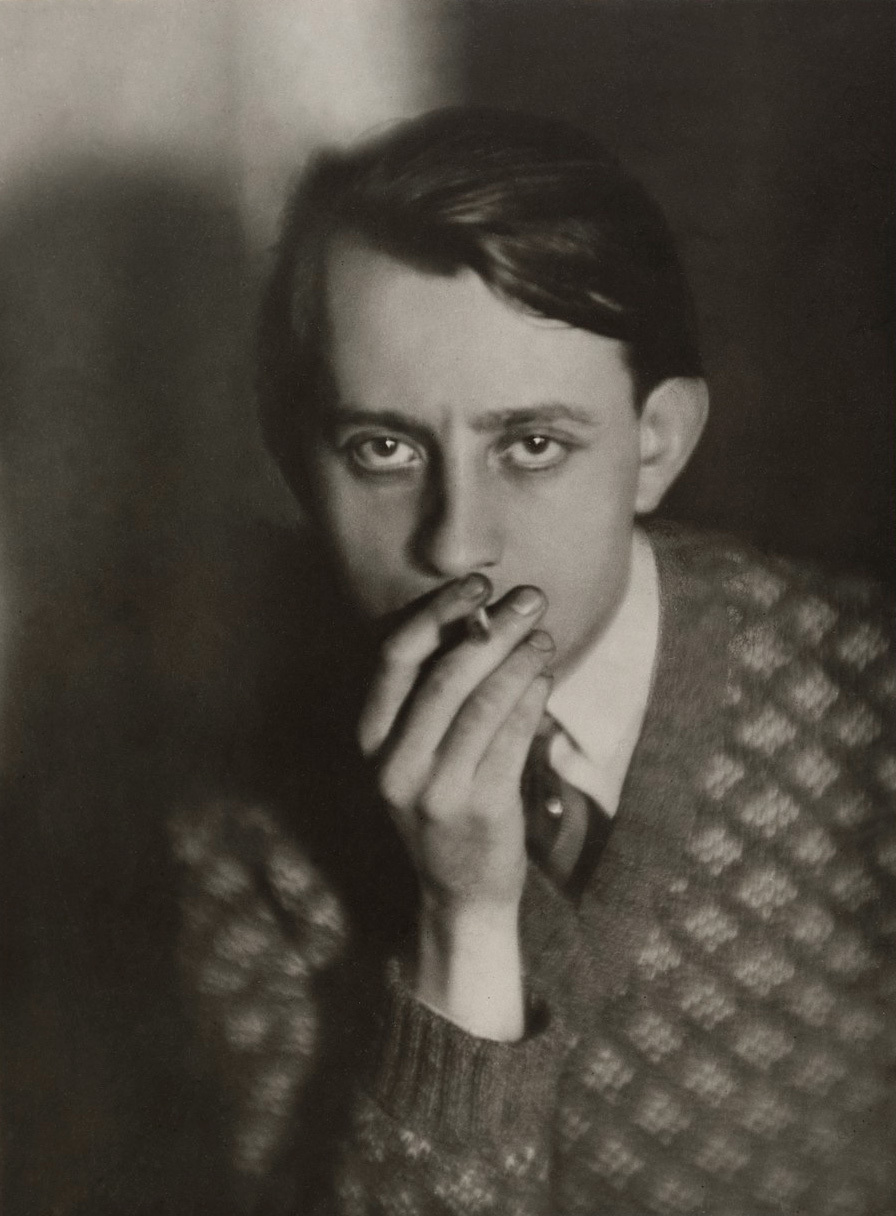

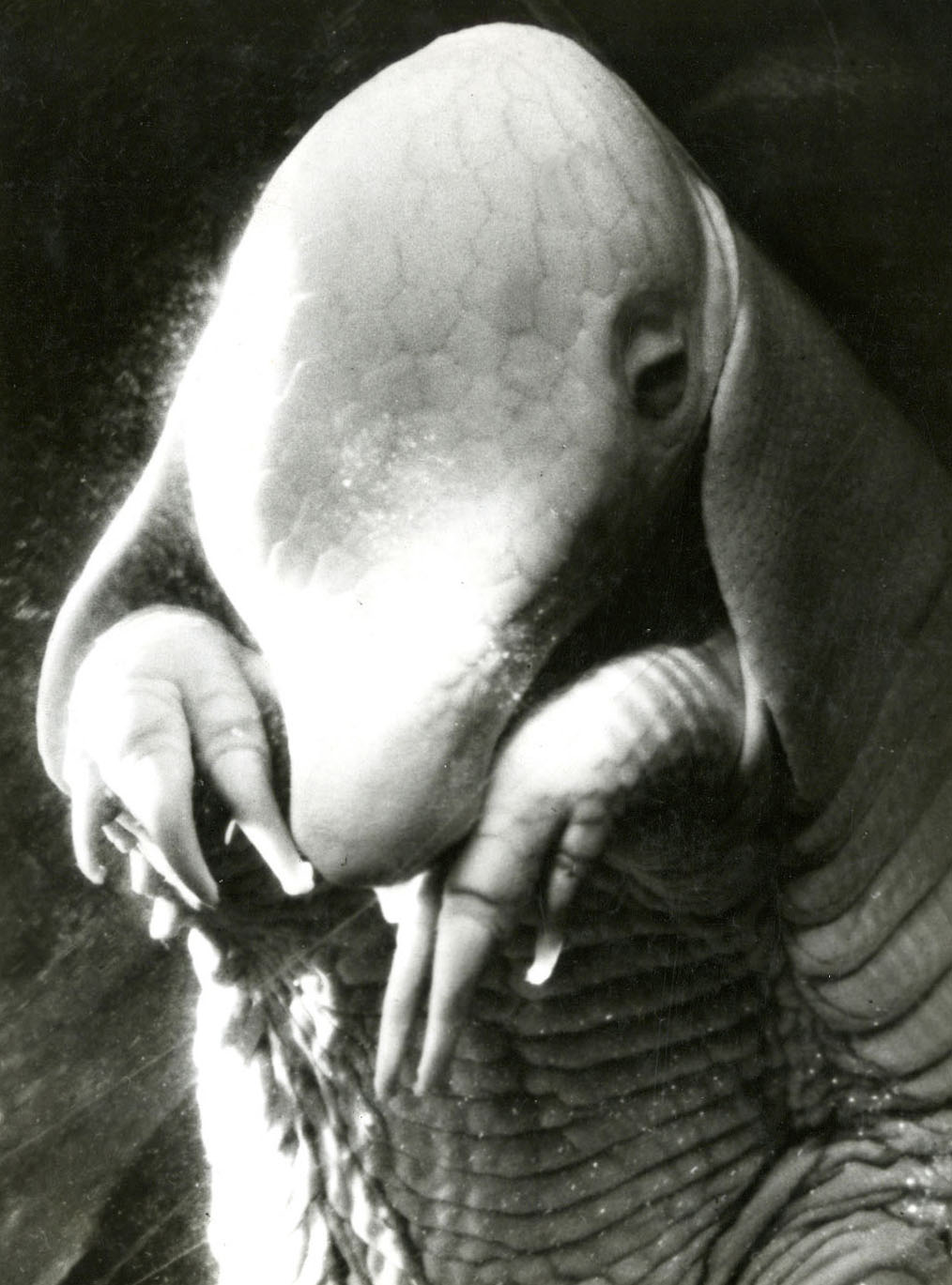
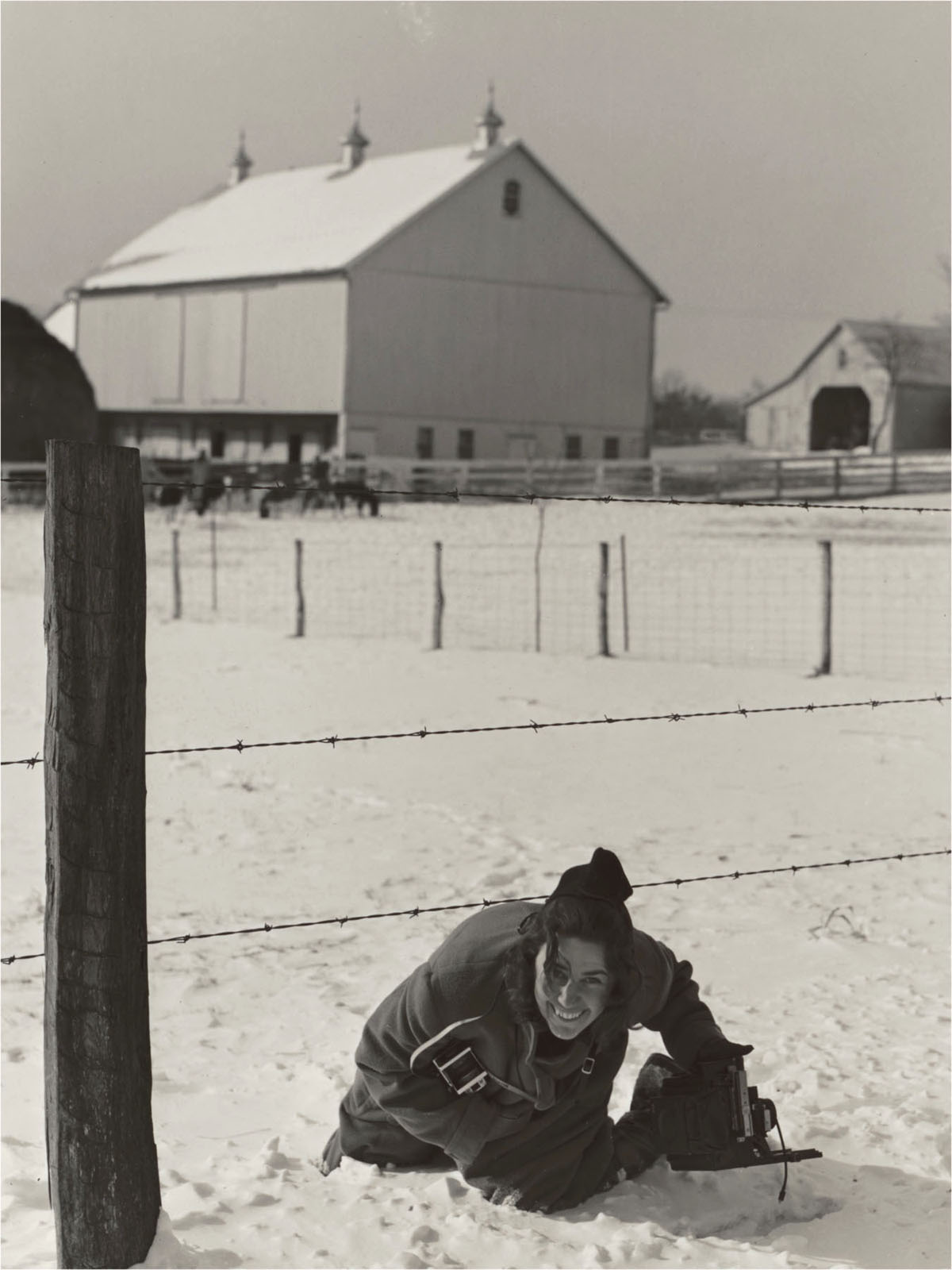
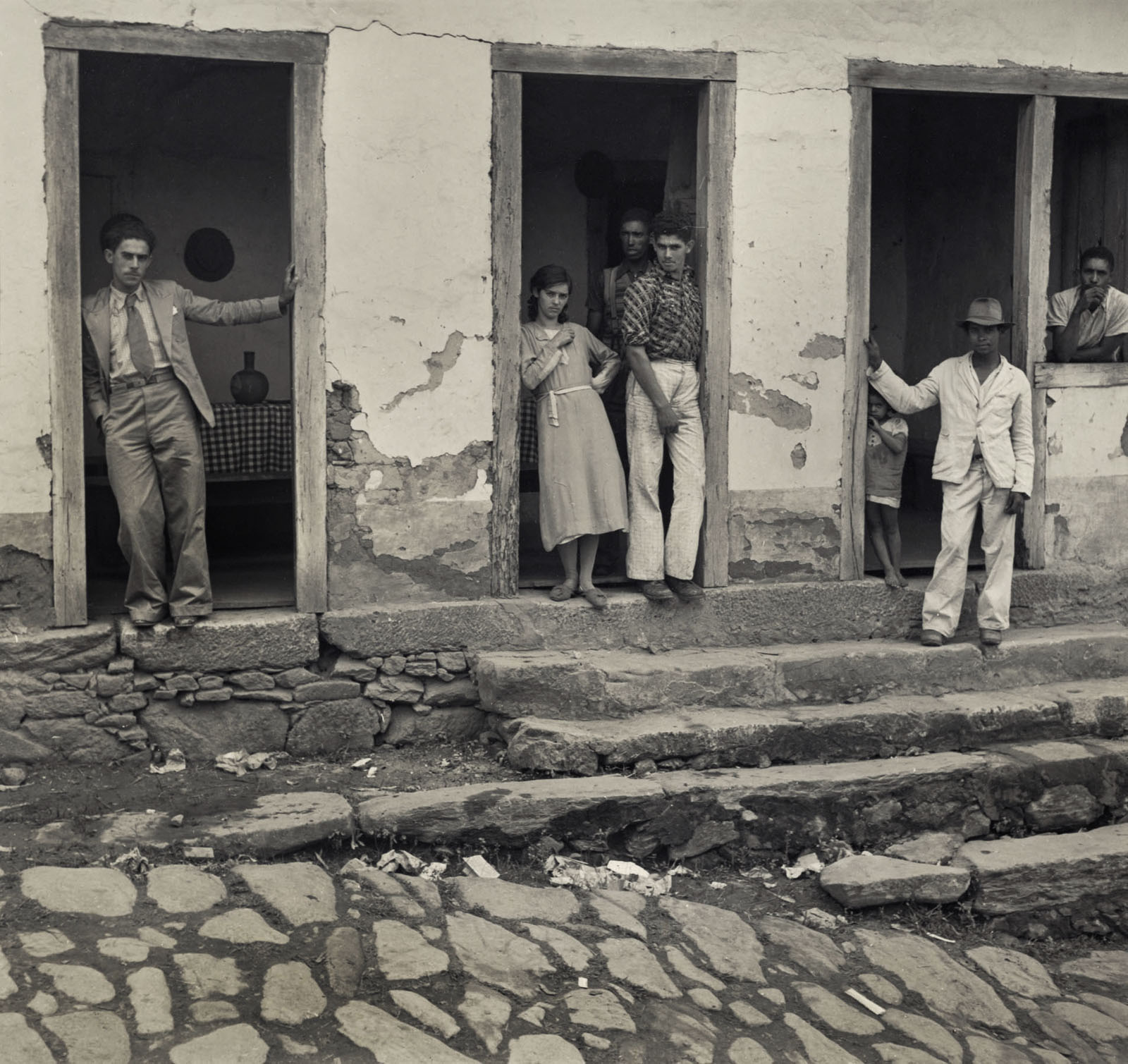


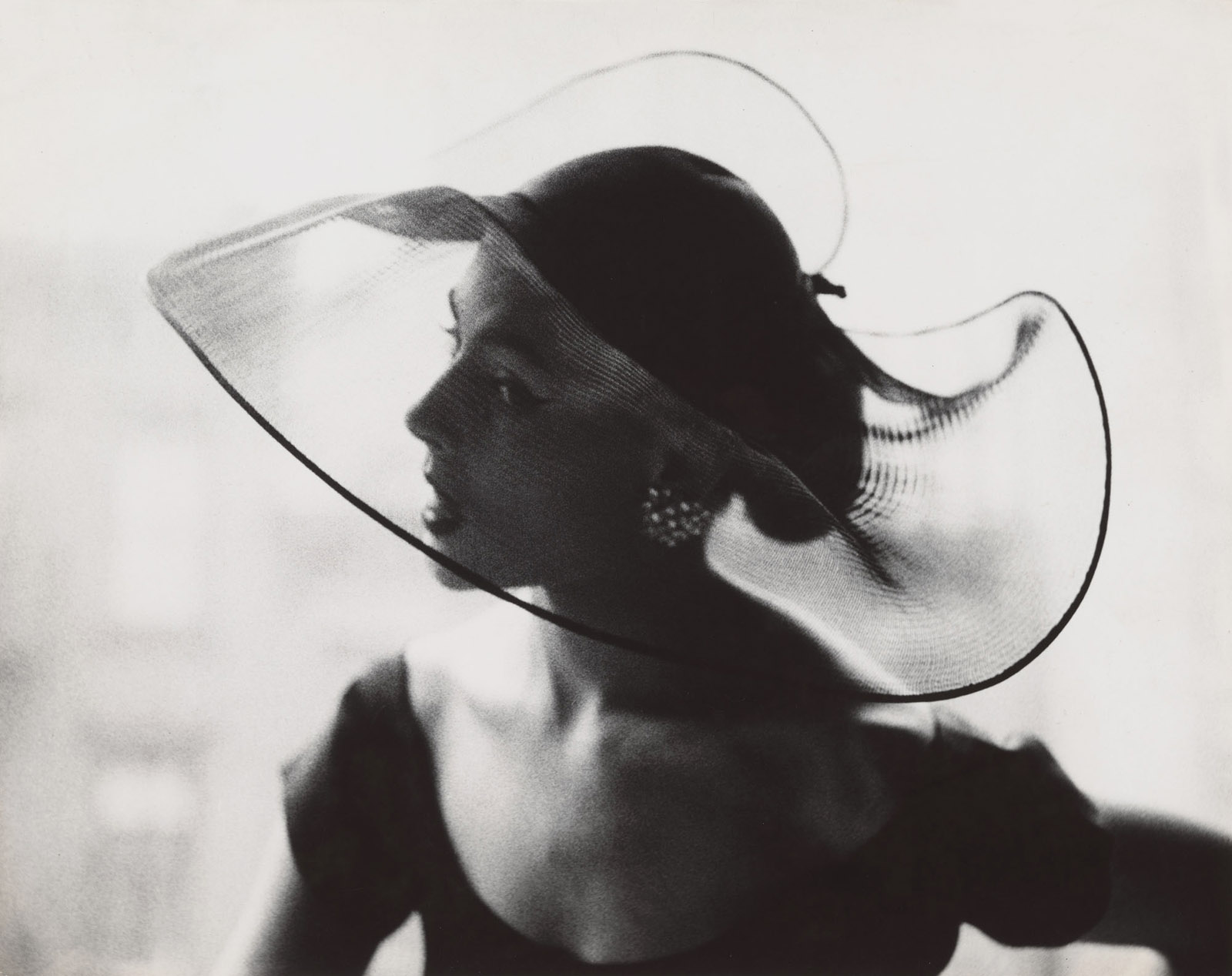
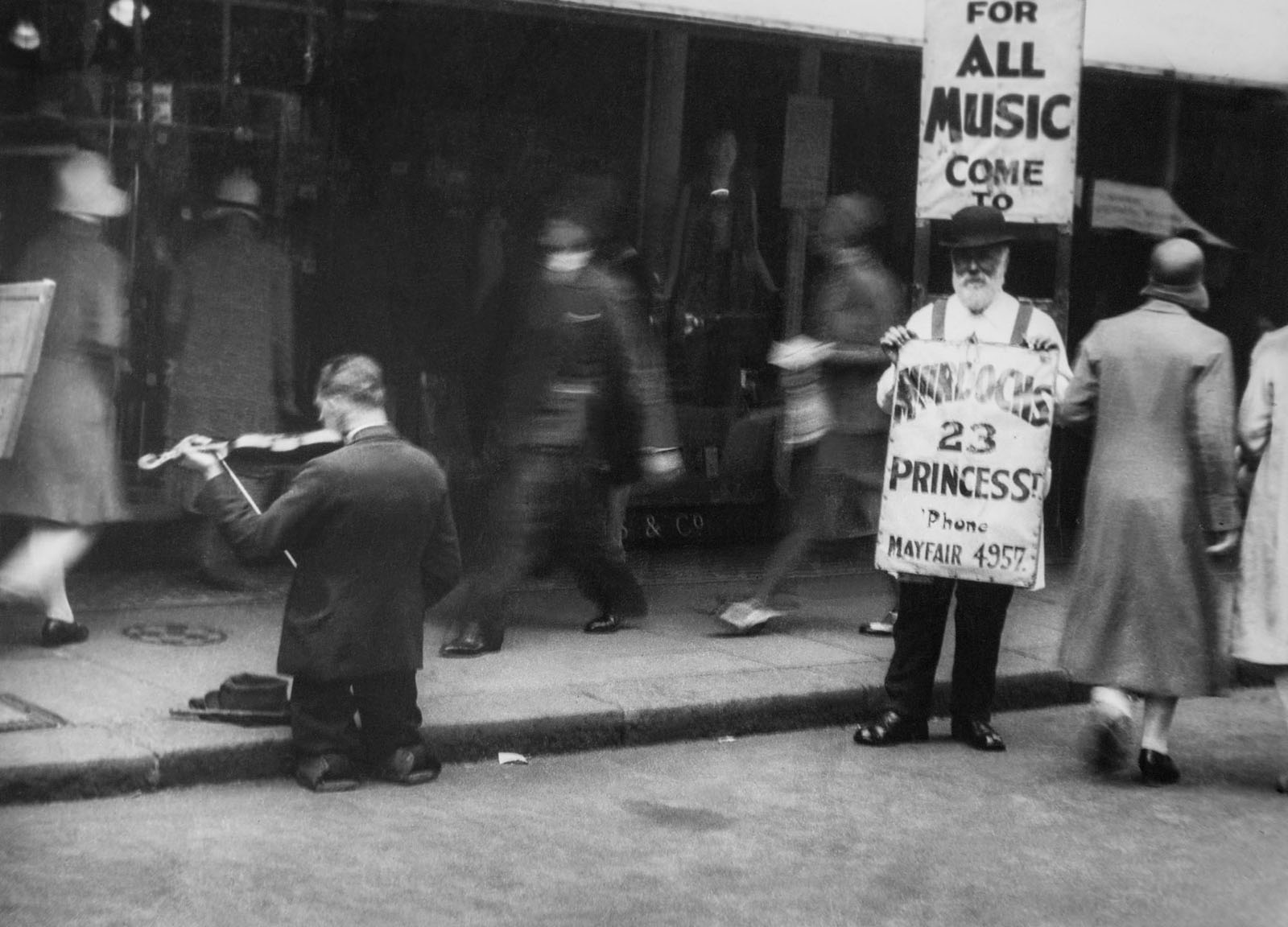
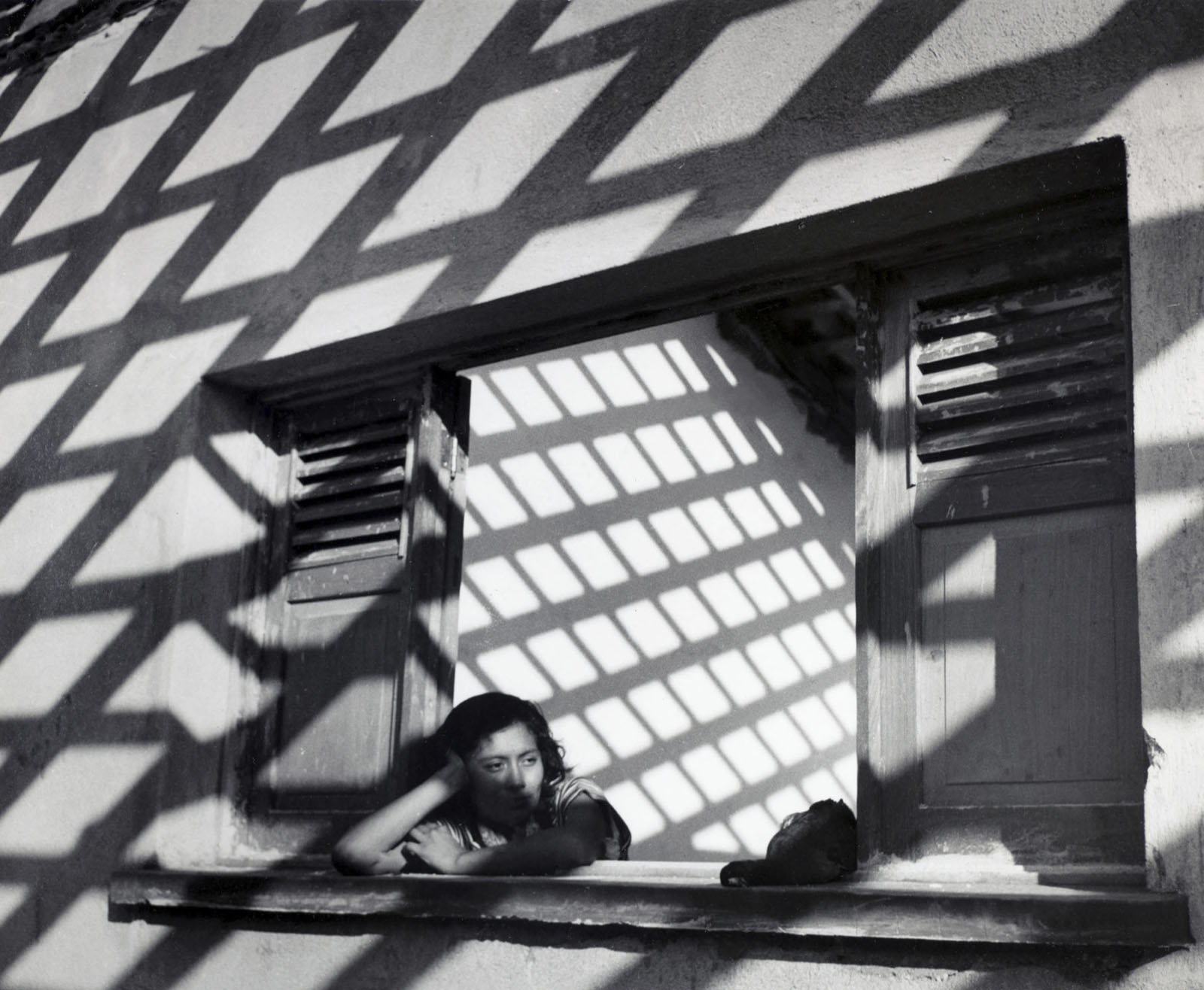





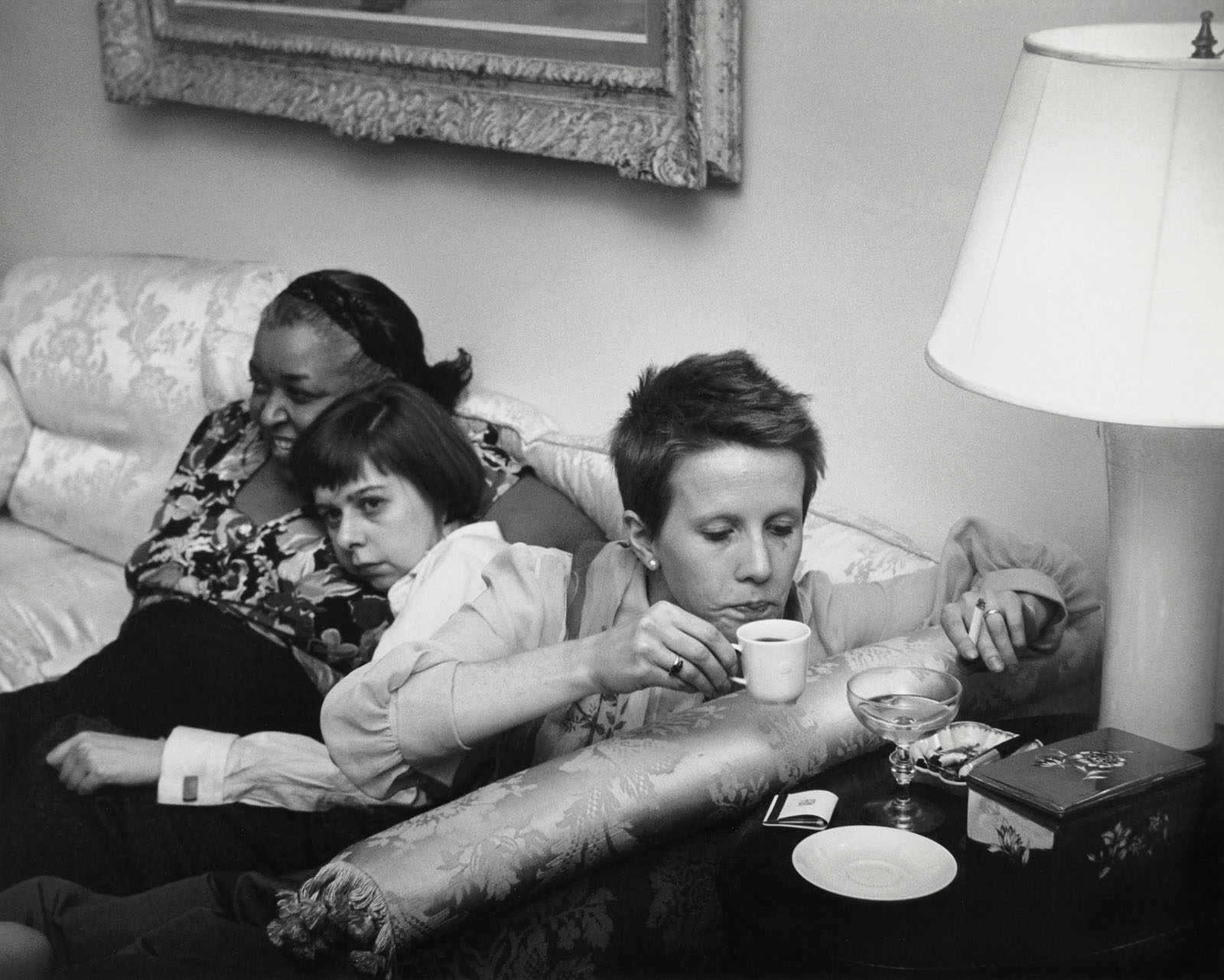


![Ilse Bing (German, 1899-1998) '[Rue de Valois, Paris]' 1932](https://artblart.com/wp-content/uploads/2020/11/ilse-bing-rue-de-valois-paris-1932.jpg "Ilse Bing (German, 1899-1998) '[Rue de Valois, Paris]' 1932")

![Dora Maar (French, 1907-1997) '[Woman and Child in Window, Barcelona]' 1932-1934](https://artblart.com/wp-content/uploads/2020/11/dora-maar-woman-and-child-in-window-barcelona.jpg "Dora Maar (French, 1907-1997) '[Woman and Child in Window, Barcelona]' 1932-1934")


![Gertrude Käsebier (American, 1852-1934) '[Gertrude O'Malley and son Charles]' 1900](https://artblart.com/wp-content/uploads/2020/03/kacc88sebier-son.jpg "Gertrude Käsebier (American, 1852-1934) '[Gertrude O'Malley and son Charles]' 1900")


![Manuel Álvarez Bravo (Mexican, 1902-2002) '[Wounded Agaves]' Negative 1950; print late 1970s - early 1980s](https://artblart.com/wp-content/uploads/2020/03/bravo-agaves.jpg "Manuel Álvarez Bravo (Mexican, 1902-2002) '[Wounded Agaves]' Negative 1950; print late 1970s - early 1980s")

![Madoka Takagi (American, born Japan, 1956-2015) 'Untitled [Self-portrait with Bare-chested, Tattooed Latino Man]' 1986](https://artblart.com/wp-content/uploads/2020/03/gm_31474001_2000x2000.jpg "Madoka Takagi (American, born Japan, 1956-2015) 'Untitled [Self-portrait with Bare-chested, Tattooed Latino Man]' 1986")


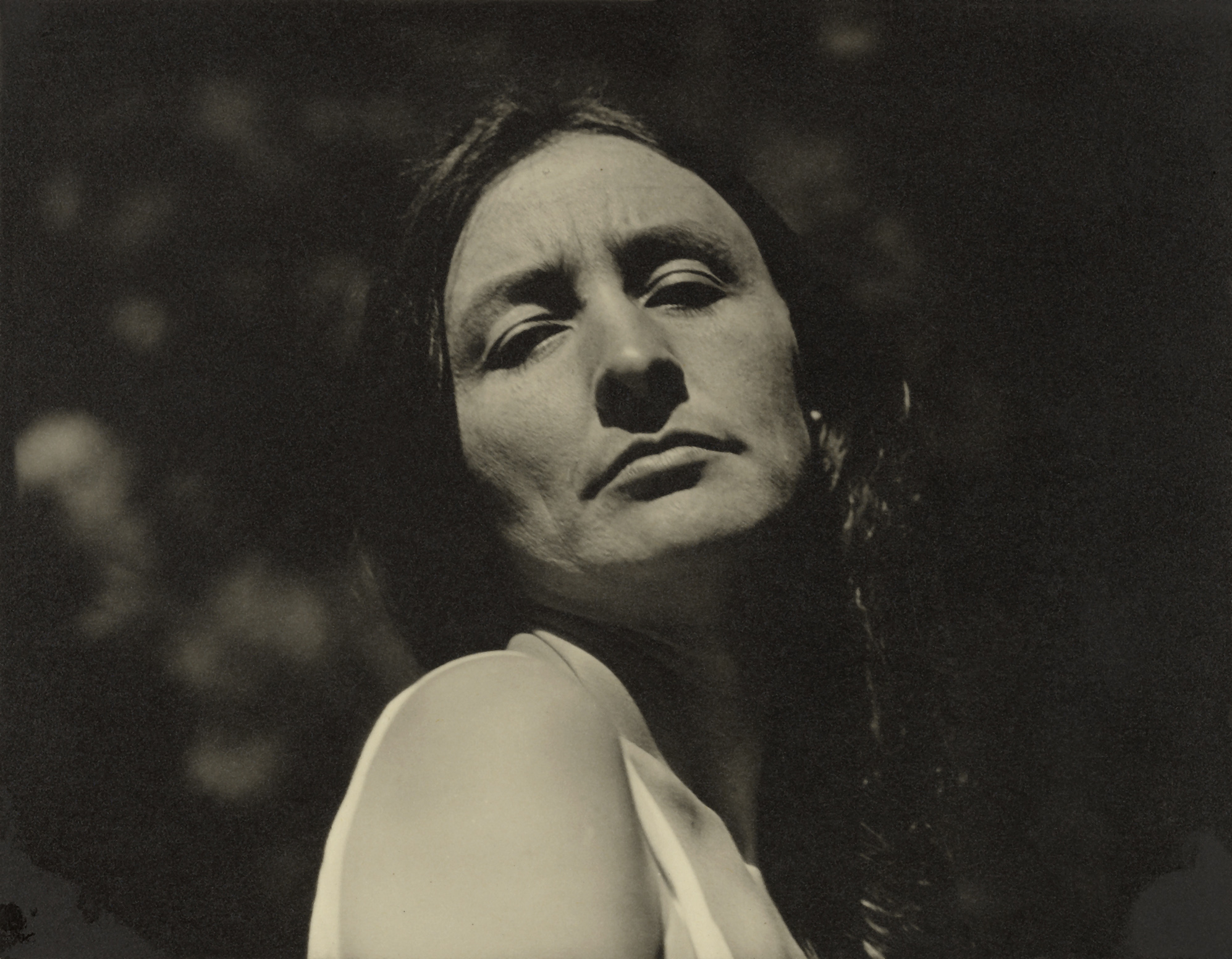


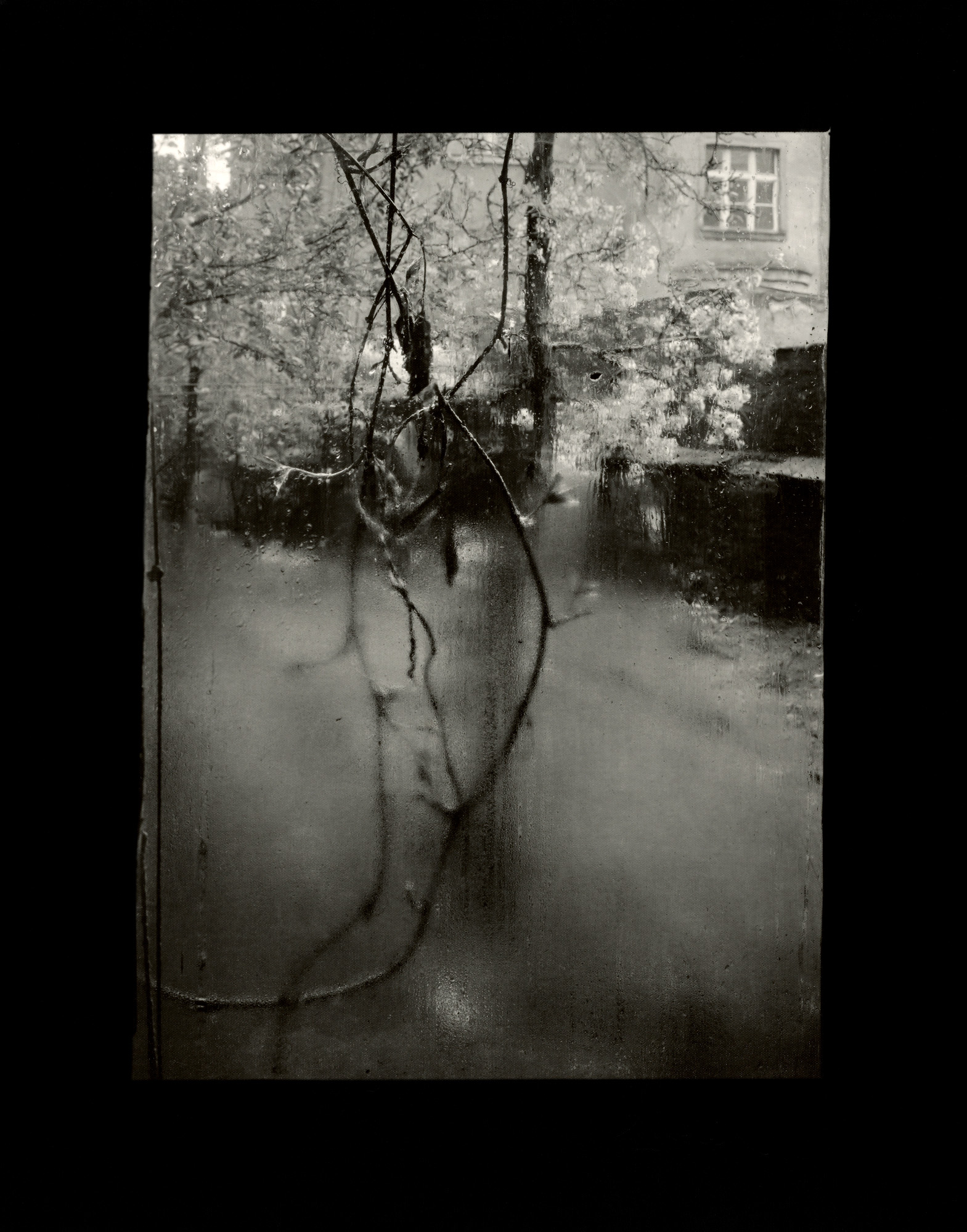


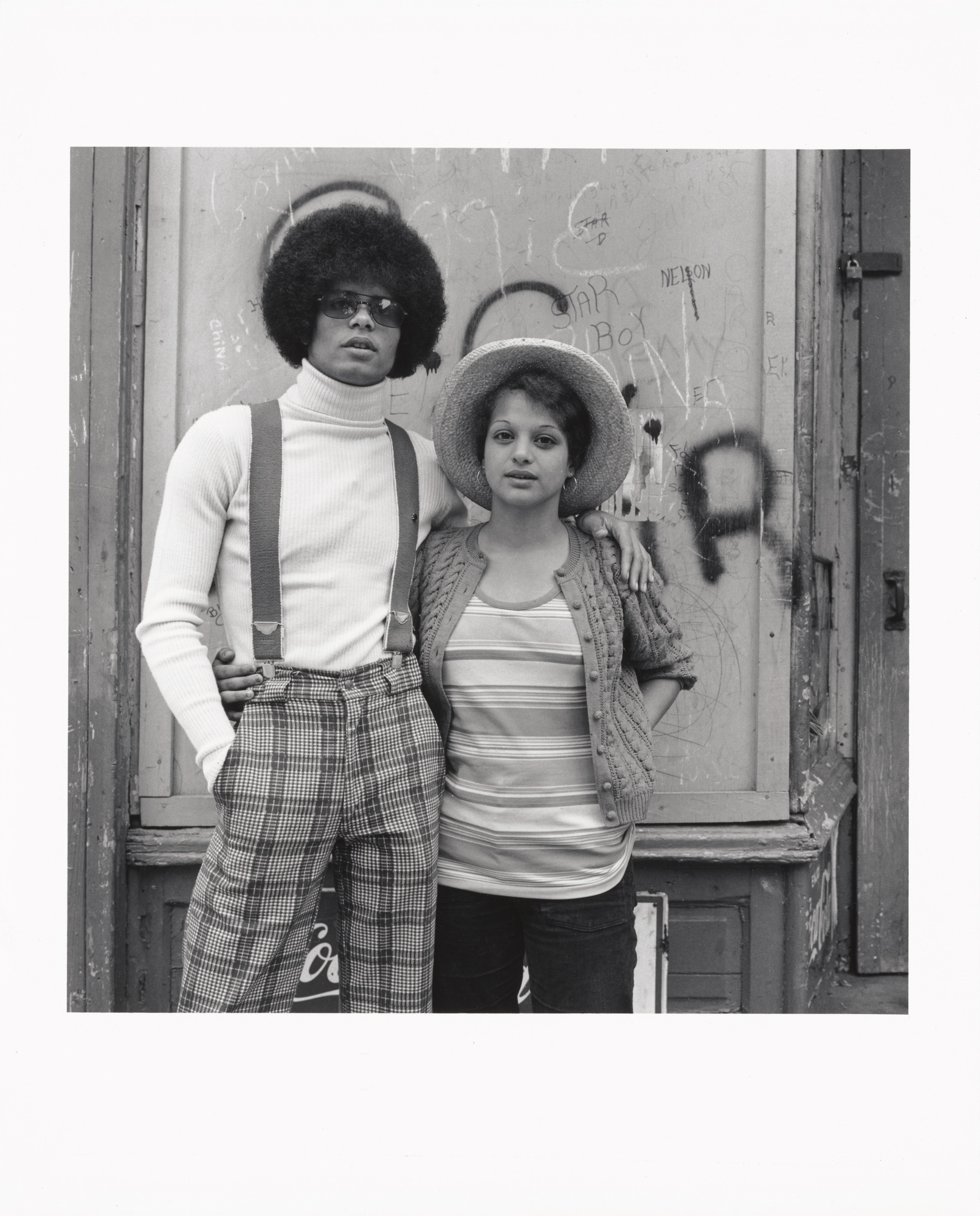

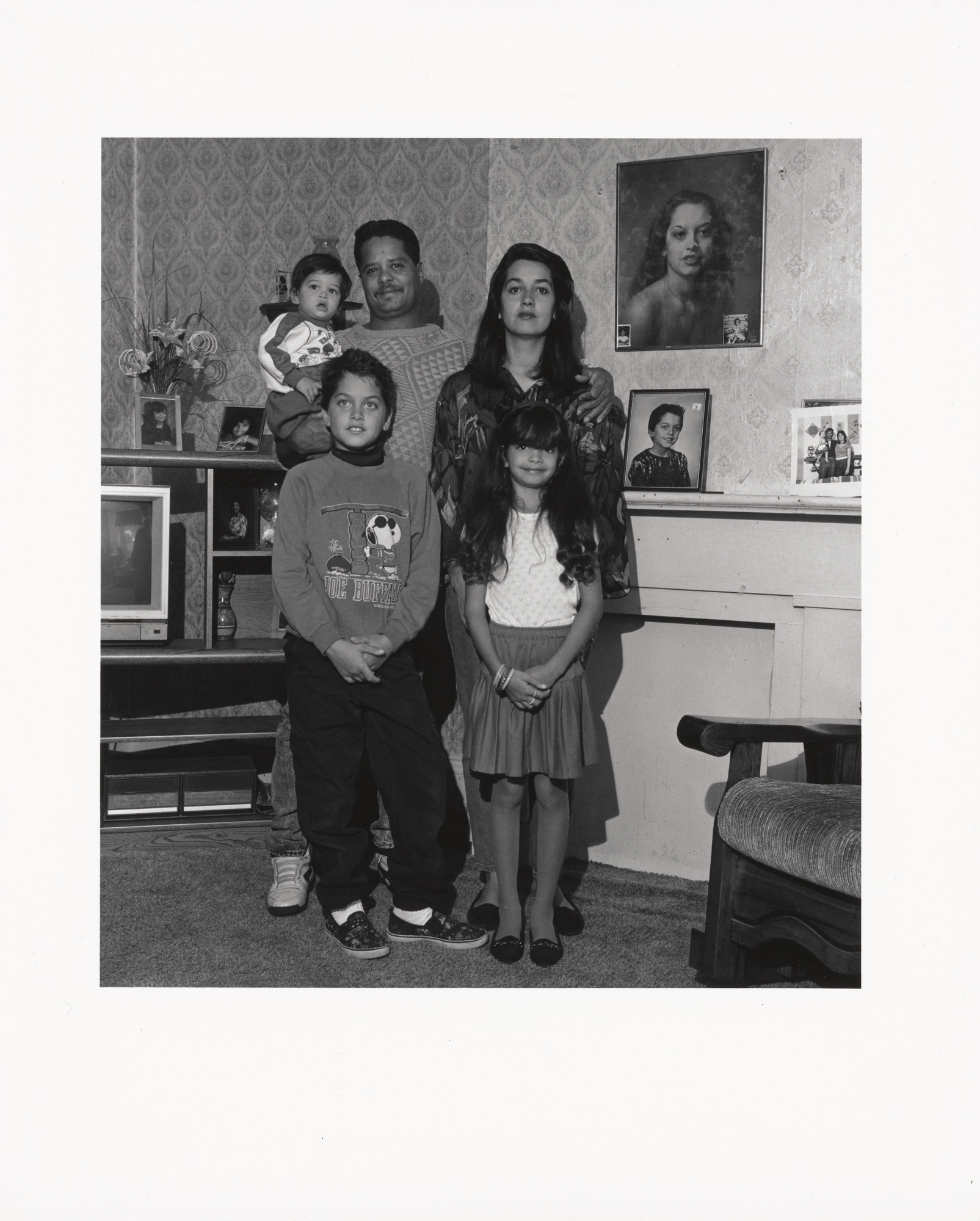


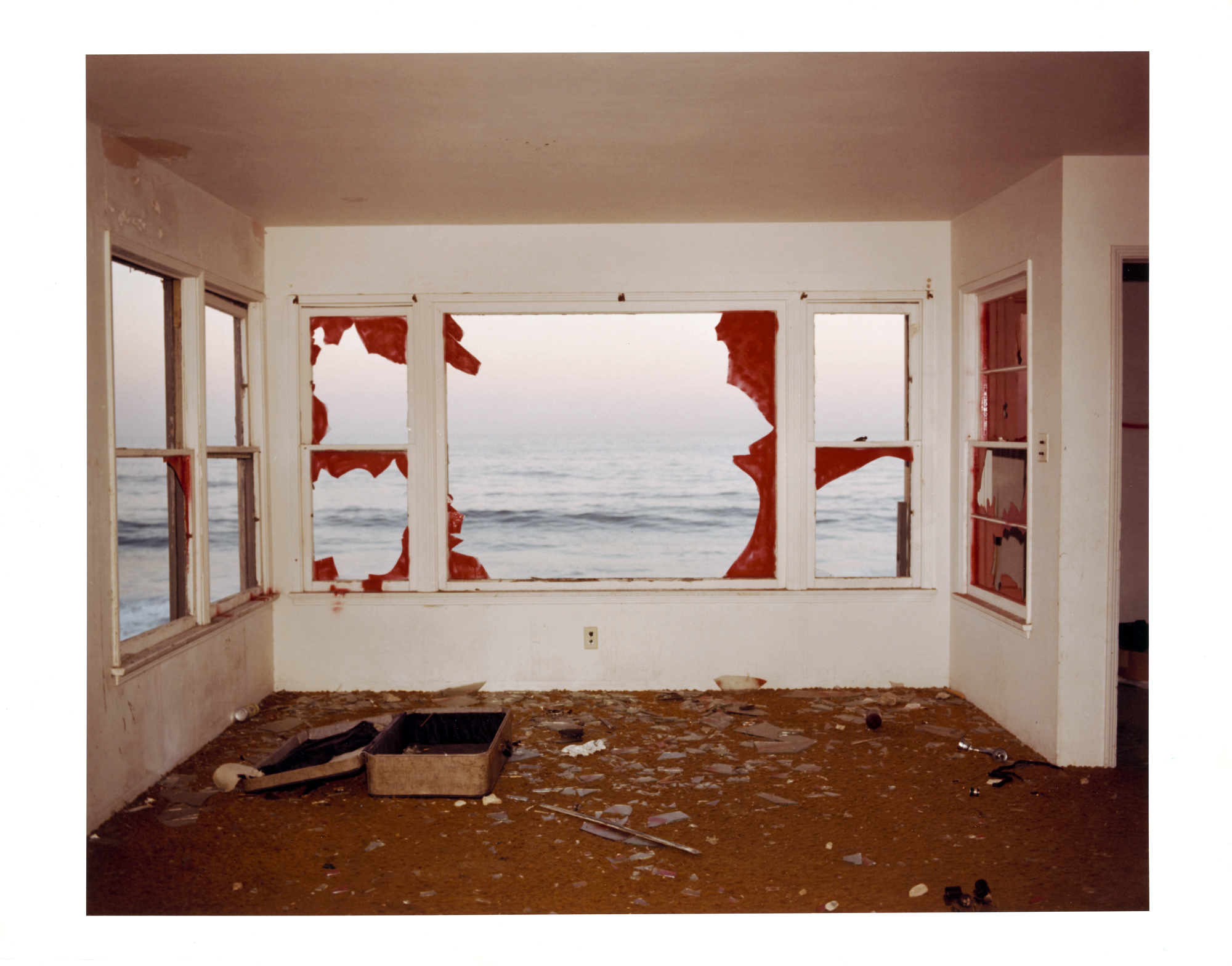
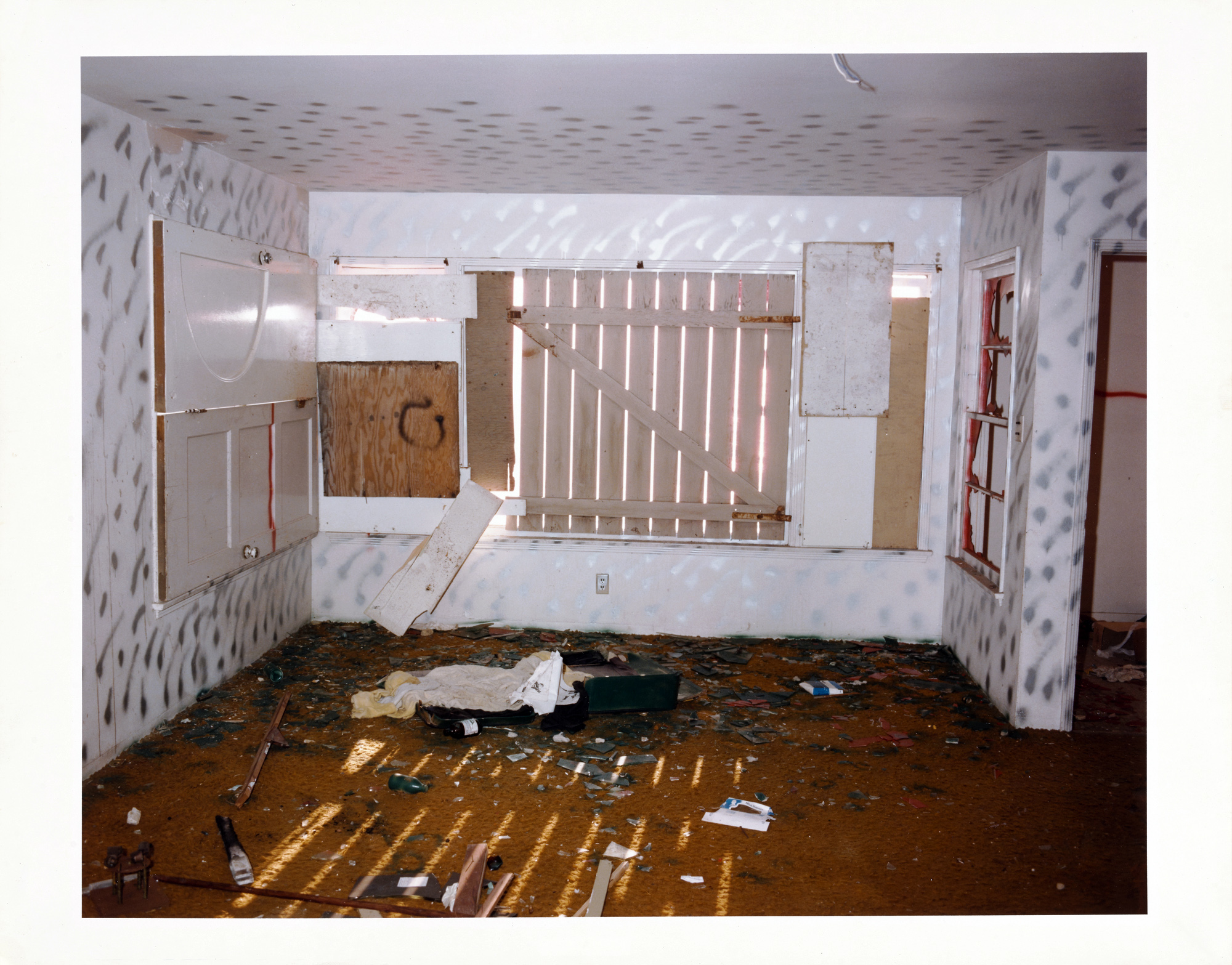


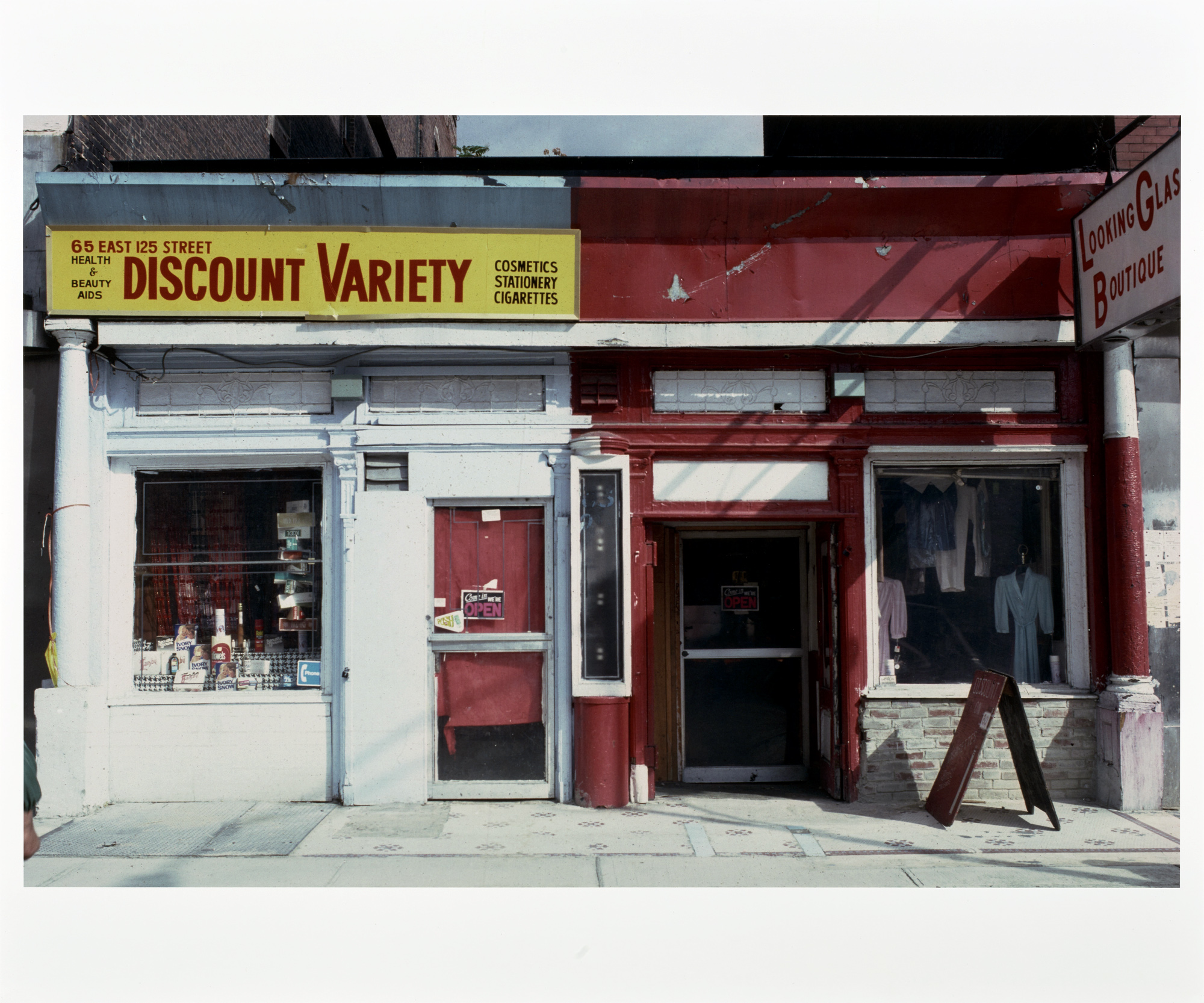

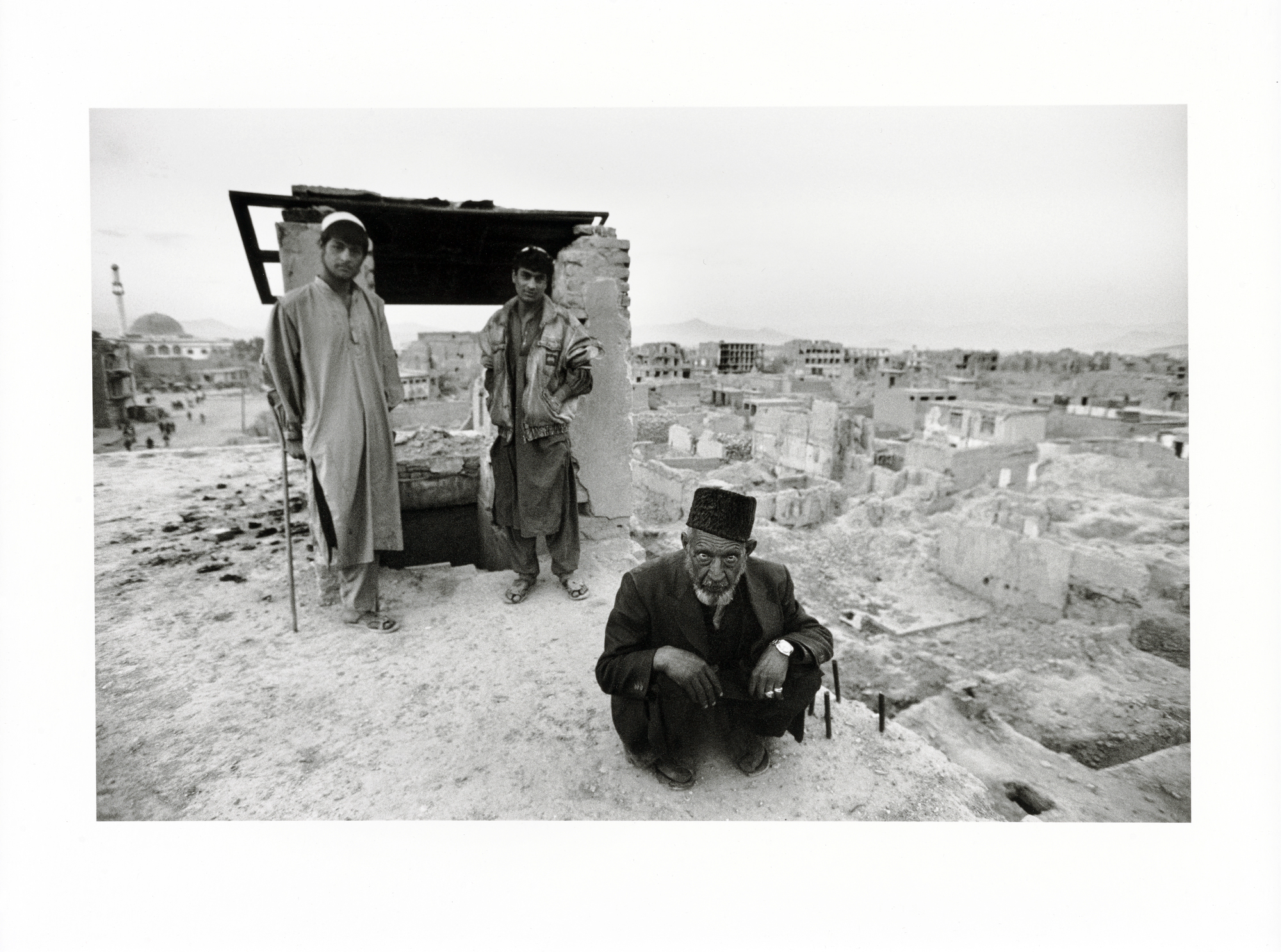

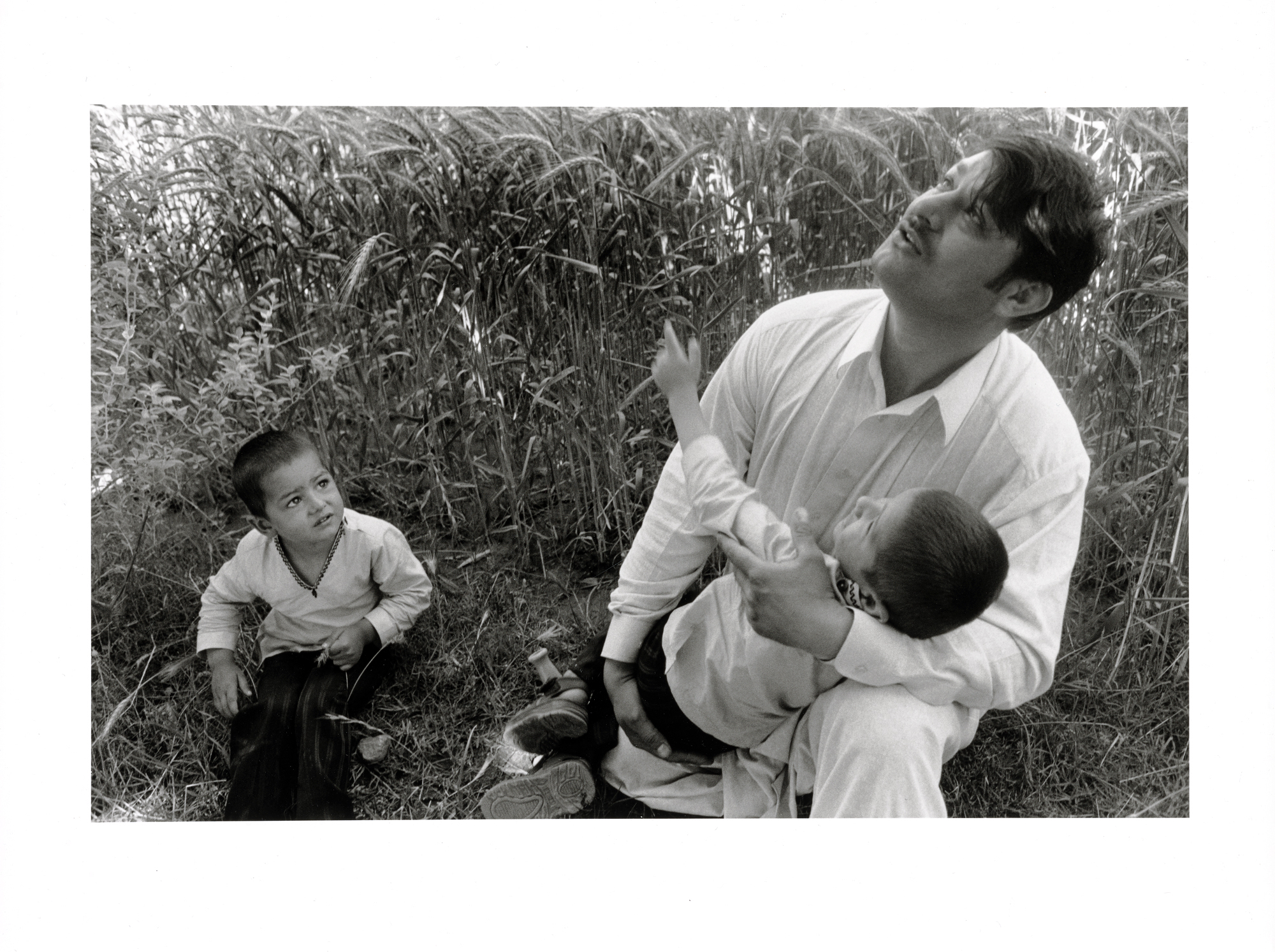

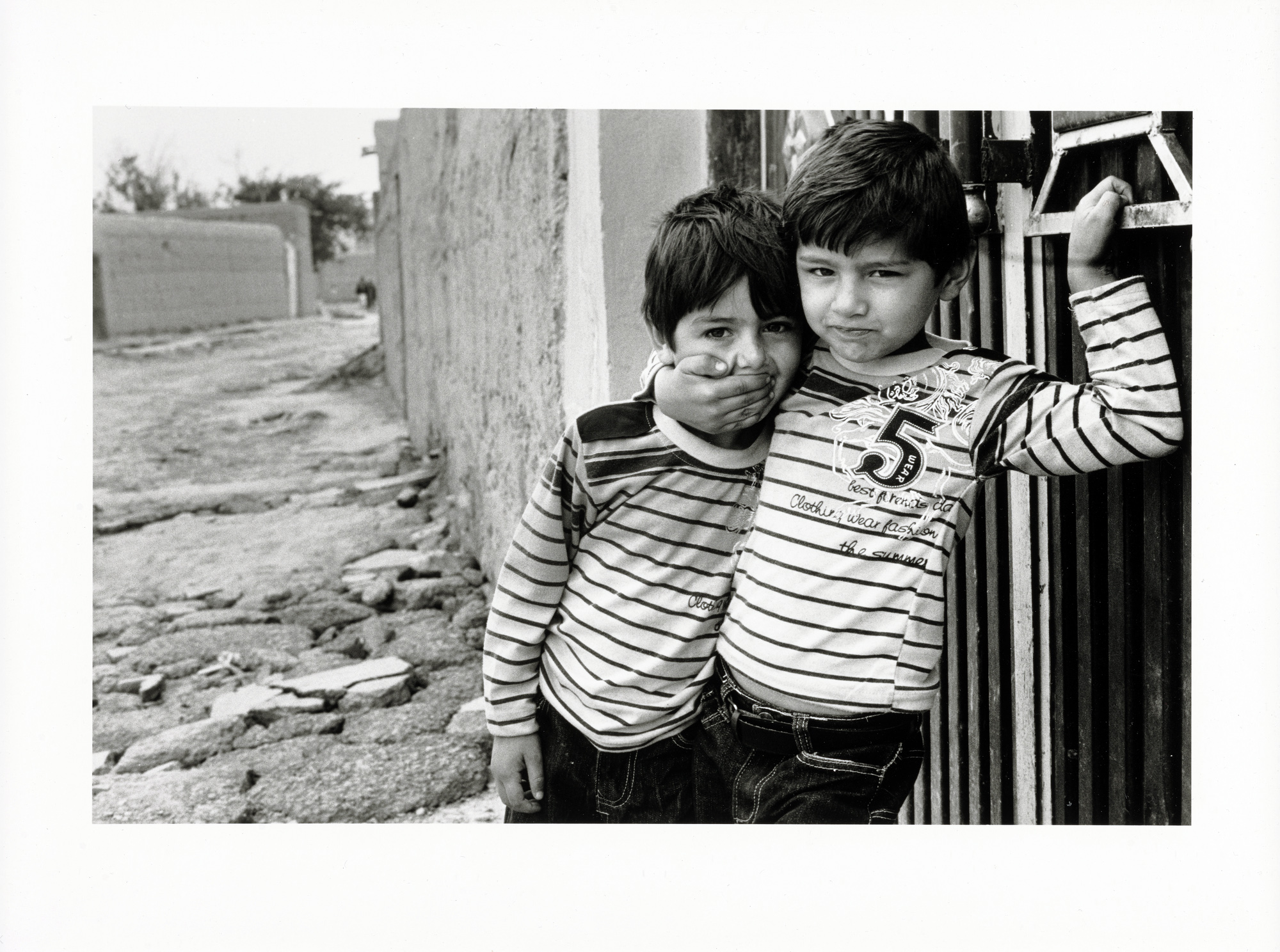
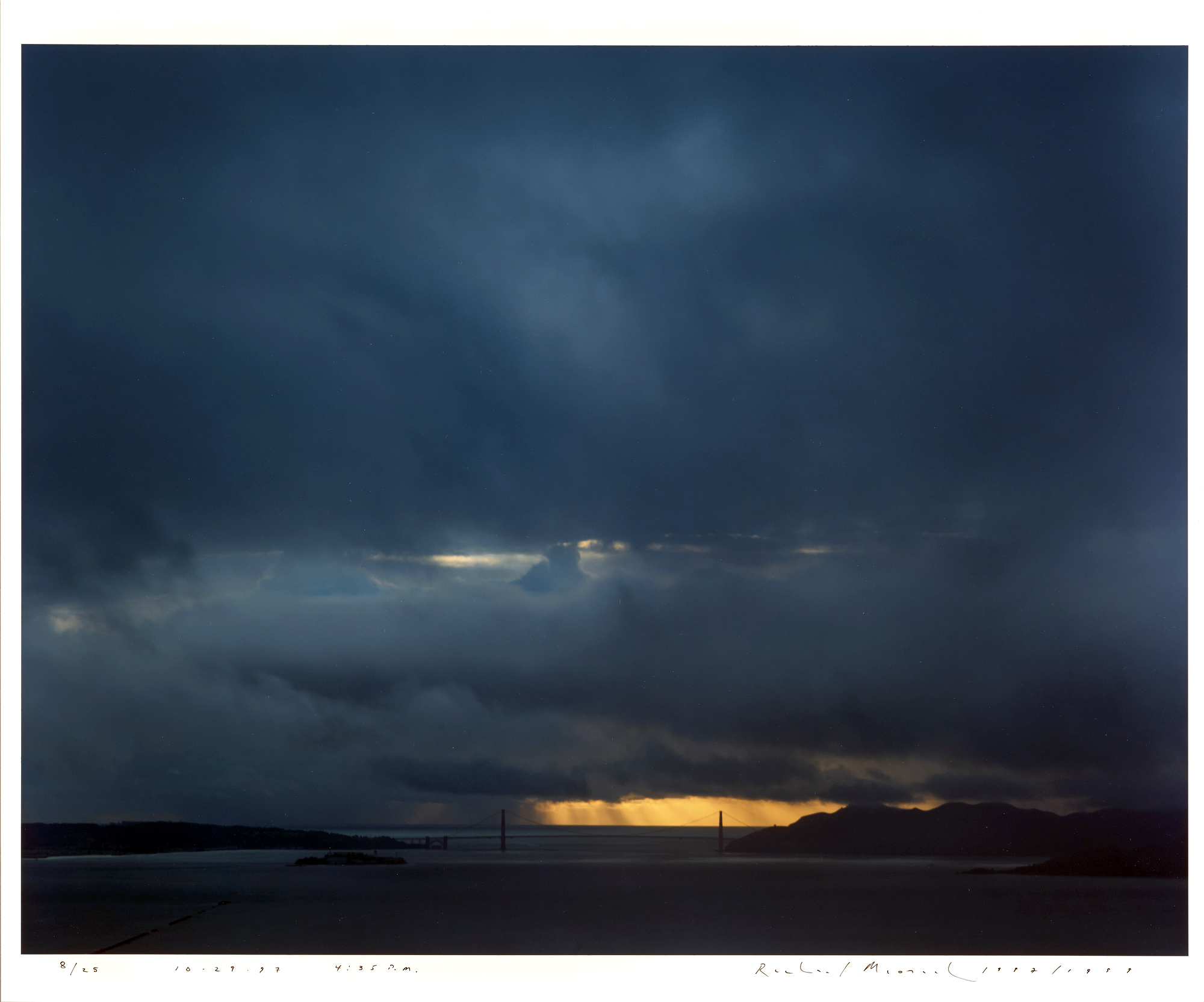

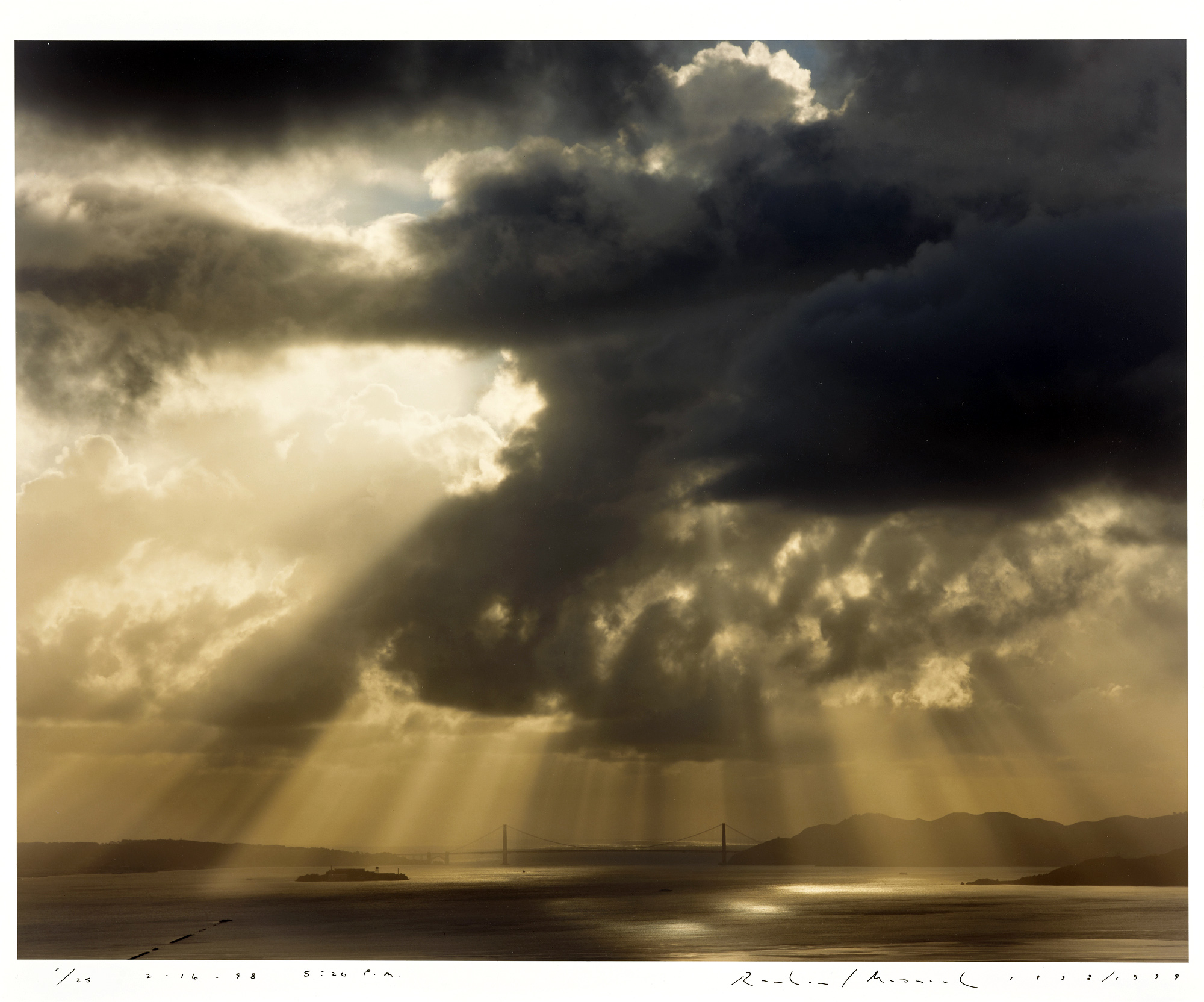
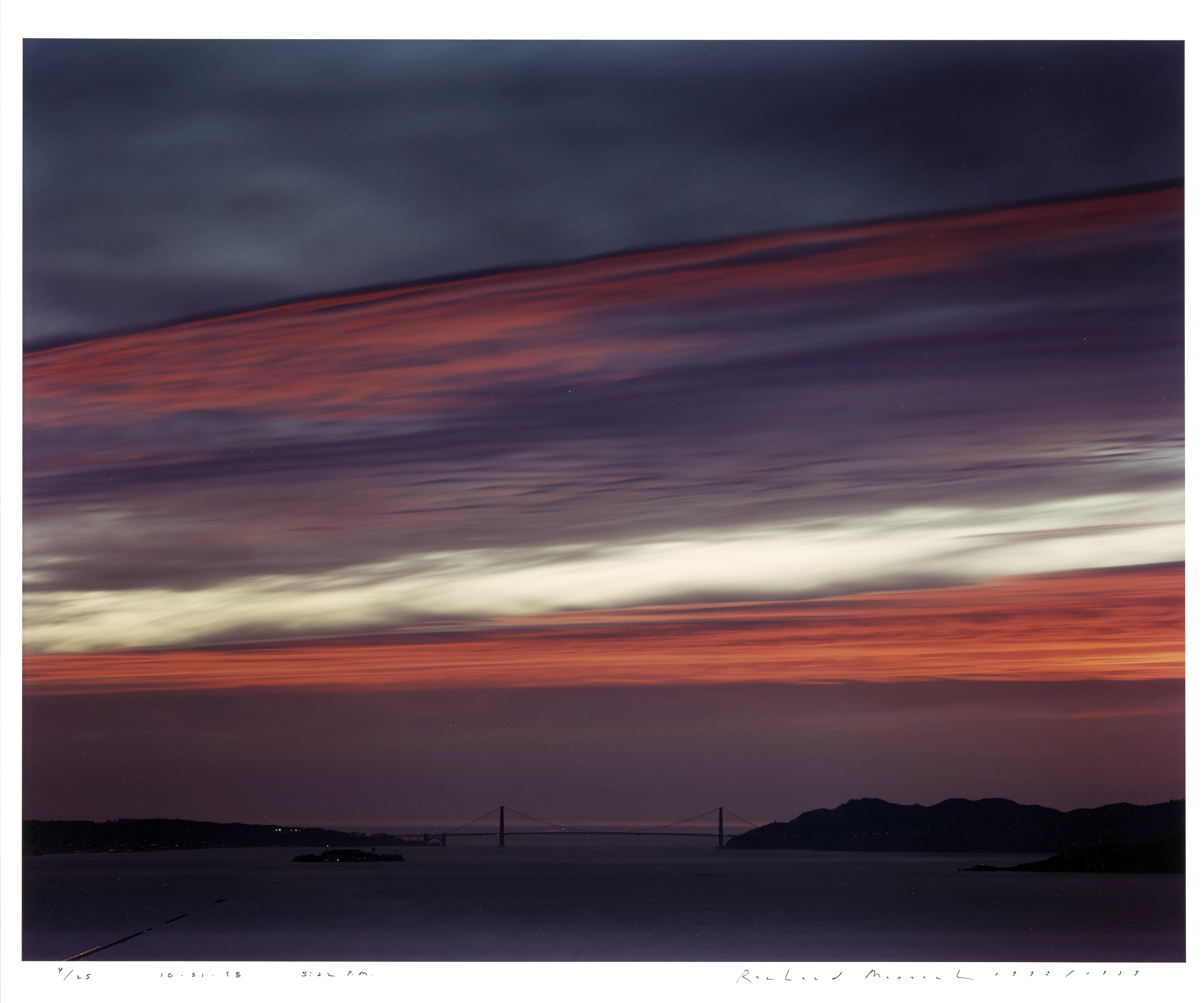
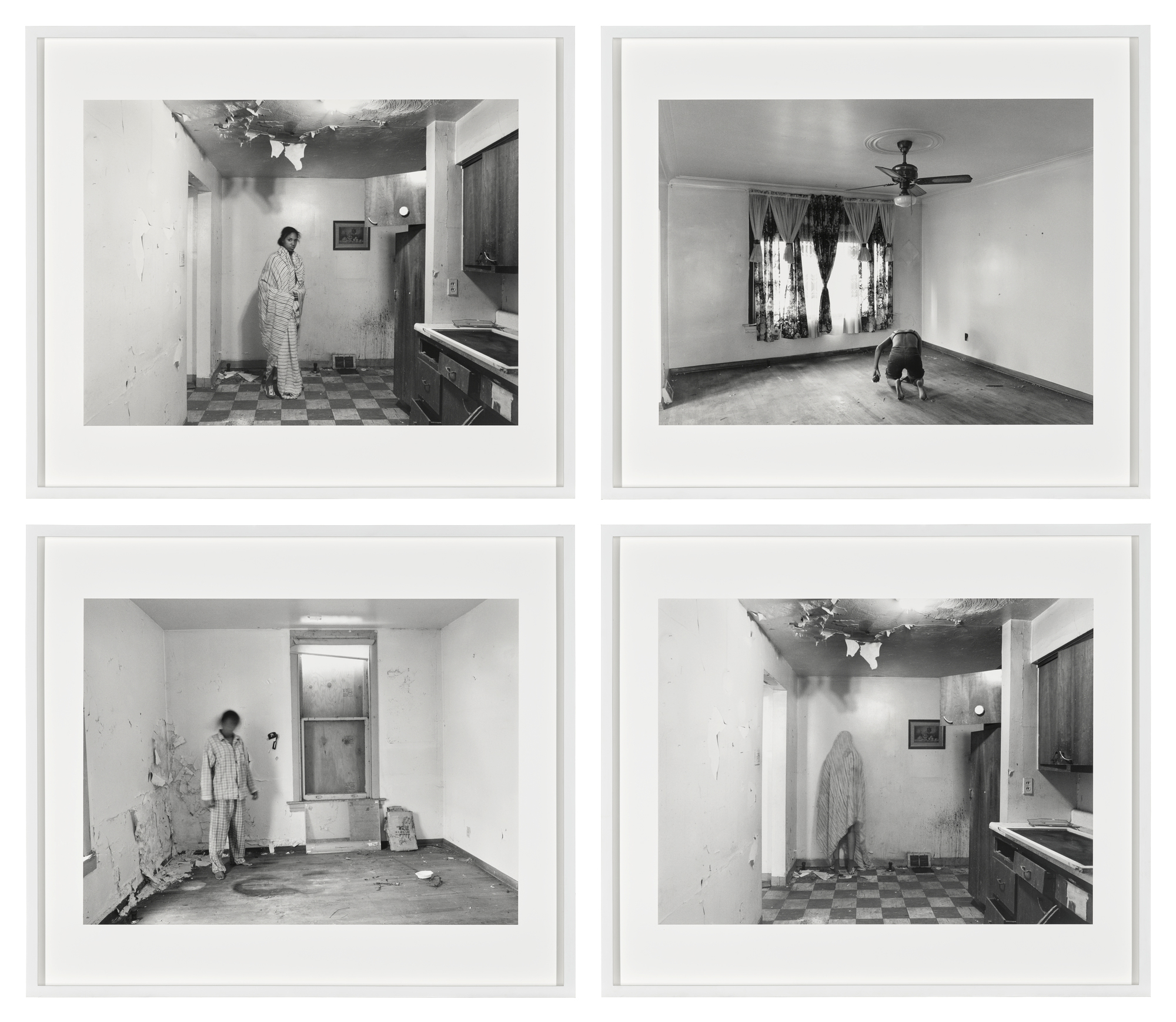


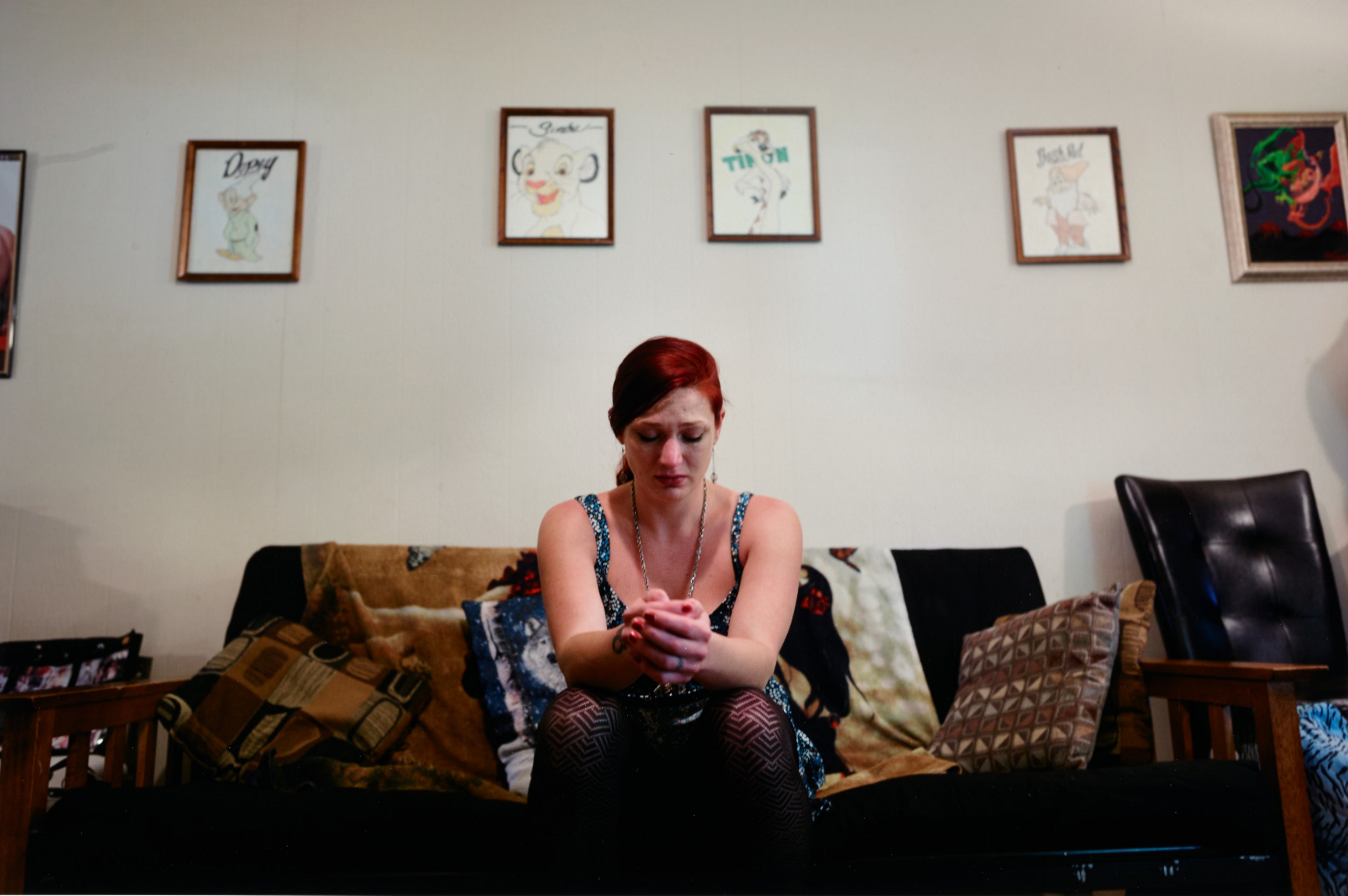
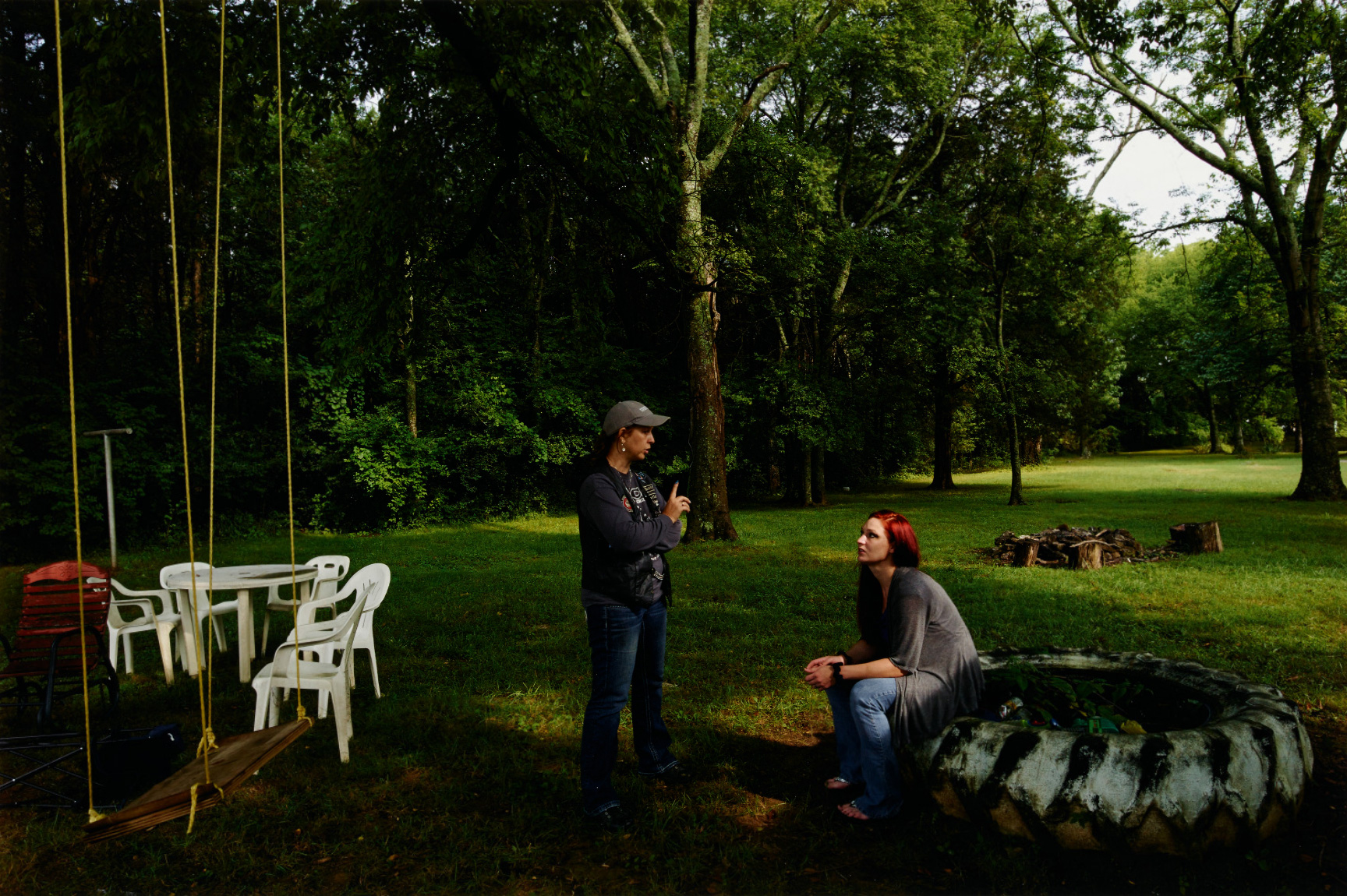


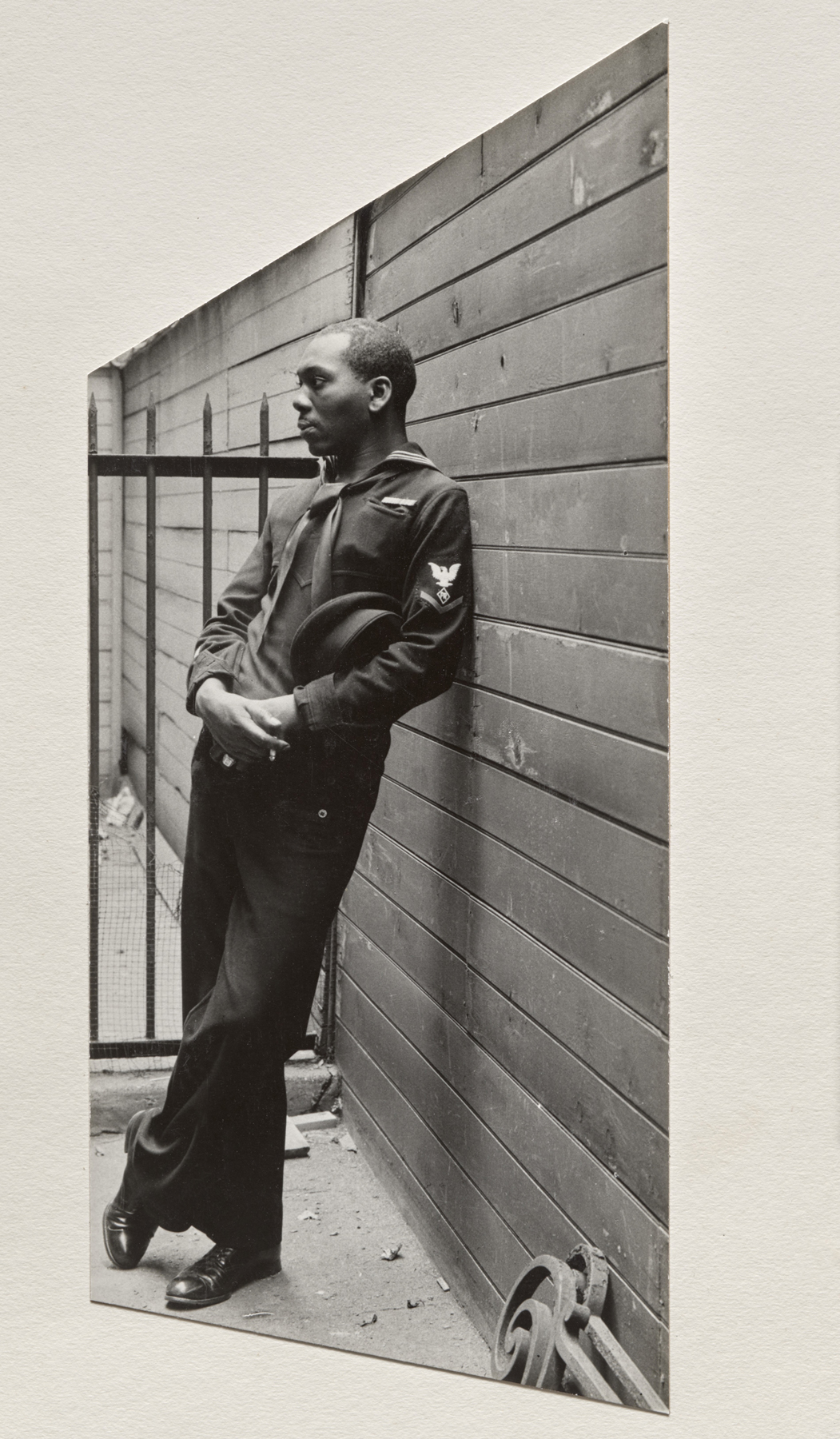
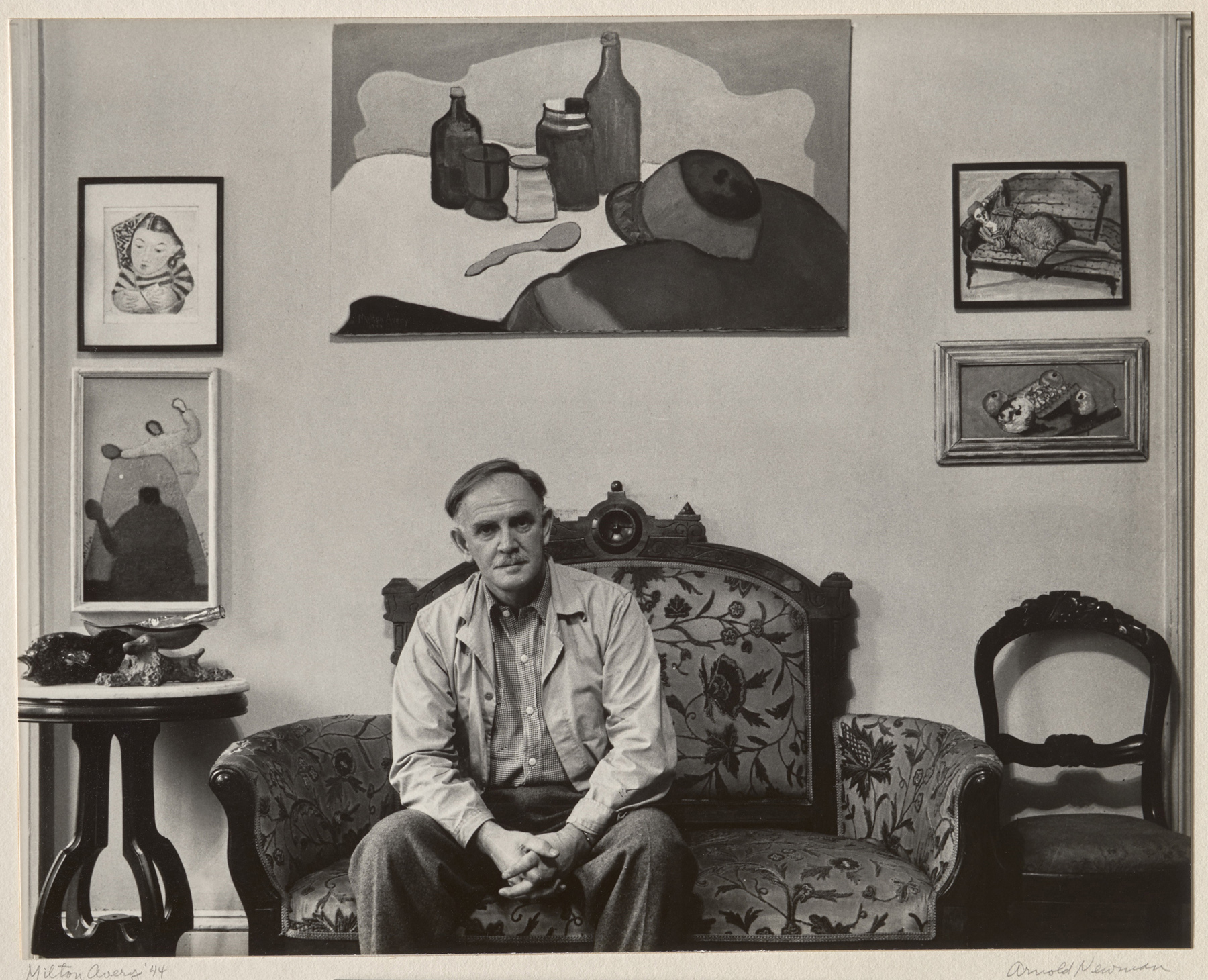
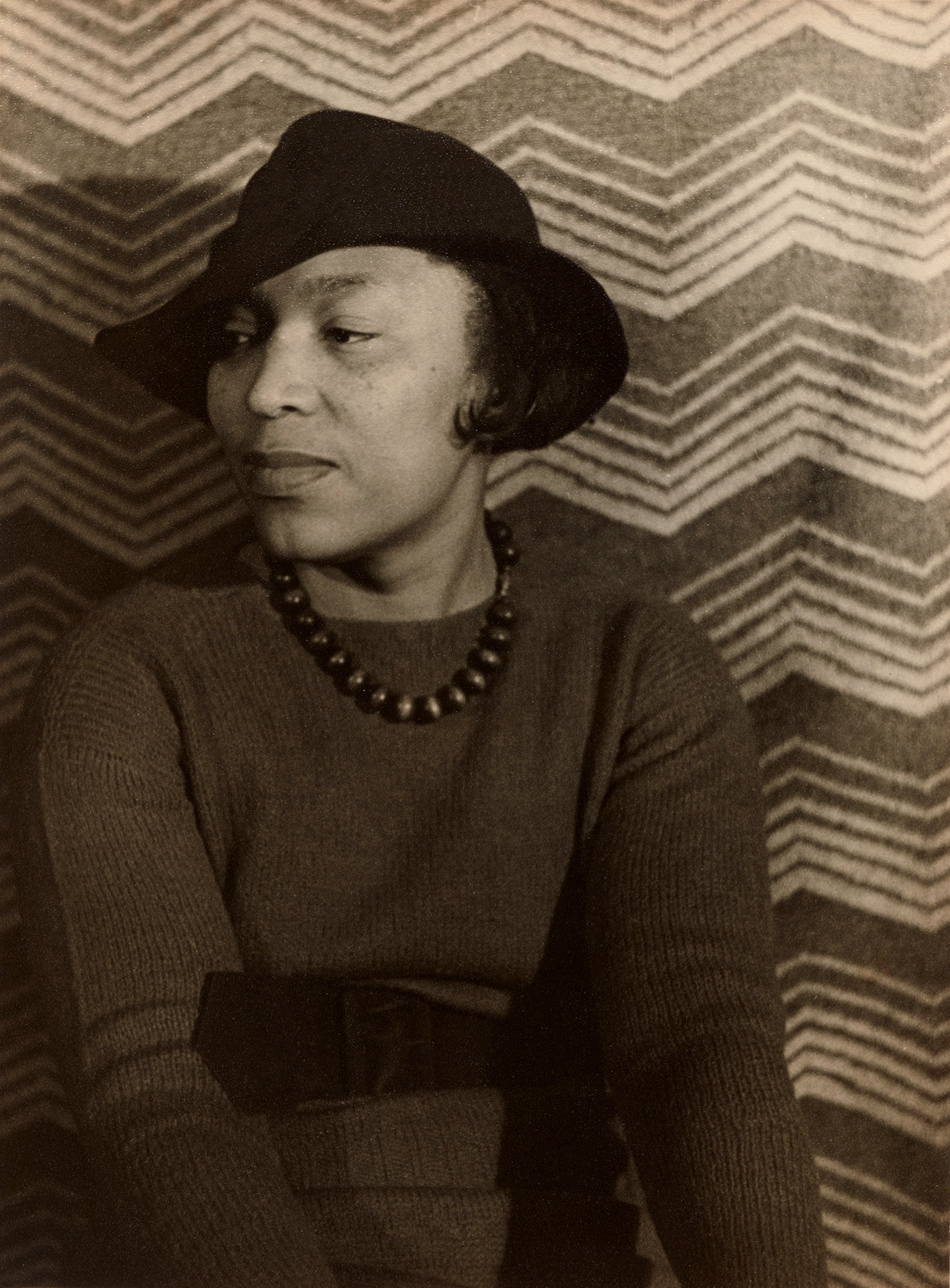


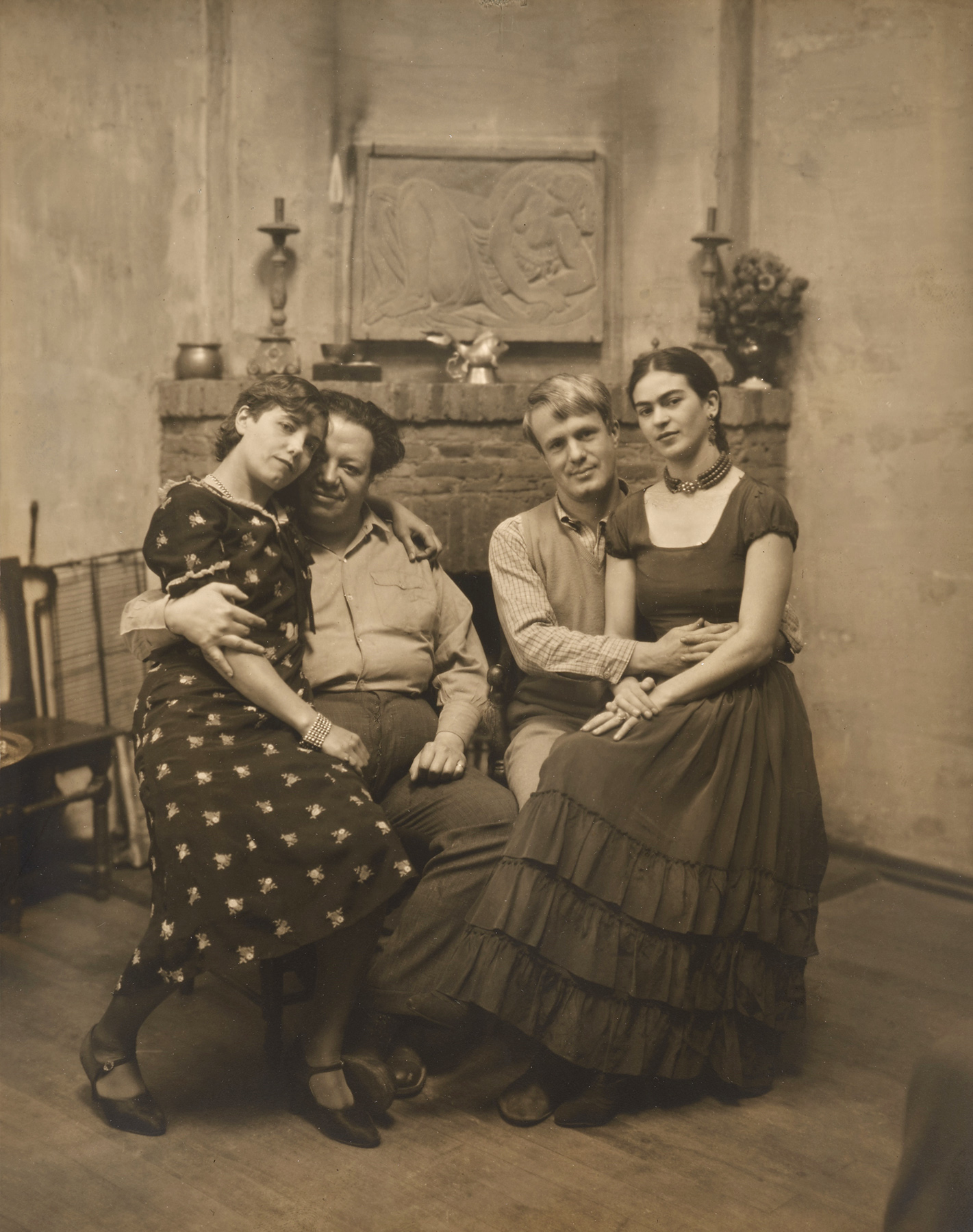


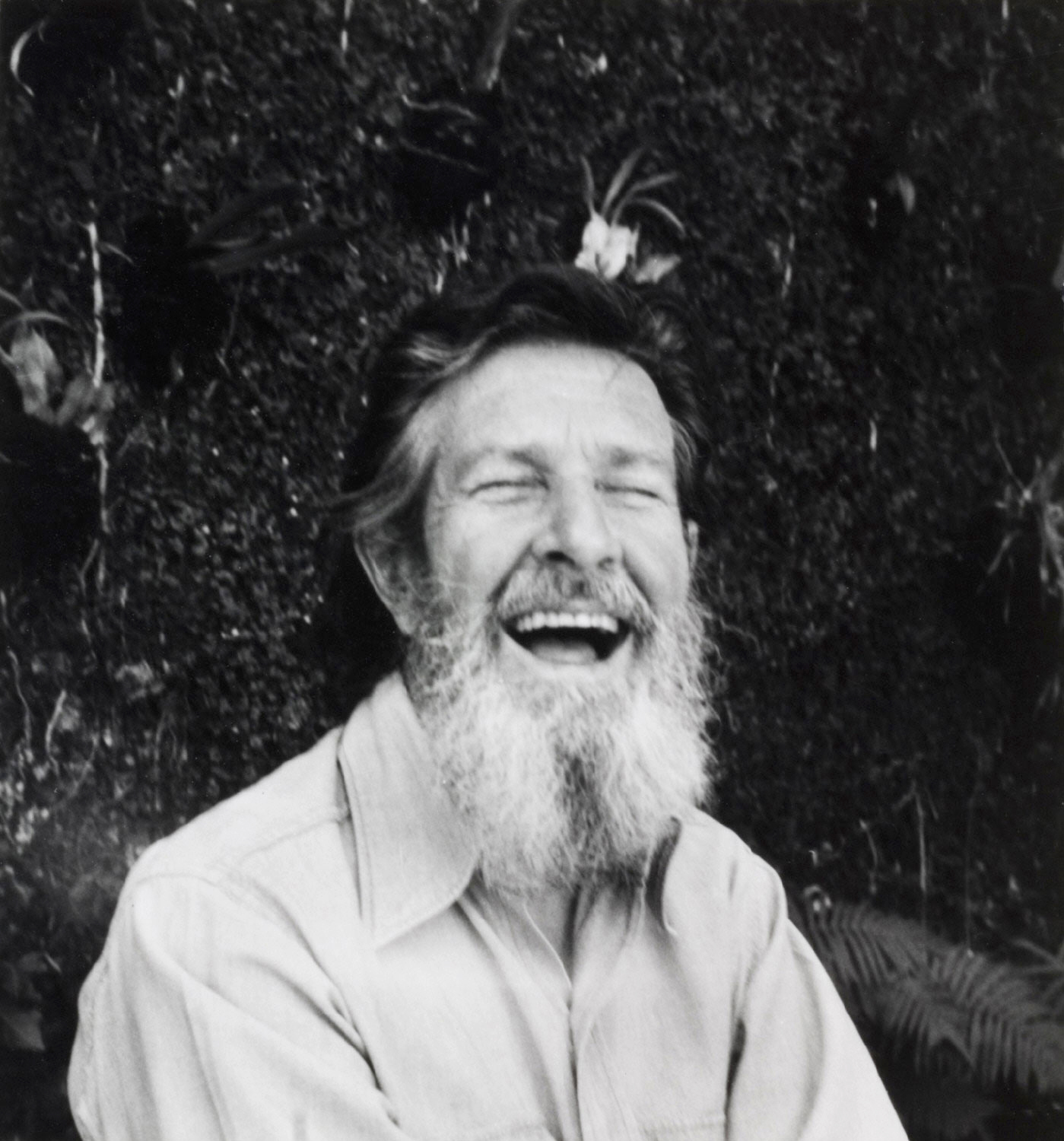
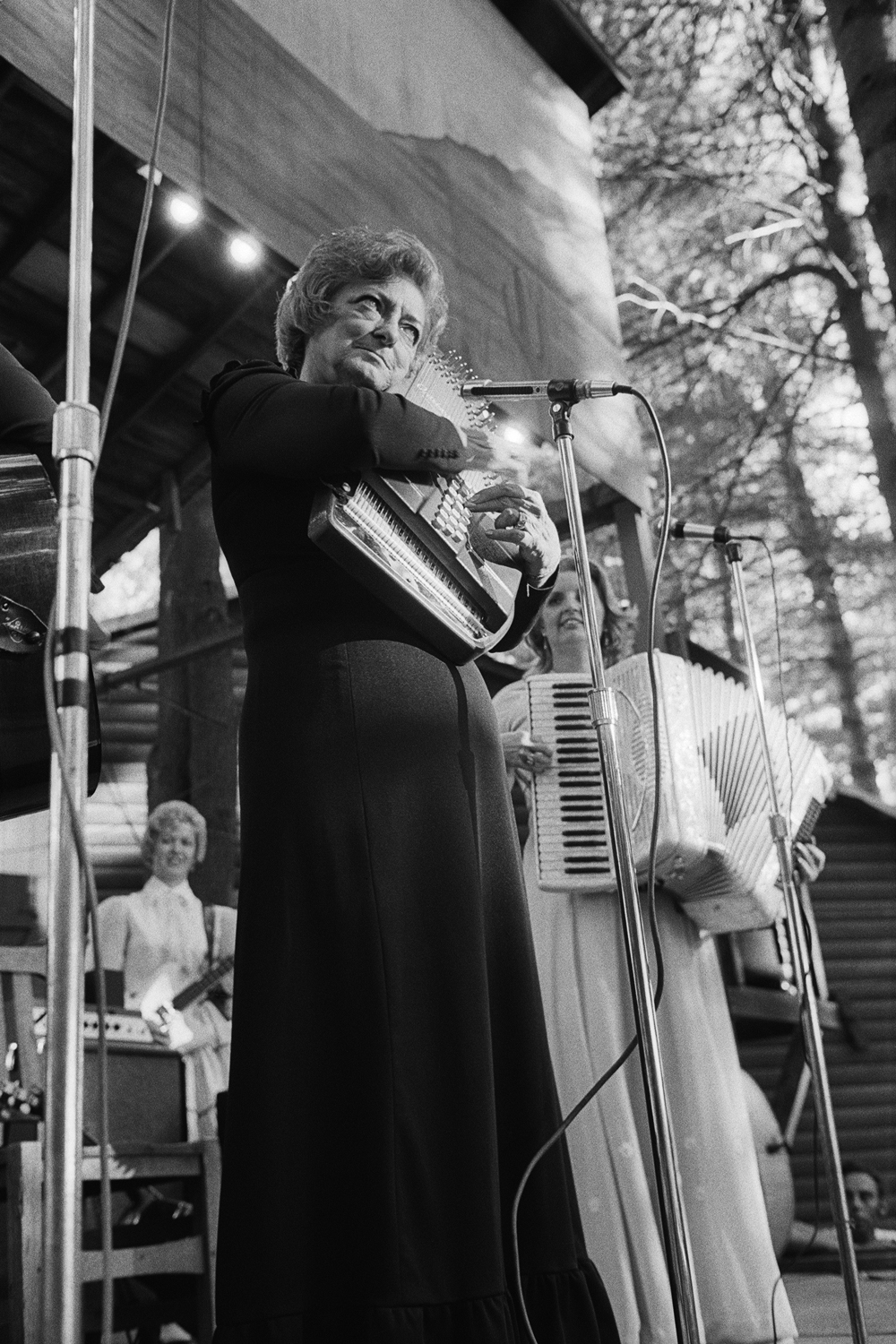
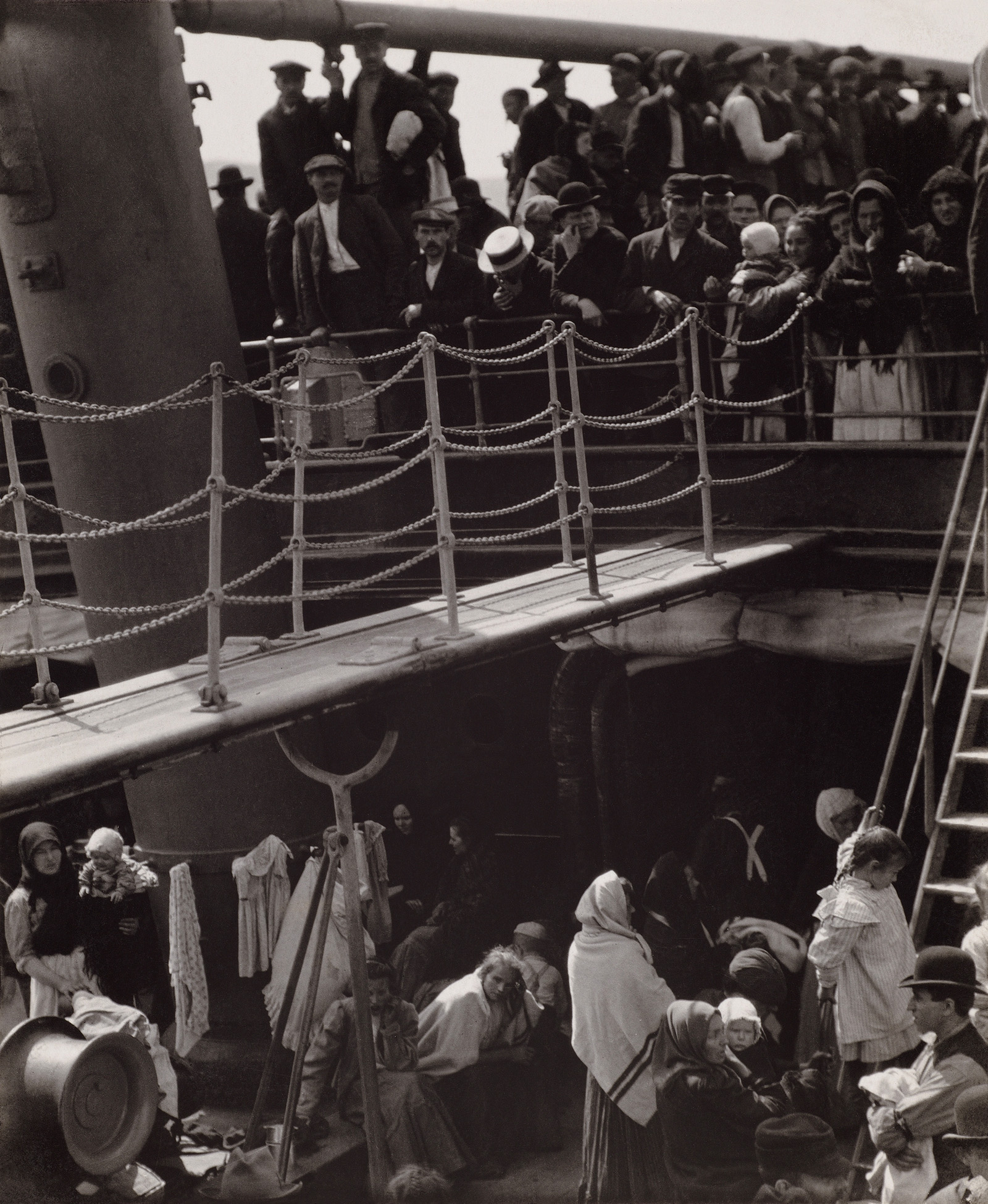
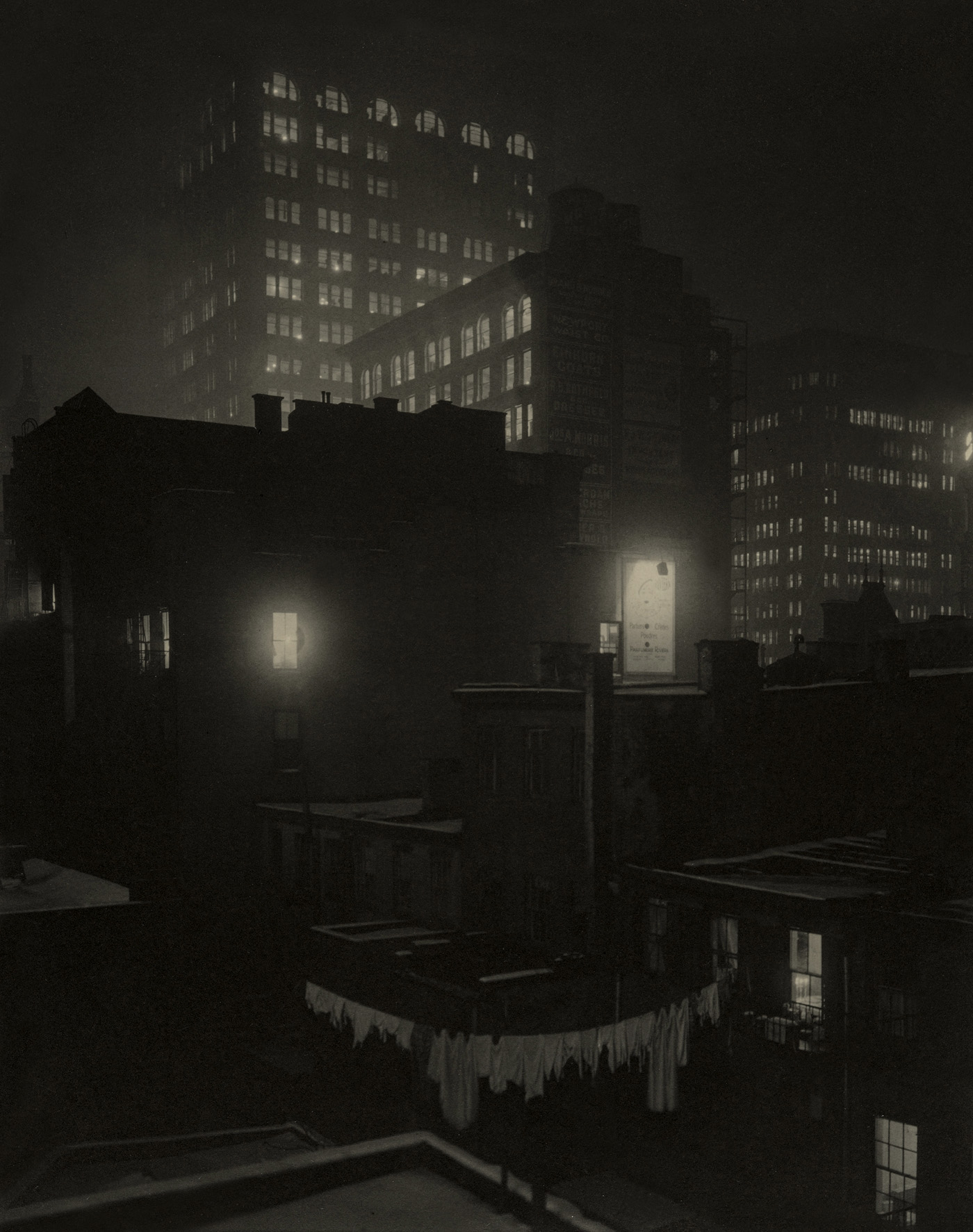
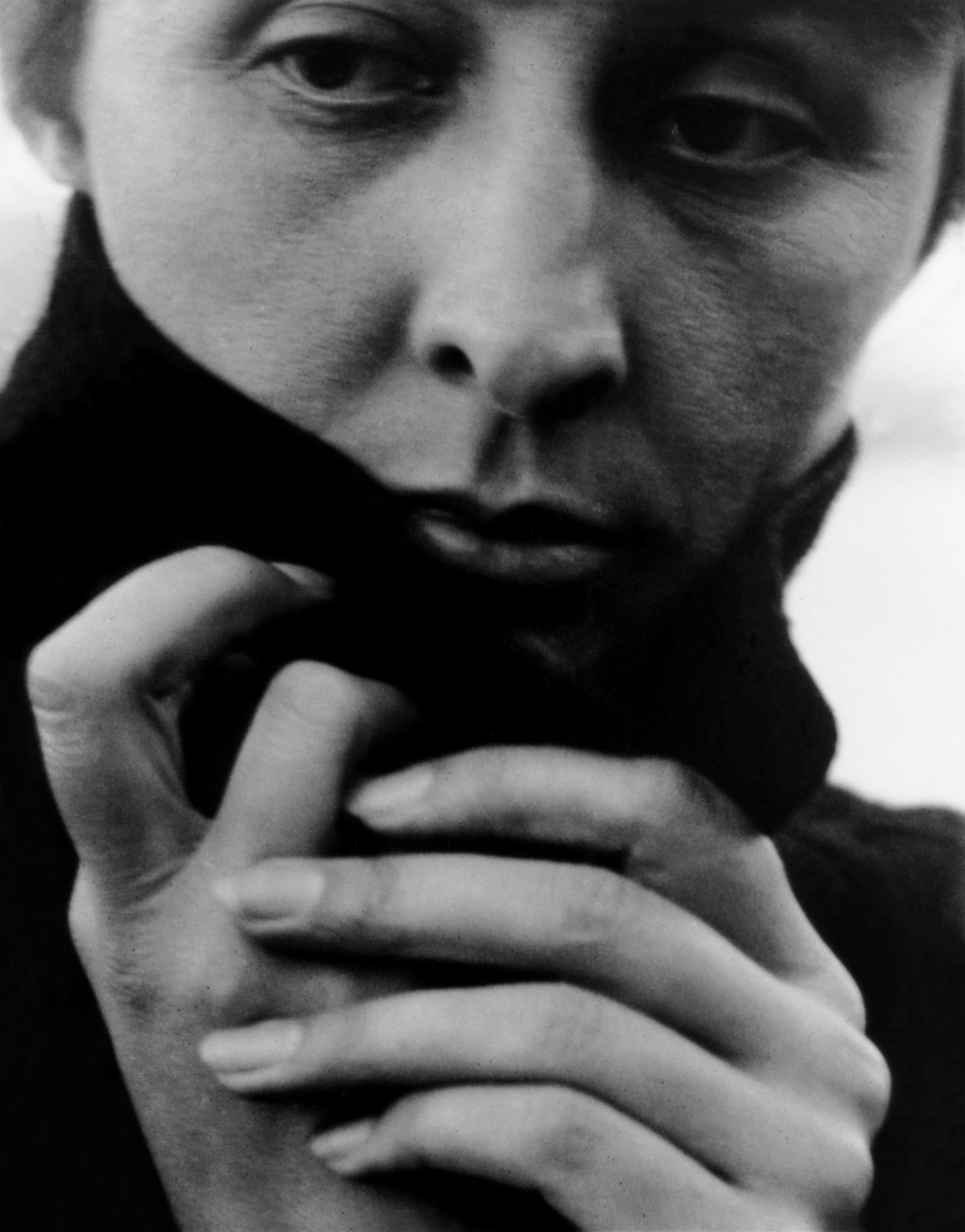
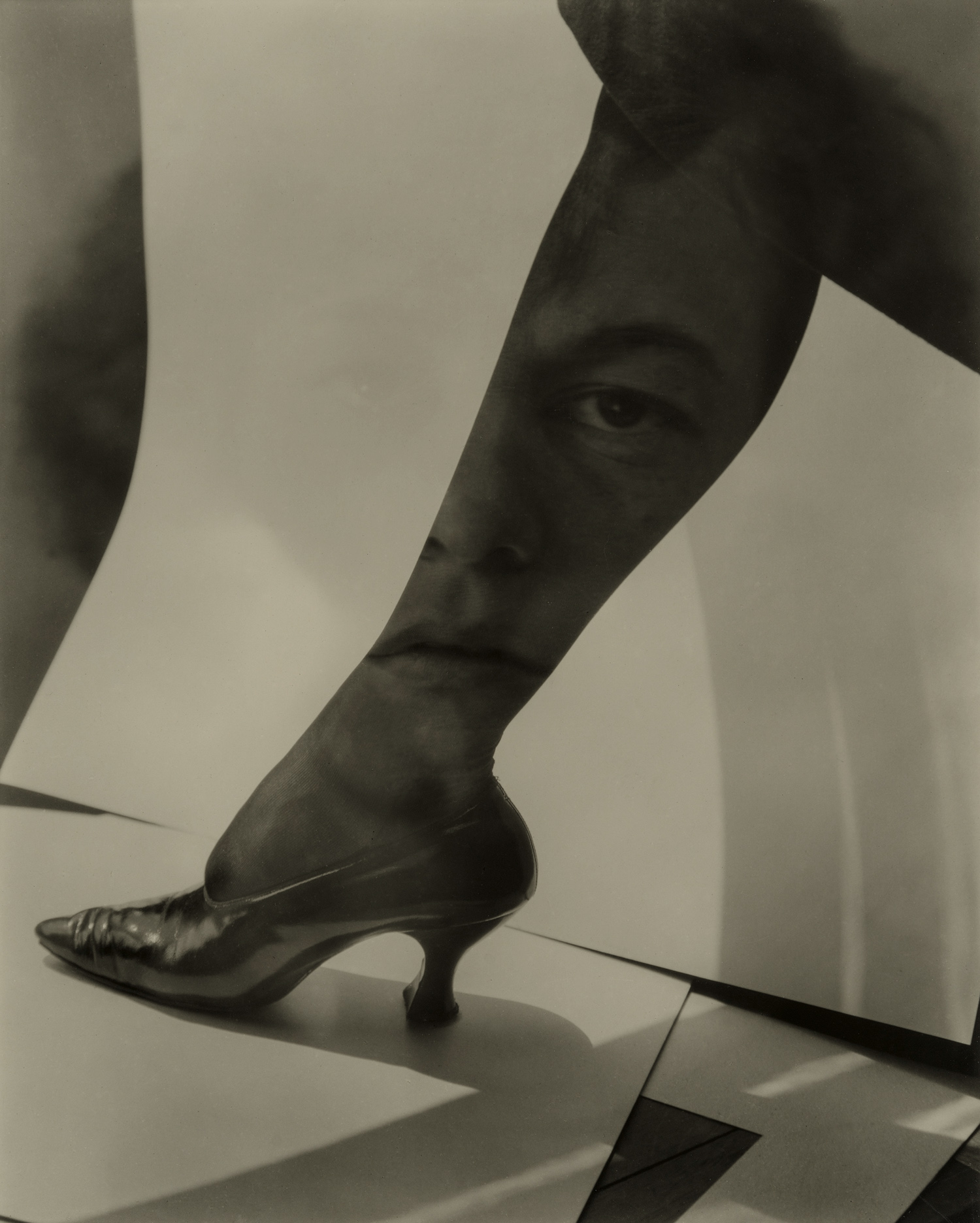
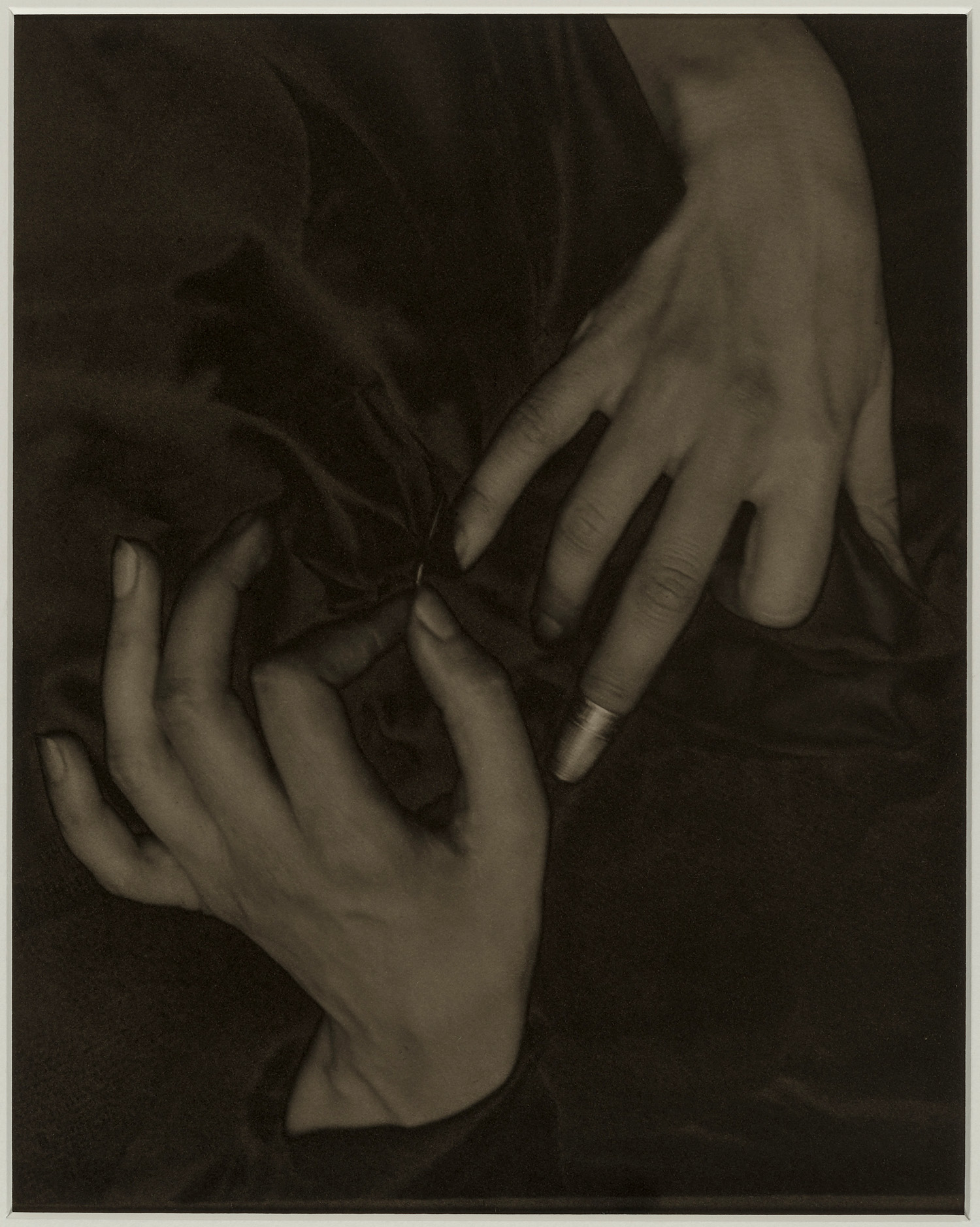
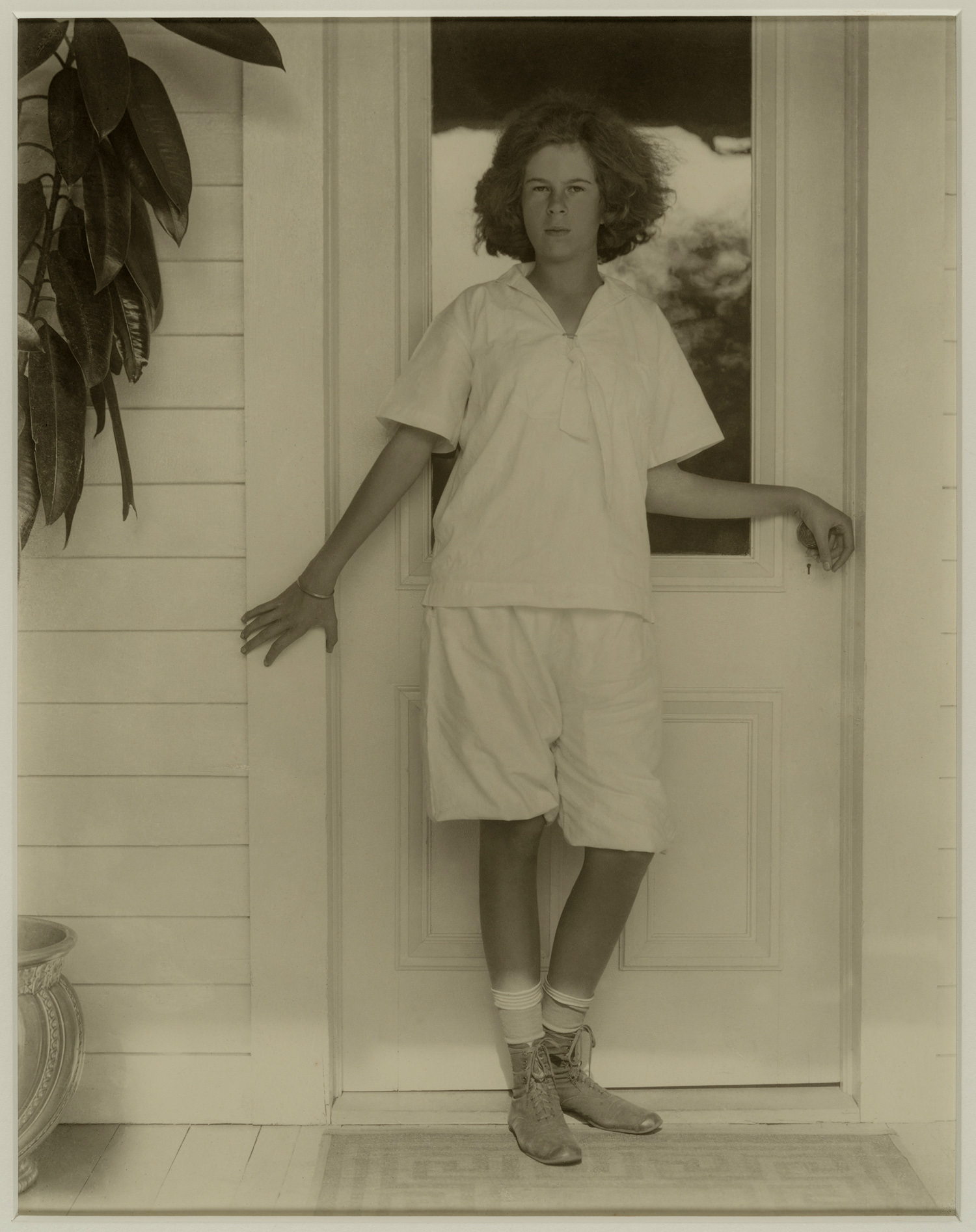
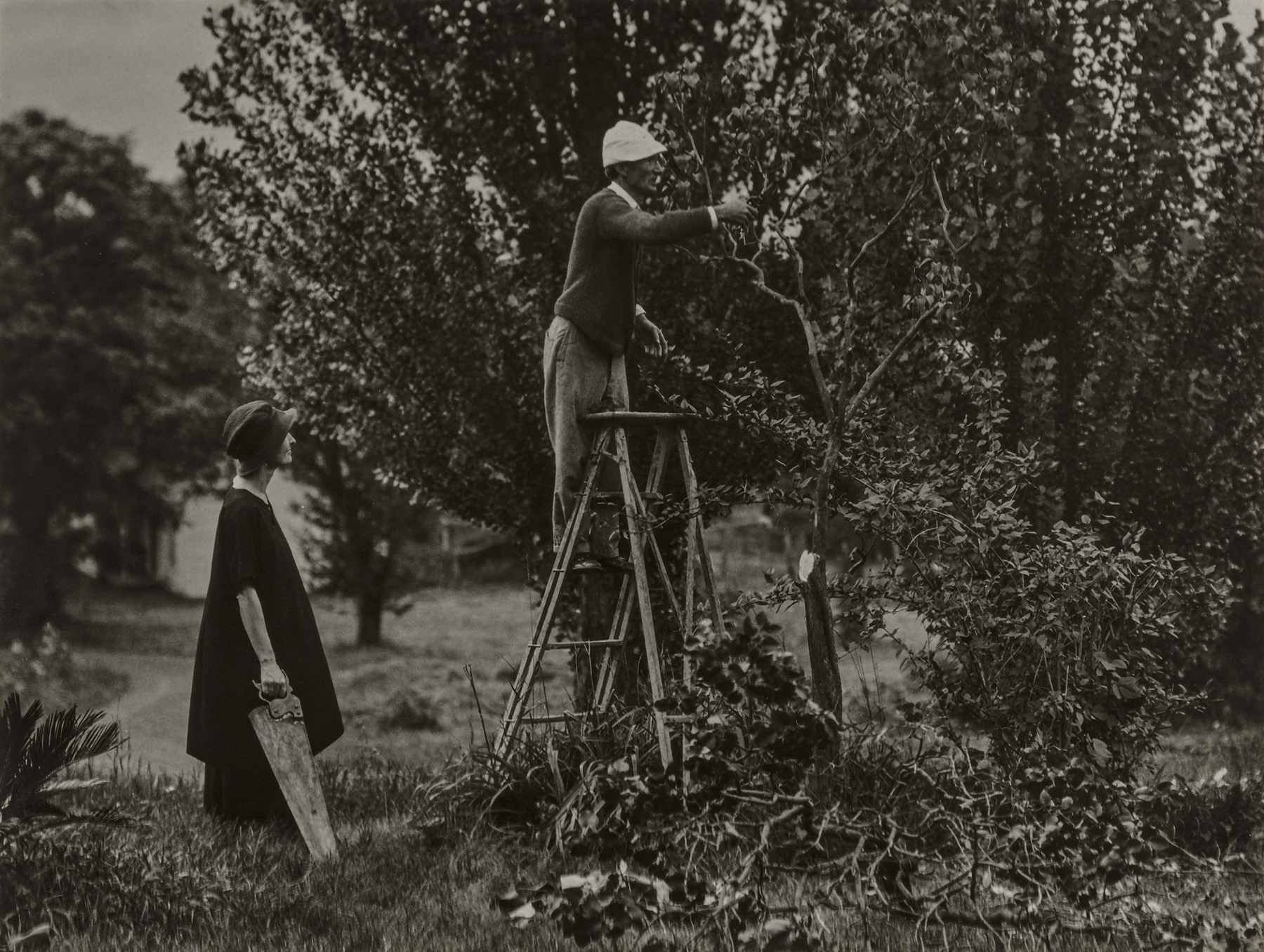

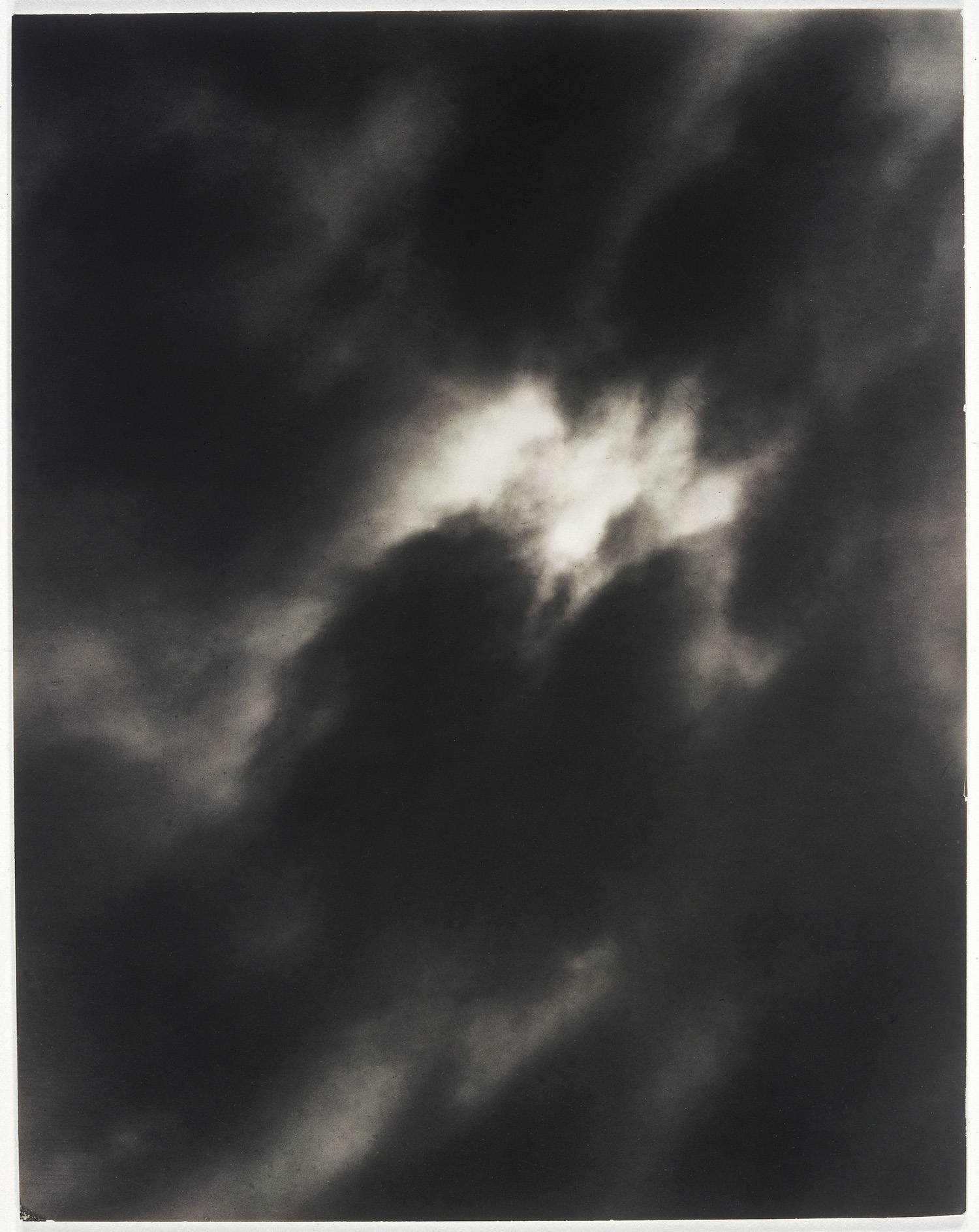

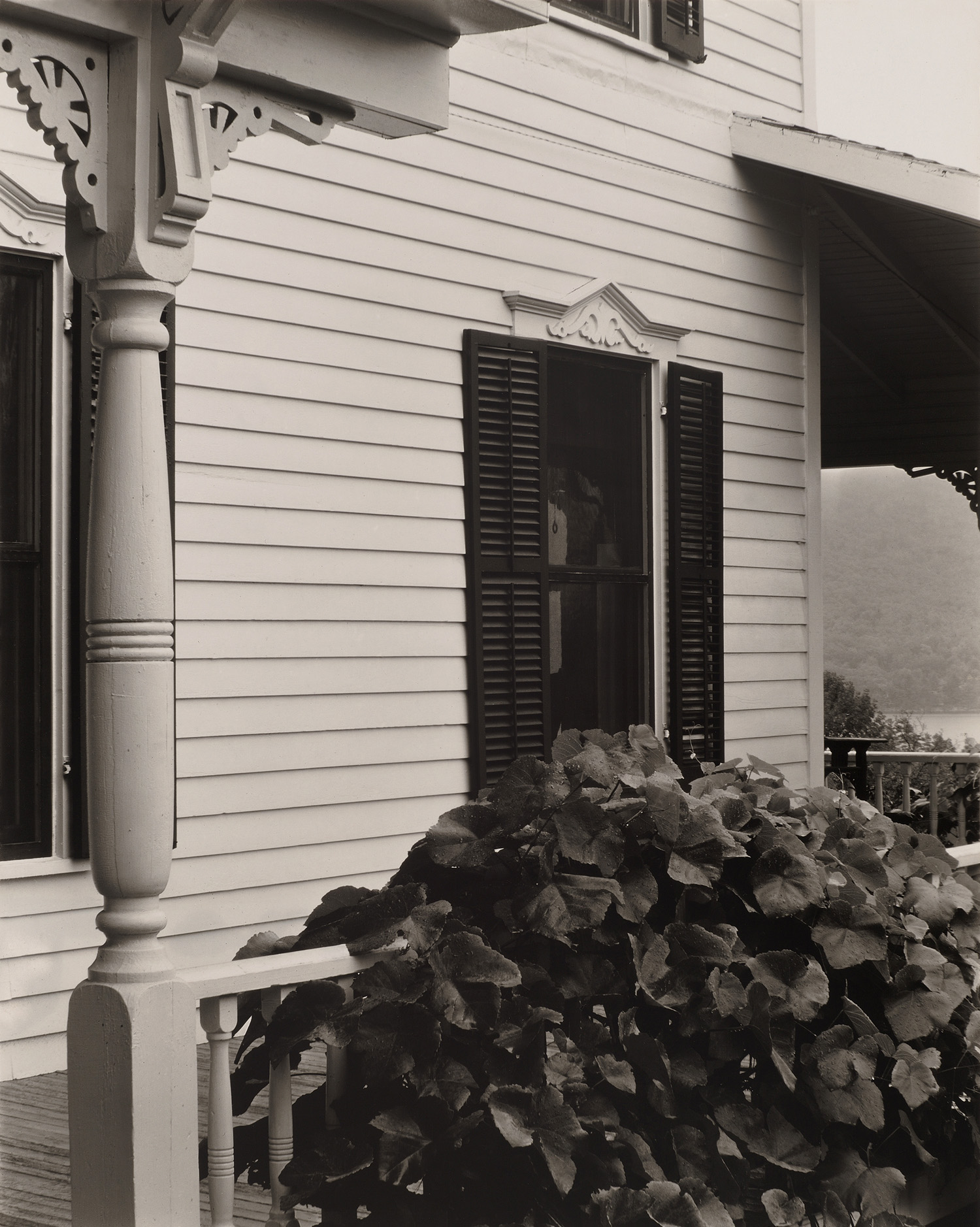
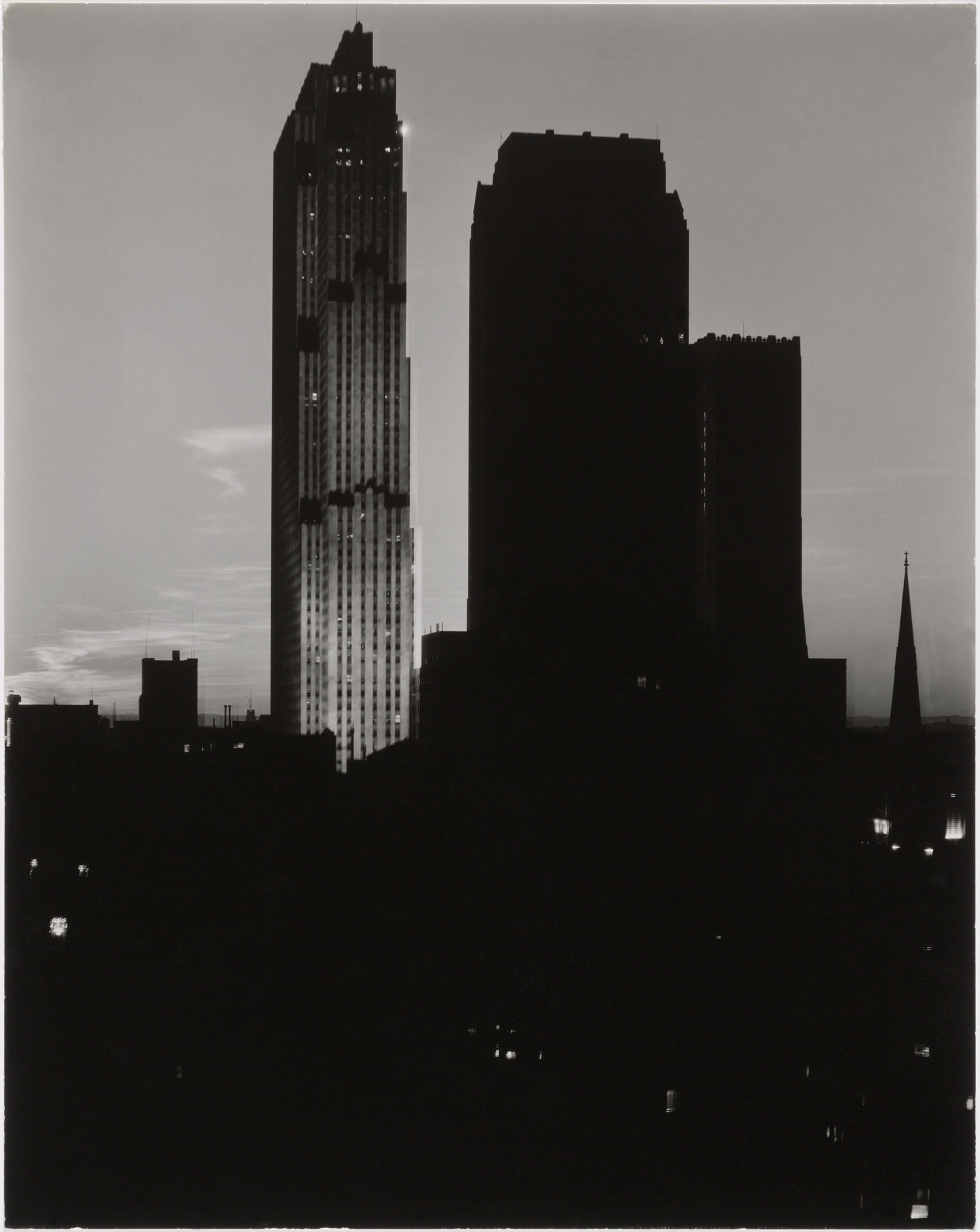


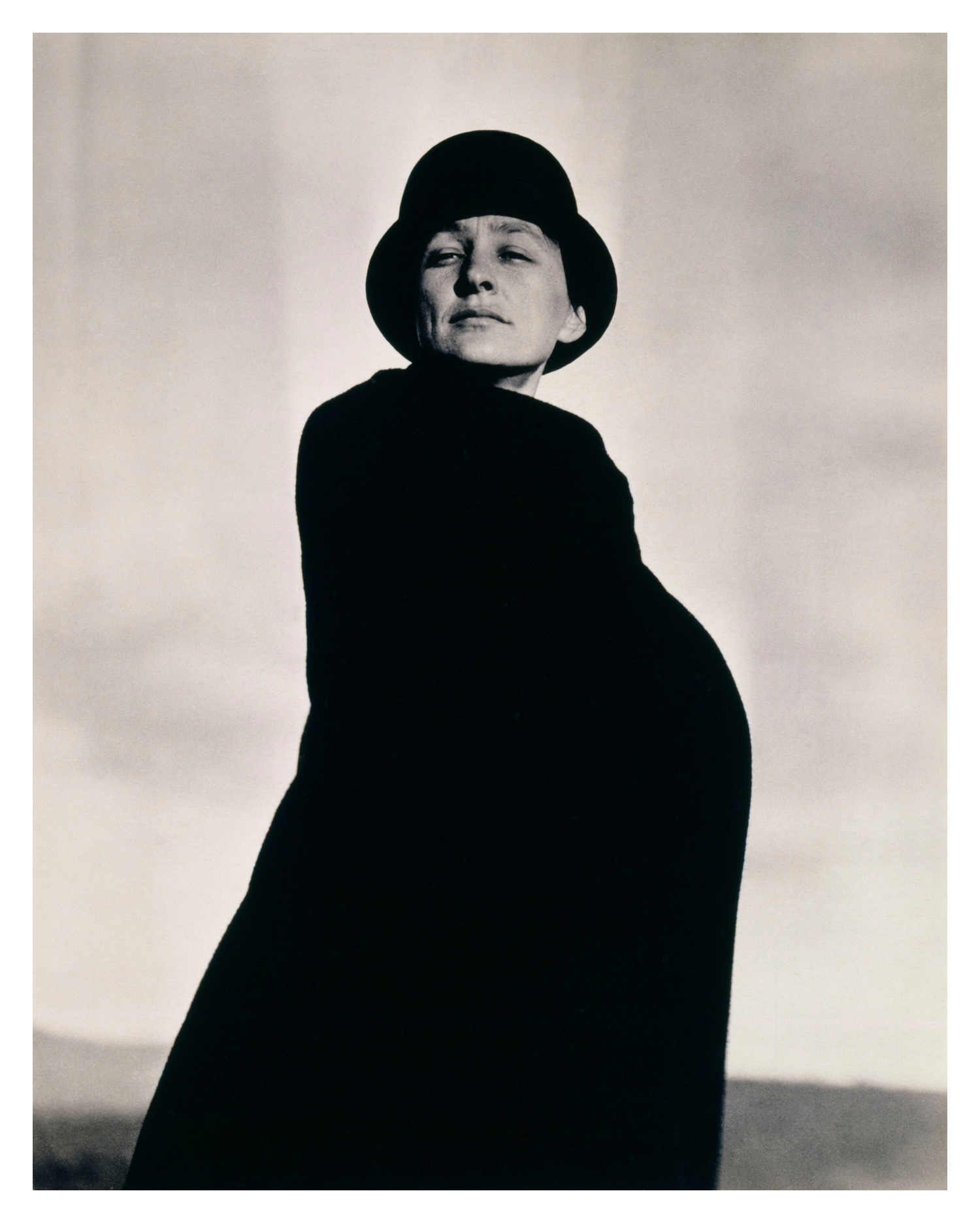
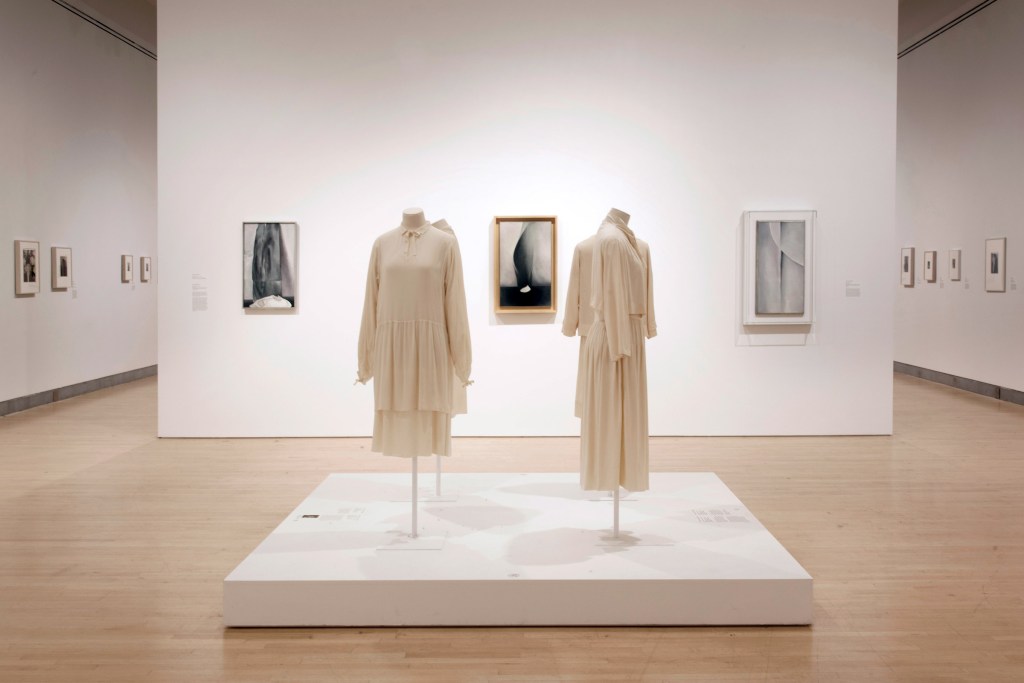
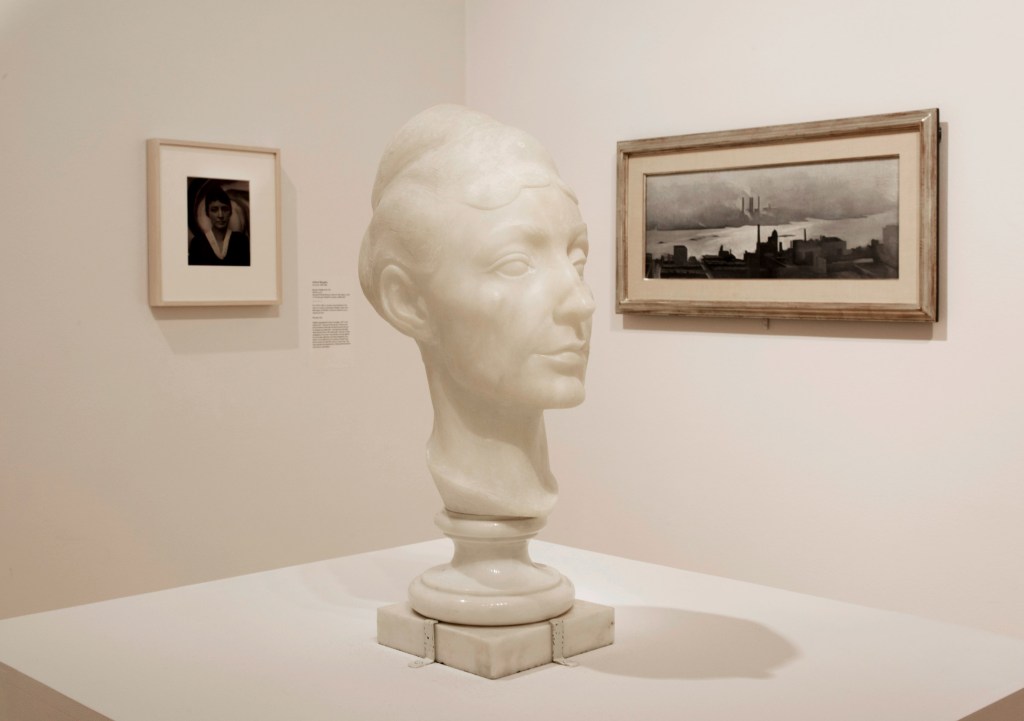
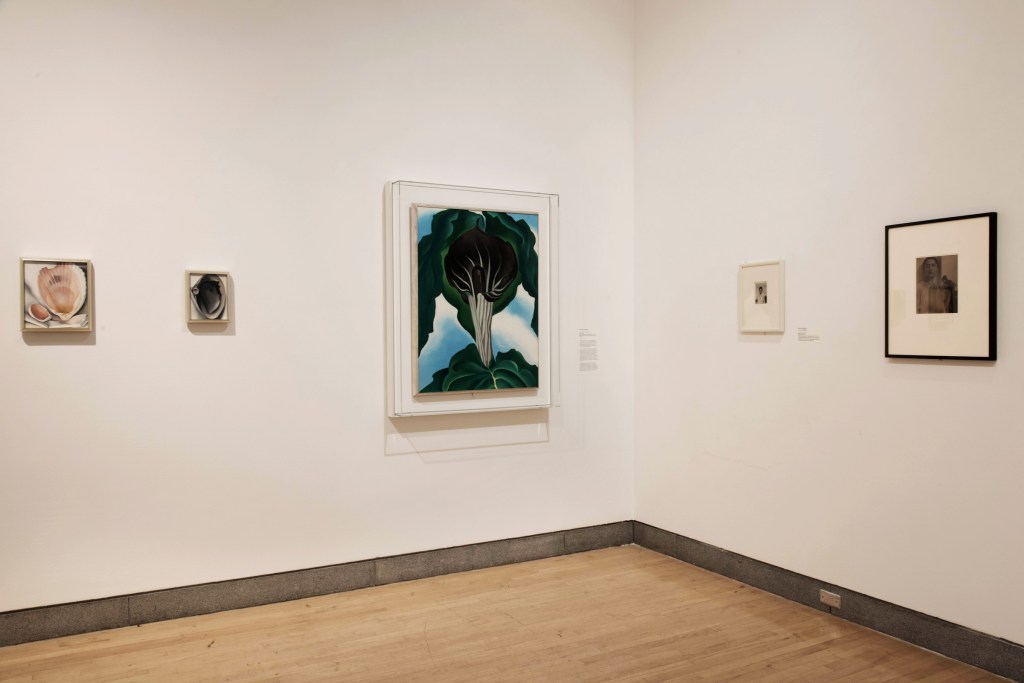
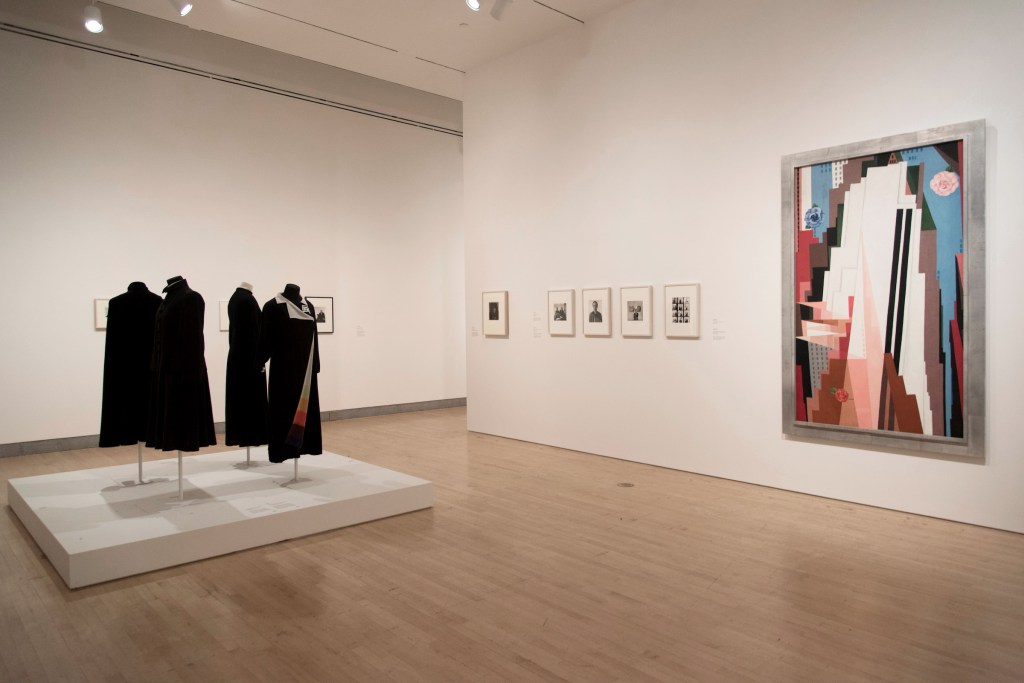
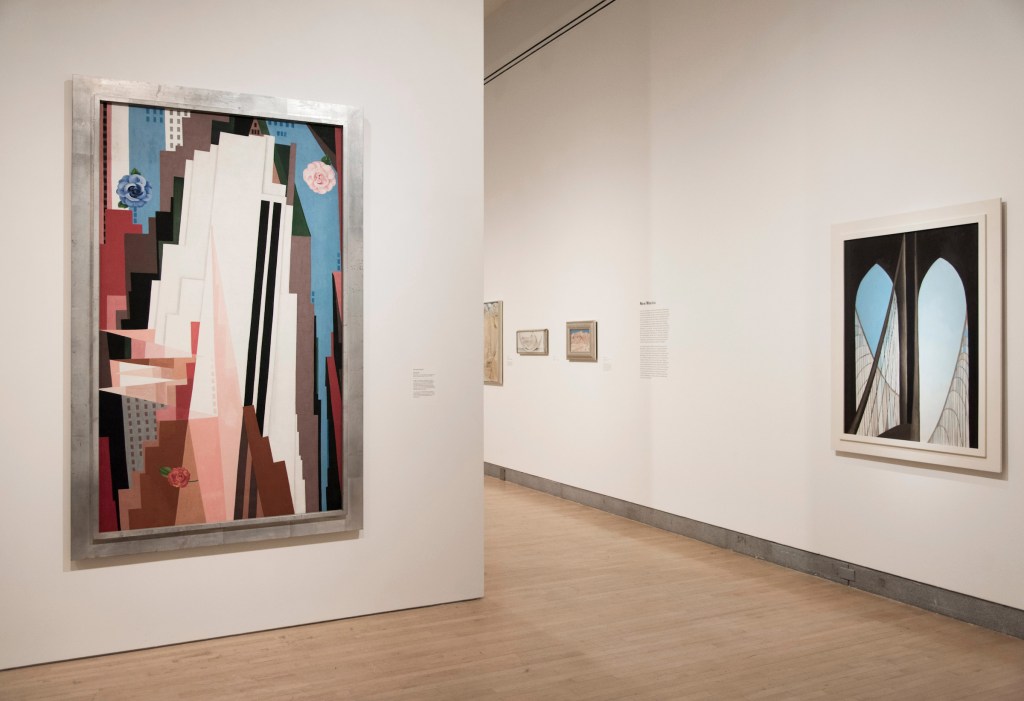
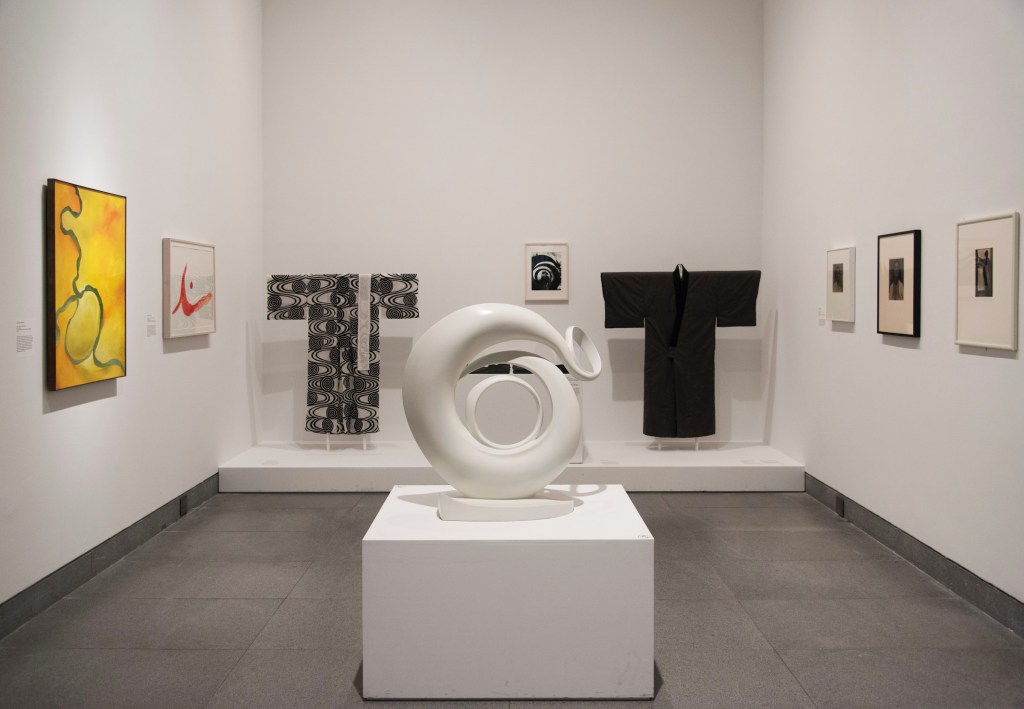
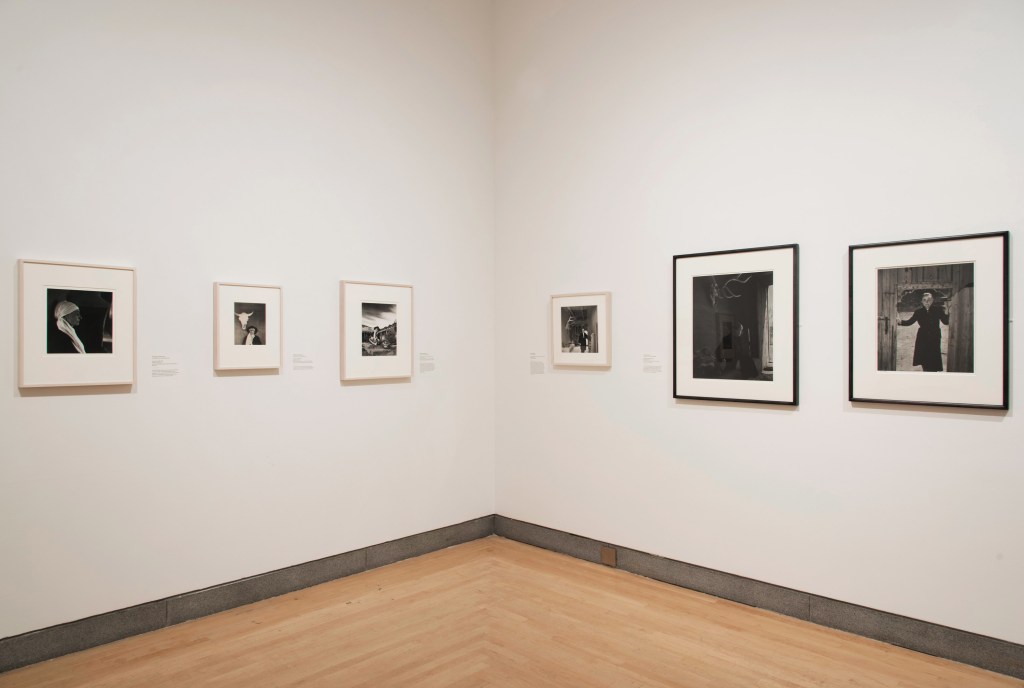
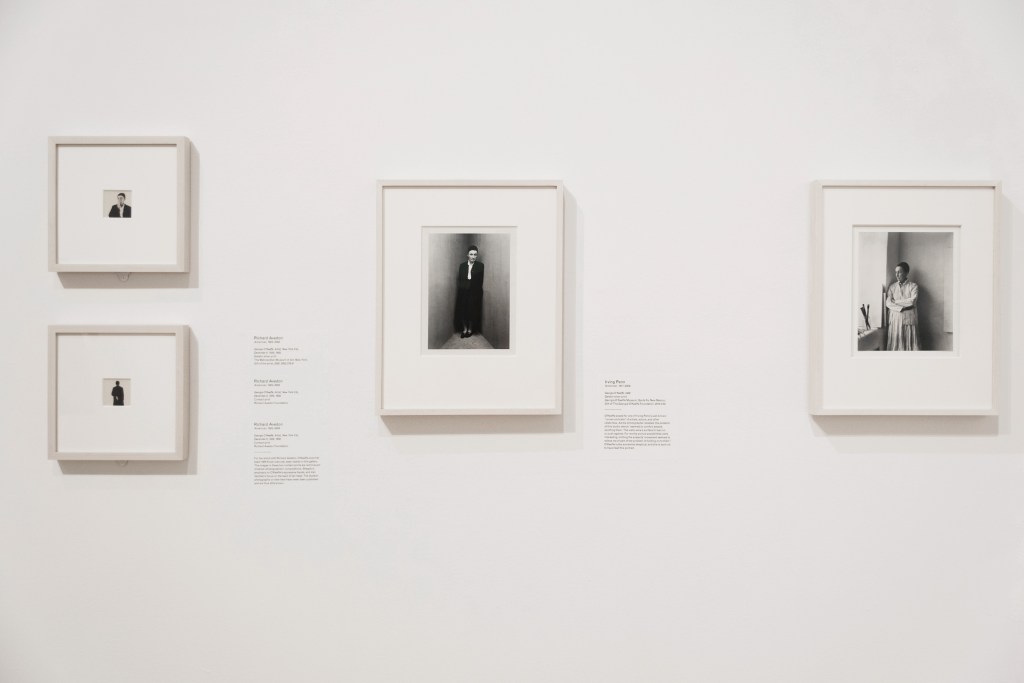
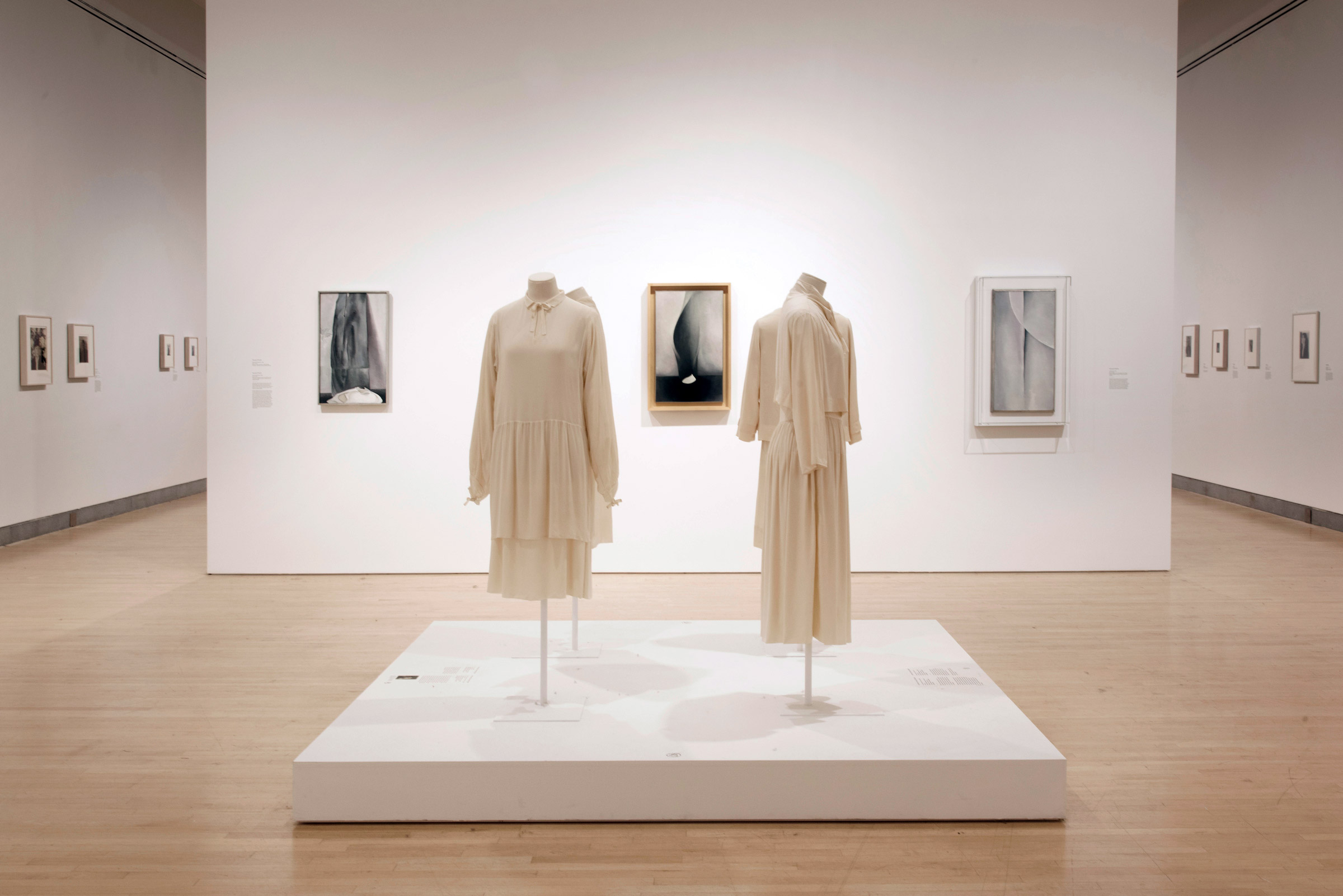



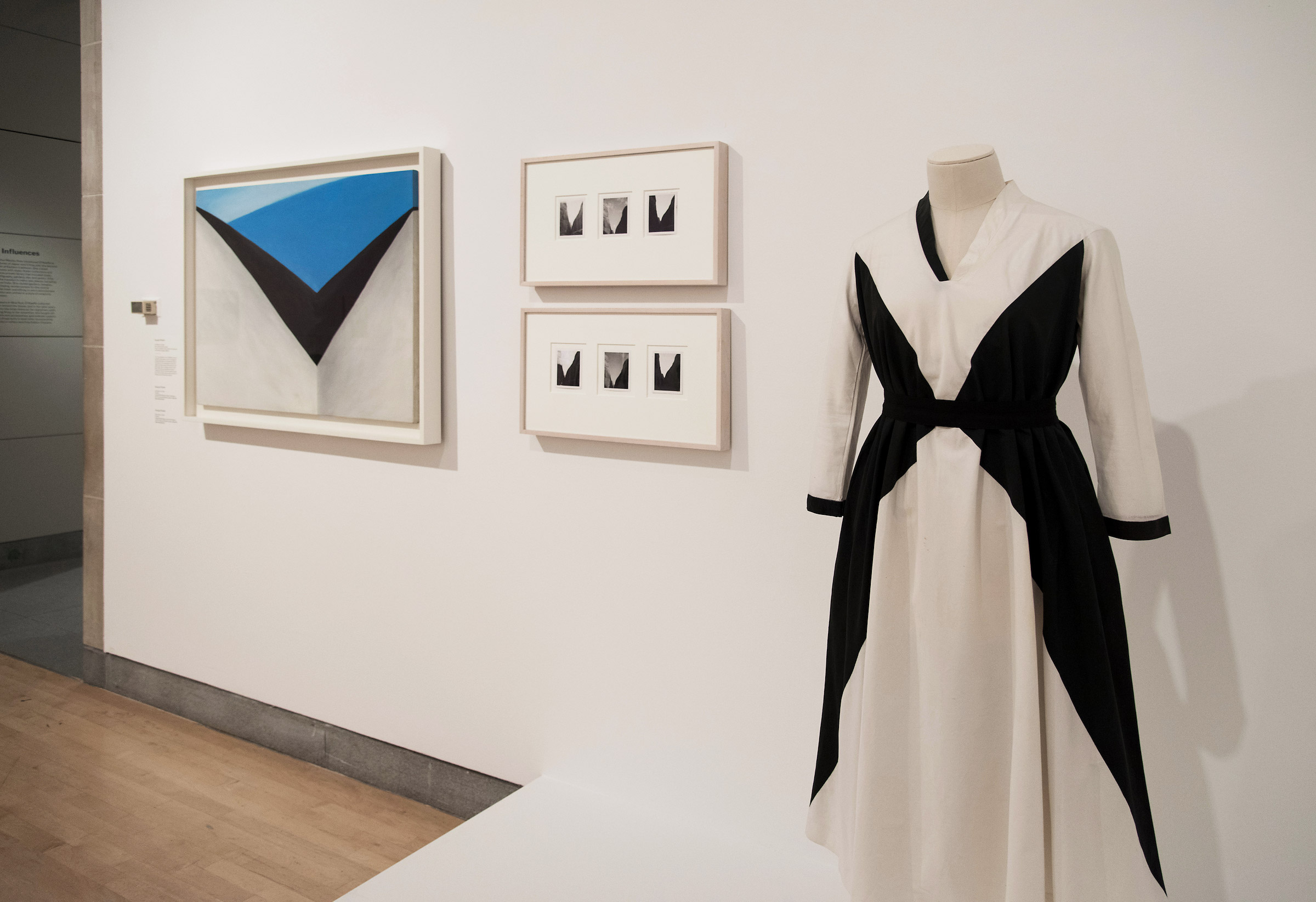


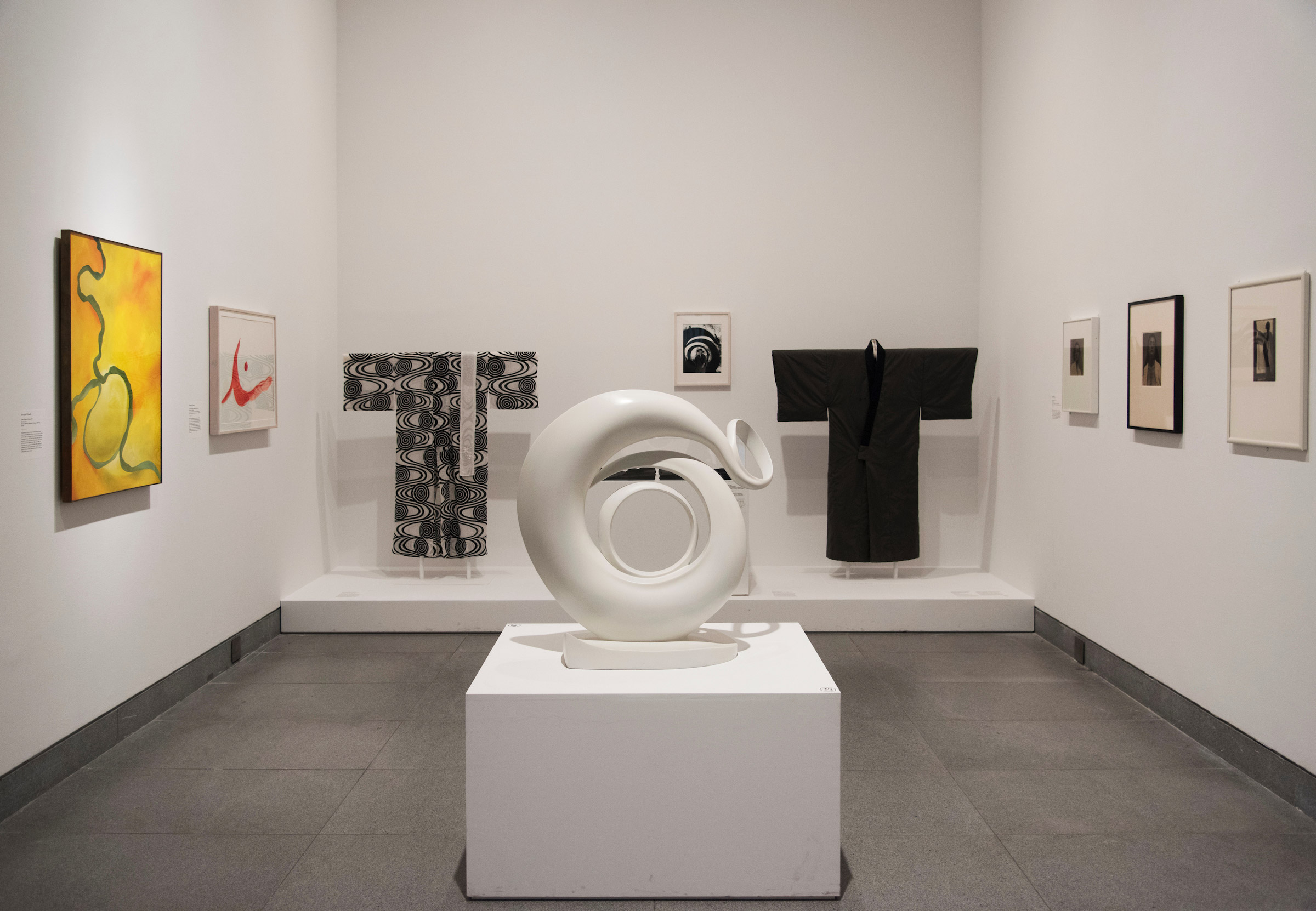


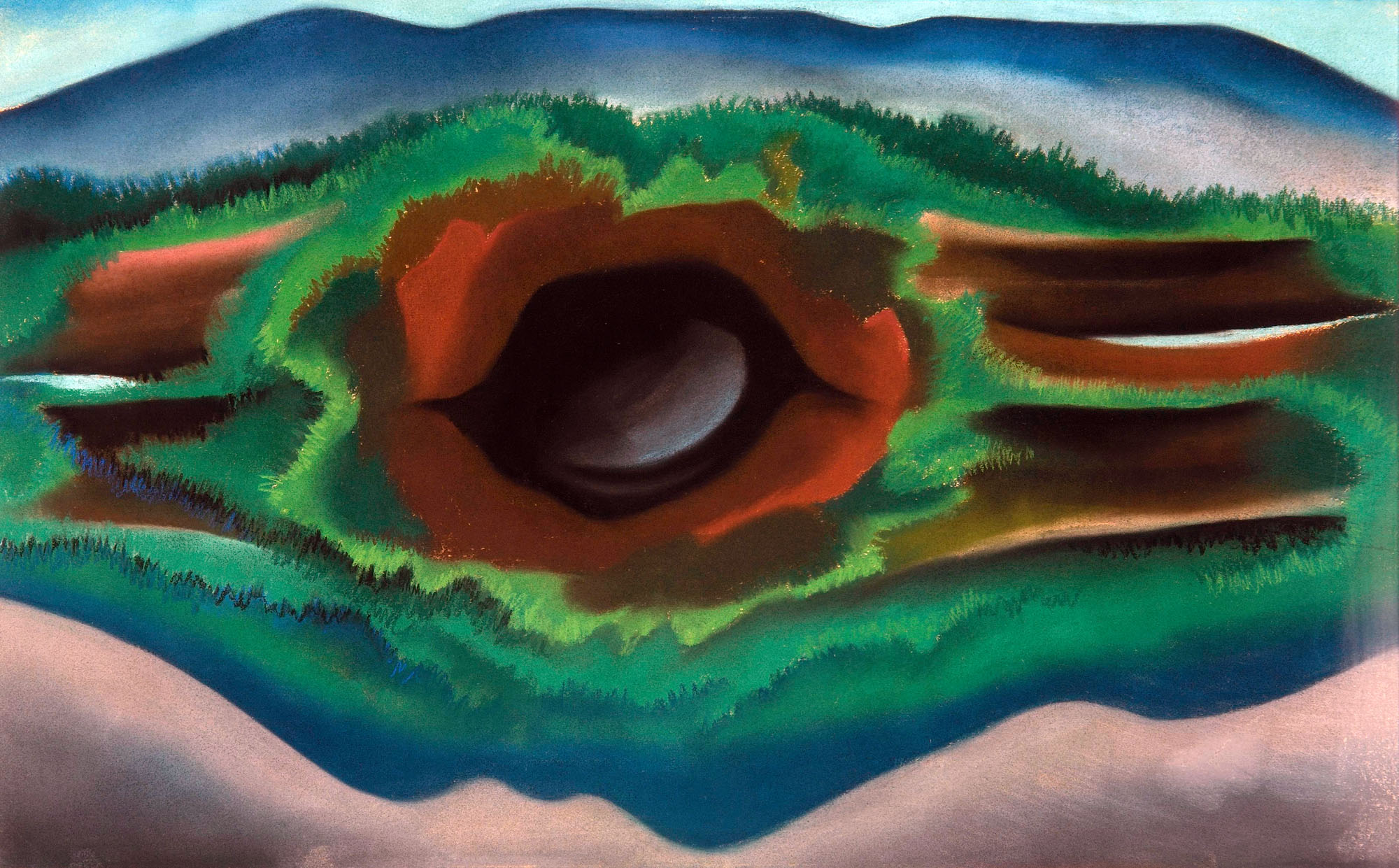


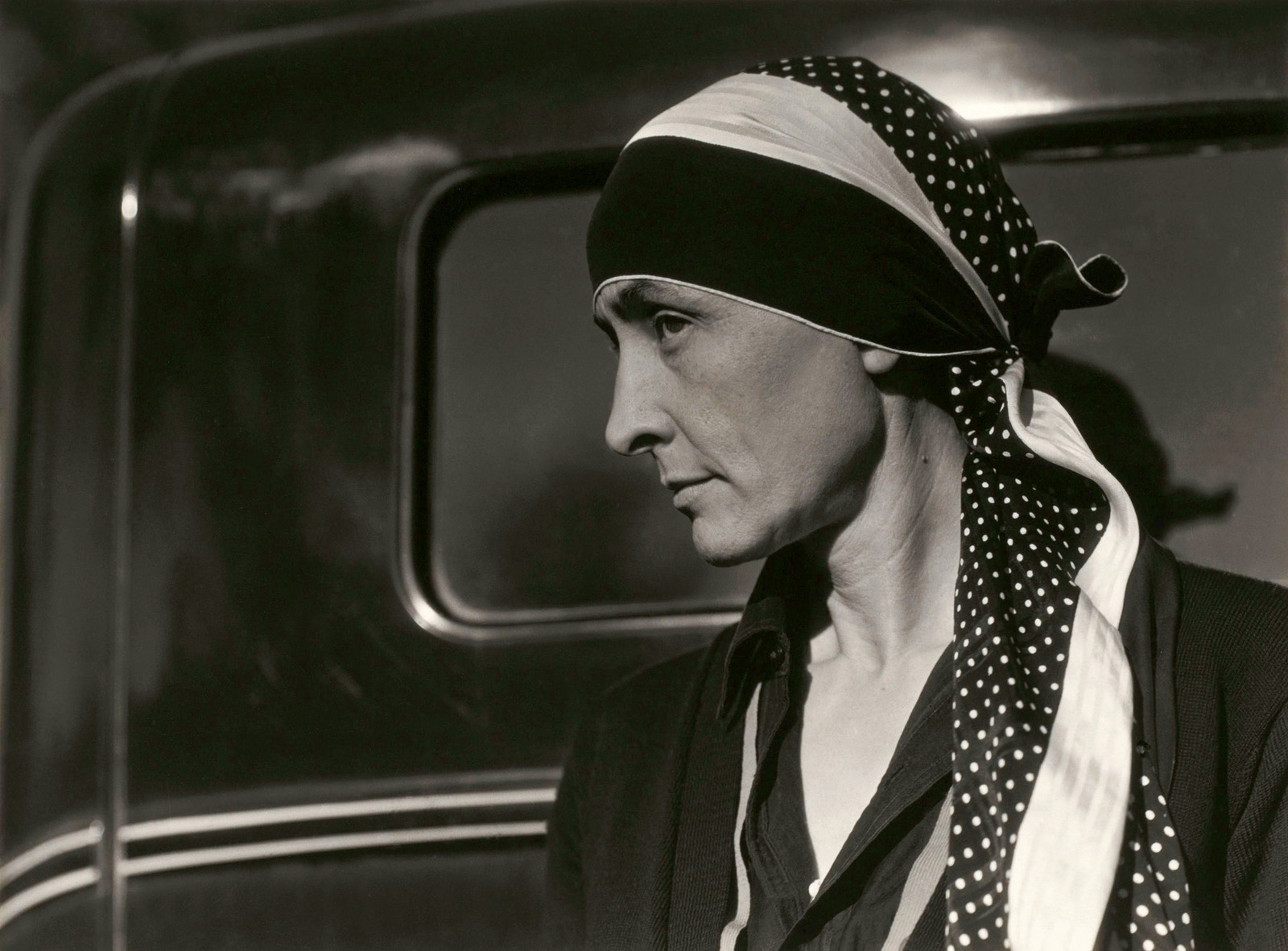


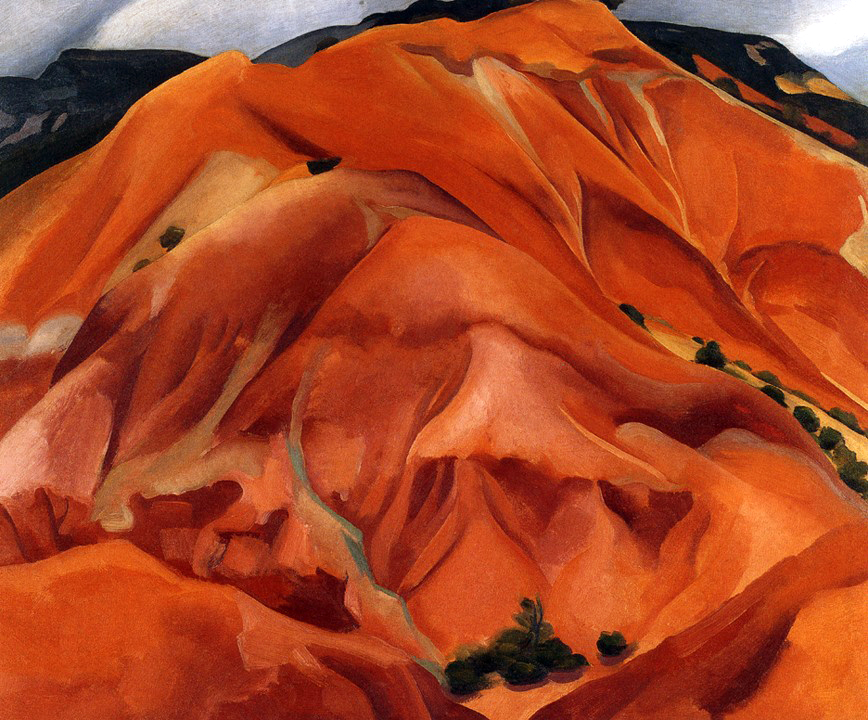
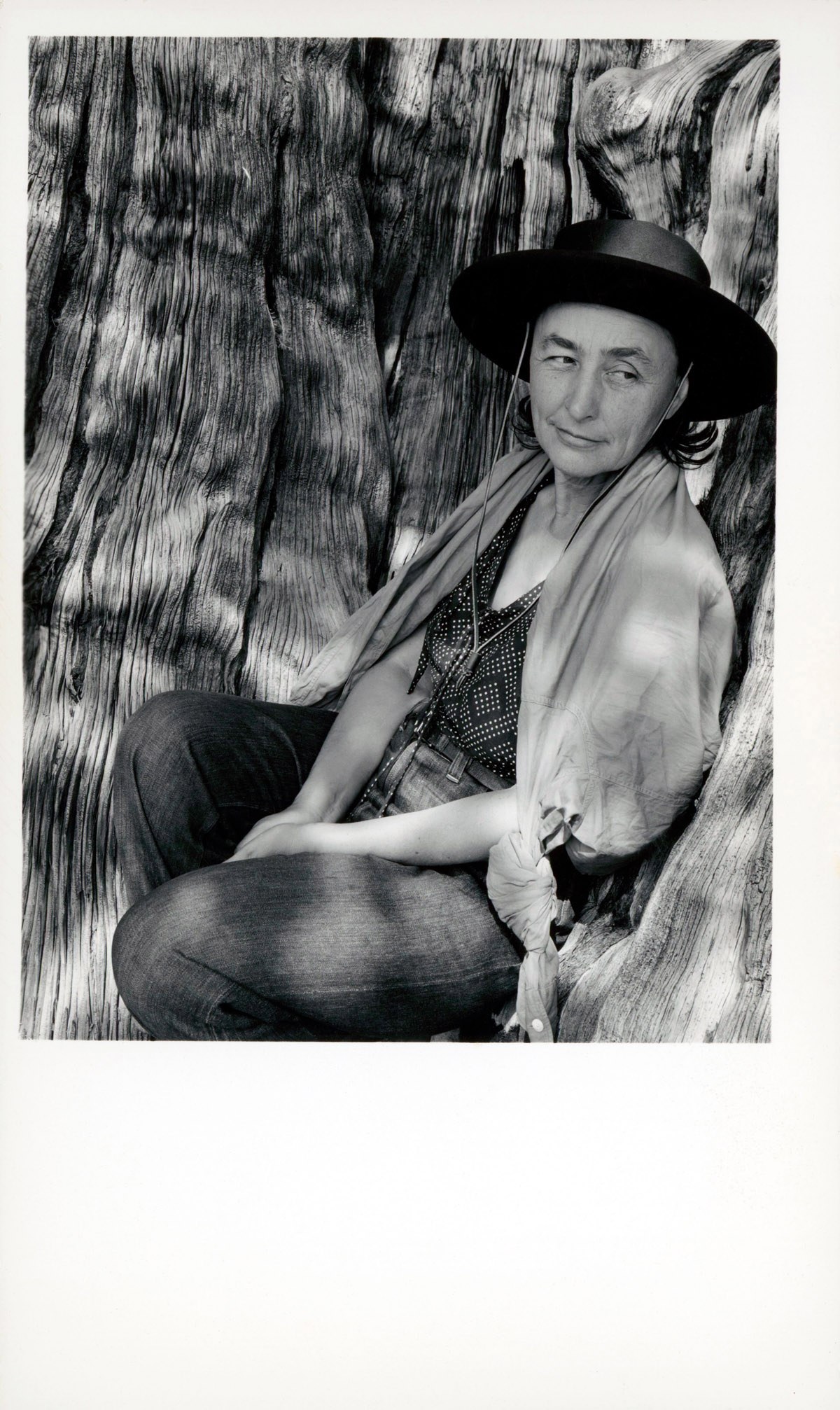


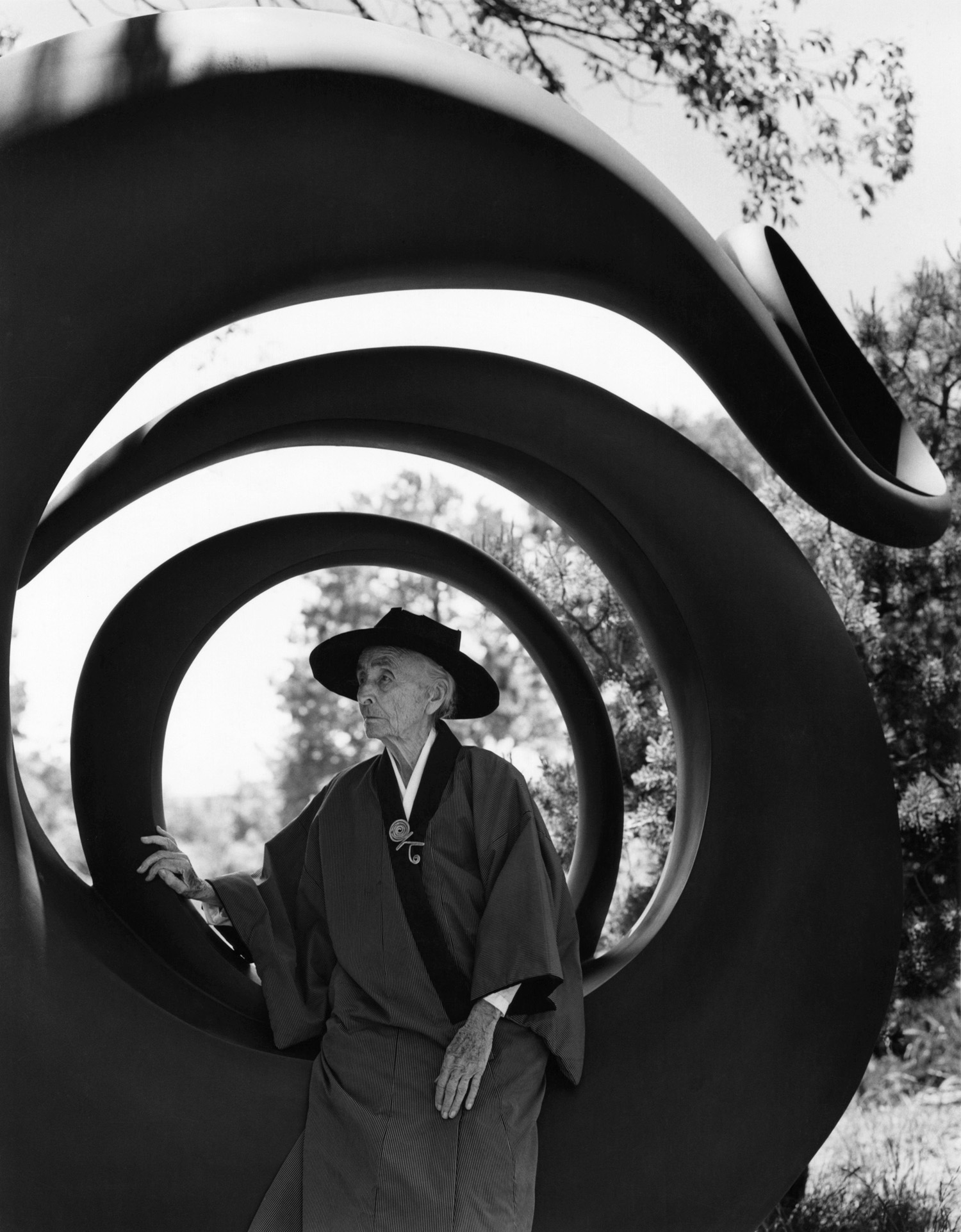
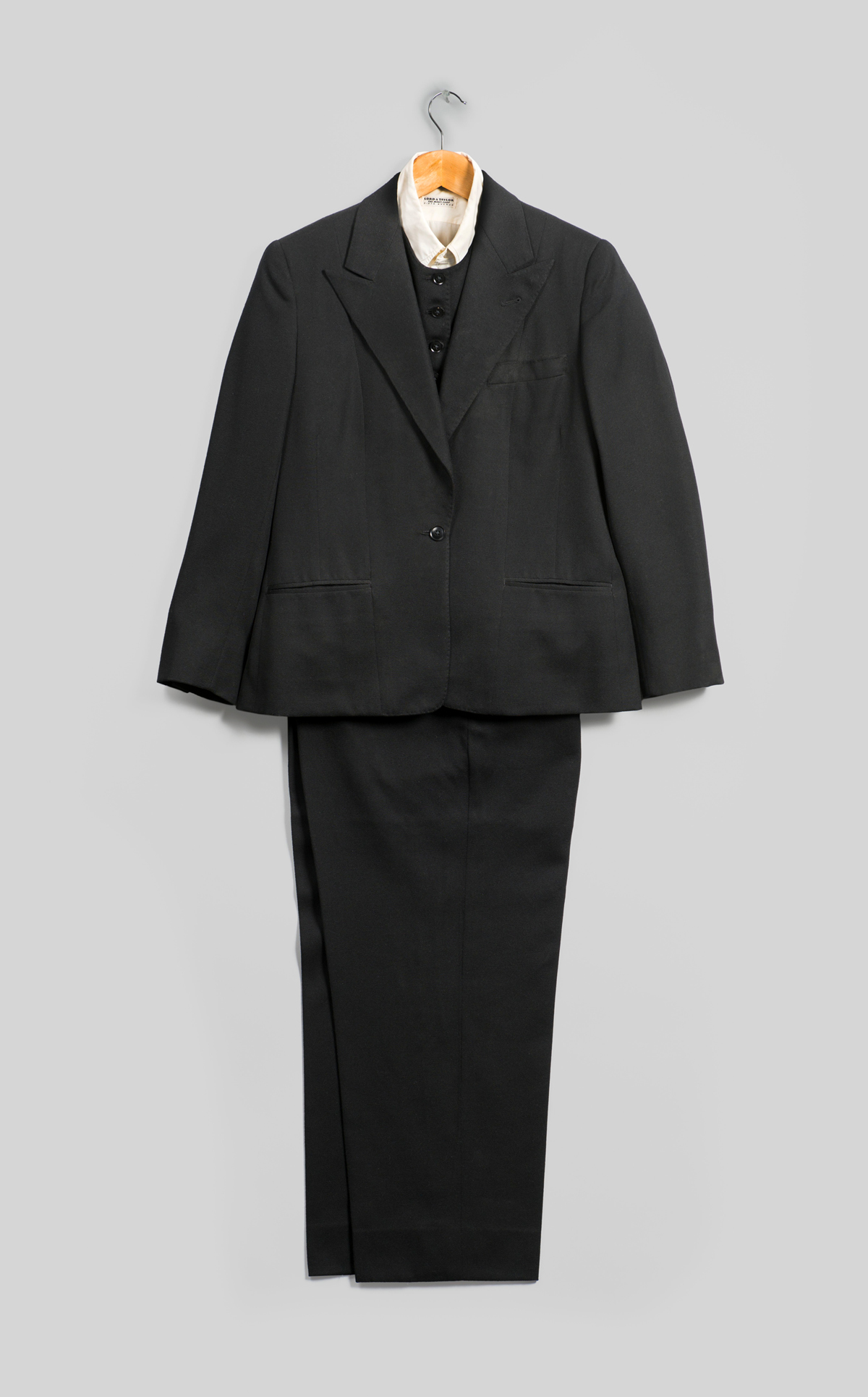


 Art Blart _ art and cultural memory archive
You must be logged in to post a comment.