Curators: Jeff L. Rosenheim, Joyce Frank Menschel Curator in Charge of the Department of Photographs. Virginia McBride, Research Associate in the Department of Photographs, provided assistance.
Unknown Maker Woman Wearing a Tignon c. 1850 Daguerreotype with applied colour Case (open): 3 1/8 × 7 1/4 in. (8 × 18.4cm) The Metropolitan Museum of Art, William L. Schaeffer Collection Promised Gift of Jennifer and Philip Maritz, in celebration of the Museum’s 150th Anniversary
It’s just nice to be able to post on this eclectic exhibition – to see the installation photographs with vitrines full of the wonders of the age, outdoors, indoors, objects, people, landscapes, daguerreotypes, ambrotypes, tintypes, salted paper prints, albumen silver prints, cyanotypes, platinum prints, and gelatin silver prints, cartes de visite, stereographs, and cabinet cards.
Can you imagine having your photograph taken for the first time?
Entering the photographers studio, com(posing) yourself in front of the camera and the process and performance of doing that, even as the photographer composed you on the glass plate in the camera. A double composition, the constituent parts making the whole, a dance between the sitter, the camera and the photographer.
And there you are, exposed in camera, the latent image revealed by vapour, a talismanic object radiating your spirit.
Dr Marcus Bunyan
Many thankx to The Metropolitan Museum of Art for allowing me to publish the photographs in the posting. Please click on the photographs for a larger version of the image.
Installation views of the exhibition The New Art: American Photography, 1839-1910 at The Metropolitan Museum of Art, New York, April – July, 2025
This exhibition presents a bold new history of American photography from the medium’s birth in 1839 to the first decade of the 20th century. Drawn from The Met’s William L. Schaeffer Collection, major works by lauded artists such as Josiah Johnson Hawes, John Moran, Carleton Watkins, and Alice Austen are shown in dialogue with extraordinary photographs by obscure or unknown practitioners made in small towns and cities from coast to coast. Featuring a range of formats, from daguerreotypes and cartes de visite to stereographs and cyanotypes, the show explores the dramatic change in the nation’s sense of itself that was driven by the immediate success of photography as a cultural, commercial, artistic, and psychological preoccupation. In 1835, even before the nearly simultaneous announcement of the invention of the new art in Paris and London, the American philosopher essayist Ralph Waldo Emerson noted with remarkable vision: “Our Age is Ocular.”
Text from The Metropolitan Museum of Art website
Installation views of the exhibition The New Art: American Photography, 1839-1910 at The Metropolitan Museum of Art, New York, April – July, 2025
The New Art: American Photography, 1839-1910 will feature more than 250 photographs drawn from the Museum’s William L. Schaeffer Collection
This spring, The Metropolitan Museum of Art will present an adventurous new history of American photography from the medium’s birth in 1839 to the first decade of the 20th century. Drawn from the Museum’s William L. Schaeffer Collection – a magnificent recent promised gift to The Met by trustee Philip Maritz and his wife Jennifer – major works by lauded artists such as Josiah Johnson Hawes, John Moran, Carleton E. Watkins, and Alice Austen, will be presented in dialogue with extraordinary photographs by obscure or unknown practitioners made in small towns and cities from coast to coast. The exhibition’s many photographs by little-studied makers, early practitioners, and intrepid amateurs have been selected to reveal the artists’ ingenuity, aesthetic ambition, and lasting achievement. In some 275 photographs – most never before seen – The New Art: American Photography, 1839-1910 explores the nation’s shifting sense of self, driven by the immediate success of photography as a cultural, commercial, artistic, and psychological preoccupation. The presentation will be on view from April 11 through July 20, 2025.
“Through an impressive array of 19th- and early 20th-century images that capture the complexities of a nation in the midst of profound transformation, this exhibition offers something new even for those well-versed in the history of photography,” said Max Hollein, The Met’s Marina Kellen French Director and Chief Executive Officer. “Thanks to the generosity of Jenny and Flip Maritz, we can study and celebrate these formerly hidden treasures by hundreds of both known and unknown makers finally ready for their close-ups. Our hope is to give these works their rightful place in the ever-expanding history of the medium.”
Jeff L. Rosenheim, Joyce Frank Menschel Curator in Charge of the Department of Photographs, added, “The camera and its myriad democratic products – rivals to the greatest literature of the era – are clearly the origin of modern communication and global image-sharing today. If we want to forge a deeper appreciation of contemporary art and the role of the camera in the lives of today’s picture makers, we must recognise and respect the stunning visual power and authenticity of early American photography.”
Carefully assembled over the last 50 years by the Connecticut collector and private dealer William L. Schaeffer, the collection includes splendid photographs in superb condition from every stage of the medium’s early technical development: daguerreotypes, ambrotypes, tintypes, salted paper prints, albumen silver prints, cyanotypes, platinum prints, and gelatin silver prints. The exhibition also features an extensive display of three types of card-mounted photographs – cartes de visite, stereographs, and cabinet cards – each wildly popular in the mid- to late 19th century. When seen through binocular viewers, all the stereographs in the show will be visible in three dimensions.
This is not the first exhibition at The Met to feature photographs drawn from the famous collection of 19th-century photographs amassed by Schaeffer. In 2013, the Museum included more than a dozen Civil War views in Photography and the American Civil War. These are now part of the Museum’s collection through the direct support of another Museum trustee, Joyce Frank Menschel. The gifts by the Maritzes to The Met, as well as those by Joyce Menschel, mark a pinnacle in the institution’s ongoing effort to build the finest holdings of 19th-century American photography in the nation.
Exhibition Overview
In 1839, the invention of photography transformed the world. In December of that year, when the first daguerreotypes were exhibited in New York, former mayor Philip Hone marvelled in his diary at what he described as “one of the wonders of modern times,” adding that “like other miracles, one may almost be excused for disbelieving it without seeing the very process by which it is created.”
The daguerreotype’s remarkable ability to hold permanently an unimaginably detailed likeness on its surface – an image heretofore only seen fleetingly in a mirror – seemed in equal measure unbelievable and perfectly real, darkly mysterious yet scientifically verifiable, a shadowy fiction and yet a beautiful truth. The supernatural quality of the new art was noted by many around the world. As one reviewer, writing for a Baltimore weekly in January 1840, admitted, “We can find no language to express the charm of these pictures painted by no mortal hand.”
Photography arrived almost simultaneously with the steam locomotive, the steam ship, and the electric telegraph – all inventions that dramatically shortened the distances between people and places and forever changed the way civilisations communicate. The medium developed during the age of the type-crazy broadside, the morning and the evening newspaper, and the illustrated weekly. It was also the time of the birth of mercantile libraries (previously only the wealthy had access to books and libraries), and, not surprisingly, of eye strain. The era saw the medical specialisation in the study of eye maladies and the development of optometry and ophthalmology. In 1835, just before the concurrent announcement of the invention of the new art in Paris and London, the American philosopher and essayist Ralph Waldo Emerson noted in his private journal: “Our age is ocular.”
Organised primarily by picture format across three galleries, The New Art illustrates what photography looked like for the average working citizen as well as those at the top of the economic scale. Exhibition visitors can see the clothes individuals wore at work and home, their attitudes to the camera singly and in groups, their ways of sitting or standing or touching, and how they honoured their children and respected their ailing and recently deceased family members. They can look at newly constructed storefronts, see how farmers worked their fields, and measure where new towns met the wilderness. They can observe the near total devastation of Native American communities, especially those living in the Plains, and confront the vicious cruelty of slavery and the influential role of the camera in the Civil War, still the crucible of American history.
In daguerreotypes, tintypes, and paper prints, viewers can also begin to see and comprehend how African Americans during the Civil War, throughout the Reconstruction era, and leading into the 20th century slowly began to replace negative stereotypes with positive self-images. This effort was explicitly nurtured by Frederick Douglass, who had long advocated visits to photography studios. In his nearly constant lecturing circuit across the country, he argued persuasively that no one could be truly free until each individual could sit for and possess their own photographic likeness. In The New Art, men and women of color definitively hold the camera’s attention and the viewer’s as well.
Seen together in The New Art, the subjects in these photographs are not just sitters molded by a camera operator, but the cocreators of their own portraits. One can see this clearly in their eyes and in their many small, seductive gestures. Confronting a photograph that left an artist’s studio more than 150 years ago can be a humbling experience. The magic of photography brings one face to face with the past, and the present is never more vital than it is in these early pictures. That is the medium’s essence, its beauty, and its pathos.
Cameras
The exhibition will also showcase a small selection of 19th-century American cameras to further immerse visitors in the photography process. These have been kindly lent to The Met by Eric Taubman and the Penumbra Foundation.
Press release from The Metropolitan Museum of Art
Unknown Maker (American) Young Man with Rooster 1850s Daguerreotype with applied color Case (open): 3 5/8 × 6 1/4 in. (9.2 × 15.9cm) The Metropolitan Museum of Art, William L. Schaeffer Collection Promised Gift of Jennifer and Philip Maritz, in celebration of the Museum’s 150th Anniversary
Josiah Johnson Hawes (American, 1808-1901) Winter on the Common, Boston early 1850s Salted paper print from glass negative 7 5/16 × 9 5/16 in. (18.5 × 23.7cm) The Metropolitan Museum of Art William L. Schaeffer Collection Promised Gift of Jennifer and Philip Maritz, in celebration of the Museum’s 150th Anniversary
Unknown Maker Studio Photographer at Work c. 1855 Salted paper print from glass negative 5 1/8 × 3 13/16 in. (13 × 9.7cm) The Metropolitan Museum of Art, William L. Schaeffer Collection Promised Gift of Jennifer and Philip Maritz, in celebration of the Museum’s 150th Anniversary
Unknown Maker (American) Laundress with Washtub 1860s Ambrotype with applied colour Case: 4 1/8 x 3 1/4 in. (4.2 x 3.2cm) The Metropolitan Museum of Art, William L. Schaeffer Collection Promised Gift of Jennifer and Philip Maritz, in celebration of the Museum’s 150th Anniversary
Unknown Maker (American) Actor Playing Hamlet, Holding a Skull 1860s Tintype with applied colour Case: 6 1/4 × 4 15/16 in. (15.8 × 12.6cm) The Metropolitan Museum of Art, William L. Schaeffer Collection Promised Gift of Jennifer and Philip Maritz, in celebration of the Museum’s 150th Anniversary
John Moran (American born England, 1821-1903) Showing Weather Among the Alleghenies 1861-1862 Albumen silver print from glass negative 4 3/4 × 3 5/8 in. (12.1 × 9.2cm) The Metropolitan Museum of Art, William L. Schaeffer Collection Promised Gift of Jennifer and Philip Maritz, in celebration of the Museum’s 150th Anniversary
Unknown Maker Roller Skate and Boot 1860s Albumen silver print from glass negative Mount: 4 1/8 × 2 7/16 in. (10.5 × 6.2cm) The Metropolitan Museum of Art, William L. Schaeffer Collection Promised Gift of Jennifer and Philip Maritz, in celebration of the Museum’s 150th Anniversary
Unknown Maker (American) Published by E. & H. T. Anthony (American, 1862-1880s) Specimens of New York Bill Posting, No. 897 from the series “Anthony’s Stereoscopic Views” 1863 Albumen silver print from glass negative Mount: 3 1/4 × 6 3/4 in. (8.3 × 17.1 cm) The Metropolitan Museum of Art, William L. Schaeffer Collection Promised Gift of Jennifer and Philip Maritz, in celebration of the Museum’s 150th Anniversary
Carleton E. Watkins (American, 1829-1916) View on the Columbia River, from the O.R.R., Cascades, No. 1286 from the series “Pacific Coast” 1867 Albumen silver prints from glass negatives Mount: 3 1/4 × 6 3/4 in. (8.2 × 17.1cm) The Metropolitan Museum of Art, William L. Schaeffer Collection Promised Gift of Jennifer and Philip Maritz, in celebration of the Museum’s 150th Anniversary
Albert Cone Townsend (American, 1827-1914) A Politician 1865-1867 Albumen silver print from glass negative Mount: 4 × 2 7/16 in. (10.1 × 6.2cm) The Metropolitan Museum of Art, William L. Schaeffer Collection Promised Gift of Jennifer and Philip Maritz, in celebration of the Museum’s 150th Anniversary
The New Art: American Photography, 1839-1910
Introductory panel
The world changed dramatically in September 1839 when photography was introduced to the public and quickly emerged as one of the wonders of modern times. Its invention marks the dawn of our own media-obsessed age in ways that become clear when we explore in depth the special language of daguerreotypes, tintypes, cartes de visite, stereographs, and other early photographic processes and formats.
This exhibition presents an adventurous new history of American photography from the medium’s beginnings to the first decade of the twentieth century. Major works by established artists are shown in dialogue with superb, never-before-seen photographs by obscure or unknown practitioners working in large urban centres and small towns across the expanding country. Tracing technological advancements and the development of picture formats, The New Art charts the remarkable change in the nation’s sense of itself that was driven by the phenomenal success of photography as a cultural, commercial, and artistic preoccupation.
All the works of art on view are drawn from an extraordinary promised gift to The Met of more than seven hundred rare photographs offered by Jennifer and Philip Maritz in celebration of the Museum’s 150th anniversary in 2020. The donors acquired the collection from William L. Schaeffer, a renowned Connecticut private photography dealer who had quietly built it over the last half century.
Daguerreotypes
The daguerreotype is a photographic image formed on the surface of a silver-plated sheet of copper fumed with iodine. Exposed in a wood box camera and developed with hot mercury vapours, each daguerreotype is unique. Invented in France by Louis-Jacques-Mandé Daguerre and announced to the world in August 1839, it was the dominant form of photography in the U.S. for twenty years, until around 1860. The daguerreotype’s ability to permanently hold a detailed image – before then seen only fleetingly in a mirror – was astonishing. The shimmering result seemed in equal measure unbelievable and perfectly real, darkly mysterious yet scientifically verifiable, a shadowy fiction and a beautiful truth. In the U.S. the daguerreotype provided an opportunity for self-representation to many strata of society that were previously excluded from the realm of portraiture.
Ambrotypes
The ambrotype is similar in its process to the daguerreotype, but it uses a sheet of glass rather than copper as the image support. Popular in the U.S. from 1854 to 1870, the technique – invented in England but named by an American – was the predictable next development of photography. Although less visually alluring, it had marked advantages over the daguerreotype: it was cheaper to produce, it was easier to see (without glare) in most lighting conditions, and it eliminated the lateral reversal of the image characteristic of the earlier process. This was especially helpful with certain patrons who were annoyed, for example, by a jacket buttoning backward or a wedding ring appearing on the incorrect hand.
Tintypes
The tintype is a distinctively American style of photograph. Patented in February 1856 by Hamilton Lamphere Smith, the technique was inexpensive and relatively easy to master. It appealed as much to enterprising itinerant picture makers, who traveled to rural communities and made outdoor portraits and views, as it did to artists operating brick-and-mortar galleries. Rather than a coating of silver emulsion on copper (the daguerreotype) or glass (the ambrotype), the tintype’s support is a common sheet of blackened iron. Despite its misleading name, which was not in use until 1863, there is no tin present in a tintype. The process was wildly popular in the U.S. until the end of the nineteenth century.
Paper-print Photographs
From 1839 until the start of the Civil War in 1861, most photographs were made on metal (daguerreotypes and tintypes) or glass (ambrotypes). Beginning in the late 1850s, however, paper was widely adopted as the physical support for photographs. This gallery primarily features paper-print photographs and albums that date from 1850 to 1910. They are known by a variety of names that reflect changes in materiality and date of production: salted paper prints, generally made from paper negatives; albumen silver prints, made from glass negatives; and gelatin silver and platinum prints, made from glass or flexible film negatives. In this era, two formats of card-mounted paper-print photographs enjoyed remarkable success: the small carte-de-visite portrait and the stereographic view.
Cartes de Visite
The carte de visite – commonly known as a “cdv” – is a small photograph, usually an albumen silver print made from a glass negative, affixed to a 4-by-2½-inch stiff paper card. Invented in France in the mid-1850s as a portrait medium, it was the world’s first mass-produced and mass-consumed type of photographic collectible. Most photographers marked the mounts with their gallery names as a means of self-promotion and what today we would call brand-building. Ubiquitous in the U.S. from just before 1860 to 1880, the democratic, Victorian-age novelty was wildly popular with the public. “Cartomania,” as the phenomenon was known, is worthy of attention today as a resonant precursor to our own obsession with sharing images of celebrities and ourselves via social media.
Cabinet Cards
A cabinet card is essentially an oversize carte de visite. In vogue for three decades in the U.S. beginning around 1870, the 6 1/2-by-4 1/2-inch card-mounted photograph offered picture makers significantly more space and freedom to compose their visual narratives. After the deadly seriousness of the Civil War, cabinet cards frequently fulfilled a growing appetite for light-hearted diversion. They often feature elaborate props and accessories, exotic backdrops, and, as the century progressed, increasingly playful indoor and outdoor scenes.
Stereographs
Introduced in the late 1850s and prevalent into the twentieth century, the stereograph was not only a culturally significant invention but also a commercial boon to American photographers. When viewed through a device known as a stereoscope (or stereopticon), a pair of photographs of the same subject – made from two slightly different points of view – are perceived in the brain as a single, seemingly three-dimensional image. The dazzling binocular effect created an immersive experience, offering inexpensive armchair travel and a window on the world to millions of Americans.
Cyanotypes
Invented in 1842 by the British scientist John Herschel, a cyanotype is a naturally blue photograph made with iron salts. Early on, most cyanotypes took the form of nature studies made without a camera by placing botanical specimens (or other objects) directly in contact with sensitised paper and then exposing the composition in the sun. In the 1870s architects and engineers began using the process to duplicate their drawings, resulting in what are generally known as “blueprints.” Both economical and easily developed, the cyanotype reemerged in the late 1880s as a favourite choice of professional photographers and amateurs alike. It was often selected for large municipal documentary projects such as those seen here.
Intro and Section Wall Texts from The Metropolitan Museum of Art
Unknown Maker (American) Railroad Worker (?) with Wye Level c. 1870 Tintype with applied color Case (open): 6 5/16 × 10 3/8 in. (16 × 26.4cm) The Metropolitan Museum of Art, William L. Schaeffer Collection Promised Gift of Jennifer and Philip Maritz, in celebration of the Museum’s 150th Anniversary
Unknown Maker (American) Musician 1870s Tintype, with lock of hair and cut paper Case (open): 2 × 3 1/2 in. (5.1 × 8.9cm) The Metropolitan Museum of Art, William L. Schaeffer Collection Promised Gift of Jennifer and Philip Maritz, in celebration of the Museum’s 150th Anniversary
Golder & Robinson (American, active 1870s) Comic Novelty Portrait 1870s Tintype with applied colour 4 × 2 7/16 in. (10.1 × 6.2cm) The Metropolitan Museum of Art, William L. Schaeffer Collection Promised Gift of Jennifer and Philip Maritz, in celebration of the Museum’s 150th Anniversary
Wenderoth, Taylor & Brown (American, active 1864-1871) The Gallery of Arts & Manufacturers of Philadelphia 1871 Albumen silver prints from glass negative Open: 13 3/4 x 19 in. (34.9 x 48.3cm) The Metropolitan Museum of Art, William L. Schaeffer Collection Promised Gift of Jennifer and Philip Maritz, in celebration of the Museum’s 150th Anniversary
Anna K. Weaver (American, 1847/48-1913) Welcome 1874 Albumen silver print from glass negative 10 7/8 x 17 1/2 in. (27.8 x 44.5cm) The Metropolitan Museum of Art, William L. Schaeffer Collection Promised Gift of Jennifer and Philip Maritz, in celebration of the Museum’s 150th Anniversary
Chauncey L. Moore (American, died 1895) Young Man Laying on Roof 1880s-1890s Albumen silver print Mount: 4 1/4 × 6 1/2 in. (10.8 × 16.5cm) The Metropolitan Museum of Art, William L. Schaeffer Collection Promised Gift of Jennifer and Philip Maritz, in celebration of the Museum’s 150th Anniversary
Alice Austen (American, 1866-1952) Group on Petria, Lake Mahopac August 9, 1888 Albumen silver print from glass negative 6 × 8 1/8 in. (15.2 × 20.7cm) The Metropolitan Museum of Art, William L. Schaeffer Collection Promised Gift of Jennifer and Philip Maritz, in celebration of the Museum’s 150th Anniversary
Unknown Maker (American) Schoolmaster Hill Tobogganing, Franklin Park, Roxbury, Massachusetts 1905 Cyanotype 7 × 9 1/4 in. (17.8 × 23.5cm) The Metropolitan Museum of Art, William L. Schaeffer Collection Promised Gift of Jennifer and Philip Maritz, in celebration of the Museum’s 150th Anniversary
The Metropolitan Museum of Art 1000 Fifth Avenue at 82nd Street New York, New York 10028-0198 Phone: 212-535-7710
Curator: Geoffrey Batchen, Professor of the History of Art at the University of Oxford
Artist unknown (England) Portrait of a man (resembling Jabez Hogg) operating a daguerreotype camera c. 1845 Oil on canvas The Bodleian Libraries, University of Oxford
This painting was acquired by the Bodleian Libraries at an auction and is the only known painting of a daguerreotypist at work. The man bears a strong resemblance to the photographer (and later ophthalmic surgeon) Jabez Hogg, who in 1843 published a ‘Manual of Photography’ and worked at the Illustrated London News from 1850 to 1866.
Fickle, fleeting time: illuminating a relationship between adaptability and uncertainty
The new medium – (in art) the substance the artist uses to create a piece of artwork, (in science) the substance that transfers the energy, or light from one substance to another substance or from one place to another, or from one surface to another, (in spirit) a person reputedly able to make contact with the world of spirits – of photography possessed the power to capture a pictorial truth to reality that could liberate, educate and memorialise while at the same time being used by the coercive power of the state, police, scientists and doctors (for example) to classify and control the sick, criminals, deviants, “natives” and “other” subjugated peoples.
In the Age of Machinery this instrument of new power harnessed technology and science to capture light in order to reflect back to man an image of himself as he would like to be seen – freezing a moment in time – as indeed the sitter had to stand still in order for their likeness to be captured in the early photographic processes. This action machine, an all dancing singing mix of paraphernalia, lens, metal, wood, glass and chemical reaction, forced a stillness in the sitter commensurate with the stillness of the resulting portrait image, im/mortal at one and the same time. By then by reflecting on that captured image the viewer could transcend time, bringing past time to present future time.
Imagine having never seen your picture before except in a cut-out silhouette or in a portrait drawing or oil painting. Imagine the shock of seeing your likeness before your eyes as a manifestation of a truth: this is what I look like at this point in time from the camera’s point of view – a manifestation of the energy of a person captured through the suspension of time, through the the spirit of the medium and, perhaps, through the medium of the spirit. That moment when the photograph is taken when you are taken out of yourself into another time and space. And then by looking at that image, coming to the understanding that you were already picturing your own death.
Within this exhibit one could dwell upon the Power of the new medium (to do what? to illuminate – make (something) visible/to help clarify or explain. What something is it helping to explain?) but rather, you might like to consider its adapt/ability to be so many things to so many people, to time travel a singular truth into the many truths to which reality points us. The shadow moves. In a medium where everything is supposedly “fixed” nothing is fixed, for everything is up for negotiation. Despite classification systems used to define categories and stereotypes in a bourgeois capitalist industrial society, this uncertainty of representation would have been incredibly confronting to a Victorian sensibility based on order and control – where everything, and every body (literally), had to be kept in its place.
Dr Marcus Bunyan
Many thankx to the Bodleian Libraries for allowing me to publish the photographs in the posting. Please click on the photographs for a larger version of the image.
“We are in the infancy of invention with sun pictures, and no man can predict the results which may be obtained from a further advance in the paths of discovery … an instrument of new power [has been] placed at the disposal of Ingenuity and of Art.”
From a leaflet published in 1846
A New Power: Photography in Britain 1800-1850 is a free exhibition in the Weston Library, running until the 7th May, 2023. This exhibition explores the early history of photography and its impact on British life. It examines the invention of the medium in its earliest incarnation, and how the broad range of uses had an unequivocal impact on British culture. From the invention of celebrity to the very first ‘travel photography’ and how this helped to consolidate colonial sensibilities. By showing how photography intersected with all aspects of a nascent modernity, A New Power reveals photography’s crucial role in making Britain the society it is today.
“The advent of photography was a complex historical event involving social, cultural and technological changes in about equal measure. These changes included significant developments in European society, such as the onset of the Industrial Revolution, but also important advances in scientific thinking and technology, and revolutionary shifts in the experience of time, space and subjectivity. All these elements were necessary to the conception of photography in the early 19th century.”
Exhibition text
Philippe Jacques de Loutherbourg RA (French, 1740-1812) Iron Works, Coalbrook Dale c. 1824 From The romantic and picturesque scenery of England and Wales, London 1805, pl.[7] Etching, aquatint
“The men, women, children, country and houses are all black … The country continues black, … everywhere, smoking and burning coal heaps, intermingled with wretched huts and carts and little ragged children”
~ The Princess Victoria in a diary entry about a trip to Birmingham, 1832
The advent of photography was a complex historical event involving social, cultural and technological changes in about equal measure. These changes included significant developments in European society, such as the onset of the Industrial Revolution, but also important advances in scientific thinking and technology, and revolutionary shifts in the experience of time, space and subjectivity. All these elements were necessary to the conception of photography in the early 19th century.
“Were we required to characterise this age of ours by any single epithet, we should be tempted to call it … the Mechanical Age. It is the Age of Machinery, in every outward and inward sense of that word”
View of factory interior with five rows of c. 100 power looms using overhead lathe drives, operatives women, visitor and children looking around, spare rollers in corner. [James Nasmyth patents for printing calicoes etc, 1849-1850; Thomas Robinson textile machinery patents, 1844-1849] Factory located in Stockport, Cheshire.
About the exhibition
The announcement of photography’s invention in January 1839, first in Paris and then in London, introduced a ‘new power’ into British life. This new power – derived from photography’s capacity to automatically capture the images created in a camera – was soon being used for every conceivable purpose.
A New Power: Photography in Britain 1800-1850 explores the early history of photography, starting with the invention of the medium and the earliest dissemination of photographic images in Britain and ending with the famous Great Exhibition of 1851. It examines the broad range of uses that photography would quickly come to fill, from documenting the invention of celebrity to the very first ‘travel photography’ and how this helped to shore up colonial sensibilities.
By showing how photography intersected with all aspects of a nascent modernity, A New Power reveals photography’s crucial role in making Britain the society it is today.
Early experiments
In June 1802, Thomas Wedgwood and Humphry Davy co-authored an essay in the Journals of the Royal Institution. It described various experiments the two men had undertaken on making images by exposing to light some pieces of white paper or leather moistened with a solution of silver nitrate. The essay is often considered to be the first to describe specifically photographic experiments. Davy’s colleague Thomas Young made further experiments with silver nitrate in 1804.
“White paper, or white leather, moistened with solution of nitrate of silver, undergoes no change when kept in a dark place; but, on being exposed to the day light, it speedily changes colour, and, after passing through different shades of grey and brown, becomes at length nearly black … Nothing but a method of preventing the unshaded part of the delineation from being coloured by exposure to the day is wanting, to render the process as useful as it is elegant.”
~ Humphry Davy and Thomas Wedgwood (1802)
“I formed an image of the rings, by means of the solar microscope, with the apparatus which I have described in the Journals of the Royal Institution, and I threw this image on paper dipped in a solution of nitrate of silver, placed at the distance of about nine inches from the microscope”
~ Thomas Young (1804)
Scientific entertainments
Scientific experiments were frequently presented as public entertainments in the early 19th century. One satirical cartoon shows an experiment conducted at the Royal Institution in London by Thomas Young. He is seen administering nitrous oxide, or laughing gas, to Sir John Coxe Hippisley, with hilariously unfortunate results. On Young’s left is Humphry Davy, holding a pair of bellows. The audience includes many celebrities of the time. Davy and Young also conducted photographic experiments in this laboratory.
Fleeting time
A number of artists in the early 19th century tried to reconcile ‘fleeting time’ with the stasis of a painted landscape. In 1822, Louis Daguerre and his fellow artist Charles Marie Bouton opened their Diorama building in Paris. In the Diorama, viewers sat on a platform that slowly moved so that different views of the same painted scene, enhanced by special lighting and other effects, could appear to gradually reveal themselves. This apparatus was described by its inventors as ‘imitating aspects of nature as presented to our sight, that is to say, with all the changes brought by time, wind, light, atmosphere’.
“An attempt has been made to arrest the more abrupt and transient appearance of the Chiar’oscuro in Nature … to give ‘to one brief moment caught from fleeting time’ a lasting and sober existence”
~ John Constable (1833)
John Constable (British 1776-1837) Study of clouds 1822 Oil on paper, laid on canvas [verso inscribed ’31 Sep.r 10-11 o’clock morning looking Eastward a gentle wind to East’] H 48 x W 59cm Ashmolean Museum, University of Oxford Presented by Sir E. Farquhar Buzzard, Bt, 1933
One of a group of cloud studies from 1822 which are so accurate in their record of weather conditions, that Constable’s mistake in dating this example can be silently corrected to 1 October 1822.
Computing and photography
Shortly after his announcement of photography, William Henry Fox Talbot sent Charles Babbage eight examples of his photogenic drawings. Babbage went on to display Talbot’s photographs at his famous London soirées, intellectual gatherings that Talbot and his family occasionally attended in person. The other entertainments included a working model of a portion of Babbage’s first computing machine, the Difference Engine. Visitors therefore encountered photography and computing together, seeing both for the first time at the same time.
“Many thanks for the loan of those beautiful photographs. They were much admired last Saturday Evg … In the meantime, I gave Lady Byron a treat to whom I lent them for a few hours”
~ Charles Babbage, in a letter to William Henry Fox Talbot, 26 February 1844
Women and photography
Women played an often overlooked but important role in the development of British photography. Pioneering scholars like Elizabeth Fulhame and Mary Somerville were among the first to conduct experiments with light-sensitive silver salts and publish their results.
“The possibility of making cloths of gold, silver, and other metals, by chymical processes, occurred to me in the year 1780 ….”
~ Elizabeth Fulhame, from An Essay On Combustion with a View to a New Art of Dying and Painting, wherein the Phlogistic and Antiphlogistic Hypotheses are Proved Erroneous (November 1794)
“In my experiments … I employ the chloride of silver, which Mr Faraday was so kind as to prepare for me, and which, accordingly, was perfectly pure and white. It was liquid and might be uniformly spread over the paper.”
~ Mary Somerville, from ‘Extract of a letter from Mrs Somerville to M. Arago: Chemical Rays of the Solar Spectrum’, The Edinburgh New Philosophical Journal (October 1836 – April 1837)
Beautiful shadows
English scientist William Henry Fox Talbot first conceived of the possibility of a photographic process in 1833 and soon began experimenting with light-sensitive chemistry at his home, Lacock Abbey in Wiltshire. Initially, he only shared the results of his experiments with family members, including his sister-in-law, Laura Mundy. Her reply is the earliest description we have of photographic images.
“Dear Mr Talbot, Thank you very much for sending me such beautiful shadows.”
~ Laura Mundy, in a letter to William Henry Fox Talbot, 13 December 1834
Sir Francis Leggatt Chantrey RA (English, 1781-1841) Bust of Miss Mundy 1825-1826 Plaster Ashmolean Museum, University of Oxford
Inventing photography
“The most transitory of things, a shadow, the proverbial emblem of all that is fleeting and momentary, may be fettered by the spells of our natural magic, and may be fixed for ever in the position which it seems only destined for a single instant to occupy.”
~ William Henry Fox Talbot, writing in January 1839
The invention of the daguerreotype – a photographic process in which an image is recorded on a sheet of silver-plated copper – was announced in Paris on 7 January 1839. Daguerreotypomania ensued. The extraordinary news was reported in British newspapers just a few days later. This prompted English scientist William Henry Fox Talbot to reveal that he, too, had been working on photographic experiments, a paper-based process that he called photogenic drawing. These twin announcements heralded the advent of photography in Britain. Soon, actual examples could be seen in shops or in reproduction.
“M. Daguerre has discovered a method to fix the images which are represented at the back of a camera obscura; so that these images are not the temporary reflection of the object, but their fixed and durable impress.”
~ Hippolyte Gaucheraud, as translated in The Literary Gazette, 12 January 1839
Photogenic drawings
William Henry Fox Talbot published the details of his invention of photogenic drawing in January 1839, so that anyone with the means and some chemical knowledge could use the process. John Herschel soon devised his own light-sensitive formula and made a camera picture, a view of the framework of his father’s forty-foot telescope. He ‘washed out’ the image with hyposulphite of soda, which, unlike Talbot’s use of table salt, entirely prevented further development. In contrast, Talbot’s photogenic drawings remain light sensitive and therefore cannot be displayed in this exhibition.
‘Pictures Formed by the Action of Light’ From The Mechanic and Chemist: a Magazine of the Arts and Sciences (13 April 1839) Wood engravings after photogenic drawings Radcliffe Science Library, University of Oxford
“The Mechanic and Chemist was one of the better-established of the pioneering illustrated journals, already entering its fourth year of publication. It was started by George Berger, a publisher and bookseller based in the Strand, who launched a wide range of such publications. Most of these collapsed by the mid-1840s, but were in their heyday in 1839. Wood engravings were the most practical way for these publications to include pictures. Far less expensive and much faster for ‘woodcutters’ or ‘woodpeckers’ to produce than steel or copper engravings, unlike lithographs they were intaglio and could be printed alongside the type in a conventional letterpress. The journal had already published accounts of Daguerre’s and Talbot’s inventions, with a strong bias towards Daguerre, and on 13 April 1839 it attempted to express these inventions in visual form. The photographer here, ‘Q.E.D’, said that the silhouette negative had been “taken with the sun behind, forming a strong contrast of light and shade: the preparation not being sensible enough to show the intermediate shades directly.” Apparently overlooking the fact that Talbot had published the idea of making a print from the negative right from the start, Q.E.D. thought he had invented “a method of transforming such pictures into true representations of nature.””
Larry J Schaaf. “Revelations & Representations,” on the the Talbot Catalogue Raisonné blog 27th May 2016 [Online] Cited 21/02/2023
‘Fac-Simile of a Photogenic Drawing’ From The Mirror of Literature, Amusement, and Instruction (20 April 1839) Wood engraving after a photogenic drawing contact photograph by Golding Bird
My personal favourite early woodcut representation of a photogenic drawing is this one, published a week later and coming much closer to mimicking the nature of one of Talbot’s originals. The Mirror of Literature, Amusement, and Instruction had taken the exceptional step of printing the wood block in a brown ink similar to the tone of photogenic drawings; this would have required a second printing of that sheet in black in for the type and represented a willingness to go to extra expense for the sake of accuracy. (Before colour printing became ubiquitous, I wish that publishers in the 1960s-1980s had recognised the value of this approach more often). The Mirror was one of the older illustrated journals, having started in 1822, and not everyone favoured its antiquarian editor, John Timbs. He explained that “our prefixed engraving is a fac-simile of a photogenic drawing, for which we are indebted to the kindness of Dr. Golding Bird, a distinguished botanist, who has published the following very interesting paper on the application of the photographic art to botanical purposes, in that excellent periodical, the Magazine of Natural History.” Dr. Bird (1814-1854) had been an outstanding chemist ever since a child. By 1836 he held the chair of Natural Philosophy at Guy’s Hospital in London. The next time your physician applies his stethoscope to your chest you will be benefitting from one of Bird’s many inventions. Bird wrote about the effects of light before 1839 and once photography was announced he devoted considerable attention to it in his publications. He at first tried Daguerre’s little-known process on paper, but preferred Talbot’s process, although noting that he wished that Talbot had published even more detailed instructions. Sadly, he died early and none of his own photographs are known to have survived.
Larry J Schaaf. “Revelations & Representations,” on the the Talbot Catalogue Raisonné blog 27th May 2016 [Online] Cited 21/02/2023
‘Fac-Similes of Photogenic Drawings’ From The Magazine of Science (27 April 1839) Wood engravings after photogenic drawing contact photographs by George William Francis
A very new journal, The Magazine of Science featured the work of a botanist contemporary with Talbot, George William Francis (1800-1865). In 1843 he emigrated to Australia, forming the first Botanic Garden there, in Adelaide. Francis explained that he had photographically sensitised boxwood blocks and made the above photographic impressions directly on them. These were then sent to the wood engraver. The editor felt that the lace was accurately represented but “in the flowers he has failed to express the delicacy and beauty of the drawings.”
Unlike the other journals, The Magazine of Science had delayed publishing about the new invention “because we were desirous in this, as in all things else, to test and, if possible, improve upon the experiments suggested by Mr. Talbot, and since pursued with such ardour by all the philosophers and artists of this country, of France, and of Germany. We now however proceed to give all the information in our power, having tried all the different receipts published.”
Larry J Schaaf. “Revelations & Representations,” on the the Talbot Catalogue Raisonné blog 27th May 2016 [Online] Cited 21/02/2023
Sir John Herschel (British, 1792-1871) Experimental photogenic drawing of the mounting of Sir William Herschel’s 40-foot telescope in the garden of Herschel’s house at Slough October 1839 Photogenic drawing History of Science Museum, University of Oxford
At the time that this was taken, Sir William Herschel’s 40-foot telescope was already a famous astronomical symbol, although it was being demolished – hence the absence of the telescope’s tube. The only camera images Sir John Herschel is know to have taken are of his father’s telescope; they also include the first photograph to be taken on glass (now in the Science Museum, London).
Anonymous. “Photogenic Drawing 5,” on the Museum of the History of Science website Nd [Online] Cited 19/02/2023. No longer available online
Daguerreotypes and their copies
Shortly after the announcement of the invention of the daguerreotype in France, British enthusiasts began to import examples of such photographs. The glass shop owned by Claudet & Houghton also offered their customers a selection of French engravings derived from daguerreotypes. Daguerreotypes were taken in London as public demonstrations for the edification of audiences eager to see the latest advances in science and technology. In September 1840, the English journal Westminster Review published two lithographic images, traced from daguerreotypes that had been made in the Polytechnic Institution in London.
Studio of Noël Marie Paymal Lerebours (France) (French, 1807-1873) West façade of Notre Dame cathedral, Paris 1839-1840 Daguerreotype Magdalen College, University of Oxford
Lerebours, an optical instrument maker, quickly embraced photography in his business, and pioneered both the market in architectural and scenic Daguerreotypes, as well as their reproduction as engravings, as witnessed in his serial work Excursions Daguerriennes. The plate size is 8.5 x 6.5 inches, the image is laterally reversed, and there is no gold toning – all characteristics of early Daguerreotypes from the period before portraiture became possible.
Anonymous. “Daguerreotype 1,” on the Museum of the History of Science website Nd [Online] Cited 19/02/2023. No longer available online
Noël Marie Paymal Lerebours (French, 1807-1873) Plate 6: Egypte: Harem de Méhémet-Ali a Alexandre c. 1840 From Excursions daguerriennes, vues et monuments les plus remarquables du Globe (Paris: Rittner & Goupil, 1840-1842) Engraving after daguerreotype 10 13/16 × 15 1/2 × 2 3/16 in. (27.5 × 39.3 × 5.5cm) (Book) Public domain
This print played an important role in popularising the notion of the artist-daguerreotypist as trustworthy eyewitness. In March 1840, while Goupil-Fesquet and his teacher, Horace Vernet, were on a daguerreotype tour of Egypt and the Levant, a fake story circulated in the Parisian press claiming that Vernet had gained access to Muhammad ‘Ali’s harem. With this print and the accompanying text, Goupil-Fesquet aimed to prove, as “both ocular witness and daguerreotype operator,” that they had seen only the guarded entrance.
Noël Marie Paymal Lerebours (French, 1807-1873) Plate 4, England, St Pauls and London c. 1840 From Excursions daguerriennes, vues et monuments les plus remarquables du Globe (Paris: Rittner & Goupil, 1840-1842) Engraving after daguerreotype 10 13/16 × 15 1/2 × 2 3/16 in. (27.5 × 39.3 × 5.5cm) (Book) Courtesy of a Private Collection
L.L. Boscawen Ibbetson (English, 1799-1869) Fossils, engraved on a daguerreotype plate 1840 From The Westminster Review September 1840, p. 460 Ink-on-paper lithograph by A. Friedel
Captain Levett Landon Boscawen Ibbetson (1799 – 8 September 1869) was an English 19th century geologist, inventor, organiser and soldier. He is particularly associated with early developments in photography. He was a member of the London Electrical Society and later a Fellow of the Royal Society (elected 6 June 1850). Capt. Ibbetson developed a method of taking lithographic impressions from daguerreotypes… His illustration of a fossil, “Transverse section of madrepore” in TheWestminster Review of September 1840 is credited with being the first example of the use of limelight to shorten exposure times when making daguerreotypes.
Paper photographs had one distinct advantage over daguerreotypes: they could be printed in multiple copies and pasted into publications. A number of books and journals containing photographs were produced, seeking to demonstrate the efficacy of the new medium as a means of illustration. These publications met with mixed success, as the unreliable quality of their photographs could not compete with traditional engravings.
Anna Atkins and cyanotype
In a paper delivered to the Royal Society on 13 June 1842, John Herschel proposed a photographic process involving an iron salt that resulted in Prussian-blue images. He decided to call this ‘cyanotype’. Exploiting this invention, the English botanist Anna Atkins issued albums of cyanotype prints of seaweed and algae from 1843, and these are often regarded as the earliest photographic books.
Anna Atkins (British, 1799-1871) Sargassum bacciferum 1843 From Photographs of British Algae: Cyanotype Impressions (1843-1853) Cyanotype 25.3 x 20cm (9 15/16 x 7 7/8 in.)
This photograph: The Metropolitan Museum of Art, Gilman Collection, Purchase, The Horace W. Goldsmith Foundation Gift, through Joyce and Robert Menschel, 2005. Public domain
The photograph in the exhibition: Oriel College, University of Oxford
The first book to be photographically printed and illustrated, Photographs of British Algae was published in fascicles beginning in 1843 and is a landmark in the history of photography. Using specimens she collected herself or received from other amateur scientists, Atkins made the plates by placing wet algae directly on light-sensitised paper and exposing the paper to sunlight. In the 1840s, the study of algae was just beginning to be systematised in Britain, and Atkins based her nomenclature on William Harvey’s unillustrated Manual of British Algae (1841), labelling each plate in her own hand.
Although artistic expression was not her primary goal, Atkins was sensitive to the visual appeal of these “flowers of the sea” and arranged her specimens on the page in imaginative and elegant compositions. Uniting rational science with art, Photographs of British Algae is an ambitious and effective book composed entirely of cyanotypes, a process invented in 1842 by Sir John Herschel and long used by architects to duplicate their line drawings as blueprints.
In 1846, the editor of the journal The Art-Union asked William Henry Fox Talbot to supply approximately 7000 salt prints to accompany a story about the calotype process. These prints were made at the Reading Establishment, a printing business run by Talbot’s former Dutch valet Nicolaas Henneman. Unfortunately for Talbot and Henneman, the Art-Union project proved to be a promotional and financial disaster, with most of the photographs, made in a rush, fading soon after publication.
William Henry Fox Talbot (English, 1800-1877) View of one of the towers of Orleans Cathedral Taken on 21 June 1843 Published in The Art‑Union: Monthly Journal of the Fine Arts and the Arts, Decorative, Ornamental (June 1846) Salted paper photograph from calotype negatives 16.3 x 20.2cm (6 7/16 x 7 15/16 in.)
This photograph: The Metropolitan Museum of Art, Purchase, Barbara Schwartz Gift, in memory of Eugene M. Schwartz, and Rogers Fund, 1996. Public domain
The photograph in the exhibition: Private Collection
In 1840 Talbot devised a negative/positive process that allowed multiple prints of a single image – the procedural basis of nearly all photography since. Talbot’s negatives were made of thin writing paper; the fibrous texture obscured some detail, but it imparted softness and a graded tonality to the resulting print. This photograph, showing the upper levels of one tower of Orléans Cathedral, was made on June 7, 1843, when Talbot was en route to Paris to sell the French rights to his patented process. Because he was unsuccessful in this enterprise, the French did not make paper photographs for another decade.
Anonymous. “Cathedral at Orléans,” on the Metropolitan Museum of Art website Nd [Online] Cited 22/02/2023
Nicolaas Henneman (Netherlands/England, 1813-1898) The West Façade of Westminster Abbey Taken before May 1845 Published in The Art-Union: Monthly Journal of the Fine Arts and the Arts, Decorative, Ornamental (June 1846) Salted paper photograph from calotype negatives The Metropolitan Museum of Art Gift of Jean Horblit, in memory of Harrison D. Horblit, 1994
Talbot’s negative-positive photographic process, first made public in 1839, would change the dissemination of knowledge as had no other invention since movable type. To demonstrate the paper photograph’s potential for widespread distribution – its chief advantage over the contemporaneous French daguerreotype – Talbot produced The Pencil of Nature, the first commercially published book illustrated with photographs. With extraordinary prescience, Talbot’s images and brief texts proposed a wide array of applications for the medium, including portraiture, reproduction of paintings, sculptures, and manuscripts, travel views, visual inventories, scientific records, and essays in art.
Despite the revolutionary nature of Talbot’s undertaking, or perhaps because of it, The Pencil of Nature was not a commercial success. Today fewer than forty substantially complete copies – many quite faded – are extant. The present example, containing all twenty-four plates and still in its rare original fascicle covers, was formerly in the collection of Talbot’s daughter Matilda.
Anonymous. “Westminster Abbey,” on the Metropolitan Museum of Art website Nd [Online] Cited 22/02/2023
Born in the Netherlands village of Heemskerk on December 8, 1813, virtually nothing is known about the life of Nicolaas Henneman, until he was hired as a member of inventor William Henry Fox Talbot’s domestic staff shortly after relocating to England in 1838. He quickly progressed to his master’s valet, and finally his most trusted darkroom assistant. Mr. Henneman was an eager student, and was soon collaborating with Mr. Talbot on a wide range of photographic experiments. He became an expert in the intricate calotype process that required both advanced chemistry knowledge and technical precision, but most of all patience. …
In 1843, Mr. Henneman accompanied his boss to France, where his photographs were subsequently featured in Mr. Talbot’s The Pencil of Nature publication. Buoyed by the critical acceptance, he took the bold move of leaving his employment with Mr. Talbot to open his own full-service calotype business, believed to be the first of its kind. Within the modest grounds of a former schoolyard, Mr. Henneman constructed a glass house to serve as his studio, and he received some modest commissions to illustrate various historical texts, including Mr. Talbot’s Sun Pictures in Scotland and Sir William Stirling’s Annals of the Artists of Spain. In 1848, chemist Thomas Malone became a junior partner, necessitating a name change to Henneman & Malone. With the appointment as “Photographer in Ordinary to Her Majesty,” his conversion to wet-collodion processing, and his successful experiments to reduce exposure times, Mr. Henneman seemed assured of financial prosperity. However, his target market was too small, and his business closed with little notice.
Although Nicolaas Henneman was of the industry’s earliest architects, by the mid-1850s, the London photographic community was becoming exceedingly overcrowded. The soft-spoken Dutchman found himself being pushed out by a younger generation. After Mr. Henneman’s business went bankrupt, his steadfast champion Mr. Talbot quietly paid off his creditors. He moved to Birmingham, where he became an operator for master photographers Napoleon Sarony and Robert White Thrupp, among others. This proved to be both commercially unsuccessful and creatively unsatisfying. Ever the survivor, Mr. Henneman bought and operated a lodging house at 18 Half Moon Street in London during the 1870s. He died on January 18, 1898 at the age of 84, with his photographic contributions virtually forgotten. Fortunately, however, many of Nicolaas Henneman’s photographs have been preserved and can be seen in the collections of Lacock Abbey, Bradford’s National Media Museum, and in Amsterdam’s Rijksmuseum.
Anonymous. “Nicolaas Henneman,” on the Historic Camera website 3rd May 2020 [Online] Cited 22/02/2023
William Henry Fox Talbot (English, 1800-1877) Palace of Justice, Rouen Taken in May 1843 Published in The Art-Union: Monthly Journal of the Fine Arts and the Arts, Decorative, Ornamental (June 1846) Salted paper photograph from calotype negatives
Talbot may not have intended his brief diversion to Rouen to be as significant as it has become, but during those four days of miserable weather, the creative baton was handed from art to photography – from Turner to Talbot. During a brief “éclairci” from bad weather, Henry took his camera half a mile from the hotel and into another era of history. Le Palais de Justice was one of the secular buildings of medieval Rouen, completed in 1508, occupying three fifths of an acre in a three sided quadrangle. It was described as an elaborately florid style “sumptuous in its decorations both without and within; its triple canopy windows enriched with mullions and tracery.”
Talbot concentrated on the ornate detail of these windows, isolating the intricate elements sculpted by skilled stonemasons over three centuries earlier. Now housing the Rouen criminal courts, Le Palais de Justice represented Henry’s liberation from rain-soaked captivity. The image above stands in magnificent contrast to his study of the lace curtained view from within the Hotel l’Angleterre. This time he was outside looking in.
“The most transitory of things, a shadow, the proverbial emblem of all that is fleeting and momentary, may be fettered by the spells of our natural magic, and may be fixed for ever in the position which it seems only destined for a single instant to occupy.”
William Henry Fox Talbot, writing in January 1839
Most extraordinary
A first-hand account of a demonstration of the daguerreotype process was given by two naval architects from India in a book they published in 1841: ‘And we also saw [at the Adelaide gallery in London] the Daguerreotype which is the most extraordinary production of modern times. We know not how better to describe it than to say, that it is embodying a shadow … In a room fitted up as a Theatre, with shutters by which the light can be totally excluded, M. Dele Croix, a French gentleman, explains all the process’.
“The appearance of these drawings is very peculiar. The shadows are a dull grey, varying until they become almost blacky and though the pictures they delineate are accurate in the extreme, they are not pleasing. They appear unnatural and look somewhat like a moonlight scene. The Daguerreotype, with all its necessary apparatus, is manufactured and sold in Paris, for about £20. In Bombay, where the sun is always powerful, pictures of scenery could daily be produced.”
~ Jehangeer Nowrojee and Hirjeebhoy Merwanjee, Journal of residence of two years and a half in Great Britain, London, 1841
Views of London
The earliest photographs of London were taken by visiting Frenchmen. Soon, however, demonstrations of the new process were being offered to audiences at the Polytechnic Institution and Adelaide Gallery in London. In early 1842, Antoine Claudet was commissioned by the newly established Illustrated London News to make a series of daguerreotype views of London. A wood-engraved panorama of the city was then derived from them. This panorama, ‘a picture bigger than anything previously issued’, was promised in the News‘s inaugural issue of 14 May 1842 as a gift to all who subscribed to the journal for six months.
M. de St Croix (French) Parliament Street from Trafalgar Square 1839 Daguerreotype in wood frame Victoria & Albert Museum, London
This is the oldest photograph in the Museum’s collection. It is a daguerreotype, a unique image formed on a silvered copper plate. The daguerreotype was the first photographic process, publicised in January 1839. It was named after its inventor, Louis Daguerre. Just a few weeks after the French Government revealed the secrets of daguerreotypy in Paris in August 1839, Monsieur de St Croix organised the first public demonstration of the process in London. This is therefore among the very first photographs taken in London. The scene is reversed – as is characteristic of the process – and the image on the shiny surface is difficult to read. However, once caught at the correct angle, amazing detail emerges. In the foreground there is a statue of Charles I and in the distance the royal Banqueting House. There are also traces of the people who stayed still long enough to register on the exposure, which probably lasted some minutes.
Ebenezer Landells (engraver) et al ‘London in 1842, Taken from the Summit of the Duke of York’s Column (north view)’ From the Illustrated London News (7 January 1843) Hand-coloured panoramic print, from wood engravings after daguerreotypes by Antoine Claudet taken in 1842
A view of London looking northwards from the summit of the Duke of York’s statue, with Carlton Gardens in the foreground, beyond is Waterloo Place, lower Regent Street and Piccadilly circus.
London labour, London poor
Numerous engraved portraits of members of the working class are featured in Henry Mayhew’s London Labour and the London Poor, first published in 1851. Mayhew’s text provided a richly ethnological and often racialised commentary on London’s street workers, based on interviews and social analysis, given added force by the addition of wood engravings based on daguerreotypes.
Portrait of Henry Mayhew (From a Daguerreotype by BEARD)
“My earnest hope is that the book may serve to give the rich a more intimate knowledge of the sufferings, and the frequent heroism under those sufferings, of the poor.”
The London Coffee-Stall (From a Daguerreotype by BEARD)
“The struggle to get a living is so great, that, what with one and another in the coffee-trade, it’s only those as can get good ‘pitches’ that can get a crust at it.”
The Irish Street-Seller (From a Daguerreotype by BEARD) From Henry Mayhew’s ‘London labour and the London poor: a cyclopedia of the condition and earnings of those that will work, cannot work, and will not work’, Volume 1 page 97, 1851. Bodleian Libraries, University of Oxford
“I wish people that thinks we’re idle now were with me for a day. I’d teach them.”
Hindoo Tract-Seller (From a Daguerreotype by BEARD)
“The man whose portrait supplies the daguerreotyped illustration of this number is unable to speak a word of English, and the absence of an interpreter, through some accident, prevented his statement being taken at the time appointed.”
The Blind Boot-Lace Seller (From a Daguerreotype by BEARD)
“I only wish vaccination had been in vogue then as it is now, and I shouldn’t have lost my eyes. God bless the man who brought it up, I say; people doesn’t know what they’ve got to thank him for.”
All from
Henry Mayhew (English, 1812-1887) London labour and the London poor; a cyclopedia of the condition and earnings of those that will work, those that cannot work, and those that will not work: The London street-folk; comprising, street sellers. Street buyers. Street finders. Street performers. Street artizans. Street labourers. With numerous illustrations from photographs London, 1851
‘London Labour and the London Poor’ is an oral account of London’s working classes in the mid-19th century. Taking the form of verbatim interviews that carefully preserve the grammar and pronunciation of every interviewee, the completed four-volume work amounts to some two million words: an exhaustive anecdotal report on almost every aspect of working life in London.
Henry Mayhew (25 November 1812 – 25 July 1887) was an English journalist, playwright, and advocate of reform. He was one of the co-founders of the satirical magazine Punch in 1841, and was the magazine’s joint editor, with Mark Lemon, in its early days. He is also known for his work as a social researcher, publishing an extensive series of newspaper articles in the Morning Chronicle that was later compiled into the book series London Labour and the London Poor (1851), a groundbreaking and influential survey of the city’s poor.
Henry Mayhew (English, 1812-1887) London labour and the London poor; a cyclopedia of the condition and earnings of those that will work, those that cannot work, and those that will not work: The London street-folk; comprising, street sellers. Street buyers. Street finders. Street performers. Street artizans. Street labourers. With numerous illustrations from photographs London, 1851
Priests and politicians
All sorts of celebrities were celebrated in engravings based on daguerreotypes, from priests to politicians. One example is Lájos Kossuth, former regent-president of the Kingdom of Hungary, who arrived as an exile at the port of Southampton on 23 October 1851. Over the next three weeks he toured Britain, giving lectures in support of the struggle to free Hungary from the Hapsburg Empire. During this period, he and his family visited Antoine Claudet’s studio in London to have a number of daguerreotype portraits made. Versions of these images were subsequently distributed around the world in the form of lithographs or engravings.
Alonzo Chappel (American, 1828-1887)(engraver) Thomas Chalmers: Likeness from a daguerreotype by Claudets [sic] 1873 Steel engraving of a Scottish clergyman after a daguerreotype by Antoine Claudet studio in c. 1847 Public domain
Alonzo Chappel (March 1, 1828 – December 4, 1887) was an American-Spanish painter, best known for paintings depicting personalities and events from the American Revolution and early 19th-century American history.
Thomas Chalmers FRSE (17 March 1780 – 31 May 1847), was a Scottish minister, professor of theology, political economist, and a leader of both the Church of Scotland and of the Free Church of Scotland. He has been called “Scotland’s greatest nineteenth-century churchman.”
Notable commissions
A particularly notable commission for the Beard studio involved making daguerreotype portraits in May 1845 on the deck of the H.M.S. Erebus. The subjects were fourteen of the officers about to set out under the command of Sir John Franklin in search of the Northwest Passage above Canada. These pictures became particularly famous when the entire expedition disappeared, never to be heard from again. After a public campaign by Lady Franklin in the illustrated press, many other ships were sent over during the ensuing years to try and find the expedition.
Installation view of Studio of Richard Beard daguerreotypes of Sir John Franklin (May 1845, below) and Lieutenant Graham Gore, Commander (May 1845, below)
Studio of Richard Beard (English, 1801-1885) Sir John Franklin May 1845 Daguerreotype in leather case The Scott Polar Institute, University of Cambridge Public domain
Sir John Franklin, 16 May 1845, suffering from influenza before leaving for the Arctic. He is wearing the 1843-1846 pattern Royal Navy undress tailcoat with cocked hat.
Lady Franklin commissioned daguerreotype photographs of the twelve senior officers of HMS Erebus and Captain Crozier of HMS Terror. They were taken on board the Erebus at the dockside in Greenhithe on 16 May 1845, just before the ships sailed. Franklin was fascinated by this new technology and included photographic apparatus as part of the expedition’s equipment.
Sir John Franklin KCH FRS FLS FRGS (16 April 1786 – 11 June 1847) was a British Royal Navy officer and Arctic explorer. After serving in wars against Napoleonic France and the United States, he led two expeditions into the Canadian Arctic and through the islands of the Arctic Archipelago, in 1819 and 1825, and served as Lieutenant-Governor of Van Diemen’s Land from 1839 to 1843. During his third and final expedition, an attempt to traverse the Northwest Passage in 1845, Franklin’s ships became icebound off King William Island in what is now Nunavut, where he died in June 1847. The icebound ships were abandoned ten months later and the entire crew died, from causes such as starvation, hypothermia, and scurvy.
Richard Beard (22 December 1801 – 7 June 1885) was an English entrepreneur and photographer who vigorously protected his photographic business by litigation over his photographic patents and helped to establish professional photography in the UK.
Studio of Richard Beard (English, 1801-1885) Lieutenant Graham Gore, Commander May 1845 Daguerreotype in leather case The Scott Polar Institute, University of Cambridge Public domain
This daguerreotype, produced and enamelled by the studio of Richard Beard, was purchased by Queen Victoria in 18522, the same year in which her mother, the Duchess of Kent, arranged for the Tyrolese minstrels to surprise the Queen with a serenade at breakfast for her birthday at Osborne. About the event, the Duchess wrote: “Victoria appeared very much pleased with the surprise.”
Hand-coloured enamelled daguerreotype of a group of Tyrolese singers called Klier, Rainer, Margreiter, Rahm and Holaus. Rahm is seated facing partly left playing a dulcimer and Rainer holds a guitar. All are wearing traditional Tyrolese costume, coloured with both dark and pastel tones. The daguerreotype is mounted in a large dark blue leather case with a red velvet interior. Queen Victoria had first seen this troupe of Tyrolese singers at Kensington Palace in 1833. Her mother, the Duchess of Kent, later arranged for the singers to perform at Osborne on her birthday in 1852. The Duchess recorded in her diary that ‘dearest Victoria appeared very much pleased with the surprise’. Later the same year Queen Victoria acquired this daguerreotype. Beard had shown examples of his enamelled daguerreotypes at the Great Exhibition in 1851. The process involved varnishing the daguerreotype and then heating and adding another coat of varnish after the colour pigments had been added.
This daguerreotype shows Tyrolese minstrels in carefully tinted folkloric costumes and holding musical instruments. A variant view was the basis of a wood engraving published in the Illustrated London News in 1851 (below). For Queen Victoria’s birthday at Osborne in 1852, her mother, the Duchess of Kent, arranged for the singers to serenade her at breakfast. ‘Victoria appeared very much pleased with the surprise’, the Duchess wrote. This daguerreotype, enamelled according to Beard’s patented formula, was purchased by the Queen in the same year.
Smyth (engraver) ‘The Tyrolese Minstrels – from a photograph taken by Beard, by desire of H.R.H. The Duchess of Kent’ From the Illustrated London News (6 December 1851) Wood engraving after a daguerreotype by Richard Beard Jr. Private Collection
Fascinating people
The popular press, and especially the Illustrated London News, soon included wood engraved copies of photographic portraits of celebrities and indigenous people from the colonies of the British Empire. Equally exotic to middle-class viewers, however, were photographic illustrations of members of the British working class. In every case, the daguerreotype was destroyed during the tracing process that led to its wood-engraved copy, leaving these reproductions behind as a kind of shadow history of the medium. In this form, photographic images circulated all around the globe.
Photographer unknown (English) Seated man holding a copy of the Illustrated London News c. 1850 Hand-painted daguerreotype in leather case Private Collection
Engraver unknown (England) ‘The Walpole Islanders at the Panopticon. – From a photograph by Claudet’ 1856 From the Illustrated London News (12 July 1856), page 41 Courtesy of a Private Collection
Modern art and swansdown
These ‘lords and ladies’ dressed in historical costumes for a ball appeared as wood engravings after daguerreotypes taken by Richard Beard Jr. in the Illustrated London News in July 1848. A review in the Nottingham Mercury on 6 October 1848 commended the photographer for the quality of his work, calling it ‘modern art combined with science’.
“Swansdown on black is produced in the most exquisite style, and the finest white lace brought out in bold relief on a dress of white satin.”
~ Nottingham Mercury (6 October 1848)
Smyth (engraver) ‘The Spitalfields Ball. Costume Portraits, from daguerreotypes, by Beard’ From the Illustrated London News (15 July 1848, p. 24) Wood engravings after daguerreotypes by Richard Beard Jr. Bodleian Libraries, University of Oxford
Extraordinary Australians
The English-born photographer Douglas T. Kilburn (brother of Edward Kilburn) arrived in Melbourne, Australia, in 1847. Kilburn made a series of daguerreotypes of local indigenous people in about October of that same year. These daguerreotype images were then reproduced around the world in various media. They found their widest audience when a number of them were reproduced as wood engravings in an 1850 issue of the Illustrated London News, along with an accompanying text that expressed the usual racial prejudices of the time.
Unknown engravers (England) ‘Australia Felix’ From the Illustrated London News (26 January 1850, p. 53) Wood engravings after daguerreotypes by Douglas Kilburn, Melbourne Private Collection
Daguerrotype studios
The first commercial photography studio in England was opened by Richard Beard in the Royal Polytechnic Institution in London in March 1841. It made small daguerreotype portraits using an American invention, a camera that employed a concave mirror rather than a lens to focus the light. Soon, superior, lens-enhanced cameras and more light-sensitive plates allowed for larger and more lively portraits to be made by an ever-increasing number of professional studios.
One of the earliest clients of the Richard Beard studio in London was the 73-year-old Anglo-Irish writer Maria Edgeworth. She had several portraits taken, at a guinea each, during mid-morning on 25 May 1841. About five years later, she returned to the same studio and had a second portrait made.
Her letter to her half-sister Fanny Wilson describes her first portrait session.
“I fear you will not like any of my daguerreotype faces – I am sure I do not – the truer, the worse”
~ Maria Edgeworth, in a letter to Fanny Wilson, 28 May 1841
‘Lestock came with me to breakfast here at 8 o’clock and then he took Honora and Captain Beaufort and me to the Polytechnic and we all had our likenesses taken and I will tell you no more lest I should some way or other cause you disappointment. For my own part my object is secure for I have done my dear what you wished. It is a wonderful mysterious operation. You are taken from one room into another up stairs and down and you see various people whispering and hear them in neighbouring passages and rooms unseen and the whole apparatus and stool on high platform under a glass dome casting a snap-dragon blue light making all look like spectres and the men in black gliding about like &c. I have not time to tell you more of that’.
Maria Edgeworth, Letter to Fanny Wilson, 25 May 1841 MS. Eng. Lett. c. 710, fol. 1r
Studio of Richard Beard (English, 1801-1885) (Royal Polytechnic Institution, London) Portrait of Maria Edgeworth May 1841 Daguerreotype in vertical leather case
Studio of Richard Beard (English, 1801-1885) (Royal Polytechnic Institution, London) Portrait of an older man c. 1841 Courtesy of a Private Collection
Forty a day
Using a number of different operators, the studio owned by Richard Beard claimed to make about 40 daguerreotype portraits per day. Soon he ran three such studios in London and had licensed a dozen more elsewhere in England. As the English patent holder for the daguerreotype process, Beard insisted that each of these daguerreotypes be stamped with the words ‘Beard Patentee’, wherever they were made. Having established photography as a franchise system, he became, in effect, the Colonel Sanders of early English photography.
Laman Blanchard ed. ‘Photographic Phenomena’ George Cruikshank’s Omnibus (London Tilt and Borgue, 1842) London, 1842 Wood engraving by George Cruikshank of the Beard Studio and a poem by S.L. Blanchard Courtesy of a Private Collection
Fierce enemy
Disputing who had exclusive rights to the commercial use of the daguerreotype process, Richard Beard and Antoine Claudet took several legal actions against each other. In a letter to William Henry Fox Talbot dated 18 January 1843, Claudet refers to Beard as his ‘competitor and fierce enemy’. Having overturned an injunction prohibiting his use of the process, Claudet quickly became Beard’s greatest rival. Soon, however, other competitors also opened studios in London, with those run by Edward Kilburn and John Mayall among the most significant.
Studio of Antoine Claudet (French, 1797-1867) (Adelaide Gallery, London) Portrait of Michael Faraday c. 1848 Daguerreotype and leather case History of Science Museum, University of Oxford
Claudet invented one of the improvements that made the Daguerreotype fast enough to take portraits; Faraday’s association with photography began in January 1839 when he announced Talbot’s discovery at the Royal Institution in London.
Michael Faraday FRS (22 September 1791 – 25 August 1867) was an English natural philosopher who contributed to the study of electromagnetism and electrochemistry. His main discoveries include the principles underlying electromagnetic induction, diamagnetism and electrolysis.
Antoine François Jean Claudet (French, 1797-1867)
Antoine François Jean Claudet (August 18, 1797 – December 27, 1867) was a French photographer and artist active in London who produced daguerreotypes. …
Early in his career Claudet headed a glass factory at Choisy-le-Roi, Paris, together with Georges Bontemps, and moved to England to promote the factory with a shop in High Holborn, London. Having acquired a share in L. J. M. Daguerre’s invention, he became one of England’s first commercial photographers using the daguerreotype process for portraiture, improving the sensitising process by using chlorine (instead of bromine) in addition to iodine, thus gaining greater rapidity of action.
He invented the red darkroom safelight, and it was he who suggested the idea of using a series of photographs to create the illusion of movement. The idea of using painted backdrops has also been attributed to him.
From 1841 to 1851 he operated a studio on the roof of the Adelaide Gallery (now the Nuffield Centre), behind St. Martin’s in the Fields church, London, where in 1843 he took one of only two surviving photographs of Ada Lovelace. He opened additional studios at the Colosseum, Regent’s Park (1847-1851) and in 1851 he moved his entire business to 107 Regent Street, where he established what he called a “Temple to Photography.”
It has been estimated that he made 1,800 pictures every year with subjects including Michael Faraday and Charles Babbage. His daguerreotype of Hemi Pomara, in the National Library of Australia, is the oldest known photograph of any Māori person.
In 1848 he produced the photographometer, an instrument designed to measure the intensity of photogenic rays; and in 1849 he brought out the focimeter, for securing a perfect focus in photographic portraiture.
He was elected a fellow of the Royal Society in 1853, and in 1858 he produced the stereomonoscope, in reply to a challenge from Sir David Brewster.
Claudet received many honours, among which was the appointment, in 1853, as “Photographer-in-ordinary” to Queen Victoria, and the award, ten years later, of an honor from Napoleon III of France.
Antoine Claudet (French, 1797-1867) (18 King William St Strand) Portrait of seated man and woman c. 1850 Half-plate daguerreotype with applied colour in stamped leather case Courtesy of a Private Collection
Claudet learned photography from Louis Daguerre in the late 1830s, and established his first daguerreotype studio in London in 1841 behind St Martin-in-the-Fields church, receiving honours from both Queen Victoria and Napoleon III for his skills as a photographer. However, he is best known for his experiments with photographic instruments and his chemical experiments, which succeeded in speeding up the photographic process.
Unfortunately horrid
François Arago, in a report to the Chamber of Deputies in Paris on 3 July 1839, warned that touching the surface of a daguerreotype was like ‘brushing the wings of a butterfly’. This fragility is demonstrated in an 1852 group portrait of Queen Victoria and her family. Apparently, Victoria had been captured with her eyes closed. So, she scratched out her face on the plate in a blizzard of annoyance, leaving herself decapitated but the children unblemished. Despite this experience, Victoria and Albert were enthusiastic patrons of photography.
This group portrait of Queen Victoria with her five eldest children was taken in January 1852 by William Edward Kilburn, who, as one of the leading photographers in London, was commissioned to photograph the Royal family on a number of occasions. The Queen was portrayed with her eyes closed, which is why she wiped out her face on the plate, but spared the images of the children.
“Went back to the Gardens, where a Daguerreotype by Mr. Kilburn was taken of me & 5 of the children. The day was splendid for it. Mine was unfortunately horrid, but the children’s were pretty.”
Hand-coloured daguerreotype of Prince Albert, seated and facing partly right. His left arm rests on the arm of the chair and his right rests on his lap. He is wearing a beige jacket and a dark brown waistcoat. The background is painted blue with white clouds and the daguerreotype is mounted under glass. On the reverse there is a label reading ‘The Prince from Life 1848’, handwritten by Queen Victoria. Prince Albert was an early enthusiast of photography and closely followed the development of the medium. In February 1847 Kilburn showed examples of his coloured daguerreotypes, made by adding fine coloured powders to the photographic plate, to the Society of Arts. In 1848 Prince Albert commissioned a portrait using the new technique. This is one of two surviving hand-coloured daguerreotypes produced from the sitting. Commissioned by Prince Albert in 1848
By the mid-1840s, it was common for middle-class British citizens to have a daguerreotype portrait made. Often, these were enhanced with applied colour, giving a touch of life to an otherwise monochrome medium.
Studio of Richard Beard (English, 1801-1885) Portrait bust of a man c. 1845 Hand-painted daguerreotype in vertical leather case Courtesy of a Private Collection
Richard Beard was a businessman who purchased a licence to use the daguerreotype process in 1841 and opened the world’s first photographic studio. It was set up in a glasshouse on the roof of London’s Royal Polytechnic Institution to provide all-round lighting necessary to the daguerreotype process. There were huge profits from his studios in London and Liverpool and from the sale of licences to take daguerreotypes, but Beard was ruined by his many legal actions against rivals, and went bankrupt in 1850.
Itinerant and transnational
The career of James William Newland exemplifies the itinerant, transnational character of many early photographers. Born in Suffolk in about 1810, Newland opened his first daguerreotype studio in 1845 in New Orleans in the USA. He subsequently travelled throughout Central and South America and then across the Pacific to Sydney, Australia. In 1848, he established a studio there and exhibited 200 daguerreotypes he had taken during his journey. After Australia, he headed back to England for a brief visit, before moving to India to set up a studio in Calcutta. It was there that he died, killed during the Indian Uprising of 1857.
J.W. Newland (English, c. 1810-1857) Portrait of a standing man, Calcutta c. 1855 Quarter-plate daguerreotype in leather case with red velvet pad Courtesy of a Private Collection
Photo journalism
This daguerreotype records the immense crowds at one of the Chartist rallies held in South London in 1848. Calling for political reform, the Chartist movement was seen by many as a terrifying threat to the established order. Fears were so great, the Duke of Wellington stationed troops across London and the royal family was moved to Osborne House on the Isle of Wight. In the event, the rally passed peacefully, and Prince Albert himself purchased this record of it.
Studio of William Edward Kilburn (English, 1818-1881) (234 Regent St, London) The Chartist Meeting on Kennington Common, 10 April 1848 10 April 1848 Daguerreotype Royal Collection, London
Daguerreotype of a large crowd of supporters of the Chartist movement gathered together on Kennington Common. At the centre of the crowd there is a platform for the speakers, and a number of people hold banners and flags. Behind the crowd there is a tall factory chimney and a large house to the right. In the foreground a man stands facing the crowds in a horse-drawn cart. The daguerreotype is mounted under glass.
This daguerreotype records the immense crowds at one of the Chartist rallies held in South London in 1848. Calling for political reform, and spurred on by the recent February Revolution in France, the Chartist movement was seen by many as a terrifying threat to the established order. Fears were so great that on the eve of the meeting, the Duke of Wellington stationed troops across London and the royal family were moved to Osborne House on the Isle of Wight. In the event the rally passed peacefully. Prince Albert later spoke about his concern for the working classes at a meeting of the Society for the Improvement of the Condition of the Labouring Classes, 18 May 1848. This is one of a pair of daguerreotypes of the event acquired by Prince Albert.
One of a pair of daguerreotypes of the Chartist Meeting on Kennington Common purchased by Prince Albert in 1848
Although his opinion of photography evolved over the years, John Ruskin was initially enthusiastic about the daguerreotype, importing early examples from France and learning the process himself in order to make photographic sketches of architecture and landscape.
“Daguerreotypes taken by this vivid sunlight are glorious things. It is very nearly the same thing as carrying off the palace itself: every chip of stone and stain is there, and of course there is no mistake about proportions… It is a noble invention.”
~ John Ruskin, in a letter to his father from Venice, 7 October 1845
John Ruskin (English, 1819-1900) and John Hobbs (?) View of the façade of a building in Venice c. 1850 Daguerreotype History of Science Museum, University of Oxford Minn Collection Bequeathed by Henry Minn in 1961
John Ruskin (8 February 1819 – 20 January 1900) was an English writer, philosopher, art critic and polymath of the Victorian era. He wrote on subjects as varied as geology, architecture, myth, ornithology, literature, education, botany and political economy.
Ruskin’s writing styles and literary forms were equally varied. He wrote essays and treatises, poetry and lectures, travel guides and manuals, letters and even a fairy tale. He also made detailed sketches and paintings of rocks, plants, birds, landscapes, architectural structures and ornamentation. The elaborate style that characterised his earliest writing on art gave way in time to plainer language designed to communicate his ideas more effectively. In all of his writing, he emphasised the connections between nature, art and society.
Ruskin was hugely influential in the latter half of the 19th century and up to the First World War. After a period of relative decline, his reputation has steadily improved since the 1960s with the publication of numerous academic studies of his work. Today, his ideas and concerns are widely recognised as having anticipated interest in environmentalism, sustainability and craft.
Ruskin first came to widespread attention with the first volume of Modern Painters (1843), an extended essay in defence of the work of J. M. W. Turner in which he argued that the principal role of the artist is “truth to nature”. From the 1850s, he championed the Pre-Raphaelites, who were influenced by his ideas. His work increasingly focused on social and political issues. Unto This Last (1860, 1862) marked the shift in emphasis. In 1869, Ruskin became the first Slade Professor of Fine Art at the University of Oxford, where he established the Ruskin School of Drawing. In 1871, he began his monthly “letters to the workmen and labourers of Great Britain”, published under the title Fors Clavigera (1871-1884). In the course of this complex and deeply personal work, he developed the principles underlying his ideal society. As a result, he founded the Guild of St George, an organisation that endures today.
This stereo-daguerreotype includes a selection of the instruments found in the studio of London photographer Antoine Claudet in 1853. They include a focimeter (a device of his own devising that aided focus), a distillation device hanging on the back wall, a telescope on a stand, an upside-down globe, an array of chemical jars and glass vessels, a centrifugal force speed controller, a photographometer (an early kind of light metre), three different kinds of stereoscope, the Post Office London Directory of 1852, a magnifying glass, a slide rule, a glass prism, a French treatise on photography, two of his dynactinometers (another device of his own invention), a mortar and pestle, and an apothecary’s scales.
Photographs of paintings
Daguerreotypes were used to make records of paintings and prints. Sometime in the 1850s, the studio of London-based photographer Edward Kilburn was commissioned to make a daguerreotype of a painting then thought to be by Raphael. The client was the British art dealer Morris Moore. Moore engaged in a decades-long struggle to have this painting, now titled Apollo and Marsyas and attributed to Perugino, accepted as an early work by Raphael. This daguerreotype no doubt played a part in that campaign. Moore displayed it, for example, in Berlin in 1856.
Keepsake and memory
Ada Lovelace, the English mathematician and computing pioneer, had a number of daguerreotype portraits made of herself. The last of these, taken by an unknown photographer, is of a small painted portrait of Lovelace. Frail and thin and suffering from cancer, she is shown sitting at her piano. Shortly before she died, Lovelace wrote a note in which she leaves ‘a daguerreotype from Philips’s picture of me’ to her mother’s friend, a Mary Millicent Montgomery.
Photographer unknown (English) Copy of an 1852 painting of Ada Lovelace by Henry Wyndam Phillips 13 August 1852 Daguerreotype Private Collection Reproduction courtesy of Geoffrey Bond Public domain
Augusta Ada King, Countess of Lovelace (née Byron; 10 December 1815 – 27 November 1852) was an English mathematician and writer, chiefly known for her work on Charles Babbage’s proposed mechanical general-purpose computer, the Analytical Engine. She was the first to recognise that the machine had applications beyond pure calculation, and to have published the first algorithm intended to be carried out by such a machine. As a result, she is often regarded as the first computer programmer.
2th Sept 1852 I leave to my Mother’s oldest Friend, Mary Millicent Mont= =gomery, three articles, viz: 1. A Red Cornelian Brooch which I have much used I have much used, & to which I desire my Hair to be added; 2. A Daguerreotype from Philip’s Picture of me; 3. 4 Books printed out by me. I request this Paper also to be given to Mary Millicent Mont= =gomery; & I wish her to understand that I leave her …
As well as being customers of the new photographers, Ada Lovelace and her circle were intrigued by the science of photography and the contribution photographic processes might make to science. Apart from her famous paper on Babbage’s Analytical Engine, her only other known publication is in the form of long footnotes to an article by her husband, William Earl of Lovelace, in the Royal Agricultural Society journal. The article, which he describes as being written for the ‘leather-gaiter-and-top-boot-mind’, reviews a paper by the French economist Gasparin, about possible laws linking climate and the yield of crops, referring to a wide variety of observations of weather and plants collected by both professionals and amateurs. Ada Lovelace observes that photographic devices, such as the actinograph designed by her friend John Herschel, allow the construction of ‘meteorological instruments of the utmost delicacy’, and criticises Gasparin ‘who seems to write unaware of the means which photography has offered’.
In similar vein, she reflected on the potential of photography in providing objective evidence of psychic phenomena. In an unpublished article she writes, ‘If amateurs, of either sex, would amuse their idle hours with experimenting on this subject, & would keep an accurate journal of their daily observations, we should in a few years have a mass of registered facts to compare with the observation of the Scientific’, concluding that ‘we believe that it is as yet quite unsuspected how important a part photography is to play in the advancement of human knowledge’.
A third poignant daguerreotype, by an unknown photographer, is a photograph of a small portrait of Ada Lovelace, frail and thin, painted by Henry Wyndham Phillips in the last months of her life, when she was in great pain from uterine cancer. Her husband recorded progress on the portrait in his diary – on 2 August ‘she managed to remain long enough when he came for him to make some progress’, on 3 August that he was ‘getting on with the portrait’, and on 13 August that though ‘the suffering was so great that she could scarce avoid crying out’, yet ‘she sat at the piano some little time so that the artist could portray her hands’. The Bodleian archives contain a note written in her last days, in which she leaves ‘a daguerreotype from Philips’s portrait of me’ to her mother’s friend, Miss Montgomery.
George Hollis (British, 1793-1842) (engraver) Mr Couldock as Richard III 1851 From Tallis’s Drawing Room Table Book of Theatrical Portraits, Memoirs and Anecdotes Hand-coloured steel engraving after daguerreotype by William Paine of Islington
This engraving: The British Museum CC BY-NC-SA 4.0
The engraving in the exhibition: Private collection
Celebrity actors
Tallis’s Drawing Room Table Book of Theatrical Portraits, Memoirs and Anecdotes offered a series of engraved copies of daguerreotype portraits of celebrated Shakespearean actors. Sometimes these actors are shown as if in a portrait studio, but more often they are posing in costume (and even in blackface), as if in the midst of a performance. The series is a reminder of the popularity of the theatre and actors in the mid-19th century (even Queen Victoria bought a copy of this publication), but also of the casual racism that was part of everyday British life.
Engraver unknown (British) Mr Charles Kean as Hamlet 1851 From Tallis’s Drawing Room Table Book of Theatrical Portraits, Memoirs and Anecdotes Steel engraving after daguerreotype by William Paine of Islington
This engraving: The British Museum CC BY-NC-SA 4.0
The engraving in the exhibition: Private collection
‘Mr Ira Aldridge as Aaron in Titus Andronicus’ From Tallis’s Drawing Room Table Book of Theatrical Portraits, Memoirs and Anecdotes c. 1851 Steel engraving after daguerreotype by William Paine of Islington Bodleian Libraries, University of Oxford
Ira Aldridge
Born in New York, Ira Aldridge (1807-1867) was an African-American actor, playwright, and theatre manager. From 1824, the year he emigrated to the UK, Aldridge made his career largely on the London stage and in Europe. He became well known as a performer in plays by Shakespeare, including roles usually played by white actors, such as Richard III, King Lear and Macbeth. Aldridge’s career took off at the height of the movement to abolish slavery throughout the British Empire. He chose to play a number of anti-slavery roles and often addressed his audiences on closing night, speaking passionately about the injustice of slavery.
The Great Exhibition
Six million people – equivalent to a third of the entire population of Britain at the time – visited the Great Exhibition of the Works of Industry of All Nations, an international showcase for goods, raw materials and industrial products and machinery. It took place in Hyde Park, London, from 1 May to 15 October in 1851. Photographs were among the thousands of exhibits, but the Great Exhibition was itself much photographed, as evidenced in the many photographic images reproduced in the illustrated press.
“Today is sunshine and mild weather. I peeped in thro’ a window at the East End of the Crystal palace, and found myself in the territories of the United States, who ought rather to have been located in the Far West of the building. The perspective looked beautiful.”
~ William Henry Fox Talbot, in a letter to his wife Constance, 30 April 1851
Engravers unknown (English) The Great Exhibition: The east nave, viewed from the south-western gallery 1851 From Illustrated London News, 6 September 1851, p. 296 Stipple and line engraving from daguerreotype by William Edward Kilburn 210 x 270 mm Courtesy of a Private Collection
Held at Crystal Palace in London in 1851, the Great Exhibition of the Works of Industry of All Nations was one of the most influential cultural events of the 19th century and the Illustrated London New did not fail to record its scale and significance using an equally influential invention that would shape the current century and those to come.
Sir Joseph Paxton (1801-1865) began his career as a gardener’s boy, eventually becoming head gardener for the Duke of Devonshire. He remodelled the Duke’s gardens at Chatsworth and Chiswick, designing large glass and iron conservatories for them. These later became the model for his design of the Great Exhibition building, now known as the Crystal Palace, for which he received his knighthood. After this success, Paxton continued to work on landscape gardening and public parks as well as designing various country houses. Published by Peter Jackson, London.
Sir Joseph Paxton (English, 1801-1865)
Sir Joseph Paxton, (born Aug. 3, 1801, near Woburn, Bedfordshire, Eng. – died June 8, 1865, Sydenham, near London), English landscape gardener and designer of hothouses, who was the architect of the Crystal Palace for the Great Exhibition of 1851 in London.
He was originally a gardener employed by the duke of Devonshire, whose friend, factotum, and adviser he became. From 1826 he was superintendent of the gardens at Chatsworth, the duke’s Derbyshire estate; he built in iron and glass the famous conservatory there (1840) and the lily house for the duke’s rare Victoria regia (1850). Also in 1850, after a cumbersome design had been officially accepted by the Great Exhibition’s organisers, Paxton’s inspired plan for a building of prefabricated elements of sheet glass and iron was substituted. His design, based on his earlier glass structures, covered four times the area of St. Peter’s, Rome, and the grandeur of its conception was a challenge to mid-19th-century technology. Although it was built within six months and he was knighted for his efforts (1851), it was not until later that the structure was seen as a revolution in style. In 1852-1854 its components were moved to Sydenham Hill in Upper Norwood, where they remained (reerected in a different form from the original) until destroyed by fire in 1936.
Paxton was a member of Parliament for Coventry from 1854 until his death. During the period of his glass structures, he also designed many houses in eclectic styles and laid out a number of public parks.
Kathleen Kuiper. “Sir Joseph Paxton,” on the Britannica website Nd [Online] Cited 23/02/2023
Joseph John Jenkins (English, 1811-1885) (engraver) Joseph Paxton, designer of the Crystal Palace c. 1851 Stipple and line engraving from daguerreotype by William Edward Kilburn
This engraving: from the Britannica website
The engraving in the exhibition: Private collection
Joseph John Jenkins (1811 – 9 March 1885) was a British engraver and watercolour painter. He is best known for his portraits and landscapes paintings.
Jenkins engraved many portraits, and among other works, Susanna and the Elders, after Francesco Mola, and The Greenwich Pensioner and The Chelsea Pensioner, after Michael William Sharp. He engraved plates and drew illustrations for the annuals, such as The Keepsake and Heath’s Book of Beauty, Plates from his drawings are in Charles Heath’s Illustrations to Byron and similar works.
Grand Panorama
The Illustrated London News issued a commemorative Grand Panorama of the Great Exhibition of All Nations 1851 in its December issue. Comprising fold-out pages, each sheet was based on daguerreotypes of the interior of the Exhibition taken by an operator from the Beard studio. The panorama showed frontal views of each side of the interior of the Crystal Palace, with distinct sections suitably captioned and clusters of figures added to give interest to an otherwise drab set of facades.
Commodities and things
The taking of photographs inside the building was restricted to between 6 and 9 am, before it opened to the public, or on Sundays, when it was otherwise closed. Often, the resulting views are undemonstrative and frontal, even if they are also sometimes animated by the engraver through the addition of figures peering at the exhibits. These scenes confirm the fetishisation of the commodity that was the Great Exhibition’s singular attraction, turning that spectacle into a picture to be gazed at in its turn.
John Tallis (English, 1817-1876) and Jacob George Strutt (British, 1790-1864) Tallis’s history and description of the Crystal Palace, and the exhibition of the world’s industry in 1851 (p. 13) 1852 Steel engravings, from original drawings and daguerreotypes by Beard and Mayall studios
The Swedish Nightingale
Prizes were awarded to photographers whose displays at the Great Exhibition were considered to be particularly notable. One of those prizes was awarded to Edward Kilburn. The jury was particularly impressed by a full-length daguerreotype portrait made by Kilburn in 1848 of Swedish opera singer Jenny Lind, known as the Swedish Nightingale. Lind is posed so that her image is reflected in a large mirror; ‘that the reflection in the glass is equally perfect with the original is the point worthy of remark and commendation’.
“… a masterpiece of this art, not excelled, if equalled, by any other specimen exhibited throughout the entire building.”
Daguerreotype of a full length portrait of Jenny Lind standing beside a piano, facing away from the camera, with her head and upper body turned left towards the camera. Her right hand rests on the top of the piano and her left hand is touching the keys. She is wearing a long dress and a dark colour lace shawl. The mirror on the wall to the right reflects her back and there is an ornate side table beneath it. The daguerreotype is mounted under glass.
Queen Victoria attended the first London performance given by the Swedish soprano Jenny Lind on the 4th of May 1847. She described the occasion in her journal: ‘The great event of the evening however was Jenny Lind’s appearance & her complete triumph. She has the most exquisite, powerful, & really quite peculiar voice’. She later sang among the choristers at the wedding of the Prince of Wales in St George’s Chapel in 1863.
William Kilburn exhibited several daguerreotypes at the 1851 Great Exhibition, with this image being particularly well received. The exhibition jury commented: ‘For novelty of design we may mention a small picture of the interior of a room, including a whole-length portrait of Jenny Lind: beside, and near her, is a large mirror, in which the figure is reflected. That the reflection in the glass is equally perfect with the original is the point worthy of remark and commendation’.
The daguerreotype was also reproduced with significant cropping in carte-de-visite format, such as in the example today kept at the Victoria & Albert Museum, London (Museum Number S.138:66-2007). Acquired by Queen Victoria and Prince Albert in 1849.
Anonymous. “Jenny Lind (1820-1887),” on the Royal Collection Trust website Nd [Online] Cited 23/02/2023
Really marvellous
Stuffed frogs being shaved and promenading under an umbrella were among the most remarkable of the exhibits daguerreotyped by the Claudet studio at the Great Exhibition. The animals were prepared for anthropomorphic display by Hermann Ploucquert, a taxidermist at the Royal Museum in Stuttgart. The stall at which these creations were exhibited was apparently perpetually surrounded by a crowd. Queen Victoria herself described them in her diaries as ‘really marvellous’. Claudet’s images were issued as a book of coloured wood engravings titled The Comical Creatures from Wurtemberg.
News from home
The dissemination of engravings after daguerreotypes in the Illustrated London News meant that photographic images became itinerant entities. Distributed all over the world, the same image was capable of being experienced, simultaneously, in – say – Sydney, Hong Kong, Calcutta, New York, and London. By 1851, when Harden Melville completed the painting that this coloured engraving commemorates – titled Australia: News from Home – even settlers in outback Australia were able to get copies. One of them is looking at an issue of the Illustrated London News that celebrates the opening of the Great Exhibition in London.
Official reports
Not one of the many photographs exhibited in the Great Exhibition was by William Henry Fox Talbot, England’s claimant to the medium’s invention. Nevertheless, Talbot’s calotype process was chosen to illustrate the official reports on the event, even if the majority of these illustrations was shot and printed by French photographers rather than English ones. The other claimant to photography’s invention, the Frenchman Louis Daguerre, lived long enough to read about London’s Great Exhibition but died two months after it opened. Fittingly, his obituary in the Illustrated London News was accompanied by a wood-engraved portrait based on a daguerreotype.
The Duke of Wellington
The Ryall engraving faithfully imitates the composition and details of the daguerreotype made by the Claudet studio, but reverses the orientation of the Duke’s body. A story in the Illustrated London News, published on 13 November 1852, tells us that the Duke himself was not particularly impressed by the print. Apparently, ‘he looked at it for a moment, shook his head, and, with a half smile and half frown of recognition, muttered “Very old! Hum!” and turned away in thought’. This engraving was in turn copied by others, reappearing in a variety of media over the next few decades, and especially in 1852, the year of Wellington’s death.
Edward J. Pickering, for studio of Antoine Claudet (London) Portrait of the Duke of Wellington 1 May 1844 Daguerreotype
This image: Getty Public domain
Image in the exhibition: Wellington Collection, Stratfield Saye House
John Sartain (English, 1808-1897) The Duke of Wellington 1852 Mezzotint, etching and aquatint engraving (‘engraved by J. Sartain after Claudet’s portrait’) 7 x 4 15/16 in. (17.78 x 12.54cm)
This engraving: Pennsylvania Academy of the Fine Arts Bequest of Dr. Paul J. Sartain Public domain
The engraving in the exhibition: Private collection
Salt prints
In September 1840, William Henry Fox Talbot discovered how to greatly increase his photographic paper’s sensitivity to light. This new process produced a latent image which remained invisible to the eye until it was developed for a second time. The result was a sharp negative from which numerous positive salt prints could be made. Resisting his mother’s entreaty to call this process ‘Talbotype’, after himself, he gave it the more modest name of ‘calotype’ (‘beautiful picture’). Other photographers soon took up this new process, including Welshman Calvert Richard Jones and the Scottish duo of David Hill and Robert Adamson.
“A better picture can now be obtained in a minute than by the former process in an hour.”
~ William Henry Fox Talbot, in a letter to the Literary Gazette, 13 February 1841
William Henry Fox Talbot (English, 1800-1877) Lace Early 1840s Salt print from a calotype negative 22.7 x 18.7cm
Rev. Calvert Richard Jones (Welsh, 1804-1877) Colosseum, Rome, 2nd view 1846 Salt print (printed by Nicolaas Henneman) from a calotype negative
This image: Metropolitan Museum of Art Public domain
Image in the exhibition: MS. WHF Talbot photogr. 6
The Reverend Calvert Richard Jones was the son of a landowner from Wales. He became a marine painter, draftsman, and daguerreotypist before turning to the calotype, the negative/positive paper process invented by William Henry Fox Talbot, with whom Jones occasionally photographed. During travels to Italy in 1841, Jones stopped in France, where he met and photographed with Hippolyte Bayard, the French inventor of direct positive prints on paper. Through Jones, Bayard and Talbot were introduced to each other and their respective pioneering processes.
Jones was enthusiastic about the creative possibilities of photography. He used the photographic panorama, a device that provided the viewer with a wide-angle view of a given scene. His body of work includes marine landscapes and genre portraits of local men and women at work and leisure, as well as travel landscapes of Italy and France. After 1856 Jones apparently gave up photography, although he continued to paint.
William Henry Fox Talbot (English, 1800-1877) Loch Katrine 1844 Salt print (printed by Nicolaas Henneman) from a calotype negative
David Octavius Hill and Robert Adamson (Scottish, 1802-1870 and Scottish, 1821-1848) Portrait of James Inglis 2 October 1844 Salt print from a calotype negative History of Science Museum, University of Oxford Presented by Sir John R. Findlay in 1929
Calotype (salted paper print from a calotype negative) of James Inglis, a doctor from Halifax, seated nearly three-quarter length, head very nearly in profile looking left, a leather glove on his left hand; photographed at the British Association for the Advancement of Science meeting at York in 1844. Mostly greenish sepia, pale at edges, retaining the original brown only at centre; discolouration mark from juxtaposed paper on back. For fuller descriptive and historical commentary see narratives.
David Octavius Hill (1802-1870) and Robert Adamson (1821-1848)
Brewster, sensing that Hill’s intention to sketch each of the several hundred ministers before they returned to the far corners of Scotland would be close to impossible, suggested that the painter use the services of the newly established Adamson to make photographic sketches instead. “I got hold of the artist,” Brewster wrote to Talbot in early June, “showed him the Calotype, & the eminent advantage he might derive from it in getting likenesses of all the principal characters before they were dispersed to their respective homes. He was at first incredulous, but went to Mr. Adamson, and arranged with him preliminaries for getting all the necessary portraits.” Within weeks Hill was completely won over, and the two were working seamlessly in partnership. As artistic director, Hill composed each picture, placing his sitters as they might appear in the finished painting.
Adamson operated the camera and carried out the chemical manipulations. Hill and Adamson were a perfect team. Hill, twenty years older than Adamson, was trained as a painter and had important connections in artistic and social circles in Edinburgh; he easily attracted a distinguished clientele to the team’s portrait studio at Adamson’s home, Rock House. Most of all, he possessed a geniality, a “suavity of manner and absence of all affectation,” that immediately set people at ease and permitted him to pose his sitters without losing their natural sense of posture and expression. Adamson was young but had learned his lessons well. He was a consummate technician, excelling in – and even improving upon – the various optical and chemical procedures developed by Talbot. Both men had a profound understanding of the way the world would translate into monochrome pictures.
If in May Hill had been incredulous, by June he was convinced; by July he was proud to exhibit the first photographs as “preliminary studies and sketches” for his picture, and by the end of the year he and his partner had photographed nearly all the figures who would have a place in his grand painting. Their hundreds of preparatory “sketches” ranged from single portraits to groups of as many as twenty-five ministers posed as Hill envisioned them in his ambitious composition. Some portraits, such as that of Thomas Chalmers, first moderator of the Free Church, were used as direct models for the finished work. However, at each sitting, Hill and Adamson made numerous photographs in various poses, and many photographs of the ministers have no direct correspondence with the painting. Still other portraits, of people who were not present for the signing of the Deed of Demission – but whom Hill apparently thought should have been – were used as models for the painting.
“The pictures produced are as Rembrandt’s but improved,” wrote the watercolorist John Harden on first seeing Hill and Adamson’s calotypes in November 1843, “so like his style & the oldest & finest masters that doubtless a great progress in Portrait painting & effect must be the consequence.” In actuality, though, it was so easy to make the portrait “sketches” by means of photography that Hill’s painting was ultimately overburdened by a surfeit of recognizable faces: 450 names appear on his key to the painting. The final composition – not completed for two decades and as dull a work as one can imagine – lacks not only the fiery dynamism of Hill’s first sketches of the event but also the immediacy and graphic power of the photographs that were meant to serve it.
By August 1844, Hill and Adamson clearly understood the value of their calotypes as works of art in their own right and decided to expand their collaboration far beyond the original mission, announcing a forthcoming series of volumes illustrated with photographs of subjects other than the ministers of the Free Church: The Fishermen and Women of the Firth of Forth; Highland Character and Costume; Architectural Structures of Edinburgh; Architectural Structures of Glasgow, &c.; Old Castles, Abbeys, &c. in Scotland; and Portraits of Distinguished Scotchmen. Although these titles were never issued as published volumes, photographs intended for each survive, and those made in the small fishing town of Newhaven are a particularly noteworthy group.
William Henry Fox Talbot (English, 1800-1877) An Ancient Door in Magdalen College, Oxford April 1843 Salted paper print from paper negative Dimensions overall: 18.8 x 22.7cm (7 3/8 x 8 15/16 in.)
This image: National Gallery of Art, Robert B. Menschel Fund CC0 1.0 Universal
Image in the exhibition: MS. WHF Talbot photogr. 4, item 3
A New Power: Photography in Britain 1800-1850 is made possible through the generosity of donors and lenders. In particular the Bodleian Libraries would like to thank: Professor Raymond Dwek CBE FRS and Mrs Sandra Dwek Sir Brian and Lady Pomeroy Ian and Caroline Laing Lenders His Majesty King Charles III Blackie House Library and Museum, Edinburgh The Trustees of the British Museum English Heritage Trust Polar Museum, Scott Polar Research Institute, University of Cambridge Victoria and Albert Museum The Wellington Collection, Stratfield Saye House Ashmolean Museum, University of Oxford History of Science Museum, University of Oxford Oxford University Museum of Natural History The President and Fellows of Magdalen College The Provost and Fellows of Oriel College The Principal and Fellows of Somerville College Geoffrey Batchen G C Bond K & J Jacobson Gregory Page-Turner William Zachs
We would like to thank HM Government for providing Government Indemnity for the loans and the Department for Culture, Media and Sport and Arts Council England for arranging the indemnity. We are also grateful to those whose skill and labour have made this exhibition possible.
A New Power: Photography in Britain 1800-1850 exhibition poster
Exhibition dates: 14th August – 1st November, 2020
Curator: John Rohrbach
G. S. Smith, Salt Lake City, UT [Taking in the view] c. 1880 Albumen silver print Amon Carter Museum of American Art, Fort Worth, Texas
While the premise for this exhibition is interesting – that cabinet cards acted as a “primer” for coaxing “Americans into thinking about portraiture as an informal act, forging the way for the snapshot and social media with its contemporary “selfie” culture – in reality, the notion is far fetched.
Of the many millions of cabinet cards produced during their period of proliferation (1880s-1910s), only a small percentage, perhaps as low as 3%, would ever fit the performative type illustrated in this posting. Most were of the “solemn records of likeness and stature type”, typically full-length, half-length or a head and shoulders portrait, usually of a single person, sometimes a couple or family. Even then, the performative type of cabinet card would have a limited distribution, either within the family or commercially.
The four sections of the exhibition – Caught in the Act (actors, orators and other public figures); The Trade (commercial advertising); Sharing Life: Family and Friends (family albums); and Acting Out (people at play; reality and truth) – are logical partitions of these certain types of cabinet card. But what interests me more are the psychological aspects of having ones photograph taken. Why is the person’s photograph being taken, at whose direction (the photographers, the sitters)… who is posing the individual, what do they intend to convey through the image, who decides what that message is and, of course, how does the viewer decipher the message. “The interpretation of a person’s acting out and an observer’s response varies considerably, with context and subject usually setting audience expectations.” (Wikipedia)
Here we must acknowledge that the acting out is not singular but plural, for it is as much an act on the part of the photographer as it is the sitter. How much the outcome is dependent on the “director” or the subject is an act of constant negotiation (and, of course, it is also an outcome of the ritual of production).
The curator John Rohrbach observes that, “In our current moment of ‘selfie’ culture and social media-centered interaction, understanding the history of self-presentation and portraiture is more prescient than ever…” but this statement, linking cabinet cards and selfies, is a very very long bow to draw. This is because cabinet cards are not “selfies” as we perceive them now – informal snapshots taken by the self – but posed and performed photographic studies that require inherent discipline, structure and form constructed by the photographer and the sitter to achieve their end.
I often wonder about the revelatory process of having one’s portrait taken in the early days of photography. I know from texts that I have read that some people found the process slow and irritating, the results unsatisfactory. On the other hand, imagine being made to stand still for several seconds when you are not used to being completely still. Could there possibly be a moment in time and space, of meditation and reconciliation with oneself, a revelation in the stillness of the seconds of exposure. A revelation more spiritual than performative? *Two girls (1864, below)
Dr Marcus Bunyan
Many thankx to the Amon Carter Museum of American Art for allowing me to publish the art work in the posting. Please click on the photographs for a larger version of the image.
Acting
The art or practice of representing a character on a stage or before cameras.
Acting serves countless purposes including the following: It reminds us of times past and forgotten, or gives us a glimpse of a possible future. It portrays our raw, unadulterated, vulnerable, emotional, and at times, ugly, horrifying humanity. It provokes emotion, thought, discussion, awareness, or even imagination.
Acting Out
A child is “acting out” when they exhibit unrestrained and improper actions. The behaviour is usually caused by suppressed or denied feelings or emotions.
Acting out reduces stress. It’s often a child’s attempt to show otherwise hidden emotions. Acting out may include fighting, throwing fits, or stealing. In severe cases, acting out is associated with antisocial behaviour and other personality disorders in teenagers and younger children. …
Acting Out a) represents in action and b) translates into action, expressing (something, such as an impulse or a fantasy) directly in overt behaviour without modification, not complying with social norms.
In the psychology of defence mechanisms and self-control, acting out is the performance of an action considered bad or anti-social. In general usage, the action performed is destructive to self or to others. The term is used in this way in sexual addiction treatment, psychotherapy, criminology and parenting. In contrast, the opposite attitude or behaviour of bearing and managing the impulse to perform one’s impulse is called acting in.
The performed action may follow impulses of an addiction (e.g. drinking, drug taking or shoplifting)[citation needed]. It may also be a means designed (often unconsciously or semi-consciously) to garner attention (e.g. throwing a tantrum or behaving promiscuously). Acting out may inhibit the development of more constructive responses to the feelings in question. …
Interpretation
The interpretation of a person’s acting out and an observer’s response varies considerably, with context and subject usually setting audience expectations.
Alternatives
Acting out painful feelings may be contrasted with expressing them in ways more helpful to the sufferer, e.g. by talking out, expressive therapy, psychodrama or mindful awareness of the feelings. Developing the ability to express one’s conflicts safely and constructively is an important part of impulse control, personal development and self-care.
Anonymous. “Acting out,” on the Wikipedia website [Online] Cited 04/10/2020
G. S. Smith, Salt Lake City, UT [Taking in the view] (detail) c. 1880 Albumen silver print Amon Carter Museum of American Art, Fort Worth, Texas
Howie, Detroit, MI George Moore and Fred Howe 1890s Collodion silver print Robert E. Jackson Collection
Fred Howe, the Fatman and George Moore, the living skeleton; they are the most comical boxers in the world. Fred Howe’s father was a carpenter at Alleghany City, Penn., and Fred started to learn the same trade, but soon became too fat. At the age of eighteen he joined the Forepaugh Circus as a “tat boy,” and there met his present sparring partner.
George Moore was born in Helena, Montana, where his father had a little dry goods shop. Until he was twenty-one years of age George worked in his father’s shop. But his greatest desire was to see the world. When the fist big circus came to Helena, the manager offered him an engagement to exhibit himself as the “living skeleton,” and he closed with the offer at once. Fred Howe, they soon became great friends. The doctors advised both to take as much exercise as possible – the one to gain flesh, and the other to get rid of it. These smart Yankee lads then resolved to combine duty with pleasure, so they went in for boxing. For a long time they practised privately. One day, however, the manager was told of the fun by some of his “freaks,” who had been allowed to see a set-to” between the two gladiators. The manager then arranged a round or two, and the moment he saw Howe and Moore face each other, he offered them a long engagement at an increased salary, if only they would do their boxing before the public. Today these funny fellows are not only expert boxers, but also perfect comedians in their “art.” Their boxing is uproariously funny.
Moore is 6ft. 3in. in height, and weighs but 97lb., Howe is only 4ft. 2in. high, and weights exactly 422lb.
The Strand Magazine
Howie, Detroit, MI George Moore and Fred Howe (detail) 1890s Collodion silver print Robert E. Jackson Collection
Alfred U. Palmquist (Swedish, 1850-1922) and Peder T. Jurgens, St. Paul, MN [Skater] 1880s Albumen silver print Amon Carter Museum of American Art, Fort Worth, Texas
The Swede Alfred U. Palmquist (1850-1922) immigrated to America in 1872. In 1874, together with the Norwegian Peder T. Jurgens he opened the photo studio Palmquist & Jurgens in St. Paul, Minnesota.
Alfred Palmquist was born in Finland to Swedish parents on June 21, 1850. We know nothing about his childhood and upbringing except that he emigrated to Minnesota in the United States at the age of twenty-two. A year later, he and a colleague started a photo studio in Saint Paul, Minnesota, which was named Palmquist & Lake.
Ten years later, in 1883, Palmquist entered into a collaboration with Peder T. Jurgens. We only know about his partner Jurgens that he was Norwegian and had previously supported himself as an economist. Peder Jurgens worked in the company between the years 1882 to 1888. The new company was then of course named Palmquist & Jurgens and lived on until the beginning of the 20th century. During the 1870s and 1880s, most photographers worked in their studios… Palmquist & Jurgens was such a typical photography company that preferred people to come to their studio to be photographed. The company had specialised in photographing famous families in Saint Paul.
M. C. Hosford, West Rutland, VT [Getting the cleaver] 1880s Albumen silver print Amon Carter Museum of American Art, Fort Worth, Texas
M. C. Hosford, West Rutland, VT [Getting the cleaver] (detail) 1880s Albumen silver print Amon Carter Museum of American Art, Fort Worth, Texas
M. C. Hosford, West Rutland, VT [Getting the cleaver] (detail) 1880s Albumen silver print Amon Carter Museum of American Art, Fort Worth, Texas
M. C. Hosford, West Rutland, VT [Getting the saw] 1880s Albumen silver print Amon Carter Museum of American Art, Fort Worth, Texas
Acting Out: Cabinet Cards and the Making of Modern Photography offers the first-ever in-depth examination of the photographic phenomenon of cabinet cards. Cabinet cards were America’s main format for photographic portraiture through the last three decades of the nineteenth century. Inexpensive and sold by the dozen, they transformed getting one’s portrait made from a formal event taken up once or twice in a lifetime into a commonplace practice shared with family and friends.
Building on the museum’s history as a leader in American photography, this exhibition reveals how photography studios and their sitters across the United States introduced immediacy to studio portraiture and transformed their sessions into avenues of fun and personal expression. Sections will trace the cabinet card’s development and evolution, from its beginnings in celebrity culture through the marketing and advertising innovations of practitioners to the diversity of what people brought to their sittings. Not only did Americans embrace photography as a commonplace fact of life during these years, they openly played with the medium’s believability. In short, cabinet cards made photography modern.
This August, the Amon Carter Museum of American Art will present Acting Out: Cabinet Cards and the Making of Modern Photography, an exhibition offering the first in-depth examination of the nineteenth-century photographic phenomenon of cabinet cards. Charting the proliferation of this under appreciated photographic format, Acting Out reveals that cabinet cards coaxed Americans into thinking about portraiture as an informal act, forging the way for the snapshot and social media with its contemporary “selfie” culture. Acting Out presents hundreds of photographs – many on view publicly for the first time – from collections nationwide, including examples from the Carter’s own extensive photography collection. On view August 18 through November 1, 2020, the exhibition is organised by the Carter and will travel to the Los Angeles County Museum of Art.
In the second half of the nineteenth century, cabinet cards gave birth to the golden age of photographic portraiture in America. Measuring 6 1/2 by 4 1/4 inches, roughly the size of the modern-day smartphone screen, they were three times larger than the period’s leading photographic format. This larger size revealed previously obscured details in the images captured, encouraging action-ready gestures and the introduction of an astonishing array of props. Where photographs had once functioned as solemn records of likeness and stature, cabinet cards offered a new outlet for entertainment and remembering life’s everyday moments.
Acting Out investigates how this new performative medium prompted sitters to become far more comfortable with having their portrait made. By the time Eastman Kodak introduced its new affordable Brownie camera in 1900, cabinet cards had primed Americans to photograph every aspect of their lives. Though produced over 100 years ago, cabinet cards have a familiarity and a levity that resonates with our experience of photography today.
“Acting Out exemplifies the Carter’s commitment to organising exhibitions rooted in groundbreaking scholarship, a core tenet of our curatorial philosophy,” stated Andrew J. Walker, Executive Director. “This exhibition harnesses the resources of our vast photography collection and archive to show visitors the contemporary relevance of the medium’s pre-modern history.”
The exhibition is organised into four sections chronicling the birth and evolution of the cabinet card:
Caught in the Act: Actors, orators, and other public figures were among the first to embrace cabinet cards. This section examines how the creative innovations employed by New York photographer Napoleon Sarony and his cohorts built public enthusiasm for a new kind of photographic portraiture founded on a relaxed sense of immediacy that influenced studio photographers across America.
The Trade: This section looks at the entertaining and evocative ways that photographers worked to overcome low prices and fierce competition, and to stand out from their peers. Their creative solutions gave rise to the ubiquity of cabinet cards across America by the 1880s.
Sharing Life: Family and Friends: Over the last quarter of the nineteenth century, cabinet cards were often the favoured means for recording and celebrating family life. This evocative section reveals the ways in which cabinet cards established a model for family albums as channels for sharing and boasting of the joys and transits of life.
Acting Out: If portraiture was the ostensible subject of cabinet cards, play was just as important. This section examines Americans’ acceptance of the camera as a tool for shared amusement as they toyed with photography’s pretence of reality and truth.
“In our current moment of ‘selfie’ culture and social media-centered interaction, understanding the history of self-presentation and portraiture is more prescient than ever,” said John Rohrbach, Senior Curator of Photographs at the Carter. “This exhibition reveals how nineteenth-century Americans approached photography far more playfully than ever before, a transformation that forever shifted our relationship to the medium.”
Acting Out: Cabinet Cards and the Making of Modern Photography was organised by the Amon Carter Museum of American Art. The exhibition is supported in part by the Alice L. Walton Foundation Temporary Exhibitions Endowment and accompanied by a 232-page catalogue co-published with the University of California Press, Berkeley. The book is the first dedicated to the history of the cabinet card and features colour plates of 100 cards at their actual size. Contributors include Dr. John Rohrbach, Senior Curator of Photographs at the Amon Carter Museum of American Art; Dr. Erin Pauwels, Assistant Professor of American Art at Temple University; Dr. Britt Salvesen, Department Head and Curator of the Wallis Annenberg Department of Photography at the Los Angeles County Museum of Art; and Fernanda Valverde, Conservator of Photographs at the Carter.
Press release from the Amon Carter Museum of American Art
Unknown photographer [Chess against myself] 1880s Albumen silver print Amon Carter Museum of American Art, Fort Worth, Texas
Unknown photographer [Chess against myself] (detail) 1880s Albumen silver print Amon Carter Museum of American Art, Fort Worth, Texas
Hatch and White, Burlington, WI [Man in woman’s clothing] c. 1891 Collodion silver print Amon Carter Museum of American Art, Fort Worth, Texas
Benjamin J. Falk, New York, NY Helena Luy 1880s Albumen silver print Amon Carter Museum of American Art, Fort Worth, Texas
Benjamin J. Falk (American, 1853-1925)
When Napoleon Sarony died in 1896, Benjamin J. Falk ascended to the first place in the world of performing arts photography…
Falk’s contemporaries, who spoke primarily of the clarity, verisimilitude, and composure of his images, never recognised his greatest power as a portraitist. Falk was a man of extraordinary erotic engagement with his sitters, and the intensity of his attention becomes visible only when one sees the entirety of his work envisioning one of the several women – Belle Archer, Mrs. James Brown Potter, Cleo De Merode, Cissy Fitzgerald, Amy Busby, the Barrison Sisters – who capture his imagination. He was capable of refracting the sitter’s beauty in a tremendous array of scenes, costumes, and attitudes, doing so without making the images seem artificial.
When asked in 1893 what was most important in creating effective portraits, he replied matter of factly, “I name expression, posing and lighting in the order as they appear to be most important. The technique of the profession being absolutely under the control of the operator since the introduction of the dry plates, there is no excuse now for any but perfect photographic results. I have always made my price high enough, so that I did not have to consider the cost of material while doing my work.” The camera, in the proper hands, is, in many ways, a finer art tool to-day than the chisel or the brush, although, like them, it has its limitations.
Specialty
The first strong adherent of artificial light sources in the studio, Benjamin Falk created portraits that were among the most dramatically sculptural looking images of the 19th and early 20th centuries. Possessed of a playful visual wit, he often experimented with his images, using curious juxtapositions, unusual poses, and lighting highlights to convey distinctiveness of personality. Increasingly indifferent to painted backdrops, he did many portraits against blank walls or bleached out backcloths. He began the fashion for faces and figures suspended in a milky white ground that became ubiquitous shortly after 1900.
Anonymous. “Benjamin J. Falk,” on the Broadway Photographers website [Online] Cited 05/09/2020
Benjamin J. Falk, New York, NY Helena Luy (detail) 1880s Albumen silver print Amon Carter Museum of American Art, Fort Worth, Texas
Napoleon Sarony, New York, NY [Fanny Davenport] c. 1870 Albumen silver print Amon Carter Museum of American Art, Fort Worth, Texas
Napoleon Sarony (American, 1821-1896)
Napoleon Sarony (March 9, 1821 – November 9, 1896) was an American lithographer and photographer. He was a highly popular portrait photographer, best known for his portraits of the stars of late-19th-century American theatre. His son, Otto Sarony, continued the family business as a theatre and film star photographer.
Sarony was born in 1821 in Quebec, then in the British colony of Lower Canada, and moved to New York City around 1836. He worked as an illustrator for Currier and Ives before joining with James Major and starting his own lithography business, Sarony & Major, in 1843. In 1845, James Major was replaced in Sarony & Major by Henry B. Major, and the firm continued operating under that name until 1853. From 1853 to 1857, the firm was known as Sarony and Company, and from 1857 to 1867, as Sarony, Major & Knapp. Sarony left the firm in 1867 and established a photography studio at 37 Union Square, during a time when celebrity portraiture was a popular fad. Photographers would pay their famous subjects to sit for them, and then retain full rights to sell the pictures. Sarony reportedly paid the internationally famous stage actress Sarah Bernhardt $1,500 to pose for his camera, equivalent to $42,683 in 2019. In 1894, he published a portfolio of prints entitled “Sarony’s Living Pictures”.
Fanny Lily Gipsey Davenport (April 10, 1850 – September 26, 1898) was an English-American stage actress. The eldest child of Edward Loomis Davenport and Fanny Elizabeth (Vining) Gill Davenport, Fanny Lily Gypsey Davenport was born on April 10, 1850 in London.
Most of her siblings were actors, including Harry Davenport. She was brought to the United States in 1854 and educated in the Boston public schools. At age 7, she appeared at Boston’s Howard Athenæum as Metamora’s child, but her real debut occurred in February 1862 when she portrayed King Charles in Faint Heart Never Won Fair Lady at Niblo’s Garden.
In February 1862, she appeared in New York City at Niblo’s Garden at the age of 12 as the King of Spain in Faint Heart Never Won Fair Lady. From 1869 to 1877, she performed in Augustin Daly’s company; and afterwards, with a company of her own, acted with especial success in Sardou’s Fédora (1883) her leading man being Robert B. Mantell, Cleopatra (1890), and similar plays. She took over emotional Sardou roles that had been originated in Europe by Sarah Bernhardt. Her last appearance was at the Grand Opera House in Chicago on March 25, 1898, shortly before her death.
Her first husband was Edwin B. Price, an actor. They married on July 30, 1879, and divorced on June 8, 1888. On May 18, 1889, she married her leading man, Melbourne MacDowell. Both marriages were childless. Davenport died September 26, 1898, from an enlarged heart, at her summer home in Duxbury, Massachusetts.
Unknown photographer [Two girls] 1864 Albumen silver print (carte de visite) Amon Carter Museum of American Art, Fort Worth, Texas
Unknown photographer [Two girls] (detail) 1864 Albumen silver print (carte de visite) Amon Carter Museum of American Art, Fort Worth, Texas
A. M. Nikodem, Chicago, IL [Cat] 1880s Albumen silver print Robert E. Jackson Collection
A.M. Nikodem
According to Origin, Growth, and Usefulness of the Chicago Board of Trade: Its Leading Members, and Representative Business Men in other Branches of Trade (1885): “Miss A.M. Nikodem, Photographic Artist. No. 701 West Madison Street. – One of the most popular and finely appointed photographic studios in Chicago is that conducted by Miss A.M. Nikodem, who succeeded Mr. M. T. Baldwin one year ago. This lady, who is regarded as one of the most skilful and accomplished photographic artists in the city, occupies an entire two-storied building completely equipped with all modern improvements and appliances and her elegantly furnished parlours are the resort of the élite of Chicago. Miss Nikodem is the only lady in the city who give personal attention to the taking of pictures, etc., and having had an extended practical and theoretical training she has attained a marked perfection in her art. In social circles Miss Nikodem occupies a prominent position both as a skilful artist and estimable lady, while in the business world she is held in high esteem as an enterprising and capable woman.”
Nikodem occupied the studio at this address from 1885-1891, and then moved to another location. 1895 is the last year in which she seems to be listed in Chicago city guides. Despite her prominence, photographs from her studio are exceptionally uncommon. Nikodem’s skill is fully on display in this portrait. The three or four other examples of her work we could find, all in library special collections, are all of women or girls, and they display a uniform artistic excellence and technical photographic skill.
W. A. White, Wilson, KS My first baby friend Tompie and his pet 1896 Collodion silver print Robert E. Jackson Collection
W. A. White, Wilson, KS My first baby friend Tompie and his pet (detail) 1896 Collodion silver print Robert E. Jackson Collection
W. A. Wilcoxon, Bonaparte, IA [Baby] 1890s Collodion silver print Amon Carter Museum of American Art, Fort Worth, Texas
Unknown photographer [Painter] 1890s Albumen silver print William L. Schaeffer Collection
Unknown photographer [Painter] (detail) 1890s Albumen silver print William L. Schaeffer Collection
Charles L. Griffin, Scranton, PA [Toddler with dog] c. 1892 Gelatin silver print Amon Carter Museum of American Art, Fort Worth, Texas
F. J. Nelson, Anoka, MN Domestic Bread c. 1890s Collodion silver print Amon Carter Museum of American Art, Fort Worth, Texas
Gilbert G. Oyloe (American, 1851-1927) Ossian, IA [Woman] 1880s Albumen silver print Robert E. Jackson Collection
Oyloe had a studio in Ossian during the 1880’s and 1890’s.
James F. Ryder, Cleveland, OH Verso 1880s Planographic print Gift of Robert E. Jackson Amon Carter Museum of American Art, Fort Worth, Texas
Charles Quartley, Baltimore, MD [Church woman] 1880s Albumen silver print Robert E. Jackson
Caroline Bergman, Louisville, KY Untitled [Bergman’s Photograph Gallery] c. 1890 Relief print Gift of Robert E. Jackson Amon Carter Museum of American Art, Fort Worth, Texas
Louise and Caroline Bergman
Louis Bergman opened a Louisville photo studio in 1872 on W Market. After 1885, however, Caroline Bergman (his wife) is listed as the proprietor and photographer, and Louis is listed only as “manager”. This very successful studio was in operation until 1896.
Louis Bergman’s … studio was located at 56 & 58 Market Street, in Louisville, Kentucky. Perusal of Louisville business directories reveals that Bergman began business with a partner. Bergman & Flexner; the firm was listed in the 1868 and 1869 directories. He was reported to be the sole proprietor of a studio from 1872 until 1886. Bergman was listed at a number of different addresses over these years. Using these addresses, it appears that this particular photograph was taken between 1873 and 1881. From 1886 through 1894 the proprietor of the studio became Caroline Bergman. The Photographic Times and American Photographer (1883) reported that Bergman was Vice President of the Photographers Mutual Benefit Society of Louisville. Louis Bergman (c. 1838 -?) was born in Hanover, Germany to Prussian parents. His wife, Carrie (1845 -?) was born in Louisiana to German parents. The couple married in about 1865. The Bergman’s had a daughter, Lillie, who was 12 years-old at the time of the 1880 census. The census listed Louis as a photographer and Carrie as a homemaker. It is interesting to note that when the couples daughter reached 18 years of age, Carrie became the studio’s proprietor / photographer.
Anonymous. “Man with a Great Beard in Louisville, Kentucky,” on The Cabinet Card Gallery website 03/01/2012 [Online] Cited 05/09/2020
R. O. Helsom, Menomonie, WI Verso 1880s Relief print Gift of Robert E. Jackson Amon Carter Museum of American Art, Fort Worth, Texas
Cabinets c. 1880s Celluloid-covered album Robert E. Jackson Collection
Amon Carter Museum of American Art 3501 Camp Bowie Boulevard Fort Worth, TX 76107-2695
Likely by Antoine-François-Jean Claudet (French, Lyon 1797 – 1867 London) Possibly by Nicolaas Henneman (Dutch, Heemskerk 1813 – 1898 London) The Chess Players (detail) c. 1845 Salted paper print from paper negative Sheet: 9 5/8 × 7 11/16 in. (24.5 × 19.6cm) Image: 7 13/16 × 5 13/16 in. (19.8 × 14.7cm) Bequest of Maurice B. Sendak, 2012 The Metropolitan Museum of Art Public domain
An excellent selection of photographs in this posting. I particularly like the gender-bending, shape-shifting, age-distorting 1850s-60s Carte-de-visite Album of Collaged Portraits by an unknown artist. I’ve never seen anything like it before, especially from such an early date. Someone obviously took a lot of care, had a great sense of humour and definitely had a great deal of fun making the album.
Other fascinating details include the waiting horses and carriages in Fox Talbot’s View of the Boulevards of Paris (1843); the mannequin perched above the awning of the photographic studio in Dowe’s Photograph Rooms, Sycamore, Illinois (1860s); and the chthonic underworld erupting from the tilting ground in Carleton E. Watkins’ California Oak, Santa Clara Valley (c. 1863).
Dr Marcus Bunyan
Many thankx to the Metropolitan Museum of Art for allowing me to publish the photographs in the posting. Please click on the photographs for a larger version of the image.
When The Met first opened its doors in 1870, photography was still relatively new. Yet over the preceding three decades it had already developed into a complex pictorial language of documentation, social and scientific inquiry, self-expression, and artistic endeavour.
These initial years of photography’s history are the focus of this exhibition, which features new and recent gifts to the Museum, many offered in celebration of The Met’s 150th anniversary and presented here for the first time. The works on view, from examples of candid portraiture and picturesque landscape to pioneering travel photography and photojournalism, chart the varied interests and innovations of early practitioners.
The exhibition, which reveals photography as a dynamic medium through which to view the world, is the first of a two-part presentation that plays on the association of “2020” with clarity of vision while at the same time honouring farsighted and generous collectors and patrons. The second part will move forward a century, bringing together works from the 1940s through the 1960s.
Text from the Metropolitan Museum of Art website
Likely by Antoine-François-Jean Claudet (French, Lyon 1797 – 1867 London) Possibly by Nicolaas Henneman (Dutch, Heemskerk 1813 – 1898 London) The Chess Players c. 1845 Salted paper print from paper negative Sheet: 9 5/8 × 7 11/16 in. (24.5 × 19.6cm) Image: 7 13/16 × 5 13/16 in. (19.8 × 14.7cm) Bequest of Maurice B. Sendak, 2012 The Metropolitan Museum of Art Public domain
Lewis Carroll (British, Daresbury, Cheshire 1832 – 1898 Guildford) [Alice Liddell] June 25, 1870 Albumen silver print from glass negative Sheet: 6 1/4 × 5 9/16 in. (15.9 × 14.1cm) Image: 5 7/8 × 4 15/16 in. (15 × 12.6cm) Bequest of Maurice B. Sendak, 2012 The Metropolitan Museum of Art Public domain
Eighteen-year-old Alice Liddell’s slumped pose, clasped hands, and sullen expression invite interpretation. A favoured model of Lewis Carroll, and the namesake of his novel Alice in Wonderland, Liddell had not seen the writer and photographer for seven years when this picture was made; her mother had abruptly ended all contact in 1863. The young woman poses with apparent unease in this portrait intended to announce her eligibility for marriage. The session closed a long and now controversial history with Carroll, whose portraits of children continue to provoke speculation. In what was to be her last sitting with the photographer, Liddell embodies the passing of childhood innocence that Carroll romanticised through the fictional Alice.
Unknown photographer (American) [Surveyor] c. 1854 Daguerreotype Case: 1.6 × 9.2 × 7.9cm (5/8 × 3 5/8 × 3 1/8 in.) Gift of Charles Isaacs and Carol Nigro, in celebration of the Museum’s 150th Anniversary, 2019 The Metropolitan Museum of Art Public domain
This portrait of a surveyor from an unknown daguerreotype studio was made during the heyday of the Daguerreian era in the United States, a time that coincided with an increased need for survey data and maps for the construction of railways, bridges, and roads. The unidentified surveyor, seated in a chair, grasps one leg of the tripod supporting his transit, a type of theodolite or surveying instrument that comprised a compass and rotating telescope. The carefully composed scene, in which the angle of the man’s skyward gaze is aligned with the telescope and echoed by one leg of the tripod, conflates its surveyor subject with an astronomer. As a result, the lands of young America are compared to the vast reaches of space, with both territories full of potential discovery.
Unknown photographer (American) [Surveyor] c. 1854 Daguerreotype Case: 1.6 × 9.2 × 7.9cm (5/8 × 3 5/8 × 3 1/8 in.) Gift of Charles Isaacs and Carol Nigro, in celebration of the Museum’s 150th Anniversary, 2019 The Metropolitan Museum of Art Public domain
Alphonse Delaunay (French, 1827-1906) Patio de los Arrayanes, Alhambra, Granada, Spain 1854 Albumen silver print from paper negative 10 in. × 13 5/8 in. (25.4 × 34.6cm) Gift of W. Bruce and Delaney H. Lundberg, 2017 The Metropolitan Museum of Art Public domain
One of the most talented students of famed French photographer Gustave Le Gray, Delaunay was virtually unknown before a group of his photographs appeared at auction in 2007. Subsequent research led to the identification of several bodies of work, including the documentation of contemporary events through instantaneous views captured on glass negatives. Delaunay also was a particular devotee of the calotype (or paper negative) process, with which he created his best pictures – including this view of the Alhambra. Among a group of pictures he made between 1851 and 1854 in Spain and Algeria, this view of the Patio de los Arrayanes reveals the extent to which Delaunay was able to manipulate the peculiarities of the paper negative. He revels in the graininess of the image, purposefully not masking out the sky before printing the negative, so that the marble tower appears somehow carved out of the very atmosphere that surrounds it. In contrast, the reflecting pool remains almost impossibly limpid, its dark surface offering a cool counterpart to the harsh Spanish sky.
Hippolyte Bayard (French, 1801-1887) [Classical Head] probably 1839 Salted paper print 6 1/2 × 5 7/8 in. (16.5 × 15cm) Purchase, Horace W. Goldsmith Foundation Gift, 2019 The Metropolitan Museum of Art Public domain
This luminous head seems to materialise before our very eyes, as if we are observing the moment in which the latent photographic image becomes visible. Nineteenth-century eyewitnesses to Hippolyte Bayard’s earliest photographs (direct positives on paper) described a similarly enchanting effect, in which hazy outlines coalesced with light and tone to form charmingly faithful, if indistinct, images. These works, which Bayard referred to as essais (tests or trials), often included statues and busts, which he frequently arranged in elaborate tableaux. In this case, he photographed the lone subject (an idealised classical head) from the front and side, as if it were a scientific specimen. The singular object emerges as a relic from photography’s origins and now distant past.
William Henry Fox Talbot (British, Dorset 1800 – 1877 Lacock) Group Taking Tea at Lacock Abbey August 17, 1843 Salted paper print from paper negative Mount: 9 15/16 in. × 13 in. (25.3 × 33cm) Sheet: 7 3/8 × 8 15/16 in. (18.7 × 22.7cm) Image: 5 in. × 7 1/2 in. (12.7 × 19cm) Bequest of Maurice B. Sendak, 2012 The Metropolitan Museum of Art Public domain
Although Talbot’s groundbreaking calotype (paper negative) process allowed for more instantaneous image making, works such as this one nevertheless reflect the technical limitations of early photography. Here, he adapts painterly conventions to the new medium, staging a genre scene on his family estate. The stilted arrangement of figures – rigidly posed to produce a clear image – belies Talbot’s attempt to show action in progress. To achieve sufficient light exposure, he photographed the domestic tableau outdoors, arranging his subjects before a blank backdrop to create the illusion of interior space.
Unknown artist (American or Canadian) [Carte-de-visite Album of Collaged Portraits] 1850s-1860s Albumen silver prints 5 15/16 × 5 1/8 × 2 1/16 in. (15.1 × 13 × 5.3cm) Bequest of Herbert Mitchell, 2008 The Metropolitan Museum of Art Public domain
Beginning in the late 1850s, cartes de visite, or small photographic portrait cards, were produced on a scale that put photography in the hands of the masses. This unusual collection of collages is ahead of its time in spoofing the rigidity of the format. The images play with scale and gender by juxtaposing cutout heads and mismatched sitters, thereby highlighting the difference between social identity – which was communicated in part through the exchange of calling cards – and individuality.
Unknown artist (American) [Studio Photographer at Work] c. 1855 Salted paper print Image: 5 1/8 × 3 13/16 in. (13 × 9.7cm) Sheet: 9 1/2 × 5 5/8 in. (24.1 × 14.3cm) William L. Schaeffer Collection, Promised Gift of Jennifer and Philip Maritz, in celebration of the Museum’s 150th Anniversary The Metropolitan Museum of Art
In this evocative image, picture making takes centre stage. Underneath a canopy of dark cloth, the photographer poses as if to adjust the bellows of a large format camera. The view reflected on its ground glass would appear reversed and upside down. Viewers’ expectations are similarly overturned, because the photographer’s subject remains unseen.
Unknown artist (American) [Boy Holding a Daguerreotype] 1850s Daguerreotype with applied colour Image: 3 1/4 × 2 3/4 in. (8.3 × 7cm) William L. Schaeffer Collection, Promised Gift of Jennifer and Philip Maritz, in celebration of the Museum’s 150th Anniversary The Metropolitan Museum of Art
The boy in this picture clutches a cased image to his chest, as if to illustrate his affection for the subject depicted within. Daguerreotypes were a novel form of handheld picture, portable enough to slip into a pocket or palm. Portraits exchanged between friends and family could be kept close – a practice often mimed by sitters, who would pose for one daguerreotype while holding another.
James Fitzallen Ryder (American, 1826-1904) Locomotive James McHenry (58), Atlantic and Great Western Railway 1862 Albumen silver print Image: 7 3/8 × 9 1/4 in. (18.7 × 23.5cm) Mount: 10 × 13 in. (25.4 × 33cm) William L. Schaeffer Collection, Promised Gift of Jennifer and Philip Maritz, in celebration of the Museum’s 150th Anniversary The Metropolitan Museum of Art
In spring 1862, the chief engineer in charge of building the Atlantic and Great Western Railway – which ran from Salamanca, New York, to Akron, Ohio, and from Meadville to Oil City, Pennsylvania – engaged James Ryder to make photographs that would convince shareholders of the worthiness of the project. Ryder’s assignment was “to photograph all the important points of the work, such as excavations, cuts, bridges, trestles, stations, buildings and general character of the country through which the road ran, the rugged and the picturesque.” In a converted railroad car kitted out with a darkroom, water tank, and developing sink, he processed photographs that make up one of the earliest rail surveys.
Attributed to Josiah Johnson Hawes (American, Wayland, Massachusetts 1808 – 1901 Crawford Notch, New Hampshire) Winter on the Common, Boston 1850s Salted paper print Window: 6 15/16 × 8 15/16 in. (17.6 × 22.7cm) Mat: 16 × 20 in. (40.6 × 50.8cm) William L. Schaeffer Collection, Promised Gift of Jennifer and Philip Maritz, in celebration of the Museum’s 150th Anniversary The Metropolitan Museum of Art
Having originally set his sights on a career as a painter, Josiah Hawes gave up his brushes for a camera upon first seeing a daguerreotype in 1841. Two years later, he joined Albert Sands Southworth in Boston to form the celebrated photographic studio Southworth & Hawes. Turning to paper-based photography in the early 1850s, Hawes frequently depicted local scenery. This surprising picture, which presents Boston Common through a veil of snow-laden branches, shows that Hawes brought his creative ambitions to the nascent art of photography.
Carleton E. Watkins (American, 1829-1916) [California Oak, Santa Clara Valley] c. 1863 Albumen silver print Image: 12 in. × 9 5/8 in. (30.5 × 24.5cm) Mount: 21 1/4 in. × 17 5/8 in. (54 × 44.8cm) William L. Schaeffer Collection, Promised Gift of Jennifer and Philip Maritz, in celebration of the Museum’s 150th Anniversary The Metropolitan Museum of Art
For viewers today, the crown of this majestic oak tree, with its complex network of branches, might evoke the allover paintings of Abstract Expressionism with their layers of dripped paint. As photographed by Carleton Watkins, the dark, flattened silhouette of the tree feathers out across the camera’s field of view. The sloped horizon line, uncommon in Watkins’s output, both echoes the ridge in the distance and grounds the energy of the tree canopy, ably demonstrating his masterful command of pictorial composition.
George Wilson Bridges (British, 1788-1864) Garden of Selvia, Syracuse, Sicily 1846 Salted paper print from paper negative Image: 6 15/16 × 8 9/16 in. (17.7 × 21.7cm) Sheet: 7 5/16 × 8 13/16 in. (18.5 × 22.4cm) Bequest of Maurice B. Sendak, 2012 The Metropolitan Museum of Art Public domain
The monk’s gesture of prayer in this image by George Wilson Bridges is a touchstone of stillness against the impressive landscape and vegetation that rise up behind him. Bridges was an Anglican reverend and friend of William Henry Fox Talbot, the inventor of the calotype (paper negative), who instructed him on the method before it was patented. Bridges was also one of the earliest photographers to embark upon a tour of the Mediterranean region; he wrote to Talbot that he conceived of the excursion both as a technical mission to advance photography and as a pilgrimage to collect imagery of religious sites.
Pietro Dovizielli (Italian, 1804-1885) [Spanish Steps, Rome] c. 1855 Albumen silver print from glass negative Image: 14 11/16 × 11 5/16 in. (37.3 × 28.8cm) Sheet: 24 7/16 × 18 7/8 in. (62 × 48cm) Gift of W. Bruce and Delaney H. Lundberg, in celebration of the Museum’s 150th Anniversary, 2019 The Metropolitan Museum of Art Public domain
Made in late afternoon light, Pietro Dovizielli’s picture shows a long shadow cast onto Rome’s Piazza di Spagna that almost obscures one of the market stalls flanking the base of the famed Spanish Steps. Rising above the sea of stairs is the church of Trinità dei Monti, its facade neatly bisected by the Sallustiano obelisk. In the piazza, a lone figure – the only visible inhabitant of this eerily empty public square – rests against the railing of the Barcaccia fountain. Keenly composed pictures like this led reviewers of Dovizielli’s photographs to proclaim them “the very paragons of architectural photography.”
Edouard Baldus (French (born Prussia), 1813-1889) [Amphitheater, Nîmes] c. 1853 Salted paper print from paper negative Overall: 12 3/8 × 15 3/16 in. (31.5 × 38.5cm) Gift of Joyce F. Menschel, in celebration of the Museum’s 150th Anniversary, 2019 The Metropolitan Museum of Art
Instead of photographing the entire arena in Nîmes, as he had two years earlier, Baldus focusses here on a section of the façade, playing the superimposed arches against the vertical, shadowed pylons in the foreground. The resulting composition manages to isolate and monumentalise the architecture, while creating a rhythmic play of light and dark that energises the picture. The photograph was part of a massive, four-year project, Villes de France photographiées, in which the views from the south of France were said to surpass all of the photographer’s previous work in the region.
William Henry Fox Talbot (British, Dorset 1800 – 1877 Lacock) View of the Boulevards of Paris 1843 Salted paper print from paper negative Mount: 9 in. × 10 1/16 in. (22.8 × 25.6cm) Sheet: 7 3/8 × 10 1/8 in. (18.7 × 25.7cm) Image: 6 5/16 × 8 1/2 in. (16.1 × 21.6cm) Bequest of Maurice B. Sendak, 2012 The Metropolitan Museum of Art Public domain
In May 1843 Talbot traveled to Paris to negotiate a licensing agreement for the French rights to his patented calotype process. His invention used a negative-positive system and a paper base – not a copper support as in a daguerreotype. Although his negotiations were not fruitful, Talbot’s views of the elegant new boulevards of the French capital were highly successful.
Filled with the incidental details of urban life, architectural ornamentation, and the play of spring light, this photograph appears as the second plate in Talbot’s groundbreaking publication The Pencil of Nature (1844). The chimney posts on the roofline of the rue de la Paix, the waiting horses and carriages, and the characteristically French shuttered windows evoke as vivid a notion of mid-nineteenth-century Paris now as they must have 170 years ago.
Lewis Dowe (American, active 1860s-1880s) [Dowe’s Photograph Rooms, Sycamore, Illinois] 1860s Albumen silver print Image: 5 7/8 × 7 5/8 in. (14.9 × 19.3cm) Mount: 8 × 10 in. (20.3 × 25.4cm) William L. Schaeffer Collection, Promised Gift of Jennifer and Philip Maritz, in celebration of the Museum’s 150th Anniversary The Metropolitan Museum of Art
Above a bustling thoroughfare in Sycamore, Illinois, boldface lettering advertises the services of photographer Lewis Dowe, a portraitist who also published postcards and stereoviews. Easier to miss in the image is a mannequin perched above the awning to promote the studio. The flurry of activity below Dowe’s storefront and the prime location of the outfit, poised between a tailor and a saloon, speak to the important role of photography in town life.
E. & H. T. Anthony (American) [Specimens of New York Bill Posting] 1863 Albumen silver prints Mount: 3 1/4 in. × 6 3/4 in. (8.3 × 17.1cm) Image: 2 15/16 in. × 6 in. (7.5 × 15.3cm) William L. Schaeffer Collection, Promised Gift of Jennifer and Philip Maritz, in celebration of the Museum’s 150th Anniversary The Metropolitan Museum of Art
Benefit concerts, minstrel shows, lectures, and horse races all clamour for attention in this graphic field of broadsides posted in the Bowery neighbourhood of Manhattan. The stereograph format lends added depth and dimensionality to the layered fragments of text, transporting viewers to a hectic city sidewalk. Published for a national market, the scene indexes a precise moment in the summer of 1863, offering armchair tourists an inadvertent trend report on downtown cultural life.
Roger Fenton (British, 1819-1869) The Diamond and Wasp, Balaklava Harbour March, 1855 Albumen silver print from glass negative Image: 8 in. × 10 1/8 in. (20.3 × 25.7cm) Mount: 19 5/16 × 24 3/4 in. (49 × 62.9cm) Gift of Thomas Walther Collection, in celebration of the Museum’s 150th Anniversary, 2019 The Metropolitan Museum of Art
Fenton’s view of the Black Sea port of Balaklava, which the British used as a landing point for their siege of Sevastopol during the Crimean War, shows a busy but orderly operation. The British naval ships, HMS Diamond and HMS Wasp, oversaw the management of transports into and out of the harbour, which explains the presence of ships and rowboats, as well as the large stack of crates near the rail track in the foreground. Against claims of “rough-and-tumble” mismanagement of Balaklava in the British press, Fenton (commissioned by a Manchester publisher to record the theatre of war) offers documentation of a well-functioning port.
Roger Fenton (British, 1819-1869) The Mamelon and Malakoff from front of Mortar Battery April, 1855 Salted paper print from glass negative Image: 9 1/8 × 13 1/2 in. (23.1 × 34.3cm) Sheet: 14 3/4 × 17 13/16 in. (37.5 × 45.3cm) Gift of Joyce F. Menschel, in celebration of the Museum’s 150th Anniversary, 2019 The Metropolitan Museum of Art
Fenton’s extensive documentation of the Crimean War – the first use of photography for that purpose – was a commercial endeavour that did not include pictures of battle, the wounded, or the dead. His unprepossessing view of a vast rocky valley instead discloses, in the distance, a site of crucial strategic importance. Fort Malakoff, the general designation of Russian fortifications on two hills (Mamelon and Malakoff) is just perceptible at the horizon line. Malakoff’s capture by the French in September 1855, five months after Fenton made this photograph, ended the eleven-month siege of Sevastopol and was the final episode of the war.
Felice Beato (British (born Italy), Venice 1832-1909 Luxor) and James Robertson (British, 1813-1881) [Dome of the Rock, Jerusalem] 1856-1857 Albumen silver print Image: 9 in. × 11 1/4 in. (22.9 × 28.6cm) Mount: 17 5/8 in. × 22 1/2 in. (44.8 × 57.2cm) Gift of Joyce F. Menschel, 2013 The Metropolitan Museum of Art
This detailed print showing the Dome of the Rock in Jerusalem provides a sense of the structure’s natural and architectural surroundings. Felice Beato depicted the religious site from a pilgrim’s point of view – walls and roads are given visual priority and stand between the viewer and the shrine. Holy sites such as this were the earliest and most common subjects of travel photography. Beato made multiple journeys to the Mediterranean and North Africa, and he is perhaps best known for photographing East Asia in the 1880s.
R.C. Montgomery (American, active 1850s) [Self-Portrait (?)] 1850s Daguerreotype with applied colour Image: 3 1/4 × 4 1/4 in. (8.3 × 10.8cm) William L. Schaeffer Collection, Promised Gift of Jennifer and Philip Maritz, in celebration of the Museum’s 150th Anniversary The Metropolitan Museum of Art
The insouciant subject here may be the daguerreotypist himself, posing in bed for a promotional picture or a private joke. His rumpled suit and haphazard hairstyle affect intimacy, perhaps in an effort to showcase an informal portrait style. Because they required long exposure times, daguerreotypes often captured sitters at their most stilted. With this surprising picture, the maker might have hoped to attract clients who were in search of a more novel or natural likeness.
The Metropolitan Museum of Art 1000 Fifth Avenue at 82nd Street New York, New York 10028-0198 Phone: 212-535-7710
Exhibition dates: 14th June, 2019 – 31st May, 2020
Curator: Ann Shumard
Unidentified Artist Charlotte Cushman (detail) c. 1850 Half-plate daguerreotype Image: 12 × 9cm (4 3/4 × 3 9/16″) National Portrait Gallery, Smithsonian Institution
Let us celebrate strong, creative, (com)passionate women.
Marcus
Many thankx to the National Portrait Gallery for allowing me to publish the photographs in the posting. Please click on the photographs for a larger version of the image.
Seriousness of their intent and purpose writ large upon their faces. Portraits of the self, as if alone, without decorous engagement for the camera.
Elizabeth Gertsakis
In mid-nineteenth-century America, the growing presence of women in public life coincided with the rise of portrait photography. This exhibition of daguerreotypes and ambrotypes from the 1840s and 1850s features portraits of early feminist icons, women’s rights advocates Margaret Fuller and Lucy Stone, abolitionist Lucretia Mott and best-selling author Harriet Beecher Stowe.
Unidentified Artist Charlotte Cushman c. 1850 Half-plate daguerreotype Image: 12 × 9cm (4 3/4 × 3 9/16″) National Portrait Gallery, Smithsonian Institution
Charlotte Saunders Cushman (July 23, 1816 – February 18, 1876) was an American stage actress. Her voice was noted for its full contralto register, and she was able to play both male and female parts. She lived intermittently in Rome, in an expatriate colony of prominent artists and sculptors, some of whom became part of her tempestuous private life.
Charlotte Cushman was the foremost American-born actress of her day and the first to enjoy critical and popular acclaim at home and abroad. Following her 1836 New York City stage debut as Lady Macbeth, she honed her craft there and in Philadelphia, where she managed the Walnut Street Theatre from 1842 to 1844. With a dramatic range and commanding stage presence that more than compensated for her lack of conventional beauty, Cushman boldly developed a repertoire that included male as well as female roles. Taking London by storm in 1845, she returned to universal acclaim in the United States in 1849.
Unidentified Artist Lucy Stone c. 1855 Half-plate daguerreotype Case Open: 19.9 × 32.9 × 0.8cm (7 13/16 × 12 15/16 × 5/16″) National Portrait Gallery, Smithsonian Institution
Lucy Stone (August 13, 1818 – October 18, 1893) was a prominent U.S. orator, abolitionist, and suffragist, and a vocal advocate and organiser promoting rights for women. In 1847, Stone became the first woman from Massachusetts to earn a college degree. She spoke out for women’s rights and against slavery at a time when women were discouraged and prevented from public speaking. Stone was known for using her birth name after marriage, the custom being for women to take their husband’s surname.
Lucy Stone was unequivocal in her opposition to slavery and her support for women’s rights. Yet, when some abolitionists argued that her antislavery efforts should take precedence, she replied, “I was a woman before I was an abolitionist.” Stone helped to organise the first national women’s rights conference in Worcester, Massachusetts, in 1850, and lectured widely on the topic of women’s suffrage. When she married Henry Blackwell in 1855, she defied tradition by retaining her maiden name. In 1866, Stone became a founder of the American Equal Rights Association, which sought to secure voting rights for African Americans and women.
Unidentified Artist Harriet Beecher Stowe 1852 Sixth-plate daguerreotype Image: 3.9cm x 3.4cm (1 9/16″ x 1 5/16″) National Portrait Gallery, Smithsonian Institution
Harriet Elisabeth Beecher Stowe (June 14, 1811 – July 1, 1896) was an American abolitionist and author. She came from the Beecher family, a famous religious family, and is best known for her novel Uncle Tom’s Cabin (1852), which depicts the harsh conditions for enslaved African Americans. The book reached millions as a novel and play, and became influential in the United States and Great Britain, energising anti-slavery forces in the American North, while provoking widespread anger in the South. Stowe wrote 30 books, including novels, three travel memoirs, and collections of articles and letters. She was influential for both her writings and her public stances and debates on social issues of the day.
Harriet Beecher Stowe authored numerous articles, essays, and books during her long career, but it was her dramatic, antislavery novel Uncle Tom’s Cabin that brought her fame at home and abroad. First serialised in the National Era newspaper, Uncle Tom’s Cabin appeared in book form in 1852 and sold more than 300,000 copies during its first year in print. Lionised by Northern abolitionists and vilified by Southern slaveholders, Stowe became the subject of intense public interest. When requests for her portrait multiplied, she responded by posing for several daguerreotype likenesses that were soon copied and distributed widely.
Ezra Greenleaf Weld (American, 1801-1874) Frederick Douglass with the Edmonson Sisters at Fugitive Slave Law Convention, Cazenovia, New York 1850 Half-plate copy daguerreotype Case Open: 15.2 x 24.4 x 1.3 cm (6 x 9 5/8 x 1/2″) National Portrait Gallery, Smithsonian Institution; on loan from Mr. and Mrs. Set Charles Momjian
Ezra Greenleaf Weld (October 26, 1801 – October 14, 1874), often known simply as “Greenleaf”, was a photographer and an operator of a daguerreotype studio in Cazenovia, New York. He and his family were involved with the abolitionist movement.
Weld opened his first studio in his home in 1845. In 1850, Cazenovia hosted the abolitionist meeting known as the Fugitive Slave Law Convention. This gave Weld the opportunity to photograph the legendary orator Frederick Douglass with the Edmonson sisters, Gerritt Smith and Abby Kelley Foster. This daguerreotype was given to the imprisoned abolitionist William Chaplin who had helped many of the attendees escape to freedom.
Of the six daguerreotypes of Douglass that have survived, only one besides Greenleaf’s image has had its daguerreotypist identified. Greenleaf’s image is unique because it is a group shot at an outdoor meeting rather than a studio portrait. Daguerreotypes were seldom attempted under these circumstances because the long exposure time required made it difficult to get a satisfactory result. Weld’s is the only daguerreotype of Douglass whose date is known with certainty. This daguerreotype is also unique in the paradoxical sense that it is the only one known to have been copied. Two original half-plates exist: One is held by the Madison County Historical Society in Oneida, New York, the other is in a private collection and currently on display at the Smithsonian Institution in Washington, D.C.
The Fugitive Slave Law Convention was held in Cazenovia, New York, August 21-22, 1850. Organised to oppose passage of the Fugitive Slave Act of 1850 by the United States Congress, participants included Frederick Douglass, the Edmonson sisters, Gerrit Smith, Samuel Joseph May, and Theodore Dwight Weld, among others. The convention opened at the First Congregational Church of Cazenovia (now Cazenovia College’s theater building), then moved to “the orchard of Grace Wilson’s School, located on Sullivan Street,” to accommodate the estimated 2000 to 3000 participants. It was chaired by Douglass.
Frederick Douglass (born Frederick Augustus Washington Bailey; c. February 1818 – February 20, 1895) was an American social reformer, abolitionist, orator, writer, and statesman. After escaping from slavery in Maryland, he became a national leader of the abolitionist movement in Massachusetts and New York, gaining note for his oratory and incisive antislavery writings. In his time, he was described by abolitionists as a living counter-example to slaveholders’ arguments that slaves lacked the intellectual capacity to function as independent American citizens. Northerners at the time found it hard to believe that such a great orator had once been a slave. …
Douglass was a firm believer in the equality of all peoples, whether white, black, female, Native American, or Chinese immigrants. He was also a believer in dialogue and in making alliances across racial and ideological divides, and in the liberal values of the U.S. Constitution. When radical abolitionists, under the motto “No Union with Slaveholders”, criticised Douglass’ willingness to engage in dialogue with slave owners, he replied: “I would unite with anybody to do right and with nobody to do wrong.”
Mary Edmonson (1832-1853) and Emily Edmonson (1835-1895), “two respectable young women of light complexion”, were African Americans who became celebrities in the United States abolitionist movement after gaining their freedom from slavery. On April 15, 1848, they were among the 77 slaves who tried to escape from Washington, DC on the schooner The Pearl to sail up the Chesapeake Bay to freedom in New Jersey.
Although that effort failed, they were freed from slavery by funds raised by the Congregational Church in Brooklyn, New York, whose pastor was Henry Ward Beecher, an abolitionist. After gaining freedom, the Edmonsons were supported to go to school; they also worked. They campaigned with Beecher throughout the North for the end of slavery in the United States.
Gerrit Smith (March 6, 1797 – December 28, 1874), also spelled Gerritt, was a leading American social reformer, abolitionist, politician, and philanthropist. Spouse to Ann Carroll Fitzhugh, Smith was a candidate for President of the United States in 1848, 1856, and 1860, but only served 18 months in the federal government – in Congress as a Free Soil Party Representative, in 1853-1854.
In 1850, as Congress considered passage of a harsh new Fugitive Slave Law, more than 2,000 people heeded the call of abolitionist Gerrit Smith (standing, center) to meet in Cazenovia, New York, and protest the impending legislation. Among the nearly fifty escaped slaves to participate were Emily and Mary Edmonson (in plaid shawls), whose freedom had been purchased by abolitionists in 1848, and Frederick Douglass (seated, center right), who served as the convention’s presiding officer. On the gathering’s second day, the overflowing crowd moved from its initial meeting place in a church to a nearby orchard. There, a local daguerreotypist made this extraordinary record of the convention.
Marcus Aurelius Root (American, 1808-1888) Lucretia Coffin Mott 1851 Half-plate daguerreotype Case Open: 15 x 23.2 x 1cm (5 7/8 x 9 1/8 x 3/8″) National Portrait Gallery, Smithsonian Institution
Marcus Aurelius Root (1808-1888) was a writing teacher and photographer. He was born in Granville, Ohio and died in Philadelphia, Pennsylvania.
On 20 June 1846, he bought John Jabez Edwin Mayall’s Chestnut Street photography studio that was in the same building as Root’s residence in Philadelphia, Pennsylvania. Root had success as a daguerreotypist working with his brother, Samuel Root. The Root Brothers had a gallery in New York City from 1849 to 1857. Marcus Aurelius Root authored an important book on photography entitled The Camera and the Pencil.
Lucretia Mott (née Coffin; January 3, 1793 – November 11, 1880) was a U.S. Quaker, abolitionist, women’s rights activist, and social reformer. She had formed the idea of reforming the position of women in society when she was amongst the women excluded from the World Anti-Slavery Convention in 1840. In 1848 she was invited by Jane Hunt to a meeting that led to the first meeting about women’s rights. Mott helped write the Declaration of Sentiments during the 1848 Seneca Falls Convention.
Her speaking abilities made her an important abolitionist, feminist, and reformer. When slavery was outlawed in 1865, she advocated giving former slaves who had been bound to slavery laws within the boundaries of the United States, whether male or female, the right to vote. She remained a central figure in the abolition and suffrage movement until her death in 1880.
A devout Quaker whose activism proved unsettling to some members of her faith, Lucretia Mott assumed a highly visible role in the abolitionist movement. After joining William Lloyd Garrison at the launch of the American Anti-Slavery Society, she helped to found Philadelphia’s Female Anti-Slavery Society. Her concern for women’s rights was a natural outgrowth of her abolitionist efforts. In 1848, Mott and Elizabeth Cady Stanton organised the convention at Seneca Falls, New York, that galvanised the women’s suffrage movement.
Marcus Aurelius Root (American, 1808-1888) Lucretia Coffin Mott (detail) 1851 Half-plate daguerreotype Case Open: 15 x 23.2 x 1cm (5 7/8 x 9 1/8 x 3/8″) National Portrait Gallery, Smithsonian Institution
The Smithsonian’s National Portrait Gallery will display photographs of 19th-century activists and professionals in “Women of Progress: Early Camera Portraits,” a presentation of 10 daguerreotypes and two ambrotypes from the museum’s extensive collection of antebellum portraits. This focused exhibition will explore the increasing visibility of American women in society before the Civil War and the corresponding advent of portrait photography. Organised by Ann Shumard, senior curator of photographs, “Women of Progress” is part of the Smithsonian American Women’s History Initiative, “Because of Her Story,” and is one of seven exhibitions in the Portrait Gallery’s 2019 – 2020 program to highlight women in history. “Women of Progress: Early Camera Portraits” will be displayed on the museum’s first floor June 14 through May 31, 2020.
The Portrait Gallery’s exhibition will reacquaint visitors with the fascinating lives of 13 memorable Americans. “In the 1840s and 1850s, the growing presence of women in public life coincided with the rise of portrait photography,” Shumard said. “As a result, women who were making their mark in endeavours as varied as journalism, literature, abolitionism and the burgeoning women’s rights movement became sought-after subjects for the camera.”
Those featured in the exhibition will include Dorothea Lynde Dix, activist and educator who sought humane treatment for people with mental illness; Margaret Fuller, editor and women’s rights advocate; Lucretia Mott, abolitionist and co-organiser of the Seneca Falls Convention; Lucy Stone, suffragist and a founder of the American Equal Rights Association; and Harriet Beecher Stowe, author of Uncle Tom’s Cabin. Other pioneers are the actress Laura Keene, the first woman manager of a major theatre in New York City and Mary Ann Brown Patten, the first woman to command a sailing ship around Cape Horn. The exhibition will also highlight the abolitionists Emily and Mary Edmonson, who are pictured in a daguerreotype with Frederick Douglass at the 1850 Fugitive Slave Law Convention in Cazenovia, New York. Funding for the exhibition was made possible by the National Portrait Gallery’s Women’s Initiative Leadership Committee including Capital One and the Smithsonian American Women’s History Initiative.
Press release from the National Portrait Gallery [Online] Cited 03/11/2019
Rufus Anson (American, c. 1821-?) Laura Keene c. 1855 Sixteenth-plate daguerreotype Case Open: 5.4 × 9.7cm (2 1/8 × 3 13/16″) National Portrait Gallery, Smithsonian Institution Acquired through the generosity of Bill and Sally Wittliff
Rufus Anson (active 1851-1867), American daguerreotypist who operated a studio in New York City.
An accomplished comedic actress, Laura Keene (20 July 1826 – 4 November 1873) rattled New York City’s theatrical establishment in 1855 when she became the first woman manager of a major theatre in that city. After leasing the Metropolitan Theatre, she opened Laura Keene’s Varieties, serving as manager, director, and principal star. Keene faced hostility from New York’s male theatrical managers. Her theatre was vandalised, and she lost her lease. Undeterred, she opened the Laura Keene Theatre in a new building in 1856. Well versed in all aspects of her craft, Keene was a highly successful manager who championed emerging playwrights and attracted the brightest stars to her acting company.
Rufus Anson (American, c. 1821-?) Laura Keene (detail) c. 1855 Sixteenth-plate daguerreotype Case Open: 5.4 × 9.7cm (2 1/8 × 3 13/16″) National Portrait Gallery, Smithsonian Institution Acquired through the generosity of Bill and Sally Wittliff
John Plumbe, Jr. (American born Wales, 1809-1857) Margaret Fuller 1846 Sixth-plate daguerreotype National Portrait Gallery, Smithsonian Institution
Short on funds and waiting to receive a commission from the United States Congress to survey the route for a transcontinental railroad, an idea which he is credited with originating, civil engineer John Plumbe, Jr., took up photography in 1840 after seeing the work of an itinerant daguerreotypist in Washington, D.C. A Welshman by birth, Plumbe opened a gallery in Boston the following year. He eventually maintained galleries in thirteen cities, making his name recognisable in numerous cities across the country. Plumbe opened his Washington, D.C., gallery in 1844, the first in the nation’s capital. By the time he established the National Plumbeotype Gallery of engraved and lithographic reproductions of his own images in 1846, Plumbe had been dubbed “the American Daguerre” by the press. In 1847 Plumbe found himself in financial trouble and he sold his business to his employees. Two years later he gave up photography and retired to Dubuque, Iowa, where [suffering from the prolonged effects of malaria and from acute depression] he met an untimely end by cutting his own throat [at his brother’s residence in Dubuque on May 28, 1857].
After working briefly for the Wisconsin territorial legislature in late 1839, Plumbe went east to continue his campaign for a Pacific railroad. He turned to the newly introduced daguerreotype process of photography as a means of support and excelled in that endeavour. Within six years Plumbe had attained a national reputation through photographic competitions and by establishing a chain of 23 galleries. Plumbe’s Dubuque gallery, opened in 1841 and operated by his brother Richard (1810-1896), was the first photographic establishment west of the Mississippi. Plumbe manufactured and imported photographic materials, gave instruction to the first generation of photographers, and published dozens of lithographic prints of noted Americans based on his daguerreotypes. Among his many achievements are the earliest photographs of the U.S. Capitol and White House (exterior and interior), the earliest photograph of a president in office (James K. Polk), and thousands of portraits of the most noted personalities of the era. Plumbe pioneered brand name recognition, obtained patent rights for colour photography, and published a magazine filled with illustrations based on his photographs. By late 1848, however, Plumbe had experienced severe financial reverses due to competition and mismanagement and was forced to sell his galleries to pay his debts.
John Plumbe, Jr. (American born Wales, 1809-1857) Margaret Fuller (detail) 1846 Sixth-plate daguerreotype National Portrait Gallery, Smithsonian Institution
The only known daguerreotype of Margaret Fuller.
Sarah Margaret Fuller Ossoli (May 23, 1810 – July 19, 1850), commonly known as Margaret Fuller, was an American journalist, editor, critic, and women’s rights advocate associated with the American transcendentalism movement. She was the first full-time American female book reviewer in journalism. Her book Woman in the Nineteenth Century is considered the first major feminist work in the United States. …
Fuller was an advocate of women’s rights and, in particular, women’s education and the right to employment. She also encouraged many other reforms in society, including prison reform and the emancipation of slaves in the United States. Many other advocates for women’s rights and feminism, including Susan B. Anthony, cite Fuller as a source of inspiration. Many of her contemporaries, however, were not supportive, including her former friend Harriet Martineau. She said that Fuller was a talker rather than an activist. Shortly after Fuller’s death, her importance faded; the editors who prepared her letters to be published, believing her fame would be short-lived, censored or altered much of her work before publication.
Unidentified Artist Olive Oatman Nd Ambrotype National Portrait Gallery, Smithsonian Institution
In the spring of 1851, a band of Apache men in present-day Arizona captured thirteen-year-old Olive Oatman and her younger sister. They killed or seriously injured the rest of the family during the attack. At the time, the Oatman family-originally from Illinois-was headed west to California to start their lives anew. Shortly thereafter the Apache sold the two sisters to a Mohave family. While living with this family, Oatman was tattooed on the chin, a custom common among members of the tribe. In 1856, after enduring five years in captivity and the death of her sister, Oatman had her freedom negotiated, and she was given over to authorities at Fort Yuma. Accounts of her release were published widely, and her biography became a best-seller. Though Oatman stated that her Mojave family treated her well, stories such as hers reinforced commonly held assumptions that Native Americans were violent savages.
Olive Ann Oatman (September 7, 1837 – March 21, 1903) was a woman born in Illinois. While traveling from Illinois to California with a company of Mormon Brewsterites, her family was killed in 1851, in present-day Arizona by a Native American tribe. The town of Oatman, Arizona is named after the Oatman family and the massacre which occurred therein. Though she identified her family’s attackers as Apache, they were most likely Tolkepayas (Western Yavapai). This small group of Native Americans clubbed Olive’s family to death. They captured Olive and her younger sister, Mary Ann, and enslaved them for one year. The girls were traded to the Mohave people. Olive spent four years with the Mohave. During her time with the Mohave tribe her sister, Mary Ann, died from starvation. Olive returned to white society five years after the Oatman Massacre, wearing a blue tattoo on her chin as a reminder of her time with the Mohave people.
Following her repatriation into American society, Olive’s story began to be retold with dramatic license in the press, as well as in her own “memoir” and speeches. Novels, plays, movies, and poetry have been inspired by Olive’s story, which resonated in the media of the time and long afterward. She had become an oddity in 1860s America, partly owing to the prominent blue tattooing of Oatman’s face by the Mohave, making her the first known tattooed American woman on record. Much of what actually occurred during her time with the Native Americans remains unknown.
Unidentified Artist Olive Oatman (detail) Nd Ambrotype National Portrait Gallery, Smithsonian Institution
In the United States, the rise of studio portrait photography during the 1840s and ’50s coincided with a period of heightened visibility for women, who were emerging as prominent players in arenas including activism, literature, journalism and theatre. Harriet Beecher Stowe’s Uncle Tom’s Cabin, for example, sold 300,000 copies across the nation in the first year following its publication, while in 1855, comedic stage actress Laura Keene became the first female manager of a major New York City theatre. These women, as well as others making their mark in antebellum America, increasingly found themselves in front of the camera, posing for portraits to be shared with the public or exchanged among loved ones as tokens of affection.
“Women of Progress” catalogues the stories of 13 such mid-19th century figures through the lens of ten daguerreotypes and two ambrotypes. Some of these individuals remain household names today – Beecher Stowe, Lucretia Mott and Dorothea Dix, for example. Others, including Mary Ann Brown Patten, the first woman to sail a clipper ship around Cape Horn; Charlotte Cushman, a popular actress who played both male and female parts; and Mary Ann Meade, a daguerreotypist in her own right – are lesser known. Regardless, the women are united by both their progressive bent and the fact that their camera likenesses survive as a direct result of the burgeoning popularity of photography.
An 1846 photograph of journalist Margaret Fuller falls into the first of these categories: In a letter to her brother, the writer explains that photographer John Plumbe Jr. asked her to pose for a portrait. The resulting image, a sixth-plate daguerreotype, depicts its sitter reading a hefty tome, seemingly so engrossed in the text that she remains unaware of the camera’s presence. The image was later displayed in Plumbe’s studio to attract future clientele.
The circumstances surrounding the production of an 1851 half-plate daguerreotype of abolitionist and women’s rights advocate Lucretia Mott are far hazier. Taken by photographer Marcus Aurelius Root, the portrait served as the basis for a widely circulated lithographic print by Boston-based artist Leopold Grozelier. Unlike daguerreotypes, lithographic prints could be produced in multiple copies. Lithographs also conveyed a greater variety of tones than earlier printing methods, allowing for more accurate copies of original works such as daguerreotypes and paintings.
Shumard says it’s possible Root’s photograph was taken with the direct intention of serving as the basis for Grozelier’s print. Whereas a daguerreotype sitting typically produced just one plate, lithographs could be easily mass-produced for public purchase. …
To make copies of daguerreotypes, photographers placed original plates on specialised copy stands and then reshot the image – a process known as redaguerreotyping. Although these copies often lacked the level of contrast and subtle gradation seen in the original daguerreotypes, they were more accurate than lithographs and could be circulated on a smaller scale. “Women in Progress” features two copies – an 1852 picture of Beecher Stowe and a half-plate depicting sisters Mary and Emily Catherine Edmonson in a group photograph taken at an 1850 gathering of abolitionists protesting the impending passage of the new federal Fugitive Slave Law. The Edmonsons earned their freedom from slavery with the help of the Uncle Tom’s Cabin author’s brother, Henry Ward Beecher.
Shumard notes that the group portrait had previously been exhibited in relation to two of its better-known sitters, abolitionists Frederick Douglass and Gerrit Smith. Now, however, the scene’s female subjects are the ones commanding visitors’ attention. “In this instance,” she says, “it’s really nice to be able to highlight the Edmonson sisters.” The Beecher Stowe copy, Shumard says, stems from one of several studio sittings that yielded multiple plates ready for reproduction and distribution to an eager public.
The majority of daguerreotypes produced in mid-19th century America were designed for private rather than public consumption. “They are very intimate objects, [made] to be held in your hand and looked at,” says Shumard, or perhaps gifted to a loved one as a personal memento.
The medium’s capacity for conveying familiarity is apparent in an 1855 half-plate of abolitionist and women’s rights advocate Lucy Stone, who took the then-unheard of step of keeping her maiden name upon marrying husband Henry Blackwell. In the portrait, Stone’s features and clothing – including hand-coloured peach-tinted flesh and a pink pigmented skirt – are accentuated in an attempt to make the keepsake image look more lifelike.
Other notable images not to be missed include an 1850 quarter-plate daguerreotype of poet Sarah T. Bolton, who urged readers to “Battle for the right. / And break the chains that bind / the mighty to the few,” and a sixth-plate ambrotype of Olive Oatman, a young woman who was abducted by Native Americans and spent five years in captivity, first as a slave of the tribe that murdered most of her family and later as an adopted member of the Mohave people.
Oatman’s 1856 return attracted national attention. She was the subject of an exaggerated 1857 account, Life Among the Indians: Captivity of the Oatman Girls, and traveled the country on a publicity lecture circuit. Her likeness, meanwhile, was cemented in the public’s imagination by blue markings tattooed across the length of her chin. This facial tattoo, applied with cactus ink, is just discernible in the exhibition ambrotype, which is among the National Portrait Gallery’s most recent acquisitions.
Referencing the Oatman and Brown Patten ambrotypes, Shumard concludes, “I’m so excited that we have these ambrotypes of [women] who are not household names but… who experienced such trying circumstances and managed to survive.”
Unidentified Artist Dorothea Lynde Dix c. 1849 Half-plate daguerreotype Case Open: 15.4 x 24.4 x 1.3cm (6 1/16 x 9 5/8 x 1/2″) National Portrait Gallery, Smithsonian Institution
In 1841, teacher, humanitarian, and reformer Dorothea Dix launched a vigorous campaign to secure humane treatment for those afflicted with mental illness. At a time when such individuals were more often imprisoned and abused than cared for and treated, Dix became a tireless advocate for their welfare. Personally investigating the “cages, cellars, stalls, [and] pens” where sufferers were confined, she reported her findings in speeches and articles, as well as in the petitions she submitted to lawmakers. Thanks to her efforts, facilities for the mentally ill were greatly expanded and improved.
Unidentified Artist Dorothea Lynde Dix (detail) c. 1849 Half-plate daguerreotype Case Open: 15.4 x 24.4 x 1.3cm (6 1/16 x 9 5/8 x 1/2″) National Portrait Gallery, Smithsonian Institution
Meade Brothers Studio Mary Ann Meade c. 1850 Sixth-plate daguerreotype Case Open: 9.6 × 15.9 × 1.6cm (3 3/4 × 6 1/4 × 5/8″) National Portrait Gallery, Smithsonian Institution Gift of Mr. and Mrs. Dudley Emerson Lyons
A daguerreotypist in her own right, Mary Ann Meade began her career in the successful photography business founded around 1840 by her brothers, Charles and Henry Meade. After Charles’s death in 1858, Mary Ann gained greater visibility in the gallery’s operations. At a time when few women worked behind the camera, she was listed as a photographer in Trow’s New York City Directory (1861-62). In 1861, an article about the Meade Brothers gallery noted, “Mr. [Henry] Meade and his sister attend personally to visitors.” By June 1863, Mary Ann had become the gallery’s director and was billed as “Successor to MEADE BROTHERS.”
The brothers opened their daguerreian gallery in Albany, N.Y., in 1842, and their business later expanded to other cities. They each traveled to Europe and in 1848, Charles Meade became the first American to photograph Frenchman Louis-Jacques-Mandé Daguerre – the originator of the daguerreotype process. In 1850, the Meade brothers established their flagship American Daguerreotype Gallery on Broadway in New York City, where they photographed such famous subjects as statesman Daniel Webster and entertainer Lola Montez.
Meade Brothers Studio Mary Ann Meade (detail) c. 1850 Sixth-plate daguerreotype Case Open: 9.6 × 15.9 × 1.6cm (3 3/4 × 6 1/4 × 5/8″) National Portrait Gallery, Smithsonian Institution Gift of Mr. and Mrs. Dudley Emerson Lyons
Unidentified Artist Mary Ann Brown Patten c. 1857 Ninth-plate ambrotype Case Open: 7.4 x 12.4 x 0.9cm (2 15/16 x 4 7/8 x 3/8″) National Portrait Gallery, Smithsonian Institution Gift of Dorthy Knouse Koepke
Mary Ann Brown Patten (April 6, 1837 – March 18, 1861) was the first female commander of an American merchant vessel. She was the wife of Joshua Patten, captain of the merchant clipper ship Neptune’s Car. The ship was bound around Cape Horn from New York towards San Francisco when Joshua Patten collapsed from fatigue in 1856. His wife took command for 56 days, faced down a mutiny, and successfully managed to navigate the clipper ship into San Francisco. At the time she was 19 years old and pregnant with her first child.
In 1856, Mary Ann Brown Patten became the first woman to sail a clipper ship around Cape Horn, through the notoriously treacherous waters at the tip of South America. Schooled in navigation by her sea captain husband, she took helm of his ship after he fell seriously ill and the first mate proved untrustworthy. Only nineteen years old and pregnant at the time, Patten captained the San Francisco-bound Neptune’s Car for fifty-one days, during the most hazardous portion of its 15,000-mile voyage. Upon bringing the vessel safely to its destination, she was hailed for her skill as well as her courage.
Curator: Ann Shumard, Senior Curator of Photographs at the Smithsonian National Portrait Gallery, Washington, DC
Bishop & Gray Studio (American, active c. 1843) Dr. Rufus Priest c. 1843 Sixth-plate daguerreotype 8.3cm x 7cm (3 1/4″ x 2 3/4″) National Portrait Gallery, Smithsonian Institution; gift of David Becker
What strong faces these people have, especially in the three-quarter or slightly oblique profile view with the subject not staring at the camera.
There is something incredibly powerful about these one off, cased mausoleum portraits that today’s throwaway representations struggle to match. As Montgomery P. Simons opines, “The delicacy, durability and wonderful minutiae of the daguerreotype has never been approached by any of the improved pictures recently introduced.” The contemporary Philadelphia daguerreotypist Marcus Aurelius Root paid them this praise: “Their style, indeed, is peculiar to themselves; presenting beautiful effects of light and shade, and giving depth and roundness together with a wonderful softness or mellowness. These traits have achieved for them a high reputation with all true artists and connoisseurs.” Indeed, their jewel-like aura seems to emanate from within.
I have added bibliographic details about the sitters and the photographers where possible to the posting, as well as artwork – paintings, illustrations, writing, postcards and drawings – and enlarged details of the daguerreotypes. Pictured are the great and good of the land. Surgeon, cardinal, poet, artist, actress, entrepreneur, president, social reformer, general, commodore, nurse and advocate for the mentally ill with minimal acknowledgement of Native American people (Seneca Chief Governor Blacksnake). This “man of rare intellectual and moral power” died on a reservation in December 1859.
Dr Marcus Bunyan
Many thankx to the Smithsonian National Portrait Gallery for allowing me to publish the photographs in the posting. Please click on the photographs for a larger version of the image.
Marcus Aurelius Root (American, 1808-1888) Thomas Buchanan Read (March 12, 1822 – May 11, 1872) c. 1850 Half-plate daguerreotype National Portrait Gallery, Smithsonian Institution; gift of Miss Eunice Chambers
Thomas Buchanan Read (American, 1822-1872)
Thomas Buchanan Read (March 12, 1822 – May 11, 1872), was an American poet and portrait painter. Read was born in Corner Ketch, a hamlet close to Downingtown, in Chester County, Pennsylvania on March 12, 1822.
Beside painting, Read wrote a prose romance, The Pilgrims of the Great St. Bernard, and several books of poetry, including The New Pastoral, The House by the Sea, Sylvia, and A Summer Story. Some of the shorter pieces included in these, e.g., Sheridan’s Ride, Drifting, The Angler, The Oath, and The Closing Scene, have great merit. Read was briefly associated with the Pre-Raphaelite Brotherhood. His greatest artistic popularity took place in Florence. Among portraits he painted were Abraham Lincoln, Henry Wadsworth Longfellow, Alfred Tennyson, Elizabeth Barrett Browning, Robert Browning and William Henry Harrison. Read died from injuries sustained in a carriage accident, which weakened him and led him to contract pneumonia while on shipboard returning to America.
Marcus Aurelius Root (1808-1888) was a writing teacher and photographer. He was born in Granville, Ohio and died in Philadelphia, Pennsylvania.
On 20 June 1846, he bought John Jabez Edwin Mayall’s Chestnut Street photography studio that was in the same building as Root’s residence in Philadelphia, Pennsylvania. Root had success as a daguerreotypist working with his brother, Samuel Root. The Root Brothers had a gallery in New York City from 1849 to 1857. Marcus Aurelius Root authored an important book on photography entitled The Camera and the Pencil.
Beckers and Piard (American) Alexander Beckers (American born Germany, 1815-1905, active 1842-1869) Victor Piard (American born France, 1825-1901) Matthew Calbraith Perry (April 10, 1794 – March 4, 1858) c. 1855 Half-plate daguerreotype National Portrait Gallery, Smithsonian Institution
Alexander Beckers (American born German, 1815-1905)
Alexander Beckers first saw a daguerreotype in Philadelphia, and subsequently went to work there for photographer Frederick David Langenheim in 1843. The following year he moved to New York, where he is credited with the first whole-plate daguerreotypes made in that city. Within months Beckers opened the Langenheim & Beckers studio in New York, which became Beckers & Piard in 1849. In 1857 he patented a revolving stereograph viewer and shortly thereafter sold his daguerreotype business in order to concentrate his attention on the manufacture of stereograph viewers.
Anonymous text. “Alexander Beckers,” on the J. Paul Getty Museum website [Online] Cited 15/03/2022
Matthew Calbraith Perry (American, 1794-1858)
Matthew Calbraith Perry (April 10, 1794 – March 4, 1858) was a Commodore of the United States Navy who commanded ships in several wars, including the War of 1812 and the Mexican-American War (1846-1848). He played a leading role in the opening of Japan to the West with the Convention of Kanagawa in 1854.
Perry was interested in the education of naval officers, and assisted in the development of an apprentice system that helped establish the curriculum at the United States Naval Academy. With the advent of the steam engine, he became a leading advocate of modernising the U.S. Navy and came to be considered “The Father of the Steam Navy” in the United States.
[Several] daguerreotypes of Matthew Calbraith Perry (1794-1858) [were] made in New York City, in the months following Commodore Perry’s triumphant return from Japan in January of 1855. The seminal achievement of his long naval career, Perry’s shrewd and persistent negotiations with Japan opened that isolated nation to the West for the first time in its history.
[These] portraits can be dated to 1855-1856, based on the date of Perry’s return to the United States and the years the Beckers & Piard studio operated at 264 Broadway. A variant, more conventional, portrait from this same sitting, previously unattributed, exists in three identical half-plates, one in the National Portrait Gallery (above), one in the New-York Historical Society, and one sold at Swann Galleries, New York, in 1988 (Sale 1468, Lot 186). In addition, there is a half-plate profile study of Perry in the U. S. Naval Academy Museum in Annapolis, also made by Beckers & Piard, that was the model for a commemorative medal struck in Perry’s honour in 1856; and a half-plate seated portrait of Perry in his full uniform and regalia, also owned by the New-York Historical Society.
The portraits can be dated to 1855 or 1856 based upon Perry’s arrival in New York, from Japan, in 1855, and by the address of the daguerreotypists stamped on the portrait’s mat. Alexander Beckers and Victor Piard were active at 264 Broadway, the address on the mat, from 1853 to 1856. At some point in 1856, the studio moved across the street to 261 Broadway. This portrait would, therefore, have to have been made in 1855 or 1856.
Anonymous text. “Catalogue note,” on the Sotheby’s website 2012 [Online] Cited 28/11/2018.
Unknown artist (Japanese) Gasshukoku suishi teitoku kōjōgaki (Oral statement by the American Navy admiral) c. 1854 Library of Congress Public domain
A Japanese print showing three men, believed to be Commander Anan, age 54; Perry, age 49; and Captain Henry Adams, age 59, who opened up Japan to the west. The text being read may be President Fillmore’s letter to Emperor of Japan. This is a somewhat extensive restoration, meant to keep focus on the artwork, instead of the damage.
Unidentified artist (American) Dorothea Lynde Dix c. 1849 Half-plate daguerreotype National Portrait Gallery, Smithsonian Institution
Dorothea Lynde Dix (American, 1802-1887)
Dorothea Lynde Dix (April 4, 1802 – July 17, 1887) was an American advocate on behalf of the indigent mentally ill who, through a vigorous and sustained program of lobbying state legislatures and the United States Congress, created the first generation of American mental asylums. During the Civil War, she served as a Superintendent of Army Nurses. (Wikipedia)
What a human being… read her full Wikipedia entry. A champion of the poor and mentally ill, Dix and her nurses cared for the wounded from both sides of the American Civil War.
Unidentified artist (American) Dorothea Lynde Dix (detail) c. 1849 Half-plate daguerreotype National Portrait Gallery, Smithsonian Institution
Unidentified artist (American) Charlotte Cushman c. 1850 Half-plate daguerreotype National Portrait Gallery, Smithsonian Institution
Charlotte Saunders Cushman (July 23, 1816 – February 18, 1876) was an American stage actress. Her voice was noted for its full contralto register, and she was able to play both male and female parts. She lived intermittently in Rome, in an expatriate colony of prominent artists and sculptors, some of whom became part of her tempestuous private life.
Unidentified artist (American) Charlotte Cushman (detail) c. 1850 Half-plate daguerreotype National Portrait Gallery, Smithsonian Institution
Mathew Brady (American, 1822-1896) Charlotte Saunders Cushman between 1855 and 1865 Wet collodion glass negative Library of Congress Prints and Photographs Division. Brady-Handy Photograph Collection Public domain
Library of Congress description: “Charlotte Cushman as Meg Merriles”
Henry B. Hull (American, active c. 1855) Stonewall Jackson (Thomas Jonathan Jackson, 21 Jan 1824 – 10 May 1863) 1855 Sixth-plate daguerreotype Image: 8.4 x 7.2cm (3 5/16 x 2 13/16″) Case Open: 9.4 x 16.5 x 1.1cm (3 11/16 x 6 1/2 x 7/16″) National Portrait Gallery, Smithsonian Institution
Born Clarksburg, West Virginia
When future Confederate general Stonewall Jackson sat for this likeness in 1855, his emergence as one of the South’s most brilliant military tacticians lay six years away. A West Point graduate, Jackson had served with distinction in the Mexican American War, earning more citations for valour than any other American officer. He joined Virginia Military Institute as a professor of artillery tactics and natural philosophy in 1851, and later commanded the corps of VMI cadets that guarded the gallows at John Brown’s execution. Jackson had this daguerreotype made as a memento for his aunt and uncle while visiting them in the summer of 1855.
Text from the Smithsonian National Portrait Gallery website
Unidentified artist (American) Robert Dale Owen c. 1847 Sixth-plate daguerreotype National Portrait Gallery, Smithsonian Institution; gift of Andrew Oliver
Robert Owen Dale (American, 1801-1877)
Robert Dale Owen (November 7, 1801 – June 24, 1877) was a Scottish-born social reformer who immigrated to the United States in 1825, became a U.S. citizen, and was active in Indiana politics as member of the Democratic Party in the Indiana House of Representatives (1835-1839 and 1851-1853) and represented Indiana in the U.S. House of Representatives (1843-1847). As a member of Congress, Owen successfully pushed through the bill that established Smithsonian Institution and served on the Institution’s first Board of Regents. Owen also served as a delegate to the Indiana Constitutional Convention in 1850 and was appointed as U.S. chargé d’affaires (1853-1858) to Naples.
Owen was a knowledgeable exponent of the socialist doctrines of his father, Robert Owen, and managed the day-to-day operation of New Harmony, Indiana, the socialistic utopian community he helped establish with his father in 1825. Throughout his adult life, Robert Dale Owen wrote and published numerous pamphlets, speeches, books, and articles that described his personal and political views, including his belief in spiritualism. Owen co-edited the New-Harmony Gazette with Frances Wright in the late 1820s in Indiana and the Free Enquirer in the 1830s in New York City. Owen was an advocate of married women’s property and divorce rights, secured inclusion of an article in the Indiana Constitution of 1851 that provided tax-supported funding for a uniform system of free public schools, and established the position of Indiana Superintendent of Public Instruction. Owen is also noted for a series of open letters he wrote in 1862 that favoured the abolition of slavery and supported general emancipation, as well as a suggestion that the federal government should provide assistance to freedmen.
Unidentified artist (American) Robert Dale Owen (detail) c. 1847 Sixth-plate daguerreotype National Portrait Gallery, Smithsonian Institution; gift of Andrew Oliver
Southworth & Hawes (American, active 1843-1862) Albert Sands Southworth (12 Mar 1811 – 3 Mar 1894) Josiah Johnson Hawes (20 Feb 1808 – 7 Aug 1901) Franklin Pierce (23 Nov 1804 – 8 Oct 1869) c. 1852 Quarter-plate daguerreotype Image: 8.8 x 6.8cm (3 7/16 x 2 11/16″) Case Closed: 11.9 x 9.4cm (4 11/16 x 3 11/16″) Case Open: 11.9 x 18.7 x 1.2cm (4 11/16 x 7 3/8 x 1/2″) National Portrait Gallery, Smithsonian Institution
Franklin Pierce (American, 1804-1869)
Franklin Pierce (November 23, 1804 – October 8, 1869) was the 14th President of the United States (1853-1857), a northern Democrat who saw the abolitionist movement as a fundamental threat to the unity of the nation. He alienated anti-slavery groups by championing and signing the Kansas-Nebraska Act and enforcing the Fugitive Slave Act; yet he failed to stem conflict between North and South, setting the stage for Southern secession and the American Civil War.
Pierce was born in New Hampshire, and served in the U.S. House of Representatives and the Senate until he resigned from the Senate in 1842. His private law practice in New Hampshire was a success, and he was appointed U.S. Attorney for his state in 1845. He took part in the Mexican-American War as a brigadier general in the Army. He was seen by Democrats as a compromise candidate uniting northern and southern interests and was nominated as the party’s candidate for president on the 49th ballot at the 1852 Democratic National Convention. He and running mate William R. King easily defeated the Whig Party ticket of Winfield Scott and William A. Graham in the 1852 presidential election.
Southworth & Hawes was an early photographic firm in Boston, 1843-1863. Its partners, Albert Sands Southworth (1811-1894) and Josiah Johnson Hawes (1808-1901), have been hailed as the first great American masters of photography, whose work elevated photographic portraits to the level of fine art. Their images are prominent in every major book and collection of early American photography.
Southworth & Hawes worked almost exclusively in the daguerreotype process. Working in the 8 1/2 x 6 1/2 inch whole plate format, their images are brilliant, mirror-like, and finely detailed. Writing in the Photographic and Fine Art Journal, August 1855, the contemporary Philadelphia daguerreotypist Marcus Aurelius Root paid them this praise: “Their style, indeed, is peculiar to themselves; presenting beautiful effects of light and shade, and giving depth and roundness together with a wonderful softness or mellowness. These traits have achieved for them a high reputation with all true artists and connoisseurs.” He further noted that the firm had devoted their time chiefly to daguerreotypes, with little attention to photography on paper. …
During their 20 years of collaboration, Southworth & Hawes catered to Boston society and the famous. Their advertisements drew a distinction between the appropriate styles for personal versus public portraiture. “A likeness for an intimate acquaintance or one’s own family should be marked by that amiability and cheerfulness, so appropriate to the social circle and the home fireside. Those for the public, of official dignitaries and celebrated characters admit of more firmness, sternness and soberness.” Among their sitters were Louisa May Alcott, Lyman Beecher, Benjamin Butler, William Ellery Channing, Rufus Choate, Cassius Marcellus Clay, Charlotte Cushman, Richard Henry Dana, Jr., Dorothea Dix, Ralph Waldo Emerson, Edward Everett, William Lloyd Garrison, Grace Greenwood, Oliver Wendell Holmes, Sam Houston, Thomas Starr King, Louis Kossuth, Jenny Lind, Henry Wadsworth Longfellow, Horace Mann, Donald McKay, Lola Montez, George Peabody, William H. Prescott, Lemuel Shaw, Harriet Beecher Stowe, Charles Sumner, Daniel Webster, John Greenleaf Whittier, and Robert C. Winthrop.
Unidentified artist (American) Brady’s New Daguerreotype Saloon, New York Jun 11, 1853 Wood engraving on paper 36.6 × 24cm (14 7/16 × 9 7/16″) National Portrait Gallery, Smithsonian Institution
During the 1850s, Manhattan continued to extend north, and Mathew Brady followed suit with the opening of a new gallery, elegantly furnished, at number 359 Broadway. On June 11, 1853, the New York newspaper Illustrated News published a view of the interior of the gallery with the following comment: “The reception room is furnished with richness and artistic taste. Adorning its walls an extensive collection of daguerreotypes of remarkable figures, excellently executed, which is well worth a visit by anyone who wishes to contemplate American and European celebrities. Residents and foreigners alike will enjoy observing the great progress of the art exhibited here, and we convey to Mr. Brady our cordial wishes for success in his new venture.”
Text from the Smithsonian National Portrait Gallery website
Mathew B. Brady (American, 1823? – 15 Jan 1896) Thomas Cole (1 Feb 1801 – 11 Feb 1848) c. 1845 Half-plate daguerreotype on silver-coated copper plate Plate: 13.7 x 10.2cm (5 3/8 x 4″) Case Open: 15.8 × 24.4 × 1cm (6 1/4 × 9 5/8 × 3/8″) Case Closed: 15.8 × 12.3 × 2.7cm (6 1/4 × 4 13/16 × 1 1/16″) National Portrait Gallery, Smithsonian Institution; gift of Edith Cole Silberstein
Born Bolton-le-Moors, Lancashire, England
Artist Thomas Cole was a founding member of the Hudson River School of American painting, which sought to capture the sublime grandeur of the nation’s natural landscape. Believing that the best art also conveyed a moral lesson, Cole achieved his greatest fame with two series of allegorical paintings entitled The Course of Empire (1836) and The Voyage of Life (1841).
From the outset of his career, Mathew Brady courted major artists and welcomed the opportunity to daguerreotype them. This portrait is one of two known copies Brady made of his original daguerreotype of Cole, which is now in the collection of the Library of Congress.
Text from the Smithsonian National Portrait Gallery website
The Course of Empire is a series of five paintings created by Thomas Cole in the years 1833-1836. It is notable in part for reflecting popular American sentiments of the times, when many saw pastoralism as the ideal phase of human civilisation, fearing that empire would lead to gluttony and inevitable decay. The theme of cycles is one that Cole returned to frequently, such as in his The Voyage of Life series. The Course of Empire comprises the following works: The Course of Empire – The Savage State; The Arcadian or Pastoral State; The Consummation of Empire; Destruction; and Desolation. All the paintings are 39.5 inches by 63.5 inches (100cm by 161cm) except The Consummation of Empire which is 51″ by 76″ (130cm by 193cm).
The series of paintings depicts the growth and fall of an imaginary city, situated on the lower end of a river valley, near its meeting with a bay of the sea. The valley is distinctly identifiable in each of the paintings, in part because of an unusual landmark: a large boulder is situated atop a crag overlooking the valley. Some critics believe this is meant to contrast the immutability of the earth with the transience of man.
Thomas Cole (American, 1801-1848) The Savage State 1834 From The Course of Empire Oil on canvas Height: 39.5 in (100.3cm) Width: 63.5 in (161.2cm) New-York Historical Society
Thomas Cole (American, 1801-1848) The Consummation of Empire 1836 From The Course of the Empire Oil on canvas Height: 51 in (129.5cm) Width: 76 in (193cm) New-York Historical Society
The Voyage of Life is a series of paintings created by Thomas Cole in 1842, representing an allegory of the four stages of human life: childhood, youth, manhood, and old age. The paintings depict a voyager who travels in a boat on a river through the mid-19th-century American wilderness. In each painting the voyager rides the boat on the River of Life accompanied by a guardian angel. The landscape, each reflecting one of the four seasons of the year, plays a major role in conveying the story. With each instalment the boat’s direction of travel is reversed from the previous picture. In childhood, the infant glides from a dark cave into a rich, green landscape. As a youth, the boy takes control of the boat and aims for a shining castle in the sky. In manhood, the adult relies on prayer and religious faith to sustain him through rough waters and a threatening landscape. Finally, the man becomes old and the angel guides him to heaven across the waters of eternity.
Cole’s renowned four-part series traces the journey of an archetypal hero along the “River of Life.” Confidently assuming control of his destiny and oblivious to the dangers that await him, the voyager boldly strives to reach an aerial castle, emblematic of the daydreams of “Youth” and its aspirations for glory and fame. As the traveler approaches his goal, the ever more turbulent stream deviates from its course and relentlessly carries him toward the next picture in the series, where nature’s fury, evil demons, and self-doubt will threaten his very existence. Only prayer, Cole suggests, can save the voyager from a dark and tragic fate.
From the innocence of childhood, to the flush of youthful overconfidence, through the trials and tribulations of middle age, to the hero’s triumphant salvation, The Voyage of Life seems intrinsically linked to the Christian doctrine of death and resurrection. Cole’s intrepid voyager also may be read as a personification of America, itself at an adolescent stage of development. The artist may have been issuing a dire warning to those caught up in the feverish quest for Manifest Destiny: that unbridled westward expansion and industrialisation would have tragic consequences for both man and the land itself.
Thomas Cole (American, 1801-1848) The Voyage of Life: Youth 1842 Oil on canvas 134 × 194cm (53 in × 76 in) National Gallery of Art
Thomas Cole (American, 1801-1848) The Voyage of Life: Manhood 1842 Oil on canvas 132.8 × 198.1cm (52.3 in × 78.0 in) National Gallery of Art
Unidentified artist (American) Julia Catherine Seymour Conkling 1848 Sixth-plate daguerreotype Plate: 8.2 x 6.8cm (3 1/4″ x 2 11/16″) National Portrait Gallery, Smithsonian Institution
In addition to being the wife of Senator Roscoe Conkling, Julia Seymour was the sister of New York Governor and 1868 Democratic presidential nominee Horatio Seymour. In 1893 Julia Conkling founded the Oneida Chapter of the Daughters of the American Revolution, the fourth chapter formed after the 1890 founding of the national D.A.R.
A linen postcard of Conkling House, #3 Rutger Park, Rutger Street, Utica NY (The Landmarks Society of Greater Utica)
The first commercially viable form of photography, daguerreotypes brought portraiture within reach of average Americans in the mid-1800s. Today, they are an essential part of the museum’s collection. Daguerreotypes: Five Decades of Collecting celebrates the Portrait Gallery’s tradition of collecting with this intimate exhibition of 13 small-scale, one-of-a-kind portraits of early American influencers. The exhibition opens June 15 and will be on display on the museum’s first floor through June 2, 2019.
The presentation, organised by Ann Shumard, senior curator of photographs, celebrates the museum’s golden anniversary and highlights its extraordinary collection. With more than 23,000 objects, the Portrait Gallery holds some of the most important photographic portraits, including prized glass-plate negatives by Mathew Brady and the acclaimed 2017 acquisition of an 1843 daguerreotype likeness of President John Quincy Adams by artist Philip Haas, on permanent view in the museum’s America’s Presidents gallery.
The Portrait Gallery’s first photographic acquisition was a daguerreotype, which arrived as a gift in 1965 – three years before the museum opened its doors to the public. The image was a portrait by Marcus Aurelius Root of poet, painter and sculptor Thomas Buchanan Read, whose equestrian portrait of Union army general Philip Sheridan is on exhibit in the museum’s Civil War galleries.
When an Act of Congress established the National Portrait Gallery in 1962, the new museum was not initially authorised to collect photographs. An exception was made to accommodate gifts to its Support Collection. This enabled the Portrait Gallery to accept several significant daguerreotype portraits before 1976, when its charter was amended to allow for the acquisition of photographs. The museum’s collection now includes more than 150 daguerreotypes representing individuals as diverse in their achievements as showman P.T. Barnum, Seneca Nation leader Blacksnake, actress Charlotte Cushman, humanitarian Dorothea Dix, surgeon Thomas D. Mütter, U.S. Navy Commodore Matthew C. Perry and writer Henry David Thoreau.
“These daguerreotypes are remarkable artefacts from the dawn of American photography,” Shumard said. “Each is truly, as Oliver Wendell Holmes Sr. said, a ‘mirror with a memory.'”
A daguerreotype is a one-of-a-kind, direct-positive image produced on a sensitised plate of silver-clad copper. The process was introduced by French artist Louis-Jacques-Mandé Daguerre, but American practitioners were the ones who recognised the daguerreotype’s potential as a portrait medium. Through technical innovations, they transformed it from an experimental process into a commercially viable one within months of its introduction in August 1839. For nearly 20 years, the daguerreotype flourished in the United States as Americans flocked to studios in communities large and small to pose for their portraits.
Press release from the Smithsonian National Portrait Gallery
Alfred R. Waud (Alfred Rudolph) (American, 1828-1891) Kennesaw’s Bombardment, 64 June 27, 1864 Drawing on light gray paper: pencil, Chinese white, and black ink wash Digitised from original Library of Congress Public domain
Jeremiah Gurney (American, 17 October 1812 – 21 April 1895) Alfred R. Waud c. 1852 Half-plate daguerreotype National Portrait Gallery, Smithsonian Institution
Alfred Rudolph Waud (wōd) (October 2, 1828 – April 6, 1891) was an American artist and illustrator, born in London, England. He is most notable for the sketches he made as an artist correspondent during the American Civil War.
Jeremiah Gurney (American, 1812-1895)
Jeremiah Gurney (October 17, 1812 – April 21, 1895), was an American daguerreotype photographer operating in New York.
Gurney worked in the jewellery trade in Little Falls, New York, but soon moved his business to New York City and shortly after turned to photography, having been instructed and inspired by Samuel Morse. He was one of the pioneering practitioners of the daguerreotype process, opening the first American photo gallery at 189 Broadway in 1840, and charging $5 for a portrait.
He created remarkably detailed portraits, using to the full the remarkable tonal rendition of the process. He selected his clients from New York’s society elite, calling them “Distinguished Persons of the Age” and eschewing the political and entertainment figures favoured by his rival, Mathew Brady. The quality of Gurney’s portraits soon ensconced him as the finest daguerreotypist in Gotham.
Gurney’s photographic skills received numerous accolades, including a write-up in the Scientific American of 5 December 1846. The New York Illustrated News, in an 1853 article, wrote that his establishment at 349 Broadway “consisted of nine spacious rooms, devoted exclusively to this art.” In the 1840s Gurney showed his images at numerous exhibitions such as the American Institute Fair and later at the Crystal Palace in London, achieving international renown. His business flourished and in 1858 he built a three-story white marble studio at 707 Broadway to house his pictures, and it was the first building built for the sole purpose of photography in the United States.
Gurney played a leading role in the training of the first wave of pioneering photographers such as Mathew Brady, who made a name for himself as a civil war photographer. Brady had been employed as a journeyman making jewellery cases for E. Anthony & Co., and also made display cases for Gurney’s daguerreotypes. One of the things Gurney is best known for is having taken the only known photograph of Abraham Lincoln in death.
Jeremiah Gurney (American, 17 October 1812 – 21 April 1895) Alfred R. Waud (detail) c. 1852 Half-plate daguerreotype National Portrait Gallery, Smithsonian Institution
Leslie & Hooper (engravers) Gurney’s Daguerreian Saloon at 349 Broadway, NYC 12 November, 1853 From Frank Leslie’s Illustrated Newspaper Public domain
Samuel Root and Marcus Aurelius Root (American) Samuel Root (American, c. 1820-1889) Marcus Aurelius Root (American, 1808-1888) P.T. Barnum and General Tom Thumb c. 1850 Half-plate daguerreotype National Portrait Gallery, Smithsonian Institution
Samuel Root (American, c. 1820-1889) Marcus Aurelius Root (American, 1808-1888)
Samuel Root, was born circa 1820. Marcus spent his childhood in Ohio and briefly attended Ohio University before contracting pleurisy forced him to drop out. After working briefly as a portrait artist, Marcus began teaching penmanship at the encouragement of painter Thomas Sully, and opened his own school in Philadelphia in 1835. During this period, he wrote several books on penmanship, including Philosophical Theory and Practice of Penmanship (1842).
Marcus Root‘s interest in daguerreian art began when Louis Daguerre’s process was introduced in Philadelphia in 1839. He studied under famed daguerreian Robert Cornelius. For him, daguerreotype was more than just a new art form; it was an expression of nationalist ideals. After opening a series of galleries in various locations, he returned to Philadelphia, where he was joined by his younger brother Samuel, to whom he taught the daguerreian art. Together, the siblings opened a gallery at 363 Broadway in New York City in 1849, which Samuel managed. Marcus eventually sold his interest in the gallery to Josiah W. Thompson so that he could concentrate on the Philadelphia gallery.
By the 1850s, Marcus Root had become one of America’s most respected daguerreians, and Samuel Root’s artistry was also receiving national attention. He completed the first daguerreotype of Swedish opera singer Jenny Lind and such prominent political officials as Henry Clay and George M. Dallas. When major daguerreotype dealer Edward Anthony held the first national photographic contest, Samuel Root received the second prize, a pair of goblets.
After selling the Philadelphia gallery in 1856, Marcus Root heavily invested in the Mount Vernon Hotel in Cape May, New Jersey. However, shortly thereafter, the uninsured structure was destroyed in a fire. His misfortunes continued when he was seriously injured in a train accident while preparing for a New York City gallery opening. His one leg was crushed, and despite undergoing a lengthy and arduous recovery, Marcus Root remained crippled for the rest of his life. Samuel Root was also enduring his share of hardship. His first wife died, leaving him with a young son. He married Harriet Furman in 1856, and the couple settled in Dubuque, Iowa, where Samuel opened a gallery at 166 Main Street. He became a respected member of the community, and published several photographic texts on Dubuque, including Views of Dubuque and Stereoscopic Views of Dubuque and Surrounding Scenery.
During his long recovery, Marcus Root worked on an exhaustive history of American photography, which was later published as The Camera and the Pencil; Or the Heliographic Art. He was well enough to exhibit his daguerreotype portraits of famous people at the 1876 Centennial Celebration, but a serious fall from a streetcar in 1885 ended his active life, which was spent in relative seclusion until his death on April 12, 1888 at the age of 79. Samuel Root was not one to let adversity get him down, and after a hailstorm destroyed his gallery’s skylight, he photographed and sold the four-inch hailstones. He sold his Dubuque gallery on May 27, 1887, and while on a visit to his sister-in-law in New York, Samuel Root died suddenly of a cerebral haemorrhage on March 11, 1889. The Root brothers were two of America’s earliest and most commercially successful photographic pioneers.
Anonymous text. “Marcus and Samuel Root,” on the Historic Camera website 07/11/2013 [Online] Cited 15/03/2022
Charles Sherwood Stratton “General Tom Thumb” (American, 1838-1883)
Charles Sherwood Stratton (January 4, 1838 – July 15, 1883), better known by his stage name “General Tom Thumb”, was a dwarf who achieved great fame as a performer under circus pioneer P.T. Barnum. …
Phineas T. Barnum, a distant relative (half fifth cousin, twice removed), heard about Stratton and after contacting his parents, taught the boy how to sing, dance, mime, and impersonate famous people. Barnum also went into business with Stratton’s father, who died in 1855. Stratton made his first tour of America at the age of five, with routines that included impersonating characters such as Cupid and Napoleon Bonaparte as well as singing, dancing and comical banter with another performer who acted as a straight man. It was a huge success and the tour expanded.
A year later, Barnum took young Stratton on a tour of Europe, making him an international celebrity. Stratton appeared twice before Victoria of the United Kingdom of Great Britain and Ireland. He also met the three-year-old Prince of Wales, who would become King Edward VII. In 1845, he triumphed at the Théâtre du Vaudeville (France) in the play Le petit Poucet of Dumanoir and Clairville. The tour was a huge success, with crowds mobbing him wherever he went. After his three-year tour in Europe, Stratton began his rise to stardom in the United States. Stratton’s fame grew at an astonishing rate, and his popularity and celebrity surpassed that of any actor within his lifetime. …
Stratton’s first performances in New York marked a turning point in the history of freak show entertainment. Prior to Stratton’s debut, the presentation of ‘human curiosities’ for the purpose of entertainment was deemed dishonourable and seen as an unpleasing carnival attraction. However, after viewers were introduced to Stratton and performances, he was able to change the perception people held toward freak shows. Stratton’s lively and entertaining performances made these types of carnival shows one of the most favoured forms of theatrical entertainment in the United States.
Southworth & Hawes (American, active 1843-1862) Albert Sands Southworth (12 Mar 1811 – 3 Mar 1894) Josiah Johnson Hawes (20 Feb 1808 – 7 Aug 1901) Jonas Chickering (April 5, 1798 – December 8, 1853) 1853 Whole-plate daguerreotype National Portrait Gallery, Smithsonian Institution
Jonas Chickering (April 5, 1798 – December 8, 1853) was a piano manufacturer in Boston, Massachusetts.
Southworth & Hawes (American, active 1843-1862) Albert Sands Southworth (12 Mar 1811 – 3 Mar 1894) Josiah Johnson Hawes (20 Feb 1808 – 7 Aug 1901) Gaetano Bedini 1853 Whole-plate daguerreotype National Portrait Gallery, Smithsonian Institution
Gaetano Bedini (Italian, 1806-1864)
Gaetano Bedini (15 May 1806 – 6 September 1864) was an Italian ecclesiastic, Cardinal and diplomat of the Catholic Church.
On 15 March 1852 he was named titular Archbishop of Thebes, and, three days after, Apostolic Nuncio in Brazil. Once he received the archiepiscopal order on 4 July 1852 from cardinal Luigi Lambruschini, he decided to leave for Brazil, but he could not enter the country because of a plague epidemic, so he went to the United States. He was the first Papal Nuncio in the United States.
He arrived in New York on 30 June 1853. He became the target of attacks by non-Catholics because of his role in overthrowing the Anti-Papal Roman Republic in 1849, and his visit triggered the Cincinnati Riot of 1853 in which several hundred men marched in protest against his visit.
While travelling, Bedini met the president of the United States, Franklin Pierce, to whom he delivered a letter from the Pope, and the American Secretary of State, William L. Marcy. He ordained some new bishops, amongst whom were James Roosevelt Bayley, archbishop of the Archdiocese of Newark, John Loughlin, bishop of the Diocese of Brooklyn, and Louis De Goesbriand, bishop of the Diocese of Burlington. After visiting New York, Pittsburgh, Louisville, Baltimore and Philadelphia, he returned to Rome from New Orleans in January 1854.
F. C. Flint (American) Seneca Chief Governor Blacksnake c. 1850 Quarter-plate daguerreotype National Portrait Gallery, Smithsonian Institution
Governor Blacksnake (Tah-won-ne-ahs, born c. 1737-1760 – died 1859)
Tah-won-ne-ahs or Thaonawyuthe “The Nephew” (born between 1737 and 1760, died 1859), known in English as either Governor Blacksnake or Chainbreaker, was a Seneca war chief and leader. Along with other Iroquois war chiefs (most notably Mohawk leader Joseph Brant), he led warriors to fight on the side of the British during the American Revolutionary War from 1777 to 1783. He was prominent for his role at the Battle of Oriskany, in which the Loyalist and allied forces ambushed a force of rebels (now called Patriots). After the war he supported his maternal uncle Handsome Lake, as a prominent religious leader. Governor Blacksnake allied with the United States in the War of 1812 and later encouraged some accommodation to European-American settlers, allowing missionaries and teachers on the Seneca reservation.
Importantly, he also led a successful postwar struggle in New York in the 1850s after white men illegally bought reservation land. He helped gain a New York State Appeals Court ruling in 1861 that restored the Oil Springs Reservation to the Seneca. …
Blacksnake died on the Allegany Reservation in Cattaraugus County, New York in late December 1859. He is remembered by the Seneca Nation as “a man of rare intellectual and moral power.”
Montgomery P. Simons (American, 1817-1877, active Philadelphia, Pennsylvania 1840s-1870s) Dr. Thomas Dent Mutter (1811-1858) 1846 Half-plate daguerreotype National Portrait Gallery, Smithsonian Institution; purchased through the Marc Pachter Acquisitions Fund, Jon and Lillian Lovelace; partial gift of Stanley B. Burns, MD and The Burns Archive
Thomas Dent Mutter (American, 1811-1858)
Born in Richmond Virginia in 1811, Thomas Dent Mutter lost his brother, mother, father, and guardian grandmother to illness by the time he was seven. As a sickly orphan, Mutter developed an interest in medicine, enrolling in the University of Pennsylvania medical school at age 17.
Then as now, Philadelphia was the leading city in the nation for medical education. Founded in 1765, Mutter’s alma mater was the first hospital and medical school in North America. Today, Penn is one of five med schools in the city educating nearly 20% of all doctors in America. Visitors to Philadelphia can still see the stately Pennsylvania Hospital building at 8th and Spruce streets.
After graduating from Penn, young Mutter followed the path of many American doctors of the time and continued his education among the surgeons of Paris, France. There he learnt the innovative techniques of les operations plastiques (plastic surgery): cosmetic procedures to repair skin and tissue damaged by burns, tumors, or congenital defects.
In Paris, Mutter obtained an item since seen by thousands of museum-goers: a wax head-cast of a “horned” lady, a young woman with a thick brown protrusion extending from her forehead to below her chin. It was the first of many wax models, skeletons, and preserved body parts he would collect over the next few decades.
On returning to Philadelphia, Mütter (as he now styled himself, adding an umlaut to appear more European) became a prominent plastic surgeon. He was soon named chair of surgery at Jefferson Medical College, the city’s second-oldest medical school (now Thomas Jefferson University). There, he used his growing collection of one-of-a-kind medical specimens as a teaching tool to demonstrate the varied maladies which could affect the human body. “He wanted a well-rounded collection,” says Robert Hicks, director of the Mütter Museum. “One that reflected what a physician might see in practice.”
At Jefferson, Mütter built a reputation as a flamboyant and popular lecturer, a precocious young doctor at the forefront of a wave of new surgical techniques. He was an early adopter of anaesthesia and sterilisation, developments which made operations significantly less painful and risky. Tickets to his public surgeries were a hot commodity, and aspiring students praised his teaching skills and the specimens from his growing collection, which he wove into his lectures “so as to impress yet not confuse,” as he wrote at the time.
The later years of Mütter’s life were plagued by illness, including painful attacks of gout – a swelling of the joints often caused by poor nutrition – which made it impossible for the doctor to perform surgeries. Seeing that his days were numbered, the physician sought a permanent home for his extensive holdings of pathological specimens, waxworks, and diagrams so that they would be useful to future generations of doctors.
Extract from Christopher Munden. “A Weird History: Dr. Thomas Dent Mütter and his peculiar museum,” on the Phindie website May 23, 2016 [Online] Cited 01 November 2018
Montgomery P. Simons (American, 1817-1877) Photography in a nut shell; or, The experience of an artist in photography, on paper, glass and silver : with illustrations 1858 King & Baird, printer
Benjamin D. Maxham (American, 1821-1899, active 1848-1858) Henry David Thoreau (July 12, 1817 – May 6, 1862) 1856 Ninth-plate daguerreotype Height: 63mm (2.48 in) Width: 47mm (1.85 in) National Portrait Gallery, Smithsonian Institution; gift of anonymous donor
Calvin R. Greene was a Thoreau “disciple” who lived in Rochester, Michigan, and who first began corresponding with Thoreau in January 1856. When Greene asked for a photographic image of the author, Thoreau initially replied: “You may rely on it that you have the best of me in my books, and that I am not worth seeing personally – the stuttering, blundering, clodhopper that I am.” Yet Greene repeated his request and sent money for the sitting. Thoreau must have kept this commitment to his fan in the back of his mind for the next several months. On June 18, 1856, during a trip to Worcester, Massachusetts, Henry Thoreau visited the Daguerrean Palace of Benjamin D. Maxham at 16 Huntington Street and had three daguerreotypes taken for fifty cents each. He gave two of the prints to his Worcester friends and hosts, H.G.O. Blake and Theophilius Brown. The third he sent to Calvin Greene in Michigan. “While in Worcester this week I obtained the accompanying daguerreotype – which my friends think is pretty good – though better looking than I,” Thoreau wrote.
Benjamin D. Maxham (American, 1821-1899, active 1848-1858) Henry David Thoreau (July 12, 1817 – May 6, 1862) (detail, restored) 1856 Ninth-plate daguerreotype National Portrait Gallery, Smithsonian Institution; gift of anonymous donor
Henry David Thoreau (American, 1817-1862)
Henry David Thoreau (July 12, 1817 – May 6, 1862) was an American essayist, poet, philosopher, abolitionist, naturalist, tax resister, development critic, surveyor, and historian. A leading transcendentalist, Thoreau is best known for his book Walden, a reflection upon simple living in natural surroundings, and his essay “Civil Disobedience” (originally published as “Resistance to Civil Government”), an argument for disobedience to an unjust state.
Thoreau’s books, articles, essays, journals, and poetry amount to more than 20 volumes. Among his lasting contributions are his writings on natural history and philosophy, in which he anticipated the methods and findings of ecology and environmental history, two sources of modern-day environmentalism. His literary style interweaves close observation of nature, personal experience, pointed rhetoric, symbolic meanings, and historical lore, while displaying a poetic sensibility, philosophical austerity, and Yankee attention to practical detail. He was also deeply interested in the idea of survival in the face of hostile elements, historical change, and natural decay; at the same time he advocated abandoning waste and illusion in order to discover life’s true essential needs.
He was a lifelong abolitionist, delivering lectures that attacked the Fugitive Slave Law while praising the writings of Wendell Phillips and defending the abolitionist John Brown. Thoreau’s philosophy of civil disobedience later influenced the political thoughts and actions of such notable figures as Leo Tolstoy, Mahatma Gandhi, and Martin Luther King Jr.
Thoreau is sometimes referred to as an anarchist. Though “Civil Disobedience” seems to call for improving rather than abolishing government – “I ask for, not at once no government, but at once a better government” – the direction of this improvement contrarily points toward anarchism: “‘That government is best which governs not at all;’ and when men are prepared for it, that will be the kind of government which they will have.”
Transcendentalism
A core belief of transcendentalism is in the inherent goodness of people and nature. Adherents believe that society and its institutions have corrupted the purity of the individual, and they have faith that people are at their best when truly “self-reliant” and independent.
Transcendentalism emphasises subjective intuition over objective empiricism. Adherents believe that individuals are capable of generating completely original insights with little attention and deference to past masters.
Robert B. Talfor (American born Britain) Nitroglycerine works at station between Raft Nos. 26 and 27. Plate B of the photographic album Photographic Views of Red River Raft (detail) 1873 Hand-coloured albumen print, mounted recto only to pages with a stylised U.S. Corps of Engineers printed border 7 x 9 1/4 inches (17.8 x 23.5cm)
“In May Lieutenant Woodruff’s careful plans for using “tri-nitro-glycerine” to hasten the removal process, were put into operation and proved quite successful. It continued to be used on a half dozen of the rafts the last of May and through the month of June as the main channel of the river was widened.”
Hubert Humphreys. “Photographic Views of the Red River Raft, 1873,” p. 107
One of the great privileges of writing and researching for this website is the ability to pull disparate sources together from all over the world, so that the some of the most valuable information can be stored in one place – a kind of meta-posting, with informed comment, upon the context of place, time, identity and image. This is one such posting.
I had never known of these photographs before, nor of their photographer R.B. Talfor of whom I can find little information. I never knew the story of the Great Raft of the Red River, nor the heroism of Lieutenant Eugene A. Woodruff, in charge of the clearing operations, who sacrificed his life to look after others in the yellow fever epidemic in Shreveport in 1873. These stories deserve to be told, deserve a wider audience, for it is all we have left of this time and place.
The 113 photographic views, hand coloured albumen prints “are remarkable for both their historical narrative and aesthetic integrity.” They document not only the landscape but the lives of the crews working on the river. As Woodruff notes in his report of July 1, 1873, “With the view is a photographic map of the raft region, with location and axis of the camera for each view marked upon it and numbered to correspond with the number on the view. This album full of photographs, affording a complete and truthful panorama of the raft, will give a better idea of the nature of the work performed and of the character of the country than could be obtained form the most elaborate description.”
In other words, the photographs and accompanying map are a scientific and objective ordering of life and nature, “affording a complete and truthful panorama of the raft”, the nature of the work performed and the character of the country. Truth, panorama, nature, character. And yet, when you look at the whole series of photographs, they become something much more than just objective rendition.
Firstly, while Talfor maps out his “points of view” he resists, but for a few occasions, the 19th century axiom of placing a man in the landscape… to give the landscape scale by including a human figure. In their aesthetic integrity he lets the landscape speak for itself. But if you look at the sequencing of the plates in the album you observe that he alternates between photographs of open stretches of river taken in overcast / end of day light, and plates filled with a dark, mysterious, chthonic atmosphere, as though we the viewer are inhabiting a nightmarish underworld. Into this dark romanticism, this American Gothic, he throws great tree stumps being hauled out of the water, wind whipping through the trees (seen in the length of exposure of the images) and men with cable and plunger standing stock still in front of a tent full of NITROGLYCERIN! DANGER! KEEP AWAY!
Secondly, Talfor’s hand colouring of the photographs seems to add to this almost William Blake-esque, melancholy romanticism. While the light of the setting sun and its reflection over water add to the sublime nature of the scene, the clouds, in particular in plates such as XCVL and XXVI (note the tiny man among the logs), seem to roil in the sky, like mysterious wraiths of a shadowy atmosphere. It is as though Talfor was illustrating a poem of extreme complexity, not just an objective, social documentary enterprise of time and place, but a rendition of the light and darkness of nature as seen through the eyes of God. A transcendent liminality inhabits these images, one in which we cross the threshold into a transitional state between one world and the next, where the photographs proffer a ‘releasement toward things’ which, as Heidegger observes, grant us the possibility of dwelling in the world in a totally different way.
Dr Marcus Bunyan
These images are published under fair use on a non-commercial basis for educational and research purposes only. Please click on the photographs for a larger version of the image.
“We stand at once within the realm of that which hides itself from us, and hides itself just in approaching us. That which shows itself and at the same time withdraws is the essential trait of what we call the mystery… Releasement towards things and openness to the mystery belong together. They grant us the possibility of dwelling in the world in a totally different way…”
MartinHeidegger. ‘Discourse on Thinking’. New York: Harper & Row, 1966, pp. 55-56
Photographic Views of the Red River Raft
U.S. Army Corps of Engineers operation to remove obstacles from the Red River in Louisiana, 1873
113 hand coloured photographic views of the Red River made in April and May 1873, under the direction of C. W. Howell, U. S. Capt.; Corps of Engineers, and E. A. Woodruff, 1st Lieut. U. S. Corps of Engineers; to accompany the annual report on operations for the removal of the Raft; during the year ending June 30, 1873. The photographer was Robert B. Talfor. The portion of the Red River affected reached from Natchitoches Parish through north Caddo Parish, Louisiana. Hand-coloured albumen prints, the images measuring 7 x 9 1/4 inches (17.8 x 23.5cm), mounted recto only to pages with a stylised U.S. Corps of Engineers printed border, some with Talfor’s credit and plate number in the negative, and each with his credit again, the series title, and a plate number (I-CVII and A-F) on mount recto.
Only three extant copies are known to exist, with one in the Louisiana State University Libraries (which also, apparently, houses Talfor’s “photographic outfit” and correspondence associated with the Talfor family) and the other at the Library of Congress, Washington, D.C.
An extraordinary photographic record by the British-born Robert B. Talfor, who founded a photography studio in Greenport, New York in 1867. The pictures, which were shot in April and May 1873, are remarkable for both their historical narrative and aesthetic integrity. The photographs depict crews improving waterway navigation. But while these labourers were removing organic matter from the Red River to facilitate riverboat transport, the railroad industry was dominating the commercial landscape, dynamically shrinking geographic distances and improving transportation of goods.
Talfor’s career as a photographer apparently began during the Civil War, when he was a topographic engineer responsible for mapping battlefields. The transition to the Louisiana project is unclear but his prints capture the haunting beauty of the landscape and the pride of labourers.
Text from the Swann Auction Galleries website [Online] Cited 19 September 2018. No longer available online
Cover the photographic album Photographic Views of Red River Raft 1873
Robert B. Talfor U.S. Steamer Aid at work, Raft No. 5, bow view. Plate A of the photographic album Photographic Views of Red River Raft 1873 Hand-coloured albumen print, mounted recto only to pages with a stylised U.S. Corps of Engineers printed border 7 x 9 1/4 inches (17.8 x 23.5cm)
Robert B. Talfor The snagboat U.S. Aid. Plate C of the photographic album Photographic Views of Red River Raft 1873 Hand-coloured albumen print, mounted recto only to pages with a stylised U.S. Corps of Engineers printed border 7 x 9 1/4 inches (17.8 x 23.5cm)
Robert B. Talfor Plate CI of the photographic album Photographic Views of Red River Raft 1873 Hand-coloured albumen print, mounted recto only to pages with a stylised U.S. Corps of Engineers printed border 7 x 9 1/4 inches (17.8 x 23.5cm)
Robert B. Talfor Plate CII of the photographic album Photographic Views of Red River Raft 1873 Hand-coloured albumen print, mounted recto only to pages with a stylised U.S. Corps of Engineers printed border 7 x 9 1/4 inches (17.8 x 23.5cm)
Robert B. Talfor Plate CVII of the photographic album Photographic Views of Red River Raft 1873 Hand-coloured albumen print, mounted recto only to pages with a stylised U.S. Corps of Engineers printed border 7 x 9 1/4 inches (17.8 x 23.5cm)
Plate CVII: Steamer Bryerly entering Red River through Sale & Murphy’s Canal (detail)
On May 16, 1873, R.B. Talfor photographed the R.T. Bryarly as she passed trough the channel opened by Lt. Eugene Woodruff’s crew. The R.T. Bryarly, on that day, became the first steamboat to enter the upper reaches of the Red River unhindered by the Great Raft at any point. For the next several months, until April 1874, the Corps of Engineers continued to work to ensure that the Raft would not re-form. The passage up the river by the the R.T. Bryarly, however, signalled that the work begun by Captain Shreve in 1833 had been successfully completed. The R.T. Bryarly sank at Pecan Point on the Red River on September 19, 1876.
Text from the book Red River Steamboats by Eric J. Brock, Gary Joiner. Charleston, SC: Arcadia Publishing, 1999, p. 22 [Online] Cited 17/09/2018
Robert B. Talfor Plate D of the photographic album Photographic Views of Red River Raft 1873 Hand-coloured albumen print, mounted recto only to pages with a stylised U.S. Corps of Engineers printed border 7 x 9 1/4 inches (17.8 x 23.5cm)
Robert B. Talfor I.N. Kalbaugh on the Red River. Plate E of the photographic album Photographic Views of Red River Raft 1873 Hand-coloured albumen print, mounted recto only to pages with a stylised U.S. Corps of Engineers printed border 7 x 9 1/4 inches (17.8 x 23.5cm)
Plate E: I.N. Kalbaugh on the Red River. Steamer Kalbaugh between Raft Nos. 47 and 48 (detail)
Robert B. Talfor Plate LIV of the photographic album Photographic Views of Red River Raft 1873 Hand-coloured albumen print, mounted recto only to pages with a stylised U.S. Corps of Engineers printed border 7 x 9 1/4 inches (17.8 x 23.5cm)
Robert B. Talfor Plate LXXXVII of the photographic album Photographic Views of Red River Raft 1873 Hand-coloured albumen print, mounted recto only to pages with a stylised U.S. Corps of Engineers printed border 7 x 9 1/4 inches (17.8 x 23.5cm)
Driftwood log jams obstructing the river in Louisiana before their elimination with the aid of nitroglycerine.
Robert B. Talfor Plate LXXXVIII of the photographic album Photographic Views of Red River Raft 1873 Hand-coloured albumen print, mounted recto only to pages with a stylised U.S. Corps of Engineers printed border 7 x 9 1/4 inches (17.8 x 23.5cm)
Robert B. Talfor Plate VII of the photographic album Photographic Views of Red River Raft 1873 Hand-coloured albumen print, mounted recto only to pages with a stylised U.S. Corps of Engineers printed border 7 x 9 1/4 inches (17.8 x 23.5cm)
Foot of Raft No. 2. One of the several shore work parties that were under the direction of the U.S. Corps of Army Engineers.
Robert B. Talfor Plate XCVL of the photographic album Photographic Views of Red River Raft 1873 Hand-coloured albumen print, mounted recto only to pages with a stylised U.S. Corps of Engineers printed border 7 x 9 1/4 inches (17.8 x 23.5cm)
Robert B. Talfor Plate XLV of the photographic album Photographic Views of Red River Raft 1873 Hand-coloured albumen print, mounted recto only to pages with a stylised U.S. Corps of Engineers printed border 7 x 9 1/4 inches (17.8 x 23.5cm)
Plate XLV of the photographic album Photographic Views of Red River Raft 1873 (detail)
Robert B. Talfor U.S. Aid, clearing logjam in the Red River, Louisiana. Plate XV of the photographic album Photographic Views of Red River Raft 1873 Hand-coloured albumen print, mounted recto only to pages with a stylised U.S. Corps of Engineers printed border 7 x 9 1/4 inches (17.8 x 23.5cm)
U.S. Steamer Aid at work. Raft No. 5, side view. Photograph showing the steam snag boat, US Aid, clearing logjam in the Red River, Louisiana
Robert B. Talfor Plate XXIII of the photographic album Photographic Views of Red River Raft 1873 Hand-coloured albumen print, mounted recto only to pages with a stylised U.S. Corps of Engineers printed border 7 x 9 1/4 inches (17.8 x 23.5cm)
Preparation for the work began in August, 1872. On November 25, “the small-pox infection being no longer feared,” the steamboat Aid, with two months provisions and two craneboats in tow, started up Red River. They had been outfitted and supplied in New Orleans. Shore parties had already been organized in Shreveport and work itself begun on December 1, a month before the arrival of the Aid. The details of this work, from the preparation in August to the opening of the upper river in May of the next year, are covered in the report dated July 1, 1873, from Lieutenant Woodruff to Captain Howell. The last page of this report included specific comments on the value of the previously discussed Photographic Views of Red River to Lieutenant Woodruff’s total report. The importance of these photographs in understand in the scope and nature of the raft removal is reflected in the following statement:
To accompany this I have prepared a series of photographic views showing every portion of the raft, parties at work, (etc). With the view is a photographic map of the raft region, with location and axis of the camera for each view marked upon it and numbered to correspond with the number on the view. This album full of photographs, affording a complete and truthful panorama of the raft, will give a better idea of the nature of the work performed and of the character of the country than could be obtained form the most elaborate description. [The map is in the Library of Congress]
Extract from Hubert Humphreys. “Photographic Views of the Red River Raft, 1873,” in Louisiana History: The Journal of the Louisiana Historical Association Vol. 12, No. 2 (Spring, 1971) pp. 101-108 (16 pages with photographs)
Robert B. Talfor Steam saws on flat, foot Raft No. 23. Plate L of the photographic album Photographic Views of Red River Raft (detail) 1873 Hand-coloured albumen print, mounted recto only to pages with a stylised U.S. Corps of Engineers printed border 7 x 9 1/4 inches (17.8 x 23.5cm)
Robert B. Talfor Plate VI of the photographic album Photographic Views of Red River Raft (detail) 1873 Hand-coloured albumen print, mounted recto only to pages with a stylised U.S. Corps of Engineers printed border 7 x 9 1/4 inches (17.8 x 23.5cm)
Robert B. Talfor Raft No. 4 partially removed. Plate X of the photographic album Photographic Views of Red River Raft(detail) 1873 Hand-coloured albumen print, mounted recto only to pages with a stylised U.S. Corps of Engineers printed border 7 x 9 1/4 inches (17.8 x 23.5cm)
Raft No. 4 partially removed. Crane boat at work (removing dead tree)
Robert B. Talfor Plate XVII of the photographic album Photographic Views of Red River Raft (detail) 1873 Hand-coloured albumen print, mounted recto only to pages with a stylised U.S. Corps of Engineers printed border 7 x 9 1/4 inches (17.8 x 23.5cm)
Crane boat at work
Robert B. Talfor Plate XXV of the photographic album Photographic Views of Red River Raft (detail) 1873 Hand-coloured albumen print, mounted recto only to pages with a stylised U.S. Corps of Engineers printed border 7 x 9 1/4 inches (17.8 x 23.5cm)
Robert B. Talfor Plate XXVI of the photographic album Photographic Views of Red River Raft (detail) 1873 Hand-coloured albumen print, mounted recto only to pages with a stylised U.S. Corps of Engineers printed border 7 x 9 1/4 inches (17.8 x 23.5cm)
Robert B. Talfor Plate XXII of the photographic album Photographic Views of Red River Raft (detail) 1873 Hand-coloured albumen print, mounted recto only to pages with a stylised U.S. Corps of Engineers printed border 7 x 9 1/4 inches (17.8 x 23.5cm)
Robert B. Talfor Plate XXVIII of the photographic album Photographic Views of Red River Raft(detail 1873 Hand-coloured albumen print, mounted recto only to pages with a stylised U.S. Corps of Engineers printed border 7 x 9 1/4 inches (17.8 x 23.5 cm)
Red River of the South
Schell and Hogan (illustration) U.S. Snagboat ‘Helliopolis’ Nd Engraving
The Heliopolis raised a one hundred and sixty foot tree in 1829, according to Captain Richard Delafield of the Corps of Engineers. By 1830 Shreve’s Snag Boats, or “Uncle Sam’s Tooth Pullers” as they were called, had improved navigation to the point that only one flatboat was lost on a snag during that year. During the 1830s Shreve set about cutting back trees on the banks of the Mississippi and Ohio Rivers to prevent the recurrence of snags.
“One of Uncle Sam’s Tooth Pullers”
The snag boats operated by the U.S. Army Corps of Engineers were sometimes called “Uncle Sam’s Tooth Pullers,” referring to how the vessels extracted whole trees and logs that hindered navigation. U.S. Snag Boat No. 2 is shown pulling stumps from the river bottom.
From Harper’s Weekly, Nov. 2, 1889
Plan for Henry Shreve’s snag boat. Patent No. 913, September 12, 1838
Shreveport, the Great Raft and Eugene Augustus Woodruff
Shreveport is located on the Red River in northwestern Louisiana, positioned on the first sustainable high ground in the river valley north of the old French settlement of Natchitoches. When the town as incorporated in 1839, it was, for a short period, the westernmost municipality in the United States. Four years prior to this, the settlement began as Shreve Town. Hugging a one-square-mile diamond-shaped bluff and plateau, Shreveport seemed an ideal place for a town. The northern edge of the plateau rested against Cross Bayou. The combined water frontage of the bayou and the Red River afforded the town ample room for commercial growth. However, a major obstacle stood in its way.
Captain Henry Miller Shreve, the man for whom Shreveport is named, received a contract from the U.S. Army to remove a gain logjam known as the “Great Raft.” Shrove was widely acclaimed as the most knowledgeable expert in raft removal… The upstream portion of the raft at times extended in Oklahoma. Since the Red River had many meandering curves, a straight-line mile might have as many as 3 river miles within it. At its largest, the raft closed over 400 miles of river. By the time Shreve examined it, in about 1830, the raft extended about 110 miles.
Shrove bought in large vessels that he modified for the job. Some of these ripped the jam apart with grappling hooks. Others rammed the raft to loosen individual trees. Some of the vessels were built by taking two steamboats and joining them side by side into a catamaran. The captain built a small sawmill on the common deck. The most famous of these hybrid snag boats, as they were called, were the Archimedes and the Heliopolis. His crews consisted of slave labor and Irish immigrants. The work was very difficult and extremely dangerous. …
Shreve’s efforts did not end the problem with the raft. Periodic work was needed to clear the river as the raft formed again. The Civil War interrupted this work, but by 1870, Congress had realised that the rived must be opened. Appropriations were again made, and the U.S. Army Corps of Engineers sent an engineering unit to deal with the issue. The team arrived in late 1871 under the command of First Lieutenant Eugene Augustus Woodruff. Woodruff, his brother, George, and their men set to work. They recorded their actions with maps and photographs. R.B. Talfor was the photographer assigned the duty of recording the work, and this may have been the first instance of an imbedded photographer assigned to a specific unit. Talfor and the Woodruff brothers took over one hundred images of the raft clearing. Today, their records remain the standard chronicle for a project of this type.
The unit’s primary snagboat was the U.S. Aid, a modern version of Henry Shreve’s Archimedes. This elegant stern-wheel vessel was the most advanced of its type in the late nineteenth century. Another technology used as a test bed for river clearing was the newly created explosive nitroglycerin. Because nitroglycerin was extremely dangerous to use and volatile to make, the nitroglycerin lab occasionally blew up – thankfully, with almost no casualties.
The Woodruffs found areas of clear water, appearing as a strong of lakes, and when the broke up the logs around them, the loosened trees and logs would sometimes form snags downstream. One of the unfortunate steamboats was the R.T. Bryarly, photographed by Talfor in 1873. Talker took his photograph from a recently cleared section of the rived. Piles of debris could clearly be seen on both banks as the steam picked its was up the river. The Bryarly plied the rived until September 19, 1876, when it hit a snag and was lost. The use of explosives and the improved snagboats finally conquered the river. …
… In mid-August 1873, an epidemic [of yellow fever] broke out it Shreveport. Everyone who could leave town did, and the population dwindled to about four thousand people before other towns sealed of the roads, railroads and streams to protect their residents. A quarter of the population who remained died within the first two weeks, and another 50 percent contracted yellow fever within the next six weeks. Most of the doctors and nurses died in the first month. …
In early September 1873, the army ordered its raft-clearing engineers out of the city, indicating that they should relocate farther south. Lieutenant Eugene Augustus Woodruff set his men, including his brother, George, to safety. He remained to help care for the residents of Shreveport. With most of the doctors dead or ill, Woodruff and six Roman Catholic priest ministered to the victims. By the end of September, all of these good men had died from yellow fever.
Lt. Eugene A. Woodruff (1843-1873), Red River Hero, died age 31
“He died because too brave to abandon his post even in the face of a fearful pestilence and too humane to let his fellow beings perish without giving all the aid in his power to save them,” wrote Capt. Charles W. Howell, responsible for Corps of Engineers works in Louisiana, in 1873. “His name should be cherished, not only by his many personal friends,” he continued, “but by the Army, as one who lived purely, labored faithfully, and died in the path of duty.”
Captain Howell penned that tribute to his deputy, Lt. Eugene A. Woodruff, a young officer whom Howell sent from New Orleans to the Red River of Louisiana as supervisor of the project to clear the great log raft, a formidable obstruction to navigation. Henry M. Shreve first cleared the Red River raft in the 1830s, but the raft formed again during years of inadequate channel maintenance resulting from meager congressional appropriations and neglect during the Civil War.
Lieutenant Woodruff left his workboats and crew on the Red River in September 1873 to visit Shreveport and recruit a survey party. When he arrived, he found Shreveport in the grip of a yellow-fever epidemic. Fearing he might carry the disease to his workmen if he returned to camp, he elected to stay in Shreveport and tend to the sick. He volunteered his services to the Howard Association, a Louisiana disaster-relief charity, and traveled from house to house in his carriage, delivering food, medicine, and good cheer to the sick and dying. He contracted the disease himself and died in late September, “a martyr,” reported the Shreveport newspaper, “to the blessed cause of charity.”
“His conduct of the great work on which he was engaged at the time of his death,” said the New Orleans District Engineer, “will be a model for all similar undertakings and the completion of the work a monument to his memory.” Captain Howell assigned responsibility for finishing the job on the Red River to Assistant Engineer George Woodruff, brother of the lieutenant.
Woodruff’s selfless actions not only eased the suffering of Shreveport residents, but his decision to remain in the town no doubt lessened the threat to his crew. Spared from the disease, the engineers successfully broke through the raft, clearing the river for navigation on 27 November 1873. An Ohio River snagboat built the following year received the name E. A. Woodruff in recognition of the lieutenant’s sacrifice. The vessel served until 1925. More than a century later the people of Shreveport continue to honor the memory of Lieutenant Woodruff.
Anonymous text and image from “Lt. Eugene A. Woodruff, Red River Hero,” on the U.S. Army Corps of Engineers website 2000 revised July 2021 [Online] Cited 22/02/2022
Unknown photographer Untitled [Members of a Cavalry unit at Fort Grant, A.T. in 1876 showing the variety of both clothing and headgear in use by the Army in the mid-1870s] 1876
Yellow fever
Yellow fever is a viral disease that is transmitted by mosquitoes. Yellow fever can lead to serious illness and even death. It is called ‘yellow fever’ because in serious cases, the skin turns yellow in colour. This is known as ‘jaundice’. Symptoms of yellow fever may take 3 to 6 days to appear. Some infections can be mild but most lead to serious illness characterised by two stages. In the first stage fever, muscle pain, nausea, vomiting, headache and weakness occur. About 15 to 25 per cent of those with yellow fever progress to the second stage also known as the ‘toxic’ stage, of which half die within 10 to 14 days after onset of illness. Visible bleeding, jaundice, kidney and liver failure can occur during the second stage.
Although yellow fever is most prevalent in tropical-like climates, the northern United States were not exempted from the fever. The first outbreak in English-speaking North America occurred in New York City in 1668, and a serious one afflicted Philadelphia in 1793. English colonists in Philadelphia and the French in the Mississippi River Valley recorded major outbreaks in 1669, as well as those occurring later in the 18th and 19th centuries. The southern city of New Orleans was plagued with major epidemics during the 19th century, most notably in 1833 and 1853. Its residents called the disease “yellow jack”…
The yellow fever epidemic of 1793 in Philadelphia, which was then the capital of the United States, resulted in the deaths of several thousand people, more than 9% of the population. The national government fled the city, including President George Washington. Additional yellow fever epidemics struck Philadelphia, Baltimore, and New York City in the 18th and 19th centuries, and traveled along steamboat routes from New Orleans. They caused some 100,000-150,000 deaths in total.
In 1853, Cloutierville, Louisiana, had a late-summer outbreak of yellow fever that quickly killed 68 of the 91 inhabitants. A local doctor concluded that some unspecified infectious agent had arrived in a package from New Orleans. 650 residents of Savannah, Georgia died from yellow fever in 1854. In 1858, St. Matthew’s German Evangelical Lutheran Church in Charleston, South Carolina, suffered 308 yellow fever deaths, reducing the congregation by half. A ship carrying persons infected with the virus arrived in Hampton Roads in southeastern Virginia in June 1855. The disease spread quickly through the community, eventually killing over 3,000 people, mostly residents of Norfolk and Portsmouth. In 1873, Shreveport, Louisiana, lost almost a quarter of its population to yellow fever. In 1878, about 20,000 people died in a widespread epidemic in the Mississippi River Valley. That year, Memphis had an unusually large amount of rain, which led to an increase in the mosquito population. The result was a huge epidemic of yellow fever. The steamship John D. Porter took people fleeing Memphis northward in hopes of escaping the disease, but passengers were not allowed to disembark due to concerns of spreading yellow fever. The ship roamed the Mississippi River for the next two months before unloading her passengers. The last major U.S. outbreak was in 1905 in New Orleans.
In forest ecology, a snag refers to a standing, dead or dying tree, often missing a top or most of the smaller branches. In freshwater ecology it refers to trees, branches, and other pieces of naturally occurring wood found sunken in rivers and streams; it is also known as coarse woody debris. …
Maritime hazard
Also known as deadheads, partially submerged snags posed hazards to early riverboat navigation and commerce. If hit, snags punctured the wooden hulls used in the 19th century and early 20th century. Snags were, in fact, the most commonly encountered hazard, especially in the early years of steamboat travel. In the United States, the U.S. Army Corps of Engineers operated “snagboats” such as the W. T. Preston in the Puget Sound of Washington State and the Montgomery in the rivers of Alabama to pull out and clear snags. Starting in 1824, there were successful efforts to remove snags from the Mississippi and its tributaries. By 1835, a lieutenant reported to the Chief of Engineers that steamboat travel had become much safer, but by the mid-1840s the appropriations for snag removal dried up and snags re-accumulated until after the Civil War.
S.T. (Samuel Tobias) Blessing (American, b. 1830-1897) New Orleans Levee c. 1866-1870 From a stereographic view, on wet or dry plate glass negative
Samuel Tobias Blessing (1830-1897) was a successful daguerreotypist, ambrotypist, photographer, daguerrean, and photographic stock dealer. He was active in La Grange, Texas in 1856, and Galveston, Texas 1856 c.-1861, and in New Orleans 1861-1890s. From 1856, Blessing partnered with Samuel Anderson, operating bi-state studios and stock depots in Trenton Street, Galverston, and at 120 Canal Street, New Orleans, moving to 137 Canal Street in 1856. Their partnership was dissolved in 1863. After the Civil War, Blessing turned his attention to making stereographs, publishing New Orleans in Stereoscope in 1866. Other stereographic series included Views of New Orleans & Vicinity, and Public Buildings in New Orleans.
Text and image from the Steamboat Times website
Unknown photographer New Orleans Levee c. 1867-1868 Wet plate negative on glass, or Tintype positive
Four boats in this New Orleans scene have been positively identified. They are from right to left, B.L. HODGE (No.2), MONSOON, ST. NICHOLAS, and CUBA. The remaining boats, also right to left, are not confirmed but may be the BART ABLE, GEORGE D. PALMER, and the FLICKER.
The B.L. HODGE No.2 was built in 1867, and the MONSOON was lost to a snag on the Red River on Dec. 21, 1868, heavily loaded with cotton. Therefore the photograph was taken sometime during 1867-1868. The PALMER was lost after hitting the Quincy bridge on Oct. 2, 1868, which would further narrow the timeframe for this scene.
Jeremiah Gurney (American) at 349 Broadway, New York Untitled (Cross-eyed man in three-quarter profile) Nd Half-plate daguerreotype
All of these photographs came from the Internet, most from an auction site selling them at prices way beyond what I could afford.
As you can see, I have given most of them a digital clean. Even though this might seem too clinical, unethical? or just wrong – you can now see the photographs as they were originally intended, without the grunge and gunk of years of dust and degradation over the top of them.
Just look at the photograph above, and you can immediately get an idea of the unique spatiality of the image, from front to back. A really low depth of field that is focused diagonally across the front of the body and jacket, making the hands, the table and the back of the head out of focus. Because it is occluded with all the scratches and dust on the original, you have little idea of the complexity of the visualisation of this portrait until you observe the image in its pristine state, as it was meant to be seen just after it was taken.
I just love these early portraits and photographic processes for the presence they bring to their subjects. For example the hair, the gaze and the attitude of the right hand in Handsome man with fifth finger ring is just magnificent. I could go on cleaning them for a very long time, and never get bored.
Dr Marcus Bunyan
Unknown photographer (American) Untitled (Group of three men) c. 1850 Sixth-plate daguerreotype Unusual period frame of cast thermoplastic
Unknown photographer (American) Untitled (Man on crutches) c. 1850-1860s Sixth-plate ambrotype Housed in a moulded leather case
Unknown photographer (American) Untitled (Man with pistols) c. 1850-1860s Sixth-plate daguerreotype, delicately tinted Housed in a moulded leather case
Unknown photographer (American) Untitled (Man, possibly a sailor, wearing hoop earrings) Nd Sixth-plate daguerreotype Housed in a moulded leather case
Unknown photographer (American) Untitled (African American) c. 1850s Sixth-plate daguerreotype
Unknown photographer (American) Untitled (African American) c. 1850s Sixth-plate daguerreotype
Unknown photographer (American) Untitled (Two men in caps, elegantly dressed) c. 1850s Sixth-plate daguerreotype Housed in a moulded leather case
Unknown photographer (American) Untitled (Handsome man with fifth finger ring) c. 1850s Sixth-plate daguerreotype
Unknown photographer (American) Untitled (Portrait of violinist holding instrument) c. 1855 Sixth-plate daguerreotype Union case
Unknown photographer (American) Untitled (Two men, one with trug of tools) c. 1850-1860s Sixth-plate ambrotype Housed in a moulded leather case
Unknown photographer (American) Untitled (Two firemen) c. 1850-1860s Quarter-plate tinted tintype Leather case
Unknown photographer (American) Untitled (Man in button braces) c. 1850 Ninth-plate daguerreotype
William J. Shew (American, 1820-1903) Charles Calistus Burleigh (1810-1878) c. 1845-1850 Quarter-plate daguerreotype 11.5 x 9.5cm (cased) Boston Public Library, Print Department
Charles Calistus Burleigh (American, 1810-1878)
An ardent abolitionist and journalist, Burleigh was vocal against Connecticut’s “Black Law” and became editor of the Unionist, originally published in defence of Prudence Crandall’s school.
Eccentric in dress and with a flowing beard he vowed not to remove until the end of slavery, Burleigh turned his back on a professional career to become agent and lecturer for the Middlesex Anti-Slavery. He was a regular contributor to the Liberator and one of the editors of the Pennsylvania Freeman.
He was a supportive friend of Abby Kelley. Active in a number of reform movements, Burleigh plunged into the Anti-Sabbatarian campaign after he was arrested in West Chester, Pennsylvania, in 1847 for selling antislavery literature on Sunday. Abby and Stephen Foster had been arrested in Ohio for the same offence in July 1846.
In 1845 he published a pamphlet, Thoughts on the Death Penalty, condemning capital punishment.
Karen Board Moran. “Charles Calistus Burleigh (1810-1878),” on the Worcester Women’s History Project website 26/3/2005 [Online] Cited 10/02/2022. No longer available online
William J. Shew (American, 1820-1903)
William Shew (1820-1903) made a name for himself as a Daguerrotype portrait artist in the United States. He maintained a mobile studio in a wagon that he called his “Daguerrotype Saloon.”
William Shew was born on a farm in Waterton, New York on March 1820. At the age of 20 he read an article by the inventor Samuel F.B. Morse about the daguerreotype process and, along with his three brothers, moved to New York City to study with Morse. His brothers Jacob, Myron and Trueman were also photographers, but not attained the stature of William Shew. Morse would become more famous as the inventor of the telegraph.
After completing his studies, Shew worked briefly in upstate New York before becoming the supervisor at John Plumbe’s gallery in Boston. Three years later he opened John Shew and Company in Boston, where he manufactured his own dyes and created daguerrotypes with wooden frames, thin veneer backings and embossed paper coverings. In 1846, Shew married Elizabeth Marie Studley and had a daughter they named Theodora Alice, born in Feb. 1848. He also became and active member of the Massachusetts Anti-Slavery Society.
In 1851, he sold his business and sailed on the steamer Tennessee to San Francisco, where he joined his brother Jacob who arrived in 1849. It is believed that Shew set up a gallery shortly after arriving in San Francisco, which may have been destroyed by the 1851 fire that swept the city. After the fire he set up “Shew’s Daguerreian Saloon.”
Unknown photographer (American) Untitled (Two young men with straw hats, seated beside each other) Nd Sixth-plate painted tintype Yale Collection of American Literature, Beinecke Rare Book and Manuscript Library
Co-curators: Joel Smith, the Morgan’s Richard L. Menschel Curator and Department Head of Photography, and Lisa Hostetler, Curator in Charge of Photography at the Eastman Museum
Timothy H. O’Sullivan (American born Ireland, 1840-1882) Historic Spanish Record of the Conquest, South Side of Inscription Rock 1873 From the album Geographical Explorations and Surveys West of the 100th Meridian Albumen silver print George Eastman Museum, purchase
In 1873 O’Sullivan joined Lieutenant George Wheeler’s Geographic Survey in New Mexico and Arizona. At El Morro, a sandstone promontory covered with ancient petroglyphs and historic-era inscriptions, the photographer singled out this handsomely lettered sentence to record and measure. It states: By this place passed Ensign Don Joseph de Payba Basconzelos, in the year in which he held the Council of the Kingdom at his expense, on the 18th of February, in the year 1726. Nearby, the rock record now bears another inscription that reads T. H. O’Sullivan.
This looks to be a fascinating exhibition. I wish I could see it.
While Sight Reading cuts across conventional historical and geographic divisions, with the exhibition being organised into nine “conversations” among diverse sets of works, we must always remember that these “themes” are not exclusory to each other. Photographs do cross nominally defined boundaries and themes (as defined by history and curators) so that they can become truly subversive works of art.
Photographs can form spaces called heterotopia, “a form of concept in human geography elaborated by philosopher Michel Foucault, to describe places and spaces that function in non-hegemonic conditions. These are spaces of otherness, which are neither here nor there, that are simultaneously physical and mental, such as the space of a phone call or the moment when you see yourself in the mirror… Foucault uses the term “heterotopia” (French: hétérotopie) to describe spaces that have more layers of meaning or relationships to other places than immediately meet the eye.”1
In photographs, there is always more than meets the eye. There is the association of the photograph to multiple places and spaces (the histories of that place and space); the imagination of the viewer and the memories they bring to any encounter with a photograph, which may change from time to time, from look to look, from viewing to viewing; and the transcendence of the photograph as it brings past time to present time as an intimation of future time. Past, present and future spacetime are conflated in the act of just looking, just being. Positioning this “‘annihilation of time and space’ as a particular moment in a dynamic cycle of rupture and recuperation enables a deliberate focus on the process of transition.”2 And that transition, Doreen Massey argues, ignores often-invisible contingencies that define spaces those relations that have an effect upon a space but are not visible within it.3
Photographs, then, form what Deleuze and Guattari call assemblages4, where the assemblage is “the processes by which various configurations of linked components function in an intersection with each other, a process that can be both productive and disruptive. Any such process involves a territorialization; there is a double movement where something accumulates meanings (re-territorialization), but does so co-extensively with a de-territorialization where the same thing is disinvested of meanings. The organization of a territory is characterized by such a double movement … An assemblage is an extension of this process, and can be thought of as constituted by an intensification of these processes around a particular site through a multiplicity of intersections of such territorializations.”5 In other words, when looking at a photograph by William Henry Fox Talbot or Timothy H. O’Sullivan today, the meaning and interpretation of the photograph could be completely different to the reading of this photograph in the era it was taken. The photograph is a site of both de-territorialization and re-territorialization – it both gains and looses meaning at one and the same time, depending on who is looking at it, from what time and from what point of view.
Photographs propose that there are many heterotopias in the world, many transitions and intersections, many meanings lost and found, not only as spaces with several places of/for the affirmation of difference, but also as a means of escape from authoritarianism and repression. We must remember these ideas as we looking at the photographs in this exhibition.
2/ McQuire, Scott. The Media City. London: Sage Publications, 2008, p. 14.
3/ Massey, Doreen. Space, Place and Gender. Cambridge: Polity Press, 1994, p. 5 in Wood, Aylish. “Fresh Kill: Information technologies as sites of resistance,” in Munt, Sally (ed.,). Technospaces: Inside the New Media. London: Continuum, 2001, pp. 163-164.
4/ Deleuze, Gilles and Guattari, Felix. A Thousand Plateaus: Capitalism and Schizophrenia. Minneapolisand London: University of Minneapolis Press, 1987.
5/ Wood, Aylish. “Fresh Kill: Information technologies as sites of resistance,” in Munt, Sally (ed.,). Technospaces: Inside the New Media. London: Continuum, 2001, p.166
Many thankx to the Morgan Library & Museum for allowing me to publish the text and photographs in the posting. Please click on the photographs for a larger version of the image.
Sight Reading: Photography and the Legible World exhibition sections
As its name declares, photography is a means of writing with light. Photographs both show and tell, and they speak an extraordinary range of dialects.
Beginning February 19 the Morgan Library & Museum explores the history of the medium as a lucid, literate – but not always literal – tool of persuasion in a new exhibition, Sight Reading: Photography and the Legible World. A collaboration with the George Eastman Museum of Film and Photography, the show features more than eighty works from the 1840s to the present and reveals the many ways the camera can transmit not only the outward appearance of its subject but also narratives, arguments, and ideas. The show is on view through May 30.
Over the past 175 years, photography has been adopted by, and adapted to, countless fields of endeavour, from art to zoology and from fashion to warfare. Sight Reading features a broad range of material – pioneering x-rays and aerial views, artefacts of early photojournalism, and recent examples of conceptual art – organised into groupings that accentuate the variety and suppleness of photography as a procedure. In 1936, artist László Moholy-Nagy (1895-1946) defined “the illiterate of the future” as someone “ignorant of the use of the camera as well as the pen.” The JPEG and the “Send” button were decades away, but Moholy-Nagy was not the first observer to argue that photography belonged to the arts of commentary and persuasion. As the modes and motives of camera imagery have multiplied, viewers have continually learned new ways to read the information, and assess the argument, embodied in a photograph.
“Traditional narratives can be found throughout the Morgan’s collections, especially in its literary holdings,” said Colin B. Bailey, director of the Morgan. “Sight Reading encourages us to use a critical eye to read and discover the stories that unfold through the camera lens and photography, a distinctly modern, visual language. We are thrilled to collaborate with the Eastman Museum, and together unravel a rich narrative, which exemplifies photography’s deep involvement in the stories of modern art, science, and the printed page.”
The exhibition
Sight Reading cuts across conventional historical and geographic divisions. Featuring work by William Henry Fox Talbot (1800-1877), Eadweard Muybridge (1830-1904), John Heartfield (1891-1968), Lewis Hine (1874-1940), Harold Edgerton (1903-1990), John Baldessari (1931-2020), Sophie Calle (b. 1953), and Bernd and Hilla Becher (1931-2007; 1934-2015), among many others, the exhibition is organised into nine “conversations” among diverse sets of works.
I. The Camera Takes Stock
Photography’s practical functions include recording inventory, capturing data imperceptible to the human eye, and documenting historical events. In the first photographically illustrated publication, The Pencil of Nature (1845), William Henry Fox Talbot used his image Articles of China to demonstrate that “the whole cabinet of a … collector … might be depicted on paper in little more time than it would take him to make a written inventory describing it in the usual way.” Should the photographed collection suffer damage or theft, Talbot speculated, “the mute testimony of the picture … would certainly be evidence of a novel kind” before the law.
A century later, Harold Edgerton, an electrical engineer at the Massachusetts Institute of Technology, used the pulsing light of a stroboscope to record states of matter too fleeting for the naked eye. Gun Toss, an undated image of a spinning pistol, is not a multiple exposure: the camera shutter opened and closed just once. But during that fraction of a second, seven bright flashes of light committed to film a seven-episode history of the gun’s trajectory through space.
William Henry Fox Talbot (British, 1800-1877) Articles of China c. 1843, printed c. 1845 Salted paper print from calotype negative Collection of Richard and Ronay Menschel
In The Pencil of Nature (1845), the first photographically illustrated publication, Talbot used Articles of China to demonstrate that “the whole cabinet of a … collector … might be depicted on paper in little more time than it would take him to make a written inventory describing it in the usual way.” Should the collection suffer damage or theft, Talbot added, “the mute testimony of the picture … would certainly be evidence of a novel kind” before the law.
Harold Edgerton (American, 1903-1990) Gun Toss 1936-1950 Gelatin silver print Collection of Richard and Ronay Menschel
Edgerton, an electrical engineer, used the rapidly pulsing light of a stroboscope to record states of matter too fleeting to be perceived by the naked eye. This image of a spinning pistol is not a multiple exposure: the camera shutter opened and closed just once. But during that fraction of a second, seven bright flashes of light committed to film a seven-episode history of the gun’s trajectory through space.
John Pfahl (American, 1939-2020) Wave Theory I-V, Puna Coast, Hawaii, March 1978 1978 From the series Altered Landscapes Chromogenic development (Ektacolor) process prints, 1993 George Eastman Museum, purchase
In this sequence, Pfahl twisted the conventions of photographic narrative into a perceptual puzzle. The numbered views appear to chronicle a single event: a wave breaking on the shore. Close inspection, however, reveals that the numeric caption in each scene is made of string laid on the rock in the foreground. The exposures, then, must have been made over a span of at least several minutes, not seconds – and in what order, one cannot say.
II. Crafting A Message
The camera is widely understood to be “truthful,” but what photographs “say” is a product of many procedures that follow the moment of exposure, including page layout, captioning, and cropping of the image. During World War I, military personnel learned to interpret the strange, abstract looking images of enemy territory made from airplanes. Their specialised training fundamentally altered the nature of wartime reconnaissance, even as the unusual perspective unique to aerial photography introduced a new dialect into the expanding corpus of modern visual language. An Example of an Annotated Photograph with Local Names of Trenches Inserted (1916), on view in the exhibition, shows that the tools of ground strategy soon included artificial bunkers and trenches, designed purely to fool eyes in the sky.
In László Moholy-Nagy’s photocollages of the late 1920s, figures cut out of the plates in mass market magazines appear in new configurations to convey messages of the artist’s devising. Images such as Massenpsychose (Mass Psychosis) (1927) propose a new kind of visual literacy for the machine age. To contemporary eyes, Moholy’s collages seem to foreshadow cut-and-paste strategies that would later characterise the visual culture of cyberspace.
László Moholy-Nagy (American born Hungary, 1895-1946) Massenpsychose (Mass Psychosis) 1927 Collage, pencil, and ink George Eastman Museum, Purchased with funds provided by Eastman Kodak Company
To make his photocollages of the late 1920s, Moholy-Nagy cut figures out of photographs and photomechanical reproductions and arranged them into new configurations that convey messages of his own devising. By extracting the images from their original context and placing them into relationships defined by drawn shapes and volumes, he suggested a new visual literacy for the modern world. In this world – one in which images course through mass culture at a psychotic pace – a two-dimensional anatomical drawing acquires sufficient volume to cast a man’s shadow and a circle of bathing beauties cues up for a pool sharp. To contemporary eyes, the language of Moholy-Nagy’s photo collages seems to foreshadow strategies common to the visual culture of cyberspace.
Unidentified maker An Example of an Annotated Photograph with Local Names of Trenches Inserted c. 1916 Gelatin silver print George Eastman Museum
During World War I, aerial photography progressed from a promising technological experiment to a crucial strategic operation. As advances in optics and engineering improved the capabilities of cameras and aircraft, military personnel learned to identify topographic features and man-made structures in the images recorded from above. Such training fundamentally altered the significance and practice of wartime reconnaissance. At the same time, the unusual perspective unique to aerial photography introduced a new dialect into the expanding corpus of modern visual language.
PhotoMetric Corporation, 1942-1974 PhotoMetric Tailoring c. 1942-1948 Gelatin silver prints George Eastman Museum
In an effort to streamline the field of custom tailoring, textile entrepreneur Henry Booth devised a method for obtaining measurements by photographing customers with a special camera and angled mirrors. The system was said to be foolproof, making it possible for any sales clerk to operate it. The resulting slides were sent to the manufacturer along with the customer’s order. A tailor translated the images into physical measurements using a geometric calculator, and the company mailed the finished garment to the customer.
III. Photographs in Sequence
Photography’s debut in the late 1830s happened to coincide with the birth of the modern comic strip. Ultimately the narrative photo sequence would lead to the innovations that gave rise to cinema, another form of storytelling altogether. Exact contemporaries of one another, Eadweard J. Muybridge in the United States and Étienne-Jules Marey (1830-1904) in France both employed cameras to dissect human movement. Muybridge used a bank of cameras positioned to record a subject as it moved, tripping wires attached to the shutters. The result was a sequence of “stop-action” photographs that isolated gestures not otherwise visible in real time. Beginning in 1882, Marey pursued motion studies with a markedly different approach. In the works for which he is best known, he exposed one photographic plate multiple times at fixed intervals, recording the arc of movement in a single image.
Étienne Jules Marey (French, 1830-1904) Chronophotographic study of man pole vaulting c. 1890 Albumen silver print George Eastman Museum, Exchange with Narodni Technical Museum
Exact contemporaries, Muybridge and Marey (the former in the United States, the latter in France) both employed cameras to dissect human movement. Muybridge used a bank of cameras positioned and timed to record a subject as it moved, tripping wires attached to the shutters. The result was a sequence of “stop-action” photographs that isolated gestures not otherwise visible in real time. Beginning in 1882, Marey took a markedly different approach. In the works for which he is best known – such as the image of the man pole-vaulting – he exposed a single photographic plate multiple times at fixed intervals, recording the arc of movement in a single image. In Marey’s chronophotograph of a man on a horse, the action reads from bottom to top. The convention of arranging sequential photographic images from left to right and top to bottom, on the model of written elements on a page, was not yet firmly established.
William N. Jennings (American, b. England, 1860-1946) Notebook pages with photographs of lightning c. 1887 Gelatin silver prints mounted onto bound notepad paper George Eastman Museum, Gift of 3M Foundation; Ex-collection of Louis Walton Sipley
With his first successful photograph of a lightning bolt on 2 September 1882, Jennings dispelled the then widely held belief – especially among those in the graphic arts – that lightning traveled toward the earth in a regular zigzag pattern. Instead, his images revealed that lightning not only assumed an astonishing variety of forms but that it never took the shape that had come to define it in art.
Bernd Becher (German, 1931-2007) Hilla Becher (German, 1934-2015) Industriebauten 1968 Gelatin silver prints in presentation box George Eastman Museum, Purchase
The photographs in this portfolio were made only a few years into what would become the Bechers’ decades-long project of systematically documenting industrial architecture in Europe and the United States. The straightforward and rigidly consistent style of their work facilitates side-by-side comparison, revealing the singularity of structures that are typically understood to be generic.
IV. The Legible Object
Some photographs speak for themselves; others function as the amplifier for objects that can literally be read through the image. In her series Sorted Books, American artist Nina Katchadourian (b. 1968) composes statements by combining the titles of books drawn from the shelves of libraries and collections. Indian History for Young Folks, 2012, shows three books from the turn of the twentieth century that she found in the Delaware Art Museum’s M.G. Sawyer Collection of Decorative Bindings. The viewer’s eye silently provides punctuation: “Indian history for young folks: Our village; your national parks.” Though at first glance it appears merely to arrange words into legible order, Katchadourian’s oblique statement – half verbal, half visual – would be incomplete if divorced from the physical apparatus of the books themselves.
David Octavius Hill (Scottish, 1802-1870) Robert Adamson (Scottish, 1821-1848) The Artist and the Gravedigger (Denistoun Monument, Greyfriars Churchyard, Edinburgh) c. 1845 Salted paper print from calotype negative George Eastman Museum, Gift of Alvin Langdon Coburn
Hill, his two nieces, and an unidentified man pose for the camera at the tomb of Robert Denistoun, a seventeenth-century Scottish ambassador. Contemplative poses helped the sitters hold still during the long exposure, even while turning them into sculptural extensions of the monument. Hill puts pen to paper, perhaps playing the part of a graveyard poet pondering mortality. Above him, the monument’s Latin inscription begins: “Behold, the world possesses nothing permanent!”
Robert Cumming (American, 1943-2021) Submarine cross-section; feature film, “Gray Lady Down” – Stage #12, March 14, 1977 1977 Inkjet print George Eastman Museum, Gift of Nash Editions
In the Studio Still Lifes he photographed on the backlots of Universal Studios, Cumming sought to portray the mechanisms behind cinema vision “in their real as opposed to their screen contexts.” Admiring yet subversive, his documents use strategies native to the still camera – distance, point of view, and clear-eyed testimony – to translate Hollywood’s familiar illusions into worksites where “marble is plywood, stone is rubber, … rooms seldom have ceilings, and when the sun shines indoors, it casts a dozen shadows.”
Nina Katchadourian (American, b. 1968) Indian History for Young Folks 2012 From Once Upon a Time in Delaware / In Quest of the Perfect Book Chromogenic print The Morgan Library & Museum, Purchase, Photography Collectors Committee
In her ongoing series Sorted Books, Katchadourian composes statements by combining the titles of books from a given library – in this case, the M. G. Sawyer Collection of Decorative Bindings at the Delaware Art Museum. Though her compositions are driven by the need to arrange words in a legible order, Katchadourian’s oblique jokes, poems, and koans would be incomplete if divorced from the cultural information conveyed by the physical books themselves.
V. The Photograph Decodes Nature
As early as 1840, one year after photography’s invention was announced, scientists sought to deploy it in their analysis of the physical world. Combining the camera with the microscope, microphotographs recorded biological minutiae, leading to discoveries that would have been difficult, if not impossible, to obtain by observing subjects in real time. Similarly, the development of X-ray technology in 1895 allowed scientists to see and understand living anatomy to an unprecedented degree. Such innovations not only expanded the boundaries of the visible world but also introduced graphic concepts that would have a profound impact on visual culture. In other ways, too, nature has been transformed in human understanding through the interpretive filter of the lens, as seen in Sight Reading in the telescopic moon views of astronomers Maurice Loewy (1833-1907) and Pierre Henri Puiseux (1855-1928) and in the spellbinding aerial abstractions of William Garnett (1916-2006).
William Garnett (American, 1916-2006) Animal Tracks on Dry Lake 1955 Gelatin silver print The Morgan Library & Museum, Purchased on the Charina Endowment Fund
After making films for the U.S. Signal Corps during World War II, Garnett used GI-Bill funding to earn a pilot’s license. By the early 1950s, he had the field of artistic aerial landscape virtually to himself. This print, showing the ephemeral traces of wildlife movement on a dry lake bed, appeared in Diogenes with a Camera IV (1956), one in a series of exhibitions at the Museum of Modern Art that highlighted the great variety of ways in which artists used photography to invent new forms of visual truth.
William Henry Jackson (American, 1843-1942) “Tea Pot” Rock 1870 Albumen silver print George Eastman Museum, Purchase
Jackson made this photograph as a member of the survey team formed by Ferdinand V. Hayden to explore and document the territory now known as Yellowstone National Park. Hayden’s primary goal was to gather information about the area’s geological history, and Jackson’s photographs record with precision and clarity the accumulated layers of sediment that allow this natural landmark to be fit into a geological chronology. The human figure standing at the left of the composition provides information about the size of the rock, demonstrating that photographers have long recognised the difficulty of making accurate inferences about scale based on photographic images.
Dr Josef Maria Eder (Austrian, 1855-1944) Eduard Valenta (Austrian, 1857-1937) Zwei Goldfische und ein Seefisch (Christiceps argentatus) Two goldfish and a sea fish (Christiceps argentatus) 1896 From the book Versuche über Photographie mittelst der Röntgen’schen Strahlen (Experiments on photography using X-rays) Photogravure George Eastman Museum, Gift of Eastman Kodak Company; Ex-collection of Josef Maria Eder
As early as 1840 – a year after photography’s invention was announced – scientists sought to deploy it in their analysis of the physical world. Combining the camera with the microscope, microphotographs recorded biological minutiae, leading to discoveries that would have been difficult, if not impossible, to obtain by observing subjects in real time. Similarly, the development of x-ray technology in 1895 allowed doctors to study living anatomy to an unprecedented degree. Such innovations not only expanded the boundaries of the visible world but also introduced graphic concepts that would have a profound impact on visual culture.
Dr James Deane (American, 1801-1858) Ichnographs from the Sandstone of Connecticut River 1861 Book illustrated with 22 salted paper prints and 37 lithographs George Eastman Museum, Gift of Alden Scott Boyer
These photographs, which depict traces of fossils discovered in a sandstone quarry, illustrate a book written by Massachusetts surgeon James Deane, who was the author of texts on medicine as well as natural history. Published posthumously using his notes and photographs as a guide, the volume is an early demonstration of photography’s potential as a tool of scientific investigation.
VI. The Photograph Decodes Culture
The photograph not only changed but to a great extent invented the modern notion of celebrity. Modern-age celebrities live apart from the general public, but their faces are more familiar than those of the neighbours next door. Since the mid-nineteenth century, viewers have come to “know” the famous through accumulated photographic sightings, which come in formats and contexts that vary as much as real-life encounters do. In four images that would have communicated instantly to their intended viewers in 1966, Jean-Pierre Ducatez (b. 1970) portrayed the Beatles through closeups of their mouths alone. The graphic shorthand employed by Jonathan Lewis in his series The Pixles is of a more recent variety, but he, too, relies on the visual familiarity conferred by tremendous celebrity. Each print in the series reproduces the iconic art of a Beatles album cover at life size (12 x 12 inches) but extremely low resolution (12 x 12 pixels). Like celebrities themselves, perhaps, the images look more familiar to the eye at a distance than close-up.
Unidentified maker U. S. Grant c. 1862 Albumen silver print George Eastman Museum, Purchase
Timothy H. O’Sullivan (American born Ireland, 1840-1882) A Council of War at Massaponax Church, Va. 21st May, 1864. Gens. Grant and Meade, Asst. Sec. of War Dana, and Their Staff Officers 1864 From the series Photographic Incidents of the War Albumen silver print stereograph George Eastman Museum, Gift of Albert Morton Turner
Modern celebrities live apart from the general public, yet their faces are more familiar than those of the neighbors next door. Since the mid-nineteenth century, viewers have come to “know” the famous through accumulated photographic sightings, which come in formats and contexts that vary as much as real-life encounters do. First as a Union hero in the American Civil War and later as president, Ulysses S. Grant (1822-1885) lived in the public imagination through news images, popular stereographs, campaign buttons, and ultimately the (photo-based) face on the $50 bill. Grant was even a subject for Francois Willème’s patented process for generating a sculpted likeness out of photographs made in the round – an early forerunner to the technology of 3-D printing.
Jonathan Lewis (British, b. 1970) Abbey Road 2003 From The Pixles Inkjet print George Eastman Museum, By exchange with the artist
Jonathan Lewis (British, b. 1970) Please Please Me 2003 From The Pixles Inkjet print George Eastman Museum, By exchange with the artist
Jonathan Lewis (British, b. 1970) Rubber Soul 2003 From The Pixles Inkjet print George Eastman Museum, By exchange with the artist
Synecdoche is a poetic device in which a part stands in for the whole. (In the phrase “three sails set forth,” sails mean ships.) In four images that would have communicated instantly to their intended viewers in 1966, Ducatez portrayed the Beatles solely through close-ups of their mouths. The graphic shorthand Lewis employs in his series The Pixles is of a more recent variety, though he, too, relies on the visual familiarity conferred by tremendous celebrity. Each print in the series reproduces a Beatles album cover at life size (12 x 12 inches) but extremely low resolution (12 x 12 pixels).
VII. Meaning is on the Surface
Photographs are not just windows onto the world but pieces of paper, which can themselves be inscribed or otherwise altered in ways that enrich or amend their meaning. The group portrait Joint Meeting of the Railway Surgeons Association, Claypool Hotel, Indianapolis (1920) is contact printed, meaning that the negative was the same size as the print. After the portrait sitting, the photographer appears to have presented the developed film to the sixty-four sitters for signing during the three days they were assembled for their convention. The result is a document that unites two conventional signifiers of character: facial features and the autograph.
Gravelle Studio, Indianapolis (American, active 1920) Joint Meeting of the Railway Surgeons Association, Claypool Hotel, Indianapolis 1920 Gelatin silver print The Morgan Library & Museum, Purchased as the gift of Peter J. Cohen
Panoramic group portraits such as this are made using a banquet camera, which admits light through a narrow vertical slit while rotating on its tripod. This image was contact printed, meaning the negative was the same size as the print. The photographer appears to have presented the developed film to the sixty-four sitters for signing during the three days they were assembled. The result is a document that unites two conventional signifiers of character: facial features and the autograph.
Keith Smith (American, b. 1938) Book 151 1989 Bound book of gelatin silver prints, thread, and leather Collection of Richard and Ronay Menschel
This unique object unites the arts of photography, quilting, and bookmaking. The composite image on each right-hand page appears to be made of prints cut apart and sewn together. In fact, Smith began by printing patchwork-inspired photomontages in the darkroom. He then stitched along many of the borders where abutting images meet, creating the illusion of a photographic crazy quilt.
VIII. Photography and the Page
News of the world took on a newly visual character in the 1880s, when the technology of the halftone screen made it practical, at last, to render photographs in ink on the printed page.
Among the earliest examples of photojournalism is Paul Nadar’s (1820-1910) “photographic interview” with Georges Ernest Boulanger, a once-powerful French politician. The article’s introduction explains that the photographs were printed alongside the text in order to provide evidence of the encounter and to illustrate Boulanger’s dynamic body language during the conversation.
Stephen Henry Horgan (American, 1854-1941) Shanty Town April 1880 Photomechanical printing plate A Scene in Shantytown, New York, c. 1928 Lithograph George Eastman Museum, Gift of 3M Foundation; Ex-collection of Louis Walton Sipley
Paul Nadar (French, 1856-1939) Interview with Georges Ernest Jean Marie Boulanger 1889 Le Figaro, 23 November 1889 Photomechanical reproduction George Eastman Museum, gift of Eastman Kodak Company; ex-collection Gabriel Cromer
Among the earliest examples of photojournalism is Nadar’s “photographic interview” with Georges Ernest Boulanger, a once-powerful French politician who had fallen out of public favour by the time this was published. The article’s introduction explains that the photographs were printed alongside the text in order to provide evidence of the encounter and to illustrate Boulanger’s body language during the conversation.
Lewis W. Hine (American, 1874-1940) Italian Family Looking for Lost Baggage, Ellis Island 1905 Ellis Island Group, 1905 Gelatin silver print George Eastman Museum, Gift of Photo League Lewis Hine Memorial Committee
In an effort to counter American xenophobia in the early years of the twentieth century, Hine photographed immigrants as they arrived at Ellis Island, composing his images to stir sympathy and understanding among viewers. He understood the importance of disseminating his photographs and actively sought to publish them in newspapers, magazines, and pamphlets. The white outline in the photograph on the right instructs the designer and printer where to crop the image for a photomontage featuring figures from multiple portraits.
Claude Cahun (French, 1894-1954) La Poupée (Puppet) 1936 Gelatin silver print Collection of Richard and Ronay Menschel
John Heartfield (German, 1891-1968) Hurrah, die Butter ist alle! (Hooray, the Butter Is Finished!) 1935 Rotogravure George Eastman Museum, purchase
This is one of 237 photomontages that Heartfield created between 1930 and 1938 for the antifascist magazine Arbeiter-Illustrierte-Zeitung(Worker’s Pictorial Newspaper). It is a parody of the “Guns Before Butter” speech in which Hermann G.ring exhorted German citizens to sacrifice necessities in order to aid the nation’s rearmament. The text reads: “Iron ore has always made an empire strong; butter and lard have at most made a people fat.” Heartfield combined details from several photographs to conjure the image of a German family feasting on tools, machine parts, and a bicycle in a swastika-laden dining room, complete with a portrait of Hitler, a framed phrase from a popular Franco-Prussian war-era song, and a throw pillow bearing the likeness of recently deceased president Paul von Hindenburg.
Unidentified maker Certificate of Marriage between Daniel W. Gibbs and Matilda B. Pierce c. 1874 Tintypes in prepared paper mount George Eastman Museum, Purchase
Graphic cousins to one other, these wedding certificates are equipped with precut windows for photographs of the bride, groom, and officiant. The portraits, in partnership with the printed and inscribed text on the forms, contribute both to the documentary specificity of the certificates and to their value as sentimental souvenirs.
IX. Empire of Signs
The plethora of signs, symbols, and visual noise endemic to cities has attracted photographers since the medium’s invention. Their records of advertisers’ strident demands for attention, shopkeepers’ alluring displays, and the often dizzying architectural density of metropolitan life chronicle sights that are subject to change without notice. The photographer’s perspective on contemporary social life – whether it is anecdotal, as in John Thompson’s (1837-1921) Street Advertising from Street Life in London (1877), or haunting, as in Eugène Atget’s (1857-1927) Impasse des Bourdonnais (c. 1908) – is embedded in each image.
John Thomson (Scottish, 1837-1921) Street Advertising 1877 From Street Life in London, 1877 Woodburytype George Eastman Museum, Gift of Alden Scott Boyer
Eugène Atget (French, 1857-1927) Impasse des Bourdonnais c. 1908 Albumen silver print George Eastman Museum, Purchase
Margaret Bourke-White (American, 1904-1971) At the Time of the Louisville Flood 1937 Gelatin silver print George Eastman Museum
The plethora of signs, symbols, and visual noise endemic to cities has attracted photographers since the medium’s invention. Their records of advertisers’ strident demands for attention, shopkeepers’ alluring displays, and the often dizzying architectural density of metropolitan life chronicle sights that are subject to change without notice. The photographer’s perspective on contemporary social life – whether it is ironic, as in Margaret Bourke-White’s image of a line of flood victims before a billboard advertising middle-class prosperity, or bemused, as in Ferenc Berko’s photograph of columns of oversized artificial teeth on the street – is embedded in each image.
Ferenc Berko (American born Hungary, 1916-2000) Rawalpindi, India 1946 Gelatin silver print George Eastman House, Gift of Katharine Kuh
Aaron Siskind (American, 1903-1991) New York 6 1951 Gelatin silver print The Morgan Library & Museum, Gift of Richard and Ronay Menschel
Alex Webb (American, b. 1952) India 1981 Chromogenic development print George Eastman Museum, Purchased with funds from Charina Foundation
The Morgan Library & Museum 225 Madison Avenue, at 36th Street New York, NY 10016-3405 Phone: (212) 685-0008
Curator: Karen Hellman, Assistant Curator of Photographs in the Department of Photographs at The J. Paul Getty Museum
Unknown maker (American) Portrait of Young Girl with a Guitar c. 1850 Daguerreotype 1/6 plate Open: 9.2 x 15.2cm (3 5/8 x 6 in.) Graham Nash Collection
The last in my trilogy of postings on 19th century photography features a rather uninspiring collection of daguerreotypes. Perhaps there were better ones in the exhibition.
Of most interest to me are two:
Nude Woman in Photographer’s Studio (c. 1850, below) with its almost van Gogh-esque perspective of the figure, chair and rug. The image is also notable for the daguerreotypes of men who stare down on the women from the wall behind: the objectification of the male gaze – of the photographer and of the observers. This daguerreotype also reminds me of the later haunting photographs by E. J. Bellocq (1873-1949) of the prostitutes of Storyville, New Orleans.
Joseph-Philibert Girault de Prangey’s ghostly, evocativeFacade and North Colonnade of the Parthenon on the Acropolis, Athens (1842, below). Can you imagine being shown this full plate, I repeat, full plate daguerreotype of one of the wonders of Ancient Greece just 3 years after the public announcement of the invention of photography. You would have never seen many, if any, images of foreign places in your life before, and that moment of initiation into the magic arts of photography would have taken on the deepest significance. Even now, the effect of this plate on the imagination and consciousness of the viewer is outstanding.
The rest of the daguerreotypes in this posting are more prosaic: vaguely interesting still life vanitas or portrait social documentation. If you were not told that these were images of a president of the United States, the inventor of the daguerreotype, or the writer Edgar Allen Poe they could be any “Portrait of a man” or “Portrait of a woman”.
It’s amazing how even at this early stage of photography the codification of the image, its semiotic language if you like, was intimately tied up with the caption and text that accompanied it. Of course, unless we know that it’s called the Eiffel Tower then a photograph of the object without that knowledge would mean very little; but as soon as that title is present in collective consciousness, then anywhere an image of that structure is found, it is already known as such.
Now there’s a good idea for an exhibition: the influence of the title on the interpretation of the photographic image. ‘(Un)titled images’ anyone?
Dr Marcus Bunyan
Many thankx to the J. Paul Getty Museum for allowing me to publish the photographs in the posting. Please click on the photographs for a larger version of the image.
James Maguire (American, 1816-1851) [Portrait of Zachary Taylor] 1847 Daguerreotype 1/4 plate Image: 7.9 x 5.4cm (3 1/8 x 2 1/8 in.) Mat: 12.7 x 10.8cm (5 x 4 1/4 in.) The J. Paul Getty Museum, Los Angeles
James Maguire (American, 1816-1851)
James Maguire (American, 1816-1851) Daguerreotypist, dealer in daguerreian supplies; active Tuscaloosa, Ala., before 1842; New Orleans 1842-50; Natchez, Miss., 184; Vicksburg, Miss., 1842; Plaquemine, La., 1842; Baton rouge, La., 1842; Belfast, Ireland, 1844; London, England, 1844; Paris, France, 1844.
According to his obituary, James Maguire was born in Belfast, Ireland, around 1815. By early 1842 he had learned the daguerreian art from Frederick A. P. Barnard and Dr. William H. Harrington in Tuscaloosa, Alabama. Maguire was one of the earliest daguerreians to establish a permanent gallery in New Orleans. In that city on January 28, 1842 he advertised that he had opened a portrait gallery at 31 Canal Street, upstairs, where he would “remind a short time.” …
Maguire’s New orleans gallery flourished during the Mexican War, when the city enjoyed a boom as a key shipping centre and rendezvous for troops bound for Mexico…
When General Zachary Taylor passed through New Orleans in late 1847 on his triumphant return from the Mexican War, he favoured Acquire by sitting for his portrait. The Daily Picayune noted not January 11, 1848, that Macquire’s portrait was ‘the best and most striking likeness of ‘Old Zach’ we have yet seen of him anywhere.”
Peter E. Palmquist and Thomas R. Kailbourn. Pioneer Photographers from the Mississippi to the Continental Divide: A Biographical Dictionary 1839-1865. Stanford: Stanford University Press, 2005, pp. 411-412.
Zachary Taylor (American, 1784-1850)
Zachary Taylor (November 24, 1784 – July 9, 1850) was the 12th President of the United States, serving from March 1849 until his death in July 1850. Before his presidency, Taylor was a career officer in the United States Army, rising to the rank of major general.
Taylor’s status as a national hero as a result of his victories in the Mexican-American War won him election to the White House despite his vague political beliefs. His top priority as president was preserving the Union, but he died seventeen months into his term, before making any progress on the status of slavery, which had been inflaming tensions in Congress.
Unknown maker (American) Nude Woman in Photographer’s Studio c. 1850 Daguerreotype 1/6 plate Image: 9.5 x 7.6cm (3 3/4 x 3 in.) Graham Nash Collection
Unknown maker (American) Nude Woman in Photographer’s Studio (detail) c. 1850 Daguerreotype 1/6 plate Image: 9.5 x 7.6cm (3 3/4 x 3 in.) Graham Nash Collection
Unknown maker (American) Portrait of Edgar Allan Poe late May – early June 1849 Daguerreotype 1/2 plate Image: 12.2 x 8.9cm (4 13/16 x 3 1/2 in.) Mat (and overmat): 15.6 x 12.7cm (6 1/8 x 5 in.) Object (whole): 17.9 x 14.9cm (7 1/16 x 5 7/8 in.) The J. Paul Getty Museum, Los Angeles
Unknown maker (American) Portrait of a Nurse and a Child c. 1850 Daguerreotype, hand-coloured 1/6 plate Image: 6.2 x 4.8cm (2 7/16 x 1 7/8 in.) Mat: 8.3 x 7.1cm (3 1/4 x 2 13/16 in.) The J. Paul Getty Museum, Los Angeles
Charles Richard Meade (American, 1826-1858) Portrait of Louis-Jacques-Mandé Daguerre 1848 Daguerreotype, hand-coloured 1/2 plate Image: 15.7 x 11.5cm (6 3/16 x 4 1/2 in.) Mat: 16 x 12cm (6 5/16 x 4 13/16 in.) Object (whole): 22.1 x 17.8cm (8 11/16 x 7 in.) The J. Paul Getty Museum, Los Angeles
Louis Daguerre (French, 1787-1851)
Louis Daguerre (1787 – 10 July 1851) was born in Cormeilles-en-Parisis, Val-d’Oise, France. He was apprenticed in architecture, theatre design, and panoramic painting to Pierre Prévost, the first French panorama painter. Exceedingly adept at his skill of theatrical illusion, he became a celebrated designer for the theatre, and later came to invent the diorama, which opened in Paris in July 1822.
In 1829, Daguerre partnered with Nicéphore Niépce, an inventor who had produced the world’s first heliograph in 1822 and the first permanent camera photograph four years later.Niépce died suddenly in 1833, but Daguerre continued experimenting, and evolved the process which would subsequently be known as the daguerreotype. After efforts to interest private investors proved fruitless, Daguerre went public with his invention in 1839. At a joint meeting of the French Academy of Sciences and the Académie des Beaux Artson 7 January of that year, the invention was announced and described in general terms, but all specific details were withheld. Under assurances of strict confidentiality, Daguerre explained and demonstrated the process only to the Academy’s perpetual secretary François Arago, who proved to be an invaluable advocate. Members of the Academy and other select individuals were allowed to examine specimens at Daguerre’s studio. The images were enthusiastically praised as nearly miraculous, and news of the daguerreotype quickly spread. Arrangements were made for Daguerre’s rights to be acquired by the French Government in exchange for lifetime pensions for himself and Niépce’s son Isidore; then, on 19 August 1839, the French Government presented the invention as a gift from France “free to the world”, and complete working instructions were published. In 1839, he was elected to the National Academy of Design as an Honorary Academician.
Daguerre died on 10 July 1851 in Bry-sur-Marne, 12 km (7 mi) from Paris. A monument marks his grave there.
James P. Weston (American, active South America about 1849 and New York 1851-1852 and 1855 -1857) [Portrait of an Asian Man in Top Hat] c. 1856 Daguerreotype, hand-coloured 1/9 plate Image: 5.4 x 4.3cm (2 1/8 x 1 11/16 in.) Mat: 6.4 x 5.1cm (2 1/2 x 2 in.) Open: 5.1 x 10.8cm (2 x 4 1/4 in.) The J. Paul Getty Museum, Los Angeles
A “mirror with a memory,” a daguerreotype is a direct-positive photographic image fixed on a silver-coated metal plate. The earliest form of photography, this revolutionary invention was announced to the public in 1839. In our present image-saturated age, it is difficult to imagine a time before the ability to record the world in the blink of an eye and the touch of a fingertip. This exhibition, drawn from the Getty Museum’s permanent collection with loans from two private collections, presents unique reflections of people, places, and events during the first two decades of the medium.
Popularly described as “a mirror with a memory,” the daguerreotype was the first form of photography to be announced to the world in 1839 and immediately captured the imagination of the public. The “Daguerreotypomania” that followed may seem surprising today, as photographs have become an omnipresent part of contemporary life. In Focus: Daguerreotypes, on view from November 3, 2015 – March 20, 2016 at the Getty Center, offers the photography enthusiast and the general visitor alike a unique opportunity to view rare and beautiful examples of this early photographic process. The works in the exhibition are drawn from the Getty Museum’s exceptional collection of more than two thousand daguerreotypes alongside loans from the outstanding private collections of musician Graham Nash and collector Paul Berg.
“Today, photographs can be taken, edited, and deleted within seconds and are the principal record of our everyday lives,” says Timothy Potts, director of the J. Paul Getty Museum. “It takes a leap of the imagination to appreciate what they represented to the pioneer inventors and to the public of the day. This exhibition explores how these first captured images – fragile, one-of-a-kind works – were treasured, not only by those who were just discovering the possibilities of the medium, but by those being photographed as well.”
By the mid-1840s, exposure times and costs had decreased markedly and, as a result, daguerreotypes became more accessible to a broader audience. Over the years, attempts were made to enhance the capabilities of the daguerreotype. To make up for the deficiency of colour, many portrait daguerreotypists employed former miniature painters to hand-paint each plate; an example of which is Portrait of a Woman with a Mandolin (1860), where light specks of colour enhance the ornamentation on the costume. Daguerreotypes were also nearly impossible to reproduce, though some attempts were made, including making the daguerreotype plate into a printing plate. Examples of this process will be on view in the exhibition.
Inside the Portrait Studio
Daguerreotype studios were plentiful by the mid-19th century, and each studio developed novel ways to create distinctive and personal images for its customers. Confined to a well-lit indoor or outdoor location, many daguerreotypists would stage everyday scenes that might include painted backdrops of domestic interiors and subjects posing as if in conversation or seated at tables with everyday props. As it was extremely difficult to capture a smiling face without blurring the features, most sitters wore somber expressions. An unusual exception on view in the exhibition is Portrait of a Father and Smiling Child (about 1855).
Customers remarked on the incredible fidelity of the silver image and praised it as a means of preserving a loved one’s presence. Some family members – often children – passed away before they could pose for the camera, and their likenesses were preserved in post-mortem portraits, as in Carl Durheim’s (Swiss, 1810-1890) Postmortem Portrait of a Child (about 1852), which creates the illusion of quiet slumber rather than death.
Prominent and well-known members of society also had their daguerreotype portraits taken, which made their likenesses more accessible to the public than ever before. “The exhibition will include daguerreotypes of the Duke of Wellington, Edgar Allen Poe, and Queen Kalama of Hawaii,” says Karen Hellman, assistant curator of photographs in the J. Paul Getty Museum’s Department of Photographs and curator of the exhibition. “Because of the unique direct positive process, we find ourselves face to face with these historical figures.”
Outside the Portrait Studio
Some of the first subjects for the daguerreotype process were ancient monuments and far-off cityscapes that were previously accessible only to a small, educated elite. Some photographers traveled long distances to capture these remote locales; the exhibition includes images of the Parthenon in Athens, the Pantheon in Rome, and the Temple of Seti I in Egypt. Others trained their lenses closer to home, focusing on vernacular architecture or such structures of national significance as John Plumbe Jr.’s (American, born Wales, 1809-1857) 1846 image of the United States Capitol.
Despite its inability to capture fleeting moments, the daguerreotype nevertheless was used to document historical events. The exhibition includes images of parades and military festivals as well as pivotal historical moments, such as Ezra Greenleaf Weld’s (American, 1801-1874) image of the 1850 Fugitive Slave Law Convention in Cazenovia, New York.
Because it was perceived as a faithful record, it was difficult to elevate the daguerreotype to the status of an art form. Nevertheless some photographers attempted to expand their studio practice to create more artistic scenes, such as The Sands of Time (1850-52), a still-life by Thomas Richard Williams (English, 1825-1871) that features books, glasses, an hourglass, and a human skull. Daguerreotypes were sometimes used for scientific experimentation, as is the case with Antoine Claudet, who used the medium as an instrument to measure focal distance.
The exhibition also features a selection of distinctive daguerreotype cases – wrapped in leather or decorated with oil painting, shell inlay, and gold foil. These elaborate cases emphasise the care that families took in protecting these treasured images, and the value they held from generation to generation.
In Focus: Daguerreotypes is on view November 3, 2015-March 20, 2016 at the J. Paul Getty Museum, Getty Center. The exhibition is curated by Karen Hellman, assistant curator of photographs in the Getty Museum’s Department of Photographs.
Press release from the J. Paul Getty Museum
William Langenheim (American, born Germany, 1807-1874) Portrait of Frederick Langenheim c. 1848 Daguerreotype 1/4 plate Image: 8.9 x 7cm (3 1/2 x 2 3/4 in.) Mat: 10.6 x 8.3cm (4 3/16 x 3 1/4 in.) The J. Paul Getty Museum, Los Angeles
As a young man, William Langenheim emigrated to the United States from Germany. He settled in Texas, where he served in the Mexican-American War under General Samuel Houston and helped to recapture the Alamo in 1836. In 1840 William moved to Philadelphia with his brother Frederick. They opened a daguerreian gallery in Philadelphia’s Mercantile Exchange, displaying samples of their work to build their clientele. Their daguerreotype business flourished, placing the brothers among the first successful commercial photographers in America.
Upon learning of William Henry Fox Talbot’s calotype process, William Langenheim acquired the patent rights for the United States, but that investment proved to be a failure. Although the calotype was never commercially successful for them, the Langenheims used the process and exhibited a calotype panorama at the Crystal Palace Exposition in London in 1851. They were later pioneers in the use of the stereograph and the lantern slide. After William’s death, Frederick sold the photographic business.
In 1841-1842, William and Frederick Langenheim opened a daguerreotype studio in Philadelphia. Known for their technical innovations the former journalists were not the city’s first but were certainly its most celebrated photographers. The brothers pioneered a technique of hand-coloring daguerreotypes (1846), purchased Henry Talbot’s United States patent for paper photography (1849), invented a system of making negatives and positives on glass (1848-1850), and introduced stereoscopic photography to the American public (1850).
Carl Durheim (Swiss, 1810-1890) Postmortem of a Child c. 1852 Daguerreotype, hand-coloured 1/4 plate Image: 6.8 x 9.4cm (2 11/16 x 3 11/16 in.) Object (whole): 12.7 x 15.1cm (5 x 5 15/16 in.) The J. Paul Getty Museum, Los Angeles
Carl or Charles Durheim was a lithographer and photographer with a studio in Bern, Switzerland. According to a label affixed on the back of one of his daguerreotypes, his studio specialized in lithography, pen and crayon drawings, cartes-de-visite, and daguerreotype portraits. The studio also featured a glass pavilion, a sure selling point in the early years when photographs were made using sunlight.
Unknown maker (American) Portrait of a Family c. 1850 Framed: 35.6 x 40.6cm (14 x 16 in.) Graham Nash Collection
Unknown maker (American) Portrait of a Family (detail) c. 1850 Framed: 35.6 x 40.6cm (14 x 16 in.) Graham Nash Collection
Théodore Maurisset (French, active 1834-1859) La Daguerreotypomanie (Daguerreotypomania) December 1839 Lithograph Image: 26 x 35.7cm (10 1/4 x 14 1/16 in.) The J. Paul Getty Museum, Los Angeles, Gift of Samuel J. Wagstaff, Jr.
Very little is known about Theodore Maurisset. He was a painter, lithographer, engraver, and caricaturist in Paris who is best remembered for his caricature of daguerreotypy published in 1839.
Louis-Jacques-Mandé Daguerre began investigating the possibilities of copying an image from nature using sunlight and chemicals in the early 1820s and entered into a partnership in 1829 with Nicéphore Niépce, who was also experimenting with similar concepts. Daguerre made the first successful daguerreotype in 1837, four years after Niépce’s death. In the summer of 1839 the French government agreed to pay Daguerre along with Niépce’s son a pension for their lifetimes in exchange for patent rights to the daguerreotype process and then immediately transferred the rights into the public domain. Once the secret procedures and chemical formulas were made known, the need for users to pay royalties or license fees to Daguerre was eliminated, causing a great rush by opportunity seekers. The situation was very different across the Channel, where licensing fees still had to be paid to William Henry Fox Talbot for the right to use his processes. Similarly, in order to use Daguerre’s process in England, a licensing fee had to be paid to entrepreneur Richard Beard, who had the sole patent rights for daguerreotypes in England, Wales, and the British colonies.
Théodore Maurisset’s lithograph playfully presents a time when vast crowds would line up to have their likenesses made. It chronicles the many ways entrepreneurs hoped to cash in on the craze, from selling supplies and equipment to giving lessons on how to make a daguerreotype.
Maurisset imagines a world dominated by photography and where even time, in the form of a camera-like clock, is measured by it. Notice the engravers to the right of center who are committing suicide because their jobs have been taken away by the advent of the camera. In a comically exaggerated way, Maurisset was expressing the fears of artists about a discovery many believed posed a threat to their profession.
Horatio B. King (American, 1820-1889) Seth Eastman at Dighton Rock, July 7, 1853 1853
Dighton Rock
The Dighton Rock is a 40-ton boulder, originally located in the riverbed of the Taunton River at Berkley, Massachusetts (formerly part of the town of Dighton). The rock is noted for its petroglyphs (“primarily lines, geometric shapes, and schematic drawings of people, along with writing, both verified and not.”),carved designs of ancient and uncertain origin, and the controversy about their creators. In 1963, during construction of a coffer dam, state officials removed the rock from the river for preservation. It was installed in a museum in a nearby park, Dighton Rock State Park. In 1980 it was listed on the National Register of Historic Places (NRHP).
Seth Eastman (American, 1808-1875)
Seth Eastman (1808-1875) and his second wife Mary Henderson Eastman (1818 – 24 February 1887) were instrumental in recording Native American life. Eastman was an artist and West Point graduate who served in the US Army, first as a mapmaker and illustrator. He had two tours at Fort Snelling, Minnesota Territory; during the second, extended tour he was commanding officer of the fort. During these years, he painted many studies of Native American life. He was notable for the quality of his hundreds of illustrations for Henry Rowe Schoolcraft’s six-volume study on Indian Tribes of the United States (1851-1857), commissioned by the US Congress.From their time at Fort Snelling, Mary Henderson Eastman wrote a book about Dakota Sioux life and culture, which Seth Eastman illustrated. In 1838, he was elected into the National Academy of Design as an Honorary Academician…
Having retired as a Union brigadier general for disability during the American Civil War, Seth Eastman was reactivated when commissioned by Congress to make several paintings for the US Capitol. Between 1867 and 1869, he painted a series of nine scenes of American Indian life for the House Committee on Indian Affairs. In 1870 Congress commissioned Eastman to create a series of 17 paintings of important U.S. forts, to be hung in the meeting rooms of the House Committee on Military Affairs.He completed the paintings in 1875.
In 1849 Horatio B. King operated a daguerreotypy studio in Boston at 121 Washington Street. In 1850 he moved to Taunton, Massachusetts, where he maintained various studios and residences until 1876. On at least one occasion, he collaborated with draftsman and painter Seth Eastman near Taunton. Little else is known about his life or career.
Thomas Richard Williams (English, 1825-1871) The Sands of Time 1850-1852 Stereo-daguerreotype Two 1/6 plates Image (each): 7 x 5.9cm (2 3/4 x 2 5/16 in.) Object (whole): 8.3 x 17.1cm (3 1/4 x 6 3/4 in.) The J. Paul Getty Museum, Los Angeles
Thomas Richard Williams (English, 1825-1871) The Sands of Time (detail) 1850-1852 Stereo-daguerreotype Two 1/6 plates Image (each): 7 x 5.9cm (2 3/4 x 2 5/16 in.) Object (whole): 8.3 x 17.1cm (3 1/4 x 6 3/4 in.) The J. Paul Getty Museum, Los Angeles
Thomas Richard Williams (British, 1824-1871)
Thomas Richard Williams (5 May 1824 – 5 April 1871) was a British professional photographer and one of the pioneers of stereoscopy.
Williams’s first business was in London around 1850. He is known for his celebrated stereographic daguerreotypes of the Crystal Palace. He also did portrait photography, now in the Getty Museum’s archives, which he regarded as his greatest success…
Williams’ first studio in Lambeth served both as business and home. Here, “Williams rapidly acquired a fine reputation as portraitist. One source describes how the vicinity of the studio was often ‘blocked with a dozen carriages awaiting the visitors at Mr. Williams’ studio.’His portraits were exquisitely crafted, and displayed a restrained elegance which became his hallmark.”
Soon his success allowed him to open a studio separate from his home, in Regent Street in 1854. With over twenty photography studios nearby competition was keen – and included his former mentor and teacher, Claudet. “Williams, with his characteristic discretion and low-key approach, did not advertise his business or put up large signs to attract clientele. It seems, though, that the gentry beat a path to his door, and his stereoscopic portraits became highly popular.”
While the mainstay of his business was his stereoscopic (3-D) portraits, he was coming into his own with an artistic vision of what photography could and would become. He became one of the first photographers on record to shoot still life and other artistic compositions. These images became popular to the point that they became “part of the birth of a new genre that was to become the stereoscopic boom of the 1850s.”The Victorians loved them; sales boomed.
In the mid-1850s, Williams contracted with the London Stereoscopic Company to publish his images. The LSC published the work of many eminent stereo photographers, including William England, and was able to mass-produce his works, which helped meet growing demand for his prints.
The LSC published three stereoscopic series by Williams.
His “First Series” was made up of portraits, artistic compositions and still life, many taken in his studio. Dr. Brian May and Elena Vidal write: “The still life studies, with their fine detail and careful composition, showed a clear influence from the 17th century Dutch painting tradition, and a profound knowledge of the iconography surrounding this genre. Photographs such as ‘The Old Larder,’ ‘Mortality’ and ‘Hawk and Duckling’ are superb examples of the unique power of stereography, with their superb three-dimensional compositions, and wealth of detail, which, combined with an outstanding artistic sensibility, resulted in images of astonishing finesse. Another remarkable group of images in this series, entitled “The Launching of the Marlborough”, taken on 31 July 1855, was highly praised in the Victorian press, since they embodied the achievement of ‘instantaneous’ photography, executed as they were from a moving boat, and managing to ‘freeze’ the waves on the surface of the sea.”
The second series was “The Crystal Palace,” this time at Sydenham, as the original Palace in Hyde Park had been dismantled. “The quality of Williams’ original daguerreotypes from this event are such that, though they contain images of hundreds of people, individual facial features of Queen Victoria and her party are clearly discernible.” …
May and Vidal write, “Through his work, Williams is now widely recognised as pivotal in the history of stereoscopic photography, since his stereo cards were the first examples of photographic art for its own sake ever to achieve wide commercial success.”
Joseph-Philibert Girault de Prangey (French, 1804-1892) Facade and North Colonnade of the Parthenon on the Acropolis, Athens 1842 Daguerreotype Whole plate Image: 18.8 x 24cm (7 3/8 x 9 7/16 in.) Object (whole): 18.8 x 24cm (7 3/8 x 9 7/16 in.) The J. Paul Getty Museum, Los Angeles
Joseph-Philibert Girault de Prangey (French, 1804-1892)
Until recently, pioneering daguerreotypist Joseph-Philibert Girault de Prangey was unknown in the world of fine-art photography. His extraordinary images were discovered in a storeroom of his estate in the 1920s and only made known some eighty years later.
Girault de Prangey studied painting at the École des Beaux-Arts in Paris and learned daguerreotypy in 1841, the same year inventor Louis-Jacques-Mandé Daguerre publicly demonstrated the process. Girault de Prangey may have learned photography from Daguerre himself, or from Hippolyte Bayard, with whom he shared a mutual artist friend.
Aside from his creative interests, Girault de Prangey was an avid student of Ancient Near East architecture and in 1842 embarked on a three-year tour of Italy, Greece, Egypt, Turkey, Syria, and Palestine. He carried hundreds of pounds of photography equipment and made more than 800 daguerreotypes. His pictures of the Acropolis are the earliest surviving photographs of the famous site.
After returning to his home in Langres, France, Girault de Prangey made watercolor and pen-and-ink studies after his photographs and created a small-edition publication of lithographs from them. He also made stereographs of his estate and the exotic plants he collected. Girault de Prangey was apparently quite proud of his Near East photographs but did not exhibit or otherwise make them known before his death in 1892.
Alphonse-Louis Poitevin (French, 1819-1882) The Pantheon, Paris 1842 Daguerreotype 1/2 plate Image: 15.1 x 10.2cm (5 15/16 x 4 in.) Mat: 21.5 x 15.6cm (8 7/16 x 6 1/8 in.) Object (whole): 27.9 x 21.9cm (11 x 8 5/8 in.) The J. Paul Getty Museum, Los Angeles
Alphonse-Louis Poitevin, a chemical engineer, photographed landscapes near his family home, as well as his coworkers at the saltworks factory at Montmorot, France. He was known for his use of carbon printing and photolithography, both photomechanical processes. By the mid-1850s he was printing work by other photographers, including Nadar.
Unknown maker (American) Portrait of a Young Man in a Top Hat c. 1850s Daguerreotype 1/9 plate Open: 7.3 x 12.4cm (2 7/8 x 4 7/8 in.) Graham Nash Collection
Attributed to Dr. Hugo Stangenwald (Austrian born Germany, 1829-1899) Portrait of Queen Kalama of Hawaii c. 1853-1854 Daguerreotype, hand-coloured 1/16 plate Image: 3 x 2.5cm (1 3/16 x 1 in.) Mat: 4.1 x 3.5cm (1 5/8 x 1 3/8 in.) Open: 5.1 x 8.9cm (2 x 3 1/2 in.) The J. Paul Getty Museum, Los Angeles
Kalama Hakaleleponi Kapakuhaili (1817 – September 20, 1870) was a Queen consort of the Kingdom of Hawai’i alongside her husband, Kauikeaouli, who reigned as King Kamehameha III. Her second name is Hazelelponi in Hawaiian.
Dr Hugo Stangenwald was an Austrian physician and pioneer photographer who arrived in Honolulu in 1853.
“In January 1853m Stangenwald landed at Hilo, on the island of Hawaii, aboard a British brig. He was bound for Sydney, Australia, with his partner, Stephen Goodfellow, recently a resident of San Franciso. Together, as Stangenwald and Goodfellow, they found a profitable field of enterprise taking portraits of American missionaries and views of Hawaiian scenery during what was to have been a temporary stay. Missionary titus Coan called Stangenwald “the chief artist” and “a physician (so reported),” and summed him up as “a pleasant and pious young man.” On February 10, Coan wrote that Stangenwald and Goodfellow “are now using up all the faces in Hilo, and they soon with be through.” Can added that their prices were comparatively moderate; they charged “3$ for the smallest plates in a neat case, and a frame in proportion to the size, the amount of gold in ornamentation.” This helpful missionary went so far as to enlist the help of his colleagues in Honolulu to assist Stangenwald and Goodfellow in establishing themselves in that town.
By March 26, Stangenwald and Goodfellow were advertising the imminent opening of the daguerreian rooms next to the shoe store of J. H. Woods in Honolulu. After a week engaged in setting up their equipment and adjusting there work to the light, they were prepared to take portraits and “correct views of gentlemen’ residences, vessels, machinery and parts of the city … without reversing.” When a devastating outbreak of smallpox hit Honolulu in May, Goodfellow elected to dissolve his partnership with Stangenwald and resume his voyage to Australia. Stangenwald decided to remain in Hawaii.”
Peter E. Palmquist and Thomas R. Kailbourn. Pioneer Photographers of the Far West: A Biographical Dictionary 1840-1865. Stanford: Stanford University Press, 2000, p. 515.
Unknown maker (American) [Portrait of an Unidentified Daguerreotypist Displaying a Selection of Daguerreotypes] / Daguerreotypist (?) Displaying Thirteen Daguerreotypes 1845 Daguerreotype, hand-coloured 1/6 plate Image: 6.7 x 5.2cm (2 5/8 x 2 1/16 in.) Mat: 8.3 x 7cm (3 1/4 x 2 3/4 in.) Open: 8.9 x 15.2cm (3 1/2 x 6 in.) The J. Paul Getty Museum, Los Angeles
Unknown maker (American) [Chinese Woman with a Mandolin] 1860 Daguerreotype, hand-coloured 1/4 plate Image: 9 x 6.5cm (3 9/16 x 2 9/16 in.) Mat: 10.8 x 8.3cm (4 1/4 x 3 1/4 in.) Open: 12.7 x 20.6cm (5 x 8 1/8 in.) The J. Paul Getty Museum, Los Angeles
Unknown maker (American) [Chinese Woman with a Mandolin] (detail) 1860 Daguerreotype, hand-coloured 1/4 plate Image: 9 x 6.5cm (3 9/16 x 2 9/16 in.) Mat: 10.8 x 8.3cm (4 1/4 x 3 1/4 in.) Open: 12.7 x 20.6cm (5 x 8 1/8 in.) The J. Paul Getty Museum, Los Angeles
Unknown maker (American) Portrait of a Girl Holding a Doll c. 1845 Daguerreotype Framed: 24.1 x 19.1cm (9 1/2 x 7 1/2 in.) Graham Nash Collection
Auguste Belloc (French, 1800-1867) Portrait of a Woman May 1844 Daguerreotype Image: 10.2 x 7.6cm (4 x 3 in.) Framed: 24.8 x 22.9cm (9 3/4 x 9 in.) Graham Nash Collection
Auguste Belloc (French, 1800-1867) Portrait of a Woman (detail) May 1844 Daguerreotype Image: 10.2 x 7.6cm (4 x 3 in.) Framed: 24.8 x 22.9cm (9 3/4 x 9 in.) Graham Nash Collection
Auguste Belloc (French, 1800-1867)
Auguste Belloc (French, 1800-1867) was born in the beginning of the 19th century, in Montrabe, located in the Southwest of France (Haute-Garonne).
He began his career as a painter of miniatures and watercolours. Belloc’s first photographic studio was mentioned in 1851. Practicing daguerreotype, he became involved in wet collodion development and improved the wax coating process, helping the pictures to keep their wet-like luster.
But the most important research he led was about color stereoscopy (3 dimensional photography). Known for his nudes and portraits, he looked for the best way to express the reality and found a new method. This practice considered erotic photography and was declared illegal by the police in 1856 and 1860.
Marion Perceval. “Auguste Belloc,”in John Hannavy (ed.,). Encyclopedia of Nineteenth-Century Photography. Routledge, 2008, p. 146.
The J. Paul Getty Museum 1200 Getty Center Drive Los Angeles, California 90049


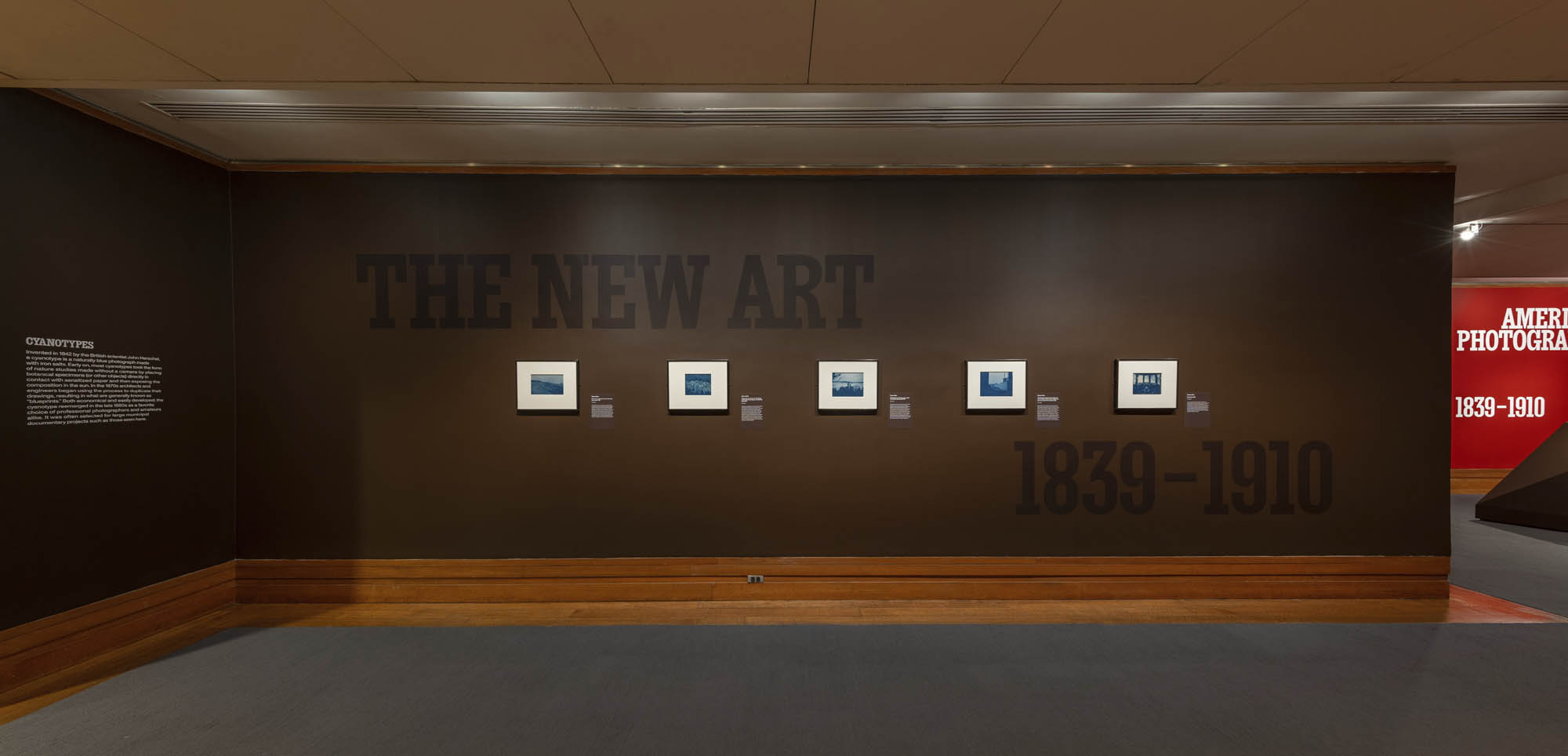
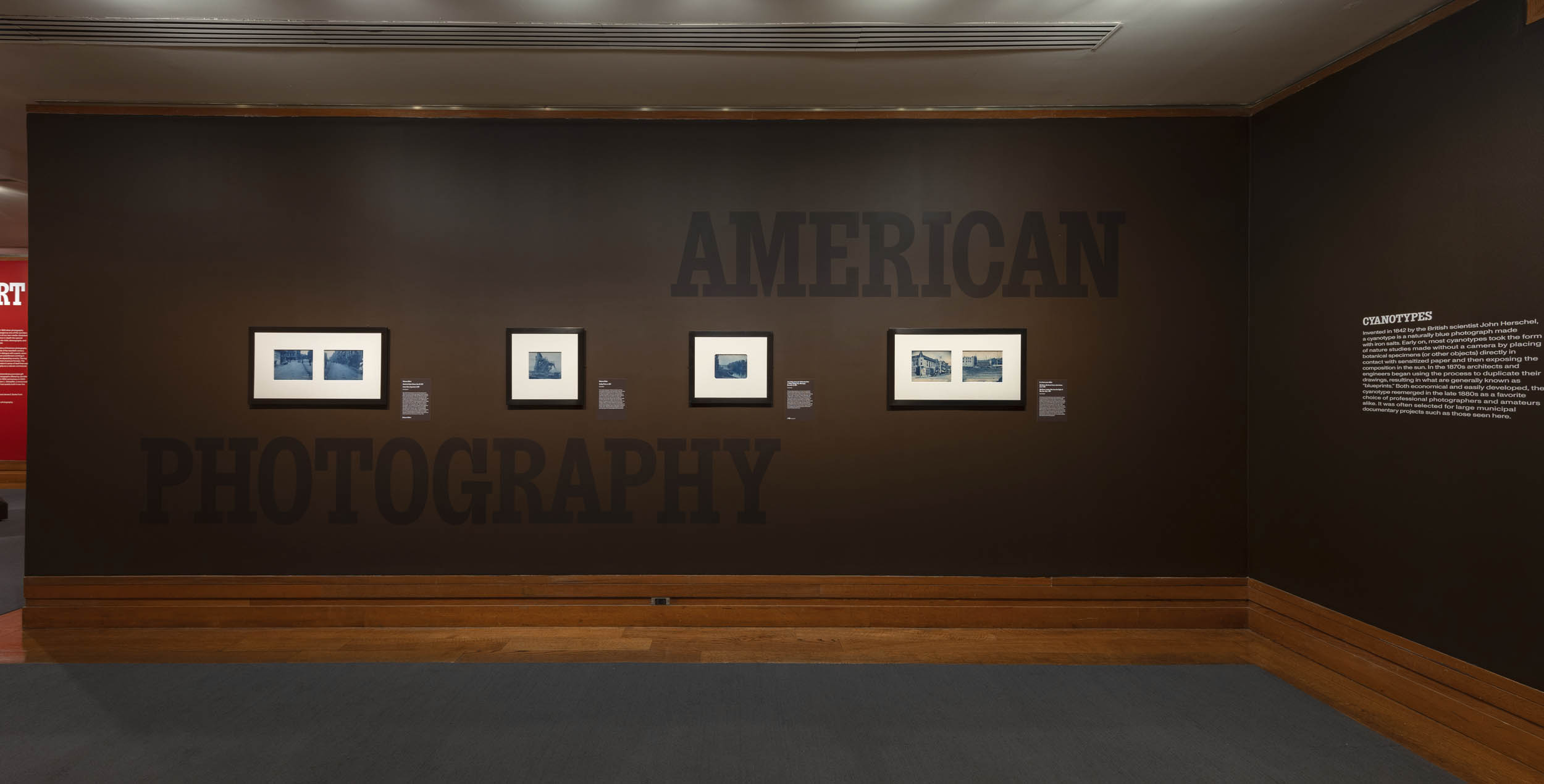
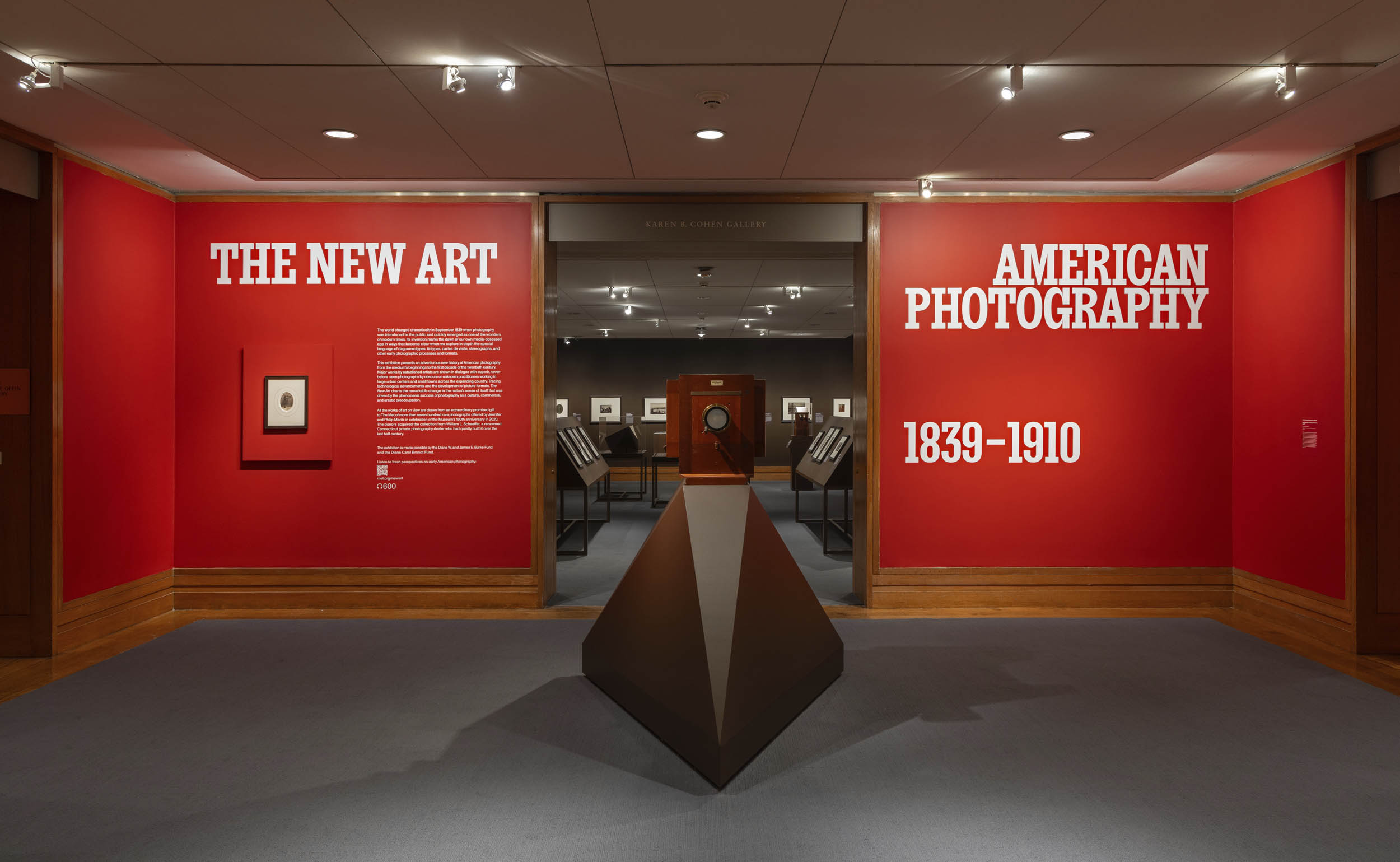
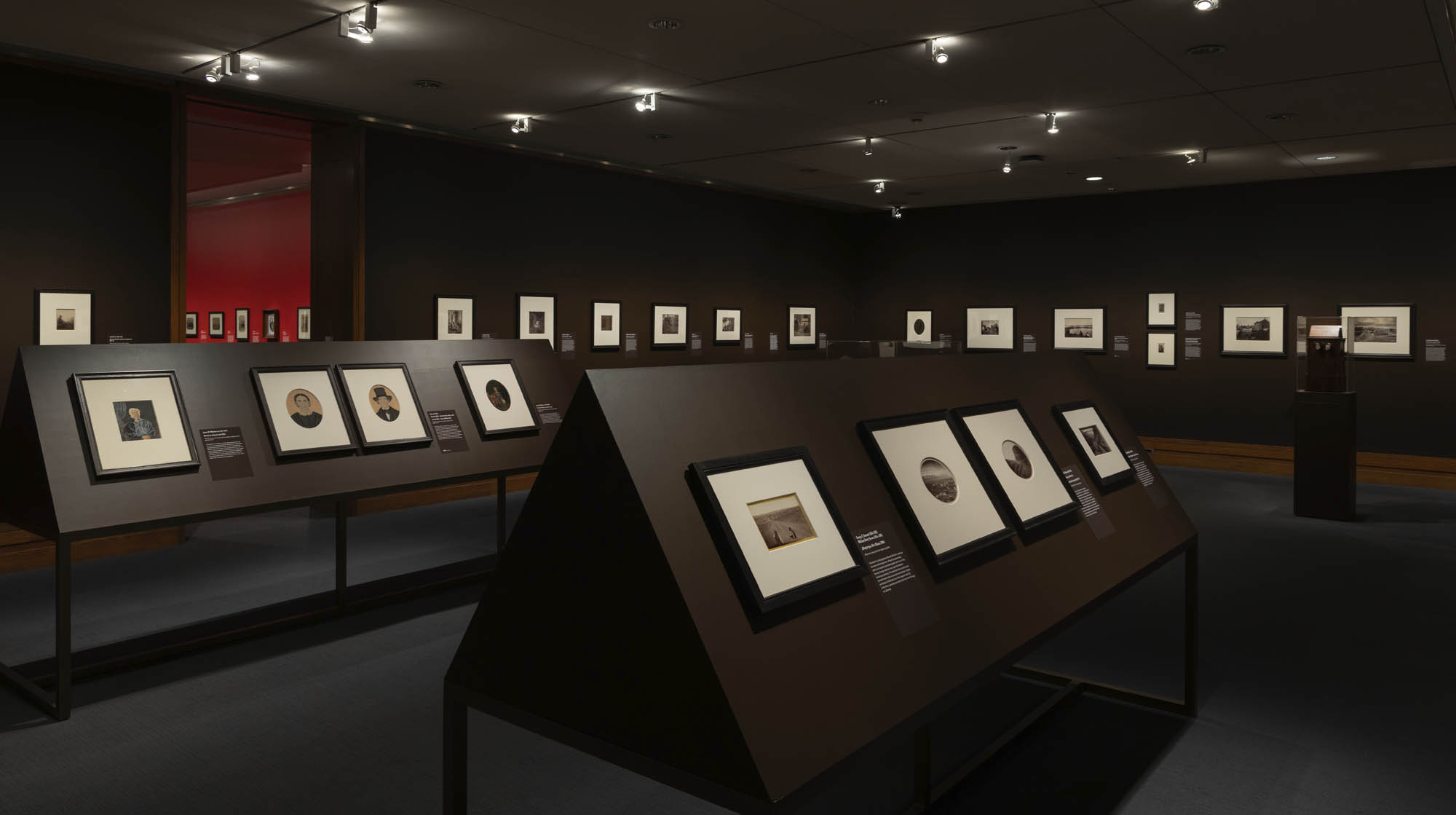
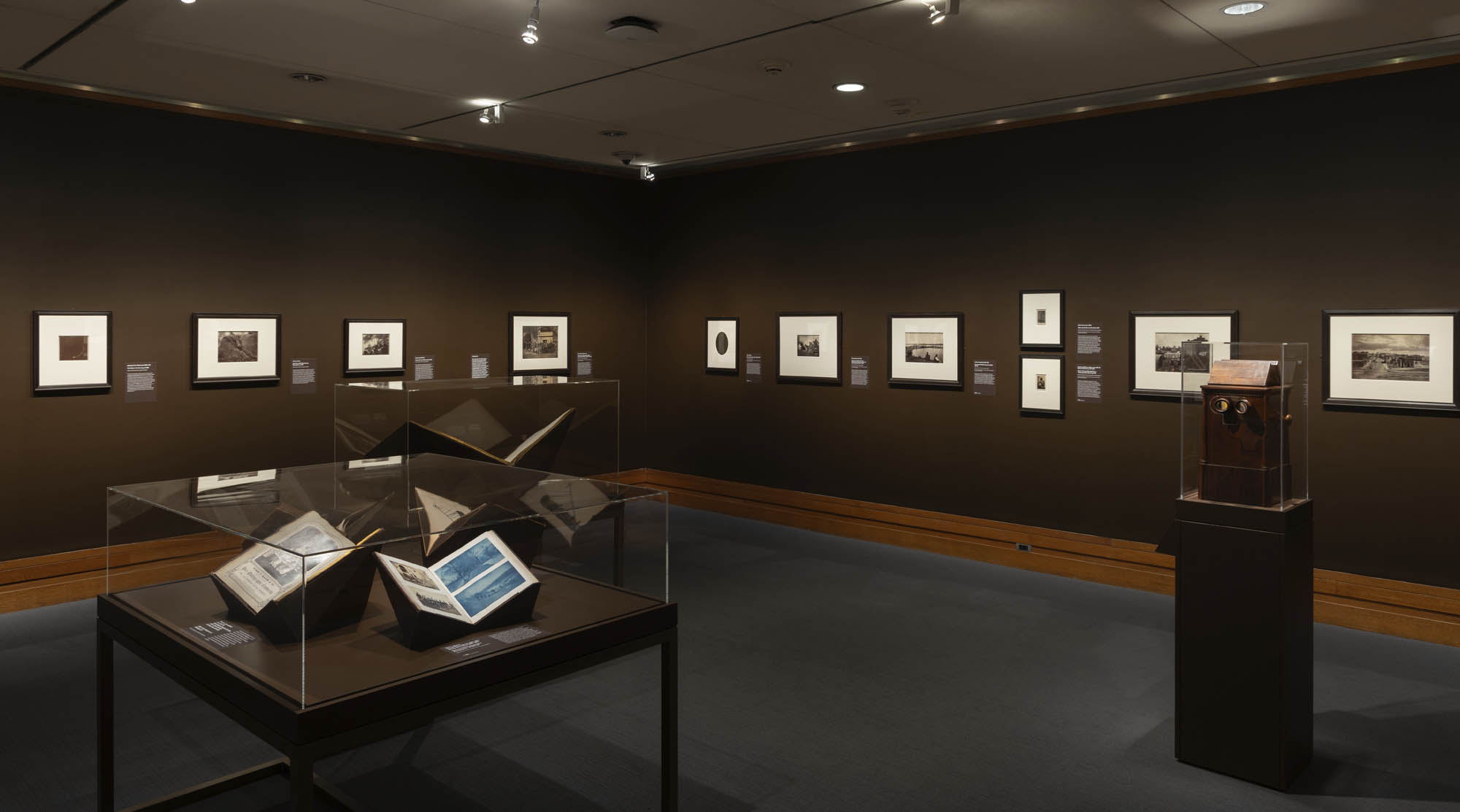
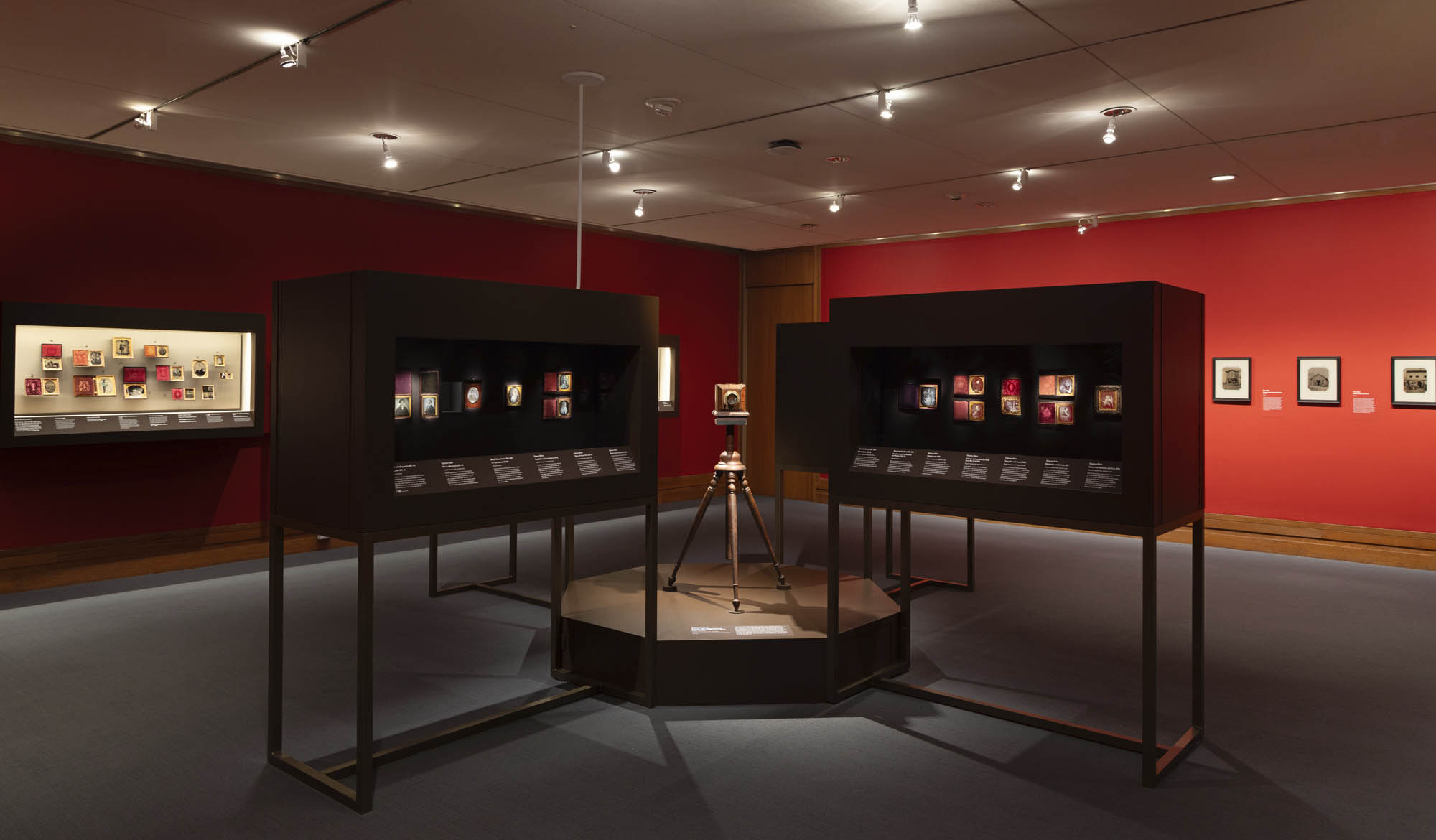
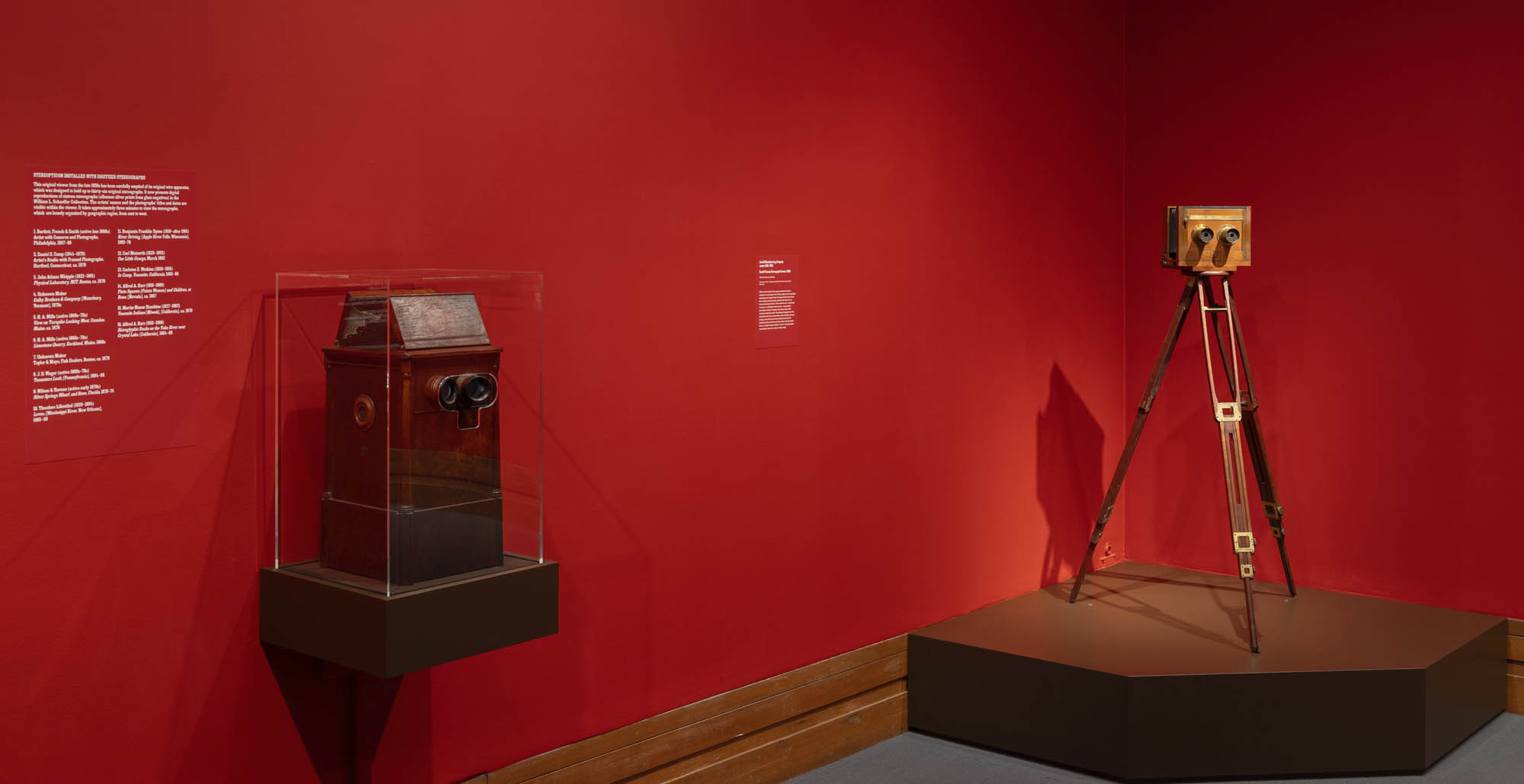
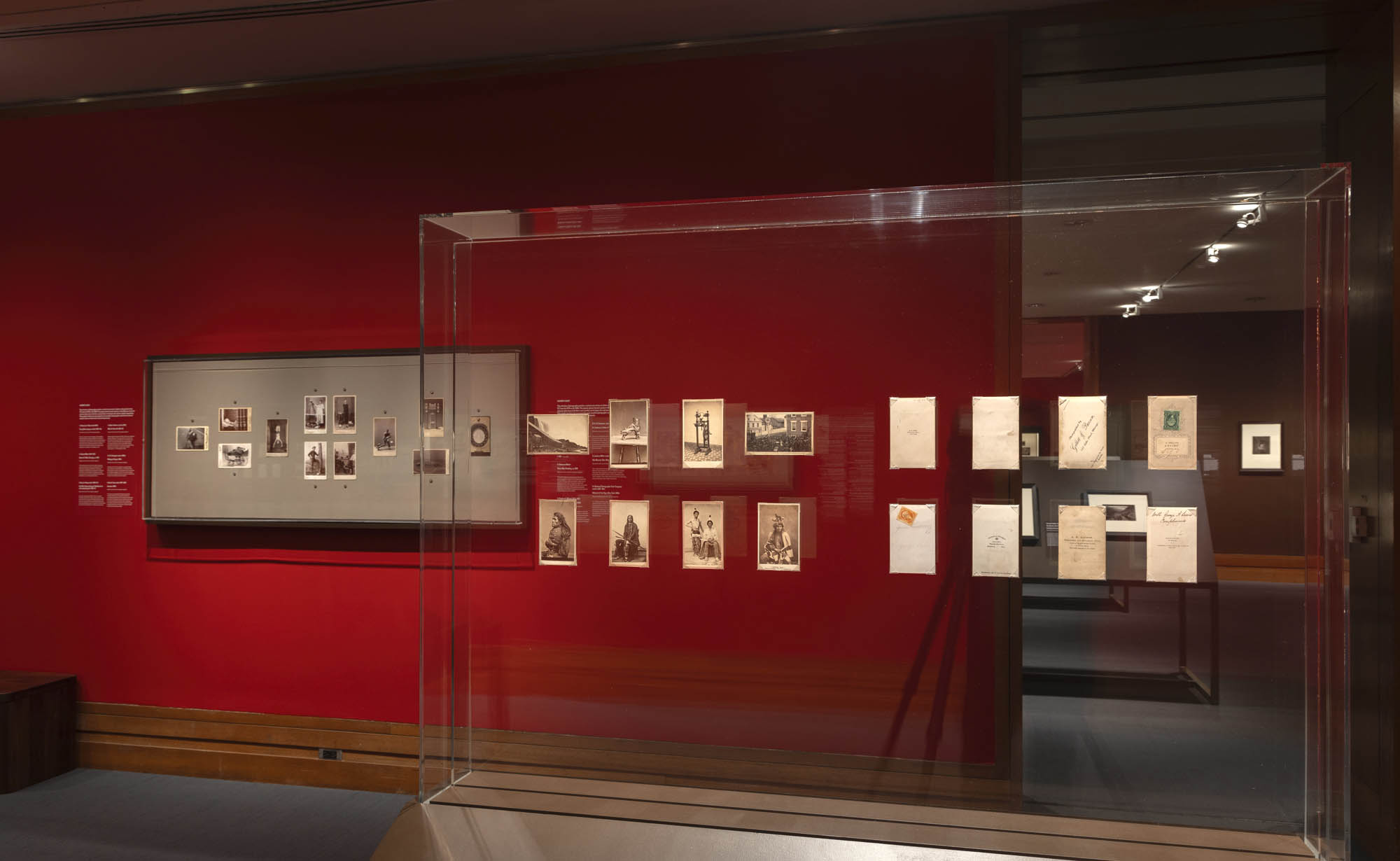
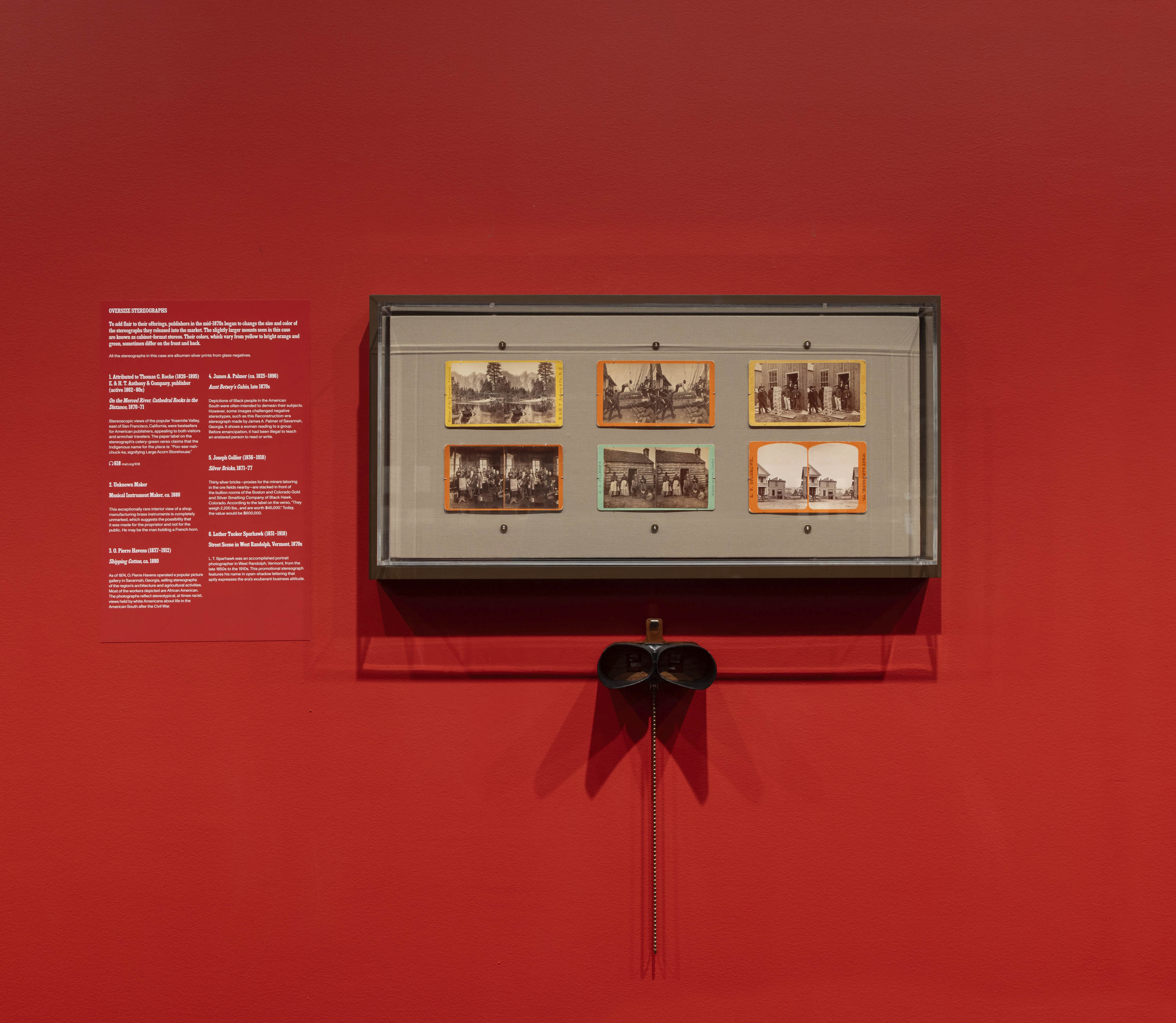
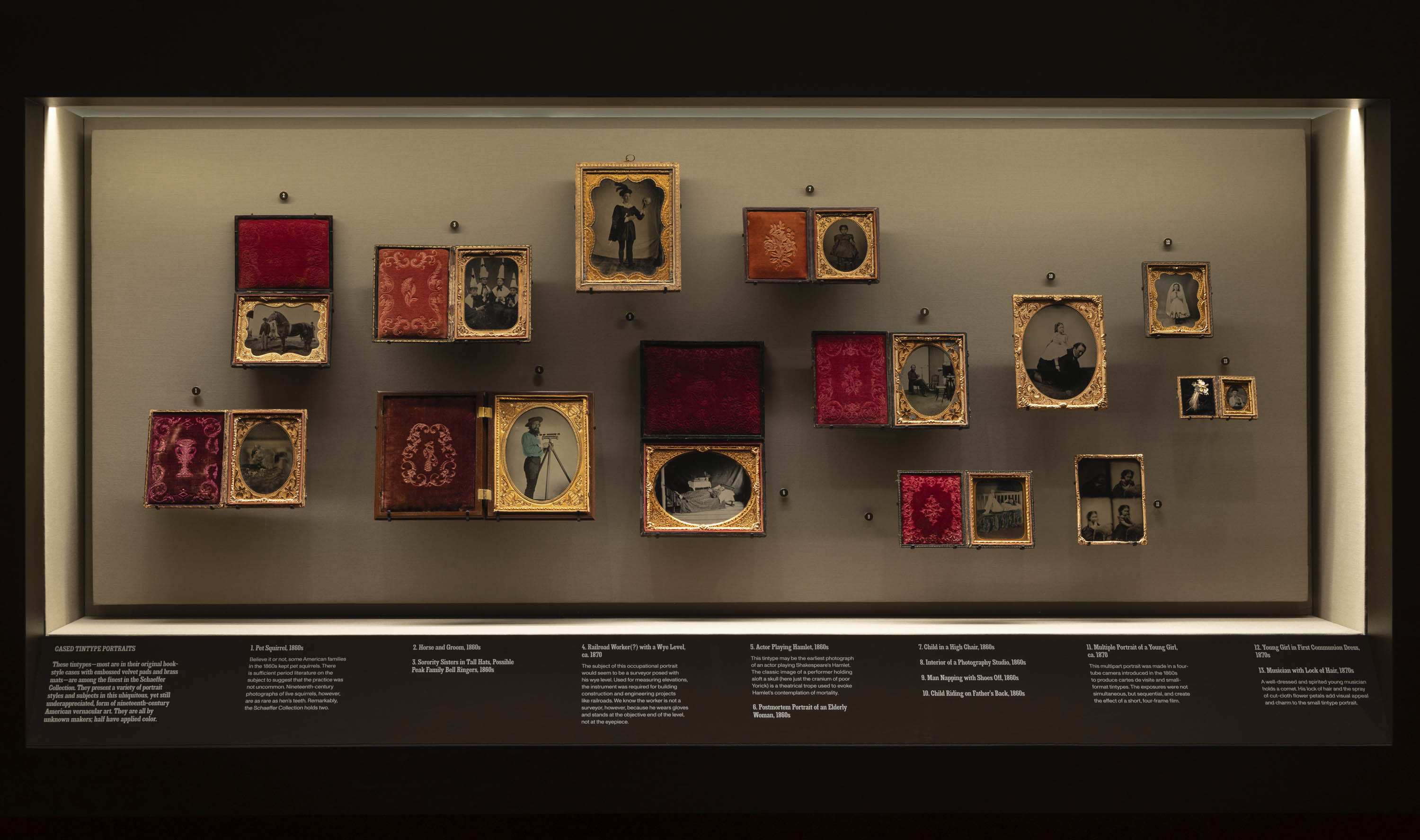
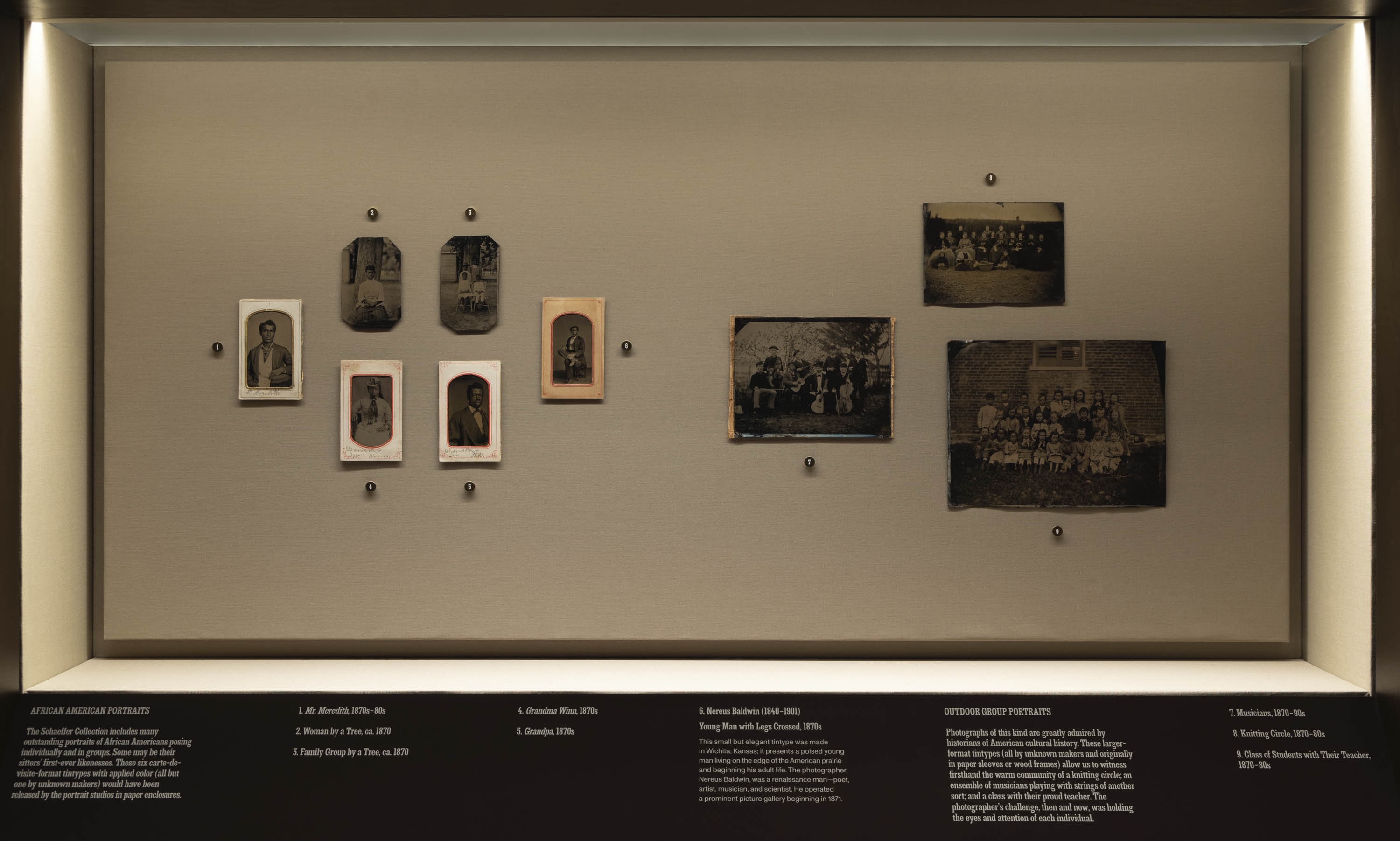
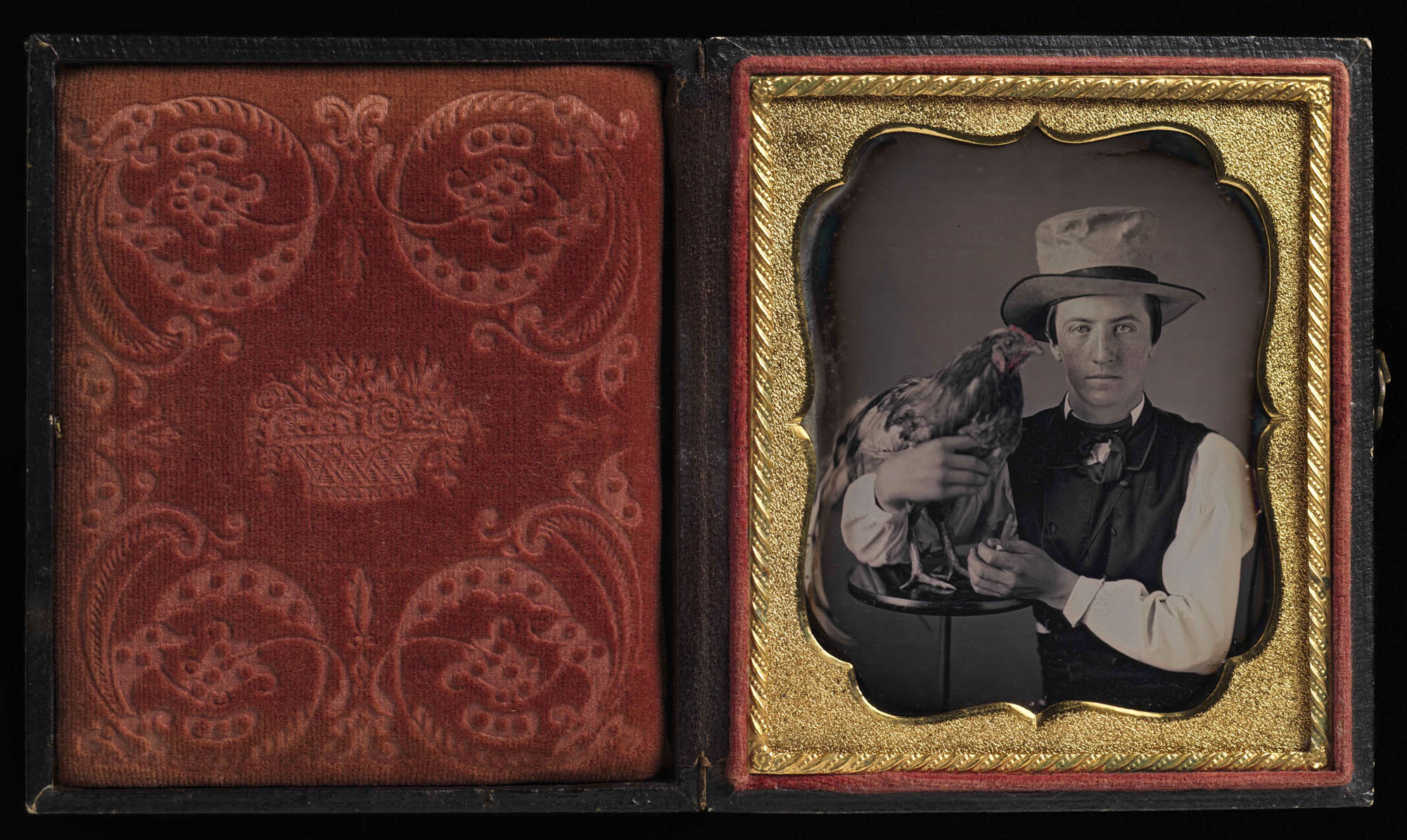
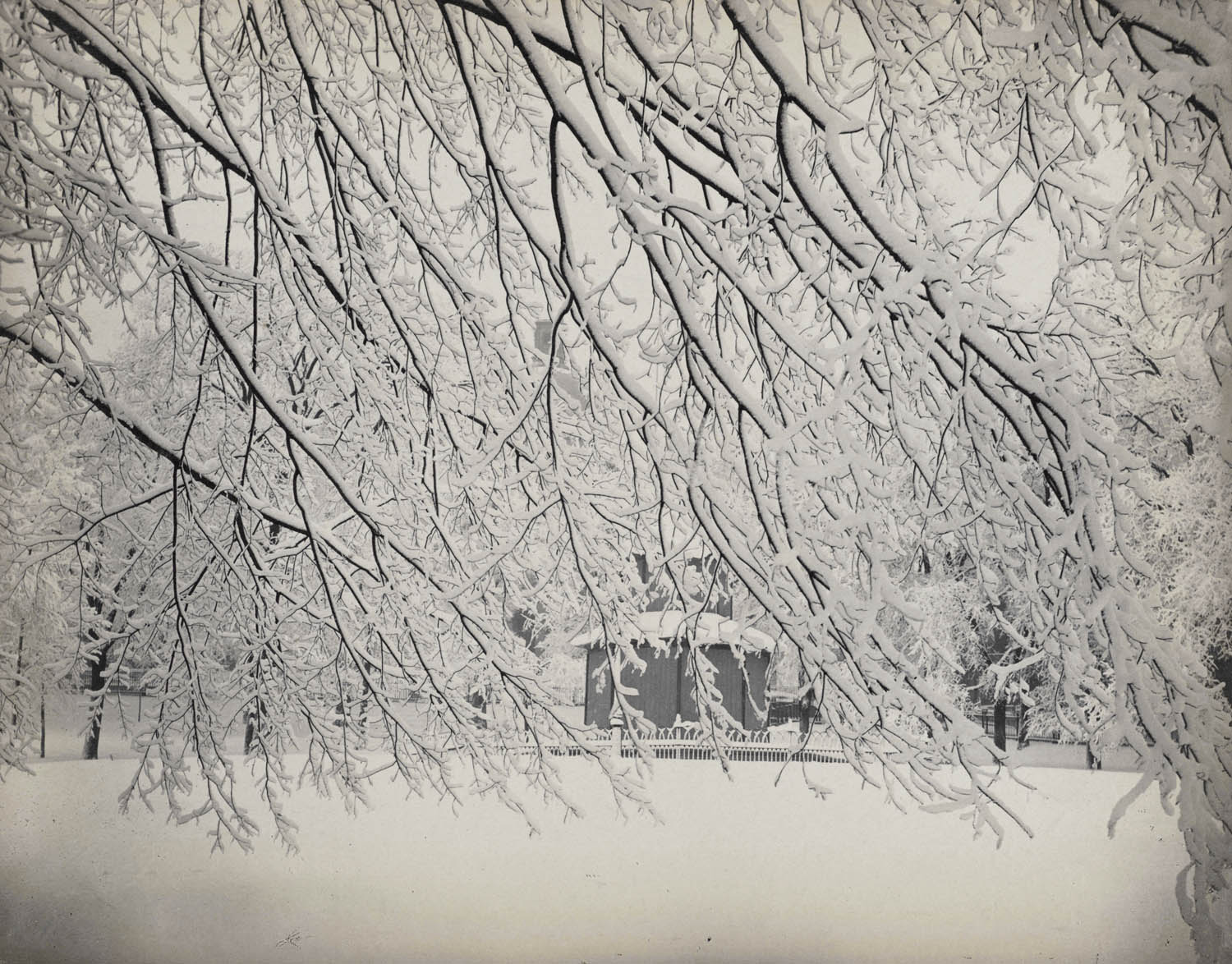
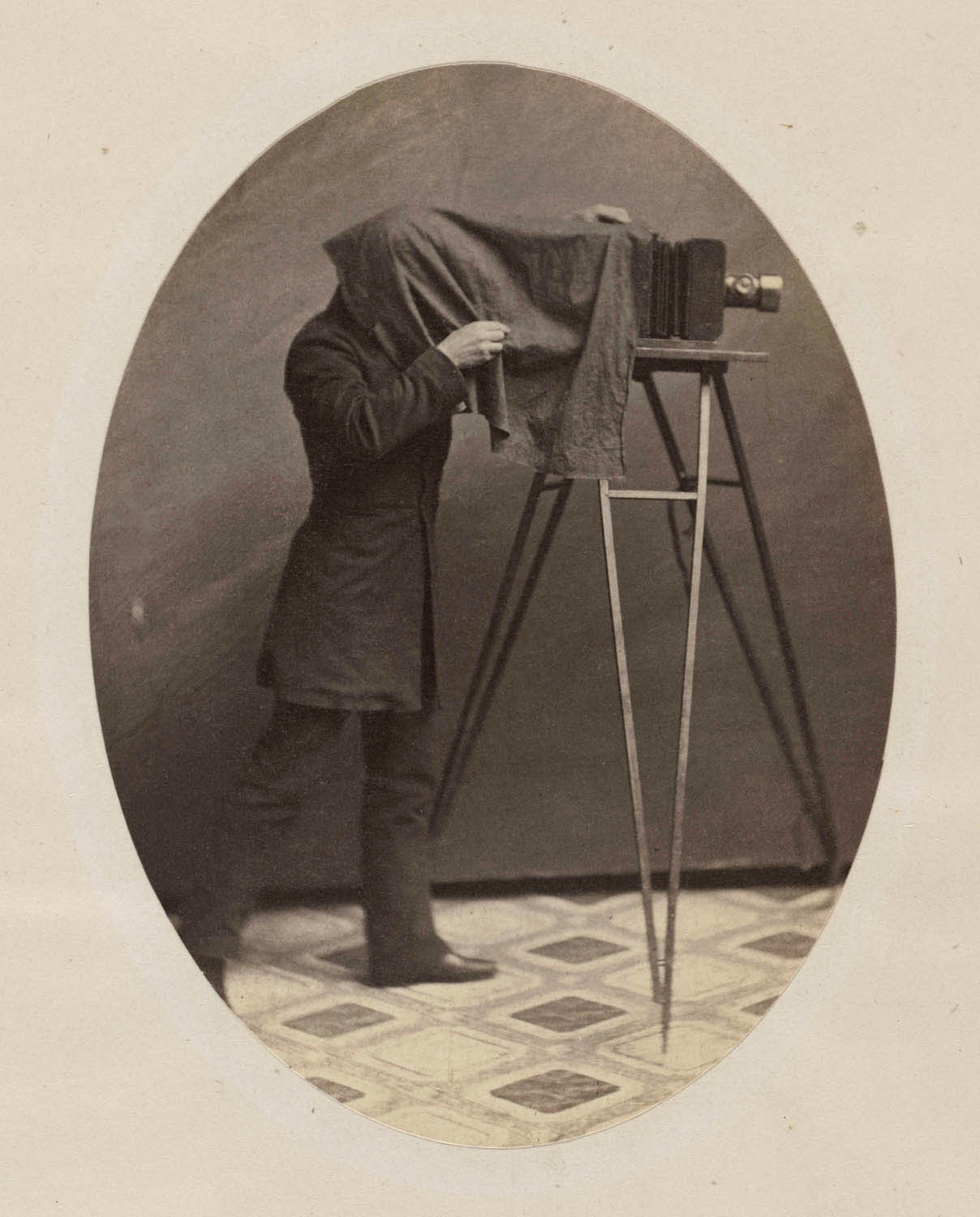
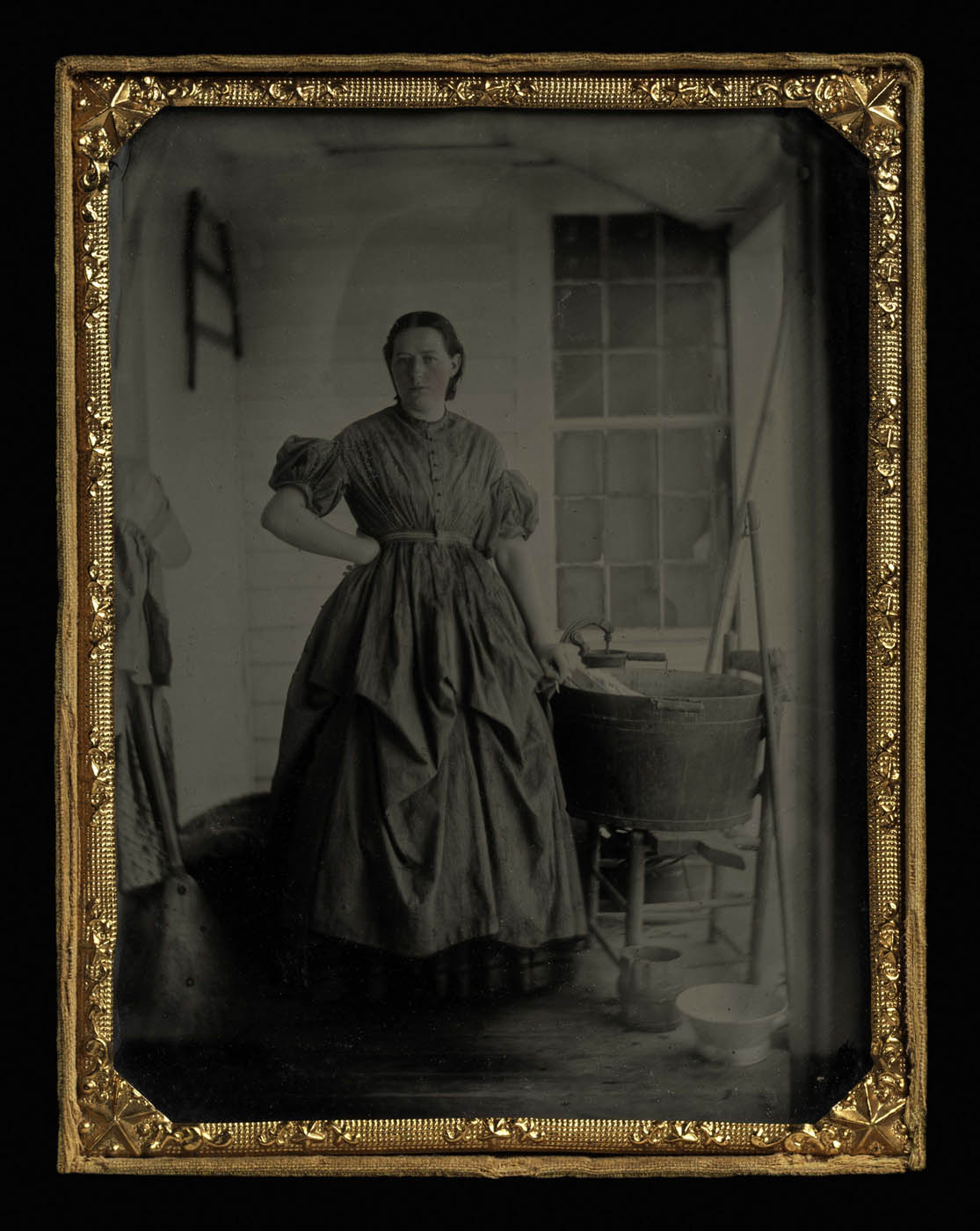
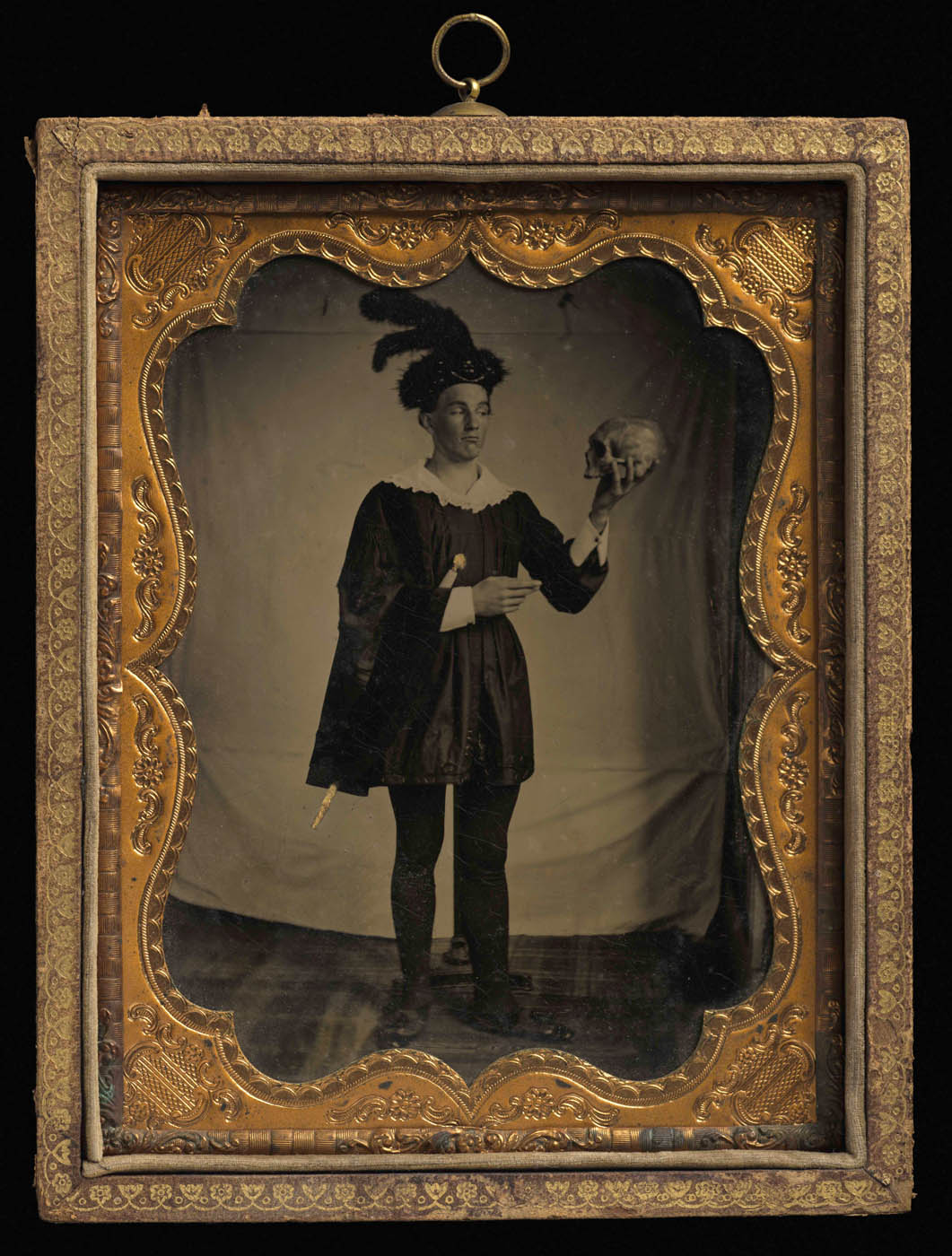
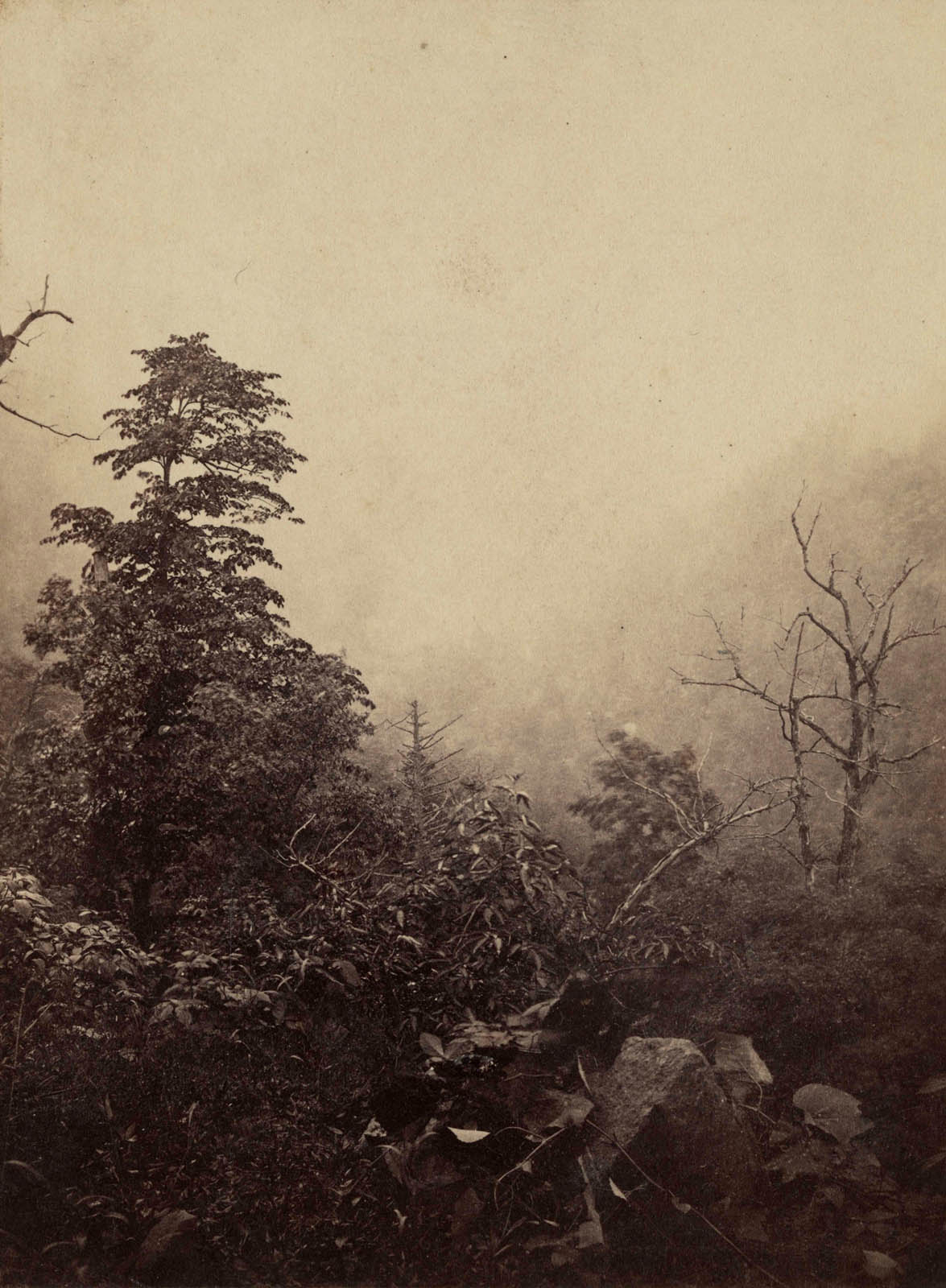
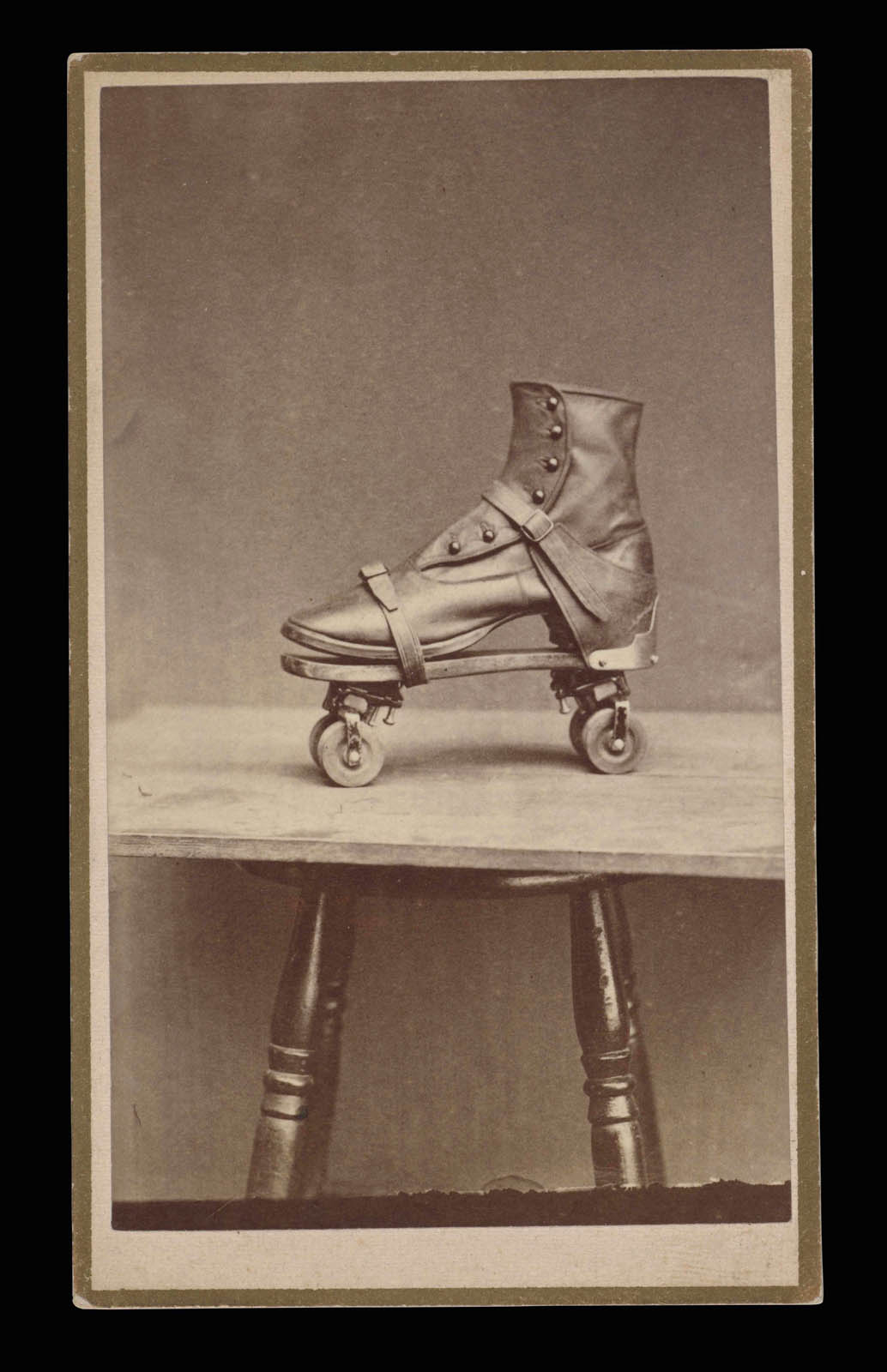
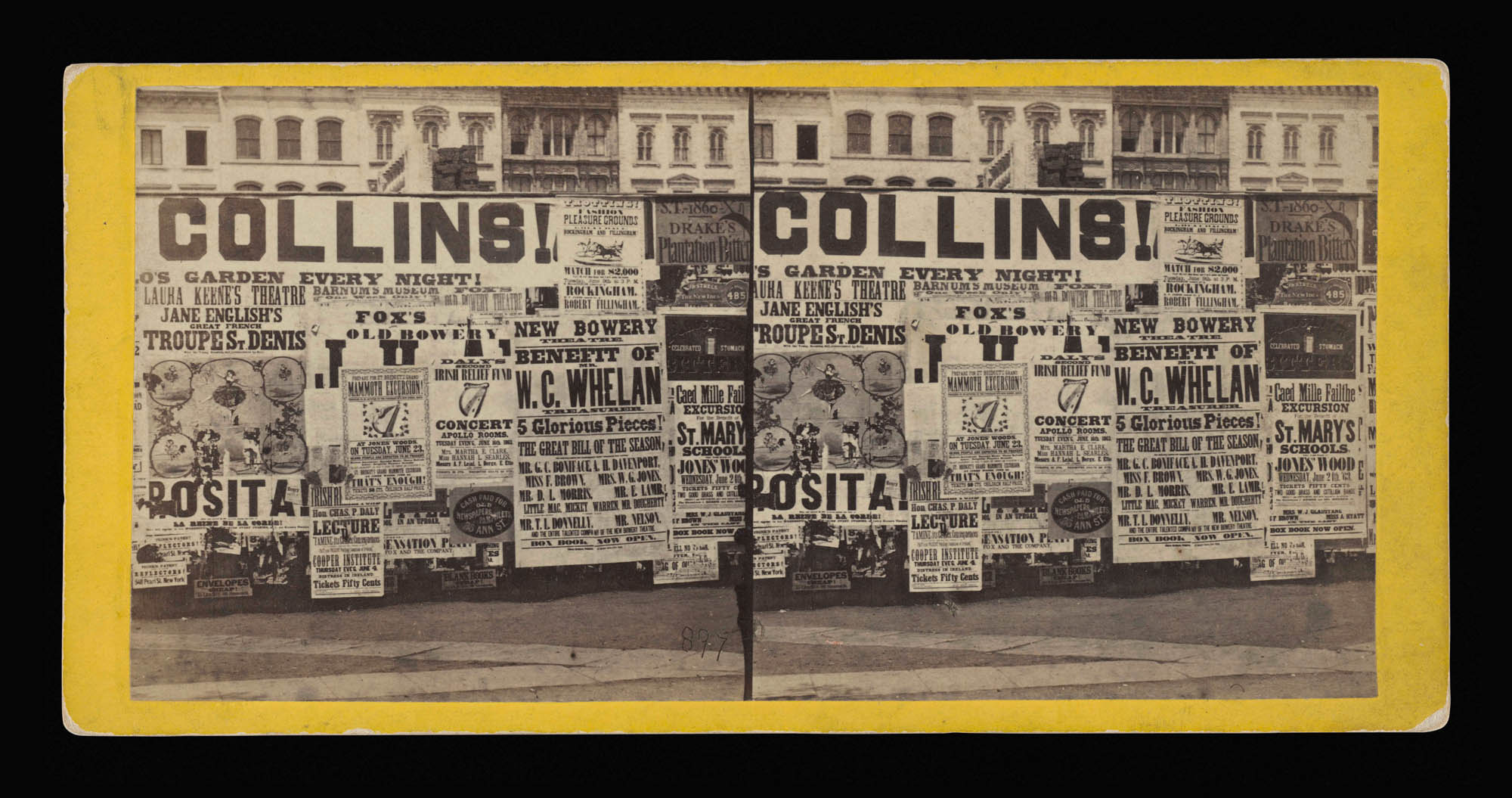
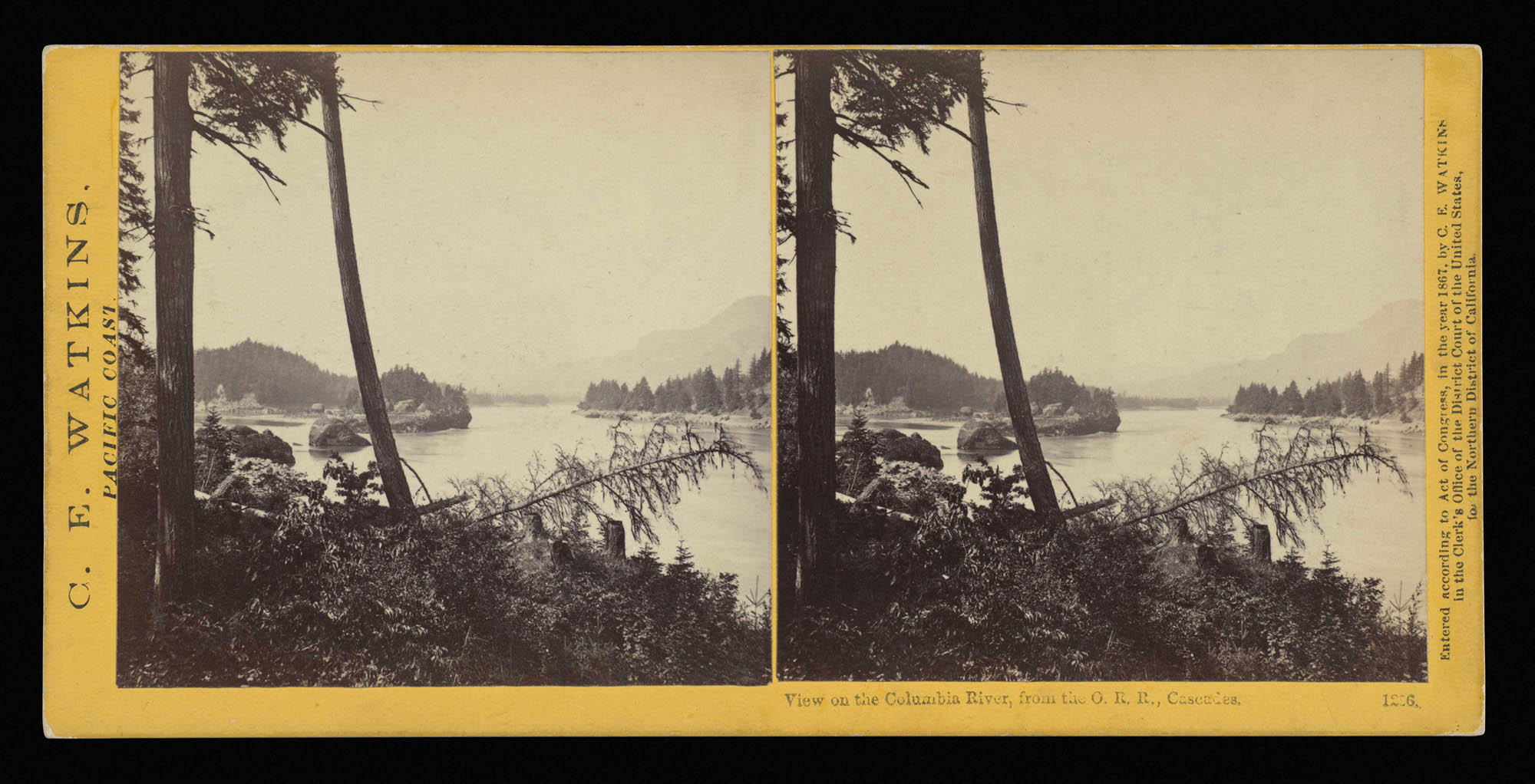
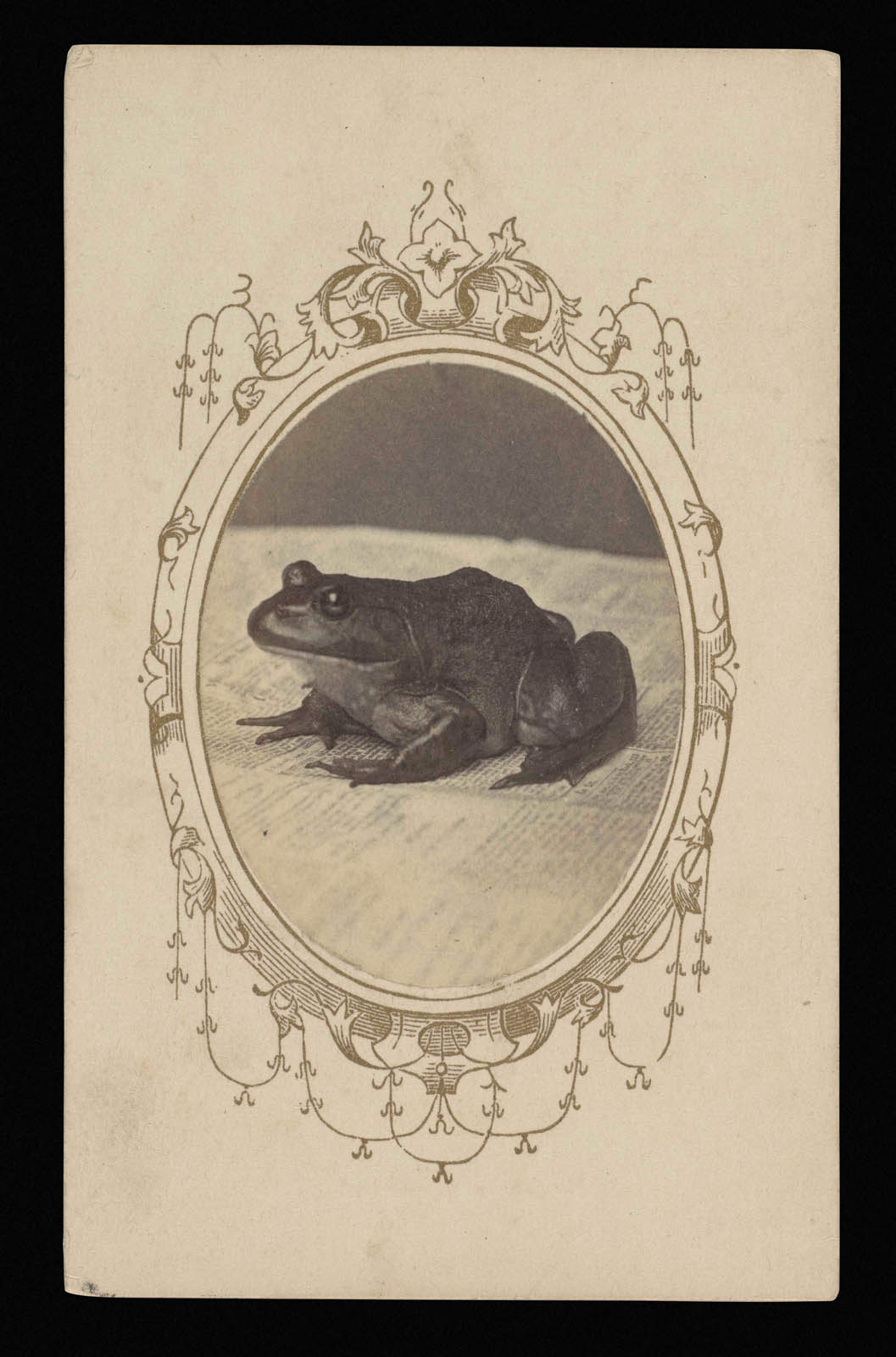
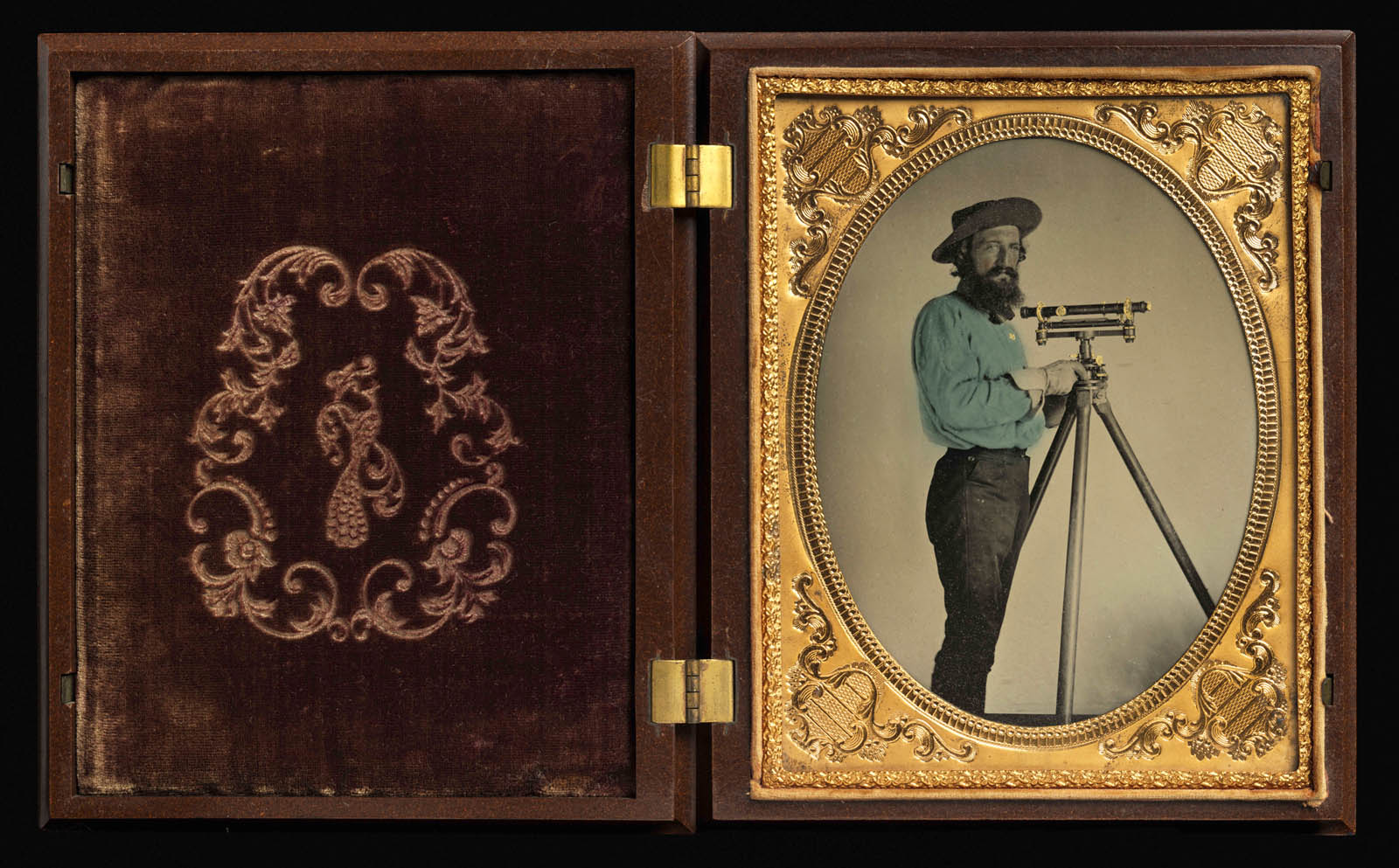
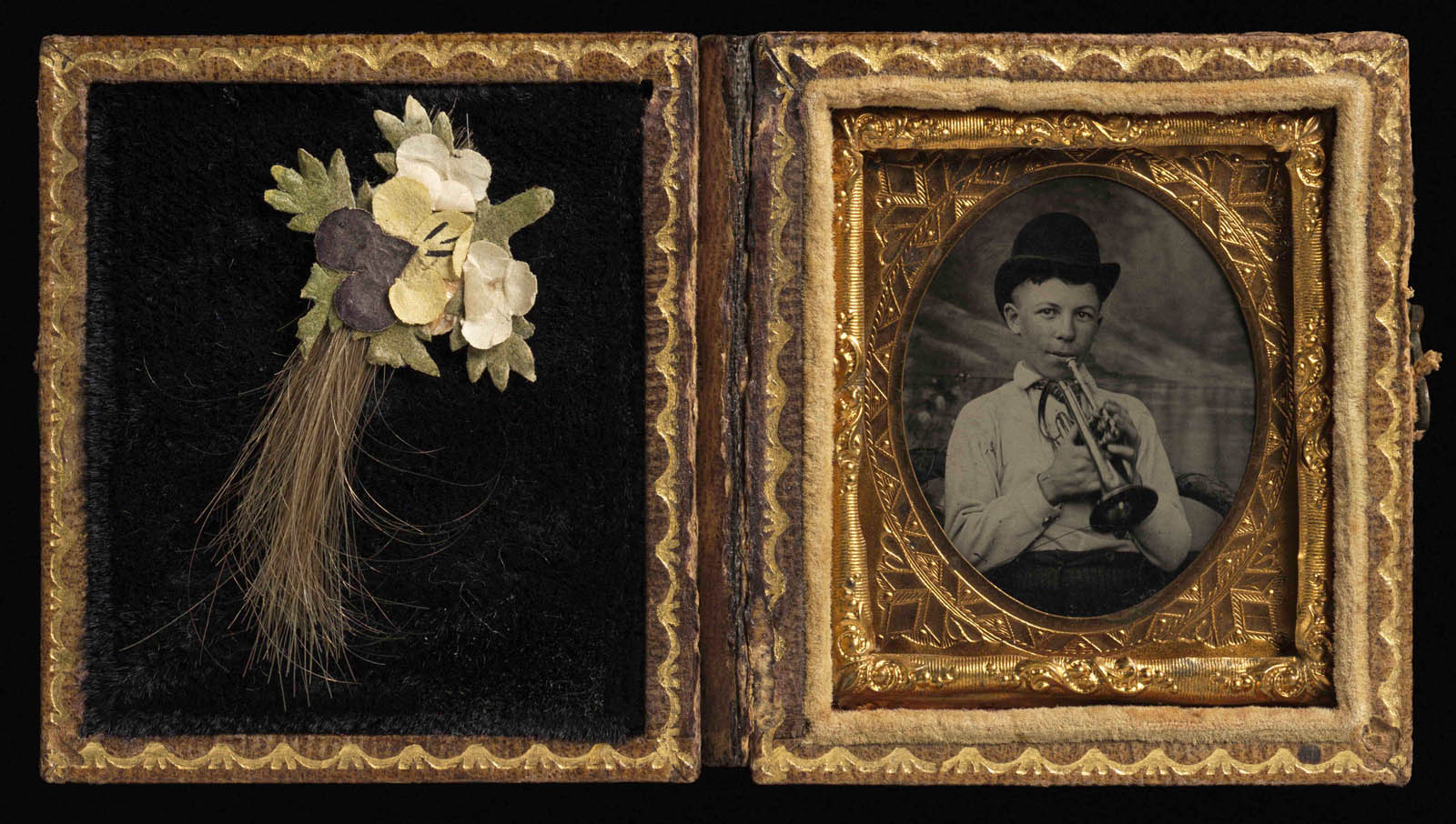
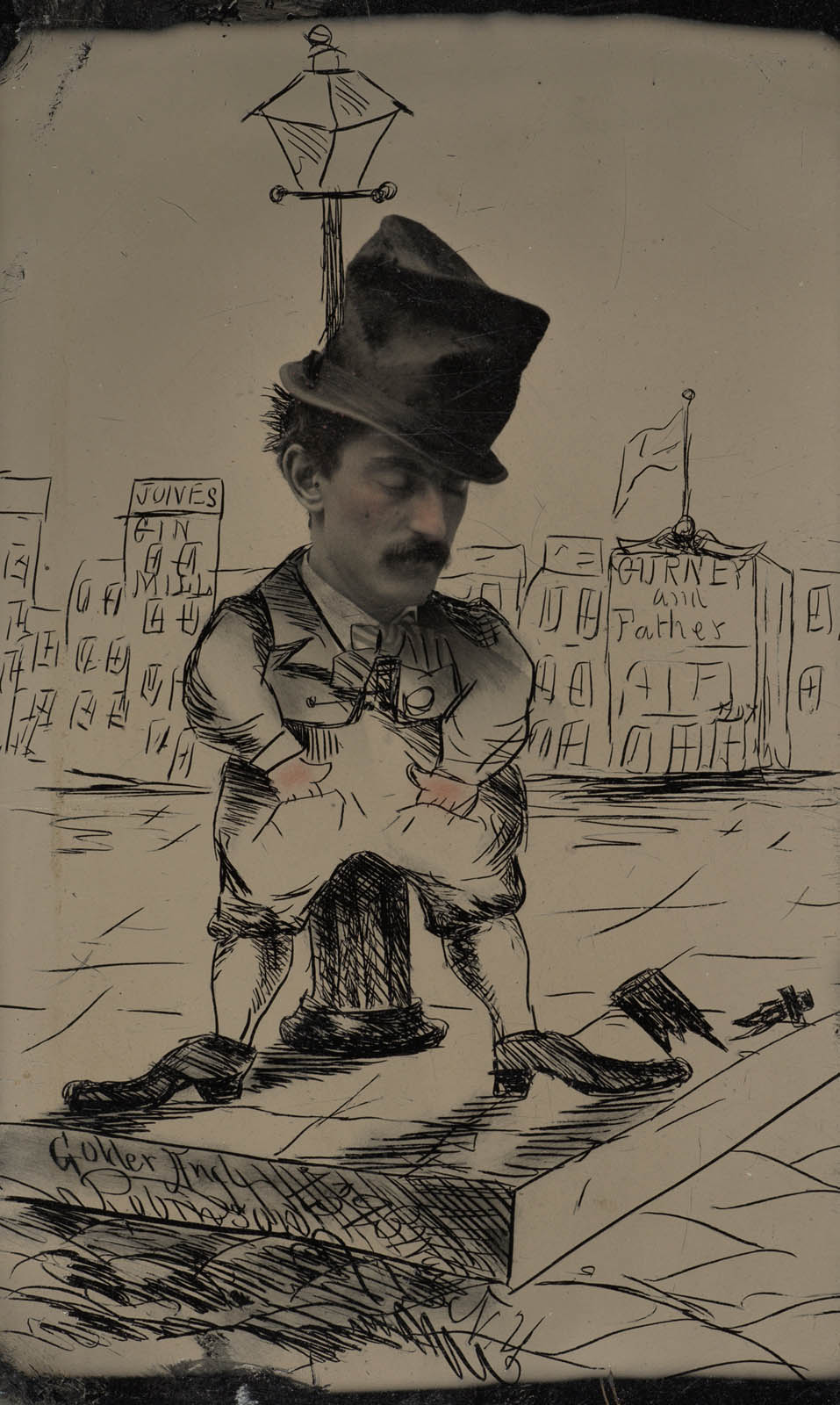
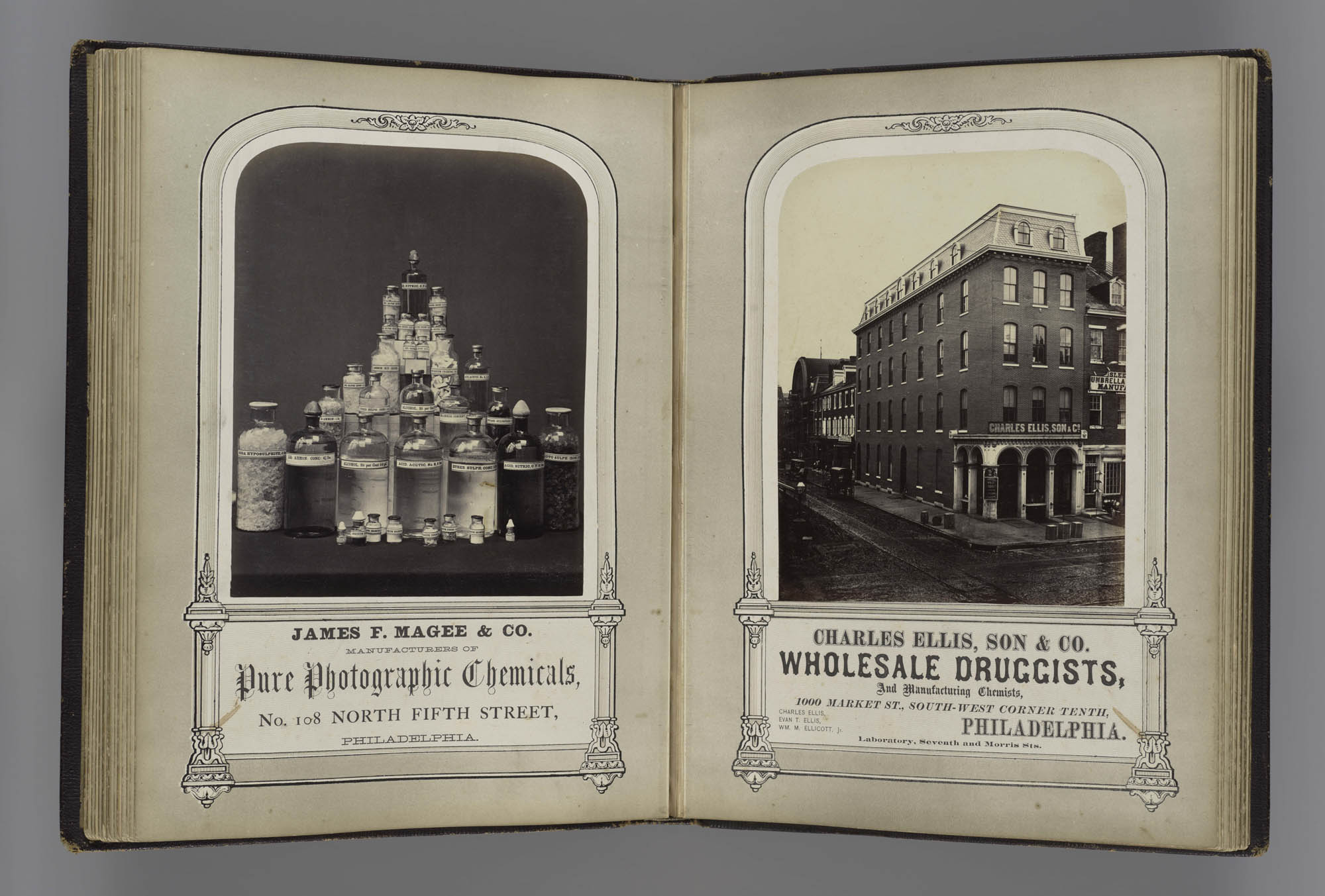
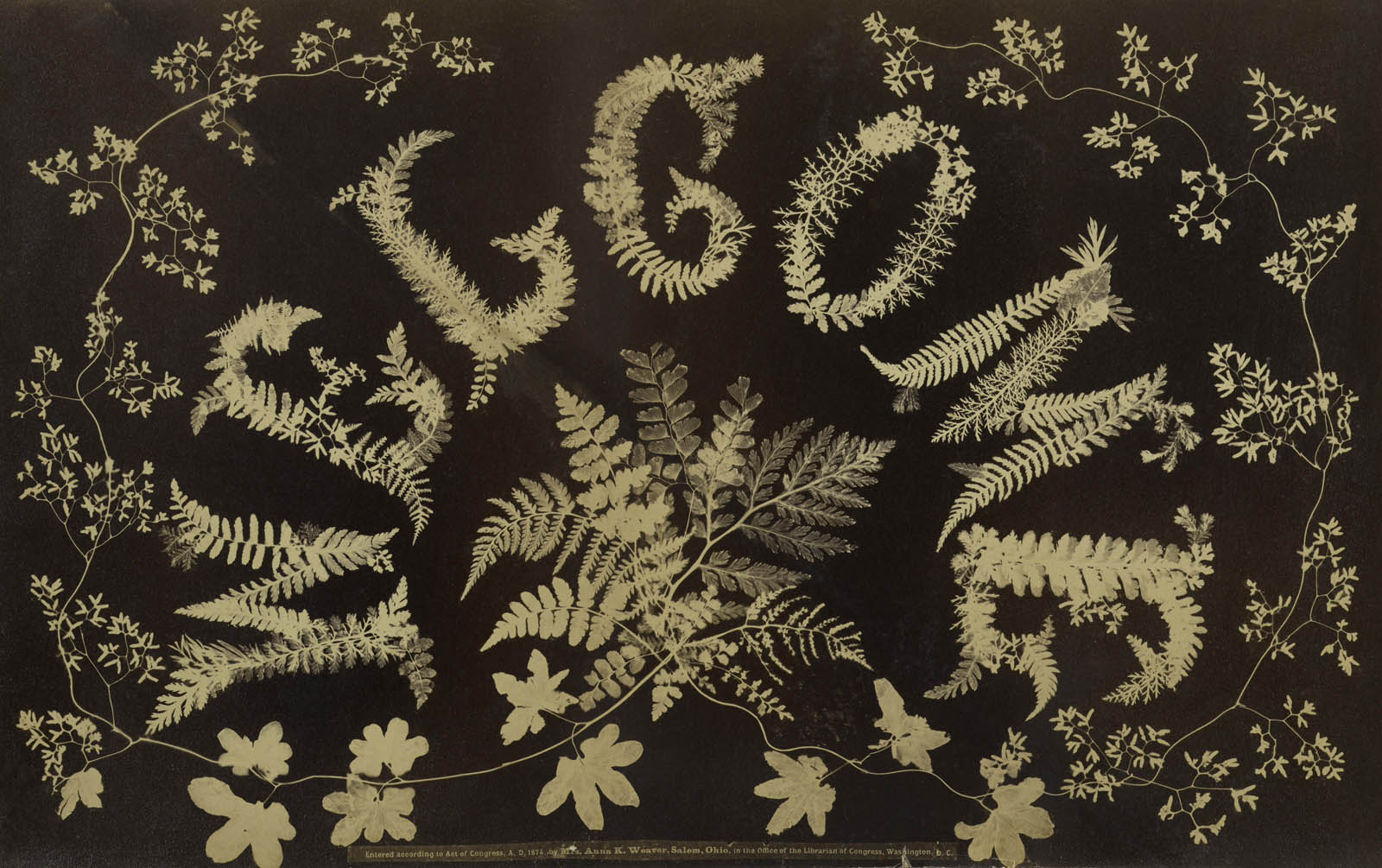
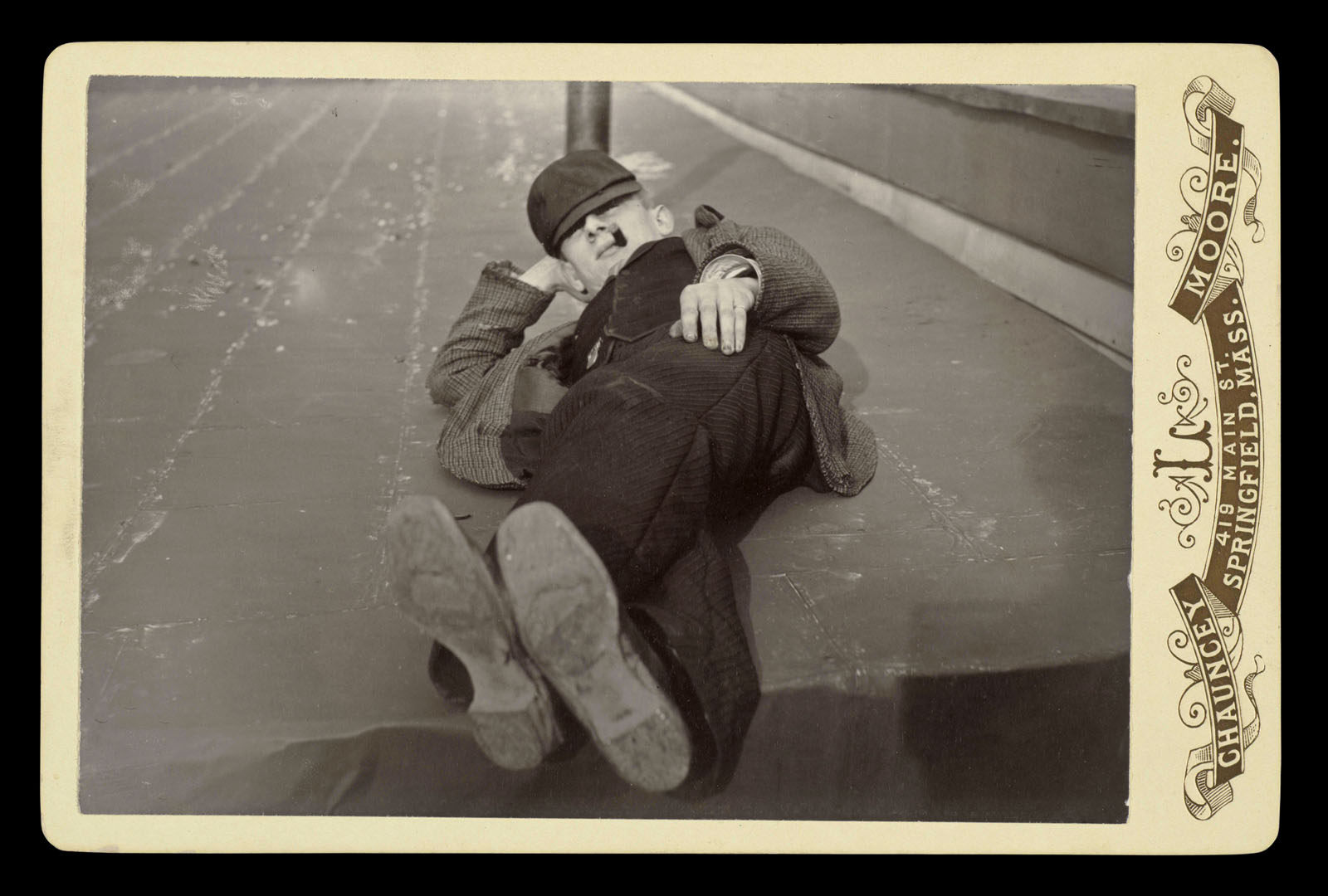
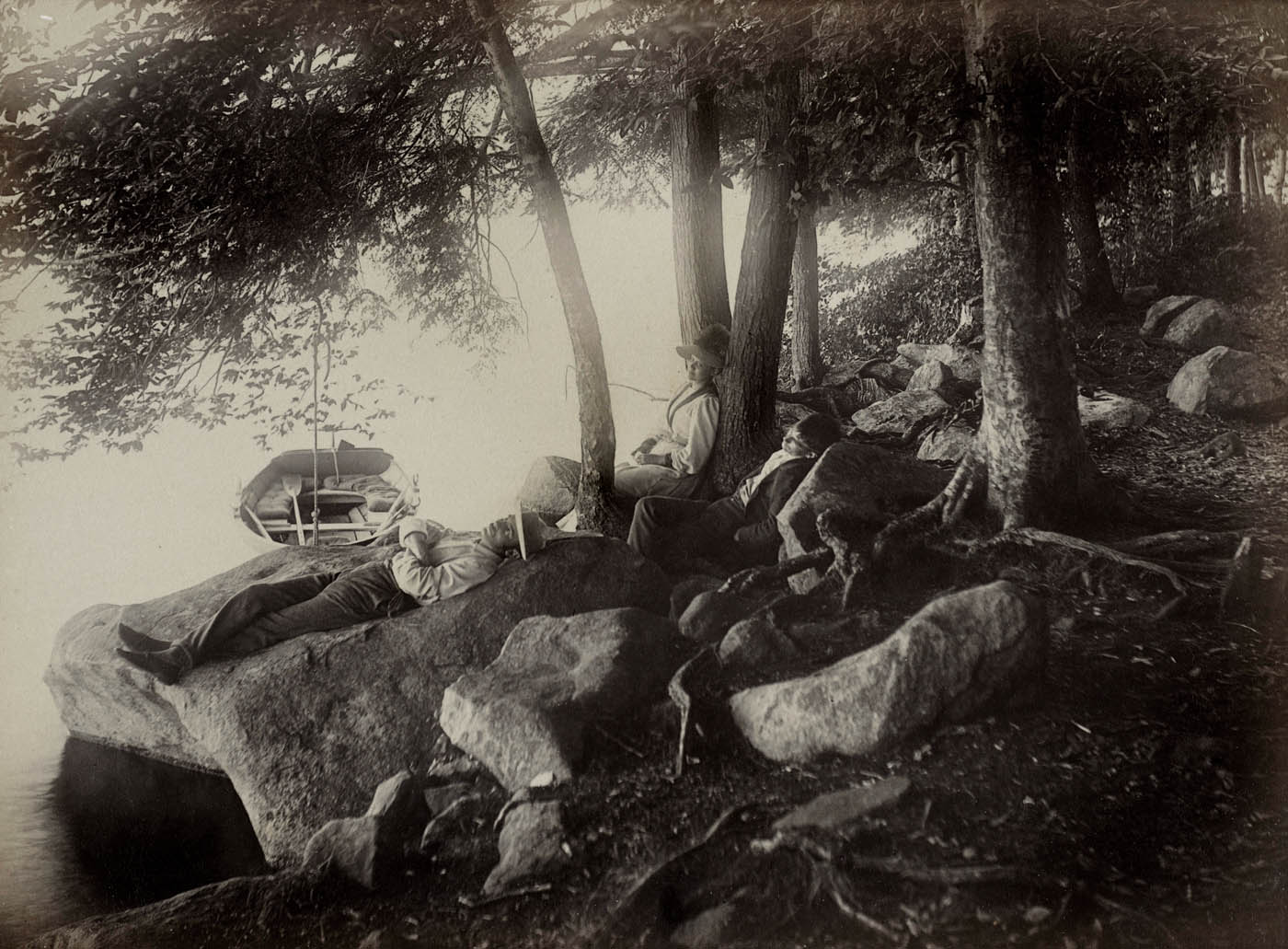
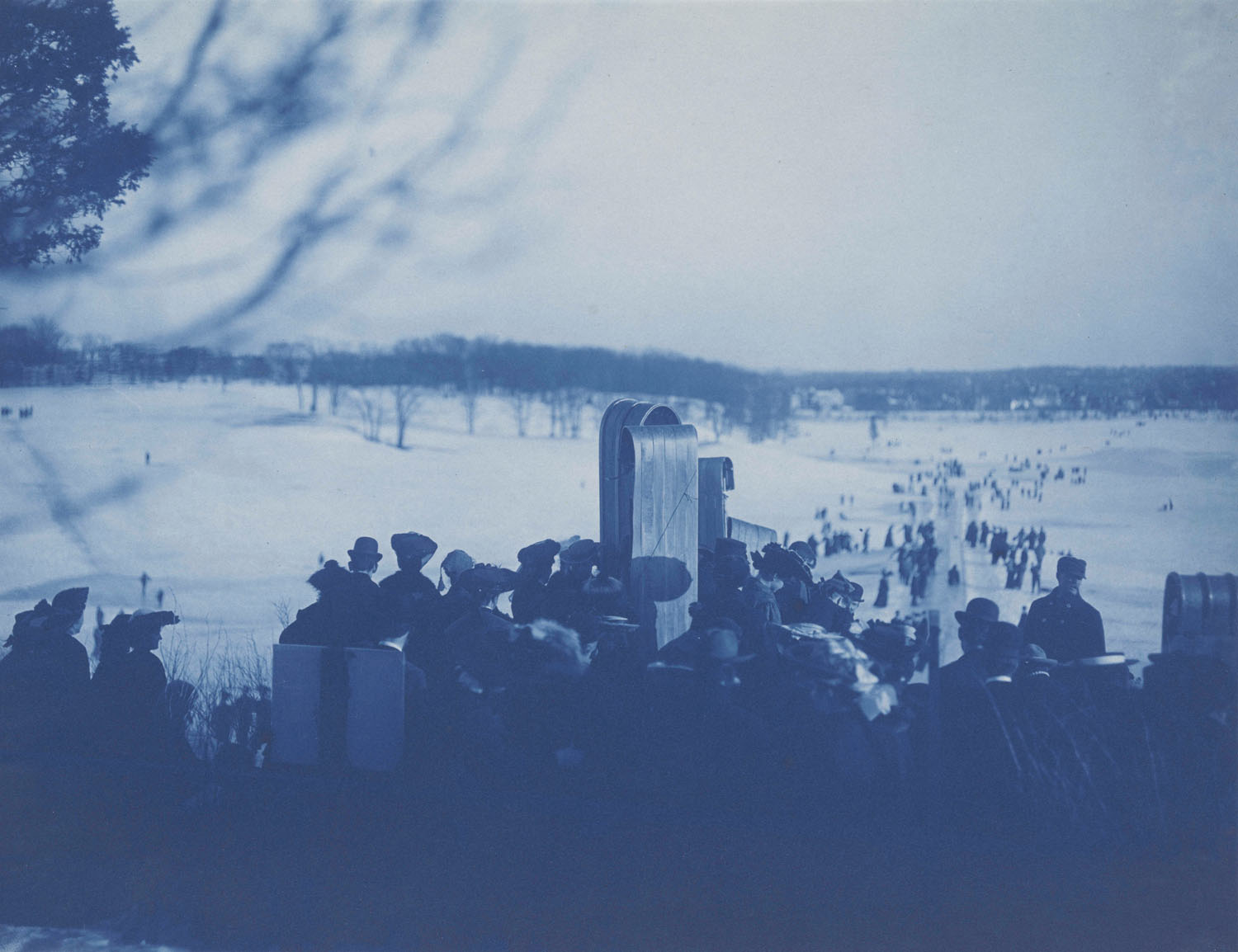
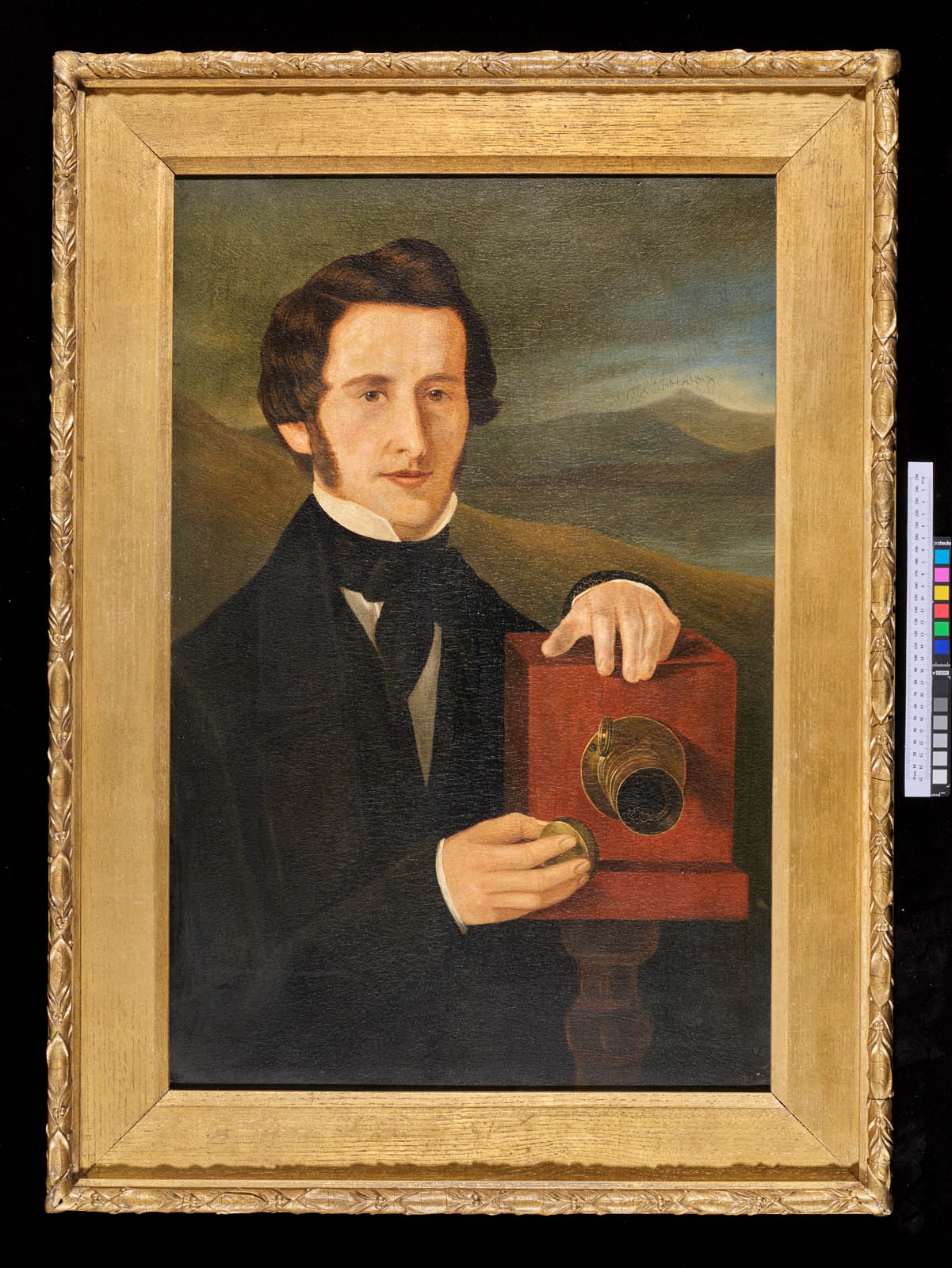


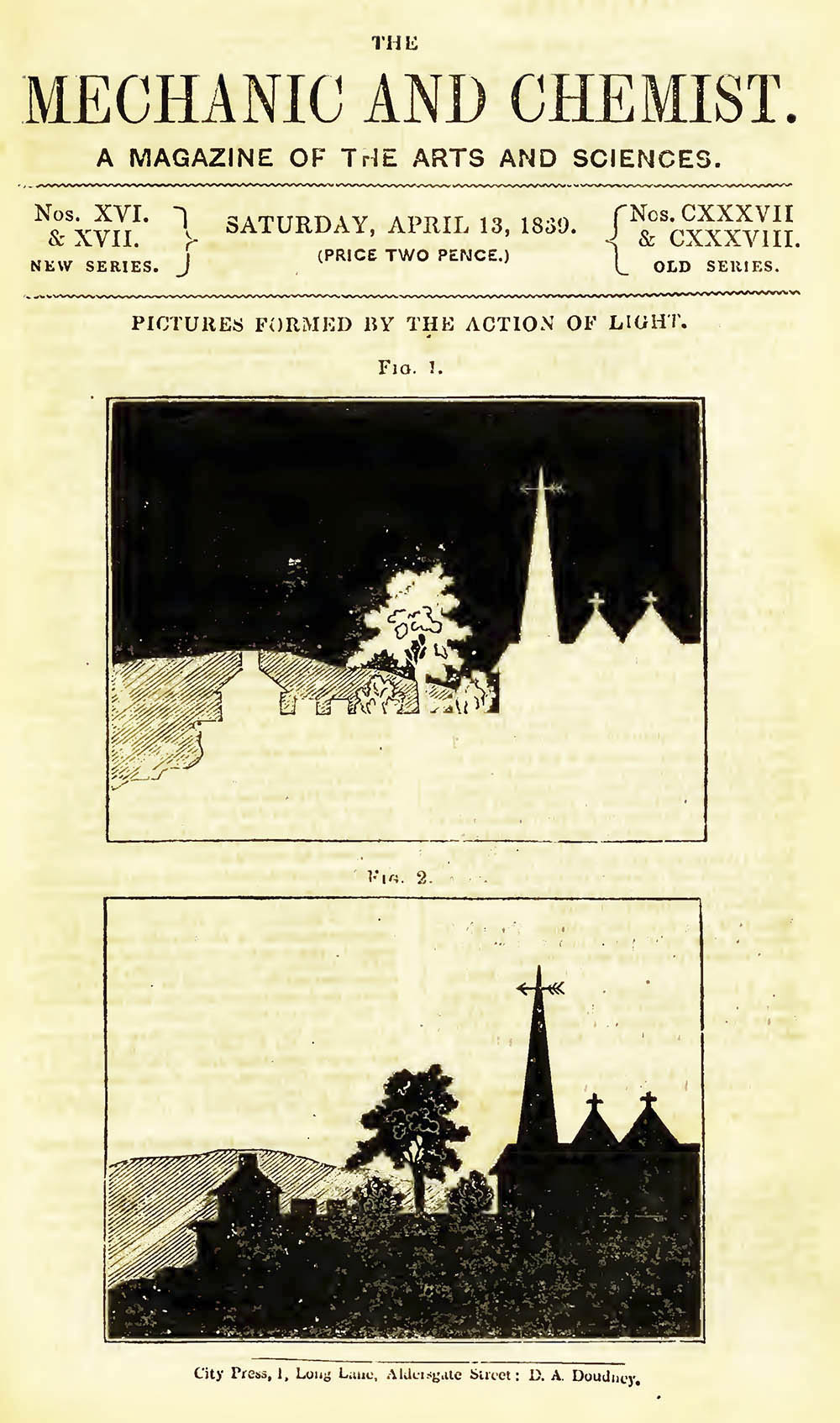
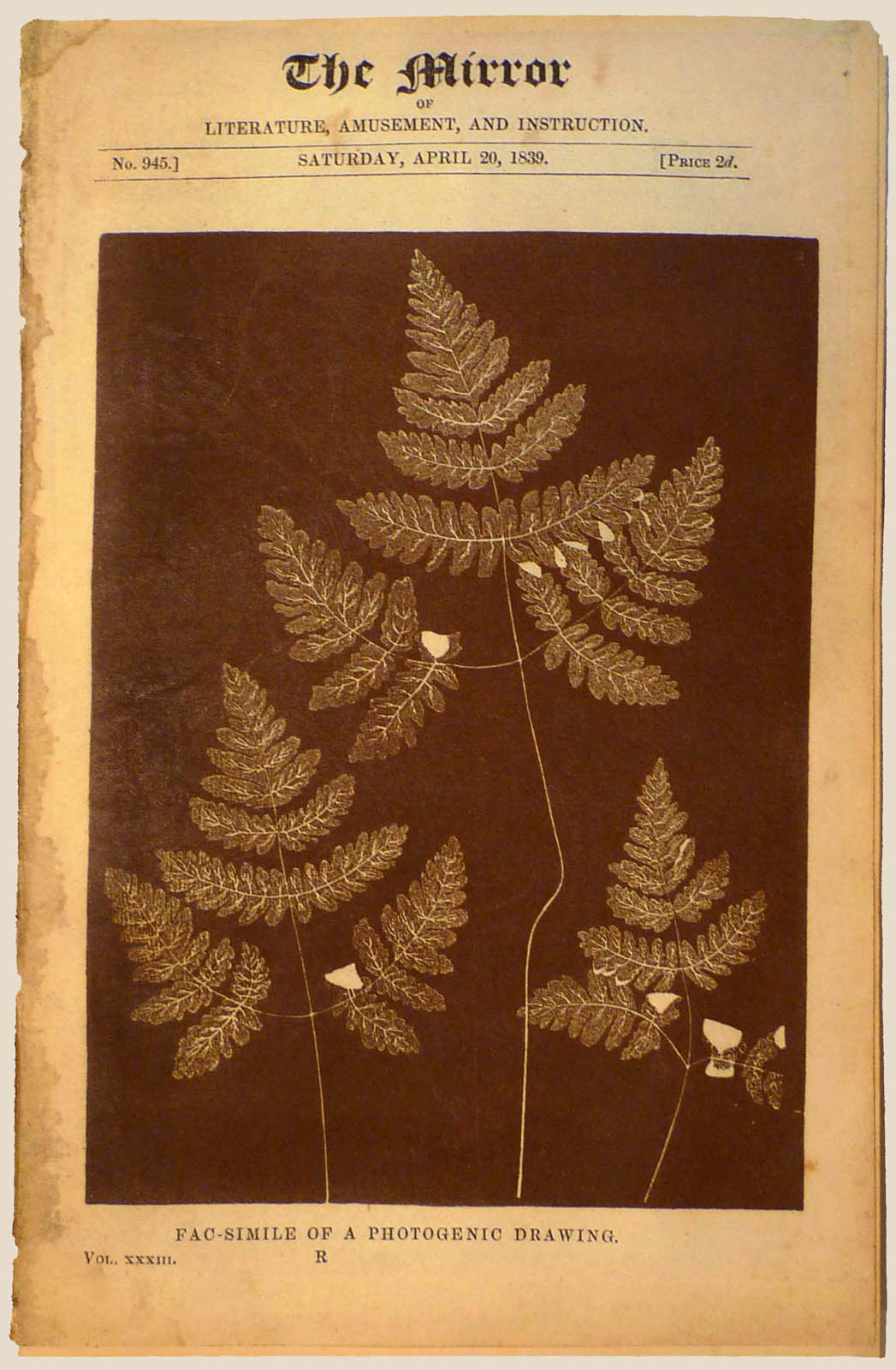


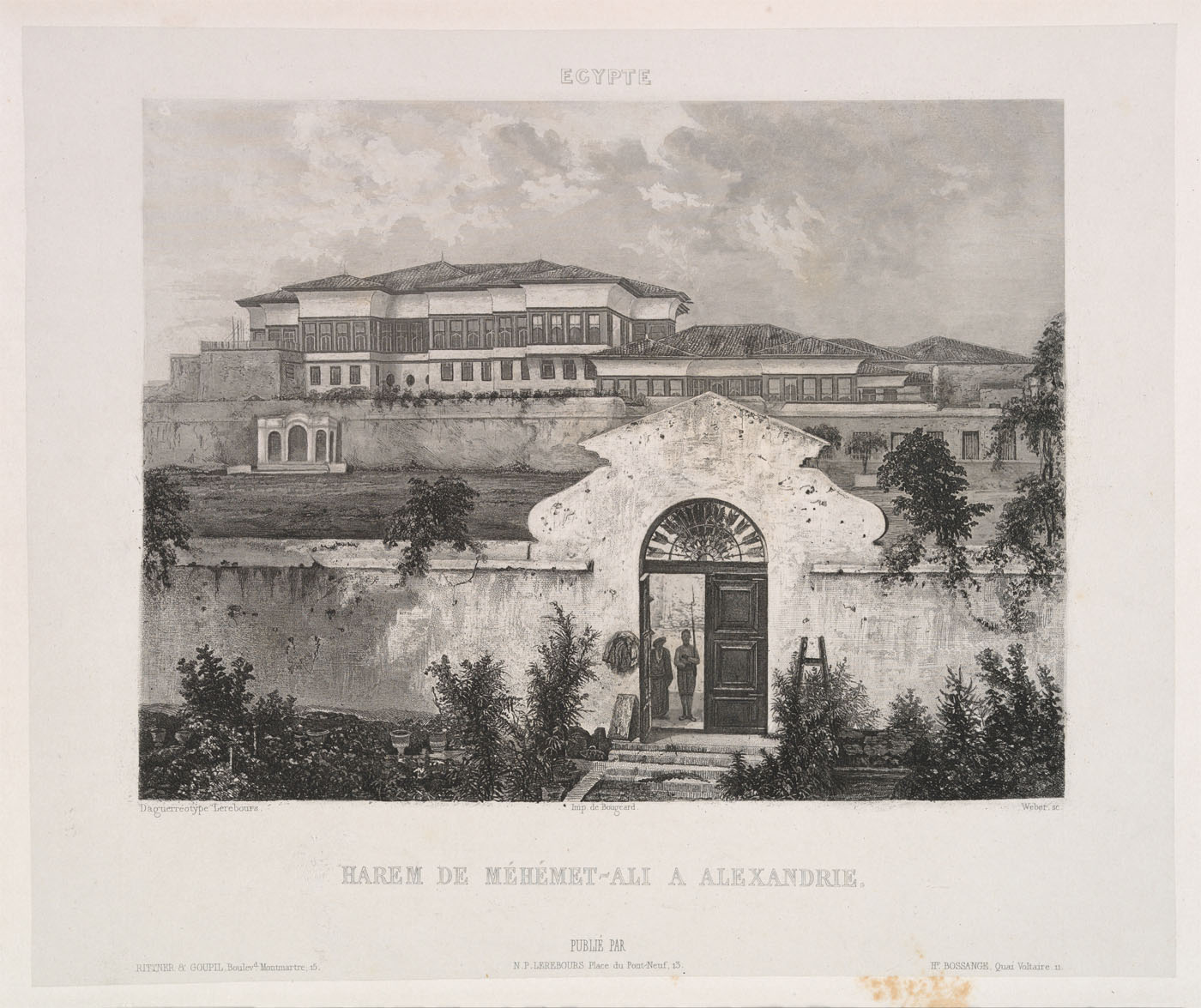


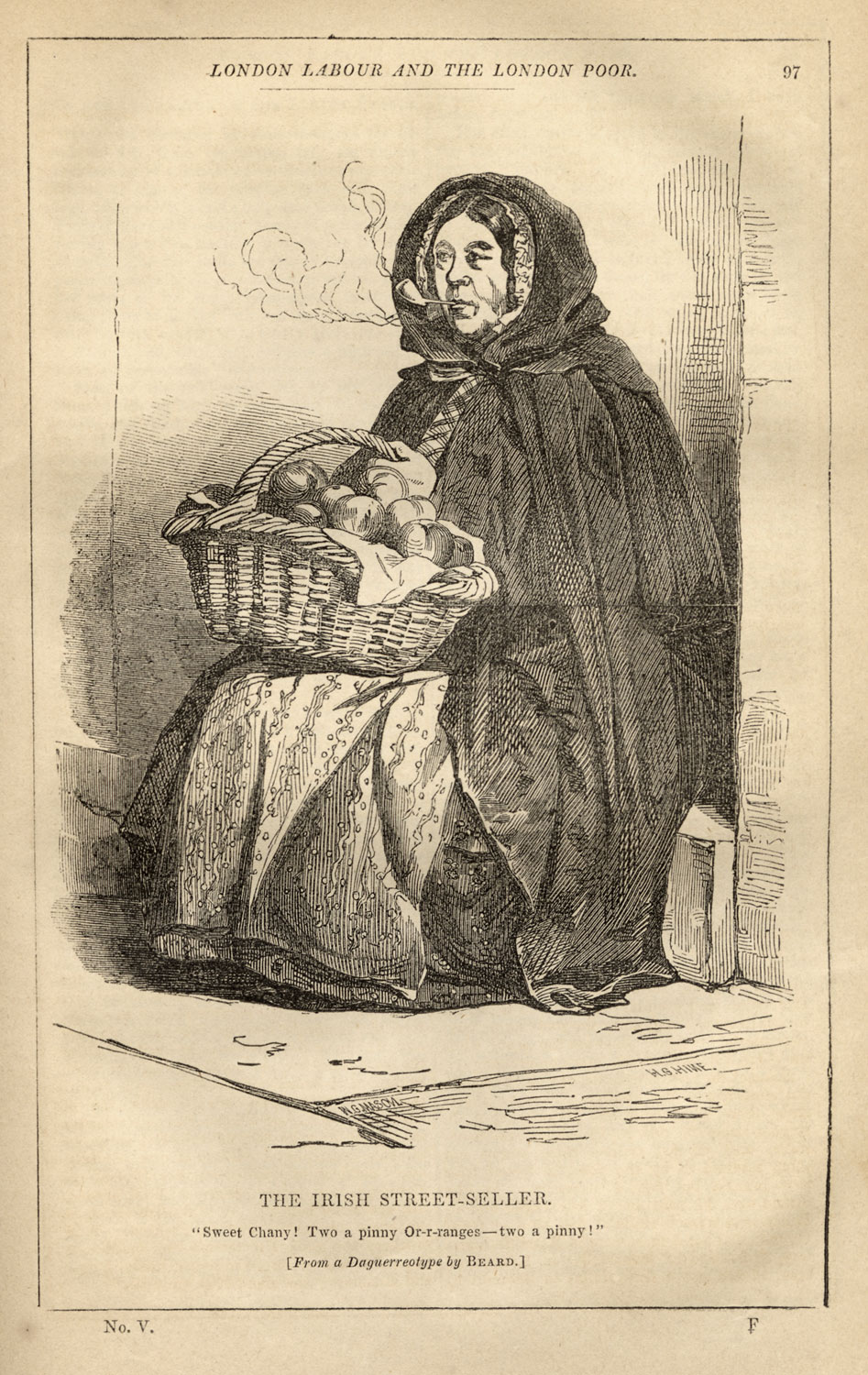
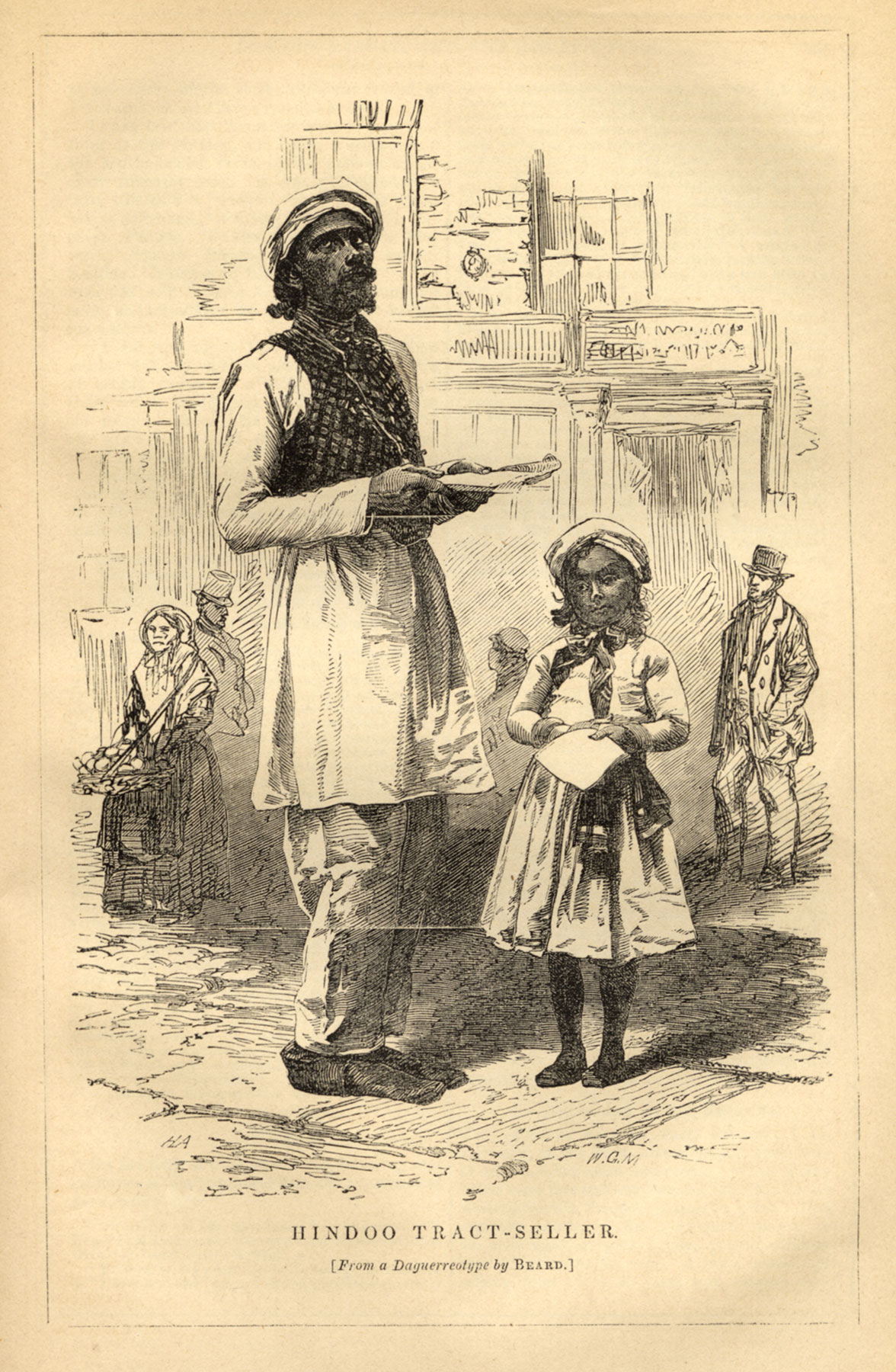
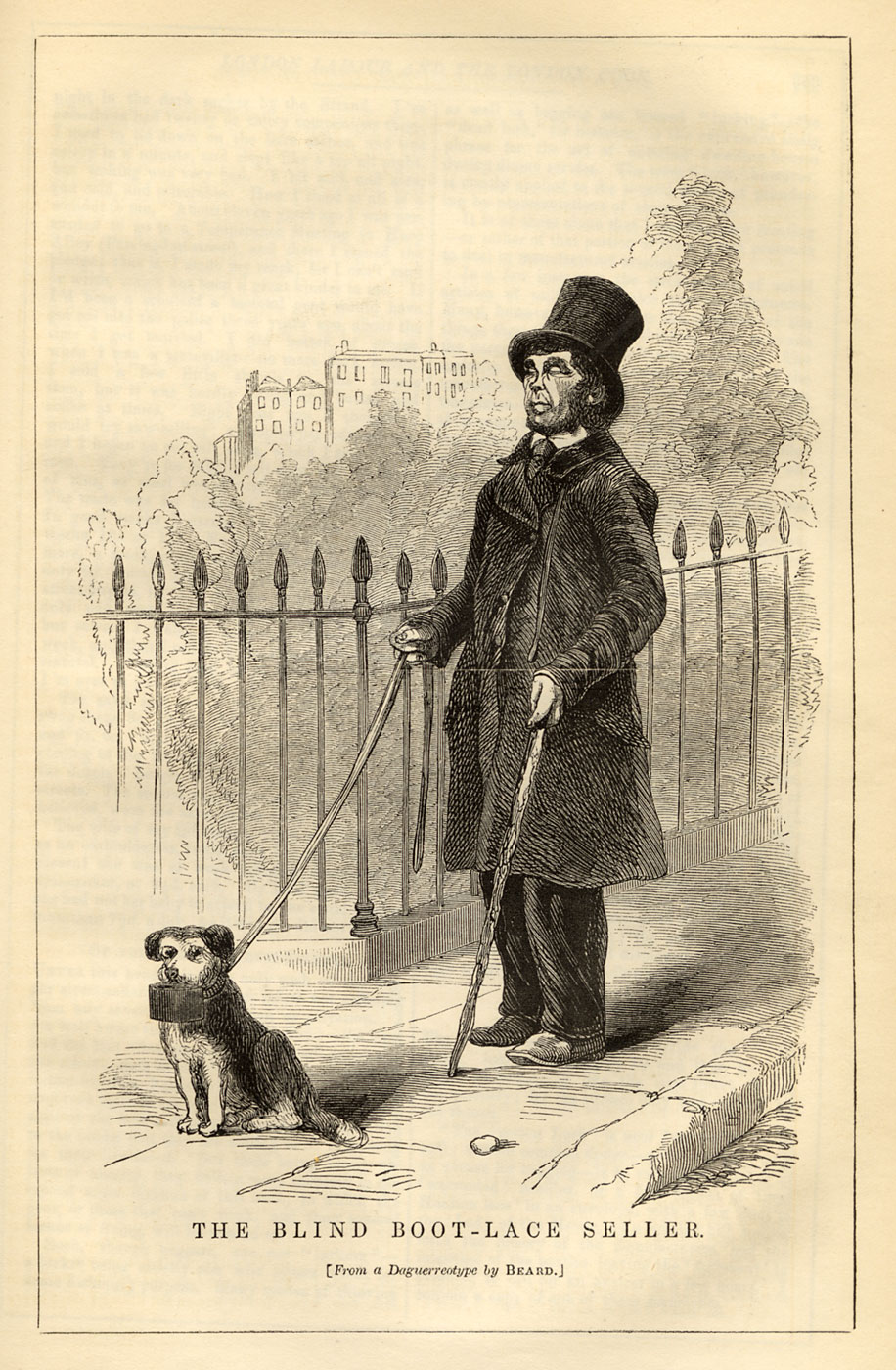
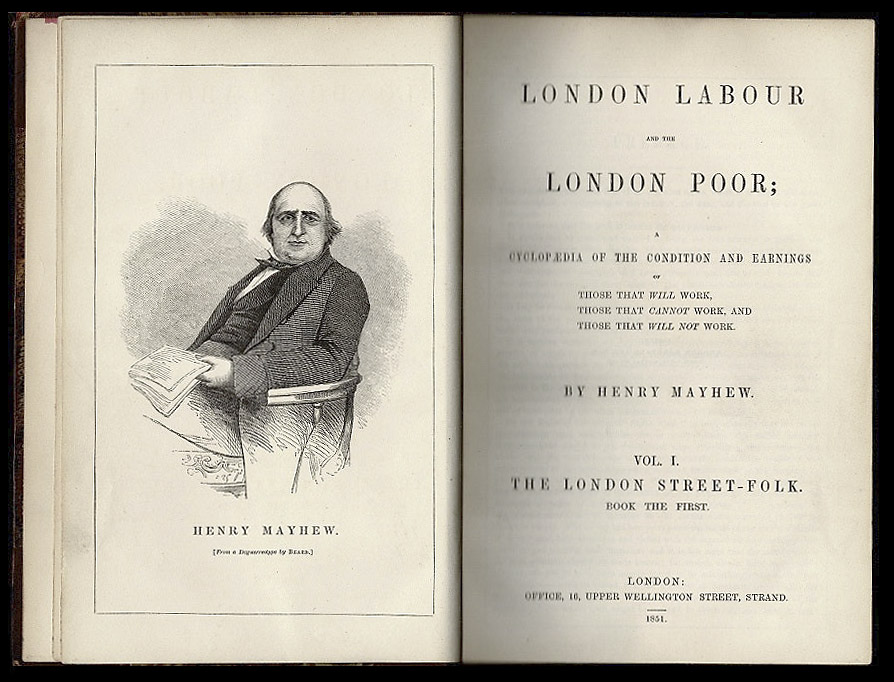
![Alonzo Chappel (American, 1828-1887)(engraver) 'Thomas Chalmers: Likeness from a daguerreotype by Claudets [sic]' 1873](https://artblart.com/wp-content/uploads/2023/02/chappel-thomas-chalmers.jpg "Alonzo Chappel (American, 1828-1887)(engraver) 'Thomas Chalmers: Likeness from a daguerreotype by Claudets [sic]' 1873")


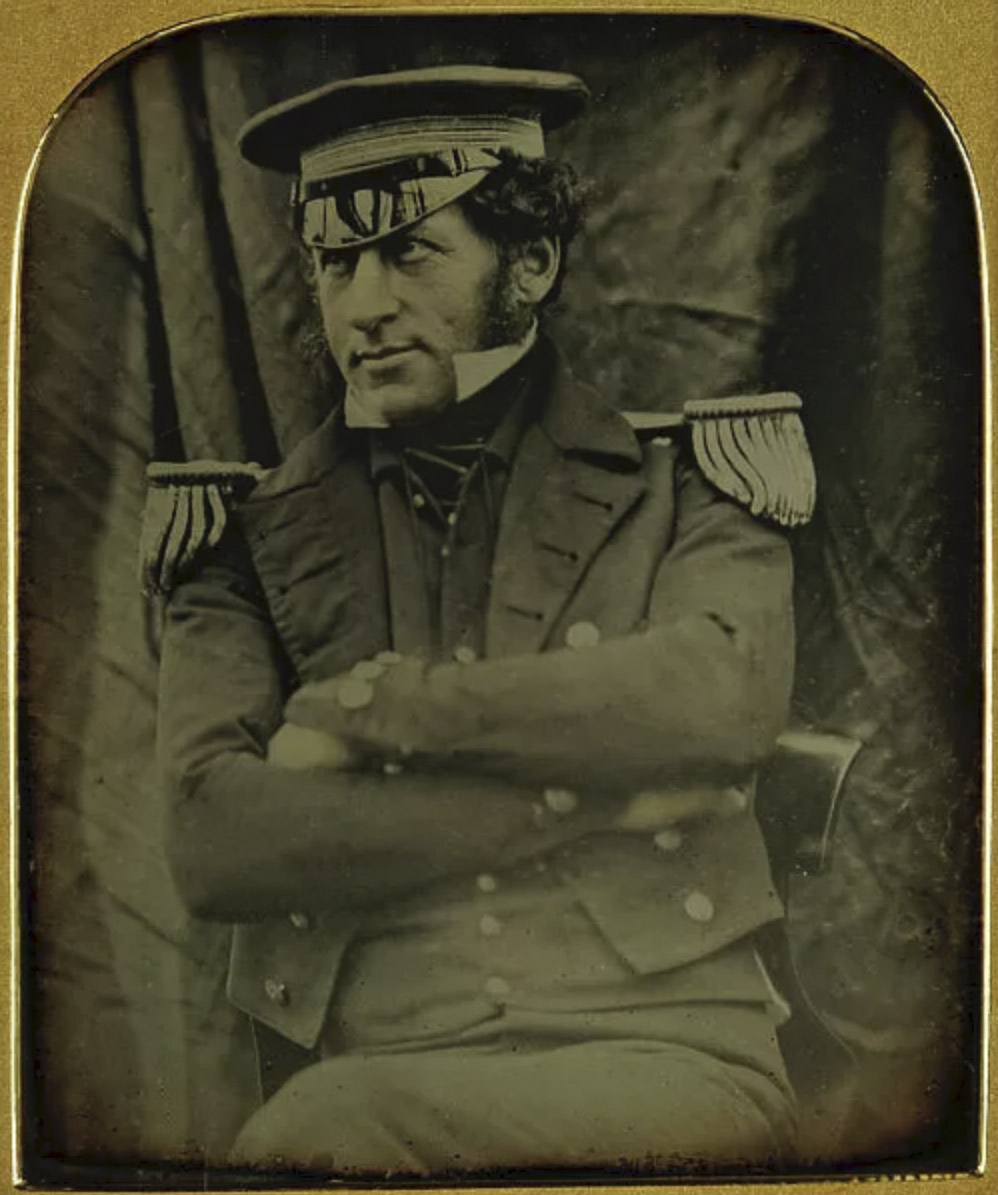
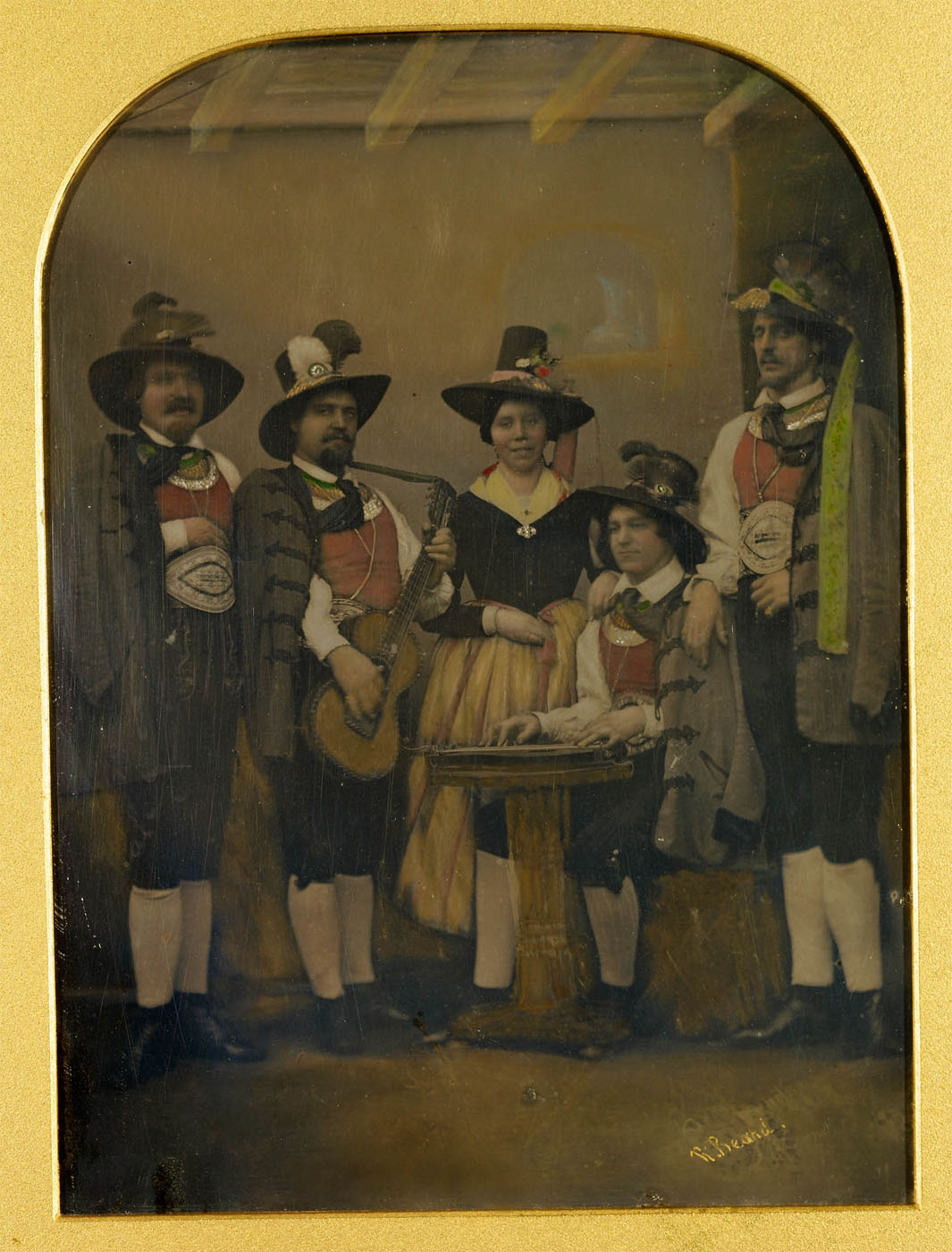
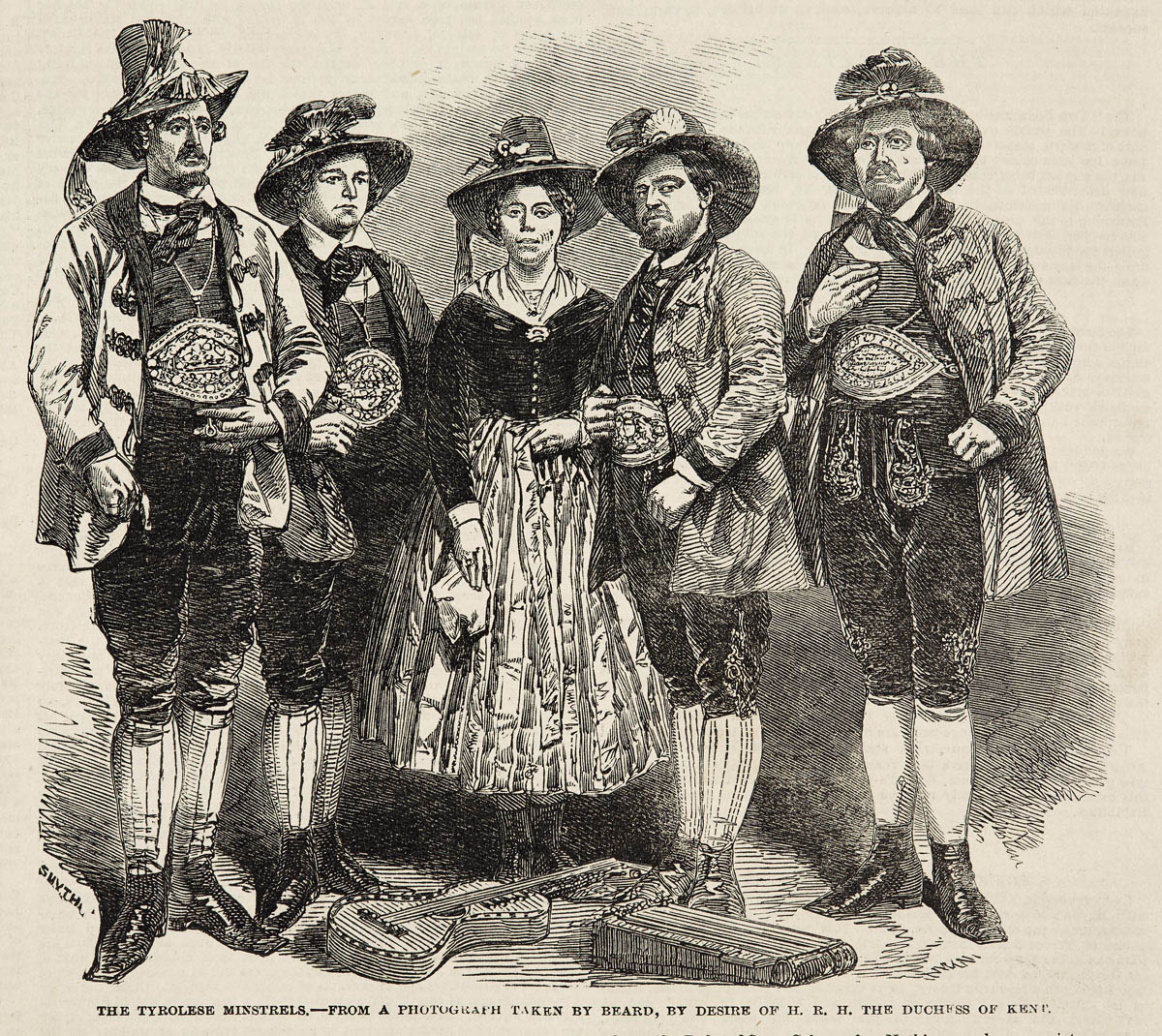


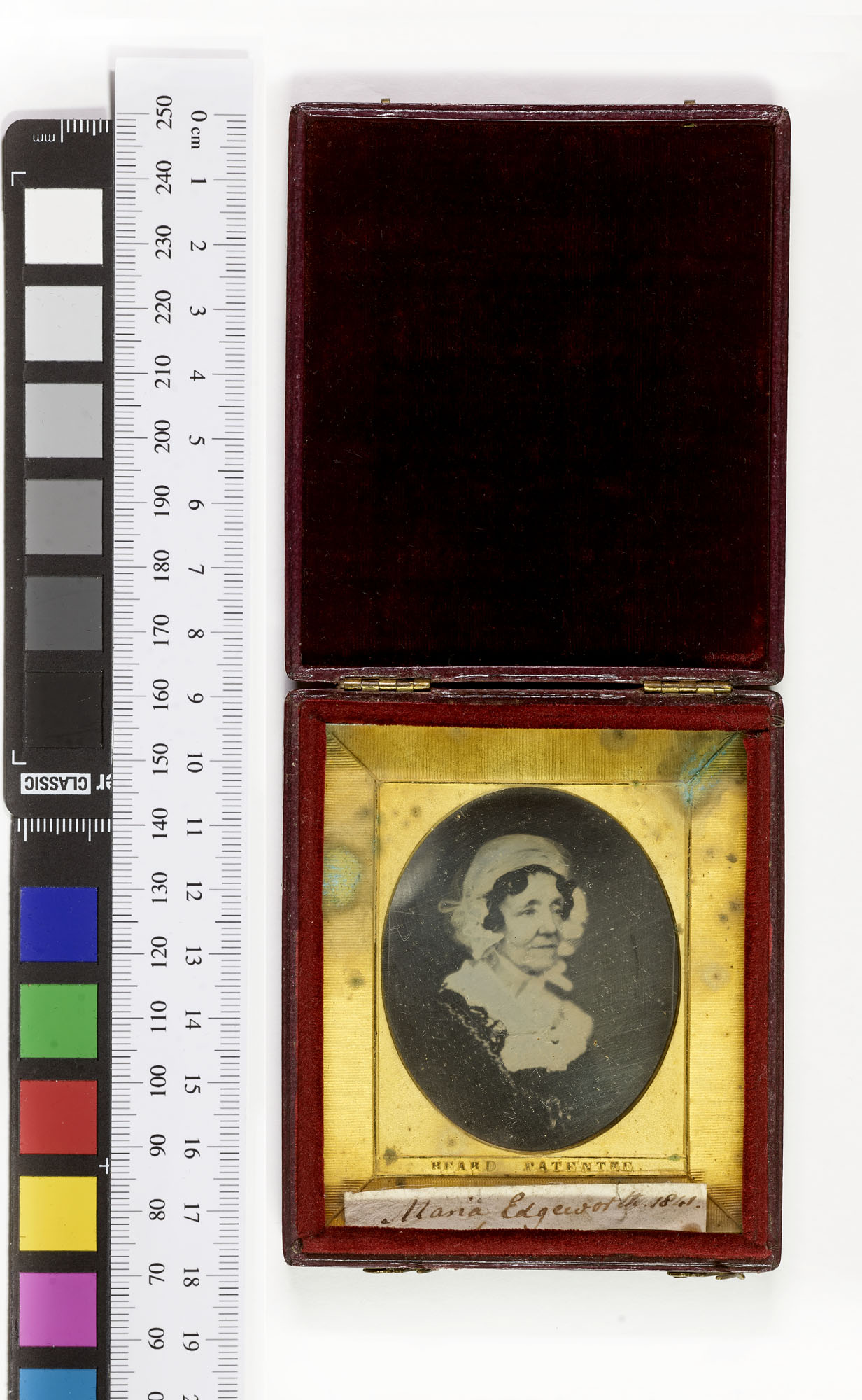
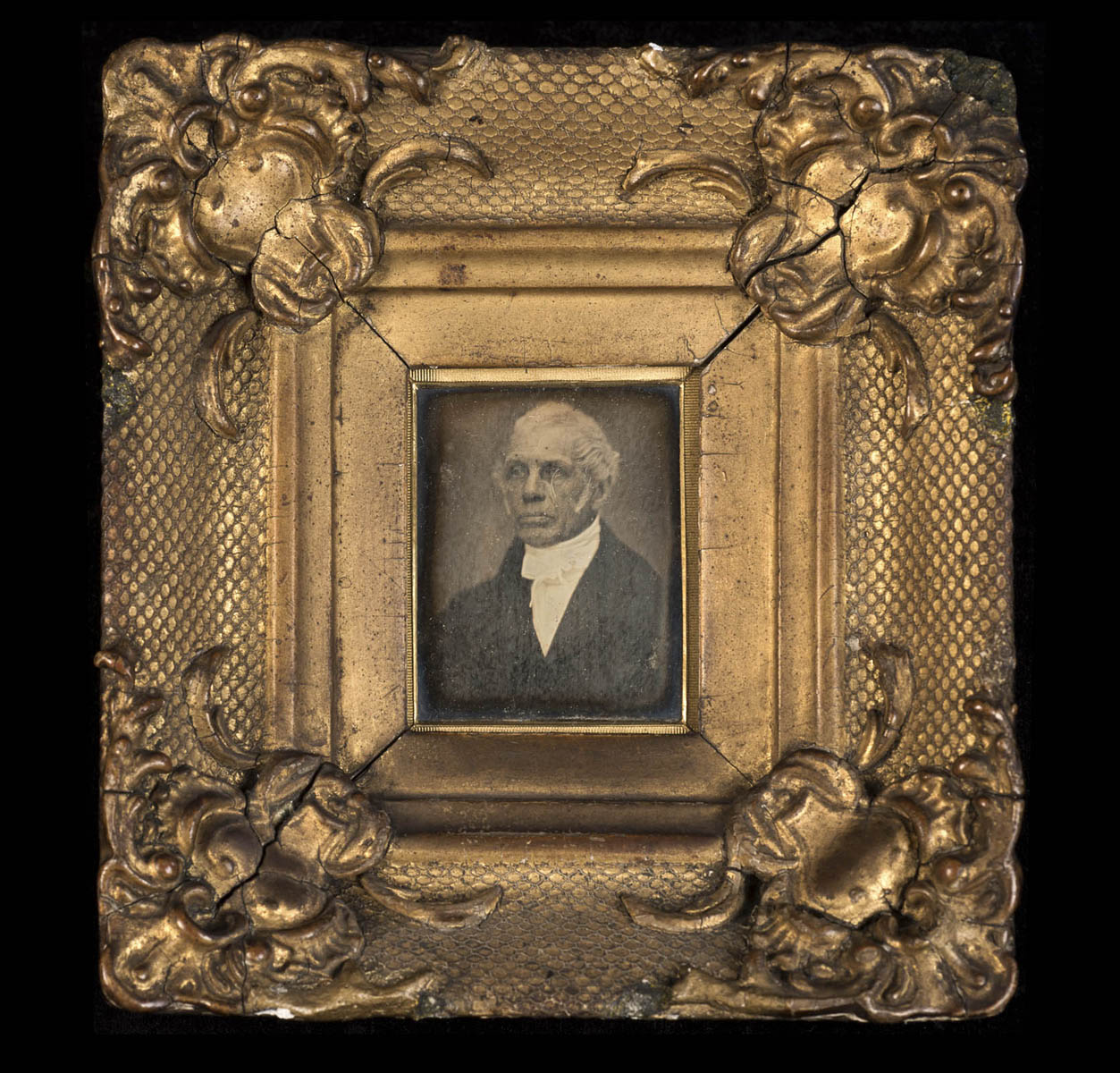


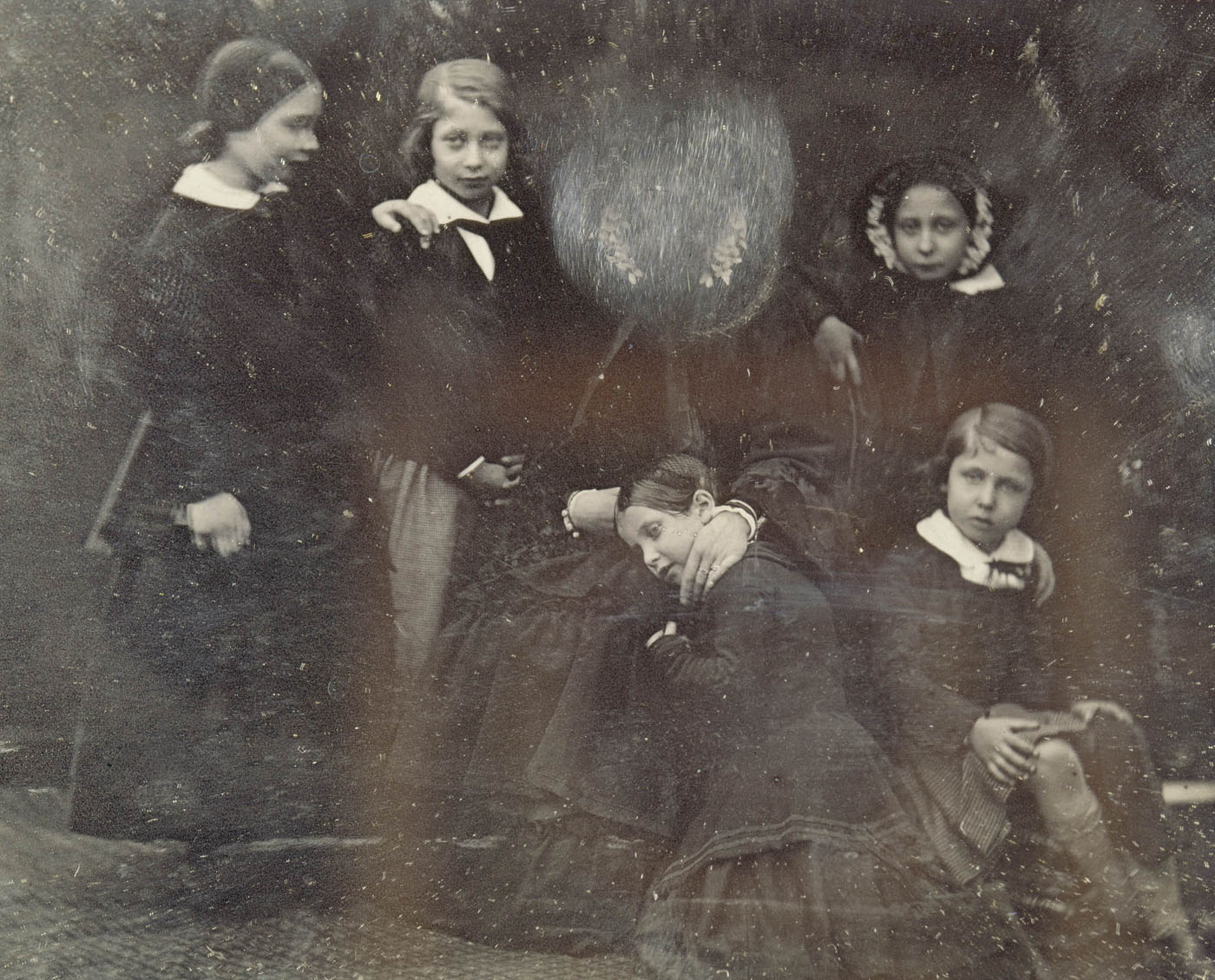


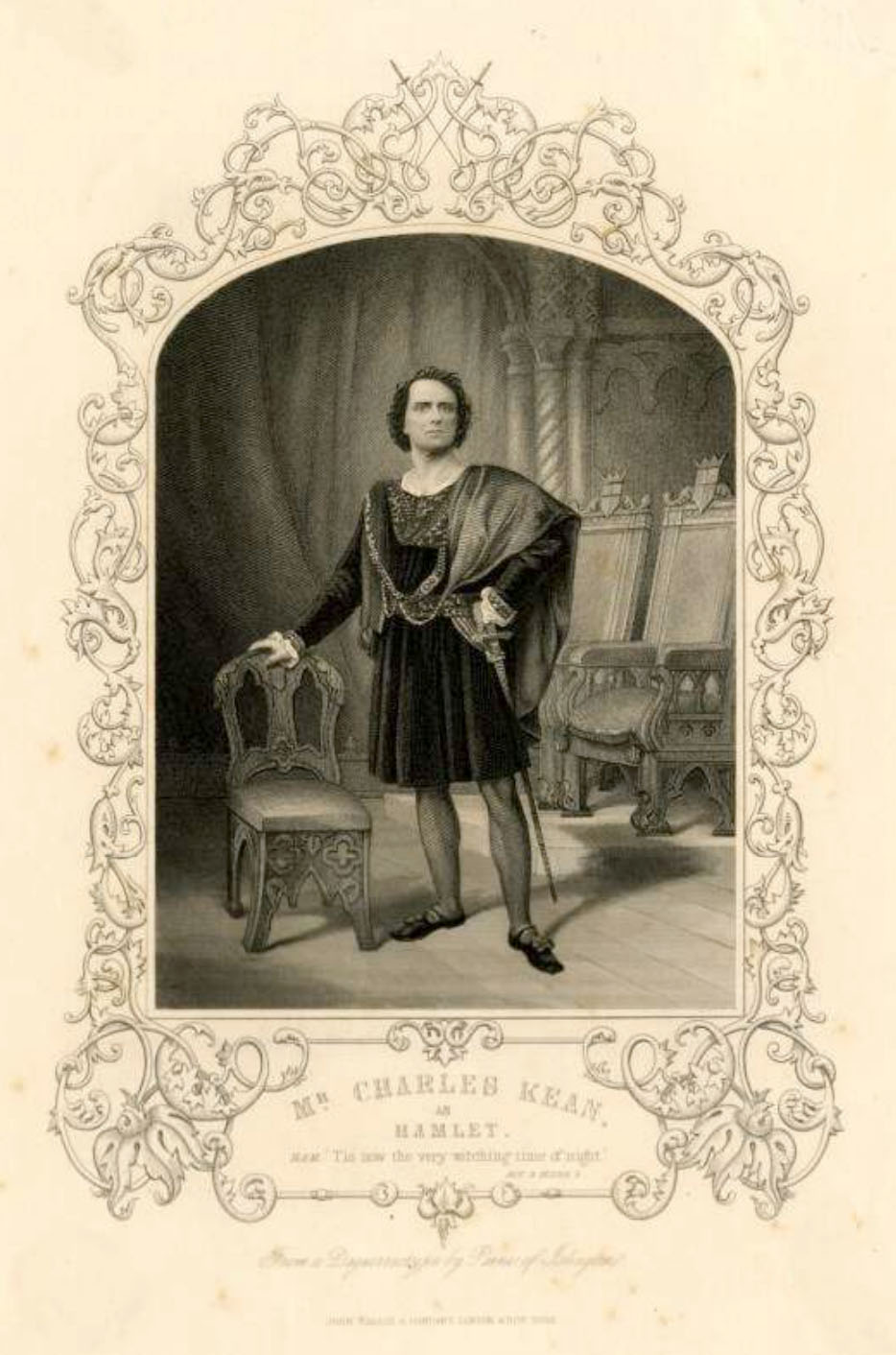


![G. S. Smith, Salt Lake City, UT. '[Taking in the view]' c. 1880 from the exhibition 'Acting Out: Cabinet Cards and the Making of Modern Photography' at the Amon Carter Museum of American Art, Fort Worth, Texas, Aug - Nov, 2020](https://artblart.com/wp-content/uploads/2020/09/g.-s.-smith-salt-lake-city-ut-taking-in-the-view-ca.-1880-albumen-silver-print-amon-carter-museum-of-american-art-fort-worth-texas.jpg "G. S. Smith, Salt Lake City, UT. '[Taking in the view]' c. 1880 from the exhibition 'Acting Out: Cabinet Cards and the Making of Modern Photography' at the Amon Carter Museum of American Art, Fort Worth, Texas, Aug - Nov, 2020")
![G. S. Smith, Salt Lake City, UT. '[Taking in the view]' c. 1880 (detail)](https://artblart.com/wp-content/uploads/2020/09/g.-s.-smith-salt-lake-city-ut-taking-in-the-view-ca.-1880-albumen-silver-print-detail.jpg "G. S. Smith, Salt Lake City, UT. '[Taking in the view]' c. 1880 (detail)")
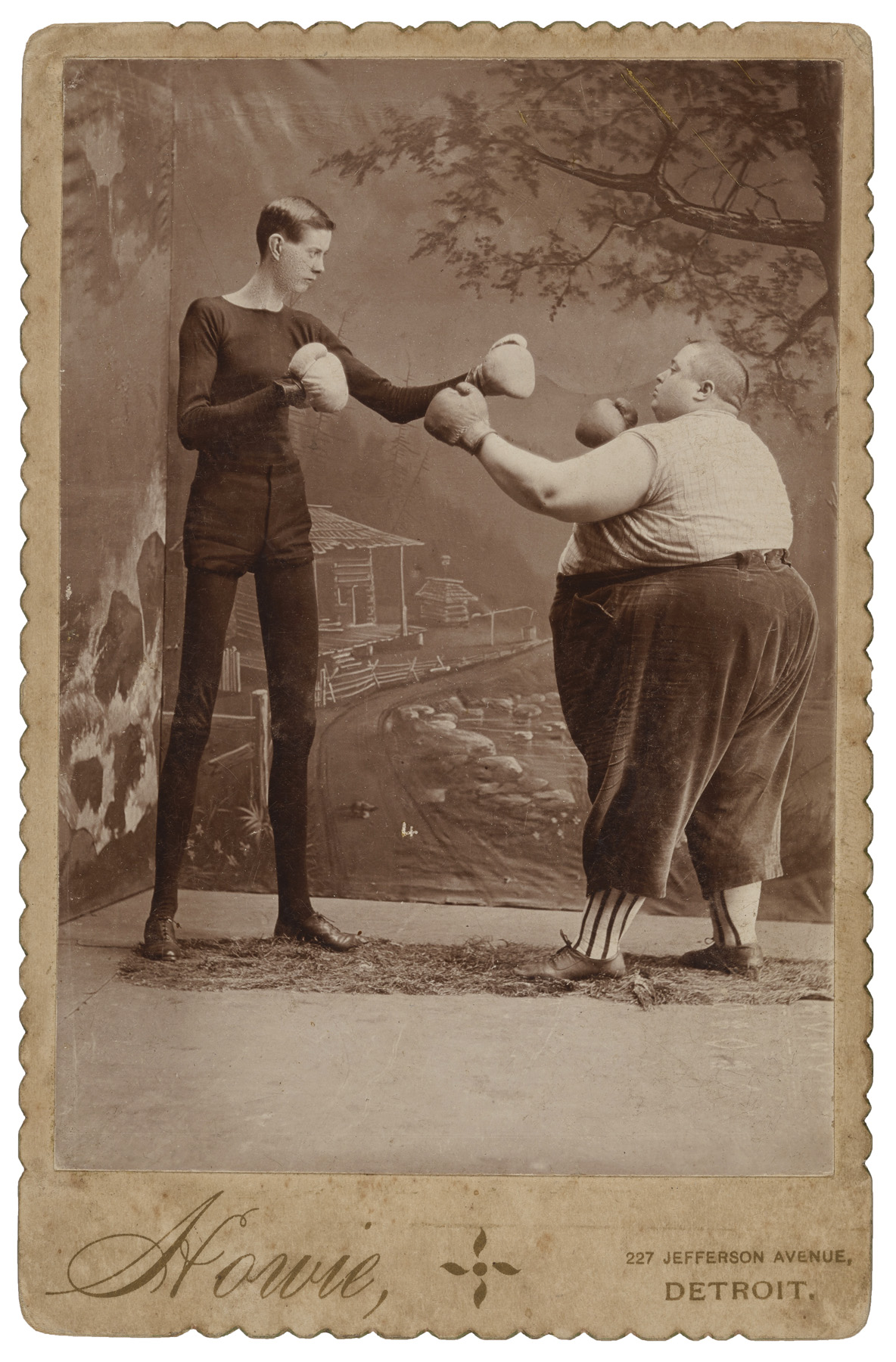
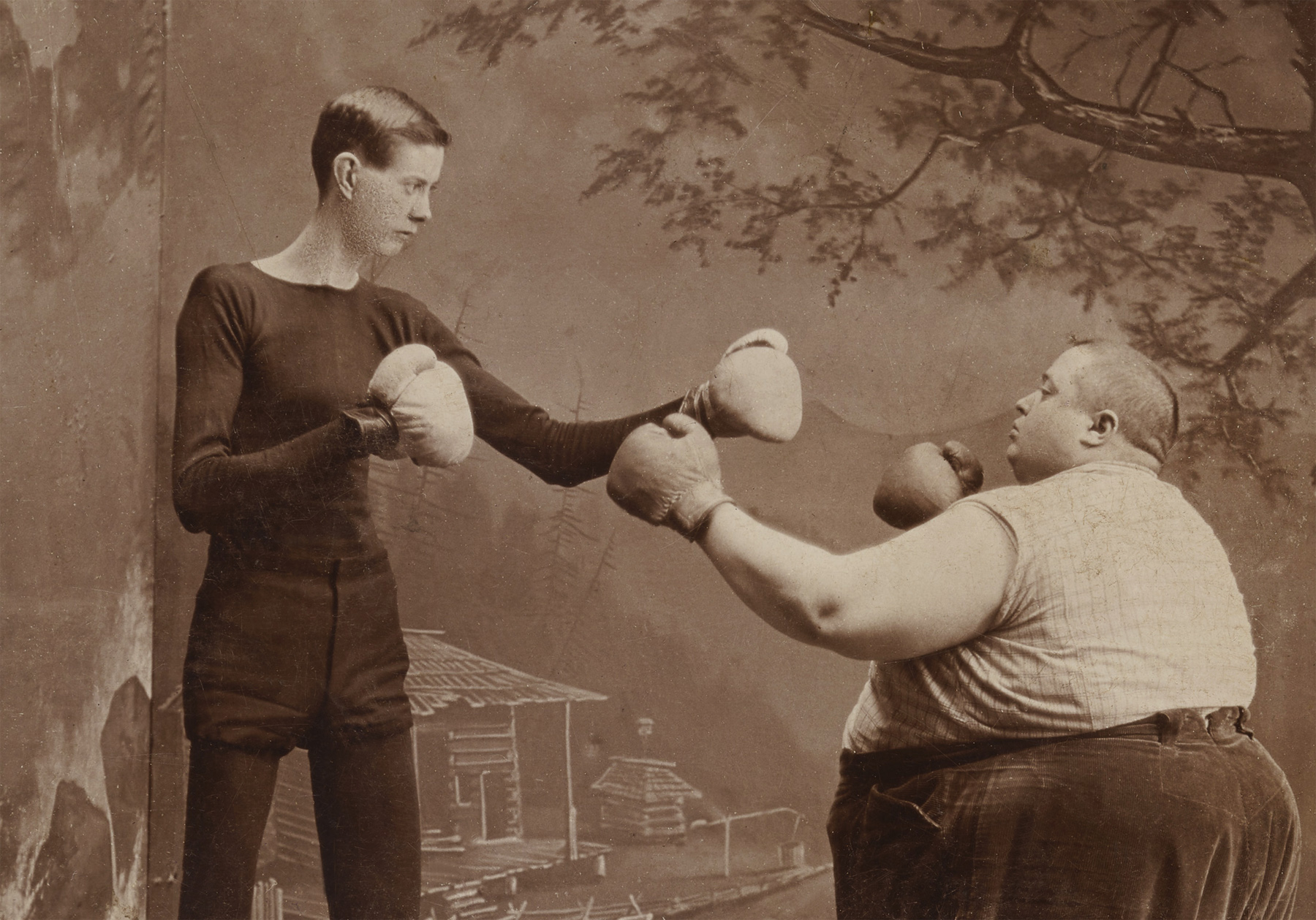
![Alfred U. Palmquist and Peder T. Jurgens, St. Paul, MN. '[Skater]' 1880s](https://artblart.com/wp-content/uploads/2020/09/alfred-u.-palmquist-and-peder-t.-jurgens-st.-paul-mn-skater-1880s-albumen-silver-print-amon-carter-museum-of-american-art-fort-worth.jpg "Alfred U. Palmquist and Peder T. Jurgens, St. Paul, MN. '[Skater]' 1880s")
![M. C. Hosford, West Rutland, VT. '[Getting the cleaver]' 1880s](https://artblart.com/wp-content/uploads/2020/09/m.-c.-hosford-west-rutland-vt-getting-the-cleaver-1880s-albumen-silver-print-amon-carter-museum-of-american-art-fort-worth-texas-p.jpg "M. C. Hosford, West Rutland, VT. '[Getting the cleaver]' 1880s")
![M. C. Hosford, West Rutland, VT. '[Getting the cleaver]' 1880s (detail)](https://artblart.com/wp-content/uploads/2020/09/m.-c.-hosford-west-rutland-vt-getting-the-cleaver-1880s-detail1.jpg "M. C. Hosford, West Rutland, VT. '[Getting the cleaver]' 1880s (detail)")
![M. C. Hosford, West Rutland, VT. '[Getting the cleaver]' 1880s (detail)](https://artblart.com/wp-content/uploads/2020/09/m.-c.-hosford-west-rutland-vt-getting-the-cleaver-1880s-detail2.jpg "M. C. Hosford, West Rutland, VT. '[Getting the cleaver]' 1880s (detail)")
![M. C. Hosford, West Rutland, VT. '[Getting the saw]' 1880s](https://artblart.com/wp-content/uploads/2020/09/m.-c.-hosford-west-rutland-vt-getting-the-saw-1880s-albumen-silver-print-amon-carter-museum-of-american-art-fort-worth-texas-p2016.jpg "M. C. Hosford, West Rutland, VT. '[Getting the saw]' 1880s")
![Unknown photographer. '[Chess against myself]' 1880s](https://artblart.com/wp-content/uploads/2020/09/unknown-photographer-chess-against-myself-1880s-albumen-silver-print-amon-carter-museum-of-american-art-fort-worth-texas-p2016.101.jpg "Unknown photographer. '[Chess against myself]' 1880s")
![Unknown photographer. '[Chess against myself]' 1880s (detail)](https://artblart.com/wp-content/uploads/2020/09/unknown-photographer-chess-against-myself-1880s-detail.jpg "Unknown photographer. '[Chess against myself]' 1880s (detail)")
![Hatch and White, Burlington, WI. '[Man in woman's clothing]' c. 1891](https://artblart.com/wp-content/uploads/2020/09/hatch-and-white-burlington-wi-man-in-womans-clothing-ca.-1891-collodion-silver-print-amon-carter-museum-of-american-art-fort-worth.jpg "Hatch and White, Burlington, WI. '[Man in woman's clothing]' c. 1891")
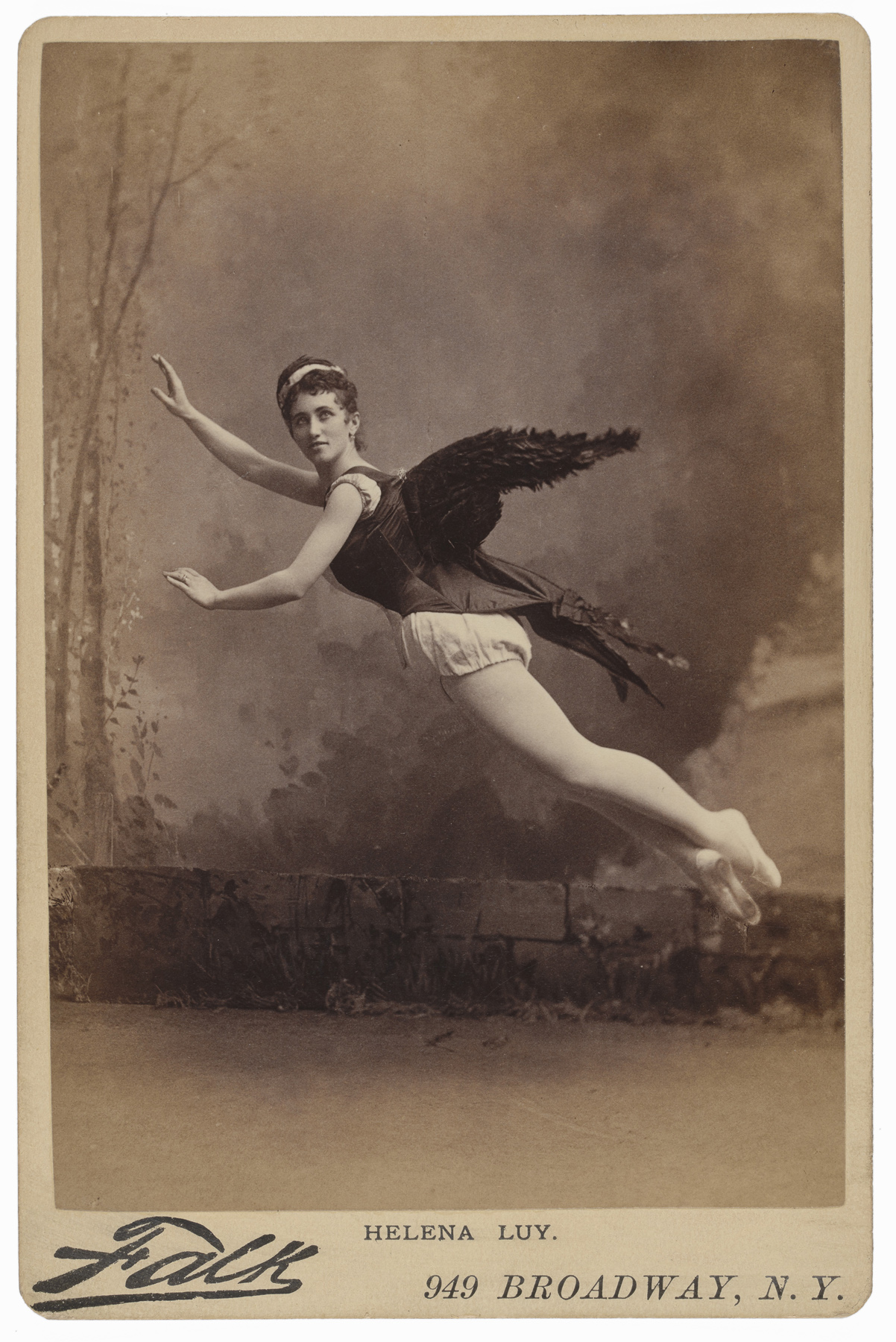
![Napoleon Sarony, New York, NY. '[Fanny Davenport]' c. 1870](https://artblart.com/wp-content/uploads/2020/09/napoleon-sarony-new-york-ny-fanny-davenport-ca.-1870-albumen-silver-print-amon-carter-museum-of-american-art-fort-worth-texas-p201.jpg "Napoleon Sarony, New York, NY. '[Fanny Davenport]' c. 1870")
![Napoleon Sarony, New York, NY. '[Fanny Davenport]' c. 1870 (detail)](https://artblart.com/wp-content/uploads/2020/09/napoleon-sarony-new-york-ny-fanny-davenport-c.-1870-detail.jpg "Napoleon Sarony, New York, NY. '[Fanny Davenport]' c. 1870 (detail)")
![Unknown photographer. '[Two girls]' 1864](https://artblart.com/wp-content/uploads/2020/09/unknown-photographer-two-girls-1864-albumen-silver-print-carte-de-visite-amon-carter-museum-of-american-art-fort-worth-texas-p1976.jpg "Unknown photographer. '[Two girls]' 1864")
![Unknown photographer. '[Two girls]' 1864 (detail)](https://artblart.com/wp-content/uploads/2020/09/unknown-photographer-two-girls-1864-albumen-silver-print-carte-de-visite-detail.jpg "Unknown photographer. '[Two girls]' 1864 (detail)")
![A. M. Nikodem, Chicago, IL. '[Cat]' 1880s](https://artblart.com/wp-content/uploads/2020/09/a.-m.-nikodem-chicago-il-cat-1880s-albumen-silver-print-robert-e.-jackson-collection.jpg "A. M. Nikodem, Chicago, IL. '[Cat]' 1880s")
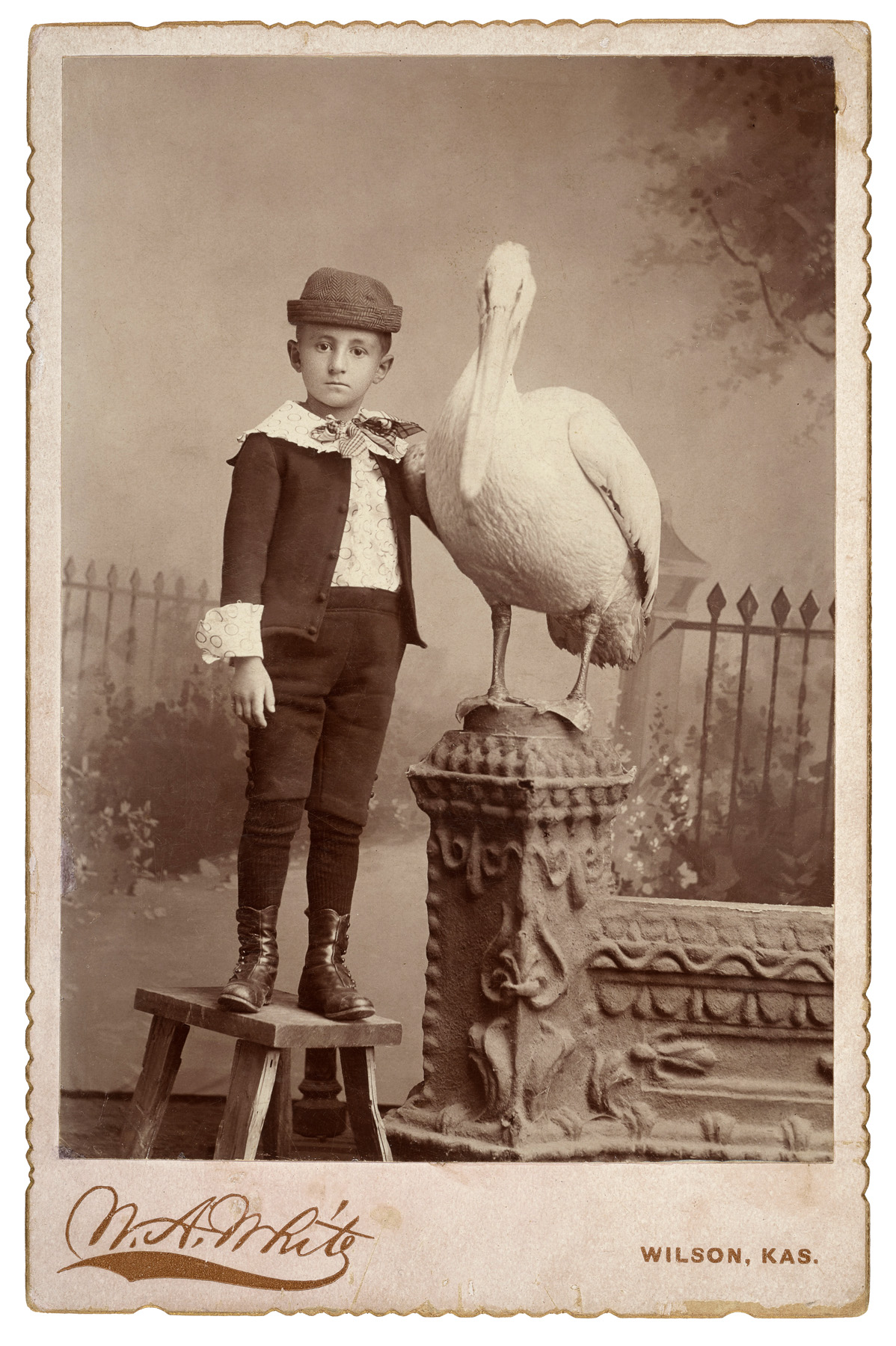
![W. A. Wilcoxon, Bonaparte, IA. '[Baby]' 1890s](https://artblart.com/wp-content/uploads/2020/09/w.-a.-wilcoxon-bonaparte-ia-baby-1890s-collodion-silver-print-amon-carter-museum-of-american-art-fort-worth-texas-p2019.11.jpg "W. A. Wilcoxon, Bonaparte, IA. '[Baby]' 1890s")
![Unknown photographer. '[Painter]' 1890s](https://artblart.com/wp-content/uploads/2020/09/unknown-photographer-painter-1890s-albumen-silver-print-william-l.-schaeffer-collection.jpg "Unknown photographer. '[Painter]' 1890s")
![Unknown photographer. '[Painter]' 1890s (detail)](https://artblart.com/wp-content/uploads/2020/09/unknown-photographer-painter-1890s-detail.jpg "Unknown photographer. '[Painter]' 1890s (detail)")
![Charles L. Griffin, Scranton, PA. '[Toddler with dog]' c. 1892](https://artblart.com/wp-content/uploads/2020/09/charles-l.-griffin-scranton-pa-toddler-with-dog-ca.-1892-gelatin-silver-print-amon-carter-museum-of-american-art-fort-worth-texas.jpg "Charles L. Griffin, Scranton, PA. '[Toddler with dog]' c. 1892")
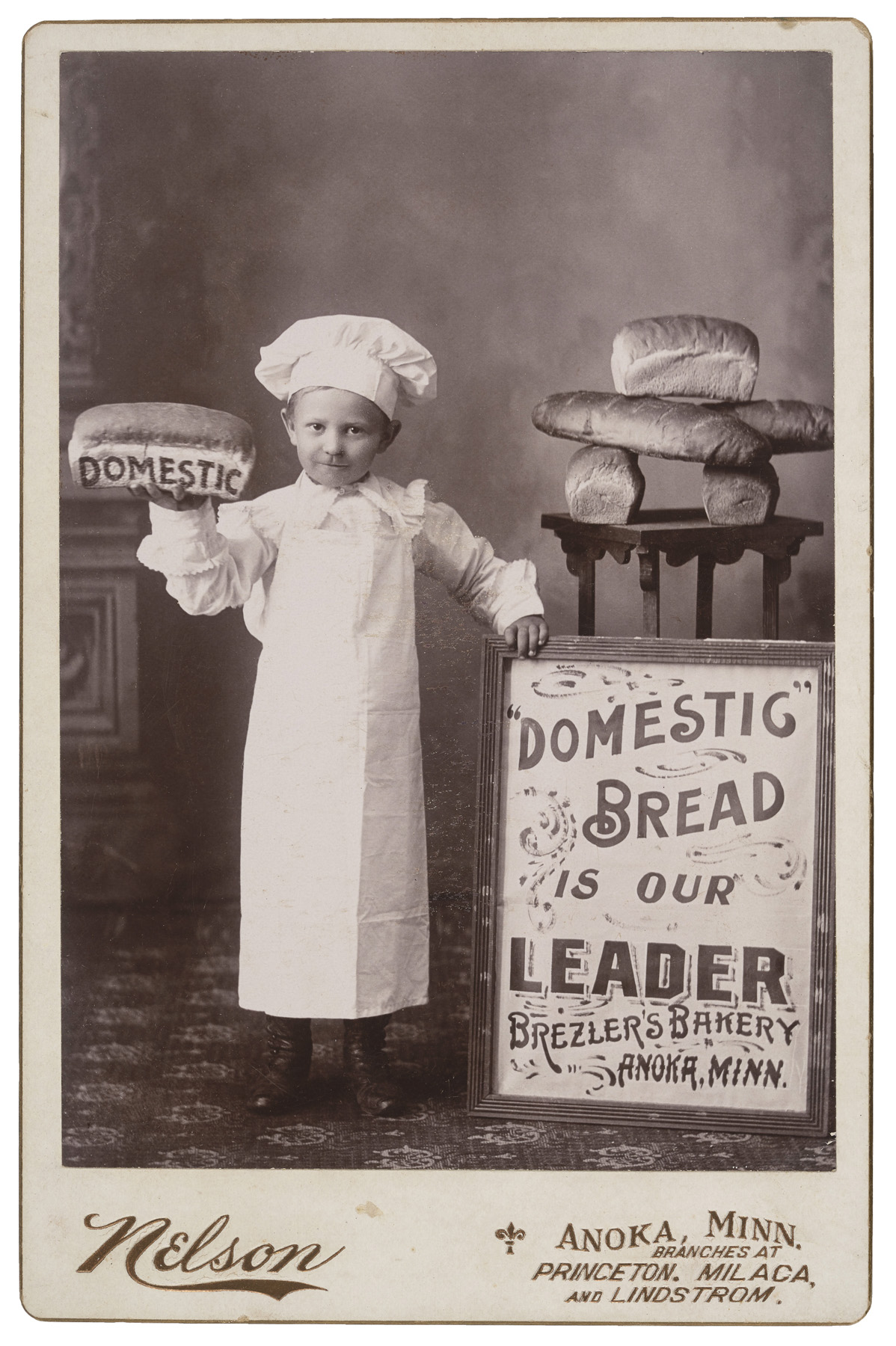
![Gilbert G. Oyloe (American, 1851-1927) Ossian, IA. '[Woman]' 1880s](https://artblart.com/wp-content/uploads/2020/09/gilbert-g.-oyloe-ossian-ia-woman-1880s-albumen-silver-print-robert-e.-jackson-collection.jpg "Gilbert G. Oyloe (American, 1851-1927) Ossian, IA. '[Woman]' 1880s")
![Charles Quartley, Baltimore, MD. '[Church woman]' 1880s](https://artblart.com/wp-content/uploads/2020/09/charles-quartley-baltimore-md-church-woman-1880s-albumen-silver-print-robert-e.-jackson-collection.jpg "Charles Quartley, Baltimore, MD. '[Church woman]' 1880s")
![Caroline Bergman, Louisville, KY. 'Untitled [Bergman's Photograph Gallery]' c. 1890](https://artblart.com/wp-content/uploads/2020/09/caroline-bergman-louisville-ky-ca.-1890-relief-print-gift-of-robert-e.-jackson-amon-carter-museum-of-american-art-fort-worth-texas-p.jpg "Caroline Bergman, Louisville, KY. 'Untitled [Bergman's Photograph Gallery]' c. 1890")
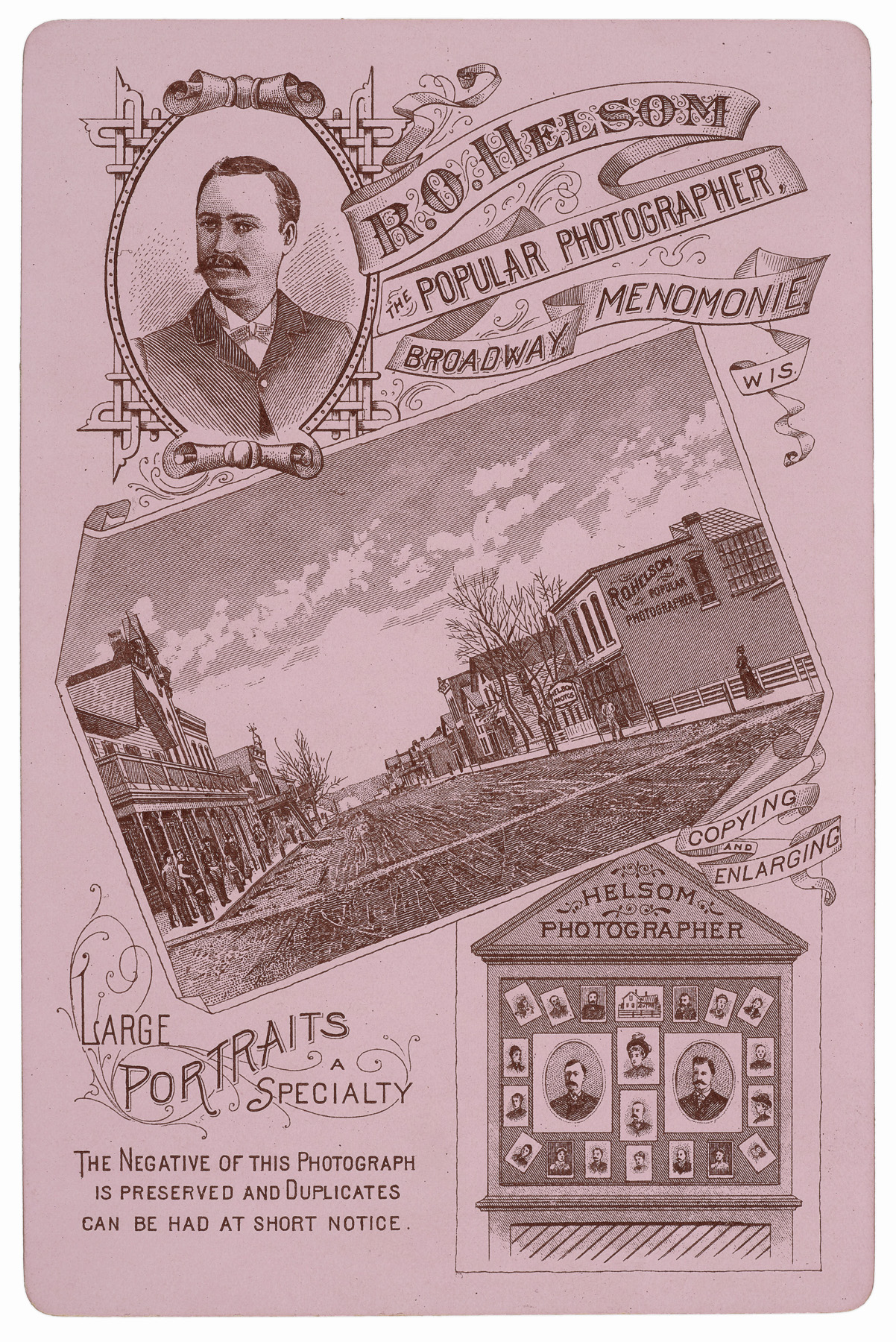
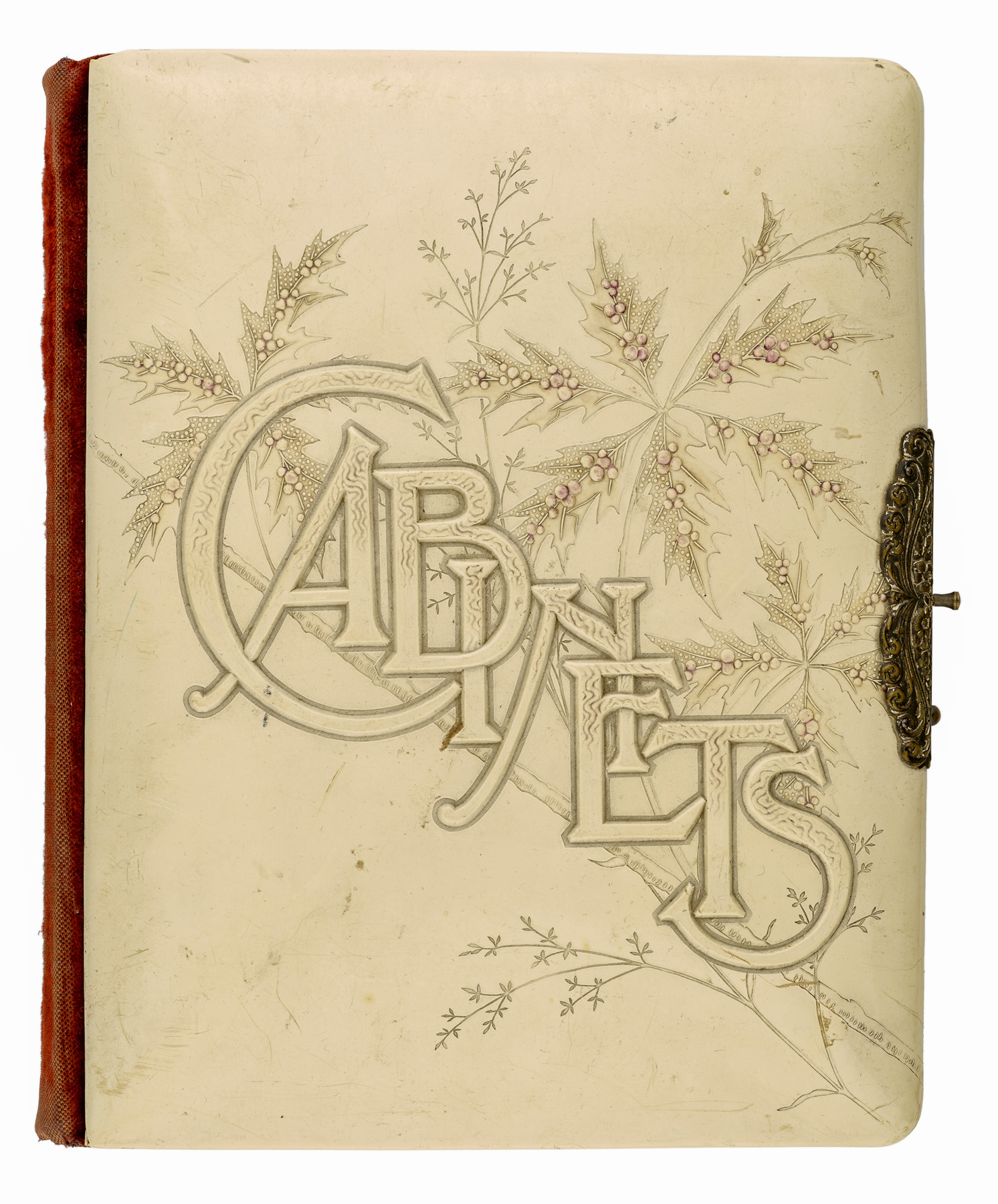


![Lewis Carroll (British, Daresbury, Cheshire 1832 - 1898 Guildford) '[Alice Liddell]' June 25, 1870 from the exhibition '2020 Vision: Photographs, 1840s-1860s' at the Metropolitan Museum of Art, New York, Dec 2019 - Dec 2020](https://artblart.com/wp-content/uploads/2020/07/lewis-carroll-alice-liddell.jpg "Lewis Carroll (British, Daresbury, Cheshire 1832 - 1898 Guildford) '[Alice Liddell]' June 25, 1870 from the exhibition '2020 Vision: Photographs, 1840s-1860s' at the Metropolitan Museum of Art, New York, Dec 2019 - Dec 2020")
![Unknown photographer (American) '[Surveyor]' c. 1854](https://artblart.com/wp-content/uploads/2020/07/anon-surveyor-a.jpg "Unknown photographer (American) '[Surveyor]' c. 1854")
![Unknown photographer (American) '[Surveyor]' c. 1854](https://artblart.com/wp-content/uploads/2020/07/anon-surveyor-b.jpg "Unknown photographer (American) '[Surveyor]' c. 1854")

![Hippolyte Bayard (French, 1801-1887) '[Classical Head]' probably 1839](https://artblart.com/wp-content/uploads/2020/07/bayard-classical-head.jpg "Hippolyte Bayard (French, 1801-1887) '[Classical Head]' probably 1839")
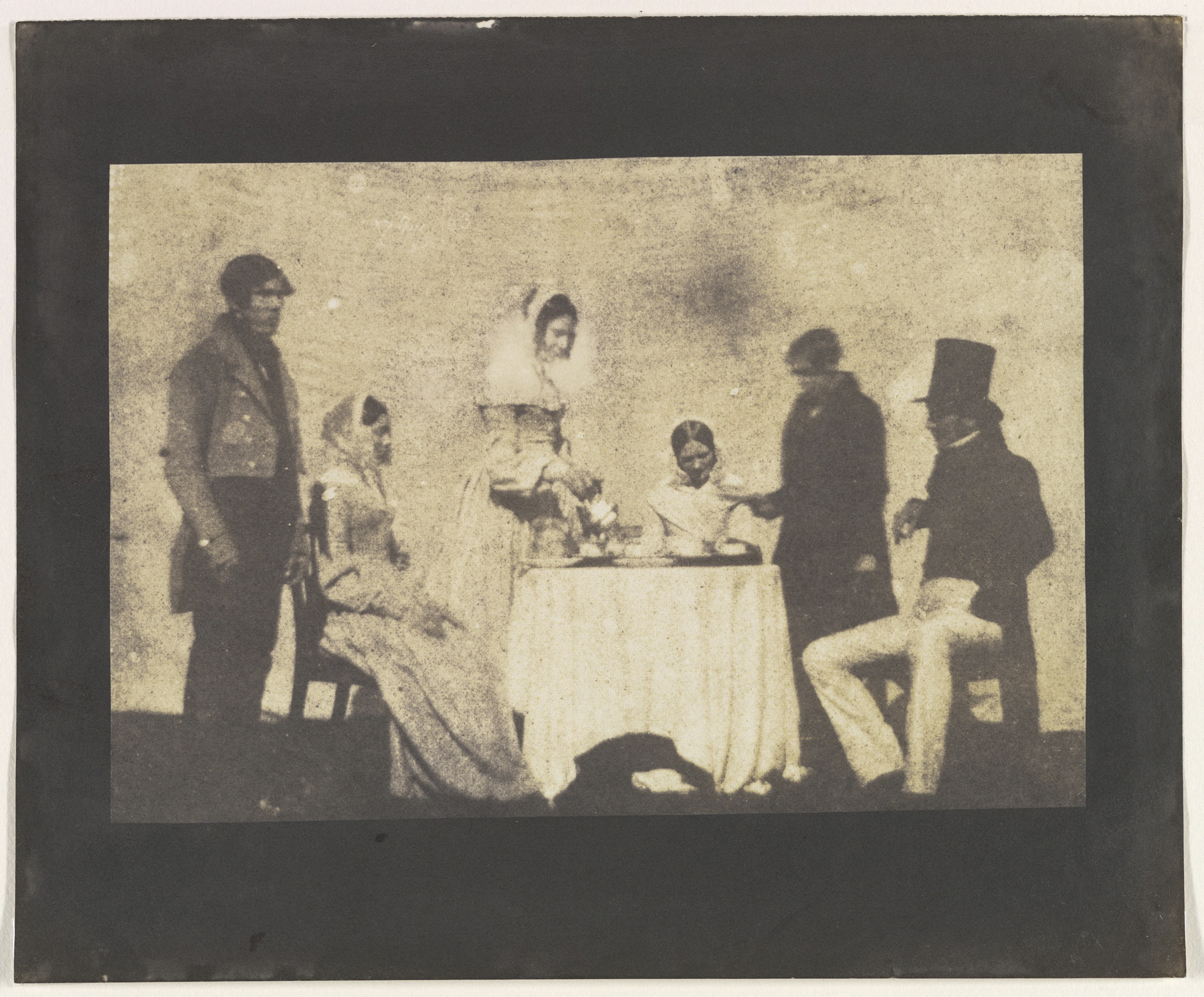
![Unknown artist. '[Carte-de-visite Album of Collaged Portraits]' 1850s-1860s](https://artblart.com/wp-content/uploads/2020/07/anon-collaged-portraits-a.jpg "Unknown artist. '[Carte-de-visite Album of Collaged Portraits]' 1850s-1860s")
![Unknown artist. '[Carte-de-visite Album of Collaged Portraits]' 1850s-1860s](https://artblart.com/wp-content/uploads/2020/07/anon-collaged-portraits-b.jpg "Unknown artist. '[Carte-de-visite Album of Collaged Portraits]' 1850s-1860s")
![Unknown artist. '[Carte-de-visite Album of Collaged Portraits]' 1850s-1860s](https://artblart.com/wp-content/uploads/2020/07/anon-collaged-portraits-c.jpg "Unknown artist. '[Carte-de-visite Album of Collaged Portraits]' 1850s-1860s")
![Unknown artist. '[Carte-de-visite Album of Collaged Portraits]' 1850s-1860s](https://artblart.com/wp-content/uploads/2020/07/anon-collaged-portraits-d.jpg "Unknown artist. '[Carte-de-visite Album of Collaged Portraits]' 1850s-1860s")
![Unknown artist. '[Carte-de-visite Album of Collaged Portraits]' 1850s-1860s](https://artblart.com/wp-content/uploads/2020/07/anon-collaged-portraits-e.jpg "Unknown artist. '[Carte-de-visite Album of Collaged Portraits]' 1850s-1860s")
![Unknown artist. '[Carte-de-visite Album of Collaged Portraits]' 1850s-1860s](https://artblart.com/wp-content/uploads/2020/07/anon-collaged-portraits-f.jpg "Unknown artist. '[Carte-de-visite Album of Collaged Portraits]' 1850s-1860s")
![Unknown artist. '[Carte-de-visite Album of Collaged Portraits]' 1850s-1860s](https://artblart.com/wp-content/uploads/2020/07/anon-collaged-portraits-g.jpg "Unknown artist. '[Carte-de-visite Album of Collaged Portraits]' 1850s-1860s")
![Unknown artist. '[Carte-de-visite Album of Collaged Portraits]' 1850s-1860s](https://artblart.com/wp-content/uploads/2020/07/anon-collaged-portraits-h.jpg "Unknown artist. '[Carte-de-visite Album of Collaged Portraits]' 1850s-1860s")
![Unknown artist (American) '[Studio Photographer at Work]' c. 1855](https://artblart.com/wp-content/uploads/2020/07/unknown-artist-american-studio-photographer-at-work-c-1855.jpg "Unknown artist (American) '[Studio Photographer at Work]' c. 1855")
![Unknown artist (American) '[Boy Holding a Daguerreotype]' 1850s](https://artblart.com/wp-content/uploads/2020/07/unknown-american-active-1850s-boy-holding-a-daguerreotype-1850s.jpg "Unknown artist (American) '[Boy Holding a Daguerreotype]' 1850s")
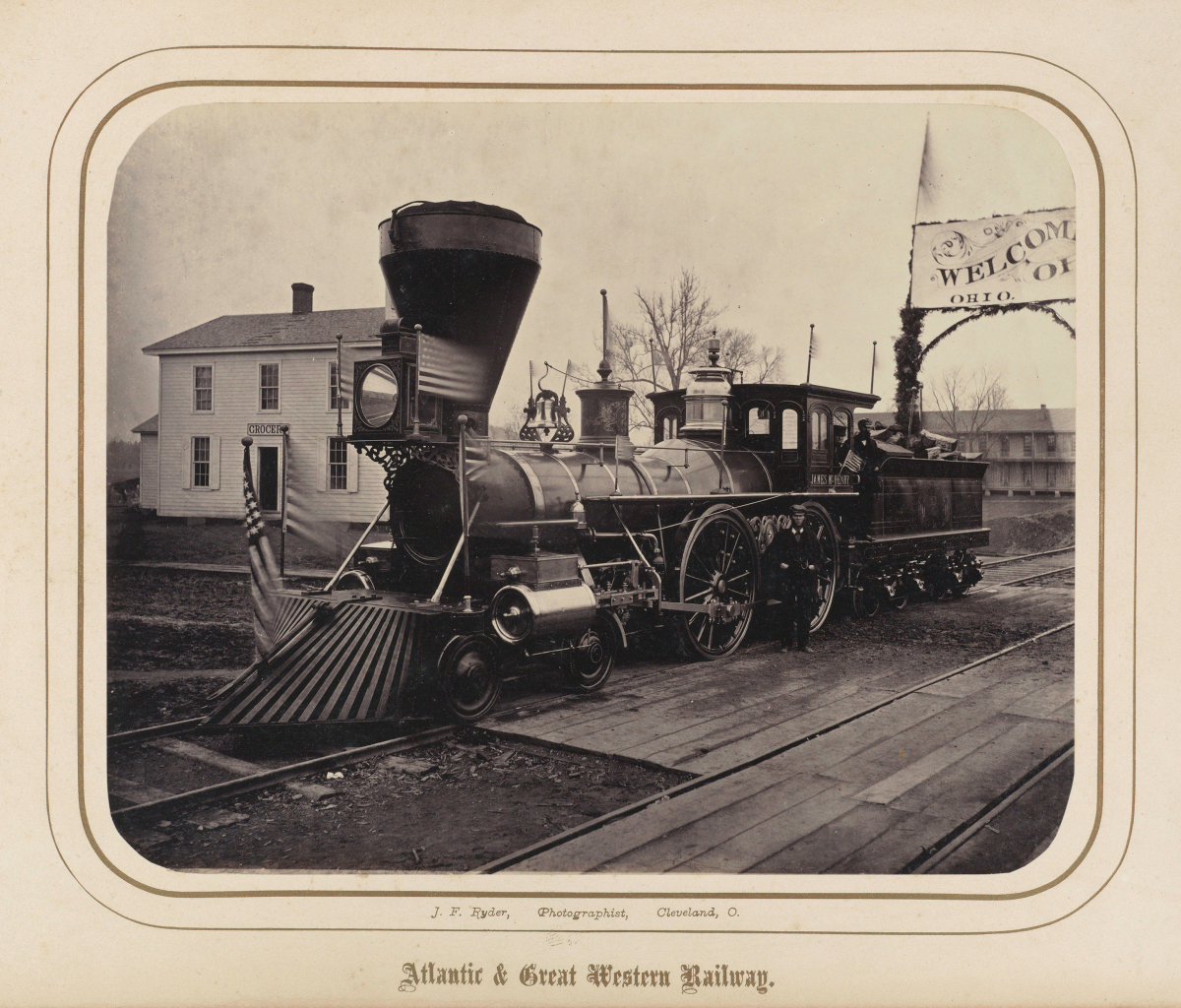

![Carleton E. Watkins (American, 1829-1916) '[California Oak, Santa Clara Valley]' c. 1863](https://artblart.com/wp-content/uploads/2020/07/watkins-california-oak-santa-clara-valley.jpg "Carleton E. Watkins (American, 1829-1916) '[California Oak, Santa Clara Valley]' c. 1863")
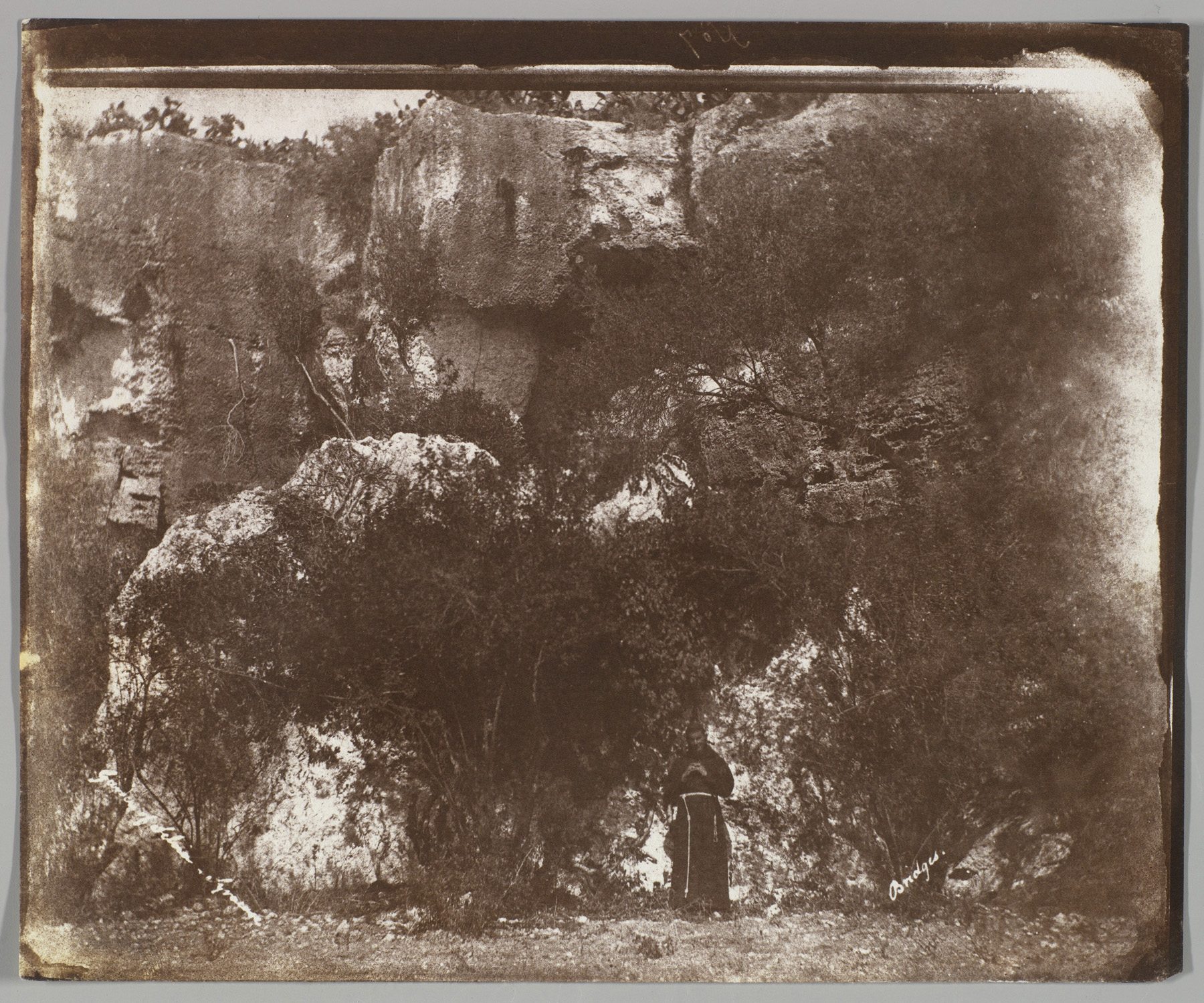
![Pietro Dovizielli (Italian, 1804-1885) '[Spanish Steps, Rome]' c. 1855](https://artblart.com/wp-content/uploads/2020/07/dovizielli-spanish-steps.jpg "Pietro Dovizielli (Italian, 1804-1885) '[Spanish Steps, Rome]' c. 1855")
![Edouard Baldus (French (born Prussia), 1813-1889) '[Amphitheater, Nîmes]' c. 1853](https://artblart.com/wp-content/uploads/2020/07/baldus-amphitheater.jpg "Edouard Baldus (French (born Prussia), 1813-1889) '[Amphitheater, Nîmes]' c. 1853")

![Lewis Dowe (American, active 1860s-1880s) '[Dowe's Photograph Rooms, Sycamore, Illinois]' 1860s](https://artblart.com/wp-content/uploads/2020/07/lewis-dowe-dowes-photograph-rooms-sycamore-illinois-1860s.jpg "Lewis Dowe (American, active 1860s-1880s) '[Dowe's Photograph Rooms, Sycamore, Illinois]' 1860s")
![E. & H. T. Anthony (American) '[Specimens of New York Bill Posting]' 1863](https://artblart.com/wp-content/uploads/2020/07/e-h-t-anthony-specimens-of-new-york-bill-posting-1863.jpg "E. & H. T. Anthony (American) '[Specimens of New York Bill Posting]' 1863")
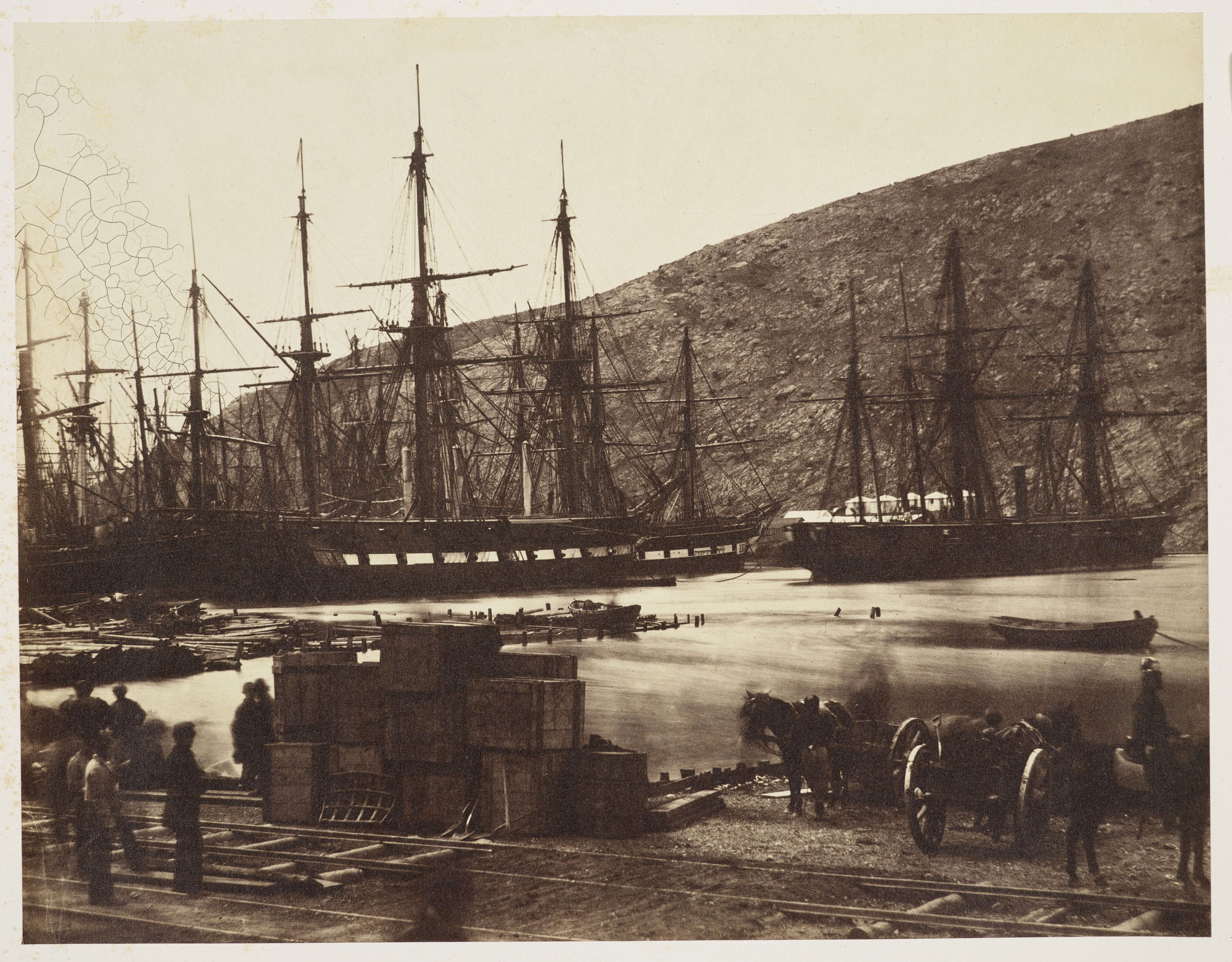

![Felice Beato (British (born Italy), Venice 1832-1909 Luxor) and James Robertson (British, 1813-1881) [Dome of the Rock, Jerusalem] 1856-1857](https://artblart.com/wp-content/uploads/2020/07/beato-dome.jpg "Felice Beato (British (born Italy), Venice 1832-1909 Luxor) and James Robertson (British, 1813-1881) [Dome of the Rock, Jerusalem] 1856-1857")
![R.C. Montgomery (American, active 1850s) '[Self-Portrait (?)]' 1850s](https://artblart.com/wp-content/uploads/2020/07/r.c.-montgomery-self-portrait-1850s.jpg "R.C. Montgomery (American, active 1850s) '[Self-Portrait (?)]' 1850s")
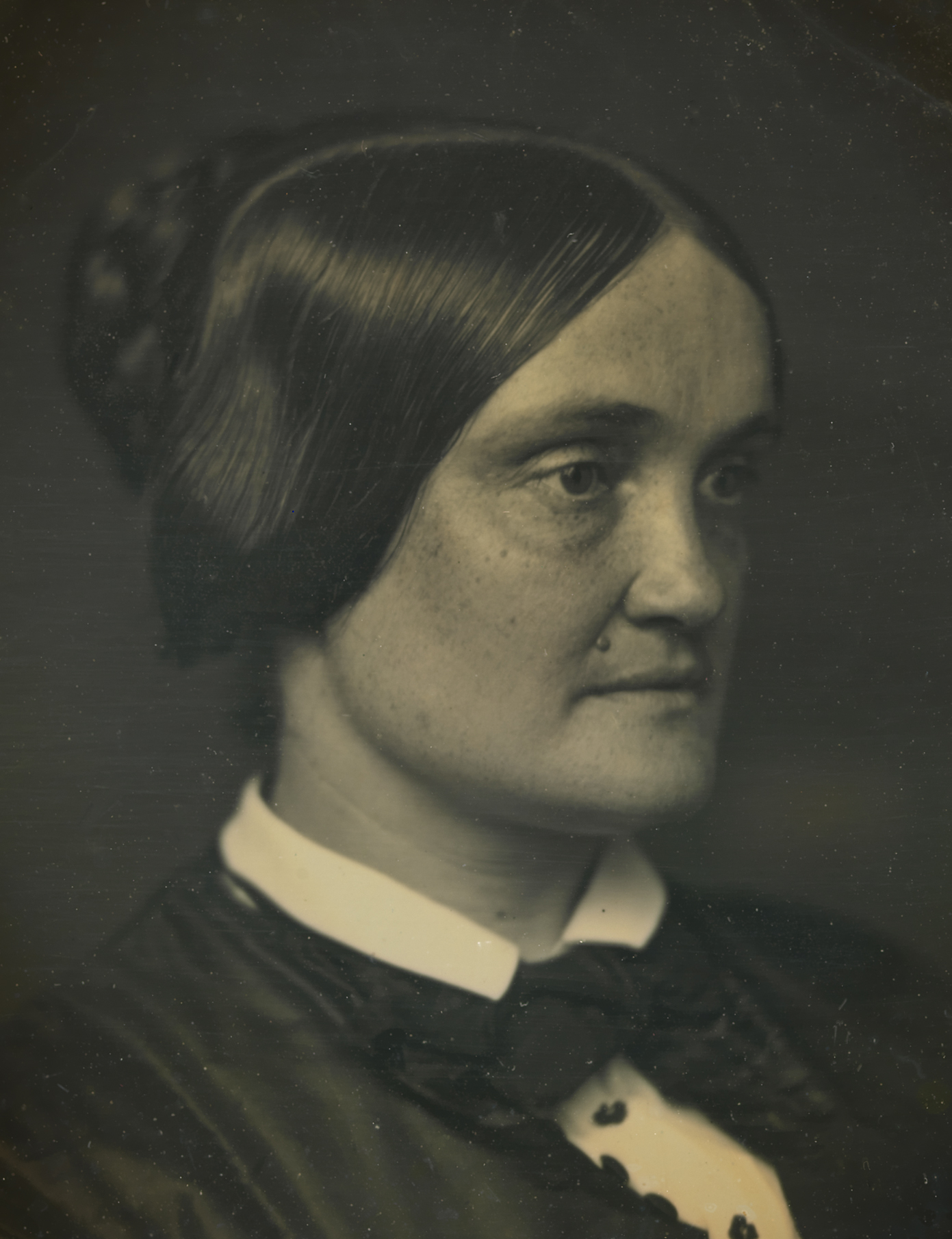
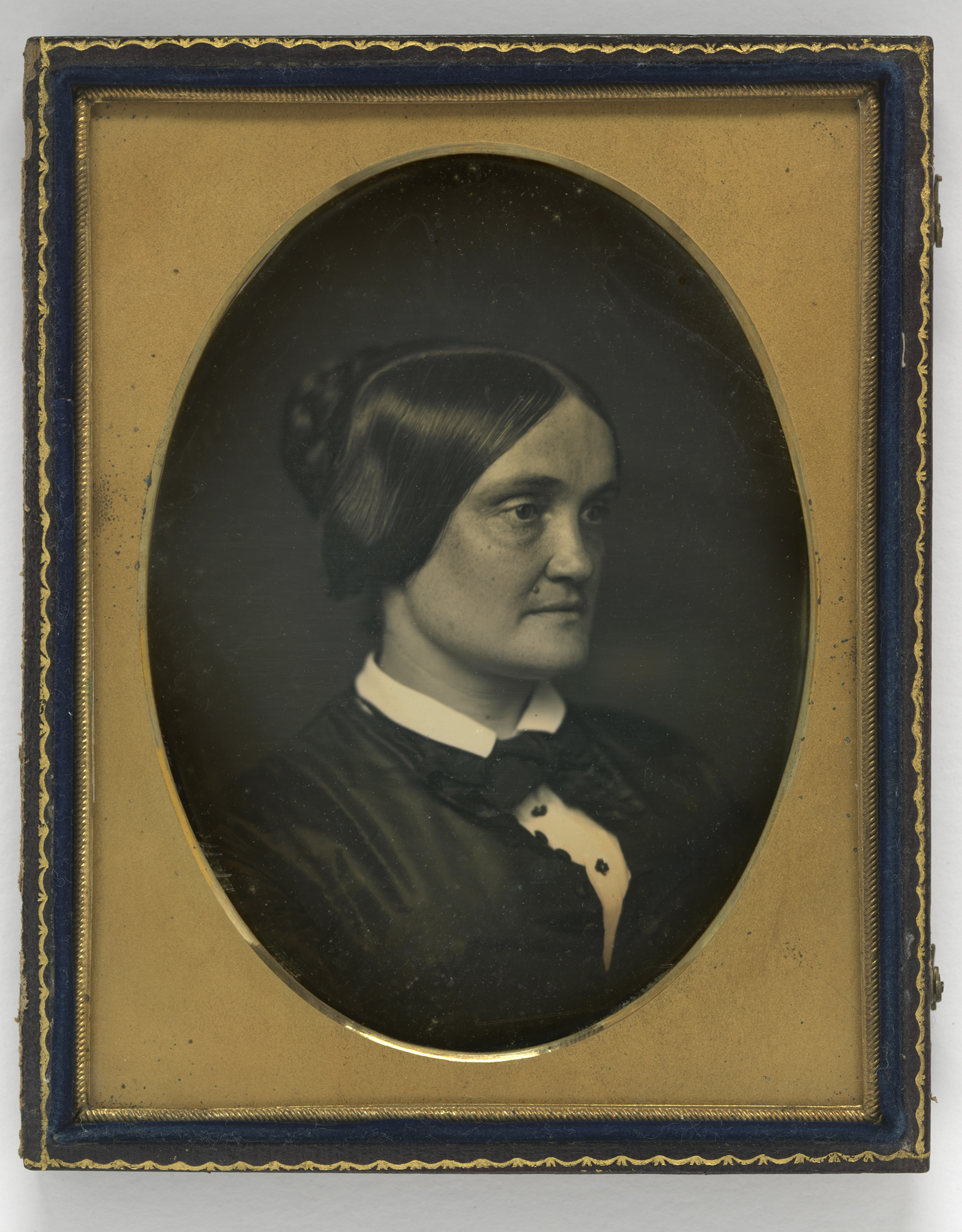
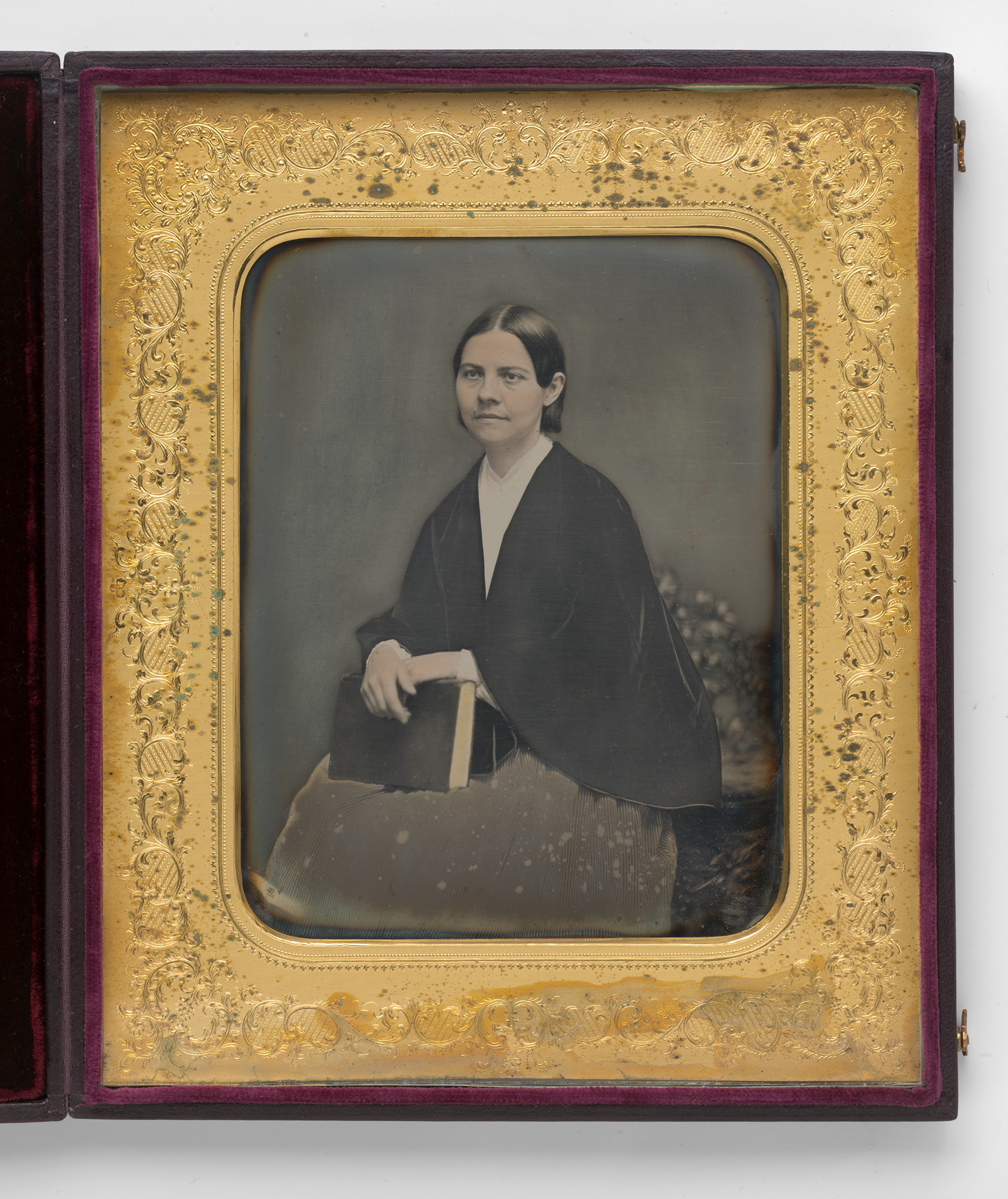
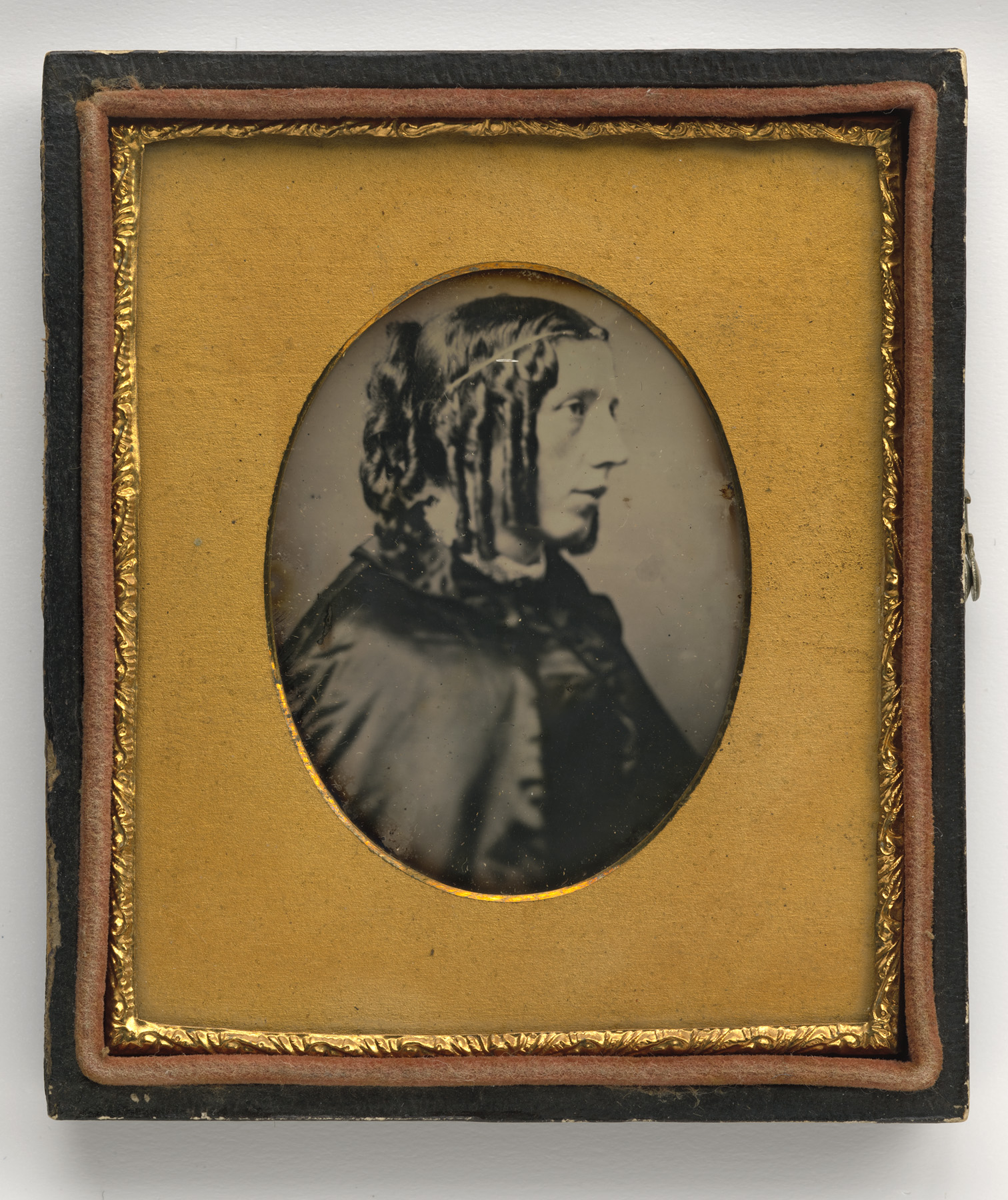
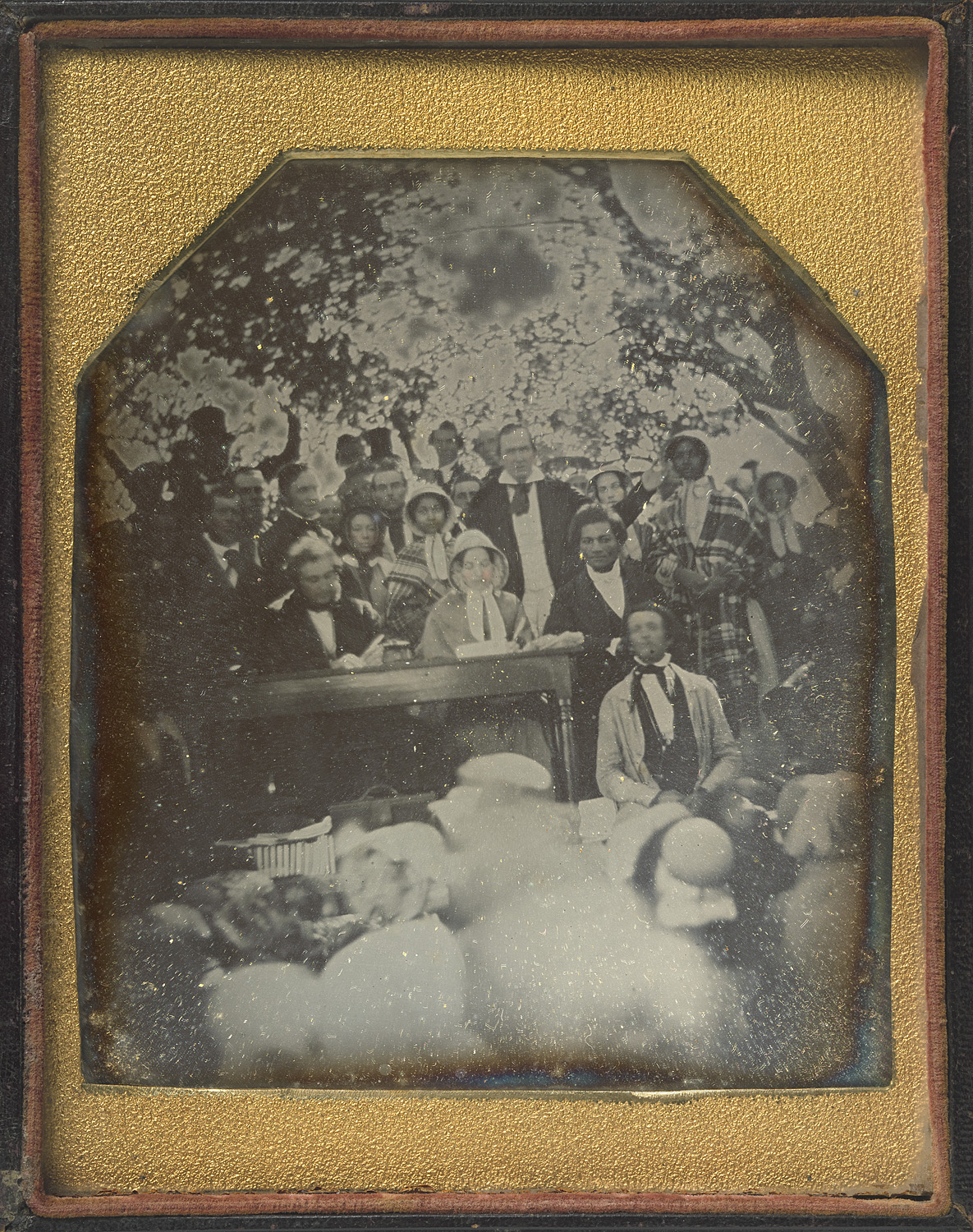
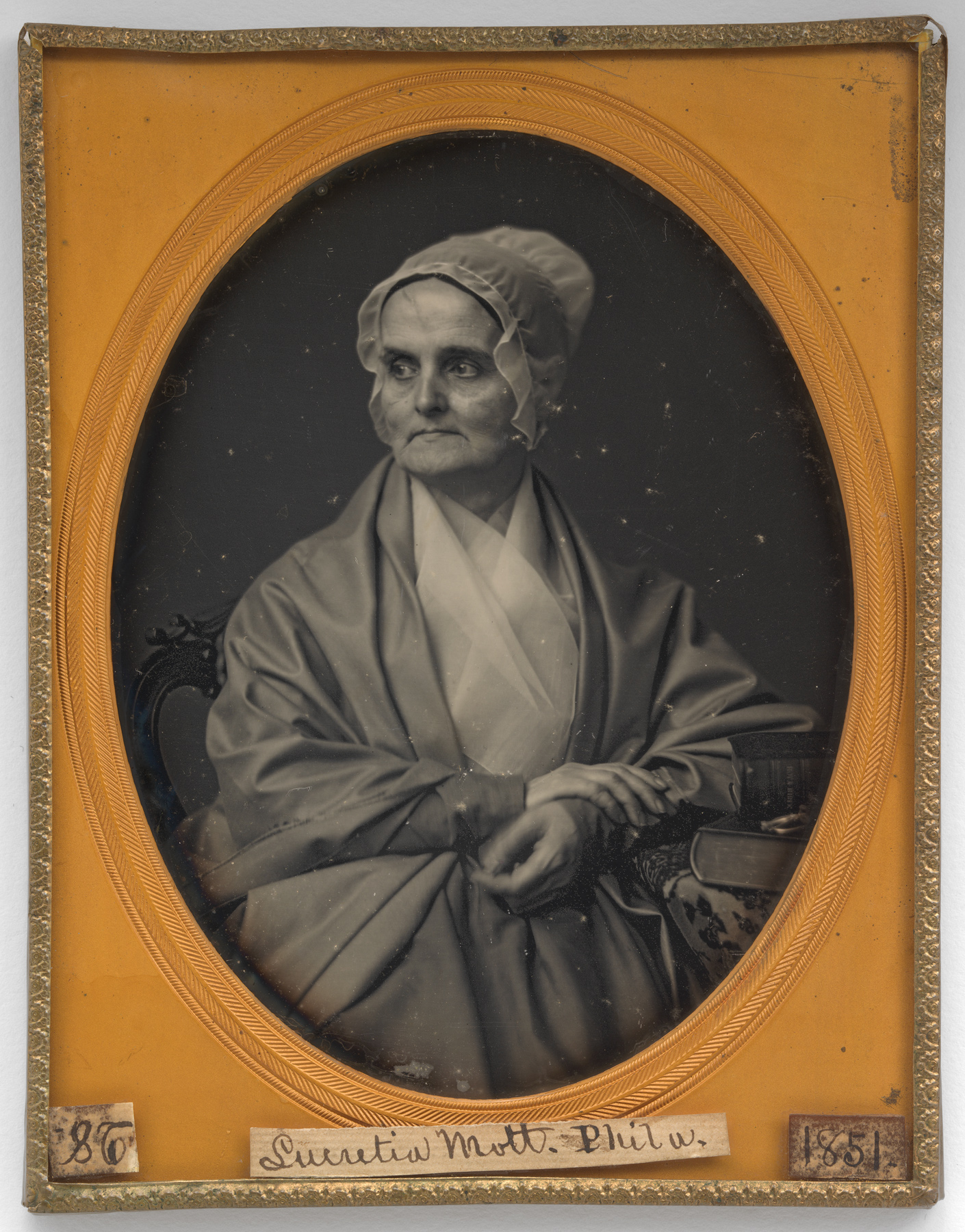
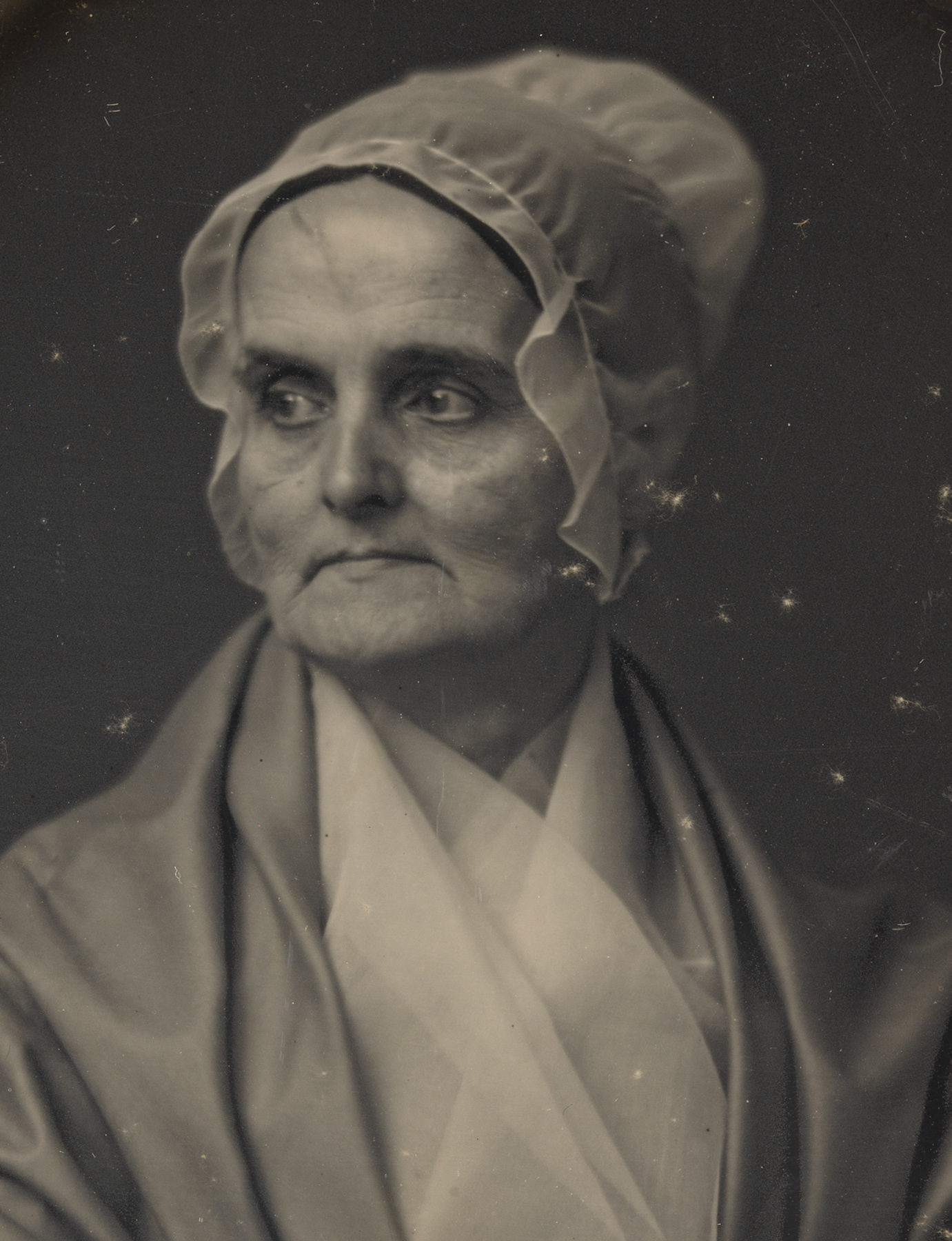
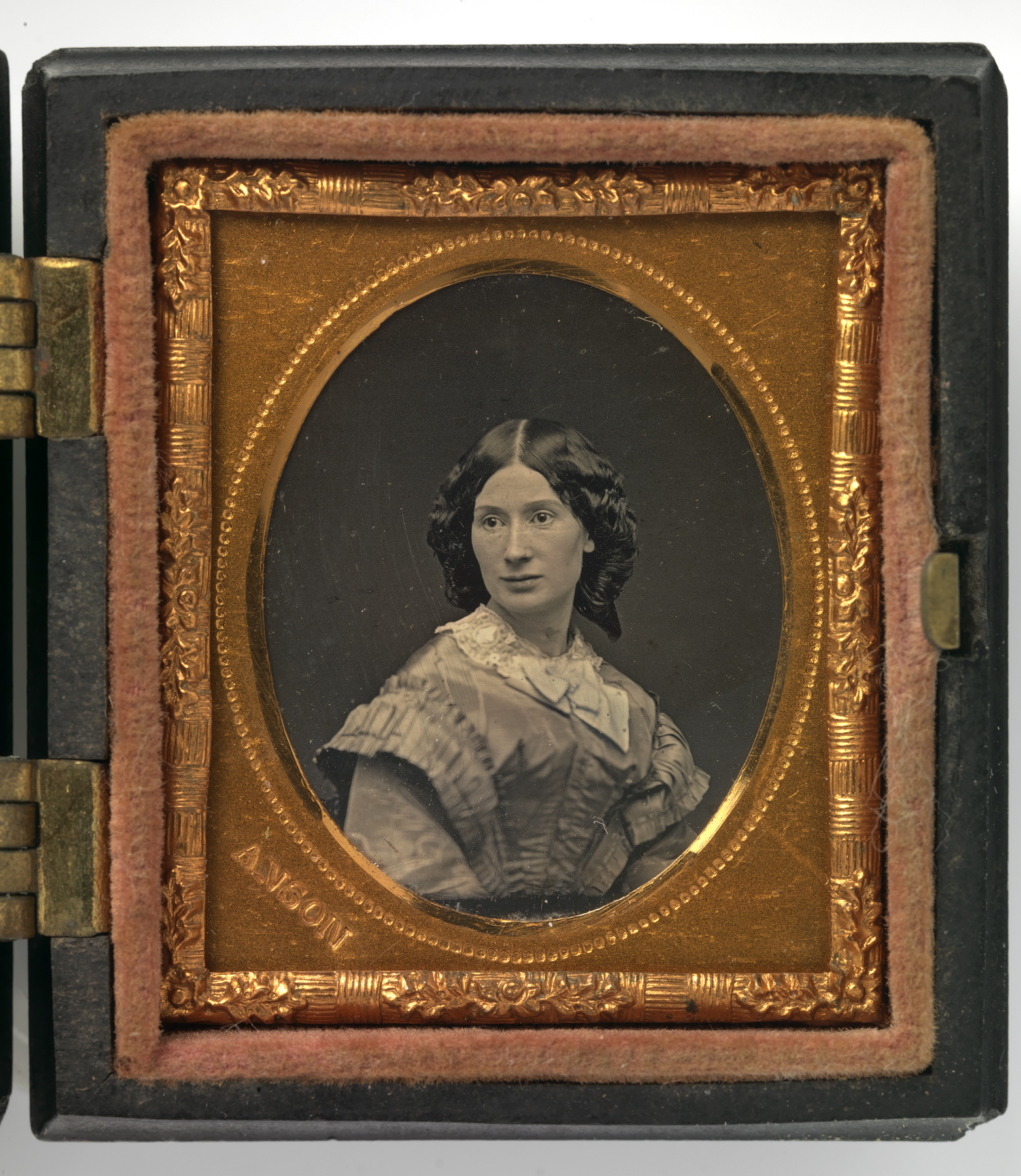
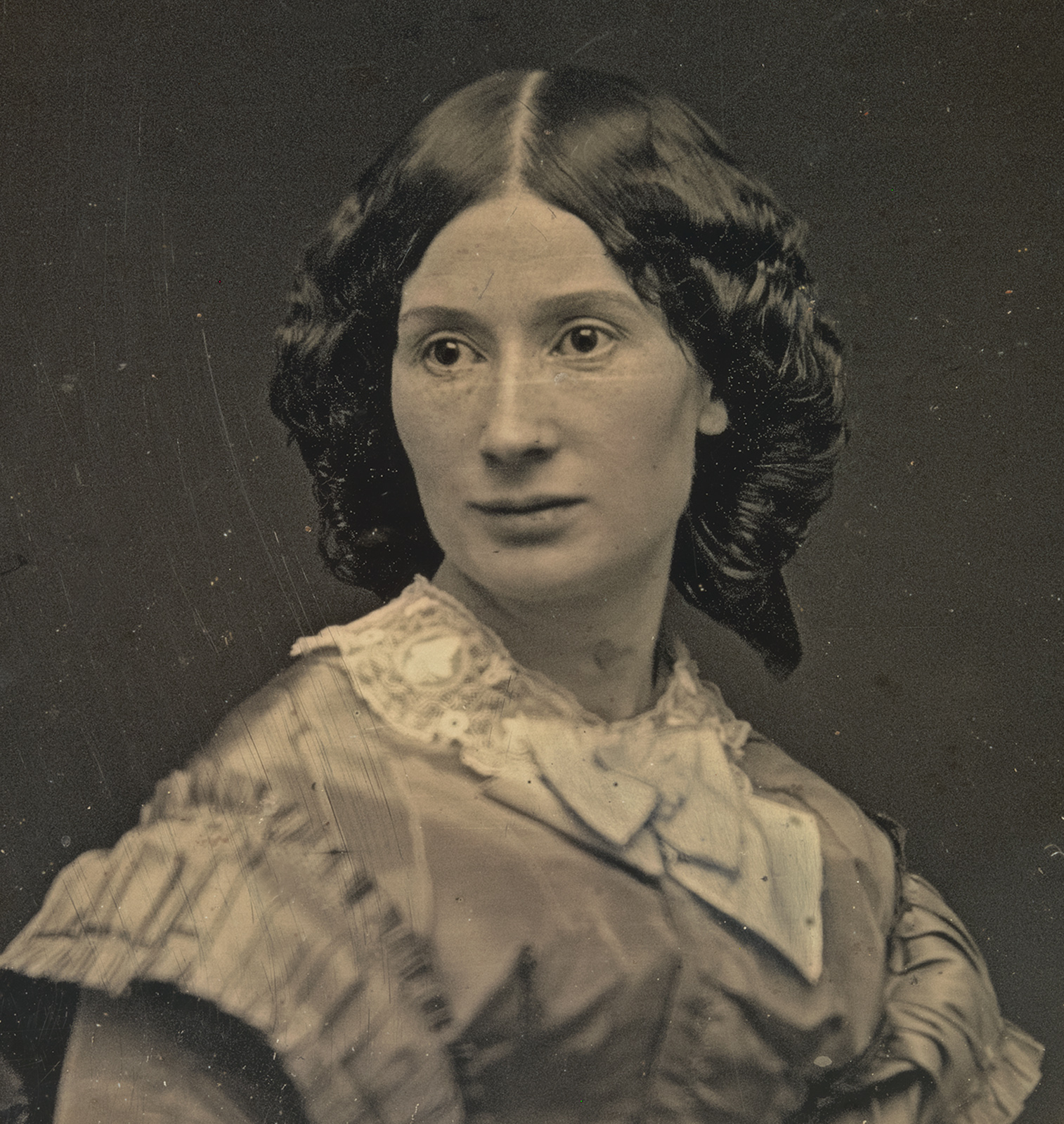
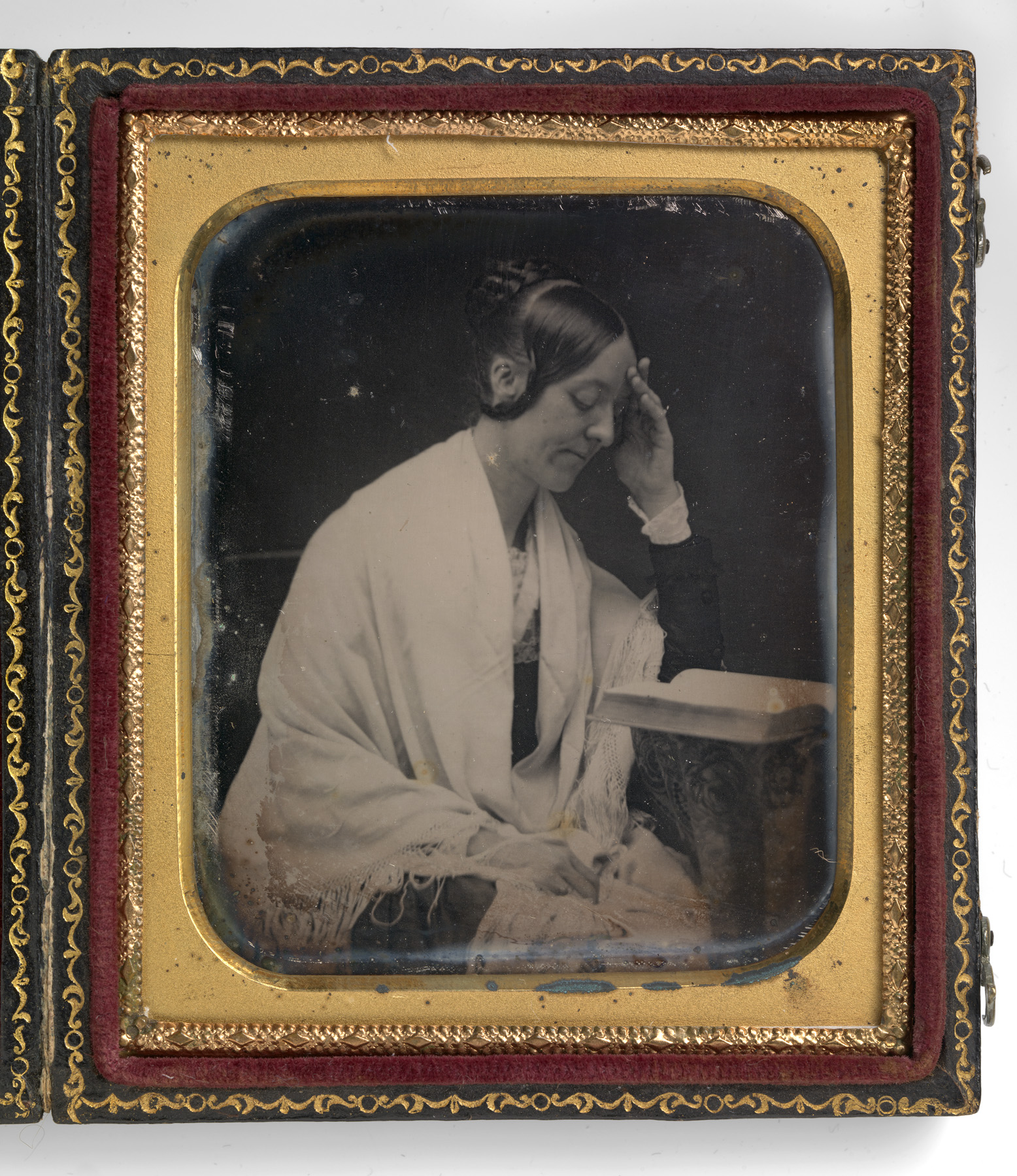
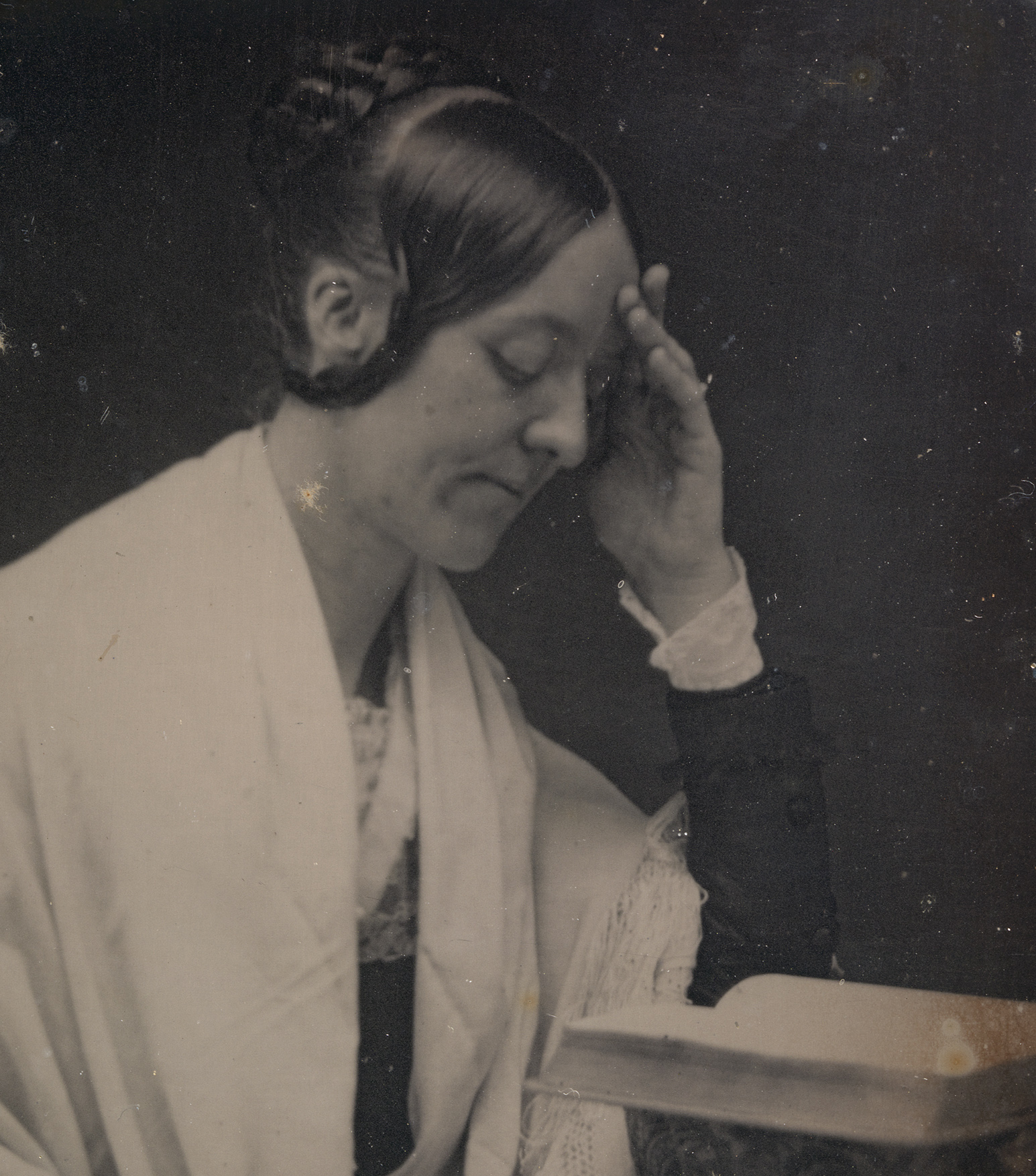
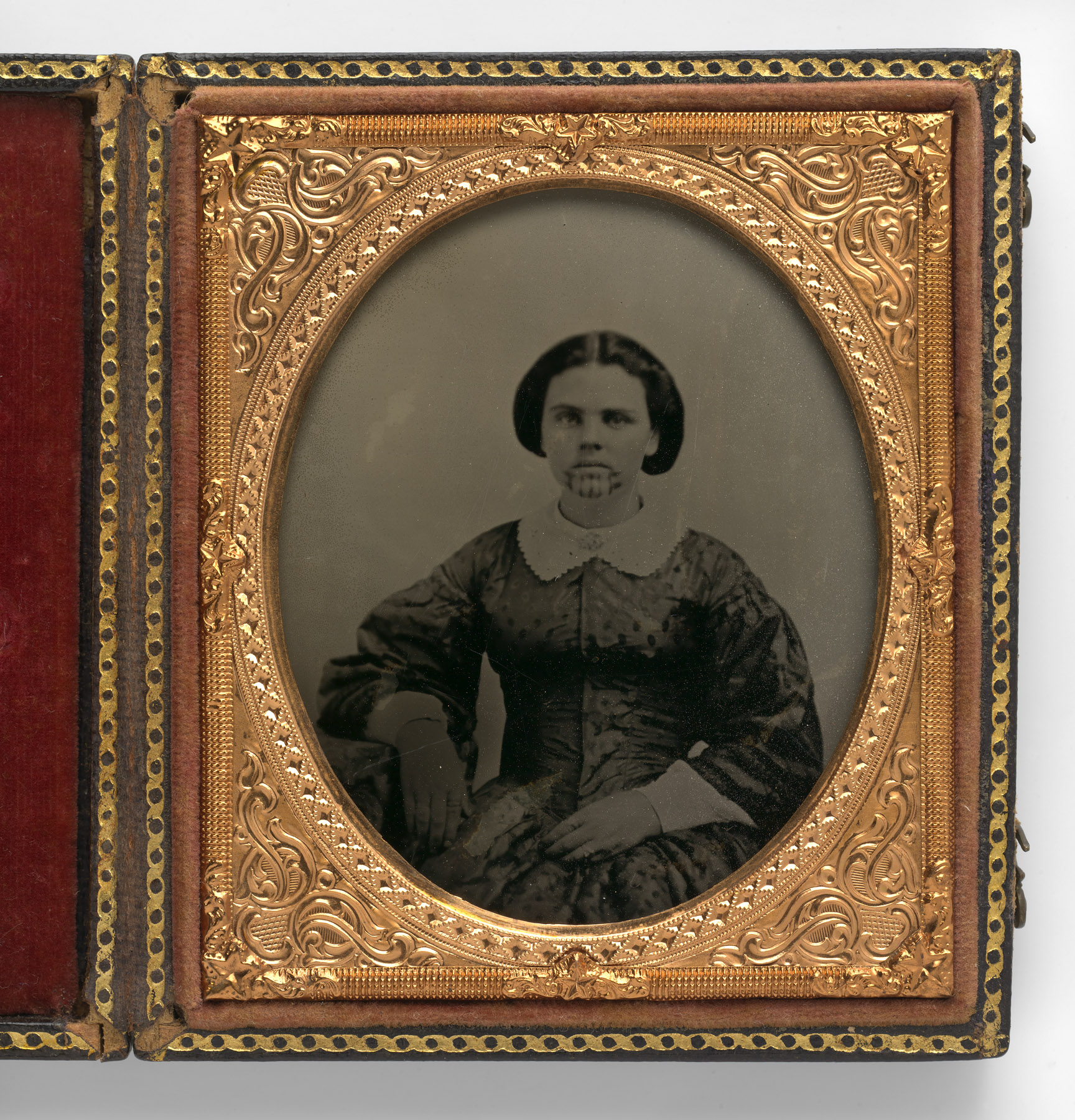
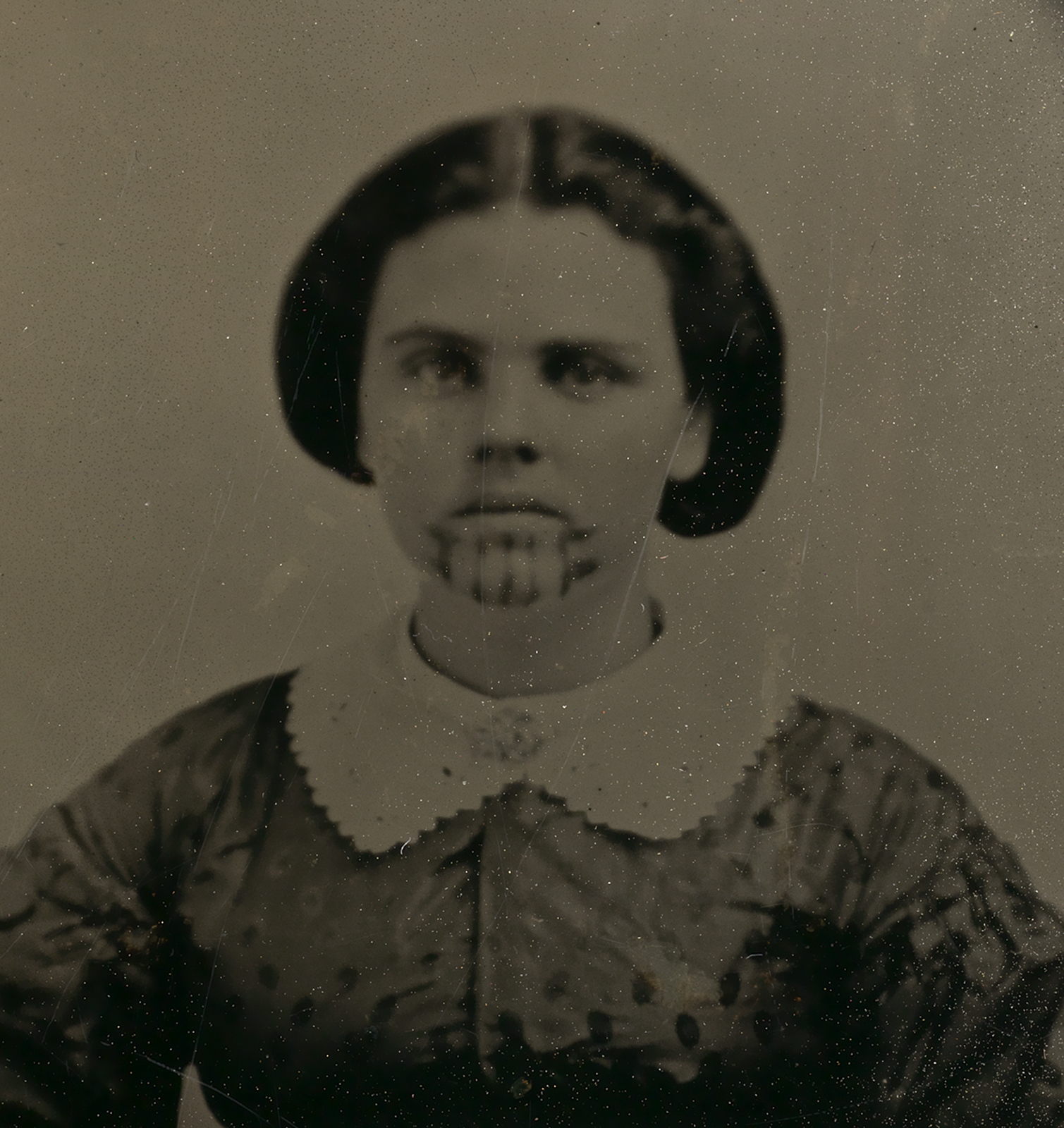
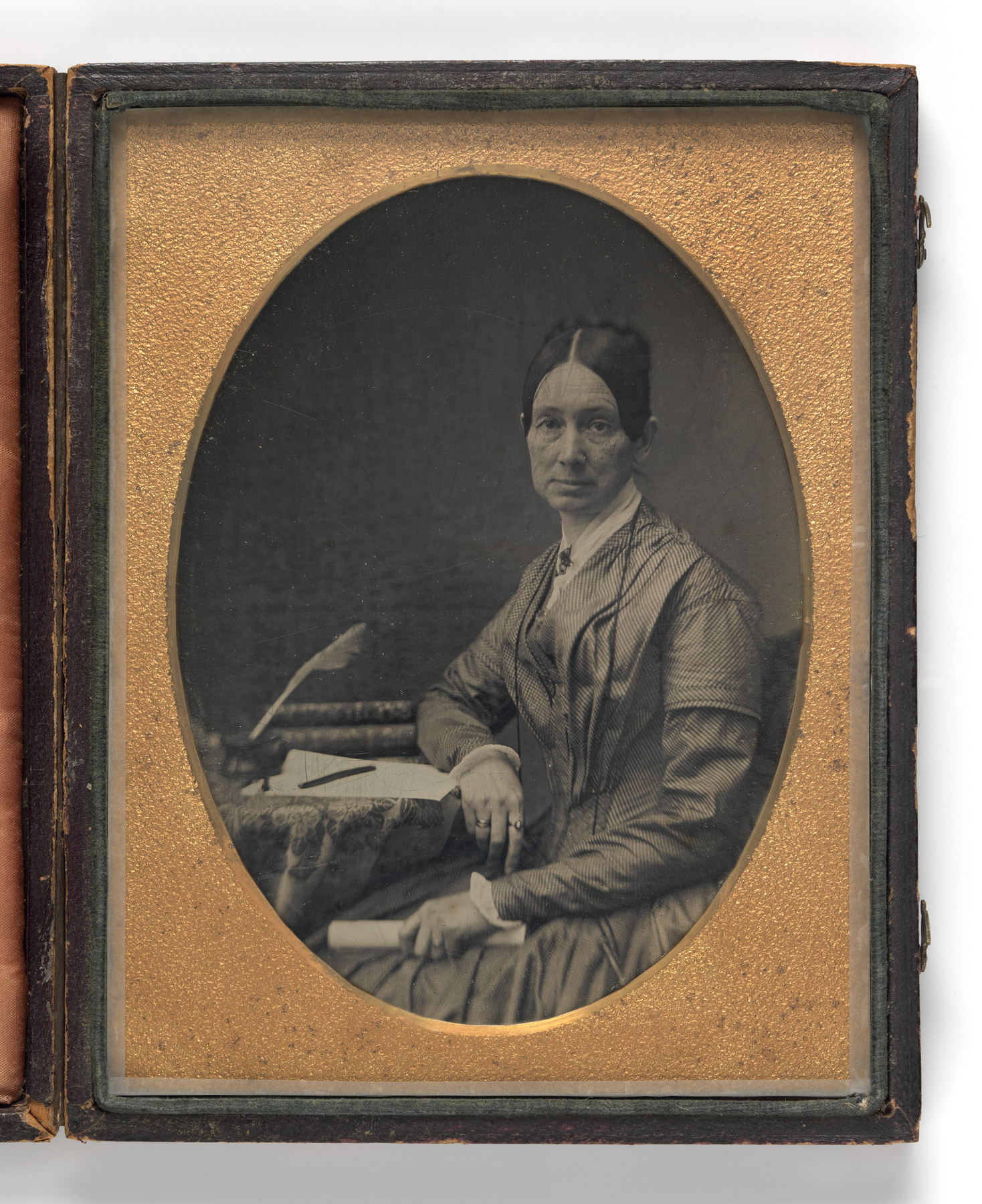
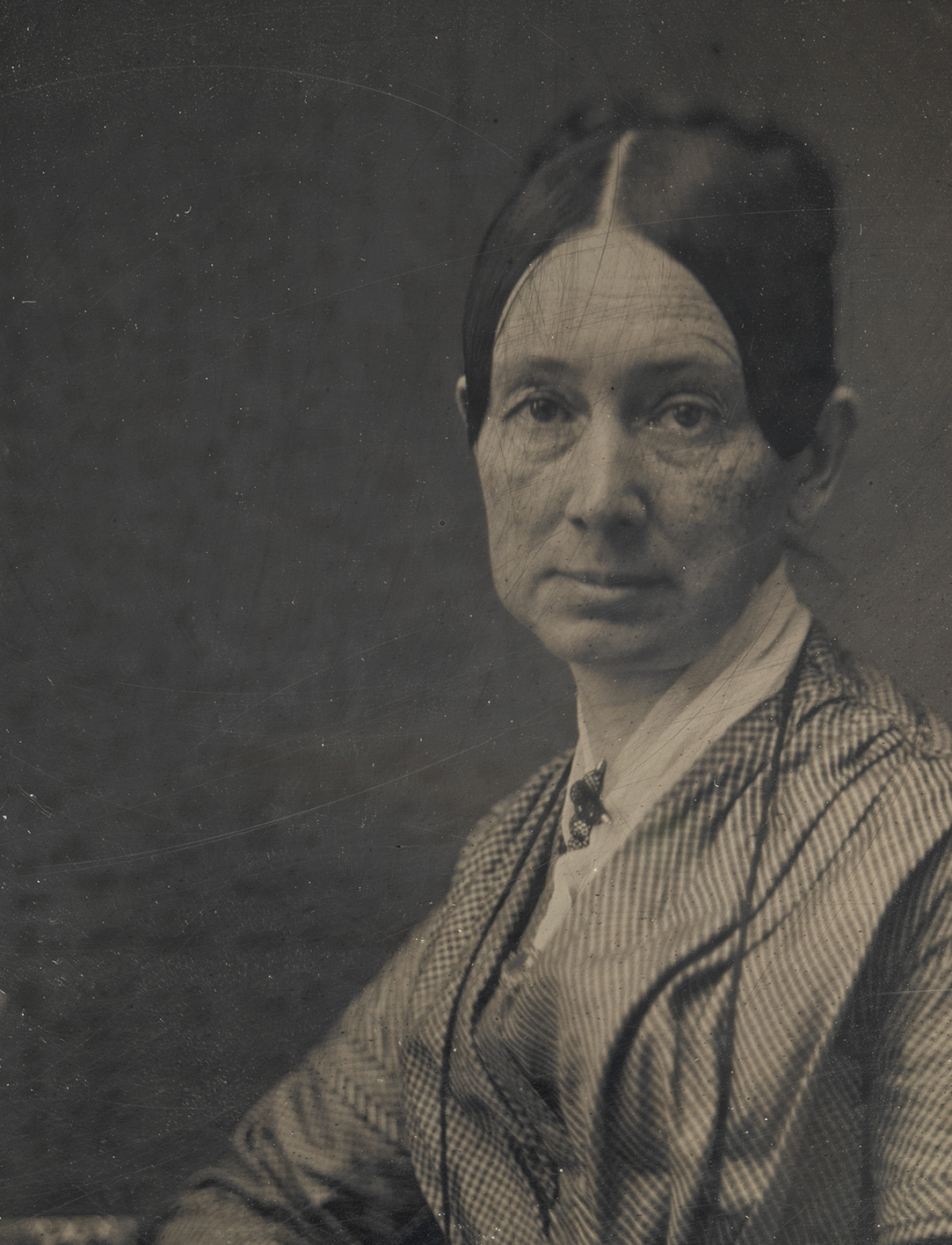
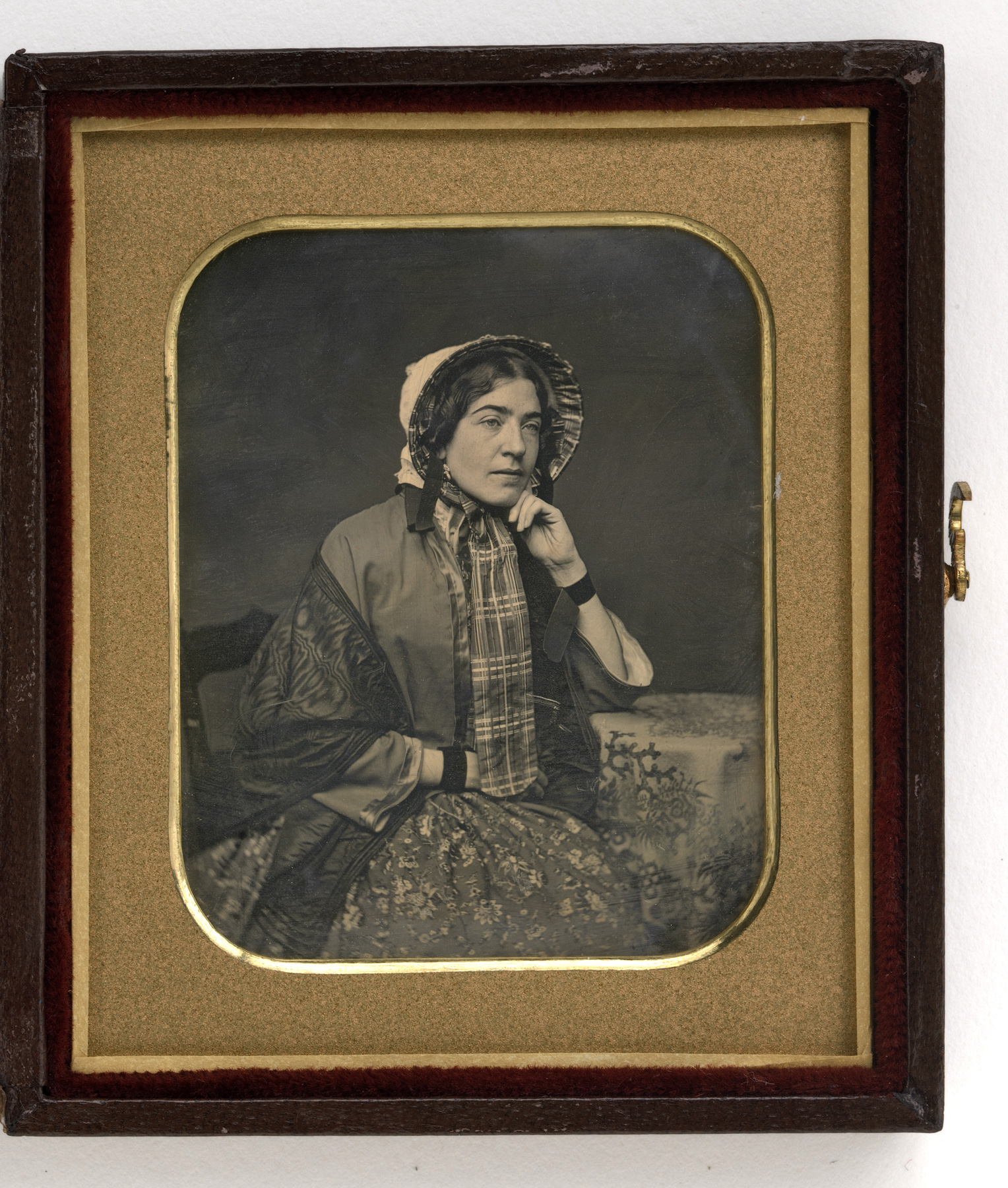
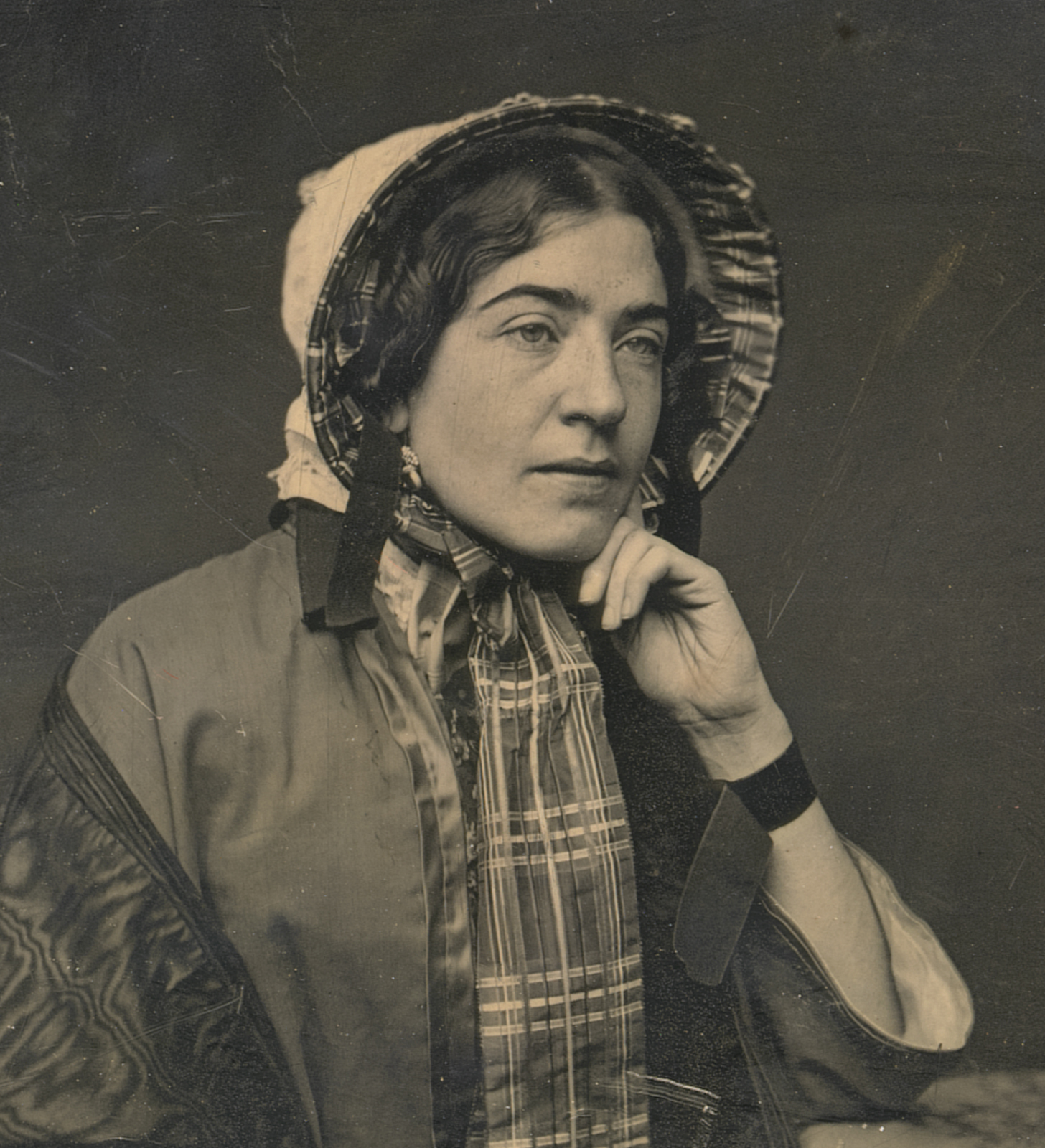
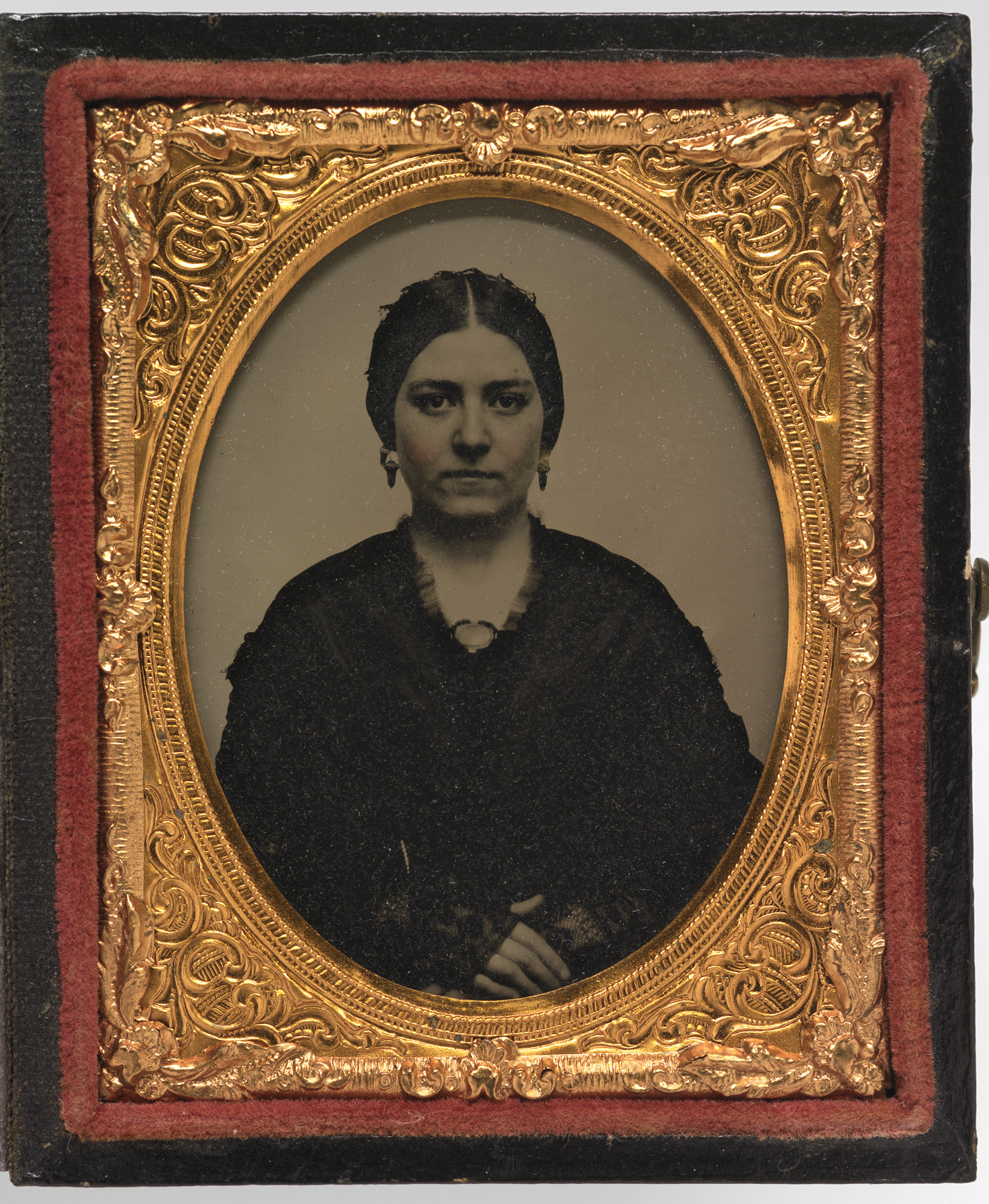


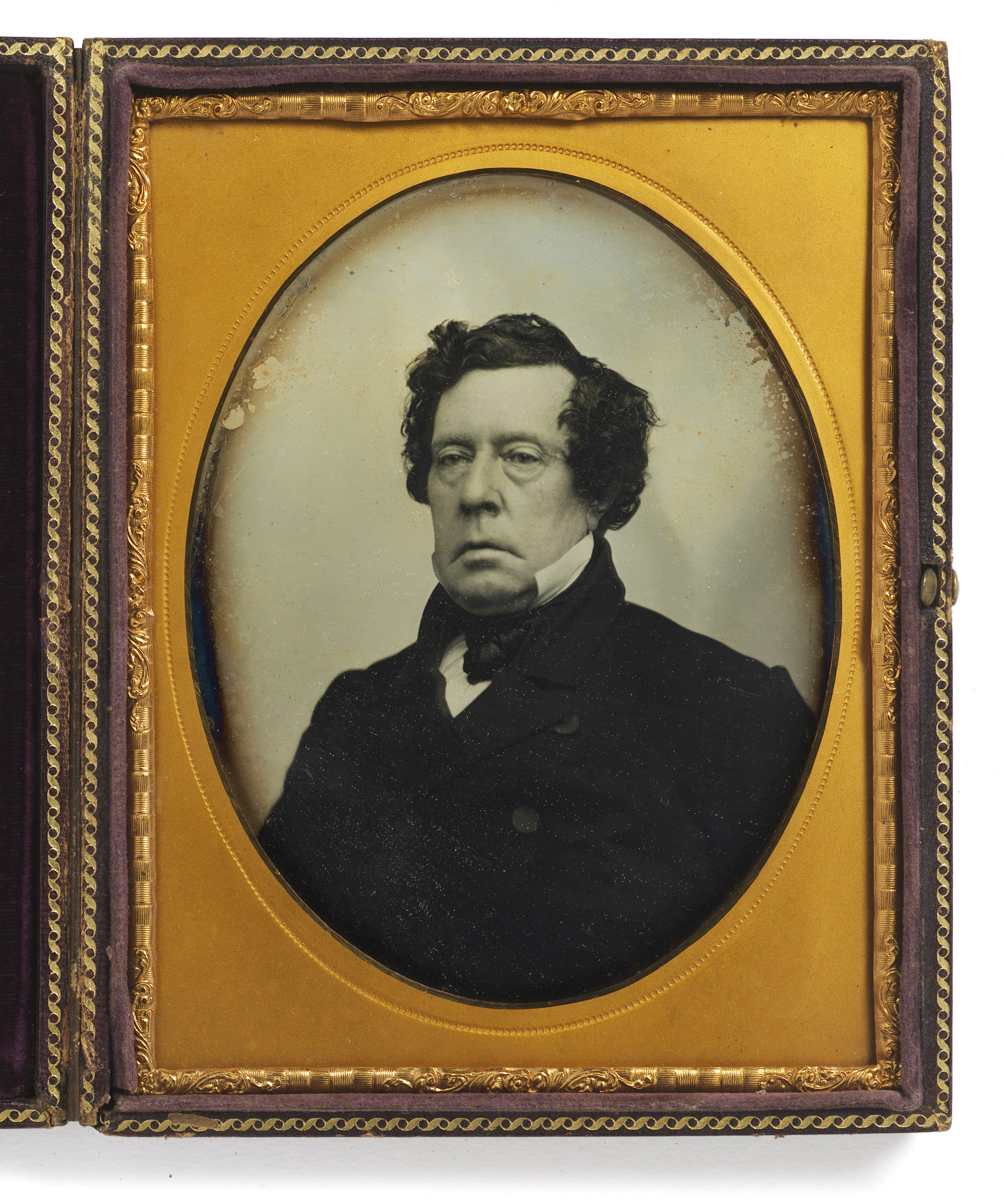
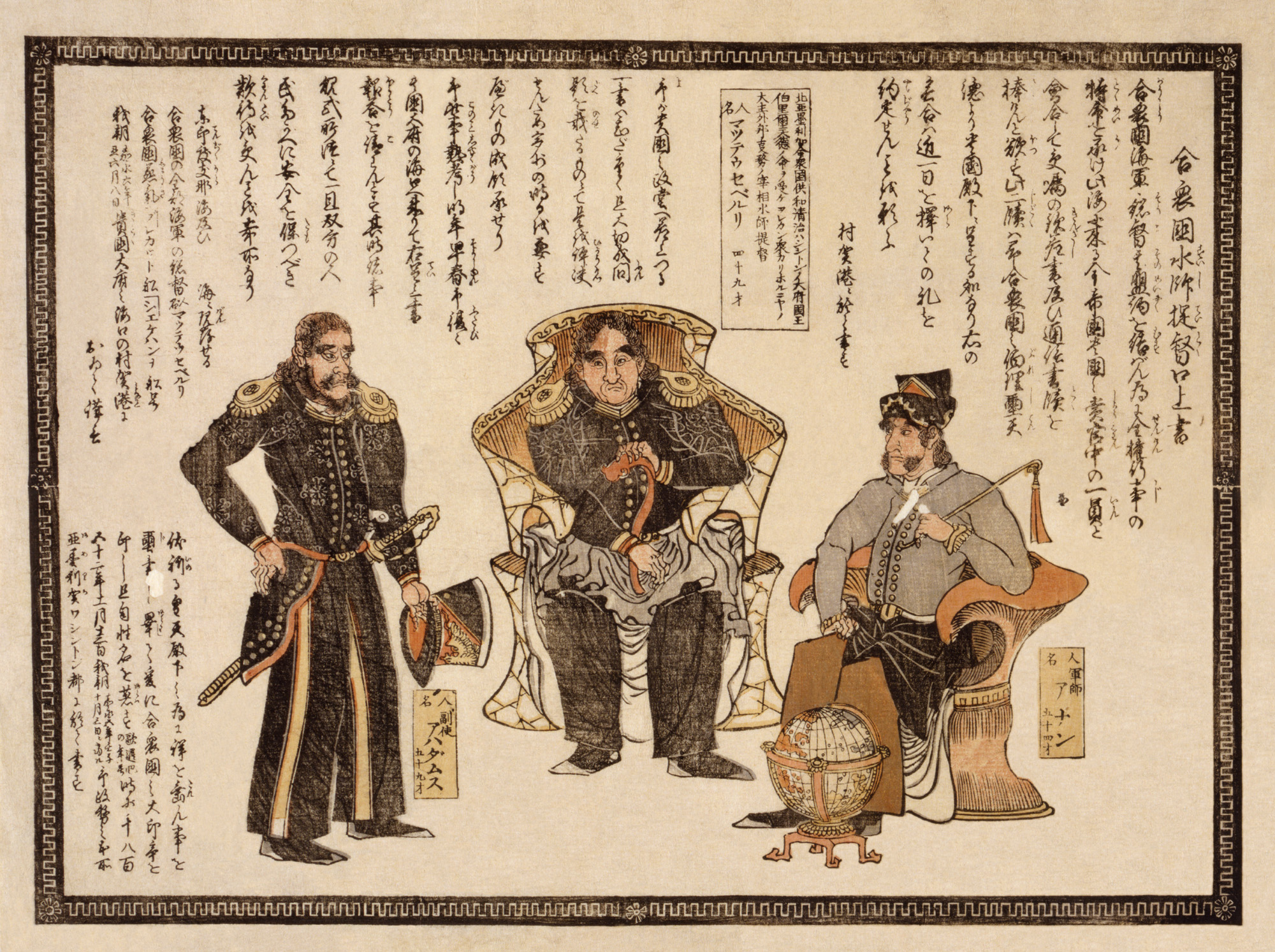

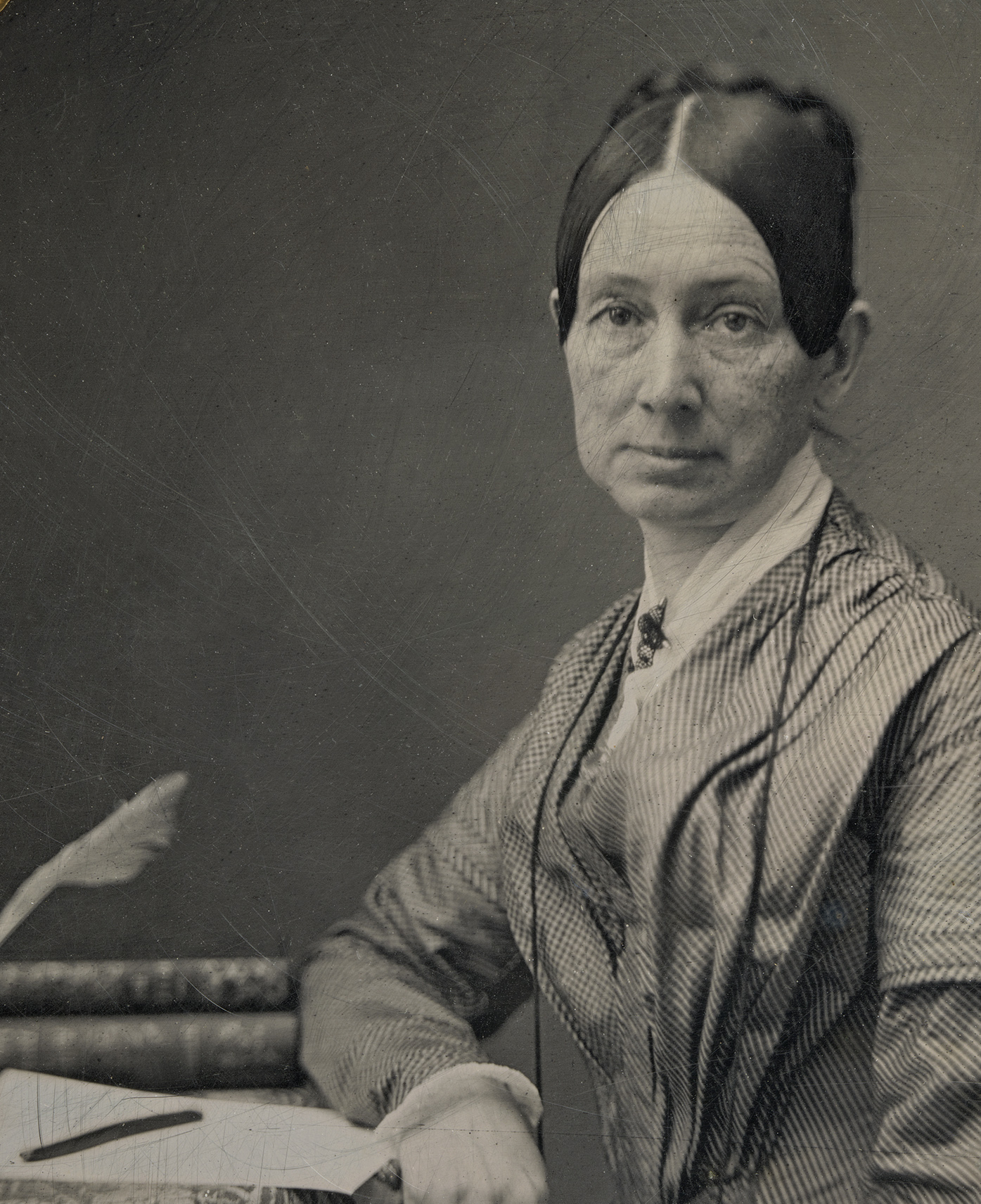
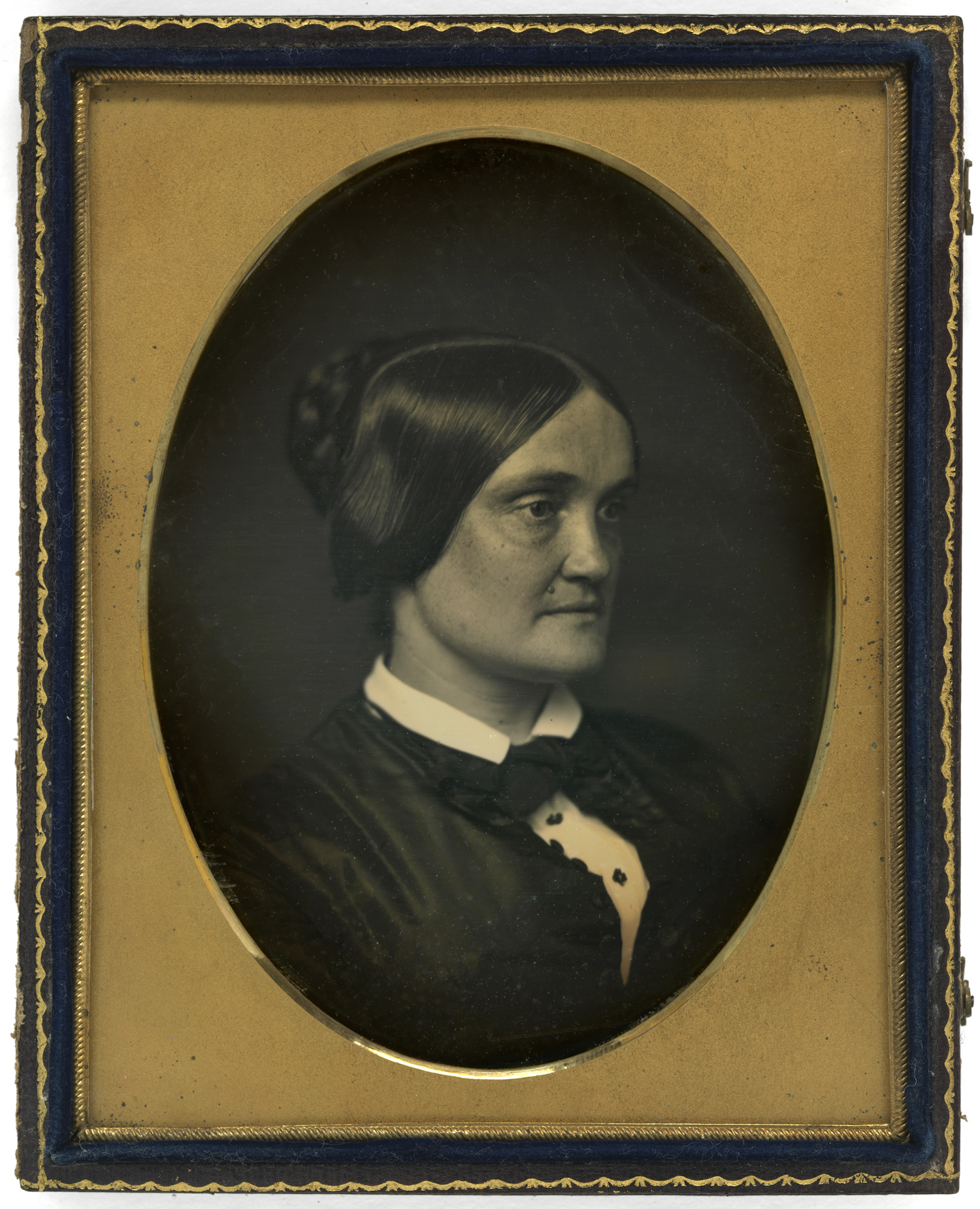
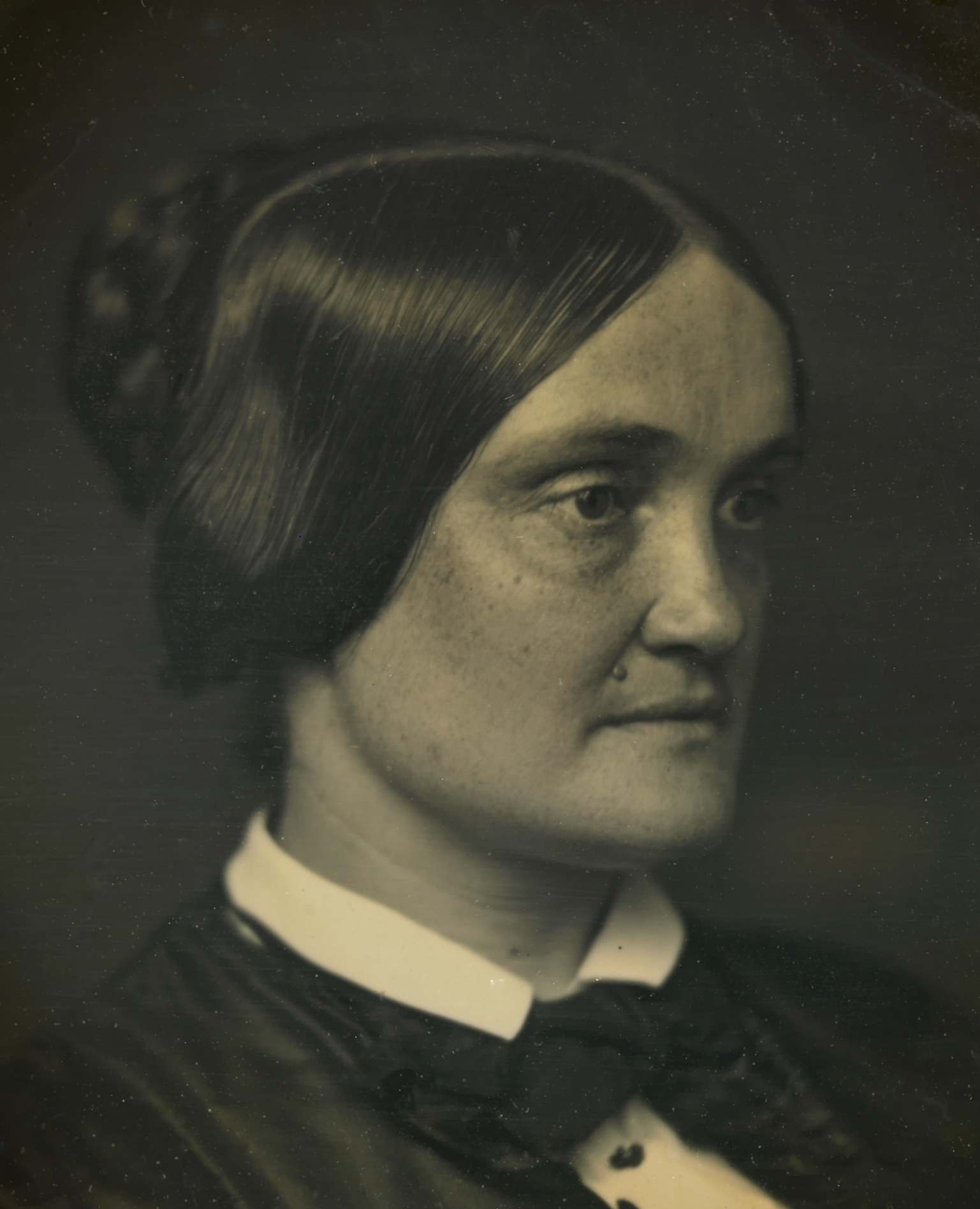

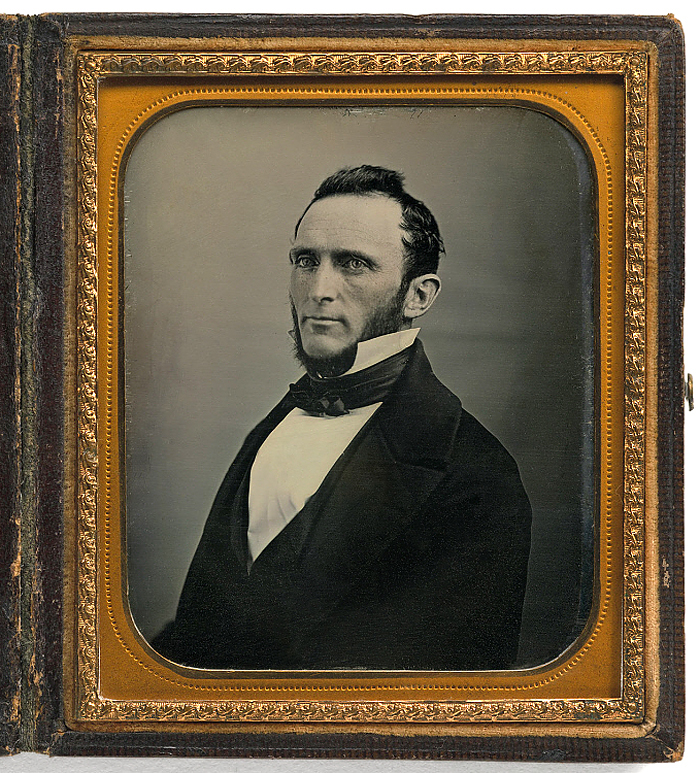


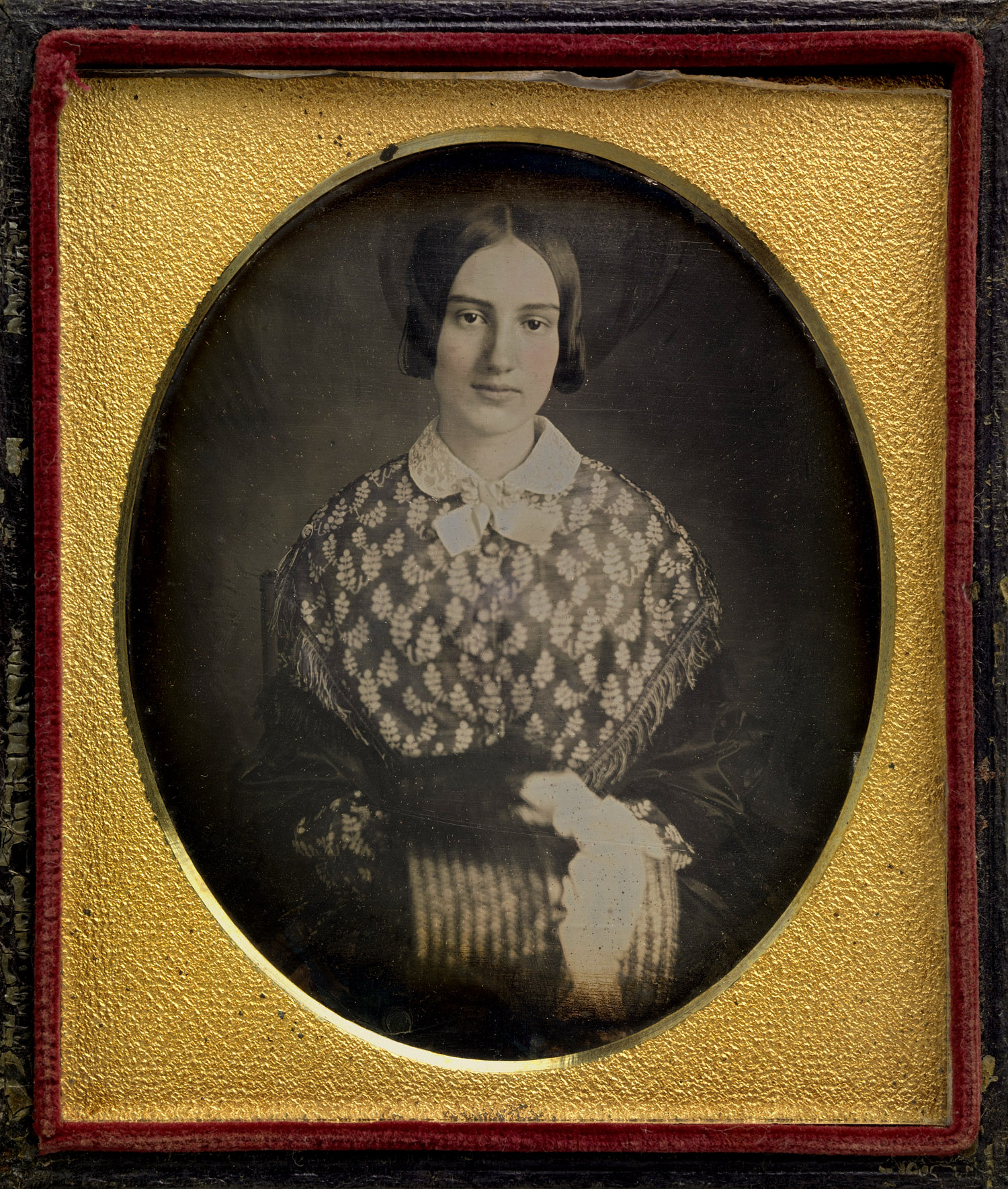


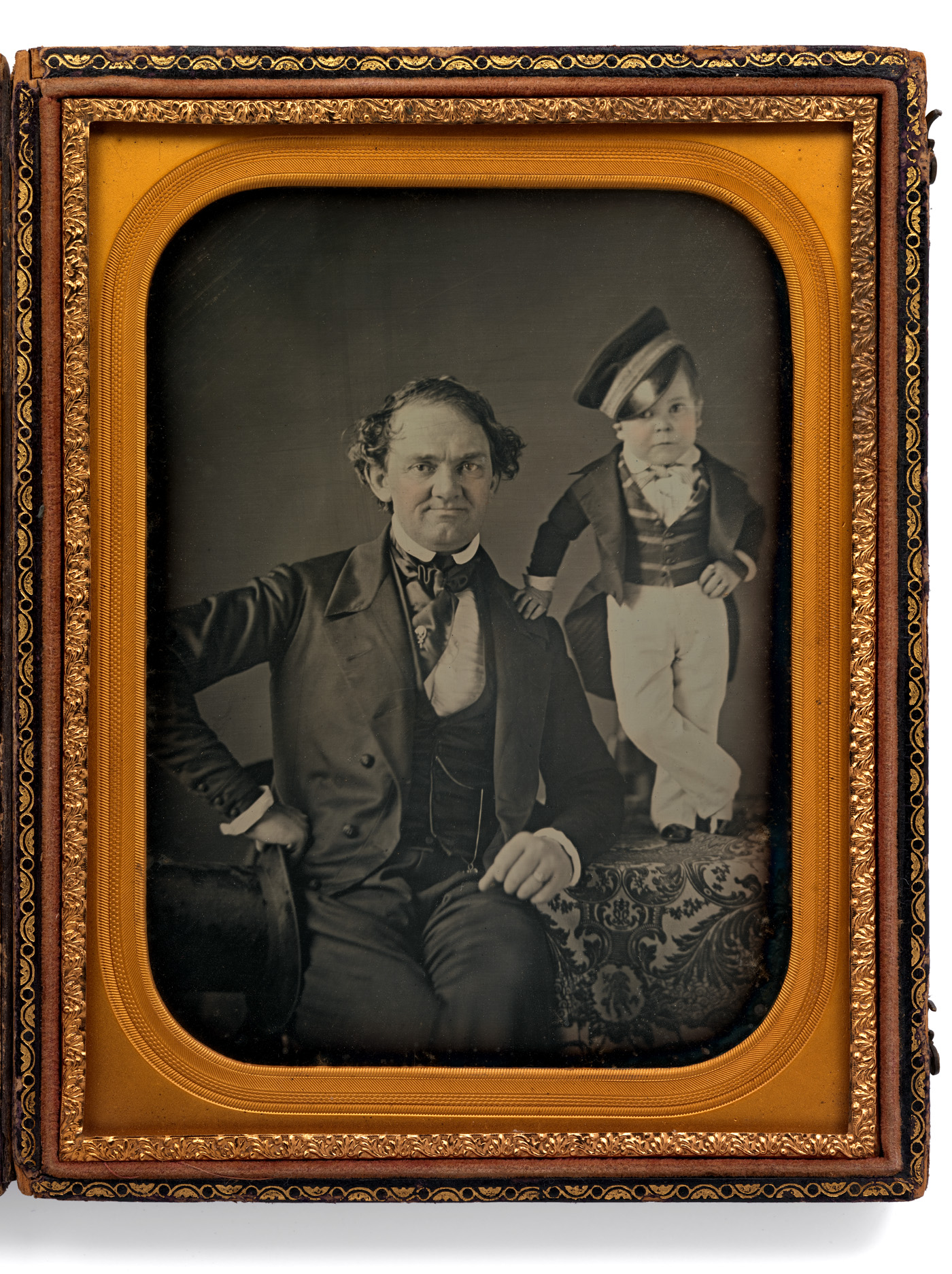


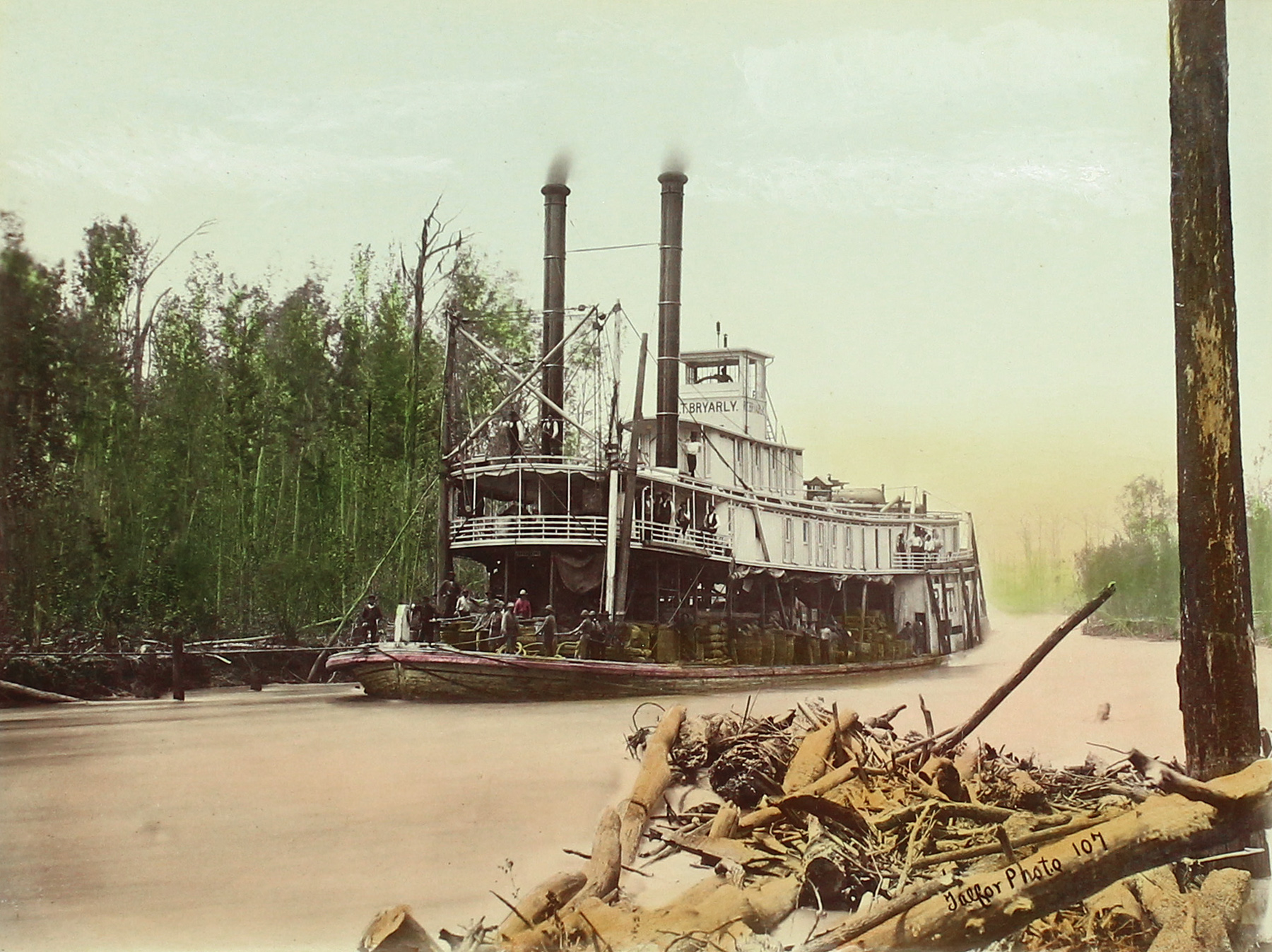

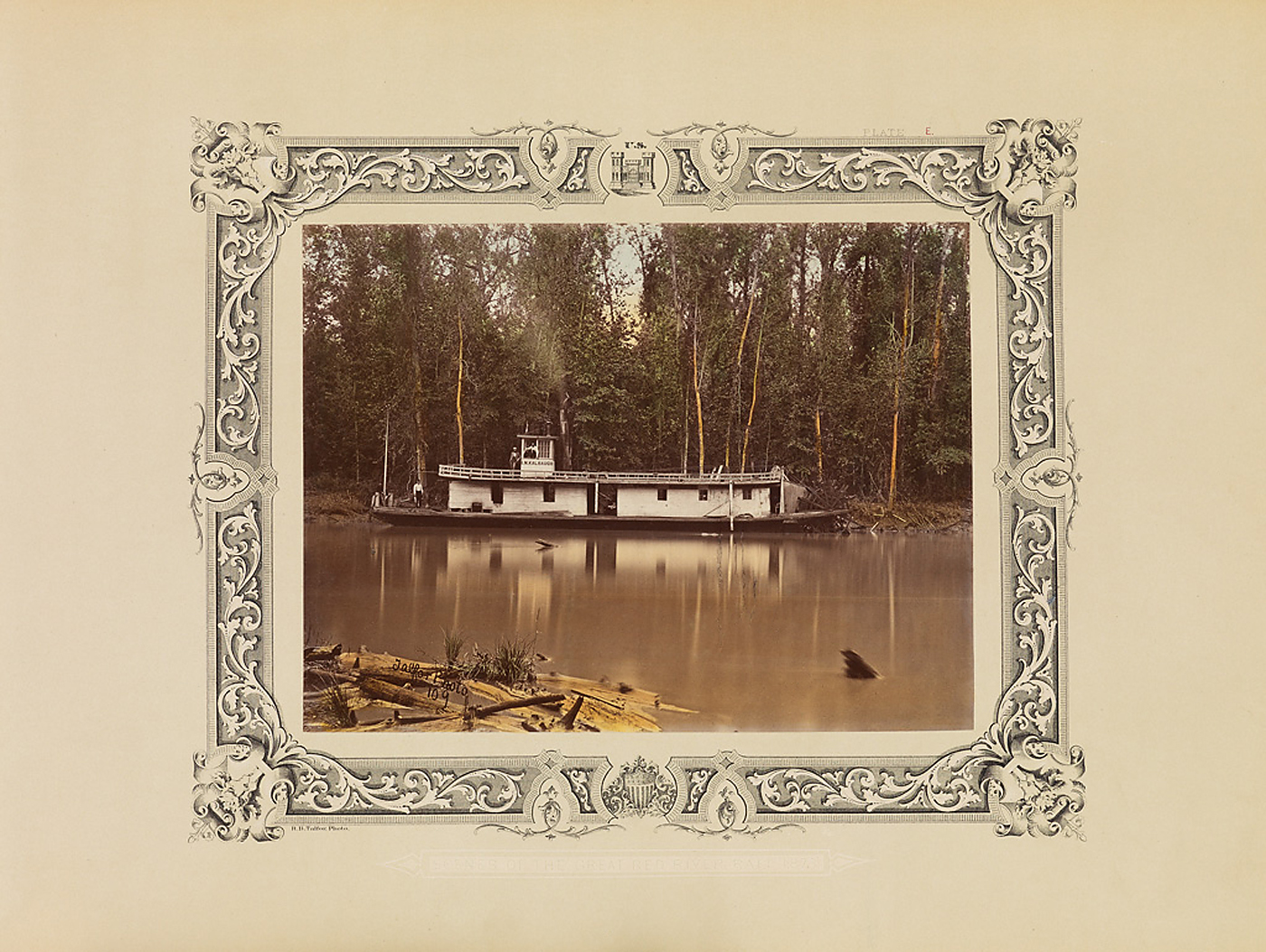


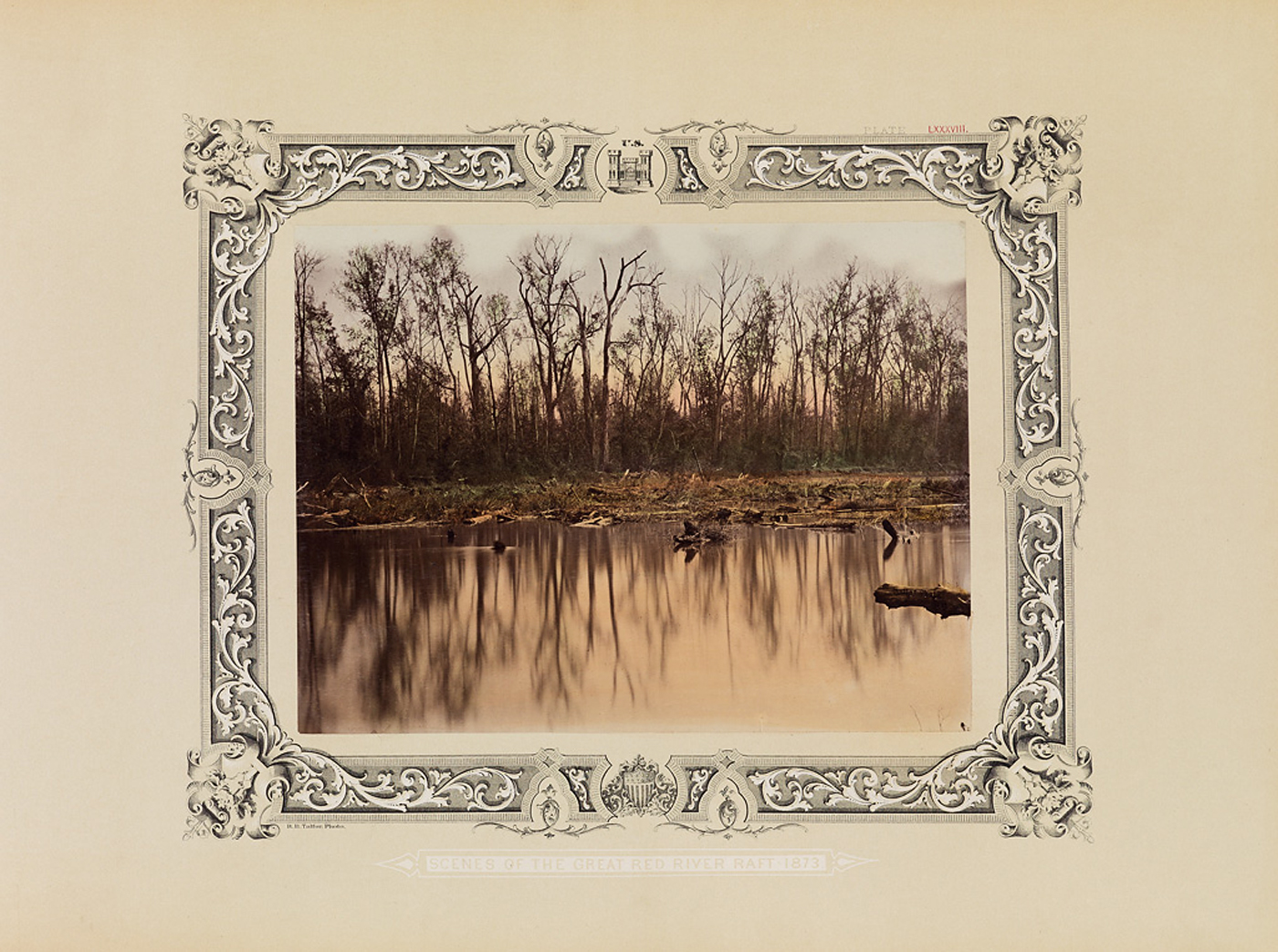
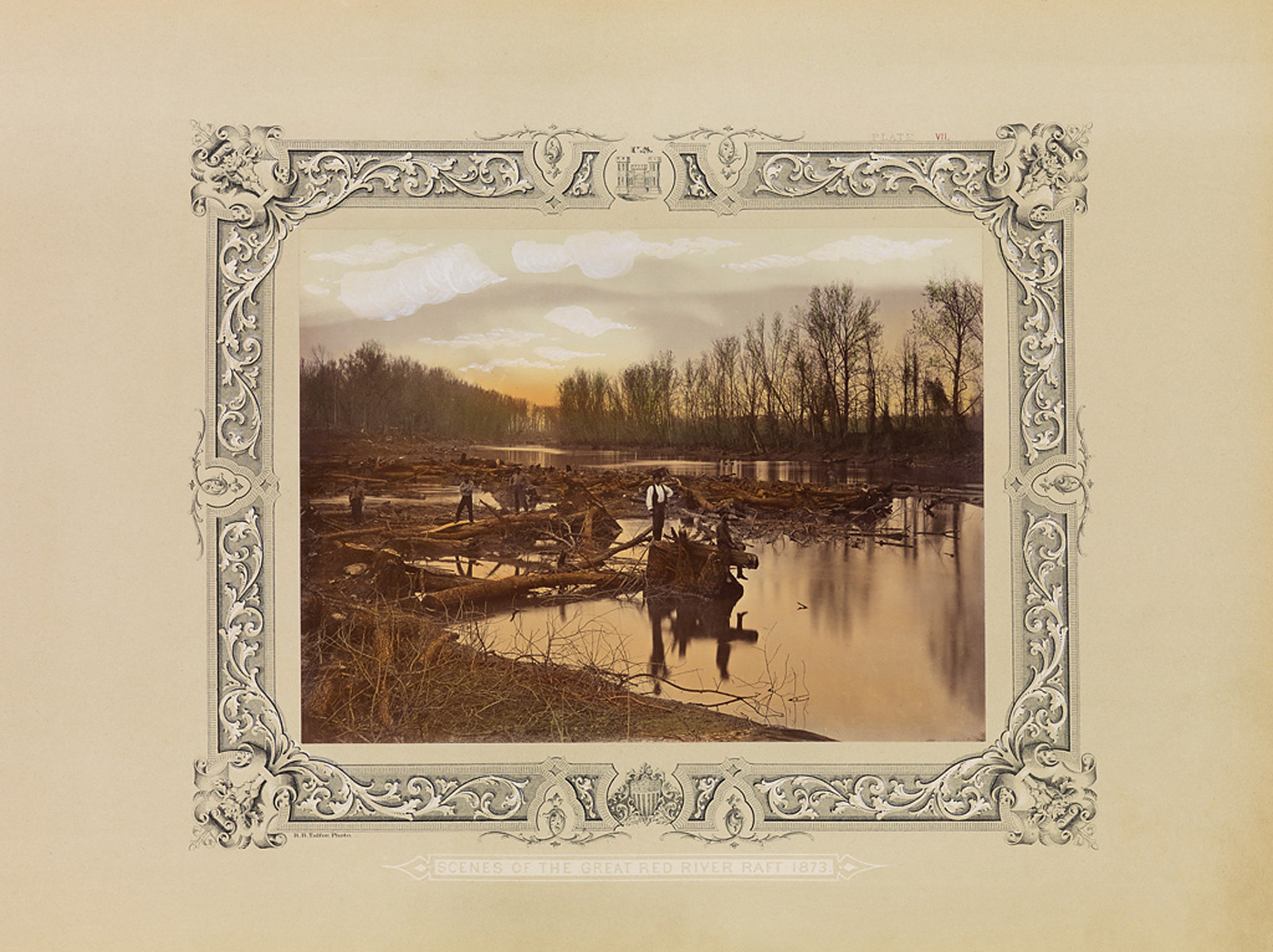


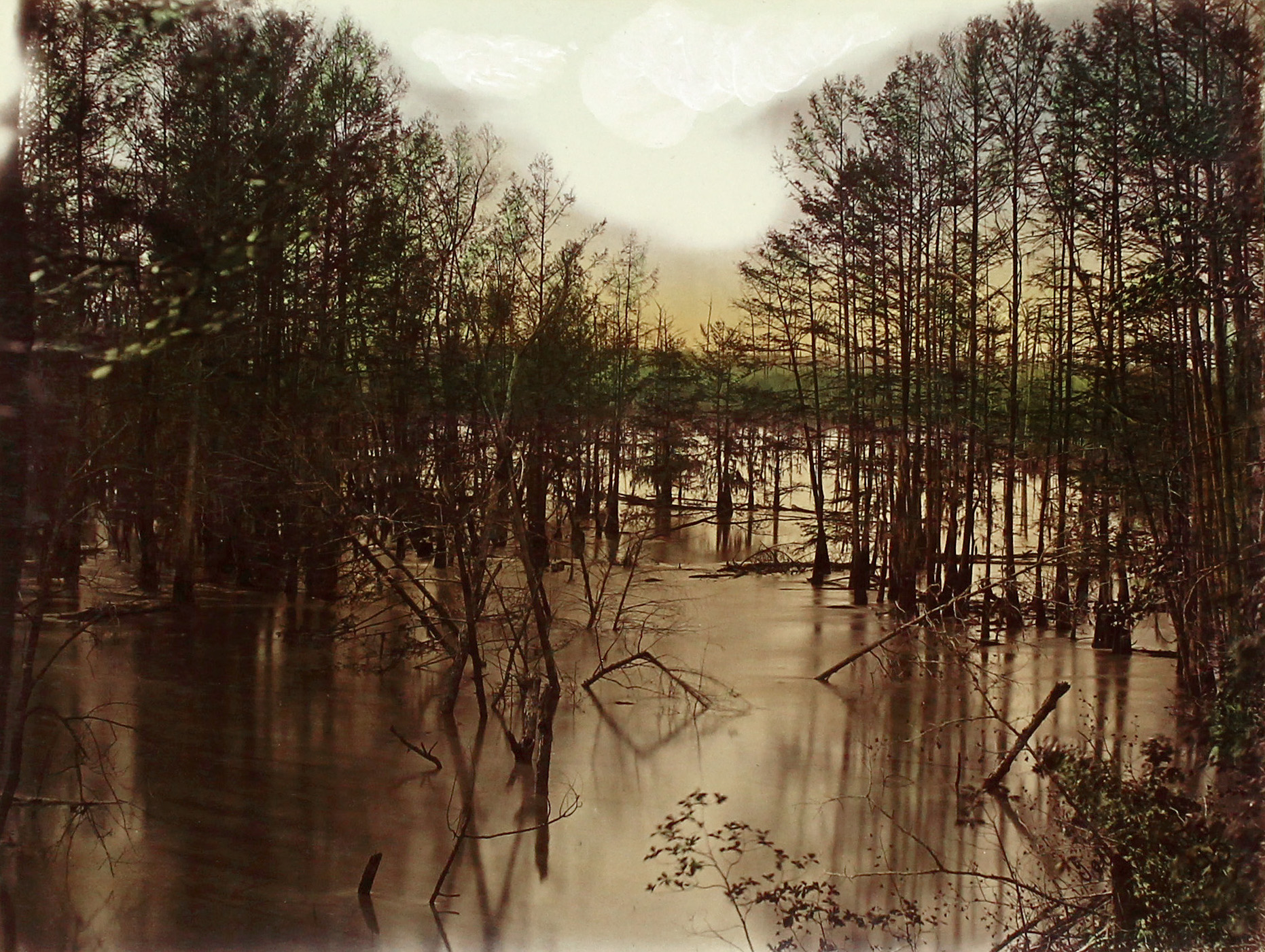

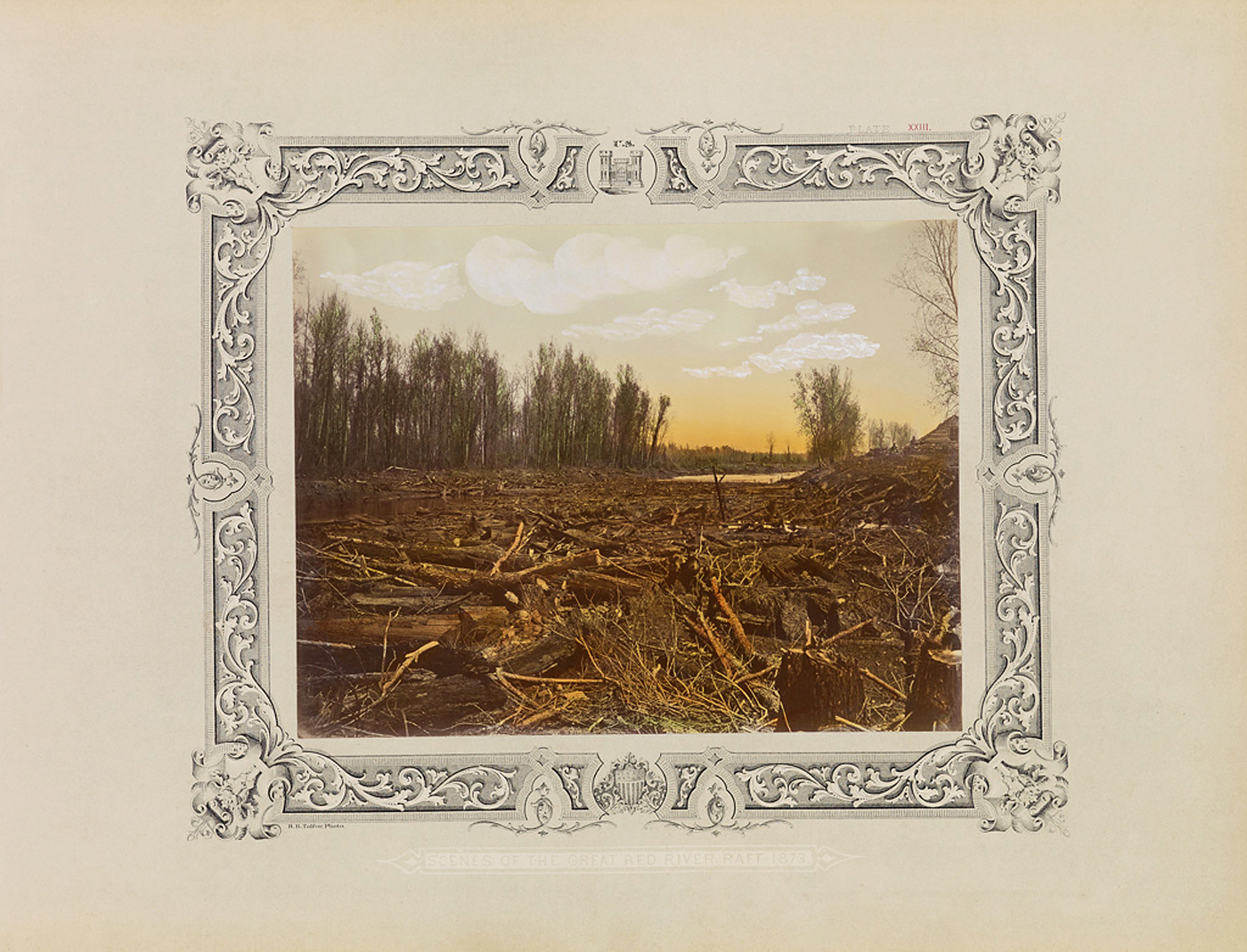


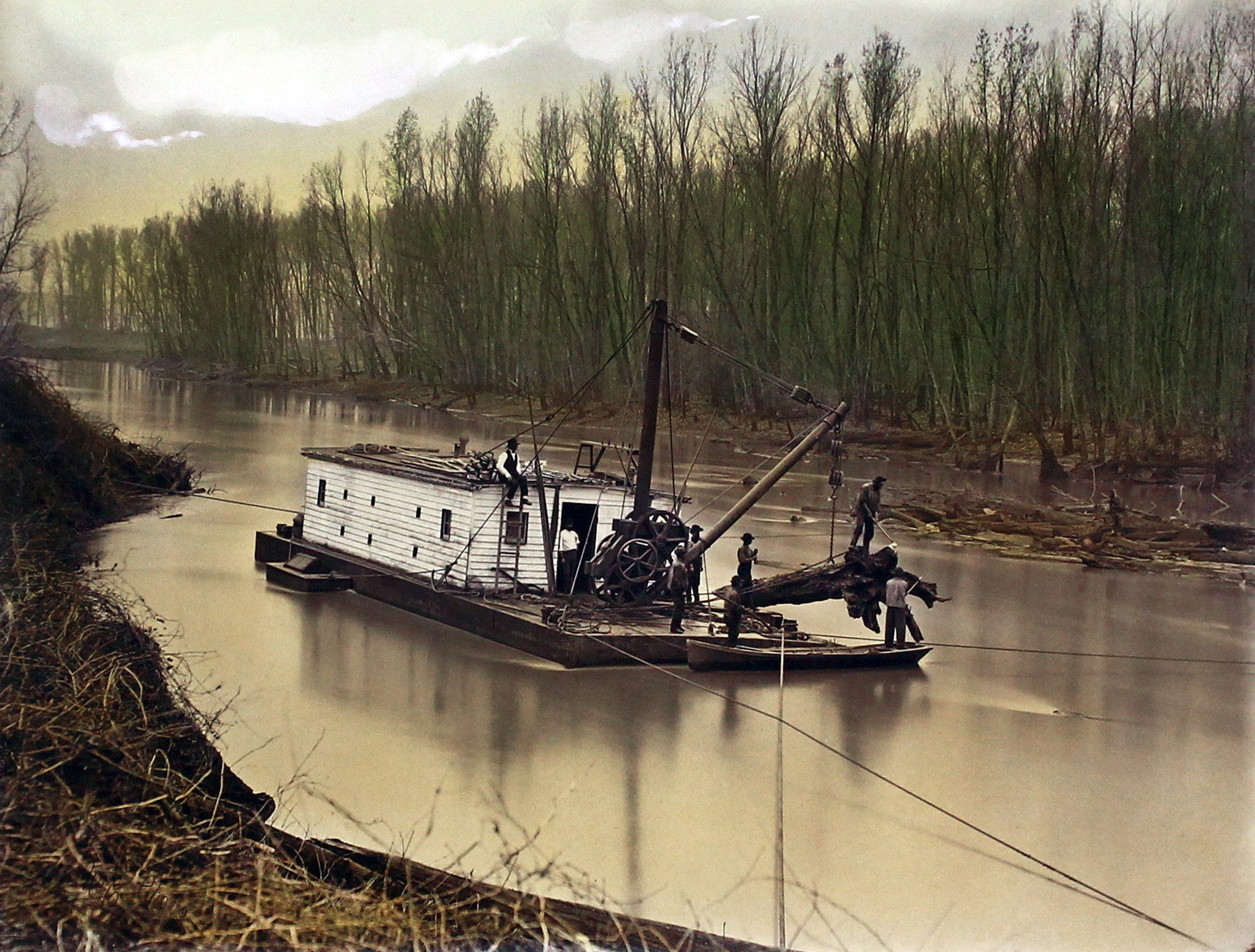



![Unknown photographer. 'Untitled [Members of a Cavalry unit at Fort Grant, A.T. in 1876 showing the variety of both clothing and headgear in use by the Army in the mid-1870s]' 1876](https://artblart.com/wp-content/uploads/2018/09/us-army-uniforms-1870s-web.jpg "Unknown photographer. 'Untitled [Members of a Cavalry unit at Fort Grant, A.T. in 1876 showing the variety of both clothing and headgear in use by the Army in the mid-1870s]' 1876")

![J[eremiah] Gurney (American) 'Untitled [Cross-eyed man in three-quarter profile]' Nd](https://artblart.com/wp-content/uploads/2018/02/dag-half-plate-jeremiah-gurney-at-349-broadway-new-york-orig.jpg "J[eremiah] Gurney (American) 'Untitled [Cross-eyed man in three-quarter profile]' Nd")
![J[eremiah] Gurney (American) 'Untitled [Cross-eyed man in three-quarter profile]' Nd](https://artblart.com/wp-content/uploads/2018/02/dag-half-plate-jeremiah-gurney-at-349-broadway-new-york-web.jpg "J[eremiah] Gurney (American) 'Untitled [Cross-eyed man in three-quarter profile]' Nd")
![Unknown photographer (American) 'Untitled [Group of three men]' c. 1850](https://artblart.com/wp-content/uploads/2018/02/dag-unsigned-unusual-period-frame-of-cast-thermoplastic-circa-1850-web.jpg "Unknown photographer (American) 'Untitled [Group of three men]' c. 1850")
![Unknown photographer (American) 'Untitled [Man on crutches]' c. 1850-1860s](https://artblart.com/wp-content/uploads/2018/02/man-on-crutches-sixth-plate-ambrotype-1850-60s-web.jpg "Unknown photographer (American) 'Untitled [Man on crutches]' c. 1850-1860s")
![Unknown photographer (American) Untitled [Man with pistols] c. 1850-1860s](https://artblart.com/wp-content/uploads/2018/02/man-with-pistols-sixth-plate-daguerreotype-1850-60s-orig.jpg "Unknown photographer (American) Untitled [Man with pistols] c. 1850-1860s")
![Unknown photographer (American) Untitled [Man with pistols] c. 1850-1860s](https://artblart.com/wp-content/uploads/2018/02/man-with-pistols-sixth-plate-daguerreotype-1850-60s-web.jpg "Unknown photographer (American) Untitled [Man with pistols] c. 1850-1860s")
![Unknown photographer (American) 'Untitled [Man, possibly a sailor, wearing hoop earrings]' Nd](https://artblart.com/wp-content/uploads/2018/02/man-possibly-a-sailor-wearing-hoop-earrings-orig.jpg "Unknown photographer (American) 'Untitled [Man, possibly a sailor, wearing hoop earrings]' Nd")
![Unknown photographer (American) 'Untitled [Man, possibly a sailor, wearing hoop earrings]' Nd](https://artblart.com/wp-content/uploads/2018/02/man-possibly-a-sailor-wearing-hoop-earrings-web.jpg "Unknown photographer (American) 'Untitled [Man, possibly a sailor, wearing hoop earrings]' Nd")
![Unknown photographer (American) 'Untitled [African American]' c. 1850s](https://artblart.com/wp-content/uploads/2018/02/dag-unsigned-sixth-plate-american-circa-1850s-web.jpg "Unknown photographer (American) 'Untitled [African American]' c. 1850s")
![Unknown photographer (American) 'Untitled [African American]' c. 1850s](https://artblart.com/wp-content/uploads/2018/02/dag-unsigned-sixth-plate-american-circa-1850s-b-web.jpg "Unknown photographer (American) 'Untitled [African American]' c. 1850s")
![Unknown photographer (American) 'Untitled [Two men in caps, elegantly dressed]' c. 1850s](https://artblart.com/wp-content/uploads/2018/02/unsigned-dag-two-men-in-caps-elegantly-dressed-american-circa-1850s-web.jpg "Unknown photographer (American) 'Untitled [Two men in caps, elegantly dressed]' c. 1850s")
![Unknown photographer (American) 'Untitled [Handsome man with fifth finger ring]' c. 1850s](https://artblart.com/wp-content/uploads/2018/02/dag-unsigned-1850s-web.jpg "Unknown photographer (American) 'Untitled [Handsome man with fifth finger ring]' c. 1850s")
![Unknown photographer (American) 'Untitled [Portrait of violinist holding instrument]' c. 1855](https://artblart.com/wp-content/uploads/2018/02/dag-sixth-plate-portrait-of-violinist-holding-instrument-circa-1855-web.jpg "Unknown photographer (American) 'Untitled [Portrait of violinist holding instrument]' c. 1855")
![Unknown photographer (American) 'Untitled [Two men, one with trug of tools]' c. 1850-1860s](https://artblart.com/wp-content/uploads/2018/02/two-men-one-with-trug-of-tools-sixth-plate-ambrotype-web.jpg "Unknown photographer (American) 'Untitled [Two men, one with trug of tools]' c. 1850-1860s")
![Unknown photographer (American) 'Untitled [Two firemen]' c. 1850-1860s](https://artblart.com/wp-content/uploads/2018/02/two-firemen-quarter-plate-tinted-tintype-1850-60s-web.jpg "Unknown photographer (American) 'Untitled [Two firemen]' c. 1850-1860s")
![Unknown photographer (American) 'Untitled [Man in button braces]' c. 1850](https://artblart.com/wp-content/uploads/2018/02/dag-unsigned-ninth-plate-american-circa-1850-web.jpg "Unknown photographer (American) 'Untitled [Man in button braces]' c. 1850")
![Unknown photographer (American) 'Untitled [Man in button braces]' c. 1850](https://artblart.com/wp-content/uploads/2018/02/dag-unsigned-ninth-plate-american-circa-1850-web1.jpg "Unknown photographer (American) 'Untitled [Man in button braces]' c. 1850")

![Unknown photographer (American) 'Untitled [Two young men with straw hats, seated beside each other]' Nd](https://artblart.com/wp-content/uploads/2018/02/two-young-men-with-straw-hats-web.jpg "Unknown photographer (American) 'Untitled [Two young men with straw hats, seated beside each other]' Nd")
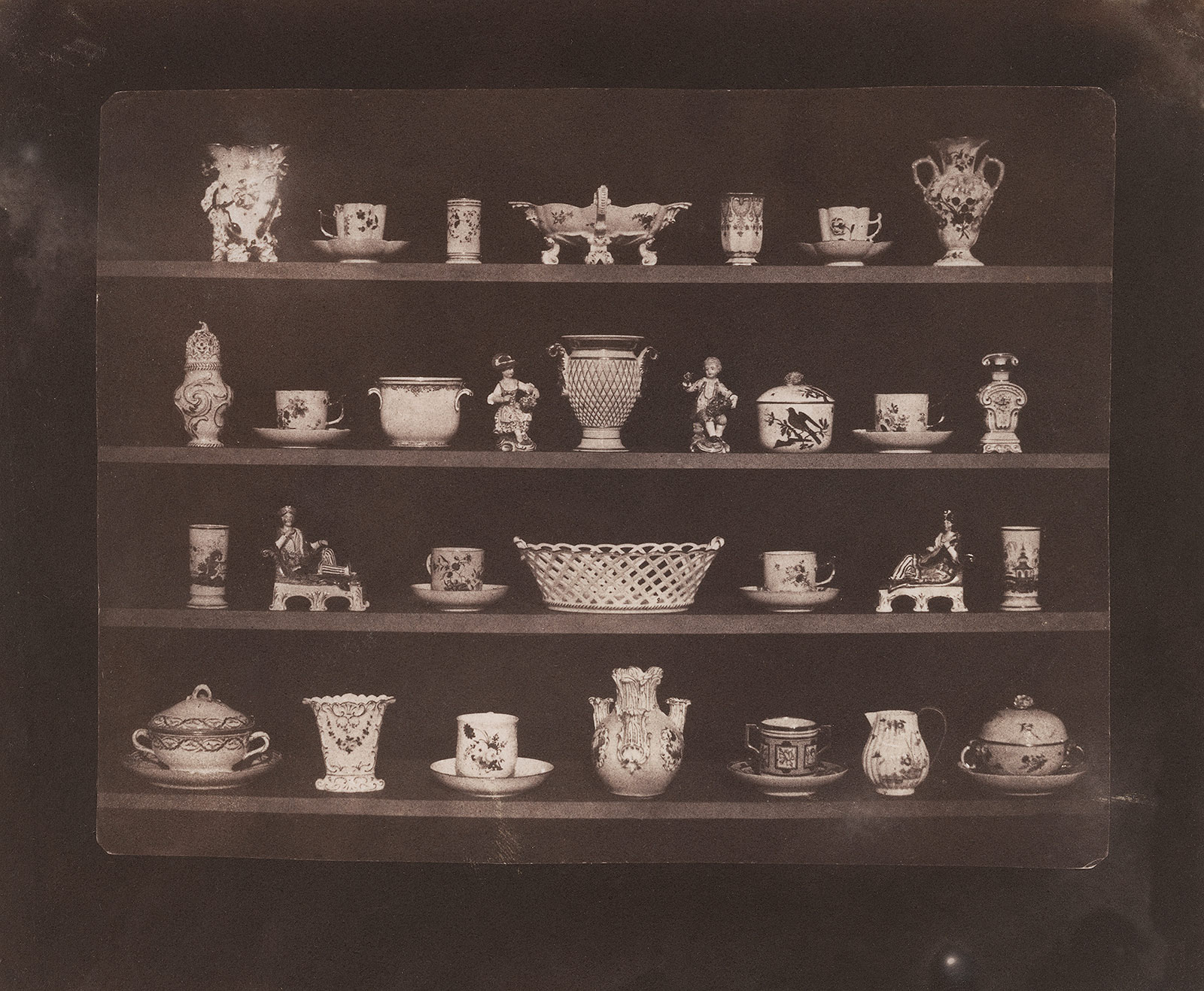


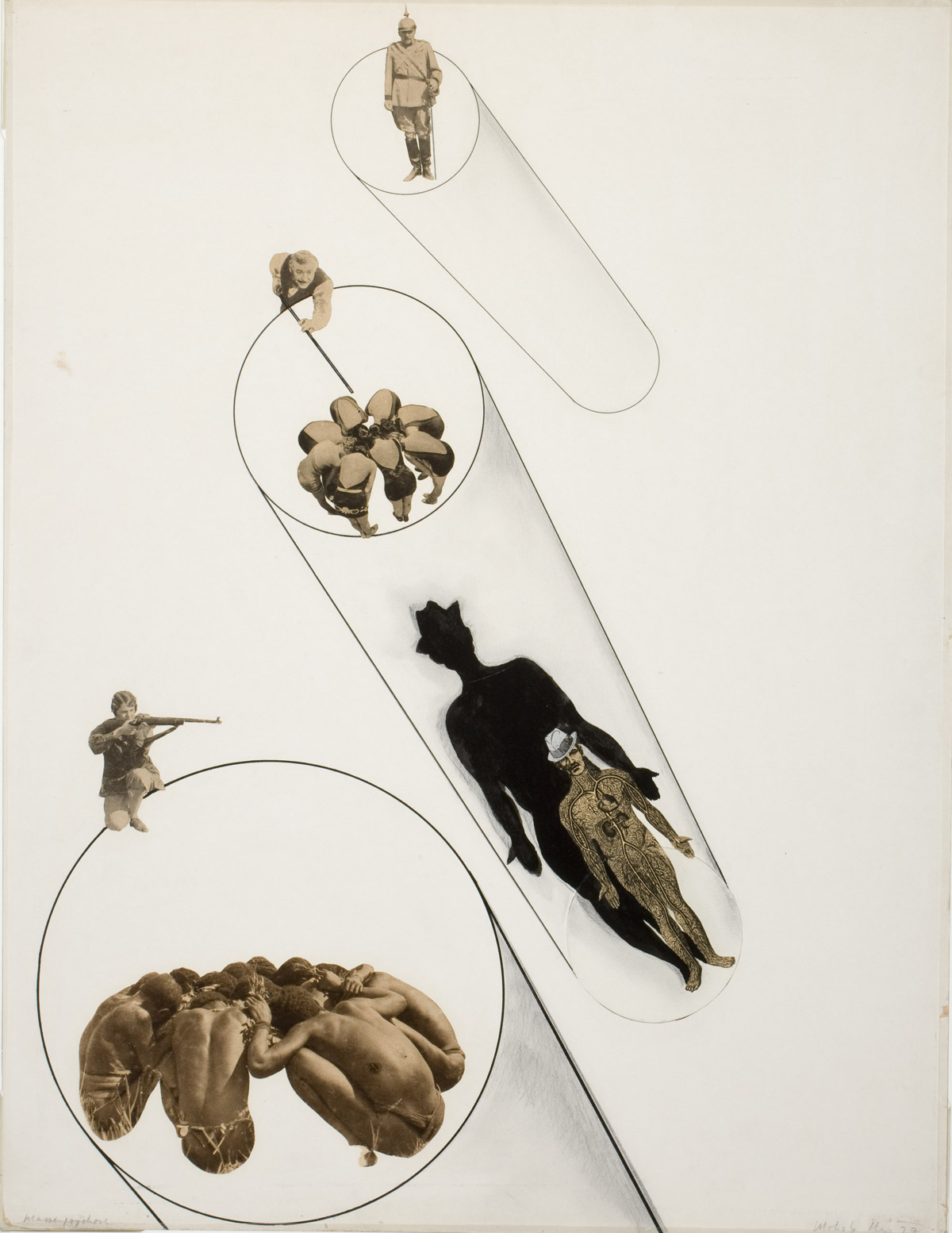
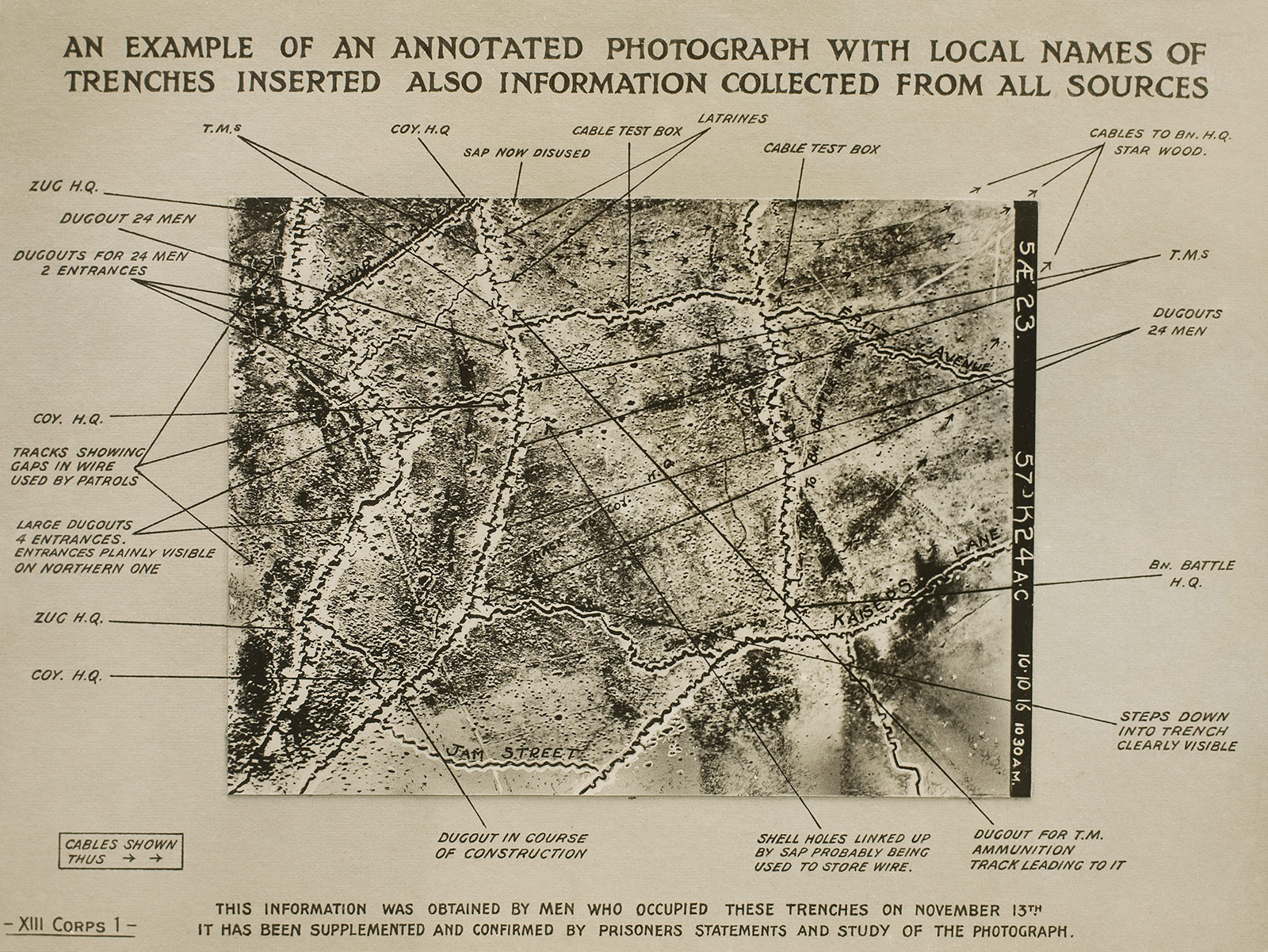
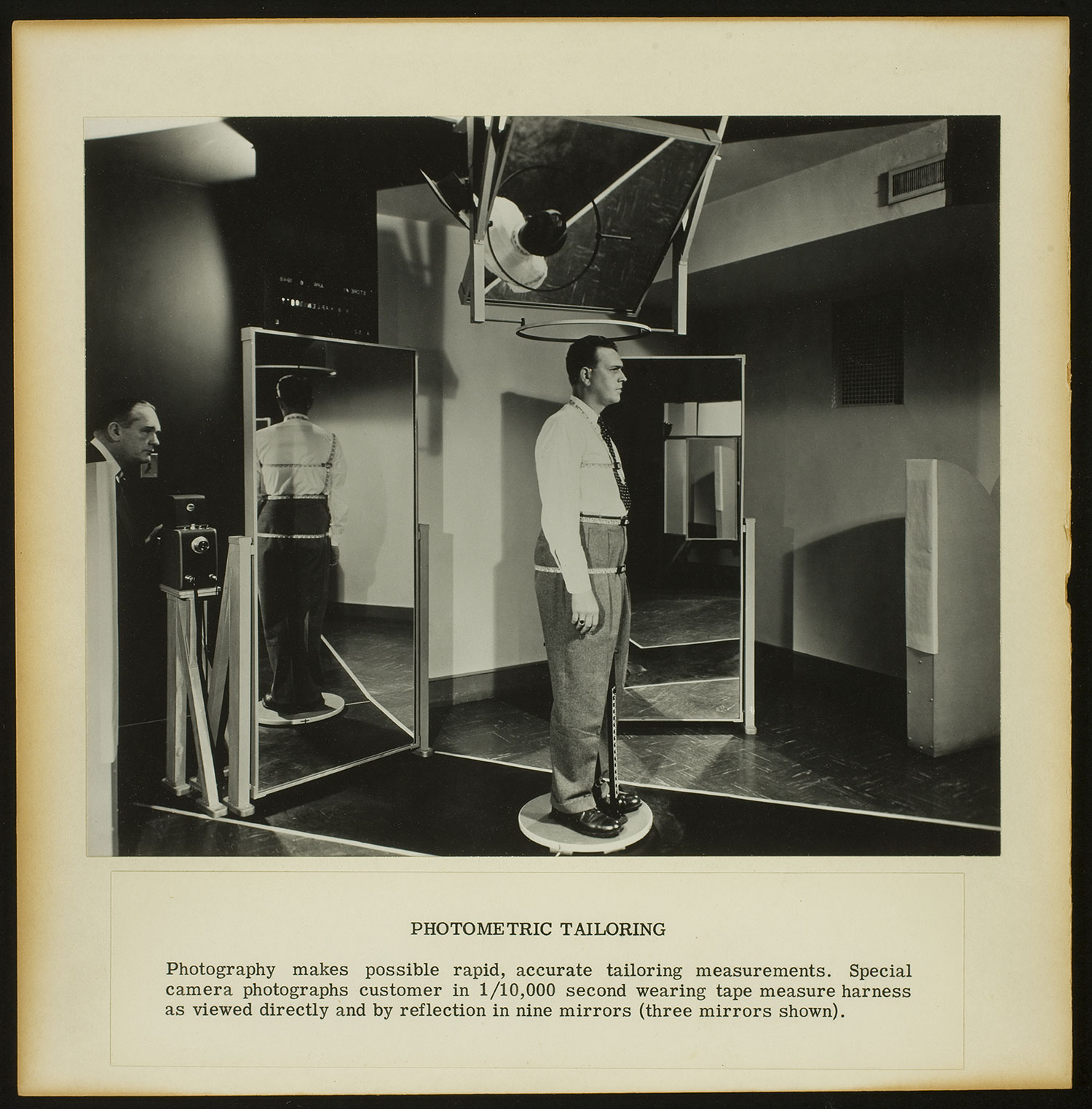
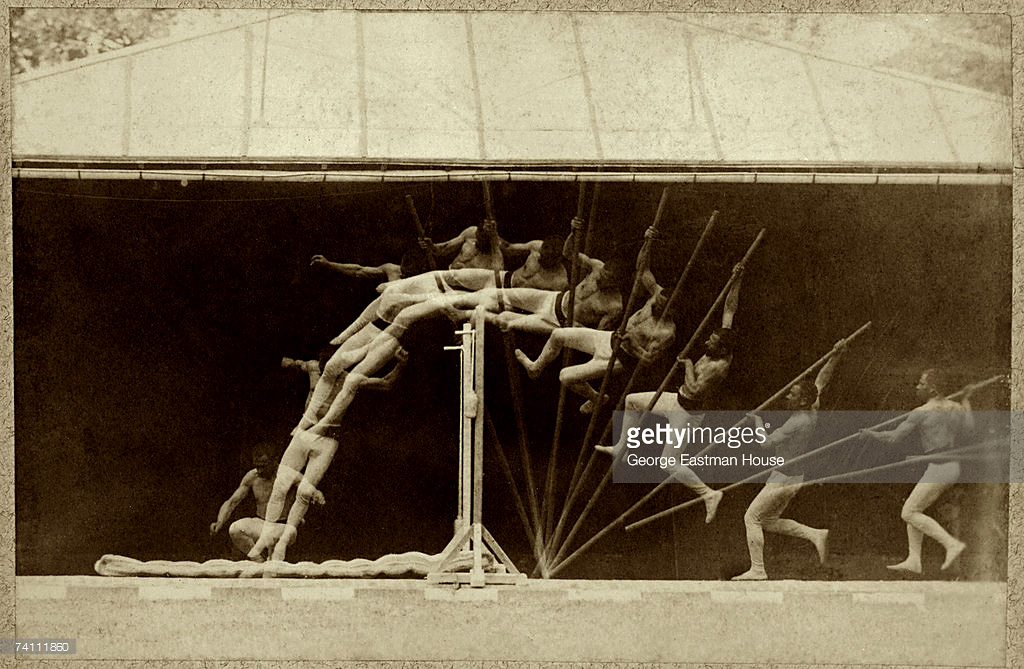
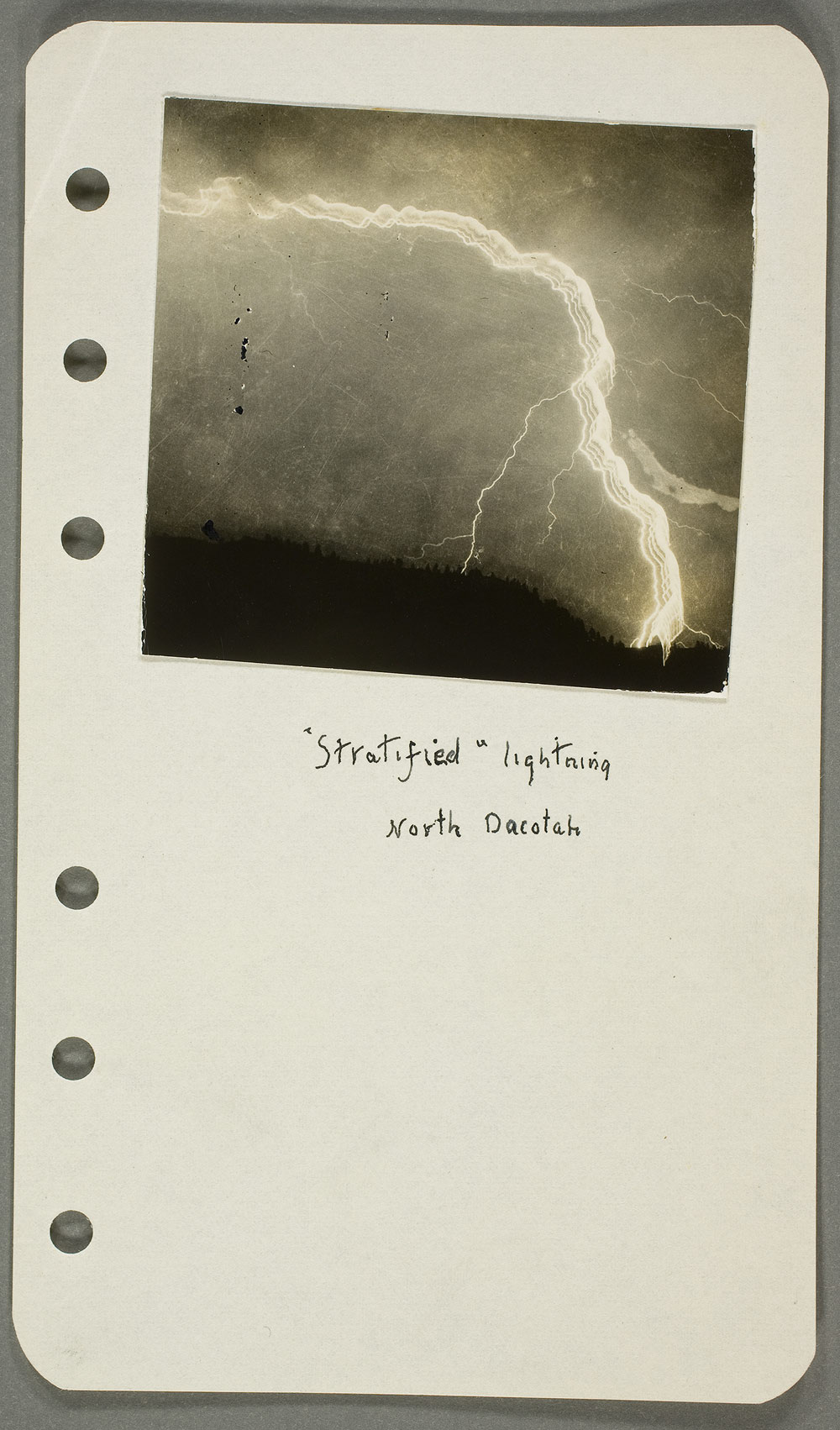
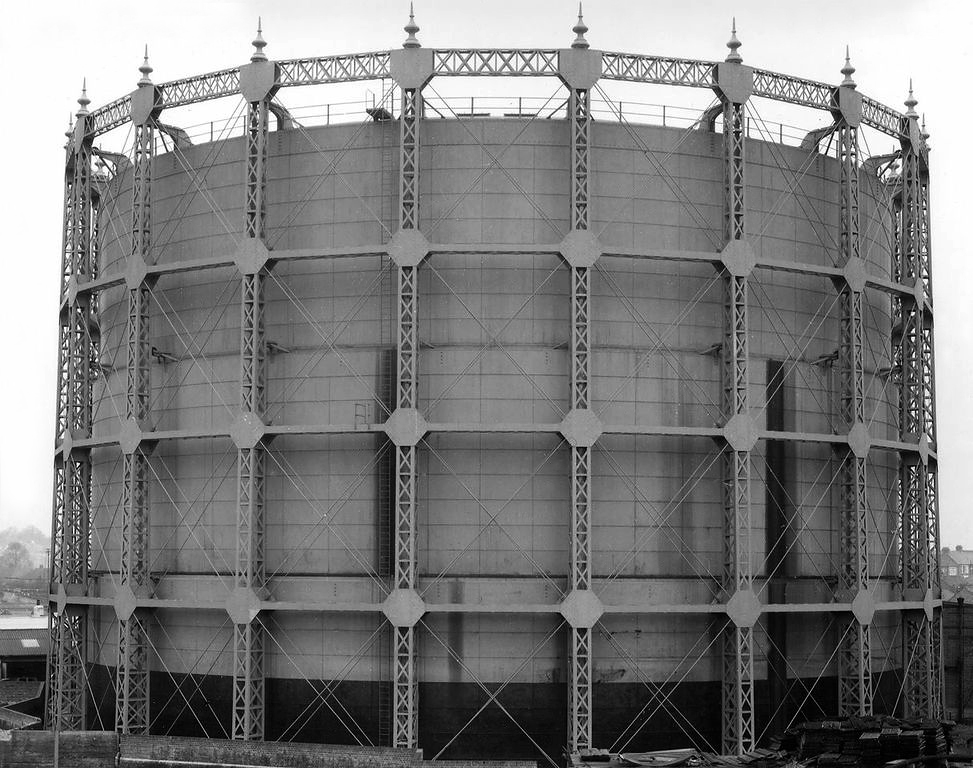

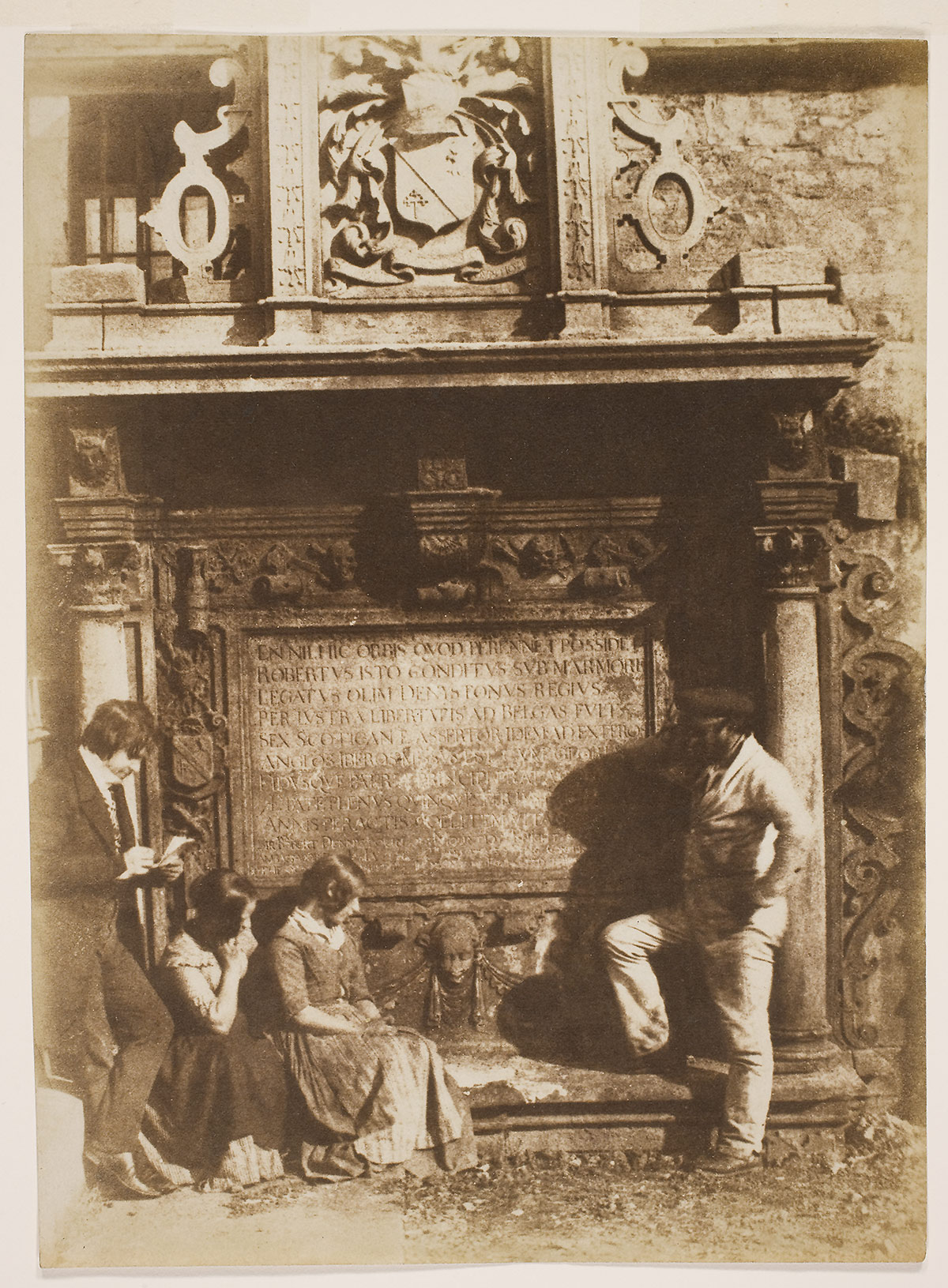


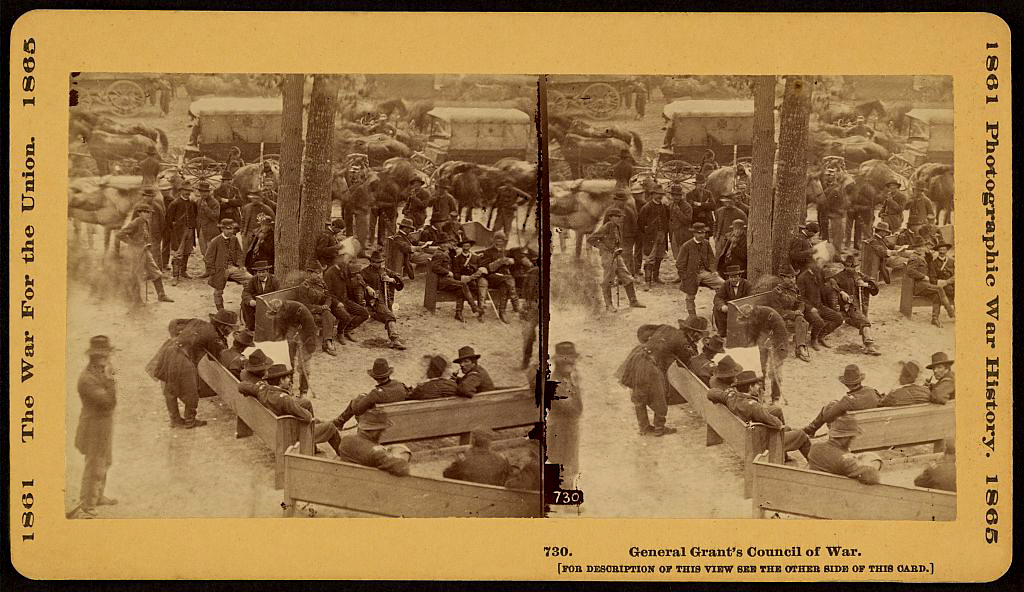







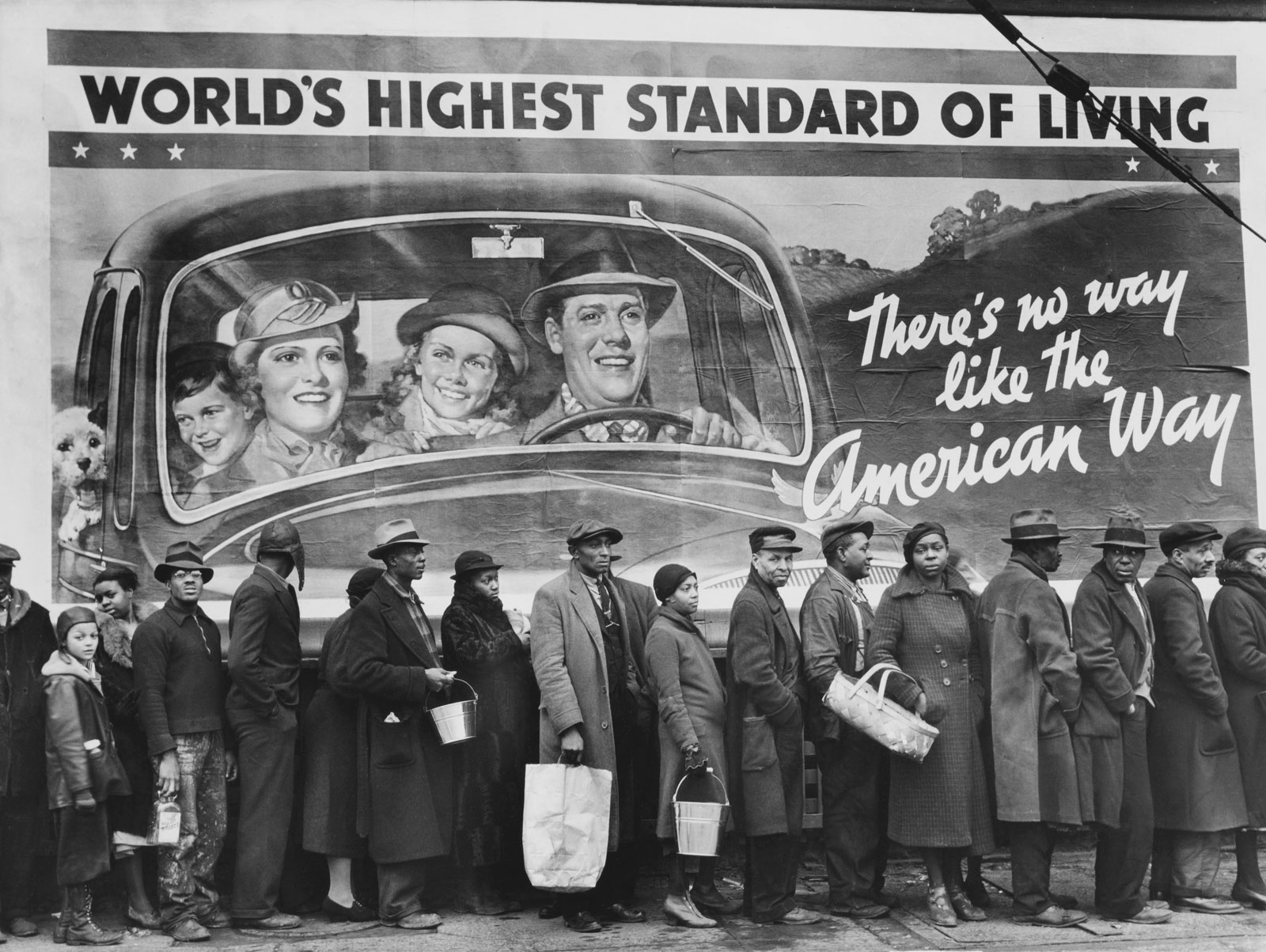
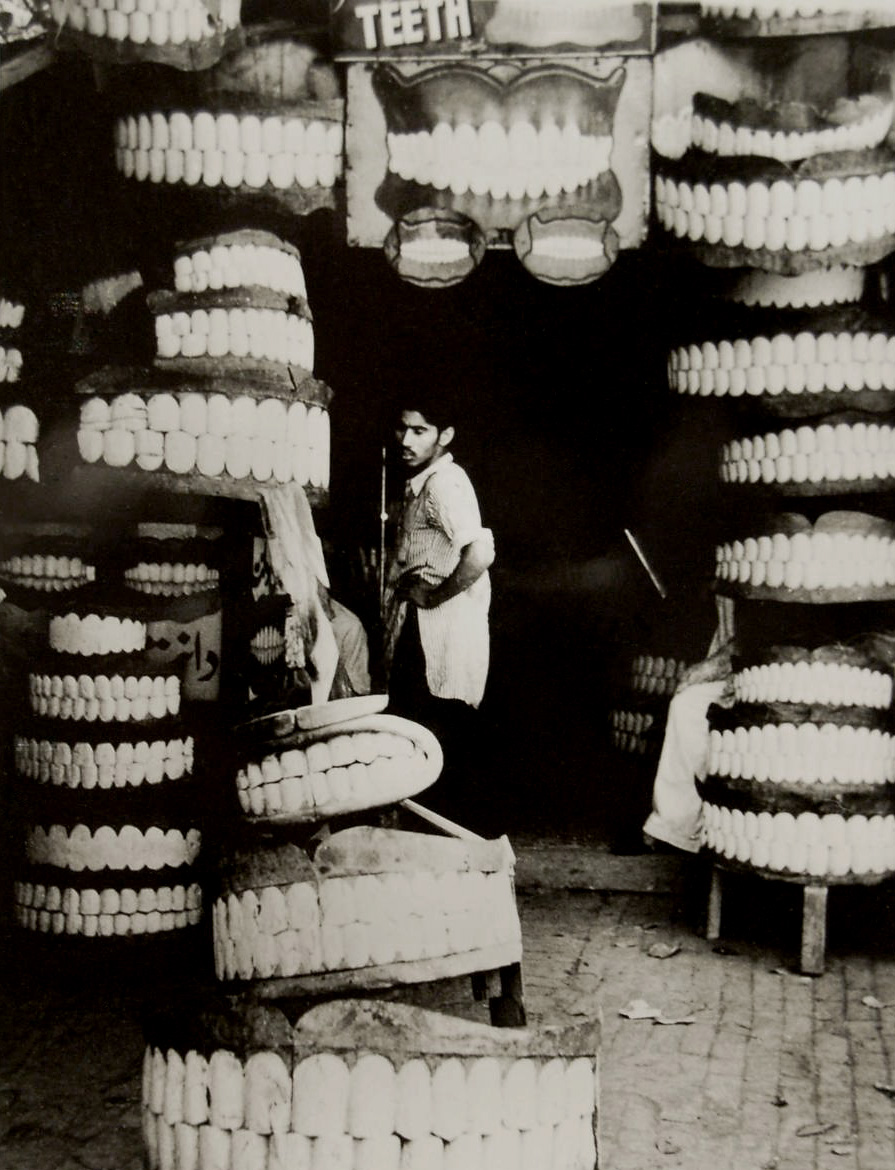
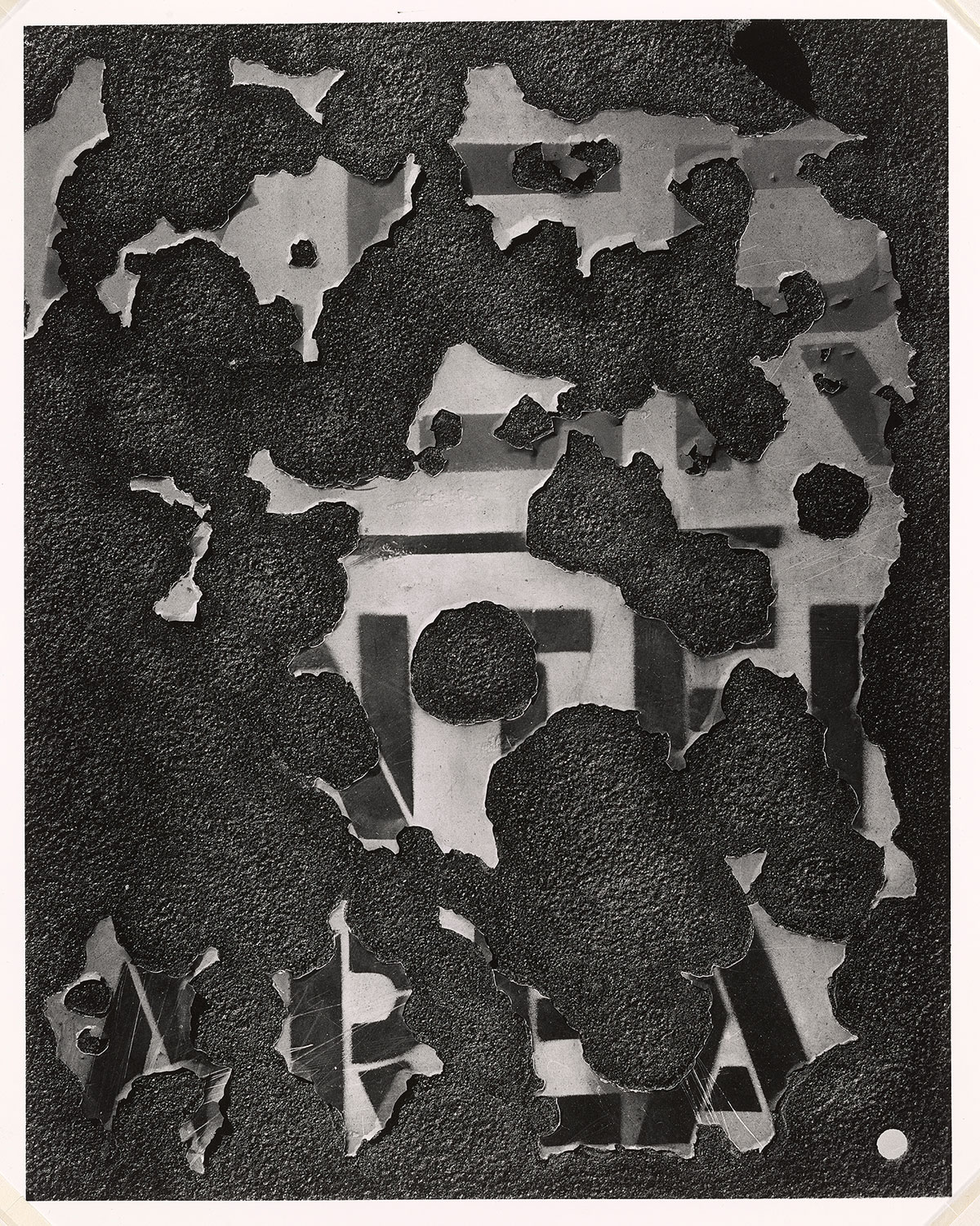
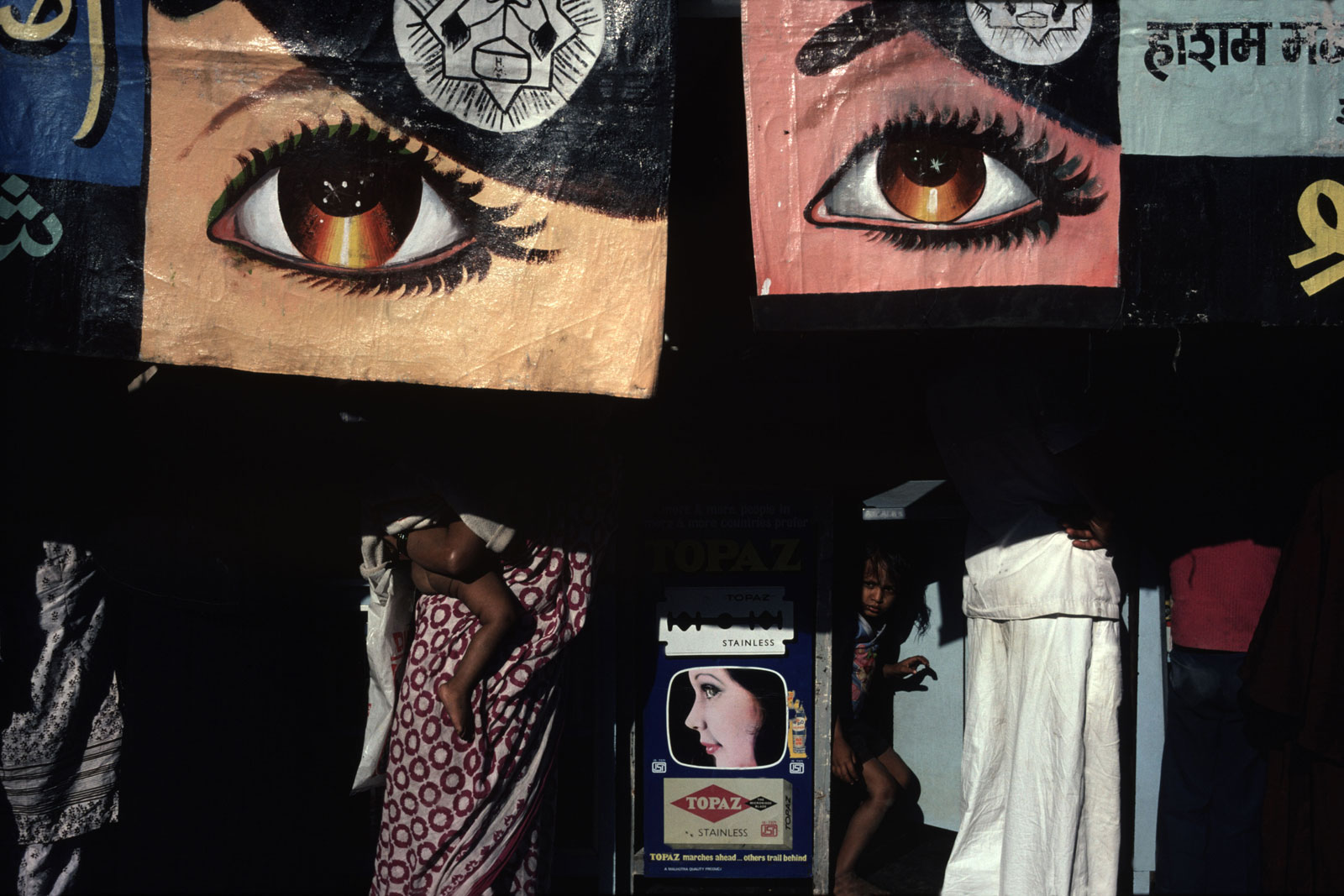
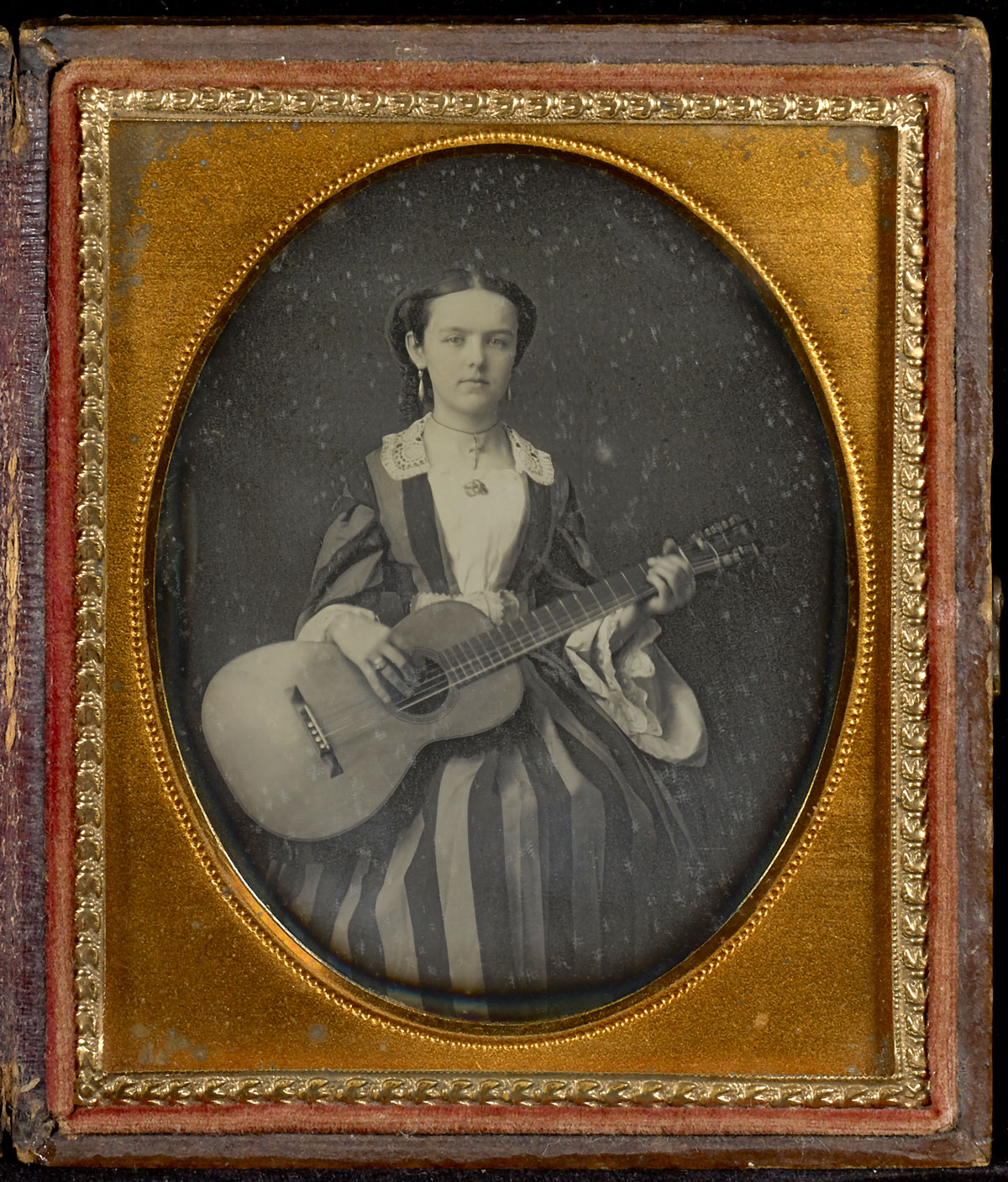
![James Maguire (American, 1816-1851) '[Portrait of Zachary Taylor]' 1847 from the exhibition 'In Focus: Daguerreotypes' at the J. Paul Getty Museum, Getty Center, Los Angeles, Nov 2015 - March 2016](https://artblart.com/wp-content/uploads/2016/02/gm_06991301-web.jpg "James Maguire (American, 1816-1851) '[Portrait of Zachary Taylor]' 1847 from the exhibition 'In Focus: Daguerreotypes' at the J. Paul Getty Museum, Getty Center, Los Angeles, Nov 2015 - March 2016")


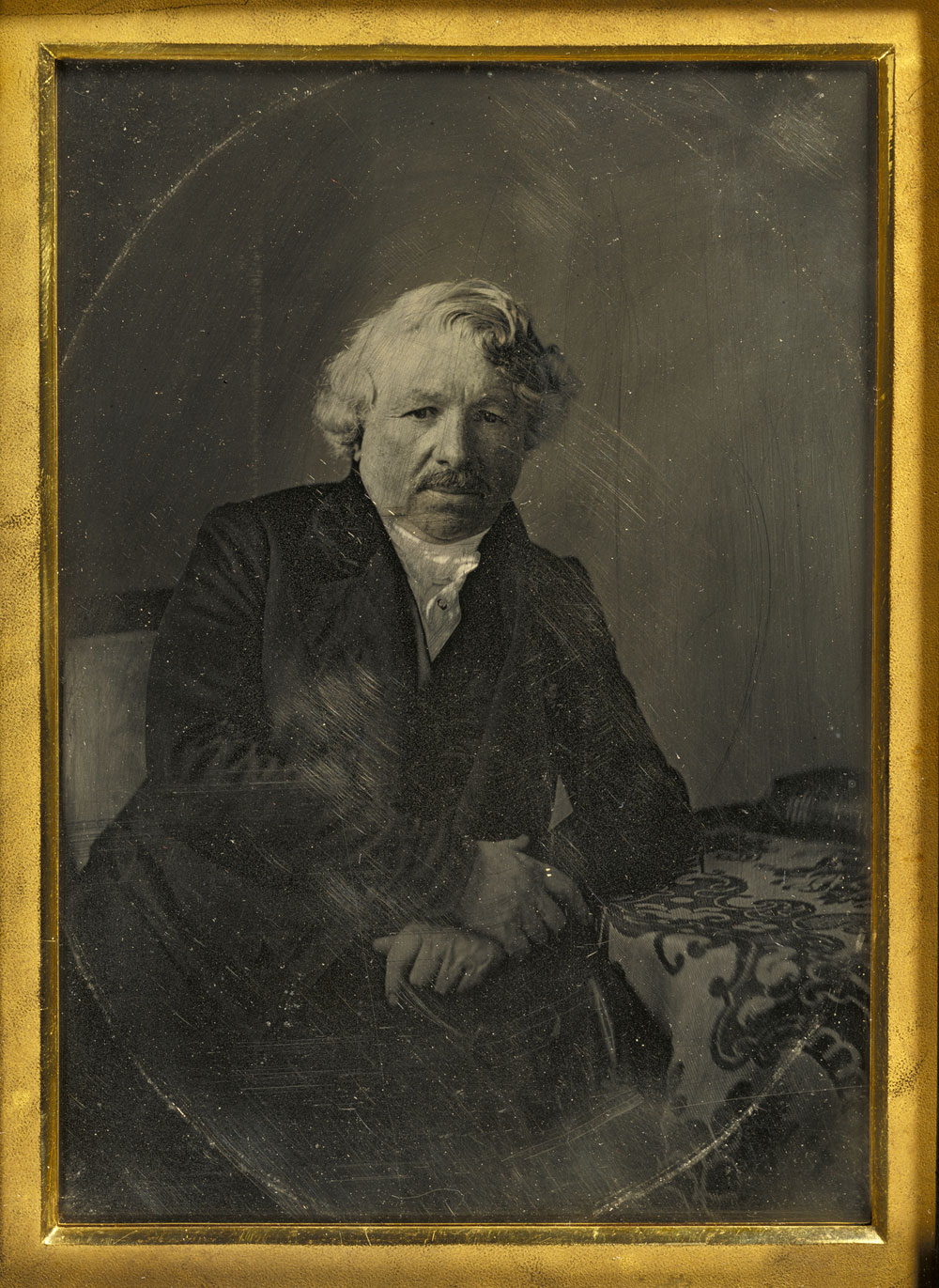
![James P. Weston (American, active South America about 1849 and New York 1851-1852 and 1855-1857) '[Portrait of an Asian Man in Top Hat]' c. 1856](https://artblart.com/wp-content/uploads/2016/02/gm_05595301-web.jpg "James P. Weston (American, active South America about 1849 and New York 1851-1852 and 1855-1857) '[Portrait of an Asian Man in Top Hat]' c. 1856")

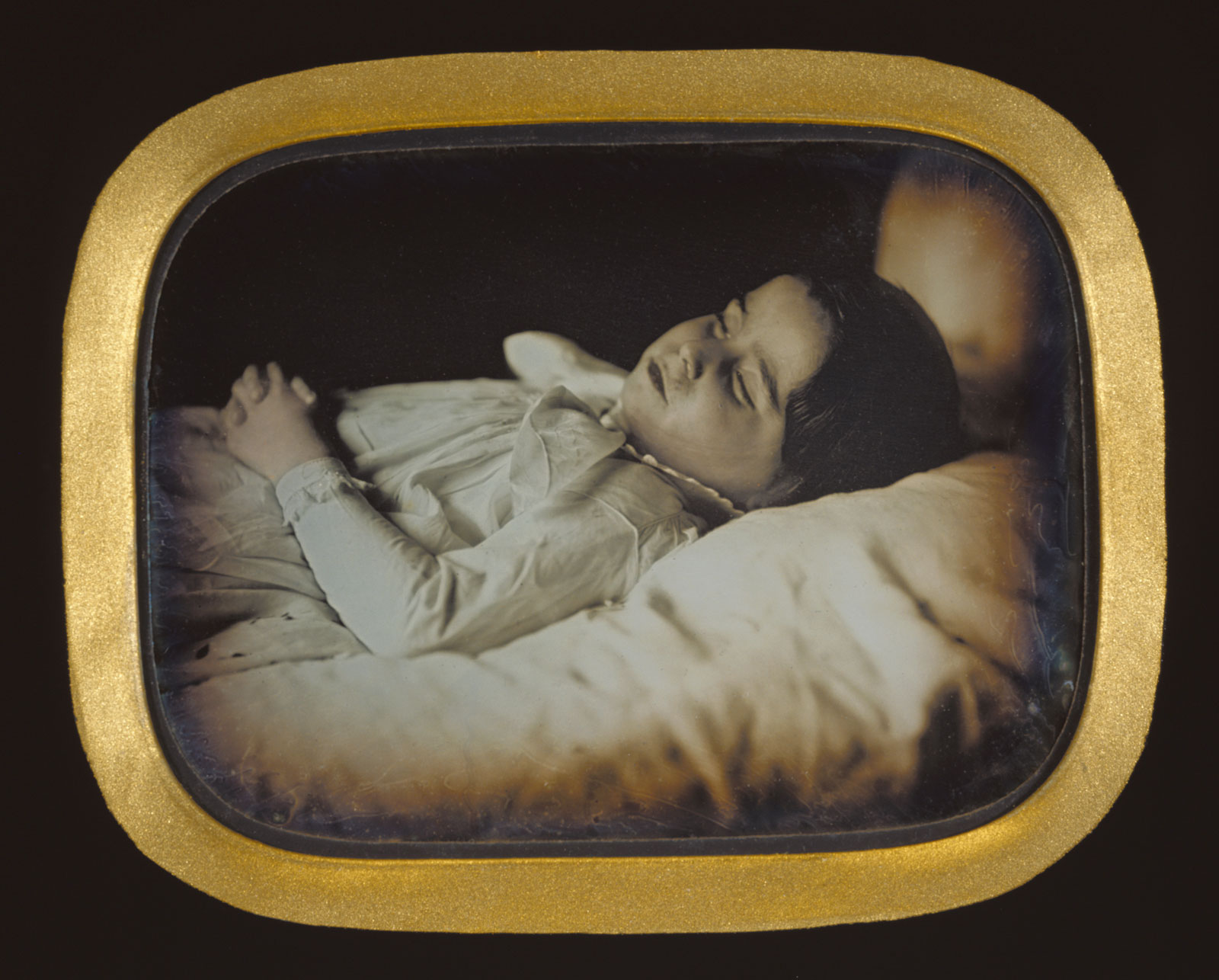
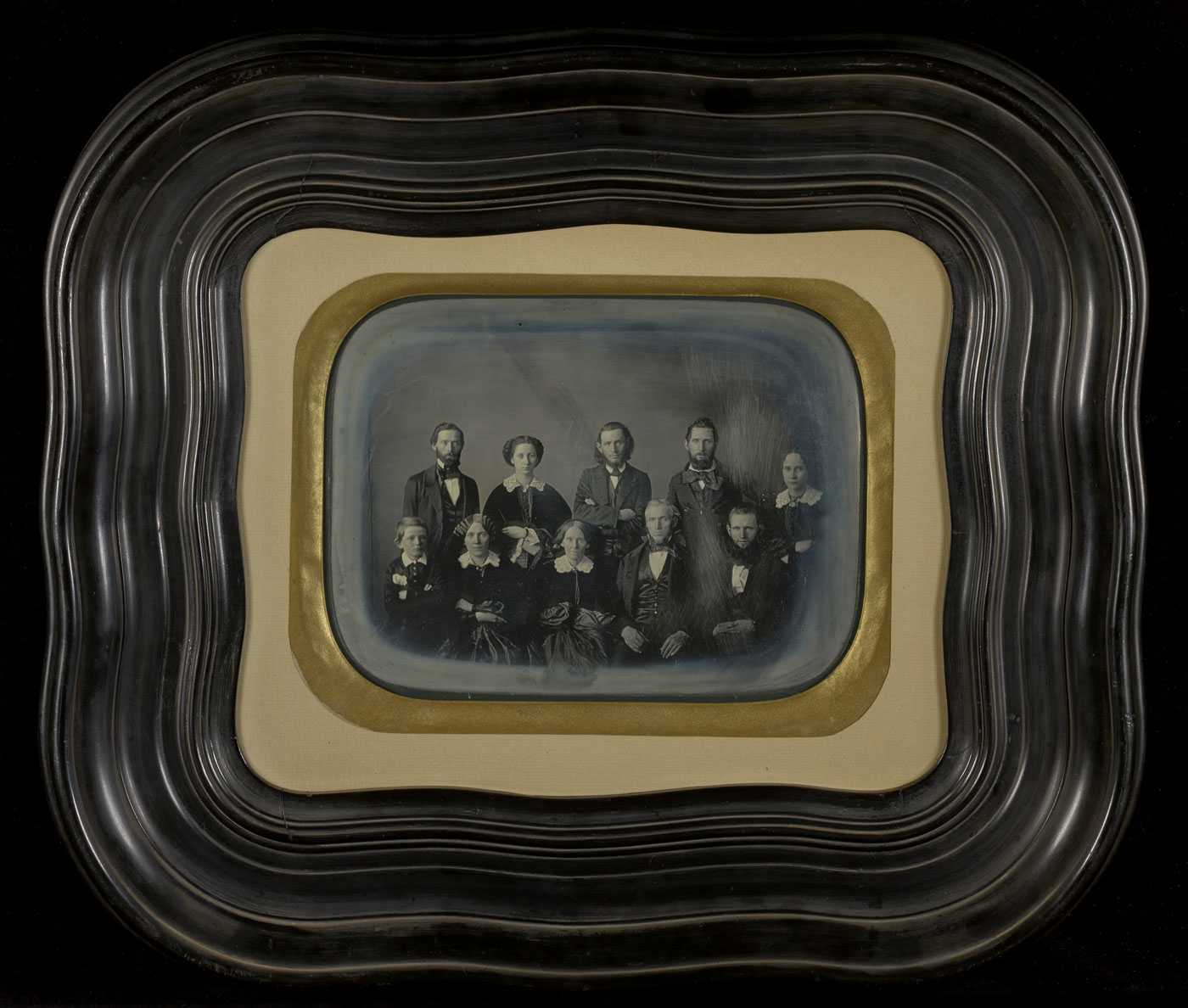

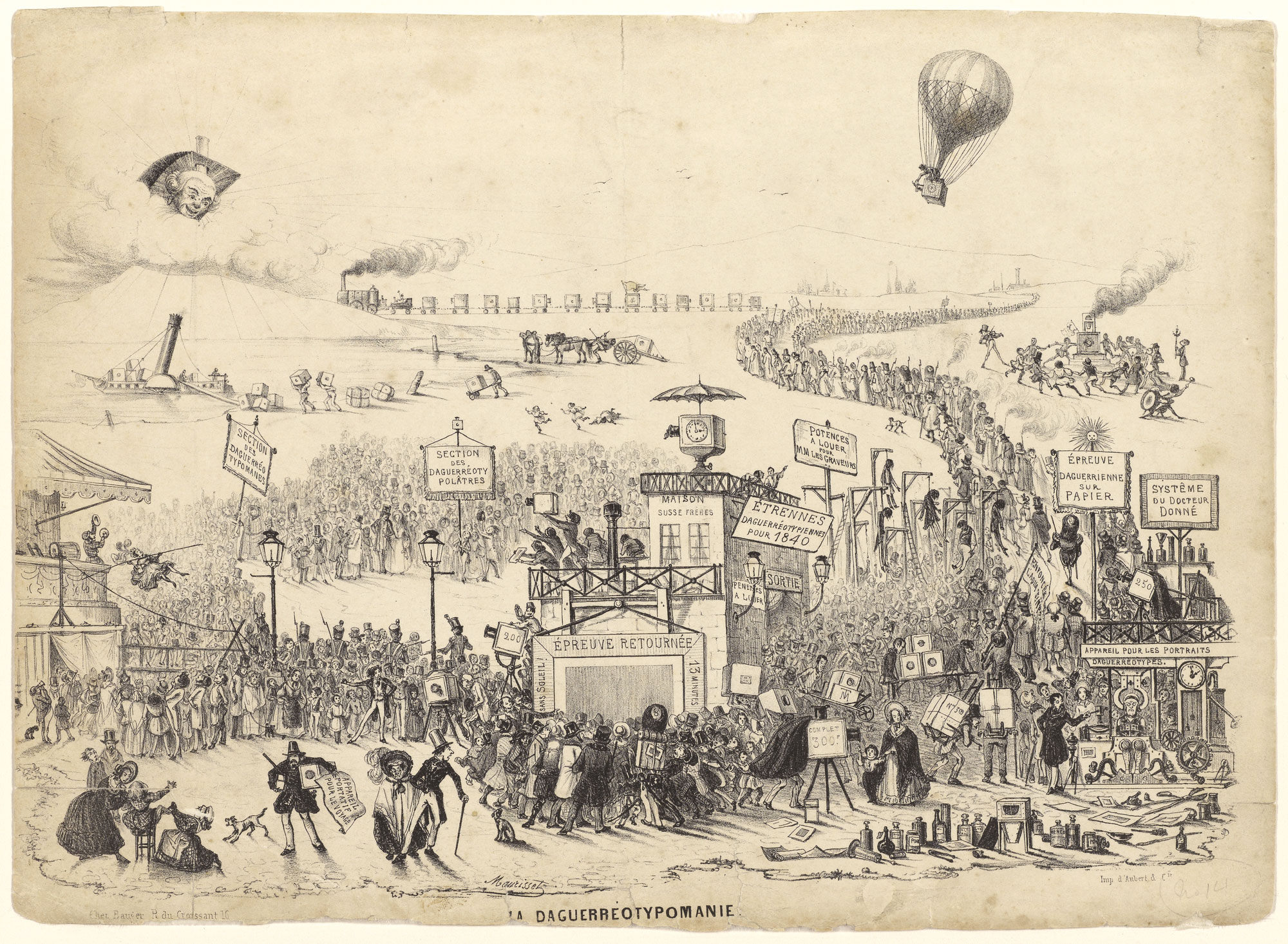


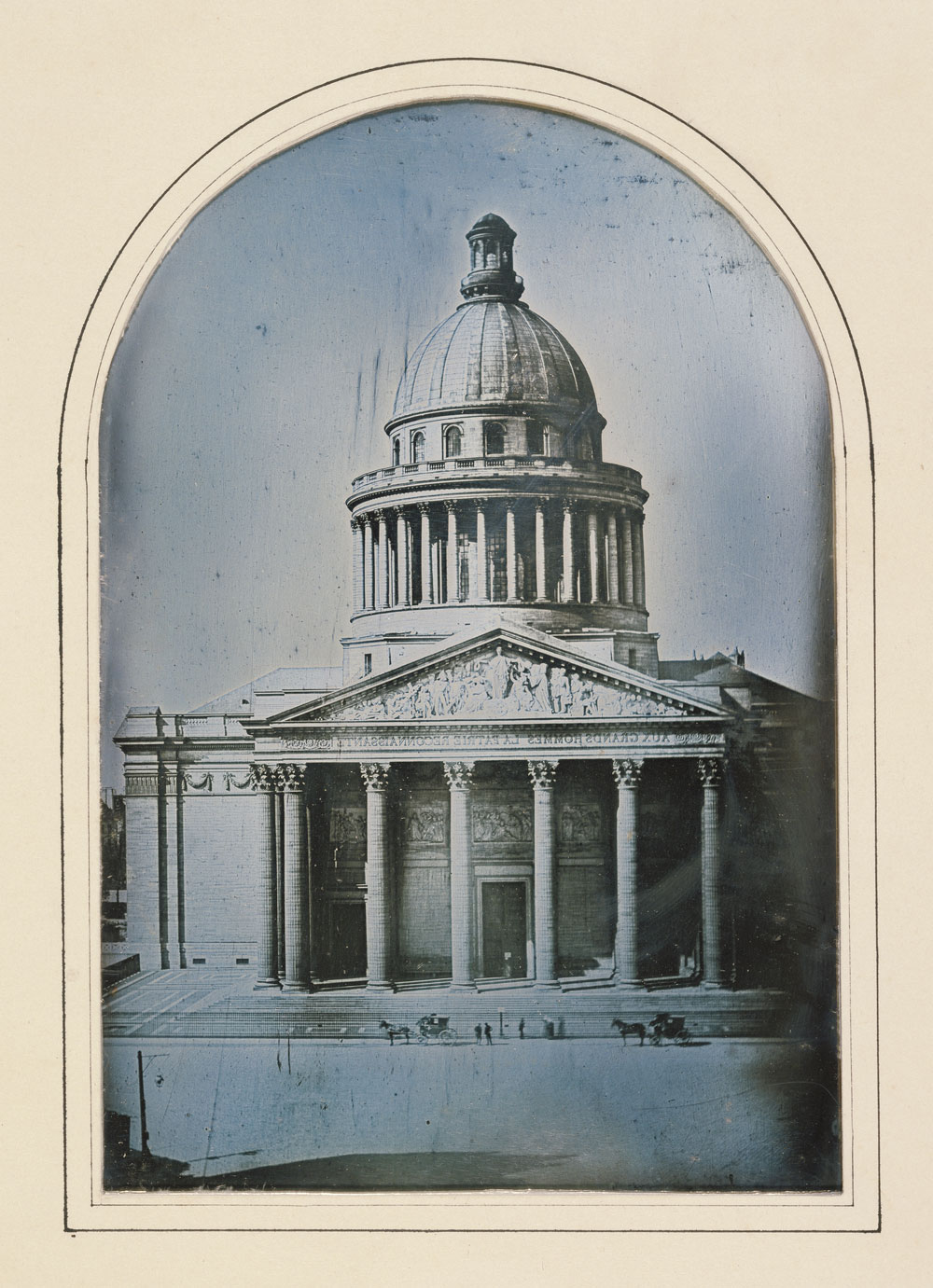

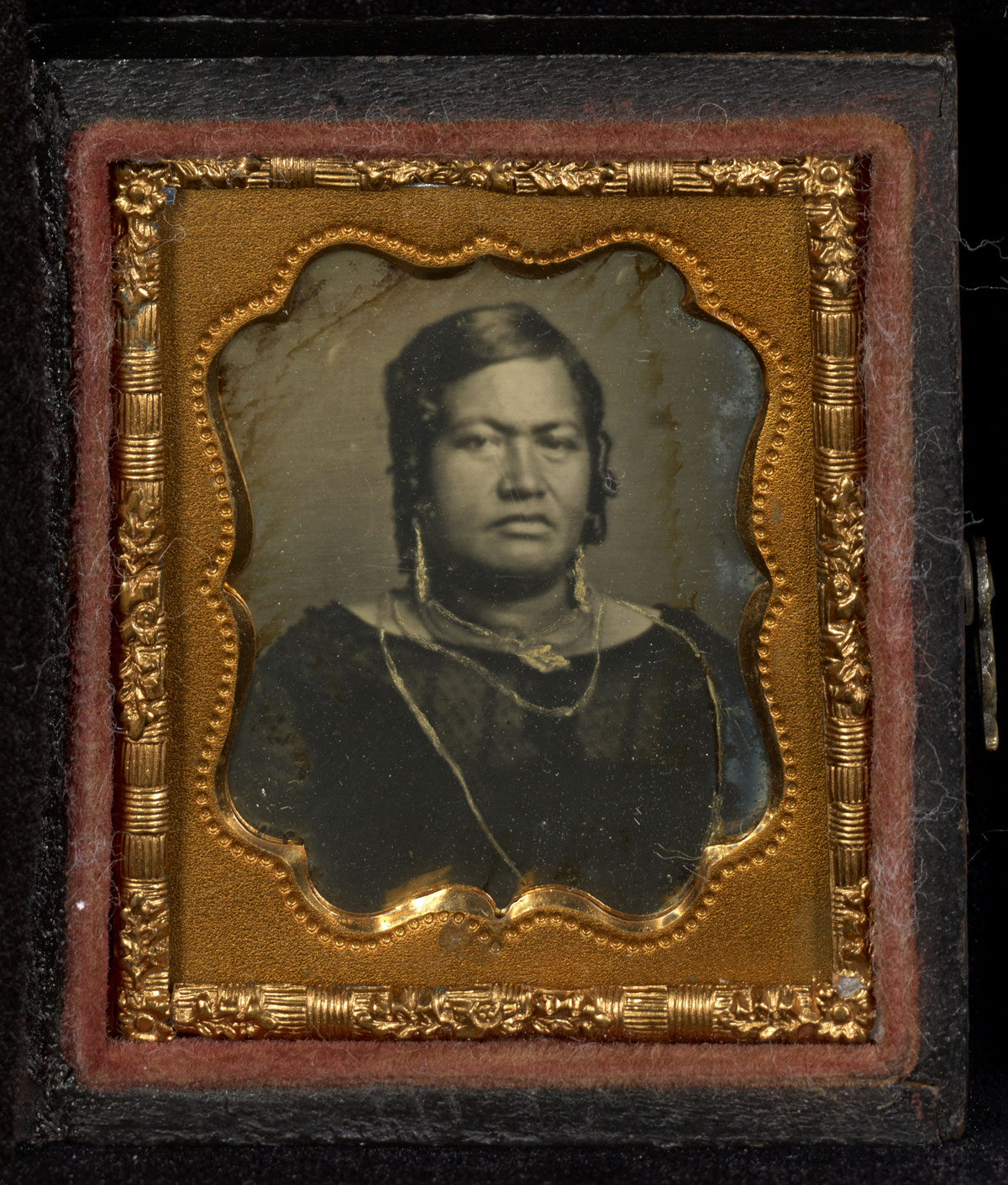
![Unknown maker (American) '[Portrait of an Unidentified Daguerreotypist Displaying a Selection of Daguerreotypes] / Daguerreotypist (?) Displaying Thirteen Daguerreotypes' 1845](https://artblart.com/wp-content/uploads/2016/02/gm_06329401-web.jpg "Unknown maker (American) '[Portrait of an Unidentified Daguerreotypist Displaying a Selection of Daguerreotypes] / Daguerreotypist (?) Displaying Thirteen Daguerreotypes' 1845")
![Unknown maker (American) '[Chinese Woman with a Mandolin]' 1860](https://artblart.com/wp-content/uploads/2016/02/gm_05620001-web.jpg "Unknown maker (American) '[Chinese Woman with a Mandolin]' 1860")
![Unknown maker (American) '[Chinese Woman with a Mandolin]' 1860 (detail)](https://artblart.com/wp-content/uploads/2016/02/gm_05620001-detail.jpg "Unknown maker (American) '[Chinese Woman with a Mandolin]' 1860 (detail)")

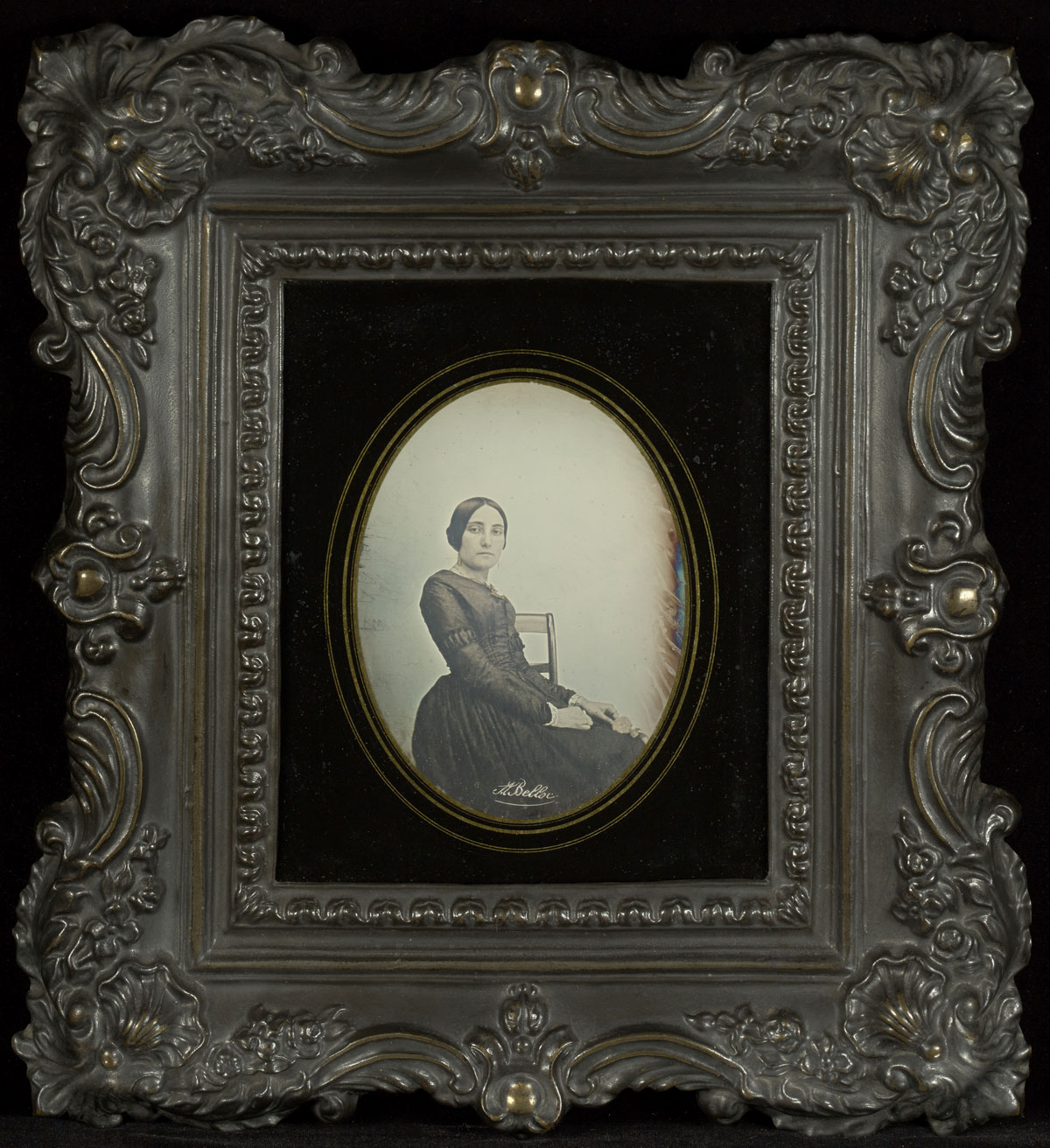
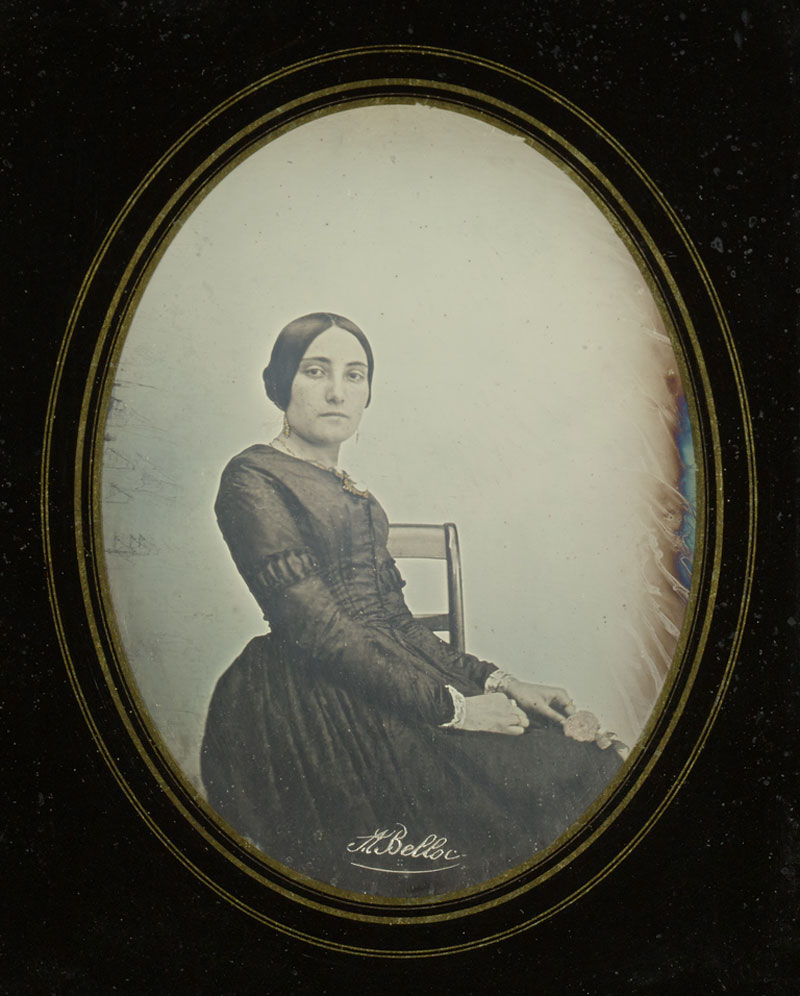
 Art Blart _ art and cultural memory archive
You must be logged in to post a comment.