Exhibition dates: 11th September – 11th October 2013
Curator: Unknown
Tony Ray-Jones (British, 1941-1972) Lady’s Day c. 1967 Vintage Gelatin Silver Print 12 x 20cm (5 x 8 inches)
What a loss to the world when this photographer died aged just thirty. His eye was magnificent. He seems to have instinctively known how to capture the quintessential British at work, rest and play in all that societies class-ridden glory – the fag hanging out of the mouth in Lady’s Day (c. 1967) combining beautifully with the aura of the patterned dresses; the isolation of the figures and their stop-frame movement in Day at the Races (c. 1967), a wonderfully balanced composition caught in the moment; and the orchestral ensemble that is the cast of Bacup, Lancashire, 1968 (1968), each figure playing its part in the overall tension of the picture plane: the brothers at right in matching duffle coats, the boy walking forward down the incline with head thrown sideways balanced at rear by another boy with hands in pockets tossing his head into the wind. Magical.
Just to see this image, to visualise it and have the camera ready to capture its “nature”, its undeniable presence for that one split second, then to develop and find this image on a proof sheet, what joy this would have been for the artist. Equally illustrious is the feeling of Bournemouth, 1969 (1969) with the nuanced use of shadow and light, the occlusion of the figure behind the screen with the turn of the head, and the placement of the two white tea cups at right. Ray-Jones wasn’t afraid to place figures in the foreground of his compositions either as can be seen in Brighton Beach, 1967 (1967) to great effect, framing the mise en scène behind.
These photographs take me way back to my childhood in the 1960s in England, going to Butlin’s Clacton-on-Sea and Bournemouth for our family holidays. Even the name says it all: Clacton “on sea” as though they have to remind people visiting that they are actually at the sea. The photographs perfectly capture the mood of the country in this utilitarian era where holidays at a seaside resort were often dour affairs, punctuated by stony beaches, bad weather and regulated activities. The freedom of the 1970s had yet to arrive and us kids went whether we liked it or not: Mablethorpe, 1967 (1967) perfectly epitomises such an environment, with the long days of pleasure / torture stretching off into the distance much as the sea wall in Ray-Jones’ photo.
Dr Marcus Bunyan
Many thankx to James Hyman for allowing me to publish these magnificent photographs. Please click on the photographs for a larger version of the image.
Tony Ray-Jones (British, 1941-1972) Day at the Races c. 1967 Vintage Gelatin Silver Print 13 x 20cm (5 x 8 inches)
Tony Ray-Jones (British, 1941-1972) A Day at Richmond Park c. 1967 Vintage Gelatin Silver Print 17.5 x 25.6cm (7 x 10 inches)
Tony Ray-Jones (British, 1941-1972) Chatham May Queen, 1968 1968 Vintage Gelatin Silver Print 17.5 x 26.2cm (7 x 10 inches)
Tony Ray-Jones (British, 1941-1972) Bacup, Lancashire, 1968 1968 Vintage Gelatin Silver Print 17.5 x 26.5cm (7 x 10 inches)
James Hyman is delighted to stage an exhibition of rare, vintage photographs by Tony Ray-Jones to coincide with the opening exhibition of the Science Museum Media Space, Only in England, Photographs by Tony Ray-Jones and Martin Parr, in September 2013.
Tony Ray-Jones had a short life. He died in 1972 aged just thirty. But the pictures that he left behind are some of the most powerful British photographs of the twentieth century. His work of the late 1960s and early 1970s documents English culture and identity and brilliantly captures this period in English public life. Inspired by what he learnt in America in the mid-1960s, from photographers such as Lee Friedlander and Joel Meyerowitz, Ray-Jones was keen to make ‘new’ photographs of English life, which did not read simply as documentary, but also as art objects. As he explained in Creative Camera in 1968: “the spirit and the mentality of the English, their habits, and the way they do things, partly through tradition and the nature of their environment and mentality.”
The acclaim that Ray-Jones received after his death, especially from other photographers, testifies to the respect of his elders and his contemporaries. Bill Brandt praised the “very pronounced style all of his own” and lamented that “his death, at such a young age, is a terrible loss to British photography.” Jacques Henri-Lartigue praised Tony Ray-Jones as a “fantaisiste”: “young, free and whimsical with, in addition, a very sound technique and a vision of fire that was full of humour, truth and a sense of poetry” and Paul Strand praised his “remarkable formal organisation” and declared: “I found the photographs of Tony Ray-Jones very outstanding. In them I find that rather rare concurrence when an artist clearly attaining mastery of his medium, also develops a remarkable way of looking at the life around him, with warmth and understanding.”
These tributes are to be found in the most important book of Tony Ray-Jones work, A Day Off. An English Journal, published in 1974. They are included in a beautiful essay in which Ainslie Ellis, one of the photographer’s earliest champions, addresses not only the photographs but also Ray-Jones’s photographic process. Ellis stresses that what mattered to Ray-Jones was not just taking the picture, but also the creative process of deciding which pictures on a contact strip to print, and then making a master-print, from which all subsequent prints would be matched. We are, therefore, delighted that this exhibition should include many of the pictures reproduced in this celebrated book and that it present exclusively vintage prints, which, in a number of identifiable cases, are the actual photographs that Tony Ray-Jones exhibited in his lifetime.
Often playful and sometimes despondent, what Ray-Jones produced was unlike anything which came before, and was the catalyst for a generation of New British Photographers.
Press release from the James Hyman website
Tony Ray-Jones (British, 1941-1972) Bournemouth, 1969 1969 Vintage Gelatin Silver Print 16 x 25cm (6 x 10 inches)
Tony Ray-Jones (British, 1941-1972) Brighton Beach, 1967 1967 Vintage Gelatin Silver Print 17.5 x 26.5cm (7 x 10 inches)
Tony Ray-Jones (British, 1941-1972) Mablethorpe, 1967 1967 Vintage Gelatin Silver Print 14 x 21cm (6 x 8 inches)
Tony Ray-Jones (British, 1941-1972) Waxworks, Eastbourne, 1968 1968 Vintage Gelatin Silver Print 14 x 21cm (6 x 8 inches)
Tony Ray-Jones (British, 1941-1972) Durham Miners’ Gala 1969 Vintage Gelatin Silver Print 14 x 22.5cm (6 x 9 inches)
Tony Ray-Jones (British, 1941-1972) Sunday Best c. 1967 Vintage Gelatin Silver Print 30.5 x 20cm (12 x 8 inches)
Tony Ray-Jones (British, 1941-1972) Blackpool, 1968 1968 Vintage Gelatin Silver Print 21 x 14.5cm (8.25 x 5.70 ins)
James Hyman Gallery 16 Savile Row London W1S 3PL Phone: 020 7494 3857
“The pity is that Jerrems died so young for what this exhibition brought home to me was that here was an artist still defining, refining her subject matter.” Dr Marcus Bunyan
Exhibition dates: 6th July – 30th September, 2013
A National Gallery of Australia exhibition
Curator: Gael Newton and Anne O’Hehir
PLEASE NOTE: THIS POSTING CONTAINS ART PHOTOGRAPHS OF FEMALE NUDITY – IF YOU DO NOT LIKE PLEASE DO NOT LOOK, FAIR WARNING HAS BEEN GIVEN
Carol Jerrems (Australian, 1949-1980) A poem (installation view)
1970
Gelatin silver photographs, letterpress, installed at Monash Gallery of Art Photograph: Katie Tremschnig
The one and only…
This is a fascinating National Gallery of Australia exhibition about the work of Australian photographer Carol Jerrems at Monash Gallery of Art, Wheelers Hill – in part both memorable, intimate, informative, beautiful, uplifting and disappointing. Let me explain what I mean.
The first section of the exhibition is devoted to Jerrems student work, notably her experiments with overlapping bodies, depth of field, movement and the layering of space and time that can be seen in her vibrant photo boooks and concertina books (see installation photographs below), accompanied by her own poems. This early work, which I had never seen, provides a wonderful insight into how the later images came to be: the shooting down hallways into the light, the pairing and tripling of bodies one behind the other, and how she constructed narrative in her later set piece photographs. This is the informative part of the exhibition.
As the exhibition moves on to the main body of Jerrems work there, in all their glory, are the famous images: Evonne Goolagong, Melbourne (1973), Flying dog (1973), Vale Street (1975), Mark and Flappers (1975), Mark Lean: rape game (1975), Mozart Street (1975), Butterfly behind glass [Red Symons from Skyhooks] (1975), Lyn (1976), Lyn and the Buick (1976), Dusan and Esben, Cronulla (1977), the self portraits and the lads with their car down by the river bank. These are memorable, intimate images, at the top of tree in terms of their importance as some of the greatest images taken by any Australian photographer of all time. They are right up there with the very best and there is no denying this. But what else is there? Take away the top dozen images of any photographer and look at the next twenty images. Now, what do you see? In Jerrems case, the results (as evidenced by this exhibition) are a little disappointing. Of course, this is not unusual with any artist.
In her low key, diaristic documentary style, Jerrems focuses on life before her lens. She finds joy, intimacy, love, danger, transgression and rape; she portrays women and gay liberation, youth on the streets, sharpies and the Indigenous population. As Christopher Allen notes, sexuality and its darker side was never far from the surface in Jerrems work and there was a “mix of defiance, erotic assertiveness and vulnerability of that time… [an] intimate closeness to the subject and the direct and unmodified transcription of the world before her.”1 Her intelligent imaging of everyday subject matter “produced a body of photographs that symbolised the hopes and aspirations of the counter-culture in Australia in the 1970s,” but this investigation did not produce particularly memorable photographs. Outside the top group of images I am struggling to remember her other images.
But what we must remember is that this Australia was another time and place. Art photography books had only just arrived in Melbourne in 1970 and Jerrems was one of the first women to point her camera at other women (producing with Virginia Fraser the book A Book About Australian Women in 1974) and people of the revolution. These are socially important documents in terms of Australian (photographic) history. I believe that she said to herself – I know who I am, but I want to know what other people are like – and she transcribed how she was thinking about the world to the people around her through her photographs. Building on the legacy of artists like Henri Cartier-Bresson, André Kertész and Robert Frank, her photographs are like an after-image of some other place, some other Australia that is only forty five years ago but now seems eons away in time and space.
What we take for granted, in terms of sexual liberation, freedom of action and speech, she had to fight for. She had to fight for photographic, conceptual and technical knowledge to arm herself as an intelligent women (for that is what she was), so that she could image / imagine the world. She had to fight damn hard for these things – and then she upped the ante and pushed even harder, even further. These are dangerous photos, for women and gay men were vulnerable and threatened, marginalised and they were a target. Even in the act of photographing, her going into these places (brothels for example), she would have been a target. Does this make for memorable photographs? Not necessarily, and you can see this in the unevenness of the results of her investigation. But socially, these are very important images.
The pity is that she died so young for what this exhibition brought home to me was that here was an artist still defining, refining her subject matter. She never had to time to develop a mature style, a mature narrative as an artist (1975-1976 seems to be the high point as far as this exhibition goes). This is the great regret about the work of Carol Jerrems.
Yes, there is some mediocre work in this exhibition, stuff that really doesn’t work at all (such as the brothel photographs), experimental work, individual and collective images that really don’t impinge on your consciousness. But there are also the miraculous photographs (and for a young photographer she had a lot of those), the ones that stay with you forever. The right up there, knock you out of the ball park photographs and those you cannot simply take away from the world. They live on in the world forever.
Does Jerrems deserve to be promoted as a legend of Australian photography as some people are doing? Not on the evidence of this exhibition, but my god, those top dozen or so images are something truly special to behold. Their ‘presence’ alone – their physicality in the world, their impact on you as you stand before them – guarantees that Jerrems will forever remain in the very top echelons of Australian photographers of all time not as a legend, but as a women of incredible strength, intelligence, passion, determination and vision.
Dr Marcus Bunyan
1/ Allen, Christopher. “Between suburbia and radicalism,” in The Australian newspaper, October 20th, 2012 [Online] Cited 20/09/2013 no longer available online.
Many thankx to Mark Hislop for his help and Monash Gallery of Art for allowing me to publish the photographs in the posting. Please click on the photographs for a larger version of the image.
Carol Jerrems (Australian, 1949-1980) A poem 1970 Gelatin silver photographs, letterpress, installed at Monash Gallery of Art Photo: Katie Tremschnig
Carol Jerrems (Australian, 1949-1980) Jim Fields, a portrait (installation view) 1970 Gelatin silver photographs, letterpress, installed at Monash Gallery of Art Photo: Katie Tremschnig
Carol Jerrems (Australian, 1949-1980) The Royal Melbourne Show…1968, an essay (L) and Movement with Zara (R) 1968 Gelatin silver photographs, letterpress, installed at Monash Gallery of Art Photo: Katie Tremschnig
Living in the seventies
Carol Jerrems’s gritty, poetic and elusive images show people trying to find a new way of life and action in the 1970s. Her images have come to define a decade in Australia’s history. In contrast to an earlier generation of internationally renowned magazine photojournalists such as David Moore, the new generation did not seek commissioned commercial or magazine work and took instead a low key intimate approach with a diaristic personal-documentary style of imagery focussed on themselves and their own, mostly urban, environments. Jerrems put her camera where the counter culture suggested; women’s liberation, social inclusiveness for street youths and Indigenous people in the cities who were campaigning for justice and land rights.
Carol Jerrems was the first contemporary Australian woman photographer to have work acquired by a number of museums including the National Gallery of Australia. The National Gallery holds an extensive archive of Jerrems photographs and film work gifted by the artist’s mother Joy Jerrems in 1983. The current exhibition concentrates on prints signed or formally exhibited, by Carol Jerrems in her lifetime dating from 1968-1978. MGA is the only Victorian venue to host the National Gallery of Australia’s major new exhibition Carol Jerrems: photographic artist. This extraordinary exhibition tells the story of Jerrems’ complex and highly influential practice. Drawn from the National Gallery of Australia’s massive holdings of the artist’s work, Carol Jerrems: photographic artist features more than 100 works, most of which have not been seen in Melbourne since Jerrems lived here during the late ’60s and ’70s.
Jerrems was born in Melbourne in 1949 and studied photography at Prahran Technical College under Paul Cox and Athol Shmith. Although she practised as an artist for only a decade, Jerrems has acquired a celebrated place in the annals of Australian photography. Her reputation is based on her intensely compassionate, formally striking pictures, her intimate connection with the people involved in social movements of the day, and her role in the promotion of ‘art photography’ in this country.
Jerrems was one of several Australian women whose work during the 1970s challenged the dominant ideas of what a photographer was and how they worked. She adopted a collaborative approach to making photographs, often featuring friends and associates, and sought a photographic practice that would bring about social change. Her gritty, poetic and elusive images show people trying to find a new way of life in the 1970s. Her images have come to define Melbourne in a decade of great social and political upheaval.
Carol Jerrems: photographic artist pays tribute to this important period in recent Australian history, showing how Jerrems participated in and helped to define Melbourne’s subculture and style in the 1970s. MGA Director Shaune Lakin said Jerrems’ vision would particularly resonate with Melbourne audiences, especially as her vision was revealed across the full breadth of her work. “Carol Jerrems: photographic artist is a perfect story for MGA to tell, as it is also the story of Melbourne in the 1970s. Jerrems captured Melbourne’s sub-cultures – sharpies, mods, hippies, feminists and gay liberationists – with powerful images that engage the viewer intimately with her subjects.”
As Dr Lakin notes, this is a rare chance to see the works Jerrems intended for exhibition: “Carol Jerrems: photographic artist concentrates on prints signed or formally exhibited by Jerrems in her lifetime, most returning to Melbourne for the first time. In addition to many of the images for which Jerrems is rightly famous, visitors to MGA can see Jerrems’ early work, including her extraordinary concertina books and other photo books,” Lakin said.”
Press release from the Monash Gallery of Art website
From the outset, Jerrems was interested in the expressive possibilities of the photographic medium, declaring that she was ‘an artist whose tool of expression is the camera’. She concentrated on photographing people; her subjects included her students, and her friends and acquaintances. Her first photographs were documentary in style, but by the mid-1970s the scenes she photographed were often contrived. She used a non-exploitative approach, based on the consent of her subjects. For Jerrems, photography had a crucial social role: ‘the society is sick and I must help change it’. Her photographs were a means of ‘bringing people together’ and offered affirmative views of certain aspects of contemporary life. With Virginia Fraser, she published A Book About Australian Women (Melbourne, 1974), to which she contributed the photographs…
Although one critic regarded her work as uneven – ‘she took a casual approach’ – Jerrems’s talents as a photographer were widely recognised. With her camera ‘firmly pointed at the heart of things’, she produced a body of photographs that symbolised the hopes and aspirations of the counter-culture in Australia in the 1970s.
Exhibition dates: 27th August – 21st September 2013
Curator: Marcus Bunyan
Andrew Follows (Australian, d. 2019) Elevation, Doreen 2013 Digital photograph on archival cotton rag 130 cm x 86.5cm
A wonderful exhibition by vision impaired photographer Andrew Follows at Anita Traverso Gallery, Richmond. It has been a real pleasure to mentor Andrew over the past year and to see the fruits of our labour is incredibly satisfying. The images are strong, elemental, atmospheric, immersive. Due to the nature of Andrew’s tunnel vision there are hardly any traditional vanishing points within the images, instead the ‘plane of existence’ envelops you and draws you in.
Well done to everyone involved with the project. I would particularly like to thank Fiona Cook from Arts Access Victoria for keeping the project on track; the amazing Darren from CPL Digital for his most excellent efforts to print the almost impossible print; Jondi Keane from Deakin University for opening the exhibition; Anna Briers for writing a wonderful catalogue essay; and Anita Traverso for believing in Andrew and giving him an exhibition when many wouldn’t. Many thankx and respect to all.
Dr Marcus Bunyan
The photographs below appear in the order they are in the exhibition. Please click on the photographs for a larger version of the image.
Densityn.
The degree of optical opacity of a medium or material, as of a photographic negative;
Thickness of consistency;
Complexity of structure or content.
Andrew Follows (Australian, d. 2019) Number 31, Eltham 2013 Digital photograph on archival cotton rag 130 cm x 86.5cm
Andrew Follows (Australian, d. 2019) Green, Montsalvat 2013 Digital photograph on archival cotton rag 130 cm x 86.5cm
Andrew Follows (Australian, d. 2019) Shadowlife 2013 Digital photograph on archival cotton rag 130 cm x 86.5cm
Andrew Follows (Australian, d. 2019) Garland, South Melbourne 2013 Digital photograph on archival cotton rag 40 cm x 27cm
Andrew Follows (Australian, d. 2019) Indigo, Edenvale 2013 Digital photograph on archival cotton rag 130 cm x 86.5 cm
The Mind’s Eye: Density in the Work of Andrew Follows
Anna Briers
Seeing has never been about the simple act of looking. It can be defined by the parameters of our past experience and cognitive stock, factors which enable, inhibit and shape our perceptive abilities. Ultimately, our ways of seeing are affected by our learnt cultural assumptions about the universe.1
Cultural theorist James Elkins has said, ‘blindness is not the opposite of vision, but it’s constant companion, and even the foundation of seeing itself.’2 In his seminal text The Object Stares Back, Elkins illustrates that we are blind to the limits of our own vision and that this unknowingness about our visual fallibilities is crucial to ordinary seeing.This blindness relates to a hierarchy of vision, defined not only by our psychological limitations but our physiological ones as well – the selection process that we employ to filter the vast proliferating output of information that we are inundated with on a daily basis. Without which, we would probably experience a kind of cerebral meltdown.
If vision is dependent on a certain amount of blindness, then by extension the notion that a photographic image can accurately document the truth is a misconception. The camera is not simply a black box that can correctly capture a quotation of reality, a machine of ‘logic and light’,3 for the act of taking a photograph is reliant on the careful selection and framing of a particular object or subject. The result of this point of view is the depiction of a subjective reality at the exclusion of everything else which is made invisible: eliminated by the perimeters of the frame.
In this context, it is interesting to consider the work of legally blind photographer Andrew Follows. Follows has a degenerative condition called Retinitis Pigmentosa (RP) that has rendered one eye completely blind with ever diminishing tunnel vision in the other. Follows can perceive three meters ahead, albeit through an obscuring haze. The clarity of his vision is dependent on lighting and various environmental factors; objects are often more perceptible at night. Whilst form and structure are apparent, he cannot see the intricate tonal details of a stained glass window. He cannot know that the colour of your scarf is royal blue. All this changes however, when Follows observes light flooding through the lens of a camera.
Through the small rectangular viewing panel on the reverse of a digital camera, Follows’ world is revealed. He is able to discern architectural detail and the vibrancy of nature; he is able to know that his favourite shade in the vast tonal spectrum is royal blue. In a realisation of Marshall McLuhan’s notion of the camera as a prosthetic extension,4 Follows’ camera extends his sight, and through it he is able to capture his unique vision, for a moment or for a millennia, a physical expression of the imaginings of his mind’s eye.
Curated by Dr Marcus Bunyan, the concept of Density was envisaged as a point of departure to explore the manifold variations and subsequent ruminations on the term as it relates to Follows’ perspective. As a technical descriptive, density explains the degree of optical opacity within a photographic negative. Portions of film that have been exposed to greater amounts of light yield a greater deposit of reduced silver. This is referred to as having a higher density than areas of shadow.5
Density also denotes a thickness of consistency and many of Follows’ works exhibit a complexity of compositional structure and content that elucidates the nature of Follows’ perception. ‘Even in the physicality of my vision, these photographs have a certain feeling that reflects my relationship to the world and how I visualise it.’6 A thematic constant that binds this series together is the shallow depth of field that is combined with a sense of the frame or the foreground being the view. Follows’ images, and therefore our view into his world is a restricted one. As the viewer we must frequently gaze through a kind of haze or obstruction in order to participate.
A pivotal example of this is Elevation, Doreen, 2013, where the composition is segmented by the skeletal structure of the wooden and steel supports of a building. Intersecting diagonals and verticals delineate and contain space across the picture plane, framing the mid-ground and background within its architecture. It is not the vista that is of interest to Follows.
This image cannot escape the requisite art historic parallels with movements such as the Russian Constructivists or De Stijl with its ‘Mondrian-esque’ all over composition. However the image speaks of interiority, its emphasis is on the foreground and by drawing our attention to the mechanics of how the view is framed we are made conscious of the act of seeing. There is a layering or doubling that occurs here: Follows makes us aware of the limitations of our own vision, through the act of looking – by revealing his unique vision, as a result of partial blindness.
Similarly, Void, Eltham, 2013, leaves us grasping for some semblance of illumination and visual clarity within a desolate and dimly lit car park. While our eye is guided across the picture plane by white lines and columns that recede into space, our view is ultimately obstructed by a concrete barrier covered in territorial markings and thus, we are reminded of the limitations of our own vision as we are left to gaze into the dense abyss.
A thematic constant in Follows’ images such as No. 31 Eltham, 2013, is that they resist a singular point of perspective as evidenced by early Renaissance painters where everything was centred on the eye of the beholder; the visible world arranged for the spectator as the universe was once thought to be arranged for God.7 By contrast, many photos evidence a planar sense of spatiality. Often lacking in a noticeable vanishing point, his images have an immersive potential and we are drawn into the various densities within Follows’ shallow depth of field. This is exemplified by the rich textures of Scarp face, Beechworth, 2013, and the lush grassland depicted in Green, Montsalvat, 2013.
Many of the photographs in Density instill a quiet contemplative mood that is partially evoked by a muted tonal palette. Yet within this visionary series the viewer can also bear witness to the reoccurrence of otherworldly imagery, as well as transient and transformational spaces. This sense is further enhanced by the fact that Follows’ photographs are often shot at times when the light is fleeting, on the interstice of night and day. This is exemplified by Green on Blue, 2013, where Follows captures a train in motion, conveying a temporality and flux that eloquently describes a state of transience: of being between spaces, neither here nor there.
With Judges Chair, Beechworth, 2013, Follows conveys the courtroom where infamous Australian Bushranger Ned Kelly was committed to stand trial for murder, prior to his eventual hanging in 1880. The image pervades an institutional formality that is intensified by a classically balanced composition, combined with ominous historical undertones. Yet the space depicted is interrupted by the glimmer of an ethereal light that bolts across the far wall, puncturing the image. Alternative possibilities become illuminated and a sense of otherworldliness becomes palpable.
Hillock No’s 1-3, Windsor, conveys the everyday subject matter of a BMX bike park. Photographed at night utilising the urban ambience of streetlights, the mounds of earth are lit by unearthly glow. Under the gaze of Andrew Follows, the site is infused with an eerie quality. No longer a metropolitan playground, it resembles the desertous territories of an alien landscape, perhaps on some other planetary body or far distant moon.
As Elkins said, blindness is not the opposite of sight, but it’s constant companion. It is therefore, not sight that is required to take a great photograph – it is vision. By using the camera as a prosthetic extension through which he is able to perceive and frame the universe, Follows’ photographs expound the limitations and fallibilities of our own ways of seeing. Moreover, he is able to reveal to us the uniqueness of his subjective view – forged from the rich imaginings of his mind’s eye.
Anna Briers independent writer and curator, Melbourne 2013
Endnotes
1/ Berger, John. Ways of seeing: based on the BBC television series. London: British Broadcasting Corporation; Harmondsworth: Penguin, 1972, p. 11.
2/ Elkins, James. The object stares back: on the nature of seeing. New York: Simon & Schuster, 1996.
3/ Elkins, James. What photography is. New York: Routledge, 2011
4/ McLuhan, Marshall. Understanding media: the extensions of man. London: Routledge, 2001. p. 210.
5/ Adams, Ansel. The negative: exposure and development. Hastings-on-Hudson, N. Y.: Morgan & Morgan, 1968.
6/ Quote drawn from artist’s statement.
7/ Berger, Op. cit., p. 16.
Andrew Follows (Australian, d. 2019) Green on blue 2013 Digital photograph on archival cotton rag 157.3 cm x 86.5cm
Andrew Follows (Australian, d. 2019) Scarp face, Beechworth 2013 Digital photograph on archival cotton rag 30 cm x 30cm
Andrew Follows (Australian, d. 2019) Judge’s Chair, Beechworth 2013 Digital photograph on archival cotton rag 90 cm x 60cm
Andrew Follows (Australian, d. 2019) Void, Eltham 2013 Digital photograph on archival cotton rag 90 cm x 60cm
Andrew Follows (Australian, d. 2019) Hillock No.1, Windsor
2013
Digital photograph on archival cotton rag
130 cm x 86.5cm
Andrew Follows (Australian, d. 2019) Hillock No.2, Windsor 2013 Digital photograph on archival cotton rag 130 cm x 86.5cm
Andrew Follows (Australian, d. 2019) Hillock No.3, Windsor 2013 Digital photograph on archival cotton rag 130 cm x 86.5cm
Andrew Follows (Australian, d. 2019) Torso, Eltham 2013 Digital photograph on archival cotton rag 14 cm x 20cm
Exhibition dates: 17th August – 15th September, 2013
“… in my memory John was a teacher determined to seek out the aptitudes and endowments of each student who came before him; his teaching and mentorship involved a deep empathy with each student’s approach. He was almost clairvoyant in being able to very quickly identify one’s strengths and it was on those he would concentrate, unafraid to express criticism; but only in terms of how a certain fault might detract from a strength. Such was his positive and affirming approach to teaching, and consequently we have each been left a different and very personal perception of what he valued in photography.”
“Cato was one of the first Australian photographers to create musical tone-poems – not traditional photo-essays as for magazines, but spiritual expositions about Self.” Dr Marcus Bunyan
Exhibition dates: 17th August – 15th September, 2013
It was an emotional time on Saturday afternoon as I opened the John Cato Retrospective. I hope I did John and Dawn, their family and everyone proud. I burst into tears after the speech… I got a lovely email from Senga Peckham today which was very much appreciated:
“Dear Marcus
Thank you so much for your excellent speech on Saturday. It was strong, heartfelt and beautiful.
Up there with the microphone you were probably not aware of the sentiment in the space. Many tears were shed. The grand daughters were so happy to be there. They were near me during your talk and extremely emotional. Many others were too. It was more of a wake really than an exhibition opening and book launch. Some people had travelled a long way and everyone wanted to be there. The warmth and tenderness was palpable and will be remembered for a long time.
Thank you for being such a major part of it and for putting your heart into each word.
Senga Peckham”
Many thankx to BIFB for asking me to officially open the John Cato Retrospective and to launch the new book.
Photographers David Callow and Andrew Chapman’s video tribute to John Cato (18 mins 39 secs) can be viewed on Vimeo (Password is Cato).
It is a great pleasure to be here today to officially open the John Cato Retrospective and to launch a book that will have a major contribution to a continuing assessment of John’s work and is also an honouring, a mark of respect and admiration. These brief words are not about the many sides of John and all his aspects and careers – for that you will have to look elsewhere – but they are a short introduction to the personal and wider cultural need for John’s work.
My friendship with John and Dawn goes back to when I was studying photography at RMIT University in the early 1990s. John became a mentor when I held my first three solo photography exhibitions at The Photographers’ Gallery and Workshop in Punt Road between 1991 and 1994. After I had finished my Phd in 2001, I co-curated a retrospective of his work at the very same gallery.
Many a weekend my partner and I travelled down to Carrum to see John and Dawn for lunch and afternoon tea, to talk about the things that matter in life – music, literature, art, love, loss – and to talk about my latest prints. They were the most glorious couple with such wonderful energy and they were so generous with their friendship and advice. John could smell bullshit a mile away and he would tell you, but he would also encourage you to look deeper into yourself and the world for the answers you were seeking. As James McArdle said to me recently, “He was a teacher determined to seek out the aptitudes and endowments of each student who came before him; his teaching and mentorship involved a deep empathy with each student’s approach. He was almost clairvoyant in being able to very quickly identify one’s strengths and it was on those he would concentrate, unafraid to express criticism; but only in terms of how a certain fault might detract from a certain strength.”1
And I will add, all of this with a warmth and affection that opened up a pathway to his insights.
John had strength of character in spades, always backed up by the vivacious Dawn. Imagine having a successful commercial career in Melbourne in the 1960s and giving it all away – to become an artist, a photographic artist at that! Imagine the courage it would have taken, in that time and place, to abandon all that had been successful in your life and follow another path, a path full of doubt and self-discovery, a journey that ultimately enabled him to help others through his teaching. As Ian Lobb said to me recently, “In 1970 where did you go to see a fine art photograph on exhibition in a non-institutional gallery in Melbourne? The only place was the doorway to the John Cato / Athol Shmith / Paul Barr studio in Collins Street. You would never know which of the three photographers would have a print placed in that doorway.”
According to Helen Ennis there has always been a distaste for self-reflective and contemplative modes of thinking in Australia, and photography has overwhelmingly been about ‘things’, “including actions and events, which have a concrete reality and a verifiable, independent existence… For most of the twentieth century inward-looking approaches, whether symbolist, surrealist or abstract, never really took hold.”2
John’s work is different. He was a groundbreaking artist. He was one of the first Australian photographers to create musical tone-poems – not traditional photo-essays as for magazines, but spiritual expositions about Self. In his internal meditation upon subject matter his concern was for the ‘felt’ landscape. He sought to express his relationship with the earth, air and water, aware of the contradictions in contemporary settler relations with the land. His photographs are not about the ‘when’ or ‘where’ but about a feeling in relation to the land, the spirit and the universe.
In this sense (that the photograph is always written by the photographer), these are photographs of the mind as much as they are of the landscape. John exposes himself as much as the landscape he is photographing. This is his spirit in relation to the land, to the cosmos, even. Like Monet’s paintings of water lilies these photographs are a “small dreaming” of his spirit with a section of the land and not necessarily, as in Aboriginal art, a dreaming and connection to the whole land. His photographs are photographs of the imagination as much as they are of place, rid of ego and become just the world. He created visions that placed the individual in harmony with the earth and in the process became not just a citizen of Australia but also a citizen of the world.
In this transformative act the artist not only awakens the reasoning mind but more importantly the soul. This is what John’s work does; it awakens the soul. His Alcheringa, his dreaming (for that is what Alcheringa means), was to pursue poetic truth in the world and it is his “gift” to us, to those that remain looking at his work. John commented that he would rather have questions than answers – I’m sure he would want to say that, and he would want to believe it – but it is my feeling that very deep down he was searching for the more beautiful answer – rather than just the beautiful question.
A very good friend of mine asked me recently whether I thought that John Cato was a great photographer. I have been thinking about that question ever since and my answer is this: he was a great photographer, one of Australia’s greatest, a great teacher and together with the sparkly-eyed Dawn, a wonderful human being. One measure of a photographer’s greatness is the amount of time he is prepared to spend helping others, and John spent a lot of time imparting his hard-earned wisdom.
As an artist, John has for too long been ignored by notable institutions that cannot accept the wonder in his work. There is an inexplicable coolness toward John and guardedness when talking about his work, as though people are afraid of saying anything about it at all. Well, let me say it for them: John’s work is magnificent. It is to the great credit of the people who have organised this exhibition and the publication of this book that finally, John might start to get the recognition he so strongly deserves.
John Cato unquestionably deserves a place in the pantheon of significant and influential Australian photographers for he is right up there with the very best of them. May the cosmos bless him.
“Diettes opens a space before the camera where the terrors are written on the countenance of the women, their mouths silently singing their song of mourning. ” Dr Marcus Bunyan
Exhibition dates: 17th August – 15th September, 2013
This exhibition is one of the core programs for this year’s Ballarat International Foto Biennale and I had the privilege of writing the catalogue essay for the Colombian artist Erika Diettes. I met the delightful Erika and her husband today at the opening of BiFB on their first trip to Australia and I must say the art hangs very well in the Mining Exchange building.
This was one of the most difficult but rewarding pieces that I have ever had to write. In reading, I hope you gather the full import of the text.
Intimations of Mor(t)ality: Sudarios (Shrouds) by Erika Diettes
Dr Marcus Bunyan
“There is now a vast repository of images that make it harder to maintain [a] kind of moral defectiveness. Let the atrocious images haunt us. Even if they are only tokens, and cannot possibly encompass most of the reality to which they refer, they still perform a vital function. The images say: This is what human beings are capable of doing – may volunteer to do, enthusiastically, self-righteously. Don’t forget.”
Susan Sontag Regarding the Pain of Others 2003 1
When I was asked to write the catalogue essay on Colombian artist Erika Diettes’ work Sudarios (Shrouds) by editor Esther Gyorki for the Ballarat International Foto Biennale the work gave me pause. What could I say about it that was relevant, insightful and spoke from the heart? I wrote back to Esther saying I needed to do some background research: “This is difficult subject matter and I want to make sure I can do it justice before I commit to writing about it.”2 In a synchronous way that often happens in the world, that is ultimately what this text is about – justice.
The basics are easily told. Artist and anthropologist Erika Diettes travelled to different cities in the department of Antioquia to interview women who had been present at the torture and murder of their loved ones.3 Diettes photographed the women, closely cropped in black and white, at a moment of great vulnerability – all but one with their eyes closed. The resultant twenty photographs were printed on seven feet tall silk panels and form the work Sudarios (shrouds are a burial cloak, a cloth that shrouds the body of the deceased). The artist always intended for these images to be printed on silk and had the installation in mind before she took the photographs: in other words previsualisation was strong. The work is usually displayed in sacred spaces such as churches and convents with a sound track of a barely audible, sighing female voice; here in Ballarat the work is hung in the former Mining Exchange building, a seat of colonial power and wealth which can be read as appropriate for the presentation of this work, for torture is always about the power of one person over another. The viewer can walk through these floating realities and be enfolded in the aggrieved women’s sorrow as if part of a ceremonial procession, perhaps a funeral cortege.
In her creation of an allegorical space for mourning, Diettes work acts as a funeral rite for both living and dead, acts of mourning placed in a context of splendour. The images evoke the representation of the death of Saint Sebastian, the faces recalling “the exquisite suffering of the Catholic saints and martyrs, but also of refugees and victims of contemporary traumas,”4 while the atrocities perpetrated on the body are hidden by the close cropping of the images. As Diettes observes, “You can’t help being a little pierced by their exhalations,”5 an indirect reference by Diettes to the arrows that pierce Saint Sebastian’s body. Diettes opens a space before the camera for the human ‘being’ in context, a terrain (of) or becoming, where the terrors are written on the countenance of the women, their mouths silently singing their song of mourning. Look at their mouths, each one contorted in agony, each one giving voice to the memory of terror.
These are confronting images about trauma and grief, documenting the ongoing effects of atrocity on the mind of the observer for they are portrayals of the effect of intim(id)ation, where intimations of mortality are evidenced by the removal of an identity, the beloved id, which reveals the intimate – expressed in the adoration/adornment of the women with jewellery which signifies the women’s dignity, comfort, and continuing engagement with the world as an extension of personal self/belief.
The signs of erasure of these murders are rearticulated through Diettes work. The bodies are held in suspended animation, in endless agony, through an act of re-terror-itorialisation. Through the evacuation of loved ones, their discontinuity and deterritorialisation, and the reterritorialisation / re-terroring of that space through memory – portrayed on the faces of the women – the images recast and represent issues of power, domination and abuse. Through suspended sorrow, suspended mourning, the disappearance of some bodies and the speaking of others, the images become a representation of a doubled absence, a doubled momenti mori – for the photographs picture the women (making them dead) as they themselves remember the violence perpetrated before them from behind closed eyes (as the dead have their eyes closed), remembering in their mind’s eye the death of the beloved. The image of the victim has become a ghost, a trace etched upon the face of the relative, a trace of that which “persists and gives testimony of a vanished state” in art, for if art is linked to memory and to what survives, it is from the perspective of its own corpse-oreality, its own ghostly and fragile materiality that these images emerge: the hanged man, the hung woman. Remaking but always recording the past through interaction with the present, the shrouds are a palimpsest in which “personal memories are always interwoven with historical consciousness”6 and are constantly being rewritten.
Of course the photographs elicit our empathy but more than that they make us feel their terrible vulnerability while drawing us into uncomfortable complicity as subsidiary witnesses to the event.7 Normally when looking at a photograph the viewer is a secondary witness but here the viewer becomes a tertiary witness – the actual event, the memory of that event etched on the face of the women captured by the camera and now observed by the viewer. There is an osmotic effect taking place as one as one image is super imposed on another. Even after an event is over, “there’s an after image or an echo that exists… a spirit or a residue, a trace.”8 These visions are like images of the Holocaust. As soon as we see them we are implicated in a narrative – and we are helpless in this process – which is an essential part of history.
Diettes work reframes the subject because there is no traditional frame of reference for the viewer, only a memory of that reference in the form of a ghost-like shroud. The normal definition of a shroud no longer pertains to these images for the cloth is no longer around a dead body but represents / holds a trace of what was once dead.
As spirit photographs in the Victorian era solidified a fractured, unknown reality, so these apparitions of the departed are brought forth and solidified, just for a moment, in the faces of the suffering women. The viewer of these images does not see the (dead) carrier of messages, but only their shadows carried by the grief of their loved ones, shrouded as they are in remembrances of the past. We feel that the women are not looking at us but that the aura of their invisible seeing is directed toward us from outside of its normative context – from behind their eyes. It is this imprint on the Shrouds; the imprint of their memories that travels great distances towards us, that enfolds us in sorrow and shadow.
“It is the special feeling of the ‘presence’ of a work produced not by its remaining where it is but by its moving across boundaries where it reaches us from a distance, looking at us even when it appears not to. It is where the work seems peculiarly meant for us even in its indifference to or difference from us.”9
If photographs really are “experience captured” then Diettes explores this arm of consciousness in its acquisitive mood,10 probing the limitation of the medium, shaping the space within the available conditions. Her images become images of sentience that enable the viewer to live in the world with open eyes (while the victims eyes are closed) – to be made aware of the injustices of this world and not remain silent. Diettes work is not about remembering, it’s about an answerable “not forgetting” for hers… is to remind us of the responsibility to make art in response to mor(t)ality.
As human beings, we must fight for the right to be heard and use art as a visual language to textualise our experience and thereby make it available for interpretation and closure. Powerful, simple questions (and I believe) undeniable questions have to be asked; and in response to those questions (power: it will corrupt you, but if you don’t want it, it will be used against you), intelligence, justice and integrity must be used in the service of art. While human truth may be ephemeral qualities like justice are not; the struggle is to define justice and to live it. And for artists to display it.
You place innocence at the heart of human depravity – and hope it survives.
Dr Marcus Bunyan Melbourne 2013
Endnotes
1/ Sontag, Susan. Regarding the Pain of Others. London: Hamish Hamilton, 2003, p. 102.
2/ Email to Esther Gyorki. Tue, March 26, 2013
3/ The capital of the department of Antioquia is Medellin. The city is a 35-minute flight from the Colombian capital Bogota and has one of the highest rates of violence concerning drugs in Colombia. Most of the crimes were committed between 2001 and 2008.
4/ Anon. “Berlinde De Bruyckere Into One-Another To P.P.P.” on the Hauser and Wirth website [Online] Cited May 5, 2013. No longer available online
5/ Diettes, Erika quoted in Tobón, Paola Cardona. “The exhalation of sorrow,” in El Colombiano, November 4, 2012 [Online] Cited Cited May 5, 2013. No longer available online
6/ Garb, Tamar. “A Land of Signs,” in Journal of Contemporary African Art 26, Spring 2010, p. 11.
7/ Op. cit. “Berlinde De Bruyckere Into One-Another To P.P.P.”
“Brandt ranks among the visionaries who, in the diversity of their approach, established the creative potential of photography based on observation of the world around them. Brandt’s distinctive vision – his ability to present the mundane world as fresh and strange – emerged in London in the 1930s, and drew from his time in the Paris studio of Man Ray. His visual explorations of the society, landscape, and literature of England are indispensable to any understanding of photographic history and, arguably, to our understanding of life in Britain during the middle of the 20th century.”
Text from the press release
Together with Julia Margaret Cameron and Martin Parr, Bill Brandt is the greatest British photographer of all time.
Why is it so?
1/ There is the diversity of his approach over decades of artistic endeavour, from social documentary, portrait and landscape photography to nudes.
2/ There is a consistency to this enquiry. He is concerned with the same ideas in the 1930s as the 1960s, only expressed in a different form.
3/ There is a subtle ambiguity to all his work, no doubt influenced by his time in the Paris studio of Man Ray. For example, in the portrait of Northumbrian Miner at His Evening Meal (1937, below), there is an odd sense of surrealism to the mise-en-scène.
Notice the placement of the objects on the table, the positioning of both people’s heads with the jardiniere between, and the askance attitude of the satchel and framed image covered by drying, hanging clothes on the wall behind. And then, just to emphasise this pictorial disjunction, we notice that the miner is leaning one way and, in the framed image, another man with a tie is leaning the other, peering around the edge of the drying clothes. The man and wife and the framed man for a triangle within the pictorial plane
4/ There is his understanding of light. Look at any of the images in this posting – Bombed Regency Staircase, Upper Brook Street, Mayfair (c. 1942, below), Evening in Kenwood (c. 1934, below) etc… and marvel at Brandt’s “ability to present the mundane world as fresh and strange.” Looking at the light of the world with a sense of wonder!
5/ And his understanding of “perspective”.
Brandt is not afraid of the out of focus photograph as long as it gives him the “feeling” that he wants from the image. For example, see Losing at the Horse Races, Auteuil, Paris (c. 1932, below), shot from below, quickly, to capture the pensiveness of loosing money.
Brandt is not afraid of foreshortening as in the photographs Evening in Kenwood (c. 1934, below) or A Snicket in Halifax (1937, below), where the use of this device leads the viewers eye into the body of the image. Brandt is also not afraid of a shallow depth of field or of placing objects or people right in the forefront of the image in order to create a complex picture plane. For example, in Kensington Children’s Party (c. 1934, below) the two children at bottom right are completely out of focus but hold up that corner of the image and give the image the stability and energy it needs to lead the eye into the small, frontal boy and the suspended balloons.
Notice the really shallow depth of field, as only the girl at extreme right and a small number of balloons are in focus. Another later and more extreme example is the photograph Seaford, East Sussex Coast (1957, below) and the distortions in his book Perspective of Nudes (1961) – “a series that is both personal and universal, sensual and strange… rendering what might otherwise have been hopelessly clichéd aspects of the female form unfamiliar and surprising.
Brandt’s skewed perspectives are not only literal but also have psychological undertones. His work challenges traditional ideas of identity, place and time and makes the mundane seem fresh and strange. Over and over again. These photographs remain as fresh today as the day they were taken BECAUSE OF THE COMPLEXITY OF THOUGHT THAT LIES BEHIND EACH IMAGE.
Many a photographer could do no better than study the work of this incredible artist. I see so many images in Melbourne and from around the world that really say nothing and go nowhere, because of a lack of understanding of what is POSSIBLE when making a photograph, when telling a story. Rules are there to be broken, out of focus, shallow depth of field, complex pictures, complex thoughts succinctly and elegantly told. For Brandt, in any photograph, the artifice necessary to make a work was irrelevant so long as he felt the picture rang true. That does not mean lazy story telling, poor conceptualisation, bland visual construction.
As a good friend of mine artist Joyce Evans is fond of saying, “There is no excuse for bad photography.”
Dr Marcus Bunyan
Many thankx to the Museum of Modern Art for allowing me to publish the photographs in the posting. Please click on the photographs for a larger version of the image.
The Museum of Modern Art presents Bill Brandt: Shadow and Light, a major critical reevaluation of the heralded career of Bill Brandt (British born Germany, 1904-1983) from March 6 to August 12, 2013. A founding figure in photography’s modernist traditions, Brandt ranks among the visionaries who, in the diversity of their approach, established the creative potential of photography based on observation of the world around them. Brandt’s distinctive vision – his ability to present the mundane world as fresh and strange – emerged in London in the 1930s, and drew from his time in the Paris studio of Man Ray. His visual explorations of the society, landscape, and literature of England are indispensable to any understanding of photographic history and, arguably, to our understanding of life in Britain during the middle of the 20th century. Bill Brandt: Shadow and Light is organised by Sarah Meister, Curator, with Drew Sawyer, Beaumont and Nancy Newhall Curatorial Fellow, Department of Photography.
The impressive breadth of Brandt’s career, which suggests his restless experimental impulse, and the dramatic transformations of his printing style have often confounded those seeking to understand the link between the highly celebrated and seemingly unrelated chapters of his oeuvre. The exhibition brings together more than 150 works divided into six sections, each corresponding with a distinct aspect of Brandt’s achievement: London in the Thirties; Northern England; World War II; Portraits; Landscapes; and Nudes. Beginning with a highly selective display of albums and prints made around the European continent as Brandt was forming his artistic identity, the exhibition presents an opportunity to understand Brandt in a new light: one that establishes a chronological trajectory of his career, with an expanded consideration of his activity during World War II. In addition, a closer look at his printing methods with the finest known prints from across the range of Brandt’s career will clarify how the artist, whose early work is characterised by the muted, wistful portrait of a young housewife scrubbing the threshold to her home (East End Morning, 1937), would come to create a bold and unpredictable series of nudes on the rocky English coast (East Sussex Coast, 1957).
Brandt established his reputation before the Second World War with the publication of The English at Home (1936) and A Night in London (1938), books that distilled his early photographic studies of life in Britain. Noted works from this period on view include: Parlourmaid Preparing a Bath before Dinner (c. 1936); Soho Bedroom (1934); Street Scene, London (1936); and Losing at the Horse Races, Auteuil, Paris (c. 1932), which Brandt later re-titled Racegoers in Sandown Park in order to present it in the context of his English pictures, an expression of his disdain for slavish adherence to facts.
During this same period, Brandt ventured to several industrial towns in northern England to witness firsthand the impact of the Depression. Striking images from this group, including A Snicket in Halifax (1937), Coal-Searcher Coming Home from Jarrow (1937), and Northumbrian Miner at His Evening Meal (1937), bear unequivocal witness to the devastating unemployment that plagued the region at the time, but there is a subtle ambiguity to many of these images that suggests Brandt found the artistic potential of these soot-blackened structures and faces competing for his attention.
Brandt’s activity during the Second World War – long distilled by Brandt and others to a handful of now-iconic pictures of moonlit London during the Blackout and improvised shelters during the Blitz – are presented for the first time in the context of his assignments for the leading illustrated magazines of his day, establishing a key link between his pre- and postwar work. In addition to photographs such as Liverpool Street Underground Station Shelter (1940) and Deserted Street in Bloomsbury (1942), this section includes lesser-known works from the period such as: Bombed Regency Staircase, Upper Brook Street, Mayfair (c. 1942); Packaging Post for the War (c. 1942); and a suite of extraordinary wartime portraits.
Brandt’s assignments for Picture Post and Lilliput magazines, as well as Harper’s Bazaar (UK and US), led variously into extended investigations of portraiture and landscape photography, with a strong emphasis on contemporary literary figures in Britain and the country’s rich literary heritage. A solemn, vaguely distracted expression became a hallmark of Brandt’s portraiture, and notable examples on view include Dylan Thomas, Norman Douglas, Evelyn Waugh, Reg Butler, Harold Pinter, Martin Amis, Tom Stoppard, Vanessa Redgrave, Barbara Hepworth, Henry Moore, and Francis Bacon.
Brandt’s crowning artistic achievement – published as Perspective of Nudes in 1961 – is a series that is both personal and universal, sensual and strange, collectively exemplifying the “sense of wonder”, to quote Brandt, that is paramount in his photographs. His extended investigation of the female nude remains his most original and memorable work, defying preconceived notions of the genre with his choice of settings (inhospitably barren seashores or prim Victorian interiors that conflated the domestic and the sexual in lieu of sterile, but safe, studios), as well as the extreme exaggeration of his distortions, cropping, and printing styles, rendering what might otherwise have been hopelessly clichéd aspects of the female form unfamiliar and surprising. On view are over 40 photographs from this period, including four prints of his iconic London (1952), which together suggest Brandt’s willingness to reinterpret even the most supremely resolved images in his oeuvre.
Through a rigorous analysis of each chapter of Brandt’s career across a half century of work, the exhibition clarifies the achievement of this towering figure in photography’s modernist tradition.
This picture, first published in Brandt’s book A Night in London in 1938, recalls the work of the Hungarian-born photographer Brassaï, who had a particular talent for capturing illicit, marginalised, or unconventional activity in the lamplit streets of Paris. Many of Brandt’s pictures, however, feature his family members playing roles. Here he placed his brother and sister-in-law, Rolf and Esther Brandt, in front of a large poster. Using a nearby streetlight or perhaps his own floodlight, Brandt cast Rolf’s profile in melodramatic shadow. The artifice necessary to make a work was irrelevant for Brandt so long as he felt the picture rang true.
Brandt often used additive techniques to enhance his photographs. In this print of a barmaid, taken for the Picture Post photo-story “A Barmaid’s Day” (1939), Brandt used black wash to add depth and uniformity to the shadowy background. He applied the passages so thickly that brushstrokes can be seen by the naked eye upon close inspection, while particles of pigment are visible as sandy texture under magnification. Brandt also used graphite to outline the eyebrows and facial features of the title subject.
In 1929, Brandt spent three months in Paris working as an apprentice in the photographic studio of Man Ray. In the years that followed, he was heavily influenced by photographers whose portrayal of the urban landscapes conveyed a sense of alienation or mystery. Returning to England in 1931, Brandt continued to turn his lens on the environment, capturing high contrast, dark scenes in London and other towns with a mysterious edge. “I believe this power of seeing the world as fresh and strange lies hidden in every human being,” he wrote in 1948.
Analysis of Brandt’s visual exploration in Northumbrian Miner at His Evening Meal (1937)
Installation view of the exhibition Bill Brandt: Shadow and Light at The Museum of Modern Art, New York, March – August, 2013 showing photographs from the section “World War II” (below) Photo: Thomas Griesel
Installation view of the exhibition Bill Brandt: Shadow and Light at The Museum of Modern Art, New York, March – August, 2013 showing photographs from the section “Portraits” including at fourth left, Bill Brandt’s photograph Henry Moore in His Studio at Much Hadham, Hertfordshire (1946 printed c. 1965, below); and at eighth left bottom, Portrait of a Young Girl, Eaton Place (1955, below) Photo: Thomas Griesel
Brandt took this photograph for the picture story “Over the Sea to Skye,” published in Lilliput in November 1947. Uncharacteristically, he also wrote the text that accompanied the story’s eight images. The Isle of Skye, the northernmost large island of the Inner Hebrides of Scotland, is known for its dramatic mountain scenery and abundant wildlife. Brandt emphasised both by dramatically juxtaposing the foreground and background, a pictorial device that is prominent in his portraits and nudes.
Installation view of the exhibition Bill Brandt: Shadow and Light at The Museum of Modern Art, New York, March – August, 2013 showing at centre, photographs from Bill Brandt’s Eye series (1954-1960) featuring the eyes of artist Henry Moore, Max Ernst, Jean Arp, Georges Braque, Bill Brandt and Jean Dubuffet (see below) Photo: Thomas Griesel
This closely cropped eye belongs to the artist Georges Braque. Brandt made ten photographs of notable visual artists; a few seem to have been taken at the same session as a published portrait, although none appear to be enlargements from other known works. They are striking departures from Brandt’s typical practice, mysterious despite their clarity of description, and they underscore the photographer’s experimental impulse, even late in his career. There is no record of their ever being published in a magazine.
Wall text from the exhibition
Installation view of the exhibition Bill Brandt: Shadow and Light at The Museum of Modern Art, New York, March – August, 2013 showing photographs from the section “Nudes” including at left, London (1954, below); and at third left, London (1952, below) Photo: Thomas Griesel
A book that looks back to Kertesz’s Distortions and forward to the psychedelia of the late 60s. As Vince Aletti writes in The Book of 101 Books, Brandt “conjure[d] a dream world of skewed perspectives in which his nude female subjects appeared to float unanchored or loom like giants.” Parr and Badger writing in The Photobook: A History, vol. 1, assert that these images “rewrote the language of nude photography in not one, but several quarters… [they are] as interesting for their psychological undertones as for the wealth of unexpected forms he conjured… Brandt pictured a world of faded grandeur, of Edwardian bourgeois homes metamorphosing into 1940s bedsit land – cavernous refuges for European émigrés or bohemian nonconformists.”
Installation view of the exhibition Bill Brandt: Shadow and Light at The Museum of Modern Art, New York, March – August, 2013 showing photographs from the section “Nudes”
Installation view of the exhibition Bill Brandt: Shadow and Light at The Museum of Modern Art, New York, March – August, 2013 showing photographs from the section “Nudes” including at fifth left, Taxo d’Aval, France (1958, below); at sixth left, Seaford, East Sussex Coast (1957, below); at third right, Baie des Anges (1959); and at second right, Vastérival Beach, Normandy (1954, below)
Installation view of the exhibition Bill Brandt: Shadow and Light at The Museum of Modern Art, New York, March – August, 2013 showing photographs from the section “Nudes” including at second left, East Sussex Coast (1959, below)
Andrew Follows (Australian, d. 2019) Density invitation 2013
density n.
the degree of optical opacity of a medium or material, as of a photographic negative; thickness of consistency; complexity of structure or content.
I welcome all friends to the opening of the first exhibition I have curated since the completion of my Master of Art Curatorship at the University of Melbourne.
You are cordially invited to the opening of Density, a solo exhibition of photographs by Andrew Follows on Saturday 31st August 3.30 – 5pm at The Anita Traverso Gallery, 7 Albert Street Richmond, Victoria.
The works premiered in this exhibition are the culmination of a mentorship between Dr Marcus Bunyan and Andrew Follows, supported by Arts Access Victoria as part of the Boost Pathways Program.
“Curated by Dr Marcus Bunyan, the concept of Density was envisaged as a point of departure to explore the manifold variations and subsequent ruminations on the term as it relates to Follows’ perspective. As a technical descriptive, density explains the degree of optical opacity within a photographic negative. Portions of film that have been exposed to greater amounts of light yield a greater deposit of reduced silver. This is referred to as having a higher density than areas of shadow. Density also denotes a thickness of consistency and many of Follows’ works exhibit a complexity of compositional structure and content that elucidates the nature of Follows’ perception.”
Anna Briers. “The Mind’s Eye: Density in the Work of Andrew Follows.” Catalogue essay 2013
Curator: Dr Marcus Bunyan Guest Speaker: 4pm Dr Jondi Keane, Senior Lecturer Deakin University Artists Floor Talk: 3pm Saturday 7 September Preview from Tuesday 27 August Exhibition until Saturday 21 September Gallery Hours Wed-Sat 11-5 + by appointment
The Opening will be Auslan Interpreted and the exhibition will be Audio Described.
Please click on the images below for a larger version.
Andrew Follows (Australian, d. 2019) Density invitation 2013
Andrew Follows (Australian, d. 2019) Density catalogue cover 2013
Opening date: 17th August 2013 BiFB dates: 17th August – 15th September, 2013
Venue: The Mining Exchange, 12 Lydiard Street North, Ballarat Opening hours: 9am – 5pm daily
John Cato (Australian, 1926-2011) Tree, a journey #18 From the Tree, a journey series 1971-73 Gelatin silver photograph 45.3 x 35.1cm
I have the great honour of being guest speaker at the John Cato Retrospective and book launch at the Ballarat International Foto Biennale on the 17th August, 2013. My essay … And His Forms Were Without Number from the 2002 retrospective I co-curated with William Heimerman (1950-2017) at the Photographers’ Gallery and Workshop, has been included in the book. John is one of the most underr
ated but influential artists in the history of Australian photography and it is wonderful that a book is being published about his work. Finally, the recognition he so strongly deserves.
I have also written the catalogue essay for another core program, Erika Diettes Sudarios (Shrouds) that also opens on the same day. This was one of the most complex writing assignments that I have undertaken for the subject matter is very difficult and I wanted to do the work justice. I will publish the essay in an upcoming posting. The artist is flying over from Colombia for the opening so it will be great to meet her.
I hope you can make the trip to Ballarat for these important events!
Dr Marcus Bunyan
“Probably John Cato was the most philosophical of the lecturers at Prahran. Paul [Cox] was away with the fairies, while John was really into that because of the way he photographed the landscape. It was all symbolic, to draw out a picture of a root or a bit of seaweed, it describes his personality as well. He was a very direct person. There’s no bullshit with John; he’d talk about things in simple emotional terms, nothing intellectual about it, but it wasn’t bullshit, it was his belief and he was passionate about it. I believe he’s the only photographer that’s come to terms with the Australian landscape; and it was hard, because, how do you get the dimension, the size of the space, of the air in a bloody picture? How do you convey that kind of feeling of isolation and vulnerability when there’s a big open sky and the sun’s beating down? He did it all…”
Jim McFarlane quoted in James McArdle. “Élan,” on the On This Date In Photography website 29th February 2024 [Online] Cited 02/03/2024. Used under fair use conditions for the purposes of education and research
John Cato Retrospective
“The meeting of land and sea has always held a mystic fascination for me. Through my camera, my experience of it has been heightened, my awareness of its wonder deepened. Above all, I remember its clamourous silence.”
John Cato 1976
John Cato was one of the first photographers in Australia to consider the lyrical and poetic aspects of landscape and to create extended series of photographic essays. He wanted to ‘explore the elements of landscape’ and gave himself 10 years to complete his study, two years for each of the five elements. His practice would take him into the desert for extended periods of time. He would spend 40 days, seeing, observing and waiting for the perfect conditions for the shot, on one occasion exposing 3 rolls of film and being satisfied enough to use only 11 photographs from them. These powerful images, free of manipulation, capture the essential qualities of natural elements and indeed how John Cato saw the world.
This exhibition of work from 1971-1991 honours the achievement of John Cato as mentor and as teacher. It pays homage to his significant contribution of photography in Australia. John Cato was born in Hobart, Tasmania in 1926. From the age of 12 years he was apprenticed to his father the photographer Jack Cato. John Cato had been a press photographer with the Argus newspaper and a commercial photographer in partnership with Athol Shmith for 20 years before experiencing ‘a kind of menopause’. He walked away from a successful career, quietly burned all his commercial work and became an educator and fine art photographer. Cato was involved in the foundation years of the Photography Studies College, still in South Melbourne, and a lecturer there and at Prahran College of Advanced Education becoming Department Head in 1979 until he retired in 1991 by which time it was called Victoria College. He felt ‘duty bound’ to hand on his experience. He loved teaching and he was a much-loved teacher. Many of his past students are now highly regarded photographers, whilst others hold important positions in universities and art institutions around Australia.
Cato exhibited nationally and internationally in solo and group exhibitions and his work is featured in many public collections, including the National Gallery of Australia, the National Gallery of Victoria and the Bibliotheque Nationale, Paris.
Text from the Ballarat International Foto Biennale core special guide.
The exhibition is curated by Paul Cox.
John Cato (Australian, 1926-2011) Tree, a journey #1 From the Tree, a journey series 1971-73 Gelatin silver photograph 45.3 x 35.1cm
John Cato (Australian, 1926-2011) Double concerto #13 From the Double Concerto series 1985-91 Gelatin silver photograph 45.5 x 32.8cm
Erika Diettes Sudarios (Shrouds)
Many times, with my camera, I have been a witness of the moment when people have to close their eyes as they recall the event which divided their life into two parts. My decision to create Sudarios (Shrouds) comes from unanswered questions that came out of my pervious series Silencios (Silences), which dealt with survivors of the Second World War who live in Colombia. Similarities are also to be found in Río Abajo (Drifting Away), a series which focuses on the victims of forced disappearance, and A Punta de Sangre (By Force of Blood), a series in which I examine the idea of the search for the bodies of the disappeared by their families, who, in the midst of despair, find a ray of hope in the vultures that might lead them to the remains of their loved ones. To date, I have received the testimonies of more than 300 victims of the violence in Colombia. They have confided intimacies of this violence to me: not only its harrowing details, but the way they rebuild their lives and keep going despite what they have suffered.
The women who serve as the models in Sudarios were first-hand witnesses of acts of horror. The intention of the series is to enable the spectator to observe the moment when these women close their eyes, with no other way to communicate the horror that they witnessed and the intensity of the sorrow they were subjected to. They were forced to feel on their own flesh, or in front of their own eyes, that there is no difference between man and the most savage beasts of nature; but that we are the only species capable of mass murder and the only ones who do not adapt to our own kind (N. Timbergen, 1968). I am convinced that this series speaks of something that is timeless, universal and infinite.
Erika Diettes is a visual artist who lives and works in Bogotá. Her work explores the problems of memory, sorrow, absence and death. She has a Masters in Anthropology from the Universidad de los Andes, Bogotá, with a major in photographic production, and a degree in Social Communication from the Pontificia Universidad de Bogotá.
Text from the Ballarat International Foto Biennale core special guide.
Ballarat International Foto Biennale 12 Lydiard Street North, Ballarat 3350 Australia PO Box 41 Ballarat Central 3353 Australia Email: info[at]ballaratfoto.org
Anne Ferran (Australian, b. 1949) Agitated thrush 2013 From Box of Birds series Pigment print 72 x 48cm Editions of 5 + 2AP
tar·ant·ism [tar-uhn-tiz-uhm] noun a mania characterised by an uncontrollable impulse to dance, especially as prevalent in southern Italy from the 15th to the 17th century, popularly attributed to the bite of the tarantula.
I have never been a great fan of Anne Ferran’s exhumations. Her digging into the ground of history and restoring, reviving (after neglect or a period of forgetting) traces of life and bringing them into light (through photography) – bringing them back to light – has resulted in images that are paradoxically pretty, lifeless. For example, photographs of patches of grass in Lost to Worlds (2008) are given great import as contemporary evidence of the site of a female convict prison, near the small village of Ross, Tasmania as Ferran, “continues to play with the invisibility of this specific history, using large-scale photographs to show what little remains today, and to collectively reflect on the difficulty of grasping a ruined and fragmented past.”
And… so… what else?
These photographs really mean very little, another example of an artist picking at the scab of history to what end, what purpose, other than to dig up deleted histories that are past their use by date. Move on, move on, nothing to see here!
And there is literally nothing to see, except patches of grass that are given import by the contextualisation of the artist, the “look at this, I think it is important because I have seen it, because I have researched it, because I am an artist, because I am aware” – when the interrogation actually means very little. It is like the prevalence of contemporary photographs of empty, abandoned spaces – abandoned petrol stations, hospitals, insane asylums – that are supposed to impart great poetry and narrative to the spaces. Ruin porn as Dan Rule termed it recently.
Thankfully, these latest photographs are of a different taxonomic order. They are vital, alive, full of swirling tarantism that beautifully expresses the trapped energy that Ferran saw in a 1940s photographic archive of 38 unidentified women who were patients of a Sydney psychiatric hospital. In their formalist abstraction the artist has perfectly captured the unquiet spirit of the women and – here is the crux of the matter for me – these photographs allow me to go further into the subject, they take me to a different place and don’t just leave me on the surface of the image / history.
They speak to me, they n/trance in multiple ways like little of Ferran’s work has done before for I feel this work, this hidden narrative, in the artist’s performative shaping of reality. Suddenly these women, trapped in a space (of the photograph, of the archive) and place (of the hospital), can spread their wings and anonymously, metaphorically, shake their feathers (their spirit) with declamatory enthusiasm.
As an artist friend of mine Julie Clarke observed, “I was captured by the amount of folds in the fabric Ferran has used. Her emphasis on ‘felt’ as felt emotion and the feeling associated with those almost absent bodies is intriguing.” And how that felt emotion relates to the work of Joseph Beuys and his use of felt as insulation, warmth and a kind of comfort, here represented in institutional form (I am reminded by the markings on the felt of the arrows of prison garments).
As the text for the exhibition states, “This new series marks a significant shift in approach, as Ferran harnesses photography and performance in an endeavour to manifest the archive’s continuing power in the present. Ferran’s performers conceal their identities behind lengths and swathes of painted felt, in some cases creating strange and outlandish figures in a disorder of material, bodies and space.”
It is a welcome shift in approach. Ferran’s mental, material dis/order produces significantly more memorable images than what has “passed” before, imaging as they do a conflation of past, present and future rather than relying on the death of the historical archive evidenced in the deathly photograph.
Dr Marcus Bunyan
Many thankx to Stills Gallery for allowing me to publish the photographs in the posting. Please click on the photographs for a larger version of the image.
Anne Ferran (Australian, b. 1949) Clamorous shrike 2013 From Box of Birds series Pigment print 72 x 48cm Editions of 5 + 2AP
Anne Ferran (Australian, b. 1949) Conspicuous kite 2013 From Box of Birds series Pigment print 72 x 48cm Editions of 5 + 2AP
Anne Ferran (Australian, b. 1949) Night whistler 2013 From Box of Birds series Pigment print 72 x 48cm Editions of 5 + 2AP
Anne Ferran (Australian, b. 1949) Pale-headed flycatcher 2013 From Box of Birds series Pigment print 72 x 48cm Editions of 5 + 2AP
Anne Ferran (Australian, b. 1949) Slender-throated warbler 2013 From Box of Birds series Pigment print 72 x 48cm Editions of 5 + 2AP
Anne Ferran (Australian, b. 1949) Stonebird 2013 From Box of Birds series Pigment print 72 x 48cm Editions of 5 + 2AP
Anne Ferran (Australian, b. 1949) Tricoloured sylph 2013 From Box of Birds series Pigment print 72 x 48cm Editions of 5 + 2AP
Anne Ferran (Australian, b. 1949) Feathered Emissary 2013 From Box of Birds series Pigment print 60 x 80cm Editions of 5 + 2AP
Over the past 20 years Anne Ferran has worked with the residues of Australia and New Zealand’s colonial histories, probing them for gaps and silences. She has been especially drawn to the lives of anonymous women and children, seeking to shed light on their presence, and absence, in museum collections, photographic archives and historic sites. It is characteristic of Ferran’s images that the subject is not what is seen but rather what haunts it, something only partially visible. Intellectually and emotionally engaging, her photographs have explored episodes of incarceration in prisons, asylums, hospitals and nurseries, giving voice to the spectres of the lost and unseen.
Box of Birds returns to the subject matter of her previous works INSULA and 1-38: 1940s photographs of 38 unidentified women who were patients of a Sydney psychiatric hospital. In a significant shift of approach, rather than exhuming traces of the past, Ferran harnesses photography and performance in an endeavour to manifest its continuing power in the present.
Ferran’s process alternated between the considered and the uncontrollable. Female performers were instructed to hold pieces of felt up to her camera, the 38 lengths of dyed and painted fabric recalling the crumpled clothes worn by the women in the original photographic archive. Other images were wholly improvised, the performers creating strange and outlandish figures out of a disorder of material, bodies and space.
In a deliberate departure from the 1940s archive, Ferran’s performers conceal their identities behind lengths and swathes of fabric, raising ethical questions about photography’s role in recognition, representation and expression.
All the work in Box of Birds aims to elicit the energy Ferran saw trapped in those 1940s photographs, their unquiet spirit.
Press release from the Stills Gallery website
Anne Ferran (Australian, b. 1949) Chorus No.1 2013 From Box of Birdsseries 38 Pigment prints 60 x 42cm each Editions of 5 + 2AP
Anne Ferran (Australian, b. 1949) Chorus No.2 2013 From Box of Birds series 38 Pigment prints 60 x 42cm each Editions of 5 + 2AP
Anne Ferran (Australian, b. 1949) Chorus No.3 2013 From Box of Birds series 38 Pigment prints 60 x 42cm each Editions of 5 + 2AP
Anne Ferran (Australian, b. 1949) Chorus No.4 2013 From Box of Birds series 38 Pigment prints 60 x 42cm each Editions of 5 + 2AP
Anne Ferran (Australian, b. 1949) Chorus No.5 2013 From Box of Birds series 38 Pigment prints 60 x 42cm each Editions of 5 + 2AP

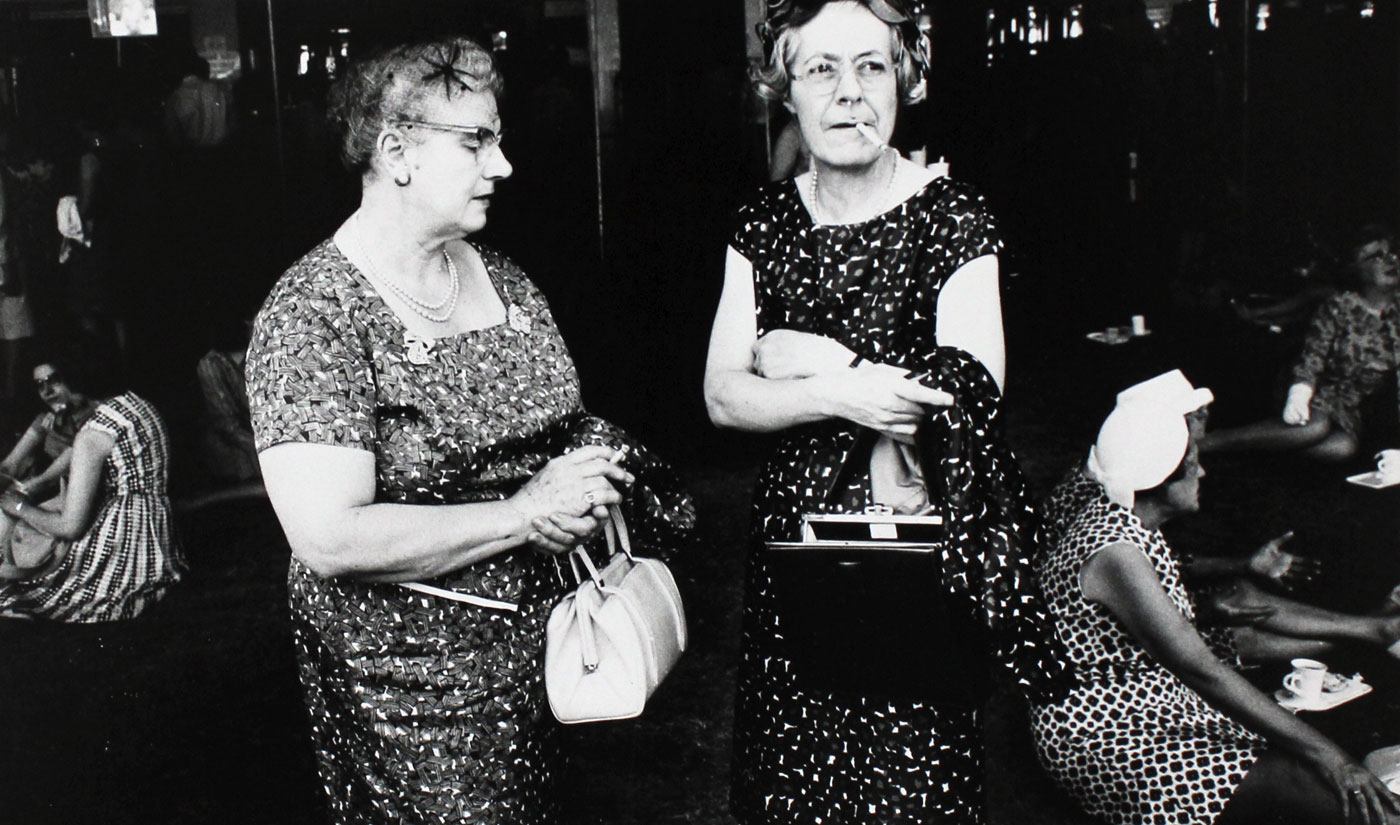
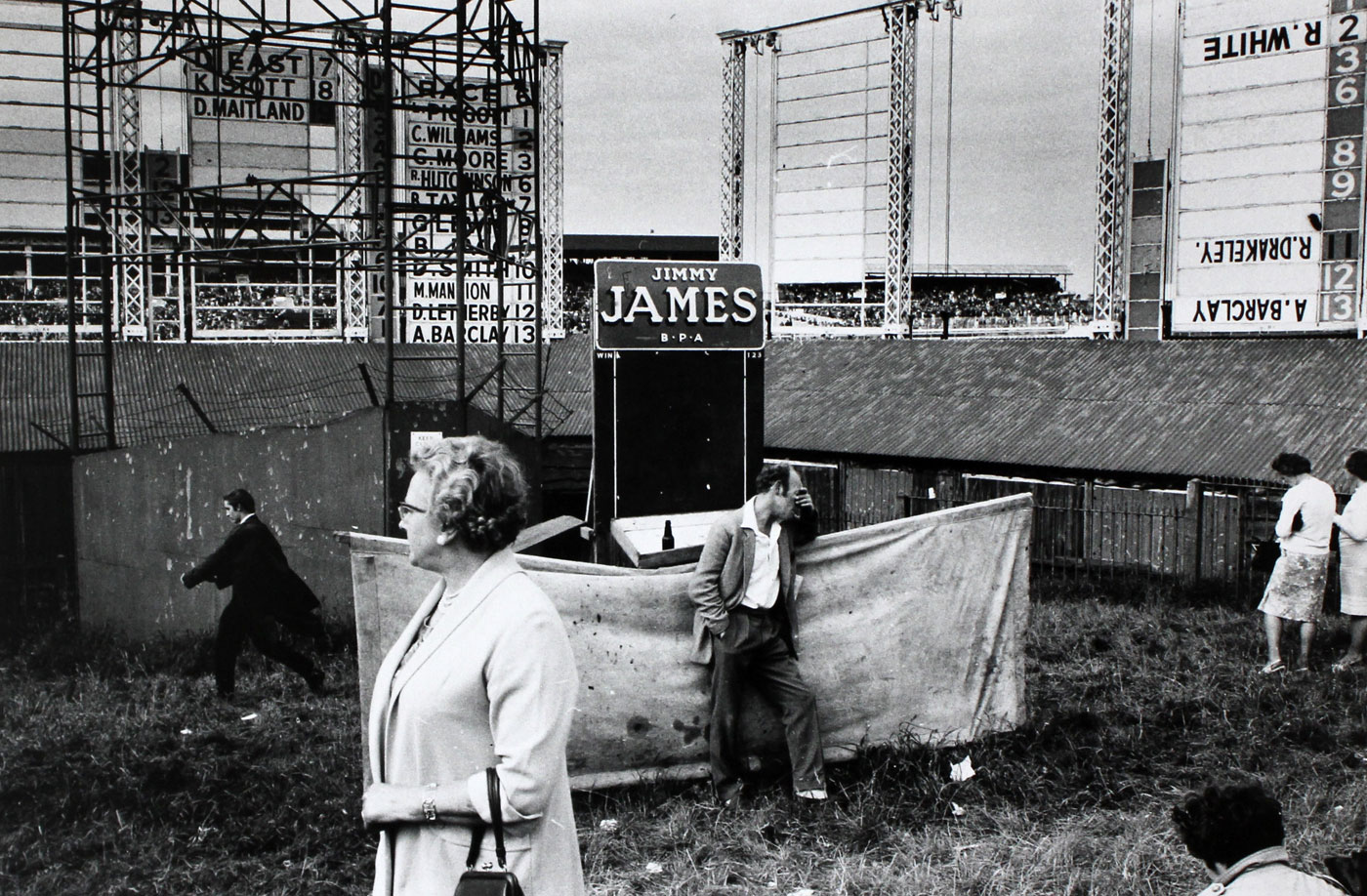
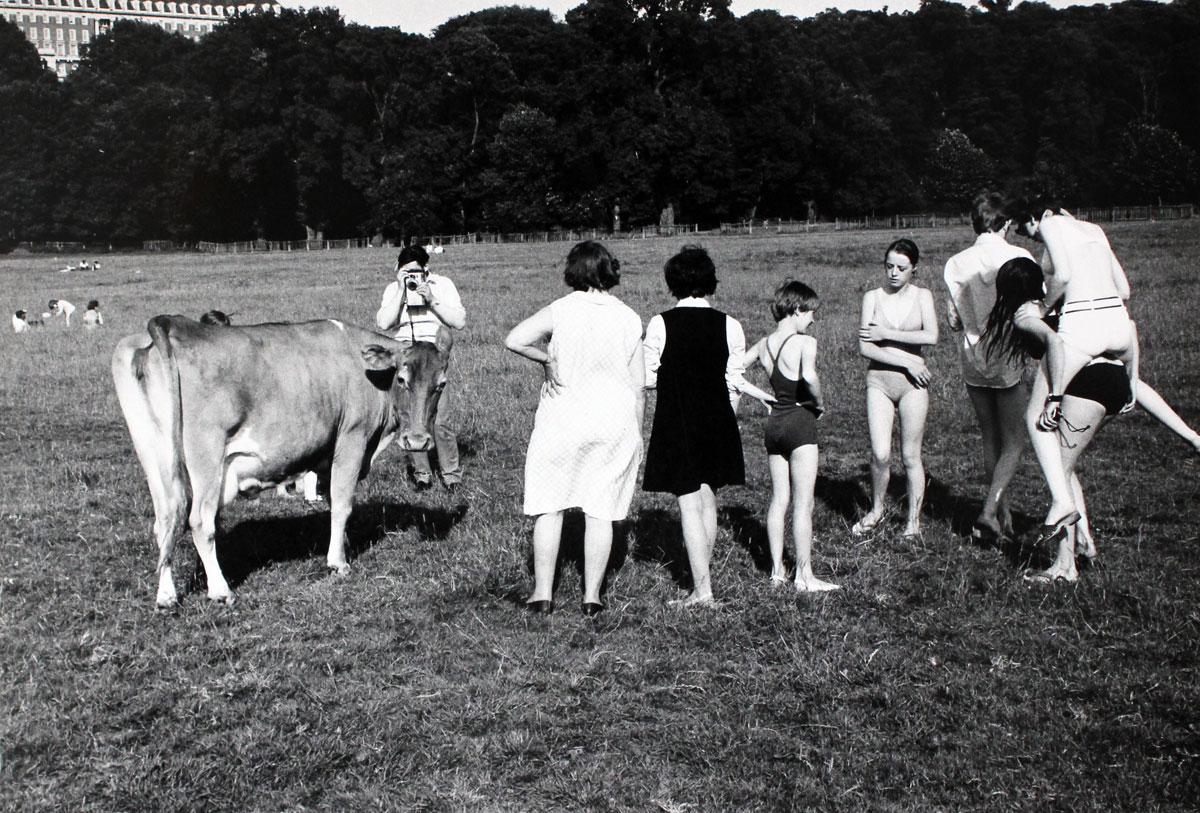
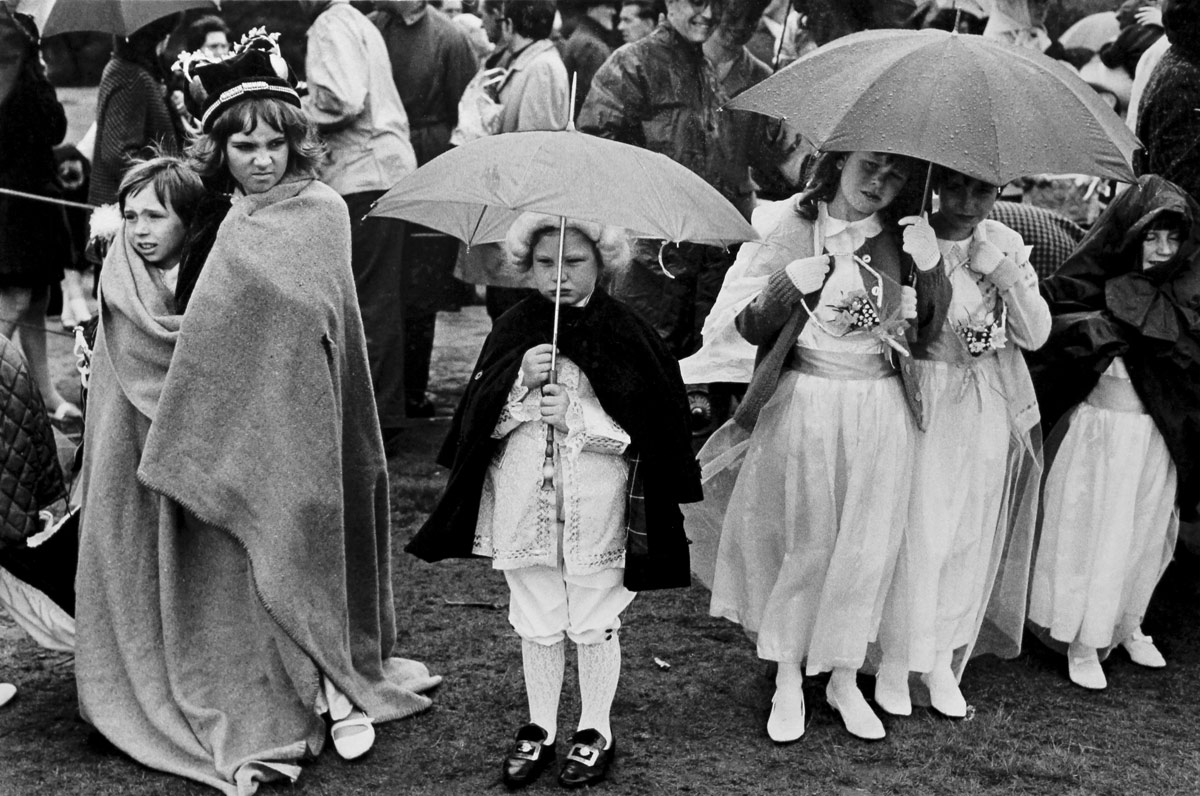

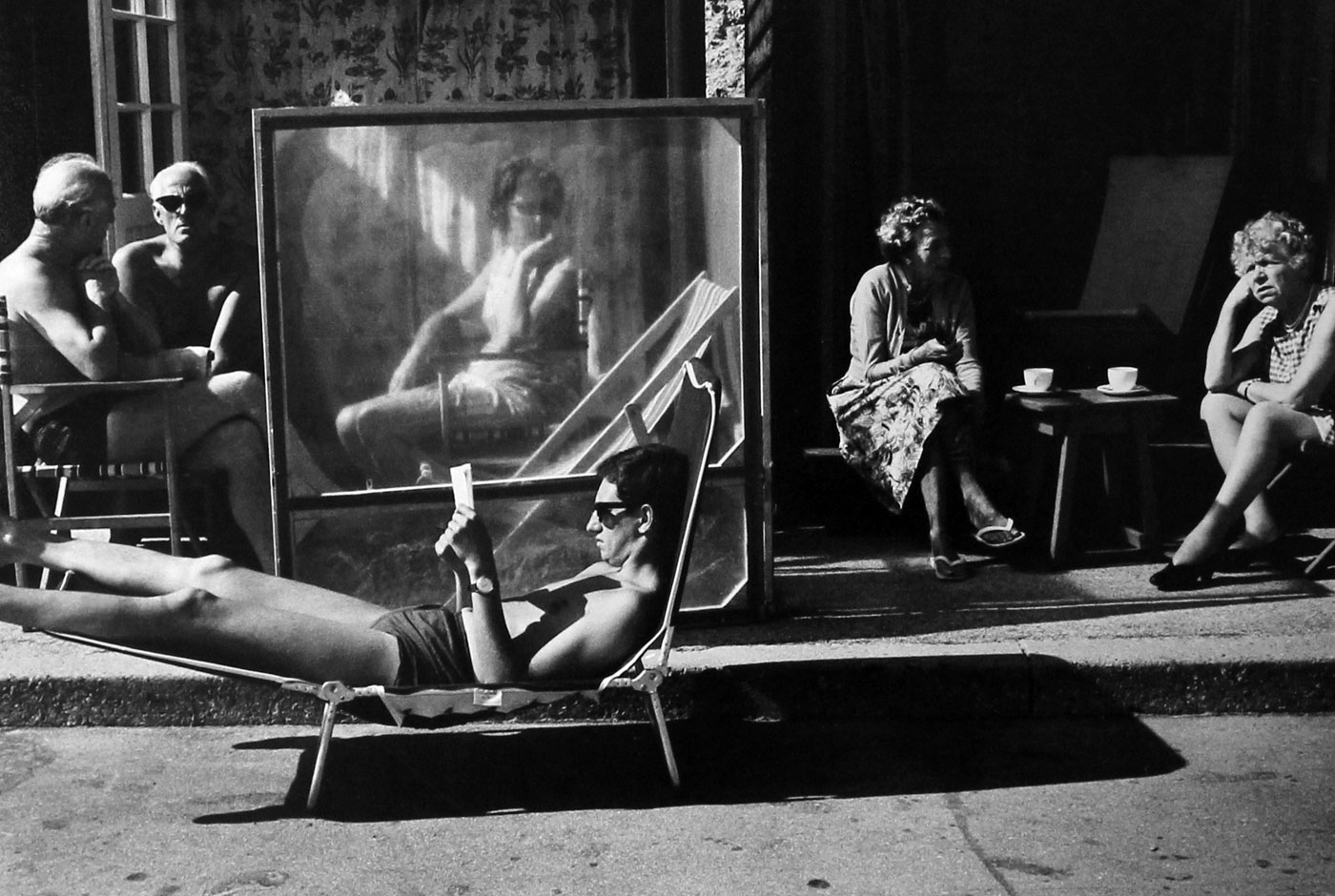
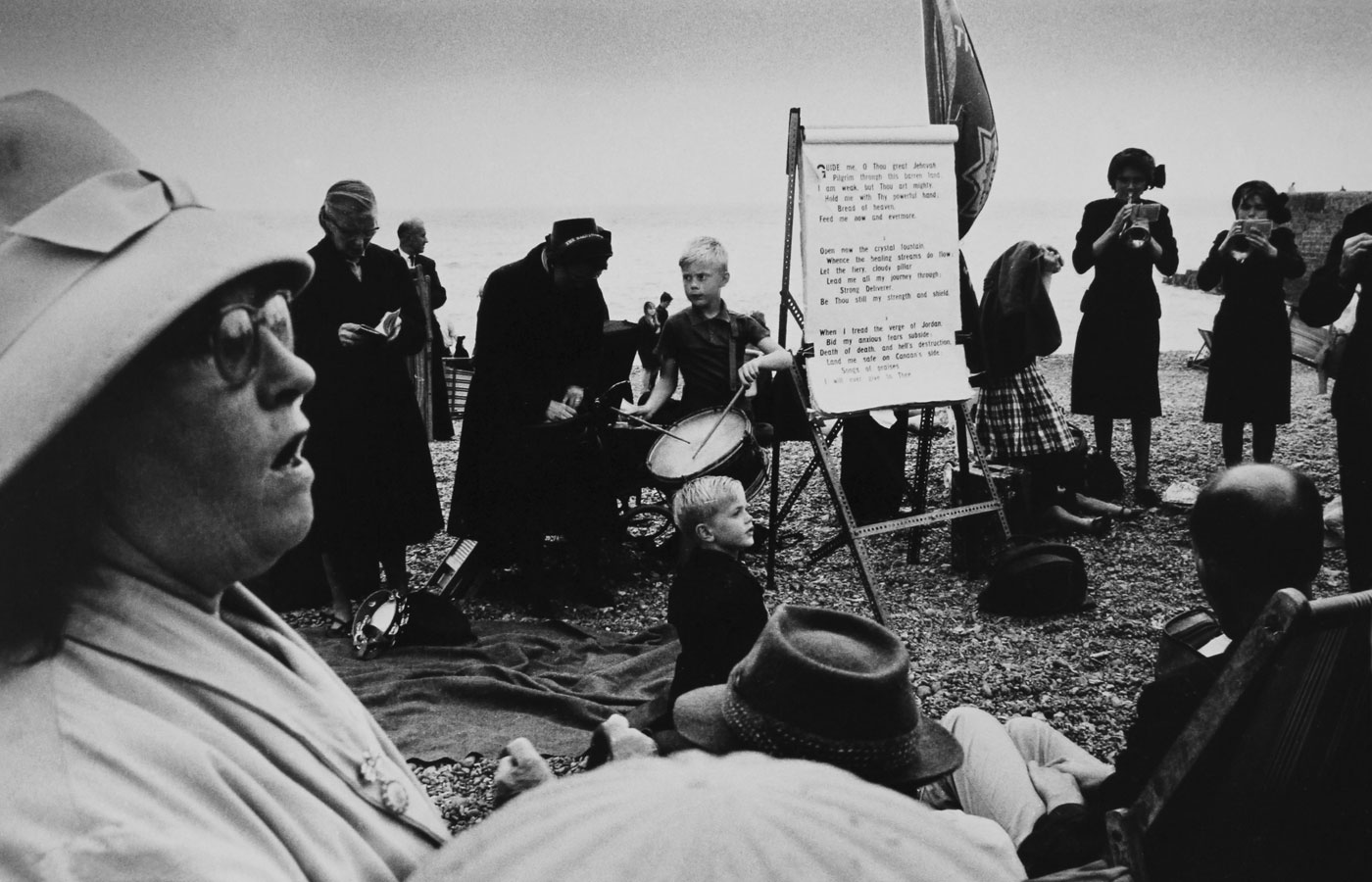

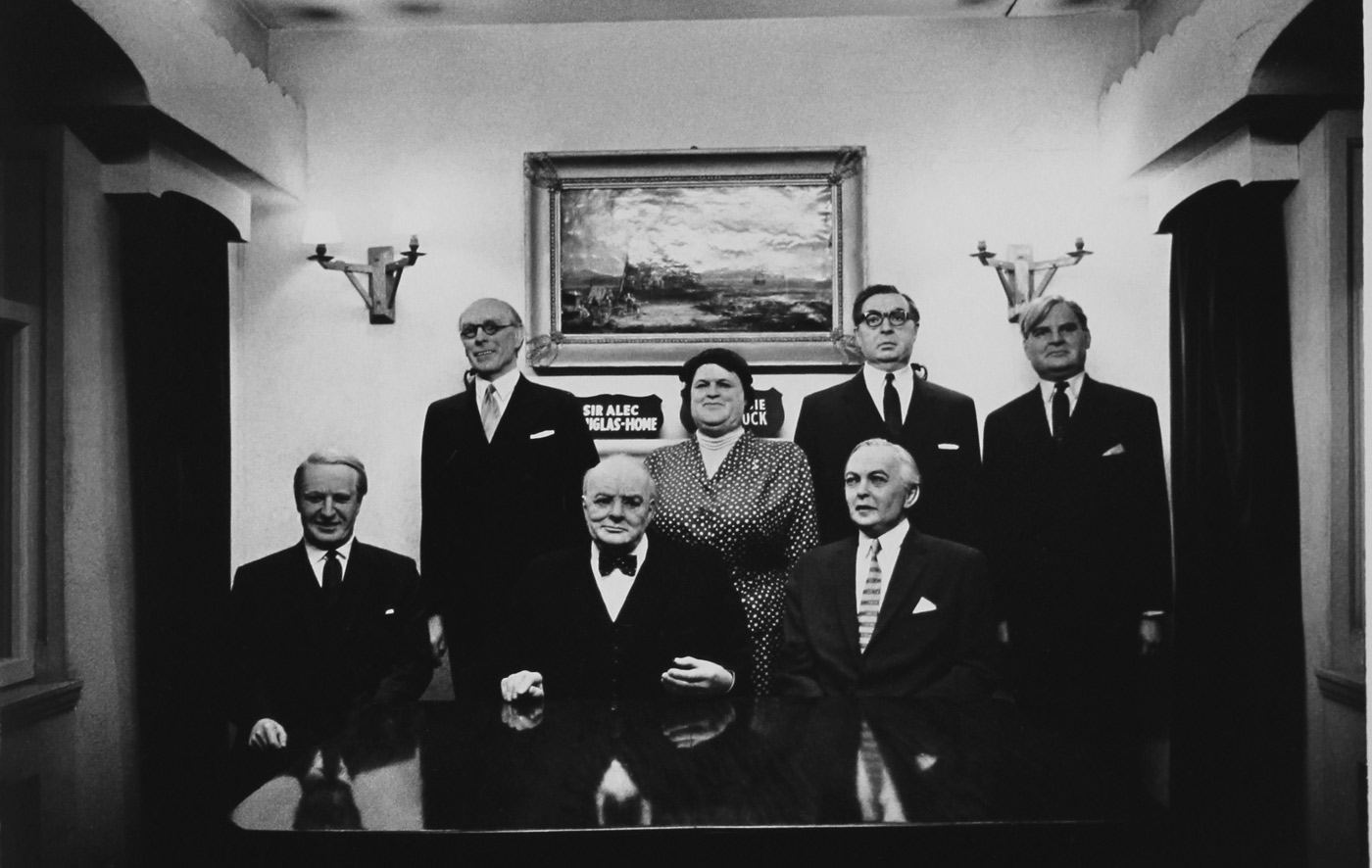
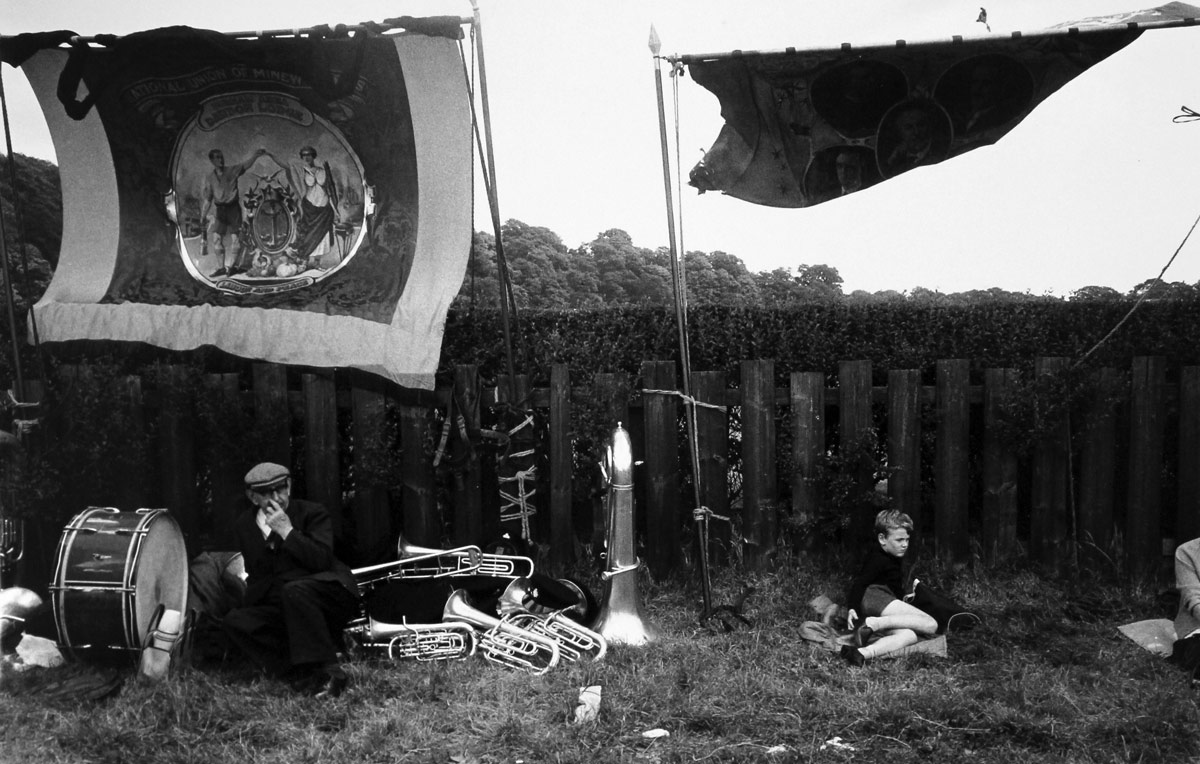
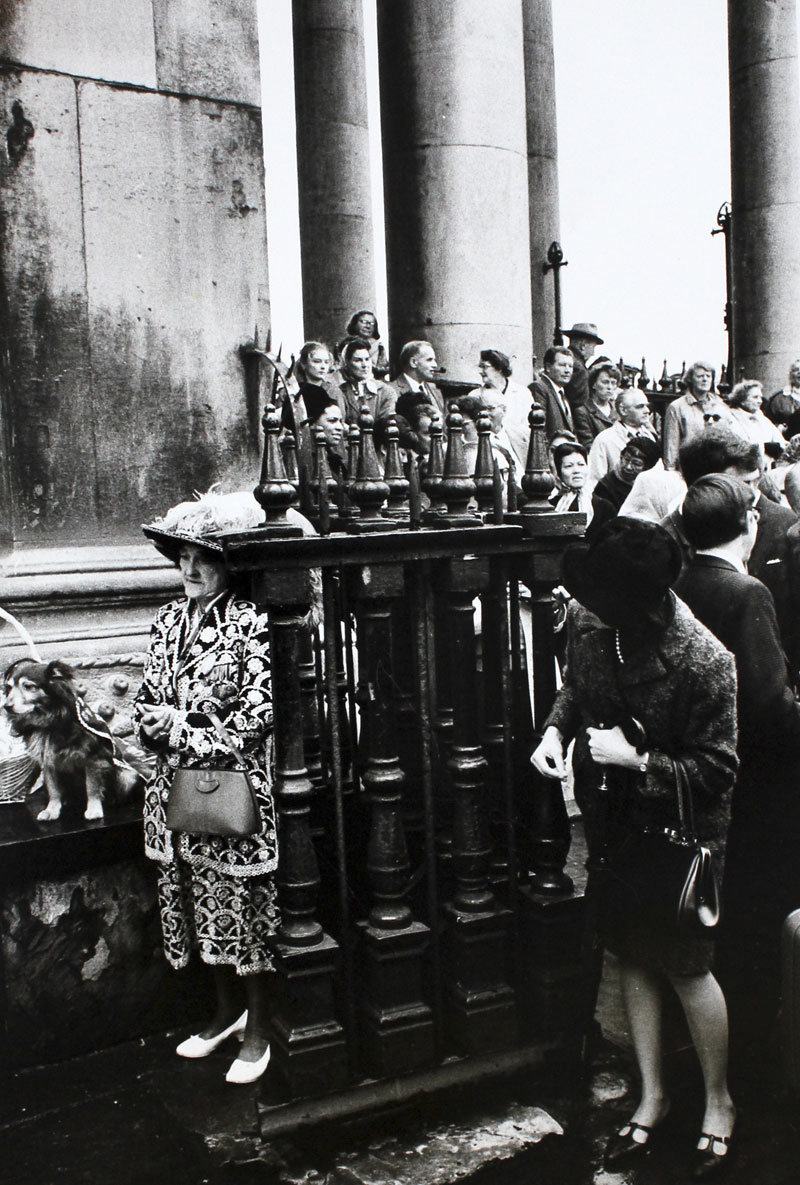
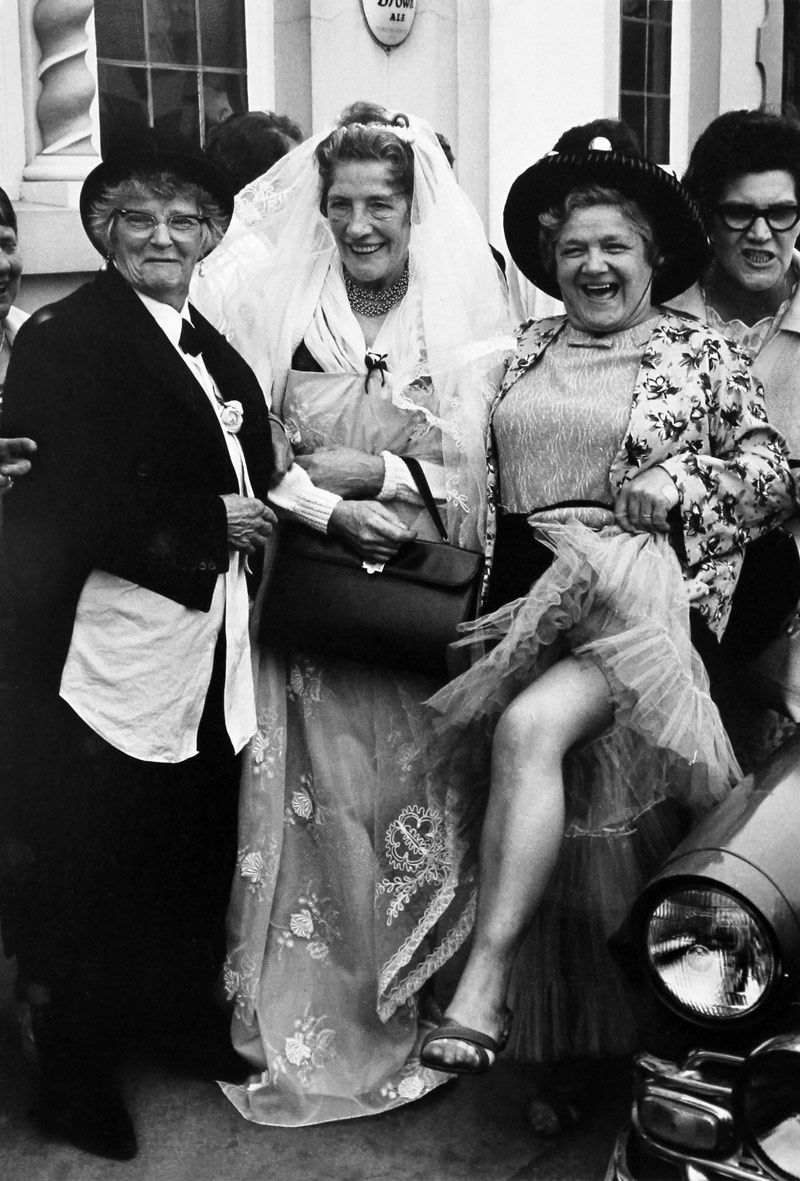
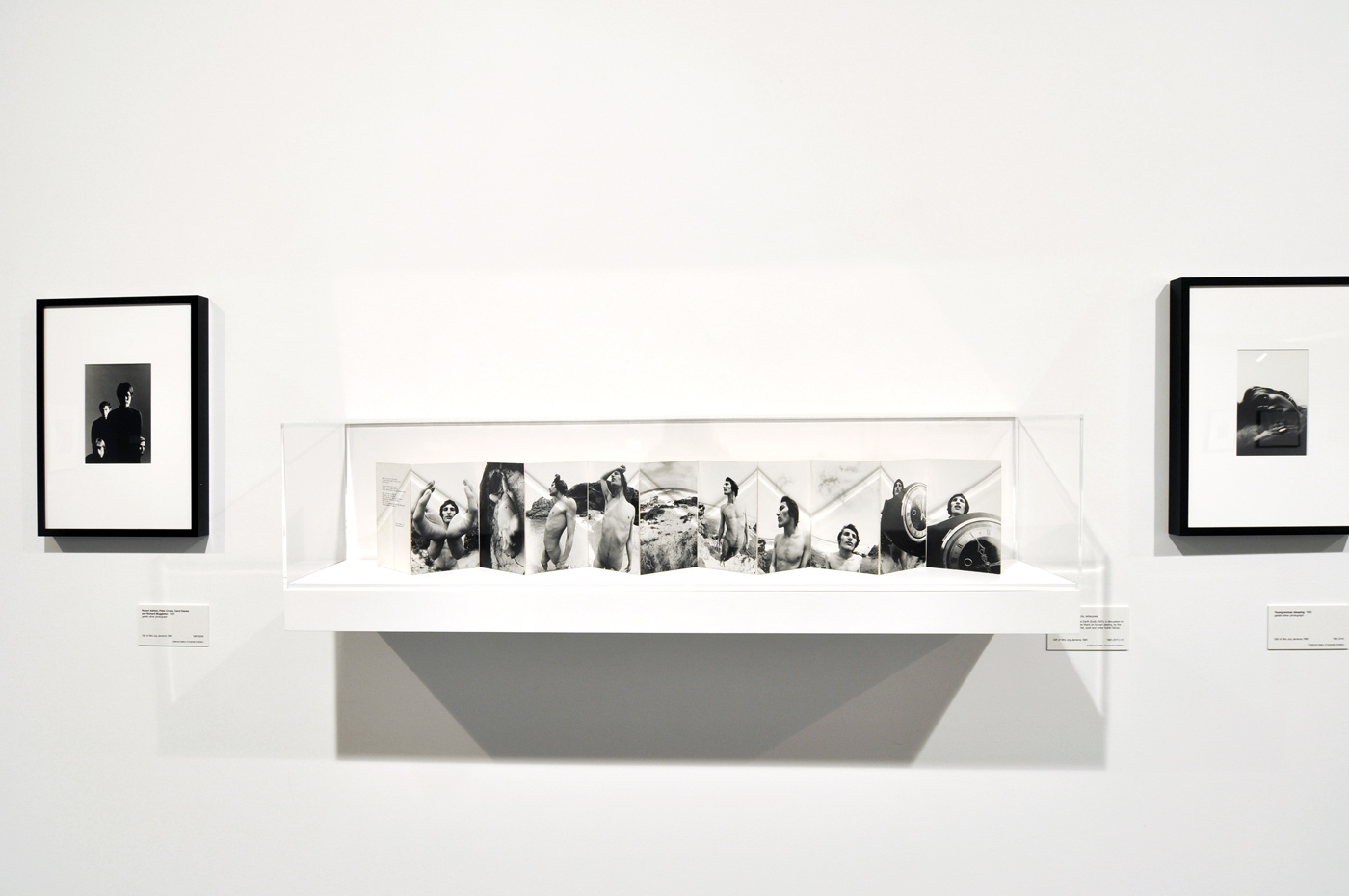


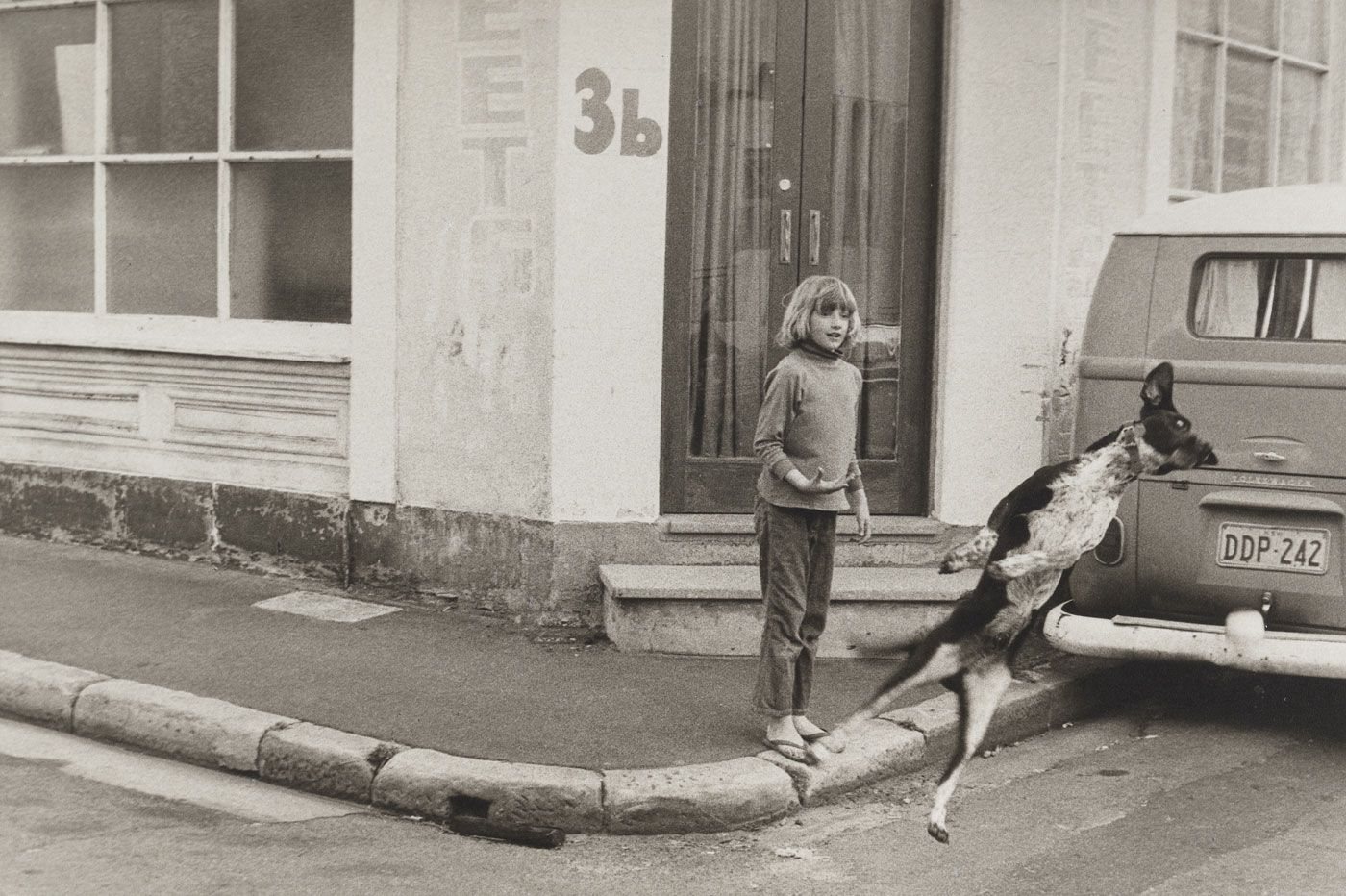

![Carol Jerrems (Australian, 1949-1980) 'Butterfly behind glass [Red Symons from Skyhooks]' 1975](https://artblart.com/wp-content/uploads/2013/09/butterfly_174882_web.jpg "Carol Jerrems (Australian, 1949-1980) 'Butterfly behind glass [Red Symons from Skyhooks]' 1975")

![Carol Jerrems (Australian, 1949-1980) 'Performers on stage,' Hair', Metro Theatre Kings Cross, Sydney, January 1970 [Jim Sharman Director cast included Reg Livermore]' 1970](https://artblart.com/wp-content/uploads/2013/09/jerrems_performers-on-stage-hair-web.jpg "Carol Jerrems (Australian, 1949-1980) 'Performers on stage,' Hair', Metro Theatre Kings Cross, Sydney, January 1970 [Jim Sharman Director cast included Reg Livermore]' 1970")

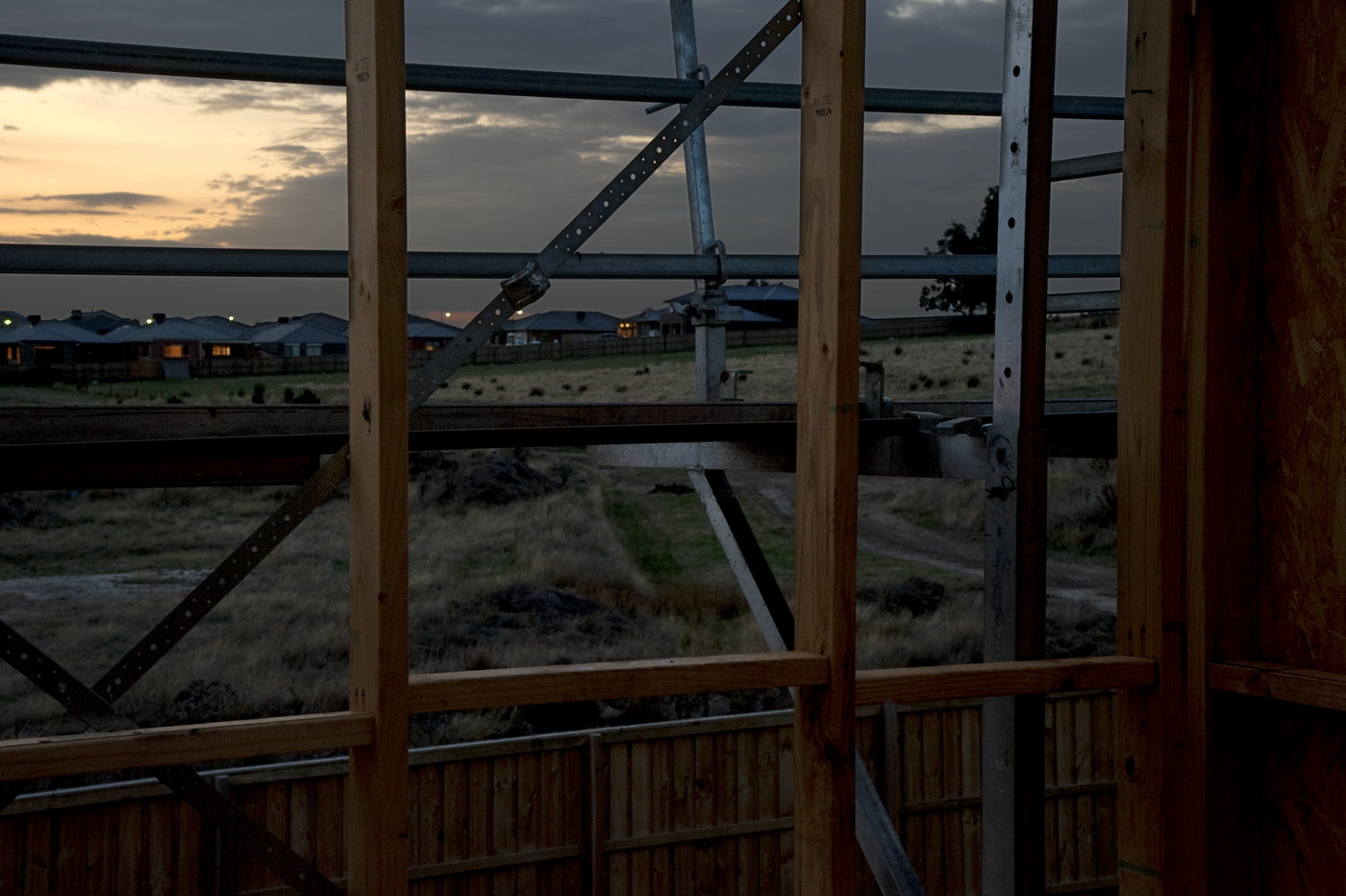


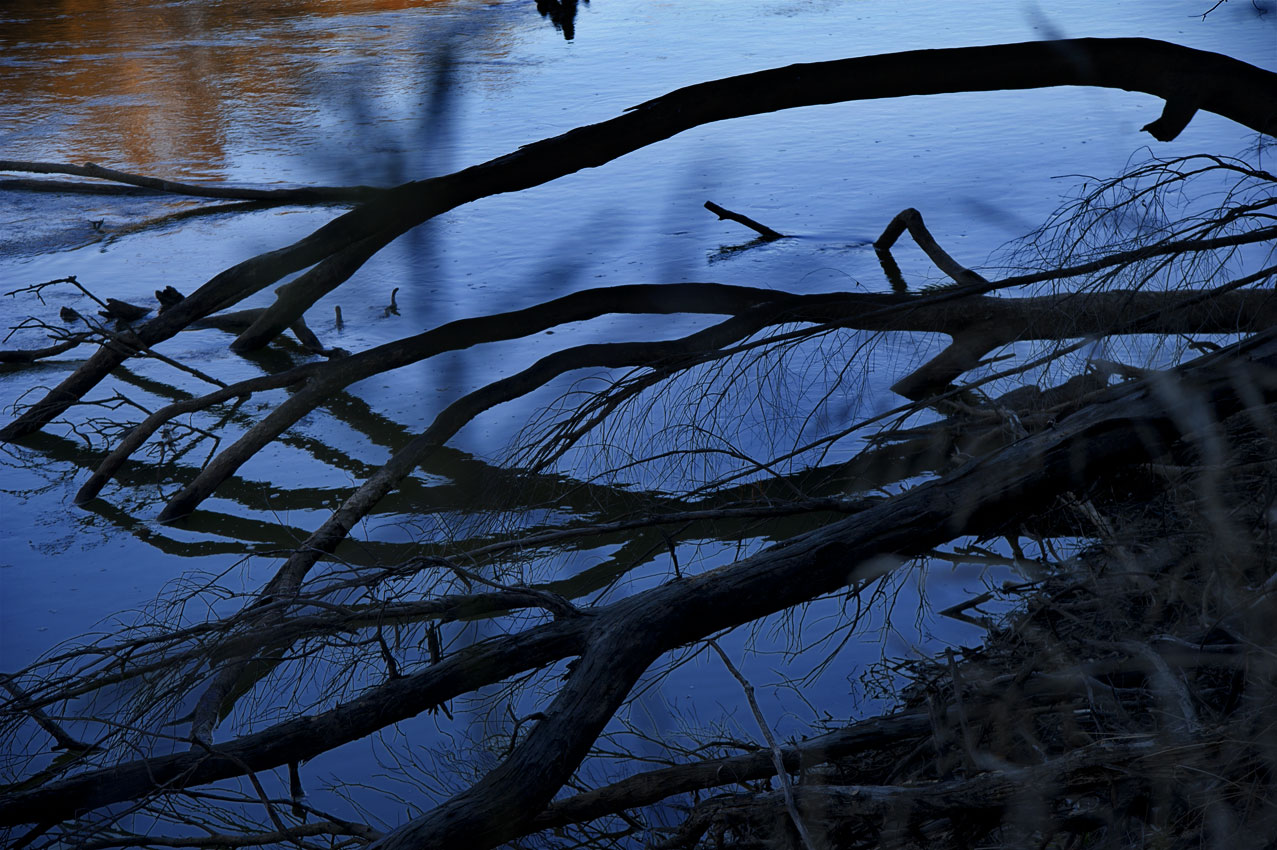
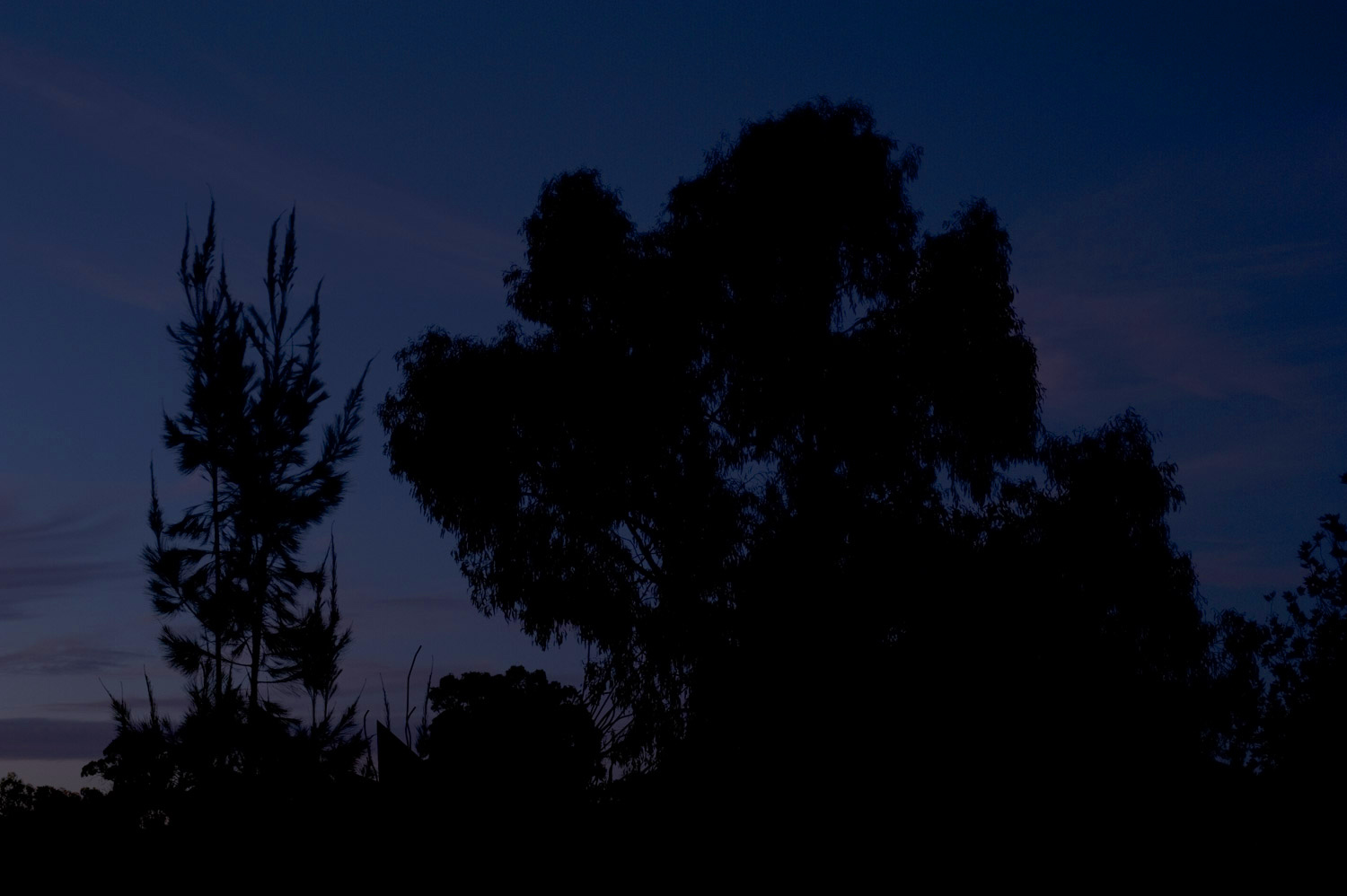
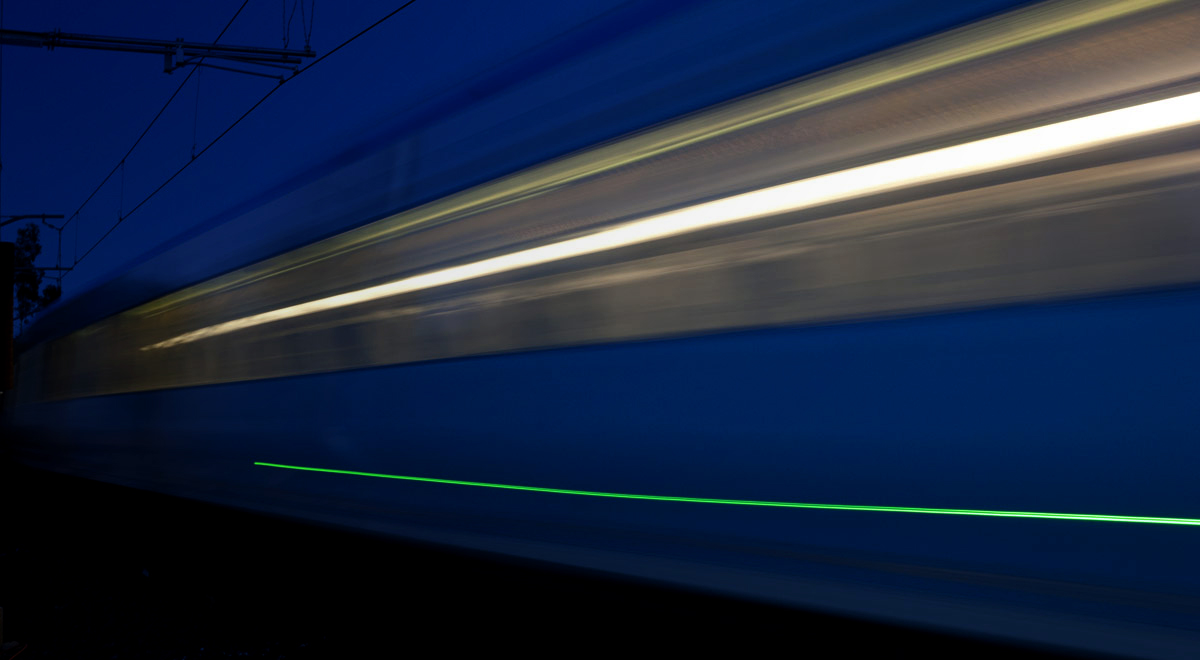
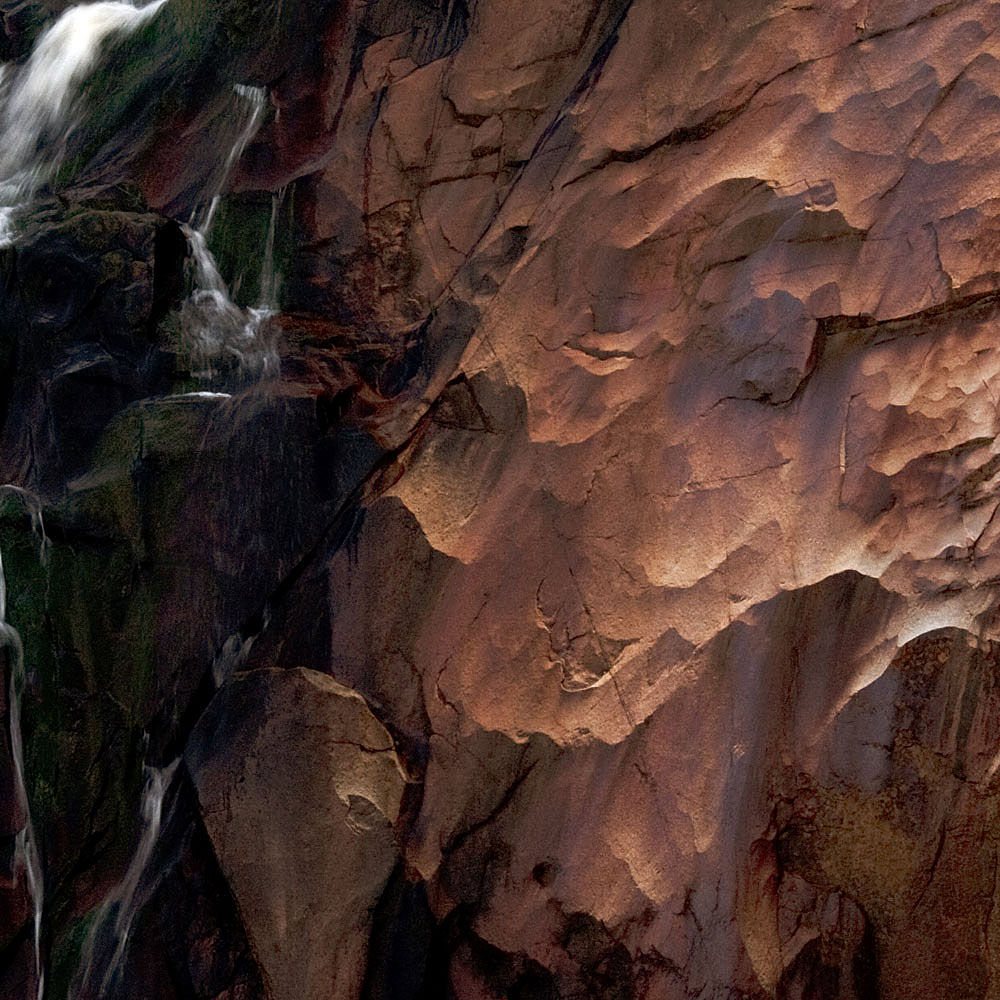
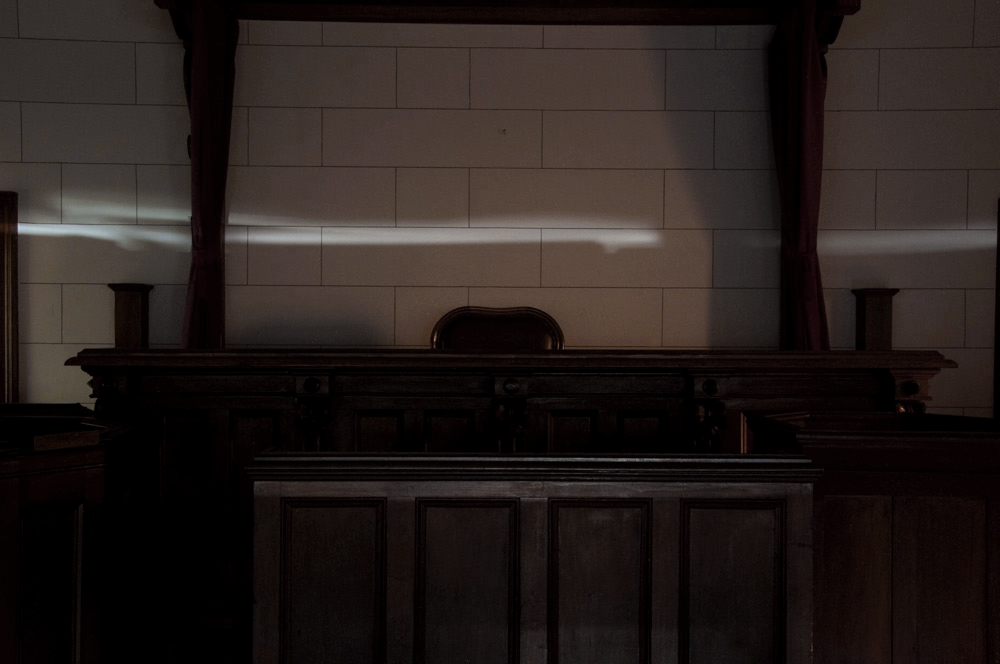
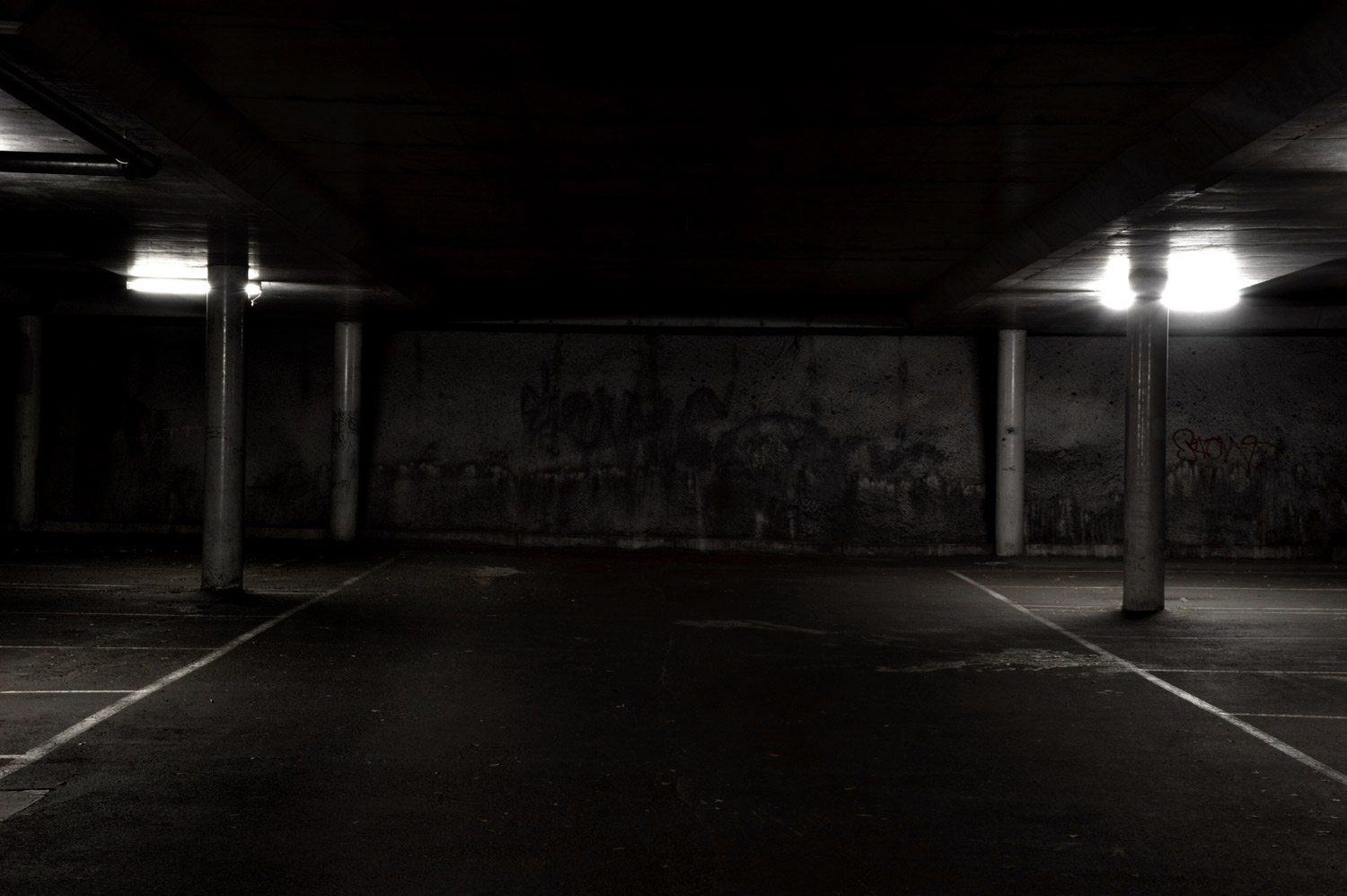
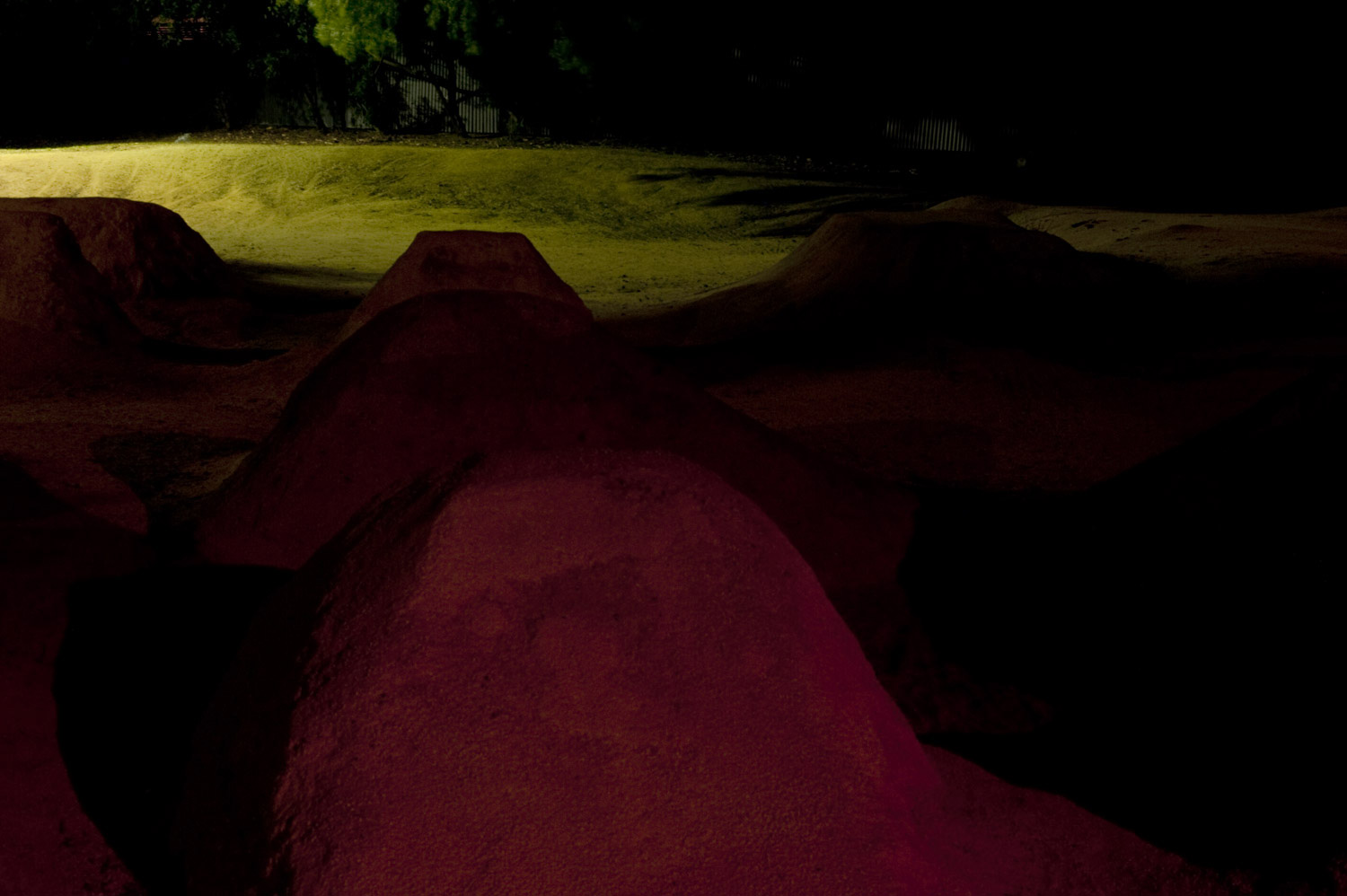
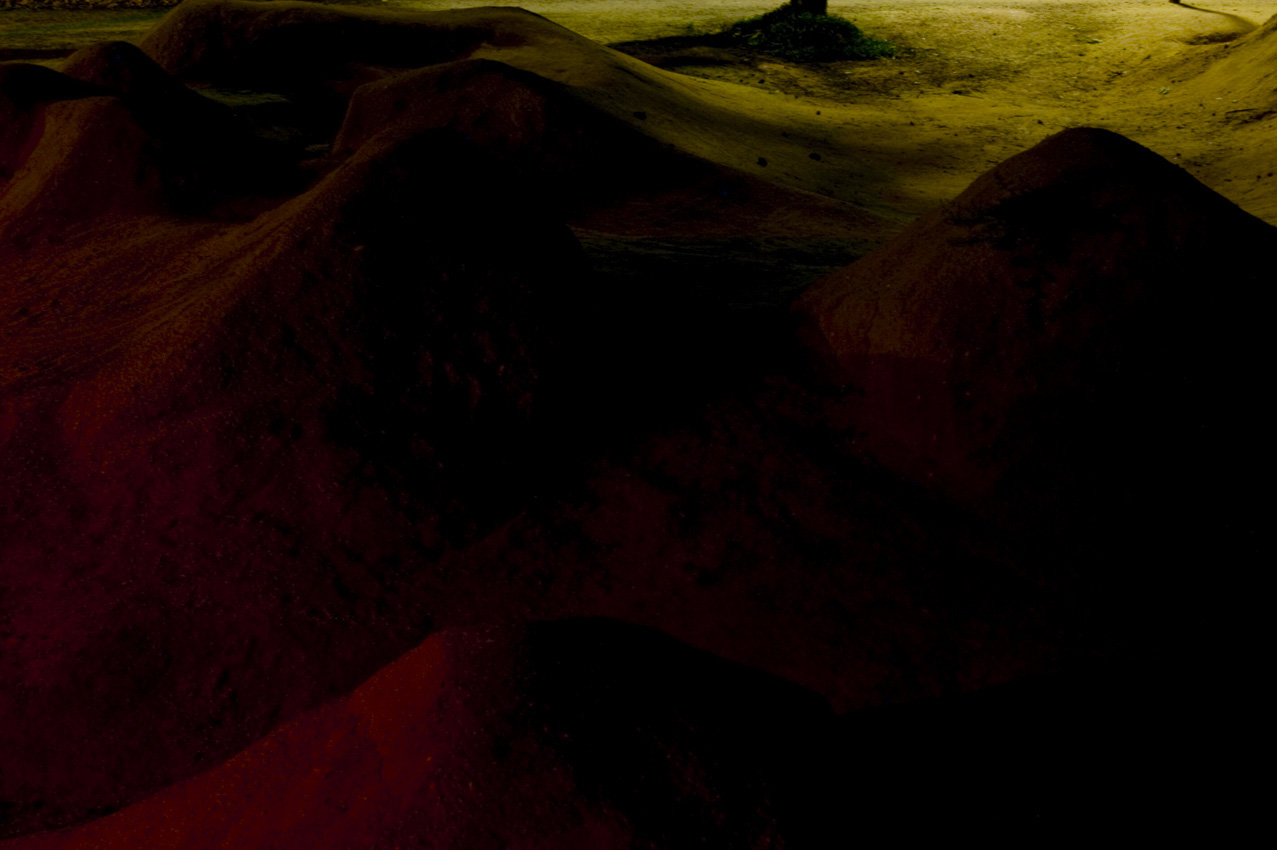
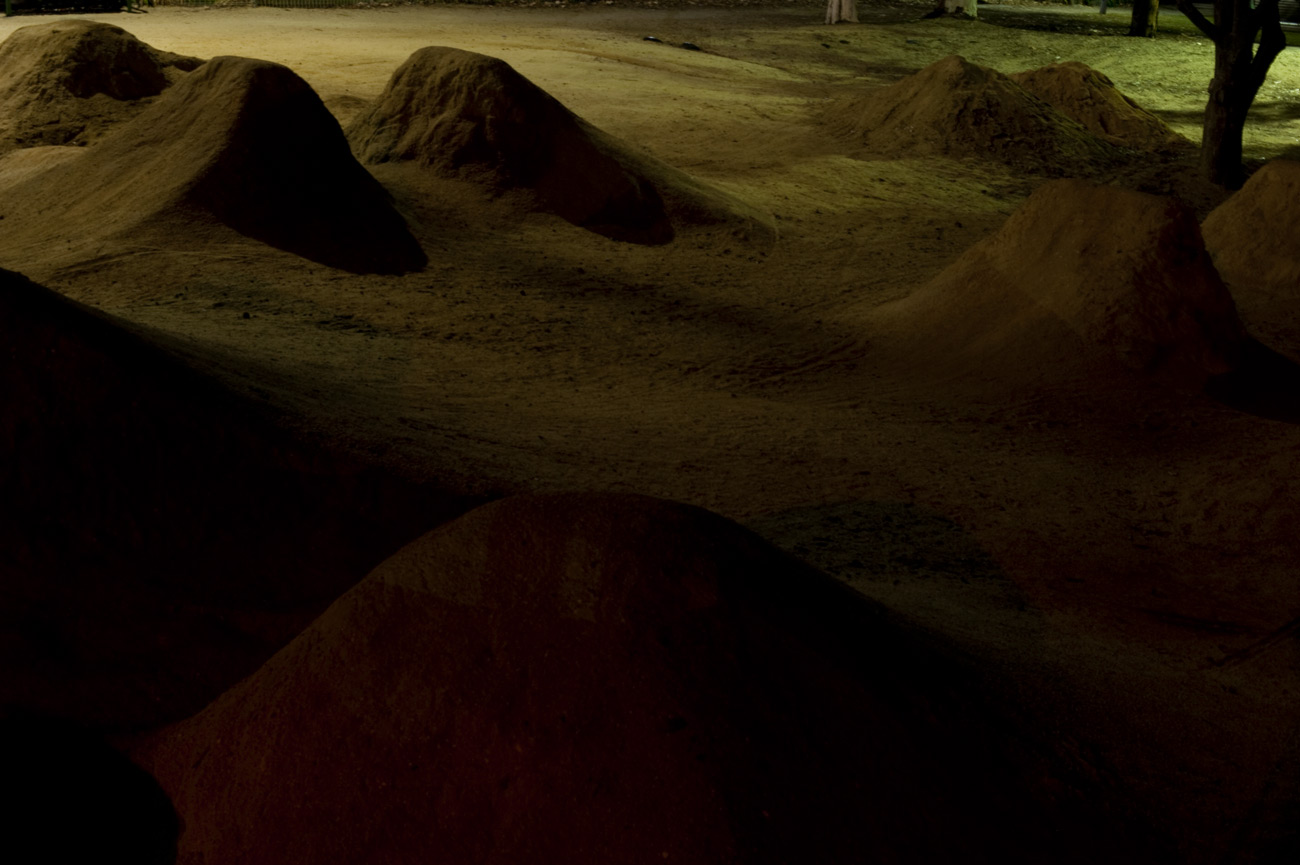
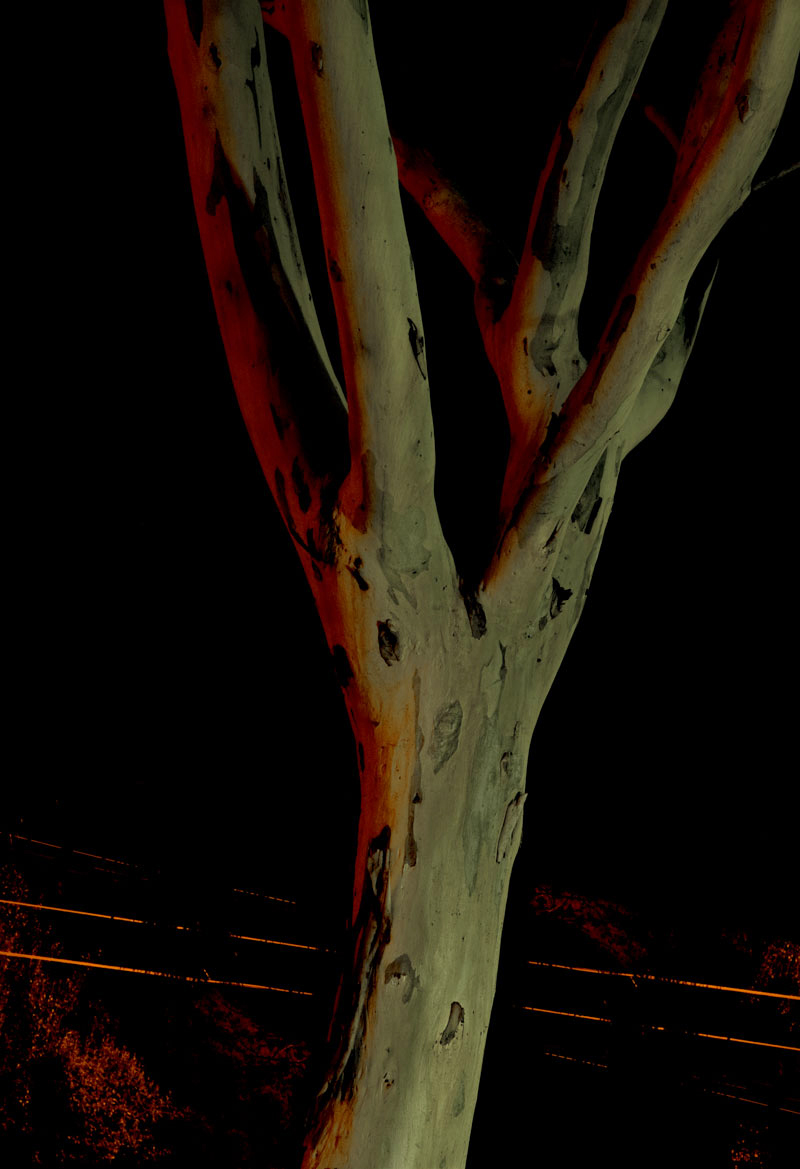


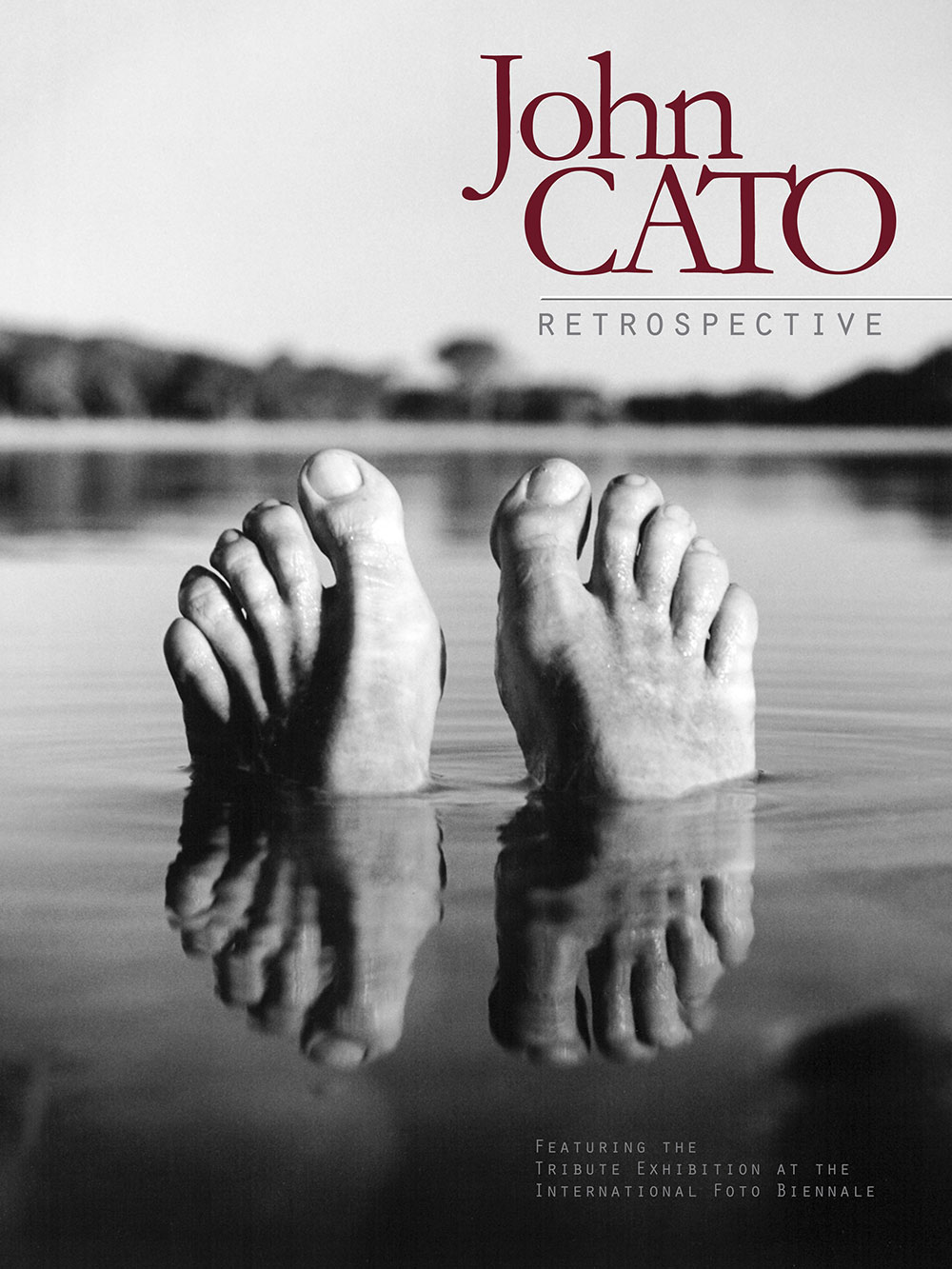
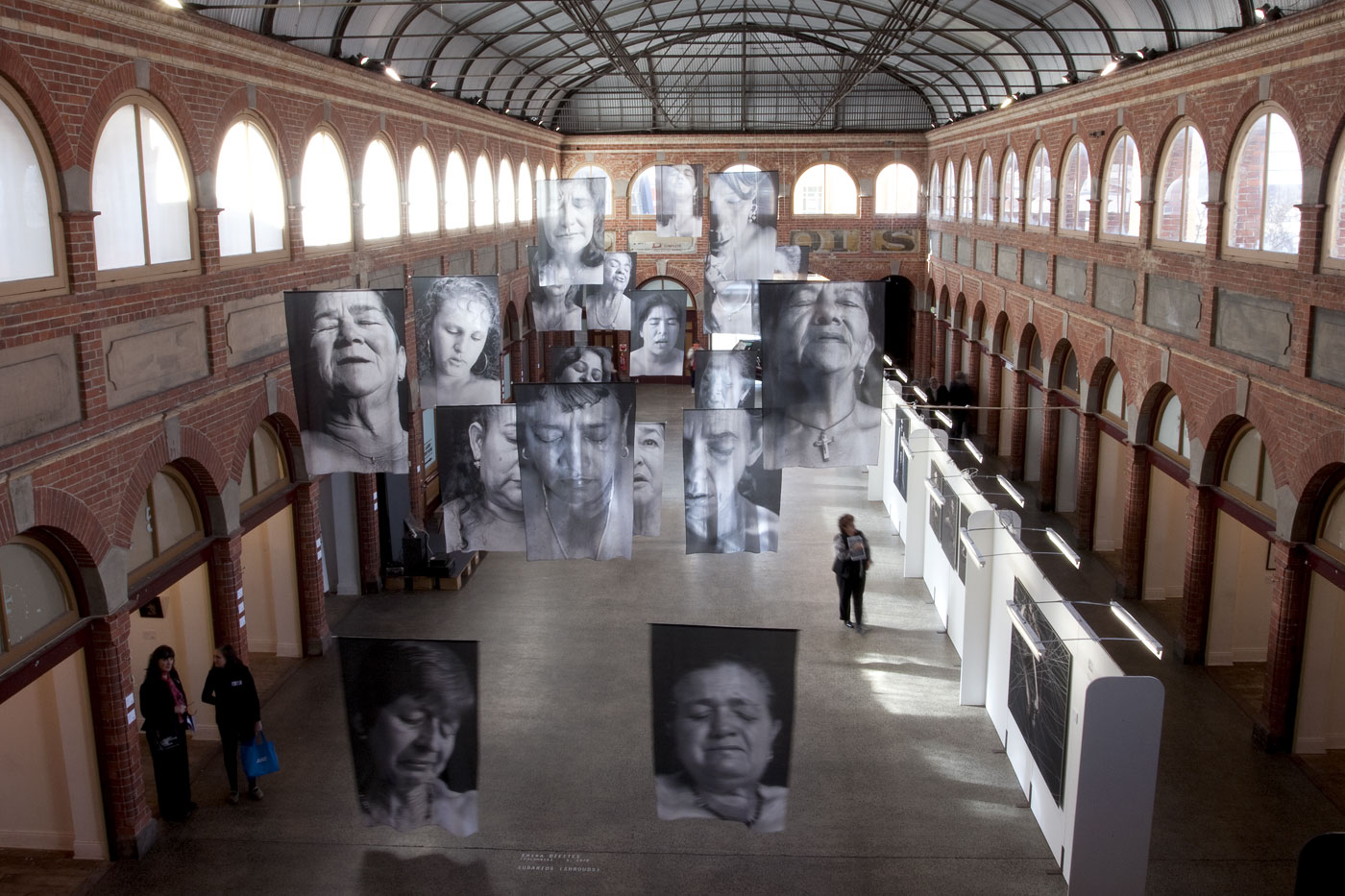
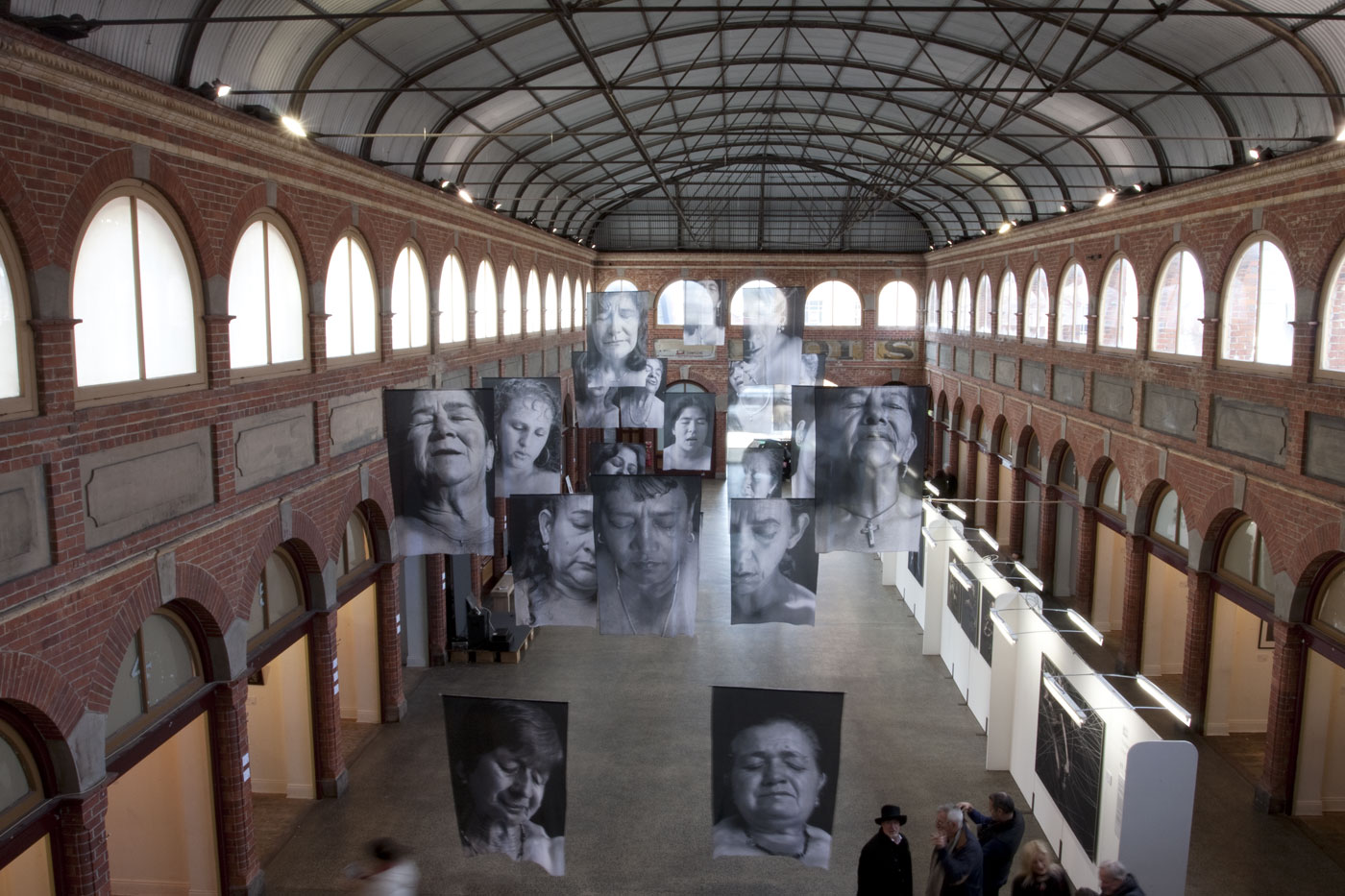
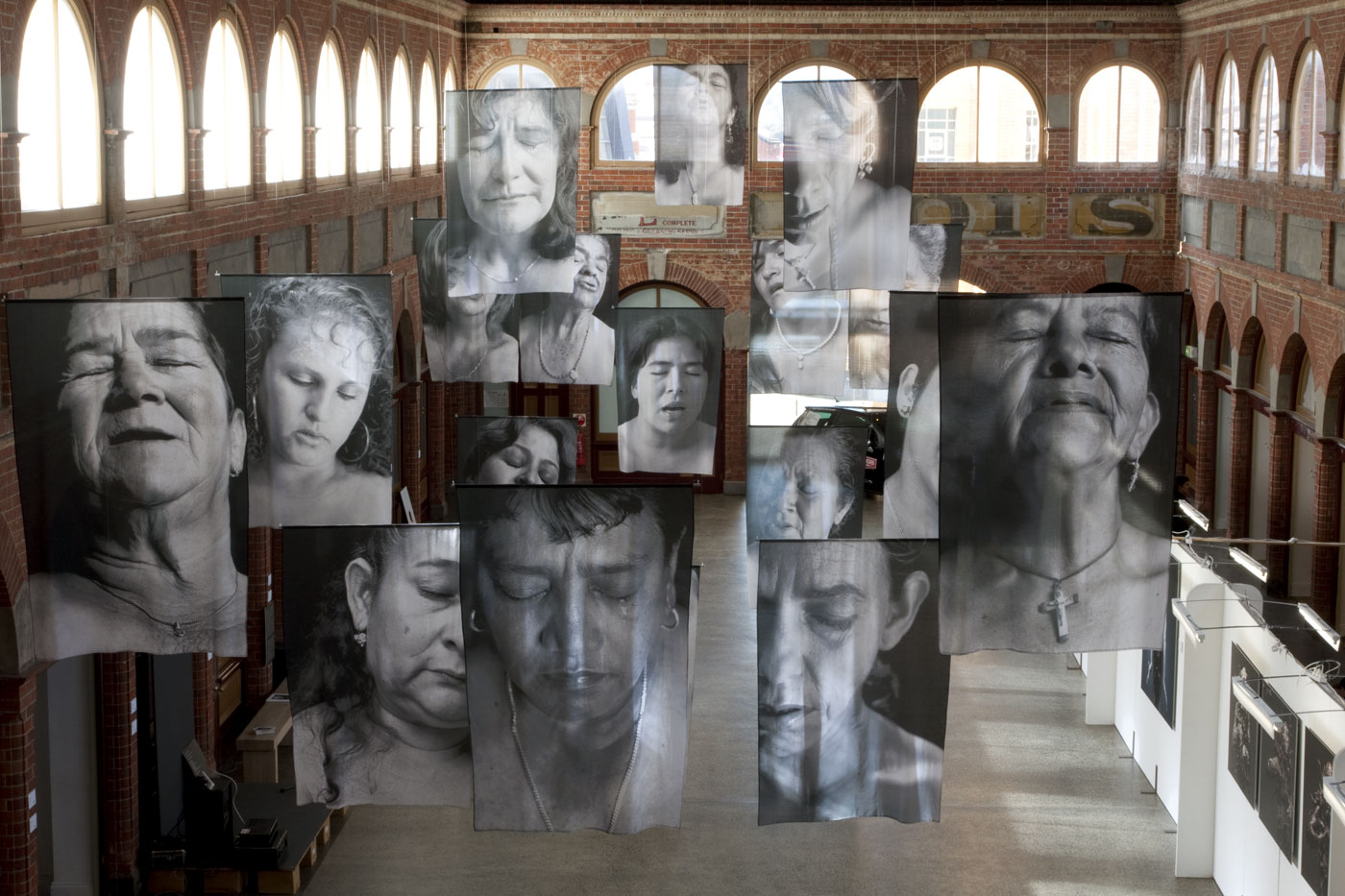
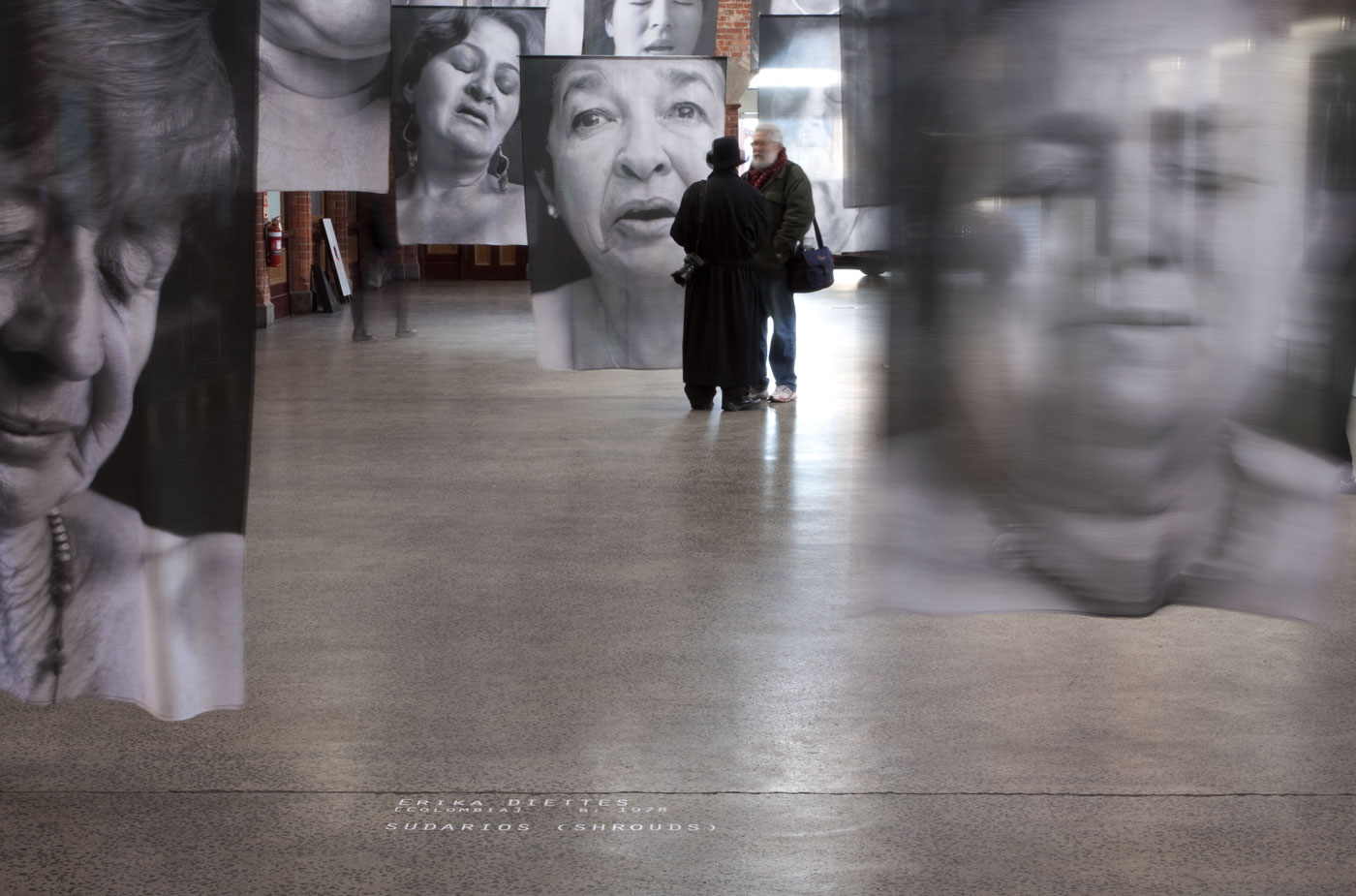
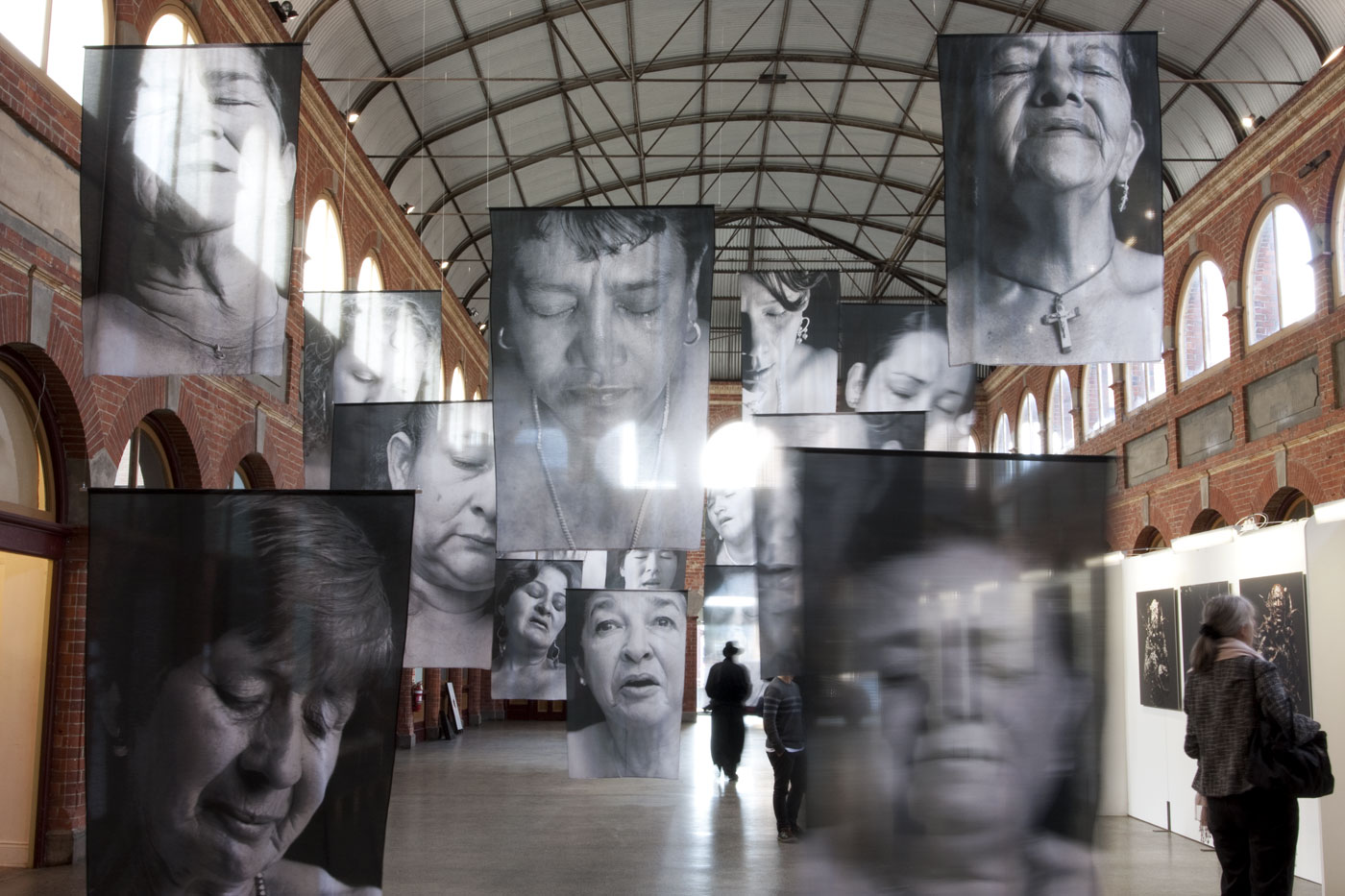
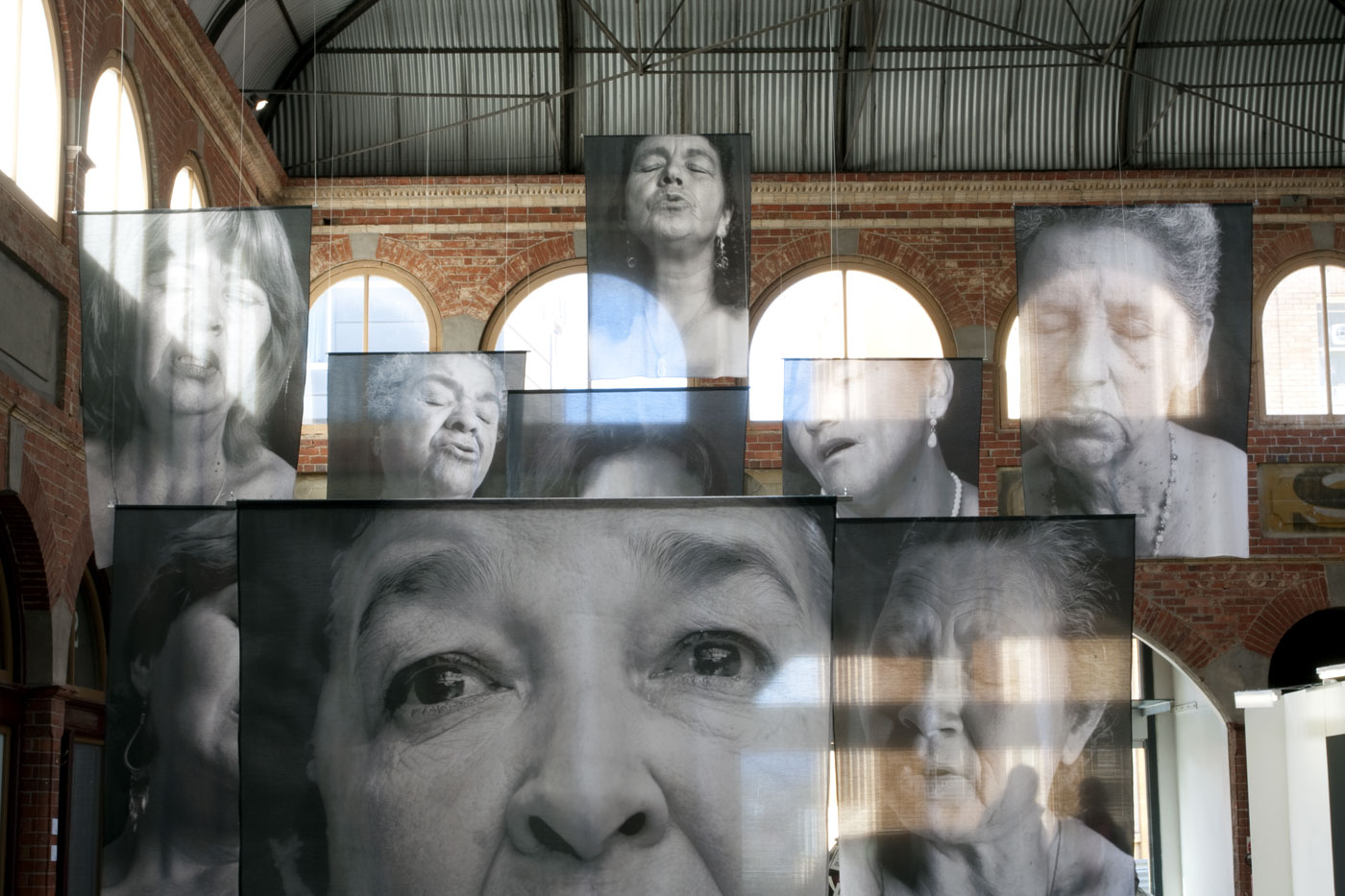
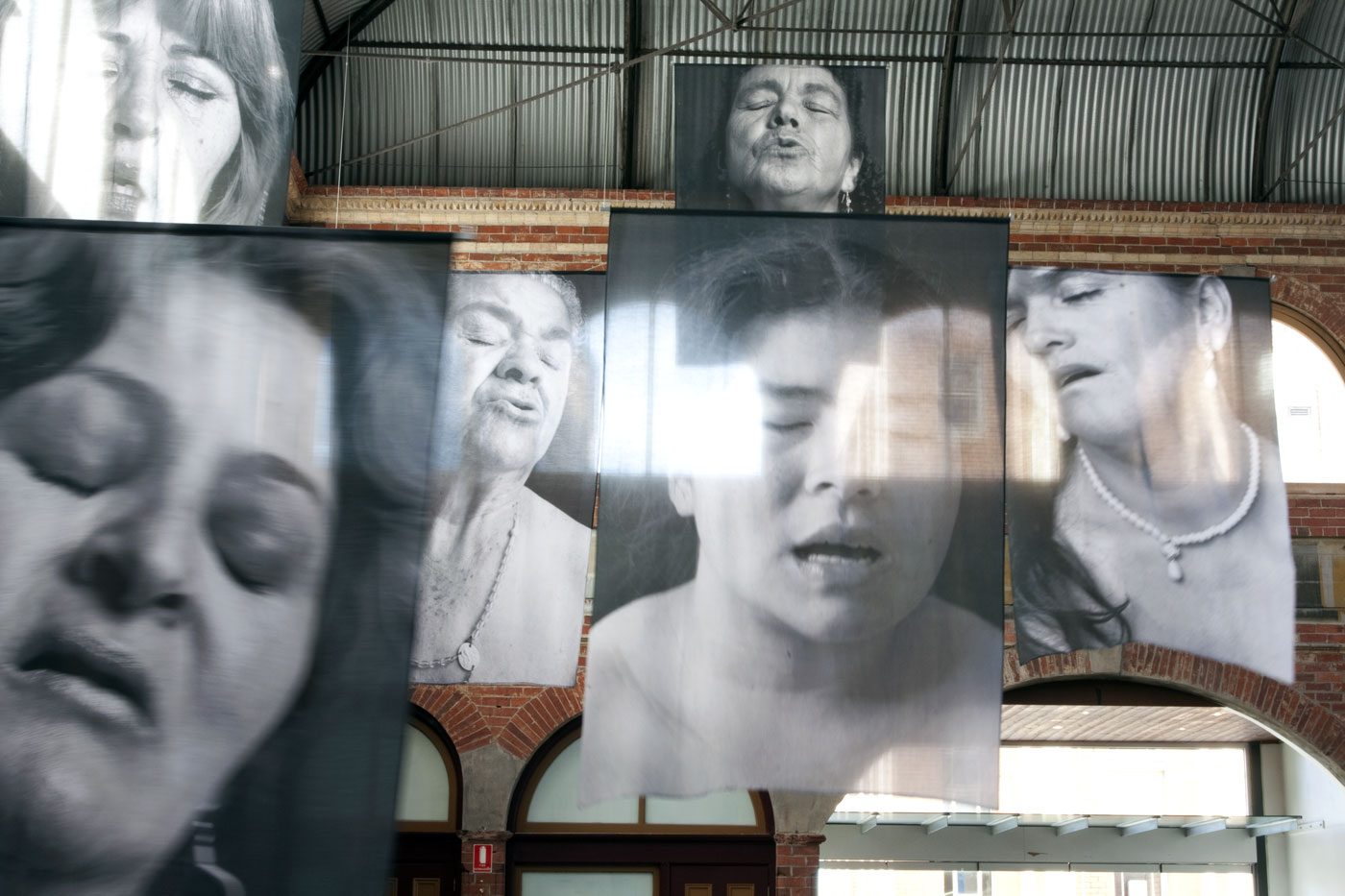
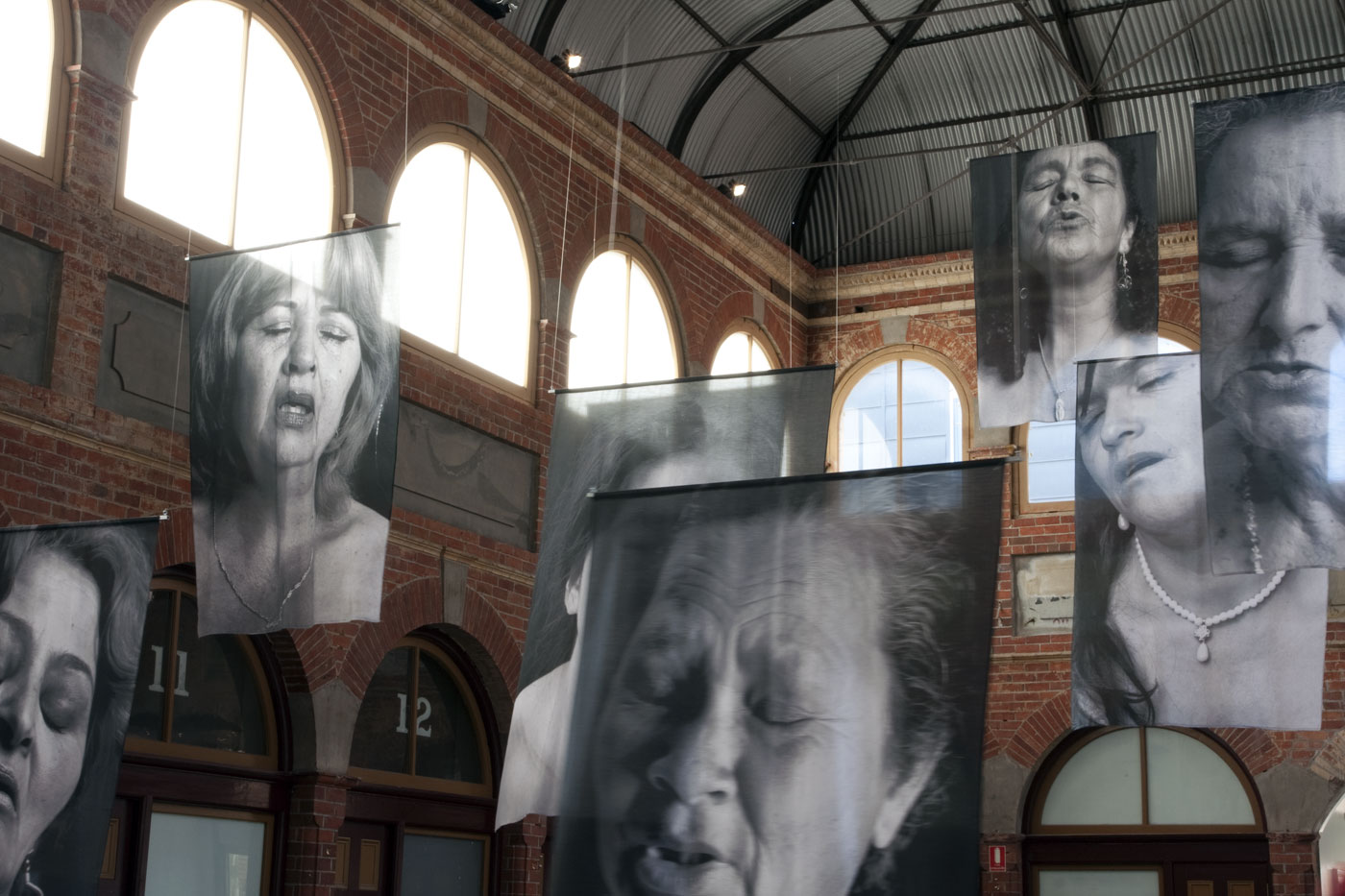
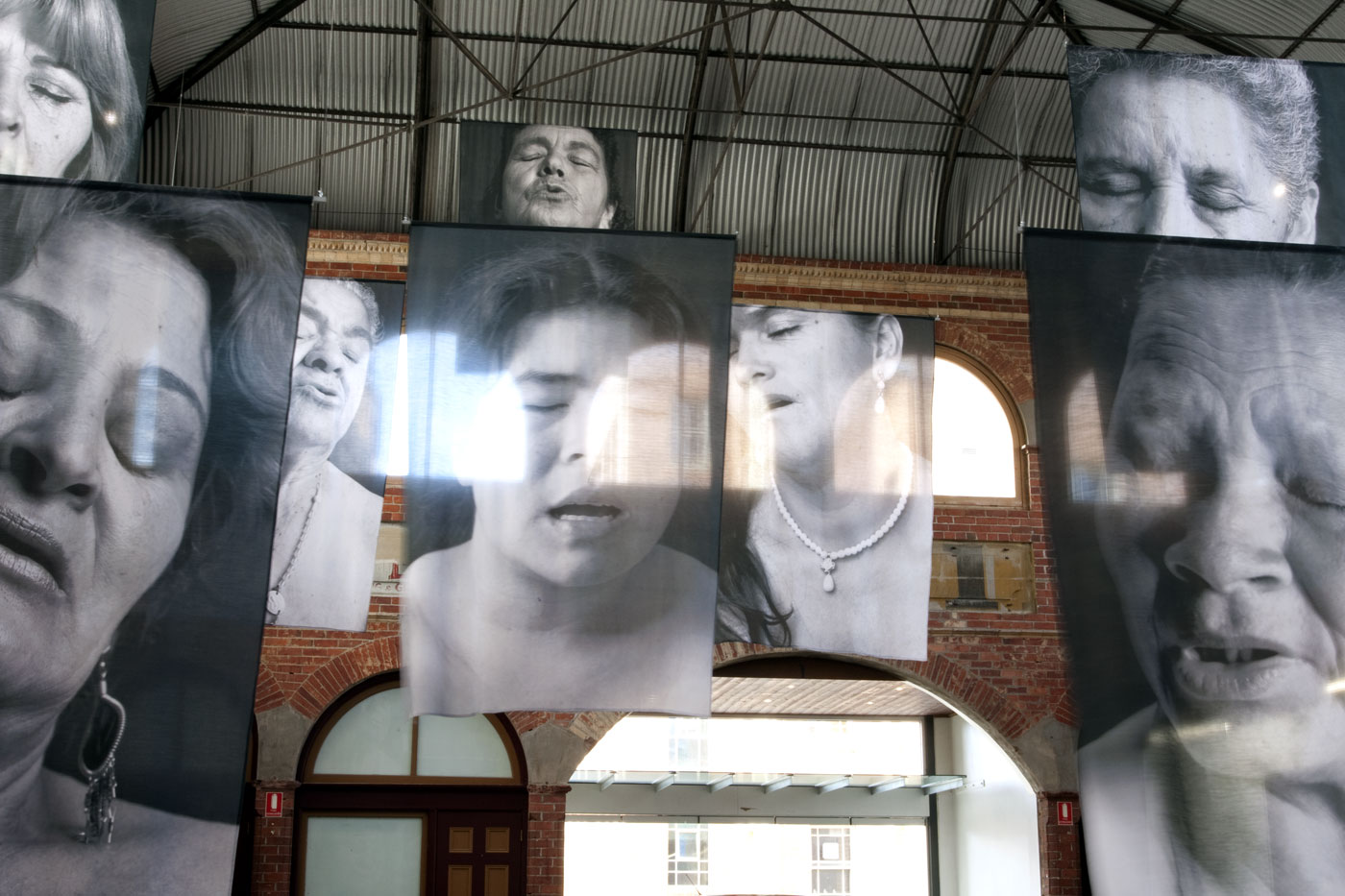
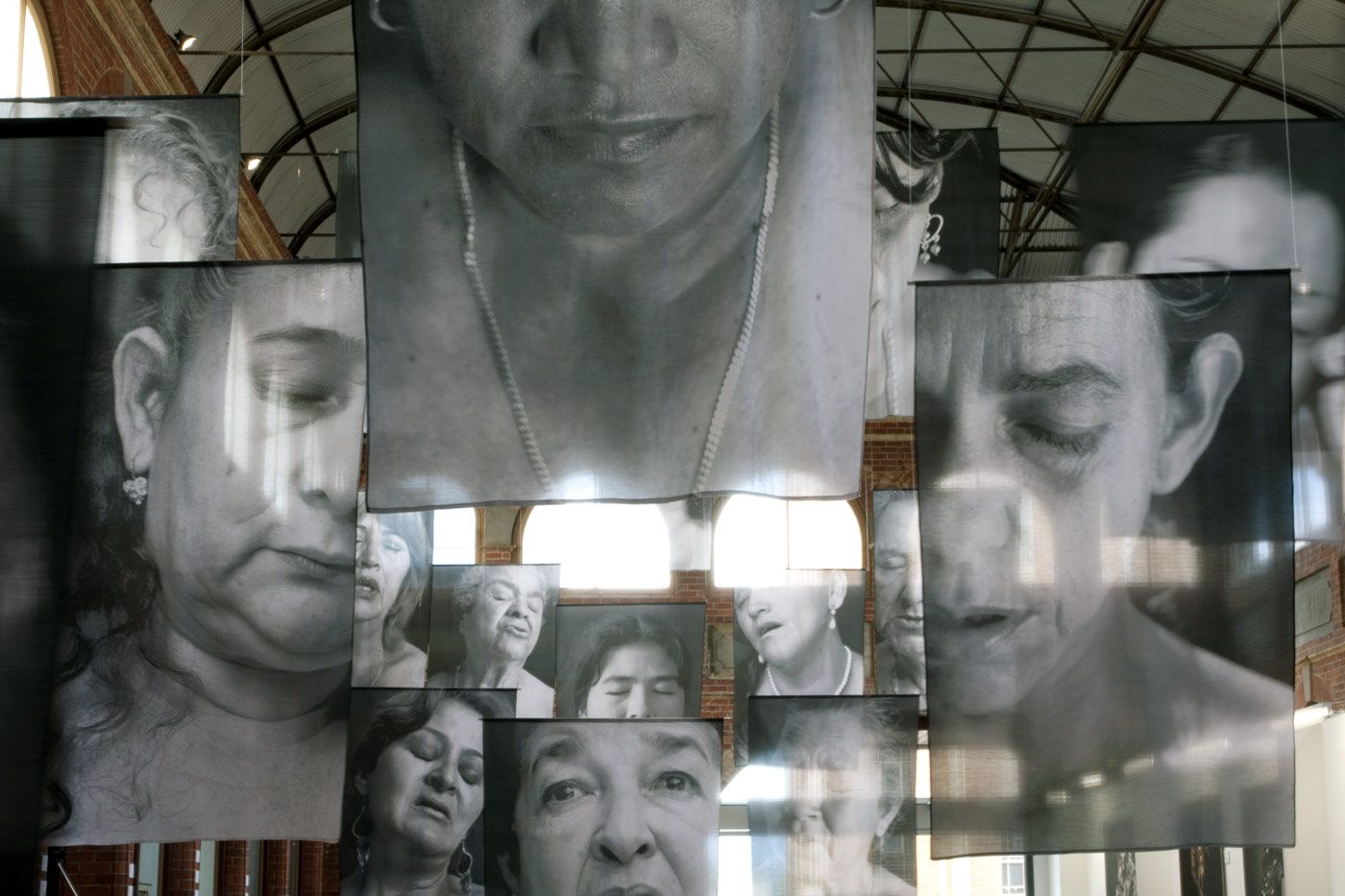
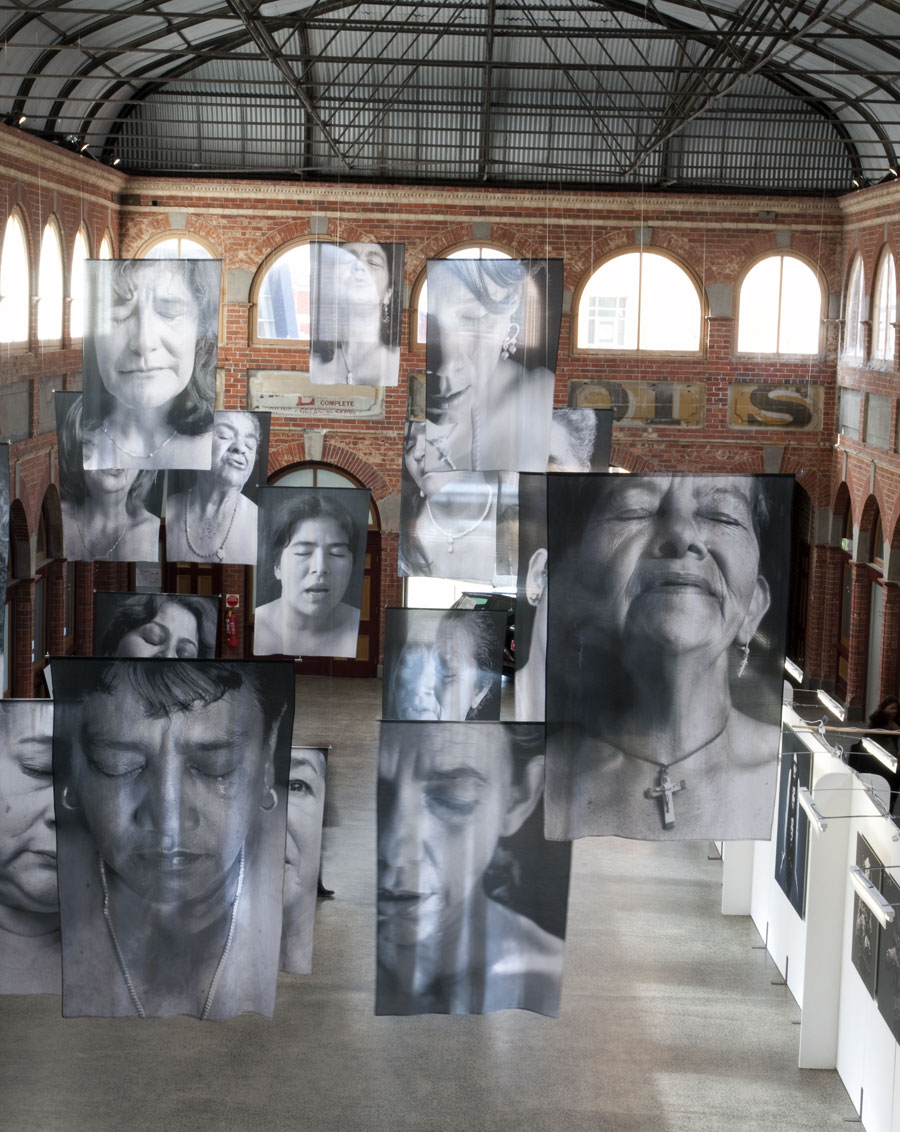
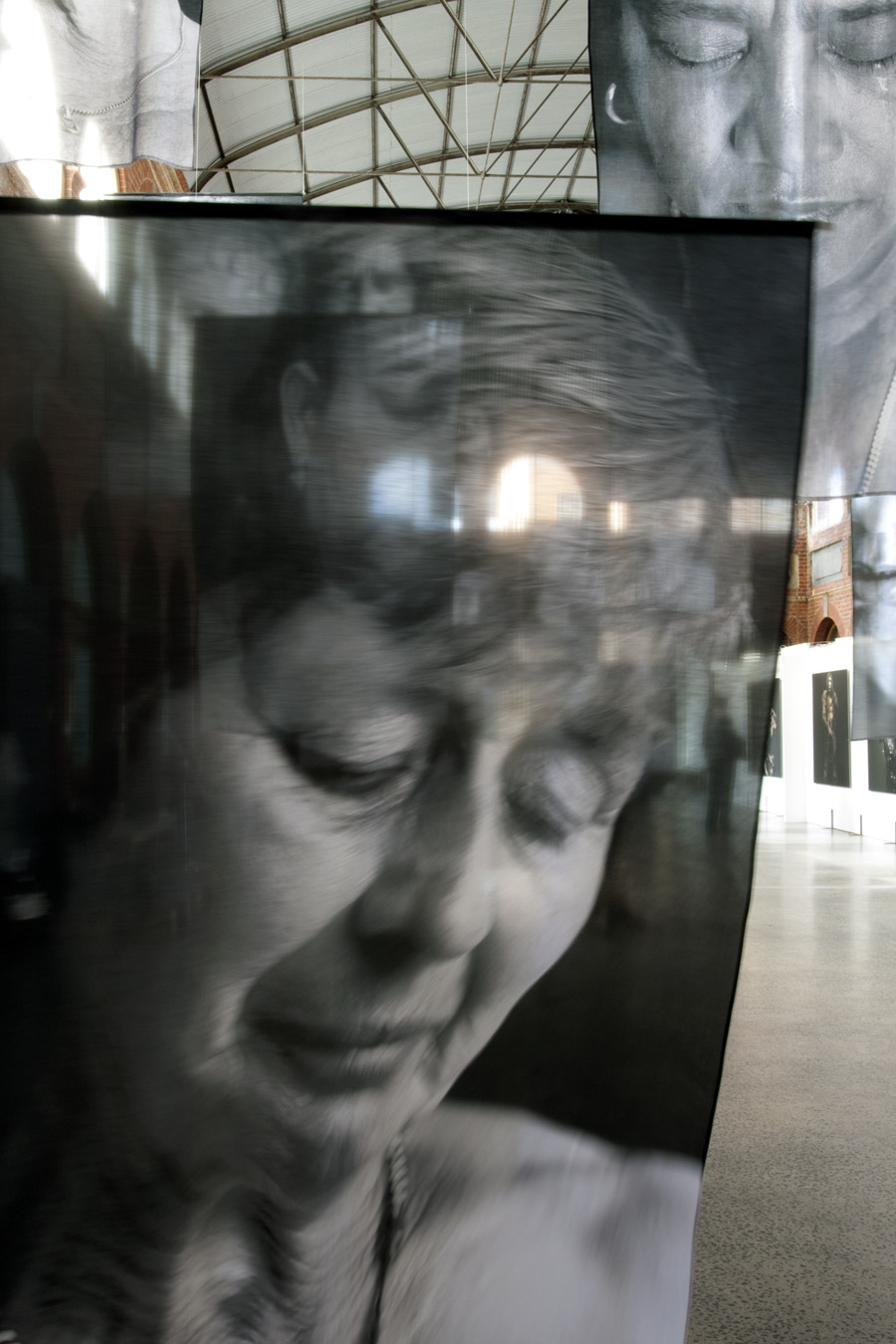
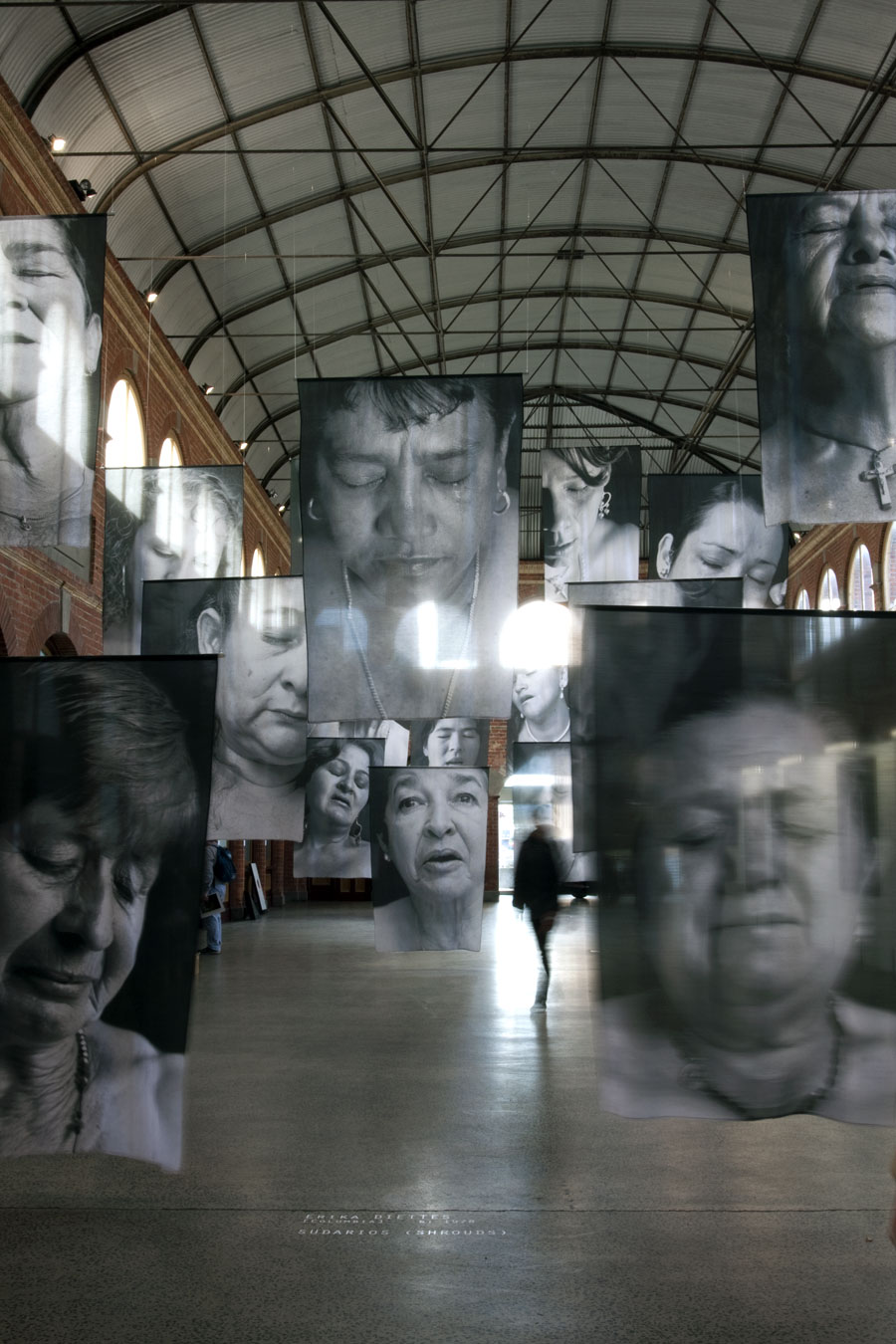
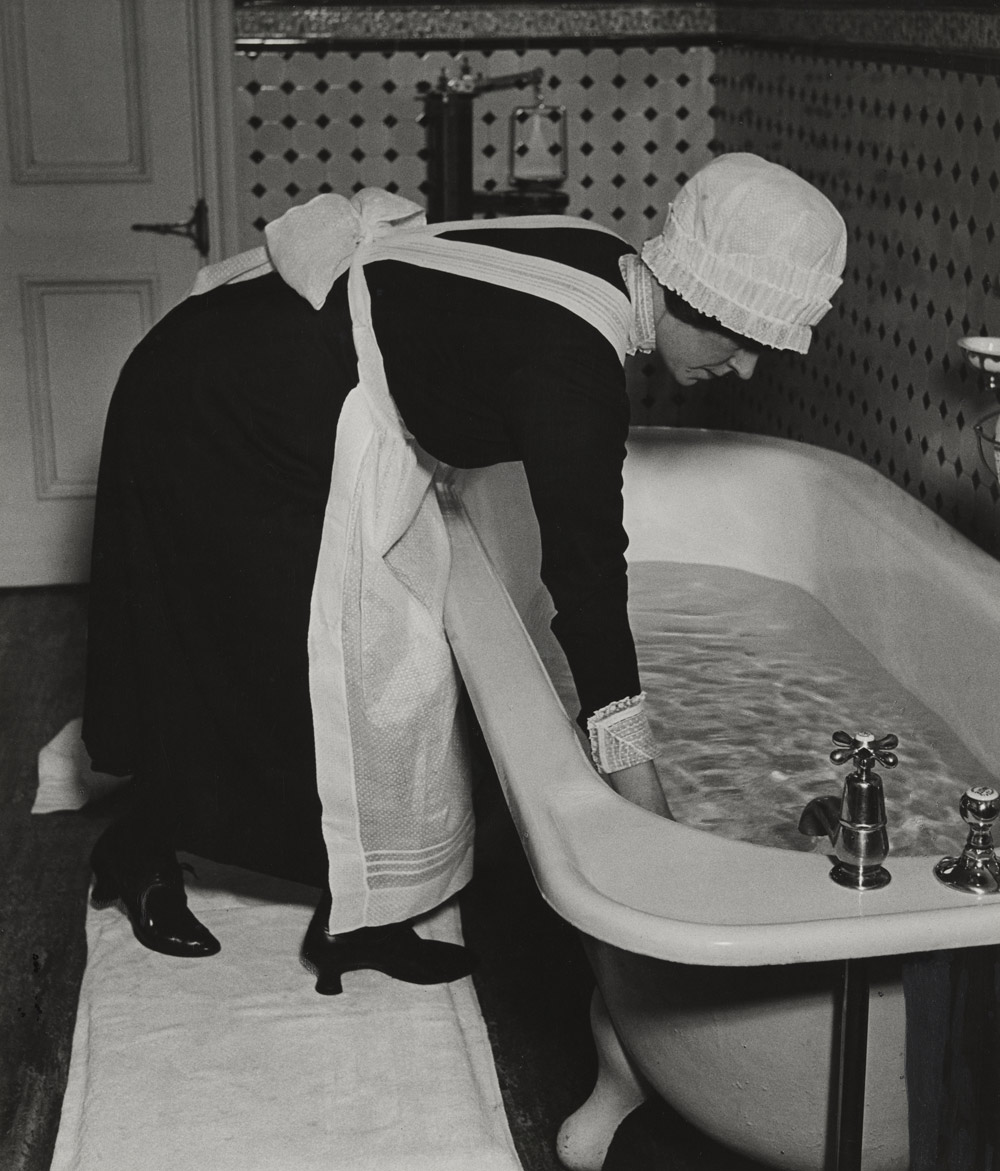
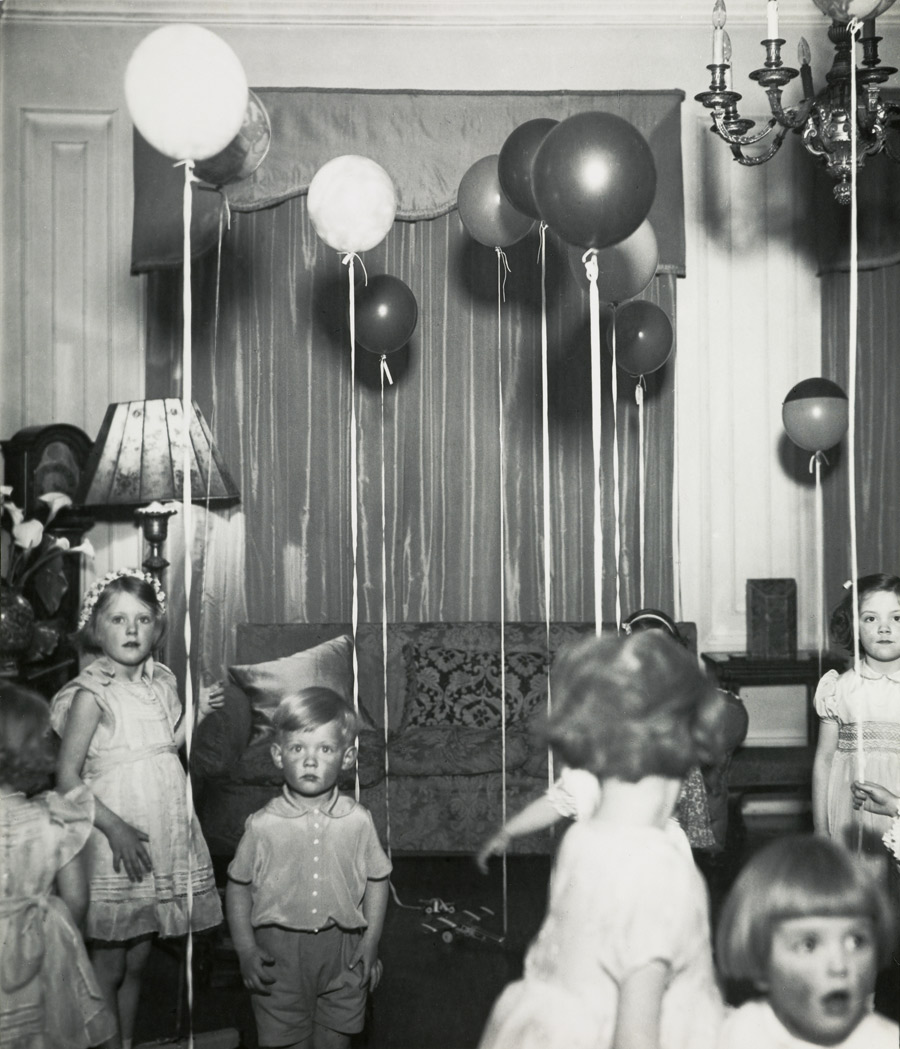
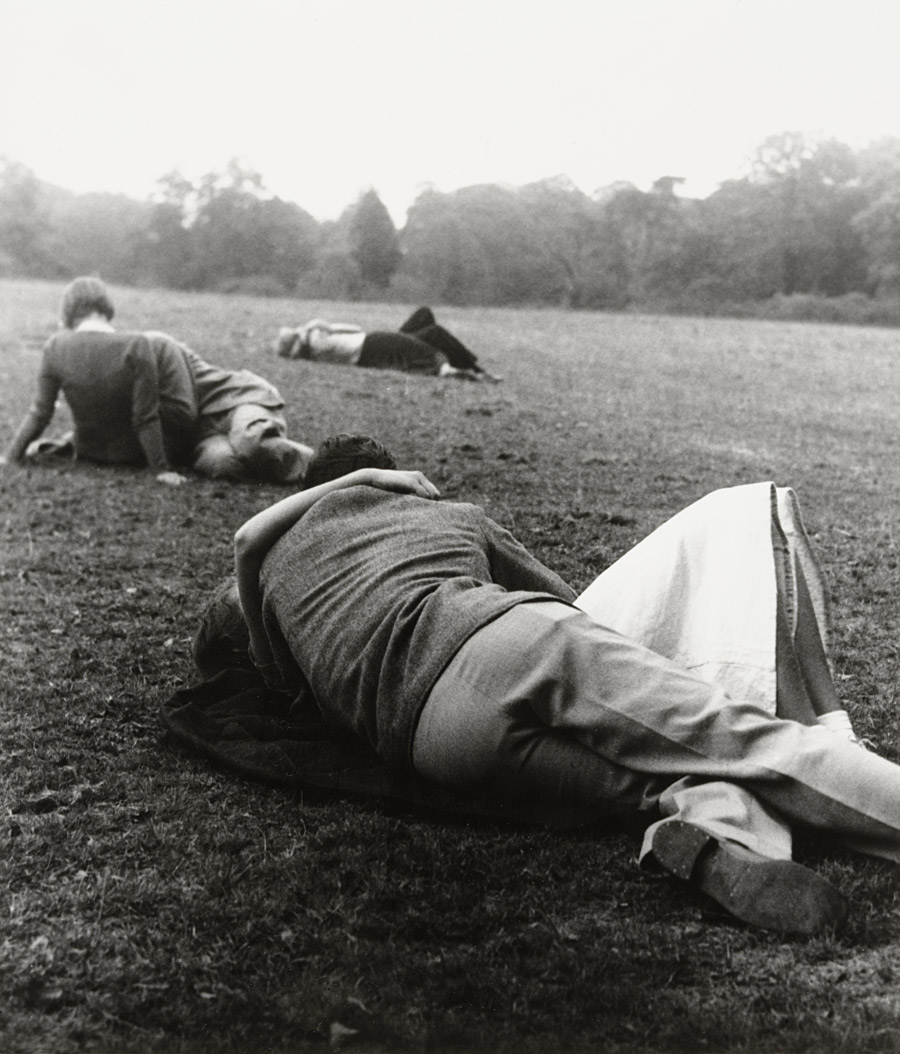
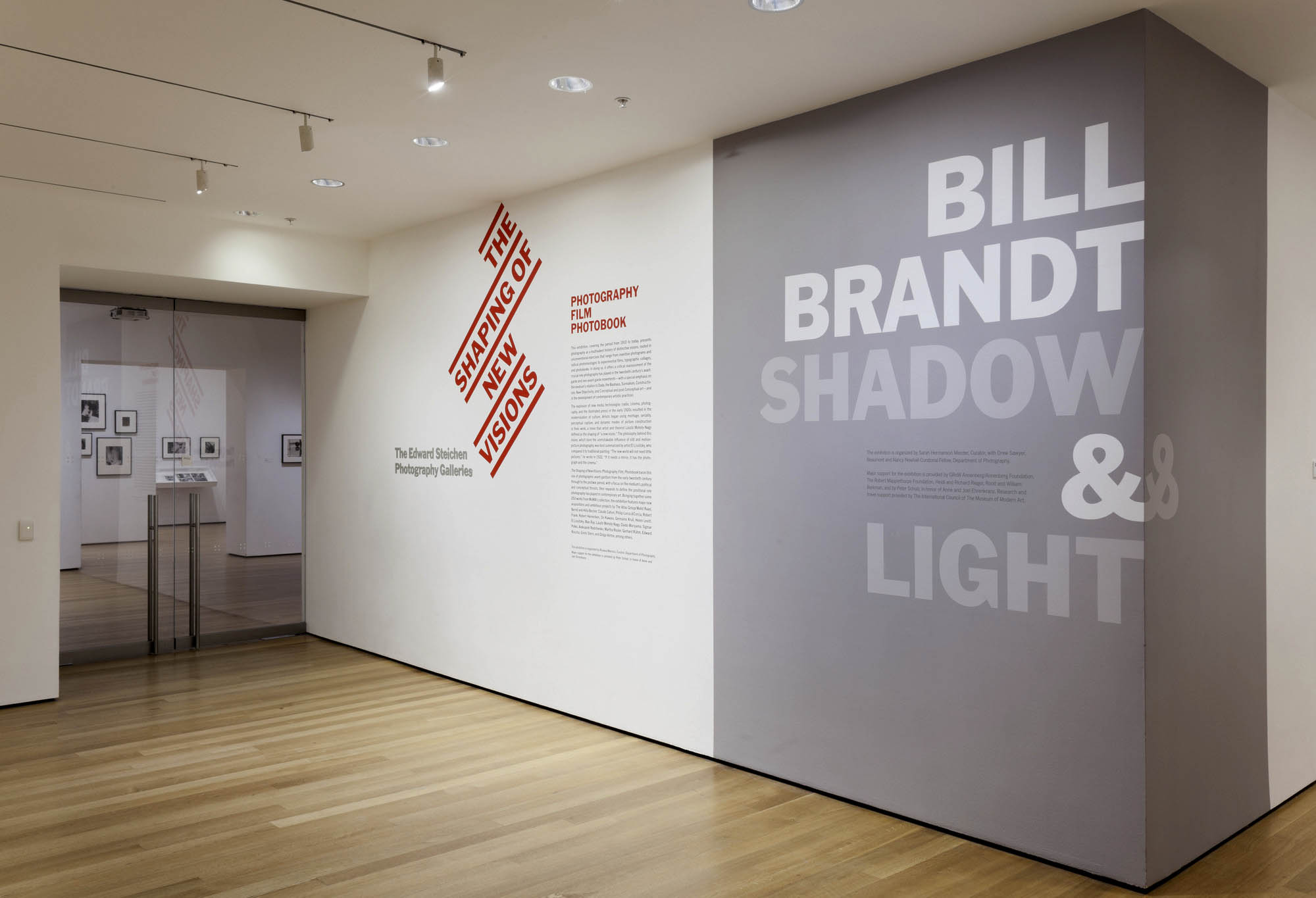
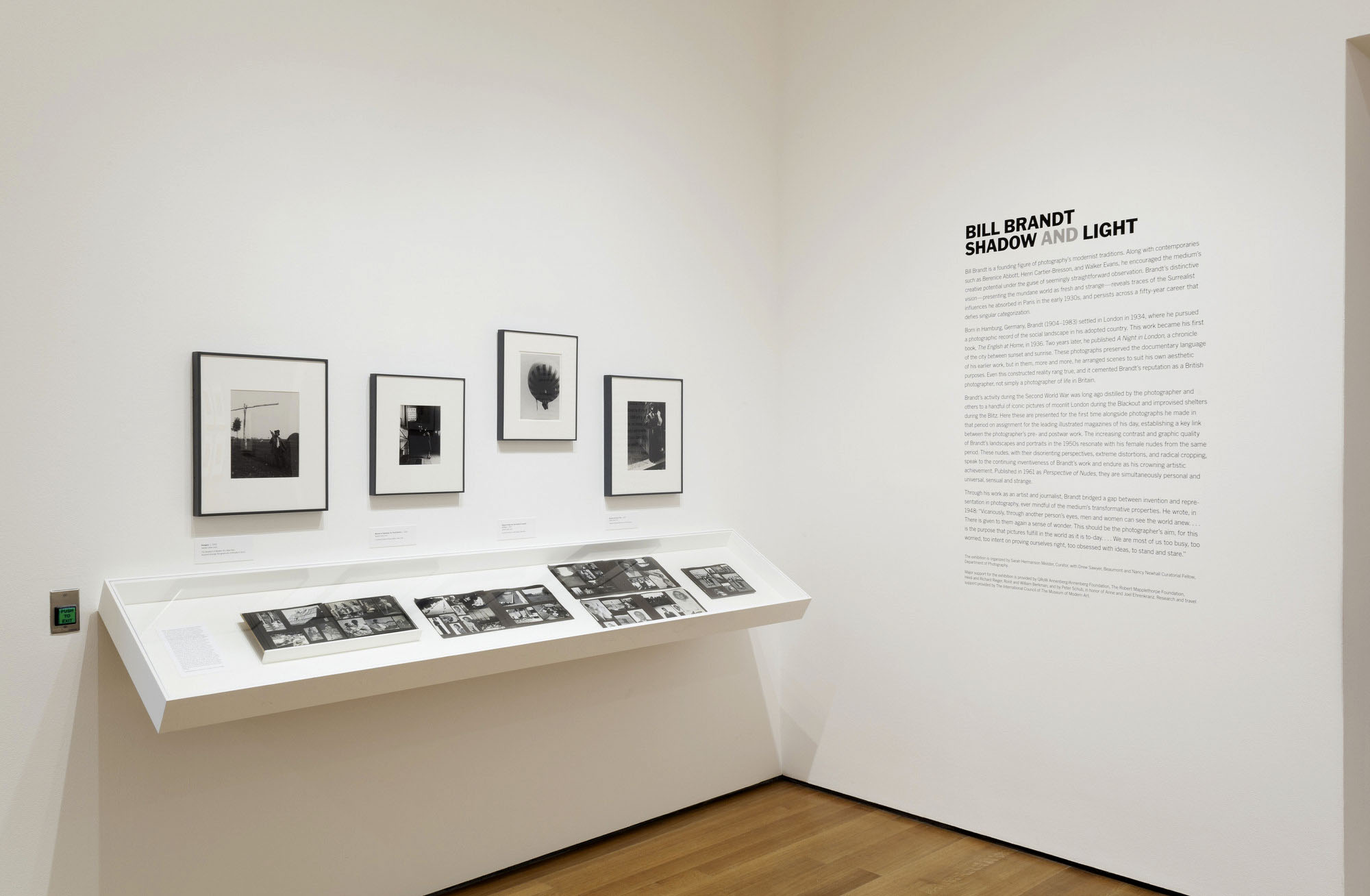
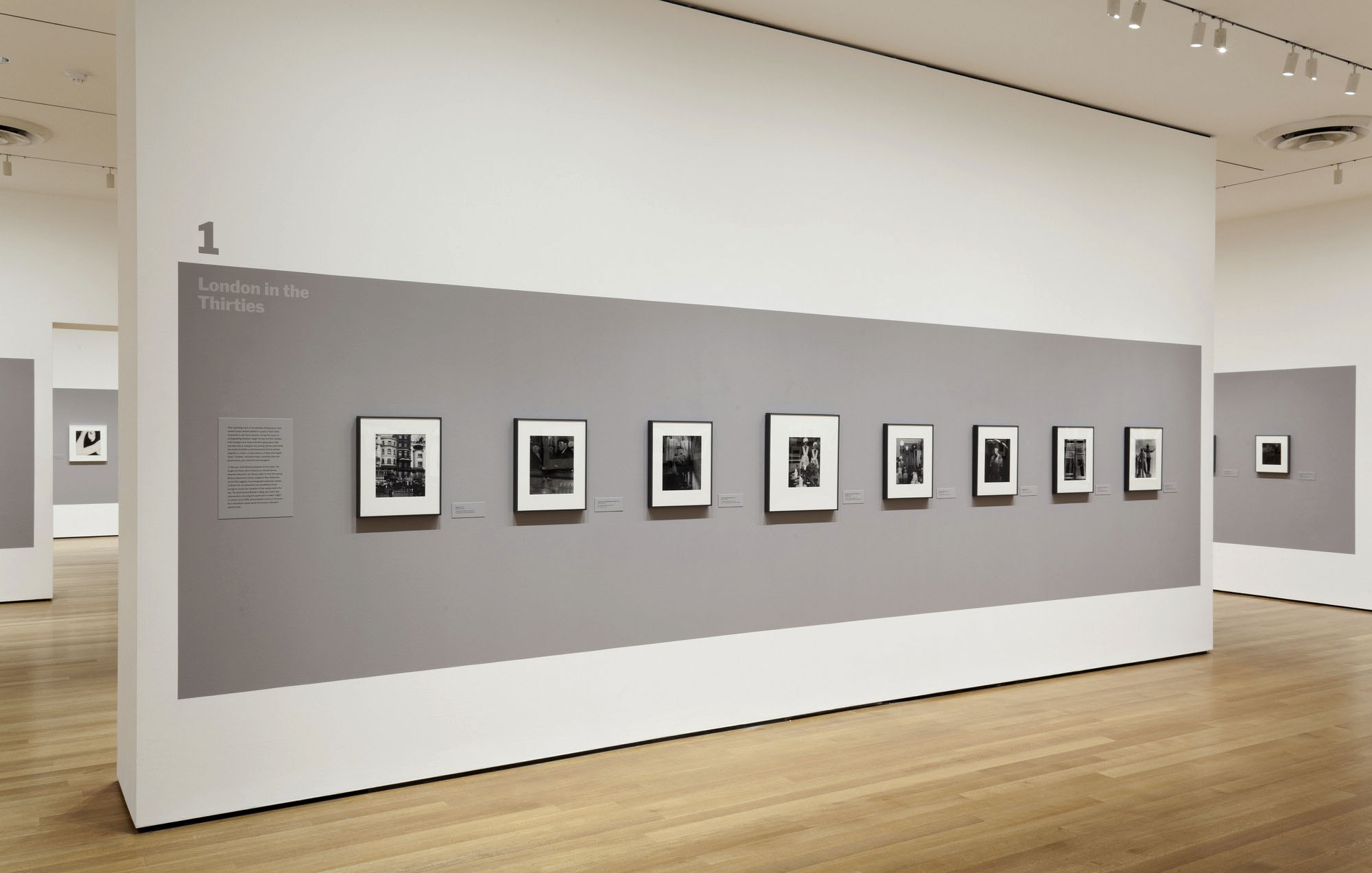
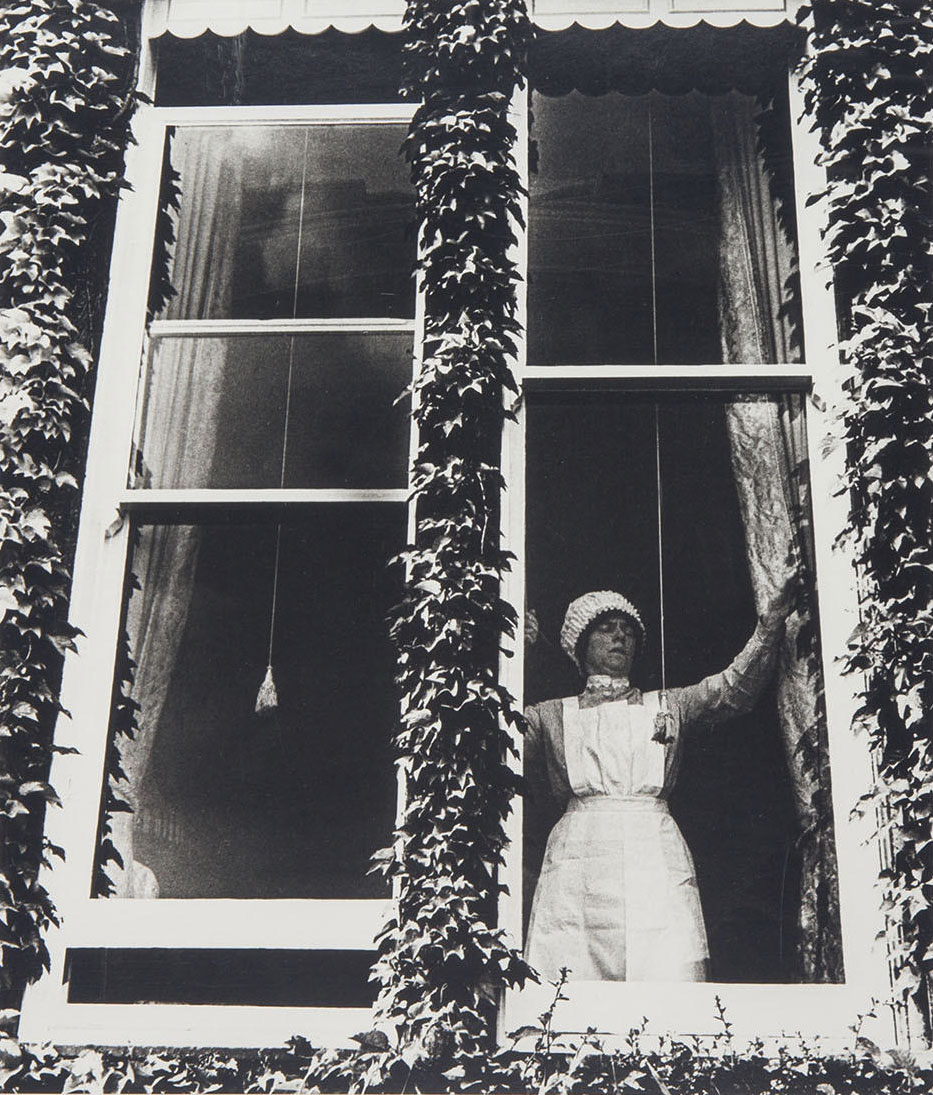
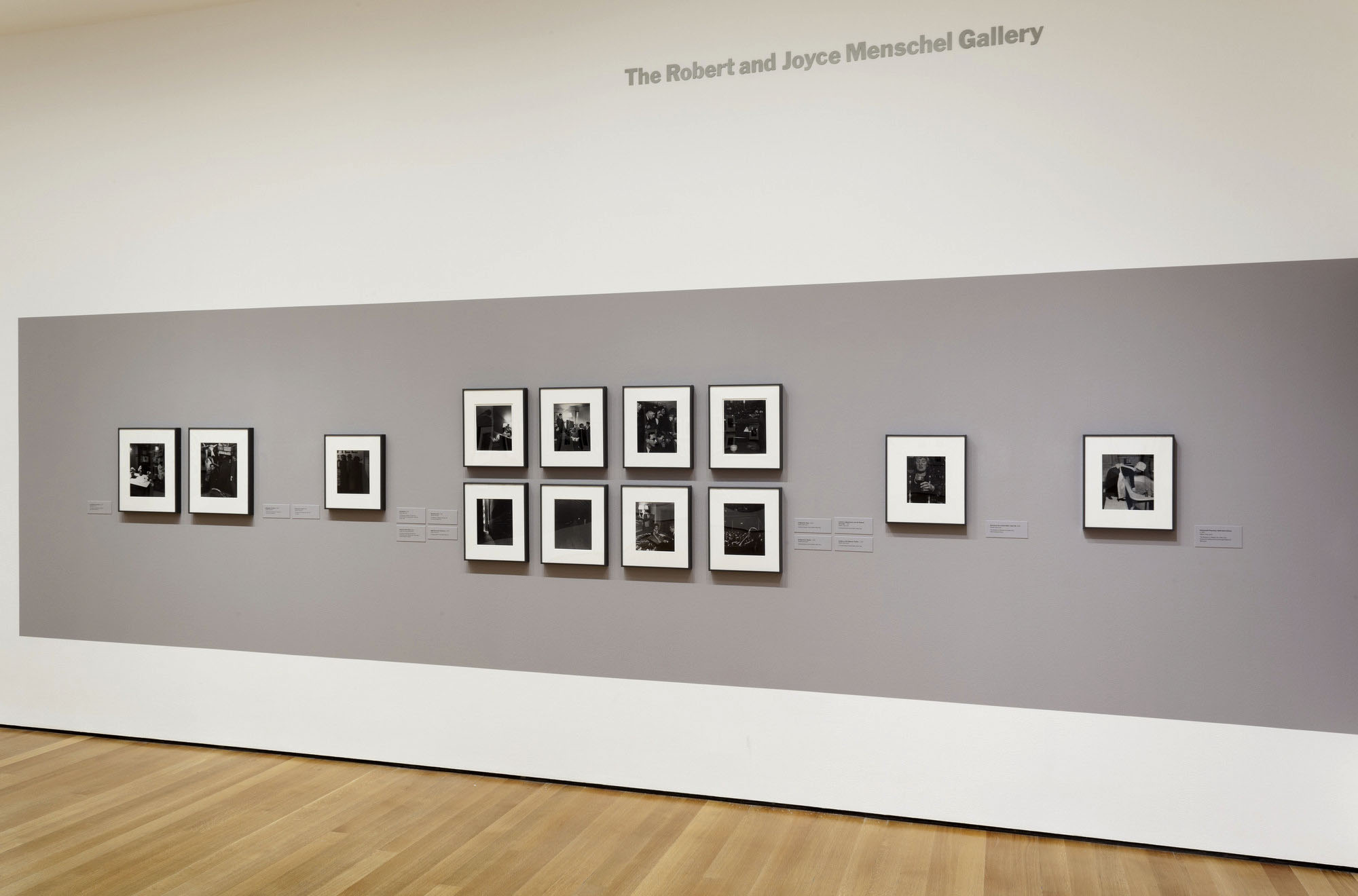
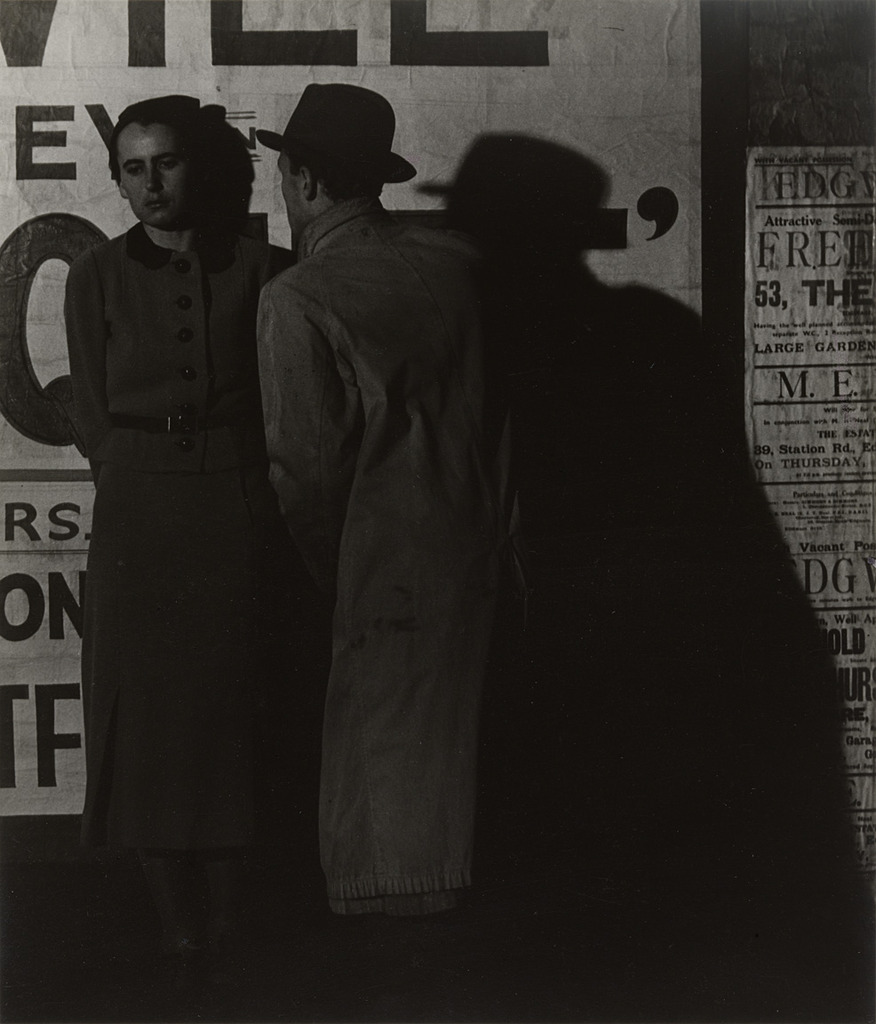

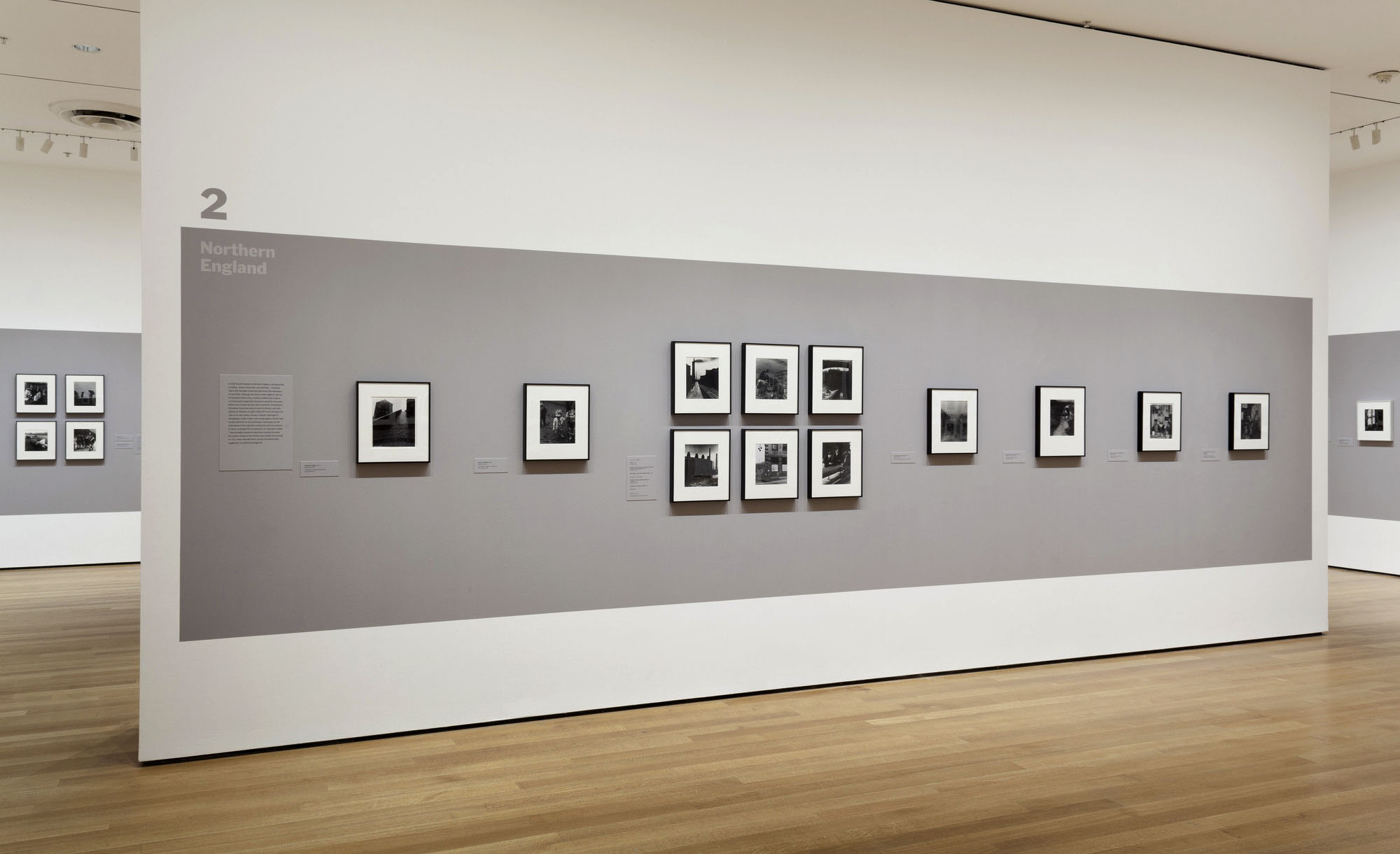


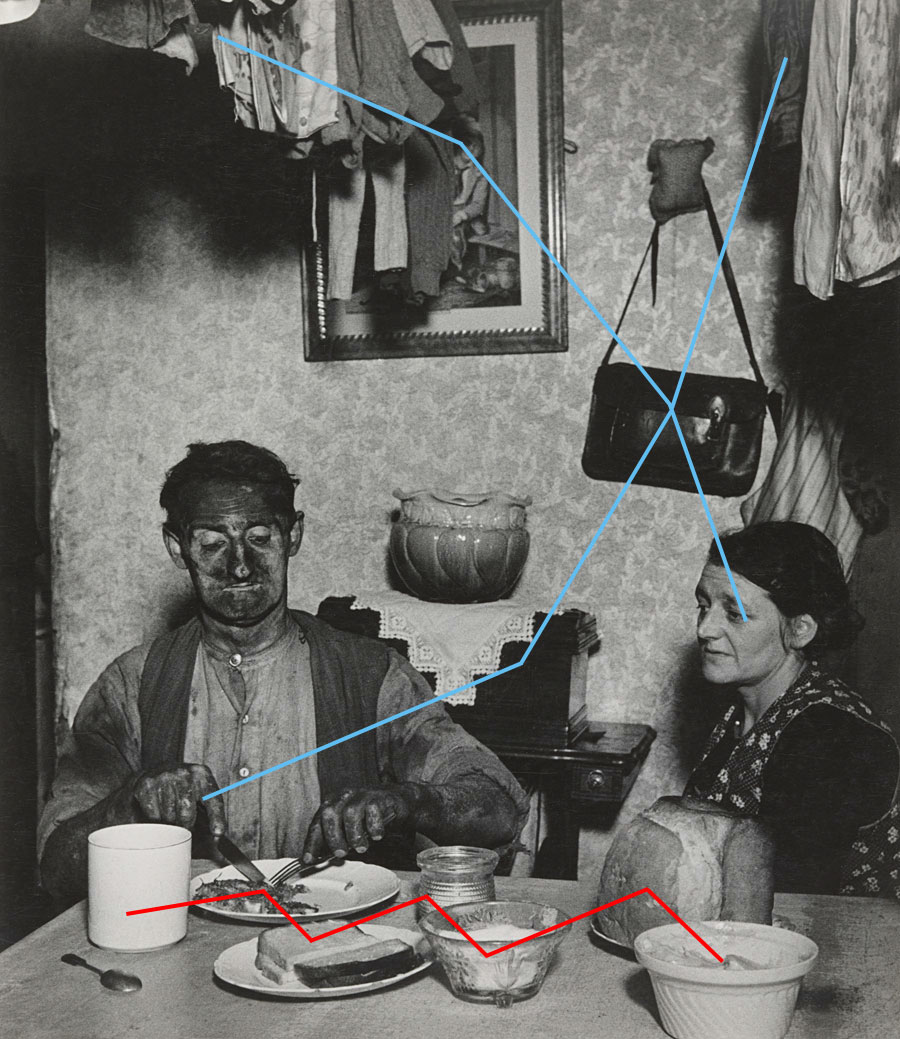

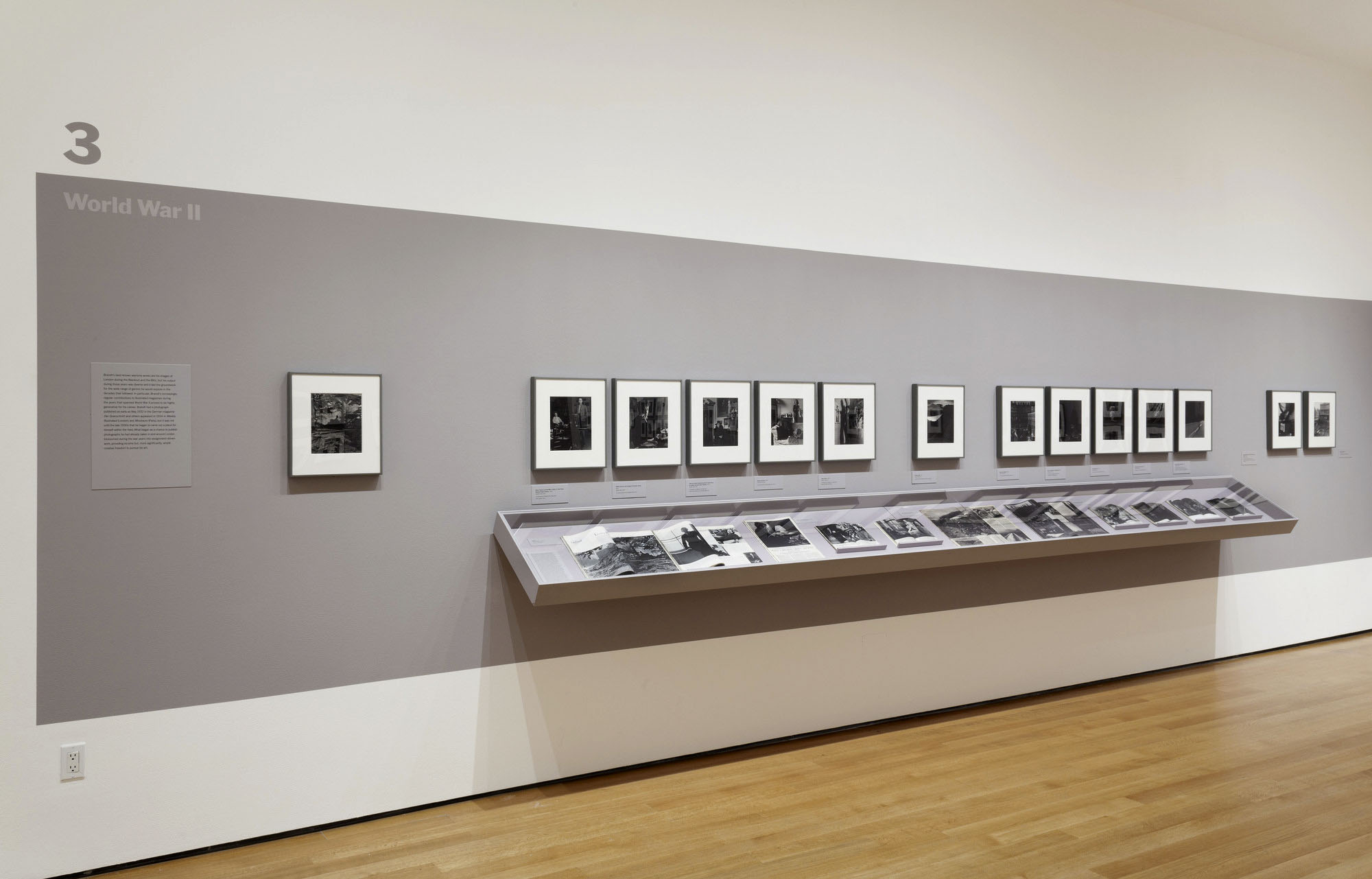
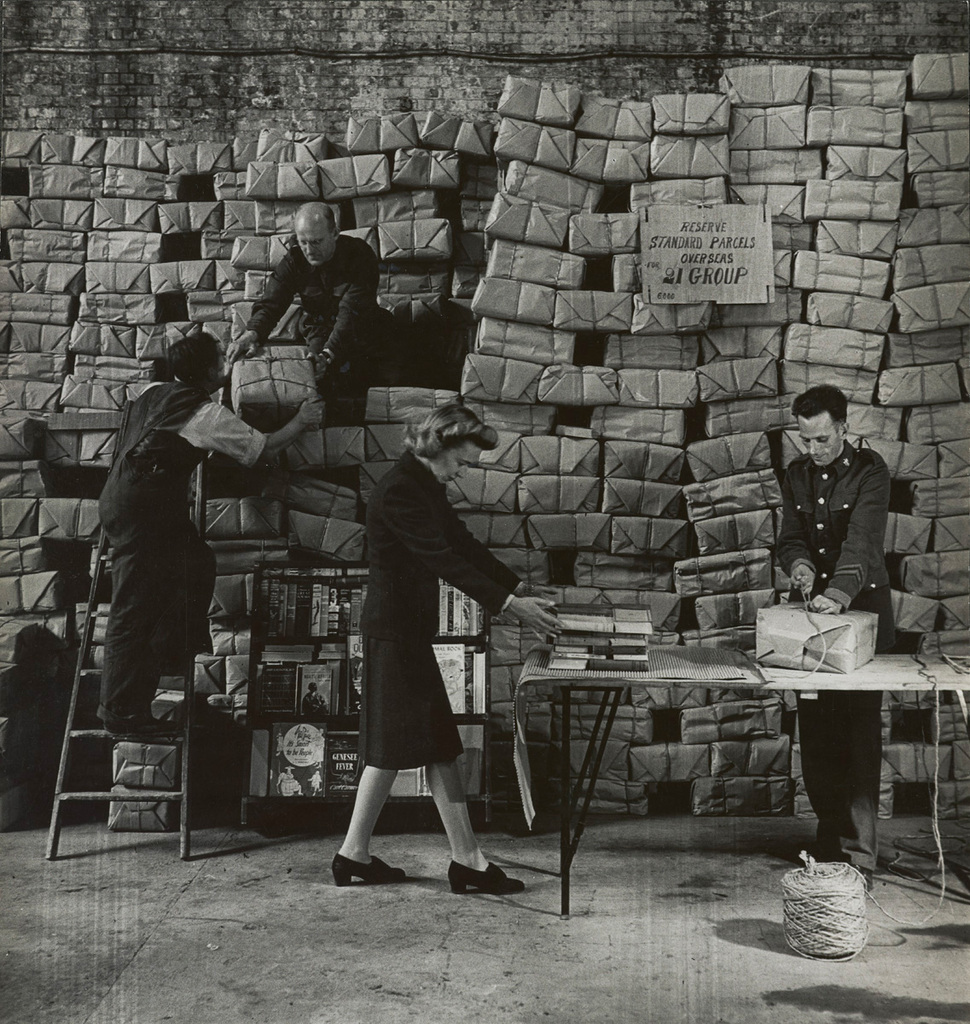
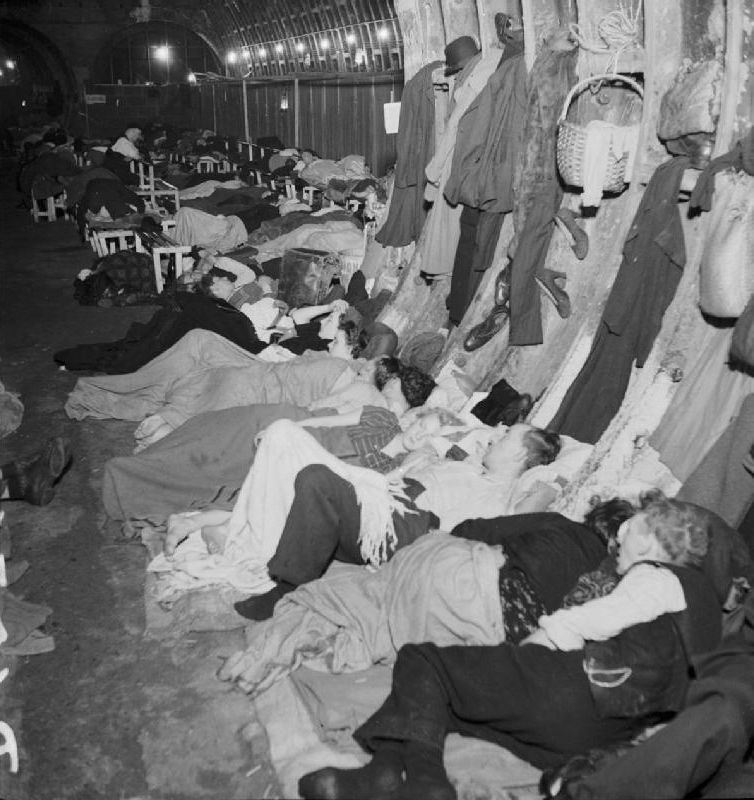
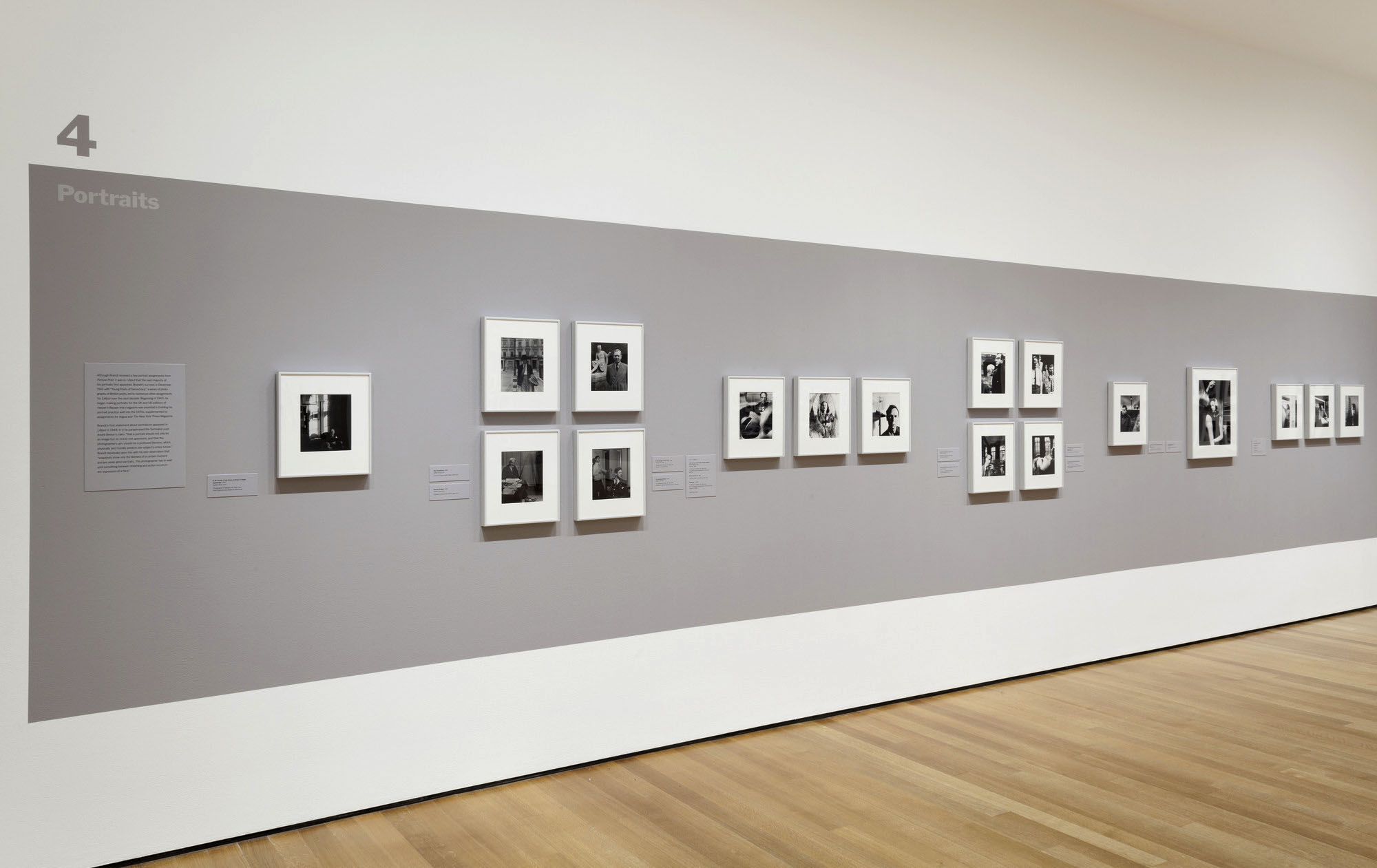
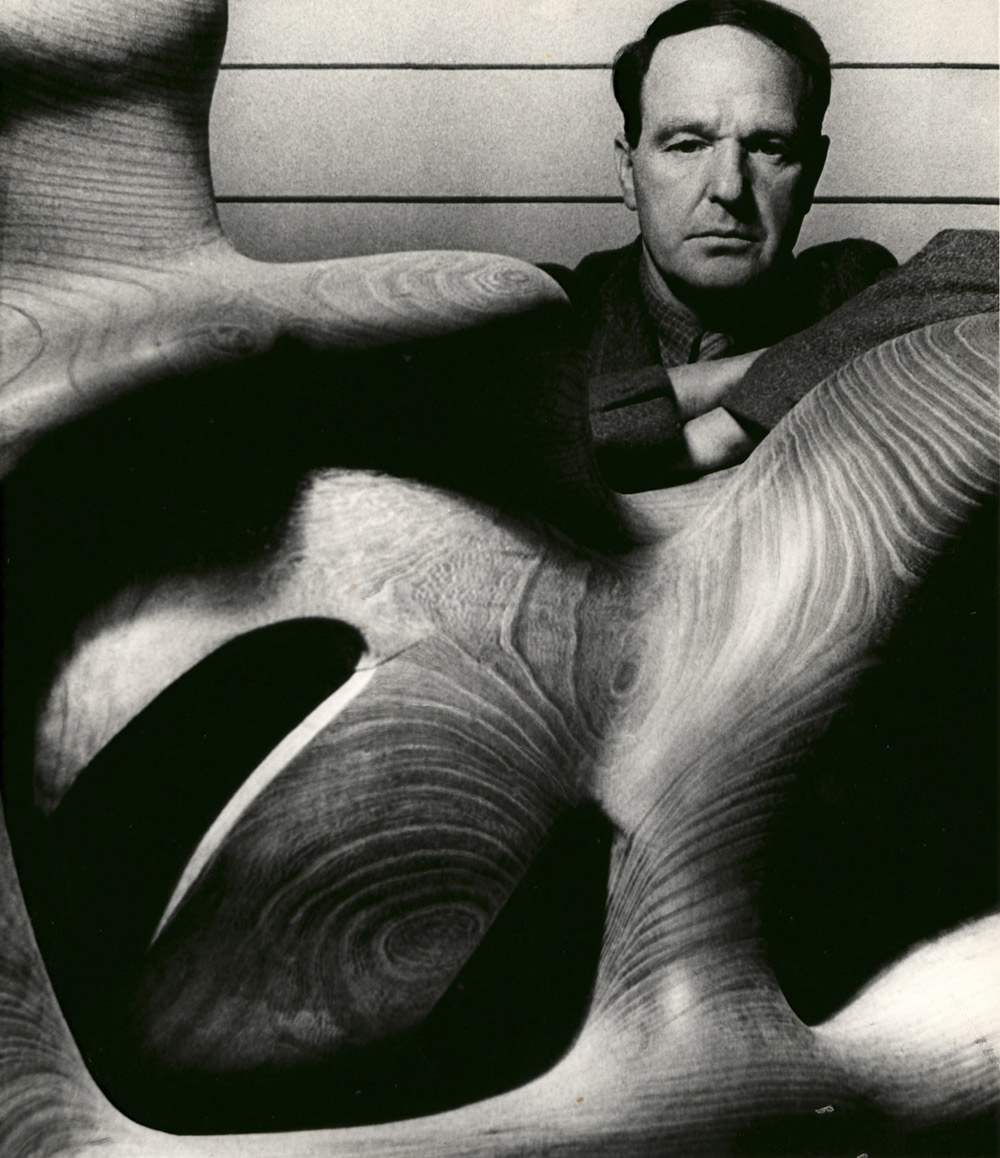

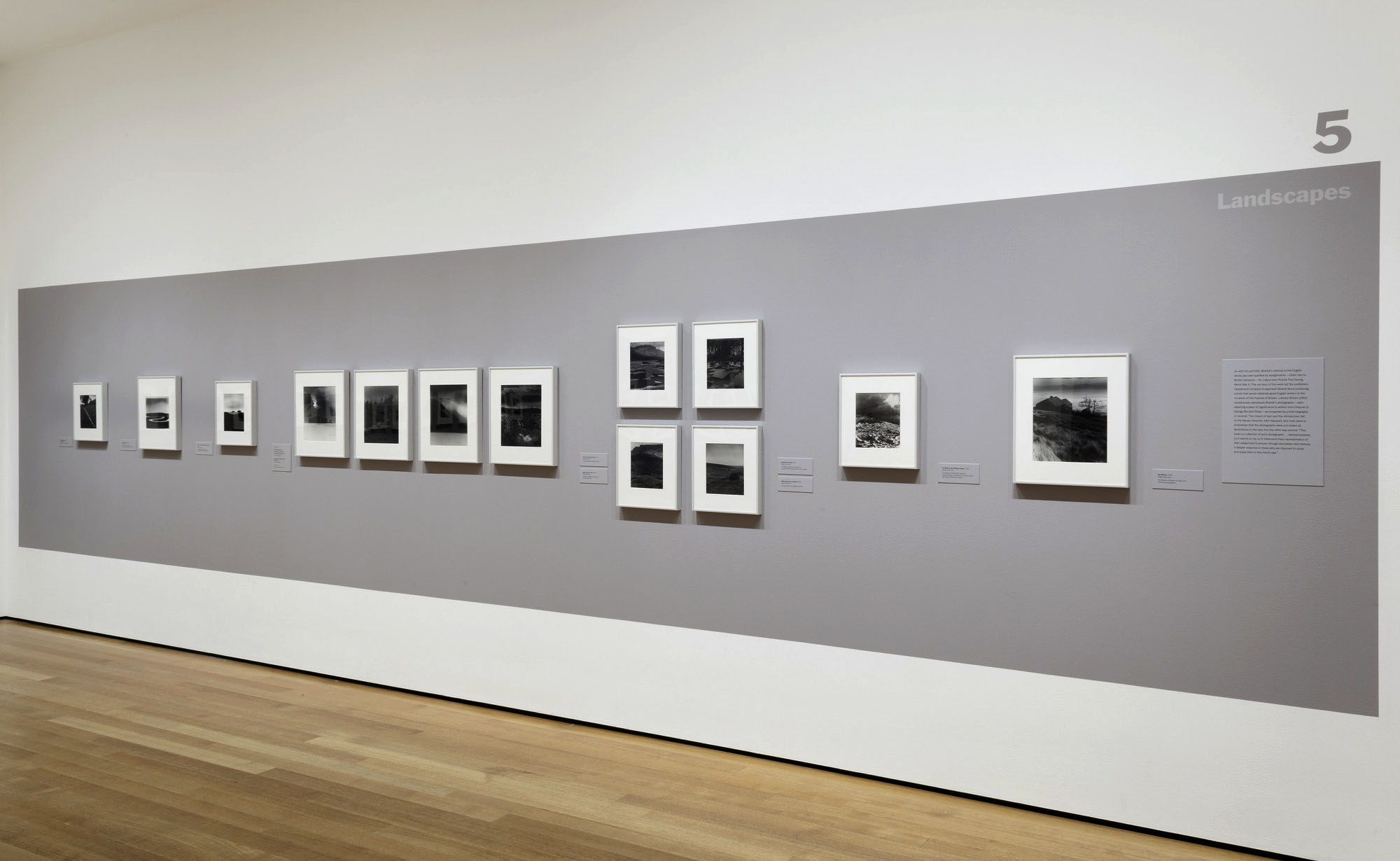

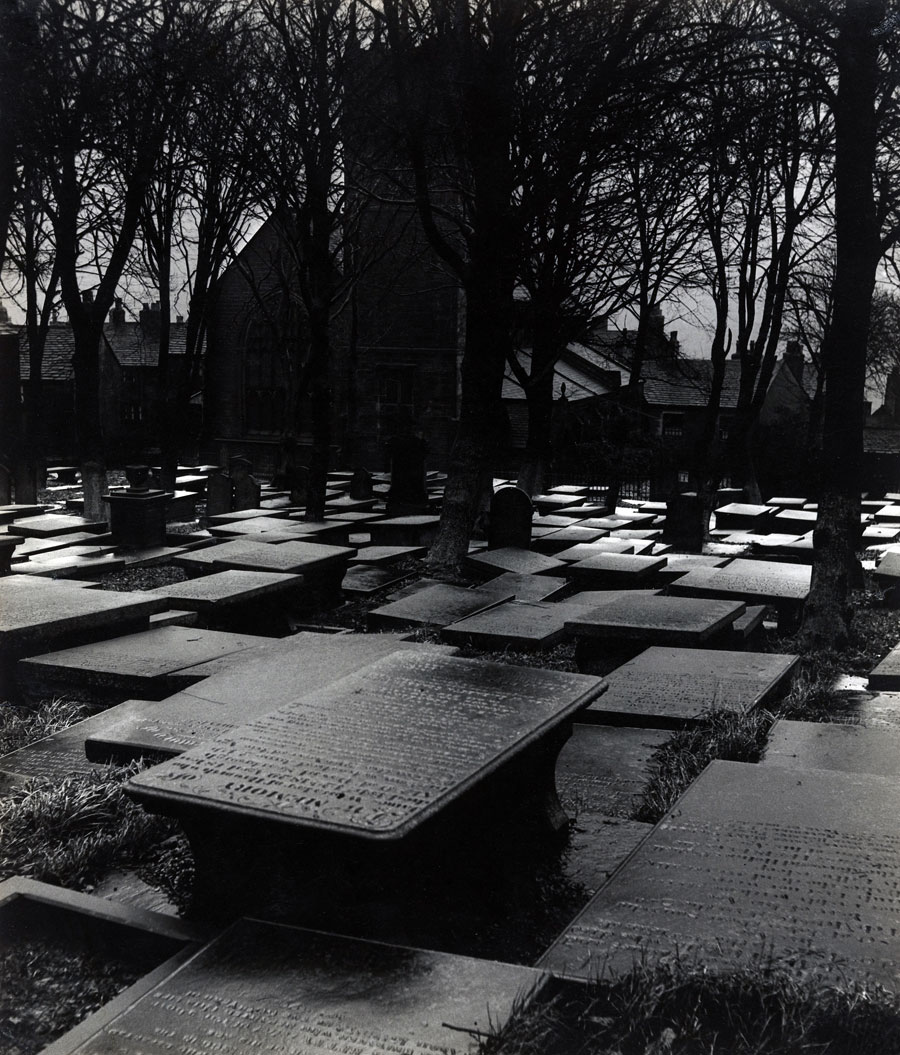

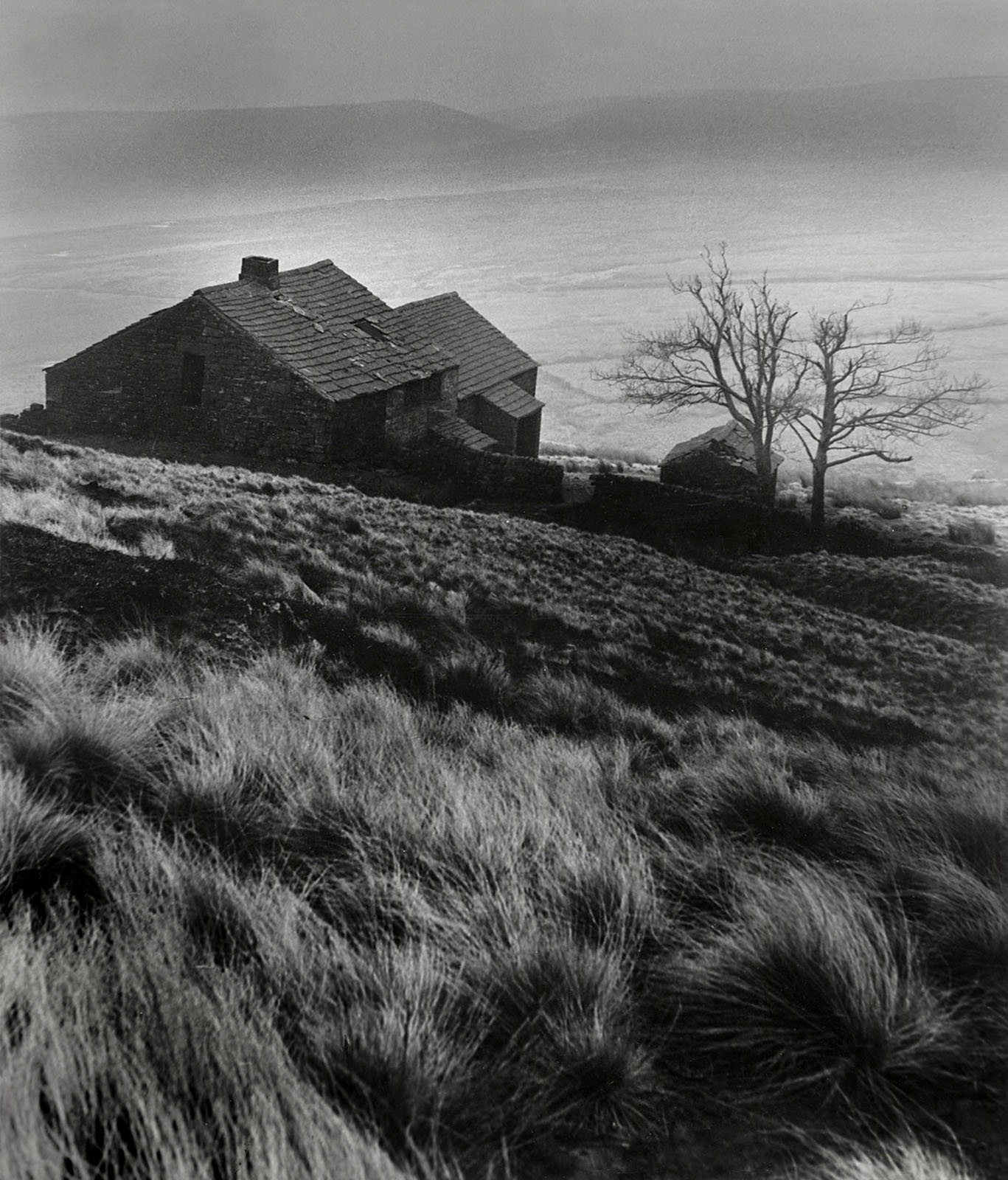
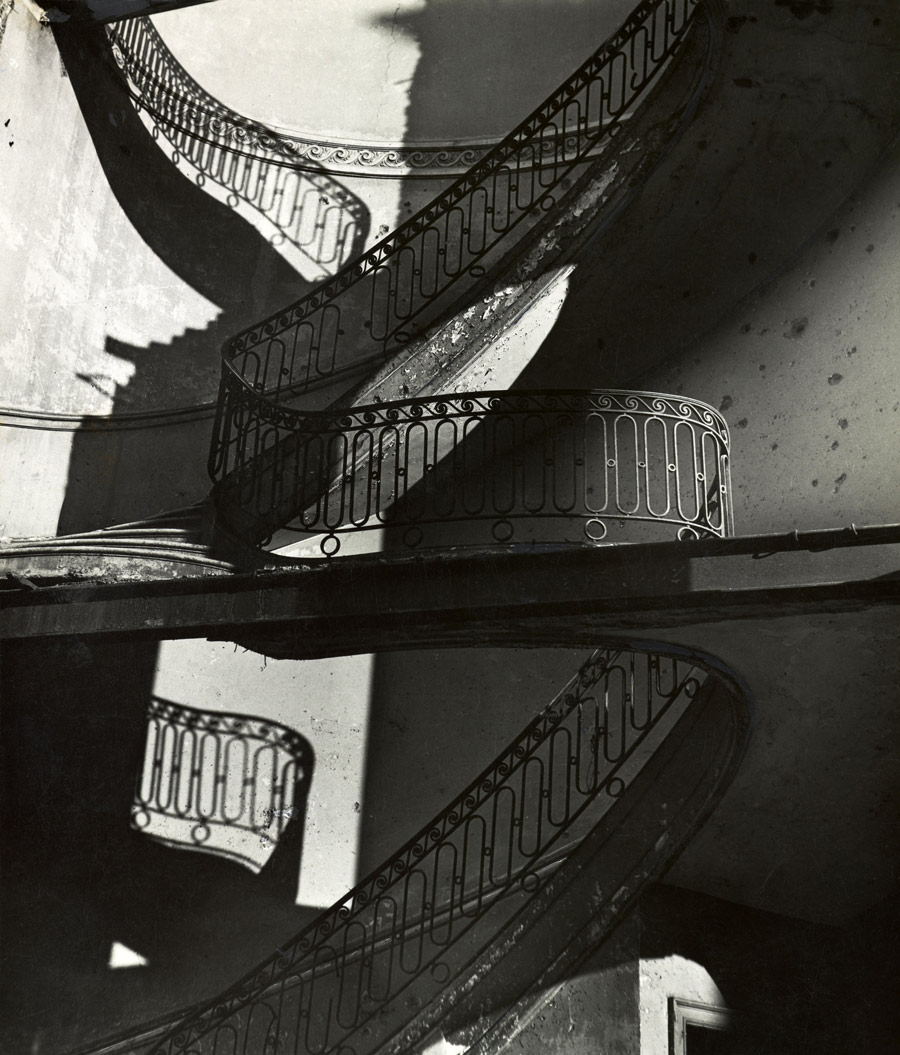

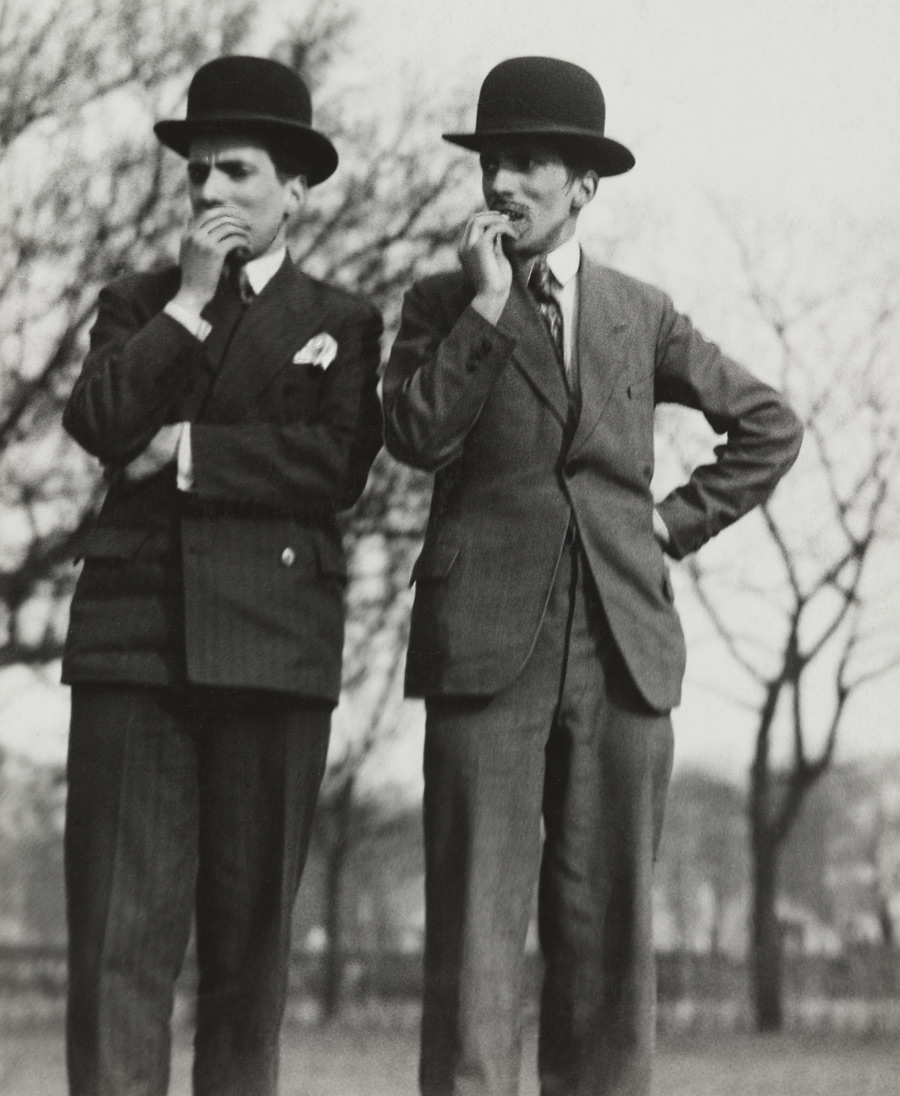
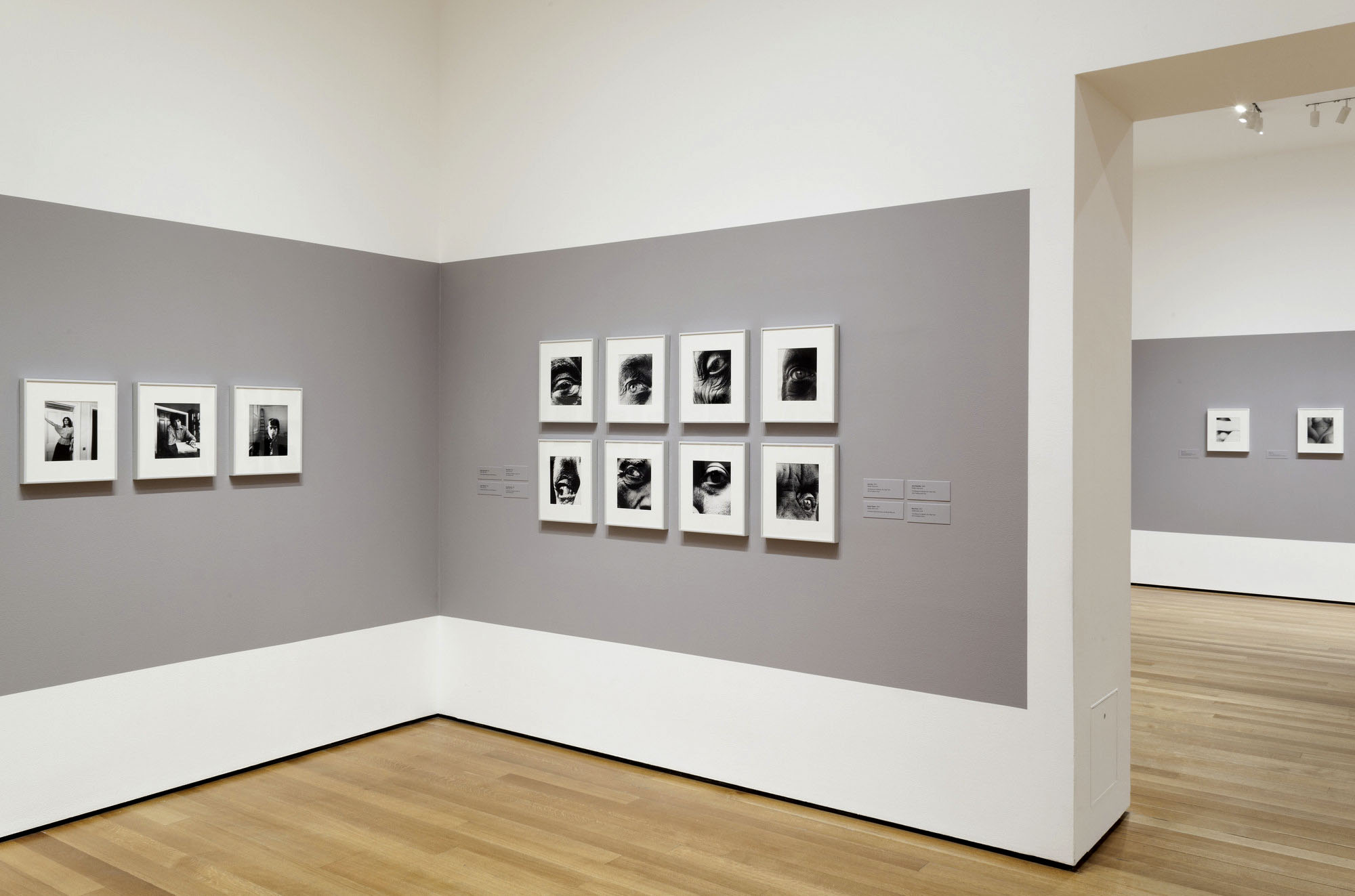
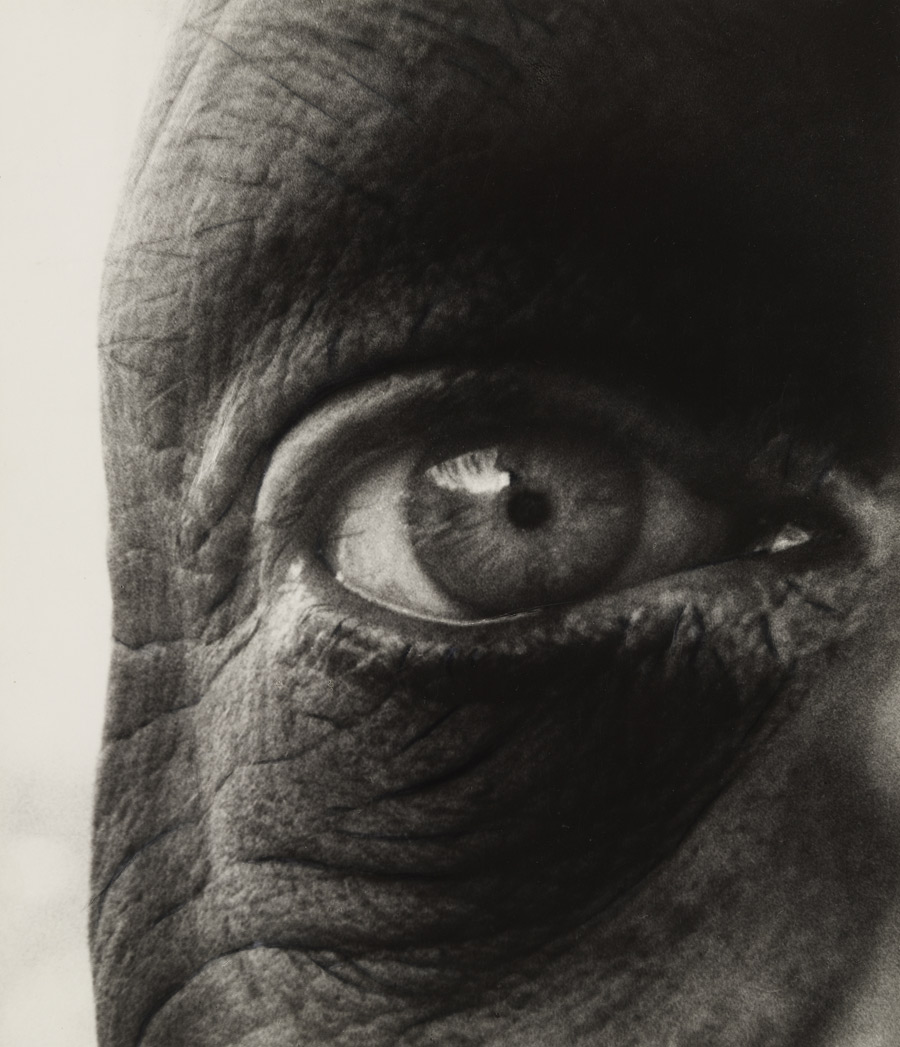

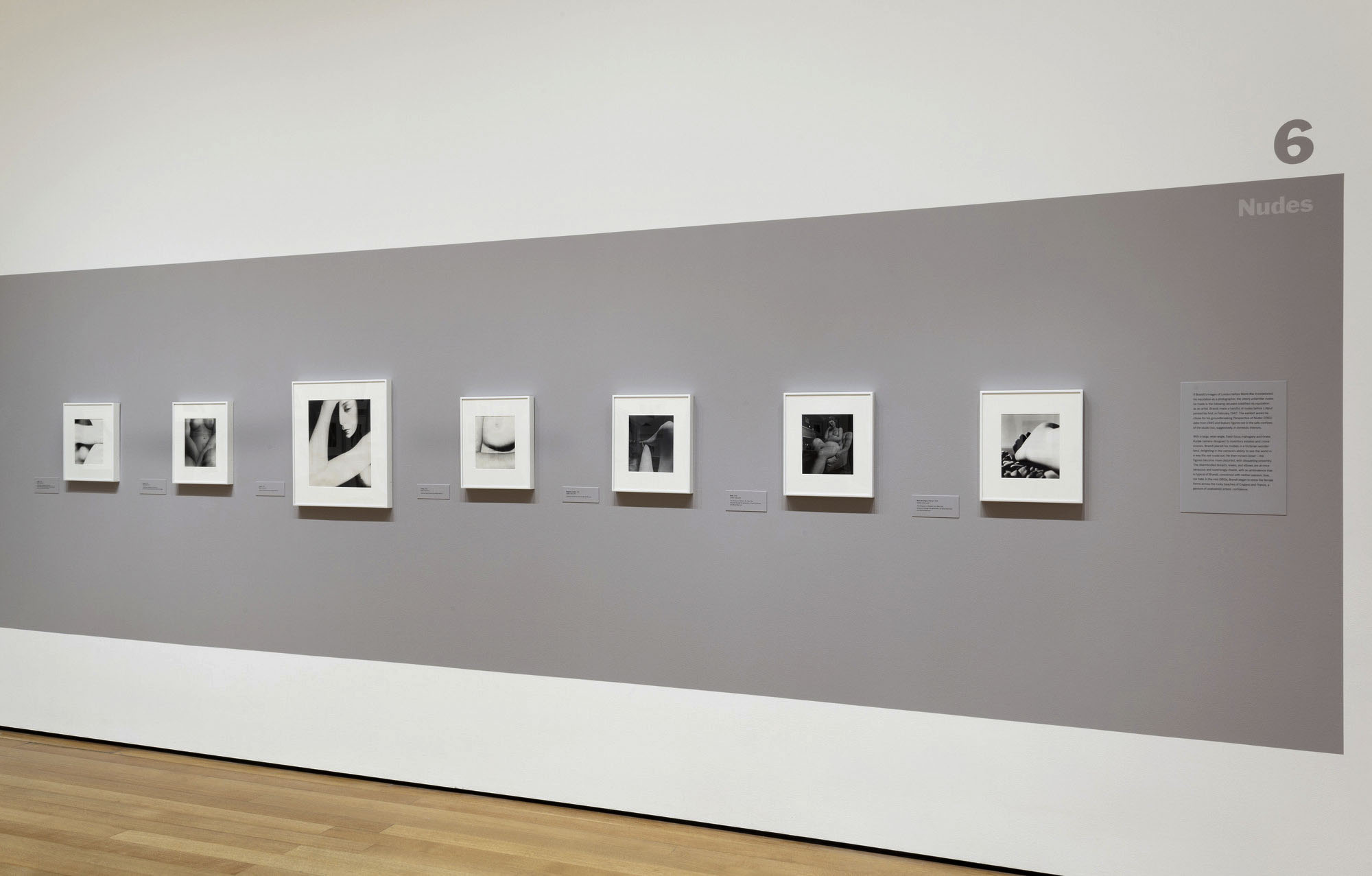

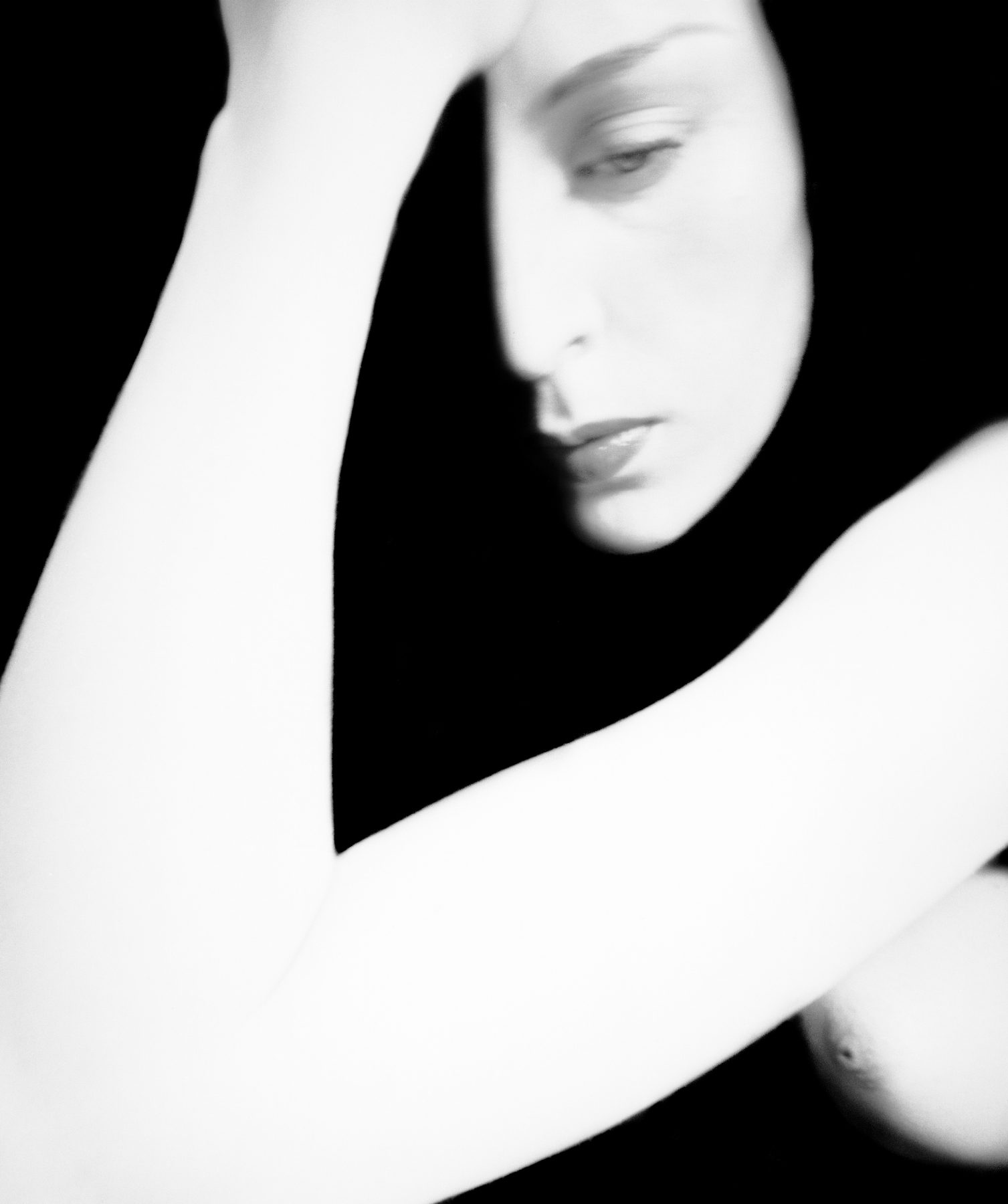
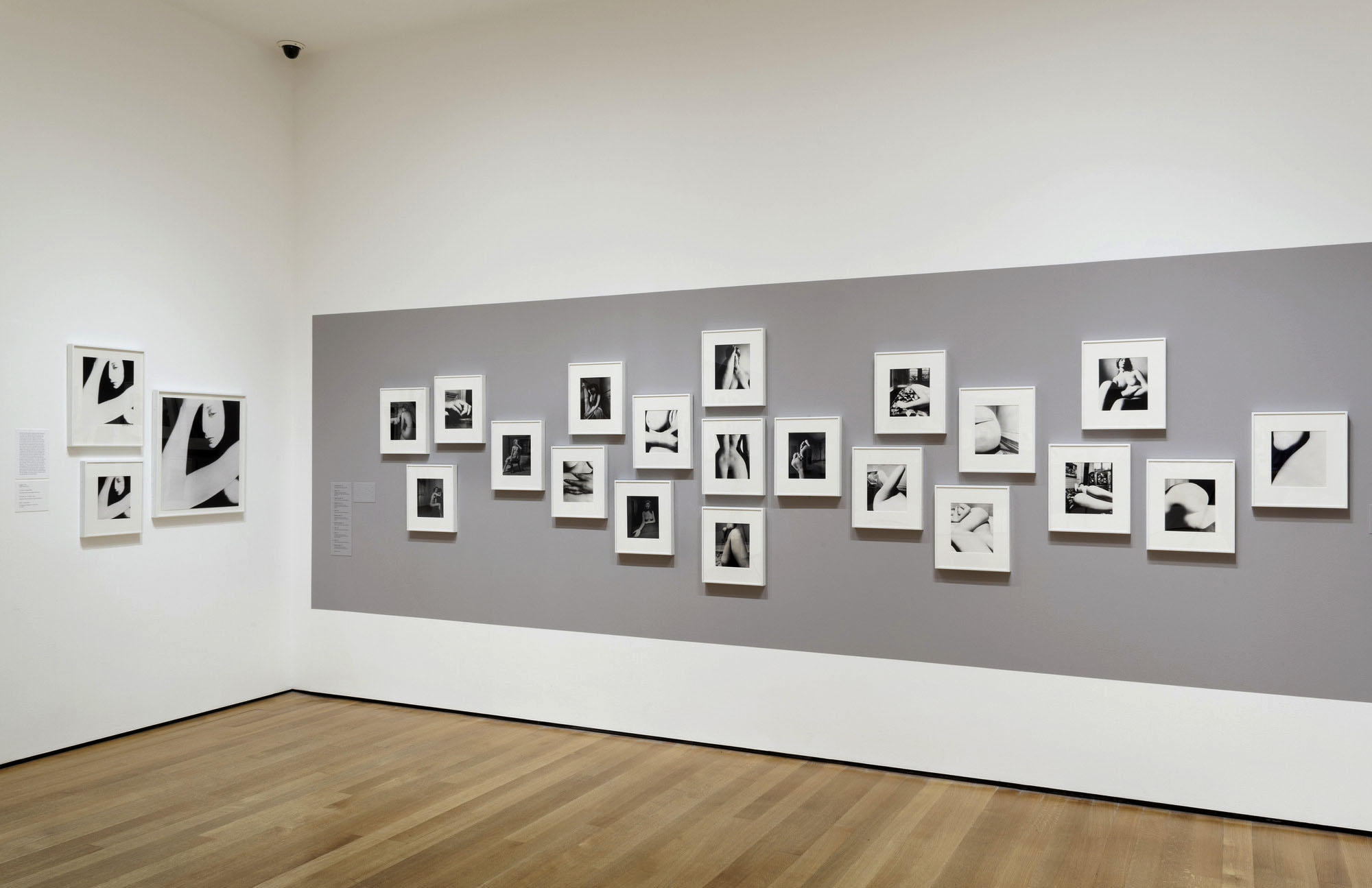
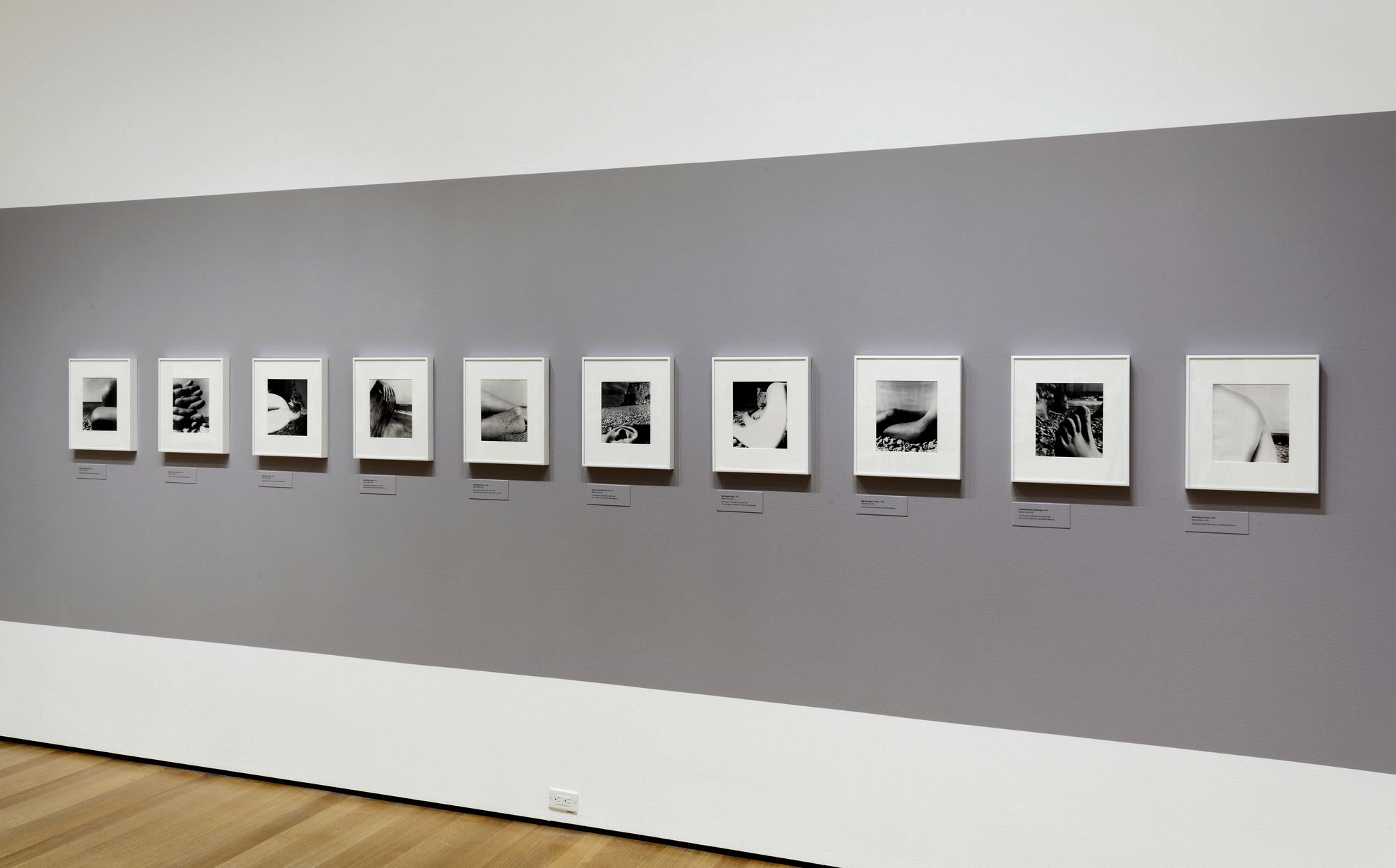


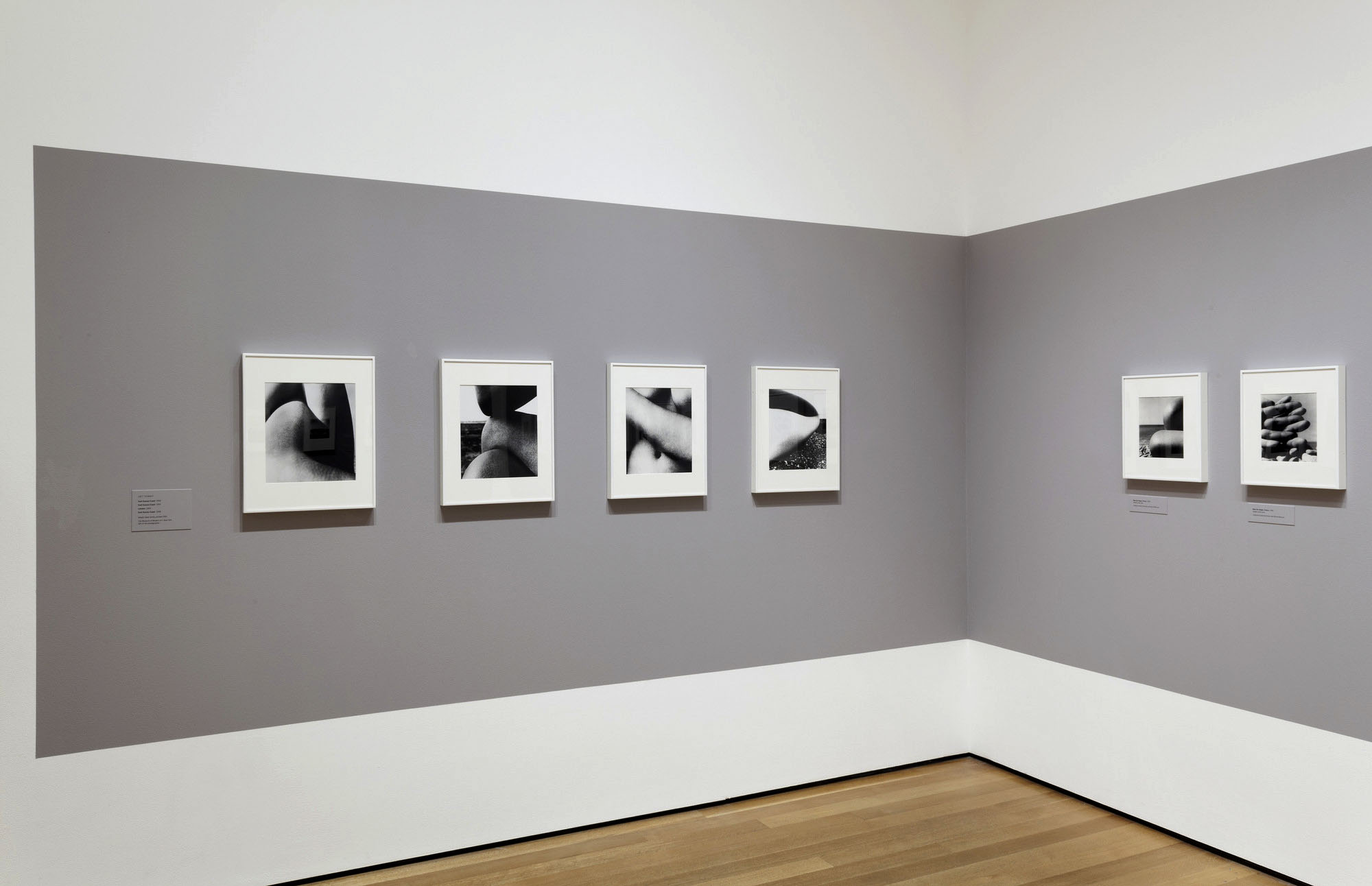



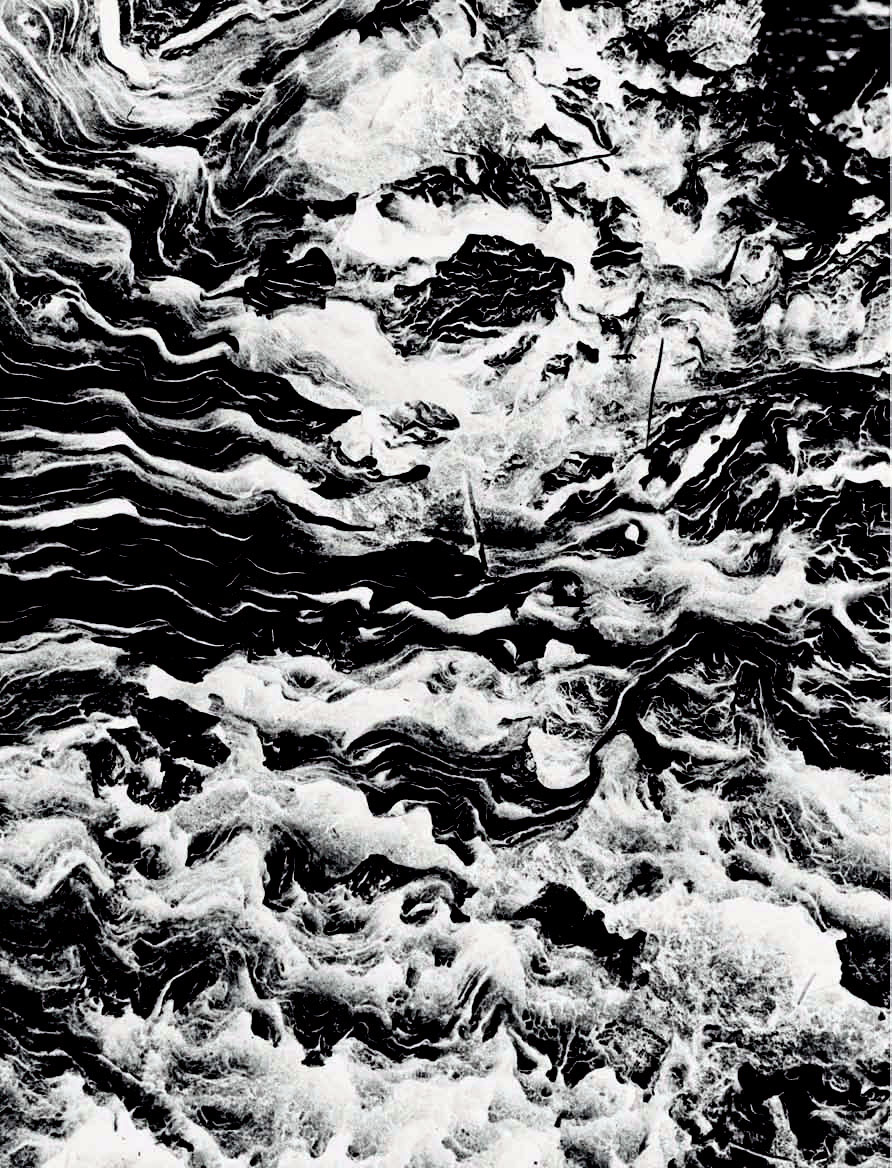
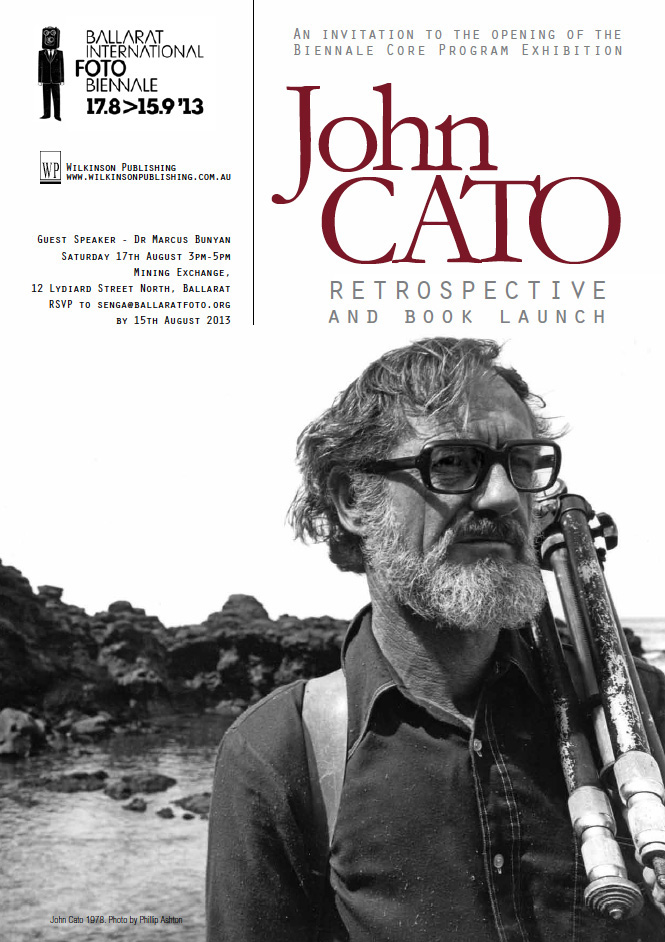
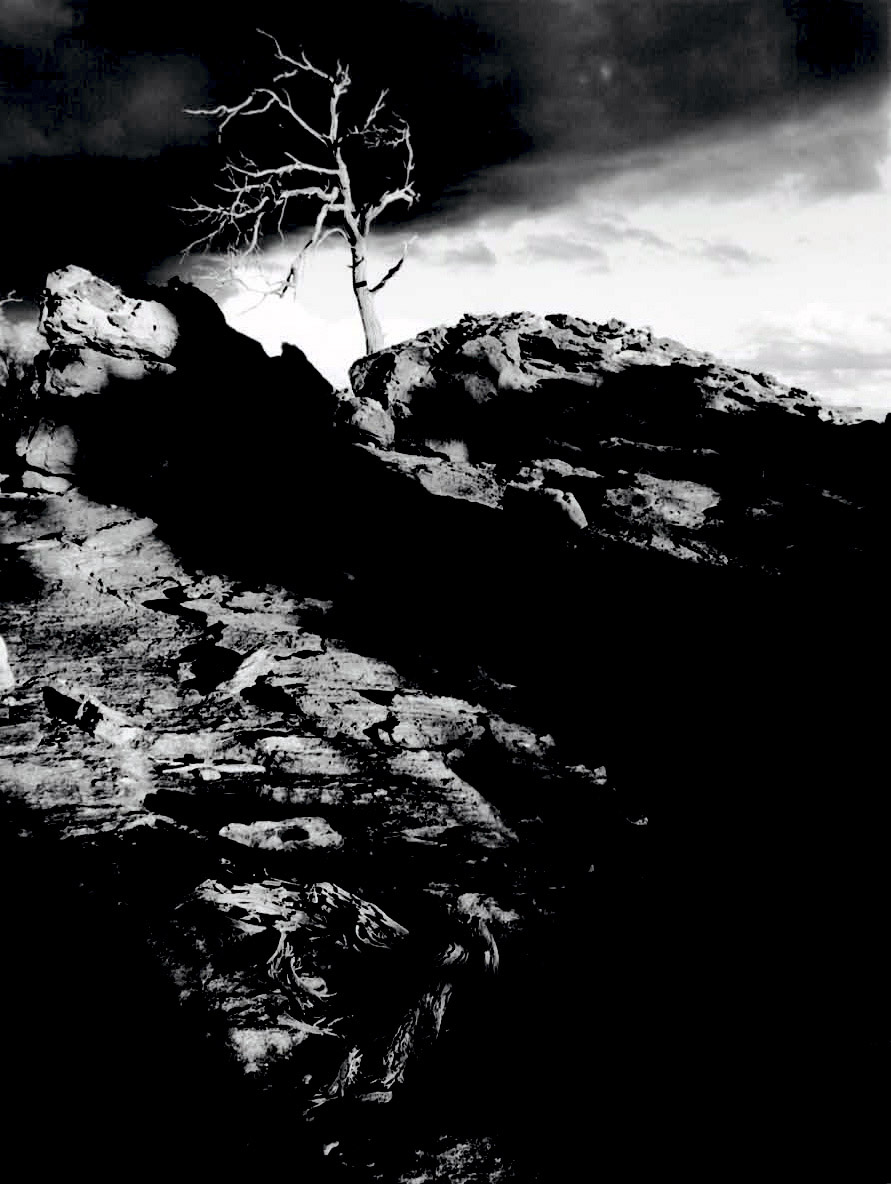
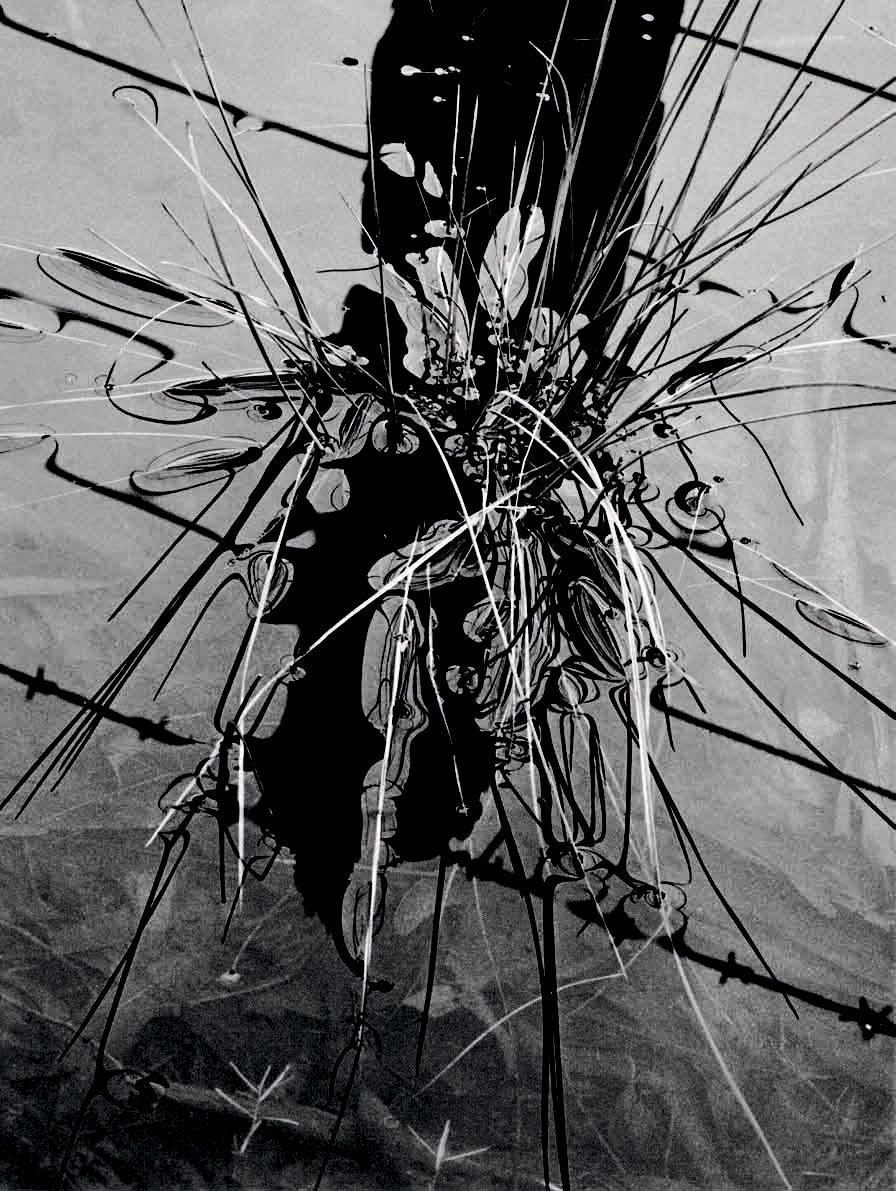
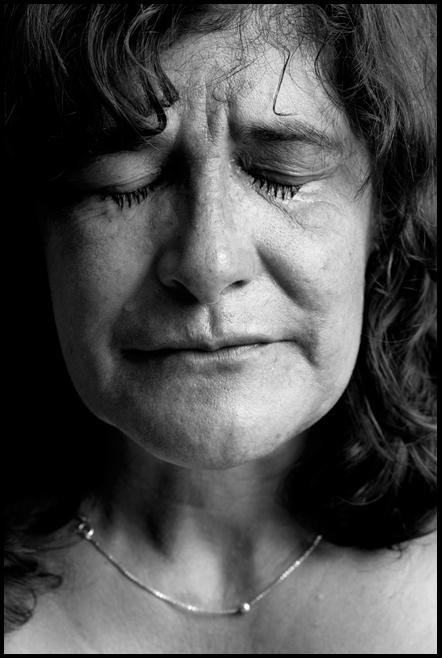
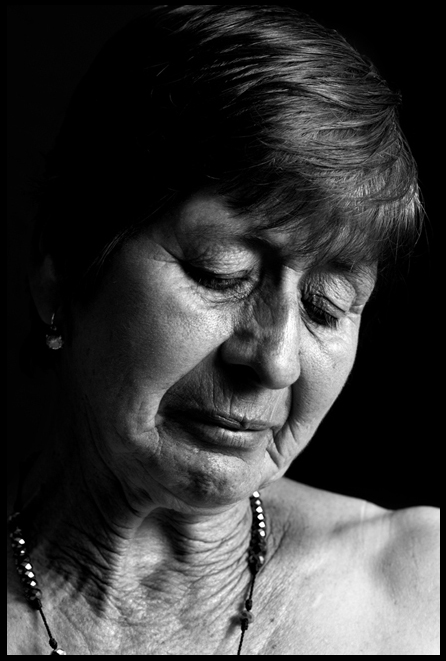
![Installation photograph of Erika Diettes 'Sudarios' (Shrouds) at Iglesia de Chinquinquirá (La Chinca). Santa Fe de Antioquia [COL] December 5-9, 2012](https://artblart.com/wp-content/uploads/2013/07/04.jpg "Installation photograph of Erika Diettes 'Sudarios' (Shrouds) at Iglesia de Chinquinquirá (La Chinca). Santa Fe de Antioquia [COL] December 5-9, 2012")
![Installation photograph of Erika Diettes 'Sudarios' (Shrouds) at Iglesia de Chinquinquirá (La Chinca). Santa Fe de Antioquia [COL] December 5-9, 2012](https://artblart.com/wp-content/uploads/2013/07/06.jpg "Installation photograph of Erika Diettes 'Sudarios' (Shrouds) at Iglesia de Chinquinquirá (La Chinca). Santa Fe de Antioquia [COL] December 5-9, 2012")
![Installation photograph of Erika Diettes 'Sudarios' (Shrouds) at Ex Teresa Arte Actual. México D.F. [MEX] May-Jun, 2012](https://artblart.com/wp-content/uploads/2013/07/sudarios_mex_02.jpg "Installation photograph of Erika Diettes 'Sudarios' (Shrouds) at Ex Teresa Arte Actual. México D.F. [MEX] May-Jun, 2012")
![Installation photograph of Erika Diettes 'Sudarios' (Shrouds) at Trinity Episcopal Church. Houston TX [USA] Feb-Apr 2012](https://artblart.com/wp-content/uploads/2013/07/006-houston.jpg "Installation photograph of Erika Diettes 'Sudarios' (Shrouds) at Trinity Episcopal Church. Houston TX [USA] Feb-Apr 2012")




 Art Blart _ art and cultural memory archive
You must be logged in to post a comment.