This is the most successful, long running group portrait series in the history of photography. I have always liked the images because of their stunning clarity, delicate tonality and wonderful arrangement of the figures. Much as they shield their privacy, as a viewer I feel like I have grown up with these women, the sisters I never had. Some images are more successful than others, but as a body of work that focuses on the “face” we present to the world, they are without peer.
Just imagine being these women (and being the photographer), taking on this project and not knowing where it would lead, still not knowing where it will lead. There is a fascinating period in the photographs between 1986 and 1990, as we see the flush of youth waning, transitioning towards the beginning of middle age. As they grow older and closer I feel that I know their characters. I look for that inflection and nuance of presentation that make them more than just faces, more than just photographic representation. The lines on their faces are the handwriting of their travails and I love them all for that.
In each photograph they are as beautiful as the next, not in a Western sense, but in the sense of archetypal beauty, the Platonic form of all beauty – the beauty of women separated from the individuality of the object and considered by itself. In each of these images you can contemplate that form through the faces of these women – they are transcendent and pure. It is as if they live beyond space and time, that the photographs capture this sense of the sublime. Usually the sublime is regarded as beyond time… but not here.
A simply magnificent series.
Dr Marcus Bunyan
PS. Let’s hope that there are more images from the series that we can eventually see and that there are some platinum prints being produced. The images deserve such a printing.
Many thankx to MoMA for allowing me to publish the photographs in the posting. Please click on the photographs for a larger version of the image.
“Throughout this series, we watch these women age, undergoing life’s most humbling experience. While many of us can, when pressed, name things we are grateful to Time for bestowing upon us, the lines bracketing our mouths and the loosening of our skin are not among them. So while a part of the spirit sinks at the slow appearance of these women’s jowls, another part is lifted: They are not undone by it. We detect more sorrow, perhaps, in the eyes, more weight in the once-fresh brows. But the more we study the images, the more we see that ageing does not define these women. Even as the images tell us, in no uncertain terms, that this is what it looks like to grow old, this is the irrefutable truth, we also learn: This is what endurance looks like. …
These subjects are not after attention, a rare quality in this age when everyone is not only a photographer but often his own favourite subject. In this, Nixon has pulled off a paradox: The creation of photographs in which privacy is also the subject. The sisters’ privacy has remained of utmost concern to the artist, and it shows in the work. Year after year, up to the last stunning shot with its triumphant shadowy mood, their faces and stances say, Yes, we will give you our image, but nothing else.”
Susan Minot. “Forty Portraits in Forty Years: Photographs by Nicholas Nixon,” on the ‘New York Times’ website, October 2014 [Online] Cited 01/01/2015. No longer available online. Used under fair use conditions for the purposes of education and research
In August 1974, Nicholas Nixon made a photograph of his wife, Bebe, and her three sisters. He wasn’t pleased with the result and discarded the negative. In July 1975 he made one that seemed promising enough to keep. At the time, the Brown sisters were 15 (Mimi), 21 (Laurie), 23 (Heather), and 25 (Bebe). The following June, Laurie Brown graduated from college, and Nick made another picture of the four sisters. It was after this second successful picture that the group agreed to gather annually for a portrait, and settled on the series’ two constants: the sisters would always appear in the same order – from left to right, Heather, Mimi, Bebe, and Laurie – and they would jointly agree on a single image to represent a given year. Also significant, and unchanging, is the fact that each portrait is made with an 8 x 10″ view camera on a tripod and is captured on a black-and-white film negative.
The Museum has exhibited and collected the Brown Sisters from the beginning; since 2006, acquiring the series both as lusciously tactile contact prints and as striking 20 x 24″ enlargements (a new scale for Nixon). This installation – featuring all 40 images – marks the first time the Museum has displayed these larger prints.
In his first published statement about photography, written the year he made the first of the Brown Sisters portraits, Nixon remarked, “The world is infinitely more interesting than any of my opinions about it.” If he was modest about his opinions, though, his photographs clearly show how the camera can capture that infinitely interesting world. And to the attentive viewer, these silent records, with their countless shades of visual and emotional grey, can promote a new appreciation of an intangible part of it: the world of time and age, of commitment and love.
“An exquisite edifice and living machine. Hard chambers of bone to guard soft organs, protected conduits and channels. Smooth working mechanism of jaws and teeth.”
~ Irving Penn, December 12, 1988
Irving Penn’s platinum photographs fetch tens of thousands of dollars at auction. I could think of better things to spend my money on.
I have never been a fan – of his cigarette butts, fruit dishes, vanitas as well as animal skulls and ethnographic photos. There are just too clinically cold and dead for me, like his invented word “photographism” which really says it all about his photo/graphs.
Other people may love them for their elegance and minimalism, but for work that supposedly investigates the ephemerality and brevity of human existence Penn tightens his essentially reductive approach until the conceptual (and formal) noose strangles the subject.
Irving Penn’s Worlds in a Small Room (where he set up baffles and stood “mudpeople” and other tribespeople), his masks, and his platinum prints of cigarette butts are his claim to fame. They were championed by the US East Coast and commercial interests. They are not terrible, but I don’t believe they are deserving of their fame. The work was deliberately made to attract the limelight, at least in the vibe I get from them.
Dr Marcus Bunyan
Many thankx to the Palazzo Grassi for allowing me to publish the photographs in the posting. Please click on the photographs for a larger version of the image.
Irving Penn: The Enduring Power of Formal Simplicity
“Irving Penn was one of the most significant and prolific photographers of the 20th century whose signature blend of classical elegance, cool minimalism and monumentality still command our attention… Penn’s visual innovations, compositional originality and intensity, his diversity and range, his meticulous perfectionism and his technical precision and insistence on clean spare elegant compositions are his trademarks… A remarkable sixty-year career was filled with amazing commissioned images which could not have been sustained without a relentless sense of precision and unyielding attention to details as well as a restless sense of curiosity… Penn’s approach from the beginning was essentially reductive – he described it as a ‘tightening process – the plastic search.’ He preferred the simple studio backdrop in order to concentrate on preserving the ‘sanctity of the document’… Penn’s legacy is his prodigious insatiable breadth of work blurring the worlds of commerce and fine art. He was constantly questioning the meaning of time, of life and its fragility.“
Diana Edkins. “Irving Penn: The Enduring Power of Formal Simplicity,” on The Eye of Photography website April 2014 [Online] Cited 21/11/2022
The exhibition Irving Penn, Resonance, curated by Pierre Apraxine and Matthieu Humery, brings together on the second floor of Palazzo Grassi 130 photographs, taken between the end of the 1940s and the mid-1980s. The exhibition is a collection of 90 platinum prints, 30 gelatin silver prints, 4 colourful dye transfer prints and 17 internegatives, which will be shown to the public for the first time.
It tackles the themes dear to Irving Penn and which, beyond their apparent diversity, all capture every facet of ephemerality. This is true of the selection of photographs from the series small trades, taken in France, England and the United States in the 1950s. It is also the case for the portraits taken between the 1950s and the 1970s of celebrities from the world of art, cinema, and literature. Exhibited alongside ethnographic photographs of the people of Dahomey and of tribesmen from New Guinea and Morocco, they strongly underline the brevity of human existence, whether affluent or resourceless, famous or unknown.
The exhibition path, which encourages dialogue and connections between works that differ in subject matter and period of time, gives prominence to still life photography from the late 1970s and the beginning of the 1980s: they are composed of cigarette ends, fruit dishes, vanitas as well as animal skulls photographed at the Narodni National Museum in Prague in 1986 for the series Cranium Architecture.
This broad overview of Irving Penn’s work puts relatively unknown images side-by-side with the most iconic ones, thereby revealing the particular ability to synthesise that characterises this photographer: in his work, modernity is not necessarily in opposition with the past and the way he exerts control over every step of the process, from the studio to the printing (to which he dedicates a lot of attention and unprecedented care), enables one to come nearer to the truth of things and people, through a constant questioning of the meaning of time, of life and of its fragility.
Irving Penn
Irving Penn was born in 1917 in Plainfield, New Jersey. In 1934 he enrolled at the Philadelphia Museum School of Industrial Art where he studied design with Alexey Brodovitch. In 1938 he began a career in New York as a graphic artist – then, after a year painting in Mexico, he returned to New York City and began work at Vogue magazine where Alexander Liberman was art director.
Liberman encouraged Penn to take his first colour photograph, a still life which became the October 1, 1943 cover of Vogue, beginning a fruitful collaboration with the magazine that lasted until his death in 2009. In addition to his editorial and fashion work for Vogue, Penn also worked for other magazines and for numerous commercial clients in America and abroad.
He published many books of his photographs including: Moments Preserved (1960); Worlds in a Small Room (1974); Inventive Paris Clothes (1977); Flowers (1980); Passage (1991); Irving Penn Regards The Work of Issey Miyake (1999); Still Life (2001); Dancer (2001); Earthly Bodies (2002); A Notebook At Random (2004); Dahomey (2004); Irving Penn: Platinum Prints (2005); Small Trades (2009); and two books of drawings and paintings.
Penn’s photographs are in the collections of major museums in America and abroad, including the Metropolitan Museum of Art, Moderna Museet in Stockholm, The National Gallery of Art in Washington, D.C., Smithsonian American Art Museum in Washington, D.C., The J. Paul Getty Museum in Los Angeles, and the Museum of Modern Art in New York, which honoured him with a retrospective exhibition in 1984. This exhibition was circulated to museums in twelve countries. Irving Penn made a donation, in 1997, to the Art Institute of Chicago of prints and archival material. In November of that year, the Art Institute mounted a retrospective that also toured to 5 museums around the world beginning at The State Hermitage in St. Petersburg, Russia.
Emmet Gowin is a superlative photographic artist. His images possess a unique sensuality that no other artist, save Frederick Sommer, dare approach.
His own family was an early significant subject matter, one to which only he had ready access. “I was wondering about in the world looking for an interesting place to be, when I realised that where I was already interesting.”1
I feel (imperative word) that the photographs of his family are his strongest work for they image an intimate story, and Gowin is nothing if not a magnificent storyteller. Look at the beauty of images such as Nancy, Danville (Virginia) (1969, above) or Ruth, Danville (Virginia) (1968, below) and understand what awareness it takes – first to visualise, then capture on the negative, then print these almost mystical moments of time.
As Gowin observed in his senior thesis, which was predicated upon the necessary co-ingredients of art and spirituality, “Art is the presence of something mysterious that transports you to a place where life takes on a clearness that it ordinarily lacks, a transparency, a vividness, a completeness.”2 He complemented this understanding of art and spirituality with an interest in science. He was in harmony with the physicists and the scientists, finding them to be the most poetic people of the age.3 Inspired by Sommer, Gowin perfected his printing technique through a respect for the medium, respect for the materials and conviction as to what the materials were capable of doing.4
“Sommer freely shared with Gowin his knowledge of photographic equipment, materials, chemicals and printing techniques and Gowin often repeats Sommer’s admonition to him: “Don’t let anyone talk you out of physical splendour.” Over the years Gowin developed methods of printing born from patient experimentation and a love of craft. His background in painting and drawing taught him that there are many solution to making a finished work of art… which he often builds to achieve the most satisfying integration of elements: “The mystery of a beautiful photograph really is revealed when nothing is obscured. We recognise that nothing has been withheld from us, so that we must complete its meaning. We are returned, it seems directly, to the sense and smell of its origin… A complete print is simply a fixed set of relationships, which accommodates its parts as well as our feelings. Clusters of stars in the sky are formed by us into constellations. Perhaps I feel that this constellation has enough stars, and doesn’t need any more. This grouping is complete. It feels right. Feeling, alone, tells us when a print is complete.””5
His later more universal work, such as the landscapes and aerial photographs, are no less emphatic than the earlier personal work but they are a second string to the main bow. The initial impetus of this work can be seen in the book Emmet Gowin Photographs as a development from still life photographs such as Geography Pages, 1974 (p. 62). This second theme took Gowin longer to develop but his photographs are no less powerful for it. His photographs of Petra possess the most amazing serenity of any taken at this famous site; his photographs of Mount St Helens after the volcanic eruption and the aerial photographs of nuclear sites and aeration ponds are among the strongest aerial photographs that I have ever seen. Gowin’s experimentation with the development of the negative, using different times and developers; his experimentation with the development of the print, sometimes using multiple developers and monotones or strong / subtle split toning (as can be seen in the photographs below) is outstanding. His poetic ability rouses the senses and is munificent but for me these photographs do not possess the “personality” or significance of his earlier family photographs. But only just, and we are talking fractions here!
“These photographs of the tracings of human beings reveal mankind not as a nurturer but as a blind and godlike power. Even his latest aerial agricultural landscapes made on route to nuclear sites have a magnificent indifference to human scale. For Gowin, confrontation of man’s part in the creation of ecological problems would seem to require the most transcendental point of view, and as his subjects have become more difficult and frightening, he has created his lushest and most seductive prints.”6
Gowin is an artist centred in a space of sensibility. An understanding of the interrelationships between people and the earth is evidenced through aware and clearly seen images. Gowin digs down into the essence of the earth in order to understand our habituation of it. How we fail to change the course we are on even as we recognise what it is that we are doing to the world. When the stimulus is constantly repeated there is a reduction of psychological or behavioural response and this is what Gowin pokes a big stick at. As he observes,
“We are products of nature. We are nature’s consciousness and awareness, the custodians of this planet… We begin as the intimate person that clings to our mother’s breast, and our conception of the world is that interrelationship. Out safety depends on that mother. And now I’m beginning to see that there’s a mother larger than the human mother and it’s the earth; if we don’t take care of that we will have lost everything.”7
I was luck enough to meet Emmet Gowin when he visited Australia in 1995. He had an exhibition in the small gallery in Building 2 in Bowens Lane at RMIT University, presented a public lecture and held a workshop with about 20 students. I remember I was bowled over by his intensity and star power and I admit, I asked a stupid question. The impetuousness of youth with stars in their eyes certainly got the better of me. Now when I look at the work again I am still in awe of the works sincerity, spirituality, sensuality and respect for subject matter. No matter what he is photographing.
Dr Marcus Bunyan
1/ Gowin, Emmet quoted in Chahroudi, Martha. “Introduction,” in Emmet Gowin Photographs. Philadelphia Museum of Art, 1990, p. 10. 2/ Ibid., p. 9. 3/ Ibid., p. 11. 4/ Ibid., p. 11. 5/ Gowin quoted in Kelly, Jain (ed.,). Darkroom 2. New York, 1978, p. 43 quoted in Chahroudi, Martha. “Introduction,” in Emmet Gowin Photographs. Philadelphia Museum of Art, 1990, p. 11. 6/ Chahroudi, Op. cit., p. 15. 7/ Ibid., p. 15.
Please click on the photographs for a larger version of the image.
“For me, pictures provide a means of holding, intensely, a moment of communication between one human and another.”
“There is a profound silence that whines in the ear, a breathless quiet, as if the light or something unheard was breathing. I hold my breath to make certain it’s not me. It must be the earth itself breathing.
Emmet Gowin, the catalog accompanying a retrospective now touring in Spain, is a great introduction to the artist’s works and a great keepsake for a fan. The writings by Keith Davis, Carlos Gollonet and Gowin himself identify the photographer’s humanist and spiritual roots and detail his journey from 1960’s-era people pictures focused on his wife, Edith and family in Danville, VA, to aerial photographs of ravaged landscapes, like the nuclear test grounds in Nevada, and his most recent project archiving tropical, nocturnal-moths.
While his disparate bodies of work may look like geologic shifts in subject matter, Gowin talks in the book about the spiritual quest he’s on, and his realisation that humankind inhabits the land, and that the land is a vital part of who we are. To my eye, what holds all the works together is Gowin’s never-ceasing focus on non-conventional beauty. His way of photographing both people and the wasted landscapes plays up the dark sublime. These are not traditional pretty pictures, but they are exquisitely beautiful. All Gowin photos smoulder with emotion and feel like they were snapped with a breath held, bated with desire.
From May 14th to July 27th 2014, Fondation Henri Cartier-Bresson will hold an exhibition of the American photographer Emmet Gowin. This important retrospective is showing 130 prints of one of the most original and influential photographer of these last forty years. This exhibition shows on two floors his entire career: his most famous series from the end of the sixties, the moths’ flights and the aerial photographs. The exhibition organised by Fundación MAPFRE in collaboration with Fondation HCB is accompanied by a catalogue published by Xavier Barral edition.
Born in Danville (Virginia) in 1941, Emmet Gowin grows up in Chincoteague Island, in a religious family. His father, a Methodist minister gives him a righteous discipline and a strict education, while his mother, musician, was a gentle, nurturing presence. During his spare time, Emmet encounters the surrounding landscape and begins drawing.
He completes his high school education and enrols in a local business school in 1951 and works at the same time at the design department of Sears, the multinational department store chain. In 1961, Gowin enters in the Commercial Art Department at Richmond Professional Institute, where he studies drawing, painting, graphic design, and history of Art. After a few months, he realises that photography is the best mean of expression and gives him the possibility to seize the Fate and the Unexpected.
Gowin’s early photographic influences came in the form of books and catalogues such as Images à la Sauvette by Henri Cartier-Bresson, History of Photography by Beaumont Newhall or Walker Evans’s American Photographs. Emmet Gowin acquires his first Leica 35mm in 1962 and after two years spent observing the Masters of photography, he finally feels ready to affirm his own photographic style. In 1963, he goes for the first time in New York and meets Robert Franck who encouraged him.
The first Gowin’s portfolios realised in 1965, is technically simple in approach. While the subjects vary considerably, all are drawn from everyday life: kids playing outdoors, Edith’s family, adults in the streets or squares, cars and early pictures of Edith. They get married in 1964. Edith Morris and Emmet Gowin are born in the same city but they grew up in totally different families. Edith’s one, was more exuberant and emotionally close than Emmet’s. As we can discover in the first floor of the exhibition, Edith and her family are the heart of the photograph’s creative universe. As mentioned by Carlos Gollonet, curator of the exhibition, Gowin’s work, seen cumulatively, is a portrait of the artist.
In 1965, they move to Providence, and Emmet begins his studies with Harry Callahan at Rhode Island School of Design. He begins to consistently use a 4 x 5 inch view camera from this time on. This bigger negative produced prints with beautiful transparent details and correspondingly finer and smoother tonal scale.
Just before his first son’s birth, Elijah, in 1967, Emmet and Edith moved to Ohio, where he begins teaching at the Dayton Art Institute. This marks the start of a teaching career that spans more than four decades. He concentrates his work on Edith and let us going through his private life and proposes a very personal artistic vision of this work: I do not feel that I can make picture impersonally, but that I am affected by and involved with the situations which lead to, or beyond, the making of the pictures. In these years, he met Ralph Eugene Meatyard and Frederik Sommer, who would become his close friend and mentor.
At the end of the 1960’s, Gowin begins making circular images of Edith, her family, and their own household, both indoors and out. The Gowin’s second son, Isaac, born in 1974, was the subject – both before and after birth – of many of these circular 8×10 inch photographs, which give the impression of looking through a keyhole. At the beginning of the 1970’s, the exhibitions at the Light Gallery and MoMA mark a significant step toward his American success. In 1973, he’s appointed Lecturer at Princeton University. He is later appointed Full Professor, a position he will hold until his retirement in 2009. He inspired a new generation of photographers such as Fazal Sheikh, David Maisel or Andrew Moore.
From 1973, Gowin goes back to sources, nature and landscape and introduces the idea of Working Landscapes in which the contributions of many generations, overtime, shape the use and care of the land. He travels in Europe, Ireland and Italy, where he discovered the ancient Etruscan city of Matera. His first monograph, Emmet Gowin: photographs, is published in 1976. In 1982, the Queen Noor of Jordan, one of Gowin’s students at Princeton, invites him to photograph the archeological site of Petra. Some of these photos are exhibited on the second floor of the foundation. Later, he continues making views of nature and traveled overseas, reverting to a traditional rectangular format. His interest in gardens and the historical balance between nature and human culture stimulates a dedication to a larger landscape, recorded first from the ground and then from the air. He photographs the incredible destruction of the Mount St. Helens volcano, Washington, and spent years recording the inhabited – and often scarred – face of the American West. Gowin is not an environmental activist. Nonetheless, once he comes to know and experience these landscapes his acute moral and intellectual sense is also conveyed in his images. He wants to show the conflict that exists in our relationship with nature. “It is not a call for an action … It’s a call for reflection, meditation and consideration to be on a more intimate basis with the world.”
Over the past few years, Gowin has constantly photographed nocturnal moths. His scientific interest has led him to catalog thousands of species working alongside with biologists in tropical jungles. By chance, he traveled with a cutout silhouette of Edith in his wallet or luggage and produced a series of photographs in which Edith is once again the principal subject, in this case through her silhouette. They recall the instrument known as the physionotrace, a forerunner of the earliest photographs which was used to male silhouette reproducing the images of loved ones. Those images, printed on handmade paper with the silver image gold toned confirm that Emmet Gowin is one of the finest photographers of any period.
Press release from the Fondation Henri Cartier-Bresson website
The aerial photos, taken while flying over bomb test sites and waste water catchment basins and other scenes of industrial/military destruction are almost abstract to the eye. They are also very beautiful. Getting nose to nose with these works and reading the title card, however, allows the slowly-dawning realisation that you are looking at a full blown horror. This suite of works dates from 1980 when Gowin took to the air to view the aftermath of the Mt. St. Helens volcanic eruption in Washington state and was taken with the way things not visible from “human” space below revealed themselves from above. In 1986 he started exploring man-made industrial inroads into the land from the air, flying over Hanford Reservation, for one, where nuclear reactors and chemical separation plants made scars on the land like nothing nature had done. These are truly devastating pictures, and what makes them more so is the thought that this is the tip of the iceberg and that many other sites on earth bear the scars of man-made intrusion.
Many thankx to the Grand Palais for allowing me to publish the photographs in the posting. Please click on the photographs for a larger version of the image.
“I have boundless admiration for the naked body. I worship it.”
“I was a Catholic boy, I went to church every Sunday. A church has a certain magic and mystery for a child. It still shows in how I arrange things. It’s always little altars.”
“I am looking for perfection in form. I do that with portraits. I do it with cocks. I do it with flowers.”
The exhibition will present over 250 works making it one of the largest retrospective shows for this artist ever held in a museum. It will cover Mapplethorpe’s entire career as a photographer, from the Polaroids of the early 1970s to the portraits from the late 1980s, touching on his sculptural nudes and still lifes, and sadomasochism.
The focus on his two muses Patti Smith and Lisa Lyon explores the theme of women and femininity and reveals a less known aspect of the photographer’s work. The challenge of this exhibition is to show that Mapplethorpe is a great classical artist, who addressed issues in art using photography as he might have used sculpture. It also puts Mapplethorpe’s art into the context of the New York art scene in the 1970-1980s.
In his interview with Janet Kardon in 1987, Mapplethorpe explained that photography in the 1970s was the perfect medium for a fast-paced time. He did not really choose photography; in a way it was photography that chose him. Later in the same interview, he said “If I had been born one hundred or two hundred years ago, I might have been a sculptor, but photography is a very quick way to see, to make a sculpture. Lisa Lyon reminded me of Michelangelo’s subjects, because he did muscular women.”
Mapplethorpe positioned himself from the outset as an Artist, with a capital A. Unlike Helmut Newton, who as a teenager already wanted to be a fashion photographer, and imposed his vision of the world and photography, making it an art in its own right, Robert Mapplethorpe is a sculptor at heart, a plastic artist driven by the question of the body and its sexuality and obsessed by the search for perfect form.
Like Man Ray, Mapplethorpe wanted to be “a creator of images” rather than a photographer, “a poet” rather than a documentarist. In the catalogue for the Milan exhibition which compared the two artists, Bruno Cora recalls the parallels in their lives and works: “Before becoming masterly photographers, Man Ray and Mapplethorpe had both been painters and sculptors, creators of objects; they both lived in Brooklyn in New York; they both made portraits of the intellectuals of their time; and they were both incisive explorers of the nude form, its sculptural qualities and the energy emanating from it.”
Mapplethorpe was an artist before being a photographer. His images come from a pictorial culture in which we find Titian (The Flaying of Marsyas / Dominick and Elliot), David, Dali, and even the great artists of the Italian Renaissance, Michelangelo, Piero della Francesca, Bernini …
As in Huysmans’s novel, the exhibition is a countdown for this other dandy from the end of another world, Robert Mapplethorpe. It starts with his self-portrait with a skull-headed cane, the image of a young man already old, the tragedy of a life cut down in full flight by AIDS. But his almost royal final posture, as if beyond death, still (just) alive but already in the posterity of his oeuvre, seems to beckon us with a gesture of his pastoral cane to follow him into the world that he constructed in twenty years of photography. The exhibition continues with statuary, a dominant theme in Mapplethorpe’s last years, photos of statues of the gods in his personal pantheon: Eros, of course, and Hermes … The artist always said he used photography to make sculptures, and he ended his oeuvre with photographs of sculptures. His nudes were already photographic sculptures.
Works are not created just anywhere. To be fully appreciated, Mapplethorpe’s art must be put into the socio-cultural context of arty New York in the 1970s and 80s, and the underground gay culture there at that time. Two permeable and equally radical worlds. To take the measure of the libertarian explosion of the time, we need to watch Flesh, Warhol’s film with Joe Dalessandro, which narrates 24 hours in the life of a young New York male prostitute. To understand the violence and passion of gay sexuality for young New Yorkers fighting for freedom in a repressive period, we must read Edmund White’s The Beautiful Room is Empty, the story of a young gay in the years of riots and demonstrations and extreme emancipation; and Andrew Holleran’s Dancer from the Dance (1978), to plunge into the sexual experiments of Fire Island in the 1970s.
Mapplethorpe is hailed as one of the world’s greatest photographers and the exhibition aims to give a broad view of his work.
Robert Mapplethorpe was an artist with an obsessive quest for aesthetic perfection.
A sculptor at heart, and in his imagination, he wanted “people to see [his] works first as art and second as photography.”1 An admirer of Michelangelo, Mapplethorpe championed the classical ideal – revised and reworked for the libertarian New York of the 1970s – and explored sophisticated printing techniques to create unique works and mixed compositions, which he framed in unusual ways.
Like the novel by Joris-Karl Huysmans, this exhibition has been organised “À rebours” [against the nap] and examines the work of another dandy, living at the end of another world. It opens with Mapplethorpe’s self-portrait with the skull-head cane: the image of a young man, already old, tragically cut down in the prime of life by AIDS, it also reveals how the master of the realm of shadows – photography – gave free rein to his imagination. Like a modern day Orpheus, beyond death, he seems alive – although only just – yet already in the afterlife of his work, beckoning us with his satanic cane to follow him into the underworld of his life, in search of his desire.
“Photography and sexuality have a lot in common,” explains Mapplethorpe. “Both are question marks, and that’s precisely what excites me most in life.”2 Exploring the photography of the body, he pushed it to the limits of pornography, perhaps like no other artist before him. The desire we see in these images – often the photographer’s own desire – also reflects life in New York, as lived by some, in the 1970s and 80s, at the height of the sexual liberation movement. “I’m trying to record the moment I’m living in and where I’m living, which happens to be in New York. I am trying to pick up on the madness and give it some order.”3
This retrospective of Mapplethorpe’s work – the first in France since he passed away – features some two hundred and fifty images exploring a range of themes. They cover every aspect of Mapplethorpe’s art – bronze bodies and flesh sculptures, geometric and choreographic, still lives and anatomical details, bodies as flowers and flowers as bodies, court portraiture, night photography, and eroticism, soft and hard – interspersed with self-portraiture in all its forms. The works from the photographer’s early career, which close the exhibition, reveal how the path taken by his art was already mapped out in his first Polaroids. The sign of a great artist.
1/ Inge Biondi, “The Yin and the Yang of Robert Mapplethorpe,” in The Print Collector’s Newsletter, New York, January 1979, p. 11 2/ Mark Thompson, “Mapplethorpe,” in The Advocate, Atlanta, 24 July 1980 3/ Sarah Kent, “Mapplethorpe,” in Time Out, London, 3-9 November 1983
He “photographed a little bit of everything: animals, Paris, the homeless, underwater, nudes, advertising, fashion and, above all, celebrities portraits, from Ali, Einstein, Churchill, Hepburn, Warhol, Hitchcock and, of course, Marilyn Monroe.”
You could say that he was a versatile photographer, doing everything to pay the bills and anything to make interesting images. He never stopped experimenting with the image, but it is the “straight” portraits that I find are his strongest work. Not the “jump” photos, Monroe, or the surreal experiments withDalí, much as they delight, but the portraits of Hepburn, Einstein and Churchill for example.
Look at the photograph of Winston Churchill (1951, below). What a way to portray the great man. The bulk of the overcoat, the slope of the shoulders (evincing a certain weariness), the famous Homburg hat pulled down on the head, the leader staring into the tranquil landscape. But what makes the image is the seam down the back of the overcoat which speaks to history itself – the backbone of the country, the never say die spirit, stiff upper lip, the rock of the British empire which Nazism could not defeat – epitomising the British bulldog spirit. Cometh the hour, cometh the man. Solid. Immovable. What a glorious photograph to capture that essence.
Dr Marcus Bunyan
Many thankx to the Elysée Lausanne for allowing me to publish the photographs in the posting. Please click on the photographs for a larger version of the image.
“Shortly before World War I, the greatest sensation in Paris was the Russian Imperial Ballet under Serge Diaghilev. The divine Nijinsky and Pavlova were dancing for him, Stravinsky composed, Picasso, Bakst, and Chagall were painting scenery for him. To work for Diaghilev was the highest accolade for an artist. Jean Cocteau approached Diaghilev and asked: ‘What can I do for you?’ Diaghilev looked at him and answered: ‘Etonne-moi!’ (‘Astonish me!’) These two words can be considered as a motto, as a slogan for the development of the modern art which followed.”
Philippe Halsman
“Photography is a separate form of expression since it falls between two art forms… It’s not only trying to give us a visual impression of reality, like painting and graphic arts, but also to communicate and inform us the way writing does. No writer should be blamed for writing about subjects that exist only in his imagination. And no photographer should be blamed when, instead of capturing reality, he tries to show things that he has only seen in his imagination.”
“In my serious work I am striving for the essence of things and for goals which are possibly unobtainable. On the other hand, everything humorous has great attraction for me, and a childish streak leads me into all kinds of frivolous endeavour.”
Photographer Philippe Halsman had an exemplary career. Over a forty-year period, in Paris during the 1930s and in New York from 1940 on, he developed a broad range of activities (portraits, fashion, reportage, advertisements, personal projects, commissions from individuals and institutions). The Musée de l’Elysée presents the first study dedicated to his entire body of work, with a selection of over 300 pieces.
This project, produced in collaboration with the Philippe Halsman Archive, includes many exclusive unseen elements of the photographer’s work (contact sheets, annotated contact prints, preliminary proofs, original photomontages and mock-ups). The exhibition shows Philippe Halsman’s creative process and reveals a unique approach to photography: a means of expression to explore.
Born in 1906 in Riga, Latvia, Halsman studied engineering in Dresden before moving to Paris, where he opened a photographic studio in 1932. His years in Paris already heralded the approach he was to develop throughout his long career. A studio and reportage photographer, Halsman took inspiration from the contemporary art scene and participated in promoting it. Though he specialised in portraiture, he also branched out into advertising and publishing, which were thriving at the time. In 1940, the German invasion brought Halsman’s prosperous career to a halt, leading him to flee with his family to New York. Though initially unknown, he succeeded in establishing himself on the American market in under a year, and his studio soon became successful. Halsman stood out for his “psychological” approach to portraiture.
He distinguished himself in this area with his vast portrait gallery of celebrities (actors, industrialists, politicians, scientists, writers). Some of these images, such as Audrey Hepburn, Marilyn Monroe, Winston Churchill or Albert Einstein, became icons. He produced the largest number of covers (101) for Life magazine, the first weekly magazine to be illustrated only by photographs.
Halsman’s photography is characterised by a direct approach, masterful technique and a particular attention to detail. His work testifies to his constant research and his interest in all forms of technical and aesthetic experimentation, which he applied to a wide variety of subjects. For Halsman, photography was an excellent way of giving his imagination free reign. He was especially interested in mises en scène – in the form of single images or fictional series. He met Salvador Dalí in 1941 and the artist turned out to be the ideal accomplice. Their fruitful collaboration lasted 37 years. Philippe Halsman also introduced innovations through more personal creations such as the “photo-interview book” or ‘jumpology’.
Press release from the Musée de l’Elysée Lausanne website
In 1921, Philippe Halsman found his father’s old camera, and spoke of a “miracle” when he developed his first glass plates in the family’s bathroom sink. He was 15 years old, and this was the first encounter with photography of someone who was to become one of the leading photographers of the 20th century. This exhibition, produced by the Musée de l’Elysée in collaboration with the Philippe Halsman Archive, showcases the American photographer’s entire career for the first time, from his beginnings in Paris in the 1930s to the tremendous success of his New York studio between 1940 and 1970.
Halsman was able to go to Paris thanks to the support of French minister Paul Painlevé – whose son Jean, a scientific filmmaker, gave him one of the best cameras of the time upon his arrival. He remained in Paris for ten years, until 1940. Over that period, he collaborated with the magazines Vogue, Vu and Voilà and created portraits of numerous celebrities like Marc Chagall, Le Corbusier and André Malraux. He exhibited his work several times at the avant-garde Pléiade gallery, alongside photographers like Laure Albin Guillot, whose work was exhibited at Musée de l’Elysée in 2013.
Fleeing Nazism, he left Paris in 1940 and moved to New York. There, he worked for many American magazines including Life, which brought him into contact with the century’s top celebrities – Marilyn Monroe, Rita Hayworth, Duke Ellington, the Duke and Duchess of Windsor, Richard Nixon, Albert Einstein to name only a few. Halsman shot 101 covers for Life magazine. Far from restricting himself to photographing celebrities, throughout his whole life Halsman never stopped experimenting and pushing the limits of his medium. He collaborated with Salvador Dalí for over thirty years and invented ‘jumpology’, which consisted in photographing personalities in the middle of jumping, offering a more natural, spontaneous portrait of his subjects.
The exhibition Philippe Halsman, Astonish me!is divided into four sections illustrating memorable periods, collaborations and themes in the photographer’s work and life.
“When I arrived in America in 1940 I had to adapt to the American style, that is to say, produce photographs that were technically perfect, clear, precise and properly modelled by the light without being distorted. Once, to accentuate the coldness of a rainy landscape I added a blue gelatin to my transparent film. Wilson Hicks took this gelatin off saying: ‘You’re cheating, Philippe’. Any hint of artifice was considered dishonest.”
Philippe Halsman
Paris in the 1930s
Philippe Halsman was born in Riga, Latvia in 1906. When he was 22, his father died in a hiking accident in Austrian Tyrol, and Philippe Halsman was wrongly convicted of his murder in a highly anti-Semitic climate. He was freed thanks to his sister’s support; she organised the support of prominent European intellectuals, who endorsed his innocence.
He went to Paris, where he began his career as a photographer, quickly distinguishing himself through his portrait technique. He explored various genres, such as views of Paris, nudes and fashion. His work was exhibited three times at the La Pléiade gallery, a famous avant-garde gallery where artists like Man Ray, André Kertész and Brassaï presented their works.
Focus on La Pléiade gallery
Founded by publisher Jacques Schiffrin in the spring of 1931 and located in the heart of the Latin Quarter, this art gallery was one of the first to present photographic exhibitions, and it started specialising in this field in April 1933 under directorship of Rose Sévèk. Dedicated to contemporary photography, the program incorporated its new practices and applications. It was one of the places where New Photography was promoted in the form of solo, group or thematic exhibitions.
It was probably through his friend Jean Painlevé that Halsman entered in contact with La Pléiade gallery. He was given a first solo exhibition, Portraits and Nudes, which ran from March 28 to April 30, 1936. The following year, his name became associated with the New Vision movement in the context of two group exhibitions: Portraits of Writers (April 17 to May 14, 1937) which included Emmanuel Sougez, Rogi André, Roger Parry and others; La Parisienne de 1900… à 1937 (June 4-30, 1937), which included photographs by Florence Henri and Maurice Tabard. It was one of the last exhibitions at the gallery, which was sold a few months later in October, to Paul Magné.
Having initially been unable to flee wartime Paris, Halsman finally received an emergency visa in 1940 thanks to a letter from Albert Einstein to Eleanor Roosevelt, making it possible for him to join his family, who had left six months earlier.
“Of the group of starlets only Marilyn emerged. Still photographers discovered her natural talent for flirting with the camera lens, and her blond looks of instant availability made her America’s most popular pin-up girl. Marilyn felt that the lens was not just a glass eye, but the symbol of the eyes of millions of men. She knew how to woo this lens better than any actress I ever photographed.”
Philippe Halsman
Portraits
Champion of the direct approach, Philippe Halsman also experimented with a wide range of techniques in order to capture the essence of his subjects and express their individuality. Many portraits became iconic images such as his 101 Life magazine covers.
Focus on Marilyn Monroe
Philippe Halsman photographed Marilyn Monroe on several occasions between 1949 and 1959. This important corpus traces the actress’s career and reveals the photographer’s varied approach during this period. In the autumn of 1949, Halsman was sent to Hollywood by Life magazine to do a report on eight young models embarking on acting careers. Halsman photographed them in four scenes he imposed (the approach of a monster, embracing a lover, reacting to a funny story and drinking a favourite drink). He quickly noticed the talents of the young Marilyn Monroe.
This opinion was confirmed three years later when Life commissioned him to do a feature on the actress entitled “The Talk of Hollywood”. These shots, some in colour and some in black and white, illustrated the actresses’s everyday life and talents. She acted out a series of scenes, humorously presenting the different stages of the strategy she used when being interviewed for roles. Most importantly, Halsman created several emblematic images of the actress and helped promote her by giving her a chance to have her first Life magazine cover.
In 1954, Halsman welcomed Marilyn Monroe to his New York studio. Halsman’s photographs reflect the ‘sex symbol’ image she cultivated. However, he managed to shoot a more natural portrait of the actress by asking her to jump in the air. There was only a few images of this type because when Halsman explained his ‘jumpology’ concept, Marilyn Monroe, frightened by the idea of revealing her personality, refused to repeat the experiment.
It took five years before she agreed to go along with ‘jumpology’. Marilyn Monroe had become a star by the time Life magazine offered to feature her on its cover in 1959 to illustrate a major article on Philippe Halsman’s ‘jumpology’. She treated it as a request for a performance. Over the course of three hours, the actress jumped over 200 times in front of Halsman’s lens, in order to achieve the “perfect jump”.
Several times Halsman suggested to Marilyn Monroe that they continue this collaboration, but without success. The actress was then at a turning point in her life that was foreshadowing her decline. However, Halsman continued his photographic work on the actress by creating new images, or more precisely variations of portraits he had previously shot. These compositions – montages of prints cut out and rephotographed together expressing the idea of movement, or reworked images transposed in negative format are characteristic of Halsman’s approach in the 1960s. Ten years later, he created a portrait of Marilyn Monroe as Chairman Mao, as requested by Salvador Dalí during his guest editorship of the French edition of Vogue magazine (December 1971 – January 1972).
Halsman was often commissioned to photograph the contemporary art scene for magazines including dance, cinema and theatre. Collaborations with artists were important in Halsman’s career and inspired performances resulting in picture stories or striking individual images.
Focus on ‘Jumpology’
In 1950, Halsman invented ‘jumpology’, a new way of creating spontaneous, authentic portraits: “When you ask a person to jump, his attention is mostly directed toward the act of jumping and the mask falls so that the real person appears”. Over a period of ten years, Halsman created an extraordinary gallery of portraits of American society.
Containing over 170 portraits, Philippe Halsman’s Jump Book illustrated a new “psychological portrait” approach developed by Philippe Halsman in the 1950s. His method was systematic. During commissioned work, at the end of shooting sessions Halsman would ask his subjects if they would agree to take part in his personal project, and then the jumps were done on the spot. In this way he managed to photograph hundreds of jumps. Producing these shots was in fact simple: his equipment was limited to a Rolleiflex camera and an electronic flash, and as he pointed out, the only constraint was the height of the ceiling.
Although these portraits are characterised by their lightheartedness, Halsman viewed ‘jumpology’ as a new scientific tool for psychology. While the subject was concentrating on his jump, “the mask” fell, and it was this moment that the photographer needed to capture. Over the time that he was conducting this experiment, Halsman noticed the great diversity of the various participants’ postures, and discerned in these gestures – leg positions, arm positions, facial expressions and other details revealing signs of their character, expressed unwillingly.
The arrangement of the portraits in Philippe Halsman’s Jump Book illustrated these views. Halsman made a distinction in the form of two corpuses. First he presented influential personalities from different fields (political, industrial, scientific, theological, literary, etc…) resulting in a gallery of unexpected portraits that contrasted with their official image. For this project, Halsman also enjoyed the collaboration of actors, singers, dancers, etc… Conscious of the special character of their performances, Halsman assembled their images in a second part, categorised by discipline. This organisation was punctuated by various themes like American flamboyance, British reserve, and the eloquence of actresses’ legwork. The layout played with different photograph formats and assemblages.
Although it only presented well-known personalities, the publication nevertheless encouraged the democratisation of this practice: it ended with a photograph of Philippe Halsman jumping on a beach, with a caption asking: “How do you jump?”
“In the thirty years of our friendship I have made countless photographs showing the surrealist painter in the most incredible situations. Whenever I needed a striking or famous protagonist for one of my wild ideas, Dalí would graciously oblige. Whenever Dalí thought of a photograph so strange that it seemed impossible to produce, I tried to find a solution. ‘Can you make me look like Mona Lisa?… Can you make a man one half of whom would look like Dalí and the other half like Picasso?’ I could and I did.”
Philippe Halsman
Halsman/Dalí
One of Halsman’s favourite subjects was Salvador Dalí with whom he shared a unique collaboration that spanned 37 years. Their 47 sittings, combining Dalí’s talent for performance and Halsman’s technical skill and inventiveness, resulting in an impressive repertoire of “photographic ideas”.
Focus on Dalí’s Mustache
As Halsman explains, Dalí’s Mustache is the fruit of this marriage of the minds. They conceived this book entirely dedicated to Dalí’s moustache, and created over thirty portraits of the painter absurdly answering Halsman’s questions. In 1953 Halsman realised that Salvador Dalí’s expanding moustache gave him the “chance to fulfil one his most ambitious dreams yet and create an extraordinarily eccentric work”. Dalí was enormously fond of his own person and of his mustache in particular, which he saw as a symbol of the power of his imagination, and was immediately thrilled at the idea. To create a “picture book” containing an interview with Salvador Dalí, Halsman reused an editorial concept he had introduced five years earlier with French actor Fernandel: a question asked of the artist was printed on one page, and the answer appeared on the following page in the form of a captioned photograph.
For this project, it was no longer just a matter of photographic expression, but of genuine mise en scène, combining Dalí’s theatrical character with Halsman’s impressive inventiveness and technical skill. Halsman presented the book as a genuine collaboration between two artists, representing their mutual understanding.
Halsman photographed Dalí with his 4×5 camera and his electronic flash through many sessions over a period of two years. Most of the plates in the book are portraits of the artist posing in a variety of positions, playing with his moustache in various ways, accentuated by light and framing effects. Dalí was ready to go along with any whim to create the scenes: he styles his precious moustache with the help of Hungarian wax, and agrees to take part in incongruous mises en scène, pressing his head behind a round of cheese to put the ends of his moustache through its holes, or plunging his head into a water-filled aquarium, his mouth full of milk.
As for Halsman, he put a lot of his effort into the post-production work in order to give concrete expression to their ideas. It sometimes took a laborious process to achieve images like the Mona Lisa portrait, inner conflicts, surrealism or the essence of Dalí, which not only required work on the print or negative (cutting, enlargement, deformation, double exposure) but also a montage and a new shot to create a negative of the final image. For the portrait of the artist in the form of a “soft watch”, Halsman worked around one hundred hours. He photographed Dali close up, then tacked a wet print of the image onto the edge of a table and re-photographed it at an angle that matched the angle of the original painting. He then cut it out, made a collage, and re-photographed it again – creating an image of Dali’s melted face. For the photographer, it was a genuine technical challenge, which he seized with patience and success.
Exhibition dates: 29th November, 2013 – 21st April, 2014
Curator: Dr. Ulrich Pohlmann, head of the museum’s photography collection, in collaboration with the publisher Andreas Landshoff
Hermann Landshoff (American-German, 1905-1986) The Bicyclers Published in Junior Bazaar August 1946
Another artist who was lucky to escape Europe in the first years of the Second World War.
I would like to see the whole exhibition.
At the moment I can’t make a judgement on his work for I have not seen enough of it, but on the evidence of the images presented in this posting, I am not entirely convinced.
However, the photograph of Lauren Bacall in 1945 is ravishing…
Dr Marcus Bunyan
Many thankx to the Münchner Stadtmuseum for allowing me to publish the photographs in the posting. Please click on the photographs for a larger version of the image.
Hermann Landshoff (American-German, 1905-1986) Model Cora Hemmet on the Grand Versailles Staircase 1934-1938 Gelatin silver print Münchner Stadtmuseum Photography Collection
Hermann Landshoff (American-German, 1905-1986) Max Ernst at Peggy Guggenheim’s home, New York, fall 1942 1942 Gelatin silver print Münchner Stadtmuseum Photography Collection
Hermann Landshoff (American-German, 1905-1986) Max Ernst at Peggy Guggenheim’s home, New York, fall 1942 1942 Gelatin silver print Münchner Stadtmuseum Photography Collection
Hermann Landshoff (American-German, 1905-1986) Photographer Irving Penn 1948 Gelatin silver print Münchner Stadtmuseum Photography Collection
Hermann Landshoff (American-German, 1905-1986) Albert Einstein c. 1950 Gelatin silver print Münchner Stadtmuseum Photography Collection
Hermann Landshoff (American-German, 1905-1986) Robert Frank with his wife Mary and his daughter Andrea, New York 1956 Gelatin silver print Münchner Stadtmuseum Photography Collection
Hermann Landshoff (American-German, 1905-1986) The striped parasol, model Jan Rylander 1957 Gelatin silver print Münchner Stadtmuseum Photography Collection Archiv Hermann Landshoff
Hermann Landshoff (American-German, 1905-1986) Children in a Spanish village 1957 Gelatin silver print Münchner Stadtmuseum Photography Collection
In the spring of 2012, the Münchner Stadtmuseum’s Photography Collection received a sensational addition to its archives. The complete artistic estate of German-American photographer Hermann Landshoff (1905-1986), featuring 3,600 original prints from between 1927 to 1970, were generously donated to the museum on behalf of the family by Andreas Landshoff.
Landshoff grew up in Munich-Solln as the son of a well-to-do Jewish family that was very much involved in the city’s art, literature and music scenes. His father, Ludwig Landshoff, was an internationally acclaimed musicologist and composer who was director and head of Munich’s Bach Society from 1917 to 1928. His mother, Philippine Wiesengrund, was a singer with the Royal Court Opera, while his sister Ruth Landshoff, better known by her married name of Vollmer, would become one of the founders of the conceptual art movement in the United States. In addition, writers such as Thomas Mann, Christian Morgenstern, Joachim Ringelnatz, Rainer Maria Rilke, Karl Wolfskehl and Franziska zu Reventlow were frequent visitors to his parents’ home. Another family member, the author Ruth Landshoff-Yorck, was the muse of Otto Umbehr and Paul Citroen and ran an art salon in Berlin that had a reputation as one of the most exciting meeting places for avant-garde artists in the whole of the Weimar Republic.
Other more distant relations of the family included important figures from the world of publishing such as Samuel Fischer, the founder of the S. Fischer Verlag publishing house, and Fritz H. Landshoff, who, from 1933, ran the Querido publishing house in Amsterdam which would become the most important forum for German exile literature, publishing novels by authors including Heinrich Mann, Klaus Mann, Hermann Kesten, Joseph Roth, Alfred Döblin, Lion Feuchtwanger, Anna Seghers, Ernst Toller and Arnold Zweig.
Even in his early years, Hermann Landshoff attracted attention with his cartoons and a photo reportage on Albert Einstein that was published in the Münchner Illustrierte Zeitung magazine. After training at Munich’s Kunstgewerbeschule (School of Arts and Crafts), he became a member of the circle of well-known typographer and book illustrator Fritz Helmuth Ehmcke. It was here that Landshoff met the Nuremberg illustrator Richard Lindner alongside whom he would subsequently work as part of the creative team at the Knorr & Hirth publishing house. When the Nazis seized power in 1933, Landshoff was forced to emigrate, initially settling in Paris where he worked as a fashion photographer. Between 1936 and 1939, his images were published in the popular Femina magazine and in the French edition of Vogue. He was then forced to flee France and, after an eventful journey spanning 1940 and 1941, he eventually pitched up in New York. Landshoff soon became one of the most fascinating fashion photographers to collaborate with legendary art director Alexey Brodovitch for fashion magazines such as Harper’s Bazaar, Junior Bazaar and latterly also Mademoiselle. He developed his own style as a fashion photographer, portraying the models in life-like everyday situations. American fashion photographer Richard Avedon considered himself to have been profoundly inspired by Landshoff, even being moved to claim that ‘I owe everything to Landshoff’.
There is little doubt that Hermann Landshoff is one of the last great unsung heroes in (the history of) 20th century photography. Having been quite wrongly consigned to oblivion for all these years, the time has now come for him to be rediscovered. His multi-layered works show us various sides to the age in which he lived and the lives of artists who had settled in the United States having been exiled from Europe. The exhibition offers the first chance to see Landshoff’s portraits of European artists such as Max Ernst, Richard Lindner, Leonora Carrington or Frederick Kiessler who found a new artistic home in New York under the auspices of art collector Peggy Guggenheim. It also features a number of stunning group and individual portraits of members of the New York surrealist community centred around André Breton and Marcel Duchamp.
Finally, we also have Hermann Landshoff to thank for a unique cycle of around 70 portraits of different photographers that he created between 1942 and 1960. These striking images feature old masters like Walker Evans, Paul Strand, Alfred Stieglitz, Ansel Adams, Berenice Abbott, Margaret Bourke-White, Alfred Eisenstaedt, Andreas Feininger or WeeGee alongside young, up-and-coming photographers still at the start of their careers, such as Robert Frank, Irving Penn and Richard Avedon. This pantheon of eminent photographers occupies a unique place in the history of the medium.
Other collections of images tackle the urban architecture and people of New York, focusing particularly on those on the fringes of society. The exhibition also includes several portraits of prominent physicists such as Albert Einstein as well as some of the Los Alamos scientists such as Robert Oppenheimer and his cousin Rolf Landshoff involved in building the world’s first nuclear bomb. The exhibition will show a selection of more than 250 of Landshoff’s fascinating photographs for the first time, with subjects drawn from across the entire spectrum of his work, from fashion to portraits and architecture.
Press release from the Münchner Stadtmuseum website
Hermann Landshoff (American-German, 1905-1986) Tennis balls with models Wanda Delafield and Peggy Lloyd c. 1945 Gelatin silver print Münchner Stadtmuseum Photography Collection
Hermann Landshoff (American-German, 1905-1986) Model Beth Wilson at Rip Van Winkle Bridge spanning the Hudson River, New York 1946 1946 Gelatin silver print Münchner Stadtmuseum Photography Collection
Hermann Landshoff (American-German, 1905-1986) Self-portrait, New York c. 1942 Gelatin silver print Münchner Stadtmuseum Photography Collection
Hermann Landshoff (American-German, 1905-1986) Actress Lauren Bacall, New York, 1945 1945 Gelatin silver print Münchner Stadtmuseum Photography Collection
Hermann Landshoff (American-German, 1905-1986) On the roof of Saks Fifth Avenue Building, New York, 1942 1942 Gelatin silver print Münchner Stadtmuseum Photography Collection
Hermann Landshoff (American-German, 1905-1986) Walker Evans, New York 1948 Gelatin silver print Münchner Stadtmuseum Photography Collection
Hermann Landshoff (American-German, 1905-1986) Horst P. Horst, New York 1948 Gelatin silver print Münchner Stadtmuseum Photography Collection
Hermann Landshoff (American-German, 1905-1986) Model in front of “The Large Glass” by Marcel Duchamp, Philadelphia Museum of Art 1954 Gelatin silver print Münchner Stadtmuseum Photography Collection
Münchner Stadtmuseum St. Jakobs Platz 1 80331 München Phone: +49-(0)89-233-22370
Curators: Susan Van Wyk, Senior Curator of Photography at the NGV, and Paola Di Trocchio, Assistant Curator of Fashion and Textiles at the NGV
Edward Steichen (American, 1879-1973)
Model Dinarzade in a Dress by Poiret 1924
Gelatin silver photograph
Image used under fair use for the purpose of art criticism
This is a sublime exhibition, teaming with fabulous frocks and beautiful, classical, evanescent photographs. The exhibition was in my top nine magnificent Melbourne exhibitions that featured on Art Blart last year. Elegant, sophisticated and oozing quality, this exhibition has been a sure fire winner for the NGV. This review will concentrate on the photographs by Edward Steichen. See my previous posting on the exhibition including installation photographs.
High Society
Edward Steichen (1879-1973) was a painter and champion of art photography who initially worked in the soft focus, Pictorialist style prevalent at the beginning of the 20th century. He was an artist who worked closely with Alfred Stieglitz on the influential quarterly art journal Camera Work, designing the cover and the Art Nouveau-style typeface especially for the internationally focused publication. Stieglitz, and by extension Camera Work, lived to promote photography as an art form and to challenge the norms of how art may be defined.1 In the early years Camera Work only published photography, but in later years the journal increasingly featured reproductions of and articles on modern painting, drawing and aesthetics.
“This change was brought about by a similar transformation at Stieglitz’s New York gallery, which had been known as the Little Galleries of the Photo-Secession until 1908. That year he changed the name of the gallery to “291”, and he began showing avant-garde modern artists such as Auguste Rodin and Henri Matisse along with photographers. The positive responses he received at the gallery encouraged Stieglitz to broaden the scope of Camera Work as well, although he decided against any name change for the journal.”2
Steichen was heavily associated with Gallery 291 (291 Fifth Avenue, New York City) which ran from 1905 to 1917. The gallery exhibited European artists such as Braque, Picasso, Matisse, Brancussi, Cézanne and Rodin and soon to be famous American artists such as John Marin, Max Weber, Arthur Dove, Marsden Hartley and Georgia O’Keeffe. Virtually no other gallery in the United States was showing modern art works with such abstract and dynamic content at this time.3 Both the gallery and the journal ran hand in hand; both closed in 1917. The journal closed due to a downturn in interest in Pictorial photography, a lack of subscribers, cultural changes and the economic effects of the First World War, which saw both the costs and even the availability of the paper on which it was printed become challenging.4 In the penultimate issue 48 (October 1916) Stieglitz,
” …introduced the work of a young photographer, Paul Strand, whose photographic vision was indicative of the aesthetic changes now at the heart of Camera Work’s demise. Strand shunned the soft focus and symbolic content of the Pictorialists and instead strived to create a new vision that found beauty in the clear lines and forms of ordinary objects. By publishing Strand’s work Stieglitz was hastening the end of the aesthetic vision he had championed for so long. Nine months later, in June 1917, what was to be the final issue of Camera Work appeared. It was devoted almost entirely to Strand’s photographs.”5
Edward Steichen felt the change in the air. When he accepted the job as chief photographer for Condé Nast publications in 1923 his early fashion photographs for Vogue and Vanity Fair were seen as innovative and ground breaking, even as his former art colleagues saw shooting fashion and celebrities was a way of selling-out. Steichen bought to fashion and portrait photography an aesthetic of clear lines and forms that simply had not been present before, coupled with a Pictorialist sensibility for light and the use of low depth of field. John McDonald in his excellent review of the exhibition observes, “Steichen has claims to having invented fashion photography with a series of pictures he took in Paris in 1911, for couturier, Paul Poiret; but the genre had found its first true professional in Baron Adolphe de Meyer, who left Vogue for Harper’s Bazaar, opening the door for Steichen’s appointment. De Meyer was an incurable mannerist who remained true to the Pictorialist aesthetic, but his successor would prove himself an innovator.”6
Steichen’s photographs from 1923-1924 are pared back, Modernist photographs that evidence the beginning of his later photographic style. Madame Nadine Vera wearing a crêpe evening gown by Chanel (1924) has a plain background of some wooden studio panels; Model Dinarzade in a Dress by Poiret (1924, above) has fabric hanging behind while Crêpe de chine dress by Lanvin (1924) has three doors casually put together to form the backdrop to the model. All three photographs show beautiful tonality and lighting in the full length capture of the models with hints of browns and yellows in the prints. The figure is isolated in the studio space simply and elegantly. The model is being studied. Steichen’s models are immersed in suffused light but the form of the photograph is different from that of Pictorialism, for the models themselves are pin sharp, as though stepping out into the world. These early photographs are fascinating to study, for they lay the ground work for what is to follow. These three images inform the viewer as to the experimentation that Steichen was undertaking to get to a starting point for the complex and atmospheric studio lighting that he would later employ.
Gradually, Steichen’s images become more confident and assured and take on a patina of beauty, style and grace. In his close-up portraits there is an isolation of the face against out of focus backgrounds with the use of profiles, arms and elbows as framing devices, for example Actress Sylvia Sidney (1929) and Actress Clara Bow (1928, above). In his longer-length portraits there is an isolation of figures against a white or black ground, as in Marion Morehouse in a dress by Louise Boulanger (1929) and Actresses Norma and Constance Talmadge (1927). Males usually have a heavy darkness to them while the females are more luminously lit. In the male portraits the hands dominate. The hands in the male photographs belong to the male as part of the portrait whereas in the early photographs of women they are only models, there at his command, and the hands are almost invisible. Only in the later photographs of high society women are the hands of females fully represented. What can be observed is that the figure is usually isolated against an out of focus background, with deep, dark shadows and soft luxurious light, low depth of field and feminine profiles.
In commercial terms (and we must remember that this is how the artist made his living for these photographs were seen as his commercial work at the time), Steichen’s photographs fulfilled his brief: the portrayal of shimmer and sparkle, geometric Art Deco style, the drama and theatrical lighting of the talkies, and the spectacle of the liberated modern women. She in turn was influenced by the prevalent cultural conditions: smoking, jazz, prohibition, automobiles, trains, dancing, fast living, gold (King Tuts tomb was discovered in 1922) and African and Japanese art. Appealing to the new leisure classes, publications such as Vogue and Vanity Fair offered a glimpse of a longed for paradise to the burgeoning middle-classes with their photographs of the rich and famous, the glamour and the costumes – the social groups that hold the most power actually exposing their own status on paper through these magazines.
As John McDonald notes, “Steichen uses every trick at his disposal to convey a particular kind of image,”7 an image that uses increasingly elaborate studio lighting and disparate indoor and outdoor locations. But by the early 1930s the work becomes quite formulaic with its use of low depth of field, profiles, angles of arms or chairs and geometric shapes. The figure is tightly controlled – either cropped close in or set amongst ambiguously filled sets and shaped backgrounds. There is a sameness and repetitiveness about the work as one image bleeds into another. In fact, after that early period of experimentation, there is basically no change to his mature style from the years 1925-1937 and this makes for a long twelve years for an artist of his talent. He found his mother load and he stuck to it.
Steichen’s photographs of the rich and famous are “pictures” taken by one who mingled with the elite, one who enjoyed the trappings of fame and high society. As Robert Nelson notes in his review of the exhibition, “Steichen’s talents were never incompatible with the conspicuous snobbery of his age, for which it would never have occurred to him to proffer an apology. Having arrived himself, he naturally admires gentry-by-ambition and crowns it with the smugness that it enjoys.”8 Ouch! Nelson goes on to observe, “Much of the work is statuesque and formidable in its composition, lighting and symbolic rigour,” while at the same time portraying a world that is completely artificial in which nothing is real and everything is a pose.9 And we, the viewer and reader, are voyeurs of this hedonistic world.
On close reading, the photographs flatten out into a studied set of stylistic manoeuvres, a form where style stands in for a quality of visual perception.10 As Steichen seeks to “clinch the image” the syntax of his photographs (the system of organisation used in putting lines together to form pictures) becomes imitative. This leads to evanescent photographs, images that soon pass out of sight, memory, or existence; images that slip for the mind as quickly as one sees them. There is little sense of dislocation in the images, only “in his ability to distance himself from a subject, analysing his or her foibles with a cool, practiced eye,”11 and in the distance of the scene from the reality of everyday life. Each photograph becomes a microcosm of vanity, celebrity and fashion. Steichen ticks all the boxes (and he made all the boxes that he ticked) but the photographs usually don’t fulfil any new demands that the situation generates. He restricts his field of view to one that he creates and controls within certain narrowly defined boundaries, usually using passive people who are at his command. In his orientation to the world the photographs are not ‘things as they are’ but things as they are constructed to be (seen) – a form of social capital, social fascism, even.12
Only when Steichen is challenged by an active “personality” does he raise his game. This is when the modernist, emotive, visually rhapsodic AND MEMORABLE photographs take hold in this exhibition.
The great breakthrough with Greta Garbo (1929, below), mass of black with face surmounting, hair pulled back by hands “the woman came out full beauty on her magnificent face” Steichen said; Actress Gloria Swanson (1924, below) like some prowling, wide-eyed animal hidden behind a black lace veil, “a predatory femme fatale concealing her ambitions behind a mask of beauty”13; Marlene Dietrich (1934, below) nestled into the glorious curve of an armchair, lace-covered hand open, inviting; and Actress Loretta Young (1931) active, not passive, in which Steichen humanises his sitter. For me, these are the glorious images – not the men, not the fashion photographs, but these strong, independent women.
“An interested image-maker takes available resources for meaning (visual grammars, fabrication techniques and focal points of attention), undertakes an act of designing (the process of image-making), and in so doing re-images the world in a way that it has never quite been seen before.”14 Initially, in the early experimentation, this is what Steichen did; he achieves it again in the photographs of Garbo, Swanson, Dietrich and Young.
As for the other photographs we feel an overall suffused glow of beauty and glamour – we admire their scale and intensity, the deep blacks and velvety whites, and wonder at the light and assemblage of elements – but they do not have the power and engagement of the best, most challenging work. In these photographs of vibrant women the viewer finally starts to feel the spirit of the face, the spirit of the person captured in an instant. And that is a rare and beautiful thing.
Dr Marcus Bunyan
Word count: 1,883
Footnotes
1/ Whelan, Richard. Alfred Stieglitz: A Biography. NY: Little, Brown, 1995, pp. 189-223 2/ Anon. “Camera Work,” on Wikipedia website [Online] Cited 15/02/2014 3/ Anon. “291,” on Wikipedia website [Online] Cited 15/02/2014 4/ “Camera Work,” op. cit., 5/ Hoffman, Katherine. Stieglitz : A Beginning Light. New Haven: Yale University Press Studio, 2004, pp. 213–222 cited in “Camera Work,” op. cit., 6/ McDonald, John. “Edward Steichen & Art Deco Fashion” on John McDonald website February 1, 2014 [Online] Cited 15/02/2014 7/ Ibid., 8/ Nelson, Robert. “An age of elegance captured forever,” in The Age newspaper Wednesday November 6th, 2013, p. 54 9/ Ibid., 10/ Rewording of a sentence by Sleigh, Tom. “Too Much of the Air: Tomas Tranströmer,” 2005, on the Poets.org website [Online] Cited 15/02/2014. No longer available online 11/ McDonald, op. cit., 12/ “In sociology, social capital is the expected collective or economic benefits derived from the preferential treatment and cooperation between individuals and groups. Although different social sciences emphasise different aspects of social capital, they tend to share the core idea “that social networks have value”.” Anon. “Social capital,” on Wikipedia website [Online] Cited 15/02/2014 “Social fascism was a theory supported by the Communist International (Comintern) during the early 1930s, which held that social democracy was a variant of fascism because, in addition to a shared corporatist economic model, it stood in the way of a complete and final transition to communism.” Anon. “Social fascism,” on Wikipedia website [Online] Cited 15/02/2014 13/ McDonald, op. cit., 14/ Anon. “The Image of Transformation: Properties of Consequence,” on The Image website [Online] Cited 15/02/2014. No longer available online
Many thankx to the National Gallery of Victoria for allowing me to publish the photographs in the posting. Please click on the photographs for a larger version of the image.
Steichen’s portrait of Gloria Swanson has taken on iconic masterpiece status overtime. Created in 1924, just as the first feature-length sound movies were emerging – effectively truncating the actress’s brilliant silent-film career – this image caught the essential Gloria Swanson: haunting and inscrutable, forever veiled in the whisper of a distant era. Steichen’s photograph has elements of turn-of-the-century Pictorialism (moody and delicate, the subject seeming to peer from the darkness, as if from jungle foliage), yet it also projects modernist boldness, with its pin-sharp precision and graphic severity.
Anonymous. “Gloria Swanson by Edward Steichen,” on the Iconic Photos website October 5th, 2009 [Online] Cited 11/02/2021. Used under fair use conditions for the purposes of education and research
Maurice Mouvet was one of the most famous and successful dance teams around the early 1910’s and lead the way for many performers that would follow… Maurice was born in New York but as a young lad moved to Paris with his father and knew he wanted to be a dancer as a young boy. He had his first professional dance at the Noveau Cirque in Paris, France at age 15. Mouvet’s best partners were Florence Walton and Leonora (Leona) Hughes.
Pola Negri (née Apolonia Chałupiec, January 3, 1897 – 1 August 1987) was a Polish stage and film actress who achieved worldwide fame during the silent and golden eras of Hollywood and European film for her tragedienne and femme fatale roles. She was the first European film star to be invited to Hollywood, and become one of the most popular actresses in American silent film. She also started several important women’s fashion trends that are still staples of the women’s fashion industry. Her varied career included work as an actress in theatre and vaudeville; as a singer and recording artist; as an author; and as a ballerina.
Marion Morehouse (1906-1969), was a fashion model who rose to prominence in the late 20s and early 30s, sitting for Vanity Fair and Vogue photographer Edward Steichen. The pair created some strikingly modernist photographs. According to Steichen Morehouse was:
“The greatest fashion model I ever photographed … When she put on the clothes that were to be photographed, she transformed herself into a woman who really would wear that gown … whatever the outfit was.”
She was also a favourite of Cecil Beaton and French Vogue’s Baron George Hoyningen-Huene. Morehouse was of Choctaw Indian ancestry, with brown eyes and an angular frame. After her modelling career ended, she took up photography herself. Later she became the third wife of author and painter E.E Cummings. When Cummings met Marion Morehouse in 1932, he was in the middle of a painful split from his second wife, Anne Barton. Although it is not clear whether the two were ever formally married, Morehouse lived with Cummings in a common-law marriage until his death in 1962. Morehouse died on May 18, 1969.
Text from the Photographs, film, literature & quotes from the bygone era website [Online] Cited 10/02/2014. No longer available online. Used under fair use conditions for the purposes of education and research
France’s most popular milliner Madame Agnes was born in France in the late 1800’s, she retired in 1949, and died a short while later. She was famous for cutting the brims of her hats while they were worn by her customers. Madame Agnes styled hats which were both abstract and unique. An illustration from 1927 depicts Madame Agnes’ Congo inspired hats with a model wearing a slave collar. As the 20’s moved into the 30’s, the hats became smaller and away from the face. In December 1935 she introduced hats with large straw brims which were mounted on flowered madras handkerchiefs. Madame Agnes was inspired by a matador’s hat when she created a small dinner hat for Spring 1936. It was sewn of black maline with heavy white silk fringe. The fringe was mounted on each side of the hat’s top. In mid-1946 she created a soft beige beret of felt which featured a line that was broken just above the right eyebrow, where a soft quill was inserted.
Text from the Photographs, film, literature & quotes from the bygone era website [Online] Cited 10/02/2014. No longer available online. Used under fair use conditions for the purposes of education and research
Elizabeth “Lee” Miller, Lady Penrose (April 23, 1907 – July 21, 1977) was an American photographer. Born in Poughkeepsie, New York, in 1907, she was a successful fashion model in New York City in the 1920s before going to Paris, where she became an established fashion and fine art photographer. During the Second World War, she became an acclaimed war correspondent for Vogue, covering events such as the London Blitz, the liberation of Paris, and the concentration camps at Buchenwald and Dachau.
Elsa Schiaparelli (1890-1973) was an Italian fashion designer. Along with Coco Chanel, her greatest rival, she is regarded as one of the most prominent figures in fashion between the two World Wars. Starting with knitwear, Schiaparelli’s designs were heavily influenced by Surrealists like her collaborators Salvador Dalí and Alberto Giacometti. Her clients included the heiress Daisy Fellowes and actress Mae West.
Perhaps Schiaparelli’s most important legacy was in bringing to fashion the playfulness and sense of “anything goes” of the Dada and Surrealist movements. She loved to play with juxtapositions of colours, shapes and textures, and embraced the new technologies and materials of the time. With Charles Colcombet she experimented with acrylic, cellophane, a rayon jersey called “Jersela” and a rayon with metal threads called “Fildifer” – the first time synthetic materials were used in couture. Some of these innovations were not pursued further, like her 1934 “glass” cape made from Rhodophane, a transparent plastic related to cellophane. But there were more lasting innovations; Schiaparelli created wraparound dresses decades before Diane von Furstenberg and crumpled up rayon 50 years before Issey Miyake’s pleats and crinkles. In 1930 alone she created the first evening-dress with a jacket, and the first clothes with visible zippers. In fact fastenings were something of a speciality, from a jacket buttoned with silver tambourines to one with silk-covered carrots and cauliflowers. Schiaparelli did not adapt to the changes in fashion following World War II and her business closed in 1954.
Gwili Andre (4 February 1908 – 5 February 1959) was a Danish actress who had a brief career in Hollywood films. Andre came to Hollywood in the early 1930s with the intention of establishing herself as a film star. She appeared in the 1932 RKO Studio films Roar of the Dragon and Secrets of the French Police and began to attract attention for her striking good looks. These films provided her with starring roles playing against such established actors as Richard Dix, ZaSu Pitts and Frank Morgan, and RKO began using her glamorous looks to promote her.
A widespread publicity campaign ensured that her name and face became well known to the American public, but her next role in No Other Woman (1933), opposite Irene Dunne, was not the success the studio expected. Over the next few years she was relegated to supporting roles which included the Joan Crawford picture A Woman’s Face (1941). Her final role was a minor part in one of the popular Falcon series, The Falcon’s Brother in 1942.
Co-curators: April M. Watson and Jane L. Aspinwall, Associate Curators of Photography at the Nelson-Atkins Museum of Art
Rachel Herman (American) Hannah and Tim 2007 Inkjet print (printed 2012) Gift of the Hall Family Foundation
Facile, Facies, Facticity
“The structure of presentation – point-of-view and frame – is intimately implicated in the reproduction of ideology(the ‘frame of mind’ of our ‘points-of-view’). More than any other textual system, the photograph presents itself as ‘an offer you can’t refuse’.”
Victor Burgin 1
“Facies simultaneously signifies the singular air of a face, the particularity of its aspect, as well as the genre or species under which this aspect should be subsumed. The facies would thus be a face fixed to a synthetic combination of the universal and the singular: the visage fixed to the regime of representation, in a Helgian sense.
Why the face? – Because in the face the corporeal surface makes visible something of the movements of the soul, ideally. This also holds for the Cartesian science of the expression of the passions, and perhaps also explains why, from the outset, psychiatric photography took the form of an art of the portrait.”
Georges Didi-Huberman 2
How shallow contemporary portrait photography has become when compared to the sensual portraits of Julia Margaret Cameron, the grittiness of Gordon Parks or the in your face style of Diane Arbus. I think the word facile (from Latin facilis ‘easy’, from facers ‘do, make’) with its link to the etymologically similar word ‘face’ (Old Latin facies) is a good way to describe most of the photographs in this posting. These simplistic, nihilistic portraits, with their contextless backgrounds and head on frontally (also the name of an insipid Australian portrait photography prize), are all too common in contemporary portraiture. People with dead pan expressions stare at the camera, stare off camera. The photographs offer little insight and small engagement for the viewer. If these photographs are representative of the current ‘frame of mind’ of our ‘points-of-view’ vis a vis the construction of identity then the human race is in deep shit indeed. As we accept an offer that we can’t refuse – the reflexivity of selfies, an idealised or passive image of ourselves reflected back through the camera lens º we uncritically accept the mirror image, substituting passive receptivity for active (critical) reading. We no longer define and engage critically with something we might call ‘photographic discourse’:
“A discourse can be defined as an arena of information exchange, that is, as a system of relations between parties engaged in communicative activity. In a very important sense the notion of discourse is a notion of limits. That is, the overall discourse relation could be regarded as a limiting function, one that establishes a bounded arena of shared expectations as to meaning. It is this limiting function that determines the very possibility of meaning. To raise the issue of limits, of the closure affected from within any given discourse situation, is to situate oneself outside, in a fundamentally metacritical relation, to the criticism sanctioned by the logic of the discourse…
A discourse, then, can be defined in rather formal terms as the set of relations governing the rhetoric of related utterances. The discourse is, in the most general sense, the context of the utterance, the conditions that constrain and support its meaning, that determine its semantic target.”3
These photographs have few conditions that support their meaning. The context of their utterances is constrained by their own efficacy and passivity. Paul Virilio, speaking of contemporary images, describes them as ‘viral’. He suggests that they communicate by contamination, by infection. In our ‘media’ or ‘information’ society we now have a ‘pure seeing’; a seeing without knowing.4 A seeing without knowing… quite appropriate for these faceless images, images that contaminate how we observe humans living in the world. Of course, one can be involved in logical criticism of the discourse from within but that still gives the discourse power. By situating yourself outside the conditions that constrain the discourse, you can criticise from a different perspective, “seeing something new” as an active, temporal protension of seeing. “Such is the fundamental instability of the pleasure of seeing, of Schaulust, between memory and threat.”5 We may glance, instead of staring (as the subject of these portraits blankly stare back) – the glance becoming a blow of the eye, the acting-out of seeing.6
Here is a possible way forward for contemporary photographic portraiture: a description of the states of the body and the air of the face through a subtle and constant art of the recovering of surfaces, an inquiry that always seeks depth – conceptual depth – in the filmy fabric or stratum of the cameras imaging of the constructed subject. In other words an inquiry into the source, the etiology and logic of the subjects own being – through the glance, not the passive gaze. Even as the object of knowledge is photographically detained for observation, fixed to objectivity, that knowledge can slip away from itself into what Georges Didi-Huberman calls the paradox of photographic resemblance.7
“Thus photography is ultimately an uncertain technique (see Barthes. Camera Lucida. p. 18), changeable and ill-famed, too. Photography stages bodies: changeability. And at one moment or another, subtly, it belies them (invents them), submitting them instead to figurative extortion. As figuration, photography always poses the enigma of the “recumbence of the intelligible body,” even as it lends itself to some understanding of this enigma, and even as this understanding is suffocated…
And when one comes to pose oneself, before a photograph, paradoxical questions: whom does this photographed face resemble? Exactly whose face is being photographed? In the end, doesn’t a photograph resemble just anyone? Well, one cannot, for all that, simply push resemblance aside like a poorly posed problem. Rather, one points a finger at Resembling as an unstable, vain, and phantasmatic temporal motion. One interrogates the drama of imaginary evidence.
For “to resemble,” or Resembling, is the name for a major concern about time in the visible. This is precisely what exposes all photographic evidence to anxiety, and beyond it, to staging, compromises, twisted meanings, and simulacra. And this is how photography circumvents itself – in its own sacrilege. It blasphemes it own evidence because evidence is diabolical. It ruins evidence, from a theater.”8
Only through slippage may we stumble upon the uncertainty of the soul in the uncertainty of the photographic technique. Only through the facticity of the face, the “thrownness” – Heidegger’s Geworfen, which denotes the arbitrary or inscrutable nature of Dasein, being there or presence, that connects the past with the present, just as photographs do – of the individual rendered in the lines of the human face can we engage with the intractable conditions of human existence. Not a bland resemblance-filled anxiety (the hair covering the face, the face in suburban ephemera, the compressed face pressed up against the condensation-filled window), but an unstable signification that has been passionately re(as)sembled in the anxiety of photographic evidence. Only then can contemporary portrait photography make visible something of the movements of the soul, ideally.
“Into this world we’re thrown /
Like a dog without a bone”
(Jim Morrison, Riders on the Storm, 1971)
Dr Marcus Bunyan
Endnotes
1/ Burgin, Victor (ed.,). Thinking Photography. Basingstoke: Macmillan, 1982, p. 146
2/ Didi-Huberman, Georges. Invention of Hysteria: Charcot and the Photographic Iconography of the Salpetriere (trans. Alisa Hartz). Cambridge, Mass.: MIT Press, 2003, p. 49
3/ Burgin, pp. 84-85
4/ Virilio, Paul. “The Work of Art in the Electronic Age,” in Block No. 14, Autumn, 1988, pp. 4-7 quoted in McGrath, Roberta. “Medical Police,” in Ten.8 No. 14, 1984 quoted in Watney, Simon and Gupta, Sunil. “The Rhetoric of AIDS,” in Boffin, Tessa and Gupta, Sunil (eds.,). Ecstatic Antibodies: Resisting the AIDS Mythology. London: Rivers Osram Press, 1990, p. 143
5/ Didi-Huberman, op. cit., pp. 27-28
6/ Ibid., “Coup d’oeil, signifying “glance,” literally means the “blow of an eye.” Here as elsewhere, Didi-Huberman draws on the notion of the glance as a blow. He also works with the various meanings of trait, including trait, line, draught, and shaft of an arrow” – Translator
7/ Didi-Huberman, op. cit., p. 59
8/ Didi-Huberman, op. cit.,p. 65
Many thankx to The Nelson-Atkins Museum of Art for allowing me to publish the photographs in the posting. Please click on the photographs for a larger version of the image.
Anna Shteynshleyger (Russian, b. 1977) City of Destiny (Covered) 2007 Inkjet print Gift of the Hall Family Foundation
Lise Sarfati (French, b. 1958) Emily, 2860 Sunset Blvd. 2012 Chromogenic print Gift of the Hall Family Foundation
Alec Soth (American, b. 1969) Mother and daughter, St. Paul, Minnesota, 1999 1999
LaToya Ruby Frazier (American, b. 1982) Momme 2008 Gelatin silver print Gift of the Hall Family Foundation
This exhibition will explore the breadth and global diversity of contemporary photographic portraiture since 2000, highlighting recent acquisitions to the museum’s permanent collection.
About Face will include works by twenty-nine artists from the United States, England, Canada, France, Germany, Russia, Japan, Iran and South Africa. Though each of these photographers approaches portrait-making differently, certain thematic threads resonate throughout the show, including questions of racial, cultural, ethnic, class and gender identity; the relationship between individuals and typologies; the way photographic processes themselves inform meaning; the relevance of historical precedents to contemporary practice; and the impact of media stereotypes on self-presentation. Considered collectively, the works in About Face offer a provocative and engaging forum for considering the question: how do we define portraiture today?
The project will present two distinct, simultaneous exhibitions: About Face, our in-gallery exhibition at the Nelson-Atkins, and Making Pictures of People, a digital exhibition presented online for web-based audiences worldwide. Visitors will be able to access the Flak Photo exhibition via touch screens in the gallery and on mobile devices outside the museum. The goal of our collaboration is twofold: to celebrate the complementary experiences of engaging with photographs as objects and as images, and to connect museum visitors in Kansas City with an international community deeply engaged in thinking about portraiture and contemporary photographic practice.
“Contemporary photographers approach portraiture from multiple perspectives, and this show reflects that diversity,” said April M. Watson, who co-curated this exhibition with Jane L. Aspinwall (both are Associate Curators of Photography). “Some portraits emphasise the construction of identity through race, gender and class, while others question the relationship between individuality and typology, or the impact of the media on self-presentation. At the core is the relationship between the photographer and his or her subject, and how that interaction translates in the final portrait.” Adds Aspinwall: “Some of these photographers use antiquated processes such as the daguerreotype and tintype to make portraits of contemporary subjects. These historical resonances add an interesting dimension to the show.
Press release from the Nelson-Atkins Museum of Art website
Richard Learoyd (English, b. 1966) Erika 2007 Ilfachrome print Gift of the Hall Family Foundation in honour of the 75th anniversary of The Nelson-Atkins Museum of Art
Jocelyn Lee (American born Italy, b. 1962) Untitled (Julia and Greenery) 2005 Chromogenic print Gift of the Hall Family Foundation
Jim Goldberg (American, b. 1953) Prized Possession, Democratic Republic of Congo 2008 Gelatin silver print Gift of the Hall Family Foundation
Vanessa Winship (British, b. 1960) Hakkari 8 2007-2008 Inkjet print (printed 2008) Gift of the Hall Family Foundation
Pieter Hugo (South African, b. 1976) Annebelle Schreuders (1) 2012 Inkjet print Gift of the Hall Family Foundation
Sage Sohier (American, b. 1954) 12-Year Old Boy with His Father 2009 Inkjet print Gift of the Hall Family Foundation
Michael Wolf (American, b. 1954) Tokyo Compression #18 2010 Inkjet print Gift of the Hall Family Foundation
Tomoko Sawada (Japanese, b. 1977) Recruit/BLACK 2006 Chromogenic print Purchase: acquired through the generosity of the Photography Society
The Nelson-Atkins Museum of Art 4525 Oak Street Kansas City, MO 64111
One of the reasons for setting up Art Blart nearly five years ago was the idea of an exhibition archive – the cataloguing of the archive so that featured exhibitions did not ephemerally drift off into virtual space. One of the problems of a blog is its roll-through postings one after the other and I didn’t want this to happen. Thankfully, I recognised the need for a taxonomic ordering of the information early on in the life of the archive, so that Art Blart has now become a form of cultural memory.
The impulse for this idea was the memory of seeing the Robert Mapplethorpe retrospective at the Museum of Contemporary Art (MCA) in Sydney in 1995 (and what an outstanding experience it was) and being able to find nothing about this exhibition online (at the time of writing in 2013). Thankfully, there is now a Mapplethorpe Retrospective web page with 7 installation photographs on the MCA website, so at least there is some representation online.
Dr Marcus Bunyan
This exhibition runs concurrently with that of the last posting, Robert Mapplethorpe: XYZat the Los Angeles County Museum of Art (LACMA). Many thankx to The J. Paul Getty Museum for allowing me to publish the photographs in the posting. Please click on the photographs for a larger version of the image.
Born in Queens, New York, Mapplethorpe studied graphic arts at Pratt Institute in Brooklyn. His early work included collage, found objects, and jewellery. Before he took up the camera, Mapplethorpe often used pictures he cut out of magazines as collaged elements to explore sexuality and eroticism. By altering this fetishistic image and re-presenting it in a shadow box, Mapplethorpe removed the picture from its original context and elevated it to a homoerotic icon. The five-pointed star is a symbol of religious significance and the plastic mesh covering the figure evokes the metal screens commonly found in confessionals in Roman Catholic churches.
In 1972 Mapplethorpe met two influential curators: John McKendry, who gave him a Polaroid camera, and Samuel Wagstaff Jr., who became the artist’s lover and mentor. By the mid-1970s, Mapplethorpe had acquired a medium format camera and began documenting New York’s gay S&M community.
Mapplethorpe met writer-musician Patti Smith in 1967, and they lived together as intimate and artistic partners until 1974. This image of Smith was one of his earliest celebrity portraits. The two collaborated to create this image as the cover for her 1975 debut rock album, Horses. Working in a borrowed apartment, Mapplethorpe suggested using a wall adjacent to a window where a triangle of light fell at a certain time in the afternoon. Smith dressed in men’s clothes and channeled the American entertainer Frank Sinatra with her jacket slung over her shoulder. Her uncombed hair and androgynous air broke radically from the image that the music industry expected women in rock to assume.
A man’s jacket slung over one shoulder, the cuffs of her shirt cut off with scissors, the Bohemian poet and performer Patti Smith levels her gaze outward with authority and calm. The set of her jaw and lift of her chin suggest she wears confrontation lightly. Simultaneously, a waifish delicacy haunts her tiny body. She touches the ribbon around her neck with long fingers cupped near her heart – a shy gesture and nod to the garb of the 19th-century Romantic poets she admires. With quiet ferocity, the portrait hovers between masculine and feminine, strength and vulnerability.
Intimately bonded in life and work, Mapplethorpe and Smith made this image for the cover of her debut rock album, Horses. It is one of his earliest celebrity portraits, a genre in which he went on to distinguish himself. He often amplified the glamour of his subjects, but modernised conventional portrayals with provocative depictions of race, gender, and sexuality. For example, record executives, concerned that Smith with her lack of makeup and messy hair wasn’t conventionally pretty enough to sell records like other “girl singers,” wanted to airbrush this image. Knowing Mapplethorpe would back her up, Smith refused and the image and album shaped the start of both their iconoclastic careers.
The model Ken Moody poses face front, eyes closed, centred in a simple composition characteristic of the photographer Robert Mapplethorpe’s clean aesthetic. His perfectly hairless head, face, and body, the result of alopecia universalis, appear to take on a sculptural weight and dimension. The dark shadows of the background seem to lap at his neck, shoulders and under his arms, as if he emerges from a timeless, dark sea. The sophisticated lighting also sculpts the curves of his face, collarbone, and chest to further heighten their elegant forms.
This figure study is part of a large body of work featuring African-American men. Mapplethorpe was absorbed by the texture and colour of their skin, which he referred to as bronze. He used Agfa’s Portriga 118 paper for its ability to produce the velvety texture and glow discernible in this reproduction. His strong, uncluttered compositions of statuesque male models fused a classical sensibility with homoerotic content at a time when the male nude was not a popular subject among camera artists.
Mapplethorpe refined his style in the early 1980s, creating images of timeless elegance. After his erotic nudes, his delicate floral still lifes encouraged sexual interpretations. Although floral still lifes have traditionally held these connotations, Mapplethorpe transformed them from a subject that sophisticated collectors were reluctant to display in their homes into an important contemporary theme. Arranged with his characteristic sense of balance and meticulously lit, this image of a calla lily appears to glow from within. Although preternaturally still, the composition exudes a sense of latent excitement, with the milky white flower almost vibrating against the rich, black background.
“My whole point is to transcend the subject… go beyond the subject somehow, so that the composition, the lighting, all around, reaches a certain point of perfection.”
~ Robert Mapplethorpe
Mapplethorpe’s work, whether in his fashion or fine art photography, is distinguished by a tension between opposites. At the base of this image of a calla lily, he punctuates the wide planes of black and white with what seems a decadent surprise: the three-dimensional, curving lip of the flower’s edge. He explores the effects of light as a painter might experiment with a palette of colours. At the top, the flower glows milky white, reminiscent of light seen through delicate alabaster or porcelain. Mapplethorpe’s spare compositions often showcase familiar subjects in unusual ways. Floral still lifes, for example, have long encouraged sexual interpretations, and especially here, given the artist’s other work with erotic and sadomasochistic subjects. His imagination transformed and energised what some had considered a stale genre.
Robert Mapplethorpe (American, 1946-1989) is one of the best-known and most controversial photographers of the second half of the 20th century. As a tastemaker and provocateur, his highly stylised explorations of gender, race, and sexuality became hallmarks of the period and exerted a powerful influence on his contemporaries. In recognition of the 2011 joint acquisition of Mapplethorpe’s art and archival materials with the Getty Research Institute and the Los Angeles County Museum of Art (LACMA), the Getty Museum presents In Focus: Robert Mapplethorpe, on view October 23, 2012 – March 24, 2013 at the J. Paul Getty Museum, Getty Center.
Containing 23 images that date from the early 1970s to the late 1980s, the Getty’s exhibition features key last of edition prints, rarely shown early unique mixed-media objects, and PolaroidsTM, as well as a wide range of subject matter including self-portraits, nudes and still lifes.
Before he took up the camera, Mapplethorpe often used pictures he cut out of magazines as collaged elements to explore sexuality and eroticism. In Leatherman #1 (1970), Mapplethorpe alters a fetishistic image and re- presents it in a shadow box, removing the picture from its original context and elevating it to a homoerotic icon. His early work also reflected the influence of his idol, Andy Warhol, and it is perhaps Warhol’s cover art for the band The Velvet Underground’s 1967 debut album featuring a banana that inspired Banana & Keys (1973), a photograph-in-a-box construction. This object marks a transition in Mapplethorpe’s work between his collages and sculpture and his work as a photographer. Much of the tension is contained in the object’s success as a clever trompe l’oeil.
“The mixed-media objects and PolaroidTM snapshots in the exhibition demonstrate the struggle of a budding artist to find his proper medium of expression and develop his aesthetic vision,” said Paul Martineau, associate curator of photographs at the J. Paul Getty Museum. “However, the carefully crafted gelatin silver and platinum prints make evident Mapplethorpe’s mature style as well as his eye for prints of the highest quality and beauty.”
As Mapplethorpe committed his focus to photography, he began to explore the subjects to which he would return throughout his career – portraits, self-portraits, and nudes. Photographs that feature these subjects are among his best-known, and continue to influence artists today. One of his earliest celebrity portraits, Patti Smith (1975), was carefully staged by Mapplethorpe and Smith, his lifelong friend. Dressed in men’s clothes and channeling the American entertainer Frank Sinatra, Smith broke radically from the image that women in rock were expected to assume, and embodies the androgyny often found in Mapplethorpe’s photographs.
Mapplethorpe also evoked classical themes in his work, particularly in his nude figure studies. Using the motif of the three graces as depicted by artists from ancient Greece to the 19th century, Ken and Lydia and Tyler (1985) features one female and two male models of different racial backgrounds. Mapplethorpe chose a range of skin tones from light to dark in order to invite new, non-binary interpretations of gender, race and sexual orientation.
Concurrent to the Getty’s exhibition, the Los Angeles County Museum of Art will present Robert Mapplethorpe: XYZ, from October 21, 2012 – March 24, 2013. The exhibition presents the 39 black and white photographs that make up the X, Y, and Z Portfolios created by Mapplethorpe and published in 1978, 1978, and 1981, respectively. Taken together, the portfolios summarise his ambitions as a fine-art photographer and contemporary artist.
About Robert Mapplethorpe (1946-1989)
Mapplethorpe was a major cultural figure during a period of tumultuous change who contributed to shaping not only the art of photography but the larger social landscape. His international fame derives from his prolific body of almost 2,000 editioned, large format black-and-white and colour photographs, which have been featured in over 200 solo exhibitions around the world since 1977. Extensively exhibited and widely published, Mapplethorpe’s elegant prints representing portraits, nudes, flowers, and erotic and sadomasochistic subjects dominated photography in the late 20th century. Less known are the over 1,500 PolaroidTM works that Mapplethorpe produced in the early 1970s before he took up the Hasselblad 500 camera given to him in 1975 by Sam Wagstaff, the visionary curator who became Mapplethorpe’s benefactor and mentor.
Widely recognised for the role he played in elevating photography to the level of art, Robert Mapplethorpe always considered himself not only a photographer, but an artist. From 1963 to 1969, Mapplethorpe studied for a B.F.A. at the Pratt Institute, Brooklyn, where he majored in graphic arts and took courses in painting and sculpture – but never attended photography courses. In the late 1960s, he started clipping images from magazines to incorporate into collages. While living at the Chelsea Hotel with his friend and muse, Patti Smith, he borrowed a PolaroidTM camera in 1971 from fellow hotel resident Sandy Daley to create his own images for use in collages. Overshadowed by the power of his later large format photographs, Mapplethorpe’s early drawings, collages and assemblages, created between 1968 and 1972, remain largely unfamiliar, despite the importance they hold in understanding the artist’s formative years.
In the mid-1970s, using the Hasselblad 500, he began photographing participants in New York’s S&M subculture and created many of the strikingly powerful studies for which he is most renowned. He refined his style in the early 1980s and began concentrating on elegant figure studies and delicate floral still lifes, as well as glamorous celebrity portraits. In the late 1980s and early 1990s, his work emerged at the centre of a culture war over the use of public money to support art that some deemed obscene or blasphemous. When some of Mapplethorpe’s more controversial works were exhibited at The Contemporary Arts Center in Cincinnati, director Dennis Barrie was arrested and charged with pandering (a charge of which he was ultimately acquitted after a landmark public trial).
Mapplethorpe died in 1989 at age 42 from complications of AIDS.
Press release from the J. Paul Getty Museum website
Nudes
Mapplethorpe often evoked classical themes in his work, particularly in his nude figure studies. In this image, he began with motif of the Three Graces as depicted by artists from the ancient Greeks to the nineteenth century, but took the reference in fresh directions. He selected one female and two male models of different racial backgrounds to achieve a range of skin tones from light to dark and to invite new, non-binary interpretations of gender, race, and sexual preference. Mapplethorpe trained his lens on the models’ conjoined bodies, purposely excluding their heads from the frame. Although he identified his models by name in the title, instead of a portrait, he created an elegant study of form and tone.
Mapplethorpe’s strong, uncluttered compositions of statuesque male models fused a classical sensibility with homoerotic content at a time when the male nude was not a popular subject among camera artists. In this image, the model’s body is taut with compressed energy, his muscled limbs bent in a way that is reminiscent of those seen on ancient Greek figure vases.
From 1970 until his untimely death in 1989, Mapplethorpe continually returned to the self-portrait as a means of expression. Despite his elaborate pompadour and face so attractive as to be almost pretty, the artist’s stare in this self-portrait is forceful and direct. Mapplethorpe’s sophisticated use of lighting gives the outlines of his mouth, nostrils, and earlobes a refined, even sculptural quality. The same elements of glamour and striking simplicity for which he is known in his celebrity and fashion portraiture are visible here, including a tightly cropped composition and uncluttered background that further dramatise the face. Mapplethorpe drew on his early commercial work for magazines, including Vogue. This aspect of his career followed the examples of other noted photographers such as Edward Steichen, Irving Penn, Richard Avedon, and Herb Ritts.
This is a meta-post where I have brought together photographs from the second exhibition Freaks, The Monstrous Parade: Photographs from Enrico Praloran Collection and all the good quality images of Todd Browning’s cult film Freaks (1932) that were available online, since the museum only provided me with three media images (the first three) on a fascinating subject. By reflection, the photographs from Freaks have a strange correlation to the photographs that appear in the Howard Greenberg, Collection.
There is an interesting discussion by Amanda Ann Klein on her blog (see link below) about her students reaction to the film that she taught as part of her Trash Cinema class. She observes that, “Freaks preaches acceptance and… the belief that we are all “God’s children.” And yet, the film was intended to “out horror” Frankenstein through its fantastic display of disabled bodies…” but that her students did not see it as an exploitation film, in fact they approved of the revenge taken by the freaks on Cleopatra and Hercules at the end of the film, even though this seemed to replicate the very imagery Browning denounced earlier in the film. Klein insightfully notes that “it did prove to be an interesting example of how a film’s reception can change dramatically over time.”
The content of a work of art is never fixed by the author as the context and meaning of the work is never fixed by the viewer. As David Smail notes the truth changes according to, among other things, developments in our values and understandings. There can be many truths depending on our line-of-sight and point-of-view but a subjective non-final truth has to be actively struggled for:
“Where objective knowing is passive, subjective knowing is active – rather than giving allegiance to a set of methodological rules which are designed to deliver up truth through some kind of automatic process [in this case the image], the subjective knower takes a personal risk in entering into the meaning of the phenomena to be known … Those who have some time for the validity of subjective experience but intellectual qualms about any kind of ‘truth’ which is not ‘objective’, are apt to solve their problem by appealing to some kind of relativity. For example, it might be felt that we all have our own versions of the truth about which we must tolerantly agree to differ. While in some ways this kind of approach represents an advance on the brute domination of ‘objective truth’, it in fact undercuts and betrays the reality of the world given to our subjectivity. Subjective truth has to be actively struggled for: we need the courage to differ until we can agree. Though the truth is not just a matter of personal perspective, neither is it fixed and certain, objectively ‘out there’ and independent of human knowing. ‘The truth’ changes according to, among other things, developments and alterations in our values and understandings … the ‘non-finality’ of truth is not to be confused with a simple relativity of ‘truths’.”
Smail, David. Illusion and Reality: The Meaning of Anxiety. London: J.M. Dent & Sons, 1984, pp.152-153.
Dr Marcus Bunyan
Many thankx to the Musée de l’Elysée, Lausanne for allowing me to publish some of the photographs in the posting. Please click on the photographs for a larger version of the image.
Berenice Abbott (American, 1898-1991) Greyhound Bus Terminal, 33rd and 34th Streets between Seventh and Eighth Avenues, Manhattan
1936
Gelatin silver print
Courtesy of Howard Greenberg Collection
The Musée de l’Elysée presents different approaches to collecting photography by means of these original exhibitions.
Howard Greenberg, Collection
Howard Greenberg has been a gallery owner for over thirty years and is considered today one of the pillars of the New York photography scene. While his position as a dealer is well established, little was known of his passion for collecting, presently revealed to the public for the first time. The primary reason to explain why it took so long to discover this collection is because building such a collection demands time. Only in time can the maturity of a collection be measured; the time necessary to smooth trends, confirm the rarity of a print, and in the end, validate the pertinence of a vision. In an era of immediacy, when new collectors exhibit unachieved projects or create their own foundation, great original collections are rare. Howard Greenberg’s is certainly one of the few still to be discovered.
The quality of a collection does not rely on the sole accumulation of master pieces but can best be assessed through a dialectical movement: a collection is the collector’s oeuvre, a set of images operating a transformation in the perception not only of the photographs, but also of photography. This renewed perception is two-fold in the Greenberg collection; through the surprising combination of two approaches, the experimental practice of photography that questions the medium as such, bringing it to the limits of abstraction on one hand, and on the other, a documentary practice, carried out through its recording function of the real. This apparently irreconcilable duality takes on a particular signification in the Greenberg collection, an investigation of the possibilities offered by photography, a quest for photography itself, questioning what it is.
Howard Greenberg and his collection have largely contributed to the writing of a chapter of history. While contributing to the recognition of long neglected figures of the New York post-war photography scene, filling a gap, as gallery owner, Howard Greenberg, the collector, ensured the preservation of a coherent body by building over that period a unique collection of major photographs.
This collection of over 500 photographs was patiently built over the last thirty years and stands out for the high quality of its prints. A set of some 120 works are exhibited for the first time at the Musée de l’Elysée, revealing different aspects of Howard Greenberg’s interests, from the modernist aesthetics of the 20s and 30s, with works by Edward Steichen, Edward Weston or the Czech School, to contemporary photographers such as Minor White, Harry Callahan and Robert Frank. Humanist photography is particularly well represented, including among others, Lewis Hine and Henri Cartier-Bresson. An important section is dedicated to the Farm Security Administration’s photographers, such as Walker Evans or Dorothea Lange, witnesses to the Great Depression years of the 30s. Above all, the collection demonstrates the great influence of New York in the history of 20th century photography with the images of Berenice Abbott, Weegee, Leon Levinstein or Lee Friedlander conveying its architecture and urban lifestyle. Commending its work and prominent position, and wishing to make his private collection available to a large audience, Howard Greenberg selected the Musée de l’Elysée to host his collection.
The Musée de l’Elysée and the Fondation Henri Cartier-Bresson jointly produce this exhibition which, after Lausanne, will subsequently be presented in Paris.
Press release from the Musée de l’Elysée website
Freaks, The Monstrous Parade: Photographs from Enrico Praloran Collection
American director Tod Browning (1880-1962) has a particular attraction for the uncanny. Freaks, his cult movie shot in 1932, is inspired by a short story written by Clarence Aaron “Tod” Robbins. Set in a circus, the performers are disabled actors. The movie caused a scandal when it was released and Freaks was soon censored, reedited, shortened, sometimes removed from theatres, and in cases banned in some countries. Not until the 60s, when it was presented at the Cannes Festival, was the movie acclaimed to the point of becoming a reference for artists such as Diane Arbus or David Lynch.
The Musée de l’Elysée presents a selection of some fifty vintage black and white silver prints, gathered by Enrico Praloran, a collector based in Zurich. This unique set is the opportunity for an encounter with the movie’s strange protagonists, Johny Eck, the Half Boy, Daisy and Violet Hilton, the Siamese sisters, Martha Morris, the “Armless Marvel”, or the Bearded Lady and the Human Skeleton. They all are artists for real, coming from the Barnum Circus.
The plot is transcribed in images through stills from the movie’s major scenes, completed by set or shooting photographs, taking us behind the scenes, including on the footsteps of Tod Browning himself.
Press release from the Musée de l’Elysée website
Tod Browning (director) Freaks (Cleopatra followed by the freaks) 1932
Still photograph 1932
Courtesy of Praloran Collection, Zurich
Tod Browning (director) Freaks (Johnny Eck) 1932
Still photograph
Courtesy of Praloran Collection, Zurich
Tod Browning (director) Freaks 1932
Still photograph
Courtesy of Praloran Collection, Zurich
Freaks centres on an enchanting performer, Cleopatra, who entices a “midget,” named Hans, into falling in love with her. They were called midgets then, now they are referred to as little people. The “midget” is in fact engaged to another woman who is incidentally, also a “midget,” named Freida. Cleopatra was at first only trying to fool around with Hans and get money from him occasionally. She soon realised that Hans had inherited quite a large amount of money. She devises a plan to marry Hans and later poison him to inherit the money. Arguably, the most famous scene in Freaks is Hans and Cleo’s wedding reception. The “freaks” reluctantly decide to accept her despite her “normality” and chant the notoriously disturbing yet hilarious quote, “We accept you, one of us! Gooble Gobble!” Afterwards, Hans then becomes very ill by Cleo’s hand. He soon figures out her plan and the freaks become offended. They knew she could not be one of them. The film ends with a horrific and disturbing chase in the rain where the “freaks” follow her slowly and Cleo screams for her life. Her and her lover, the “muscle man,” are caught and not killed, but worse. They become freaks themselves. They are mutilated, castrated, and deformed until they are the subject of a freak show. They became one of the “freaks” they hated so much…
One of the most gut-wrenching things about this films is the fact that every “freak” in the film was a real person with the same deformity their characters had. This gives the story a profound sense of reality, making the betrayal of Hans by Cleo all the more tragic. The film was extremely controversial when released and hated by audiences. The scenes where Cleo and the muscle man were mutilated had to be cut from the film in order to be shown in theatres. That footage has since been lost. In a viewing of the film, a sudden jump takes place after the freaks catch Cleo. The audience feels cheated. We have waited so long to see Cleo get her punishment. Part of that dissatisfaction adds to the mystique of this bizarre trip. The film was forgotten about until the mid 1970s where it was rediscovered as a counterculture cult film. A counterculture film runs counter to the the norm of society. Freaks is a great example of fame by taboos and controversy. It explores themes of humanity that are still relatively unexplored today.
Text from the Cult Films and Cultural Significance website December 6, 2011 [Online] Cited 14/09/2020
Freaks is a tale of love and vengeance in a traveling circus…
In her essay “Intolerable Ambiguity: Freaks as/at the Limit,” Elizabeth Grosz attempts to unpack our fascination with freak shows. She concludes that the individuals most frequently showcased in these spectacles, including Siamese twins, hermaphrodites, “pinheads” (microcephalics), midgets, and bearded ladies “imperil the very definitions we rely on to classify humans, identities and sexes – our most fundamental categories of self-definition and boundaries dividing self from otherness” (57). In other words, while we comfort ourselves by breaking down the world into neat binary oppositions, such as Male/Female, Self/Other, Human/Animal, Child/Adult, “freaks” blur the boundaries between these reassuring oppositions. She concludes, “The freak confirms the viewer as bounded, belonging to a ‘proper’ social category. The viewer’s horror lies in the recognition that this monstrous being is at the heart of his or her identity, for it is all that must be ejected or abjected from self-image to make the bounded, category-obeying self possible” (65). We need the freak to confirm our own static, bounded identities. And yet, I think there is a certain terror that we may not be as bounded as we think. If the hermaphrodite can transcend traditional gender categories, then perhaps our own genders are more fluid. For many that is a truly horrifying thought.
For example, in one of the film’s earliest scenes we witness the “pinheads” Schlitze, Elvira and Jenny Lee dancing and playing in the forest. From a distance they look like innocent, happy children. But as the camera approaches, it is clear that they are neither children, nor are they quite adults either. Thus it is the ambiguity here, rather than the disability itself, which is momentarily disturbing…
Grosz also mentions that “Any discussion of freaks brings back into focus a topic that has had a largely underground existence in contemporary cultural and intellectual life, partly because it is considered below the refined sensibilities of ‘good taste’ and ‘personal politeness’ in a civilised and politically correct milieu” (55).
Amanda Ann Klein. “Teaching Todd Browning’s FREAKS,” on the Judgemental Observer blog, September 13, 2009 update September 1, 2014 [Online] Cited 14/09/2020
~ Grosz, Elizabeth. “Intolerable Ambiguity: Freaks as/at the Limit,” in Rosemarie Garland Thomson (ed.). Freakery: Cultural Spectacles of the Extraordinary Body. New York: New York University Press, 1996, pp. 55-68
~ Hawkins, Joan. “‘One of Us’: Tod Browning’s Freaks,” in Rosemarie Garland Thomson (ed.). Freakery: Cultural Spectacles of the Extraordinary Body. New York: New York University Press, 1996, pp. 265-276
~ Norden, Martin F. The Cinema of Isolation: A History of Physical Disability in the Movies. New Brunswick: Rutgers University Press, 1994
Tod Browning (director) Freaks (Cleopatra and freaks) 1932
Still photograph
Tod Browning (director) Publicity photo for Freaks, featuring much of the cast with director, Tod Browning
1932
Still photograph
Tod Browning (director) Freaks (with Siamese Twins Daisy and Violet Hilton)
1932
Still photograph
Tod Browning (director) Freaks 1932
Still photograph
Tod Browning (director) Freaks (shooting the wedding banquet) 1932
Still photograph
Tod Browning (director) Freaks (with Cleopatra and Hans at the wedding banquet) 1932
Still photograph
Tod Browning (director) Freaks (Olga Baclanova as Cleopatra after her transformation into chicken woman)
1932
Still photograph
Theatrical poster for Freaks
1932
God’s Children
In this scene from Freaks (1932, Tod Browning), we meet several of the film’s characters.
The Freaks Revenge
In this scene from Freaks (1932, Tod Browning), the freaks take their revenge on Hercules and Cleopatra.
The Musée de l’Elysée
18, avenue de l’Elysée
CH – 1014 Lausanne Phone: + 41 21 316 99 11

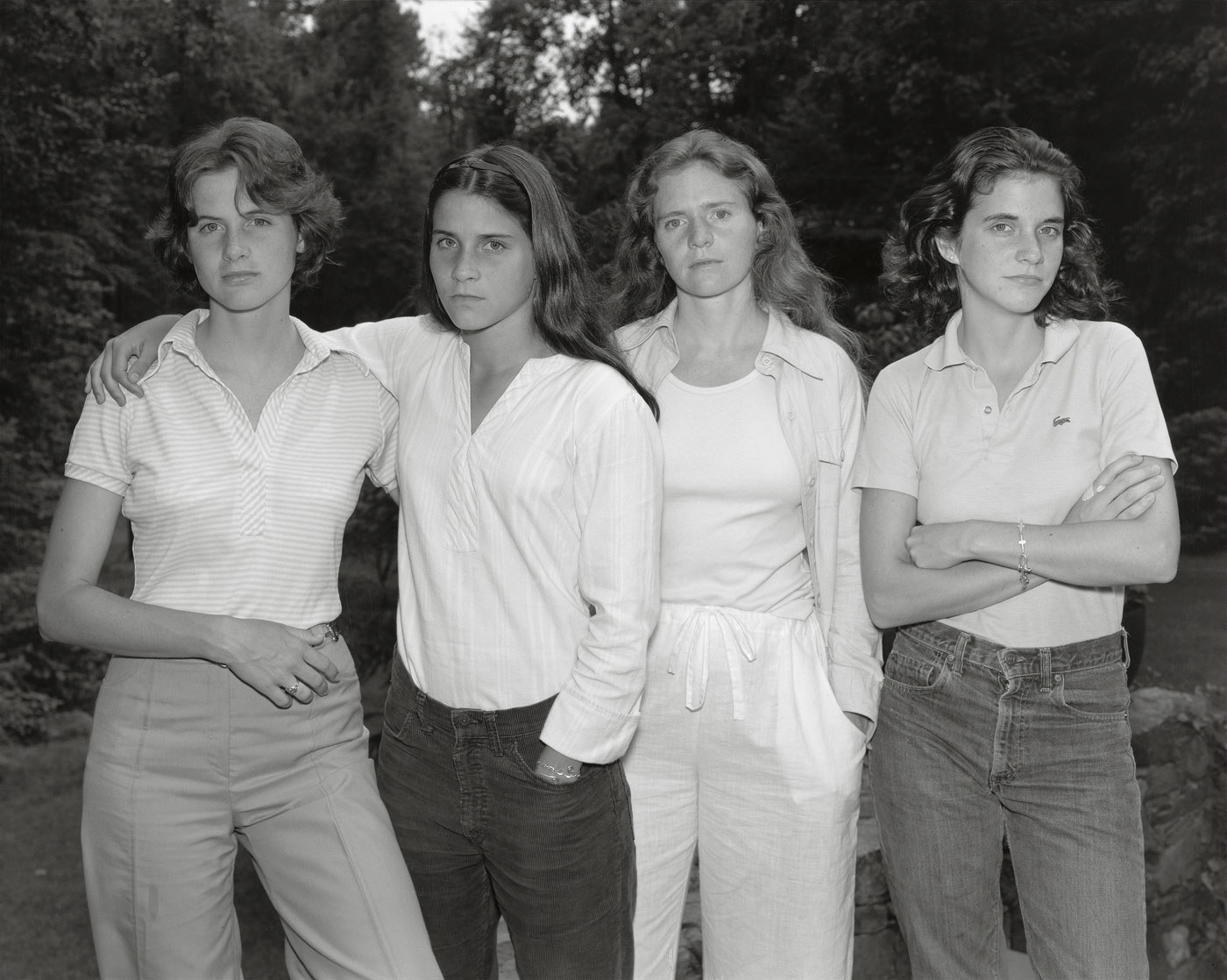


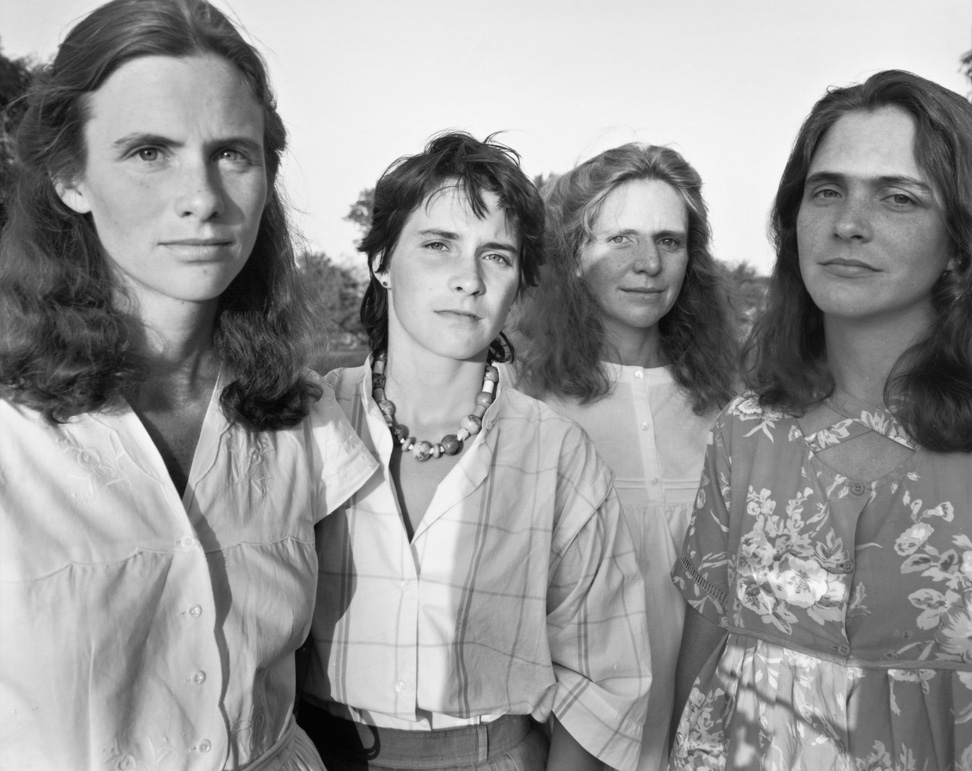

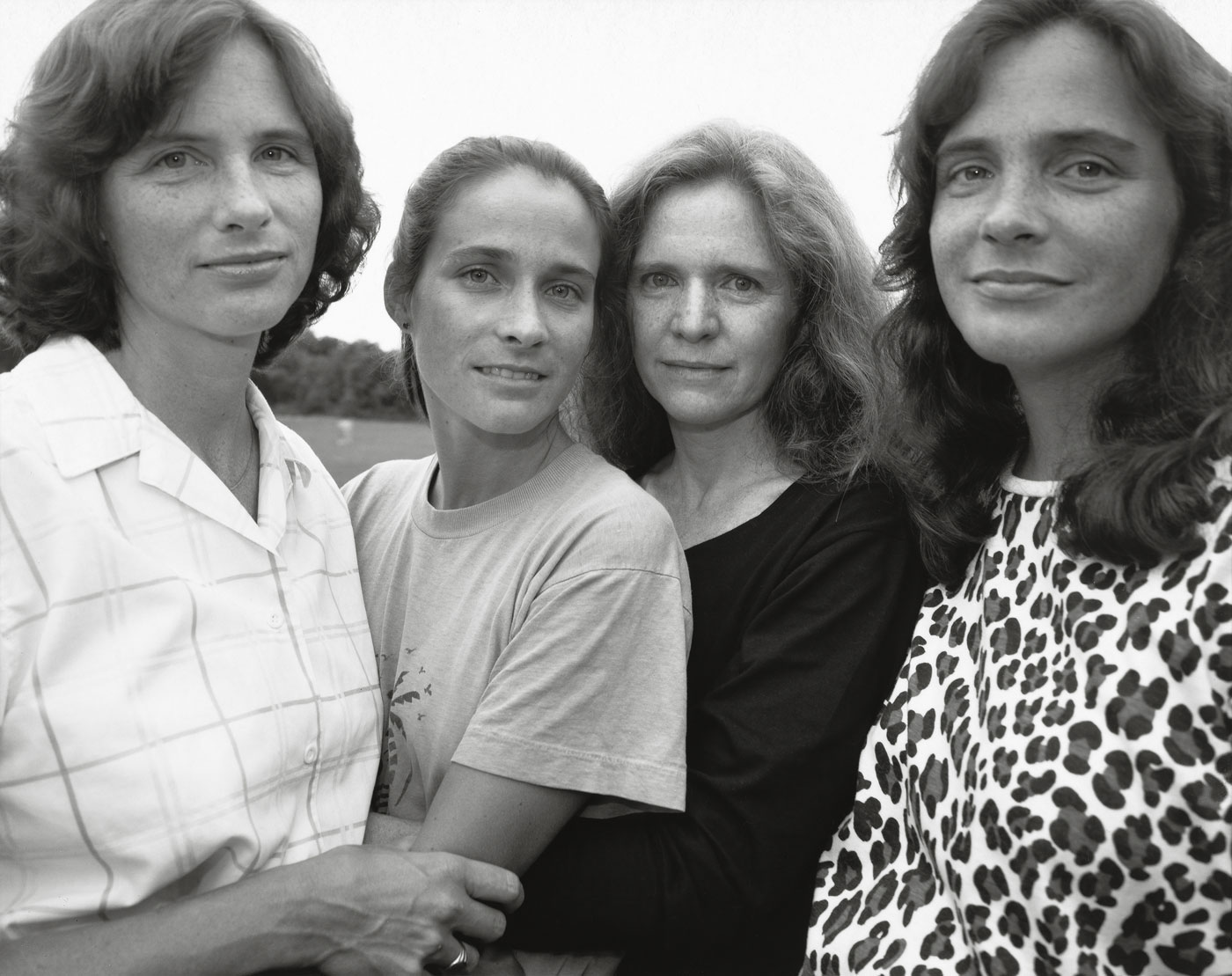
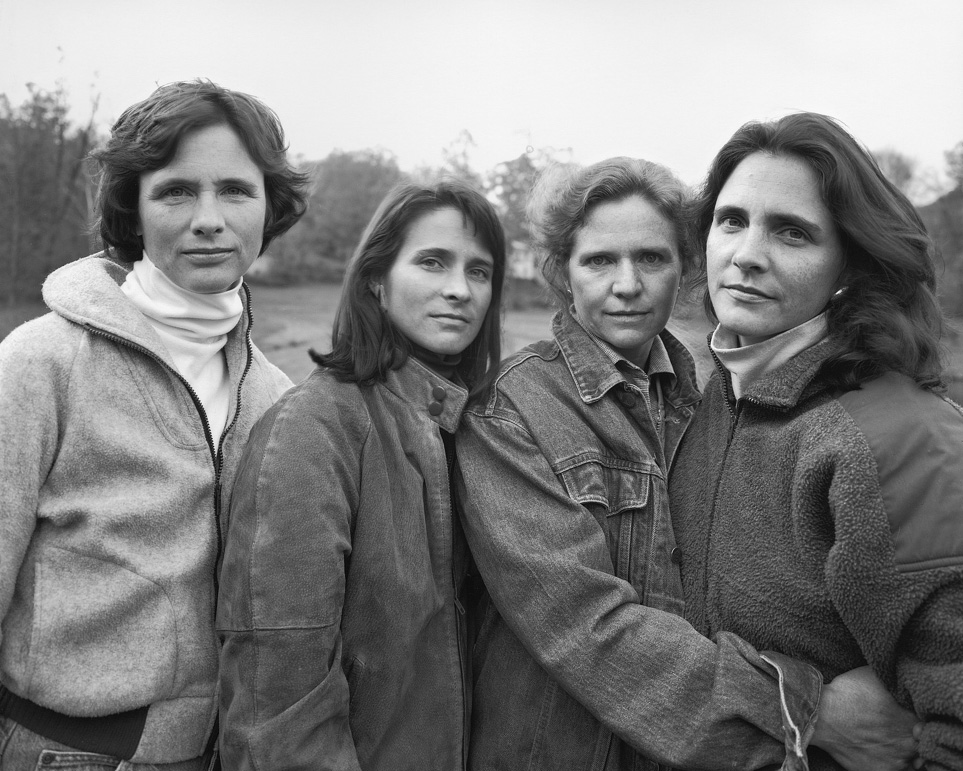


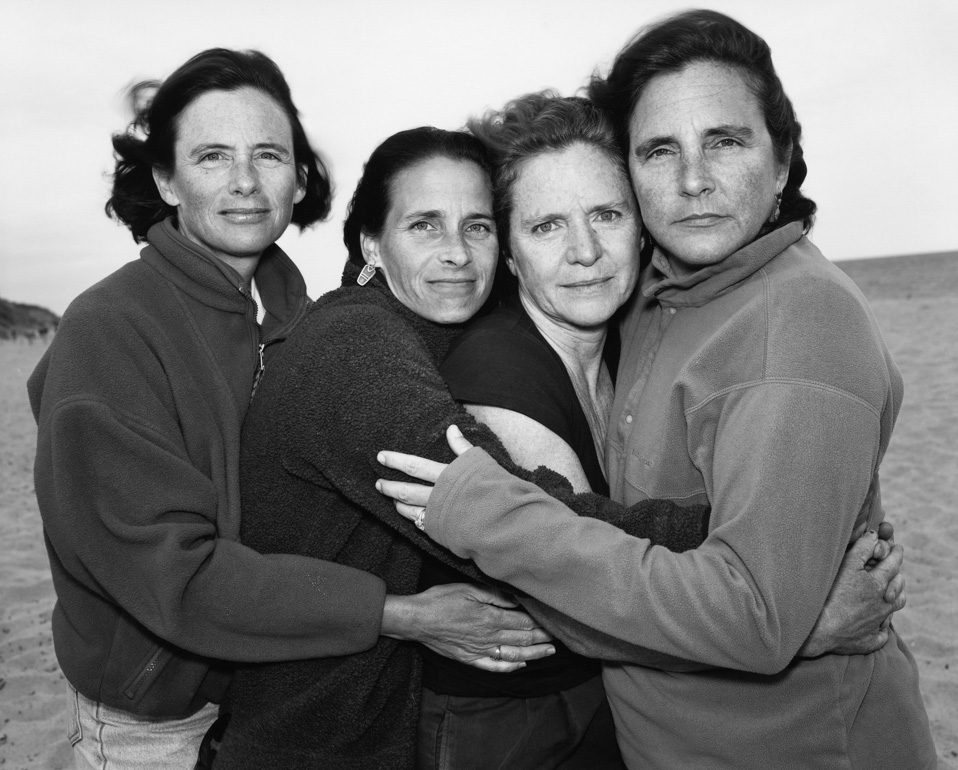


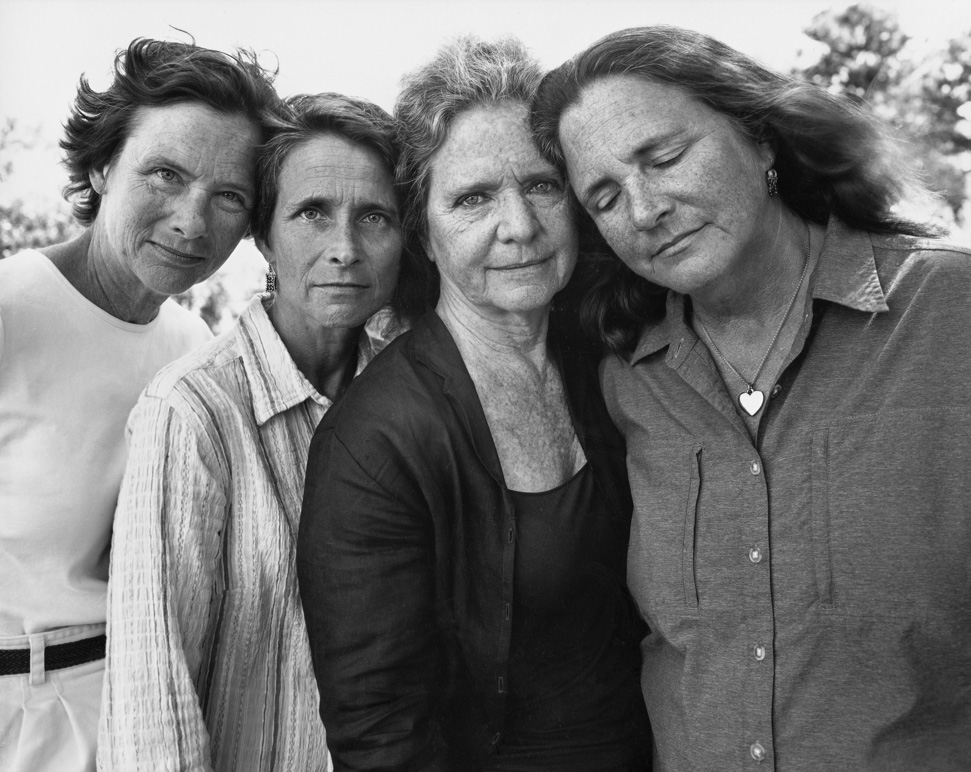
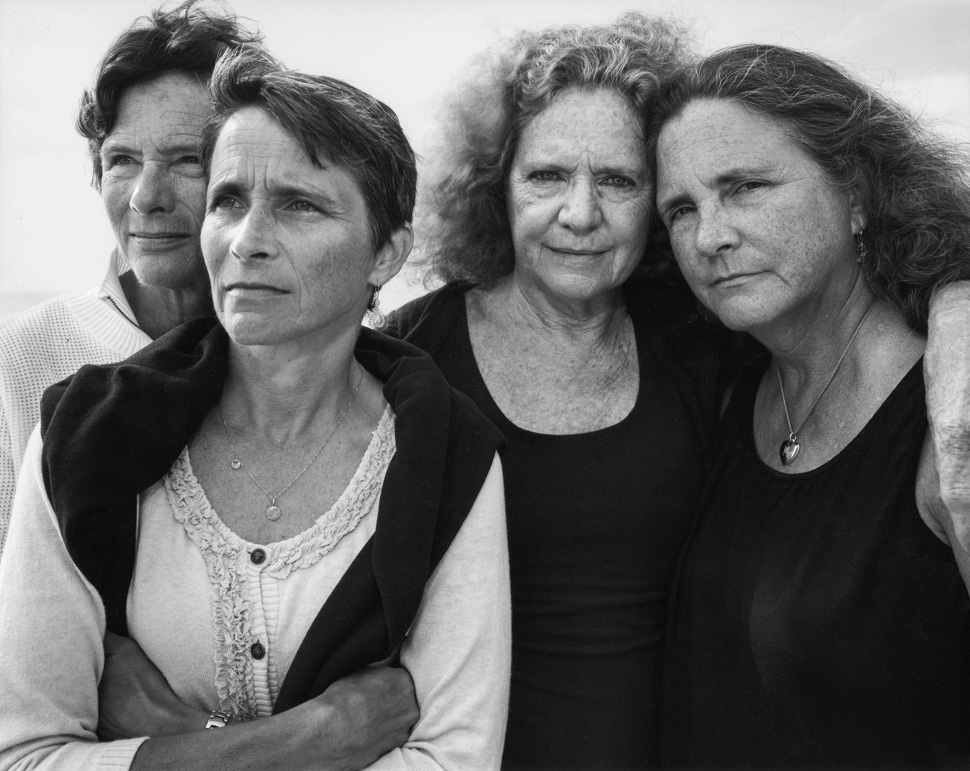


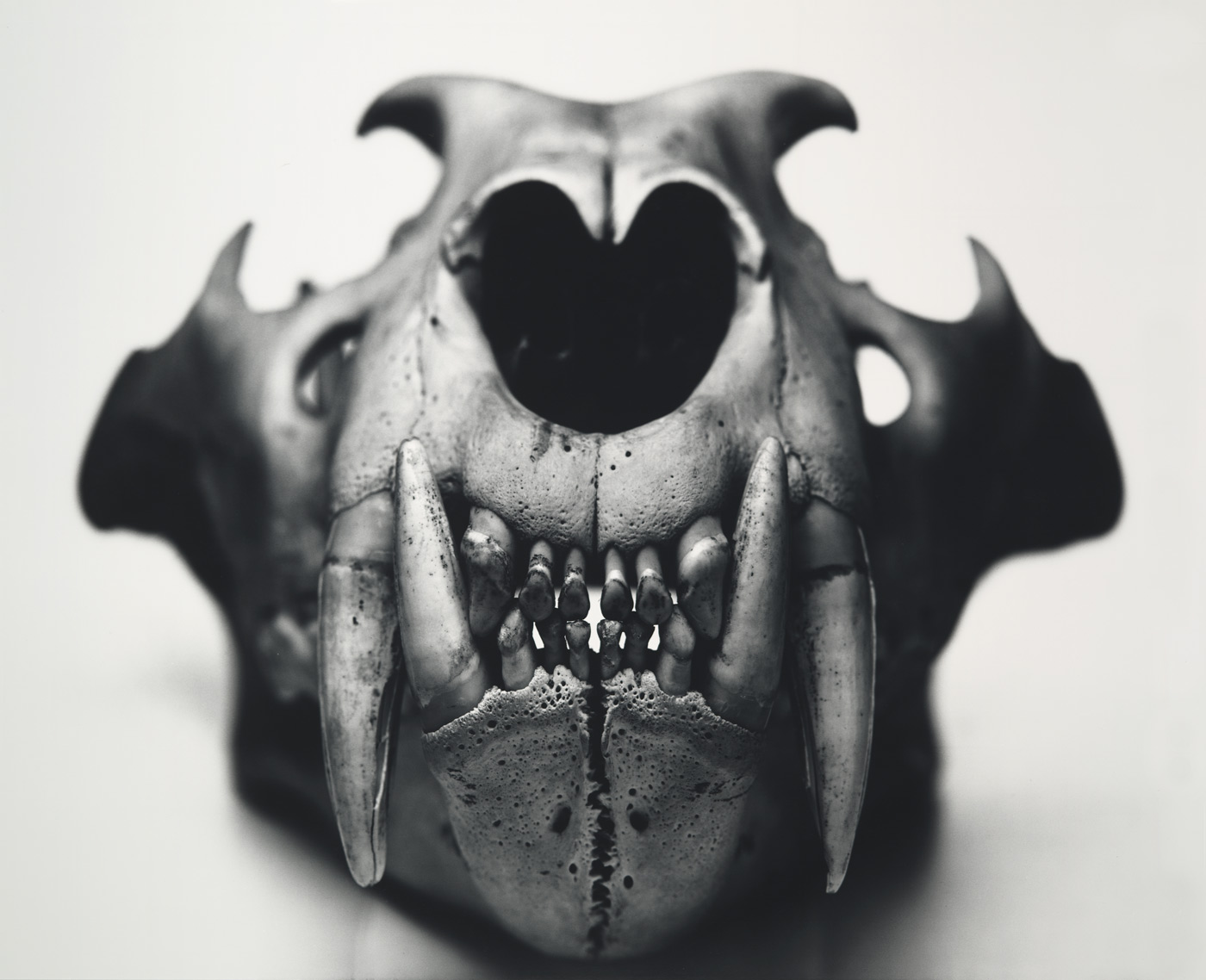
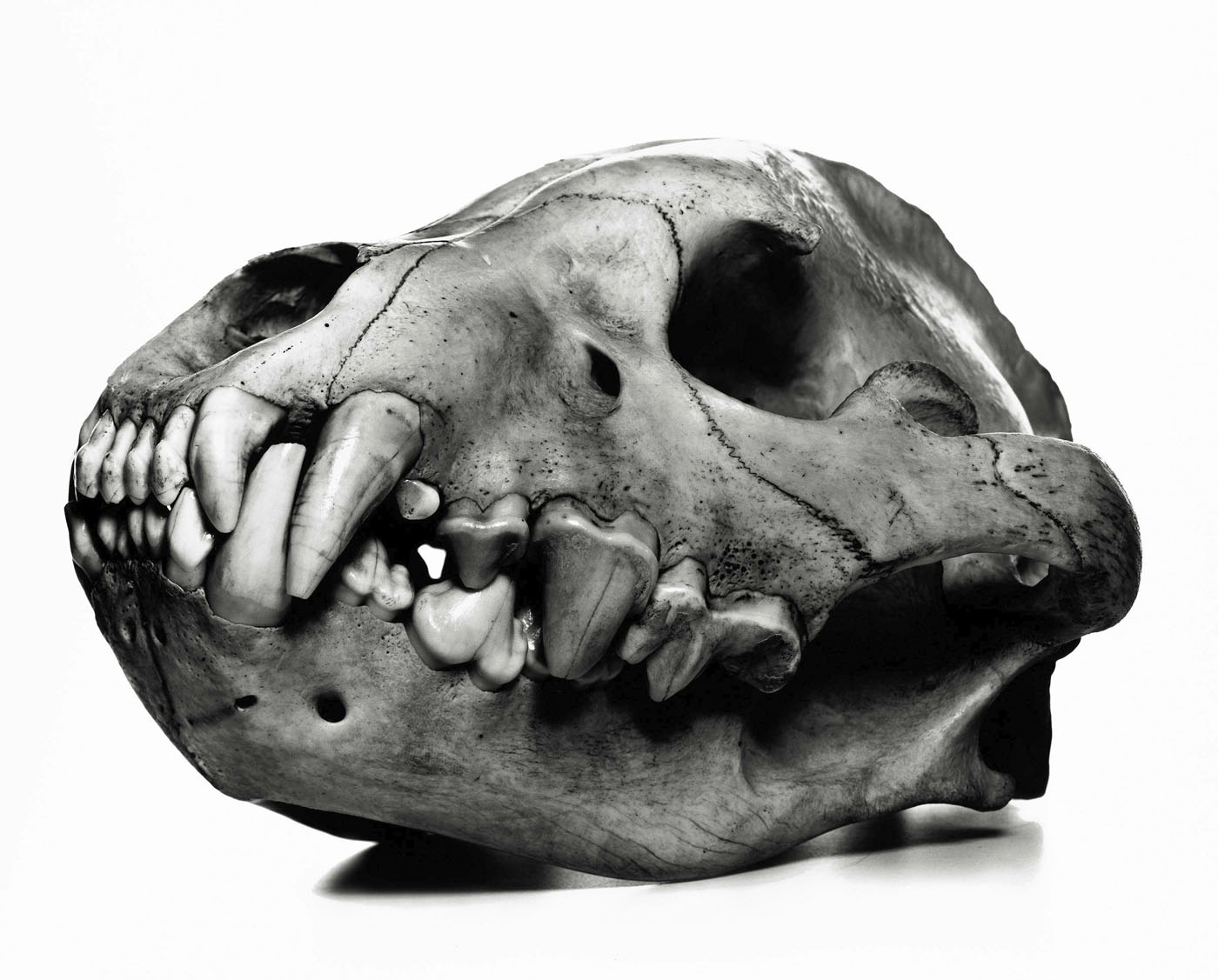
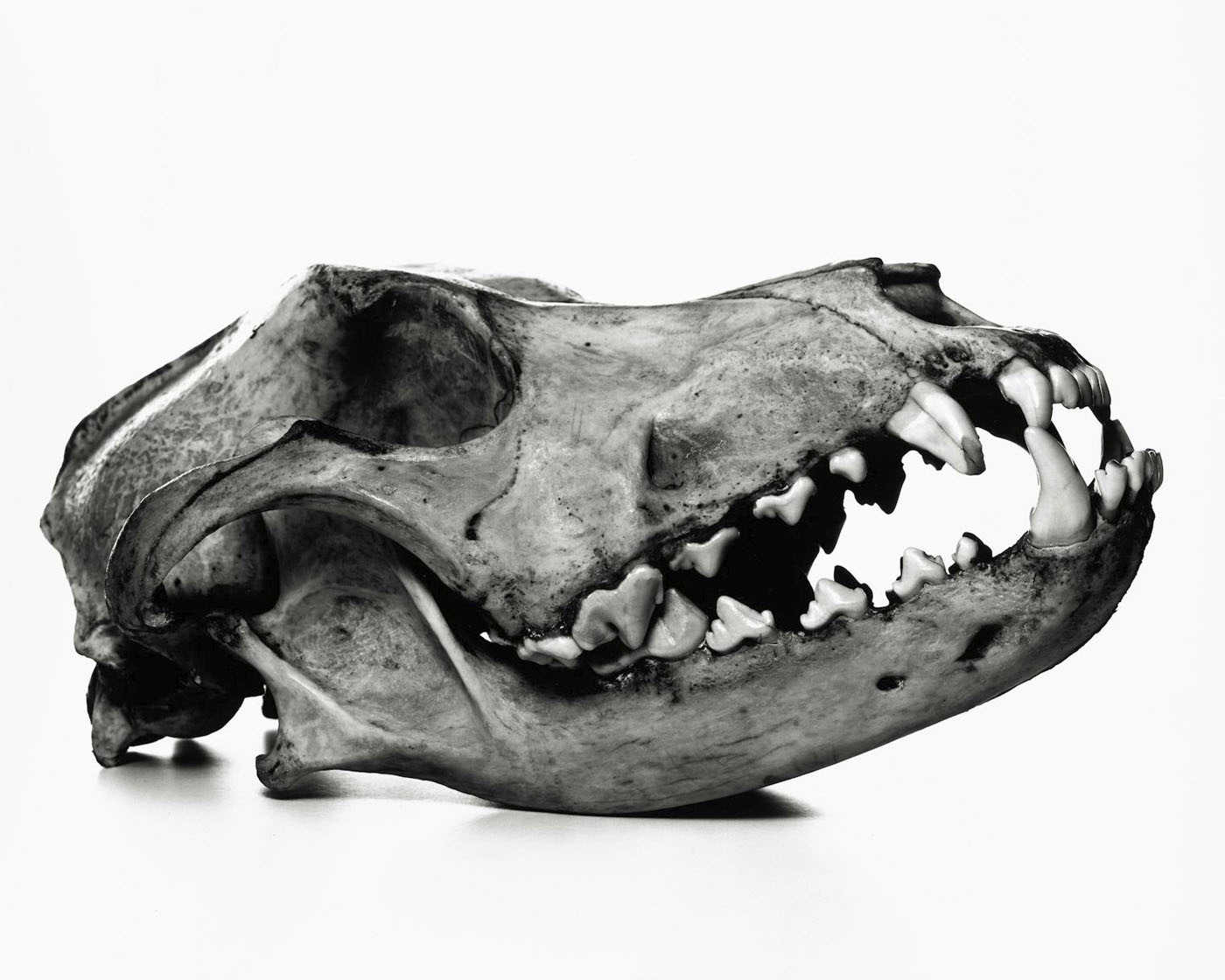

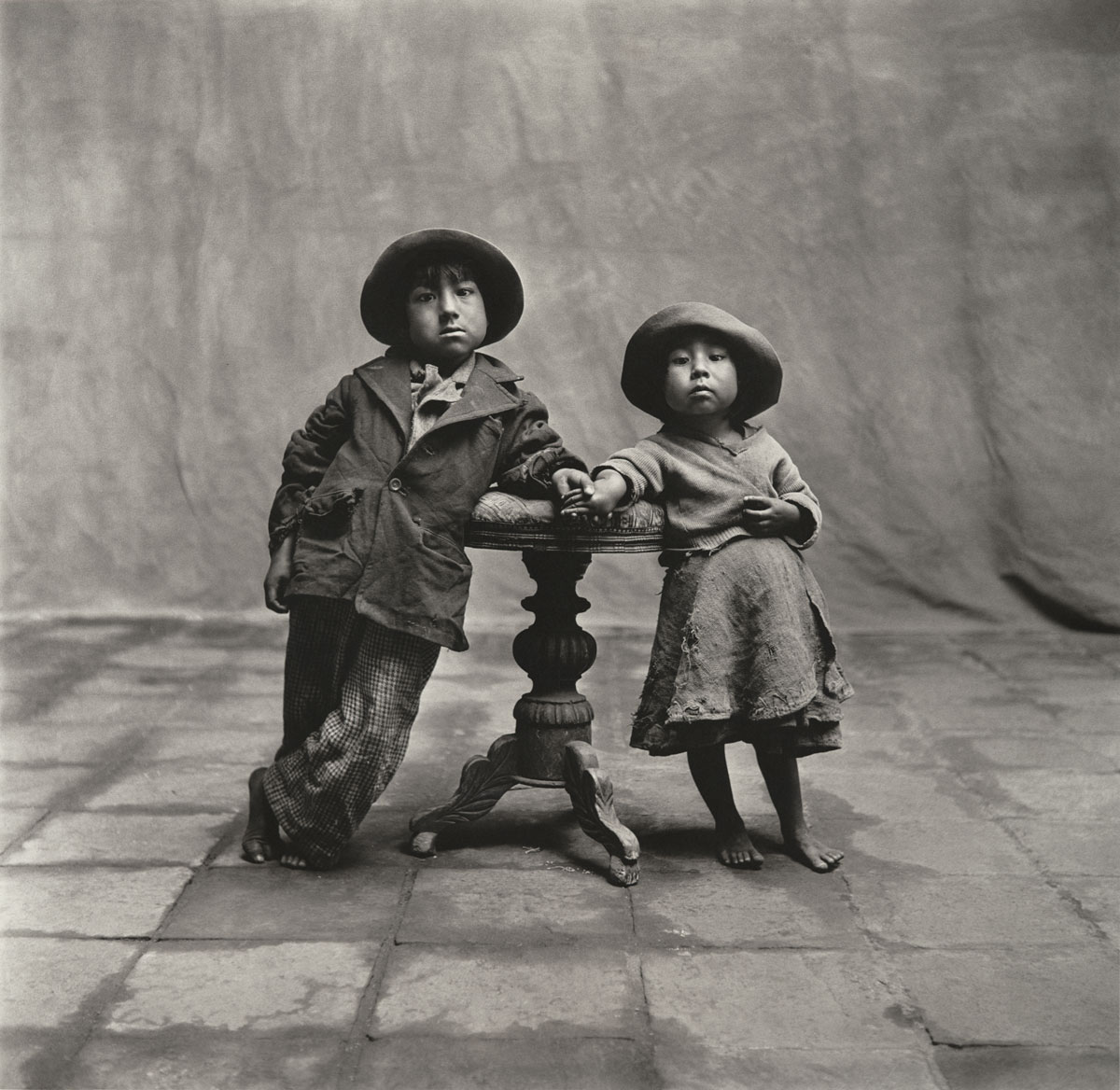

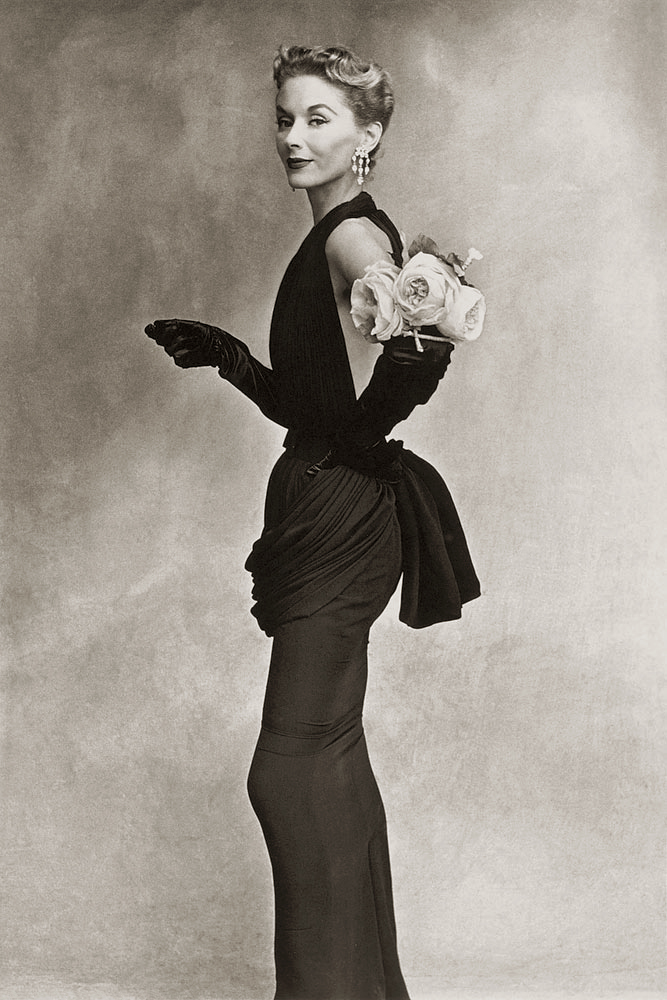
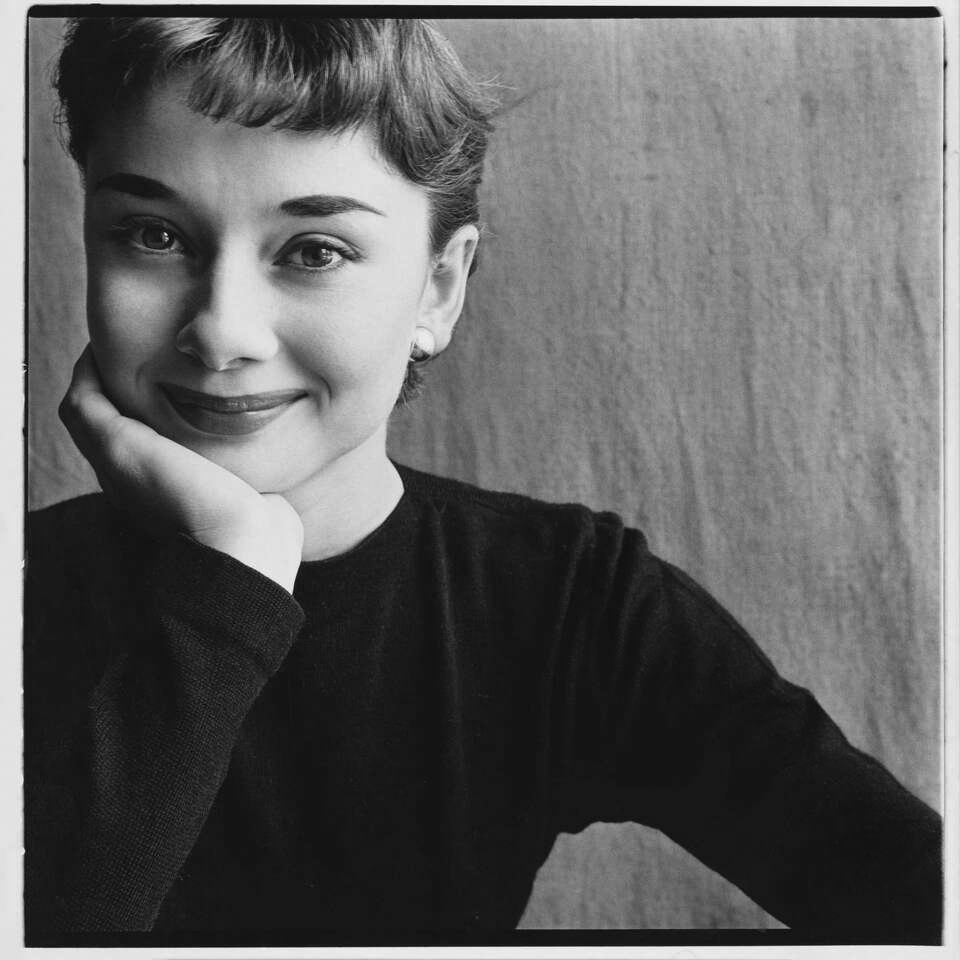
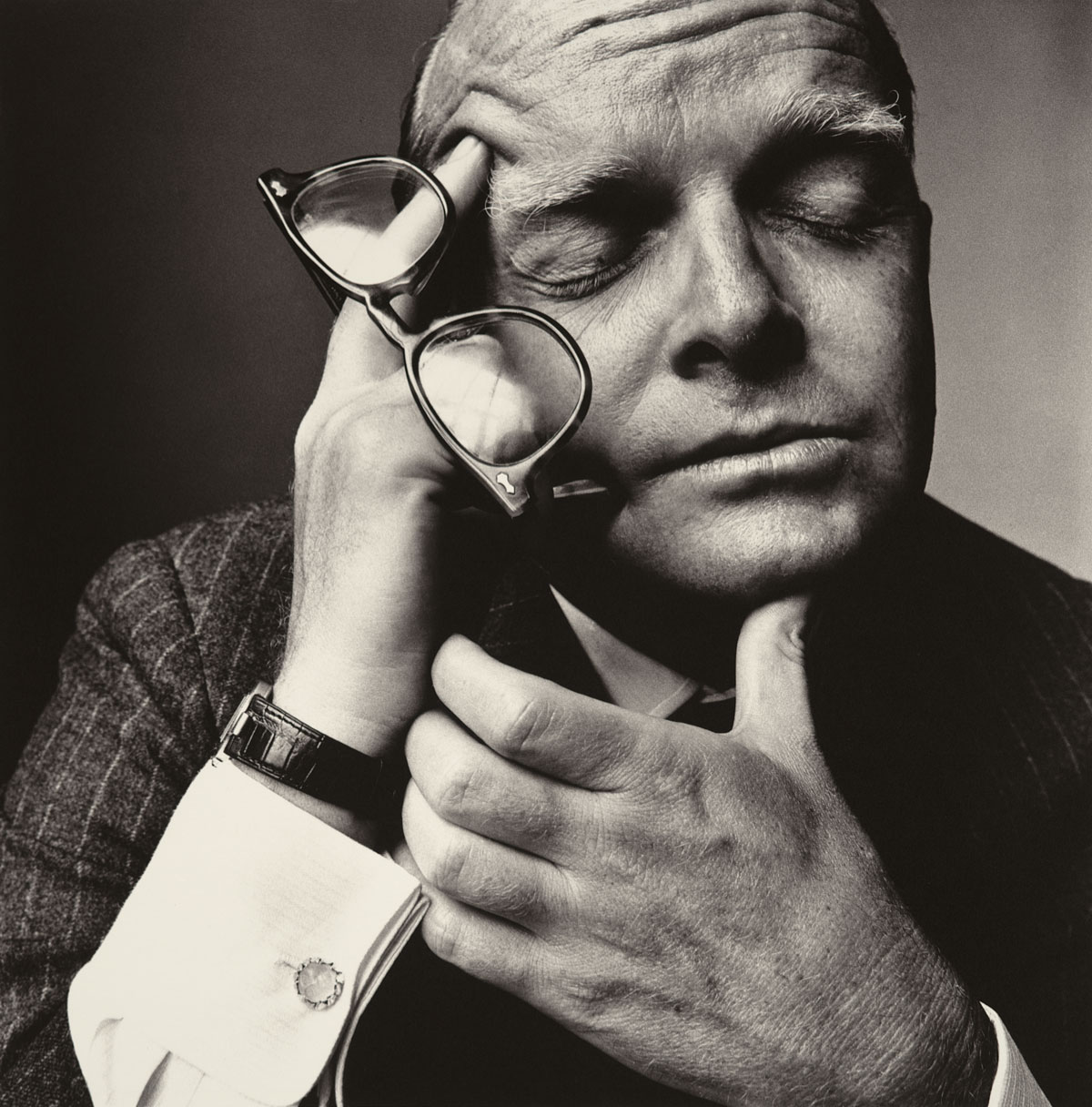
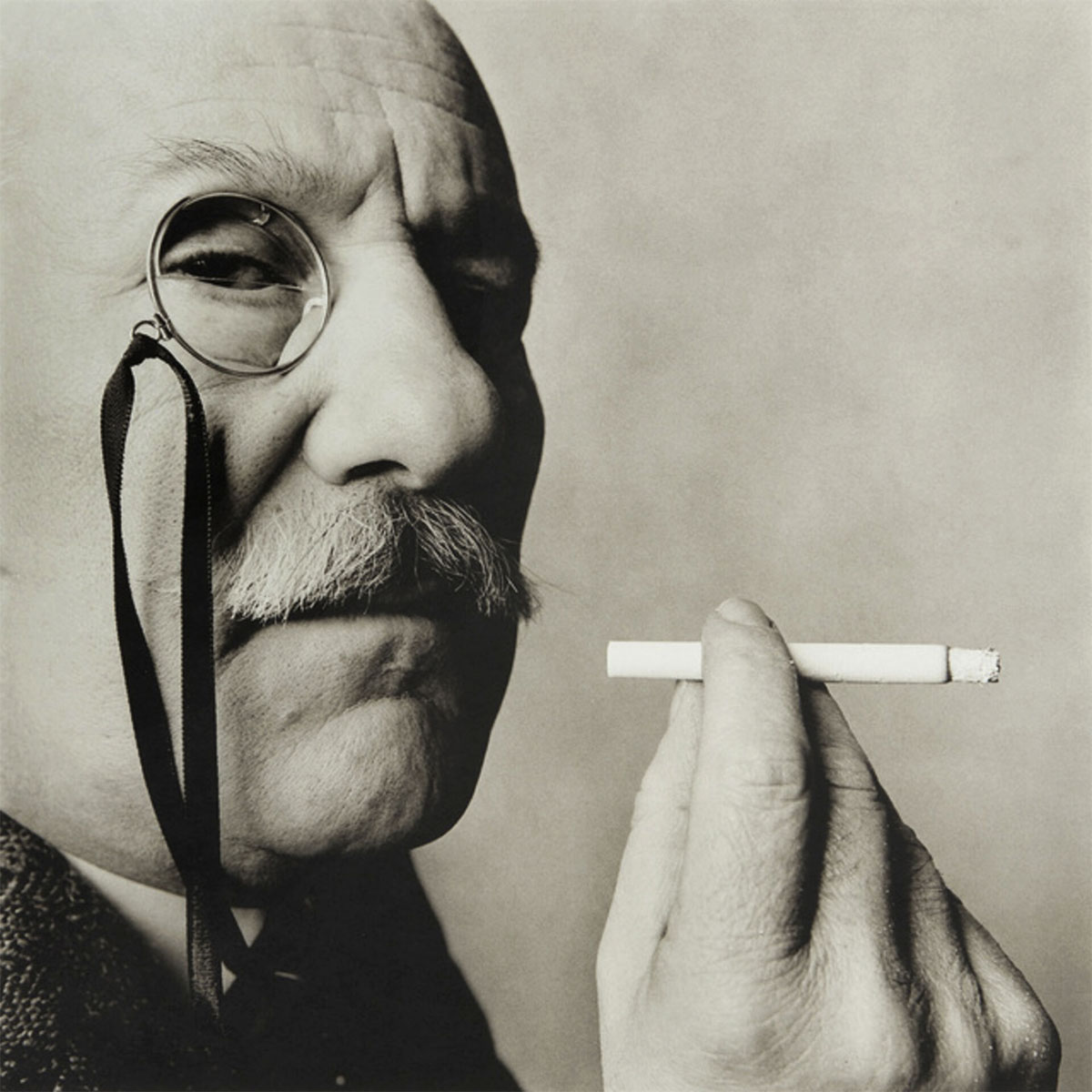

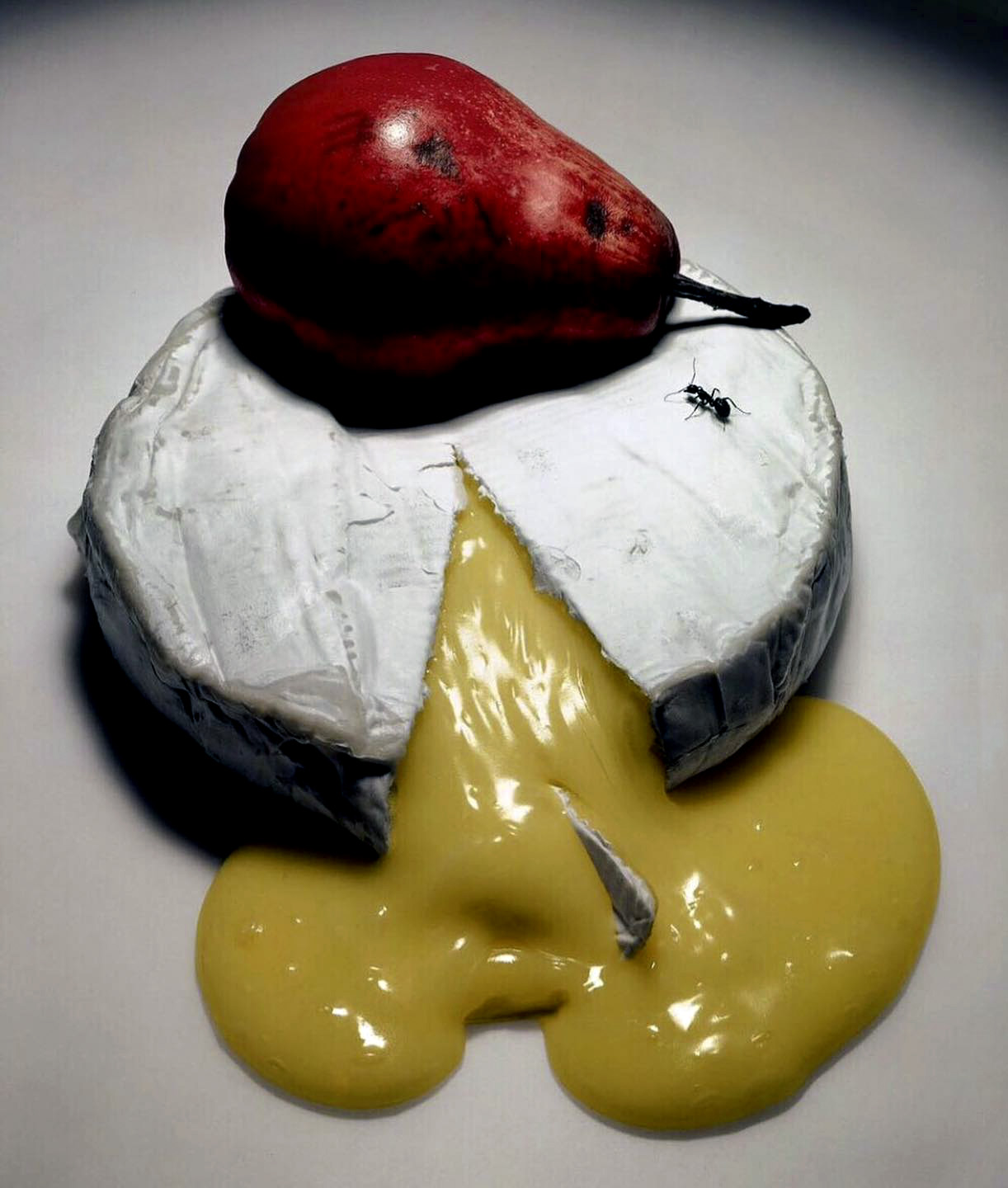
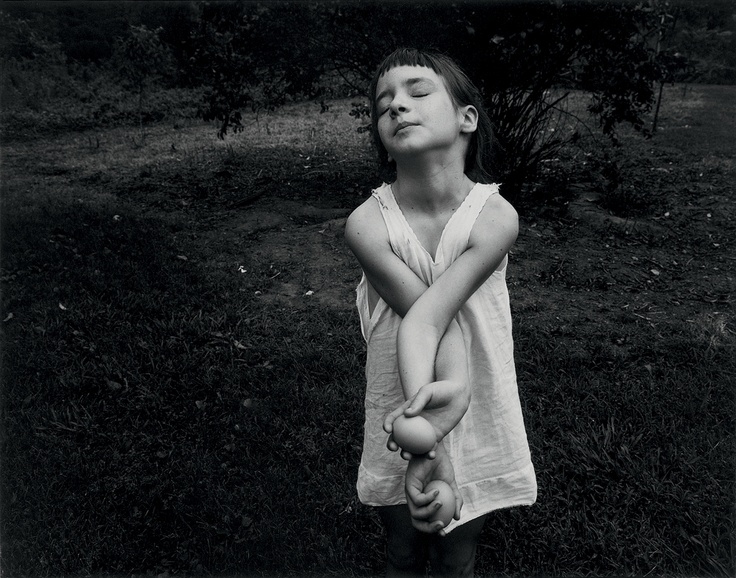

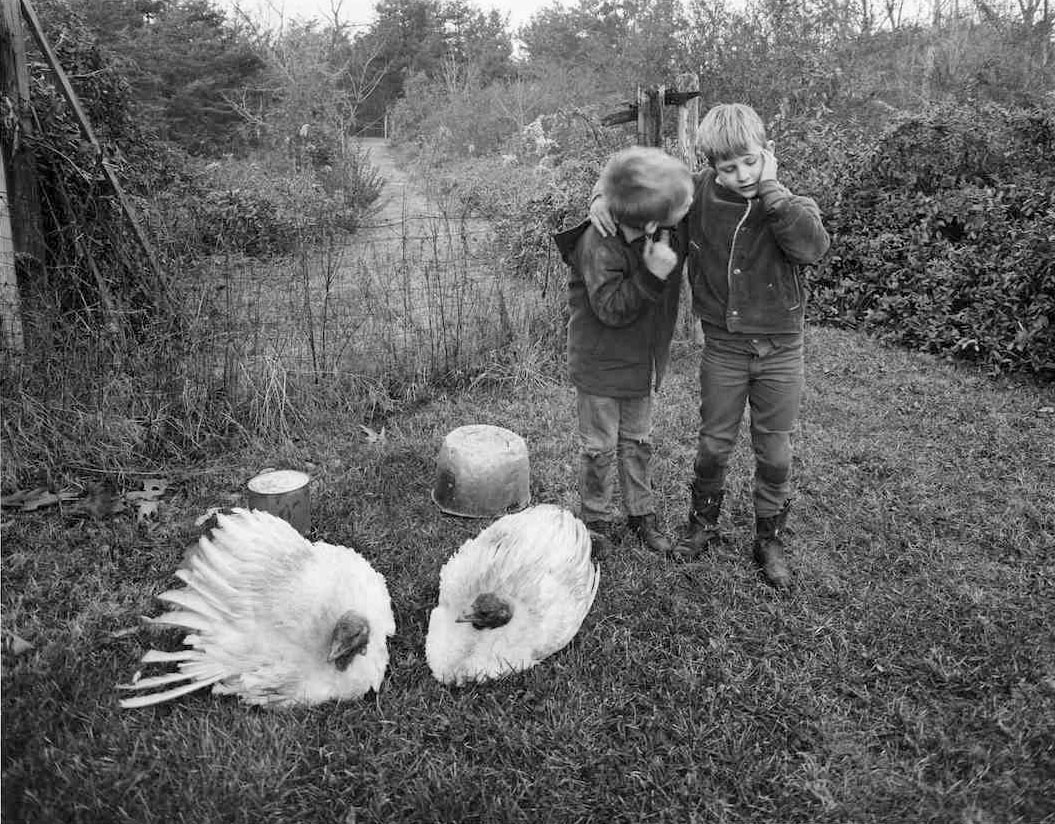
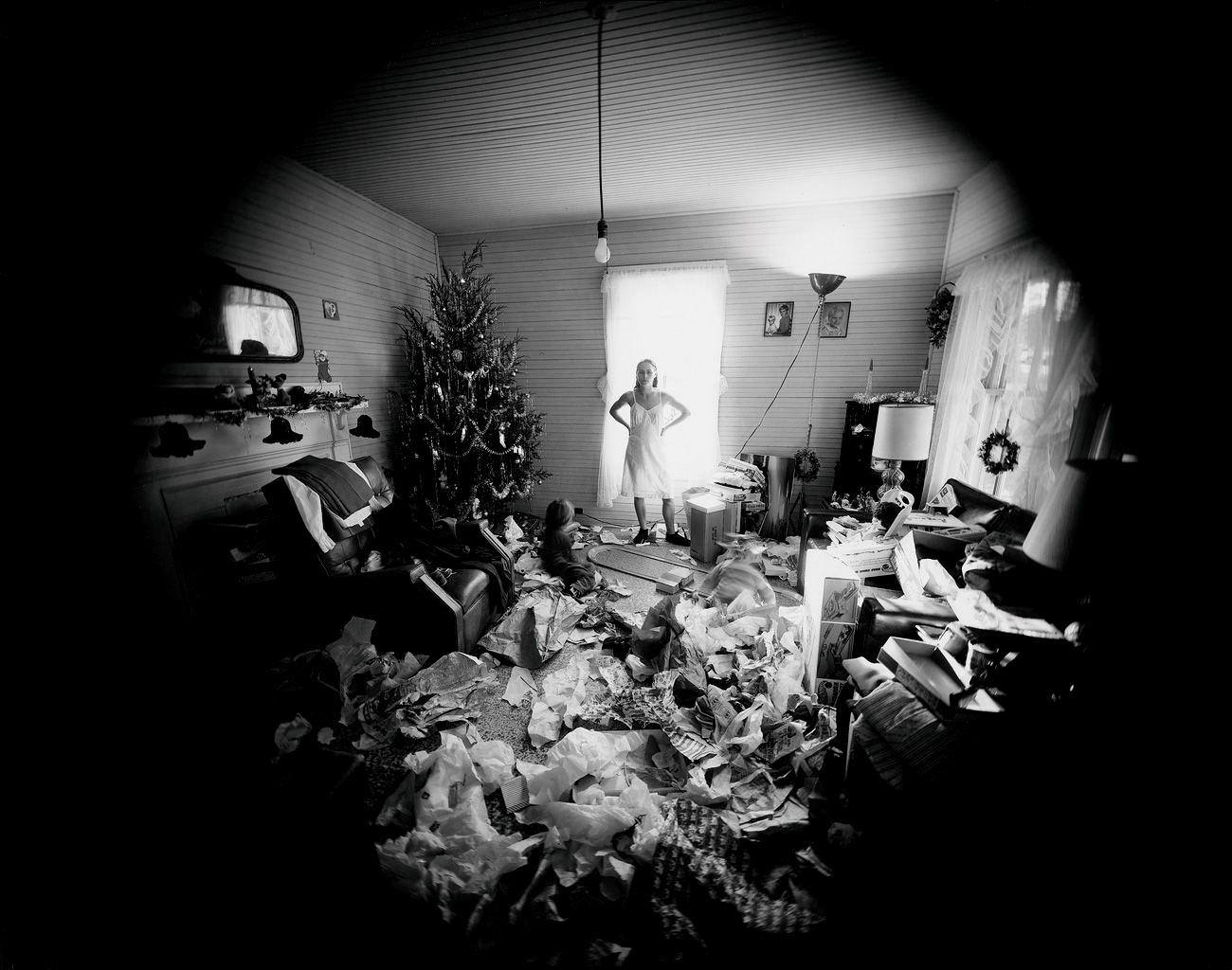

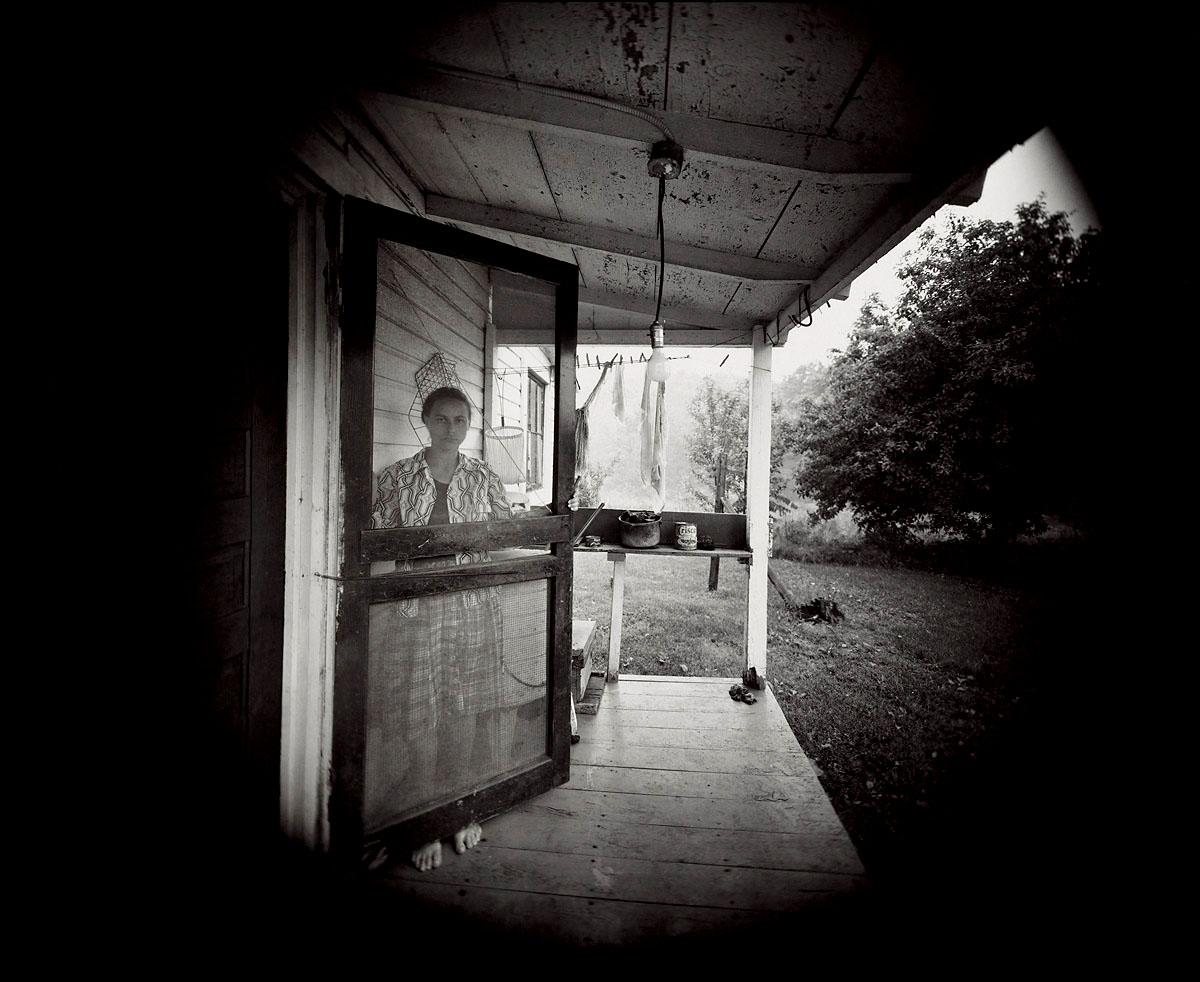
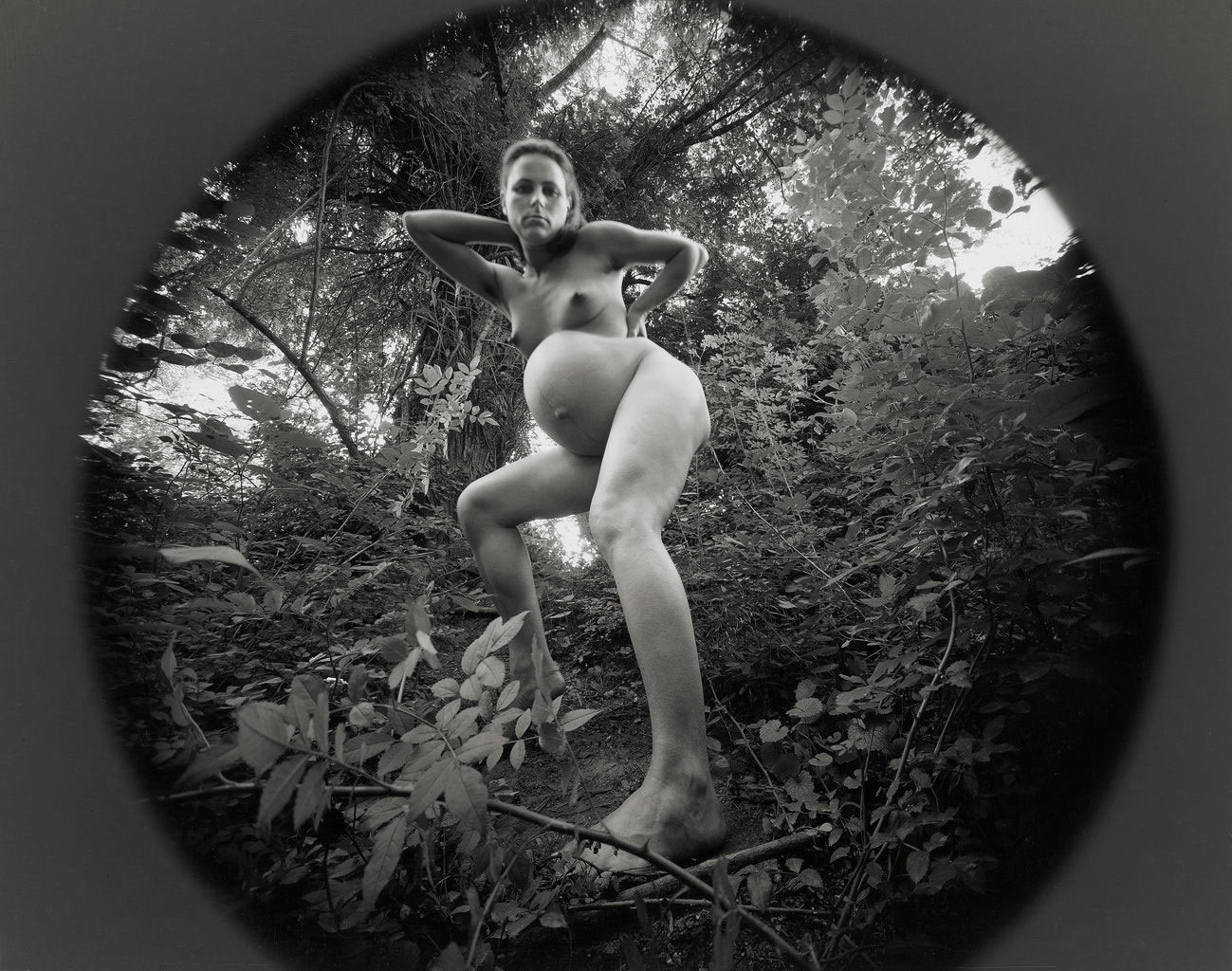
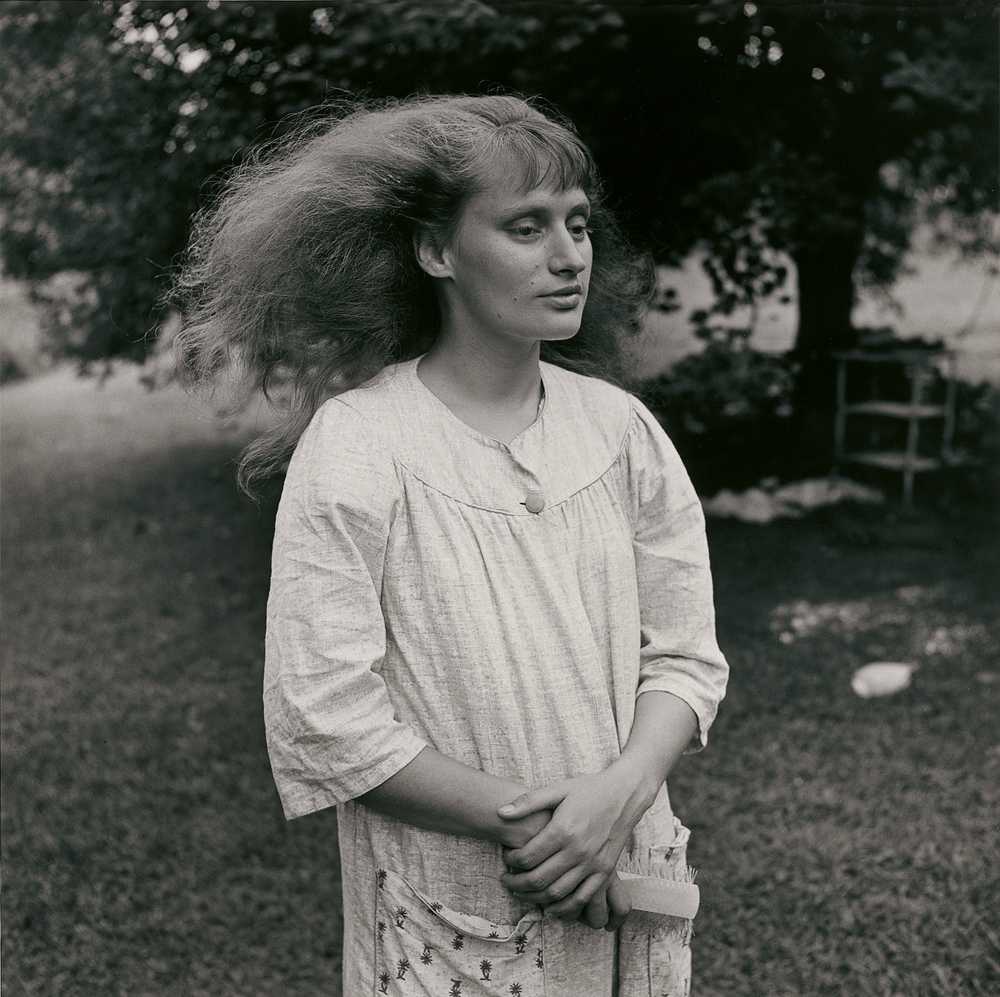


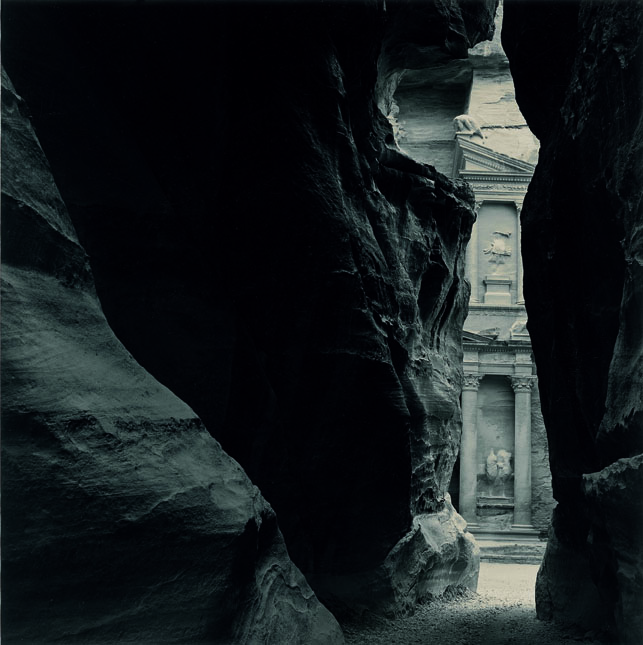
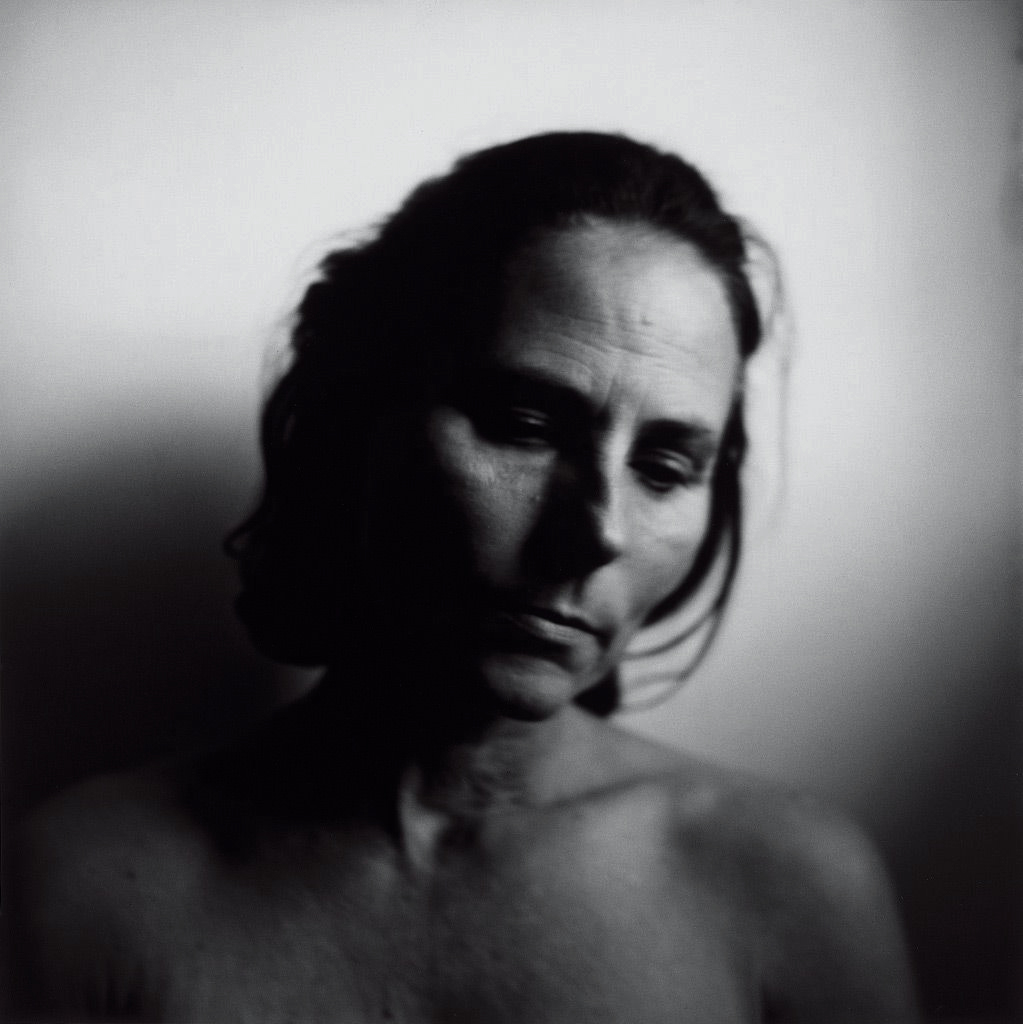
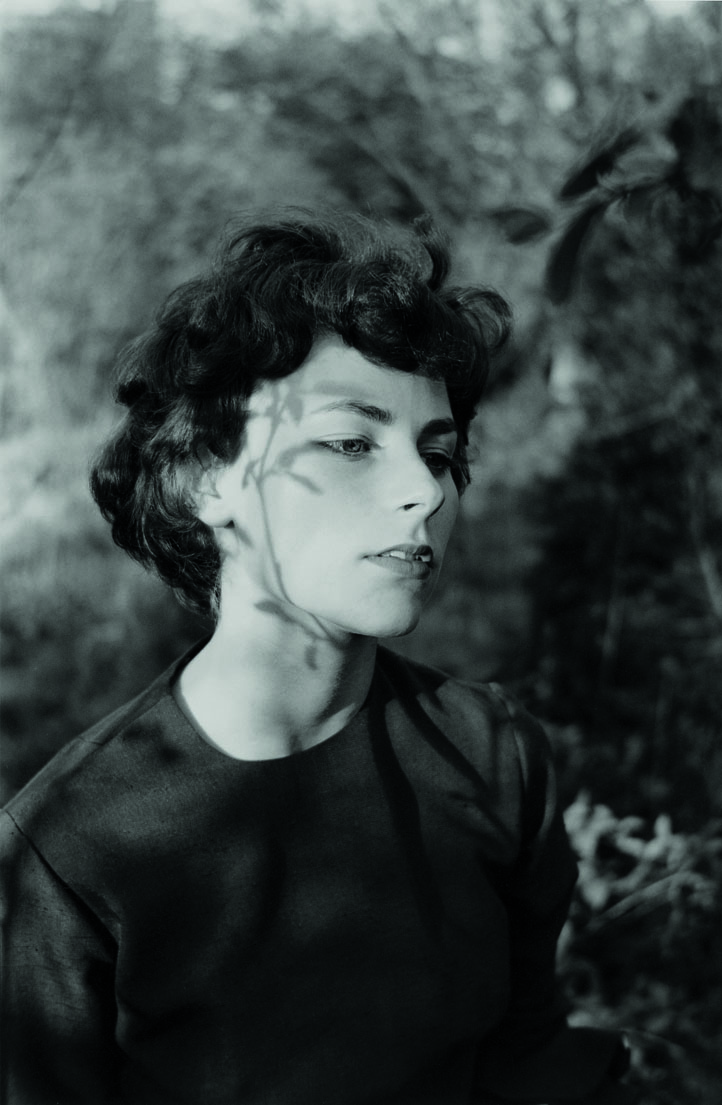

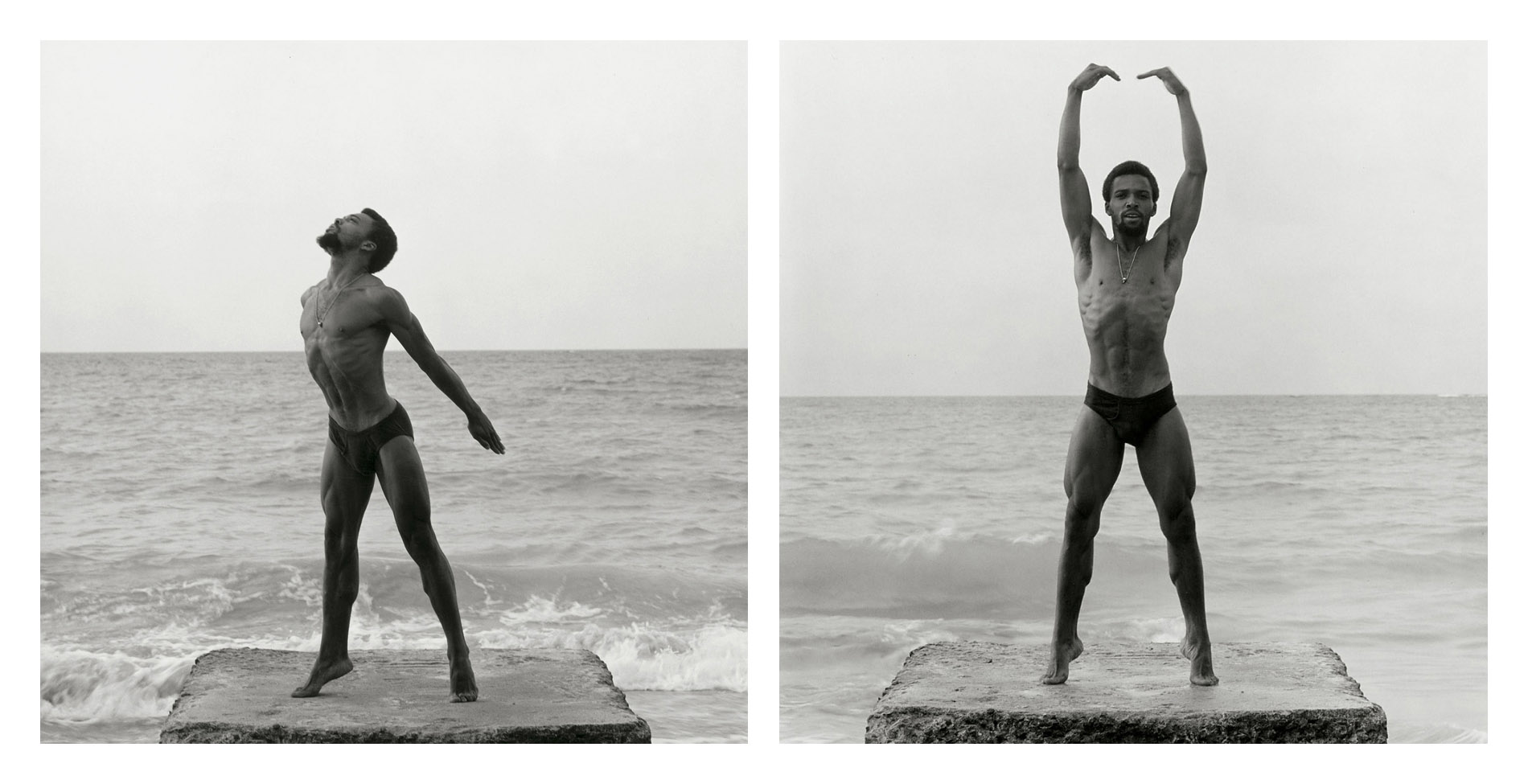
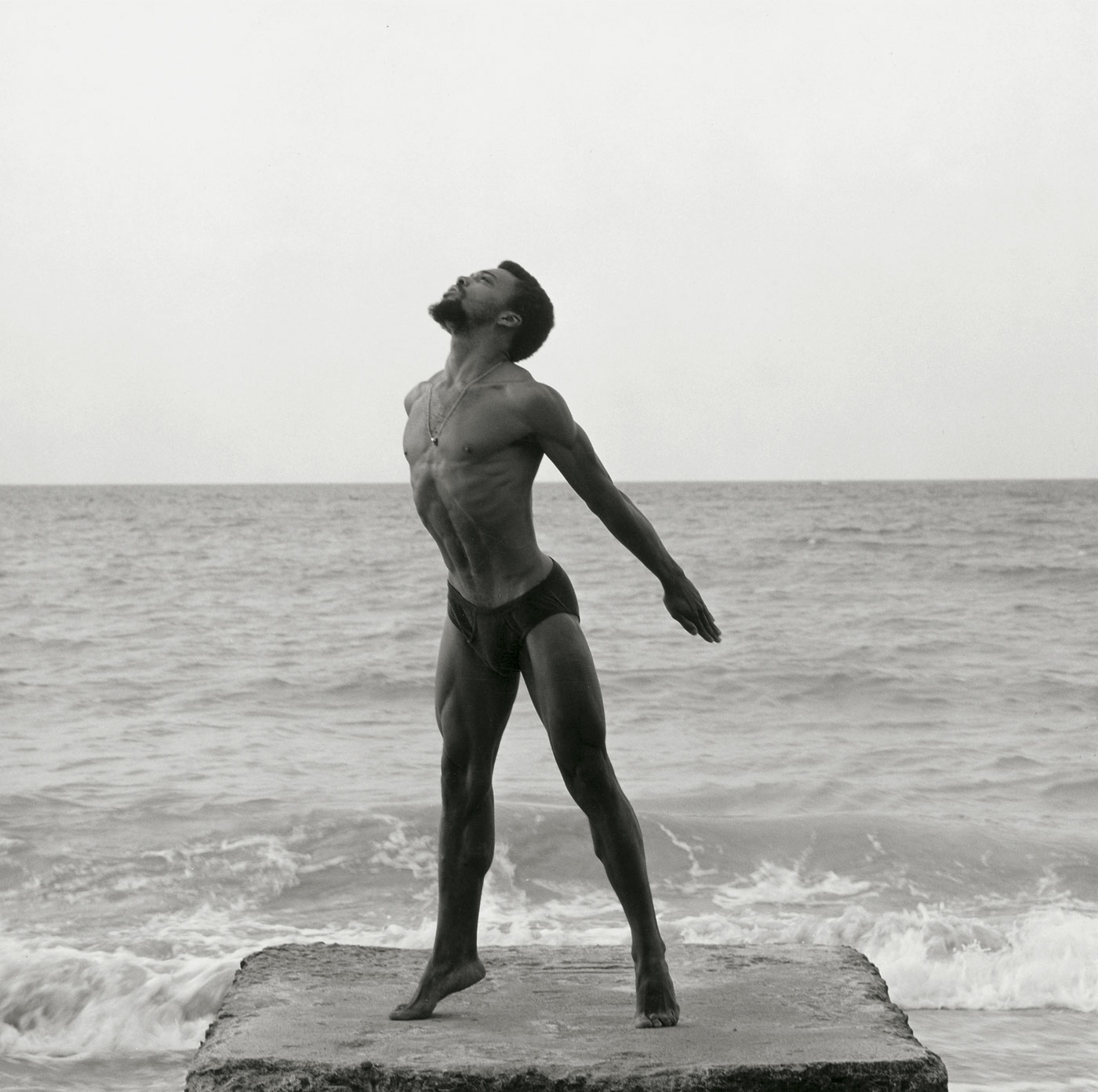


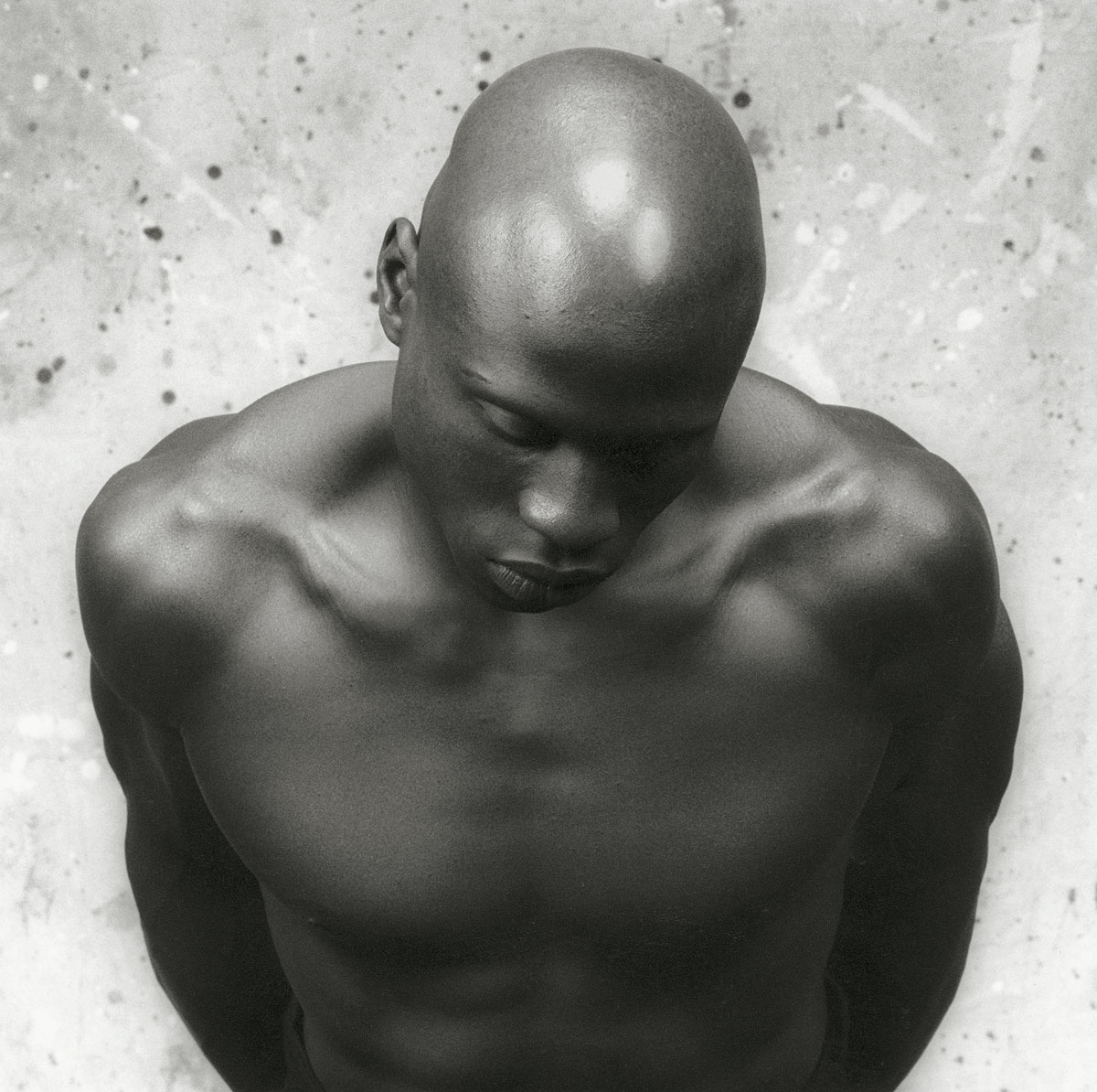
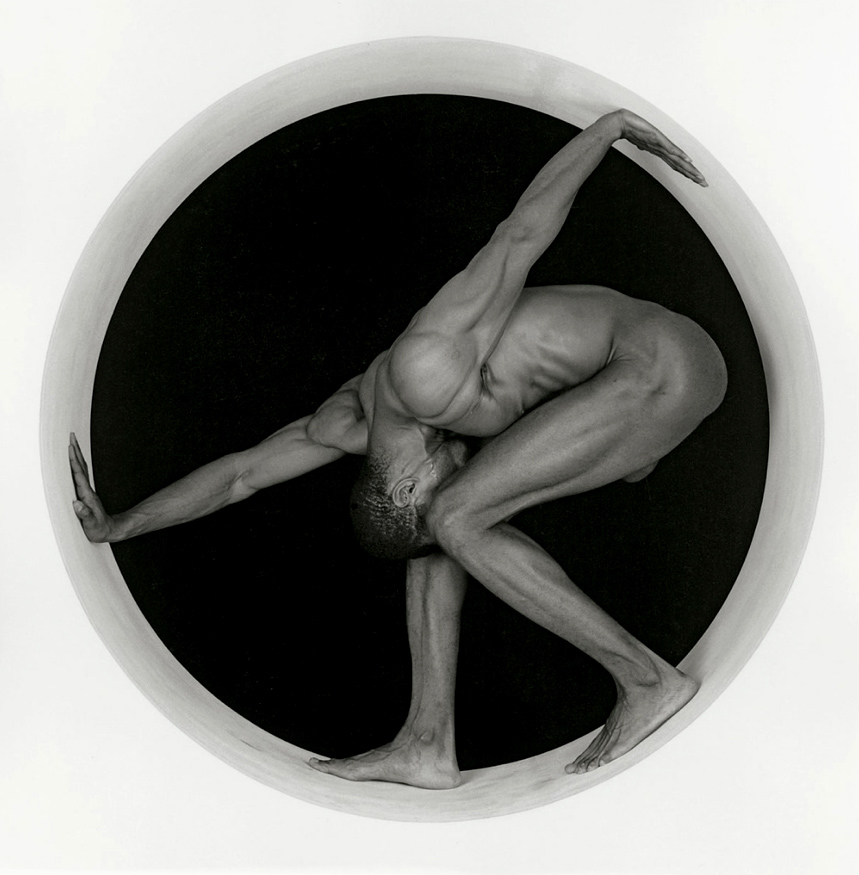

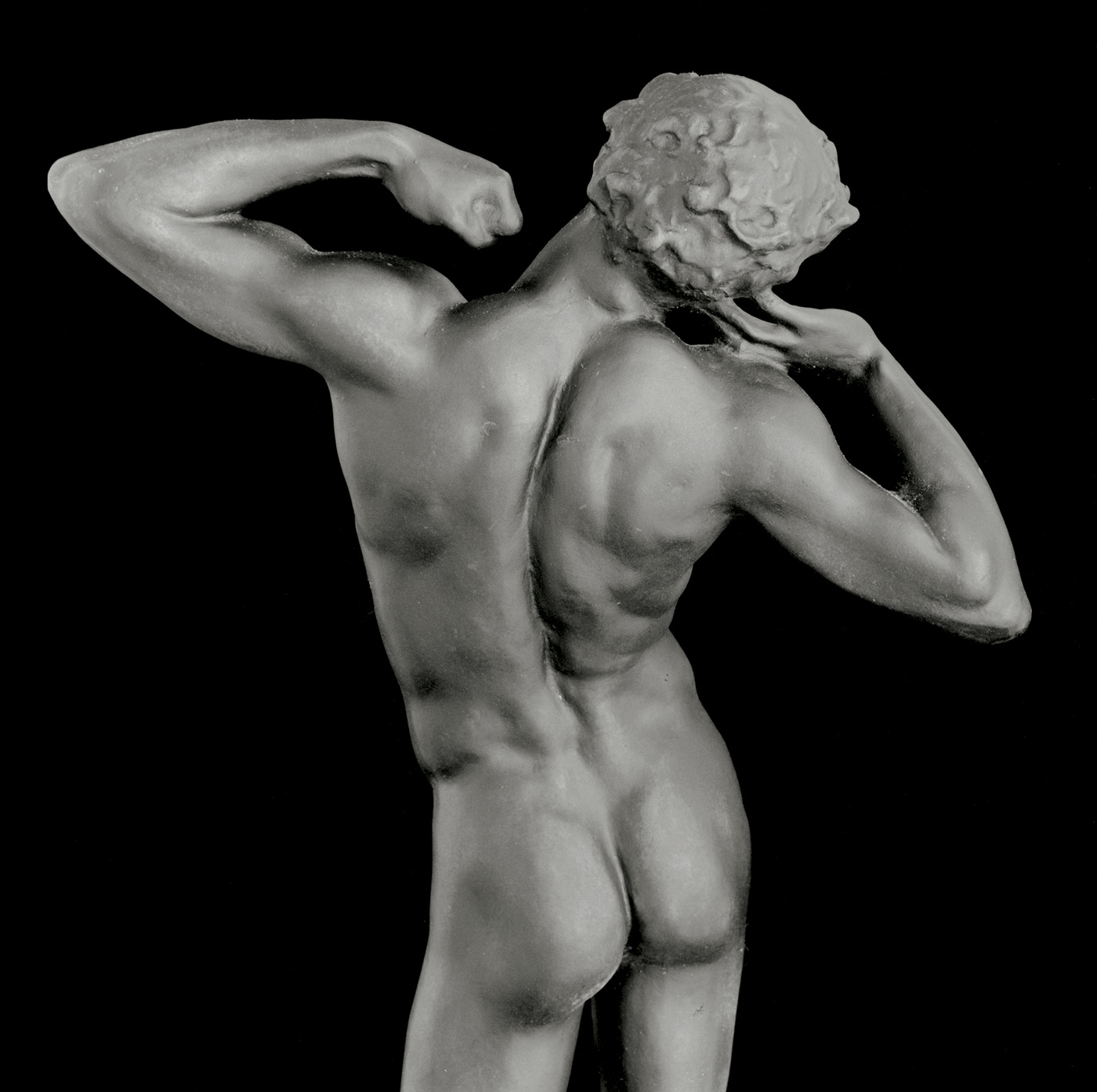


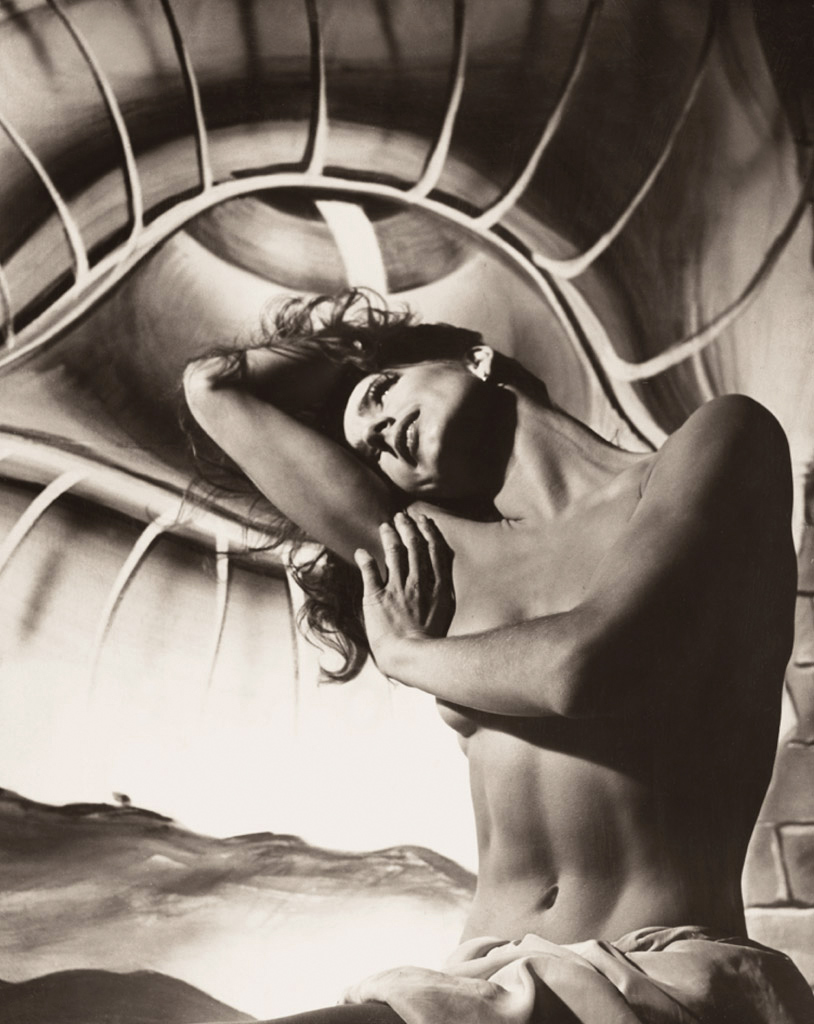

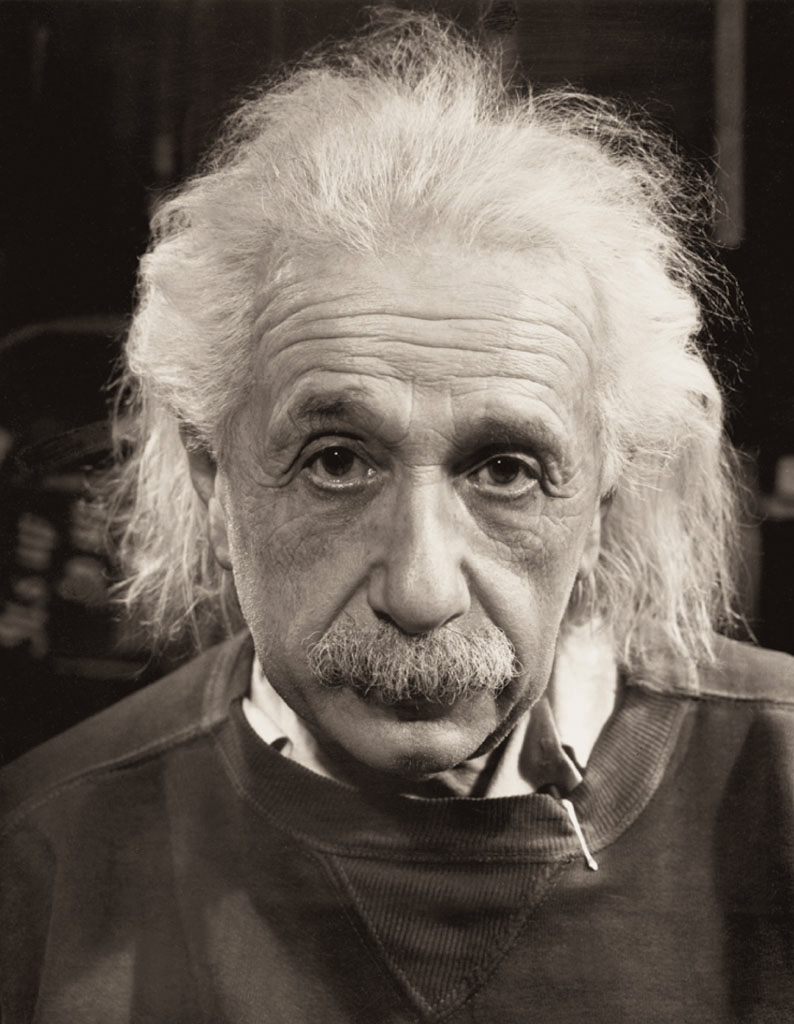
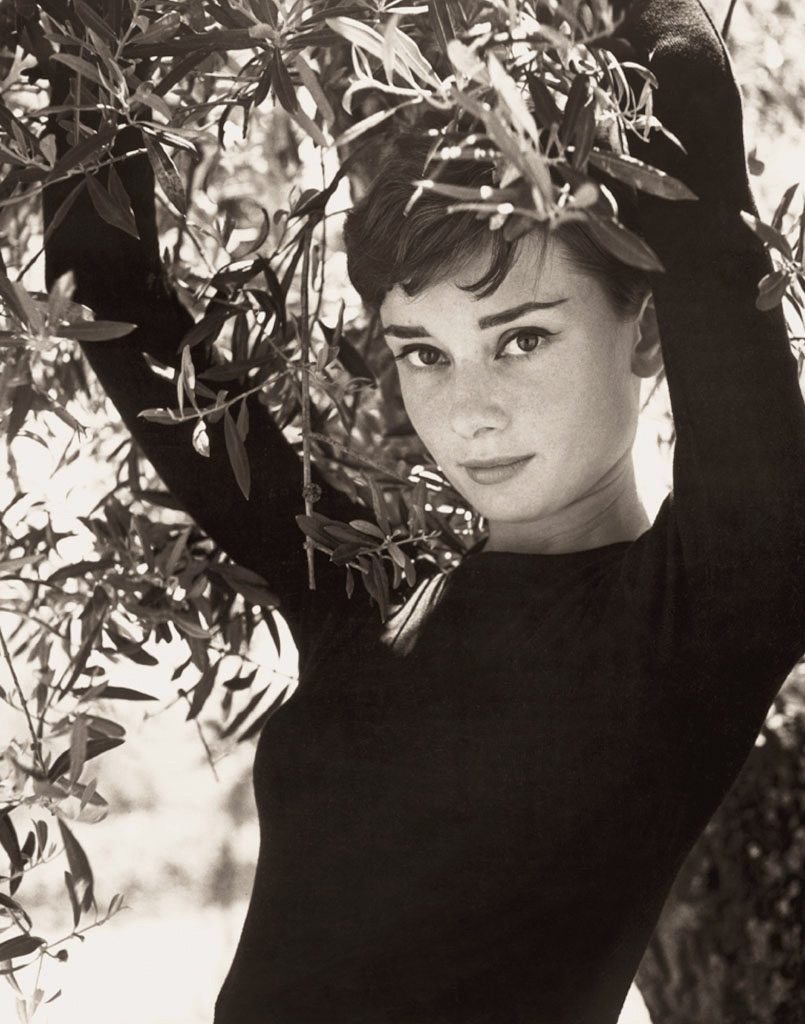


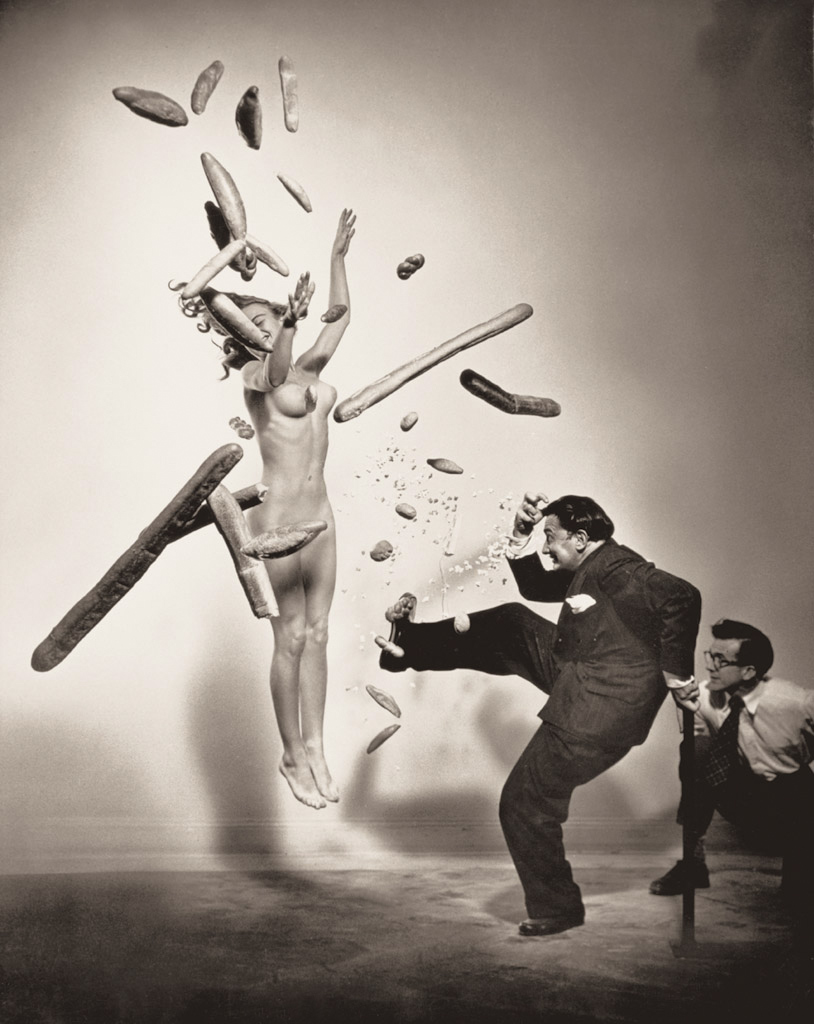

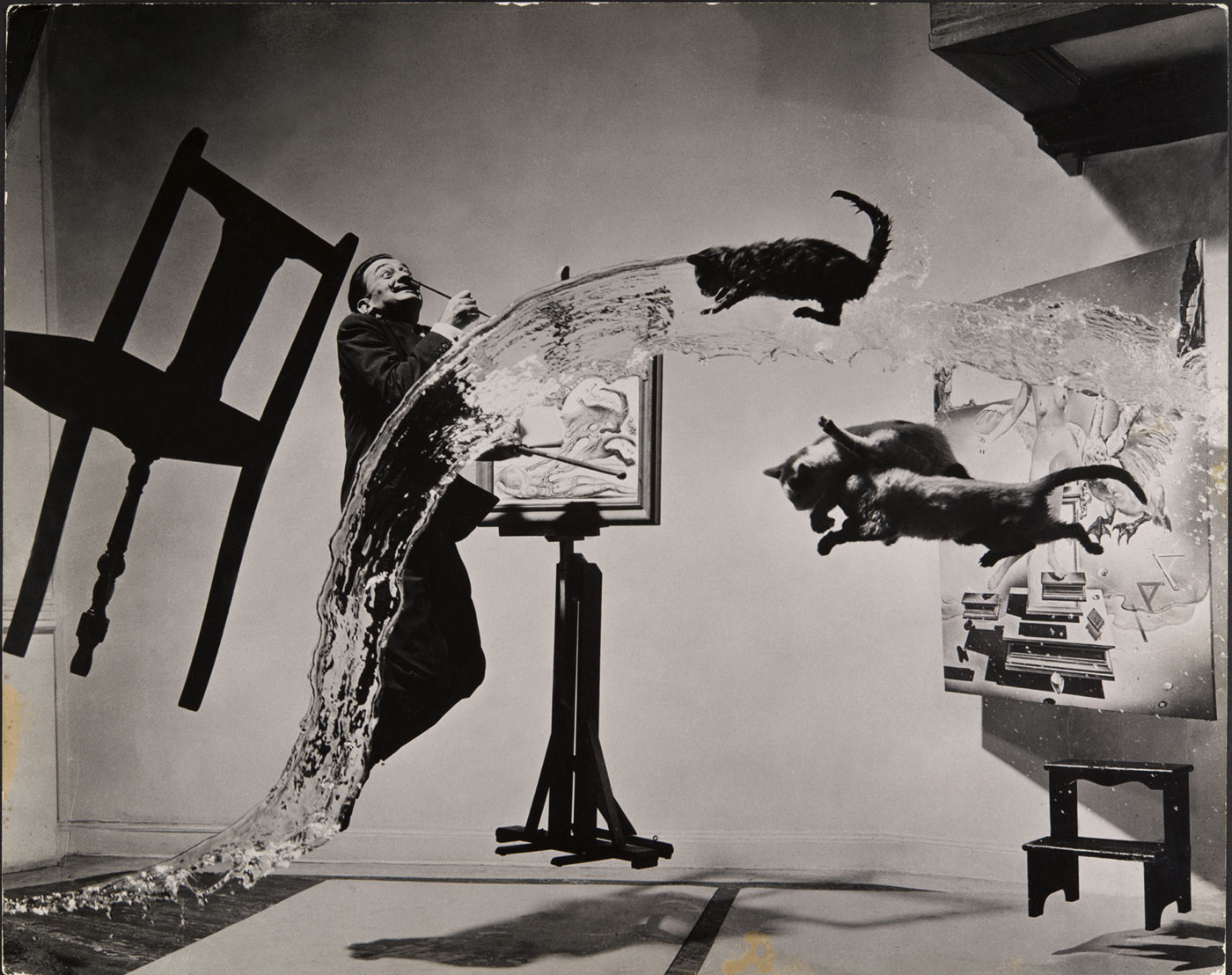


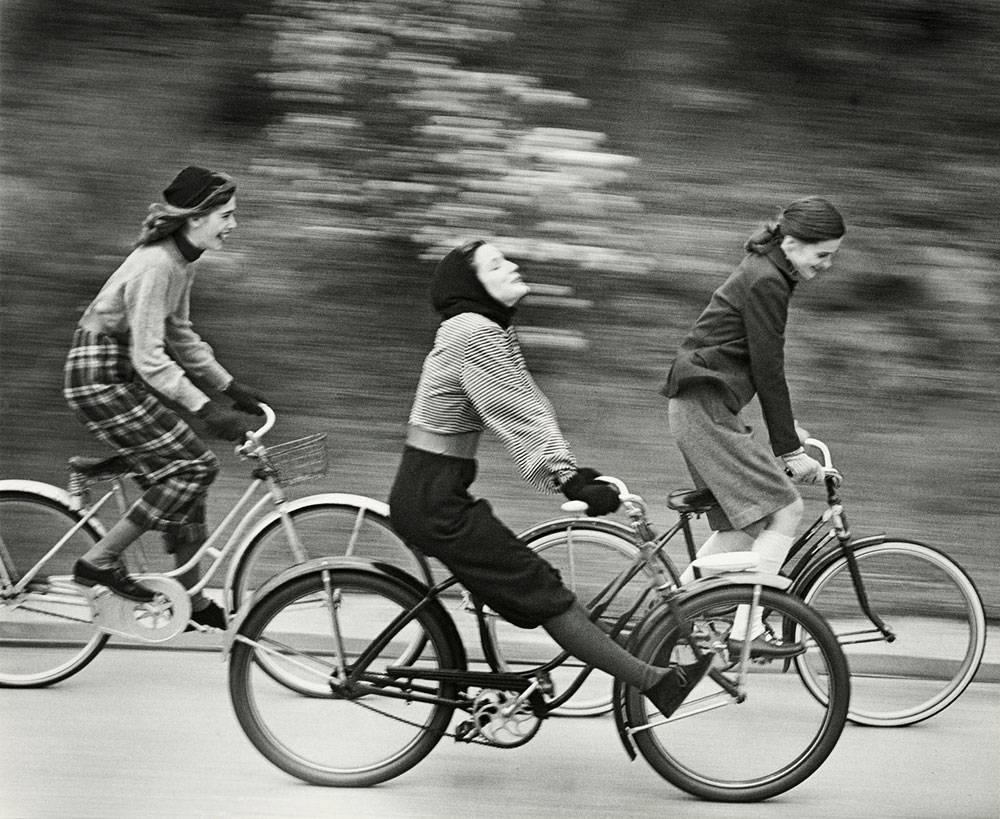
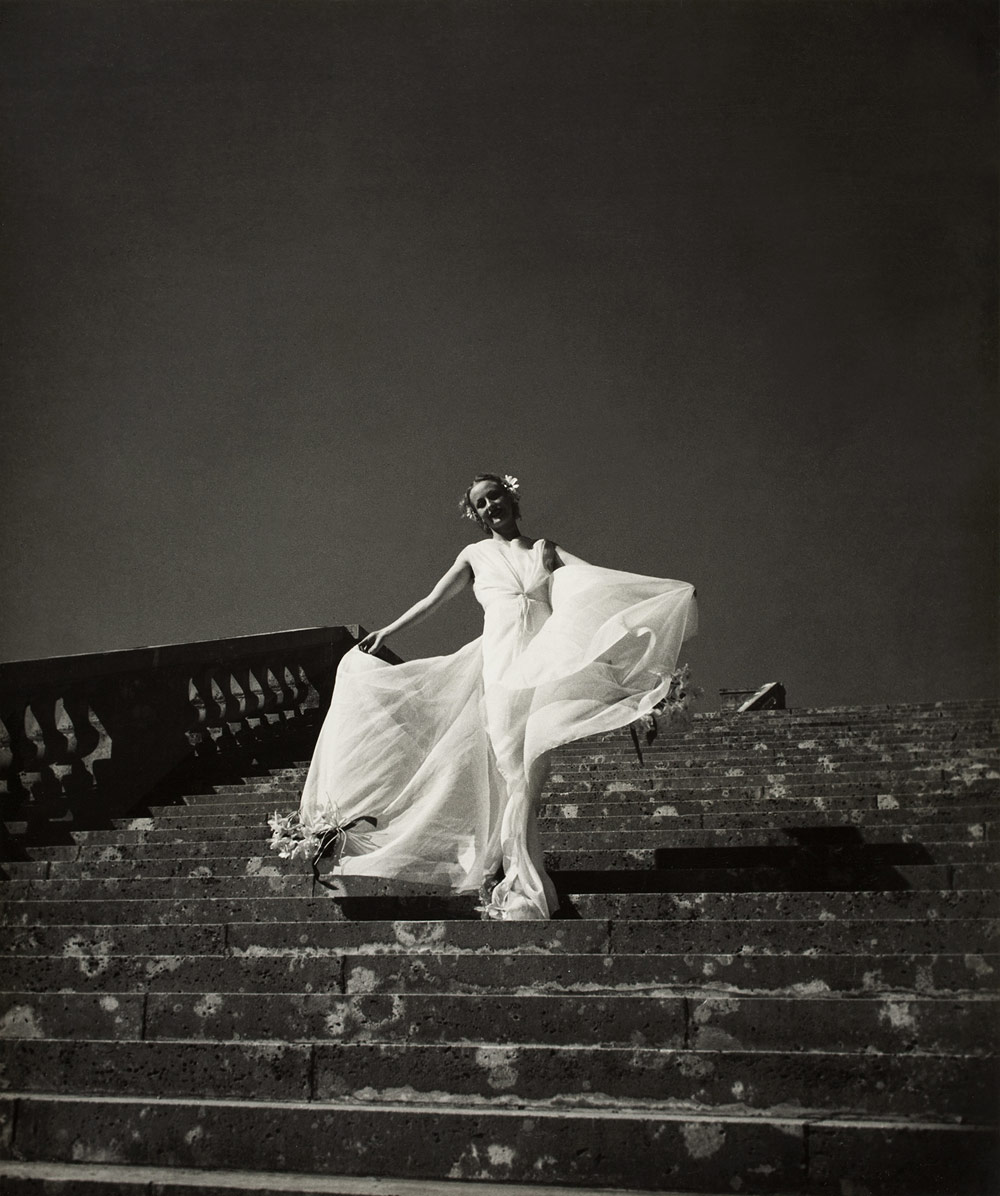
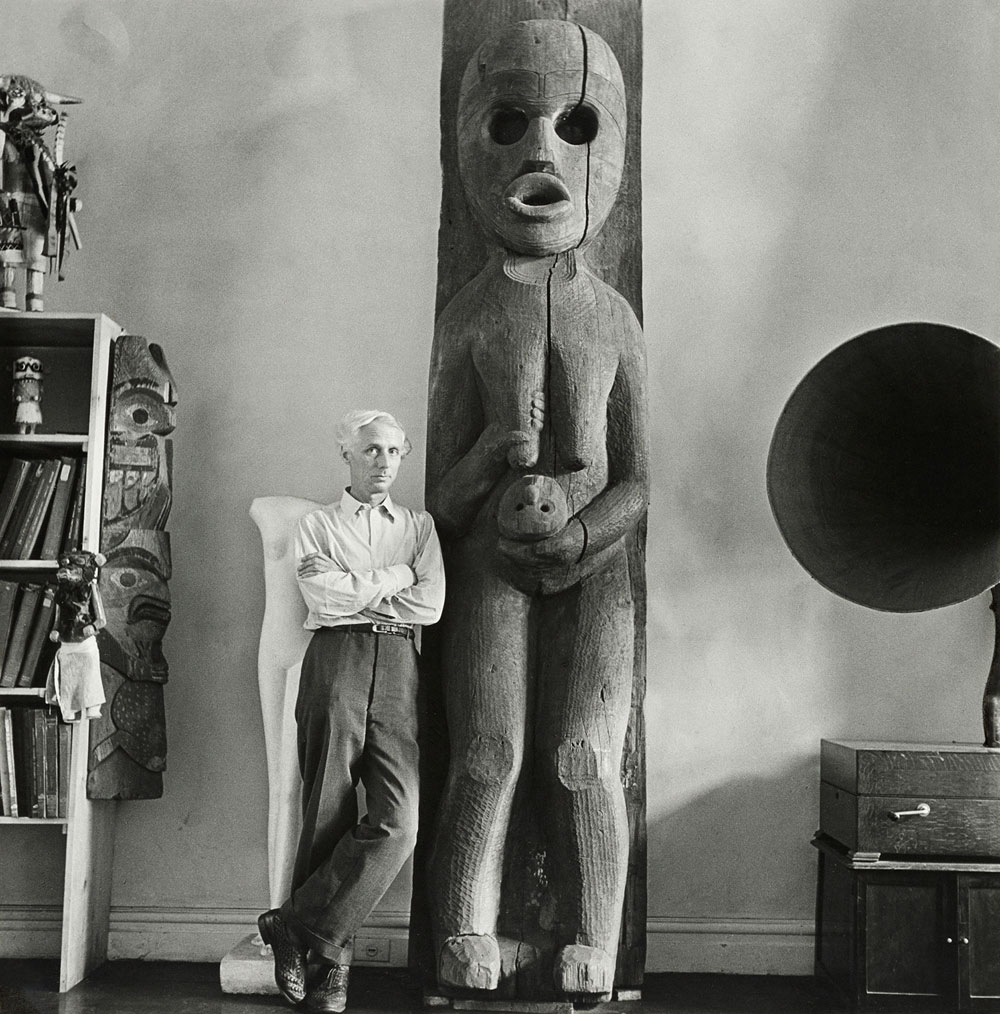
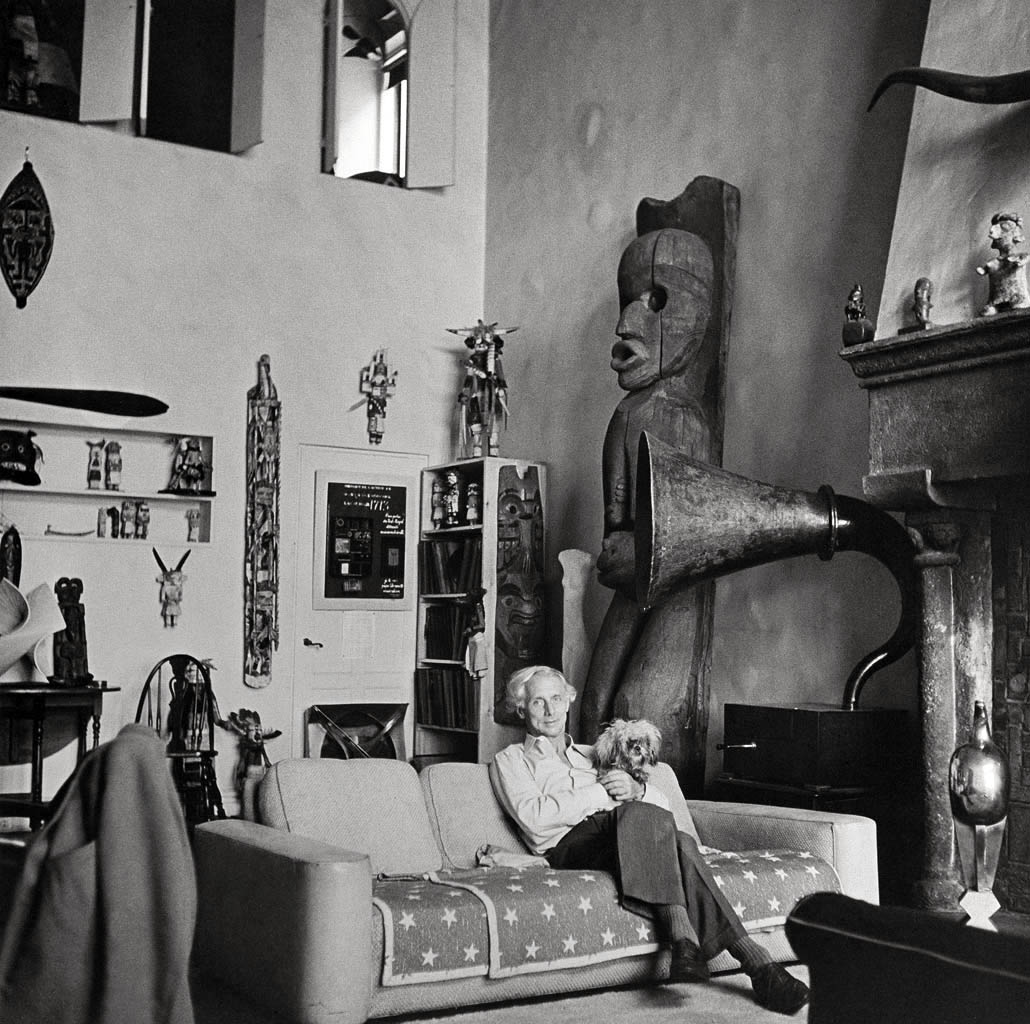
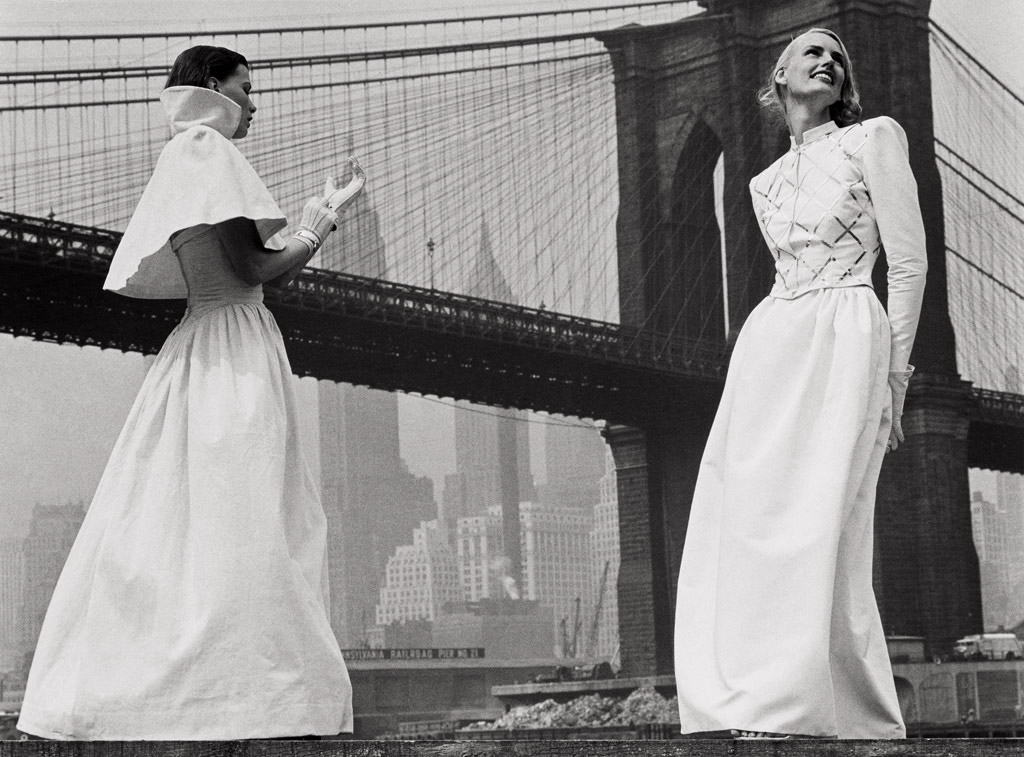
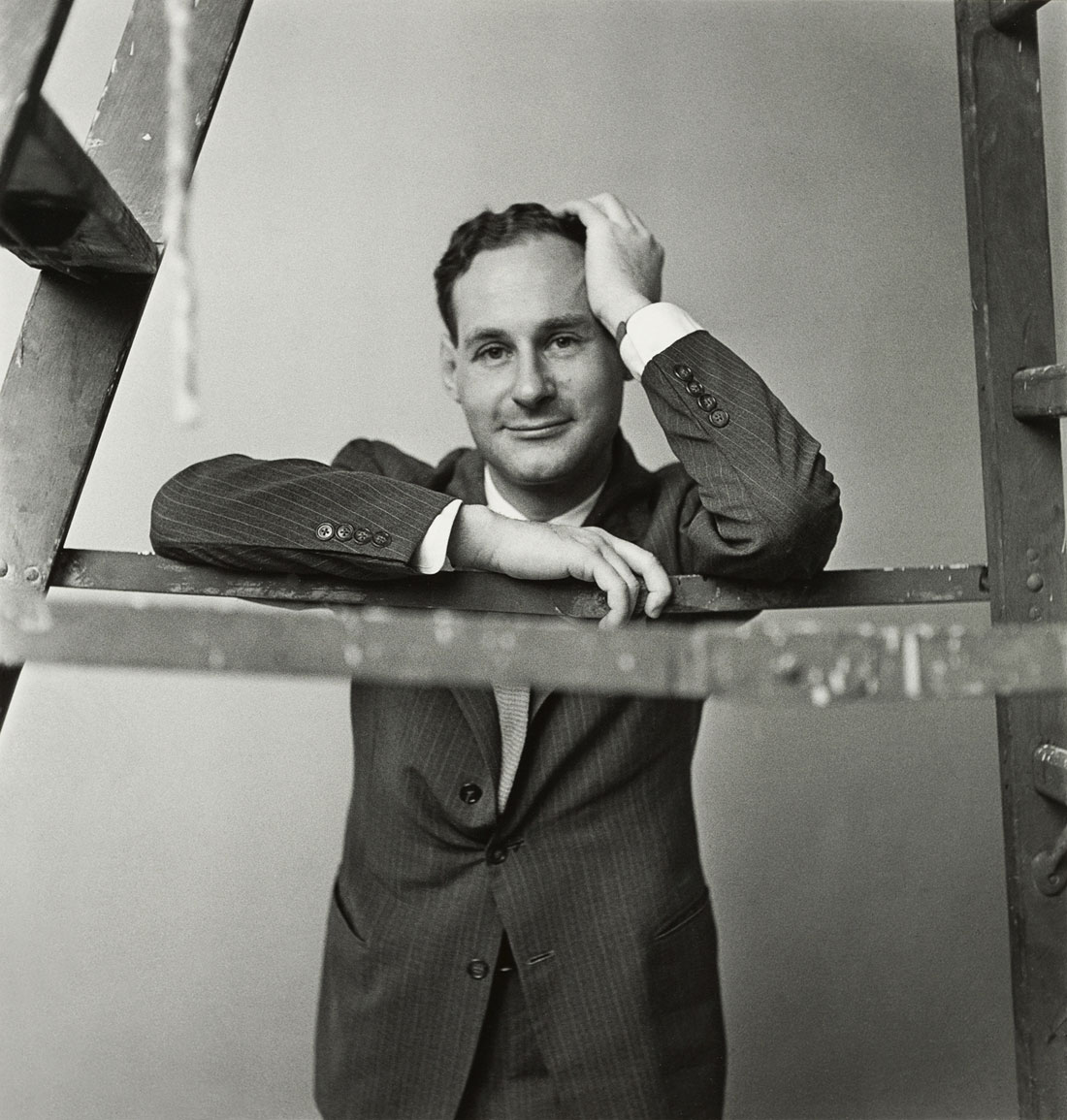
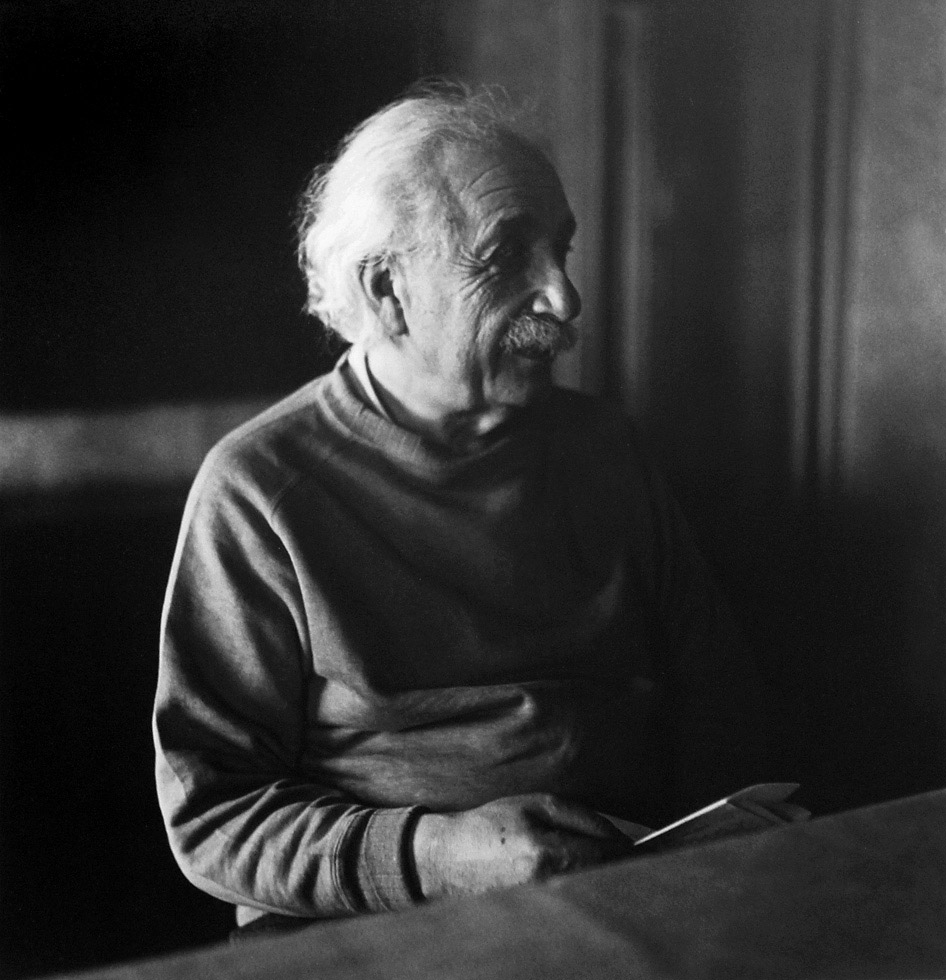
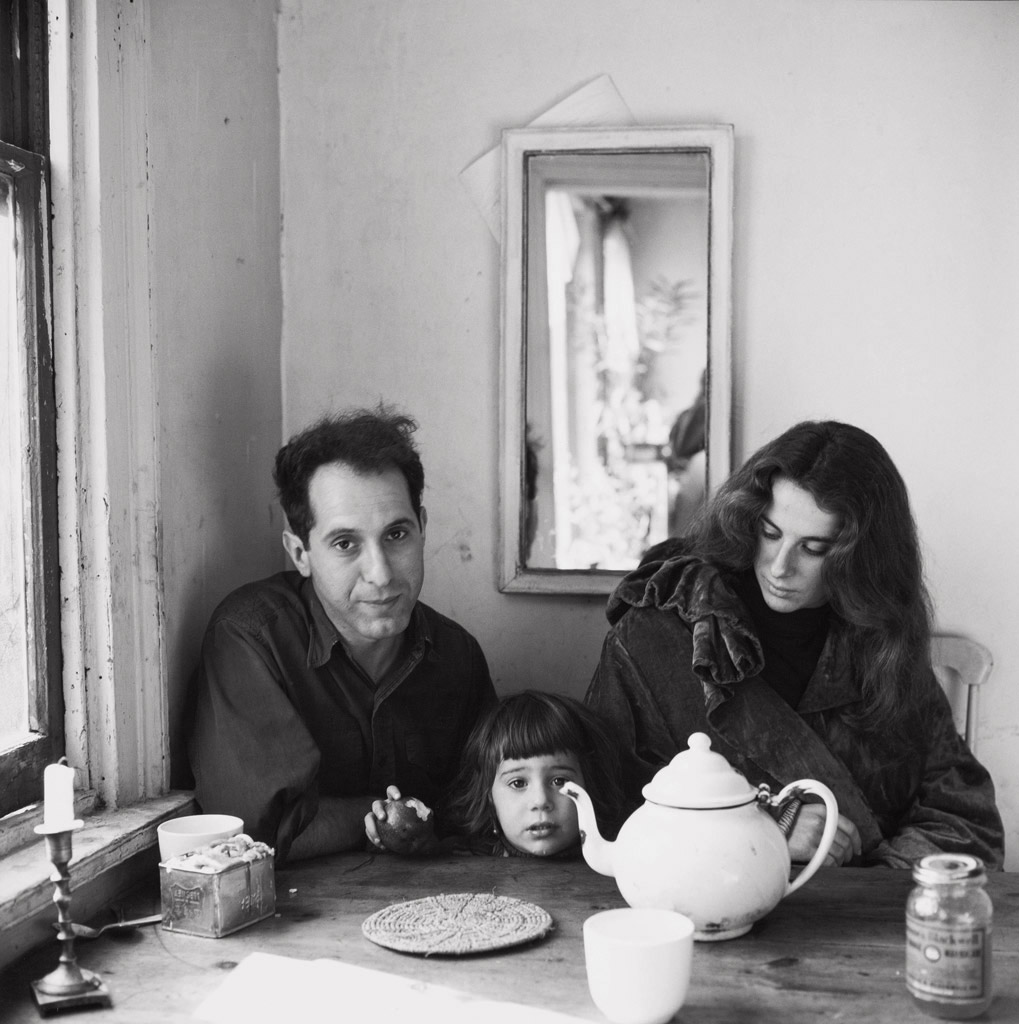
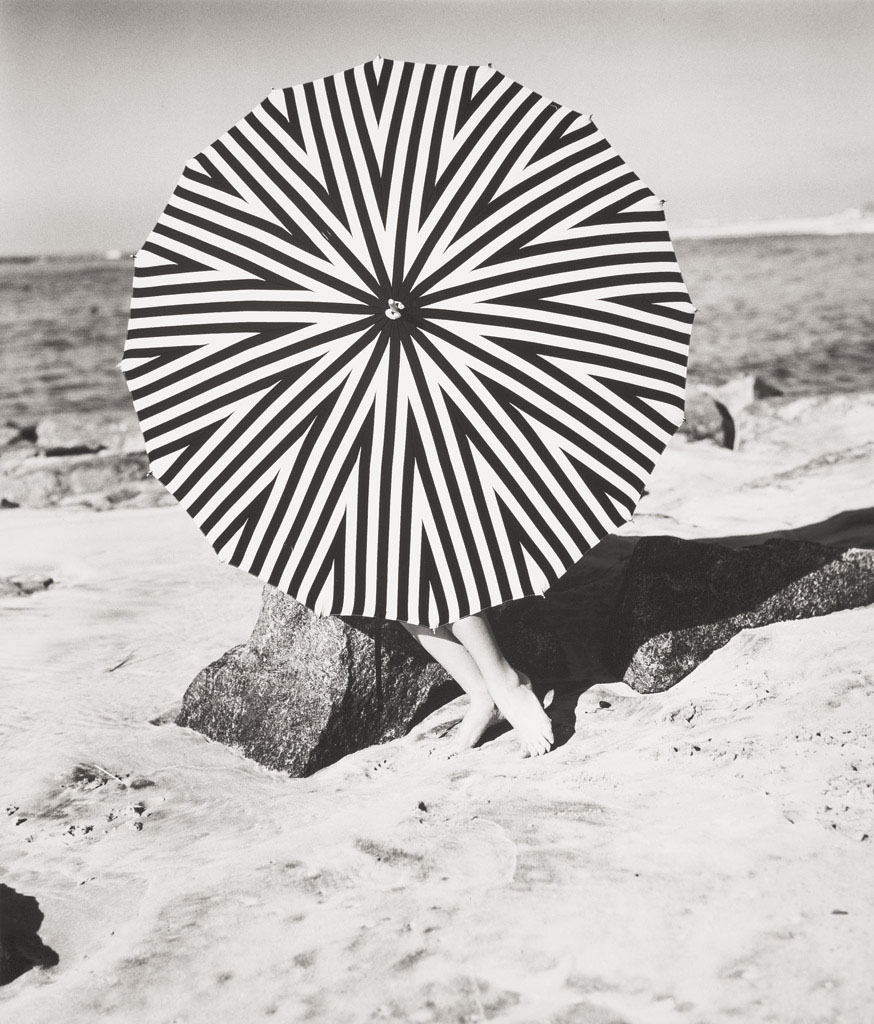
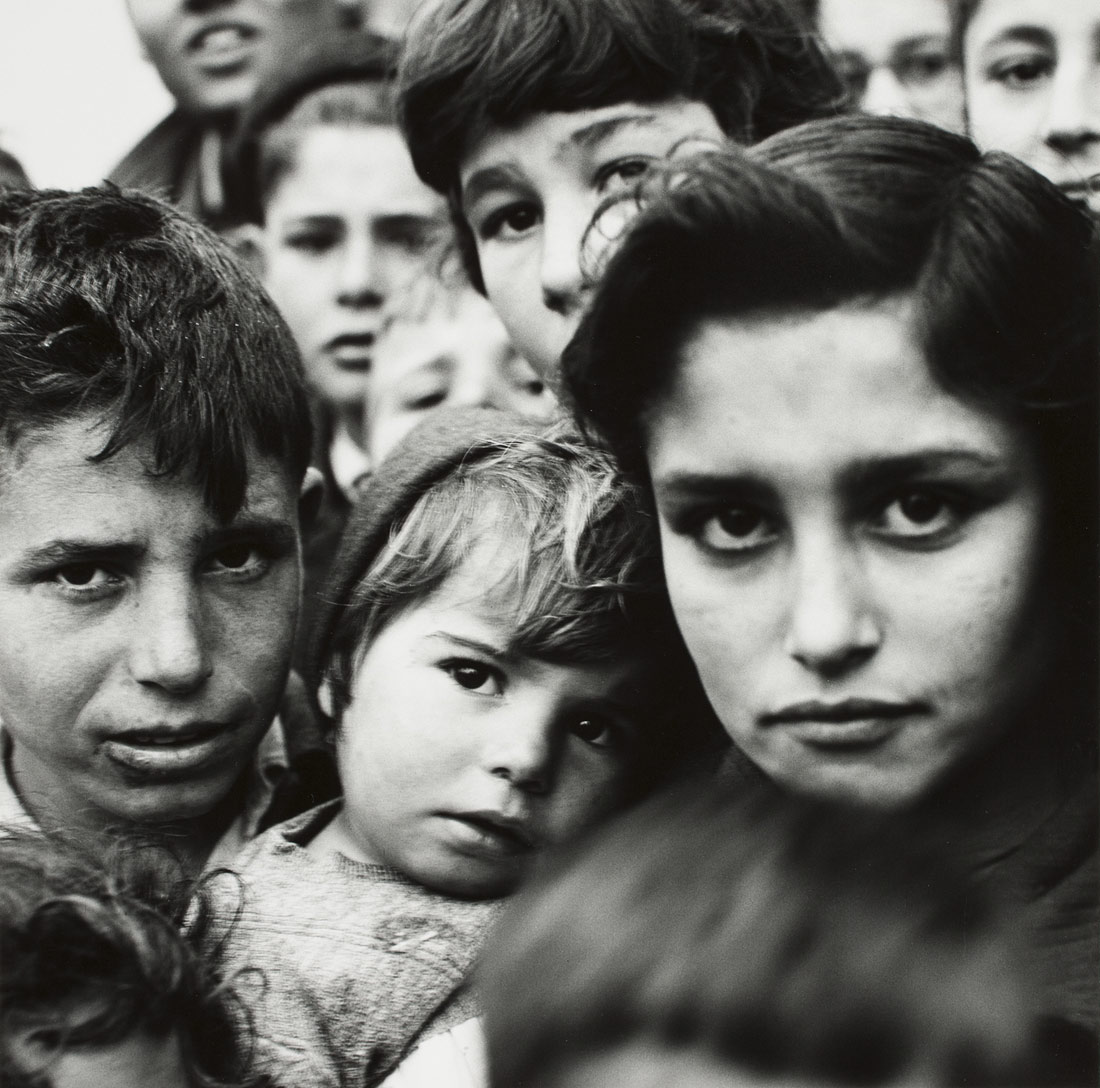
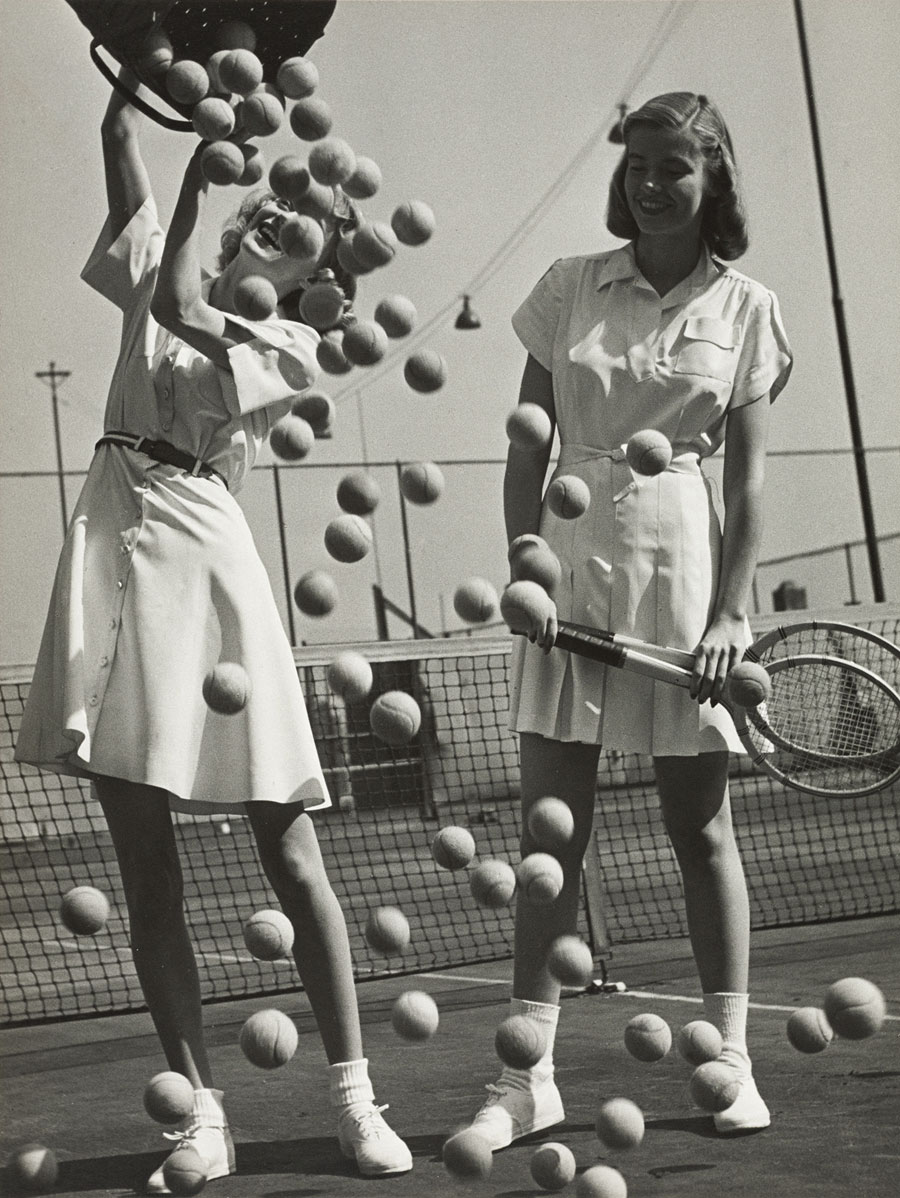
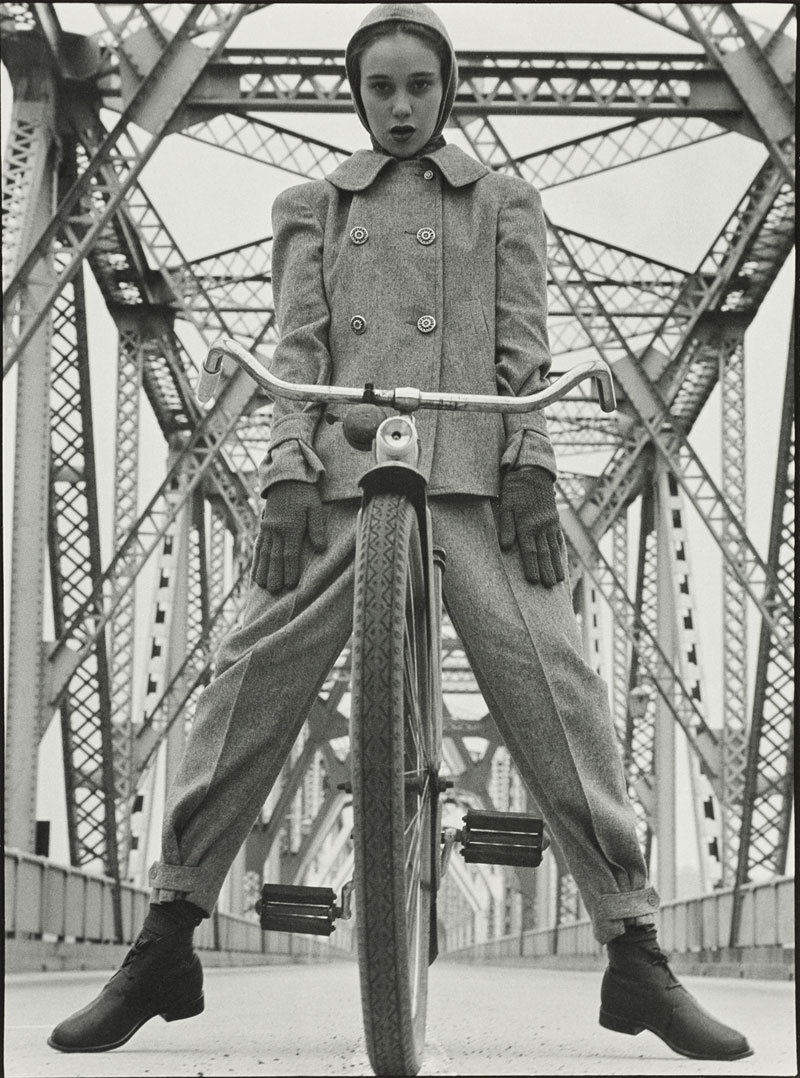
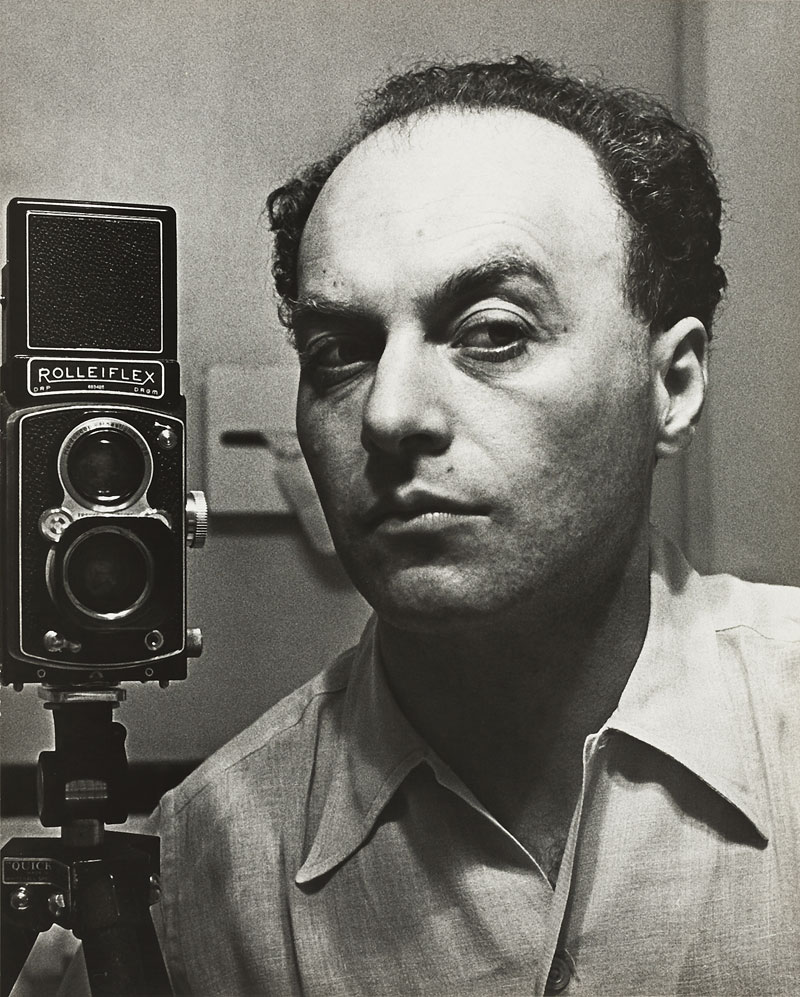
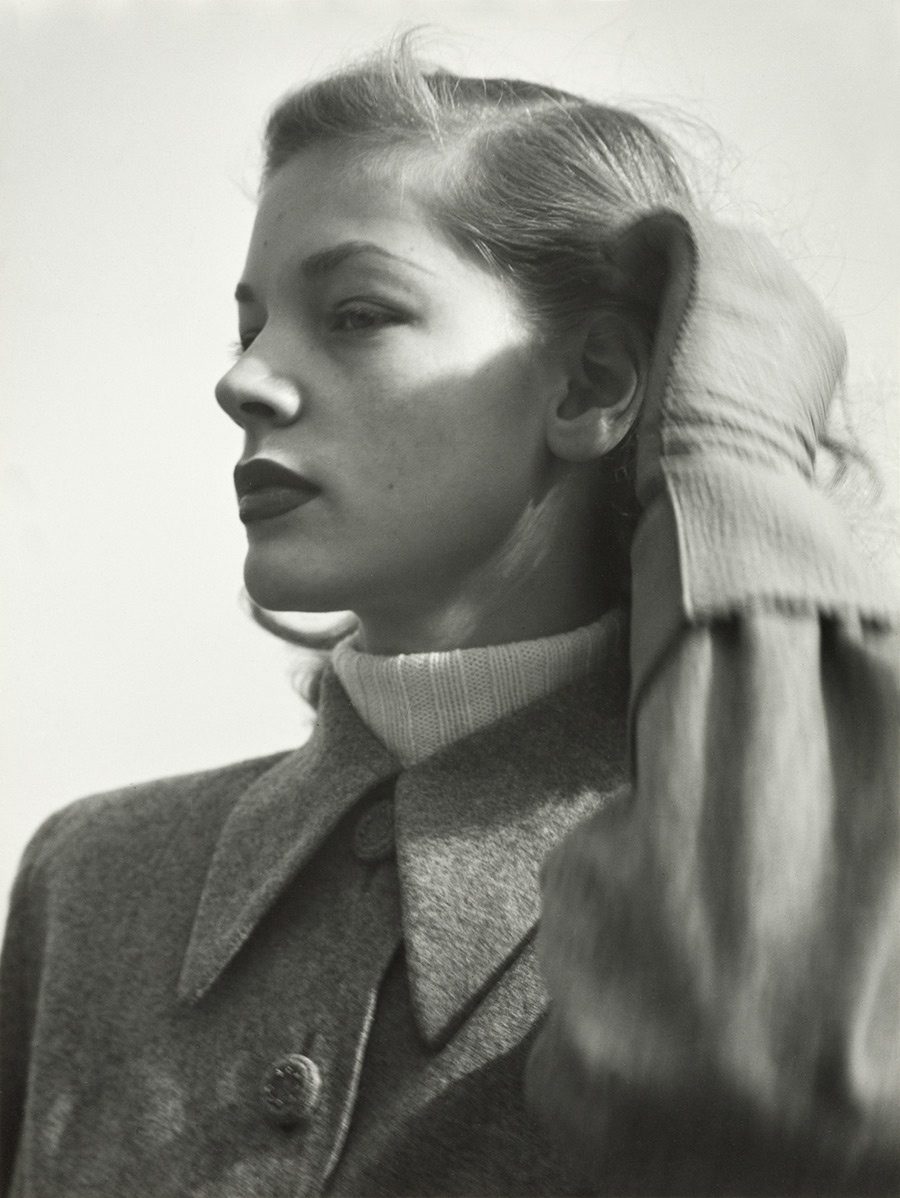
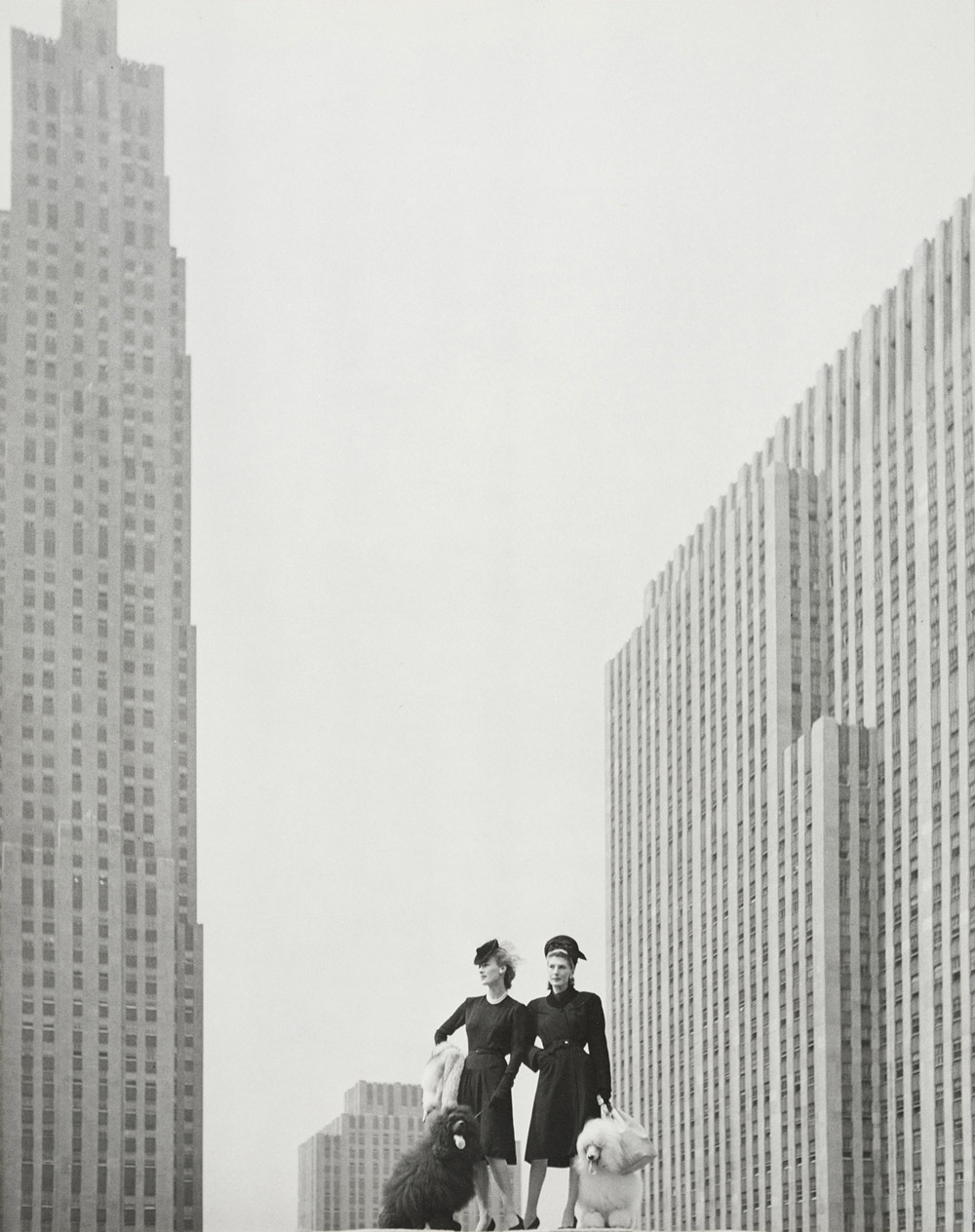
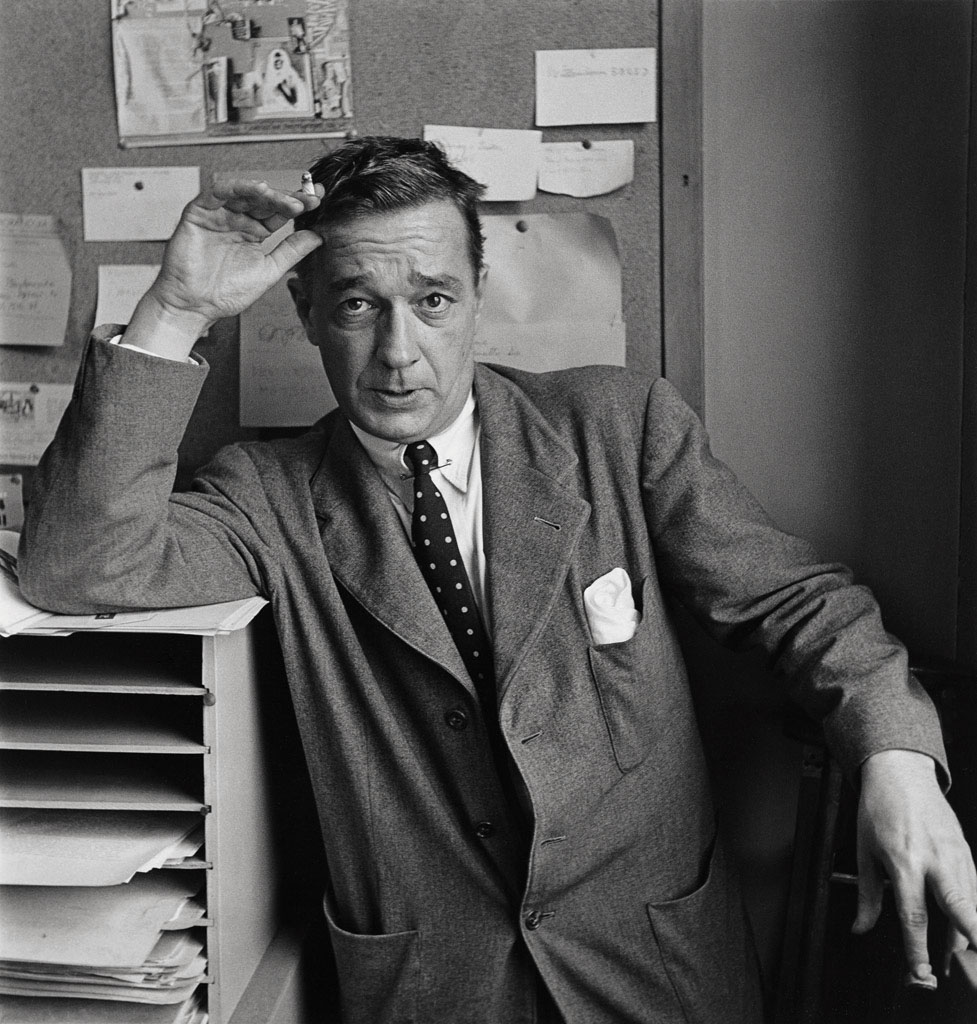
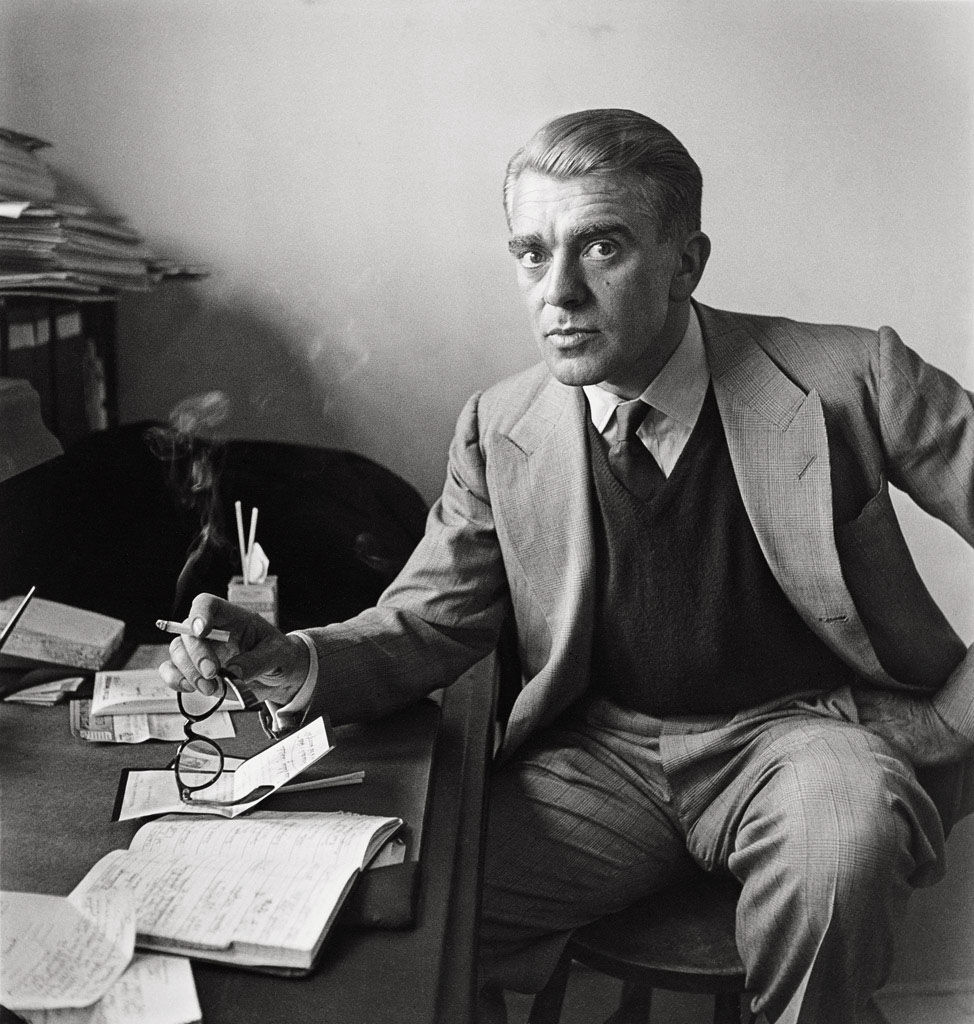
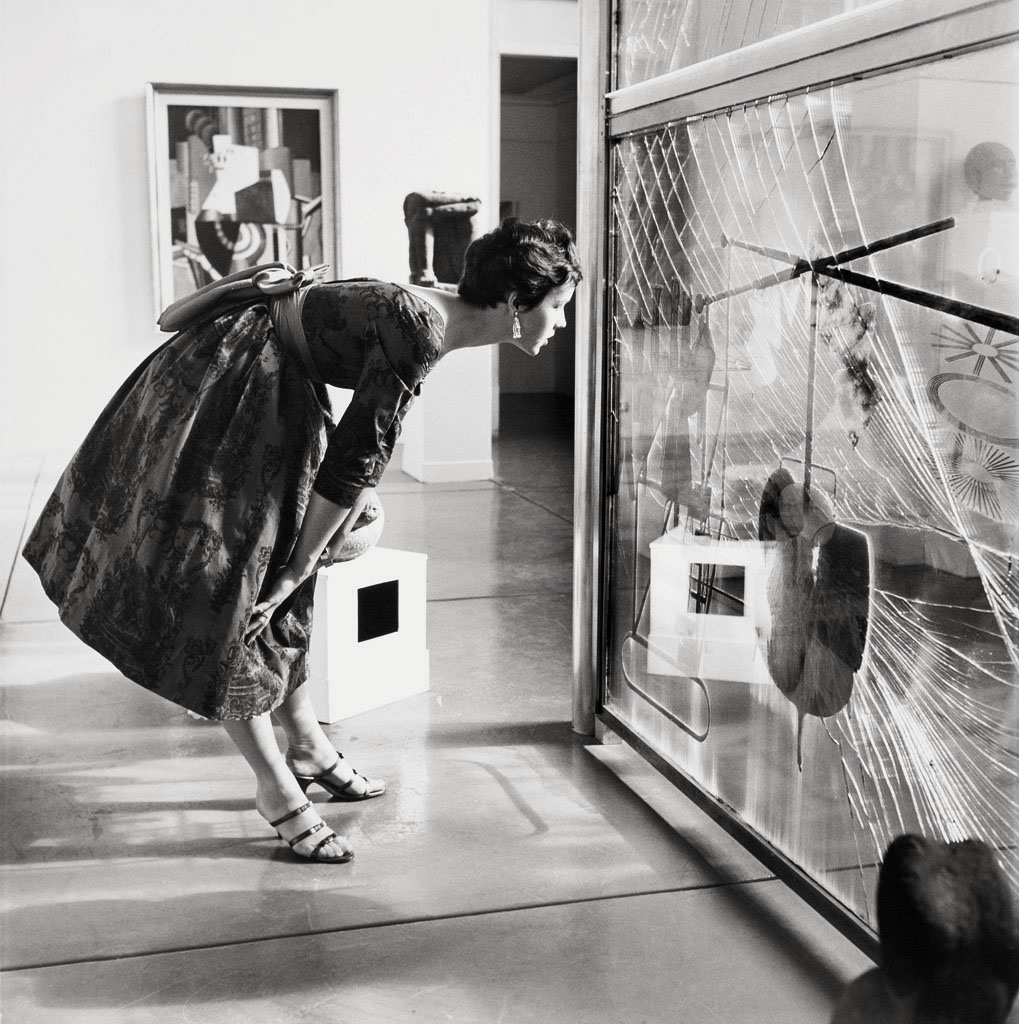


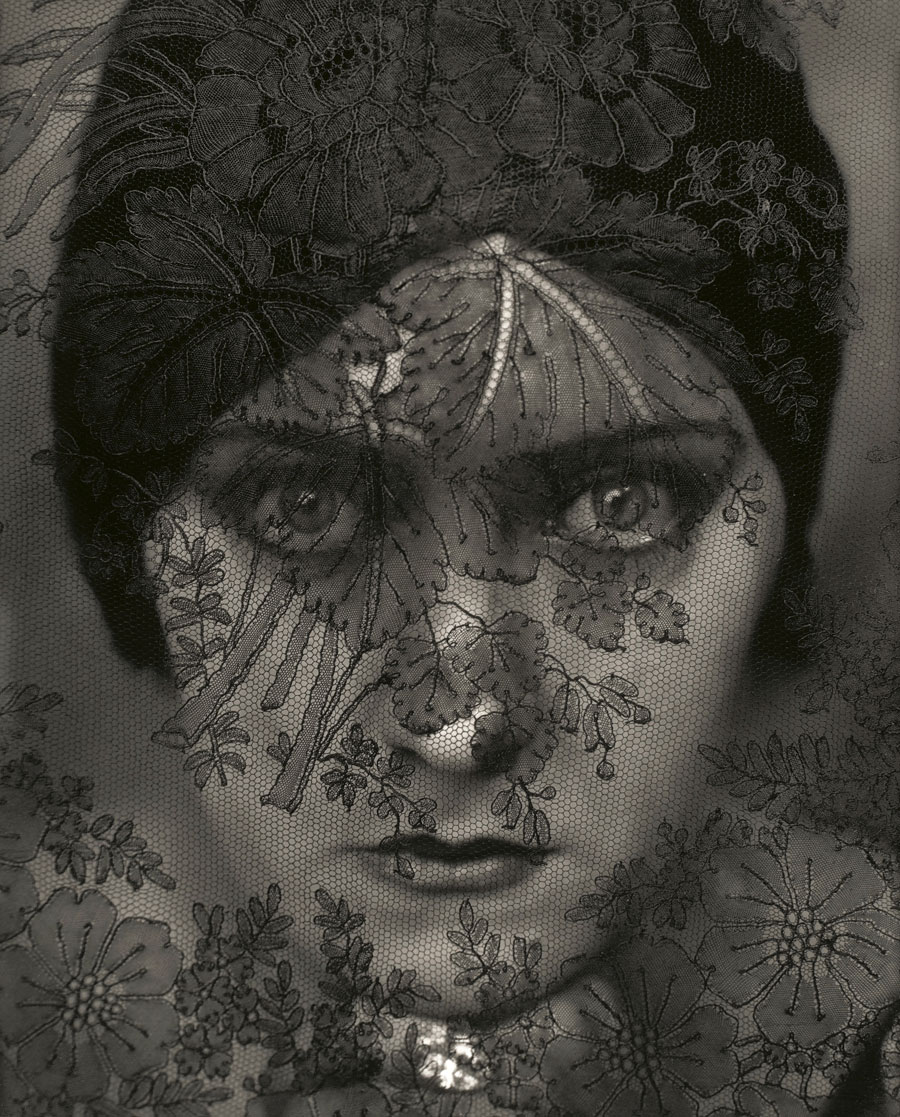

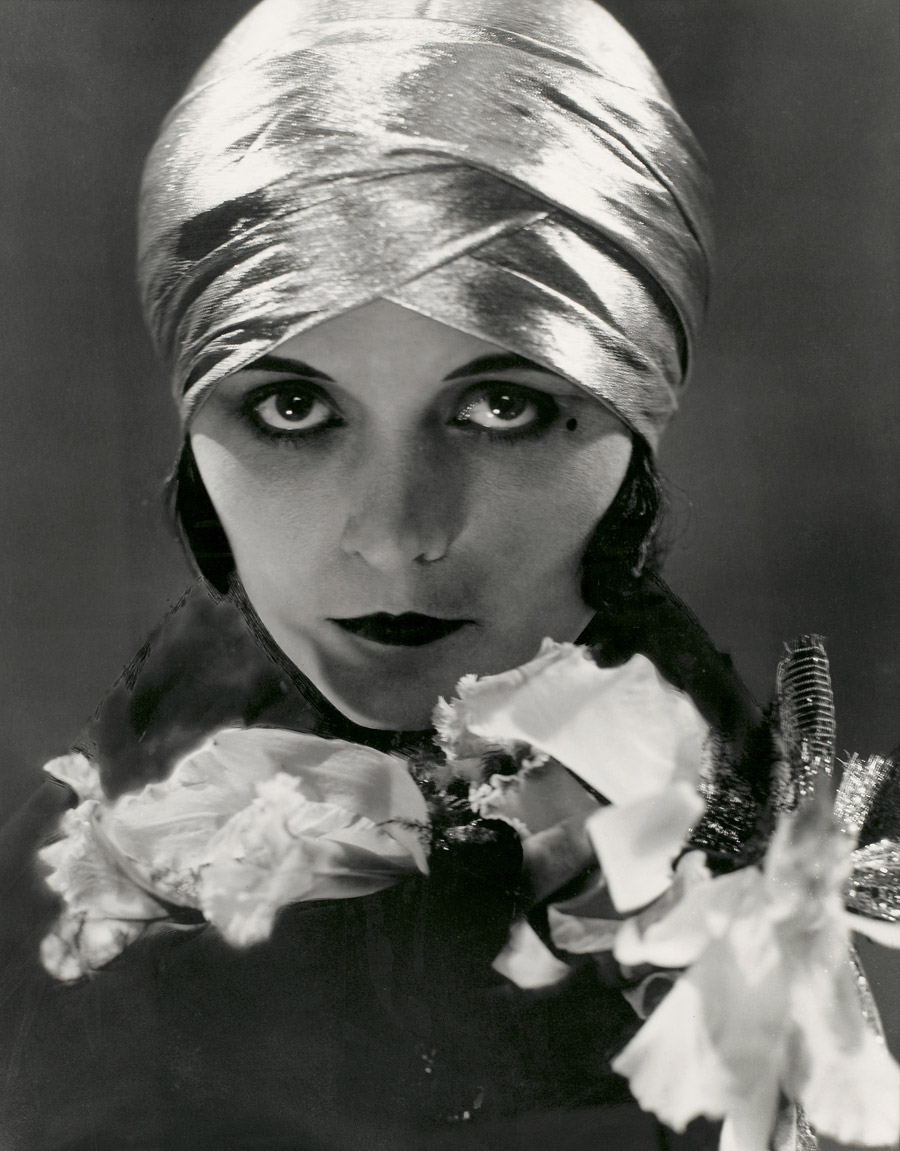
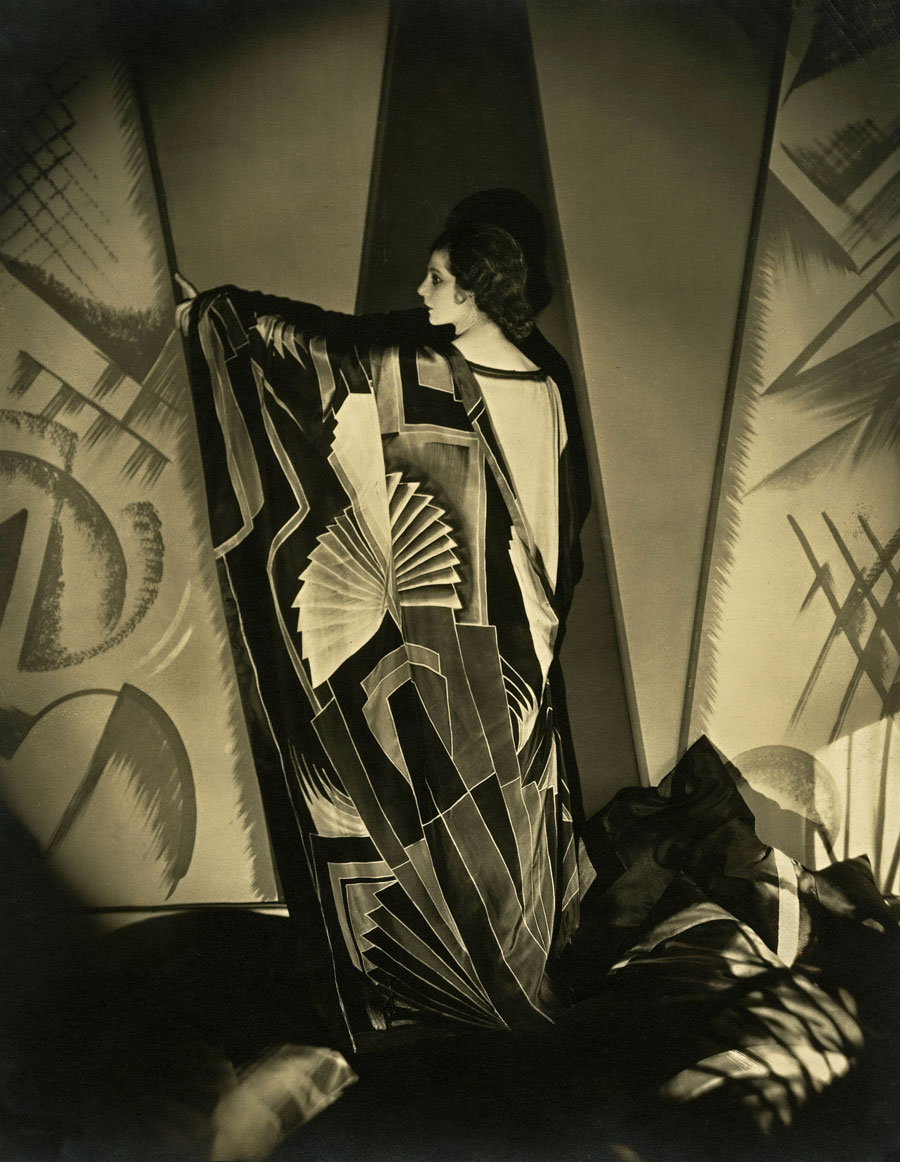

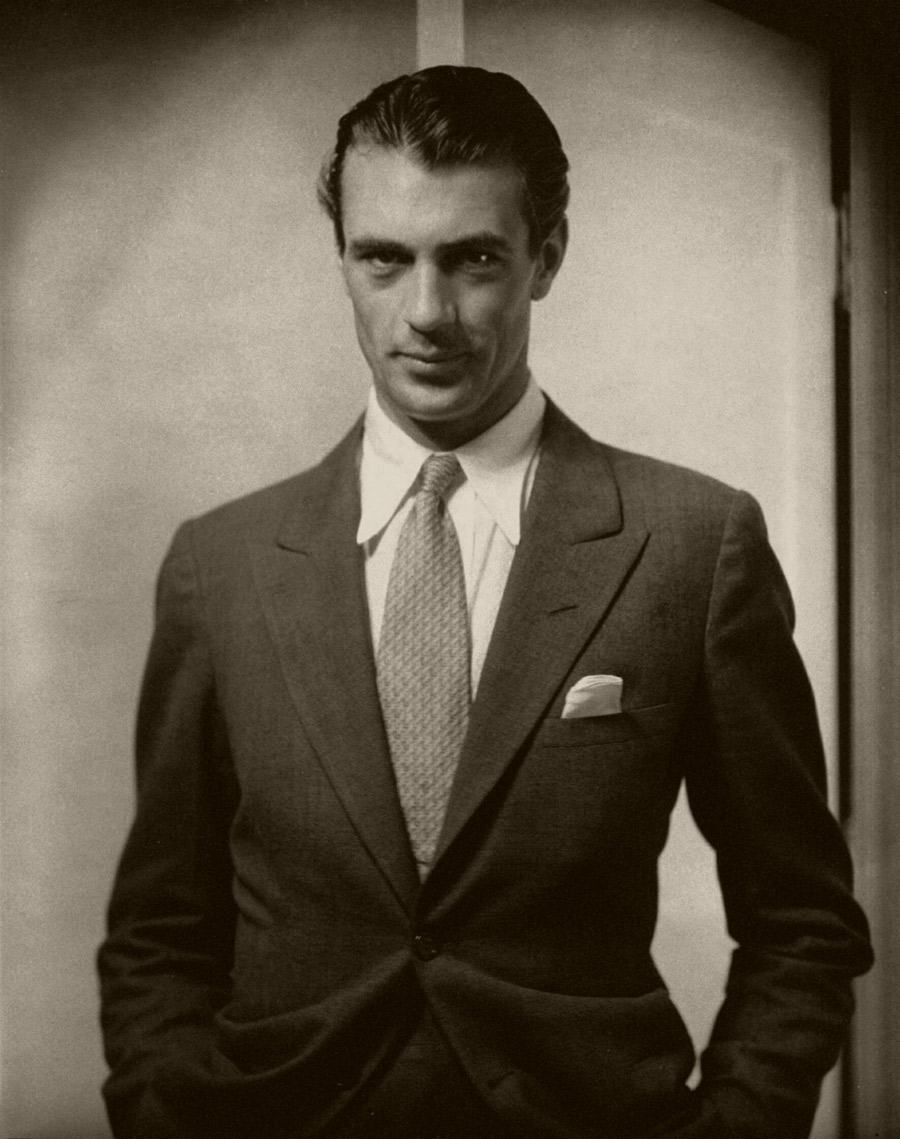


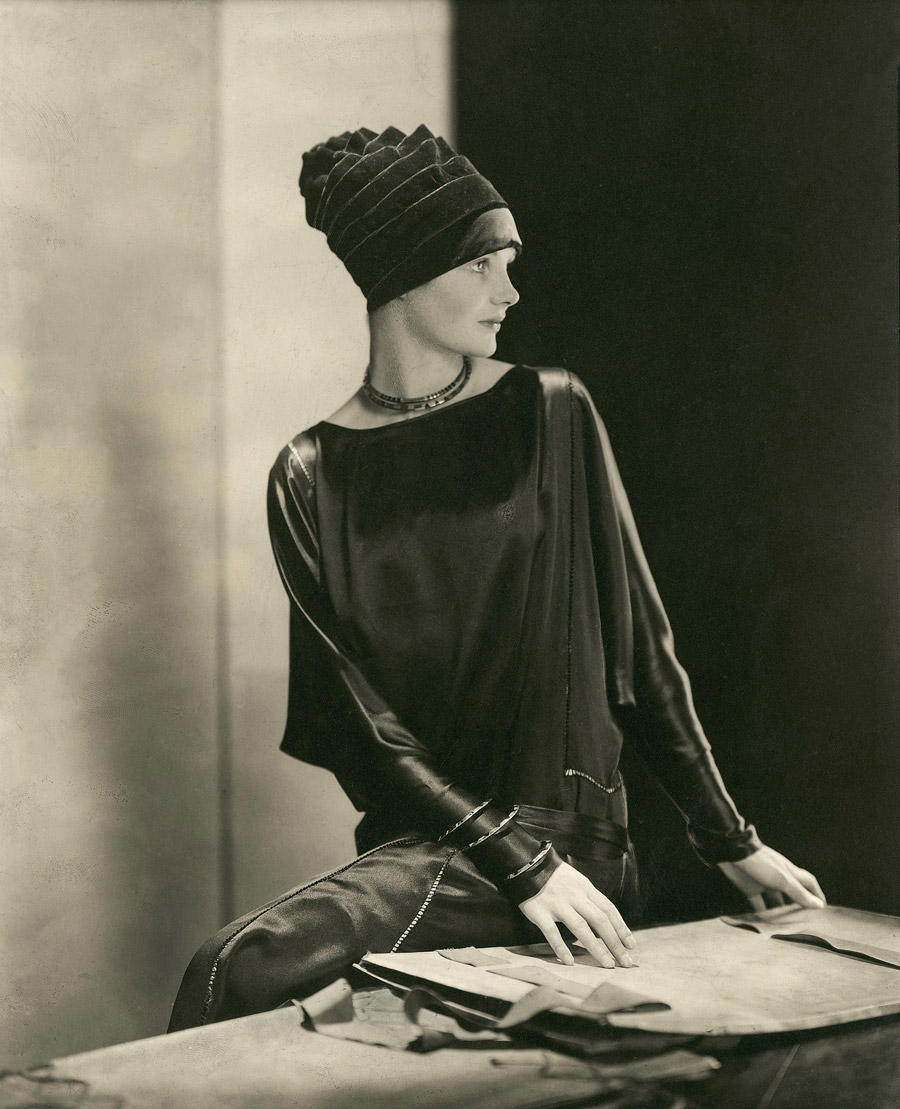


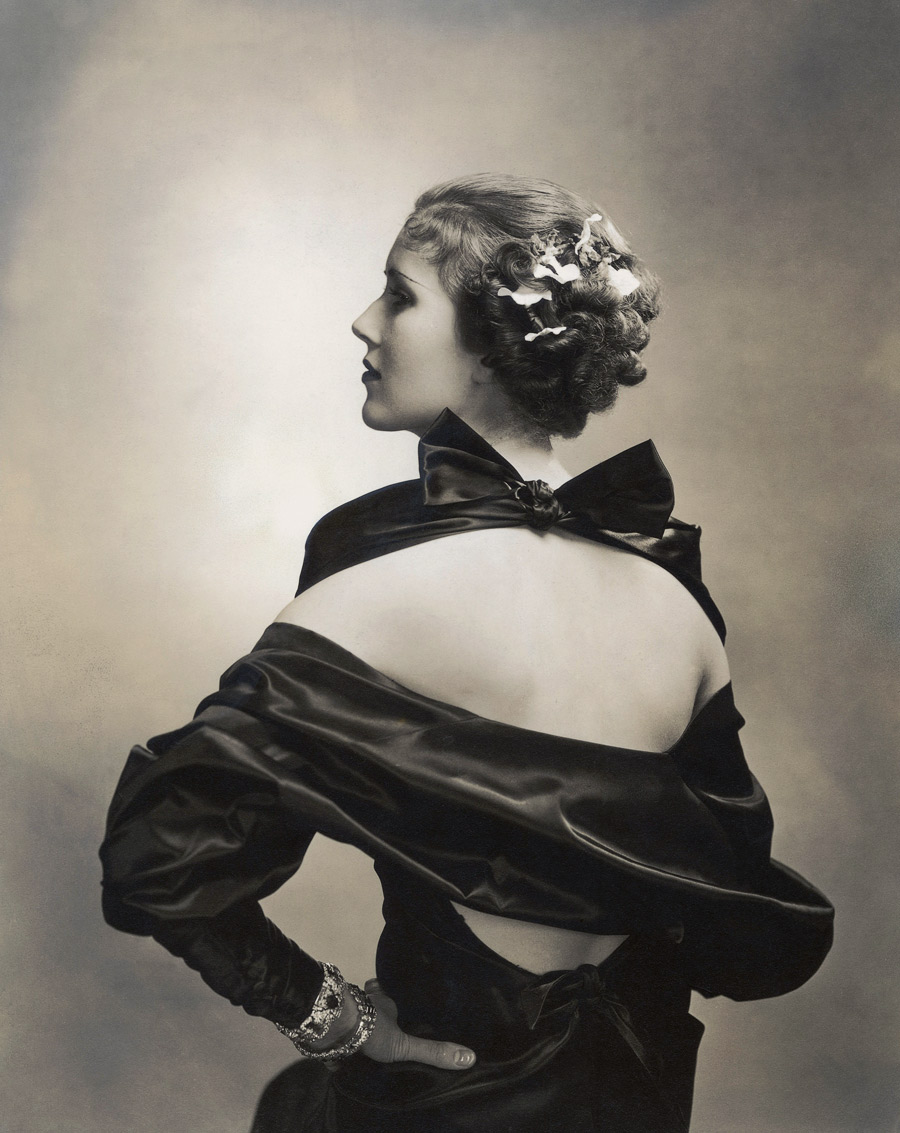


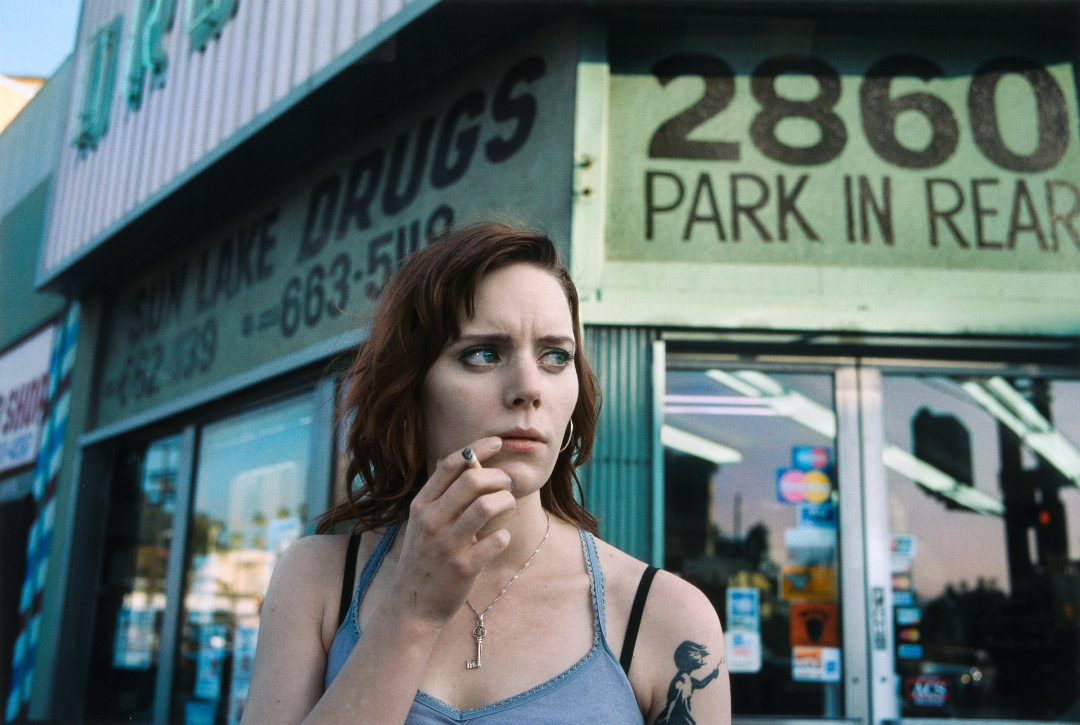


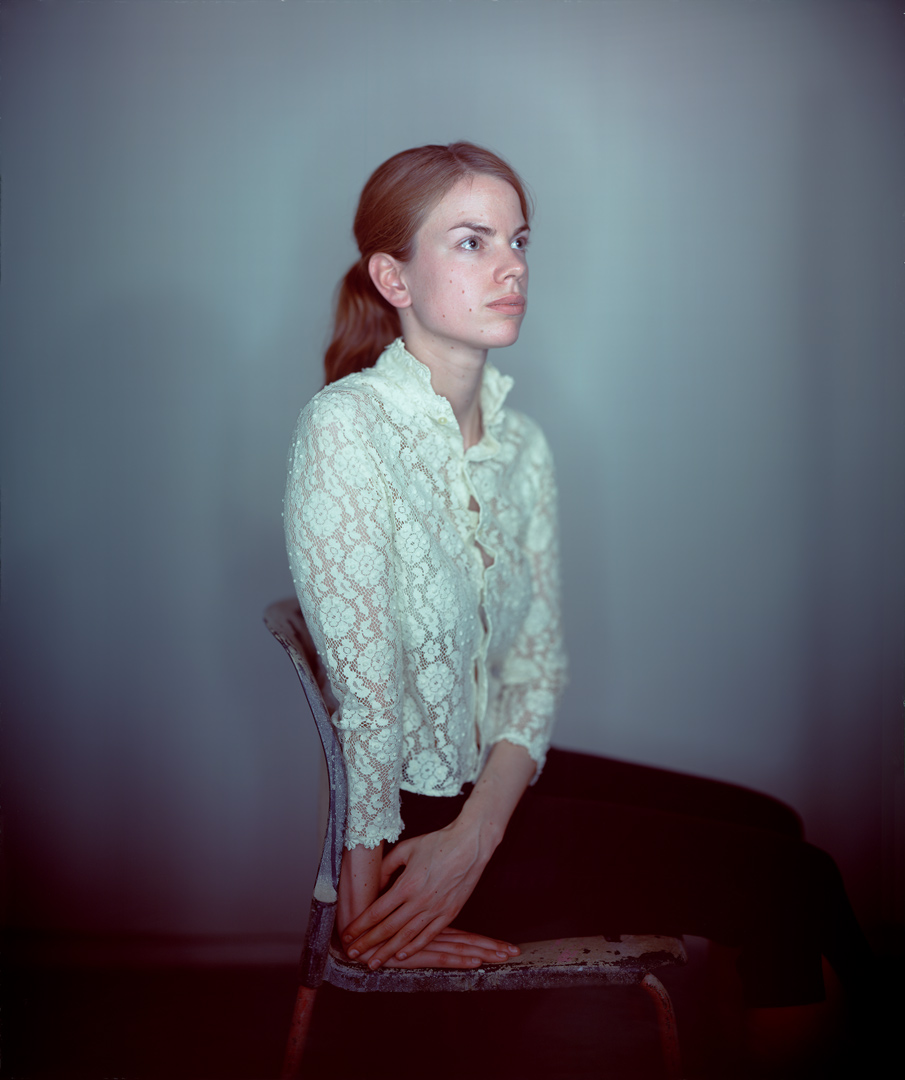

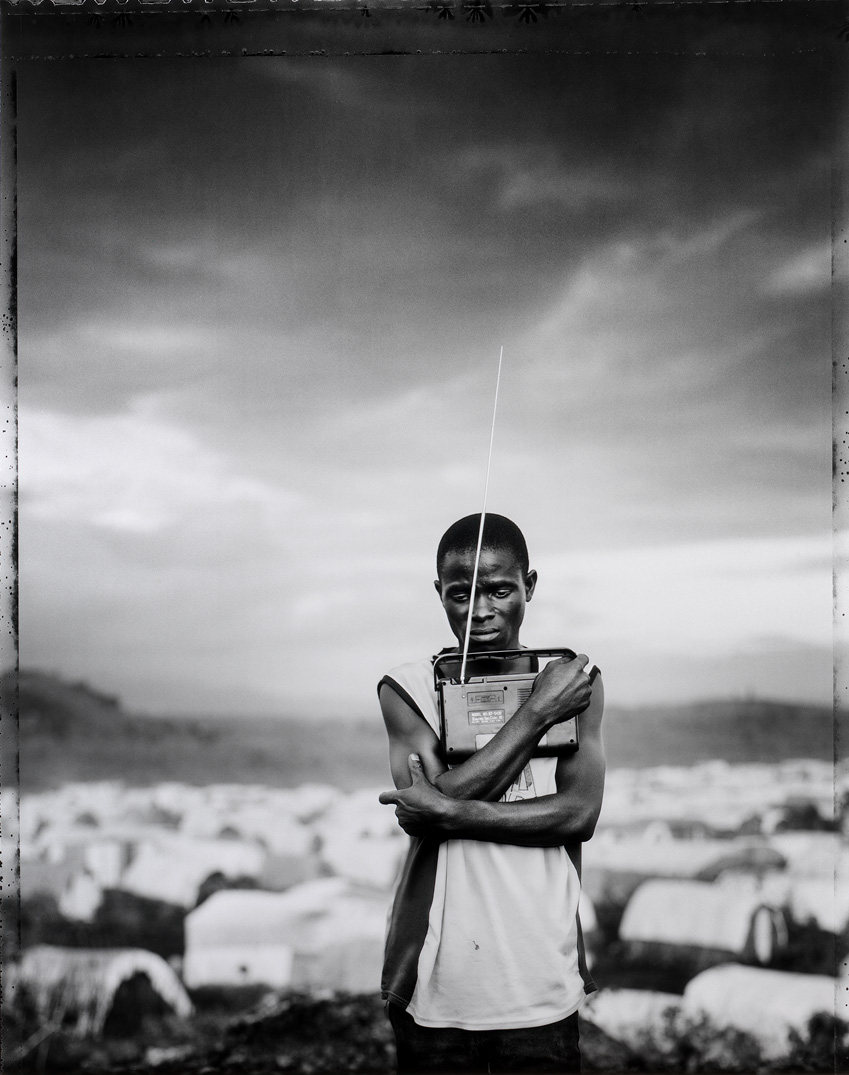


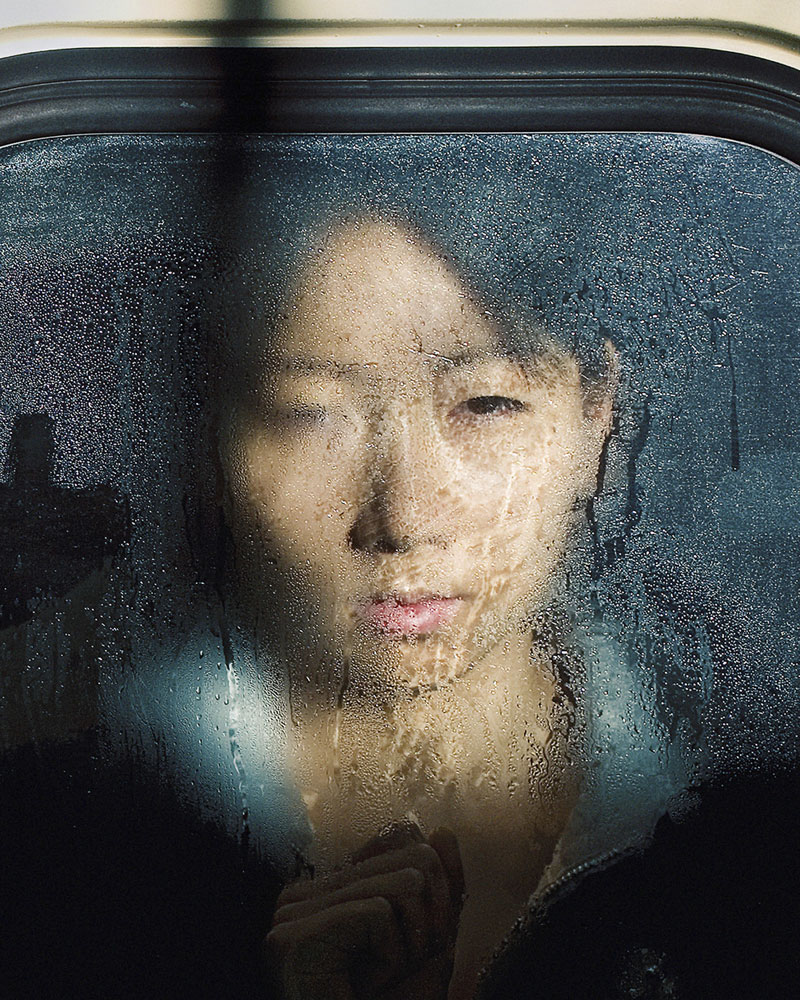


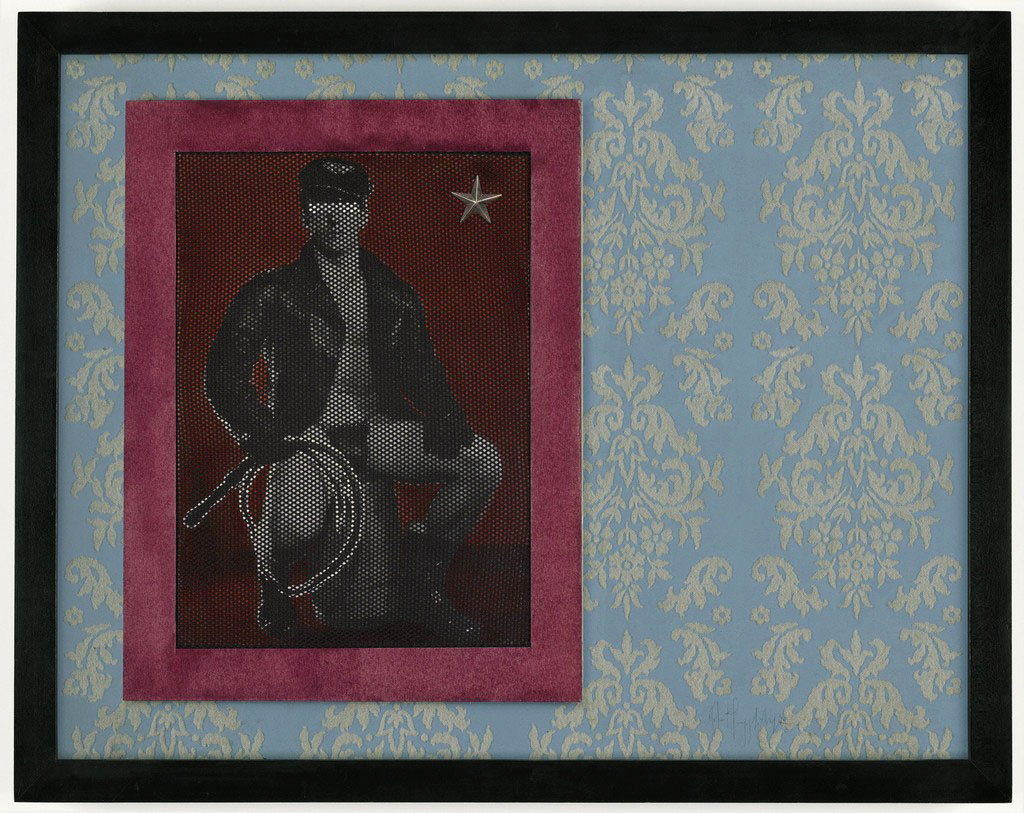

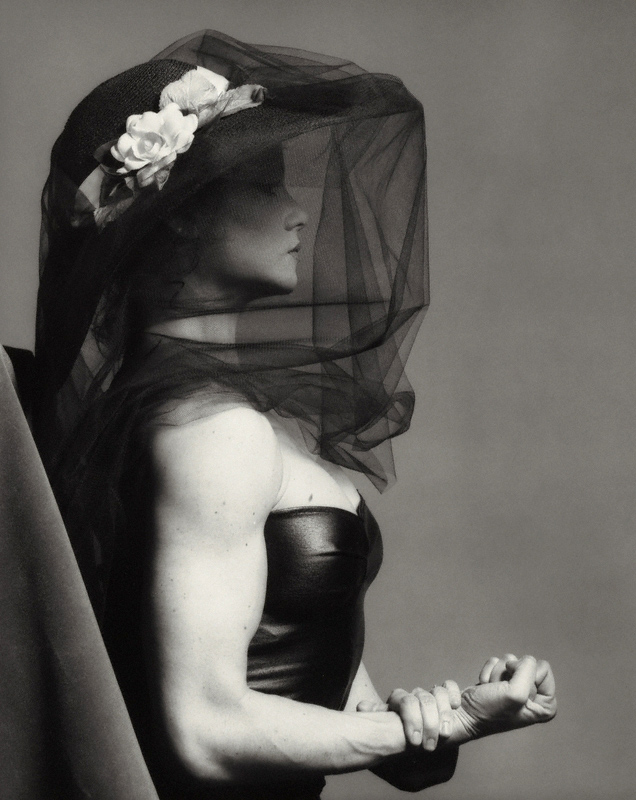


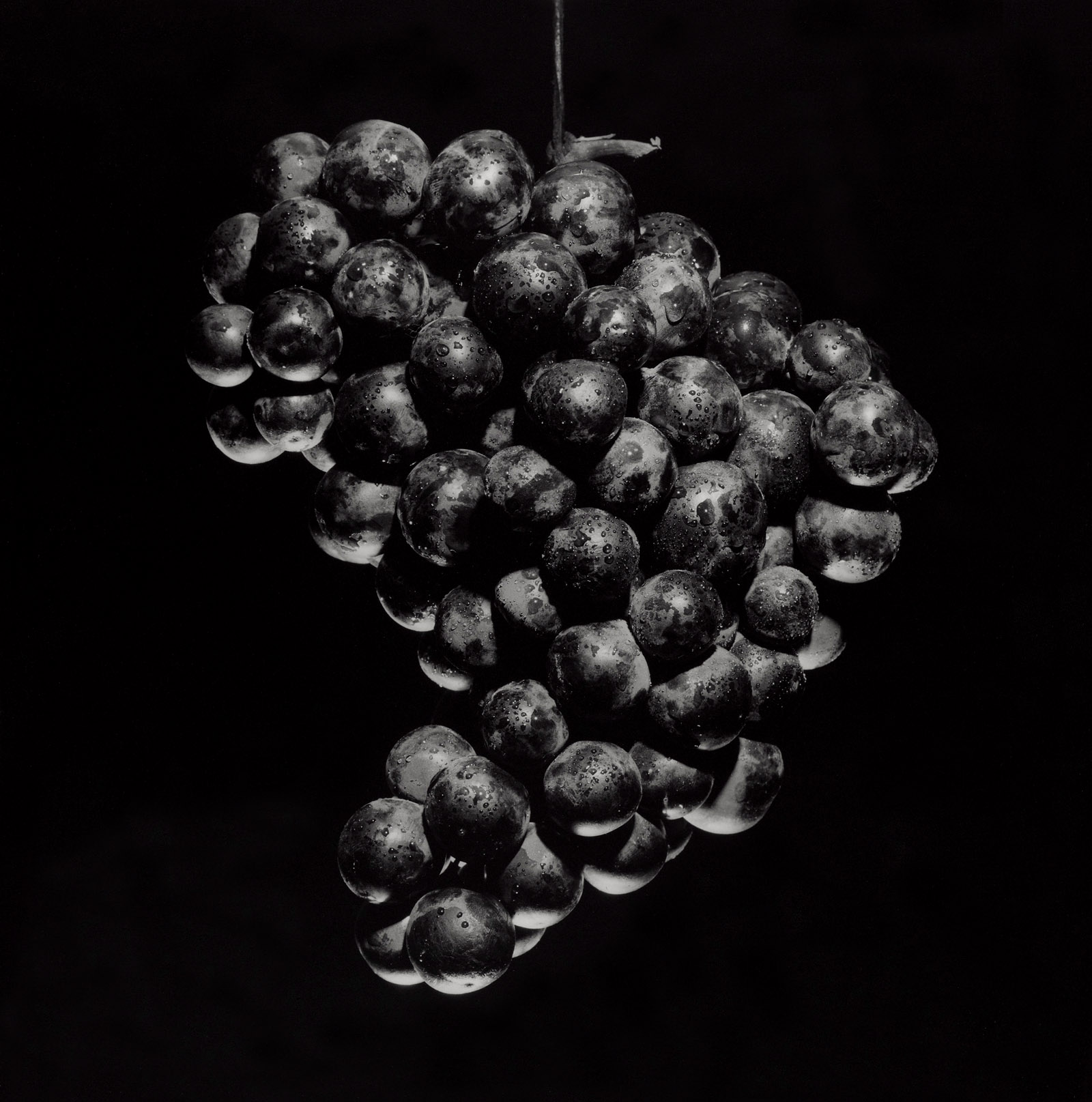

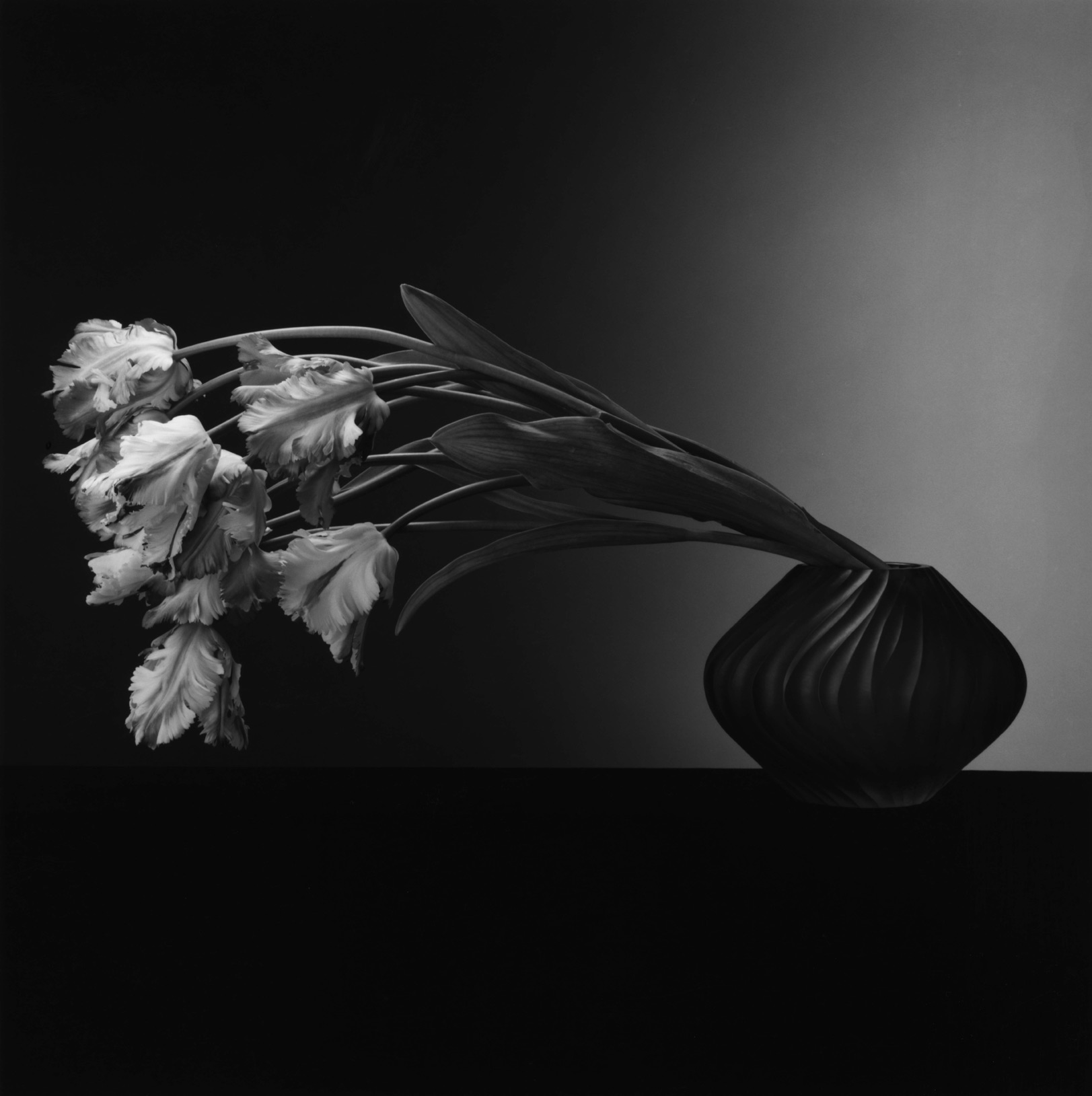


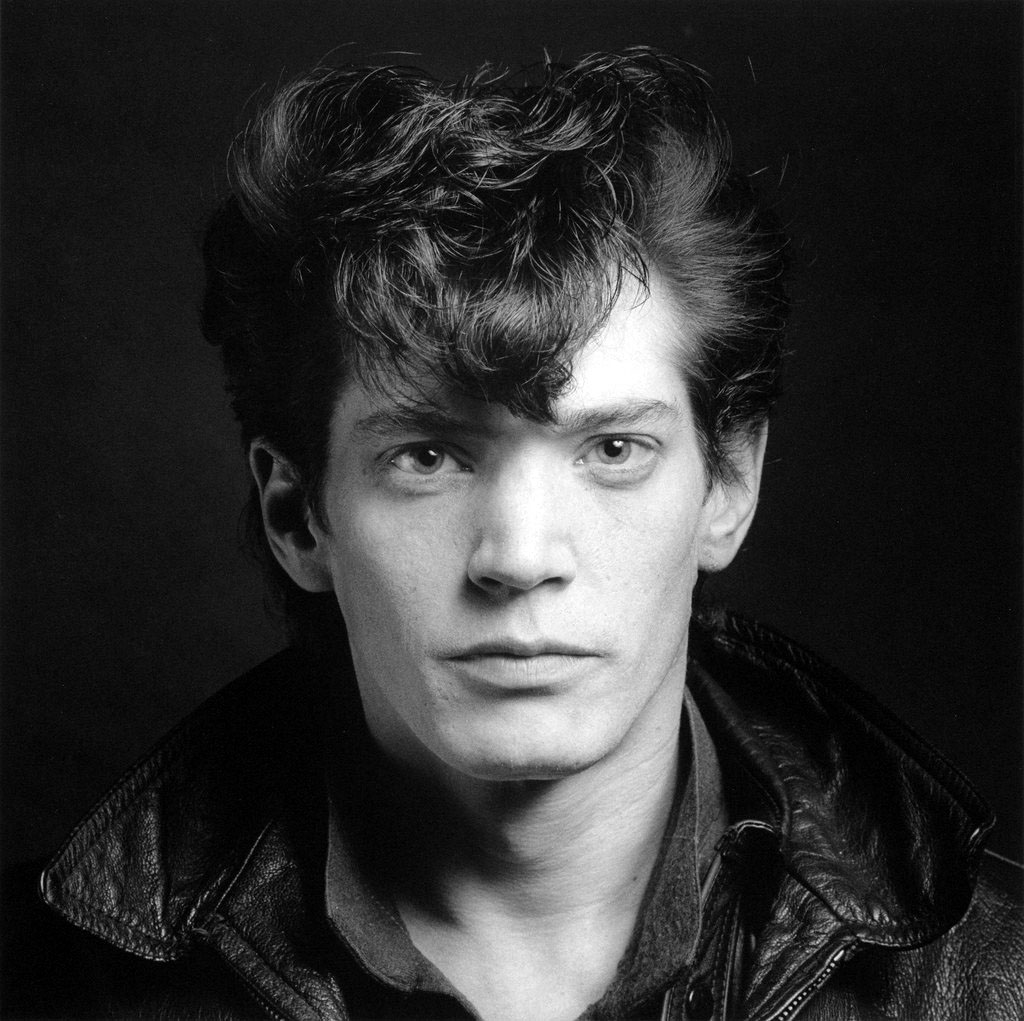


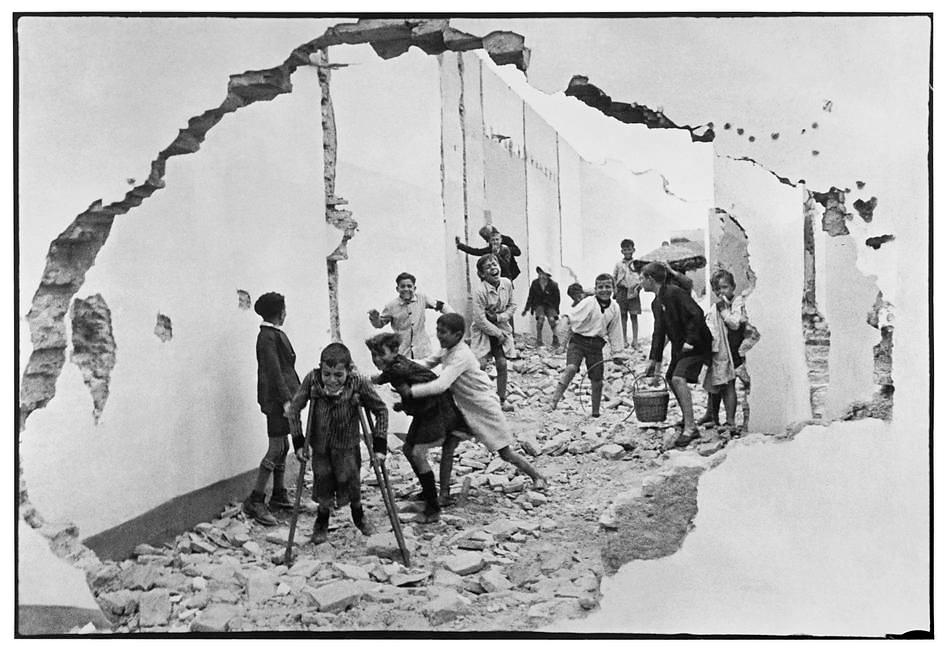
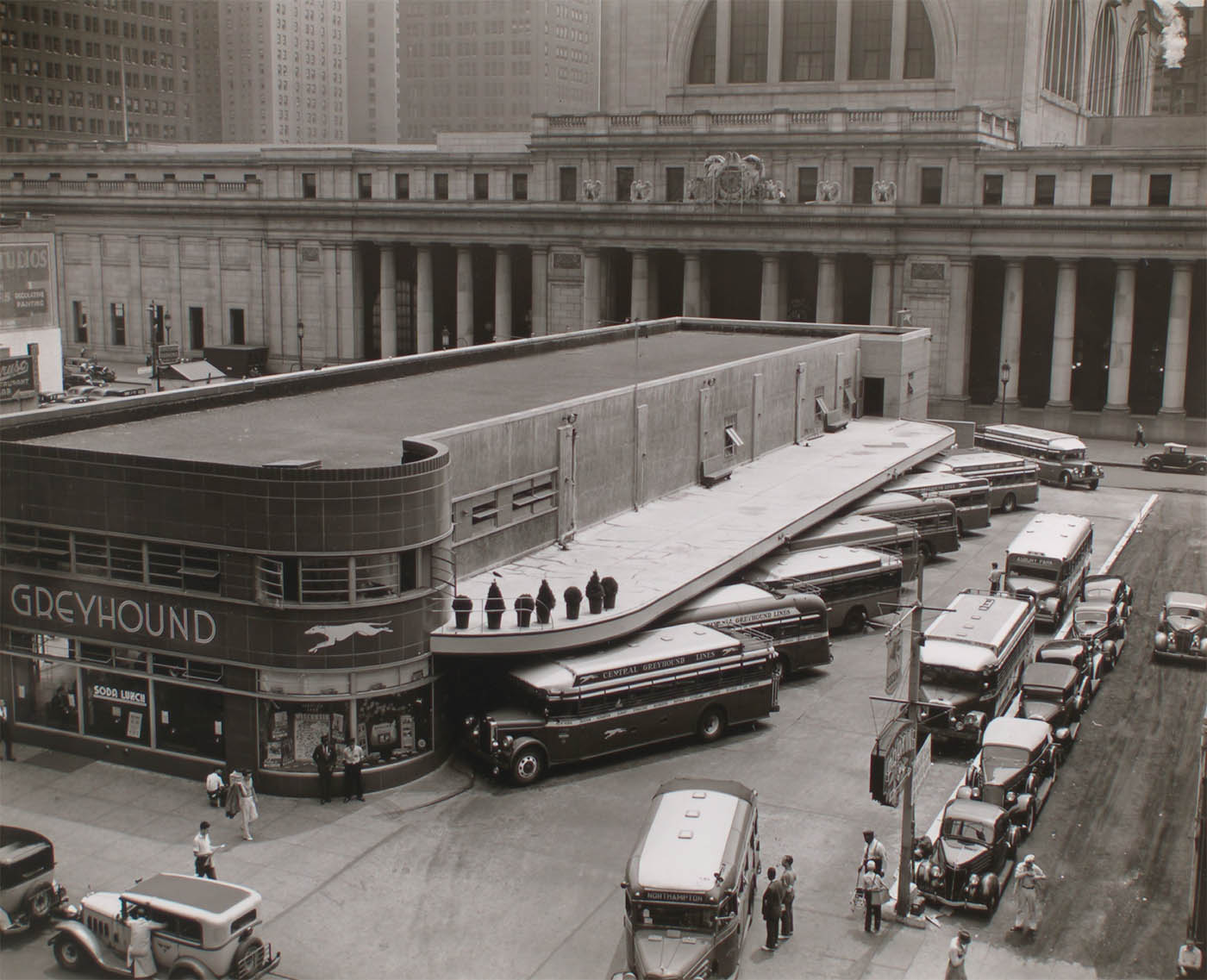
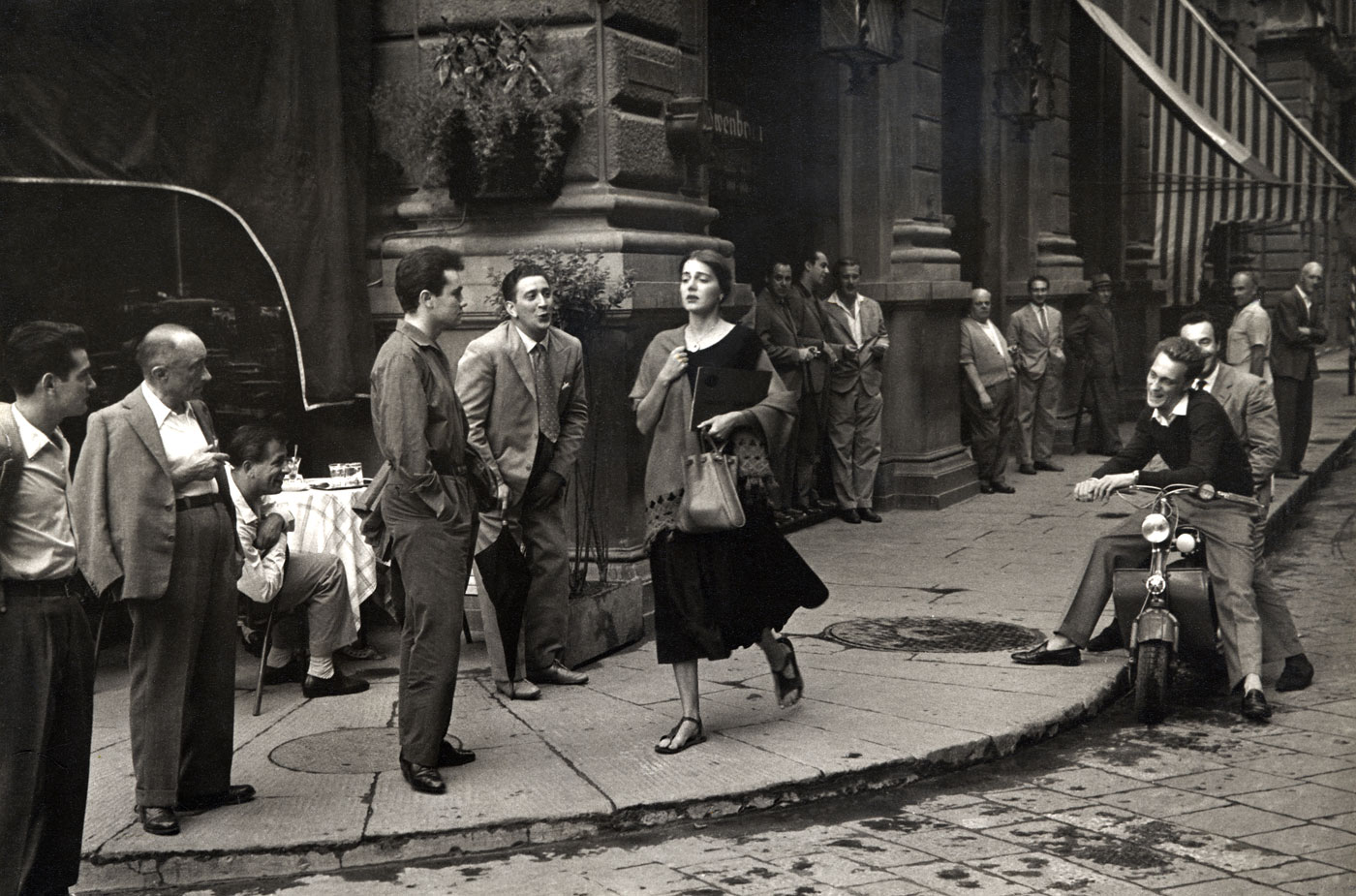
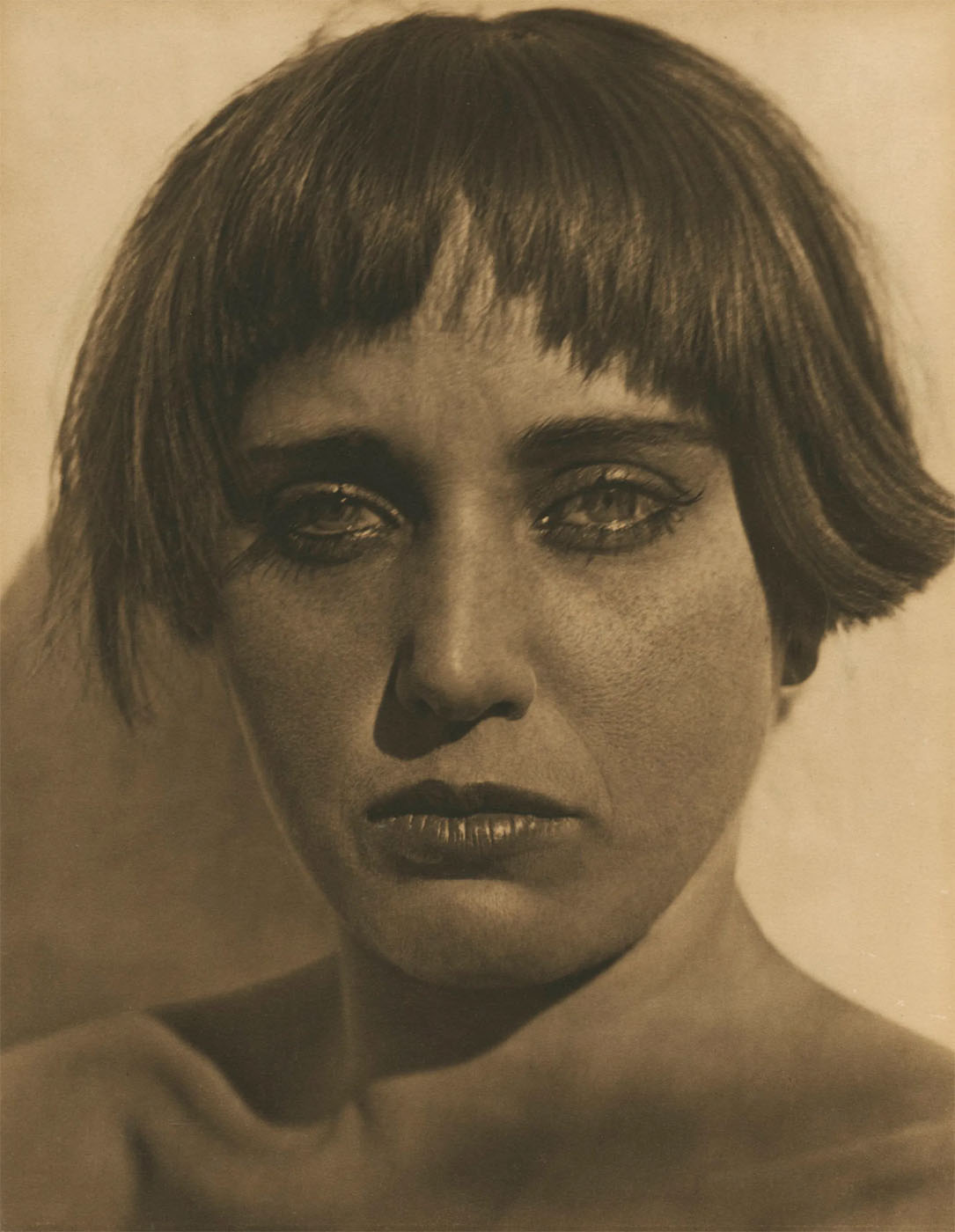

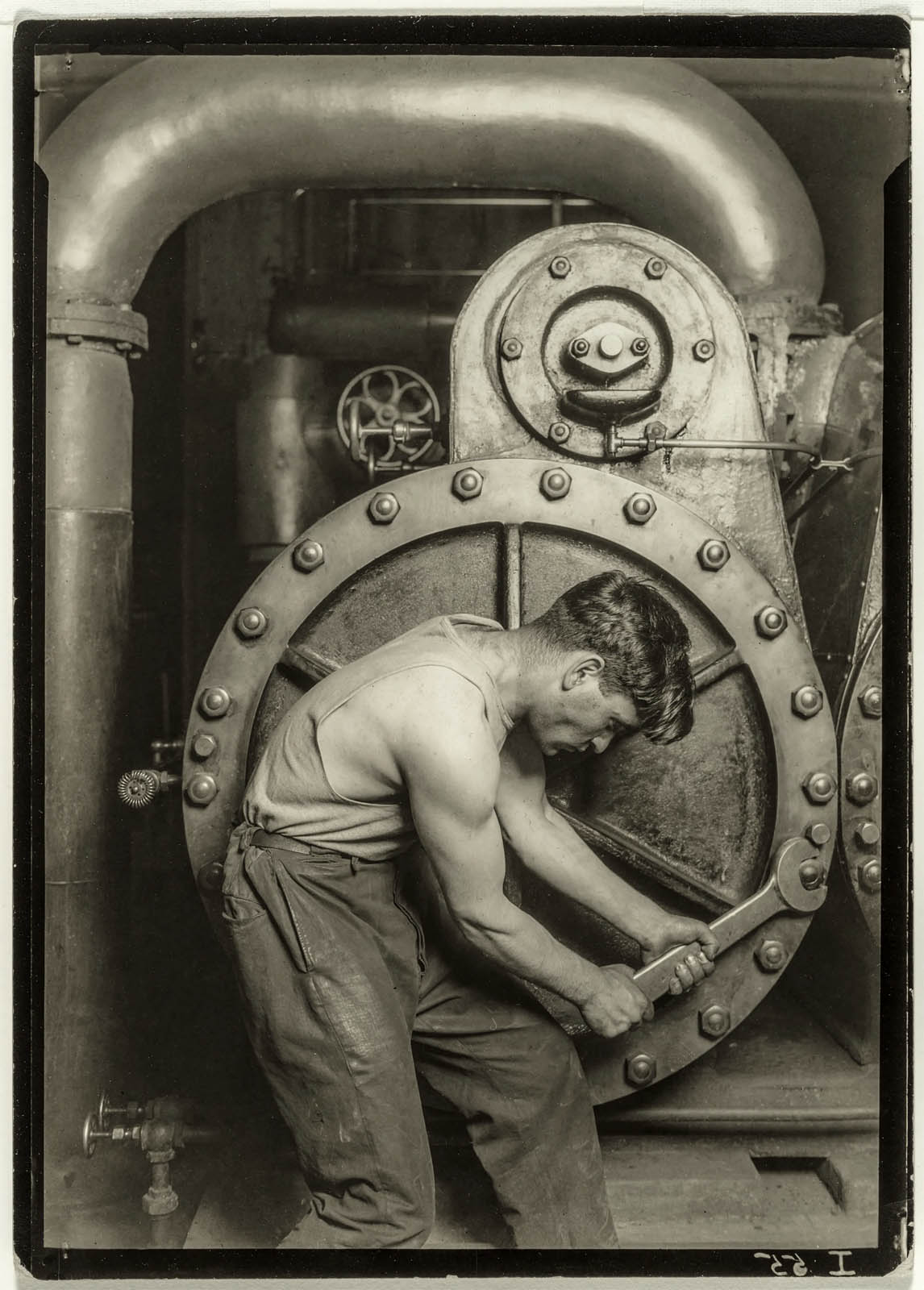

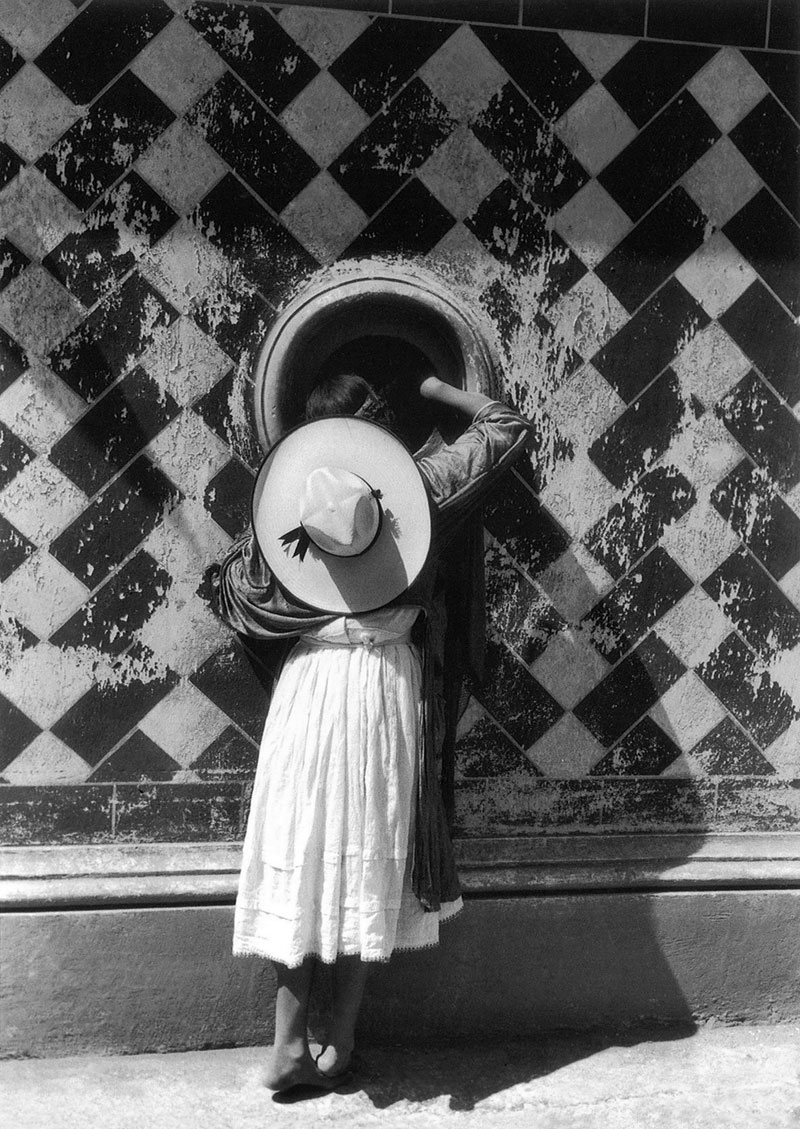
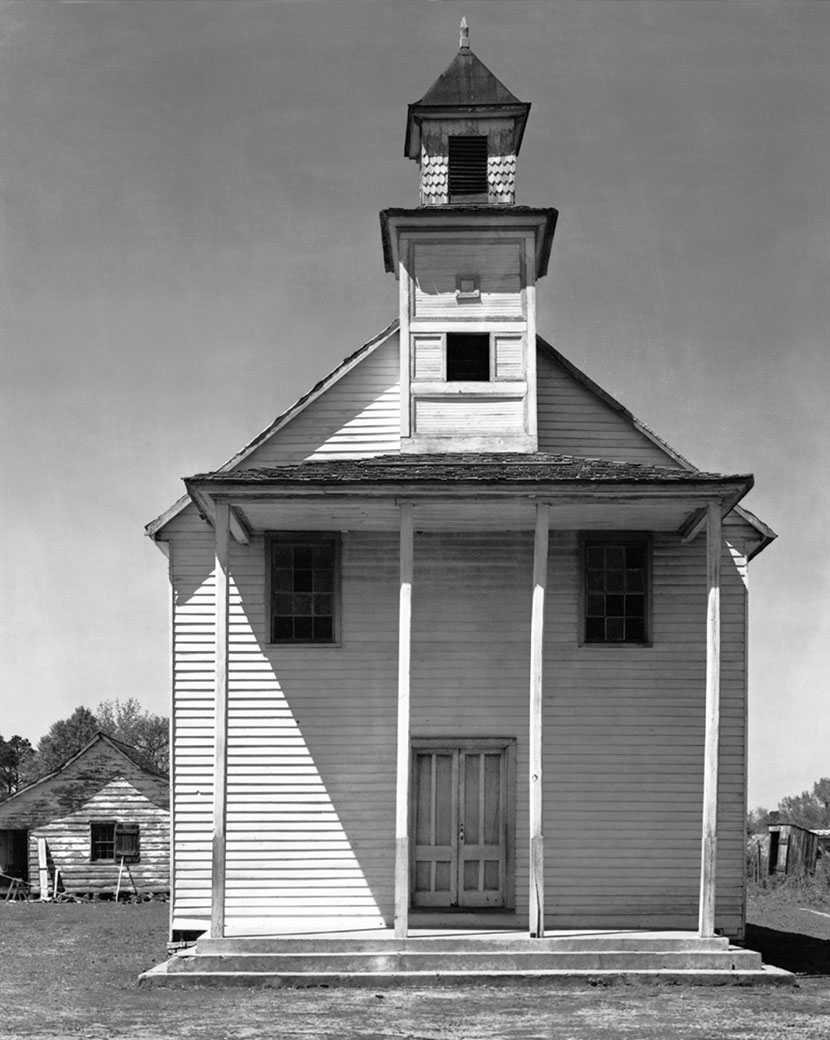

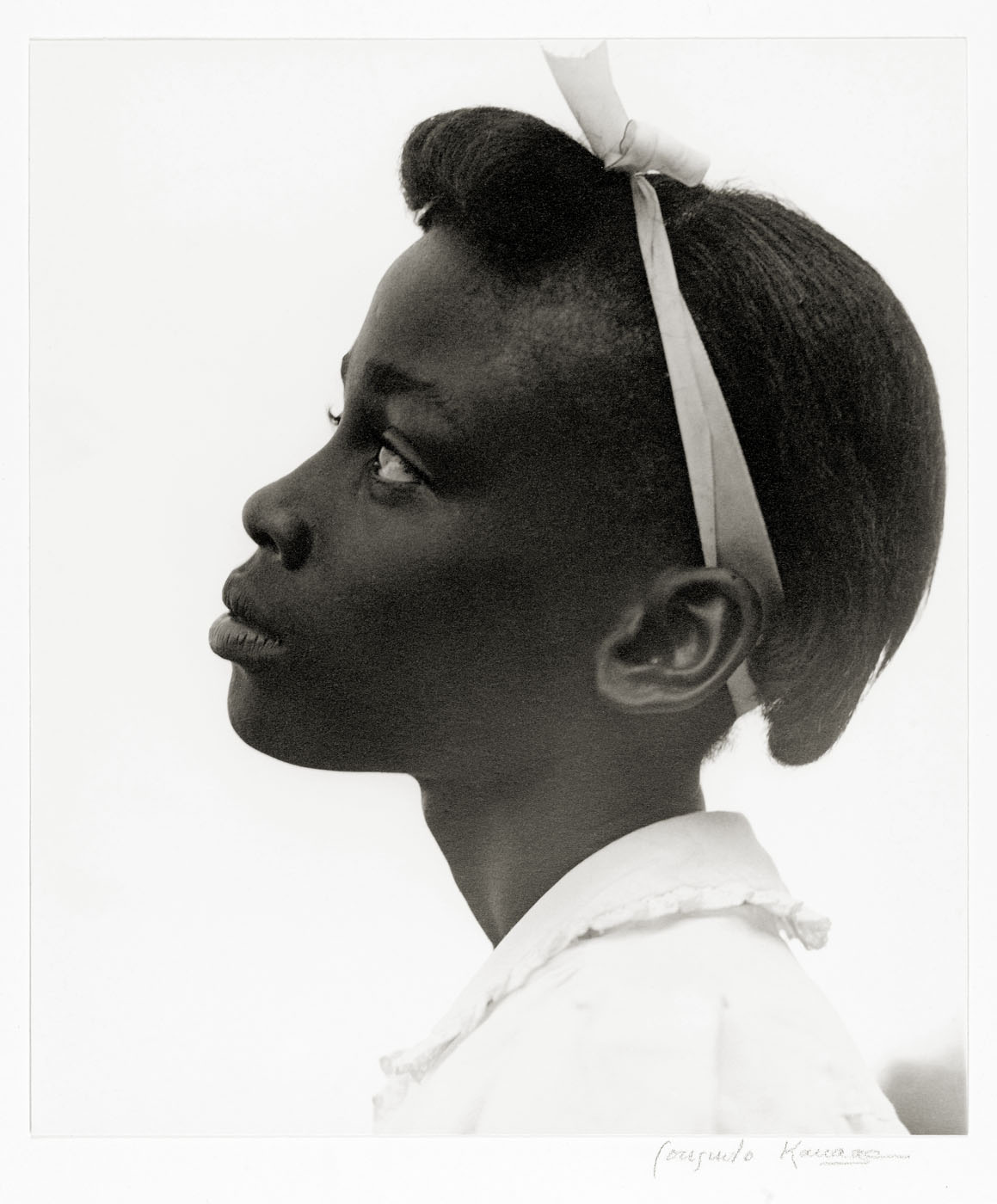

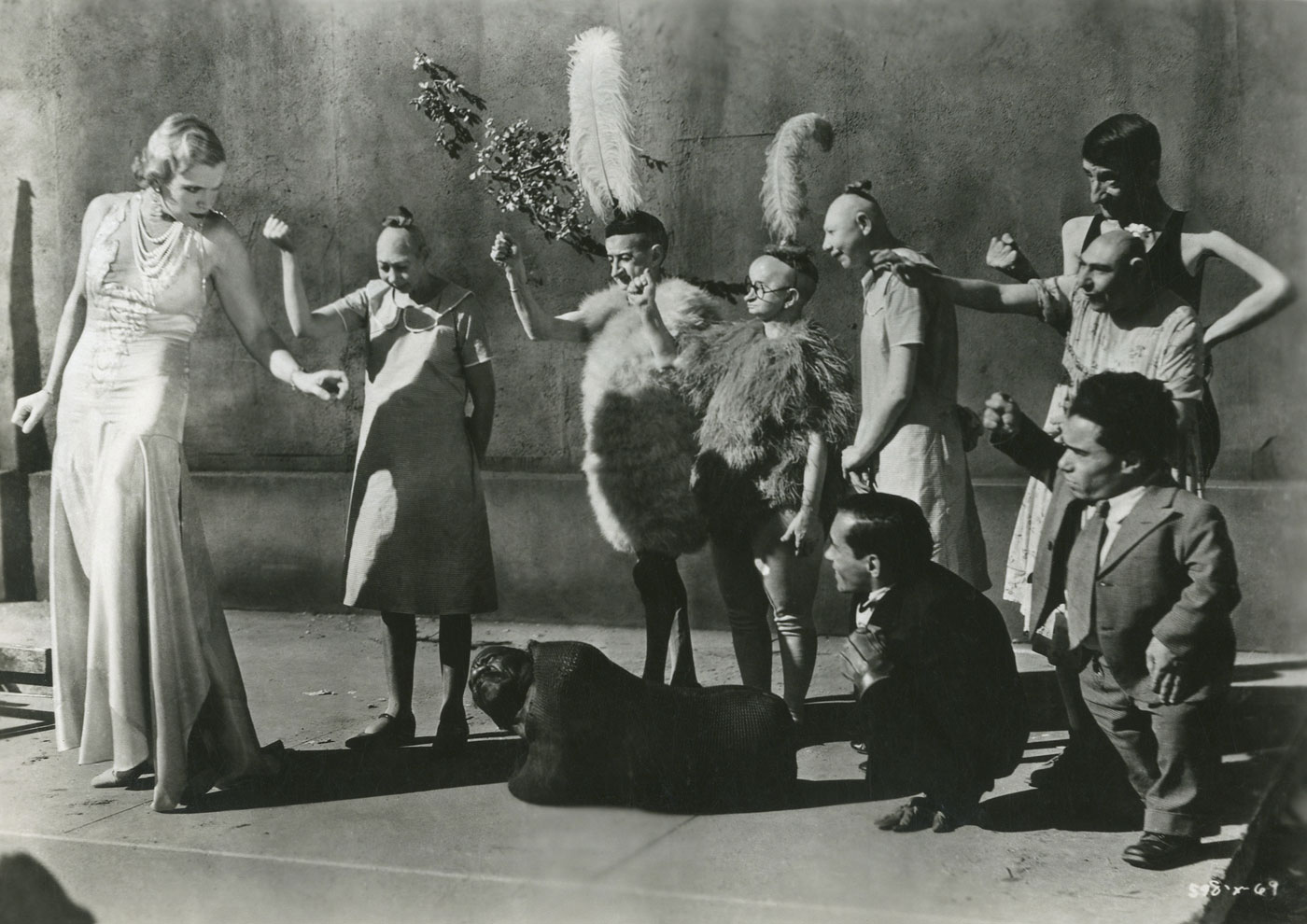


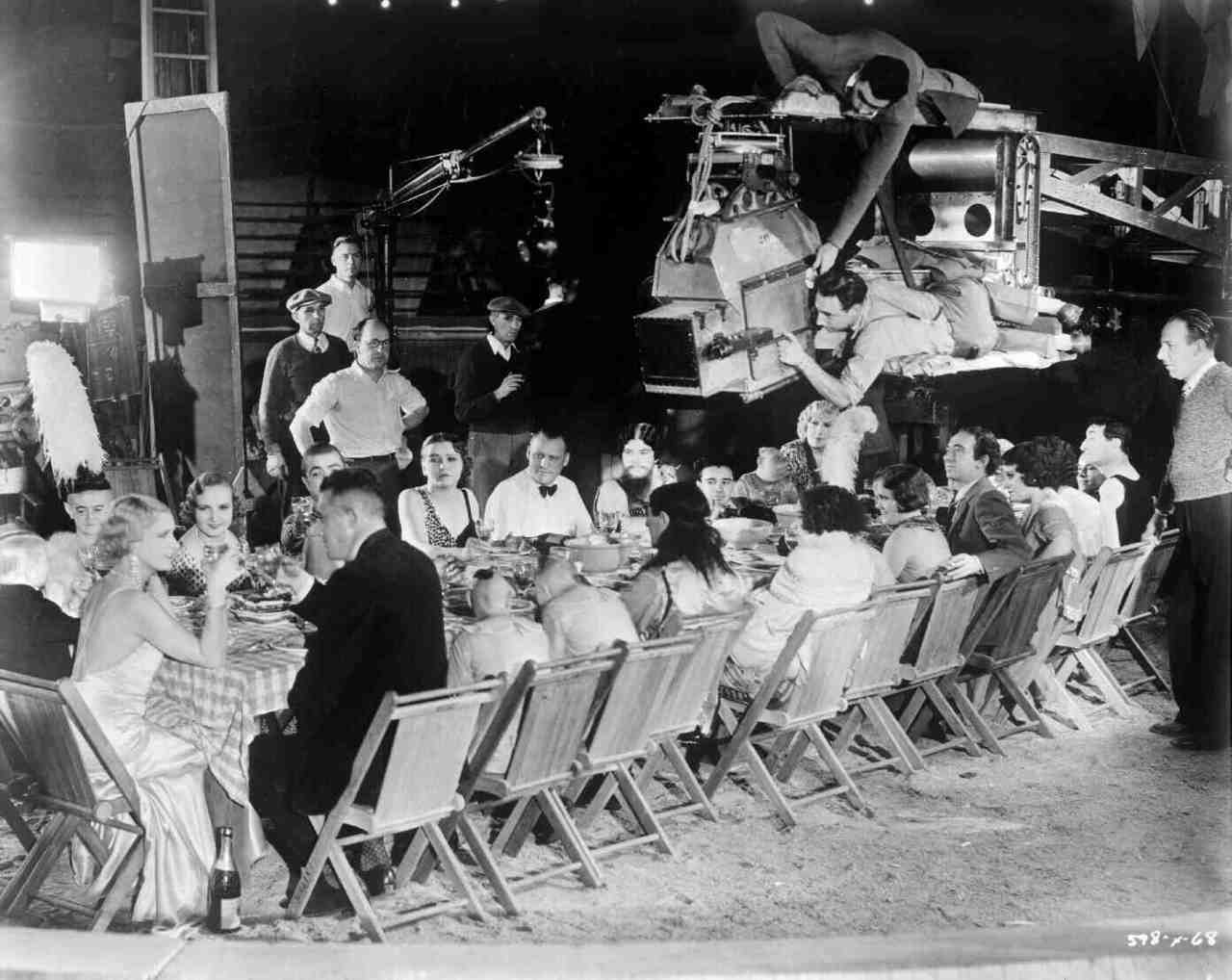


 Art Blart _ art and cultural memory archive
You must be logged in to post a comment.