This is a fascinating exhibition at The Ian Potter Museum of Art, one of the best exhibitions I have seen this year in Melbourne. Unlike the disappointing exhibition Earth Matters: contemporary photographers in the landscape at the Monash Gallery of Art this exhibition, which addresses roughly the same subject matter (climate change and its devastating impact on the earth’s many ecosystems; contemporary notions of nature and the sublime) this exhibition is nuanced and fresh, celebrating “the unique capacity art has to cut through prevailing rhetoric to stimulate individuals both intellectually and emotionally in the face of current environmental issues.”
Every piece of art in this exhibition is emotionally, intellectually and aesthetically challenging. There is no “dead wood” here. As the press release states, “Nature / Revelation features international and Australian artists who are engaged with poetic and philosophical concerns, and whose work offers potentially enlightening experiences that energise our relationship to the natural world.” And it is true!
I spent over two hours on a couple of visits to this exhibition and came away feeling en/lightened in mind and body. From the formal beauty of Ansel Adams classical black and white photographs to the mesmerising, eternal video Boulder Hand (2012) by Gabriel Orozco; from the delightful misdirection of Mel O’Callaghan’sMoons to the liminal habitats of Jamie North; and from the constructed clouds of Berndnaut Smilde to the best piece in the exhibition, Jonathan Delafield Cook’s Sperm whale (Physeter macrocephalus) (2013, below) – every piece deserved its place in this exhibition. I would go as far as to say that Delafield Cook’s Sperm whale is the best piece of art that I have seen since Mark Hilton’s dontworry(2013) which featured in the Melbourne Now exhibition at the National Gallery of Victoria. The sheer scale and beauty of the work (with its graphite on canvas attention to detail) and that doleful eye staring out at the viewer, is both empowering and unnerving. It deserves to be in an important collection.
While nature and the world we live in offers moments of revelation, so did the art in this exhibition. The art possesses moments of wonder for the viewer. Kudos to curator Joanna Bosse and The Ian Potter Museum of Art for putting on a top notch show.
Installation photograph of the exhibition Nature/Revelation at The Ian Potter Museum of Art, Melbourne showing photographs by Ansel Adams Photo: Marcus Bunyan
Installation photograph of the exhibition Nature/Revelation at The Ian Potter Museum of Art, Melbourne showing at right, photographs by Ansel Adams; and at left, a detail of Jonathan Delafield Cook’s Sperm whale (Physeter macrocephalus) 2013 Photo: Marcus Bunyan
Installation photograph of the exhibition Nature/Revelation at The Ian Potter Museum of Art, Melbourne showing Jonathan Delafield Cook’s Sperm whale (Physeter macrocephalus), 2013 Photos: Marcus Bunyan
Jonathan Delafield Cook (British, b. 1965) Sperm whale (Physeter macrocephalus) (detail) 2013 Graphite on canvas 6 panels: 245 x 1200 cm overall Courtesy the artist and Olsen/Irwin Gallery, Sydney Photo: Marcus Bunyan
Jonathan Delafield Cook’s life size drawing of a Sperm Whale specimen possesses a haunting melancholy… [He] creates an encounter that recalls those between Ahab and Moby Dick immortalised in Hermann Melville’s famous novel. Being face-to-face, eye-to-eye with this majestic sentient being – distinguished for having the largest brain of any creature known to have lived on the Earth – is an awe-inspiring experience. The overwhelming enormity of scale and the panorama-like expanse of the whale’s skin rouse an acute awareness of our own small presence in the room (in the world).
Delafield Cook’s work belongs to the naturalist tradition, and his detailed charcoal drawing intensifies the physical qualities of the subject in a way that renders it both a forensic study and an otherworldly fantasy. The personal history of this sleek leviathan is writ large, like graffiti, on its skin: the abrasions, the exfoliations, scars and its ragged tail tell of unknown adventures in an environment that lies beyond our own experience, but one not exempt from degradation or environmental change.
Installation photograph of the exhibition Nature/Revelation at The Ian Potter Museum of Art, Melbourne showing showing at centre right, photographs by Ansel Adams Photo: Marcus Bunyan
Gabriel Orozco(Mexican, b. 1962) Boulder Hand 2012 Video 54 seconds Courtesy of the artist
Installation photograph of the exhibition Nature/Revelation at The Ian Potter Museum of Art, Melbourne showing at left, Mel O’Callaghan’s Moons 2014; and at right, Gabriel Orozco’s video Boulder Hand 2012 Photo: Marcus Bunyan
Installation photographs of the exhibition Nature/Revelation at The Ian Potter Museum of Art, Melbourne showing Mel O’Callaghan’s Moons 2014 Photos: Marcus Bunyan
Mel O’Callaghan (Australian, b. 1975) Moons (II) 2014 pigmented inkjet print 100 x 100cm Courtesy the artist and Galerie Allen, Paris, and Galeria Belo Galsterer, Lisbon
Climate change and its devastating impact on the earth’s many ecosystems is arguably today’s most critical global issue. Nature/Revelation celebrates the unique capacity art has to cut through prevailing rhetoric to stimulate individuals both intellectually and emotionally in the face of current environmental issues. Focusing on contemporary notions of nature and the sublime, the exhibition affirms that the world we live in offers moments of revelation, and that nature can provoke a range of associations – both fantastical and grounded – that profoundly affect us.
Nature/Revelation features international and Australian artists who are engaged with poetic and philosophical concerns, and whose work offers potentially enlightening experiences that energise our relationship to the natural world. Artists include Ansel Adams, Jonathan Delafield Cook, David Haines, Andrew Hazewinkel and Susan Jacobs, Jamie North, Mel O’Callaghan, Gabriel Orozco and Berndnaut Smilde. The exhibition also raises questions about concepts of nature and culture following the arguments of philosopher Timothy Morton.
This exhibition forms a key component of the ‘Art+climate=change’ festival presented by Climarte: arts for a safer climate. This festival of climate change related arts and ideas includes curated exhibitions at a number of museums and galleries alongside a series of keynote lectures and forums featuring local and international speakers.
The University of Melbourne, with the Potter as project leader, is the Principal Knowledge Partner of the Climarte program.
Text from The Ian Potter Museum of Art website
Installation photographs of the exhibition Nature/Revelation at The Ian Potter Museum of Art, Melbourne showing at left on the floor, Jamie North’s Portal II and Slag bowl I & II 2014; and at right, David Haines’ Day & Night 2005-2015 Photos: Marcus Bunyan
Jamie North (Australian, b. 1971) Portal II 2014 Cement, marble waste, limestone, steel slag, coal ash, plastic fibre, tree fern slab, various Australian native plants and Spanish moss 2 components: 107.0 x 26.0 x 26.0cm each Courtesy the artist and Sarah Cottier Gallery, Sydney
Jamie North (Australian, b. 1971) Slag bowl I & II 2013 Concrete, coal ash, steel slag, Australian native plants and moss 15 x 37 x 37cm each Courtesy the artist and Sarah Cottier Gallery, Sydney Photos: Marcus Bunyan
Viewers often mistake Jamie North’s sculptures for actual relics. The sculptures are in fact carefully crafted to emulate liminal habitats where hardy plant species grow in inhospitable conditions. More than mere simulation, each work is itself a miniature ecosystem and has to be tended accordingly.
The sculptures are cast from materials that are commonly found in industrial settings (steel slag, coal ash, marble dust, and concrete) and include local native flora. The specifics of locality are important to North, and his work is a subtle investigation of local environmental systems and the character of place as well as the adaptability of nature in urban settings…
North has an interest in terraforming – the theoretical process of deliberately modifying the atmosphere, temperature, surface topography or ecology of a planet to be similar to the biosphere of Earth. Here, he creates his own terraforms as a reflection on the environmental manipulations that taking place in the everyday.
David Haines (Australian born England, 1966) Day & Night 2005-2015 Two channel video projection Courtesy of the artist and Sarah Cotter Gallery, Sydney
Throughout his practice – which comprises investigations into the elemental in carious media – David Haines explores sensation in both seen and unseen forms. He has a particular interest in latent energies, such as aromas, sound waves and electromagnetic currents.
Haines revisits the classic language of the sublime in his 2004 two-channel video installation Day & night. He presents dual images of the sublime: one an immense cliff face with a sea surging against its rocky base; the other a brooding cloudscape, its form gradually unfolding with a mesmeric momentum. The work is simultaneously serene and disturbing, and awakens that range of complex emotions that Kant named the ‘supersensible’ – beyond the range of what is normally perceptible by the senses. The over-riding emotional rush – the presentiment of danger – associated with this experience is a trademark of the sublime.
The abstract sense of danger shifts however when we notice the tiny figure clinging to the cliff face. The scene is abruptly divested of its fantastical quality (its symbolic power is suddenly made real), as we can’t help but identify with the solitary figure. No longer merely observers, we become participants in the scene before us. The perilous figure in Haines’ work provides a touchstone in terms of the overwhelming grandeur of nature. In the context of the exhibition, s/he could represent each of us as we confront the seemingly insurmountable environmental and humanitarian challenges resulting from the increasingly catastrophic effects of global warming.
Installation photographs of the exhibition Nature/Revelation at The Ian Potter Museum of Art, Melbourne showing at left, Berndnaut Smilde’s Nimbus – Probe 2012 and Nimbus D’Aspremont 2010; and at right, Jamie North’s Portal II and Slag bowl I & II 2014 Photo: Marcus Bunyan
Berndnaut Smilde (Dutch, b. 1978) Nimbus D’Aspremont 2012 Digital C-type print mounted on diabond 75 x 110cm Courtesy the artist and Ronchini Gallery, London
Berndnaut Smilde (Dutch, b. 1978) Nimbus – Probe 2010 Digital C-type print mounted on diabond 75 x 112cm Courtesy the artist and Ronchini Gallery, London
The Ian Potter Museum of Art The University of Melbourne, Corner Swanston Street and Masson Road Parkville, Victoria 3010
Hal Fischer (American, b. 1950) Blue Handkerchief, Red Handkerchief 1977/2014 From Gay Semiotics 1977 Inkjet print
I remember coming out in 1975, six years after Stonewall, that seismic event that was the out and proud culmination of the resistance to oppression that had been building since the Second World War. Pre-disco, pre-Heaven night club (opened in December 1979) young gay men like me went to pubs in the Soho and Earl’s Court district of London and to places like Bang! nightclub on Tottenham Court Road (opened 1976). I used to wear an earring in my left ear, keys on the left, handkerchiefs to all the fetish nights at Heaven, and speak a queer language that secretive gay men had to speak in straight places… Polari (or alternatively Parlare, Parlary, Palare, Palarie, Palari; from Italian parlare, “to talk”).
“Polari is a form of cant slang used in Britain by actors, circus and fairground showmen, merchant navy sailors, criminals, prostitutes, and the gay subculture. There is some debate about its origins, but it can be traced back to at least the nineteenth century and possibly the sixteenth century… Polari is a mixture of Romance (Italian or Mediterranean Lingua Franca), London slang, backslang, rhyming slang, sailor slang, and thieves’ cant… It was a constantly developing form of language, with a small core lexicon of about 20 words (including bona, ajax, eek, cod, naff, lattie, nanti, omi, palone, riah, zhoosh (tjuz), TBH, trade, vada), and over 500 other lesser-known words.
Polari was used in London fishmarkets, the theatre, fairgrounds and circuses, hence the many borrowings from Romany. As many homosexual men worked in theatrical entertainment it was also used among the gay subculture, at a time when homosexual activity was illegal, to disguise homosexuals from hostile outsiders and undercover policemen. It was also used extensively in the British Merchant Navy, where many gay men joined ocean liners and cruise ships as waiters, stewards and entertainers. On one hand, it would be used as a means of cover to allow gay subjects to be discussed aloud without being understood; on the other hand, it was also used by some, particularly the most visibly camp and effeminate, as a further way of asserting their identity.” (Text from Wikipedia)
For example “vada the bona omi” was a “look at the good man”, “spark out on his palliass” was “flat out on his back”, and “he had huge lallies” which was “he had huge legs” (more terms can be found on the Polari – British gay slang web page). Another favourite was “trolling the Dilly” which means “to cruise or walk about Pica/dilly” where the rent boys (known as Dilly boys) used to line up against the railings looking for customers or “trade”. In this context “trolling” could be seen as a form of gay flâneur. Wikipedia states that Polari had begun to fall into disuse amongst the gay subculture by the late 1960s, but in my experience this is not true. Within my circle of friends it was still in constant use into the early 1980s. The language was very useful in pubs in London where sailors, ruff trade, and the theatre crowd mixed in Soho, were you could comment to a gay friend on a man that you thought attractive and anyone overhearing your conversation would not know what you were talking about.
All this must seem rather quaint now, but the archetypal images of gay men have not changed much over the intervening years. There is still the natural young gay man, the bear, the leatherman (or those that just wear leather for dance parties, just for show and not for attitude), the S/M scene, still the handkerchief code (still seen though rarely these days), the armband on the left or right for active or passive, still the gay jocks but now much more the gym preened bunnies. Everything old is new again… it’s just less heterogeneous.
Dr Marcus Bunyan
Many thankx to the Fotomuseum Winterthur for allowing me to publish the photographs in the posting. Please click on the photographs for a larger version of the image.
In 1977, Hal Fischer produced his photo-text project Gay Semiotics, first as a series of silver gelatin prints and then as a book published by NFS Press. The project explored the growing visibility of the male gay community in the Castro district of San Francisco, particularly its street style and so-called ‘hanky codes’ indicating different sexual preferences. Fisher’s series was one of the earliest attempts to explore a queer semiotics, offering a playful engagement with male self-fashioning and archetypes. Gay Semiotics is both a marker of the self-confidence and creativity of the San Francisco gay community before the emergence of HIV/AIDS and an important contribution to West Coast conceptual photography.
Hal Fischer (American, b. 1950) Keys 1977/2014 From Gay Semiotics 1977 Inkjet print
Hal Fischer (American, b. 1950) Leather Apparel 1977/2014 From Gay Semiotics 1977 Inkjet print
Hal Fischer (American, b. 1950) Gag Mask 1977/2014 From Gay Semiotics 1977 Inkjet print
Hal Fischer (American, b. 1950) Amyl Nitrite 1977/2014 From Gay Semiotics 1977 Inkjet print
Hal Fischer (American, b. 1950) Earring 1977/2014 From Gay Semiotics 1977 Inkjet print
JBW:Gay Semiotics is an attempt to map some of the discourse of structuralism onto the visual codes of male queer life in the Castro. How did you come to structuralism?
HF: Thanks to Lew Thomas, in graduate school I began reading things like Jack Burnham’s The Structure of Art and Ursula Meyer’s Conceptual Art. Those were two key texts. Of course, structuralism came late to photography, when you consider that Susan Sontag’s Against Interpretation came out in 1966. Reading Burnham, going on to read Claude Lévi-Strauss, all that was crucial. I learned about signifiers, and thought, this is going on all around me.
JBW: You’re doing several things in Gay Semiotics. On the one hand, you’re parsing a signification system that arose out of a nonverbal, erotic exchange, and you’re also deconstructing gay male self-fashioning and photographing “archetypes.” It is thus a photo-project about the history of photography and its long legacy of ethnographic typing.
HF: I can’t say I was conscious of it at the time, but one of the first photographers who influenced me was August Sander. I mean, I LOVED Sander. I still do. I probably was a fascist in an earlier life, because I’m definitely into types, and I’m definitely into archetyping. I don’t really think it’s that awful a thing to do; it can be very informative. I was also interested in the Bechers and the notion of repetition.
JBW: So the work is also about genre.
HF: Yes. It’s also about personal desire; it’s a lexicon of attraction.”
Extract from Julia Bryan-Wilson speaking with Hal Fischer. Aperture magazine #218, Spring 2015
Hal Fischer (American, b. 1950) Signifiers for a Male Response 1977/2014 From Gay Semiotics 1977 Inkjet print
Hal Fischer (American, b. 1950) Street Fashion Basic Gay 1977/2014 From Gay Semiotics 1977 Inkjet print
Hal Fischer (American, b. 1950) Street Fashion Jock 1977/2014 From Gay Semiotics 1977 Inkjet print
Hal Fischer (American, b. 1950) Street Fashion Forties Trash 1977/2014 From Gay Semiotics 1977 Inkjet print
Hal Fischer (American, b. 1950) Street Fashion Hippie 1977/2014 From Gay Semiotics 1977 Inkjet print
Hal Fischer (American, b. 1950) Street Fashion Uniform 1977/2014 From Gay Semiotics 1977 Inkjet print
Hal Fischer (American, b. 1950) Street Fashion Leather 1977/2014 From Gay Semiotics 1977 Inkjet print
Hal Fischer (American, b. 1950) Archetypal Media Image Leather 1977/2014 From Gay Semiotics 1977 Inkjet print
Hal Fischer (American, b. 1950) Archetypal Media Image Urbane 1977/2014 From Gay Semiotics 1977 Inkjet print
Hal Fischer (American, b. 1950) Archetypal Media Image Western 1977/2014 From Gay Semiotics 1977 Inkjet print
Hal Fischer (American, b. 1950) Archetypal Media Image Classical 1977/2014 From Gay Semiotics 1977 Inkjet print
Hal Fischer (American, b. 1950) Archetypal Media Image Natural 1977/2014 From Gay Semiotics 1977 Inkjet print
Hal Fischer (American, b. 1950) Dominance 1977/2014 From Gay Semiotics 1977 Inkjet print
Hal Fischer (American, b. 1950) Sadism & Masochism 1977/2014 From Gay Semiotics 1977 Inkjet print
Hal Fischer (American, b. 1950) Submission 1977/2014 From Gay Semiotics 1977 Inkjet print
Hal Fischer (American, b. 1950) Bondage Device Cross 1977/2014 From Gay Semiotics 1977 Inkjet print
Hal Fischer (American, b. 1950) Bondage Device Open End Table Rack 1977/2014 From Gay Semiotics 1977 Inkjet print
Hal Fischer (American, b. 1950) Bondage Device Meat Hoist 1977/2014 From Gay Semiotics 1977 Inkjet print
Andy Warhol (American, 1928-1987) Air France Jun 21 1982 Unique gelatin silver print 8 x 10 in. (20.3 x 25.4cm)
Andy Warhol being, well … Andy Warhol.
Artist, tourist, celebrity, poofter, man about town and spontaneous, thoughtful snapper. The photograph of the Prado at night is superb as are the multiple, stitched together photographs. Warhol certainly loved his high key, 35mm images.
Marcus
Please click on the photographs for a larger version of the image.
Andy Warhol (American, 1928-1987) Cessna Plane c. 1977 Four stitched gelatin silver prints Each: 11 x 14 in. (27.9 x 35.6cm) Overall: 2 1 1/4 x 27 3/8 in. (54 x 69.5cm)
Andy Warhol (American, 1928-1987) City View May 07 1984 Unique gelatin silver print 8 x 10 in. (20.3 x 25.4cm)
Andy Warhol (American, 1928-1987) Houston Skyline c. 1979 Unique gelatin silver print 8 x 10 in. (20.3 x 25.4cm)
Andy Warhol (American, 1928-1987) German Trolley Jun 23 1980 Unique gelatin silver print 8 x 10 in. (20.3 x 25.4cm)
Andy Warhol (American, 1928-1987) Limousine Interior c. 1980 Unique gelatin silver print 8 x 10 in. (20.3 x 25.4cm)
Andy Warhol (American, 1928-1987) Luxor Temple c. 1977 Two unique gelatin silver prints Each: 8 x 5 in. (20.3 x 12.7cm)
Andy Warhol (American, 1928-1987) Luxor Temple (detail) c. 1977 Two unique gelatin silver prints Each: 8 x 5 in. (20.3 x 12.7cm)
Andy Warhol (American, 1928-1987) Ocean Landscape 1986 Four stitched gelatin silver prints Each: 11 x 14 in. (27.9 x 35.6cm) Overall: 2 1/4 x 27 1/2 in. (54 x 69.9cm)
Andy Warhol (American, 1928-1987) Statues Outside Musée D’Orsay c. 1980 Unique gelatin silver print 8 x 10 in. (20.3 x 25.4cm)
Andy Warhol (American, 1928-1987) Monastery of Saint John of the Kings, Toledo Jan 24 1983 Unique gelatin silver print 8 x 10 in. (20.3 x 25.4 cm)
Andy Warhol (American, 1928-1987) Museo del Prado Exterior, Madrid, Spain Jan 24 1983 Unique gelatin silver print 8 x 10 in. (20.3 x 25.4cm)
Andy Warhol (American, 1928-1987) Spanish Portico Jan 24 1983 Unique gelatin silver print 8 x 10 in. (20.3 x 25.4cm)
Andy Warhol (American, 1928-1987) Richard Coeur de Lion at Westminster c. 1980 Unique gelatin silver print 8 x 10 in. (20.3 x 25.4cm)
Andy Warhol (American, 1928-1987) Pyramid c. 1977 Unique gelatin silver print 5 x 8 in. (12.7 x 20.3cm)
Andy Warhol (American, 1928-1987) Street Scene c. 1982 Unique gelatin silver print 8 x 10 in. (20.3 x 25.4cm)
Andy Warhol (American, 1928-1987) Riders from the Car c. 1979 Two unique polaroid prints mounted on board Each: 4 1/4 x 3 3/8 in. (10.8 x 8.6cm)
Andy Warhol (American, 1928-1987) Unidentified Men c. 1980 Unique gelatin silver print 8 x 10 in. (20.3 x 25.4cm)
Andy Warhol (American, 1928-1987) Venetian Canal 1977 Unique gelatin silver print 8 x 10 in. (20.3 x 25.4cm)
Andy Warhol (American, 1928-1987) Table Setting c. 1980 Unique gelatin silver print 8 x 10 in. (20.3 x 25.4cm)
Andy Warhol (American, 1928-1987) Beach Scene c. 1975 Unique polaroid print 4¼ x 3½ in. (10.8 x 8.8cm)
Andy Warhol (American, 1928-1987) Place de la Concorde c. 1980 Unique gelatin silver print 10 x 8 in. (25.4 x 20.3cm)
Andy Warhol (American, 1928-1987) Rockefeller Center c. 1984 Unique gelatin silver print 10 x 8 in. (25.4 x 20.3cm)
Andy Warhol (American, 1928-1987) Sears Tower c. 1980 Unique gelatin silver print 10 x 8 in. (25.4 x 20.3cm)
Andy Warhol (American, 1928-1987) Max Delys at the Saloon c. 1980 Unique polaroid print mounted on board 4 1/4 x 3/ 3/8 in. (10.8 x 8.5cm)
Andy Warhol (American, 1928-1987) Union Square c. 1975 Unique polaroid print 4 1/4 x 3 3/8 in. (10.8 x 8.5cm)
Andy Warhol (American, 1928-1987) Tunnel c. 1980 Unique gelatin silver print 8 x 10 in. (20.3 x 25.4cm)
Larry Fink (American, 1941-2023) Peter Beard’s, East Hampton, from the portfolio 82 Photographs 1974 to 1982 1982; printed 1983 Silver gelatin print
Hands / Class – Tree, Surface, Root
These are magnificent photographs. Fink’s mastery of the picture plane, ensemble, mise-en-scène, chiaroscuro is outstanding. But for me it is the attitude of the hands that make these photographs. Reaching, holding (usually the bodies of women), clasping, upturned, crotch grabbing, oversized, limp, clenched and gesticulating – in more of less every photograph it is the positioning of the hands that are the focus of my attention, and their relation to the social class of the proponent. The hedonism of Studio 54, the snobbishness of the benefits at MoMA and Corcoran Museum, and the Russian and Hungarian balls with their icy coolness and sidelong glances, all played off against the working class birthday parties of Pat Sabatine.
I spoke to my friend and mentor Ian Lobb about these photographs and we had a lively discussion:
MB: What do you think of the work of Larry Fink?
IL: The image of the child holding up his hand was on the cover of the second (?) Larry fink monograph. They are OK, but not great.
I have a rule: “The closer we get to the origin the more options we have.” But Larry is building on heaps of people – Winogrand, Mark Cohen etc, and earlier. And when that happens it really needs to be BUILT to be a success for the viewer. But he is just adding a bit. Its good, OK work. It’s mainly referencing stuff though. I can’t see anyone building on what he has done, a worker would have to go down the tree to a point before him to progress again.
Photography is pretty much fantastic before the fact, so things can look pretty good if it just happens. The process is so different from the reproduction of music that keeps trying to return to an original – photography has done that, but then runs tangential ideas where there can be flash and frozen time and no colour etc…
MB: I can understand what you are saying Ian … even though I don’t necessarily agree!
There is an essay I have just read as part of a Joan Fontcuberta book (“The Right Distance,” in Joan Fontcuberta. Pandora’s Camera: Photogr@phy after Photography. Mack, 2014, pp. 143-150). It’s interesting what he has to say about the “distance” of the photographer from the object… long distance landscape (in Victorian times… Muybridge, Carelton Watkins), long distance city (Marville) – the infinite sublime I call it – coming closer with Atget (parts of doors, stairs, closer engagement) and Blossfeldt – and then the avant-garde in the 1920s with the dissolution of far near into near far… followed by New Topographics and the griding of space, the regimentation and delineation of an even narrower point of view, both aesthetically and objectively.
I am paraphrasing but that is what he says anyway. It makes sense in one way. But in another we do not have to be either / or – near / far. Nor do we have to be “new” every time we take a photograph.
What I am arguing is that you do not always have to reinvent the wheel, in answer to your observation that you have to go back down the tree. Nothing is ever new and sometimes, as with the photography of Fink, it is the gesture that is enough for me – that human gesture that will never happen again exactly in that form. I am still in wonder of that moment, of the child’s raised hand (Pat Sabatine’s 8th Birthday Party). I don’t really care that people have done it before, they have never captured that moment, that precise gesture before… and it is still beautiful to me. The apple never falls far from the tree.
IL: A good term Marcus: the infinite sublime.
Fontcuberta understands it very well – mainly because it could be applied to the best of his pictures in terms of the continual involvement that some of them generate. As I said, the Larry Finks are OK. Have you seen the YouTube about Joel Sternfeld photographing in NY? He is literally right in peoples faces, and yet they don’t even seem to notice him. I’d like to see one of Larry Fink with his flash in these small rooms and intimate spaces.
What I can say is that some smart person will invent the term that distinguishes between the surface aesthetic of the digital and analogue print. There is such “value” in the display here [of Fink’s work], that would not mean the same in a digital print. Why? The analogue look could even be faked to fool everyone I suppose. Even with these, the surface would fall apart @ about 19″ sq and it would all be lost.
MB: It is the surface aesthetic Ian, but it goes deeper than that. I saw the Richard Avedon exhibition up at The Ian Potter Museum of Art were his negatives were blown up to enormous size and digitally printed… and they just didn’t work. There is a containment of energy within a classical analogue black and white photograph that the surface of a digital print cannot capture, yes, but in a good analogue photograph there is also an emotional depth that seems to transcend surface…. and as yet, digital photographs rarely approach this state of being. What would be a word that evinces surface and psychological depth at one and the same time?
Dr Marcus Bunyan
Please click on the photographs for a larger version of the image.
Larry Fink is a prominent American photographer who is best known for capturing images of high-profile social events. Fink’s images from the 1970s and 1980s capture individual vignettes within social gatherings, and nod to the development of documentary photography within the image-driven culture of the second half of the twentieth century. Some of the photographs below are from Fink’s series 82 Photographs 1974 to 1982 and Making Out 1957 – 1980 and depict scenes from clubs and parties in and around New York City. Fink’s subjects are caught off-guard by his camera, and their expressions provide windows into their weariness or giddy party euphoria. Capturing groups and individuals at surprisingly intimate and vulnerable moments, his photographs subtly reveal the disconnect often found between a subject’s public image and his or her inner self. For example, in Peter Beard’s, East Hampton, Fink captures a dynamic group of people in various levels of engagement with one another. While some are intertwined, others glance outward to the party beyond, having seemingly lost interest in the gathering at hand.
Larry Fink (American, 1941-2023) John Sabatine and Molly 1980 Silver gelatin print
Larry Fink (American, 1941-2023) Jean Sabatine and Molly 1983 Silver gelatin print
Larry Fink (American, 1941-2023) N.Y.C. Club Cornich, from the portfolio 82 Photographs 1974 to 1982 1977; printed 1983 Silver gelatin print
Larry Fink (American, 1941-2023) N.Y.C. Club Cornich, from the portfolio 82 Photographs 1974 to 1982 1977; printed 1983 Silver gelatin print
Larry Fink (American, 1941-2023) Benefit, Corcoran Museum, Washington DC 1975 Silver gelatin print
Larry Fink (American, 1941-2023) Benefit, Corcoran Museum, Washington DC 1975 Silver gelatin print
Larry Fink (American, 1941-2023) Benefit, MoMA, New York 1977 Silver gelatin print
Larry Fink (American, 1941-2023) ICP Peter Beard Opening 1977 Silver gelatin print
Larry Fink (American, 1941-2023) Oslin’s Graduation Party 1977 Silver gelatin print
Larry Fink (American, 1941-2023) Oslin’s Graduation Party June 1977 Silver gelatin print
Larry Fink (American, 1941-2023) Studio 54 1977 Silver gelatin print
Larry Fink (American, 1941-2023) Studio 54, New York City May 1977 Silver gelatin print
Shore writes that the four ways, “in which the world in front of the camera is transformed into the photograph” are flatness, frame, time, and focus. Fink was aware of these attributes of photography and used them to define the picture’s content and structure. (The depictive level)
Shore, Stephen. The Nature of Photographs. John Hopkins University Press, 1998 quoted by Tyler Brennan Reiss, October 16, 2013.
Larry Fink (American, 1941-2023) Studio 54, New York City May 1977 Silver gelatin print
Larry Fink (American, 1941-2023) Studio 54, New York City May 1977 Silver gelatin print
Larry Fink (American, 1941-2023) Washington DC 1975 Silver gelatin print
Larry Fink (American, 1941-2023) Russian Ball, New York 1976 Silver gelatin print
“Sometimes you’re invited to a big ball and for months you think about how glamorous and exciting it’s going to be. Then you fly to Europe and you go to the ball and when you think back on it a couple of months later what you remember is maybe the car ride to the ball, you can’t remember the ball at all. Sometimes the little times you don’t think are anything while they’re happening turn out to be what marks a whole period of your life. I should have been dreaming for months about the car ride to the ball and getting dressed for the car ride, and buying my ticket to Europe so I could take the car ride. Then, who knows, maybe I could have remembered the ball.”
~ Andy Warhol
Larry Fink (American, 1941-2023) Russian Ball, New York City 1976 Silver gelatin print
Larry Fink (American, 1941-2023) Pat Sabatine’s 8th Birthday Party 1977 Silver gelatin print
Larry Fink (American, 1941-2023) Pat Sabatine’s 11th Birthday Party 1980 Silver gelatin print
Larry Fink (American, 1941-2023) Skating Rink 1980 Silver gelatin print
My favourites: the weight of Weston’s Shipyard detail, Wilmington (1935, above); and the romanticism (Jean-François Millet-esque), sublime beauty of Boubat’s Lella, Bretagne, France (1947, below).
Dr Marcus Bunyan
Please click on the photographs for a larger version of the image.
Cecil Stoughton (American, 1920-2008) Pres. John F. Kennedy’s Lincoln Continental 1963 Silver gelatin print
Cecil Stoughton (American, 1920-2008) Pres. John F. Kennedy’s Lincoln Continental 1963 Silver gelatin print
Cecil Stoughton (American, 1920-2008) Pres. John F. Kennedy’s Lincoln Continental 1963 Silver gelatin print
Cecil Stoughton (American, 1920-2008)
Cecil William Stoughton (January 18, 1920 – November 3, 2008) was an American photographer. Born in Oskaloosa, Iowa, Stoughton is best known for being President John F. Kennedy’s photographer during his White House years.
Stoughton took the only photograph ever published showing John F. Kennedy, Bobby Kennedy and Marilyn Monroe together. Stoughton was present at the motorcade at which Kennedy was assassinated, and was subsequently the only photographer on board Air Force One when Lyndon B. Johnson was sworn in as the next President. Stoughton’s famous photograph of this event depicts Johnson raising his hand in oath as he stood between his wife Lady Bird Johnson and a still blood-spattered Jacqueline Kennedy.
Max Yavno (American, 1911-1985) Garage Doors, San Francisco 1947 Silver gelatin print
Max Yavno (American, 1911-1985)
Max Yavno (1911-1985) was a photographer who specialised in street scenes, especially in Los Angeles and San Francisco, California.
He did photography for the Works Progress Administration from 1936 to 1942. He was president of the Photo League in 1938 and 1939. Yavno was in the U.S. Army Air Corps from 1942 to 1945, after which he moved to San Francisco and began specialising in urban-landscape photography. Photographer Edward Steichen selected twenty of Yavno’s prints for the permanent collection at New York’s Museum of Modern Art in 1950, and the next year Yavno won a Guggenheim fellowship.
History professor Constance B. Schulz said of him:
For financial reasons he worked as a commercial advertising photographer for the next twenty years (1954-75), creating finely crafted still lifes that appeared in Vogue and Harper’s Bazaar. He returned to artistic landscape photography in the 1970s, when his introspective approach found a more appreciative audience.
Ralph Steiner (American, 1899-1986) American Rural Baroque 1929 Silver gelatin print
Ralph Steiner (American, 1899-1986)
Ralph Steiner (February 8, 1899 – July 13, 1986) was an American photographer, pioneer documentarian and a key figure among avant-garde filmmakers in the 1930s.
Born in Cleveland, Steiner studied chemistry at Dartmouth, but in 1921 entered the Clarence H. White School of Modern Photography. White helped Steiner in finding a job at the Manhattan Photogravure Company, and Steiner worked on making photogravure plates of scenes from Robert Flaherty’s Nanook of the North. Not long after, Steiner’s work as a freelance photographer in New York began, working mostly in advertising and for publications like Ladies’ Home Journal. Through the encouragement of fellow photographer Paul Strand, Steiner joined the left-of-centre Film and Photo League around 1927. He was also to influence the photography of Walker Evans, giving him guidance, technical assistance, and one of his view cameras.
In 1929, Steiner made his first film, H2O, a poetic evocation of water that captured the abstract patterns generated by waves. Although it was not the only film of its kind at the time – Joris Ivens made Regen (Rain) that same year, and Henwar Rodekiewicz worked on his similar film Portrait of a Young Man (1931) through this whole period – it made a significant impression in its day and since has become recognised as a classic: H2O was added to theNational Film Registry in December 2005. Among Steiner’s other early films, Surf and Seaweed (1931) expands on the concept of H2O as Steiner turns his camera to the shoreline; Mechanical Principles (1933) was an abstraction based on gears and machinery.
Wilson A. Bentley (American, 1865-1931) Snowflake c. 1920 Gold-chloride toned microphotographs from glass plate negatives
Andre de Dienes (Hungarian, 1913-1985) Erotic Nude 1950s Silver gelatin print
Andre de Dienes (Hungarian, 1913-1985)
Andre de Dienes (born Andor György Ikafalvi-Dienes) (December 18, 1913 – April 11, 1985) was a Hungarian-American photographer, noted for his work with Marilyn Monroe and his nude photography.
Dienes was born in Transylvania, Austria-Hungary, on December 18, 1913, and left home at 15 after the suicide of his mother. Dienes travelled across Europe mostly on foot, until his arrival in Tunisia. In Tunisia he purchased his first camera, a 35mm Retina. Returning to Europe he arrived in Paris in 1933 to study art, and bought a Rolleiflex shortly after.
Dienes began work as a professional photographer for the Communist newspaper L’Humanité, and was employed by the Associated Press until 1936, when the Parisian couturier Captain Molyneux noted his work and urged him to become a fashion photographer. In 1938 the editor of Esquire, Arnold Gingrich offered him work in New York City, and helped fund Dienes’ passage to the United States. Once in the United States Dienes worked for Vogue and Life magazines as well as Esquire.
When not working as a fashion photographer Dienes travelled the USA photographing Native American culture, including the Apache, Hopi, and Navajo reservations and their inhabitants. Dissatisfied with his life as a fashion photographer in New York, Dienes moved to California in 1944, where he began to specialise in nudes and landscapes.
George A. Tice (American, 1938-2025) Porch, Monhegan Island, Maine 1971 Selenium-toned silver print
George A. Tice (American, 1938-2025)
George Tice (b. 1938) is an American photographer best known for his large-format black-and-white photographs of New Jersey, New York, and the Amish. Tice was born in Newark, New Jersey, and self-trained as a photographer. His work is included in major museum collections around the world and he has published many books of photographs, including Fields of Peace: A Pennsylvania German Album (1970), Paterson, New Jersey (1972), Seacoast Maine: People and Places (1973), Urban Landscapes: A New Jersey Portrait (1975), “Lincoln” (1984), Hometowns: An American Pilgrimage (1988), Urban Landscapes (2002), Paterson II (2006), Urban Romantic (1982), and George Tice: Selected Photographs 1953-1999 (2001).
Auguste Salzmann (French, 1824-1872) Jerusalem, Sainte Sepulchre, Colonne du Parvis 1854 Blanquart-Evrard salted paper print from a paper negative
Weegee (Arthur Fellig) (American, 1899-1968) Billie Dauscha and Mabel Sidney, Bowery Entertainers December 4, 1944 Silver gelatin print
Winston O. Link (American, 1914-2001) Luray Crossing, Luray, Virginia 1956 Silver gelatin print
Paul J. Woolf (American, 1899-1985) Looking down on Grand Central Station 1935 Silver gelatin print
Paul J. Woolf began his photographic career in London, taking pictures as a child. He attended the University of California, Berkeley and the Clarence White School of Photography. By 1942 he was established as a professional photographer who specialised in design and night-time photography. Woolf also maintained a practice as a clinical social worker while continuing his work as a photographer.
Henri Cartier-Bresson (French, 1908-2004) Alicante 1933 Silver gelatin print
Joel-Peter Witkin (American, b. 1939) Leda 1986 Silver gelatin print
Roman Vishniac (Russian-American, 1897-1990) Father taking his son to the first day of cheder 1937-1938 Silver gelatin print
Julia Margaret Cameron (British, 1815-1879) James Rogers 1867 Albumen print
Julia Margaret Cameron (British, 1815-1879) The Dream 1869 Albumen print
Lewis W. Hine (American, 1874-1940) An Albanian Woman from Italy at Ellis Island 1905 Silver gelatin print
Lewis W. Hine (American, 1874-1940) Italian laborer, Ellis Island 1905-1912 Silver gelatin print
Laure Albin-Guillot (French, 1879-1962) Opale c. 1930 Silver gelatin print
Cecil Beaton (British, 1904-1980) Virginia Cherrill 1930s Silver gelatin print
Édouard Boubat (French, 1923-1999) Lella, Bretagne, France 1947 Silver gelatin print
Édouard Boubat (French, 1923-1999)
Édouard Boubat (1923-1999) was a French photojournalist and art photographer.
Boubat was born in Montmartre, Paris. He studied typography and graphic arts at the École Estienne and worked for a printing company before becoming a photographer. In 1943 he was subjected to service du travail obligatoire, forced labour of French people in Nazi Germany, and witnessed the horrors of World War II. He took his first photograph after the war in 1946 and was awarded the Kodak Prize the following year. He travelled the world for the French magazine Réalités and later worked as a freelance photographer. French poet Jacques Prévert called him a “peace correspondent” as he was apolitical and photographed uplifting subjects.
Exhibition dates: 13th December, 2014 – 19th April, 2015
Exhibition coincides with the culmination of the Thomas Walther Collection Project, a four-year research collaboration between MoMA’s curatorial and conservation staff
Co-curators: Quentin Bajac, Chief Curator of Photography, MoMA, and Sarah Hermanson Meister, Curator in the Department of Photography, MoMA
Unknown photographer British ‘Chute Jumpers 1937 Gelatin silver print 5 15/16 x 6 15/16″ (15.1 x 17.6cm) The Museum of Modern Art, New York Thomas Walther Collection. Gift of Thomas Walther
OMG, OMG, OMG if we had tele-transportation to travel around the world, I would be at this exhibition in an instant. Please MoMA, fly me to New York so that I can do a proper review of the exhibition!
Not only are there photographs from well known artists that I have never seen before – for example, the brooding mass of Boat, San Francisco (1925) by Edward Weston with the name of the boat… wait for it… ‘DAYLIGHT’ – there are also outstanding photographs from artists that I have never heard of before.
There is so much to like in this monster posting, from the glorious choreography of British ‘Chute Jumpers (1937) to the muscular symmetry and abstraction of Rodchenko’s Dive (1934); from the absolutely stunning light and movement of Riefenstahl’s Nocturnal Start of Decathlon 1,500m Race (August 1936) to the ecstatic, ghost-like swimming in mud apparitions of Kate Steinitz’s Backstroke (1930) – an artist who I knew nothing about (Kate Steinitz was a German-American artist and art historian affiliated with the European Bauhaus and Dadaist movements in the early 20th century. She is best known for her collaborative work with the artist Kurt Schwitters, and, in later life, her scholarship on Leonardo da Vinci). Another artist to flee Germany in the mid-1930s to evade the persecution of the Nazis.
In fact, when I looked through the checklist for this exhibition I observed the country of origin of the artist, and the date of their death. There are a lot of artists from Germany and France. Either they lived through the maelstrom of the Second World War and survived, escaped to America or England, or died during the war and their archive was lost (such as the artist Robert Petschow (German, 1888-1945). For some artists surviving the war was not enough either… trapped behind the Iron Curtain after repatriation, artists such as Edmund Kesting went unacknowledged in their lifetime. What a tough time it must have been. To have created this wonderful avant-garde art and then to have seen it dashed against the rocks of violence, prejudice and bigotry – firstly degenerate, then non-conforming to Communist ideals.
Out of the six sections of the exhibition (The Modern World, Purisms, Reinventing Photography, The Artist’s Life, Between Surrealism and Magic Realism, and Dynamics of the City) it would seem that the section ‘Reinventing Photography’ is the weakest – going from the checklist – with a lack of really memorable images for this section, hence only illustrated in this posting by one image. But this is a minor quibble. When you have images such as Anne W. Brigman’s A Study in Radiation (1924) or Edmund Kesting’s magnificent Glance to the Sun (Blick zur Sonne) (1928) who cares!
I just want to see them all and soak up their atmosphere.
Dr Marcus Bunyan
PS. There is an excellent website titled Object: Photo to accompany the exhibition. It contains sections that map and compare photographs, connect and map artists’ lives along with many more images from the collection, conservation analysis and essays about the works. Well worth a look.
Note: Images below correspond to their sections in the exhibition.
Gustav Klutsis (Latvian, 1895-1938) Postcard for the All Union Spartakiada Sporting Event 1928 Offset lithograph 5 3/4 x 4 1/8″ (14.1 x 10.5cm) The Museum of Modern Art, New York
Gustav Klutsis (Latvian, 1895-1938) Postcard for the All Union Spartakiada Sporting Event 1928 Offset lithograph 5 3/4 x 4 1/8″ (14.1 x 10.5cm) The Museum of Modern Art, New York
Gustav Klutsis (Latvian, 1895-1938) Postcard for the All Union Spartakiada Sporting Event 1928 Offset lithograph 5 3/4 x 4 1/8″ (14.1 x 10.5cm) The Museum of Modern Art, New York
Gustav Klutsis (Latvian, 1895-1938)
Latvian painter, sculptor, graphic artist, designer and teacher, active in Russia. He was an important exponent of Russian Constructivism. He studied in Riga and Petrograd (now St Petersburg), but in the 1917 October Revolution joined the Latvian Rifle Regiment to defend the Bolshevik government; his sketches of Lenin and his fellow soldiers show Cubist influence. In 1918 he designed posters and decorations for the May Day celebrations and he entered the Free Art Studios (Svomas) in Moscow, where he studied with Malevich and Antoine Pevsner. Dynamic City (1919; Athens, George Costakis priv. col., see Rudenstine, no. 339) illustrates his adoption of the Suprematist style. In 1920 Klucis exhibited with Pevsner and Naum Gabo on Tver’skoy Boulevard in Moscow; in the same year Klucis joined the Communist Party. In 1920-21 he started experimenting with materials, making constructions from wood and paper that combined the geometry of Suprematism with a more Constructivist concern with actual volumes in space. In 1922 Klucis applied these experiments to utilitarian ends when he designed a series of agitprop stands based on various combinations of loudspeakers, speakers’ platforms, display units, film projectors and screens. He taught a course on colour in the Woodwork and Metalwork Faculty of the Vkhutemas (Higher Artistic and Technical Workshops) from 1924 to 1930, and in 1925 helped to organise the Soviet section at the Exposition Internationale des Arts Décoratifs et Industriels Modernes in Paris. During the 1920s he became increasingly interested in photomontage, using it in such agitprop posters as ‘We will repay the coal debt to the country’ (1928; e.g. New York, MoMA). During the 1930s he worked on graphic and typographical design for periodicals and official publications. He was arrested and died during the purges in World War II.
Gustav Klutsis (Latvian, 1895-1938) Postcard for the All Union Spartakiada Sporting Event 1928 Offset lithograph 5 3/4 x 4 1/8″ (14.1 x 10.5cm) The Museum of Modern Art, New York
Modern Photographs from the Thomas Walther Collection, 1909-1949, on view from December 13, 2014, to April 19, 2015, explores photography between the First and Second World Wars, when creative possibilities were never richer or more varied, and when photographers approached figuration, abstraction, and architecture with unmatched imaginative fervour. This vital moment is dramatically captured in the photographs that constitute the Thomas Walther Collection, a remarkable group of works presented together for the first time through nearly 300 photographs. Made on the street and in the studio, intended for avant-garde exhibitions or the printed page, these objects provide unique insight into the radical intentions of their creators. Iconic works by such towering figures as Berenice Abbott, Karl Blossfeldt, Alvin Langdon Coburn, El Lissitzky, Lucia Moholy, László Moholy-Nagy, Aleksandr Rodchenko, and Paul Strand are featured alongside lesser-known treasures by more than 100 other practitioners. The exhibition is organised by Quentin Bajac, the Joel and Anne Ehrenkranz Chief Curator of Photography, and Sarah Hermanson Meister, Curator, Department of Photography, MoMA.
The exhibition coincides with Object: Photo. Modern Photographs: The Thomas Walther Collection 1909-1949, the result of a four-year collaborative project between the Museum’s departments of Photography and Conservation, with the participation of over two dozen leading international photography scholars and conservators, making it the most extensive effort to integrate conservation, curatorial, and scholarly research efforts on photography to date. That project is composed of multiple parts including a website that features a suite of digital-visualisation research tools that allow visitors to explore the collection, a hard-bound paper catalogue of the entire Thomas Walther collection, and an interdisciplinary symposium focusing on ways in which the digital age is changing our engagement with historic photographs.
Modern Photographs from the Thomas Walther Collection, 1909-1949, is organised thematically into six sections, suggesting networks between artists, regions, and objects, and highlighting the figures whose work Walther collected in depth, including André Kertész, Germaine Krull, Franz Roh, Willi Ruge, Maurice Tabard, Umbo, and Edward Weston. Enriched by key works in other mediums from MoMA’s collection, this exhibition presents the exhilarating story of a landmark chapter in photography’s history.”
Press release from the MoMA website
The Collection
In the 1920s and ’30s photography underwent a period of exploration, experimentation, technical innovation, and graphic discovery so dramatic that it generated repeated claims that the true age of discovery was not when photography was invented but when it came of age, in this era, as a dynamic, infinitely flexible, and easily transmissible medium. The Thomas Walther Collection concentrates on that second moment of growth. The Walther Collection’s 341 photographs by almost 150 artists, most of them European, together convey a period of collective innovation that is now celebrated as one of the major episodes of modern art.
The Project
Our research is based on the premise that photographs of this period were not born as disembodied images; they are physical things – discrete objects made by certain individuals at particular moments using specific techniques and materials. Shaped by its origin and creation, the photographic print harbours clues to its maker and making, to the causes it may have served, and to the treatment it has received, and these bits of information, gathered through close examination of the print, offer fresh perspectives on the history of the era. “Object: Photo” – the title of this study – reflects this approach.
In 2010, the Andrew W. Mellon Foundation gave the Museum a grant to encourage deep scholarly study of the Walther Collection and to support publication of the results. Led by the Museum’s Departments of Photography and Conservation, the project elicited productive collaborations among scholars, curators, conservators, and scientists, who investigated all of the factors involved in the making, appearance, condition, and history of each of the 341 photographs in the collection. The broadening of narrow specialisations and the cross-fertilisation between fields heightened appreciation of the singularity of each object and of its position within the history of its moment. Creating new standards for the consideration of photographs as original objects and of photography as an art form of unusually rich historical dimensions, the project affords both experts and those less familiar with its history new avenues for the appreciation of the medium. The results of the project are presented in multiple parts: on the website, in a hard-bound paper catalogue of the entire Thomas Walther Collection (also titled Object: Photo), and through an interdisciplinary symposium focusing on the ways in which the digital age is changing our engagement with historic photographs.
Historical Context
The Walther Collection is particularly suited to such a study because its photographs are so various in technique, geography, genre, and materials as to make it a mine of diverse data. The revolutions in technology that made the photography of this period so flexible and responsive to the impulse of the operator threw open the field to all comers. The introduction of the handheld Leica in 1925 (a small camera using strips of 35mm motion-picture film), of enlargers to make positive prints from the Leica’s little negatives, and of easy-to-use photographic papers – each of these was respectively a watershed event. Immediately sensing the potential of these tools, artists began to explore the medium; without any specialised training, painters such as László Moholy-Nagy and Aleksandr Rodchenko could become photographers and teachers almost overnight. Excitedly and with an open sense of possibility, they freely experimented in the darkroom and in the studio, producing negative prints, collages and photomontages, photograms, solarisations, and combinations of these. Legions of serious amateurs also began to photograph, and manufacturers produced more types of cameras with different dimensions and capacities: besides the Leica, there was the Ermanox, which could function in low light, motion-picture cameras that could follow and stop action, and many varieties of medium- and larger-format cameras that could be adapted for easy transport. The industry responded to the expanding range of users and equipment with a bonanza of photographic papers in an assortment of textures, colours, and sizes. Multiple purposes also generated many kinds of prints: best for reproduction in books or newspapers were slick, ferrotyped glossies, unmounted and small enough to mail, while photographs for exhibition were generally larger and mounted to stiff boards. Made by practitioners ranging from amateurs to professional portraitists, journalists, illustrators, designers, critics, and artists of all stripes, the pictures in the Walther Collection are a true representation of the kaleidoscopic multiplicity of photography in this period of diversification.
Text from the MoMA website
Willi Ruge (German, 1882-1961) Photo of Myself at the Moment of My Jump (Selbstfoto im Moment des Abspringens) 1931 Gelatin silver print 5 9/16 × 8 1/16″ (14.2 × 20.4cm) The Museum of Modern Art, New York Thomas Walther Collection. Gift of Thomas Walther
Willi Ruge (German, 1882-1961) With My Head Hanging Down before the Parachute Opened . . . (Mit dem Kopf nach unten hängend, bei ungeöffnetem Fallschirm . . .) 1931 Gelatin silver print 5 1/2 × 8″ (14 × 20.3cm) The Museum of Modern Art, New York Thomas Walther Collection. Gift of Thomas Walther
Willi Ruge (German, 1882-1961) Seconds before Landing (Sekunden vor der Landung) From the series I Photograph Myself during a Parachute Jump (Ich fotografiere mich beim Absturz mit dem Fallschirm) 1931 Gelatin silver print 8 1/16 × 5 9/16″ (20.4 × 14.1cm) (irreg.) The Museum of Modern Art, New York Thomas Walther Collection. Gift of Thomas Walther
Willi Ruge (German, 1882-1961) Seconds before Landing (Sekunden vor der Landung) (detail) From the series I Photograph Myself during a Parachute Jump (Ich fotografiere mich beim Absturz mit dem Fallschirm) 1931 Gelatin silver print 8 1/16 × 5 9/16″ (20.4 × 14.1cm) (irreg.) The Museum of Modern Art, New York Thomas Walther Collection. Gift of Thomas Walther
Robert Petschow (German, 1888-1945) Lines of Modern Industry: Cooling Tower (Linien der modernen Industrie: Kühlturmanlage) 1920-29 Gelatin silver print 3 3/8 × 4 1/2″ (8.5 × 11.5cm) The Museum of Modern Art, New York Thomas Walther Collection. Gift of Albert Renger-Patzsch, by exchange
Robert Petschow (German, 1888-1945) The Course of the Mulde with Sand Deposits in the Curves (Der Lauf der Mulde mit Versandungen in den Windungen) 1920-33 Gelatin silver print 3 3/8 × 4 1/2″ (8.5 × 11.5cm) The Museum of Modern Art, New York Thomas Walther Collection. Gift of Albert Renger-Patzsch, by exchange
Robert Petschow (German, 1888-1945)
Robert Petschow was studying in Danzig as a free balloon pilot in the West Prussian air force. During the First World War Petschow was a balloon observer with the rank of lieutenant in Poland, France and Belgium. Maybe it was the work of a balloon observer which led him to photography, in which he was worked freelance from 1920. His images appeared in the prestigious photographic yearbook The German photograph in which he was presented with photographers such as Karl Blossfeldt, Albert Renger-Patzsch Chargesheimer and Erich Salomon. The book Land of the Germans, which was published in 1931 by Robert Diesel and includes many photographs of Petschow went on to be published in four editions. In 1931 he journeyed with the airship LZ 127, the “Graf Zeppelin” to Egypt. He participated as an unofficial member of the crew to document the trip photographically. In 1936, at the age of 48 years, Petschow joined the rank of captain in the Air Force and ended his work as a senior editor at the daily newspaper The West, a position he held from 1930. For the following years, there is no information to Petschow.
Robert Petschow died at the age of 57 years on 17 October 1945 in Haldensleben after he had to leave his apartment in Berlin-Steglitz due to the war. He left there a picture archive with about 30,000 aerial photographs, which fell victim of the war. His contemporaries describe Petschow as a humorous person and a great raconteur.
Translated from the German Wikipedia website by Google Translate
Aleksandr Rodchenko (Russian, 1891-1956) Dive (Pryzhok v vodu) 1934 Gelatin silver print 11 11/16 x 9 3/8″ (29.7 x 23.8cm) The Museum of Modern Art, New York Thomas Walther Collection. Gift of Shirley C. Burden, by exchange
Aleksandr Rodchenko (Russian, 1891-1956) Dive (Pryzhok v vodu) 1934 Gelatin silver print 11 3/4 × 9 5/16″ (29.9 × 23.6cm) The Museum of Modern Art, New York Thomas Walther Collection. Gift of Shirley C. Burden, by exchange
Leni Riefenstahl (German, 1902-2003) Nocturnal Start of Decathlon 1,500m Race (Nächtlicher Start zum 1500-m-Lauf des Zehnkampfes) August 1936 Gelatin silver print 9 5/16 x 11 3/4″ (23.7 x 29.8cm) The Museum of Modern Art, New York Thomas Walther Collection. Abbott-Levy Collection funds, by exchange
Leni Riefenstahl (German, 1902-2003) Untitled 1936 Gelatin silver print 9 3/16 x 11 5/8″ (23.4 x 29.5cm) The Museum of Modern Art, New York Thomas Walther Collection. Abbott-Levy Collection funds, by exchange
Kate Steinitz (American born Germany, 1889-1975) Backstroke (Rückenschwimmerinnen) 1930 Gelatin silver print 10 1/2 × 13 7/16″ (26.6 × 34.1cm) The Museum of Modern Art, New York Thomas Walther Collection. Gift of Thomas Walther
The Modern World
Even before the introduction of the handheld Leica camera in 1925, photographers were avidly exploring fresh perspectives, shaped by the unique experience of capturing the world through a lens and ideally suited to express the tenor of modern life in the wake of World War I. Looking up and down, these photographers found unfamiliar points of view that suggested a new, dynamic visual language freed from convention. Improvements in the light sensitivity of photographic films and papers meant that photographers could capture motion as never before. At the same time, technological advances in printing resulted in an explosion of opportunities for photographers to present their work to ever-widening audiences. From inexpensive weekly magazines to extravagantly produced journals, periodicals exploited the potential of photographs and imaginative layouts, not text, to tell stories. Among the photographers on view in this section are Martin Munkácsi (American, born Hungary, 1896-1963), Leni Riefenstahl (German, 1902-2003), Aleksandr Rodchenko (Russian, 1891-1956), and Willi Ruge (German, 1882-1961).
Anne W. Brigman (American born Hawaii, 1869-1950) A Study in Radiation 1924 Gelatin silver print 7 11/16 × 9 3/4″ (19.6 × 24.8cm) The Museum of Modern Art, New York Thomas Walther Collection. Gift of Mrs. B. S. Sexton and Mina Turner, by exchange
Bernard Shea Horne (American, 1867-1933) Untitled 1916-17 Platinum print 8 1/16 × 6 1/8″ (20.5 × 15.5cm) The Museum of Modern Art, New York Thomas Walther Collection. Gift of Thomas Walther
Bernard Shea Horne (American, 1867-1933) Design 1916-1917 Platinum print 7 15/16 x 6 1/8″ (20.2 x 15.5cm) The Museum of Modern Art, New York Thomas Walther Collection. Gift of Thomas Walther
Bernard Shea Horne (American, 1867-1933)
Bernard Shea Horne was the son of Joseph Horne, who built a legendary department store in Pittsburgh. The younger Horne retired from the family business when he was in his thirties and moved to northern Virginia to pursue his interests in golf and photography. In 1916 he enrolled at the Clarence H. White School of Photography, in New York, and became friends with one of its teachers, the avant-garde painter Max Weber. Horne produced numerous Weber-inspired design exercises, which he compiled into albums of twenty Platinum prints each. The four prints in the Thomas Walther Collection belonged to an album that he gave to Weber.
In 1917 Horne was elected president of the White School’s alumni association, a post he retained until 1925. In 1918 instructor Paul L. Anderson left the school, and Horne took his place as teacher of the technique class, a job he held until 1926. That a middle-aged man of independent means commuted to the school several days a week from Princeton, New Jersey, where he then lived with his two sons, suggests Horne’s devotion to White and his Pictorialist aims. During these years, Horne played a major role in the White School’s activities. In 1920 he was given a one-person show in the exhibition room of the school’s new building, a show that the alumni bulletin described as “interesting and varied in subject and technique, rich in bromoils, strong in design.” Supportive of the practical applications of artistic photography, in 1920 White joined his school to other institutions, including the American Institute of Graphic Arts and the Art Directors Club, to form The Art Center in New York. In 1926 Horne was given a one-person show at The Art Center, which marked the end of his active association with the school.
Abbaspour, Mitra, Lee Ann Daffner, and Maria Morris Hambourg
Jarislav Rössler (Czech, 1902-1990) Untitled 1924 Pigment print 9 1/16 × 9 1/16″ (23 × 23 cm) The Museum of Modern Art, New York Thomas Walther Collection. Horace W. Goldsmith Fund through Robert B. Menschel
Jarislav Rössler (Czech, 1902-1990)
Jaroslav Rössler (1902-1990) was one of the Czech avant-garde photographers of the first half of the twentieth century whose work has only recently become known outside Eastern Europe. Czech photography in the twenties and thirties produced radical modernist works that incorporated principles of abstract art and constructivism; Jaroslav Rossler was one of the most important and distinctive artists of the period. He became known for his fusing of different styles, bringing together elements of Symbolism, Pictorialism, Expressionism, Cubism, Futurism, Constructivism, New Objectivity, and abstract art. His photographs often reduced images to elementary lines and shapes that seemed to form a new reality; he would photograph simple objects against a stark background of black and white, or use long exposures to picture hazy cones and spheres of light. From 1927 to 1935 he lived and worked in Paris, producing work influenced by constructivism and new objectivity. He used the photographic techniques and compositional approaches of the avant-garde, including photograms, large details, diagonal composition, photomontage, and double exposures, and experimented with colour advertising photographs and still lifes produced with the carbro print process. After his return to Prague, he was relatively inactive until the late 1950s, when he reconnected with Czech artistic and photographic trends of that period, including informalism. This book documents each stage of Rossler’s career with a generous selection of duotone images, some of which have never been published before. The photographs are accompanied by texts by Vladimir Birgus, Jan Mlcoch, Robert Silverio, Karel Srp, and Matthew Witkovsky.
Manuel Álvarez Bravo (Mexican, 1902-2002) A Fish Called Sierra (Un pez que llaman sierra) 1944 Gelatin silver print 9 1/2 x 7 1/4″ (24.1 x 18.4cm) The Museum of Modern Art, New York Thomas Walther Collection Edward Steichen Estate and gift of Mrs. Flora S. Straus, by exchange
Manuel Alvarez Bravo (Mexican, 1902-2002) Somewhat Gay and Graceful (Un poco alegre y graciosa) 1942 Gelatin silver print 6 5/8 × 9 1/2″ (16.9 × 24.2cm) The Museum of Modern Art, New York Thomas Walther Collection. Grace M. Mayer Fund
Manuel Alvarez Bravo (Mexican, 1902-2002) Day of Glory (Día de gloria) 1940s Gelatin silver print 6 3/4 × 9 1/2″ (17.2 × 24.2cm) The Museum of Modern Art, New York Thomas Walther Collection. Grace M. Mayer Fund
Edward Weston (American, 1886-1958) Steel: Armco, Middletown, Ohio October 1922 Palladium print 9 1/16 × 6 7/8″ (23 × 17.4cm) The Museum of Modern Art, New York Thomas Walther Collection. Gift of Thomas Walther
In Edward Weston’s journals, which he began on his trip to Ohio and New York in fall 1922, the artist wrote of the exhilaration he felt while photographing the “great plant and giant stacks of the American Rolling Mill Company” in Middletown, Ohio. He then went to see the great photographer and tastemaker Alfred Stieglitz. Were he still publishing the magazine Camera Work, Stieglitz told him, he would have reproduced some of Weston’s recent images in it, including, in particular, one of his smokestacks. The photograph’s clarity and the photographer’s frank awe at the beauty of the brute industrial subject seemed clear signs of advanced modernist tendencies.
In moving away from the soft focus and geometric stylisation of his recent images, such as Attic of 1921 (MoMA 1902.2001), Weston was discovering a more straightforward approach, one of considered confrontation with the facts of the larger world much like that of his close friend Johan Hagemeyer, who was photographing such modern subjects as smokestacks, telephone wires, and advertisements. Shortly before his trip east, Weston had met R. M. Schindler, the Austrian architect, and had been excited by his unapologetically spare, modern house and its implications for art and design. Weston was also reading avant-garde European art magazines full of images and essays extolling machines and construction. Stimulated by these currents, Weston saw that by the time he got to Ohio he was “ripe to change, was changing, yes changed.”
The visit to Armco was the critical pivot, the hinge between Weston’s Pictorialist past and his modernist future. It marked a clear leave-taking from his bohemian circle in Los Angeles and the first step toward the cosmopolitan connections he made in New York and in Mexico City, where he moved a few months later to live with the Italian actress and artist Tina Modotti. The Armco photographs went with him and became talismans of the sea change, emblematic works that decorated his studio in Mexico, along with a Japanese print and a print by Picasso. When he sent a representation of his best work to the Film und Foto exhibition in Stuttgart in 1929, one of the smokestacks was included.
In the midst of such transformation, Weston maintained tried-and-true darkroom procedures. He had used an enlarger in earlier years but had abandoned the technique because he felt that too much information was lost in the projection. Instead he increasingly favoured contact printing. To make the smokestack print, Weston enlarged his 3 ¼ by 4 ¼ inch (8.3 by 10.8 centimetre) original negative onto an 8 by 10 inch (20.3 by 25.4 centimetre) interpositive transparency, which he contact printed to a second sheet of film in the usual way, creating the final 8 by 10 inch negative. Weston was frugal; he was known to economise by purchasing platinum and palladium paper by the roll from Willis and Clements in England and trimming it to size. He exposed a sheet of palladium paper to the sun through the negative and, after processing the print, finished it by applying aqueous retouching media to any flaws. The fragile balance of the photograph’s chemistry, however, is evinced in a bubble-shaped area of cooler tonality hovering over the central stacks. The print was in Modotti’s possession at the time of her death in Mexico City, in 1942.
Lee Ann Daffner, Maria Morris Hambourg
Edward Weston (American, 1886-1958) Boat, San Francisco 1925 Gelatin silver print 9 5/16 x 7 9/16″ (23.7 x 19.2cm) The Museum of Modern Art, New York Thomas Walther Collection. Grace M. Mayer Fund
Edward Weston (American, 1886-1958) Tina January 30, 1924 Gelatin silver print 9 1/16 x 6 7/8″ (23 x 17.5cm) The Museum of Modern Art, New York Thomas Walther Collection. Grace M. Mayer Fund and The Fellows of Photography Fund, by exchange
Karl Blossfeldt (German, 1865-1932) Acanthus mollis (Acanthus mollis [Akanthus, Bärenklau. Deckblätter, die Blüten sind entfernt, in 4facher Vergrößerung]) 1898-1928 Gelatin silver print 11 3/4 × 9 3/8″ (29.8 × 23.8cm) The Museum of Modern Art, New York Thomas Walther Collection. Gift of Thomas Walther
Purisms
The question of whether photography ought to be considered a fine art was hotly contested from its invention in 1839 into the 20th century. Beginning in the 1890s, in an attempt to distinguish their efforts from hoards of Kodak-wielding amateurs and masses of professionals, “artistic” photographers referred to themselves as Pictorialists. They embraced soft focus and painstakingly wrought prints so as to emulate contemporary prints and drawings, and chose subjects that underscored the ethereal effects of their methods. Before long, however, most avant-garde photographers had come to celebrate precise and distinctly photographic qualities as virtues. On both sides of the Atlantic, photographers were making this transition from Pictorialism to modernism, while occasionally blurring the distinction. Exhibition prints could be made with precious platinum or palladium, or matte surfaces that mimicked those materials. Perhaps nowhere is this variety more clearly evidenced than in the work of Edward Weston, whose suite of prints in this section suggests the range of appearances achievable with unadulterated contact prints from his large-format negatives. Other photographers on view include Karl Blossfeldt (German, 1865-1932), Manuel Álvarez Bravo (Mexican, 1902-2002), Jaromír Funke (Czech, 1896-1945), Bernard Shea Horne (American, 1867-1933), and Alfred Stieglitz (American, 1864-1946).
Alvin Langdon Coburn (American, 1882-1966) Vortograph 1916-17 Gelatin silver print 11 1/8 x 8 3/8″ (28.2 x 21.2cm) The Museum of Modern Art, New York Thomas Walther Collection. Grace M. Mayer Fund
Vortograph
The intricate patterns of light and line in this photograph, and the cascading tiers of crystalline shapes, were generated through the use of a kaleidoscopic contraption invented by the American / British photographer Alvin Langdon Coburn, a member of London’s Vorticist group. To refute the idea that photography, in its helplessly accurate capture of scenes in the real world, was antithetical to abstraction, Coburn devised for his camera lens an attachment made up of three mirrors, clamped together in a triangle, through which he photographed a variety of surfaces to produce the results in these images. The poet and Vorticist Ezra Pound coined the term “vortographs” to describe Coburn’s experiments. Although Pound went on to criticise these images as lesser expressions than Vorticist paintings, Coburn’s work would remain influential.
Reinventing Photography – Here Comes New Photographer
In 1925, László Moholy-Nagy articulated an idea that became central to the New Vision movement: although photography had been invented 100 years earlier, it was only now being discovered by the avant-garde circles for all its aesthetic possibilities. As products of technological culture, with short histories and no connection to the old fine-art disciplines – which many contemporary artists considered discredited – photography and cinema were seen as truly modern instruments that offered the greatest potential for transforming visual habits. From the photogram to solarisation, from negative prints to double exposures, the New Vision photographers explored the medium in countless ways, rediscovering known techniques and inventing new ones. Echoing the cinematic experiments of the same period, this emerging photographic vocabulary was rapidly adopted by the advertising industry, which appreciated the visual efficiency of its bold simplicity. Florence Henri (Swiss, born America, 1893-1982), Edward Quigley (American, 1898-1977), Franz Roh (German, 1890-1965), Franciszka Themerson and Stefan Themerson (British, born Poland, 1907-1988 and 1910-1988), and František Vobecký (Czech, 1902-1991) are among the numerous photographers represented here.
André Kertész (American born Hungary, 1894-1985) Magda, Mme Beöthy, M. Beöthy, and Unknown Guest, Paris 1926-1929 Gelatin silver print 3 1/8 × 3 7/8″ (7.9 × 9.8cm) The Museum of Modern Art, New York Thomas Walther Collection. Gift of Thomas Walther
André Kertész (American born Hungary, 1894-1985) Mondrian’s Glasses and Pipe 1926 Gelatin silver print 3 1/8 × 3 11/16″ (7.9 × 9.3cm) The Museum of Modern Art, New York Thomas Walther Collection. Grace M. Mayer Fund
Unknown Photographer White Party, Dessau (Weißes Fest, Dessau) March 20, 1926 Gelatin silver print 3 x 1 15/16″ (7.6 x 5cm) The Museum of Modern Art, New York Thomas Walther Collection. Acquired through the generosity of Howard Stein
Iwao Yamawaki (Japanese, 1898-1987) Lunch (12-2 p.m.) (Mittagessen [12-2 Uhr]) 1931 Gelatin silver print 6 7/16 × 4 5/8″ (16.3 × 11.7cm) The Museum of Modern Art, New York Thomas Walther Collection. Abbott-Levy Collection funds, by exchange
Gertrud Arndt (German, 1903-2000) At the Masters’ Houses (An den Meisterhäusern) 1929-1930 Gelatin silver print 8 7/8 x 6 1/4″ (22.6 x 15.8cm) The Museum of Modern Art, New York Thomas Walther Collection. Gift of Thomas Walther
Gertrud Arndt (German, 1903-2000)
Gertrud Arndt (née Hantschk; 20 September 1903 – 10 July 2000) was a photographer associated with the Bauhaus movement.She is remembered for her pioneering series of self-portraits from around 1930.
Arndt’s photography, forgotten until the 1980s, has been compared to that of her contemporaries Marta Astfalck-Vietz and Claude Cahun.Over the five years when she took an active interest in photography, she captured herself and her friends in various styles, costumes and settings in the series known as Masked Portraits. Writing for Berlin Art Link, Angela Connor describes the images as “ranging from severe to absurd to playful.”Today Arndt is considered to be a pioneer of female self-portraiture, long predating Cindy Sherman and Sophie Calle.
Text from the Wikipedia website
Iwao Yamawaki (Japanese, 1898-1987) Untitled 1931 Gelatin silver print 8 11/16 x 6 1/2″ (22 x 16.5cm) The Museum of Modern Art, New York Thomas Walther Collection. Abbott-Levy Collection funds, by exchange
Hajo Rose (German, 1910-1989) Untitled (Self-Portrait) 1931 Gelatin silver print 9 7/16 × 7 1/16″ (23.9 × 17.9cm) The Museum of Modern Art, New York Thomas Walther Collection. Gift of Thomas Walther
Hajo Rose (German, 1910-1989)
‘Finally – a house made of steel and glass!’ This was the enthusiastic reaction of Hajo Rose (1910-1989) to the Bauhaus building in Dessau when he began his studies there in 1930. Rose promoted the methods of the Bauhaus throughout his lifetime: as a lecturer at universities in Amsterdam, Dresden and Leipzig, and also as an artist and photographer.
Hajo Rose experimented with a wide variety of materials and techniques. The photomontage of his self-portrait combined with the Dessau Bauhaus building (c. 1930), the surrealism of his photograph Seemannsbraut (Sailor’s Bride, 1934), and the textile print designs that he created with a typewriter (1932) are examples of the extraordinary creativity of this artist. He also contributed to an advertising campaign for the Jena Glass Company: the first heat-resistant household glassware stood for modern product design and is still regarded as a kitchen classic today.
Shortly before the Bauhaus was closed, Hajo Rose was one of the last students to receive his diploma. Subsequent periods in various cities shaped his biography, which is a special example of the migratory experience shared by many Bauhaus members after 1933. After one year as an assistant in the Berlin office of László Moholy-Nagy, Hajo Rose immigrated to The Netherlands together with Paul Guermonprez, a Bauhaus colleague, in 1934. He worked there as a commercial artist and taught at the Nieuwe Kunstschool in Amsterdam. At the 1937 World Exposition in Paris, he won an award for his poster ‘Amsterdam’. After the Second World War, Rose worked as a graphic designer, photographer and teacher in Dresden and Leipzig. He continued to advocate Bauhaus ideas in the GDR, even though the Bauhaus was regarded in East Germany as bourgeois and formalistic well into the 1960s. Rose resigned from the Socialist Unity Party (SED) – in spite of the loss of his teaching position as a consequence. From that time, he worked as one of the few freelance graphic designers in the GDR. Hajo Rose died at the age of 79 – shortly before the fall of the Berlin Wall.
Edward Steichen (American born Luxembourg, 1879-1973) Gertrude Lawrence 1928 Gelatin silver print 9 7/16 × 7 9/16″ (24 × 19.2cm) The Museum of Modern Art, New York Thomas Walther Collection. Edward Steichen Estate and gift of Mrs. Flora S. Straus, by exchange
The Artist’s Life
Photography is particularly well suited to capturing the distinctive nuances of the human face, and photographers delighted in and pushed the boundaries of portraiture throughout the 20th century. The Thomas Walther Collection features a great number of portraits of artists and self-portraits as varied as the individuals portrayed. Additionally, the collection conveys a free-spirited sense of community and daily life, highlighted here with photographs made by André Kertész and by students and faculty at the Bauhaus. When the Hungarian-born Kertész moved to Paris in 1925, he couldn’t afford to purchase photographic paper, so he would print on less expensive postcard stock. These prints, whose small scale requires that the viewer engage with them intimately, function as miniature windows into the lives of Kertész’s bohemian circle of friends. The group of photographs made at the Bauhaus in the mid-1920s, before the medium was formally integrated into the school’s curriculum, similarly expresses friendships and everyday life captured and printed in an informal manner. Portraits by Claude Cahun (French, 1894-1954), Lotte Jacobi (American, born Germany, 1896-1990), Lucia Moholy (British, born Czechoslovakia, 1894-1989), Man Ray (American, 1890-1976), August Sander (German, 1876-1964) and Edward Steichen (American, born Luxembourg, 1879-1973) are among the highlights of this gallery.
Aenne Biermann (German, 1898-1933) Summer Swimming (Sommerbad) 1925-1930 Gelatin silver print 7 x 7 7/8″ (17.8 x 20cm) The Museum of Modern Art, New York Thomas Walther Collection. Bequest of Ilse Bing, by exchange
Aenne Biermann (German, 1898-1933)
Aenne Biermann (March 8, 1898 – January 14, 1933), born Anna Sibilla Sternfeld, was a German photographer of Ashkenazi origin. She was one of the major proponents of New Objectivity, a significant art movement that developed in Germany in the 1920s.
Biermann was a self-taught photographer. Her first subjects were her two children, Helga and Gershon.The majority of Biermann’s photographs were shot between 1925 and 1933. Gradually she became one of the major proponents of New Objectivity, an important art movement in the Weimar Republic. Her work became internationally known in the late 1920s, when it was part of every major exhibition of German photography.
Major exhibitions of her work include the Munich Kunstkabinett, the Deutscher Werkbund and the exhibition of Folkwang Museum in 1929. Other important exhibitions include the exhibition entitled Das Lichtbild held in Munich in 1930 and the 1931 exhibition at the Palace of Fine Arts (French: Palais des Beaux Arts) in Brussels.Since 1992 the Museum of Gera has held an annual contest for the Aenne Biermann Prize for Contemporary German Photography, which is one of the most important events of its kind in Germany.
Text from the Wikipedia website
Helmar Lerski (Swiss born Germany, 1871-1956) Metamorphosis 601 (Metamorphose 601) 1936 Gelatin silver print 11 7/16 × 9 1/16″ (29 × 23cm) The Museum of Modern Art, New York Thomas Walther Collection. The Family of Man Fund
Helmar Lerski (Swiss, born Germany 1871-1956)
There can hardly be another name in the international history of photography whose work has been so frequently misunderstood and so controversially evaluated as that of Helmar Lerski (1871-1956). “In every human being there is everything; the question is only what the light falls on”. Guided by this conviction, Lerski took portraits that did not primarily strive for likeness but which left scope for the viewer’s imagination, thus laying himself open to the criticism of betraying the veracity of the photographic image.
… Lerski’s pictures were only partly in line with the maxims of the New Photography, and they questioned the validity of pure objectivity. The distinguishing characteristics of his portraits included a theatrical-expressionistic, sometimes dramatic use of lighting inspired by the silent film. Although his close-up photographs captured the essential features of a face – eyes, nose and mouth –, his primary concern was not individual appearance or superficial likeness but the deeper inner potential: he emphasised the changeability, the different faces of an individual. Lerski, who sympathised with the political left wing, thereby infiltrated the photography of types that was practised (and not infrequently misused for racist purposes) by many of Lerski’s contemporaries.
… Helmar Lerski’s attitude was at its most radical in his work entitled Metamorphosis. This was completed within a few months at the beginning of 1936 in Palestine, to where Lerski and his second wife Anneliese had immigrated in 1932. In Verwandlungen durch Licht (this is the second title for this work), Lerski carried his theatrical talent to extremes. With the help of up to 16 mirrors and filters, he directed the natural light of the sun in constant new variations and refractions onto his model, the Bernese-born, at the time out-of-work structural draughtsman and light athlete Leo Uschatz. Thus he achieved, in a series of over 140 close-ups “hundreds of different faces, including that of a hero, a prophet, a peasant, a dying soldier, an old woman and a monk from one single original face” (Siegfried Kracauer). According to Lerski, these pictures were intended to provide proof “that the lens does not have to be objective, that the photographer can, with the help of light, work freely, characterise freely, according to his inner face.” Contrary to the conventional idea of the portrait as an expression of human identity, Lerski used the human face as a projection surface for the figures of his imagination. We are only just becoming aware of the modernity of this provocative series of photographs.
Peter Pfrunder Fotostiftung Schweiz
Max Burchartz (German, 1887-1961) Lotte (Eye) (Lotte [Auge]) 1928 Gelatin silver print 11 7/8 x 15 3/4″ (30.2 x 40cm) The Museum of Modern Art, New York Thomas Walther Collection. Acquired through the generosity of Peter Norton
Stanisław Ignacy Witkiewicz (Polish, 1885-1939) Anna Oderfeld, Zakopane 1911-1912 Gelatin silver print 6 11/16 × 4 3/4″ (17 × 12.1cm) The Museum of Modern Art, New York Thomas Walther Collection. Gift of Mrs. Willard Helburn, by exchange
Edmund Kesting (German, 1892-1970) Glance to the Sun (Blick zur Sonne) 1928 Gelatin silver print 13 1/16 x 14 1/2″ (33.2 x 36.8cm) The Museum of Modern Art, New York Thomas Walther Collection. Gift of Thomas Walther
Edmund Kesting (German, 1892-1970)
Edmund Kesting (27 July 1892, Dresden – 21 October 1970, Birkenwerder) was a German photographer, painter and art professor. He studied until 1916 at the Dresden Academy of Fine Arts before participating as a soldier in the First World War, upon returning his painting teachers were Richard Müller and Otto Gussmann and in 1919 he began to teach as a professor at the private school Der Weg. In 1923 he had his first exposition in the gallery Der Sturm in which he showed photograms. When Der Weg opened a new academy in Berlin in 1927, he moved to the capital.
He formed relations with other vanguardists in Berlin and practiced various experimental techniques such as solarisation, multiple images and photograms, for which reason twelve of his works were considered degenerate art by the Nazi regime and were prohibited. Among the artists with whom he interacted are Kurt Schwitters, László Moholy-Nagy, El Lissitzky and Alexander Archipenko. At the end of World War II he formed part of a Dresden artistic group known as Künstlergruppe der ruf – befreite Kunst (Call to an art in freedom) along with Karl von Appen, Helmut Schmidt-Kirstein and Christoph Hans, among others. In this city he made an experimental report named Dresdner Totentanz (Dance of death in Dresden) as a condemnation of the bombing of the city. In 1946 he was named a member of the Academy of Art in the city.
He participated in the controversy between socialist realism and formalism that took place in the German Democratic Republic, therefore his work was not realist and could not be shown in the country between 1949 and 1959. In 1955 he began to experiment with chemical painting, making photographs without the use of a camera and only with the use of chemical products such as the developer and the fixer and photographic paper, for which he made exposures to light using masks and templates. Between 1956 and 1967 he was a professor at the Academy of Cinema and Television of Potsdam.
His artistic work was not recognised by the authorities of the German Democratic Republic until 1980, ten years after his death.
Maurice Tabard (French, 1897-1984) Am I Beautiful? (Suis-je belle?) 1929 Gelatin silver print 9 5/16 × 6 15/16″ (23.6 × 17.7cm) The Museum of Modern Art, New York Thomas Walther Collection. Gift of Shirley C. Burden, by exchange
Between Surrealism and Magic Realism
In the mid-1920s, European artistic movements ranging from Surrealism to New Objectivity moved away from a realist approach by highlighting the strange in the familiar or trying to reconcile dreams and reality. Echoes of these concerns, centred on the human figure, can be found in this gallery. Some photographers used anti-naturalistic methods – capturing hyperreal, close-up details; playing with scale; and rendering the body as landscape – to challenge the viewer’s perception. Others, in line with Sigmund Freud’s definition of “the uncanny” as an effect that results from the blurring of distinctions between the real and the fantastic, offered visual plays on life and the lifeless, the animate and the inanimate, confronting the human body with surrogates in the form of dolls, mannequins, and masks. Photographers influenced by Surrealism, such as Maurice Tabard, subjected the human figure to distortions and transformations by experimenting with photographic techniques either while capturing the image or while developing it in the darkroom. Additional photographers on view include Aenne Biermann (German, 1898-1933), Jacques-André Boiffard (French, 1902-1961), Max Burchartz (German, 1887-1961), Helmar Lerski (Swiss, 1871-1956), and Stanisław Ignacy Witkiewicz (Polish, 1885-1939)
Berenice Abbott (American, 1898-1991) Daily News Building, 220 East 42nd Street, Manhattan November 21, 1935 Gelatin silver print 9 5/8 × 7 1/2″ (24.4 × 19.1cm) The Museum of Modern Art, New York Thomas Walther Collection. Abbott-Levy Collection funds, by exchange
Marjorie Content (American, 1895-1984) Steamship Pipes, Paris Winter 1931 Gelatin silver print 3 13/16 × 2 11/16″ (9.7 × 6.8cm) The Museum of Modern Art, New York Thomas Walther Collection. Gift of Andreas Feininger, by exchange
Marjorie Content (American, 1895-1984)
Marjorie Content (1895-1984) was an American photographer active in modernist social and artistic circles. Her photographs were rarely published and never exhibited in her lifetime, but have become of interest to collectors and art historians. Her work has been collected by the Metropolitan Museum of Art and the Chrysler Museum of Art; it has been the subject of several solo exhibitions. (Wikipedia)
Marjorie Content (1895-1984) was a modest and unpretentious photographer who kept her work largely to herself, never published or exhibited. Overshadowed by such close friends as Georgia O’Keefe and Alfred Stieglitz, she was more comfortable as a muse and source of encouragement for others, including her fourth husband, poet Jean Toomer. This text presents her beautiful, varied photographs and provides a glimpse into her life. Her pictures portray a variety of images including: New York’s frenetic cityscape distilled to essential patterns and rhythms; the Southwestern light and heat along with the strength and dignity of the Taos pueblo culture; and cigarettes and other everyday items arranged in jewel-like compositions. The discovery of the quality and extent of her work is proof that an artist’s determination can surmount a lack of recognition in her lifetime.
Walker Evans (American, 1903-1975) Votive Candles, New York City 1929-1930 Gelatin silver print 8 1/2 x 6 15/16″ (21.6 x 17.7cm) The Museum of Modern Art, New York Thomas Walther Collection. Gift of Willard Van Dyke and Mr. and Mrs. Alfred H. Barr, Jr., by exchange
Georgii Zimin (Russian, 1900-1985) Untitled 1926 Gelatin silver print 3 11/16 x 3 1/4″ (9.4 x 8.3cm) The Museum of Modern Art, New York Thomas Walther Collection. Gift of Thomas Walther
Georgii Zimin (Russian, 1900-1985)
Georgii Zimin was born in Moscow in 1900, where he lived and worked for his entire life. Before the Russian Revolution he enrolled as a student at the Artistic-Industrial Stroganov Institute, known after 1918 as SVOMAS (Free state art studios). Zimin continued his studies at VKhUTEMAS (Higher state artistic and technical studios), which replaced SVOMAS in 1920. It was during his time at the school that he published the portfolio Skrjabin in Lukins Tanz (Scriabin in Lukin’s dance), in an edition of one hundred. This set of Cubo-Futurist lithographs from 1922 features costumed dancers in erotic poses, complementing a ballet choreographed by Lev Lukin. This work garnered Zimin acknowledgment by the Academy of Arts and Sciences and marked his affiliation with the Russian Art of Movement group. Throughout the 1920s he showed regularly at Art of Movement exhibitions at GAKhN (State academy for artistic sciences), in Moscow. Zimin also experimented with photography in the late 1920s and early 1930s, producing photograms akin to those made by László Moholy-Nagy and others at the time. Later in life, he served as Art Director of Exhibitions at the Department of Trade and held a post at the All-Union Agricultural Exhibition.
~ Ksenia Nouril
Umbo (Otto Umbehr) (German, 1902-1980) Mystery of the Street (Mysterium der Strasse) 1928 Gelatin silver print 11 7/16 x 9 1/4″ (29 x 23.5cm) The Museum of Modern Art, New York Thomas Walther Collection. Gift of Shirley C. Burden, by exchange
Umbo (Otto Umbehr) (German, 1902-1980)
Trained at the Bauhaus under Johannes Itten, a master of expressivity, Berlin-based photographer Umbo (born Otto Umbehr) believed that intuition was the source of creativity. To this belief, he added Constructivist structural strategies absorbed from Theo Van Doesburg, El Lissitzky, and others in Berlin in the early twenties. Their influence is evident in this picture’s diagonal, abstract construction and its spatial disorientation. It is also classic Umbo, encapsulating his intuitive vision of the world as a resource of poetic, often funny, ironic, or dark bulletins from the social unconscious.
After he left the Bauhaus, Umbo worked as assistant to Walther Ruttmann on his film Berlin, Symphony of a Great City 1926. In 1928, photographing from his window either very early or very late in the day and either waiting for his “actors” to achieve a balanced composition or, perhaps, positioning them as a movie director would, Umbo exposed three negatives. He had an old 5 by 7 inch (12.7 by 17.8 centimetre) stand camera and a 9 by 12 centimetre (3 9/16 by 4 3/4 inch) Deckrullo Contessa-Nettle camera, but which he used for these overhead views is not known, as he lost all his prints and most negatives in the 1943 bombing of Berlin. The resulting images present a world in which the shadows take the active role. Umbo made the insubstantial rule the corporeal and the dark dominate the light through a simple but inspired inversion: he mounted the pictures upside down (note the signature in ink in the lower right) .
In 1928-29, Umbo was a founding photographer at Dephot (Deutscher Photodienst), a seminal photography agency in Berlin dedicated to creating socially relevant and visually fascinating photoessays, an idea originated by Erich Solomon. Simon Guttmann, who directed the business, hired creative nonconformists, foremost among them the bohemian Umbo, who slept in the darkroom; Umbo in turn drew the brothers Lore Feininger and Lyonel Feininger to the agency, which soon also boasted Robert Capa and Felix H. Man. Dephot hired Dott, the best printer in Berlin, and it was he who made the large exhibition prints, such as this one, ordered by New York gallerist Julien Levy when he visited the agency in 1931. Umbo showed thirty-nine works, perhaps also printed by Dott, in the 1929 exhibition Film und Foto, and he put Guttmann in touch with the Berlin organizer of the show; accordingly, Dephot was the source for some images in the accompanying book, Es kommt der neue Fotograf! (Here comes the new photographer!). Levy introduced Umbo’s photographs to New York in Surréalisme (January 1932) and showcased them again at the Julien Levy Gallery, together with images by Herbert Bayer, Jacques-André Boiffard, Roger Parry, and Maurice Tabard, in his 1932 exhibition Modern European Photography.
Maria Morris Hambourg, Hanako Murata
Umbo (Otto Umbehr) (German, 1902-1980) Six at the Beach (Sechs am Strand) 1930 Gelatin silver print 9 3/8 × 7 1/8″ (23.8 × 18.1cm) The Museum of Modern Art, New York Thomas Walther Collection. Gift of Shirley C. Burden, by exchange
Alvin Langdon Coburn (American, 1882-1966) The Octopus 1909 Gelatin silver print 22 1/8 × 16 3/4″ (56.2 × 42.6cm) The Museum of Modern Art, New York Thomas Walther Collection. Gift of Thomas Walther
Dynamics of the City – Symphony of a Great City
In his 1928 manifesto “The Paths of Contemporary Photography,” Aleksandr Rodchenko advocated for a new photographic vocabulary that would be more in step with the pace of modern urban life and the changes in perception it implied. Rodchenko was not alone in this quest: most of the avant-garde photographers of the 1920s and 1930s were city dwellers, striving to translate the novel and shocking experience of everyday life into photographic images. Equipped with newly invented handheld cameras, they used unusual vantage points and took photos as they moved, struggling to re-create the constant flux of images that confronted the pedestrian. Reflections in windows and vitrines, blurry images of quick motions, double exposures, and fragmentary views portray the visual cacophony of the metropolis. The work of Berenice Abbott (American, 1898- 1991), Alvin Langdon Coburn (American, 1882-1966), Germanie Krull (Dutch, born Germany, 1897-1985), Alexander Hackenschmied (Czech, 1907-2004), Umbo (German, 1902-1980), and Imre Kinszki (Hungarian, 1901-1945) is featured in this final gallery.
The Museum of Modern Art 11 West 53 Street New York, NY 10019 Phone: (212) 708-9400
Opening hours: 10.30 am – 5.30 pm Open seven days a week
Used under fair use conditions for the purpose of art criticism.
I freely admit that I knew little about this artist’s work before starting to assemble this posting.
Strong, focused, conceptually driven bodies of work that have real guts and presence. Tough, no compromise realist photographs with Gossage not afraid to challenge convention… through dark, almost totally black, chthonic images; through over exposure, sprocket holes of the film, out of focus foregrounds, and an elemental consciousness pushing at reality.
While there are only 12 images in the posting (I wish there were more!), there are 600 more on the Art Institute of Chicago website in the collection and I have spent a lot of time immersing myself in his worlds, his heterotopic spaces (Foucault), spaces of otherness, which are neither here nor there, that are simultaneously physical and mental. The series Berlin in the Time of the Wall is a particular favourite. Just look at the image Stallschreiberstr., (1989, below) and grasp the atmosphere and allusion of the image – the light that emanates from the yin/yang puddle and the symbolic quality of that division with the looming presence of the towering wall, being reflected into the water and next to the only specular highlight of the image.
I am deeply impressed by the profundity of his artistic enquiry, his visioning of a reality that takes the viewer places that they have never been before. And holds them there. Gossage does more than just gather, record, and sequence memories from our contemporary world… he creates those memories afresh, anew. Some photographs in his series work better than others but that is bound to happen when you are really trying to engage with the world that you are imag(in)ing. The force is strong in this one. He got me hook, line and sinker.
Dr Marcus Bunyan
Many thankx to The Art Institute of Chicago for allowing me to publish the photographs in the posting. Please click on the photographs for a larger version of the image.
“For ‘There and Gone’, [Gossage] is photographing on the beach of Tijuana in Mexico; ‘Berlin in the Time of The Wall’ is taking place in Berlin; ‘The Romance Industry’ in Marghera, a desolated industrial area located across the lagoon from Venice in Italy. With these series John Gossage is established as an anthropologist of the ordinary.
In his work, objects, places, situations are also clues, traces to build a photographic memory of past and contemporary history… The choice of the title “Routine” for both of these exhibitions shouldn’t surprise us. John Gossage is using photography as a mastered routine. He gathers, records, and sequences memories from our contemporary world.”
Agathe Cancellieri. “Chicago: Three Routines by John Gossage,” on The Eye of Photography website 2nd March 2015 [Online] Cited 10/03/2015. No longer available online
The first museum survey of American photographer John Gossage’s career ever mounted, this “retrospective in a room” brings together several decades’ worth of work to show three distinct ways, or routines, in which the artist has approached photography.
One routine concentrates on his intensely productive time in Berlin in the 1980s; on display are two dozen images from the nearly 600 that make up his Berlin series, which the Art Institute is fortunate to own in its entirety. The second routine comes from Gossage’s recent year spent traveling the United States on a prestigious Guggenheim Foundation Fellowship, making portraits of art students and capturing views in smaller towns and cities, from Albuquerque, New Mexico, to Rochester, Minnesota. The third offers a “medley” of images from across his career, which he began in his teenage years as a student of Lisette Model, Alexey Brodovich, and Bruce Davidson. In addition to highlighting the various photographic methods Gossage has used throughout his career, the exhibition includes a reading table with a selection of the artist’s publications, showcasing his talents as a consummate printer and an ingenious book artist.
Jim Iska Untitled [Installation views of the exhibition John Gossage: Three Routines at The Art Institute of Chicago] 2015
The Art Institute of Chicago is presenting the first museum survey ever mounted of American photographer John Gossage’s career. John Gossage: Three Routines opened Jan. 22, 2015, and continues through May 3, 2015, in Galleries 188 and 189 in the museum’s Modern Wing.
Gossage, who was born in New York City in 1946, began his photographic career at age 14, taking pictures for the local newspaper in Staten Island, New York. Within a year he advanced to intensive studies with photographers Lisette Model and Bruce Davidson, as well as with art director Alexey Brodovitch.
His only formal education came in 1964, at the experimental Walden School in Washington, D.C. Gossage continued to live in Washington after he graduated, even though New York remained central to his development. He showed his own work there – most frequently with the Leo Castelli Gallery in Manhattan – and organised shows of work by others, including a three-part exhibition on the New York School at the Corcoran Gallery in 1992.
The Art Institute’s “retrospective in a room” brings together several decades’ worth of work to show three distinct ways, or routines, in which the artist has approached photography. One routine concentrates on his intensely productive time in Berlin in the 1980s; on display are two dozen images from the nearly 600 that make up his Berlin series, which the Art Institute is fortunate to own in its entirety. The second routine comes from Gossage’s recent year spent traveling the United States on a prestigious Guggenheim Foundation Fellowship, making portraits of art students and capturing views in small towns, particularly in Colorado. The third offers a “medley” (a fitting approach, as Gossage once played blues guitar professionally) of images from across his career. In addition to highlighting the various photographic methods Gossage has used throughout his career, the exhibition includes a reading table with a selection of the artist’s publications, showcasing his talents as a consummate printer and an ingenious book artist.
While Gossage plays with narrative in his works, he only partly accepts the general expectation that photographs will explain and replicate the world. Extending from Berlin in 1982 to Albuquerque, N.M., in 2014, Three Routines displays a permutating approach to creativity that suggests a reflection on individual continuity in the face of massive historical change. The grouping of so many projects illuminates how Gossage works to maintain authorial consistency while regularly challenging his habits and even questioning the value of a personal style.
John Gossage: Three Routines was organised by Matthew Witkovsky, Richard and Ellen Sandor Chair and Curator, Department of Photography, at the Art Institute. Major funding for the exhibition has been provided by the Trellis Fund. Additional support has been generously contributed by Stephen G. Stein and Edward Lenkin. The exhibition is part of Photography Is ____________ , a nine-month celebration of photography at the Art Institute that includes pop-up gallery talks, online events, and the presentation of the museum’s most treasured photographs.”
“There and Gone is a book in three chapters … the first chapter being the bathing beach in the city of Tijuana. My wife, Terri Weifenbach, took me to this beach. It’s one of those funny places in the world where everything comes together. It’s like a stage set almost. The landscape, what’s going on there and what it means is all concentrated in a relatively small area; it’s exceedingly intense. There’s a lot of illegal border crossing and at the same time it’s the beach of the people of Tijuana.
Robert Adams made a comment in his book Beauty in Photography that always stuck with me. [He wrote] that no photographer of major ambition had ever sustained important work taken with long telephoto lenses. It seemed on obvious loophole. There’s got to be something out there worth taking, something like the periphery of your vision at a great distance. What are things at a great distance?
What seemed interesting to me was the photographing of strangers. Here was a culture whose language I did not speak, which I didn’t really know anything about … I could go on the beach and do the standard photojournalist pantomime where you spend a couple of days blending in, getting to know the people, but it’s a lie, an illusion. Given this I decided to stay at a distance and photograph people who didn’t know that they were being photographed. All of the pictures taken of Mexico are done from America, about a quarter mile down the beach. I could just stand there and shoot all day, anything that went on, taking another culture on its own terms.”
Exhibition dates: 23rd December, 2014 – 10th May, 2015
Curator: organised by assistant curator Arpad Kovacs in the Department of Photographs at the J. Paul Getty Museum
Herman F. Nielson (American, active Niagara Falls, New York 1883 – early 1900s) View of Niagara Falls in Winter c. 1885 Gelatin silver print 19.1 x 24.3cm (7 1/2 x 9 9/16 in.) The J. Paul Getty Museum, Los Angeles
The J. Paul Getty Museum always puts on the most interesting photography exhibitions. This looks to be no exception.
Marcus
Many thankx to the J. Paul Getty Museum for allowing me to publish some of the photographs in the posting. Please click on the photographs for a larger version of the image.
Platt D. Babbitt (American, 1823-1879, active Niagara Falls, New York 1853-1870) [Scene at Niagara Falls] c. 1855 Whole plate daguerreotype The J. Paul Getty Museum CC This work is in the public domain
In the 1800s Prospect Point at Niagara Falls was a popular destination for travellers in search of a transcendent encounter with nature. The falls were revered as a sacred place that was recognised by the Catholic Church in 1861 as a “pilgrim shrine,” where the faithful could contemplate the landscape as an example of divine majesty. Two well-dressed couples are seen from behind as they stand on the shore downstream from the falls, gazing at its majestic splendour. The silhouetted forms – women wearing full skirts and bonnets and carrying umbrellas and men in stovepipe hats – are sharply outlined against the patch of shore and expansive, white foam. Platt D. Babbitt would customarily set up his camera in an open-sided pavilion and photograph groups of tourists admiring the falls without their knowledge, as he appears to have done here. Later he would sell the unsuspecting subjects their daguerreotype likenesses alongside the natural wonder.
Roger Fenton (English, 1819-1869) The Billiard Room, Mentmore c. 1858 Albumen silver print Height: 303mm (11.93 in) Width: 306mm (12.05 in). The J. Paul Getty Museum CC This work is in the public domain
A group of fashionable men and women enjoy a game of billiards in a richly furnished salon. The recently completed billiards room, which was designed as a conservatory, is flooded with sunlight, illuminating the lavish interior and creating a dramatic pattern of light and shadows. Indoor photography was rare in the mid-1800s, but the abundance of light and Fenton’s skill with the wet-collodion process created a remarkably detailed portrait of the space and its inhabitants. Behind the woman standing in the doorway at the very far end of the salon, a marble bust, mantelpiece, and mirror can be seen in an adjacent room.
Mentmore House was a country residence of the wealthy Rothschild family, but little is known as to how Fenton came to photograph its interior or who the depicted individuals might be. Fenton accepted commissions to document several other country homes, and his surviving photographs of Mentmore House – both interior and exterior views – may have formed part of a commissioned album. Like Fenton’s Orientalist scenes, this image reveals a high degree of staging. Only one figure actually holds a cue stick, and several of the women wear hats that seem unusual for the indoor setting.
Camille Silvy (French, 1834-1910, active in London) Group of their Royal Highnesses the Princess Clementine de Saxe Cobourg Gotha, her Sons and Daughter, the Duke d’Aumale, the Count d’Eu, the Duke d’Alencon, and the Duke de Penthievre [in England] 1864 Albumen silver print 10.2 x 17cm (4 x 6 11/16 in.)
Camille Silvy (French, 1834-1910, active in London) Group of their Royal Highnesses the Princess Clementine de Saxe Cobourg Gotha, her Sons and Daughter, the Duke d’Aumale, the Count d’Eu, the Duke d’Alencon, and the Duke de Penthievre [in England] (detail) 1864 Albumen silver print 10.2 x 17cm (4 x 6 11/16 in.)
In Focus: Play, on view at the J. Paul Getty Museum at the Getty Center from December 23, 2014 through May 10, 2015, presents photographs that explore how notions of leisure and play have been represented over the course of the medium’s history. The nearly thirty works from the Museum’s permanent collection highlight a wide range of amusing activities, from quiet games like chess to more boisterous forms of recreation like skateboarding and visits to amusement parks and circuses. All of the photographs included in the exhibition illustrate the many ways people have chosen to spend their free time. The images also demonstrate inventive and improvised approaches, like unusual vantage points and jarring juxtapositions that photographers have employed to help capture the spontaneity of playfulness.
Organised by assistant curator Arpad Kovacs in the Department of Photographs at the J. Paul Getty Museum, this exhibition spans almost 175 years of the medium’s history and features the work of a variety of well-known and lesser-known photographers, including Diane Arbus, Henri Cartier-Bresson, Imogene Cunningham, Larry Fink, T. Lux Feininger, Roger Fenton, Andre Kertész, Man Ray, Alexander Rodchenko, Masato Seto, Camille Silvy, and Weegee, among others.
“Capturing our everyday lives has been one of photography’s central themes ever since its invention in the mid-nineteenth century,” says Timothy Potts, Director of the J. Paul Getty Museum. “So it is no surprise that images of people playing games and having fun is a rich seam within the history of photography that this exhibition and accompanying book bring to life brilliantly. This is photography at its entertaining and uplifting best.”
The introduction of photography in 1839 coincided with a bourgeoning culture of leisure. Changes in working and living conditions brought on by the Industrial Revolution created an unprecedented amount of free time for large numbers of people in Europe and the United States. In the 1850s, photographic studios began to capitalize on the development and growth of the tourism industry, promoting recreation as a photographic subject. Technological advancements in film and camera equipment during the early twentieth century facilitated the recording of dynamic activities such as sports and visits to amusement parks. Domestic and public spaces alike became sites where people performed for the camera and documented a break from daily routines.
During the nineteenth century, the eminent photographer Roger Fenton, who was widely recognised for visually documenting the Crimean War (1853-1856), also photographed intimate scenes that reflected casual pastimes. Included in the exhibition is his photograph from 1858 entitled, The Billiard Room, Mentmore House, in which a group of six people act out a scene of domestic amusement in a billiard room lined with a row of large windows.
The desire for pictures of everyday life flourished during the early twentieth-century. The illustrated press, which had grown in popularity in the United States and Europe since the 1920s, was especially interested in photographs of recreation and leisure. Photojournalists often searched for high-impact images that could tell compelling or amusing stories. Weegee (Arthur Fellig), a well-known tabloid photographer, kept his camera focused on New York City’s neighbourhoods. In the photograph Summer, Lower East Side, New York City, 1937, he recorded the ecstatic faces of boys and girls cooling off in the water from an open fire hydrant as they briefly co-opted a street for their own delight.
Tourist destinations with sweeping vistas, like Niagara Falls and Yosemite Valley, had been attracting photographers continuously since the 1850s. In a 1980 photograph from his Sightseer series, Roger Minick comments on the phenomenon of taking in the sights through visual juxtaposition. A tourist, seen from behind, obstructs the famous view of Yosemite Valley from Inspiration Point, a spot that is practically synonymous with photography. The woman wears a souvenir headscarf illustrated with views of the valley, underscoring the commodification of nature that pervades modern life.
In the 1990s, the photographer Lauren Greenfield began an ambitious project documenting various subcultures in Los Angeles. These works examine the social pecking order and rites of passage associated with youth culture. In her photograph “Free Sex” Party Crew Party, East Los Angeles, 1993, one gets a glimpse into the potential dangers associated with these wild demonstrations of unrestricted freedom and machismo.
“The photographs chosen for this exhibition demonstrate the wide range of approaches photographers have employed to capture people at play, along with a variety of sites that have traditionally signalled leisure and entertainment,” said Kovacs. “Visiting a museum would be included on that list of leisure-time activities. I can’t think of a better way to spend an afternoon.”
In Focus: Play is on view at the J. Paul Getty Museum at the Getty Center beginning December 23, 2014, through May 10, 2015.
Press release from the J. Paul Getty Museum
Unknown photographer [Barnum and Bailey Circus Tent in Paris, France] 1901-1902 Gelatin silver print 22.2 x 58.1cm (8 3/4 x 22 7/8 in.) The J. Paul Getty Museum, Los Angeles
Photographer Masato Seto’s series picnic, produced between 1996 and 2005, takes a particularly intimate approach. Seto’s photographs get inside Tokyo’s private pockets of outdoor space, a highly coveted respite from the busy thrum of the Japanese urban lifestyle. They give us a glimpse of the hard-won leisure of local couples escaping the cramped quarters of high-rise living for the scarce green space of public parks.
The couples’ reactions to the camera’s intrusion range from shielding their faces to outright defiance, to simple staring curiosity. We feel like we’ve caught them in the act of doing something that we shouldn’t see. Representing one family, couple, or individual at a time, Seto situates his subjects in a detached reality of their own. He creates what critic Hiro Koike referred to as “invisible rooms” – plots of grass often defined by the customary plastic sheet – in which intimate moments have been openly displayed and captured.
Melissa Abraham, “An Intimate View of Tokyo,” on The Getty Iris blog, August 5, 2014 [Online] Cited 03/03/2015. No longer available online. Used under fair use conditions for the purposes of education and research
You can tell a lot about a person from their self-portrait. In the case of Richard Avedon’s self-portrait (1969, below), we see a man in high key, white shirt positioned off centre against a slightly off-white background, the face possessing an almost innocuous, vapid affectation as though the person being captured by the lens has no presence, no being at all. The same could be said of much of Avedon’s photography. You can also tell a lot about an artist by looking at their early work. In the exhibition there is a photograph of James Baldwin, writer, Harlem, New York 1945, celebrated writer and close friend of the artist, which evidences Avedon’s mature portrait style: the frontal positioning of Afro-American Baldwin against a white background will be repeated by Avedon from the start to the end of his career. This trope, this hook has become the artist’s defining signature.
Spread across two floors of the exhibition spaces at The Ian Potter Museum of Art, the exhibition hangs well. The tonal black and white photographs in their white frames, hung above and below the line against the white gallery walls, promote a sense of serenity and minimalism to the work when viewed from afar. Up close, the photographs are clinical, clean, pin sharp and decidedly cold in attitude. Overall the selection of work in the exhibition is weak and the show does not promote the artist to best advantage. There are the usual fashion and portrait photographs, supplemented by street photographs, photographs at the beach and of mental asylums, and distorted photographs. While it is good to see a more diverse range of work from the artist to fill in his back story none of these alternate visions really work. Avedon was definitely not a street photographer (see Helen Levitt for comparison); he couldn’t photograph the mentally ill (see Diane Arbus’ last body of work in the book Diane Arbus: Untitled, 1995) and his distorted faces fail miserably in comparison to Weegee’s (Athur Fellig) fabulous distortions. These are poor images by any stretch of the imagination.
That being said there are some arresting individual images. There is a magical photograph of Truman Capote, writer, 1955 which works because of the attitude of the sitter; an outdoors image of Bob Dylan, musician, Central Park, New York, February 20, 1965 (below) in which the musician has this glorious presence when you stand in front of the image – emanating an almost metaphysical aura – due to the light, low depth of field and stance of the proponent. Also top notch is a portrait of the dancer Rudolf Nureyev, Paris, France, July 25, 1961, in which (for once), the slightly off-white background and the pallid colour of the dancer’s lithe body play off of each other, his placement allowing him to float in the contextless space of the image, his striking pose and the enormousness of his member drawing the eyes of the viewer. All combine to make a memorable, iconic image. Another stunning image is a portrait of the artist Pablo Picasso, artist, Beaulieu, France, April 16, 1958, where the artist’s large, round face fills the picture plane, his craggy features lit by strong side lighting, illuminating the whites of his eyes and just a couple of his eyebrow hairs. Magnificent. And then there are just two images (see below) from the artist’s seminal book In the American West. More on those later.
Other portraits and fashion photographs are less successful. A photograph of Twiggy, dress by Roberto Rojas, New York, April 1967 (below), high contrast, cropped close top and bottom, is a vapid portrait of the fashion/model. The image of Elizabeth Taylor, cock feathers by Anello of Emme, New York, July 1964 (below) is, as a good friend of mine said, a cruel photograph of the actress. I tend to agree, although another word, ‘bizarre’, also springs to mind. In some ways, his best known fashion photograph, Dovima with elephants, evening dress by Dior, Cirque d’Hiver, Paris, August 1955 (below) is a ripper of an image… until you observe the punctum, to which my eyes were drawn like a moth to a flame, the horrible shackles around the legs of the elephants.
Generally, the portraiture and fashion photographs are a disappointment. If, as Robert Nelson in The Age newspaper states, “Avedon’s portraiture is a search for authenticity in the age of the fake,”1 then Avedon fails on many levels. His deadpan portraits do not revive or refresh the life of the sitter. In my eyes their inflection, the subtle expression of the sitter, is not enough to sustain the line of inquiry. I asked the curator and a representative from the Avedon Foundation what they thought Avedon’s photographs were about and both immediately said, together, it was all about surfaces. “Bullshit” rejoined I, thinking of the portrait of Marilyn Monroe, actress, New York, May 6, 1957 (below), in which the photographer pressed the shutter again and again and again as the actress gallivanted around his studio being the vivacious Marilyn, only hours later, when the mask had dropped, to get the photograph that he and everyone else wanted, the vulnerable women. This, and only this image, was then selected to be printed for public consumption, the rest “archived, protected by the Avedon Foundation, never allowed off the negative or the contact sheet.”2 You don’t do that kind of thing, and take that much time, if you are only interested in surfaces.
On reflection perhaps both of us were right, because there is a paradox that lies at the heart of Avedon’s work. There is the surface vacuousness and plasticity of the celebrity / fashion portrait; then the desire of Avedon to be taken seriously as an artist, to transcend the fakeness of the world in which he lived and operated; and also his desire to always be in control of the process – evidenced by how people had to offer themselves up to the great man in order to have their portrait taken, with no control over the results. While Avedon sought to be in touch with the fragility of humanity – the man, woman and child inside – it was also something he was afraid of. Photography gave him control of the situation. In his constructed images, Avedon is both the creator and the observer and as an artist he is always in control. This control continues today, extending to the dictions of The Richard Avedon Foundation, which was set up by Avedon during his lifetime and under his tenants to solely promote his art after he passed away.
When you look into the eyes of the sitters in Avedon’s portraits, there always seems to be a dead, cold look in the eyes. Very rarely does he attempt to reveal the ambiguity of a face that resists artistic production (see Blake Stimson’s text below). And when he does it is only when he has pushed himself to do it (MM, BD). Was he afraid, was he scared that he might have been revealing too much of himself, that he would have “lost control”? If, as he said, there is finally nothing but the face – an autograph, the signature of the face – then getting their autograph was a way to escape his mundane family life through PERFORMANCE. Unfortunately, the performance that he usually evinces from the rich and famous, this “figuring” out of himself through others through control of that performance – is sometimes bland to the point of indifference. Hence my comment on his self-portrait that I mentioned at the start of this review. It would seem to me that Avedon could not face the complex truth, that he could bring himself, through his portraits, to be both inside and outside of a character at one and the same time… to be vulnerable, to be frightened, to loose control!
If he shines himself as a self-portrait onto others, in a quest or search for the human predicament, then his search is for his own frightened face. Only in the Western Project which formed the basis for his seminal book In the American West – only two of which are in the exhibition – does Avedon achieve a degree of insight, humanity and serenity that his other photographs lack and, perhaps, a degree of quietude within himself. Created after serious heart inflammations hindered Avedon’s health in 1974, he was commissioned in 1979 “by Mitchell A. Wilder (1913-1979), the director of the Amon Carter Museum to complete the “Western Project.” Wilder envisioned the project to portray Avedon’s take on the American West. It became a turning point in Avedon’s career when he focused on everyday working class subjects such as miners soiled in their work clothes, housewives, farmers and drifters on larger-than-life prints instead of a more traditional options with famous public figures… The project itself lasted five years concluding with an exhibition and a catalogue. It allowed Avedon and his crew to photograph 762 people and expose approximately 17,000 sheets of 8 x 10 Tri-X Pan film.”3
In his photographs of drifters, miners, beekeepers, oil rig workers, truckers, slaughterhouse workers, carneys and alike the figure is more frontally placed within the image space, pulled more towards the viewer. The images are about the body and the picture plane, about the minutiae of dress and existence and the presence and dignity of his subjects, more than any of his other work. In this work the control of the sitter works to the artist’s advantage (none of these people had ever had their portrait taken before and therefore had to be coached) and, for once, Avedon is not relying on the ego of celebrity of the transience of fashion but on the everyday attitudes of human beings. Through his portrayal of their ordinariness and individuality, he finally reveals his open, exposed self. The project was embedded with Avedon’s goal to discover new dimensions within himself… “from a Jewish photographer from out East who celebrated the lives of famous public figures to an ageing man at one of the last chapters of his life to discovering the inner-worlds, and untold stories of his Western rural subjects… The collection identified a story within his subjects of their innermost self, a connection Avedon admits would not have happened if his new sense of mortality through severe heart conditions and ageing hadn’t occurred.”4 Definitively, this is his best body of work. Finally he got there.
Printed on Agfa’s luscious Portriga Rapid, a double-weight, fibre-based gelatin silver paper which has a warm (brown) colouration for the shadow areas and lovely soft cream highlights, the prints in the exhibition are over six-feet high. The presence of Sandra Bennett, twelve year old, Rocky Ford, Colorado, August 23, 1980 – freckles highlighted by the light, folds of skin under the armpit – and Boyd Fortin, thirteen-year-old, Sweetwater, Texas, March 10, 1979 – visceral innards of the rattlesnake and the look in his eyes – are simply stunning. Both are beautiful prints. In the American West has often been criticised for its voyeuristic themes, for exploiting its subjects and for evoking condescending emotions from the audience such as pity while studying the portraits, but these magnificent photographs are not about that: they are about the exchange of trust between the photographer and a human being, about the dignity of that portrayal, and about the revelation of a “true-self” as much as possible through a photograph – the face of the sitter mirroring the face of the photographer.
While it is fantastic to see these images in Victoria, the first time any Avedon photographs have been seen in this state (well done The Ian Potter Museum of Art!), the exhibition could have been so much more if it had only been more focused on a particular outcome, instead of a patchy, broad brush approach in which everything has been included. I would have been SO happy to see the whole exhibition devoted to Avendon’s most notable and influential work (think Thomas Ruff portraits) – In the American West. The exhibition climaxes (if you like) with three huge, mural-scale portraits of Merce Cunningham (1993, printed 2002), Doon Arbus, writer, New York, 2002 and Harold Bloom, literary critic, New York City, October 28, 2001 (printed 2002), big-statement art that enlarges Avedon’s work to sit alongside other sizeable contemporary art works. Spanning floor to ceiling in the gallery space these overblown edifices, Avedon’s reaction to the ever expanding size of postmodern ‘gigantic’ photography, fall as flat as a tack. At this scale the images simply do not work. As Robert Nelson insightfully observes, “To turn Avedon’s portraiture into contemporary art is technically and commercially understandable, but from an artistic point of view, the conflation of familiarity to bombast seems to be faking it one time to many.”5
Finally we have to ask what do artists Andy Warhol, Keith Haring, Robert Mapplethorpe and Richard Avedon have in common? Well, they were all based in New York; they are all white, middle class, and reasonably affluent; they were either gay, Jewish or Catholic or a mixture of each; they all liked mixing with celebrities and fashion gurus; and they all have foundations set up in their honour. Only in New York. It seems a strange state of affairs to set up a foundation as an artist, purely to promote, sustain, expand, and protect the legacy and control of your art after you are gone. This is the ultimate in control, about controlling the image of the artist from the afterlife.
Foundations such as the Keith Haring Foundation do good work, undertaking outreach and philanthropic programs, making “grants to not-for-profit groups that engage in charitable and educational activities. In accordance with Keith’s wishes, the Foundation concentrates its giving in two areas: The support of organisations which provide educational opportunities to underprivileged children and the support of organisations which engage in education, prevention and care with respect to AIDS and HIV infection.”6 I asked the representative of The Richard Avedon Foundation what charitable or philanthropic work they did. They offer an internship program. That’s it. For an artist so obsessed with image and surfaces, for an artist that eventually found his way to a deeper level of understanding, it’s about time The Richard Avedon Foundation offered more back to the community than just an internship. Promotion and narcissism are one thing, engagement and openness entirely another.
Dr Marcus Bunyan
Word count: 2,335
Footnotes
1/ Robert Nelson. “Pin sharp portraits show us real life,” in The Age newspaper, Friday January 2, 2014, p. 22.
2/ Andrew Stephens. “Fame and falsehoods,” in Spectrum, The Age newspaper, Saturday November 29, 2014, p. 12.
3/ Anon. “Richard Avedon,” on the Wikipedia website [Online] Cited 01/03/2015
4/ Whitney, Helen. “Richard Avedon: Darkness and Light.” American Masters, Season 10, Episode 3, 1996 quoted in Anon. “Richard Avedon,” on the Wikipedia website [Online] Cited 01/03/2015.
5/ Robert Nelson op cit.,
6/ Anon. “About” on The Keith Haring Foundation website [Online] Cited 01/03/2015
American photographer Richard Avedon (1923-2004) produced portrait photographs that defined the twentieth century. Richard Avedon People explores his iconic portrait making practice, which was distinctive for its honesty, candour and frankness.
One of the world’s great photographers, Avedon is best known for transforming fashion photography from the late 1940s onwards. The full breadth of Avedon’s renowned work is revealed in this stunning exhibition of 80 black and white photographs dating from 1949 to 2002. Avedon’s instantly recognisable iconic portraits of artists, celebrities, and countercultural leaders feature alongside his less familiar portraiture works that capture ordinary New Yorkers going about their daily lives, and the people of America’s West. With uncompromising rawness and tenderness, Avedon’s photographs capture the character of individuals extraordinary in their uniqueness and united in their shared experience of humanity.
Richard Avedon People pays close attention to the dynamic relationship between the photographer and his sitters and focuses on Avedon’s portraits across social strata, particularly his interest in counter-culture. At the core of his artistic work was a profound concern with the emotional and social freedom of the individual in society. The exhibition reveals Avedon’s sensitivity of observation, empathy of identification and clear vision that characterise these portraits.
Text from The Ian Potter Museum of Art website
“There is no truth in photography. There is no truth about anyone’s person.”
“There is no such thing as inaccuracy in a photograph. All photographs are accurate. None of them is truth.”
“Sometimes I think all my pictures are just pictures of me. My concern is… the human predicament; only what I consider the human predicament may simply be my own.”
Richard Avedon
Installation photographs of the exhibition Richard Avedon People at The Ian Potter Museum of Art, Melbourne, February 2015 Photos: Marcus Bunyan
“Photography has had its place in the pas de deux between humanism and anti-humanism, of course, and with two complementary qualities of its own. In the main, we have thought for a long time now, it is photography’s capacity for technological reproduction that defines its greater meaning, both by indexing the world and through its expanded and accelerated means of semiosis. This emphasis on the proliferation of signs and indices has been part of our posthumanism, and it has turned us away consistently from readings that emphasise photography’s second, humanist quality, its capacity to produce recognition through the power of judgment and thus realise the experience of solidarity or common cause.
In keeping with the framing for this collection of writings, we might call the first of these two qualities photography’s ‘either / and’ impulse and the second its ‘either / or’. Where the first impulse draws its structuring ideal from deferring the moment of judgment as it moves laterally from one iteration to the next, one photograph to the next, the second develops its philosophical ground by seeing more than meets the eye in any given photograph or image as the basis of judgment. For example, this is how Kierkegaard described the experience of a ‘shadowgraph’ (or ‘an inward picture which does not become perceptible until I see it through the external’) in his Either/Or:
Sometimes when you have scrutinised a face long and persistently, you seem to discover a second face hidden behind the one you see. This is generally an unmistakable sign that this soul harbours an emigrant who has withdrawn from the world in order to watch over secret treasure, and the path for the investigator is indicated by the fact that one face lies beneath the other, as it were, from which he understands that he must attempt to penetrate within if he wishes to discover anything. The face, which ordinarily is the mirror of the soul, here takes on, though it be but for an instant, an ambiguity that resists artistic production. An exceptional eye is needed to see it, and trained powers of observation to follow this infallible index of a secret grief. … The present is forgotten, the external is broken through, the past is resurrected, grief breathes easily. The sorrowing soul finds relief, and sorrow’s sympathetic knight errant rejoices that he has found the object of his search; for we seek not the present, but sorrow whose nature is to pass by. In the present it manifests itself only for a fleeting instant, like the glimpse one may have of a man turning a corner and vanishing from sight. (Either/Or, Volume 1, 171, 173)
Roland Barthes was trying to describe a similar experience with his account of the punctum just as Walter Benjamin did with his figure of the angel of history: ‘His face is turned toward the past. Where we perceive a chain of events [in the same way we experience photography’s ‘either / and’ iteration of images], he sees one single catastrophe which keeps piling wreckage upon wreckage and hurls it in front of his feet’. As Kierkegaard, Barthes, and Benjamin suggest, the old humanist experience of struggle with the singular experience of on-going failure to realise its hallowed ideals only ever arose in photography or anywhere else fleetingly, but it is all but invisible to us now.”
Søren Kierkegaard.Either/Or, volume I, 1843, 171, 173 quoted in Blake Stimson. “What was Humanism?” on the Either/And website [Online] Cited 01/03/2015. No longer available online. Used under fair use conditions for the purposes of education and research.
Richard Avedon People celebrates the work of American photographer Richard Avedon (1923 to 2004), renowned for his achievements in the art of black and white portraiture. Avedon’s masterful work in this medium will be revealed in an in-depth overview of 80 photographs from 1949 to 2002, to be displayed at The Ian Potter Museum of Art, University of Melbourne from 6 December 2014 to 15 March 2015.
Known for his exquisitely simple compositions, Avedon’s images express the essence of his subjects in charming and disarming ways. His work is also a catalogue of the who’s who of twentieth-century American culture. In the show, instantly recognisable and influential artists, celebrities, and countercultural leaders including Bob Dylan, Truman Capote, Marilyn Monroe, Elizabeth Taylor, and Malcolm X, are presented alongside portraits of the unknown. Always accessible, they convey his profound concern with the emotional and social freedom of the individual.
Ian Potter Museum of Art Director, Kelly Gellatly said, “Richard Avedon was one of the world’s great photographers. He is known for transforming fashion photography from the late 1940s onwards, and his revealing portraits of celebrities, artists and political identities.
“People may be less familiar, however, with his portraiture works that capture ordinary New Yorkers going about their daily lives, and the people of America’s West,” Gellatly continued. “Richard Avedon People brings these lesser-known yet compelling portraits together with his always captivating iconic images. In doing so, the exhibition provides a rounded and truly inspiring insight into Avedon’s extraordinary practice.”
Avedon changed the face of fashion photography through his exploration of motion and emotion. From the outset, he was fascinated by photography’s capacity for suggesting the personality and evoking the life of his subjects. This is evidenced across the works in the exhibition, which span Avedon’s career from his influential fashion photography and minimalist portraiture of well-known identities, to his depictions of America’s working class.
Avedon’s practice entered the public imagination through his long association with seminal American publications. He commenced his career photographing for Harper’s Bazaar, followed by a 20-year partnership with Vogue. Later, he established strong collaborations with Egoiste and The New Yorker, becoming staff photographer for The New Yorker in 1992.
Richard Avedon People is the first solo exhibition of Avedon’s work to be displayed in Victoria following showings in Perth and Canberra. The exhibition was curated by the National Portrait Gallery’s Senior Curator, Dr Christopher Chapman, in partnership with the Richard Avedon Foundation over the course of two years. The Foundation was established by Avedon in his lifetime and encourages the study and appreciation of the artist’s photography through exhibitions, publications and outreach programs.
Dr Christopher Chapman
Dr Christopher Chapman is Senior Curator at the National Portrait Gallery where he has produced major exhibitions exploring diverse experiences of selfhood and identity. He joined the Gallery in 2008 and was promoted to Senior Curator in 2011. He works closely with the Gallery’s management team to drive collection and exhibition strategy. Working in the visual arts field since the late 1980s, Christopher has held curatorial roles at the National Gallery of Australia and the Art Gallery of South Australia. He has lectured in visual arts and culture for the Australian National University and his PhD thesis examined youth masculinity and themes of self-sacrifice in photography and film.
A National Portrait Gallery of Australia exhibition presented in partnership with the Richard Avedon Foundation, New York.
“Insights into the crossover of genres and the convergence of modern media gave Avedon’s work its extra combustive push. He got fame as someone who projected accents of notoriety and even scandal within a decorous field. By not going too far in exceeding known limits, he attained the highest rank at Vogue. In American popular culture, this was where Avedon mattered, and mattered a lot. But it was not enough.
In fact, Avedon’s increasingly parodistic magazine work often left – or maybe fed – an impression that its author was living beneath his creative means. In the more permanent form of his books, of which there have been five so far, he has visualised another career that would rise above fashion. Here Avedon demonstrates a link between what he hopes is social insight and artistic depth, choosing as a vehicle the straight portrait. Supremacy as a fashion photographer did not grant him status in his enterprise – quite the contrary – but it did provide him access to notable sitters. Their presence before his camera confirmed the mutual attraction of the well-connected.”
Exhibition dates: 31st October, 2014 – 19th April, 2015
Curator: Sarah Montross, Senior Curator at the deCordova Sculpture Park and Museum
Charles “Teenie” Harris (American, 1908-1998) Three men and three women, seated as couples in banquette in bar or restaurant advertising “Fried Shrimp Plate $.85” and “1/4 Fried Chicken $.70” c. 1959; printed 2001 Silver gelatin print Gift of Arlette and Gus Kayafas
Another fun posting to add to the archive!
Marcus
Many thankx to the deCordova Sculpture Park and Museum for allowing me to publish some of the photographs in the posting. Please click on the photographs for a larger version of the image.
Charles “Teenie” Harris (American, 1908-1998) Photographer taking picture of Muhammad Ali (Cassius Clay) possibly in Carlton House Hotel, Downtown 1963; printed 2001 Silver gelatin print Gift of Arlette and Gus Kayafas
Charles “Teenie” Harris photographed the African-American community of his hometown of Pittsburgh, primarily for the Pittsburgh Courier, the preeminent national African-American newspaper (c. 1930-1960). Photographing community members, visiting political figures, athletes, and entertainers, Harris set out to balance negative views of African-Americans and their communities. Nicknamed “One-Shot,” Harris photographed confidently and with ease, rarely asking his subjects to pose more than once. The resulting 80,000 negatives make up one of the largest collections of photographs of a black urban community in the United States. Harris’ artistic output helps define photography as a tool for preserving the past, his photographs serving as invaluable documentation of the spirit of a particular time, place, and people.
Prefiguring the paparazzi images of celebrities that pervade contemporary media, Harris’ photographs of singer / actress Lena Horne and boxer Cassius Clay (Muhammad Ali) capture his famous subjects in relaxed settings that humanise them. Furthermore, Harris’ photograph of Clay shows the boxer having his portrait taken by another photographer, giving Harris’ image of a photograph-in-process an even greater behind-the-scenes feel.
Jules Aarons (American, 1921-2008) Untitled (Bronx), from the portfolio In The Jewish Neighborhoods 1946-76 c. 1970; printed 2003 Silver gelatin print, printer’s proof II Gift of Arlette and Gus Kayafas
Jules Aarons was one of the most respected and prolific American social documentary photographers in the twentieth century. His street photography captured personal moments in the public eye within the urban neighbourhoods in which he lived: the Bronx, where he was born and raised, and Boston, where he spent the majority of his adult life. Shot with his twin lens Rolleiflex camera held at waist-level, Aarons’ images are casual, intimate, and lively. Although the artist did not personally know his subjects, his work does not exhibit the detachment found in earlier forms of social documentary photography. His deep associations with the places and people he photographed imbue his images with a warmth and familiarity.
Greg Schmigel (American, b. 1969) Subway Triptych 2011 Digital photographic prints Courtesy of the artist
Greg Schmigel (American, b. 1969) An Afternoon in the Sun 2012 Digital photographic prints Courtesy of the artist
Greg Schmigel (American, b. 1969) Ideal Hosiery 2013 Digital photographic prints Courtesy of the artist
Greg Schmigel (American, b. 1969) Late Day On Broadway 2012 Digital photographic prints Courtesy of the artist
Greg Schmigel (American, b. 1969) This Isn’t Fucking Paris 2012 Digital photographic prints Courtesy of the artist
Greg Schmigel works in the vernacular of mid-twentieth century black and white street photography, capturing candid glimpses of everyday moments. While inspired by pioneering artists such as Jules Aarons, whose work is also on view in this gallery, Schmigel creates photographs with a decidedly twenty-first century quality. A mobile photographer since 2007, his device of choice is the most itinerant and convenient camera available: his iPhone. In his work, Schmigel emphasises that the production of a good photograph is due mainly to the eye of the photographer, and not necessarily dependent on the equipment he uses.
By producing black and white prints from his digital images, the artist casts a timeless aura over contemporary scenes. In photographs such as Ideal Hosiery, the faded signs of a New York City street corner provide an uncanny setting that could easily be found in a photograph taken many decades ago. In other images, however, the omnipresence of smartphones in the hands of pedestrians instantly signals the twenty-first century. In these photographs, Schmigel aptly captures the ironic isolation caused by the very technology created to increase interpersonal communication.
Presented at a time when the compulsion to digitally document and share human activity has increased exponentially, this exhibition features works from deCordova’s permanent collection that prefigure and inform current trends in social photography, as well as recent work by contemporary artists who utilise smartphones and social media to record the world around them. The Social Medium features work spanning from the mid-twentieth century to the present, and includes multiple photographic genres such as social documentary, street, society/celebrity, and portrait photography.
The Social Medium was largely inspired by a recent gift of one of Andy Warhol’s Little Red Books, which contains a set of colour Polaroids. With his camera, Warhol documented the events of his life – from glamorous celebrity parties to mundane occurrences. The arrival of these photographs, which record Warhol’s artistic and social milieu (or environment), created an opportunity to examine the work of other artists who also photograph social experience. Together, the images in this exhibition speak to the continued relevance of the photographic medium’s singular power to capture and preserve personal and societal histories, and provide a selective history of the camera’s role as an extension of memory and a tool that is at once a witness to and participant in human social activity.
Text from the deCordova Sculpture Park and Museum
Eugene Richards (American, b. 1944) First Communion, Dorchester 1976 Silver gelatin print Gift of the artist
Eugene Richards captures a specific, local community in which he was embedded, to offer us uncanny views of small-town America. In the 1970s, Richards returned to his native Boston neighbourhood and produced photographs such as First Communion, which would later comprise his seminal book, Dorchester Days (1978). Richards documented a small section of urban Boston at a time when racial tensions and economic decline were defining Dorchester along with swaths of American cities and towns in similar states of transition and decline. First Communion captures a moment that nods towards social frictions at large, where religious traditions and street life converge in ambiguously innocent tension.
Larry Fink (American, 1941-2023) N.Y.C. Club Cornich, from the portfolio 82 Photographs 1974 to 1982 1977; printed 1983 Silver gelatin print, 28/30 Gift of Diane and Eric Pearlman
Larry Fink (American, 1941-2023) N.Y.C. Club Cornich, from the portfolio 82 Photographs 1974 to 1982 1977; printed 1983 Silver gelatin print, 28/30 Gift of Diane and Eric Pearlman
Larry Fink (American, 1941-2023) Peter Beard’s, East Hampton, from the portfolio 82 Photographs 1974 to 1982 1982; printed 1983 Silver gelatin print, 28/30 Gift of Diane and Eric Pearlman
Larry Fink is a prominent American photographer who is best known for capturing images of high-profile social events. Fink’s images from the 1970s and 1980s capture individual vignettes within social gatherings, and nod to the development of documentary photography within the image-driven culture of the second half of the twentieth century. These photographs from Fink’s series 82 Photographs 1974 to 1982 and Making Out 1957-1980 depict scenes from clubs and parties in and around New York City. Fink’s subjects are caught off-guard by his camera, and their expressions provide windows into their weariness or giddy party euphoria. Capturing groups and individuals at surprisingly intimate and vulnerable moments, his photographs subtly reveal the disconnect often found between a subject’s public image and his or her inner self. For example, in Peter Beard’s, East Hampton, Fink captures a dynamic group of people in various levels of engagement with one another. While some are intertwined, others glance outward to the party beyond, having seemingly lost interest in the gathering at hand.
Tod Papageorge (American, b. 1940) Studio 54 1977 Silver gelatin print Gift of Pete and Constance Kayafas
In this photograph, Tod Papageorge captures revellers in gritty black and white, employing straightforward photography to show significant, poetic moments from everyday life. Highlighted by the timeless quality of a silver gelatin print, his photograph of partygoers at the infamous New York City nightclub, Studio 54, captures such a scene. Dramatic without arranging its subjects, Papageorge’s photograph freezes the precise moment just before the woman’s upstretched hand makes contact with balloon floating wistfully above her head.
Phillip Maisel (American, b. 1981) Wall Photos, from the series A More Open Place 2010 Archival inkjet print Courtesy of the artist
Phillip Maisel (American, b. 1981) Profile Pictures (4702), from the series A More Open Face 2011 Archival inkjet print Courtesy of the artist
Phillip Maisel’s photographs are layered, ethereal images that evoke the fleeting nature of memories. Though nostalgic in tone, these images derive from a very contemporary source. Setting long exposures on his camera, the artist captures the images appearing on his computer screen as he clicked through his friends’ Facebook albums. The resulting picture-of-pictures is twice removed from its source, emphasising the swollen state of image culture and the manner in which digital images are created, uploaded, and discarded at an ever increasing rate.
The title of these series derives from Facebook founder Mark Zuckerberg, who noted that, through the social media platform, he was trying “to make the world a more open place.” Facebook and other sites have certainly achieved that; however, this extreme openness, the compulsion to over-share personal images and information, creates a paradox given the subsequent lack of privacy inherent in these activities. Maisel’s work comments on this contemporary phenomenon in which individuals willingly share images of their private memories in public venues. Furthermore, by reducing a collection of images to a single photograph, the artist manifests the compression of time and space in the internet age. This layering of images is also a form of erasure; each new image obscures the last, consistently degrading the significance of each individual picture and memory.
Neal Slavin (American, b. 1941) Capitol Wrestling Corporation, Washington, D.C ., from the portfolio Groups in America 1979 Color coupler print, 60/75 Gift of Stephen L. Singer and Linda G. Singer
Neal Slavin is acclaimed for his group portraits, which range from corporate associates to recreational cohorts to families. The photographs on display offer astute yet humorous studies of groups with specific shared interests that lay at the edges of societal norms. In Slavin’s images, no single member of the group pulls focus from the others and the ultimate personality of the portrait hinges upon the collective aura.
Andy Warhol (American, 1928-1987) The Little Red Book 128 1972 Twenty Polacolor Type 108 Polaroid prints Gift of The Andy Warhol Foundation for the Visual Arts, Inc. 2014
Examples of Polaroids in book. 20 total.
During the 1970s and early 1980s, Andy Warhol used the Polaroid colour film camera. A then-novel technology which developed photographs in a matter of seconds, he employed it to document the events of his life – from the most glamorous celebrity parties to the most mundane and inconsequential occurrences. Warhol catalogued many of these photographs into small red Holston Polaroid albums, consequently known as Little Red Books. DeCordova’s Little Red Book 128, recently donated to the museum by The Warhol Foundation, features twenty photographs from a day in 1972 that Warhol shared with acclaimed writer Truman Capote, socialite Lee Radziwill and her family, and his business associates Vincent Fremont, Fred Hughes, and Jed Johnson. Consisting of both staged portraits and casual snapshots, the book is part paparazzi portfolio and part quaint family album.
Throughout the height of his fame, Andy Warhol was rarely without a camera in hand. The enigmatic artist often preferred social situations to be passively mitigated by his camera lens, rather than experienced physically and emotionally. In many ways, Warhol’s detachment mirrors a contemporary reliance on electronic forms of communication that limit human contact. Warhol once said, “In the future, everyone will be world – famous for 15 minutes.” Unsurprisingly, in all his work and in this collection of Polaroids, the artist blurs the lines between public / private and commoner / celebrity in a manner which is eerily prophetic of current social media platforms, such as Facebook, Twitter, Instagram, YouTube, among others, which allow anyone and everyone to have their Warholian 15 minutes of fame, or perhaps even just 15 seconds of infamy.
Andy Warhol (American, 1928-1987) Anthony Radziwill 1972 Polacolor Type 108 Polaroid print
Prince Anthony Stanislaw Albert Radziwill (American, 1959-1999)
Prince Anthony Stanislaw Albert Radziwill (4 August 1959 – 10 August 1999) was an American television executive and filmmaker.
Born in Lausanne, Switzerland, Radziwill was the son of socialite / actress Caroline Lee Bouvier (younger sister of First Lady Jacqueline Lee Bouvier) and Polish Prince Stanisław Albrecht Radziwiłł. He married a former ABC colleague, Emmy Award-winning journalist Carole Ann DiFalco, on 27 August 1994 on Long Island, New York.
As a member of the Radziwills, one of Central Europe’s noble families, Anthony Radziwill was customarily accorded the title of Prince and styled His Serene Highness, although he never used it. He descended from King Frederick William I of Prussia, King George I of Great Britain, and King John III Sobieski of Poland. The family’s vast hereditary fortune was lost during World War II, and Anthony’s branch of the family emigrated to England, where they became British subjects.
Radziwill’s career began at NBC Sports, as an associate producer. During the 1988 Summer Olympics in Seoul, he contributed Emmy Award-winning work. In 1989, he joined ABC News as a television producer for Prime Time Live. In 1990, he won the Peabody Award for an investigation on the resurgence of Nazism in the United States.Posthumously, Cancer: Evolution to Revolution was awarded a Peabody.His work was nominated for two Emmys.
Around 1989 he was diagnosed with testicular cancer, undergoing treatment which left him sterile, but in apparent remission. However, shortly before his wedding, new tumours emerged. Radziwill battled metastasising cancer throughout his five years of marriage, his wife serving as his primary caretaker through a succession of oncologists, hospitals, operations and experimental treatments. The couple lived in New York, and both Radziwill and his wife tried to maintain their careers as journalists between his bouts of hospitalisation. During this period, Radziwill became especially close to his aunt Jacqueline Kennedy Onassis, who was also terminally ill with cancer. He died on 10 August 1999, and was survived by his sister, Anna Christina Radziwill.
Andy Warhol (American, 1928-1987) Lee Radziwill 1972 Polacolor Type 108 Polaroid print
Andy Warhol (American, 1928-1987) Jed Johnson 1972 Polacolor Type 108 Polaroid print
Jed Johnson (December 30, 1948 – July 17, 1996) was an American interior designer and film director. Initially hired by Andy Warhol to sweep floors at Warhol’s Factory, he subsequently moved in with Warhol and became his lover.As a passenger in the First Class cabin, he was killed when TWA Flight 800 exploded shortly after takeoff in 1996.
Andy Warhol (American, 1928-1987) Truman Capote 1972 Polacolor Type 108 Polaroid print
deCordova Sculpture Park and Museum 51 Sandy Pond Rd, Lincoln, MA 01773, United States Phone: +1 781-259-8355

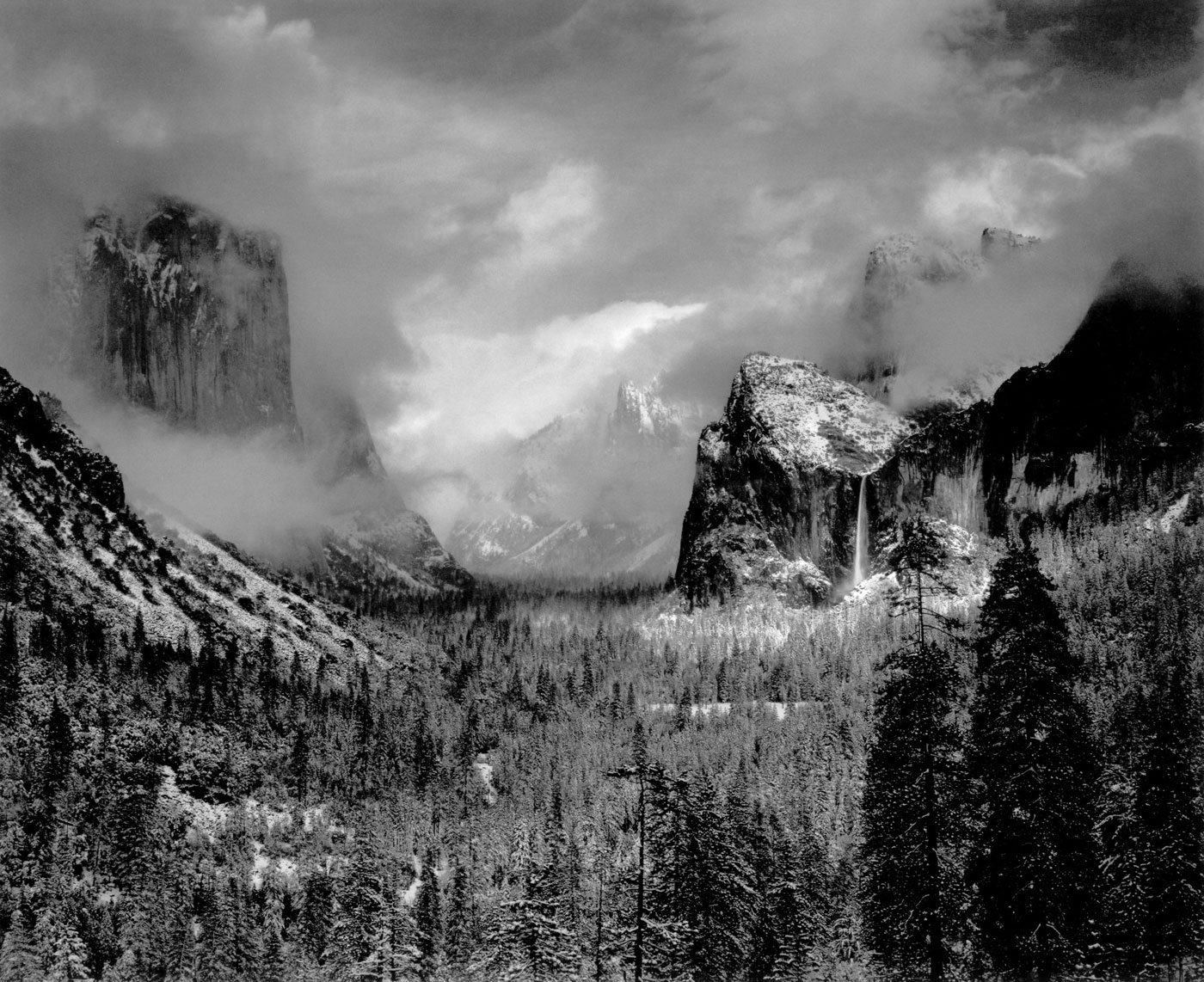
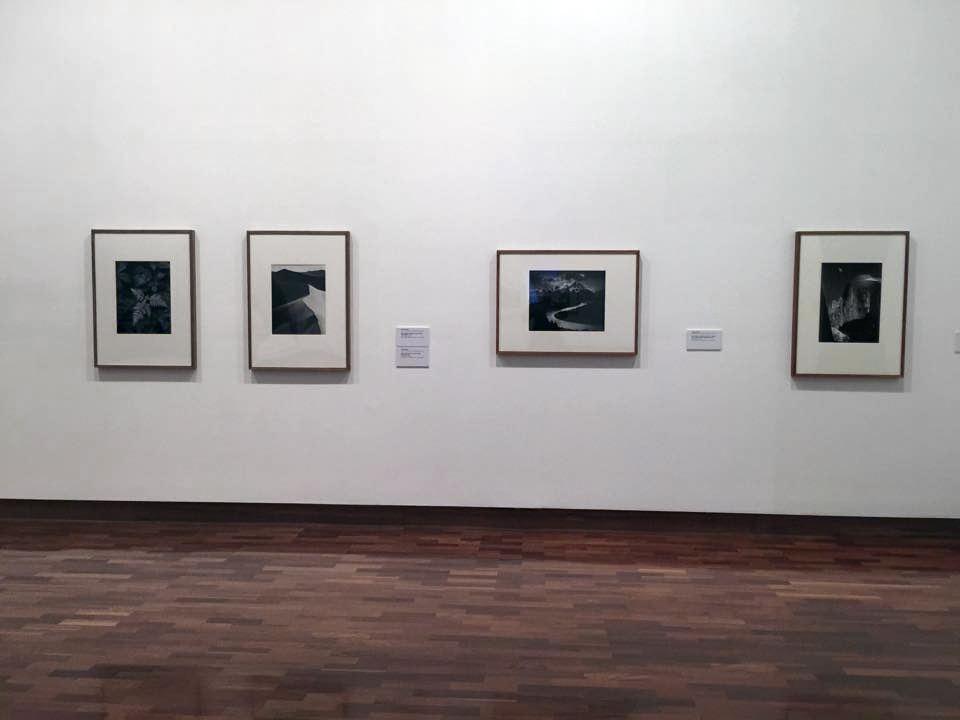
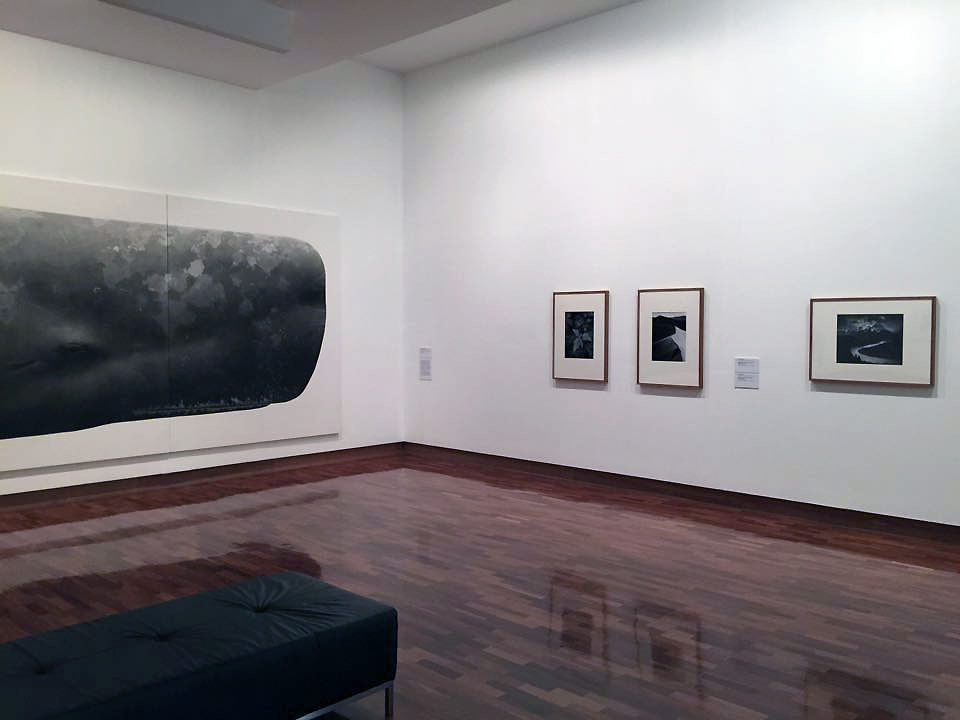
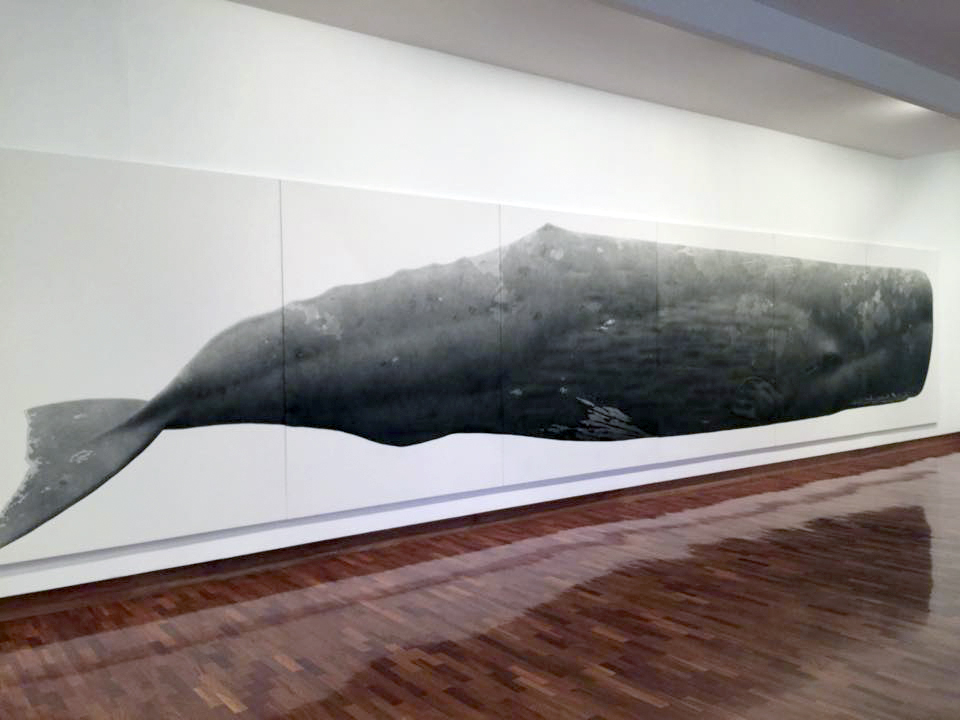
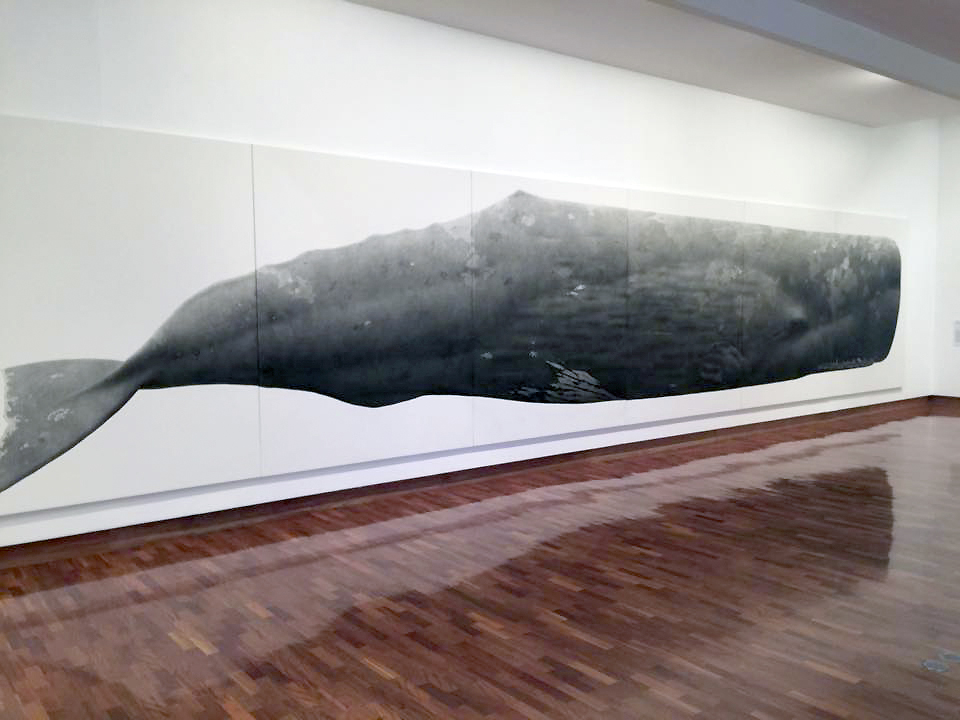
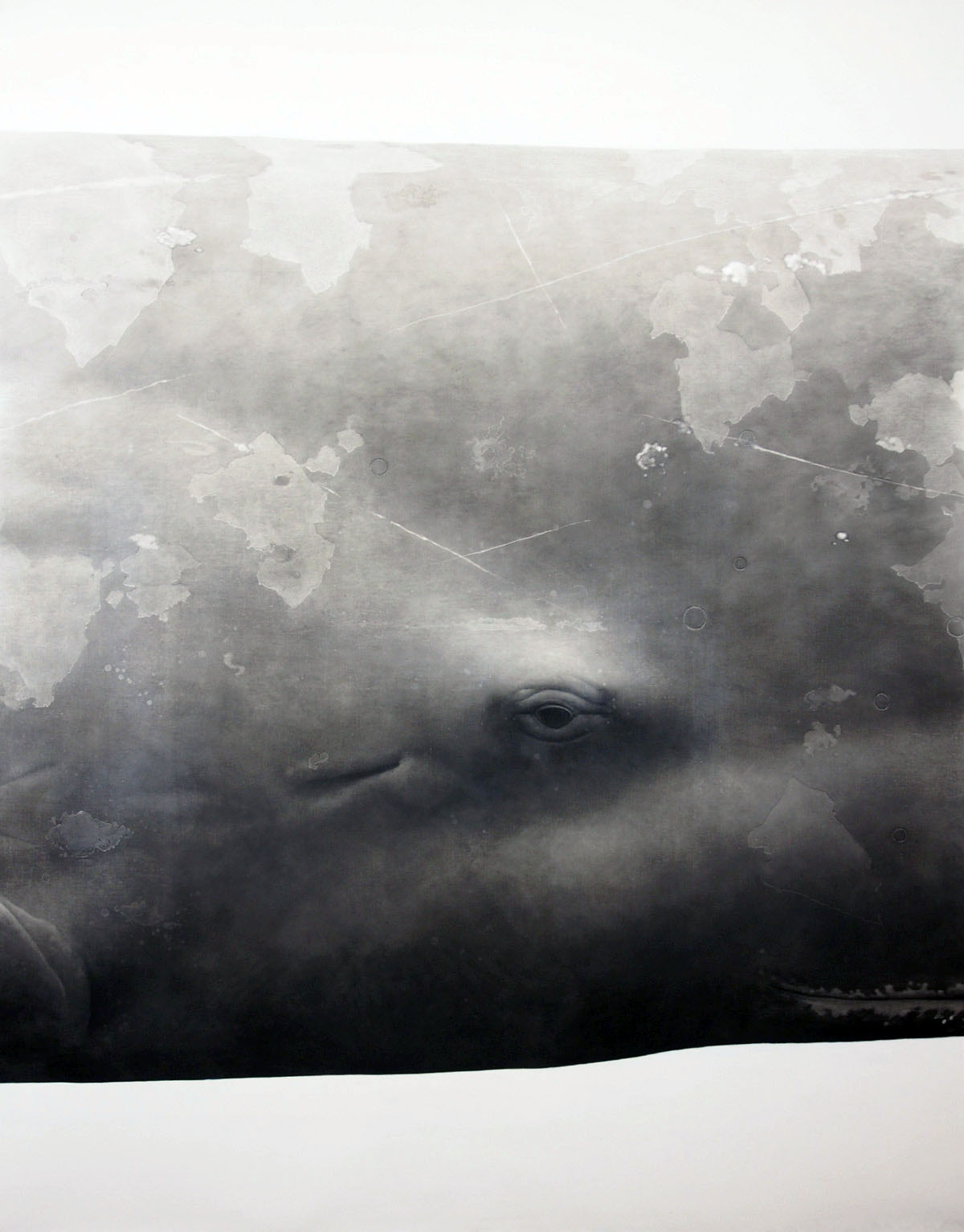
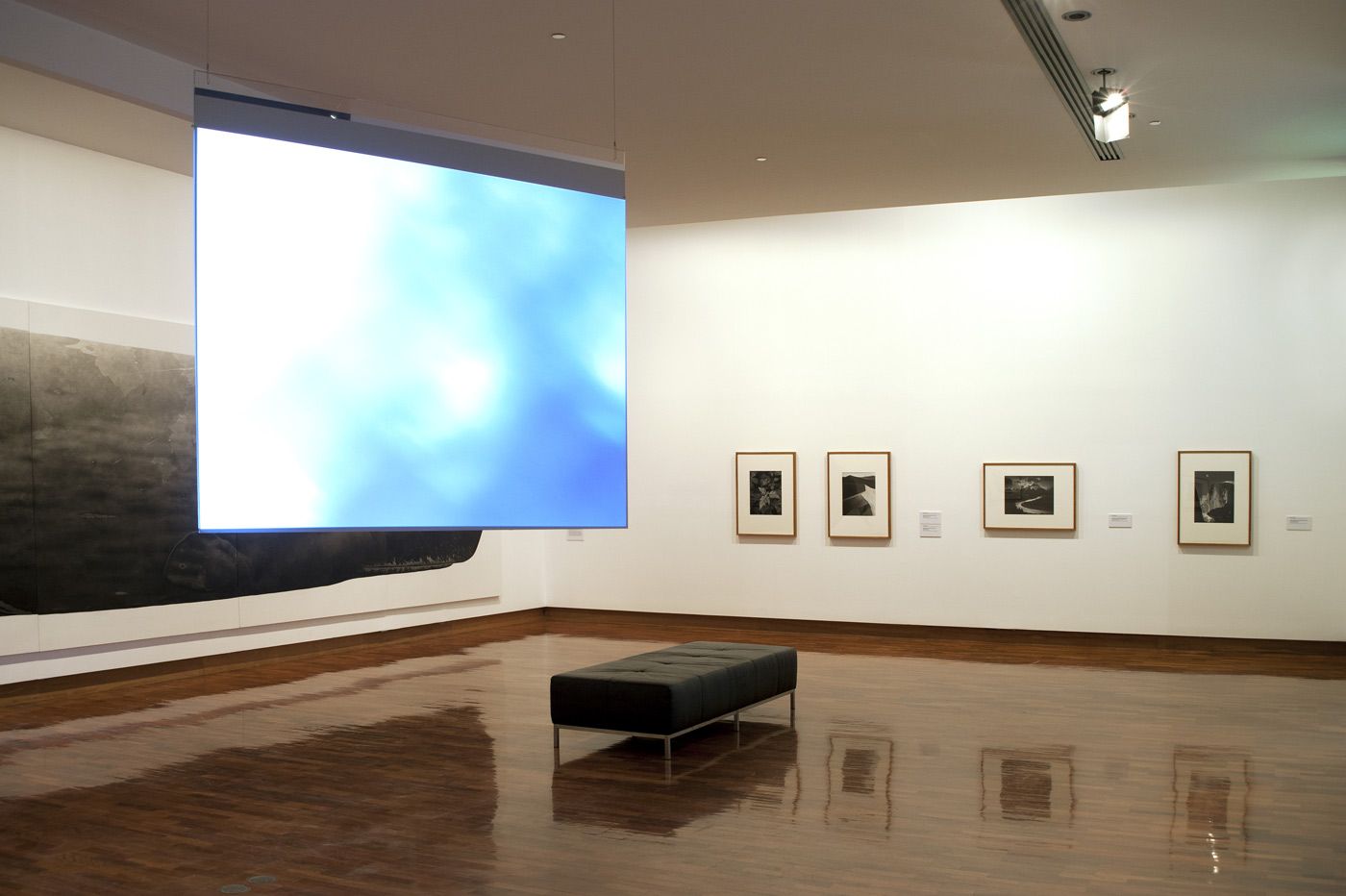
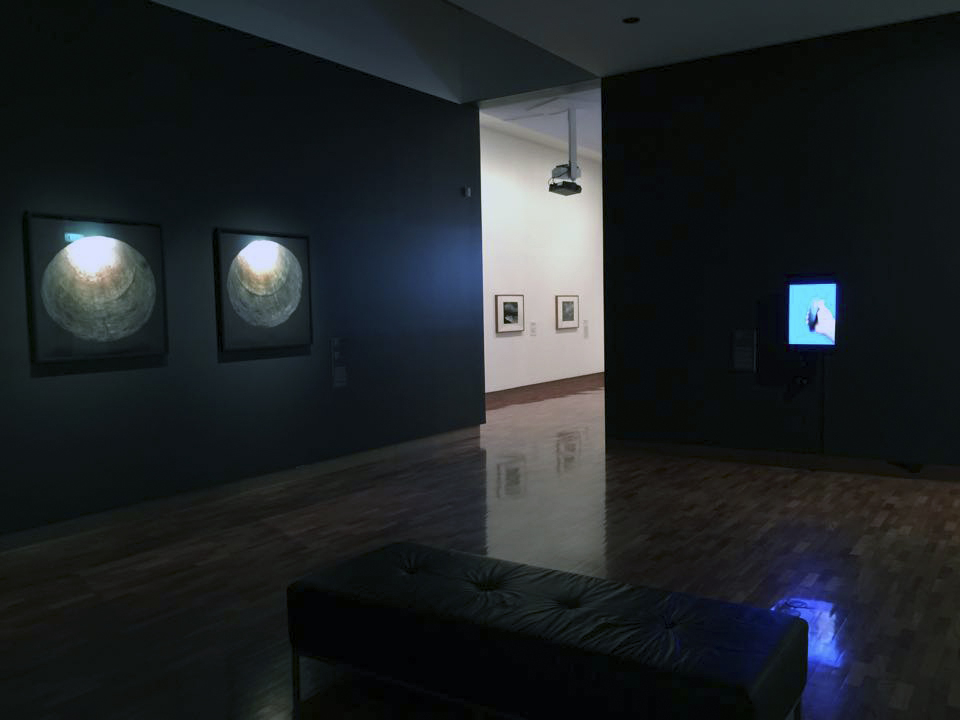
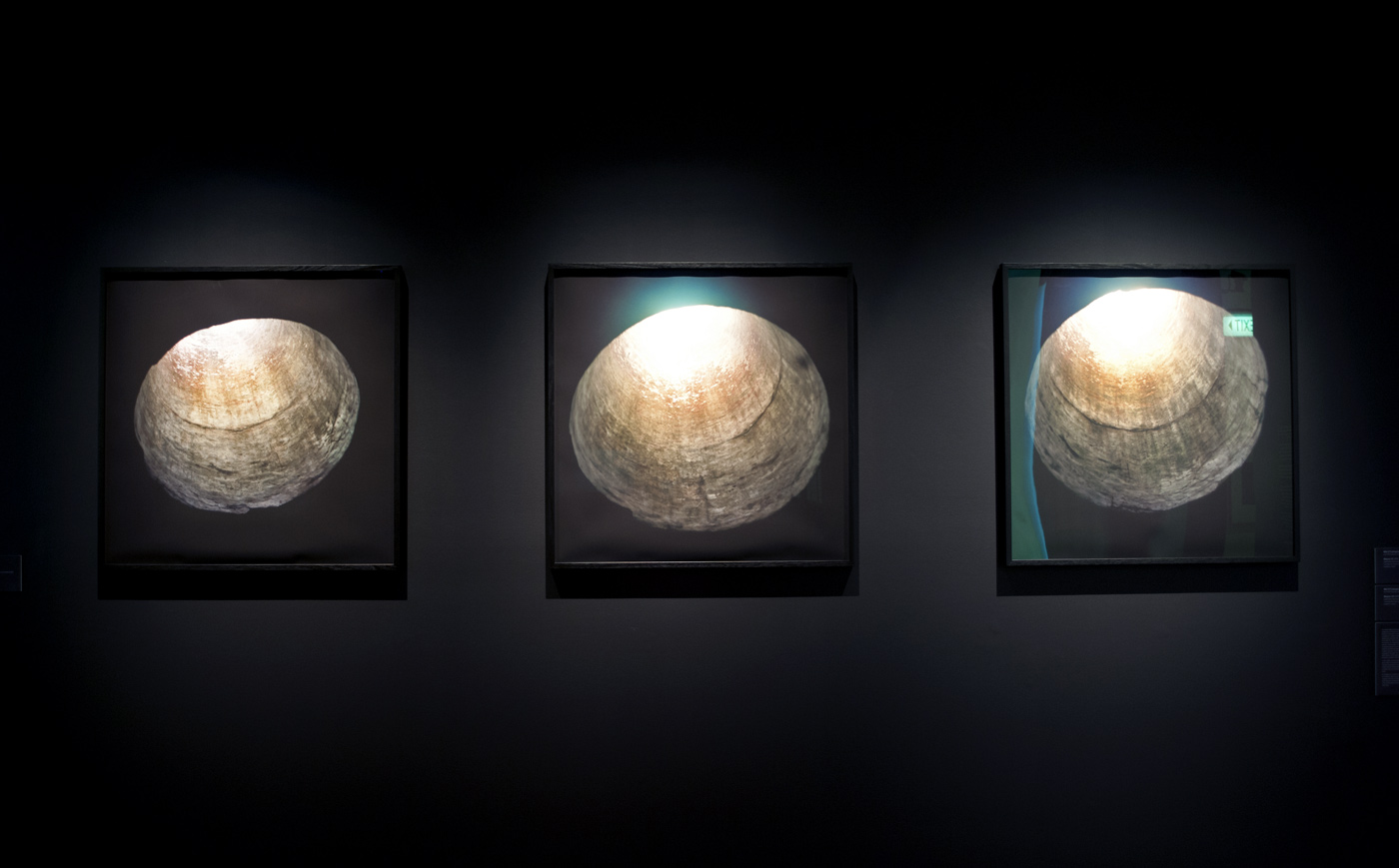
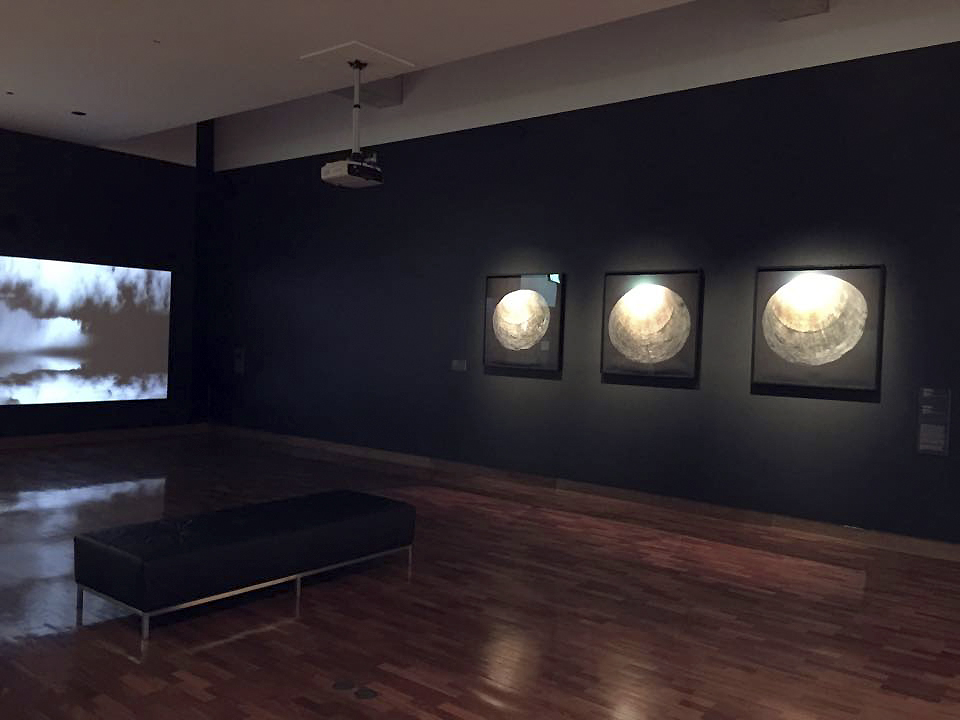
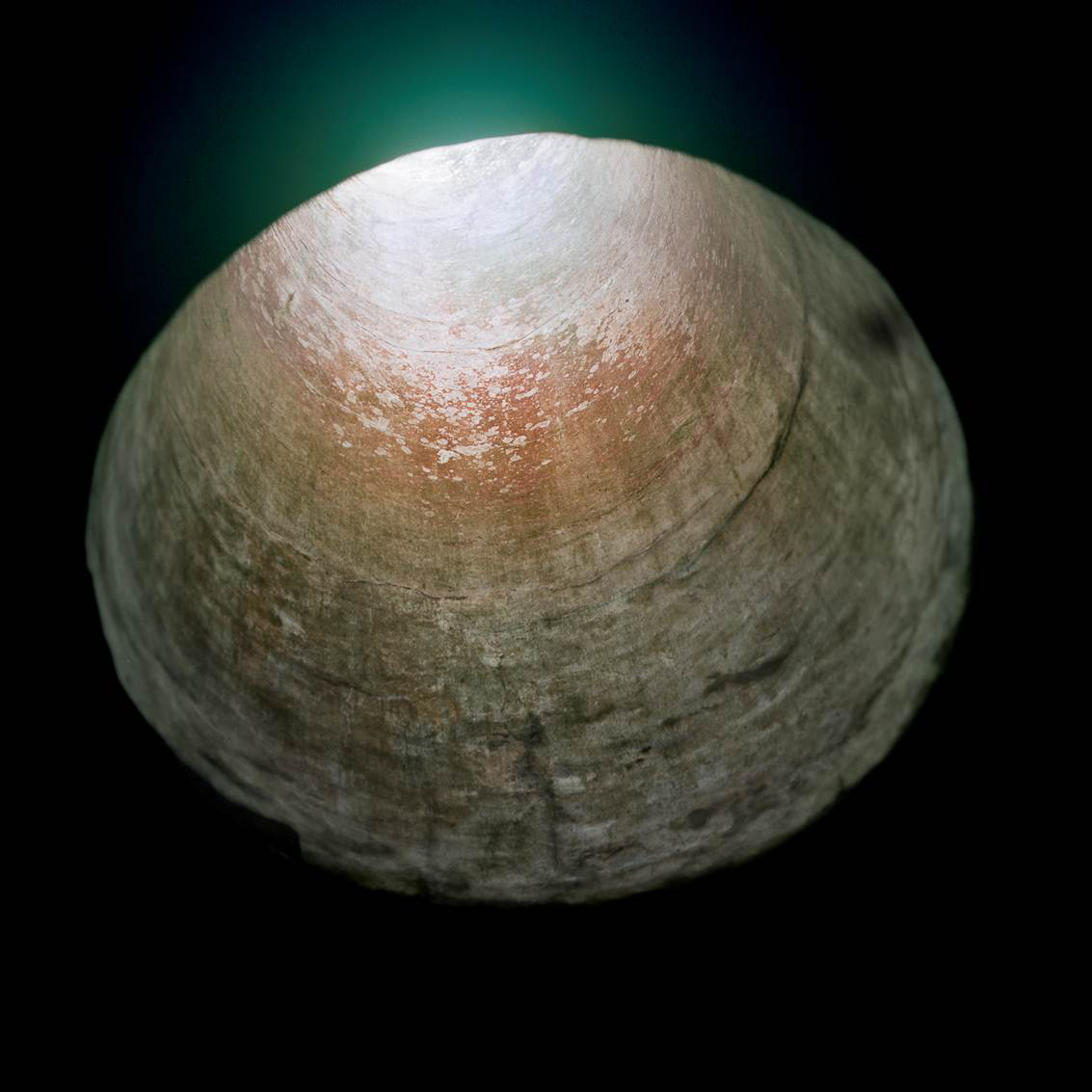
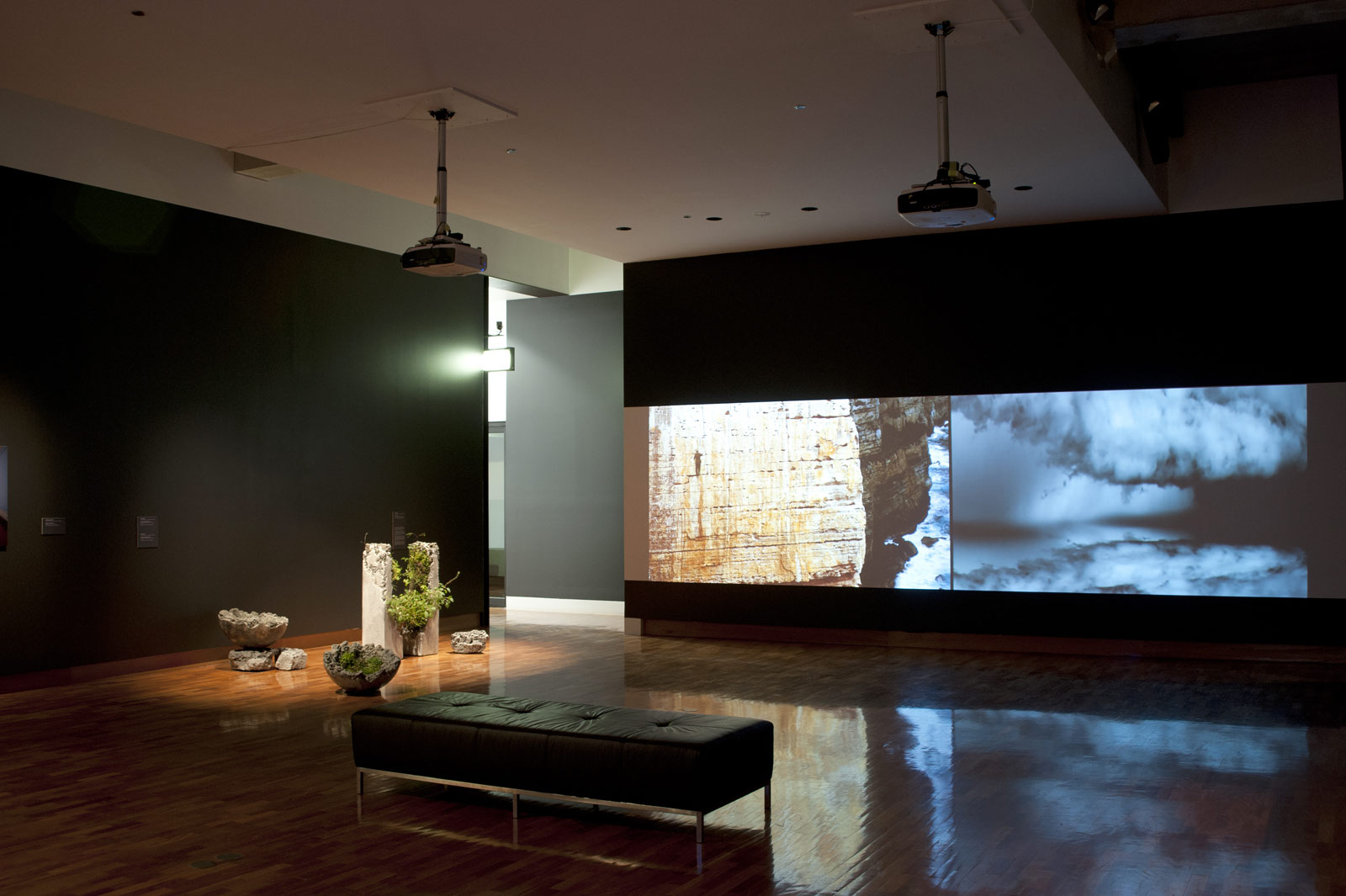
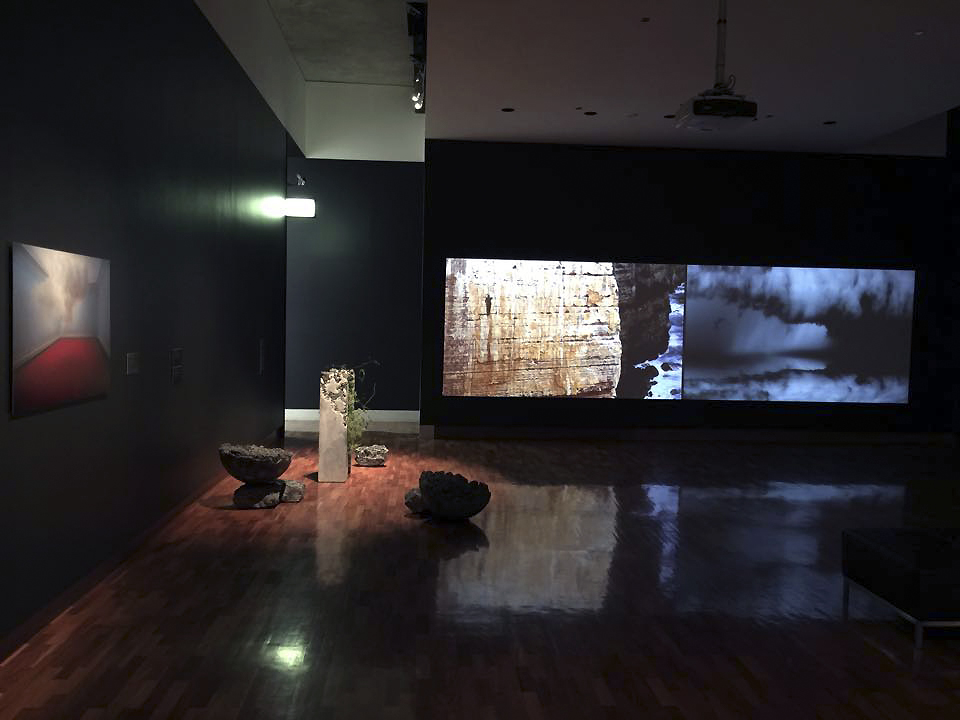
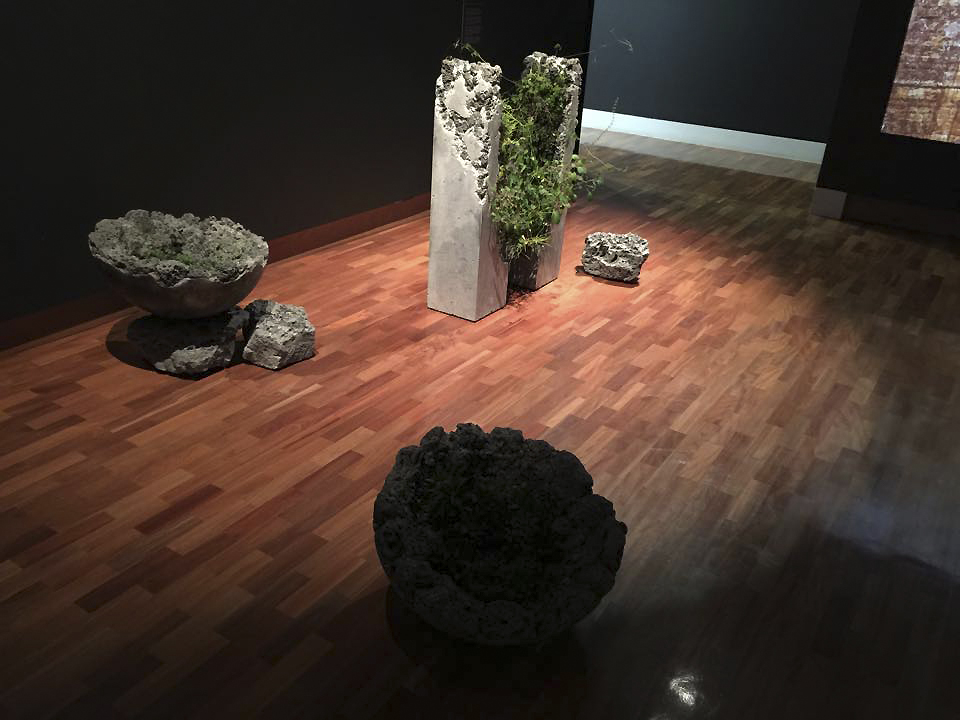
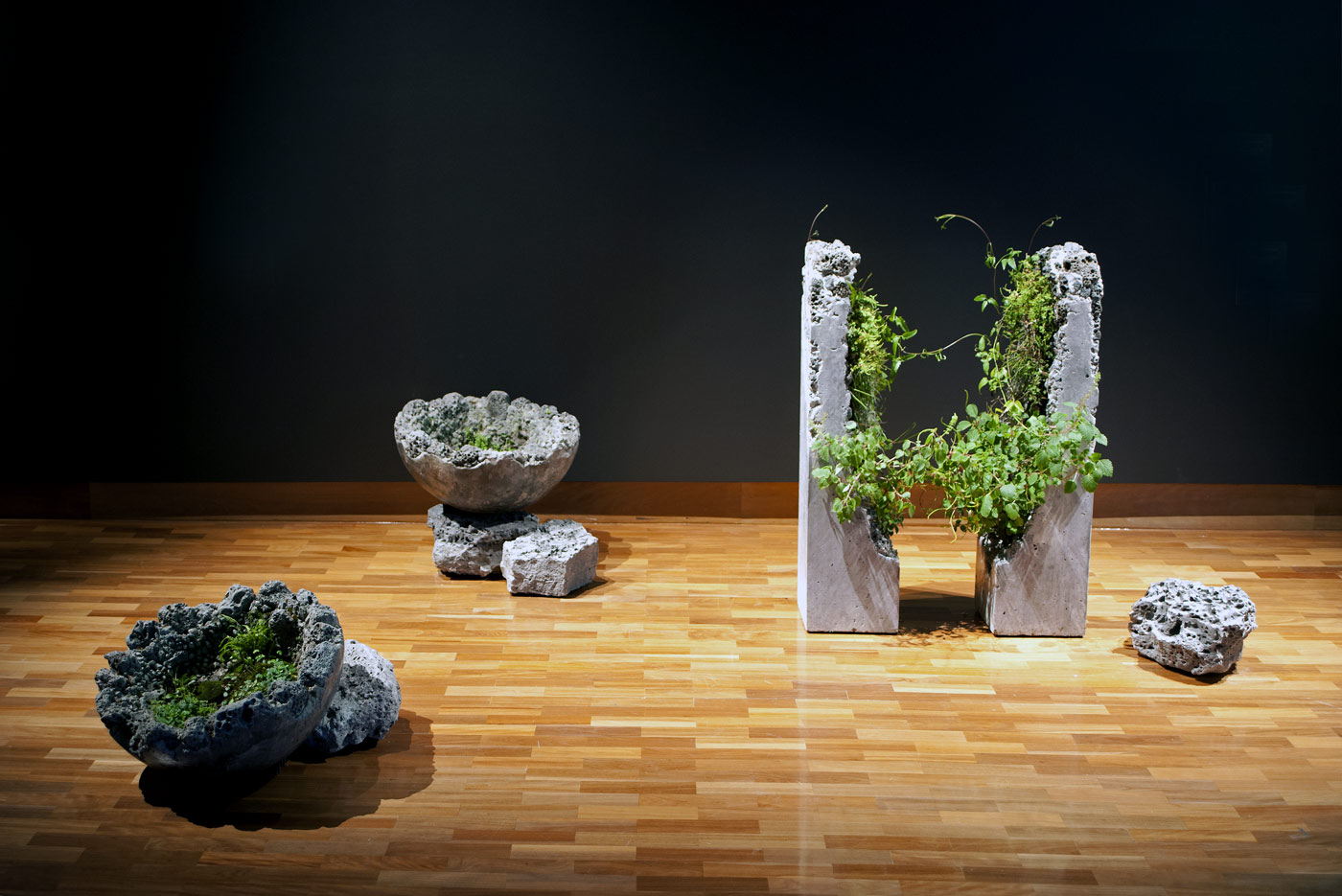
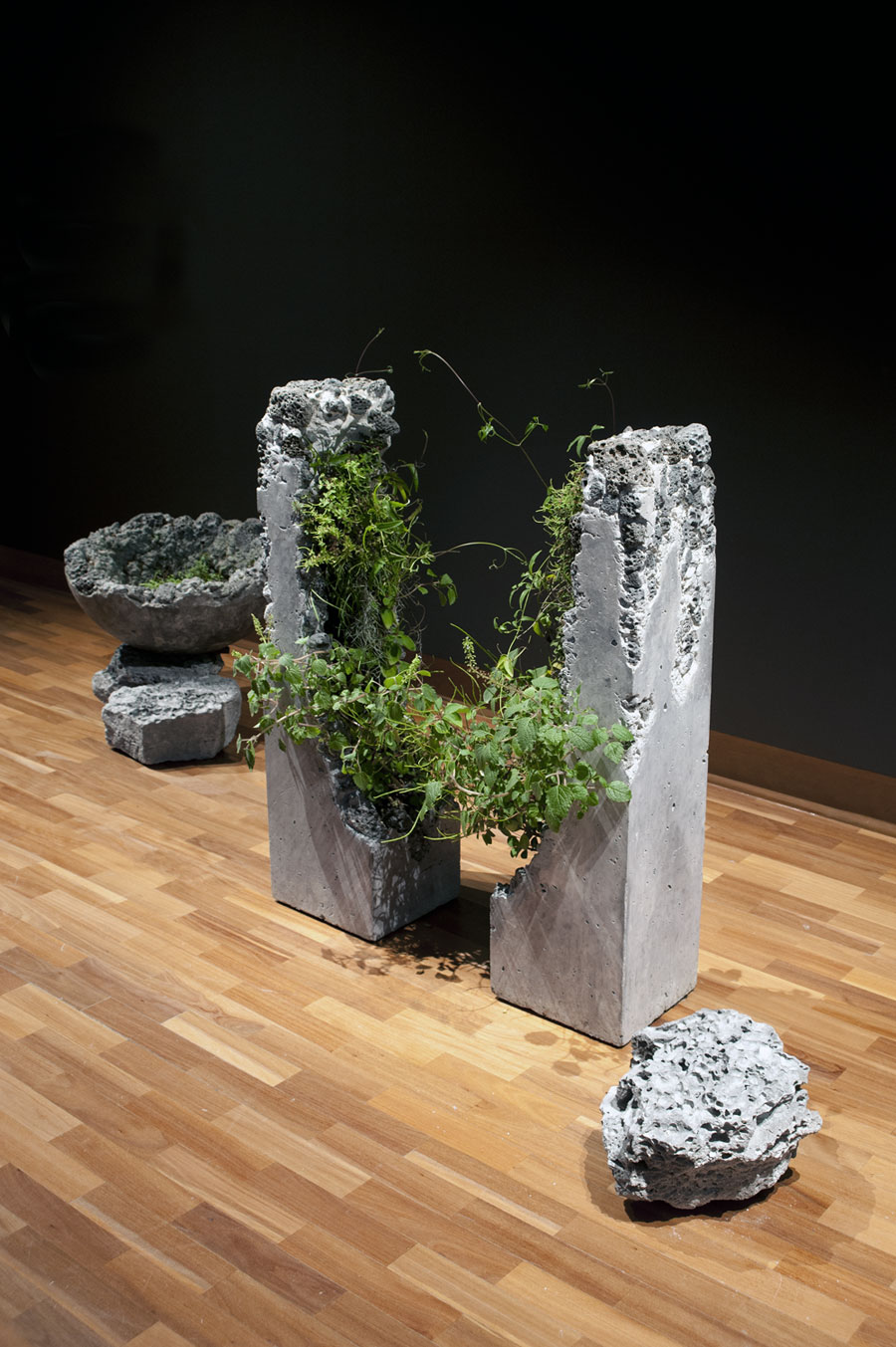
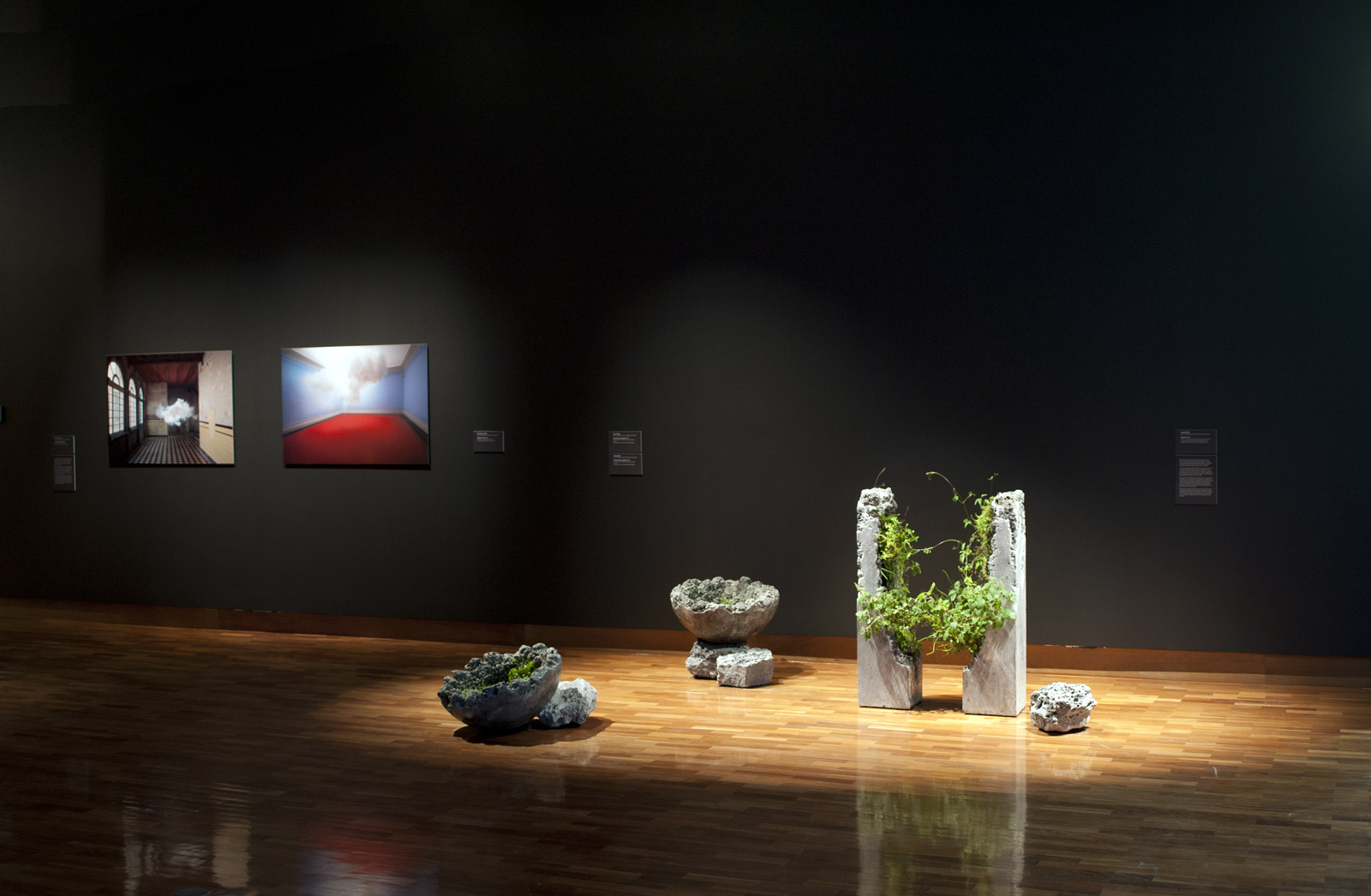
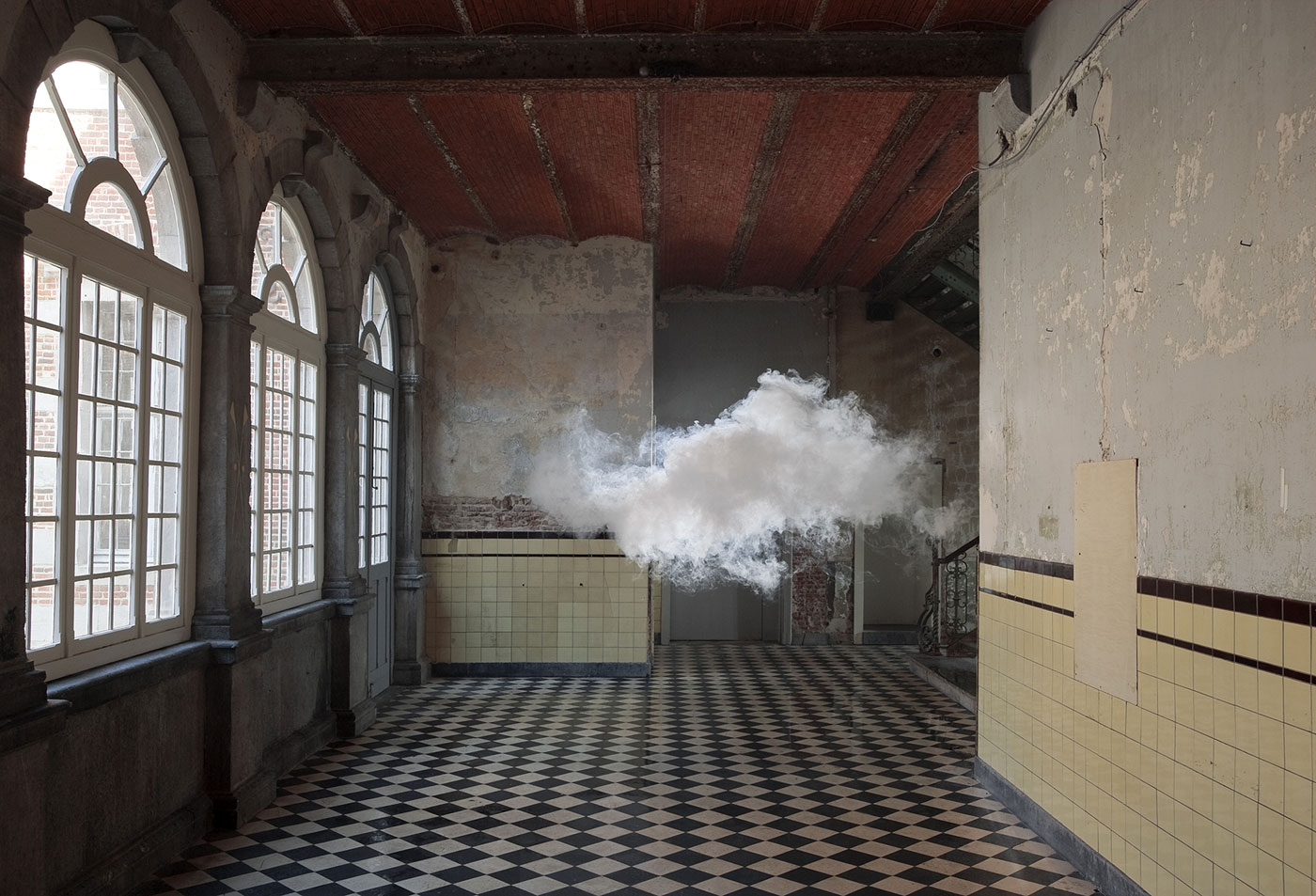
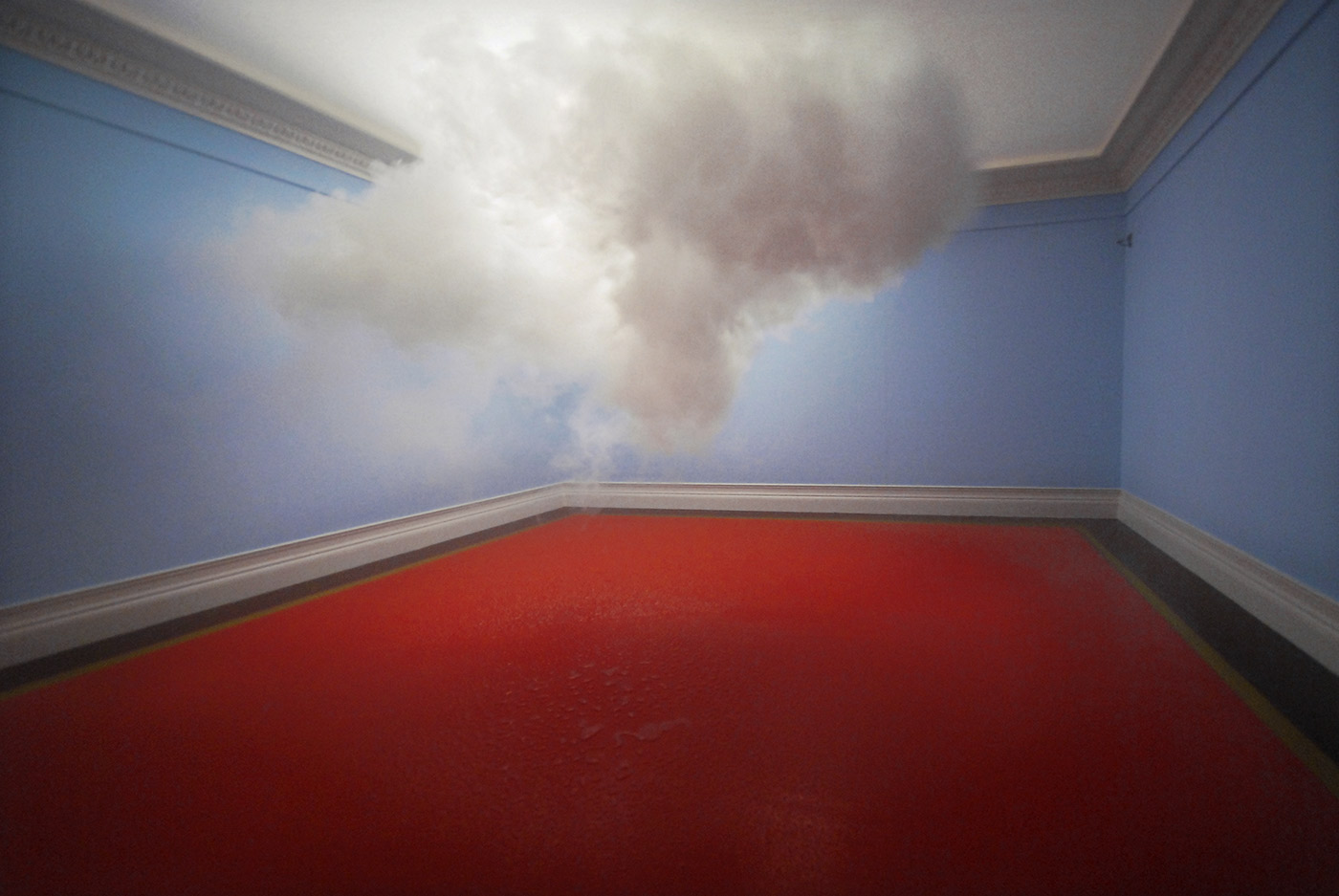
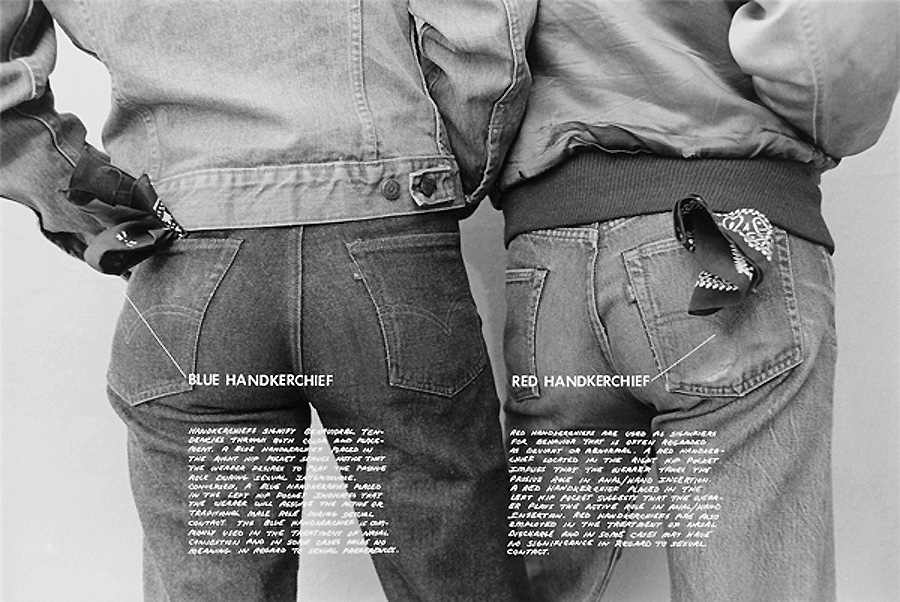
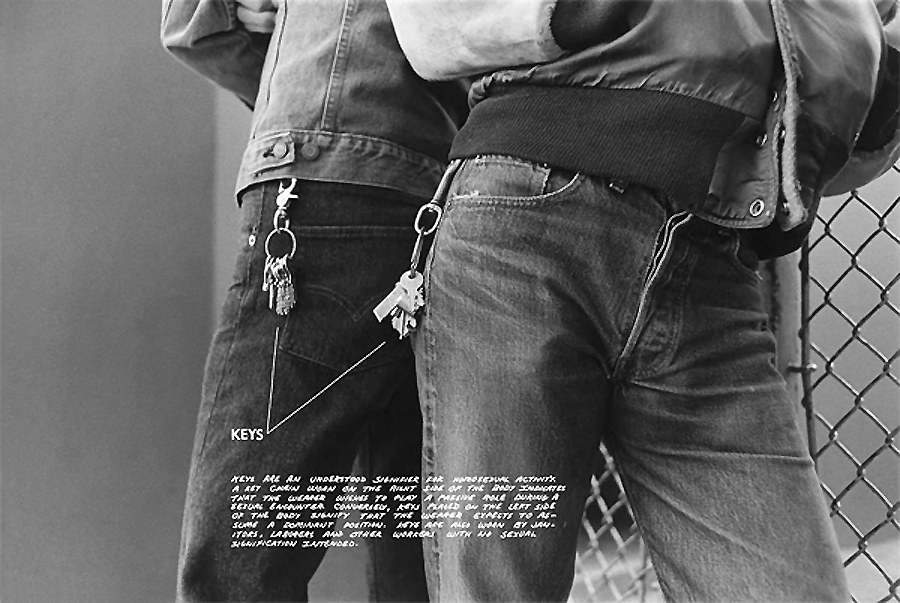
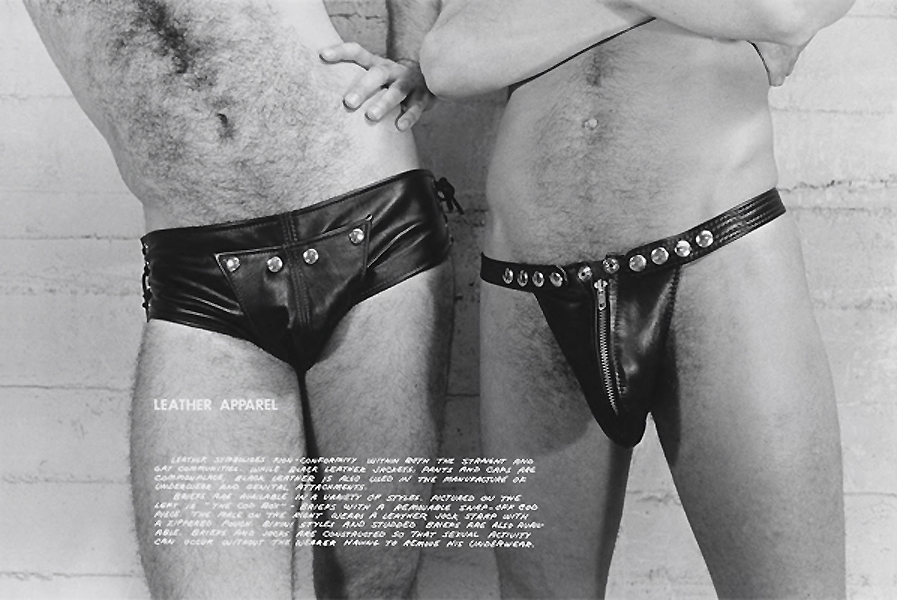

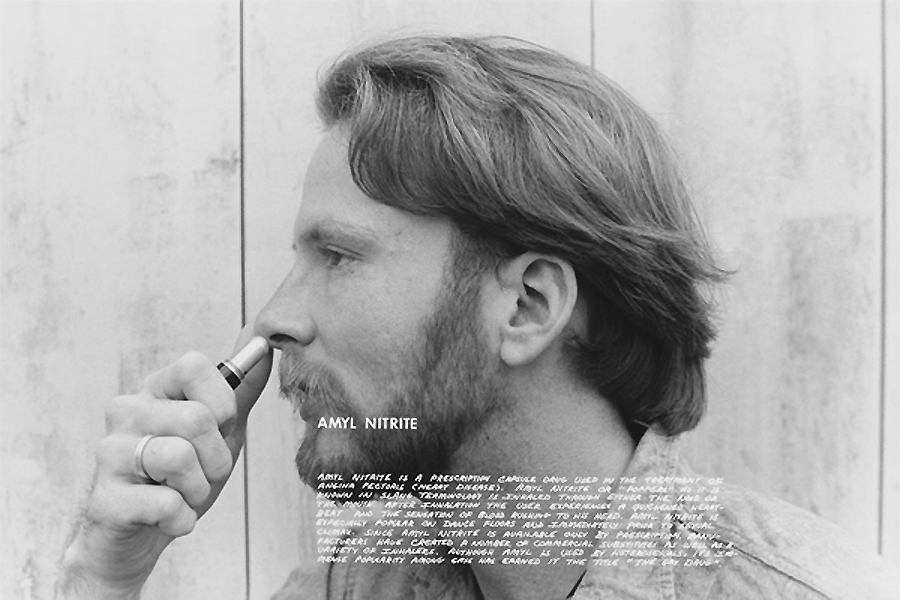

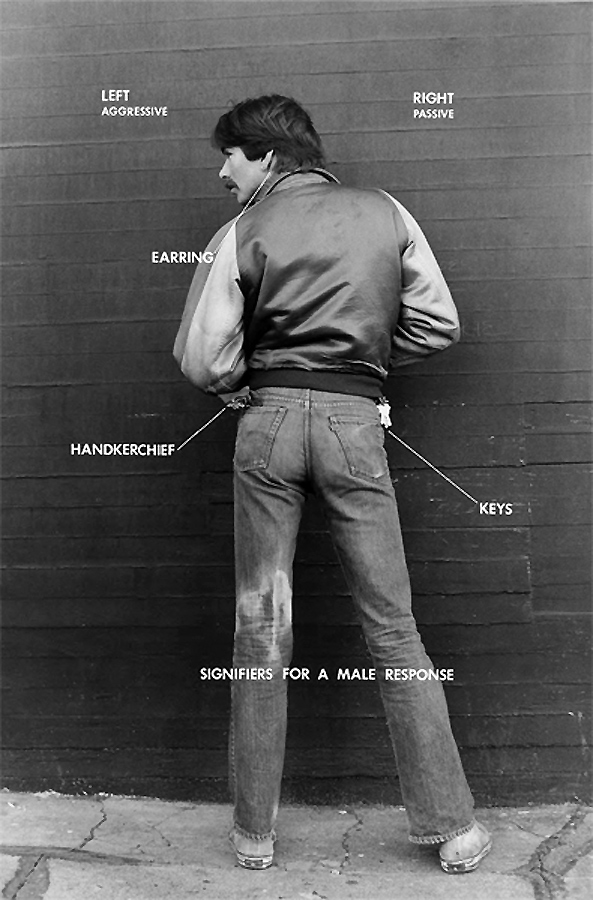
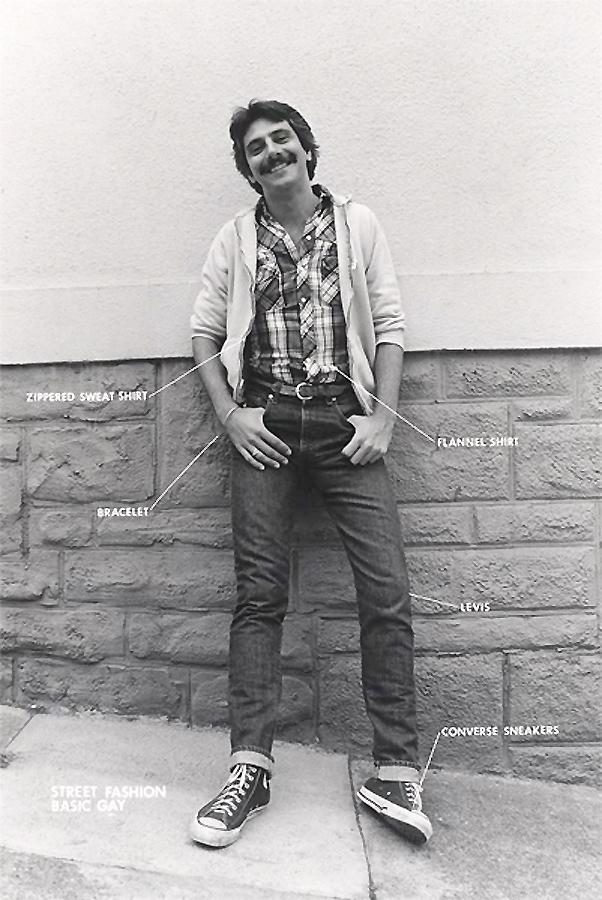
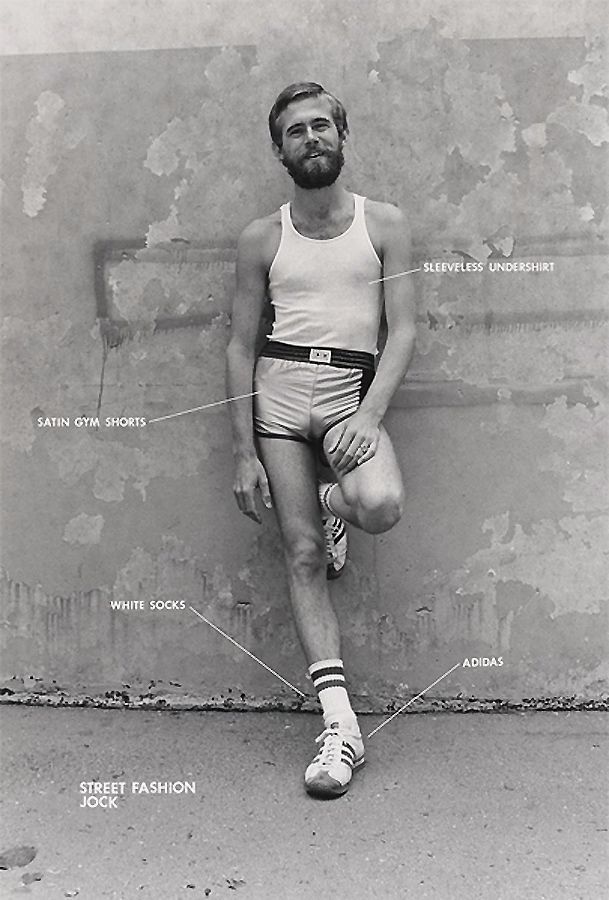

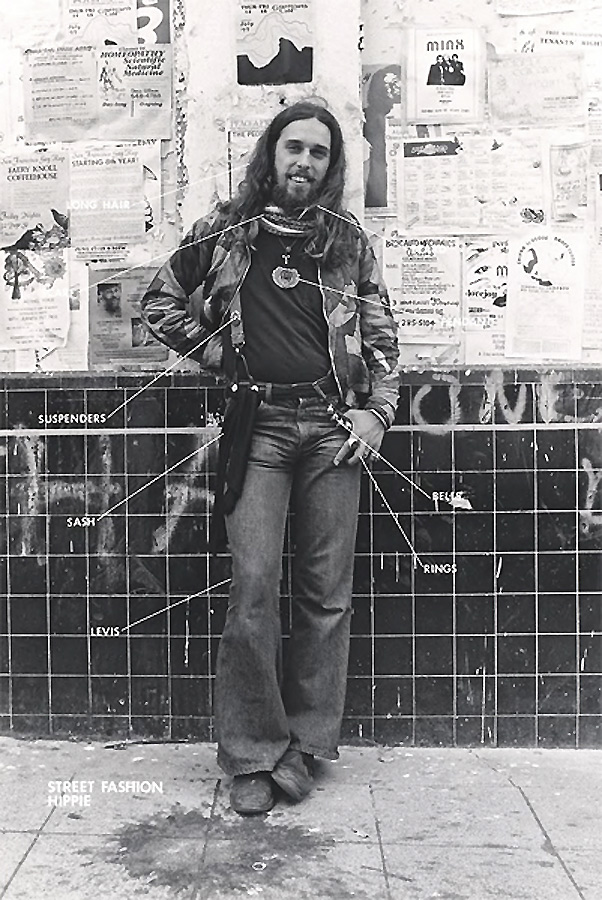

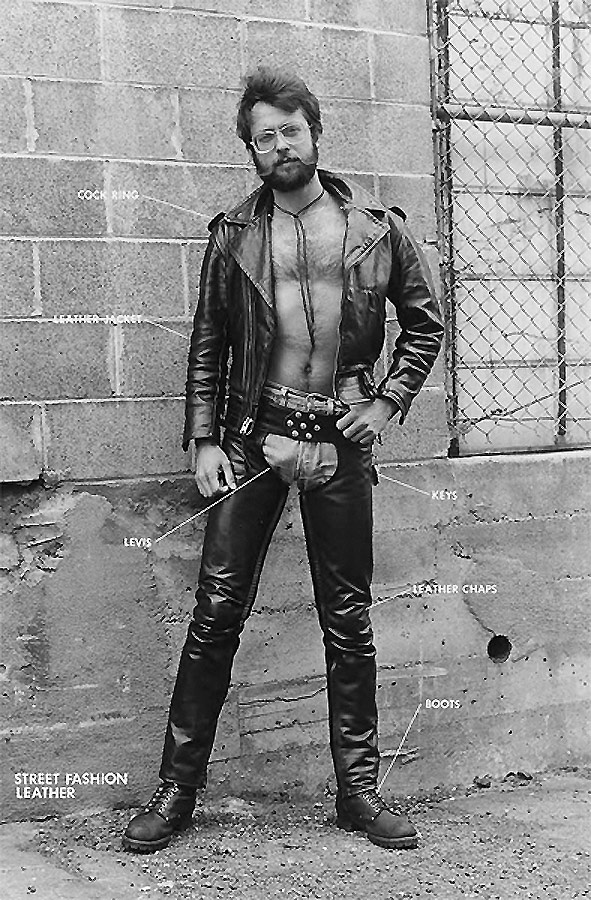
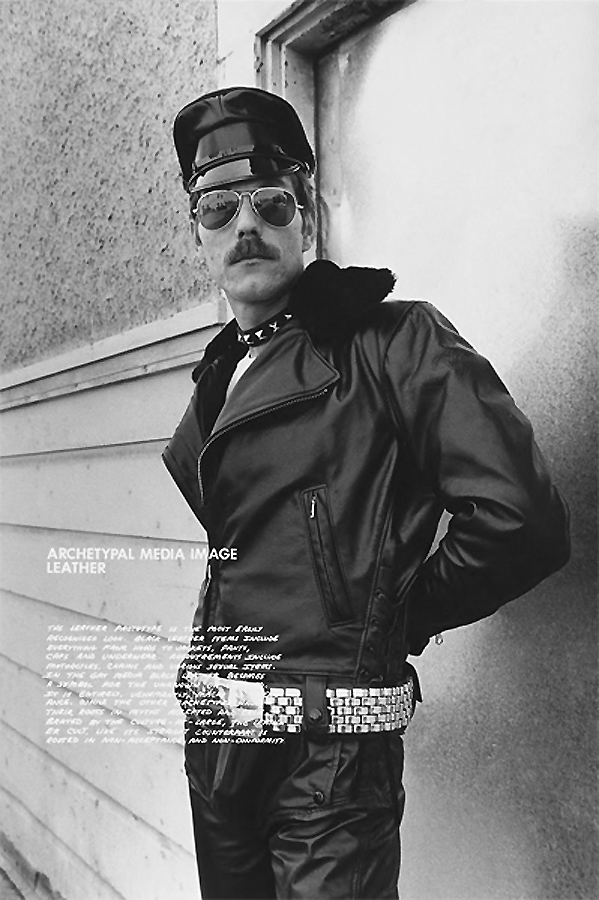
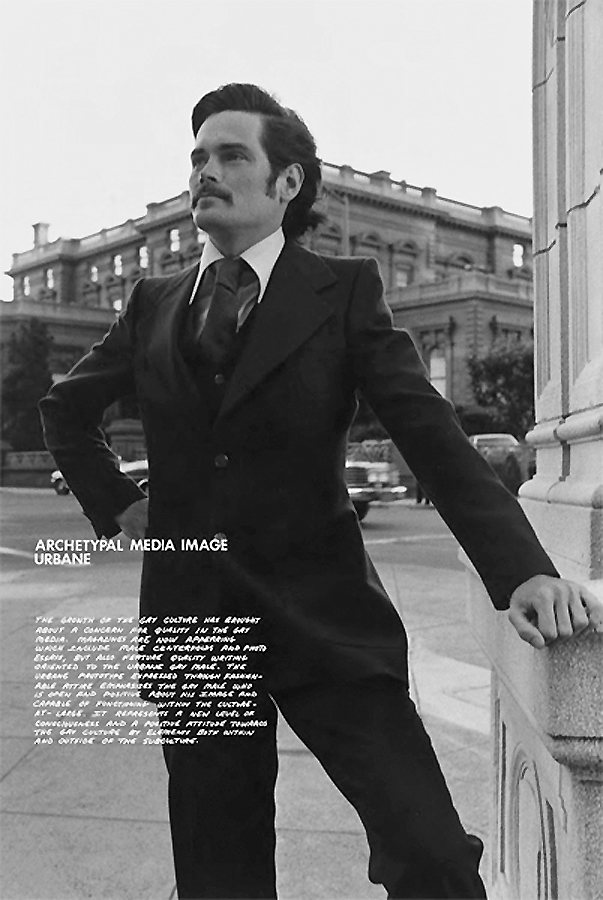
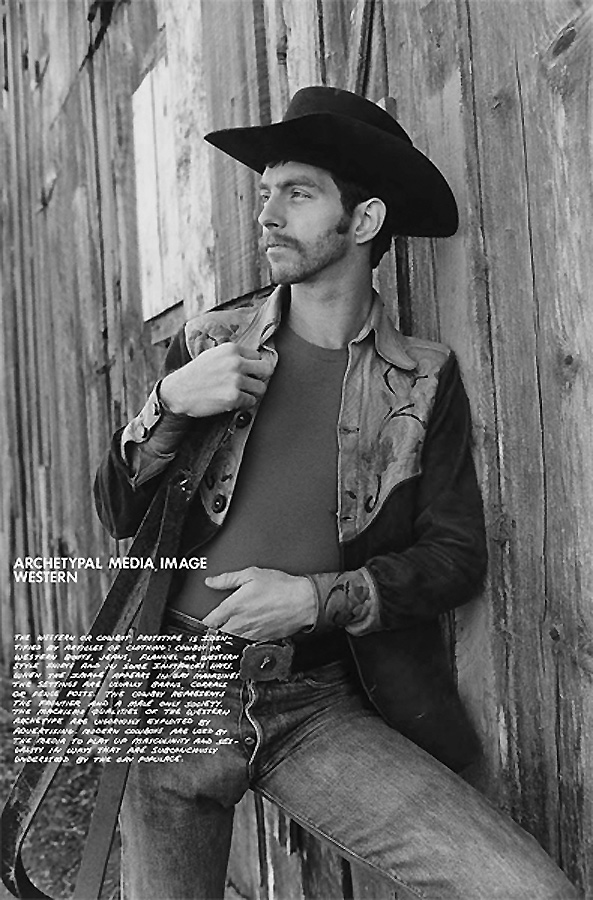
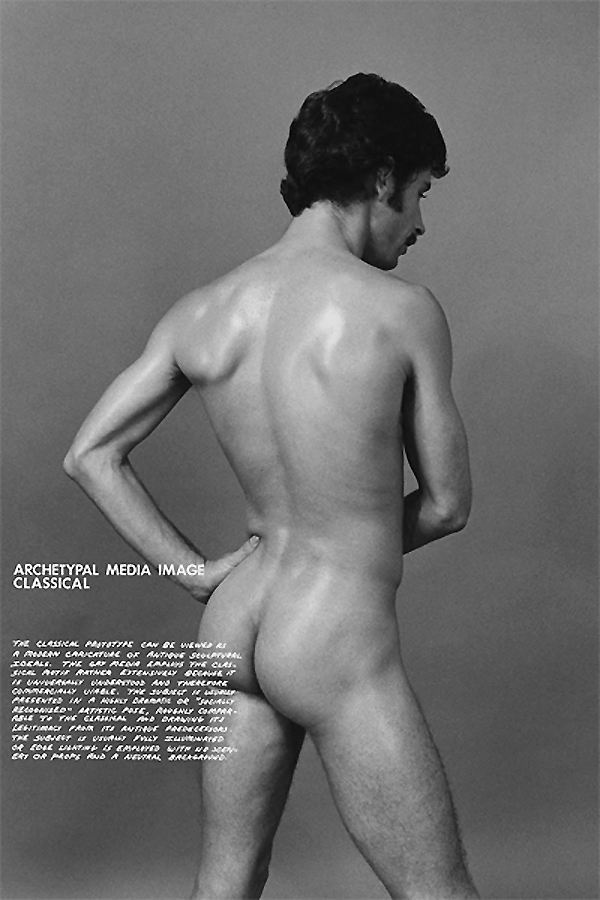
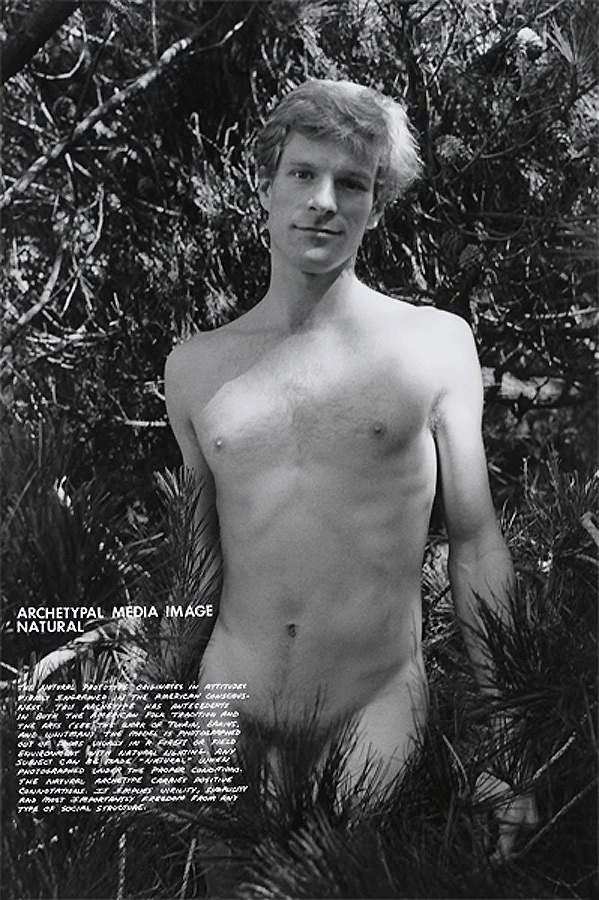
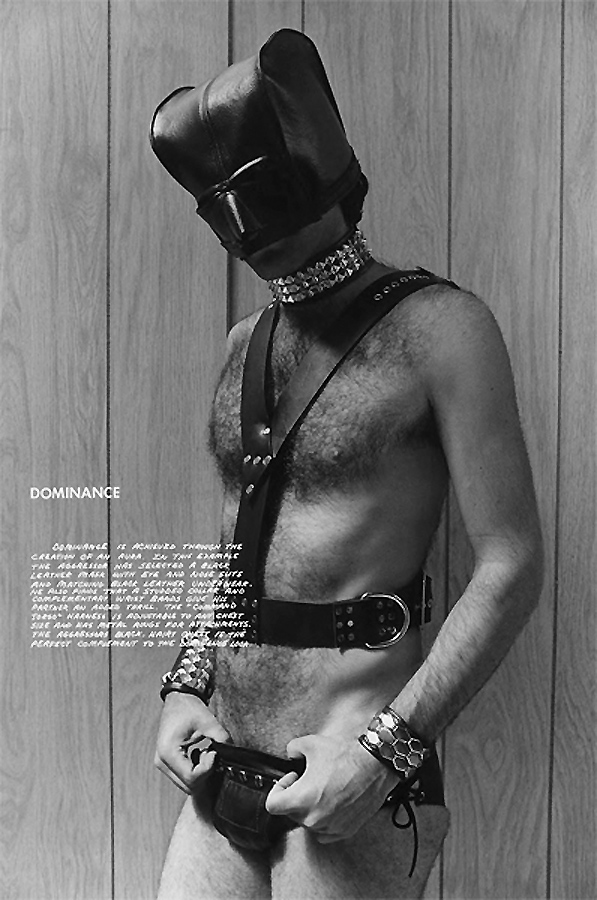
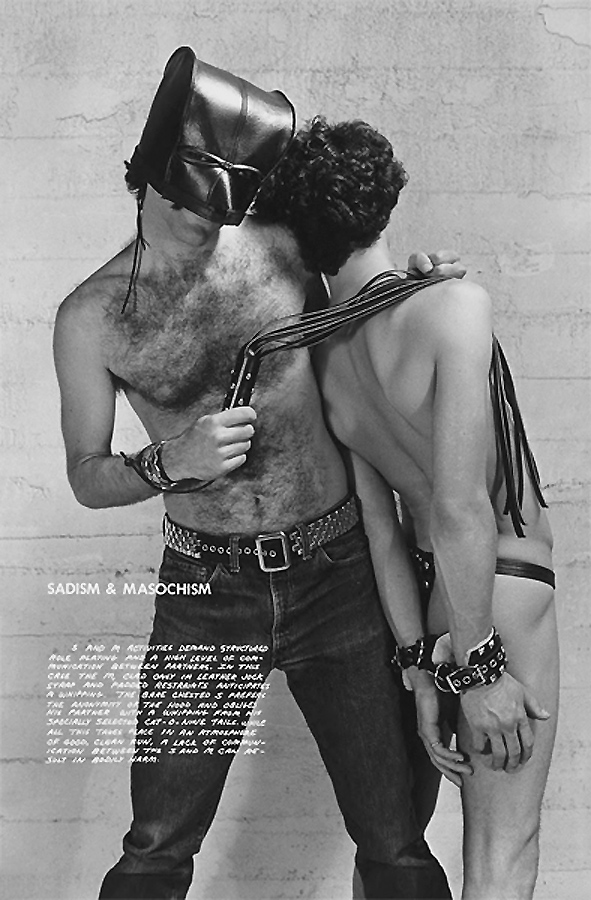
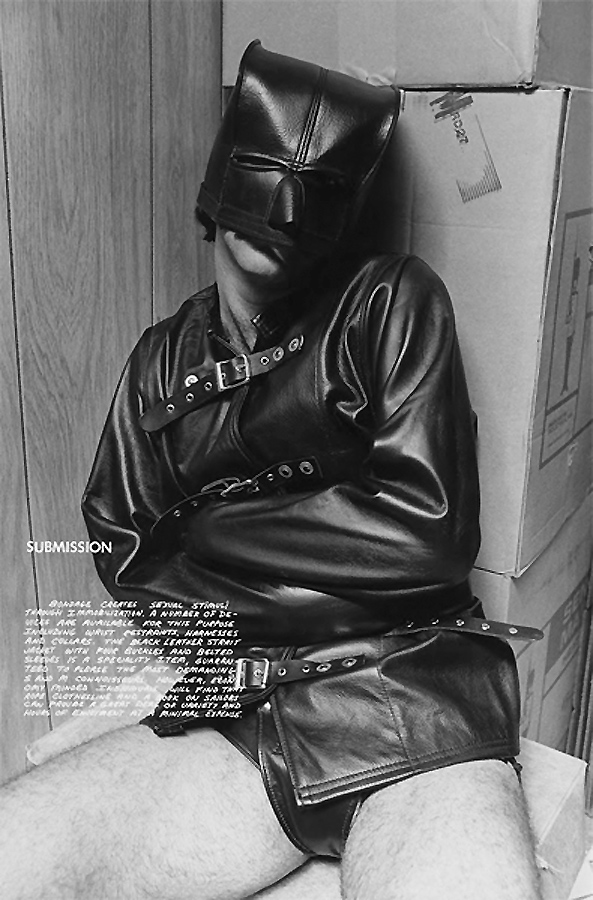
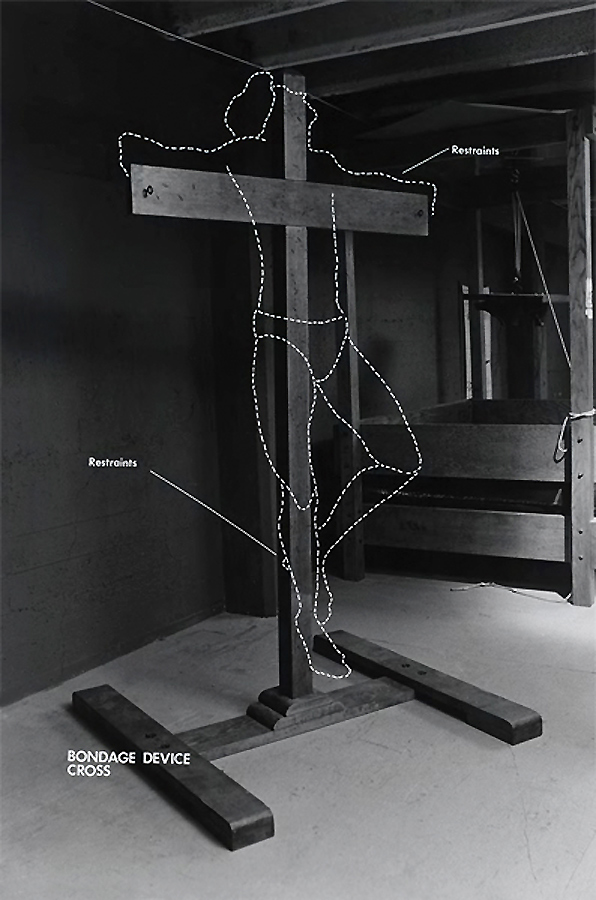
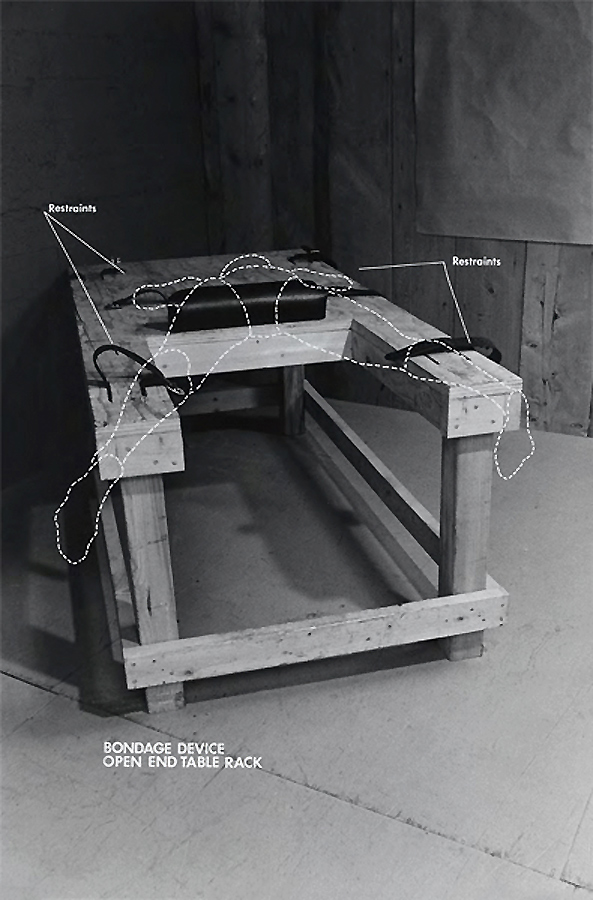
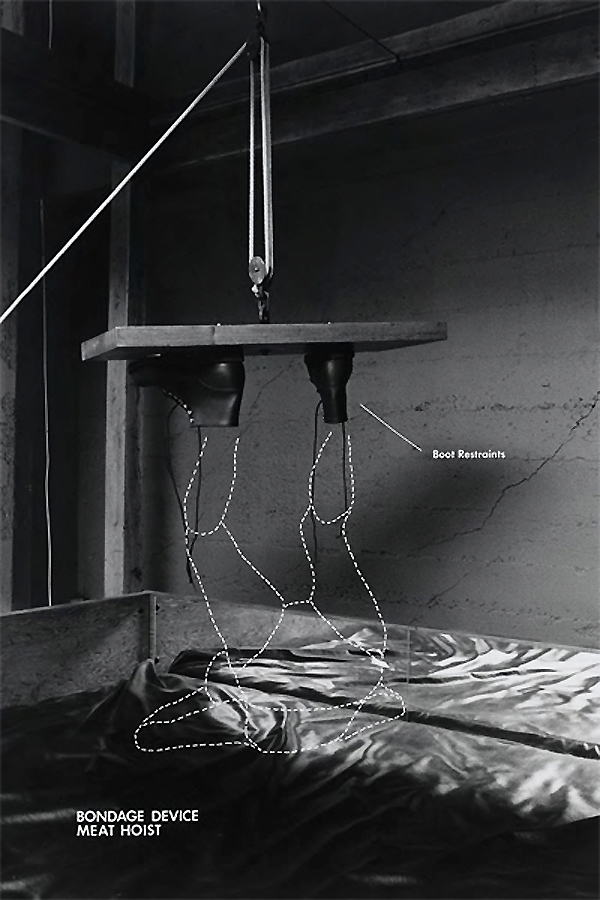
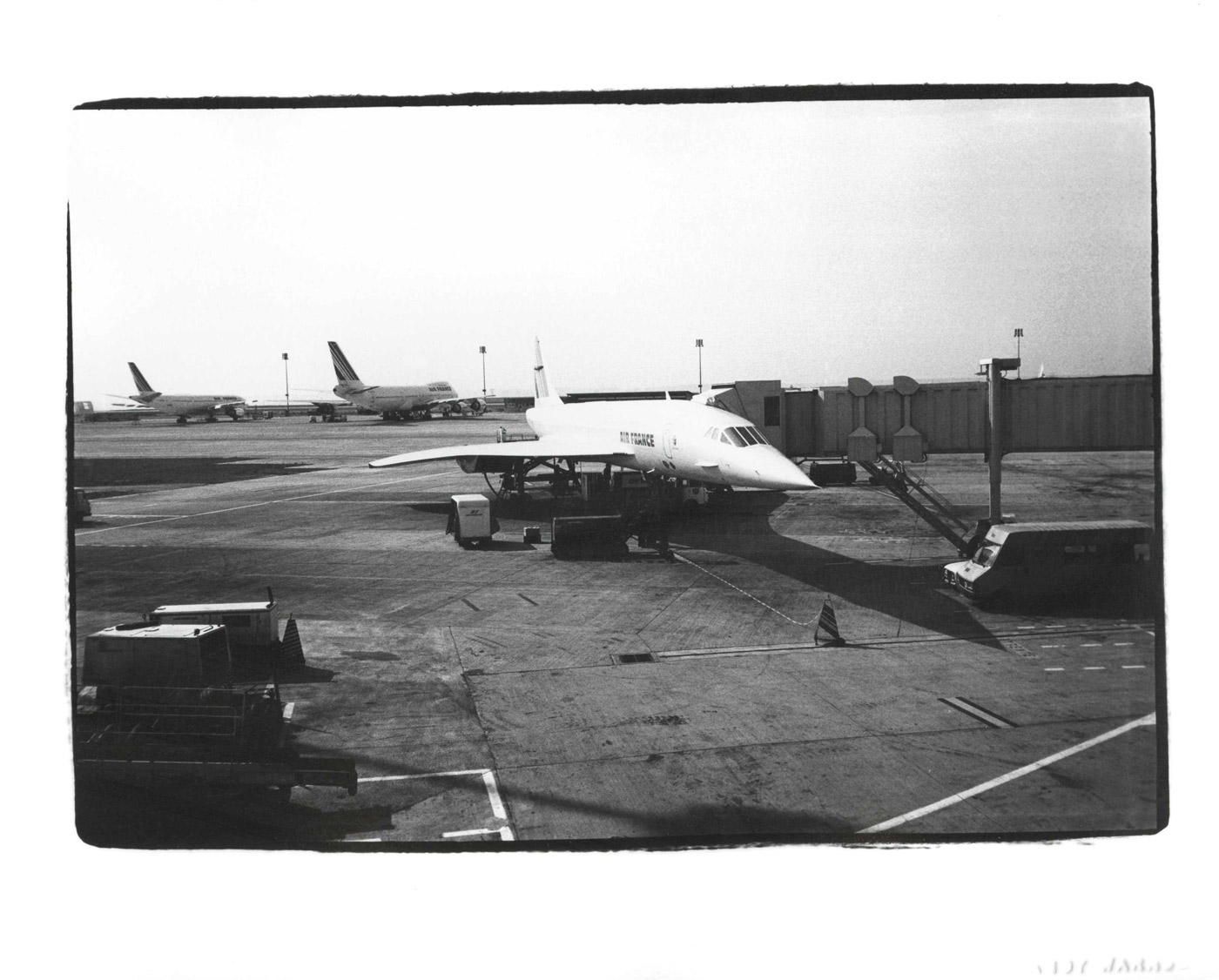
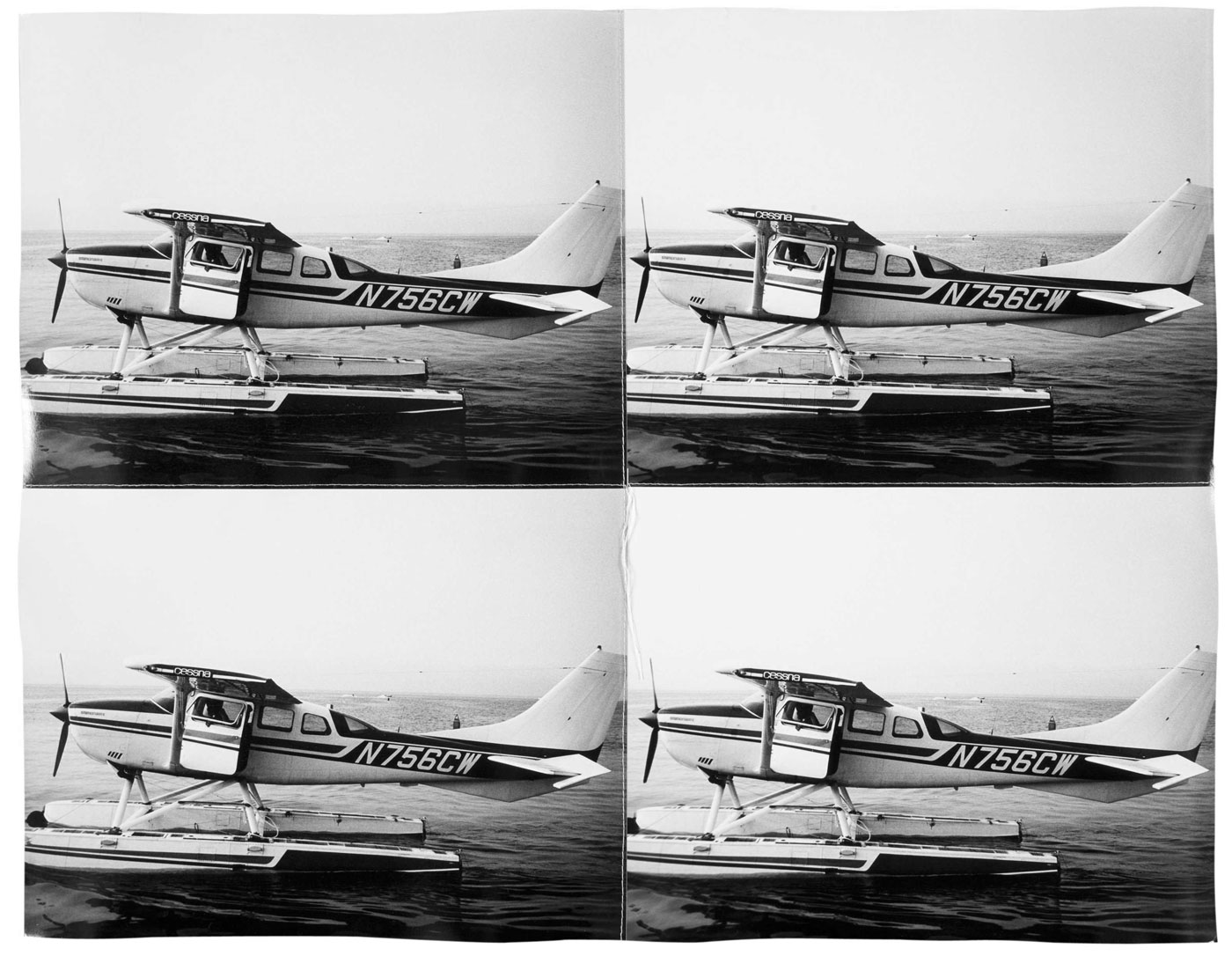
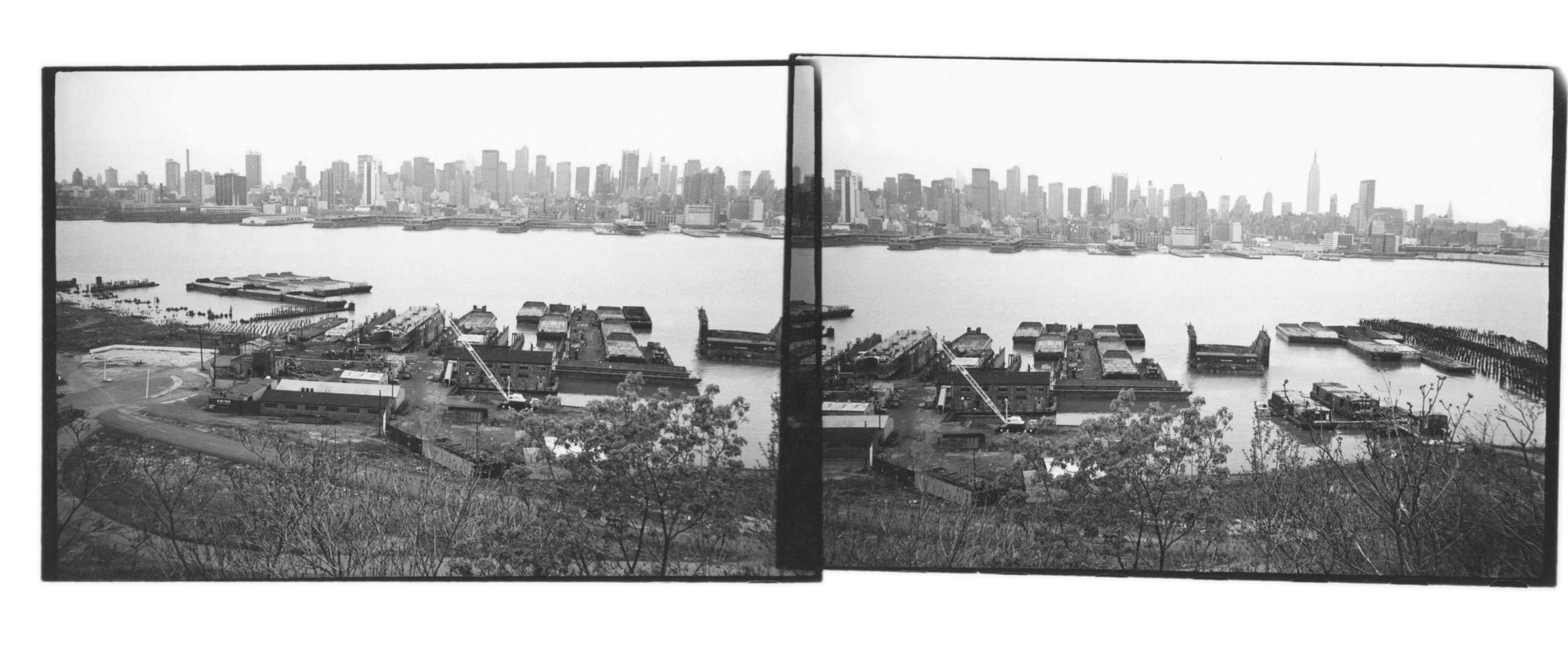
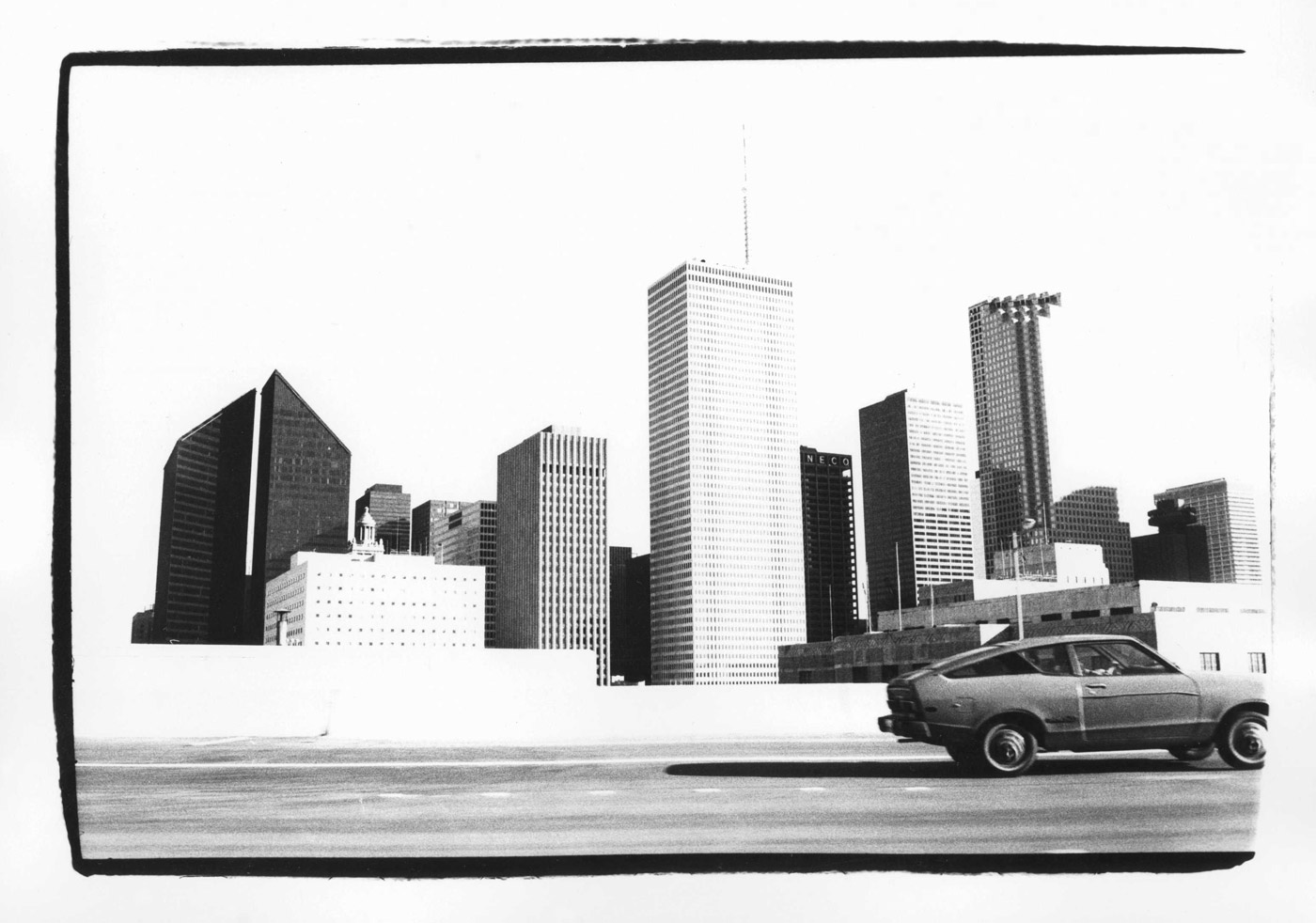
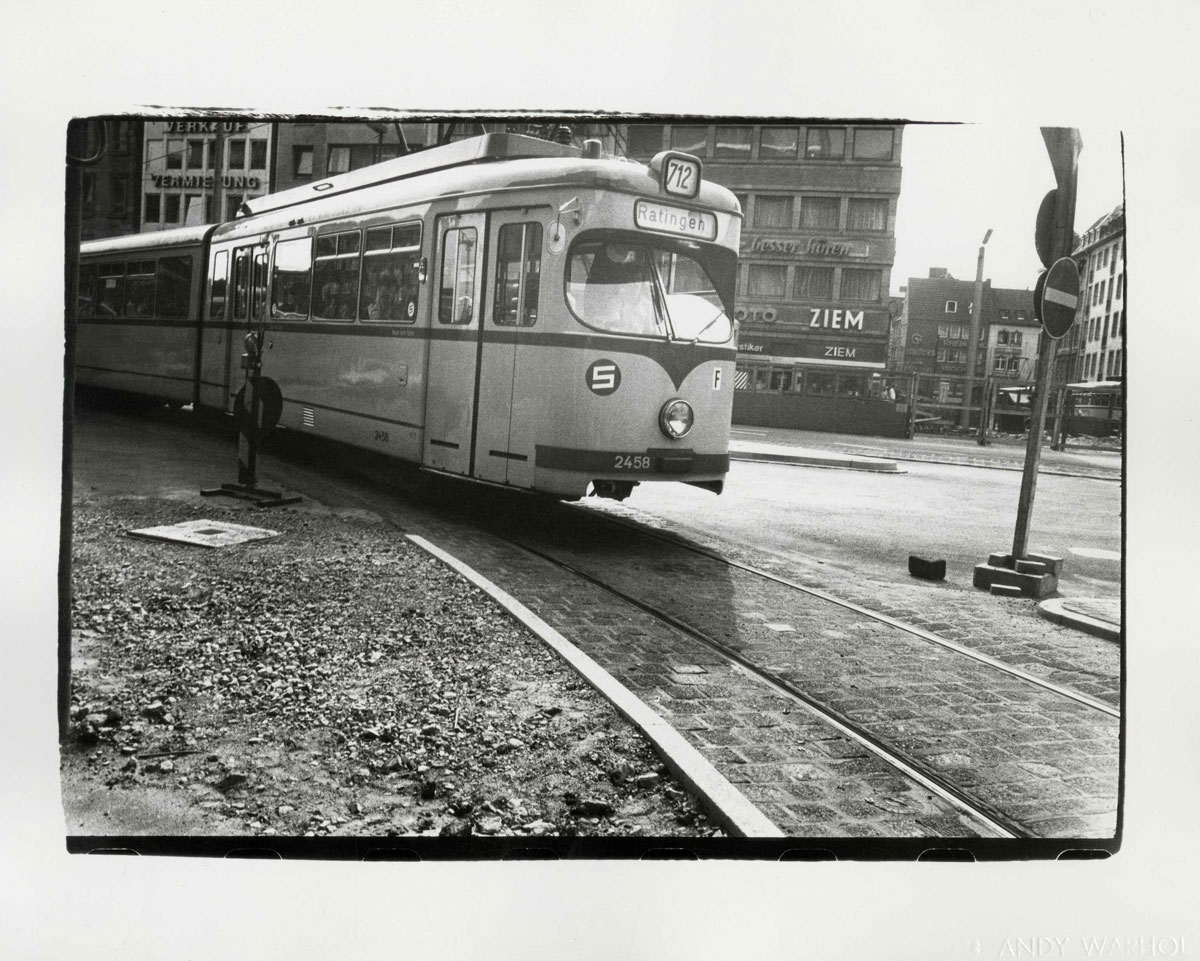
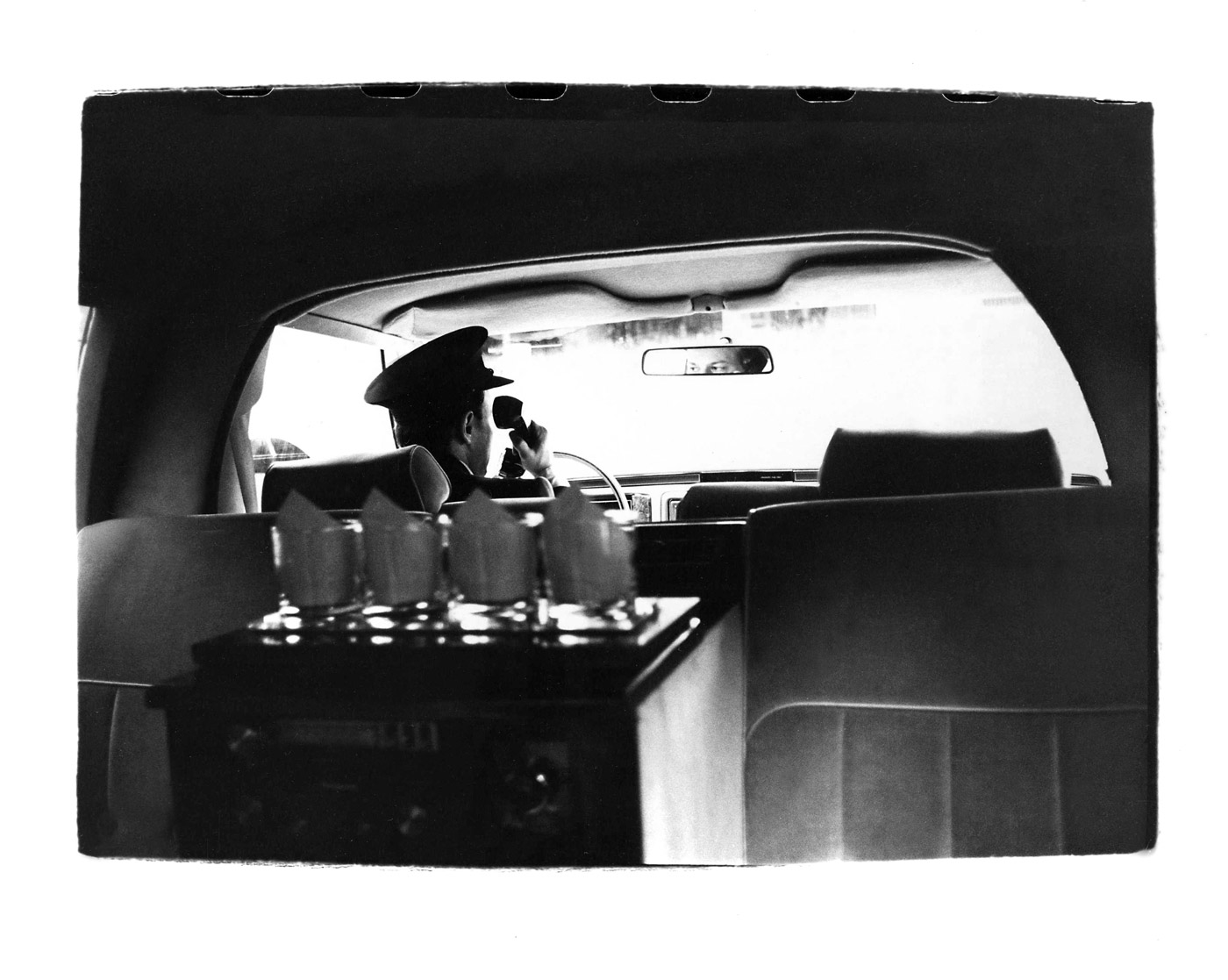


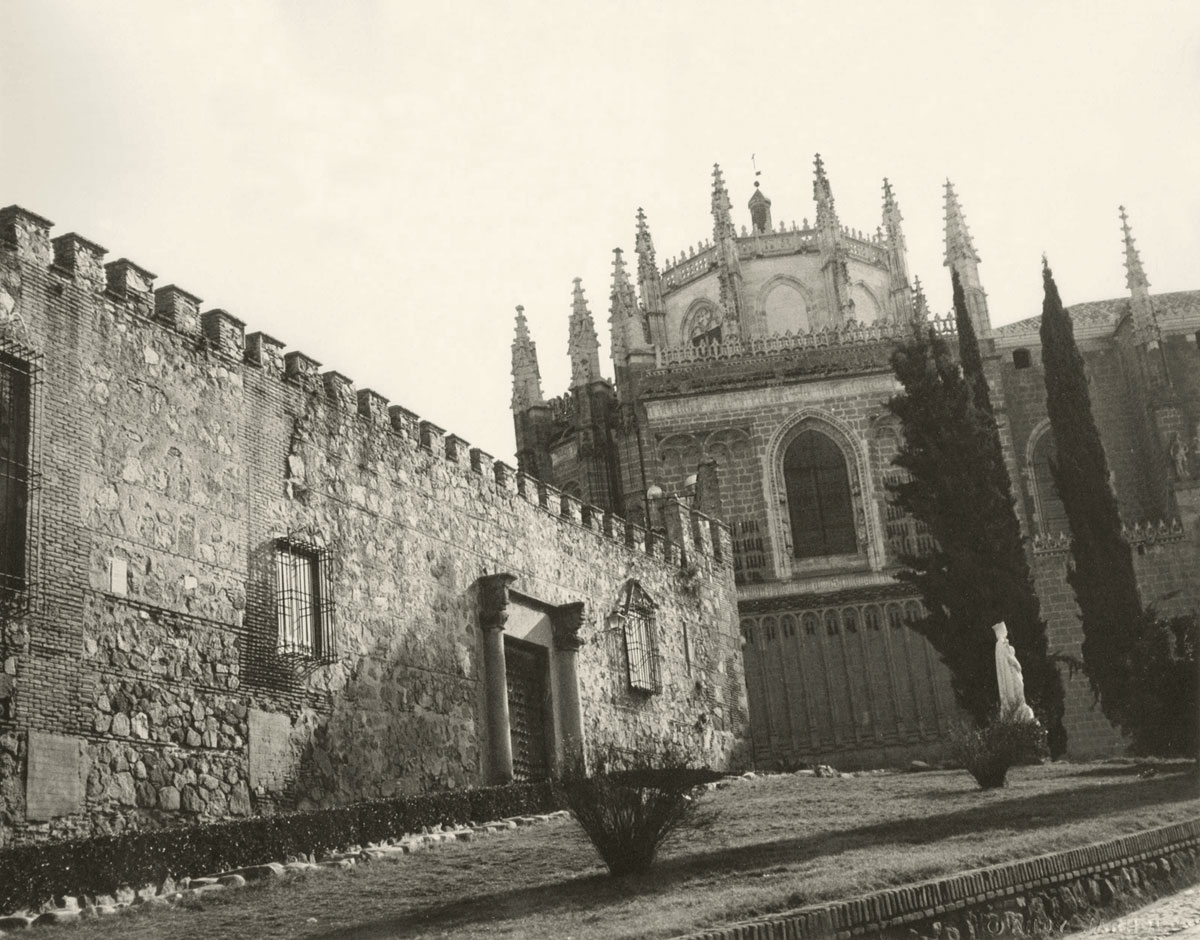
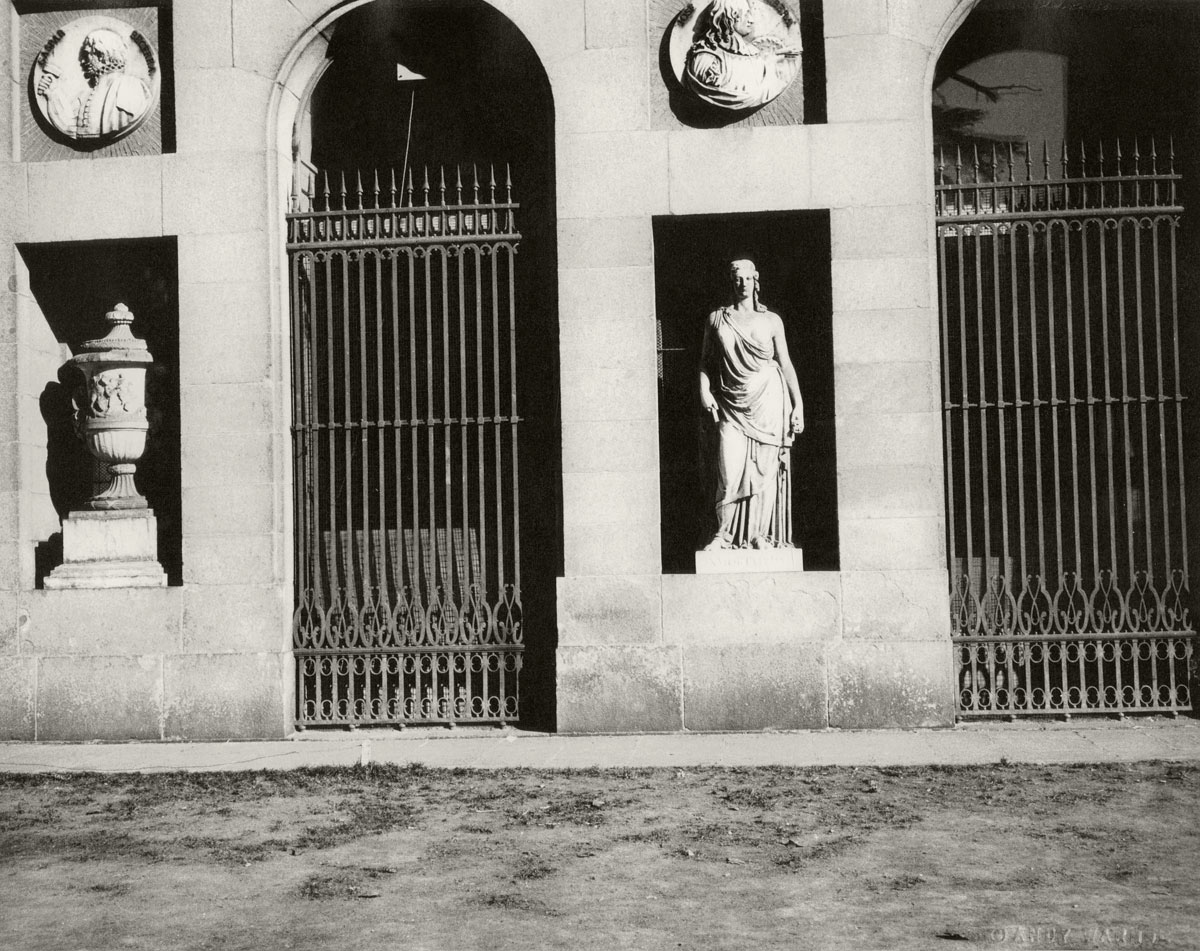

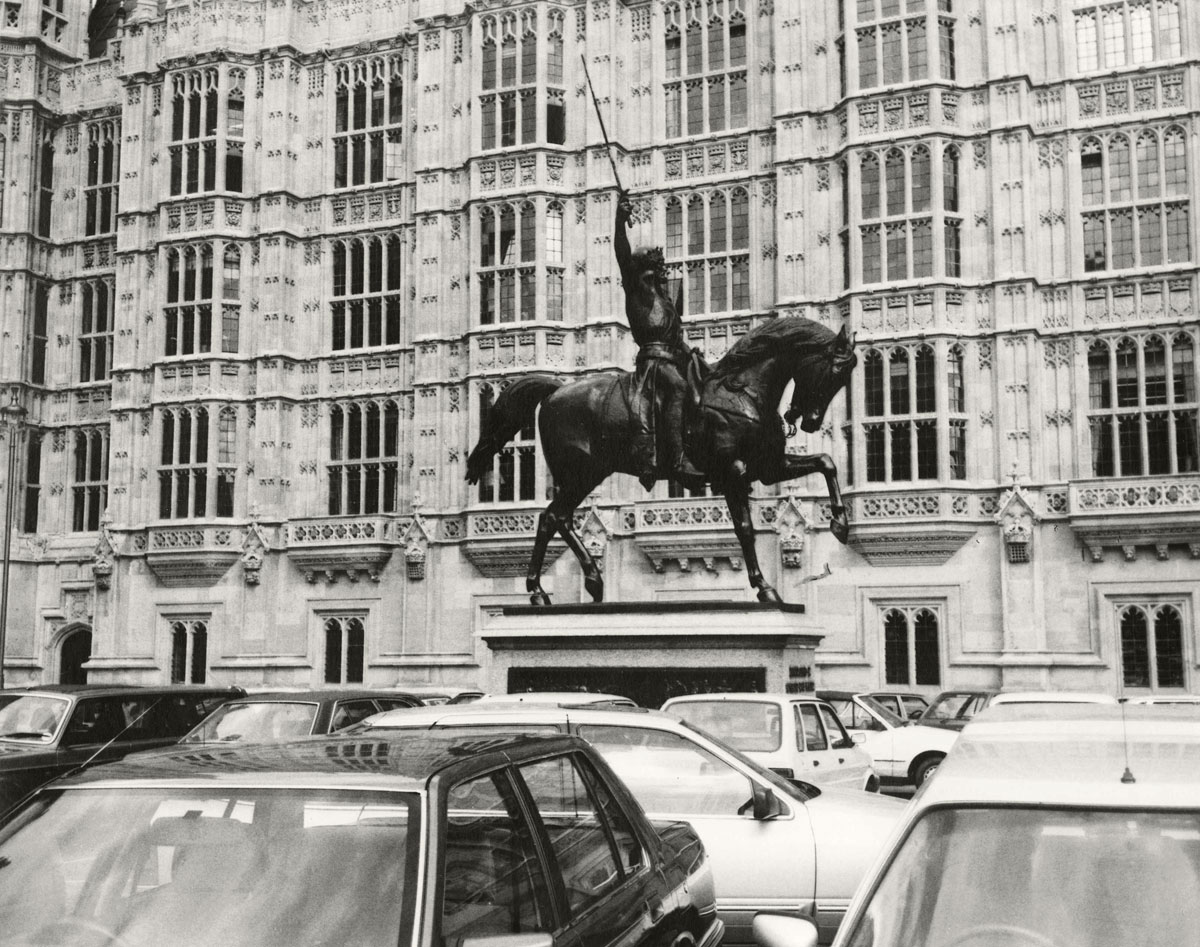
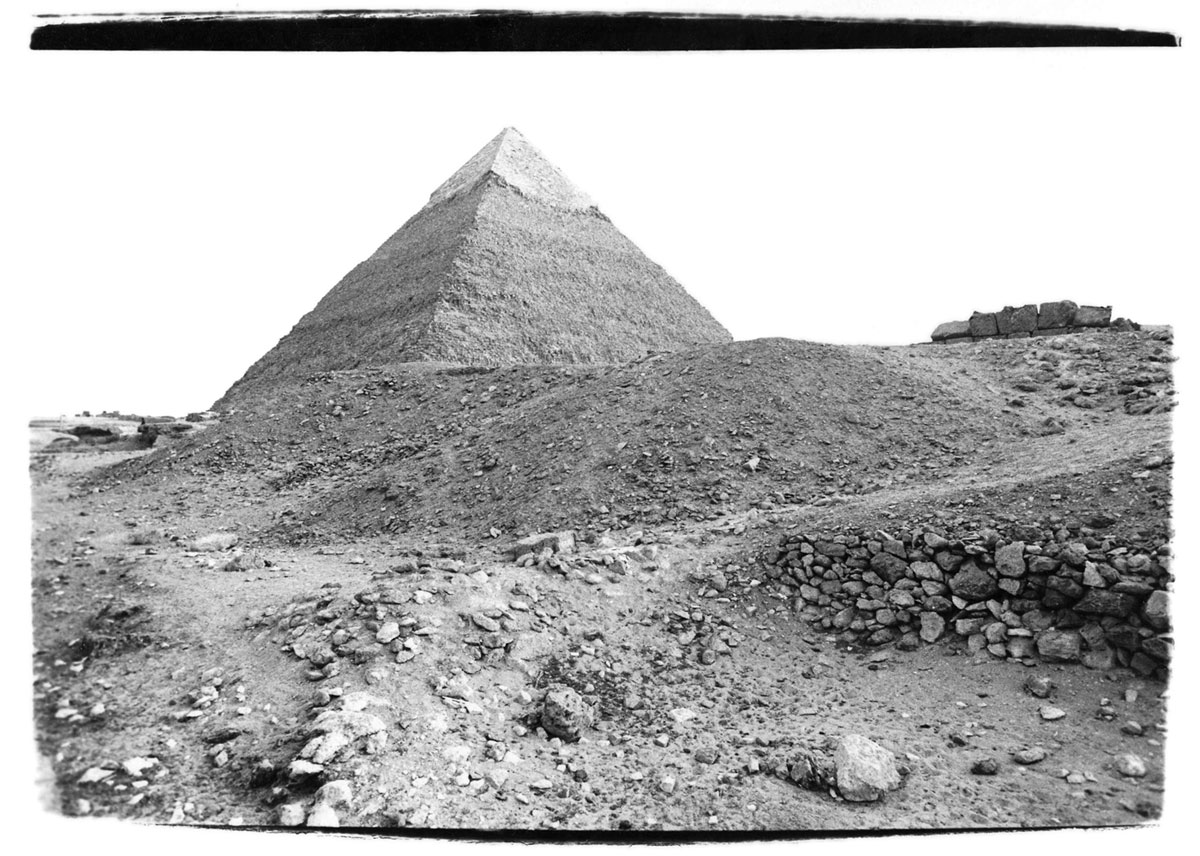

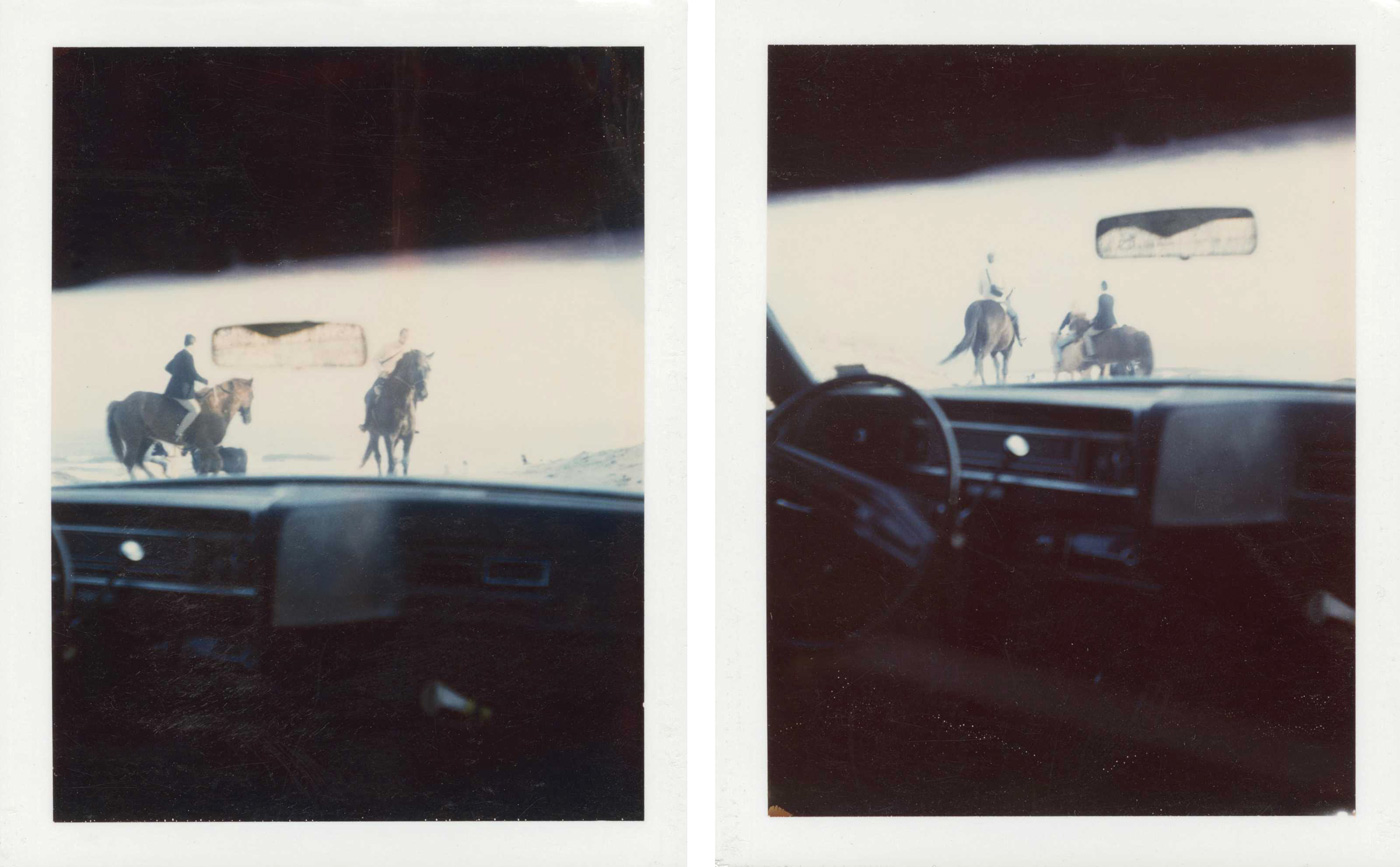
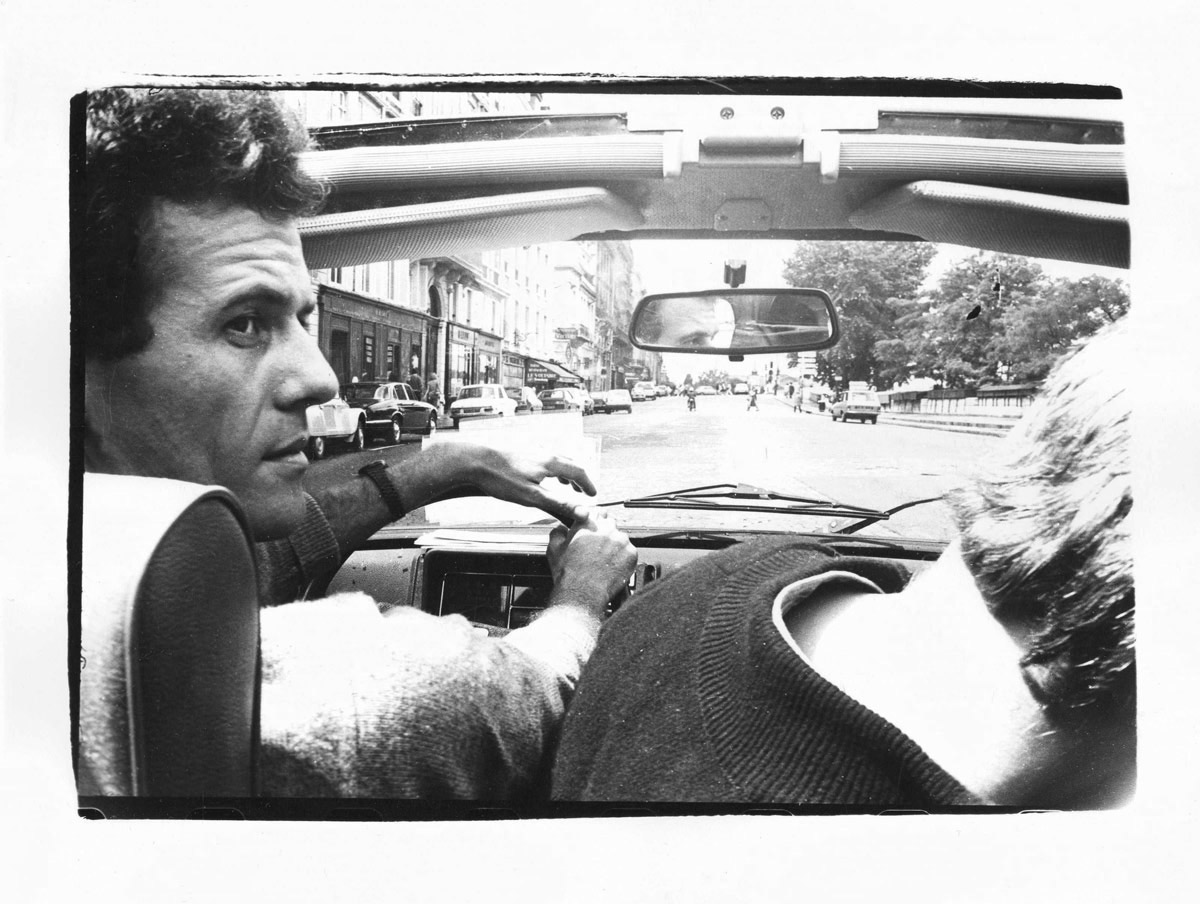

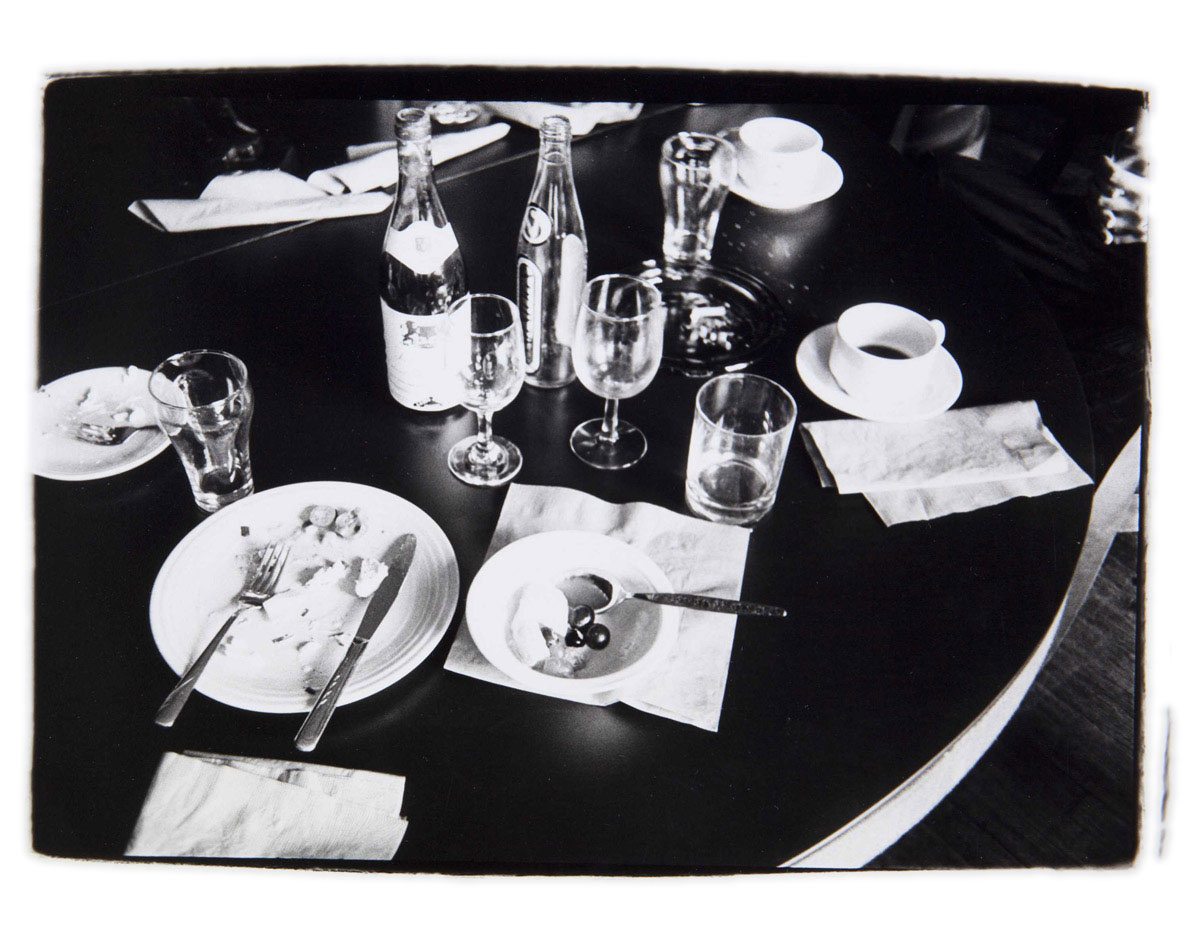


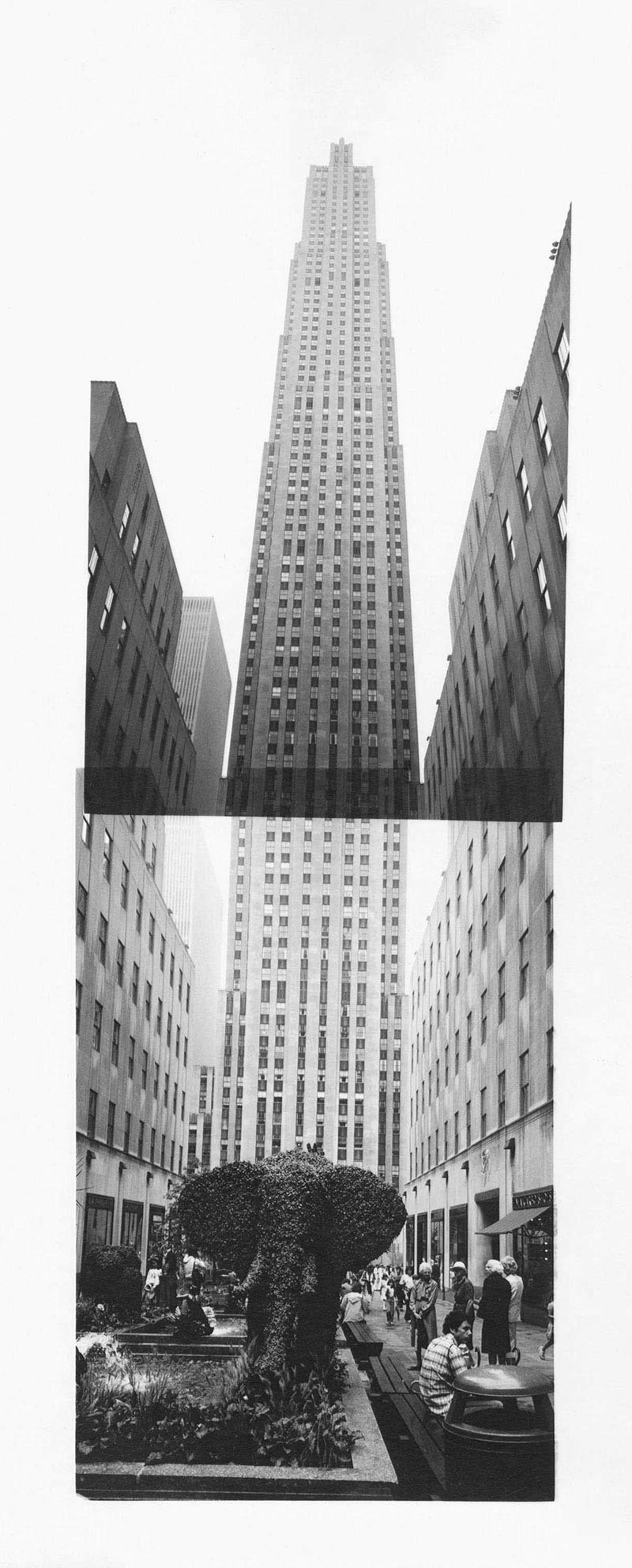

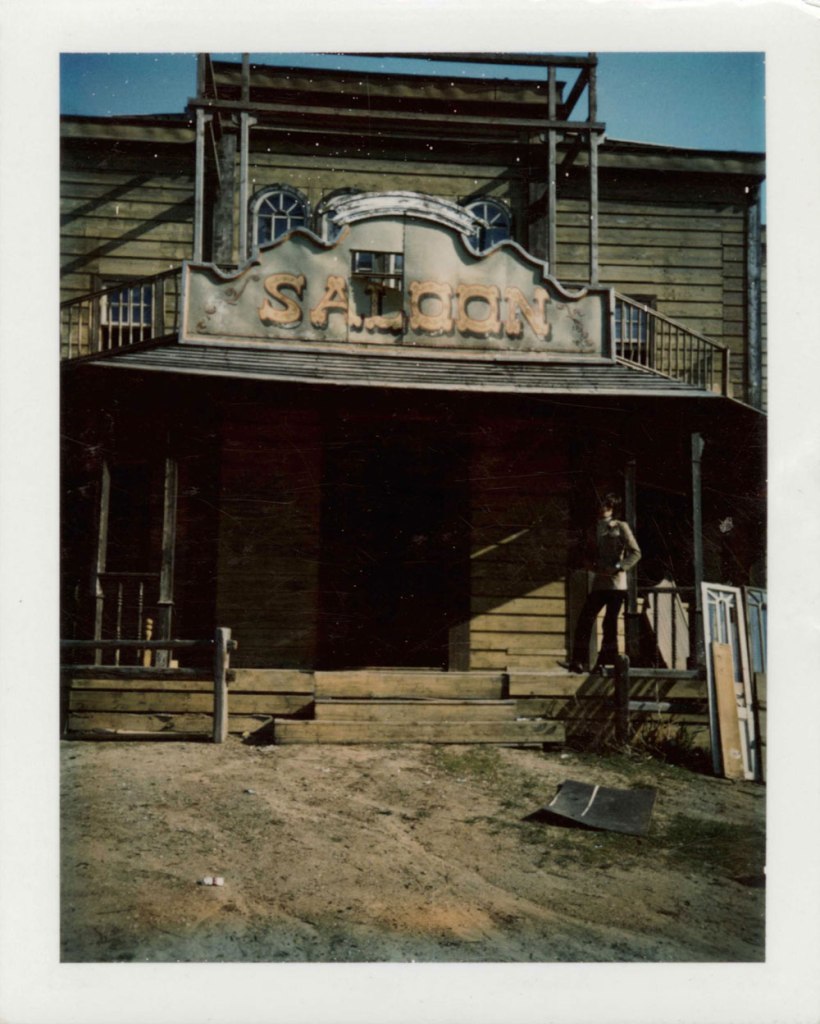
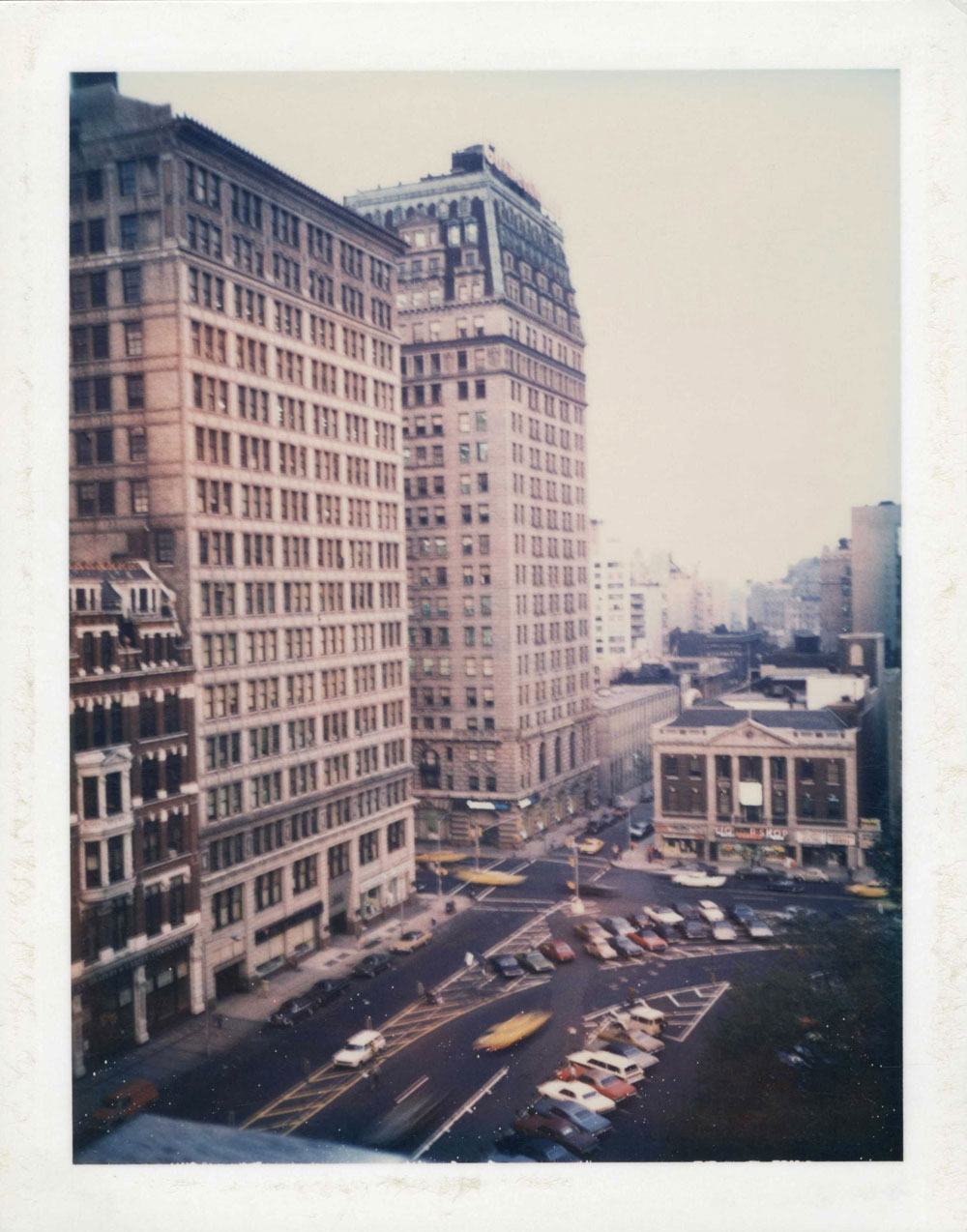


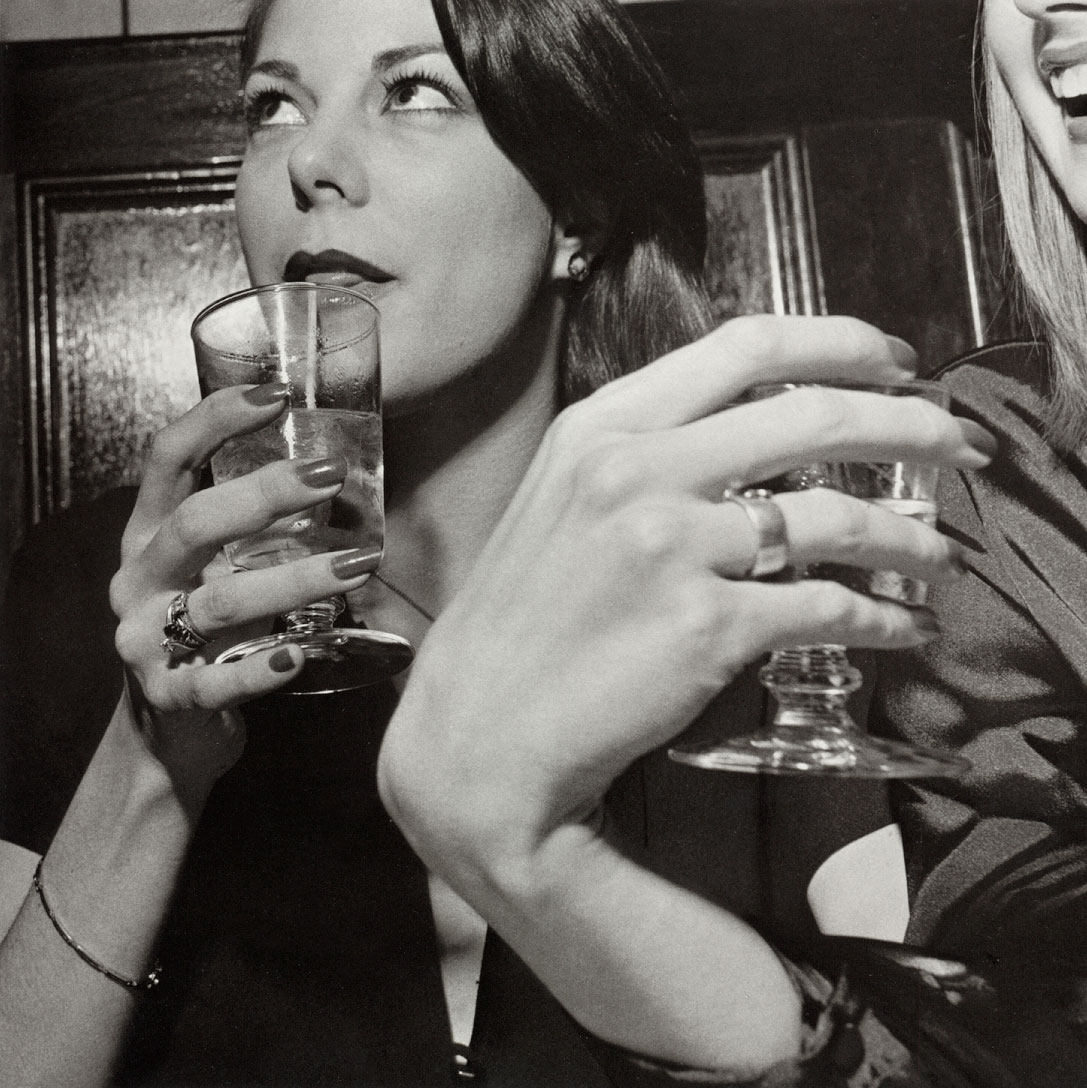


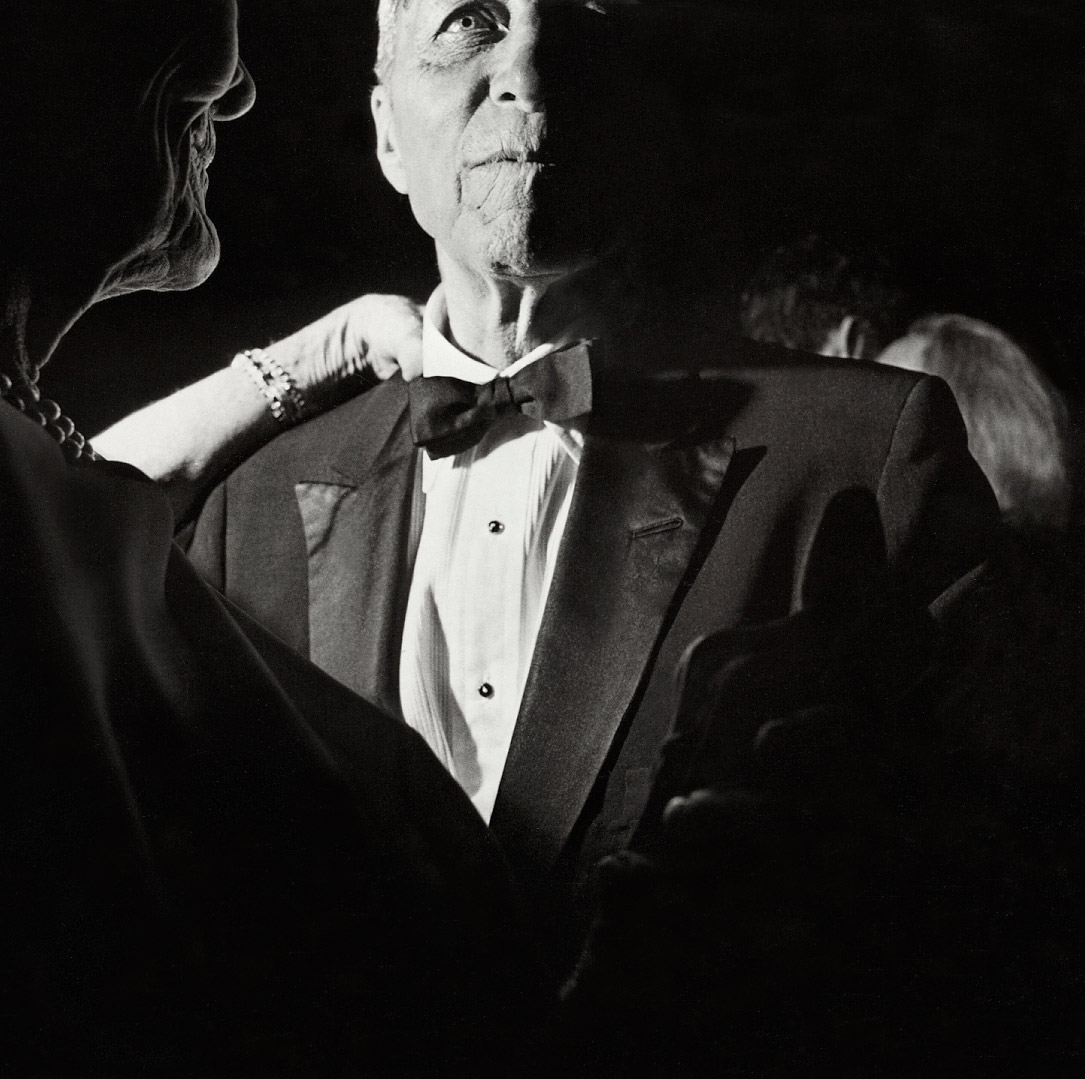

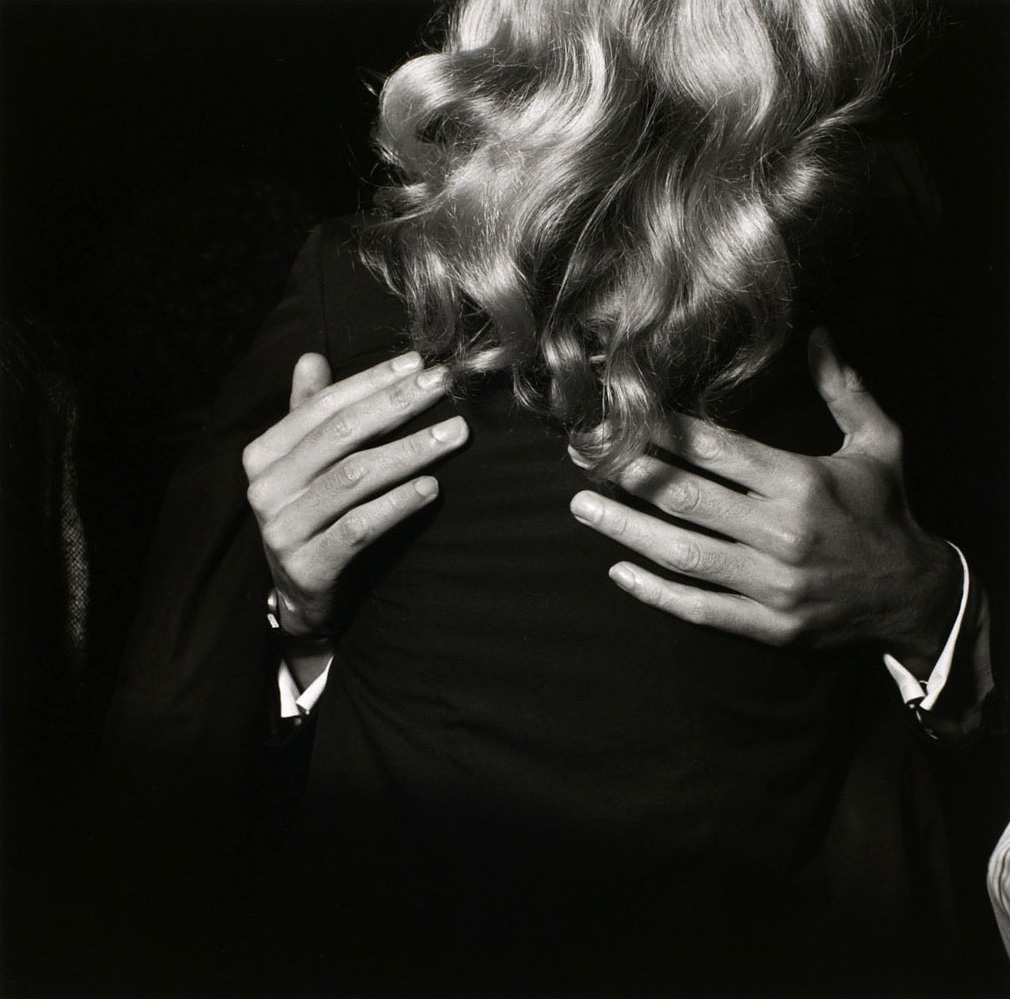

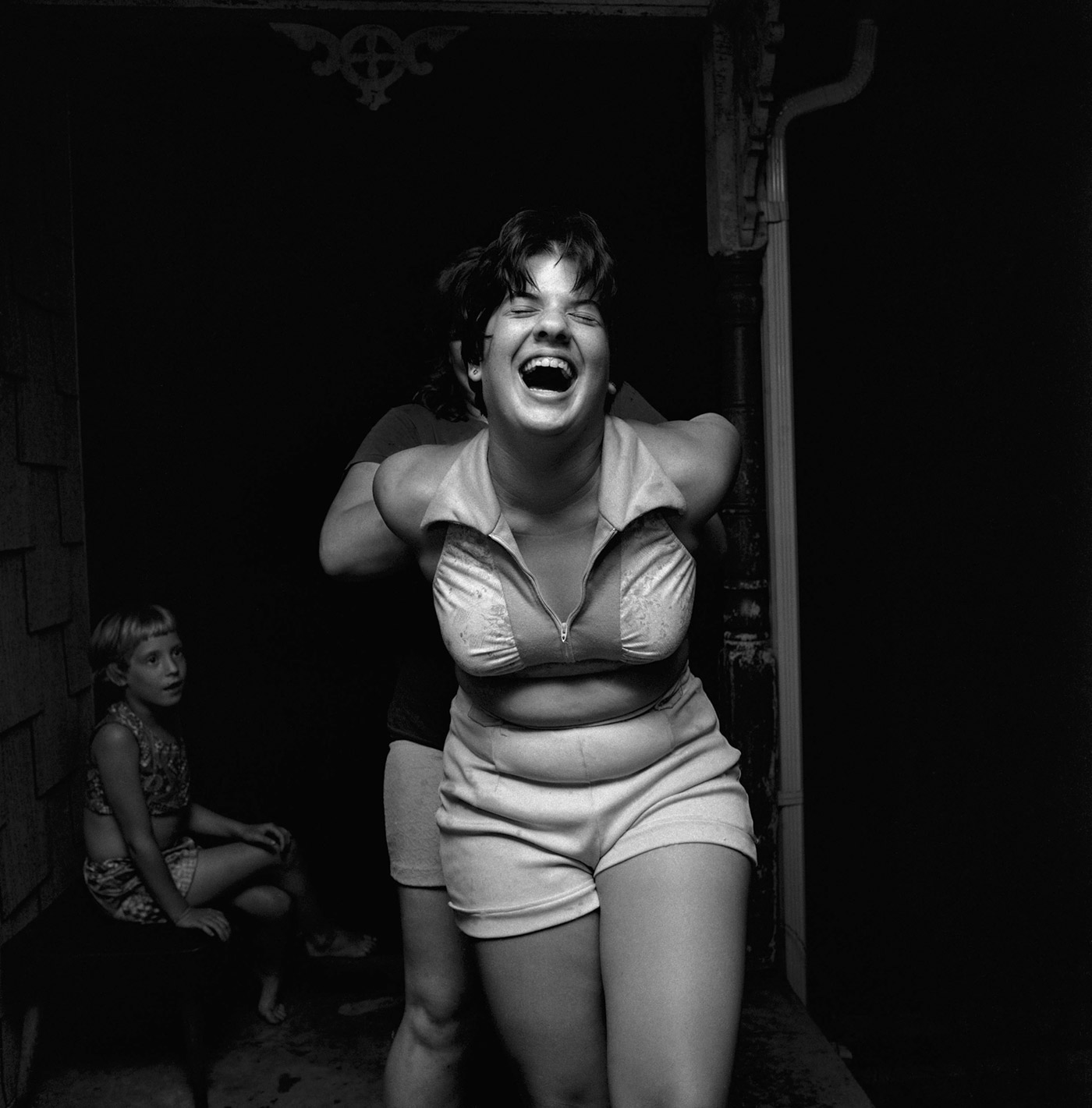
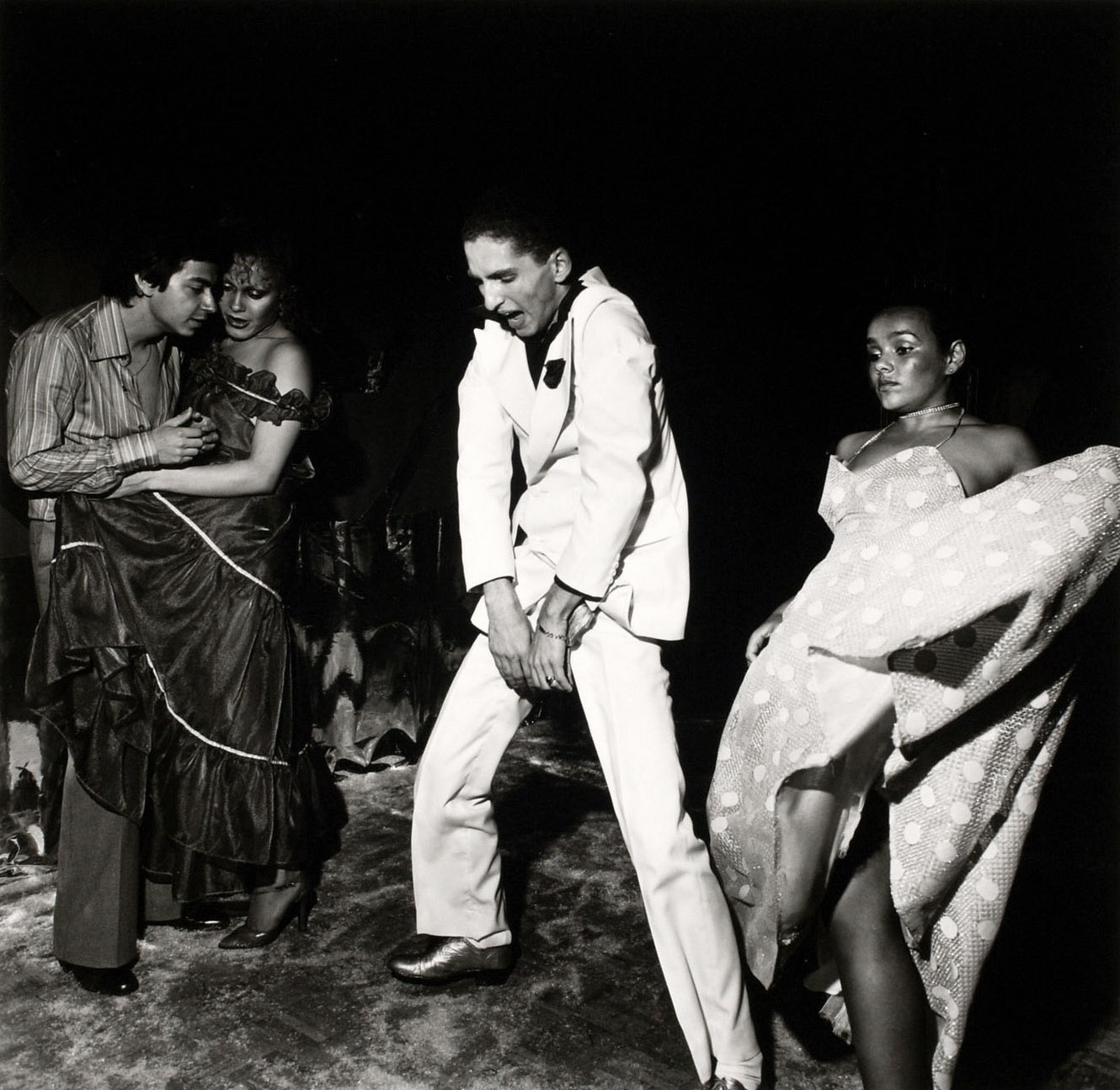

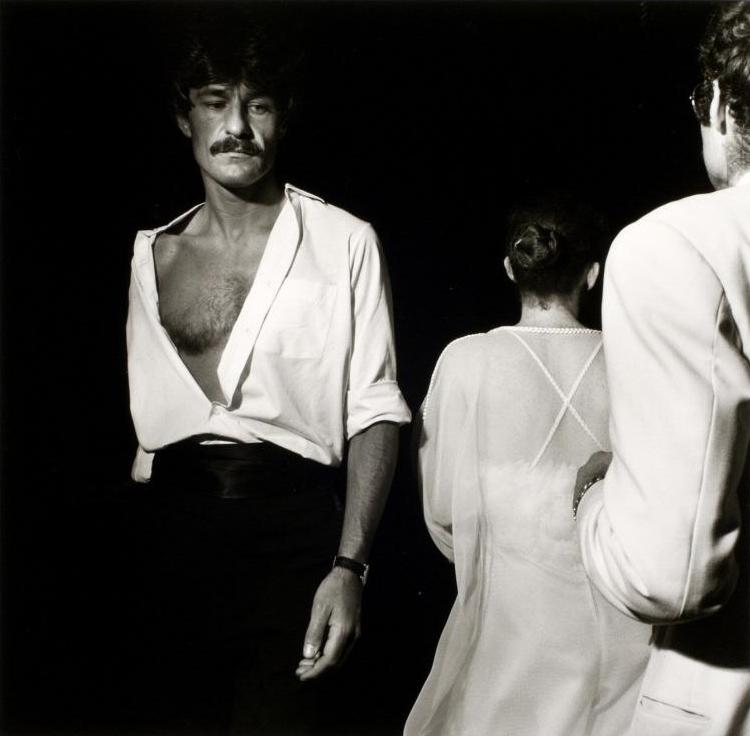
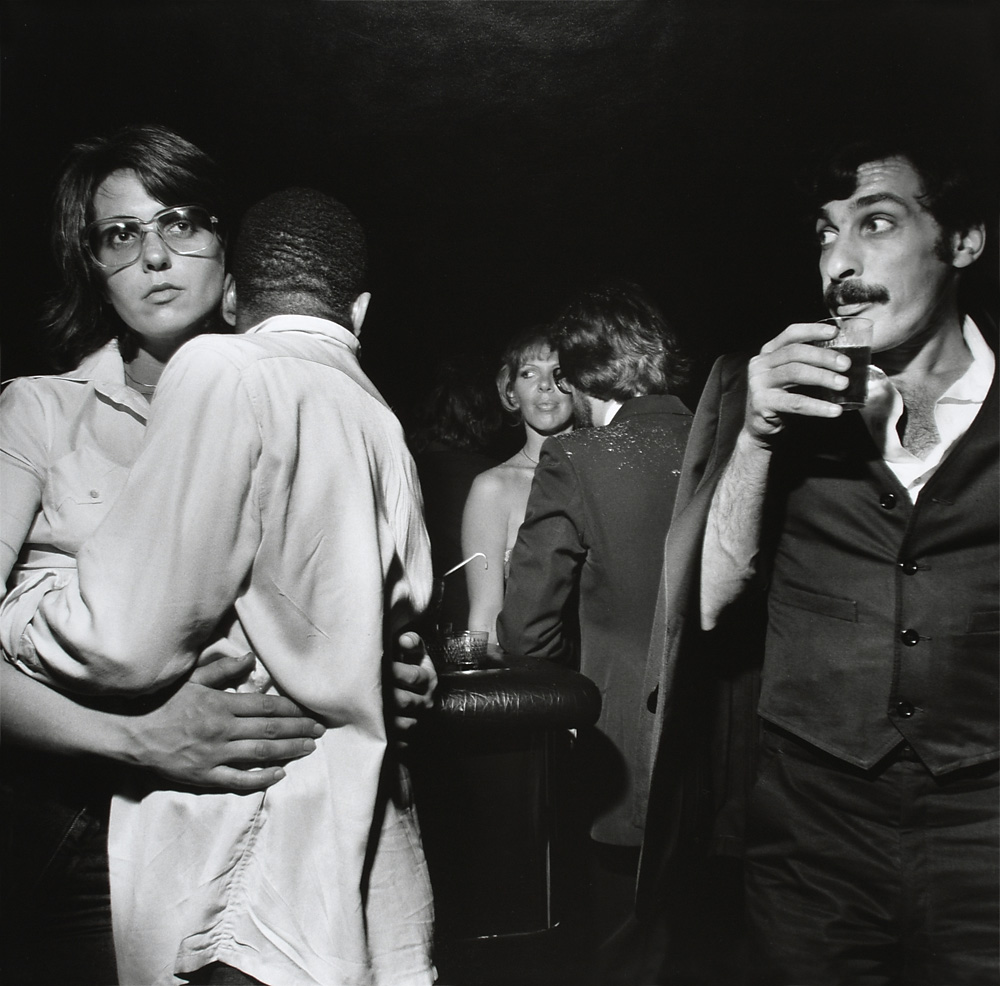
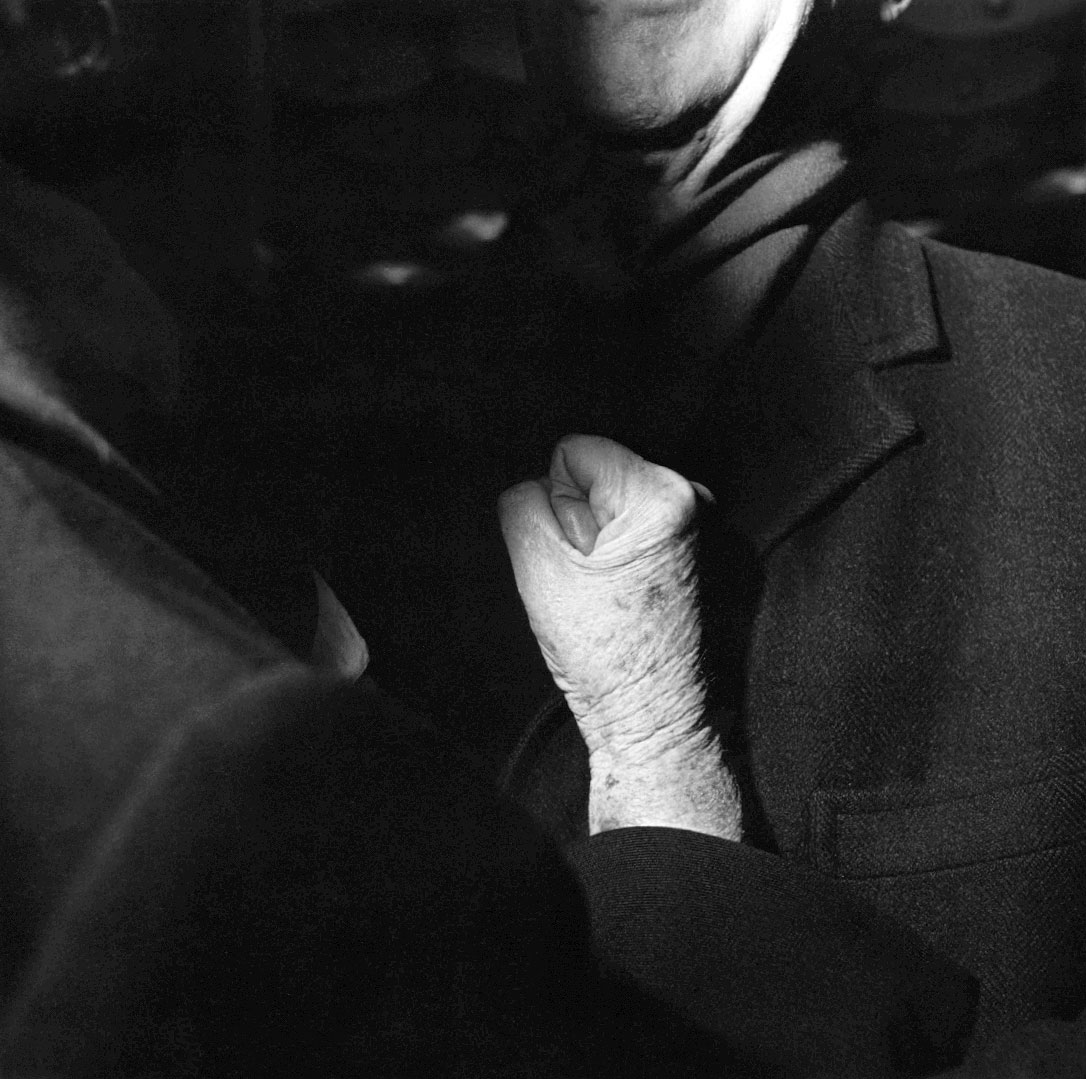
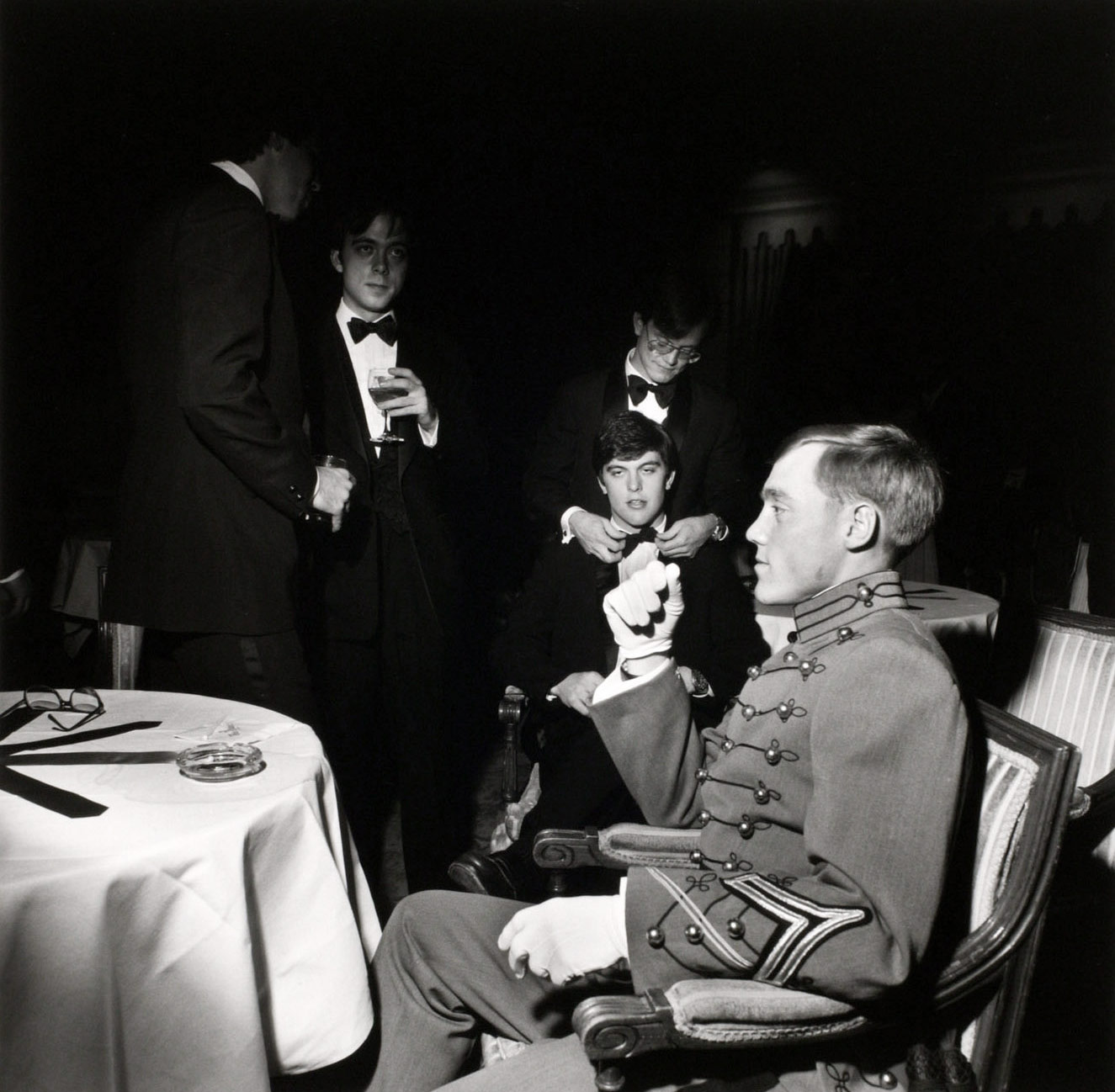
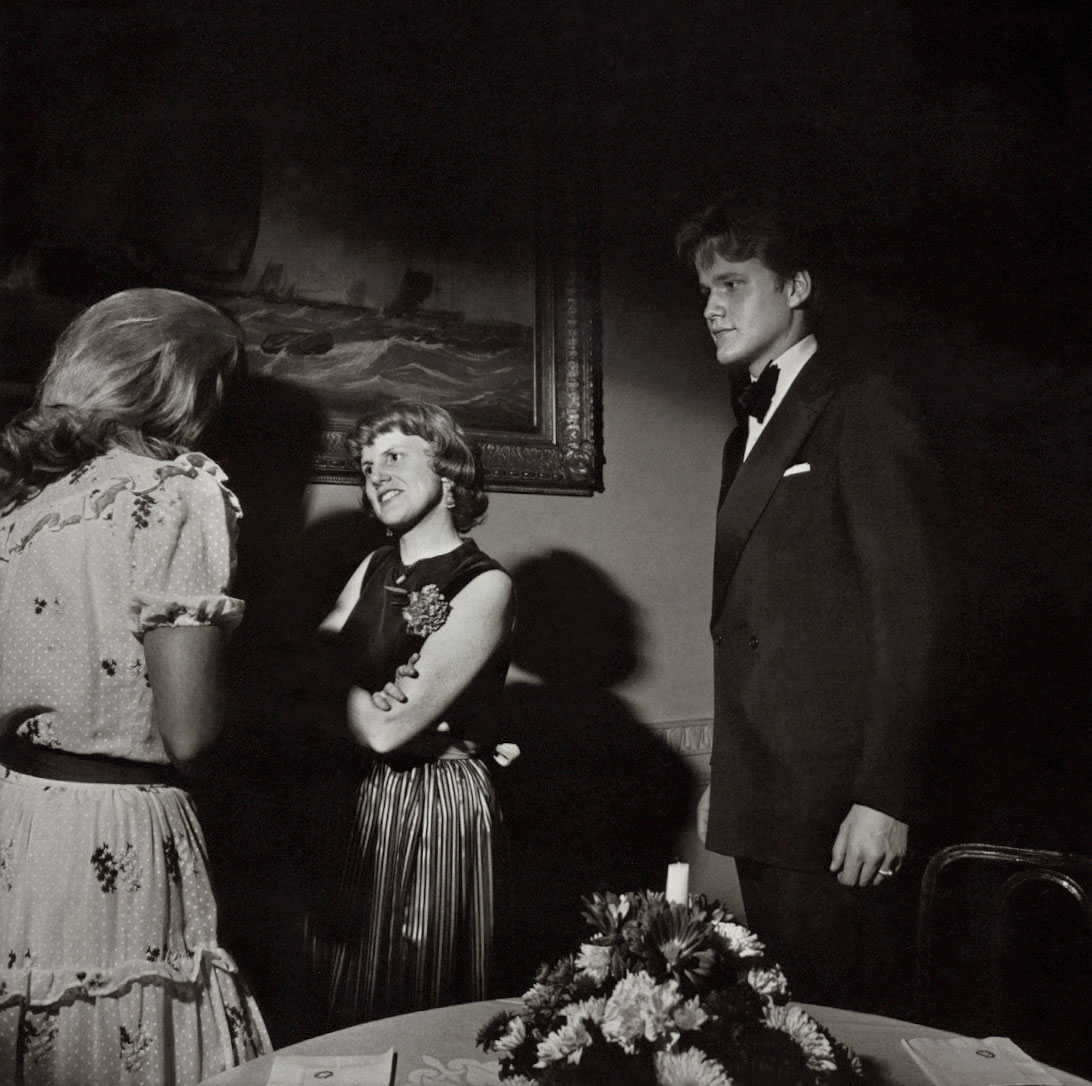


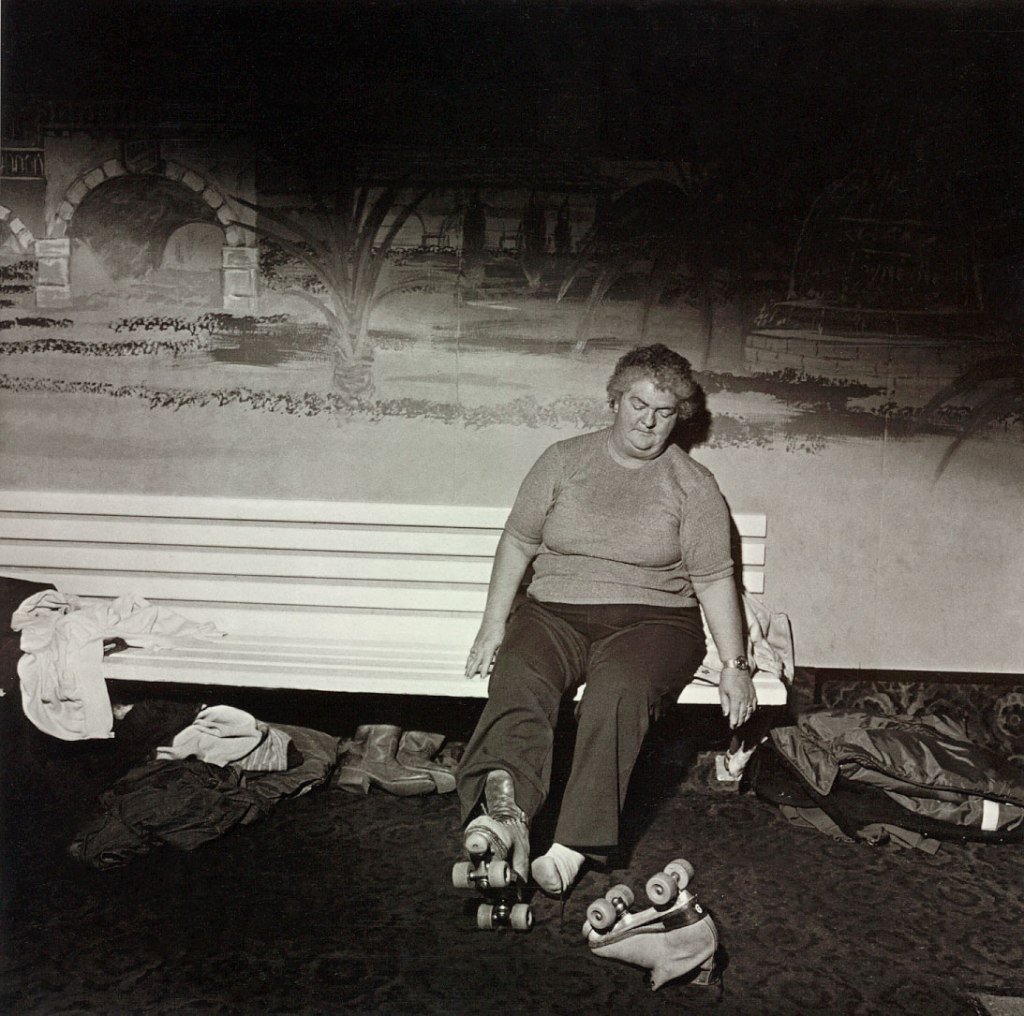


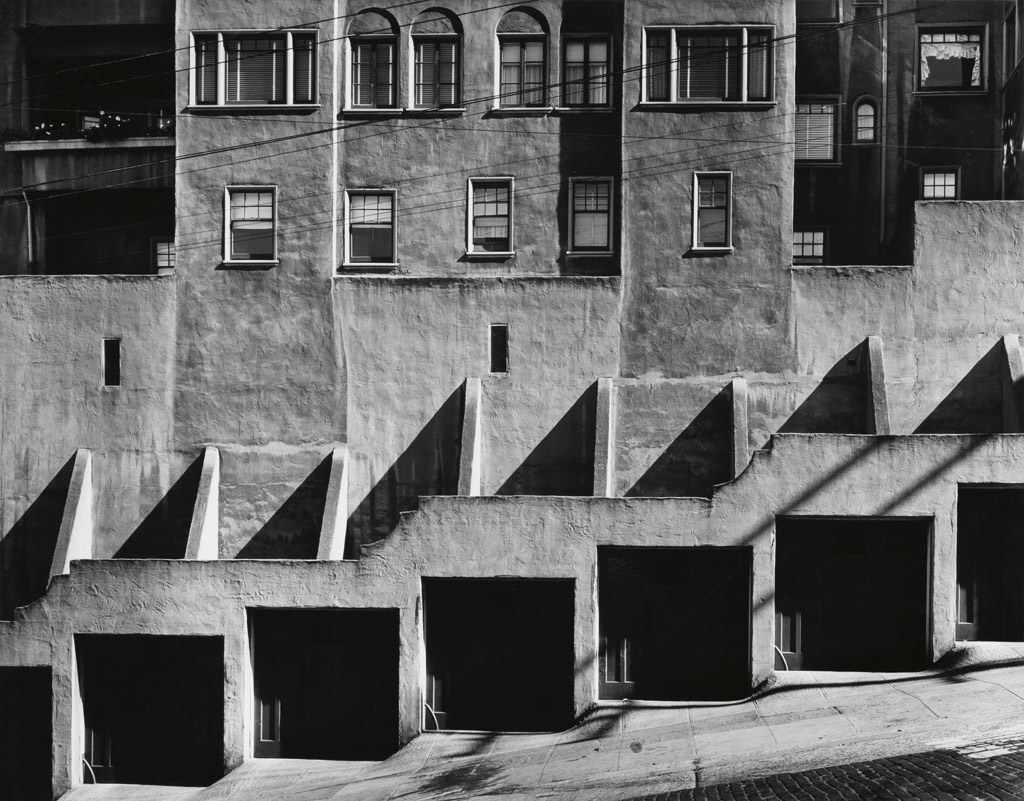


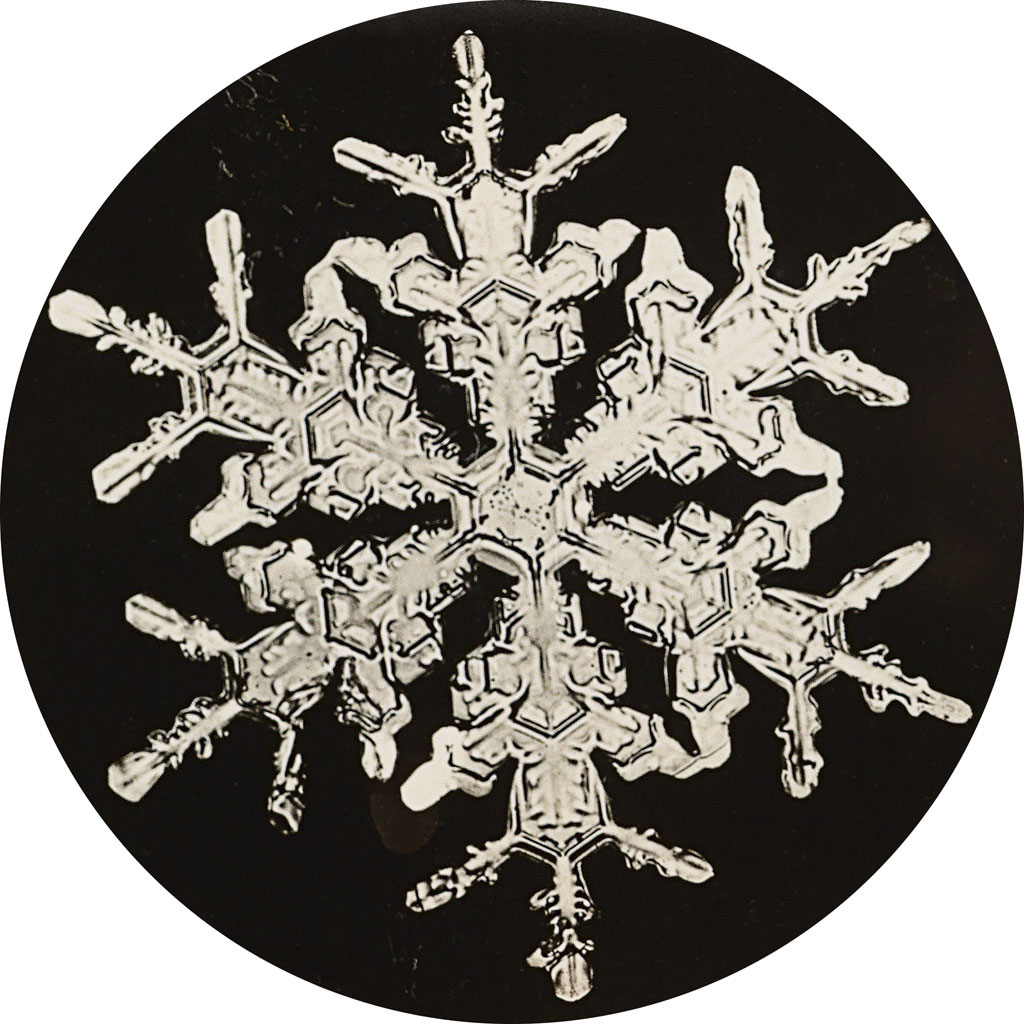

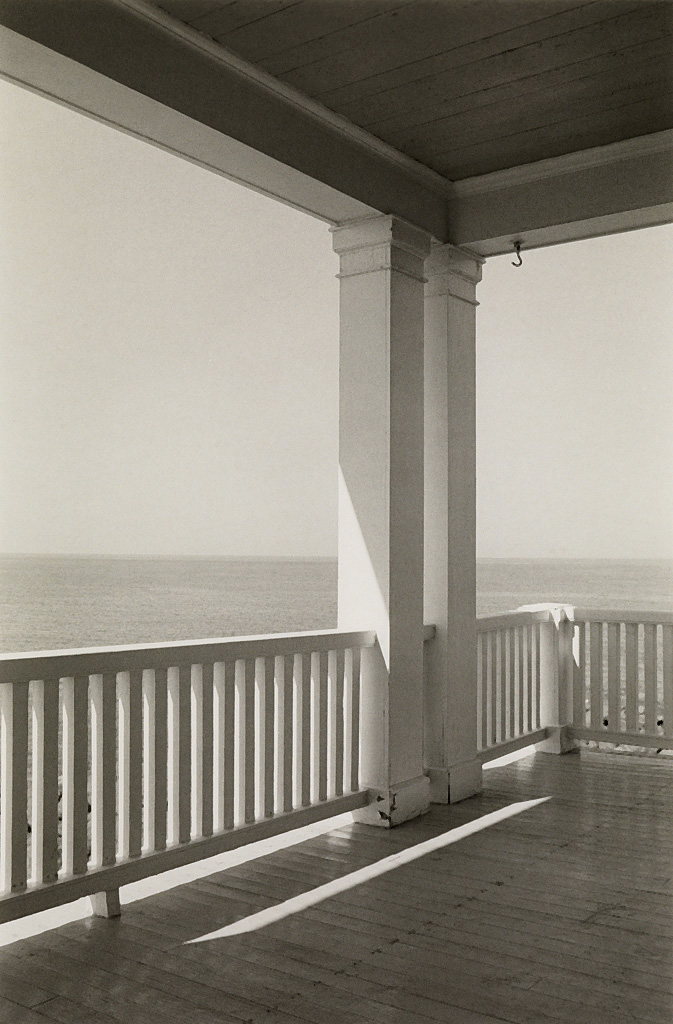
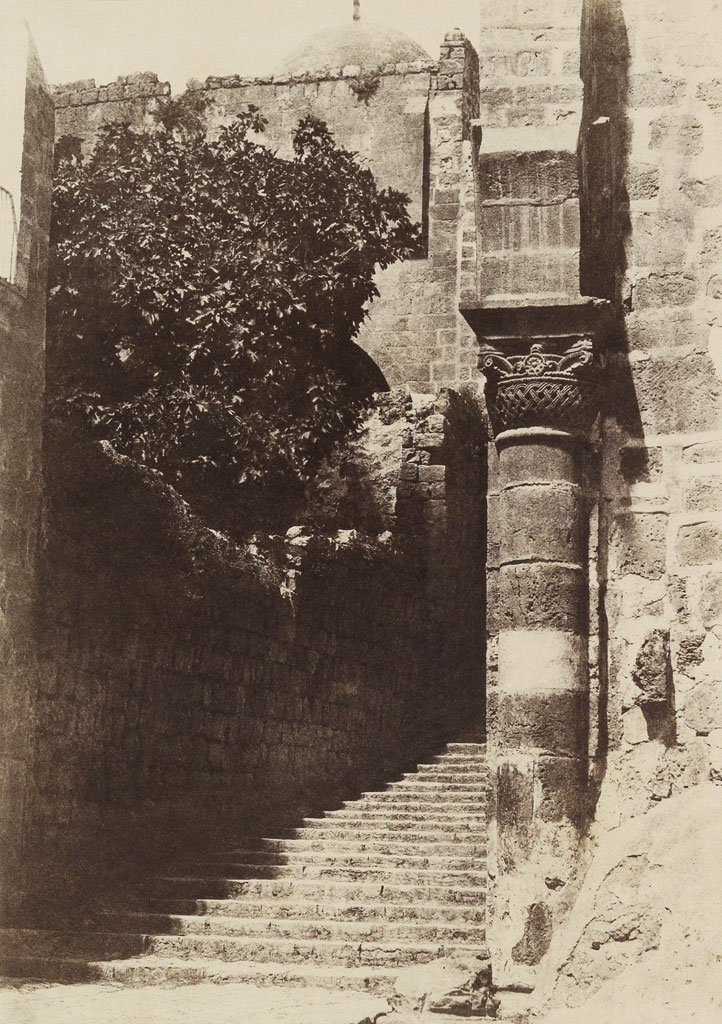

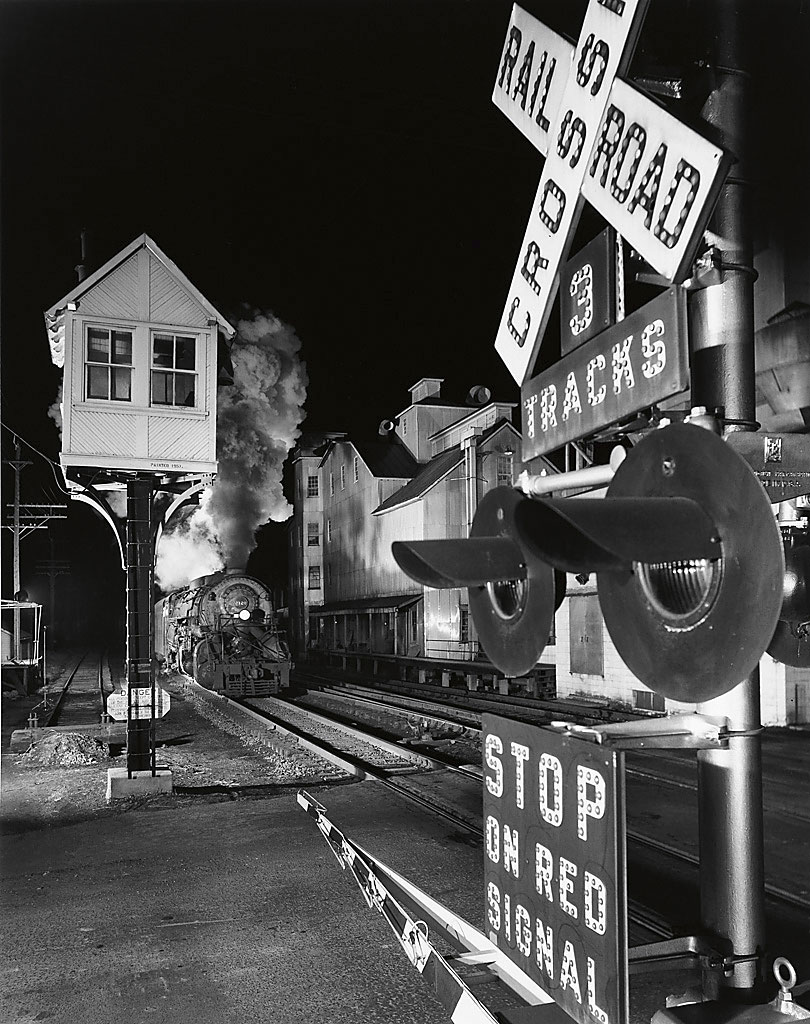


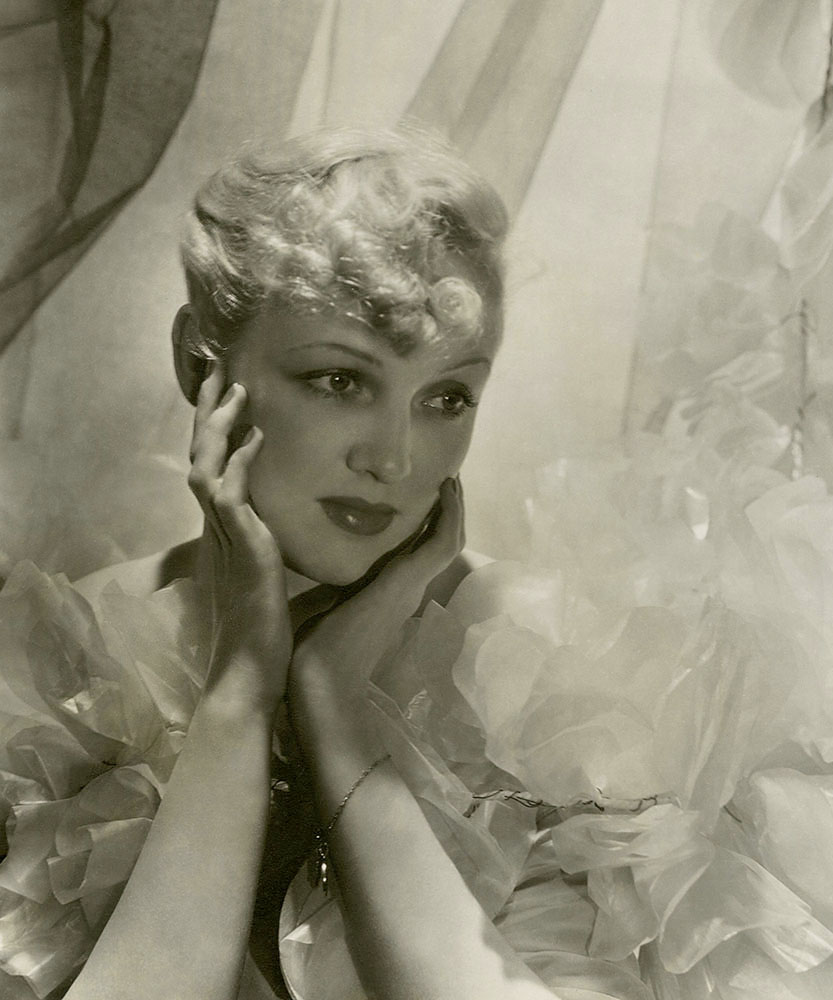


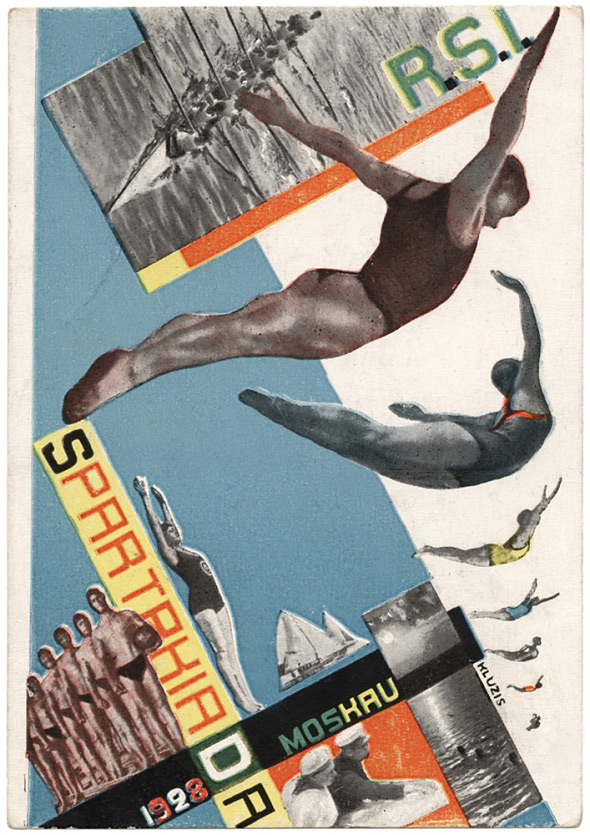

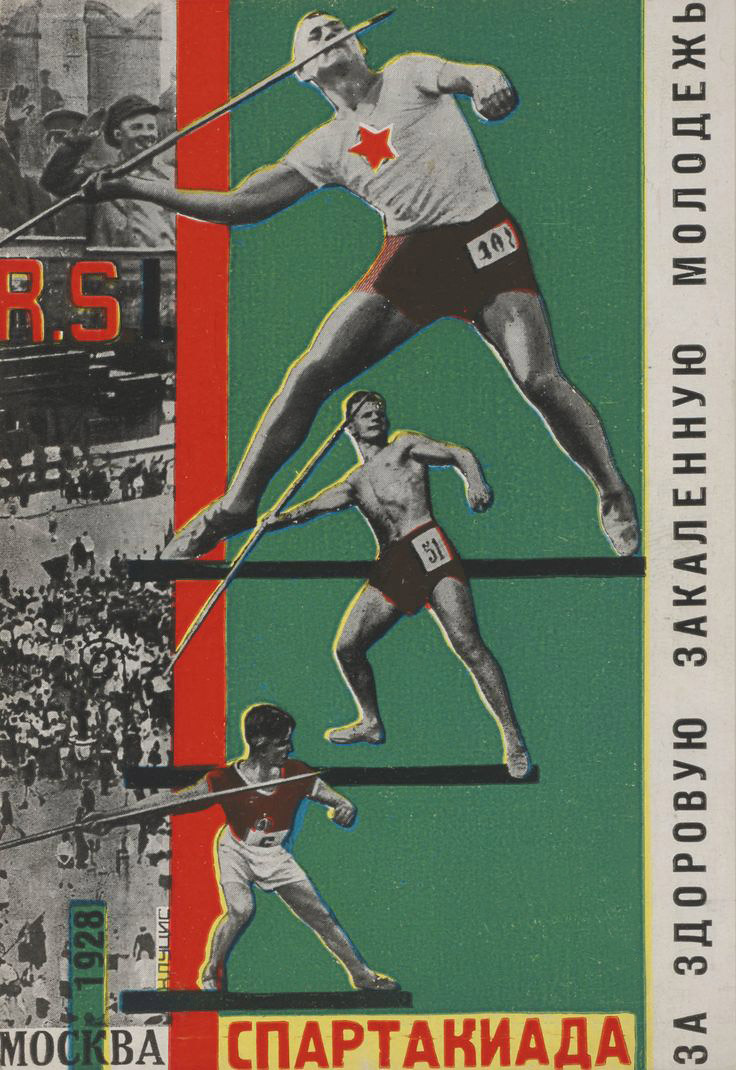

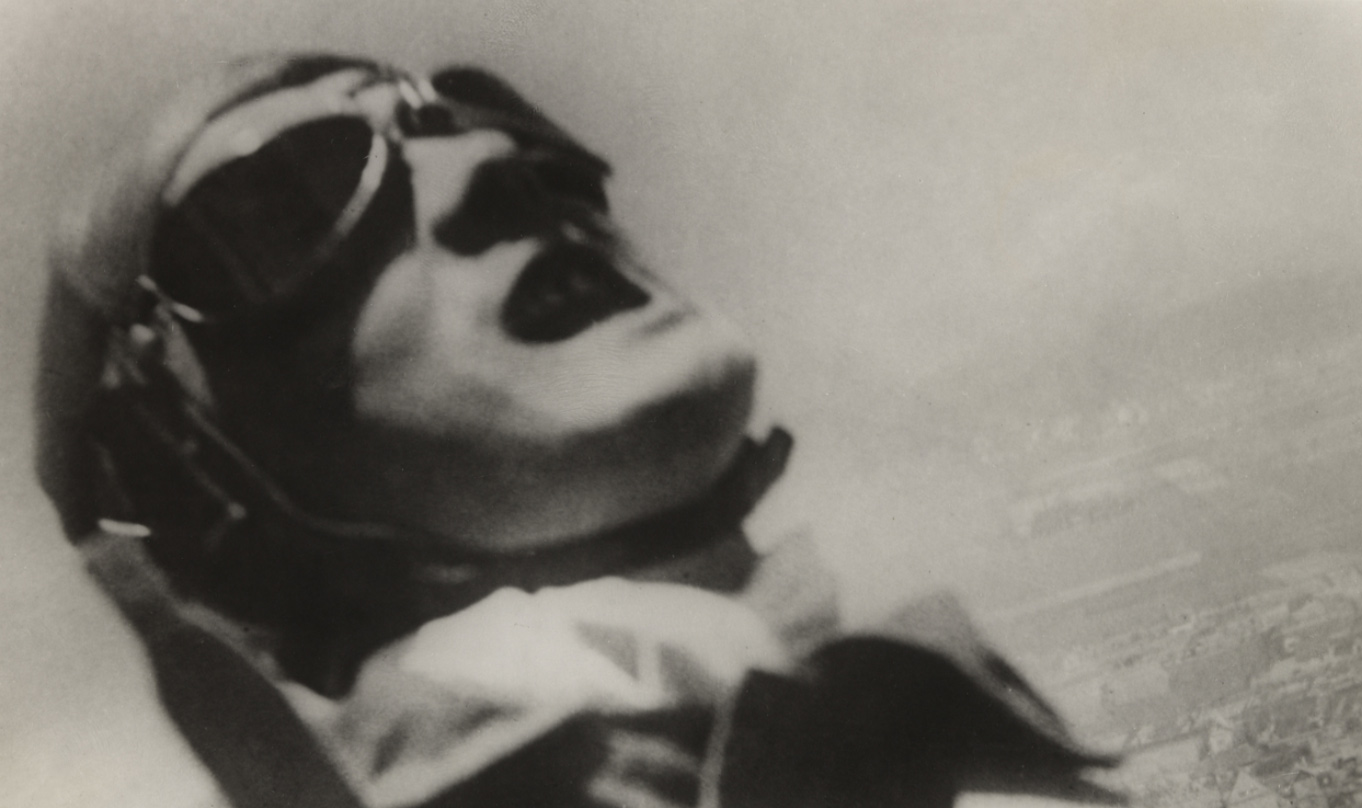
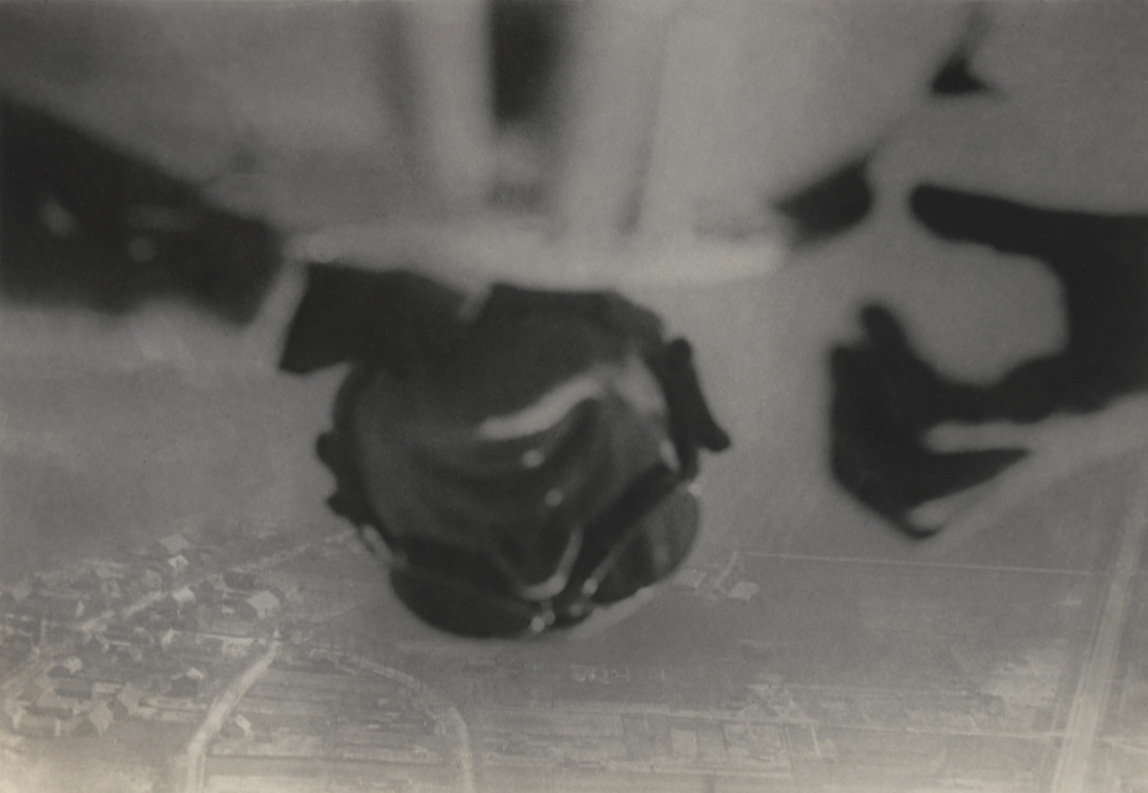

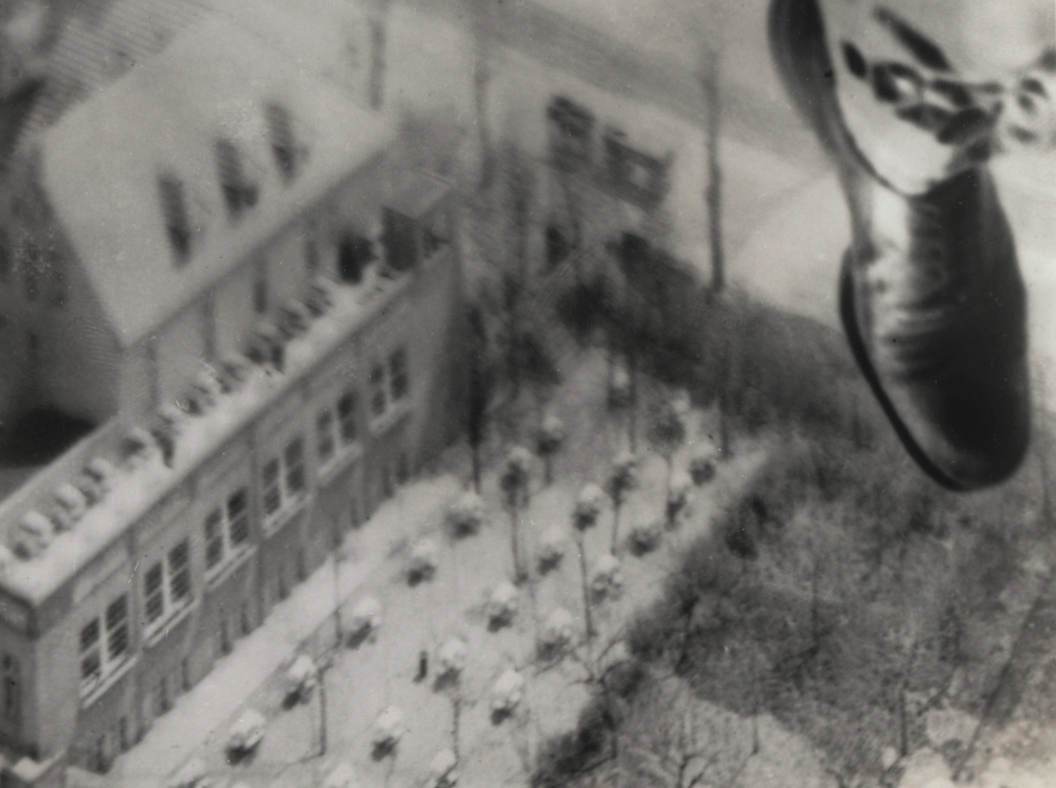
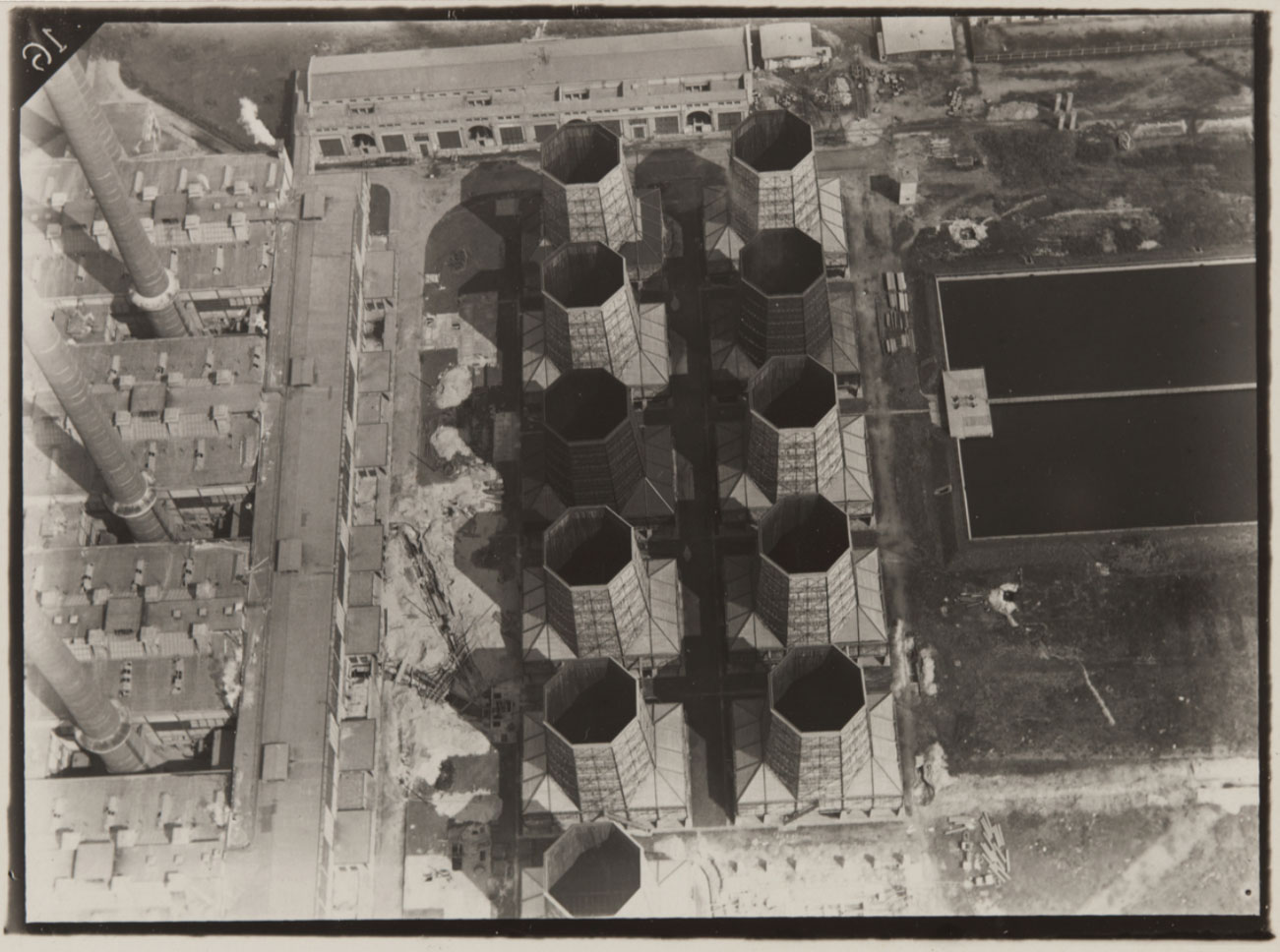
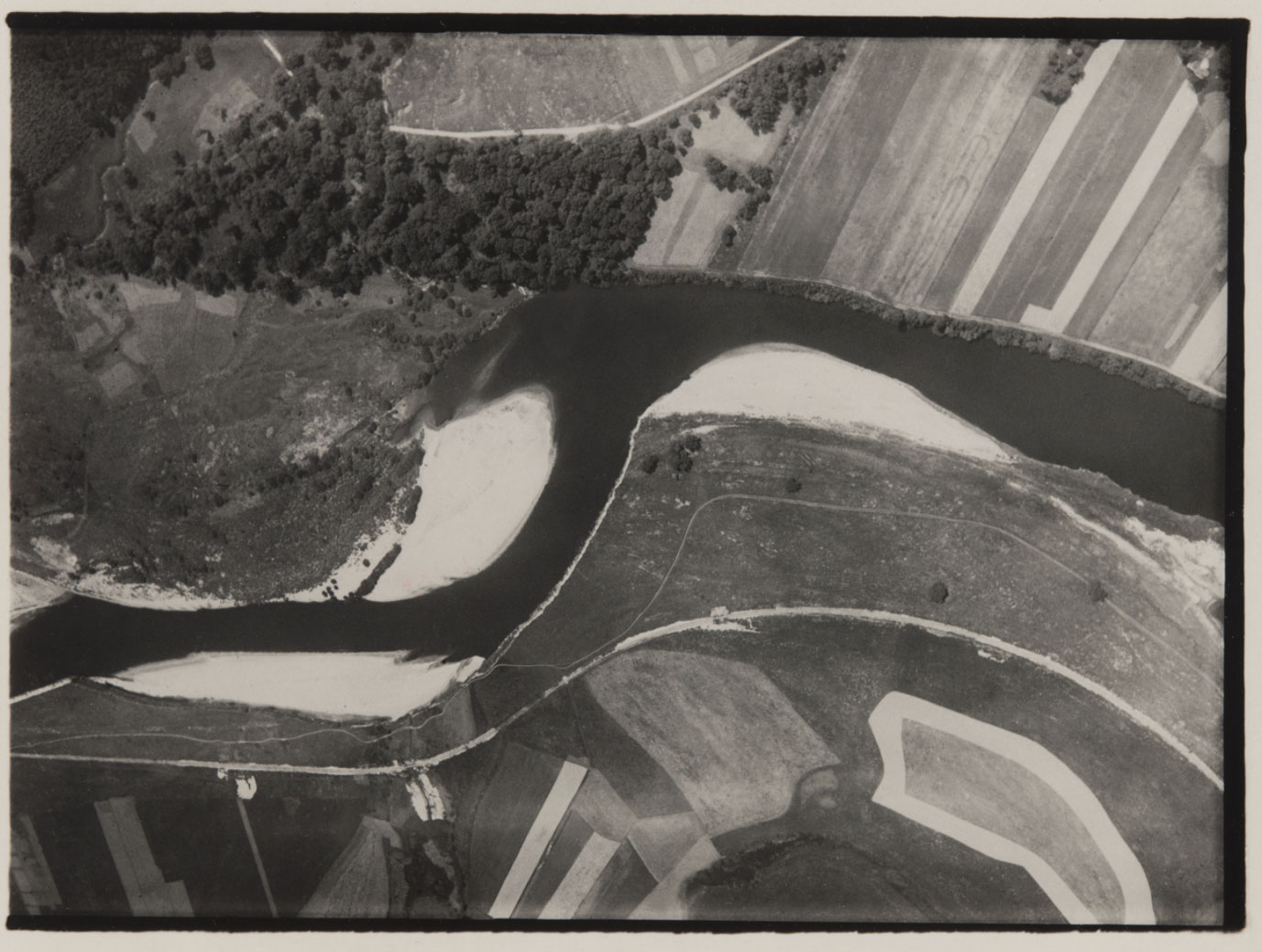
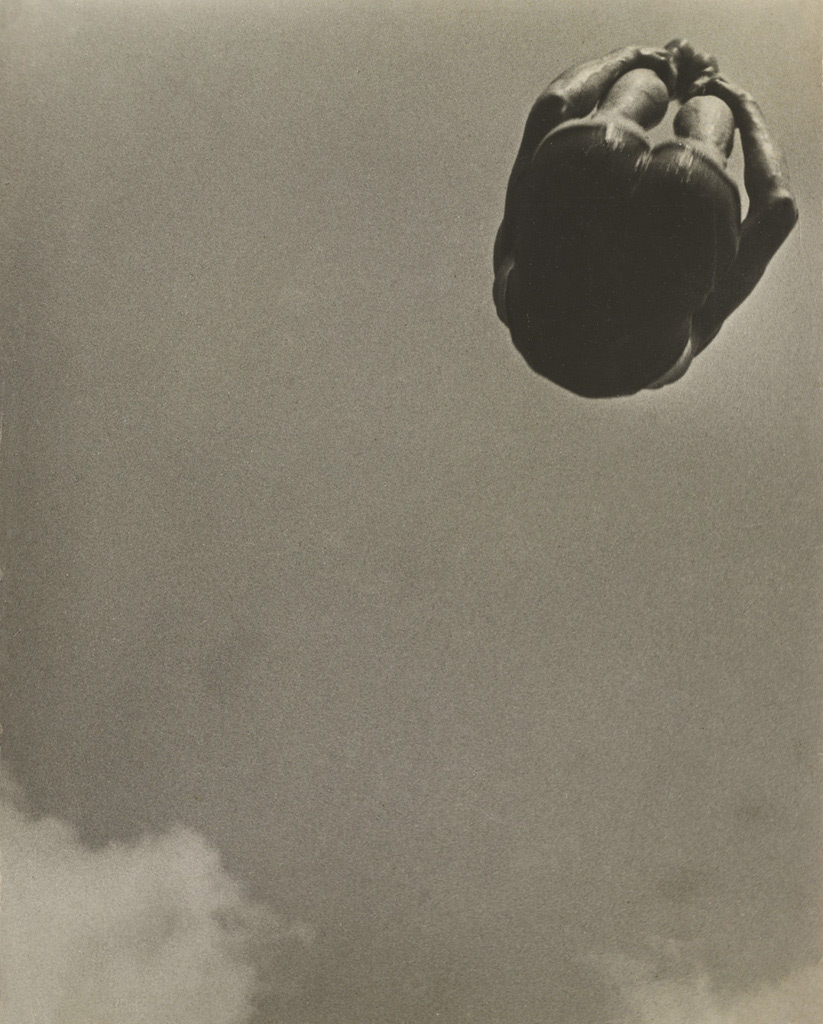
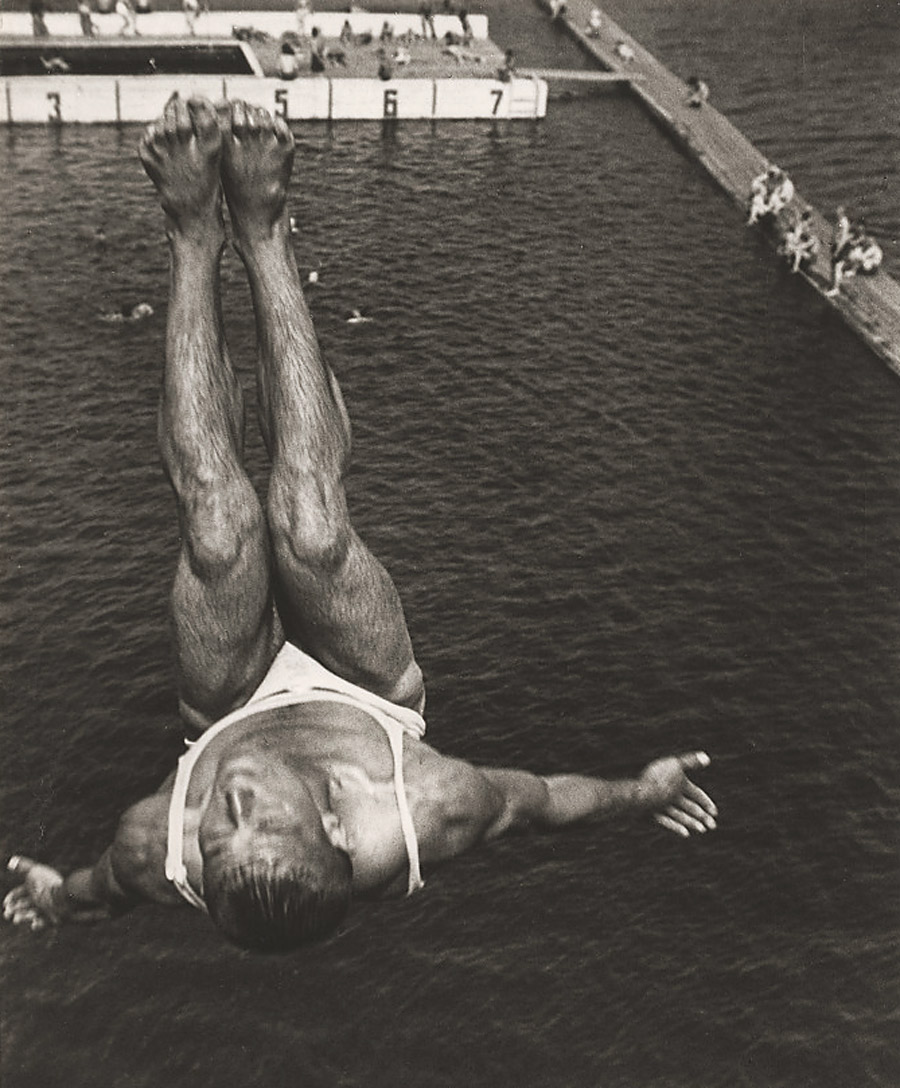

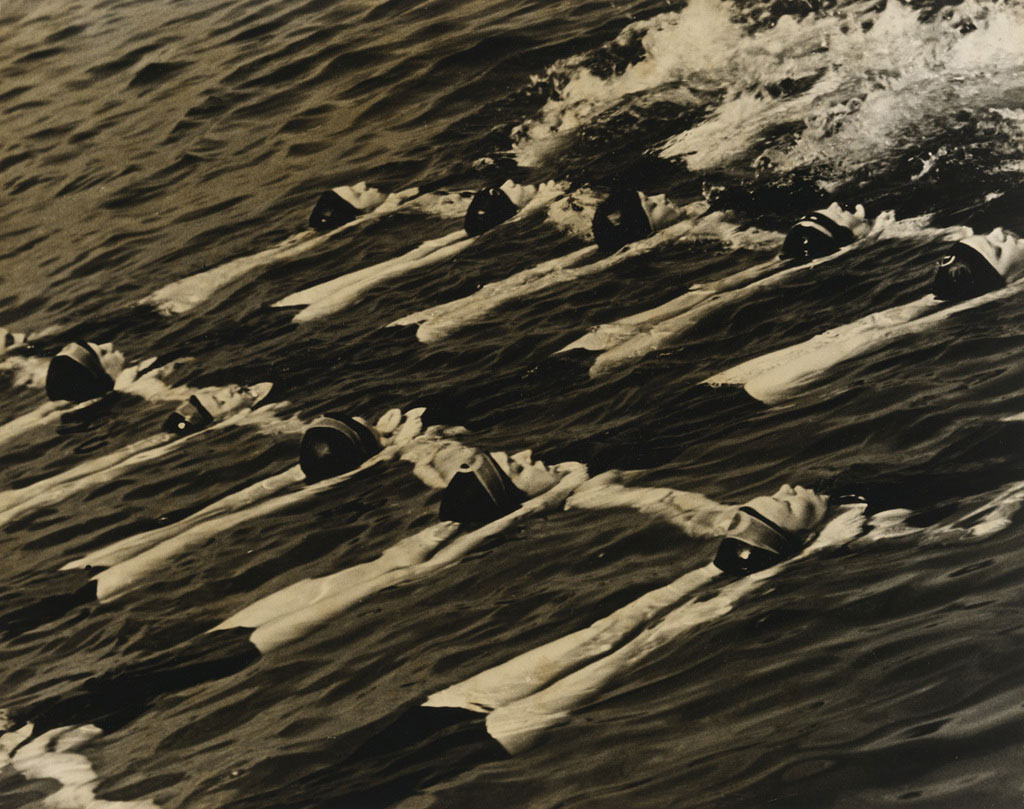

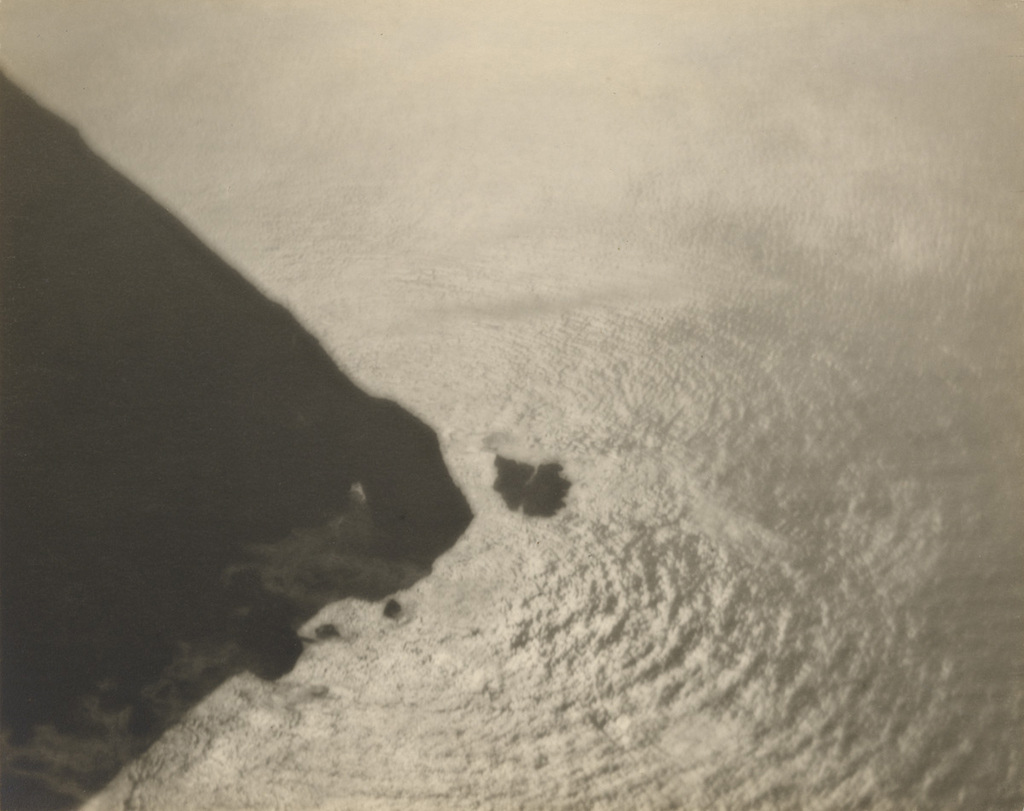
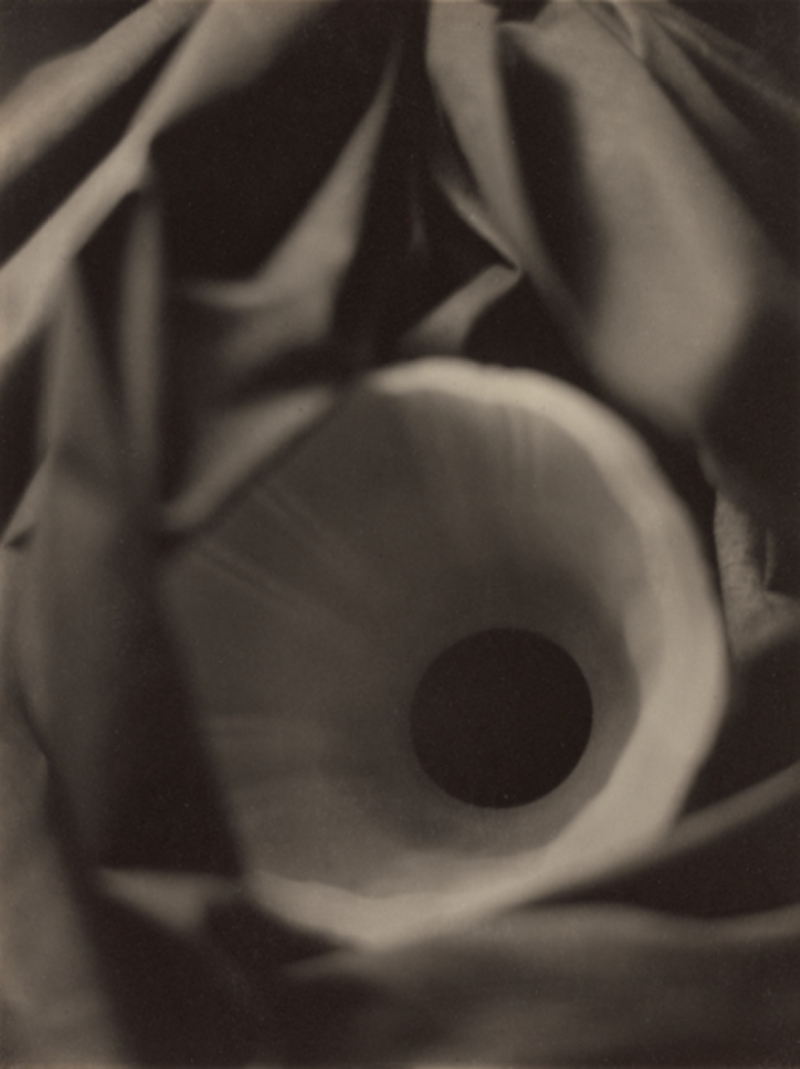
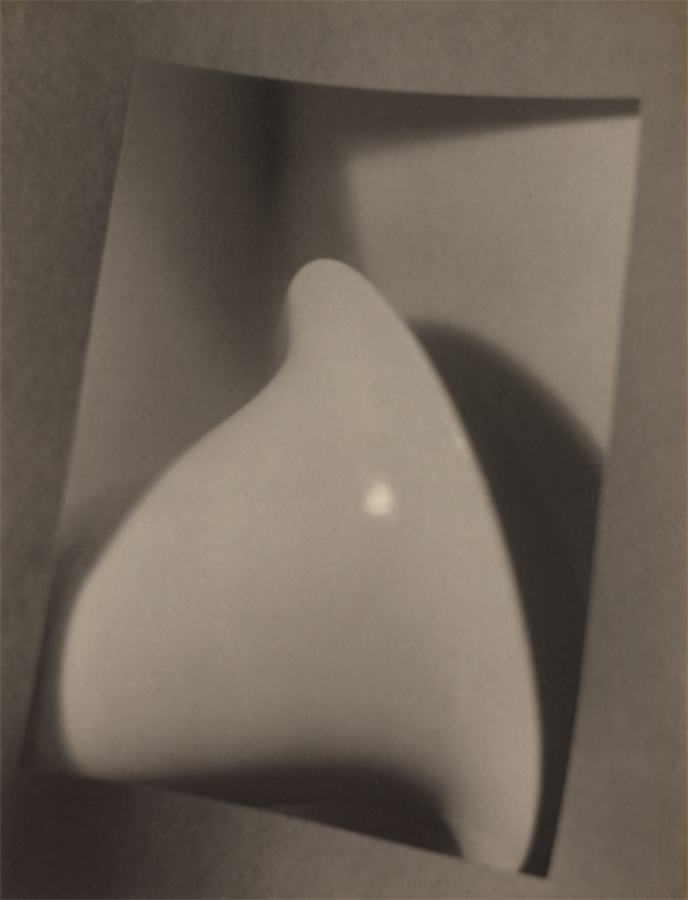
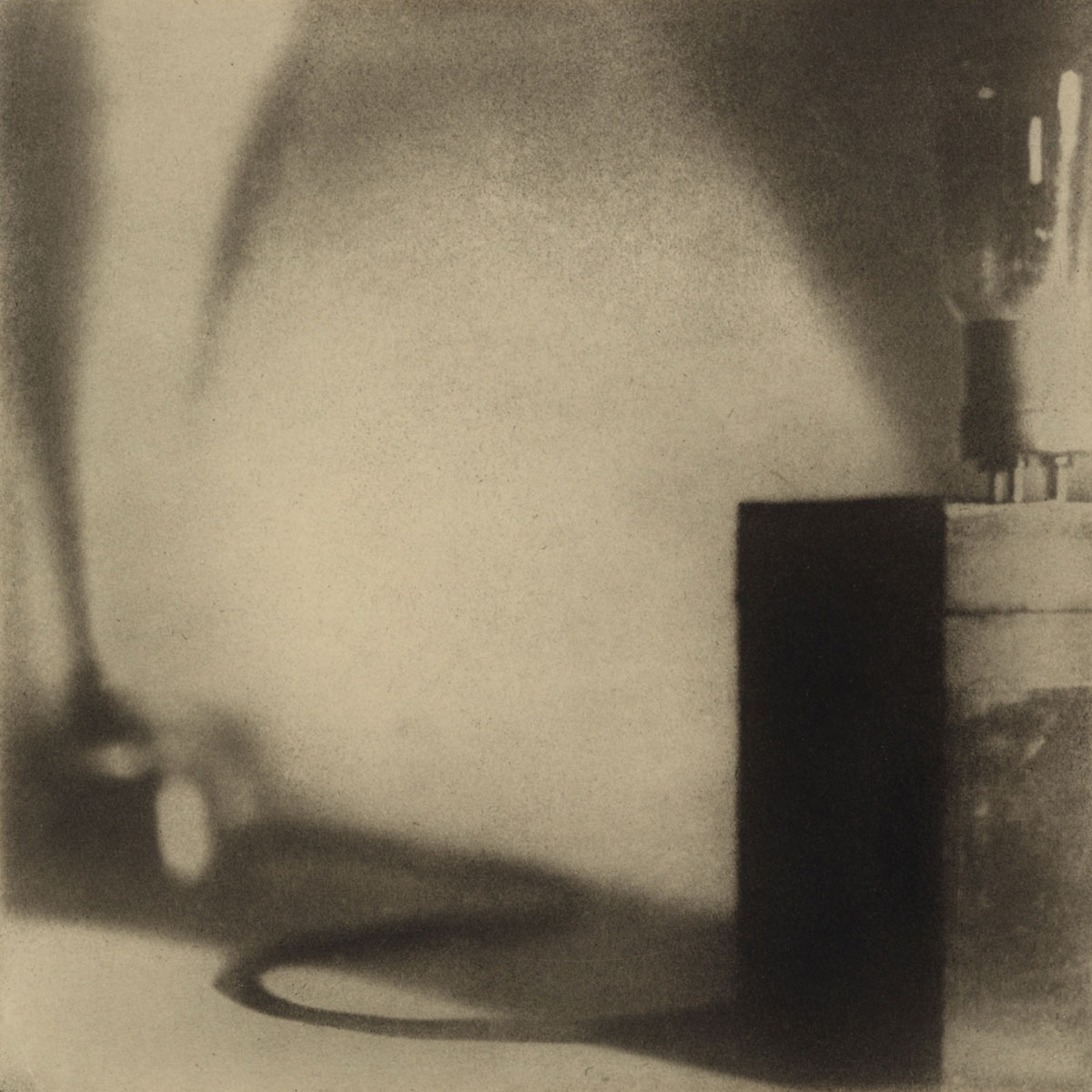
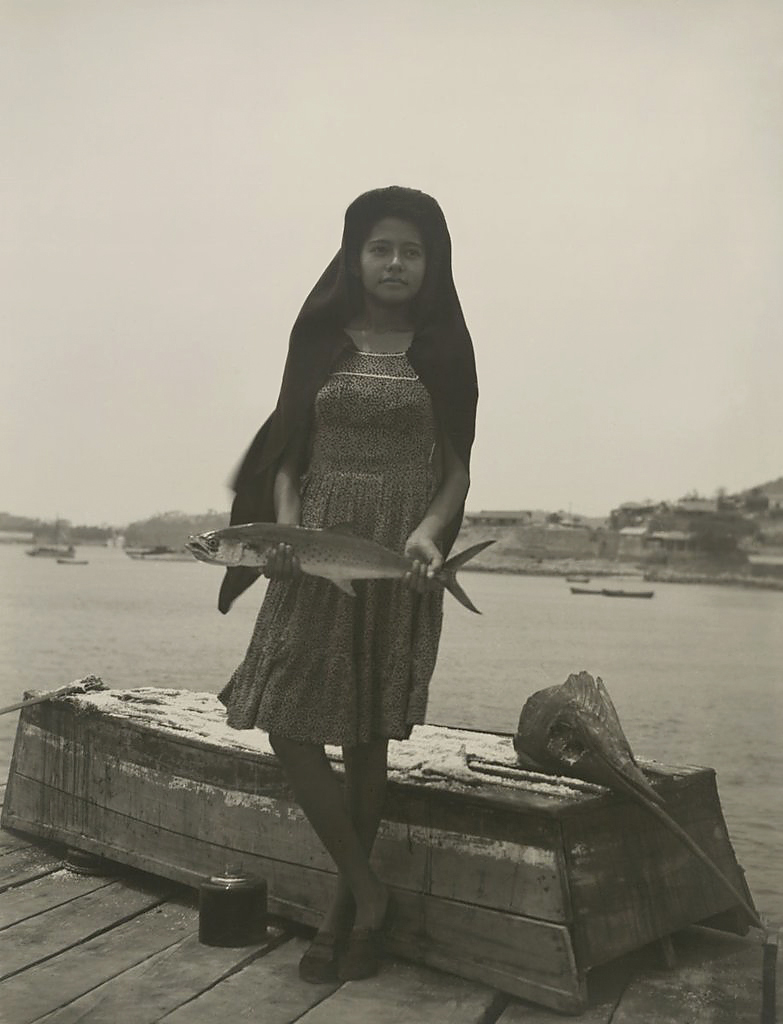
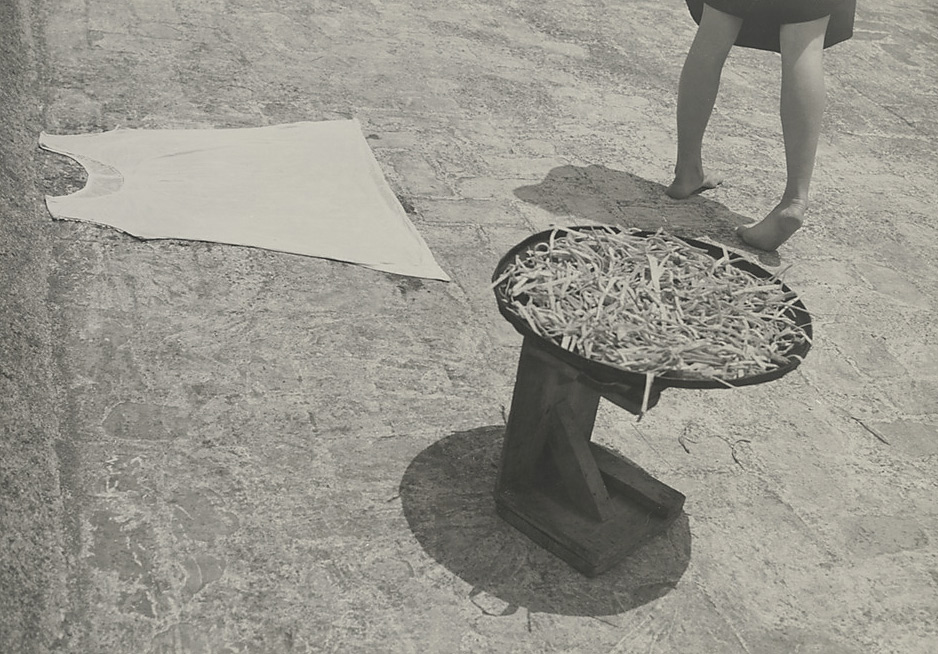


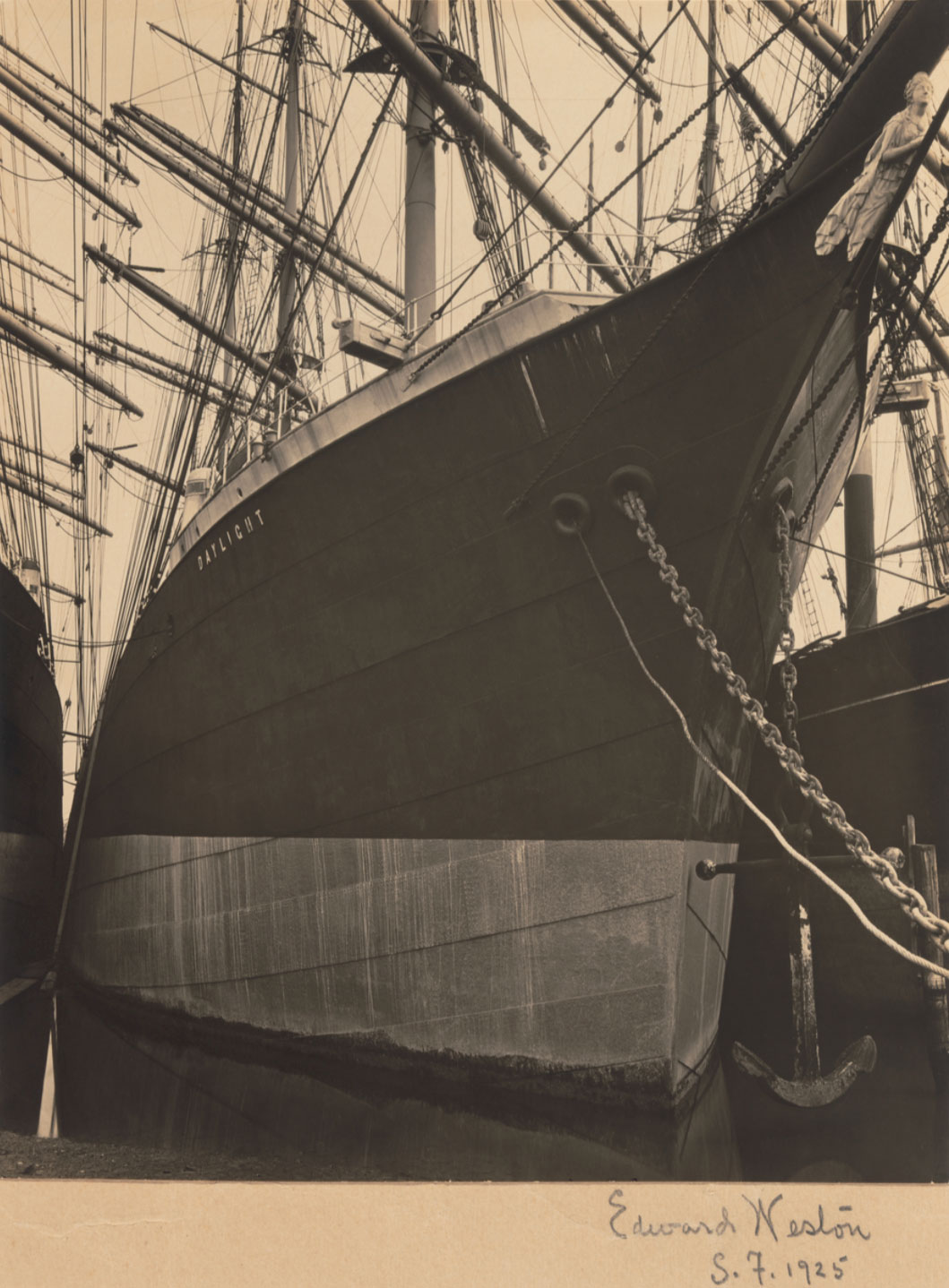
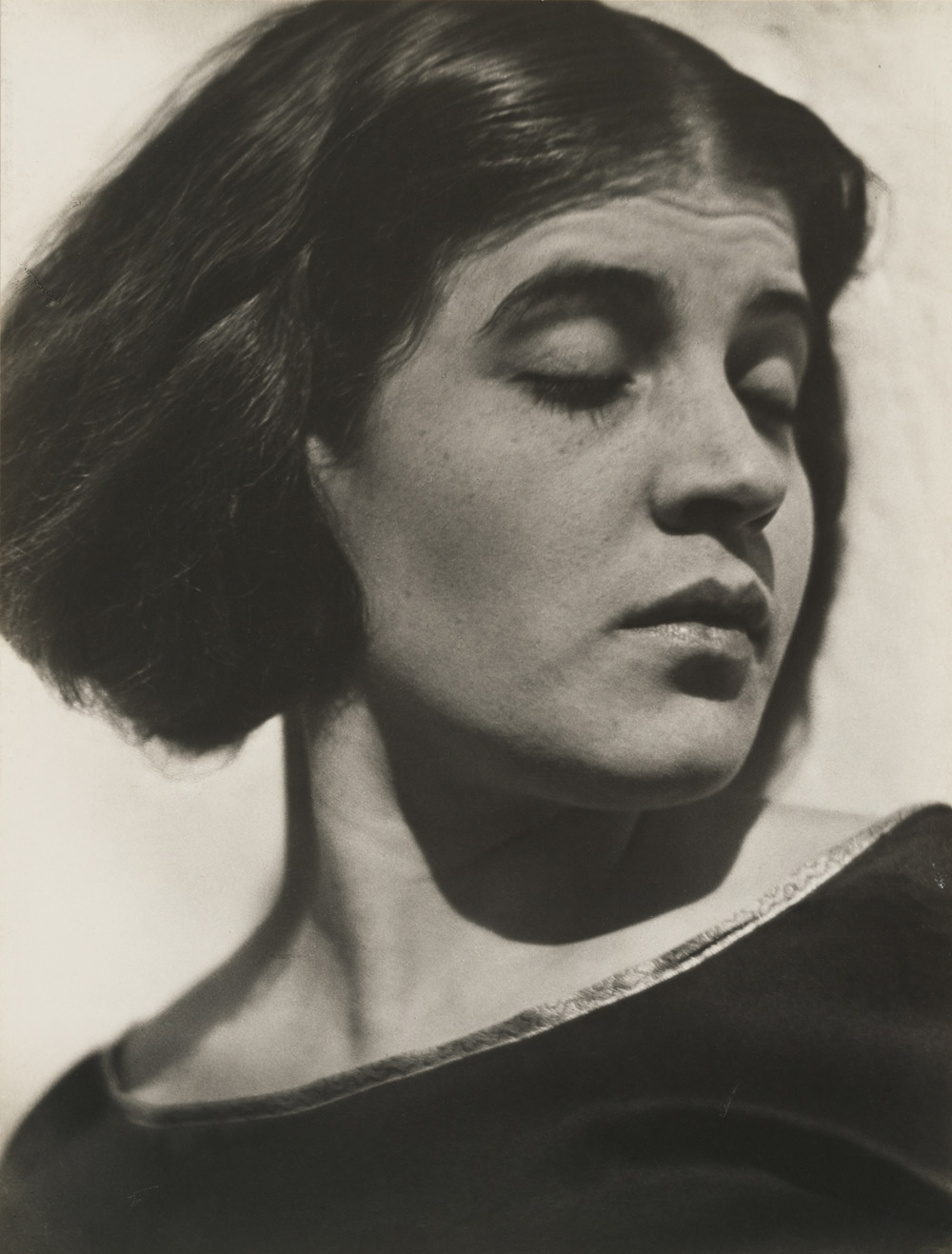
![Karl Blossfeldt (German, 1865-1932) 'Acanthus mollis' (Acanthus mollis [Akanthus, Bärenklau. Deckblätter, die Blüten sind entfernt, in 4facher Vergrößerung]) 1898-1928](https://artblart.com/wp-content/uploads/2015/04/karl-blossfeldt-german-1865e280931932-acanthus-mollis-web.jpg "Karl Blossfeldt (German, 1865-1932) 'Acanthus mollis' (Acanthus mollis [Akanthus, Bärenklau. Deckblätter, die Blüten sind entfernt, in 4facher Vergrößerung]) 1898-1928")
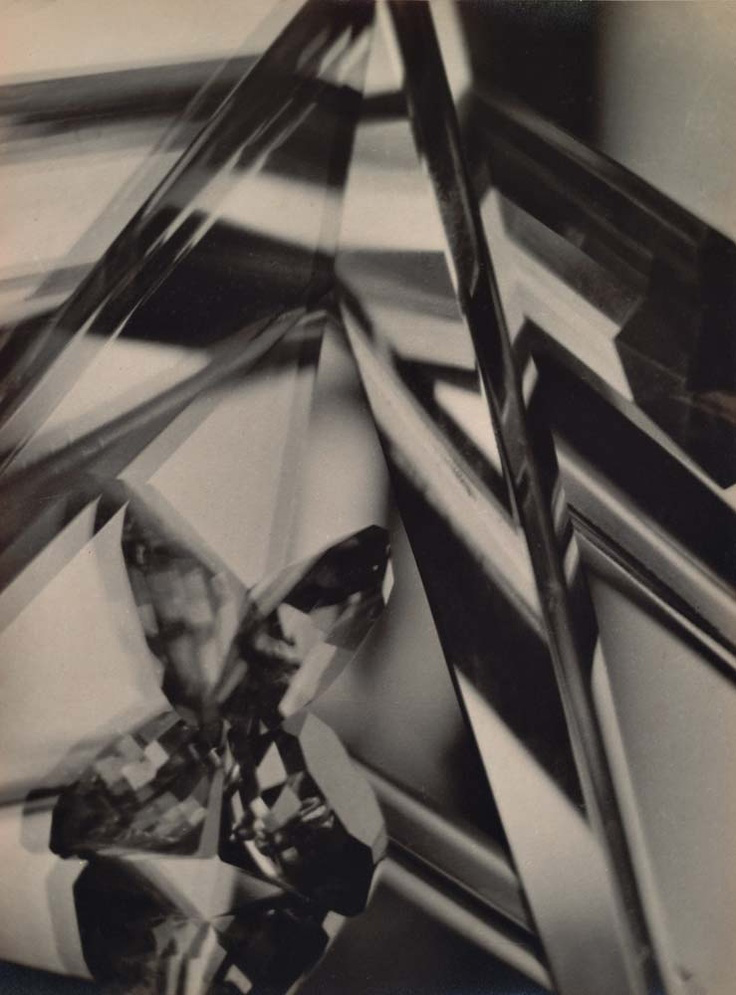
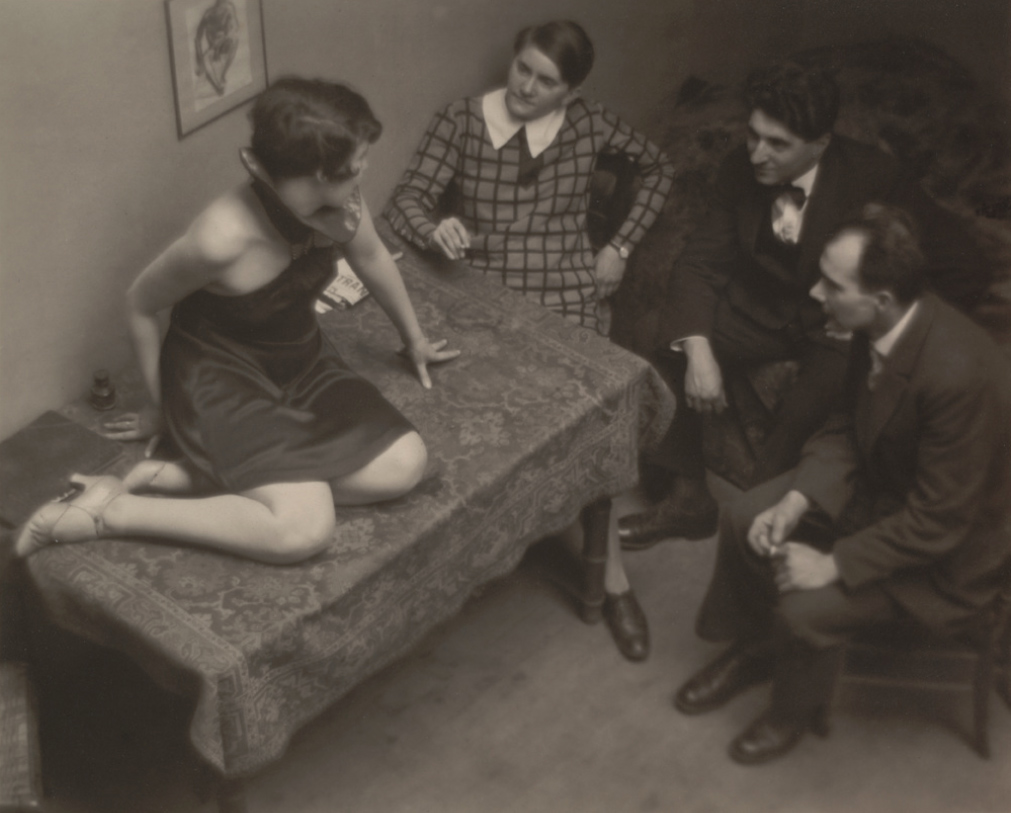
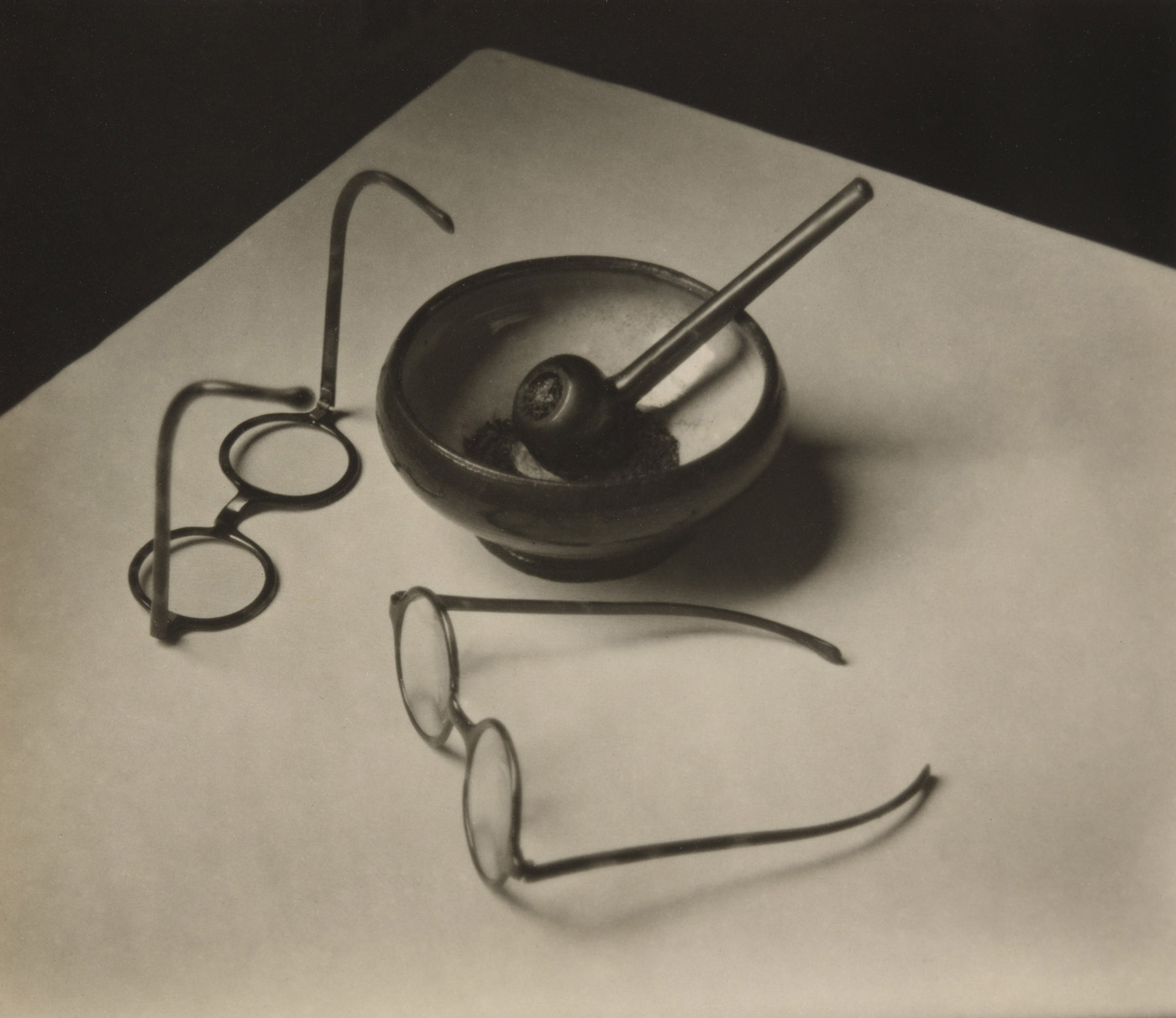
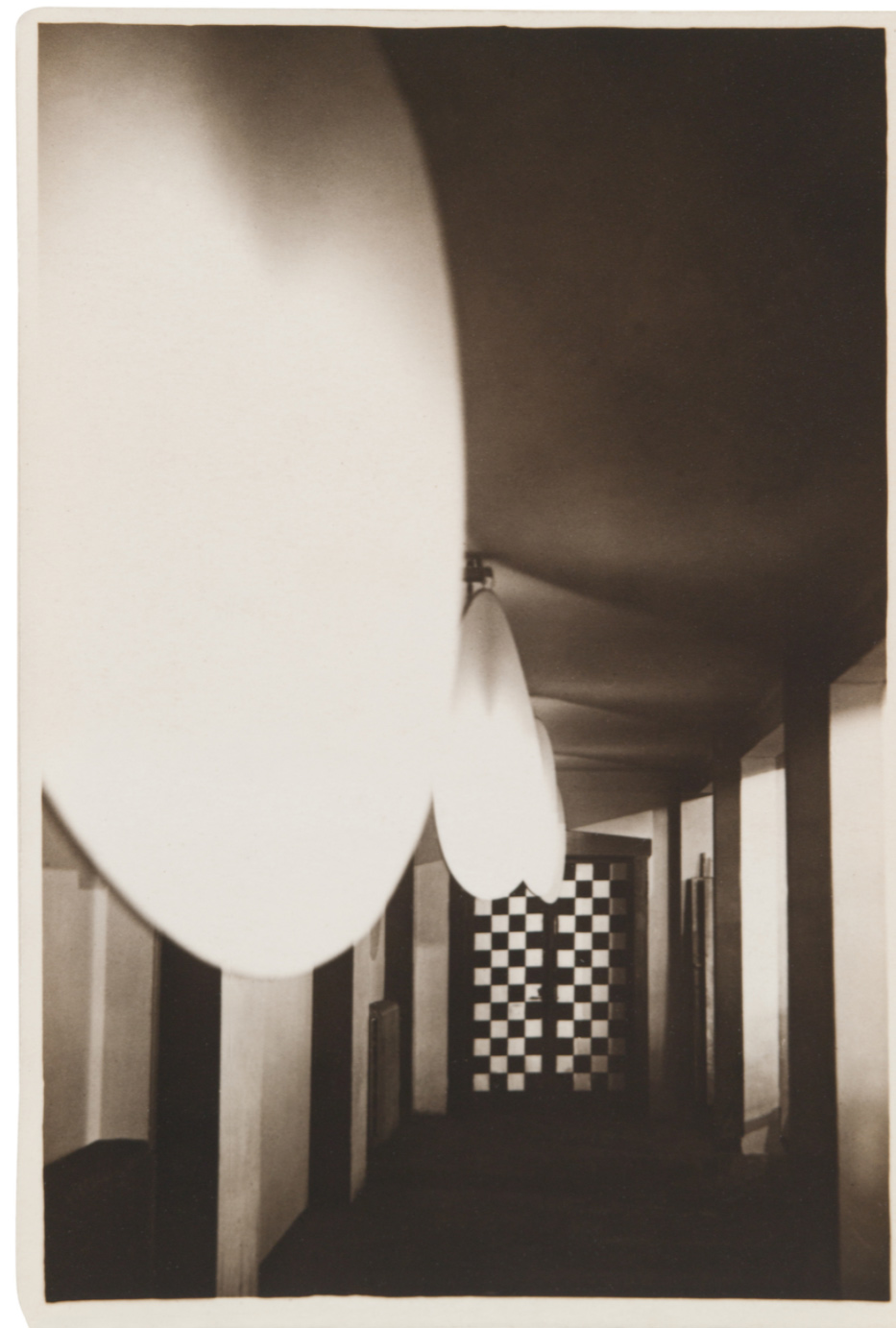
![Iwao Yamawaki (Japanese, 1898-1987) 'Lunch (12-2 p.m.)' (Mittagessen [12-2 Uhr]) 1931](https://artblart.com/wp-content/uploads/2015/04/iwao-yamawaki-japanese-1898e280931987-lunch-12e280932-p-m-web.jpg "Iwao Yamawaki (Japanese, 1898-1987) 'Lunch (12-2 p.m.)' (Mittagessen [12-2 Uhr]) 1931")


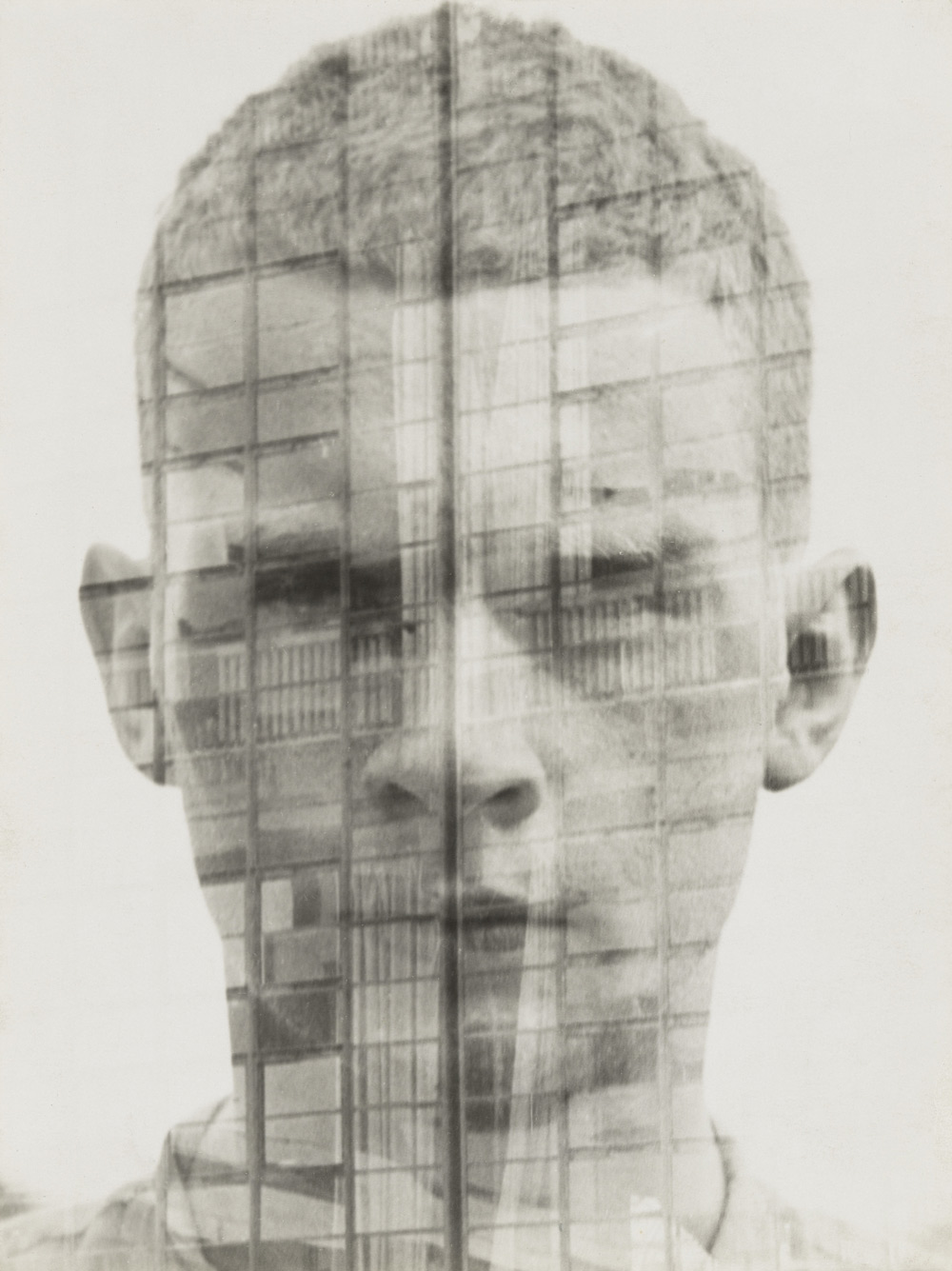


![Max Burchartz (German, 1887-1961) 'Lotte (Eye)' (Lotte [Auge]) 1928](https://artblart.com/wp-content/uploads/2015/04/max-burchartz-lotte-eye-1928-web.jpg "Max Burchartz (German, 1887-1961) 'Lotte (Eye)' (Lotte [Auge]) 1928")
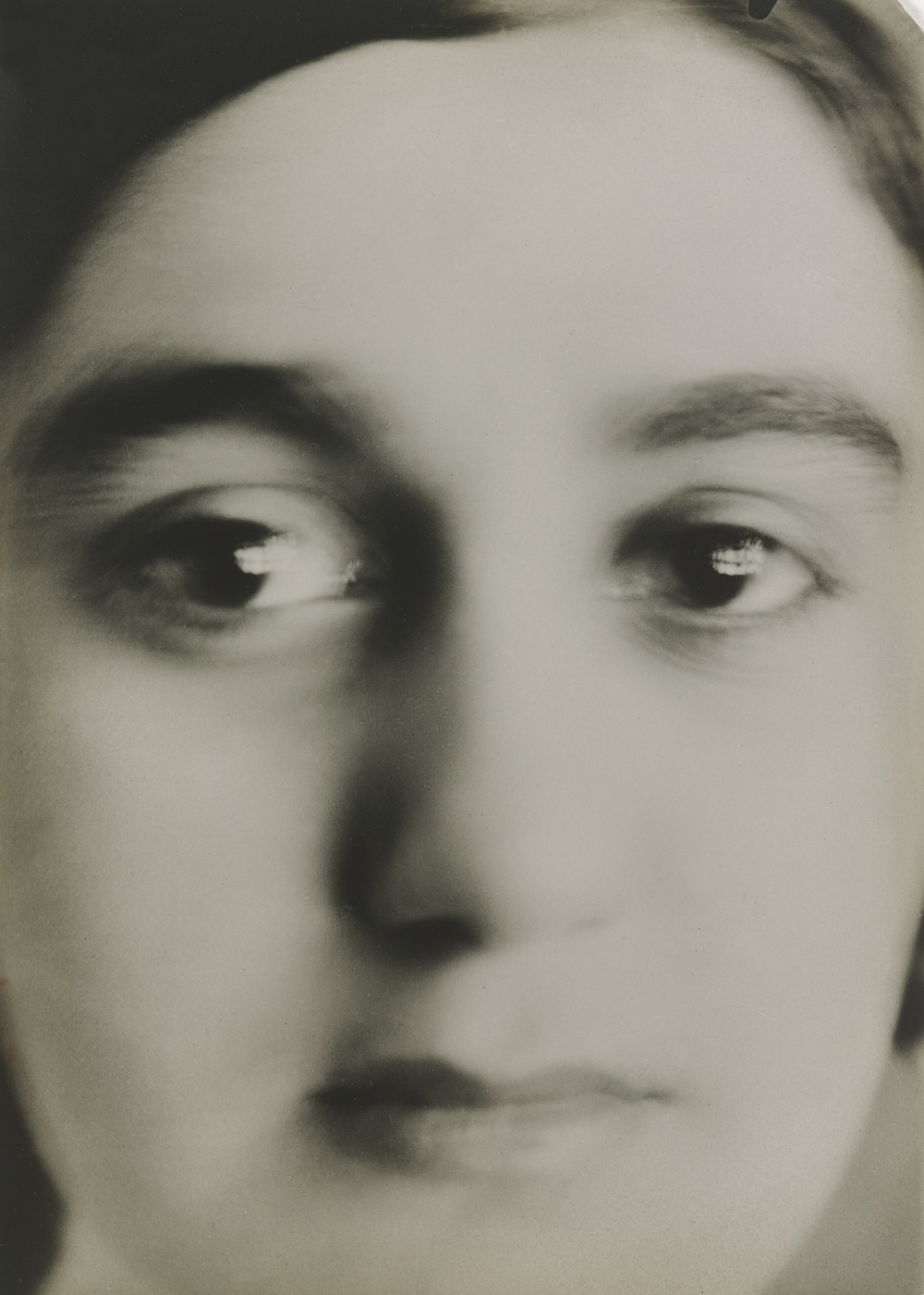
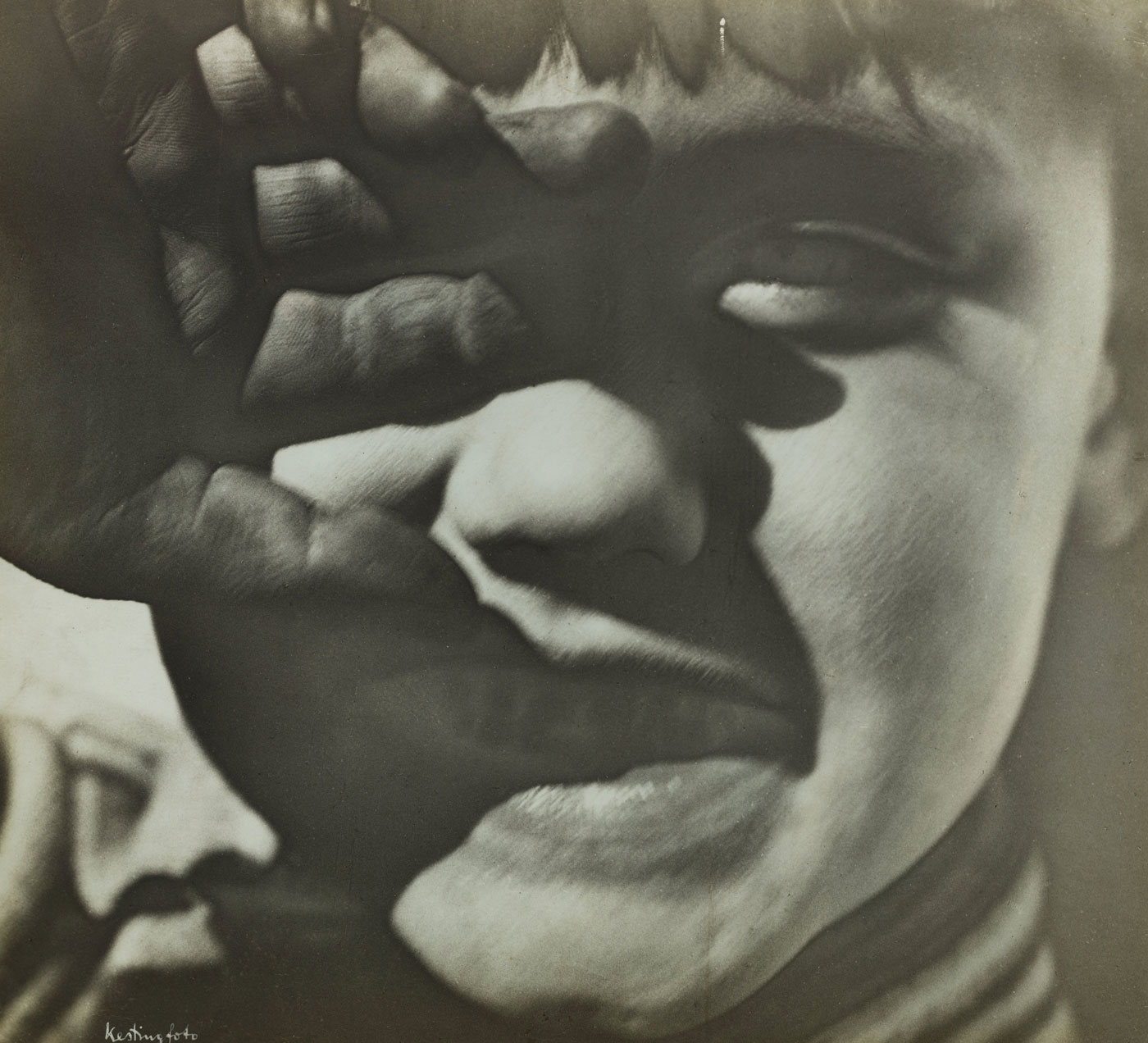

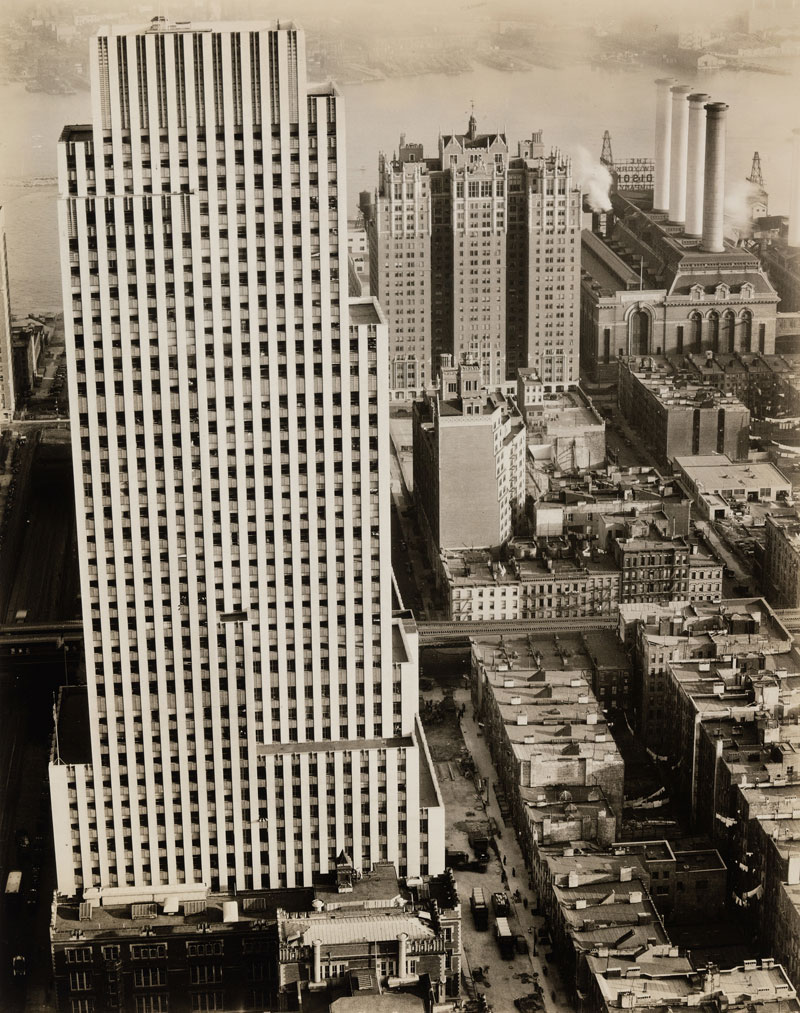

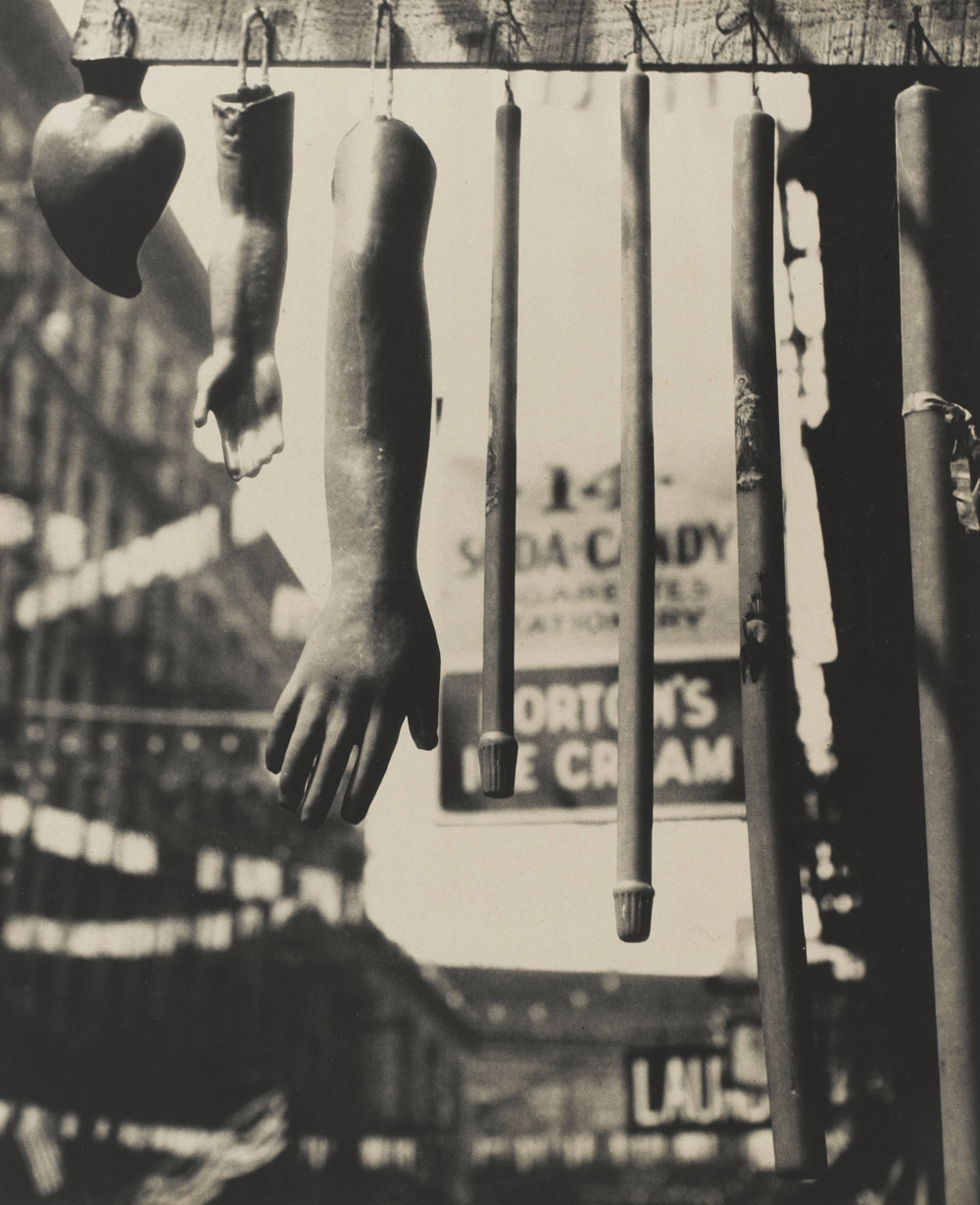
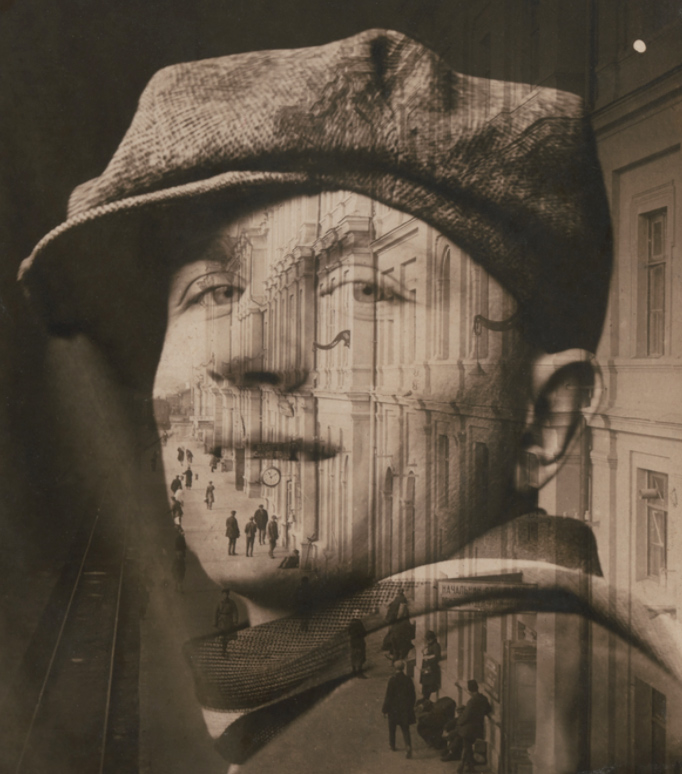
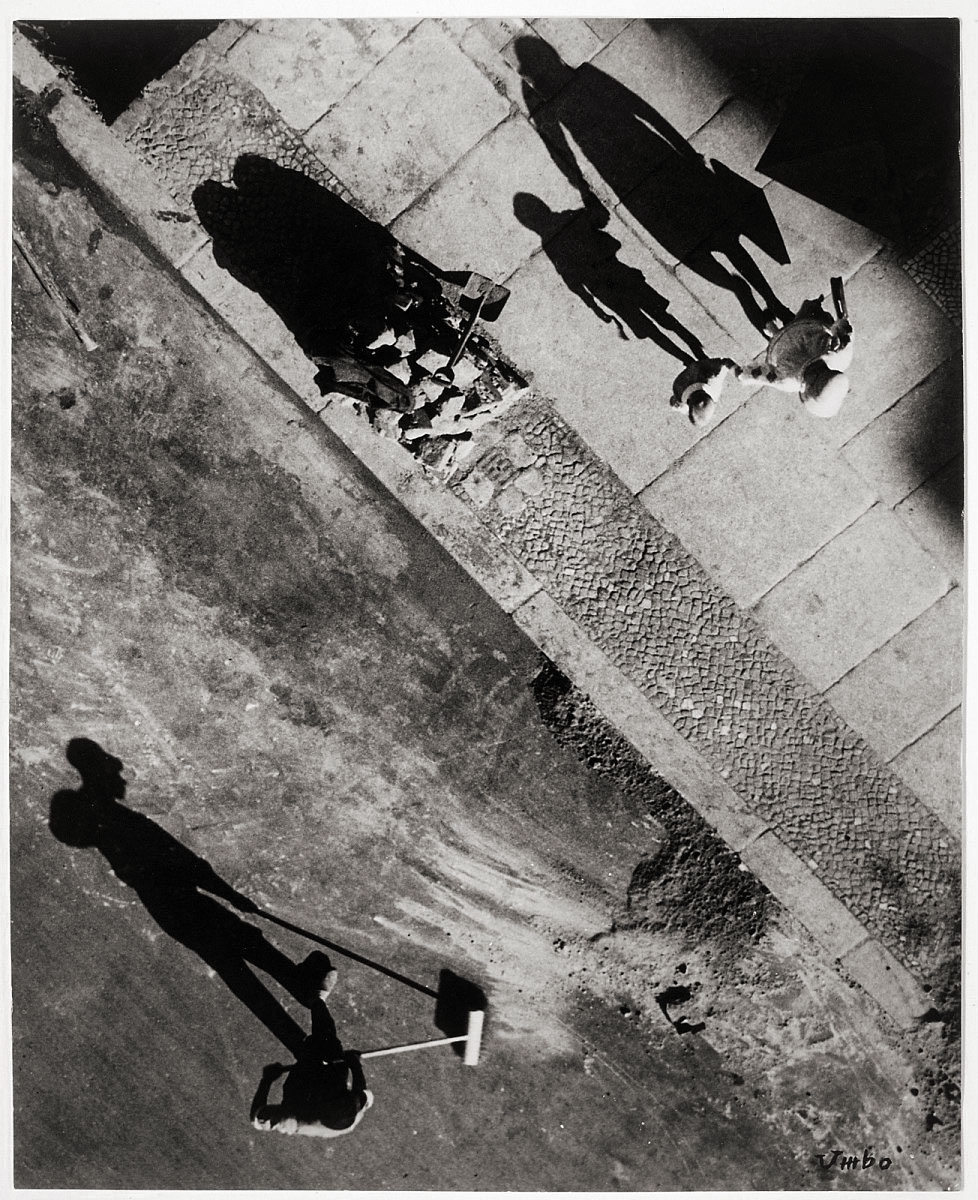


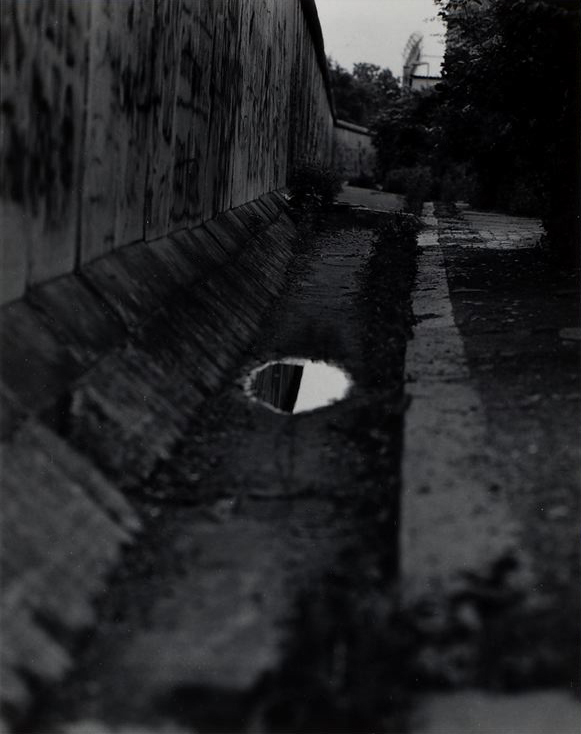
![Jim Iska. 'Untitled [Installation view of the exhibition John Gossage: Three Routines at The Art Institute of Chicago]' 2015](https://artblart.com/wp-content/uploads/2015/03/installation-b-web.jpg "Jim Iska. 'Untitled [Installation view of the exhibition John Gossage: Three Routines at The Art Institute of Chicago]' 2015")
![Jim Iska. 'Untitled [Installation view of the exhibition John Gossage: Three Routines at The Art Institute of Chicago]' 2015](https://artblart.com/wp-content/uploads/2015/03/installation-a-web.jpg "Jim Iska. 'Untitled [Installation view of the exhibition John Gossage: Three Routines at The Art Institute of Chicago]' 2015")
![Jim Iska. 'Untitled [Installation view of the exhibition John Gossage: Three Routines at The Art Institute of Chicago]' 2015](https://artblart.com/wp-content/uploads/2015/03/installation-c-web.jpg "Jim Iska. 'Untitled [Installation view of the exhibition John Gossage: Three Routines at The Art Institute of Chicago]' 2015")
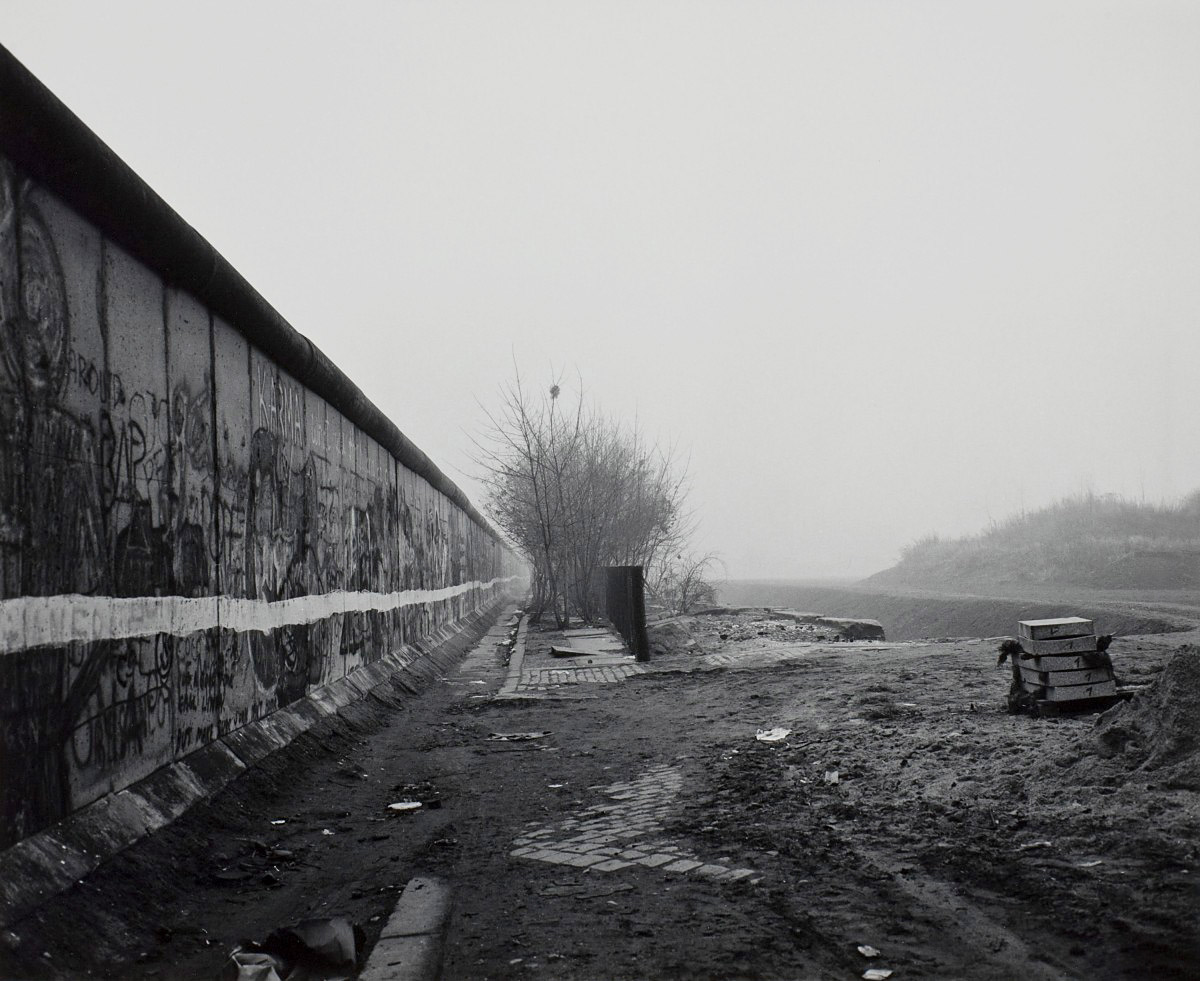
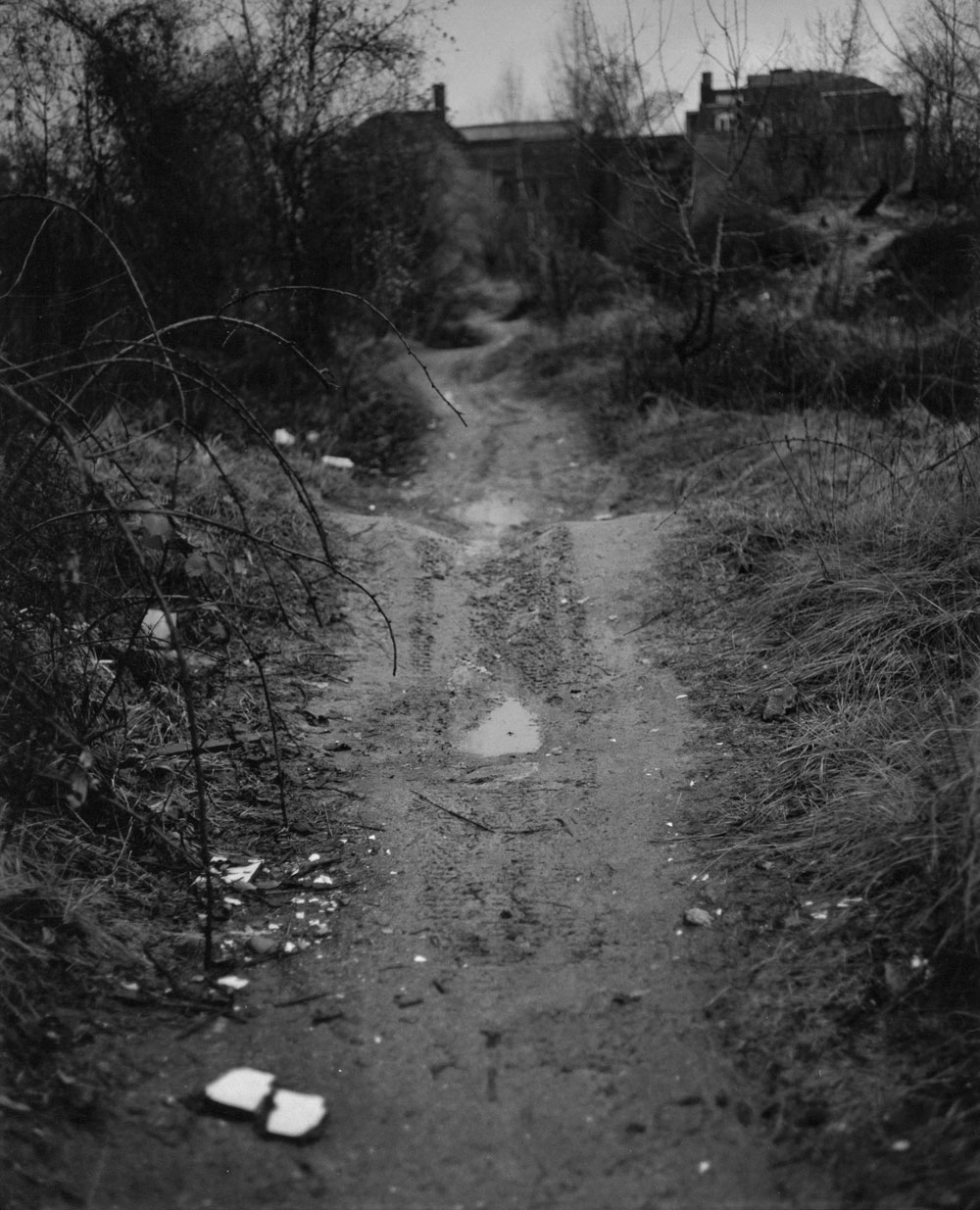
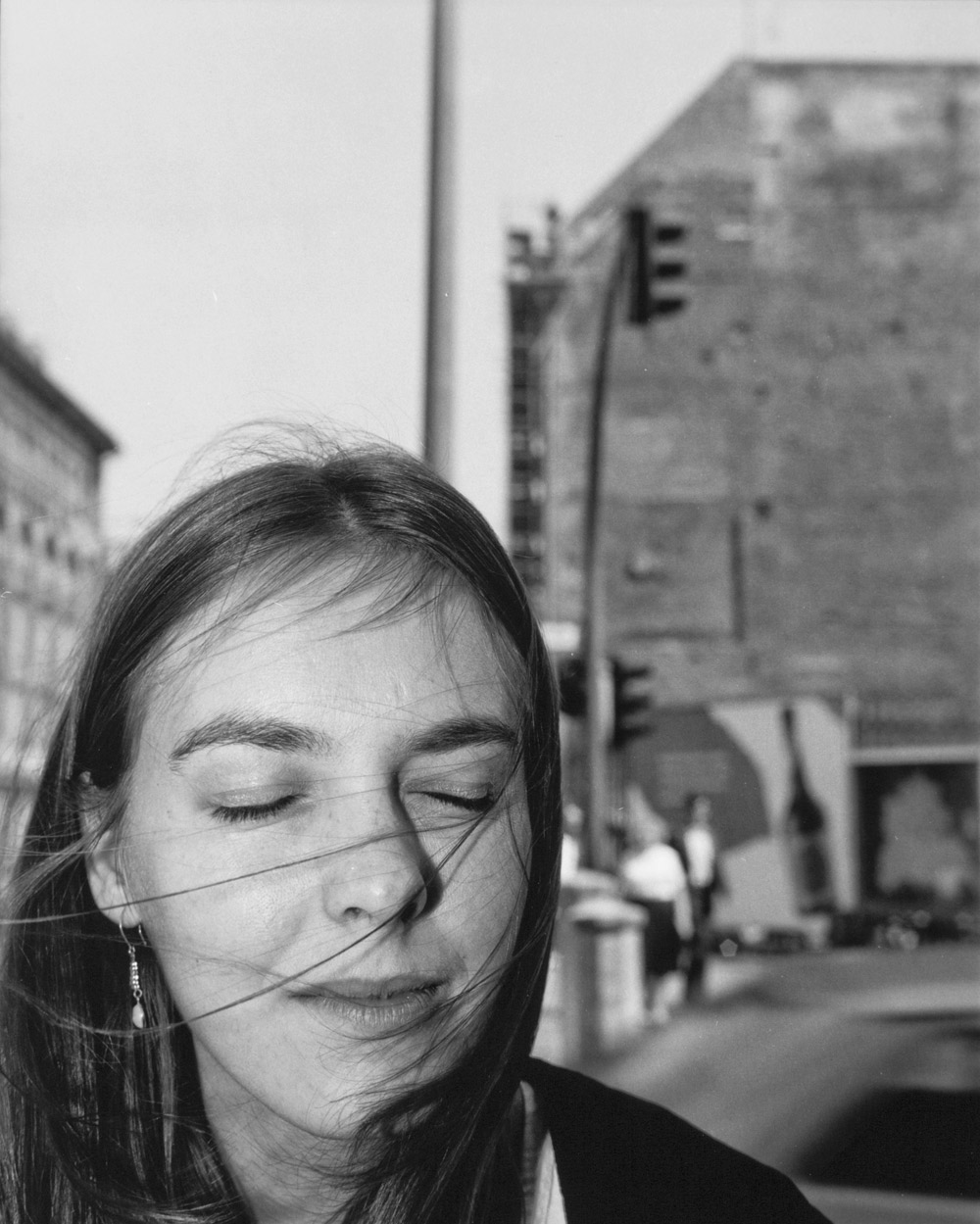
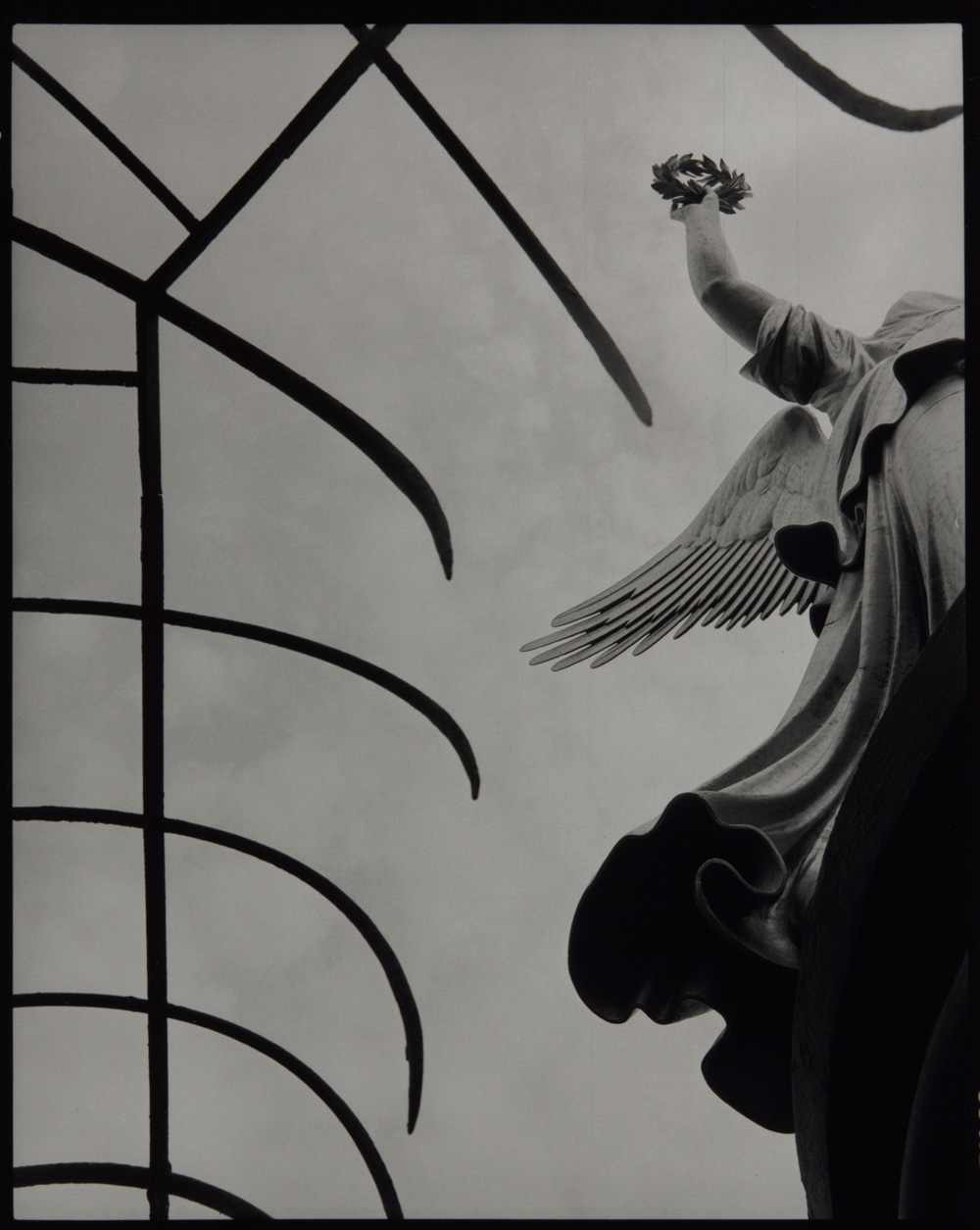
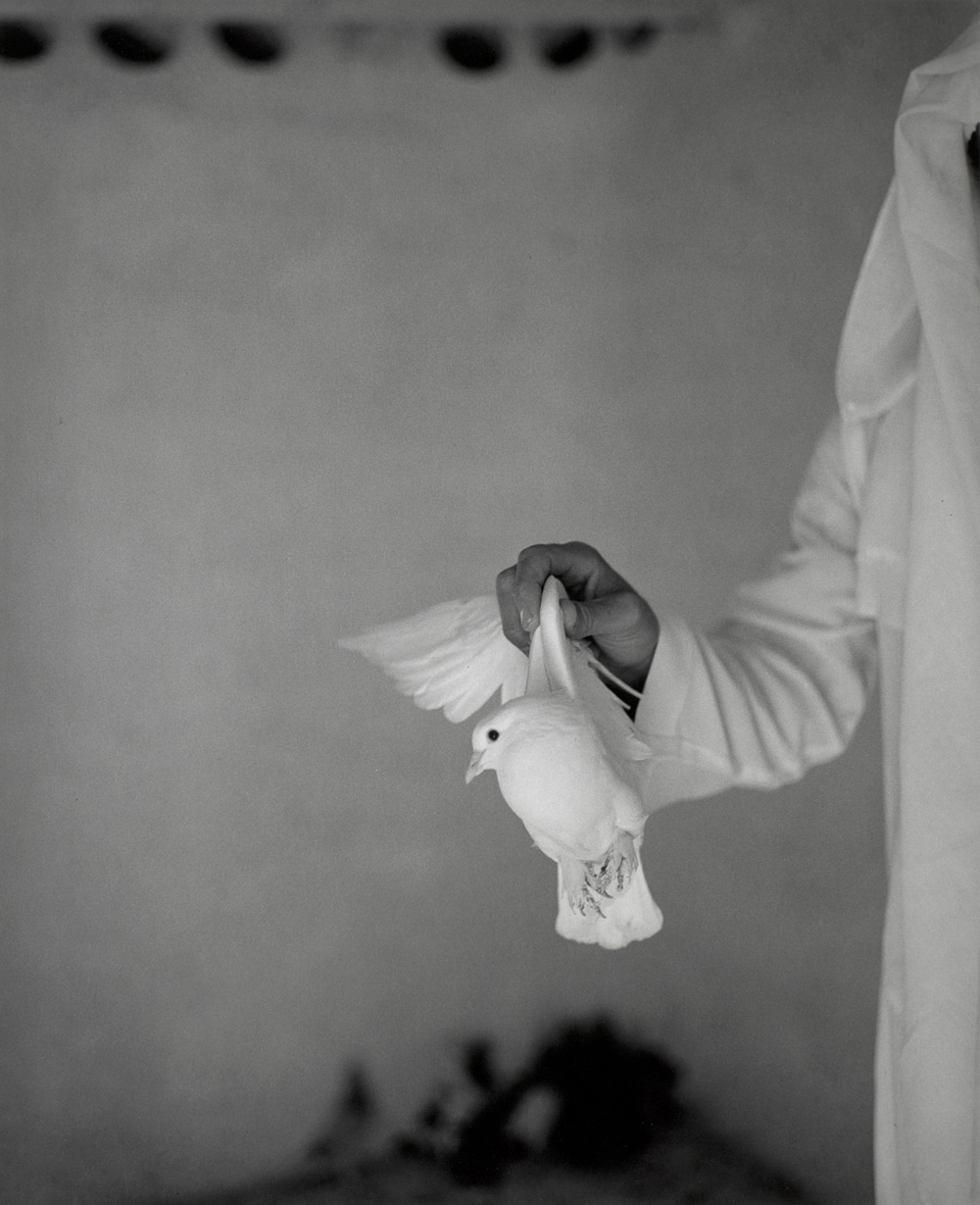
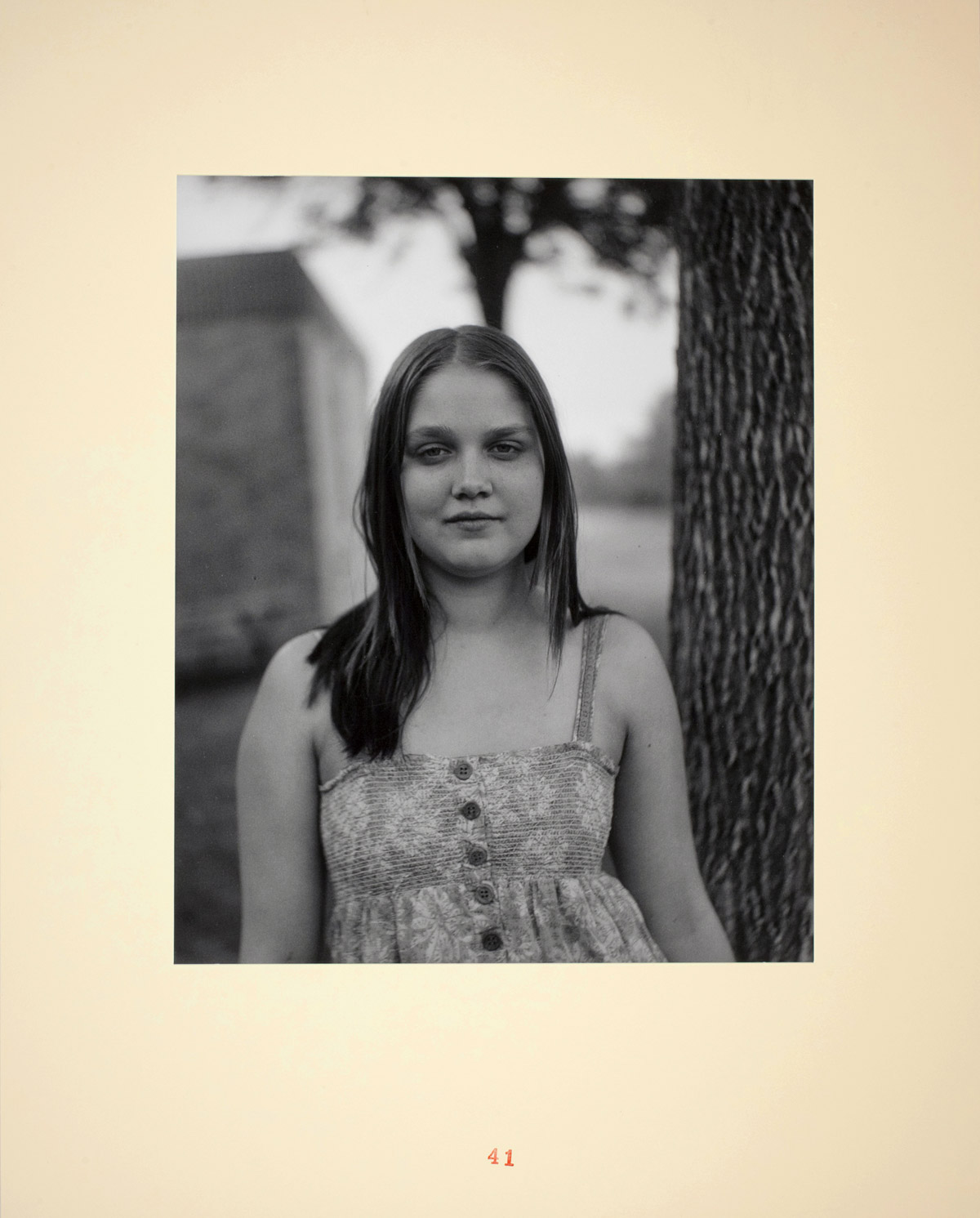
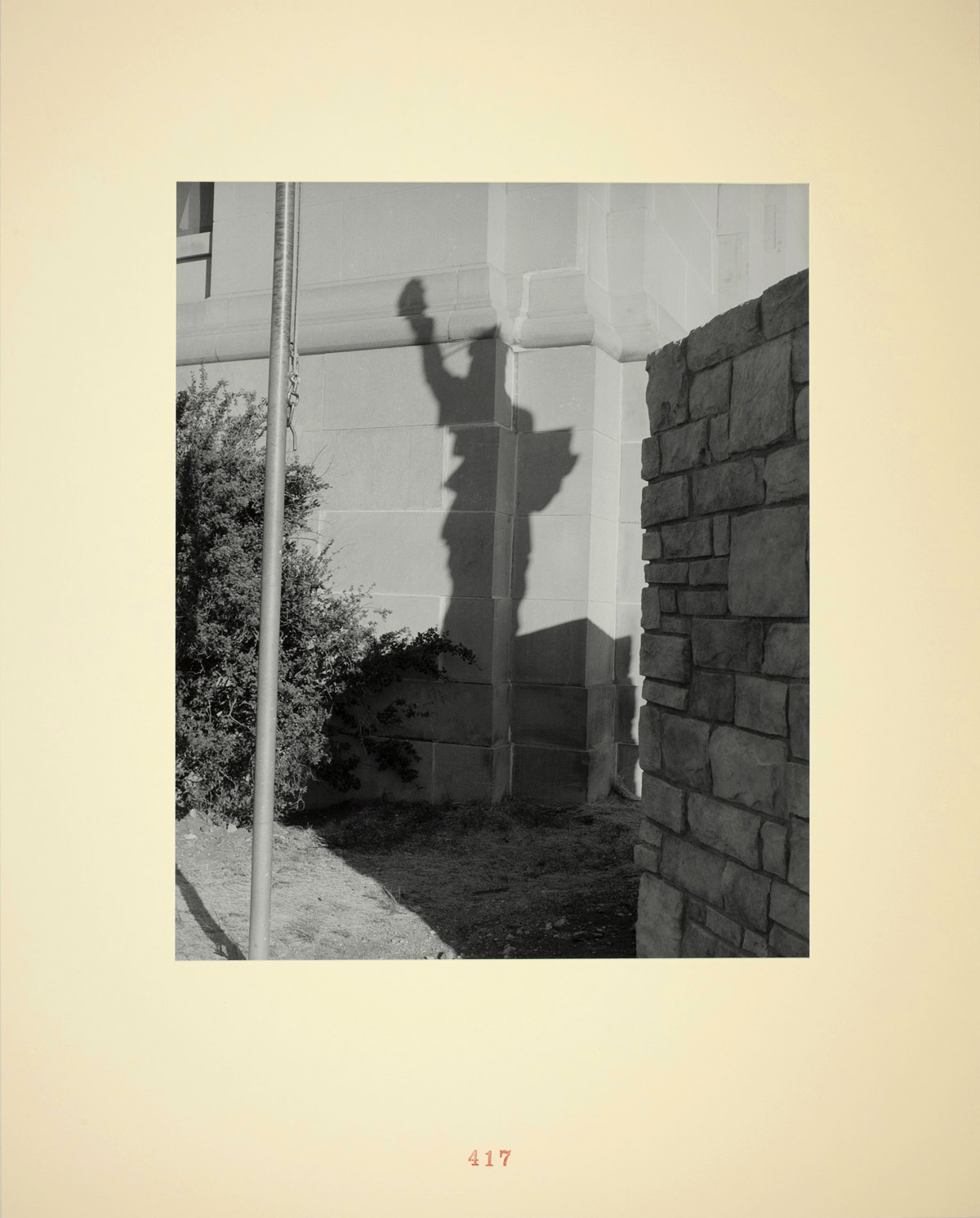

![Platt D. Babbitt (American, 1823-1879, active Niagara Falls, New York 1853-1870) '[Scene at Niagara Falls]' c. 1855 from the exhibition 'In Focus: Play' at the J. Paul Getty Museum at the Getty Center, Los Angeles, December 2014 - May 2015](https://artblart.com/wp-content/uploads/2015/03/platt_d_babbitt_scene_at_niagara_falls-web.jpg "Platt D. Babbitt (American, 1823-1879, active Niagara Falls, New York 1853-1870) '[Scene at Niagara Falls]' c. 1855 from the exhibition 'In Focus: Play' at the J. Paul Getty Museum at the Getty Center, Los Angeles, December 2014 - May 2015")

![Camille Silvy (French, 1834-1910, active in London) 'Group of their Royal Highnesses the Princess Clementine de Saxe Cobourg Gotha, her Sons and Daughter, the Duke d'Aumale, the Count d'Eu, the Duke d'Alencon, and the Duke de Penthievre [in England]' 1864](https://artblart.com/wp-content/uploads/2015/03/camille-silvy-group-of-their-royal-web.jpg "Camille Silvy (French, 1834-1910, active in London) 'Group of their Royal Highnesses the Princess Clementine de Saxe Cobourg Gotha, her Sons and Daughter, the Duke d'Aumale, the Count d'Eu, the Duke d'Alencon, and the Duke de Penthievre [in England]' 1864")
![Camille Silvy (French, 1834-1910, active in London) 'Group of their Royal Highnesses the Princess Clementine de Saxe Cobourg Gotha, her Sons and Daughter, the Duke d'Aumale, the Count d'Eu, the Duke d'Alencon, and the Duke de Penthievre [in England]' 1864 (detail)](https://artblart.com/wp-content/uploads/2015/03/camille-silvy-group-of-their-royal-detail.jpg "Camille Silvy (French, 1834-1910, active in London) 'Group of their Royal Highnesses the Princess Clementine de Saxe Cobourg Gotha, her Sons and Daughter, the Duke d'Aumale, the Count d'Eu, the Duke d'Alencon, and the Duke de Penthievre [in England]' 1864 (detail)")
![Man Ray (American, 1890-1976) '[Marcel Duchamp and Raoul de Roussy de Sales Playing Chess]' 1925](https://artblart.com/wp-content/uploads/2015/03/gm_05332701-web.jpg "Man Ray (American, 1890-1976) '[Marcel Duchamp and Raoul de Roussy de Sales Playing Chess]' 1925")
![Weegee (Arthur Fellig) (American born Austria, 1899-1968) '[Summer, The Lower East Side, New York City]' Summer 1937](https://artblart.com/wp-content/uploads/2015/03/gm_04304601-web.jpg "Weegee (Arthur Fellig) (American born Austria, 1899-1968) '[Summer, The Lower East Side, New York City]' Summer 1937")
![André Kertész (American born Hungary, 1894-1985) '[Underwater Swimmer]' Negative 1917; print 1970s](https://artblart.com/wp-content/uploads/2015/03/gm_06225401-web.jpg "André Kertész (American born Hungary, 1894-1985) '[Underwater Swimmer]' Negative 1917; print 1970s")
![Unknown photographer. '[Barnum and Bailey Circus Tent in Paris, France]' 1901-1902](https://artblart.com/wp-content/uploads/2015/03/gm_05045201-web.jpg "Unknown photographer. '[Barnum and Bailey Circus Tent in Paris, France]' 1901-1902")
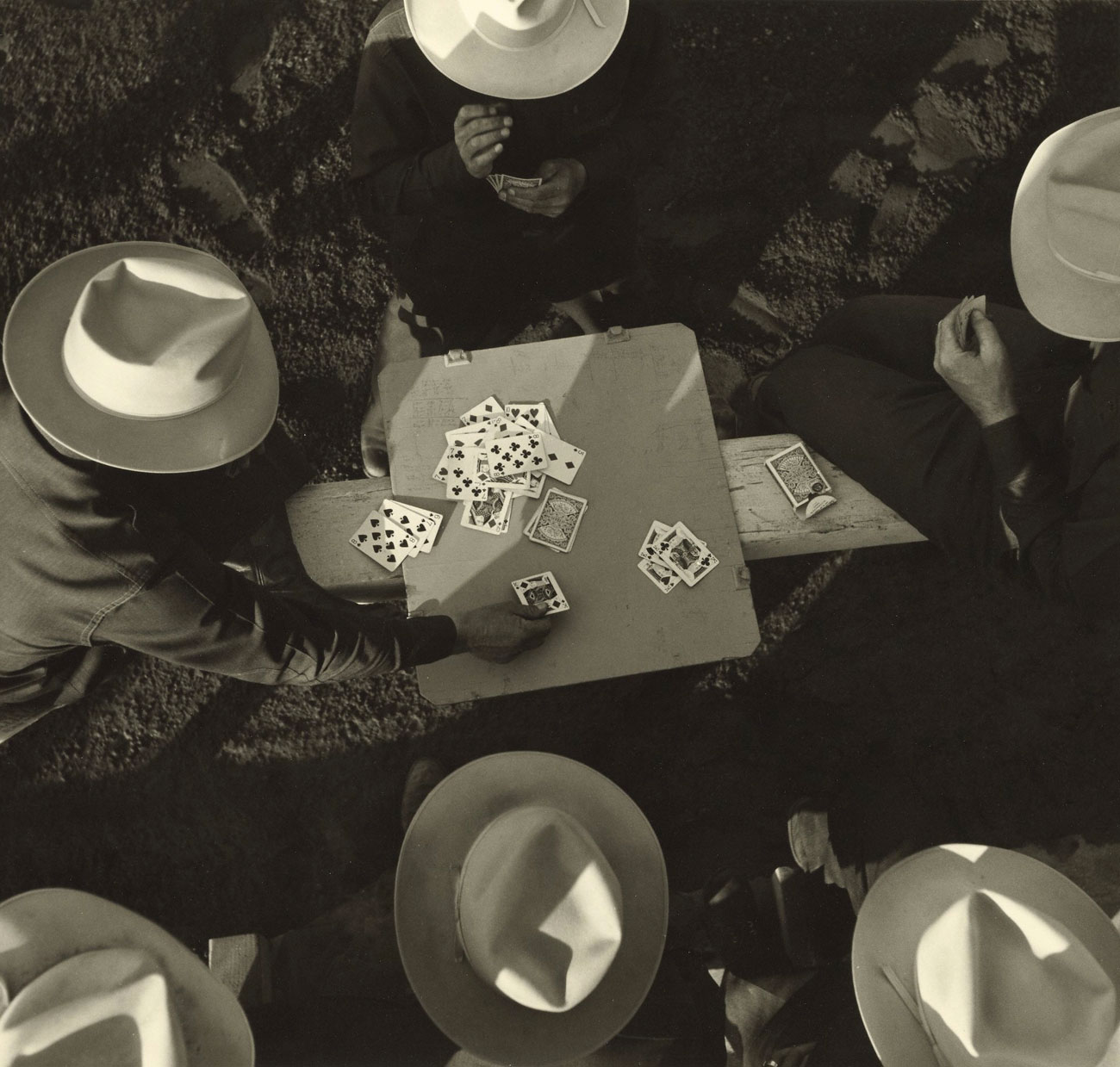
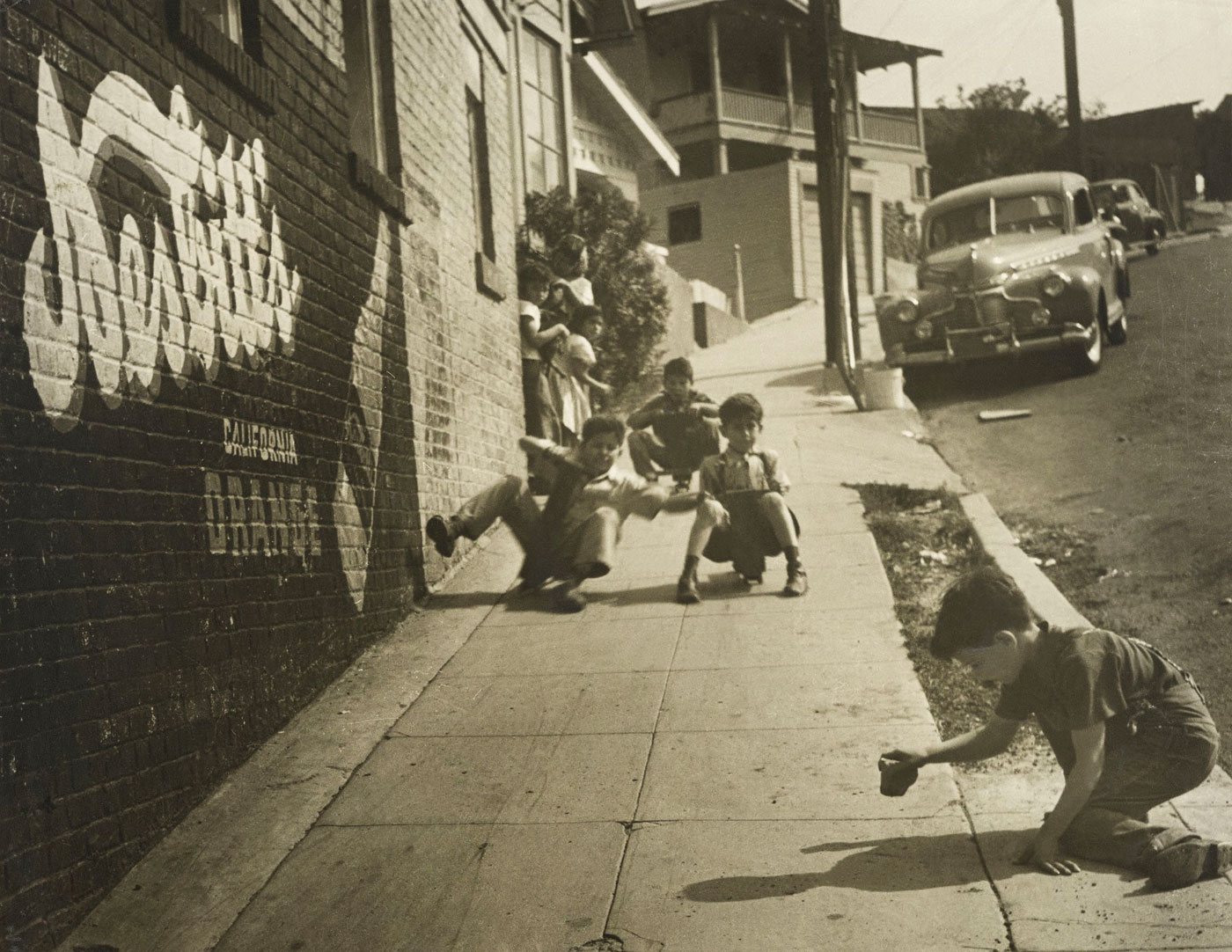
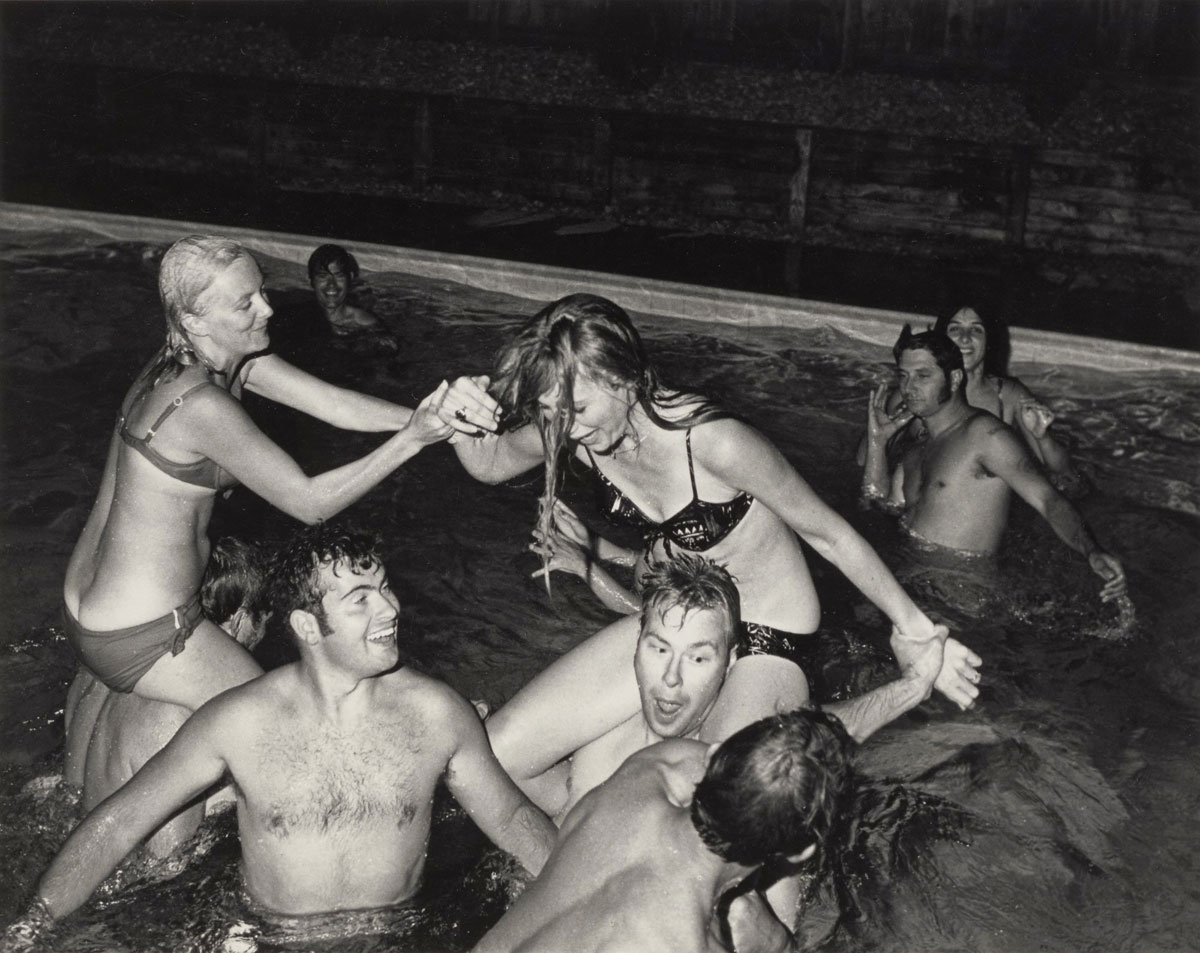






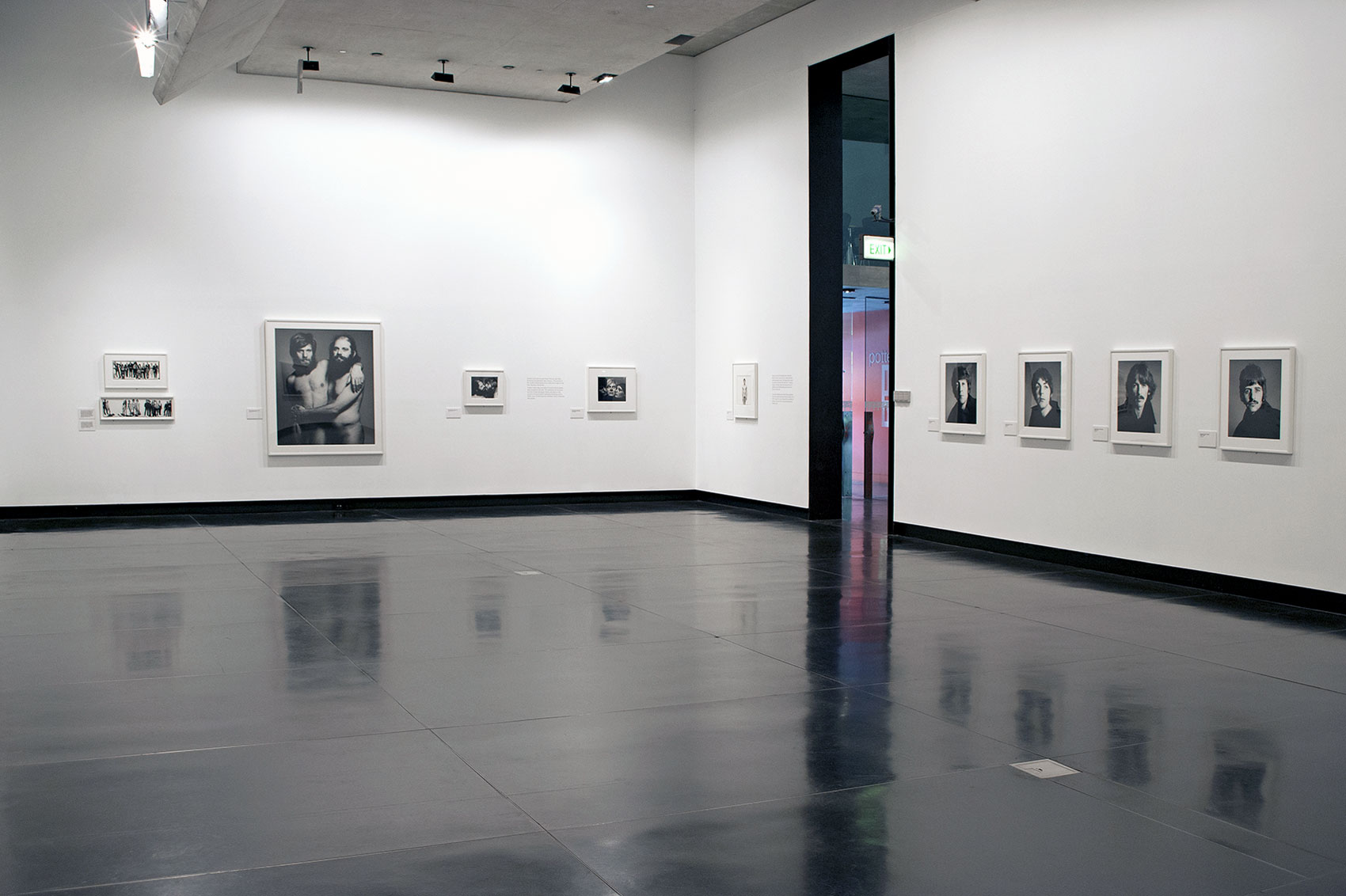


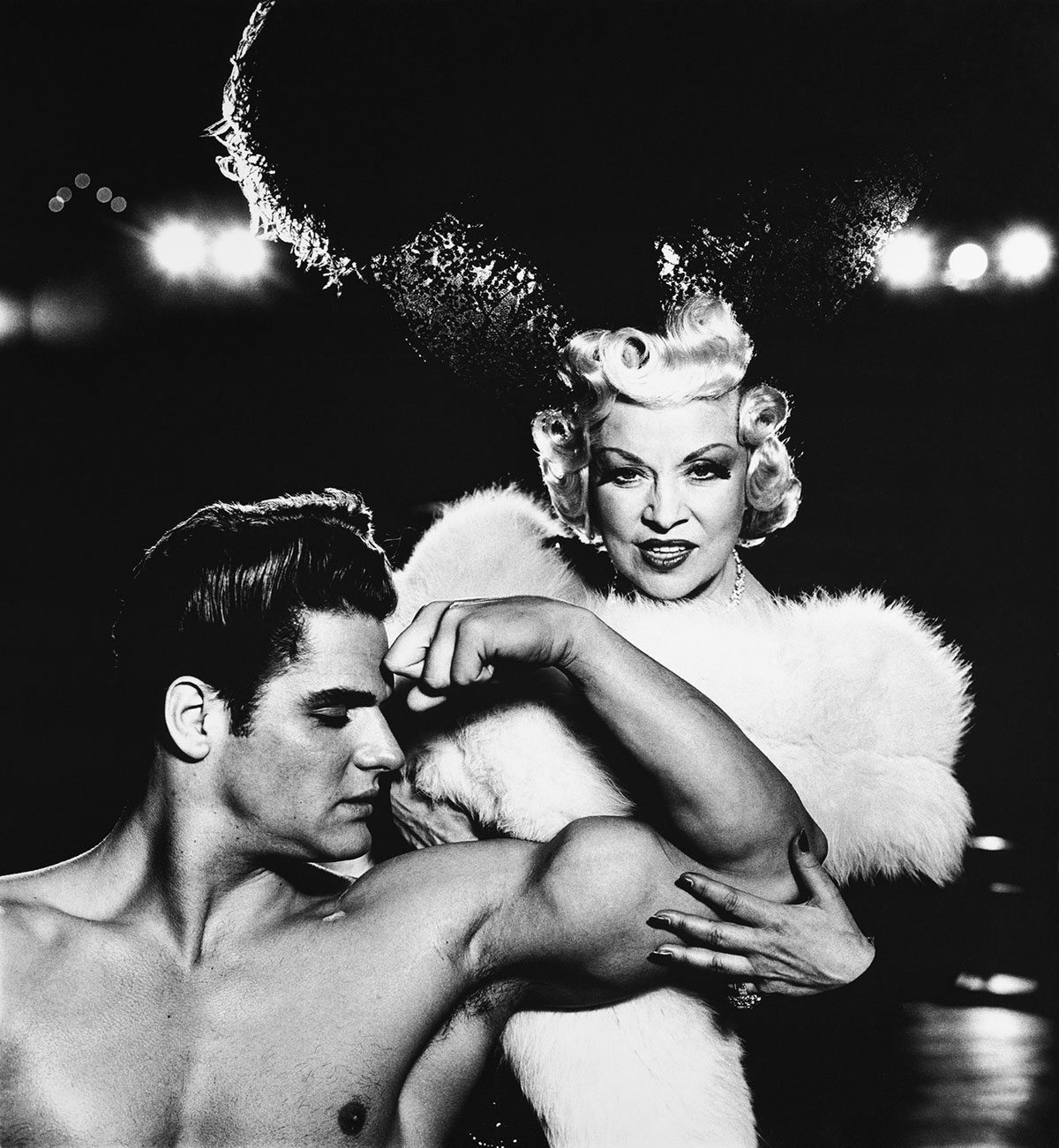

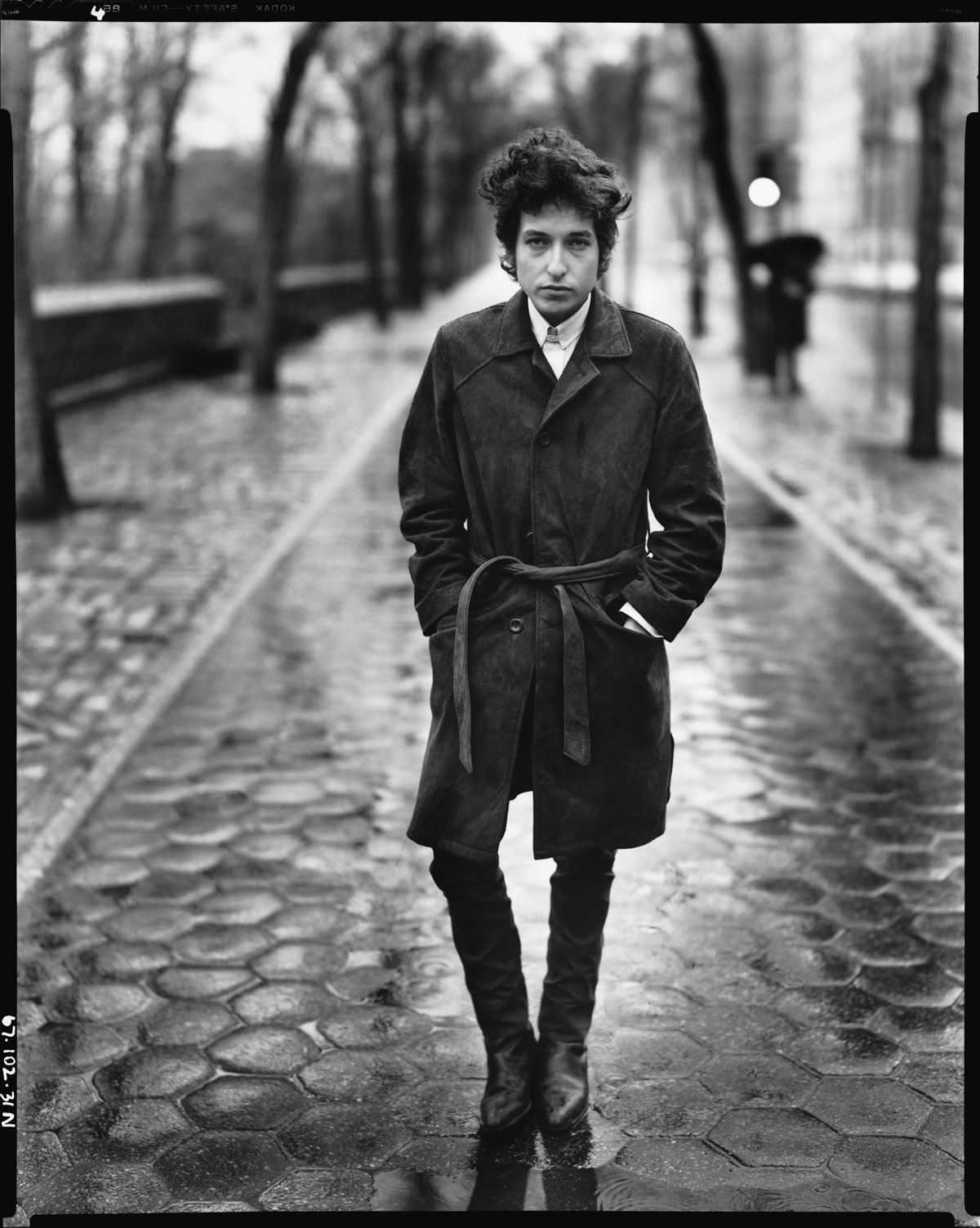
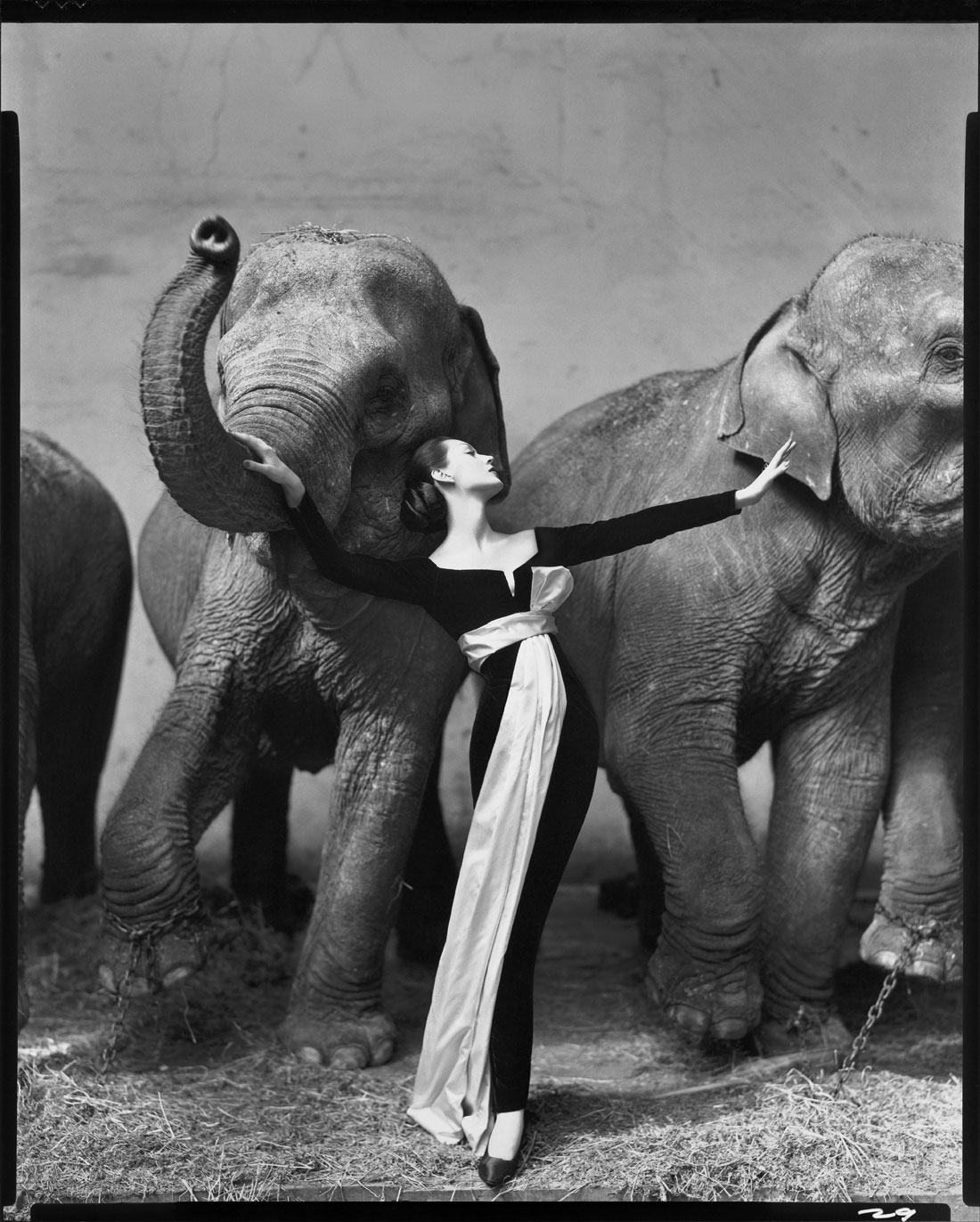
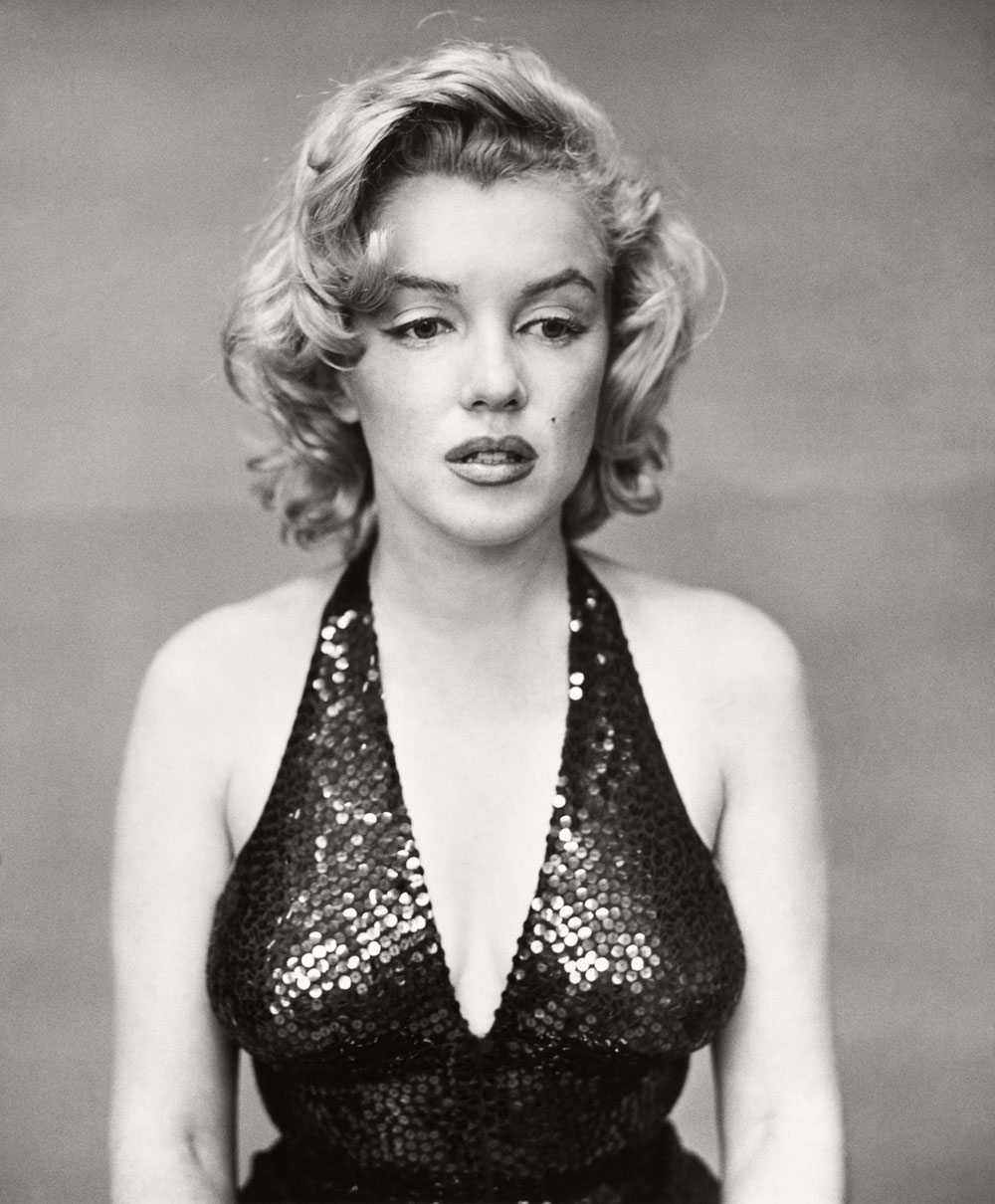
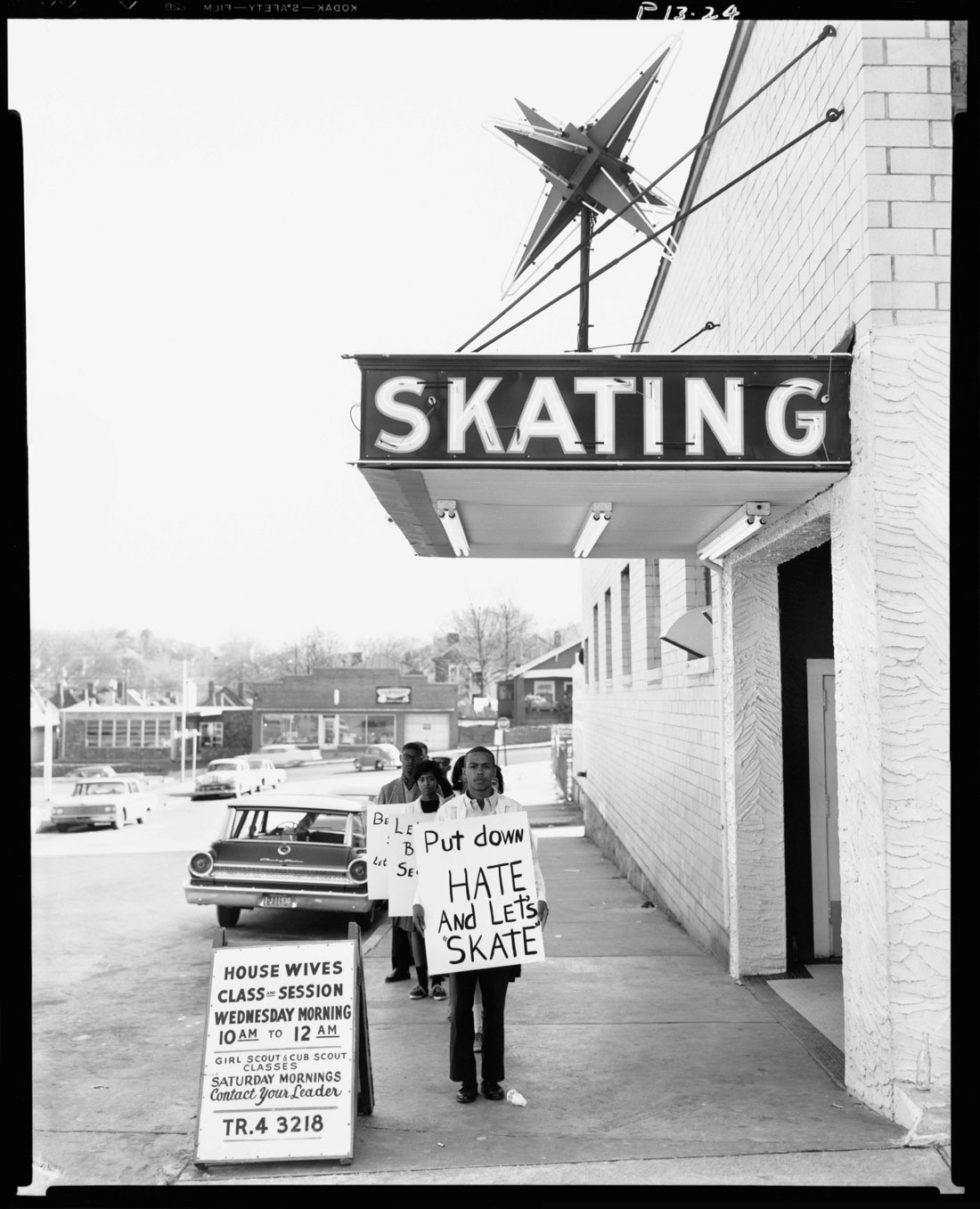


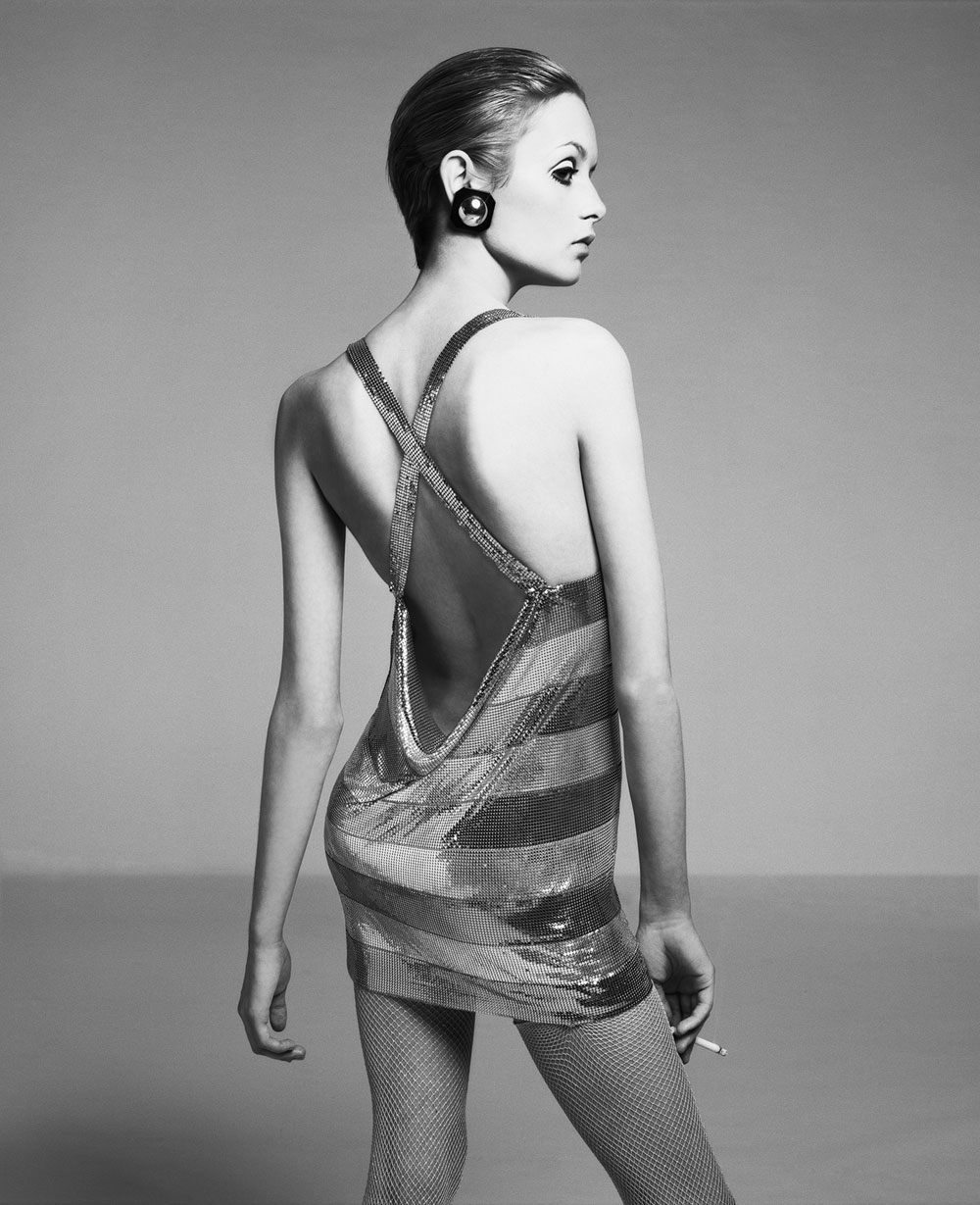
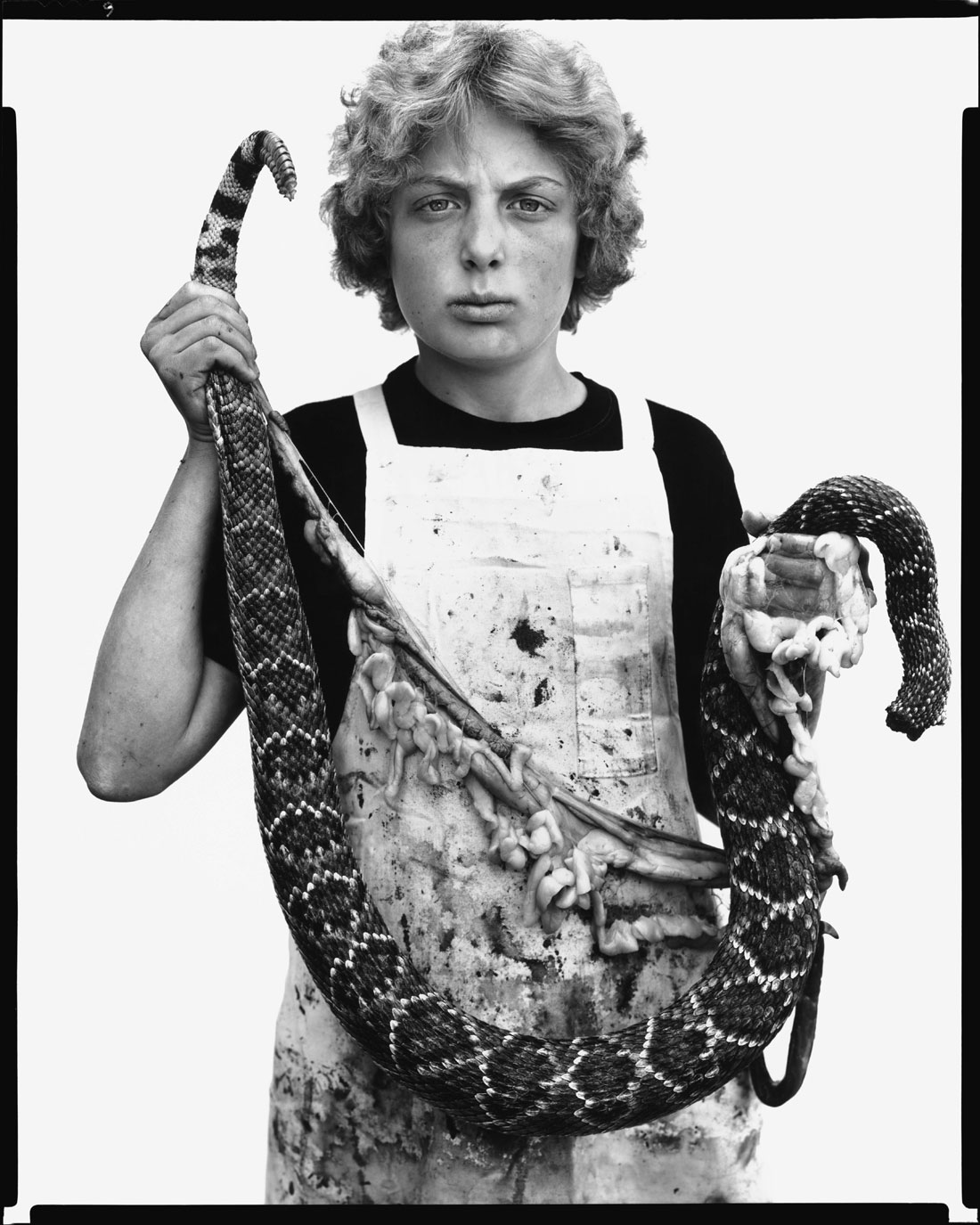


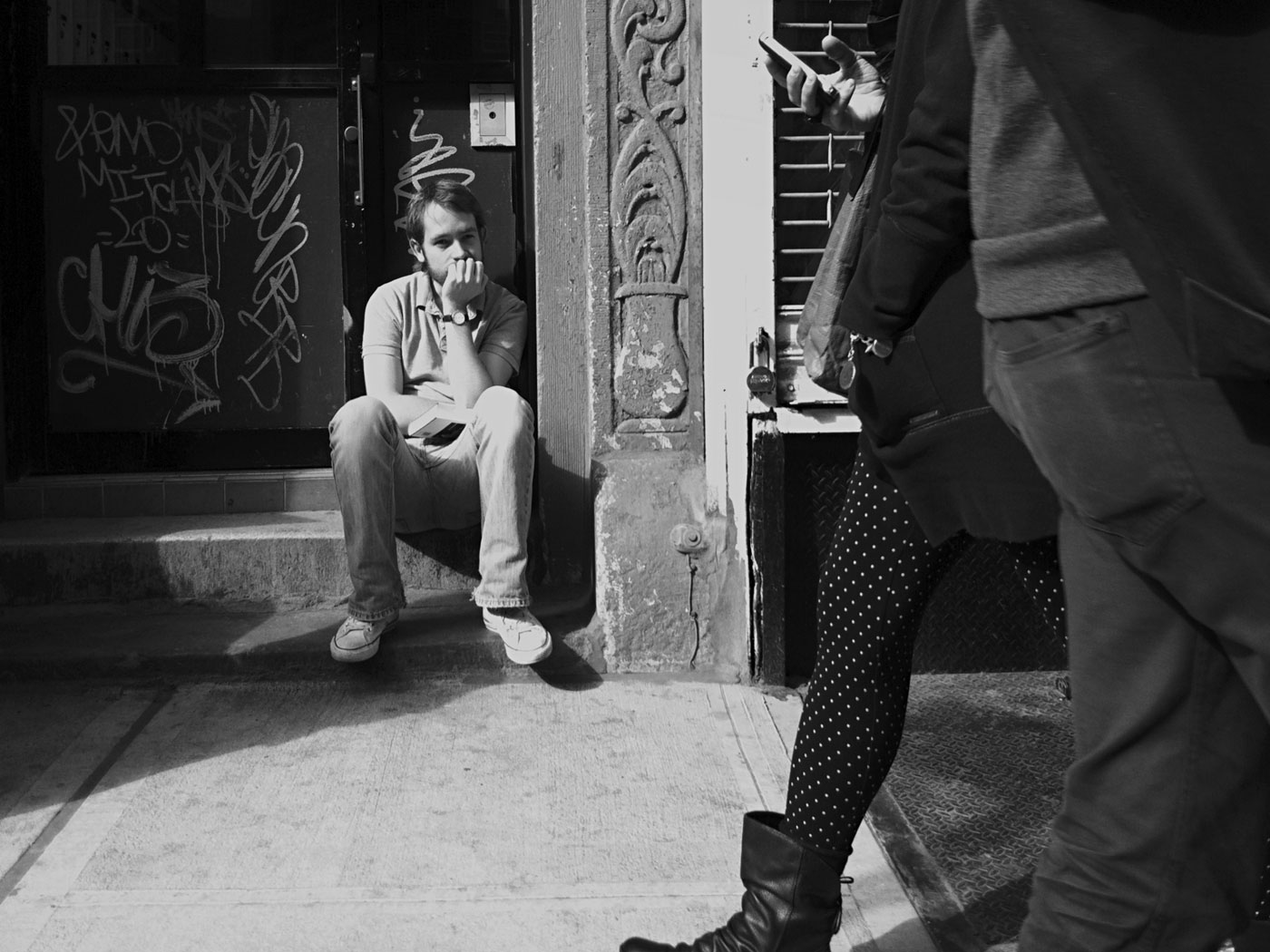


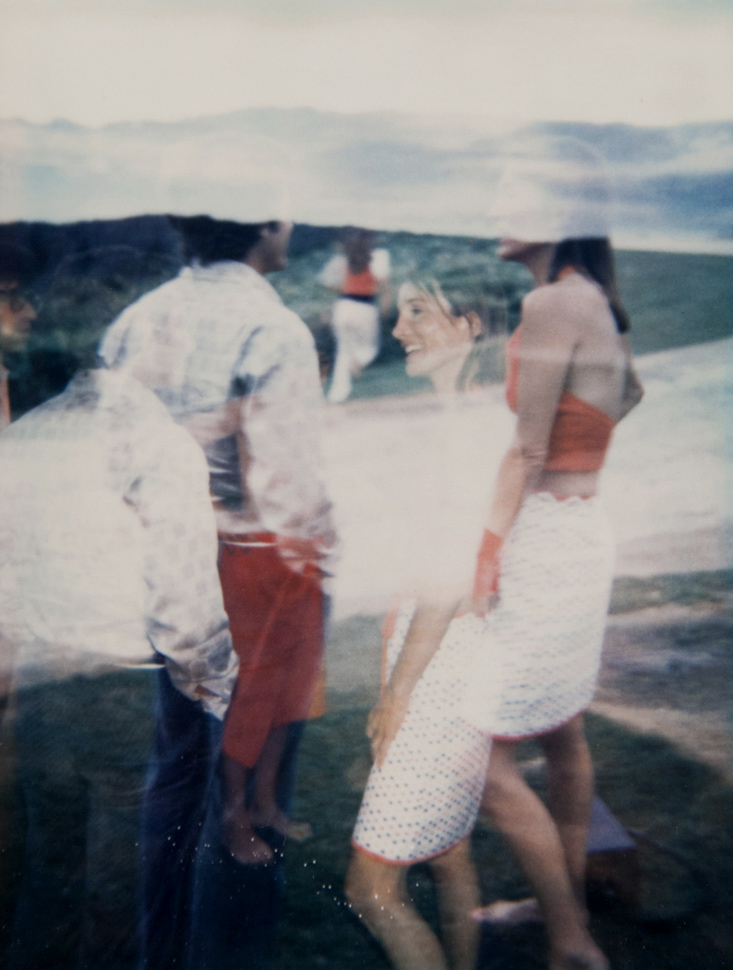
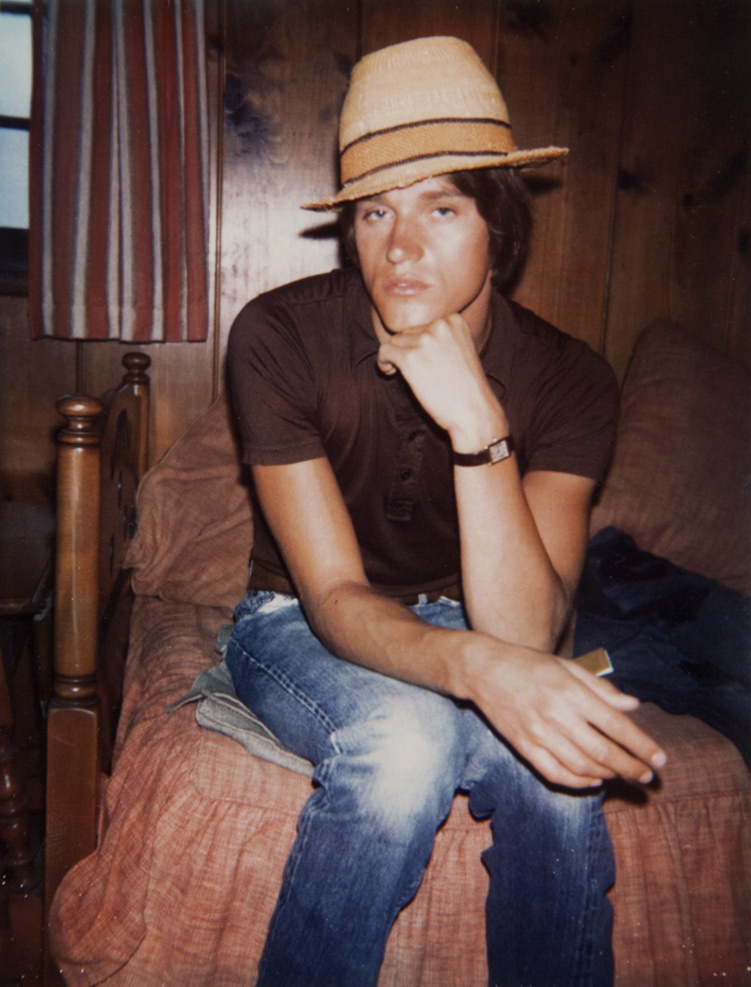

 Art Blart _ art and cultural memory archive
You must be logged in to post a comment.