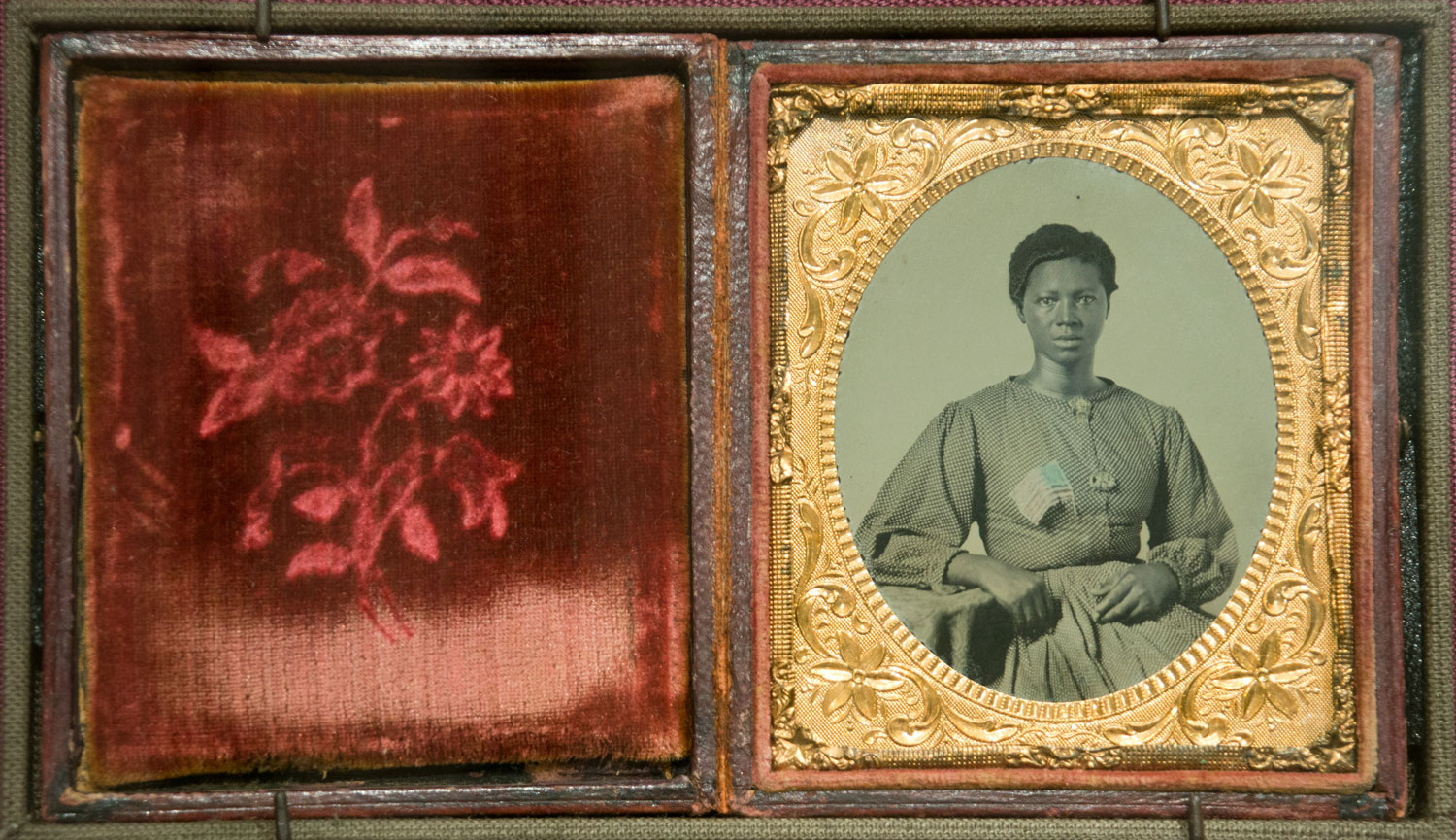
Anonymous photographer Ambrotype of a washerwoman for the Union Army in Richmond c. 1865 Photo: Brian Ireley, Smithsonian
Many thankx to the Smithsonian Castle for allowing me to publish the photographs in the posting. Please click on the photographs for a larger version of the image.
“It is very strange that I, a boy brought up in the woods, seeing as it were but little of the world, should be drifted into the very apex of this great event.”
Abraham Lincoln, on the Civil War, July 1864
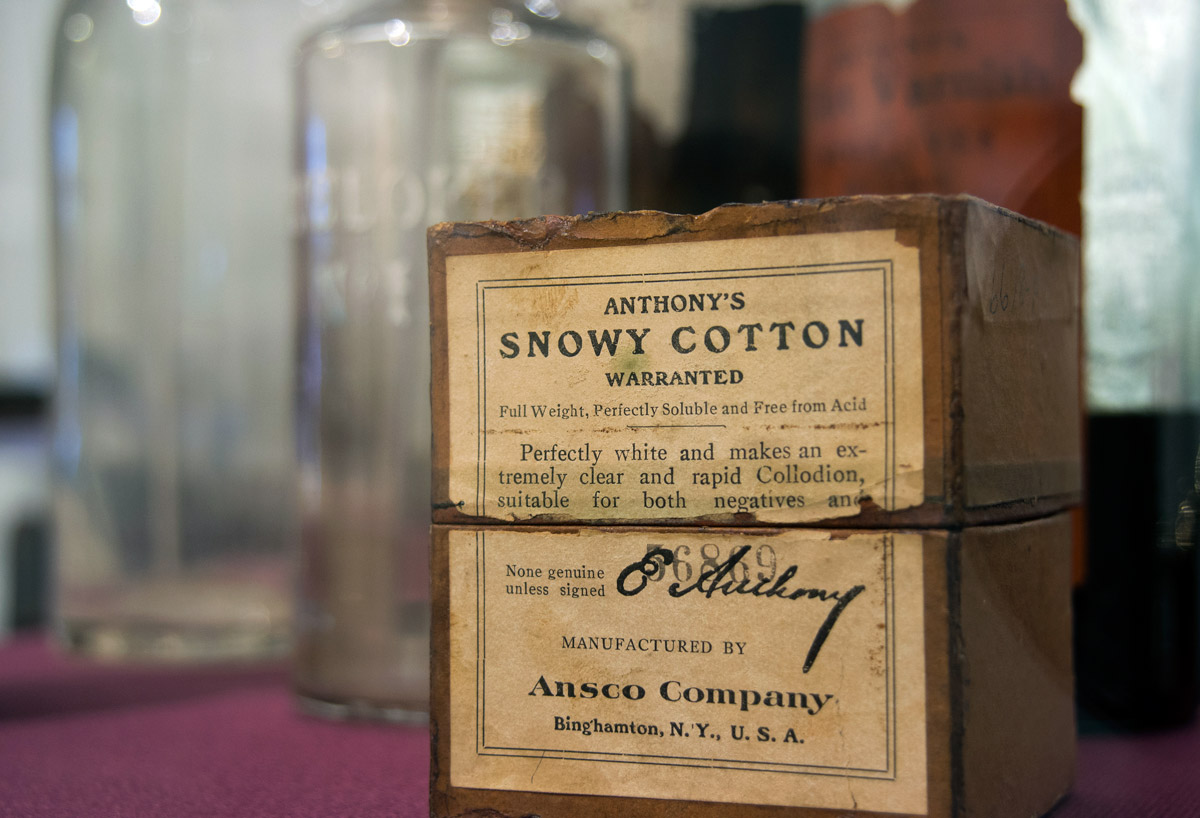
A box of gun cotton (cotton treated with nitric acid) carrying the brand name “Anthony’s Snowy Cotton,” a photo processing supply that a Civil War-era photographer might use in the field to create collodion photographs. Photo: Brian Ireley, Smithsonian
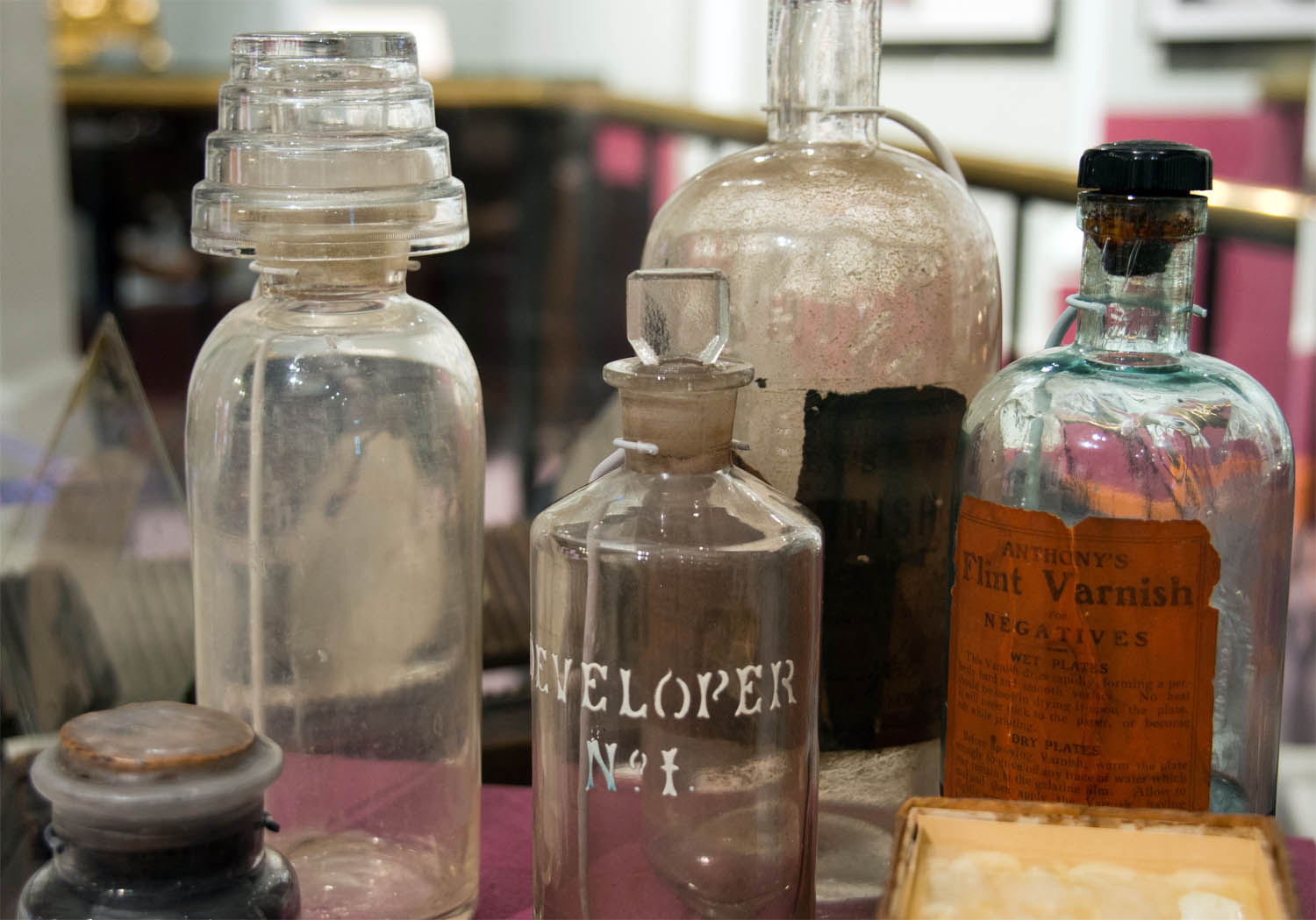
A sampling of photographic chemical bottles used for wet collodion photography during the Civil War Photo: Brian Ireley, Smithsonian
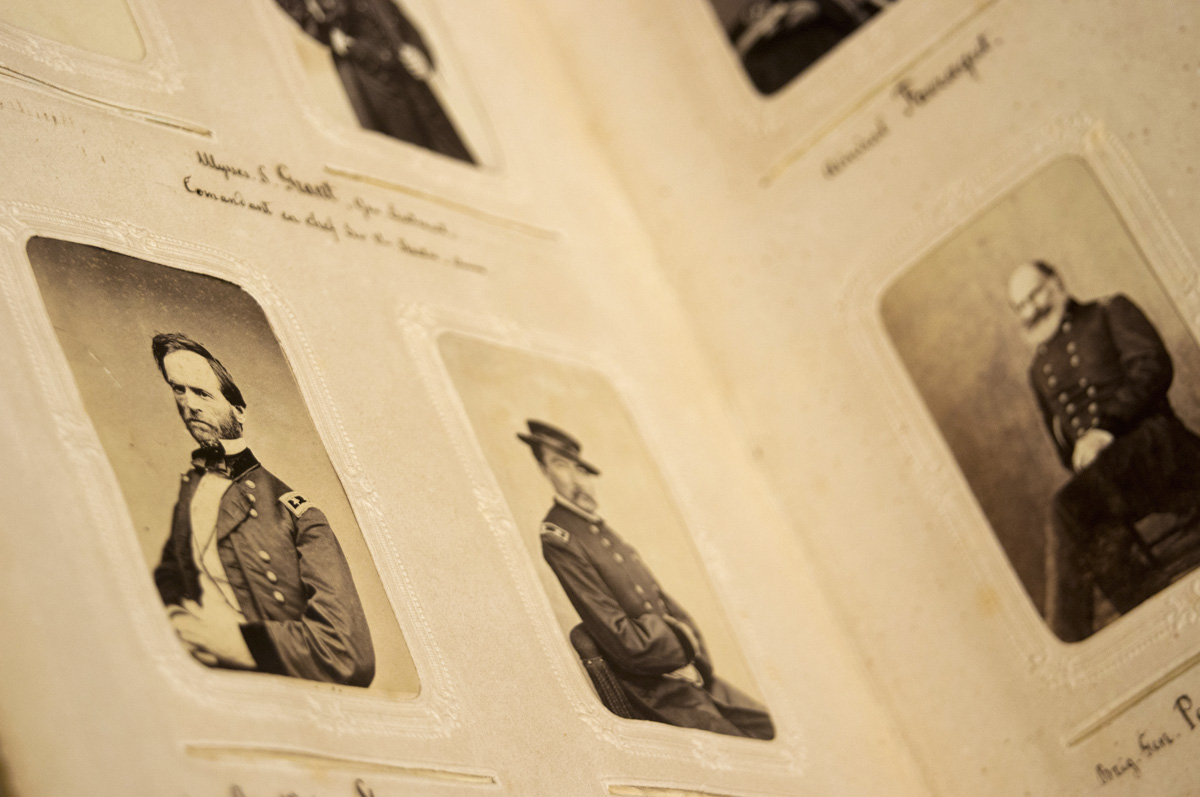
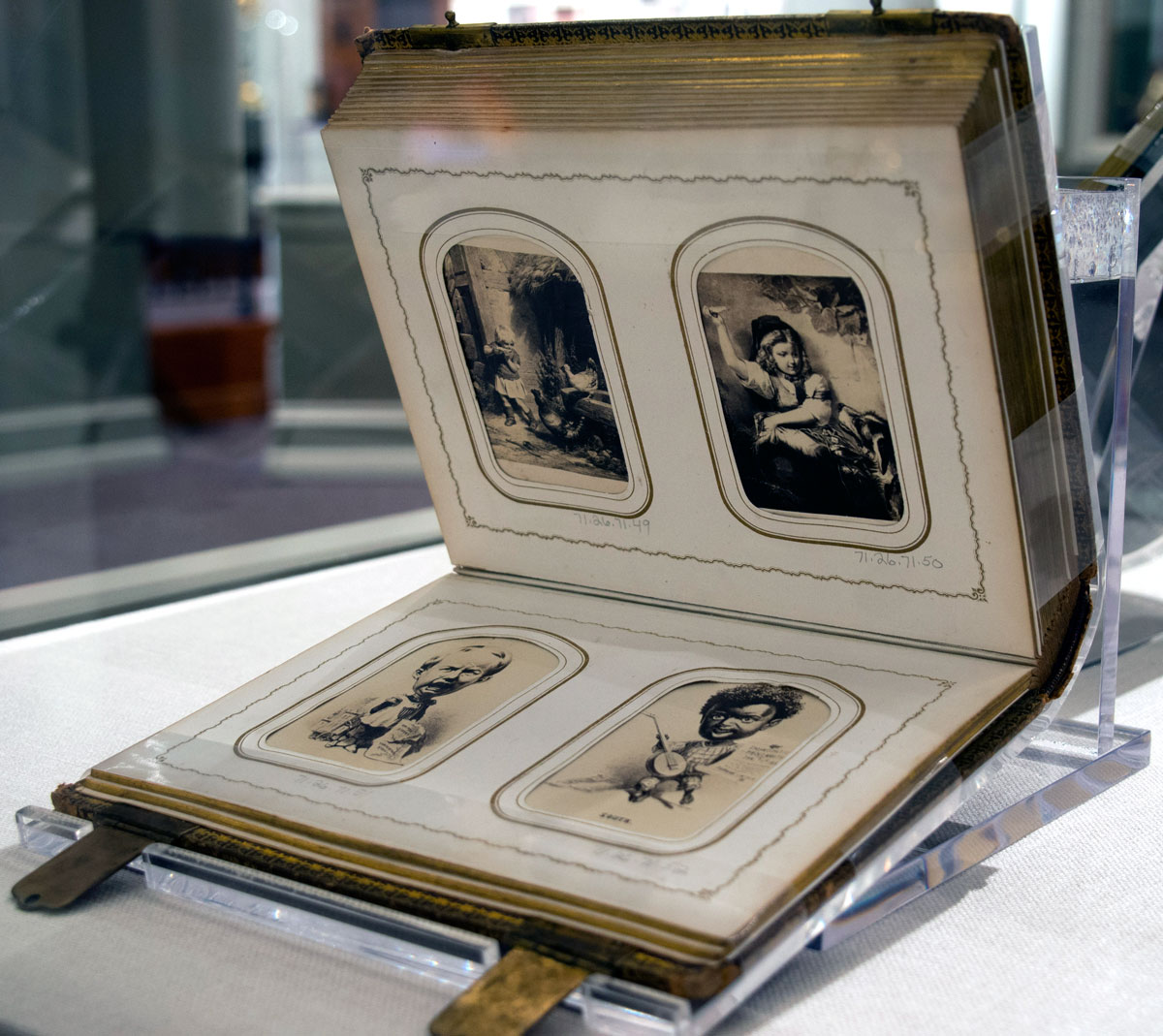
This Civil-war era photo album of American political and military figures was owned by Karl Schenk, president of Switzerland 1865 Photo: Brian Ireley, Smithsonian
Anonymous photographer A book of illustrated personal portraits from the Civil War era c. 1861-1865 Photo: Brian Ireley, Smithsonian
A photo exhibit to commemorate the 150th anniversary of the Civil War, Experience Civil War Photography: From the Home Front to the Battlefront, opens in the Smithsonian Castle August 1st 2012 and it continues for a year. Advancements in photography brought the conflict close to home for many Americans and the exhibit features a stereoview and a carte-de-visite album of Civil War generals.
During the Civil War the Castle served as a home for the Smithsonian Secretary’s family and a place of learning and collecting. The exhibit displays excerpts from the diary from the daughter of the Secretary Joseph Henry. Mary Henry recorded the comings and goings of soldiers to the Castle use of its towers to observe advancing soldiers and the state of Washington after Lincoln’s assassination.
Also featured are Smithsonian employee Solomon Brown (1829-1906) and the lecture hall that hosted a series of abolitionist speakers; it was destroyed by fire in 1865. Stereoviews, a form of 3-D photography that blossomed during that era, daguerreotypes, tintypes and ambrotypes – all emerging types of photography – are highlighted in the exhibit to explore the ways photography was used to depict the war, prompt discussion and retain memories.
The exhibit features a range of Civil War-era photographic materials from Smithsonian collections, including cameras, stereoviewers, albums and portraits, alongside photographs of soldiers and battlefields. Highlights include an ambrotype portrait of an African American washerwoman, carte-de-visite (a type of small photo) album of Civil War generals, an 11-by-4-inch-view camera and equipment and an examination of the emergence of battlefield photography and photojournalism.
Experience Civil War Photography: From the Home Front to the Battlefront is a joint exhibition produced by the Smithsonian and the Civil War Trust and is sponsored by the History channel.
Press release from the Smithsonian Castle website
Alexander Gardner (American born United Kingdom, 1821-1882) [Gettysburg, Pennsylvania. Dead Confederate sharpshooter in “The devil’s den”] July 1863
Alexander Gardner (American born United Kingdom, 1821-1882) [Antietam, Md. President Lincoln with Gen. George B. McClellan and group of officers] 3rd October 1862
Alexander Gardner (American born United Kingdom, 1821-1882) [Antietam, Md. President Lincoln with Gen. George B. McClellan and group of officers] (detail) 3rd October 1862
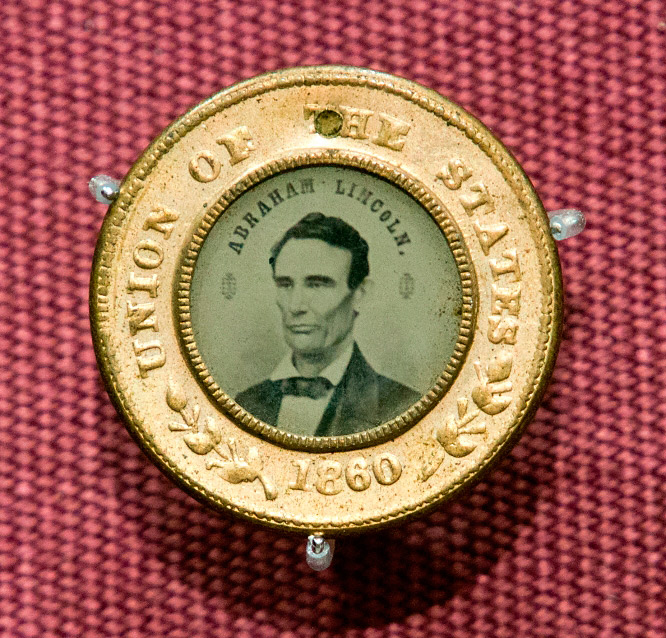
Abraham Lincoln’s presidential campaign was one of the first to use photography as a political tool 1860 Photo: Brian Ireley, Smithsonian
Timothy H. O’Sullivan (American born Ireland, 1840-1882) [Fort Pulaski, Ga. The “Beauregard” gun] April 1862 1 negative (2 plates) : glass, stereograph, wet collodion Two plates form left (LC-B811-0197A) and right (LC-B811-0197B) halves of a stereograph pair Photograph of the Federal Navy, and seaborne expeditions against the Atlantic Coast of the Confederacy – specifically of Fort Pulaski, Ga., April 1862
Alexander Gardner (American born United Kingdom, 1821-1882) [Richmond, Va. Grave of Gen. J. E. B. Stuart in Hollywood Cemetery, with temporary marker] Richmond, April-June 1865
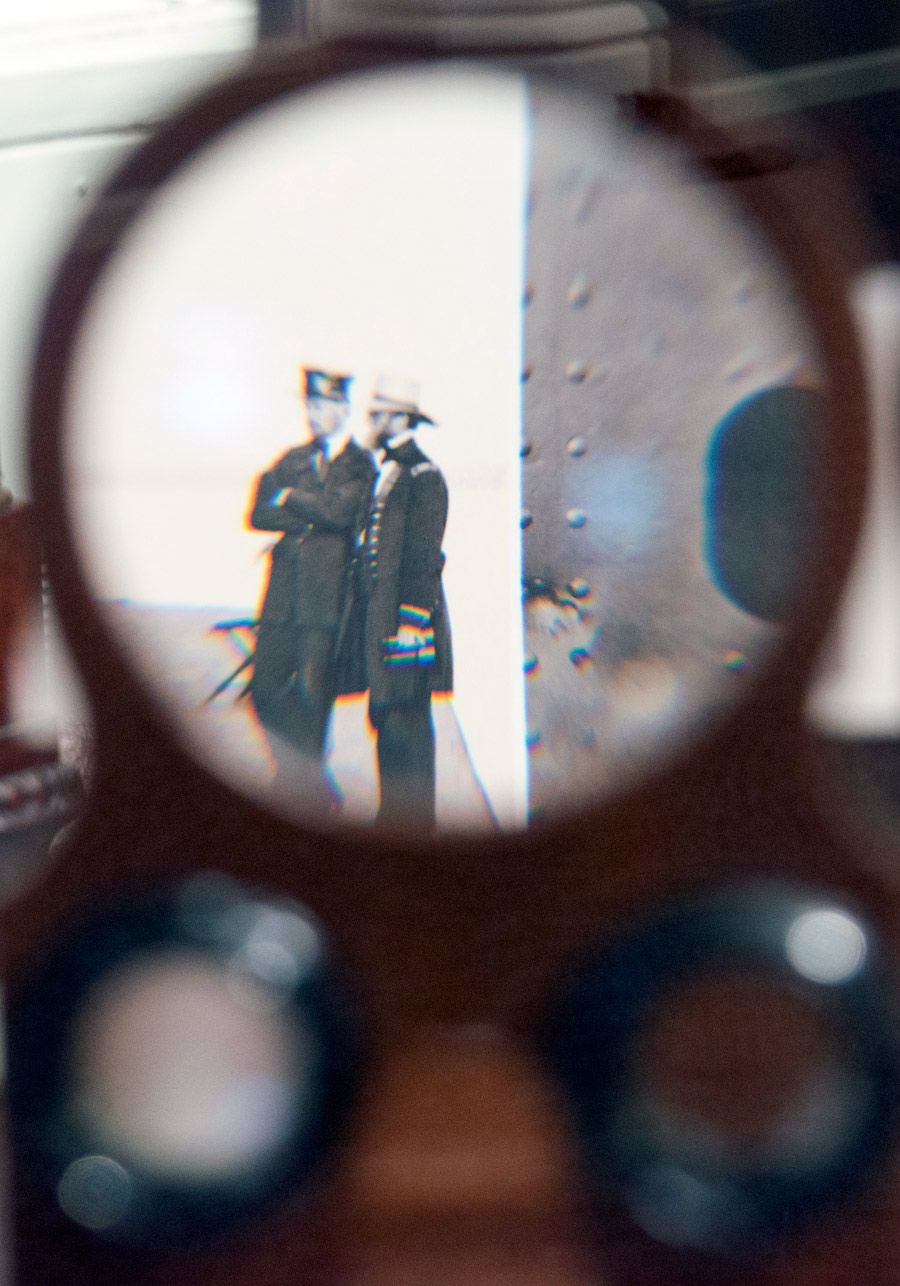
James F. Gibson (American, 1828-1905) [James River, Va. Deck and turret of U.S.S. Monitor seen from the bow (ie. stern)] 9th July, 1862 1 negative (2 plates): glass, stereograph, wet collodion
James F. Gibson was probably the least known of the Civil War photographers. He, too, was born in New York City. He learned the art under Brady. Gibson eventually photographed Gen. McClellan’s Peninsula Campaign, Seven Days Battles, Battle of Gaines’ Mill, and Battle of Malvern Hill. He died in 1905.
A magnified view of a photo looking through a single lens viewfinder of a Civil War-era stereoviewer (featuring an image in the same series as the one above) Photo: Brian Ireley, Smithsonian
Alexander Gardner (American born United Kingdom, 1821-1882) [Washington Navy Yard, D.C. Lewis Payne, the conspirator who attacked Secretary Seward, standing in overcoat and hat] April 1865 Glass, wet plate colloidon
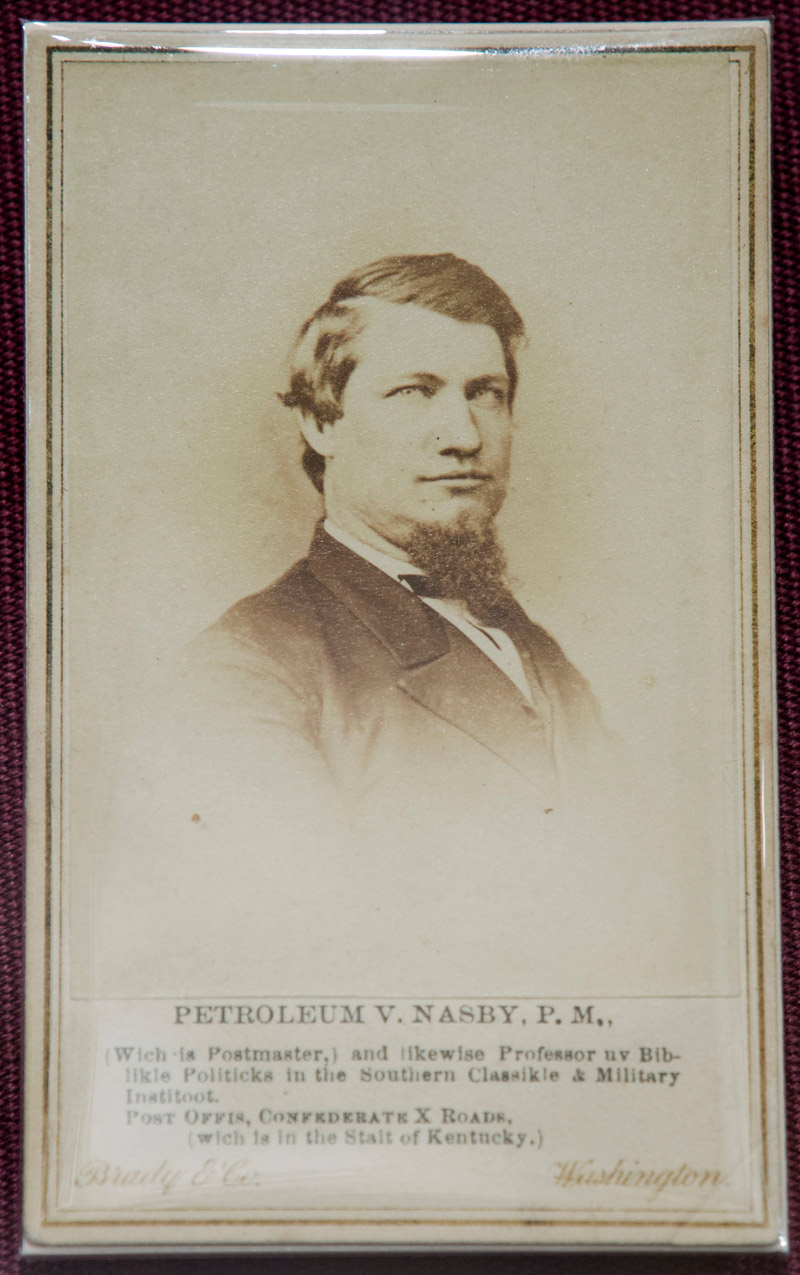
Matthew Brady & Co., Petroleum Nasby (David Ross Locke) 1865 Albumen photograph
An 1865 carte-de-visite portrait – a highly collectible albumen photograph on a small card – featuring American humorist Petroleum Nasby, pseudonym of David Ross Locke. Photo: Brian Ireley, Smithsonian
Smithsonian Castle 1000 Jefferson Dr SW Washington, DC 20004, United States
Co-curators: Jan Howard, curator of prints, drawings, and photographs at Museum of Art Rhode Island School of Design, and Deborah Bright, photography professor and chair of the Fine Art Department at Pratt Institute
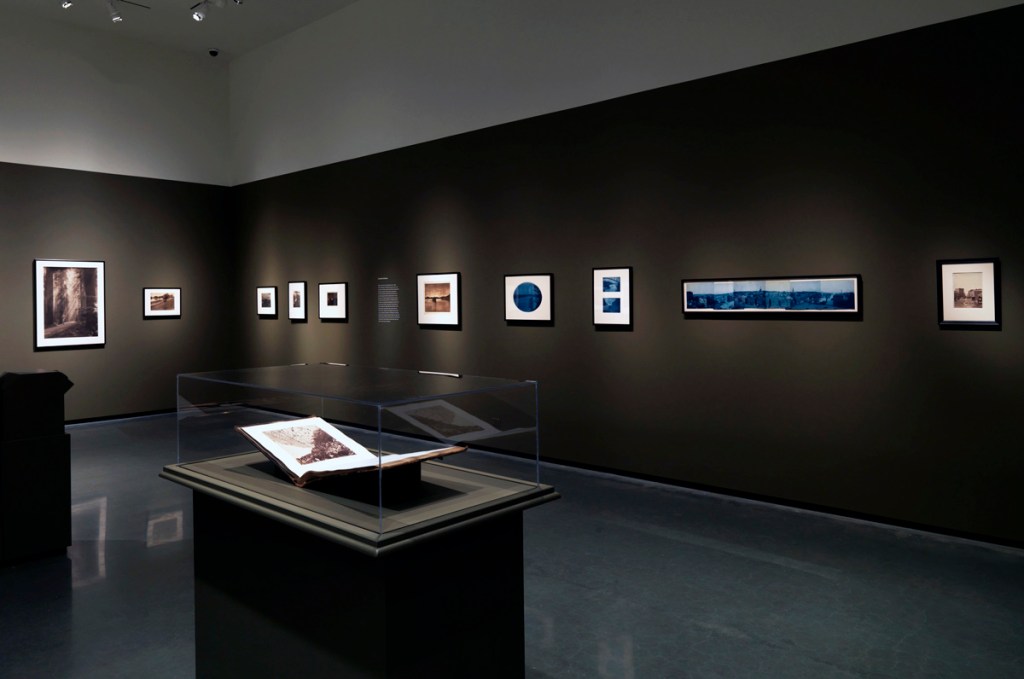
Unknown artist (American) Providence Panorama from Grosvenor or Bannigan Building c. 1900 Six cyanotype prints RISD Museum Mary B. Jackson Fund
I hope you enjoy this HUGE posting. There are some rare photographs and little known artists. I have kept the photographs in the sections of the exhibition as explained by the accompanying wall text. Three essays from the catalogue investigating history, landscape and photography can be found as pdfs below, essential reading for anyone interested in the subject (especially the first two essays):
Many thankx to the Museum of Art Rhode Island School of Design for allowing me to publish the text and most of the photographs in the posting (the others I researched myself). Please click on the photographs for a larger version of the image.
“An understanding of landscape theory therefore suggests that not every photograph of land is a landscape, and not every landscape necessarily features the land. The standard definition points to places – places in the world, or places seen in pictures – which take on the quality of a thing. But “landscape” is probably better understood as that set of expectations and beliefs – about both the environment and the conventions of its representation – that we project upon the world. These conventions and expectations are subject to historical change and are culturally specific…”
Douglas Nickel. ‘Photography, Perception, and the Landscape’ 2012 in ‘America in View: Landscape Photography 1865 to Now’ catalogue, p. 26
“Once continental expansion had reached its limits, however, and no existential threats to white settlement remained, American landscape images began to reflect a new criticality – at turns romantic and realistic – that persists to this day. Indeed, for the last century, landscape photography has consistently mirrored Americans’ anxieties about nature, or rather its imminent loss, whether due to industrialisation, pollution, population growth, real estate profiteering, or bioengineering. Alternately portraying nature as a balm for the alienated modern soul or a dystopian fait accompli, modern and postmodern photographic landscapes mark a progressively disquieting understanding of humanity’s relationship to the natural universe.”
Deborah Bright. Photographing Nature, Seeing Ourselves 2012 in America in View: Landscape Photography 1865 to Now catalogue, p. 32
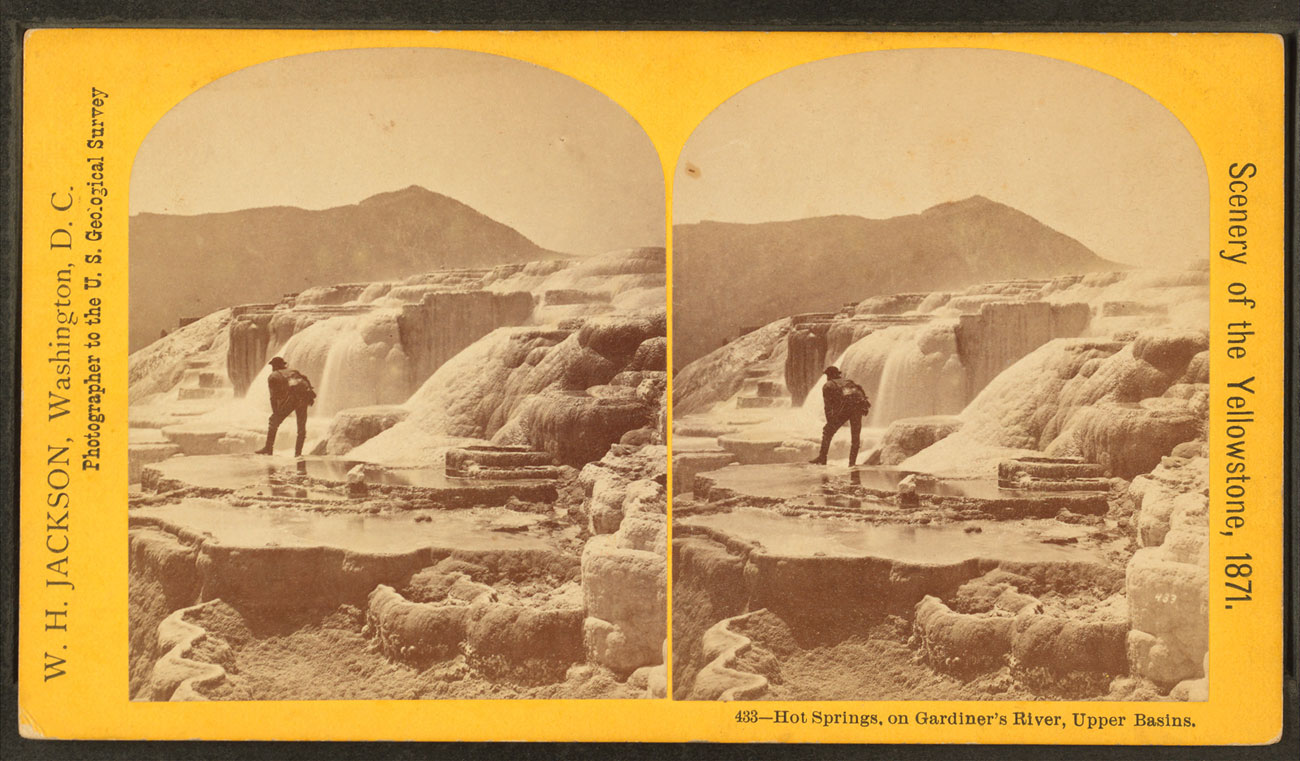
William Henry Jackson (American, 1843-1942) Gardiners River Hot Springs, Diana’s Baths 1871 From U.S. Geological Survey of the Territories Albumen print RISD Museum Jesse Metcalf Fund
In this photograph William Henry Jackson captures the painter Thomas Moran, who was also part of the 1871 survey team. Shot from slightly below and at a distance, the photograph emphasises the textures of the mineral deposits in the foreground, while Moran’s figure seems dwarfed by the rock formations around him. Jackson often included figures in his photographs to impart a sense of scale. This inclusion of a single figure also heightens the impression that the photograph has captured a moment of discovery, the first contact between intrepid explorers and an uncharted land.
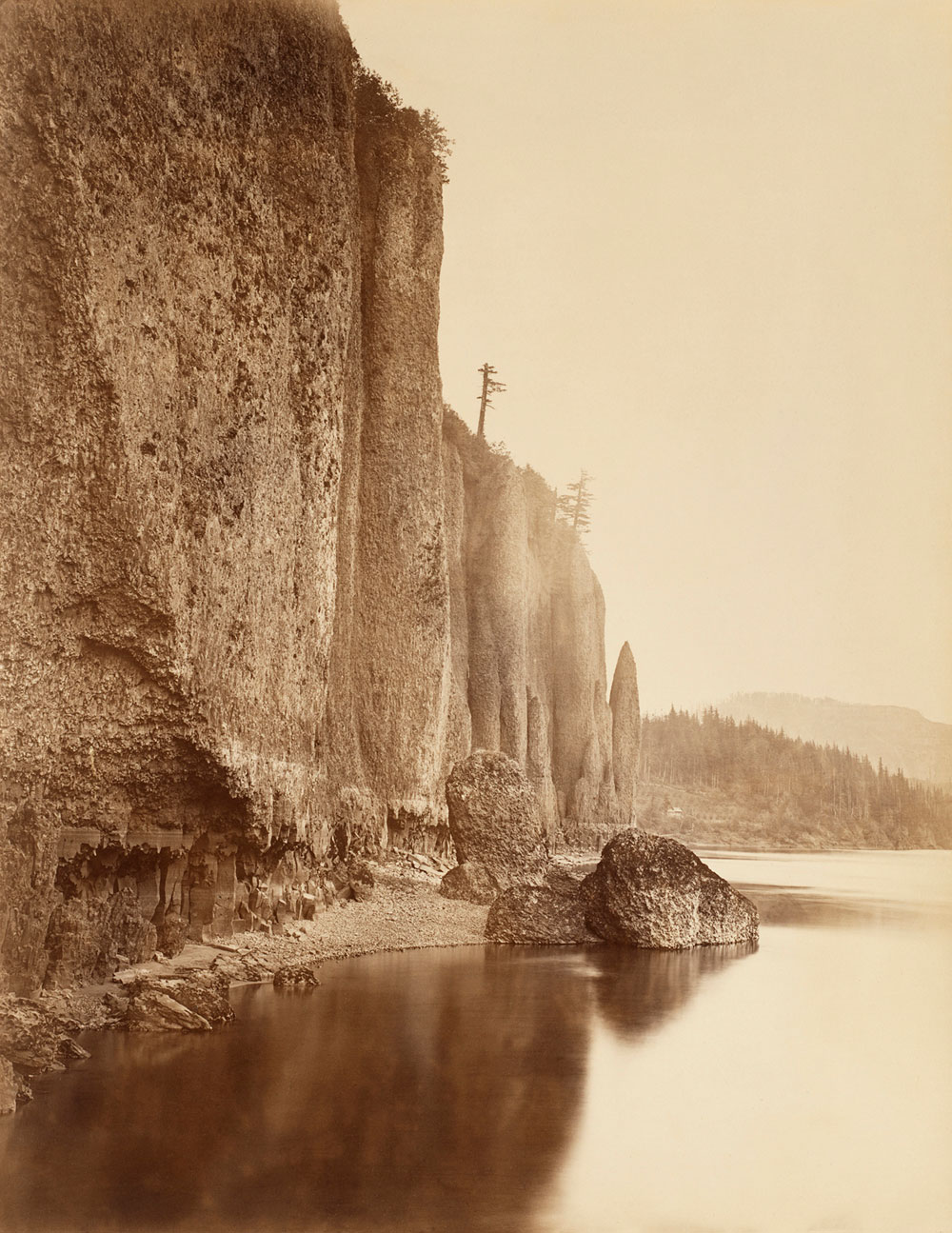
Carleton E. Watkins (American, 1829-1916) Cape Horn, Columbia River 1867 Helen M. Danforth Acquisition Fund. Museum of Art Rhode Island School of Design, Providence
Cape Horn, Columbia River exemplifies not only the fine detail characteristic of Carleton Watkins’s images, but also his close attention to pictorial structure. Unlike many of the photographers represented in this gallery, Watkins worked independently of industrial concerns or government sponsorship. To make images that would appeal to an audience more familiar with traditional art forms, Watkins borrowed long-established conventions of landscape paintings, in particular carefully modulated lighting effects and harmonious compositions. Like the painters he emulated, Watkins depicts the West as a romantic wilderness and place of spiritual refuge.
William H. Bell (American, 1830-1910) Perched Rock, Rocker Creek, Arizona 1872 From the album Explorations and Surveys West of the 100th Meridian Albumen print Jesse Metcalf Fund. Museum of Art Rhode Island School of Design, Providence
Surveying the Field
At the end of the American Civil War photographers turned their lenses toward both the wild territories of the West and scenic tourist destinations in the newly established national parks. Although these images are now commonly exhibited in art museums, they were not originally considered art objects, nor were the photographers who made them considered artists. Instead, many of the photographers represented here were hired to document the projects of governmental agencies and the progress of federal survey expeditions to the western territories. Others produced images for the growing tourist market or recorded the construction of tracks through the country’s interior for railroad companies. The majority of these images were published in governmental reports and presentation albums.
The albumen prints produced in America through the 1880s were made from glass-plate negatives created by the laborious process of coating glass plates the size of the prints with a thick photosensitive solution called collodion. These plates had to be prepared on-site, exposed, and developed before the collodion dried, so photographers traveled with portable darkrooms. The prints were made later in a studio by placing paper coated with albumen (solution suspended in egg whites) under a glass-plate negative and exposing the paper to sunlight. By contact printing on this glossy surface, the image was recorded in minute detail.
Timothy O’Sullivan (American born Ireland, 1840-1882) Water Rhyolites, Near Logan Springs, Nevada 1871 From the album Explorations and Surveys West of the 100th Meridian Albumen print RISD Museum Jesse Metcalf Fund
Timothy O’Sullivan and William H. Bell, official photographers on survey expeditions through Nevada and Arizona from 1871 to 1873, disavowed the traditional conventions of landscape painting in favour of unadorned observation. Spare and anti-picturesque, O’Sullivan’s radical views – depicting the western territories as foreign-looking, even hostile – accorded perfectly with the interests of those invested in seeing these empty territories studied, secured, and settled. One scholar has postulated that O’Sullivan’s photographs were intentionally crafted to look like products of technology – optically precise, printed on glossy albumen papers – a look that stood for industrial progress within a milieu that valued the machine-made over the handmade. In Perched Rock, Rocker Creek, Arizona and Rock Carved by Drifting Sand, Below Fortification Rock, Arizona, the two photographers treat unusual rock formations like specimens, isolating them from the surrounding landscape to be examined and measured.
Luminous Realms
Kodak’s introduction of the handheld camera in 1888 made photography an affordable and popular leisure-time amusement, creating a generation of amateur photographers seemingly overnight. At the same time, photographers with artistic ambitions feared that the mechanical, point-and-shoot approach of the new “button pressers” would jeopardise the medium’s elevation to the status of high art. In response, this group of artists – who called themselves Pictorialists – emphasised the photographer’s expertise and embraced labor-intensive processes to create expressive and impressionistic images. Many favoured platinum prints because of their wide range of tones, soft contrast, and matte surface – qualities of more traditional artistic media such as drawings and etchings. The Pictorialists’ landscape photographs are especially evocative. Rather than capturing a particular place and time, they transformed the landscape into a backdrop for human emotions and actions through visual effects and the inclusion of figures.
Clarence H. White (American, 1871-1925) Morning 1905 From Camera Work, No. 23, July 1908 Photogravure RISD Museum Walter H. Kimball Fund
Laura Gilpin (American, 1891-1979) Footprints in the Sand 1931 Platinum print RISD Museum Museum purchase with funds from the National Endowment for the Arts
Laura Gilpin portrays the Colorado sand dunes in the soft-focus style of the Pictorialists, but the reductive forms of her composition are strikingly modern. The sinuous lines of the wind-sculpted dunes are echoed in the subtle patterning of the figure’s footprints. His presence not only provides a sense of scale, but suggests that the human impact on the landscape can be small, fleeting, and beautiful.
Abstracting Nature
In the 1920s, photographers began to question whether Pictorialism was the style best suited to win acceptance for photography as a fine art. On the east coast, Alfred Stieglitz, who had formerly championed Pictorialism, became its most vocal critic. In northern California, a group of photographers who would come to call themselves Group f/64 developed a new style. Opposing the soft focus, painterly approach, the f/64 photographers embraced a hard-edged, sharp-focus machine aesthetic. Optical reality was transformed into surface pattern, rhythm, tone, and line in prints precisely detailed on glossy, gelatin silver papers. Indeed, f/64 refers to the smallest aperture on their large-format cameras, which resulted in sharp focus from foreground to background.
This period revitalised landscape photography, with many photographers looking to views of nature as a place to escape from the problems of urban life. These photographers captured instants of intensified vision that only the camera offered, creating the photograph mentally before it was realised physically. Whether majestic views of dramatic natural features or abstracted details of quiet settings, these images expressed metaphysical, ethical, or personal reflections on humankind’s relationship to nature.
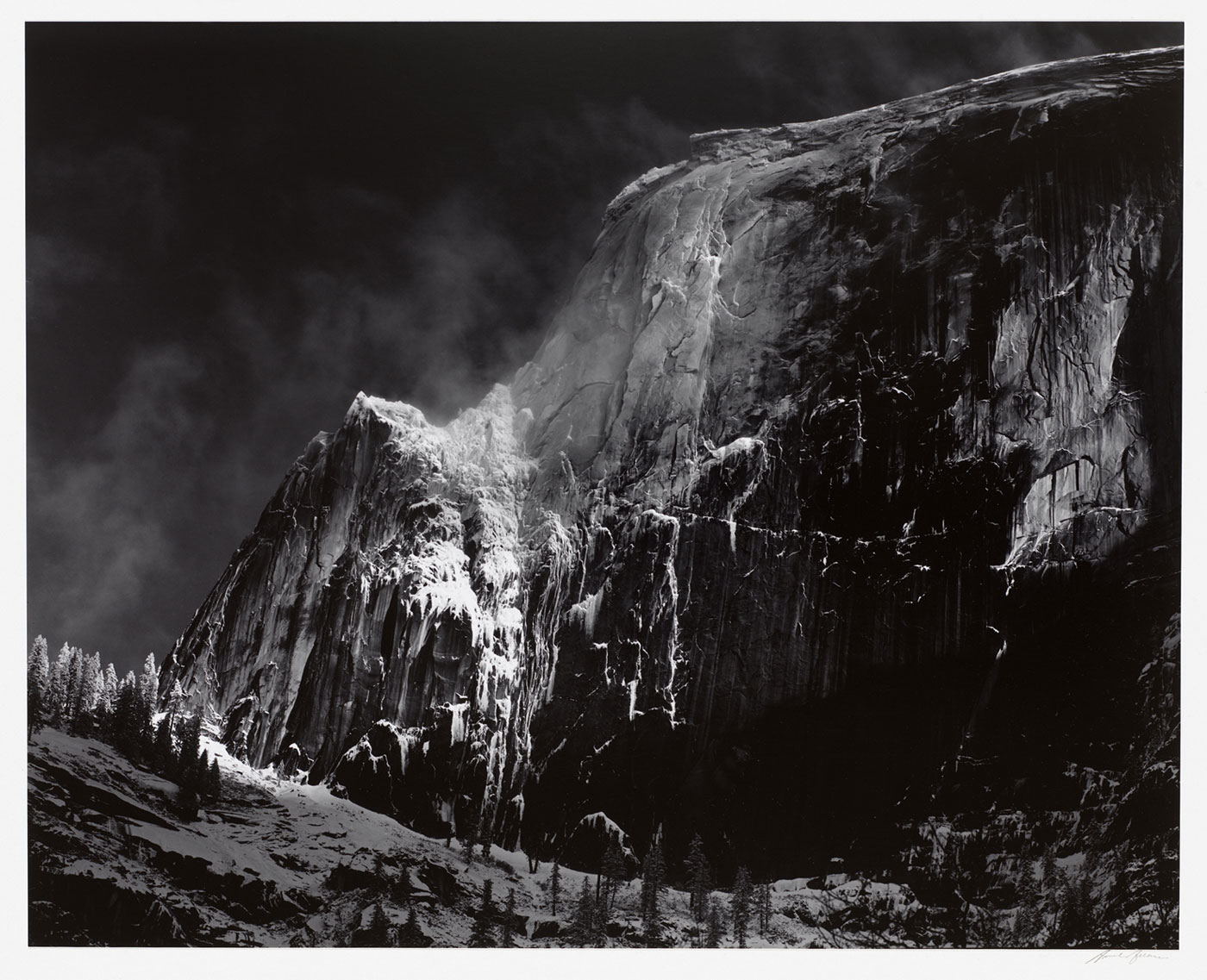
This photograph depicts the iconic tourist destination of Yosemite as sublime and untouched. By removing any evidence of human impact, Ansel Adams allows us to escape (at least temporarily) from the intrusions of culture. High contrast adds visual drama to an already majestic view, capturing the textures of the rock wall and the light filtering through the blowing snow. Throughout his life, Adams embraced the notion that nature could provide the harried, urbanised citizen of the modern age with a place of spiritual refuge. A long-time member of the Sierra Club, he was a devoted and vocal advocate for wilderness conservation and his photographs were crucial to the conservation effort.
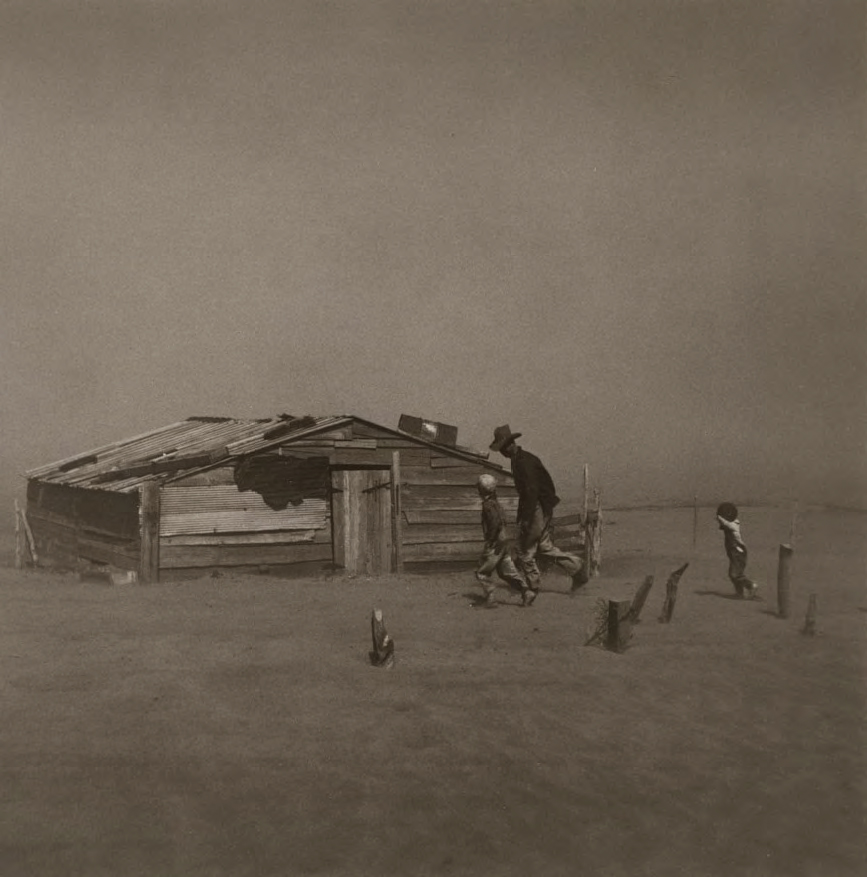
Arthur Rothstein (American, 1915-1985) Father and Sons Walking in the Face of a Dust Storm, Cimarron County, Oklahoma 1936 Gelatin silver print RISD Museum Gift of Mr. and Mrs. Gilman Angier
In 1936 Arthur Rothstein traveled to the Oklahoma panhandle, the area of the country most affected by drought, wind, and erosion. In his image (above) he captured one of the few families in the area that had not yet abandoned their farm. His portrayal of the farmer and his sons fighting to make their way home through the elements can be read as a larger statement about the struggle between man and nature. Rothstein’s dark, low contrast print further conveys the oppressive atmosphere of the dust storm.
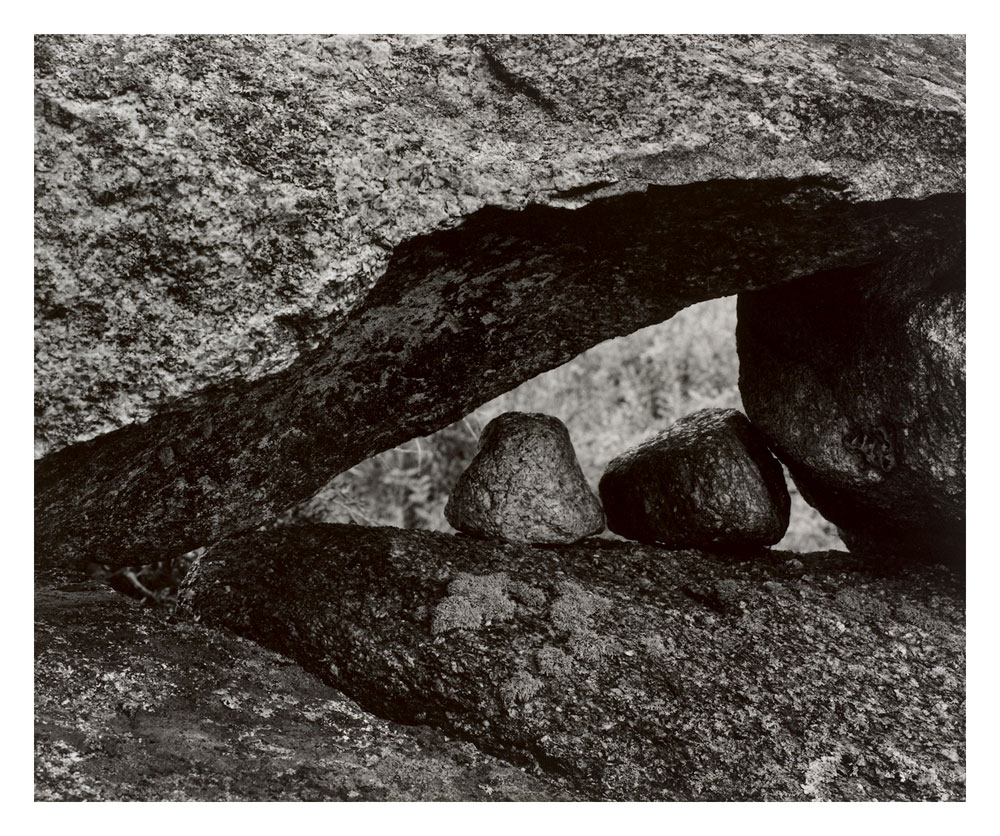
Aaron Siskind (American, 1903-1991) Martha’s Vineyard, 114B 1954 Gift of Mr. Robert B. Menschel. Courtesy Aaron Siskind Foundation Museum of Art Rhode Island School of Design, Providence
In Martha’s Vineyard 114B, Aaron Siskind focuses on two small rocks nestled in a stone wall. As Siskind explained, he “began to feel the importance of how these rocks hovered over each other, touched each other, pushed against each other.” He likened this contiguity to family relationships, especially that between mother and child. He believed that the pair of rocks pictured in the photograph would – consciously or not – evoke emotions in the viewer, and that these emotions were both deep-seated and universal. In his depiction of the landscape, he found metaphors for what he called “human drama.”
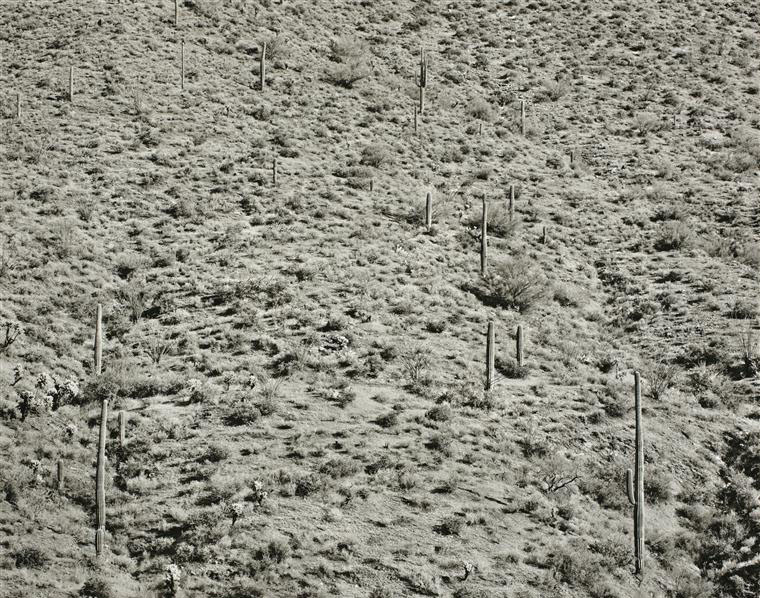
Frederick Sommer (American, 1905-1999) Arizona Landscape 1943 Gelatin silver print Promised gift from the collection of Marc Harrison
Frederick Sommer’s photographs of the Arizona desert, made between about 1939 and 1945, omit the horizon line to create an overall field of pattern where scale and orientation are confounded. The vast space of the desert is pulled to the surface of the image, making the work less a landscape and more an independent construction. Sommer intently considered much of his work before executing it. He might study an area of the desert for days before deciding how to take the picture and then spend weeks in the darkroom perfecting the print.
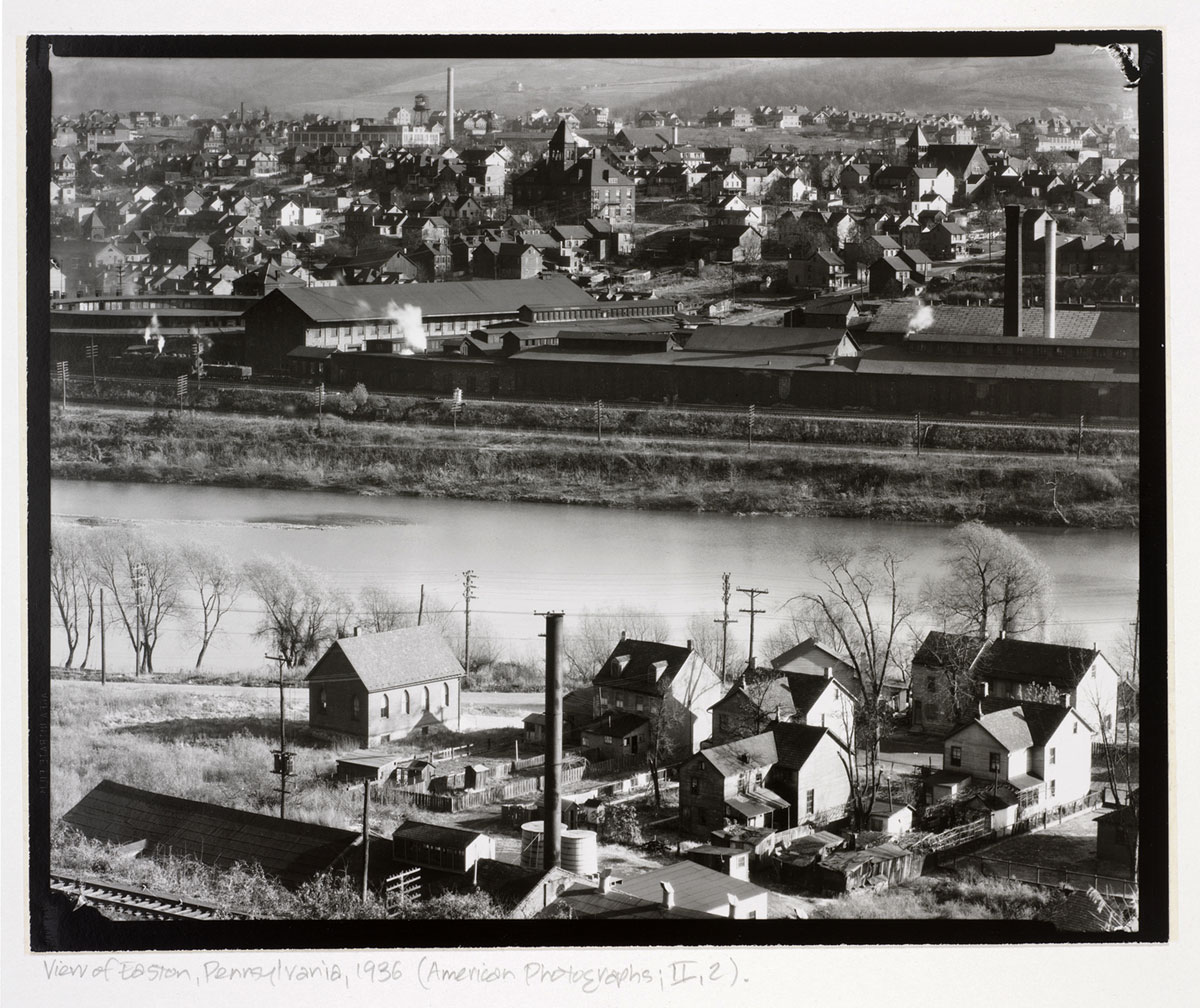
Walker Evans (American, 1903-1975) View of Easton, Pennsylvania 1936 From the portfolio American Photographs II Gelatin silver print RISD Museum Gift of James Dow
By compressing distance and flattening perspective, Walker Evans collapses the two cityscapes of Easton, Pennsylvania, and Phillipsburg, New Jersey, into one plane. Evans’s aesthetically neutral style seems to depict the world without the intervention of the photographer’s point of view. At the same time, he forces the details of every building and smokestack to the surface of the image, making the plight of the cities and their inhabitants – the Depression had crippled the shipping and manufacturing industries that were the lifeblood of both towns – impossible to ignore.
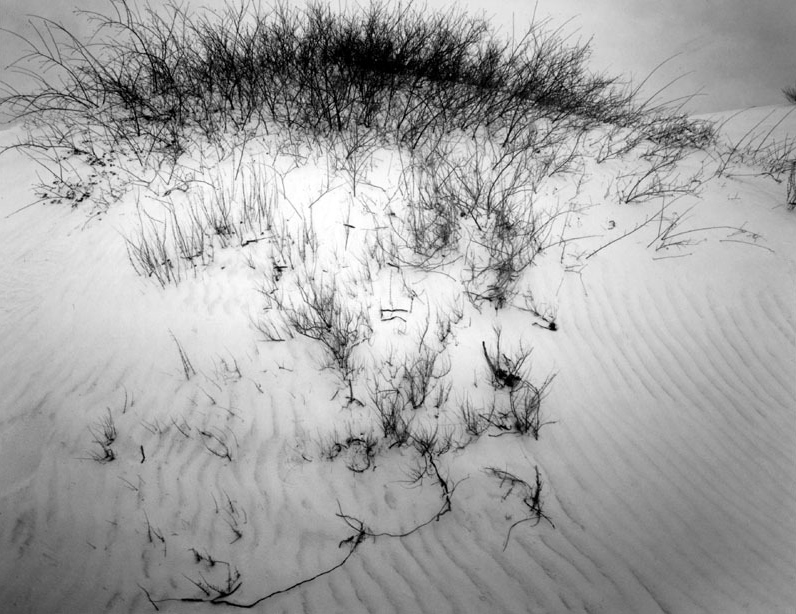
Jack Warren Welpott (American, 1923-2007) White Sands 1977 Gelatin silver print RISD Museum Gift of Aaron Siskind
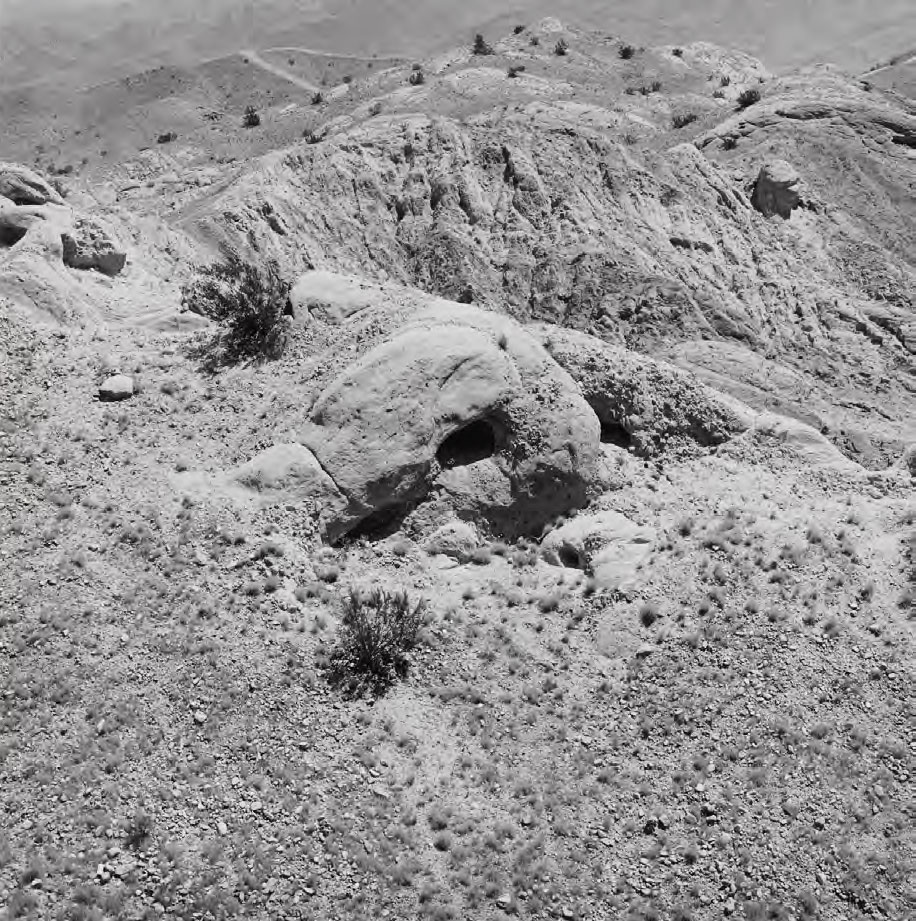
Joe Deal (American, 1947-2010) (RISD Provost 1999–2005, Faculty 2005-2009) Indio, California 1978 From The Fault Zone 1981 Portfolio of 19 gold-toned gelatin silver prints RISD Museum Museum Purchase: Georgianna Sayles Aldrich Fund and Gift of James D. and Diane D. Burke
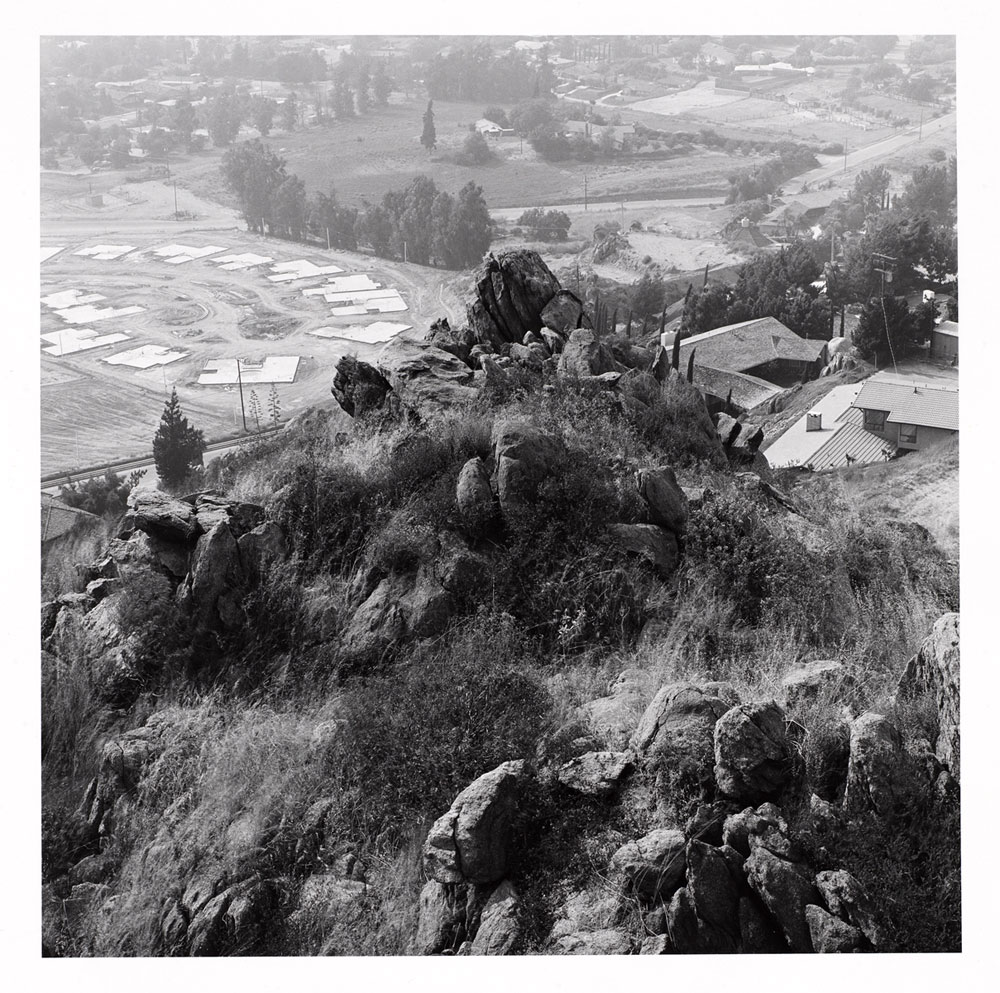
Joe Deal (American, 1947-2010) (RISD Provost 1999–2005, Faculty 2005-2009) Santa Barbara, California 1978 From The Fault Zone 1981 Portfolio of 19 gold-toned gelatin silver prints RISD Museum Museum Purchase: Georgianna Sayles Aldrich Fund and Gift of James D. and Diane D. Burke
Inspired by conceptual art, Joe Deal generally developed his work in series, choosing a particular location and adhering to a strict visual formula. As in The Fault Zone, his landscapes were typically square in format, viewed from above, lacking a horizon, and empty of people. Edges and divisions in nature and the landscape fascinated him, and the fault lines in California, though invisible on the surface, in many ways define that landscape. Using maps from the Los Angeles County engineering office that indicated where the fault lines were apt to be, Deal looked for sites that would metaphorically suggest volatility. The first image in the series is the only one that was actually taken on the San Andreas Fault; all others symbolically represent the fault lines with torn or disrupted terrain.
Topographic Developments
By the time the landmark exhibition New Topographics: Photographs of a Man-Altered Landscape opened in 1975, the accelerating degradation of the environment had become an inescapable reality. Inverting the Ansel Adams principle of exclusion, the exhibit voiced the belief that the landscape could no longer be portrayed as a refuge from the ills of industrial life: any consideration of the modern environment had to include both wilderness areas and the vacant lot next door.
The New Topographics photographers captured recently constructed tract homes, industrial parks, and highway culture with medium and large format cameras. As aesthetically neutral as real estate snapshots, the photographs showed the facts without offering their opinions about the rapid development they recorded. Seemingly stripped of expressivity, their photographs have the appearance of objective or “topographic” renderings rather than subjective impressions. In emphasising the landscape of the American West and experimenting with anti-Romantic landscape imagery, these photographers looked back to the works of 19th-century survey photographers and to Walker Evans’s documentary style.
In Nevada, Lewis Baltz alternates unbuilt views with home construction, trailer parks, and roads in a documentation of a rapidly changing landscape in the desert valleys surrounding Reno, an area he once described as “landscape-as-real-estate.” Baltz, like Joe Deal and Harold Jones, whose works are on view in this gallery, developed projects as portfolios, believing that a single photograph cannot capture a complete portrait of a place. In Baltz’s series, a multifaceted, occasionally contradictory image of Nevada emerges through the accumulation of photographs.
Barrow scratched through his landscape negatives, calling attention to the materiality of the medium itself and the fact that regardless of how much information is given, reality remains an accumulation of belief, knowledge, and one’s own experience.
Harold Jones moved to Tucson sight unseen in 1974. The Tucson Portfolio documents his first years living in, exploring, and adapting to this unfamiliar landscape. In an accompanying text he relates his initial impressions of the Southwest, a landscape he had only seen in Westerns and “in the background of Roadrunner cartoons.” It was, he writes, “white bright and oven hot. Driving through the spiney leafless plants of the desert gave me the impression of being on an ocean floor – except someone had removed the water. A primordial landscape in a sea of light. Shocking and enchanting, at the same time.”
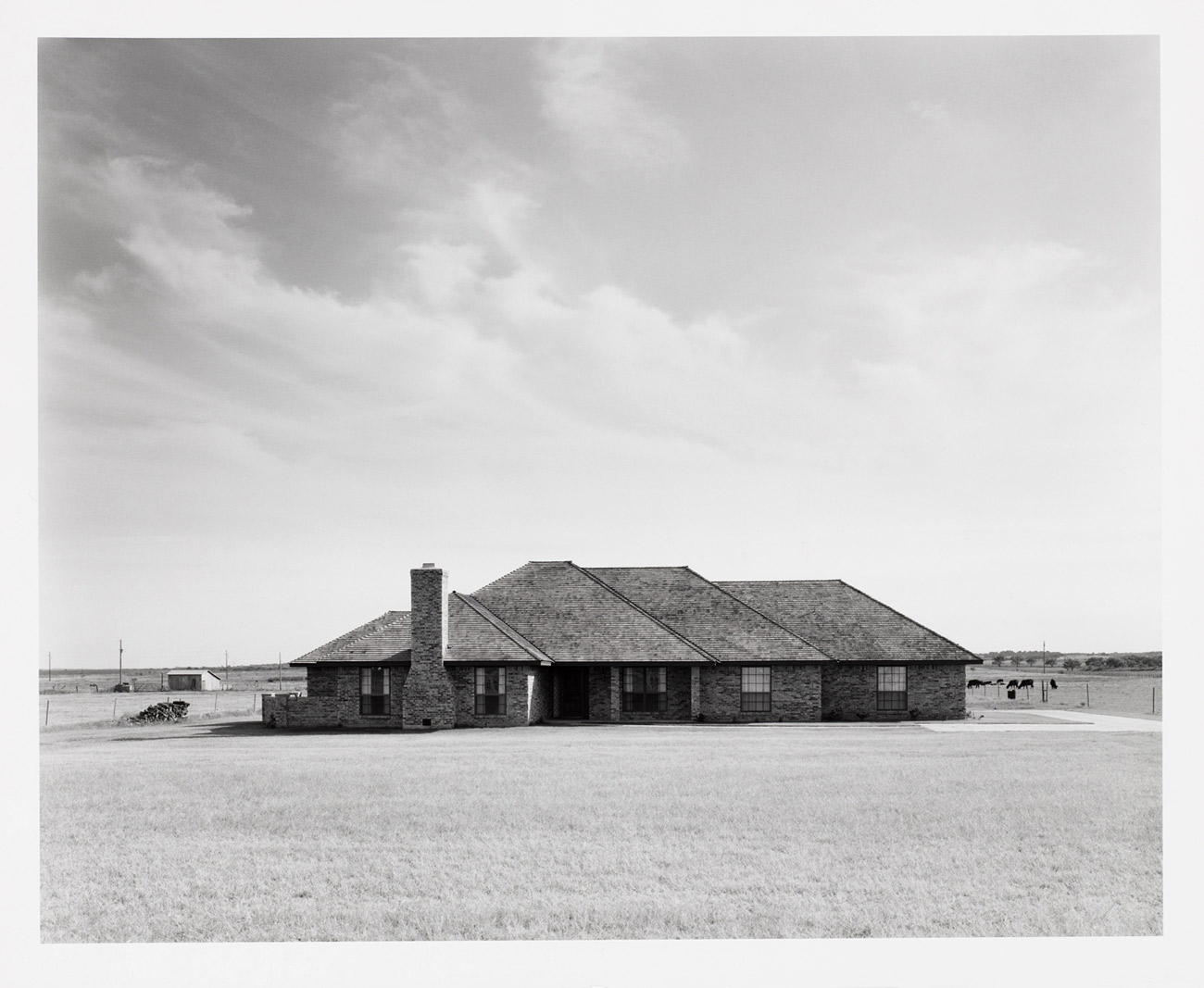
Frank Gohlke (American, b. 1942) Near Crowley, Texas 1978 Gelatin silver print RISD Museum Gift from the Collection of Joe Deal and Betsy Ruppa
Lee Friedlander (American, b. 1934) Atlantic City, New Jersey 1971 Gelatin silver print RISD Museum Museum purchase with funds from the National Endowment for the Arts
Garry Winogrand (American, 1928-1984) Utah 1964 From the portfolio Garry Winogrand, 1978 Gelatin silver print Gelatin silver prints RISD Museum Gift of Frederick J. Myerson
In the 1960s nature was apt to be viewed from a car window or in a rear-view mirror rather than from a hilltop. The large-format magisterial views of Ansel Adams and Edward Weston were replaced by a 35mm “grab-shot” style that captured the flux and contradictions of modern life with a fresh immediacy. Photographers were among the restless peripatetics crisscrossing the continent on new interstates and side roads, retrieving evidence of the “Americas” they found. The grainy, gritty aesthetic matched the sensations and energy of this environment.
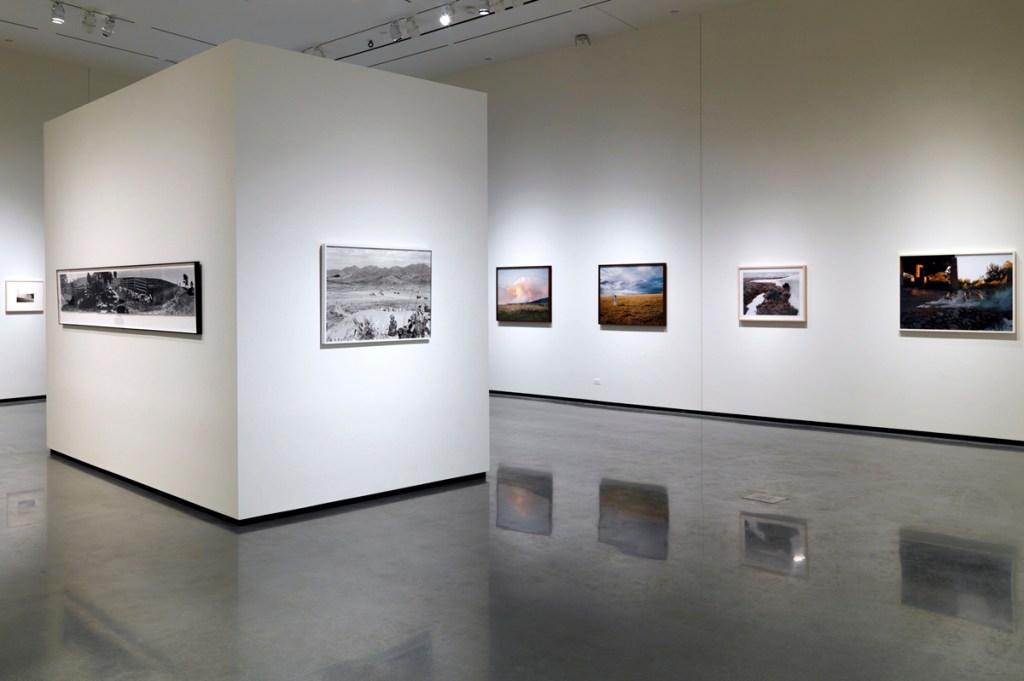
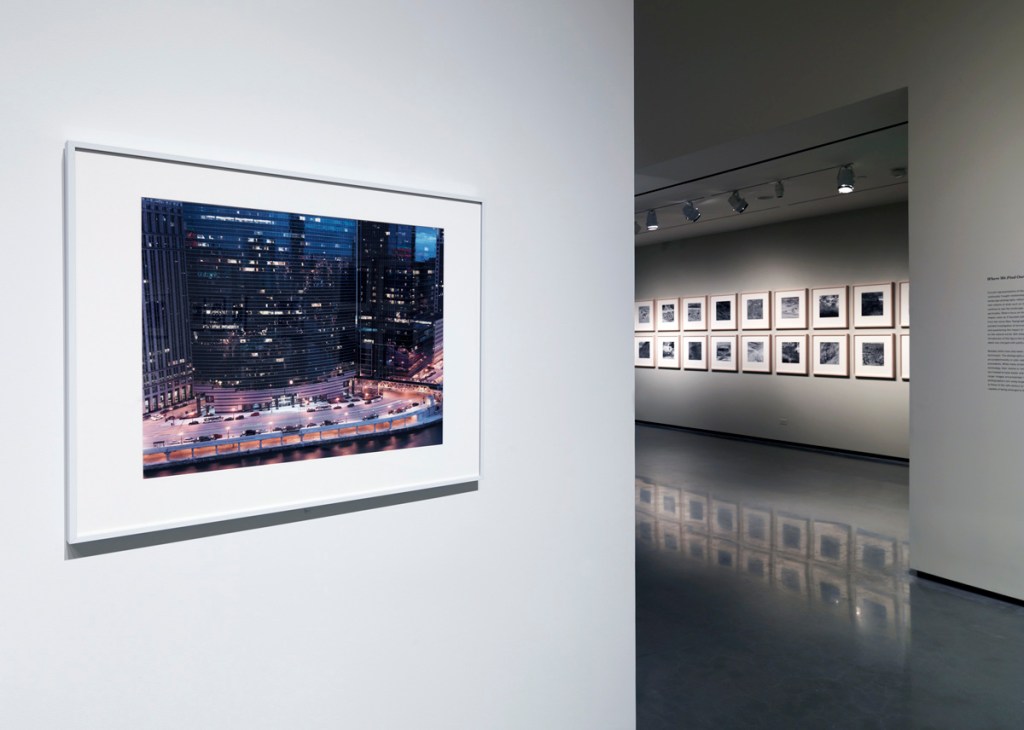
America in View: Landscape Photography 1865 to Now accompanies a major exhibition of that title tracing a history of photographs of the American landscape primarily through the collection of the RISD Museum. The show takes a broad look at the ever-evolving definition of American landscape photography – from seemingly pristine views of nature captured with 19th-century view cameras to images of the decaying contemporary urban streets composed from Google Street View. The RISD Museum’s collection of American landscape photography begins at the end of the Civil War in 1865, when photographers traveled west with government survey teams and railroad companies to record the country’s extraordinary natural features and resources. Ever since, the landscape has remained a compelling subject for photographers who have revealed through their images our nation’s ambition and failings, beauty and degradation, politics and personal stories.
The Museum of Art Rhode Island School of Design announces its major fall exhibition, America in View: Landscape Photography 1865 to Now, a broad panorama of our country’s topographies and correlating narratives that reveals a nation’s ambitions and failings, beauty and loss, politics and personal stories through about 150 photographs spanning nearly 150 years. “The landscape has inspired and challenged artists since the earliest days of our nation,” says Museum Director John W. Smith. “The remarkable works in this exhibition not only capture photography’s evolving relationship with the landscape but also trace the larger narrative of America itself.”
From the earliest images in the show, it is clear how purpose guided style. Carlton Watkins’ 1860s painterly and atmospheric views of the sublime landscape portray the wilderness as a place of spiritual renewal and a refuge from urban problems. In contrast, Timothy O’Sullivan, employed for the government’s geological surveys in the 1870s, made purposefully spare and anti-picturesque images that seemingly provide proof of empty territories needing to be studied, secured, and settled.
In her essay for America in View‘s accompanying catalogue, photographer Deborah Bright, chair of the Fine Art Department at Pratt Institute, suggests that some of the historical shifts in environmental consciousness seen in the photographs “illuminate how the works also reflect changing conceptions of landscapes as bearers of cultural meaning.” Ansel Adams, whose mid-20th-century views of nature’s majesty and vastness represent many people’s ideals of American landscape photography, omitted human impact on the land. Widely used by the Sierra Club, his stunning images of untouched wilderness encouraged conservation in the face of an increasingly industrial society.
By the 1970s, artists including the late RISD provost and photography professor Joe Deal saw that the environment entailed both wilderness and the vacant lot next door. Their “New Topographics” imagery depicts recently constructed tract homes, industrial parks, and highway culture – inverting Adams’ exclusion. “‘Landscape’ is probably better understood as that set of expectations and beliefs… we project upon the world,” explains Brown University art historian Douglas Nickel, in the catalogue. “Not every photograph of land is a landscape, and not every landscape necessarily features the land.”
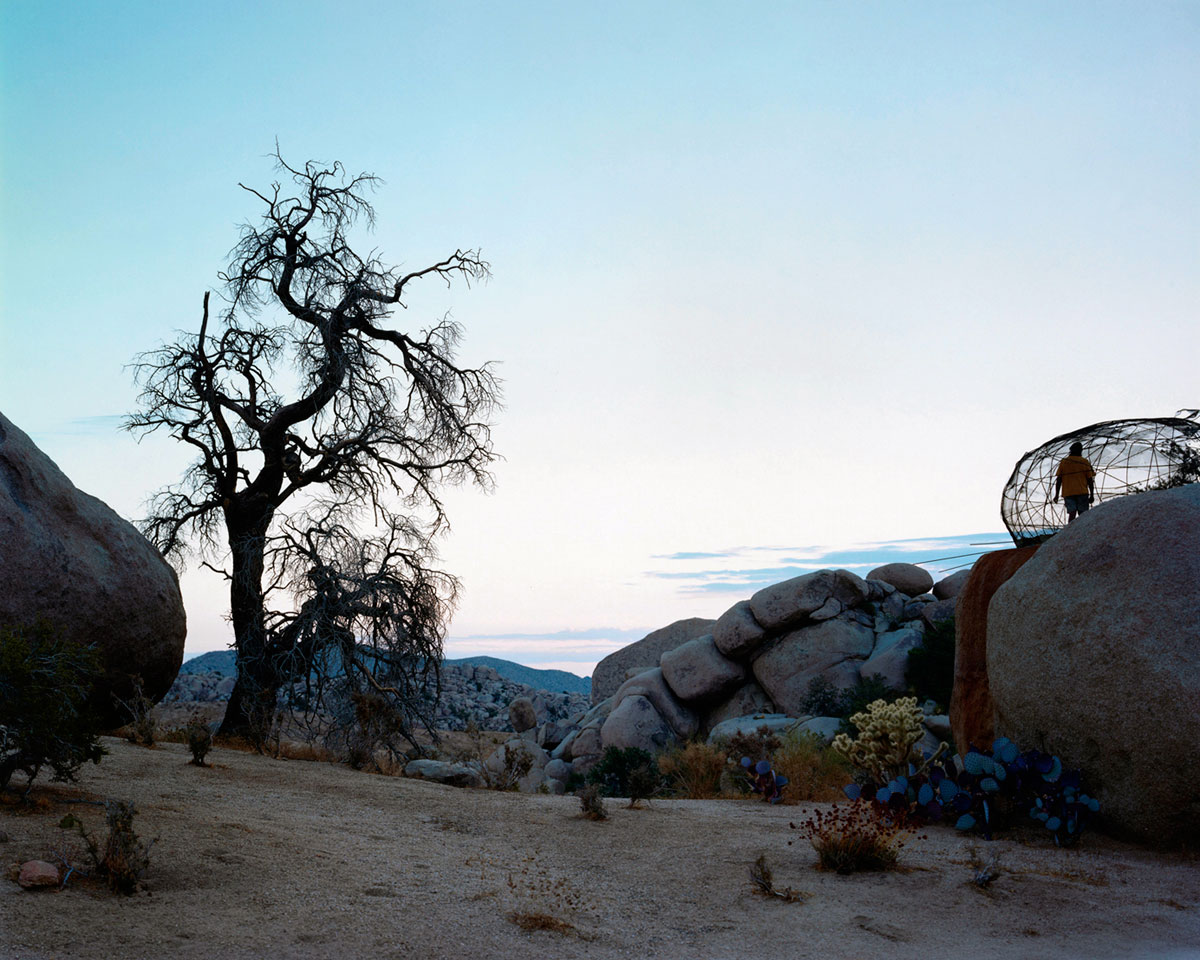
The past 20 years reveal a return to romantic views of the landscape, even in its degraded state, often including figures to create narratives. Justine Kurland’s landscape under an overpass shows a stunning place of fantasy and escape. RISD alumnus Justin Kimball explores fantasies of finding wilderness in public parks – where instead we find others seeking the same.
Press release from the RISD website
Barbara Bosworth (American, b. 1953) Niagara Falls 1986 Gelatin silver print Private collection
Emmet Gowin (American, b. 1941) (RISD MFA 1967) Old Hanford City Sites and the Columbia River, Hanford Nuclear Reservation near Richland, Washington 1986 Toned gelatin silver prints Promised gift of Dr. and Mrs. William G. Tsiaras
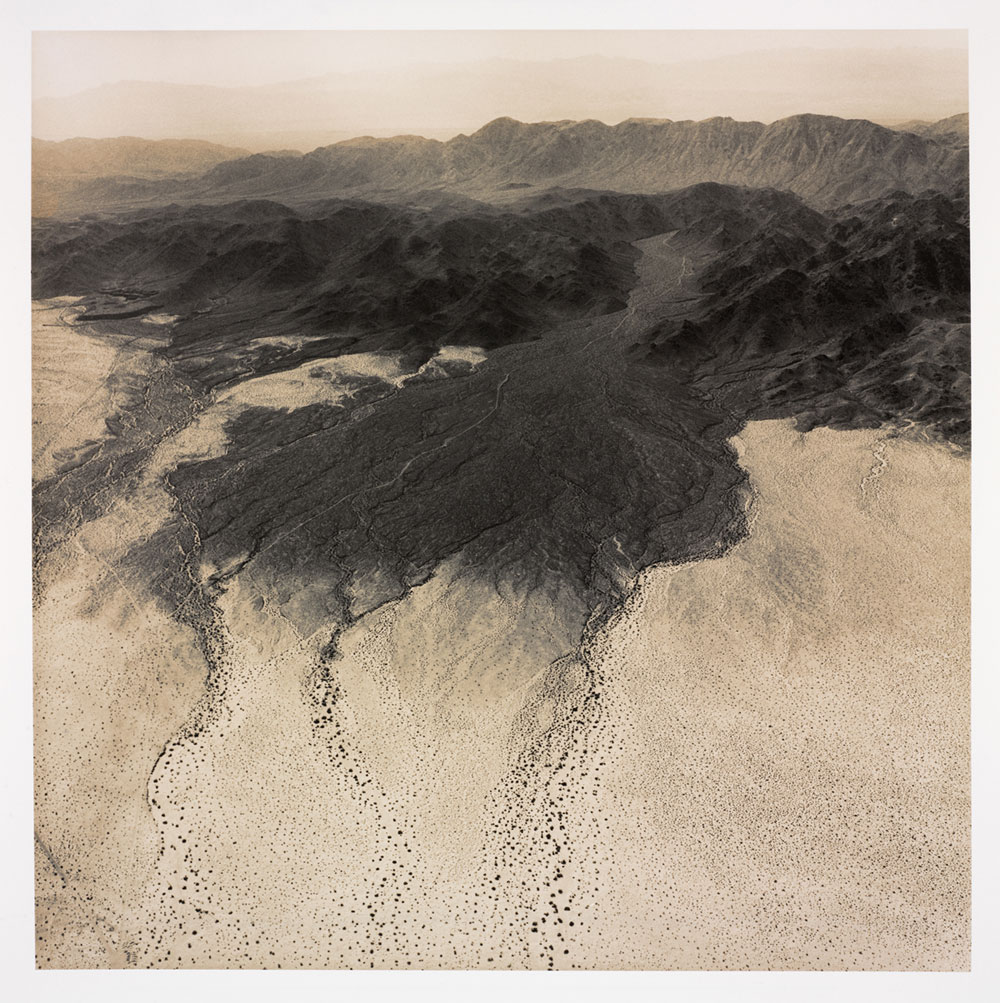
Emmet Gowin (American, b. 1941) (RISD MFA 1967) Alluvial Fan, Natural Drainage near Yuma Proving Ground and the California Arizona Border 1988 Toned gelatin silver prints Promised gift of Dr. and Mrs. William G. Tsiaras
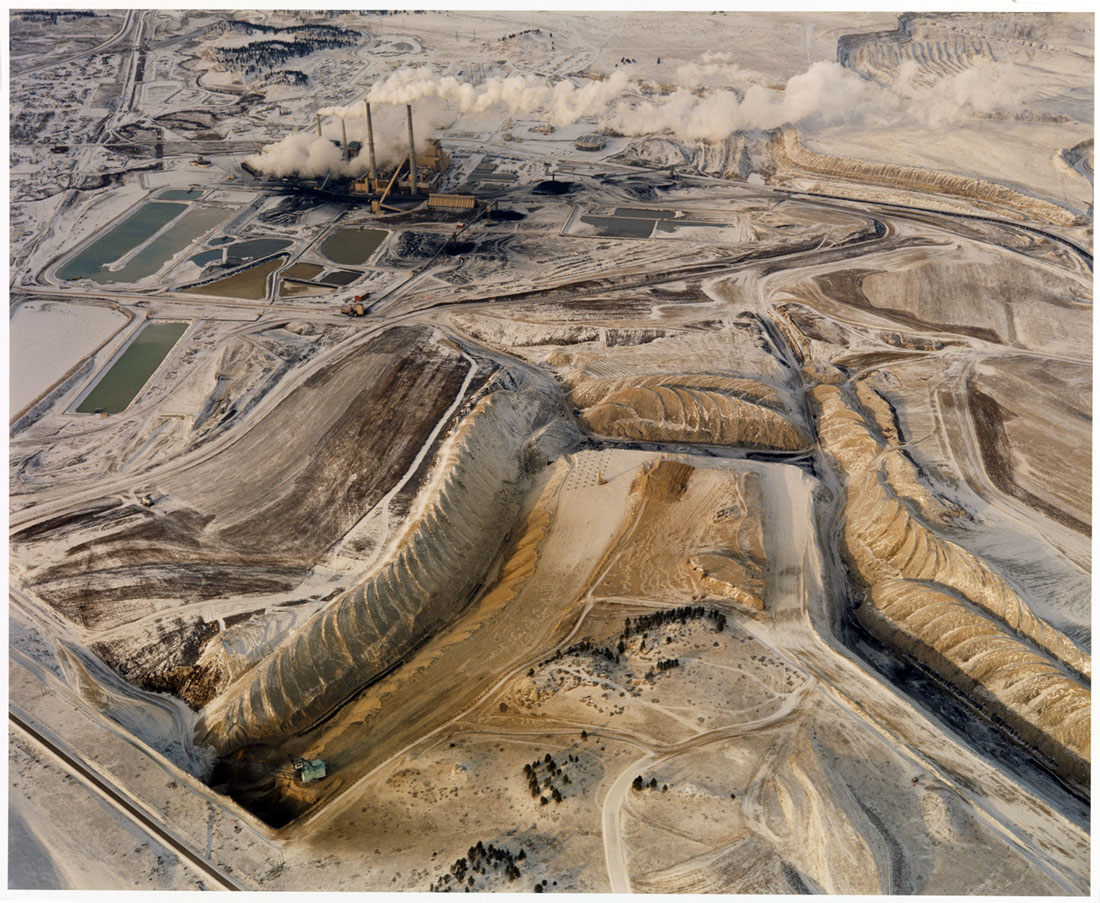
Emmet Gowin (American, b. 1941) (RISD MFA 1967) Aeration Pond, Toxic Water Treatment Facility, Pine Bluff, Arkansas 1989 Toned gelatin silver print RISD Museum Mary B. Jackson Fund
Emmet Gowin’s carefully constructed prints of strip mining sites, nuclear testing fields, large-scale agriculture, and other scars in the natural landscape seductively draw us in to examine what these lushly patterned and toned images represent. Predating Google Earth, these photographs are shot from the air and provide information about the environment that questions our role as stewards of the planet. A master darkroom printer, Gowin makes images come alive through hand-toning. Each print is transformed from grayscale into hues ranging from warm highlights to cool shadows, emphasising the illusion of three-dimensionality.
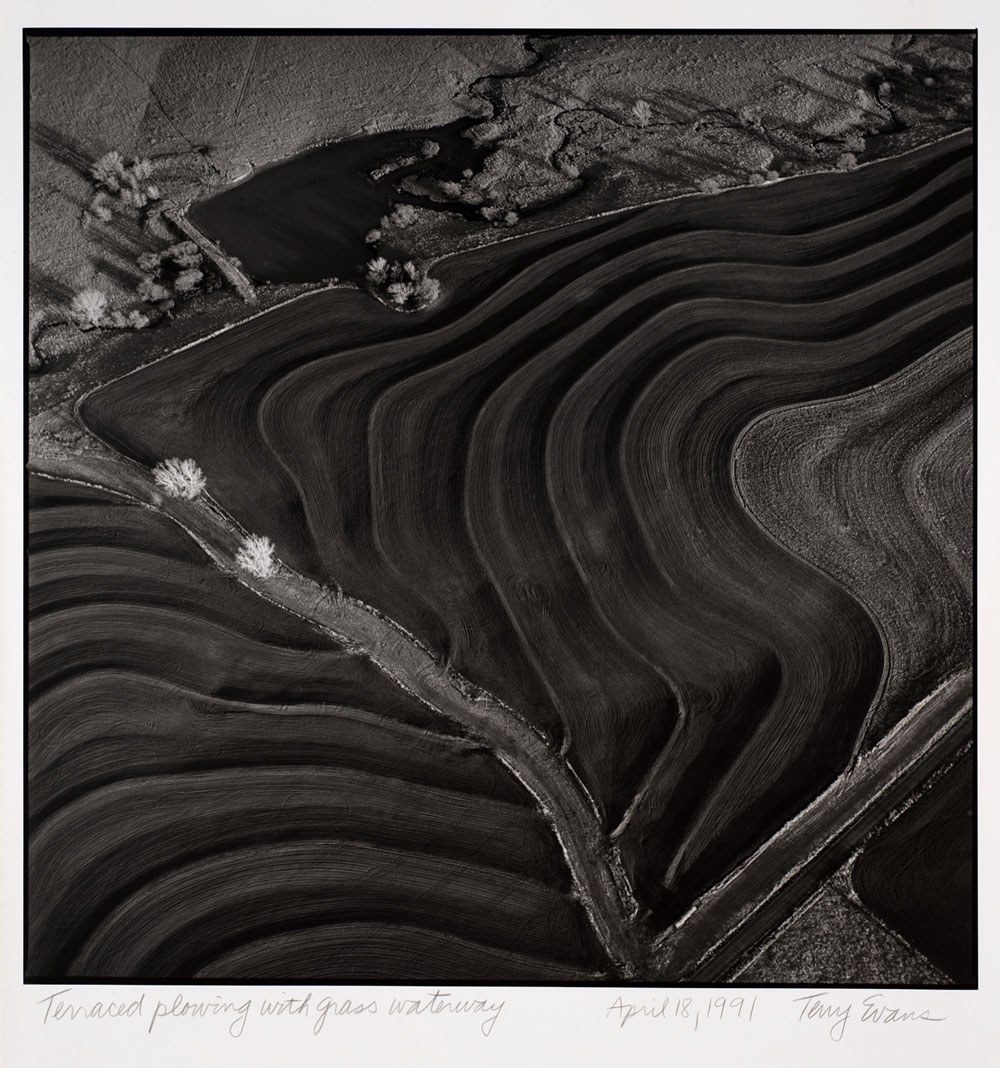
Terry Evans (American, b. 1944) Terraced Plowing with a Grass Waterway 1991 From the series Inhabited Prairie Gelatin silver print RISD Museum Gift of Jan Howard and Dennis Teepe in honour of Joe Deal
Neither the striking abstract design of the terraced field nor the effectiveness of this type of farming are what interests Terry Evans. She is drawn to the specific place and how the marks on the land, as she has said, “contain contradictions and mysteries that raise questions about how we live on the prairie. All of these places are beautiful to me, perhaps because all land, like the human body, is beautiful.”
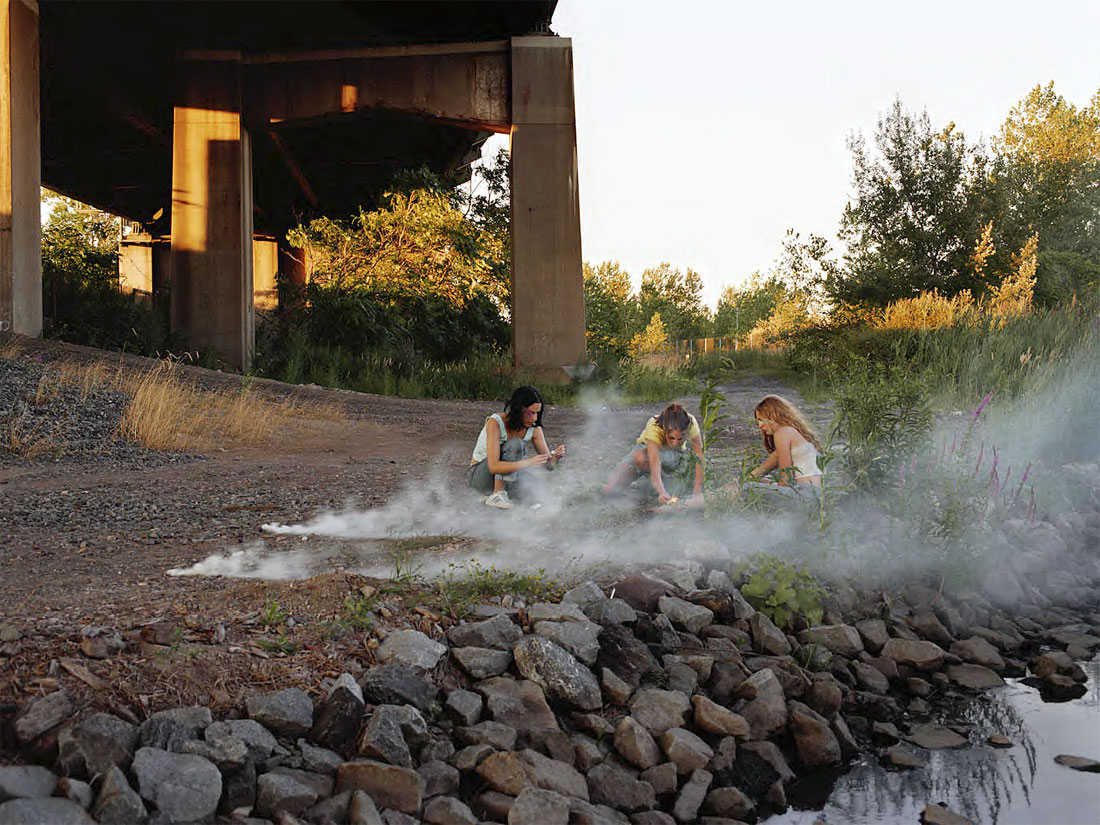
Justine Kurland (American, b. 1969) Smoke Bombs 2000 From the series Runaway Girls Colour chromogenic print RISD Museum Mary B. Jackson Fund
The neglected space under a New Jersey highway overpass was an ideal spot for three girls to act out Justine Kurland’s fictive story about fugitive teenagers. The figurative grouping recalls pastoral scenes in historical paintings so that the danger of the girls’ pursuit in this dicey no-man’s land is temporarily suspended in the hazy romantic fantasy of escape. The strong light streaming across the scene and the overall beauty of the composition suggests a desire to pursue the sublime even in the most degraded landscapes.
Justin Kimball (American, b. 1961) Deep Hole, New Hampshire 2002 From the series Where We Find Ourselves Gift of the artist in honour of Joe Deal Museum of Art Rhode Island School of Design, Providence
Deep Hole, New Hampshire captures light filtering through the trees as a dozen young men and women distribute themselves among rocky outcroppings, poised for adventure in the water below. The composition recalls the quiet drama of Thomas Eakins’s 19th-century painting of nude swimmers. This reference drew Kimball to the picture as it played out in front of him, along with the palpable sense of elation in the youths’ encounter with the landscape, no matter the deteriorating state of the site due to its heavy use. Kimball’s series Where We Find Ourselves explores the fantasy of finding wilderness in state and national parks, where we only find other people looking for it, too.
Current representations of the American landscape reveal a continually fraught relationship with the environment. Recent landscape photography reflects its history while constructing new notions of what such an image can be. Some artists continue to see the landscape as a place of refuge or spirituality. Others focus on its more disturbing psychological impact, even haunted with battle scars. Some pick up from the 1970s New Topographics approach with a more pointed investigation of environmentalism, documenting and questioning the impact of industry and development on the natural world. Still others have found that with the introduction of the figure the landscape can act as a stage, albeit one charged with political and social resonance.
Notable shifts have also been driven by new processes and techniques. The photographs of the last several decades are predominantly in colour and are much larger than their precedents. While many artists working today use digital technology, their motive is rarely to alter or fabricate imagery but instead to have easier and better control over how these larger images are presented. Surprisingly, many of today’s photographers are using large format cameras very similar to those of the 19th century to create negatives or digital files capable of being enlarged to the scale of contemporary work.
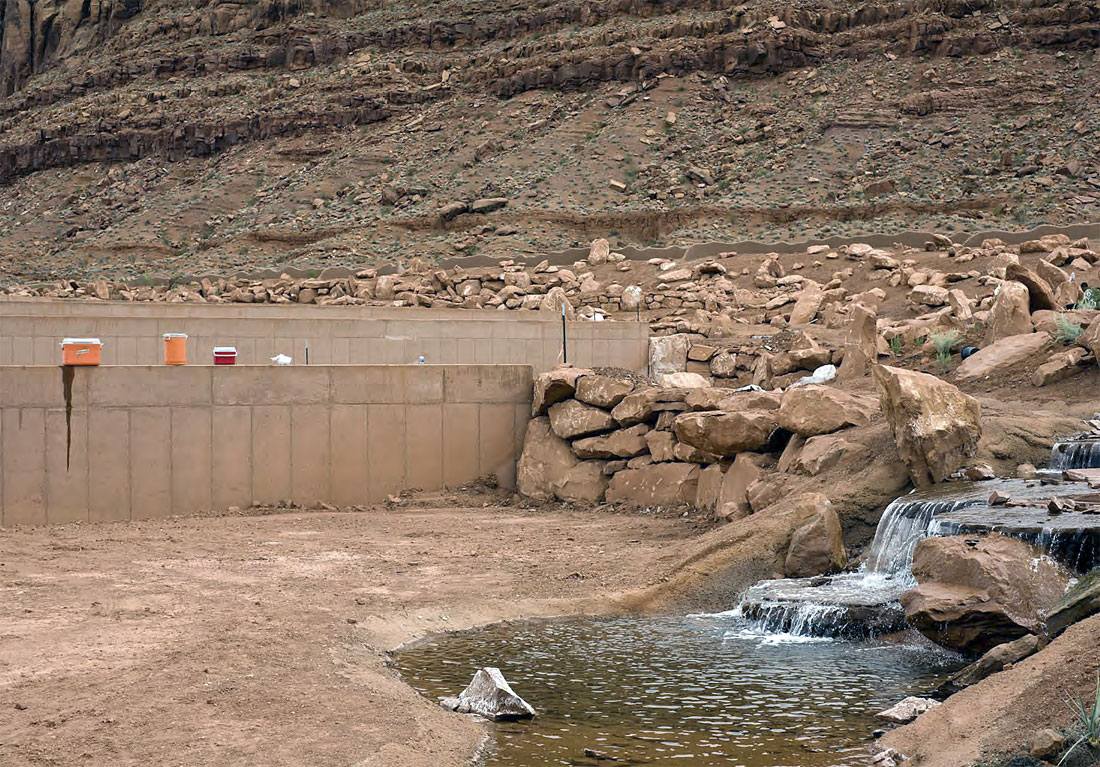
Steven B. Smith (American, b. 1963) (RISD Faculty 1996-present) Coolers, Ivins, Utah 2007 From the series Irrational Exuberance Colour inkjet print RISD Museum Gift of Heather Smith in honour of Joe Deal
Steven Smith’s subject matter follows in the tradition of the 1970s New Topographic artists. What differentiates Smith’s view of a recently suburbanised desert from his predecessors is the humour with which he captures the extravagant building in this arid place. In this image, from the aptly titled series Irrational Exuberance, fluorescent-coloured coolers, like the red rocks, become part of the landscape, even creating their own waterfall.
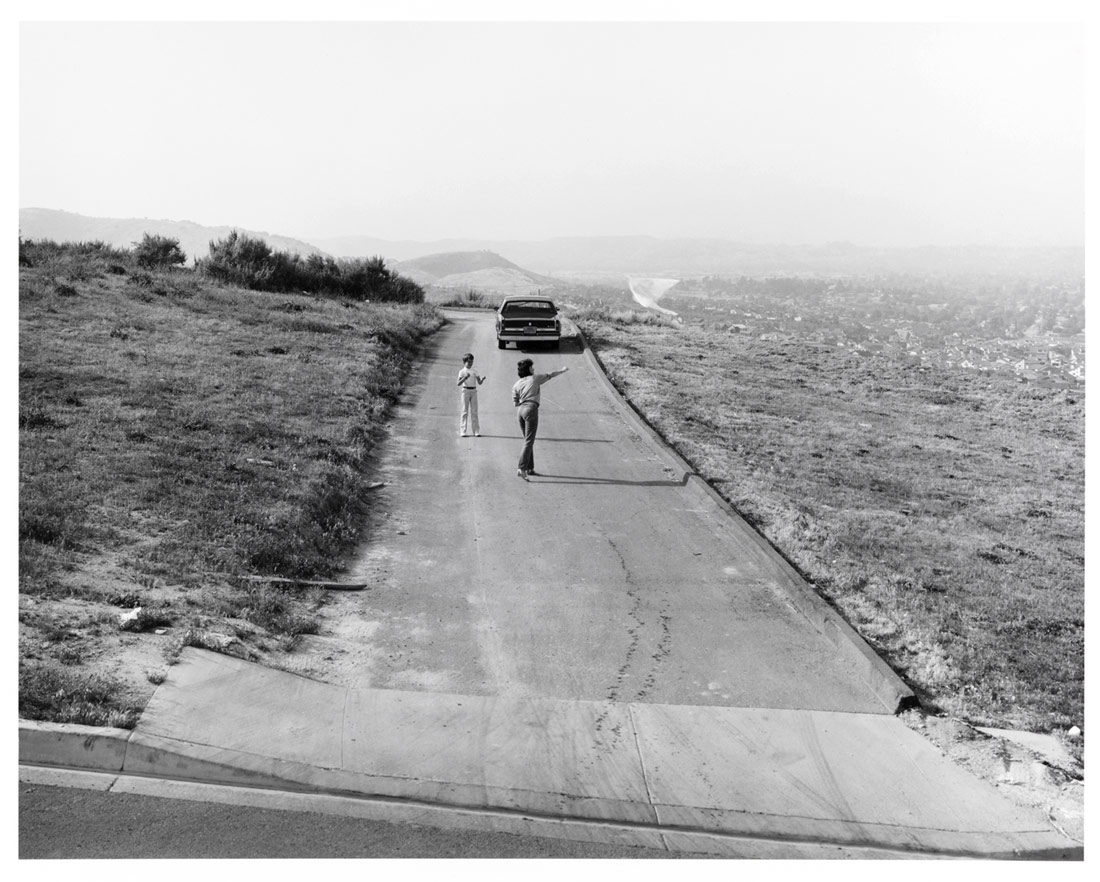
Joe Deal often found his picture at the border between the built and unbuilt landscape. The driveway makes for a convenient spot to fly a kite, surrounded as it is here with a bit of open space remaining in a new development. In the distance to the right the residential growth that will soon cover this piece of land is visible through the atmospheric smog. In the distance to the left are still untouched hills. The inclusion of people – evidence of a rapidly exploding community near the intersection of the Pomona and Orange freeways – marks a shift in Deal’s photography to embracing the landscape as a site for narrative.
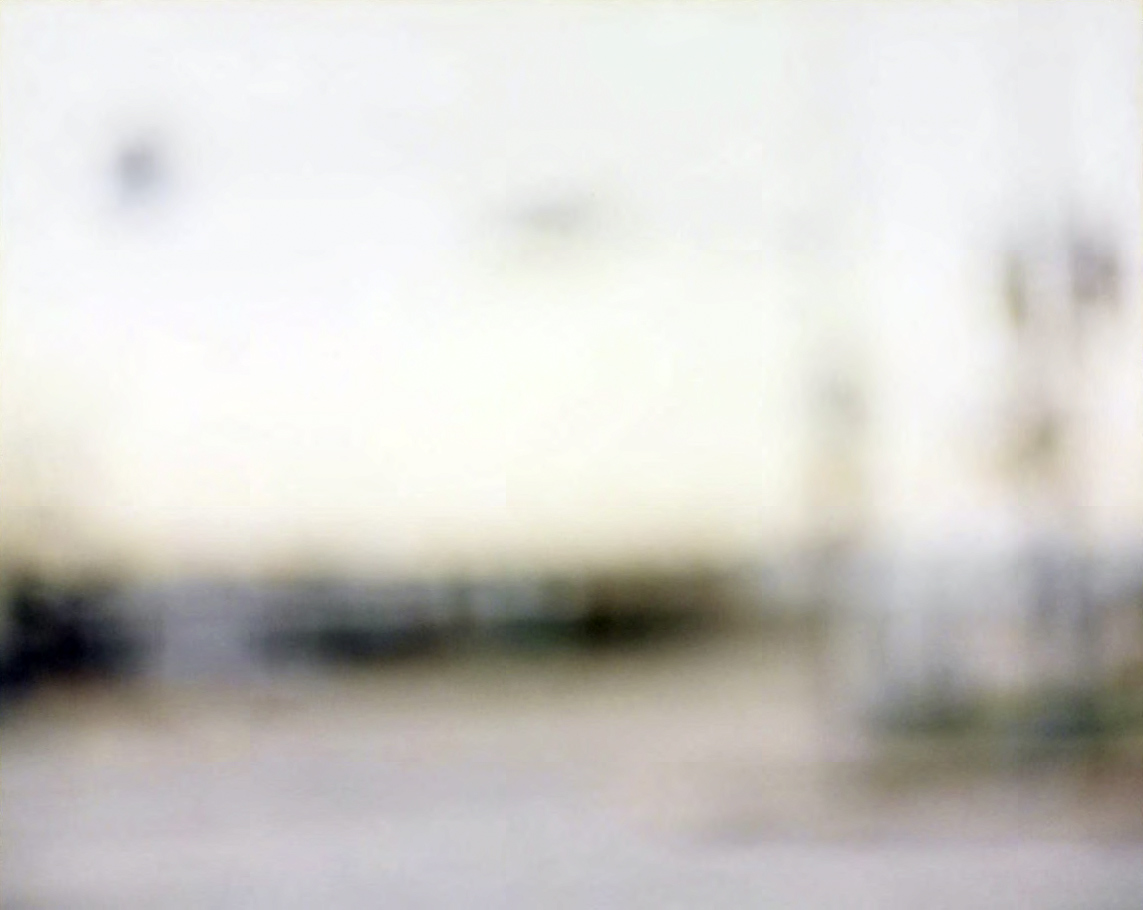
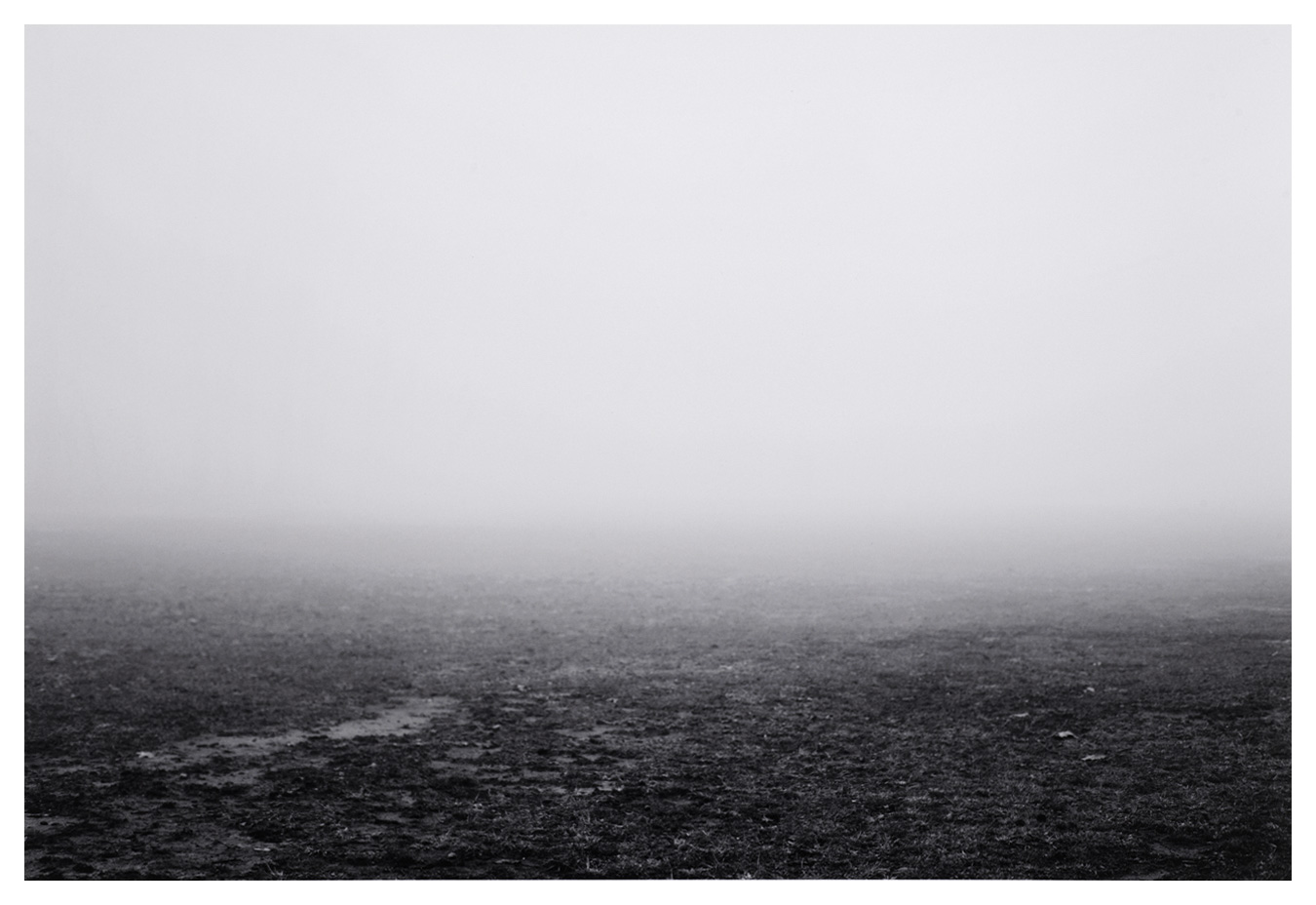
Uta Barth (German, b. 1958) Field #14 1996 Colour chromogenic print RISD Museum Gift of the Buddy Taub Foundation, Jill and Dennis Roach, Directors
Uta Barth radically softens the camera’s focus to remove all signs of historical specificity and to saturate a flat industrial-looking non-place with a dream-like atmosphere. As such she creates a generic landscape as viewed through a heavily fogged window, with an uncanny sense that is deeply familiar.
Henry Wessel (American, b. 1942) Night Walk, Los Angeles, No. 28 1995 From the series Night Walk: LA Gelatin silver print RISD Museum Gift of Mark Pollack
Millee Tibbs (American, b. 1976) (RISD MFA 2007) Self-Portrait in the Fog 2009 From the portfolio Self Portraits Colour inkjet print RISD Museum Gift of the artist in honour of Joe Deal
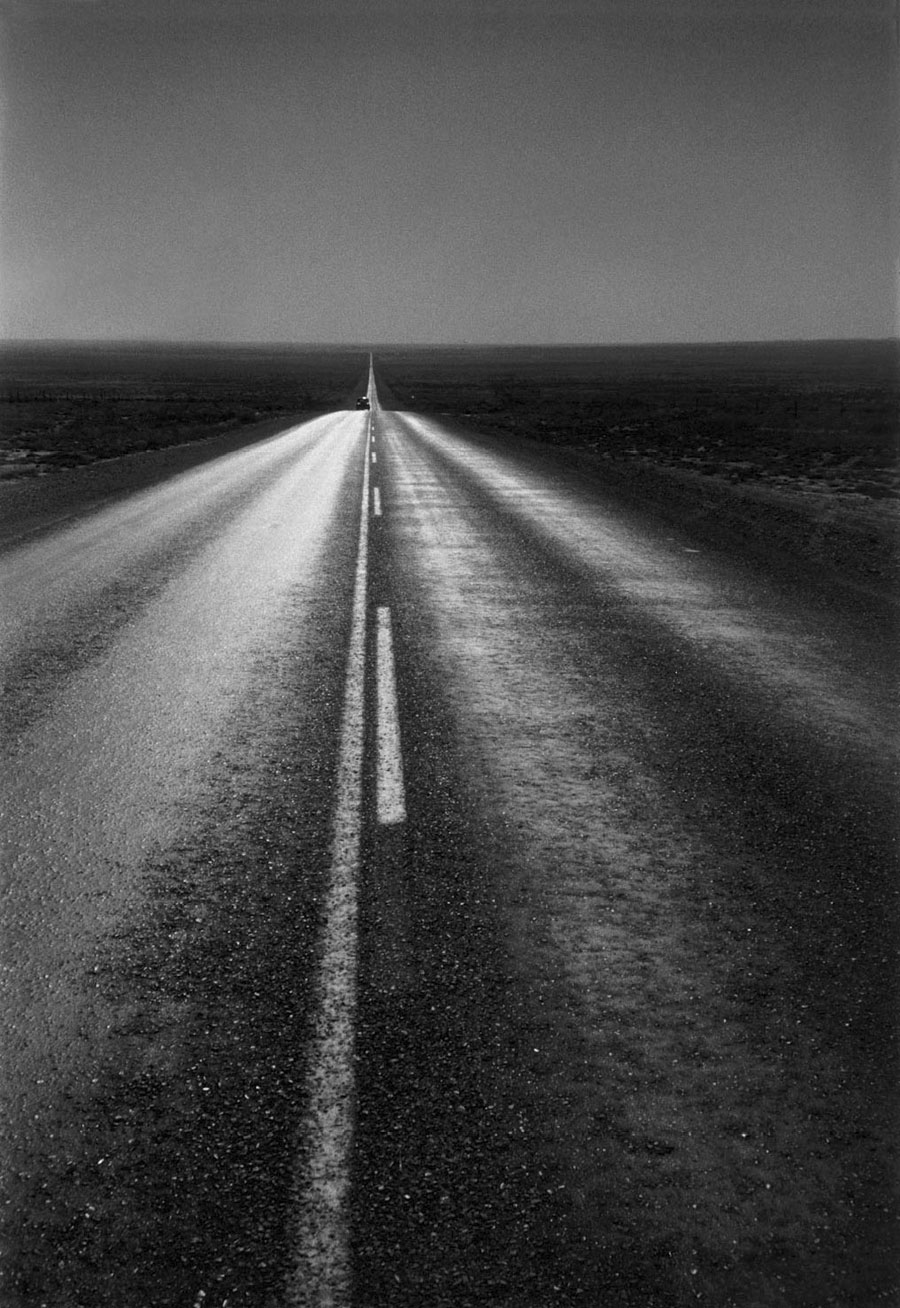
Robert Frank (Swiss, 1924-2019) U.S. 285, New Mexico 1955 Silver gelatin photograph
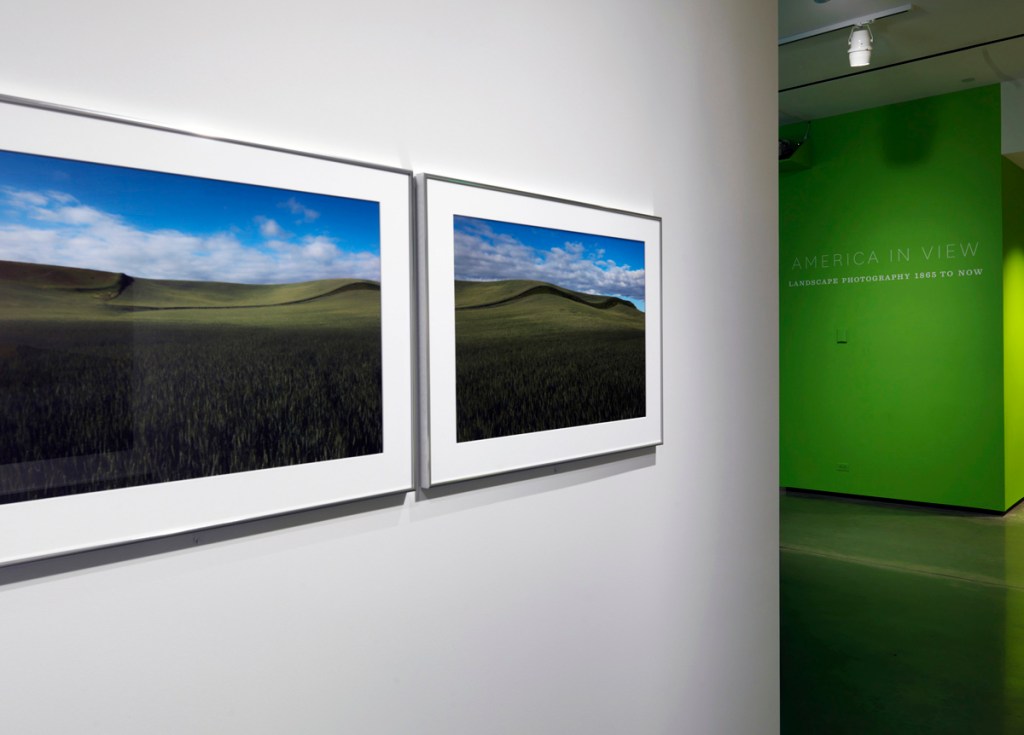
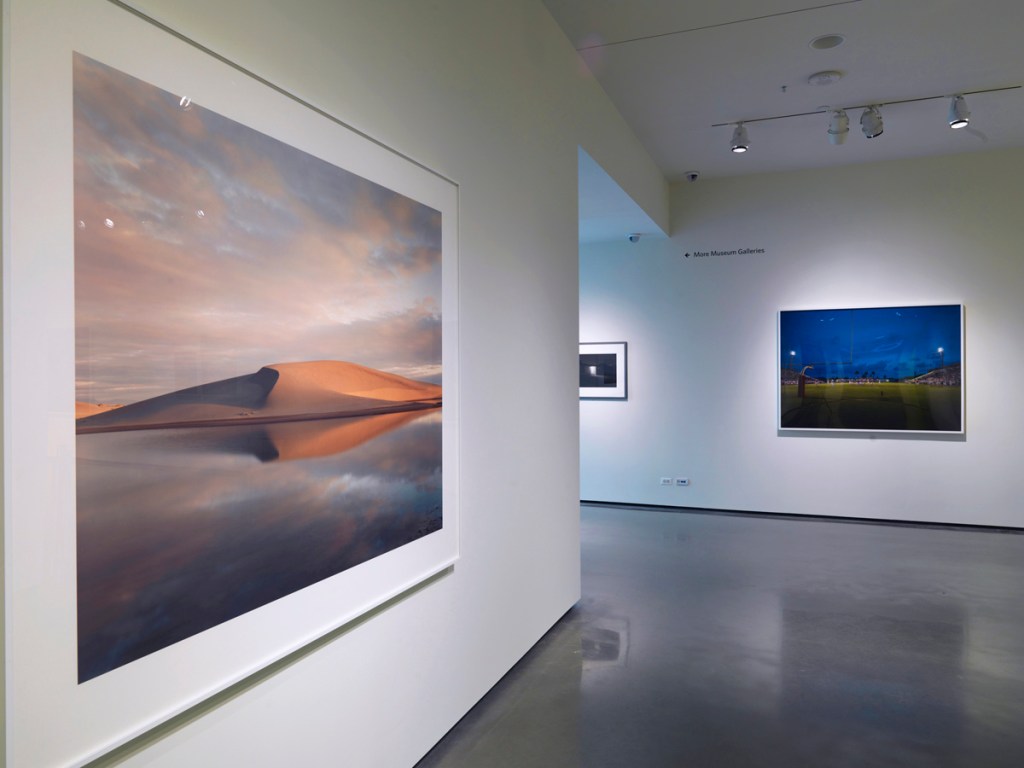
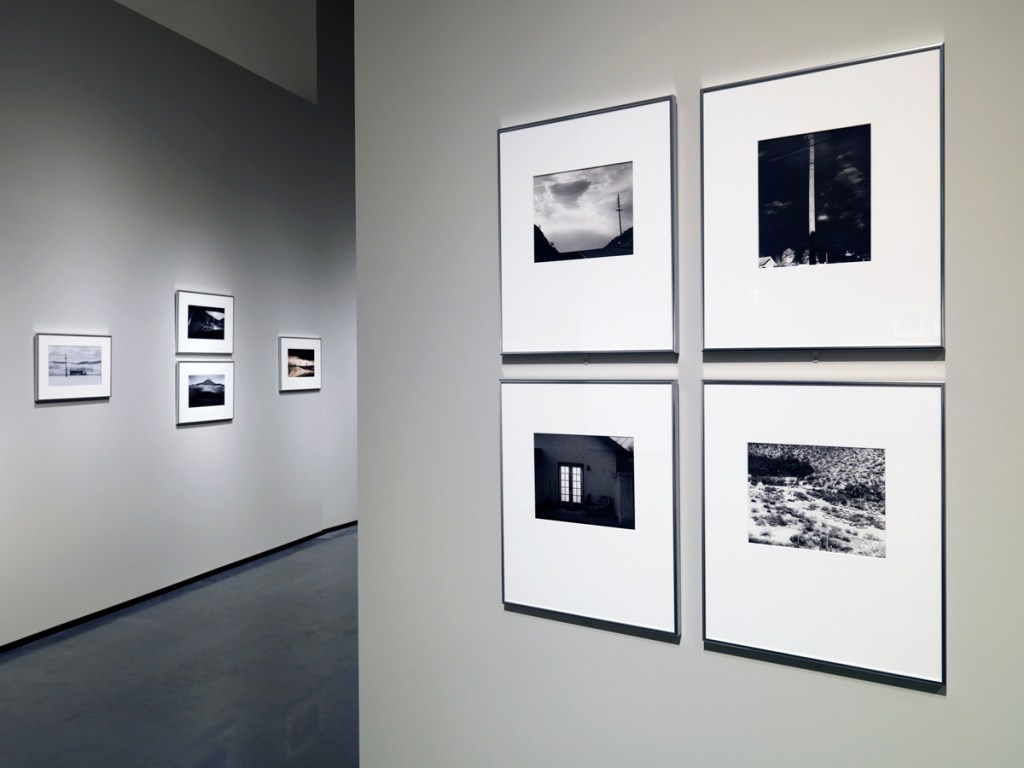
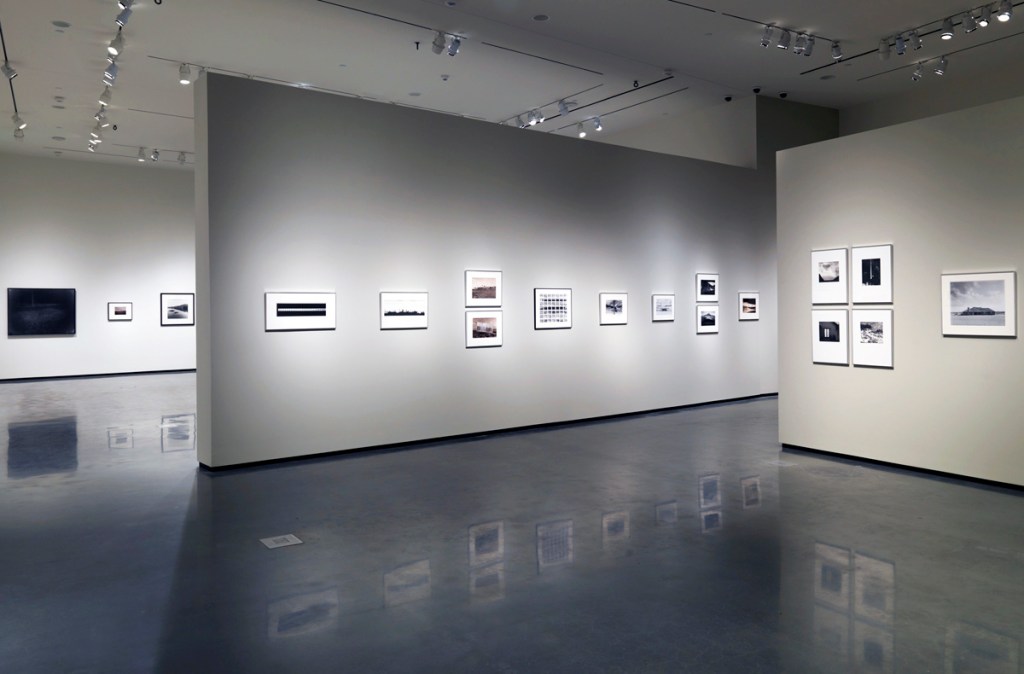
Installation views of America in View: Landscape Photography 1865 to Now at the Museum of Art Rhode Island School of Design, Providence
Museum of Art Rhode Island School of Design (RISD) 224 Benefit Street, Providence, RI 02903 Phone: 401 454-6500
“[Photography is] the BEYOND visualisation of a world, the transcendence of time and space that leads, in great photographs, to a recognition of the discontinuous nature of life but in the end, to its ultimate persistence.” Dr Marcus Bunyan
Exhibition dates: 3rd April – 26th August, 2012
Curator: Paul Martineau, Associate Curator of Photographs at the J. Paul Getty Museum
“To get from the tangible to the intangible (which mature artists in any medium claim as part of their task) a paradox of some kind has frequently been helpful. For the photographer to free himself of the tyranny of the visual facts upon which he is utterly dependent, a paradox is the only possible tool. And the talisman paradox for unique photography is to work “the mirror with a memory” as if it were a mirage, and the camera is a metamorphosing machine, and the photograph as if it were a metaphor… Once freed of the tyranny of surfaces and textures, substance and form [the photographer] can use the same to pursue poetic truth.”
Minor White quoted in Beaumont Hewhall (ed.,). The History of Photography. Boston: Little, Brown, and Co., 1982, p. 281
“Carol Jerrems and I taught at the same secondary school in the 1970’s. In a classroom that was unused at that time, I remember having my portrait taken by her. She held her Pentax to her eye. Carols’ portraits all seemed to have been made where the posing of her subjects was balanced by an incisive naturalness (for want of a better description). As a challenge to myself I tried to look “natural”, but kept in my consciousness that I was having my portrait taken. Minutes passed and neither she nor her camera moved at all.
Then the idea slipped from my mind for just a moment, and I was straightaway bought back by the sound of the shutter. What had changed in my face? – probably nothing, or 1 mm of muscle movement. Had she seen it through the shutter? Or something else – I don’t know.”
Australian artist Ian Lobb on being photographed by the late Carol Jerrems
There is always something that you can’t quite put your finger on in an outstanding portrait, some ineffable other that takes the portrait into another space entirely. I still haven’t worked it out but my thoughts are this: forget about the pose of the person. It would seem to me to be both a self conscious awareness by the sitter of the camera and yet at the same time a knowing transcendence of the visibility of the camera itself. In great portrait photography it is as though the conversation between the photographer and the person being photographed elides the camera entirely.
Minor White, in his three great mantras, the Three Canons, observes:
Be still with yourself Until the object of your attention Affirms your presence
Let the Subject generate its own Composition
When the image mirrors the man And the man mirrors the subject Something might take over
Freed from the tyranny of the visual facts something else emerges.
Celebrities know only too well how to “work” the camera but the most profound portraits, even of celebrities, are in those moments when the photographer sees something else in the person being photographed, some unrecognised other that emerges from the shadows – a look, a twist of the head, the poignancy of the mouth, the vibrancy of the dancer Josephine Baker, the sturdiness of the gaze of Walt Whitman with hands in pockets, the presence of the hands (no, not the gaze!) of Picasso. I remember taking a black and white portrait of my partner Paul holding a wooden finial like a baby among some trees, a most beautiful, revealing photograph. He couldn’t bear to look at it, for it stripped him naked before the lens and showed a side of himself that he had never seen before: vulnerable, youthful, beautiful.
Why do great portrait photographers make so many great portraits? Why can’t this skill be shared or taught? Why can’t Herb Ritts (for example) make a portrait that goes beyond a caricature? Why is it that what can be taught is so banal that it has no value?
In photography, maybe we edit out what is expected and then it seems that photography does something that goes beyond language; it goes beyond function that can be described as a part of speech, metonym or metaphor. When this something else takes over I think it is truly “unrecognised” in the best portraits (and landscape / urban photographs) – and it is fantastic and wonderful.
This is my understanding, then, of perception and vision – [which is] the ability to see this certain something in the mind (previsualisation) before seeing it through the viewfinder (or not, for example standing beside the camera not looking through it) – to then be able to reveal it in the physicality of the print. It is a liminal moment in time and space.
I believe this is the reality of photography itself in its absolute essential form – and here I am deliberately forgetting about post-photography, post-modernism, modernism, pictorialism, ism, ism – getting down to why I really like photography:
the BEYOND visualisation of a world, the transcendence of time and space that leads, in great photographs, to a recognition of the discontinuous nature of life but in the end, to its ultimate persistence.
This is as close as I have got so far…
Dr Marcus Bunyan August 2012
Many thankx to the J. Paul Getty Museum for allowing me to publish the photographs in the posting. Please click on the photograph for a larger version of the image.
Mariana Cook (American, b. 1955) Barack and Michelle Obama, Chicago May 26, 1996 Selenium-toned gelatin silver print The J. Paul Getty Museum, Los Angeles
Edward Weston (American, 1889-1958) Igor Stravinsky 1935 Gelatin silver print The J. Paul Getty Museum, Los Angeles
Coy Watson Jr. (American, 1912-2009) Joe Louis – “The Brown Bomber”, Los Angeles, February 1935 1935 Gelatin silver print The J. Paul Getty Museum, Los Angeles
Portraits of Renown surveys some of the visual strategies used by photographers to picture famous individuals from the 1840s to the year 2000. “This exhibition offers a brief visual history of famous people in photographs, drawn entirely from the Museum’s rich holdings in this genre,” says Paul Martineau, curator of the exhibition and associate curator of photographs at the J. Paul Getty Museum. “It also provides a broad historical context for the work in the concurrent exhibition Herb Ritts: L.A. Style, which includes a selection of Ritts’s best celebrity portraits.”
Photography’s remarkable propensity to shape identities has made it the leading vehicle for representing the famous. Soon after photography was invented in the 1830s, it was used to capture the likenesses and accomplishments of great men and women, gradually supplanting other forms of commemoration. In the twentieth century, the proliferation of photography and the transformative power of fame have helped to accelerate the desire for photographs of celebrities in magazines, newspapers, advertisements, and on the Internet. The exhibition is arranged chronologically to help make visible some of the overarching technical and stylistic developments in photography from the first decade of its invention to the end of the twentieth century.
A wide range of historical figures are portrayed in Portraits of Renown. A photograph by Alexander Gardner of President Lincoln documents his visit to the battlefield of Antietam during the Civil War. Captured by Nadar, a portrait of Alexander Dumas, best known for his novels The Count of Monte Cristo and The Three Musketeers, shows the author with an energetic expression, illustrating the lively personality that made his writing so popular. Baron Adolf De Meyer’s portrait of Josephine Baker, an American performer who became an international sensation at the Folies Bergère in Paris, showcases her comedic charm, a trait that proved central to her popularity as a performer. An iconic portrait of the silent screen actress, Gloria Swanson, created by Edward Steichen for Vanity Fair reveals both the intensity of its sitter and the skill of the artist. A picture of Pablo Picasso by his friend Man Ray portrays the master of Cubism with a penetrating gaze.
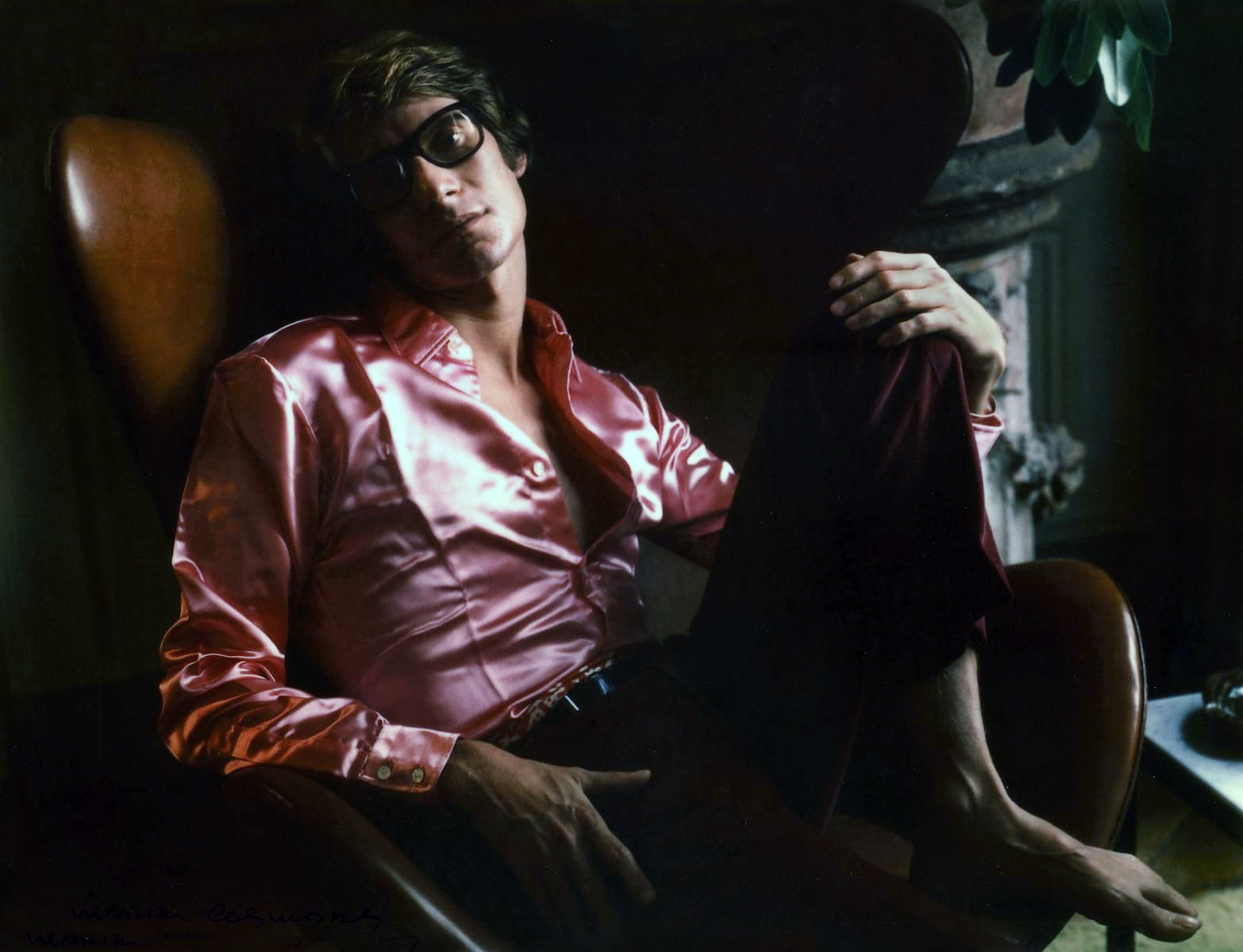
Yves St. Laurent, Andy Warhol, and Grace Jones are among the contemporary figures included in the exhibition. Fashion designer Yves St. Laurent was photographed by Marie Cosindas using instant color film by Polaroid. The photograph, made the year his first boutique in New York opened, graced the walls of the store for ten years. A Cosindas portrait of Andy Warhol shows the artist wearing dark sunglasses, which partially conceal his face. Warhol, who was fascinated by celebrity, delighted in posing public personalities like Grace Jones for his camera.
Press release from the J. Paul Getty Museum website
Berenice Abbott (American, 1898-1991) James Joyce 1928 Gelatin silver print The J. Paul Getty Museum, Los Angeles
Baron Adolf De Meyer (American born France, 1868-1946) Portrait of Josephine Baker 1925 Collotype print 39.1 x 39.7cm The J. Paul Getty Museum, Los Angeles
In 1925 Josephine Baker, an American dancer from Saint Louis, Missouri, made her debut on the Paris stage in La Revue nègre (The Black Review) at the Théâtre des Champs-Elysées, wearing nothing more than a skirt of feathers and performing her danse sauvage (savage dance). She was an immediate sensation in Jazz-Age France, which celebrated her perceived exoticism, quite the opposite of the reception she had received dancing in American choruses. American expatriate novelist Ernest Hemingway called Baker “the most sensational woman anybody ever saw – or ever will.”
Baron Adolf de Meyer, a society and fashion photographer, took this playful portrait in the year of Baker’s debut. Given the highly sexual nature of her stage persona, this portrait is charming and almost innocent; Baker’s personality is suggested by her face rather than her famous body.
Text from the J. Paul Getty website
Edward Steichen (American, 1879-1973) John Barrymore as Hamlet 1922 Gelatin silver print The J. Paul Getty Museum, Los Angeles
Alfred Stieglitz (American, 1964-1946) Georgia O’Keeffe: A Portrait 1918 Gelatin silver print The J. Paul Getty Museum, Los Angeles
Arnold Genthe (American born Germany, 1869-1942) Anna Pavlowa About 1915 Gelatin silver print 33.5 x 25.2cm (13 3/16 x 9 15/16 in.) The J. Paul Getty Museum, Los Angeles
The Russian ballerina Anna Pavlowa (or Pavlova) so greatly admired Arnold Genthe’s work that she made the unusual decision to visit his studio, rather than have him come to her rehearsals. The resulting portrait of the prolific dancer, leaping in mid-air, is the only photograph to capture Pavlowa in free movement. Genthe regarded this print as one of the best dance photographs he ever made.
Text from the J. Paul Getty website
Alvin Langdon Coburn (British born United States, 1882-1966) Mark Twain (Samuel Langhorne Clemens) Negative December 21, 1908; print 1913 Photogravure 20.6 x 14.8cm (8 1/8 x 5 13/16 in.) The J. Paul Getty Museum, Los Angeles
Alfred Stieglitz (American, 1864-1946) [Self-Portrait] Negative 1907; print 1930 Gelatin silver print 24.8 x 18.4cm (9 3/4 x 7 1/4 in.) The J. Paul Getty Museum, Los Angeles
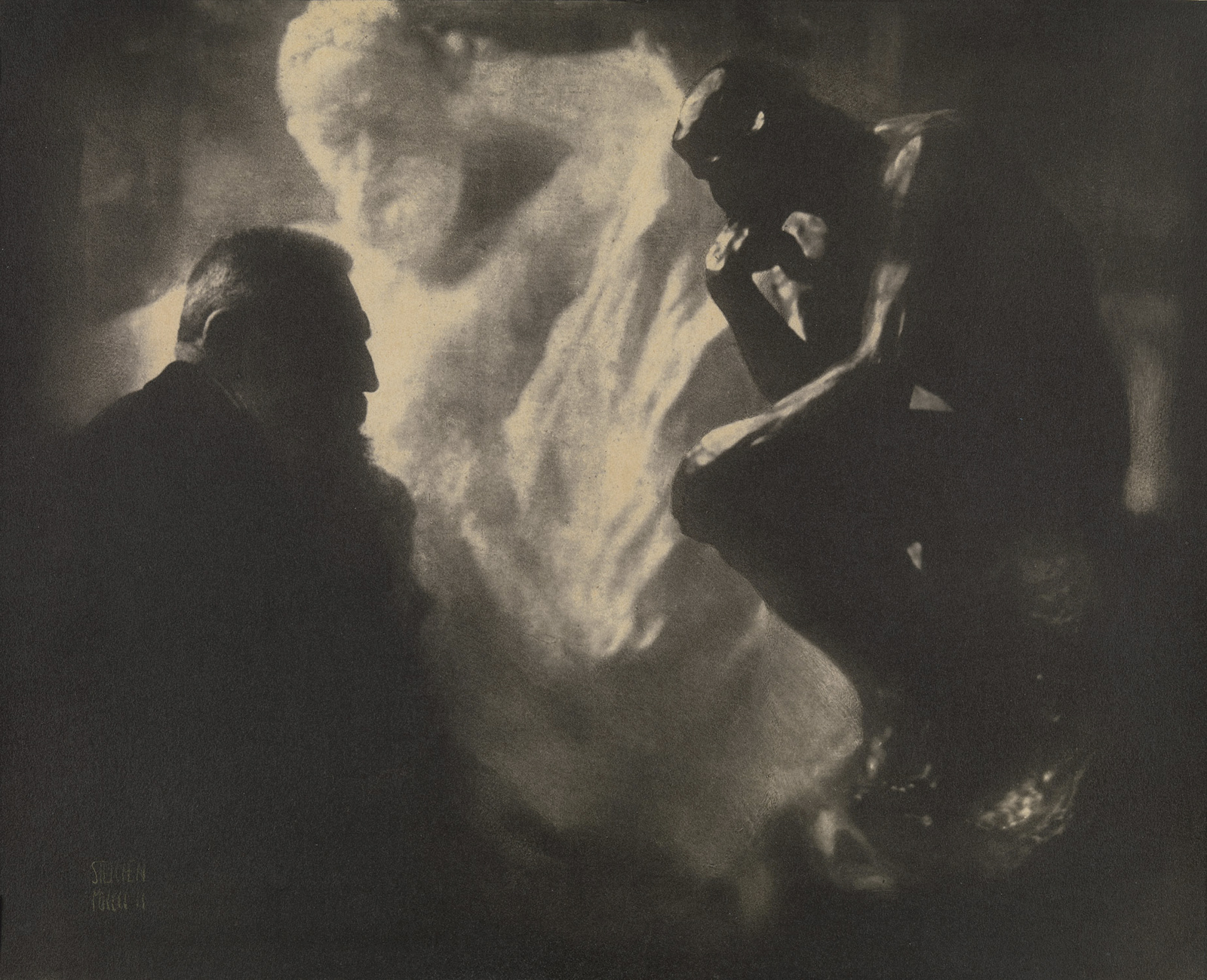
Edward Steichen (American, 1879-1973) Rodin – Le Penseur (The Thinker) 1902 Gelatin-carbon print The J. Paul Getty Museum, Los Angeles
Sarah Choate Sears (American, 1858-1935) [Julia Ward Howe] About 1890 Platinum print 23.5 x 18.6cm (9 1/4 x 7 5/16 in.) The J. Paul Getty Museum, Los Angeles
Julia Ward Howe (May 27, 1819 – October 17, 1910) was an American poet and author, known for writing “The Battle Hymn of the Republic” and the original 1870 pacifist Mother’s Day Proclamation. She was also an advocate for abolitionism and a social activist, particularly for women’s suffrage.
Sarah Choate Sears (American, 1858-1935) John Singer Sargent About 1890 Gelatin silver print The J. Paul Getty Museum, Los Angeles
Although John Singer Sargent was the most famous American portrait painter of his time, he apparently did not like to be photographed. The few photographs that exist show him at work, as he is here, sketching and puffing on a cigar. His friend Sarah Choate Sears, herself a painter of some note, drew many of her sitters for photographs from the same aristocratic milieu as Sargent did for his paintings.
Text from the J. Paul Getty website
Nadar (Gaspard Félix Tournachon) (French, 1820-1910) [Sarah Bernhardt as the Empress Theodora in Sardou’s “Theodora”] Negative 1884; print and mount about 1889 Albumen silver print 14.6 x 10.5 cm (5 3/4 x 4 1/8 in.) The J. Paul Getty Museum, Los Angeles
J. Wood (American, active New York, New York 1870s-1880s) L.P. Federmeyer 1879 Albumen silver print 14.8 x 10 cm (5 13/16 x 3 15/16 in.) The J. Paul Getty Museum, Los Angeles
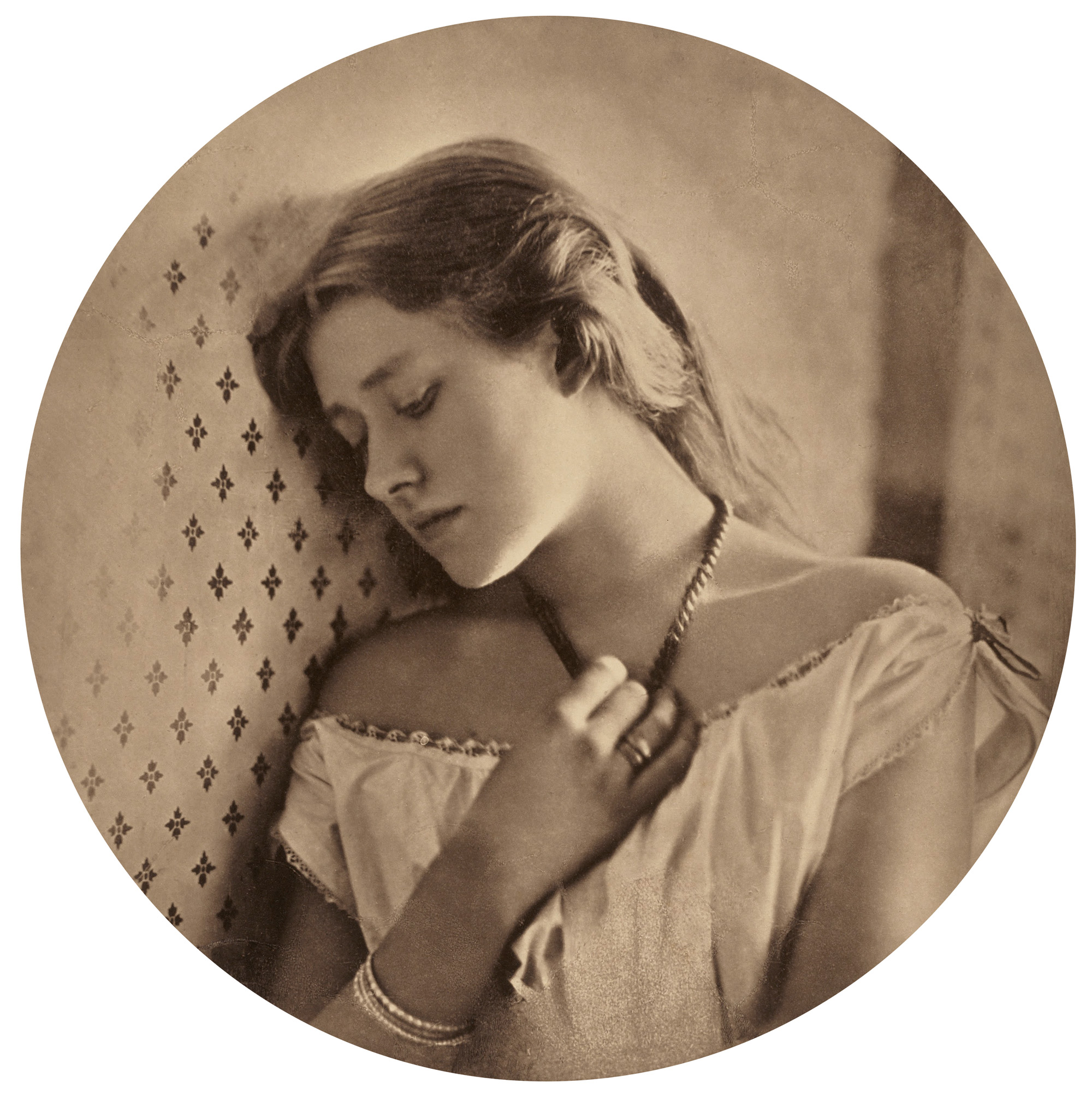
Julia Margaret Cameron (British born India, 1815-1879) Ellen Terry at Age Sixteen Negative 1864; print about 1875 Carbon print 24.1cm (9 1/2 in.) The J. Paul Getty Museum, Los Angeles
This image of Ellen Terry (1847-1928) is one of the few known photographs of a female celebrity by Julia Margaret Cameron. Terry, the popular child actress of the British stage, was sixteen years old when Cameron made this image. This photograph was most likely taken just after she married the eccentric painter, George Frederick Watts (1817-1904), who was thirty years her senior. They spent their honeymoon in the village of Freshwater on the Isle of Wight where Cameron resided.
Cameron’s portrait echoes Watt’s study of Terry titled Choosing (1864, National Portrait Gallery, London). As in the painting, Terry is shown in profile with her eyes closed, an ethereal beauty in a melancholic dream state. In this guise, Terry embodies the Pre-Raphaelite ideal of womanhood rather than appearing as the wild boisterous teenager she was known to be. The round (“tondo”) format of this photograph was popular among Pre-Raphaelite artists.
Cameron titled another print of this image Sadness (see 84.XZ.186.52), which may suggest the realisation of a mismatched marriage. Terry’s anxiety is plainly evident – she leans against an interior wall and tugs nervously at her necklace. The lighting is notably subdued, leaving her face shadowed in doubt. In The Story of My Life (1909), Terry recalls how demanding Watts was, calling upon her to sit for hours as a model and giving her strict orders not to speak in front of distinguished guests in his studio.
This particular version was printed eleven years after Cameron first made the portrait. In order to distribute this image commercially, the Autotype Company of London rephotographed the original negative after the damage had been repaired. The company then made new prints using the durable, non-fading carbon print process. Thus, this version is in reverse compared to Sadness. Terry’s enduring popularity is displayed by the numerous photographs taken of her over the years. Along with the two portraits by Cameron, the Getty owns three more of Terry by other photographers.
Charles DeForest Fredricks (American, 1823-1894) [Mlle Pepita] 1863 Albumen silver print 9 x 5.4cm (3 9/16 x 2 1/8 in.) The J. Paul Getty Museum, Los Angeles
André Adolphe-Eugène Disdéri (French, 1819-1889) [Rosa Bonheur] 1861-1864 Albumen silver print 8.4 x 5.2cm (3 5/16 x 2 1/16 in.) The J. Paul Getty Museum, Los Angeles
Rosa Bonheur, born Marie-Rosalie Bonheur (16 March 1822 – 25 May 1899), was a French artist, mostly a painter of animals (animalière) but also a sculptor, in a realist style. Her best-known paintings are Ploughing in the Nivernais, first exhibited at the Paris Salon of 1848, and now at the Musée d’Orsay in Paris, and The Horse Fair (in French: Le marché aux chevaux), which was exhibited at the Salon of 1853 (finished in 1855) and is now in the Metropolitan Museum of Art, in New York City. Bonheur was widely considered to be the most famous female painter of the nineteenth century.
Mathew B. Brady (American, about 1823-1896) Walt Whitman About 1870 Albumen silver print 14.6 x 10.3cm The J. Paul Getty Museum, Los Angeles
Mathew B. Brady (American, about 1823-1896) Robert E. Lee 1865 Albumen silver print The J. Paul Getty Museum, Los Angeles
John Robert Parsons (British, about 1826-1909) [Portrait of Jane Morris (Mrs. William Morris)] Negative July 1865; print after 1900 Gelatin silver print 22.9 × 19.2cm (9 × 7 9/16 in.) The J. Paul Getty Museum, Los Angeles
Nadar (Gaspard Félix Tournachon) (French, 1820-1910) George Sand (Amandine-Aurore-Lucile Dupin) About 1865 Albumen silver print The J. Paul Getty Museum, Los Angeles
Amandine-Aurore-Lucile Dudevant, née Dupin, took the pseudonym George Sand in 1832. She was a successful Romantic novelist and a close friend of Nadar, and during the 1860s he photographed her frequently. Her writing was celebrated for its frequent depiction of working-class or peasant heroes. She was also a woman as renowned for her romantic liaisons as her writing; here she allowed Nadar to photograph her, devoid of coquettish charms but nevertheless a commanding presence.
This portrait is a riot of textural surfaces. The sumptuous satin of Sand’s gown and silken texture of her hair have a rich tactile presence. Her shimmering skirt melts into the velvet-draped support on which she leans, creating a visual triangle with the careful centre part of her wavy hair. The portrait details the exquisite laces, beads, and buttons of her gown, but her face, the apex of the triangle, is out of focus. Sand was apparently unable to remain perfectly still throughout the exposure, and the slight blurring of her facial features erases the unforgiving details that the years had drawn upon her.
Text from the J. Paul Getty website
Alexander Gardner (American born Scotland, 1821-1882) President Lincoln, United States Headquarters, Army of the Potomac, near Antietam, October 4, 1862 1862 Albumen silver print 21.9 x 19.7cm (8 5/8 x 7 3/4 in.) The J. Paul Getty Museum, Los Angeles
Twenty-six thousand soldiers were killed or wounded in the Battle of Antietam on September 17, 1862, after which Confederate General Robert E. Lee was forced to retreat to Virginia. Just two weeks after the victory, President and Commander-in-Chief Abraham Lincoln conferred with General McClernand and Allan Pinkerton, Chief of the nascent Secret Service, who had organised espionage missions behind Confederate lines.
Lincoln stands tall, front and centre in his stovepipe hat, his erect and commanding posture emphasised by the tent pole that seems to be an extension of his spine. The other men stand slightly apart in deference to their leader, in postures of allegiance with their hands covering their hearts. The reclining figure of the man at left and the shirt hanging from the tree are a reminder that, although this is a formally posed picture, Lincoln’s presence did not halt the camp’s activity, and no attempts were made to isolate him from the ordinary circumstances surrounding the continuing military conflict.
Text from the J. Paul Getty website
Alexander Gardner (American born Scotland, 1821-1882) President Lincoln, United States Headquarters, Army of the Potomac, near Antietam, October 4, 1862 (detail) 1862 Albumen silver print 21.9 x 19.7cm (8 5/8 x 7 3/4 in.) The J. Paul Getty Museum, Los Angeles
Pierre Louis Pierson (French, 1822-1913) Napoleon III and the Prince Imperial about 1859 Albumen silver print from a wet collodion glass negative 21 x 16cm (8 1/4 x 6 5/16 in.) The J. Paul Getty Museum, Los Angeles
The Prince Imperial, son of Napoleon III, sits strapped securely into a seat on his horse’s back, a model subject for the camera. An attendant at the left steadies the horse so that the little prince remains picture-perfect in the centre of the backdrop erected for the photograph. The horse stands upon a rug that serves as a formalising element, making the scene appear more regal. The Emperor Napoleon III himself stands off to the right in perfect profile, supervising the scene with his dog and forming a framing mirror-image of the horse and attendant on the other side.
Pierre-Louis Pierson placed his camera far enough back from the Prince to capture the entire scene and all the players, but this was not the version sold as a popular carte-de-visite. The carte-de-visite image was cropped so that only the Prince upon his horse was visible.
Text from the J. Paul Getty website
Nadar (Gaspard Félix Tournachon) (French, 1820-1910) Alexander Dumas [père] (1802-1870) / Alexandre Dumas 1855 Salted paper print Image (rounded corners): 23.5 x 18.7cm (9 1/4 x 7 3/8 in.) The J. Paul Getty Museum, Los Angeles Public domain
The writer Alexander Dumas was Nadar’s boyhood idol. Nadar’s father had published Dumas’s first novel and play, and a portrait of Dumas hung in young Nadar’s room. The son of a French revolutionary general and a black mother, Dumas arrived in Paris from the provinces in 1823, poor and barely educated. Working as a clerk, he educated himself in French history and began to write. In 1829 he met with his first success; with credits including The Three Musketeers and The Count of Monte Cristo, published in 1844 and 1845, respectively, his fame and popularity were assured.
Nadar was the first photographer to use photography to enhance the sitter’s reputation. Given Dumas’s popularity, this mounted edition print, signed and dedicated by him, was likely intended for sale.
Dumas is represented as a lively, vibrant man. The self-restraint of his crossed hands, resting on a chair that disappears into the shadows, seems like an attempt to contain an undercurrent of boundless energy that threatened to ruin the necessary stillness of the pose and appears to have found an outlet through Dumas’s hair. Around the time of this sitting, the prolific Dumas and Nadar were planning to collaborate on a theatrical spectacle, which was ultimately never staged.
Text from the J. Paul Getty website
Unknown maker (American) Portrait of Edgar Allan Poe 1849 Daguerreotype The J. Paul Getty Museum, Los Angeles Public domain
“A noticeable man clad in black, the fashion of the times, close-buttoned, erect, forward looking, something separate in his bearing … a beautifully poetic face.”
~ Basil L. Gildersleeve to Mary E. Phillips, 1915 (his childhood recollection of Poe)
Many of Edgar Allan Poe’s contemporaries described him as he appears in this portrait: a darkly handsome and intelligent man who possessed an unorthodox personality. Despite being acknowledged as one of America’s greatest writers of poetry and short stories, Poe’s life remains shrouded in mystery, with conflicting accounts about poverty, alcoholism, drug use, and the circumstances of his death in 1849. Like his life, Poe’s poems and short stories are infused with a sense of tragedy and mystery. Among his best-known works are: The Raven, Annabel Lee, and The Fall of the House of Usher.
This daguerreotype was made several months before Poe’s death at age 40. After his wife died two years earlier in 1847, Poe turned to two women for support and companionship. He met Annie Richmond at a poetry lecture that he gave when visiting Lowell, Massachusetts. Although she was married, they developed a deep, mutual affection. Richmond is thought to have arranged and paid for this portrait sitting. Poe is so forcibly portrayed that historians have described his appearance as disheveled, brooding, exhausted, haunted, and melancholic.
For reasons that are not entirely clear, relatively few daguerreotypes of notable poets, novelists, or painters have survived from the 1840s, and some of the best we have are by unknown makers. The art of the daguerreotype was one in which the sitter’s face usually took priority over the maker’s name, and many daguerreotypists failed to sign their works. This is the case with the Getty’s portrait of Poe.
Charles Richard Meade (American, 1826-1858) Portrait of Louis-Jacques-Mandé Daguerre 1848 Daguerreotype, hand-coloured The J. Paul Getty Museum, Los Angeles Public domain
By New Year’s Day of 1840 – little more than one year after William Henry Fox Talbot had first displayed his photogenic drawings in London and just four to five months after the first daguerreotypes had been exhibited in Paris at the Palais d’Orsay in conjunction with a series of public demonstrations of the process – Daguerre’s instruction manual had been translated into at least four languages and printed in at least twenty-one editions. In this way, his well-kept secret formula and list of materials quickly spread to the Americas and to provincial locations all over Europe. Photography became a gold rush-like phenomenon, with as much fiction attached to it as fact.
Nowhere was the daguerreotype more enthusiastically accepted than in the United States. Charles R. Meade was the proprietor of a prominent New York photographic portrait studio. He made a pilgrimage to France in 1848 to meet the founder of his profession and while there became one of the very few people to use the daguerreotype process to photograph the inventor himself.
A daguerreotype was (and is) created by coating a highly polished silver plated sheet of copper with light sensitive chemicals such as chloride of iodine. The plate is then exposed to light in the back of a camera obscura. When first removed from the camera, the image is not immediately visible. The plate must be exposed to mercury vapours to “bring out” the image. The image is then “fixed” (or “made permanent on the plate”) by washing it in a bath of hyposulfite of soda. Finally it is washed in distilled water. Each daguerreotype is a unique image; multiple prints cannot be made from the metal plate.
One of the most haunting photography books I have ever opened and inhaled is What Remains (2003) by Sally Mann.
People say the photographs are shocking – featuring as they do documentation of a deceased pet greyhound, photos of decaying bodies out in the open field of a forensics lab (see photograph below), “the almost invisible traces left by the death of a fugitive on Mann’s property”, the dark landscape of a civil war battlefield and close up photographs of her now grown up children – but there is a stillness and depth to these photographs that elevates them above such sentiments.
What Mann does so well is that she listens to the passing of time and then inscribes an ode to what remains. Her gift is the photography of mortality (and vice versa) with all the psychic weight that this entails. This is a revelatory book not for the faint hearted.
Dr Marcus Bunyan
Many thankx to Sam Trenerry and the Photographers’ Gallery for allowing me to publish the photographs in the posting. Please click on the photographs for a larger version of the image.
This exhibition at The Photographers’ Gallery is the American photographer Sally Mann’s first solo exhibition in the UK. Combining several series from her long photographic career, The Family and the Land: Sally Mann reflects Mann’s artistic impulse to draw on the world around her as subject matter.
The ‘family’ element of the title comprises Mann’s early series Immediate Family and the newer series Faces, both of which depict her children at various ages. The series Deep South represents the landscape, portraying images made across the south of the United States. The more recent body of work, What Remains brings together both strands of the exhibition, through its examination of how bodies, as they decompose, merge into the land itself.
Sally Mann (b. 1951, USA) first gained prominence for Immediate Family (1984-1994) a series of intimate and revealing portraits of her three young children, Emmett, Jessie and Virginia. Taken over a ten-year period, Mann depicts them playing, swimming and acting to the camera in and around their homestead in Lexington, Virginia. Born out of a collaborative process between mother and child, the work encapsulates their childhood in all its rawness and innocence.
Mann followed Immediate Family by focusing on the land itself in her series Deep South (1996-1998). Here she is drawn to locations steeped in historical significance from the American Civil War, which left both literal and metaphoric scars on the trees and the land itself. Using antique cameras and processes throughout, Mann accentuates the sense of age in the subject while embracing the imperfect effects created by her printing process.
What Remains (2000-2004) seeks to further connect human contact to the land and how the body eventually returns to and becomes a part of the land itself. This concept led Mann to photograph decomposing cadavers at the University of Tennessee Anthropological Research Facility, Knoxville, where human decomposition is studied in a variety of, mainly outdoor, settings. What Remains deals directly with the subject of death, still a social taboo. As with her other work, Mann’s subjects are sensitively handled and beautifully realised, encouraging us to reflect upon our own mortality and place within nature’s order.
In the most recent series Faces (2004), Mann turns the camera once more on her children. Closing in on their faces and using several minutes of exposure time, these works act as a commemoration of the living. Again Mann takes the accidental drips and marks created by the wet collodion process and makes them a key feature of her work.
The Family and the Land: Sally Mann at The Photographers’ Gallery is an edited version of a touring exhibition, conceived by Sally Mann in collaboration with Hasse Persson, Director, Borås Museum of Modern Art, Sweden. It has been presented at Fotomuseum Den Hague and the Musée de l’Elysée, Lausanne as well as in Stockholm, Oslo, Helsinki, Helsingborg, and Copenhagen.
Press release from The Photographers’ Gallery website [Online] Cited 07/09/2010 no longer available online
Curators: Peter W. Kunhardt, Jr., Director of the Meserve-Kunhardt Foundation, and Robin Garr, Director of Education, Bruce Museum
Many thankx to Mike Horyczun, Director of Public Relations and the Bruce Museum for allowing me to publish the images in the posting. Please click on the photographs for even larger version of the image.
Marcus
Alexander Hesler (American, 1823-1895) Abraham Lincoln June 3, 1860 Springfield, Illinois
Alexander Hesler or Hessler (1823-1895) was an American photographer active in the U.S. state of Illinois. He is best known for photographing, in 1858 and 1860, definitive iconic images of the beardless Abraham Lincoln. …
Hesler’s known portraits include photographs of the two chief Illinois political figures of his day, Lincoln and federal senator Stephen A. Douglas. In the 1860 presidential election, Lincoln’s friends took steps to have Hesler’s images copied and recirculated, cementing their stature as works of Lincoln image-making.
Hesler was an award-winning photographer whose goal was to create photographs of lasting artistic value. He was recognised for the quality of both his portrait work and his outdoor photography. Upon Hesler’s retirement in 1865, he transferred his Chicago studio and negatives to a fellow photographer, George Bucher Ayres. Several of Hesler’s best-known images of Lincoln are platinum prints produced by Ayres from Hesler negatives.
Preston Butler Abraham Lincoln August 13, 1860 Springfield, Illinois Ambrotype Plate 5 3/4 x 4 1/2 in Library of Congress
Abraham Lincoln as candidate for United States president. Half-length portrait, seated, facing front.
Thought to be the last beardless portrait of Lincoln, this photo was “made for the portrait painter, John Henry Brown, noted for his miniatures in ivory. … ‘There are so many hard lines in his face,’ wrote Brown in his diary, ‘that it becomes a mask to the inner man. His true character only shines out when in an animated conversation, or when telling an amusing tale. … He is said to be a homely man; I do not think so.'” (Source: Ostendorf, p. 62)
Published in: Lincoln’s photographs: a complete album / by Lloyd Ostendorf. Dayton, OH: Rockywood Press, 1998, pp. 62-63.
Between 1856, the year of Preston Butler’s arrival in Springfield, and Feb. 11, 1861, when President-elect Abraham Lincoln departed from Springfield, Butler took at least 8 photographs of Lincoln and at least 1 photograph of Mary, Willie and Tad Lincoln. Also, in 1857 or 1858, Butler photographed each of the 4 sides of Springfield’s public square. These photographs are the primary source of information about the appearance of the public square in Lincoln’s Springfield.
Abraham B. Byers (American, 1836-1920) Abraham Lincoln May 7, 1858 Beardstown, Illinois Ambrotype
The Bruce Museum in Greenwich, Connecticut, presents its newest exhibition Lincoln, Life-Size, from February 13, 2010, through June 6, 2010. The exhibition features photographs of Abraham Lincoln reproduced full size, hanging alongside original 19th-century images and artefacts that tell the story of Lincoln’s tumultuous presidency. The exhibition is drawn from the Meserve-Kunhardt Collection which it has on loan from the Meserve-Kunhardt Foundation. Lincoln, Life-Size is supported by Fieldpoint Private Bank & Trust, New England Land Company, Ltd., a Committee of Honor co-chaired by Tom Clephane and Nat Day, and the Charles M. and Deborah G. Royce Exhibition Fund.
Lincoln, Life-Size is organised by guest curator Peter W. Kunhardt, Jr., Director of the Meserve-Kunhardt Foundation, and Robin Garr, Director of Education, Bruce Museum. Peter W. Kunhardt, Jr., is the great-great-grandson of Frederick Hill Meserve one of this country’s premiere Lincoln collectors. Frederick Hill Meserve’s passion for Lincoln was ignited in the 1880s when his father, William Neal Meserve, who had served in the Civil War, asked him to hunt for photographs to illustrate his handwritten war diary. Five generations of the family have preserved this massive historical record over the past century.
The exhibition chronicles the toll of war etched into the face of our 16th president. Life-size enlargements of Lincoln’s portraits circle the entire central gallery. Visitors will experience what it was like to stand before him and look into his eyes. Beneath this facial timeline of his presidency is a selection of photographs of people who touched his life and events that nearly wore him out.
The show explores the time from Abraham Lincoln’s arrival in Washington in 1857 through his assassination in 1865. Photographs chronicle events as the war unfolds, his son dies, and he struggles with generals and mounting death tolls. In the photographs, Lincoln is revealed in a variety of poses, each bearing a significance that attests to the historic nature of his life, be it as he is grappling with emancipation or drafting words that would become sacred; serving as husband and father or being pulled in all directions by his constituents; and ultimately as he holds the country together throughout the turbulent times of the Civil War.
Highlights of the exhibition include Leonard Volk’s bronze life mask of Lincoln’s head and hands, glass negatives by Mathew Brady, original albumen war prints by Alexander Gardner and Timothy O’Sullivan, and carte-de-visites of Lincoln, his family, his cabinet, and his generals. Viewers can study official government war maps, view a Thomas Nast drawing depicting the slavery issue, and walk around an early “triptych” photograph that portrays Lincoln, Grant, or Sherman, depending on where the viewer stands. An oversize “imperial” print shows Lincoln just days before delivering his Gettysburg address. In another imperial print a lab technician’s thumb print obliterates Lincoln at his second inaugural, but what is visible is a spectator in the crowd who appears to be John Wilkes Booth. Another photograph of Booth has these words written on the back side: “Recognize him and kill him.”Lincoln, Life-Size also include artefact related to Lincoln and his era.
“We have presented these works so that viewers can see how the toll the war and personal tragedies aged him during his years in office,” said Peter W. Kunhardt, Jr. “In fact, he was just 56 years old when he was assassinated.” This is the first museum exhibition dedicated to the collection of the Meserve-Kunhardt Foundation, which is now housed on the campus of SUNY Purchase. The recent book, Lincoln, Life-Size, co-authored by Phillip B. Kunhardt III, Peter W. Kunhardt and Peter W. Kunhardt, Jr. is available in the Bruce Museum Store. A full array of exhibition programming related to the exhibition is scheduled.
Text from the Bruce Museum website [Online] Cited 01/06/2010. No longer available online
Mathew B. Brady (American, c. 1822-1896) Abraham Lincoln January 8, 1864 Washington, DC National Archives and Records Administration
Anthony Berger (American born Germany, 1832 – after 1897) Abraham Lincoln February 9, 1864 Washington, DC Collodion negative Quarter-plate glass transparency 10.9 x 8.7cm (case) Brady’s National Photographic Portrait Galleries Library of Congress
This is one of a series of photographs that Anthony Berger took of President Abraham Lincoln at the Brady Gallery in Washington in the winter of 1864, as the Civil War dragged on. Modern albumen print from 1864 wet-plated collodion negative. National Portrait Gallery.
“The Famous Profile” by Anthony Berger, manager of Brady’s Gallery, Washington D.C., made direct from an original collodion negative in the Meserve collection (M-82). One of seven poses taken by Berger on Tuesday February 9, 1864, it is perhaps the most familiar of Lincoln profiles, a more handsome pose than its companion view (0-89) because Lincoln’s profile is less severe and his left eyebrow is more visible.
Alexander Gardner (Scottish 1821-1882; emigrated America 1856) Abraham Lincoln November 8, 1863 Washington, DC Library of Congress
Alexander Gardner (Scottish 1821-1882; emigrated America 1856) Abraham Lincoln February 5, 1865 Washington, DC Library of Congress
Alexander Gardner was a Scottish photographer who immigrated to the United States in 1856, where he began to work full-time in that profession. He is best known for his photographs of the American Civil War, U.S. President Abraham Lincoln, and the execution of the conspirators to Lincoln’s assassination.
This is one of the last photos taken of Lincoln, who was assassinated ten weeks later, on April 14, 1865.
Alexander Gardner (Scottish 1821-1882; emigrated America 1856) Abraham Lincoln (detail) February 5, 1865 Washington, DC Library of Congress
The Bruce Museum 1 Museum Drive in Greenwich, Connecticut, USA.
Opening hours: Tuesday – Sunday 10am – 5pm Closed Mondays and major holidays

![Alexander Gardner (American born United Kingdom, 1821-1882) '[Gettysburg, Pennsylvania. Dead Confederate sharpshooter in "The devil's den."]' July 1863](https://artblart.com/wp-content/uploads/2013/04/gardner-sharpshooter-web.jpg "Alexander Gardner (American born United Kingdom, 1821-1882) '[Gettysburg, Pennsylvania. Dead Confederate sharpshooter in \"The devil's den.\"]' July 1863")
![Alexander Gardner (American born United Kingdom, 1821-1882) '[Antietam, Md. President Lincoln with Gen. George B. McClellan and group of officers]' 3rd October 1862](https://artblart.com/wp-content/uploads/2013/04/abraham-lincoln-and-generals-web.jpg "Alexander Gardner (American born United Kingdom, 1821-1882) '[Antietam, Md. President Lincoln with Gen. George B. McClellan and group of officers]' 3rd October 1862")
![Alexander Gardner (American born United Kingdom, 1821-1882) '[Antietam, Md. President Lincoln with Gen. George B. McClellan and group of officers]' (detail) 3rd October 1862](https://artblart.com/wp-content/uploads/2013/04/abraham-lincoln-and-generals-detail.jpg "Alexander Gardner (American born United Kingdom, 1821-1882) '[Antietam, Md. President Lincoln with Gen. George B. McClellan and group of officers]' (detail) 3rd October 1862")
![Timothy H. O'Sullivan (American born Ireland, 1840-1882) '[Fort Pulaski, Ga. The "Beauregard" gun]' April 1862](https://artblart.com/wp-content/uploads/2013/04/big-gun-web.jpg "Timothy H. O'Sullivan (American born Ireland, 1840-1882) '[Fort Pulaski, Ga. The \"Beauregard\" gun]' April 1862")
![Alexander Gardner (American born United Kingdom, 1821-1882) '[Richmond, Va. Grave of Gen. J. E. B. Stuart in Hollywood Cemetery, with temporary marker]' Richmond, April-June 1865](https://artblart.com/wp-content/uploads/2013/04/general-stuart-web.jpg "Alexander Gardner (American born United Kingdom, 1821-1882) '[Richmond, Va. Grave of Gen. J. E. B. Stuart in Hollywood Cemetery, with temporary marker]' Richmond, April-June 1865")
![James F. Gibson (American, 1828-1905) '[James River, Va. Deck and turret of U.S.S. Monitor seen from the bow (ie. stern)]' 9th July, 1862](https://artblart.com/wp-content/uploads/2013/04/james-river-va-deck-and-turret-of-uss-monitor-seen-from-the-bow-web.jpg "James F. Gibson (American, 1828-1905) '[James River, Va. Deck and turret of U.S.S. Monitor seen from the bow (ie. stern)]' 9th July, 1862")
![Alexander Gardner (American born United Kingdom, 1821-1882) '[Washington Navy Yard, D.C. Lewis Payne, the conspirator who attacked Secretary Seward, standing in overcoat and hat]' April 1865](https://artblart.com/wp-content/uploads/2013/04/payne-a-web1.jpg "Alexander Gardner (American born United Kingdom, 1821-1882) '[Washington Navy Yard, D.C. Lewis Payne, the conspirator who attacked Secretary Seward, standing in overcoat and hat]' April 1865")













![Alfred Stieglitz (American, 1864-1946) '[Self-Portrait]' Negative 1907; print 1930](https://artblart.com/wp-content/uploads/2012/08/stieglitz-self-portrait-1907.jpg "Alfred Stieglitz (American, 1864-1946) '[Self-Portrait]' Negative 1907; print 1930")
![Sarah Choate Sears (American, 1858-1935) '[Julia Ward Howe]' about 1890](https://artblart.com/wp-content/uploads/2012/08/sears-julia-ward-howe.jpg "Sarah Choate Sears (American, 1858-1935) '[Julia Ward Howe]' about 1890")

![Nadar [Gaspard Félix Tournachon] (French, 1820-1910) '[Sarah Bernhardt as the Empress Theodora in Sardou's "Theodora"]' Negative 1884; print and mount about 1889](https://artblart.com/wp-content/uploads/2012/08/nadar-sarah-bernhardt.jpg "Nadar [Gaspard Félix Tournachon] (French, 1820-1910) '[Sarah Bernhardt as the Empress Theodora in Sardou's \"Theodora\"]' Negative 1884; print and mount about 1889")

![Charles DeForest Fredricks (American, 1823-1894) '[Mlle Pepita]' 1863](https://artblart.com/wp-content/uploads/2012/08/fredricks-mlle-pepita.jpg "Charles DeForest Fredricks (American, 1823-1894) '[Mlle Pepita]' 1863")
![André Adolphe-Eugène Disdéri (French, 1819-1889) '[Rosa Bonheur]' 1861-1864](https://artblart.com/wp-content/uploads/2012/08/disdecc81ri-rosa-bonheur.jpg "André Adolphe-Eugène Disdéri (French, 1819-1889) '[Rosa Bonheur]' 1861-1864")


![John Robert Parsons (British, about 1826-1909) '[Portrait of Jane Morris (Mrs. William Morris)]' Negative July 1865; print after 1900](https://artblart.com/wp-content/uploads/2012/08/parsons-portrait-of-jane-morris.jpg "John Robert Parsons (British, about 1826-1909) '[Portrait of Jane Morris (Mrs. William Morris)]' Negative July 1865; print after 1900")
![Nadar [Gaspard Félix Tournachon] (French, 1820-1910) 'George Sand (Amandine-Aurore-Lucile Dupin), Writer' c. 1865](https://artblart.com/wp-content/uploads/2016/10/realideal5-web.jpg "Nadar [Gaspard Félix Tournachon] (French, 1820-1910) 'George Sand (Amandine-Aurore-Lucile Dupin), Writer' c. 1865")


![Nadar [Gaspard Félix Tournachon] (French, 1820-1910) 'Alexander Dumas [père] (1802-1870) / Alexandre Dumas' 1855](https://artblart.com/wp-content/uploads/2012/08/nadar_alexander_dumas.jpg "Nadar [Gaspard Félix Tournachon] (French, 1820-1910) 'Alexander Dumas [père] (1802-1870) / Alexandre Dumas' 1855")


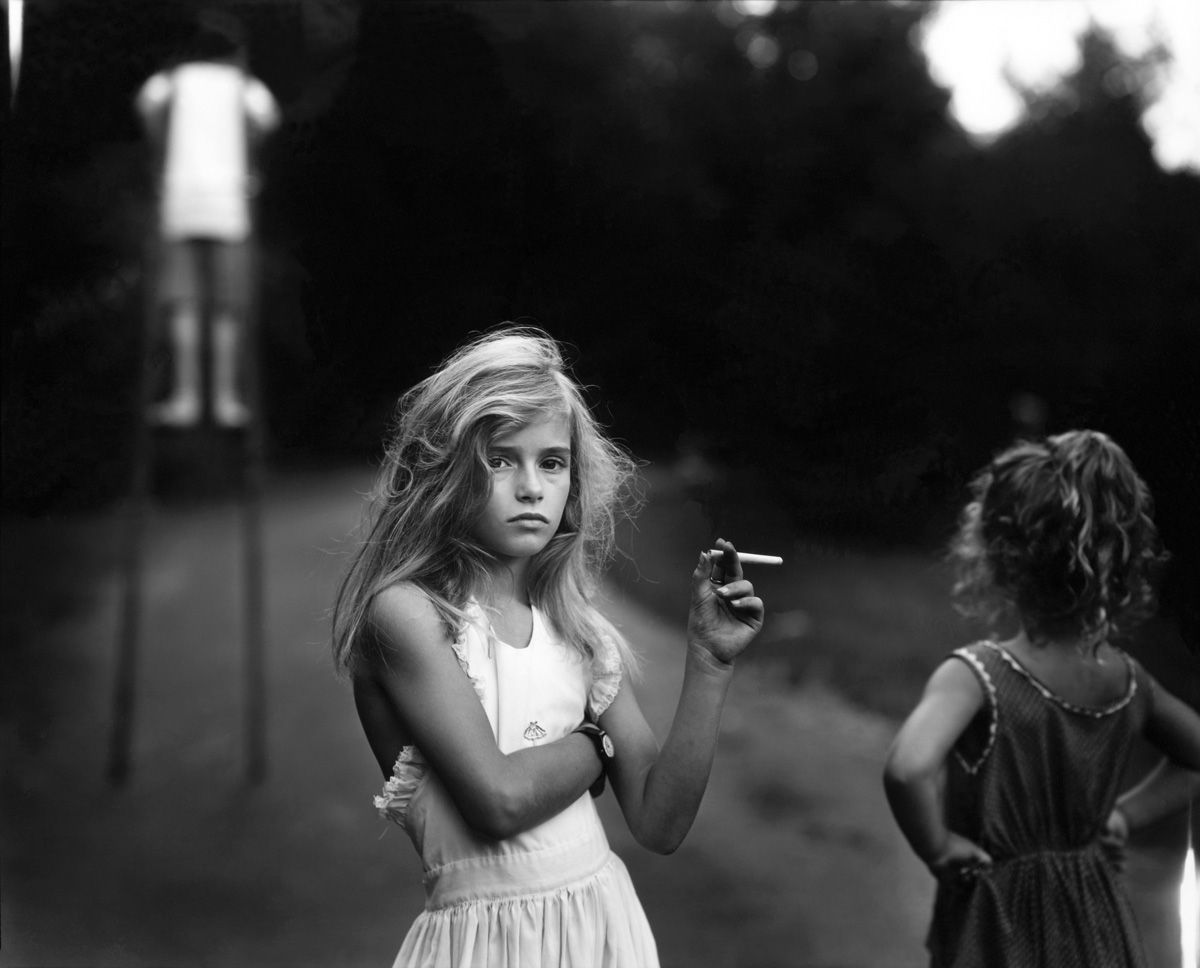
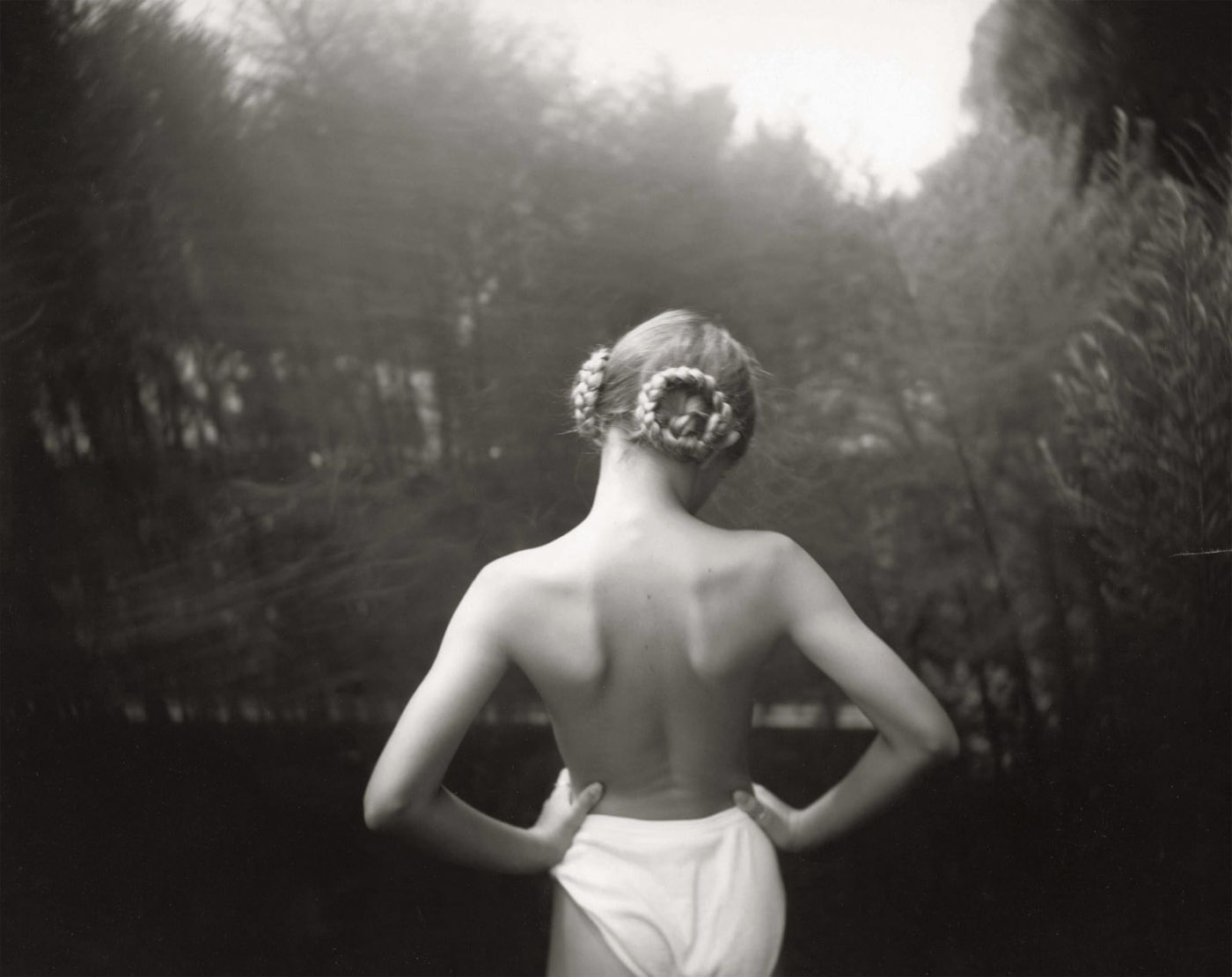
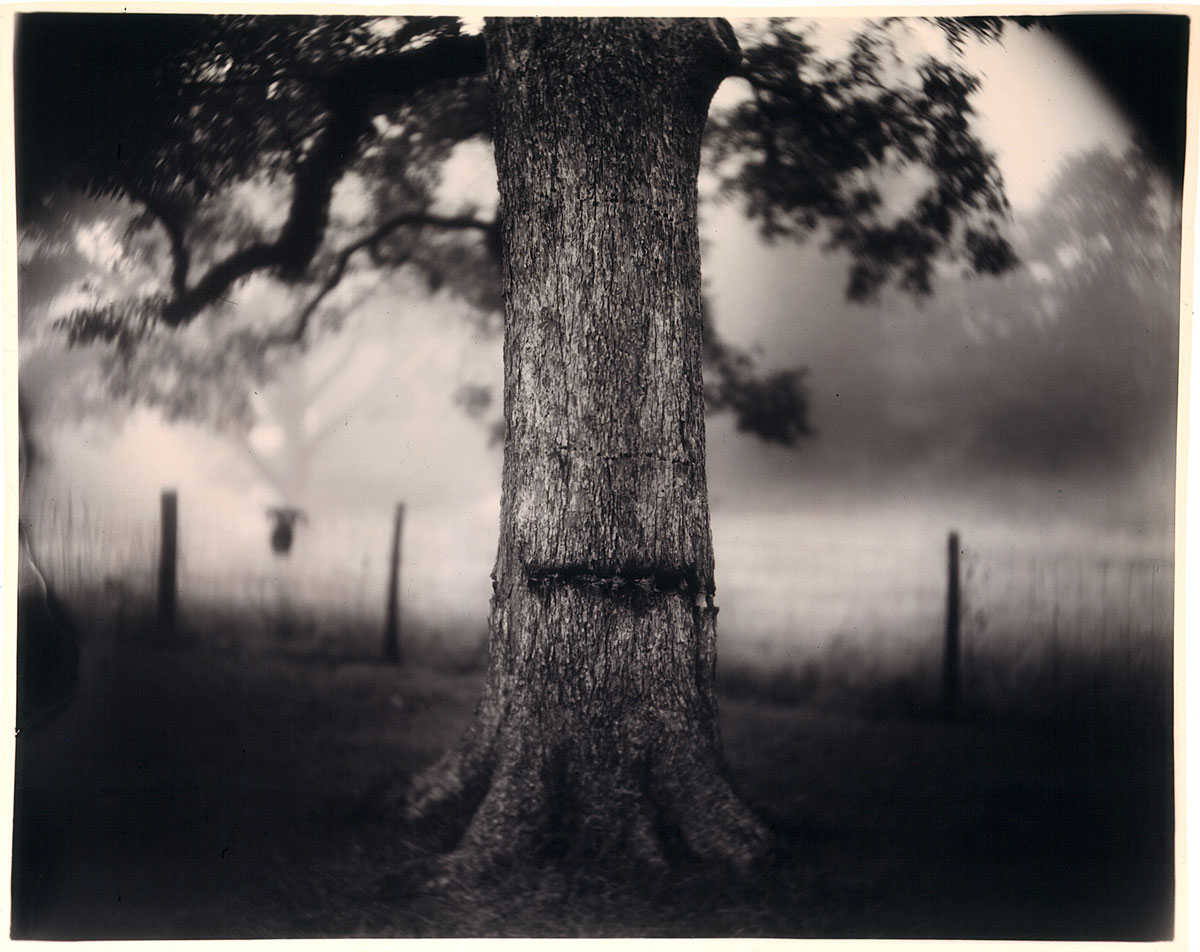
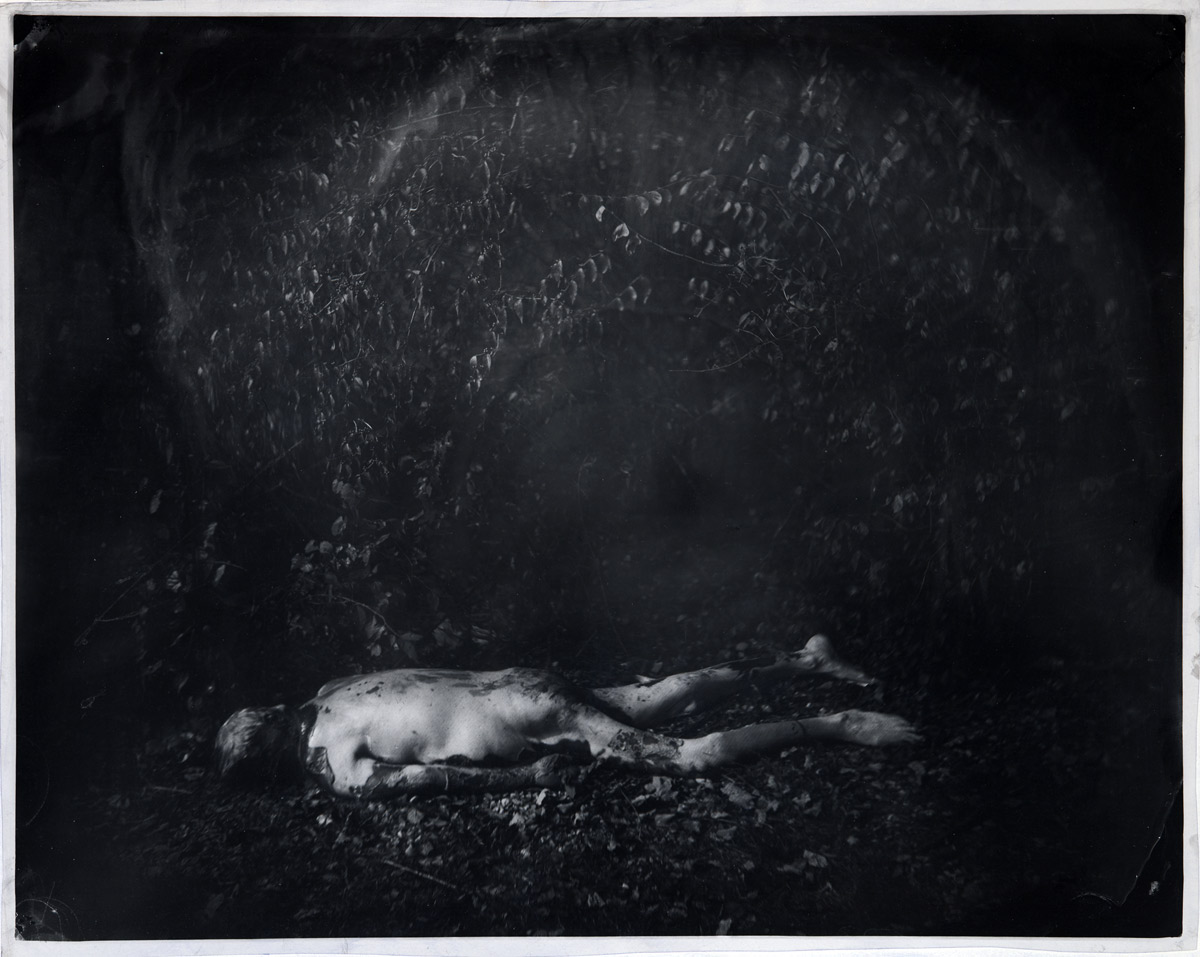
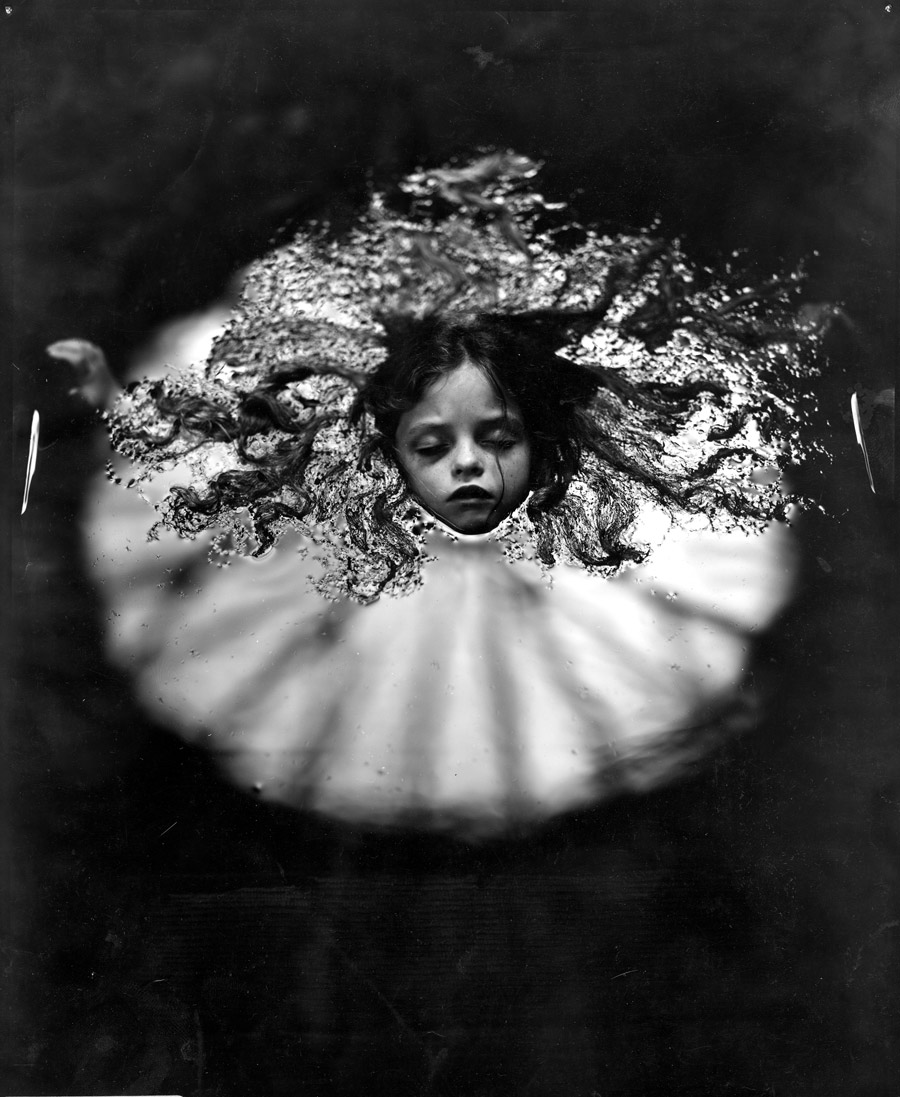
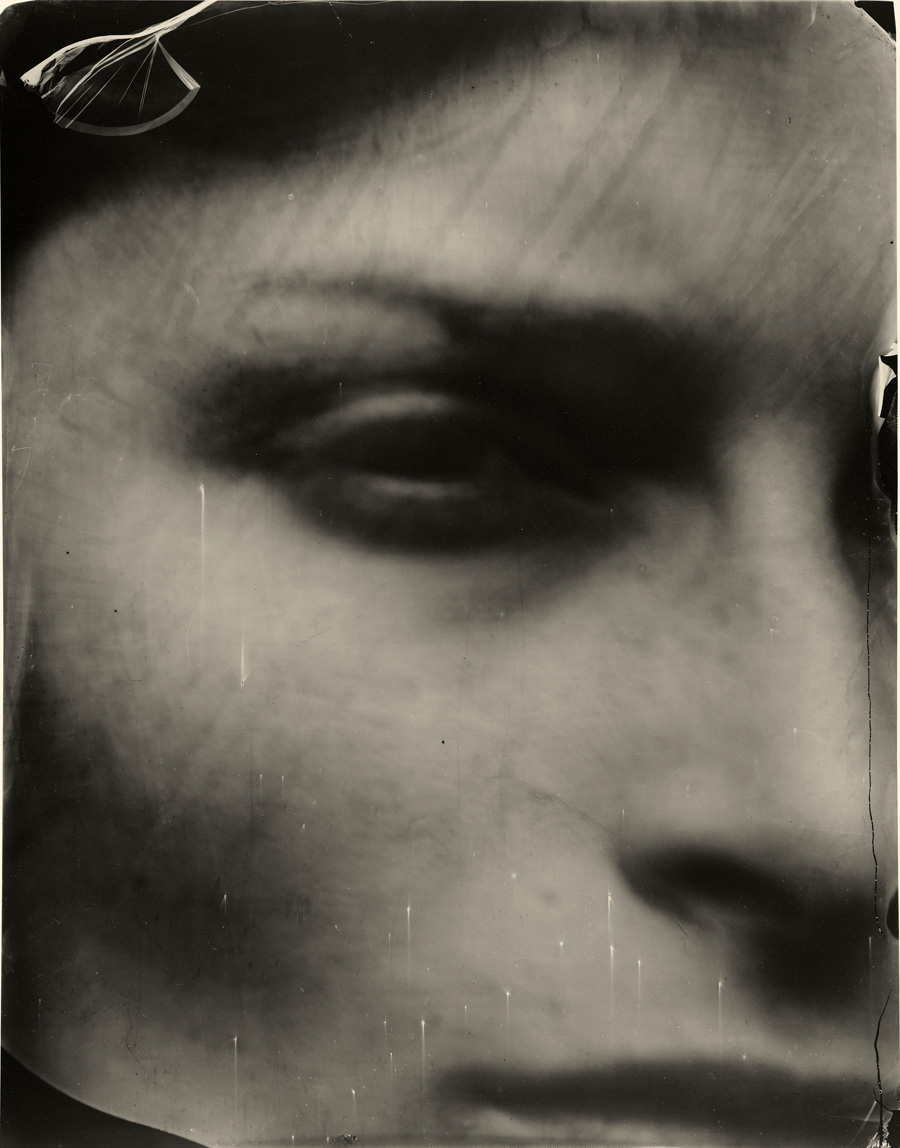
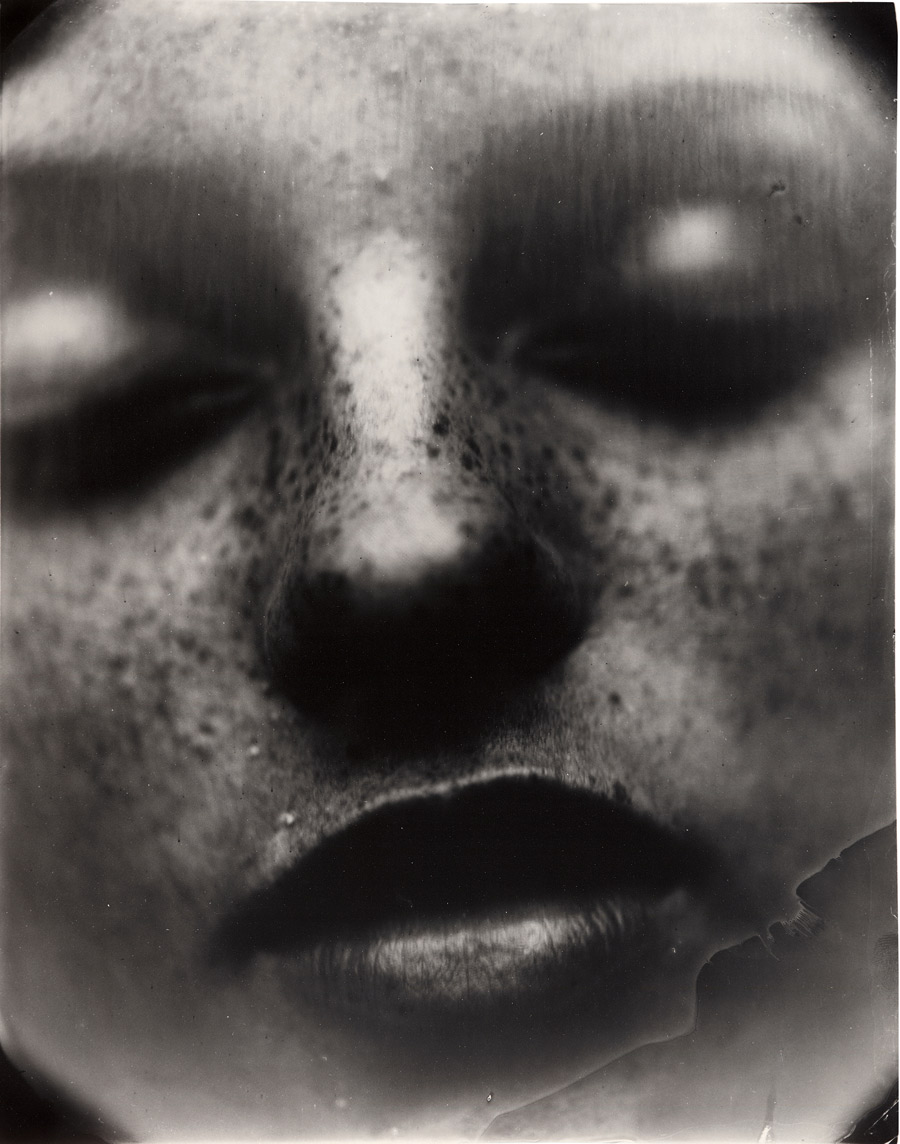
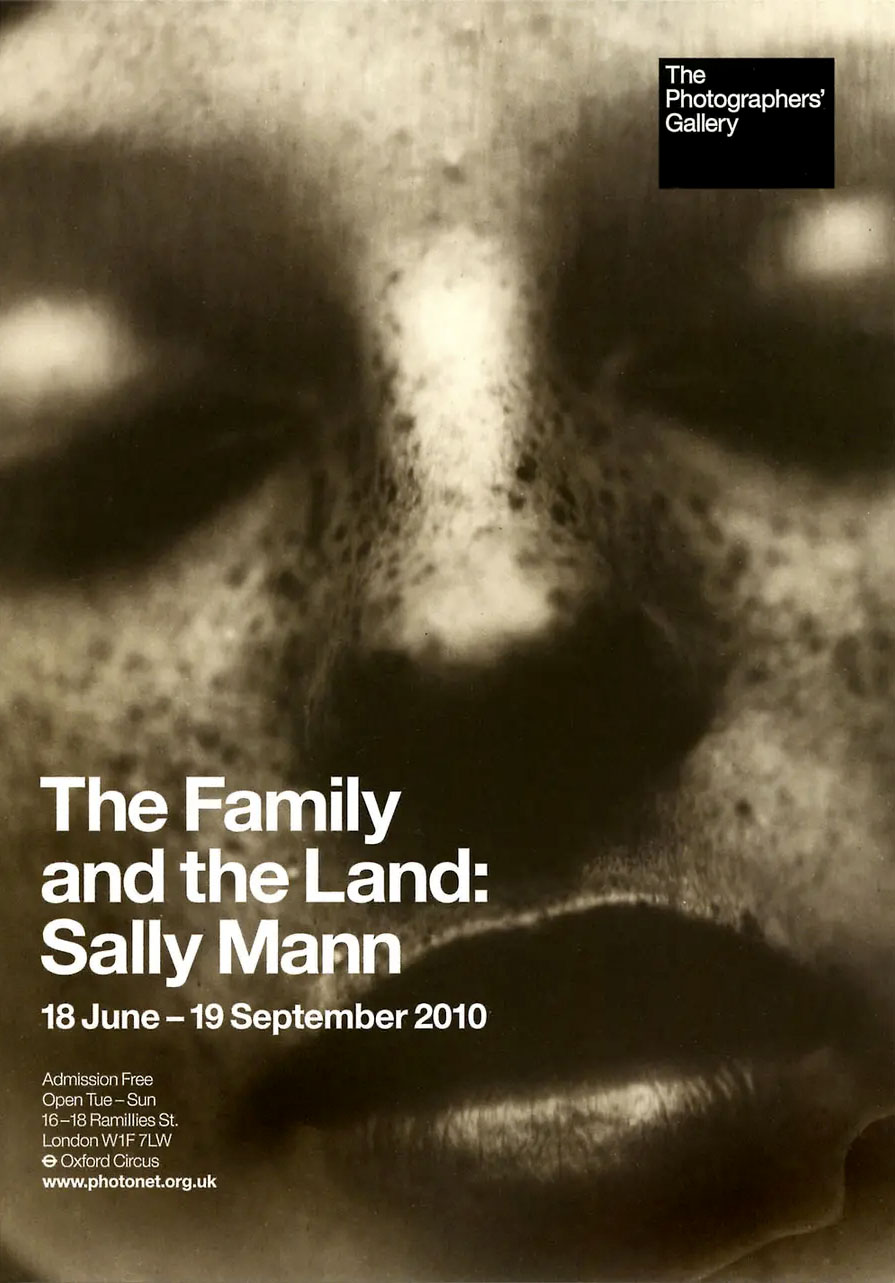
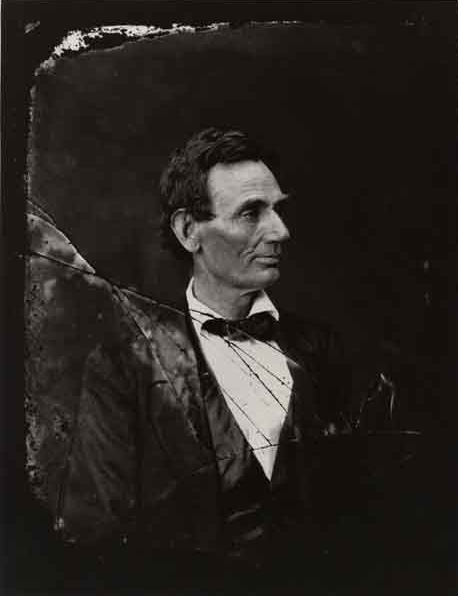
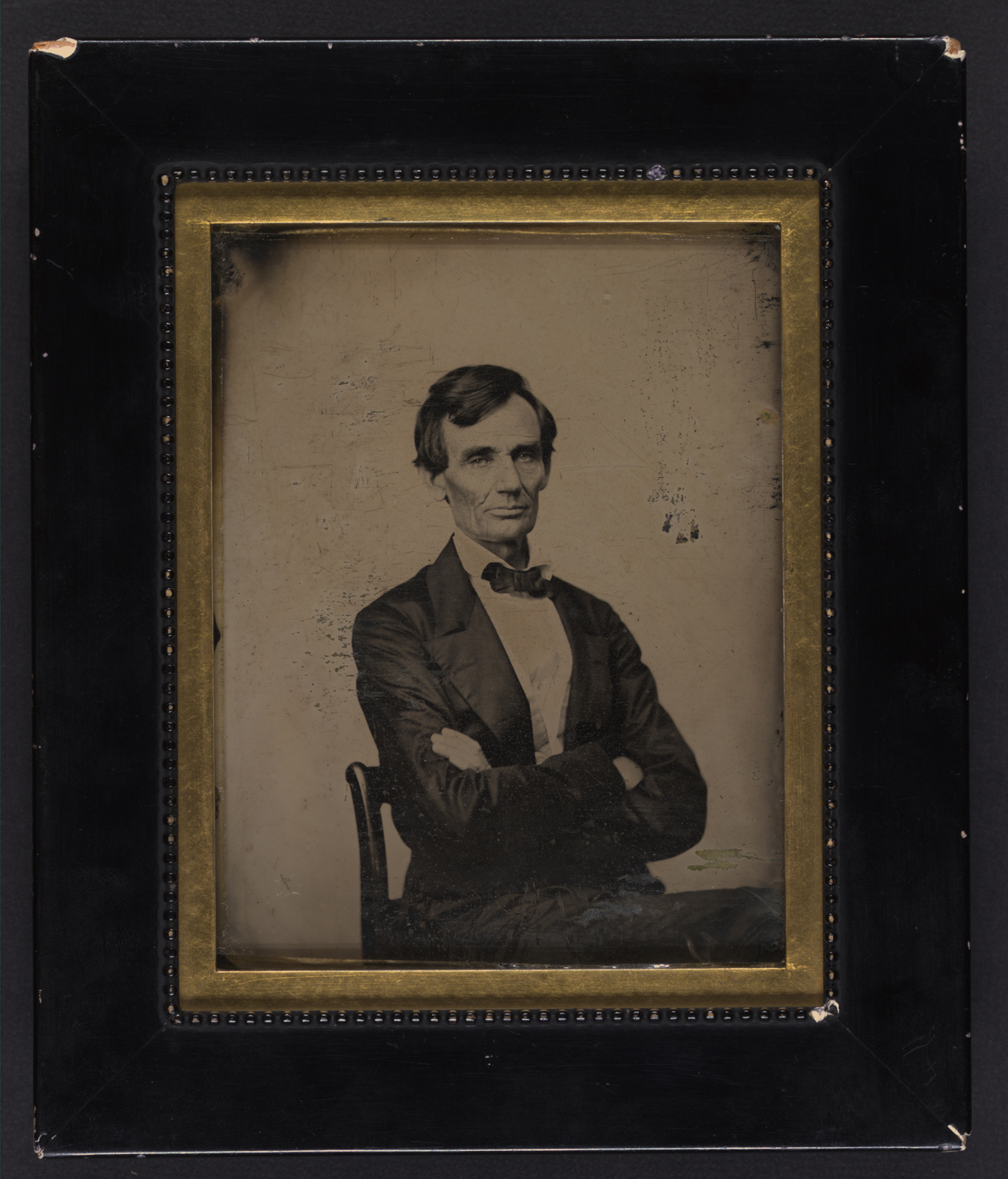

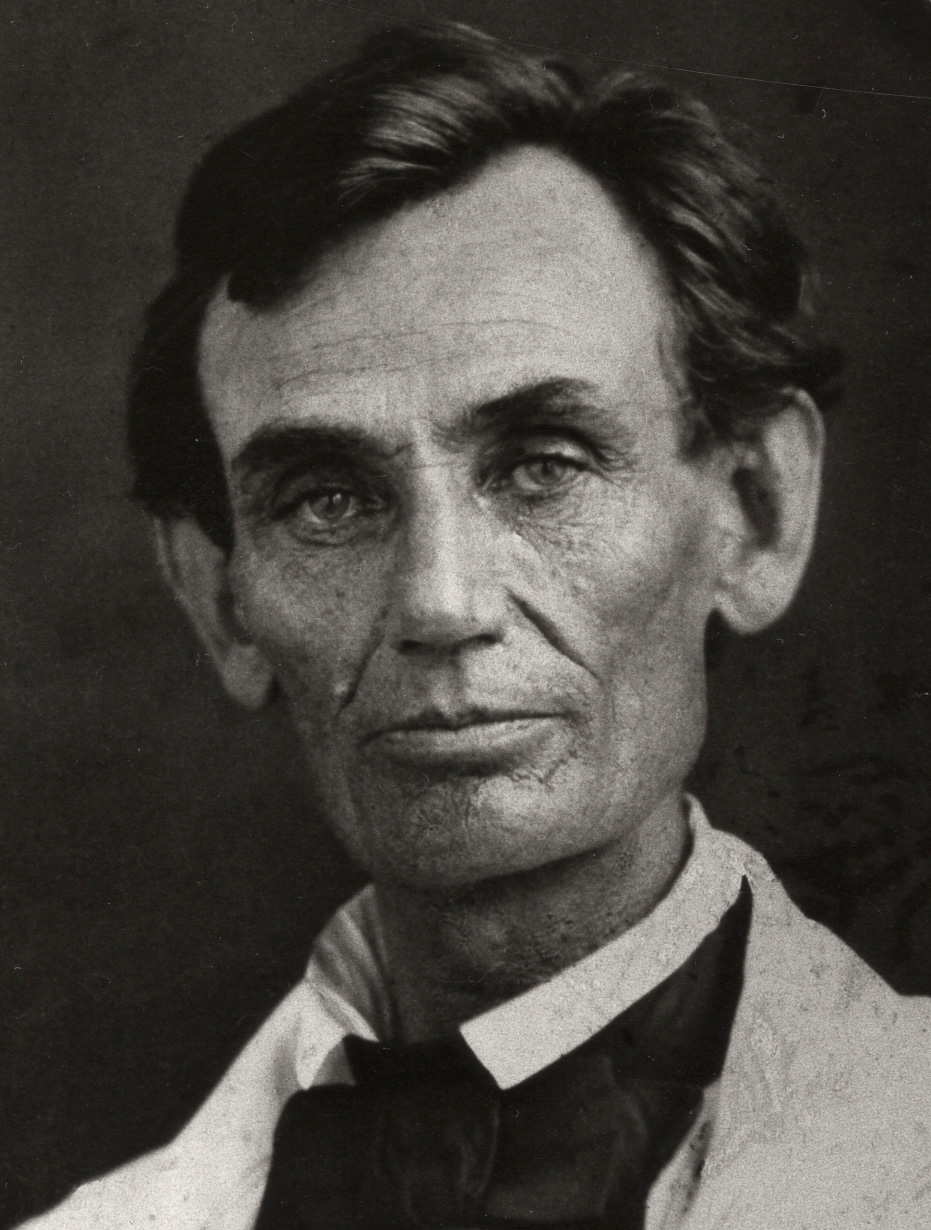


 Art Blart _ art and cultural memory archive
You must be logged in to post a comment.