Curator: Marja van der Loo, curatorial assistant at SJMA
Milton Rogovin (American, 1909-2011) Untitled from the series Lower West Side, Buffalo 1973 Gelatin silver print 8 x 10 inches Gift of Mr and Mrs Jon Vein
I will be limiting my postings to one every 5 days because I am resting my injured hands.
From the lineage of Jacob Riis and Lewis Hine, Walker Evans and Margaret Bourke-White merges the work of Milton Rogovin, an artist who I had never heard of before. It is a blessing in my life that I do now. His gift to us, his job of seeing, was to document the lives of blue collar workers, working class neighbourhoods and multi-ethnic communities.
“Rogovin shed light on important social issues of the time: the plight of miners; the decline of the once-robust steel industry in upstate New York; the everyday struggles of the poor and working class in Buffalo, New York, where he lived. He spent more than three decades creating naturalistic portraits of the working class in the Lower West Side of Buffalo, photographing people in their homes, at work, and on the street.” He produced, “compelling narratives of the people he photographed. He believed deeply in photography’s ability to be an agent of social change.” Yes!
He was a social-documentary photographer and proud of it.
His powerful, classical portraits, often grouped in diptychs and triptychs, expound narrative in a single image and over time. They compress time intimately… and by that I mean the viewer is engaged in a conversation with the subject, where we can imagine that we live those lives AS THEY DO (transcending time), the lives of what Rogovin called “the forgotten ones.” He makes their countenance, their physicality, the hardships they endure, and their narrative, directly and intimately compelling. We are made to feel their plight (unlike so much contemporary photography) in the now and the forever. For these photographs are as relevant, if not more so, now as then.
The world needs artists like Rogovin, gifted and attentive image makers who possess a social conscience. Image makers who live, and picture, their egalitarian ideals. Respect.
Dr Marcus Bunyan
Definition of egalitarianism 1: a belief in human equality especially with respect to social, political, and economic affairs. 2: a social philosophy advocating the removal of inequalities among people.
Many thankx to the San Jose Museum of Art for allowing me to publish the photographs in the posting. Please click on the photographs for a larger version of the image.
“The rich ones have their own photographers.”
Milton Rogovin
Milton Rogovin (American, 1909-2011) Untitled from the series Lower West Side, Buffalo, Felix & Wife 1974 Gelatin silver print 8 x 10 inches Gift of Mr and Mrs Jon Vein
Milton Rogovin (American, 1909-2011) Untitled from the series Lower West Side, Buffalo, Felix & Wife 1985 Gelatin silver print 8 x 10 inches Gift of Mr and Mrs Jon Vein
Milton Rogovin (American, 1909-2011) Untitled from the series Lower West Side, Buffalo, Felix & Wife 1992 Gelatin silver print 8 x 10 inches Gift of Mr and Mrs Jon Vein
In the early 1970s, Milton Rogovin set out to document the neighbourhood near his house. He made a series of portraits of working-class people in Buffalo’s Lower West Side. Then he returned to photograph the same people in the early 1980s and again in the 1990s. The result is this remarkable and moving portrait of time and place in America. Here are fifty of an acclaimed photographer’s engaging Triptychs – a visual chronicle of change, ageing, endurance, and finally survival. As Robert Coles writes in his foreword, “These photographs constitute a major contribution to the American documentary tradition. They represent the insistence of one careful, gifted, attentive photographer upon seeing through, as it were, his self-assigned job of seeing.” Here we see working people who, like most Americans, find partners, have children and grandchildren, sometimes separate, and sometimes die early. Some age considerably in the ten years between photographs, others almost not at all. Some lose children, change partners and houses, and some visibly change lifestyles. What remains constant is the passing of time and its effects upon his subjects, so evident in Rogovin’s work. These are among the themes observed and discussed in Stephen Jay Gould’s illuminating introduction.
Milton Rogovin (American, 1909-2011) Untitled from the series Lower West Side, Buffalo 1972 Gelatin silver print on paper 10 x 8 inches Gift of Mr and Mrs William Braunstein
Milton Rogovin (American, 1909-2011) Untitled from the series Lower West Side, Buffalo 1973 Gelatin silver print on paper 10 x 8 inches Gift of Mr and Mrs William Braunstein
Milton Rogovin (American, 1909-2011) Untitled from the series Lower West Side, Buffalo 1992 Gelatin silver print on paper 10 x 8 inches Gift of Mr and Mrs William Braunstein
Milton Rogovin (1909-2011) was proud to call himself a “social-documentary photographer.” For more than four decades, he photographed those whom he referred to as “the forgotten ones.” He was working as an optometrist in Manhattan in the early 1930s when he became increasingly involved in leftist causes. Distressed by the rampant social upheaval and widespread poverty caused by the Great Depression, Rogovin attended night classes sponsored by the New York Workers School and became an advocate for social equity. He read the Communist Party newspaper The Daily Worker and was introduced to the social-documentary photographs of Jacob Riis and Lewis Hine. In 1957, he was called before the House Un-American Activities Committee, whose hearings had led to the blacklisting and public persecution of many artists. A year later, he devoted himself full-time to photography: his art became the vehicle for his egalitarian ideals.
Drawn entirely from the permanent collection of the San Jose Museum of Art, this exhibition presents thirty-eight photographs from three series: “Lower West Side, Buffalo” (1972-1984), “Working People” (1976-1987), and “Family of Miners” (1988-1989). Rogovin shed light on important social issues of the time: the plight of miners; the decline of the once-robust steel industry in upstate New York; the everyday struggles of the poor and working class in Buffalo, New York, where he lived. He spent more than three decades creating naturalistic portraits of the working class in the Lower West Side of Buffalo, photographing people in their homes, at work, and on the street. He later photographed in places such as Appalachian towns in Alabama, Kentucky, and West Virginia; Isla Negra, Chile; and later in China, Cuba, Czechoslovakia, France, Germany, Greece, Mexico, Scotland, Spain, and Zimbabwe. He photographed miners in many of these places and created the series “Family of Miners.”
Life and Labor marks the public debut of these photographs, which were gifted to the Museum’s collection in 2011. Rogovin often grouped his pictures into diptychs and triptychs to produce compelling narratives of the people he photographed. He believed deeply in photography’s ability to be an agent of social change. In addition to their aesthetic value, Rogovin’s photographs serve as important records of the changing working class neighbourhoods and multi-ethnic communities he documented over the course of many decades, until well into his 90s. Rogovin’s powerful and provocative portraits raise questions that remain equally prescient today, amid current concerns over employment and income gaps.
“Rogovin believed deeply in photography’s ability to be an agent of social change,” said Marja van der Loo, curatorial assistant at SJMA and curator of the exhibition. “In addition to their aesthetic value, his photographs represent his egalitarian ideals and serve as important records of the changing neighbourhoods and communities he documented over the course of many decades.”
Press release from the San Jose Museum of Art
Milton Rogovin (American, 1909-2011) Untitled from the series Working People: Ford 1977-1978 Gelatin silver print on paper 10 × 8 inches Gift of Dr Philip Greider
Milton Rogovin (American, 1909-2011) Untitled from the series Working People: Shenango 1978-1981 8 x 10 inches Gelatin silver print on paper Gift of Dr Philip Greider
Milton Rogovin (American, 1909-2011) Untitled from the series Working People: Shenango 1978-1981 8 x 10 inches Gelatin silver print on paper Gift of Mr and Mrs Jon Vein
Milton Rogovin (American, 1909-2011) Untitled from the series Working People: Shenango 1978-1981 8 x 10 inches Gelatin silver print on paper Gift of Mr and Mrs Jon Vein
Milton Rogovin (American, 1909-2011) Untitled from the series Family of Miners: Cuba 1989 Gelatin silver print 8 x 10 inches Gift of Mr and Mrs Jon Vein
Milton Rogovin (American, 1909-2011) Untitled from the series Family of Miners: Cuba 1989 Gelatin silver print 8 x 10 inches Gift of Mr and Mrs Jon Vein
Milton Rogovin (American, 1909-2011) Untitled from the series Family of Miners: Mexico 1988 Gelatin silver print on paper 10 × 8 inches Gift of Mr and Mrs William Braunstein
Milton Rogovin (American, 1909-2011) Untitled from the series Working People: Amherst Foundry 1979 Gelatin silver print 8 x 10 inches Gift of Mr and Mrs Jon Vein
Milton Rogovin (American, 1909-2011) Untitled from the series Working People: Amherst Foundry 1979 Gelatin silver print 8 x 10 inches Gift of Mr and Mrs Jon Vein
Milton Rogovin (American, 1909-2011) Untitled from the series Working People: Atlas, Jose 1976 Gelatin silver print on paper 10 × 8 inches Gift of Mr. and Mrs. Jon Vein
Milton Rogovin (American, 1909-2011) Untitled from the series Working People: Atlas, Jose 1978-1979 Gelatin silver print on paper 10 × 8 inches Gift of Mr and Mrs Jon Vein
Milton Rogovin (American, 1909-2011) Untitled from the series Working People: Atlas, Jose 1978-1979 Gelatin silver print on paper 10 × 8 inches Gift of Mr and Mrs Jon Vein
Milton Rogovin (American, 1909-2011) Untitled from the series Working People: Atlas Steel, Frank Andrzewski 1978-1979 Gelatin silver print on paper 10 x 8 inches Gift of Dr Philip Greider
Milton Rogovin (American, 1909-2011) Untitled from the series Working People: Atlas Steel, Frank Andrzewski 1978-1979 Gelatin silver print on paper 10 x 8 inches Gift of Dr Philip Greider
Milton Rogovin (American, 1909-2011) Untitled from the series Working People: Atlas Steel, Frank Andrzewski 1978-1979 Gelatin silver print on paper 10 x 8 inches Gift of Dr Philip Greider
Milton Rogovin (American, 1909-2011) Untitled from the series Working People, Chevy 1977-1978 Gelatin silver print on paper 10 x 8 inches Gift of Mr and Mrs William Braunstein
Milton Rogovin (American, 1909-2011) Untitled from the series Working People, Chevy 1977-1978 Gelatin silver print on paper 10 x 8 inches Gift of Mr and Mrs William Braunstein
San Jose Museum of Art 110 South Market Street San Jose, CA 95113
Curator: Keith F. Davis, Senior Curator, Photograph
Dave Heath (Canadian born United States, 1931-2016) Carl Dean Kipper, Korea 1953-1954 Gelatin silver print 6 3/4 x 9 3/4 inches The Nelson-Atkins Museum of Art, Kansas City, Missouri Gift of Hallmark Cards, Inc.
Triumph of the spirit
Abandoned by both parents at age 4, he grew up in foster homes and an orphanage in Philadelphia.
High contrast images – burnt in backgrounds and then bleached back faces.
Raw, loneliness, love, sadness, homesick, Christ figure (Carl Dean Kipper) bringing out emotion.
Establishment of relationships contrasted with isolation and loneliness.
Sense of inner self – faces and forms. Sensitivity. Unpretentious.
A deeply humane approach to being witness to the human condition.
The condition of becoming.
Dr Marcus Bunyan
Many thankx to the The Nelson-Atkins Museum of Art for allowing me to publish the photographs in the posting. Please click on the photographs for a larger version of the image.
Heath has always, and instinctively, understood the power of sympathetic vision. His photographs of people are infused with a special emotional directness and power. They reflect a fundamental, and almost tactile, need to connect.
Keith F. Davis, Senior Curator, Photography at The Nelson-Atkins Museum of Art
Dave Heath (Canadian born United States, 1931-2016) Central Park, New York City 1957 Gelatin silver print 6 3/8 x 9 1/2 inches The Nelson-Atkins Museum of Art, Kansas City, Missouri Gift of the Hall Family Foundation
Dave Heath (Canadian born United States, 1931-2016) Rochester, New York 1958 Gelatin silver print 6 1/2 x 9 3/4 inches The Nelson-Atkins Museum of Art, Kansas City, Missouri Gift of Hallmark Cards, Inc.
Dave Heath (Canadian born United States, 1931-2016) Washington Square, New York City 1958 Gelatin silver print 12 1/2 x 8 3/8 inches The Nelson-Atkins Museum of Art, Kansas City, Missouri Gift of Hallmark Cards, Inc.
Dave Heath (Canadian born United States, 1931-2016) Seven Arts Coffee Gallery, New York City 1958 Gelatin silver print 9 3/4 x 6 5/8 inches The Nelson-Atkins Museum of Art, Kansas City, Missouri Gift of Hallmark Cards, Inc.
Dave Heath (Canadian born United States, 1931-2016) New York City c. 1960 Gelatin silver print 9 1/4 x 7 3/8 inches The Nelson-Atkins Museum of Art, Kansas City, Missouri Gift of the Hall Family Foundation
Dave Heath (Canadian born United States, 1931-2016) New York City 1962 Gelatin silver print 11 1/16 x 8 1/2 inches The Nelson-Atkins Museum of Art, Kansas City, Missouri Gift of the Hall Family Foundation
Dave Heath (Canadian born United States, 1931-2016) Erin Freed, New York City 1963 Gelatin silver print 7 1/4 x 8 3/4 inches The Nelson-Atkins Museum of Art, Kansas City, Missouri Gift of the Hall Family Foundation
A major exhibition showcasing the work of Dave Heath, one of the most original photographers of the last half of the 20th century, opened at The Nelson-Atkins Museum of Art in Kansas City on Nov. 19. Multitude, Solitude: The Photographs of Dave Heath is curated by Keith F. Davis, Senior Curator, Photography, who wrote a widely acclaimed catalogue of the same title to accompany the exhibition. The Nelson-Atkins has the largest holding of Heath’s work in the United States, and the exhibition was entirely assembled from the museum’s collection. A smaller version of the show opened at the Philadelphia Museum of Art in September 2015 to critical praise.
“Dave Heath has had one of the most important careers in modern photography,” said Julián Zugazagoitia, Menefee D. and Mary Louise Blackwell CEO and Director of the Nelson-Atkins. “With little formal training, he applied his determination and curiosity to learning about photography and the history of art. And we see the result in this exhibition: the flowering of one of the greatest talents of his generation.”
The exhibition spans the full breadth of Heath’s creative career, from the late 1940s into the 21st-century. It begins with his earliest pictures, his first book prototypes, his first audio-visual artistic work (“Beyond the Gates of Eden,” 1969), and concludes with his colour street pictures of 2001-2007. The exhibition centres on Heath’s 1965 photo-book A Dialogue with Solitude, a sequence of 82 photographs widely considered his defining achievement.
Heath’s photographs are a powerful expression of his emotional life, his concern for interpersonal contact and communion. Abandoned by both parents at age 4, he grew up in foster homes and an orphanage in Philadelphia. This experience shaped his creative vision, an expression of a profound sense of pain, loneliness, alienation, longing, joy, and hope. Guided by an entirely personal expressive need, Heath used the camera to understand himself and the society around him.
“Heath has always, and instinctively, understood the power of sympathetic vision,” said Davis. “His photographs of people are infused with a special emotional directness and power. They reflect a fundamental, and almost tactile, need to connect.”
Heath’s interest in photography was sparked in 1947, when he saw Ralph Crane’s photo-essay “Bad Boy’s Story”, about an alienated boy in an orphanage, in Life magazine. He identified with Crane’s subject and grasped the power of the photograph to transcend simple reportage. Largely self-taught, Heath studied for a year at the Philadelphia College of Art before working for a commercial photo studio in Chicago. He came to national attention after his move to New York City in 1957. He was awarded a Guggenheim Fellowship in 1963 and his work was included in major exhibits at the Museum of Modern Art, the Art Institute of Chicago, and elsewhere. He taught from 1965 to 1996, with 36 of those years spent at Ryerson University, Toronto, Ontario.
Heath died on his 85th birthday, June 27, 2016, knowing that his work had reached wider audiences and recognised for his individual and powerful voice.
Press release from The Nelson-Atkins Museum of Art
Dave Heath (Canadian born United States, 1931-2016) Vengeful Sister, Chicago 1956 Gelatin silver print 7 3/16 x 8 7/8 inches The Nelson-Atkins Museum of Art, Kansas City, Missouri Gift of the Hall Family Foundation
Dave Heath (Canadian born United States, 1931-2016) Chicago 1956 Gelatin silver print 12 1/2 x 8 1/2 inches The Nelson-Atkins Museum of Art, Kansas City, Missouri Gift of the Hall Family Foundation
Dave Heath, (Canadian born United States, 1931-2016) Greenwich Village, New York City 1957 Gelatin silver print 12 1/2 x 9 1/2 inches The Nelson-Atkins Museum of Art, Kansas City, Missouri Gift of the Hall Family Foundation
Dave Heath, (Canadian, born United States, 1931-2016) Santa Barbara, California 1964 Gelatin silver print 5 x 7 9/16 inches The Nelson-Atkins Museum of Art, Kansas City, Missouri Gift of the Hall Family Foundation
Dave Heath, (Canadian born United States, 1931-2016) Berkeley, California 1964 Gelatin silver print 4 5/8 x 6 13/16 inches The Nelson-Atkins Museum of Art, Kansas City, Missouri Gift of Elizabeth and Jeffrey Klotz and family
Dave Heath, (Canadian born United States, 1931-2016) Kansas City, Kansas 1967 Gelatin silver print 7 3/8 x 10 3/4 inches The Nelson-Atkins Museum of Art, Kansas City, Missouri Gift of the Hall Family Foundation
Dave Heath, (Canadian born United States, 1931-2016) New York City September 19, 2004 (printed January 25, 2008) Inkjet print 11 7/8 × 18 1/16 inches Gift of the Hall Family Foundation
Dave Heath, (Canadian born United States, 1931-2016) New York City October 5, 2005 (printed January 25, 2008) Inkjet print 11 7/8 × 18 1/16 inches Gift of the Hall Family Foundation
Dave Heath, (Canadian born United States, 1931-2016) Toronto October 20, 2007 Inkjet print (printed December 18, 2007) 11 7/8 × 18 1/16 inches Gift of the Hall Family Foundation
The Nelson-Atkins Museum of Art 4525 Oak Street Kansas City, MO 64111
Curators: Roxana Marcoci, Senior Curator, Department of Photography, and Sarah Suzuki, Curator, Department of Drawings and Prints; with Hillary Reder, Curatorial Assistant, Department of Drawings and Prints.
Various artists with Natalia Goncharova, Mikhail Larionov, Nikolai Rogovin, Vladimir Tatlin Mirskontsa (Worldbackwards) 1912
My apologies to readers of Art Blart, but my postings will be short of comment in the next month or so as I try to take as much rest as possible. I have bad hands which is preventing me from using the keyboard. At the moment I am using dictation software to do the writing for me. I will keep the blog going as much as possible because it is my form of therapy for my mental health.
Which brings me to this posting, another slice of the brilliance of the European inter-war avant-garde, this time from Russia. Design, intense colouration (or lack of it), and complexity of form are hallmarks of this “new, militant art.” Photomontage, form and propaganda go hand in hand with this New Vision. The photograph and the cinema were social and essential elements of this new world order.
Perspective shifted. Pictorial planes fractured. Points of view pictured the unusual: from below, from above, with few vanishing points contained within the image or photomontage. Films had no sound and often no story and no actors. They were experimental intersections of man, machinery, and the world. Art was exciting and revolutionary. For me, Aleksandr Rodchenko is the star of the show. You only have to look at images such as Mother, Pioneer with Bugle, Pioneer girl, and the two photographs titled Dive (1934, below) – both with a sense of weightlessness and perspectival difference – to understand the genius of this artist.
It is indeed a telling indictment that such creativity, in both Russia and Germany (and by default, the rest of Europe), was snuffed out by two dictators who imposed on art a (usually masculine) utopian purity which stifled any hint of militant subversion and originality.
Dr Marcus Bunyan
Many thankx to the Museum of Modern Art for allowing me to publish the photographs in the posting. Please click on the photographs for a larger version of the image.
We are breaking with the past, because we cannot accept its hypotheses. We ourselves are creating our own hypotheses anew and only upon them … can we build our new life and new world view.
Lyubov Popova
Russian Avant-Garde | HOW TO SEE the art movement with MoMA curator Roxana Marcoci
For the hundredth anniversary of the 1917 Russian Revolution, MoMA curator Roxana Marcoci explains how artists such as Malevich, Rodchenko, and Vertov attempted to revolutionise Russian society through new means of artistic production – and how the styles developed by the Russian Avant-Garde still affect how we look at art today.
Natalia Goncharova (Russian, 1881-1962) Rayonism, Blue-Green Forest 1913 Oil on canvas 21 1/2 x 19 1/2″ (54.6 x 49.5cm) The Museum of Modern Art, New York. The Riklis Collection of McCrory Corporation
Olga Rozanova (Russian, 1886-1918) The Factory and the Bridge 1913 Oil on canvas 32 3/4 x 24 1/4″ (83.2 x 61.6cm) The Museum of Modern Art, New York. The Riklis Collection of McCrory Corporation
Kazimir Malevich (Russian born Ukraine, 1878-1935) Suprematist Composition: Airplane Flying 1915 Oil on canvas 22 7/8 x 19″ (58.1 x 48.3cm) The Museum of Modern Art, New York. Acquisition confirmed in 1999 by agreement with the Estate of Kazimir Malevich and made possible with funds from the Mrs. John Hay Whitney Bequest (by exchange)
Lyubov Popova (Russian, 1889-1924) Untitled c. 1916-1917 Gouache on board 19 1/2 x 15 1/2″ (49.5 x 39.5cm) The Museum of Modern Art, New York. The Riklis Collection of McCrory Corporation
Kazimir Malevich (Ukrainian, 1878-1935) Suprematist Composition: White on White 1918 Oil on canvas 31 1/4 x 31 1/4″ (79.4 x 79.4cm) 1935 Acquisition confirmed in 1999 by agreement with the Estate of Kazimir Malevich and made possible with funds from the Mrs. John Hay Whitney Bequest (by exchange)
Aleksandr Rodchenko (Russian, 1891-1956) Non-Objective Painting no. 80 (Black on Black) 1918 Oil on canvas 32 1/4 x 31 1/4″ (81.9 x 79.4cm) Gift of the artist, through Jay Leyda
This work belongs to a series of eight black paintings Rodchenko made in direct response to a group of white paintings of the same year by the older and more established artist Kazimir Malevich. Malevich relied on a severely reduced palette of whites to suggest a floating form in an infinite spatial expanse; Rodchenko moved toward eliminating colour completely in order to focus instead on the material quality of the paintings surface. “Where the black works are winning is in the fact that they have no colour, they are strong through painting …,” declared artist Varvara Stepanova, Rodchenko’s wife. “Nothing besides painting exists.” Both series were first shown in Moscow in April 1919, in the 10th State Exhibition: Non-Objective Art and Suprematism. The black works were received with enthusiasm and helped establish Rodchenko as a leader of the Russian avant-garde.
A new art was needed, armed by technology and chemistry, an art that stood side by side with socialist industry, a new, militant art, which could organise the will of the masses.
Gustav Klutsis
In the first decades after the 1917 Revolution, a central focus of the nascent Soviet Union was the modernisation of its vast territories. Through a series of comprehensive economic development plans, the socialist state attempted to institute rapid industrialisation, collectivise agriculture, achieve nationwide literacy, and update the infrastructure of towns and cities. Artists, often working in official capacities, captured these aspirations in a variety of projects, many of which were propagandistic.
Some turned to agitational photomontage, in which photographs and images culled from mass media were spliced together to create ideologically charged designs for posters, book covers, advertisements, and postcards. Artists also made illustrations for children’s books that feature didactic tales aimed at rallying the next generation of Soviet citizens. Architects were tasked with reconceiving domestic and civic spaces in order to advance a communal way of life, reflected in studies for buildings and triumphant photographs of construction. While much of this work celebrates Soviet might and ingenuity, Joseph Stalin’s repressive regime began to reign in the activities of artists and other cultural producers in the 1920s, terminating this period of utopian innovation in the early 1930s with the declaration of Socialist Realism as the official Soviet style.
El Lissitzky (Russian, 1890-1941) Proun 19D 1920 or 1921 Gesso, oil, varnish, crayon, coloured papers, sandpaper, graph paper, cardboard, metallic paint, and metal foil on plywood 38 3/8 x 38 1/4″ (97.5 x 97.2cm) The Museum of Modern Art, New York. Katherine S. Dreier Bequest
Aleksandr Rodchenko (Russian, 1891-1956) Spatial Construction no. 12 c. 1920 Plywood, open construction partially painted with aluminium paint, and wire 24 x 33 x 18 1/2″ (61 x 83.7 x 47cm) Acquisition made possible through the extraordinary efforts of George and Zinaida Costakis, and through the Nate B. and Frances Spingold, Matthew H. and Erna Futter, and Enid A. Haupt Funds
The nesting ovals that compose this construction were measured out on a single sheet of aluminium-painted plywood, precisely cut, then rotated and suspended to make a three-dimensional object suggestive of planetary orbits. It was made at a time of both civic turmoil and great possibility in Russia, when Rodchenko and his fellow Constructivist artists sought to apply aesthetic ideals to everyday materials. They hoped their approach to art would help create a new language for the Communist state. Reflecting back on this time, Rodchenko said, “We created a new understanding of beauty, and enlarged the concept of art.”
Nikolai Suetin (Russian, 1897-1954) Teapot c. 1923 Porcelain with overglaze painted decoration 5 1/2 x 4 1/2″ (14 x 11.4cm) The Museum of Modern Art, New York. Estée and Joseph Lauder Design Fund
The Museum of Modern Art presents A Revolutionary Impulse: The Rise of the Russian Avant-Garde, an exhibition that brings together 260 works from MoMA’s collection, tracing the arc of a period of artistic innovation between 1912 and 1935. The exhibition will be on view December 3, 2016 – March 12, 2017. Planned in anticipation of the centennial year of the 1917 Russian Revolution, the exhibition highlights breakthrough developments in the conception of Suprematism and Constructivism, as well as in avant-garde poetry, theatre, photography, and film, by such figures as Alexandra Exter, Natalia Goncharova, El Lissitzky, Kazimir Malevich, Vladimir Mayakovsky, Lyubov Popova, Alexandr Rodchenko, Olga Rozanova, Vladimir and Georgii Stenberg, and Dziga Vertov, among others. The exhibition features a rich cross-section of works across several mediums – opening with displays of pioneering non-objective paintings, prints, and drawings from the years leading up to and immediately following the Revolution, followed by a suite of galleries featuring photography, film, graphic design, and utilitarian objects, a transition that reflects the shift of avant-garde production in the 1920s. Made in response to changing social and political conditions, these works probe and suggest the myriad ways that a revolution can manifest itself in an object. A Revolutionary Impulse: The Rise of the Russian Avant-Garde is organised by Roxana Marcoci, Senior Curator, Department of Photography, and Sarah Suzuki, Curator, Department of Drawings and Prints; with Hillary Reder, Curatorial Assistant, Department of Drawings and Prints.
A series of works by artists including Natalia Goncharova and her husband and artistic collaborator Mikhail Larionov open the exhibition. Goncharova and Larionov sought to combine Western European developments such as Cubism and Futurism with a distinctly Russian character, drawing on history, folklore, and religious motifs for inspiration. One outgrowth of their efforts was Rayonism, an abstract style that derived its name from the use of dynamic rays of contrasting colour, exemplified in Goncharova’s Rayonism, Blue-Green Forest (1913). A hallmark of this period was a fertile collaboration between painters and poets that resulted in illustrated books, also on view in the exhibition. These collaborations rejected fine-art book traditions in favour of small, distinctly handmade volumes, such as the rare book Worldbackwards (1912), shown in an astonishing four variations, each with a unique, collaged cover.
Radical new efforts in painting and poetry are also featured, such as an unpublished, uncut sheet from poets Aleksei Kruchenykh and Velimir Khlebnikov’s Te li le (1914), with images by Olga Rozanova. The sheet features a poetic language conceived in 1913 by the pair called Zaum (“transrational,” “beyonsense,” or “transreason”), which frees letters and words from specific meanings, instead emphasising their aural and visual qualities. Painters likewise sought to push their medium to its limits, dismissing the strictures of realism and rationality in favour of advancing new abstract forms. The Last Futurist Exhibition of Paintings 0.10 (zeroten), held in Petrograd (now St. Petersburg) in December 1915, highlighted two new models of abstraction. One, developed by Vladimir Tatlin, focused on a group of nonrepresentational Counter-Reliefs (“reliefs with a particular pronounced tension”). An example can be found in the exhibition in the exceedingly rare Brochure for Tatlin’s counter-reliefs exhibited at 0.10 (1915). The other, proposed by Kazimir Malevich, unveiled a radically new mode of abstract painting that abandoned reference to the outside world in favour of coloured geometric shapes floating against white backgrounds. Because this new style claimed supremacy over the forms of nature, Malevich called it Suprematism. The exhibition includes Malevich’s Suprematist Composition: Airplane Flying (1915), which was featured in 0.10, and Suprematist Composition: White on White (1918), which ranks among the most iconoclastic paintings of its day.
While Suprematism’s focus on pure form had a spiritual bent, the adherents of Constructivism privileged the creation of utilitarian objects with orderly, geometric designs. In 1918, Rodchenko made Non-Objective Painting no. 80 (Black on Black), one of a series of eight black paintings he conceived in direct response to the group of white paintings by Malevich. By eliminating colour almost completely, Rodchenko underscored the material quality of the painting’s surface. Around this time, he also produced a series of “spatial constructions” focused on kineticism, marking a significant leap from his exploration of the painted surface to three-dimensional objects. 5 x 5 = 25: An Exhibition of Painting (1921), a brochure for an exhibition of the same title, typed by Varvara Stepanova, features contributions from Rodchenko, Lyubov Popova, Alexandra Exter, and Aleksandr Vesnin. Held in Moscow at the All-Russian Union of Poets in September 1921, the exhibition featured five works by each of the five participants, and was the Constructivist group’s last presentation of painting.
Between 1919 and 1927 El Lissitzky produced a large body of paintings, prints, and drawings that he referred to as Proun, an acronym for “Project for the Affirmation of the New” in Russian. A particular highlight is the portfolio Proun (1920), made during Lissitzky’s short but prolific period working at the art school in Vitebsk, alongside Malevich. Lissitzky asserted Proun is “the station on the way to the construction of a new form,” and in these lithographs, he arranges geometric forms in dynamic, overlapping relationships to create imagined spaces. It will be the first time this rare portfolio, acquired in 2013, will be on view. New developments in theatre are surveyed through the example of Alexandra Exter, an artist deeply engaged with theatrical design and production, including several examples of her innovative set designs and costumes for the science-fiction film Aelita (1924). These are shown alongside prints from Lissitzky’s portfolio Victory Over the Sun, which he made after seeing a 1920 restaging of the seminal Cubo-Futurist opera of the same name, and features characters from the production transformed into “electromechanical” figurines.
As the 1920s progressed, photography and film surpassed painting and sculpture as the chosen medium for the avant-garde, moving works from the studio to the public sphere. The exhibition includes an in-depth look at Soviet avant-garde cinema, in a gallery that features clips from seminal films by Alexander Dovzhenko, Sergei Eisenstein, Vsevolod Pudovkin, and Dziga Vertov, highlighting a variety of strategies in montage, including disjunctive cutting, extreme close-ups, unusual angles, and image superimposition. At this time, Lissitzky began to describe his work as fotopis (painting with photographs), a neologism that first appeared in the title of a maquette for a mural version of Record (1926), a photomontage included in the show. After turning away from painting, Rodchenko also found new means to build networks of communication – in photographs and book design. He collaborated with the progressive writers Nikolai Aseev, Osip Brik, Vladimir Mayakovsky, and Sergei Tret’iakov on covers and layouts for the journal Novyi LEF (1927-1928), a complete run of which is on view. Eschewing the conventional belly-button view in his photographs, Rodchenko’s pictures of this era – such as Mother (1924), Assembling for a Demonstration (1928-1930), and Pioneer Girl (1930) – favour dynamic camera angles. Advocating for a cinematic, fractured representation of his subjects, Rodchenko also tried his hand at film, designing inter-titles for Dziga Vertov’s Kino-Pravda newsreel series.
The ideology of the Revolution touched all aspects of daily life, from economy to education. The most significant artists of the day, in accordance with state orders, were soon applying avant-garde tactics to create propagandistic work that would be easily comprehensible to the Soviet public at large. The final gallery of the exhibition contains this kind of material, including children’s books created by Vladimir Lebedev and Samuil Marshak, whose book designs balanced sophistication and accessibility, drawing on Cubism and Suprematism, with stories that nourished the intellectual and visual imagination. Also on view are film posters, by the brothers Vladimir and Georgii Stenberg, which feature radical uses of typography and colour, underscoring the relationship between graphic arts and the burgeoning Soviet cinema. The Constructivist architect Iakov Chernikov applied his ideas to imagine a future reflecting the avant-garde culture of the new Soviet Union. His Architectural Fantasies: 101 Compositions in Color, 101 Architectural Miniatures (1933) featured here, however, never had a chance to materialise. Joseph Stalin’s repressive regime effectively put an end to Constructivism and other avant-garde activities in the cultural sphere by the mid-1930s.
El Lissitzky (Russian, 1890-1941) Announcer (Ansager) from Figurines: The Three-Dimensional Design of the Electro-Mechanical Show “Victory over the Sun” (Figurinen, die plastische Gestaltung der elektro-mechanischen Schau “Sieg über die Sonne”) 1920-1921, published 1923 One from a portfolio of ten lithographs Composition (irreg.): 13 3/4 x 11 7/8″ (35 x 30.2cm) Sheet: 21 x 18″ (53.3 x 45.7cm) Purchase
El Lissitzky (Russian, 1890-1941) The Globetrotter from Figurines: Plastic Representations of the Electro-Mechanical Production Entitled “Victory over the Sun” (Figurinen, die plastische Gestaltung der elektro-mechanischen Schau “Sieg über die Sonne”) 1920-1921, published 1923 One from a portfolio of ten lithographs Composition (irreg.): 14 3/16 x 10 1/4″ (36 x 26cm) Sheet: 21 x 17 7/8″ (53.3 x 45.4cm) Purchase
Alexandra Exter (Russian-French, 1882-1949) Construction 1922-1923 Oil on canvas 35 1/8 x 35 3/8″ (89.2 x 89.9cm) The Riklis Collection of McCrory Corporation
Aleksandra Aleksandrovna Ekster (née Grigorovich) (Russian: Алекса́ндра Алекса́ндровна Эксте́р, Ukrainian: Олекса́ндра Олекса́ндрівна Е́кстер; 18 January 1882 – 17 March 1949), also known as Alexandra Exter, was a Russian and French painter and designer.
As a young woman, her studio in Kiev attracted all the city’s creative luminaries, and she became a figure of the Paris salons, mixing with Picasso, Braque and others. She is identified with the Russian/Ukrainian avant-garde, as a Cubo-futurist, Constructivist, and influencer of the Art Deco movement.
Aleksandr Rodchenko (Russian, 1891-1956) Pro eto. Ei i mne (About This. To Her and to Me) “Pro eto” by Vladimir Mayakovsky 1923 Book with letterpress cover and illustrations Overall (closed): 9 1/16 x 6 1/8 x 1/8″ (23 x 15.5 x 0.3cm) The Museum of Modern Art, New York. Gift of The Judith Rothschild Foundation
Yakov Protozanov Aelita Queen of Mars NTSC 1924
A mysterious radio message is beamed around the world, and among the engineers who receive it are Los, the hero, and his colleague Spiridonov. Los is an individualist dreamer. Aelita is the daughter of Tuskub, the ruler of a totalitarian state on Mars in which the working class are put into cold storage when they are not needed.
Alexandra Exter (Russian-French, 1882-1949) “Guardian of Energy” (costume design for the film “Aelita” by Yakov Protozanov) 1924 Ink, gouache, and pencil on paper 21 1/4 x 14 1/4″ (54 x 36.2cm) The J. M. Kaplan Fund, Inc.
El Lissitzky (Russian, 1890-1941) Self-Portrait 1924 Gelatin silver print 5 1/2 x 3 1/2″ (13.9 x 8.9cm) Thomas Walther Collection. Gift of Shirley C. Burden, by exchange
The essence of New Vision photography is pointedly expressed in this picture, commonly known as The Constructor, which puts the act of seeing at centre stage. Lissitzky’s hand, holding a compass, is superimposed on a shot of his head that explicitly highlights his eye: insight, it expresses, is passed through the eye and transmitted to the hand, and through it to the tools of production. Devised from six different exposures, the picture merges Lissitzky’s personae as photographer (eye) and constructor of images (hand) into a single likeness. Contesting the idea that straight photography provides a single, unmediated truth, Lissitzky held instead that montage, with its layering of one meaning over another, impels the viewer to reconsider the world. It thus marks a conceptual shift in the understanding of what a picture can be.
Gallery label from The Shaping of New Visions: Photography, Film, Photobook, April 16, 2012 – April 29, 2013
The (painted) picture fell apart together with the old world which it had created for itself. The new world will not need little pictures. If it needs a mirror, it has the photograph and the cinema.
El Lissitzky
By the mid-1920s, leading figures of the Soviet vanguard extolled photography, theatre, and film as quintessential mediums of the future. Eager to answer Lenin’s call to build a new Soviet mass culture in the wake of the Revolution, artists embraced performative and lens-based mediums for their democratising potential. They also seized the opportunity presented by stage and costume design to realise Constructivist principles in real space.
Film, one of the most experimental mediums of these years, wielded a profound influence on Soviet visual culture, particularly graphic design and photography, as well as on international cinema. Dziga Vertov redefined still and motion-picture photography with the concept of kino-glaz (cine-eye), according to which the camera lens creates a novel perception of the world. Aleksandr Rodchenko was likewise inspired by photography’s ability to energise audiences with its thrilling images of a transformed reality, which he shaped with distinctive strategies: unconventional camera angles, radical foreshortening, and close-ups. Rodchenko’s commitment to mass communication is also manifest in his engagement with the illustrated press, exemplified by his cover and layout designs for the avant-garde journal Novyi Lef.
Aleksandr Rodchenko (Russian, 1891-1956) Cover design for Novyi LEF: Journal of the Left Front of the Arts, no. 1 1928 Letterpress Page: 9 1/16 x 6″ (23 x 15.2cm) The Museum of Modern Art, New York. Gift of The Judith Rothschild Foundation
Aleksandr Rodchenko (Russian, 1891-1956) Novyi LEF. Zhurnal levogo fronta iskusstv (New LEF: Journal of the Left Front of the Arts), no. 7 1927 Journal with letterpress cover and illustrations Page: 8 15/16 x 5 15/16″ (22.7 x 15.1cm) Publisher: Gosudarstvennoe izdatel’stvo, Moscow Gift of The Judith Rothschild Foundation
Sergei Eisenstein (Russian, 1898-1948) Battleship Potemkin 1925 35mm film (black and white and hand-coloured, silent) 75 min. Acquired from Reichsfilmarchiv
Vsevolod Pudovkin (Russian, 1893-1953) Mat (Mother) 1926 35mm film (black and white, silent) 90 min. Acquired from N.I.S., Soyuzintorkino, Moscow 1985
Mother (1926) (film based on Maxim Gorky’s famous novel)
In this film, the mother of Pavel Vlasov is drawn into the revolutionary conflict when her husband and son find themselves on opposite sides during a worker’s strike. After her husband dies during the failed strike, she betrays her son’s ideology in order to try, in vain, to save his life. He is arrested, tried in what amounts to a judicial farce, and sentenced to heavy labor in a prison camp. During his incarceration, his mother aligns herself with him and his ideology and joins the revolutionaries. In the climax of the movie, the mother and hundreds of others march to the prison in order to free the prisoners, who are aware of the plan and have planned their escape. Ultimately, the troops of the Tsar suppress the uprising, killing both mother and son in the final scenes.
Esther Shub (Ukrainian, 1894-1959) The Fall of the Romanov Dynasty 1927 35mm film (black and white, silent)
Vladimir Stenberg (Russian, 1899-1982) and Georgii Stenberg (Russian, 1900-1933) Symphony of a Big City 1928 Lithograph 41 x 27 1/4″ (104 x 69cm) The Museum of Modern Art, New York. Marshall Cogan Purchase Fund
Aleksandr Rodchenko (Russian, 1891-1956) Untitled 1927 Gelatin silver print 8 11/16 x 5 13/16″ (22.1 x 14.8cm) Gift of the Rodchenko family
Semyon Fridlyand (Russian, 1905-1964) In the Gallery 1927 Gelatin silver print 8 9/16 x 6 5/8″ (21.7 x 16.8cm) Thomas Walther Collection. Gift of Harold Edgerton, by exchange
Semyon Fridlyand(Russian, 1905-1964)
Semyon Fridlyand (1905-1964) was a socially-grounded photographer with a remarkably gifted eye for colour. His career would begin at Ogonyok when at age 20, he was invited to work as a photo laboratory assistant; and would conclude with Ogonyok, where he would eventually serve as its director.
Fridlyand began taking photographs after his early darkroom training at the Ogonyok magazine’s photography lab. By the 1930s, Fridlyand had become embedded in Moscow’s milieu of photojournalists. In 1930 he joined Soyuzfoto, a state-sponsored photographer’s union that helped disseminate its members’ photographs throughout the world. Through Soyuzfoto, many of his photographs were published in the internationally-distributed periodical USSR in Construction, that featured innovative graphic design by El Lissitzky, Varvara Stepanova, among others. In 1933, Fridlyand also began working for the newspaper Pravda home to the period’s most prominent photojournalists such as Arkady Shaikhet and Boris Ignatovich.
Fridlyand was both an artists and a voice for Soviet photojournalism. He and his colleagues Arkady Shaikhet, Yakov Khalip, and Max Alpert founded the Revolutionary Society of Proletarian Photographers (ROPF), dedicated to producing accessible photographs of Soviet life and labor for a wide proletarian audience. In the 1931 article “About Creative Methods” for the magazine Proletarskoe Foto, Fridlyand acknowledges how the ruling class influences the appearance of people’s everyday surroundings through their control of artistic taste and commerce. His response was a fresh photographic style that truthfully reflected the realities of the proletarian subject. His photographs for ROPF for his reason are focused on proletarian workers, and their labor on farms and in factories. Fridlyand’s subject-focused approach differed from that of his colleagues in the October organisation, who radically experimented with form and composition, and have been historically associated with Constructivism. Nevertheless members from both organisations explored formalist techniques such as worms-eye view, and unusual lighting and perspective.
Fridlyand began his explorations of colour photography in the 1940s. Using German-made Agfa colour film, he created thousands of photographs of Soviet life and recreation on diverse subject matter. In some of these photographs he continued to explore themes of labor and industry that were popular in the 1930s. In others, he captured stunning landscapes of the Caucasus, and the intricately painted folk designs around ceramic figurines. In his larger series, he captured life in the 1950s on a Kalinin Soviet Cruiser, and an idyllic summer in the sea-side town of Vladivostok. Many of these photographs were published in the popular illustrated weekly Ogonyok, where he served as director. Ogonyok continues to publish today. Fridlyand passed away in 1964 at age 59.
Anonymous text. “Semyon Fridlyand,” on the Nailya Alexander Gallery website [Online] Cited 03/12/2021
Dziga Vertov (Russian, 1895-1954) The Man with the Movie Camera 1929 35mm film (black and white, silent) Acquired on exchange with Gosfilmofund
Man with a Movie Camera is an experimental 1929 silent documentary film, with no story and no actors by Soviet-Russian director Dziga Vertov, edited by his wife Elizaveta Svilova. Vertov’s feature film, produced by the film studio VUFKU, presents urban life in the Soviet cities of Kiev, Kharkov, Moscow and Odessa. From dawn to dusk Soviet citizens are shown at work and at play, and interacting with the machinery of modern life. To the extent that it can be said to have “characters,” they are the cameramen of the title, the film editor, and the modern Soviet Union they discover and present in the film.
This film is famous for the range of cinematic techniques Vertov invents, deploys or develops, such as double exposure, fast motion, slow motion, freeze frames, jump cuts, split screens, Dutch angles, extreme close-ups, tracking shots, footage played backwards, stop motion animations and self-reflexive visuals (at one point it features a split-screen tracking shot; the sides have opposite Dutch angles).
In the British Film Institute’s 2012 Sight & Sound poll, film critics voted Man with a Movie Camera the 8th best film ever made. In 2014 Sight & Sound also named it the best documentary of all time.
Dziga Vertov (Russian, 1895-1954) The Man with the Movie Camera 1929 35mm film (black and white, silent) Acquired on exchange with Gosfilmofund
Alexander Dovzhenko (Russian, born Russia (Chernigov province) 1894-1956) Zemlya (Earth) 1930 35mm film (black and white, silent) 62 min. Acquired from Gosfilmofond
Aleksandr Rodchenko (Russian, 1891-1956) Pioneer with a Bugle 1930 Gelatin silver print 9 1/4 x 7 1/16″ (23.5 x 18cm) The Museum of Modern Art, New York. Gift of the Rodchenko Family
Aleksandr Rodchenko (Russian, 1891-1956) Pioneer Girl 1930 Gelatin silver print 19 1/2 x 14 9/16″ (49.6 x 37cm) Gift of Alex Lachmann and friends of the Rodchenko family
Aleksandr Rodchenko (Russian, 1891-1956) Assembling for a Demonstration 1928-30 Gelatin silver print 19 1/2 x 13 7/8″ (49.5 x 35.3cm) Mr. and Mrs. John Spencer Fund
Iakov Chernikhov (Russian, 1889-1951) Arkhitekturnye Fantazii before 1933 Letterpress 12 x 8 7/8″ (30.5 x 22.5cm) Arthur A. Cohen Purchase Fund
Yakov Georgievich Chernikhov (Яков Георгиевич Чернихов) (5 (17) December 1889 in Pavlograd, Yekaterinoslav Governorate, Russian Empire (now Pavlohrad, Ukraine) – 9 May 1951 in Moscow, Soviet Union) was a constructivist architect and graphic designer. His books on architectural design published in Leningrad between 1927 and 1933 are amongst the most innovative texts (and illustrations) of their time.
In his introduction to Architectural Fantasies: 101 Compositions, Iakov Chernikov’s sixth and final volume on design theory, he defended the significance of visionary paper architecture: “Not without reason, however, have great thinkers of all times accorded vast importance to fantasy, as being the forerunner of any kind of progress. To look one-sidedly at the idea of fantasy and not to consider its positive role in all fields of culture and art-this is to make a great mistake.” For Chernikov the fantasy drawing offered the architect an effective means of liberating himself from convention and imagining a future reflecting the avant-garde culture of the new Soviet Union.
As a Constructivist, and like contemporaries such as Kasimir Malevich and El Lissitzky, Chernikov was possessed by the powers of abstraction and geometry. This is reflected in the phrase Combination of curvilinear and rectilinear forms along principles of design, the rather perfunctory subtitle for Complex Architectural Invention (composition no. 49 from Architectural Fantasies): this is a formal composition based on line (curved or straight), plane, surface, body, and volume. The excitement and brilliance of Chernikov’s fantasy lie in his dynamic handling of diagonal lines, ellipses, and bright colours, presented in a dizzying axonometric view. The imagery, unabashedly industrial in character yet devoid of any context or program, is remarkably fresh and pregnant with possibility.
In producing his Architectural Fantasies Chernikov was interested not only in self-discovery but in inspiring his viewers. The seeds of his fantasies, however, never had a chance to germinate in the Soviet Union: Stalin’s repressive regime, which effectively put an end to Constructivism in the 1930s, favoured a banal architecture based on monumental classicism and Social Realism. The potential of Architectural Fantasies lay dormant until Chernikov and other Constructivist architects were “rediscovered” in the 1980s, inspiring a new generation of architects worldwide in a movement that was labeled “deconstructivist.”
Publication excerpt from Matilda McQuaid, ed., Envisioning Architecture: Drawings from The Museum of Modern Art, New York: The Museum of Modern Art, 2002, pp. 78-79
Aleksandr Rodchenko (Russian, 1891-1956) Dive 1934 Gelatin silver print 11 3/4 x 9 5/16″ (29.9 x 23.6cm) Thomas Walther Collection. Gift of Shirley C. Burden, by exchange
Aleksandr Rodchenko (Russian, 1891-1956) Dive 1934 Gelatin silver print 11 11/16 x 9 3/8″ (29.7 x 23.8cm) Thomas Walther Collection. Gift of Shirley C. Burden, by exchange
The Museum of Modern Art 11 West 53 Street New York, NY 10019 Phone: (212) 708-9400
Opening hours: 10.30am – 5.30pm Open seven days a week
What Hockney does not do in his recent work, is draw inside the line.* By this I mean he fails to invest each line with feeling and empathy. For Hockney, the line is only a means to an end, for his art is basically reductive: how little can I get away with to impart my message.
The Yosemite paintings riff off Ansel Adams photographs; the 82 portraits & 1 still life (2013-2016, below) are some of the most dire portraits I have seen in a long time; and the paintings within paintings (or videos with split screens), develop his earlier Polaroid photography work with multiple perspectives making up one image, to little benefit. He even self quotes in A bigger card players (2015, below) with a painting of his earlier photographic work in the background.
Recently there were 553 Likes on one posting on the NGV Facebook page – it’s marvellous, fabulous, love the colours, just brilliant – and not a critical word to be heard. You could call this a kind of popular hysteria. But there has been little professional buzz around the exhibition.
For the viewer there is the invitation to reimagine, to see the world in different ways. But am I convinced? Not at all. I’ve seen the exhibition twice and have been totally underwhelmed both times. It’s just a contemporary version of Etch A Sketch – iPad art for the noughties.
Further, there seems to be little feeling about the whole enterprise. It’s as though he couldn’t push the art out fast enough, just like taking selfies on an iPhone and uploading them to Instagram. And this interchange between computer and eye, where the paintings look like computer aided anythings – is just rubbish.
I’ll leave you with a long but important text by Max Raphael quoted in John Berger’s Landscapes (below). Here Raphael articulates the concept of pictorial space and denotes the importance of an intensity of figuration. For Raphael, originality of constitution is NOT the urge to be different from others (iPad paintings etc…), it is the grasping of the origin of things: the roots of both ourselves and things. While suggestive form is a form of shorthand for the artist to convey the contents and feelings within himself to the viewer as Raphael notes, the artist must act upon the whole man, i.e. he must make the viewer live in the work’s own mode of reality.
This is something that Hockney never gets inside and never achieves. In the end the work is just appearance and illusion or, as someone said to me recently, smoke and mirrors.
Dr Marcus Bunyan
Many thankx to the NGV for allowing me to publish the media images in this posting (first section of the posting).
1/ The structuring of space. 2/ The rendering of forms within that space effective.
The structuring of space has nothing to do with perspective: it’s tasks are to dislocate space so that it ceases to be static (the simplest example is that of the forward-coming relaxed leg in standing Greek figures) and to divide space into quanta so that we become conscious of its divisibility, and thus cease to be creatures of its continuity (for example, the receding planes parallel to the picture surface in late Cezannes). “To create pictorial space is to penetrate not only into the depths of the picture but also into the depths of our intellectual system of co-ordinates (which matches that of the world). Depth of space is depth of essence or else it is nothing but appearance and illusion.”
“The distinction between actual form and effective form is as follows: Actual form is descriptive; effective form is suggestive, i.e. through it the artist, instead of trying to convey the contents and feelings to the viewer by fully describing them, provides him only with as many clues as he needs to produce these contents and feelings within himself. To achieve this the artist must act not upon individual sense organs but upon the whole man, i.e. he must make the viewer live in the work’s own mode of reality.”
What does figuration, with this special material (see above), achieve?
“Intensity of figuration is not display of the artist’s strength; not vitality, which animates the outer world with the personal energies of the creative artist; not logical or emotional consistency, with which a limited problem is thought through or felt through to its ultimate consequences. What it does denote is the degree to which the very essence of art has been realised: the undoing of the world of things, the construction of the world of values, and hence the constitution of a new world. The originality of this constitution provides us with a general criterion by which we can measure intensity of figuration. Originality of constitution is not the urge to be different from others, to produce something entirely new; it is … the grasping of the origin: the roots of both ourselves and things.”
Max Raphael quoted in John Berger. “Revolutionary Undoing: On Max Raphael’s The Demands of Art,” John Berger. Landscapes. London and New York: Verso, 2016, pp. 50-51.
* “A line, an area of tone, is important not really because it records what you have seen, but because of what it will lead you on to see. Following up its logic in order to check its accuracy, you find confirmation or denial in the object itself or in your memory of it. Each confirmation or denial brings you closer to the object, until finally you are, as it were, inside it: the contours you have drawn no longer marking the edge of what you have seen, but the edge of what you have become.”
John Berger. “The Basis of All Painting and Sculpture is Drawing,” in John Berger. Landscapes. London and New York: Verso, 2016, p. 27.
The National Gallery of Victoria presents a major solo exhibition of one of the most influential artists of the past century, David Hockney: Current, open until 13 March 2017 at NGV International. The exhibition, curated by the NGV in collaboration with David Hockney and his studio, features more than 1200 works from the past decade of the artist’s career – some new and most never-before-seen in Australia – including paintings, digital drawings, photography and video works.
Exhibition highlights include hundreds of extraordinary and sometimes animated, iPad digital drawings of still life compositions, self-portraits and large-scale landscapes including scenes of Yosemite National Park. Another highlight is The four seasons, Woldgate Woods (Spring 2011, Summer 2010, Autumn 2010, Winter 2010), a breath-taking and immersive video work showcasing the changing landscape of Hockney’s native Yorkshire, each season comprised of nine high-definition screens. A dedicated 60-metre long gallery lined with more than 80 recently painted acrylic portrait paintings of the artist’s family, friends and notable subjects including artists John Baldessari and Barry Humphries is also a major highlight.
Arguably Britain’s greatest living contemporary artist, David Hockney, 79, today works prolifically as a painter, also experimenting and mastering new technologies, producing thousands of drawings and works created on iPhone, iPad and in video. The artist will create a number of new works for the exhibition including an immersive room installation, which will be exhibited for the first time at the NGV.
Tony Ellwood, Director, NGV said: ‘It is a privilege to collaborate with David Hockney, one of the world’s most celebrated and truly innovative artists, to develop this exhibition which features dynamic new works and highlights of his oeuvre from the past decade. His recent use of cutting-edge technology will provide an engaging experience for visitors and reveal the mastery and skill behind his ever-evolving practice.’
Minister for Creative Industries Martin Foley said: ‘Presenting the work of the illustrious artist David Hockney is yet another coup for the NGV and presents an unprecedented opportunity for Victorians and all visitors to the state to experience the work of one of the world’s greatest living artists. It will no doubt be another must-see event on Victoria’s cultural calendar this summer.’
Other highlights of the exhibition include Bigger Trees Near Warter, Hockney’s largest painting comprised of 50 oil on canvas panels, and the centrepiece of Hockney’s hugely popular exhibition A Bigger Picture at the Royal Academy, London and now owned by the Tate. Transforming the gallery, the three remaining walls of this space will display 1:1 digital versions of the same work and it will be the first time that this major work has been exhibited in Australia.
Hockney’s continued investigation into multi-point perspective will be represented by The Jugglers, an 18-screen, 22-minute video that depicts the artist in a room of jugglers, injecting Hockney’s signature playfulness into the exhibition. Again utilising technology to reveal a study in perspective, Hockney’s Seven Yorkshire Landscapes is a 12-minute multi-viewpoint video displayed on 18 tiled, 55-inch monitors which will monumentally showcase the extraordinary landscape.
Press release from the National Gallery of Victoria
The largest change in Hockney’s drawing technique at this time came with the artist’s adoption of the iPad. The surface of the iPad is much larger than the iPhone’s and is more in keeping with the scale of a traditional sketchbook. Soon after adopting the new device Hockney began drawing with a stylus rather than his finger. This was a significant development because it allowed him to continue his approach to drawing, developed throughout his career, on the new device.
The approach taken by Hockney in making this enormous work was technically innovative and complex. Working closely with his assistant Jean-Pierre Gonçalves de Lima (J-P), Hockney first painted each canvas on site, and at the end of every day’s work J-P digitally documented the progress made. Prints were then created from the digital images, making it possible to compare and contrast multiple canvases and check the progress of the overall picture at the location. In this presentation the painting is flanked by three versions printed from digital documentation of the canvases.
The full suite of iPad drawings from the series The arrival of spring in Woldgate, East Yorkshire in 2011 (twenty eleven) are presented here on monitors as final works and as animations showing each stroke of their creation.
Exhibition highlights and themes
iPhone and iPad Drawings
Hockney has a large pocket inside every suit he owns – it used to contain a sketchbook, now it holds an iPad. A hallmark of Hockney’s career has been constant experimentation with new technologies. Since the 1970s, Hockney has made art using Polaroid photography, colour photocopying, the fax machine, computers, high-definition multi-screen video and, in recent years, iPhones and iPads. These drawings also give charming insight into Hockney’s domestic life in Yorkshire, depicting slippers, bedclothes, pots of teas and flowers.
Bigger Trees Near Warter
Hockney grew up in Yorkshire in the city of Bradford; however, he left the district around age twenty – first for London, then briefly for Paris, before moving to Los Angeles. In 2004, Hockney returned to Yorkshire and set up a residence in the countryside. There, Hockney took much inspiration from the intensity of the seasons in Yorkshire. After living in California with its strong even light and mild temperature, Yorkshire offered intensely changing seasons and constantly modulating light.
Bigger Trees Near Warter is David Hockney’s largest painting and comprises fifty smaller canvases that combine to make one giant work. The work transports the viewer to the Yorkshire countryside in wintertime and surrounds them in a thicket of deciduous trees, their bare winter branches in a tangle above the viewer’s head. Bigger Trees is arguably the largest work ever painted en plein air and was mapped using computers and digital photography.
The Arrival of Spring
Prior to 2004, David Hockney was not considered to be a landscape painter; however, a return to his childhood home of Yorkshire inspired a profound artistic response to the local countryside. Hockney’s close attention to the changing seasons and moods of Yorkshire is reminiscent of Monet at Giverny, Cézanne at Aix-en-Provence, Corot at the Forest of Fontainebleau and Constable at Suffolk.
The digital drawings in the series The arrival of spring in Woldgate are bursting with the energy of springtime: trees full of blossom, luxurious pastures, and colourful flowers returning to life after the hiatus of winter.
Yosemite
Hockney’s digital drawings of Yosemite National Park in California, an area famous for its ancient sequoia trees and immense granite cliffs, highlight the artist’s interest in pictorial space. If The Arrival of Spring images featured relatively crowded, cloistered landscapes, the Yosemite series explores expansive vistas of mountains and towering trees.
The digital canvas on an iPad or iPhone is endlessly expandable, allowing Hockney to zoom in to add infinitely more detail, and then zoom back out to view the whole, expansive composition.
82 Portraits & 1 Still Life
This monumental portrait series started with a portrait of Hockney’s studio manager, J-P Gonçalves de Lima. In 2013, Hockney and his studio team suffered a tragedy when 23-year-old studio assistant, Dominic Elliot, unexpectedly died. The loss of this young talented man, who had worked with Hockney for a number of years, plunged the close-knit studio community into a profound grief and Hockney ceased making work. Hockney’s art-making hiatus ended with the cathartic creation of the portrait of J-P, who Hockney observed with his head in his hands – a pose that encapsulated their shared grief.
The other portraits depict Hockney’s close friends and family, including Australia’s own Barry Humphries, architect Frank Gehry and artist John Baldessari. Sitters posed for Hockney for twenty hours across three days, a strenuous feat for both sitter and the artist. When a sitter was unable to attend one day, Hockney turned to his stocks of fruit and vegetables. The whole series consequently has the charming title 82 portraits & 1 still life.
Photographic Drawings
The world premiere, large-scale wallpaper work titled 4 blue stools is a digitally constructed image of David Hockney’s studio in the Hollywood Hills and features various friends and studio assistants. Referred to as a ‘photographic drawing’ by the artist, the work is a constructed image in which different photographs are digitally sutured together to create one reality. The people, the chairs, the paintings are photographed separately and from different angles and then joined together to create one single, disorientating composition that challenges the conventions of photography.
The Jugglers
This multi-screened video work depicts a room of jugglers who were filmed using eighteen synched video cameras, each set to a slightly different zoom. The overall resulting image is disjointed and prompts the viewer to look more carefully at the scene. The work challenges the notion of single point perspective by offering multiple perspectives that aim to replicate some of the complexity of a human being’s lived experience in time and space.
A Bigger Card Players
A Bigger Card Players is a single image that further highlights Hockney’s continued interest in perspective and space. On first look, this image appears as a relatively commonplace photograph of men playing cards; however, on closer inspection, Hockney’s playful disorientation of space and perspective becomes more apparent.
The four Seasons, Woodgate Woods
Presented on four large panels, each comprising nine high definition screens, The four seasons, Woldgate Woods (Spring 2011, Summer 2010, Autumn 2010, Winter 2010) is an immersive video work that surrounds the spectator in the changing seasons of the Yorkshire landscape. Each film was shot using nine cameras, shooting simultaneously. The cameras were attached to a rig that moved slowly through the landscape. Like The Jugglers, each camera was set to a slightly different zoom and captures a different perspective of the same landscape and offers the viewer a new way of seeing the world around them.
82 portraits & 1 still life is a major series of acrylic on canvas paintings created between 2013 and 2016. Each of the works was painted by Hockney while standing, in direct visual relationship to his subject, over a three day period. The works are shown here chronologically, beginning with the portrait to the left of J-P. The paintings depict many people connected with Hockney’s daily life, and others he invited to sit for him. When viewed together, uninterrupted – as they are here for the first time – the works also capture Hockney’s unwavering artistic drive.
Edith Devaney is a contemporary art curator at the Royal Academy of Arts, London, where she curated the recent Hockney exhibition 82 Portraits & 1 Still Life. She contributed the text ‘Where do I end and they begin?’ to the David Hockney: Current exhibition publication, in which she observes: ‘The process is a very physical one for Hockney and he exhibits great mobility, continually moving forwards and backwards to look at the canvas close up and then from a few feet back … Throughout this process the level of concentration and intensity is unabated; it is clear that any exhaustion is balanced by the sheer joy of creation’.
The body of work shown in this gallery depicts Yosemite National Park in California, United States, captured on location by Hockney on an iPad in same way he created the Arrival of Spring series. The change of light in these works is clearly different to that in the Arrival of Spring – more intense, harsher – and the scale of the landscapes more colossal than the winding roads of the Woldgate Woods works. The grand scale of these prints and the bank of monitors imparts some of the humbling experience of standing before the ancient sequoia trees and granite cliffs of Yosemite.
David Hockney (English, b. 1937) The chairs (installation view) 2014 Photographic drawing printed on self-adhesive paper
4 blue stools (installation view) 2014 Photographic drawing printed on self-adhesive paper
I have waited nearly ten years to do a posting on this artist and his “humanist photography” (he was part of Steichen’s Family of Man exhibition). Of itself, that says enough, that there are so few exhibitions of his work.
I admit that he is not one of my favourites. His photographs, while containing a good dose of humour and occasional irony, seem to lack panache; his simply crafted ‘imperfect of the objective’ never really cuts it against Cartier-Bresson’s ‘imagination, from life’, or the wonder of artists like Walker Evans (from an earlier era) and the incomparable Helen Levitt.
His juggling act – “juggler, tightrope walker, illusionist to achieve even more realism” – leaves most of the work feeling brittle, over controlled with a salutary sense of stage fright.
Dr Marcus Bunyan
Many thankx to Martin-Gropius-Bau for allowing me to publish some of the photographs in the posting. Please click on the photograph for a larger version of the image.
“People like my photos because they see in them what they would see if they stopped rushing about and took the time to enjoy the city…”
Robert Doisneau
“Doisneau always approached his work with a little self mockery, perhaps it was his antidote to the anguish of not being a jester, a tight-rope walker, a magician as he was too much of a realist: and here lies the paradox of one who wished to carry out his work like a street artist, with the chaste joy and fun of an artist malgré lui [in spite of himself] ….
There was a real bond between him and Henri Cartier-Bresson; if they were equally childlike in their joking, they were just as ready to consult each other on professional questions. ‘Our friendship is lost in the darkness of time’, wrote Cartier-Bresson in 1995. ‘We will no longer have his laugh, full of compassion, nor his hard-hitting retorts, so funny and profound. Never told twice: each time a surprise. But his deep kindness, his love for all beings and for a simple life will always exist in his work’. They did not have the same conception of photography, given the difficulty of ‘conjugating’ Doisneau’s ‘imperfect of the objective’ (imparfait de l’objectif) with the ‘imagination, from life’ (imaginaire d’après nature) of Cartier-Bresson, who was more inclined to rigour, influenced by painting and drawing and averse to reframing…
Doisneau always took an ironic approach to his work, which for him was only an antidote to the anxiety of not being. Juggler, tightrope walker, illusionist to achieve even more realism: such is the deceptive paradox of someone who wanted to ‘carry off his tricks like the sidewalk artists’, with the modest lucidity of an artist in spite of himself.”
Very few photographers have become famous through a single picture. “Le Baiser de l’Hôtel de Ville” (The Kiss by the Hôtel de Ville) is such a picture, which Robert Doisneau (1912-1994) took in March 1950 in front of a Parisian street café in the Rue de Rivoli. The image of the couple kissing was a work commissioned by LIFE magazine. Although it was staged, it contains an entire story: It became the symbol of Paris as the “city of love”. It is one of the iconic photographs of the 20th century.
However, Doisneau’s oeuvre is much deeper and more complex. It is comprised of approximately 350,000 photographs, including professionally crafted shots and others which have the force and charisma of an artistic solitaire. He worked as a photojournalist for the major magazines such as Vogue, Paris Match, Le Point and LIFE. His most famous photographs were shot while wandering through the French metropolis. The exhibition provides an inside view of Doisneau’s work with around 100 selected photographs most of them taken during the 1940s and 50s. It shows his fascination for the normal, for the petit bourgeois and for the melancholic and fragile.
During the first half of the 20th century, Paris was one of the leading art metropolises of the world. The French capital attracts artists from all nations as it is multi-faceted and an ideal environment to capture in snapshots. Artists such as Henri Cartier-Bresson, Brassaï, André Kertész, Martin Munkácsi, Germaine Krull, Robert Doisneau, use the new technical features of a camera with short exposure time and cultivate a photography of the moment. They focus on people and on a parallel trend, illustrating the increasing invasion of public life into the private sphere and making the private, intimate and personal visually public. Achieving this moment requires new aesthetic value measures. The relegation of the remaining is no longer the focal point of attention but rather the beauty of spontaneity becomes more and more noticeable.
Doisneau’s clients were photo agencies, fashion magazines and revues. They looked for photojournalists whose photographs can convey a momentary event comprehensively and with their own impressions. Doisneau delivered.
He prowled around the centre and outskirts of Paris with his Rolleiflex in his spare time. He was concerned with securing evidence. He did this less systematically than his great role model Eugène Atget (1857-1927), who catalogued street by street with his unwieldy large-format camera. Doisneau, however, was concerned with the atmosphere itself. He photographed building facades, interior rooms, quays, children playing, passers-by, wedding couples and moments that are often condensed into a sentimental story. He befriended intellectuals, journalists and poets like Robert Giraud (1921-1997), Jacques Prévert (1900-1977) and Blaise Cendrars (1887-1961). They took him with them to bars and music halls. In 1949, he published the book “La Banlieue de Paris” (The Suburbs of Paris) with Blaise Cendrars.
Doisneau was born in the suburb in the small village of Gentilly southwest of Paris in 1912. He finished his studies at the École Estienne in Paris in 1928 with a diploma in lithography and engraving. He first worked as an assistant to the “Encyclopédie photographique de l’art” photographer and publisher André Vigneau (1892-1968) in 1931 and then as a factory photographer for the car manufacturer Renault between 1934 and 1939. He stopped working for Renault to become a freelance photojournalist at the renowned Rapho Agency. During the Second World War, he documented daily life in occupied and later liberated Paris. He wanted his work to be understood as an encouragement to life.
To this day, Robert Doisneau stands for what is called “humanist photography”: a photography, which turns to people in their everyday life. The surprising moments of everyday life in the big city of Paris made him one of the most important chroniclers of the 20th century.
Text from the Martin-Gropius-Bau
Robert Doisneau (French, 1912-1994) Palm Springs 1960
Robert Doisneau (French, 1912-1994) Palm Springs 1960
Robert Doisneau (French, 1912-1994) Palm Springs 1960
Robert Doisneau (French, 1912-1994) Palm Springs 1960
Robert Doisneau (French, 1912-1994) Palm Springs 1960
Robert Doisneau (French, 1912-1994) Palm Springs 1960
Martin-Gropius-Bau Berlin Niederkirchnerstraße 7 Corner Stresemannstr. 110 10963 Berlin Phone: +49 (0)30 254 86-0
There’s not much to say about this exhibition from afar, except to observe it seems pretty standard fare, with no outstanding revelations or insights into the conditions of the camera’s “becoming” in photographic images or an exploration of the limits of the lens’ seeing. As the Centre for Contemporary Photography notes in their current exhibition, An elegy to apertures, “The camera receives and frames the world through the lens. This aperture is a threshold that demarcates the distinction between the scene and its photographic echo. It is both an entrance and a point of departure.”
So what happens to this threshold when we fuse the photographer’s eye with the “oculus artificialis” of the camera? When we examine the way apertures, shadows and ghosts haunt photographic images long after the shutter has closed? If, as the text for this exhibition states, “Voyeurism is a recurring motif in photography, as the practice often involves observing and recording others,” what does this voyeurism say about the recording of the self as subject and the camera together – the self actualised, self-reflexive selfie?
An insightful text on the Based on truth (and lies) website (December 17, 2011) observes of a 1925 self-portrait by photographer Germaine Krull (1897-1985) (below):
“In 1925, Germaine Krull photographed herself in a mirror with a hand-held camera which half-covered her face. The camera is focused on the foreground of the image, such that the lens and the two hands holding the camera are sharp, while the face behind the camera is blurred. This self-portrait has given rise to many a feminist or professionally critical interpretation, ranging from the female domestication “of the masculinity of technical apparatus” through to the analogy of the camera with a weapon used by the photographer to “reduce the person opposite her […] to an impotent object”. However, if we attempt to interpret the photograph not so much in a figurative sense as in a concrete, phenomenal sense, we arrive at a completely opposite conclusion. By selecting the depth of field in such a way that only the camera and the hands are sharp, Germaine Krull has isolated her act of photographing from her subjectivity and individuality as the photographer. It is the technical apparatus, the camera, which is the focal point of the image and behind which the photographer’s face is blurred beyond recognition. We may assume that this physiognomical retreat behind the camera is less a typical feminine gesture of shyness and reticence than the characteristically ideological approach of a modernist photographer. There is one critical point in Krull’s portrait of herself as a photographer which gives us good reason to make this assumption, namely the fusion of the photographer’s eye with the “oculus artificialis” of the camera. The notion that the camera lens could not only replace the human eye as a means of capturing the world visually but also improve upon its ability to penetrate reality to its invisible depths was paradigmatic of the new, basically positivist photographic aesthetic of the 1920s. It is an aesthetic defined by the Bauhaus theorist László Moholy-Nagy in his manifesto “Painting Photography Film” in 1925 and visualised by countless collages, posters and book covers of the 1920s and 1930s depicting the camera lens as a substitute for the human eye. Germaine Krull’s self-portrait wholly identifies with this new photographic aesthetic, too. Indeed, her influential work “Métal”, a photographic eulogy of modern technology published in 1928, is its embodiment.”1
The highlight for me is that always transcendent image by Judy Dater, Imogen and Twinka at Yosemite (1974, below). I would hope in the exhibition there would be images by Diane Arbus, Edward Weston, Vivian Maier, Man Ray, Rodchenko and others. But you never know.
This photograph is not in the exhibition. It is used under “fair use” conditions for the purposes of education and research.
In the age of the mobile phone, the camera as a stand-alone device is disappearing from sight. Yet generations of photographers have captured the tools of their trade, sometimes inadvertently as reflections or shadows, and sometimes as objects in their own right.
Throughout the history of photography the camera has often made an appearance in its own image, from the glint of Eugène Atget’s camera in a Parisian shop window from the 1900s, to the camera that serves as an eye in Calum Colvin’s 1980s photograph of a painted assemblage of objects.
Many images of cameras exploit the instrument’s anthropomorphic qualities. Held up to the face, as in Richard Sadler’s portrait of Weegee, it becomes a mask, the lens a mechanical eye. It conceals the photographer’s features yet reinforces his or her identity. Set on a tripod, it can take on human form, appearing like a body supported by legs, and can stand in for the photographer.
Photographs that include cameras often draw attention to the inherent voyeurism of the medium by turning the instrument towards the viewer. Such images confront the viewer’s gaze, returning it with the cool, mechanical look of the lens. The viewer cannot help but be aware not only of seeing, but of being seen.
Anonymous text. “The camera as star,” on the V&A website Nd [Online] Cited 24/11/2021
Lady Clementina Hawarden, a noted amateur photographer of the 1860s, frequently photographed her children. Here, her second-eldest daughter Clementina Maude poses next to a mirror, in which a bulky camera is reflected. The camera seems to stand in for the photographer, making this a mother-daughter portrait of sorts.
This photograph gives a good idea of Lady Hawarden’s studio and the way she used it. It was situated on the second floor of her house at 5 Princes Gardens in the South Kensington area of London. Here her daughter Clementina poses beside a mirror. A movable screen has been placed behind it, across the opening into the next room. A side table at the left balances a desk at the right. The figure of the young girl is partially balanced and echoed by the camera reflected in the mirror and the embroidery resting on the table beside it.
Hawarden appears to have worked with seven different cameras. The one seen in the mirror is the largest. Possibly there is a slight suggestion of a hand in the act of removing and/or replacing the lens cap to begin and end the exposure.
Laelia Goehr (1908-2002), learned photography from Bill Brandt, who poses for this portrait with his newly-acquired Wide-Angle Kodak. This model was originally used by police to photograph crime scenes – the lens provides 110 degrees angle of view, equating approximately to a 14/15mm lens on a 35mm camera. Brandt experimented with it to produce his series Perspectives on Nudes, the same year as this portrait was taken. Brandt’s camera, which was made of mahogany and brass with removable bellows, was sold by Christie’s in 1997 for £3450.
French often left the actual release of the shutter to his assistants. On this occasion however, he inserted himself into the picture, kneeling behind a tripod-mounted Rolleiflex with the shutter release cable in his hand. His crouched, slightly rumpled presence gives a sense of behind-the scenes studio work and contrasts playfully with the polished elegance of the model beside him.
Coventry-based portrait photographer Richard Sadler (b. 1927)photographed the self-proclaimed ‘Weegee the Famous’ in 1963. Weegee was a New York press photographer who gained his nickname – a phonetic spelling of Ouija, the fortune-telling board game – for his reputation for arriving at crime scenes before the police. His fame was international by the time this portrait was taken. Weegee’s visit to Coventry coincided with ‘Russian Camera Week’ at the city’s Owen Owen department store. The camera Weegee holds up to his eye here is the Zenit 3M, a newly-introduced Russian model made by the Krasnogorsk Mechanic Factory between 1962 and 1970.
A few years later Weegee made a comparable self-portrait in which the camera (this time a recent Nikon model) obscures his right eye.
The camera pictured here is a Super Ikonta C 521/2 camera, produced by the German company Zeiss Ikon from about 1936 to 1960. It has been carefully lit and arranged on a velvet cloth as if it were a still-life subject, by an unknown photographer.
British fashion photographer Tim Walker (born 1970) has collaborated with the art director and set designer Simon Costin for over a decade, and Costin’s oversized props feature in many of Walker’s sparkling, magical scenes. Costin based the giant camera on Walker’s 35mm Pentax K1000. Walker found inspiration for this shoot in a 1924 fashion illustration by Vogue artist Benito. Benito depicted girls reading a magazine from which the models appear to be coming alive.
Every photograph in this display features at least one camera. From formal portraits to casual snapshots, still-lifes to collages, they appear as reflections or shadows, and sometimes as objects in their own right. This summer the V&A displays of over 120 photographs that explore the camera as subject. People are taking more photographs today than ever before, but as they increasingly rely on smartphones, the traditional device is disappearing from sight.
The Camera Exposed showcases works by over 57 known artists as well as many unidentified amateur photographers. From formal portraits to casual snapshots, and from still-lifes to cityscapes, each work features at least one camera. Portraits of photographers such as Bill Brandt, Paul Strand and Weegee, posed with their cameras, are on display alongside self-portraits by Eve Arnold, Lee Friedlander and André Kertész, in which the camera appears as a reflection or a shadow. Other works depict cameras without their operators. In the earliest photograph included in the display, from 1853, Charles Thurston Thompson captures himself and his camera reflected in a Venetian mirror. The most recent works are a pair of 2014 photomontages by Simon Moretti, created by placing fragments of images on a scanner.
The display showcases several new acquisitions, including a recent gift of nine 20th-century photographs. Amongst these are a Christmas card by portrait photographer Philippe Halsman, an image of photojournalist W. Eugene Smith testing cameras and a self-portrait in the mirror by the French photojournalist Pierre Jahan. On display also is a recently donated collection of 50 20th-century snapshots of people holding cameras or in the act of taking photographs. These anonymous photographs attest to the broad social appeal of the camera.
Many of the photographs in the display highlight the anthropomorphic qualities of the camera. Held up to the face like a mask, as in Richard Sadler’s Weegee the Famous, the lens becomes an artificial eye. In Lady Hawarden’s portrait of her daughter, a mirror reflection of the camera on a tripod takes on a human form, a body supported by legs.
Cameras in photographs can also emphasise the inherent voyeurism of the medium. Judy Dater explores this theme in her well-known image of the fully clothed photographer Imogen Cunningham posed as if about to snap nude model Twinka Thiebaud. In other photographs on display, the camera confronts the viewer with its mechanical gaze, drawing attention to the experience not only of seeing, but of being seen.
As early as 1853, Charles Thurston Thompson (1816-1868), the first official photographer to the South Kensington Museum (as the V&A was then called), recorded his reflection, along with that of his camera, in the glass of an ornate Venetian mirror. Loan objects such as the mirror were photographed so that photographic copies could be sold to designers, craftsmen and students, and also filed in the Museum’s library for study. By recording not only the frame’s intricate carvings but also his reflection and that of his box form camera and tripod, Thompson showed the very process by which he made the image. It gives us a vivid glimpse of a photographer at work outdoors in the early days of the Museum and the profession of Museum Photography.
The reflection of Eugène Atget’s (1857-1927) camera is an appealing detail in this photographic record of Parisian architecture from the turn of the century. Atget’s photographs had a primarily documentary role – this image was purchased by the V&A in 1903 as an illustration of Parisian ironwork. Yet it carries a strangeness which has fascinated 20th-century photographers. His photographs acquired artistic status in the mid-1920s when they were ‘discovered’ by artists associated with Surrealism.
This photograph is an albumen print, contact printed by Atget from a 24 x 18 glass negative. The dark shapes of two clips which held the negative in place on the right edge of the image are visible. This image was one of many photographs bought by the V&A directly from Atget, in this case, in 1903. This photograph would have been bought as simply an illustration of ironwork in Paris.
The albumen process was almost never used by the early 1900s, so the image can be dated to the 19th century. The use of this developing process also supports the non-art status intended for the photograph. There is, however, an ambiguity in the reading of this image and most strongly in the reflection in the door of the street and Atget with his camera. This is one of a number of Atget images where it is possible to see why his photographs have fascinated 20th-century photographers; it carries, whether intended or not, a strangeness which invests the image with potential meaning beyond its primarily documentary role.
Here, Jahan seems to have paused while cycling through the streets of Paris to snap himself in a mirror. His dangling cigarette and precarious perch on the bicycle suggest spontaneity, but the design of his camera demanded a deliberate approach. A Reflex-Korelle, manufactured in Dresden, it usually required the operator to hold it at waist level and look down into the viewfinder.
Pierre Jahan(French, 1909-2003)
Pierre Jahan (9 September 1909 – 21 February 2003) was a French photographer who often worked in a Surrealist style.
Born in Amboise and introduced to photography by his family at a very early age, Jahan received his first professional commission when he moved to Paris in 1933, through a meeting with ad-man Raymond Gid. In 1936 he joined the Rectangle group of photographers. This group, founded by Emmanuel Sougez, among others, encouraged him in his career as a photographer.
During the Occupation, he worked for the magazine Images de France, making portraits of celebrity figures such as Colette, and he produced large series of pictures such as “La mort et les statues,” published in 1946 with a text by Jean Cocteau. They also co-published a book in which Cocteau’s poem “Plain Chant” is illustrated by photographed nudes (1947).
A passionate experimenter with a strong interest in Surrealism, Jahan produced many collages and photomontages, which he used freely for the many advertising commissions that came his way after the end of World War II.
A committed activist for photographers’ rights, he helped to found the French federation of art photographers (FAPC), of which he became vice-chairman. In 1949 he joined the professional photographers’ association Le Groupe des XV alongside Robert Doisneau, Willy Ronis, and others, to lobby for the conservation of France’s photographic heritage. He took part in their exhibitions and in those held by the Salon National de la Photographie.
Vernacular portrait photograph of a woman in front of a fence, using a camera held at chest height. Photographer unknown, c. 1940s. Gelatin silver print, from the collection of Peter Cohen, given as part of a group of 50 photographs featuring cameras.
Elsbeth Juda (1911-2014) was a British fashion photographer who worked for more than 20 years as photographer and editor on The Ambassador magazine. This image was shot at an archaeological site in Cyprus for a story on British fashion abroad. The model appears to pose for a local tintype photographer with a homemade looking camera. Tintype, also called ferrotype, was an early photographic process which produced an underexposed negative using a thin metal plate. Tintype photography was around 100 years old when Juda took this shot.
Elsbeth Ruth Juda (née Goldstein) and known professionally as Jay (2 May 1911 – 5 July 2014), was a British photographer most notable for her pioneering fashion photographs and work as associate editor and photographer for The Ambassador magazine between 1940 and 1965.
The Ambassador
Hans and Elsbeth Juda originally opened a London satellite office for the Dutch trade magazine International Textiles. After 1940, however, when Amsterdam came under control of the Germany army, the magazine proved too difficult to continue. In March 1946 the Judas changed the name of the publication to The Ambassador and changed its focus to British industry, trade and exports. The magazine was influential from its inception and encouraged by the British Government, who helped by ensuring a continual supply of paper during the war. Indeed, The Ambassador, The British Export Magazine became the voice of British manufacturing for export when the nation’s trade was struggling to emerge after 1945. It was published monthly in four languages (English, German, French and Portuguese), had subscribers in over ninety countries, and a circulation of 23,000 copies.
Juda’s husband, Hans, coined the official motto “Export or Die” for The Ambassador. Later, as the magazine became an essential marketing and press journal for a Britain desperate to reestablish itself as a global exporter in the post-war era, the phrase would become a mantra for the national manufacturing industry. Throughout their work during the 1940s, 1950s and 1960s, Juda and her husband became two of the United Kingdom’s greatest champions for export, constantly promoting every facet of British manufacturing, culture and the arts and, in the process, coming into close contact with a host of distinguished artists, writers, designers and photographers. The critic Robert Melville described Ambassador as “the most daring and enterprising trade journal ever conceived… no other magazine… has so consistently and brilliantly demonstrated the relevance of works of art to the problems of industrial design.”
Juda’s shoots for The Ambassador combined elements of fashion, modernism and trade. Her series of photos of the famed British model Barbara Goalen modelling Scottish textiles among the heavy machinery of working textile factory are especially representative of her unique visual aesthetics. Together they built a considerable art collection from the many artists that they came in contact with at The Ambassador. It is a much wider circle of friends, however, which would allow Jay to capture every facet of a reemerging post-war Britain through the lens of her camera. The magazine was bought by Thomson Publications in 1961 and continued to be published until 1972.
Armet Francis was born in Jamaica in 1945 and moved to London at the age of ten. His photographic career began in his mid-teens when he worked as an assistant for a West End photographic studio. His early photographs show him experimenting with the camera as a technical device and a tool for self-representation. The camera in this self-portrait is a Yashica-Mat LM twin lens reflex, an all-mechanical model introduced in 1958, with an inbuilt light meter. It records his identity as a professional photographer, while the surrounding scene offers an intimate glimpse into his personal life.
Armet Francis is a Jamaican-born photographer and publisher who has lived in London since the 1950s. He has been documenting and chronicling the lives of people of the African diaspora for more than 40 years and his assignments have included work for The Times Magazine, The Sunday Times Supplement, BBC and Channel 4.
He has exhibited worldwide and his work is in collections including those of the Victoria & Albert Museum and the Museum of London. One of his best known photographs is 1964’s “Self Portrait in Mirror”.
Cameras in photographs can also emphasise the inherent voyeurism of the medium. Judy Dater explores this theme in her well-known image of the fully clothed photographer Imogen Cunningham posed as if about to snap nude model Twinka Thiebaud.
Dater met Imogen Cunningham, a prominent American photographer, in 1964. Cunningham acted as a mentor to Dater, and the two became close friends. This image is from Dater’s larger series addressing the theme of voyeurism, in particular the idea of someone clothed watching someone nude. Voyeurism is a recurring motif in photography, as the practice often involves observing and recording others.
Judy Dater(American, b. 1941)
Judith Rose Dater (née Lichtenfeld; June 21, 1941) is an American photographer and feminist. She is perhaps best known for her 1974 photograph, Imogen and Twinka at Yosemite, featuring an elderly Imogen Cunningham, one of America’s first woman photographers, encountering a nymph in the woods of Yosemite. The nymph is the model Twinka Thiebaud. The photo was published in Life magazine in its 1976 issue about the first 200 years of American women. Her photographs, such as her Self-Portraiture sequence, were also exhibited in the Getty Museum. …
Photography
Judy Dater uses photography as an instrument for challenging traditional conceptions of the female body. Her early work paralleled the emergence of the feminist movement and her work became strongly associated with it. At a time when female frontal nudity was considered risqué Dater pushed the boundaries by taking pictures of the naked female body. However, she did so in a way which did not objectify her subject which was in many cases, herself. Dater began taking photographs in the 1960s and she is still taking photographs today. Mark Johnstone, an Idaho resident whom Dater photographed in the early 80’s remarked that “During this time, she never got swayed by or indulged in trends, but moved with her own vision. She’s one of the few successful women in the art world, especially photography, who never depended on ongoing academic support to fuel and expand her artistic exploration.”
While her subject and message remained relatively constant throughout her career, Dater experimented with a variety of compositions as her career developed. Her photographs, and in particular, her portraits (which she specialises in) are taken in both black and white, and in colour. She has taken portraits in the Southwestern desert and also posed as female stereotypes in a more obvious display of activism. Her 1982 portrait “Ms. Clingfree” demonstrated the latter as Dater posed with an assortment of cleaning supplies.
She was influenced by the vital cultural intersection of photography and feminism, and the second wave of feminism which started in the 1960s and lasted up till the 1980s. In the 1980s, much has changed and the country as a whole became more conservative in areas of political life. The gains of the women’s movement began to slow, and many feminists became discouraged with the continuation of sexist attitudes and behaviour. Through her powerful photography and personal sense of style, Dater was able to surpass these conservative values and was able to effectively convey her views to her audience.
One of her famous photograph sequences taken in the 1980s, known as the Self-Portraiture sequence, exploited themes such as identity, feminism, and the human connection with nature. She effectively conveyed these themes and delivered, through her photography, the stories of women’s lives, relationships, and personal emotions. For example, in her photograph titled, My Hands, Death Valley, Dater presents the theme of feminism through the placement of the artist’s hands on the car’s glass window; her hands are crinkled, which is a sign of ageing. The theme of personal identity is explored in connection with the theme of feminism. The background is of the hazy Death Valley, the grounds are dry, her hands are weathered, and she’s trying to force open a car window. The theme of human’s connection with nature is exploited by taking the photograph in a natural landscape setting, and putting herself out there.
I seem to have a bit of a thing for film and photography at the moment!
More delicious film fascination, this time for the still camera. German Expressionism, film noir, science-fiction, horror, murder and mayhem – photographers using all manner of artistic techniques to get their message across. Now often found in fine art auction houses.
I love the heading “Intermediality and Self-Reflexivity” … “intermediate images” that unite aspects of both media (film and photography) and self-reflexive images that take on a life of their own, developing “a filmic work further in an independent manner, thereby allowing it to be regarded from new perspectives. Such stills often contain self-reflexive commentary on the work’s specifically “filmic” aspects.”
Sensitive, sensual, snapshot; stars and auteurism; murder and mayhem; avant-garde, beauty and sex – it has it all. Great stuff.
Dr Marcus Bunyan
PS. Look at the amazing colours in Horst von Harbou’s stills for Metropolis (1927) which were produced as transparent foils and elaborately coloured by hand. Never heard of such a thing before, coloured transparent foils.
Many thankx to the Albertina for allowing me to publish the photographs in the posting. Please click on the photographs for a larger version of the image.
Anonymous photographer La Passion de Jeanne d’Arc 1927 Karl Theodor Dreyer (Danish, 1889-1968) (director)
Carl Theodor Dreyer (3 February 1889 – 20 March 1968), commonly known as Carl Th. Dreyer, was a Danish film director. He is regarded by many critics and filmmakers as one of the greatest directors in cinema. His best known films include The Passion of Joan of Arc (1928), Vampyr (1932), Day of Wrath (1943), Ordet (1955), and Gertrud (1964) …
As a young man, Dreyer worked as a journalist, but he eventually joined the film industry as a writer of title cards for silent films and subsequently of screenplays. He was initially hired by Nordisk Film in 1913.
His first attempts at film direction had limited success, and he left Denmark to work in the French film industry. While living in France he met Jean Cocteau, Jean Hugo and other members of the French artistic scene and in 1928 he made his first classic film, The Passion of Joan of Arc. Working from the transcripts of Joan’s trial, he created a masterpiece of emotion that drew equally on realism and expressionism.
Who doesn’t know them: that picture from The Seven-Year Itch of a smiling Marilyn Monroe with her white dress blown upward by the air from a subway grate, or the photo of a conspiratorial James Stewart in Rear Window? Regardless of whether one has seen the actual movies, such images are familiar. It’s film stills like these that have burnt themselves into the collective memory and had a major impact on how their films are perceived.
Film stills embody visual traces of films as well as independent photographic images. Taken on set during production, they are based on an elaborate process in which film photographers re-stage film scenes for the still camera.
In the first-ever major exhibition devoted to this hybrid genre, the Albertina is showing 130 film stills taken between 1902 and 1975 in cooperation with the Austrian Film Museum. That was the period during which black-and-white film stills reached their highest level of technical and aesthetic quality, simultaneously covering a sweeping cross-section of various artistic movements from photographic and cinematic history such as Pictorialism and Expressionism. Employing pictures by Deborah Imogen Beer, Horst von Harbou, Pierluigi Praturlon, Karl Struss, and others, three aspects of this genre’s intermedial relationships are highlighted: the functions performed by film stills, the interfaces between photography and film with their breaks and couplings, and the additional artistic value of still photographs as such.
For the Media and the Press
The purpose of film stills is clearly defined: as material for the press and various types of advertising, they help to market films. And alongside their use in trailers, film journalism, and other marketing tools such as posters, film stills also represent a key ingredient of audience expectations pertaining to a film upon its release. Even so, it is the production of visually appealing images – rather than authentic reproduction of the film itself – that is important, here. In display windows and the media, still images visualise different aspects of a production ranging from key scenes to the actual filming work. This motivic variety corresponds to various film still categories: portrait photos of the actors and actresses taken by in-house studio photographers, as well as scene photos and making-of photos, are used in these contexts. And fed into numerous distribution processes, such photos also serve as models for posters, lobby cards, photo books, and press materials.
Intermediality and Self-Reflexivity
Film stills unite functional requirements with photographic and filmic intentions. And in fact, still photography is the only way in which to show visual traces of a production outside of the filmic event – the screening – itself. The challenges that photographers face in taking such shots lie in the difference between the media of moving (projected) film images and static (material) photography. In a complex and laborious process, they work on set to restage film scenes specifically for the still camera, thus transforming the film from a moving to a static medium.
The employment of various photographic strategies makes possible film stills’ “filmic” reception, with momentary photos that evoke a film’s dynamics being just as exemplary here as panoramic shots that require a longer look. Still photos thus repeat a film’s constituent elements, inscribing them onto a photographic medium in various ways and thus functioning as “intermediate images” that unite aspects of both media. They can be read not only as static views of a filmic reality, but also as independent types of photographic image. This quality is reinforced by the fact that stills frequently develop a filmic work further in an independent manner, thereby allowing it to be regarded from new perspectives. Such stills often contain self-reflexive commentary on the work’s specifically “filmic” aspects.
Film Stills at the Interface to Fine Art
Being situated between film and photography, many film stills also possess artistic qualities that are clearly photographic in nature. Here, composition plays a major role as it bears witness to a pictorial conception that differs from that of a filmic image. For while moving images are designed as horizontal arrangements, with the pictorial elements sequenced one after the other to effect their visual continuation, still photographers stage still photos according to the (static) central perspective governed by the camera’s vanishing point. This positions observers at that place which has been assigned them since the Renaissance – that is, looking straight down the picture’s central axis. Correspondingly, many stills exhibit reminiscences of the proscenium stage from traditional live theatre, favouring views that render scenes more immediate and thus more easily legible.
Photographers, in composing their images, often borrow iconographic and stylistic elements from various artistic movements: Expressionism, Art Nouveau, and Pictorialism are examples of these.
And in this way, still photographers depart from the original filmic work and realise their own pictorial ideas. Their photos thus refrain from “authentic” reproduction of a film’s various aspects, instead using these aspects to realise subjective artistic practices, thereby implying a reversal of the classic hierarchy between photography and film.
8½ (Italian title: Otto e mezzo) is a 1963 comedy-drama film directed by Federico Fellini. Co-scripted by Fellini, Tullio Pinelli, Ennio Flaiano, and Brunello Rondi, it stars Marcello Mastroianni as Guido Anselmi, a famous Italian film director. Shot in black-and-white by cinematographer Gianni di Venanzo, the film features a soundtrack by Nino Rota with costume and set designs by Piero Gherardi.
M (German: M – Eine Stadt sucht einen Mörder – “M – A city looks for a murderer”) is a 1931 German drama-thriller film directed by Fritz Lang and starring Peter Lorre. It was written by Lang and his wife Thea von Harbou and was the director’s first sound film. It concerns the manhunt for a serial killer of children, conducted by both the police and the criminal underworld. Now considered a classic, the film was deemed by Fritz Lang as his finest work.
Little Elsie Beckmann leaves school, bouncing a ball on her way home. She is approached by Hans Beckert, who is whistling “In the Hall of the Mountain King” by Edvard Grieg. He offers to buy her a balloon from a blind street-vendor [above] and walks and talks with her. Elsie’s place at the dinner table remains empty, her ball is shown rolling away across a patch of grass and her balloon is lost in the telephone lines overhead.
M – A City Searches for a Murderer (M – Eine Stadt sucht einen Mörder) 1931 – Public Domain Movies
M (German: M – Eine Stadt sucht einen Mörder, lit. M – A City Searches for a Murderer) is a 1931 German thriller film directed by Fritz Lang and starring Peter Lorre in his breakthrough role as Hans Beckert, a serial killer of children. An early example of a procedural drama, the film centers on the manhunt for Lorre’s character, conducted by both the police and the criminal underworld.
The film’s screenplay was written by Lang and his wife Thea von Harbou and was the director’s first sound film. It features many cinematic innovations, including the use of long, fluid tracking shots, and a musical leitmotif in the form of “In the Hall of the Mountain King” whistled by Lorre’s character. Now considered a timeless classic, the film was deemed by Lang to be his magnum opus. It is widely considered one of the greatest films of all time, and an indispensable influence on modern crime and thriller fiction.
Anonymous text from the YouTube website [Online] Cited 20/02/2017. No longer available online.
Unknown artist Poster for “M” 1931 Director: Fritz Lang (Austria, 1890-1976) Collection of La Cinémathèque française
Wall texts
Advertising pictures
Aimed at inviting the public to buy a ticket, film stills were used as advertising photographs in cinema lobbies and as press material for the media. Directors and production companies depended on them for promoting their movies, because the film as a projected moving image is immaterial and does not exist beyond the screen. Stills comprise various types of pictures that show different aspects of a movie’s production: scenes, portraits of its actresses and actors, as well as production photographs capturing its shooting.
The production of stills was based on a division of labor. In major production companies like those of Hollywood, still photographers were assigned to the companies’ advertising or publicity departments. Sometimes involving the director, these departments selected the photographs intended for publication. The promotion photographs for the movie palaces’ lobbies were published in sets of twenty to forty pictures each, which visualised characteristic aspects of the film. A wider selection of stills was used for the press. Picture editors adapted the photographs according to their purposes. We find instructions for the material’s reproduction and cropping marks indicating new image areas; retouches deleted undesired elements and changed the motif in line with the planned layout.
Anonymous photographer Still from The Night of the Hunter 1954 Silver gelatin print
The Night of the Hunter is a 1955 American film noir directed by Charles Laughton and starring Robert Mitchum, Shelley Winters and Lillian Gish. The screenplay by James Agee was based on the 1953 novel of the same name by Davis Grubb. The plot focuses on a corrupt reverend-turned-serial killer who attempts to charm an unsuspecting widow and steal $10,000 hidden by her executed husband.
The novel and film draw on the true story of Harry Powers, hanged in 1932 for the murder of two widows and three children in Clarksburg, West Virginia. The film’s lyrical and expressionistic style with its leaning on the silent era sets it apart from other Hollywood films of the 1940s and 1950s, and it has influenced later directors such as David Lynch, Martin Scorsese, Terrence Malick, Jim Jarmusch, Spike Lee, and the Coen brothers.
In 1992, The Night of the Hunter was deemed “culturally, historically, or aesthetically significant” by the United States Library of Congress and was selected for preservation in the National Film Registry. The influential film magazine Cahiers du cinéma selected The Night of the Hunter in 2008 as the second-best film of all time, behind Citizen Kane.
Anonymous photographer Still from the film Vertigo, Judy behind Madeleine 1957/1958 Director: Alfred Hitchcock (English, 1899-1980) Silver gelatin print
Regarded as the supreme discipline of still photography, the portraiture of stars was an integral part of the film industry’s elaborate promotion campaigns. Productions could be effectively marketed by using actresses and actors to project their image. With the emergence of the studio system, Hollywood perfected this business strategy from the 1920s on by employing specialised portrait photographers. These photographers worked in company-owned studios and – unlike set photographers who mostly remained anonymous – were known by name. Relying on sophisticated lighting and drastic retouching, they created the aesthetic of the glamour portrait. Don English perfectly translated the lighting as it had been exactly planned by Josef von Sternberg, the director, for his film in his portrait of Marlene Dietrich for Shanghai Express (1932). Generally, domestic production companies could not afford to run their own portrait studios and were thus unable to exercise any influence on photographic products from outside. This offered both the stars and the studios a certain degree of freedom when it came to the representation and interpretation of a certain look. The photograph taken of Hedy Kiesler (later Lamarr) in her role in Gustav Machatý’s Ecstasy (1933) by the renowned studio Manassé in Vienna is one of the rare portrait stills taken on the set at that time.
Don English (American, 1901-1964) Marlene Dietrich in Shanghai Express 1932 Director: Josef von Sternberg (American born Austria, 1894-1969) Silver gelatin print
Raymond Cauchetier(French, 1920-2021) Jean Paul Belmondo & Jean Seberg, Paris, 1959 1959 Still from the film Breathless Director: Jean-Luc Godard (French-Swiss, 1930-2022) Gelatin silver print
Breathless film poster 1960
Anonymous photographer Still from the film Breathless 1959 Director: Jean-Luc Godard (French-Swiss, 1930-2022) Gelatin silver print
Delphine Claire Beltiane Seyrig (10 April 1932 – 15 October 1990) was a Lebanese-born French stage and film actress, a film director and a feminist.
As a young woman, Seyrig studied acting at the Comédie de Saint-Étienne, training under Jean Dasté, and at Centre Dramatique de l’Est. She appeared briefly in small roles in the 1954 TV series Sherlock Holmes. In 1956, she returned to New York and studied at the Actors Studio. In 1958 she appeared in her first film, Pull My Daisy. In New York she met director Alain Resnais, who asked her to star in his film Last Year at Marienbad. Her performance brought her international recognition and she moved to Paris. Among her roles of this period is the older married woman in François Truffaut’s Baisers volés (1968).
During the 1960s and 1970s, Seyrig worked with directors including Truffaut, Luis Buñuel, Marguerite Duras, and Fred Zinnemann, as well as Resnais. She achieved recognition for both her stage and film work, and was named best actress at the Venice Film Festival for her role in Resnais’ Muriel ou Le temps d’un retour (1963). She played many diverse roles, and because she was fluent in French, English and German, she appeared in films in all three languages, including a number of Hollywood productions.
L’Année dernière à Marienbad (released in the US as Last Year at Marienbad and in the UK as Last Year in Marienbad) is a 1961 French-Italian film directed by Alain Resnais from a screenplay by Alain Robbe-Grillet.
Last Year at Marienbad is famous for its enigmatic narrative structure, in which truth and fiction are difficult to distinguish, and the temporal and spatial relationship of the events is open to question, even if it never quite ventures into surrealism. The film’s dreamlike nature has both fascinated and baffled viewers; many have hailed the work as a masterpiece, while others consider it incomprehensible.
At a social gathering at a château or baroque hotel, a man approaches a woman. He claims they met the year before at Marienbad and is convinced that she is waiting there for him. The woman insists they have never met. A second man, who may be the woman’s husband, repeatedly asserts his dominance over the first man, including beating him several times at a mathematical game (a version of Nim). Through ambiguous flashbacks and disorienting shifts of time and location, the film explores the relationships among the characters. Conversations and events are repeated in several places in the château and grounds, and there are numerous tracking shots of the château’s corridors, with ambiguous voiceovers. The characters are unnamed in the film; in the published screenplay, the woman is referred to as “A”, the first man is “X”, and the man who may be her husband is “M”.
L’Année dernière à Marienbad Japanese film poster 1961
Artistic pictures
Until the 1950s still photographers used large-format plate cameras, which projected an inverted image onto the focusing screen at the back of the body. These cameras produced technically brilliant pictures, yet were complicated to handle because of their size and comparatively long exposure times. The staging of stills had to be meticulously planned and was fundamentally different from the shooting of a film. While the film camera is geared to the story in motion and its visual continuation in the pictures to follow, actresses and actors posed for the photographer in tableaux-vivants-like arrangements using additional light. The resultant static and apparently artificial compositions mirroring the performative staging process are typical of this kind of photographs. Still photographers drew inspiration from works of art for their mise-en-scène. The anonymous photographer in charge of the stills for Henrik Galeen’s The Student of Prague (1926) quotes the Romantic painter Caspar David Friedrich’s works in his theatrical presentation of an atmospheric landscape. Horst von Harbou, who frequently worked with the director Fritz Lang, drew on Carl Otto Czeschka’s Jugendstil [Art Noveau] illustrations from 1908 for his stills accompanying the first part of Die Nibelungen (1924). Harbou translated ornamental motifs into two-dimensional pictures, as Czeschka had done before him. Presenting their pictures in exhibitions and providing fine-art prints, still photographers positioned their works as artistically independent achievements.
Anonymous photographer Werner Krauss in The Student of Prague 1926 Gelatin silver print Austrian Theatre Museum
Anonymous photographer Werner Krauss in The Student of Prague (detail) 1926 Gelatin silver print Austrian Theatre Museum
Intermediate pictures
The difficulty in capturing the scene of a movie in a still lies in the difference between the two media of (moving) film and (static) photograph. Still photographers employ intermedia strategies which facilitate a reading of the still in analogy to the experience of the film. Snapshots evoking the dynamics of the movie are as exemplary of this approach as are series of pictures rendering a sequence in the form of the movement’s individual phases captured at short intervals. Panorama pictures are also related to the film’s spatial and temporal dimensions, since a series of motifs resembling the chronological order of films successively “unwinds” in reading them. Informed by the interwar avant-garde, the photo montages for Walter Ruttmann’s experimental film Berlin – Symphony of a Great City (1927) show an extraordinary solution. They congenially transform the subjective modern filmic point of view by relating the motifs of the film to each other through illogical perspectives and proportions. Some of Horst von Harbou’s stills for Metropolis (1927) were produced as transparent foils and elaborately coloured by hand. Presented in backlight illumination, they established a self-reflexive reference to the cinema as films also reveal their ephemeral quality in their projection.
Berlin: Symphony of a Metropolis (German: Berlin: Die Sinfonie der Großstadt) is a 1927 German film directed by Walter Ruttmann, co-written by Carl Mayer and Karl Freund.
The film is an example of the city symphony film genre. A musical score for an orchestra to accompany the silent film was written by Edmund Meisel. As a “city symphony” film, it portrays the life of a city, mainly through visual impressions in a semi-documentary style, without the narrative content of more mainstream films, though the sequencing of events can imply a kind of loose theme or impression of the city’s daily life…
The film displays the filmmaker’s knowledge of Soviet montage theory. Some socialist political sympathies, or identification with the underclass can be inferred from a few of the edits in the film, though critics have suggested that either Ruttmann avoided a strong position, or else he pursued his aesthetic interests to the extent that they diminished the potential for political content. Ruttmann’s own description of the film suggests that his motives were predominantly aesthetic: “Since I began in the cinema, I had the idea of making something out of life, of creating a symphonic film out of the millions of energies that comprise the life of a big city.”
Some directors supported the production of stills that put characteristic aspects of their films into a new perspective. In his masterpiece Persona (1966) Ingmar Bergman reflects the support material of film by showing the film strip crack and burn up during the projection. This self-referentiality of the medium was visualised by adding perforations to the photographs so that they resembled film frames. The perforations only served to quote the film as a medium; the motifs were actually mounted in black frames afterwards. Elaborate montages not to be seen in the film were also produced for Alfred Hitchcock’s movies. Rear Window (1954) confronts us with a photographer who watches a man whom he suspects of having committed a murder with binoculars and through a long-focus lens. By mounting pictures of the persons in the lens whom Stewart watches from his window in the film, the still photographer emphasised the issue of voyeurism as a central subject of the movie. The Austrian silent movie director Erich von Stroheim used film stills for visualising contents of his films that were regarded as problematic. Because of their length and supposedly questionable sexual passages Stroheim’s movies were regularly cut down by censorship authorities and production companies. This is why stills continuing the movie were planned in advance. The sexual allusions in a scene of Foolish Wives (1922) in which Stroheim embodies a Don Juan figure about to indecently assault a sleeping woman, for example, manifested themselves in a still in which we see him kissing the sleeping woman’s foot.
Anonymous photographer Liv Ullman in Persona (detail) 1966 Director: Ingmar Bergman Silver gelatin print
Persona is a 1966 Swedish psychological drama film written and directed by Ingmar Bergman and starring Bibi Andersson and Liv Ullmann. Persona’s story revolves around a young nurse named Alma (Andersson) and her patient, a well-known stage actress named Elisabet Vogler (Ullmann), who has suddenly ceased to speak. The two move to a cottage, where Alma cares for and talks to Elisabet about intimate secrets, and becomes troubled distinguishing herself from her.
Bergman wrote the film with Ullmann and Andersson in mind for the lead parts, and some idea of exploring their identities, and shot the film in Stockholm and Fårö. Often categorised as a psychological horror, Persona deals with themes of duality, insanity, and personal identity…
Persona has lent itself to a variety of interpretations, with Professor Thomas Elsaesser remarking it “has been for film critics and scholars what climbing Everest is for mountaineers: the ultimate professional challenge. Besides Citizen Kane, it is probably the most written-about film in the canon.” Much of the focus has been on the resemblance of the characters, demonstrated in shots of overlapping faces, and the possibility that the two characters are one. If they are one person, there is a question if Alma is fantasising about the actress she admires, or if Elisabet is examining her psyche, or if the boy is trying to understand who his mother is. In a question of duality, Alma represents soul while Elisabet represents a stern goddess. Susan Sontag suggests that Persona is constructed as a series of variations on a theme of “doubling”. The subject of the film, Sontag proposes, is “violence of the spirit”.
Anonymous photographer Bibi Andersson and Liv Ullman in Persona (detail) 1966 Director: Ingmar Bergman (Swedish, 1918-2007) Silver gelatin print
Key pictures
Stills precede the presentation of a film, decisively informing the expectations held by the public at the time of its release. What is important for a movie’s later success (or failure) is presenting visually enticing pictures rather than conveying an authentic picture of the movie. The most famous example in this regard is Sam Shaw’s still showing a scene of Billy Wilder’s The Seven Year Itch (1955). Shaw highlighted the moment in which Marilyn Monroe stands on a subway grating far more pointedly than Wilder in the film, which neither shows the actress’s whole figure nor the dress billowing so clearly above her waist. The production company did its best for the promotion of the scene in the media: launching an elaborate publicity campaign, it fixed a special date for reporters and journalists to capture the sequence themselves. Such key images become characteristic signatures of a film with their dissemination by the media, sometimes inscribing themselves more deeply into the collective memory than the actual film scenes because of their iconic recognition value.
Anonymous photographer Werner Krauss, Conrad Veidt and Lil Dagover in The Cabinet of Dr. Caligari 1919 Director: Robert Wiene (German, 1873-1938) Gelatin silver print Austrian Theatre Museum
Anonymous photographer Werner Krauss, Conrad Veidt and Lil Dagover in The Cabinet of Dr. Caligari (detail) 1919 Director: Robert Wiene (German, 1873-1938) Gelatin silver print Austrian Theatre Museum
The Cabinet of Dr. Caligari (German: Das Cabinet des Dr. Caligari) is a 1920 German silent horror film, directed by Robert Wiene and written by Hans Janowitz and Carl Mayer. Considered the quintessential work of German Expressionist cinema, it tells the story of an insane hypnotist (Werner Krauss) who uses a somnambulist (Conrad Veidt) to commit murders. The film features a dark and twisted visual style, with sharp-pointed forms, oblique and curving lines, structures and landscapes that lean and twist in unusual angles, and shadows and streaks of light painted directly onto the sets…
The film presents themes on brutal and irrational authority; Dr. Caligari represents the German war government, and Cesare is symbolic of the common man conditioned, like soldiers, to kill. In his influential book From Caligari to Hitler, Siegfried Kracauer says the film reflects a subconscious need in German society for a tyrant, and it is an example of Germany’s obedience to authority and unwillingness to rebel against deranged authority. He says the film is a premonition of the rise of Adolf Hitler and the Nazi Party, and says the addition of the frame story turns an otherwise “revolutionary” film into a “conformist” one. Other themes of the film include the destabilised contrast between insanity and sanity, the subjective perception of reality, and the duality of human nature.
The European auteur cinema of the 1950s and 1960s produced films outside the rigid studio system that had been the rule until then. Formal means such as editing and montage were used in an experimental way, and handy cameras made the shooting process more spontaneous. The changes in the production of films went hand in hand with new conditions for still photographers. As the photographers did not belong to the staff of the companies’ promotion departments like their US colleagues, most of their names are known. Whereas Hollywood photographers relied on large-format plate cameras, small-format cameras were used in Europe during the shooting of the film or directly before or after it. This resulted in spontaneous snapshots alongside traditional tableau-like stills. In the wake of Henri Cartier-Bresson’s decisive moment, the constitutive act lay in the choice of the right moment. Still photographers such as Raymond Cauchetier and Angelo Novi had already tested this approach as photojournalists in reportages and documentaries before they started working on the set.
Pierluigi Praturlon (Italian, 1924-1999) Anita Ekberg as Sylvia in La Dolce Vita (The Sweet Life) 1959 Director: Federico Fellini (Italian, 1920-1993) Gelatin silver print Private Collection
La Dolce Vita (Italian for “the sweet life” or “the good life”) is a 1960 Italian comedy-drama film directed and co-written by Federico Fellini. The film follows Marcello Rubini, a journalist writing for gossip magazines, over seven days and nights on his journey through the “sweet life” of Rome in a fruitless search for love and happiness. La Dolce Vita won the Palme d’Or (Golden Palm) at the 1960 Cannes Film Festival and the Oscar for Best Costumes, and remains one of the most critically acclaimed films of all time.
Based on the most common interpretation of the storyline, the film can be divided into a prologue, seven major episodes interrupted by an intermezzo, and an epilogue. If the evenings of each episode were joined with the morning of the respective preceding episode together as a day, they would form seven consecutive days, which may not necessarily be the case.
Born in Berlin, Hans Natge began his career as a theatre photographer. In the 1920s, he turned to still photography. Taking pictures of Friedrich Wilhelm Murnau’s Faust (1926), he came to test a new photographic approach which he called “snapshot photography,” which was to revolutionise the tradition of static and artificial film stills. Using small-format cameras and doing without additional light, Natge photographed during the shooting of the film right next to the cameraman, which permitted him to produce spontaneous and dynamic pictures. As this form of still photography still resulted in blurred pictures and sometimes captured the actors to their disadvantage at that time, Natge also took conventional stills in the case of Faust.
Hans Natge (Germany, b. 1893) Still from the film Faust 1926 Director: Friedrich Wilhelm Murnau (German, 1888-1931) Gelatin silver print
It’s so good to see these essential, vital, rebellious images from Germany as a counterpoint and “additional chapter to the history of West German photography of the time beyond that of the Düsseldorf School,” ie. the New Objectivity of Bernd and Hilla Becher with their austere “images of the water towers, oil refineries and silos of the fast-disappearing industrial landscape of the Ruhr valley.”
“A special artistic approach emerged from a dialog between renowned photographers and amateurs, between conceptual approaches and documentary narrations, between technical mediation and substantive critique and altered the styles of many photographers over time thanks to its direct access to their reality.”
I love the rawness and directness of these images. They speak to me through their colour, high contrast, frontality and narrative. A conversation in art and life from people around the world.
Dr Marcus Bunyan
Many thankx to Museum Folkwang Essen and C/O Berlin for allowing me to publish the photographs in the posting. Please click on the photographs for a larger version of the image. All photographs from The Rebellious Image exhibition unless it states differently underneath the photograph.
The exhibition The Rebellious Image (December 9, 2016 – February 19, 2017) – part of the three-part collaborative project Werkstatt für Photographie 1976-1986 , held in association with C/O Berlin and Sprengel Museum Hannover – sheds light on this period of upheaval and generational change within German photography, focusing on the photography scene in Essen.
Towards the end of the 1970s, two developments took place in Essen: the first was a revolt, a search for a new path, for a ‘free’ form of artistic photography beyond the confines of photojournalism and commercial photography; the second was the institutionalisation of photography which occurred with the foundation of the Museum Folkwang’s Photographic Collection. Some 300 photographs and a range of filmic statements and documentary material help to bring this era of change and flux in the medium of photography back to life: showing the evolution of new visual languages which – in contrast to the Düsseldorf School’s aesthetics of distance ‘ placed an emphasis on colour, soft-focus blurring and fragmentation.
The show sets out from the climate of uncertainty that developed in the wake of the death of Otto Steinert in 1978, who, as a photographer, teacher and curator, had been particularly influential in Essen in the field of photojournalism. In the area of teaching, photographic design began to come to the fore, while with the founding of the Photographic Collection at Museum Folkwang under Ute Eskildsen, the institutionalisation of artistic photography began. Young students – among them, Gosbert Adler, Joachim Brohm, Uschi Blume, Andreas Horlitz and Petra Wittmar – developed a form of photography that was divorced from typical clichés and commercial utility. The impulse behind this development was provided by the Berlin-based photographer Michael Schmidt. In 1979 and 1980, he taught in Essen and fostered a close dialogue with the Berlin and American scenes.
Over seven chapters, The Rebellious Image traces the development of photography in the 1980s in Germany: the show presents the early alternative exhibitions of these young photographers and provides an insight into the formative projects of the first recipients of the Stipendium Für Zeitgenössische Deutsche Fotografie (German Contemporary Photography Award) awarded by the Alfried Krupp von Bohlen und Halbach-Stiftung. It shows how these young photographic artists refined topographic and documentary photography through their work with colour and their deliberate adoption of the anti-aesthetics of amateur photography. The Rebellious Image reflects on the debates and themes of the exhibition Reste Des Authentischen: Deutsche Fotobilder der 80er Jahre (The Remains of Authenticity: German Photography in the 80s). The largest and most ambitious photographic exhibition of this era, it took place in 1986 at the Museum Folkwang. This exhibition brought together representatives of the Berlin Werkstatt für Photographie, graduates of the Essen School and artists from the Rhineland who were united by their postmodern conception of reality. As such, The Rebellious Image presents a different, subjective perspective, which developed parallel to the objectivising style of the Düsseldorf School and their aesthetic of the large-format images.
The exhibition brings together important and rarely exhibited groups of works by former students in Essen such as Gosbert Adler, Volker Heinze, Joachim Brohm, Uschi Blume, Andreas Horlitz and Petra Wittmar. References to the American photography of the time – such as Stephen Shore, Larry Fink, Diane Arbus, Larry Clark or William Eggleston – make the preoccupations of this young scene apparent. In addition, with works by Michael Schmidt, Christa Mayer and Wilmar Koenig, members of the Berlin Werkstatt für Photographie are also represented.”
Press release from Museum Folkwang Essen
C/O Berlin is presenting the exhibition Kreuzberg – Amerika from December 10th, 2016 to February 12th, 2017. The exhibition is part of the project about the Werkstatt für Photographie 1976-1986, in which C/O Berlin, the Museum Folkwang Essen and the Sprengel Museum Hannover are presenting the history, influences and effects of the legendary Berlin-based photographic institute and its key players in an intercity cooperation.
“We try to help students to recognise or even find their personality, where photography becomes irrelevant with regard to its commercial applicability.” ~ Michael Schmidt, 1979
Starting in the 1970s, a unique departure in photography took place in Germany. A younger generation in various initiatives quickly established a new infrastructure for a different perspective on photography and consciously defined the medium as an independent art form – to this very day. The Werkstatt für Photographie (Workshop for Photography), founded in Berlin by Michael Schmidt in 1976, is one of these innovative models and as an institution was completely unique. That’s because it offered an openly accessible cultural production and intensified adult education beyond academic hurdles and without access limitations. A special artistic approach emerged from the unconventional dialog between renowned photographers and amateurs, between technical mediation and substantive critique as well as on the basis of documentary approaches. Its special access to reality defined styles for a long time. The Werkstatt für Photographie reached the international level through exhibitions, workshops and courses and established itself as an important location for the transatlantic photographic dialog between Kreuzberg, Germany and America. A unique and pioneering achievement!
In the beginning of the Werkstatt für Photographie, a strict documentary perspective prevailed that was based on the neutral aesthetic of the work of Michael Schmidt and concentrated on the blunt representation of everyday life and reality in a radical denial of common photographic norms. He and the young photographer scene later experimented with new forms of documentary that emphasised the subjective view of the author. They discovered colour as an artistic form of expression and developed an independent, artistic authorship with largely unconventional perspectives.
The Werkstatt für Photographie offered anyone who was interested a free space to develop their artistic talents. In addition to its open, international and communicative character, it was also a successful model for self-empowerment that at the same time was characterised by paradoxes. That’s because the vocational school set in the local community developed into a lively international network of contemporary photographers. The students were not trained photographers but rather self-taught artists and as such had a freer understanding of the medium than their professional counterparts. Moreover, the majority of teachers had no educational training but were all active in the context of adult education. At that time, there were also no curators for photography in Germany but the Werkstatt für Photographie were already independently hosting exhibitions alternating between unknown and renowned photographers…
On the occasion of the 40th anniversary of the Werkstatt für Photographie, C/O Berlin, the Museum Folkwang Essen and the Sprengel Museum Hannover are presenting a joint exhibition project, which for the first time portrays the history, influences and effects of this institution and its key players divided between three stages. Furthermore, the three stages outline the situation of a changing medium, which focuses on independent, artistic authorship encouraged by consciousness of American photography. As such, they’re designing a lively and multi-perspective presentation of photography in the 1970s and 1980s that adds an additional chapter to the history of West German photography of the time beyond that of the Düsseldorf School.
Text from the C/O Berlin website
Photography workshop 1976-1986. The beginnings / How it began. Part 1
On the occasion of the 40th anniversary of the workshop for photography, C/O Berlin, the Museum Folkwang, Essen, and the Sprengel Museum Hannover are presenting a joint exhibition project that describes the career of this institution and its actors for the first time. In addition, the three stations outline the situation of a medium on the move that – encouraged by the self-confidence of American photography – relies on independent, artistic authorship. The exhibitions create a lively, multi-perspective image of photography from the 1970s and 1980s, which adds another chapter to the history of West German photography at the time, in addition to the Düsseldorf School.
Andreas Langfeld studied photography at the Folkwang University in Essen. He is a freelance photographer and filmmaker. Svenja Paulsen is a scholarship holder in the Museum Curators for Photography program of the Alfried Krupp von Bohlen und Halbach Foundation. Between February and October 2016, on the occasion of the exhibition cooperation between C/O Berlin, Museum Folkwang and Sprengel Museum at the workshop for photography, they conducted interviews with the photographers involved.
Photography workshop 1976-1986. The Americans. Part 2
Photography workshop 1976-1986. Essen. Part 3
Photography workshop 1976-1986. Michael Schmidt. Part 4
Born in Dülken, Brohm studied at the Gesamthochschule, Essen and was one of the few photographers who used colour photography in the late 1970s. In his series Ruhr he tries to create a new view of the Ruhr area through the occasional recording of urban space. Brohm’s approach coincides with the claim of the then current “New Topographics” to capture the social reality in the direct environment in a documentary style. In the German-speaking photo landscape here he took a leading role.
The working-class district of Kreuzberg at the end of the 1970s on the outer edge of West Berlin – and yet the lively centre of a unique transatlantic cultural exchange. In the midst of the Cold War, the newly founded Werkstatt für Photographie (Workshop for Photography) located near Checkpoint Charlie started an artistic “air lift” in the direction of the USA, a democratic field of experimentation beyond traditional education and political and institutional standards. A special artistic approach emerged from a dialog between renowned photographers and amateurs, between conceptual approaches and documentary narrations, between technical mediation and substantive critique and altered the styles of many photographers over time thanks to its direct access to their reality. The Werkstatt für Photographie reached the highest international standing with its intensive mediation work through exhibitions, workshops, lectures, image reviews, discussions and specialised courses.
In 1976, the Berlin-based photographer Michael Schmidt founded the Werkstatt für Photographie at the adult education centre in Kreuzberg. Its course orientation with a focus on a substantive examination of contemporary photography was unique and quickly lead to a profound understanding of the medium as an independent art form. When the institution was closed in 1986, it fell into obscurity.
On the occasion of the 40th anniversary of the Werkstatt für Photographie, C/O Berlin, the Museum Folkwang Essen and the Sprengel Museum Hannover are presenting a joint exhibition project, which for the first time portrays the history, influences and effects of this institution and its key players divided between three stages. Furthermore, the three stages outline the situation of a changing medium, which focuses on independent, artistic authorship encouraged by consciousness of American photography. As such, they’re designing a lively and multi-perspective presentation of photography in the 1970s and 1980s that adds an additional chapter to the history of West German photography of the time beyond that of the Düsseldorf School.
C/O Berlin is addressing the history of the Werkstatt für Photographie in its contribution entitled Kreuzberg – Amerika (December 10, 2016 – February 12, 2017). Within the context of adult education, a unique forum for contemporary photography emerged. A special focus is placed on the exhibitions of the American photographers that were often presented in the workshop for the first time and had an enormous effect on the development of artistic photography in Germany. The exhibition combines the works of faculty, students and guests into a transatlantic dialogue.
The Museum Folkwang in Essen is exploring the reflection of the general change of those years in its own Folkwang history with its work entitled The Rebellious Image (December 9, 2016 – February 19, 2017). After the death of the influential photography teacher Otto Steinerts in 1978, a completely open and productive situation of uncertainty reigned. Essen became more and more of a bridgehead for the exchange with Berlin and a point of crystallisation for early contemporary photography in the Federal Republic. Along with Michael Schmidt, who made provocative points during his time as a lecturer at the GHS Essen, Ute Eskildsen counted among the key players at Museum Folkwang as a curator. Early photography based in Essen addressed urbanity and youth culture, discovered colour as a mode of artistic expression, asked questions following new documentarian approaches, authentic images and attitudes and contrasted the objective distance of the Düsseldorf School with a research-based and subjective view.
The Sprengel Museum Hannover complements both exhibitions with a perspective in which the focus rests on publications, institutions and exhibitions that encouraged the transatlantic exchange starting in the mid 1960s. Using outstanding examples And Suddenly this Expanse (December 11, 2016 – March 19, 2017) tells of the development of the infrastructure that laid the foundation for and accompanied the context of the documentarian approach. The photo magazine Camera also takes on an equally central role as the founding of the first German photo galleries such as Galerie Wilde in Cologne, Lichttropfen in Aachen, Galerie Nagel in Berlin and the Spectrum Photogalerie initiative in Hanover. The documenta 6 from 1977 and the photo magazines that emerged in the 1970s, particularly Camera Austria, have separate chapters devoted to them.
Werkstatt für Photographie 1976-1986 A cooperation between C/O Berlin, Museum Folkwang, Essen, and Sprengel Museum Hannover
Sprengel Museum Hannover And Suddenly this Expanse December 11, 2016 – March 19, 2017 www.sprengel-museum.de
C/O Berlin Kreuzberg – Amerika Werkstatt für Photographie 1976-86 December 10, 2016 – February 12, 2017 www.co-berlin.org
An exhibition showcasing Lesbian, Gay, Bisexual, Transgender, and Queer artistic life in New York City through the social networks of Leonard Bernstein, Mercedes de Acosta, Harmony Hammond, Bill T. Jones, Lincoln Kirstein, Greer Lankton, George Platt Lynes, Robert Mapplethorpe, Richard Bruce Nugent, and Andy Warhol.
Curators: Donald Albrecht, MCNY curator of architecture and design, and Stephen Vider, MCNY Mellon Postdoctoral Fellow.
Richard Bruce Nugent (American, 1906-1987) Lucifer 1930 From the Salome series Watercolour on cardstock Art & Artifacts Division, Schomburg Center for Research in Black Culture, The New York Public Library, Astor, Lenox and Tilden Foundations
#POD
This is part 1 of a monster, two-part posting on this fabulous extravaganza: Gay Gotham: Art and Underground Culture in New York at the Museum of the City of New York, “a groundbreaking exhibition that explores New York’s role as a beacon for lesbian, gay, bisexual, and transgender (LGBT) artists seeking freedom, acceptance, and community.”
Freedom. Acceptance. Community. A tripartite motto to which we could add equality (different from acceptance), echoing the Brotherhood of man of the Third Republic of France. In these days of Lumpism, we do have an idea how important these concepts are – for our civil liberties, for our sexual freedom, and for our right, our write, to choose and voice an opinion which is different from that of the oligarchy. We know we have to stand up to these bigots.
Freedom to be ourselves has always been at the core of GLBTQI identity. Our Point of Difference (#POD).
While I came out in London six short years after Stonewall, and was wearing silver hair, eye shadow, rings on every hand and pink and cream satin bomber jackets in London in the 1970s, many of the people pictured in this posting had no doubt endured numerous persecutions for who they were many years before it was acceptable to be GLBTQI. And still today in many parts of the world (Russia, Papua New Guinea, South America, and Africa) GLBTQI people face discrimination and death.
But do you know what?
The world would be a much poorer, less creative place without all of the GLBTQI people who have lived over all of the centuries of human existence… continuing to be themselves in the face of adversity and resentment. Continuing to enrich the lives of themselves and other human beings.
Are we going away? Hell no!
I have spent hours researching the people in this posting, adding sound and video provided by the Museum of the City of New York. Because this information deserves to be out there on the WWW.
As we still strive for equality or even just existence in the world, our #POD, in New York or wherever – not our assimilation into the main stream – is what makes us relevant and interesting and emotional in this world. Long may it remain so.
Dr Marcus Bunyan
PS The dancing in the Audio and video excerpts from Filling Station (1938) and Billy the Kid (1938), especially the latter, are a joy to behold!
Many thank to the Museum of the City of New York for allowing me to publish the art work in the posting. Please click on the photographs for a larger version of the image.
Richard Bruce Nugent (American, 1906-1987) Drawing from Alexander Gumby’s scrapbook 1920s Ink on paper Alexander Gumby Collection of Negroiana, Rare Book and Manuscript Library, Columbia University
1910-1960: Portraits
Richard Bruce Nugent
Richard Bruce Nugent (July 2, 1906 – May 27, 1987), aka Richard Bruce and Bruce Nugent, was a writer and painter in the Harlem Renaissance. (The Harlem Renaissance, a cultural, social, and artistic explosion that took place in Harlem, New York spanned from about 1918 until the mid-1930s). One of many gay artists of the Harlem Renaissance, he was one of few who was out publicly. Recognised initially for the few short stories and paintings that were published, Nugent had a long productive career bringing to light the creative process of gay and black culture. …
During his career in Harlem, Nugent lived with writer Wallace Thurman from 1926-1928 which led to the publishing of “Smoke, Lilies, and Jade” in Thurman’s publication “Fire!!!”. The short story was written in a modernist stream-of-consciousness style, its subject matter was bisexuality and more specifically interracial male desire. Many of his illustrations were featured in publications, such as “Fire!!!” along with his short story. Four of his paintings were included in the Harmon Foundation’s exhibition of Negro artists, which was one of the few venues available for black artists in 1931. His only stand-alone publication, “Beyond Where the Stars Stood Still,” was issued in a limited edition by Warren Marr II in 1945. …
Nugent’s aggressive and honest approach to homoerotic and interracial desire was not necessarily in the favour of his more discreet homosexual contemporaries. Alain Locke chastised the publication “Fire!!!” for its radicalism and specifically Nugent’s “Smoke, Lilies, and Jade” for promoting the effeminacy and decadence associated with homosexual writers.
Nugent bridged the gap between the Harlem Renaissance and the black gay movement of the 1980s and was a great inspiration to many of his contemporaries… As one of the last survivors of the Harlem Renaissance, Nugent was a sought-after interview subject in his old age, consulted by numerous biographers and writers on both black and gay history. He was interviewed in the 1984 gay documentary, “Before Stonewall,” and his work was featured in Isaac Julien’s 1989 film, Looking for Langston.
Richard Bruce Nugent (American, 1906-1987) “Drawings for Mulattoes” Numbers 2 and 3 1927 Illustration in Ebony and Topaz: A Collectanea Fales Library and Special Collections, New York University
Richard Bruce Nugent (American, 1906-1987) Self-portrait 1930s Pencil on paper Art & Artifacts Division, Schomburg Center for Research in Black Culture, The New York Public Library, Astor, Lenox and Tilden Foundations
Richard Bruce Nugent (American, 1906-1987) Smoke, Lilies and Jade c. 1925 Mixed-media work Howard University Gallery of Art, Washington, DC
Richard Bruce Nugent poems and prose read by Rodney Evans, director of the 2004 film Brother to Brother. Audio produced for the exhibition by Tim Cramer.
Abram Poole (American, 1883-1961) Mercedes de Acosta 1923 Oil on canvas Santa Barbara Museum of Art, Gift of Mercedes de Acosta in honour of Ala Story
Mercedes de Acosta (American, 1893-1968)
Mercedes de Acosta (March 1, 1893 – May 9, 1968) was an American poet, playwright, and novelist. Four of de Acosta’s plays were produced, and she published a novel and three volumes of poetry. …
De Acosta was involved in numerous lesbian relationships with Broadway’s and Hollywood’s elite and she did not attempt to hide her sexuality; her uncloseted existence was very rare and daring in her generation. In 1916 she began an affair with actress Alla Nazimova and later with dancer Isadora Duncan. Shortly after marrying Abram Poole in 1920, de Acosta became involved in a five-year relationship with actress Eva Le Gallienne. De Acosta wrote two plays for Le Gallienne, Sandro Botticelli and Jehanne de Arc. After the financial failures of both plays they ended their relationship.
Over the next decade she was involved with several famous actresses and dancers including Greta Garbo, Marlene Dietrich, Ona Munson, and Russian ballerina Tamara Platonovna Karsavina. Additional unsubstantiated rumors include affairs with Pola Negri, Eleonora Duse, Katherine Cornell, and Alice B. Toklas.
An ardent liberal, de Acosta was committed to several political causes. Concerned about the Spanish Civil War, which began in 1936, for example, she supported the loyalist Republican government that opposed the fascist Franco regime. A tireless advocate for women’s rights, she wrote in her memoir, “I believed… in every form of independence for women and I was… an enrolled worker for women’s suffrage.” …
De Acosta’s best-known relationship was with Greta Garbo. When Garbo’s close friend, author Salka Viertel, introduced them in 1931, they quickly became involved. As their relationship developed, it became erratic and volatile with Garbo always in control. The two were very close sporadically and then apart for lengthy periods when Garbo, annoyed by Mercedes’ obsessive behaviour, coupled with her own neuroses, ignored her. In any case, they remained friends for thirty years during which time Garbo wrote de Acosta 181 letters, cards, and telegrams. About their friendship, Cecil Beaton, who was close to both women, recorded in his 1958 memoir, “Mercedes is [Garbo’s] very best friend and for 30 years has stood by her, willing to devote her life to her”.
De Acosta was described in 1955 by Garbo biographer, John Bainbridge, as “a woman of courtly manners, impeccable decorative taste and great personal elegance… a woman with a passionate and intense devotion to the art of living… and endowed with a high spirit, energy, eclectic curiosity and a varied interest in the arts.”
“After Cecil Beaton accompanied her to the theater one night in 1930, he wrote in his diary that he sensed people looking at him and questioning why he associated with “that furious lesbian.” She often boasted of her sexual prowess, saying “I can get any woman from any man.” There was perhaps justification for Alice B. Toklas’s observation, “Say what you will about Mercedes de Acosta, she’s had the most important women of the twentieth century.” …
Even though she avoided direct representation of same-sex eroticism in her writing, she freely “smuggled in” ideas and issues common to those of us in the homosexual community but she put them in a heterosexual setting. It is what one scholar calls “queening.”
Mercedes de Acosta was not hugely famous. Her contributions to the theater were minimal. Yet her story reveals a woman who stood up courageously for her beliefs and values. She seldom stumbled, even when her friends and peers turned against her. She lived her desire and paid the price. Her love for other women and her struggle for acceptance were certainly sources of her originality and fuelled her writing. Perhaps the description of her as “that furious lesbian” should become an admirable attribute rather than a scornful slur.”
Robert A Schanke. “Mercedes de Acosta,” on the Robert Schanke website Nd [Online] Cited 06/07/2016. No longer available online
Abram Poole (American, 1883-1961) Mercedes de Acosta (detail) 1923 Oil on canvas Santa Barbara Museum of Art, Gift of Mercedes de Acosta in honour of Ala Story
Anonymous photographer Eva Le Gallienne in Jehanne d’Arc 1925 Museum of the City of New York Gift of Mercedes De Acosta
Anonymous photographer Effie Shannon as Marie-Louise (left) and Michael Strange in the title role of L’Aiglon 1927 Gelatin silver print Museum of the City of New York, Gift of Mr and Mrs Spencer Merriam Berger
Janet Flanner (American, 1892-1978) Letter in the shape of a tulip from Janet Flanner to Mercedes de Acosta 1928 The Rosenbach, Philadelphia
Janet Flanner (March 13, 1892 – November 7, 1978) was an American writer and pioneering narrative journalist who served as the Paris correspondent of The New Yorker magazine from 1925 until she retired in 1975. She wrote under the pen name “Genêt”. She also published a single novel, The Cubical City, set in New York City. She was a prominent member of America’s expatriate community living in Paris before WWII. Along with her longtime partner Solita Solano, Flanner was called “a defining force in the creative expat scene in Paris.” She returned to New York during the war and split her time between there and Paris until her death in 1978.
George Platt Lynes (American, 1907-1955) Cecil Beaton Undated Inscribed by Beaton to Mercedes de Acosta The Rosenbach, Philadelphia
George Hoyningen-Huene (American-Russian, 1900-1968) Mercedes de Acosta 1934 Modern print Courtesy The Rosenbach, Philadelphia
De Acosta dabbled in several art forms, but her most impressive creation was herself – a strong and original personality and an unabashedly out lesbian. “In a period of time that many people even doubted the reality of female orgasm, De Acosta was making women-on-women pleasure the smart, chic, and glamorous thing to do,” wrote a colleague, Christopher Harrity … “Her biography, with back-up documentation, proves that same-sex love was alive and well in a period of time when it could have been buried under the usual denial and subterfuge.” She also had great personal style, cutting a dashing figure with her arresting profile, her short, slicked-back hair, and her usual garb of tricorn hat and cape. She famously boasted, “I can get any woman from a man.”
Cecil Beaton (British, 1904-1980) From left, Alfred Stieglitz, Mercedes de Acosta, and Georgia O’Keeffe c. 1943 Gelatin silver print The Rosenbach, Philadelphia
Works by Mercedes de Acosta works read by performers Moe Angelos and Carmelita Tropicana. Audio produced for the exhibition by Tim Cramer.
The Museum of the City of New York presents Gay Gotham: Art and Underground Culture in New York, a groundbreaking exhibition that explores New York’s role as a beacon for lesbian, gay, bisexual, and transgender (LGBT) artists seeking freedom, acceptance, and community.
The first exhibition of its kind to be presented by a New York City cultural institution in terms of depth and scope, Gay Gotham peels back the layers of New York City’s LGBT, or queer, life that thrived even in the shadows to reveal an often-hidden side of the city’s history and underscore the power of artistic collaboration to transcend oppression. The exhibition, which runs through February 26, 2017, will examine the worlds of New York’s famous LGBT cultural innovators, as well as those of ordinary citizens. The exhibition will also identify historical trends that led to the increased visibility of LGBT artists over the course of the 20th century.
“New York City, an international source of creativity throughout its history, provided the canvas, stage, and backdrop for LGBT artists and cultural innovators, and helped make it possible for them to transcend oppression and discrimination,” says Whitney Donhauser, Ronay Menschel Director of the Museum of the City of New York. “Gay Gotham not only exhibits, but also celebrates the vibrant lives of artists who were suffering from injustice, and offers optimism for tomorrow.”
Gay Gotham brings to life the queer networks that sprang up in the city from the early-20th century through the mid-1990s – a series of artistic subcultures whose radical ideas had lasting effects on the mainstream. It explores the artistic achievements and creative networks of ten individuals, as well as four key ways that such networks are made: place-making (making places to meet and work together); posing (creating portraits of friends and artists); printing (creating publications); and performing (representing LGBT life in theater and film). The show is also organised into three chronological sections, dividing LGBT art and underground culture in 20th century New York:
Visible Subcultures: 1910-1930 Open Secrets: 1930-1960 Out New York: 1960-1995
Occupying two full galleries, Gay Gotham features 225 works from a mix of iconic and lesser-known LGBT artists, whose work will be presented chronologically to reveal the trajectory of queer life in 20th century New York: composer Leonard Bernstein; playwright, poet and novelist Mercedes de Acosta; activist Harmony Hammond; dancer and choreographer Bill T. Jones; arts impresario Lincoln Kirstein; artist Greer Lankton; photographer George Platt Lynes; artist and photographer Robert Mapplethorpe; artist and author Richard Bruce Nugent; and artist Andy Warhol. Each of these individuals will be examined within the overlapping networks of numerous fellow artists and colleagues who advanced their professional careers, sustained their social lives, and propelled them into the city and nation’s cultural mainstream.
Gay Gotham, curated by Donald Albrecht, MCNY curator of architecture and design, and Stephen Vider, MCNY Mellon Postdoctoral Fellow, includes paintings, drawings, photographs, sound recordings, and films that explore queer artistic achievements in music, the visual arts and theatre during the 20th century. Ephemera such as correspondence and scrapbooks are also displayed, illuminating the artists’ personal bonds and revealing secrets that were scandal provoking in their time and remain largely unknown today.
On the impetus behind the show, Curator Donald Albrecht explained: “While exploring New York City’s gay artistic communities in past shows here at the Museum, I found them to be consistently hidden in plain sight and thought an exhibition ‘un-hiding’ these queer networks would be a revelation. Gay Gotham is the result, and I hope visitors gain an understanding of the cultural communities that formed as a response to injustice.”
Some of the works that will be featured in the show are: Bernstein’s own annotated copy of Romeo and Juliet, the inspiration for the 1957 Broadway musical West Side Story, alongside original drawings of the production’s sets and costumes; a circa 1970 handmade, collaged scrapbook by Robert Mapplethorpe that includes images of friends and lovers like Patti Smith; Arnie Zane’s video of Keith Haring hand painting the body of Zane’s partner, dancer and choreographer Bill T. Jones – a collaboration of three leaders of the 1980s queer downtown art scene; several of artist Greer Lankton’s dolls, including a life-size one of Diana Vreeland made in 1989 for a Barneys display window.
Joel Sanders Architects designed the exhibition to give spatial expression to the show’s two main themes: the people and places that allowed queer artistic life to flourish in New York City. On both floors of the exhibition, the perimeter gallery walls are painted a deep purple, the colour traditionally associated with queer culture. The centre of both galleries will feature maps setting artistic explorations against the evolving backdrops of LGBT life in New York City, including gay neighbourhoods and nightspots, as well as activist groups and key social and cultural events, such as protests and parades.
Gay Gotham will be accompanied by a 304-page book, Gay Gotham: Art and Underground Culture in New York, by Donald Albrecht, with Stephen Vider and published by Skira Rizzoli. It includes more than 350 images, illustrations and background essays on the social and cultural themes of the LGBT artistic underground, as well as portraits of the show’s iconic artistic figures.
Press release from the Museum of the City of New York
George Platt Lynes (American, 1907-1955) Lincoln Kirstein 1940s-1950s Gelatin silver print The Metropolitan Museum of Art, Gift of Lincoln Kirstein, 1985
Lincoln Kirstein (American, 1907-1996)
Lincoln Edward Kirstein (May 4, 1907 – January 5, 1996) was an American writer, impresario, art connoisseur, philanthropist, and cultural figure in New York City, noted especially as co-founder of the New York City Ballet. He developed and sustained the company with his organising ability and fundraising for more than four decades, serving as the company’s General Director from 1946 to 1989. …
Beginning in 1919, Kirstein kept a diary continuing through the practice until the late 1930s. In a 2007 biography of Kirstein, The Worlds of Lincoln Kirstein, Martin Duberman drew on his diaries, as well as Kirstein’s numerous letters. Kirstein wrote about enjoying sex with various men including Harvard undergraduates, sailors, street boys, and casual encounters in the showers at the 63rd St. YMCA. He had longer affairs with Pete Martinez, a dancer, Dan Maloney, an artist, and Jensen Yow, a conservator. Kirstein had both platonic relationships and many that started as casual sex and developed into long-term friendships…
Kirstein’s eclectic interests, ambition and keen interest in high culture, funded by independent means, drew a large circle of creative friends from many fields of the arts. These included: Glenway Wescott, George Platt Lynes, Jared French, Bernard Perlin, Pavel Tchelitchev, Katherine Anne Porter, Barbara Harrison, Gertrude Stein, Donald Windham, Cecil Beaton, Jean Cocteau, W. H. Auden, George Tooker, Margaret French Cresson, Walker Evans, Sergei Eisenstein and others.
In his later years, Kirstein struggled with bipolar disorder – mania, depression, and paranoia. He destroyed the studio of friend Dan Maloney. He sometimes had to be constrained in a straitjacket for weeks at a psychiatric hospital.His illness did not generally affect his professional creativity until the end of his life.
After seeing ballets by George Balanchine, including Prodigal Son (the first Balanchine work he was to experience) in 1929 and Les Ballets 1933 in Paris, Kirstein met the choreographer for the first time in London in 1933 and immediately invited him to work in the United States where together they would build an American ballet tradition. Balanchine’s response, “But, first a school.” is now part of ballet history. In 1934, the School of American Ballet opened its doors on Madison Avenue with Kirstein as president, a post he held until his retirement in 1989.
Together, Balanchine and Kirstein embarked on the creation of a permanent company to realise their vision. There would be four such enterprises before the establishment of New York City Ballet in 1948. The first of these, American Ballet Company, toured in the eastern United States and was the resident ballet troupe for the Metropolitan Opera (performing under the name American Ballet Ensemble) from 1935-1938. A second company, Ballet Caravan was founded in 1936 to tour and produced notably, among other American works, Lew Christensen’s Filling Station and Eugene Loring’s Billy the Kid with libretti by Kirstein. It was succeeded by American Ballet Caravan which made a much-acclaimed tour of South America in 1941 before disbanding. Upon Kirstein’s return to the States from military service in World War II, Ballet Society was founded in 1946 to present performances for a subscription audience. Following a 1948 performance of Orpheus, the invitation came from City Center’s then-Chairman of the Executive Committee, Morton Baum, to establish a resident company to be known as New York City Ballet as part of the City Center of Music and Drama. Kirstein became the Company’s General Director and served in that capacity until relinquishing the post in 1989. …
The distinguished English critic Clement Crisp has written, “Lincoln Kirstein was a man of protean gifts and immense intellectual and organisational energy. He was one of those rare talents who touched the entire artistic life of their time: ballet, film, literature, theatre, paintings, sculpture, photography – all occupied his attention. These many and other seemingly disparate concerns were united by a guiding intelligence which was uncompromising and uncompromisingly generous and served as the artistic conscience of his era. This was the essentially American quality of his work: that desire to ameliorate and inspire a society to the goal of a more humane and imaginatively rich world. To a grand extent his work was as intermediary between the arts and a vast public who benefited from his genius.”
Classical dance amplified by Balanchine’s own genius, expressed perfectly Lincoln’s immovable conviction that each human being contains the seeds of perfectibility. When he was 28, a significant year, he wrote that ballet provided the means for the human body in heightened capability, to set a poetic standard for each person’s ideal capacity. And he wrote and worked toward that standard in connection with everything he cared for all his life. Lincoln’s unending personal struggles, and searching and learning, led him in turn to give so much of himself to others. With uncanny intuition he understood who each one of us was: artists, students, friends, supporters alike were woven into a family with common cause.
Text from the New York City Ballet website [Online] Cited 06/02/2017. No longer available online
Lincoln Kirstein (American, 1907-1996) Blast at Ballet: A Corrective for the American Audience (Marstin Press, New York) 1938 Private collection
George Platt Lynes (American, 1907-1955) From left, Michael Kidd, Beatrice Tomkins, and Ruby Asquith in Billy the Kid 1938, printed c. 1953 Gelatin silver print The Metropolitan Museum of Art, Gift of Lincoln Kirstein, 1985
Paul Cadmus (American, 1904-1999) “Ray” costume design for the ballet Filling Station 1937 Gouache, pencil, and ink on paper The Museum of Modern Art, New York. Gift of Lincoln Kirstein, 1941
Paul Cadmus (American, 1904-1999)
In the gorgeous, occasionally garish, always gratifying works of the great American artist Paul Cadmus, sailors and sunbathers, models and mannequins, nitwits and nudes all are suffused with a sensuality born equally of idyllic splendour and urban squalor, natural grace and graceful artifice. Active since the 1930s as a renderer of pretty boys and ugly ploys, Cadmus has spent many remarkable decades honing a singularly complex style of idealized sexuality and vivid displeasure in justly celebrated paintings, drawings and etchings of nude figures, fantastical scenes and supercharged allegories.
While often working quite deliberately in the genres of social satire and community critique, Cadmus is just as compelling when exploring the personal and political proclivities of bodies in rest and motion. Male bodies, that is. More than most artists of his substantial stature, Cadmus has detailed with exquisite tenderness and unblinking bluntness the manner in which gay males – and the gay male gaze – represent the polemics of aesthetics. …
As much as some younger artists would like to see Cadmus adopt the persona of nonagenarian poster boy for Gay Y2K, he’s generally content to let his images speak for themselves. That’s his choice to make; more perplexing, frankly, is the majority of critical writing on Cadmus that blatantly ignores his gay perspective and homoerotic imagery. Lincoln Kirstein, founding director of the New York City Ballet and the artist’s self-defined bisexual brother-in-law (married to Cadmus’s sister, Fidelma), wrote the “definitive” Cadmus monograph with nary a mention of the artist’s crucial homoeroticism, preferring to tiptoe around the truth with statements like, “As for sexual factors, he has without ostentation or polemic long celebrated somatic health in boys and young men for its symbolic range of human possibility. His addiction to aspects of physical splendor has never been provocative, sly, nor ambitious to proselytize.”
I wish Kirstein had taken a more careful look at the slender lad sporting a box kite and a noticeable bulge in “Aviator,” or the mine’s-bigger-than-yours posturing and relentless cruising on display in “Y.M.C.A. Locker Room” … Even more telling is “Manikins,” in which two small artist’s models lovingly do the nasty atop a copy of Corydon, André Gide’s plea for queer rights.
Steven Jenkins. “Paul Cadmus: The Body Politic,” on the Queer Arts Resource website [Online] Cited 18/11/2021. No longer available online
Excerpts from Filling Station, a seminal ballet with an American theme and setting, choreographed and performed by Lew Christensen with Ballet Caravan (1938). Perhaps the most enduring and popular work by Christensen, the comic ballet combined classical dancing with vaudevillian antics.
And excerpts from Billy the Kid (1938) a ballet written by the American composer Aaron Copland on commission from Lincoln Kirstein. It was choreographed by Eugene Loring for Ballet Caravan. Along with Rodeo and Appalachian Spring, it is one of Copland’s most popular and widely performed pieces.
With permission of the Museum of the City of New York for Art Blart.
George Platt Lynes (American, 1907-1955)
The greatest photographer of the male nude the world has ever seen – George Platt Lynes (American, April 15, 1907 – December 6, 1955).
Lynes worked as a fashion photographer in his own studio in New York (which he opened in 1932) before moving to Hollywood in 1946 where he took the post of Chief Photographer for the Vogue studios. Although an artistic success the sojourn was a financial failure and he returned to New York in 1948. Although continuing his commercial work he became disinterested in it, concentrating his energies on photographing the male nude. He began a friendship with Dr Alfred Kinsey of the Kinsey Institute in Bloomington, Indiana and helped with his sex research. Between 1949 and 1955, Lynes sold and donated much of his erotic nudes to Kinsey.1 By May 1955 he had been diagnosed terminally ill with lung cancer. He closed his studio. He destroyed much of his print and negative archives particularly his male nudes. However, it is now known that he had transferred many of these works to the Kinsey Institute. After a final trip to Europe, Lynes returned to New York City where he died.
See my full text George Platt Lynes and the male nude including many photographs and another text by Associate Professor Elspeth H. Brown (University of Toronto).
George Platt Lynes (American, 1907-1955) Self-Portrait, in Tights 1948 Gelatin silver print Solomon R. Guggenheim Museum, New York Gift, Anonymous and In Kind Canada, 1998
George Platt Lynes (American, 1907-1955) Marsden Hartley 1942 Gelatin silver print Marsden Hartley Memorial Collection, Bates College Museum of Art
George Platt Lynes (American, 1907-1955) George Tooker at 5 St. Luke’s Place, New York, with Paul Cadmus and Jared French in Mirror c. 1940 Vintage silver print Estate of George Tooker, Courtesy of DC Moore Gallery, New York
George Tooker (American, 1920-2011)
George Clair Tooker, Jr. (August 5, 1920 – March 27, 2011) was an American figurative painter. His works are associated with Magic realism, Social realism, Photorealism and Surrealism. His subjects are depicted naturally as in a photograph, but the images use flat tones, an ambiguous perspective, and alarming juxtapositions to suggest an imagined or dreamed reality. He did not agree with the association of his work with Magic realism or Surrealism, as he said, “I am after painting reality impressed on the mind so hard that it returns as a dream, but I am not after painting dreams as such, or fantasy.” …
His most well known paintings carry strong social commentary, and are often characterised as his “public” or “political” pieces. Some of these include: The Subway (1950),Government Bureau (1955-1956), The Waiting Room (1956-1957),Lunch (1964), Teller (1967), Waiting Room II (1982), Corporate Decision (1983), and Terminal (1986). These works are particularly influential, because they draw from universal experiences of modern, urban life. Many portray visually literal depictions of social withdrawal and isolation. In many ways, these images reveal the negative side of the subject matter celebrated in Impressionism. Modernity’s anonymity, mass-production, and fast pace are cast under an unforgiving, bleak, shadow-less light that conveys a sense of foreboding and isolation…
While Tooker’s “public” imagery is hostile and solemn, his “private” images are often more intimate and positive. Some of these include the ten images of the Windows series (1955-1987),Doors (1953), Guitar (1957), Toilette (1962), and the Mirror series (1962-1971). Many of these images juxtapose beauty and ugliness, youth and age, in the analysis of the female body. The space is often compressed by a curtain or close-up wall, so that the viewer is confronted by the symbolic identity of the protagonist.
“Mr. Cadmus’s exuberant use of homosexual themes in his work also encouraged Mr. Tooker to address that aspect of his identity in paintings like the terrifying, Bruegel-esque “Children and Spastics” (1946), in which a group of leering sadists torment three frail, effeminate men.
Equally influential was Jared French, part of Mr. Cadmus’s intimate circle, whose interest in Jungian archetypes and in the frigid, inscrutable forms of archaic Greek and Etruscan art inspired Mr. Tooker to take a more symbolic, mythic approach to his subject matter.”
George Platt Lynes (American, 1907-1955) Jared French 1938 Gelatin silver print The Metropolitan Museum of Art, David Hunter McAlpin Fund, 1941
Jared French (American, 1905-1988)
Born in Ossining, New York, French received a Bachelor of Arts degree from Amherst College in 1925. Soon after this he met and befriended Paul Cadmus (1904-1999) in New York City, who became his lover. French persuaded Cadmus to give up commercial art for what he deemed, “serious painting”.
Jungian psychology is thought to have played an important influence upon the dream-like imagery in the paintings of French’s maturity. The highly stylised, archaic-looking figures in his paintings suggest that they are representative of the ancestral memory of all mankind, what Carl Jung called “the collective unconscious”. French himself was never explicit about the sources of his imagery, although on a stylistic level, the influence of early Italian Renaissance paintings by such masters as Mantegna and Piero della Francesca is evident, as it is also in the work of both Tooker and Cadmus. On the level of content, he made only one, short, public statement regarding his intentions:
“My work has long been concerned with the representation of diverse aspects of man and his universe. At first it was mainly concerned with his physical aspect and his physical universe. Gradually I began to represent aspects of his psyche, until in The Sea (1946) and Evasion (1947), I showed quite clearly my interest in man’s inner reality.” …
In 1938, French and Cadmus posed for a series photographs with the noted photographer George Platt Lynes (1907-1955). These photographs were not published or exhibited while Lynes was living and show the intimacy and relationship of the two. In the photographs, 14 of which survive today, the subjects, Cadmus and French, vacillate between exposure and concealment, with French generally being the more exhibitionist of the two. Cadmus stated that French was the model for all four male figures in his 1935 painting, Gilding the Acrobats, as well as his 1931 painting, Jerry.
Jared French (American, 1905-1988) Billy the Kid costume sketch for “Billy’s Last Act” 1938 Watercolour and pencil on printed paper on cardboard with ink and pencil The Metropolitan Museum of Art, David Hunter McAlpin Fund, 1941
Jared French (American, 1905-1988) Billy the Kid costume sketch for “Billy’s Last Act” (detail) 1938 Watercolour and pencil on printed paper on cardboard with ink and pencil The Metropolitan Museum of Art, David Hunter McAlpin Fund, 1941
Jared French (American, 1905-1988) Billy the Kid costume sketch for “Alias as Drunken Cowboy” 1938 Watercolour on paper on cardboard with felt-tip pen The Museum of Modern Art, New York, Gift of Lincoln Kirstein, 1941
Jared French (American, 1905-1988) Billy the Kid costume sketch for “Alias as Drunken Cowboy” (detail) 1938 Watercolour on paper on cardboard with felt-tip pen The Museum of Modern Art, New York, Gift of Lincoln Kirstein, 1941
George Platt Lynes (American, 1907-1955) Fidelma Cadmus Kirstein 1941 Gelatin silver print George Platt Lynes Collection, Harry Ransom Center, The University of Texas at Austin
George Platt Lynes (American, 1907-1955) Orpheus (Nicholas Magallanes and Francisco Moncion) 1950 Modern print Courtesy ClampArt, New York
George Platt Lynes (American, 1907-1955) Jimmie Daniels Undated Gelatin silver print George Platt Lynes Collection, Harry Ransom Center, The University of Texas at Austin
Jimmie Daniels (American, 1907-1984)
A fresh-faced teenager, Jimmie Daniels arrived in Harlem sometime during the mid-1920’s. He was lithe, delicate, and had an engaging, infectious smile that he would soon learn to use to his advantage. Singer Alberta Hunter, a lifelong friend, remembered the time well. “This one was just a little one” she said. “Handsome? Oh, was he handsome! He had hair as red as fire, and his folks had money.” Dare anyone have said that they thought the young, refined singer with the impeccable style, grace and proper enunciation was just a little snobbish and pretentious too?
It wouldn’t have mattered! It certainly would not have stopped the young, attractive Daniels from enjoying the ride of his youth, and becoming one of the most popular cafe singers and masters of ceremonies of the Harlem Renaissance. In demand from New York to Paris, these accomplishments were but stepping stones toward bigger and better things. Fortunately, the journey was documented by some of the leading photographers and artists of the time like George Platt Lynes, Carl Van Vechten and Richmond Barthe. And having several high profile, rich white boyfriends didn’t hurt him not one bit!
Anonymous text from the Fire Island Pines History website [Online] Cited 06/02/2017. No longer available online
Museum of the City of New York 1220 Fifth Ave at 103rd St., New York
This “seminal” body of work by Nan Goldin allegedly changed the course of photography. In my opinion, not for the better.
There is little love and tenderness here, little magic or generosity of spirit. Goldin’s attitude to the world at the time seems to be one of hostility and resentment. It’s all very well portraying the underbelly of society – the depravity, violence and degradation – but if your point of departure is one of anger and animosity, this is always going to be reflected in your art. I remember going out with my friends partying in the 1980s, the drugs, the sex, the pushing it to the edge, but you know what – we cared about each other. Nothing could be further from the truth in Goldin’s hedonistic (not heuristic) approach to her aura.
Shooting indiscriminately, hoping to find the rough diamond of an image, cuts both ways. In the arbitrary voyeurism of this work – do I snap now or a second later, what is happening outside of the frame – you never know what you are missing. Often you get nothing, or you get a reflection of yourself that is not very appealing. (Today is a very different world from the 1980s, we just snap and upload everything. These images are very of their time). There is so much more that could have been said other than through this controlling, diaristic approach to the subject matter.
I repeat, there seems to be a less than generous spirit captured in this work, of how Goldin looked at the world at that time, and it is reflected back to us in her images. Nothing to do with HIV / AIDS, nothing to do with bohemianism – everything to do with the spirit of the artist.
Dr Marcus Bunyan
PS. The minimal hang of the exhibition adds nothing to the energy of the photographs, isolated as they are in the white walled gallery spaces.
Many thankx to the Museum of Modern Art for allowing me to publish the photographs in the posting. Please click on the photographs for a larger version of the image.
“Since David Armstrong and I were young he always referred to photography as “diving for pearls.” If you took a million pictures you were lucky to come out with one or two gems. … I never learned control over my machines. I made every mistake in the book. But the technical mistakes allowed for magic. … Random psychological subtexts that I never would have thought to intentionally create. The subconscious made visible – though whether mine or the camera’s I don’t know …”
Nan Goldin. “Diving for Pearls,” quoted in Hilton Als. “Nan Goldin’s Life in Progress,” on The New Yorker website, July 4, 2016 [Online] Cited 18/11/2021
Installation views of the exhibition Nan Goldin: The Ballad of Sexual Dependency at the Museum of Modern Art (MoMA), New York, June 2016 – February 2017
Comprising almost 700 snapshot-like portraits sequenced against an evocative music soundtrack, Nan Goldin’s The Ballad of Sexual Dependency is a deeply personal narrative, formed out of the artist’s own experiences around Boston, New York, Berlin, and elsewhere in the late 1970s, 1980s, and beyond. Titled after a song in Bertolt Brecht and Kurt Weill’s The Threepenny Opera, Goldin’s Ballad is itself a kind of downtown opera; its protagonists – including the artist herself – are captured in intimate moments of love and loss. They experience ecstasy and pain through sex and drug use; they revel at dance clubs and bond with their children at home; and they suffer from domestic violence and the ravages of AIDS.
“The Ballad of Sexual Dependency is the diary I let people read,” Goldin wrote. “The diary is my form of control over my life. It allows me to obsessively record every detail. It enables me to remember.”
The Ballad developed through multiple improvised live performances, for which Goldin ran through the slides by hand and friends helped prepare the soundtrack – from Maria Callas to The Velvet Underground – for an audience not unlike the subjects of the pictures. The Ballad is presented in its original 35mm format, along with photographs from the Museum’s collection that also appear as images in the slide show. Introducing the installation is a selection of materials from the artist’s archive, including posters and flyers announcing early iterations of The Ballad. Live performances will periodically accompany The Ballad during the course of the Museum’s presentation; performance details will be announced during the course of the exhibition presentation.
Janet Stein (designer) Poster for ‘The Ballad of Sexual Dependency’, slide show by Nan Goldin, with ‘Desperate Living’, a film by John Waters O.P. Screening Room, New York, March 29, 1982 Photocopy 11 × 8 1/2″ (27.9 × 21.6cm) Collection Nan Goldin
The Museum of Modern Art 11 West 53 Street New York, NY 10019 Phone: (212) 708-9400
Opening hours: 10.30am – 5.30pm Open seven days a week

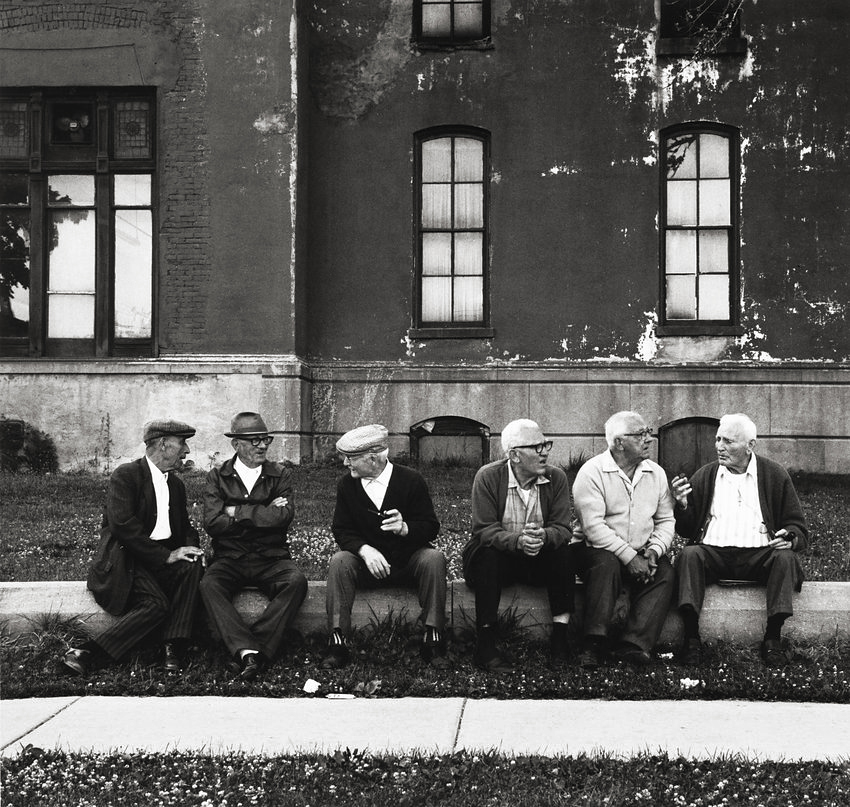

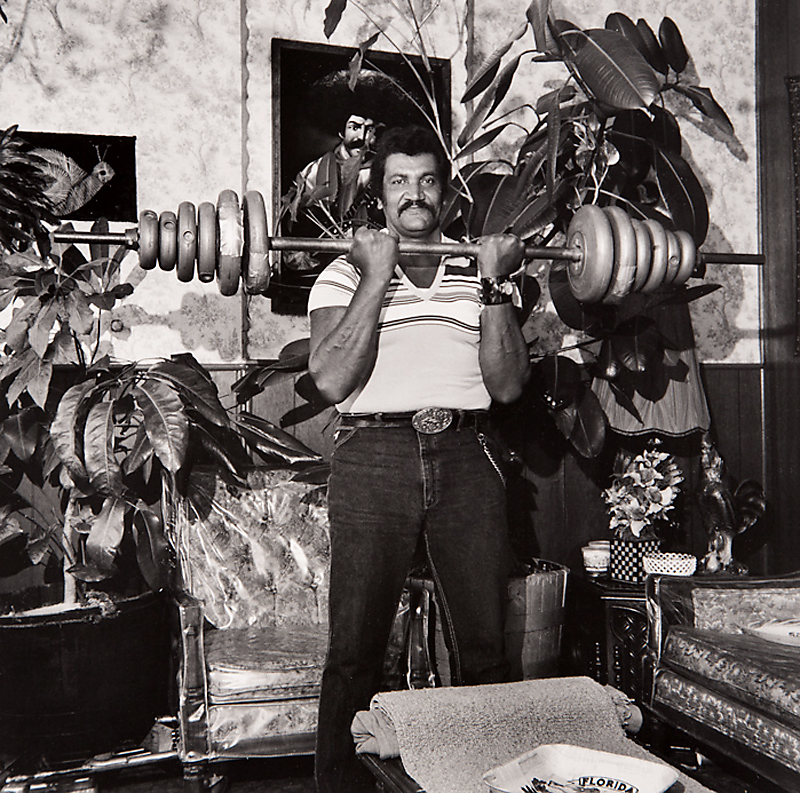
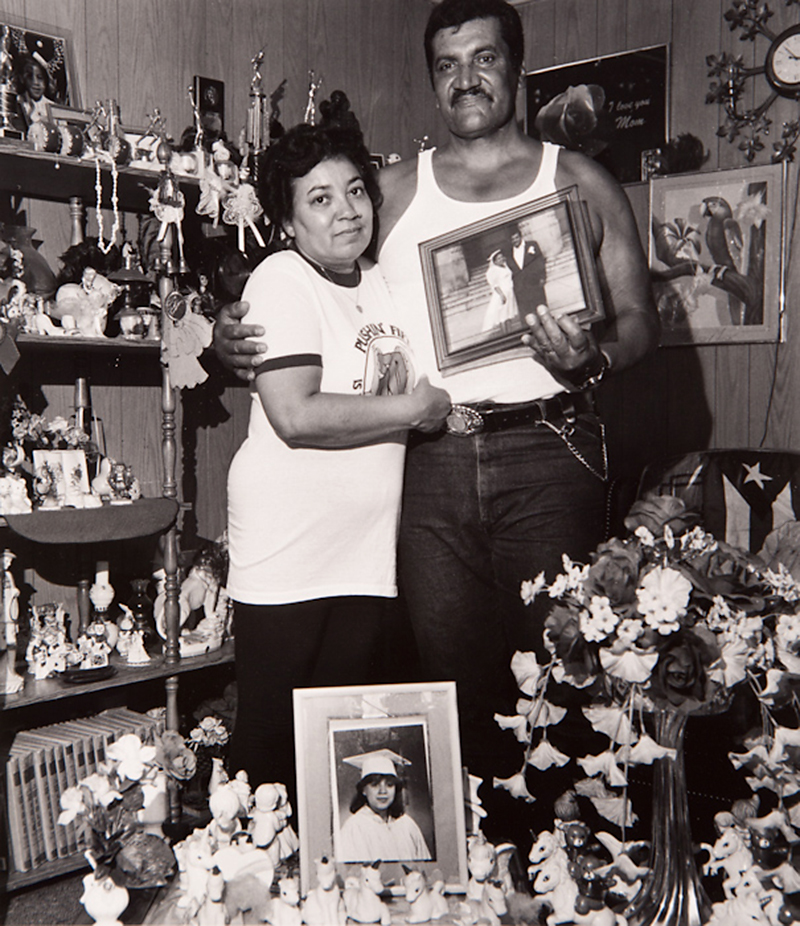
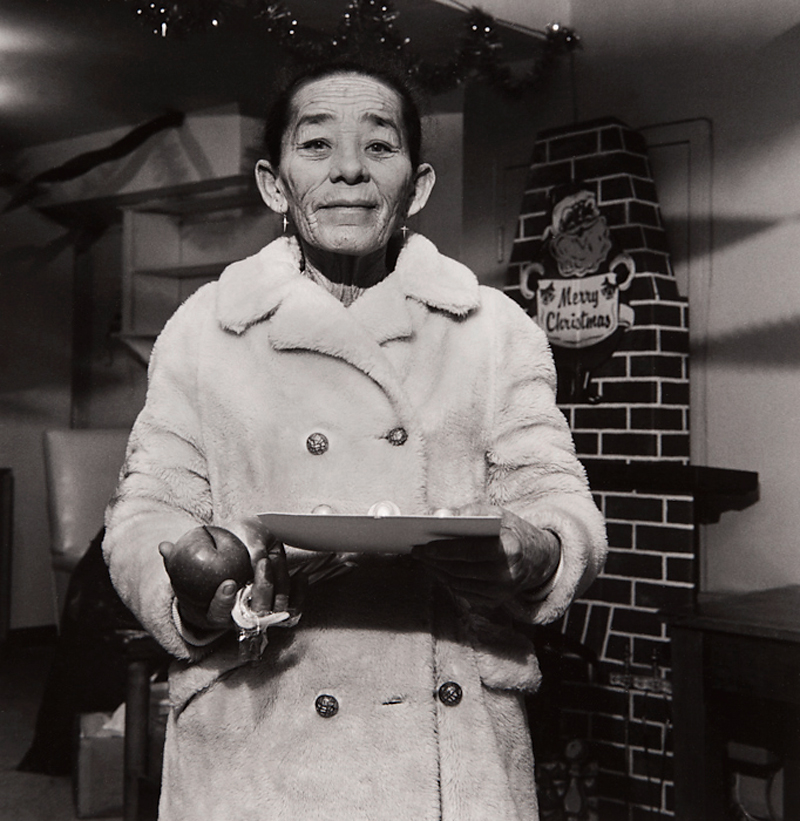
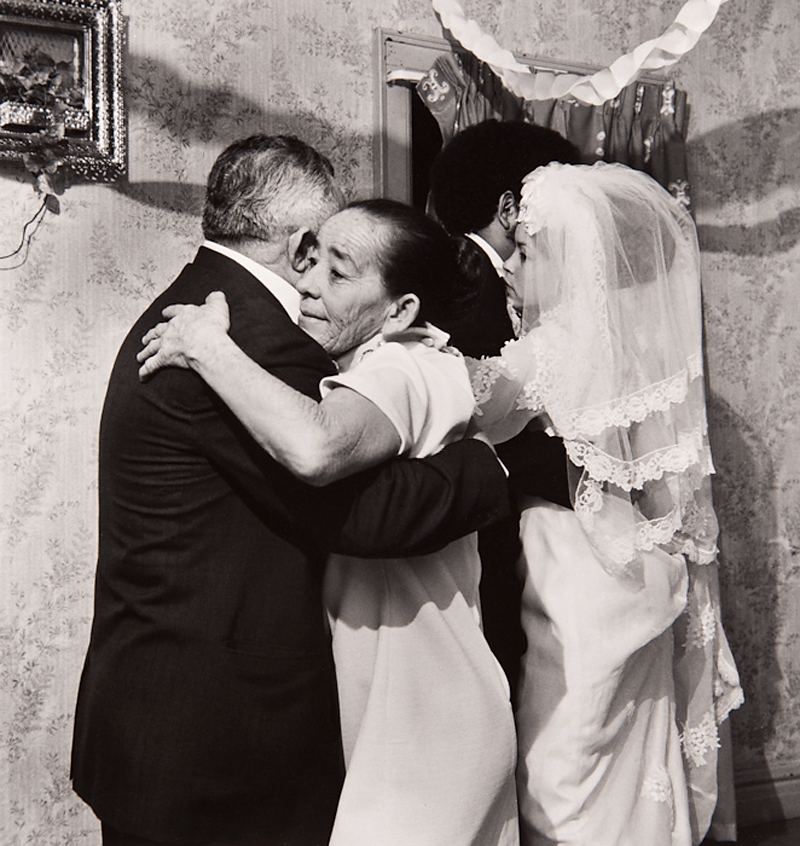
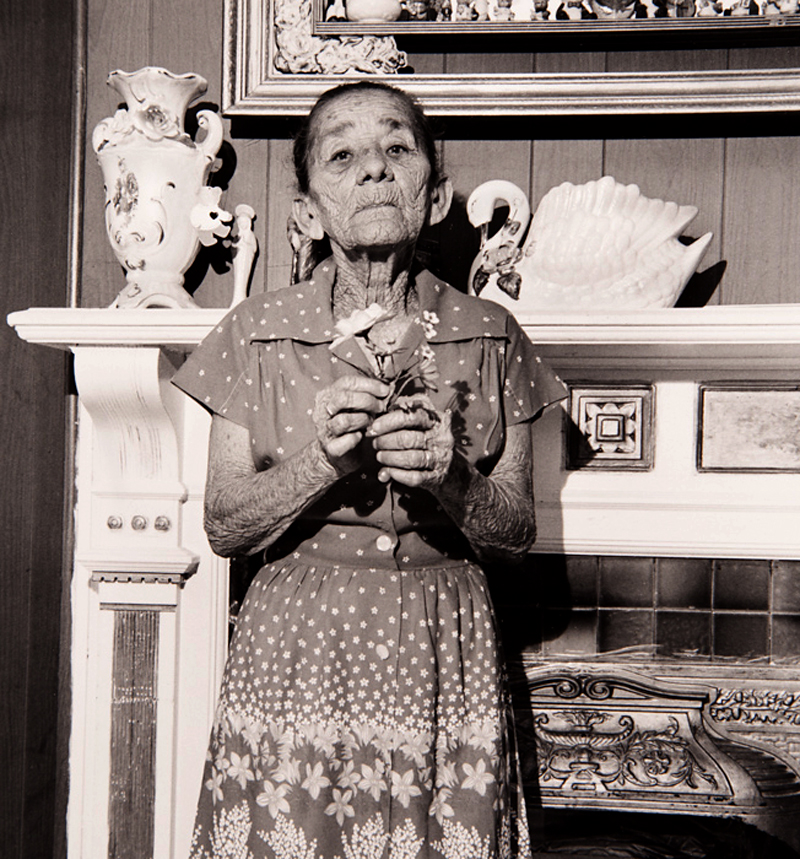
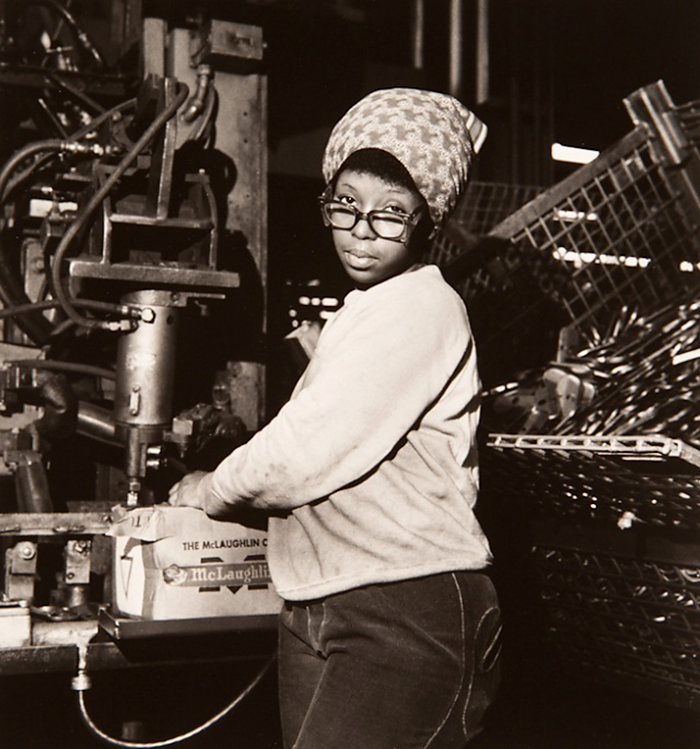
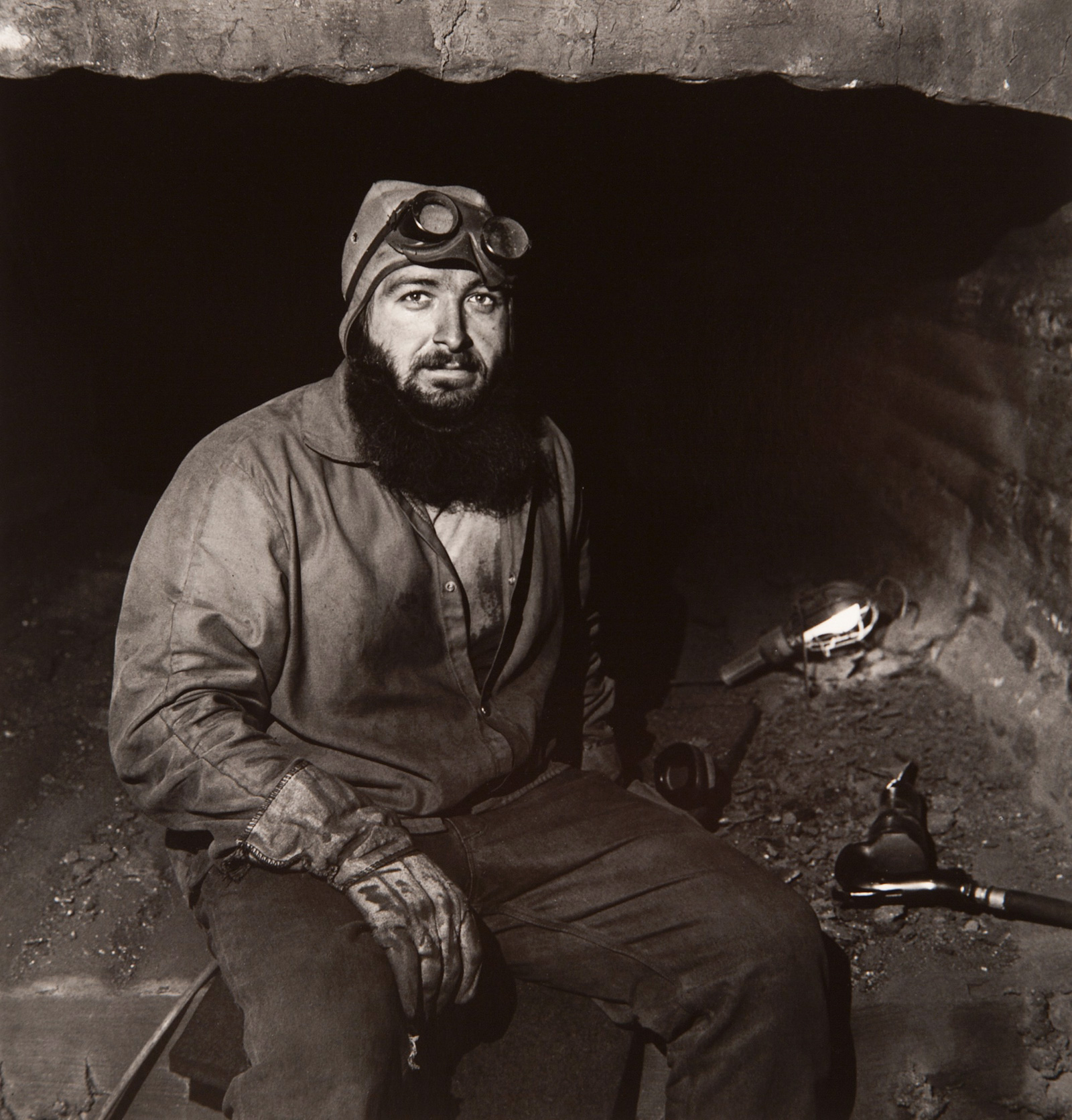
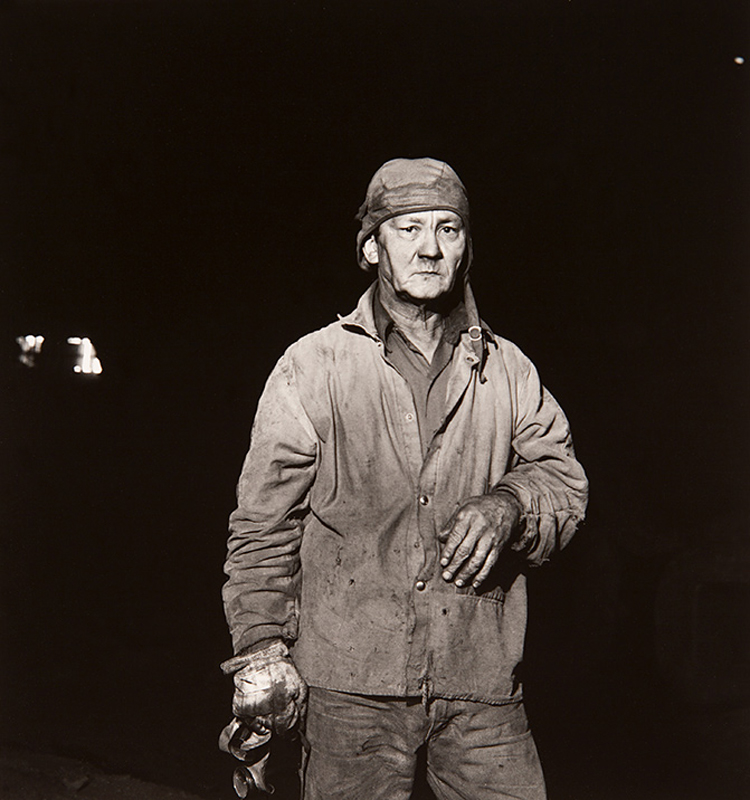
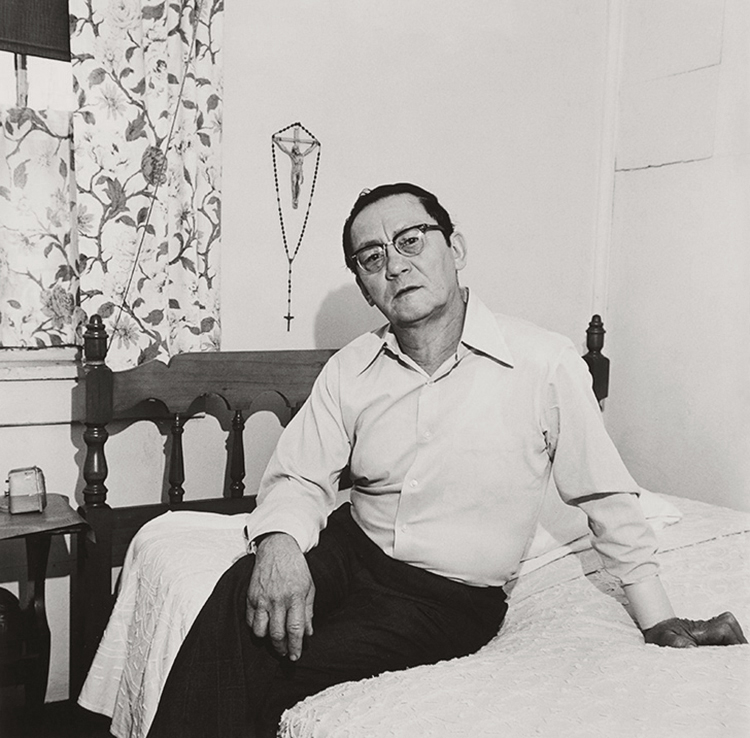
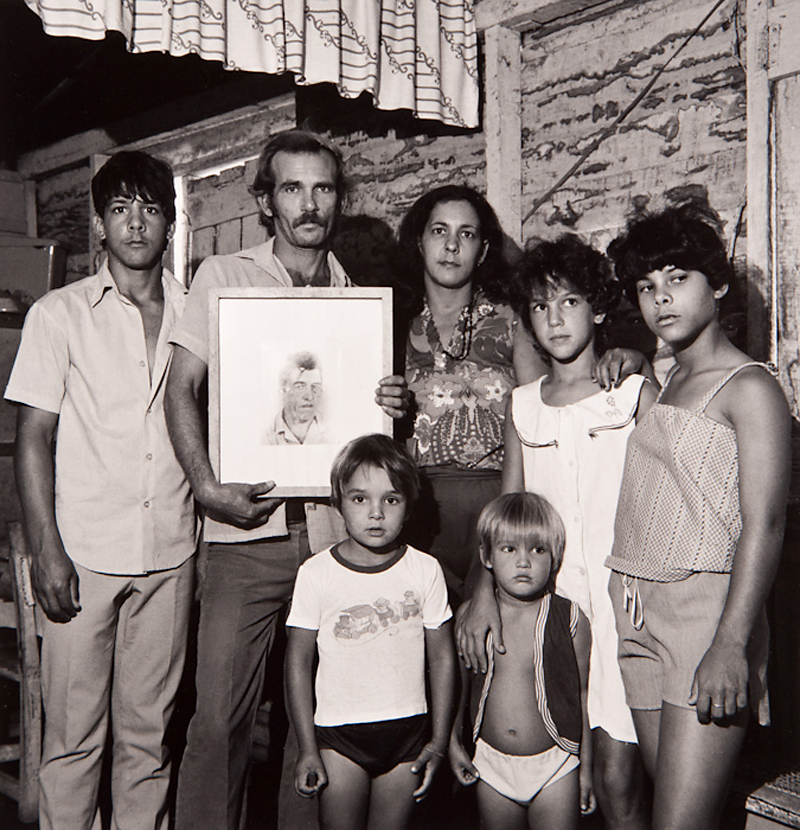
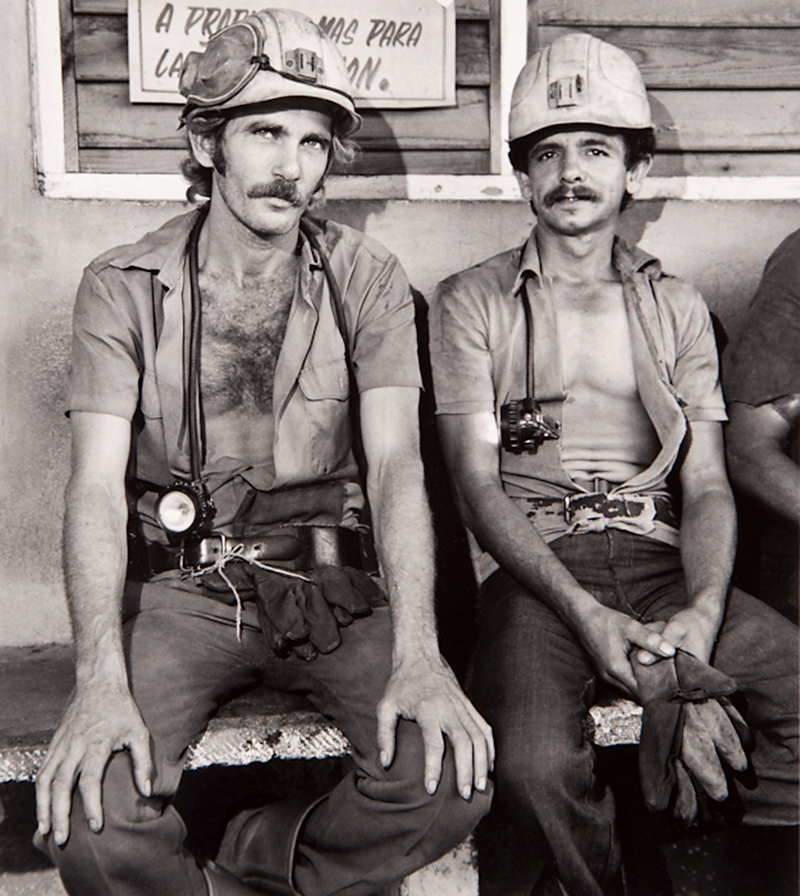
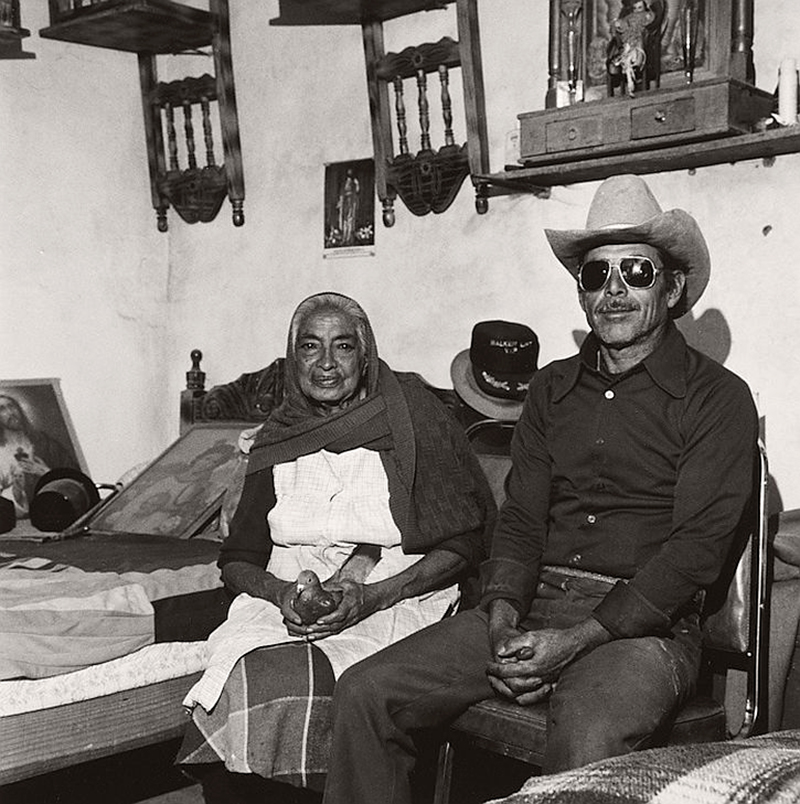
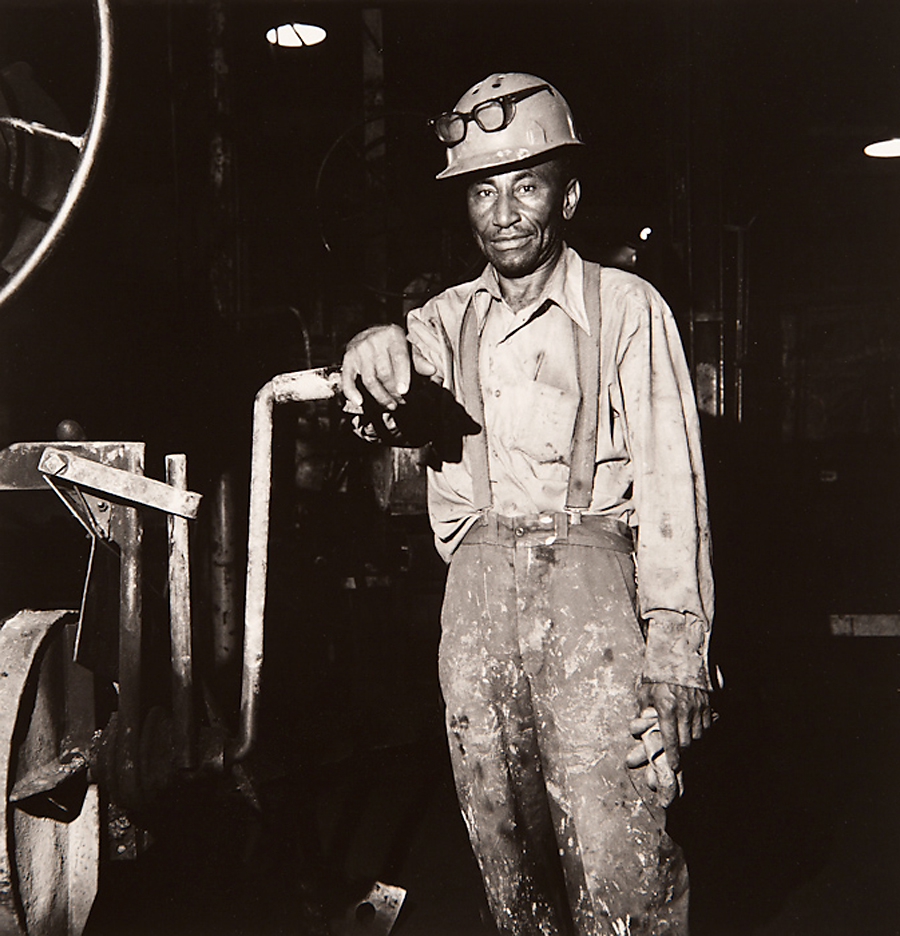
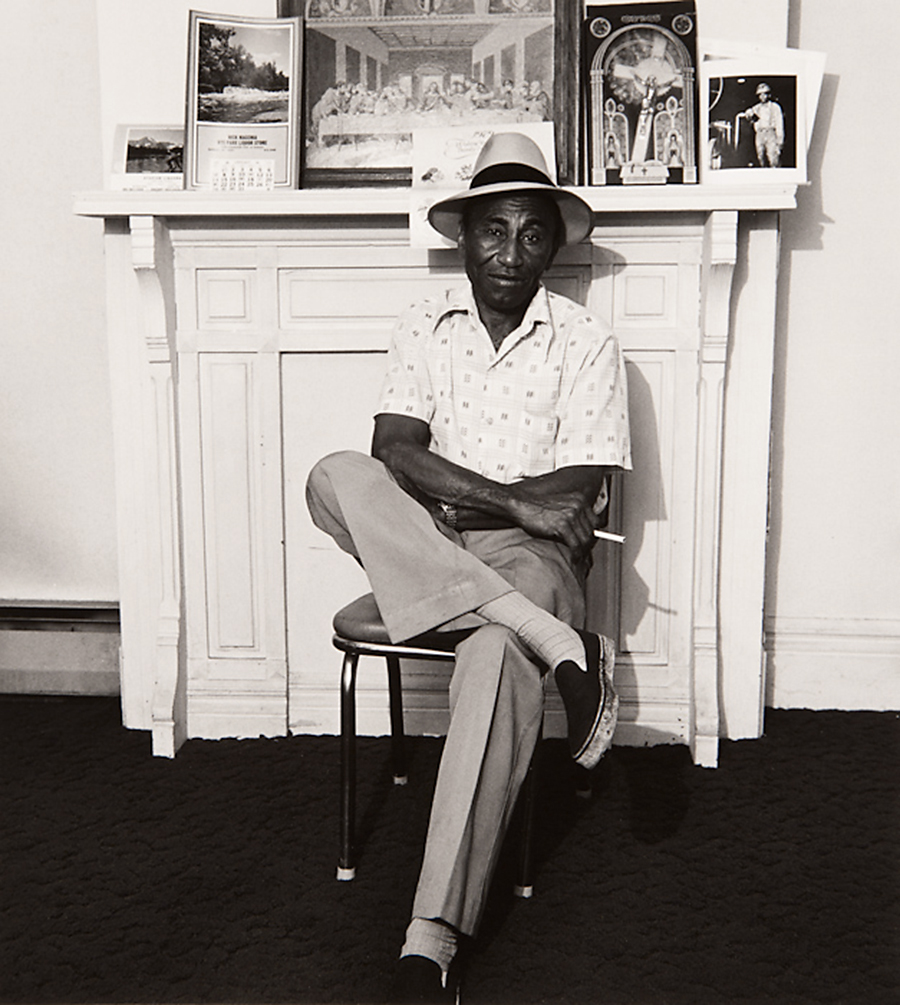
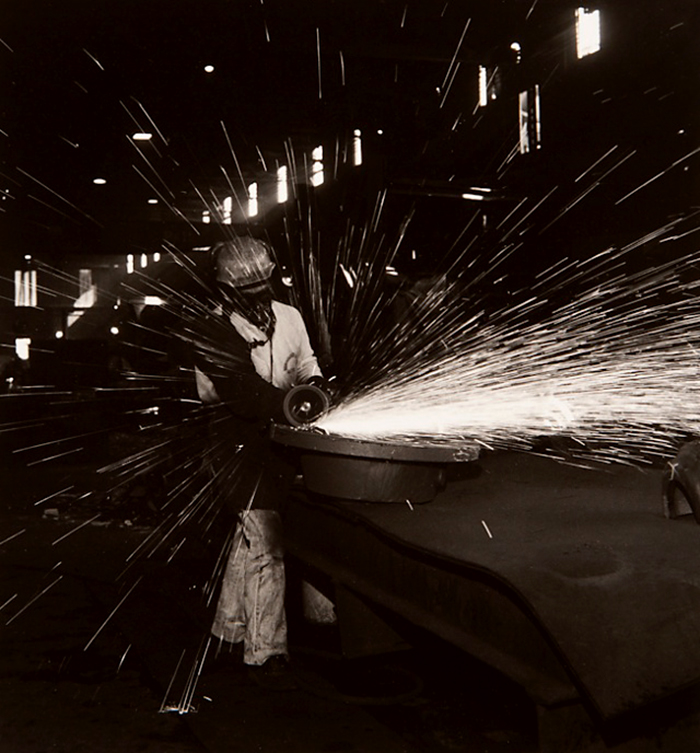
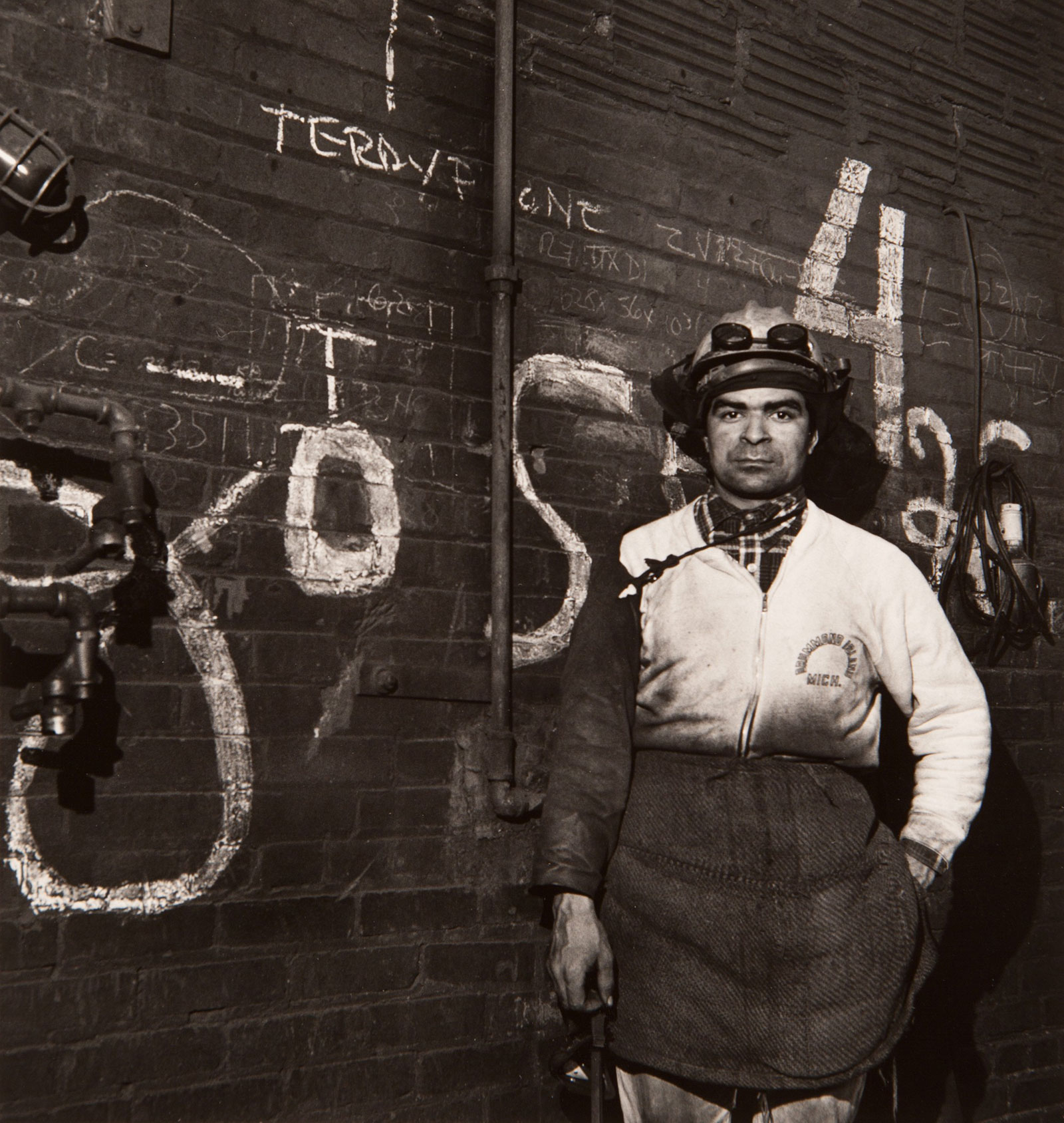
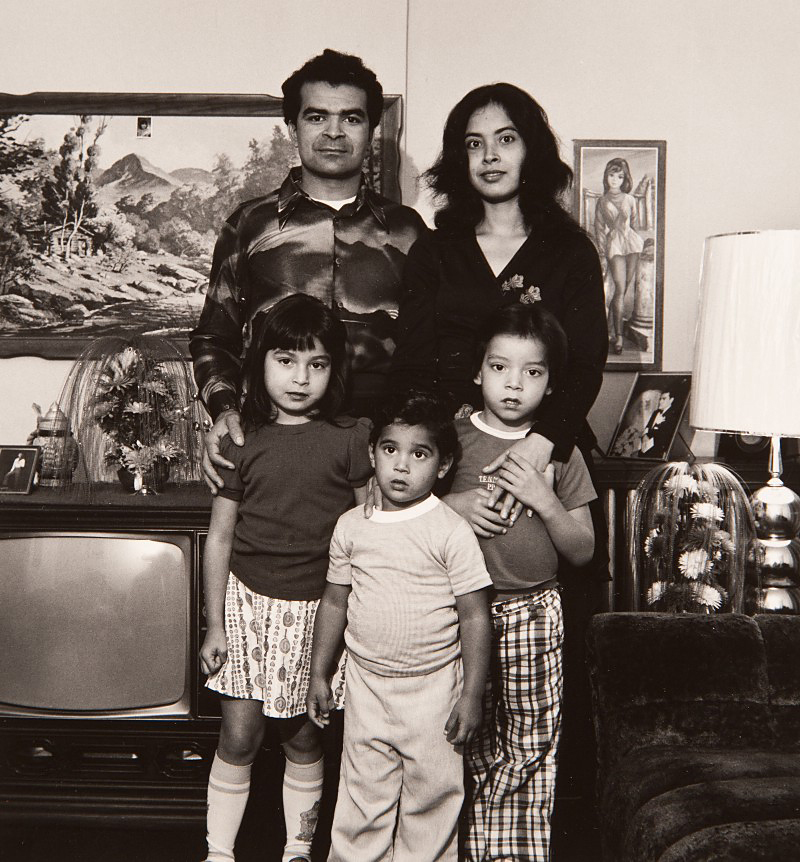
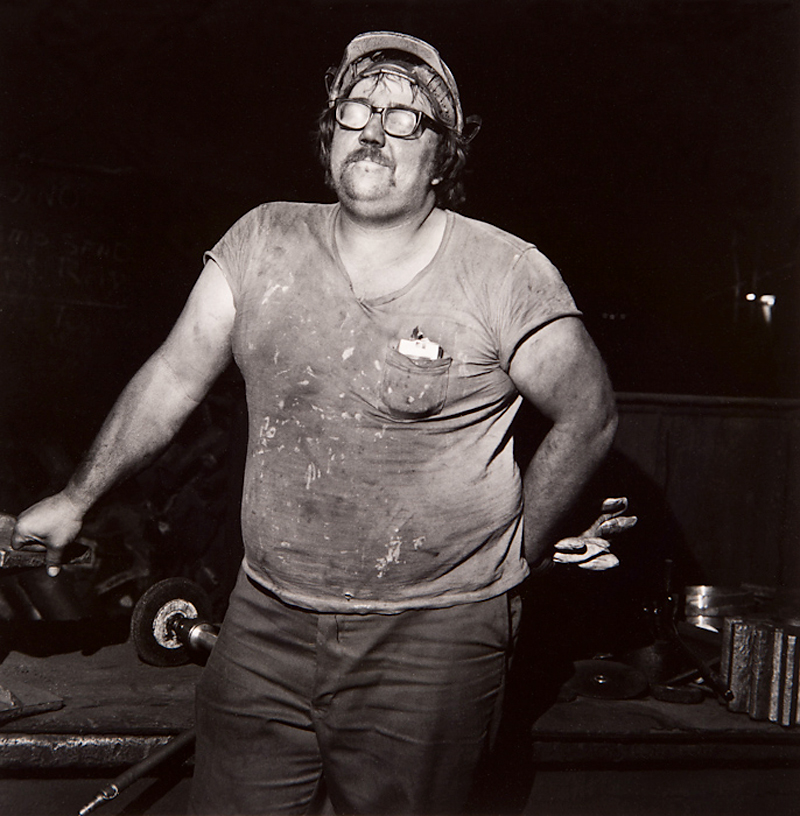
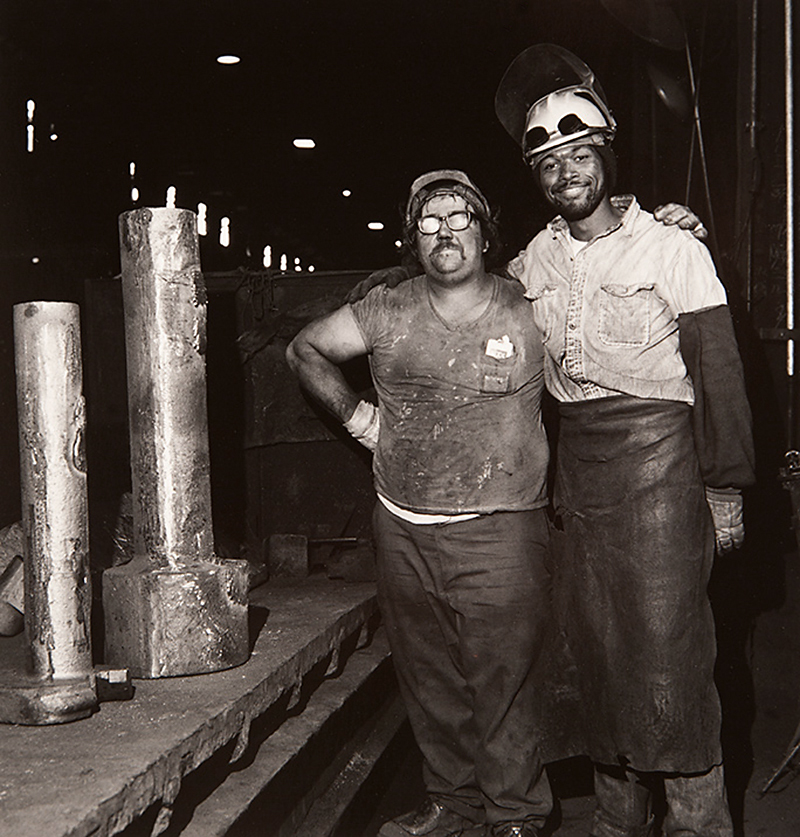
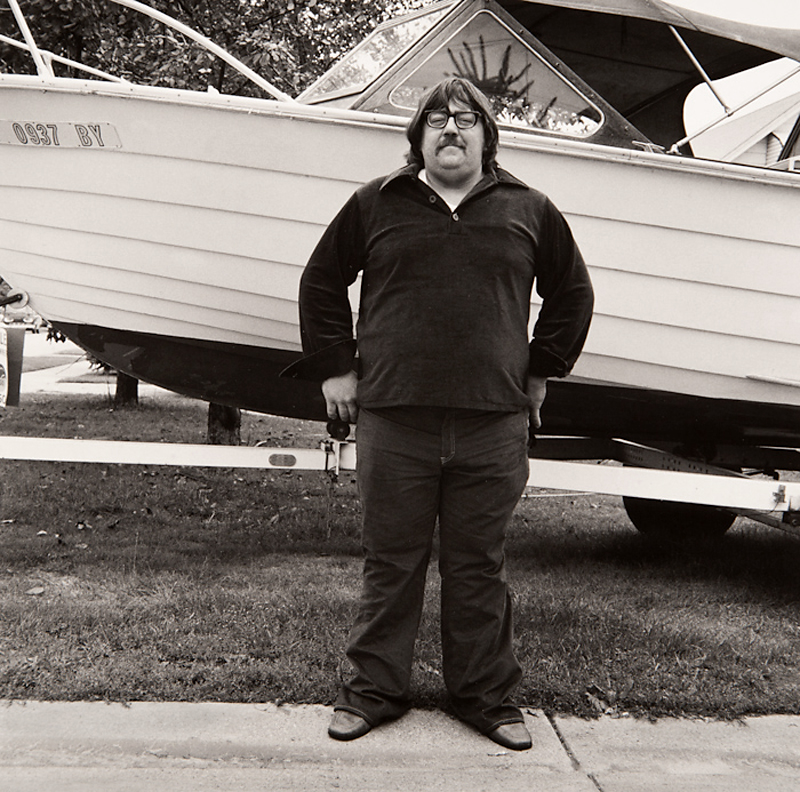
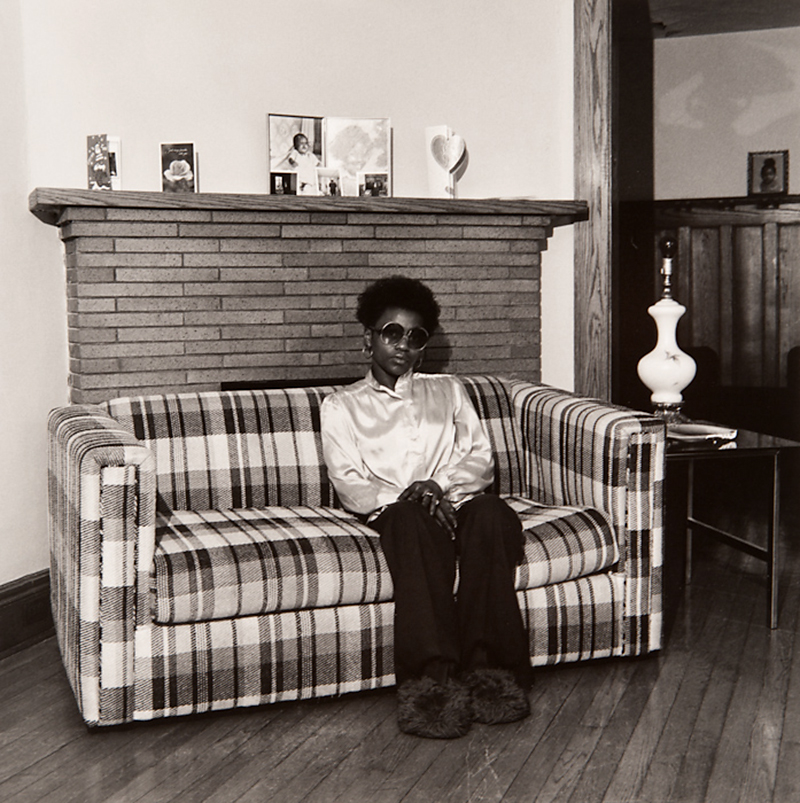
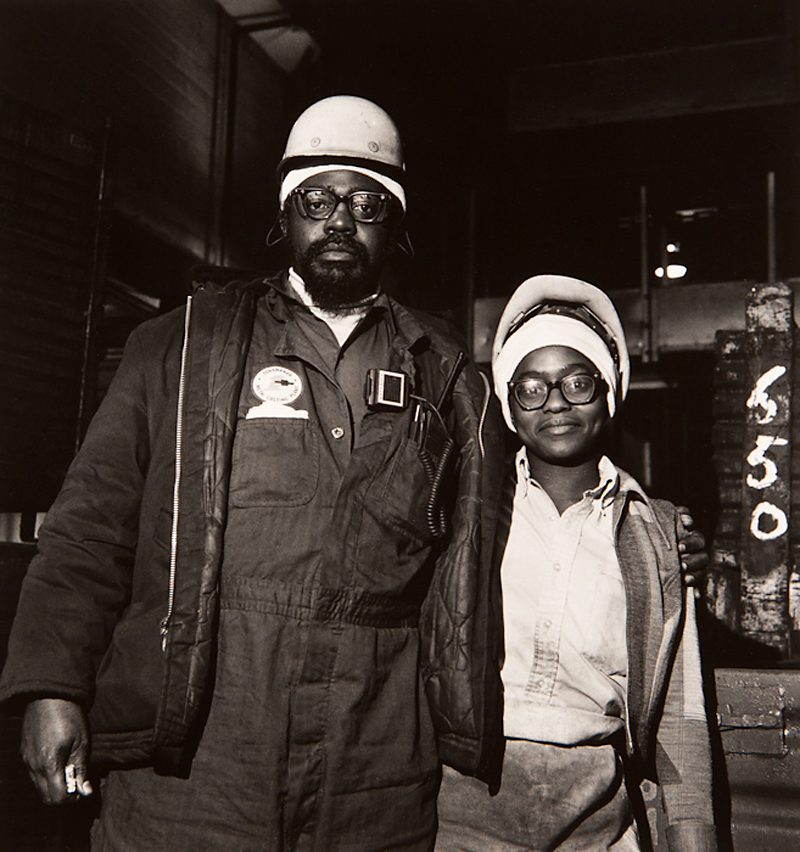
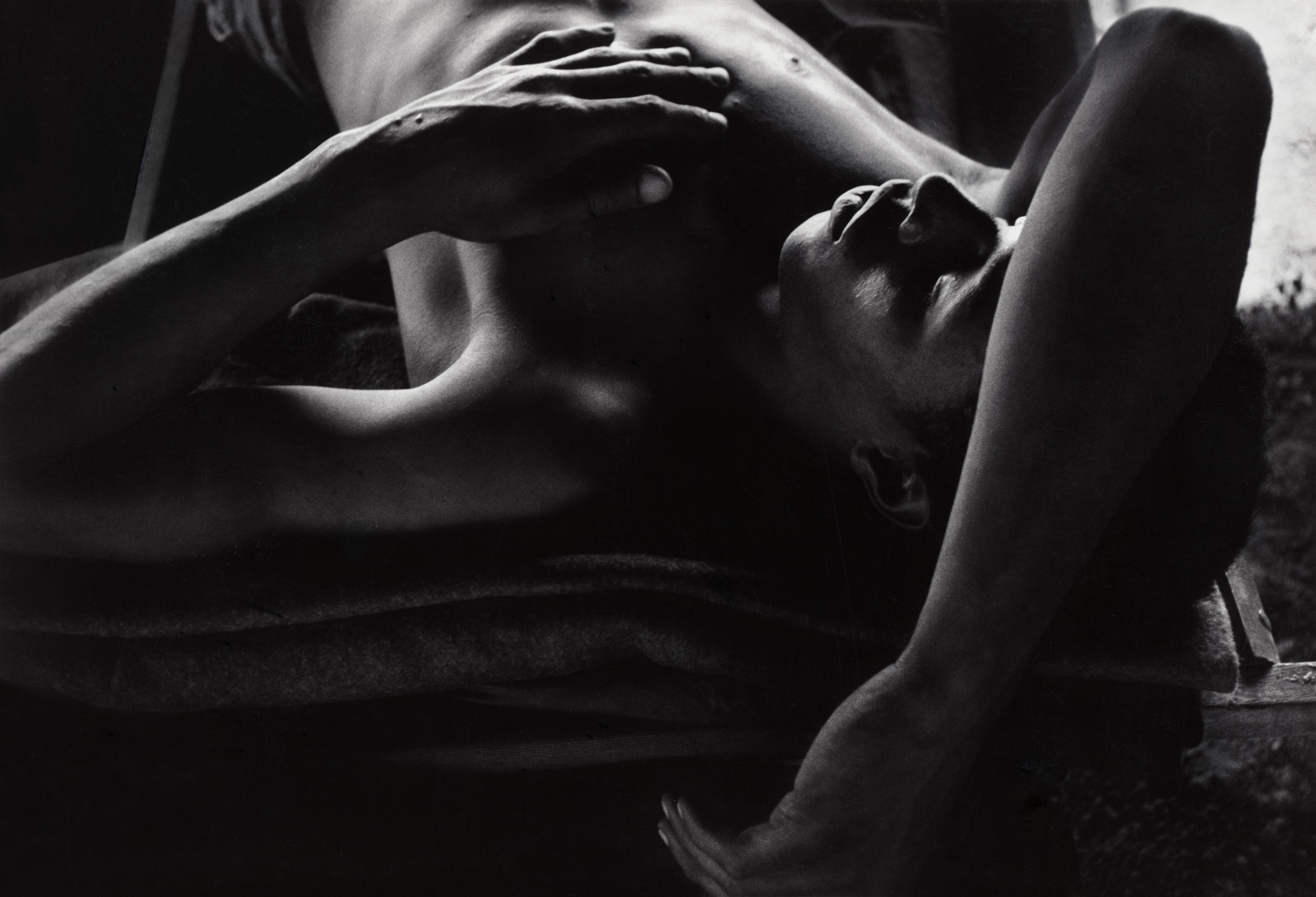
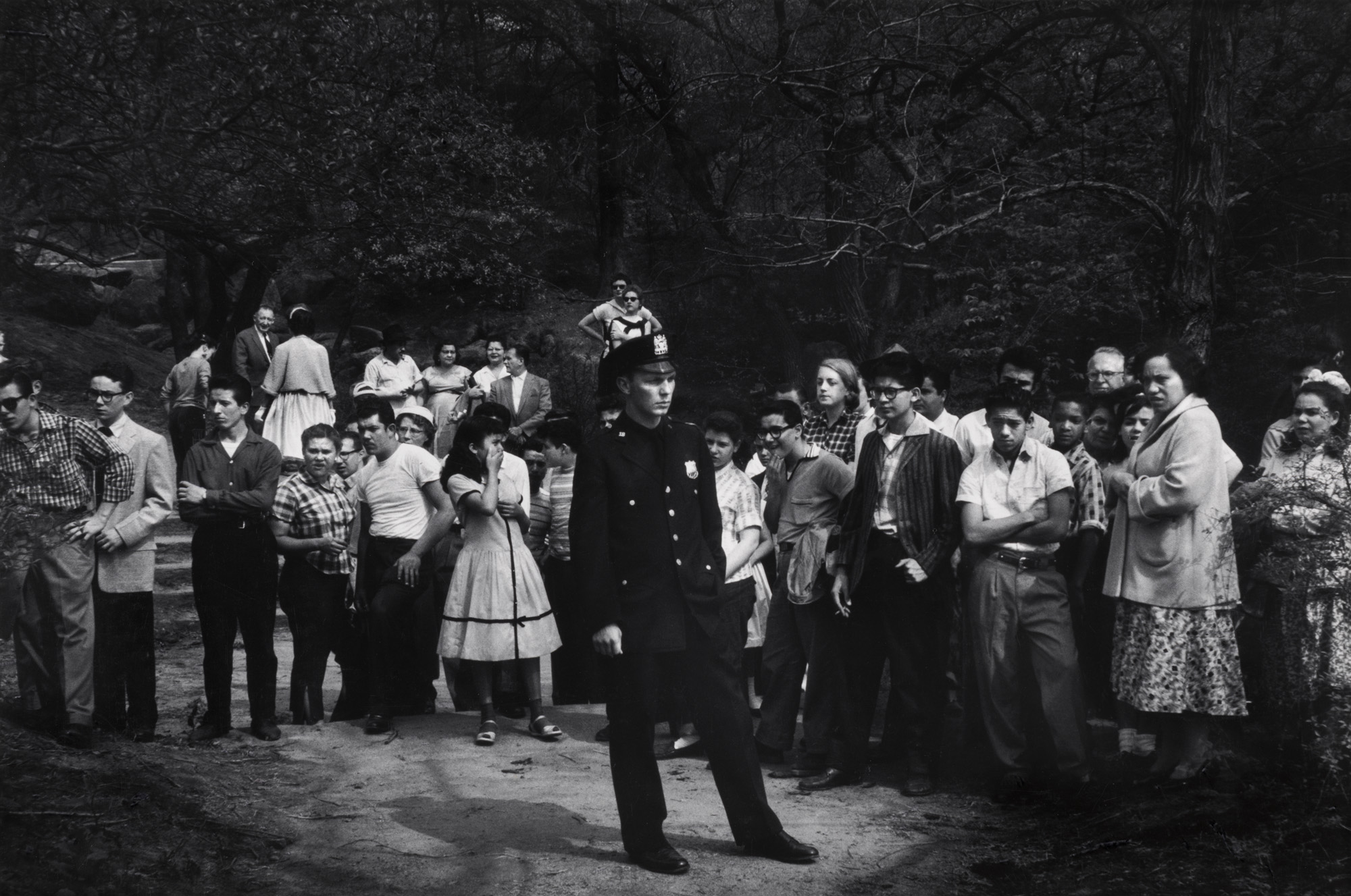
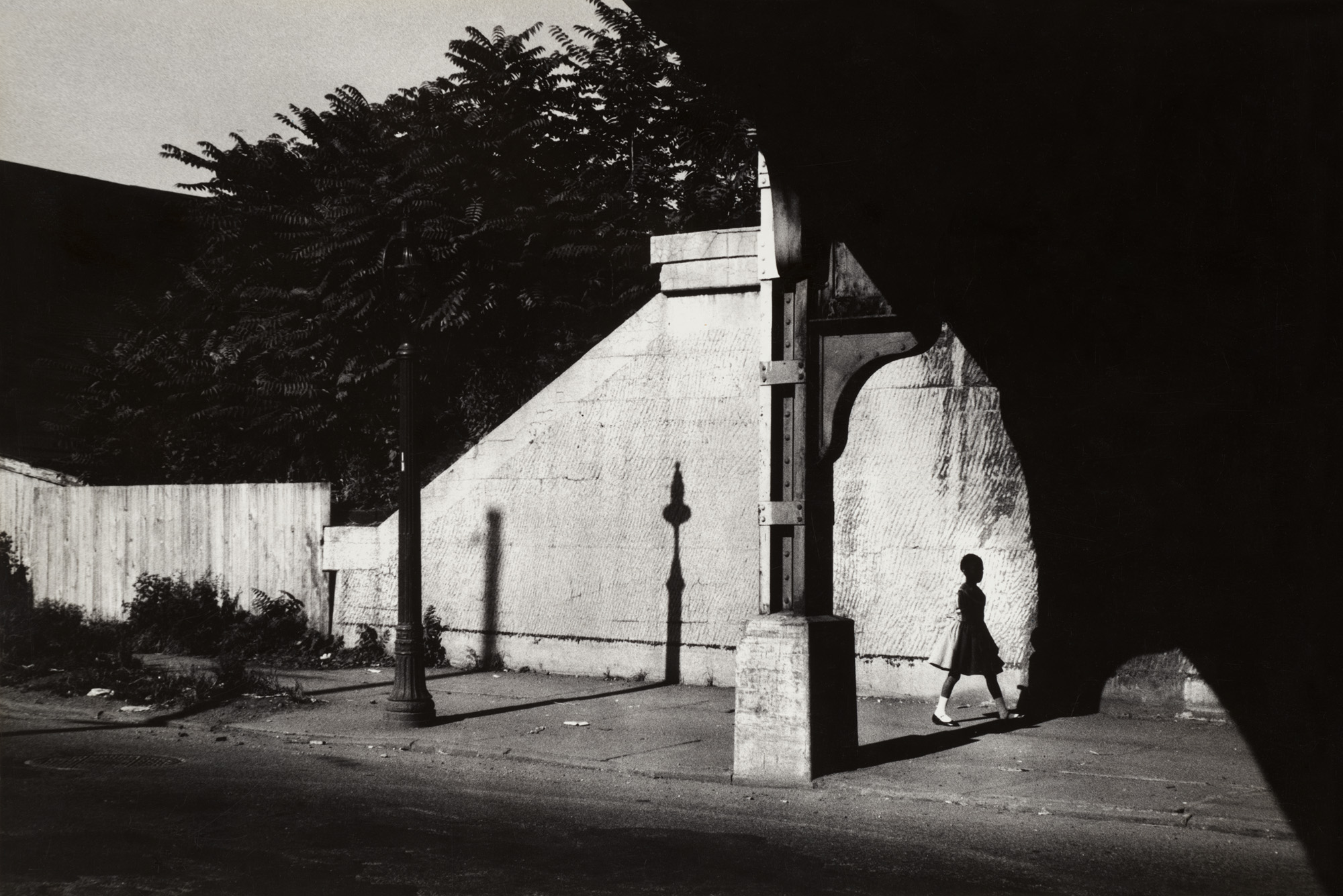
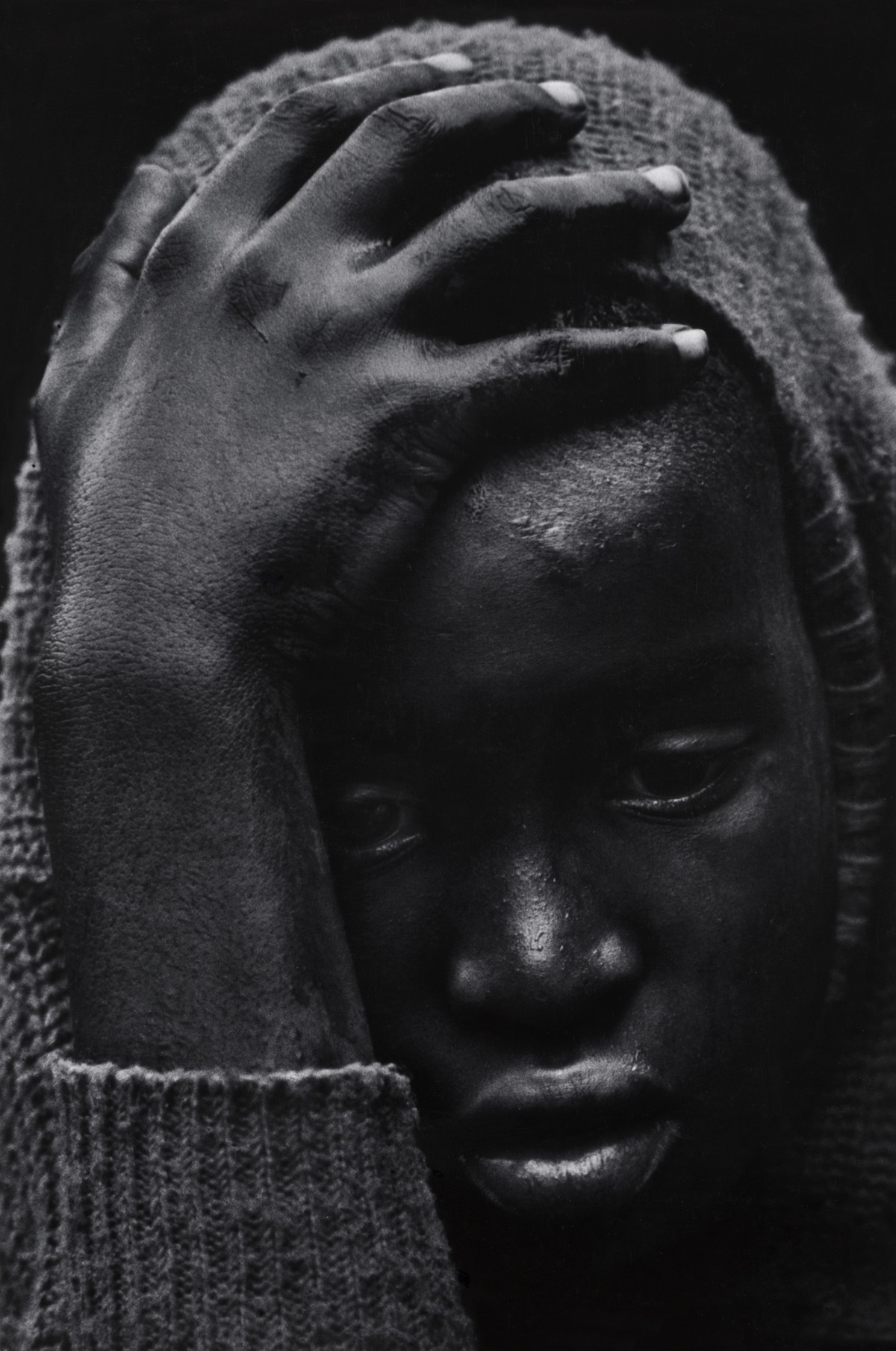
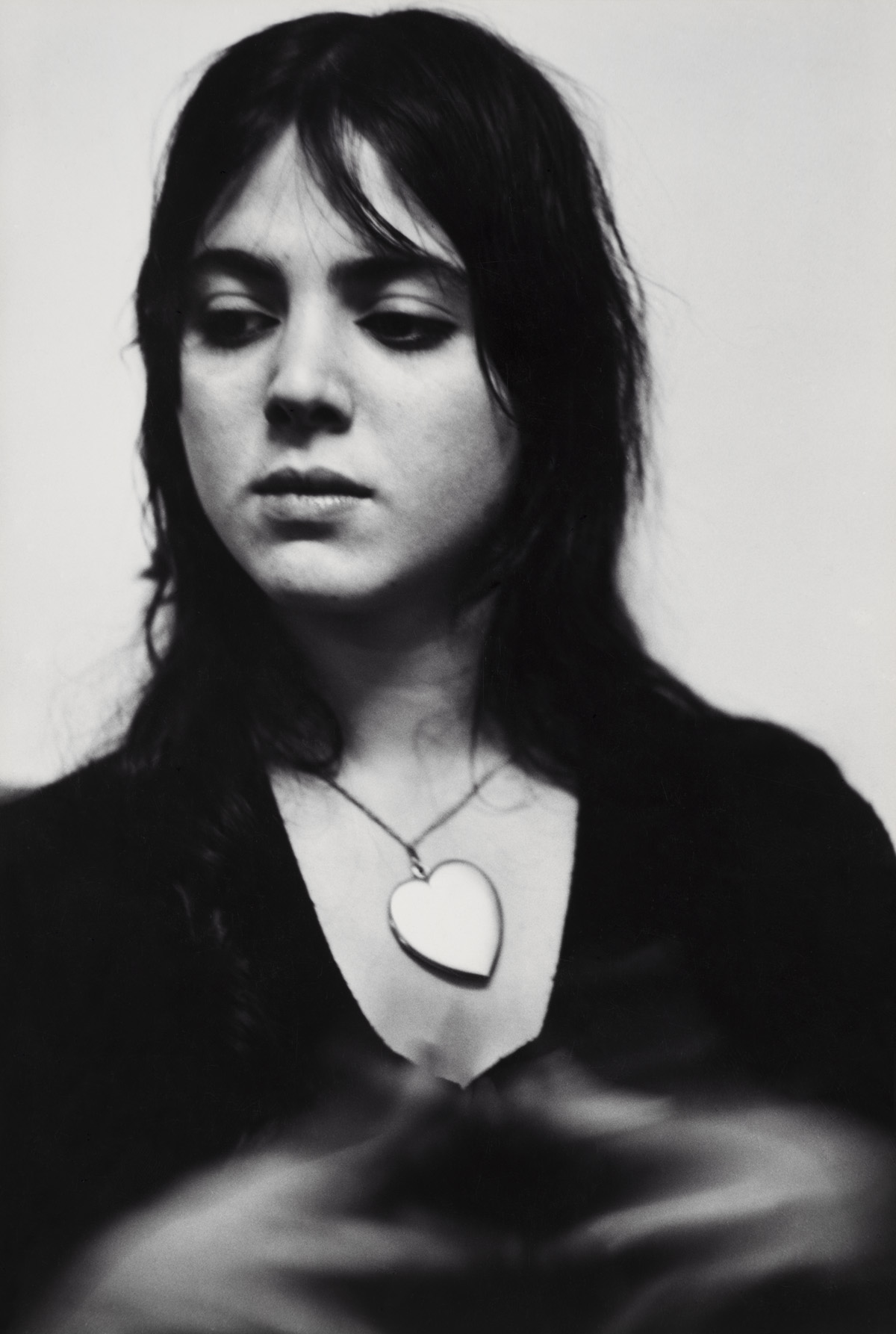
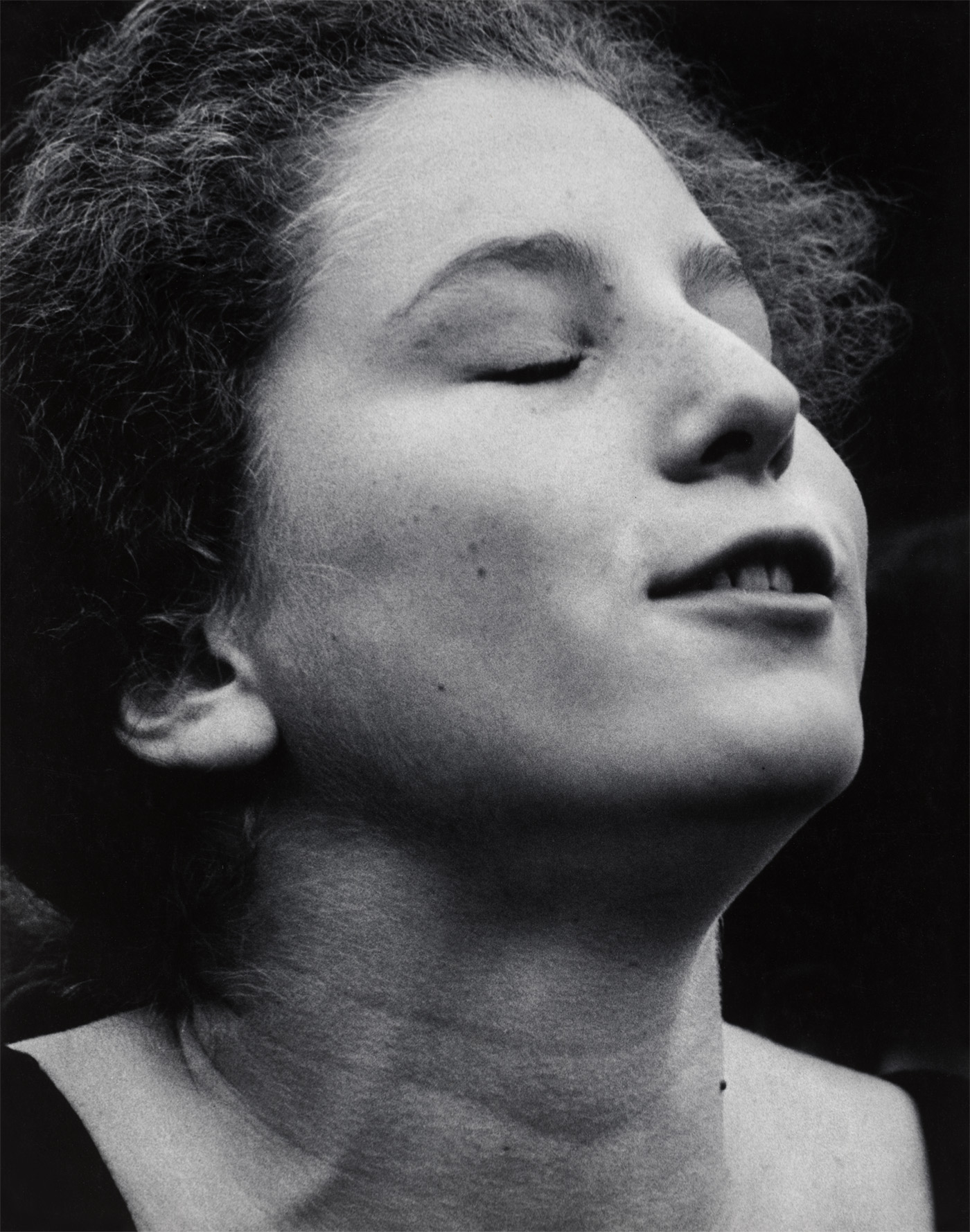
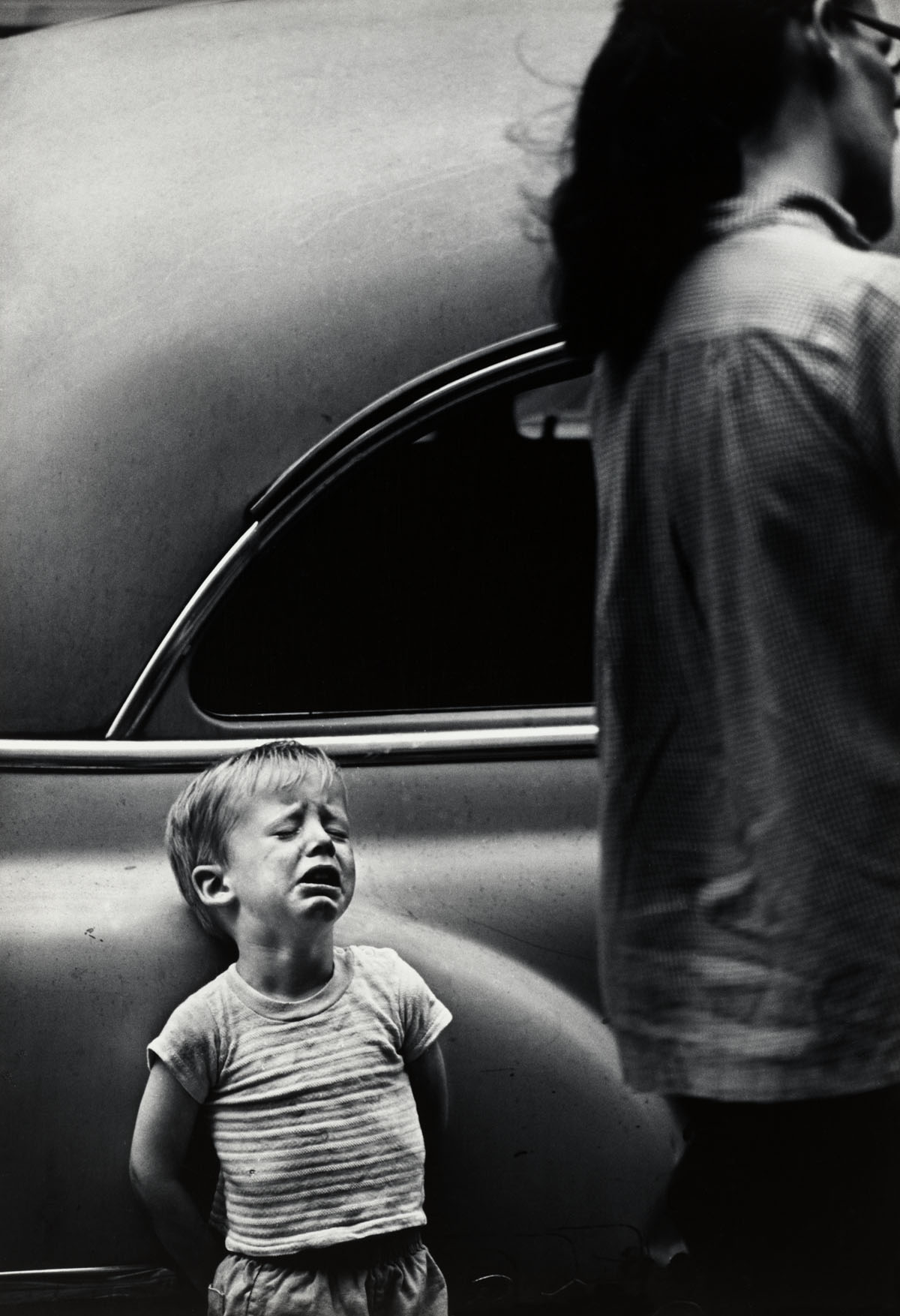
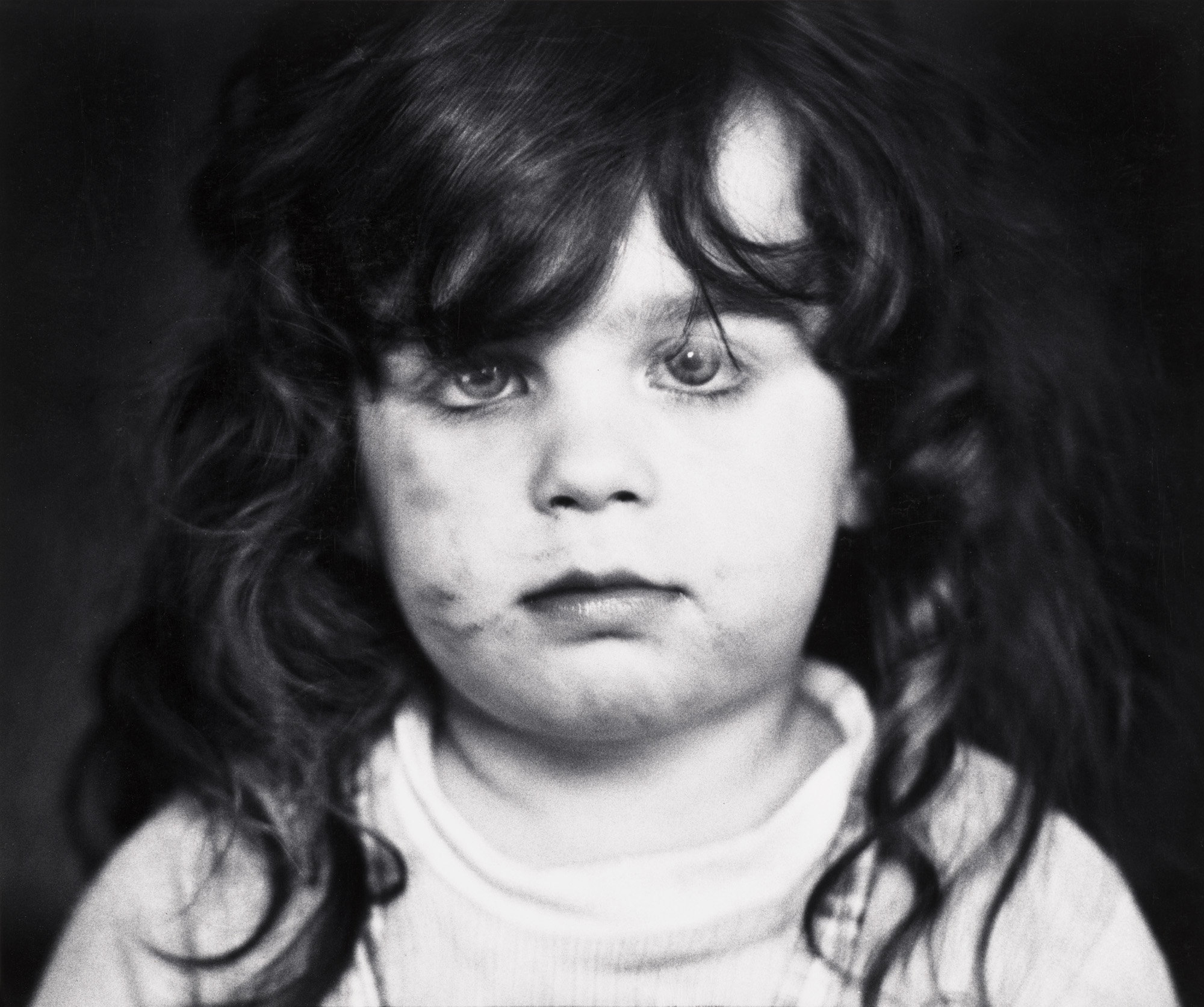
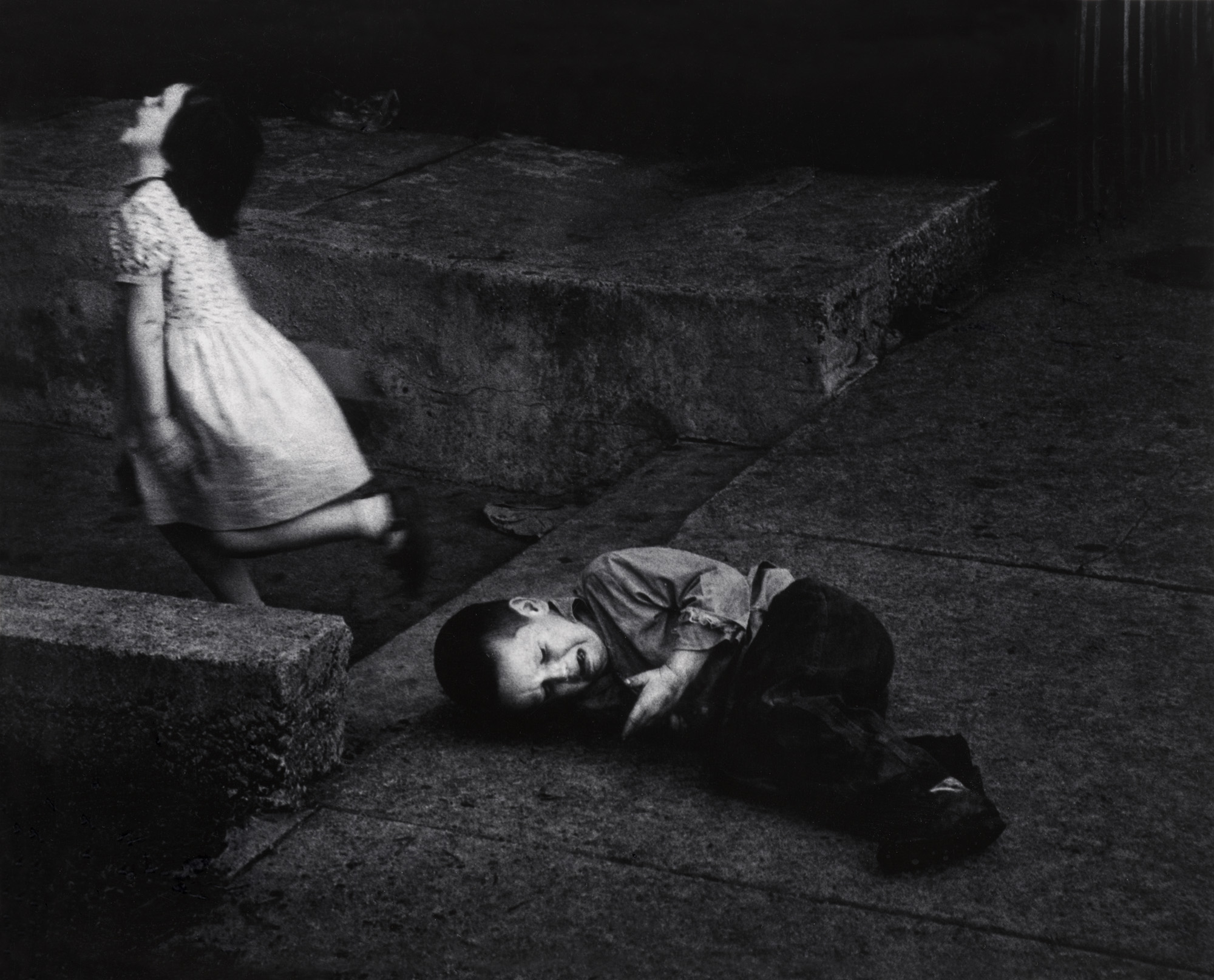
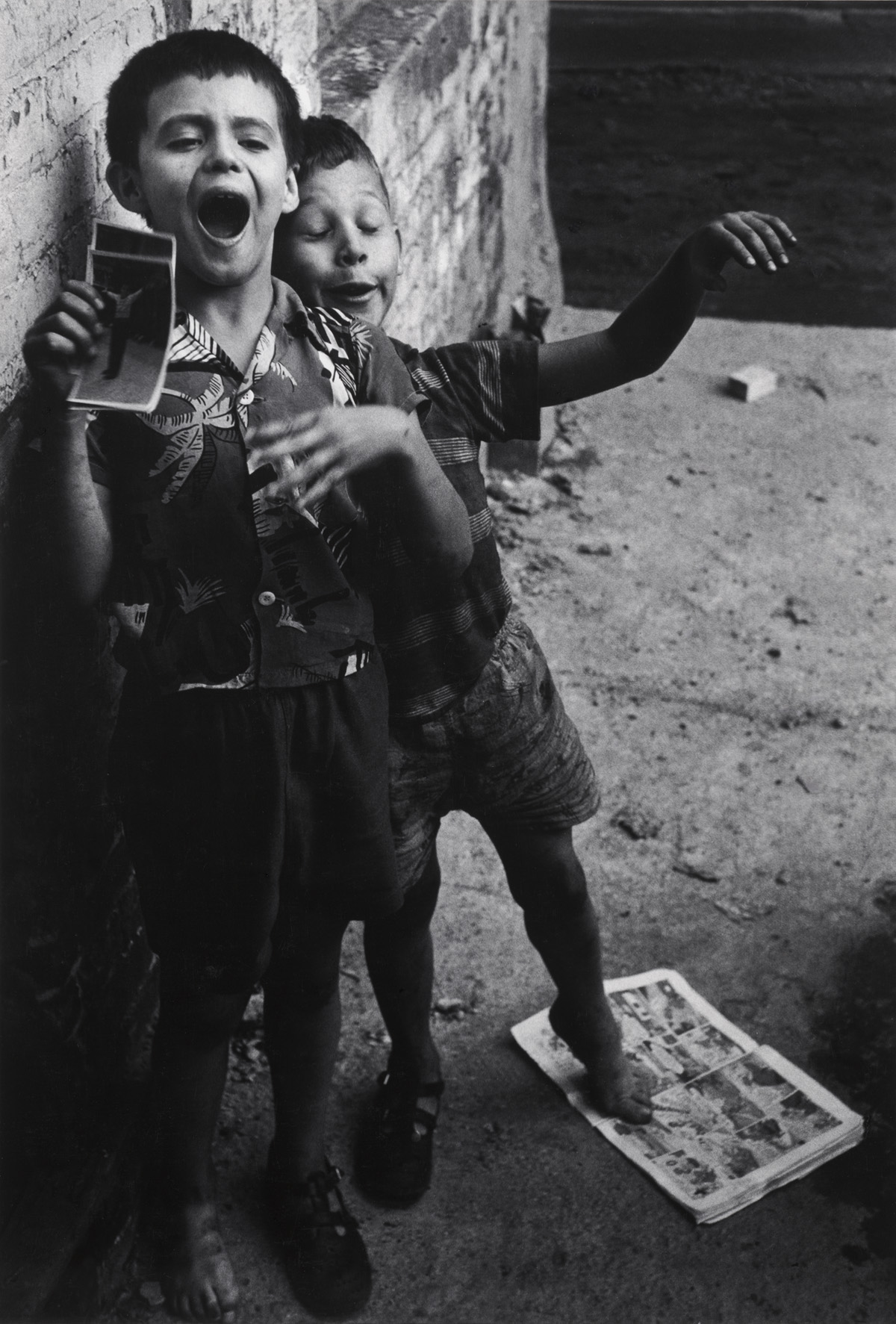
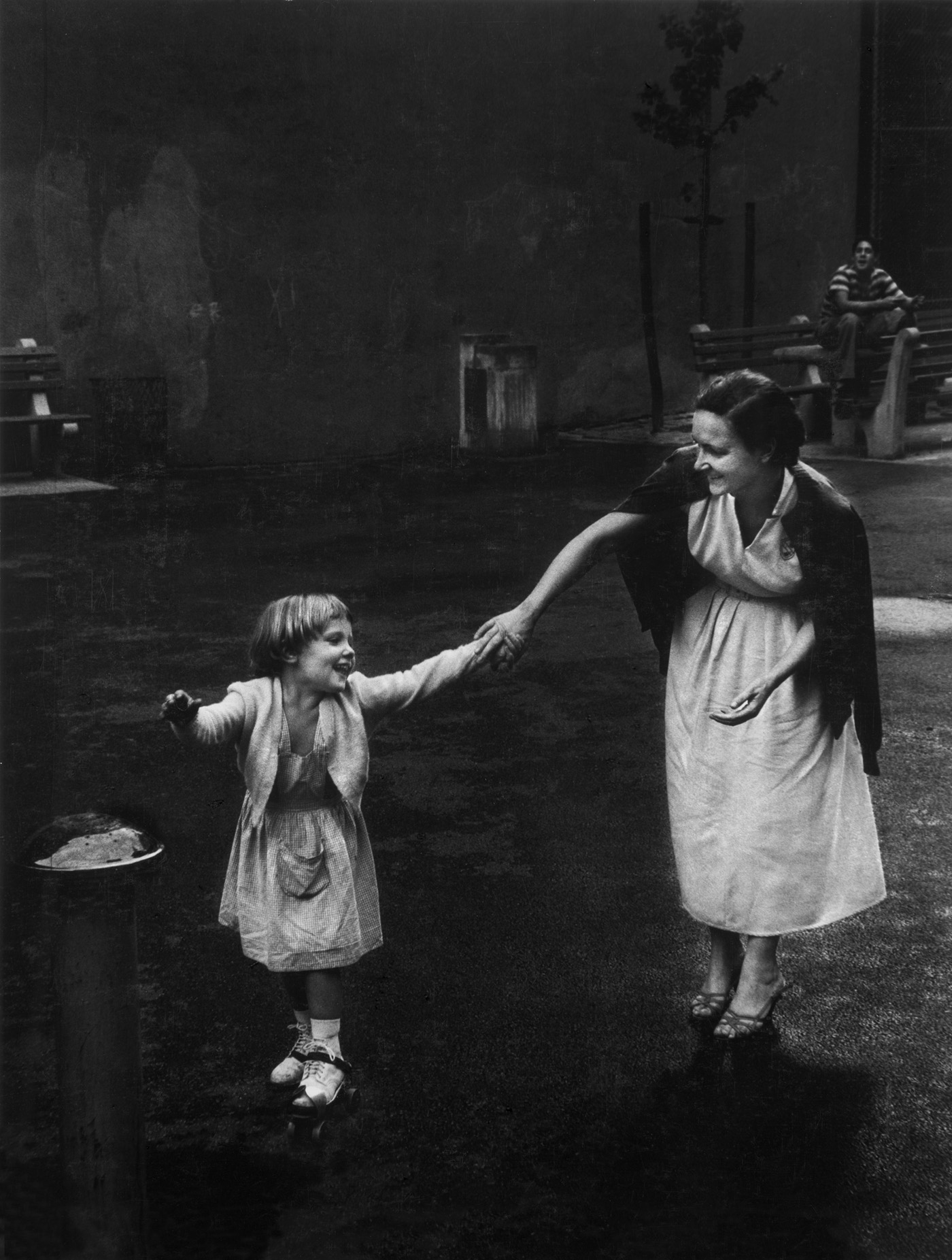
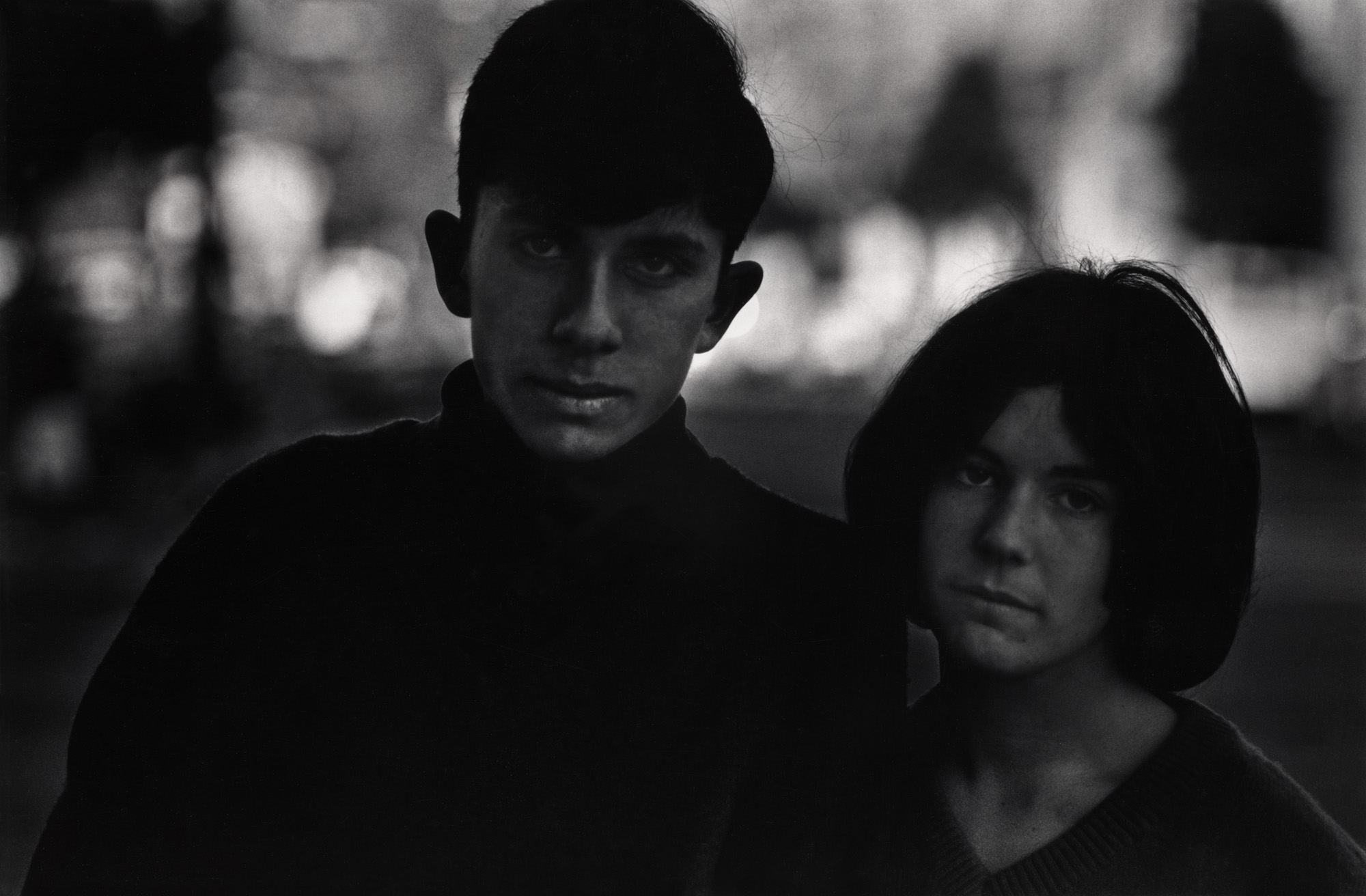
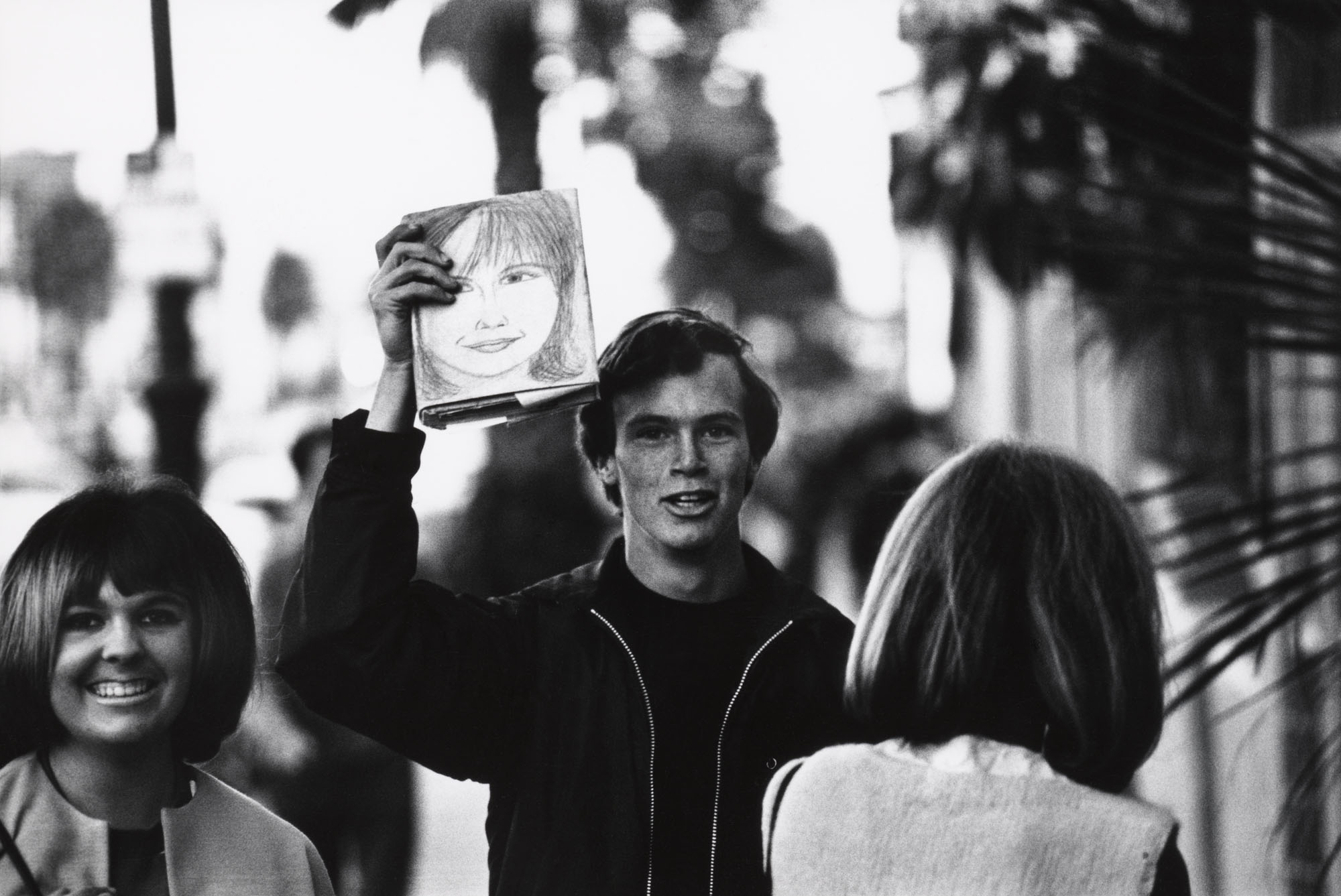
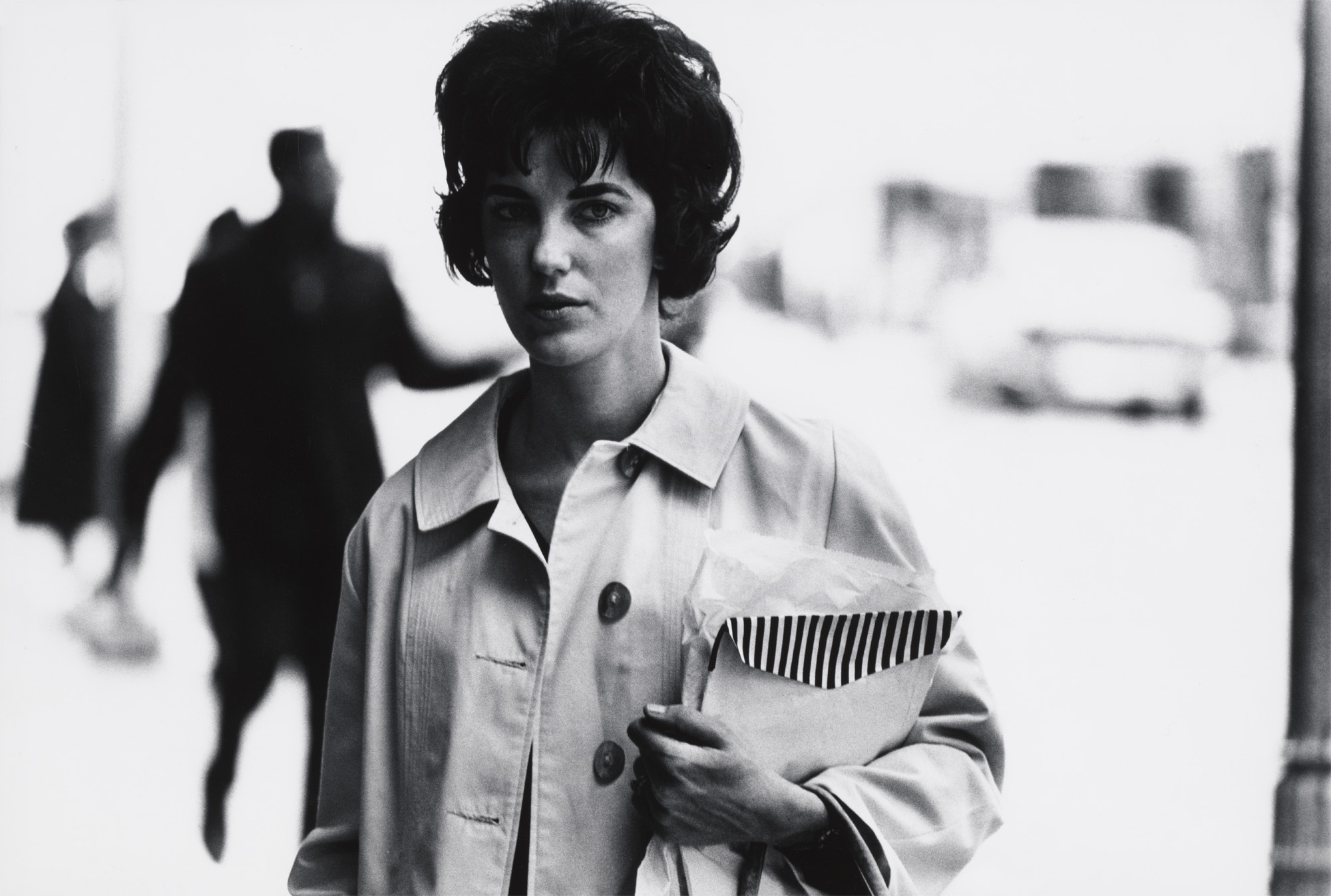
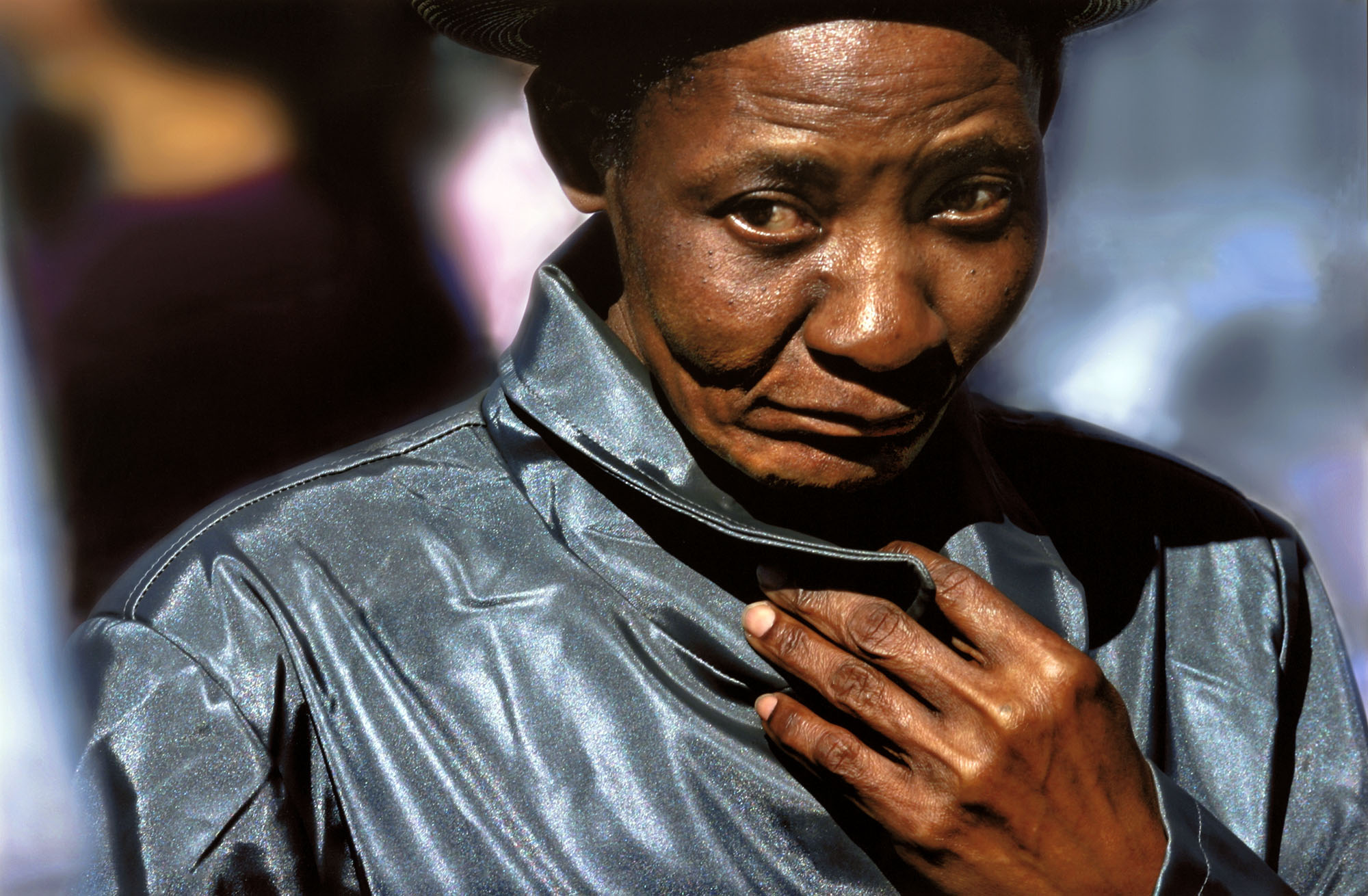
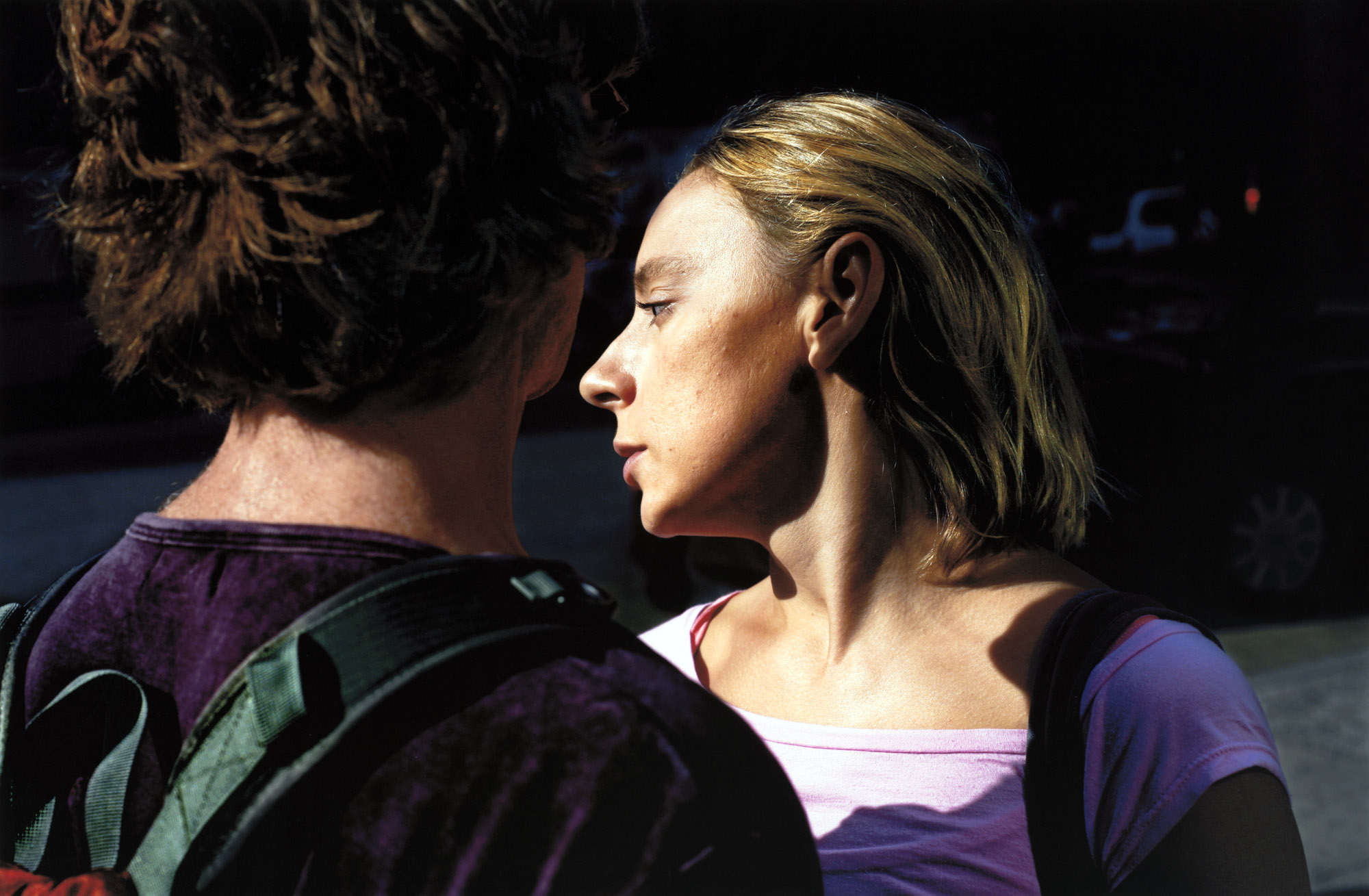
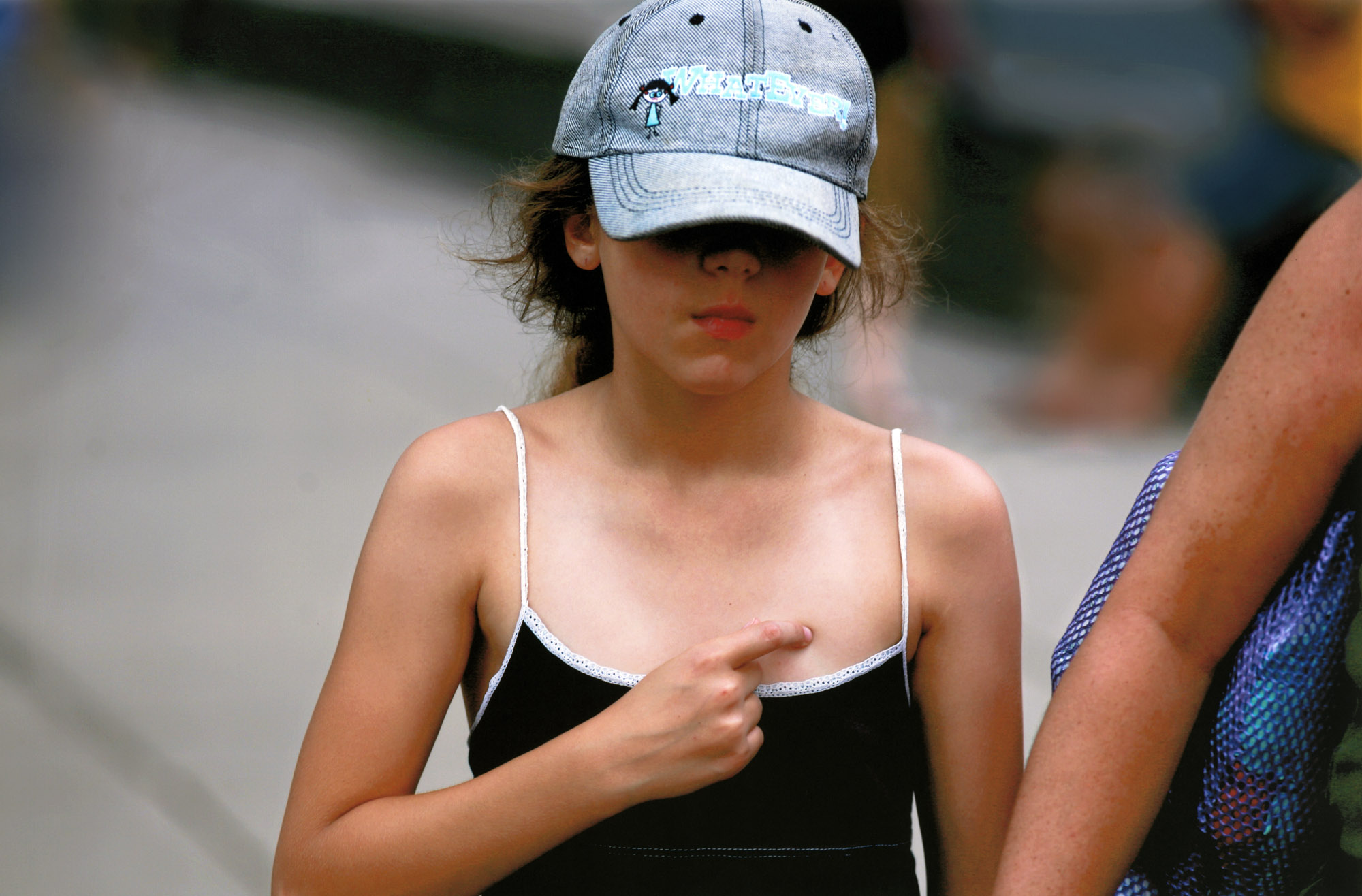
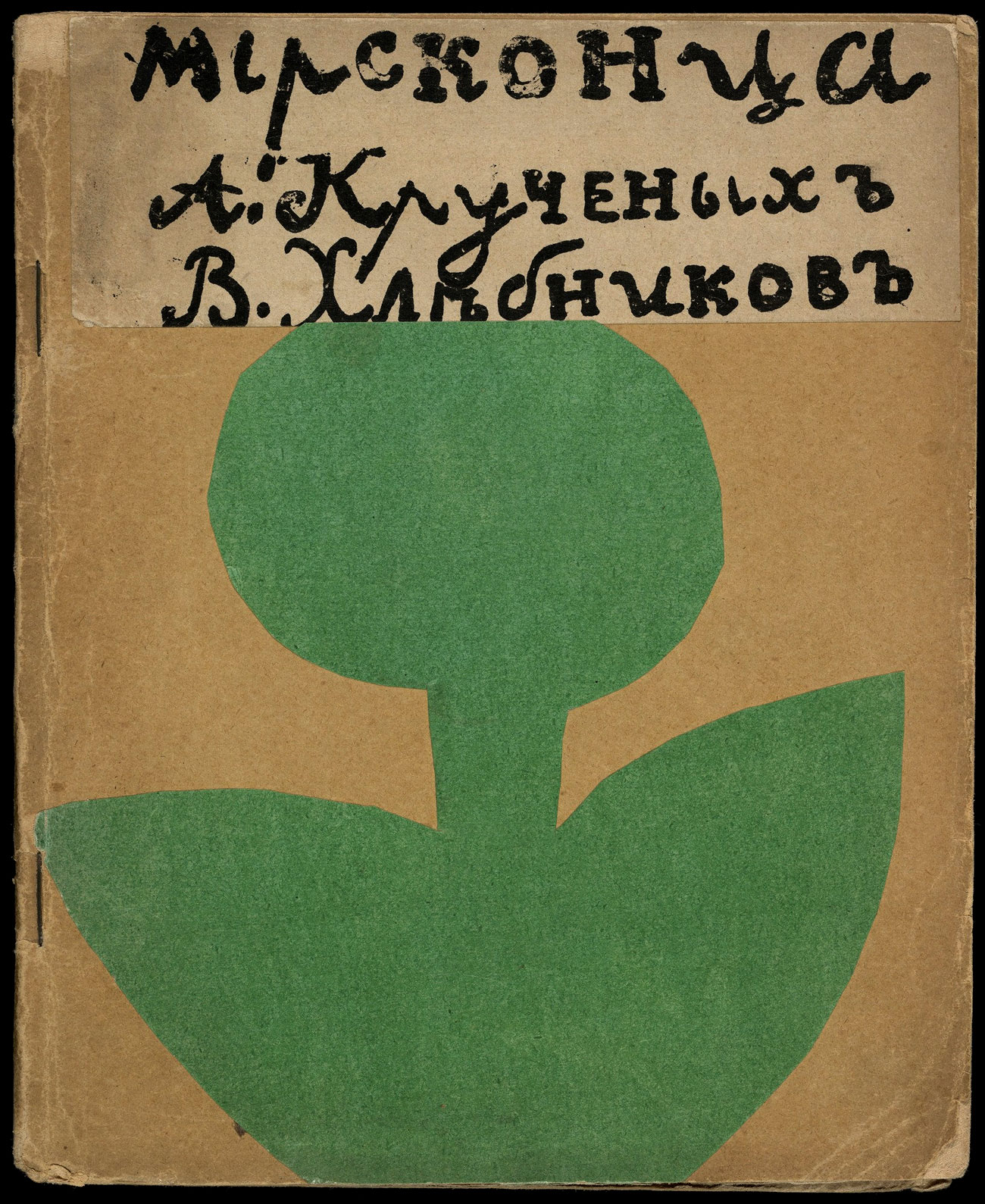


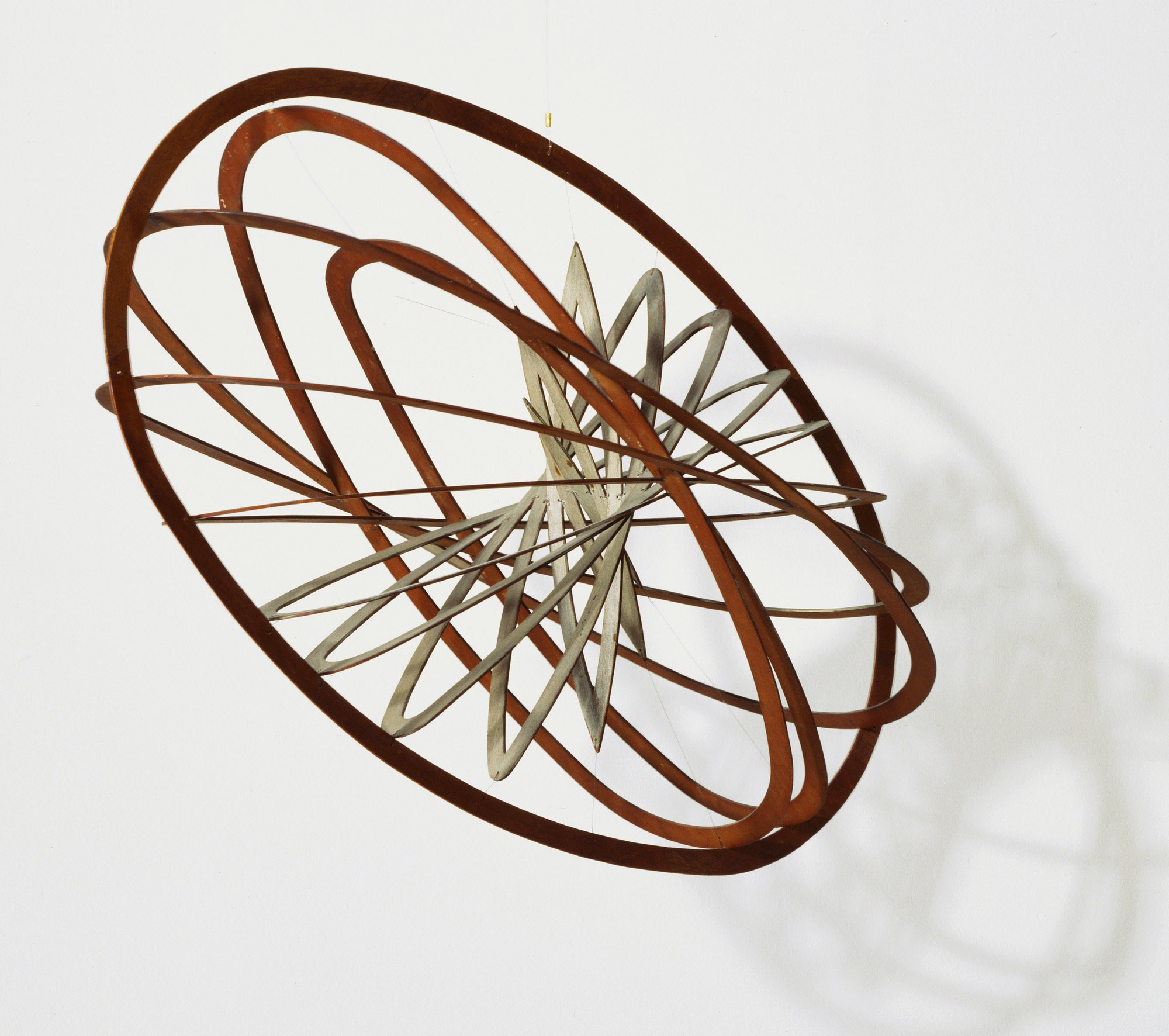
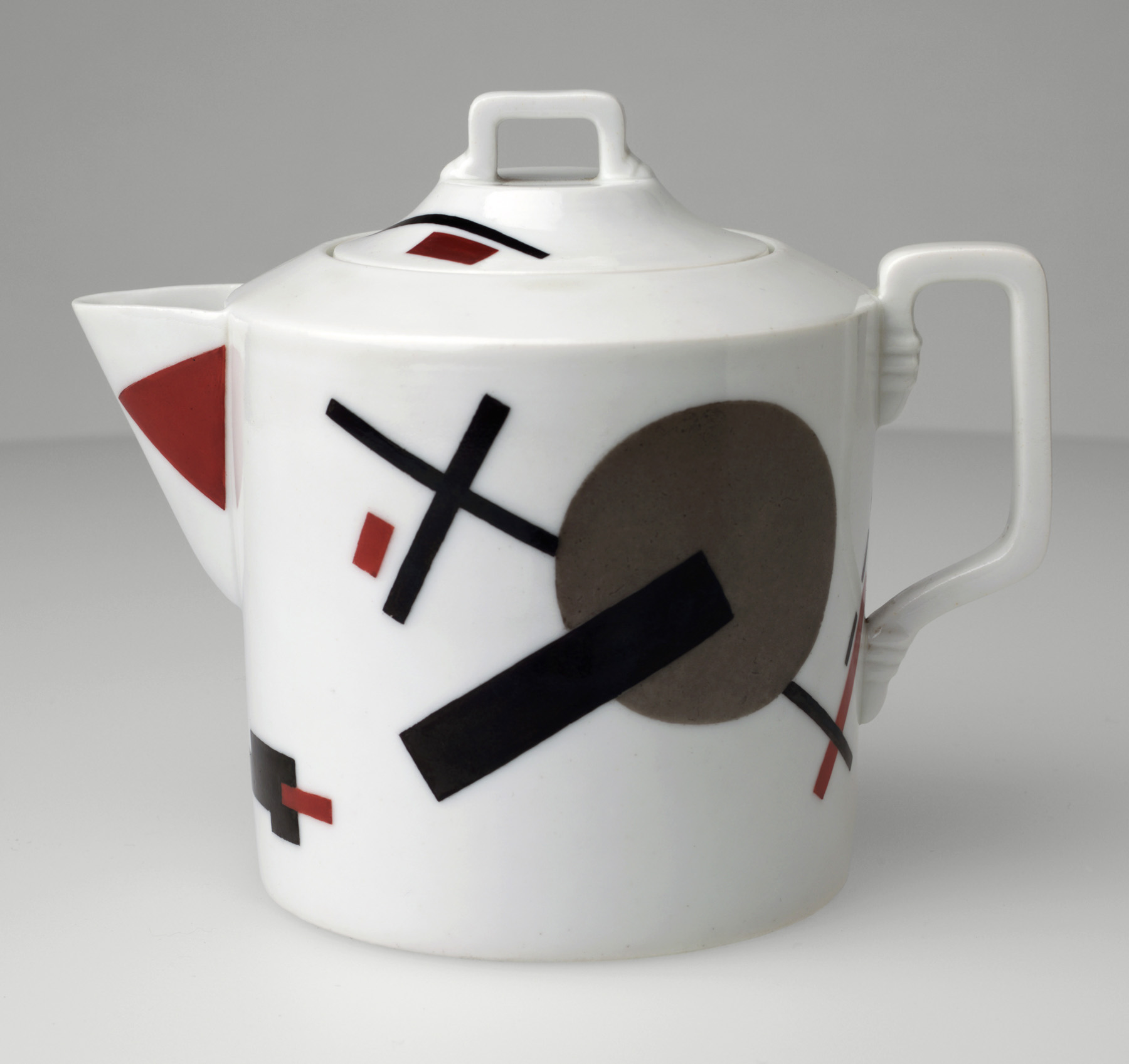
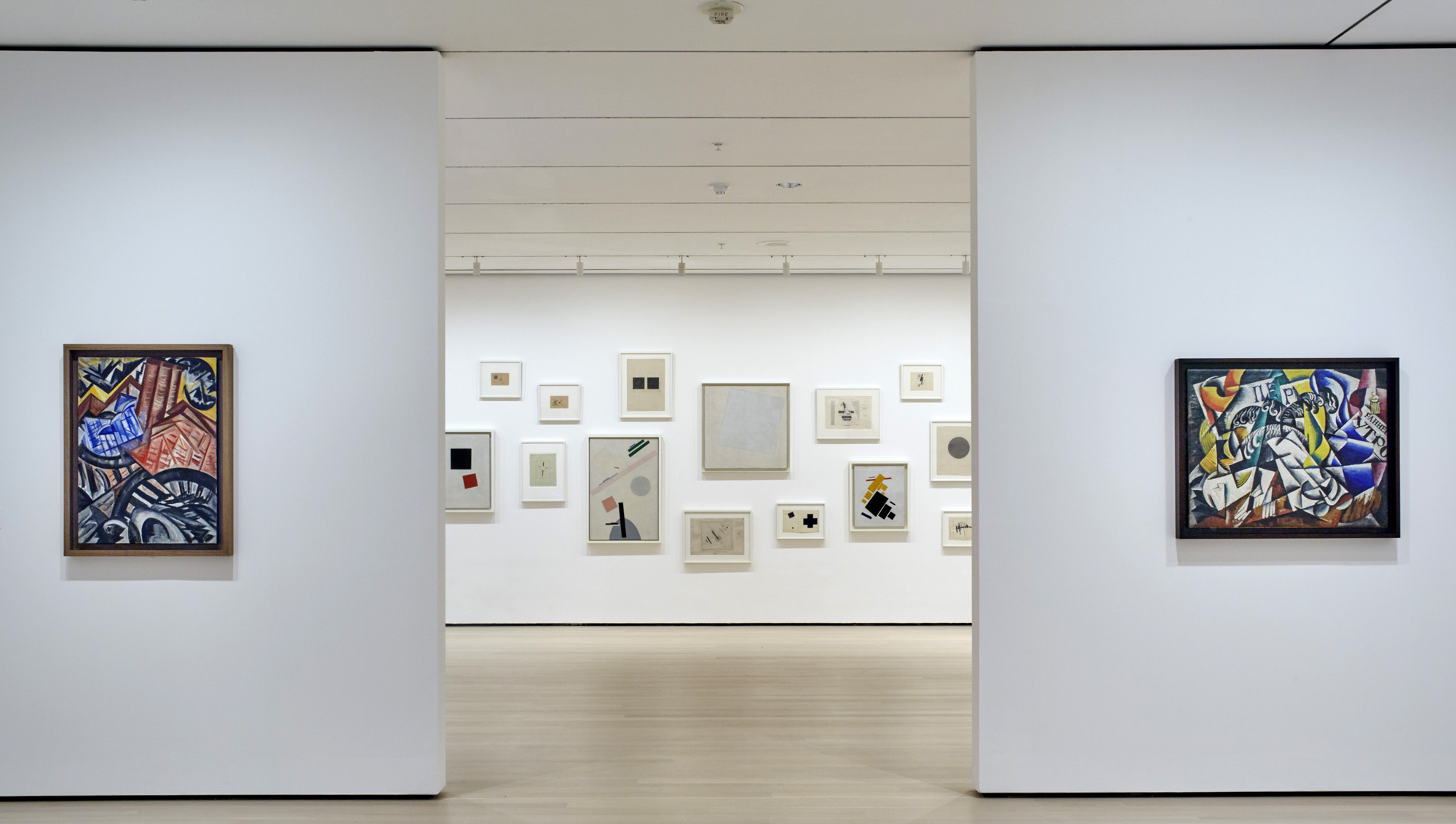


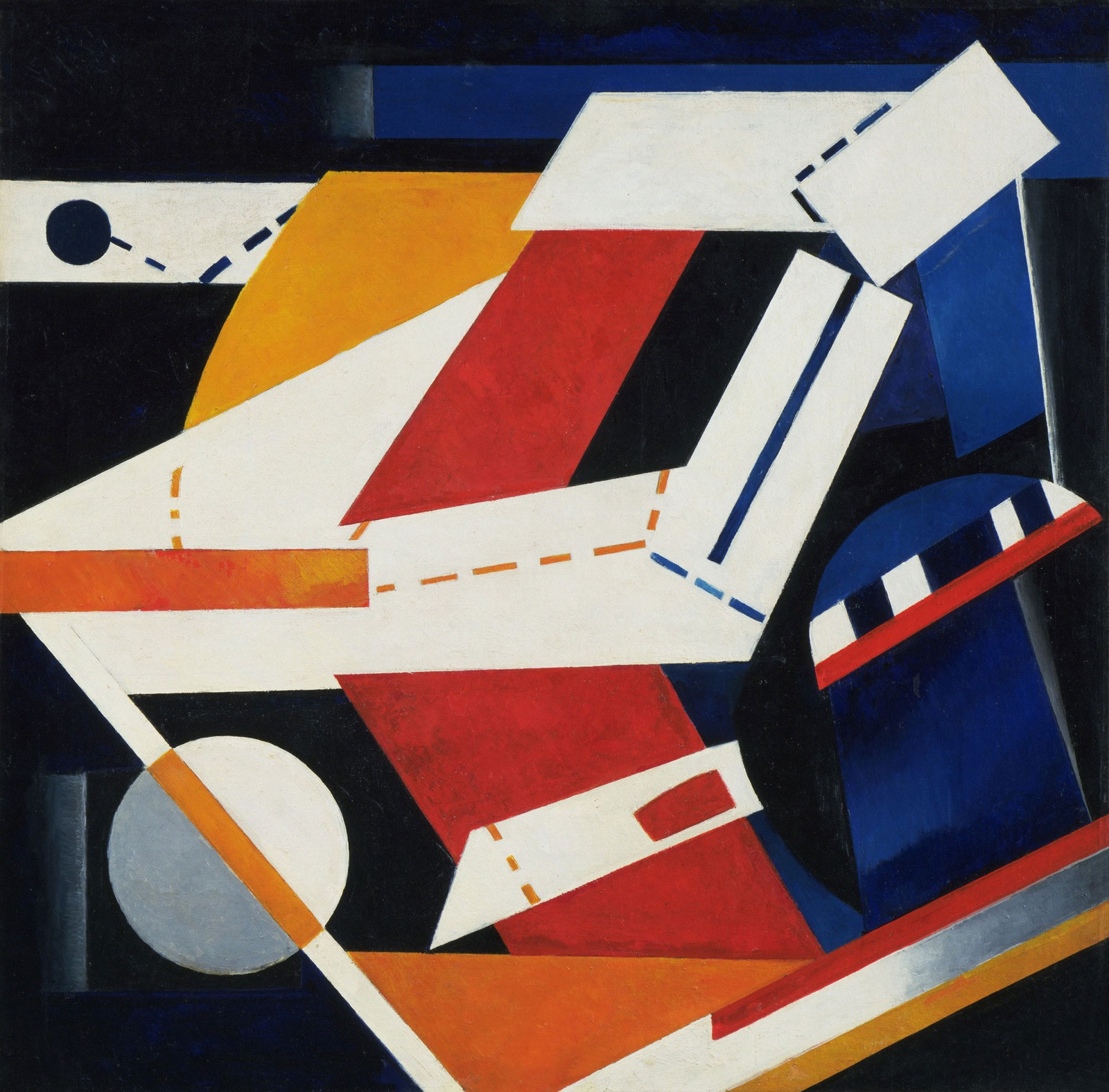


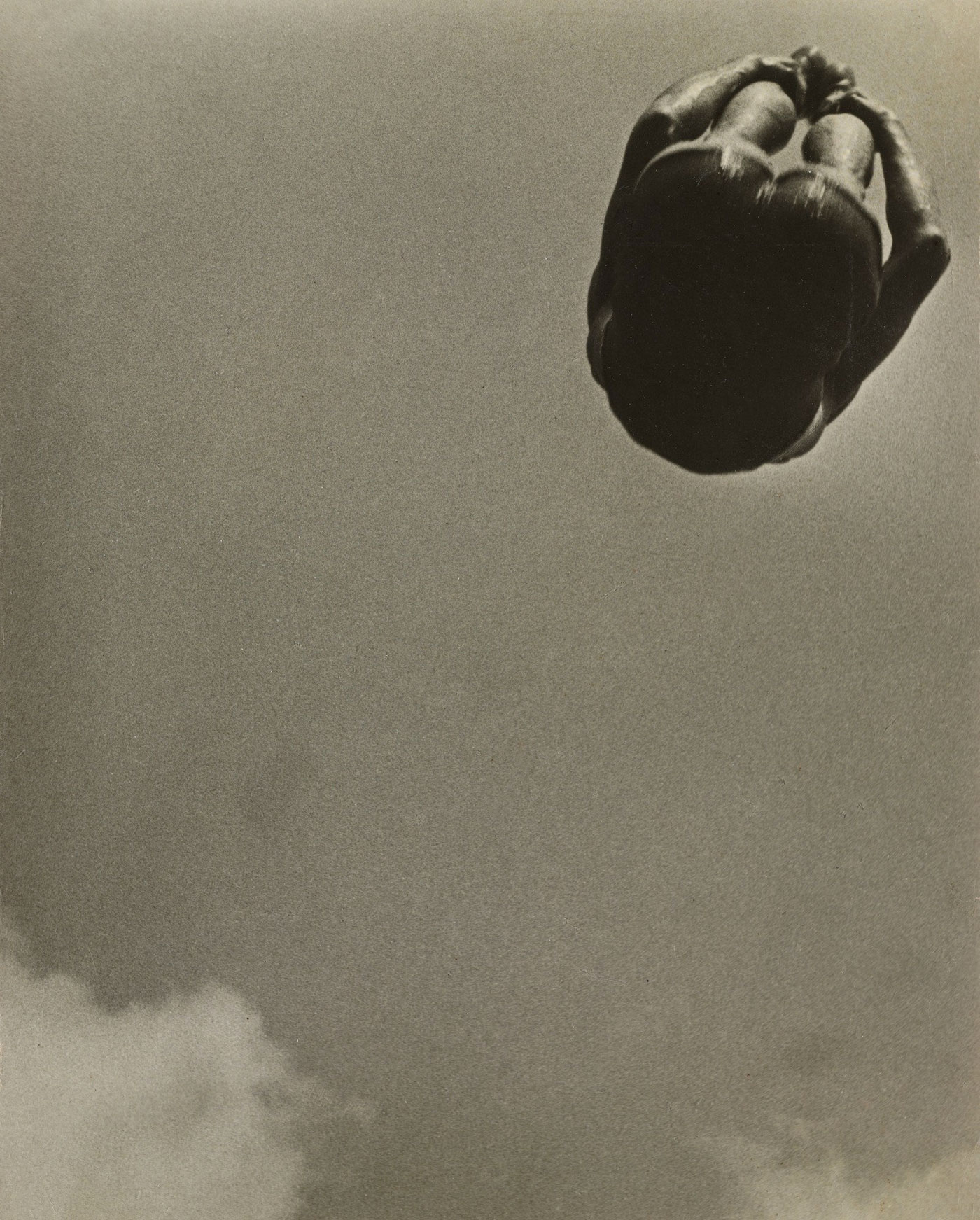


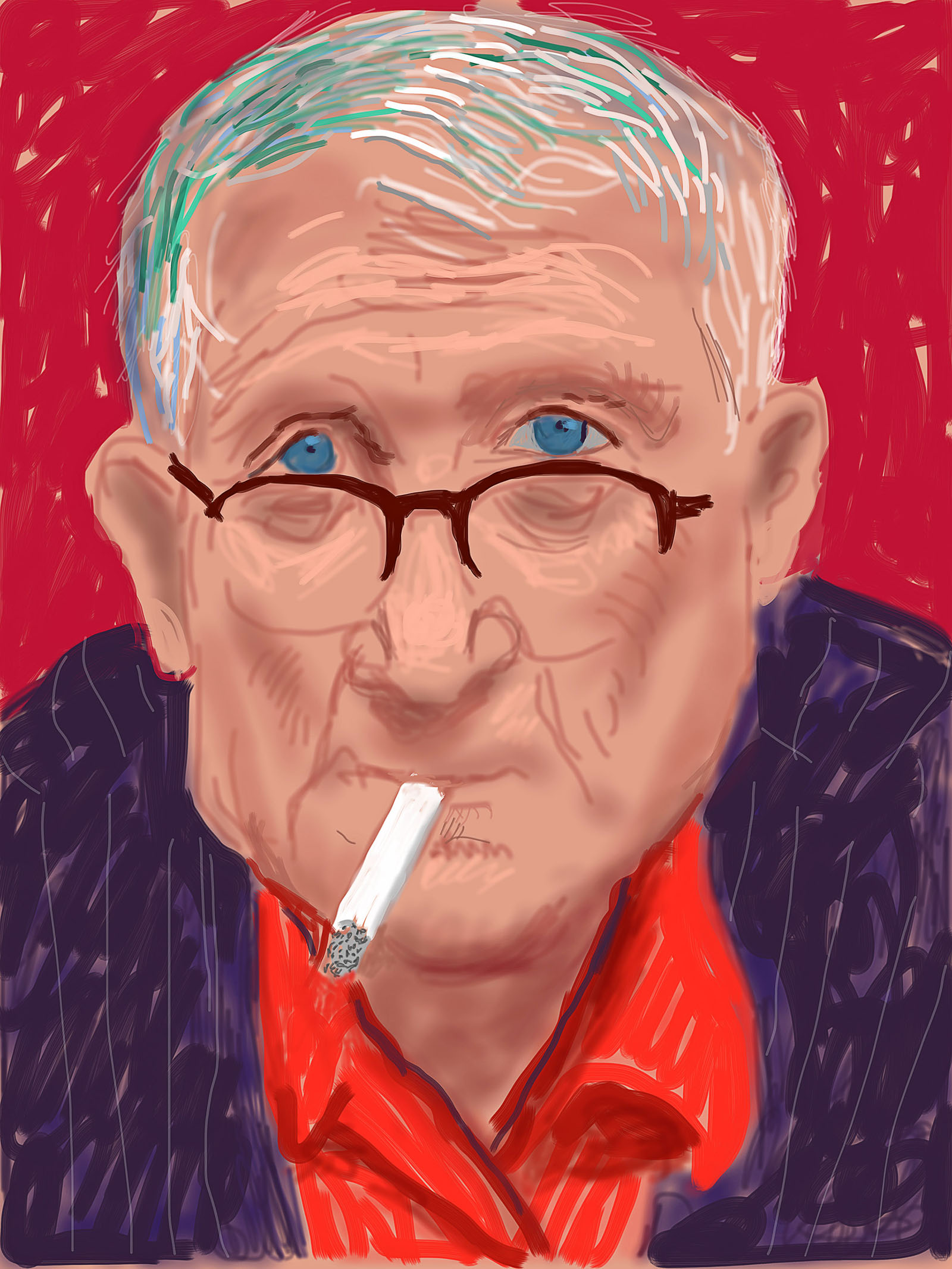


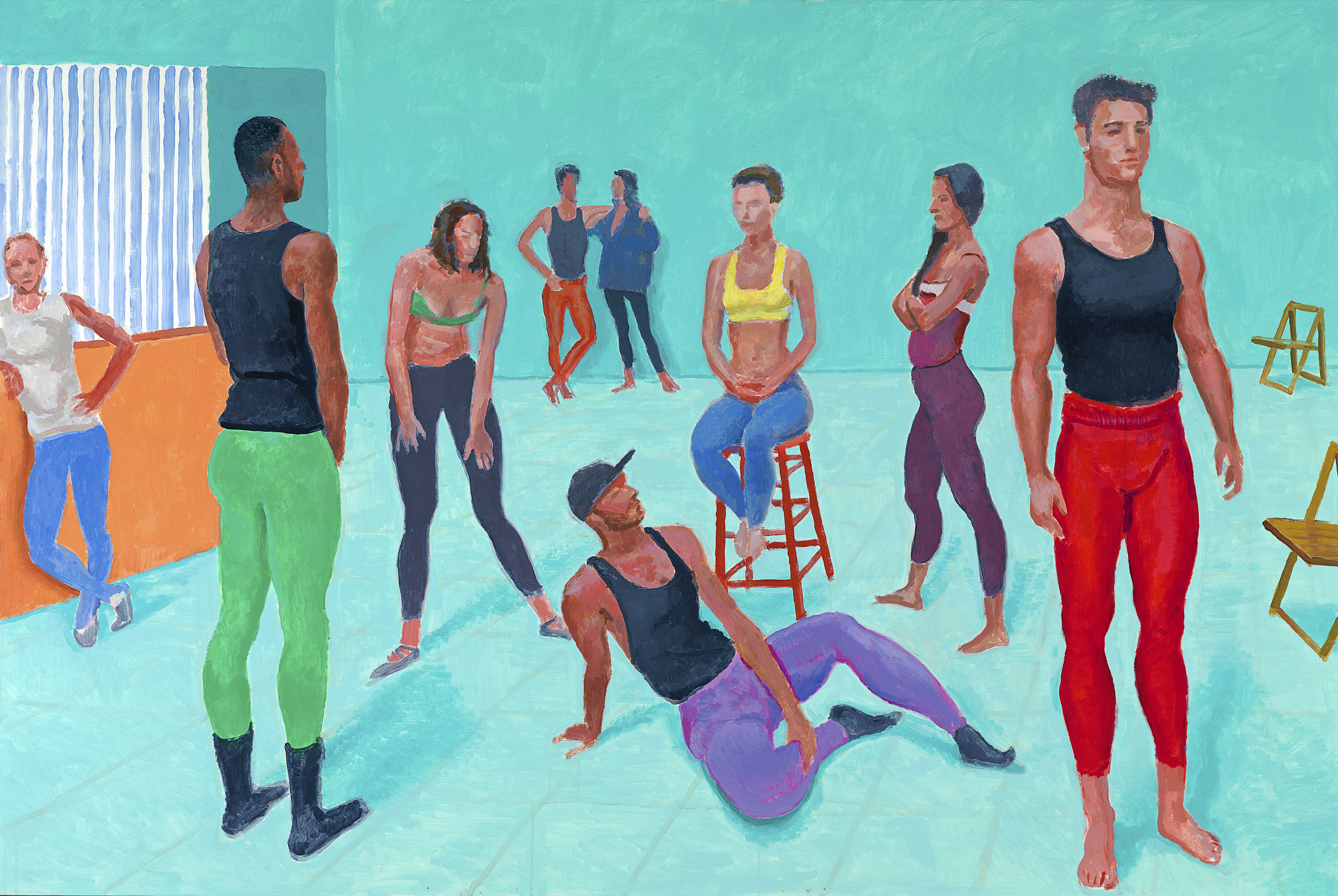
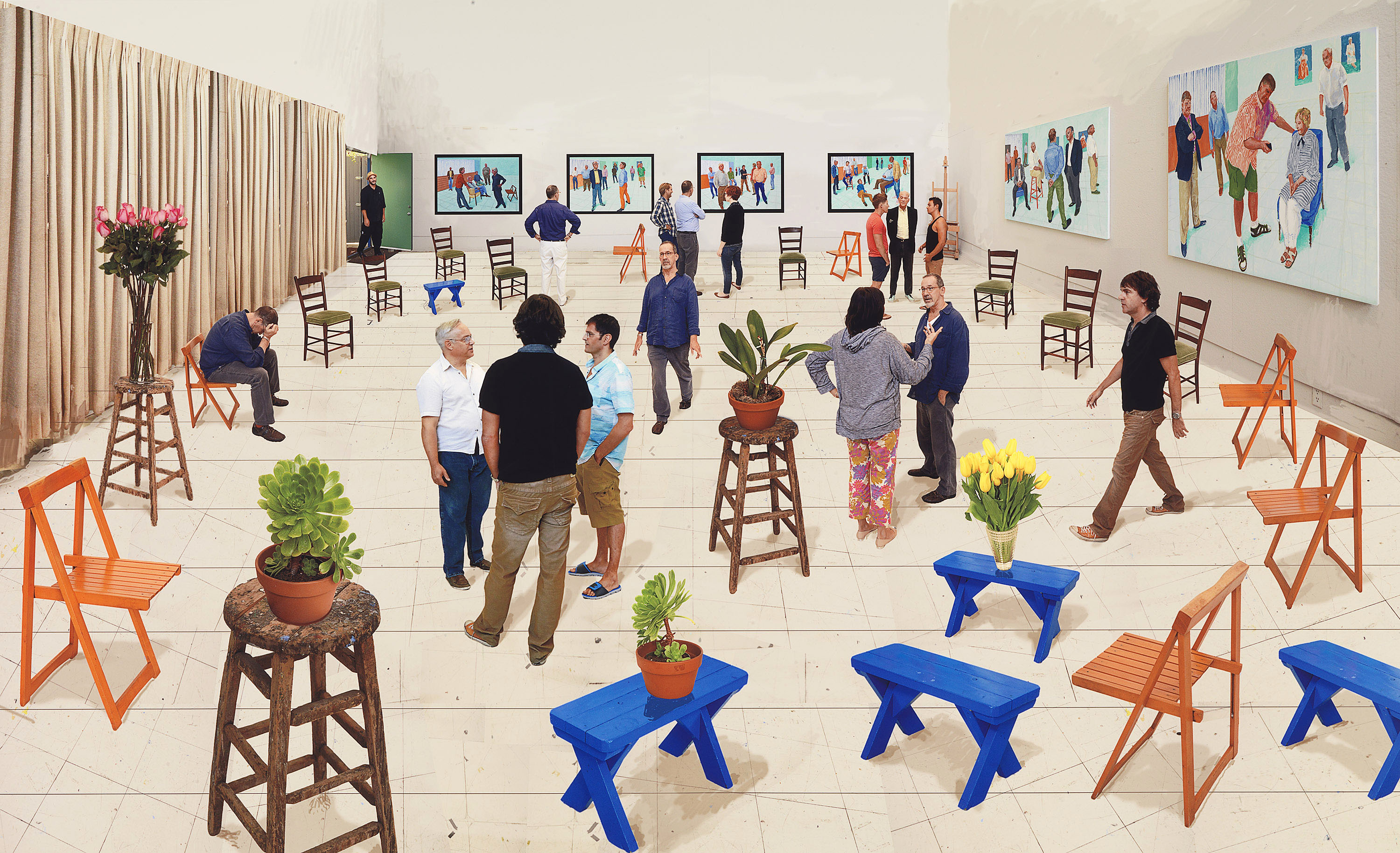


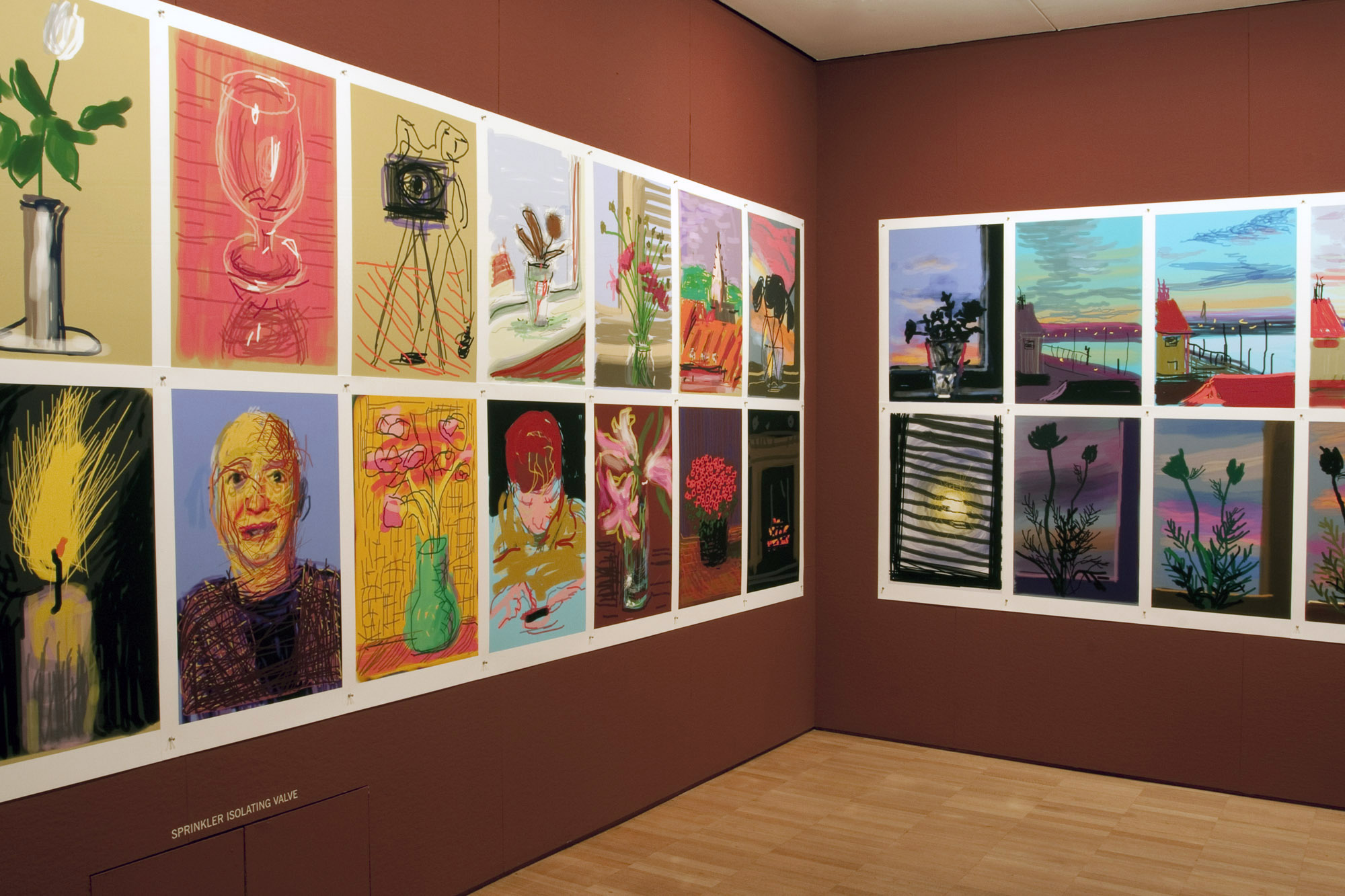
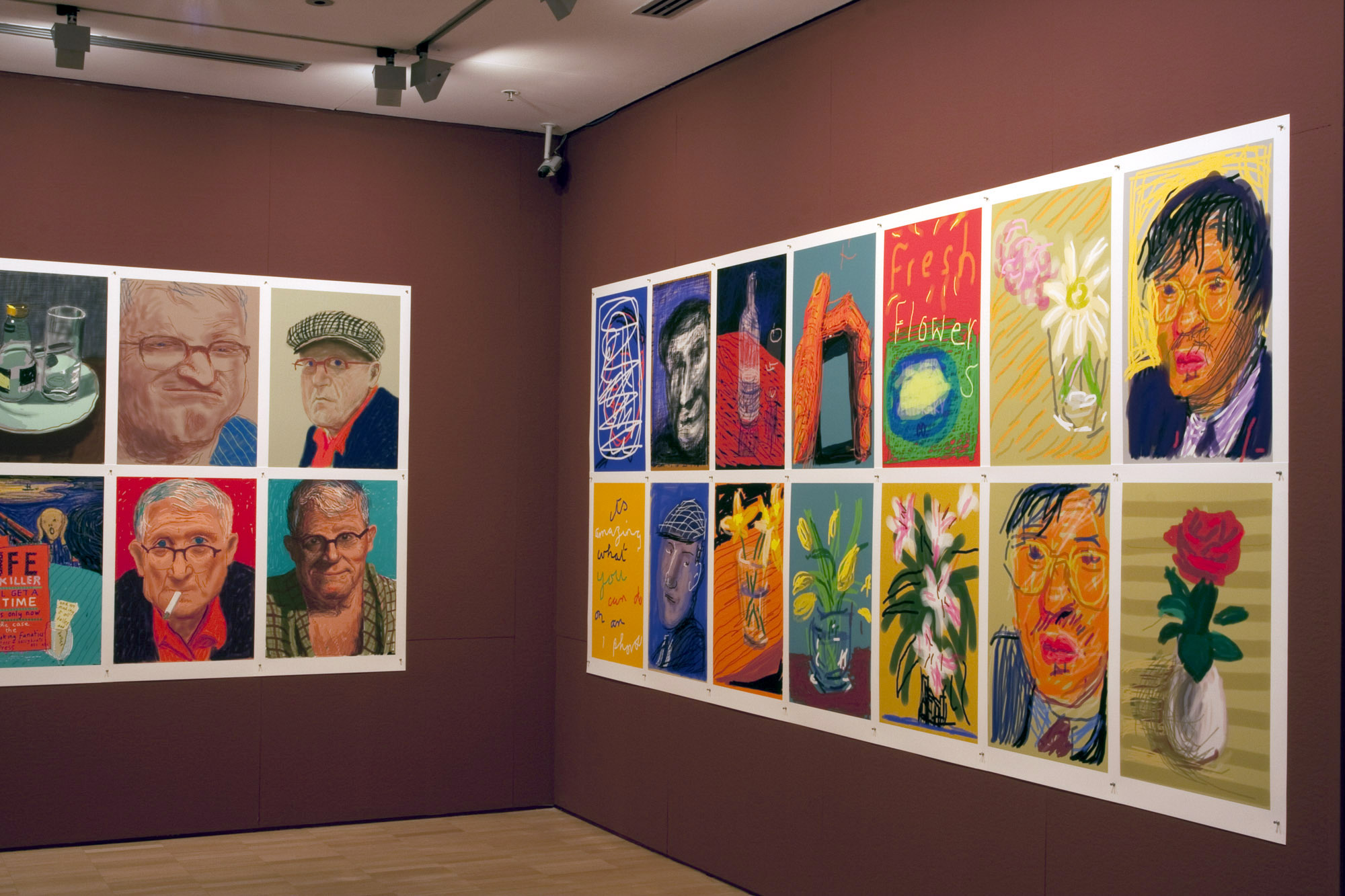
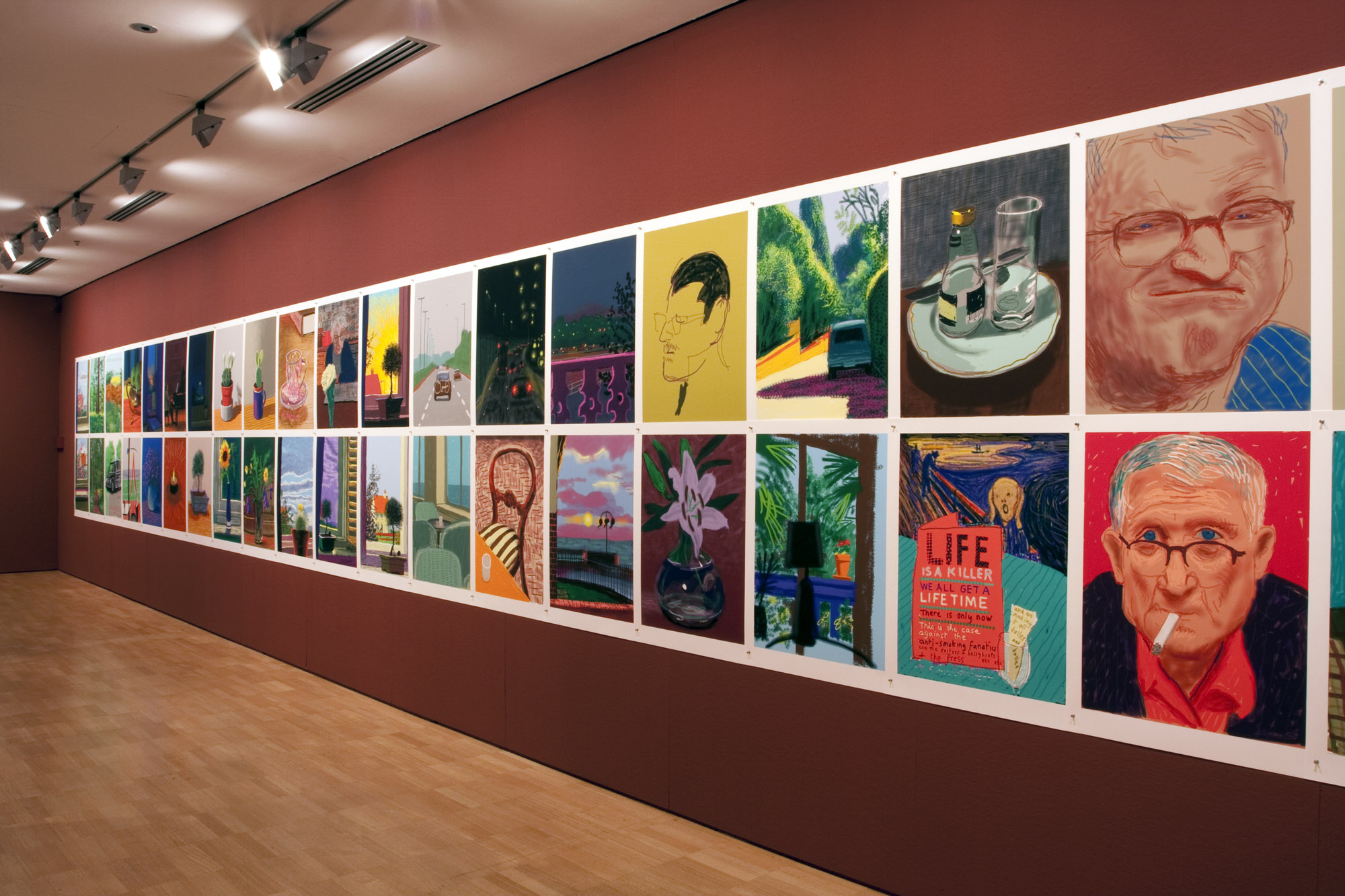
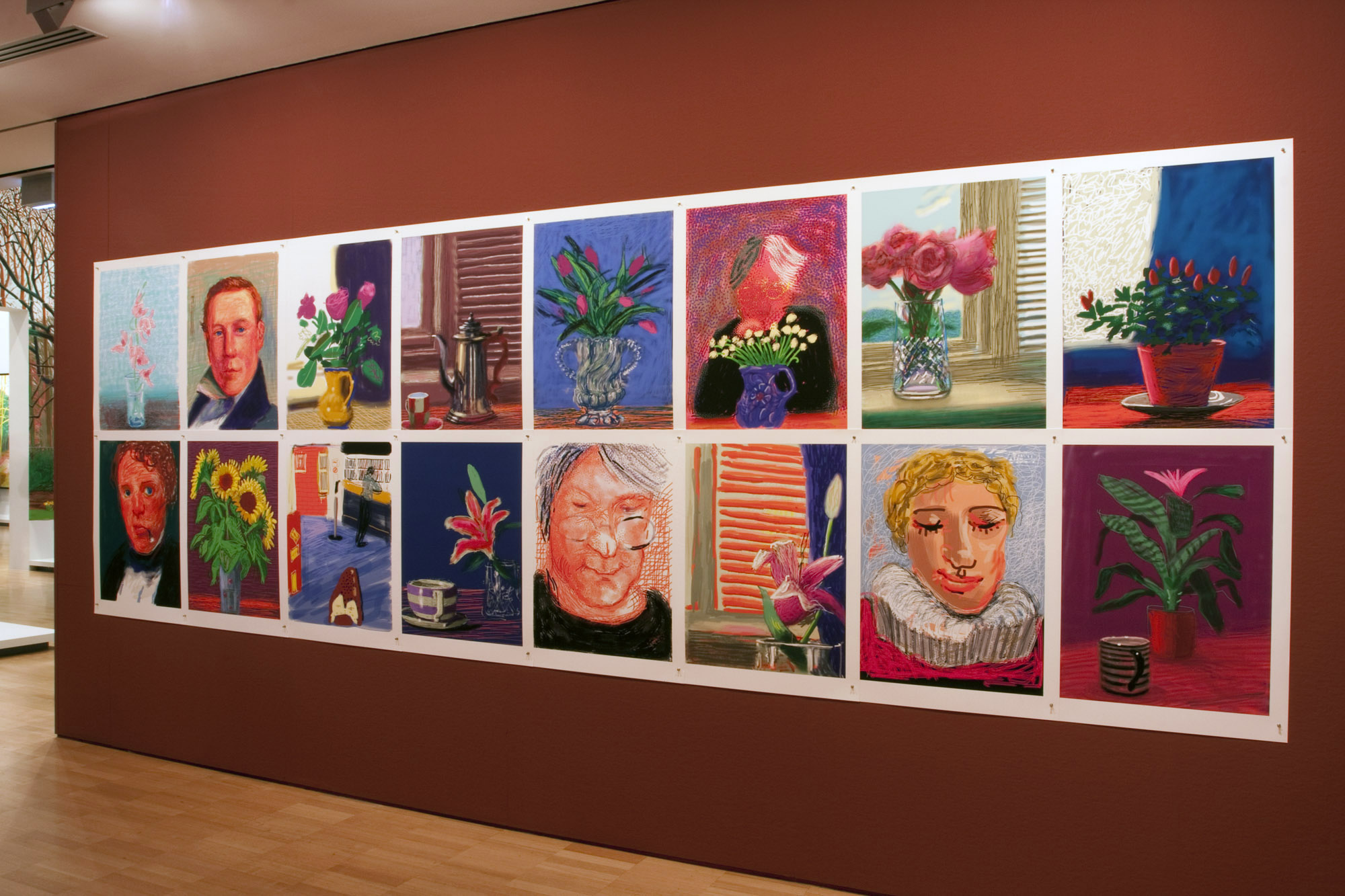
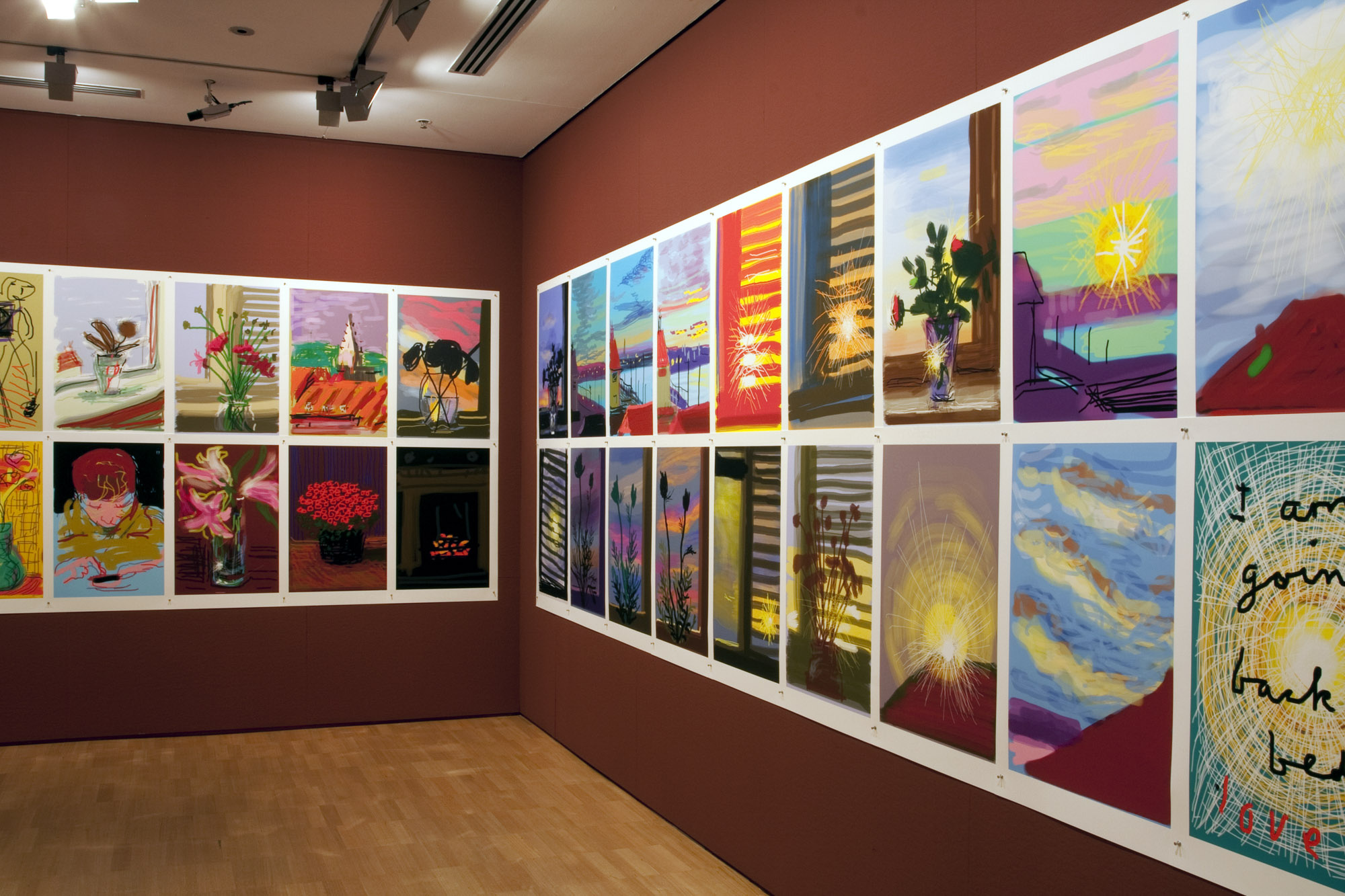
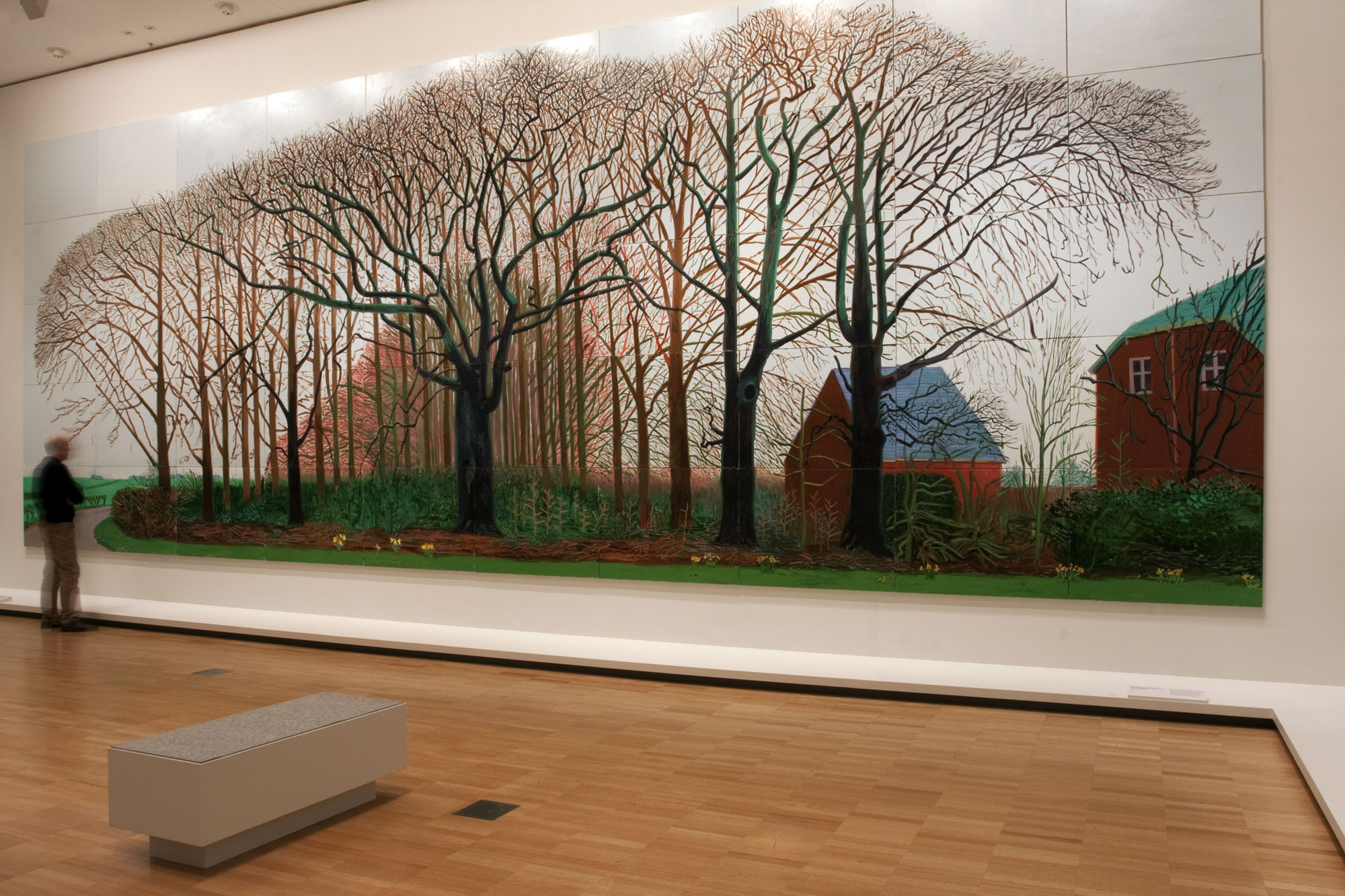
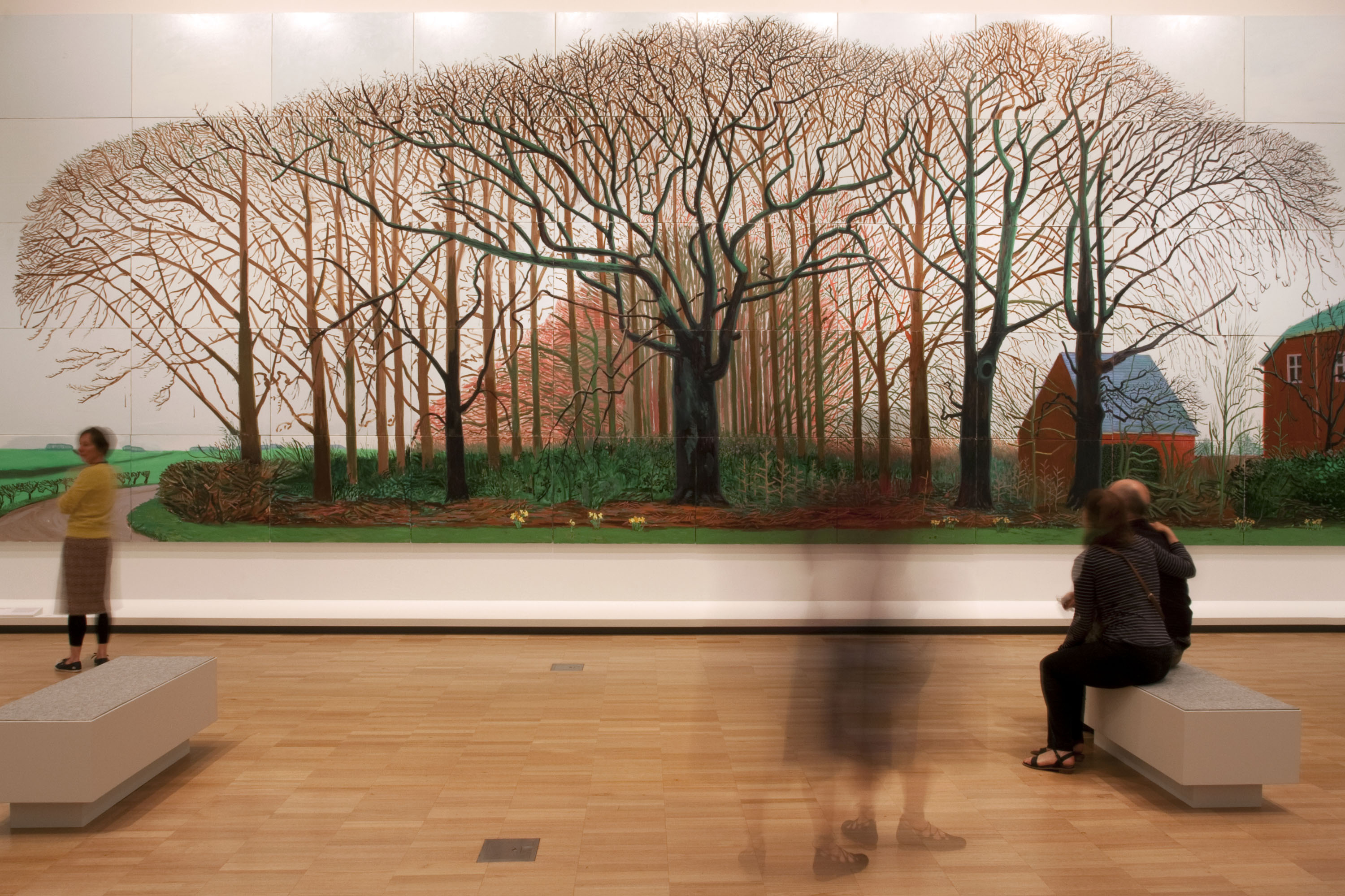


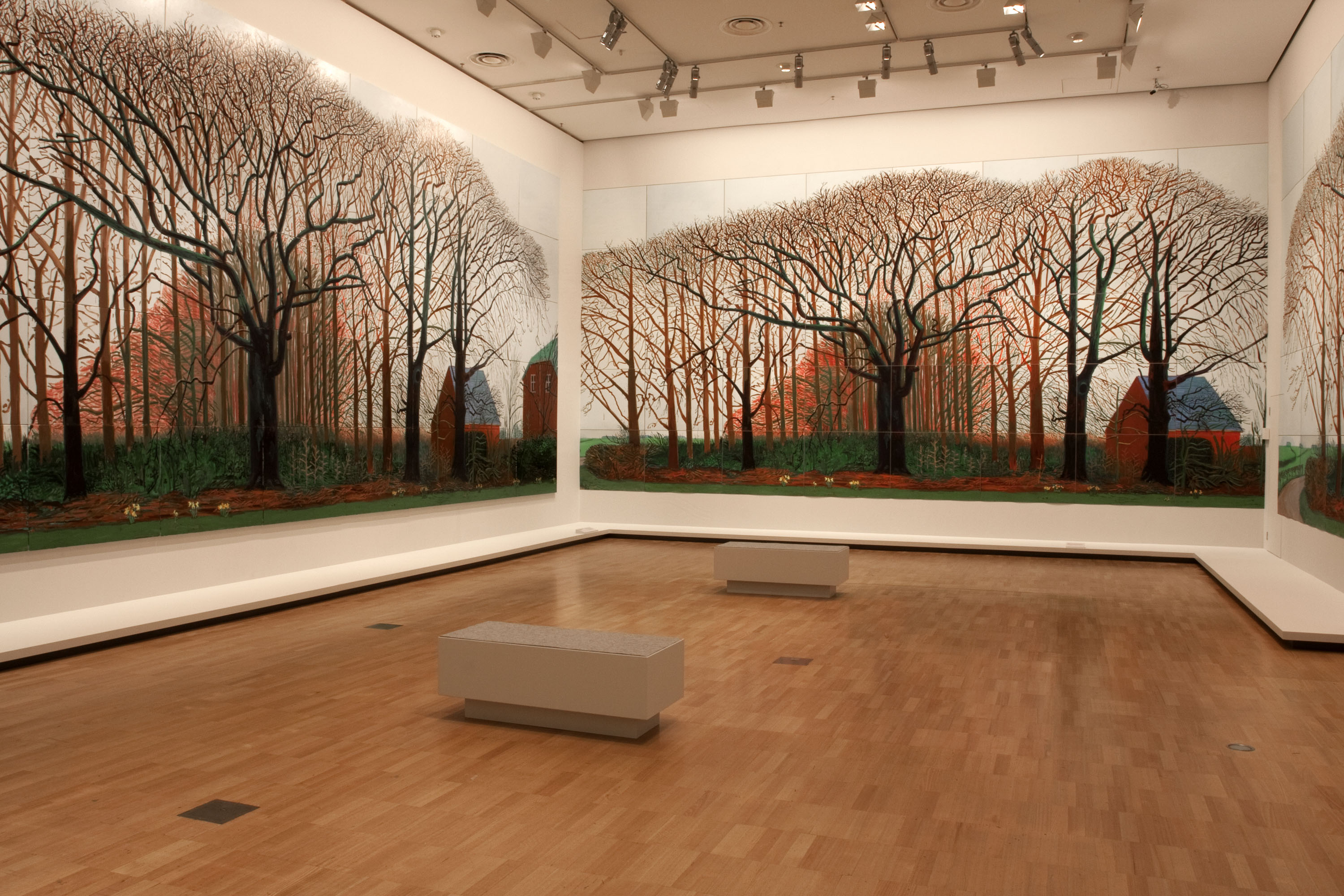
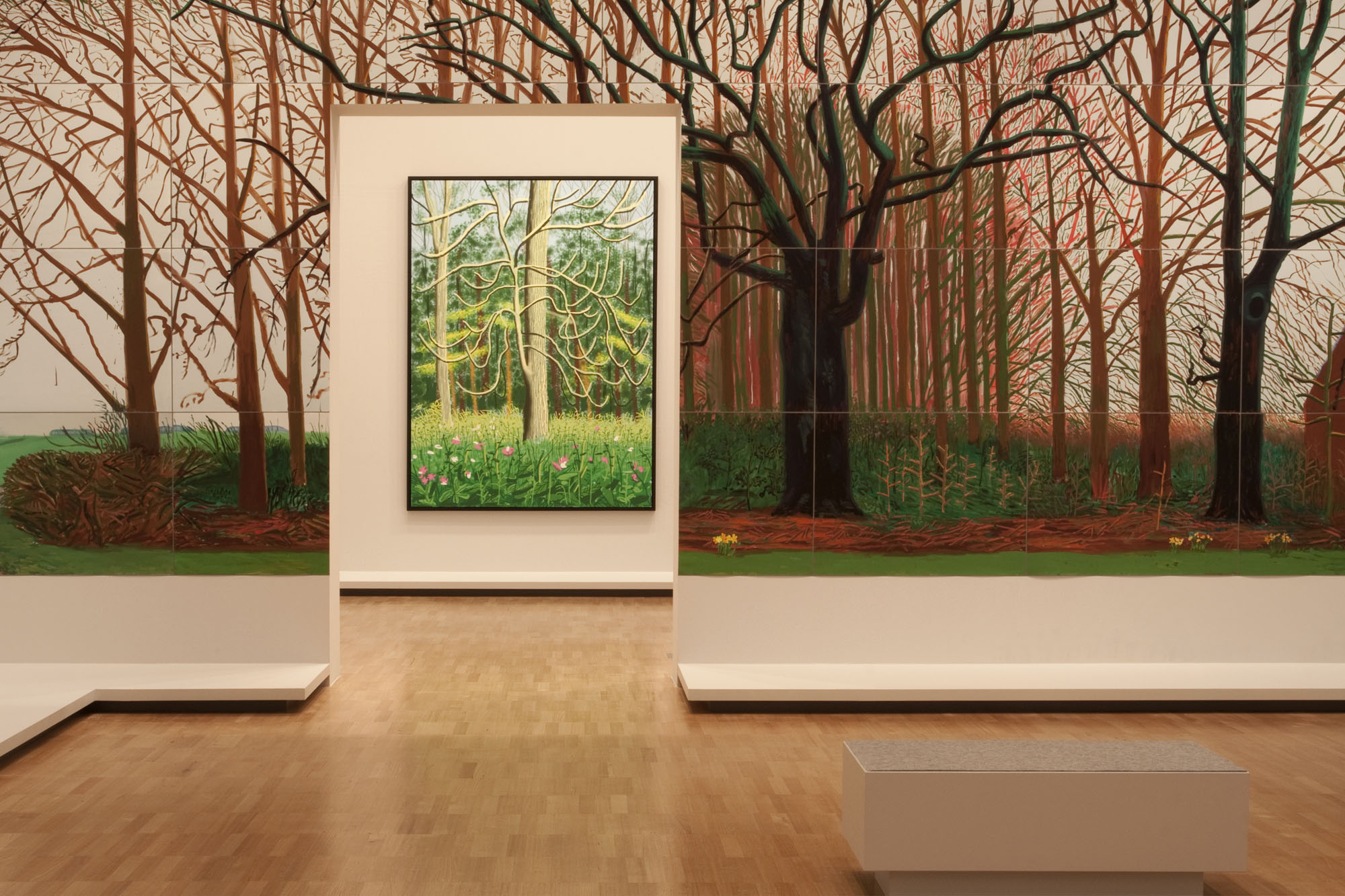
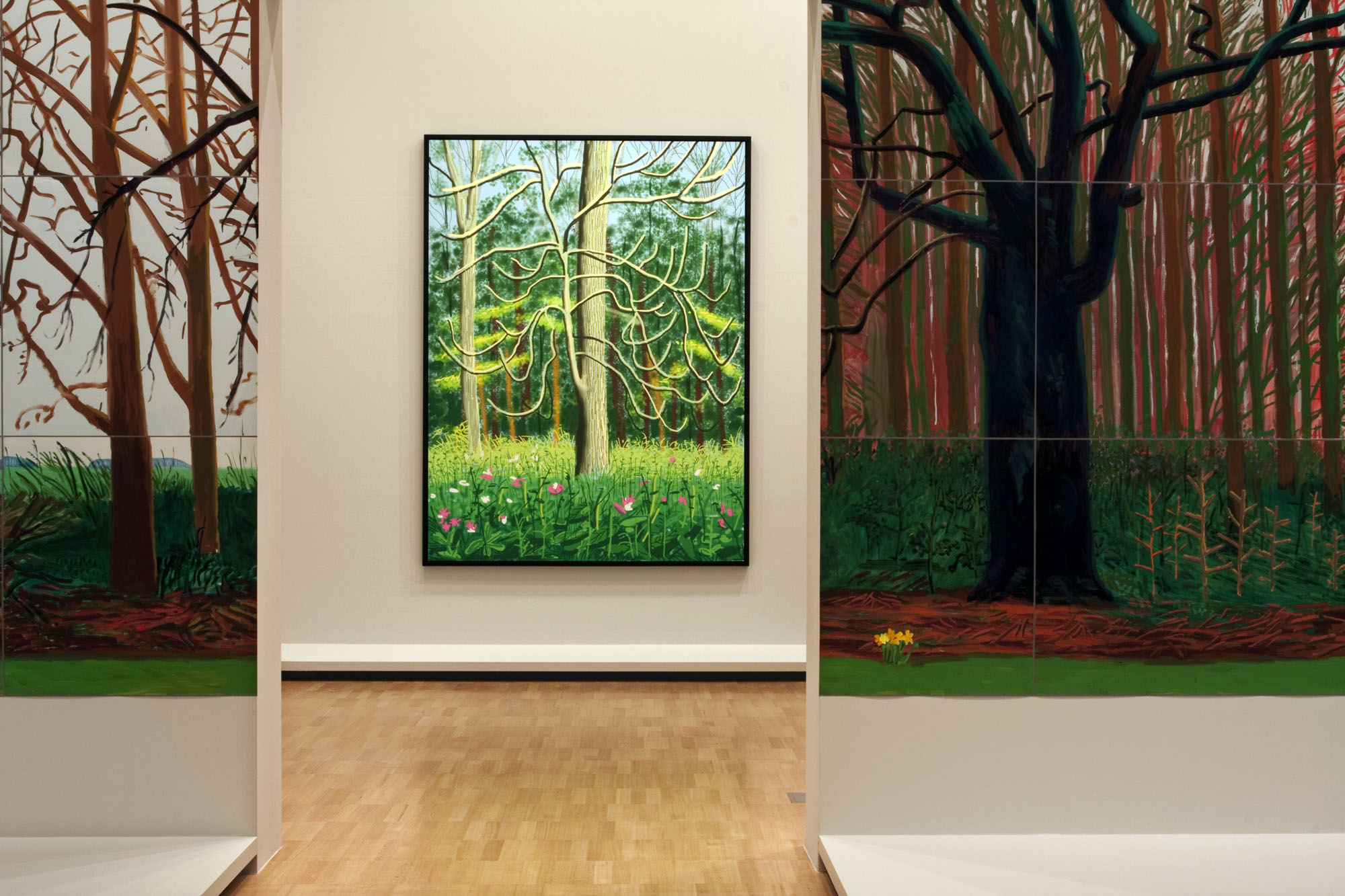
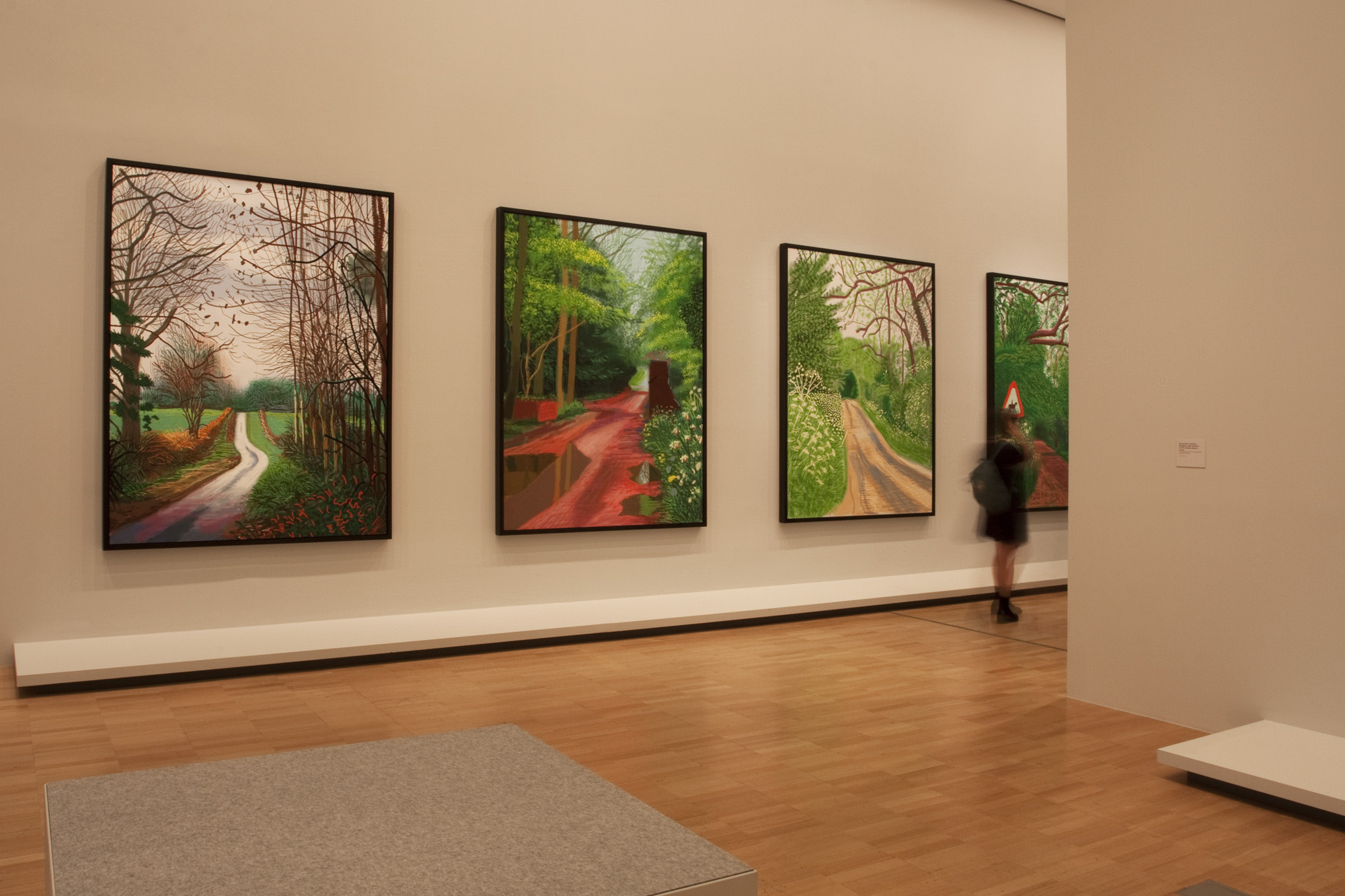

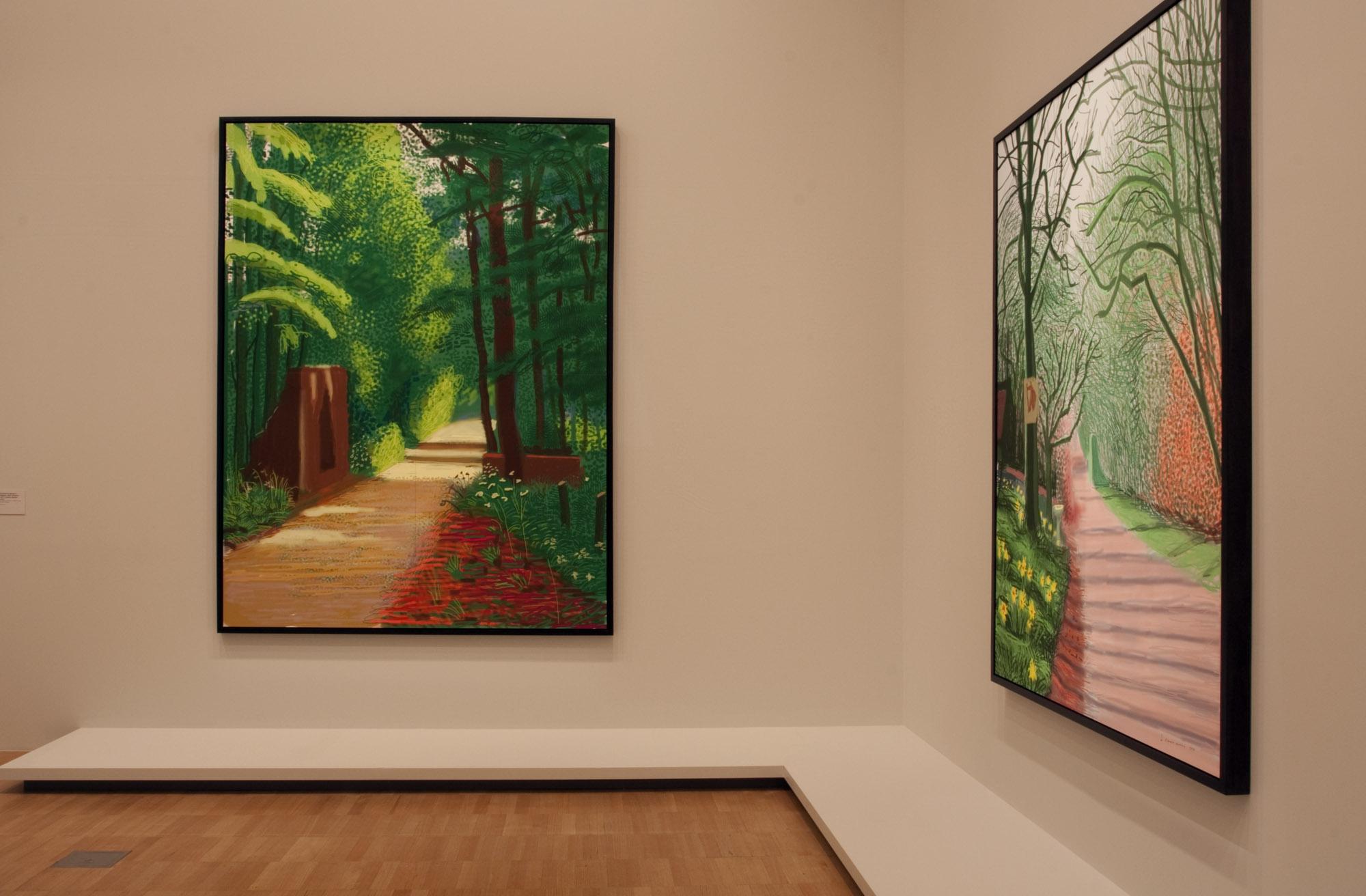

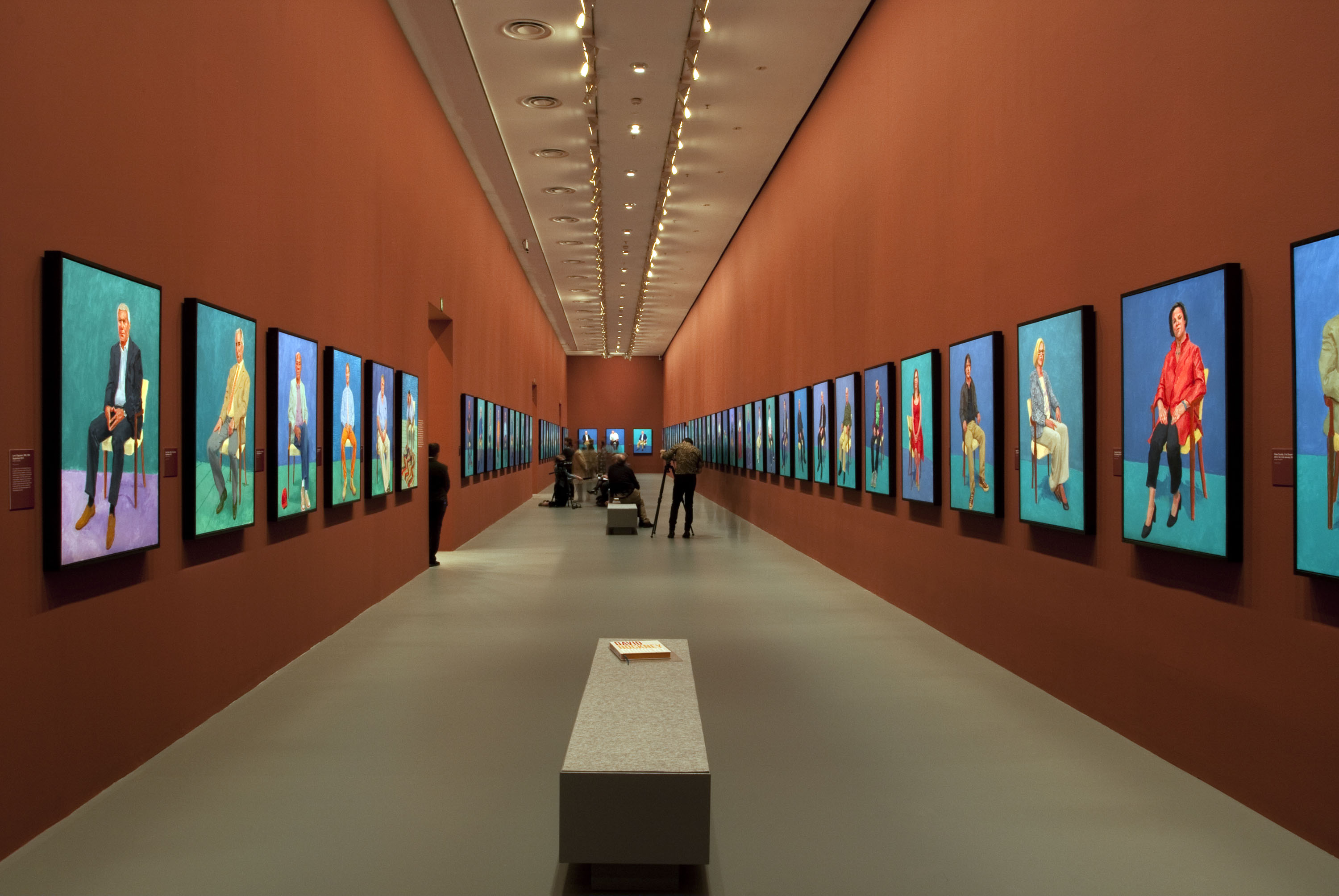
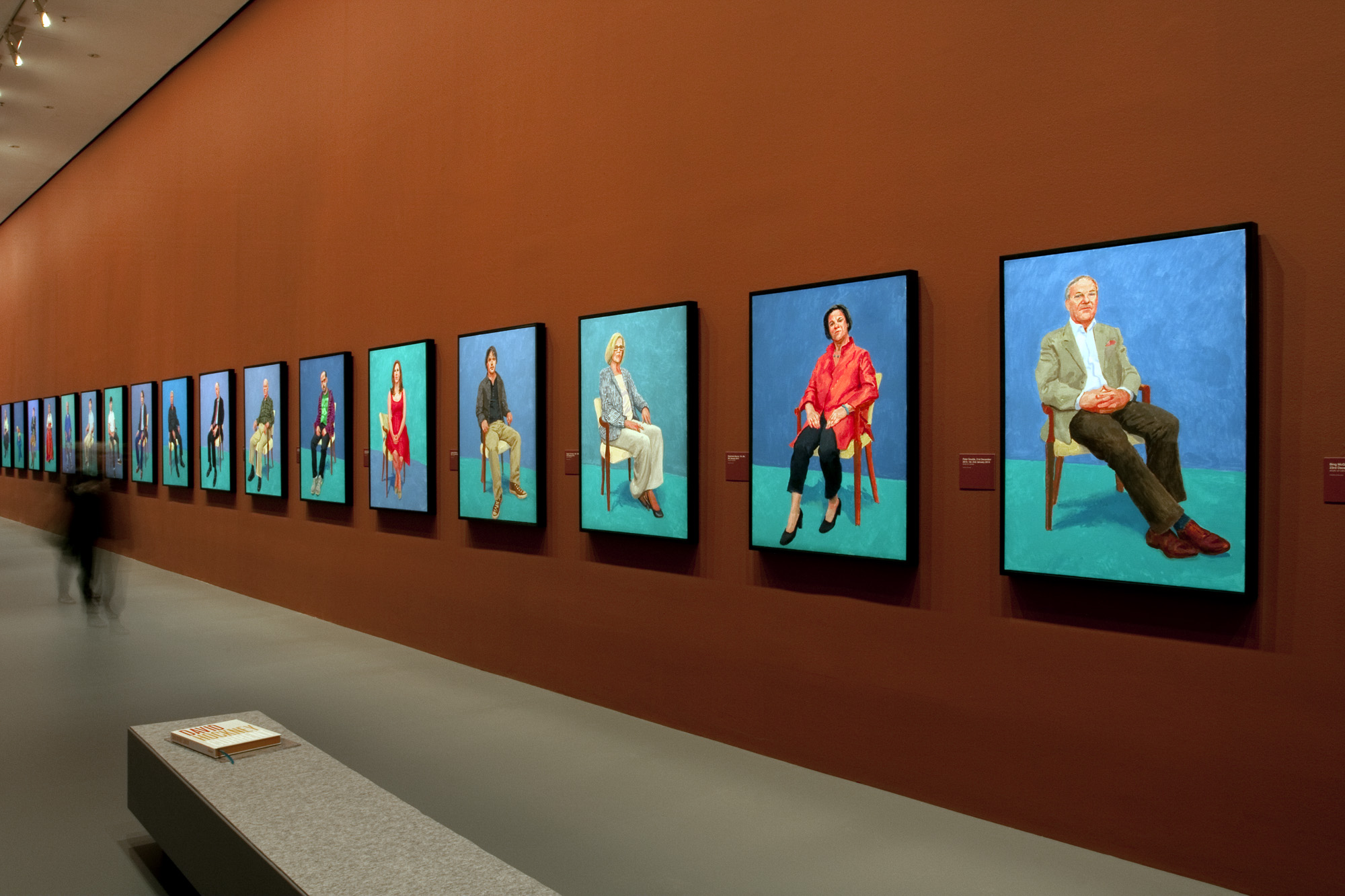


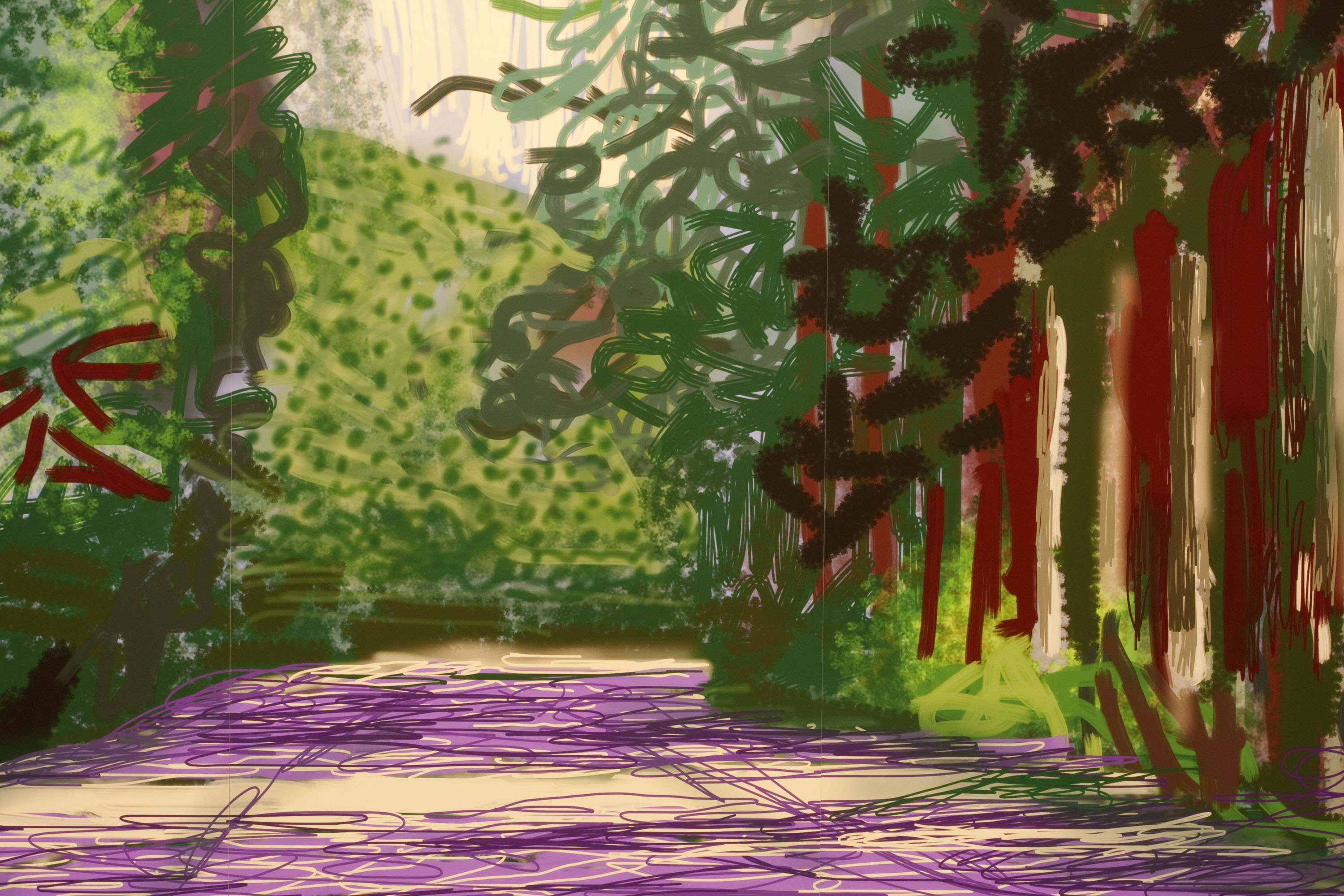
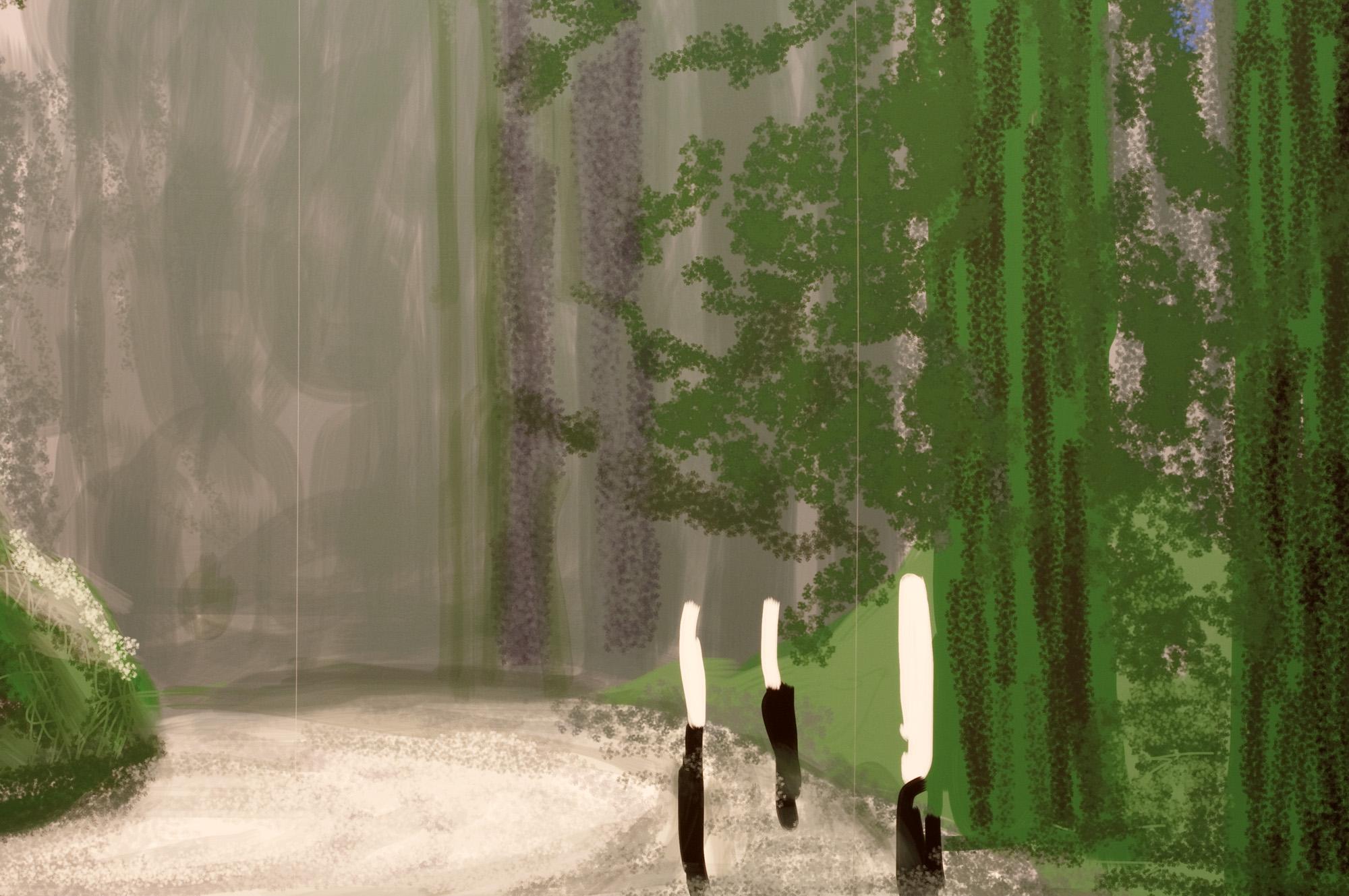

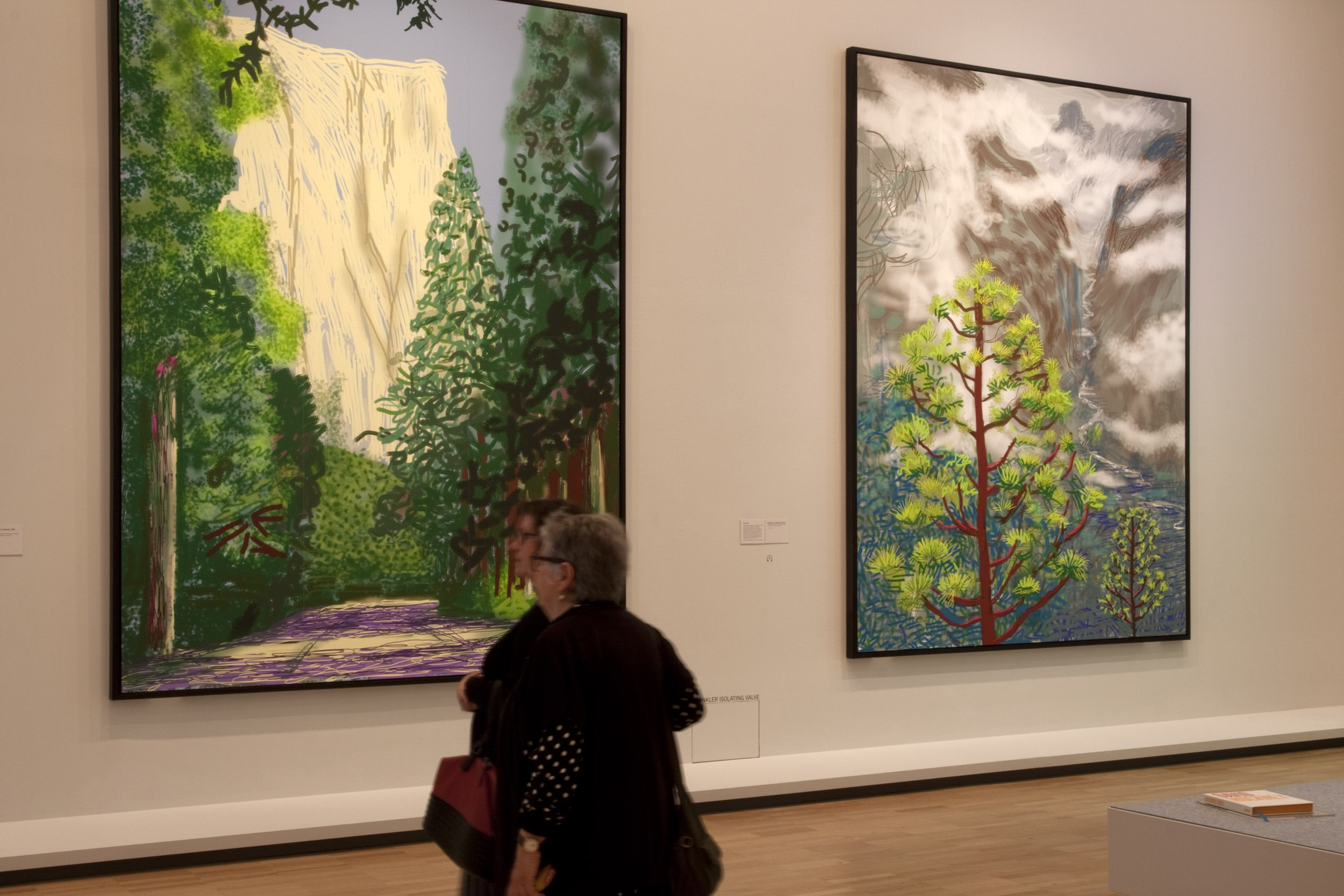

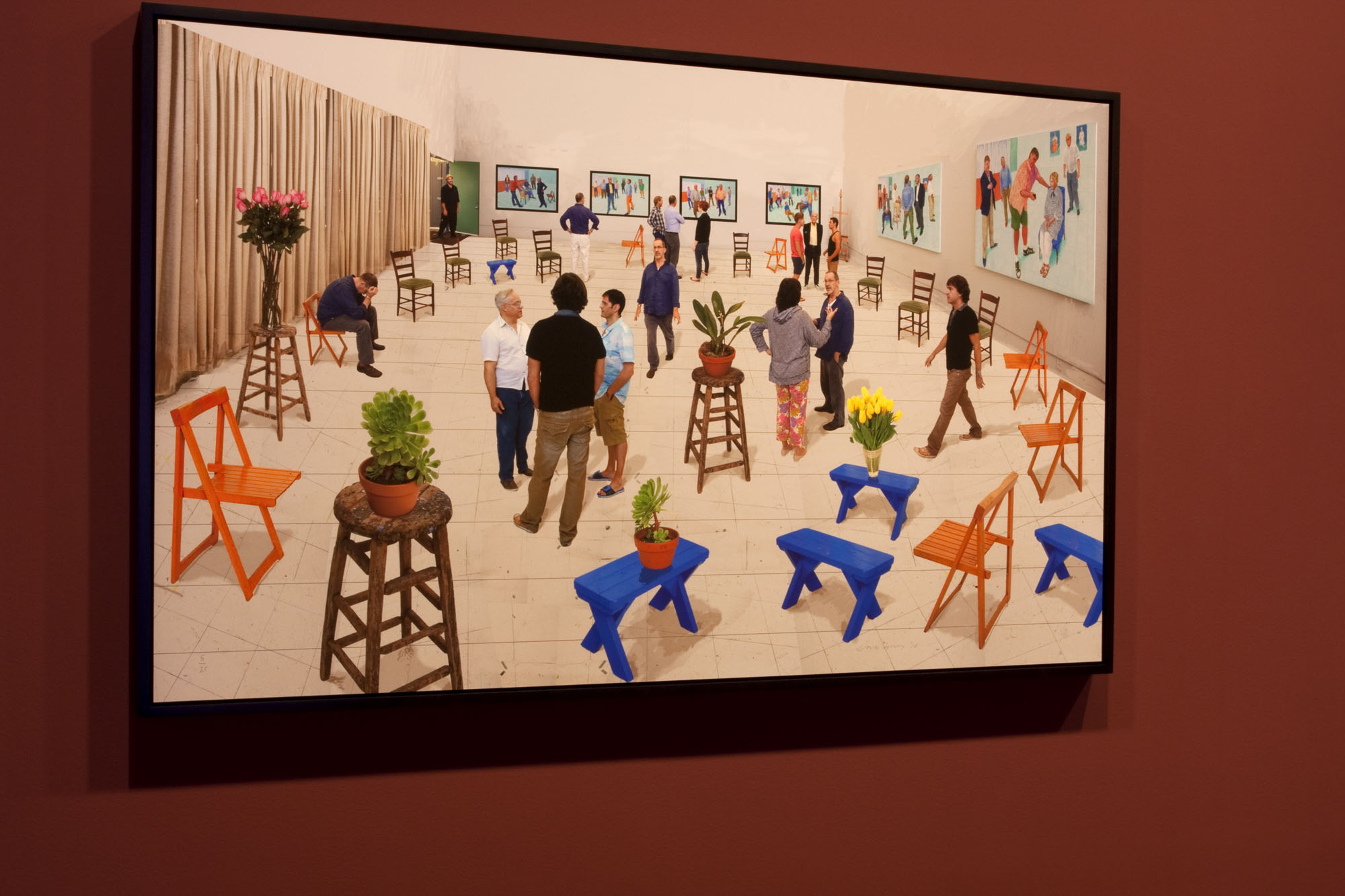
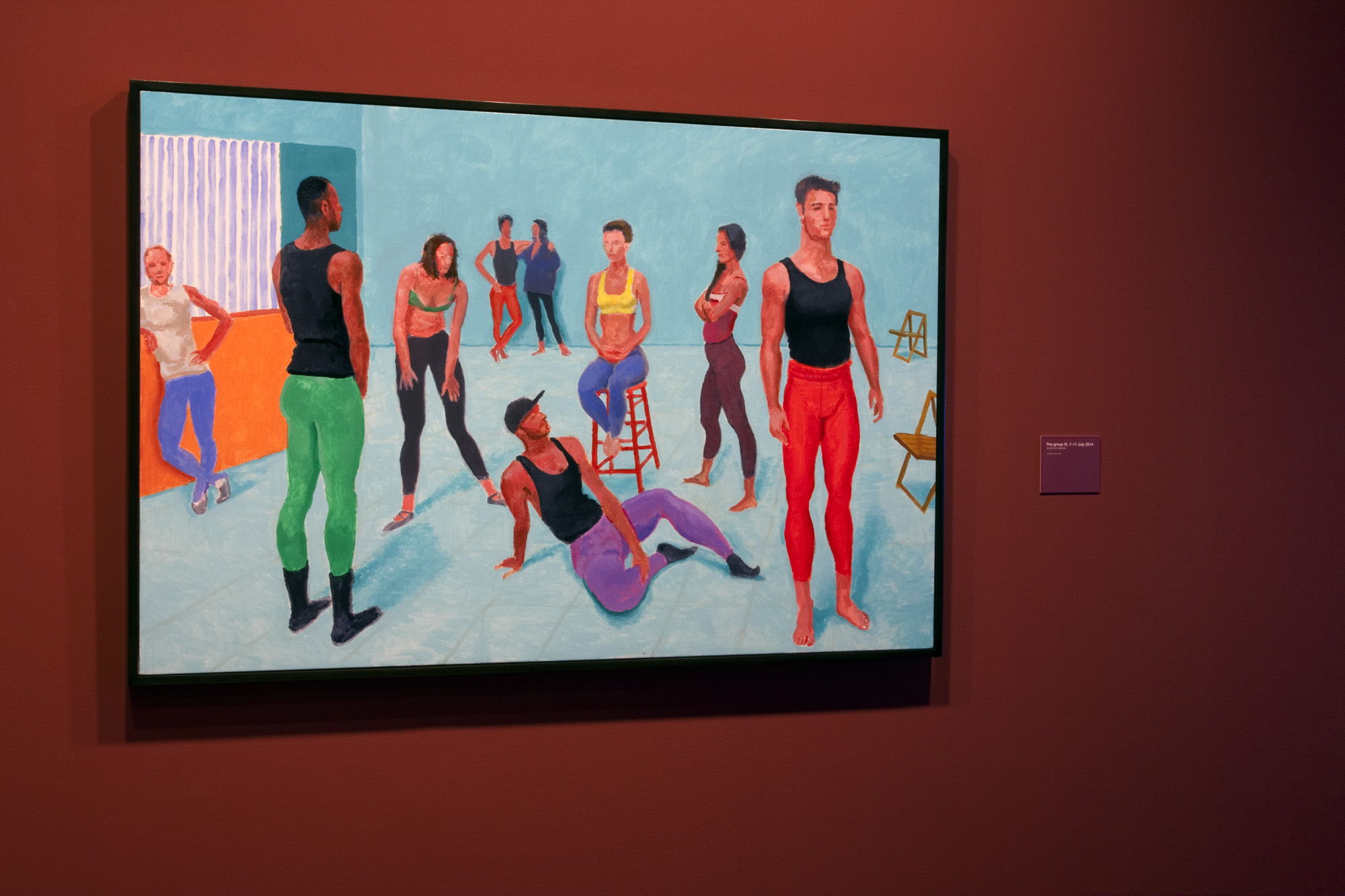
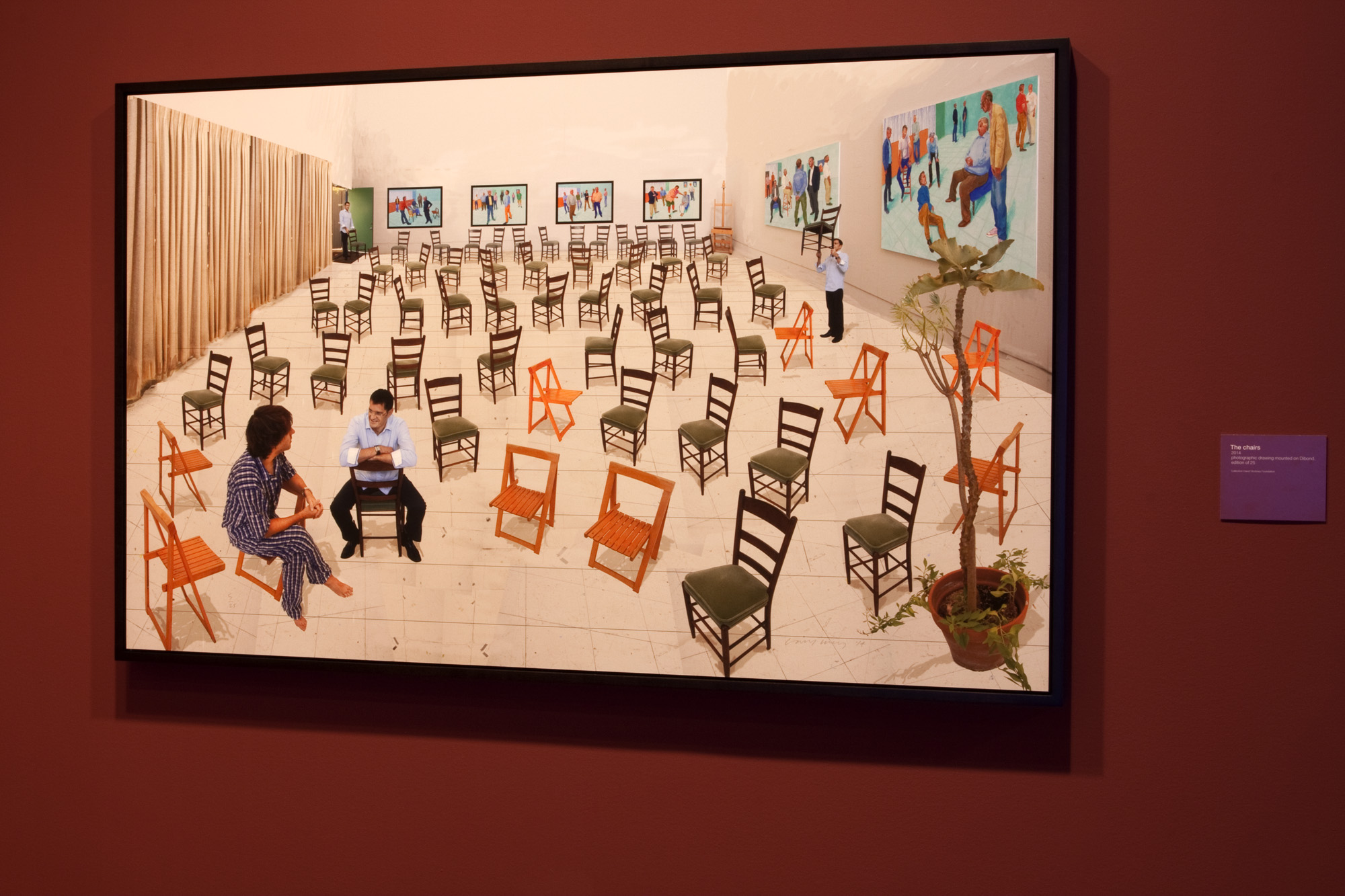


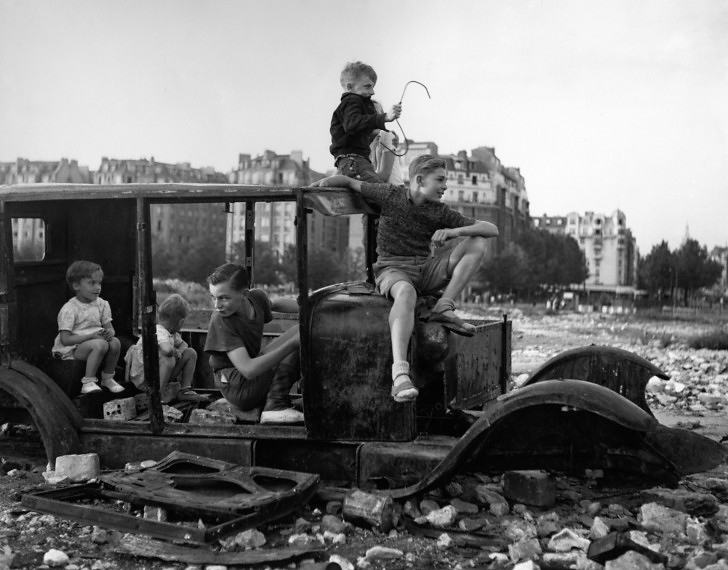

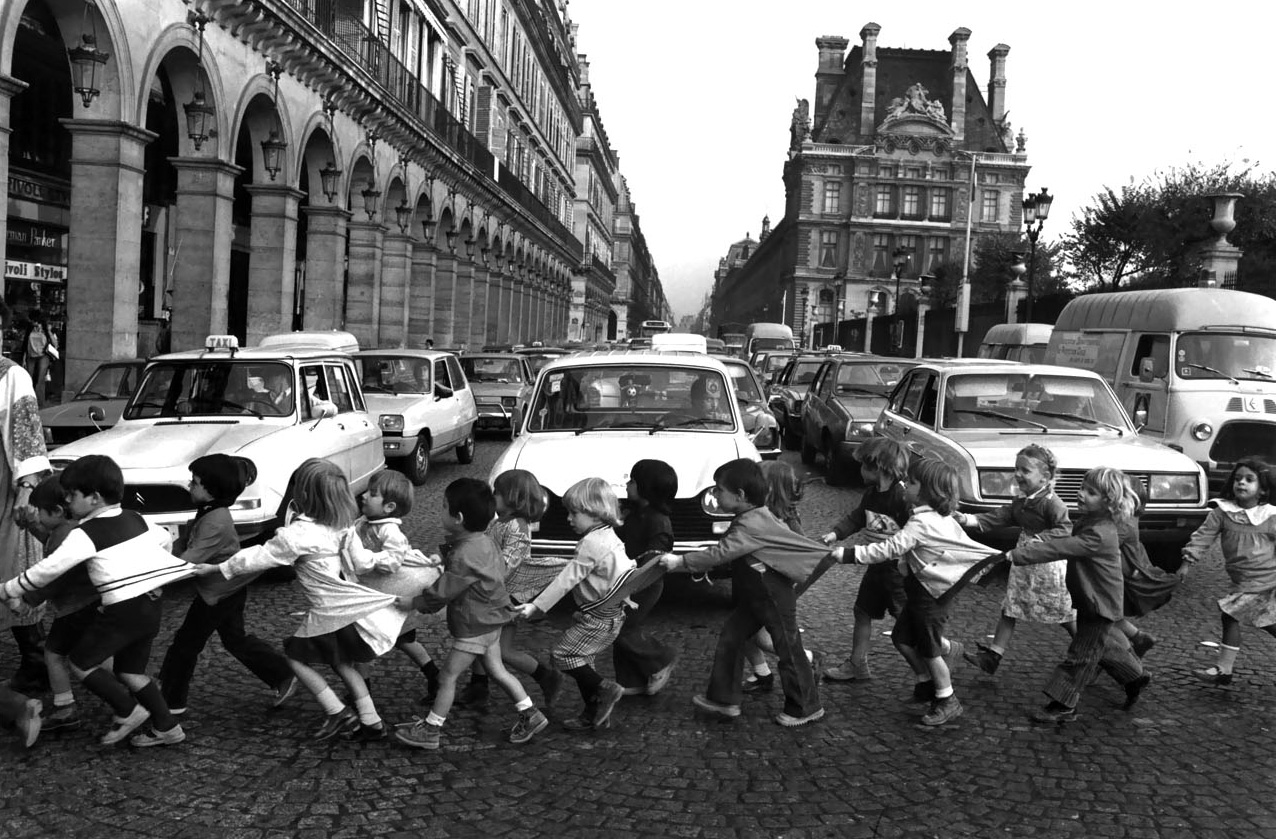


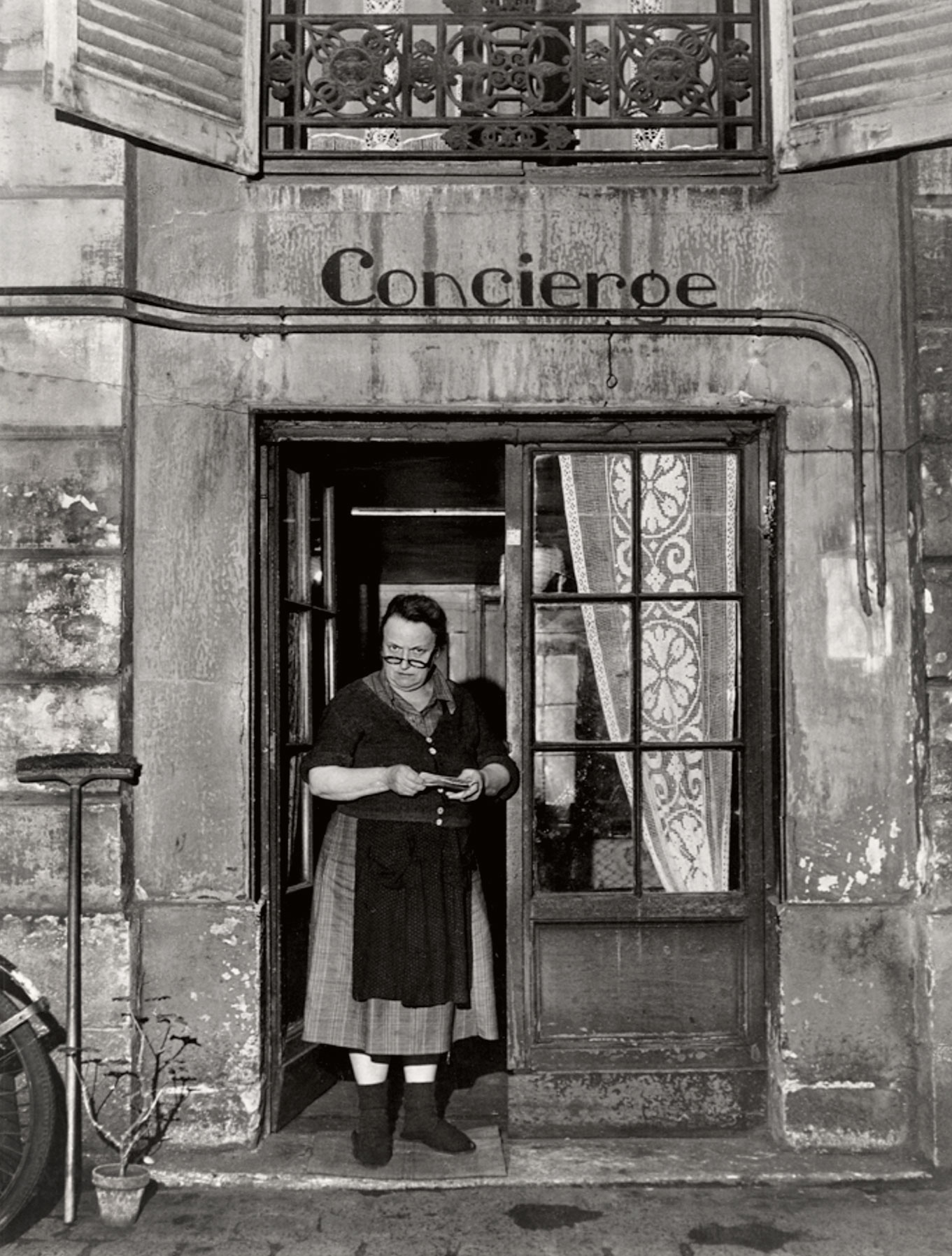
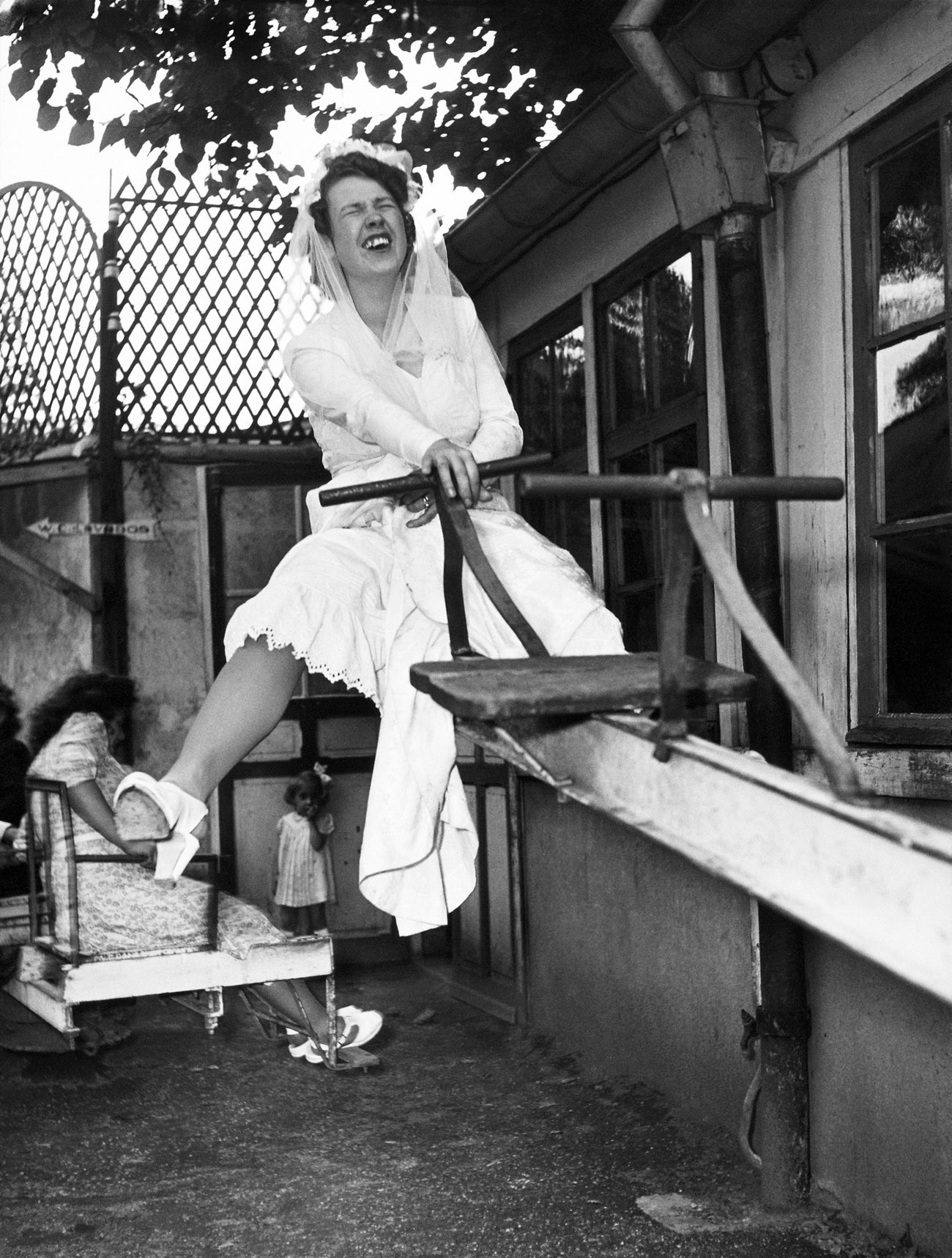
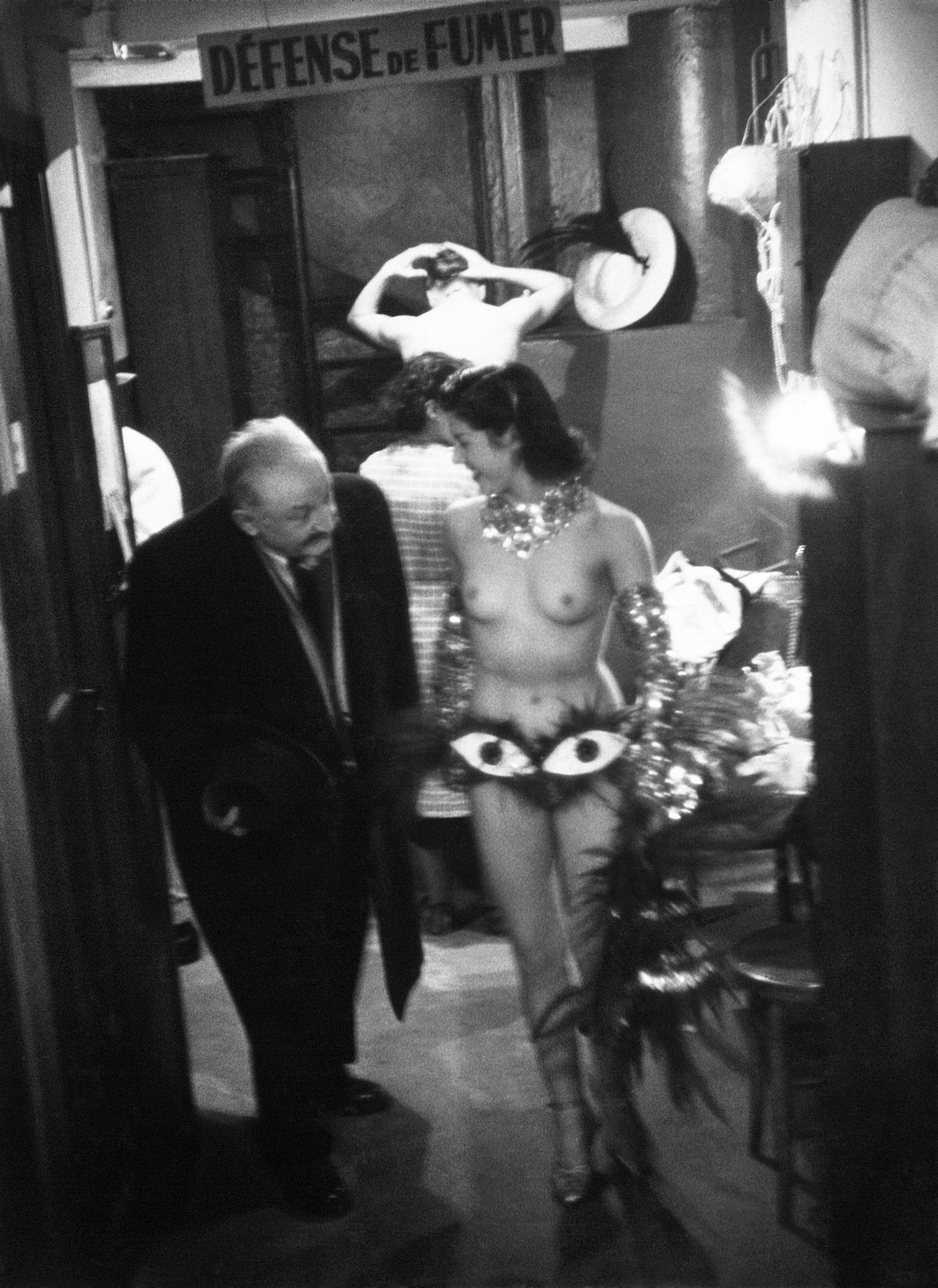


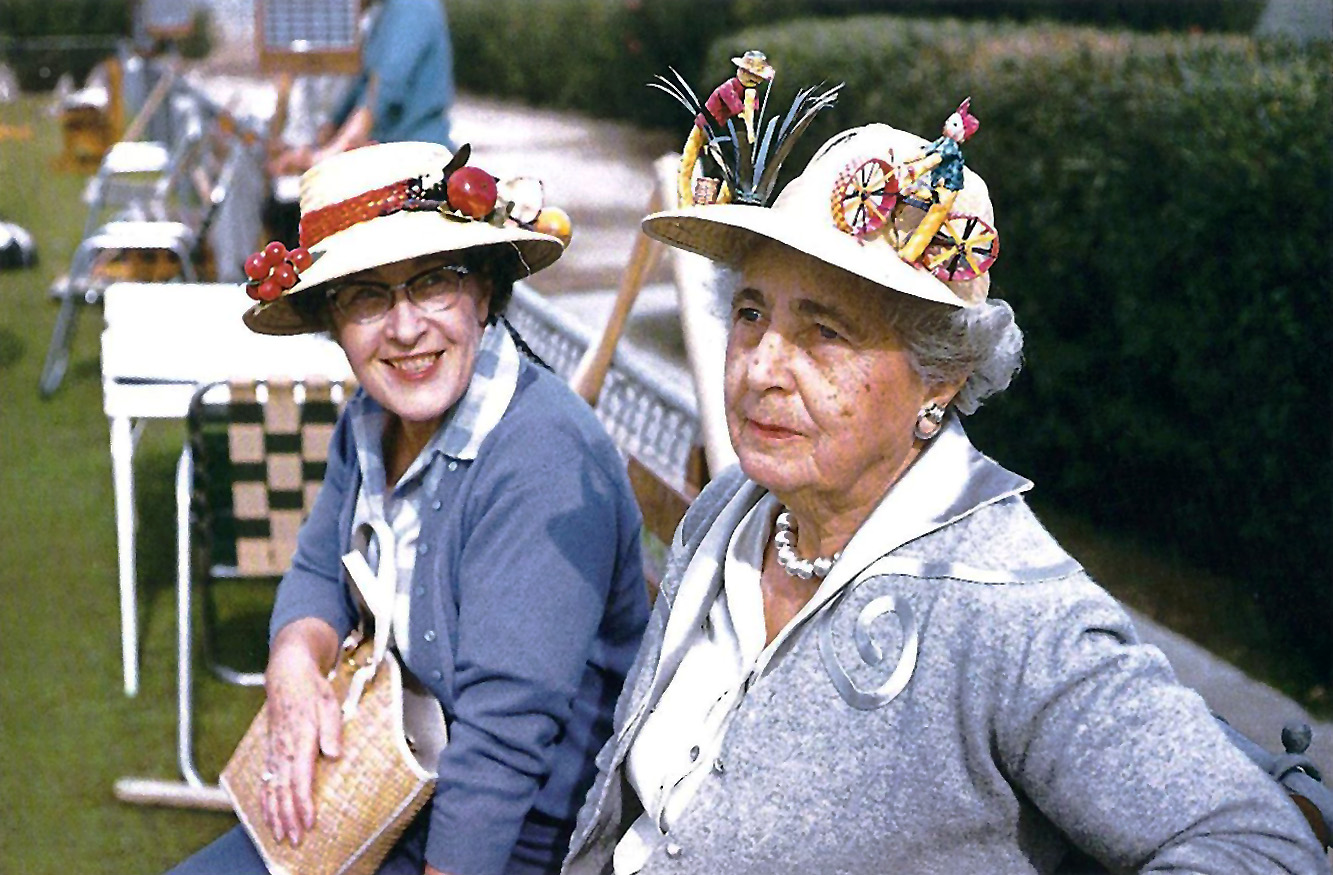
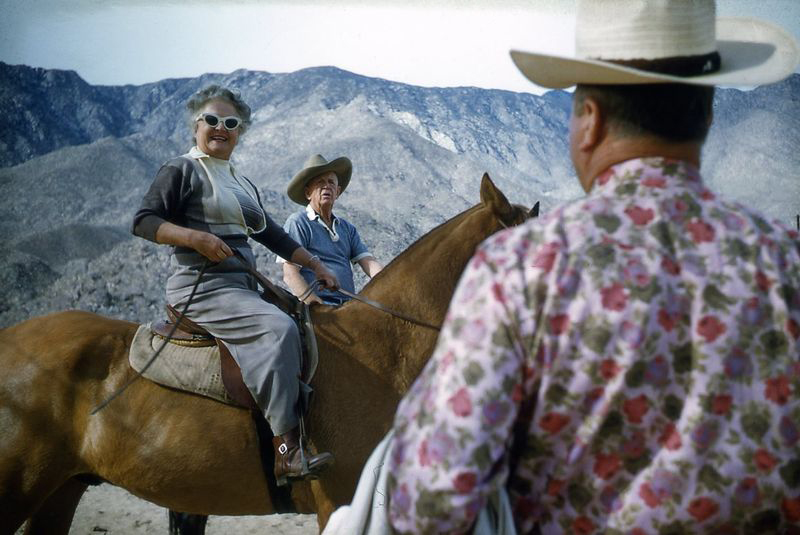
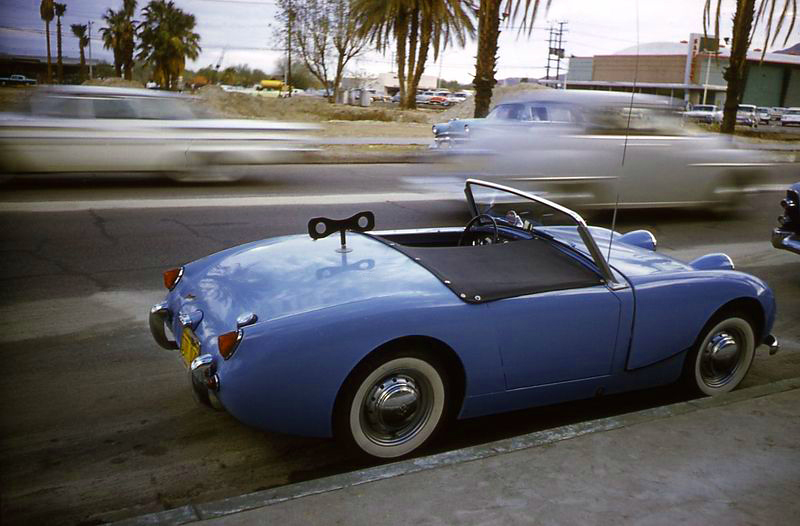


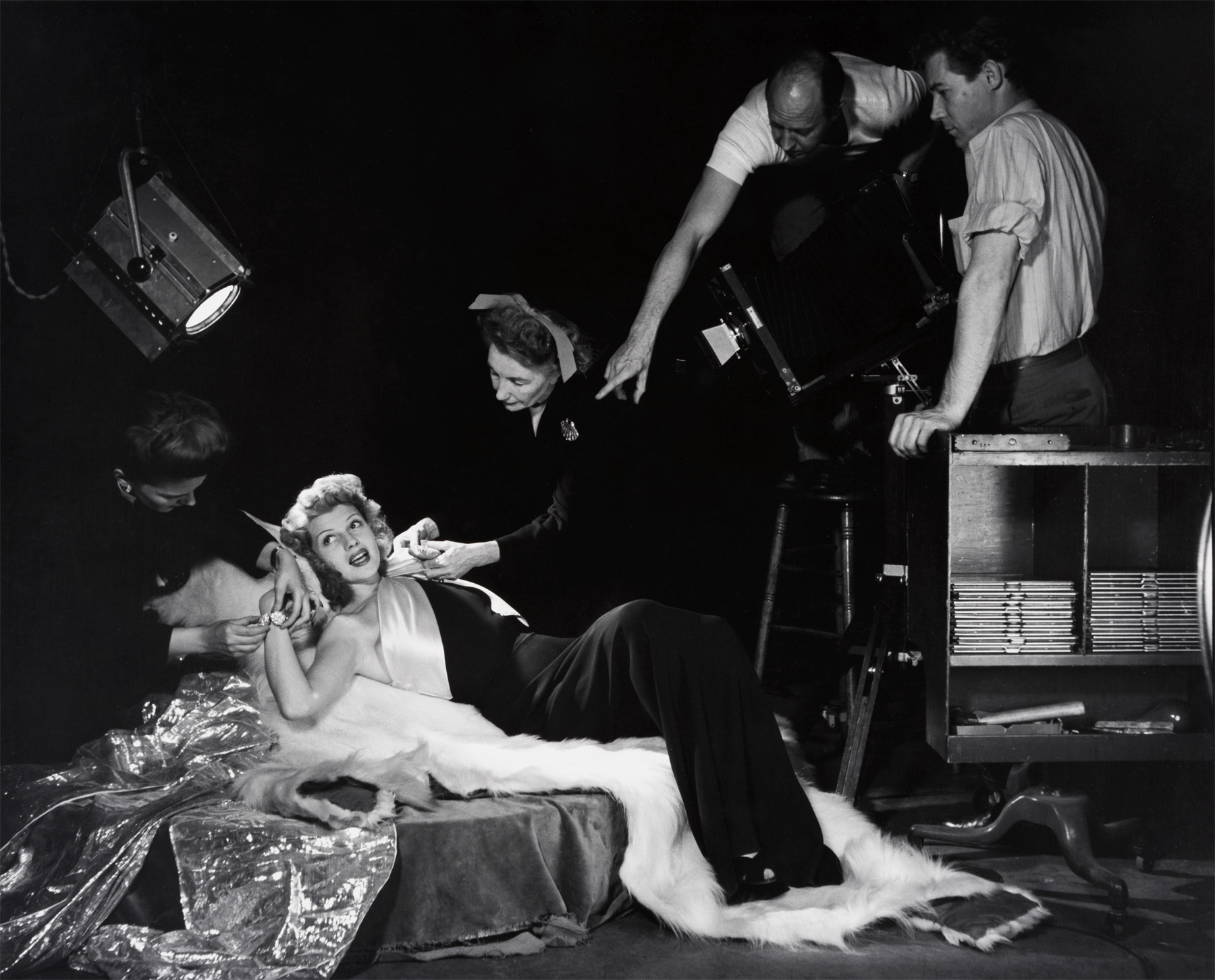
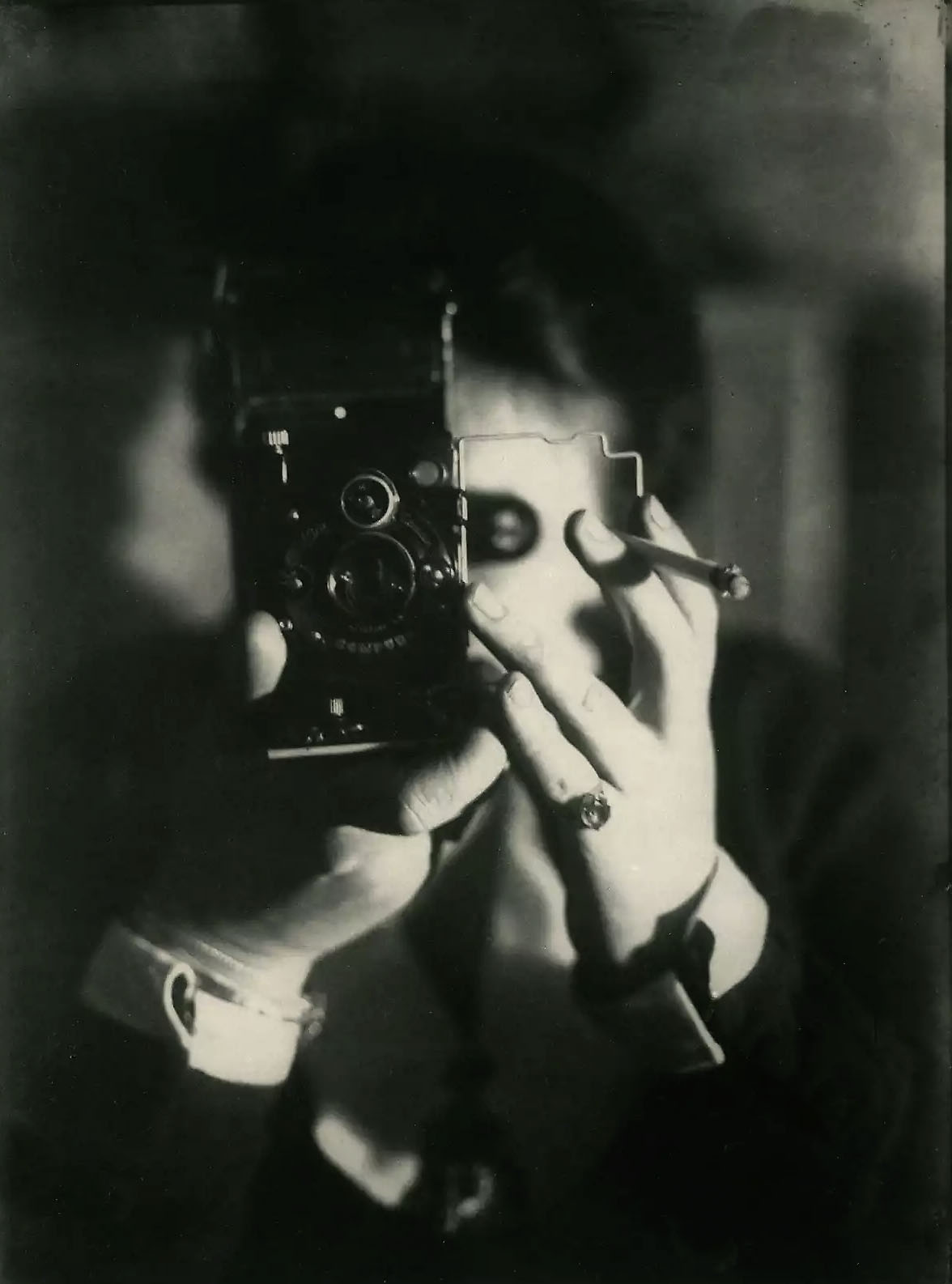


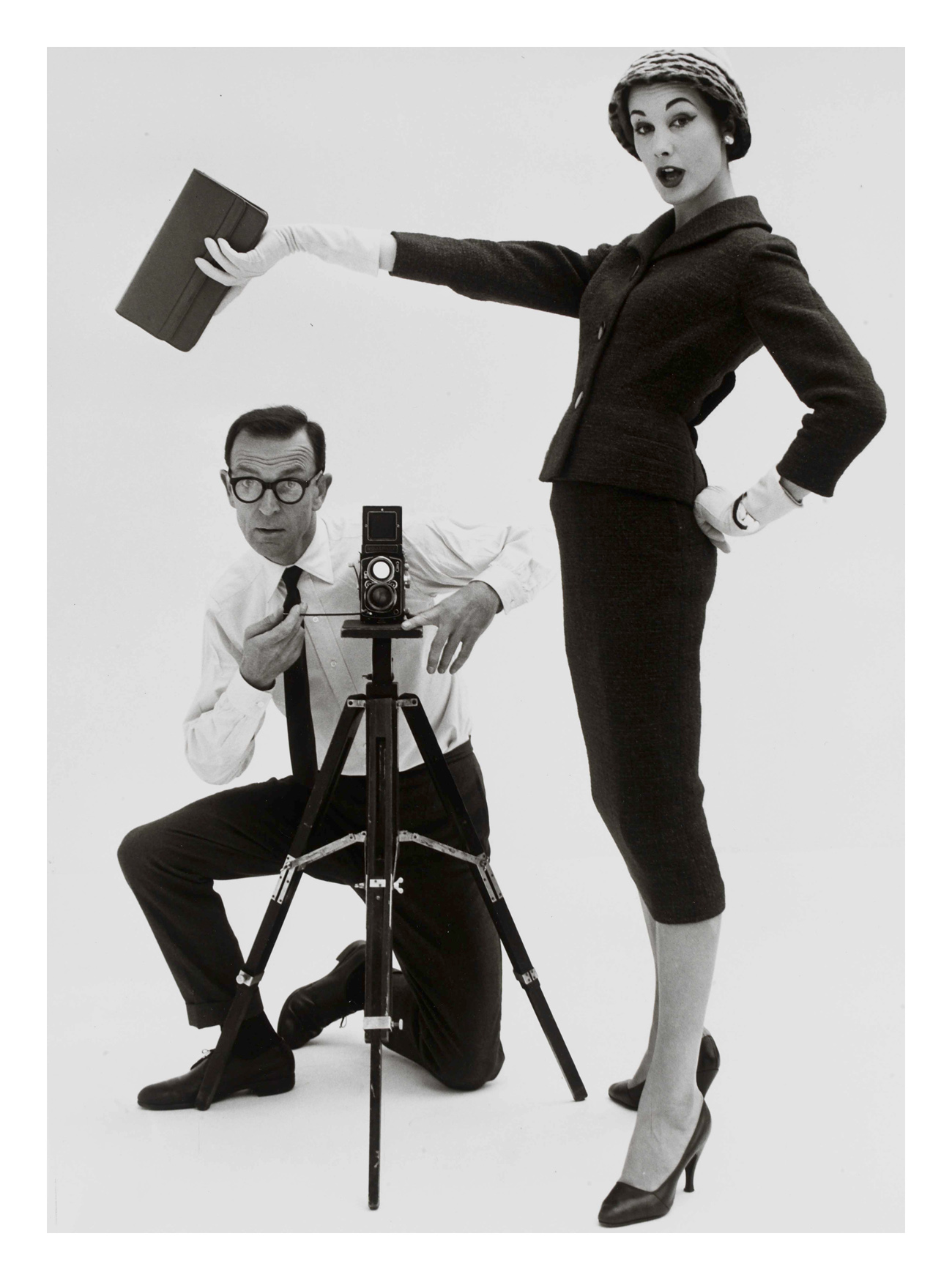
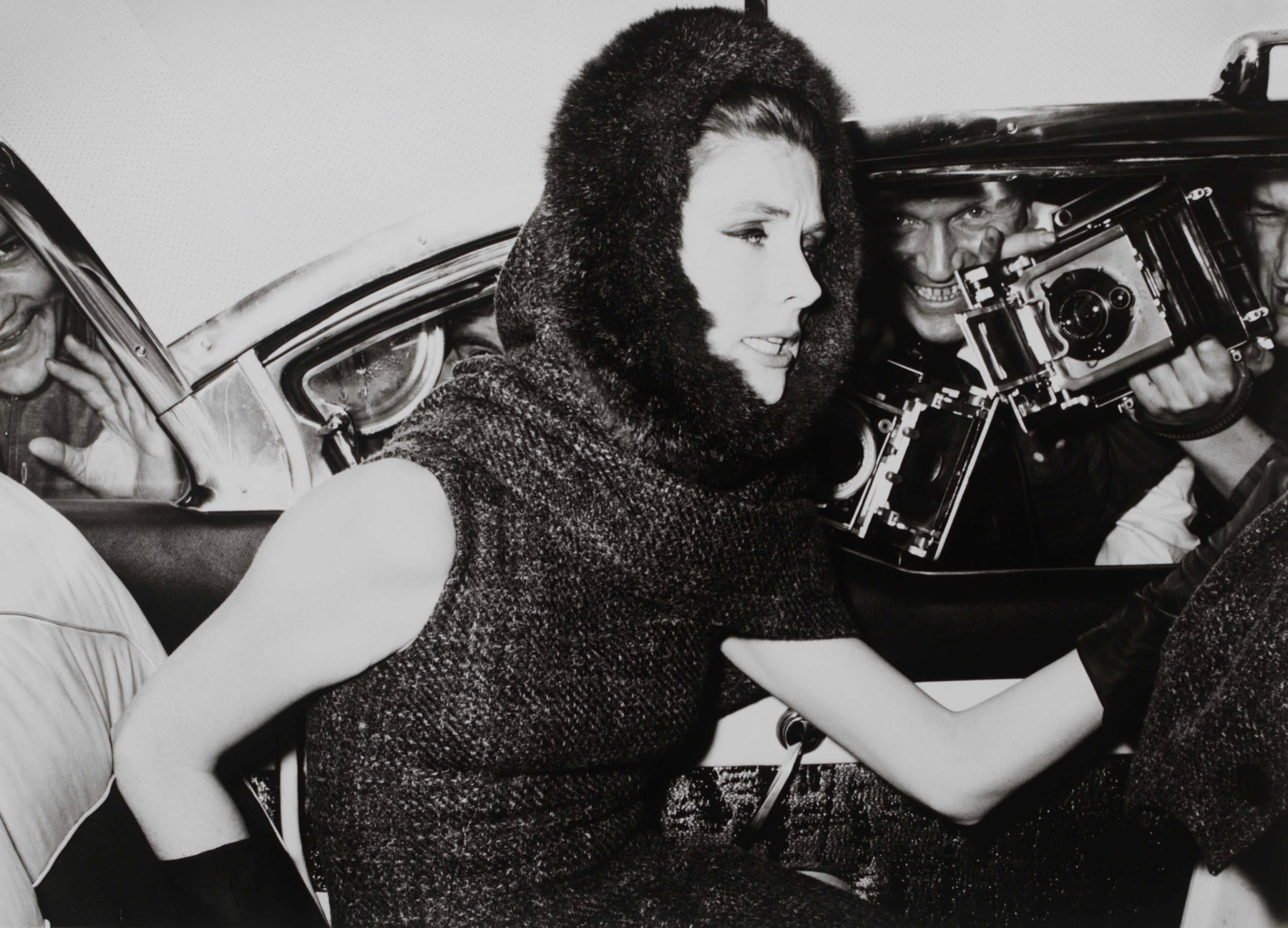


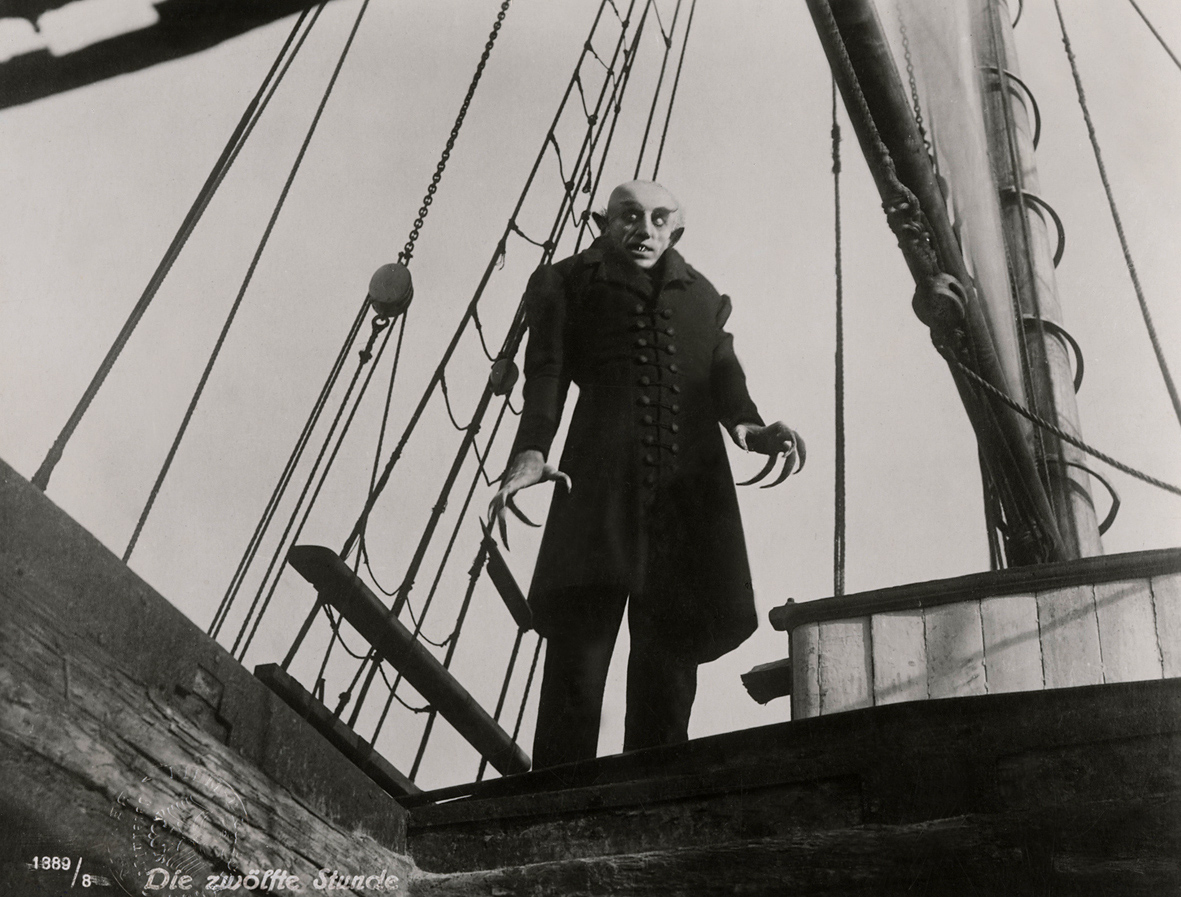


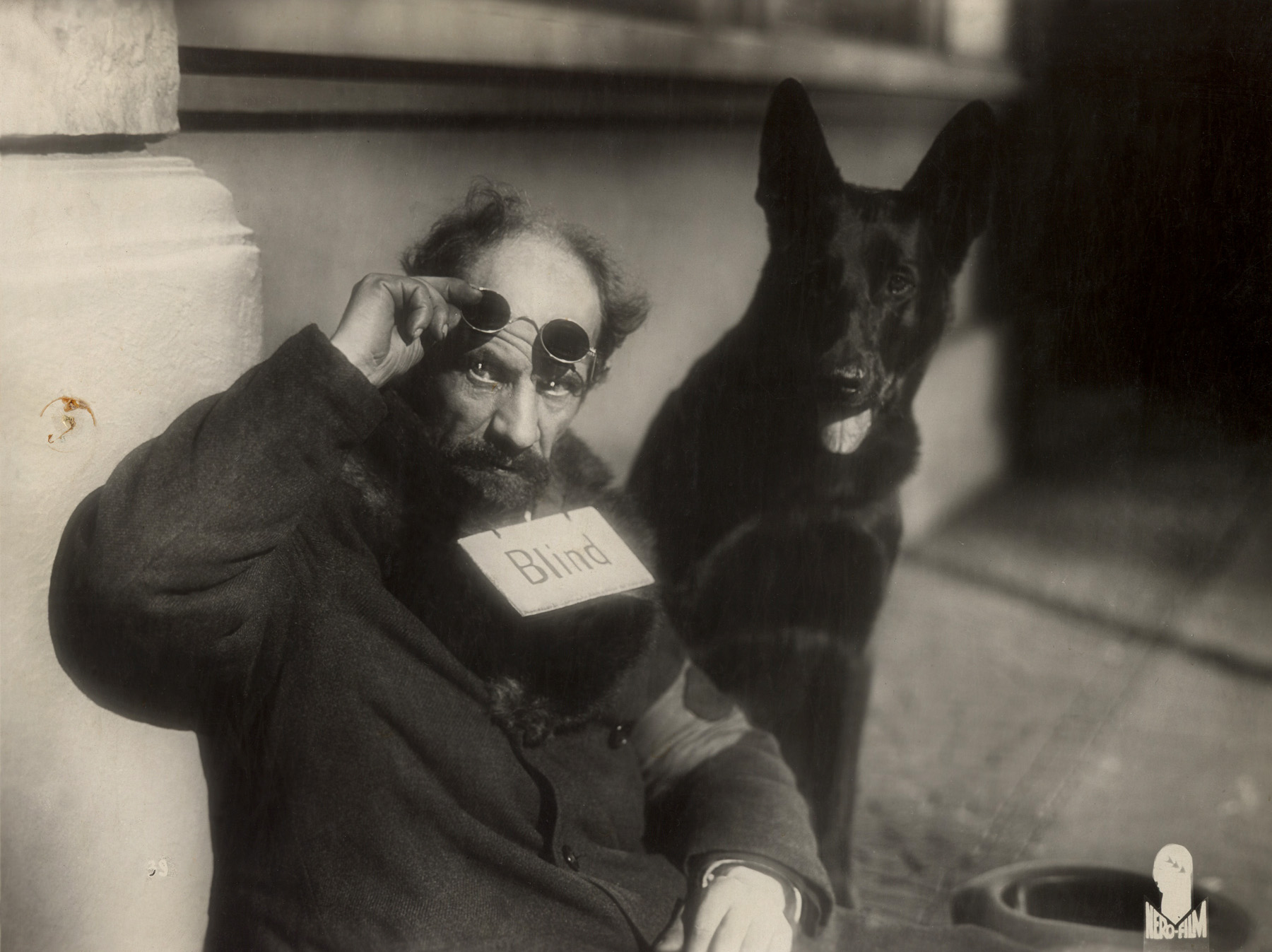
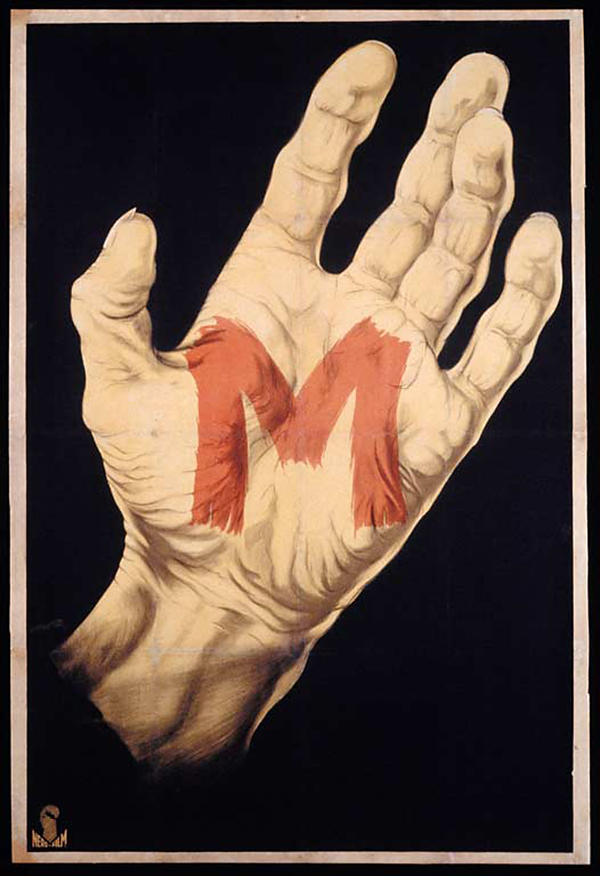
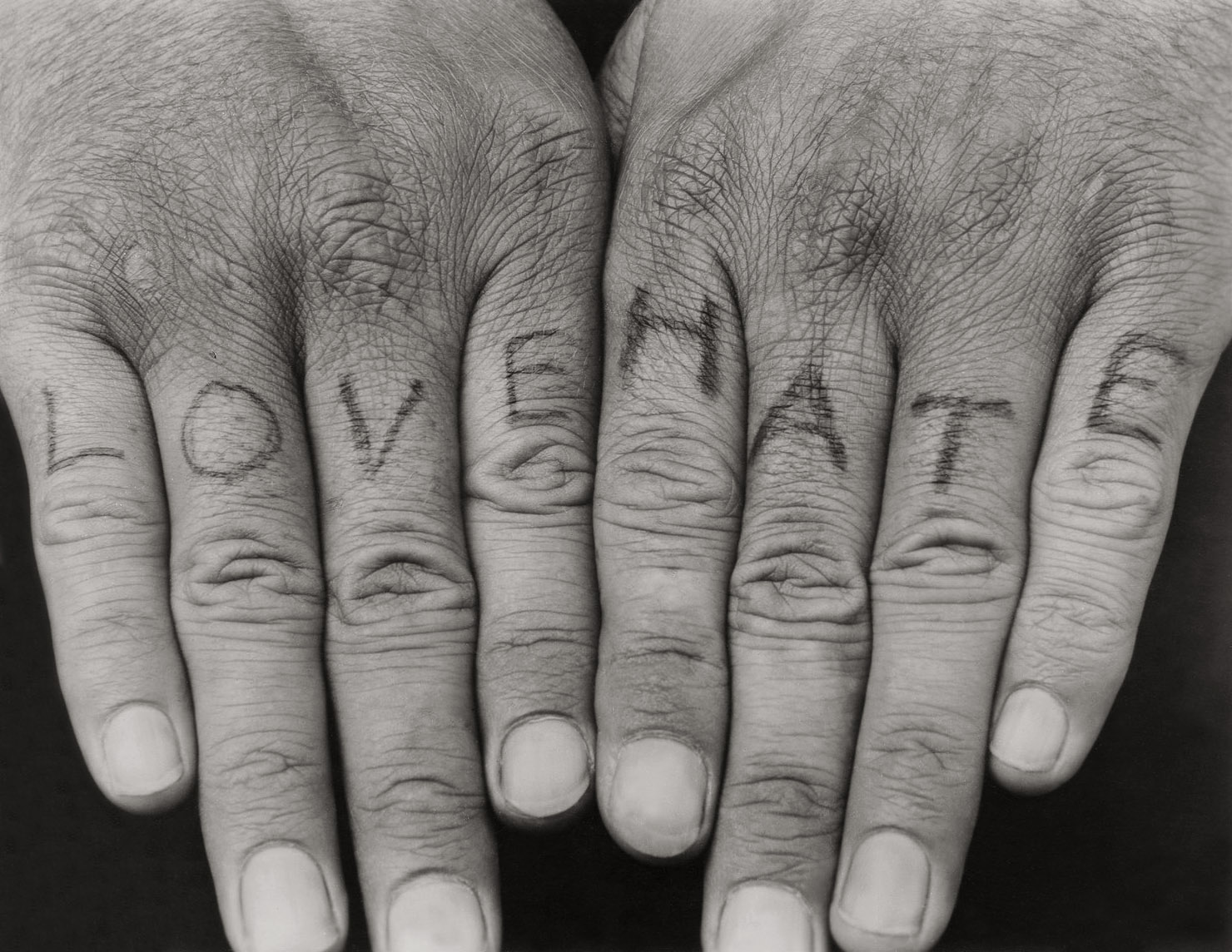


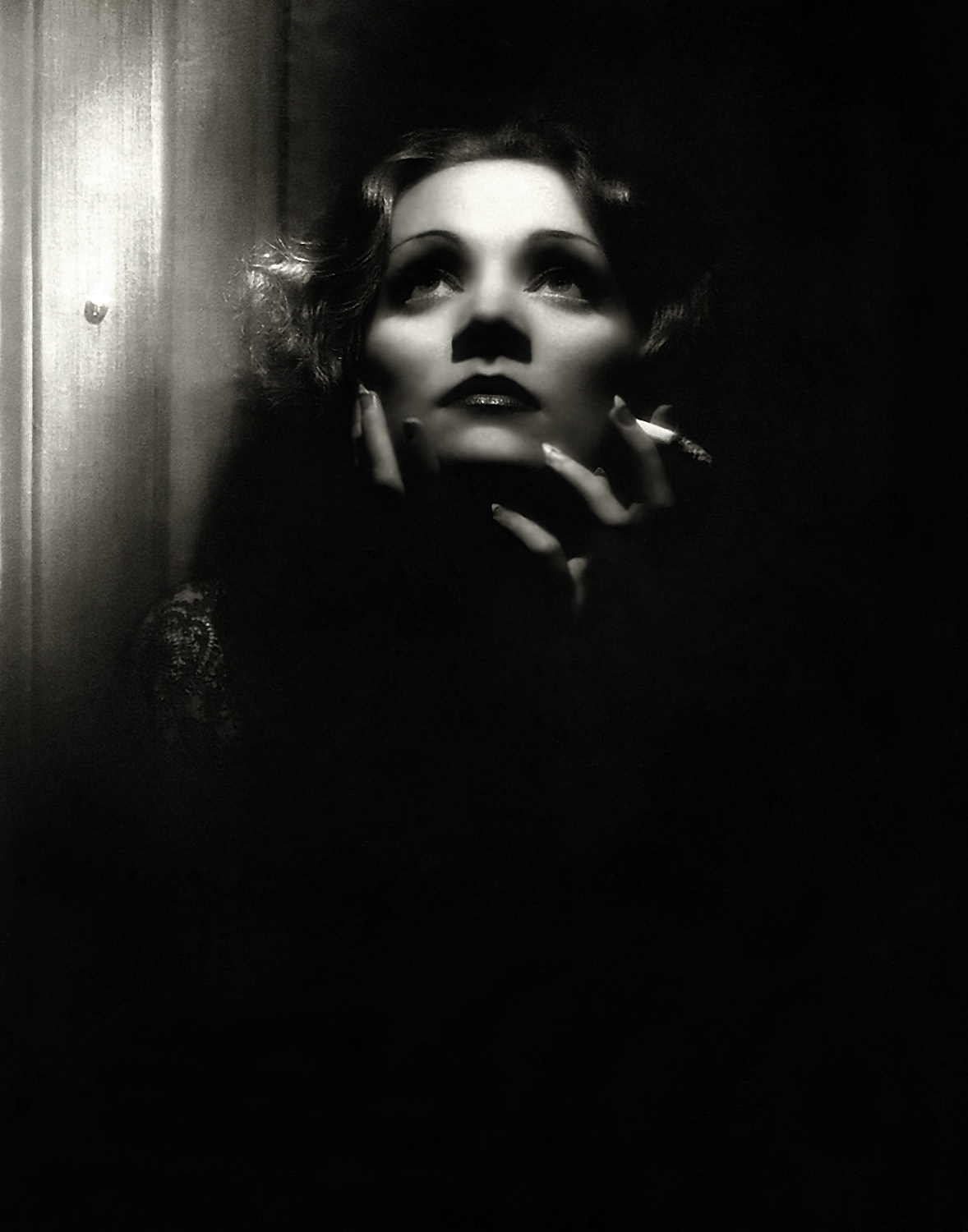


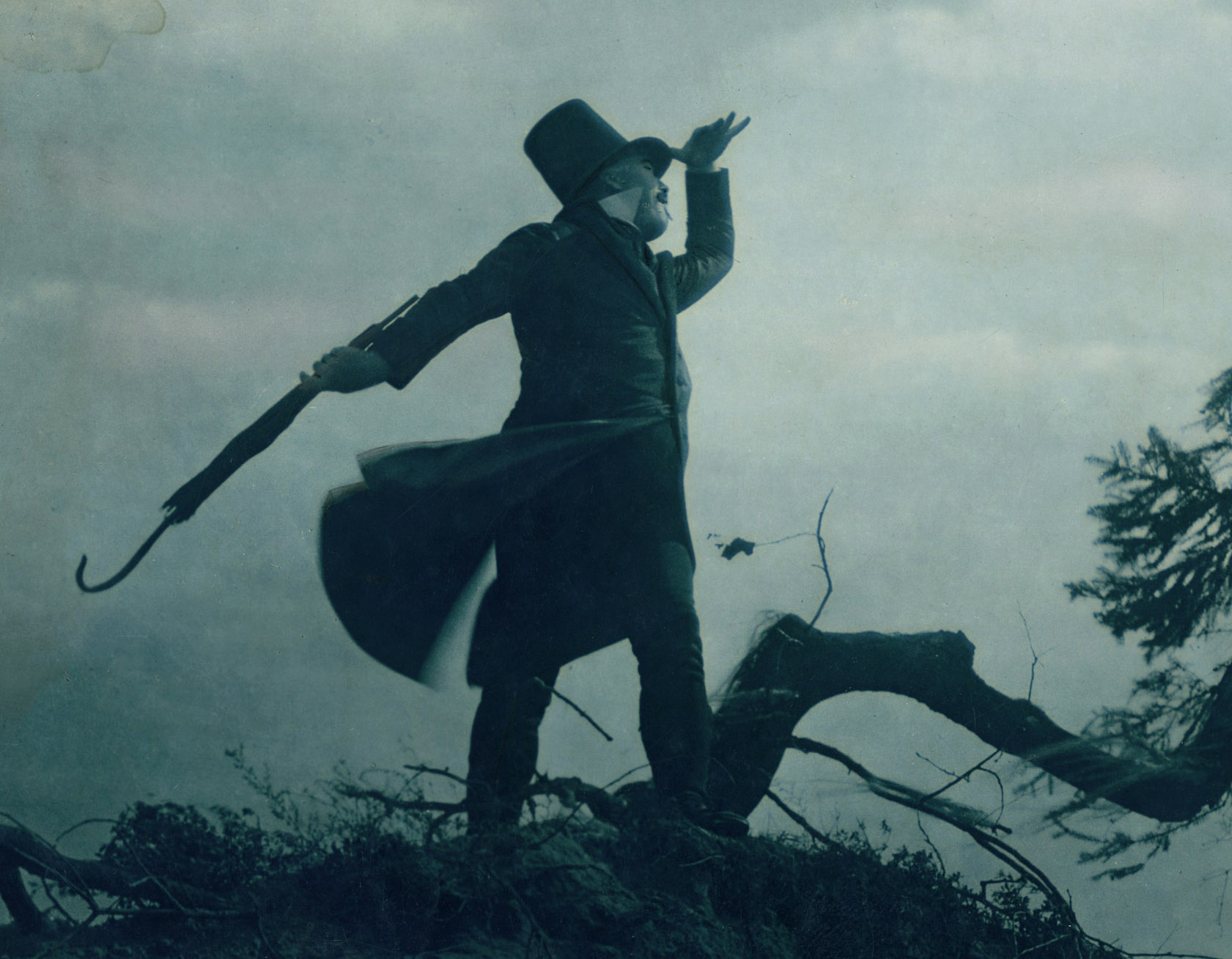


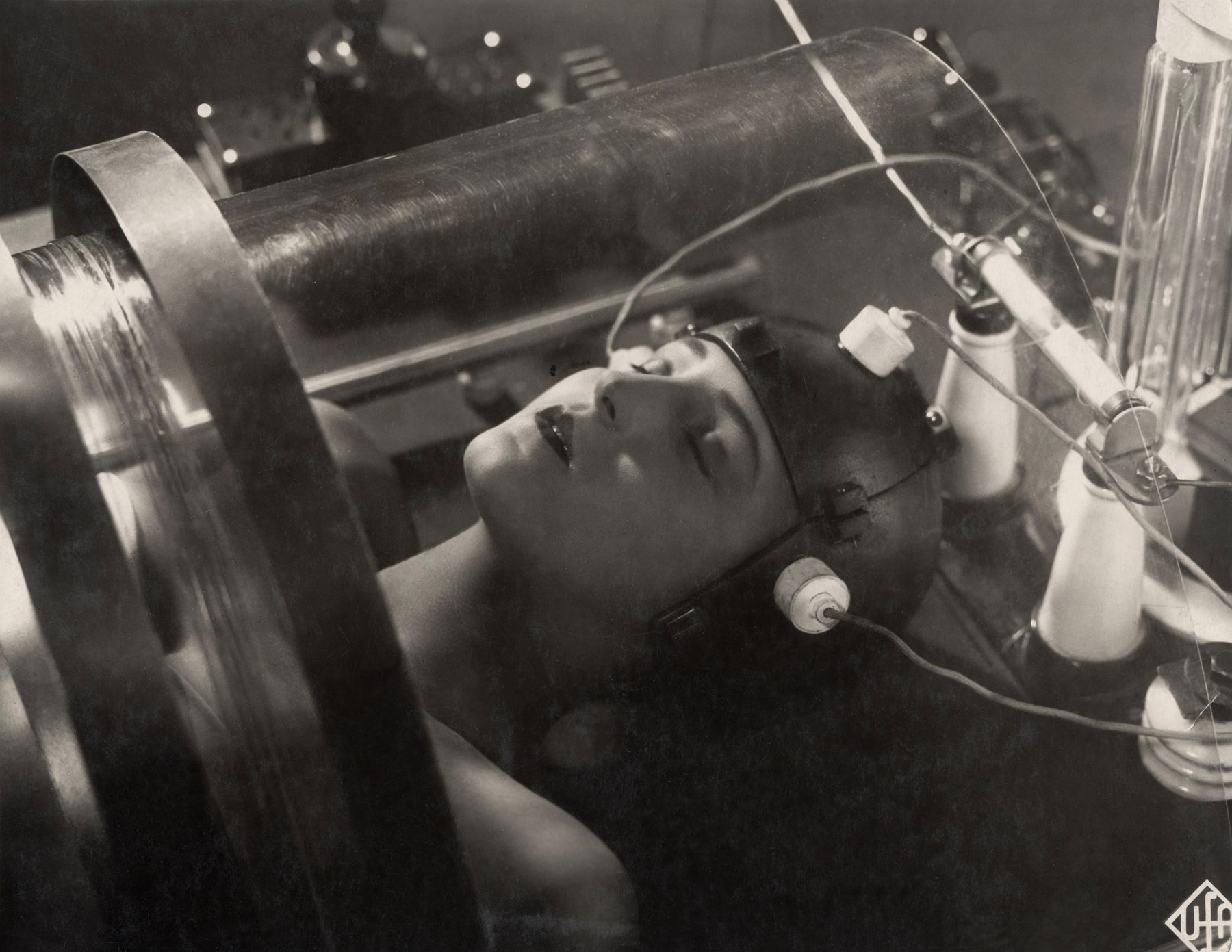


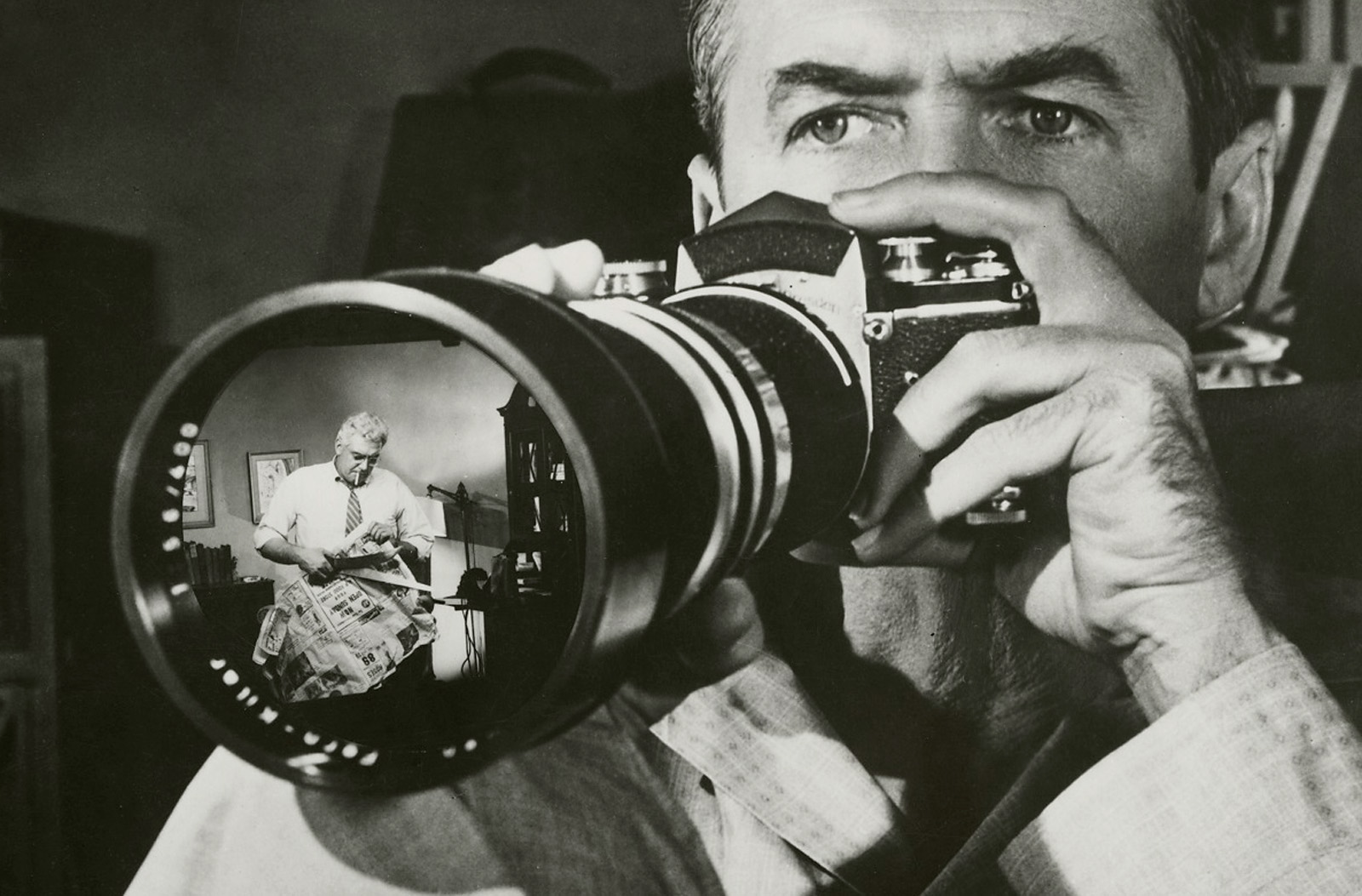


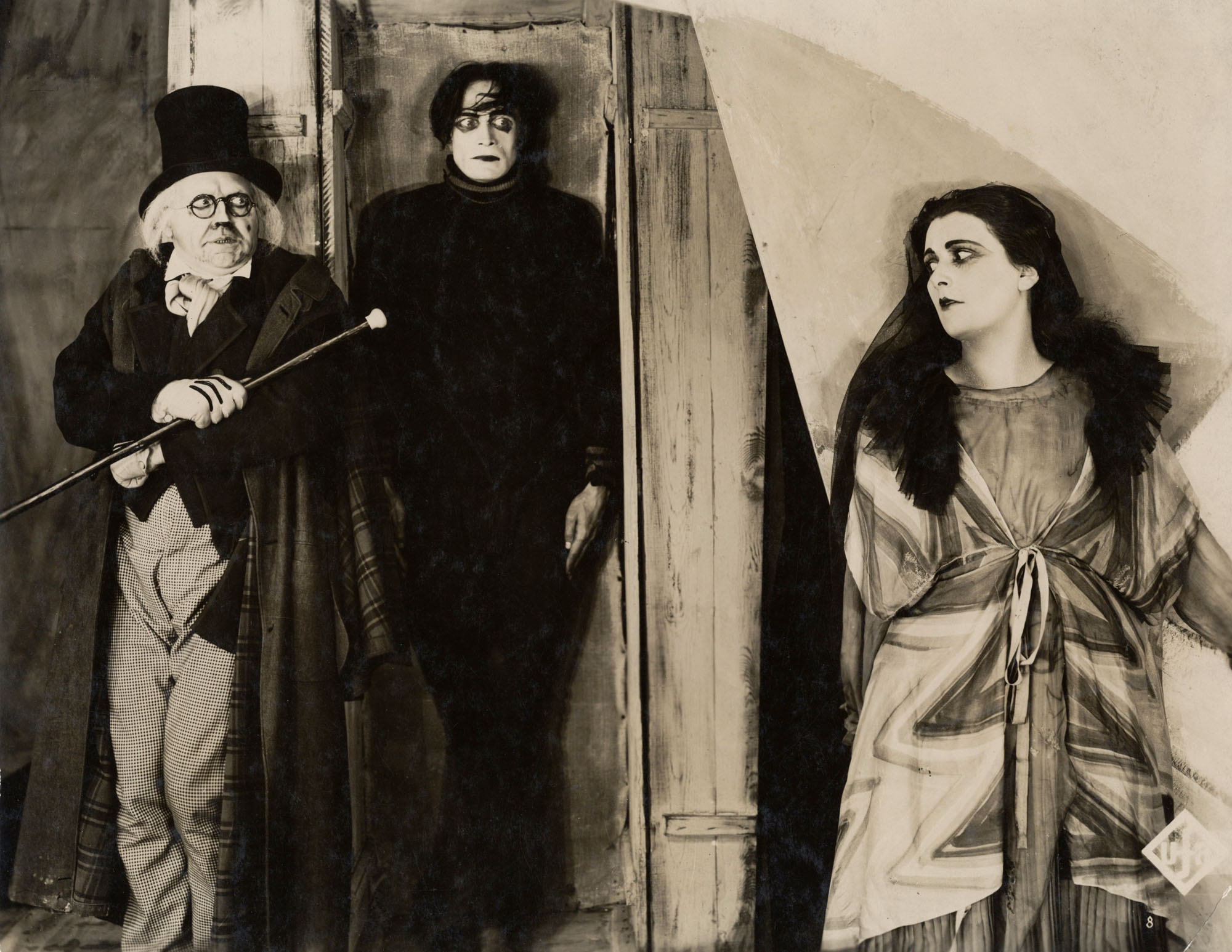
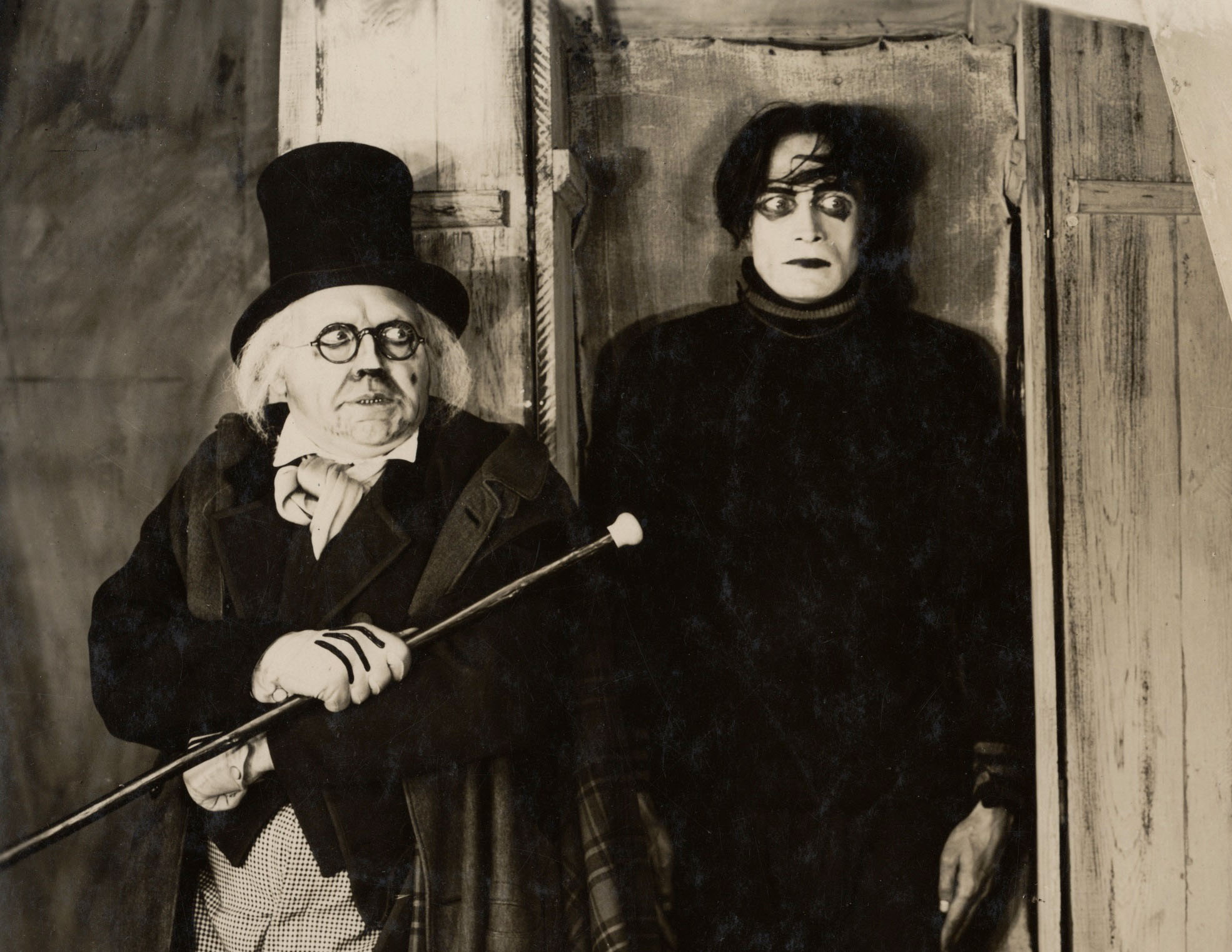

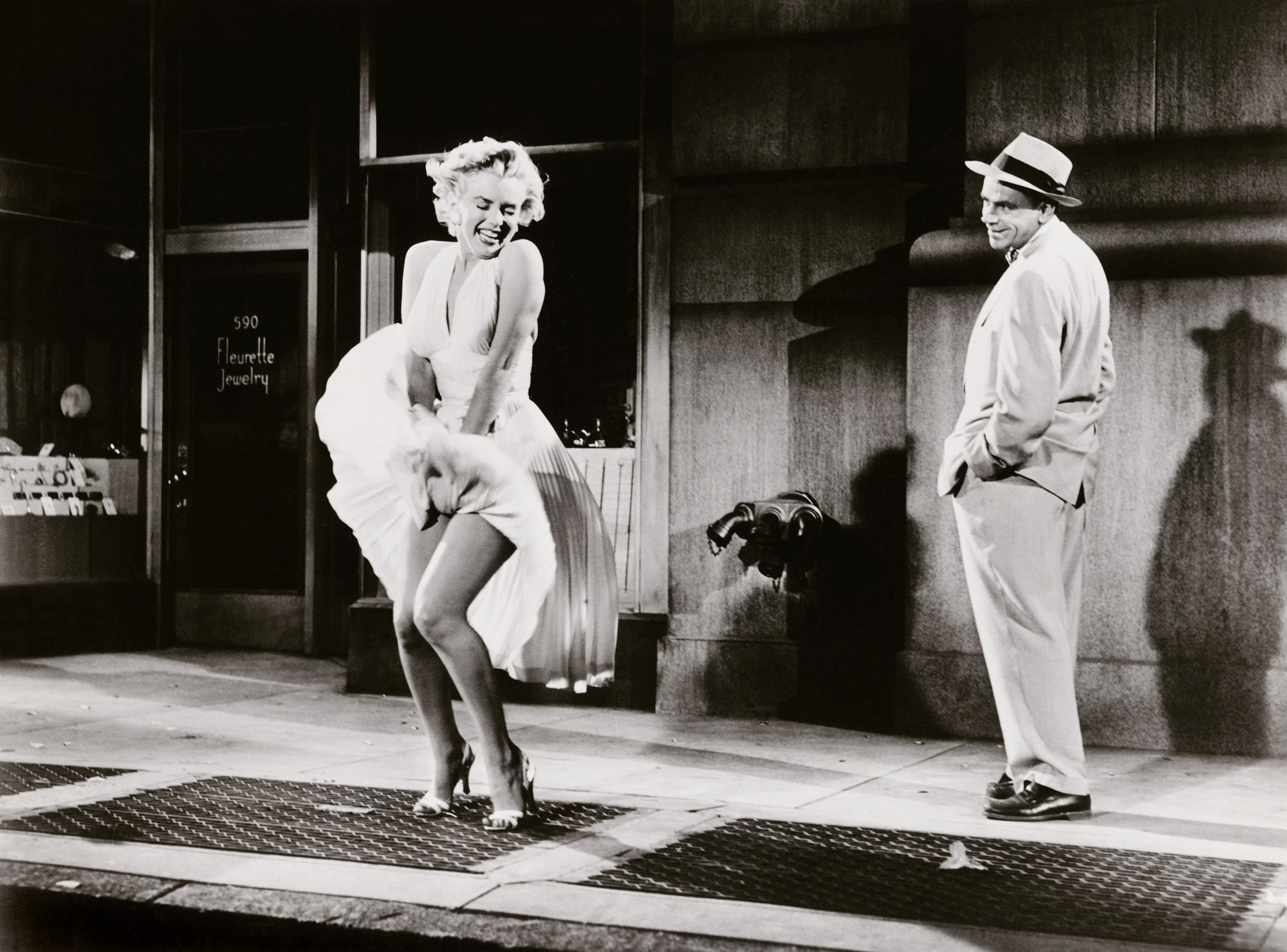


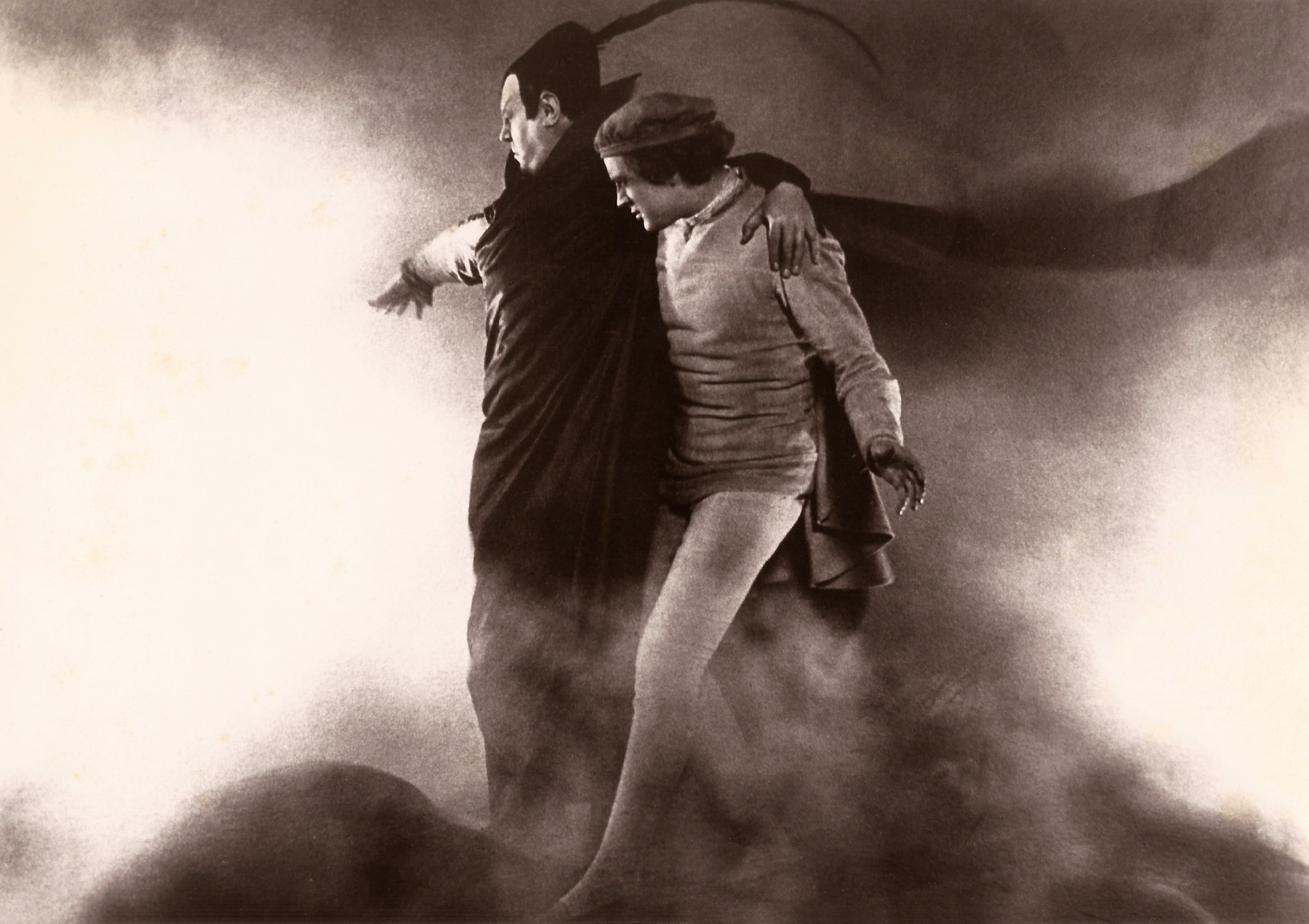
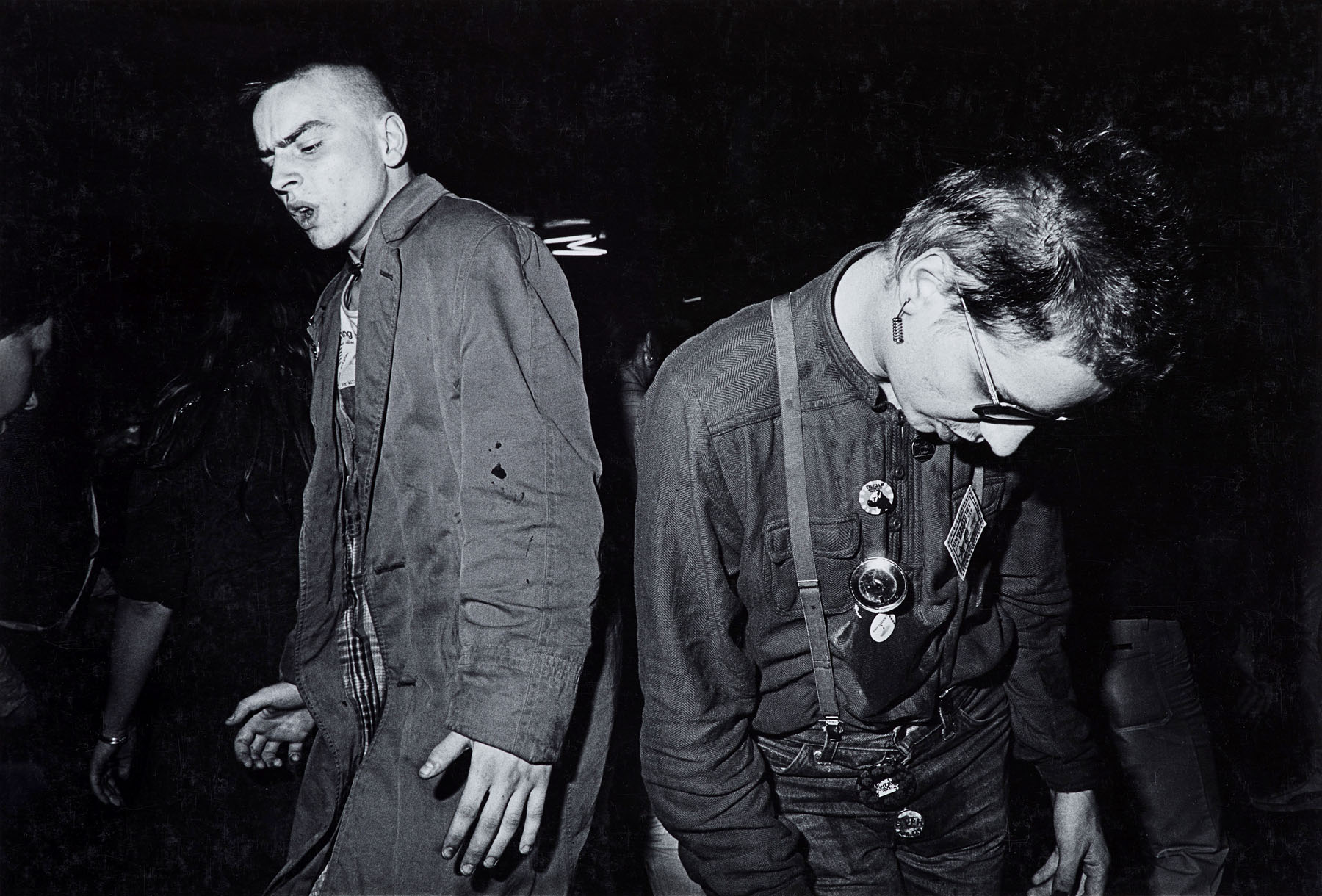
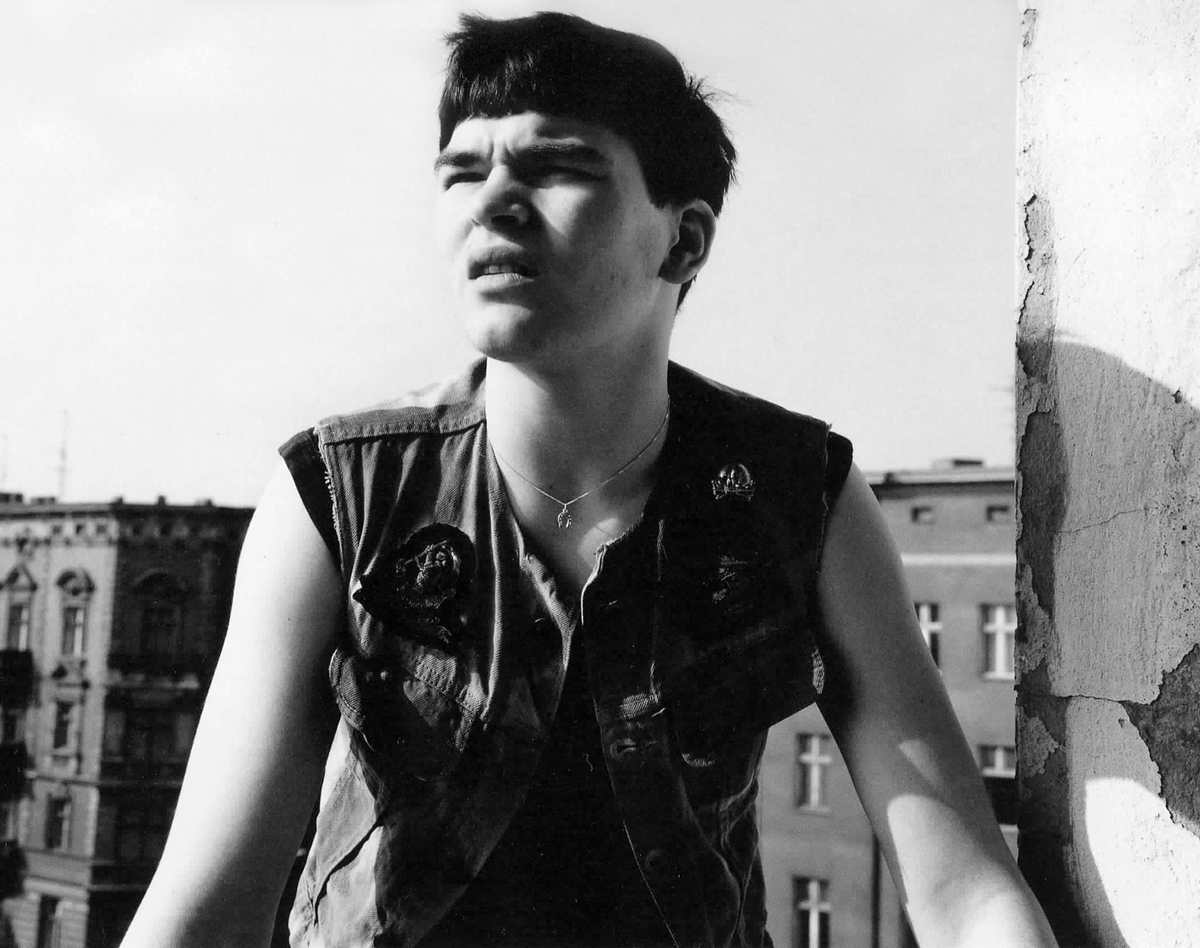
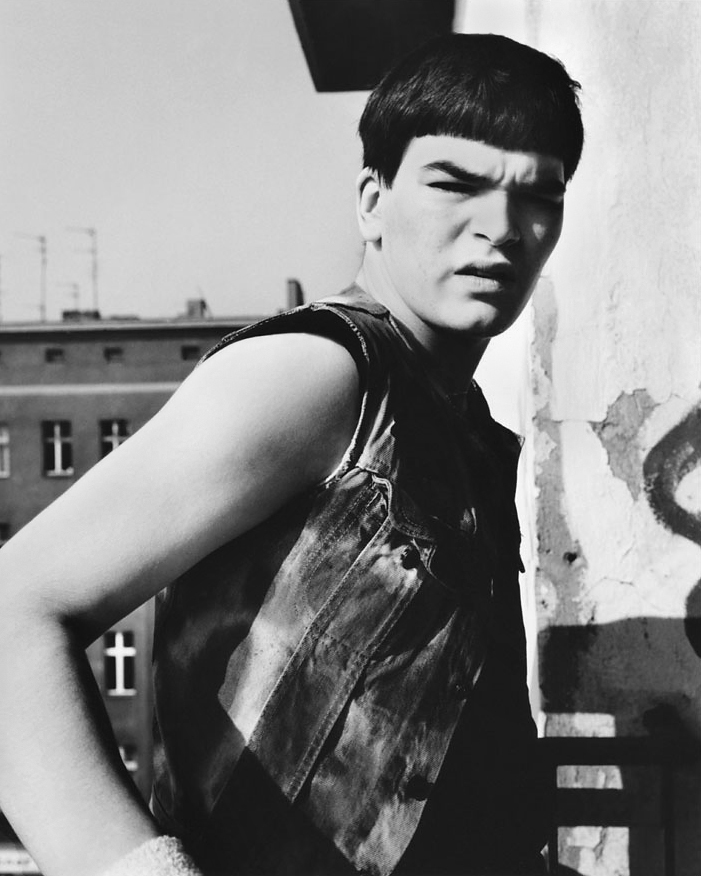

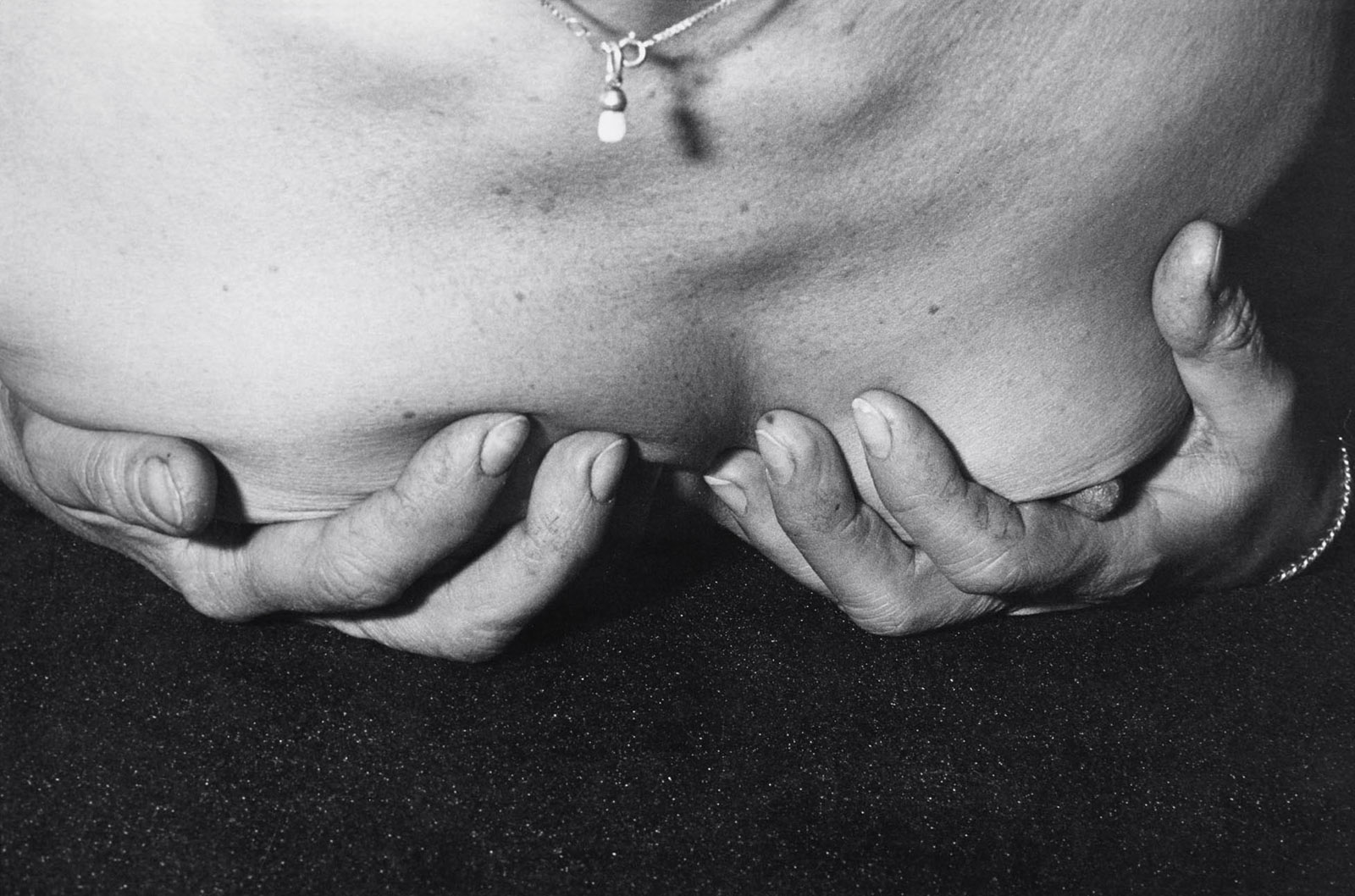
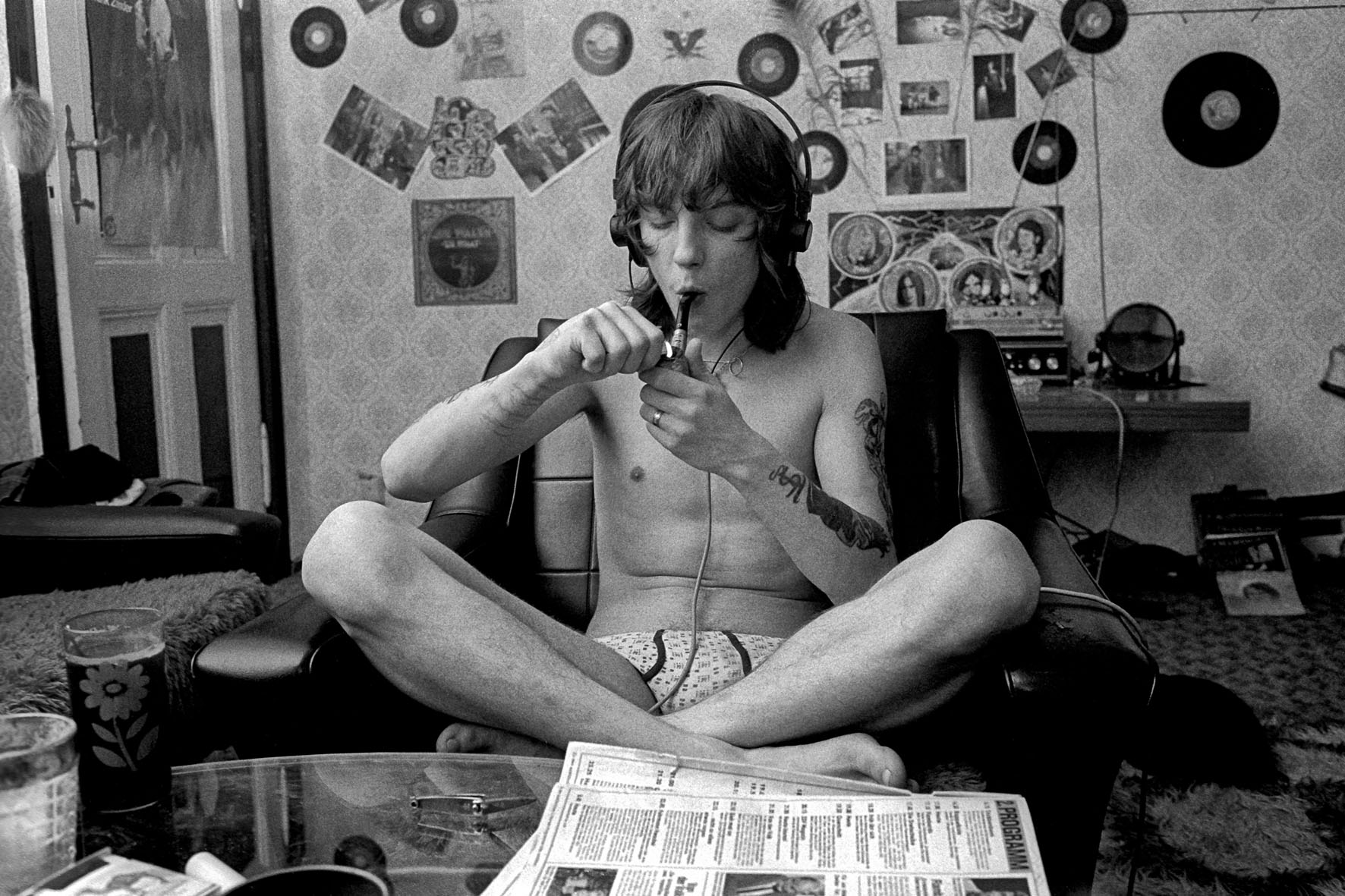
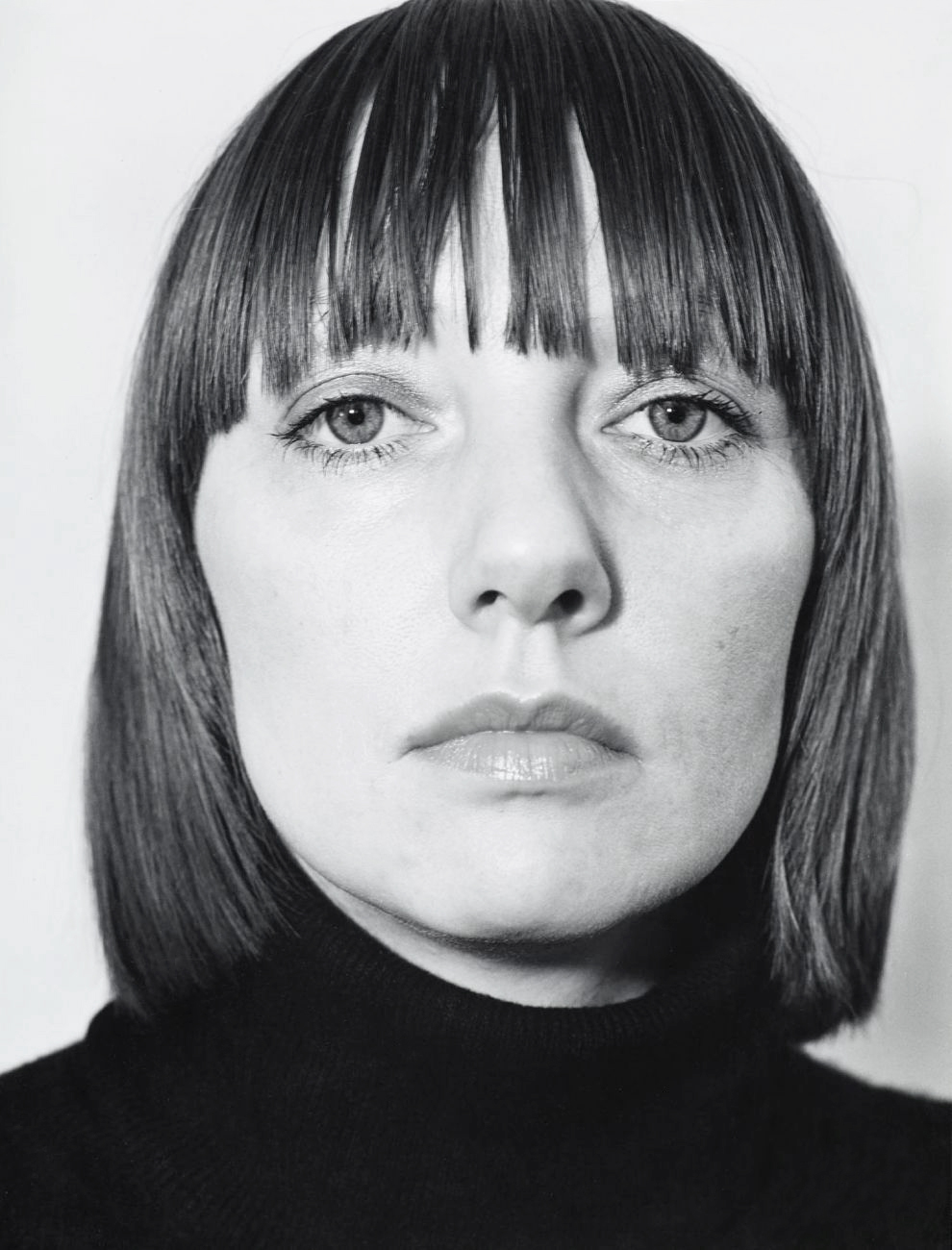
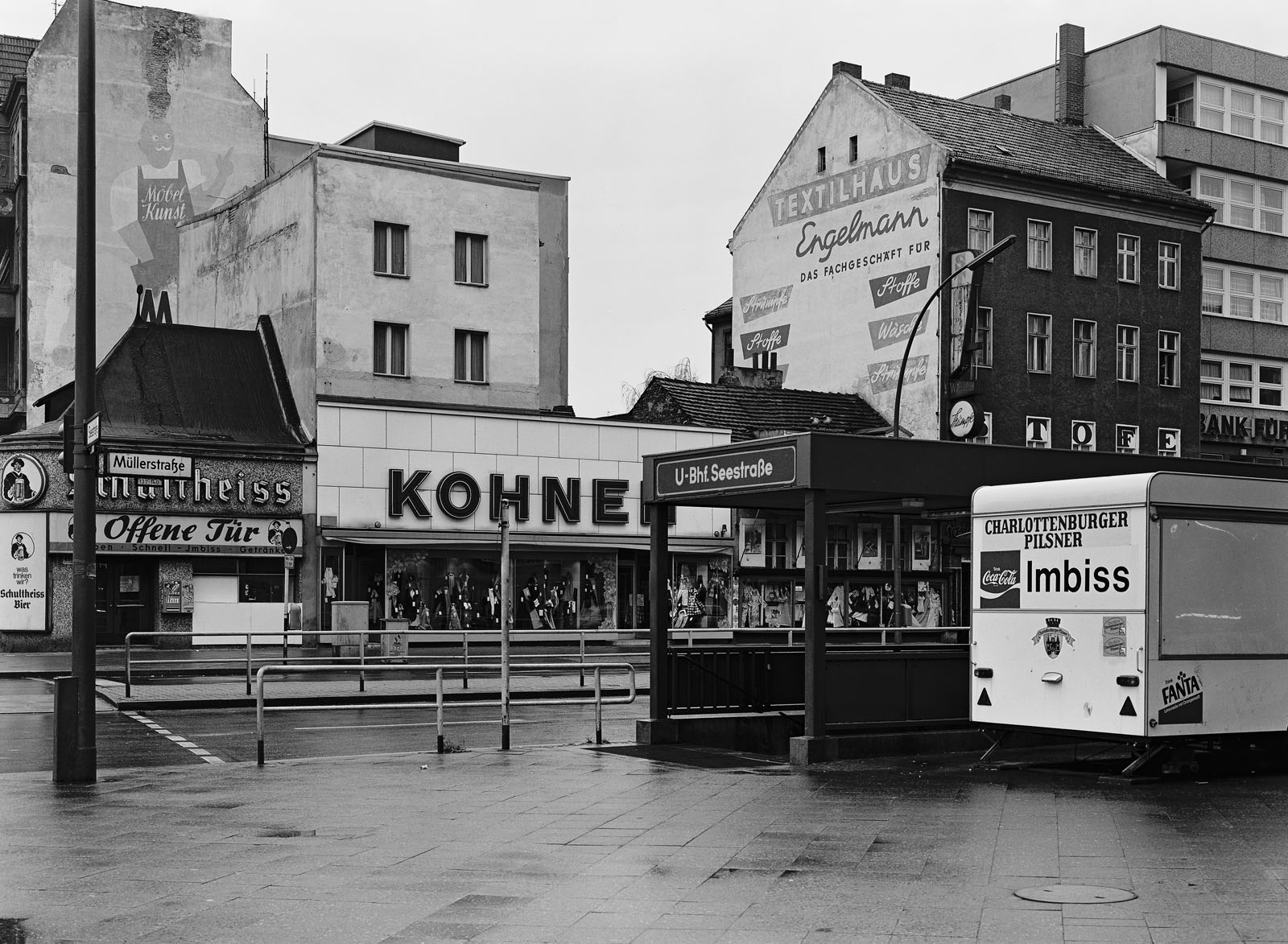
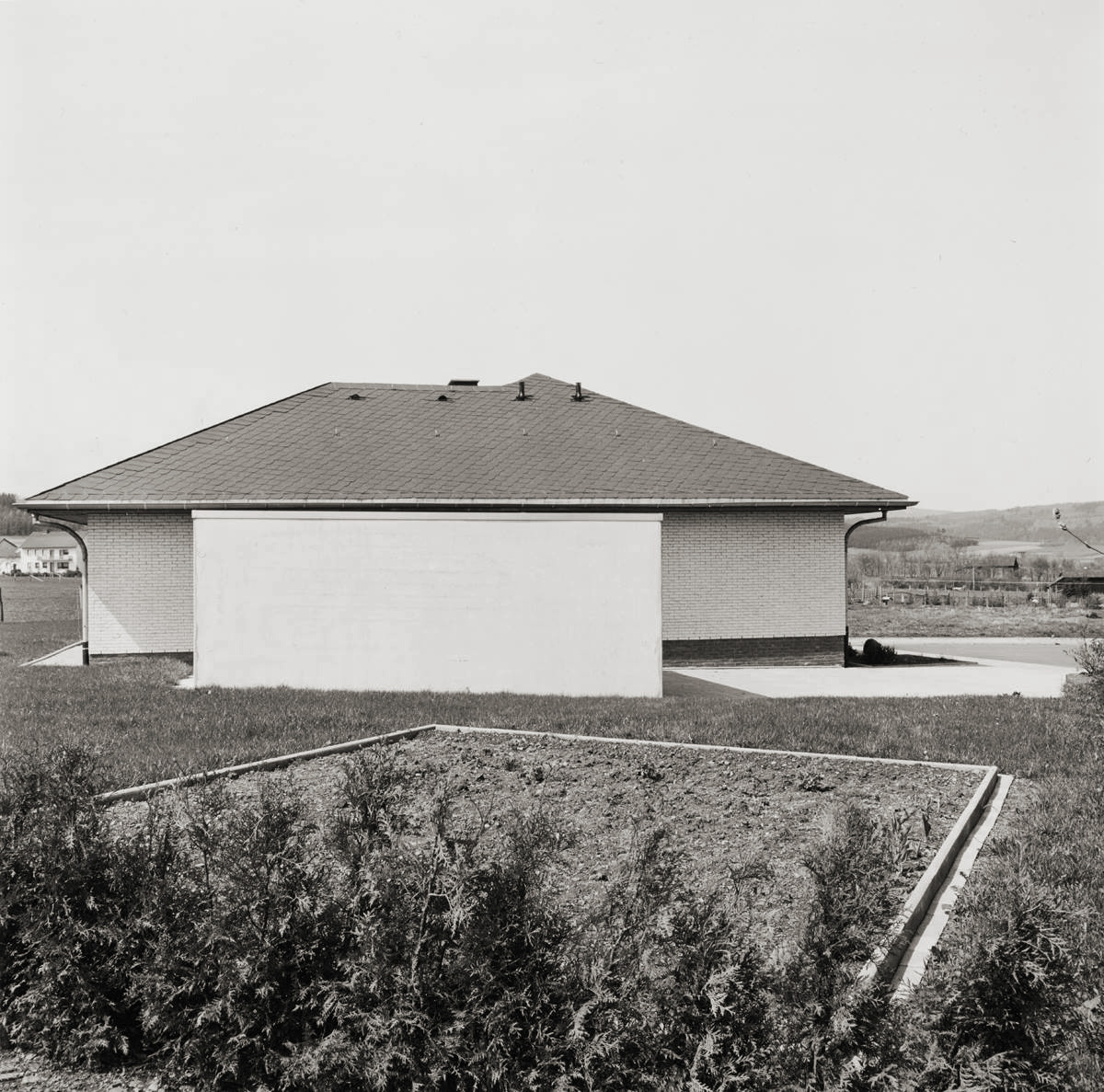
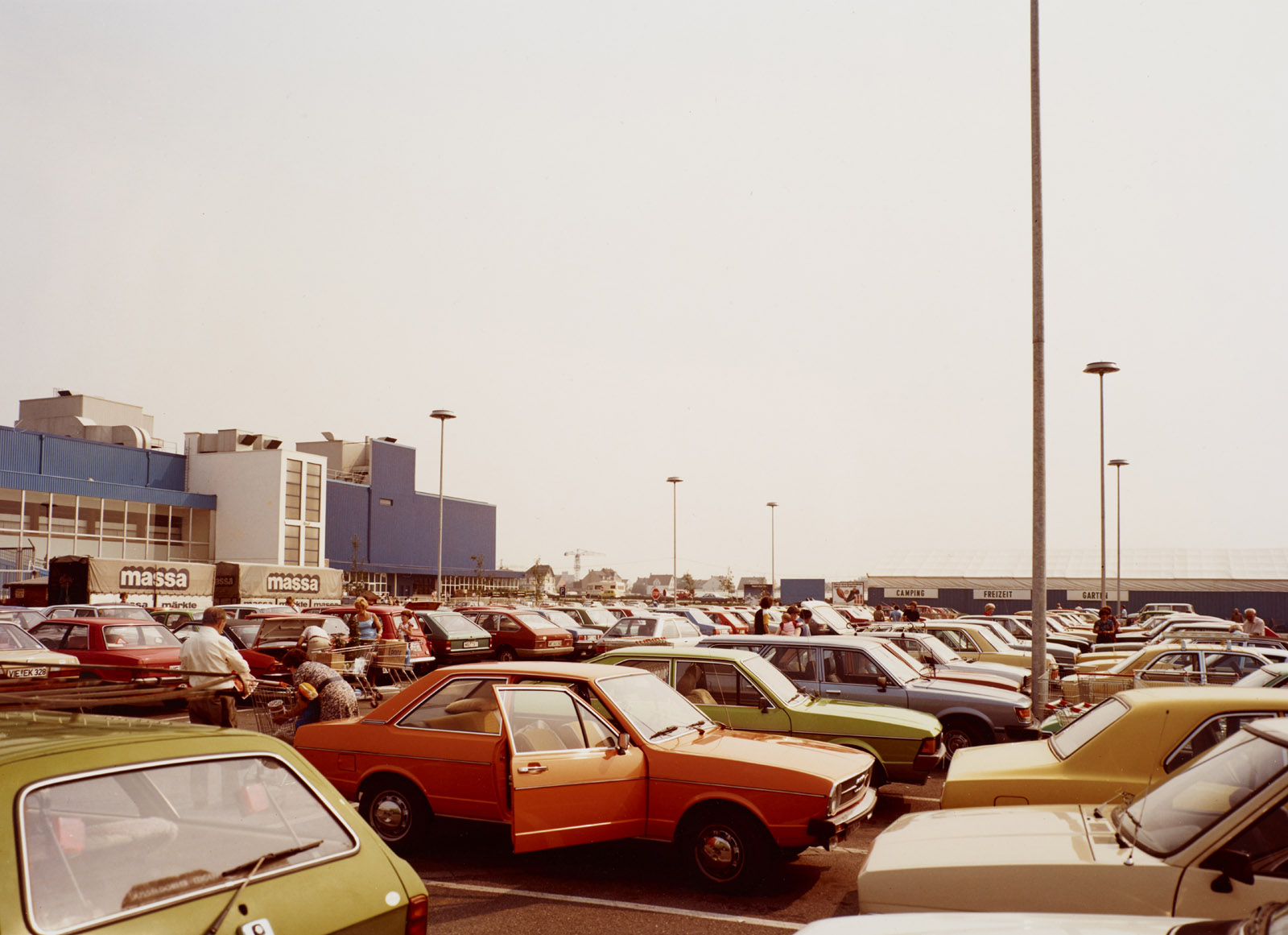
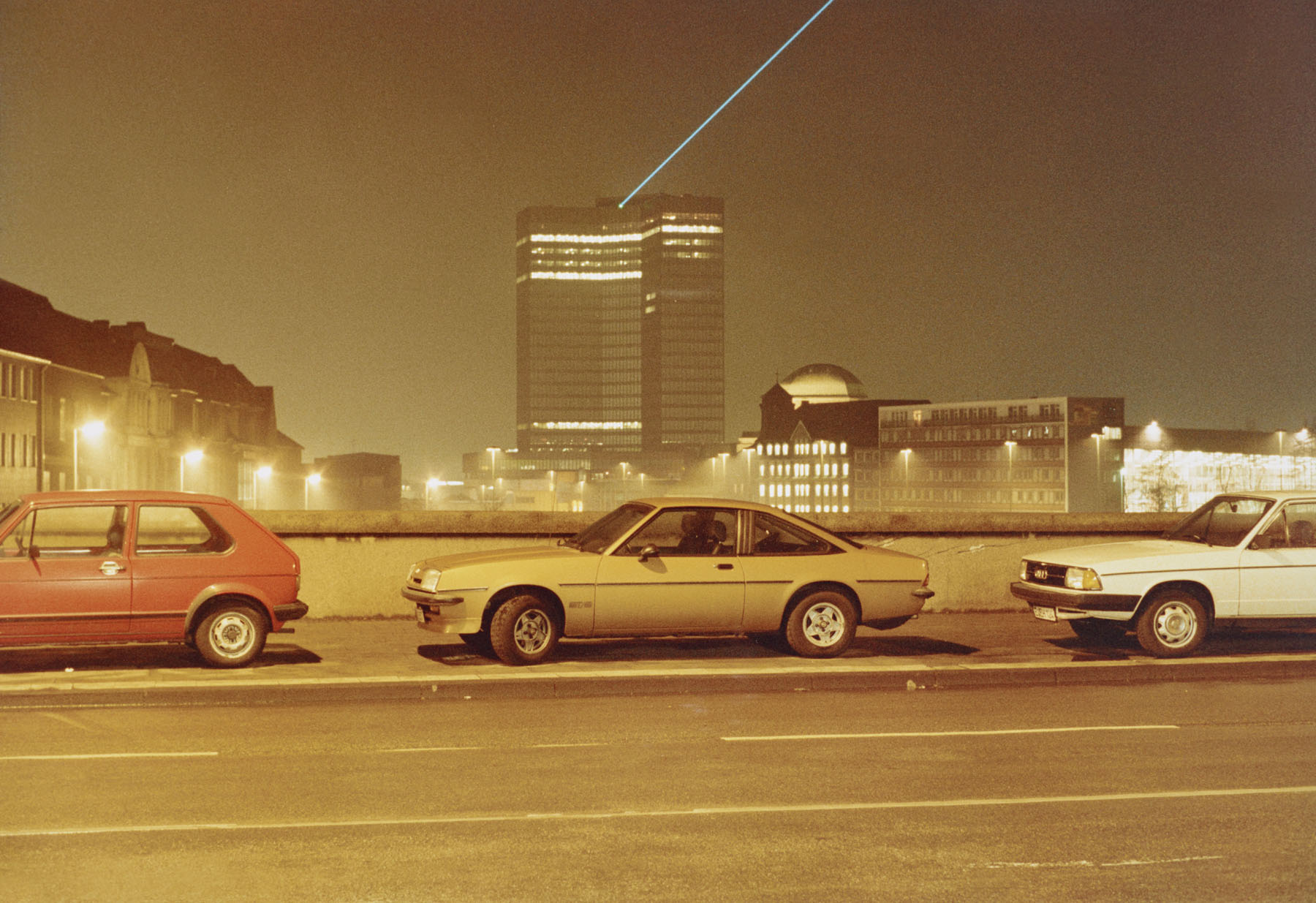
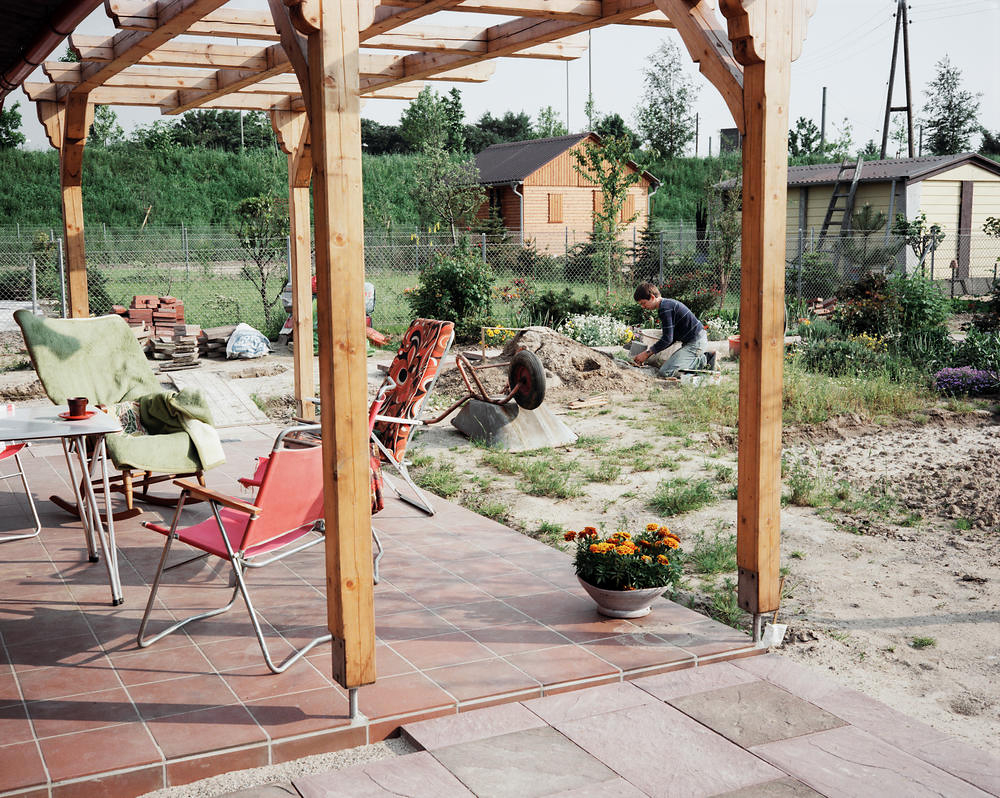

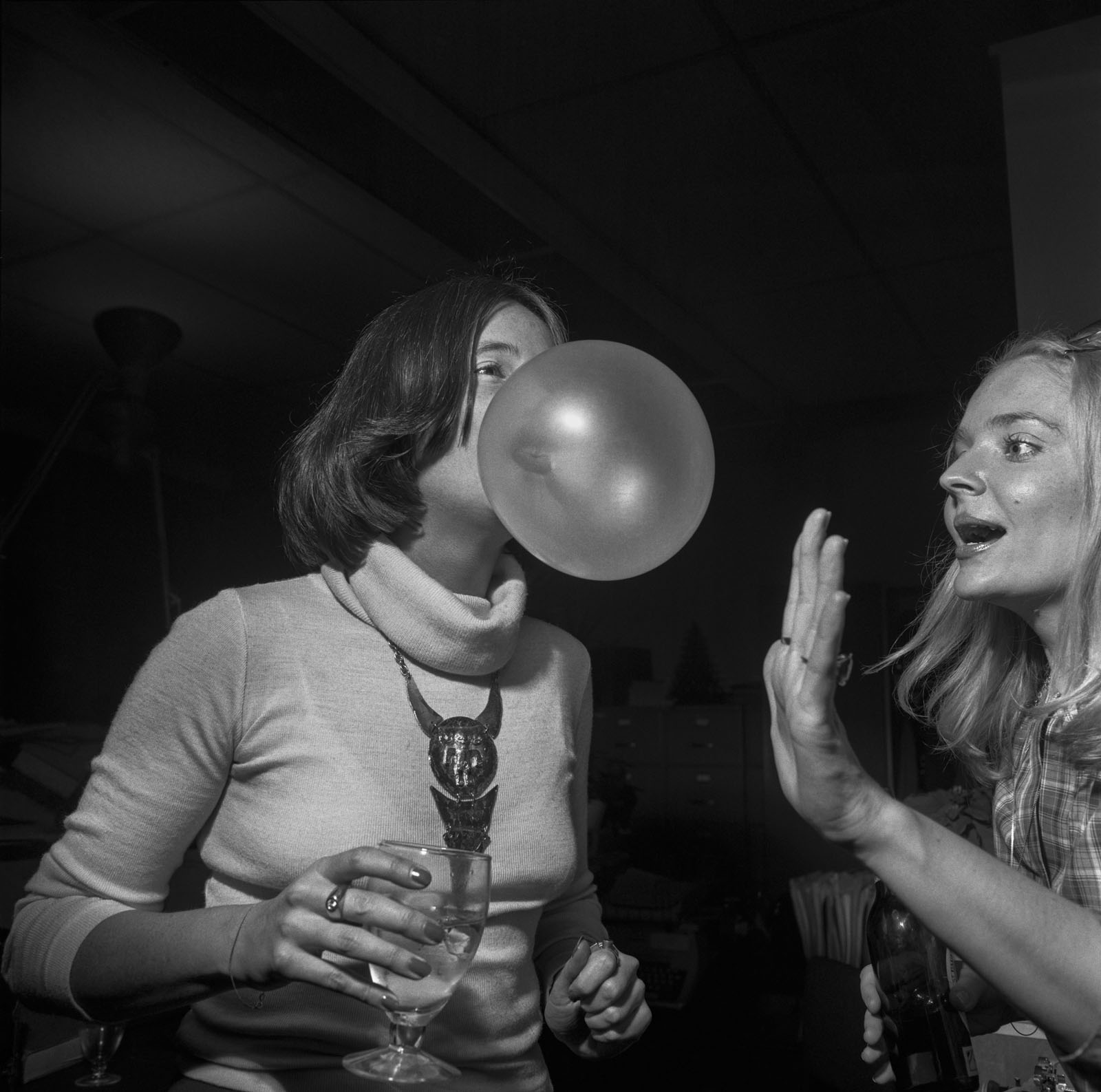
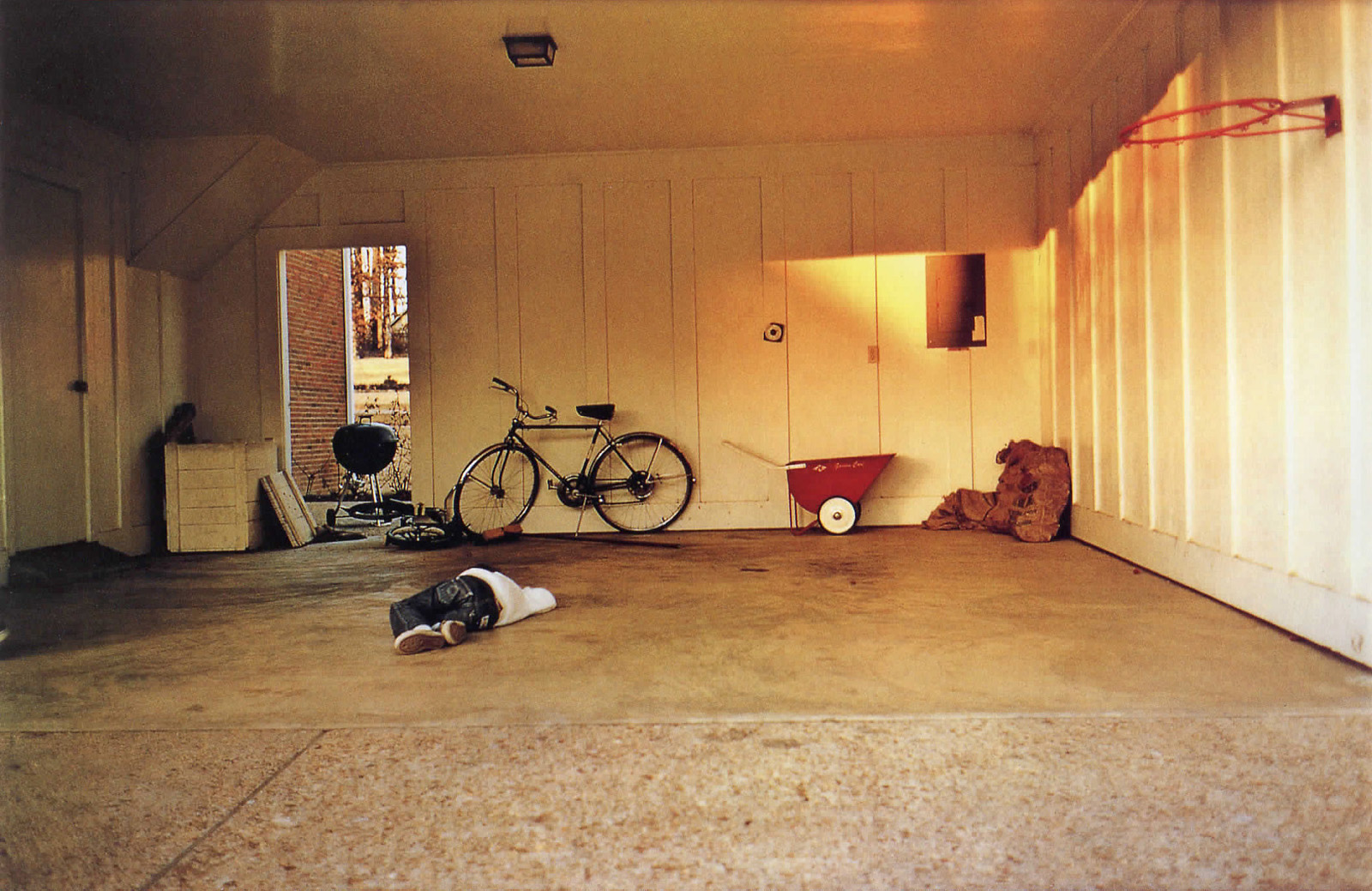
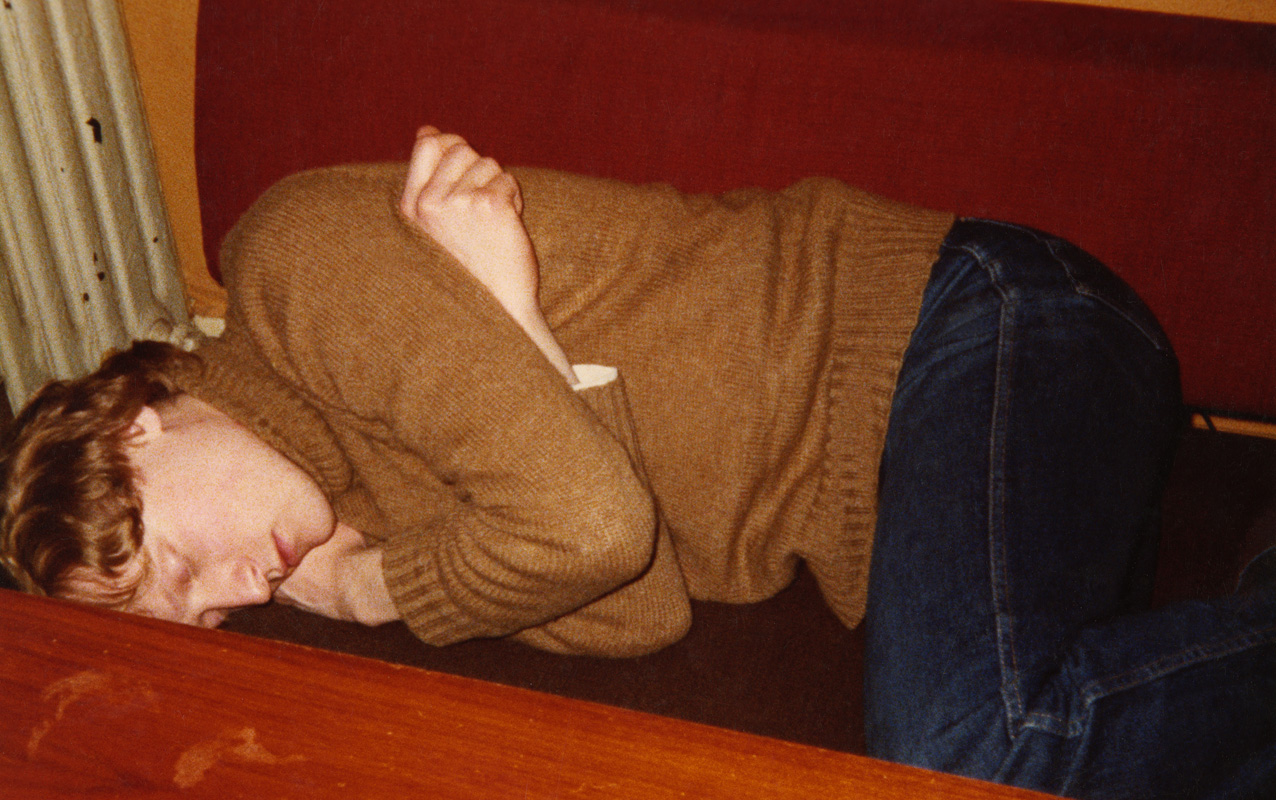
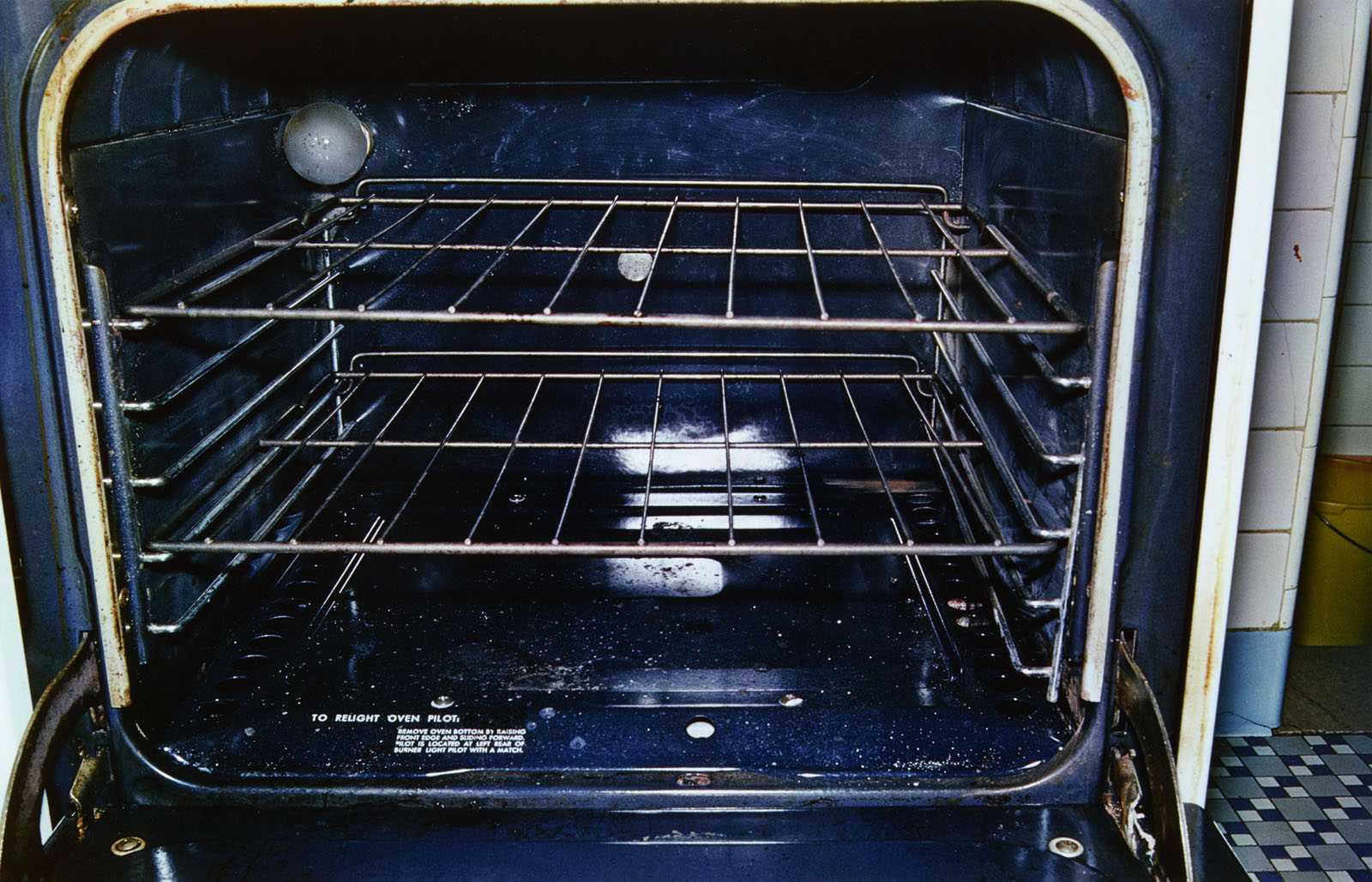
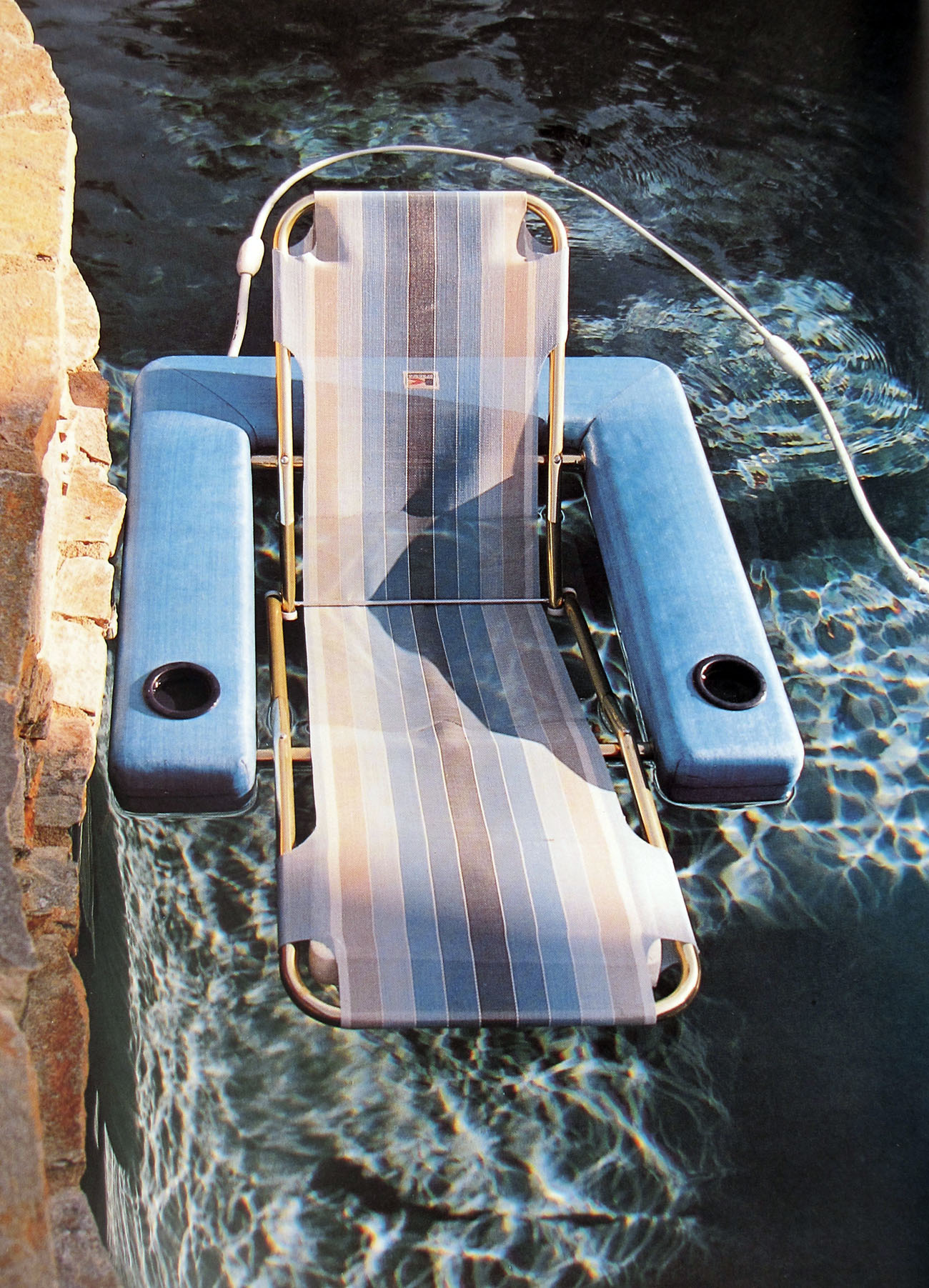
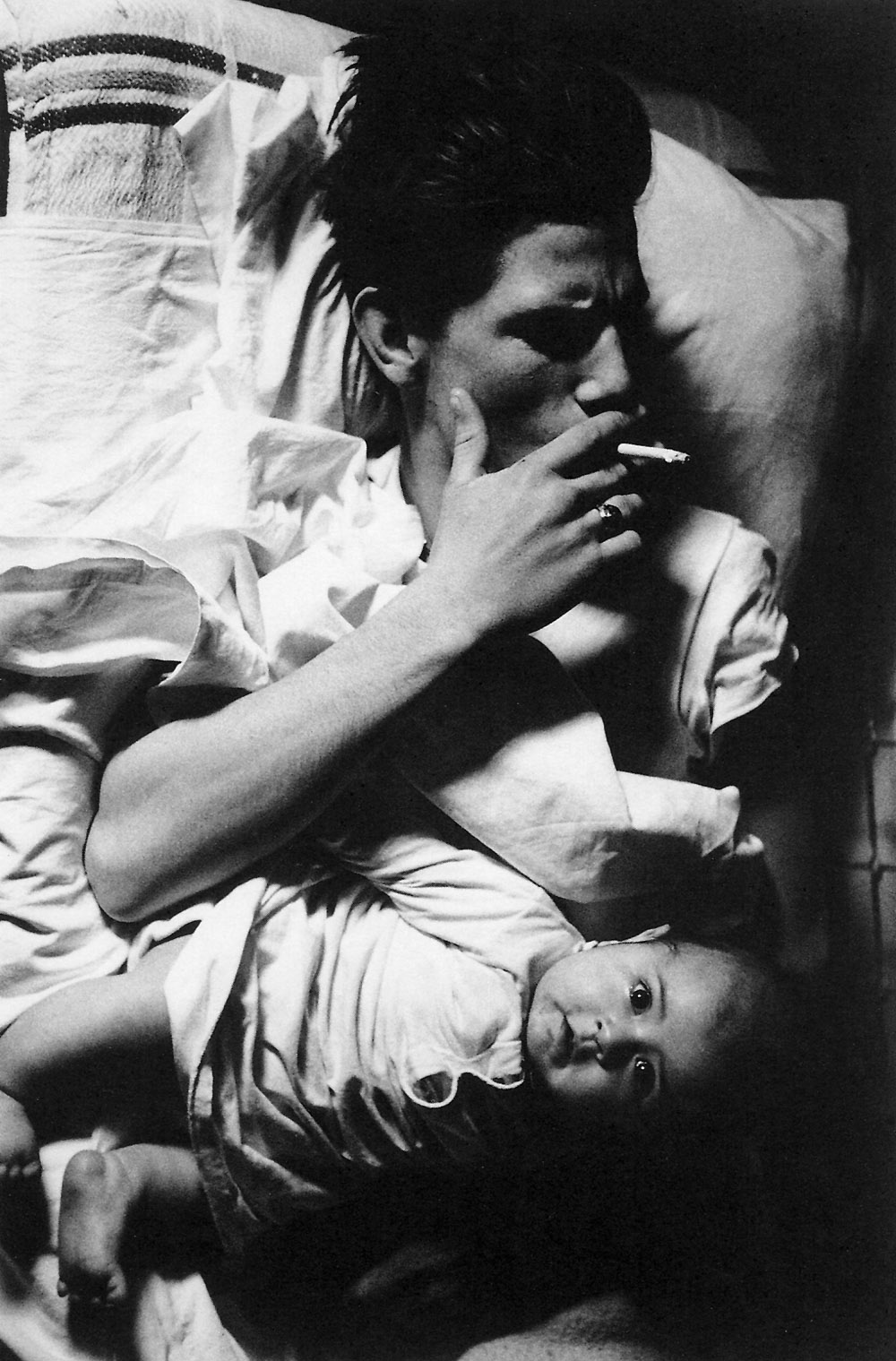
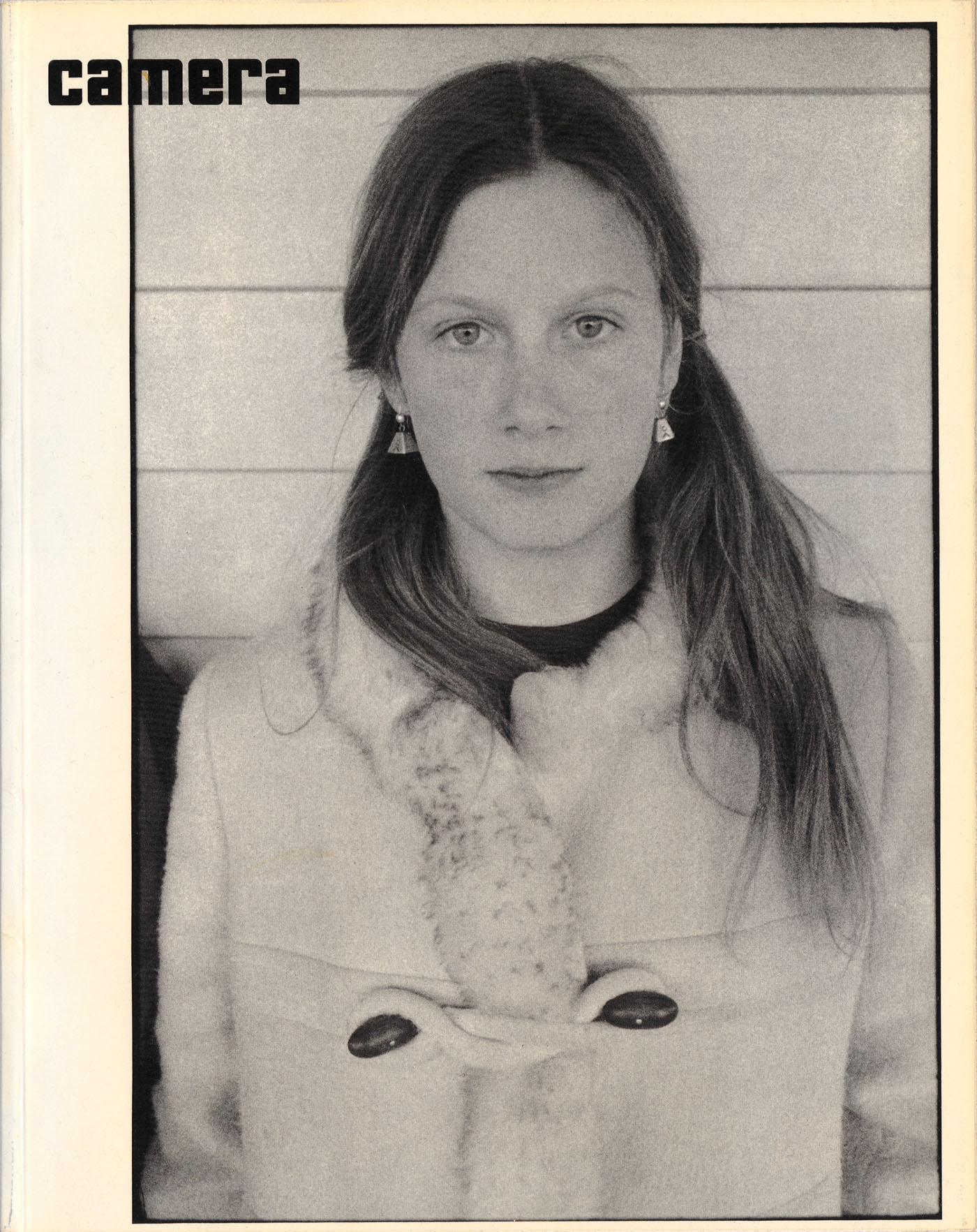
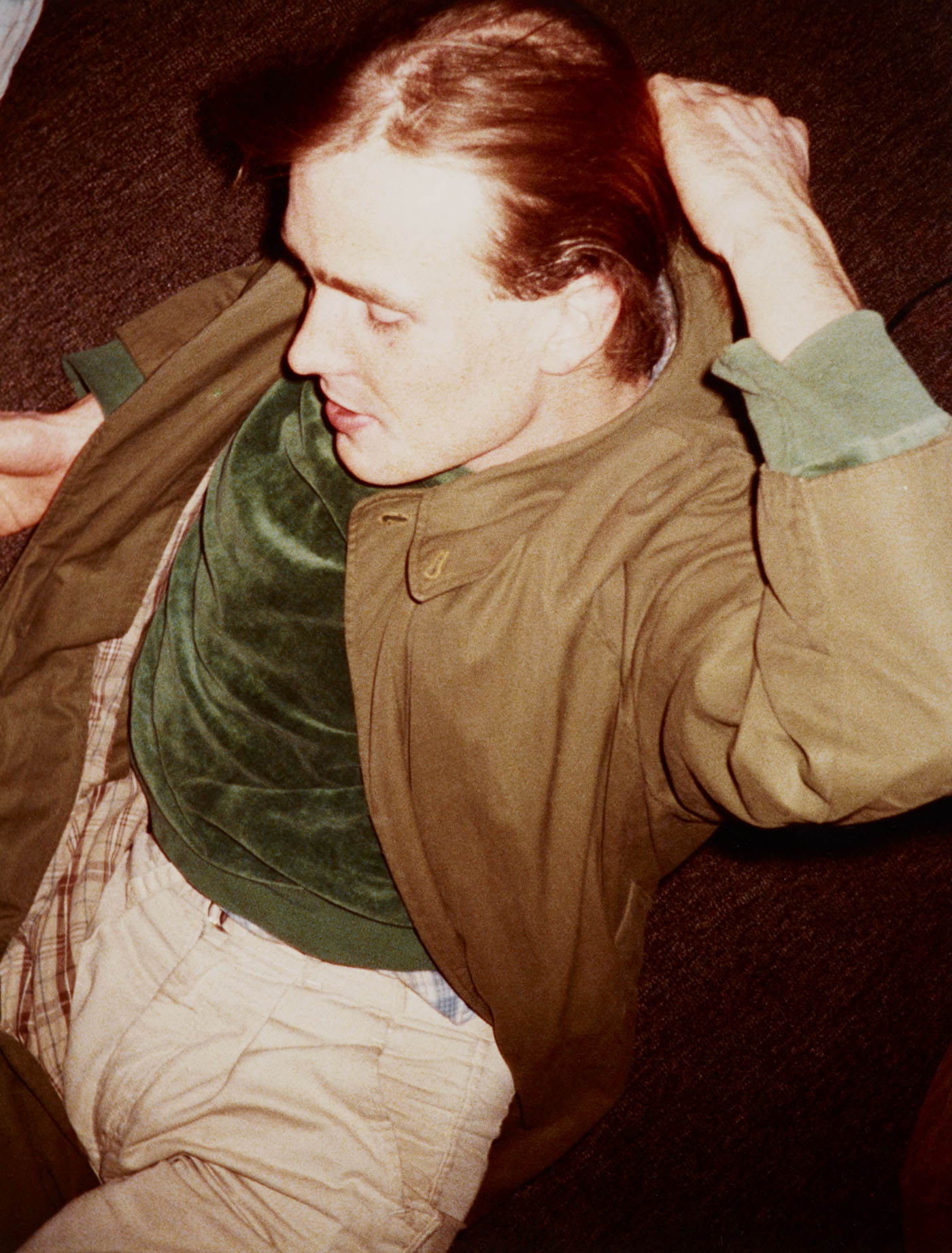
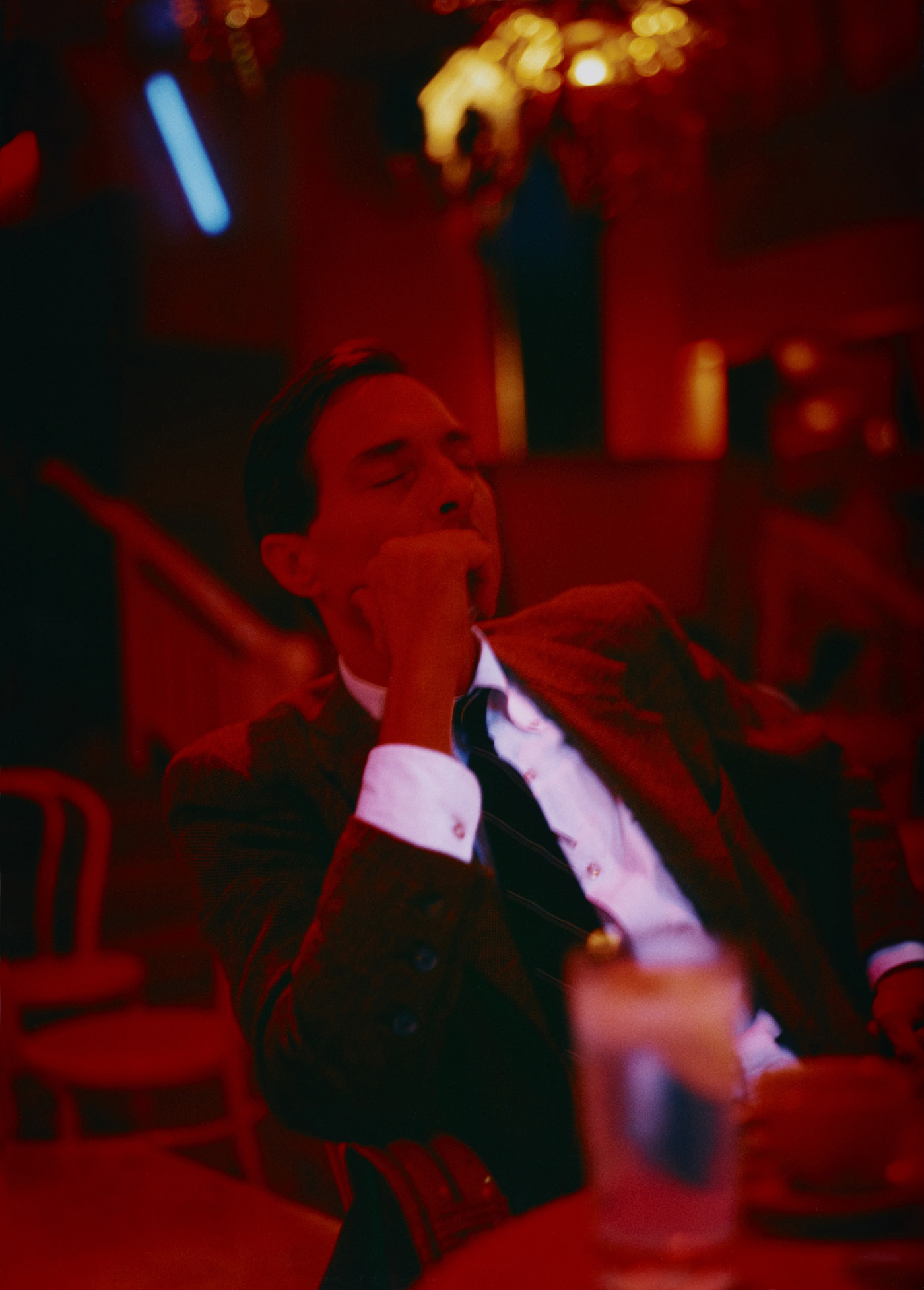
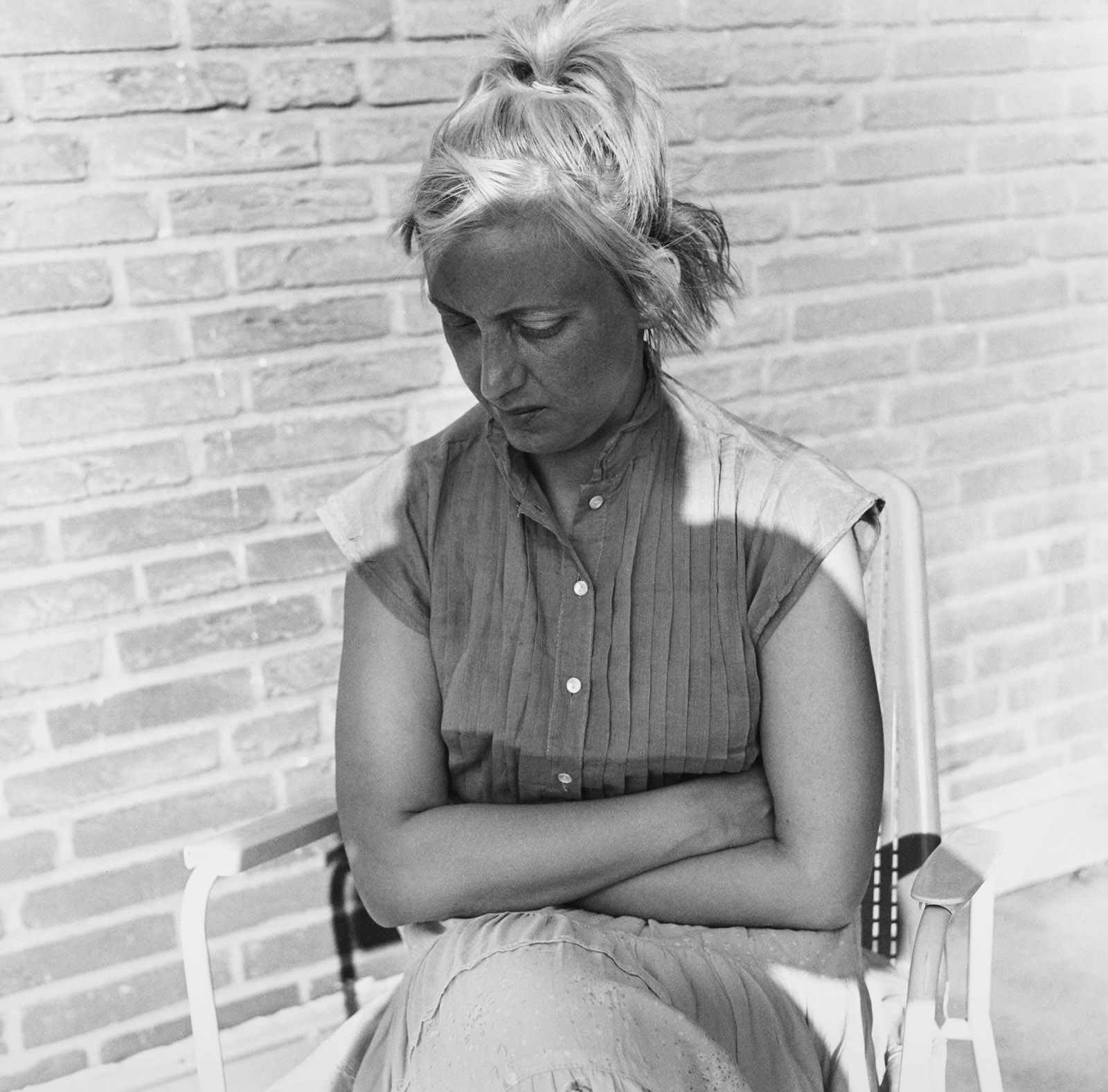

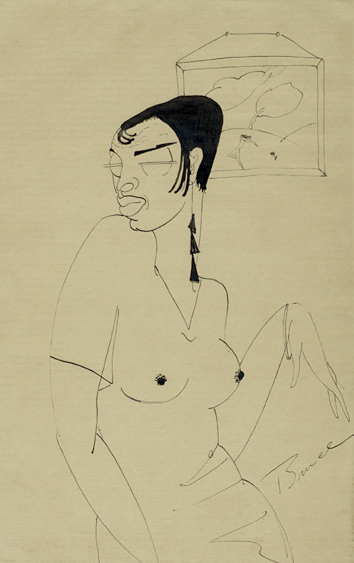


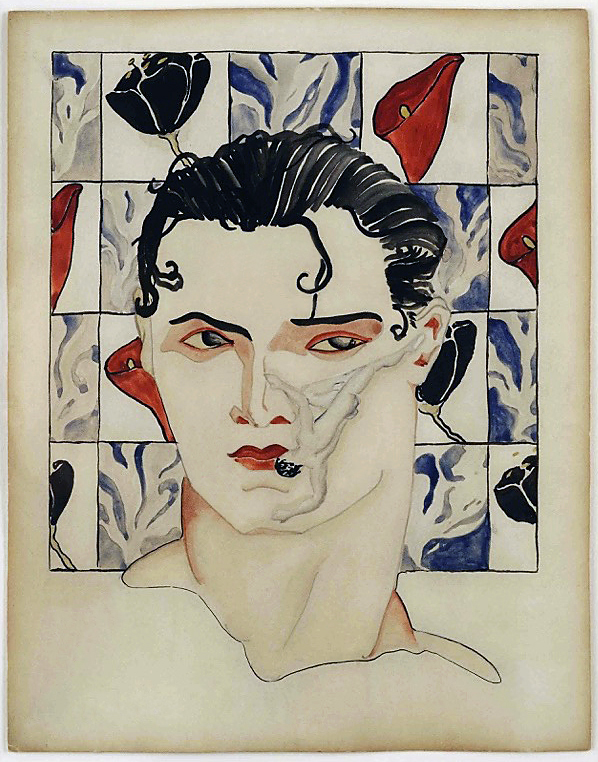


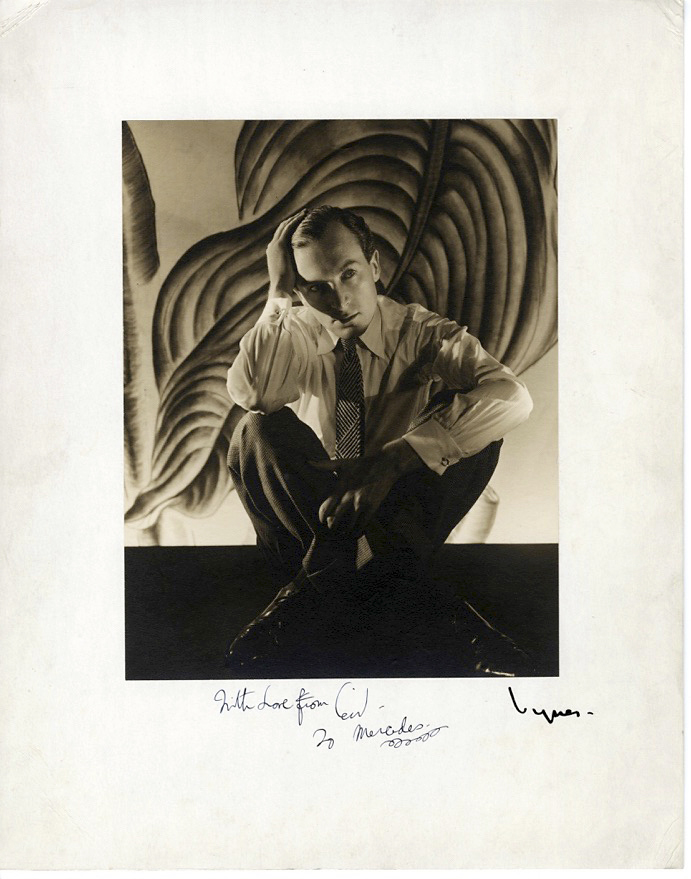
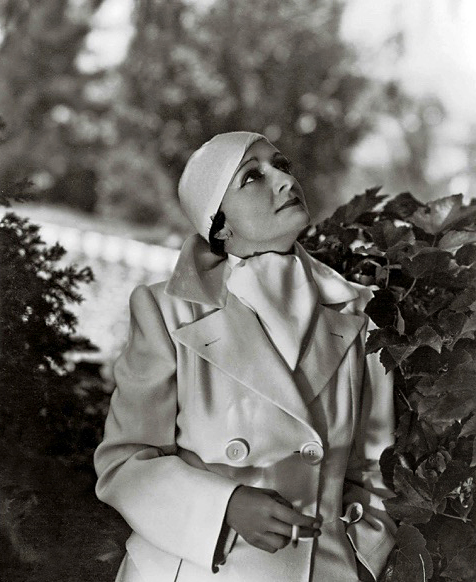


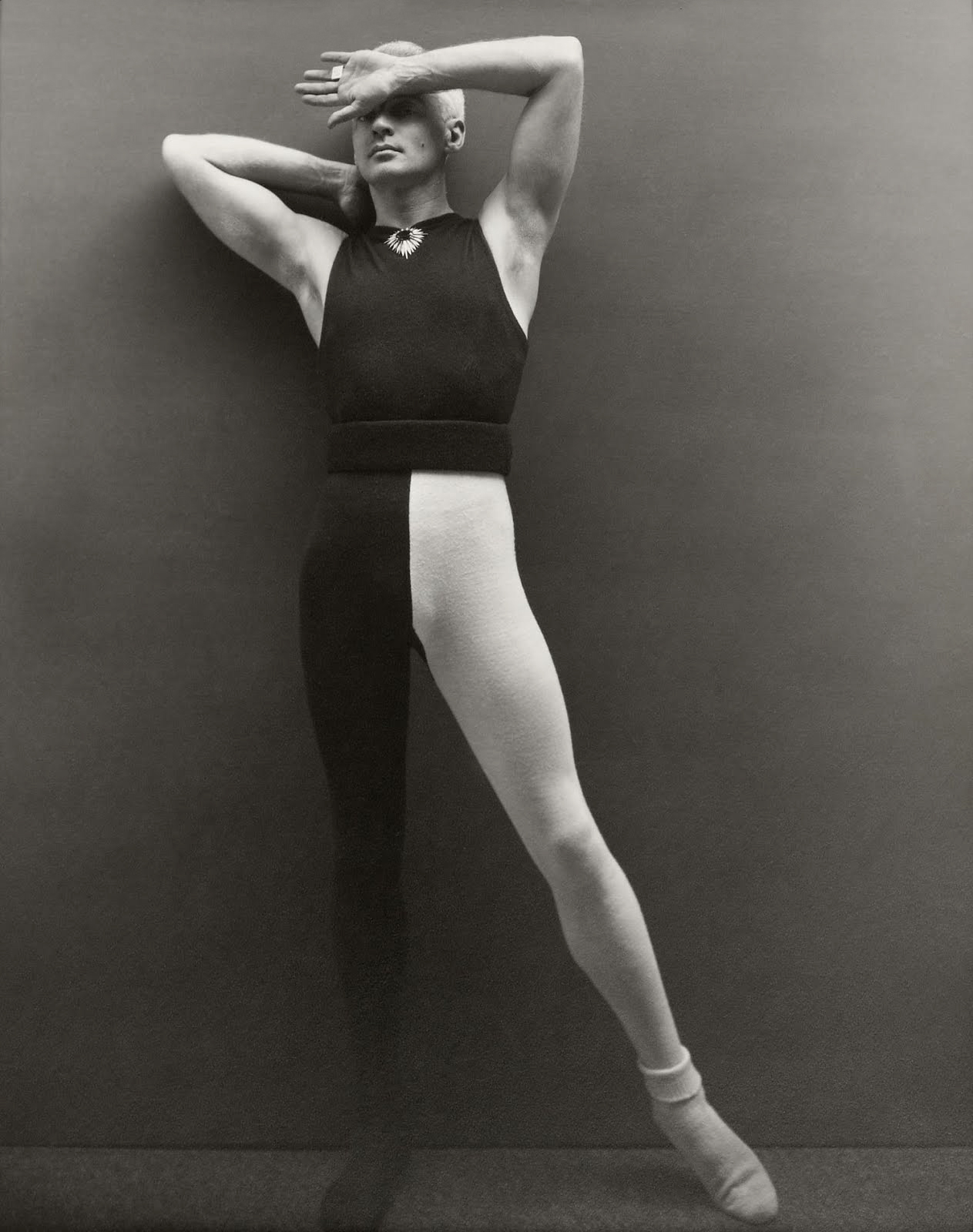

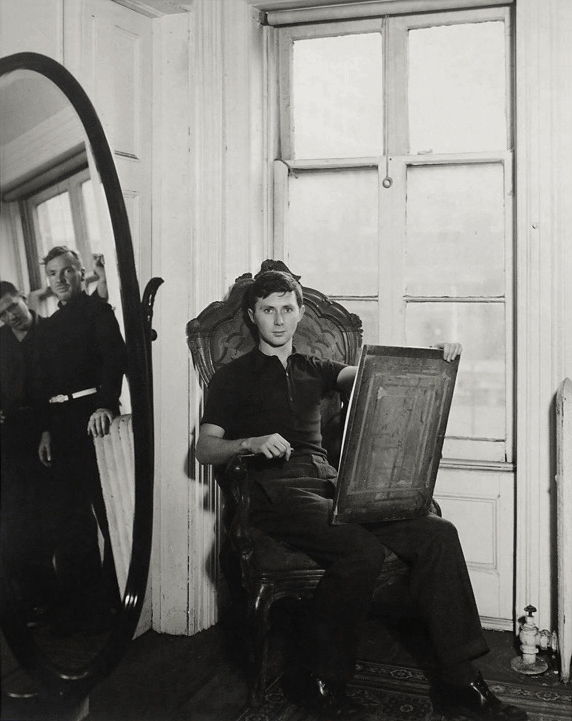
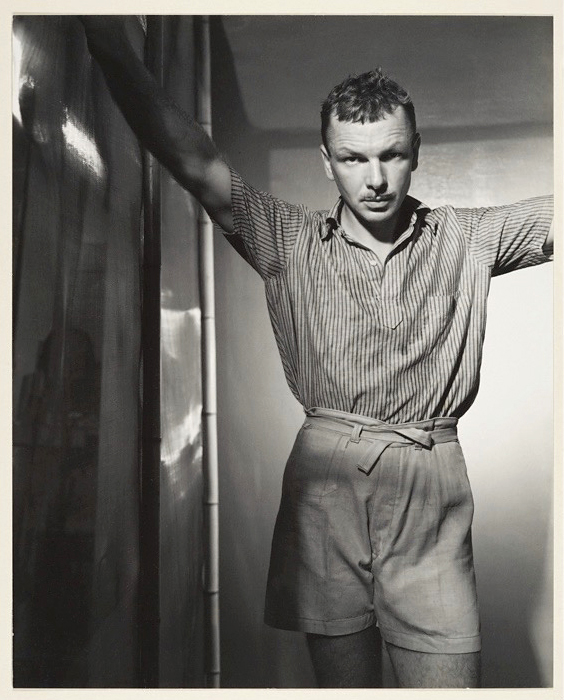




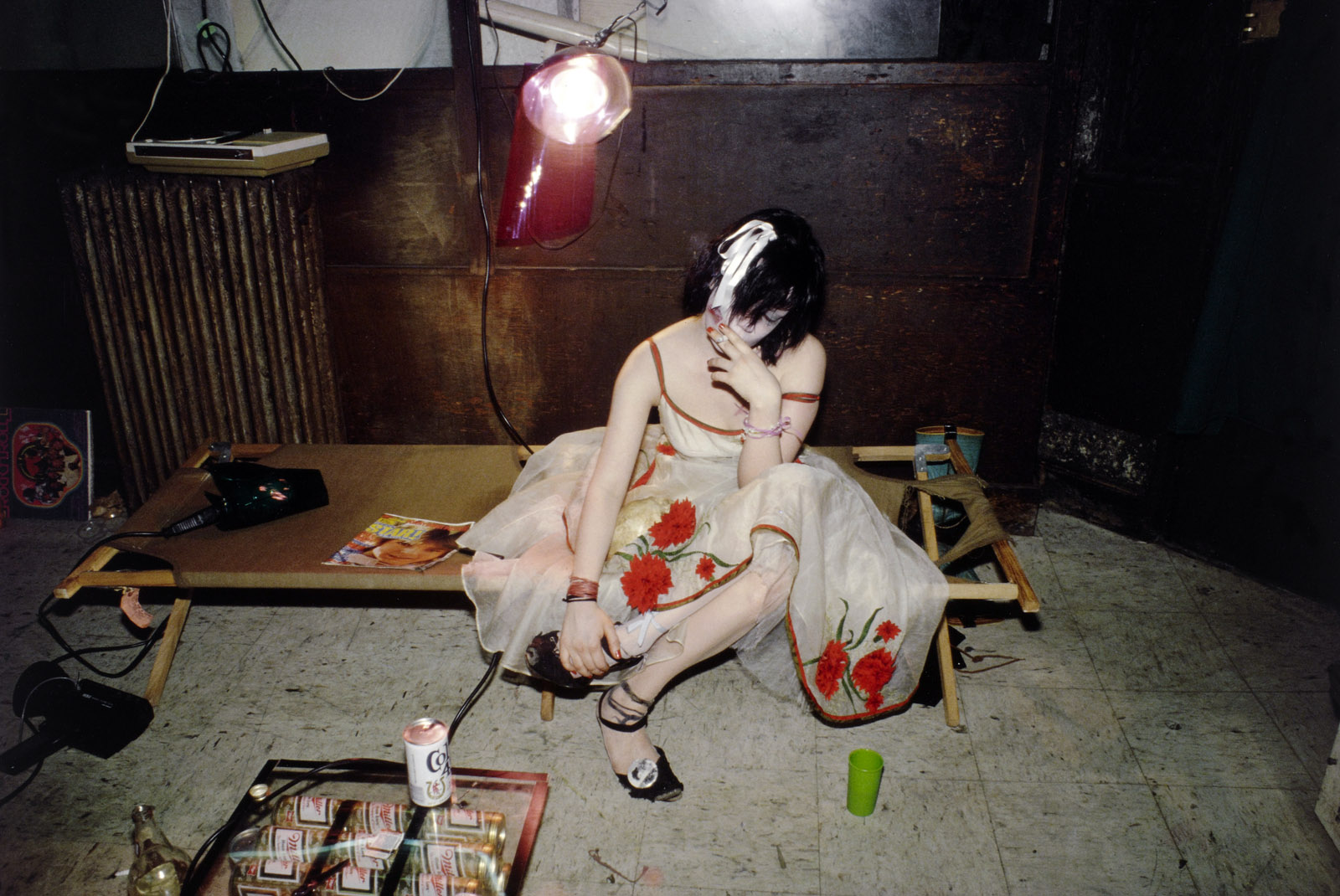
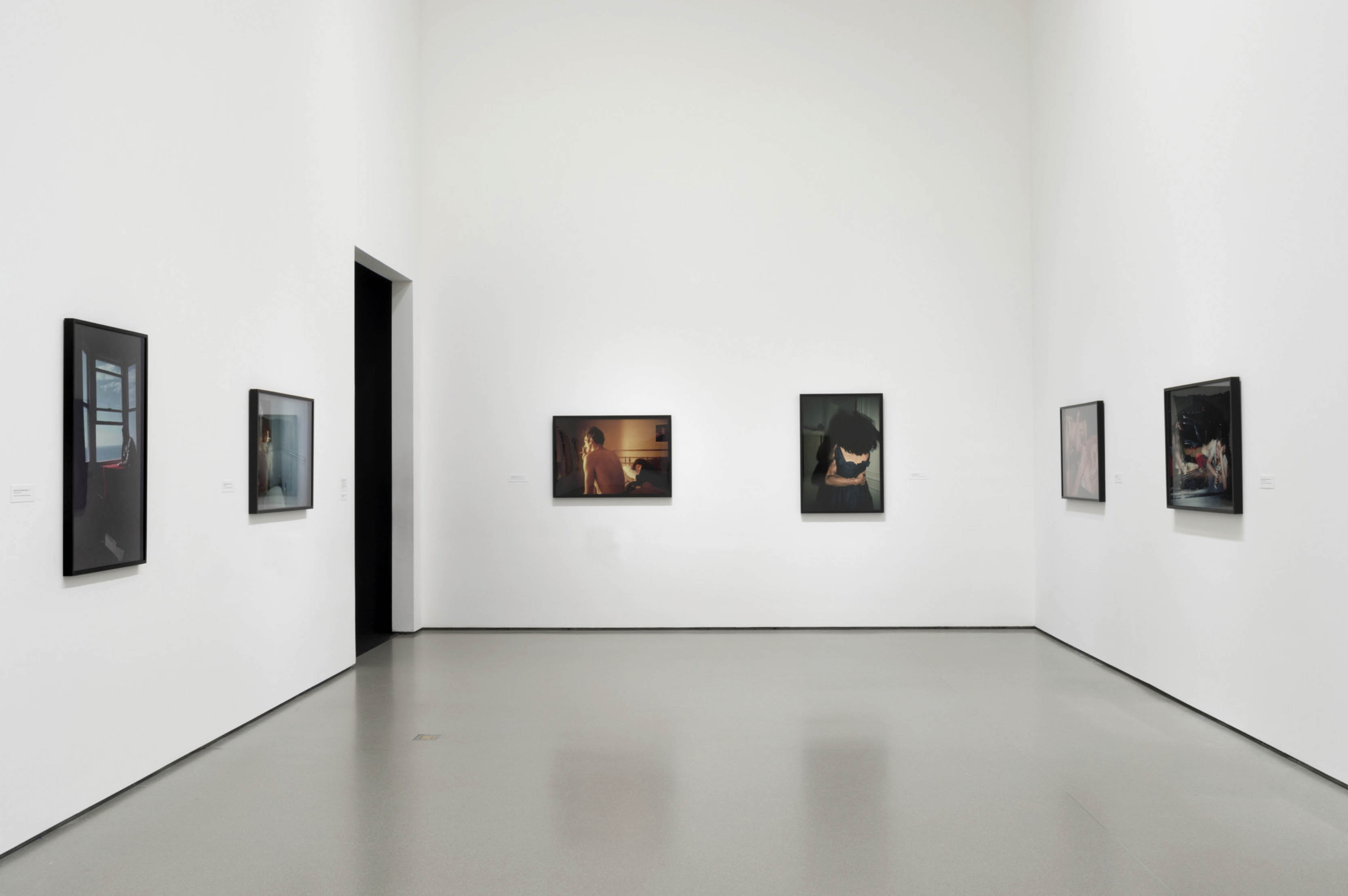
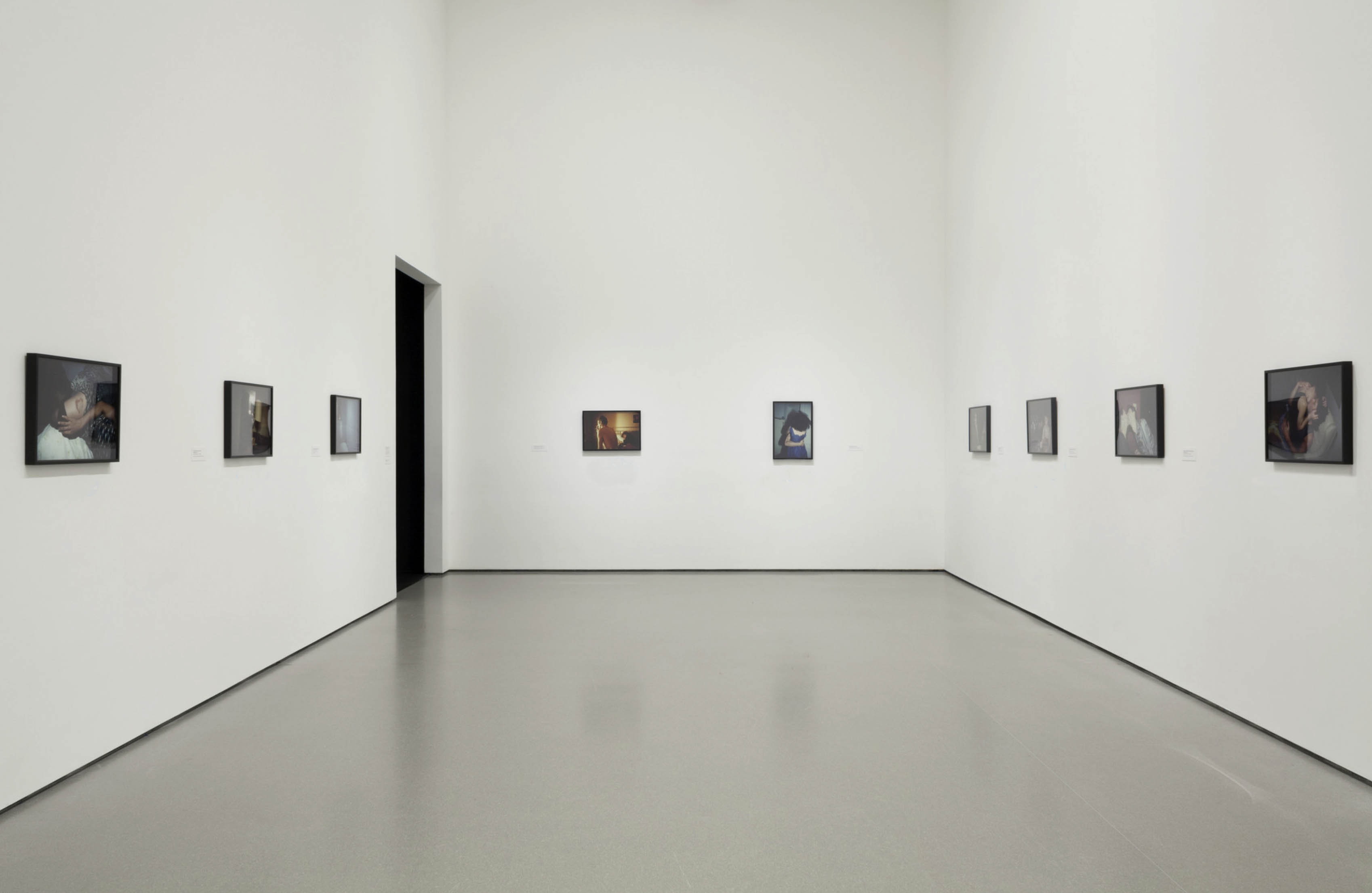
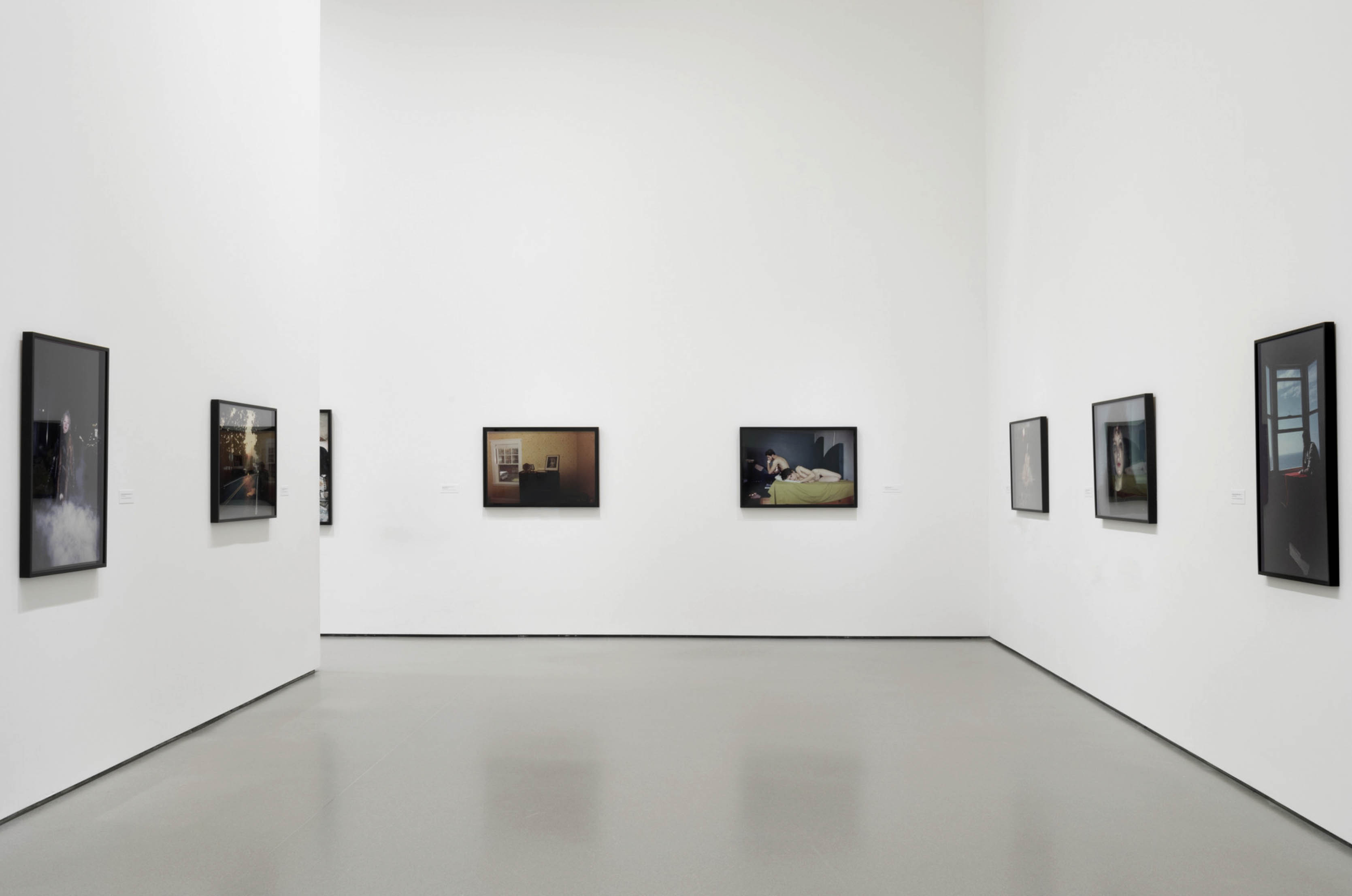

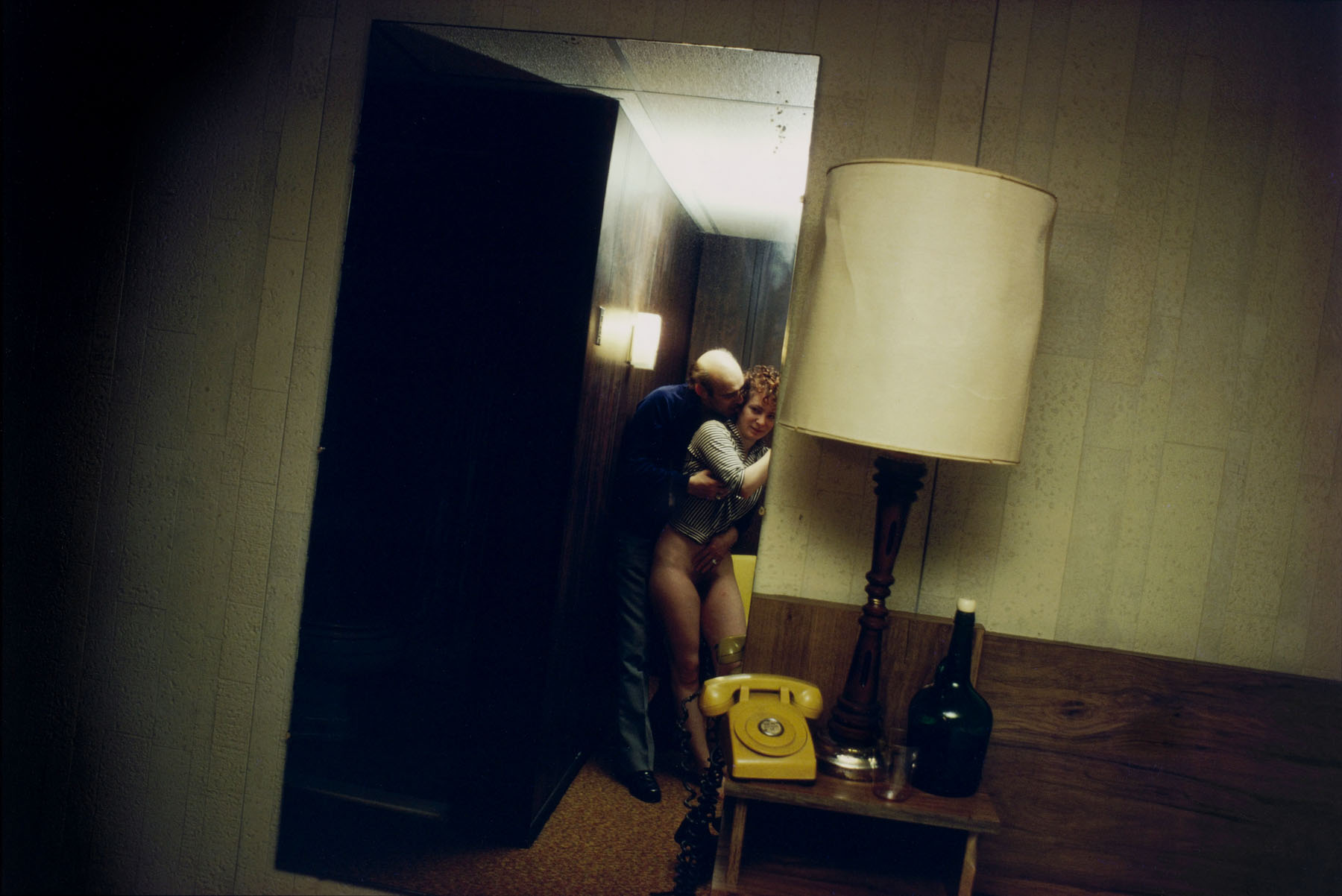
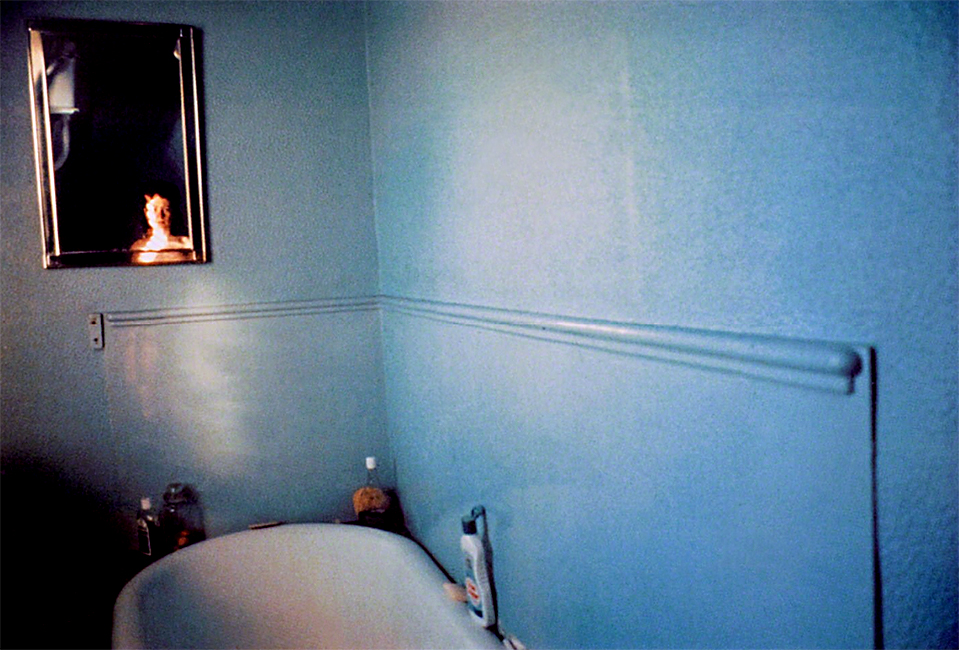
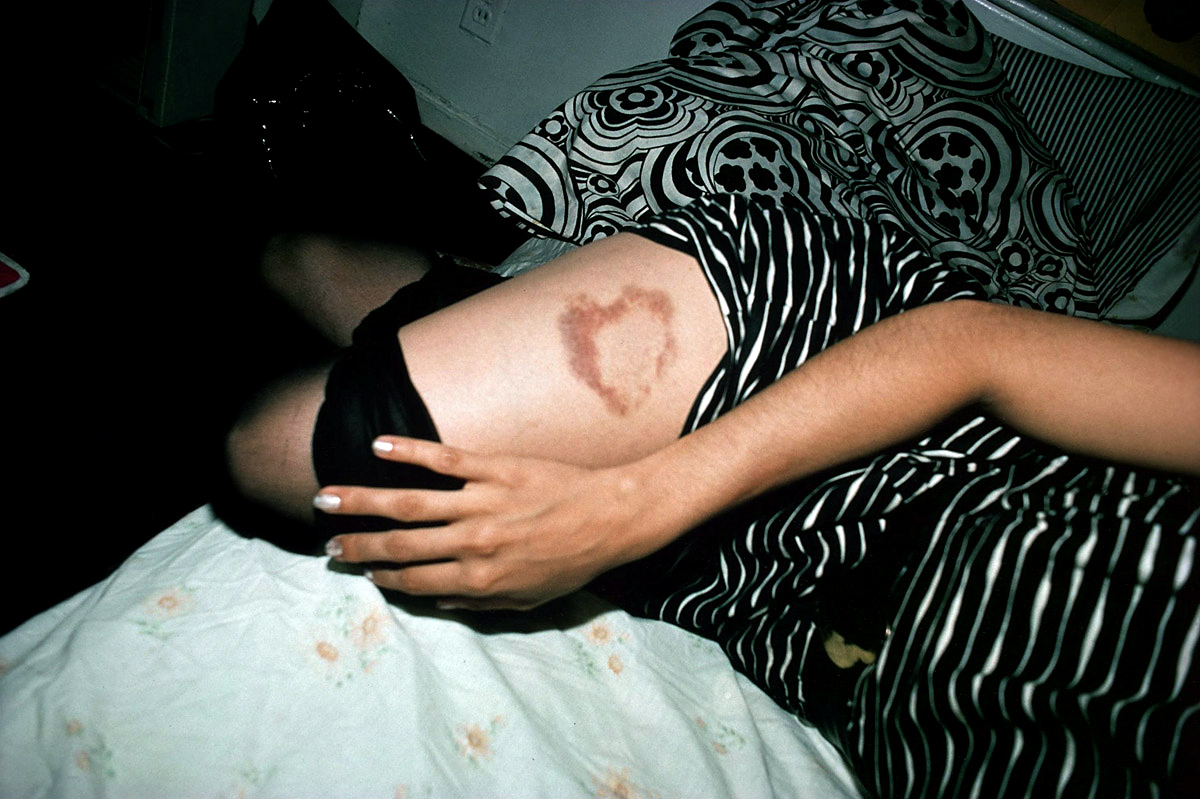
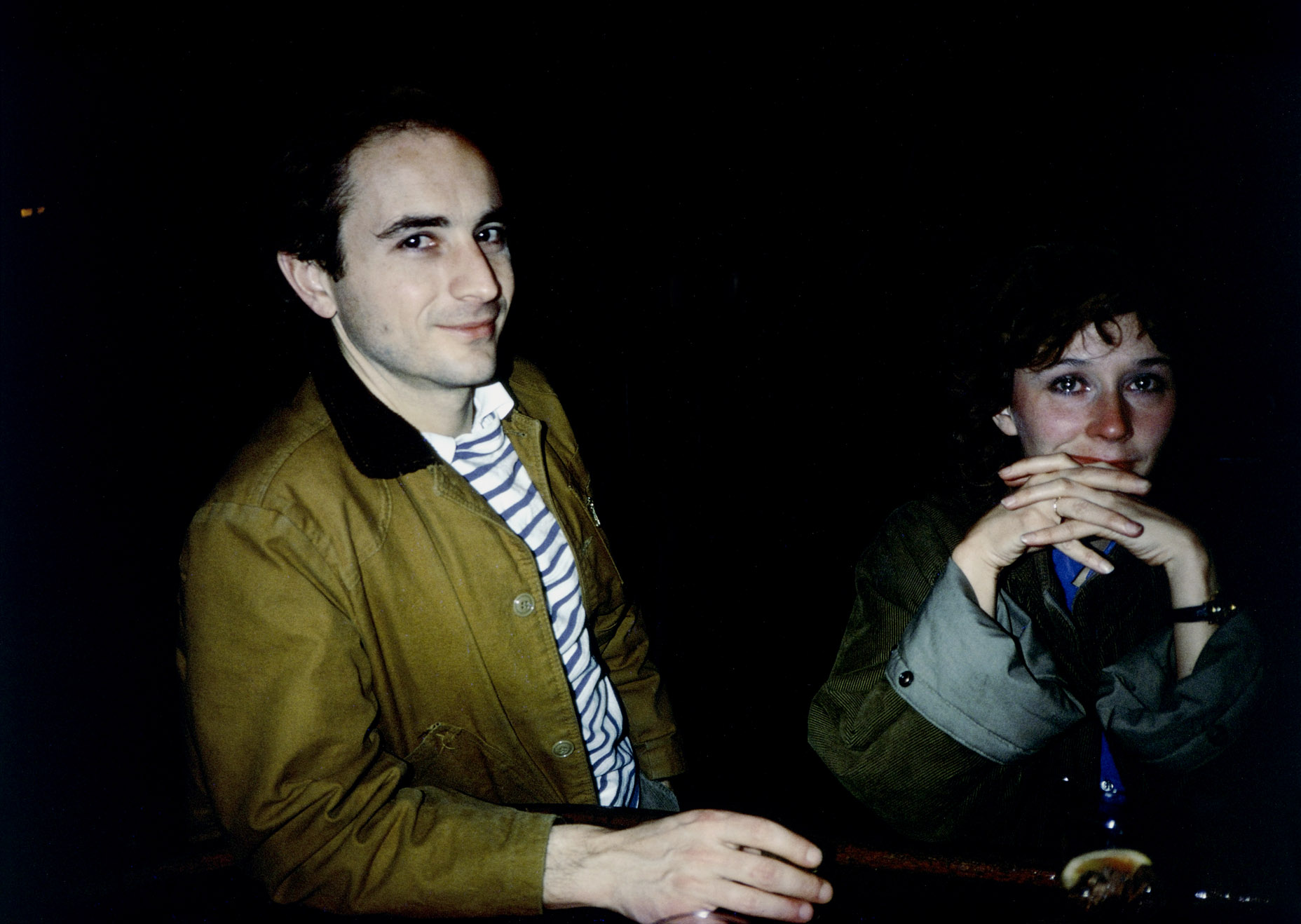
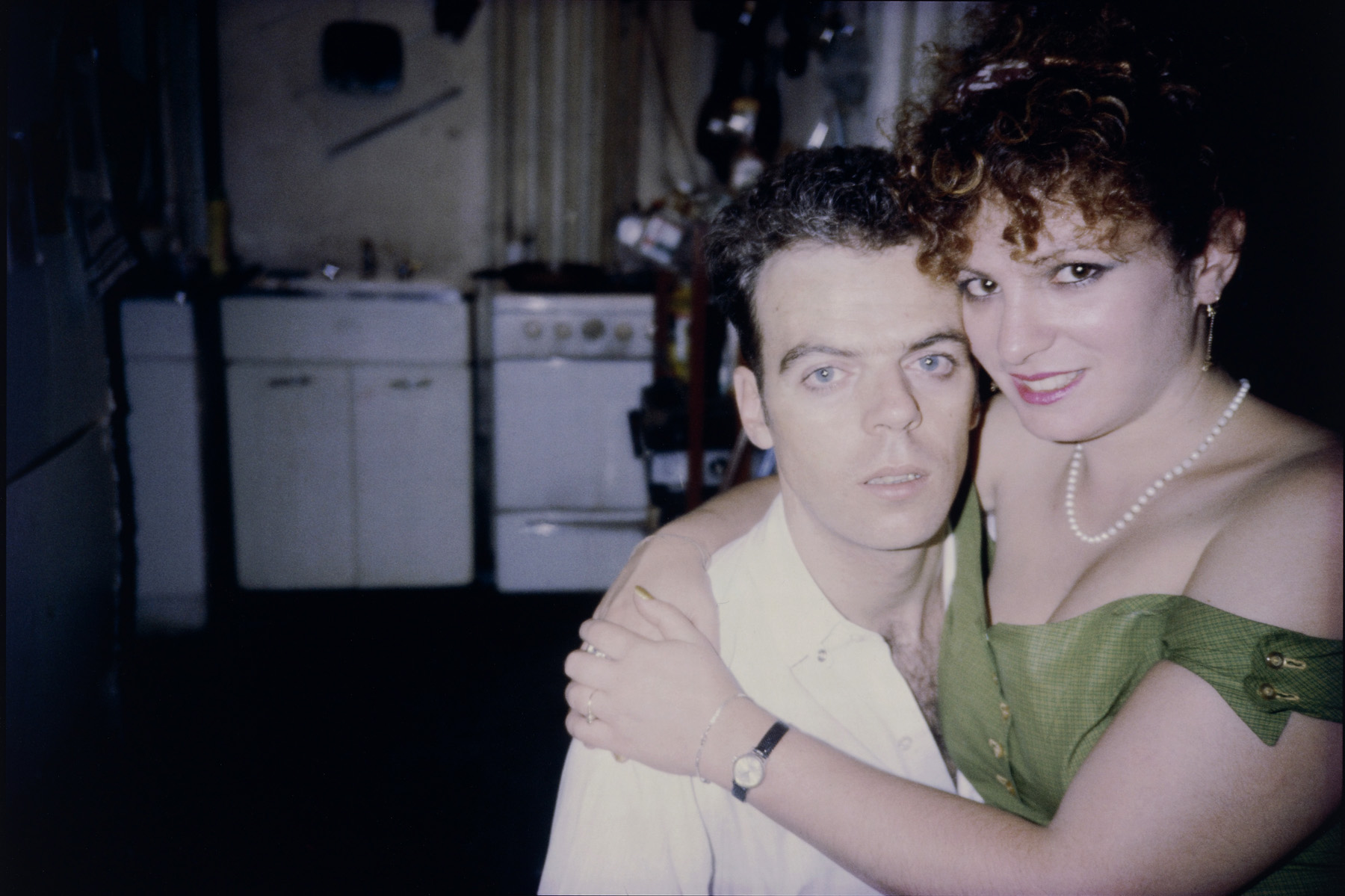

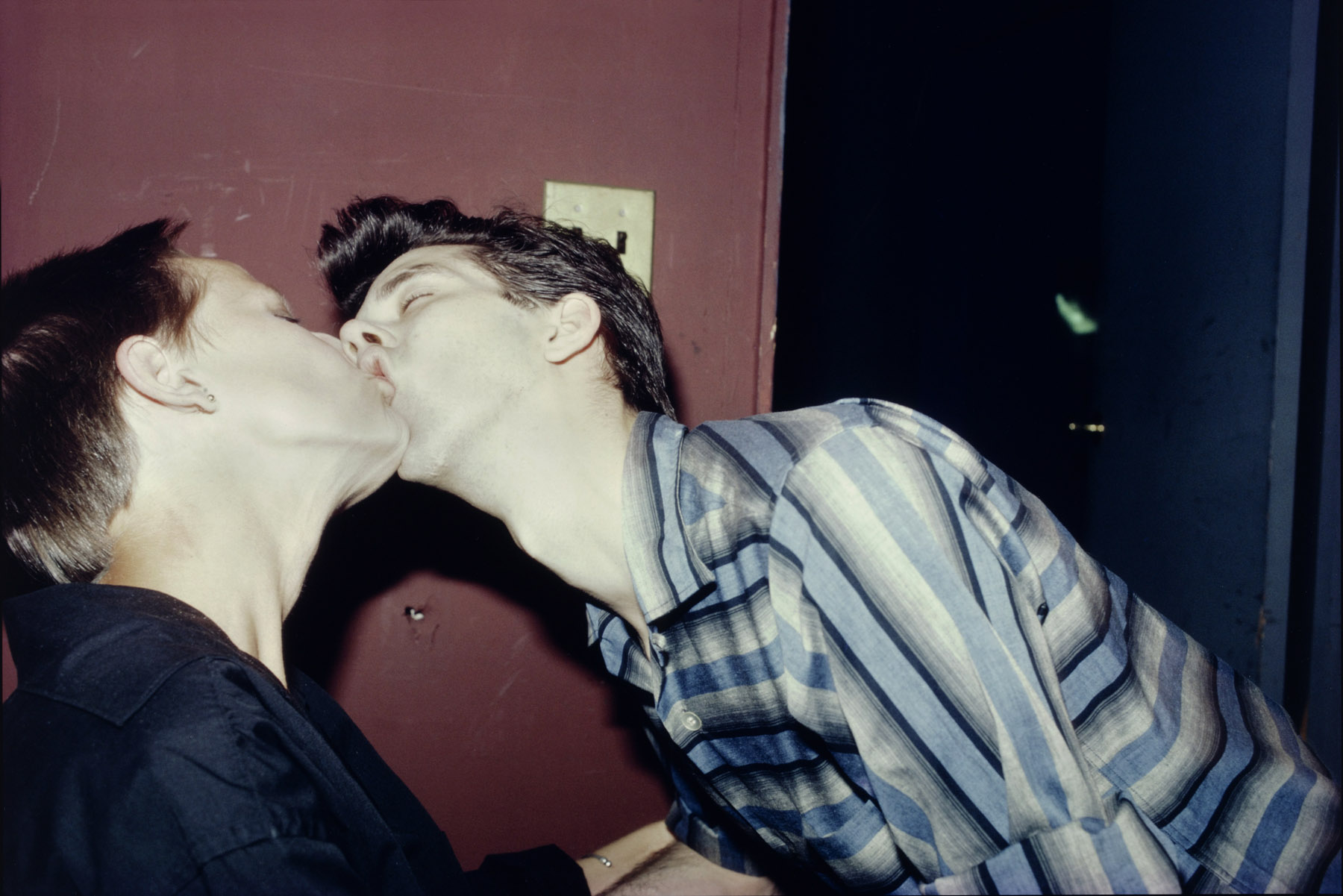
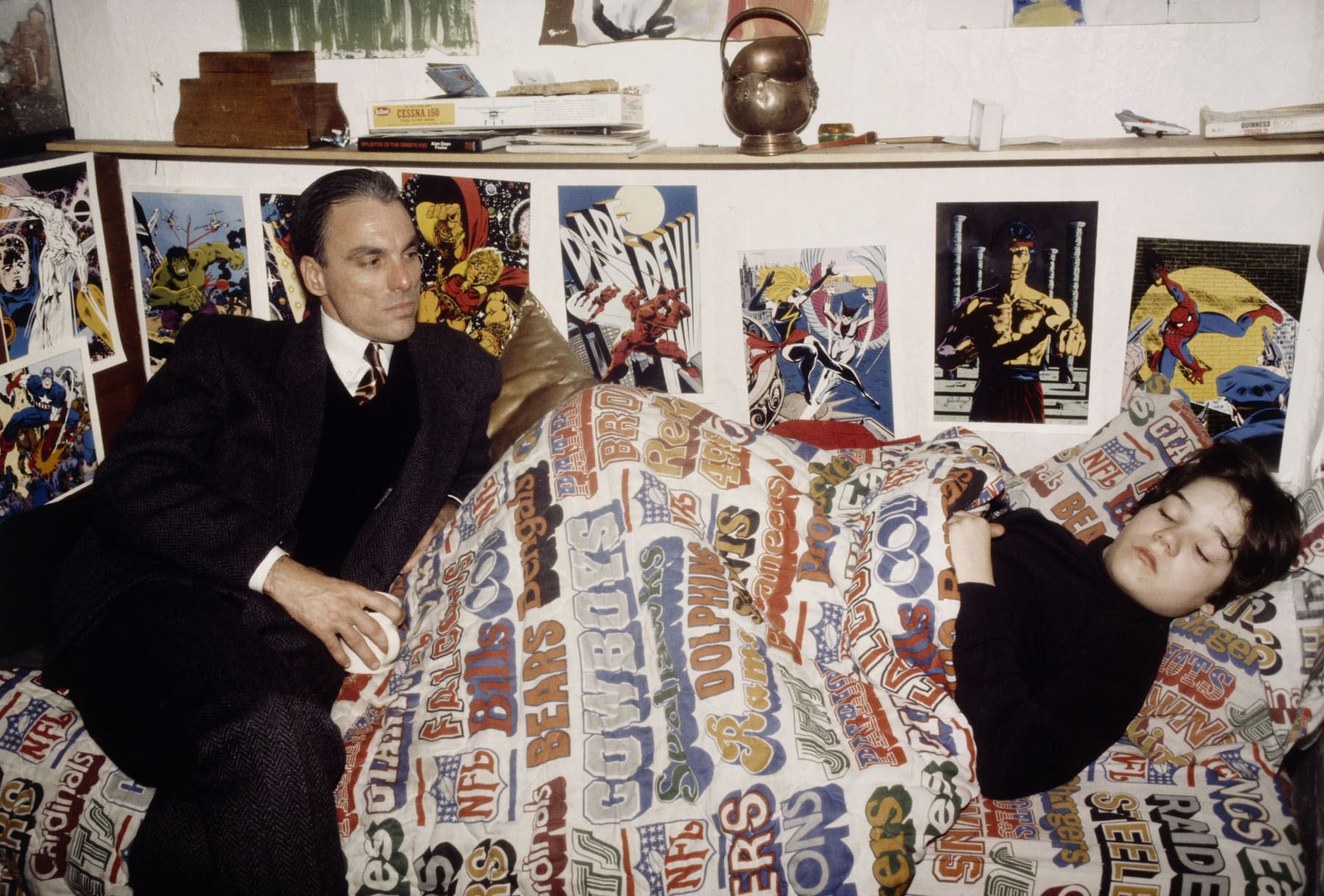

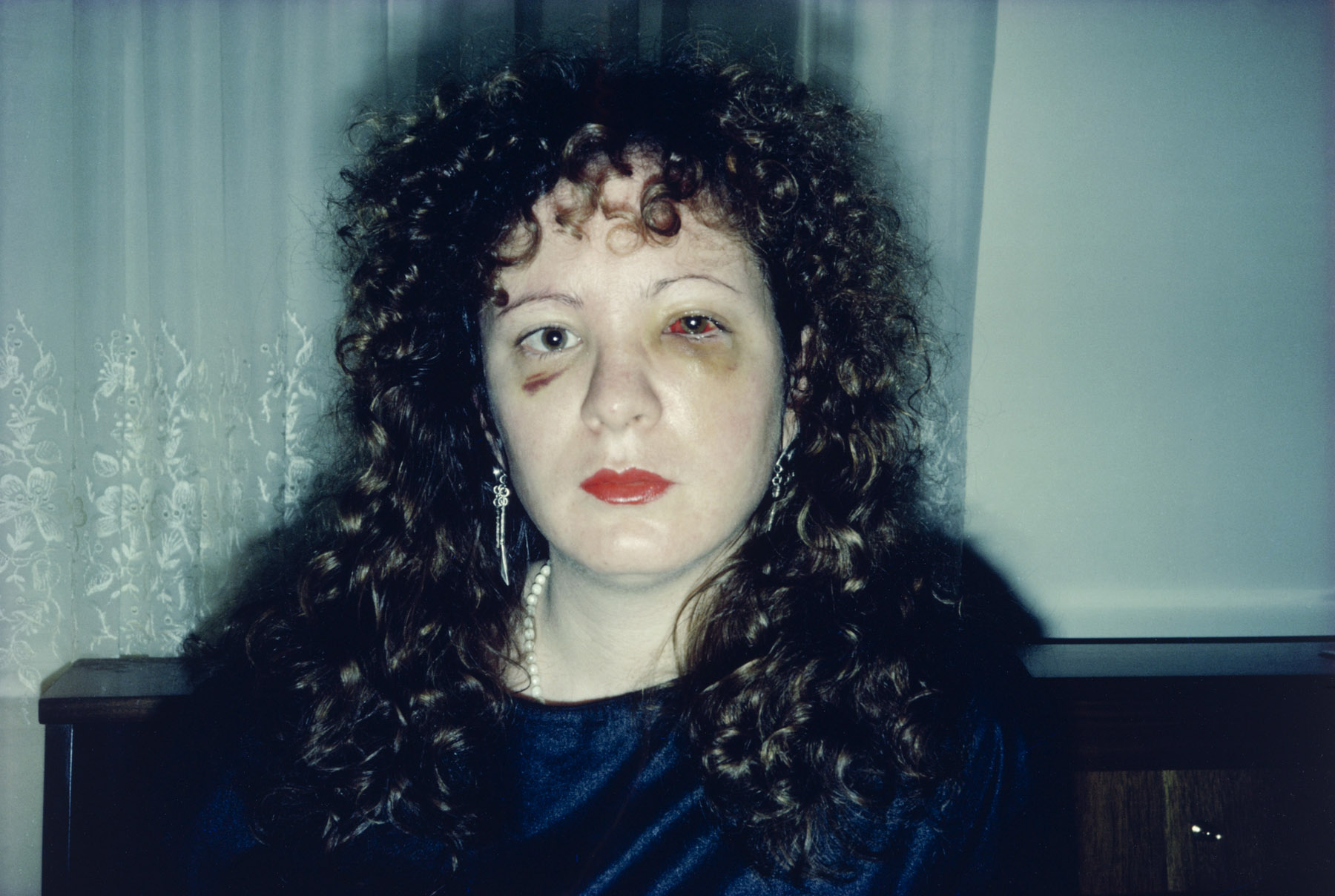
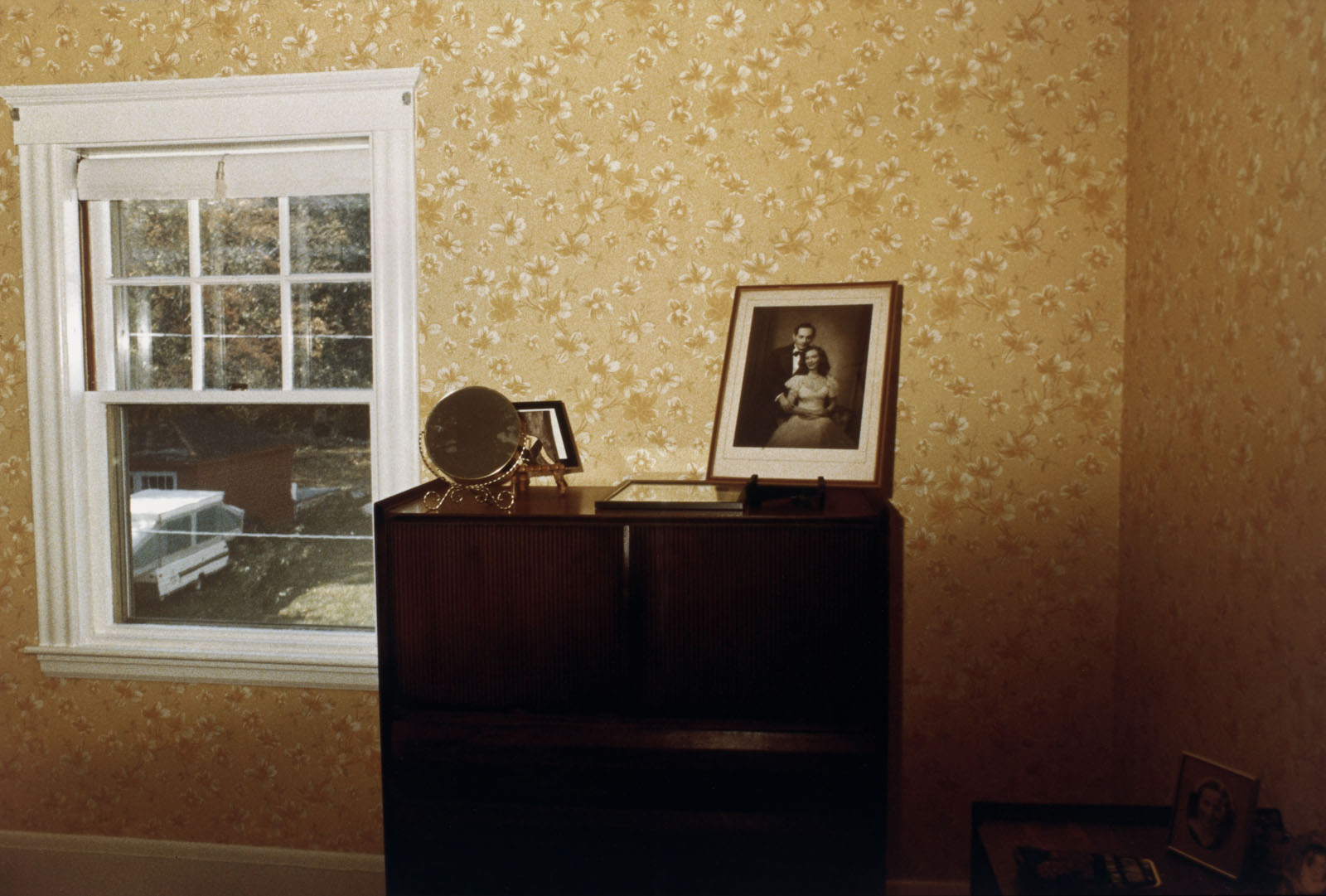
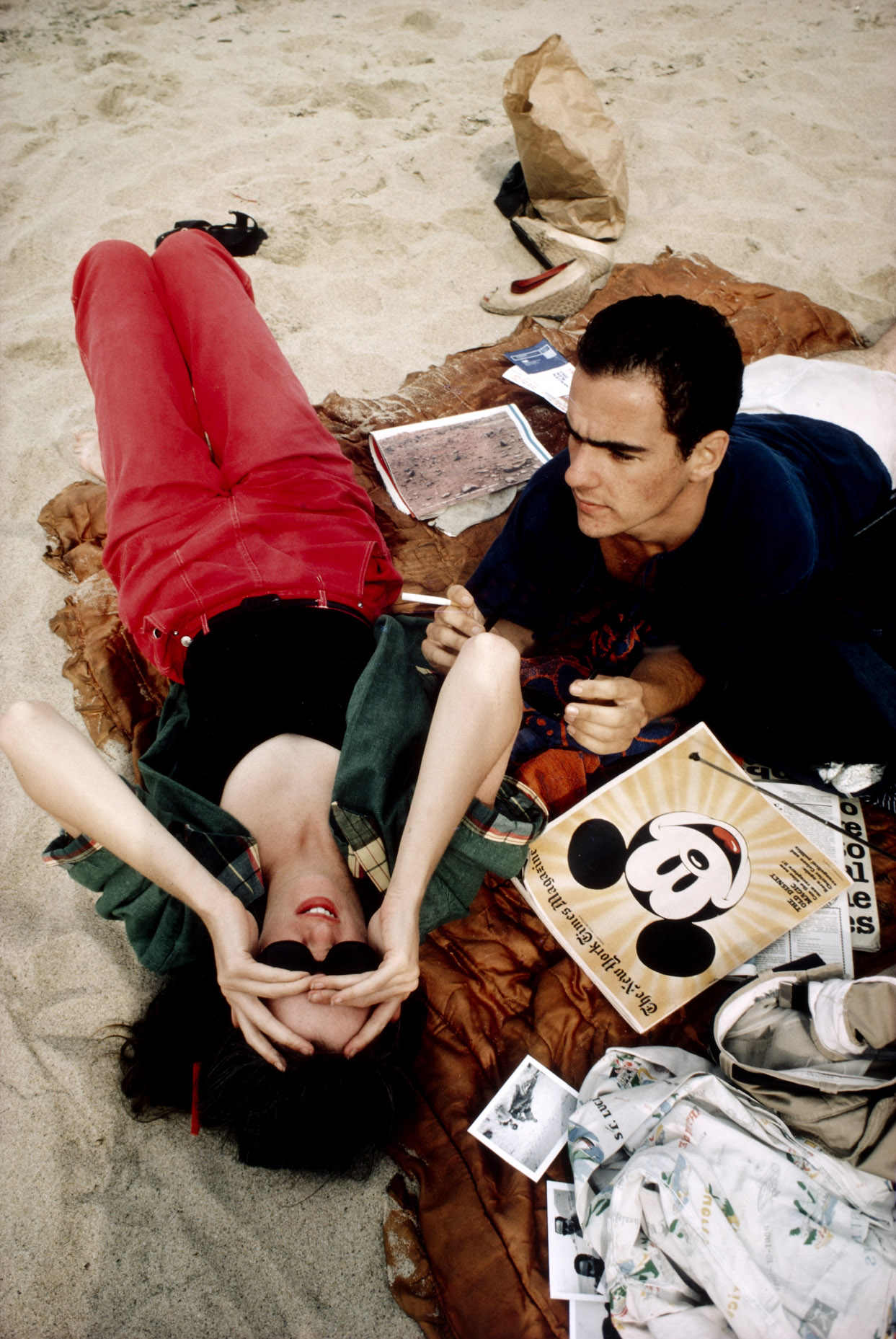
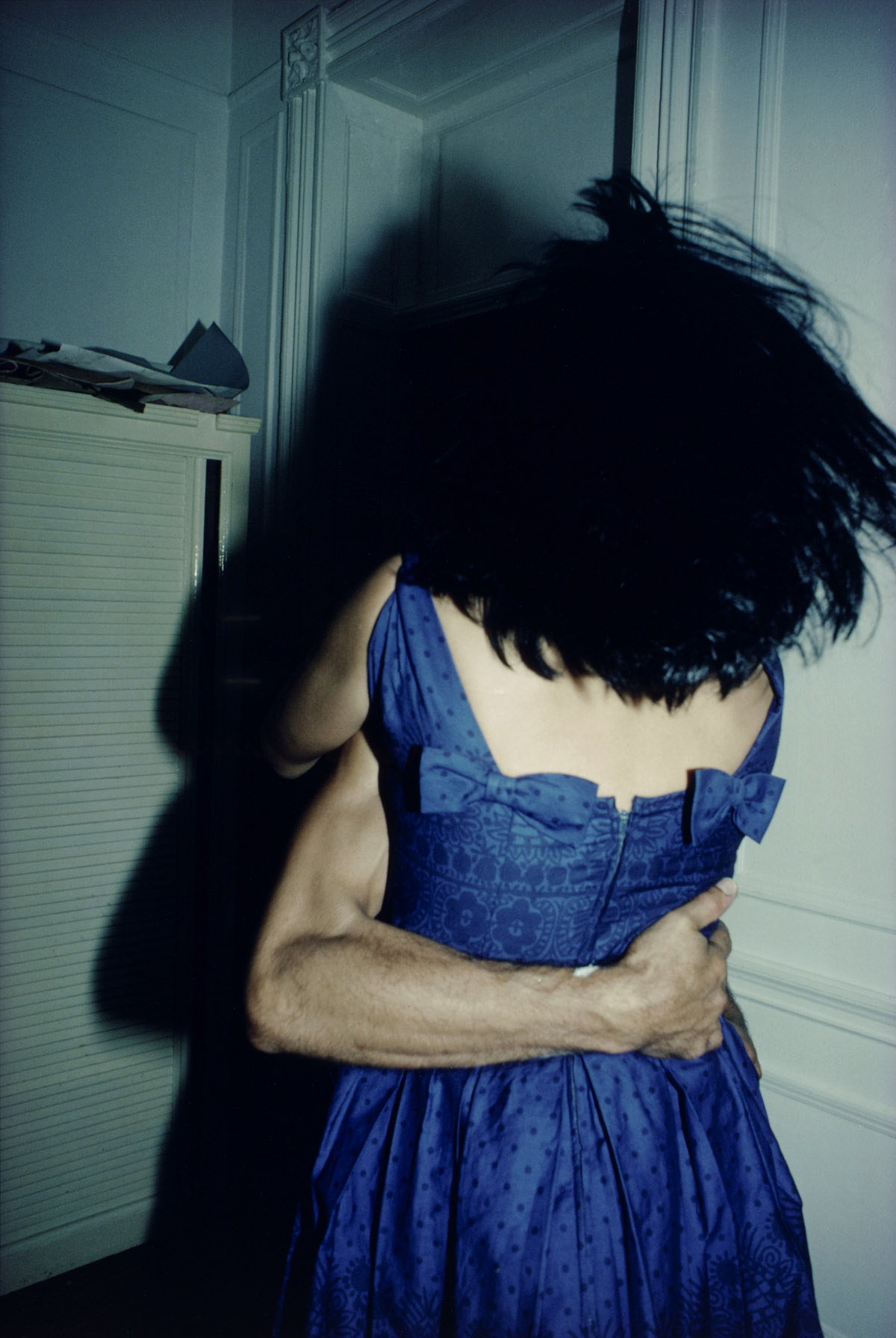
 Art Blart _ art and cultural memory archive
You must be logged in to post a comment.