Félix Thiollier (French, 1842-1914) Emma Thiollier painting on top of one of the towers of Notre Dame, photographed by her father Félix Thiollier 1907
“Why is the price of justice so high?”
Maheude, Germinal
“Beneath the blazing of the sun, in that morning of new growth, the countryside rang with song, as its belly swelled with a black and avenging army of men, germinating slowly in its furrows, growing upwards in readiness for harvests to come, until one day soon their ripening would burst open the earth itself.”
Émile Zola. Germinal (1885)
This is the biggest collection of photographs by the French photographer Félix Thiollier available on the Internet. I spent hours cleaning up the photographs to a presentable standard (mixing them with appropriate paintings by Corot and Francois-Auguste Ravier which are not in the exhibition), so I hope you enjoy the posting.
While the bucolic photographs of ruins, pastoral landscapes and shepherdess (bucolic – via Latin from Greek boukolikos, from boukolos ‘herdsman’) are relatively straight forward, it is Thiollier’s sensitive portrayal of the “industrial image” – of the mines and factories of Forez – that hold weight here. Thiollier emphasises the theatrical aspects of the landscape (he loved shooting at dusk), finding new subject matter among the photogenic nature of industrial sites “his last images… extolling these new “worthless” locations that included scrapheaps, wasteland and abandoned pitheads, such were the ruins of modern Forez, that met his melancholy and clear-sighted gaze.”
His photographs of the “black city” are atmospheric, vivid and powerful. Post-Romantic lyricism is still present in these images but is now coupled with a unique vision that has more earthy, psychological overtones. The anonymous figures of workers or coal pickers toiling away in oppressive landscapes are never better realised than in the line of figures silhouetted against the dying light in Mining Landscape, Saint-Etienne (1895-1910, below); the solitary figure caught in the rising dust on the side of the hill in Mining Landscape, Saint-Etienne (1895-1910, below – enlarge the image to see the figure). The desolation of an industrial revolution mining town is also perfectly captured in Mining Landscape, The Chatelus Pit at Saint-Etienne (1907-1912, below).
All three images remind me of the epic film Germinal staring Gerard Depardieu, based on the novel of the same name by Émile Zola.
I’m sure that Thiollier would have been familiar with the book, it being a sensation upon original publication (1885). The book may well have appealed to Thiollier because he was a wealthy man, an industrialist who had reinvented himself as a gentleman farmer, who finally leaves the picturesque behind to photograph, “atmospheric phenomena studies, the architectural and mineral landscape created by the hard work of men, and how the human figure related to this.” In all its hope and misery.
Thiollier becomes so much more than an amateur photographer. His impressions of a dark, hidden drama beating at the heart of industrial, fin de siècle France provided him with the opportunity to become a progenitor of modernism, “ten years before the photogenic nature of industrial sites would be elevated into a credo of photographic modernism.” (Fin de siècle has connotations of both the closing and onset of an era, as the end of the 19th century was felt to be a period of degeneration, but at the same time a period of hope for a new beginning).
Finally, despite his willingness to remain on the sidelines, Thiollier may well be getting the approbation he deserves.
Dr Marcus Bunyan
Please click on the photographs for a larger version of the image.
Émile Zola (French, 1840-1902) Germinal Title page of the 1885 edition
Although the talent of photographer Félix Thiollier was still unrecognised twenty years ago, this is mainly because it never occurred to him to seek recognition as such. When, at the age of 35, he decided to live off his private income, this ribbon manufacturer from Saint-Étienne intended to devote himself to art and archaeology. But feeling restricted in his role as scholar of the local area, Thiollier very quickly started publishing illustrated books. This enterprise, intended to promote both the rich natural environment and cultural heritage of Forez and the work of his artist friends, seemed to take up most of his energy, when he was not otherwise involved with initiatives to protect the local heritage of Saint-Étienne or promote the culture of the area.
It was his activities in these two latter fields that brought him both regional and national recognition, and until recently his reputation was based on these activities alone. Today, his resolute determination to remain on the fringes of the photographic circles of his time seems consistent with Thiollier’s passion for this medium that he would practise continuously for over half a century. In addition to showing the rich variety of subjects that inspired him, this exhibition seeks to give the viewer an appreciation of the originality of an approach based wholly on an inexhaustible passion for the picturesque: guiding his photographical machine, this mechanics of looking would lead him from bucolic landscapes and scenes of rural life to sensitive images of an industrial environment largely ignored by the amateur photographers at the turn of the 20th century.
“At an age when I deluded myself into believing that it was possible to combine the picturesque and archaeology…”
Thiollier’s intellectual and aesthetic background was typical of that section of the provincial elite in the 19th century who took a keen interest in art and archaeology, and had a great love of books. When, at the end of the 1850s, senior figures encouraged him to take photographs of notable sites and monuments in the Forez area, they already had a project in mind to produce a book about this ancient province which, celebrated by Honoré d’Urfé in L’Astrée (1607-1627), extended right across the department of the Loire into parts of the Haute-Loire and Puy-de-Dôme. They were all steeped in the Romantic tradition of the illustrated picturesque book, a tradition that would flourish in the second half of the century through many regional publications, like many local responses in this search for the identity of the regions of France. Illustrated with his early and more recent photographs, Thiollier’s Le Forez pittoresque et monumental, published in 1889, is one of the last and most outstanding examples of these.
Perpetuating the rustic ideal
In leaving the town and his activities as an industrialist, Thiollier did not just move closer to the monuments and landscapes he had undertaken to describe. Having acquired two modest country estates – a hunting lodge near the ponds around Précivet, and the former commandery of the Order of Saint John of Jerusalem at Verrières – he also reinvented himself as a gentleman farmer in the heart of this arcadian Forez countryside, which, in his view, was under threat. Heavily influenced by the example of the Barbizon artists whose paintings he collected along with those of his naturalist painter friends, he never tired of capturing the disappearing traces of traditional skills and ways of life with the eye of a painter. However, it required a certain poetic detachment for photographs to complete this grief. This was usually achieved with the loyal help of his daughter, who appeared in his photographs whenever he wanted to draw attention to the timeless nature of peasant genre scenes.
“Stylistic Landscapes”
Although Thiollier had nursed an ambition to become a landscape photographer before he met Ravier in 1873, it is essential to recognise the influence of this painter from Morestel – who had been practising photography since the 1850s – in order to understand why Thiollier moved towards a more committed, if unrevealed, artistic approach to the medium. After many sessions spent “photographicking” together, their shared vision is expressed in the resulting images of autumnal and winter landscapes, which, devoid of any human presence, offer many light-filled variations on the handful of motifs chosen by the painter: still pools or the banks of streams, solitary outlines of dead trees, undergrowth and country paths, it is a complete repertoire of images of the Dauphiné region that stimulated Thiollier’s desire to extol the natural beauty of the Forez. Although he had to include riverscapes and mountain panoramas to reflect the true variety of this beautiful area, he almost always concentrate on the sky and studies of clouds, ideally enhanced by reflections playing on the still water.
The range of effects Thiollier developed, although intended in part to transpose the Post-Romantic lyricism which, in Ravier’s work, was conveyed through blazing colours and highly skilful brush- work, nonetheless indicates that his images of the countryside were produced with a perfect understanding of his medium. In pushing for a rapprochement with contemporary artistic photography, the main feature of his style was thus the expressiveness of the contrasts in values. It is this preference for representing nature in monochrome that partly explains his liking for snowscapes, and also prompted him to undertake almost systematic research into contre-jour, the most appropriate effect for both synthesising his motifs and revealing the theatrical aspects of the landscape. Indeed, the all-revealing clarity of broad daylight was far less of an inspiration to Thiollier than the atmosphere of solitude and silence that came with the dusk. As he often noted in his descriptions, it was when the shadows were at their most dramatic that the countryside cast its strongest spell over him.
Territories of intimacy
Alongside the search for effects that so often excited this landscape photographer, Thiollier’s solitary wanderings too were a source of more physical, more earthy themes that reveal a personal shift in the sensitive approach towards the territory. Although the traditional picturesque approach, which he had adopted until the 1880s, had been fuelled by Romanticism, it was also partly because it implied a way of considering the environment as a spectacle and thus relied heavily on the subjectivity of the first viewer that chose to depict it.
It was this look at the landscape that Thiollier now seems to stage, finding that this, far more than the self-portrait, offered him a way to incorporate himself into the landscape that he claimed as his own, and in doing so, into his work. Admittedly, the natural world he shows us is always uninhabited, but this makes it now all the better to fill with the presence of the photographer: the bleaker his selected locations, in relation to the accepted picturesque aesthetic, the more personal these choices turn out to be. Swept along by the rapid improvements in photographic techniques, the snap shot practitioner was freed from the pictorial tradition that restricted him to this side of Alberti’s “window”: his images are those of someone taking a stroll into the heart of the countryside, or more precisely, pausing at some point, seized by the desire to capture forever the emotion that had prompted him to set up his equipment right in the middle of the pathway, or, as often happened, in a quiet corner of his garden.
The picturesque as developer: the photogeneity of the black city
Forty years after having made the first important choices of his life, learning photography at the same time when he renounced a career as a mine engineer, the former ribbon manufacturer discovered a photographic passion for Saint-Étienne, “a lively and animated city (…) to which the local industries brought a special picturesque character”. It was not easy to break away from a code of aesthetic appreciation, which, at a deeper level, was also a way of recognising the world.
The mines and factories in the cradle of the first French industrial revolution were, moreover, particularly appropriate subjects for what came to absorb him more than ever: atmospheric phenomena studies, the architectural and mineral landscape created by the hard work of men, and how the human figure related to this. It was as if the anonymous figures of workers or coal pickers had come just at the right moment, not only to enhance that “impression (…) of a sort of hidden drama” that best reveals the continuing influence of Ravier in his work, but also to fuel his inexhaustible desire for the picturesque. Besides, how could the poor people of this black town have concealed the exotic charm of their poverty from the lens of this bourgeois citizen who, in spite of himself, was still Thiollier?
Although Thiollier’s interest in photography gradually developed until eventually it became much more than the project to promote the natural and archaeological treasures of the area, it was perhaps because this industrialist turned gentleman farmer had realised intuitively that “machine art” (Delacroix) could be the way to resolve, in images, this tension between two worlds that lived side by side – the rural and traditional on one side and the industrial and contemporary on the other – and he belonged to both. The union of the picturesque and photography was sealed and could not be broken until his project as the editor of Le Forez pittoresque et monumental was completed, and this meant the aesthetic appropriation of the mental and identitarian territory of Forez as he saw it, reconciled with itself in the context of the “industrial image”. The choice of medium, precisely because Thiollier officially refused to give it any artistic legitimacy, would not however be made without consequences.
By admitting the creative superiority of the eye over the hand, the mechanised tool for reproducing images would gradually enable him to establish an independent vision, with a boldness that would burst into colour: ten years before the photogenic nature of industrial sites would be elevated into a credo of photographic modernism, his last images were extolling these new “worthless” locations that included scrapheaps, wasteland and abandoned pitheads, such were the ruins of modern Forez, that met his melancholy and clear-sighted gaze.
Text from the Musée d’Orsay website
Félix Thiollier (French, 1842-1914) 4 am Roche-La-Moliere, Forez (4H du matin vers Roche-La-Moliere, Forez) c. 1870
Félix Thiollier (French, 1842-1914) Landscape with Ruin c. 1870
Biography
1842 Maurice Félix Thiollier is born in Saint-Étienne into a wealthy family of ribbon manufacturers who espouse the values of social Catholicism.
1847 The Thiollier family moves to Paris. A French priest, l’abbé Paul Lacuria, is engaged as a tutor for Félix’s older brothers.
1851-52
The Thiollier family returns to Saint-Étienne. Félix Thiollier goes to school at the Collège Saint-Thomas d’Acquin in Oullins near Lyon.
1858 Eligible to take the competitive entrance test for the École des Mines de Saint-Étienne, Félix Thiollier chooses to train at the ribbon factory. He takes up photography, and possibly receives technical advice at this time from Stéphane Geoffray, a photographer from Roanne.
1867
At the age of 25, he sets up his own ribbon factory in Saint-Étienne.
1869 Through the painter Henri Baron, his father’s cousin, he is offered a place in the studio of the painter Louis Français, which he turns down for family reasons.
1870 Marries Cécile Testenoire-Lafayette, daughter of Claude-Philippe Testenoire-Lafayette, a lawyer and local scholar from Saint-Étienne, and president of La Diana – the Historical and Archaeo-logical Society of Forez (1870-1879).
1873
Meets the Dauphinois painter Auguste Ravier and soon gives up hope of becoming a professional painter.
1879 Decides to live off his private income. Becomes a member of La Diana.
1881
Publication of the first book to be illustrated with his photographs, Le Poème de l’âmeby his friend the painter Louis Janmot.
1885 First exhibition of his photographs, presented in the great hall belonging to La Diana in Montbrison, on the occasion of the 52nd congress of the Société Française d’Archéologie. Becomes a member of this society, which awards him its silver medal.
1886 Publication of Château de la Bastie d’Urfé et ses seigneurs.
1889 Publication of Forez pittoresque et monumental. Receives a silver medal for his illustrated books at the universal exhibition in Paris.
1894 Becomes a non-resident member of the Committee for Historic and Scientific Works at the Ministry for Public Instruction.
1895 Receives the Légion d’Honneur for his work as a photographer.
1897 Receives the title of honorary curator of the Saint-Étienne Museum of Art and Industry.
1900 Receives another silver medal for his illustrated books at the universal exhibition in Paris.
1902 Publication of L’Histoire de Saint-Etienne by Claude-Philippe Testenoire Lafayette, illustrated with photographs by Félix Thiollier.
1914 Death of Félix Thiollier on 12 May at Saint-Étienne.
1917 Publication of his biography by Sébastien Mulsant.
Musée d’Orsay 62, rue de Lille 75343 Paris Cedex 07 France
Exhibition dates: 18th October 2013 – 9th February 2014
Curator: Kathleen Bühle
Participating artists: Vito Acconci / Bas Jan Ader / Luc Andrié / Lynda Benglis / Luciano Castelli / Martin Disler / VALIE EXPORT and Peter Weibel / Gelitin / Pascal Häusermann / Alexis Hunter / Cathy Joritz / Jesper Just / Jürgen Klauke / Frantiček Klossner / Elke Silvia Krystufek / Marie-Jo Lafontaine / Peter Land / Littlewhitehead / Sarah Lucas / Urs Lüthi / Manon / Paul McCarthy / Tracey Moffatt / Josef Felix Müller / Ursula Palla / Adrian Piper / Anne-Julie Raccoursier / Ugo Rondinone / Carole Roussopoulos / Rico Scagliola and Michael Meier / Sylvia Sleigh / Nedko Solakov / Megan Francis Sullivan / Sam Taylor-Johnson / Costa Vece / William Wegman / Silvie Zürcher.
PLEASE NOTE: THIS POSTING CONTAINS ART PHOTOGRAPHS OF MALE NUDITY AND MALE SEXUAL AROUSAL – IF YOU DO NOT LIKE PLEASE DO NOT LOOK, FAIR WARNING HAS BEEN GIVEN
“… muscularity is a key term in appraising men’s bodies … this comes from men themselves. Muscularity is the sign of power – natural, achieved, phallic.”
Richard Dyer. Only Entertainment. London: Routledge, 1992, p. 114
“The formation of ‘The Cult of Muscularity’ (Elliott Gorn. The Manly Art. London: Robson Books, 1986) in the last decade of the 19th century was a reaction to the perceived effeminisation of heterosexual masculinity. The position of the active, heroic hetero-male was under attack from the passivity of industrialisation, from the expansion of women’s rights and their ability to become breadwinners, and through the naming of deviant sexualities that were seen as a threat to the stability of society. By naming deviant sexualities they became visible to the general public for the first time, creating apprehension in the minds of men gazing upon the bodies of other men lest they be thought of as ‘pansies’. (Remember that it was in this decade the trials of Oscar Wilde had taken place in England after he was accused of being a sodomite by The Marquis of Queensbury. It is perhaps no coincidence that the rules that governed boxing, a very masculine sport in which a man could become a popular hero, were named after his accuser. By all accounts he was a brute of a man who despised and beat his son Lord Alfred Douglas and sought revenge on his partner, Oscar Wilde, for their sexual adventures). Muscles became the sign of heterosexual power, prowess, and virility. A man had control over his body and his physical world. His appearance affected how he interacted with this world, how he saw himself, and was seen by others, and how closely he matched the male physical ‘ideal’ impacted on his own levels of self-esteem. The gymnasium became a meeting point for exercise, for health, for male bonding, and to show off your undoubted ‘masculinity’…”
The development of ‘The Cult of Muscularity’ may also have parallels in other social environments which were evolving at the turn of the century. For example, I think that the construction of the muscular mesomorphic body can be linked to the appearance of the first skyscrapers in cities in the United States of America. Skyscrapers were a way increasing visibility and surface area within the limited space of a crowded city. One of the benefits of owning a skyscraper like the Chrysler Building in New York, with its increased surface area, was that it got the company noticed. The same can be said of the muscular body. Living and interacting in the city, the body itself is inscribed by social interaction with its environment, its systems of regulation and its memories and historicities (his-tor-i-city, ‘tor’ being a large hill or formation of rocks). Like a skyscraper, the muscular body has more surface area, is more visible, attracts more attention to its owner and is more admired. The owner of this body is desired because of his external appearance which may give him a feeling of superiority and power over others. However this body image may also lead to low self-esteem and heightened body dissatisfaction in the owner (causing anxiety and insecurity in his identity) as he constantly strives to maintain and enhance his body to fulfil expectations he has of himself.
Of course, body image is never a static concept for the power of muscular images of the male body resides in their perceived value as a commodity. This value is reinforced through social and moral values, through fluid personal interactions, and through the desire of self and others for a particular type of body image; it is a hierarchical system of valuation. It relies on what type of body is seen as socially desirable and ‘beautiful’ in a collective sense, even though physical attractiveness is very much a personal choice.”
Dr Marcus Bunyan. Excerpt from “Bench Press” in Pressing the Flesh: Sex, Body Image and the Gay Male, PhD thesis, RMIT University, Melbourne, 2001.
“Re-Pressentation” chapter from Pressing the Flesh: Sex, Body Image and the Gay Male. Phd Research, RMIT University, Melbourne, 2001
“In Press” chapter from Pressing the Flesh: Sex, Body Image and the Gay Male. Phd research, RMIT University, Melbourne, 2001
“Bench Press” chapter from Pressing the Flesh: Sex, Body Image and the Gay Male. Phd research, RMIT University, 2001
“Historical Pressings” chapter from Pressing the Flesh: Sex, Body Image and the Gay Male. Phd research, RMIT University, 2001
Many thankx to the Kunstmuseum Bern for allowing me to publish the art work in the posting. Please click on the photographs for a larger version of the image.
Ugo Rondinone (Switzerland, b. 1962) I Don’t Live Here Anymore 1998 C-prints between Alucobond and Plexiglas Each 180 × 125cm Kunstmuseum Bern, purchased with the donation of an Art Lover (From the section Masculinity as Masquerade)
Digitally manipulates photos of women depicted in various suggestive poses, replacing their features with his own in a sufficiently consistent way for the image to retain its erotic content. By slipping into different bodies, he tests his own body and appearance, and he raises the issue of reality. The artist can only offer his own, man-made version.
Lynda Benglis (American, b. 1941) Artforum Advertisement in: Artforum, November 1974, Vol. 13, No. 3, S. 3-4 1974 26.7 × 26.5 × 0.5cm Bayerische Staatsbibliothek, München (From the section Experiments)
Peter Land (Danish, b. 1966) Peter Land d. 5. maj 1994 1994 Colour video Time, 25 Min. Courtesy Galleri Nicolai Wallner (From the section Crisis and Criticism)
Ursula Palla (Switzerland, b. 1961) balance 2012 Colour video installation Time, 8 Min. Courtesy the artist (From the section Crisis and Criticism)
Masculinity under scrutiny
This themed group exhibition is our contribution to the discussion on new role definitions of the male gender, a topic that has long been on the agenda of academia and popular culture. Works by artists of both sexes will address the issue of how contemporary art stages male role models and masculinity, critically scrutinising the content of the same.
Who or what makes a man? How do men define themselves in art since feminism; how do they reflect on their gender and the portrayal thereof? Whereas the preferred angle of engaging with female artists is still today via “gender”, this is still a novel angle for looking at male artists. And as feminist art has finally become an established entity in major institutions, it is time to take a closer look at the art produced by men about men. The Sexual Revolution as well as the feminist and gay movements did not have only one side to them: they likewise impacted the roles of men and transformed images of masculinity. The exhibition therefore explores how contemporary Western artists of both sexes have, since the 1960s, invented new notions of masculinity or shattered existing ones. It does this with some 45 installations, some of which are large and extensive.
With this exhibition, the Kunstmuseum Bern is addressing a topic that, until now, has hardly been tackled in a museum context: the “normal” white heterosexual male, hitherto the ultimate measure for everything we consider characteristically human, is now facing a crisis. The exhibition and catalogue draw on the reflections and insights gained from masculinities studies to throw light on the consequences of the contemporary male crisis and how it is reflected in art, making the extent of the crisis visually palpable.
The works selected for the show have been divided up into six sections. These sections explore what “normal” might be and what the new nuances inherent in being “male” are today. The prescribed tour of the exhibition begins with the chapter on “Strong Weaknesses” and then proceeds through the sections focusing thematically on “Experiments”, “Emotions”, “Eroticism”, “Critique and Crisis”, and “Masculinity as Masquerade”. This route follows, at the same time, a roughly chronological order. The show is accompanied by a rich fund of educational programs with tours of the exhibition, discussions of artworks with invited guests, as well as a film program in collaboration with the cinema Kino Kunstmuseum, and not least, workshops for schools.
The exhibition The Weak Sex – How Art Pictures the New Male zeroes in on the evolution of male identity since the 1960s. On view are works by 40 artists regardless of gender who question masculinity and stage it anew. The Kunstmuseum Bern seeks to foster dialogue in the exhibition and is therefore increasing its focus on social media. For the first time our visitors can respond to issues raised by an exhibition immediately on location…
The whole spectrum of art media and male images
The exhibition is presenting works that cover the entire range of media used by artists, including paintings, drawings, photographs, films, videos, sculptures and performance-installations. Artists of all ages are represented in the exhibition, enabling it to highlight images of men in all age groups. Each of the artworks questions social norms, who or what a man is, while orchestrating masculinity in novel ways and reflecting on what it means to be a “man”. The artworks in the show take up the theme of masculinity or male emotions – as discussed in society in general or as openly demonstrated by men today: as weeping sport heroes, the disadvantaged position of divorced fathers, overstrained top managers or criminal youths.
Of strong weaknesses, eroticism and the male in crisis
The exhibition is divided into six sections that explore key aspects of masculinity studies and thus simultaneously follow a loose art-historical chronological thread. The introductory section takes up the theme of “Strong Weaknesses” with representations of men weeping or expressing fear. The second section “Experiments” scrutinises the exciting events that took place in conjunction with the social movements of the 1960s and 1970s. The section “Emotions” presents male emotionality in intensely stirring artistic orchestrations. The section “Eroticism” take us through a selection of artworks that investigate men as objects of desire. The last two sections of the exhibition “Crisis and Critique” and “Masculinity as Masquerade” investigate traditional male images and give us an account of the potential of new gender orientations.
Press release from the Kunstmuseum Bern website
Bas Jan Ader (born Winschoten, Netherlands, 1942, died 1975 presumably on the high seas. Lived in California, USA, as of 1963) I’m Too Sad to Tell You 1970-1971 16mm, s/w Time, 3:34 Min. Museum Boijmans Van Beuningen, Rotterdam (From the section Strong Weaknesses)
Sylvia Sleigh (born Llandudno, Wales, Great Britain, 1916; died New York, USA, 2010) Paul Rosano in Jacobson Chair 1971 Oil on canvas 131 x 142cm Courtesy The Estate of Sylvia Sleigh & Freymond-Guth Fine Arts Zürich (From the section Eroticism)
Gelitin Ständerfotos – Nudes (Standing Photos – Nudes) 2000 Series of 15 Lambda prints Various dimensions (From the section Eroticism)
Gelitin Ständerfotos – Nudes (Standing Photos – Nudes) 2000 Series of 15 Lambda prints Various dimensions (From the section Eroticism)
Austrian artists’ collective with Wolfgang Gantner, Ali Janka, Florian Reither, and Tobias Urban. Apparently became acquainted at a summer camp in 1978. Changed their name from Gelatin to Gelitin in 2005.
Those who lived through their childhood and youth as members of the baby-boomer generation in the period of the late nineteen-fifties to the mid-seventies, as we did, received a clear view of the world along the way. It was the Cold War. There were precise dividing lines, and it was possible to completely separate good and evil, right and wrong, from one other. The division of roles between men and women was regulated in a way that was just as self-evident. For many children of this time, it was natural that the father earned the money while the mother was at home around the clock and, depending on her social position, went shopping and took care of the laundry herself, or left the housework to employees in order to be able to dedicate herself to “nobler” tasks such as, for instance, beauty care. Family and social duties were clearly distributed between husband and wife: the “strong” sex was responsible for the material basics of existence and for the social identity of the family. The “weak” or also fair sex, in contrast, was responsible for the “soft” factors inside: children, housekeeping, and the beautification of the home. The year 1968 did away with bourgeois concepts of life. Feminism and emancipation anchored the equality of men and women in law. And since the nineteen-sixties, art has also dealt intensively and combatively with feminism and gender questions.
Since VALIE EXPORT walked her partner Peter Weibel on a leash like a dog in their public action that unsettled the public in 1968, legions of creators of art, primarily of the female sex, have questioned the correlations between the genders and undertaken radical reassessments. The formerly “strong” gender has thus long since become a “weak” one. Nevertheless, the exhibition The Weak Sex: How Art Pictures the New Male is not dedicated first and foremost to the battlefield of the genders. Nor is the gender question, which has so frequently been dealt with, posited in the foreground. The Weak Sex is instead dedicated to man as object of research. In what state does he find himself now that his classical role has been invalidated? How does he behave after the shift from representative external appearance to work within the family unit? And where does he stand in the meantime in the midst of so many strong women? What has become of the proud and self-assured man who once signed the school report cards with praise or reproach as head of the family? What has become of the XY species since then is presented – insightfully, sarcastically, and wittily – in the exhibition by Kathleen Bühler.
Part of the Preface to the exhibition by Matthias Frehner, Director of the Kunstmuseum Bern and Klaus Vogel, Director of the Deutsches Hygiene-Museum Dresden
Costa Vece (Swiss, b. 1969) Me as a Revolutionary, Dictator, Guerilla, Freedom Fighter, Terrorist, Jesus Christ 2007 Ultrachrome – Digitalprint 106 × 80cm (From the section Crisis and Criticism)
Ugo Rondinone (Swiss, b. 1962) I Don’t Live Here Anymore 1998 C-print between Alucobond and Plexiglas 180 × 125cm Kunstmuseum Bern, purchased with the donation of an Art Lover (From the section Masculinity as Masquerade)
Rico Scagliola & Michael Meier (Swiss, b. 1985; Swiss, b. 1982) Nude, Leaves and Harp 2012 Floor Installation, HD Digital Print on Novilux traffic, dimensions variable Ed. 1/5
Jürgen Klauke (Germany, b. 1943) Rot 1974 Series of 7 photographs Each 40 × 30cm Kunstmuseum Bern (From the section Experiments)
Stronger and Weaker Sexes: Remarks on the Exhibition
Kathleen Bühler Curator Kunstmuseum Bern
In 1908, the Genevan politician and essayist William Vogt wrote the book Sexe faible (The Weak Sex), in which he examines the “natural” weaknesses and inabilities of the female gender. Intended as a “response to absurd exaggerations and feminist utopias,”1 since then the catchy title has shaped the battle of the sexes as a dictum. Like Otto Weininger’s misogynistic study Geschlecht und Charakter (Sex and Character, 1903), Sexe faible is one of the texts from the turn of the previous century that justified the legal, political, and social subordination of women based on their anatomical and, according to the opinion of the author, thus also intellectual inferiority in comparison with men.2 The perception of women as the “weak sex” persisted tenaciously. It is first in recent years that this ascription has slowly been shifted to men, as for instance in the report by neurobiologist Gerald Huther called Das schwache Geschlecht und sein Gehirn (The Weak Sex and His Brain) published in 2009.
Polemics has long since yielded to statistics, and the most recent biological discoveries are gaining currency, such as the fact that male babies are already at risk in the womb because they lack a second X chromosome.3 This genetic “weakness” would apparently lead seamlessly to a social weakness, since males more frequently have problems in school, turn criminal, and die earlier.4 In addition to the findings on biologically based weaknesses also comes the social, economic, and political challenge, which has for some years been discussed as a “crisis of masculinity.” With this metaphor, “an attempt is made to apprehend all the changes that contribute to the fact that the dominance of the male gender, which was formerly consolidated to a large extent, … has lost the obviousness of being self-evident.”5 Nothing therefore demonstrates the transience of gender stereotypes more clearly, and one might rightly ask whether the earlier “weaknesses” might long since have come to be considered new “strengths.” The exhibition at the Kunstmuseum Bern takes up the thread that was already spun by the small but noteworthy exhibition in Switzerland Helden Heute (Heroes Today) in 2005.6 At that time, the focus was put on hero images in contemporary art and on society’s current need for strong men in art and politics.7 The current exhibition in Bern, in contrast, argues quite differently that specifically images of “weak” men best represent the social and cultural liberation movements of the twentieth and twenty-first centuries. The fact that men today are allowed to express their feelings publicly, as is shown for instance by the example of the exceptional Swiss athlete Roger Federer, or that they are staged by female artists as object of desire and no longer as subject of desire is a crucial innovation in the visualisation of gender identities. After various exhibitions in recent years were dedicated to gender relations, gender imprinting, or the social latitude in performative stagings of gender,8 the exhibition at the Kunstmuseum Bern focuses exclusively on men in contemporary art for the first time.9 It brings together the points of view of male and female artists who deal either with their own experiences with men and / or being a man, or with an examination of the images of men that are available. This exhibition has been long overdue.
Nonetheless, what first needs to be overcome is the perception that “gender” themes are a woman’s matter and that only marginalised positions have addressed their social gender. Hegemonic male types – thus men who, according to general opinion, embody the dominant masculine ideal most convincingly – have only been reflected in public through media for a relatively short time, even though the male gender is also a sociocultural construct, just like that of women, transgender, or inter-gender individuals.10 What comes to be expressed here is the invisibility of norms. As is generally known, it is those social groups that hold the most power that actually expose their own status the least. In Western cultural tradition, these are physically sound, white heterosexual men.11 They remain the norm unchallenged as a “blind spot” without their position of power and their power to make decisions ever becoming a focus. The masculine-heterosexual dominance succeeds in “remaining out of the question itself,” as the art historian Irit Rogoff has criticised, by subordinating all representations of the “other” to their own norm, including women, individuals with a different sexual orientation, and non-whites.12
The fact that male bodies are becoming visible today in the most unexpected places is demonstrated in a striking way by the work Nude, Leaves and Harp (2012) by Rico Scagliola and Michael Meier, which graces the entrance area to the exhibition in Bern. The artist duo incorporated detailed images of their naked, sculpted bodies into a palm and marble decor on the floor. The path to the exhibition literally leads over their nakedness. Two exhibitions in Austria were also recently dedicated to this new presence of the naked man,13 with numerous works documenting “the deconstruction of hegemonic models of masculinity – the look of desire at the male body as well as body cult and exploitation,” which is also a focus of the exhibition in Bern.14 However, while those responsible in Linz and Vienna assumed a distanced, art-historical perspective by taking an iconographic approach based on the selection of motifs or a chronological approach according to epoch, the exhibition in Bern favours a different perspective. It focuses on representations of masculinity in art since the nineteen-sixties while simultaneously taking the historical conditions of being a man into consideration by utilising central issues in masculinity research as a guide. What thus results is a logical division of the exhibition and this publication into six chapters.
The introductory chapter “Strong Weaknesses” revolves around the change in gender virtues and considers this based on the example of the weeping and fearful man. The chapter “Experiments” presents eccentric artistic stagings and socio-critical actions that were influenced by the sexual revolution. The chapter “Emotions” highlights the point in time at which men themselves increasingly cast aside the image of the successful and unflinching hero and explore men’s emotionality through doing so. The chapter “Eroticism” describes the change in gaze and position from the male subject to object of desire. The final two chapters “Crisis and Criticism” and “Masculinity as Masquerade,” in contrast, are dedicated to a younger generation of artists who deal out criticism of their “fathers” and also discover the arsenal of gender stagings and their utopian potential anew.
Footnotes
1/ Une riposte aux exagérations, aux absurdités et aux utopies du féminisme is the subtitle.
2/ Otto Weininger, Geschlecht und Charakter, 19th ed. (Leipzig and Vienna, 1920), p. 390. Both Weininger’s book and Vogt’s pamphlet, which saw signs of cultural decay in the women’s movement, are considered to be expressions of a growing antifeminism. The often-used term “weak sex” then also provided the title of a theatre piece by Edouard Bourdet in 1929, which was even filmed in 1933.
3/ “Männer – Das schwache Geschlecht und sein Gehirn: Peter Schipek im Gespräch mit Prof. Dr. Gerald Hüther,” p. 2 (accessed July 2013) No long available online.
4/ Carmen Sadowski, “Der Mann: das schwache Geschlecht,” Express.de, (accessed July 14, 2013) No longer available online.
5/ Michael Meuser and Sylka Scholz, “Krise oder Strukturwandel hegemonialer Männlichkeit?,” in In der Krise? Männlichkeiten im 21. Jahrhundert, ed. Mechthild Bereswill and Anke Neuber (Münster, 2011), p. 56. See also the text by Michael Meuser in this book.
6/ Helden Heute: Das Heldenbild in der zeitgenössischen Kunst, Centre Pasquart, Biel, 2005.
7/ Sociologists interpret this as a sign of need in times of social upheaval. See Dolores Denaro, in Helden Heute: Das Heldenbild in der zeitgenössischen Kunst, ed. Dolores Denaro, exh. cat. Centre Pasquart (Biel, 2005), p. 20.
8/ Oh boy! It’s a Girl, Kunstverein München, 1994; Féminin – Masculin, Centre Georges Pompidou, Paris, 1995; Rosa für Jungs: Hellblau für Mädchen, Neue Gesellschaft für Bildende Kunst, Berlin, 1999; Das achte Feld, Museum Ludwig, Cologne, 2006; to name but a few.
9/ To date, this has occurred only in smaller exhibition spaces, above all during the nineteen-eighties and nineties, and has remained practically undocumented. An exception in this respect was the exhibition Women’s Images of Men (1984) at the Institute of Contemporary Art, London, organised by Joyce Agee, Catherine Elwes, Jacqueline Morreau, and Pat Whiteread.
10/ Inge Stephan, “Im toten Winkel: Die Neuentdeckung des ‘ersten Geschlechts’ durch men’s studies und Männlichkeitsforschung,” in Männlichkeit als Maskerade: Kulturelle Inszenierungen vom Mittelalter bis zur Gegenwart, ed. Claudia Benthien and Inge Stephan (Cologne et al., 2003), p. 13.
11/ Richard Dyer, “Introduction,” in The Matter of Images: Essays on Representation, ed. Richard Dyer (London and New York, 1993), p. 4.
12/ Irit Rogoff, “Er selbst: Konfigurationen von Männlichkeit und Autorität in der Deutschen Moderne,” in Blick-Wechsel: Konstruktionen von Männlichkeit und Weiblichkeit in Kunst und Kunstge-schichte, ed. Ines Lindner et al. (Berlin, 1989), p. 141.
13/ Nude Men, Leopold Museum, Vienna, 2012-2013; The Naked Man, Lentos Museum, Linz, 2012-2013.
14/ Barnabàs Bencsik and Stella Rollig, “Vorwort,” in Der nackte Mann: Texte, exh. cat. Lentos Kun-stmuseum Linz and Ludwig Museum – Museum of Contemporary Art (Budapest, 2012), p. 7.
littlewhitehead (Craig Little, born Glasgow (UK), 1980. Blake Whitehead, born Lanark (UK), 1985) The Overman 2012 Mannequin, towels, Boxing Glove, wooden base 120 x 120 x 120cm Saatchi Collection, London Courtesy of the artist/Sumarria Lunn Gallery/Saatchi Collection (From the section Crisis and Criticism)
Pascal Häusermann (Swiss, b. 1973) Megalomania, No. 8 2009 Monotype, oil paint, shellac 43 x 29cm Private Collection, Courtesy the artist (From the section Crisis and Criticism)
Silvie Zürcher (Swiss, b. 1977) Blue Shorts 2005-2006 From the series I Wanna Be a Son Collage 31.5 x 24.4cm Courtesy Silvie Zürcher (From the section Masculinity as Masquerade)
Hamzeh Carr And none hath sought for this as I will seek 1926 from Sir Edwin Arnold. The Light of Asia. London: John Lane The Bodley Head Ltd, 1926, p. 81 Limited edition of 3,000 copies
In the flesh, the colouring and radiance of these plates has to be seen to be believed.
I shall be posting more of these stunning works. Please click on the artwork for a larger version of the image.
Curator: Ingo Taubhorn, with additional cabinet exhibition curation by Dr. Sabine Schnakenberg
PLEASE NOTE: THIS POSTING CONTAINS ART WORK OF FEMALE NUDITY – IF YOU DO NOT LIKE PLEASE DO NOT LOOK, FAIR WARNING HAS BEEN GIVEN
Many thankx to House of Photography at Deichtorhallen Hamburg for allowing me to publish the photographs in the posting. Please click on the photographs for a larger version of the image.
House of Photography at Deichtorhallen Hamburg announces an exhibition of the legendary photographer Guy Bourdin (1928-1991), on view from November 1, 2013 – January 26, 2014. This most comprehensive exhibition to date is both an overview of the essential components of Guy Bourdin’s oeuvre and an introduction to unveiling works from his personal archives which have never been seen before. This is the first time that both his works as a painter and his notes on films are being shown at an exhibition. B&W shots dating from the 1950s are also included, showing portraits of artists and views of the city of Paris as well as Polaroids, sketches and texts. The exhibition examines Guy Bourdin’s oeuvre, but moreover, it provides insight into the complex working processes of the photographer’s mind and aims to establish his status as a visionaire image maker.
Guy Bourdin’s career spanned more than forty years during which time he worked for the world’s leading fashion houses and magazines. With the eye of a painter, Guy Bourdin created images that contained fascinating stories, compositions, both in B&W and in colours. He was among the 1st to create images with narratives, telling stories and shows that the image is more important than the product which is displayed. Using fashion photography as his medium, he sent out his message, one that was difficult to decode, exploring the realms between the absurd and the sublime. Famed for his suggestive narratives and surreal aesthetics, he radically broke conventions of commercial photography with a relentless perfectionism and sharp humour.
During the 1950s, Guy Bourdin launched his career with fashion assignments for Vogue Paris working in B&W. It’s nearly unknown, that half of the oeuvre of Guy Bourdin is black-and-white and as amazingly powerful as his colour works. He developed colour photography to its maximum effect, creating dramatic accents with intense colour saturation and textures in his compositions. Guy Bourdin used the format of the double spread magazine page in the most inventive way. He tailored his compositions to the constraints of the printed page both conceptually and graphically, and the mirror motif so central in his work finds its formal counterpart in the doubleness of the magazine spread. Layout and design become powerful metaphors for the photographic medium, engaging the eye and with it, the mind. While on the one hand employing formal elements of composition, Guy Bourdin, on the other hand, sought to transcend the reality of the photographic medium with surreal twists to the apparent subject of his images and his unconventional manipulation of the picture plane. Given total creative freedom and with uncompromising artistic ethic, Guy Bourdin captured the imagination of a whole generation at the late 1970s, recognised as the highest note in his career.
Guy Bourdin was an image maker, a perfectionist. He knew how to grab the attention of the viewer and left nothing to chance. He created impeccable sets, or when not shooting in his studio rue des Ecouffes in le Marais, in undistinguished bedrooms, on the beach, in nature, or in urban landscapes. The unusual dramas that unfold in these seemingly everyday scenes and ordinary encounters pique our subconscious and invite our imagination. Moreover, he developed a technic using hyper real colours, meticulous compositions of cropped elements such as low skies with high grounds and the interplay of light and shadows as well as the unique make-up of the models.
“Guy Bourdin irreverently swept away all the standards of beauty, conventional morals and product portrayals in one fell swoop. Around the female body he constructed visual disruptions, the outrageous, the hair-raising, the indiscreet, the ugly, the doomed, the fragmentary and the absent, torsos and death – all the tension and the entire gamut of what lies beyond the aesthetic and the moral,” explains the exhibition’s curator Ingo Taubhorn. Bourdin investigates in minute detail the variables of fashion photography, from brash posing to subtle performances and from complex settings to novel and disturbing notions of images.
Guy Bourdin’s imagery not only changed the course of fashion photography but influenced a host of contemporary artists, photographers and filmmakers. It is without question, that Guy Bourdin’s work for Vogue and his highly acclaimed print advertising for Charles Jourdan in the 1970s are now being seen in the appropriate context of contemporary art.
Press release from House of Photography at Deichtorhallen Hamburg
Curators: Bennett Simpson, MOCA curator and Richard Hawkins, guest co-curator
PLEASE NOTE: THIS POSTING CONTAINS ART WORK OF MALE NUDITY AND EROTIC IMAGES OF GAY MALE SEX – IF YOU DO NOT LIKE PLEASE DO NOT LOOK, FAIR WARNING HAS BEEN GIVEN
Bob Mizer (American, 1922-1992) Physique Pictorial Volume 16 Number 4, February 1968 1968 Publication Printed with permission of Bob Mizer Foundation, Inc .
What a fantastic pairing in this exhibition and in their relationship in real life. We must remember that Tom of Finland (pseudonym of Touko Valio Laaksonen) was a ground-breaking artist, one of the very first to picture masculine gay men, “robbing straight homophobic culture of its most virile and masculine archetypes (bikers, hoodlums, lumberjacks, cops, cowboys and sailors) and recasting them – through deft skill and fantastic imagination – as unapologetic, self-aware and boastfully proud enthusiasts of gay sex.”
Laaksonen would have just been in his twenties when he started drawing men in the early 1940s, inspired by the soldiers and uniforms he saw around him from the Second World War. With no outward gay culture in Finland, let alone in America until the late 1960s, just imagine being an artist producing this kind of erotic imagery at that time. To then go on to be the seminal figure in the creation of gay leather culture… what an impact this artist had on gay and popular culture. Of course, as tastes were liberalised in the era of free love, Stonewall and after, the muscles of his hunks became bigger, the size of their endowments larger and the actions portrayed became more open and transparent (as can be seen from Untitled (From Beach Boy 2 story), 1971, below).
During my PhD research I visited the One Institute/International Gay and Lesbian Archives Collection, University of Southern California, Los Angeles, to investigate the cross-over between physique magazines and early gay pornography magazines of the 1960s to early 1970s.1 I was interested to see whether the muscular mesomorphic bodies of the physique magazines crossed straight over into the first gay pornography magazines. To my surprise, the answer was that they did not.
After the American Supreme Court ruled on obscenity laws in the late 1960s, the first gay pornography magazines started appearing. The earliest gay porn magazine in the One Institute / IGLA collection, Action Line.No.1. San Francisco: Mark Vaughn Associates. 1969, features mostly smooth but natural bodies, not as built as in physique magazines, with nude young men with full erections lying next too each other touching. There is no sex, no sucking or fucking. Only a year later, in 1970, the story is different. In Album 1501: A Study of Sexual Activity Between Males.Los Angeles: Greyhuff Publishing, 1970 their is sexual intercourse pictured between men in an openly available publication for the first time.
Bodies in this magazine are smooth, young toned men, much as in the early photographs of George Platt Lynes (such as those of Charles ‘Tex’ Smutney, Charles ‘Buddy’ Stanley, and Bradbury Ball). They are also similar to the bodies in the photographs that Lynes submitted to the Zurich published homosexual magazine Der Kries after he found out that he had cancer, during the last years of his life (under the pseudonym Roberto Rolf late 1940s – early 1950s). The participants in Album 1501 perform sex on each other in a lounge room lit by strong lights (shadows on walls). The black and white photographs, well shot, feature in a magazine that is about 5″ wide and 10″ high, well laid out and printed. The magazine is a thin volume and features just the two models in one sex scene of them undressing each other and then having sex. One man wears a Pepsi-Cola T-shirt at first and he also has tattoos one of which says ‘Cheri’. The photographs almost have a private feel to them.
In their introduction the publishers disclaim any agreement with the content of the magazine and are only publishing it for the freedom of everybody to study the material in the privacy of their own homes. In other words male to male sex is a natural phenomenon and the publication is educational. This was a common ploy in early nudist and pornographic publications (along with classical themes) that was used to justify the content – to claim that the material was for private educational purposes only:
Introduction
“Publishers of material dealing frankly with sexual activity have suffered greatly in the past because of society’s anxiety over the existence and propagation of such material. But the real issue is why should such material dealing with sexual activity be any less valid or acceptable than material dealing with other facets of human behaviour? …
This book was produced so that all interested adults may have an opportunity to acquire it for their own private interests in matters relating to sex … Our publication of this book is not to be construed that we agree with, condone or encourage any of the behaviour depicted herein. However, sexual activity between males is a fact of life and interested adults should not be denied an opportunity to study this, or any other, facet of human behaviour.”
The Publishers
It is interesting to note the progression from physique magazines and models in posing pouches in 1966-1968 (such as the photographs of Bob Mizer featured in this posting), then to full erection and stories of anal penetration in Action Line in 1969, to full on photographs of gay sex in this magazine in 1970. Bodies are all smooth, quite solid, toned natural physiques, not as ‘built’ as in earlier physique magazines, but still featuring younger smooth men and not older heavier set men. It was not until the development of the clone, leatherman and magazines such as Colt from Colt Studios that Tom of Finland’s muscular mesomorphic leatherman took hold in the popular gay imagination.
Even in the mid 1970’s companies such as Colt Studios, which has built a reputation for photographing hunky, very well built masculine men, used classical themes in their photography of muscular young men. Most of the early Colt magazines have photographs of naked young men that are accompanied by photographs and illustrations based on classical themes. In their early magazines quite a large proportion of the bodies were hirsute or had moustaches as was popular with the ‘clone’ image at the time. Later Colt models of the early 1980’s tend towards the buff, tanned, stereotypical muscular mesomorph in even greater numbers. Sometimes sexual acts are portrayed in Colt magazines but mainly they are not. It is the “look” of the body and the face that the viewers desiring gaze is directed towards – not the sexual act itself.
Photographers such as Bob Mizer from Athletic Model Guild produced more openly homoerotic images. In his work from the 1970’s full erections are not prevalent but semi-erect penises do feature, as do revealing “moon” shots from the rear focusing on the arsehole as a site for male libidinal desires. A less closeted, more open expression of homosexual desire can be seen in the photographs of the male body in the 1970’s.
Dr Marcus Bunyan
1/ During my research at The One Institute in Los Angeles I investigated the type of body images that appeared in the transitional phase from physique magazines of the mid-late 1960s into the early gay pornography magazines of 1969-1970 in America which occurred after the Supreme Court ruling on obscenity. I wanted to find whether there had been a crossover, a continuation of the muscular mesomorphic body image that was a favourite of the physique photographers into the early pornography magazines. From the evidence of the images in the magazines I would have to say that there was a limited crossover of the bigger muscular bodies but most bodies that appeared in the early gay porn mags were of the youthful, smooth, muscular ephebe-type body image.
Most of the men featured in the early gay pornography magazines and films have bodies that appear to be quite ‘natural’ in their form. Models are mostly young, smooth, quite solid with toned physiques, not as ‘built’ as in the earlier physique magazines but still well put together. Examining the magazines at the One Institute I found that the bodies of older muscular / hairy men were not well represented. Perhaps this was due to the unavailability of the bigger and older bodybuilders to participate in such activity? In the male bodies of the c. late-1970s Super 8 mm pornography films we can observe the desirable image of the smooth youthful ephebe being presented for our erotic pleasure.
Bunyan, Marcus. “Gay Male Pornography,” in the ‘In-Press’ chapter in Marcus Bunyan. Pressing the Flesh: Sex, Body Image and the Gay Male. RMIT University, Melbourne, 2001.
Many thankx to The Museum Of Contemporary Art (MOCA) for allowing me to publish the art work in the posting. Please click on the photographs for a larger version of the image.
Bob Mizer (American, 1922-1992) Physique Pictorial Volume 11 Number 4, May 1962 1962 Publication Printed with permission of Bob Mizer Foundation, Inc .
Bob Mizer (American, 1922-1992) Physique Pictorial Volume 7 Number 1, 1957 1957 Publication Printed with permission of Bob Mizer Foundation, Inc .
Bob Mizer (American, 1922-1992) Physique Pictorial Volume 10 Number 4, April 1961 1961 Publication Printed with permission of Bob Mizer Foundation, Inc .
Bob Mizer (American, 1922-1992) Jim Horn, Los Angeles c. 1966 Vintage large-format black and white negative Silver gelatin print 8 x 10 inches Printed with permission of Bob Mizer Foundation, Inc .
Bob Mizer (American, 1922-1992) Untitled [Barry Maurer, Hand on Gun], Los Angeles c. 1961 Vintage large-format black and white negative Silver gelatin print 8 x 10 inches Printed with permission of Bob Mizer Foundation, Inc .
Bob Mizer (American, 1922-1992) Untitled [Larry Lamb, with Tumbleweed], Los Angeles c. 1959 Vintage large-format black and white negative Silver gelatin print 8 x 10 inches Printed with permission of Bob Mizer Foundation, Inc .
Bob Mizer (American, 1922-1992) Untitled [Ray Hornsby, Motorcycle], Los Angeles c. 1957 Vintage large-format black and white negative Silver gelatin print 8 x 10 inches Printed with permission of Bob Mizer Foundation, Inc .
“To my mind, there is no clearer representation of Mizer’s almost manic attempts to condense the joyful, celebratory chaos of his daily photo shoots down to their most selectively stupendous moments than his catalogue boards.”
~ artist and exhibition co-curator Richard Hawkins
The Museum of Contemporary Art, Los Angeles (MOCA), is proud to present Bob Mizer and Tom of the Finland, the first American museum exhibition devoted to the art of Bob Mizer (1922-1992) and Touko Laaksonen, aka “Tom of Finland” (1920-1991), two of the most significant figures of twentieth century erotic art and forefathers of an emergent post-war gay culture. The exhibition features a selection of Tom of Finland’s masterful drawings and collages, alongside Mizer’s rarely seen photo-collage “catalogue boards” and films, as well as a comprehensive collection of his groundbreaking magazine Physique Pictorial, where drawings by Tom were first published in 1957. Organised by MOCA Curator Bennett Simpson and guest co-curator Richard Hawkins, the exhibition is presented with the full collaboration of the Bob Mizer Foundation, El Cerrito, and the Tom of Finland Foundation, Los Angeles.
Tom of Finland is the creator of some of the most iconic and readily recognisable imagery of post-war gay culture. He produced thousands of images beginning in the 1940s, robbing straight homophobic culture of its most virile and masculine archetypes (bikers, hoodlums, lumberjacks, cops, cowboys and sailors) and recasting them – through deft skill and fantastic imagination – as unapologetic, self-aware and boastfully proud enthusiasts of gay sex. His most innovative achievement though, worked out in fastidious renderings of gear, props, settings and power relations inherent therein, was to create the depictions that would eventually become the foundation of an emerging gay leather culture. Tom imagined the leather scene by drawing it; real men were inspired by it … and suited themselves up.
Bob Mizer began photographing as early as 1942 but, unlike many of his contemporaries in the subculture of illicit physique nudes, Mizer took the Hollywood star-system approach and founded the Athletic Model Guild in 1945, a film and photo studio specialising in handsome natural-bodied (as opposed to exclusively musclebound, the norm of the day) boy-next-door talent. In his myriad satirical prison dramas, sci-fi flix, domesticated bachelor scenarios and elegantly captivating studio sessions, Mizer photographed and filmed over 10,000 models at a rough estimate of 60 photos a day, seven days a week for almost 50 years. Mizer always presented a fresh-faced and free, unashamed and gregarious, totally natural and light-hearted approach to male nudity and intimate physical contact between men. For these groundbreaking perspectives in eroticised representation alone, Mizer ranks with Alfred Kinsey at the forefront of the sexual revolution.
Though Laaksonen did not move to Los Angeles until the 1970s, he had long known of Mizer and the photographer’s work through Physique Pictorial, the house publication and sales tool for Athletic Model Guild. It was to this magazine that the artist first sent his drawings and it was Mizer, finding the artworks remarkable and seeking to promote them on the magazine’s cover, but finding the artist’s Finnish name too difficult for his clientele, who is responsible for the now famous “Tom of Finland” pseudonym.
By the time the gay liberation movement swept through the United States in the late 1960s, both Tom of Finland and Bob Mizer were already well-known and widely celebrated as veritable pioneers of gay art. Decades before Stonewall and the raid on the Black Cat these evocative and lusty representations of masculine desire and joyful, eager sex between men proliferated and were disseminated worldwide at a time when the closet was still very much the norm – there was no such thing as a gay community. If these artists were not ahead of their time, they might just have foreseen and even invented a time.
Spanning five decades, the exhibition seeks a wider appreciation for Tom of Finland and Bob Mizer’s work, considering their aesthetic influence on generations of artists, both gay and straight, among them, Kenneth Anger, Rainer Werner Fassbinder, David Hockney, G.B. Jones, Mike Kelley, Robert Mapplethorpe, Henrik Olesen, Jack Pierson, John Waters, and Andy Warhol. The exhibition also acknowledges the profound cultural and social impact both artists have made, especially in providing open, powerful imagery for a community of desires at a time when it was still very much criminal. Presenting the broader historical context and key aspects of their shared interests and working relationship, as well as more in-depth solo rooms dedicated to each artist, the exhibition establishes the art historical importance of the staggering work of these legendary figures.
In addition to approximately 75 finished and preparatory drawings by Tom of Finland spanning 1947-1991, the exhibition includes a selection of Tom’s never before exhibited scrapbook collages, and examples of his serialised graphic novels, including the legendary leatherman Kake, as well as a selection of Mizer’s “catalogue boards,” AMG films, and a complete set of Physique Pictorial magazine. An accompanying publication includes texts by the exhibition co-curators and a selection of images.
Press release from the MOCA website
Bob Mizer (American, 1922-1992) Untitled [Ray Hornsby, with Skull Staff], Los Angeles c. 1957 Vintage large-format black and white negative Silver gelatin print 8 x 10 inches Printed with permission of Bob Mizer Foundation, Inc .
Bob Mizer (American, 1922-1992) Untitled [Ernie Rabb, Pointed Pistol], Los Angeles c. 1957 Vintage large-format black and white negative Silver gelatin print 8 x 10 inches Printed with permission of Bob Mizer Foundation, Inc .
Bob Mizer (American, 1922-1992) Untitled [Larry Lamb, Profile with Chains], Los Angeles c. 1959 Vintage large-format black and white negative Silver gelatin print 8 x 10 inches Printed with permission of Bob Mizer Foundation, Inc .
Bob Mizer (American, 1922-1992) Untitled [Dennis Schreffer, Wand Balance], Los Angeles c. 1957 Vintage large-format black and white negative Silver gelatin print 8 x 10 inches Printed with permission of Bob Mizer Foundation, Inc .
Bob Mizer (American, 1922-1992) Untitled [Dennis Schreffer with Portrait], Los Angeles c. 1957 Vintage large-format black and white negative Silver gelatin print 8 x 10 inches Printed with permission of Bob Mizer Foundation, Inc .
Bob Mizer (American, 1922-1992) Athletic Model Guild Catalog Board, David Elliott. [Double-sided; This side Page 1 of SW series] c. 1965 Photographs mounted to matboard and mixed media Printed with permission of Bob Mizer Foundation, Inc . The Museum of Contemporary Art, Los Angeles Proposed purchase with funds provided by the Photography Committee The Bob Mizer Foundation & INVISIBLE-EXPORTS, New York
Bob Mizer (American, 1922-1992) Athletic Model Guild Catalog Board, David Elliott. [Double-sided; This side Page 2 of SW series] c. 1965 Photographs mounted to matboard and mixed media Printed with permission of Bob Mizer Foundation, Inc . The Museum of Contemporary Art, Los Angeles Proposed purchase with funds provided by the Photography Committee The Bob Mizer Foundation & INVISIBLE-EXPORTS, New York
Bob Mizer (American, 1922-1992) Athletic Model Guild Catalog Board, Ernie Rabb. [Double-sided; This side Page 57 of XT series] c. 1957 Photographs mounted to matboard and mixed media Printed with permission of Bob Mizer Foundation, Inc . The Museum of Contemporary Art, Los Angeles Proposed purchase with funds provided by the Photography Committee The Bob Mizer Foundation & INVISIBLE-EXPORTS, New York
Bob Mizer (American, 1922-1992) Athletic Model Guild Catalog Board, Ernie Rabb. [Double-sided; This side Page 58 of XT series] c. 1957 Photographs mounted to matboard and mixed media Printed with permission of Bob Mizer Foundation, Inc . The Museum of Contemporary Art, Los Angeles Proposed purchase with funds provided by the Photography Committee The Bob Mizer Foundation & INVISIBLE-EXPORTS, New York
Curators: Sarah Greenough, Senior Curator and head of the department of photographs, and Nancy Anderson, head of the department of American and British paintings
William Earle Williams (American, b. 1950) Folly Beach, South Carolina, 1999 1999 Gelatin silver print Image: 19.05 x 19.05cm (7 1/2 x 7 1/2 in.) National Gallery of Art, Washington, Mary and Dan Solomon Fund
This photograph is part of William Earle Williams’ series Unsung Heroes: African American Soldiers in the Civil War, depicting locations where black troops served, fought, and died.
“A man’s face as a rule says more, and more interesting things, than his mouth, for it is a compendium of everything his mouth will ever say, in that it is the monogram of all this man’s thoughts and aspirations.”
Arthur Schopenhauer
Now this is portrait photography, and all done with relatively long exposures. By god did they know how to take a photograph that has some presence, some frame of mind that evidences a distinct point of view. I had the best fun assembling this posting, even though it took me many hours to do so. The details are exquisite – the hands clasped on the lap, the hands holding the pipe and, best of all, the arched hand with the fingers gently touching the patterned fabric – such as you don’t observe today. The research to find out as much as I could about these people was both fascinating and tragic: “Abraham Brown accidentally killed himself while cleaning his gun on July 11, 1863.”
It is interesting to see the images without an over-mat so that you can observe the backdrop and props in the photographers studio, captured on the whole plate. The narrative external to the matted image, outside the frame. But this view of the image gives a spurious reading of the structure and tension points of the photograph. Any photographer worth his salt previsualises the image and these photographers would have been no different. They would have known their studio, their backdrops and props, and would have known which over-mat they were going to place the finished image in (chosen by themselves or the client). Look at any of the images I have over-matted in white and see how the images come alive in terms of their tension points and structure. How the body takes on a more central feature of the image. How props such as the American flag in Private Abraham F. Brown (1863, below) form a balancing triangle to the figure using the flag, the chair and the trunk as anchor points. This is how these images were intended to be seen and it is this form that gives them the most presence and power.
While it is intriguing to see what lies beyond the over-mat this continuum should not be the centre of our attention for it is the histories, subjectivities and struggles of these brave men that should be front and centre, just as they appear within this cartouche of their life.
Dr Marcus Bunyan
PS. I have just noticed that the Ambrotype by an unknown photographer Unidentified Private, Company I, 54th Massachusetts Regiment (1863, below) and the Albumen print by an unknown photographer Private James Matthew Townsend (1863, below) are taken in the same studio – notice the table and fabric and the curtain at right hand side. They were probably taken at the same sitting when both men were present. One obviously chose an Ambrotype and the other an Albumen print, probably because of cost?
Many thankx to the National Gallery of Art, Washington for allowing me to publish the photographs in the posting. Please click on the photographs for a larger version of the image.
Unknown photographer Unidentified Private, Company I, 54th Massachusetts Regiment (details) 1863 Ambrotype Overall: 11.2 x 8.6cm (4 7/16 x 3 3/8 in.) Image: 8.7 x 6.4cm (3 7/16 x 2 1/2 in.) The Gilder Lehrman Institute of American History
Unknown photographer Private Abraham F. Brown 1863 Tintype Mat: 17.8 x 12.7cm (7 x 5 in.) Image: 8 x 7cm (3 1/8 x 2 3/4 in.) Courtesy of the Massachusetts Historical Society
This photograph depicts Private Abraham F. Brown, a member of Company E, part of the 54th Massachusetts Volunteer Infantry Regiment, the first black regiment raised in the North during the Civil War.
Unknown photographer Private Abraham F. Brown(with over-mat) 1863 Tintype
Portrait as it would have originally been mated. The outline of the original mat can be seen in the image above.
Unknown photographer Private Abraham F. Brown (inverted with over-mat to show background extraneous to portrait) 1863 Tintype
Obscured image without overmat in order to show the original painted backdrop behind the figure in isolation.
Unknown photographer Private Abraham F. Brown (detail) 1863 Tintype
Obscured image without overmat in order to show the original painted backdrop behind the figure in isolation – detail of writing on wheel
Unknown photographer Private Abraham F. Brown 1863 Tintype Mat: 17.8 x 12.7cm (7 x 5 in.) Image: 8 x 6.5cm (3 1/8 x 2 9/16 in.) Courtesy of the Massachusetts Historical Society
Abraham F. Brown (American, b. c. 1833-1863)
Private Abraham F. Brown probably had his portrait made shortly after the 54th arrived in SC in June 1863. A sailor born in Toronto, Canada, Abraham Brown accidentally killed himself while cleaning his gun on July 11, 1863, on James Island, northwest of Fort Wagner.
During the Civil War, he served as a Private in Company E of the 54th Massachusetts Volunteer Infantry of the Union Army, the first regiment in the United States made up entirely of enlisted men of color. He was about 30 years old, single and working as a seaman when he enlisted on 4 April 1863 from Toronto, New York [sic]. He was killed on 11 July 1863 “accidentally by himself” on James Island in South Carolina one week before the Second Battle of Fort Wagner.
Unknown photographer Private Abraham F. Brown (with over-mat) 1863 Tintype
Portrait as it would have originally been mated. The outline of the original mat can be seen in the image above.
Unknown photographer Private Richard Gomar c. 1880 Tintype Mat: 17.8 x 12.7cm (7 x 5 in.) Image: 8.5 x 6cm (3 3/8 x 2 3/8 in.) Courtesy of the Massachusetts Historical Society
Richard Gomar (aka Gomes) (American, 1846-1895)
Richard Gomar enlisted in Company H on 17 April 1863 at the age of seventeen and was mustered in on 13 May. He was a labourer from Battle Creek, Michigan. He was mustered out after the regiment’s return to Boston on 20 August 1865. He received a state bounty of $50, and his last known address was Cedar Rapids, Iowa.
Portrayed here in a half-length study, Gomar is in civilian clothes and on his waistcoat is wearing a membership badge of the Grand Army of the Republic, the Union veterans’ organisation. This version of the badge was adopted in 1880. According to regulation, Gomar wears the badge on the left breast of his waistcoat, but the tintype process has reversed the image.
Richard Gomar (aka Gomes) was born on August 12, 1846 in Battle Creek Michigan to Joseph Gomar and Hannah Teabelt. He was working as a laborer before traveling to Boston to enlist on April 17, 1863, and was mustered in as a Private in Company H, 54th Massachusetts Infantry on May 13, 1863, receiving a state bounty of $50. The regiment fought famously at Fort Wagner on James Island, South Carolina where they suffered over 300 casualties, but they also fought bravely in the Battles of Olustee, Florida, Honey Hill, South Carolina, and Boykin’s Mills, South Carolina, as well as many other skirmishes in Florida and South Carolina. Private Gomar was sick at Morris Island, South Carolina from January to March 1865. He mustered out with his company on August 20, 1865 at Mount Pleasant, South Carolina.
Gomar enlisted in Troop K, 10th U.S. Cavalry, one of the original “Buffalo Soldier” regiments on August 14, 1867, at Fort Riley, Kansas serving through his discharge on August 14, 1872. The regiment transferred HQ to Fort Gibson, Indian Territory (present day Oklahoma), fighting during the Indian Wars, including against Black Kettle’s band of Cheyenne, and the Comanches out of Camp Wichita.
Following his service in the 10th U.S. Cavalry, he moved to Cedar Rapids, Iowa where he worked as a janitor, married Amelia Kelly in 1886 and they adopted a son. Richard Gomar passed away on July 28, 1895 in Cedar Rapids, Iowa.
David Lay. “Richard Gomar,” on the Stories of the United States Colored Troops Facebook page December 18, 2023 [Online] Cited 24/03/2026. Used under fair use conditions for the purposes of education and research
H. C. Foster (?) Private John Gooseberry, musician 1864 Tintype Mat: 17.8 x 12.7cm (7 x 5 in.) Image: 10 x 6.8cm (3 15/16 x 2 2/3 in.) Plate: 10.7 x 8.1cm (4 3/16 x 3 3/16 in.) Courtesy of the Massachusetts Historical Society
John Gooseberry (American, c. 1838-1876)
One of the twenty-one Black recruits from Canada, twenty-five-pear-old Goosberry, a sailor of St. Catharines, Ontario, was mustered into Company E on July 16, 1863, just two days before the fateful assault on Fort Wagner. He was mustered out of service on August 20, 1865, at the disbanding of the regiment. Born in New Orleans, he survived the war but died destitute at about age 38.
Goosberry appears in this full-length photograph wearing his uniform as a company musician, holding a fife and standing before a plain backdrop. The buttons and buckle of the uniform have been hand coloured, and there is an impression remaining on the tintype from an earlier oval frame.
H. C. Foster (?) Private John Gooseberry, musician (detail) 1864 Tintype
H. C. Foster (?) Private Alexander H. Johnson, musician 1864 Tintype Mat: 17.8 x 12.7cm (7 x 5 in.) Image: 8 x 6.5cm (3 1/8 x 2 9/16 in.) Courtesy of the Massachusetts Historical Society
Johnson served as a musician in Co. C. of the 54th Massachusetts Volunteer Infantry Regiment. Colonel Shaw referred to Private Alexander Johnson, a 16-year-old recruit from New Bedford, Massachusetts, as the “original drummer boy.” He was with Shaw when the colonel died at Fort Wagner and carried important messages to other officers during the battle.
Alexander H. Johnson enlisted at the age of 16 as a drummer boy in the 54th Massachusetts Infantry. He was the first black musician to enlist during the Civil War, and is depicted as the drummer leading the column of troops on the memorial honouring Colonel Shaw and the 54th Massachusetts in front of the Massachusetts state house in Boston. Alex was adopted by William Henry Johnson, the second black lawyer in the United States and close associate of Frederick Douglass. Johnson’s original surname was Howard and his mother was a Perry. His grandfather was Peter Perry, a native Hawaiian whaler who married an Indian woman.
After the war, Alex Johnson was a member of both the Grand Army of the Republic General George H. Ward Post #10 and of the Sons of Union Veterans of the Civil War in Worcester, Massachusetts. He is frequently mentioned in the book We All Got History by Nick Salvatore. Alexander Johnson died 19 March 1930, at the age of 82, just a few weeks after the 67th anniversary of his enlistment in the 54th.
H. C. Foster (?) Private Alexander H. Johnson, musician(detail) 1864 Tintype
Alexander H. Johnson (American, 1846-1930)
Of all the pictures of 54th Regiment soldiers that we exhibited, the tintype of Private Alexander Howard Johnson, who played the drum, was one of the most haunting. He looks so young, vulnerable, and hesitant. Only 17 years old when he enlisted in 1863, he was, like many other drummers, younger than the regulation minimum age of 18. But the army, desperate for recruits, turned a blind eye.
Although today we tend to think of drummers in their ceremonial role, leading troops in parade, in fact they served a critical function in battle. During the deafening noise and chaos, when it was often impossible to hear an officer’s commands, the drummers issued orders through different drumbeats – one sequence for advance, another for attack, and still others to signal retreat and imminent danger. They also helped carry wounded soldiers to field hospitals and aided medical personnel in amputations and other procedures.
Despite his youth, Private Johnson was probably well prepared to assume such an important and dangerous job. Born Alexander Howard in New Bedford, Massachusetts, he was, for unknown reasons, separated from his parents before the age of five and adopted by William Henry Johnson, a local, influential Black man. Before he enlisted, Alexander was a seaman, another perilous profession that required physical strength along with the ability to work well with others and quickly assess rapidly changing situations. This experience served Private Johnson well. Colonel Shaw singled him out in his letters as “the original drummer boy,” and he was with the colonel when he died in the Battle of Fort Wagner. Private Johnson went on to participate in several other battles, including Major General William Tecumseh Sherman’s infamous March to the Sea.
Unlike many of his comrades, Private Johnson survived the Civil War and returned home to New Bedford. A few years later he moved to Worcester, Massachusetts, where he married Mary Johnson in 1870. They had 17 children, but sadly only five survived into adulthood – a troubling indication of the poor healthcare afforded to African Americans. In 1907 Private Johnson was honored by a local newspaper that proclaimed him one of the best drummers in Massachusetts and noted that there was “hardly a drummer who marches the streets of Worcester who has not received instruction from him.” When Johnson died in 1930, another newspaper noted that he had been an active member of the Grand Army of the Republic, a fraternal order of Union army veterans and one of the first advocacy groups to support voting rights for Black veterans. The obituary also referenced his nickname. While African Americans had not been allowed to be officers during the Civil War, Johnson had always worn a military cap, prompting his neighbours to call him Major.
In 1904 Private Johnson, along with other members of the Grand Army of the Republic, visited the bronze version of The Shaw 54th Regiment Memorial installed across from the State House in Boston, Massachusetts. All agreed that the drummer in the memorial strongly resembled Private Johnson, even though he had never posed for Saint-Gaudens.
They also recognised, as so many others have before and since, that the figure of the drummer – the first in line, the smallest in stature, and the youngest in age – was a compelling symbol of the bravery of even the most vulnerable in the fight for freedom. If not in fact, then in spirit, The Shaw 54th Regiment Memorial is a commanding monument to the heroism of Private Alexander Howard Johnson and all the soldiers of the 54th Massachusetts Volunteer Infantry.
Sarah Greenough. “Remembering Private Alexander Howard Johnson,” on the National Gallery of Art website, November 9, 2021 [Online] Cited 24/03/2026. Used under fair use conditions for the purposes of education and research
Unknown photographer Private William J. Netson, musician c. 1863-1864 Tintype Mat: 17.8 x 12.7cm (7 x 5 in.) Image: 8.5 x 6.5cm (3 3/8 x 2 9/16 in.) Courtesy of the Massachusetts Historical Society
William J. Netson (American, b. c. 1836 – 1912)
Netson served as a Musician, in Co. E, of the 54th Massachuetts Volunteer Infantry Regiment.
Born about 1836, Netson enlisted in the 54th Massachusetts on April 4, 1863. He served in Company E as a musician. While helping a wounded soldier at the Battle of Olustee, horses pulling an artillery caisson knocked him over. Netson sustained an injury to his left eye and back that bothered him for the rest of his life. He died in 1912 in Connecticut.
William Netson was born at sea about 1836. His father was born in the West Indies.
During the Civil War, he was a private in the all Black 54th Massachusetts Volunteer Infantry, Company K. Enlisted on 4 April 1863 from Niagara, New York. He was 27 years old, single and working as a labourer when he enlisted. Mustered out 20 August 1865 and settled in Norwich, Connecticut.
Unknown photographer Private William J. Netson, musician (with over-mat) c. 1863-1864 Tintype
Portrait as it would have originally been mated. The outline of the original mat can be seen in the image above.
Unknown photographer Private Charles A. Smith c. 1880 Tintype Overall: 8.7 x 6.2cm (3 7/16 x 2 7/16 in.) Image: 8.7 x 6cm (3 7/16 x 2 3/8 in.) Courtesy of the Massachusetts Historical Society
Charles A. Smith (American, b. c. 1844 – d. unknown)
Smith served as a Private in Co. C. of the 54th Massachuetts Volunteer Infantry Regiment.
During the Civil War, he served as a Private in Company C of the 54th Massachusetts Volunteer Infantry of the Union Army, the second regiment in the United States made up entirely of enlisted men of color. He was about 19 years old, single and working as a laborer when he enlisted. Mustered out 20 August 1865 with his regiment.
Company C participated in the Second Battle of Fort Wagner on 18 July 1863, the Battle of Olustee on 20 February 1864, and picketed at the Coosawhatchie crossroads during the Battle of Honey Hill.
Unknown photographer Sergeant Henry F. Steward 1863 Ambrotype Mat: 17.8 x 12.7cm (7 x 5 in.) Image: 10.5 x 8cm (4 1/8 x 3 1/8 in.) Courtesy of the Massachusetts Historical Society
A twenty-three year old farmer from Adrian, Michigan, Henry Steward enlisted on 4 April 1863 and was mustered in on April 23. As a non-commissioned officer, as were all Black officers, Steward was actively engaged in the recruiting of soldiers for the regiment. He died of disease at the regimental hospital on Morris Island, South Carolina, on 27 September 1863, and his estate was paid a $50 state bounty. Standing at attention with his sword drawn in this full-length study, Steward is posed in front of a plain backdrop, but a portable column has been wheeled in to add detail on the left. Hand-coloured trousers and buttons highlight the uniform in this Ambrotype of Sergeant Steward.
Beginning in March 1863, African American recruits streamed into Camp Meigs on the outskirts of Boston, eager to enlist in the 54th. By May, the regiment numbered more than 1,000 soldiers. Most were freemen working as farmers or labourers; some were runaway slaves. Many of the new enlistees, proud of their professions and uniforms, had photographs of themselves taken. Their pictures recall Frederick Douglass’ 1863 speech before an audience of potential recruits: “Once let the black man get upon his person the brass letters, U.S.; let him get an eagle on his button and a musket on his shoulder and bullets in his pocket, and there is no power on the earth or under the earth which can deny that he has earned the right of citizenship in the United States.”
Henry F. Steward, shown here, actively recruited for the 54th in Michigan. He had been promoted to sergeant soon after he arrived at Camp Meigs and probably had this portrait made shortly after he received his rifle and uniform. Proud of his new career, Stewart paid an extra fee to have the photographer tint his cap, sword, breastplate, and pants with paint to highlight their importance. Steward survived the Battle of Fort Wagner but died just over two months later, most likely of dysentery.
Unknown photographer Sergeant Henry F. Steward (with over-mat) 1863 Ambrotype
Portrait as it would have originally been mated. The outline of the original mat can be seen in the image above.
Continuing its year-long celebration of African American history, art, music, and culture, the National Gallery of Art announces a major exhibition honouring one of the first regiments of African Americans formed during the Civil War. Tell It with Pride: The 54th Massachusetts Regiment and Augustus Saint-Gaudens’ Shaw Memorial will be on view in the American galleries on the West Building’s Main Floor from September 15, 2013, through January 20, 2014. The 54th Massachusetts fought in the Battle of Fort Wagner, South Carolina, on July 18, 1863, an event that has been documented and retold in many forms, including the popular movie Glory, released in 1989.
“Then, as today, the soldiers of the 54th Massachusetts Regiment captured the imagination: they were common men propelled by deep moral principles, willing to sacrifice everything for a nation that had taken much from them but now promised liberty,” said Earl A. Powell III, director, National Gallery of Art. “This exhibition celebrates the brave members of the 54th, Augustus Saint-Gaudens’ Shaw Memorial commemorating their heroism, and the works of art they and the monument continue to inspire.”
The magisterial Shaw Memorial (1900) by Augustus Saint-Gaudens (1848-1907), on long-term loan to the Gallery from the U.S. Department of the Interior, the National Park Service, and the Saint-Gaudens National Historic Site, is considered by many to be one of the finest examples of 19th-century American sculpture. This monument commemorates the July 18, 1863, storming of Fort Wagner by Colonel Robert Gould Shaw and the 54th Massachusetts, a troop of African American soldiers led by white officers that was formed immediately after President Abraham Lincoln signed the Emancipation Proclamation. Although one-third of the regiment was killed or wounded in the assault, including Shaw himself, the fierce battle was considered by many to be a turning point in the war: it proved that African Americans could be exemplary soldiers, with a bravery and dedication to country that equaled the nation’s most celebrated heroes.
Part of the exhibition’s title, “Tell It with Pride,” is taken from an anonymous letter written to the Shaw family announcing the death of Robert Gould Shaw. The letter is included in the exhibition and the catalogue accompanying the show.
When Saint-Gaudens created the figures in the memorial, he based his depiction of Shaw on photographs of the colonel, but he hired African American models, not members of the 54th Massachusetts, to pose for the other soldiers. This exhibition seeks to make real the anonymous African American soldiers of the 54th, giving them names and faces where possible. The first section of the exhibition shows vintage photographic portraits of the soldiers, the people who recruited them – including the noted abolitionists Frederick Douglass, Wendell Phillips, Charles Lenox Remond, and Sojourner Truth – and the women who nursed, taught, and guided them, such as Clara Barton, Charlotte Forten, and Harriet Tubman. In addition, the exhibition presents a copy of the Emancipation Proclamation, a recruiting poster, a letter written by a soldier, Corporal James Henry Gooding, to President Lincoln arguing for equal pay, and the Medal of Honor awarded to the first African American to earn this distinction, Sergeant William H. Carney, as well as other documents related to both the 54th Massachusetts and the Battle of Fort Wagner. Together, these works of art and documents detail critical events in American history and highlight both the sacrifices and the valour of the individual soldiers.
The second half of the exhibition looks at the continuing legacy of the 54th Massachusetts, the Battle of Fort Wagner, and the Shaw Memorial. By presenting some of the plaster heads Saint-Gaudens made in preparation for his work on the Shaw Memorial, the exhibition discusses its development from 1883, when Saint Gaudens’ concept began to take shape, through the installation of the bronze monument on Boston Common in 1897, to the artist’s final re-working in the late 1890s of the original plaster now on view at the National Gallery of Art. The exhibition concludes by showing how the Shaw Memorial remains a deeply compelling work that continues to inspire artists as diverse as Lewis Hine, Richard Benson, Carrie Mae Weems, and William Earle Williams, who have reflected on these people, the event, and the monument itself in their own art.”
For over a century, the 54th Massachusetts, its famous battle at Fort Wagner, and the Shaw Memorial have remained compelling subjects for artists. Poets such as Paul Laurence Dunbar and Robert Lowell praised the bravery of these soldiers, as did composer Charles Ives. Artists as diverse as Lewis Hine, Richard Benson, Carrie Mae Weems, and William Earle Williams have highlighted the importance of the 54th as a symbol of racial pride, personal sacrifice, and national resilience. These artists’ works illuminate the enduring legacy of the 54th Massachusetts in the American imagination and serve as a reminder, as Ralph Ellison wrote in an introduction to Invisible Man, “that war could, with art, be transformed into something deeper and more meaningful than its surface violence.
Press release from the National Gallery of Art website
Unknown photographer Private Charles H. Arnum 1864 Tintype Mat: 17.8 x 12.7cm (7 x 5 in.) Image: 10 x 6.5cm (3 15/16 x 2 9/16 in.) Courtesy of the Massachusetts Historical Society
Charles H. Arum (American, b. c. 1843 – 1943)
Listed as a teamster and a resident of Springfield, Massachusetts, the twenty-one year old Arnum enlisted at Littleton and was mustered in as a private into Company E on November 4, 1863. He served with the regiment until it was disbanded on August 20, 1865. He received $325 as a state bounty, and his last known address was North Adams, Massachusetts.
This full-length study of Arnum shows him in uniform with his hand resting upon the American flag, which is draped over a table in the foreground. Behind him is a painted backdrop representing a seashore military camp.
Unknown photographer Second Lieutenant Ezekiel G. Tomlinson, Captain Luis F. Emilio, and Second Lieutenant Daniel Spear October 12, 1863 Tintype Overall: 8.6 x 6.5cm (3 3/8 x 2 9/16 in.) Image: 8.3 x 6.2cm (3 1/4 x 2 7/16 in.) Library of Congress, Prints and Photographs Division
Ezekiel G. Tomlinson (American, 1841-1885)
Born to John and Catherine Tomlinson within the Quaker faith, Ezekiel, along with his 9 siblings grew up without a Father, as John died about 1850. To assist support of his family, he enlisted as a Seaman in the Port of Philadelphia at the age of 18. Ezekiel volunteered early during the Civil War and enlisted as First Sergeant and then Sergeant Major, 29th Penn Infantry July 9, 1861. This was followed by being mustered in to the 54th Massachusetts Infantry as a 2nd Lieutenant on 15 September 1863. He was quickly recommended for promotion to 1st Lieutenant by the Governor of Massachusetts, taking effect 6 January 1864. During the Florida campaign, he was injured and resigned (disability) May 3, 1864.
During the Civil War, he served as a white commissioned officer – Second Lieutenant – in the 54th Massachusetts Volunteer Infantry of the Union Army, the second regiment in the United States made up entirely of enlisted men of color. He was about 23 years old, single and working as a sailmaker when he enlisted as a Second Lieutenant on 19 July 1863 from Boston, Massachusetts. He did not muster, however, until 13 March 1864. Resigned 12 June 1865.
Prior to his service with the 54th, he also served in Company H of the 24th Massachusetts in 1861 and again briefly at the beginning of 1864.
John Adams Whipple (American, 1822-1891) Colonel Robert Gould Shaw 1863 Albumen print Image: 8.4 x 5.8cm (3 5/16 x 2 5/16 in.) Boston Athenaeum
Death at the Battle of Fort Wagner
The 54th Regiment was sent to Charleston, South Carolina to take part in the operations against the Confederates stationed there. On July 18, 1863, along with two brigades of white troops, the 54th assaulted Confederate Battery Wagner. As the unit hesitated in the face of fierce Confederate fire, Shaw led his men into battle by shouting, “Forward, Fifty-Fourth, forward!” He mounted a parapet and urged his men forward, but was shot through the heart and died almost instantly. According to the Colors Sergeant of the 54th, he was shot and killed while trying to lead the unit forward and fell on the outside of the fort.
The victorious Confederates buried him in a mass grave with many of his men, an act they intended as an insult. Following the battle, commanding Confederate General Johnson Hagood returned the bodies of the other Union officers who had died, but left Shaw’s where it was. Hagood informed a captured Union surgeon that “had he been in command of white troops, I should have given him an honourable burial; as it is, I shall bury him in the common trench with the niggers that fell with him.” Although the gesture was intended as an insult, it came to be seen as an honour by Shaw’s friends and family that he was buried with his soldiers.
Efforts were made to recover Shaw’s body (which had been stripped and robbed prior to burial), but his father publicly proclaimed that he was proud to know that his son was interred with his troops, befitting his role as a soldier and a crusader for emancipation. In a letter to the regimental surgeon, Lincoln Stone, Frank Shaw wrote:
“We would not have his body removed from where it lies surrounded by his brave and devoted soldiers… We can imagine no holier place than that in which he lies, among his brave and devoted followers, nor wish for him better company – what a body-guard he has!”
Annie Haggerty Shaw, a widow at the age of 28, never remarried. She lived with her family in New York, Lenox and abroad, a revered figure and in later years an invalid. She died in 1907 and is buried at the cemetery of Church-on-the Hill in Lenox.
John Adams Whipple (September 10, 1822 – April 10, 1891) was an American inventor and early photographer. He was the first in the United States to manufacture the chemicals used for daguerreotypes; he pioneered astronomical and night photography; he was a prize-winner for his extraordinary early photographs of the moon; and he was the first to produce images of stars other than the sun (the star Vega and the Mizar-Alcor stellar sextuple system), which was thought to be a double star until 2009.
Unknown photographer Captain Luis F. Emilio c. 1863-1865 Tintype Overall: 12.7 x 7.62cm (5 x 3 in.) Image: 6.6 x 5.33cm (2 5/8 x 2 1/8 in.) Pamplin Historical Park and The National Museum of the Civil War Soldier
Luis F. Emilio (American, 1844-1918)
Luis F. Emilio (December 22, 1844 – September 16, 1918) was a Captain in the 54th Massachusetts Volunteer Infantry, an American Civil War Union regiment. Emilio was born on December 22, 1844 in Salem, Massachusetts, the son of a Spanish immigrant who made his living as a music instructor. Although the minimum age for service in the Union army was 18, in 1861 – at age 16 – Emilio gave his age as 18 and enlisted in Company F of the 23rd Massachusetts Volunteer Infantry. He was noticeably brave and steadfast, and by September, 1862 he had been promoted to the rank of Sergeant.
Emilio was among the group of original officers of the 54th selected by Massachusetts War Governor John Albion Andrew. He mustered in as a 2nd Lieutenant on March 30, 1863. Two weeks later, he was promoted to 1st Lieutenant, and on May 27, he was made Captain of Company E. Captain Emilio emerged from the ferocious assault on Fort Wagner on July 18, 1863 as the regiment’s acting commander, since all of the other ranking officers had been killed or wounded. He fought with the 54th for over three years of dangerous combat, mustering out of the Union army on March 29, 1865, still not yet 21 years old.
Following the war, he went into the real estate business, first in San Francisco, and later in New York. After assisting two old comrades documenting the history of the 23rd Massachusetts regiment in the mid-1880s, he began work on his own documentation of the 54th, publishing the first edition of Brave Black Regiment in 1891, and the revised edition in 1894. He died in New York on September 16, 1918 after a long illness, and was buried in the Harmony Grove Cemetery in Salem, Massachusetts.
Unknown photographer Unidentified Private, Company I, 54th Massachusetts Regiment 1863 Ambrotype Overall: 11.2 x 8.6cm (4 7/16 x 3 3/8 in.) Image: 8.7 x 6.4cm (3 7/16 x 2 1/2 in.) The Gilder Lehrman Institute of American History
Major J. W. Appleton (American, 1832–1913) Diary of Major J. W. Appleton open to tintype of Private Samuel J. Benton c. 1865-1885 Handwritten journal with clippings, drawings, and photographic prints Page size: 35.56 x 20.96 cm (14 x 8 1/4 in.) Image: 6.5 x 5.2cm (2 9/16 x 2 1/16 in.) West Virginia University Libraries, West Virginia and Regional History Collection
John W.M. Appleton (1832–1913) was a prominent Union officer in the American Civil War, best known as a captain (later Major) in the 54th Massachusetts Infantry, the first African American regiment recruited in the North. He led Company A in key combat actions across South Carolina, Georgia, and Florida.
Samuel J. Benton (b. c. 1845 – d. unknown) was a private in Company A of the 54th Massachusetts Volunteer Infantry of the Union Army, the first regiment in the United States made up entirely of enlisted men of color. He was about 18 years old, single and working as a waiter when he enlisted on 11 March 1863 in New York, New York. On 30 April 1863, during a private quarrel, he shot and killed Corporal William Wilson. He was tried and sentenced to imprisonment or hanging commuted to ten years imprisonment and served time until December 1865 when he was pardoned by order of the War Department. Discharged 4 December 1865 from Boston, Massachusetts.
On March 11, 1863, eighteen-year-old Samuel J. Benton enlisted in the 54th Massachusetts Infantry Regiment. Benton was from Charlton, New York, a small farming community in Saratoga County. The 54th Massachusetts began recruiting in Boston in mid-February, however more soldiers were needed and recruiters turned their attention to states throughout the Northeast and Midwest and even into Canada to locate enough eligible black men to fill the regiment. At the time of his enlistment, Benton was working as a waiter in New York City, and was recruited by Lieutenant John W.M. Appleton. (For his efforts, Appleton was promoted and given command of Company A of the 54th Massachusetts.)
About a month later, William Wilson, a twenty-nine-year-old laborer, also enlisted in the 54th Massachusetts in Indianapolis, Indiana. Wilson joined Benton as a private in Company “A” of the regiment, and was soon promoted to corporal. Together they went off to war after the regiment was fully recruited on May 14, 1863. After a period of intense training under Colonel Robert G. Shaw, the 54th Massachusetts experienced its first heavy combat in July 1863 at Battery Wagner, at the tip of Morris Island, South Carolina. As members of Company “A”, Private Benton, Corporal Wilson, and Captain Appleton were in the thick of the fighting, which cost Colonel Shaw his life, and resulted in 281 casualties for the regiment.
Captain Appleton, who was wounded twice in the fighting at Battery Wagner, was promoted and sent to recuperate in a hospital in Boston. (He eventually resigned his commission in November 1864 due his wounds.) Benton and Wilson survived the battle unscathed, and continued to campaign in Florida and South Carolina with the 54th Massachusetts until April 1865. Their last campaign, commanded by General Edward E. Potter, consisted of raid through South Carolina’s Low Country, from their base in Georgetown towards Camden. The 54th Massachusetts was tasked with destroying railroads and capturing the “vast amount of rolling stock” that had been trapped during Sherman’s March to the Sea. Sherman’s instructions were blunt, “[The] food supplies in that section should be exhausted [and] those cars and locomotives should be destroyed if to do it costs you 500 men.”
Potter’s Raid began on April 5, 1865, and continued until April 21st, when news of a general cease fire was received. Potter’s Raid consisted of some of the last engagements of the Civil War, including a battle at Boykin’s Mill on April 18th. The 54th Massachusetts lost two men killed and 13 wounded in the fighting, including Private James P. Johnson, a twenty-one-year-old from Owego, New York, and Company “A” commander Lieutenant Edward L. Stevens, who was the last Union officer killed in action during the war. (Stevens had replaced Lieutenant Frederick Rogers as Company “A” commander, who was wounded earlier in the raid. Stevens was killed by a fourteen-year-old Confederate Home Guardsman.) Upon their return to Georgetown, on March 25th, Potter reported that his men had marched over 300 miles, destroyed 16 locomotives and 245 rail cars, burned 51,000 bales of cotton, and liberated approximately 5,000 slaves. The war for the 54th Massachusetts, was over.
A few days after their return, the troops in Georgetown began to depart for other posts. Unfortunately, the end of the war did not mean the end of the killing. On March 30th, in what was described officially as a “private quarrel,” Private Benton shot and killed Corporal Wilson. Benton was court-martialed and sentenced to be hanged. (There is no record of where Wilson was buried.) Shortly afterwards, Benton’s sentence was commuted to ten years imprisonment. In August 1865, Benton and eight other civilian inmates of the Charleston Jail escaped. However, he was swiftly recaptured and sent to Fort Delaware, on Pea Patch Island in the Delaware River, in September 1865. Benton also had friends at the Convent of Our Lady of Mercy in Charleston, as Mother Superior Teresa Barry and Sister Xavier Dunn wrote a letter on October 16, 1865, asking for a “pardon of Samuel J. Benton, colored, 54th Massachusetts Volunteers, imprisoned in Fort Delaware for the crime of murder.”
Edward Townsend, the acting Adjutant General of the U.S. Army replied to the letter from the Sisters of Our Lady of Mercy, assuring him that the “release of Benton” had been ordered “by letter from this office.” However, what Townsend didn’t reveal was that on December 4th, the War Department had directed the “release and discharge without pay” of all the convicts at Fort Delaware. (The War Department wanted to close Fort Delaware to save money.) As a result, Benton was returned to Boston and officially discharged by the State of Massachusetts in January 1866. The last known information about Benton is from the 1870 Census, where Benton is listed as a boat porter in Ward 10 of New Orleans, Louisiana.
Anonymous text from the This Week in the Civil War Facebook page, March 12, 2025 [Oline] Cited 24/03/2026. Used under fair use conditions for the purposes of education and research
Unknown photographer Sergeant Major John Wilson June 3, 1864 Albumen print Image: 9.1 x 5.8cm (3 9/16 x 2 5/16 in.) West Virginia University Libraries, West Virginia and Regional History Collection
John Wilson, a painter from Cincinnati, Ohio, had this portrait made a month after he was promoted to sergeant major in May 1864. One of only five African American non-commissioned officers in the regiment at the time, Wilson proudly displayed his stripes and cap with its horn and the number “54.”
Unknown photographer Private James Matthew Townsend 1863 Albumen print Image: 8.6 x 5.8cm (3 3/8 x 2 5/16 in.) Collection of Greg French
Abraham Bogardus (American, 1822-1902) Major Martin Robison Delany c. 1865 Albumen print Image: 8.6 x 5.3cm (3 3/8 x 2 1/16 in.) Courtesy of the National Park Service, Gettysburg National Military Park
Martin Robison Delany (May 6, 1812 – January 24, 1885) was an African-American abolitionist, journalist, physician, and writer, arguably the first proponent of American black nationalism. He was one of the first three blacks admitted to Harvard Medical School. Trained as an assistant and a physician, he treated patients during the cholera epidemics of 1833 and 1854 in Pittsburgh, when many doctors and residents fled the city. Active in recruiting blacks for the United States Colored Troops, he was commissioned as a major, the first African-American field officer in the United States Army during the American Civil War.
Abraham Bogardus (November 29, 1822 – March 22, 1908) was an American Daguerreotypist and photographer who made some 200,000 daguerreotypes during his career.
Unknown photographer Captain Norwood P. Hallowell c. 1862-1863 Albumen print Overall: 10.16 x 6.35cm (4 x 2 1/2 in.) Image: 8.8 x 5.9cm (3 7/16 x 2 5/16 in.) Pamplin Historical Park and The National Museum of the Civil War Soldier Courtesy of Pamplin Historical Park & The National Museum of the Civil War Soldier
Norwood Penrose “Pen” Hallowell (April 13, 1839 – April 11, 1914) was an officer in the Union Army during the American Civil War. One of three brothers to serve with distinction during the war, he and his brother Edward Needles Hallowell both became commanders of the first all-black regiments. He is also remembered for his close friendship with and influence upon future Supreme Court justice Oliver Wendell Holmes, Jr., who was his classmate at Harvard and his comrade during the war.
Hallowell’s fervent abolitionism led him to volunteer for service in the Civil War, and he inspired Holmes to do the same. He was commissioned a first lieutenant on July 10, 1861, joining the 20th Massachusetts Volunteer Infantry with his brother, Edward, and Holmes. Hallowell fought in the Battle of Ball’s Bluff on October 21, 1861, in which he distinguished himself by leading a line of skirmishers to hold off Confederate forces. Hallowell then swam across the Potomac River, constructed a makeshift raft, and made several trips to the Virginia bank to rescue trapped Union soldiers before his raft fell apart. Hallowell was promoted to captain on November 26, 1861. He was wounded in the Battle of Glendale on June 30, 1862, and suffered more severe wounds in the Battle of Antietam on September 17. His left arm was shattered by a bullet but later saved by a surgeon; Holmes was shot in the neck. Both took refuge in a farmhouse (a historic site now known as the Royer-Nicodemus House and Farm) and were eventually evacuated.
On April 17, 1863, he was promoted to lieutenant colonel, as second-in-command (after Colonel Robert Gould Shaw) of the 54th Massachusetts, one of the first all-black regiments in the U.S. On May 30, he accepted Governor John A. Andrew’s personal request that he be made colonel in command of the 55th Massachusetts, another all-black regiment. He and his regiment were stationed at Charleston Harbor and participated in the siege and eventual taking of Fort Wagner; Hallowell was one of the first to enter the fort after its abandonment. Hallowell faced continuing disability due to his wounds, and was discharged on November 2, 1863.
J. E. Farwell and Co. To Colored Men. 54th Regiment! Massachusetts Volunteers, of African Descent 1863 Ink on paper Overall: 109.9 x 75.2cm (43 1/4 x 29 5/8 in.) Courtesy of the Massachusetts Historical Society
The Massachusetts 54th Regiment was the first military unit consisting of black soldiers to be raised in the North during the Civil War. Prior to 1863, no concerted effort was made to recruit black troops as Union soldiers. At the beginning of the war, black men offered to serve as soldiers for the Union cause, however these offers were rejected by the military establishment and the country as a whole. A few makeshift regiments were raised – including the First South Carolina Regiment with whom the 54th Regiment would serve at Fort Wagner – however most were raised in the South and consisted primarily of escaped and abandoned slaves. (Footnote 1) The passage of the Emancipation Proclamation in December of 1862 provided the impetus for the use of free black men as soldiers and, at a time when state governors were responsible for the raising of regiments for federal service, Massachusetts was the first to respond with the formation of the 54th Regiment. (Footnote 2)
Soon after Governor John A. Andrew was allowed to begin recruiting black men for his newly formed 54th Regiment, Andrew realised the financial costs involved in such an undertaking and set out to raise money. He appointed George L. Stearns as the leader of the recruiting process, and also appointed the so-called “Black Committee” of prominent and influential citizens. The committee and those providing encouragement included Frederick Douglass, Amos A. Lawrence, William Lloyd Garrison, and Wendell Phillips, and $5000 was quickly raised for the cause. Newly appointed officers in the regiment also played an active part in the recruiting process. (Footnote 3)
An advertisement was placed in the Boston Journal for February 16, 1863 addressed “To Colored Men” recruiting “Good men of African descent.” It, like the recruiting posters, offered a “$100 bounty at the expiration of the term of service, pay $13 per month, and State aid for families”; it was signed by Lieutenant William J. Appleton of the 54th. (Footnote 4) Twenty-five men enlisted quickly, however the arrival of men at the recruiting stations and at Camp Meigs, Readville, soon slowed down. Stearns soon became aware that Massachusetts did not have enough eligible black men to fill a regiment and recruiters were sent to states throughout the North and South, and into Canada.
Pennsylvania proved to he a fertile source for recruits, with a major part of Company B coming from Philadelphia, despite recent race riots there. New Bedford and Springfield, Massachusetts, blacks made up the majority of Company C, while approximately seventy men recruited from western Massachusetts and Connecticut formed much of Company D. (Footnote 5) Stearns’s line of recruiting stations from Buffalo to St. Louis produced volunteers from New York, Illinois, Indiana, Ohio, Pennsylvania, and Canada. Few of the men were former slaves; most were freemen working as seamen, farmers, labourers, or carpenters. By May 1863, the regiment was full with 1000 enlisted men and a full complement of white officers. The remaining recruits became the nucleus of the 55th Massachusetts Regiment, commanded by Norwood P. Hallowell, who, for a short time, had served as second-in-command to Robert Gould Shaw of the 54th. (Footnote 6)
The question of pay to the volunteers became an important issue, even before the regiment’s departure from Boston on May 18. When Governor Andrew first proposed the idea to Edwin M. Stanton, Secretary of War, Andrew was assured that the men would be paid, clothed, and treated in the same way as white troops. As the recruiting posters and newspaper advertisements stated, this included a state bounty and a monthly pay of $13. In July of 1863, an order was issued in Washington fixing the compensation of black soldiers at the labourers’ rate of $10 per month. This amount was offered on several occasions to the men of the 54th, but was continually refused. Governor Andrew and the Massachusetts legislature, feeling responsible for the $3 discrepancy in pay promised to the troops, passed an act in November of 1863 providing the difference from state funds. The men refused to accept this resolution, however, demanding that they receive full soldier pay from the federal government. It was not until September of 1864 that the men of the 54th received any compensation for their valiant efforts, finally receiving their full pay since the time of enlistment, totalling $170,000. (Footnote 7) Each soldier was paid a $50 bounty before leaving Camp Meigs and this is the extent of the bounty that many received. By a later law, $325 was paid to some men, however most families received no State aid. (Footnote 8)
Although the Massachusetts 54th Regiment was the first to enlist black men as soldiers in the North, it was only the beginning for blacks as Union soldiers. By the end of the war, a total of 167 units, including other state regiments and the United States Colored Troops, were raised, totalling 186,097 men of African descent recruited into federal service. (Footnote 9)
Text from the project “Witness to America’s Past” on the Massachusetts Historical Society Collections Online website [Online] Cited 15/01/2014. No longer available online. Used under fair use conditions for the purposes of education and research
Footnotes
1/ Burchard, Peter. One Gallant Rush: Robert Gould Shaw and His Brave Black Regiment. New York: St. Martin’s Press, 1965, p. xi.
2/ Hargrove, Hondon B. Black Union Soldiers in the Civil War. Jefferson, N.C.: McFarland, 1988, p. xi.
3/ Ibid., pp. 77-78.
4/ Emilio, Luis F. History of the fifty-fourth Regiment of Massachusetts Volunteer Infantry, 1863-1865. 2nd ed. Boston Boston Book Co., 1894, pp. 8-9.
5/ Ibid., pp. 9-10.
6/ Burchard, Peter. One Gallant Rush: Robert Gould Shaw and His Brave Black Regiment. New York: St. Martin’s Press, 1965, pp. 83-90.
7/ Massachusetts Soldiers, Sailors, and Marines in the Civil War.. 8 vols. Norwood, Mass.: Printed at The Norwood Press, 4:657.
8/ Emilio, Luis F. History of the fifty-fourth Regiment of Massachusetts Volunteer Infantry, 1863-1865. 2d ed. Boston Boston Book Co., pp. 327-328.
9/ Hargrove, Hondon B. Black Union Soldiers in the Civil War. Jefferson, N.C.: McFarland, 1988, p. 2.
Augustus Saint-Gaudens (American, 1848-1907) Shaw Memorial 1900 Patinated plaster Overall (without armature or pedestal): 368.9 x 524.5 x 86.4cm (145 1/4 x 206 1/2 x 34 in.) Overall (with armature & pedestal): 419.1 x 524.5 x 109.2cm (165 x 206 1/2 x 43 in.) U.S. Department of the Interior, National Park Service, Saint-Gaudens National Historic Site, Cornish, New Hampshire, on long-term loan to the National Gallery of Art
Even before the war’s end in April 1865, the courage and sacrifice that the 54th Massachusetts demonstrated at Fort Wagner inspired artists to commemorate their bravery. Two artists working in Boston, Edward Bannister and Edmonia Lewis, were among the first to pay homage to the 54th in works they contributed to a fair that benefited African American soldiers. Yet it was not until the late 19th century that Augustus Saint-Gaudens’ Shaw Memorial solidified the 54th as an icon of the Civil War in the American consciousness.
Commissioned by a group of private citizens, Saint-Gaudens first conceived the memorial as a single equestrian statue of Colonel Shaw, following a long tradition of military monuments. Shaw’s family, however, uncomfortable with the portrayal of their 25-year-old son in a fashion typically reserved for generals, urged Saint-Gaudens to rework his design. The sculptor revised his sketch to honour both the regiment’s famed hero and the soldiers he commanded – a revolutionary conception at the time. Saint-Gaudens worked on his memorial for 14 years, producing a plaster and a bronze version.
When the bronze was dedicated on Boston Common on Memorial Day 1897, Booker T. Washington declared that the monument stood “for effort, not victory complete.” After inaugurating the Boston memorial, Saint-Gaudens continued to modify the plaster, reworking the horse, the faces of the soldiers, and the appearance of the angel above them. The success of his final plaster earned the artist the grand prize for sculpture when it was shown at the 1900 Universal Exposition in Paris. It was installed at the National Gallery of Art in 1997, on long-term loan from the U.S. Department of the Interior, the National Park Service, and the Saint-Gaudens National Historic Site in Cornish, New Hampshire.
In 1973 Richard Benson and Lincoln Kirstein published Lay This Laurel, a book with photographs by Benson, an essay by Kirstein, and poems and writings by Emily Dickinson, Frederick Douglass, and Walt Whitman, among others. It was intended to focus renewed attention on the bronze version of the Shaw Memorial on Boston Common, which had fallen into disrepair.
Carrie Mae Weems (American, b. 1953) Restless After the Longest Winter You Marched & Marched & Marched From the series, From Here I Saw What Happened and I Cried 1995-1996 Chromogenic colour print with etched text on glass Overall: 67.31 x 57.79cm (26 1/2 x 22 3/4 in.) Courtesy of the artist and Jack Shainman Gallery, New York
In this piece Carrie Mae Weems appropriated and altered one of Richard Benson’s photographs of the Shaw Memorial. Printed with a blood red filter, it is placed beneath glass etched with words that allude to African Americans’ quest for freedom and equal rights as well as their long struggle to attain them.
National Gallery of Art National Mall between 3rd and 7th Streets Constitution Avenue NW, Washington
Curator: Nicholas Chambers, The Milton Fine Curator of Art at The Andy Warhol Museum
Yasumasa Morimura (Japanese, b. 1951) To My Little Sister: for Cindy Sherman 1998 Ilfochrome print mounted on aluminium 55 x 31 inches Private Collection, New York
Cindy Sherman, eat your actress out…
A fascinating, erudite analysis of the difference between Edouard Manet’s Olympia and Yasumasa Morimura’s Futago can be found on the seemingly anonymous Hoegen: Thoughts About Gender, Sex And Sexualityweb page (excerpt below).
If you can find an author’s name it would be appreciated!
Dr Marcus Bunyan
Many thankx to The Andy Warhol Museum for allowing me to publish the photographs in the posting. Please click on the photographs for a larger version of the image.
Yasumasa Morimura (Japanese, b. 1951) Portrait (Futago) 1988 Colour photograph 82 3/4 x 118 inches Carnegie Museum of Art, Pittsburgh; A.W. Mellon Acquisition Endowment Fund, 92.108
In Anne D’Alleva’s article concerning reception theory, she draws upon several scholars of art and literature to discuss the importance of not only the artist, but also of the viewer. She discusses the symbiotic relationship that must exist and the merits of the ideal viewer. The two artworks that she mentions to support her arguments are Edouard Manet’s Olympia and Ysumasa Morimura’s Futago. These two artworks are prime examples of works that establish an ideal viewer, or viewers, as well as a mirror stage. These two theories assist the art historian to go beyond the biography of the artist and question the relationship of the image and it’s audience.
Just as Wolfgang Iser believes there is an implied reader for literature, one must believe that there is an implied viewer of Edouard Manet’s Olympia and a different implied viewer for Yasumasa Morimura’s Futago (114). In the case of Manet’s Olympia, one might believe the ideal implied viewer is a white and wealthy man of the upper class. This ideal viewer would appreciate, or maybe question, the bold gaze of Olympia, and possibly even recognize her as the popular courtesan (116)…
The ideal viewer for Morimura’s photograph is not as easy to define. One might make the presumption that Morimura desires the same ideal viewer of Manet, so that they can simply see the work differently. Also, one could assume that he intended his painting to be viewed by Asian, upper class homosexuals who have seen Manet’s Olympia and want to connect on a more personal level. Either of these audiences may be ideal.
According to Ernest Kris, art “requires the participation of both artist and spectator.” (110) Therefore, there must be something that establishes a relationship of the ideal viewer and the photograph of Yasumasa Morimura. Since it is a photograph, and not a painting, there is a humanistic connection that is not present in Manet’s Olympia that ultimately assists the creation of an image-audience relationship. The gaze is not a representation of a gaze but the actual gaze of Morimura establishing a deeper relationship with the ideal viewer of the artist and subject. Since the ideal audience is harder to define for Morimura’s photograph, the establishing element of the relationship between the ideal viewer and the artwork are also hard to define. If the ideal viewer is exactly that of Manet’s: a white, wealthy, upper-class man, then the “shock factor” of the image is multiplied. The ideal viewer has just begun to accept this shocking image of a nude female daring to look at her viewer when Morimura decided to change the race, gender, and possibly the sexual orientation of the subject of the artwork. This assumption, however, provides that the viewer come with “pre-understanding” as described by Roman Ingarden (113); in this case, a memory of Manet’s Olympia. If one assumes that this image is meant for the common man, this relationship is established through the use of photography, the universal and common way to capture images. If one assumes the connection between the inclusive group of Asian, male, homosexuals, then the establishment of the relationship is directly associated with the subject and artist…
The reception theory of Ernest Gombrich states the importance of perception is clearly prevalent within these works (113). The artists have taken their own interpretations of these works, but one must value the fact that their ideal viewers can be similar and have similar perceptions. The differences of their individual perceptions provide for the differences between their viewers. However, the perception of the viewer, whether ideal or not, is the ultimate reflection of the artwork in the culture.
Clearly, the mirror stage is present in these two images. The viewer does not seem to view their self in the artwork directly, but they do feel a connection to the work. Morimura most definitely used Manet’s Olympia as a basis image for his Futago. Although some details are incongruous, the overall effect of Futago is a mirrored image of the whole self of Olympia. There are several differences in these paintings that one may attribute to race and gender that affect the dynamics of the mirror effect. Most obviously, Morimura, who was his own subject in his photographic rendition of Manet’s Olympia, is a man. This affects the mirror image of the body. He is leaner, has no curves and is more muscular. Also, his race affects skin color as well as the some of the details of the picture. He has clearly chosen a kimono to replace the intricate shawl, and a seated, waving cat to replace standing one – both of these depictions have significance in Asian culture (116). Cultural implications are evident.
Overall, these two images reflect Anne D’Avelia’s idea that that two similar artworks can have two different implied viewers. Also, they can mirror each other in certain respects, but diverge in others. These help reinforce D’Avelia notes that gender, expression, details, and race, all play roles in developing the image-audience relationship. They also reflect our class work exploring the troubling of gender norms and the gaze.
Anonymous. “Olympia vs. Futago,” in the article ‘Hoegen: Thoughts about Gender, Sex and Sexuality’ on the Fairfield University website [Online] Cited 19/01/2021. Used under fair use conditions for the purposes of education and research
Yasumasa Morimura (Japanese, b. 1951) Doublonnage (Marcel) 1988 Colour photograph 59 x 47 1/4 inches Private Collection, New York
Art History
Yasumasa Morimura’s reprisals of European masterpieces are, at once, acts of homage and parody. Painstakingly realised, his photographic reconstructions of paintings by Leonardo da Vinci, Johannes Vermeer, Rembrandt van Rijn and Edouard Manet, among others, bring compositional questions together with those pertaining to race, gender and sexuality. In doing so, they reveal both the aesthetics and the politics embedded in the art historical canon.
Actresses
This section of the exhibition focuses on Morimura’s restaging of scenes from award winning films featuring Marlene Dietrich, Audrey Hepburn, Liza Minnelli, Jodie Foster and many others. It is notable that the artist’s impersonations are not anonymous but well-known stars, archetypes of Hollywood’s leading ladies. As stated in their titles, each work is a self-portrait and together they propose a range of possibilities for the artist’s own identity. Morimura has stated, “My own self-definition includes this entire zone of possibilities. When I apply this way of thinking to making a self-portrait, it becomes what I call an ‘open self-portrait.’
Yasumasa Morimura (Japanese, b. 1951) M’s Self-portrait No.15 1995 Gelatin silver print 18 1/2 x 21 1/4 inches (framed) Collection of the artist, on deposit at the Toyota Municipal Museum of Art
Yasumasa Morimura (Japanese, b. 1951) Self-portrait (Actress)/after Elizabeth Taylor 1 1996 Ilfochrome print mounted to plexiglass 47 1/4 x 37 1/4 inches Courtesy of the artist and Luhring Augustine, New York
Yasumasa Morimura (Japanese, b. 1951) M’s self-portrait No. 56/B 9 (or “as Marilyn Monroe”) 1996 Gelatin silver print Edition 6 of 10 11 3/4 x 14 inches
For more than three decades Japanese artist Yasumasa Morimura has forged an extraordinary body of work that reimagines the visual culture of the West, as well as that of his native Japan. Whether portraying Elizabeth Taylor, Mao Zedong or Andy Warhol, Morimura’s iconic images examine the practice of photography while also claiming a space for the self in historical narratives. The artist inserts himself as the subject(s) in all of his works. The exhibition, Yasumasa Morimura: Theater of the Self, is a retrospective of Morimura’s 30 year career covering his fascination with the self-portrait, celebrity, gay and transgendered life, art history, and popular culture align him closely with the work of Andy Warhol. Morimura has described himself as Warhol’s “conceptual son.”
Developed in close collaboration with the artist, the exhibition focuses on three important bodies of work: his celebrated “Art History” photographs in which he painstakingly restages European masterpieces; “Requiem” in which Morimura recreates iconic photographs relating to political and cultural life; and the “Actors” series in which he assumes the personae of Hollywood luminaries such as Marilyn Monroe, Elvis Presley and Audrey Hepburn.
Milton Fine Curator of Art, Nicholas Chambers states, “Including almost 100 images, many of which have never before been seen in the United States, Theater of the Self offers audiences an in-depth view of Morimura’s work. His pictures reveal a sophisticated form of engagement with the worlds of celebrity, art and the mass media that is at once celebration and critique, homage and parody, and has the effect of questioning the nature of the individual’s relationship to culture-at-large.””
Press release from The Warhol website
Requiem
The artworks comprising the Requiem Series are derived from photographic sources and depict prominent masculine figures in moments of triumph or transition. Substituting himself for ideologues, dictators and creative thinkers, Morimura reflects on what these figures represent for the broader culture and on the role of photography in celebrating, demonising or memorialising them.
Yasumasa Morimura (Japanese, b. 1951) A Requiem: Vietnam War 1968-1991 1991-2006 Gelatin silver print
Yasumasa Morimura (Japanese, b. 1951) A Requiem: Theater of Creativity / Andy Warhol in Motion 2010 Digital video, black and white, silent, 3:58 minutes Collection of the artist
Yasumasa Morimura (Japanese, b. 1951) A Requiem: Mishima 1970 2006 Digital video, colour, sound, 7:42 minutes Courtesy of the artist and Luhring Augustine, New York
Yasumasa Morimura (Japanese, b. 1951) A Requiem: Red Dream / Mao 2007 C- print mounted on alpolic 59 x 47 1/4 inches Courtesy of the artist and Luhring Augustine, New York
Yasumasa Morimura (Japanese, b. 1951) A Requiem: Oswald, 1963 2006 Gelatin silver print Courtesy of the artist and Luhring Augustine, New York
The Andy Warhol Museum 117 Sandusky Street Pittsburgh, PA 15212-5890 Phone: 412.237.8300
Curator: Malcolm Daniel, Senior Curator in the Department of Photographs at The Metropolitan Museum of Art
Julia Margaret Cameron (British born India, Calcutta 1815 – 1879 Kalutara, Ceylon) King Lear and his Three Daughters 1872 Albumen silver print from glass negative Bequest of Maurice B. Sendak, 2013 The Metropolitan Museum of Art
The three Liddell sisters – Lorina, Elizabeth, and Alice – posed with the photographer’s husband playing the tragically deceived King Lear in one of Cameron’s few Shakespearean compositions. Goneril and Regan whisper false flattery in the ageing king’s ear while the truly devoted but disinherited Cordelia – here unadorned and dressed in white – stands before him, an embodiment of disillusioned innocence.
The first posting of a new year, and finally I get to do a posting on one of the greatest photographers of all time. Nobody has ever taken portraits like JMC before or since. What a unique vision, different from everyone else: “directed light, soft focus, and long exposures that allowed the sitters’ slight movement to register in her pictures, instilling them with a sense of breath and life.”
The portrait of Sir John Herschel (April 1867, below) is one of the most famous portraits in the history of photography. What a magnificent achievement, to capture the spirit of this human being on a glass plate… “Our Julia” as my friend Joyce Evans lovingly calls her. It’s funny how everyone takes her to their heart.
Dr Marcus Bunyan
Many thankx to the The Metropolitan Museum of Art for allowing me to publish the photographs in the posting. Please click on the photographs for a larger version of the image.
Julia Margaret Cameron (British born India, Calcutta 1815 – 1879 Kalutara, Ceylon) Sappho 1865 Albumen silver print from glass negative The Rubel Collection, Purchase, Jennifer and Joseph Duke and Anonymous Gifts, 1997 The Metropolitan Museum of Art
Mary Hillier, a beautiful young house servant at Dimbola, Cameron’s home in Freshwater, was often pressed into photographic service, frequently in the role of the Virgin Mary. She managed to assume her various guises in a remarkably unselfconscious way, projecting both gentleness and strength of character. Hillier is also the model for Cameron’s Sappho, a profile portrait in the Florentine Quattrocento style, perhaps inspired by the chromolithographic reproductions of Italian paintings distributed by the Arundel Society, of which Cameron was a member. The image has great presence, so much so that Cameron decided to print it even though she broke the negative. Precisely what the picture has to do with the Greek poet of Lesbos is unclear, especially since Cameron inscribed another print of the same image Adriana. The titles of two close variants reveal that, by looking left instead of right, Hillier was apparently transformed from Sappho into Dora or, when photographed from one step further back, Clio. Although Cameron often set out to portray a certain ideal, she also titled pictures after the fact, sometimes because the image seemed to embody the character of a certain literary or biblical figure, but sometimes, one suspects, quite simply because there was more of a market for images of the Virgin, Sappho, or Christabel than for portraits of the photographer’s niece or a parlour maid from the Isle of Wight.
Julia Margaret Cameron (British born India, Calcutta 1815 – 1879 Kalutara, Ceylon) The Mountain Nymph Sweet Liberty 1866 Albumen silver print from glass negative Harris Brisbane Dick Fund, 1941 The Metropolitan Museum of Art
In Cameron’s The Mountain Nymph Sweet Liberty, Miss Keene, an arresting model about whom we know nothing but her last name, stares directly at the camera (and, by extension, at the viewer), her hair loose and her eyes open wide. Filling the frame, she seems to step out of the picture. The photograph takes its title from John Milton’s poem L’Allegro, a celebration of life’s pleasures:
Come, and trip it as you go On the light fantastic toe; And in thy right hand lead with thee The mountain nymph, sweet Liberty.
Cameron sent the photograph to her friend, the renowned scientist Sir John Herschel, who wrote back, “That head of the ‘Mountain Nymph Sweet liberty’ (a little farouche & égarée [timid and distraught] by the way, as if first let loose & half afraid that it was too good to last) is really a most astonishing piece of high relief. She is absolutely alive and thrusting out her head from the paper into the air. This is your own special style.” Herschel seized upon the photograph’s most striking quality, its startling sense of presence and of psychological connection with the viewer.
Julia Margaret Cameron (British born India, Calcutta 1815 – 1879 Kalutara, Ceylon) Zoe, Maid of Athens 1866 Albumen silver print from glass negative The Rubel Collection, Purchase, Lila Acheson Wallace, Ann Tenenbaum and Thomas H. Lee, and Muriel Kallis Newman Gifts, 1997 The Metropolitan Museum of Art
Here Cameron photographed May Prinsep, her sister’s adopted daughter. By allowing Prinsep’s slight movement and by intentionally softening the focus, Cameron instilled a sense of breath and soul in this living apparition, for the true subject of her photograph was a poetic evocation of love and longing. “Maid of Athens, ere we part, / Give, oh, give me back my heart!” begin the verses composed by Lord Byron as he departed Greece in 1810. In the poem that inspired Cameron, Byron swore “By those tresses unconfined, / Wooed by each Aegean wind; / By those lids whose jetty fringe / Kiss thy soft cheeks’ blooming tinge; / By those wild eyes like the roe, / Zoë mou sas agapo [My life, I love you].”
Julia Margaret Cameron (British born India, Calcutta 1815 – 1879 Kalutara, Ceylon) Christabel 1866 Albumen silver print from glass negative Harris Brisbane Dick Fund, 1941 The Metropolitan Museum of Art (41.21.26)
“Yea, she doth smile, and she doth weep,
Like a youthful hermitess,
Beauteous in a wilderness.”
Samuel Taylor Coleridge
Coleridge’s unfinished poem “Christabel” (1816) tells the story of a young woman debased by sorcery. A dark poem, full of rolling fog and lesbian innuendo, “Christabel” was the kind of tale that appealed to the Victorian palate – a soup of sexual transgression and moral repair. Cameron rarely made portraits of women; rather, when she photographed them, they appeared as representations of some biblical, mythological, or literary figure. Cameron’s niece, May Prinsep, who would later marry Hallam Tennyson, son of the poet laureate, appears here as the ethereal Christabel before her corruption. Cameron’s long exposure time and distinct soft-focus technique lend the work its idealising gravitas even while, paradoxically, intensifying the realistic presence of the individual before the lens. For all her “high art” aspirations, Cameron was always quick to note that her images were “from life.”
Julia Margaret Cameron (British born India, Calcutta 1815 – 1879 Kalutara, Ceylon) [Kate Keown] 1866 Albumen silver print from glass negative Gilman Collection, Purchase, Jennifer and Joseph Duke Gift, 2005 The Metropolitan Museum of Art
In spring and summer 1866, having purchased a new, larger camera capable of making twelve-by-fifteen-inch negatives, Cameron produced a series of twelve “life-sized heads,” including this angelic study of tender sorrow somewhat in the style of Botticelli. Throughout her work, poetic truth was valued above photographic truthfulness. She conveyed a sense of life and breath and of honest emotion through careful lighting, her models’ slight movement during long exposures, a shallow depth of field, and softness of focus. “My first successes in my out-of-focus pictures were a fluke,” Cameron wrote. “That is to say, that when focusing and coming to something which, to my eye, was very beautiful, I stopped there instead of screwing on the lens to the more definite focus which all other photographers insist on.” In so doing, she gave the feeling of both flesh and spirit without, in Rejlander’s words, “an exaggerated idea of the bark of the skin.”
Julia Margaret Cameron (British born India, Calcutta 1815 – 1879 Kalutara, Ceylon) Mrs. Herbert Duckworth 1867 Albumen silver print from glass negative 32.8 x 23.7cm (12 15/16 x 9 5/16 in.) Gilman Collection, Purchase, Alfred Stieglitz Society Gifts, 2005
This portrait of Julia Jackson, which is usually trimmed to an oval, suggests an antique cameo carved in deep relief. Its success lies partly in its subject’s actual beauty and partly in the way the photographer modelled it to suggest Christian and classical ideals of purity, strength, and grace. The photograph was made the year Julia married Herbert Duckworth. Three years later she was a widow and the mother of three children.
Her second marriage, in 1878, to the great Victorian intellectual Sir Leslie Stephen, produced the painter Vanessa Bell and the writer Virginia Woolf. In her novel To the Lighthouse (1927), Virginia portrayed her mother as the searching, sensitive Mrs. Ramsay, ever suspended in thought. “She bore about with her, she could not help knowing it, the torch of her beauty; she carried it erect into any room that she entered.”
Julia Margaret Cameron (British born India, Calcutta 1815 – 1879 Kalutara, Ceylon) Alice Liddell / Pomona 1872 Albumen silver print from glass negative David Hunter McAlpin Fund, 1963 The Metropolitan Museum of Art
Alice Liddell (1852-1934) – who, as a child, was Lewis Carroll’s muse and frequent photographic model – posed for Cameron a dozen times in August and September 1872. Against a dense background of foliage and bedecked with flowers, the twenty-year-old Liddell was photographed by Cameron as the embodiment of fruitful abundance, Pomona, Roman goddess of gardens and fruit trees.
One of the greatest portraitists in the history of photography, Julia Margaret Cameron (1815-1879) blended an unorthodox technique, a deeply spiritual sensibility, and a Pre-Raphaelite-inflected aesthetic to create a gallery of vivid portraits and a mirror of the Victorian soul. Julia Margaret Cameron, on view at the Metropolitan Museum of Art beginning August 19, 2013, is the first New York City museum exhibition devoted to Cameron’s work in nearly a generation and the first ever at the Met. The showing of 35 works is drawn entirely from the Metropolitan’s rich collection, including major works from the Rubel Collection acquired in 1997 and the Gilman Collection acquired in 2005. The exhibition is made possible by The Hite Foundation, in memory of Sybil Hite.
When she received her first camera in December 1863 as a Christmas gift from her daughter and son-in-law, Cameron was 48, a mother of six, and a deeply religious, well-read, somewhat eccentric friend of many notable Victorian artists, poets, and thinkers. “From the first moment I handled my lens with a tender ardour,” she wrote, “and it has become to me as a living thing, with voice and memory and creative vigour.” Condemned by some contemporaries for sloppy craftsmanship, she purposely avoided the perfect resolution and minute detail that glass negatives permitted, opting instead for carefully directed light, soft focus, and long exposures that allowed the sitters’ slight movement to register in her pictures, instilling them with a sense of breath and life.
The exhibition features masterpieces from each of her three major bodies of work: portraits of men “great thro’ genius” including the poet Alfred, Lord Tennyson, scientist Sir John Herschel, and philosopher Thomas Carlyle; women “great thro’ love” including relatives, neighbours, and household staff, often titled as literary, historical, or biblical subjects; and staged groupings such as her illustrations for Tennyson’s Idylls of the King, her Annunciation in the style of Perugino, or her depiction of King Lear and his daughters. Julia Margaret Cameron is organised by Malcolm Daniel, Senior Curator in the Department of Photographs at The Metropolitan Museum of Art.”
Press release from The Metropolitan Museum of Art website
Julia Margaret Cameron (British born India, Calcutta 1815 – 1879 Kalutara, Ceylon) Philip Stanhope Worsley 1866 Albumen silver print from glass negative Gilman Collection, Purchase, The Horace W. Goldsmith Foundation Gift through Joyce and Robert Menschel, 2005 The Metropolitan Museum of Art
On February 21, 1866, Cameron wrote to Henry Cole, director of the South Kensington Museum, “I have been for 8 weeks nursing poor Philip Worsley on his dying bed… The heart of man cannot conceive a sight more pitiful than the outward evidence of the breaking up of his whole being.” An Oxford-educated poet who translated the Odyssey and part of the Iliad into Spenserian verse, Worsley died of tuberculosis at the age of thirty the following May. Cameron’s portrait, made the year of his death, vividly conveys the intensity of Worsley’s intellectual life and something of its tragedy. To her subject’s hypnotic gravity she added intimations of sacrifice, engulfing the dying poet in dramatic darkness.
Julia Margaret Cameron (British born India, Calcutta 1815 – 1879 Kalutara, Ceylon) Alfred, Lord Tennyson July 4, 1866 Albumen silver print from glass negative The Rubel Collection, Purchase, Lila Acheson Wallace, Michael and Jane Wilson, and Harry Kahn Gifts, 1997 The Metropolitan Museum of Art
When Cameron’s husband retired in 1848 from the Calcutta Council of Education and the Supreme Council of India, they moved to England, settling first in Tunbridge Wells, near Charles’s old friend the poet Henry Taylor, and later in Putney Heath, near the poet laureate Alfred, Lord Tennyson and his wife. For Cameron, these men were not merely friends and neighbours, but also intellectual, spiritual, and artistic advisors. In 1860, while her husband was in Ceylon checking on the family coffee plantations, Cameron visited the Tennysons’ new home at Freshwater on the Isle of Wight and promptly purchased two cottages next door, which she joined together as the new family home. Cameron’s friendship and determination knew no bounds – indeed, her kindness could be overbearing at times. It took three years of pleading before Cameron convinced Tennyson (who jokingly referred to her models as “victims”) to sit for his portrait.
Julia Margaret Cameron (British born India, Calcutta 1815 – 1879 Kalutara, Ceylon) Sir John Herschel April 1867 Albumen silver print from glass negative The Rubel Collection, Promised Gift of William Rubel The Metropolitan Museum of Art
No commercial portrait photographer of the period would have portrayed Herschel as Cameron did here, devoid of classical columns, weighty tomes, scientific attributes, and academic poses – the standard vehicles for conveying the high stature and classical learning that one’s sitter possessed (or pretended to possess). To Cameron, Herschel was more than a renowned scientist; he was “as a Teacher and High Priest,” an “illustrious and revered as well as beloved friend” whom she had known for thirty years. Naturally, her image of him would not be a stiff, formal effigy. Instead, she had him wash and tousle his hair to catch the light, draped him in black, brought her camera close to his face, and photographed him emerging from the darkness like a vision of an Old Testament prophet.
Julia Margaret Cameron (British born India, Calcutta 1815 – 1879 Kalutara, Ceylon) A Study 1865-1866 Albumen silver print from glass negative 34.4 x 26.4cm (13 9/16 x 10 3/8 in.) Bequest of James David Nelson, in memory of Samuel J. Wagstaff Jr., 1990
This image, also titled After Perugino / The Annunciation, is one of more than 130 religiously themed images inspired by Cameron’s deep Christian devotion and her artistic admiration of Italian painting of the early Renaissance. Such photographs adhere to traditional iconography only in the broadest sense. Here, for example, Cameron follows the precedent of paintings of the Annunciation in which the angel Gabriel presents a lily – symbol of purity – to the Virgin Mary. More important, however, Cameron’s sincerity of sentiment imbues her work with an aura of devotion and claims for it a place equal to sacred art of the past.
Julia Margaret Cameron (English, 1815-1879) The Parting of Lancelot and Guinevere 1874 Albumen silver print from glass negative David Hunter McAlpin Fund, 1952 The Metropolitan Museum of Art
In 1874 Tennyson asked Cameron to make photographic illustrations for a new edition of his Idylls of the Kings, a recasting of the Arthurian legends. Responding that both knew that “it is immortality to me to be bound up with you,” Cameron willingly accepted the assignment. Costuming family and friends, she made some 245 exposures to arrive at the handful she wanted for the book. Ultimately – and predictably – she was unhappy with the way her photographs looked reduced in scale and translated into wood engravings, and she chose to issue a deluxe edition, at her own risk, that included a dozen full size photographic prints in each of two volumes.
The Metropolitan Museum of Art 1000 Fifth Avenue at 82nd Street New York, New York 10028-0198 Phone: 212-535-7710
Unidentified artist [Bird in Basin with Thread Spool and Patterned Cloth] c. 1855 Daguerreotype Plate: 2 3/4 x 3 1/4 in. (6.9 x 8.2cm) Smithsonian American Art Museum Museum purchase from the Charles Isaacs Collection made possible in part by the Luisita L. and Franz H. Denghausen Endowment
The next two weeks sees a lot of exhibitions finish their run on the 5th January 2014.
Here is a bumper posting which contains one of my favourite photographs of all time: Danny Lyon’s Crossing the Ohio River, Louisville (1966, below). From a distance, this looks to be a very interesting exhibition on a large topic, delineated for the viewer into four main sections. The task of the curator cannot have been easy, picking 113 images to represent a “democracy” of images out of a collection of over 7,000 images. Of course there can never be a true “democracy” of images as some will always be more valued within our culture than others. There is a meritocracy in this exhibition which features images by masters of the medium but this is balanced by the inclusion of images by anonymous photographers, little known photographers and vernacular and street photography.
What is most impressive is the specially developed website which includes many images from the different sections of the exhibition. These images are of good quality and, along with relevant text, help the viewer place the images in context. Related content is also suggested from the full photographic collection at The Smithsonian which has been placed online with good image quality. This is a far cry from many exhibitions at state galleries in Australia where there are hardly any dedicated exhibition websites. Most of the photographic collection from these galleries is not available online and if it has been scanned, the image quality is generally poor. How many times have I searched a state gallery or library collection and come up with the answer: “Image not available” ?
Dr Marcus Bunyan
Many thankx to the Smithsonian American Art Museum for allowing me to publish the photographs and text in the posting. Please click on the photographs for a larger version of the image.
“More often, though, the moments, places, people and views that have been collected here feel offhand and stumbled upon, telling a fragmentary, incomplete tale. Sometimes it’s literally a glance, as in “Girl Holding Popsicle,” a 1972 image by Mark Cohen, who rarely even looked through his viewfinder. Other times, it’s more like a long stare, as in William Christenberry’s 1979 “China Grove Church – Hale County, Alabama,” a locale that the Washington-based artist and Alabama native returned to again and again. These 113 pictures are, at the same time, quietly telling, revealing bits of America in oblique, prismatic ways.”
Part of Michael O’Sullivan’s review of the exhibition in The Washington Post.
American Characters
Photographers have captured the texture of everyday life since the medium’s arrival in the United States in 1839. Photographic portraits have made both the iconic and the commonplace serve as stand-ins for all of us, forging a shared language of political and social understanding. In charting the passing parade of history – the faces of the anonymous and the famous; evolving stories of immigration, disenfranchisement, and assimilation; as well as emblematic objects and celebrated landmarks lodged within our collective memory – photographs reveal the complexities of America.
In Portrait of My Father with Newspaper, Irving Sultan reads the Los Angeles Times as light pours in behind him. This carefully composed portrait reveals the artist’s father almost entirely through reflections and shadows. Thin newsprint shields his body from the camera, while only a vague profile of his face is discernible on the right half of the spread. Prompted by the discovery of a box of home movies, Larry Sultan embarked on an eight-year enquiry into his parents’ lives. He stayed in their home for weeks at a time, interviewing them about their marriage and photographing their domestic activities.
In Girl Holding Popsicle a young girl twists shyly as she poses before a graffiti-inscribed brick wall. Mark Cohen took this photograph spontaneously as he passed through a back alley. Cohen does not hesitate to get assertively close to the strangers he meets in his hometown of Wilkes-Barre, Pennsylvania. Many of his photographs are made without looking through a viewfinder, and so remain a mystery even to Cohen until they are developed.
Unidentified artist [Gold Nugget] c. 1860s Albumen silver print Image: 2 1/8 x 3 5/8 in. (5.4 x 9.2cm) Sheet: 2 3/8 x 3 7/8 in. (6.1 x 9.8cm) irregular Smithsonian American Art Museum Gift of Charles Isaacs and Carol Nigro
Mathew B. Brady (American, 1823-1896) Reviewing Stand in Front of the Executive Mansion, Washington, D.C., May, 1865 1865, printed early 1880s Albumen silver print Sheet and image: 6 1/2 x 9 in. (16.5 x 22.9cm) Smithsonian American Art Museum Museum purchase through the Julia D. Strong Endowment
In the weeks and months following the World Trade Center attacks on September 11, 2001, Kevin Bubriski photographed people who gathered at Ground Zero. Frozen in awe, struck with disbelief, and overcome with loss, people stood before the destroyed building site to confront the horrible tragedy. More than ten years later, Bubriski’s photographs preserve the emotional impact of this infamous day through images of those who witnessed its aftermath first-hand.
This photograph, from a series that documents contemporary and historical homicide sites in New Orleans, presents Deborah Luster’s interpretation of the last view of the crime victim lying face up on the ground. The title is the entry from the New Orleans Police blotter, but the photograph is Luster’s meditation on looking, seeing, and the power of images to haunt our imagination.
Unidentified artist [Two Workmen Polishing a Stove] c. 1865 Albumen silver print Sheet and image: 14 1/8 x 11 in. (35.9 x 28cm) Smithsonian American Art Museum Museum purchase from the Charles Isaacs Collection made possible in part by the Luisita L. and Franz H. Denghausen Endowment
Edward S. Curtis (American, 1868-1952) Girl and Jar – San Ildefonso 1905 Photogravure 16 5/8 x 12 1/4 in. (12.3 x 31.1cm) Smithsonian American Art Museum Transfer from the United States Marshal Service of the U.S. Department of Justice
Between 1900 and 1930, Edward S. Curtis traveled across the continent photographing more than seventy Native American tribes. The photographs, compiled into twenty volumes, presented daily activities, customs, and religions of a people he called “a vanishing race.” Curtis hoped to preserve the legacy of Native peoples in lasting images. To this end, Curtis often costumed his subjects and set up scenes, mixing tribal artefacts and traditions to match his romantic vision of the people he studied. In this intimate portrait, a young Tewa woman named Povi-Tamu (“Flower Morning”) balances a large jug with help from a hidden fiber ring. She is from the San Ildefonso Pueblo of New Mexico, which is famed for its rich tradition of fine pottery. Curtis associated the serpentine design of the vessel with the serpent cult, which he noted was central to Tewa life.
Oliver H. Willard (American, active 1850s-1870s, died 1875) Portrait of a Young Woman c. 1857 Salted paper print 8 7/8 x 6 3/4 in. (22.5 x 17.1cm) Smithsonian American Art Museum Museum purchase through the Horace W. Goldsmith Foundation, 1999.29.1
Spiritual Frontier
The earliest photographs made in America describe an awesome land blessed with such an abundance of natural beauty that it seemed heaven sent. Images of waterfalls, mountains, and vast open spaces conveyed the beauty, the grandeur, the sublimity, and dynamics of a great spiritual endeavour. In the nineteenth century photographers pictured wilderness landscapes that symbolised American greatness. More recently, photographers have described a landscape no less romantic, but now recalibrated to account for the interaction of nature and culture.
Eadweard Muybridge (English, 1830-1904) Valley of the Yosemite from Union Point 1872 Albumen silver print Sheet: 17 x 21 1/2 in. (43.2 x 54.6cm) Smithsonian American Art Museum Gift of Dr. and Mrs. Charles T. Isaacs
Eadweard Muybridge went to great lengths to photograph the best possible views of the West. He chopped down trees if they obstructed his camera, and ventured to “points where his packers refused to follow him.” Muybridge was determined to produce the most comprehensive photographs ever made of Yosemite and the surrounding region. His views were sold widely in both large-format prints and stereograph cards, which are viewed through a device that creates the illusion of three-dimensional space. This allowed Muybridge to transport his audience, if just for a moment, to a faraway place caught on film.
Robert Frank (Swiss, 1924-2019) Butte, Montana 1956, printed 1973 Gelatin silver print Image: 8 3/4 x 13 in. (22.2 x 33cm) Smithsonian American Art Museum Museum purchase
As both a photographer and writer, Robert Adams is committed to describing the western American landscape as both awe-inspiring and scarred by man. In New Housing, Longmont Colorado, Adams contrasted the vast space of the distant landscape view with a foreground image of the wall of a newly constructed suburban tract house. Adams invites a consideration of the balance between myth and reality and the land as home as well as scenic backdrop.
Charles L. Weed (American, 1824-1903) Mirror Lake and Reflections, Yosemite Valley, Mariposa County, California 1865 Albumen silver print Sheet and image: 15 1/2 x 20 1/4 in. (39.4 x 51.4cm) Smithsonian American Art Museum Gift of Dr. and Mrs. Charles T. Isaacs
Like Carleton Watkins, his better-known competitor, Charles Weed recognised the pictorial dividend to be gained by showing Yosemite’s glorious geological features in duplicate, using the valley’s lakes as reflecting ponds. Weed first traveled to what was then known as “Yo-Semite,” in 1859, but with a relatively small camera; he returned in 1865 with a larger model capable of using what were called mammoth plates. Like Watkins, he sold his prints to buyers eager to own a photograph of majestic natural beauty.
At just over 4,700 feet above the valley, Half Dome is the most iconic rock formation in Yosemite National Park. Adams squeezed the monolith into the frame to emphasise the majesty of its scale and the drama of its cliff. As it thrusts out of the brilliant white snow, Half Dome stands as a symbol of the unspoiled western landscape. Ansel Adams made his first trip to the Sierra Nevada mountain range when he was fourteen years old, and he returned every year until the end of his life, often for month-long stretches. Throughout his career Adams traveled widely – from Hawaii to Maine – to photograph the most picturesque vistas in America. After his death in 1984, a section of the Sierra Nevada was named the Ansel Adams Wilderness in his honour.
John Pfahl’s photographs embody the conflict between progress and preservation. Throughout the 1980s he focused on oil refineries and power plants. He chose the sites strategically based on their location in picturesque landscapes, where he observed a “transcendental” connection between industry and nature. In Goodyear #5 a nuclear power plant occupies the horizon. The setting sun provides a romantic colour palette as light filters through clouds of billowing steam. The landscape is reduced to an abstract composition that celebrates colour and texture. Pfahl’s intention with this series, titled Smoke, was to “make photographs whose very ambiguity provokes thought.” This photograph complicates popular notions of power plants by revealing an uncommonly beautiful view of a controversial structure.
A Democracy of Images: Photographs from the Smithsonian American Art Museum celebrates the numerous ways in which photography, from early daguerreotypes to contemporary digital works, has captured the American experience. The photographs presented here are selected from the approximately 7,000 images collected since the museum’s photography program began thirty years ago, in 1983. Ranging from daguerreotype to digital, they depict the American experience and are loosely grouped around four ideas: American Characters, Spiritual Frontier, America Inhabited, and Imagination at Work.
The exhibition’s title is inspired by American poet Walt Whitman’s belief that photography provided America with a new, democratic art form that matched the spirit of the young country and his belief that photography was a quintessentially American activity, rooted in everyday people and ordinary things and presented in a straightforward way. Known as the “poet of democracy,” Whitman wrote after visiting a daguerreotype studio in 1846: “You will see more life there – more variety, more human nature, more artistic beauty… than in any spot we know.” At the time of Whitman’s death, in 1892, George Eastman had just introduced mass market photography when he put an affordable box camera into the hands of thousands of Americans. The ability to capture an instant of lasting importance and fundamental truth mesmerised Americans then and continues to inspire photographers working today. Marking the thirtieth anniversary of the establishment of the museum’s pioneering photography collection, the exhibition examines photography’s evolution in the United States from a documentary medium to a full-fledged artistic genre and showcases the numerous ways in which it has distilled our evolving idea of “America.”
The exhibition features 113 photographs selected from the museum’s permanent collection, including works by Edward S. Curtis, Timothy H. O’Sullivan, Berenice Abbott, Diane Arbus, Roy DeCarava, Walker Evans,Irving Penn, Trevor Paglen, among others, as well as vernacular works by unknown artists. A number of recent acquisitions are featured, including works by Ellen Carey, Mitch Epstein, Muriel Hasbun, Alfredo Jaar, Annie Leibovitz, Deborah Luster, and Sally Mann. Landscapes, portraits, documentary-style works from the New York Photo League and images from surveying expeditions sent westward after the Civil War are among the images on display, and explore how photographs have been used to record and catalogue, to impart knowledge, to project social commentary, and as instruments of self-expression.
Photography’s arrival in the United States in 1840 allowed ordinary people to make and own images in a way that had not been previously possible. Photographers immediately became engaged with the life of the emerging nation, the activity of new urban centers, and the possibilities of unprecedented access to the vast western frontier. From the nineteenth to the twentieth century, photography not only captured the country’s changing cultural and physical landscape, but also developed its own language and layers of meaning.
A Democracy of Images: Photographs from the Smithsonian American Art Museum is organised around four major themes that defined American photography. “American Characters” examines the ways in which photographs of individuals, places, and objects become a catalogue of our collective memory and have contributed to the ever-evolving idea of the American character. “Spiritual Frontier” investigates early ideas of a vast, inexhaustible wilderness that symbolised American greatness. “America Inhabited” traces the nation’s rapid industrialisation and urbanisation through images of speed, change, progress, immigration, and contemporary rural, urban, and suburban landscapes. “Imagination at Work” demonstrates how photography’s role of spontaneous witness gradually gave way to contrived arrangement and artistic invention. The exhibition is organised by Merry Foresta, guest curator and independent consultant for the arts. She was the museum’s curator of photography from 1983 to 1999.
Connecting online
A complementary website designed for viewing on tablets includes photographs on view in the exhibition, an expanded selection of works from the museum’s collection and a timeline of American photography. It is available through tablet stations in the exhibition galleries, online, and on mobile devices.”
Press release from the Smithsonian American Art Museum website
America Inhabited
Photography’s early presence in America coincided with the rise of an industrial economy, the growth of major urban population centers, and the fulfilling of what some saw as the Manifest Destiny of spanning the continent from sea to sea. Images of progress and industry, as well as of city and suburbs, quickly added themselves to photography’s catalogue of places and people. Some of these images reflect idealistically, and at times nostalgically, on the beauty and humanity of our own backyards. Others stand as social documents that can be seen as critical and ironic, inviting outrage as well as compassion about the way we now live our lives.
Caught before they run off into the streets, three masked youngsters pause on their front stoop. Expressive postures and mysterious disguises give this trio a theatrical quality. Helen Levitt, who found poetry in the uninhibited gestures of children, used a right-angle viewfinder to capture boys and girls roaming freely and playing with found objects. Working in New York City during the years surrounding World War II, her photographs show the drama of life that unfolded on the sidewalks of poor and working-class neighbourhoods.
Danny Lyon (American, b. 1942) Crossing the Ohio River, Louisville 1966, printed 1985 Gelatin silver print Image: 8 3/4 x 12 7/8 in. (22.2 x 32.7cm) Smithsonian American Art Museum Museum purchase made possible by Mrs. Marshall Langhorne Photo courtesy Edwynn Houk Gallery
William Eggleston (American, b. 1939) Tricycle (Memphis) About 1975, printed 1980 Dye transfer print Smithsonian American Art Museum, Gift of Amy Loeserman Klein
An ordinary tricycle is made monumental in this playful colour photograph. Taken from below, it suggests a child’s perspective – elevating this rusty tricycle to a symbol of innocence and freedom. The quiet Memphis suburb in the background typifies the safe neighbourhoods where children could spend hours playing after school. This print was made with the expensive and exacting dye imbibition process, which was typically used for fashion and advertising at the time. Eggleston began experimenting with colour photography in the mid-1960s. Inspired by trips to a commercial photography lab, he developed an approach that imitates the random, imperfect style of amateur snapshots to describe his immediate surroundings combined with a keen interest in the effects of colour.
In this untitled photograph Aaron Siskind focused on the regular grid of boarded-up windows on a derelict tenement building. Once portals into intimate domestic spaces, the windows represent loss in a community plagued by poverty, unemployment, and racial discrimination. Building upon the traditions of social documentary photographers before him, Siskind used his camera to raise public awareness of Harlem’s struggle, even as he created a modernist work of art.
Walker Evans (American, 1903-1975) Kitchen Wall, Alabama Farmstead 1936, printed 1974 Gelatin silver print Sheet and image: 9 3/8 x 12 in. (23.9 x 30.5cm) Smithsonian American Art Museum Gift of Lee and Maria Friedlander
During the summer of 1936, Walker Evans joined writer James Agee in rural Alabama to work on a magazine assignment on cotton farming. Evans and Agee met with three tenant farm families and documented every detail of their experiences. The result, which the magazine declined to publish, was released as the book Let Us Now Praise Famous Men in 1941. It contains some of the most iconic and contentious photographs to document the Great Depression. Kitchen Wall, Alabama Farmstead reads like a modern novel. Every crack in the wood, every speck of paint tells part of the story. Evans drew special attention to the scarcity of cooking tools at the family’s disposal. These everyday utensils illustrate a metaphor for the struggle to meet basic needs.
For this series, sponsored by the National Endowment of the Art’s Long Beach Documentary Survey Project, Judy Fiskin focused on the Long Beach Pike, an amusement park that was demolished soon after she made the photographs. By printing in high contrast and restricting the scale of her prints, Fiskin reduced form to its bare essentials. Devoid of superfluous detail, these photographs appear more like conjured images than documents of reality. Judy Fiskin systematically catalogues the world of architecture and design in order to study variations of historical styles. Her series carefully investigate esoteric subjects such as military base architecture, “dingbat” style houses in southern California, and the art of flower arranging.
Berenice Abbott (American, 1898-1991) Brooklyn Bridge, Water and Dock Streets, Brooklyn 1936 Gelatin silver print Sheet: 18 x 14 3/8 in. (45.7 x 36.6cm) Smithsonian American Art Museum Transfer from the Evander Childs High School, Bronx, New York through the General Services Administration
Berenice Abbott returned home in 1929 after nearly eight years abroad and found herself fascinated by the rapid growth of New York City. She saw the city as bristling with new buildings and structures which seemed to her as solid and as permanent as a mountain range. Aiming to capture “the past jostling the present,” Abbott spent the next five years on a project she called Changing New York. In Brooklyn Bridge, Water and Dock Streets, Brooklyn, Abbott presented a century of history in a single image. The Brooklyn Bridge, once a marvel of modern engineering, seems dark and heavy compared with the skeletal structure beneath it. The construction site at center suggests the never-ending cycle of death and regeneration. And the Manhattan skyline, veiled and weightless, hangs just out of reach, its shape accommodating the ambitious spirit of American modernism.
Nineteenth-century French commentator Alexis de Tocqueville observed that in America, nothing is ever quite what it seems. Yet the idea that “seeing is believing” is deeply ingrained in the American character. By yoking together style and subject under the guise of the real, today’s photographers borrow from photography’s rich past while embracing the conceptual framework of contemporary art. They read reality as something on the surface of a picture or, more complexly, as something located in the mind of its beholder.
Sonya Noskowiak (American born Germany, 1900-1975) Calla Lily c. 1930s Gelatin silver print Sheet: 7 3/8 x 9 3/4 in. (18.8 x 24.7cm) Smithsonian American Art Museum Museum purchase made possible through Deaccession Funds
Ray Metzker’s Composites series, begun in 1964, connected in a dramatic fashion his interests in contrasts of light and shadow, his strong sense of design, and his earlier explorations of the multiple image. Metzker studied at Chicago’s Institute of Design, where a rigorously formal, problem-solving approach to photography was taught. For this series he assembled grids of individual photographs to create complex image-fields. When viewed from a distance, this work reads as an abstract, rhythmic pattern of light and dark. On closer inspection, however, many crisply descriptive images are revealed. The Composites function somewhat like short filmstrips. The mystery of these brief narratives is exaggerated by the repetitive design and provides a unique opportunity, in Metzker’s words, “to deal with complexity of succession and simultaneity, of collected and related moments.”
Irving Penn (American, 1917-2009) Mud Glove – New York 1975, printed 1976 Platinum-palladium print Sheet and image: 29 3/4 x 22 1/4 in. (75.5 x 56.5cm) Smithsonian American Art Museum Gift of the artist
Irving Penn was one of the most important and influential photographers of the twentieth century. In a career that spanned almost seventy years, Penn worked across multiple genres, from celebrity portraits to fashion, from still lives to images of native cultures in remote places of the world. Throughout his career Penn also worked on a series of photographs of discarded objects: things that had been lost, neglected, or misused. Printed in platinum, these detailed photographs of objects such as a lost glove found in the gutter, are Penn’s photographic memento mori, offering beauty compromised by age or disuse.
Edward Weston (American, 1886-1958) Pepper no. 30 1930 Gelatin silver print Sheet: 9 1/2 x 7 1/2 in. (24.3 x 19.2cm) Smithsonian American Art Museum Museum purchase
Imogen Cunningham (American, 1883-1976) Auragia 1953, printed c. 1960s Gelatin silver print Sheet and image: 11 1/8 x 8 3/4 in. (28.3 x 22.2cm) Smithsonian American Art Museum Gift of Charles Isaacs and Carol Nigro
Ellen Carey created the series she calls Dings and Shadows by exposing photosensitive paper to light projected through primary and complementary colour filters. The artist first folds and crushes paper; then after exposing the paper to light from a colour enlarger, flattens it out again for processing. In doing so, Carey dissects the process of developing film, and evokes the hand-crafted nature of early photographic techniques.
Some images from the Timeline on the website
1843
Daguerreotypists Albert S. Southworth and Josiah Johnson Hawes begin a partnership, establishing Southworth & Hawes as the most highly regarded portrait studio in Boston, Mass. The studio caters to the city’s elite, and is visited by Charles Dickens, Ralph Waldo Emerson, and Oliver Wendell Holmes, among many other influential people of the time.
Albert Sands Southworth (American, 1811-1894) and Josiah Johnson Hawes (American, 1808-1901) A Bride and Her Bridesmaids 1851 Daguerreotype Smithsonian American Art Museum Museum purchase made possible by Walter Beck
1853
The New York Daily Tribune estimates that in the United States, three million daguerreotypes are being produced annually.
Unidentified artist Mother and Son c. 1855 Daguerreotype with applied colour Smithsonian American Art Museum Museum purchase from the Charles Isaacs Collection made possible in part by the Luisita L. and Franz H. Denghausen Endowment
1857
Julian Vannerson and Samuel Cohner make the first systematic photographs of Native American delegations to visit Washington, D.C. They photograph ninety delegates representing thirteen tribes who conduct treaty and other negotiations with government officials.
Julian Vannerson (American, 1827-1875) Shining Metal 1858 Salted paper print Smithsonian American Art Museum Museum purchase from the Charles Isaacs Collection made possible in part by the Luisita L. and Franz H. Denghausen Endowment
1861
American Civil War begins with shots fired on Fort Sumter by Confederate troops. Portrait photographer Mathew Brady is given permission by President Abraham Lincoln to photograph the First Battle of Bull Run, but comes so close to the battle that he narrowly avoids capture. Using paid assistants Alexander Gardner, Timothy O’Sullivan, George N. Barnard, and others, Brady’s studio makes thousands of photos of the sites, material, and people of the war. Civilian free-lance photographer Egbert Guy Fowx sells numerous negatives to Brady’s studio, which publishes and copyrights many of them. Many other images are credited to Fowx, including this group of Union officers.
Egbert Guy Fowx (American, 1821-1889) New York 7th Regiment Officers c. 1863 Salted paper print Smithsonian American Art Museum Museum purchase from the Charles Isaacs Collection made possible in part by the Luisita L. and Franz H. Denghausen Endowment
1867
Eadweard Muybridge begins trip to photograph in Yosemite Valley. He publishes his photographs under the name “Helios,” which is also the name of his San Francisco studio. An exhibition of more than 300 photographic portraits of Native American delegates to Washington, D.C., opens in the Smithsonian Castle. Clarence R. King begins direction of the U.S. Geological Expedition of the Fortieth Parallel, appointing Timothy O’Sullivan as the official photographer. Photographer Carleton Watkins joins the survey in 1871.
Timothy H. O’Sullivan (American born Ireland, 1840-1882) Tufa Domes, Pyramid Lake, Nevada 1867 Albumen silver print Smithsonian American Art Museum Museum purchase from the Charles Isaacs Collection made possible in part by the Luisita L. and Franz H. Denghausen Endowment
1869
Andrew J. Russell’s album, The Great West Illustrated in a Series of Photographic Views across the Continent; Taken along the Line of the Union Pacific Railroad from Omaha, Nebraska, Volume I, is published. George M. Wheeler begins direction of the United States Geological Surveys West of the 100th Meridian for the U.S. Army Corps of Engineers. Wheeler makes fourteen trips to the West over the next eight years. Photographer Timothy O’Sullivan accompanies him in 1871, 1873, and 1874.
Andrew Joseph Russell (American, 1829-1902) Sphinx of the Valley 1869 Albumen silver print Smithsonian American Art Museum Museum purchase from the Charles Isaacs Collection made possible in part by the Luisita L. and Franz H. Denghausen Endowment
1967
The Friends of Photography is founded in Carmel, California, by Ansel Adams, Beaumont and Nancy Newhall, Brett Weston, and others, with the aim of promoting creative photography and supporting its practitioners. It remains in existence until 2001.
New Topographics: Photographs of a Man-Altered Landscape opens at the International Museum of Photography in Rochester, N.Y. It includes photographs by Robert Adams, Lewis Baltz, Bernd and Hilla Becher, Joe Deal, Frank Gohlke, Nicholas Nixon, John Schott, Stephen Shore, and Henry Wessel Jr.
William Klein talks about his works, technique and process.
William Klein (1928-2022) is an American-born French photographer and filmmaker noted for his ironic approach to both media and his extensive use of unusual photographic techniques in the context of photojournalism and fashion photography. He was ranked 25th on Professional Photographer’s list of 100 most influential photographers.
Klein trained as a painter, studying under Fernand Léger and found early success with exhibitions of his work. He soon moved on to photography and achieved widespread fame as a fashion photographer for Vogue and for his photo essays on various cities. He has directed feature-length fiction films, numerous short and feature-length documentaries and has produced over 250 television commercials.
He has been awarded the Prix Nadar in 1957, the Royal Photographic Society’s Centenary Medal and Honorary Fellowship (HonFRPS) in 1999, and the Outstanding Contribution to Photography Award at the Sony World Photography Awards in 2012.

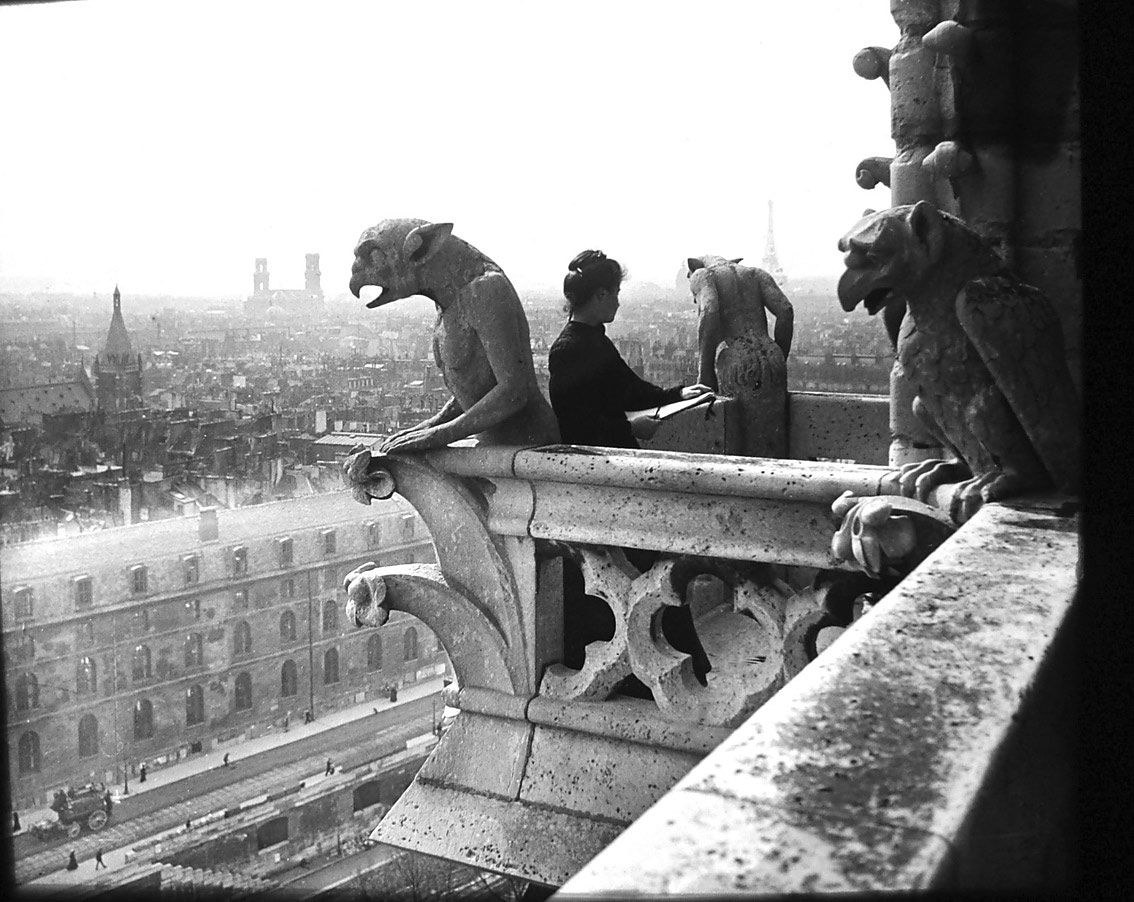
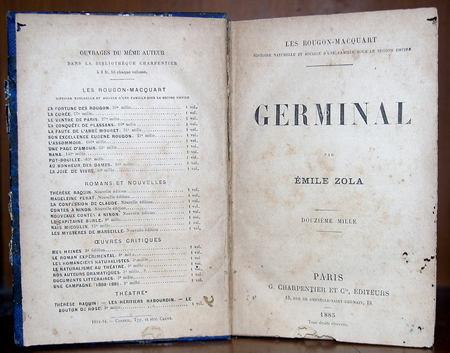
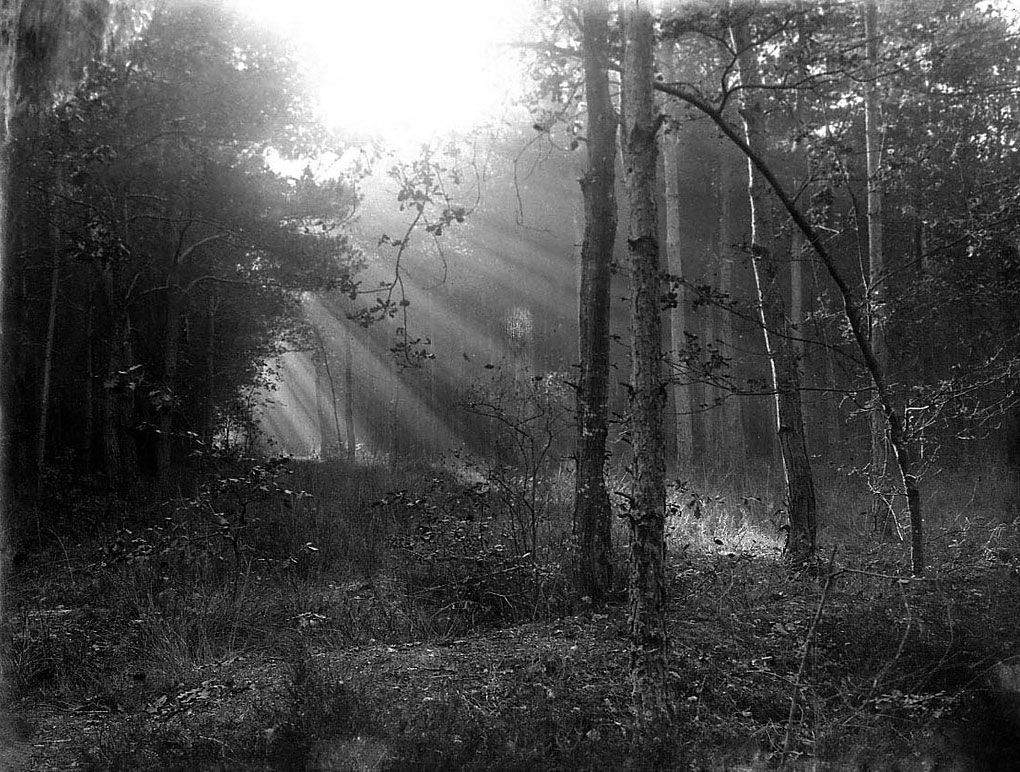
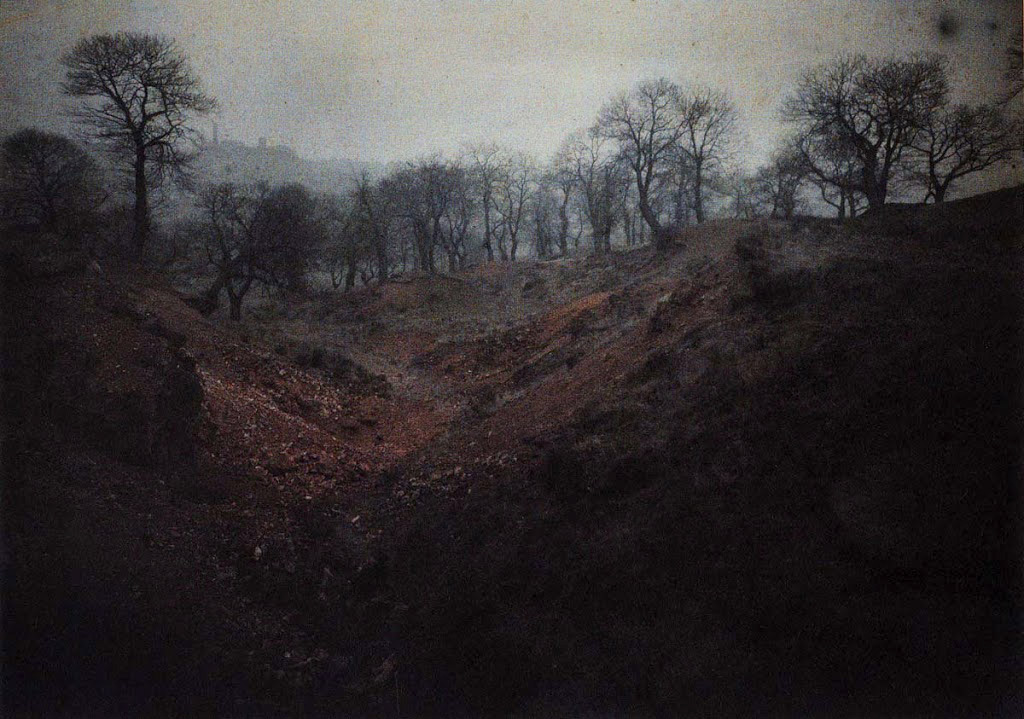
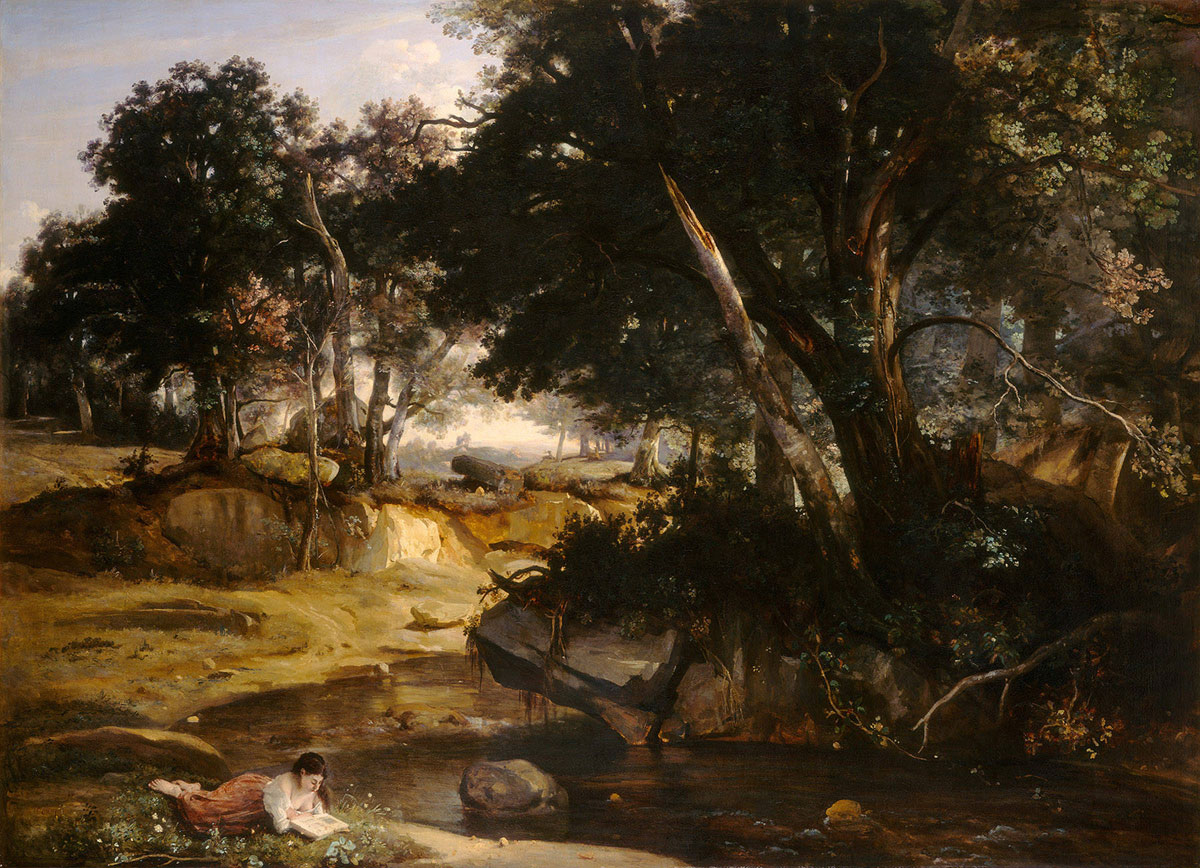
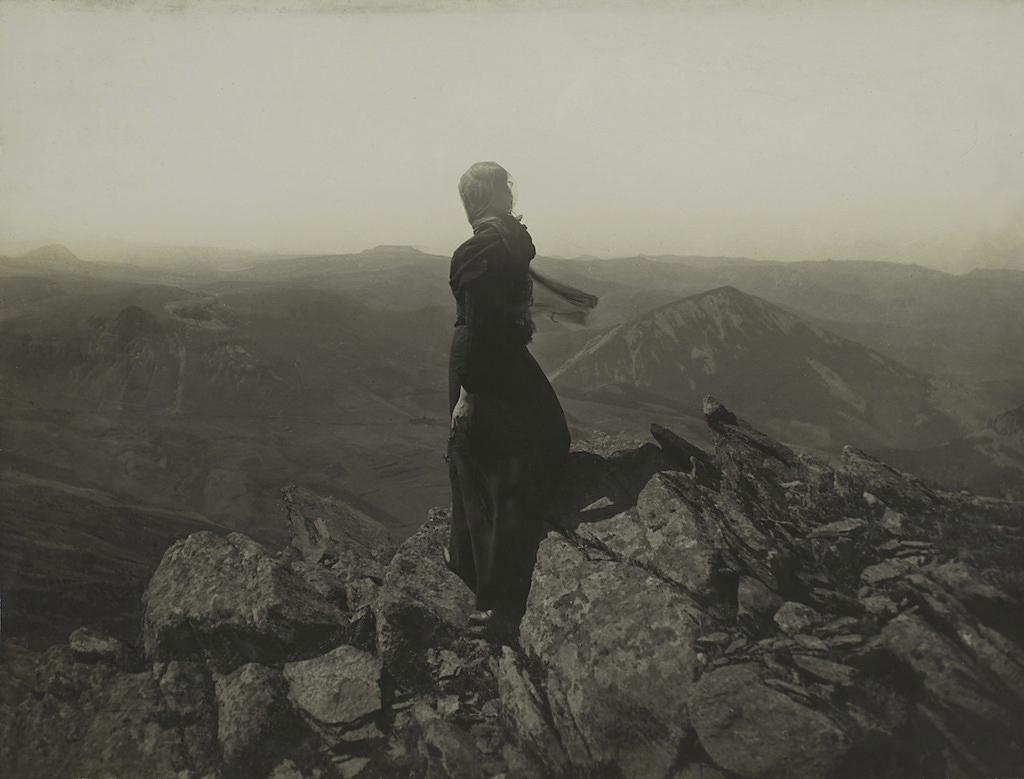
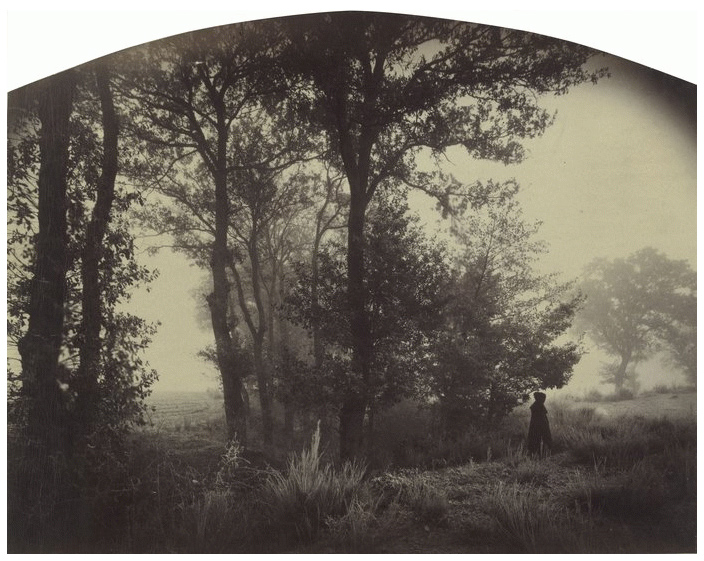
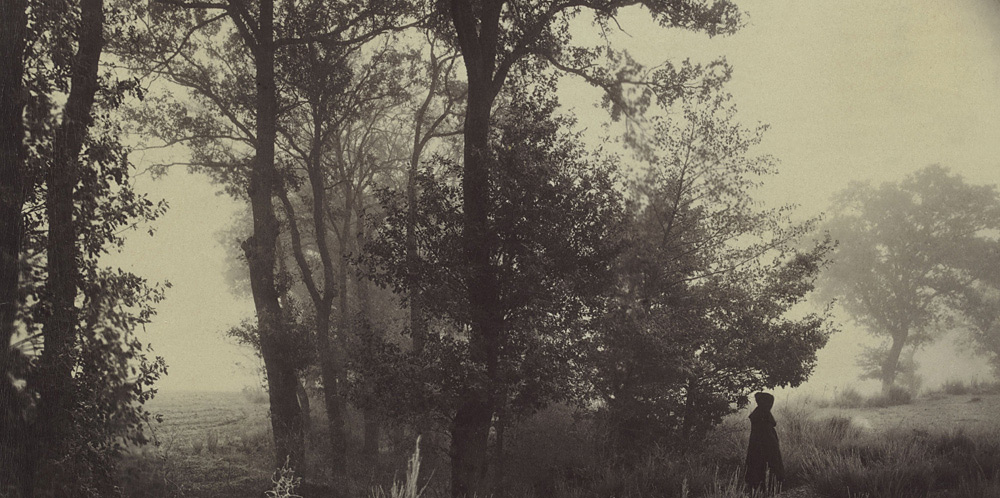
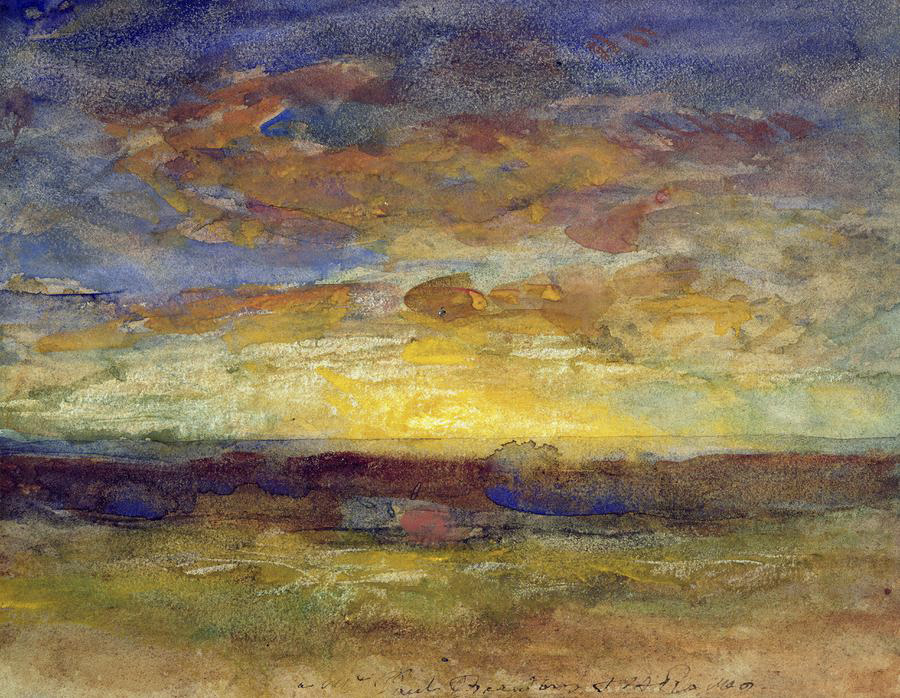
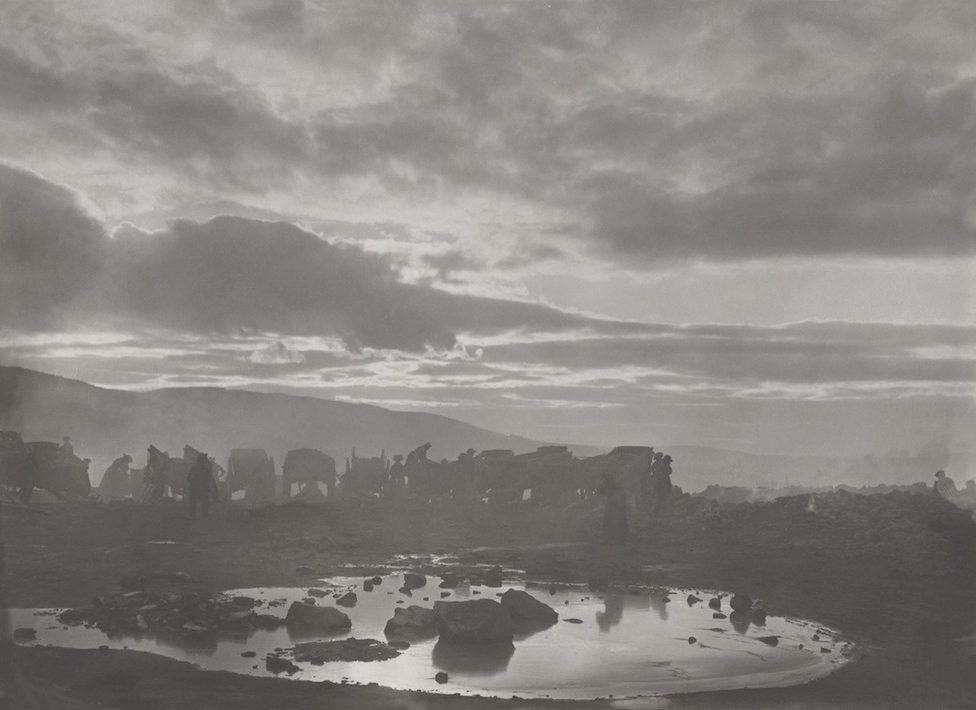
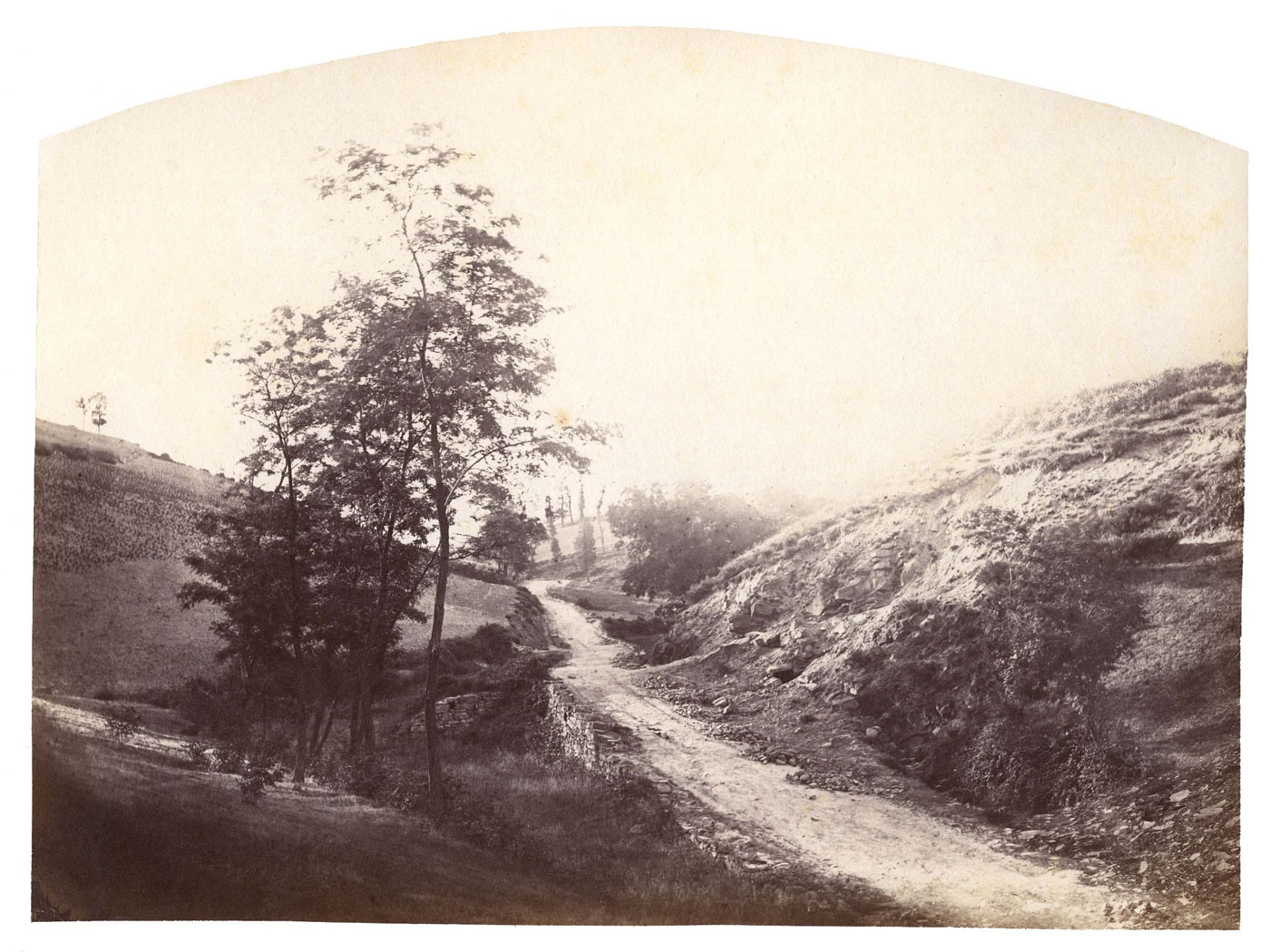
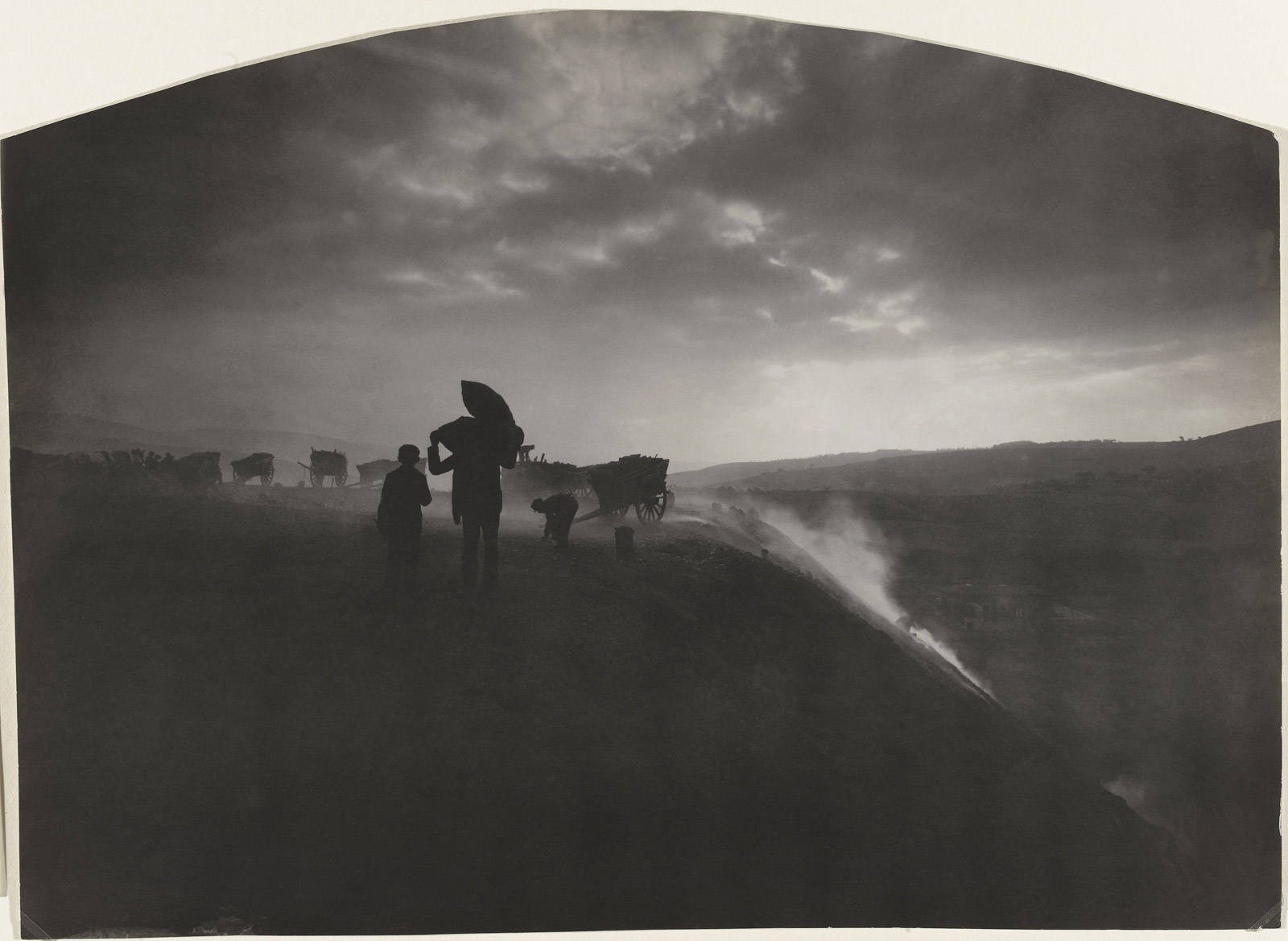
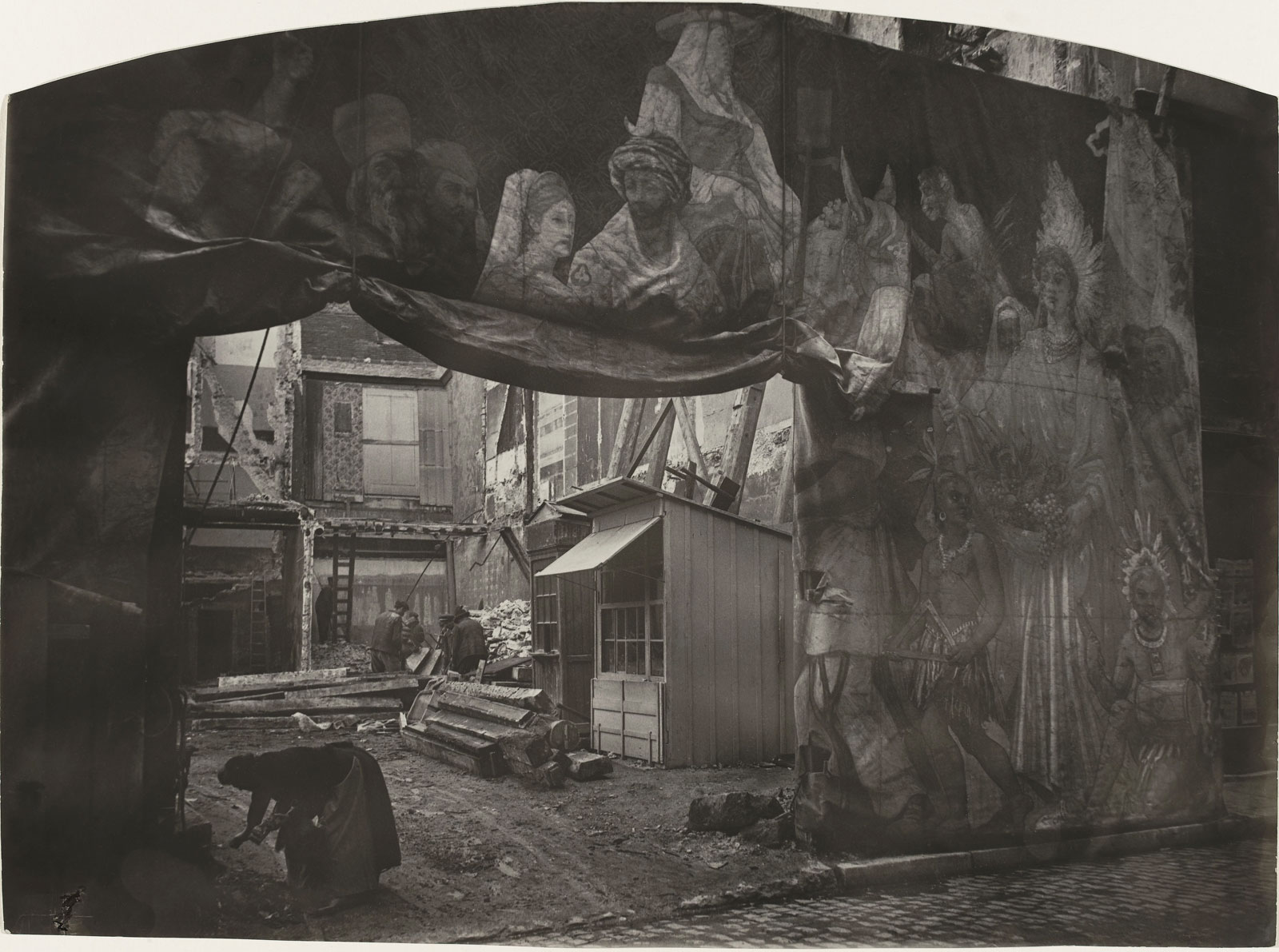
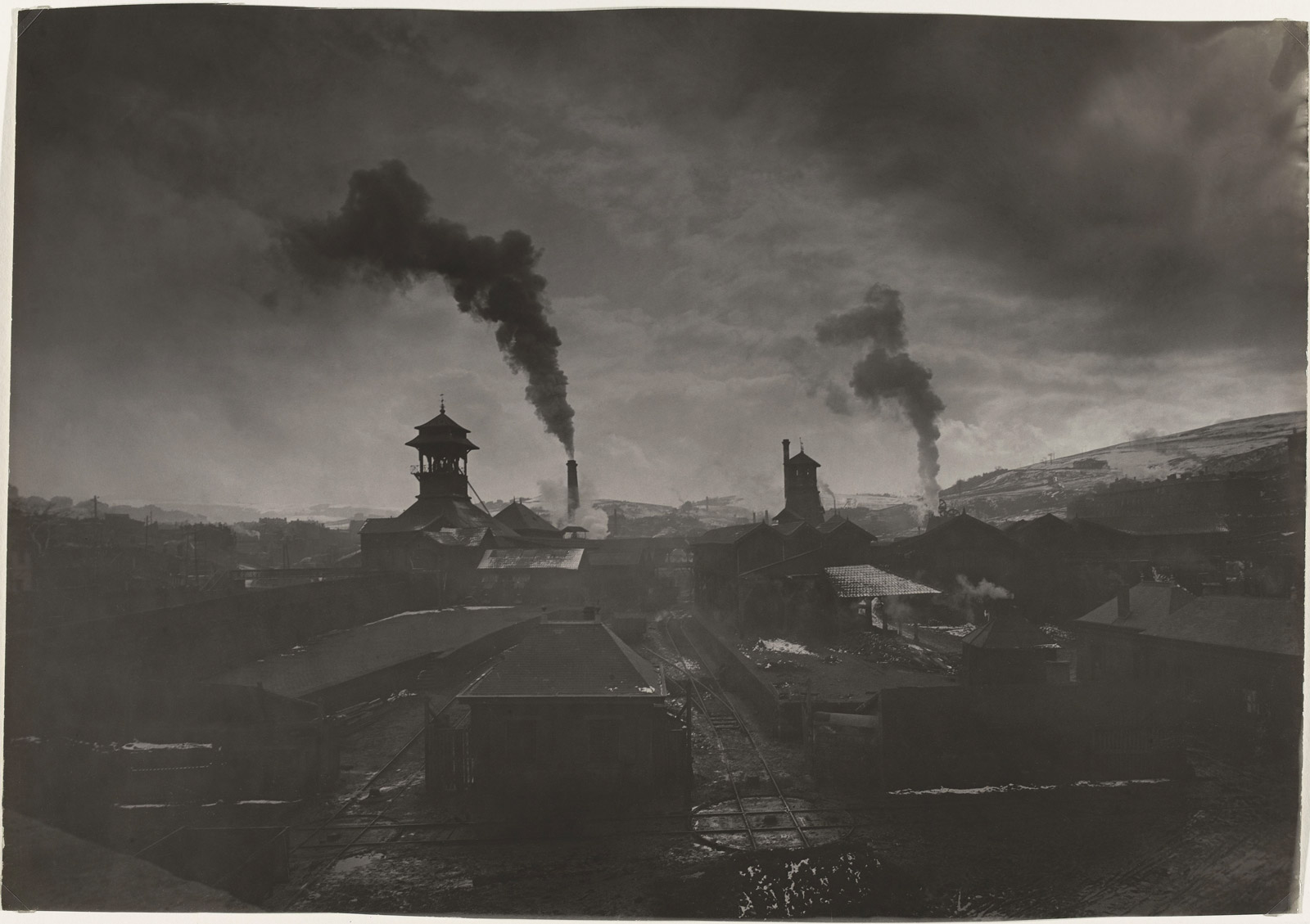
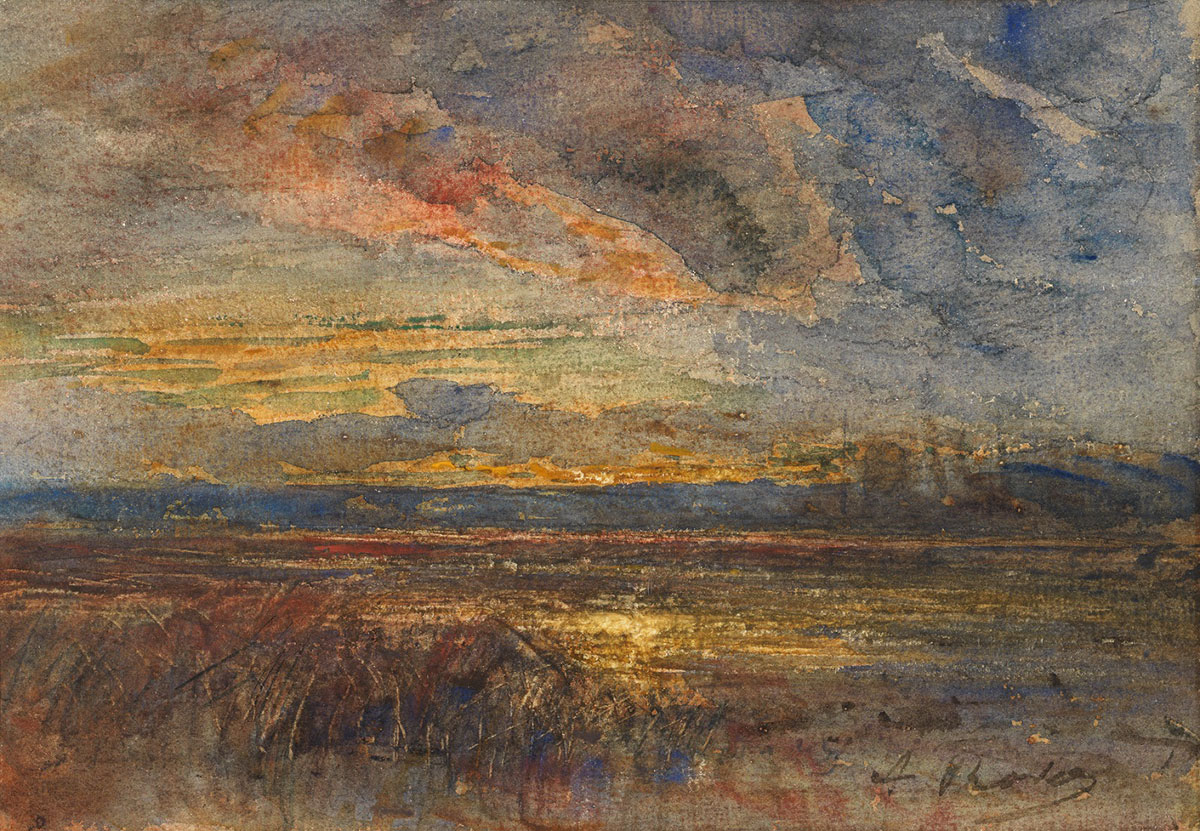
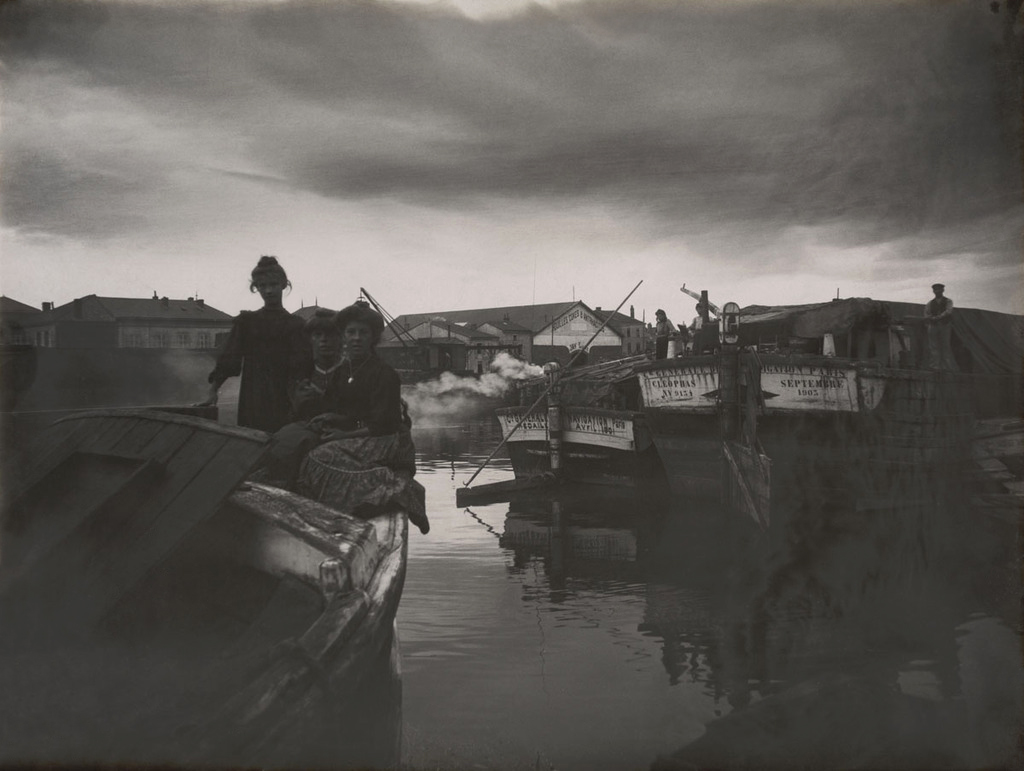
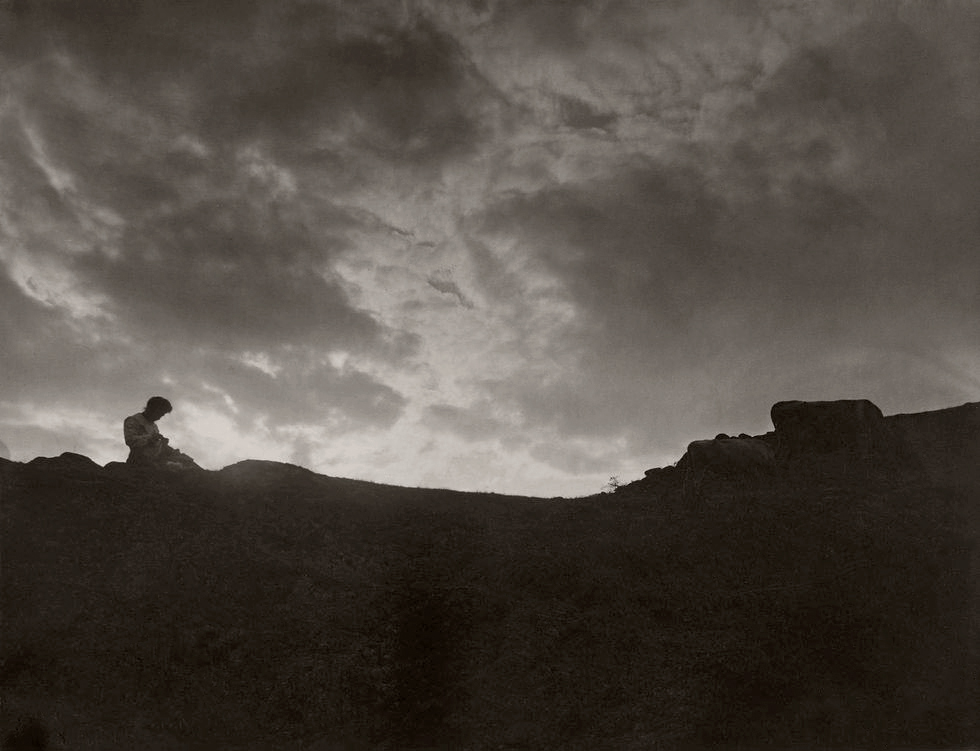
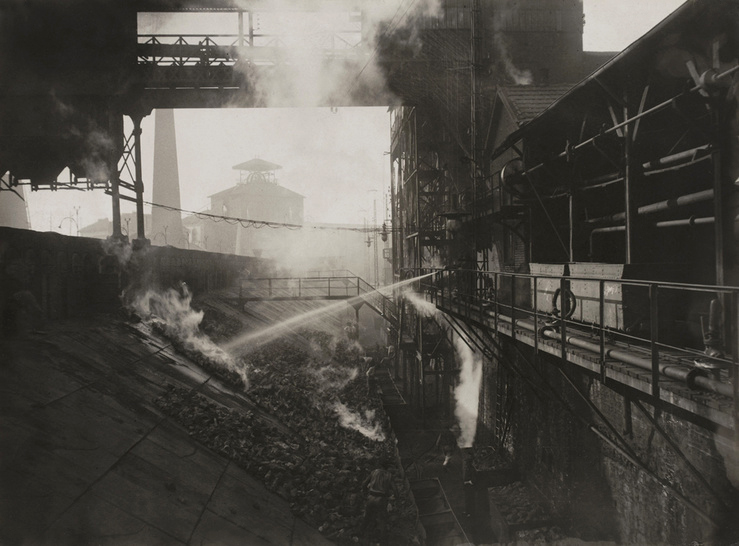
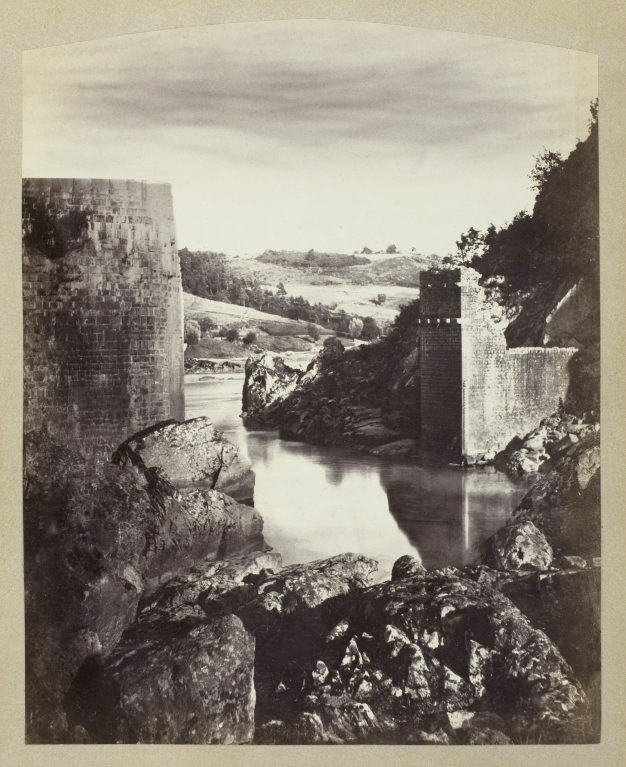

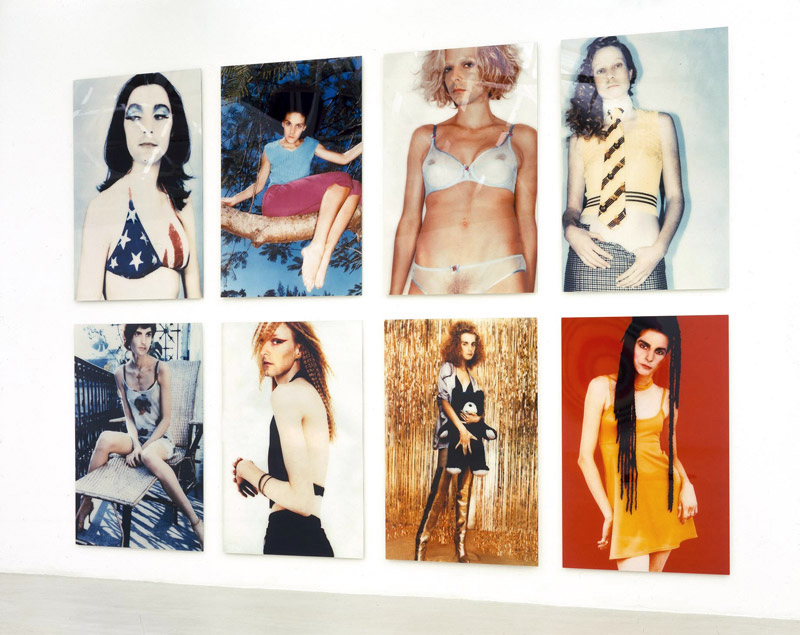


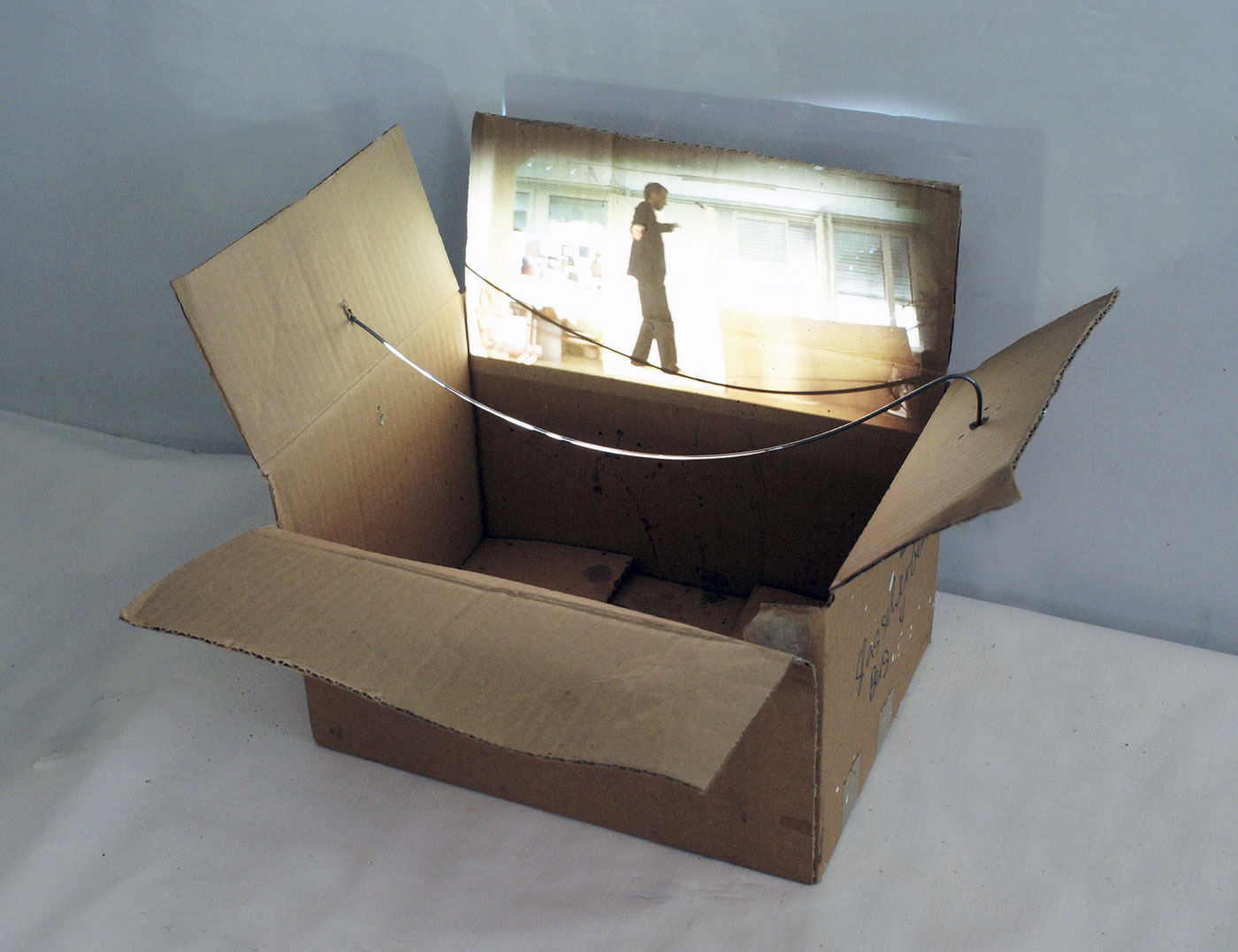


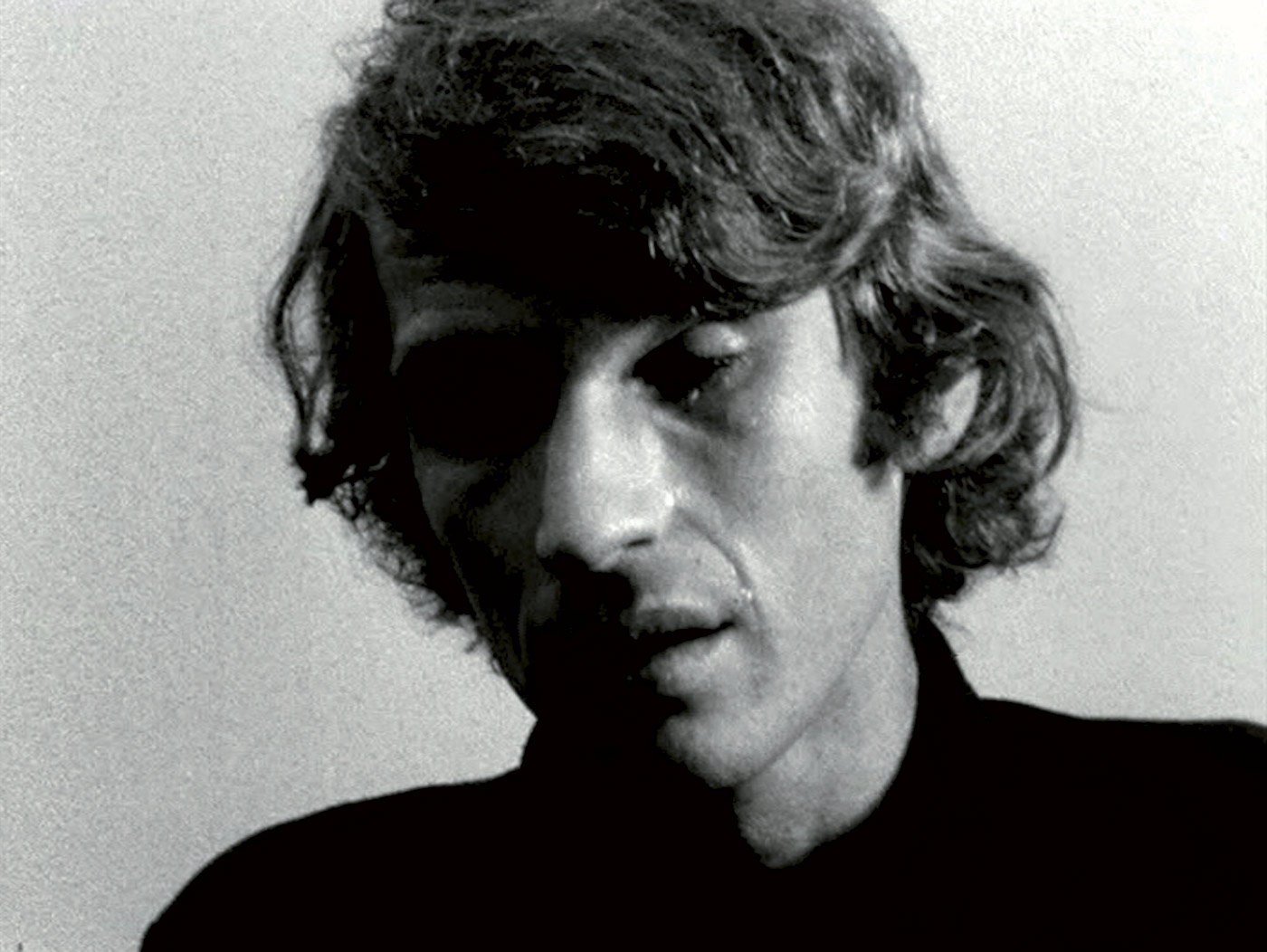

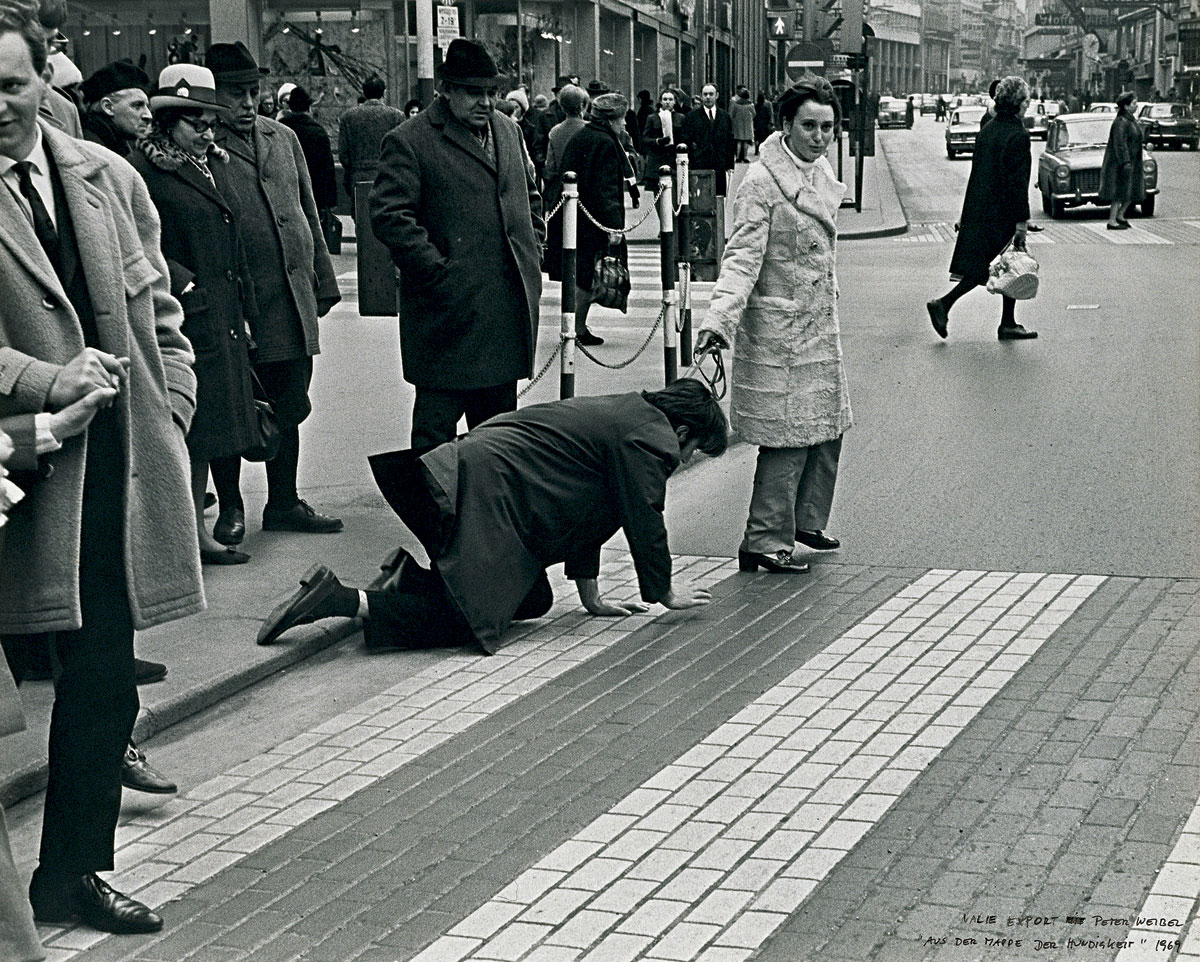
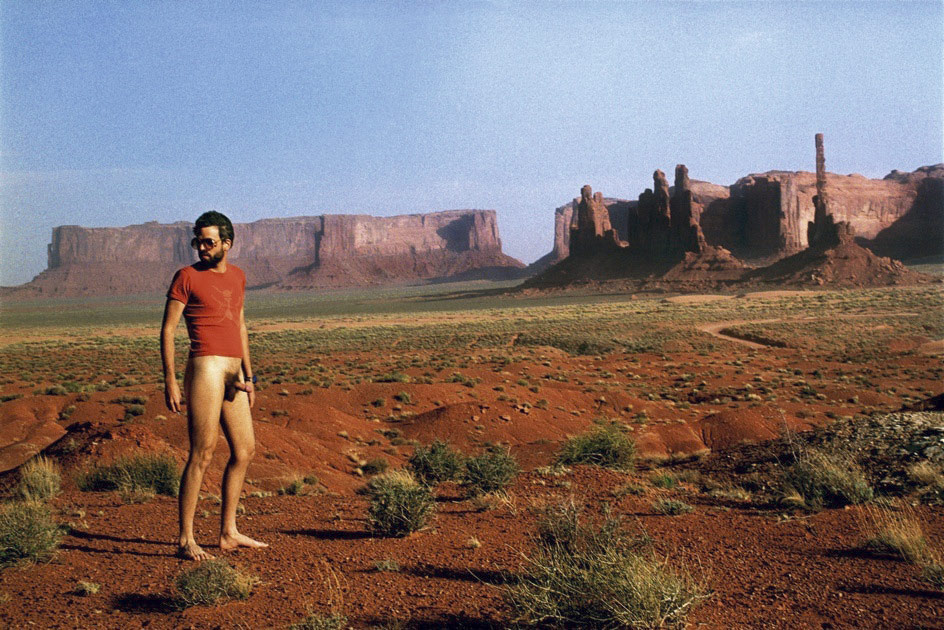




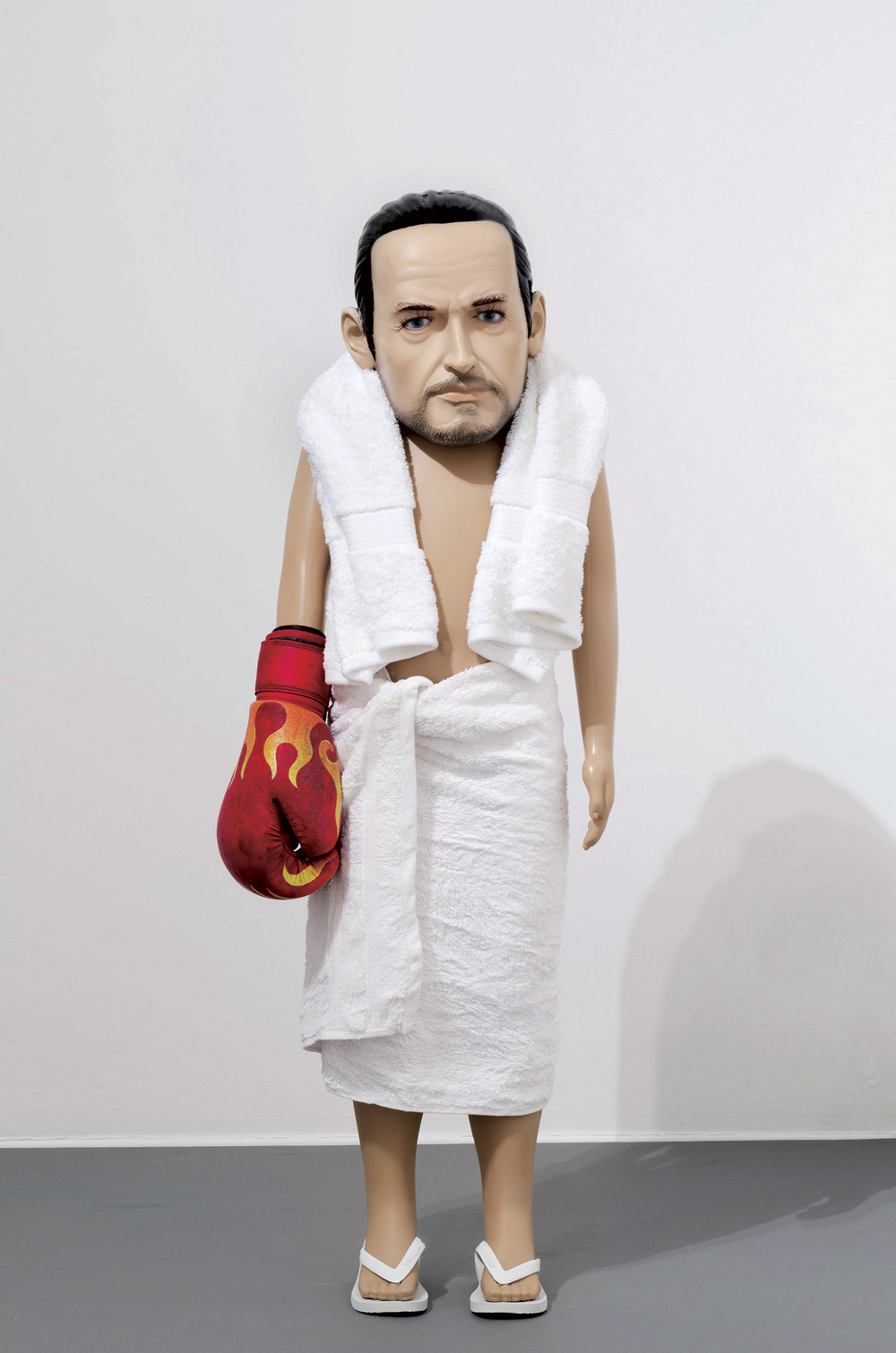
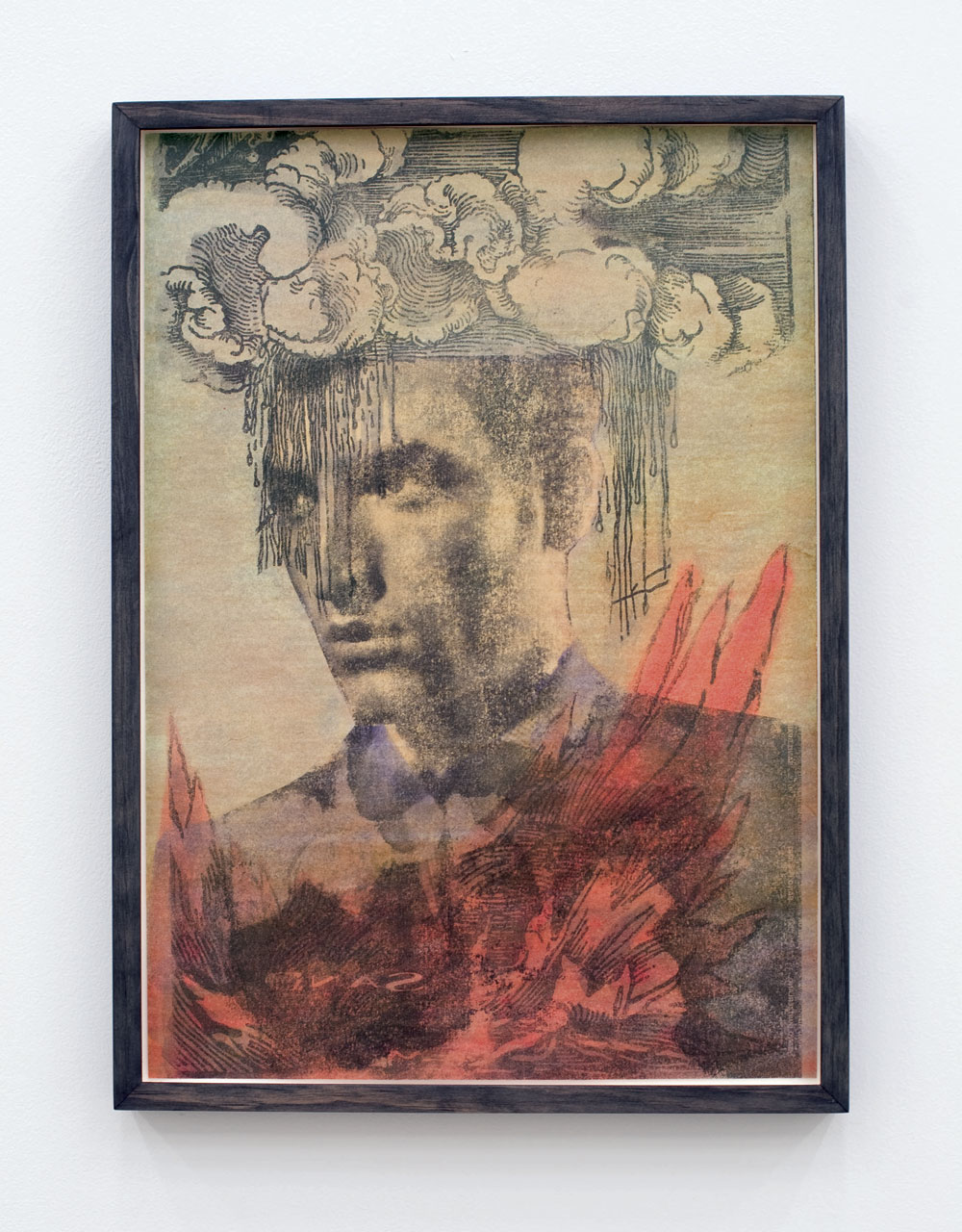
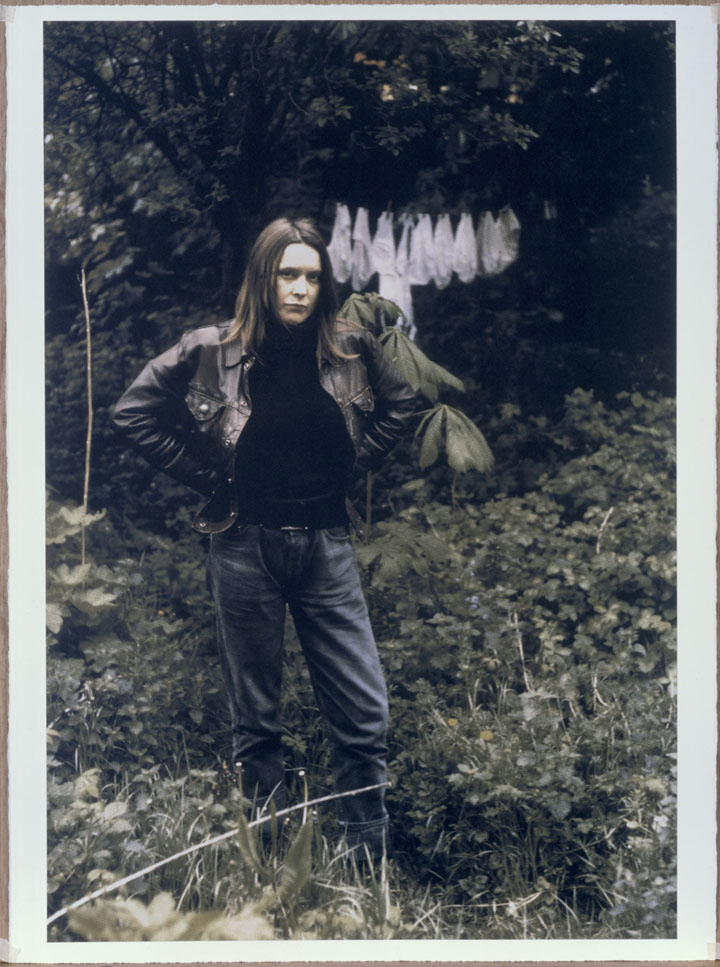
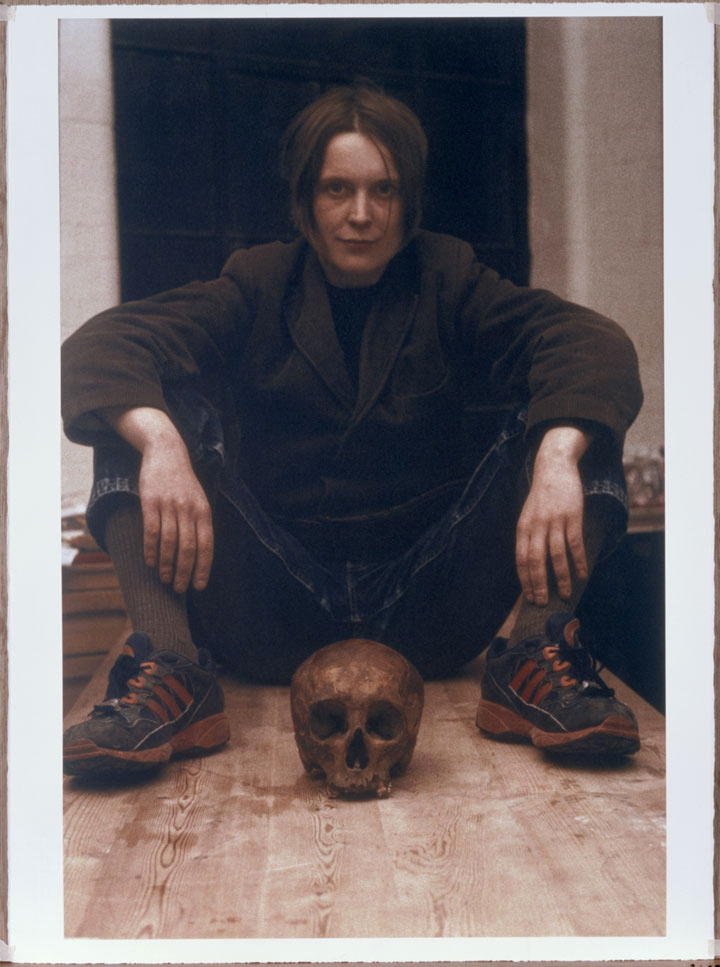
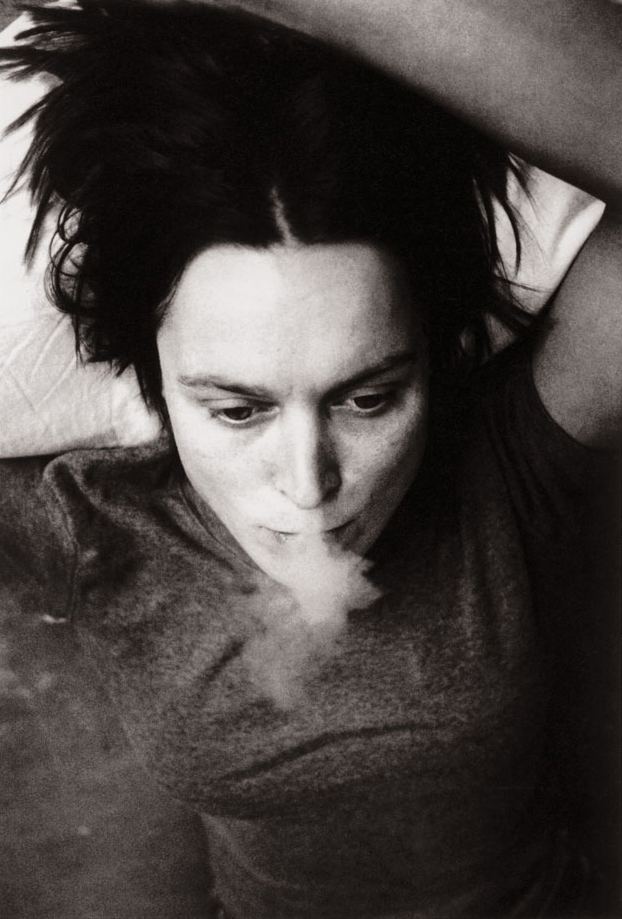

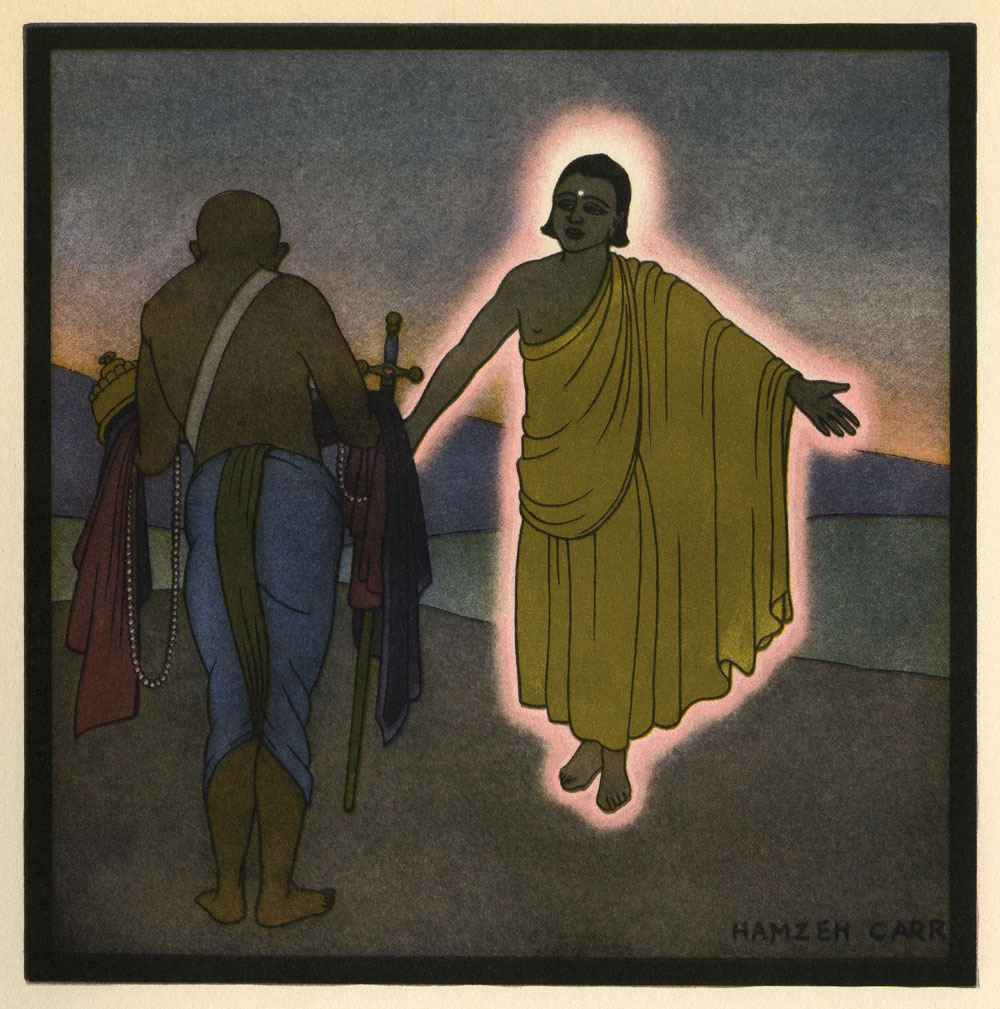


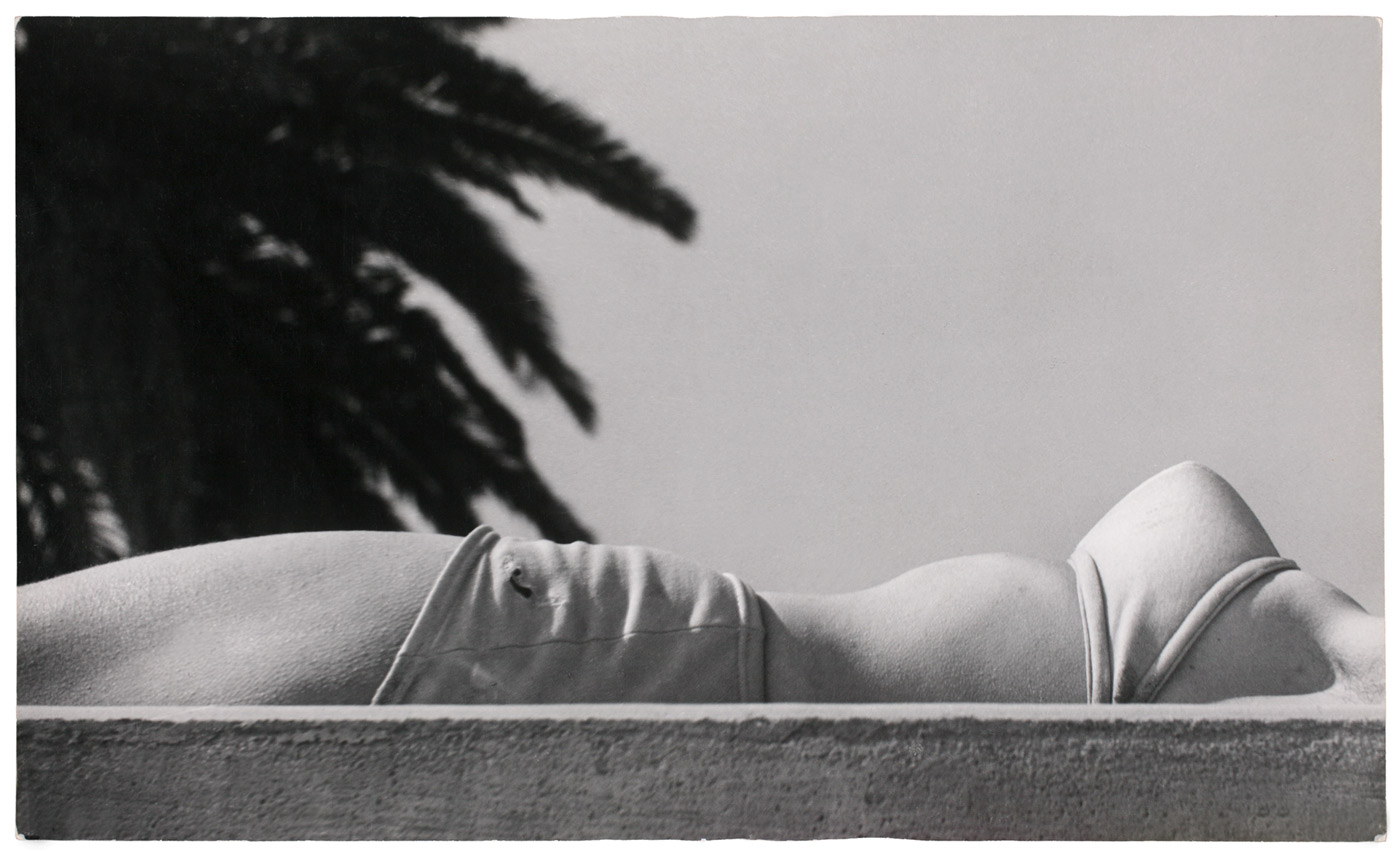


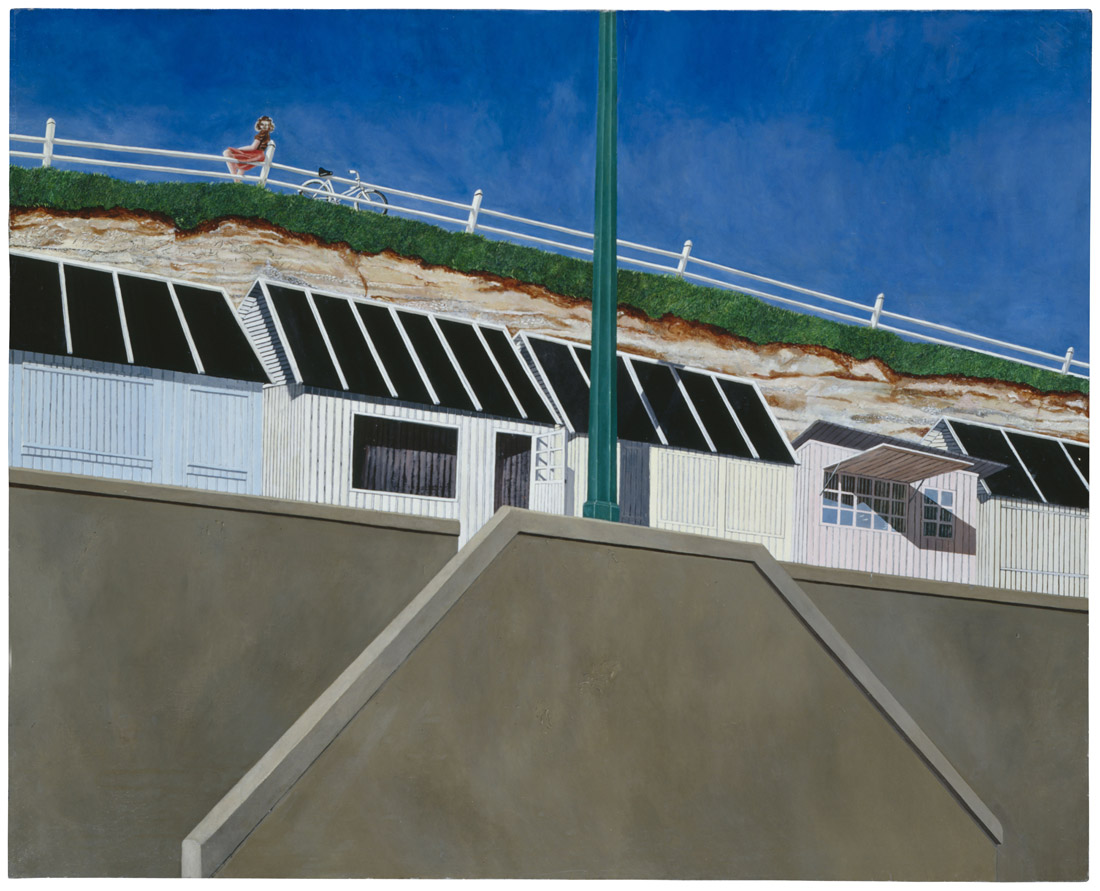
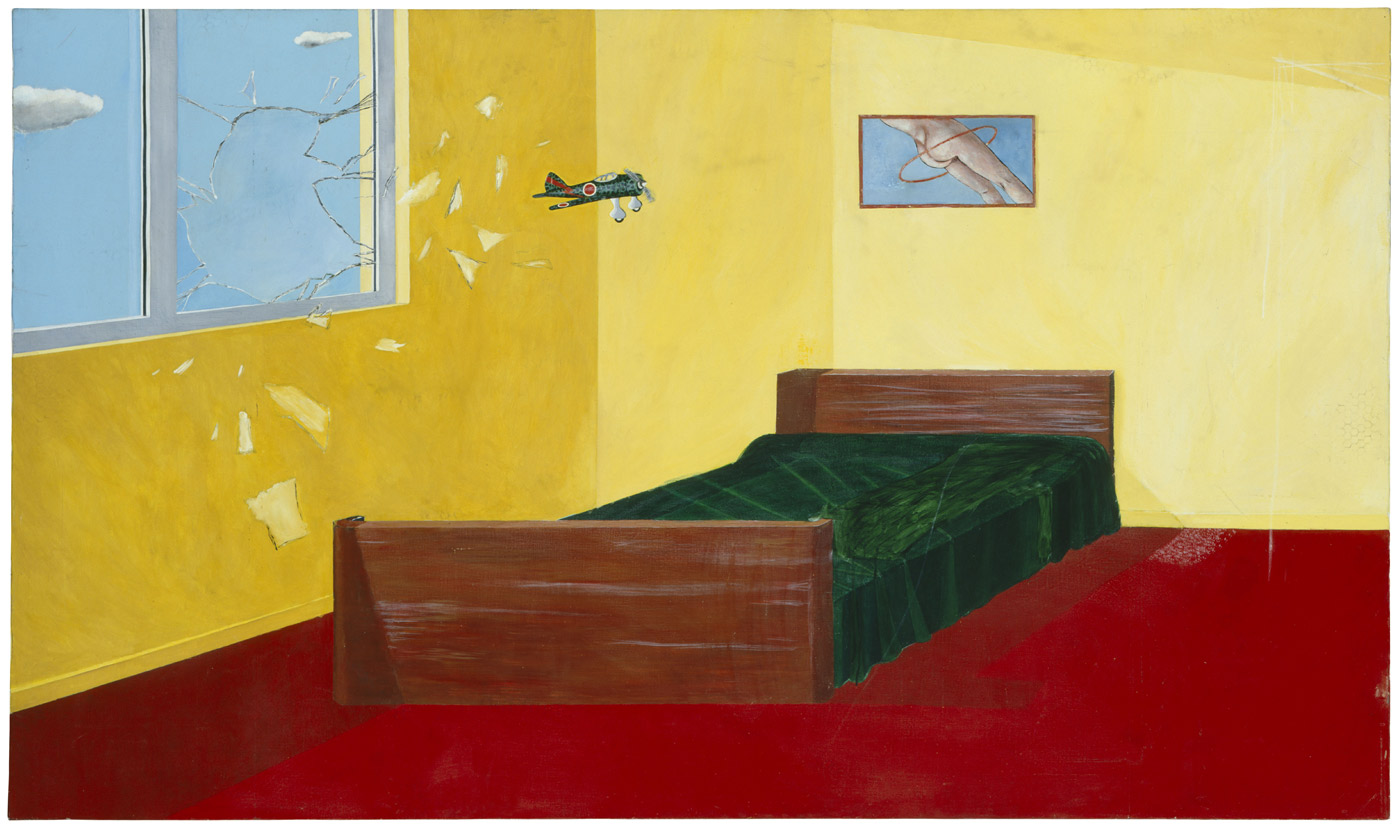


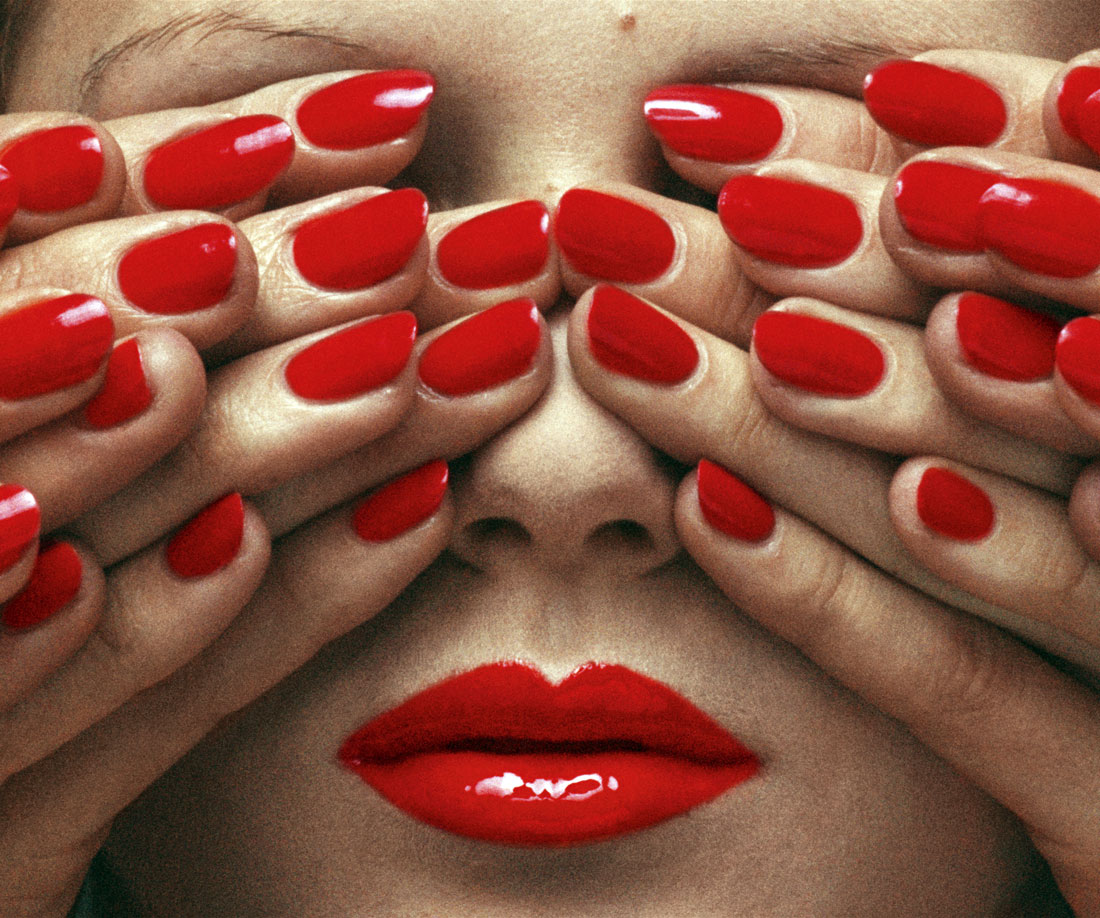


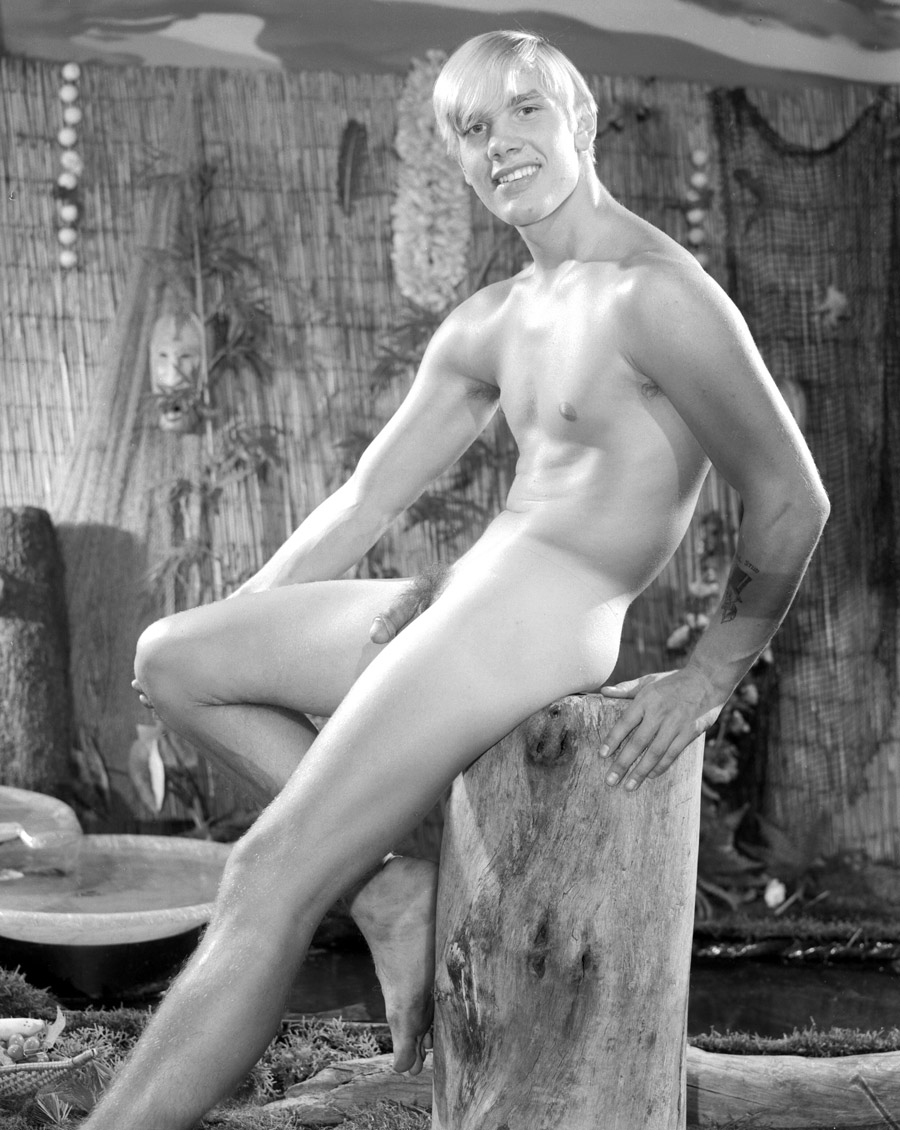
![Bob Mizer (American, 1922-1992) 'Untitled [Barry Maurer, Hand on Gun], Los Angeles' c. 1961](https://artblart.com/wp-content/uploads/2013/12/bob_mizer6-web.jpg "Bob Mizer (American, 1922-1992) 'Untitled [Barry Maurer, Hand on Gun], Los Angeles' c. 1961")
![Bob Mizer (American, 1922-1992) 'Untitled [Larry Lamb, with Tumbleweed], Los Angeles' c. 1959](https://artblart.com/wp-content/uploads/2013/12/bob_mizer8-web.jpg "Bob Mizer (American, 1922-1992) 'Untitled [Larry Lamb, with Tumbleweed], Los Angeles' c. 1959")


![Bob Mizer (American, 1922-1992) 'Untitled [Ray Hornsby, Motorcycle], Los Angeles' c. 1957](https://artblart.com/wp-content/uploads/2013/12/bob_mizer9-web.jpg "Bob Mizer (American, 1922-1992) 'Untitled [Ray Hornsby, Motorcycle], Los Angeles' c. 1957")
![Bob Mizer (American, 1922-1992) 'Untitled [Ray Hornsby, with Skull Staff], Los Angeles' c. 1957](https://artblart.com/wp-content/uploads/2013/12/bob_mizer10-web.jpg "Bob Mizer (American, 1922-1992) 'Untitled [Ray Hornsby, with Skull Staff], Los Angeles' c. 1957")
![Bob Mizer (American, 1922-1992) 'Untitled [Ernie Rabb, Pointed Pistol], Los Angeles' c. 1957](https://artblart.com/wp-content/uploads/2013/12/bob_mizer11-web.jpg "Bob Mizer (American, 1922-1992) 'Untitled [Ernie Rabb, Pointed Pistol], Los Angeles' c. 1957")
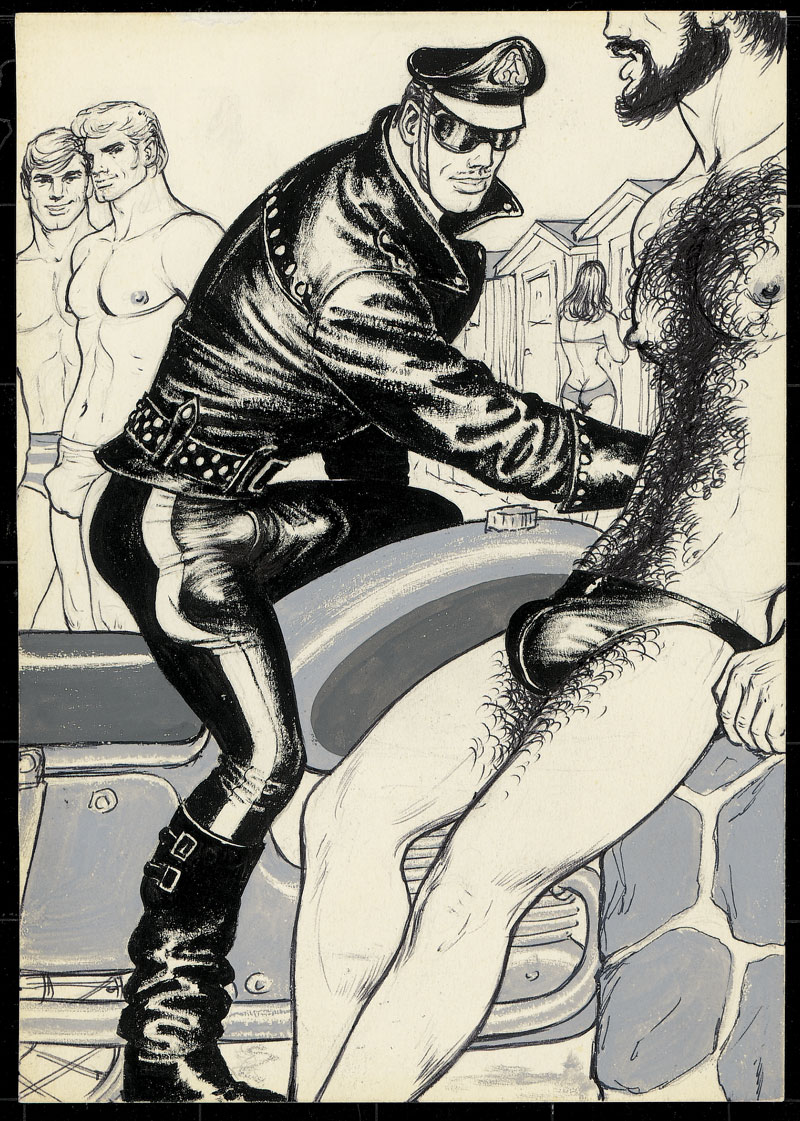

![Bob Mizer (American, 1922-1992) 'Untitled [Larry Lamb, Profile with Chains], Los Angeles' c. 1959](https://artblart.com/wp-content/uploads/2013/12/bob_mizer13-web.jpg "Bob Mizer (American, 1922-1992) 'Untitled [Larry Lamb, Profile with Chains], Los Angeles' c. 1959")
![Bob Mizer (American, 1922-1992) 'Untitled [Dennis Schreffer, Wand Balance], Los Angeles' c. 1957](https://artblart.com/wp-content/uploads/2013/12/bob_mizer14-web.jpg "Bob Mizer (American, 1922-1992) 'Untitled [Dennis Schreffer, Wand Balance], Los Angeles' c. 1957")
![Bob Mizer (American, 1922-1992) 'Untitled [Dennis Schreffer with Portrait], Los Angeles' c. 1957](https://artblart.com/wp-content/uploads/2013/12/bob_mizer15-web.jpg "Bob Mizer (American, 1922-1992) 'Untitled [Dennis Schreffer with Portrait], Los Angeles' c. 1957")


![Bob Mizer (American, 1922-1992) 'Athletic Model Guild Catalog Board, David Elliott. [Double-sided; This side Page 1 of SW series]' c. 1965](https://artblart.com/wp-content/uploads/2013/12/bob_mizer16-web.jpg "Bob Mizer (American, 1922-1992) 'Athletic Model Guild Catalog Board, David Elliott. [Double-sided; This side Page 1 of SW series]' c. 1965")
![Bob Mizer (American, 1922-1992) 'Athletic Model Guild Catalog Board, David Elliott. [Double-sided; This side Page 2 of SW series]' c. 1965](https://artblart.com/wp-content/uploads/2013/12/bob_mizer17-web.jpg "Bob Mizer (American, 1922-1992) 'Athletic Model Guild Catalog Board, David Elliott. [Double-sided; This side Page 2 of SW series]' c. 1965")
![Bob Mizer (American, 1922-1992) 'Athletic Model Guild Catalog Board, Ernie Rabb. [Double-sided; This side Page 57 of XT series]' c. 1957](https://artblart.com/wp-content/uploads/2013/12/bob_mizer18-web.jpg "Bob Mizer (American, 1922-1992) 'Athletic Model Guild Catalog Board, Ernie Rabb. [Double-sided; This side Page 57 of XT series]' c. 1957")
![Bob Mizer (American, 1922-1992) 'Athletic Model Guild Catalog Board, Ernie Rabb. [Double-sided; This side Page 58 of XT series]' c. 1957](https://artblart.com/wp-content/uploads/2013/12/bob_mizer19-web.jpg "Bob Mizer (American, 1922-1992) 'Athletic Model Guild Catalog Board, Ernie Rabb. [Double-sided; This side Page 58 of XT series]' c. 1957")

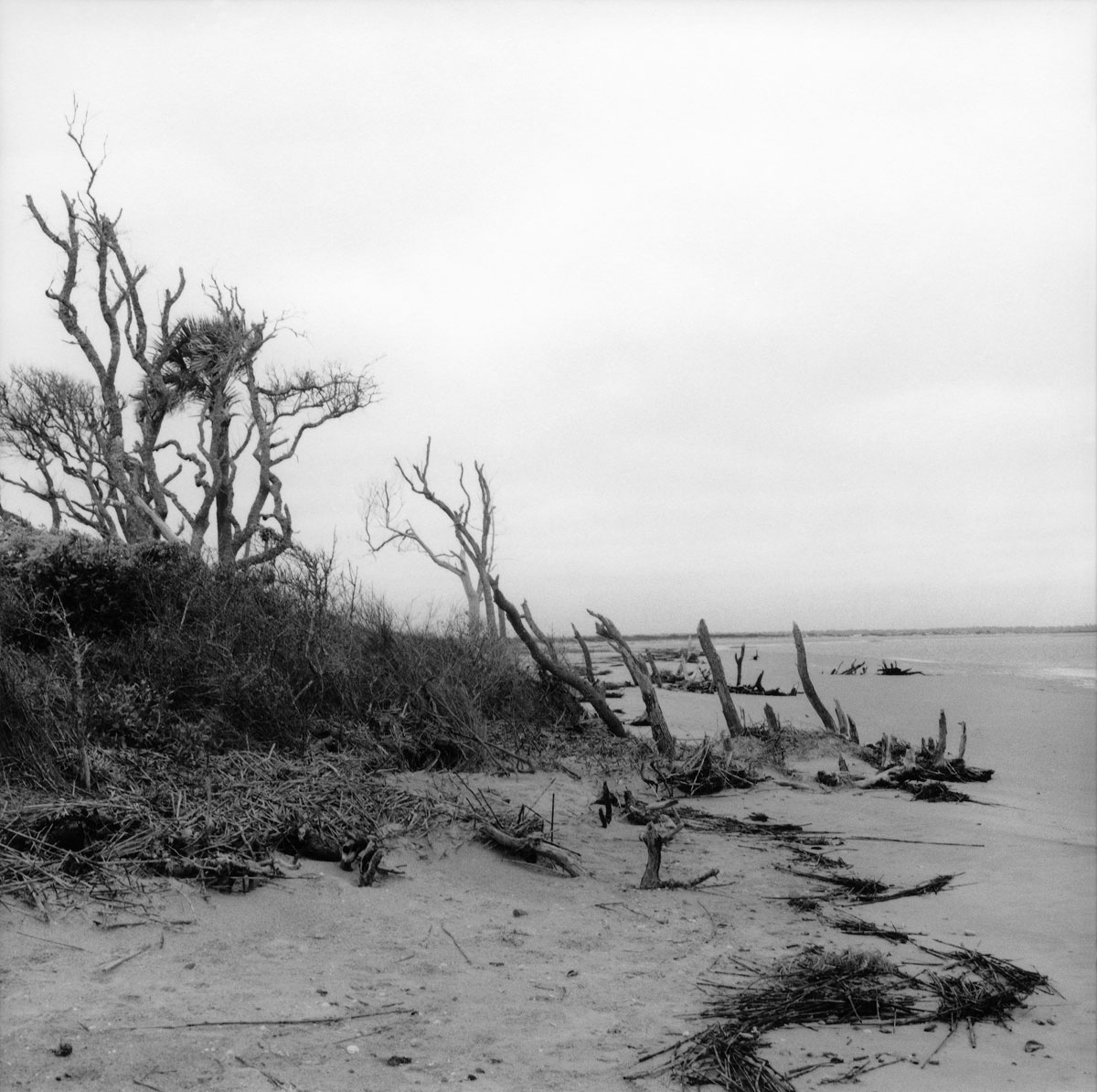


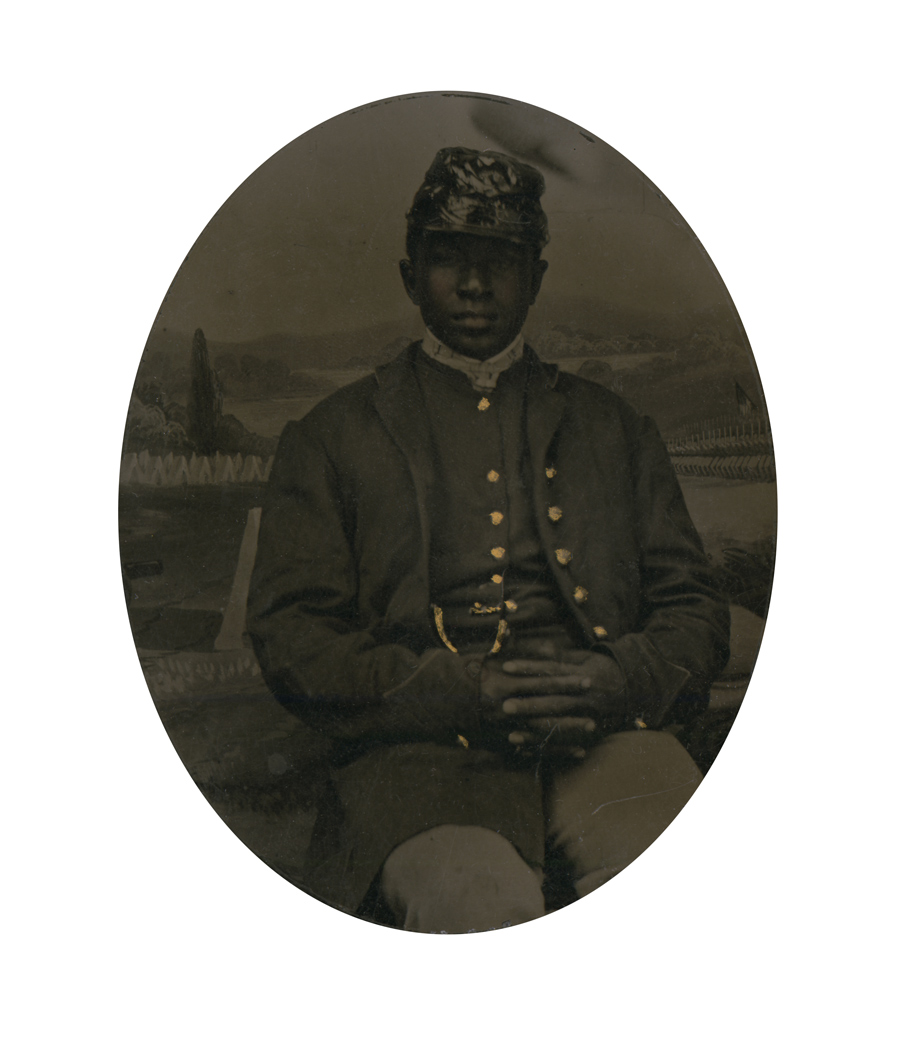

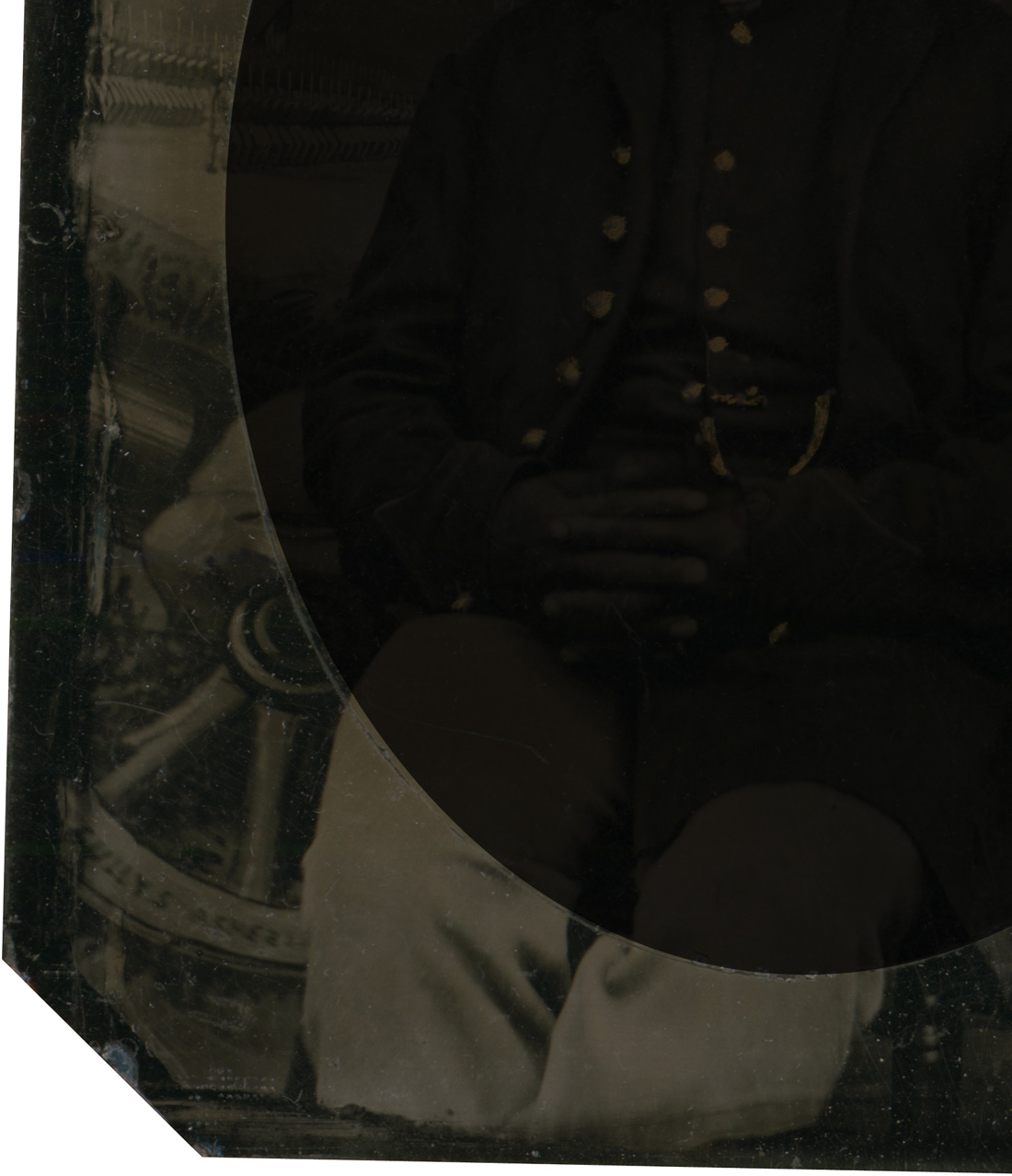


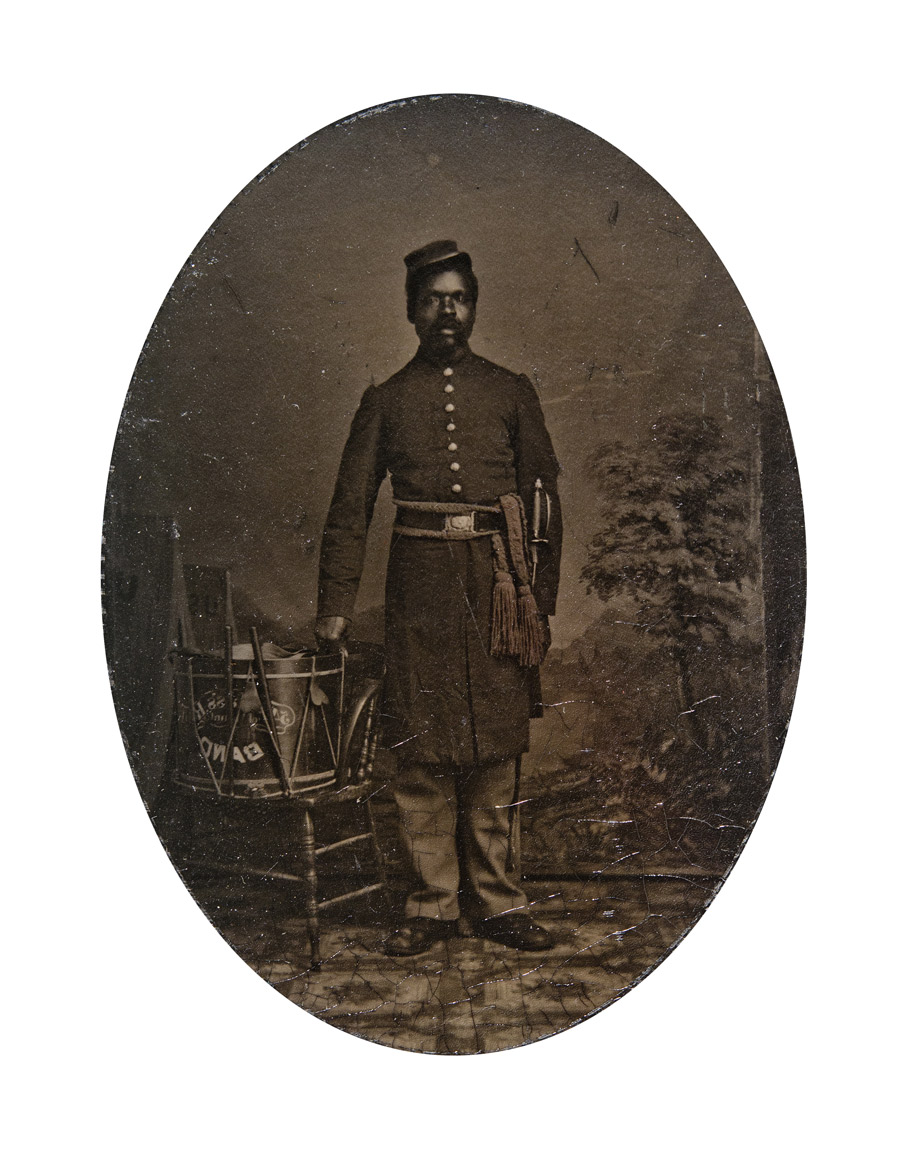


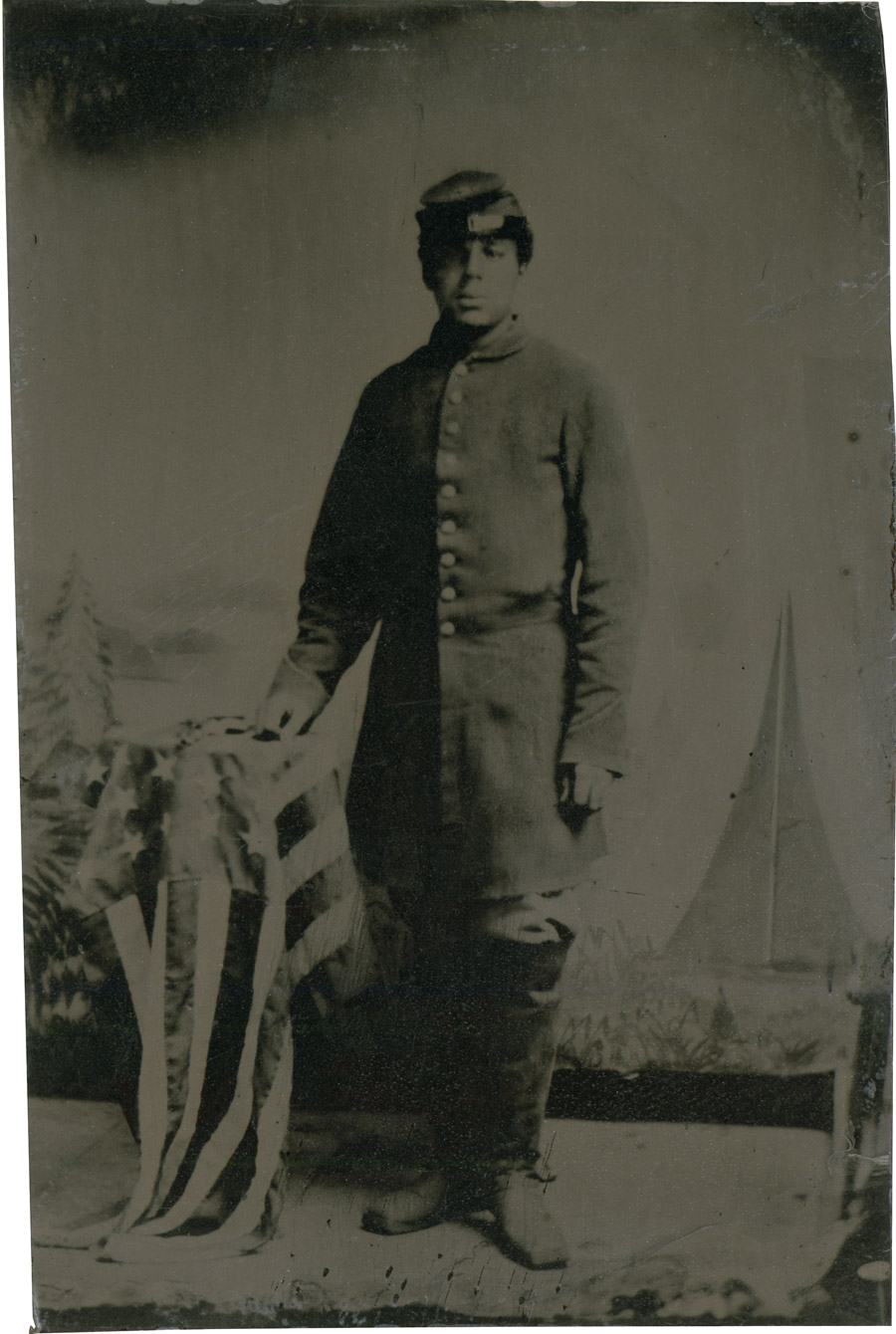


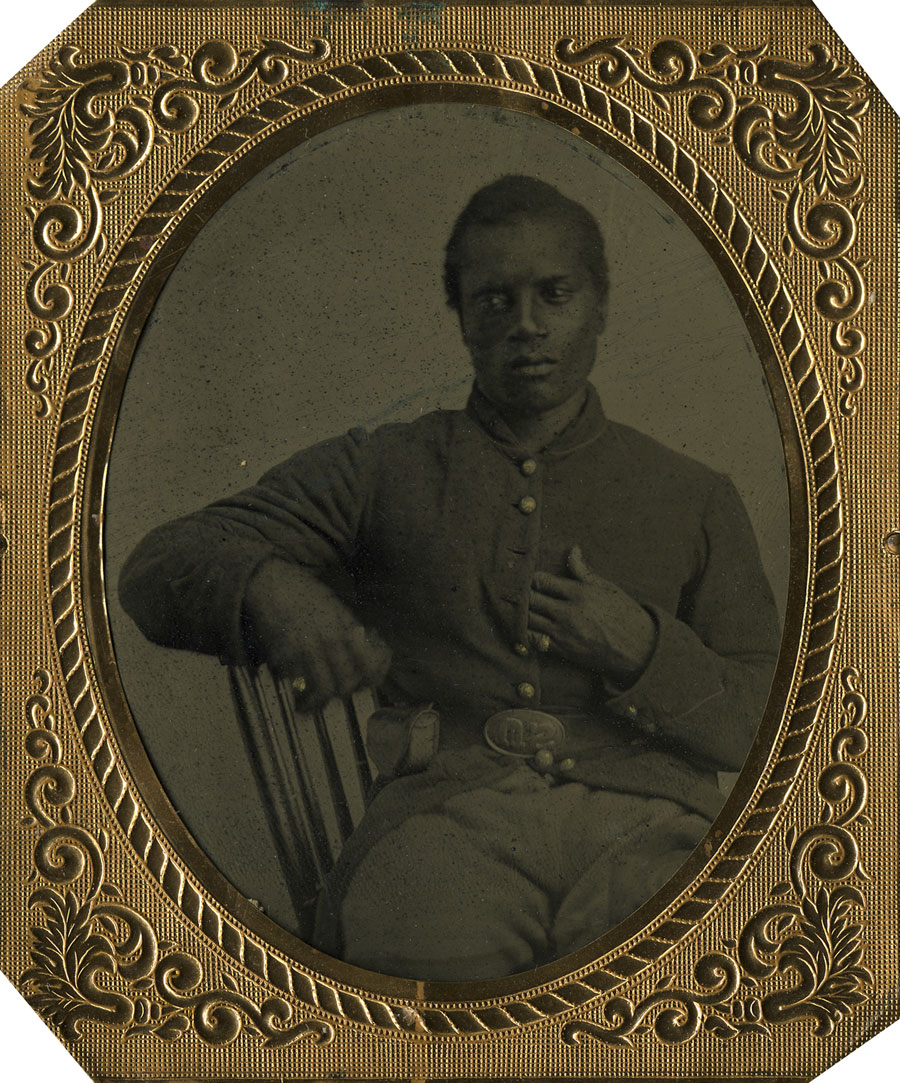


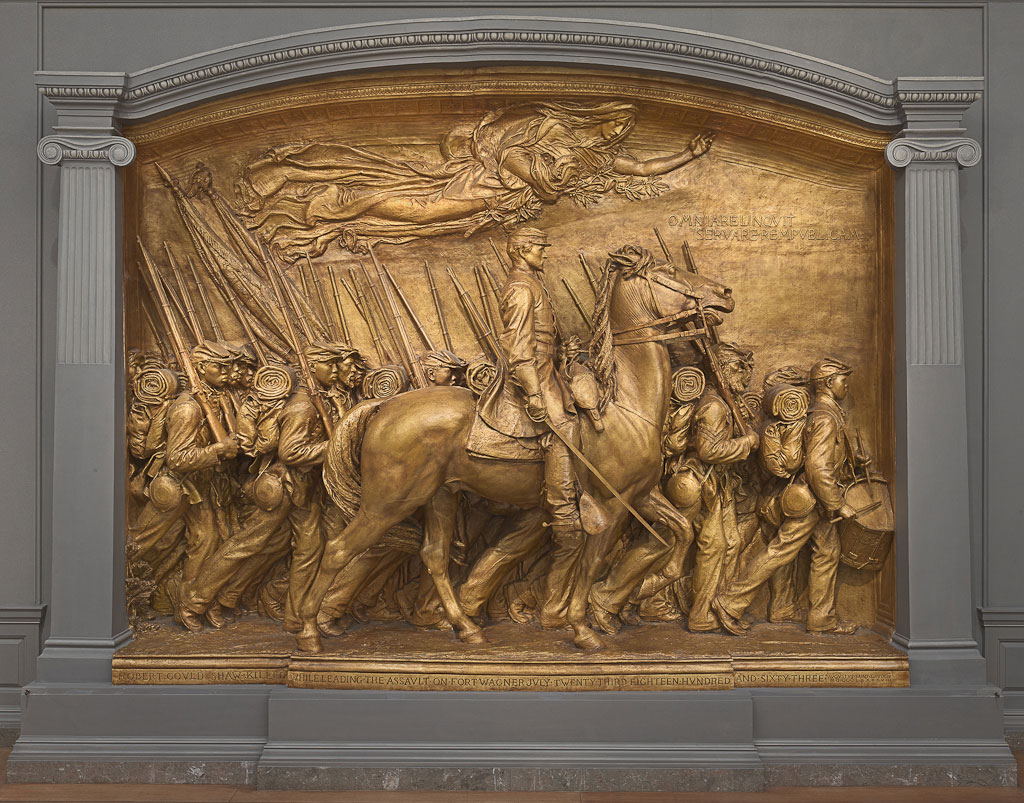


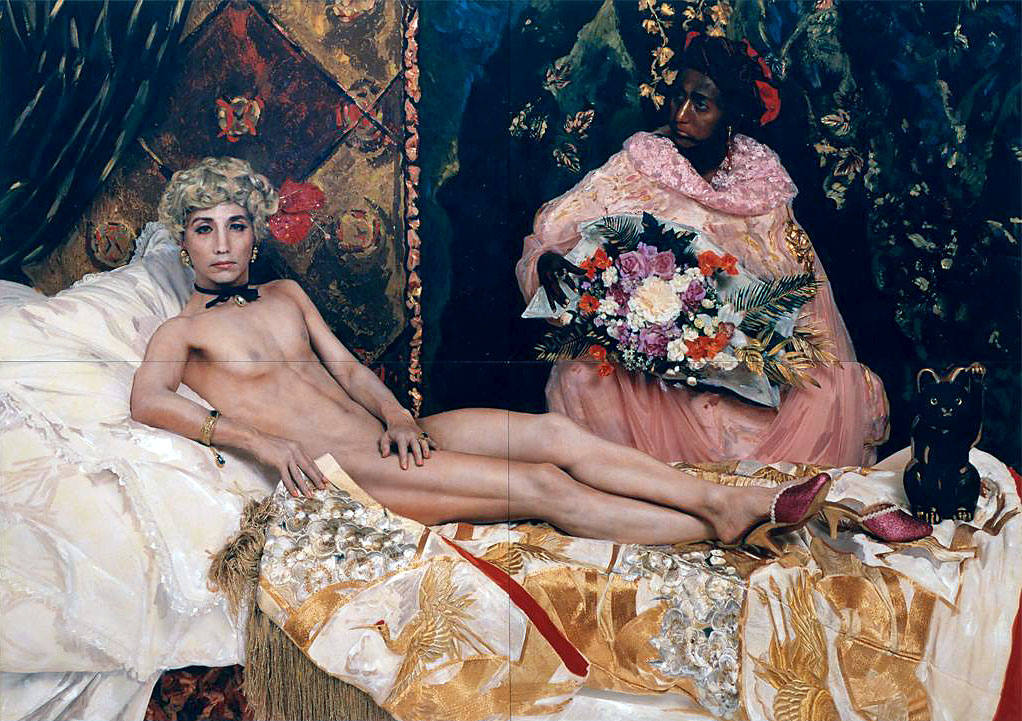
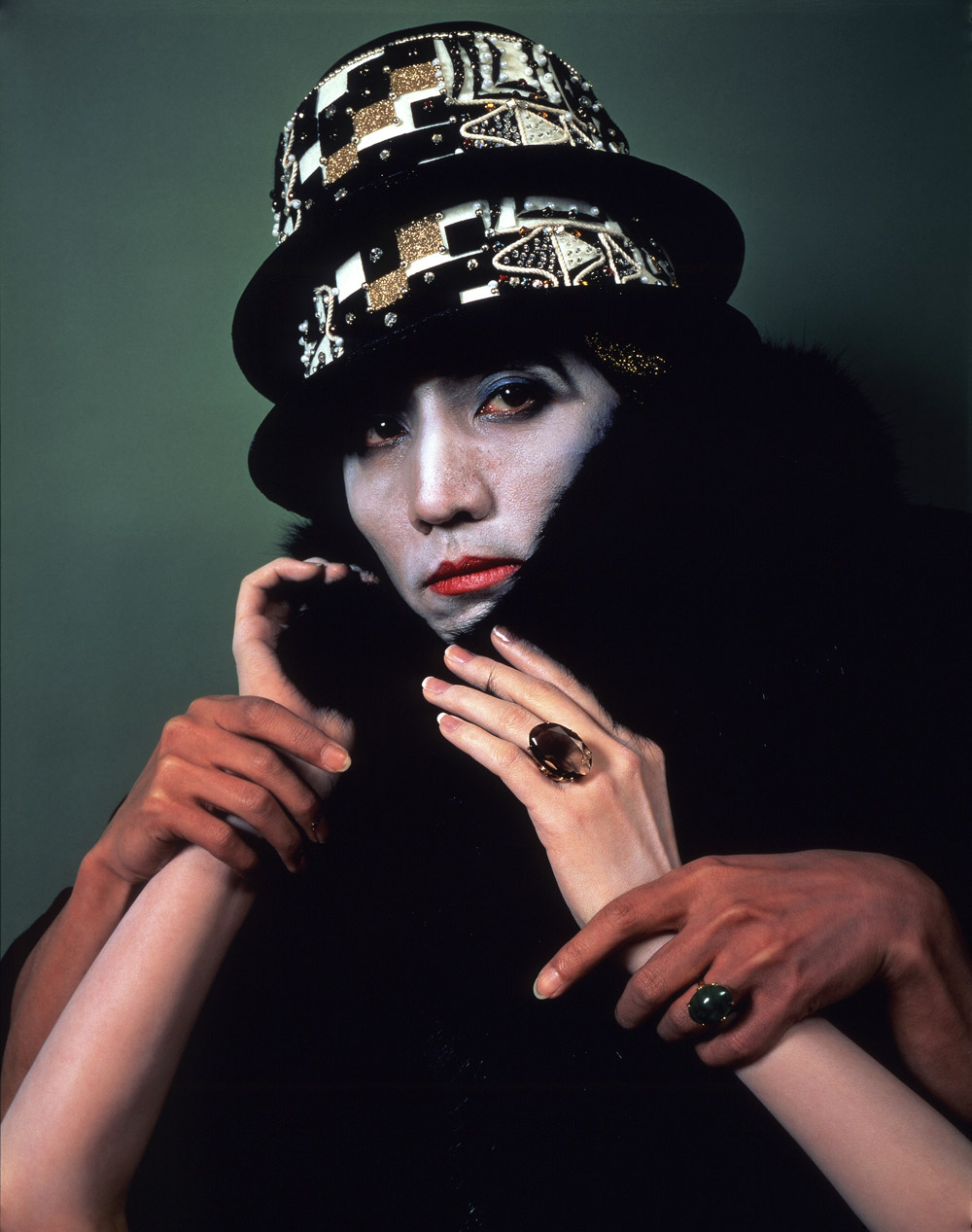
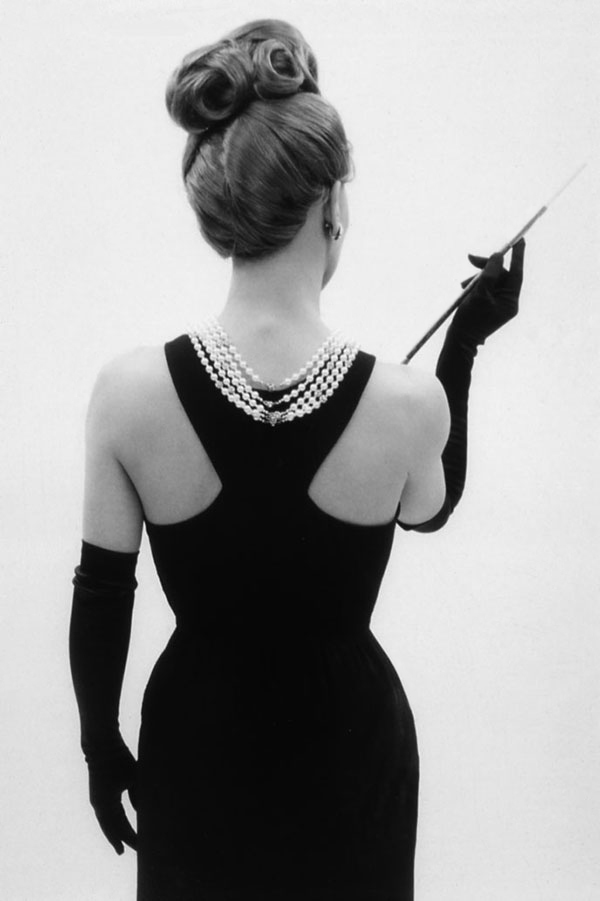
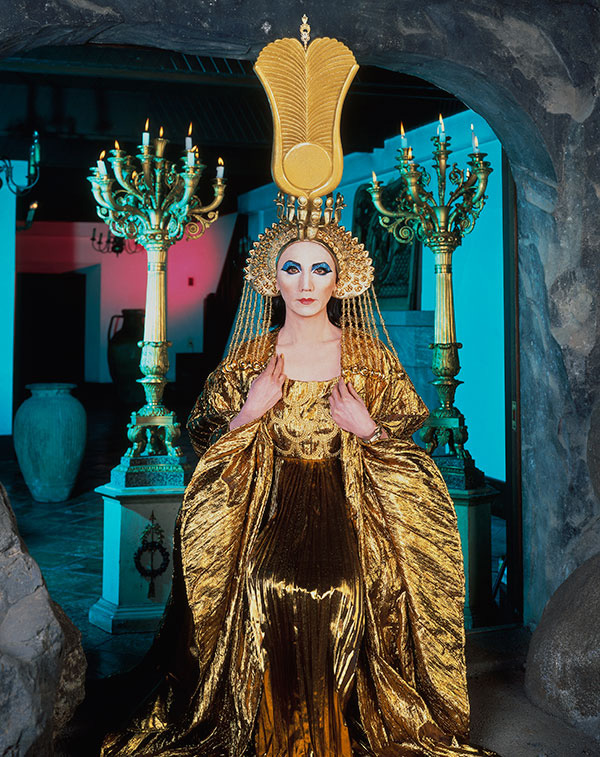
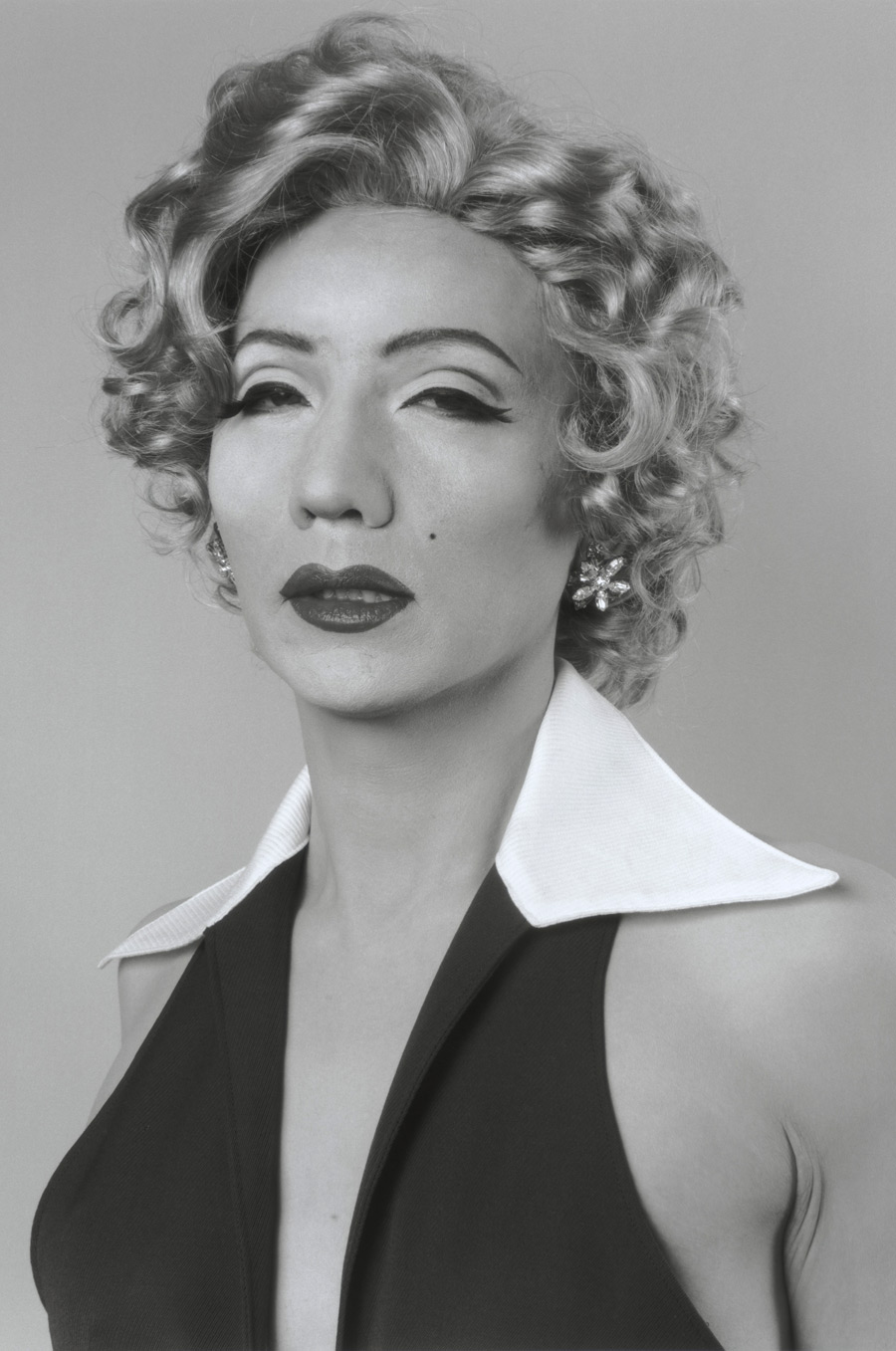
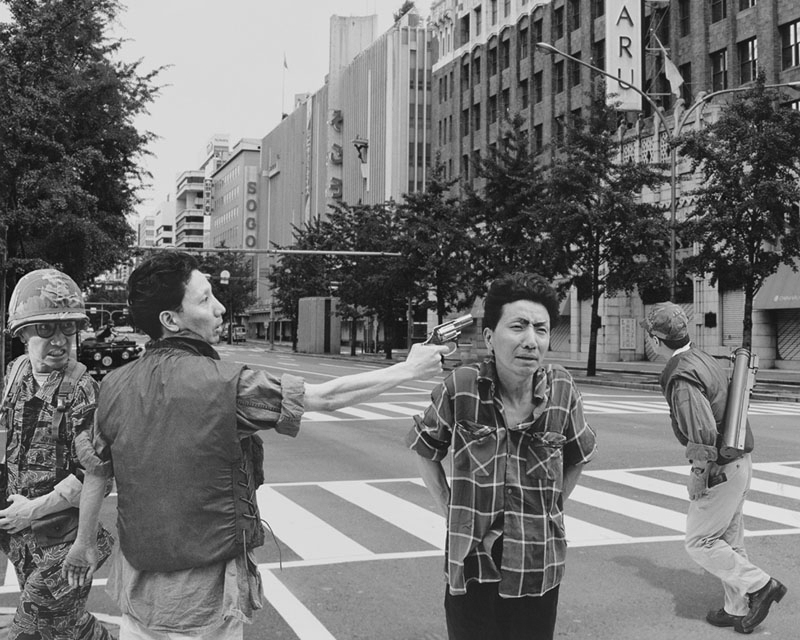
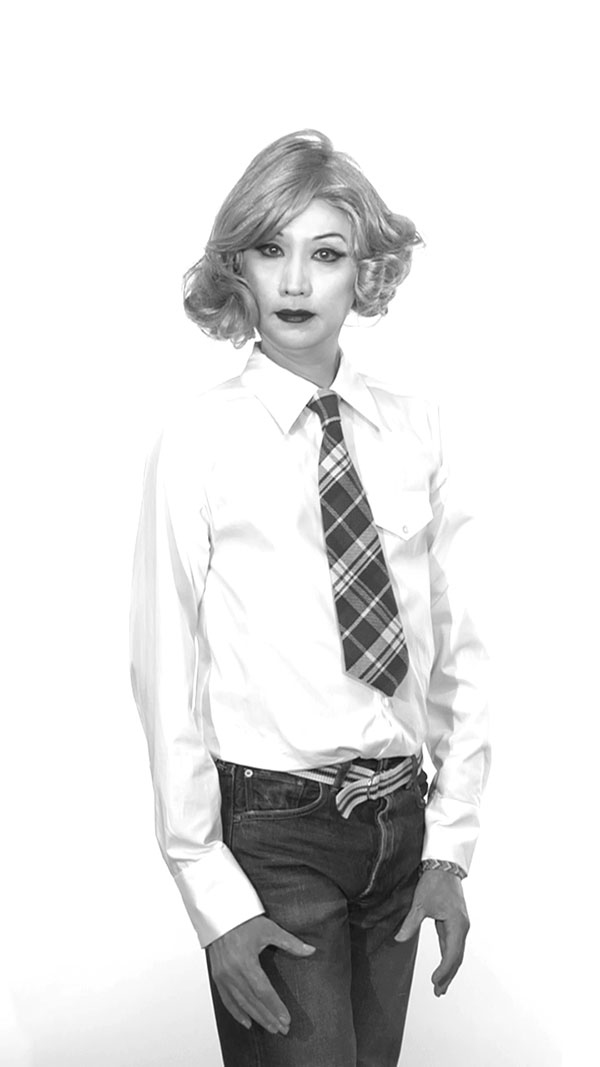
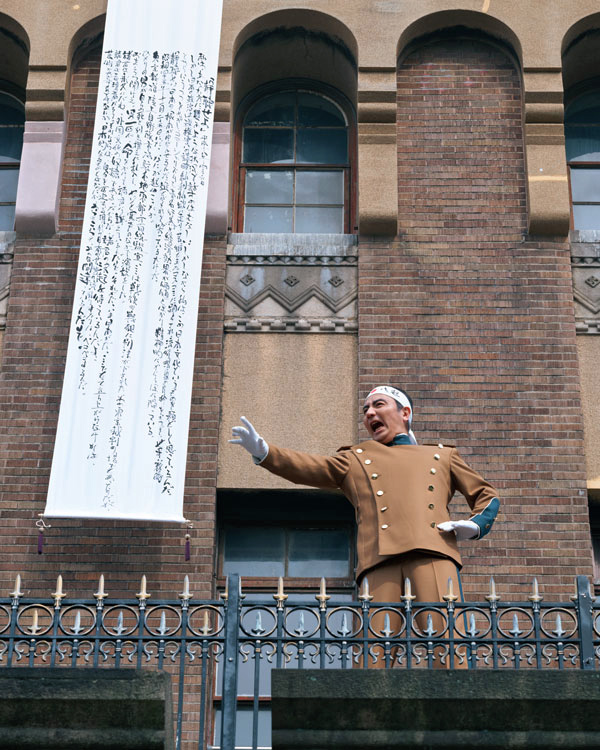
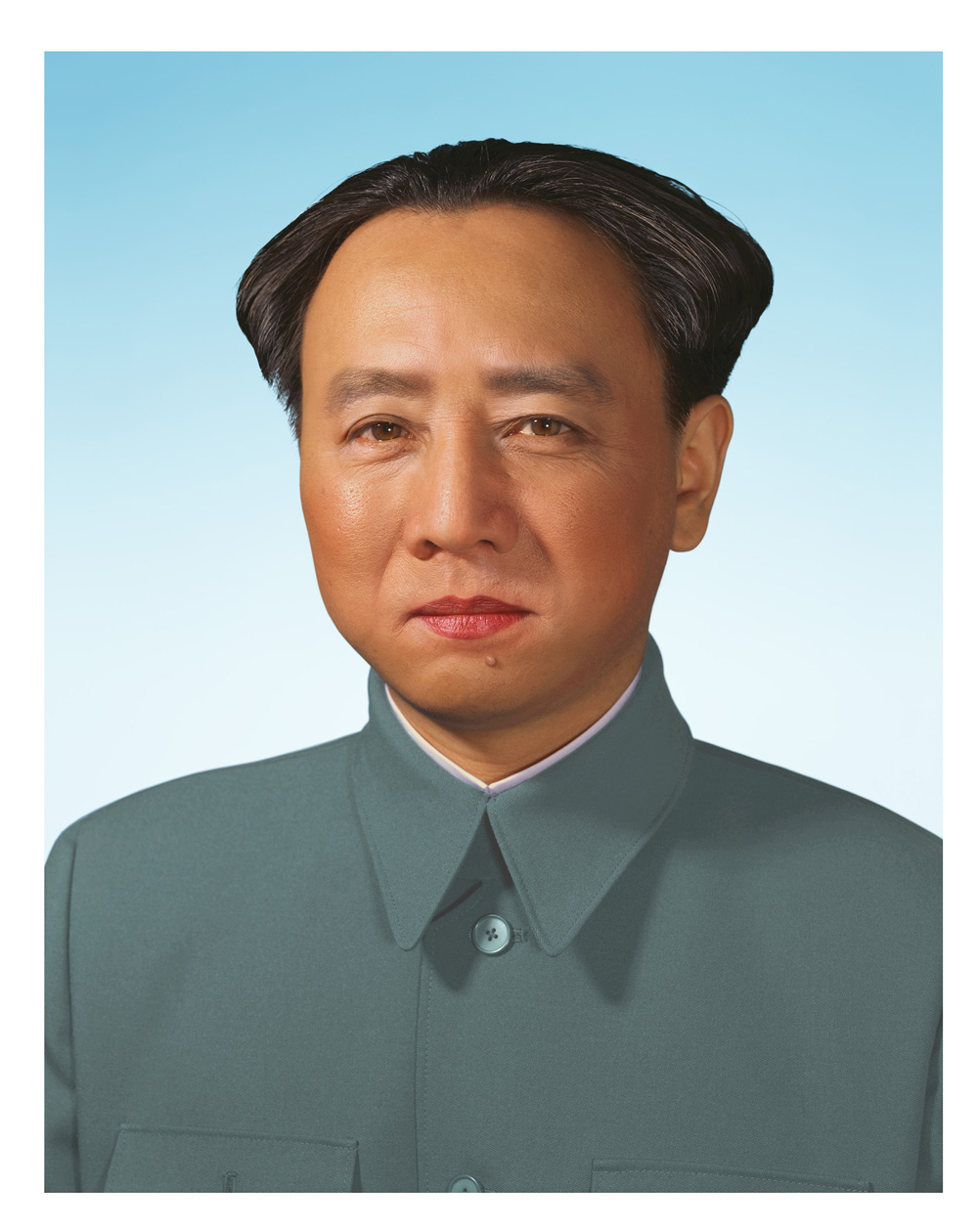
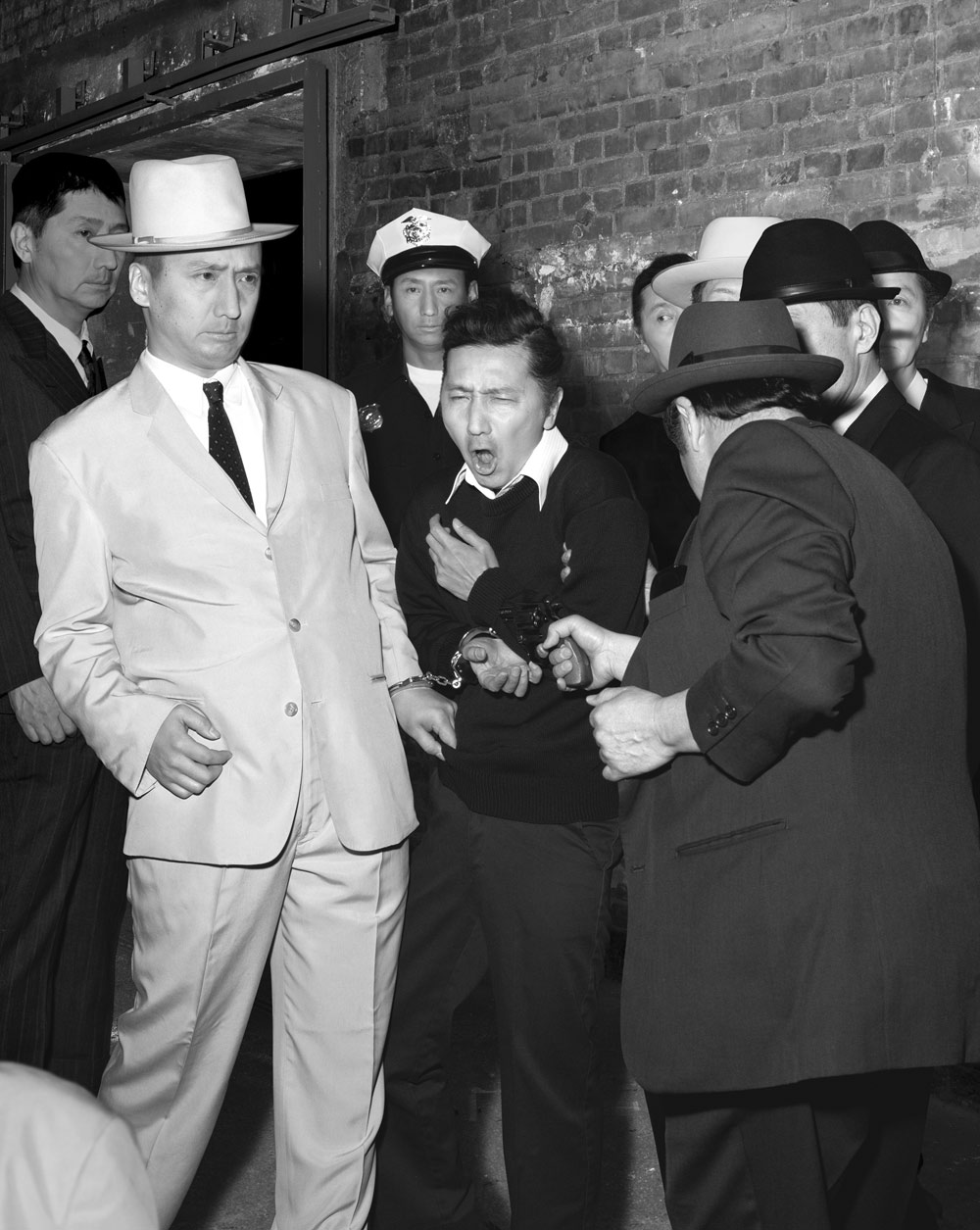
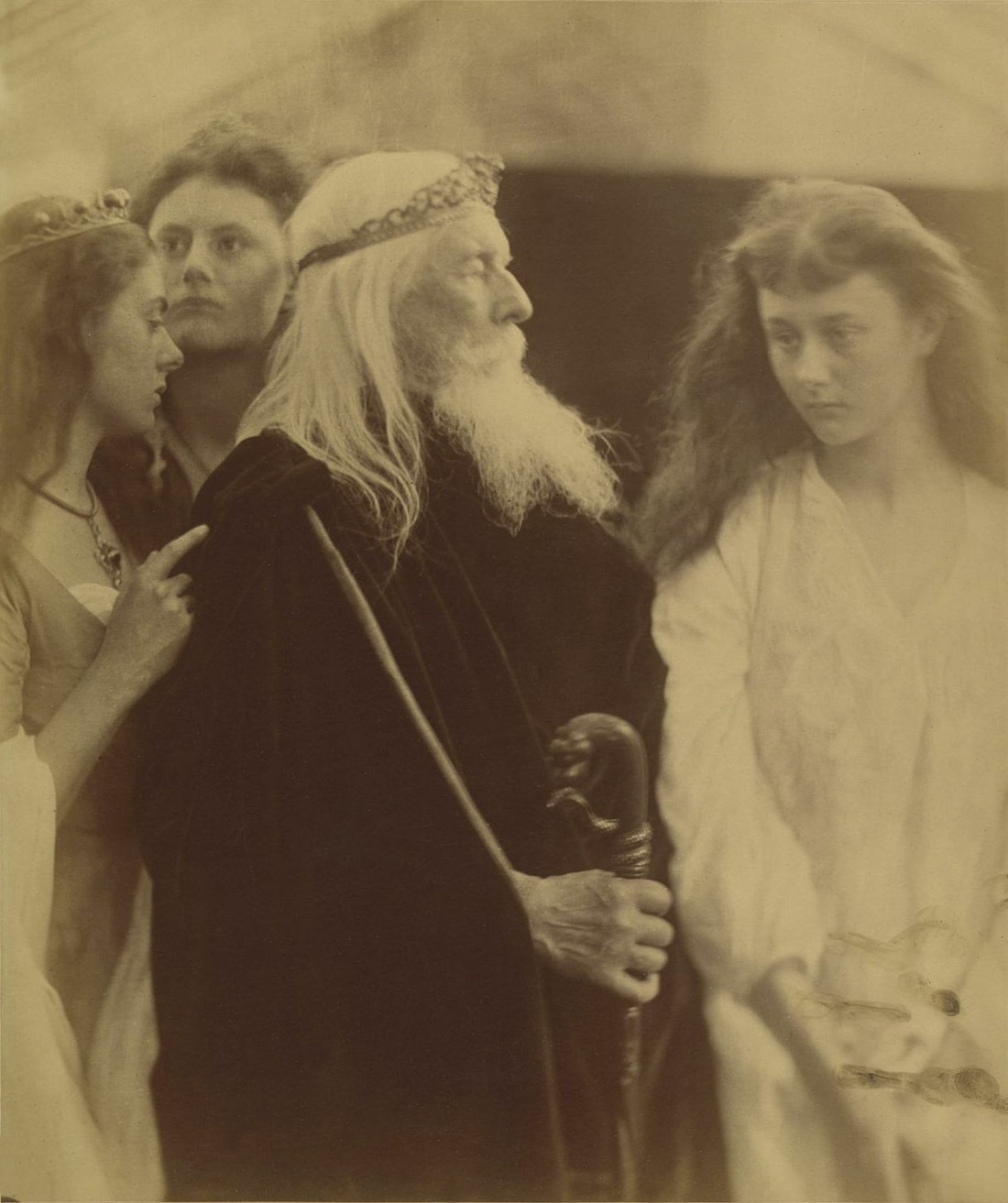
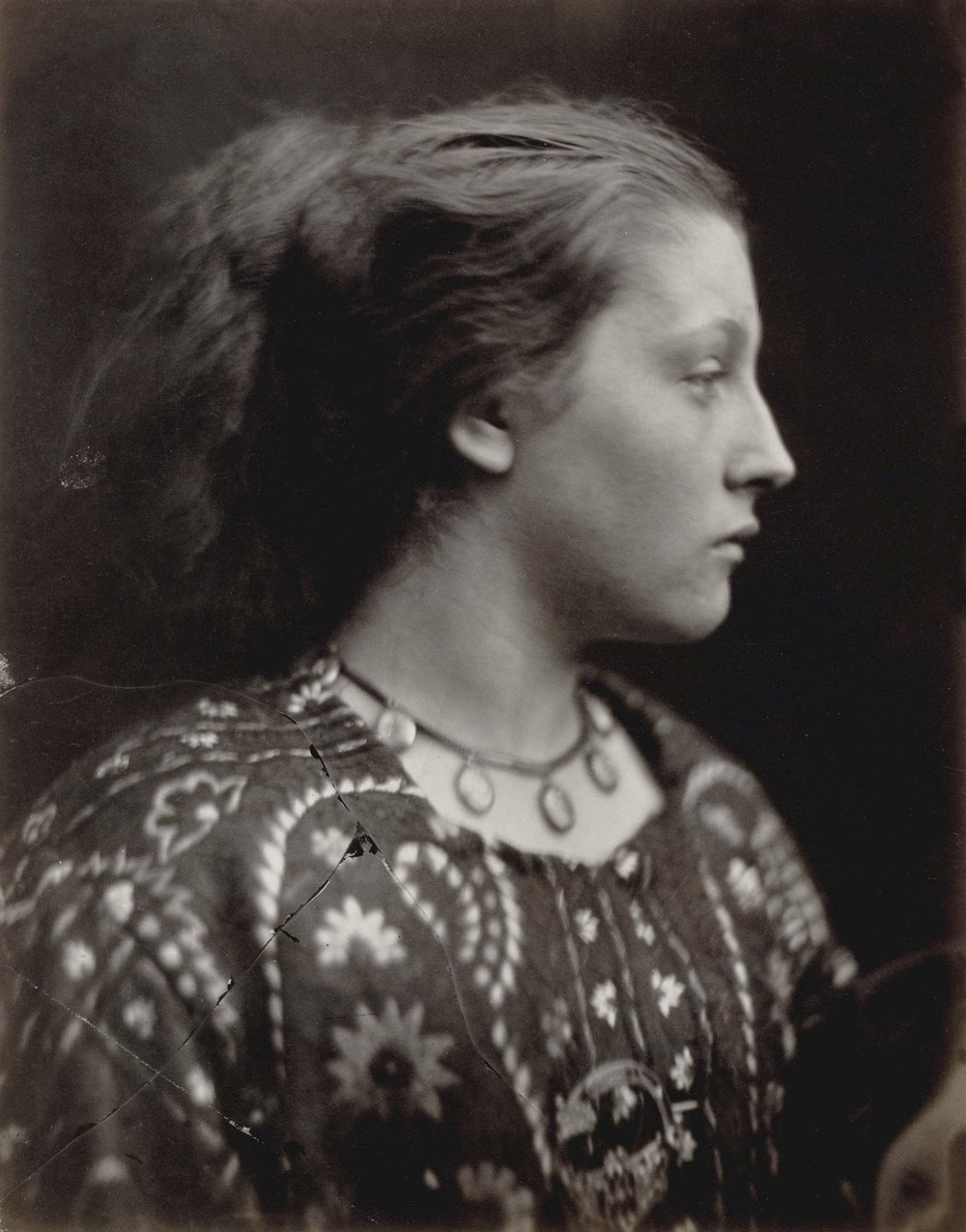


![Julia Margaret Cameron (British born India, Calcutta 1815 - 1879 Kalutara, Ceylon) '[Kate Keown]' 1866](https://artblart.com/wp-content/uploads/2013/12/4-_kate-keown-web.jpg "Julia Margaret Cameron (British born India, Calcutta 1815 - 1879 Kalutara, Ceylon) '[Kate Keown]' 1866")


![Unidentified artist. '[Bird in Basin with Thread Spool and Patterned Cloth]' c. 1855 from the exhibition 'A Democracy of Images: Photographs from the Smithsonian American Art Museum' at the Smithsonian American Art Museum, Washington DC, June 2013 - January 2014](https://artblart.com/wp-content/uploads/2013/12/bird-in-basin-web.jpg "Unidentified artist. '[Bird in Basin with Thread Spool and Patterned Cloth]' c. 1855 from the exhibition 'A Democracy of Images: Photographs from the Smithsonian American Art Museum' at the Smithsonian American Art Museum, Washington DC, June 2013 - January 2014")


![Unidentified artist. '[Gold Nugget]' c. 1860s](https://artblart.com/wp-content/uploads/2013/12/gold-nugget-web.jpg "Unidentified artist. '[Gold Nugget]' c. 1860s")


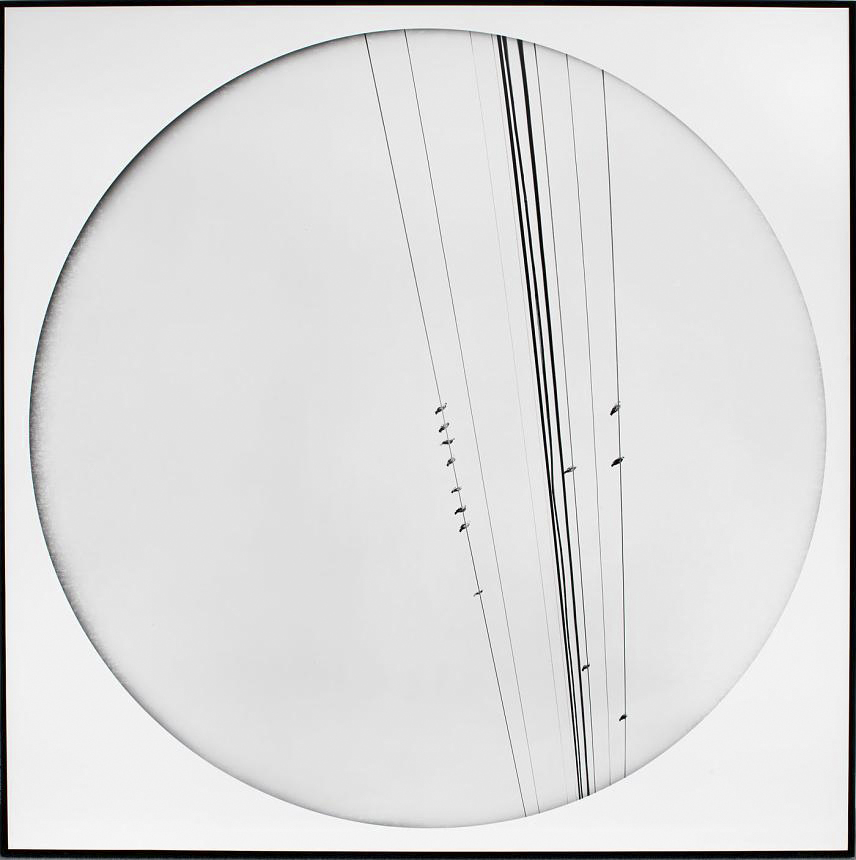
![Unidentified artist. '[Two Workmen Polishing a Stove]' c. 1865](https://artblart.com/wp-content/uploads/2013/12/two-workmen-polishing-a-stove-web.jpg "Unidentified artist. '[Two Workmen Polishing a Stove]' c. 1865")


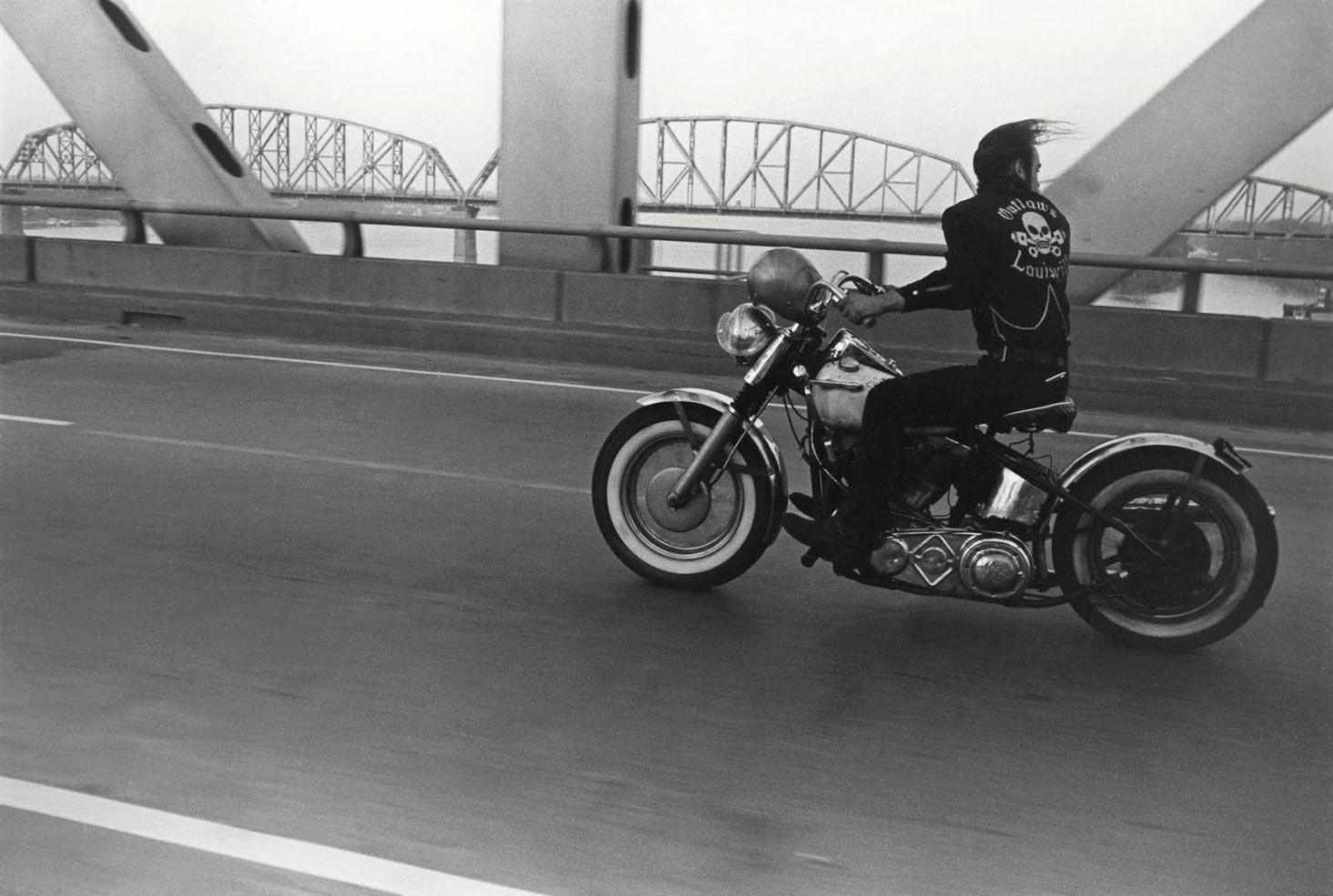


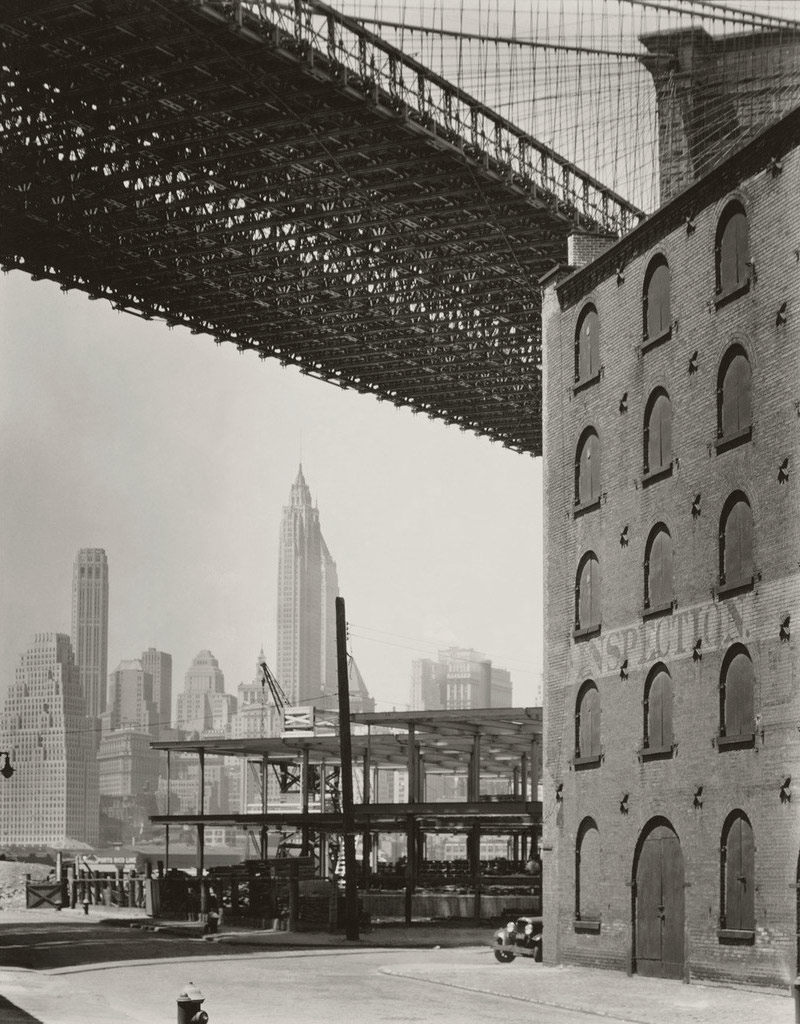


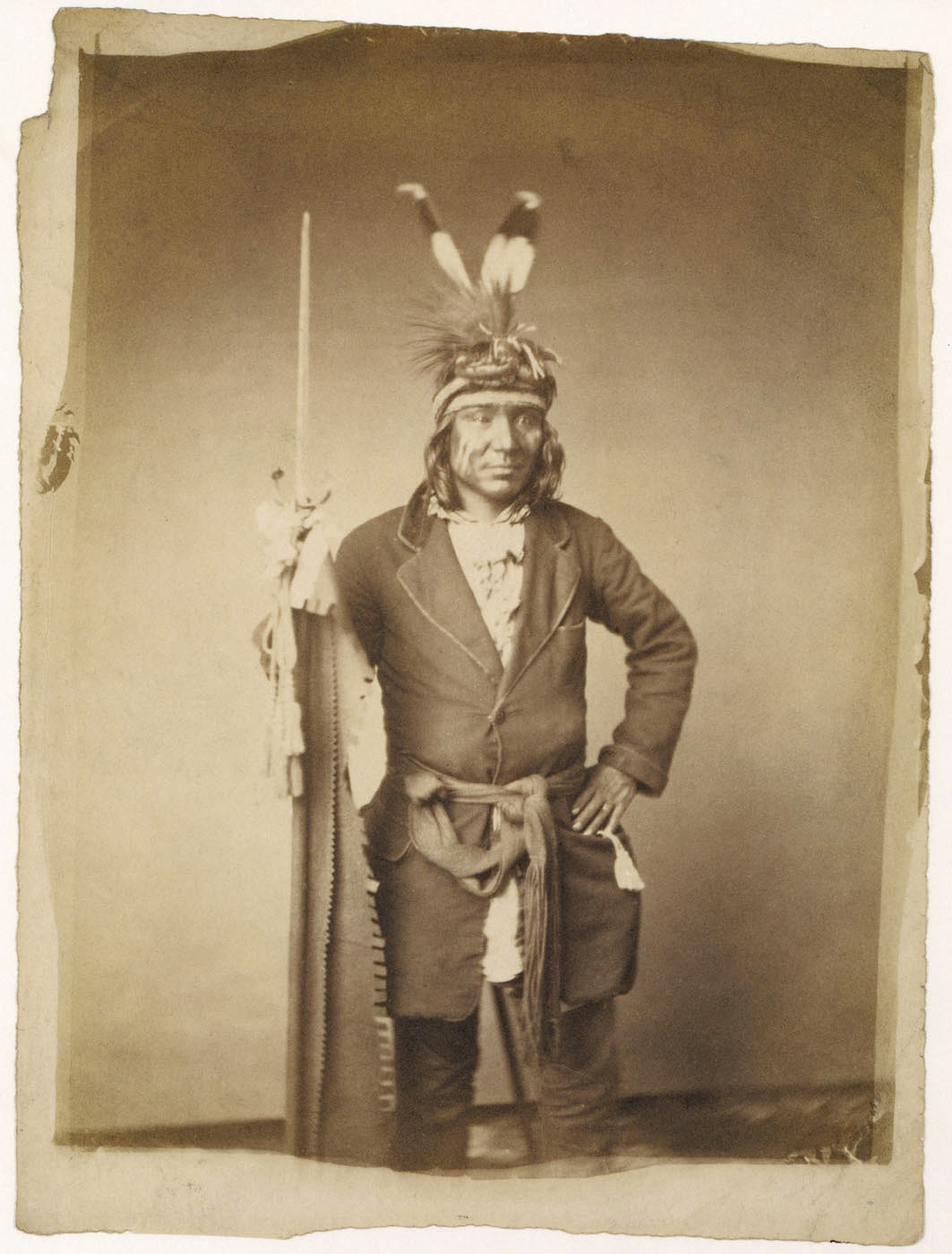


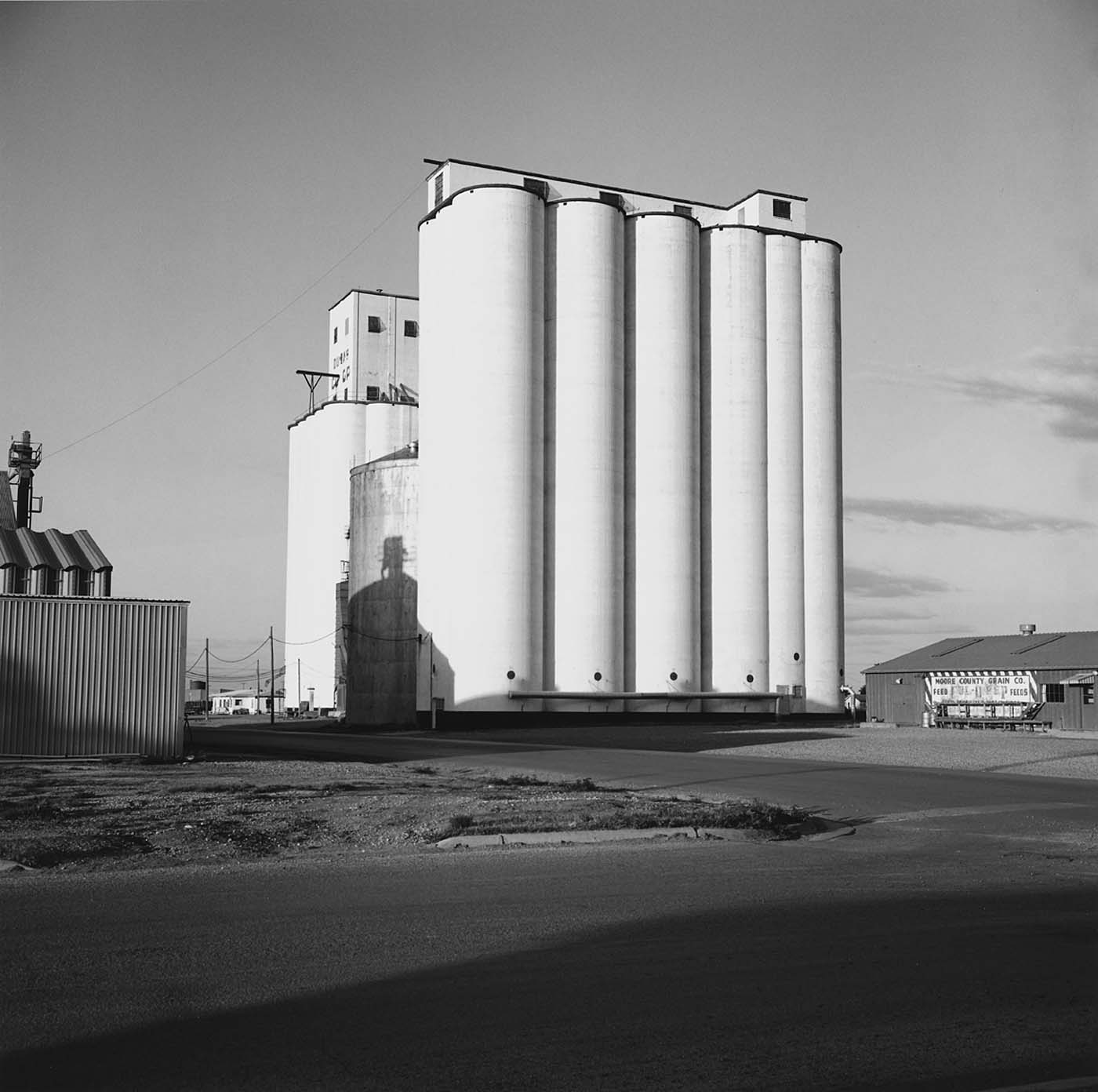
 Art Blart _ art and cultural memory archive
You must be logged in to post a comment.