Installation view of the exhibition Emanations: The Art of the Cameraless Photograph at the Govett-Brewster Art Gallery
This is how best a contemporary art exhibition can show the work to advantage. Just gorgeous!
The well curated, comprehensive content is complemented by a beautifully paced hang nestled within stunning contemporary art spaces. Labels are not just plonked on the wall, but are discretely displayed on horizontal shelves next to the work – accessible but so as not to interrupt the flow of the work. Coloured walls add to the ambience of the installation and act as an adjunct to the colours of the art. Beautiful modernist contemporary display cabinets keep the spaces fresh and vibrant.
Many thankx to the Govett-Brewster Art Gallery for allowing me to publish the photographs in the posting. Please click on the photographs for a larger version of the image. All images are photographed by Bryan James.
“Exploring the art of cameraless photography, encompassing historical, modern and contemporary works. Emanations: The Art of the Cameraless Photograph is the first comprehensive survey of cameraless photography held anywhere in the world, presenting more than 200 examples, from 1839 – when photography’s invention was announced – through to contemporary artists. We present the most complete study of cameraless photography to date, focusing on the cameraless mode from the 1830s through to today and offering a global perspective on this way of working.
The theme of the exhibition is inspired by artist Len Lye’s cameraless photographs from 1930 and 1947, and it’s the first time all 52 of Lye’s photograms have been seen together. Emanations is an opportunity to put Lye’s photographic work in a suitably global context, surrounded by his predecessors, contemporaries and successors. Emanations includes many masterpieces of photographic art and showcases the talents of some of the world’s leading contemporary photographic artists.
The exhibition has work by photographic pioneers William Henry Fox Talbot and Anna Atkins, important modernist photographers Man Ray and László Moholy-Nagy, and many of today’s most significant photographic artists including Walead Beshty, Marco Breuer, Liz Deschenes, Joan Fontcuberta, Christian Marclay, Thomas Ruff, and Hiroshi Sugimoto. Emanations also includes work by both senior and emerging Australian and New Zealand artists, from Anne Noble and Anne Ferran to Andrew Beck and Justine Varga.
The exhibition presents artwork by more than 50 artists hailing from New Zealand, Australia, Japan, Poland, Czechoslovakia, Hungary, France, Germany, Italy, England, Canada and the United States. Almost every photographic process is included in the exhibition – photogenic drawings, calotypes, daguerreotypes, and tintypes, as well as gelatin silver, chromogenic and ink-jet photographic prints, photocopies, verifax and thermal prints.
The exhibition is accompanied by a major book by the same name and on the same theme, co-published by the Govett-Brewster Art Gallery and DelMonico Books/Prestel, based in New York and Munich. The book contains 184 full-page colour plates and a 25,000 word essay by Geoffrey Batchen. The Govett-Brewster is also publishing another book reproducing all the cameraless photographs by Len Lye, along with an essay by Wystan Curnow.
Emanations is curated by Geoffrey Batchen, Professor of Art History at Victoria University of Wellington, and a world-renowned historian and curator of photography.”
Text from the Govett-Brewster Art Gallery website
Installation views of Andrew Beck (New Zealand, b. 1987) Double Screen 2016 Glass, acrylic paint, gelatin silver photographs
In the 1930s, László Moholy-Nagy made art that combined a cameraless photograph, plexiglass and paint. New Zealand artist Andrew Beck works in a similar way to produce sculptural installations that complicate our expectations of the relationship between light and shadow, the natural and the artificial, images and objects, art and reality. He forces us to look very closely at what we are seeing, and even to critically reflect on the act of seeing itself.
Installation view of the exhibition Emanations: The Art of the Cameraless Photograph at the Govett-Brewster Art Gallery with at left, Anne Ferran and at right, Joyce Campbell
Installation view of Joyce Campbell (New Zealand, b. 1971) LA Bloom 2002 Cibachrome photographs Courtesy of the artist, Auckland
In 2002 the New Zealand photographer Joyce Campbell decided to conduct a microbial survey of Los Angeles, a city in which she lives for part of each year. She swabbed the surfaces of plants and soil from twenty-seven locations chosen out of her Thomas Guide to the city. She then transferred each sample onto a sterilised plexiglass plate of agar and allowed it to grow as a living culture. The Cibachrome positive colour contact prints she subsequently made from these plates resemble abstract paintings and yet also offer a critical mapping of the relative fertility of this particular urban landscape, revealing its dependence on the politics of water distribution.
Although raised in Italy, Aldo Tambellini was working in New York in 1969 when he manipulated the cathode ray tube of a TV set into the shape of a spiral (for this artist, a universal sign of energy) and exposed sheets of light-sensitive paper by laying them over its screen. The calligraphic inscriptions that resulted made his paper look as if it had been scorched from the inside out. These ‘videograms,’ as Tambellini called them, highlight the chaos and chance operations that lurk just beneath the surface of technology’s apparent rationality.
Installation views of Shaun Waugh (New Zealand, b. 1982) ΔE2000 1.1 2014 24 Agfa boxes with mounted solid colour inkjet photographs
This work by New Zealand artist Shaun Waugh began with the purchase of empty boxes that once held Agfa photographic paper. Waugh then took readings of all four sides of the inside lip of each box lid using a spectrophotometer, employing this data and Photoshop to generate a solid orange-red inkjet print. The box lid is used to frame a two-dimensional version of itself, bringing analogue and digital printing into an uncomfortably close proximity to create a memorial to a kind of photography that is now defunct. Hung salon style, like so many small paintings, Waugh’s work manages to turn the photograph inside out, and thus into something other than itself.
Wall text from the exhibition Emanations: The Art of the Cameraless Photograph at the Govett-Brewster Art Gallery
Installation view of the exhibition Emanations: The Art of the Cameraless Photograph at the Govett-Brewster Art Gallery with at left, Anne Ferran and at right, Adam Fuss
In 1998 Australian artist Anne Ferran was offered an artist-in-resident’s position at an historic homestead not far from Sydney that had been occupied by successive generations of the same family since 1813. Ferran spent six months systematically making contact prints using the dresses, bodices, skirts, petticoats, and collars still contained in the house. Hovering in a surrounding darkness, softly radiating an inner light, the ghostly traces of these translucent garments now act as residual filaments for a century of absorbed sunshine. Many of them have been patched over the years and their signs of wear and repair are made clear. This allows us to witness a history of the use of each piece of clothing, seeing inside them to those small and skilful acts of home economy – the labour of women – usually kept hidden from a public gaze.
Anne Ferran (Australian, b. 1949) Untitled (baby’s bonnet) 1998 Unique gelatin silver photograph
Installation view of the exhibition Emanations: The Art of the Cameraless Photograph at the Govett-Brewster Art Gallery with at left, Adam Fuss and at right, Lisa Clunie
Installation view of Adam Fuss (UK/Australia/US) Caduceus 2010 (left) and Untitled 1991 (right)
Born in England, raised in Australia, and resident in New York, Adam Fuss has produced a diverse range of large cameraless photographs since the 1980s, asking his light-sensitive paper to respond to the physical presence of such phenomena as light, water, a slithering snake, flocks of birds, and sunflowers.
Adam Fuss (British, b. 1961) Untitled 1991 Type C photograph
Lisa Clunie (New Zealand) Fold I 2014 Silver gelatin photograph
The work of New Zealand artist Lisa Clunie looks back to the work of pioneer modernist László Moholy-Nagy in order to manifest the idea that our lives are shaped by a continual play of forces. Like Moholy, she wets her photographic paper and then tightly folds it, before moving the paper back and forth under her enlarger, selectively exposing these folds to the ‘force’ of light. The resulting work reminds us that a photograph has weight, surface, texture, tension and edges.
Installation view of the exhibition Emanations: The Art of the Cameraless Photograph at the Govett-Brewster Art Gallery with at right, the work of Robert L. Buelteman
Installation view of Robert L. Buelteman (American, b. 1954) Cannabis sativa (left) 2002 Digital chromogenic development photograph
Robert L. Buelteman (American, b. 1954) Eucalyptus polyanthemos (right) 2002 Digital chromogenic development photograph
The San-Franciscan artist Robert Buelteman takes his leaves and other botanical specimens and slices them into paper-thin sections, before charging them, in a complicated and dangerous process, with a pulse of 40,000 volts of electricity. This leaves behind a colorised trace on his photographic paper, a photogram in which these plants appear to be aflame, as if emitting an energy all their own. Hovering between life and death, this is a nature that seems to be on the cusp of its transmutation into something else entirely.
Installation view of the exhibition Emanations: The Art of the Cameraless Photograph at the Govett-Brewster Art Gallery with at centre, Robert Owen and at right, Joan Fontcuberta
Robert Owen (Australian, b. 1937) Endings (Rothko died today) – Kodachrome 64, No. 21, 26/02/1970 2009 Pigment ink-jet print
The photographic work of Australian artist Robert Owen is part of a broader tendency on the part of contemporary artists to reflect in morbid terms on aspects of photography’s past. Owen has been collecting film stubs since 1968. Although better known as a painter and sculptor, he recently decided to print these end strips of film as a series of large colour photographs, paying homage to this residue of the Kodak era in a chronological sequence of readymade chromatic fields. This one was collected on the day that the American abstract painter Mark Rothko killed himself.
Adam Fuss (British, b. 1961) Untitled (from the series My Ghost) 2001 Unique gelatin silver photograph
In his series, titled My Ghost, Adam Fuss put together a body of contact photographs of such things as plumes of smoke, patterns of light, a butterfly, a swan and a baptism dress. As his title suggests, Fuss’s work aims to evoke rather than describe; for all their evident tactility, these photographs are meant as metaphors, as prayers, perhaps even as poems.
Installation view of Adam Fuss (British, b. 1961) Untitled 1989 Cibachrome photograph
Adam Fuss (British, b. 1961) Untitled 1989 Cibachrome photograph
Installation views of Joan Fontcuberta (Spanish, b. 1955) MN 62: OPHIUCUS (NGC 6266), AR 17 h. 01,2 min. / D -30º 07′ (left) LAMBDA CORONAE AUSTRALIS (Mags 5,1/9,7 Sepn 29,2″ AP 214º), AR 18 h 43,8 min. / D -38º 19′ (right) both 1993 From the Constellations series Cibachrome photographs
Photographs from the Constellations series by Spanish artist Joan Fontcuberta come filled with fields of sparkling blackness, their speckled surfaces redolent of infinite space and twinkling stars. Their titles imply we are looking upwards towards the heavens. But this artist’s prints actually record dust, crushed insects and other debris deposited on the windscreen of his car, a trace of the evidence of his own rapid passage through terrestrial space and time. The artist applied sheets of 8-by-10-inch film directly onto the glass windscreen and shone a light through, creating photograms which were then made into glossy Cibachrome prints.
Installation views and detail of Paul Hartigan (New Zealand, b. 1939) Colourwords 1980-1981 Colour photocopy
Consistently defined by a subversive edge and a darkly witty humour, the work of New Zealand artist Paul Hartigan is often subtly permeated by astute social and political perceptions. Shortly after they were introduced into New Zealand in 1980, Hartigan explored the creative possibilities of a colour photocopying machine, making a series of images in which words and found objects ironically refer to each other in an endless loop. With the objects arranged to spell out their own colour, each picture offers an oscillation of word and meaning, flatness and dimension, art and detritus.
Installation view of Gavin Hipkins (left) and Lucinda Eva-May (right) as part of the exhibition Emanations: The Art of the Cameraless Photograph at the Govett-Brewster Art Gallery
Installation view of Gavin Hipkins (New Zealand, b. 1968) The Coil 1998 Silver gelatin photographs
Inspired by the kinetic films of Len Lye, in the 1990s Gavin Hipkins made a series of cameraless photographs that play with sequence and implied movement. The 32 images that make up The Coil were made by resting polystyrene rings on sheets of photographic paper and then exposing them to light.
Installation view of Lucinda Eva-May (Australia) Unity in light #6, 2012 (left) Unity in light #9, 2012 (right) C-type prints
Australian artist Lucinda Kennedy has sought to capture a phenomenological representation of the feelings and sensations of sexual intercourse through the direct imprint on sheets of photographic paper of this most primal of human interactions. Turned into a single blurred organism by the extended duration of the exposure, the artist and her partner become an abstraction, thereby aptly conjuring an experience that has always been beyond the capacity of mere description.
Installation view of the exhibition Emanations: The Art of the Cameraless Photograph at the Govett-Brewster Art Gallery with at left, Thomas Ruff, and at right, Justine Varga
Installation views of Thomas Ruff (Germany, b. 1958) r.phg.07_II 2013 Chromogenic print
Thomas Ruff (Germany, b. 1958) r.phg.07_II 2013 Chromogenic print
German artist Thomas Ruff uses his computers to construct virtual objects with simulated surfaces and to calculate the lights and shadows they might cast in different compositions. He then prints the results, in colour and at very large scale. Combining variations of spheres, curves, zig-zags and sharp edges, all set within richly coloured surrounds, Ruff’s images are both untethered abstractions and historical ciphers. Although referred to by the artist as photograms, the final prints are perhaps better conceived as being about the photogram, studiously replaying an analogue process in digital terms so as to make a spectacle of its logic.
Installation view of the exhibition Emanations: The Art of the Cameraless Photograph at the Govett-Brewster Art Gallery with at left, Shimpei Takeda and at right, Justine Varga
Justine Varga (Australian, b. 1984) Desklamp 2011-2012 Chromogenic photograph
Australian artist Justine Varga creates photographic works from an intimate and often prolonged exchange between a strip of film and the world that comes to be inscribed on it. Desklamp involved the year-long exposure of a large format negative placed on top of the artist’s desk lamp. Exit was derived from a similar piece of film that was scarred and weathered during a three-month exposure on her windowsill during a residency in London. Both were then turned into luscious colour photographs in the darkroom via various printing procedures.
Govett-Brewster Art Gallery/Len Lye Centre Queen St, New Plymouth, New Zealand Phone: +64 6 759 6060 Email:info@govettbrewster.com
Blackwood’s Panorama of Sydney & Harbour from Government House 1858 front cover
We can only imagine the impact viewing this immense panorama (over 3m long) of eleven imperial size, wet plate photographs had on the populace of Sydney. They would have seen little like it before, and of such clarity and quality.
I have included text, additional photographs and paintings to help the viewer and researcher position the panorama historically within the context of time and place.
For example, note how illustriously and romantically the artist captures every detail in a painting such as Conrad Martens Campbell’s Wharf (1857, below), then notice how rough and ready the sections of this photographic panorama are even as they pertain to the veracity of the occasion. The length of each exposure can be estimated by the movement of the large sailing ship in the centre of section 7 of the panorama – at a guess probably just under a minute.
While larger individual images of the panorama can be found on the State Library of New South Wales website, the whole panorama photograph on that site is very small and gives little idea of how the individual sections concertina out. Some of the images also seem denuded, drained of their colour, probably due to the poor condition of the images (notably sections 2, 8, 9 and 11) .
Hopefully these images – which can be reproduced without getting permission from institutions – more fully reflect the beauty and sensitivity of the panorama.
It was a great pleasure to meet collector Dennis Joachim, the owner of this panorama, up at Mossgreen in Armadale, Victoria recently. What a remarkable man and such great energy!
Dr Marcus Bunyan
Please click on the long small image below to see the full panorama. Click again to enlarge and scroll from left to right.
William Blackwood (Australian, 1824-1897) Panorama of Sydney & Harbour from Government House 1858 12 albumen photoprints (comprising 1 panorama in 11 sections – 1 photoprint) in a leather and gold embossed album Images 19 x 29cm Panorama length 324.5cm
Olaf William Blackwood, also known as William Blackwood, was a portrait painter of Swedish and Scottish descent. It was, however as a professional photographer of panoramic Sydney views that he achieved the greatest success. By 1858, he had established a photographic studio in Woolloomooloo and began photographing surrounding street scenes, using the collodion wet-plate process. He took eleven imperial size, wet plate photographs from the roof of Government House which he then combined to form a large scale Panorama of Sydney Harbour, the first and largest produced in the colony. His panoramic views were met with critical acclaim, and were praised by The Sydney Morning Herald as ‘faultless’, ‘super-excellent’ and the ‘largest yet seen’1
By August, his 180 degree panorama of Sydney Harbour was again praised as ‘superior to anything of the kind we have seen. Nothing dim or smoky appears … no muddled trees – no hazy outlines – no hard sheets of glaring white for water’2 This was the most sophisticated and extensive panorama photography ever produced in Australia. Blackwood published another album that same year consisting of some of the earliest Australian architectural studies, and photographs of Sydney’s nine banks. From a technical point of view, Blackwood’s albums were an extraordinary achievement.
Large format views required extreme skill on the part of the photographer, and he coated his plates and processed them while still wet. In the early 1860s Blackwood worked in partnership with Henry Goodes and they created eight photographic views which were submitted to the New South Wales section of the 1862 London International Exhibition. Between 1862 and 1864, Blackwood worked with James Walker at Walker’s Pitt Street studio. Despite his early, energetic and entrepreneurial projects, little is known of Blackwood’s output after 1859 and he seems to have left photography after 1864.
1/ Sydney Morning Herald, 26 March 1858 2/ Sydney Morning Herald, 4 August 1858
Text from the Mossgreen website [Online] Cited 01/07/2016. No longer available online
Blackwood’s Panorama of Sydney & Harbour from Government House 1858 section 1
Entrance to Government House, Macquarie Street, city view including Customs House, Sydney Cove
Blackwood’s Panorama of Sydney & Harbour from Government House 1858 section 2
Entrance to Government House, Macquarie Street, city view including Customs House, Sydney Cove.
(The Customs House is horizontally left of the tall ship’s mast with the row of double windows)
Charles Percy Pickering (Australian, 1825-1908) Customs House 1872 New South Wales. Government Printing Office Collection of the State Library of New South Wales
Customs House
The Customs House is an historic Sydney landmark located in the city’s Circular Quay area. Constructed initially in 1844-1845, the building served as the headquarters of the Customs Service until 1990. The driving force behind the construction of the original sandstone edifice on Circular Quay was Colonel John George Nathaniel Gibbes, the Collector of Customs for New South Wales for a record term of 25 years from 1834 to 1859. Colonel Gibbes persuaded the Governor of New South Wales, Sir George Gipps, to begin construction of the Customs House in 1844 in response to Sydney’s growing volume of maritime trade. The building project also doubled as an unemployment relief measure for stonemasons and labourers during an economic depression which was afflicting the colony at the time.
The two-storey Georgian structure was designed by Mortimer Lewis and featured 13 large and expensive windows in the facade to afford a clear view of shipping activity in Sydney Cove. Colonel Gibbes, who dwelt opposite Circular Quay on Kirribilli Point, was able to watch progress on the Customs House’s construction from the verandah of his private residence, Wotonga House (now Admiralty House). The Customs House opened for business in 1845 and replaced cramped premises at The Rocks. It was partially dismantled and expanded to three levels under the supervision of the then Colonial Architect, James Barnet, in 1887. Various additions were made over the next century, particularly during the period of the First World War, but some significant vestiges of the original Gibbes-Lewis building remain.
Blackwood’s Panorama of Sydney & Harbour from Government House 1858 section 3
City view, Sydney Cove, The Rocks, Campbell’s Wharf and Dawes Point
Conrad Martens (England 1801 – Australia 1878; Australia from 1835) Campbell’s Wharf 1857 Watercolour with highlights in gum arabic Image: 46 x 66cm National Gallery of Australia
Campbell’s Wharf
From his arrival in 1835 until his death in 1878, Conrad Martens was the most celebrated artist in Sydney. Although a skilled painter in oils, his greatest works were executed in watercolour, and Campbell’s Wharf is among his most ambitious compositions. Commissioned by John Campbell in 1857, the work portrays the income source of the Campbell family, whose eighteenth and nineteenth century business interests encompassed wharfing, storing and merchant shipping.
On the right is Campbell’s Wharf and warehouses that stretched along the west side of Sydney Cove. To their left are the old Campbell residence and the new Mariners Church. In the centre of the painting rises the four-storied Miles Building, and to its left juts the Cumberland Place buildings along the skyline. All this is viewed through a jumble of trading vessels, the source of the Campbell family wealth. The painting is, however, more than a depiction of maritime industry and family property. Martens was well acquainted with the work of the British painter JMW Turner, whose romantic landscapes are suffused with delicate evocations of light. Silhouetted against a soft pink sky, Martens transforms an industrial setting into a picturesque landscape awash with luminous colour.
Blackwood’s Panorama of Sydney & Harbour from Government House 1858 section 4
City view, Sydney Cove, The Rocks, Campbell’s Wharf & Dawes Point
Dawes Point, New South Wales
By the 1840s the people of Dawes Point and Millers Point were a maritime community in which rich and poor mixed more than elsewhere in Sydney. Wharf owners and traders lived and worked beside those who worked on the wharves and bond stores, as well as those who arrived and left on ships. Only two of the merchant houses, built by and for the early wharf owners, survive. One is Walker’s 50-foot wide villa built around 1825 and now part of Milton Terrace at 7-9 Lower Fort Street; the other is the home and offices of Edwards and Hunter, built in 1833 above their wharves which is where the Wharf Theatre now stands.
The fortunes of Dawes Point and Millers Point fluctuated more than elsewhere in Sydney. Mostly prosperous in its early years, the area was less desirable by the 1890s, and in 1900 there was a catastrophic event that led to a complete reshaping of Millers Point. At the beginning of the 20th century the government compulsorily acquired all private wharves, homes and commercial properties in the Rocks, Dawes Point and Millers Point. Modern and efficient wharves with dual level access were built, as well as new accommodation for workers, such as the Workers Flats of Lower Fort Street designed by Government Architect Vernon.
Most people still believe this redevelopment can be attributed entirely to an outbreak of plague in 1900, with the government acting benevolently as it demolished homes as well as wharves, and not for the last time decimated a community, while presenting their actions as ‘slum clearance’. In the 1960s and ’70s the government tried again to clear the area and build high-rise offices, but this was thwarted by the Green Bans, supported community and unions. In 2016, the NSW Government is again ‘relocating’ the long-term community of Dawes Point, Millers Point and The Rocks, and only a handful of these residents remain, while the majority of houses and flats along Lower Fort Street and Trinity Avenue are vacant.
Blackwood’s Panorama of Sydney & Harbour from Government House 1858 section 5
Sydney Harbour, Fort Macquarie, views to the North Shore
North Shore
Before British settlement, the Lower North Shore was home to the Gorualgal (Mosman and southern Willoughby) and Cammeraygal (North Sydney and Eastern Lane Cove). After the establishment of Sydney in 1788, settlement of the North Shore of the harbour was quite limited. One of the first settlers was James Milson who lived in the vicinity of Jeffrey Street in Kirribilli, directly opposite Sydney Cove. The north shore was more rugged than the southern shore and western areas of the harbour and had limited agricultural potential. The early activities in the area included tree felling, boatbuilding and some orchard farming in the limited areas of good soil. The North Shore railway line was built in the 1890s. Access to the Sydney CBD, located on the southern shore of the harbour remained difficult until the completion of the Sydney Harbour Bridge in 1932. This led to commencement the development of suburbs on the North Shore.
Blackwood’s Panorama of Sydney & Harbour from Government House 1858 section 6
Sydney Harbour, Fort Macquarie (Bennelong Point/Opera House), views to the North Shore
Fort Macquarie (Bennelong Point/Opera House)
Fort Macquarie was a square castellated battlement fort built at Bennelong Point, Sydney, New South Wales, Australia, where the Sydney Opera House now stands. A half moon battery on the east point of Bennelong Point was constructed in May 1798 when the ship HMS Supply was withdrawn from service, Lieutenant William Kent and crew were assigned to man the battery. The battery consisted of some of the guns taken from HMS Supply.
Governor Lachlan Macquarie directed that a fort be built between December 1817 to February 1821 under the direction of Francis Greenway. The fort was named after Governor Lachlan Macquarie. It was a square fort with circular bastions at each corner and a castellated square tower. The battery consisted of fifteen pieces of ordnance: ten 24-pounders and five 6-pounders. Three sides of the fort abutted Sydney Harbour. The two-storey tower in the middle of the fort, housed a guardroom and storehouse. The tower was 27.4 m (90 ft) in circumference. A powder magazine capable of storing 350 barrels of gunpowder was constructed underneath and the tower could provide accommodation for a small military detachment of 1 officer and 18 men, with stores for the battery. A drawbridge, on the landward side, over a small channel leading to a gate beneath the tower provided entry to the fort.
Fort Macquarie was demolished in 1901 to make way for new electric tramway sheds named Fort Macquarie Tram Depot.
The point was originally a small tidal island, Bennelong Island, that largely consisted of rocks with a small beach on the western side. The island was located on the tip of the eastern arm of Sydney Cove and was apparently separated from the mainland at high tide. For a brief period in 1788, this relatively isolated protrusion into Port Jackson (Sydney’s natural harbour) was called Cattle Point as it was used to confine the few cattle and horses that had been brought from Cape Town by Governor Phillip with the First Fleet.
The area at that time was also strewn with discarded oyster shells from many long years of gathering by the local aboriginal women. Those shells were regathered by the newly arrived convict women and burnt to make lime for cement mortar. The point was called Limeburners’ Point for that reason, though those shells only furnished enough lime to make a single building, the two-storey government house. In the early 1790s, the Aborigine Bennelong – employed as a cultural interlocutor by the British – persuaded New South Wales Governor Arthur Phillip to build a brick hut for him on the point, giving it its name.
In the period from 1818 to 1821, the tidal area between Bennelong Island and the mainland was filled with rocks excavated from the Bennelong Point peninsula. The entire area was levelled to create a low platform and to provide suitable stone for the construction of Fort Macquarie. While the fort was being built, a large portion of the rocky escarpment at Bennelong Point was also cut away to allow a road to be built around the point from Sydney Cove to Farm Cove. This was known as Tarpeian Way. The existence of the original tidal island and its rubble fill were largely forgotten until the late 1950s when both were rediscovered during the excavations related to the construction of the Sydney Opera House. Prior to the Opera House’s construction, Bennelong Point had housed Fort Macquarie Tram Depot.
Kerry & Co. Fort Macquarie 1870 Albumen photograph From the collections of the Mitchell Library, State Library of New South Wales
Fort Macquarie was built on the end of Bennelong Point, where the Sydney Opera House now stands. Completed by convict labour in 1821 using stone from the Domain, the fort had 15 guns and housed a small garrison. The powder magazine beneath the tower was capable of storing 350 barrels of gunpowder. The fort was demolished in 1901 to make way for the tramway sheds that occupied the site until the construction of the Utzon masterpiece
Kerry & Co. Fort Macquarie 1870 Albumen photograph From the collections of the Mitchell Library, State Library of New South Wales
Anonymous photographer The tram shed at Bennelong Point before the Sydney Opera House was built 1952
Blackwood’s Panorama of Sydney & Harbour from Government House 1858 section 7
Sydney Harbour view, sailing ships, Fort Denison (to the far right in the distance), Garden Island, Lady Macquarie’s Chair
Anonymous photographer SS Nieuw Holland passing Fort Denison, Sydney Harbour c. 1930 Australian National Maritime Museum collection
Fort Denison was built on an island that was known to Indigenous people in the area as Muddawahnyuh, meaning ‘rocky island’. After European settlement in 1788 the island was called Pinchgut by convicts who were marooned there with meagre rations of bread and water as punishment for serious breaches of the peace. The island was originally a 15 metre sandstone rock, but during the 1800s it was excavated to provide sandstone to build Circular Quay, at that time the centre of shipping in Sydney.
Anonymous photographer Fort Denison c. 1930 Glass negative, quarter plate Tom Lennon Photographic Collection from the Powerhouse Museum
Fort Denison
In 1839, two American warships entered the harbour at night and circled Pinchgut Island. Concern with the threat of foreign attack caused the government to review the harbour’s inner defences. Barney, who had earlier reported that Sydney’s defences were inadequate, recommended that the government establish a fort on Pinchgut Island to help protect Sydney Harbour from attack by foreign vessels. Fortification of the island began in 1841 but was not completed. Construction resumed in 1855 because of fear of a Russian naval attack during the Crimean War, and was completed on 14 November 1857. The newly built fort then took its current name from Sir William Thomas Denison, the Governor of New South Wales from 1855 to 1861.
The fortress features a distinctive Martello tower, the only one ever built in Australia and the last one ever constructed in the British Empire. It was constructed using 8,000 tonnes (7,900 long tons) of sandstone from nearby Kurraba Point, Neutral Bay. The tower’s walls are between 3.3-6.7 metres (11-22 ft) thick at the base and 2.7 metres (8 ft 10 in) thick at the top. However, developments in artillery rendered the fort largely obsolete by the time it was completed. The tower itself had quarters for a garrison of 24 soldiers and one officer. Fort Denison’s armament included three 8-inch (200 mm) muzzle loaders in the tower, two 10-inch (250 mm) guns, one on a 360-degree traverse on the top of the tower and one in a bastion at the other end of the island, and twelve 32-pound (15 kg) cannons in a battery between the base of the tower and the flanking bastion. Eventually all the guns were removed, except for the three 8-inch (200 mm) muzzle-loading cannons in the gun room in the tower, which were installed before construction was complete.
George Roberts (Australian born United Kingdom, c. 1800-1865) [Mrs Macquarie’s chair] c. 1843-1865 Watercolour Mitchell Library, State Library of New South Wales
American & Australasian Photographic Company Mrs Macquarie’s Chair, Sydney (B. O. Holtermann seated at centre) c. 1870-1875 State Library of New South Wales
Bernhardt Otto Holtermann (Australian born Germany, 1838-1885)
Bernhardt Otto Holtermann (29 April 1838 – 29 April 1885) was a successful gold miner, businessman, sponsor of photography for the encouragement of immigration and member of parliament. Perhaps his greatest claim to fame is his association with the Holtermann Nugget, the largest gold specimen ever found, 1.5 meters (59 inches) long, weighing 286 kg (630 pounds), in Hill End, near Bathurst, and with an estimated gold content of 3000 troy ounces (93 kg).
Holtermann financed and possibly participated in photographer Beaufoy Merlin’s project to photograph New South Wales and exhibit the results abroad to encourage immigration. The work was taken up after Merlin’s death in 1873 by his assistant, Charles Bayliss. In 1875, Holtermann and Bayliss produced the Holtermann panorama, a series of “23 albumen silver photographs which join together to form a continuous 978-centimetre view of Sydney Harbour and its suburbs.”Some of the photographs, including the panorama, were displayed at the Philadelphia Centennial Exhibition, where they won a bronze medal.The panorama was also displayed at the 1878 Exposition Universelle Internationale in Paris.
Almost seventy years after Holtermann’s death, more than 3,000 of the glass negatives created by Merlin and Bayliss were retrieved from a garden shed in the Sydney suburb of Chatswood. The UNESCO-listed collection of negatives, known as The Holtermann Collection, is housed in the State Library of New South Wales.
Mrs Macquarie’s Chair (also known as Lady Macquarie’s Chair) is an exposed sandstone rock cut into the shape of a bench, on a peninsula in Sydney Harbour, hand carved by convicts from sandstone in 1810 for Governor Macquarie’s wife Elizabeth. The peninsula itself is named Mrs Macquarie’s Point, and is part of the The Domain, near the Royal Botanic Gardens. Mrs Macquarie was the wife of Major-General Lachlan Macquarie, Governor of New South Wales from 1810 to 1821. Folklore has it that she used to sit on the rock and watch for ships from Great Britain sailing into the harbour. She was known to visit the area and sit enjoying the panoramic views of the harbour.
Above the chair is a stone inscription referring to Mrs Macquarie’s Road. That road was built between 1813 and 1818, and ran from the original Government House (now the Museum of Sydney) to Mrs Macquarie’s Point. It was built on the instruction of Governor Macquarie for the benefit of his wife.There is no remaining evidence of the original road, other than a culvert over which the road ran.
Blackwood’s Panorama of Sydney & Harbour from Government House 1858 section 8
Sydney Harbour view, sailing ships, Fort Denison, Garden Island, Lady Macquarie’s Chair
Blackwood’s Panorama of Sydney & Harbour from Government House 1858 section 9
Farm Cove, views to Potts Point and Darlinghurst
Blackwood’s Panorama of Sydney & Harbour from Government House 1858 section 10
Farm Cove, views to Potts Point and Darlinghurst
Potts Point
Potts Point is named for Joseph Hyde Potts, who was employed by the Bank of New South Wales. He purchased six-and-a-half acres of harbourside land in an area then known as Woolloomooloo Hill – which he renamed Potts Point. Much of the area that today comprises Potts Point and the adjacent suburb of Elizabeth Bay, originally constituted part of a land grant to Alexander Macleay, who was the New South Wales Colonial Secretary from 1826 to 1837, and for whom Macleay Street is named. NSW Judge Advocate, John Wylde (for whom Wylde Street is named) was another 19th-century public servant who owned land in the area.
Blackwood’s Panorama of Sydney & Harbour from Government House 1858 section 11
The Government Domain, Government House Stables
Blackwood’s Panorama of Sydney & Harbour from Government House 1858
Government House with porte cochère
Government House
In 1845 the British government agreed that a new Government House in Sydney had become a necessity, and the royal architect, Edward Blore, was instructed to draw up plans. Construction commenced in 1837 and was supervised by colonial architect Mortimer Lewis and Colonel Barney of the Royal Engineers. Stone, cedar, and marble for the construction were obtained from various areas of New South Wales. A ball in honour of the birthday of Queen Victoria was held in the new building in 1843, although construction was not complete. The first resident, Governor George Gipps, did not move in until 1845.
Government House, with its setting on Sydney Harbour, has a garden area of 5 hectares and is located south of the Sydney Opera House, overlooking Farm Cove. It was designed in a romantic Gothic revival style – castellated, crenellated, turreted and is decorated with oil portraits and the coats of arms of its successive occupants. Additions have included a front portico in 1873, an eastern verandah in 1879 and extensions to the ballroom and governor’s study in 1900-01.
Definition of porte cochère. 1: a passageway through a building or screen wall designed to let vehicles pass from the street to an interior courtyard. 2: a roofed structure extending from the entrance of a building over an adjacent driveway and sheltering those getting in or out of vehicles.
John Paine (Australian born England, 1833-1908) The entrance gates of Government House, Sydney c. 1878 Albumen print 15 x 20.4cm Caroline Simpson Library & Research Collection
The Government House entrance gates and guardhouse, completed in 1848, are shown here in their original location on Macquarie Street. The elaborate iron gates were supported by six sandstone piers: in the centre was the ceremonial entrance, marked by metalwork lanterns complete with crowns, and this was flanked by two carriage gates and a pair of pedestrian gates. The design of the gates and guardhouse is attributed to the Colonial Architect Mortimer Lewis, the gatehouse being identical to the ‘Forest Gate Keeper’s Lodge’ illustrated in H B Zeigler’s ‘The Royal Lodges in Windsor Great Park’ (1839) The Gothic Revival guardhouse consisted of four rooms to accommodate the guard, with open verandahs on two sides, and it was to also serve the Treasury, completed on the opposite side of Macquarie Street c. 1850 (also designed by Lewis). The entrance gates and guardhouse, as a Gothic style entrance lodge, were consistent with Picturesque ideals for the entrance to a large estate and formed an appropriately imposing entrance to the vice regal residence.
Blackwood’s Panorama of Sydney & Harbour from Government House 1858 back cover
“An afterimage … is an optical illusion that refers to an image continuing to appear in one’s vision after the exposure to the original image has ceased.”1
I don’t usually mix politics and art on this website but today, before the general election this Saturday in Australia, I ask this question: what kind of country do we want in the future? One that cares about human beings of all ages, races, sexualities, socio-economic positions and health – or one that has no vision for the future and which is governed by market greed.
As an immigrant I am forever grateful that I can call Australia home. I arrived in 1986 and got to stay as a permanent resident because of a gay de facto relationship. I was one of the lucky few. But today, dear friends, I feel that something has gone terribly wrong with this country. Looking back nearly 30 years later I wonder what has happened to that progressive country that was an unpolished diamond, a bit rough around the edges but generous and welcoming when I arrived all those years ago. Things seem to have gone backwards, terribly backwards over the last 30 years. It’s almost as though the country of hope and fun that I arrived in is just an afterimage located in my memory, a vision that continues to flicker in the recesses of the mind but is no longer present in actuality.
Today, as with many countries in the Western world which are edging towards the right through a “conservative movement” with clearly defined tenets and agenda, we live in a country governed by the politics of fear. This politics of fear – grounded in rampant capitalism where making a buck takes precedence over the lives of people: its business – and linked to the Christian fundamentalist right and the “re-engagement between church and state” – is, as David Kindon notes, “moving Australia away from the notion of a secular democracy.”2
Australia is now a less generous place than it was 30 years ago, ruled by god-given, government-aligned order. Bugger the pensioners, cut the arts program funding, get rid of public health care, call for plebiscite on gay marriage where the bigots can come out of the woodwork and other people decide whether you are deemed “equal” to them, imprison vulnerable people in state run concentration camps where the government has the right to hurt other people… and the list goes on and on: Border Force as a quasi paramilitary force for our protection, more people in jail than at any time in our history (due to the privatisation of the jails = money, profit), and “new anti-protest laws [In New South Wales which] are the latest example of an alarming and unmistakeable trend. Governments across Australia are eroding some of the vital foundations of our democracy, from protest rights to press freedom, to entrench their own power and that of vested business interests.”3
Further, there is the “privatisation of government assets and services, attacks on public broadcasting services, deregulation of the private sector, and widespread cuts in the public sector.” (Kindon) As ever, the rich get richer, the miners get wealthier, and the poor get screwed. More entitlements were delivered to the wealthy and the corporate sector despite having seen the “end of the age of entitlement” announced by the Treasurer. Those very vested business interests.
This situation is not akin to the concept of “permanent temporariness” used to describe the plight of the Palestine State but is akin to that of a “permanent blindness” of a nation. Middle Australia will not hear what they don’t want to hear, will not see what they don’y want to see. Today, nationalism has become framed in terms of external (and internal) threats. Xenophobia in the recent Brexit poll in the UK is mirrored by simmering racism in this sun blessed country. Otherness, difference, liberal views, alternative thinking and, heaven forbid, being an open and responsible member of the human race (on human rights, on global warming, on not being in wars we have no business being in) are all seen as threatening to the middle-brow status quo. Steady as she goes for “Team Australia” and if you’re not with us, you’re against us.
Yes, let’s stick with this mob for a little while longer…
WAKE UP AUSTRALIA BEFORE ITS TOO LATE!
Dr Marcus Bunyan
1/ Anon. “Afterimage,” on the Wikipedia website [Online] Cited 21/09/2011
2/ David Kindon. “The Political Theology of Conservative Postmodern Democracies: Fascism by Stealth,” on the A Fairer Society website [Online] Cited 29/06/2016. No longer available online
Persons Of Interest – Australian Security Intelligence Organisation (ASIO) surveillance 1949-1980 Author Frank Hardy in the doorway of the Building Workers Industrial Union, 535 George St, Sydney, August 1955 NAA A9626, 212
Lifejacket and lifebuoy from the MV Tampa 2001 Wallenius Wilhelmsen MV Tampa collection National Museum of Australia
“There was one man from Nauru who sent me a letter that I should have let him die in the Ind … the Indian Ocean, instead of picking him up. Because, the conditions on Nauru were terrible. And that is a terrible thing to tell people, that you should have just let them drown.”
J.W.C. Adam Asylum seekers protesting against detention at Villawood Immigration Detention Centre on 22 April 2011 2011 CC BY-SA 2.5
“And when we call these places of horror in the Pacific ‘concentration camps’, that is an appropriate term, because that is what they are.
And when we accuse the Australian government of selectively torturing brown-skinned people in the way the Nazis chose the Jews and other groups to torture and ultimately eliminate, that is an appropriate thing to do, because we all know, in our heart of hearts, that if these people fleeing oppression were white, English-speaking Christians (white Zimbabweans, say) then their treatment would be completely different.”
Ben Quilty (Australian, b. 1973) Trooper M, after Afghanistan 2012 Oil on linen Collection of the artist
Keast Burke (New Zealand, Australia, 1896-1974) Husbandry 1 c. 1940 Gelatin silver photograph, vintage 30.5 x 35.5cm image/sheet Gift of Iris Burke 1989
Installation view of the opening room of the exhibition Jan Senbergs: Observation – Imagination at The Ian Potter Centre: NGV Australia Photo: Marcus Bunyan
You only have five days left to catch what I consider to be one of the best exhibitions I have seen this year in Melbourne.
If ever there was a man deserving of a large retrospective, it is Jan Senbergs. This wondrous, intelligent, immersive exhibition by this iconic Australian artist is a joy. Particularly so as you witness the gestation of the artist, the journey from very first exhibition to latest work.
Witness is a particularly apt metaphor for Senbergs – he is a witness to the world who uses his imagination to create, as he says, “maybe something architectonic or machine-like, but not quite: and ambiguous … I was trying to create something irrational, something out of the imagination but belonging to the world.” He belongs to the world but creates things not of the world as we know it. It is a twisted world n/visioned in multiple forms. Twisted labyrinthine structures – mechanistic, naturalistic, humanistic – swirling around in his head, put down as marks on paper, synthetic polymer paint on canvas.
Mark making is important to this man. He maps mechanistic and biomorphic elements, always intelligently informed by sources as diverse as “literature, history, architecture and non-Western art, and finds imagery within obscure technical journals, ancient mythology and illustrated encyclopaedias.” His influences are various – German Expressionism, Max Beckmann, Neo-Expressionist painting of the early 1980s, Brutalism, Eduardo Paolozzi, Pop Art and the writing of American postmodernist author Donald Bartheme – to name but a few. And his perspective is unique, as John Olsen insightfully observes, “not often on the vanishing point, but … more related to the spatial orientation in Chinese or Islamic art. This kind of perspective gives weight to an object; the sensation is abrupt and very blunt, ideally related to his vision.”
Standing in front of the huge six painting wall of Senbergs’ Antarctic paintings you feel the power of that (topographical? analytical? cut-away) vision. I dare you not to.
There are downsides. When they do appear in his paintings, his literal figures and landscapes (such as people, boats and bays), are weak. But that’s not what this artist is about. His screen print work of the mid to late 1970s lead him into a formally stylistic dead end. But he was an intelligent enough artist to recognise it as such and returned to mark making: “But it was a period when I was getting too confident. It was time to leave it alone, go back to the mark.” And his popularist map paintings of Sydney and Melbourne, painted in a brighter colour palette, don’t have the depth of feeling and response to the world that other works possess.
His limited colour palette – all blacks and subdued colours in the early enamel work; green and browns in the 1970s work; greys, blacks and beiges in the early 1980s; blues and greens with splashes of colour for the Antarctic and mining paintings; through to the more colourful map paintings of the 1990s and the recent oranges of the bushfire paintings – has always given weight to the object, weight to his constructed upside-down world, weight to his vision of a place where anything might happen. And frequently does.
Irrational, perhaps (but the irrational can only exist if there is the rational). Something out of the imagination but belonging to the world, indubitably. A world that is neither dysfunctional in vision nor balance.
“I was always interested in painting buildings and things and I tried to make them half human, trying to put figures into them, in the end they blended together as one, the figures, the buildings and the people.”
Jan Senbergs, 1965
“I was always trying to invent new forms, different forms, shapes which were recognisable – maybe something architectonic or machine-like, but not quite: and ambiguous … I was trying to create something irrational, something out of the imagination but belonging to the world.”
Jan Senbergs, 2008
Alan Kilner Jan Senbergs, Melbourne c. 1959 Image courtesy Jan Senbergs
This is the first comprehensive retrospective of renowned Melbourne artist Jan Senbergs. Throughout his long career, Senbergs’ work has been characterised by a fundamental humanist vision, a finely-honed sense of the absurd, and a rigorous studio practice spanning printmaking, drawing and painting. He is considered to be amongst Australia’s leading painters and his large-scale expressive drawings are highly regarded. More recently Senbergs has created labyrinthine views of cities, employing aerial perspectives to present a bird’s eye view of humankind’s endeavours. The exhibition includes paintings, drawings and prints from his first exhibition in 1960 until the present day, borrowed from public and private collections around Australia.
Jan Senbergs is one of Australia’s most distinctive artists. He is both an acute observer and a creator of fantastical imagery. Since his first exhibition in 1960, Senbergs’s work has undergone many transformations of style, technique and subject, yet there have also been recurring themes and motifs. Elements from his very first works have reappeared, reworked and reinterpreted, throughout his career.
Senbergs’s artistic imagination has been fed by many sources, including his love of literature and poetry; his interest in no-Western artistic traditions and the work of outsider artists; journeys to distant locales as well as familiar places close to home. The artist has often referred to himself as a ‘visual scavenger’ of images – photographs, scientific diagrams, maps – which he transforms and incorporates into his own work. Above all, Senbergs’s art reflects his essential humanism, humour and wide-ranging curiosity.
Literature has always been an important source of imagery for Senbergs. This work, one of his earliest, is based upon an episode in The Trial (1925) by Czech writer Franz Kafka. In the painting two figures cower beneath ‘the whipper’, who metes out a brutal punishment to them. This work was included in Senbergs’s second solo exhibition at the Argus Gallery, Melbourne, in 1962.
Jan Senbergs (born Latvia 1939, arrived Australia 1950, died Melbourne 2024) Two heads 1961 Enamel paint on composition board Private collection, Melbourne
“I was always interested in painting buildings and things and I tried to make them half-human, trying to put the figures into them; in the end they blended together as one, the figures and the buildings and the people.”
Jan Senbergs (born Latvia 1939, arrived Australia 1950, died Melbourne 2024) The night parade (installation views) 1966 Enamel paint on composition board Mornington Peninsula Regional Gallery Gift of the artist, 1977 Photos: Marcus Bunyan
At the time of its creation, this was Senbergs’s largest and most ambitious painting to date, and it formed the centrepiece of his 1966 exhibition at Georges Gallery in Melbourne. The triptych format recalls the work of German Expressionist painter Max Beckmann, one of Senbergs’s earliest and ongoing artistic heroes. In his review of the exhibition, critic Allan McCulloch wrote: “Instead of simply looking at abstract pictures we have the feeling of standing on the perimeter of a vast industrial landscape in which hills and slag heaps, factories and cities are relentlessly pushed and jostled by an omni-present parade of silent watchers. The huge triptych “The night parade’ … illustrates the point.”
On his return to Melbourne in late 1967, Senbergs’ work changed dramatically. He ceased painting with enamel on Masonite composition boards, and instead started working with oil or acrylic on canvas and began to incorporate screen printed elements into his paintings. Of his year in Europe he later recalled, “I got a lot out of it, it completely made me revise and rethink a whole lot of things regarding my painting, my work, my attitudes and so on … I felt very refreshed and confident when I came back.”
By the mid 1960s Senbergs’ imagery was becoming increasingly sculptural, merging mechanistic and biomorphic elements, in part stimulated by his interest in the work of Scottish Pop artist Eduardo Paolozzi. Senbergs entered what he refers to as his ‘axle-grease’ period, when his colours became darker and more sombre, which he considered would enhance form in his work.
Installation views of the exhibition Jan Senbergs: Observation – Imagination at The Ian Potter Centre: NGV Australia showing at right, Column and still objects 1 (1968) Photos: Marcus Bunyan
Jan Senbergs (born Latvia 1939, arrived Australia 1950, died Melbourne 2024) Column and still objects 1 (detail) 1968 The Edith Cowan University Art Collection Donated through the Australian Government’s Cultural Gifts Program by Mr Timothy James Bernadt
Jan Senbergs (born Latvia 1939, arrived Australia 1950, died Melbourne 2024) Black garden (detail) 1972 Synthetic polymer paint, oil screenprint on canvas plywood National Gallery of Australia, Canberra Purchased 1973
In 1972 Senbergs exhibition sixteen new paintings at Melbourne’s Gallery A, including Black garden, in which he created ambiguous cityscapes from surrealistic combinations of screen printed fragments of images. With their absurdist sensibility and disjointed fragmentary images, these paintings emulate the writing of American postmodernist author Donald Bartheme, whose short stories Senbergs admired greatly and whom he credits with being a major influence upon him.
The paintings Senbergs created in 1973 in response to his selection to represent Australia at the 12th São Paolo Biennial in Brazil were larger and more imposing than his 1972 paintings, and often incorporated an image of a ramp to suggest entry into the forms. With their realistic modelling of architectural forms set against a horizon line, these works evoke the real world, yet remain defiantly resistant to interpretation.
“The printing technique was very important to me because I was a kind of scavenger of odd sorts of images. I mean a lot of those sort of shapes and forms were things that one saw perhaps in an old engraving book, a little detail of a section of some background somewhere and I’d look into it and see certain sorts of forms there … I was a collector, a scavenger. I used to go to libraries and collect these images and I’d buy a lot of books.”
~ Jan Senbergs
“When I was doing these prints and as I was coming to a conclusion to them, I also realised I was handling it in a more sophisticated way. The prints were becoming more refined, more in control … But it was a period when I was getting too confident. It was time to leave it alone, go back to the mark.”
~ Jan Senbergs 2008
Installation views of the exhibition Jan Senbergs: Observation – Imagination at The Ian Potter Centre: NGV Australia Photos: Marcus Bunyan
While living in Canberra, on his walk home Senbergs would see Parliament House: “I’d see this white glowing dreadnought in the distance … that’s the way it appeared, sort of floating, just this whiteness because it was lit up … This form fascinated me. But also, and on another level, I was there in ’75 when all the political things happened and [after that] it didn’t have that sort of purity and whiteness that it appeared to have beforehand. In a way that gave me more liberty to change the imagery of the building.”
Jan Senbergs (born Latvia 1939, arrived Australia 1950, died Melbourne 2024) Observatory of hard edges (detail) 1976 Synthetic polymer paint, oil screen print on canvas National Gallery of Australia, Canberra Purchased 1976
This is one of Senbergs’ most architectonic images; its massing of asymmetrical forms, pronounced geometry and pale colours bring to mind the contemporaneous style of Brutalist architecture.
Jan Senbergs (born Latvia 1939, arrived Australia 1950, died Melbourne 2024)
Port piers and overpass (top left) 1979 Pastel on paper Courtesy of the artist and Niagara Galleries, Melbourne
Port structure (bottom left) 1979 Pastel on paper Courtesy of the artist and Niagara Galleries, Melbourne
Station Pier (top right) 1980 Pastel on paper Courtesy of the artist and Niagara Galleries, Melbourne
Port signals (bottom right) 1980 Pastel on paper Courtesy of the artist and Niagara Galleries, Melbourne Photo: Marcus Bunyan
“Yesterday I visited Jan Senbergs at his studio in Port Melbourne … I was greatly impressed by what I saw: he has moved away from a photo image to observation, perhaps with [Max] Beckmann as his distant father. His line is slow and sullen and he creates a feeling of junk-heap menace … His perspective is not often on the vanishing point, but is more related to the spatial orientation in Chinese or Islamic art. This kind of perspective gives weight to an object; the sensation is abrupt and very blunt, ideally related to his vision.”
Installation view of the exhibition Jan Senbergs: Observation – Imagination at The Ian Potter Centre: NGV Australia with Sticht’s view to the smelters 1 at right Photo: Marcus Bunyan
Jan Senbergs (born Latvia 1939, arrived Australia 1950, died Melbourne 2024) Sticht’s view to the smelters 1 (installation view) 1982 Synthetic polymer paint on canvas Tasmanian Museum and Art Gallery, Hobart Purchase with funds presented by Renison Goldfields Consolidated, 1983 Photo: Marcus Bunyan
Jan Senbergs (born Latvia 1939, arrived Australia 1950, died Melbourne 2024) Sticht’s view to the smelters 1 (detail) 1982 Synthetic polymer paint on canvas Tasmanian Museum and Art Gallery, Hobart Purchase with funds presented by Renison Goldfields Consolidated, 1983
Robert Carl Sticht was an American metallurgist who in 1897 became general manager of the copper mine at Mount Lyell on the remote and rugged west coast of Tasmania. There he introduced a new technique of smelting which released large amounts of deadly sulphur into the air, one of the principal agents of destruction of the natural environment of the region.
In the Copperopolis – Mt Lyell series, Senbergs moved away from the smooth surfaces and clearly articulated forms of his Port Liardet paintings to a more gestural, painterly mode, in accord with the style of Neo-Expressionist painting of the early 1980s.
Predrag Cancar/NGV Photographic Services Jan Senbergs in his studio 2015
From the vast expanses of Antarctica to labyrinthine Melbourne cityscapes, more than five decades of artist Jan Senbergs’ prolific oeuvre will be revealed in the major retrospective Jan Senbergs: Observation – Imagination.
The exhibition, Senbergs’ first-ever comprehensive survey, will feature over 120 works including large-scale paintings, drawings and prints which depict sprawling aerial views of Australian cities, dystopic industrial landscapes, raging bushfires in the Victorian Otways, the remote deserts of north-Western Australia and more. The exhibition spans Senbergs’ first exhibition in 1960 through to the present day, representing all periods of his career. Recognised for his sheer visual inventiveness and sitting outside any defined artistic trend, Senbergs draws inspiration from a remarkably diverse range of influences; literature, history, architecture and non-Western art, and finds imagery within obscure technical journals, ancient mythology and illustrated encyclopaedias.
Tony Ellwood, Director, NGV, said, “As one of Australia’s leading contemporary artists, Jan Senbergs is an extraordinary inventor of his own visual language, at once simple and bold. From lush landscapes to barren urban spaces, his body of work signifies an artist who has continually experimented with shape, form and motif, and one who to this day continues to push his art in new and unexpected directions. The NGV is pleased to present the first major retrospective of Jan Senbergs’ work and offer visitors the opportunity to experience the full spectrum and constant evolution of his career.”
Senbergs, born in 1939 in Latvia, moved to Melbourne in 1950 following the end of World War II. Among other honours, he represented Australia at the prestigious 12th São Paolo Biennial in 1973 and was appointed to the Visiting Chair in Australian Studies at Harvard University in 1989, the first artist to hold this illustrious post. Observation – Imagination will include key works from Senbergs’ most important and critically acclaimed series including his 1973 São Paolo Biennial paintings, the Copperopolis – Mt Lyell mining landscape series, 1983, and his immense multi-panelled studio drawings of 1993-1995.
Senbergs’ Antarctica series is considered one of the most significant artistic responses to the continent. In 1987, Senbergs spent six weeks with the Australian Antarctic Division, travelling with fellow artists Bea Maddock and John Caldwell, on an annual resupply mission. Observation – Imagination will include key works such as his epic landscapes Mawson and Davis. The exhibition will also present Senbergs’ epic, 4.6 metre long Pulaski Skyway painting, which reflects the post-industrial landscape of the five and a half kilometre freeway that crosses the wasteland of western New Jersey from Newark to Jersey City. In this, Senbergs found a metaphor for the American experience and its splendour and decay.
More recently Senbergs has produced intricate labyrinthine views of cities, combining memory and imagination, and the exhibition will include map-like images of Melbourne, Sydney, Geelong, Wollongong and Port Kembla. The exhibition will also feature works from Senbergs’ recent 2014 Victorian bushfire series, which burst with visual drama and chromatic brilliance. Senbergs often refers to himself as a scavenger and collector of imagery taken from a wide variety of sources, and Observation – Imagination will include an enormous showcase, created by the artist, filled with cut-outs, photographs and personal artefacts that reference the people, places and artworks which have fuelled his visual imagination.
Press release from the National Gallery of Victoria
Installation views of the exhibition Jan Senbergs: Observation – Imagination at The Ian Potter Centre: NGV Australia showing in the top image, Blue angel of Wittenoom at top left (1988, below); and Otway night at bottom right (1994, below) Photos: Marcus Bunyan
The blue angel in the painting refers to the dangers of asbestos in the mining town of Wittenoom.
Wittenoom is a ghost town 1,106 kilometres (687 mi) north-north-east of Perth in the Hamersley Range in the Pilbara region of Western Australia. The area around Wittenoom was mainly pastoral until the 1930s when mining began in the area. By 1939, major mining had begun in Yampire Gorge, which was subsequently closed in 1943 when mining began in Wittenoom Gorge. In 1947 a company town was built, and by the 1950s it was Pilbara’s largest town. During the 1950s and early 1960s Wittenoom was Australia’s only supplier of blue asbestos. The town was shut down in 1966 due to unprofitability and growing health concerns from asbestos mining in the area.
Today, six residents still live in the town, which receives no government services. In December 2006, the Government of Western Australia announced that the town’s official status would be removed, and in June 2007, Jon Ford, the Minister for Regional Development, announced that the townsite had officially been degazetted. The town’s name was removed from official maps and road signs and the Shire of Ashburton is able to close roads that lead to contaminated areas.
The Wittenoom steering committee met in April 2013 to finalise closure of the town, limit access to the area and raise awareness of the risks. Details of how that would be achieved were to be determined but it would likely necessitate removing the town’s remaining residents, converting freehold land to crown land, demolishing houses and closing or rerouting roads. by 2015 six residents remained.
Jan Senbergs (born Latvia 1939, arrived Australia 1950, died Melbourne 2024) Otway night (detail) 1994 Synthetic polymer paint on canvas Art Gallery of New South Wales Purchase with assistance from Ruth Komon, 1994
After purchasing a holiday house at Aireys Inlet, Senbergs became interested in the history of Victoria’s west coast and the story of escaped convict William Buckley, ‘the wild white man’ who lived with the local Wathaurung people from 1803 until 1835 before being integrated back into colonial society.
Jan Senbergs (born Latvia 1939, arrived Australia 1950, died Melbourne 2024) Mawson (detail) 1987 Synthetic polymer paint on canvas Private collection, Melbourne
“As in previous settlements in history, in Antarctica we are again squatting on the edge of yet another continent and bringing our cultural baggage with us. Already there is a sense of history there: architectural, social and visual.”
~ Jan Senbergs, 2002
Installation views of the exhibition Jan Senbergs: Observation – Imagination at The Ian Potter Centre: NGV Australia showing in the bottom image at top left, Bea Maddock being lifted onto the Icebird – Heard Island (1987, below); at top middle, Antarctic night (1989, below); at bottom left, Mawson; and at bottom middle, Platcha (1987, below) Photos: Marcus Bunyan
Senbergs was one of three artists invited by the Australian Antractic Division to take part in the resupply Voyage Six to Antarctica as observers. Leaving Hobart in early January 1987, during their six‐week journey the artists visited Heard Island, Scullin Monolith, Law Base, Davis, Mawson and the Russian base at Mirny. This painting depicts fellow artist Bea Maddock who broke her leg while disembarking at Heard Island and needed to be winched back on board. Unfortunately, she was incapacitated for the remainder of the trip.
“In a “cut-away” view, [Antarctic night] shows the interior of a winterer’s hut with its wall covered in a “tapestry” of pin-up images – from the earliest “pin‐up”, the Venus of Willendorf, to the Playboy centrefolds of the 1950s and 1960s … The more you saw of it, the more it seemed like an Antarctic Pop Art movement.”
Installation view of the exhibition Jan Senbergs: Observation – Imagination at The Ian Potter Centre: NGV Australia Photo: Marcus Bunyan
Installation view of New Guinea sheilas triptych (centre row) and New Guinea male triptych (bottom row) both 1993 Pastel on paper Courtesy of the artist and Niagara Galleries, Melbourne Photo: Marcus Bunyan
Detail view of New Guinea sheilas triptych (centre row) and New Guinea male triptych (bottom row) both 1993 Pastel on paper Courtesy of the artist and Niagara Galleries, Melbourne Photo: Marcus Bunyan
“I enjoy the freedom of drawing, the directness of what I call my “Long Arm Drawing” with a black pastel or an oil stick, where there’s no room for corrections or embellishments – dancing in front of a sheet of paper, keeping a spontaneous line, and if you hesitate, it shows. It’s “unforgiving” drawing and if you’re out of form you lose, and sheets of paper end up in the bin. Like an athlete or a dancer, you’ve got to put in the hours to make the confident mark.”
“[The] map-like images of the city that I’ve developed – of Melbourne, Sydney, Wollongong, Barcelona – they come out of a fascination with map-making, particularly early map-making … I started to look for an imagined way of painting and drawing actual places like Melbourne or Sydney: not exactly what you see in front of you but what you know to be there … It’s like those early maps, imaginary maps where people were drawing what they knew, not what they saw or measured.”
Figures and heads made from mechanistic and architectural elements was one of Senbergs’s earliest subjects. He returned to this motif recently in several monumental paintings, including Paolozzi’s city, 2010, and The elated city, 2009.
In the history of painting, a capriccio refers to an architectural fantasy where buildings and other architectural elements and places come together in imaginary settings. Senbergs’ Melbourne capriccio offers the viewer the pleasure of a bird’s-eye view of familiar landmarks, seen through a rich blend of memory and imagination.
As a young artist in the 1960s, Senbergs greatly admired Scottish Pop artist Edouardo Paolozzi’s strange fusions of machine and organic forms, and explored similar ideas in his own paintings and screen prints. In Paolozzi’s city Senbergs has created a fantastical head out of buildings and roads, and pays homage to one of his first artistic heroes.
“One of the rarest qualities in contemporary painting is wit … Jan Senberg’s ‘Geelong capriccio’ is in every way a painting of wit, its single and absurd proposition as to what the world would look like if Geelong had become the capital and the site of Melbourne remained open paddocks … It seems to be a very Antipodean painting: the upside-down world, which Europe imagined Australia to be, a place where anything might happen.”
Installation view of the opening room of the exhibition Jan Senbergs: Observation – Imagination at The Ian Potter Centre: NGV Australia showing at top, Extended Melbourne labyrinth (2013, above); at left, Geelong capriccio (if Geelong were settled instead of Melbourne) (2010, above); at right Melbourne capriccio 3 Photo: Marcus Bunyan
Installation views of the opening room of the exhibition Jan Senbergs: Observation – Imagination at The Ian Potter Centre: NGV Australia showing at left in both images, The elated city followed by Paolozzi’s city Photo: Marcus Bunyan
In contrast to the enclosed, almost claustrophobic spaces of the studio interiors, by the end of the 1990s Senbergs had embarked upon a new series of map-like paintings, sprawling bird’s-eye view of cities, which continue to occupy him to the present day. Initially inspired by seeing Melbourne from a high-rise building, these works reflect the artist’s long fascination with early and non-Western map-making traditions. Like these maps, Senbergs’ views are not scientifically measured recordings; rather they are imaginative constructions of place based on observation and memory.
At the same time Senbergs began his most extensive group of landscapes, painting the rugged terrain of the Victorian west coast, an area that he knew well. While some of these works depict untouched wilderness, others include roads and townships and employ multiple perspectives to convey the experience of travelling through the landscape. Senbergs’ recent Heat – Fire – Smoke series is a response to the 2014 bushfires in Victoria, a new subject for the artist, in which he reflects on the cycle of destruction and regeneration. (Wall text from the exhibition)
“In January 2014 in Melbourne we had four days of forty-plus degrees of intense heat – with bushfires raging in the countryside casting a pall of acrid smoke over the extended city and all around ominous skies that seemed to portend an inferno that would be all engulfing. That oppressive atmosphere and that sense of threat at the edges of the extended city seemed as if an overwhelming and merciless force was at the gates and ready to break down the barricades.”
~ Jan Senbergs, 2015
The Ian Potter Centre: NGV Australia Federation Square Corner of Russell and Flinders Streets, Melbourne
GERDA WEGENER: The unusual story of a love between painter and muse that transcends gender boundaries
Gerda Wegener (Danish, 1885-1940) Lili with a Feather Fan 1920 Photo: Morten Pors
Just a small comment on this posting as I am still recovering from a root canal operation at the dentist.
A fascinating, historically significant, love affair. Beautiful, stylish art painted with panache and flare. The two intertwined as, “The depictions of Lili are quite central to Gerda Wegener’s oeuvre.”
Much admiration and love to both.
Marcus
Many thankx to ARKEN for allowing me to publish the art work and texts in the posting. Please click on the photographs for a larger version of the image. Read an extract from the catalogue on ISSU.
“Woman must unleash her womanly instincts and qualities, play on her feminine charm, and win the competition with man by virtue of her womanliness – never by trying to imitate him.”
Gerda Wegener, 1934
“Einar Wegener felt like a person who was forced to go around in a costume that stifled him and in which he felt ridiculous.”
Lili Elbe, 1931
“Once one has found Paris, one cannot imagine living anywhere else. Although I love Italy, when I return and smell Paris, then I am happy.”
Gerda Wegener, 1924
Gerda Wegener (1885-1940) is an outstanding figure in Danish art. As a woman artist she uniquely depicts the beauty of women with equal proportions of empathy and desire. Flirting girls, glamorous divas and sensual women are among Gerda Wegener’s favourite subjects. And to these we can add the pictures of her transgender spouse, Lili Elbe, who developed her female identity as a model in Gerda Wegener’s art. Gerda Wegener’s ambivalent sexuality and the story of her spouse were too difficult for people to relate to in her time. On the whole, she broke down the boundaries of gender and sexual identity.
Today the themes of her works are highly topical. Transgender people have loomed large in the mass media, and trans icons like Laverne Cox and Caitlyn Jenner give the transgendered a voice in popular culture. Hollywood has seized on the story of Lili and Gerda, and the film The Danish Girl will have its Danish premiere in February 2016. In the biggest exhibition so far of the work of this pioneering artist we meet an experimental zest for life from the colourful, abandoned 1920s which hits a nerve in our own time.
Gerda Wegener (Danish, 1885-1940) Lady in a large hat 1909
Painter and muse
In 1904 Gerda Wegener, born Gottlieb, married the landscape painter Einar Wegener (1882-1931), who is known today as the trans woman Lili Elbe. Lili was Gerda Wegener’s favourite model, and together they created a place of freedom in art where Lili could live out her female identity. In 1930 Gerda Wegener supported her spouse when Lili became one of the first in history to undergo a series of gender-modifying operations in order to become a woman both physically and legally. She died the next year as a result of complications after a last operation.
In her art Gerda Wegener is profoundly fascinated by people’s games with identity through dressing-up, masks and theatre. In the depictions of Lili, Lili poses as a woman in make-up, a succession of wigs, dresses, shoes and exotic fans. We come close to the couple’s friendship and love as each other’s painter and muse across the normal gender boundaries.
Gerda Wegener (Danish, 1885-1940) Portrait of Ellen von Kohl 1906
A controversial work rediscovered
“After many years in the wilderness a harbinger of spring has once more appeared in Danish art.”
The artist Gudmund Hentze on Gerda Wegener’s Portrait of Ellen von Kohl in Politiken in 1907.
One of the biggest disputes in the history of Danish art followed from the rejection of Gerda Wegener’s Portrait of Ellen von Kohl (above) by both the Charlottenborg Exhibition and Den Frie Udstilling in 1907. It led to a storm of contributions to the newspaper Politiken for and against the spiritualised, refined Symbolism that the picture was taken to represent. The opponents were given the name “the Peasant Painters”. Wegener herself remained outside the “Peasant Painter Feud” but organised her own exhibition of the picture at an art dealer’s. Afterwards the work has never been shown, but now it has been rediscovered and hangs at ARKEN so everyone can see it for themselves and think about how the portrait could divide opinion so much on the Danish art scene in 1907.
Ever since the work has been known from an old black-and-white photograph, but in 2015 it has been found for ARKEN’s exhibition and photographed in colour, and it is now being exhibited again for the first time since 1907. This provides a suitable occasion to note that there is nothing wrong with the technical execution. Ellen von Kohl sits like a Renaissance woman in a 16th-century portrait, viewed obliquely from the side with her face turned towards us. The dress, the background and the hair are in the darker colour, while the face, the skin in the neck opening of the dress and the beautiful hands are in lighter shades. The long, slender fingers are typical of Gerda Wegener’s visual idiom, elegant and mannered. To these we can add the strangest thing in the picture, the only thing that our eyes tell us may have seemed objectionable – the eyes and the woman’s gaze. The eyes are not clearly open. Ellen von Kohl both sees and does not see. She appears to be half in a trance, present not only in this world, but also in the one she sees with her mind’s eye. The model is not a worn-out old women “with mittens and a back bent by work”, but a well-dressed, highly cultivated and sensitive being, so sensitive that for better or worse she seems sensual and erotic to the viewers of the time…
The portrait has several resemblances to a number of other portraits by Gerda Wegener in these early years in Copenhagen, which typically show women who were themselves active in various arts such as literature, dance, or theatre. Many have a similar gaze, and they are all shown with the greatest possible beauty.
Andrea Rygg Karberg. “When a woman paints women,” in Gerda Wegener (exhibition catalogue). Arken, 2015, p. 17
Gerda and Einar Wegener in front of Gerda’s painting Sur la route d’Anacapri during the exhibition in Ole Haslunds Hus, 1924 Photo: The Royal Library, Denmark
Gerda Wegener (Danish, 1885-1940) Sur la route d’Anacapri (On the Way to Anacapri) 1922
Gerda Wegener also drew and painted several pictures of Gerda and Lili together. In 1922 she painted one of the finest examples on one of the couple’s many journeys to Italy, including several to Capri – the double portrait On the Way to Anacapri (above). Gera and Lili are seen standing in profile in front of a magnificent view of a sea bay in moonlight surrounded by mountains and with the town below. Lili turns her head and looks directly at the viewer, holding her arm fondly and protectively around Gerda. Gerda looks forward dreamily with an apple in her hand. Both women wear make-up as well as jewellery and dresses in red shades. Lili is tallest and brownest; their rings are identical. The picture is painted in delicate colours and has an almost ethereal, dreamlike lightness as if the moment is timeless. Again there is a certain Renaissance atmosphere, especially in the strict profile of the self-portrait…
It is as if this particular borrowing of the formal language of of a bygone time elevates the scenario beyond time and space and gives it the character of the eternal. The works take on a special meaning, showing both Gerda’s and the couple’s love of Italy, art, beauty and each other.
Andrea Rygg Karberg. “When a woman paints women,” in Gerda Wegener (exhibition catalogue). Arken, 2015, p. 21
Gerda Wegener (Danish, 1885-1940) Two Cocottes with Hats c. 1925 Photo: Morten Pors
In Gerda Wegener’s Two Cocottes with Hats, 1920s, it is presumably Lili in the light-coloured wig with flowers and feathers in her hair, who looks at us with seductive bedroom eyes. In her hands she holds the symbol of the female sex, a rose whose scent permeates the atmosphere of the picture and probably helps to attract the other woman’s attention. The two stand close to each other and are further united by the compositions close cropping of the subject.
Andrea Rygg Karberg. “When a woman paints women,” in Gerda Wegener (exhibition catalogue). Arken, 2015, p. 26
Gerda Wegener (Danish, 1885-1940) On the banks of the Loire (the artists’ colony at Beaugency) Paris, 1926
The female gender role in transition
In Gerda Wegener’s On the banks of the Loire, 1926, we see innumerable Bohemians from the artists’ colony on a summer’s day in swimsuits far from the city of Paris…
For female artists just a generation before Gerda Wegener’s it was not possible at all for a woman to move around freely in the spaces of the city without being accosted and misunderstood. The definition of the Impressionists as ‘the painters of modern life’, for example, is therefor problematic in the case of an artist like Berthe Morisot. Gerda Wegener on the other hand romped freely through city life, whether this was well received or not. At any rate it became normal – not least during the First World War, when the french men were at the front, and the women had to take over many of the men’s former tasks. The women grew stronger… After World War One, Europe was traumatised, and the survivors lived wilder lives than before – quite simply so they could feel alive. The 1920 were thus typified by festivities and amusements and by gender roles in transition. Everything was permitted, much more so than before.
Andrea Rygg Karberg. “When a woman paints women,” in Gerda Wegener (exhibition catalogue). Arken, 2015, p. 28
The painter and illustrator Gerda Wegener aroused a furore in Denmark, but was fêted in Paris because of her sophisticated line and her elegant portraits of women. In November ARKEN presents the biggest exhibition so far of works by the pioneering artist whose life and works strike a chord in our own time.
Gerda Wegener (1885-1940) was a woman ahead of her time. It was not in the cards that this minister’s daughter from eastern Jutland would become Denmark’s foremost exponent of Art Deco and one of the most colourful personalities of her time. In 1904, she married the landscape painter Einar Wegener (1882-1931) who today is better known as the trans woman Lili Elbe. Paris was to be the city where they unfolded their artistic careers. There the couple lived a fashionable life, enabled to a great extent by Gerda’s success as a portrait painter and an illustrator for the leading fashion magazines. Decadent, frivolous Paris also made it possible for them to live out their controversial love affair in which playing with gender and identity became the central focus.
A tale of metamorphosis
La Vie Parisienne, La Baïonnette and Le Rire – Gerda Wegener’s technically superb and sometimes daring drawings could be found in the leading French periodicals of the time, and often it was her spouse who posed for her. The depictions of Lili are quite central to Gerda Wegener’s oeuvre. Gerda Wegener idealised Lili’s tall, elegant figure, the gloved hands and the wistful face crowned by a succession of wigs. But outside the canvas too Einar dreamed of merging with his wife’s depictions of Lili. He was unhappy in his male body and Gerda supported her husband in having the operations done that were to effect the physical transformation from man to woman, but ended in Lili’s early death.
Renewed topicality
ARKEN’s exhibition is a tribute to a strong artist whose works and extraordinary life strike a chord in our own time. With 178 works the exhibition will be the biggest ever of her work – and one of the first at any art museum. While in Paris Gerda Wegener won great recognition and fame – among other things three of her works were incorporated in the Louvre’s collection and are today at the Centre Pompidou – she never achieved the same status here in Denmark, because she was a woman, because she also expressed herself in commercial mass culture, and because her ambivalent sexuality and the story of her marriage were too difficult to relate to.
Press release from ARKEN
Gerda Wegener (Danish, 1885-1940) Advertisement for powder in the French magazine La Vie Parisienne, 5 June 1920
Gerda Wegener (Danish, 1885-1940) Illustration for the erotic book Les Délassements de l’Éros 1925 Photo: Morten Pors
Gerda Wegener (Danish, 1885-1940) Illustration for the erotic book Les Délassements de l’Éros 1925
Gerda Wegener (Danish, 1885-1940) Front page illustration for the Danish magazine Vore Damer, 19 October, 1927
Gerda Wegener (Danish, 1885-1940) Girl and pug in an Automobile (sketch for front page illustration in Vore Damer, 1927) c. 1927
Gerda Wegener (Danish, 1885-1940) The Carnival c. 1925 Photo: Morten Pors
A Danish Parisienne
Gerda Wegener divided opinion in Copenhagen, but enjoyed great success in Paris, where she and Lili lived for two decades from 1912. They participated enthusiastically in the Parisian entertainment world, as is evident from Gerda Wegener’s many depictions of festivities and carnivals. Gerda quickly became a popular portrait painter and exhibited at the most important annual art exhibitions in Paris, and even in the French Pavilion at the World Exposition in 1925, where she won two gold medals. She provided illustrations, especially of erotic literature, and designed glass mosaics for Parisian shops and prosperous homes.
None of the major Danish art museums bought any of Gerda Wegener’s works, but the French State bought three. Today these are in the Centre Pompidou’s collection – and two of them can be seen at ARKEN’s major exhibition.
Artist, illustrator and cartoonist
Throughout her artistic life Gerda Wegener worked with both art in the traditional sense and popular mass culture. She alternated between participating in important art exhibitions, primarily in Paris, and supplying huge numbers of advertisements, newspaper and magazine drawings and book illustrations in the fields of fashion, satire, humour and the erotic.
Gerda Wegener had her breakthrough as an illustrator in 1908 when she won a drawing competition in Politiken with the set task of portraying ‘Copenhagen Woman’ and again in 1909 with ‘Figures of the Street’. After this she had a regular association with Politiken as an artist. At the same time Gerda Wegener supplied drawings to several other magazines such as Klods Hans, Tik-Tak and Vore Damer, and in France her drawings for leading French magazines were her primary source of income until the middle of the 1920s.
Gerda Wegener (Danish, 1885-1940) Lili Elbe c. 1928 Watercolour
Gerda Wegener was a curious observer in this whole period as she participated in life in the metropolis of Paris. In her innumerable pictures of women she accordingly revealed very different female types, just as the pictures of Lili send out a wide variety of signals. Lili who is often sweet and innocent looks rather like a provocative sinner in Queen of Hearts from 1928. Here she is playing cards, which in the history of art has always been symbolic of a life of sin, and in the sixteenth century was regarded as ungodly. An ashtray, a bottle and a glass are on the table, and Lili has a cigarette in her mouth. She has her feet up on two different chairs and is wearing snakeskin shoes and a red dress that has slipped slightly down along her legs, revealing the petticoat. The room in which Lili sits is more well-defined than in most other Lili portraits and is full of realistic details. The picture is no longer detached from time and place or ethereal. The hands are not long and graceful. It is the real Lili of flesh and blood that we see here, an emancipated and erotically self-assured woman. And so it is naturally the Queen of Hearts that she holds in her hand.
Andrea Rygg Karberg. “When a woman paints women,” in Gerda Wegener (exhibition catalogue). Arken, 2015, p. 28
Gerda Wegener (Danish, 1885-1940) The Ballerina Ulla Poulsen in the Ballet Chopiniana Paris, 1927 Photo: The Theatre Museum at The Court Theatre
In Poulsen, Gerda Wegener cultivated the perfect classical ideal of beauty for a woman. Ulla Poulsen was well known for her pure, oval face and could have posed from the most beautiful Madonnas of the Italian Renaissance. She met the Wegeners during a tour of Paris in 1927 and ever afterwards appeared in many of Wegener’s works, both when she has posed and when Gerda depicted her from memory.
In the best known and most monumental portrait of Ulla Poulsen the ballerina takes her bow after a performance of the ballet Chopiniana. A typical Wegener bouquet lies on the edge of the stage, and in Toulouse-Lautrec fashion a little piece of a bass or cello projects from the orchestral pit. Again the light beams shine down over the main figure in a fan pattern, and the ballet skirt spreads around her in a circle. The ballerina is set up as the most beautiful imaginable object for the viewer’s gaze, as is the point of ballet and theatre, for the delectation of everyone. The awareness that someone is looking is so to speak a condition of all theatre, and for that matter of the existence of the phenomenon of fashion – another of Gerda Wegener’s favourite fields.
Andrea Rygg Karberg. “When a woman paints women,” in Gerda Wegener (exhibition catalogue). Arken, 2015, p. 32
Gerda Wegener (Danish, 1885-1940) Eva Heramb 1934 Photo: Photo: The Theatre Museum at The Court Theatre
Eva Betty Koefoed Heramb (24th November 1899 in Aarhus – 9th January 1957 in Copenhagen ) was a Danish actress. She made her debut in 1921 at Odense Theatre, at which theatre she was employed the following six years. From 1927-1935 she was engaged to the People’s Theatre, where she received a variety of roles, including appearances in this period with several other Copenhagen theatres. She also recorded a few films.
Gerda Wegener (Danish, 1885-1940) Young Man, Bare Chested 1938
Gerda Wegener (Danish, 1885-1940) Adrienne Sipska Paris 1925
The mixture of sources of inspiration and materials is yet another characteristic of Art Deco – and in the portrait of the short-haired, long-necked Adrienne Sipska from 1925 Gerda Wegener has painted the hard with gold. The young man she paints with a bare chest in 1938, on the other hand, has soft locks on his brow and marked, almost feminine facial features. Men and women cross over imperceptibly in many of Gerda Wegener’s pictures as the boundaries between the normal gender roles are gradually erased more and more.
Andrea Rygg Karberg. “When a woman paints women,” in Gerda Wegener (exhibition catalogue). Arken, 2015, p. 30
Gerda Wegener (Danish, 1885-1940) At the mirror 1931-1936
In Gerda Wegener’s At the mirror, 1931-1936 (above), the directions of the gazes are more complicated. A woman sits in front of the mirror and forms a beautiful S-shape with the low-cut back and neck of her dress and the turning of her head. She looks herself deep in the eyes. We see he both from the back in front of the mirror and her face from the front in the mirror. In the mirror we also see an elegantly dressed man, presumably standing more or less where we are conceived as standing, looking at the woman’s beautiful neck with a slightly worried expression. For she is not looking at him, although she is well aware that he is there. Nor is it certain that it is only for him that she is putting on make-up. He is like a perplexed voyeur who has been discovered. He seems a little superfluous as a moment of profound solidarity arises between the woman and her ‘sister’ in the mirror.
Gerda Wegener does not only depict empty decorative dolls, but also strong personalities who stage themselves as beautiful women and exercise much of the power at play in their relations with other people. ‘Girl Power’, quite simply.
As mentioned, a viewer is always latently present in Wegener’s works, as the figures are so aware of the signals they are sending out. The women display themselves with a clear exhibitionistic tendency which is taken to extremes in the pictures of theatre, masquerade and disguise. At the same time the very act of looking at themselves in the mirror is associated with narcissism. This beautiful woman in front of the mirror and in the mirror exhibits and enjoys herself at one and the same time. As always the work is charged with an intense eroticism. This woman is attracted by herself and is also ready to attract others. And these others could be of either sex depending on who is looking at the picture.
Andrea Rygg Karberg. “When a woman paints women,” in Gerda Wegener (exhibition catalogue). Arken, 2015, pp. 32-34
Arken Museum for Moderne Kunst Skovvej 100, 2635 Ishøj, Denmark
This mega-exhibition has been a popular success for the National Gallery of Victoria, Melbourne, with over 300,000 visitors during its run. But does that make it an interesting, or even memorable, exhibition? Personally, I think this is an exhibition based on a curatorial concept, an interesting concept, that does not then lead to a memorable exhibition. I will explain why.
The idea behind the exhibition, to compare and contrast the work of Andy Warhol (one of the most influential artists of the twentieth century) and the work of Ai Weiewei (that denizen and superstar of contemporary art and free speech, in China and around the world) is sound but in reality, on actual viewing, the relationship between the ideas of both artists seems rather forced.
While the synergy of ideas between both artists is present – “a vocabulary which celebrates freedom of speech and, at the same time, the wisdom of pop culture” – evidenced through the symbology of popular culture and the specificity and uniqueness of the original, the installation of the work does neither of the artist’s work justice.
In this game of comparisons (where Andy Warhol’s photographs of New York sit opposite those of Ai Weiwei’s, where Andy Warhol’s portraits of Chairman Mao sit diagonally opposite Ai Weiwei’s) neither artist’s work can be contemplated as a whole… and it is Warhol’s work that comes out a poor second best in this artistic exchange.
Why?
Mainly because both artist’s are talking about completely different things from completely different eras and it is Ai who dominates the conversation. As Monica Tan observes in an article on the Guardian website, “In their art, Ai aggressively engages with politics and current affairs… while Warhol was forever occupied with consumerism, pop culture iconography and celebrity.”1
With regard to the work of Ai Weiwei there is the key word, aggressively. His brazen installations simply overwhelm the sophistication of the work of Andy Warhol, and this should never have happened, should never have been allowed to happen. The exhibition does not do Warhol’s work justice.
Ai Weiwei comments, “We’re dealing with different societies, Andy Warhol and I. We are involved with very different social and political circumstances. But we’re both trying to face out reality honestly and to give a better illustration of our time.”2
While the last sentence is true, facing out reality honestly does not mean that both mens work can be understood or compared in the same breath, which is what happens in this exhibition. For each artist’s work I felt there was no space to breathe in the whole eight galleries. The visitor needs at least three hours, and a couple of visits, to get through all of the work and at the end of it all you feel is rather exhausted and only a little enlightened.
After the forced curatorial concept of the whole exhibition, this is my second major criticism of the show: the unnecessary “noise” of the installation. Everything and the art kitchen sink (preferably teamed with an ancient Chinese sink with ceramic flowers growing out of it) has been thrown at the installation of the exhibition, not necessarily to its benefit.
Susan Sontag despairs of the “ambience of distraction” that pervades contemporary museums – less room to contemplate, more rooms for noise.
The NGV seems particularly adept at this distraction and this exhibition is just another example of the phenomenon. Room after room is filled to the brim with artefacts which are then placed on more noise – busy, repetitious wallpaper!
Andy Warhol’s silkscreen portraits of Mao (1972) are hung on his Mao Wallpaper (1974, reprint 2015), on the exterior of Ai Weiwei’s Letgo room (2015) meaning that you can’t really “read” the colours of the silkscreens properly as they are subsumed amongst this mass of wallpaper noise. A similar thing happens with Warhol’s Electric Chairs (1971) silkscreens and his Electric Chair (1967) painting which are hung on Warhol’s Washington Monument Wallpaper (1974, reprint 2015). This means that the luminosity of the colours of the silkscreens and painting completely loose their impact if you were viewing the works against a plain wall. They just blend into the gallery wall.
It’s as though the curators at the NGV are frightened of empty wall space, both in the number of objects in a room and the lack of negative space (plain coloured walls) behind the art works. And this is not a singular occurrence of this phenomenon at the NGV… the exhibition David McDiarmid: When This You See Remember Me featured this installation technique while the exhibition Masterpieces from the Hermitage: The Legacy of Catherine the Greatwas nearly ruined by garish wall colourings and patterned floors. Less is more.
Speaking of which, some of superstar of the contemporary art world Ai Weiwei’s work was, dare I say it, woeful. When he hits the mark, such as in bodies of work like the photographic series Study of Perspective (1995-2011, below), his incisive commentary on freedom and surveillance With Flowers(2013-2015) or his installation of S.A.C.R.E.D. Maquettes(2011), which depicts scenes from the detention cell where he was held without charge by the Chinese government for eighty-one days – he is masterful as an artist, in complete control of his visual and symbolic language.
But then you have pieces of work such as the dire Letgo (2015) (focusing on Australian activists, advocates and champions of human rights and freedom of speech) made of pseudo-LEGO which is just a hideous and ugly art work that has very few redeeming features. There also seems no logical reason to remake the famous photographic triptych Dropping a Han Dynasty Urn (1995, below) in children’s building bricks. To no particularly good effect, why is this statement, this re-imagining being made?
Similarly, when Ai remakes a pair of handcuffs in jade and wood, Handcuffs (2015), other than the historic qualities of the materials in relation to the history of China and issues of freedom of speech, where does the work actually take you? Not very far. Noise, noise and more noise, just a symptom and comment on our social media society.
The third major criticism of this exhibition and the most crucial to its failure to be a memorable exhibition: is its lack of TIME.
Lumping both Warhol and Ai Weiwei side by side, cheek by jowl, gives neither artist’s work the time to breathe and the viewer no time to contemplate, to IMAGINE, the relationship between the two artists. Two artist’s from different eras separated by time. Here, time (and space) is conflated as though the intervening period between them never existed. My idea was this: first, have the first four gallery rooms full of Warhol’s work so that you could understand the ambience of his colour and subtlety, yes subtlety, of his visual language. Then a dark passageway before emerging into four galleries of Ai Weiwei’s work. In this way, you could have understood each artist’s work independently of each other in a holistic way, and then made you own linkages between the two artist’s works… instead of, oh look, here’s Warhol’s photographs of NY and, oh, there’s Ai Weiwei’s photographs of NY!
This simplistic, popularist, comparative curatorial strategy never allows these major artists work room to breathe or the time and space to exist in the sphere and realm of each other. Warhol’s work is denuded by Ai’s aggressive, contemporary take on politics and freedom of speech. Warhol did not deserve that. A sense of TIME and SPACE is what this exhibition needed in its installation in order for the viewer to be able to fully contemplate and IMAGINE the relationship between the two artists. To trust the intelligence of the viewer to make the connections, not treat them as some number walking through the door. Less noise and more imagination.
2/ “Max Delany in conversation with Ai Weiwei,” in Gallery magazine, January-February 2016. National Gallery of Victoria, 2016, p. 29.
Many thankx to the National Gallery of Victoria for allowing me to publish the art work in the posting. Please click on the photographs for a larger version of the image.
“Marilyn Monroe, the electric chair, Mickey Mouse, Mao Zedong, wallpaper, disasters, comic books, the Empire State Building, dollar bills, Coca-Cola, Einstein – no one knows how many works he left behind; they are varied and miscellaneous, touching upon almost all the important personalities and things of his time, and encompassing almost any possible means of expression: design, painting, sculpture, installation, recordings, photography, video, texts, advertising … Andy Warhol’s creations have rebelled against traditional, commercial, consumerist, plebeian, capitalist and globalised art… no matter when or where he was he was always taking photographs and recording; he was several decades ahead of his time. …
Andy Warhol was a self-created product, and the transmission of that product was a characteristic of his identity, including all of his activities and his life itself. He was a complicated composite of interests and actions; he practiced the passions, desires, ambitions and imaginations of his era. He shaped a broad perception of the world, an experimental world, a popular world, and a non-traditional, anti-elitist world. This is the true significance of Andy Warhol that people aren’t willing to accept, and the reason that he is still not recognised as a true artist by everyone.”
Ai Weiwei. “Ai Weiwei: A tribute to Andy Warhol,” in Gallery magazine, January-February 2016. National Gallery of Victoria, 2016, pp. 31-32.
“Warhol is someone I think of as a unique treasure from the past century, which I call the ‘American Century’. His work has all the qualities of that time and reflects all its mythologies. Warhol’s value has always been underrated. He was many evades ahead of his time. I think, even today, he is still one of the most important figures in contemporary art.”
Ai Weiwei quoted in “Max Delany in conversation with Ai Weiwei,” in Gallery magazine, January-February 2016. National Gallery of Victoria, 2016, p. 27.
Gao Yuan Ai Weiwei 2012 Image courtesy Ai Weiwei Studio
This major international exhibition features two of the most significant artists of the twentieth and twenty-first centuries: Andy Warhol and Ai Weiwei.
Andy Warhol | Ai Weiwei, developed by the NGV and The Andy Warhol Museum, with the participation of Ai Weiwei, explores the significant influence of these two exemplary artists on modern art and contemporary life, focusing on the parallels, intersections and points of difference between the two artists’ practices. Surveying the scope of both artists’ careers, the exhibition at the NGV presents more than 300 works, including major new commissions, immersive installations and a wide representation of paintings, sculpture, film, photography, publishing and social media.
Presenting the work of both artists, the exhibition explores modern and contemporary art, life and cultural politics through the activities of two exemplary figures – one of whom represents twentieth century modernity and the ‘American century’; and the other contemporary life in the twenty-first century and what has been heralded as the ‘Chinese century’ to come.
Andy Warhol | Ai Weiwei premieres a suite of major new commissions from Ai Weiwei, including an installation from the Forever Bicycles series, composed from almost 1500 bicycles; a major five-metre-tall work from Ai’s Chandelier series of crystal and light; Blossom 2015, a spectacular installation in the form of a large bed of thousands of delicate, intricately designed white porcelain flowers; and a room-scale installation featuring portraits of Australian advocates for human rights and freedom of speech and information.
Text from the National Gallery of Victoria website
Ai Weiwei in conversation with Virginia Trioli
Icons and iconoclasm
Andy Warhol is among the most influential artists of the twentieth century. He was a leading figure in the development of Pop Art, and his influence extended to the worlds of film, music, television and popular culture. Warhol created some of the most defining iconography of the late twentieth century through his exploration of consumer society, fame and celebrity, media and advertising, politics and capital.
Ai Weiwei is a Chinese artist, social activist and one of today’s most renowned contemporary artists. His provocative work encompasses diverse fields, including visual art, architecture, curatorial practice, cultural criticism, social media and activism. Ai’s practice addresses some of the most critical global issues of the early twenty-first century, such as the relationship between tradition and modernity, the role of the individual and the state, questions of human rights and the value of freedom of expression.
In this gallery we are introduced to the artists through their engagement with self-portraiture and self-representation, and through some of their most iconic, performative and iconoclastic works. These works not only attest to both artists’ transformation of aesthetic value through artistic innovation and experimentation, but also reference their shared interest in cultural heritage and vernacular expression in the United States and China, respectively.
The source image for Warhol’s numerous portraits of Mao Zedong is the frontispiece to the Chairman’s famous Little Red Book of quotations. Mao’s image was in the media spotlight in 1972, the year US President Richard Nixon travelled to China, and his official portrait could be seen on the walls of homes, businesses and government buildings throughout the country. It was also extremely popular among literary and intellectual circles in the West. Warhol’s repetition of the image as pop-cultural icon underlines the cult of celebrity surrounding Mao, and the ways in which the proliferation of images in media and advertising promotes consumer desire and identification.
Text from exhibition wall panel
Cultural revolutions
Andy Warhol’s Mao paintings, based on a photograph of Mao Zedong taken from his famous Little Red Book of quotations (1964-1976), adopt the subject matter of totalitarian propaganda to create pop portraits of the communist leader. Created in 1972, the year US President Richard Nixon travelled to China – signalling a thawing of relations between the two nations after almost three decades of intense political rivalry – Warhol’s paintings address the cult of personality surrounding Mao. Warhol’s Mao paintings, prints and wallpaper highlight not only the status and influence of the Chinese leader at the height of the Cold War, but also the instrumental role the repetition of images played in establishing his fame.
In the aftermath of the Cultural Revolution, avant-garde artists in China embraced a wide range of aesthetic positions, including Pop and postmodern critiques of Socialist Realism, sometimes known as cynical realism, to recalibrate historical Chinese images and propaganda. These deadpan critiques of official state imagery are apparent in Ai Weiwei’s large-scale, hand-painted images of Mao produced in the mid 1980s in New York. Ai’s representations of Mao subject the communist leader to various distortions familiar from television signals and screens and painterly gestural abstraction.
This self-portrait was shot by Ai in an elevator while being taken into police custody in 2009. On the night before the trial of a fellow political activist in Chengdu Ai was preparing for, Chinese police officers forced their way into his hotel room around 3 am and arrested him. This candid, documentary-style snap plays on the tradition of the ‘selfie’ in contemporary social media, transforming the form into a political tool. Illumination is a defiant expression of personal autonomy.
Images of death and disaster were a recurrent theme for Warhol from the early 1960s onwards – a preoccupation fatefully realised at a personal level in 1968 when he was shot and seriously injured by the radical feminist writer Valerie Solanas. The gun in the painting is similar to the .22 pistol that Solanas used. While it may be read as autobiographical, Warhol’s Gun series can also be considered in the tradition of still life. It reflects on the ubiquity of violence in popular culture and the media, as well as the role of guns in US culture.
Andy Warhol’s and Ai Weiwei’s practices, like those of many artists, began with a strong interest in drawing. Following art school at the Carnegie Institute of Technology, Pittsburgh, Warhol relocated to New York and worked as a commercial illustrator throughout the 1950s. His professional success was largely due to a simple yet sophisticated style and his ability to create art quickly using the ‘blotted line’ technique – a signature style which combined drawing with very basic printmaking. One of his best known advertising campaigns in the 1950s was for I. Miller Shoes; other clients included book publishers, record companies and fashion magazines. These early drawings are of a more personal nature and reveal Warhol’s interest in themes explored in later paintings, screen-prints and films, such as beauty, celebrity, commodities and urban life.
Ai’s early drawings display the poetic sensibility of a young artist whose childhood was largely spent in western Xinjiang Province, a remote desert area where his father, the eminent poet and intellectual Ai Qing had been sent for manual labour and ‘re-education’ during the Cultural Revolution. Made in the late 1970s, when Ai became involved in burgeoning democracy movements and the avant-garde artists’ collective the Stars group, the drawings – while classical in appearance – are marked by an individualistic world view and artistic experimentation at odds with the officially sanctioned aesthetics of Socialist Realism.
Warhol’s paintings of Marilyn Monroe were made from a production still from the 1953 film Niagara, and are among his first photo-silkscreen works. Warhol recalls that he began using this process in August 1962: ‘When Marilyn Monroe happened to die that month, I got the idea to make silkscreens of her beautiful face – the first Marilyns’. The repetition of Monroe’s image can be read as a memorial for the deceased American icon as well as a reflection of the media’s insatiable appetite for celebrity and tragedy.
It is perhaps surprising, in view of his self-consciousness and fondness for the anonymity of silkscreen printing, that Warhol produced many self-portraits over a twenty-year period. In Self-Portrait No. 9 his gaunt, disembodied image floats against a starry black background, partially concealed by a fluorescent camouflage pattern – an eloquent reflection on the nature of fame and privacy in an age of mass media. Produced only months before Warhol’s death from surgical complications, this haunting self-portrait is sometimes interpreted as a postmodern death mask.
Nine months before his untimely death due to complications after gall bladder surgery, Warhol undertook a large series of iconic self-portrait paintings. Many viewers and critics alike regard these gaunt staring faces as memento mori, or reminders of human mortality. Each work centres on a levitating head surrounded by a halo of spiky hair. Monumental in scale, the works have a melancholic, haunting quality created in part by the use of dark tones and a dense black ground, and in part by variations across the series in the ghostlike negative photographic reproduction.
The first series of Warhol paintings on a silver background – the Electric Chairs and Tunafish Disasters of 1963 – suggest that the artist’s silver paintings are related to death. Even in the Liz paintings, which appear to highlight Elizabeth Taylor’s Hollywood career, there is an underlying theme of mortality. Warhol created this portrait when Taylor was at the height of stardom, but also very ill with pneumonia. He later recalled: ‘I started those a long time ago, when she was so sick and everyone said she was going to die. Now I’m doing them all over, putting bright colours on her lips and eyes’.
Warhol returned to the Statue of Liberty image many times during his career, repeatedly adapting the iconic form from different stylistic angles. In this work, Warhol focused on Lady Liberty’s face to produce a heroic celebrity portrait. The painting was created in 1986 – 100 years after the statue arrived in New York as a gift from France. The Fabis logo in the painting’s left corner is that of a French cookie company. Warhol played with all sorts of brands and logos in large-scale paintings of this period, often juxtaposing brands on top of images in contradictory and humorous ways.
The Study of Perspective series of photographs depicts Ai defiantly raising his middle finger to architectural monuments symbolic of state and cultural power. Measuring the distance between the artist and his subject, the composition of these works invokes the spatial relationship between the individual and the state while also echoing the unforgettable image of a lone demonstrator blocking the path of a military tank at Tiananmen Square in 1989.
Andy Warhol | Ai Weiwei at the NGV maps out where the two artists intersect. Works such as Ai’s neolithic urn defaced with a Coca-Cola logo seem to echo Warhol’s Campbell’s Soup Cans. But it would be reductive to call Ai “the Andy Warhol of 2015”. He says the show is interesting because it simultaneously highlights how close but also “so far away, so far apart” the artists are in their respective cultural backgrounds.
In their art, Ai aggressively engages with politics and current affairs (such as his moving roll call of the more than 5,000 students that died in the 2008 Sichuan earthquake) while Warhol was forever occupied with consumerism, pop culture iconography and celebrity.
A frisson is created by their respective portrayals of Mao Zedong hung in tandem. Ai says Warhol was a “very keen and very sensitive” artist, but portrayed the chairman as “no different to Marilyn Monroe or a Coca-Cola sign – purely a sign or signature of that time.”
The Chinese artist has a very different relationship to the ruthless political leader who he says was “very responsible” for damaging the nation, the destruction of so much Chinese tradition and so much personal, family crisis (Ai’s father, the notable poet Ai Qing, was exiled to Xinjiang as part of the late 1950s anti-rightist campaign).
In another room Warhol’s photographic impressions of China during a 1982 visit face Ai’s photos of his life in New York. Ai finds it strange Warhol visited the country since it was “every bit” the opposite of what he believed. “He said China was not beautiful because it didn’t have McDonald’s yet.”
AW: Contemporary art always changes its own form; it is always questioning its own condition. Social media is a way to connect and, for me as an artist, it is also a way to connect to reality and search for new expressions and ways to communicate. This has become essential because contemporary art is not a series but a practice. It is connected to our inherent human need to express our inner world, and to make that association possible with others. Social media is the best for this purpose.
MD: Warhol’s Polaroids and portrait paintings not only document his social milieu but also constitute a form of history painting. You recently embarked upon two major portrait projects, including Trace, 2014, and Letgo, 2015, focusing on Australian activists, advocates and champions of human rights and freedom of speech. Can you expand on the relationship between portraiture, celebrity, dissidence and political authority?
AW: These things differ a lot and they form different sections of human expression. As humans, our feelings relate to our desires, fears, anxieties or inner needs for justice and fairness. Above all, we have the idea of right or wrong, but we also make aesthetic judgements about proportion, light, colour, shape and sound. All these aspects have to work together to express ourselves.
Our values are not abstract. They are really about out wellbeing as humanity. We’re dealing with different societies, Andy Warhol and I. We are involved with very different social and political circumstances. But we’re both trying to face out reality honestly and to give a better illustration of our time.
Ai Weiwei quoted in “Max Delany in conversation with Ai Weiwei,” in Gallery magazine, January-February 2016. National Gallery of Victoria, 2016, p. 29.
A major international exhibition featuring two of the most significant artists of the twentieth and twenty-first centuries – Andy Warhol and Ai Weiwei – will open at the National Gallery of Victoria (NGV), Melbourne, in December 2015, and The Andy Warhol Museum, Pittsburgh, in June 2016.
Andy Warhol | Ai Weiwei, developed by the NGV and The Warhol, with the participation of Ai Weiwei, will explore the significant influence of these two exemplary artists on modern and contemporary life, focussing on the parallels, intersections and points of difference between the two artists’ practices. Surveying the scope of both artists’ careers, the exhibition at the NGV will present over 300 works, including major new commissions, immersive installations and a wide representation of paintings, sculpture, film, photography, publishing and social media.
Presenting the work of both artists’ in dialogue and correspondence, the exhibition will explore modern and contemporary art, life and cultural politics through the activities of two exemplary figures – one of whom represents twentieth century modernity and the ‘American century’; and the other contemporary life in the twenty-first century and what has been heralded as the ‘Chinese century’ to come.
Ai Weiwei commented, “I believe this is a very interesting and important exhibition and an honour for me to have the opportunity to be exhibited alongside Andy Warhol. This is a great privilege for me as an artist.”
Ai Weiwei lived in the United States from 1981 until 1993, where he experienced the works of Marcel Duchamp, Andy Warhol and Jasper Johns, among others. The Philosophy of Andy Warhol (From A to B & Back Again) was the first book that Ai Weiwei purchased in New York, and was a significant influence upon his conceptual approach. Ai Weiwei’s relationship to Warhol is explicitly apparent in a photographic self-portrait (taken in New York in 1987) in which Ai Weiwei poses in front of Warhol’s multiple self-portrait, adopting the same gesture.
Each artist is also recognised for his unique approach to notions of artistic value and studio production. Warhol’s Factory was legendary for its bringing together of artists and poets, film-makers and musicians, bohemians and intellectuals, drag queens, superstars and socialites, and for the serial-production of silkscreen paintings, films, television, music and publishing.
The studio of Ai Weiwei is renowned for its interdisciplinary approach, post-industrial modes of production, engagement with teams of assistants and collaborators, and strategic use of communications technology and social media. Both artists have been equally critical in redefining the role of ‘the artist’ – as impresario, cultural producer, activist, and brand – and both are known for their keen observation and documentation of contemporary society and everyday life.
Andy Warhol (born Pittsburgh 1928 – died New York 1987) was a leading protagonist in the development of Pop Art, and his influence extended beyond the world of fine art to music, film, television, celebrity and popular culture. Warhol created some of the most defining iconography of the late twentieth century, through his exploration of consumer society, fame and celebrity, media, advertising, politics and capital.
The NGV will present over 200 of Warhol’s most celebrated works including portraits, paintings and silkscreens such as Campbell’s Soup, Mao, Elvis, Three Marilyns, Flowers, Electric Chairs, Skulls and Myths series; early drawings and commercial illustrations from the 1950s; sculpture and installation, including Brillo Boxes 1964, Heinz Tomato Ketchup Boxes 1964, and Silver Clouds 1968; films such as Empire 1964, Blow job 1964, and Screen Tests 1965, among others from Warhol’s extensive filmography; music and publishing; alongside a selection of previously unseen work. The exhibition will also bring together a wide range of photography including over 500 Polaroids documenting Warhol’s friends, colleagues, artistic and social milieux.
Ai Weiwei (born Beijing 1957) is an artist and social activist who is among the most renowned contemporary artists practicing today. One of China’s most provocative artists, his work encompasses diverse fields including visual art, architecture, publishing and curatorial practice, cultural criticism, social media and activism. Ai Weiwei’s work addresses some of the most critical global issues of the early twenty-first century, including the relationship between tradition and modernity, the role of the individual and the state, questions of human rights, and the value of freedom of expression.
For the NGV exhibition, a suite of major commissions will be premiered, including a new installation from the Forever bicycles series and a new monumental work from his Chandelier series, among others. These will be presented alongside key works by Ai Weiwei from his early drawings in the 1970s, readymades of the 1980s, and painting, sculpture and photography of the 1990s and 2000s. New and recent installations, including new configurations of major works such as S.A.C.R.E.D. 2013 and Trace 2014, will sit alongside a wide range of photography, film and social media from over the past four decades. It will be the most comprehensive representation of the artist’s work in Australia to date.
Three major illustrated publications
The Andy Warhol | Ai Weiwei exhibition will be accompanied by a suite of three dynamic and visually-led publication formats: a deluxe collectors’ book in a presentation case, including an original limited-edition print by Ai Weiwei; a prestigious hardback edition; and sumptuous paperback volume. The major publications will explore the conceptual, formal, strategic and historical resonances between both artists’ work.
Press release from the National Gallery of Victoria
Andy Warhol’s expanded cinema and multimedia performance the Exploding Plastic Inevitable (EPI), featuring legendary rock group The Velvet Underground and Nico, debuted in April 1966 at The Dom, a Polish meeting hall in New York City. In the context of Warhol’s own practice, the EPI evolved from his work as a filmmaker, the social environment of his studio and earlier performances known as Andy Warhol, Up-Tight, in which members of Warhol’s entourage antagonistically confronted the audience while The Velvet Underground played onstage.
The EPI was a sensory assault – an immersive sound-and-light environment involving numerous collaborators. Warhol shot new footage that was projected simultaneously with older films as part of the show. Danny Williams helped orchestrate light effects, including strobes, spotlights and assorted coloured gels and mattes; Jackie Cassen created psychedelic slides; Gerard Malanga, Mary Woronov, and Ingrid Superstar staged dance routines with sadomasochistic theatrics; and The Velvet Underground performed their proto-punk songs and avant-garde rock improvisations at ear-splitting volume.
This evocation of the EPI is the result of detailed research by The Andy Warhol Museum into the original performances. It includes films that were projected during the shows, digitised copies of the slides, mattes that were used and live recordings of the Velvet Underground and Nico.
In Ai’s series of Coloured Vases, ongoing since 2006, Neolithic and Han dynasty urns are plunged into tubs of industrial paint to create an uneasy confrontation between tradition and modernity. In what might be considered an iconoclastic form of action painting, Ai gives ancient vessels a new glaze and painterly glow, appealing to new beginnings and cultural change through transformative acts of obliteration, renovation and renewal.
Warhol’s paintings of Campbell’s Soup Cans were first exhibited at the Ferus Gallery, Los Angeles, in 1962, and he returned to the subject repeatedly throughout his career. The works’ readymade commercial imagery, mechanical manufacture and serial production ran counter to prevailing artistic tendencies, offering a comment on notions of artistic originality, uniqueness and authenticity. The familiar red-and-white label of a Campbell’s Soup can was immediately recognisable to most Americans, regardless of their social or economic status, and eating Campbell’s Soup was a widely shared experience. This quintessential American product represented modern ideals: it was inexpensive, easily prepared and available in any supermarket.
First created in late 1963, Warhol’s Brillo Soap Pads Box recasts the Duchampian readymade through the lens of American popular culture. Warhol produced approximately 100 of these boxes for his exhibition at Stable Gallery, New York, in March 1964, where they were tightly packed and piled high in a display reminiscent of a grocery warehouse. Unlike Duchamp’s use of real objects as readymade works of art, Warhol’s Brillo Soap Pads Boxes are carefully painted and silkscreened to resemble everyday consumer items. For philosopher Arthur C. Danto, Warhol’s Brillo boxes marked the end of an art-historical epoch and represented a new model of how art could be produced, displayed and perceived.
The assembly and replication of readymade bicycles in Ai’s Forever Bicycles series, ongoing since 2003, promotes an intensely spectacular effect. ‘Forever’ is a popular brand of mass-produced bicycles manufactured in China since the 1940s and desired by Ai as a child. Composed from almost 1500 bicycles, this installation suggests both the individual and the multitude, with the collective energy of social progress signalled in the assemblage and perspectival rush of multiple forms.
Forever Bicycles disconnects the bicycles from their everyday function – reconfiguring them as an immense labyrinth-like network. The multi-tiered installation also achieves an architectural presence, much like a traditional arch or gateway to the exhibition.
Experimenting with decoration – one of modernist painting’s most controversial subjects – Warhol’s Flowers prints were exhibited in tight grids at his first show at Leo Castelli Gallery, New York City, in 1964. A subsequent series was exhibited in Paris, where more than 100 works were hung almost edge to edge, mimicking the decorative effect of wallpaper. The source photograph, taken by Patricia Caulfield, appeared in the June 1964 issue of Modern Photography magazine. Caulfield sued to maintain ownership of the image, and while the suit was settled out of court, the issues of authorship and copyright it raised remain relevant to contemporary art debates.
Text from exhibition wall panel
Flowers
Flowers in Western art history have symbolised love, death, sexuality, nobility, sleep and transience. In Chinese culture flowers also carry rich and auspicious symbolic meanings; from wealth and social status to beauty, reflection and enlightenment. The flower is a repeated motif in Andy Warhol’s work, from his earliest drawings and commercial illustrations to his Pop paintings and prints, first shown at the Leo Castelli Gallery, New York, in 1964. While the production of Warhol’s Flower paintings and silkscreens through the 1960s and early 1970s coincided with the burgeoning Flower Power movement, their bold plasticity, mechanical reproduction and seriality also suggested a more commercial undercurrent to the counterculture.
Flowers feature repeatedly in the work of Ai Weiwei, from his celebrated Sunflower Seeds, 2010, to a new installation, Blossom, 2015, composed of thousands of delicate white flowers created in the finest traditions of Chinese porcelain production. Along with poetic ideals of beauty, remembrance and renewal Ai directs the symbolism of flowers towards political ends in projects such as With Flowers, 2013-15, a daily act of placing fresh flowers in the basket of a bicycle outside Ai’s studio, for the benefit of surveillance cameras trained upon it. The act was a form of protest against the Chinese authorities’ confiscation of the artist’s passport and restriction of his right to travel freely.
Andy Warhol fanatically recorded his everyday life on audiotape, celluloid and photographic film. He moved effortlessly between underground, avant-garde and glamorous social circles and his photographs of the 1970s and 1980s provide an intimate insight into his social world. They also show his keen observation of the urban life, architecture, advertising, popular culture and personalities of his adopted New York City. When Warhol visited China in 1982, he turned his photographic gaze to the people and significant sites of a culture in transition.
Ai Weiwei lived in New York for a decade from 1983 onwards, and his New York Photographs document the young artist’s social context as part of the city’s Chinese artistic and intellectual diaspora community. The images also show his participation on the margins of the New York art world; his commitment to social activism; his involvement with influential poets, such as Allen Ginsberg; and his identification with the work of Marcel Duchamp, Jasper Johns and Warhol.
In one photograph, taken at the Museum of Modern Art in 1987 – the year of Warhol’s death – Ai, in his late twenties, identifies himself explicitly with Warhol by adopting a Warholian pose in front of the Pop artist’s multiple Self-Portrait of 1966.
This stark, singular image of an empty electric chair is one of Warhol’s most austere works. It is based on a 1953 death chamber photograph taken at New York’s notorious Sing Sing Prison, where the convicted Soviet spies Julius and Ethel Rosenberg had been executed in January 1953 at the height of the Cold War. Warhol used this image for all of his Electric Chair paintings and prints, varying the cropping and background colours. As Warhol noted: ‘You’d be surprised how many people want to hang an electric chair on their living-room wall. Specially if the background colour matches the drapes’.
The Electric Chairs series of prints from 1971 employ imagery first developed in Warhol’s paintings of 1967. The repeated single image derives from a photograph of the electric chair in New York’s Sing Sing Penitentiary released by the press service Wide World Photo on the day two Soviet spies were executed in 1953, at the height of the Cold War. Warhol’s treatment, using pastel decorator colours applied in a painterly manner, contrasts with the macabre scene devoid of human presence.
Ai’s major installation S.A.C.R.E.D., [is] a series of architecturally scaled dioramas depicting scenes from the detention cell where he was held without charge by the Chinese government for eighty-one days in 2011. The work consists of six parts to which its acronymic title refers: Supper, Accusers, Cleansing, Ritual, Entropy and Doubt. The maquettes serve as archaeological evidence of the denial of personal freedom and dignity that Ai and many other dissidents have experienced, and cast him in the dual roles of rebel and victim of oppression.
Text from exhibition wall panel
The individual and the state
The relationship between individual freedom and state power is a relevant subject for both Andy Warhol and Ai Weiwei. Warhol began exploring the electric chair as a motif in 1963, and the image remains a potent symbol of state disciplinary power. The artist’s celebrated Death and Disaster series – including representations of political assassinations, guns and knives, the hammer and sickle and most-wanted men – also explores the glamorisation of violence in the United States. These works, as well as the spectacular images of capital itself in Warhol’s Dollar Signs series, might be seen as a grand narrative of his time.
As an artist and human rights activist committed to freedom of expression, Ai Weiwei has been a longstanding advocate of individual acts of resistance against state, political or corporate power. Ai’s irrepressible impulse to defy the authority of the state is illustrated through his art and political activism. Vocal criticisms of Chinese government policy made by Ai on his blog led to its shutdown by authorities in 2009, and he was detained without charge for eighty-one days in 2011. Ai regained the right to travel only recently, in July 2015, when his passport was reinstated.
Warhol’s full-length portraits of Elvis Presley were first shown in 1963, accompanied by a series of portraits of film star Elizabeth Taylor. These large-scale screen-printed paintings show Warhol’s innovative painterly approach in the early 1960s. The image of popular American singer and actor Elvis Presley – derived from a publicity still for the film Flaming Star (1960) – captures him at the height of his acting career. The painting references the power and transience of fame while also highlighting violence in the cultural mythology of America.
Caution: Art Blart advises that the subject of this posting may include images and names of deceased people that may cause distress to Aboriginal and Torres Strait Islander peoples.
William Bardwell (Australian, active 1858-1895) Untitled (Alfred William Howitt, William Barak and unidentified man) Melbourne, 1866-1870(?) Albumen photograph Cabinet card
This cabinet card (above) was offered for sale recently and went for a large sum of money. I have never seen this photograph before and, although I have searched for it on the National Library of Australia Trove website and online, I cannot find it anywhere. But I thought I recognised the figure in the middle of the photograph. Some research ensued…
Firstly, according to Alan Davis’ seminal 1985 book The mechanical eye in Australia: photography 1841-1900 William Bardwell, photographer, operated from 21 Collins Street East, Melbourne between 1880-88. But Bardwell was at 21 Collins Street from at least 1877, and may well have been there earlier, as he was listed as insolvent there in 1879 before reopening his business. It could have been the case that Bardwell took the photograph in the early 1870s and that he only issued it as a cabinet photograph after he recovered from bankruptcy.
Secondly – and I might be mistaken – I thought I recognised the distinctive countenance and piercing stare of that inspirational Indigenous leader, William Barak (c. 1824 – 15 August 1903) in the centre of the image. We can see he is wearing a roughly hewn jacket with waistcoat, stripped shirt and zigzag patterned necktie. His presence dominates the photograph – central, frontal, tallest and flanked by two sitting people, all placed idyllically against a lush backdrop of trees and an Arcadian stone fence. “Those who knew Barak described him unanimously as wise and dignified, with penetrating eyes and firm principles.”
If it is Barak, dating the photograph is something of a conundrum since Bardwell was known to be at 21 Collins Street officially from 1877 onwards but he could have taken this photograph much earlier. If we compare this cabinet card to other images of Barak from 1866 and 1875 and 1876 (see below), Barak’s hair and beard colour, with tinges or grey in the 1866 image and our cabinet card – compared to the grey bearded man in the 1875 images – leads us to the supposition that this image was taken between approximately 1866-1870(?). Florence Ada Fuller’s oil painting of Barak dated 1885 (LaTrobe Picture Collection, below) also shows his hair as being slightly grizzled but his beard as being fully white. What also supports the dating of the cabinet card to the mid-late 1860s is a comparison of the hair and beard of the other person we definitely know is in the photograph, that of Alfred William Howitt. If you compare Batchelder & O’Neill’s portrait of Alfred William Howitt (below) with the cabinet card, we can see that the hair and beard in both are very similar. Barak did travel to Gippsland in 1882 and 1884 to meet up with Howitt, so it is possible they knew each other much earlier.
My initial identification that the Indigenous Australian in the cabinet card was Barak was made on a comparison of the shape of the beard; the strong flared nose; the fact that the beard comes down over his cheek bones in both the 1866 and cabinet card images; the furrowed shape of the brow which to me is very distinctive; and those penetrating eyes. Admittedly the hair is slightly different and we also cannot see the scar on the right hand cheek of Barak which is present in the 1866 image, because of the size of the enlargement of the cabinet card. But I still stand by my recognition of Barak until we can prove substantially otherwise.
At the time this photograph was taken, Barak would have been anywhere between 42-46 years old, depending on the exact year it was taken.
Ahead in Barak’s life would be leadership, creativity … and heartache. From 1874 onwards, Barak would have been the sole ngurungaeta (clan-head) of the Wurundjeri-balluk clan of Woi wurrung,2 and would lead his people living on the Coranderrk Station, near Healesville. But there were unsettling times ahead. In 1866, sixty people were evicted from the station and the station lost half its land in 1893. So much for the Aboriginal Protection Board, what a misnomer the title of that organisation turned out to be. As Barak famously said, “Me no leave it, Yarra, my country. There’s no mountains for me on the Murray.”
All of this was happening when Barak was going through the most tremendous personal hardship as well. In 1882, his son David (see photograph by Fred Kruger below) fell ill from tuberculosis and arrangements were made to admit him to hospital in Melbourne. These were thwarted by Captain Page, secretary of the Aboriginal Protection Board, and Barak had to carry his sick child all the way from Coranderrk to Melbourne and the home of his supporter Anne Bon. David was admitted to hospital but died soon after, with his father not even allowed to be by his bedside. After David’s death there is a heavy sadness noticeable in Barak’s eyes (see the book First Australians by Rachel Perkins, Marcia Langton, p. 104).
I have much admiration for this man, for the hardships he personally endured and which his people went through, and continue to go through to this day.
And thirdly, the pith helmet was the give away to the identity of the person sitting at left in the photograph: Alfred William Howitt (1830-1908), explorer, natural scientist and pioneer authority on Aboriginal culture and social organisation. As an explorer, Howitt led the relief exhibition (June 1861) to rescue Robert O’Hara Burke, William Wills, John King and Charley Gray, to find only King alive and bring him back to Melbourne. He then returned a second time to Cooper’s Creek to repatriate the bodies of Burke and Wills (December 1861).
In 1863 he began a distinguished career of thirty-eight years as a public official, twenty-six of them as magistrate. In 1889 he became acting secretary of mines and water supply and in 1895 commissioner of audit and a member of the Public Service Board. But his real passion was as an anthropologist, his work stretching through fours phases between 1861-1907 (see the full biography for details).
“On his expedition to the Barcoo Howitt had met members of the Yantruwanta, Dieri and other tribes while they were uninfluenced by Europeans. He learned, though inexpertly, something of their ecology, languages, beliefs and customs. The experience confirmed in him a dissociation between the Aboriginals as an object of scientific interest and as a challenge to social policy. Family letters show that he went to central Australia sharing the racial and social prejudices of the day. His attitudes softened later but nothing in his writings suggests that he ever agreed with the condemnation of Europeans for their treatment of native peoples expressed in his father’s polemical Colonization and Christianity (1838). Even in official roles – he was for a time a local guardian of Aboriginals in Gippsland and in 1877 sat on the royal commission which inquired into their whole situation – his attitude appears always to have been that of the dispassionate scientist. His view of their problems did not extend beyond charitable paternalism and segregated training in institutions. His dealings with Aboriginals were cordial and appreciative if somewhat calculated, and he had no difficulty in finding long-serving helpers among them in all his inquiries. But he saw them as a people doomed to extinction by an extraordinary primitivity, and this quality aroused his scientific interest…
“More appreciative eyes … now recognise that Howitt greatly widened the base, improved the methods and deepened the insights of a nascent science. He wrote in a careful, informed way on a wealth of empirical topics – boomerangs, canoes, name-giving, cannibalism, migrations, wizardry, songs, message-sticks, sign-language – but most valuably on the kinship structures and intergroup relations of social life.”2
This is a fascinating cabinet card for its cultural implications… and for what it leaves unsaid of the attitudes and history of the men pictured in this bucolic scene. William Barak was a man, a leader and an elder who kept the flame of his people and his culture alive. Who after all of his travails, turned to creativity and painting to record his culture for future generations. Culture and creativity in any language is a powerful healing force in what is an ongoing story of injustice and persecution. I would have very much liked to have meet this wise man.
Dr Marcus Bunyan
1/ Box 1053/2 (b/c), ‘Notes by Howitt on the Kulin nation from information provided by William Barak’ c. 1882 quoted in Ian D. Clark. “The A.W. How Papers,” in La Trobe Journal No 43, Autumn 1989, p. 30 on the La Trobe Journal website [Online] Cited 06/10/2021.
2/ W. E. H. Stanner. “Howitt, Alfred William (1830-1908),” on the Australian Dictionary of Biography website Volume 4, (MUP), 1972 [Online] Cited 09/04/2016.
Carl Walter (Australian, 1831-1907) William Barak – age 42 – Yarra Yarra Tribe 1866 Albumen silver photograph Approx. 10.0 x 6.7cm State Library of Victoria
Carl Walter (c. 1831 – 7 October 1907), also known as Charles Walter, was a German-born botanist and photographer who worked in Australia. Walter was born in Mecklenburg, Germany in about 1831 and arrived in Victoria in the 1850s.
Walter set up a photographic studio in Melbourne, promoting himself as a “Country Photographic Artist” or “Landscape Photographic Artist”. For a twenty-year period starting from about 1862, he would periodically travel to eastern and alpine regions of Victoria with camera equipment and camping gear in a backpack.
In 1866 Walter took 106 photographs of Aboriginal people at Coranderrk east of Melbourne, which were exhibited at the Intercolonial Exhibition of Australasia in Melbourne in 1866-67.
Fred Kruger (Australian born Germany, 1831-1888) William and Annie Barak with their son, David, at Coranderrk Aboriginal Station c. 1875
Fred Kruger (Australian born Germany, 1831–1888) William and Annie Barak with their son David at Coranderrk Aboriginal Station c. 1875 Yarra Ranges Regional Museum, 9499
Fred Kruger (Australian born Germany, 1831-1888)
Fred Kruger (born Johan Friedrich Carl Kruger, 18 April 1831 – 15 February 1888) was a German-born photographer noted for his early photography of landscape and indigenous peoples in Victoria, Australia. …
In 1866, Kruger first registered his photography business at 133 Cardigan Street, Carlton, Melbourne, before moving it in August 1867 to High Street, Prahran, Melbourne, continuing there until 1871, then relocating in Preston to High Street and again to Regent Street in that suburb.
During this period, Kruger was achieving international recognition for his landscape photography, including the award of medals from both the 1872 Vienna Exhibition and the 1876 Philadelphia Centennial Exhibition. He became the first photographer to take group photos of the first Aboriginal cricket team in 1866, which became one of his most recognised images, and was subsequently commissioned in 1877 by the Aboriginal Protection Board to create a collection of work including portraits of the Aboriginal residents of the Coranderrk reserve, an Aboriginal reserve run by the colonial government of Victoria, which was made public in 1883. Kruger won more awards; a gold medal for the best collection of landscape views and another, for the best panoramic view of Geelong, at the Geelong Industrial and Juvenile Exhibition in 1879.
In March 1879 Kruger was photographing groups of Geelong residents, ensuring each person could easily be identified in his detailed views, as he did when photographing the Corio Bay rowing crew in November 1879. …
Kruger then settled in Geelong permanently, and his photography studio is registered on 29 December 1887 at Skene Street, in the Geelong suburb of Newtown. He created a collection in 1880 of twelve views of the streets and buildings of Geelong, winning him an award at the Melbourne International Exhibition (1880). The government of Victoria engaged him to photograph the Yan Yean Waterworks for the Colonial and Indian Exhibition in London. Kruger gained commissions from house owners to photograph their homes, most famous of which was from Lady Loch, the wife of the Governor.
Kruger made three visits to the Queenscliff region in 1881, 1882 and 1885, capturing views to include the buildings of the settlement and its marine setting. On 15 February 1888, Kruger died of peritonitis (inflammation of the membranes of abdominal wall and organs). Large holdings of his work have been showcased at the National Gallery of Victoria.
Unknown photographer William Barak 1876 National Archives of Australia, A1200, L22062
Florence Ada Fuller (Australian born South Africa, 1867-1946) Barak – last chief of the Yarra Yarra tribe of Aborigines 1885 Oil on board State Library of Victoria LaTrobe Picture Collection
William Barak (Australian, c. 1824-1903) and Coranderrk
William Barak (or Beruk), was the last traditional ngurungaeta (elder) of the Wurundjeri-willam clan, first inhabitants of present-day Melbourne, Australia. He became an influential spokesman for Aboriginal social justice and an important informant on Wurundjeri cultural lore.
Barak was born in the early 1820s at Brushy Creek near present-day Croydon, in the country of the Wurundjeri people… Barak attended the government’s Yarra Mission School from 1837 to 1839. When he joined the Native Mounted Police in 1844, he was given the name of William Barak. He was Police Trooper No.19. In early 1863, Barak moved to Coranderrk Station, near Healesville, Victoria with about thirty others… Upon the death of Simon Wonga in 1875, Barak became the Ngurungaeta of the clan. He worked tirelessly for his people and was a successful negotiator on their behalf. He was a highly respected man and leader, with standing amongst the Indigenous people and the European settlers.
Coranderrk Station
Coranderrk Station ran successfully for many years as an Aboriginal enterprise, selling wheat, hops and crafts on the burgeoning Melbourne market. Produce from the farm won first prize at the Melbourne International Exhibition in 1881; and other awards in previous years, such as 1872. By 1874, the Aboriginal Protection Board (APB) was looking for ways to undermine Coranderrk by moving people away due to their successful farming practices. Neighbouring farmers also wanted the mission closed as the land was now deemed ‘too valuable’ for Aboriginal people to occupy. Photographer Fred Kruger was commissioned to document the site and its inhabitants.
Coranderrk Petition
In the 1870s and ’80s, Coranderrk residents sent deputations to the Victorian colonial government protesting their lack of rights and the threatened closure of the reserve. A Royal Commission in 1877 and a Parliamentary Inquiry in 1881 on the Aboriginal ‘problem’ led to the Aborigines Protection Act 1886, which required ‘half-castes under the age of 35’ to leave the reserve.
Activist William Barak and others sent a petition on behalf of the Aboriginal people of Coranderrk to the Victorian Government in 1886, which reads: “Could we get our freedom to go away Shearing and Harvesting and to come home when we wish and also to go for the good of our Health when we need it … We should be free like the White Population there is only few Blacks now rem[a]ining in Victoria, we are all dying away now and we Blacks of Aboriginal Blood, wish to have now freedom for all our life time … Why does the Board seek in these latter days more stronger authority over us Aborigines than it has yet been?”
As a result of the Aborigines Protection Act of 1886, around 60 residents were ejected from Coranderrk on the eve of the 1890s Depression. Their forced departure crippled Coranderrk as an enterprise, with only around 15 able-bodied men left to work the hitherto successful hop gardens. Almost half the land was reclaimed by government in 1893, and by 1924 orders came for its closure as an Aboriginal Station, despite protests from Wurundjeri returned servicemen who had fought in World War I.
Barak is now best remembered for his artworks, which show both traditional Indigenous life and encounters with Europeans. Most of Barak’s drawings were completed at Coranderrk during the 1880s and 1890s. They are now highly prized and exhibited in leading public galleries in Australia. His work is on permanent display in the National Gallery of Victoria Ian Potter Centre at Federation Square, Melbourne.”
Fred Kruger (Australian born Germany, 1831-1888) David Barak at Coranderrk Aboriginal Station c.1876 Museum Victoria
“This small, carte de visite sized photograph says more to me than most of the other photographs in the exhibition put together. It is almost as though the photographer had a personal attachment and connection to the subject. This poignant (in light of following events) dark, brown-hued photograph shows the son of elder and leader William Barak about the age of 9 years old in 1876. In 1882, David fell ill from tuberculosis and arrangements were made to admit him to hospital in Melbourne. These were thwarted by Captain Page, secretary of the Aboriginal Protection Board, and Barak had to carry his sick child all the way from Coranderrk to Melbourne and the home of his supporter Anne Bon. David was admitted to hospital but died soon after, with his father not even allowed to be by his bedside. After David’s death there is a heavy sadness noticeable in Barak’s eyes (see the book First Australians by Rachel Perkins, Marcia Langton, p. 104).
Unlike other photographs of family groups taken at Coranderrk, Kruger places David front on to the camera in the lower 2/3 rds of the picture plane on his own, framed by the symmetry of the steps and door behind. David glasps his hands in a tight embrace in front of him (nervously?), his bare feet touching the earth, his earth. The only true highlight in the photograph is a white neckerchief tied around his throat. There is an almost halo-like radiance around his head, probably caused by holding back (dodging) during the printing process. Small, timid but strong, in too short trousers and darker jacket, this one image – of a child, a human being, standing on the earth that was his earth before invasion – has more intimacy than any other image Kruger ever took, even as he tried to engender a sense of intimacy with the environment.”
Fred Kruger (born Germany 1831, arrived Australia 1860, died 1888) Aboriginal cricketers at Coranderrk c.1877 albumen silver photograph 13.3 x 18.6cm National Gallery of Victoria, Melbourne Gift of Mrs Beryl M. Curl, 1979
Unknown photographer [A group of Aboriginal men at Coranderrk Station, Healesville] Nd [perhaps c. 1895-1900 looking at the age of Barak] Silver gelatin photograph 15.6 x 20.1cm Collection of the State Library of Victoria
Studio portrait of sixteen Aboriginal men, five standing, five seated on chairs, the rest on the ground, all except two full face, wearing European dress. Barak back row 2nd left. Information provided by Aunty Joy Murphy, Wurundjeri Senior Elder confirming that Barak is correctly identified. Preferred title supplied by the Aboriginal Liaison Officer, Museum of Victoria.
Talma & Co. (1893-1932) 119 Swanston St. Melbourne Barak, Chief of the Yarra Yarra Tribe [Barak drawing a corroboree] c. 1895-98 Gelatin silver photograph 13.3 x 8.5cm., on mount 22.7 x 16.5cm Inscribed in ink on mount l.l.: From Mrs. A. Bon, / “Wappan”. Collection of the State Library of Victoria
Barak working on a drawing attached to the wall of a vertical slab hut. There is a wooden picket fence at the right hand side.
Barak (Yarra Yarra chief, 1824-1903) Aboriginal ceremony c. 1880 – c. 1890 Brown ochre and charcoal on cardboard 73.2 x 55.5cm Collection of the State Library of Victoria
William Barak (Yarra Yarra chief, 1824-1903) Aboriginal ceremony, with wallaby and emu c. 1880 – c. 1890 Brown ochre and charcoal on cardboard 73.0 x 56.0cm Collection of the State Library of Victoria
Alfred William Howitt (Australian born England, 1830-1908)
Alfred William Howitt (1830-1908), explorer, natural scientist and pioneer authority on Aboriginal culture and social organisation, was born on 17 April 1830 at Nottingham, England, the oldest surviving son of William Howitt and his wife Mary, née Botham. He was educated in England, Heidelberg and University College School, London. In 1852, under the press of family needs, he went with his father and brother Charlton to Melbourne where they had been preceded in 1840 by William’s youngest brother Godfrey. A reunion was one purpose of the visit but William and his sons also intended to try their fortunes on the new goldfields. They did so with modest success at intervals in the next two years. The experience turned the course of Alfred’s life. He learned to live with confidence in the bush, and its natural phenomena, so strange and as yet so little studied, stimulated his mind to their scientific study. In 1854 his father and brother returned to England but Howitt elected to remain, thoroughly at home in the Australian scene.
Young and handsome, of short and wiry build and notably calm and self-possessed, he fulfilled his mother’s prophecy that ‘someday Alfred will be a backwoodsman’. For a time he farmed his uncle’s land at Caulfield but, unattracted by the life, turned again to the bush and as a drover on the route from the Murray to Melbourne made the passing acquaintance of Lorimer Fison. An experienced bushman and ardent naturalist, Howitt was sent in 1859 by a Melbourne syndicate to examine the pastoral potential of the Lake Eyre region on which Peter Warburton had reported rosily. He led a party with skill and speed from Adelaide through the Flinders Ranges into the Davenport Range country but found it desolated by drought and returned to warn his sponsors. His ability as a bushman and resourceful leader came to public notice when, after briefly managing a sheep station at Hamilton and prospecting in Gippsland, he took a government party through unexplored alpine country to gold strikes on the Crooked, Dargo and Wentworth Rivers. He was an obvious choice as leader when in 1861 the exploration committee of the Royal Society of Victoria decided to send an expedition to relieve or, as the worst fears sensed, to rescue Robert O’Hara Burke, William Wills, John King and Charley Gray. Howitt’s discharge of this assignment was exemplary. Without blunder or loss he twice led large parties on the long journey to Cooper’s Creek. He soon found King, the only survivor, and took him to a public welcome in Melbourne but avoided the limelight for himself. Then, at request, he returned to bring the remains of Burke and Wills to the capital for interment. On the second expedition he had explored a large tract of the Barcoo country.
For his services Howitt was appointed police magistrate and warden of the Omeo goldfields, and in 1863 began a distinguished career of thirty-eight years as a public official, twenty-six of them as magistrate. In 1889 he became acting secretary of mines and water supply and in 1895 commissioner of audit and a member of the Public Service Board. He retired in January 1902 on a pension but served on the royal commission which in 1903 examined sites for the seat of government of the Commonwealth, and was chairman of the royal commission on the Victorian coal industry in 1905-06.
Such a career would have sufficed an ordinary man but Howitt attained greater things within it. Physical and intellectual fatigue seemed unknown to him. ‘What are they?’ he asked drily at 75 when Fison inquired if he never felt the infirmities of old age. In his long magistracy he travelled enormous distances annually (in one year, it was said, 7000 miles [11,265 km]) on horseback throughout Victoria. He read while in the saddle and studied the natural scene with such assiduous care that from 1873 onward he began to contribute to official reports, scientific journals and learned societies papers of primary value on the Gippsland rocks. He pioneered the use in Australia of thin-section petrology and chemical analysis of rocks. His fundamental contribution was his discovery and exploration of the Upper Devonian series north of Bairnsdale. He also made important studies of the Lower Devonian volcanics in East Gippsland and compiled magnificent geological maps of the area. In botany his Eucalypts of Gippsland (1889) became a standard authority and he collected hundreds of varieties of ferns, grasses, acacias and flowering plants. But his greatest eminence came from his work in anthropology, which was his main interest and relaxation after 1872…
Read the full biography by W. E. H. Stanner. “Howitt, Alfred William (1830-1908),” on the Australian Dictionary of Biography website Volume 4, (MUP), 1972 [Online] Cited 09/04/2016.
Alfred Howitt, the leader of the party to rescue Burke and Wills, circa 1861, from William Strutt album illustrating the Burke and Wills exploring expedition crossing the continent of Australia from Cooper’s Creek to Carpentaria, June 1861, DL PXX 3
Batchelder & O’Neill Alfred William Howitt c. 1863 Albumen silver carte-de-visite 9.0 x 5.2cm Collection of the State Library of Victoria
Howitt full length in the photographers’ studio, leaning on a button-backed chair, wearing a three-piece winter suit, with a watch-chain and holding a pair of gloves in his right hand.
Batchelder & O’Neill Alfred William Howitt Nd Albumen silver carte-de-visite on mount 10.7 x 6.5cm approx. Collection of the State Library of Victoria
Curator: Laura Webster, Curator of Art at the Australian War Memorial (AWM)
Installation view of the exhibition Ben Quilty: After Afghanistan at the Castlemaine Art Gallery showing from left to right, Trooper M, after Afghanistan (2012); and Trooper M, after Afghanistan, no. 2 (2012) Photo: Marcus Bunyan
This is the most profound exhibition that I have seen so far this year. Simply put, the exhibition is magnificent … a must see for any human being with an ounce of understanding and compassion in their body.
While I am vehemently anti-war, and believe that we should have never have been in Afghanistan in the first place, these sensual and skeletal paintings represent the danger that these soldiers exposed themselves to in the line of duty. The sensuousness and vulnerability of their solitary, contorted poses – poses which they themselves chose to for Quilty to paint – reflect an actual event, such as taking cover to engage insurgents. That these naked poses then turn out to have a quiet eroticism embedded in them confirms the link between eroticism, death and sensuality as proposed by Georges Bataille. The three forms of eroticism (physical, emotional, religious) try to substitute continuity (life) for discontinuity (death). In these paintings the soldiers lay bare their inner self. They bring forth experiences that have been buried – their dissociation from the reality of what occurred, the experiences they have repressed, the post-traumatic stress – brought to the surface and examined in these paintings through the re-presentation of suppressed emotions, through a form of emotional eroticism, a primordial rising of eroticism, death and sensuality. An affirming act of life over death.
As an artist, Quilty intimately understands this process. I think a strong element of this exhbition is the feeling that there is something missing, that the range of concerns is lacking something. I suspect this is deliberate. Something is being withheld. And what is being withheld in the paintings is, I believe, narrative.
While there is an overarching text narrative – soldiers painted “after Afghanistan” – and individual paintings have titles such as Sergeant P, Troy Park, Trooper M and Trooper Daniel Westcott, these paintings could almost be of any human being who has been a soldier. Other than the specific triptych of Air Commodore John Oddie (and even then the portraits remind me of the ambiguity of Francis Bacon’s Study after Velázquez’s Portrait of Pope Innocent X, 1953), these paintings could be of any soldier. As Gerhard Ricther observes, “You can only express in words what words are capable of expressing, what language can communicate. Painting has nothing to do with that.” After Richter, you might say that “there is no plan”, there is only feeling in the work of Ben Quilty, embodied through his brush. Here, I see links to the work of that great British painter, Francis Bacon.
“Bacon was deeply suspicious of narrative. For him, narrative seems to be the natural enemy of vision; it blinds… Bacon seems to propose an opposition between narrative as a product that can be endlessly reproduced, as re-presentation – the ‘boredom’ is inspired by the deja vu of repetition – and narrative as process, as sensation. Conveying a story implies that a pre-existing story, fictional or not, is transferred to an addressee. Narrative is then reduced to a kind of transferable message. Opposed to this ‘conveying of story’, ‘telling a story’ focuses on the activity or process of narrative. This process is not repeatable; it cannot be iterative because it takes place, it happens, whenever ‘story’ happens… Bacon’s hostility toward narrative is directed against narrative as product, as re-presentation, not against narrative as process. (Bacon) does not paint characters, but figures. Figures, unlike characters, do not imply a relationship between an object outside the painting and the figure in the painting that supposedly illustrates that object. The figure is, and refers only to itself.”1
The figure is, and refers only to itself, and it is up to the viewer to actively interpret this telling of the story each time they view one of Quilty’s paintings. There is no transferable message.
Further, much like Bacon’s triptychs, Quilty’s paintings depict isolated figures or figural events on the panels. The figures are isolated in their space and their is never any clear interaction between the figures. “Bacon explains the use of the triptych as follows: ‘It helps to avoid storytelling if the figures are painted on three different canvases’ … The figures never fully become characters, while the figural events are never explained by being embedded in a sequence of events. The figures interact neither with each other nor with their environment. Although Bacon’s paintings display many signs which traditionally signify narrativity, by the same token any attempt to postulate narratives based on the paintings is countered.”2
In these paintings, Quilty does not turn away from the evidence of the soldiers before him who express through their bodies that life is violent. He does not attempt to save the viewer from such unpleasantries. As Bacon comments, “The feelings of desperation and unhappiness are more useful to an artist than the feeling of contentment, because desperation and unhappiness stretch your whole sensibility.” Quilty stretches his sensibility as an artist and as a human being by getting down and dirty with his subject matter, both physically and emotionally. In fact, I would say Quilty becomes his subject, so close does the artist get to the object of his attention (after all, this is also Quilty’s experience of Afghanistan, as much as it is the soldiers who he is painting. The artist is always present in the work). The closer you get to one of his paintings, the more the detail vanishes and the more the paint becomes like blood and guts. The artist presses up against his subject which dissolves into abstraction. A bravura tour de force of painting that it so confident in its intent… [that there are] huge stretches of bare white canvas as flesh, with these striking gestures for throat and nipple executed without fear in one stroke of the brush. The black hole appearing out of the side of the soldiers head reminds me of Carl Jung’s ambivalent feelings toward his unconscious shadow; and at one end of the gallery you have a black hole (Trooper Luke Korman, Tarin Kot, 2012, below) and at the other a white hole (Trooper Luke Korman, 2012, below), such are the energies of yin yang that flow through the lighter of the gallery spaces.
Using what the photographer Imogen Cunningham termed the ‘paradox of expansion via reduction’ – closing in on subject (either physically and/or mentally), the intensity and focus attendant to a clear way of seeing – allows Quilty’s work to be flooded with sensuality and reductive power. The horror of the body, of how fragile we are (Damien Hirst) is expressed through the visceral paint. The viewer’s mind tells the story, creates the horror, the closer you get to the work. As I said earlier, there is no transferable message, no actual interpretation but universal triggers that impinge on the viewer’s mind.
Quilty plays with the flow of time and space, memory and war by disassociating himself from traditional narrative. As the quotation below from Peter Handke’s novel Across eloquently expresses it, it is a sense of “being-empty” (Zen), an empty form that is also full at the same time. Every object in Quilty’s opus moves into place and we pass over, quietly, into a place we have never been before, through paintings that picture the unknowable. Something we have never seen or felt before.
In painting, I don’t think there are many artists that could have achieved what Quilty has with this body of work.
“With the light of that moment, silence fell. The warming emptiness that I need so badly spread. My forehead no longer needed a supporting hand. It wasn’t exactly a warmth, but a radiance; it welled up rather than spread; not an emptiness, but a being-empty; not so much my being-empty as an empty form. And the empty form meant: story. But it also meant that nothing happened. When the story began, my trail was lost. Blurred. This emptiness was no mystery; but what made it effective remained a mystery. It was as tyrannical as it was appeasing; and its peace meant: I must not speak. Under its implosion, everything (every object) moved into place. “Emptiness!” The word was equivalent to the invocation of the Muse at the beginning of an epic. It provoked not a shudder but lightness and joy, and presented itself as a law: As it is now, so shall it be. In terms of image, it was a shallow river crossing.”
Peter Handke. Across. Ralph Manheim (translator). Farrar, Straus and Giroux, 2000, p. 5.
“I do not want to avoid telling a story, but I want very, very much to do the thing that Valery said – to give the sensation without the boredom of its conveyance. And the moment the story enters, the boredom comes upon you.”
Francis Bacon
Installation view of the exhibition Ben Quilty: After Afghanistan at the Castlemaine Art Gallery showing from left to right, Sergeant P, after Afghanistan (2012); Trooper Daniel Westcott, after Afghanistan (2012); and Troy Park, after Afghanistan (2012) Photo: Marcus Bunyan
Sergeant P, a Special Operations Task Group soldier, is a survivor of a Black Hawk helicopter crash that claimed the lives of three Australians. Some of the soldiers depicted in the other portraits witnessed the crash and were first on the scene to provide assistance. The memory of this experience, and the friends who did not make it, will stay with these men for a long time.
Ben Quilty (Australian, b. 1951) Trooper Daniel Westcott, after Afghanistan (installation view) 2012 Oil on linen Collection of the artist Photo: Marcus Bunyan
Ben Quilty (Australian, b. 1951) Troy Park, after Afghanistan (installation view) 2012 Oil on linen Collection of the artist Photo: Marcus Bunyan
Installation views of the exhibition Ben Quilty: After Afghanistan at the Castlemaine Art Gallery showing from left to right in the bottom three images, Troy Park, after Afghanistan, no. 2 (2012); Trooper M, after Afghanistan (2012); and Trooper M, after Afghanistan, no. 2 (2012) Photos: Marcus Bunyan
Ben Quilty (Australian, b. 1951) Troy Park, after Afghanistan, no. 2 (installation view) 2012 Oil on linen Collection of the artist Photo: Marcus Bunyan
Quilty asked the soldiers to suggest a post that encapsulated some of the emotions that surrounded their experience in Afghanistan. Often the pose is quite contorted, as it reflects an actual event, such as taking cover to engage insurgents.
Ben Quilty (Australian, b. 1951) Trooper M, after Afghanistan (installation view) 2012 Oil on linen Collection of the artist Photo: Marcus Bunyan
“You can’t really stop out there. You have to keep doing your job and keep moving forward … There is no time, until you get home, to stop and think about it.”
Trooper M
Ben Quilty (Australian, b. 1951) Trooper M, after Afghanistan, no. 2 (installation view detail) 2012 Oil on linen Collection of the artist Photo: Marcus Bunyan
“Sitting for Ben is therapeutic; it does get a lot of stuff off your chest. And actually seeing your portrait on canvas, I think for me it’s definitely a chapter that I can close and leave there.”
Trooper M
Ben Quilty (Australian, b. 1951) Bushmaster (installation view) 2012 Aerosol and oil on linen Donated by Ben Quilty through the Australian Government’s Cultural Gifts Program in 2013 Photo: Marcus Bunyan
Portraiture for Quilty can also take a vehicle as its subject. This destroyed Bushmaster reflects the soldiers’ identity and is a vestige of their physical experience. They risk their lives while carrying out their duties in these versatile military vehicles.
“I met a young man who’d been in the back of a Bushmaster that had blown up. The Bushmaster is the big armoured four-wheel-drive vehicle that’s saving a lot of Australian lives, but even so the explosion caused every single you man inside that vehicle to suffer from concussion and one of them was blown out of the gun turret and landed in front of the vehicle among possibly more hidden explosive devices.”
Ben Quilty
Ben Quilty (Australian, b. 1951) Captain S, after Afghanistan (installation view) 2012 Oil on linen Acquired under the official art scheme 2012 Photo: Marcus Bunyan
“I think when Ben paints, he’s not looking for what’s on the outside … He’s more after what they’re feeling o what they’ve been through … He’s looking at the inner instead of just the outer.”
Captain S
Ben Quilty (Australian, b. 1951) Lance Corporal M, after Afghanistan (installation view) 2012 Oil on linen Collection of the artist Photo: Marcus Bunyan
Ben Quilty (Australian, b. 1951) Lance Corporal M, after Afghanistan (installation view detail) 2012 Oil on linen Collection of the artist Photo: Marcus Bunyan
The naked portraits have a sensuousness and vulnerability in their solitary, contorted poses. The rough surface signifies the uniform and body armour that have been stripped away in front of us, and them. We and they recognise what they have endured and achieved.
“I wanted [this soldier] to be naked, showing not only his physical strength but also the frailty of human skin and the darkness of the emotional weight of the war.”
Ben Quilty
Installation view of drawings from the exhibition Ben Quilty: After Afghanistan at the Castlemaine Art Gallery including, at bottom left, Captain M II, Tarin Kot (October 2011, below) and third from left top, Waiting, Tarin Kot (October 2011, below) Photo: Marcus Bunyan
“This very wild place”
Sitting and talking with the Australian soldiers in Afghanistan, Quilty became intrigued by their experiences. He came to feel responsible for telling the stories of these young men and women.
“I started doing drawings of the soldiers, and hearing their stories about their experiences of being in this very wild place. I realised that I needed to just sit with them … making portraits of these guys in Tarin Kot or wherever I was … getting them to sit still and talk to me about their experience. Those little drawings are a reminder to me of the time that I spent with those people. I hoped that there’d be some remnant of that experience that I could then draw out … to put into the paintings when I returned to Australia.”
Ben Quilty
The trust that Quilty developed with these soldiers in Afghanistan was strong enough to continue at home in Quilty’s studio, where he invited some to sit for larger portraits.
(top row, first three from left)
Ben Quilty (Australian, b. 1951) Private C, Tarin Kot October 2011 Drawn at Tarin Kot, Uruzgan province, Afghanistan Coloured felt tip pen on paper Acquired under the official art scheme 2012
Ben Quilty (Australian, b. 1951) Trooper M, Special Forces, Tarin Kot October 2011 Drawn at Tarin Kot, Uruzgan province, Afghanistan Coloured felt tip pen, pencil and ink wash on paper Collection of the artist
Ben Quilty (Australian, b. 1951) Captain Kate Porter 27 October 2011 Drawn at Tarin Kot, Uruzgan province, Afghanistan Coloured pencil and ink wash on paper Acquired under the official art scheme 2012
(bottom row, first three from left)
Ben Quilty (Australian, b. 1951) Sergeant M II, Tarin Kot October 2011 Drawn at Tarin Kot, Uruzgan province, Afghanistan Pencil and ink wash on paper Collection of the artist
Ben Quilty (Australian, b. 1951) Chinook pilot, Kandahar Airfield October 2011 Drawn at Kandahar Airfield, Kandahar province, Afghanistan Pencil and ink wash on paper Collection of the artist
Ben Quilty (Australian, b. 1951) Brigadier General Noorullah, Afghan National Army, Tarin Kot 22 October 2011 Drawn at Tarin Kot, Uruzgan province, Afghanistan Coloured felt tip pen on paper Acquired under the official art scheme 2012
Photo: Marcus Bunyan
While in Tarin Kot, Quilty attended a marching out parade of 400 Afghan National Army (ANA) soldiers who had completed training under the Australian Mentoring Task Fore. There he met a senior ANA commander, Brigadier General Noorullah. Just days later, three Australian soldiers were killed at a similar training parade being held at Forward Operating Base Sorkh Bed (aka Pacemaker). Quilty learnt of the incident the day after he left Afghanistan, giving him an even greater sense of the dangers that the soldiers he met face daily.
Ben Quilty (Australian, b. 1951) Captain Kate Porter (installation view) 27 October 2011 Drawn at Tarin Kot, Uruzgan province, Afghanistan Coloured pencil and ink wash on paper Acquired under the official art scheme 2012 Photo: Marcus Bunyan
Quilty wanted to meet a cross-section of people serving in Afghanistan – soldiers driving Bushmasters, Chinook pilots, Special Forces soldiers, and both men and women of all ranks – to try to understand who makes up the Australian Defence Force. He met Captain Kate Porter at Tarin Kot. There he spoke to her about her experiences as female in the very masculine community of the Special Operations Task Group, as well as her general experience as a soldier in Afghanistan.
Ben Quilty (Australian, b. 1951) Trooper M, Special Forces, Tarin Kot (installation view) October 2011 Drawn at Tarin Kot, Uruzgan province, Afghanistan Coloured felt tip pen, pencil and ink wash on paper Collection of the artist Photo: Marcus Bunyan
Ben Quilty (Australian, b. 1951) Waiting, Tarin Kot (installation view) October 2011 Drawn at Tarin Kot, Uruzgan province, Afghanistan Coloured felt tip pen on paper Acquired under the official art scheme 2012 Photo: Marcus Bunyan
Ben Quilty (Australian, b. 1951) Captain M II, Tarin Kot (installation view) October 2011 Drawn at Tarin Kot, Uruzgan province, Afghanistan Pencil and ink wash on paper Collection of the artist Photo: Marcus Bunyan
“Ben Quilty: After Afghanistan is an extraordinary Australian War Memorial Touring Exhibition by one of the nation’s most incisive artists, and is of great relevance to all Australians. The exhibition officially opens at Castlemaine Art Gallery on Friday 15 January 2016.
The exhibition itself was the result of the Archibald Prize-winning artist’s three-week tour across Afghanistan in October 2011. Engaged as an Official War Artist, his purpose was to record and interpret the experiences of Australians deployed as part of Operation Slipper in Kabul, Kandahar, and Tarin Kot in Afghanistan and at Al Minhad Airbase in the United Arab Emirates. In fulfilling his brief, Quilty spoke with many Australian servicemen and women, gaining an insight into their experiences whilst serving in the region, and ultimately leaving with an overwhelming need to tell their stories.
Quilty recently spoke on ANZAC Day 2015 and paid tribute not only to those who did not return from Afghanistan and their grieving families, but also to “the young men and women who live amongst us who have paid so dearly and will quietly wear the thick cloak of trauma for many years to come, after Afghanistan.”
The exhibition is a must see as Quilty is arguably one of Australia’s greatest living painters, and this exhibition, with its intense and emotional subject matter is particularly important to Castlemaine, a town with a history of young men and women serving their country far from home. The exhibition has been very well received across the country with over 70,000 visitors attending the works when on display most recently in Darwin. Dr Brendan Nelson, Director of the Australian War Memorial believes Quilty should be considered one of Australia’s great official war artists.
“Ben Quilty’s works follows a truly great tradition at the Australian War Memorial of appointing artists to record and interpret the Australian experience of war.”
“Ben brought to this task all his brilliance, sensitivity and compassion. The works he produced will leave Australians a legacy which informs them not only about the impact of war on our country, but even more importantly, about the effects on the men and women he has depicted,” said Dr Nelson.
Dr Jan Savage, President of the Castlemaine Art Gallery and Historical Museum Committee of Management said the exhibition, “was significant in understanding the impact of war on serving members of the Australian armed forces and I encourage visitors to attend this most important exhibition.”
Ben Quilty: After Afghanistan is on display at Castlemaine Art Gallery from 15 January until 15 April 2016.
An Australian War Memorial Touring Exhibition, proudly sponsored by Thales.”
Text from the Castlemaine Art Gallery and Historical Museum website
Ben Quilty (Australian, b. 1951) Tarin Kot, Hilux (installation view) 2012 Oil on linen Collection of the artist Photo: Marcus Bunyan
Ben Quilty (Australian, b. 1951) Kandahar (installation view) 2012 Oil on linen Acquired under the official art scheme 2012 Photo: Marcus Bunyan
Ben Quilty (Australian, b. 1951) Kandahar (installation view detail) 2012 Oil on linen Acquired under the official art scheme 2012 Photo: Marcus Bunyan
Kandahar Airfield is a multinational vase with approximately 35,000 people from the International Security Assistance Fore, aid organisations, and a pool of local civilian staff. Weapons are carried at all times by both military and civilian personnel, creating a tense atmosphere with a violent undercurrent. Quilty described Kandahar as being a cross between the worlds of Mad Max: Beyond Thunderdome and Catch 22, a surreal, dusty, and violent place. “For the first week in Kandahar, I basically felt like I was dodging rockets. The first night we landed there, two or three rockets landed inside the compound.”
This painting was Quilty’s first visceral response on his return from Afghanistan and i sums up his emotions, particularly his personal experience of Kandahar and being a part of the maelstrom of war.
Installation view of the exhibition Ben Quilty: After Afghanistan at the Castlemaine Art Gallery showing at centre, Tarin Kot, Hilux (2012); and at right, Kandahar (2012) Photo: Marcus Bunyan
Installation views of the exhibition Ben Quilty: After Afghanistan at the Castlemaine Art Gallery showing at left in the bottom image, Air Commodore John Oddie, after Afghanistan, no. 3 (2012, below) Photos: Marcus Bunyan
Returning from war
“You can’t take the experiences out of your head. You can’t take the damages out of your head.”
John Oddie
On his return to Australia, Ben Quilty contacted Air Commodore John Oddie (Ret’d), whom he had met during his Afghanistan deployment, to invite him to sit for a portrait in his studio. From February to October 2011, Oddie had been the Deputy Commander of Australian forces in the Middle east, a position of immense responsibility.
Quilty eventually produced three portraits over five months. These works reveal a man returning from war and its burden of responsibility, exhausted emotionally and mentally, and his progress towards a more positive view of life and of himself as a survivor.
Ben Quilty (Australian, b. 1951) Air Commodore John Oddie, after Afghanistan, no. 3 (installation view) 2012 Oil on linen Collection of the artist Photo: Marcus Bunyan
Ben Quilty (Australian, b. 1951) Air Commodore John Oddie, after Afghanistan, no. 3 (installation view detail) 2012 Oil on linen Collection of the artist Photo: Marcus Bunyan
“I don’t necessarily see beauty, I see insight in what Ben does. That’s reflected in the way he paints … I think his later portraits, done after he’s got to know us better, are different from the raw emotion of the first ones.”
John Oddie
Ben Quilty (Australian, b. 1951) Air Commodore John Oddie, after Afghanistan, no. 1 (installation view) 2012 Oil on linen Collection of the artist Photo: Marcus Bunyan
“With through a lack of insight or through an unwillingness … I wasn’t always admitting the truth to myself about my life. Ben really took that out and put it on a table in front of me like a three-course dinner and said, well, how about that? And you know, I sort of thought well, I’m not going to come to this restaurant again in a hurry!”
John Oddie
Ben Quilty (Australian, b. 1951) Air Commodore John Oddie, after Afghanistan, no. 2 (installation view) 2012 Oil on linen Collection of the artist Photo: Marcus Bunyan
“He’s got this one little gash of paint and it brings out this wry smile that I didn’t even know I had … When I stood back and had a look, I was just stunned at the honesty of the painting – until then I hadn’t really been fully honest with myself about what I was feeling.”
John Oddie
Introductory titles and text for the exhibition Ben Quilty: After Afghanistan at the Castlemaine Art Gallery Photos: Marcus Bunyan
Installation view of the exhibition Ben Quilty: After Afghanistan at the Castlemaine Art Gallery showing the work Trooper Daniel Spain, Tarin Kot (2012, below) Photo: Marcus Bunyan
Ben Quilty (Australian, b. 1951) Trooper Daniel Spain, Tarin Kot (installation view) 2012 Oil on linen diptych Collection of the artist Photo: Marcus Bunyan
In some of the works, Quilty has used dramatic symbols to represent the emotional weight and the sense of emptiness he felt some soldiers brought home with them after Afghanistan. The black hole motif also reflects his own feelings of anxiety and uncertainty during his time there.
“I had such extreme feelings about the smell, sound, emotions of being in Afghanistan … I wanted to convey this.”
Ben Quilty (Australian, b. 1951) Trooper Luke Korman (installation view) 2012 Aerosol and oil on linen Acquired under the official art scheme 2012 Photo: Marcus Bunyan
Installation view of the exhibition Ben Quilty: After Afghanistan at the Castlemaine Art Gallery showing on the far wall, Trooper Luke Korman, Tarin Kot (2012, left) and SOTG, after Afghanistan (2011, right) Photo: Marcus Bunyan
Ben Quilty (Australian, b. 1951) Trooper Luke Korman, Tarin Kot (installation view) 2012 Aerosol and oil on linen diptych Collection of the artist Photo: Marcus Bunyan
Ben Quilty (Australian, b. 1951) SOTG, after Afghanistan (installation view) 2011 Oil on linen diptych Acquired under the official art scheme 2012 Photo: Marcus Bunyan
As part of his initial idea for the war artist commission, Quilty photographed soldiers of the Special Operations Task Group in Afghanistan in the same pose. He asked each of them to face the sun with their eyes closed, then open them and stare into the blinding light. At that instant Quilty would take the photograph. “To me, this symbolises what they’re facing, something immense, overwhelming.”
Back in Australia, Quilty attempted to work from these photographs, and created a handful of portraits. He was dissatisfied with the results. Determined to re-establish a personal connection with his subjects, he invited some of them to sit for portraits in his studio.
Castlemaine Art Gallery and Historical Museum 14 Lyttleton Street (PO Box 248) Castlemaine, Vic 3450 Australia Phone: (03) 5472 2292 Email:info@castlemainegallery.com
Curator: Pascal Rousseau, Professor of Contemporary History of Art at the University of Paris I Panthéon Sorbonne
Louis Darget (French, 1847-1923) Fluidic Thought-Image Photography 1896
(L) Inscribed: “Photo… of thought. Head obtained by Mr. Henning, having a plate wrapped in black paper on his forehead while he played the piano. Opposite him on the piano was a portrait of Beethoven. Could this be that [same] portrait reflected by the brain onto the plate through the black paper. Comt. Darget”
(R) “Photograph of a Dream: The Eagle.” 25 June, 1896. Inscribed: “Obtained by placing a photographic plate above the forehead of Mme Darget while she was asleep.”
Telepathic art in the 20th century. What a fascinating subject for a spiritual, phantasmagoric exhibition which explores artists’ fascination with the direct transmission of thought and emotion. A lot of phenomena – for example telepathy, X-rays, psychoanalysis – were named or discovered in the last half of the nineteenth century or are concepts and things that began to gain popularity in the collective consciousness at that time, such as the unconscious mind, the anima and animus, the study of signs, photographs of thought, photographs of hysteria (Charcot) and notes and photographs on unexplained paranormal experiences.
“The exhibition enables the spectator to understand how, throughout the 20th century, attempts to give material and visible form to thought processes coincide with the experiments of avant-garde artists. This fantasy of a direct projection of thought not only had a decisive impact on the birth of abstraction but also influenced surrealism and its obsession with the collective sharing of creation and, in the post war period, it gave rise to numerous visual and sound installations inspired by the revolution in information technology, leading to the declaration of “the dematerialisation of art” in conceptual practices.”
Love the work of Émile Cohl and Len Lye, both a revelation to me.
Dr Marcus Bunyan
Many thankx to the Centre Pompidou-Metz for allowing me to publish the photographs in the posting. Please click on the photographs for a larger version of the image.
When conceived in 1880 in its original size (approx. 70cm) as the crowning element of The Gates of Hell, seated on the tympanum, The Thinker was entitled The Poet. He represented Dante, author of the Divine Comedy which had inspired The Gates, leaning forward to observe the circles of Hell, while meditating on his work. The Thinker was therefore initially both a being with a tortured body, almost a damned soul, and a free-thinking man, determined to transcend his suffering through poetry. The pose of this figure owes much to Carpeaux’s Ugolino (1861) and to the seated portrait of Lorenzo de Medici carved by Michelangelo (1526-31).
While remaining in place on the monumental Gates of Hell, The Thinker was exhibited individually in 1888 and thus became an independent work. Enlarged in 1904, its colossal version proved even more popular: this image of a man lost in thought, but whose powerful body suggests a great capacity for action, has became one of the most celebrated sculptures ever known. Numerous casts exist worldwide, including the one now in the gardens of the Musée Rodin, a gift to the City of Paris installed outside the Panthéon in 1906, and another in the gardens of Rodin’s house in Meudon, on the tomb of the sculptor and his wife.
Text from the Rodin Museum website [Online] Cited 22/03/2016. No longer available online
Cosa Mentale is a unique exhibition that offers a re-reading of the history or art from 1990 to modern day by exploring artists’ fascination with the direct transmission of thought and emotion. It invites the spectator to re-live one of the unexpected adventures of modernity: telepathic art in the 20th century. This exhibition traces a chronological path from symbolism to conceptual art with a collection of some one hundred works by major artists, ranging from Edvard Munch to Vassily Kandinsky, and from Joan Miró to Sigmar Polke. These artists provide innovative ways of communicating with spectators that take us beyond conventional linguistic codes.
The exhibition enables the spectator to understand how, throughout the 20th century, attempts to give material and visible form to thought processes coincide with the experiments of avant-garde artists. This fantasy of a direct projection of thought not only had a decisive impact on the birth of abstraction but also influenced surrealism and its obsession with the collective sharing of creation and, in the post war period, it gave rise to numerous visual and sound installations inspired by the revolution in information technology, leading to the declaration of “the dematerialisation of art” in conceptual practices.
The exhibition begins with the invention of the term “telepathy” in 1882, at a time when the study of psychology interacted with rapid developments in telecommunications. Endeavours ranged from the creation of “photographs of thought” in 1895 to the first “encephalograms” in 1924 (the year when the Surrealist Manifesto was published) and it was the actual activity of the brain which was to be shown in all its transparency, which encouraged artists to reject the conventions of representation by suppressing all restrictions of translation. Telepathy was far from remaining an obscure paranormal fantasy and consistently intrigued and enthralled artists throughout the 20th century. Always present in the world of science fiction, it resurfaced in psychedelic and conceptual art in the period from 1960 to 1970 before reappearing today in contemporary practices enraptured by technologies of “shared knowledge” and the rapid development of neuroscience.
Curator
Pascal Rousseau, professor of contemporary history of art at the University of Paris I Panthéon Sorbonne. Pascal Rousseau has also curated Robert Delaunay exhibitions: From impressionism to abstraction, 1906-1914, at the Centre Pompidou (1999) and To the origins of abstraction (1800-1914) at the Musée d’Orsay (2003).
Len Lye (New Zealand/America, 1901-1980) Tusalava 1929 Film 10 min. 5 sec.
As a student, Lye became convinced that motion could be part of the language of art, leading him to early (and now lost) experiments with kinetic sculpture, as well as a desire to make film. Lye was also one of the first Pākehā artists to appreciate the art of Māori, Australian Aboriginal, Pacific Island and African cultures, and this had great influence on his work. In the early 1920s Lye travelled widely in the South Pacific. He spent extended periods in Australia and Samoa, where he was expelled by the New Zealand colonial administration for living within an indigenous community.
Working his way as a coal trimmer aboard a steam ship, Lye moved to London in 1926. There he joined the Seven and Five Society, exhibited in the 1936 International Surrealist Exhibition and began to make experimental films. Following his first animated film Tusalava, Lye began to make films in association with the British General Post Office, for the GPO Film Unit. He reinvented the technique of drawing directly on film, producing his animation for the 1935 film A Colour Box, an advertisement for “cheaper parcel post”, without using a camera for anything except the title cards at the beginning of the film. It was the first direct film screened to a general audience. It was made by painting vibrant abstract patterns on the film itself, synchronising them to a popular dance tune by Don Baretto and His Cuban Orchestra. A panel of animation experts convened in 2005 by the Annecy film festival put this film among the top ten most significant works in the history of animation (his later film Free Radicals was also in the top 50).
A room of the exhibition features ten blackboards by Rudolf Steiner. They are the instructions of a new design language that the artist wants to develop. Steiner believes in the development of a supersensible consciousness, a big change for the future of humanity. He gives many lectures in which he details his research on the concept of transmission and its influence on the social. Whether true or not, artists such as Piet Mondrian, Wassily Kandinsky and others are interested in the complex graphics of Steiner and his research. Mondrian will even write: “Art is a way of development of mankind.”
Text from the Culture Box website translated from the French
The exhibition starts with a version of the famous figure of Rodin’s Thinker, set off against a sequence of seven photographs from the start of the century, in which the Pictorialist dimension seems to attempt to show lighting emissions produced by the cerebral concentration of the subject. This collection is presented opposite TV Rodin, a video installation created by the artist Nam June Paik who, in the 1970s, reinterpreted electromagnetic animation of closed-circuit thought, when interest in cybernetics was at its peak.
Auras
The direct visualisation of thought and emotional states and the impact of this on the beginnings of abstraction at the start of the 20th century.
The first room focuses on the passion during the century for “photography of thought.” As a direct response to the discovery of radiography by Röntgen, in 1895, numerous amateur researchers attempted to produce images of the brain on photosensitive plates. Since it was possible to see through opaque bodies, why not try to see through the skull, which was now transparent? A curiosity cabinet presents the photographic experiments of Hippolyte Baraduc and Louis Darget with “psychic ones” or “images of thought.” This selection of photographs interacts with two film animation extracts by Émile Cohl, showing, with some humour, the direct projection of thought onto the big screen with the arrival of the cinema.
In the second room, a collection of engravings from the theosophical works of Annie Besant and Charles Leadbeater, presented by the American artist Christian Sampson, reveals the close relationship between the representation of emotional states (thought-patterns) and early abstract painting. They inspired many pioneers of abstract painters, including Kupka and Kandinsky. A group of auras and halos is shown, associated with a colour code for different effects, captured by Kandinsky in order to paint authentic abstract (auto) portraits. In the same vein, paintings by Wilhelm Morgner, Janus de Winter and Jacob Bendien present “psychic portraits” which illustrate a psychological range of emotions by means of chromatic signs.
The third room presents a sequence of ten “blackboards” by Rudolph Steiner, the founder of anthroposophy (the “science of the mind” that was a major influence on some of the members of the avant-garde abstract movement), showing how he developed his theories of the “mental body” and “psychic force”. Next to this is a collection of watercolours by the Swedish painter Hilma af Klint, a pioneer of abstract art. Around this area a multimedia installation by the artist Tony Oursler has been specially created for this exhibition reinterpreting the historical imagination of these “mental projections”.
Magnetic fields
The spread of telepathy in the inter-war period and its influence on surrealism.
In 1924, André Breton published the Surrealist Manifesto (1924) just when the neurologist Hans Berger invented the first electroencephalogram as a result of experimental research into telepathy: this being a less than accidental coincidence, relating to automated transcriptions of the mind. The “exquisite corpses” or “communicated drawings” of the surrealists are linked to experiments that took place at that time into the telepathic transfer of images.
The first room presents a sequence of photographs of the surrealist group in poses in which heads and bodies communicate with each other to produce a collective work under the mysterious influence of “magnetic fields.” Tusalava (1929), a film by the Australian artist Len Lye, illustrates the cinematographic solution found to make mental activity visible, in the form of abstract ideograms taken from aboriginal language.
The second room shows a collection of photographs from the 1920s, some of which are presented by the artist Frédéric Vaesen, relating to the materialisation of psychic entities, the famous “ectoplasms” which give a more tangible reality to imponderable thought. Next to this is a series of works by Joan Miró, in which the painter depicts coloured auras, including a mental map of emotional states, a “photograph of his dreams”.
Mind expander
With the reconstruction of the post war period, divided between the cybernetic model and psychedelic liberation, telepathy remained more than ever a creative horizon for artists in search of perception extended to the electromagnetic manifestations of consciousness.
The New Age spirit of the 1960s witnessed the curious revival of “photographs of thought” (Ted Serios and Salas Portugal), which influenced experimental cinema and psychedelic video (Jordan Belson), a well as some photographic practices (Anna and Bernhard Blume, Dieter Appelt, Suzanne Hiller, John Baldessari and Sigmar Polke).
Under the influence of psychotropic drugs or immersed in highly intense audiovisual devices, electric thought in motion is captured with a penetrating eye. Experimental and radical architectural patterns embody “expanded consciousness”, as is seen in the Mind Expander project (1967) by the Austrian group Haus Rucker Co, which invites the spectator to venture into “superception.” Music has its role here, with the rise in “biomusic” at the end of the 1960s, led by Alvin Lucier, Pierre Henry and David Rosenboom, who produced authentic “brain symphonies,” by means of the sound transcription of the activity of electric waves emitted by the brain, directly captured by electrodes.
Telepathy
The establishment of telepathic art in the 1970s influenced by conceptual practices.
On the margins of pop art, avant-garde artists in the 1970s produced a critique of both form and the art market, by means of strategies that emphasised language and sociological discourse. This also involved a major project in the dematerialisation of art works in which telepathy could be an ideal model for a new non-standard form of communication.
The American artist Robert Morris produced his own Autoportrait in the form of an encephalogram (EEG Portrait) at the same time as his compatriot Robert Barry, a central figure in conceptual art, produced Telepathic Pieces (1969) and Vito Acconci explored extra sensory perception through the form of video (Remote Control, 1971). Against this backdrop, we see considerable new interest in a utopia of shared creation (Robert Filliou and Marina Abramovic) in the era of global communication and the “noosphere” prophetically declared by Teilhard de Chardin and Marshall McLuhan.
The exhibition ends with a vast installation by the artist Fabrice Hyber, a major figure of contemporary art in France, with experimental telepathic booths, paintings, drawings and “prototypes of operating objects” (POF). Hyber invites the spectator to participate, alone or in groups, in an experience which has several surprises, reminding us how, today, under the influence of information networks, neuroscience and the globalised internet, telepathy (ultra democratic and utopian yet also obscure) is more topical than ever and can be explored by artists with the same spirit of derision or anticipation.
Press release from the Centre Pompidou-Metz
Haus-Rucker-Co (Viennese, founded 1967) Laurids, Zamp and Pinter with Environment Transformern (Flyhead, Viewatomizer and Drizzler) 1968 From the Mind Expander project Photo: Gert Winkler
Taking their cue from the Situationist’s ideas of play as a means of engaging citizens, Haus-Rucker-Co created performances where viewers became participants and could influence their own environments, becoming more than just passive onlookers. These installations were usually made from pneumatic structures such as Oase No. 7 (1972), which was created for Documenta 5 in Kassel, Germany. An inflatable structure emerged from the façade of an existing building creating a space for relaxation and play, of which contemporary echoes can be found in the ‘urban reserves’ of Santiago Cirugeda. The different versions of the Mind Expander series (1967-1969), consisted of various helmets that could alter the perceptions of those wearing them, for example the ‘Fly Head’ disoriented the sight and hearing of the wearer to create an entirely new apprehension of reality; it also produced one of their most memorable images.
Haus-Rucker-Co’s installations served as a critique of the confined spaces of bourgeois life creating temporary, disposable architecture, whilst their prosthetic devices were designed to enhance sensory experience and highlight the taken-for-granted nature of our senses, seen also in the contemporaneous work of the Brazilian artist Lygia Clark. Contemporary versions of such work can be found in the pneumatic structures favoured by Raumlabor and Exyzt.
Installation view of Haus-Rucker-Co, Mindexpander 1 1967 in the exhibition Cosa mentale at the Centre Pompidou-Metz. Photo Pompidou Centre. MNAM CCI-distrib. RMN / G. Meguerditchian.
In 1968, the Austrian collective Haus-Rucker-Co designed the Mind Expander as an immersive capsule propelling the audience into a new mode of perception of reality: the “Superception”. This, then, is a synthesis of avant-garde utopias, throughout the twentieth century, influenced by the imagination that gave rise to the development of telecommunications, seeking to develop a way of live transmission of emotion. Its aim was to invent a new, immediate, relationship between the artist and the viewer.
Haus-Rucker-Co (Viennese, founded 1967) Mind Expander 1967 Vienna Epreuve gélatino-argentique Photo: Michael Plitz. Haus-Rucker-Co.
Pianist-composer J.B. Floyd, a long-time collaborator with David Rosenboom is seen with electrodes attached to his head while performing a solo version of Rosenboom’s brainwave music composition Portable Gold and Philosophers’ Stones at Centre Culturel Americain in Paris on 7 January 1975. The equipment shown includes a brainwave monitoring device and an ARP 2600 Synthesizer. The performance occurred simultaneously with a lecture given by David Rosenboom in a presentation titled Biofeedback and the Arts. Artist Jacqueline Humbert, who also participated in the performance, is seated off to the right of the picture frame.
Nam June Paik (American, 1932-2006) TV Rodin (detail) 1976-1978 Plaster, video camera, tripod, monitor, pedestal 132 x 110 x 115 cm
Long considered the most important video artist since the advent of the form in the late 1960s, Nam June Paik’s TV Rodin is one of several related works that involve sculpture – in this case, a cast of Auguste Rodin’s Thinker, studying itself in a small video monitor via closed circuit television. As museum visitors walk around the work and look over the sculpture’s shoulder, their image also appears on the screen. Paik’s influential vision of television as a global cultural force found intelligent and witty form in his videotapes, video sculptures, and intercontinental satellite performances.
Text from the Carnegie Museum of Art website [Online] Cited 22/03/2016.
Nam June Paik (American, 1932-2006) TV Rodin 1976-1978 Plaster, video camera, tripod, monitor, pedestal 132 x 110 x 115cm Photo: Primae / Claude Germain. The Estate of Nam June Paik
While the photographs of the bridge, rigging and pastimes aboard the twin-screw turbine steamer New York are the most avant-garde and successful (in terms of composition, light and pictorial space) in this posting, it is very interesting to observe how a German immigrant artist viewed New York through the lens of a Leica camera upon his arrival.
These photographs could be seen as typical tourist snapshots but there is a certain vivacity (don’t you just love that word, vivacity – viva/city) and angular disposition about them that raises them above the status of snapshots. Grosz captures the spatial abstractness, intensity and excitement of the metropolis in displaced beats and accents – the sense of the buildings closing in looking uptown on 42nd street, or the flashing of bodies frozen in perpetual motion.
These images are precursors to the work of other great immigrant photographers who made the journey to America – the Hungarian André Kertész in 1936 and, later, the Swiss Robert Frank in 1947. Even though these latter photographers have a completely different style to Grosz, all three artists cast their dispassionate eye over American culture. They view it from the standpoint of an outsider, reinterpreting what they see from a different point of view.
Dr Marcus Bunyan
Please note: I have added the postcard of the steamer SS New York, the photograph of the boxer Max Schmeling and the paintings by George Grosz to give some social, historical and artistic context to the photographs in the exhibition. These works are NOT included in the exhibition.
Many thankx to the Akim Monet Side by Side Gallery for allowing me to publish the photographs in the posting. Please click on the photographs for a larger version of the image.
“After his emigration to the USA in 1933, Grosz “sharply rejected [his] previous work, and caricature in general.” In place of his earlier corrosive vision of the city, he now painted conventional nudes and many landscape watercolours. More acerbic works, such as Cain, or Hitler in Hell (1944), were the exception. In his autobiography, he wrote: “A great deal that had become frozen within me in Germany melted here in America and I rediscovered my old yearning for painting. I carefully and deliberately destroyed a part of my past.”Although a softening of his style had been apparent since the late 1920s, Grosz’s work assumed a more sentimental tone in America, a change generally seen as a decline.”
Akim Monet Side by Side Gallery presents a selection of 60 photographs by George Grosz taken in 1932 in partnership with Ralph Jentsch, director of the George Grosz Estate.
George Grosz is well known for his painting and drawing. The DADA MARSHAL, the moralist and angry observer, whose obsessive eye misses nothing and whose cutting, razor-sharp line, records the dangers and problems of his time like no other.
Lesser known is George Grosz the photographer, who in 1932, during his first voyage to America, took camera in hand and in just a few days shot almost 200 multi-layered photos. Right before his departure for America to accept a teaching position, George Grosz bought his first camera in Berlin especially for this trip. With it he started to take photographs during the Atlantic crossing on a ship tellingly called the New York. He chose specific subject matter with a clear emphasis on angles. Behind the viewfinder of the objective camera, finding the right crop became for him a fascinating, creative moment.
His photography profoundly changed after his arrival. In New York, instead of structured stills, his photography was dominated by dynamic movement. In rapid shots taken from moving double-decker buses or in sequences of moving subjects, George Grosz captured the restless metropolis that fascinated him, as if he wanted to imitate cinema with these syncopated images. Chance and detail take the place of balanced composition. The whole, pulsating life of New York is seen through the eyes of the artist.
Text after: Jentsch, Ralph, George Grosz. Eye of the Artist, Photographs New York 1932, Weingarten, 2002.
Press release from the Akim Monet Side by Side Gallery
Anonymous photographer Knackstedt & Co (publisher) SS New York (front and verso) After 1926 Postcard
The Twin-Screw Turbine Steamer “New York”
Measurement: 21,500 tons gross • Length 633 ft. • Beam 79 ft. • Depth 56 ft. 5 Builders: Messrs. Blohm 6- Voss, of Hamburg (1926/27)
New York, the city after which the Hamburg-America Line (HAPAG) steamer “New York” was christened by the Lady Mayoress of the American metropolis on the occasion of her being launched in Hamburg on October 20, 1926. USA service, 1941 transferred to Deutsche Amerika Line, 1945 bombed at Kiel and capsized.
George Grosz (German, 1893-1959) Lower Manhattan c. 1934 Oil on cardboard 18 x 24 (45.7 x 61cm) Gift of Dalzell Hatfield
The Greatest Boxing Fights of All Time – Max Schmeling vs Mickey Walker in 1932
Unknown photographer Max Schmeling(German, 1905-2005) “The Black Uhlan” Heavyweight Champion 1930-1932
Maximillian Adolph Otto Siegfried “Max” Schmeling (September 28, 1905 – February 2, 2005) was a German boxer who was heavyweight champion of the world between 1930 and 1932. His two fights with Joe Louis in 1936 and 1938 were worldwide cultural events because of their national associations.
Starting his professional career in 1924, Schmeling came to the United States in 1928 and, after a ninth-round technical knockout of Johnny Risko, became a sensation. He became the first to win the heavyweight championship (at that time vacant) by disqualification in 1930, after opponent Jack Sharkey knocked him down with a low blow in the fourth round. Max retained his crown successfully in 1931 by a TKO victory over Young Stribling. A rematch in 1932 with Sharkey saw the American gaining the title from Schmeling by a controversial fifteen-round split decision. In 1933, Schmeling lost to Max Baer by a tenth-round TKO. The loss left people believing that Schmeling was past his prime. Meanwhile, Adolf Hitler and the Nazi Party took over control in Germany, and Schmeling came to be viewed as a ‘Nazi puppet.’
In 1936, Schmeling knocked out American rising star Joe Louis, placing him as the number one contender for Jim Braddock’s title, but Louis got the fight and knocked Braddock out to win the championship in 1937. Schmeling finally got a chance to regain his title in 1938, but Louis knocked him out in one round. During World War II, Schmeling served with the German Air Force (Luftwaffe) as an elite paratrooper (Fallschirmjäger). After the war, Schmeling mounted a comeback, but retired permanently in 1948.
After retiring from boxing, Schmeling worked for The Coca-Cola Company. Schmeling became friends with Louis, and their friendship lasted until the latter’s death in 1981. Schmeling died in 2005 aged 99, a sporting icon in his native Germany. Long after the Second World War, it was revealed that Schmeling had risked his own life to save the lives of two Jewish children in 1938.


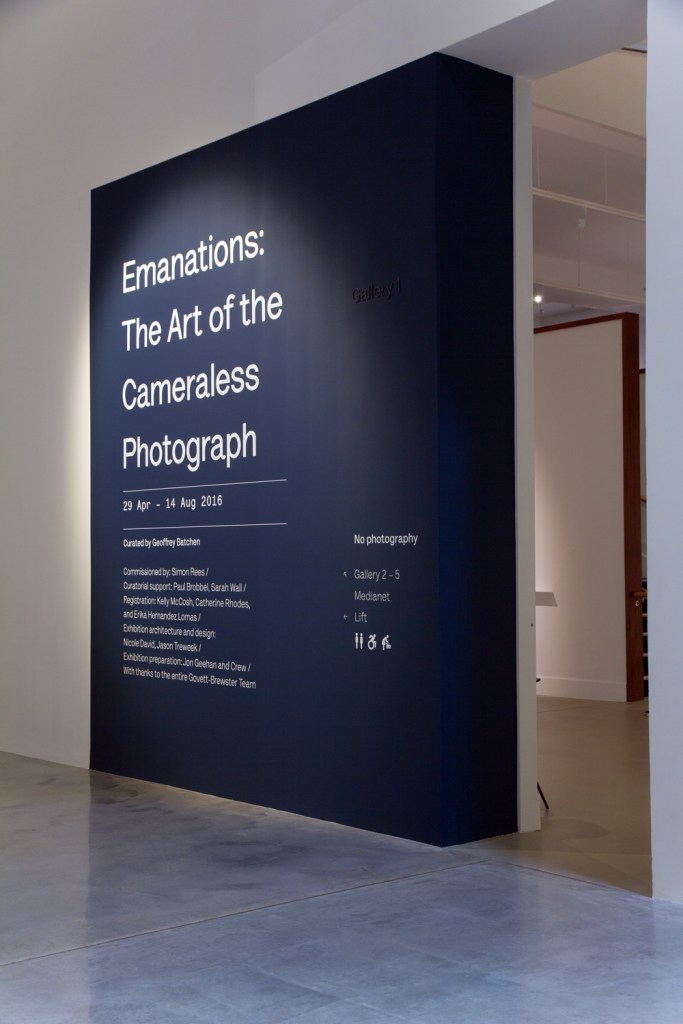
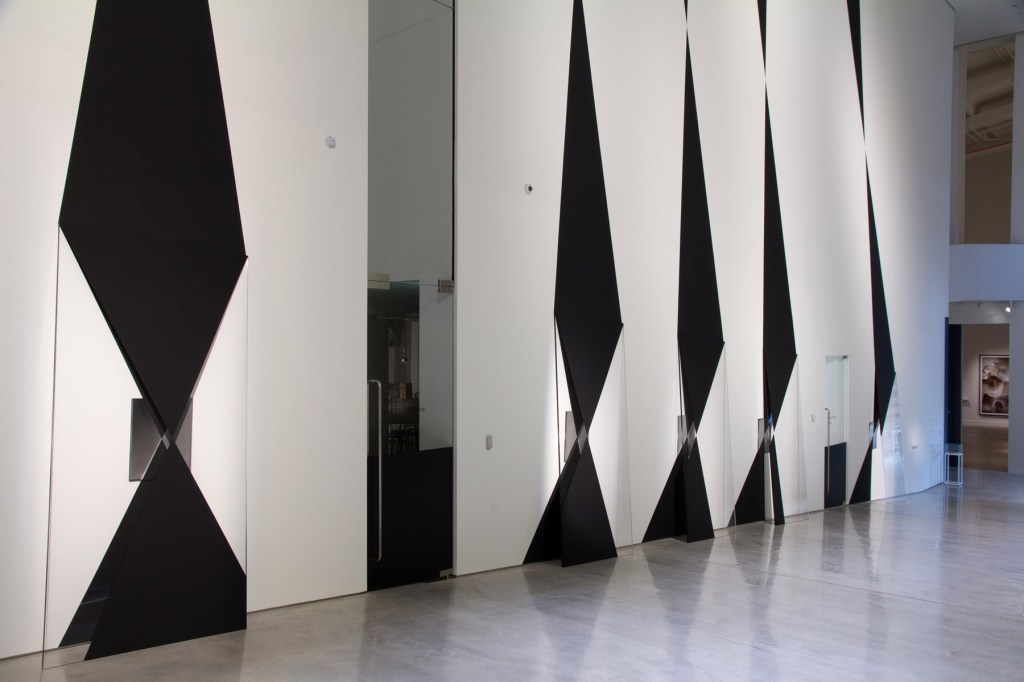
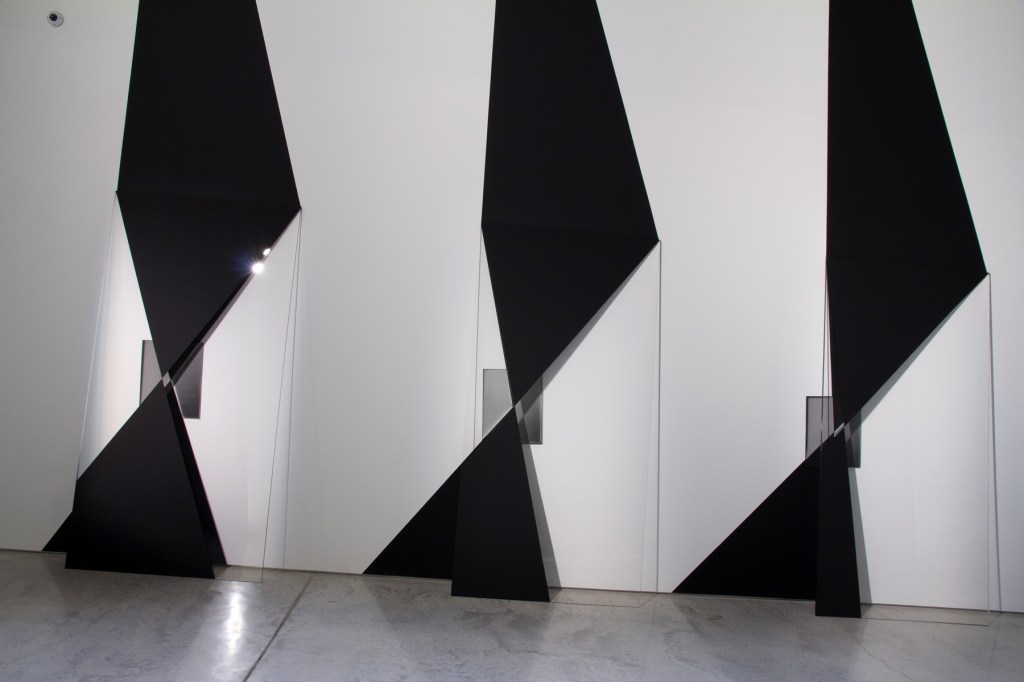
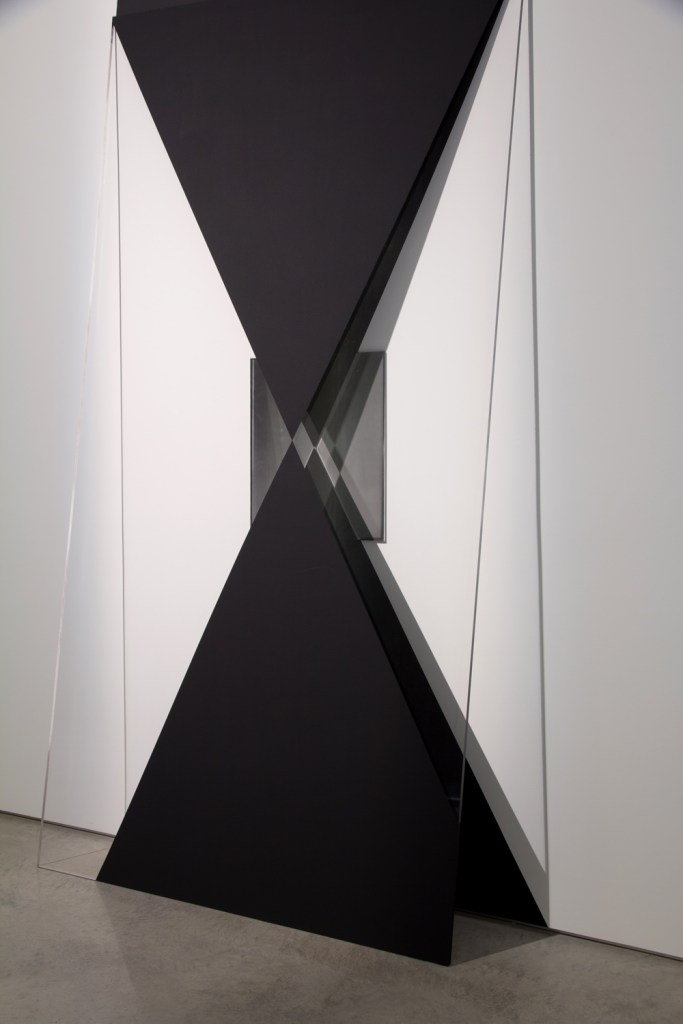
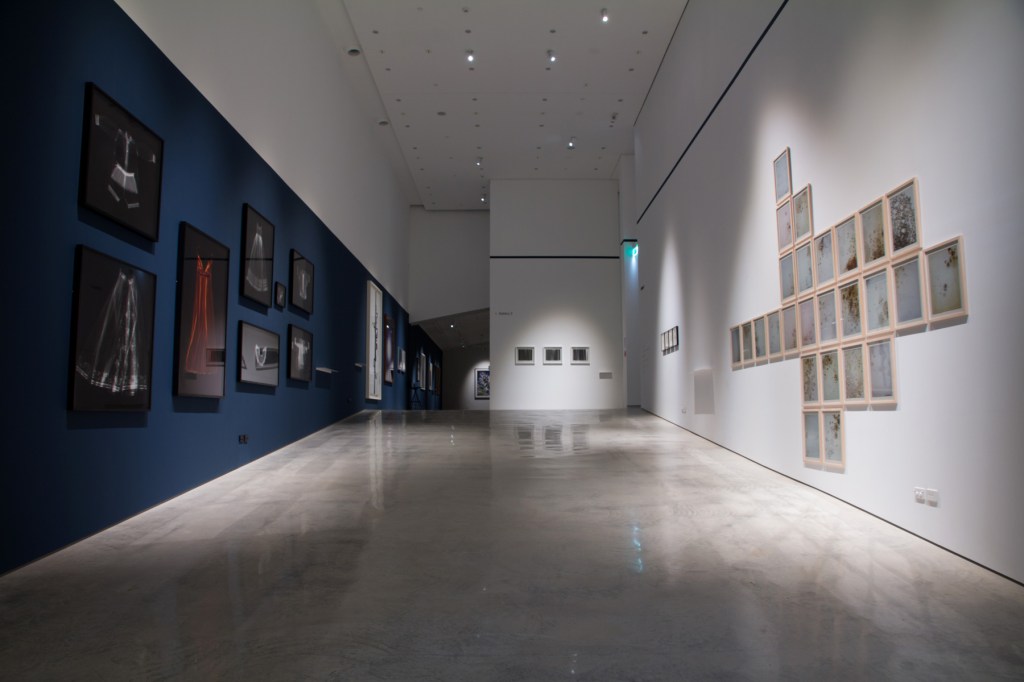
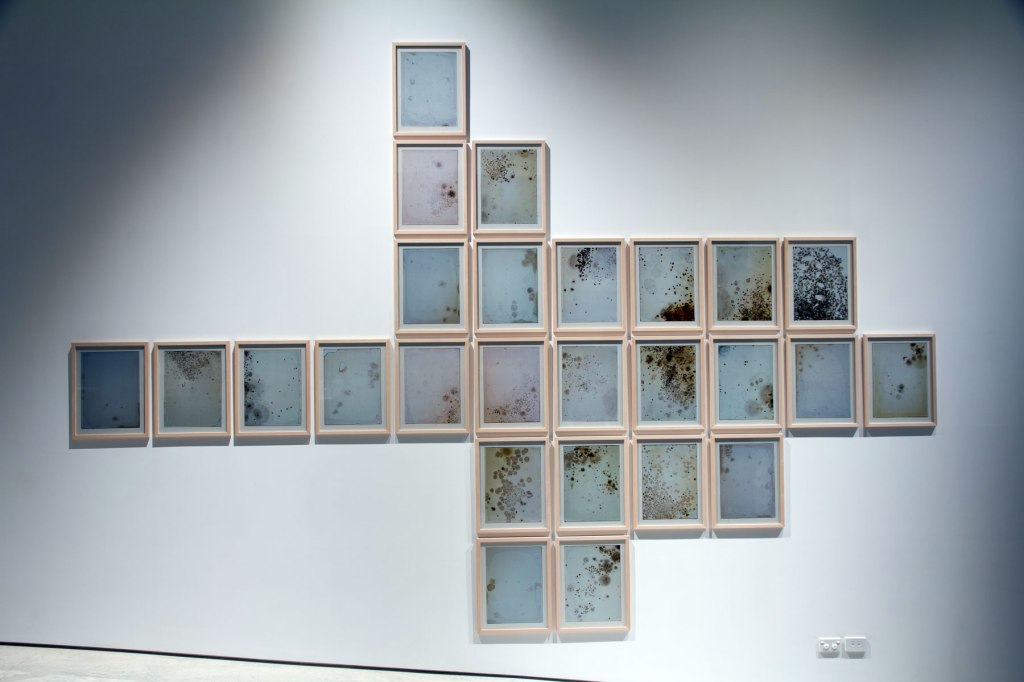
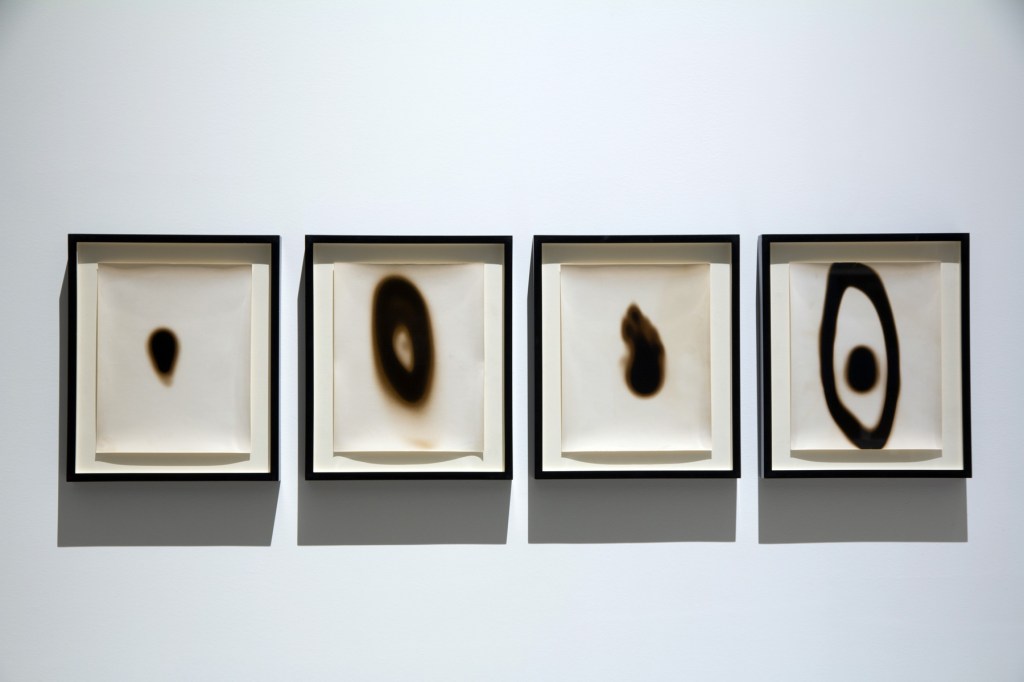
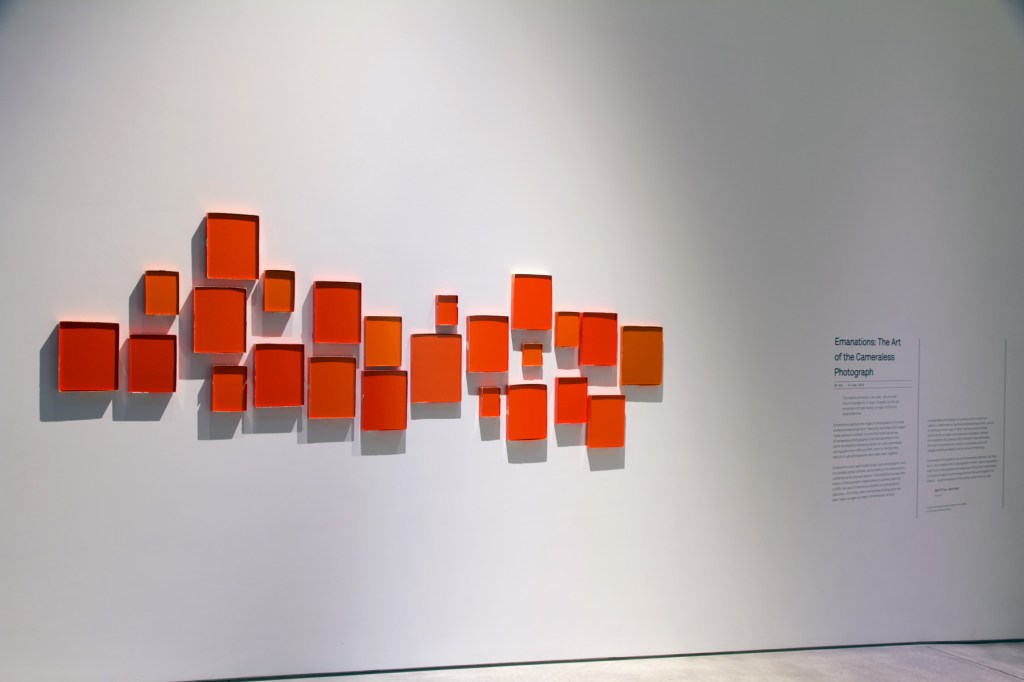
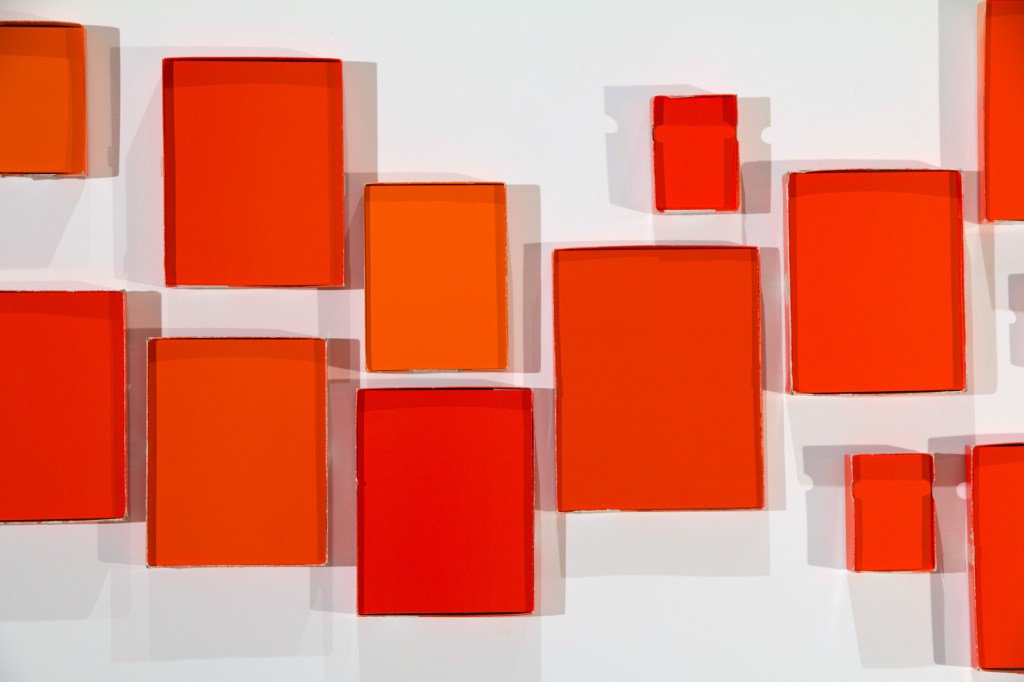
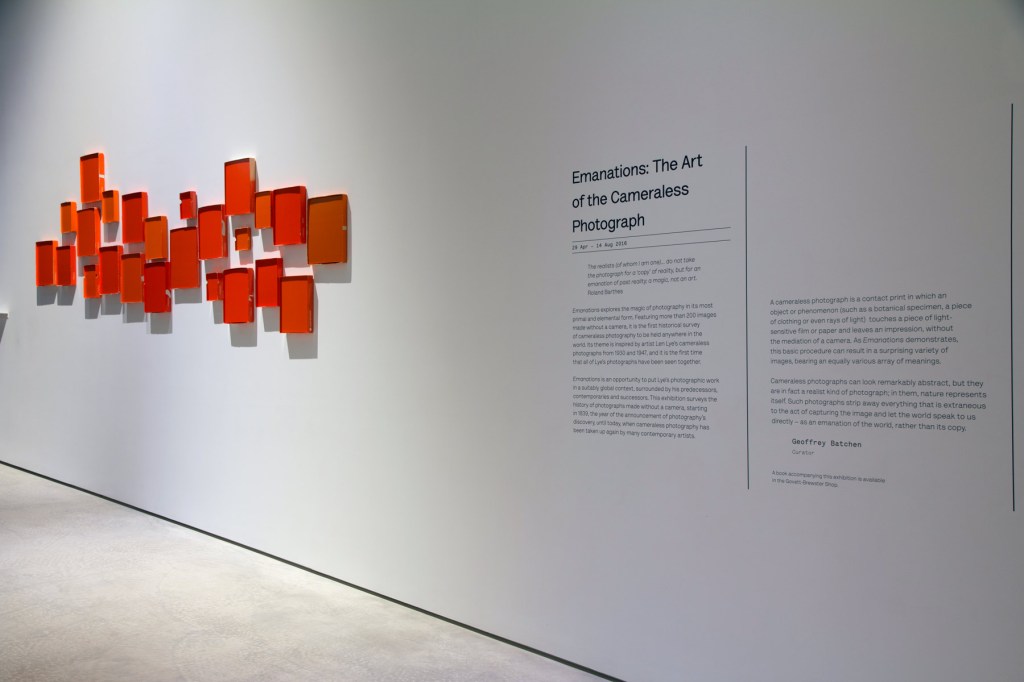
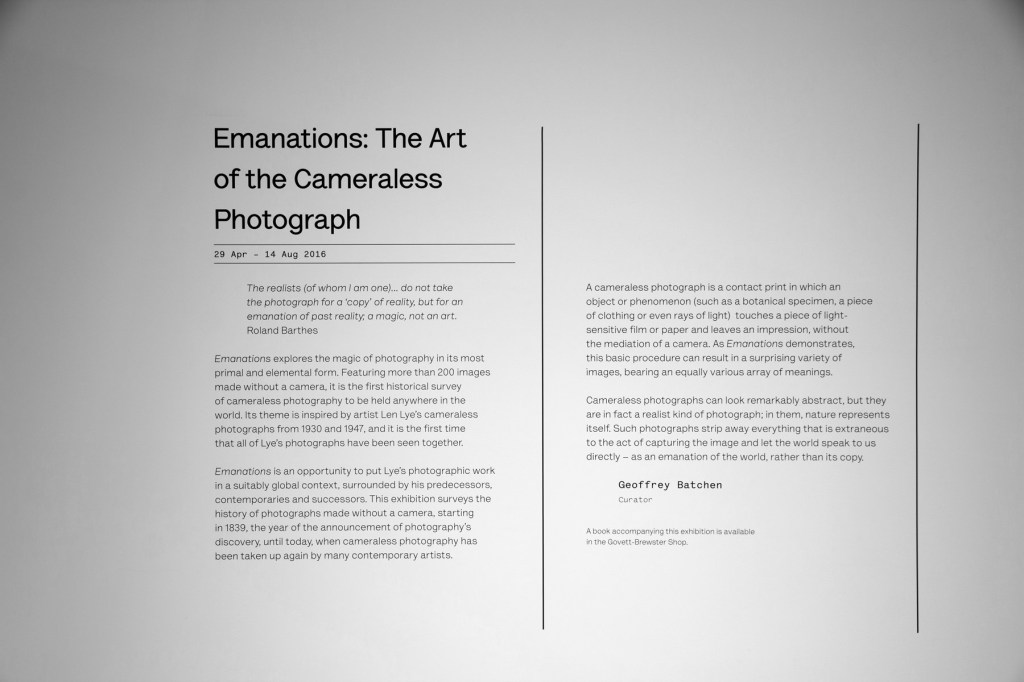
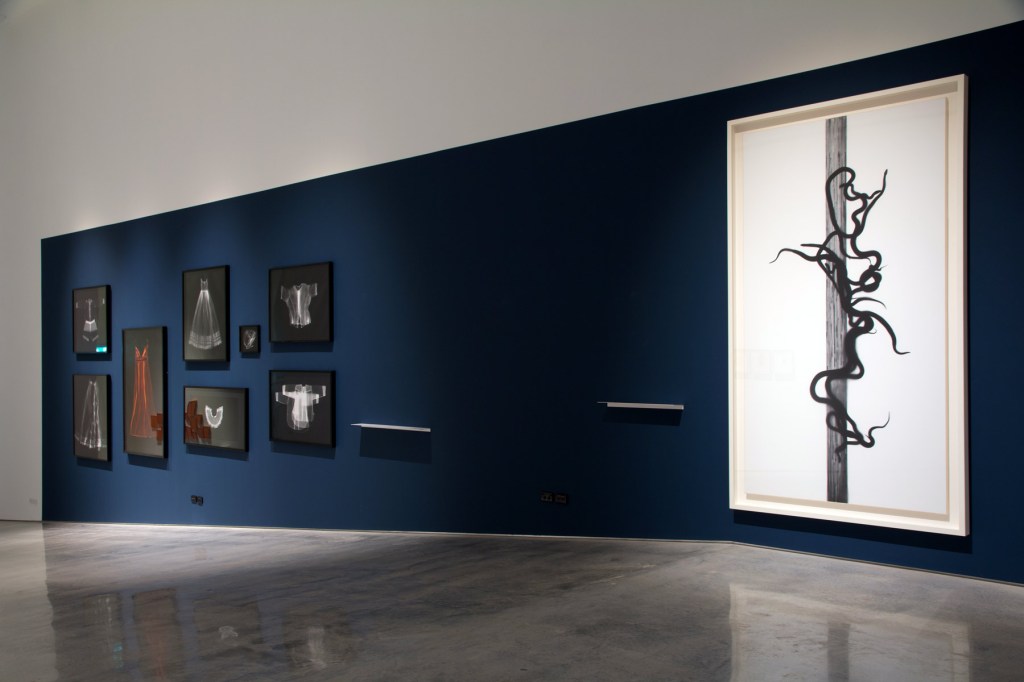
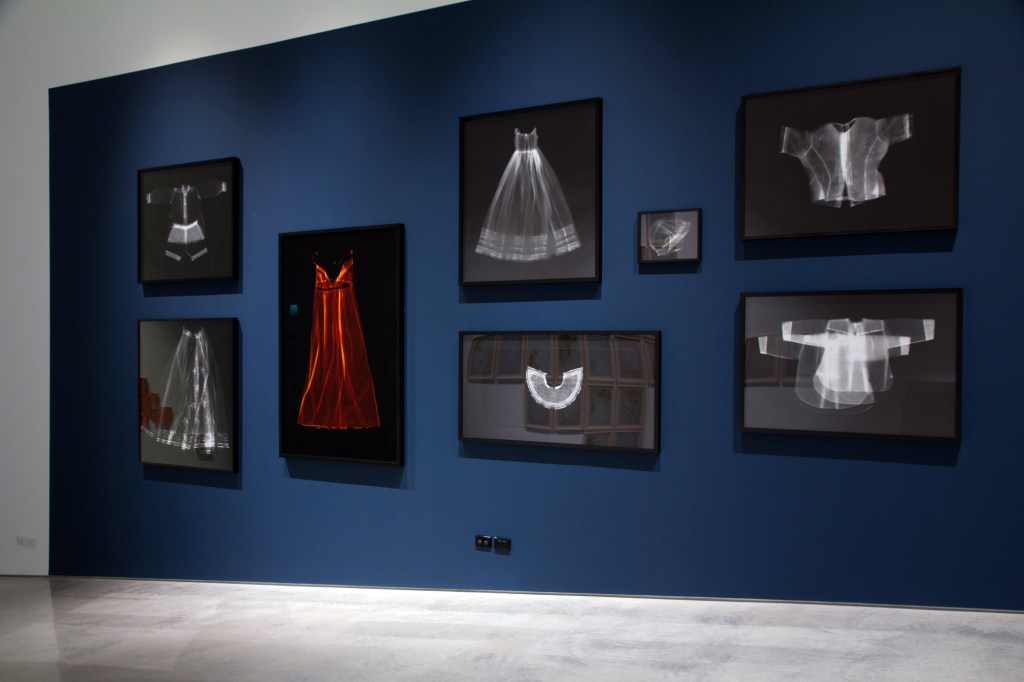
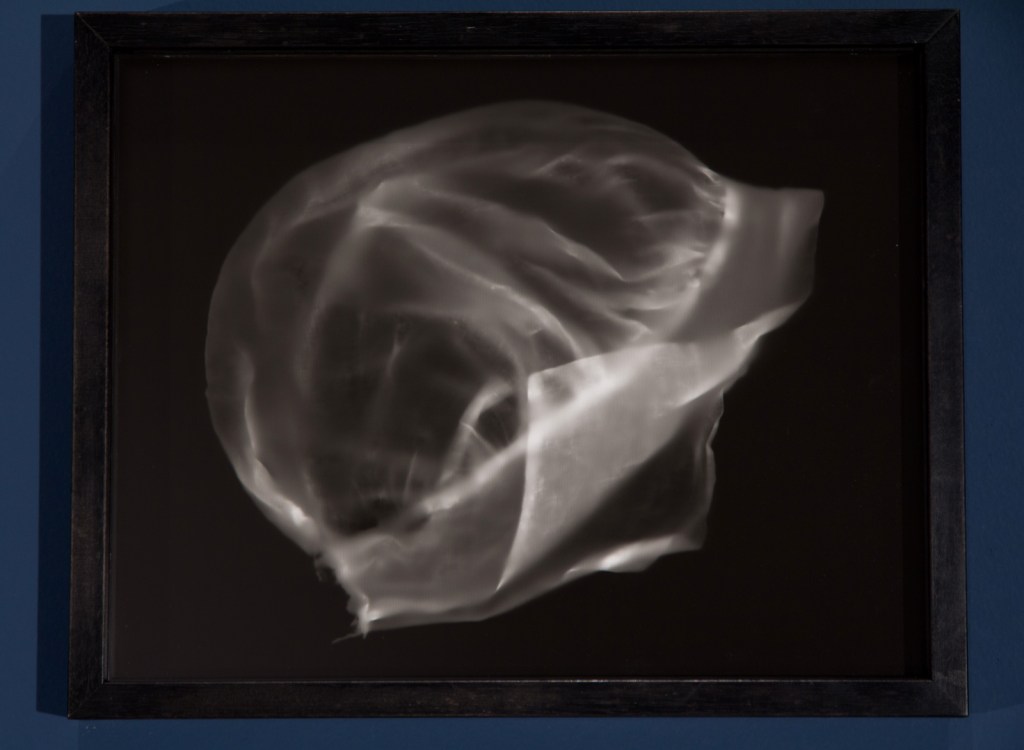
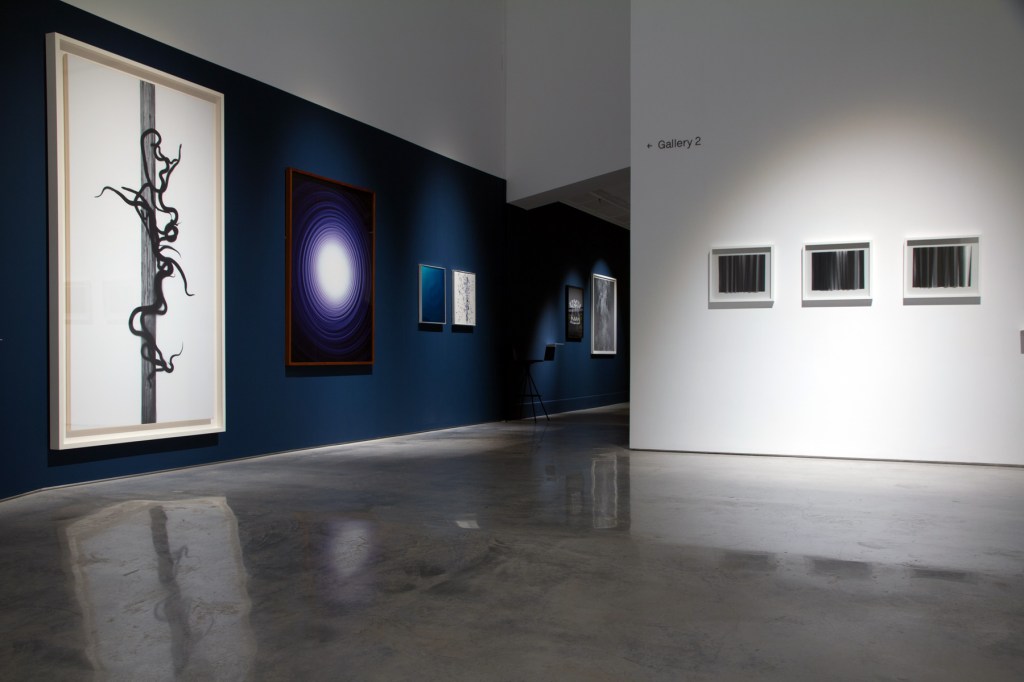
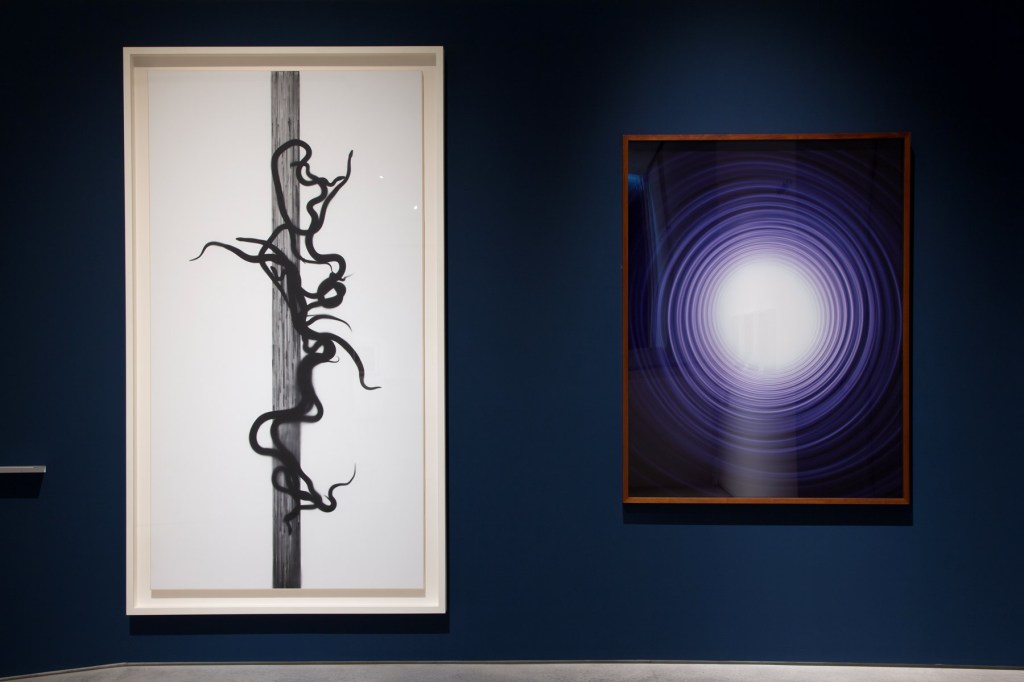
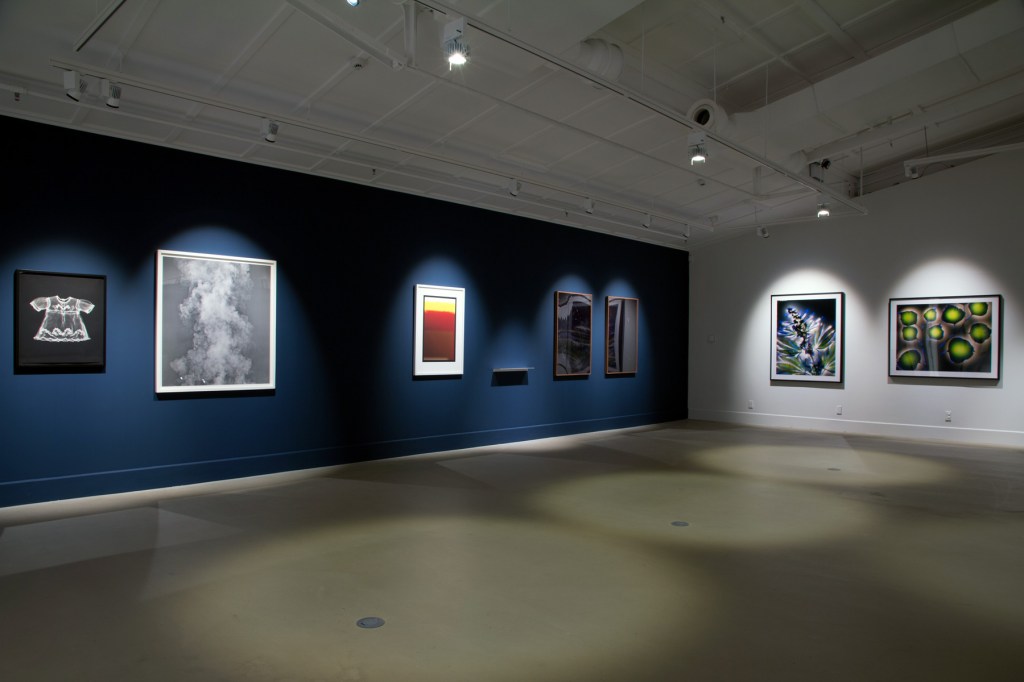
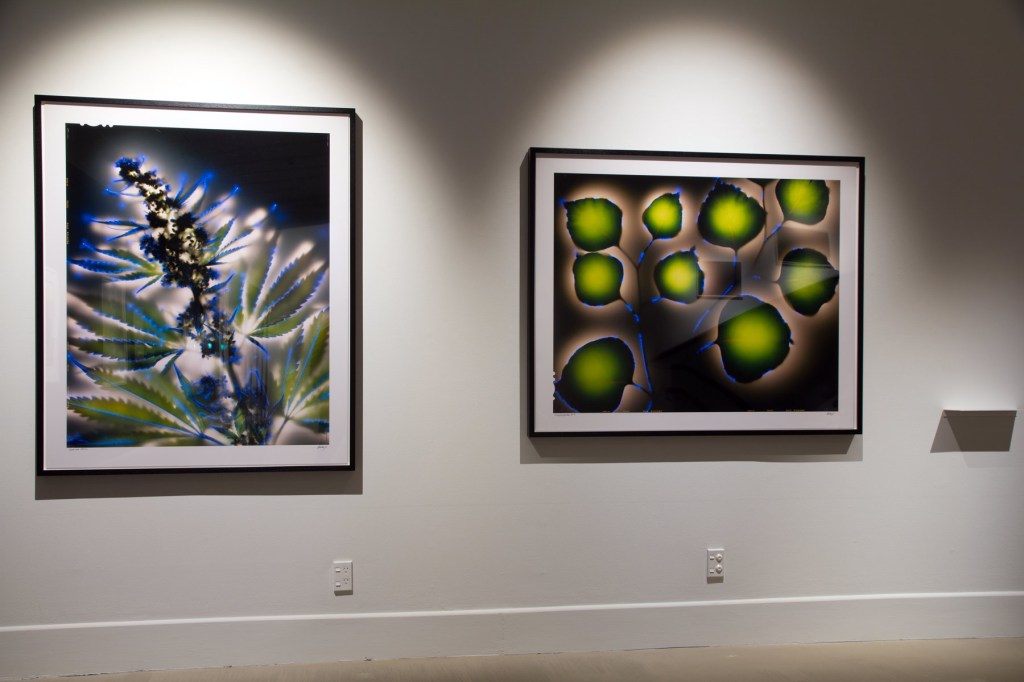

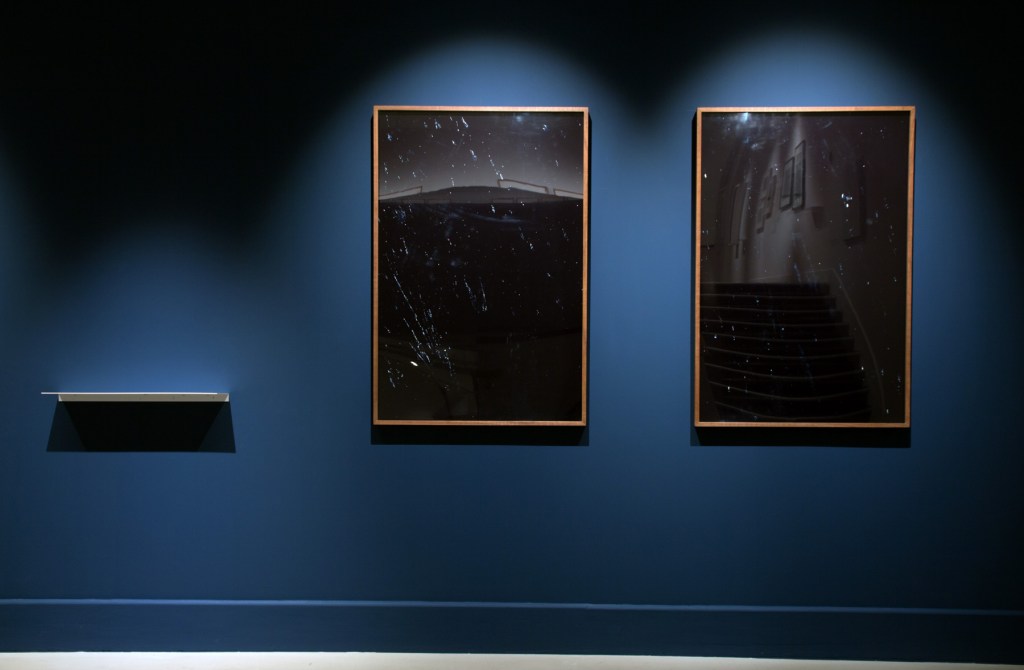
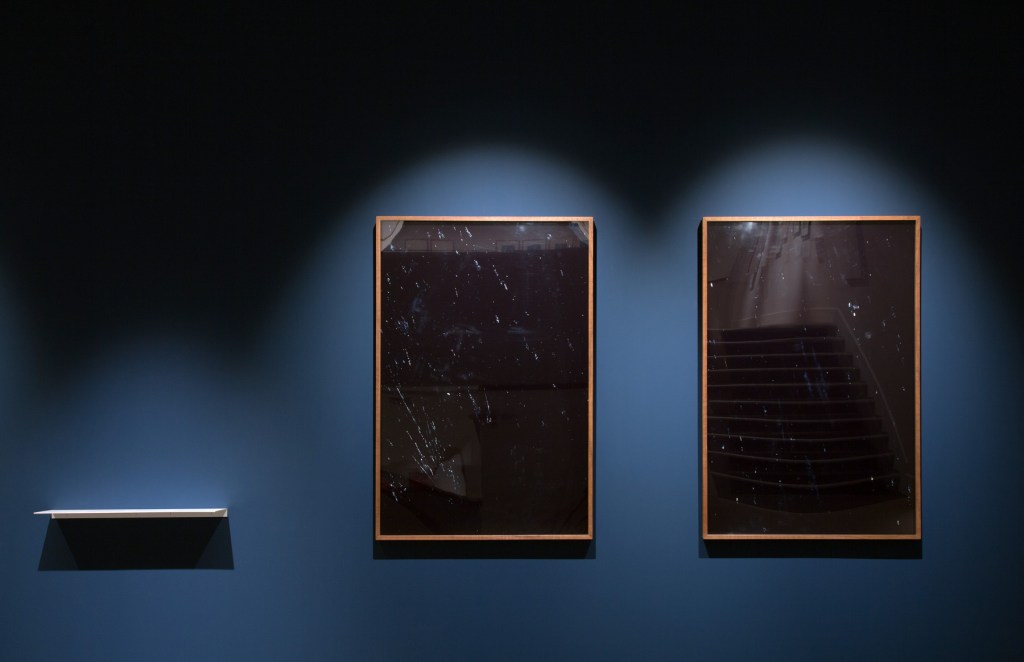
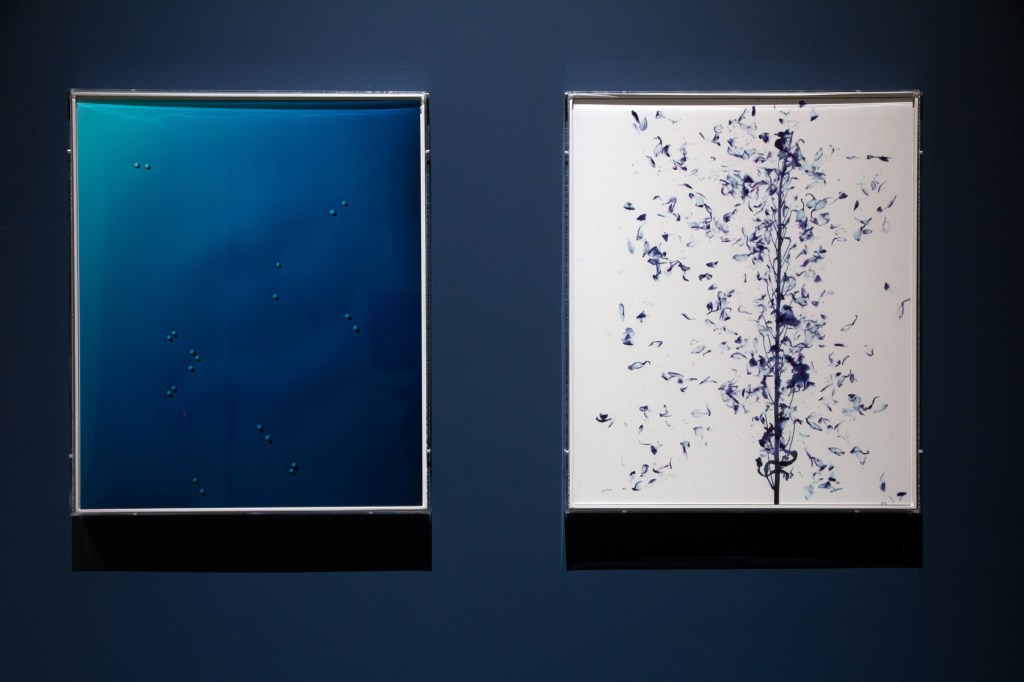
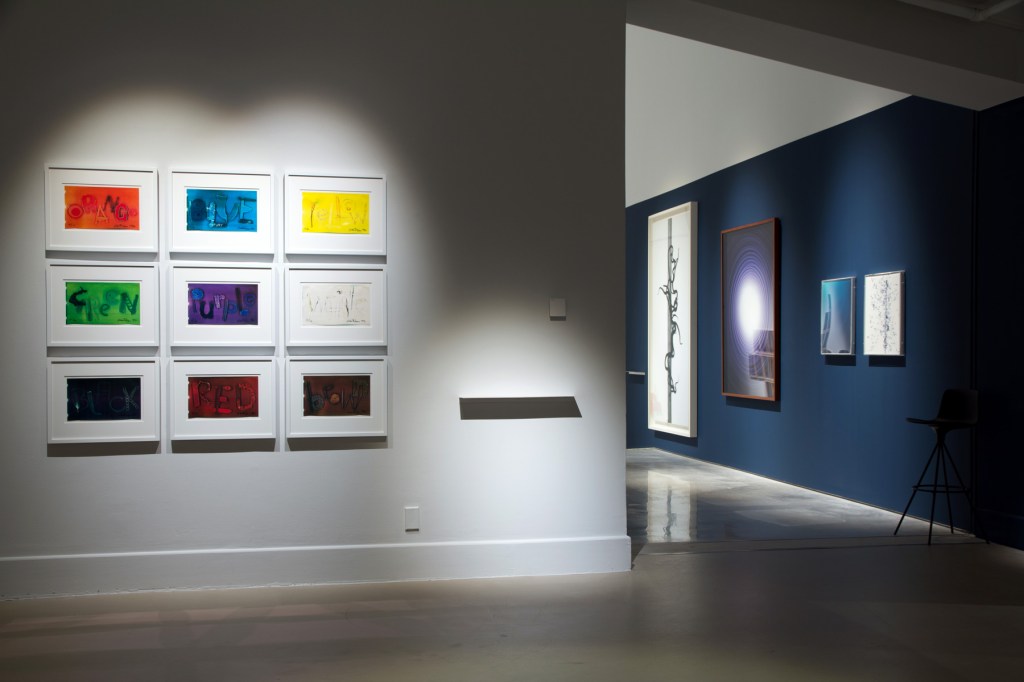
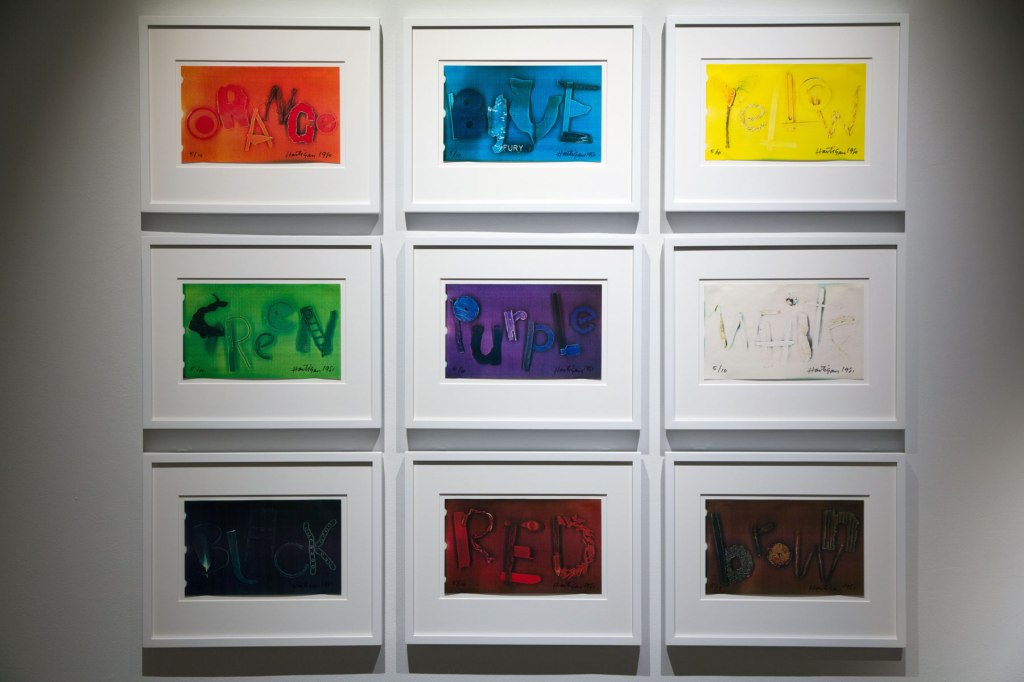

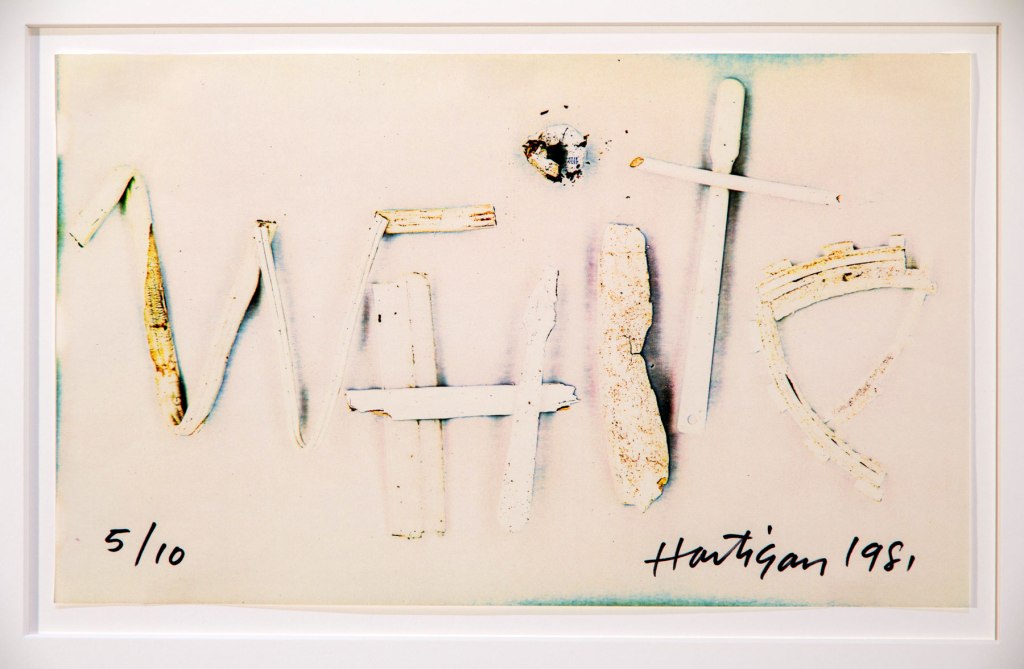
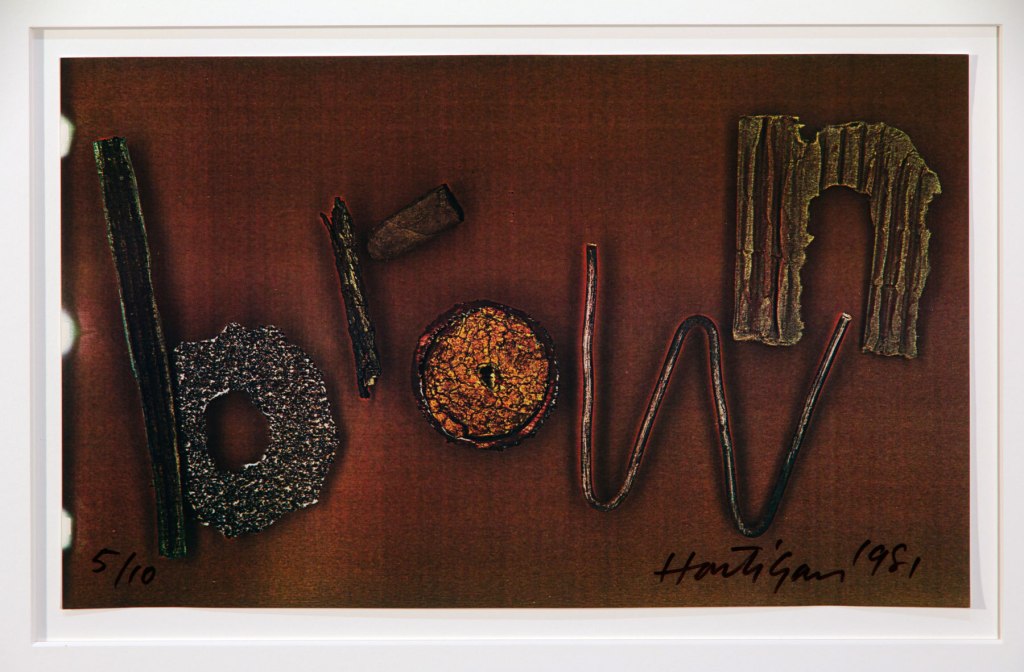
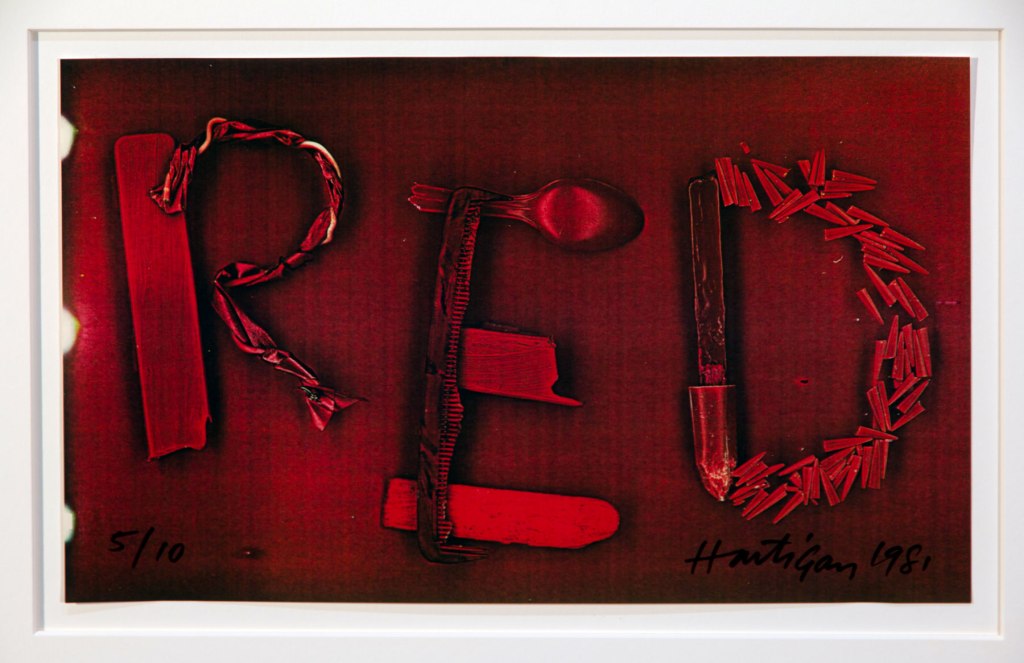
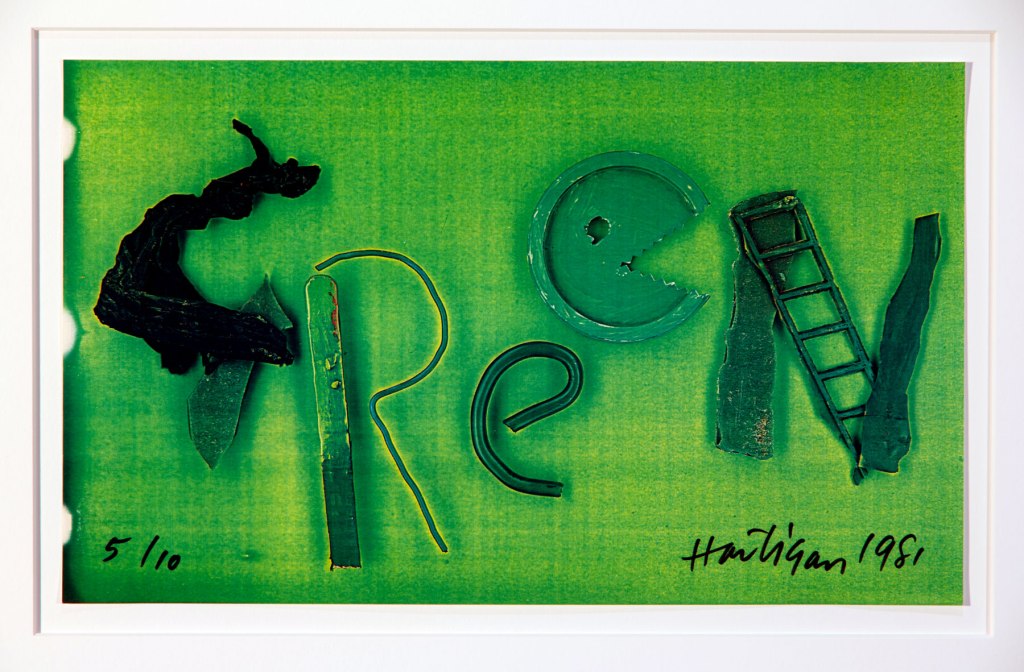
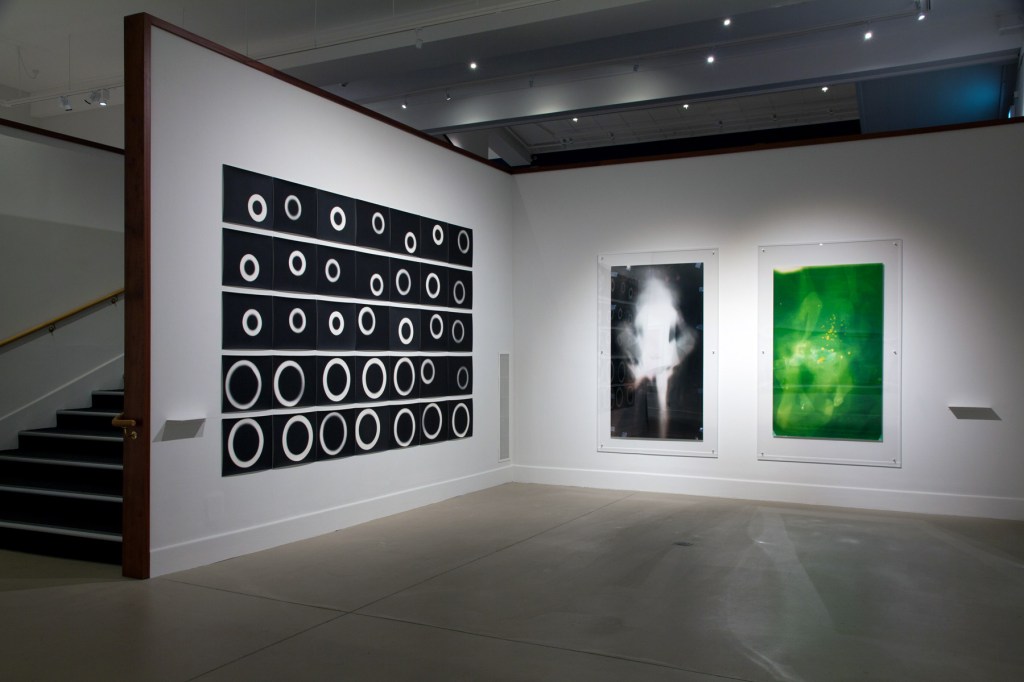
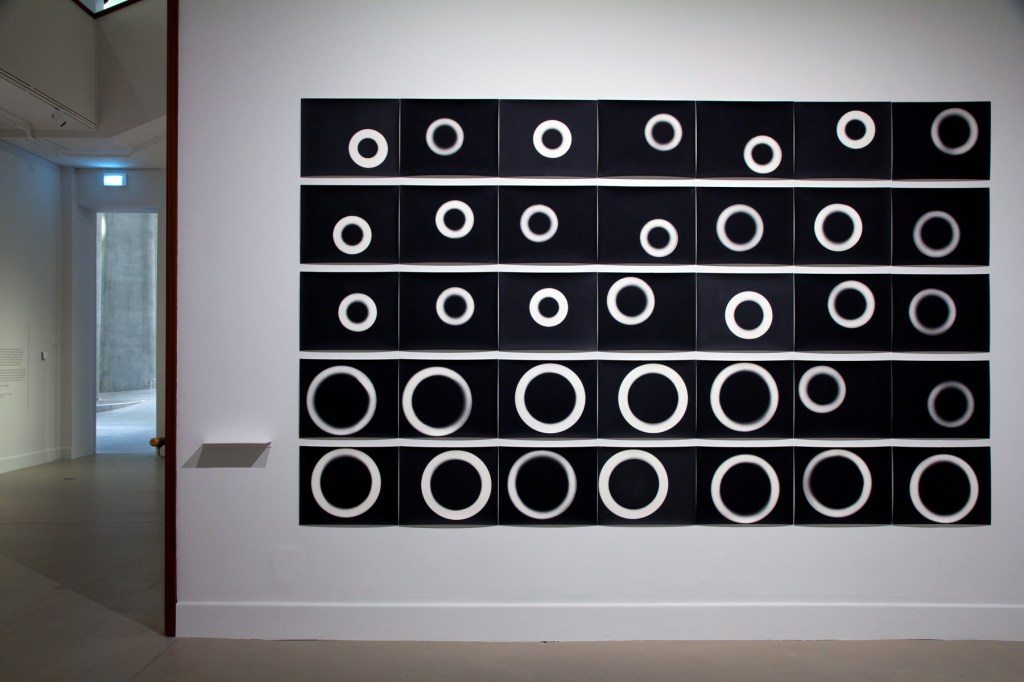
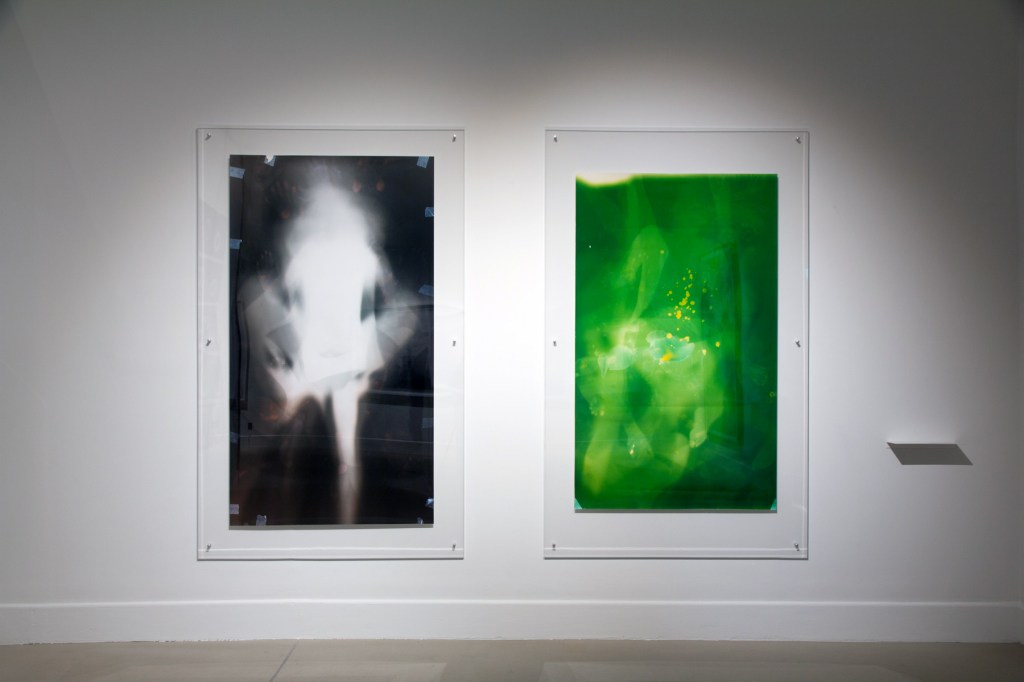
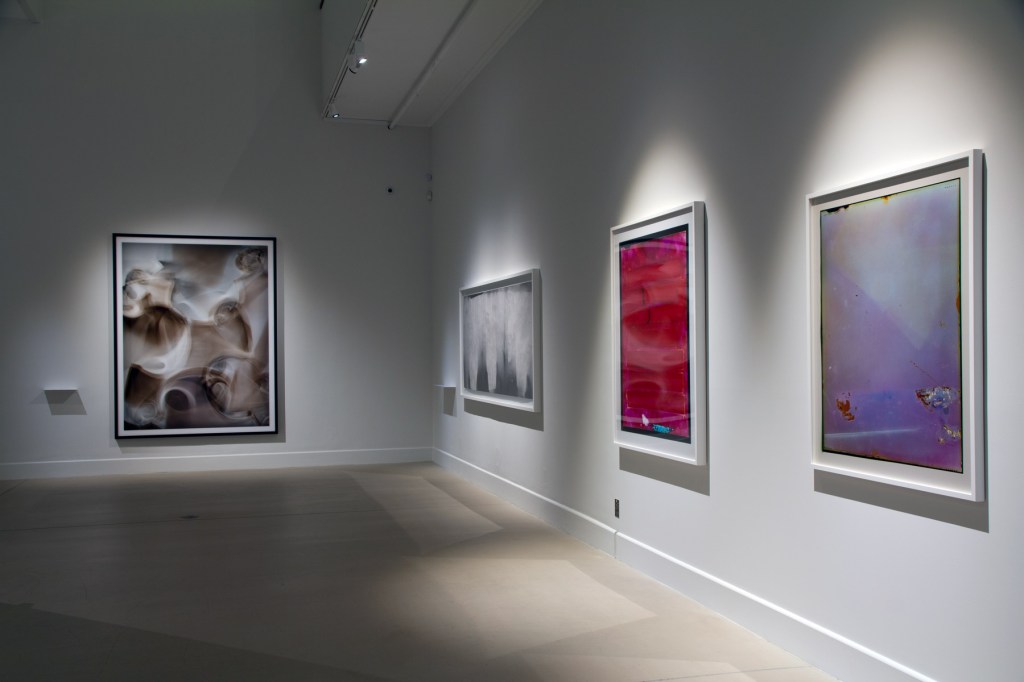
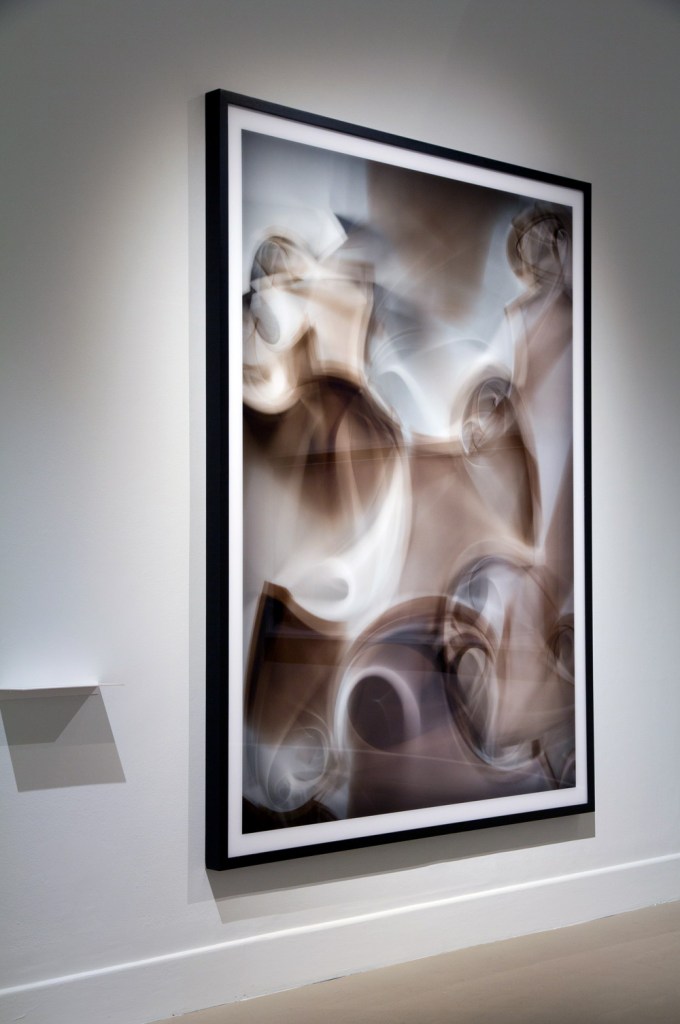
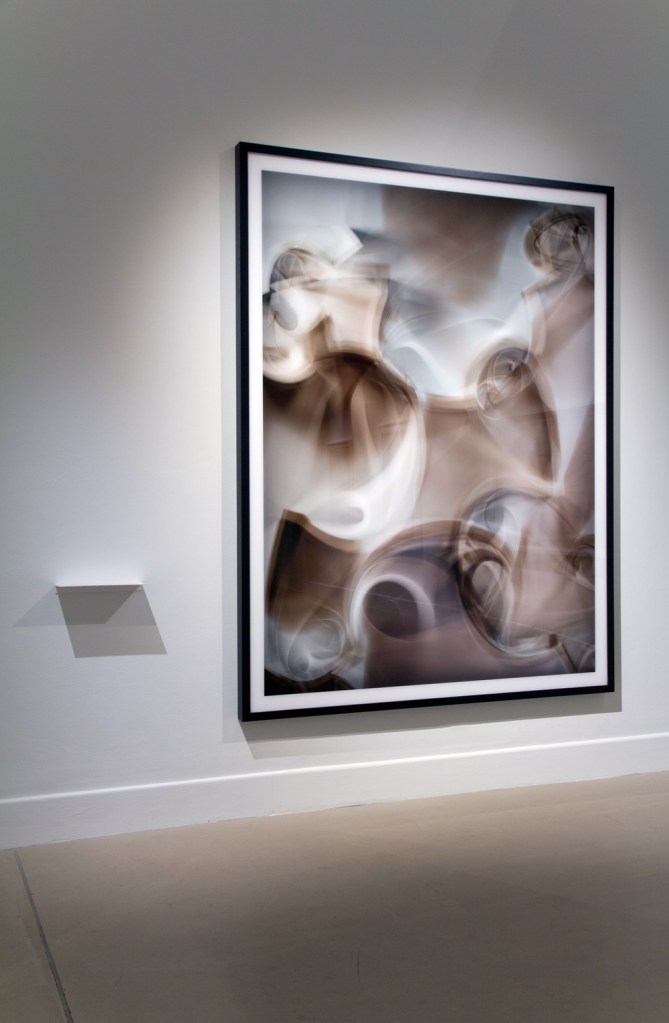
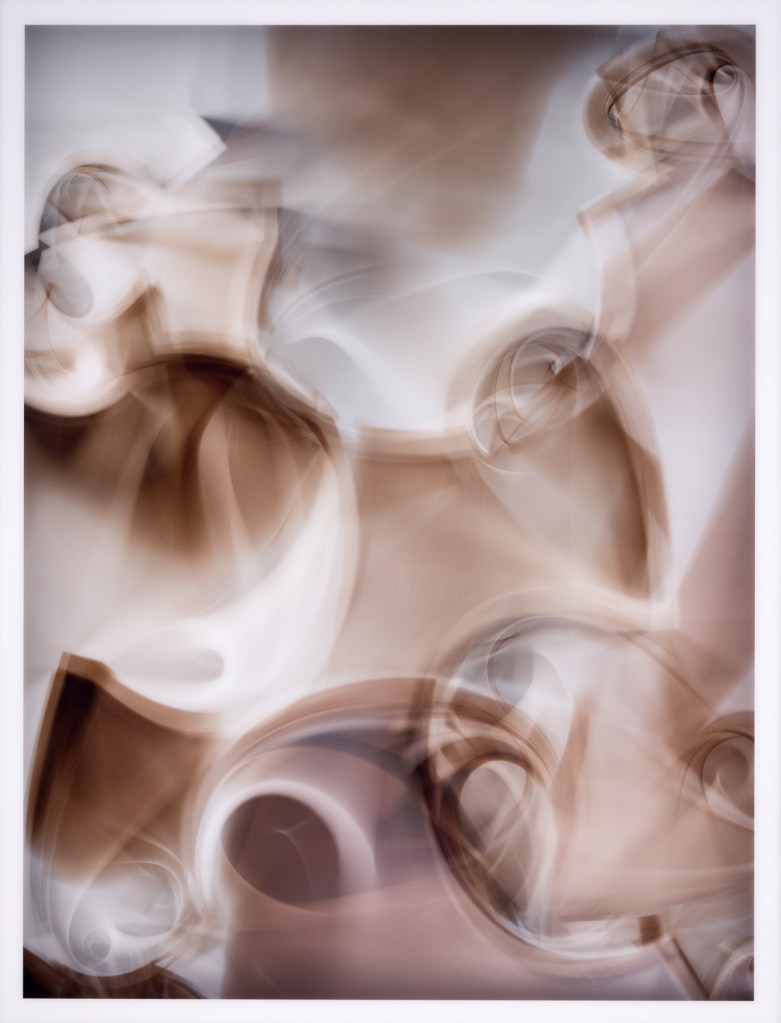
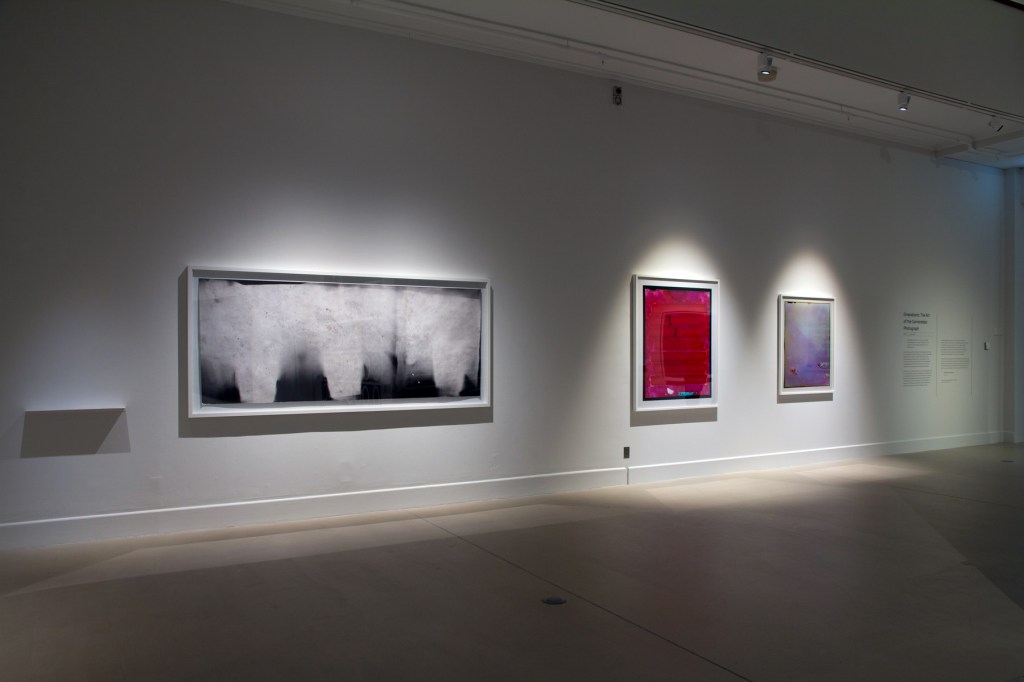
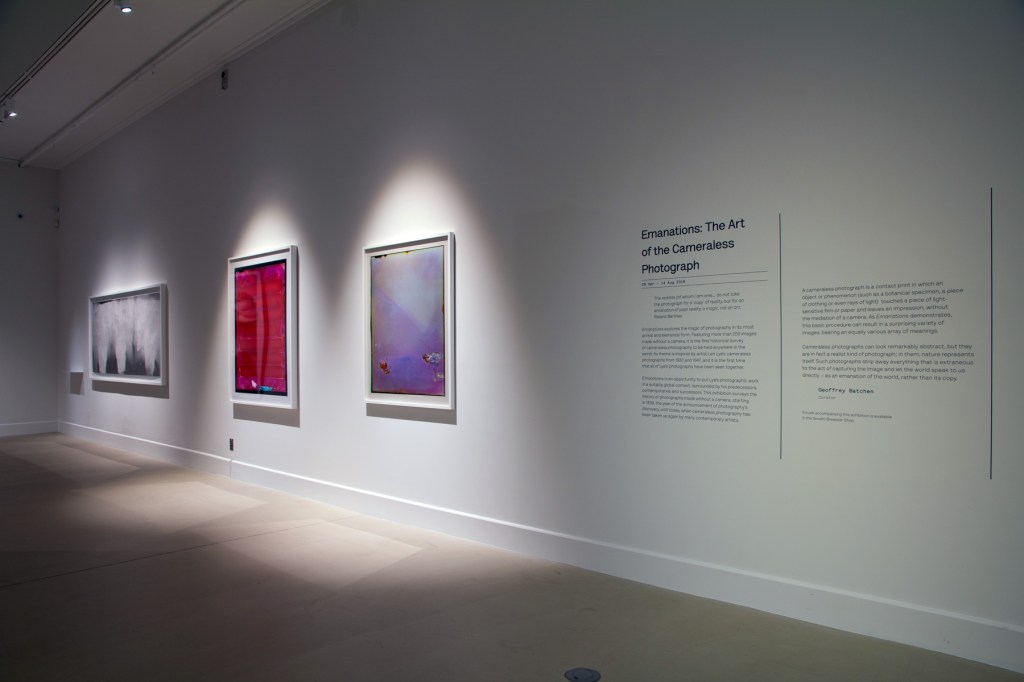
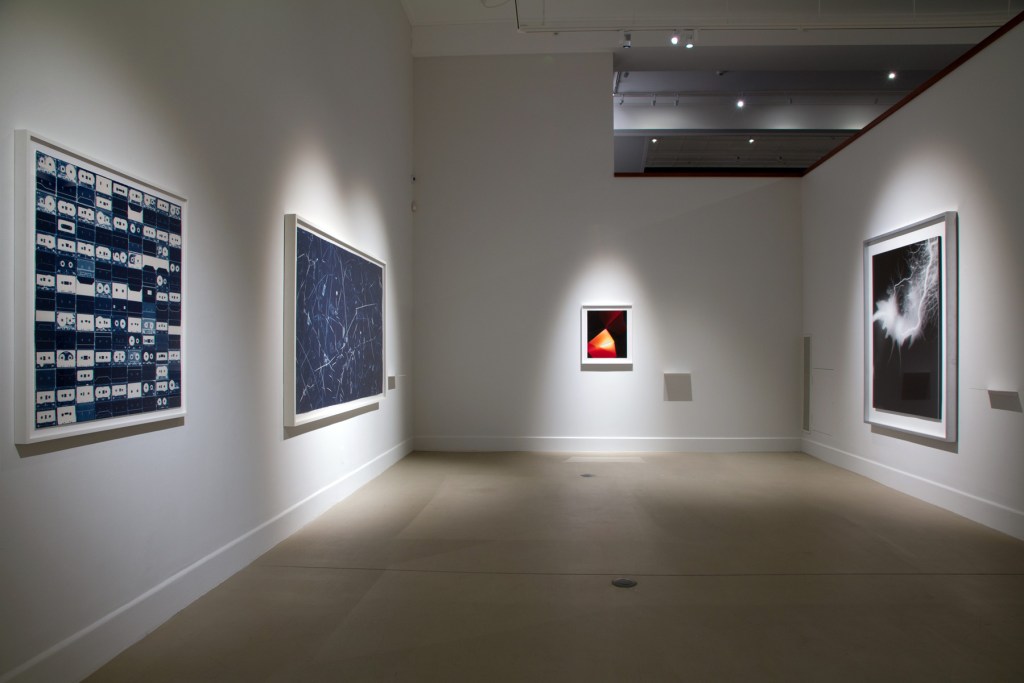
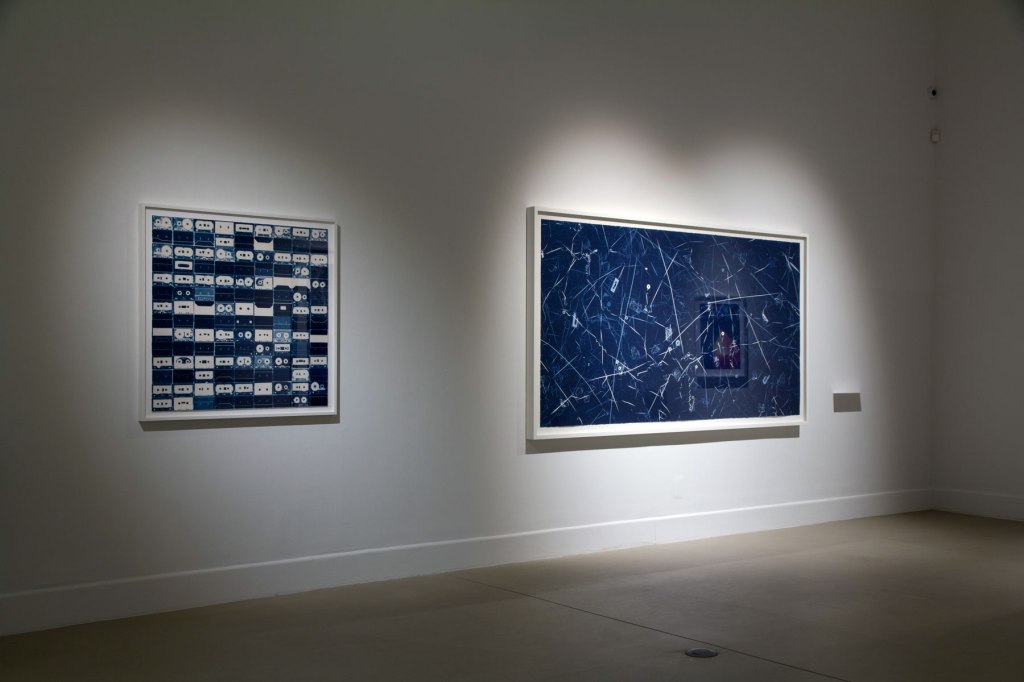


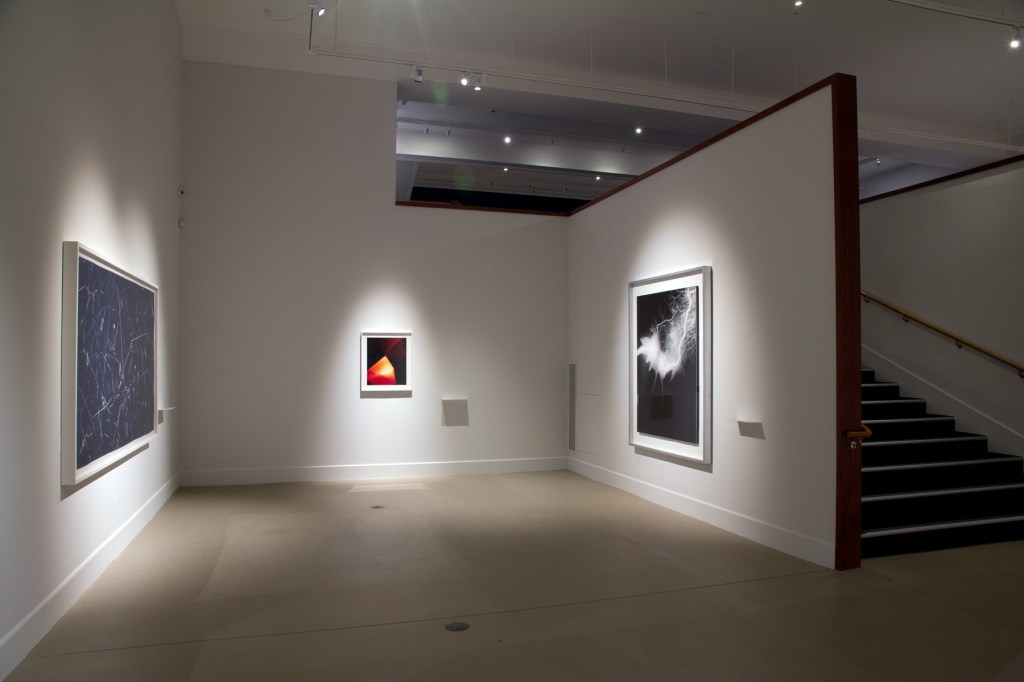
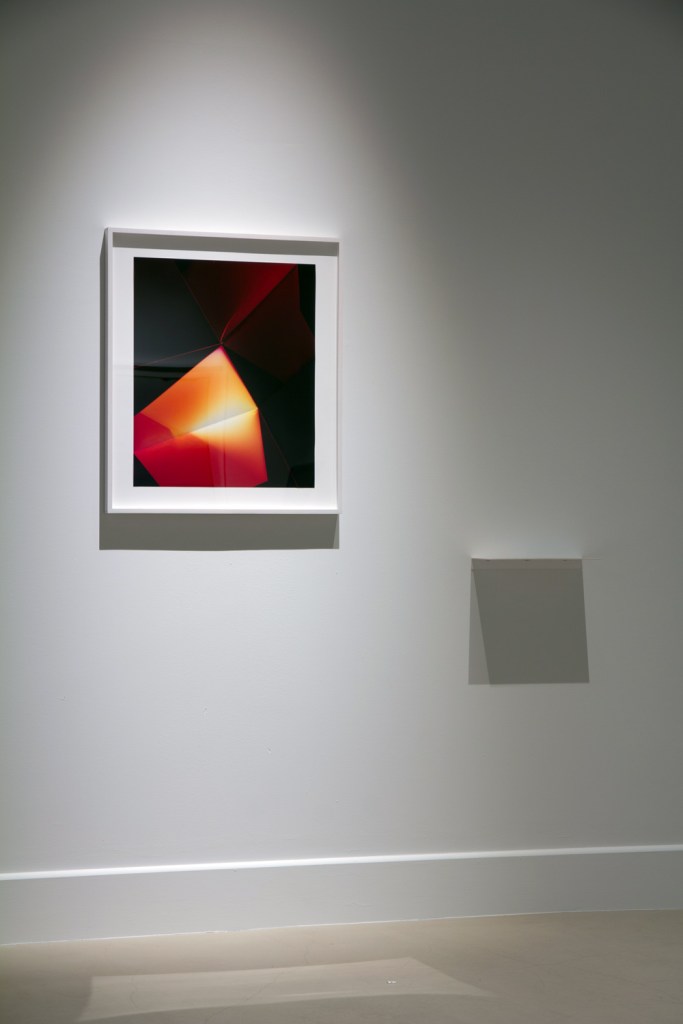
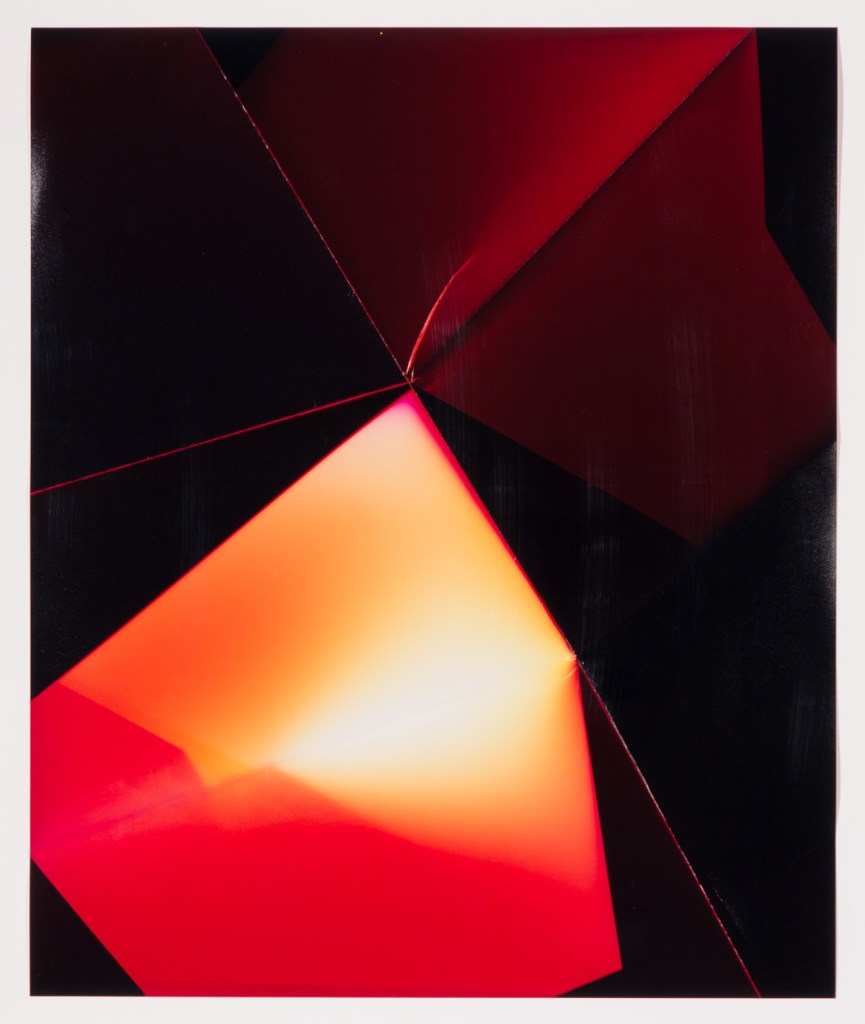
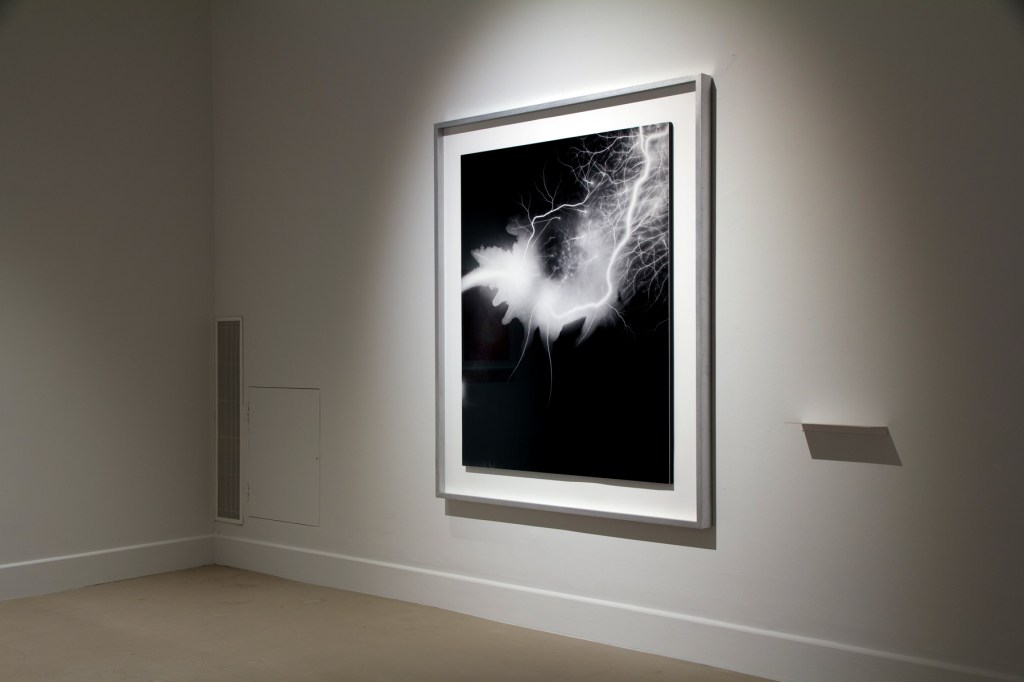
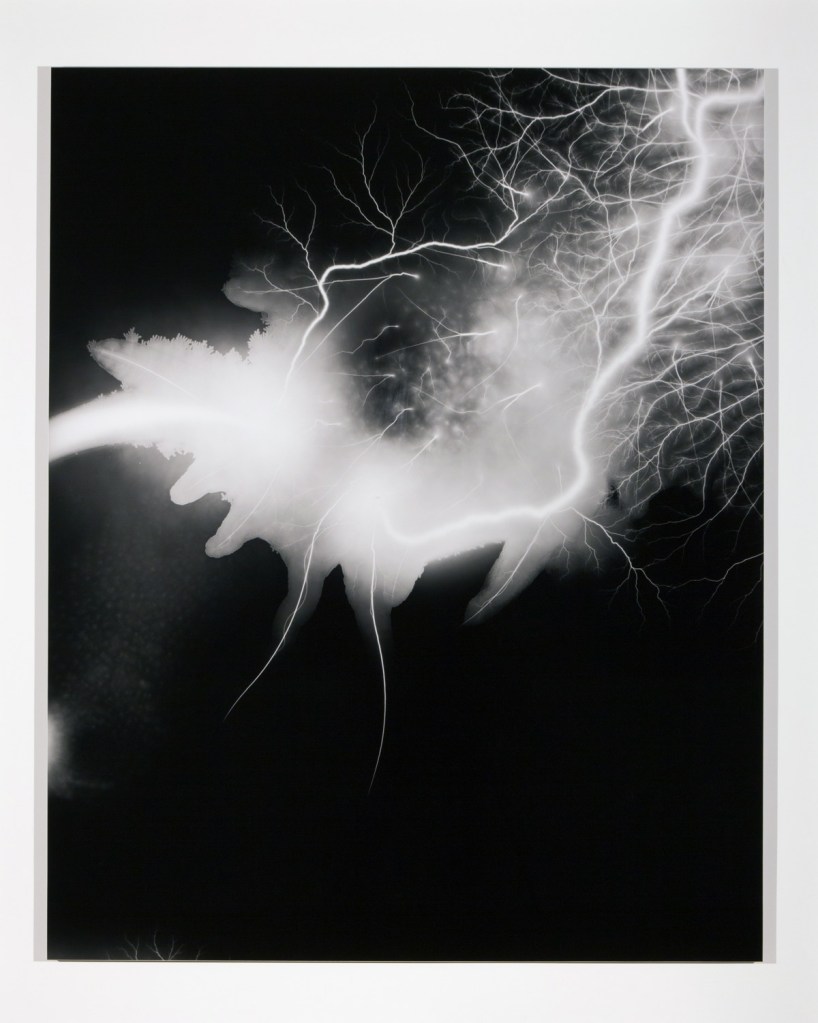
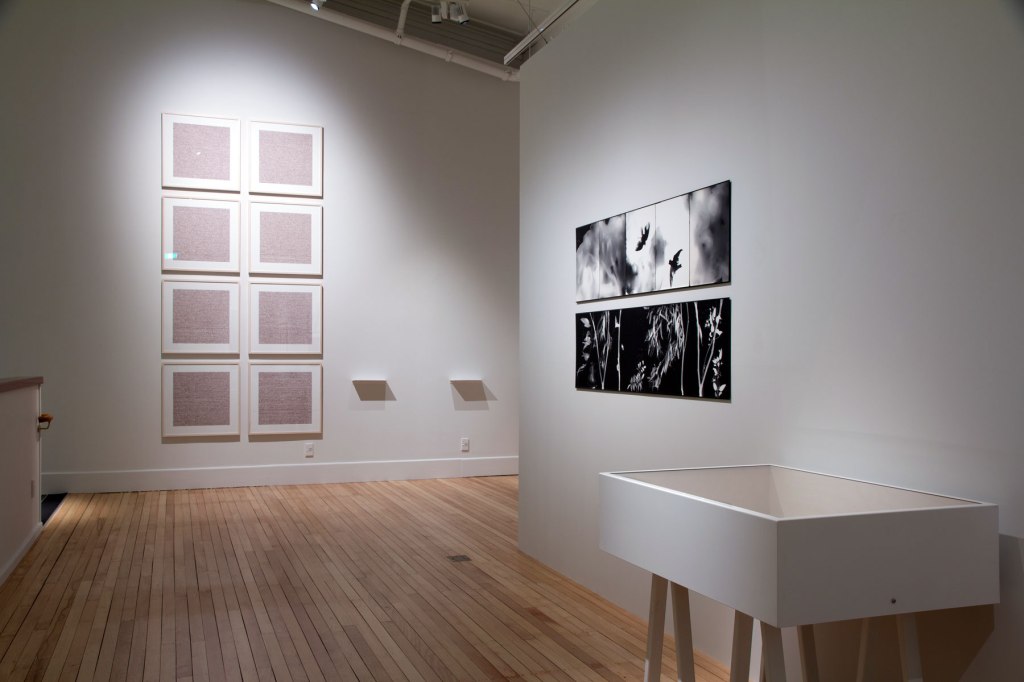
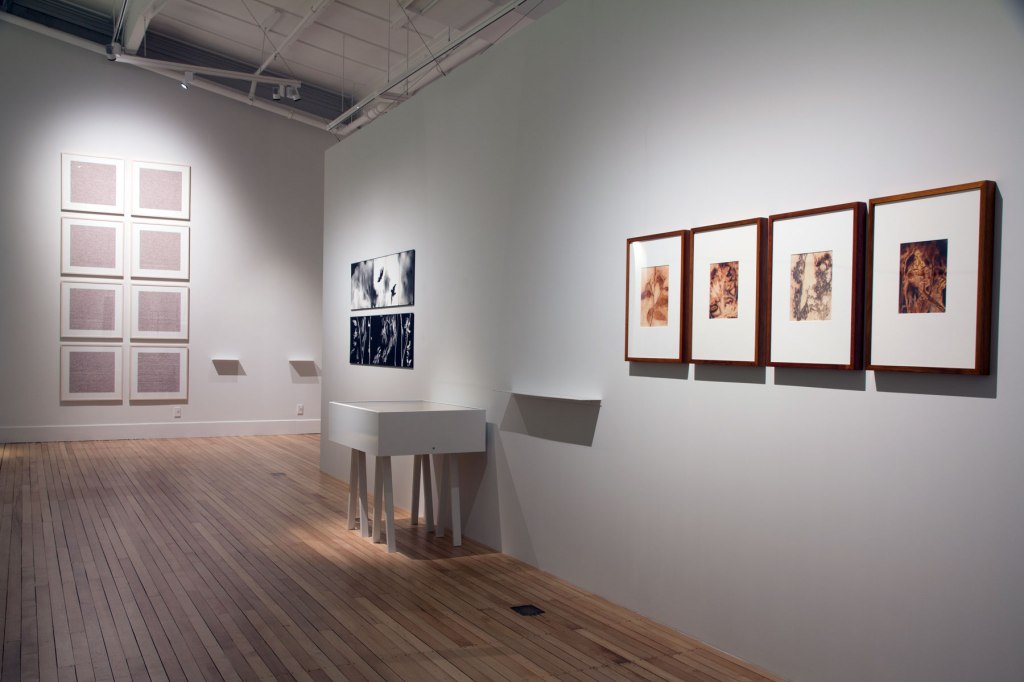
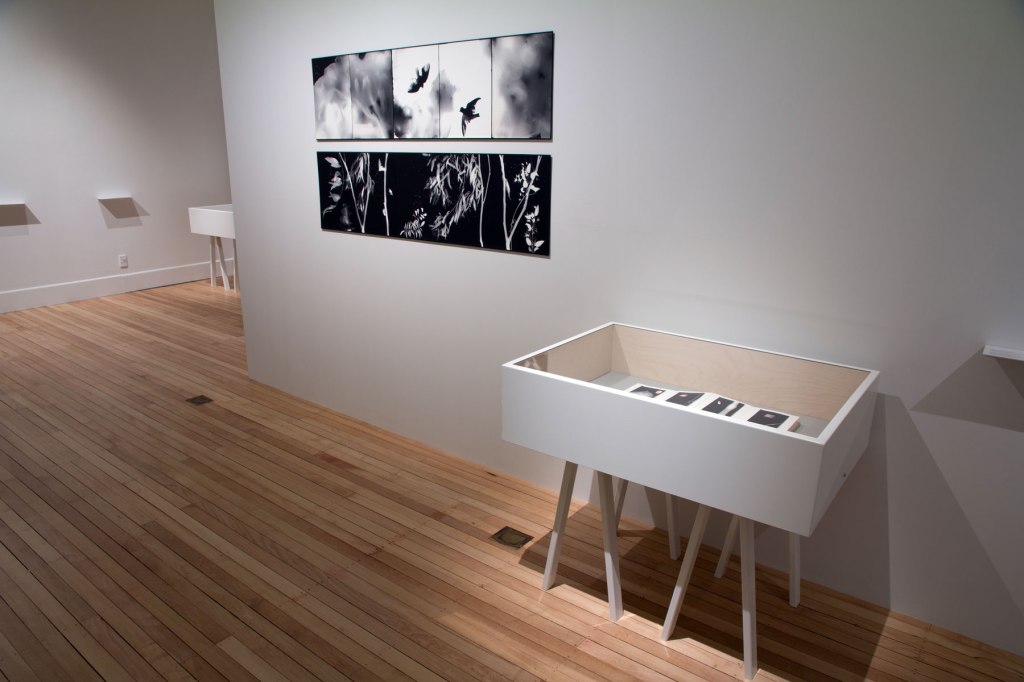
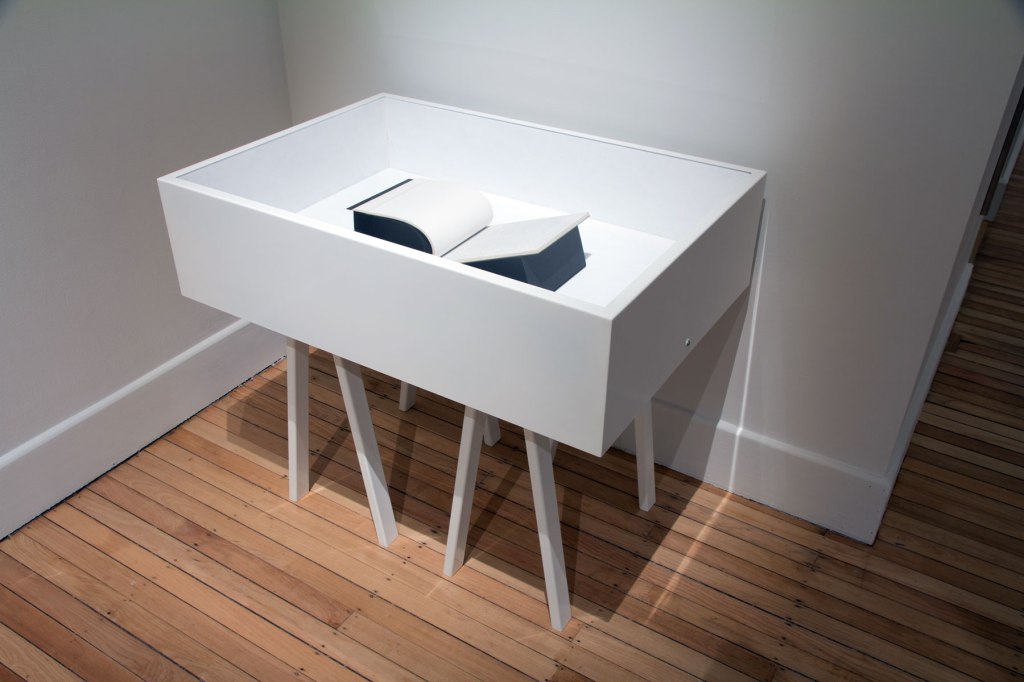
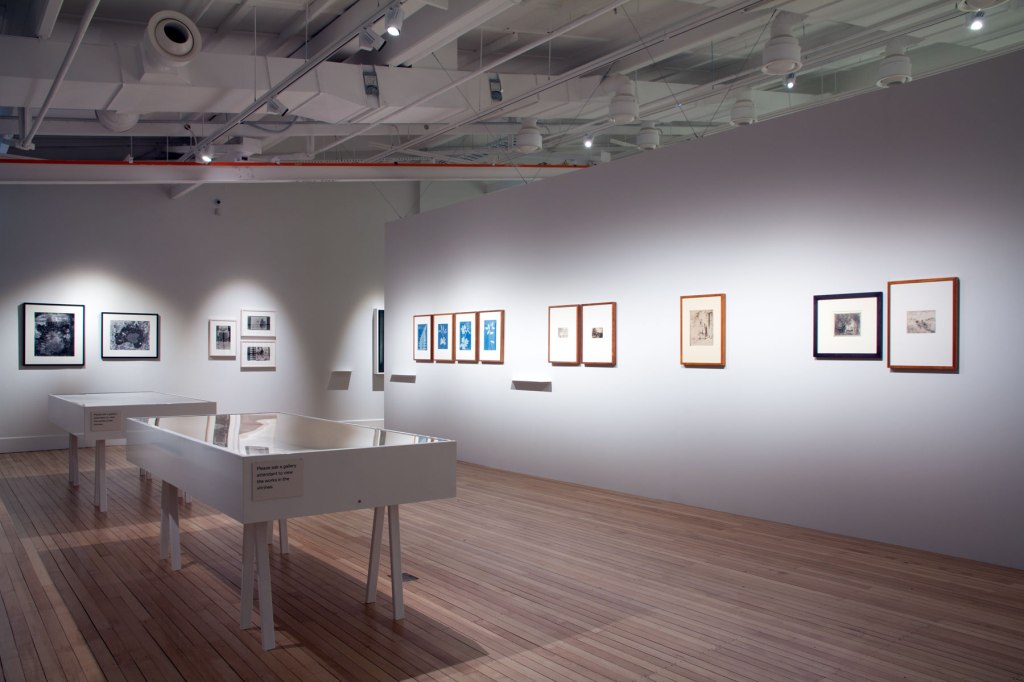
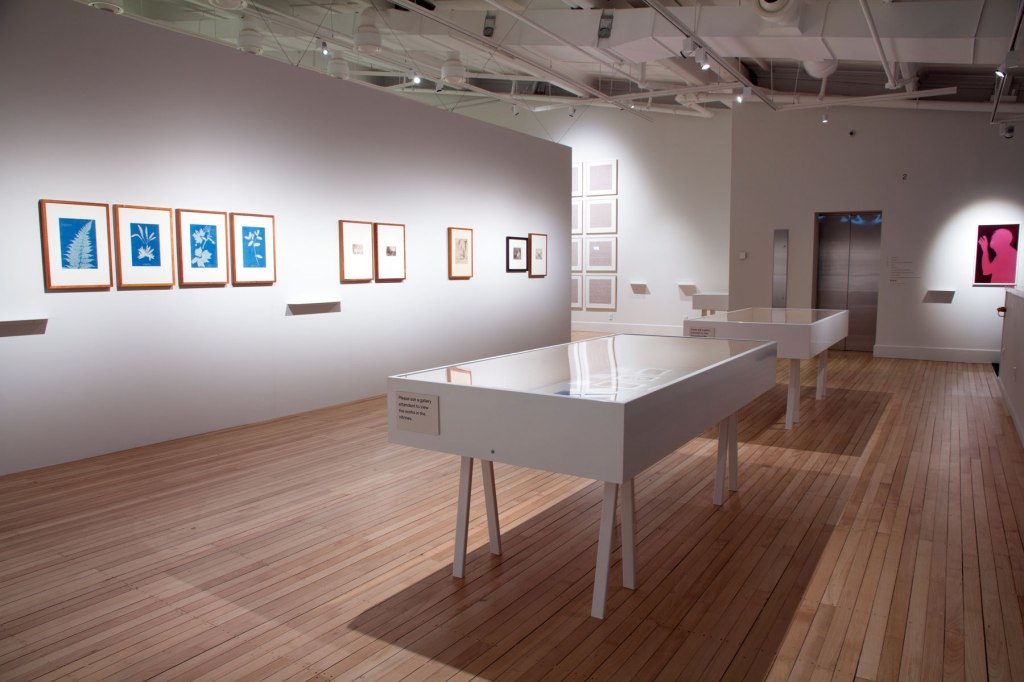

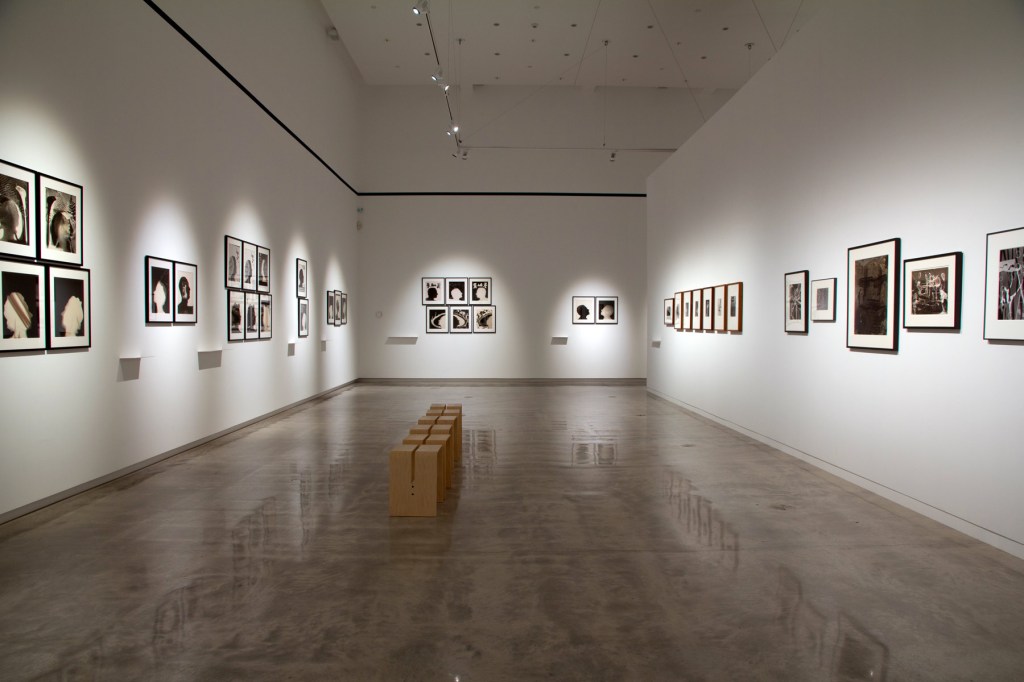
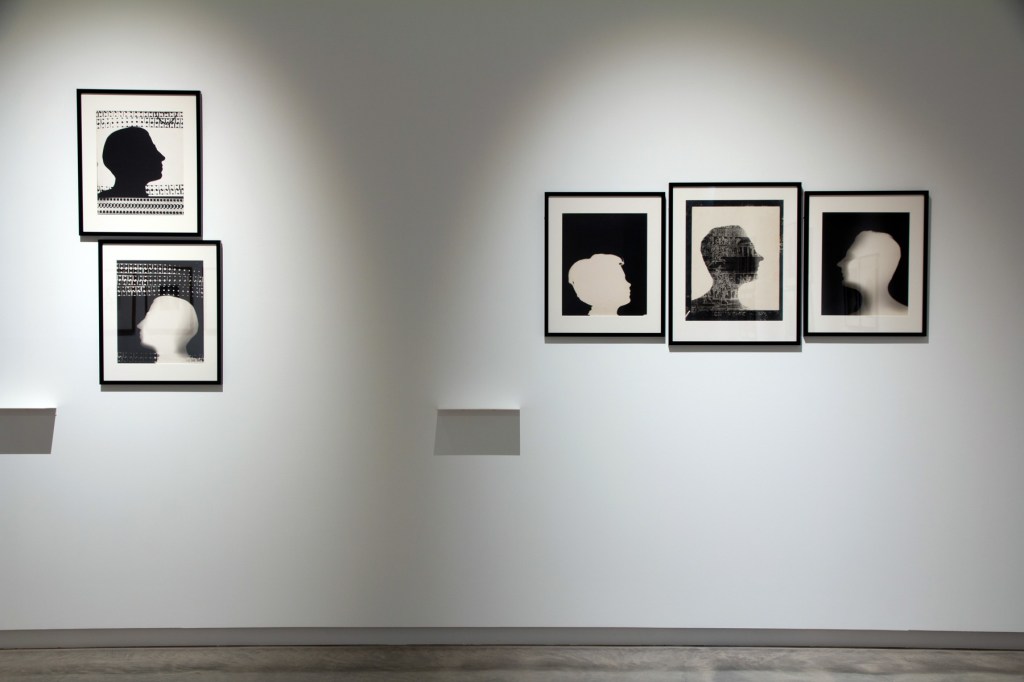
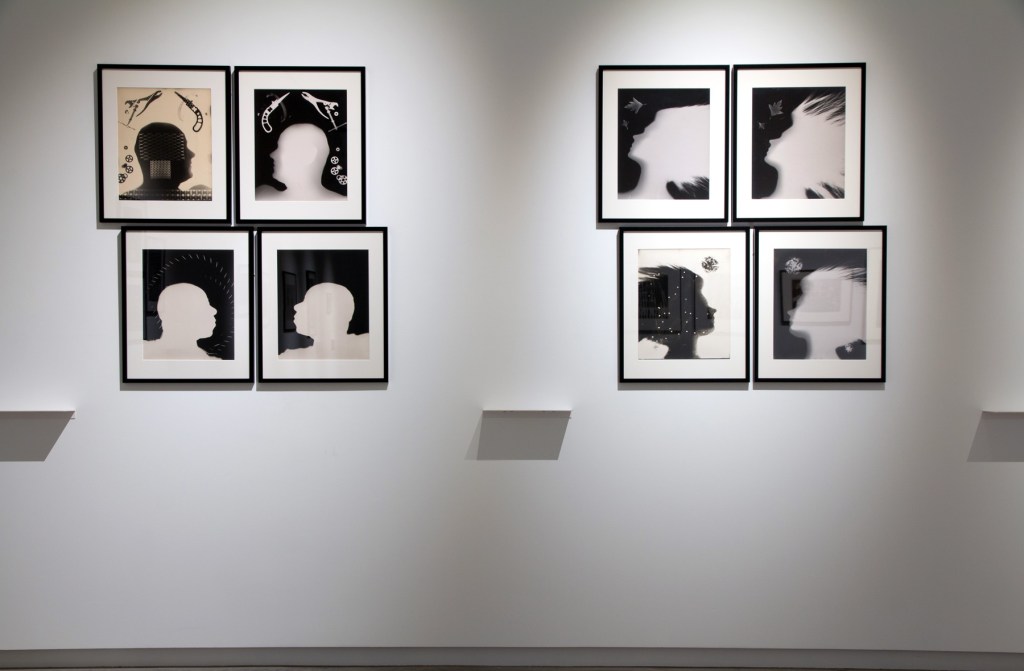
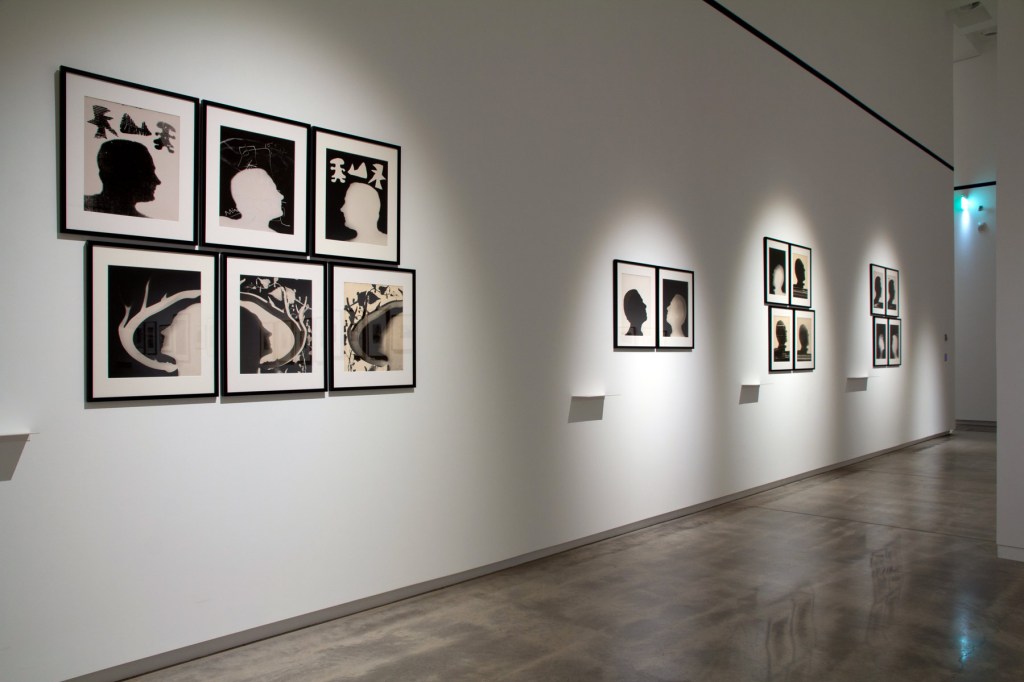
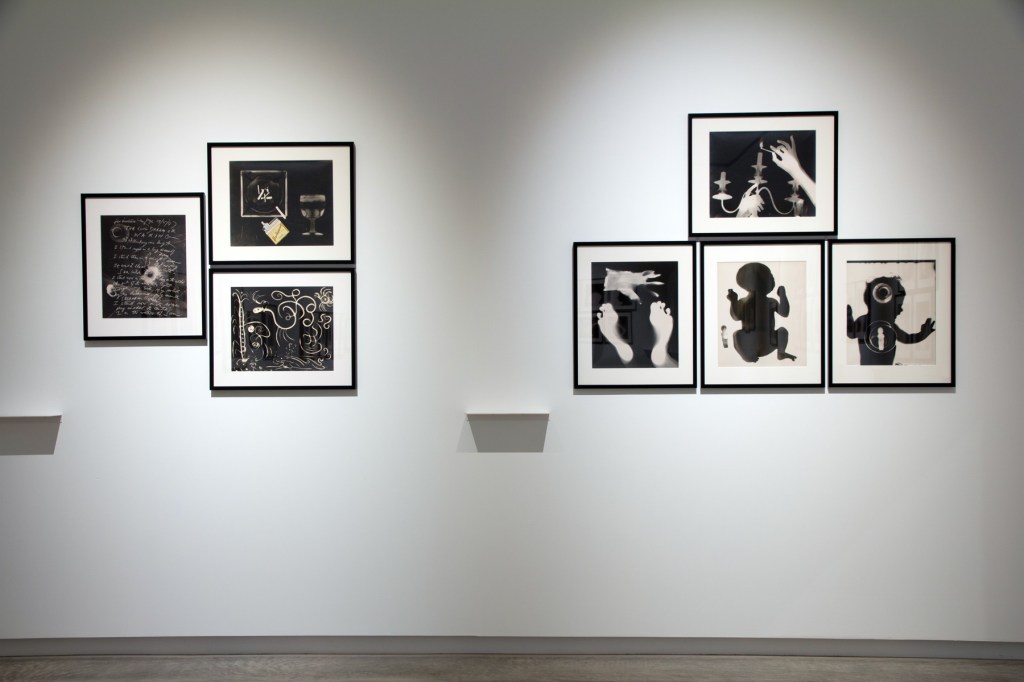


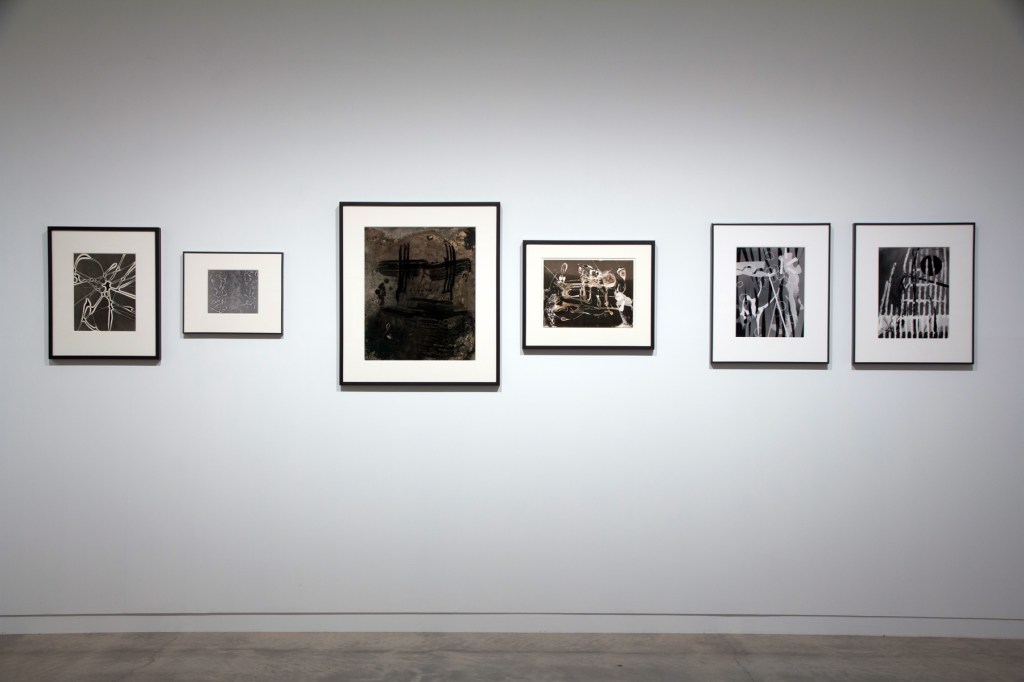
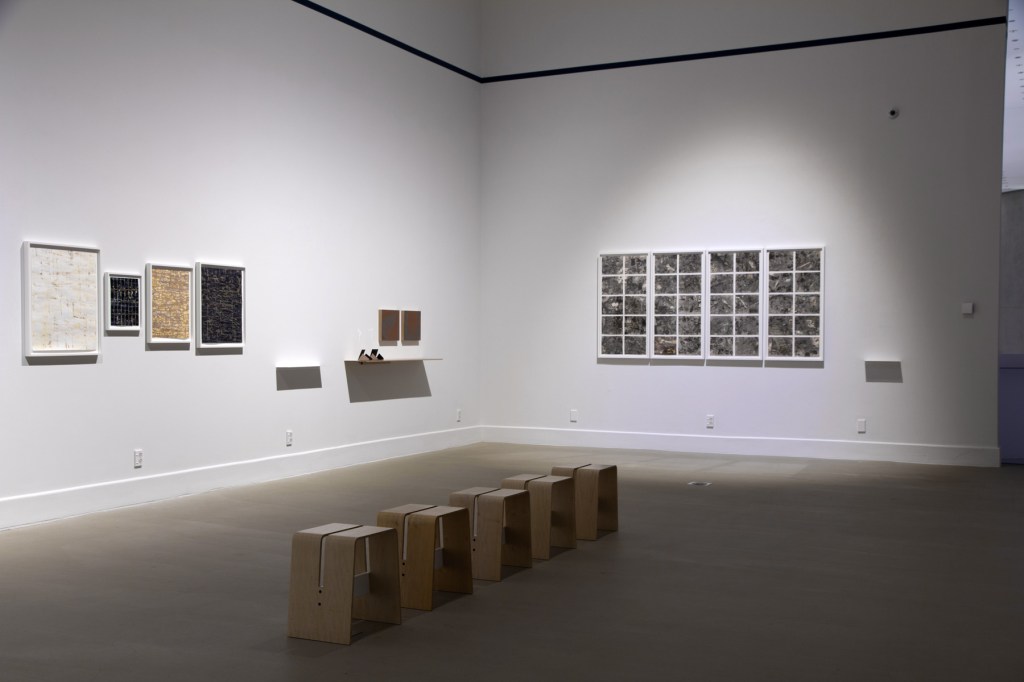
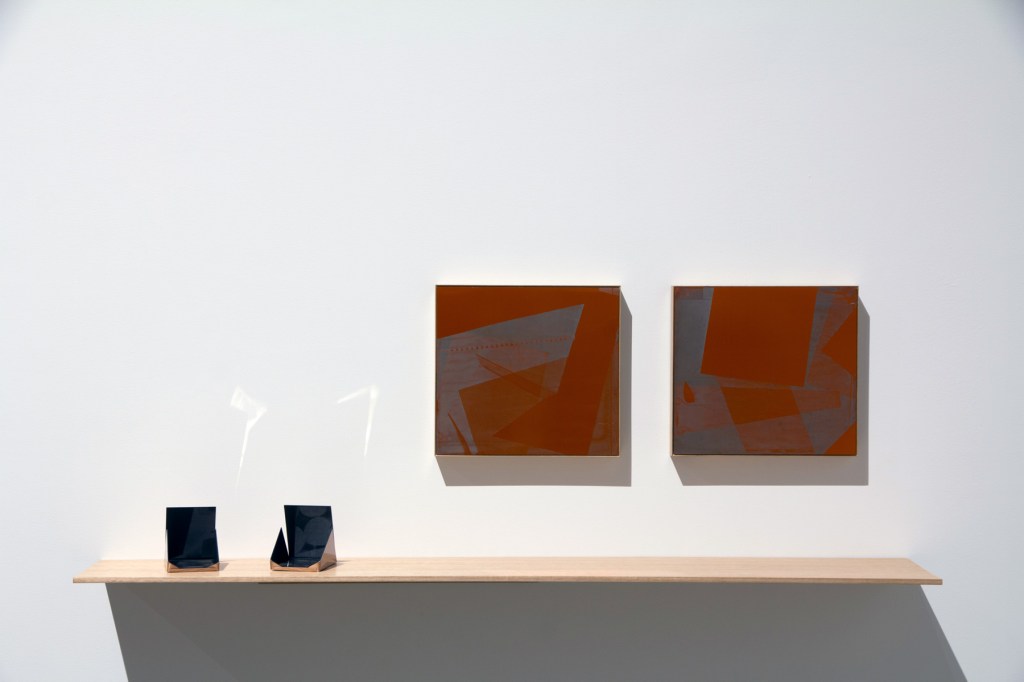
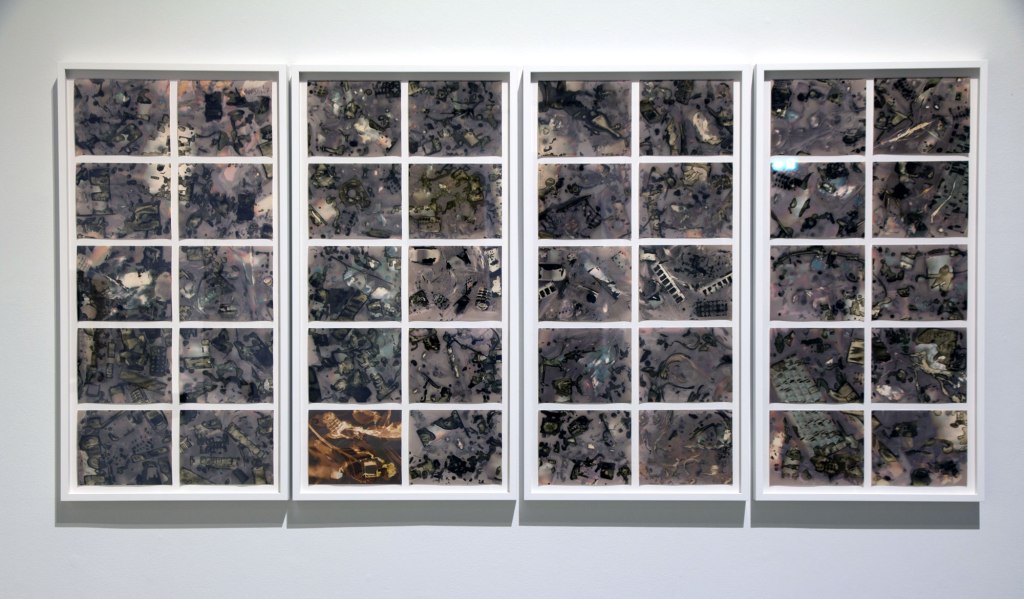

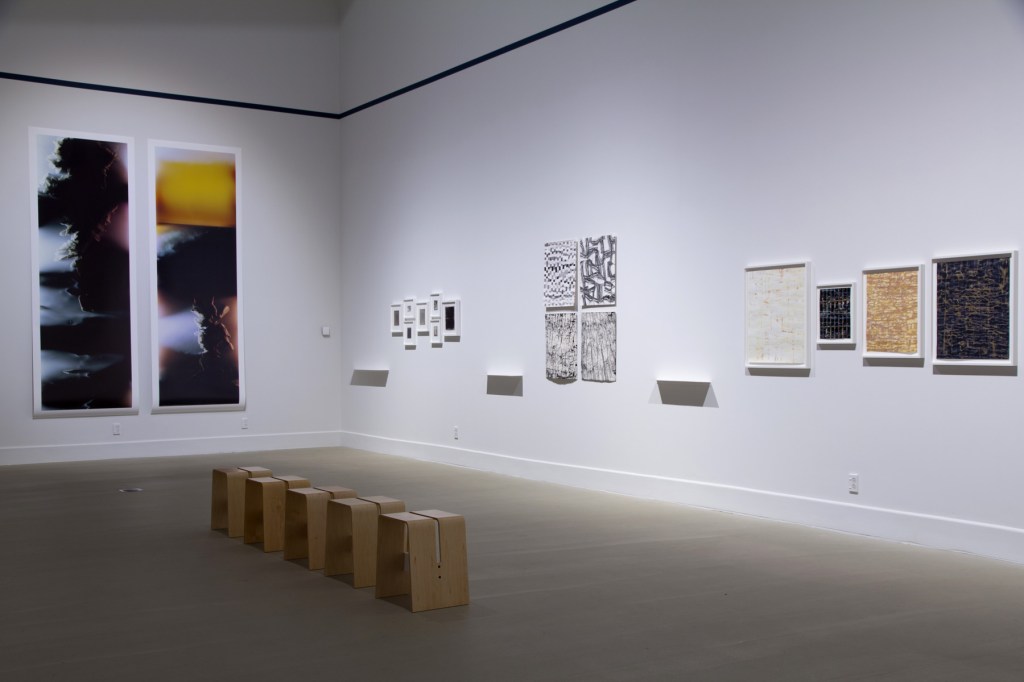
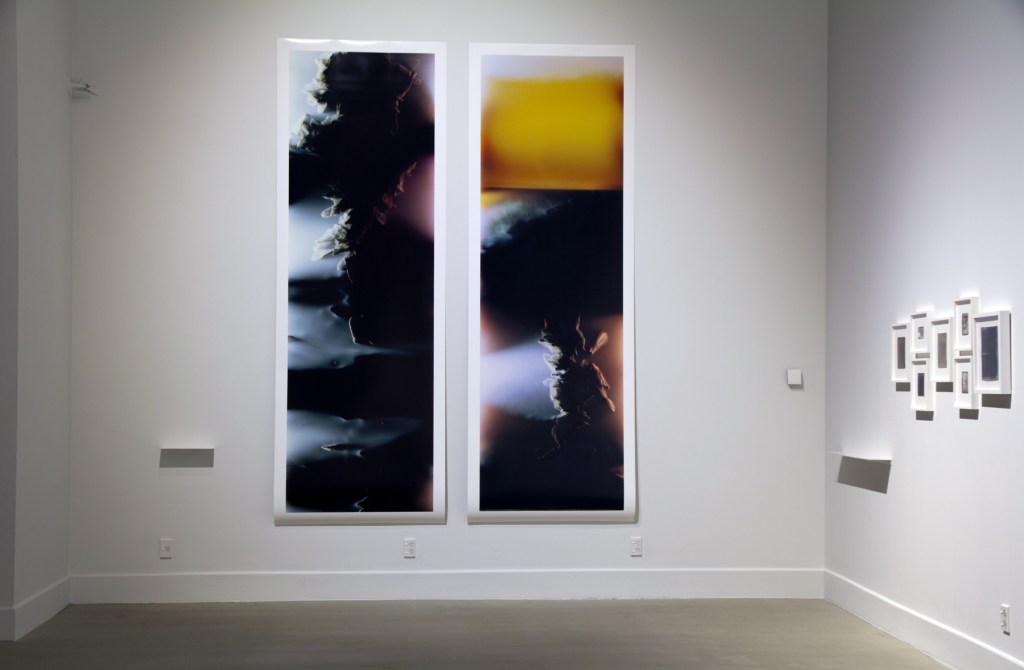
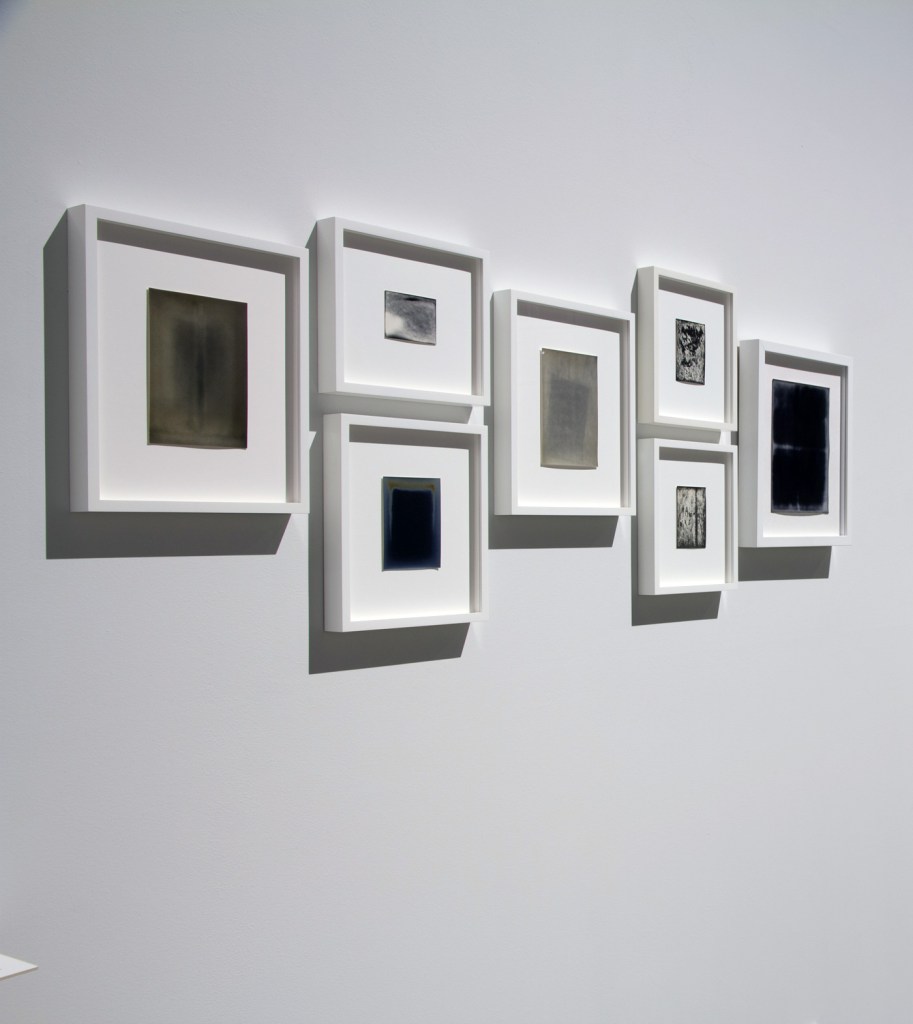
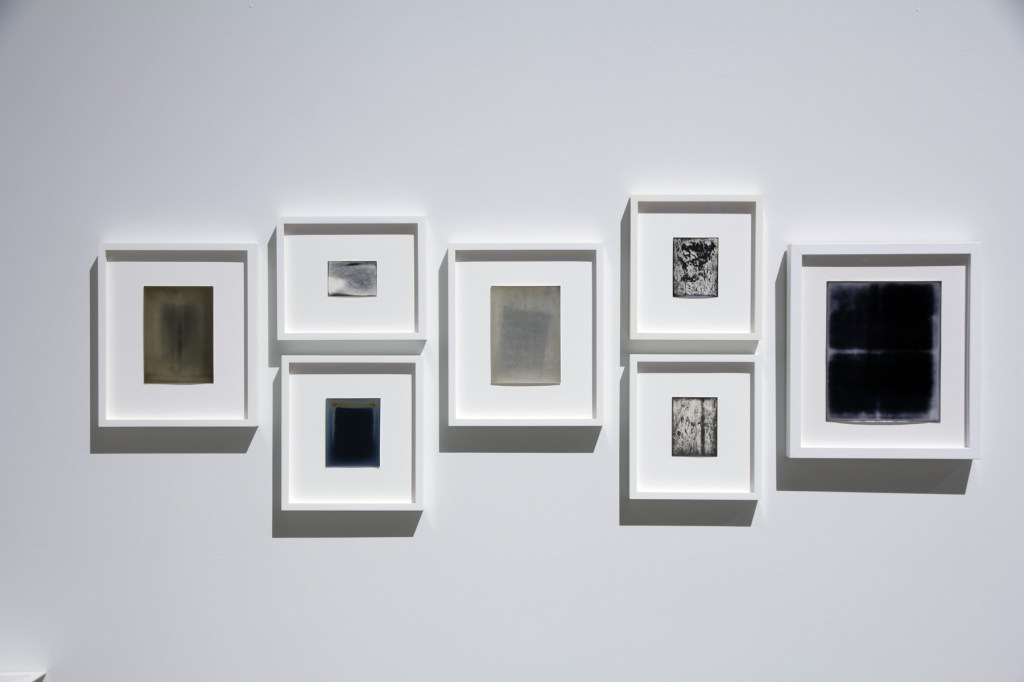
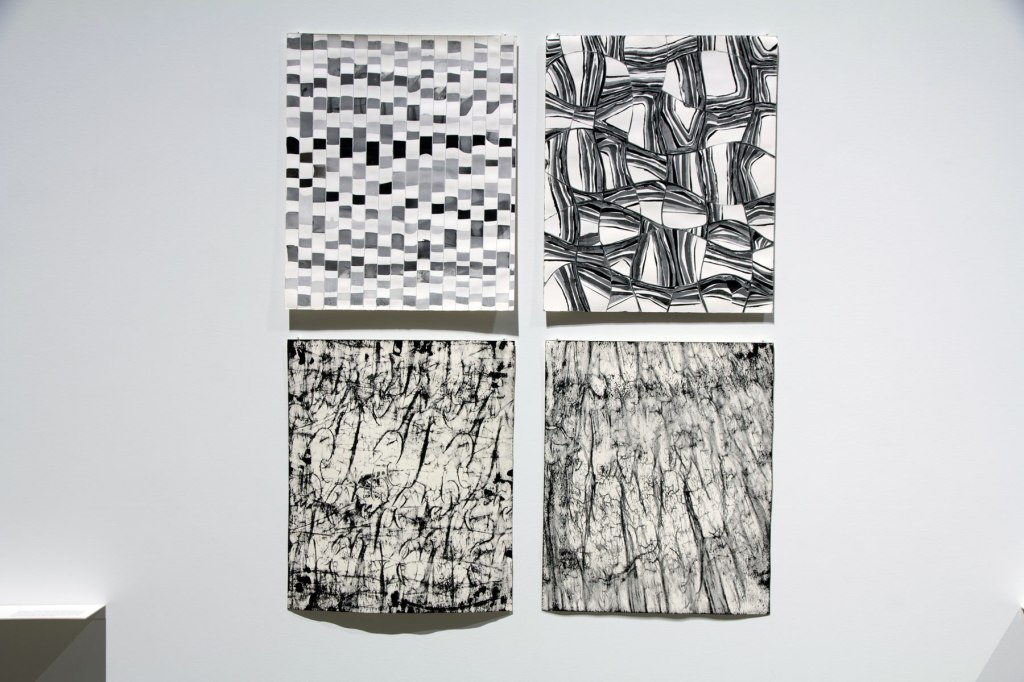
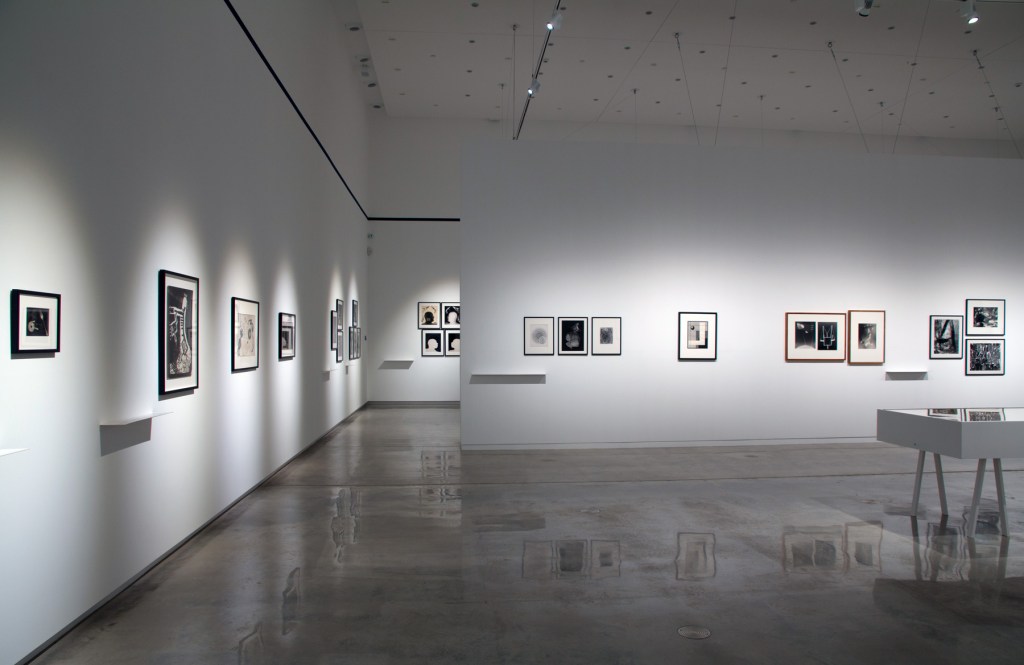

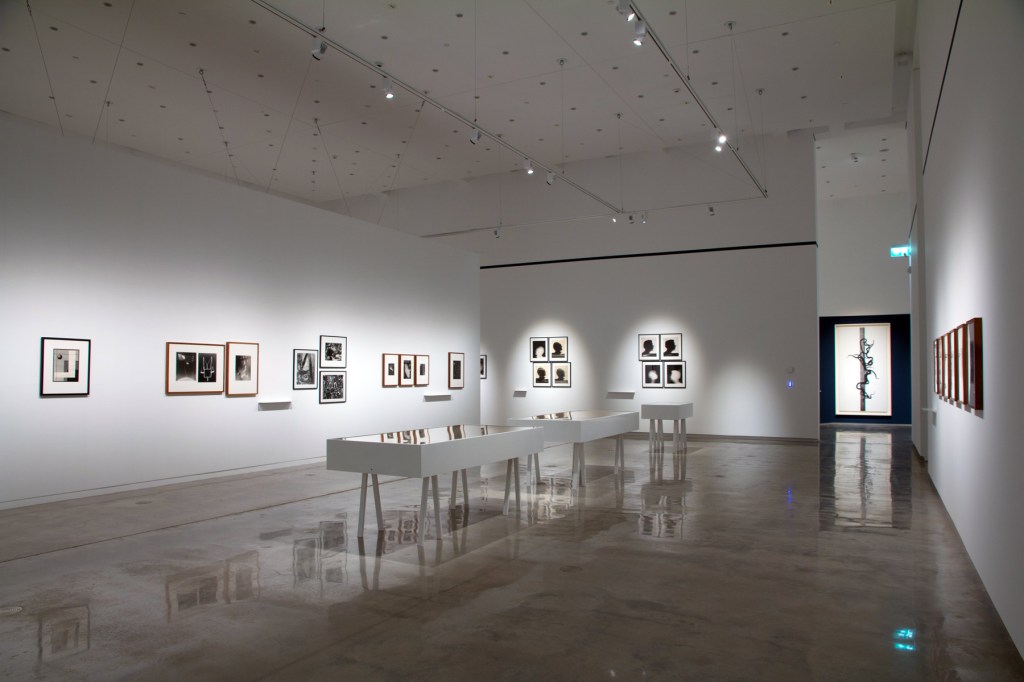
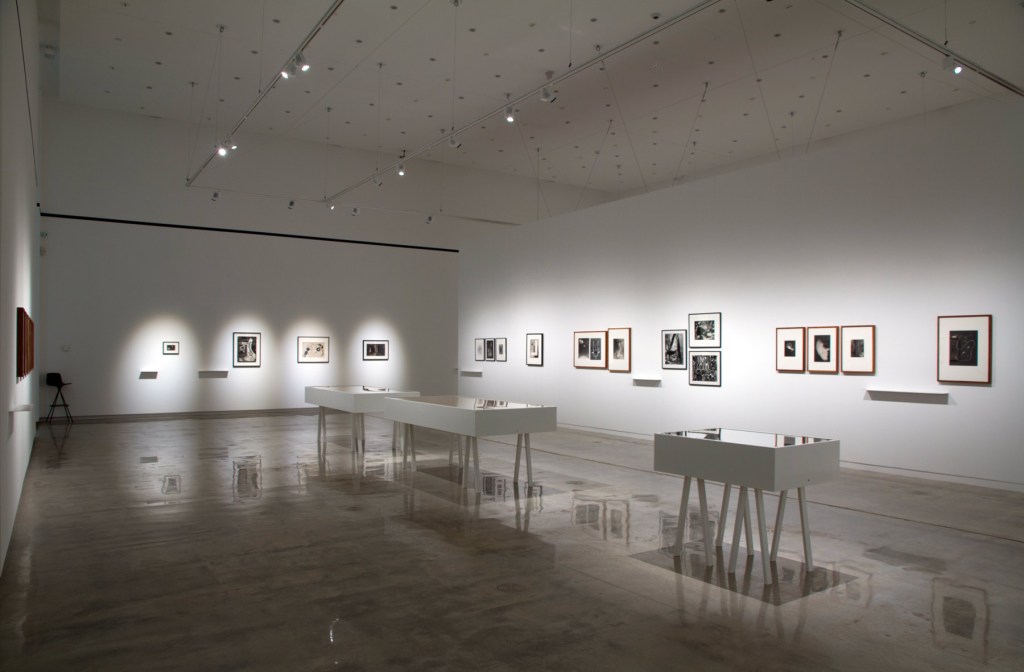
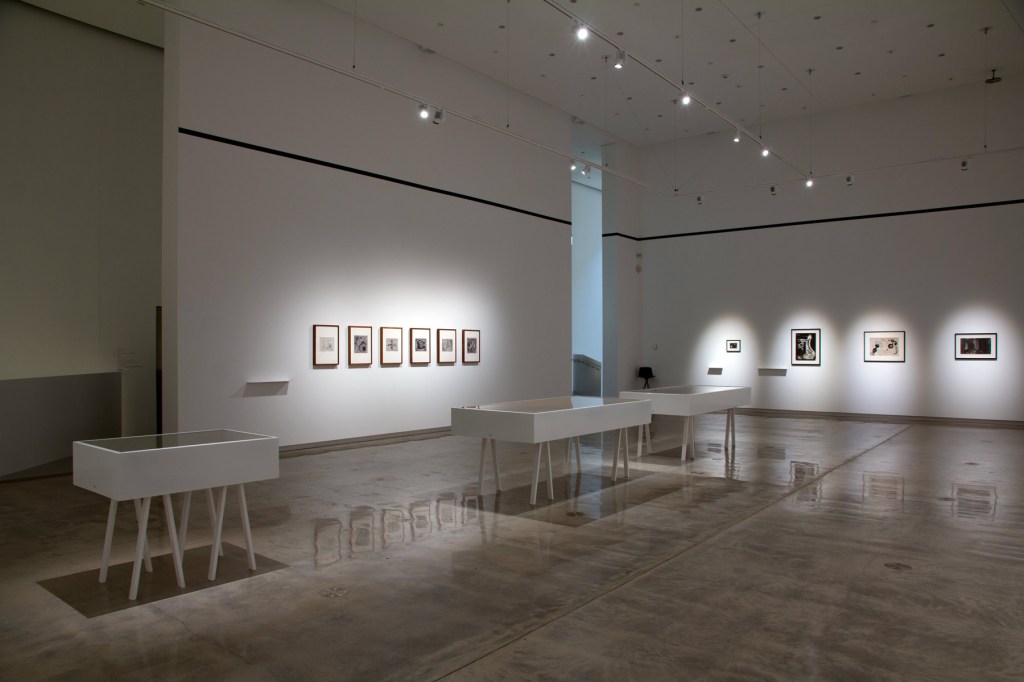
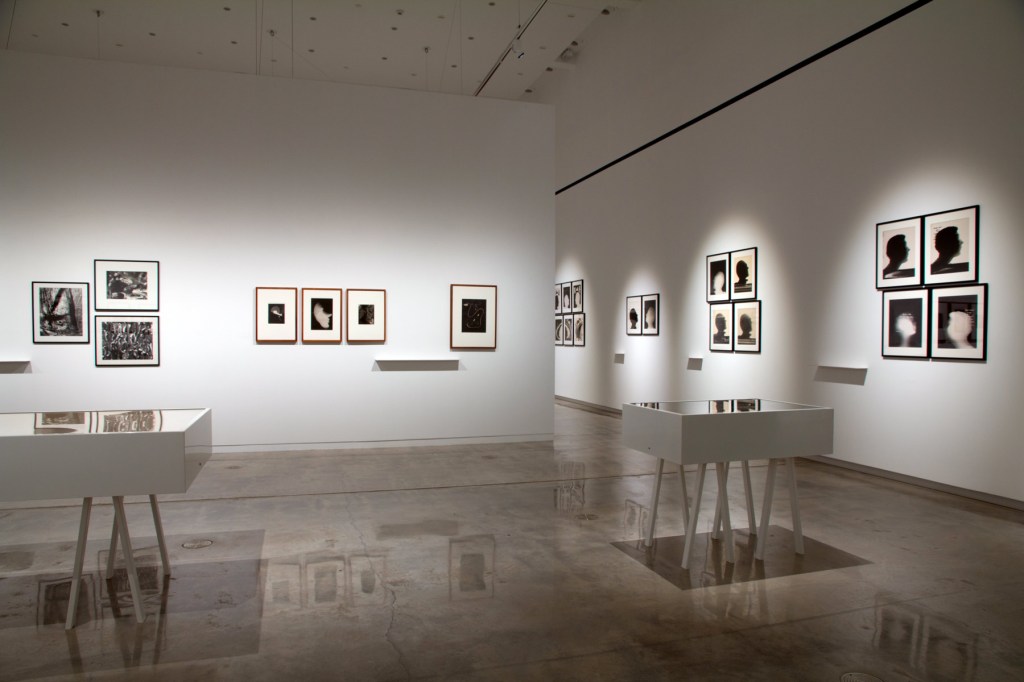
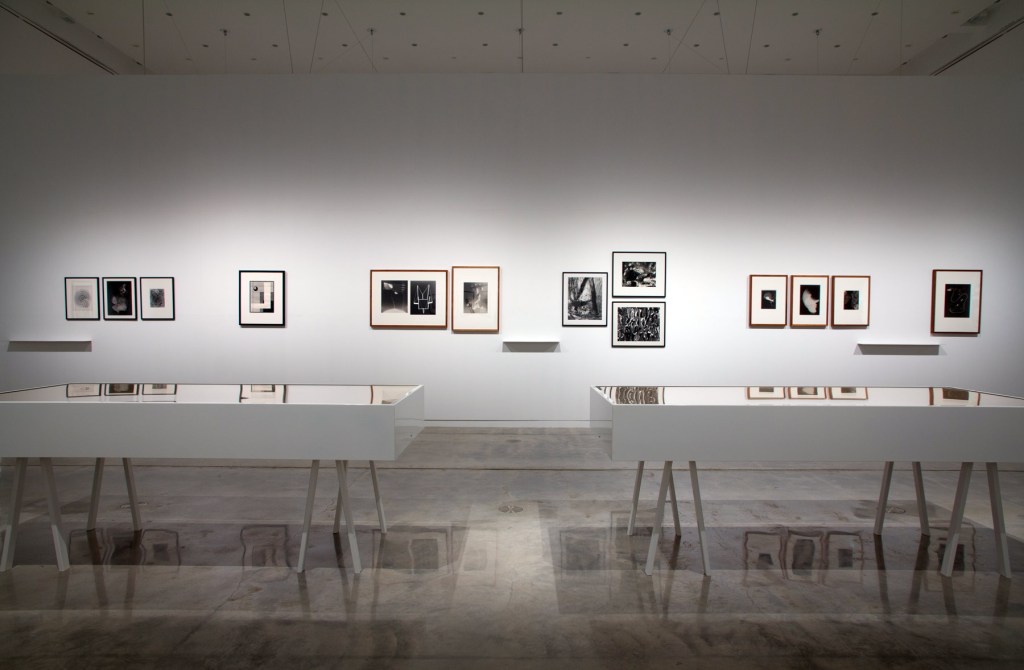


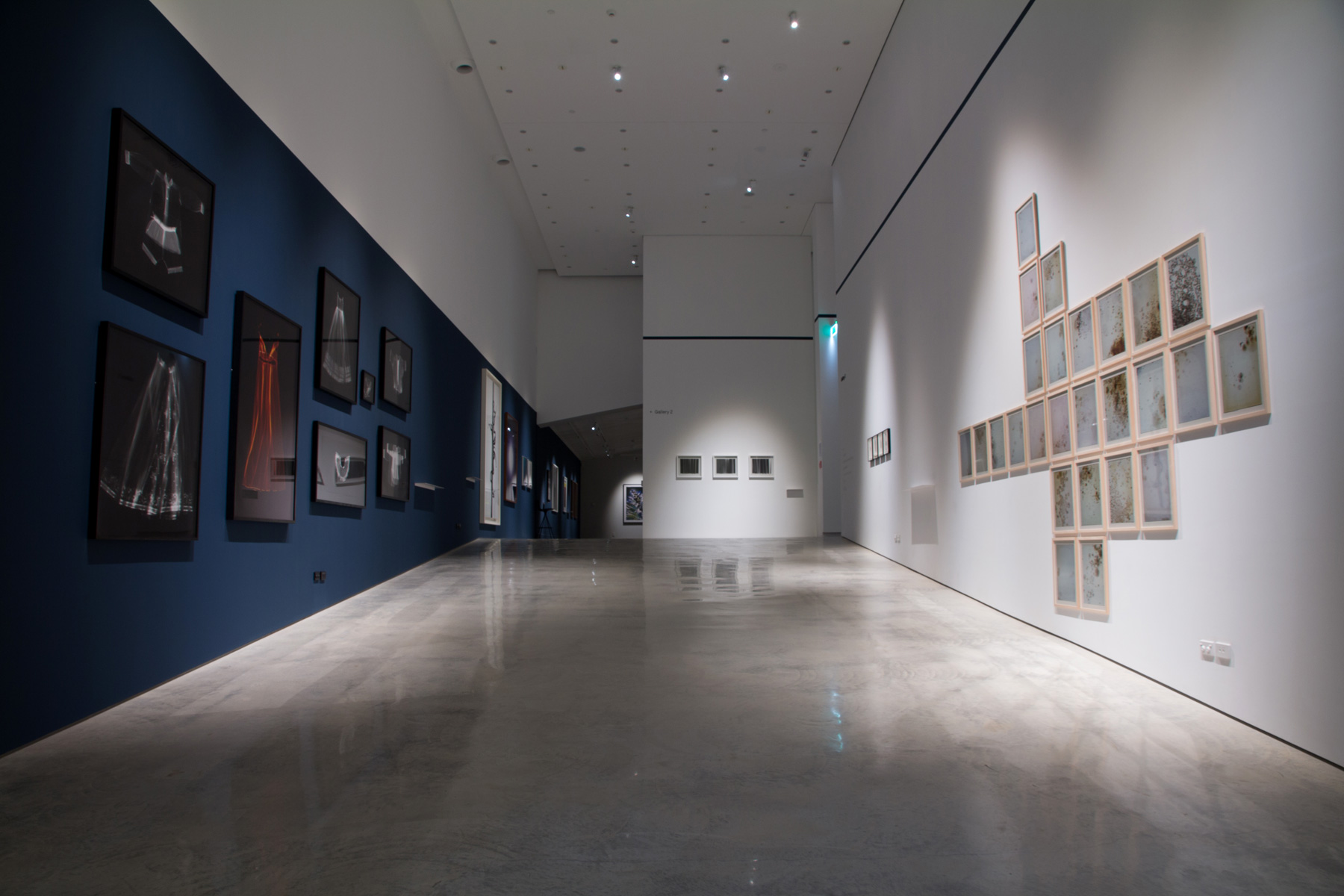


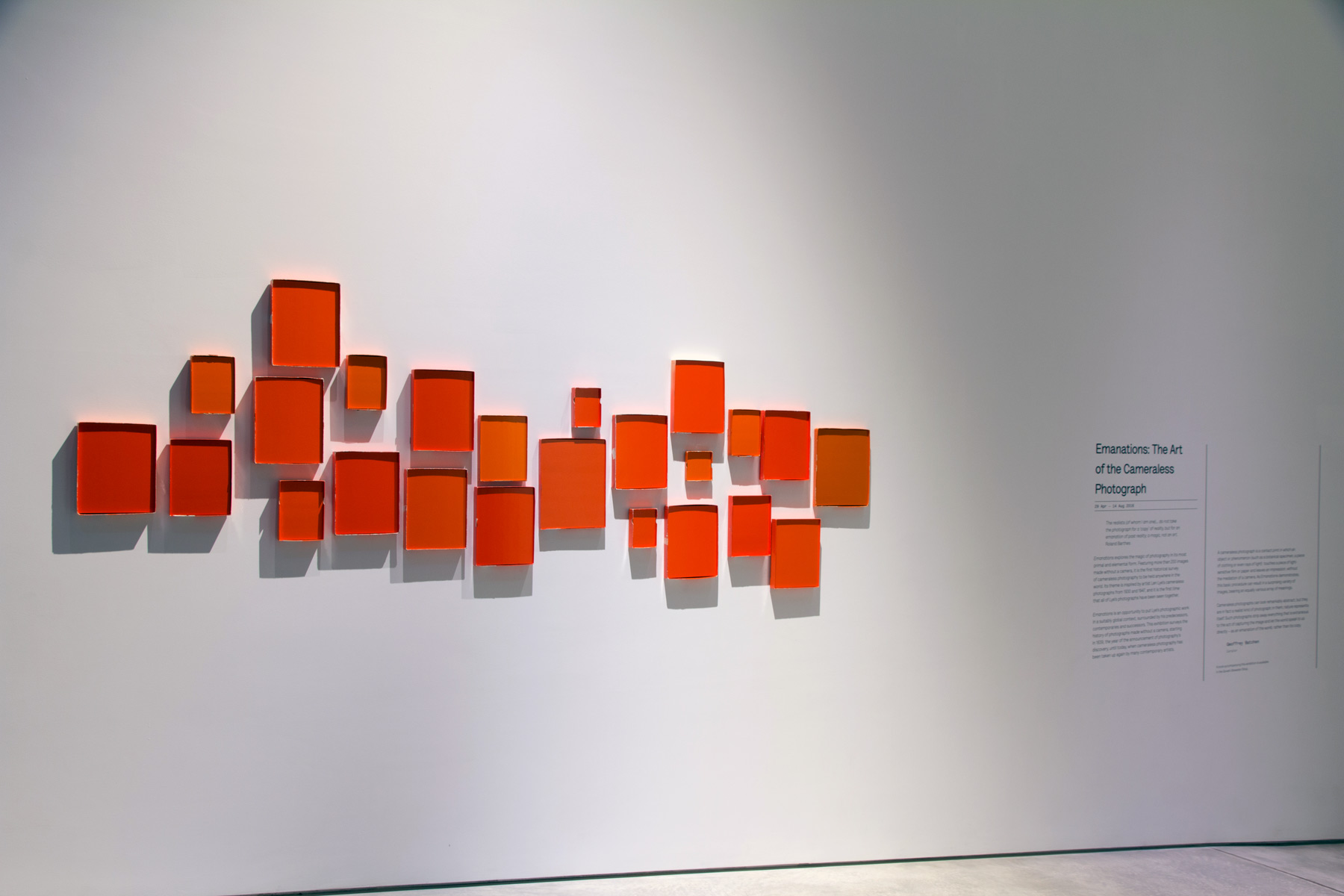


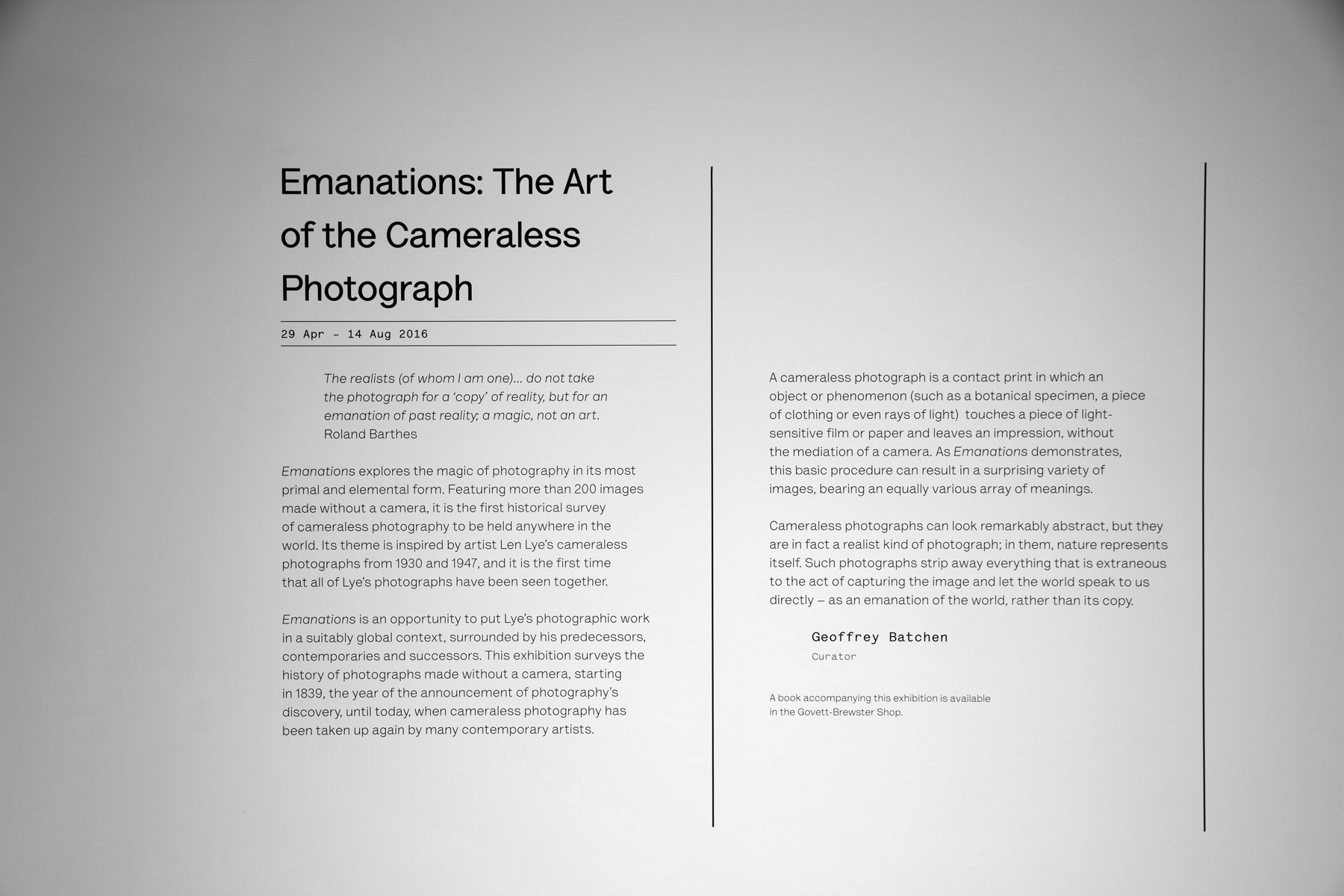
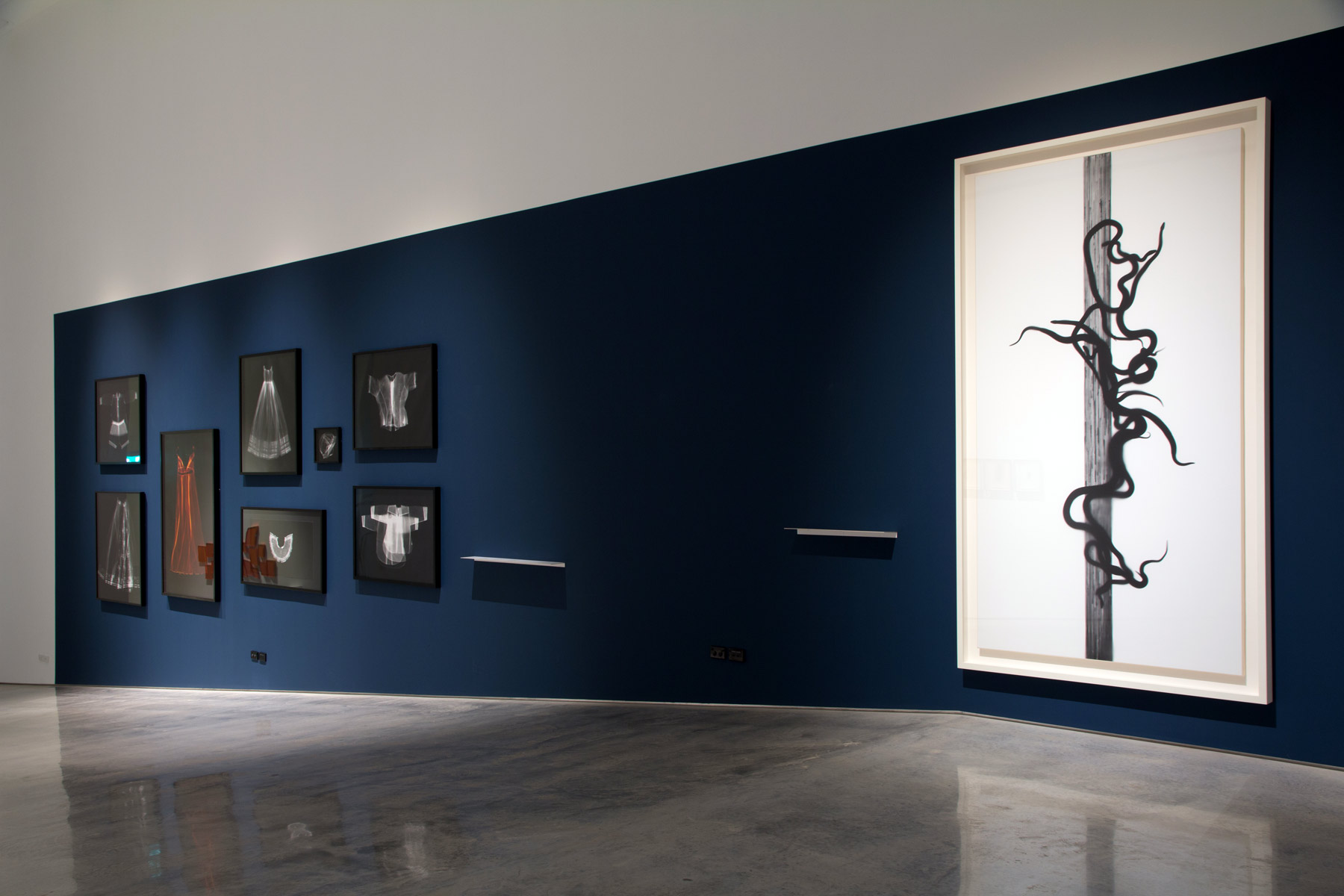


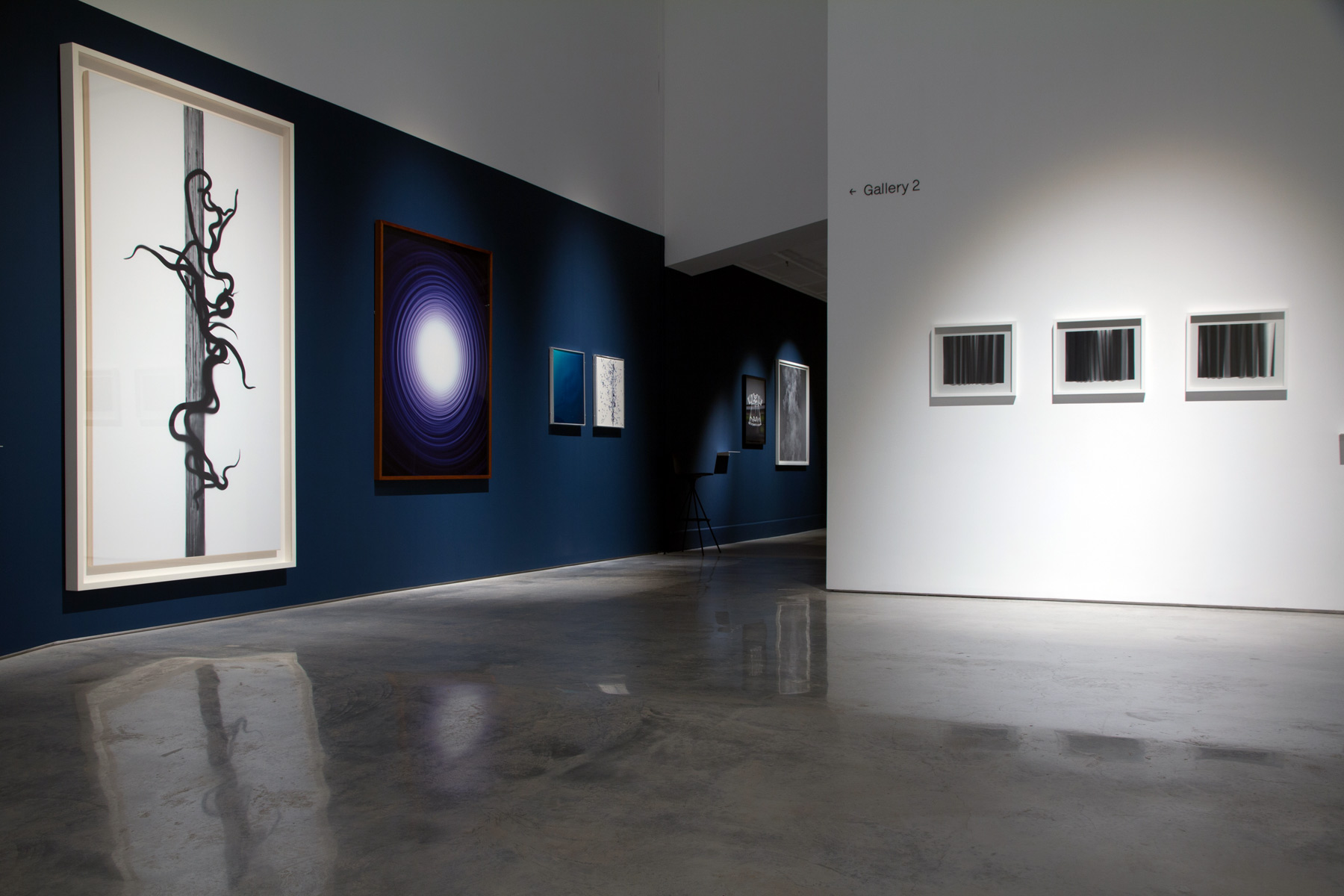


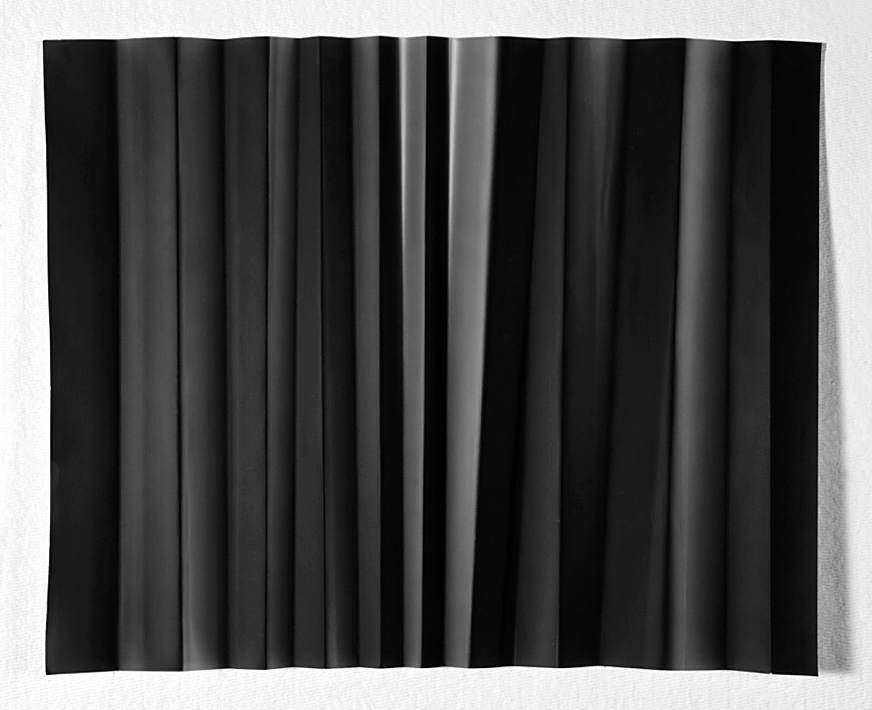

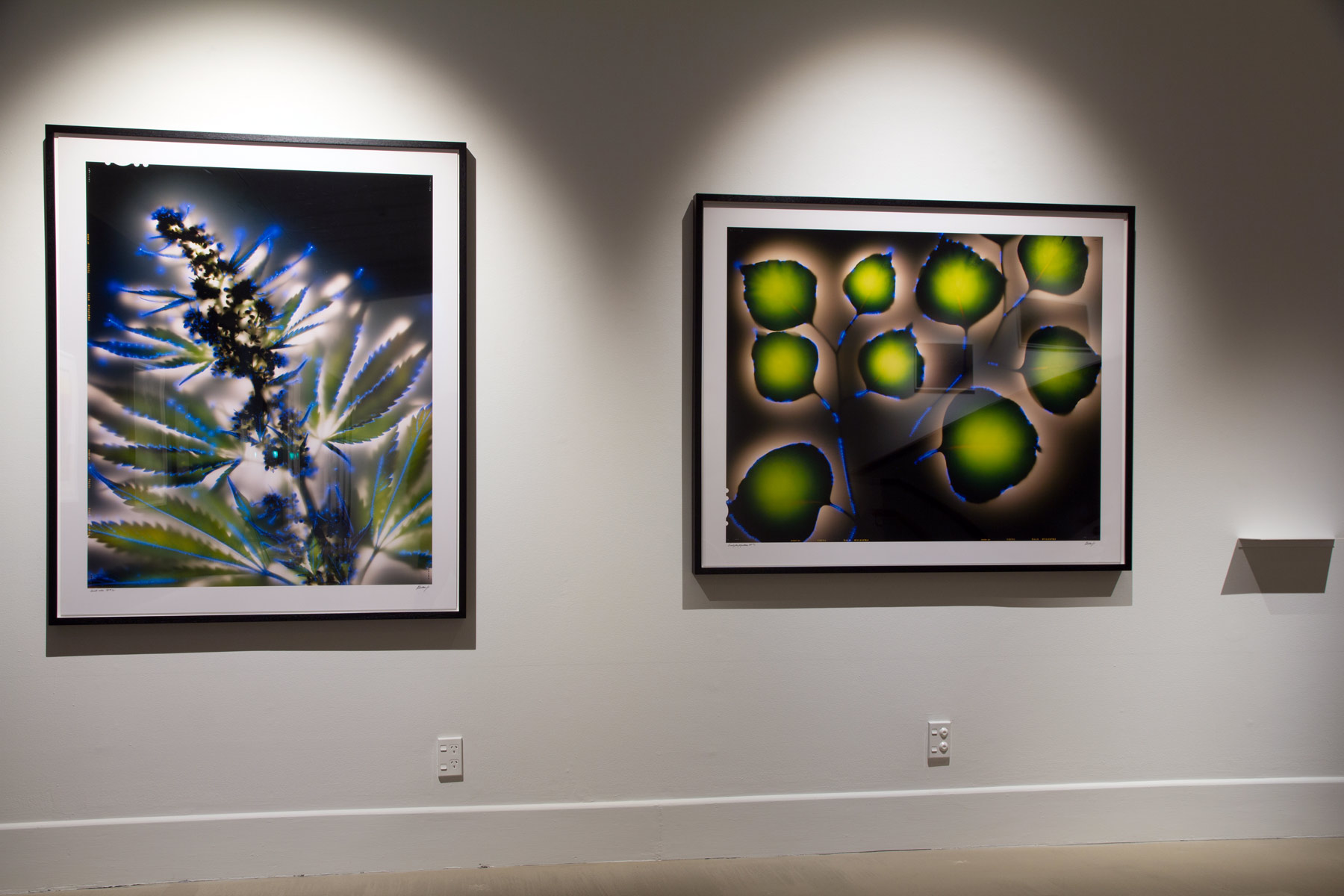
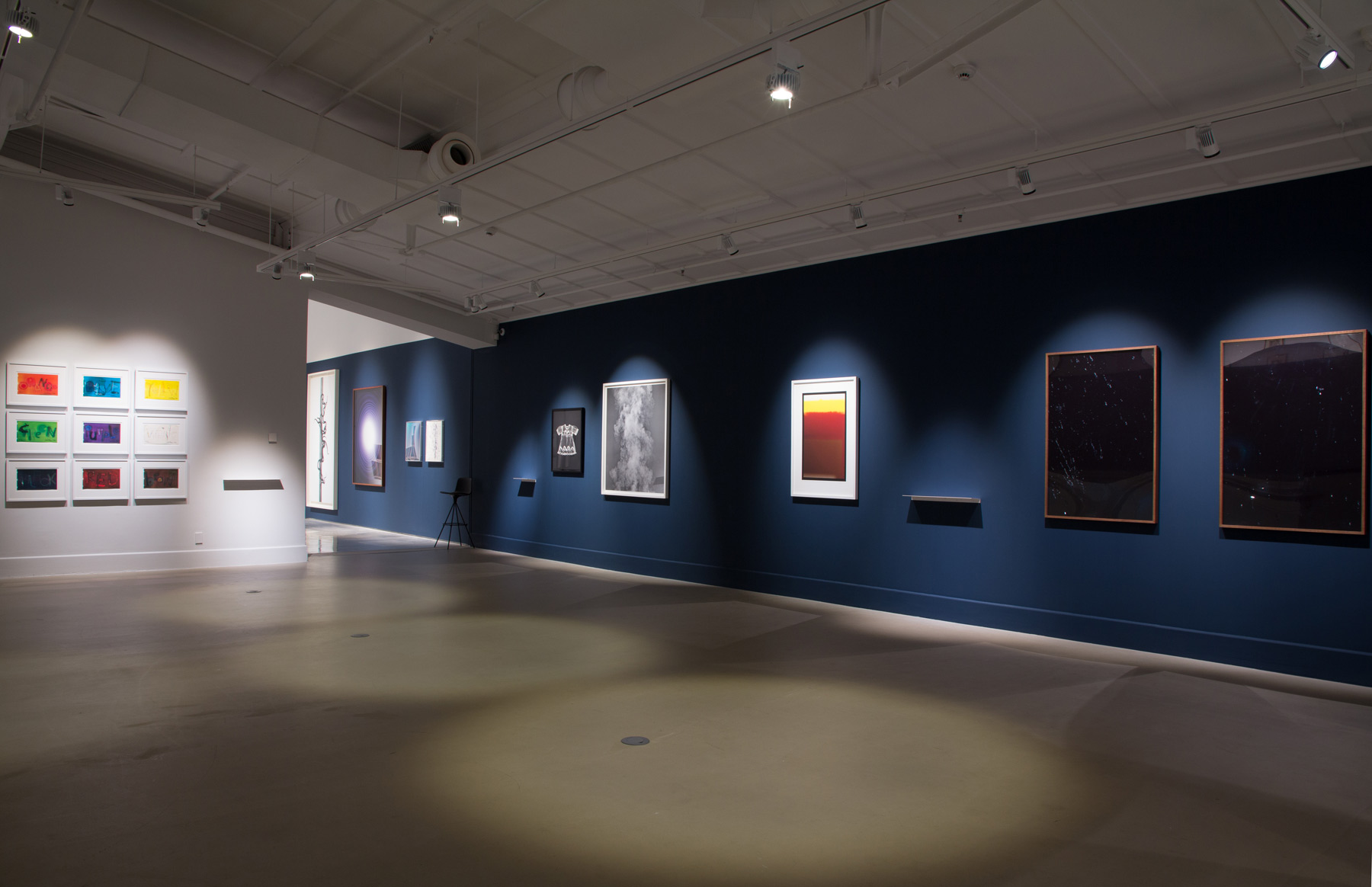

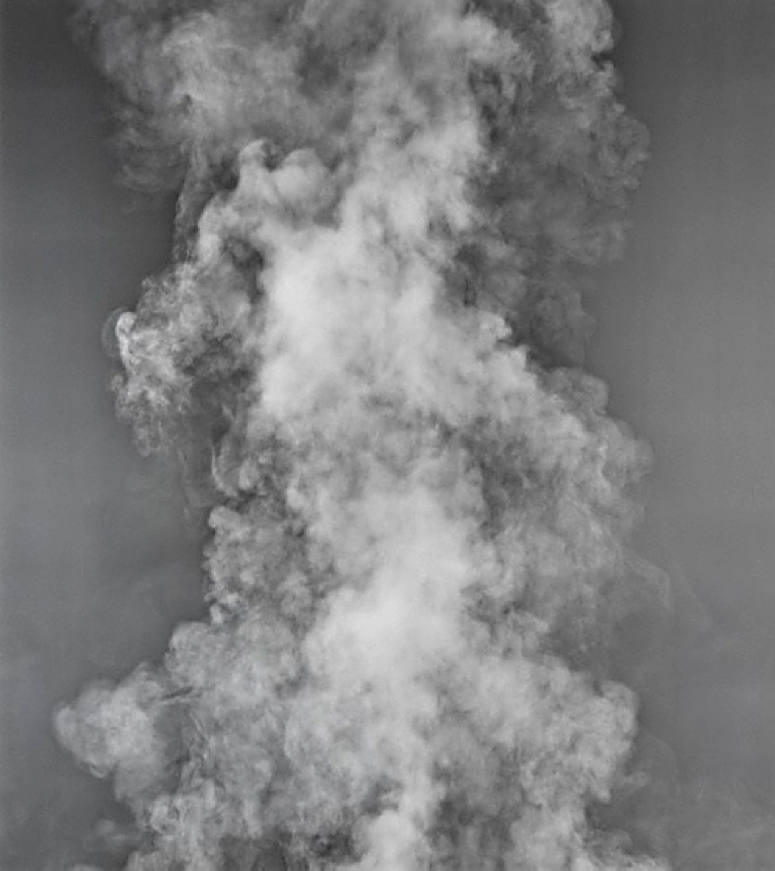

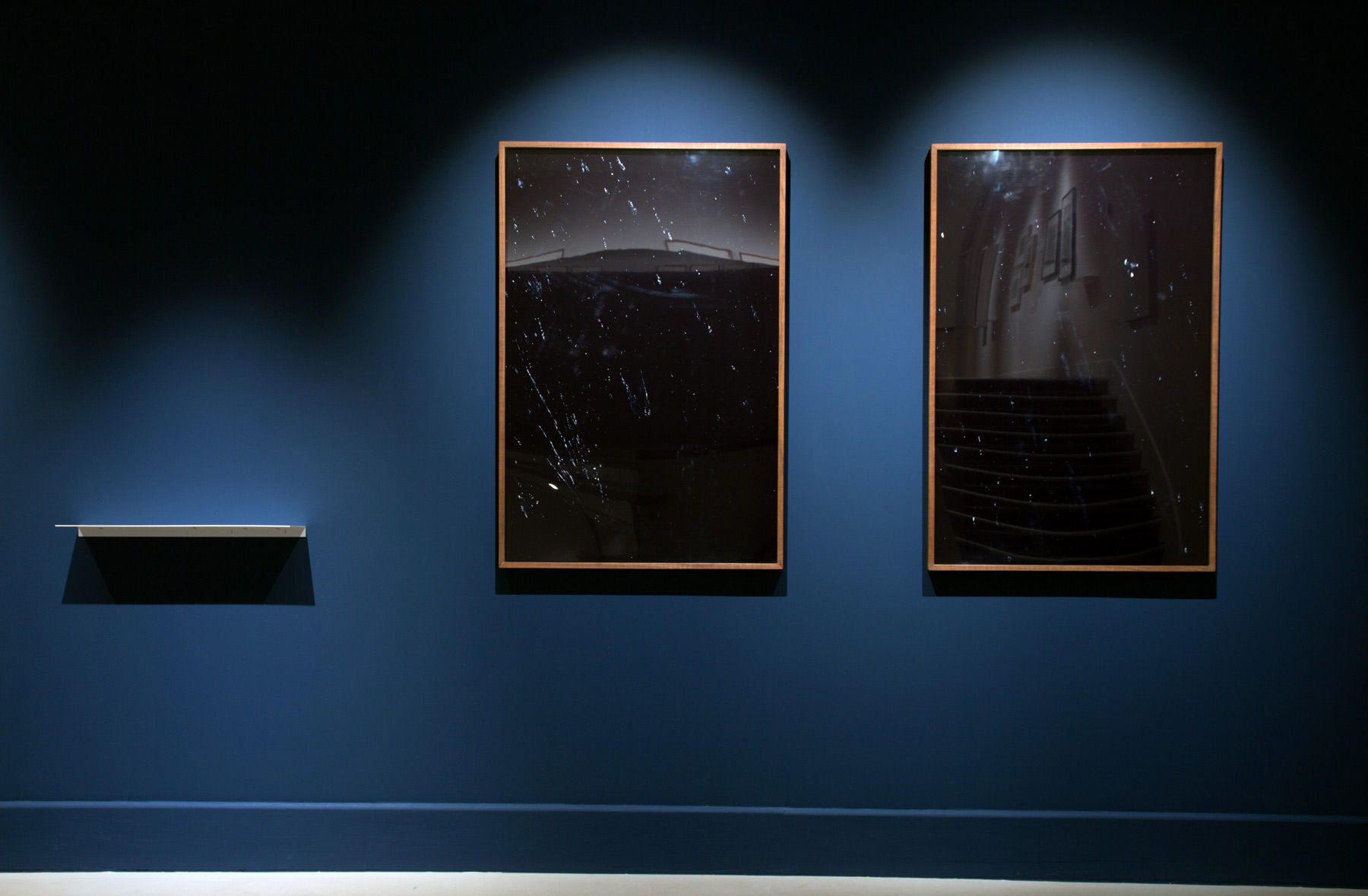


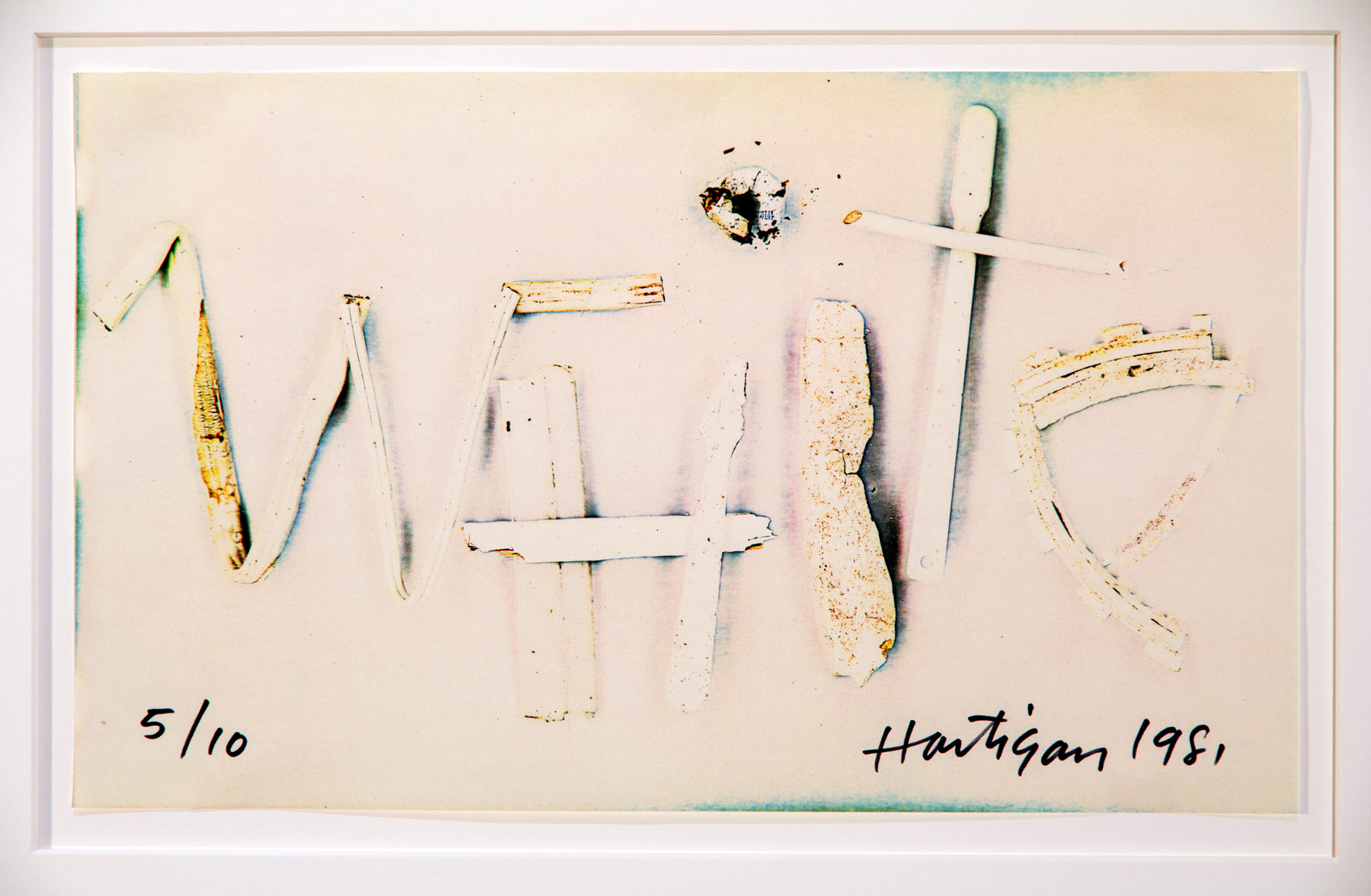


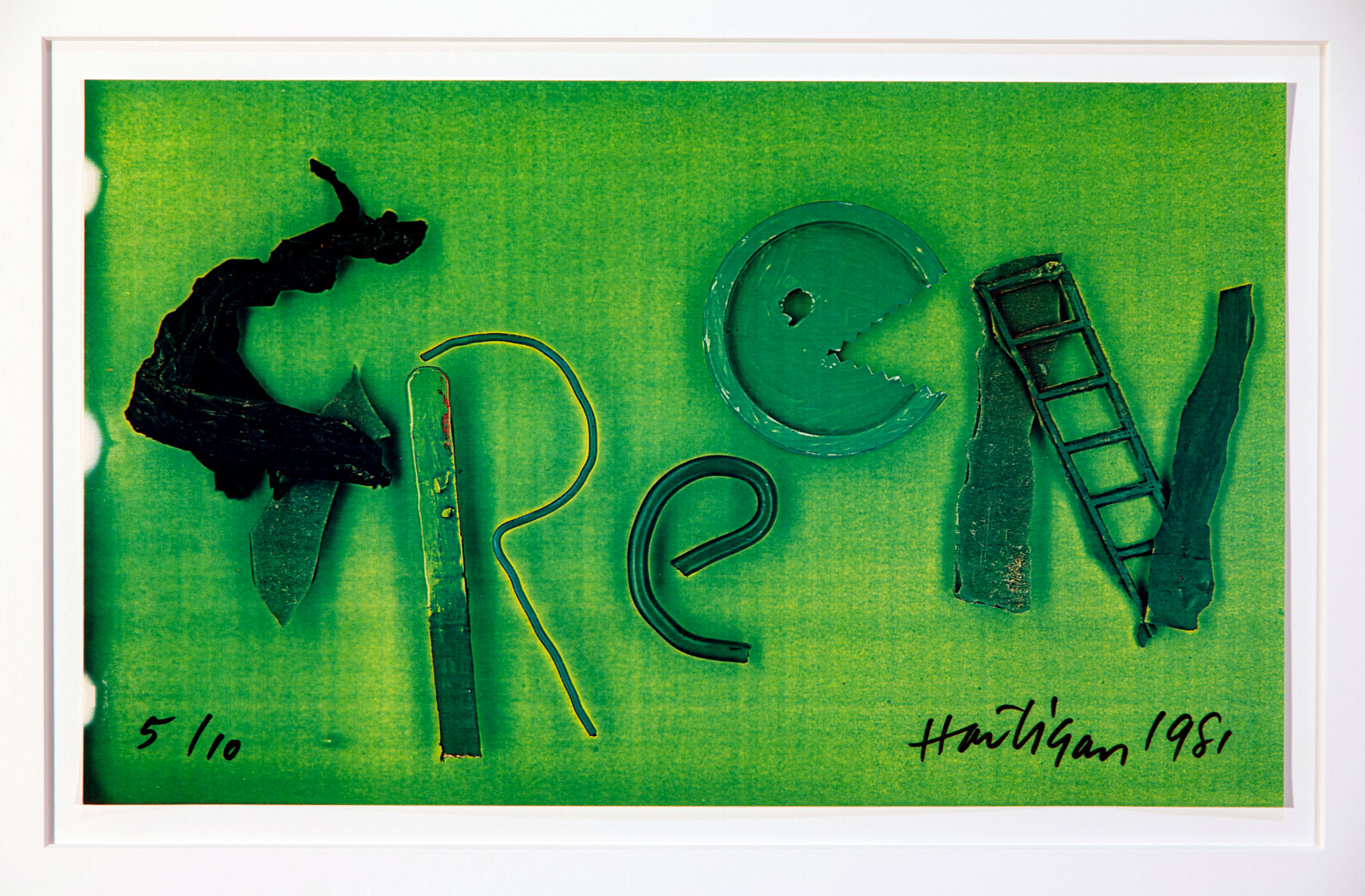
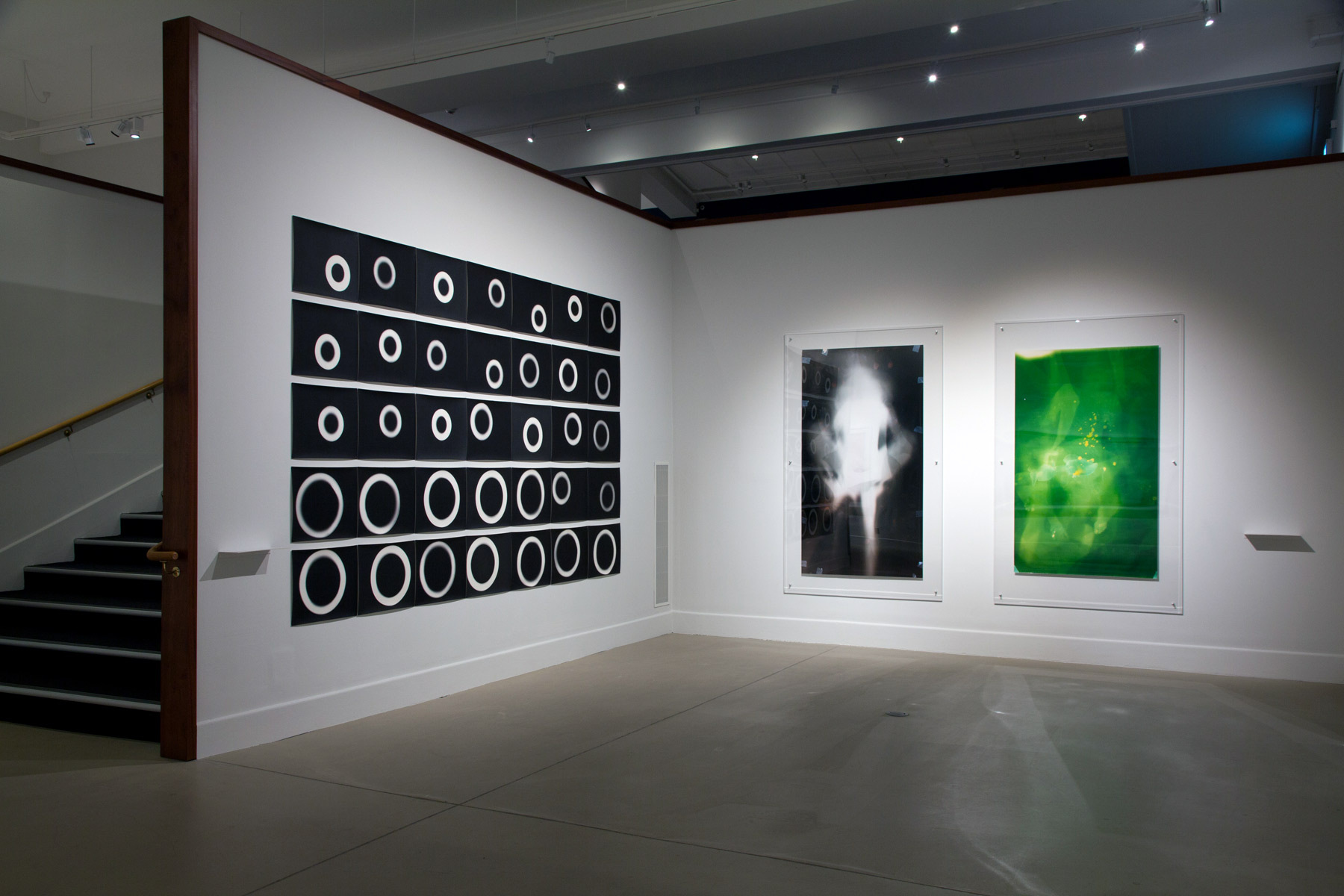
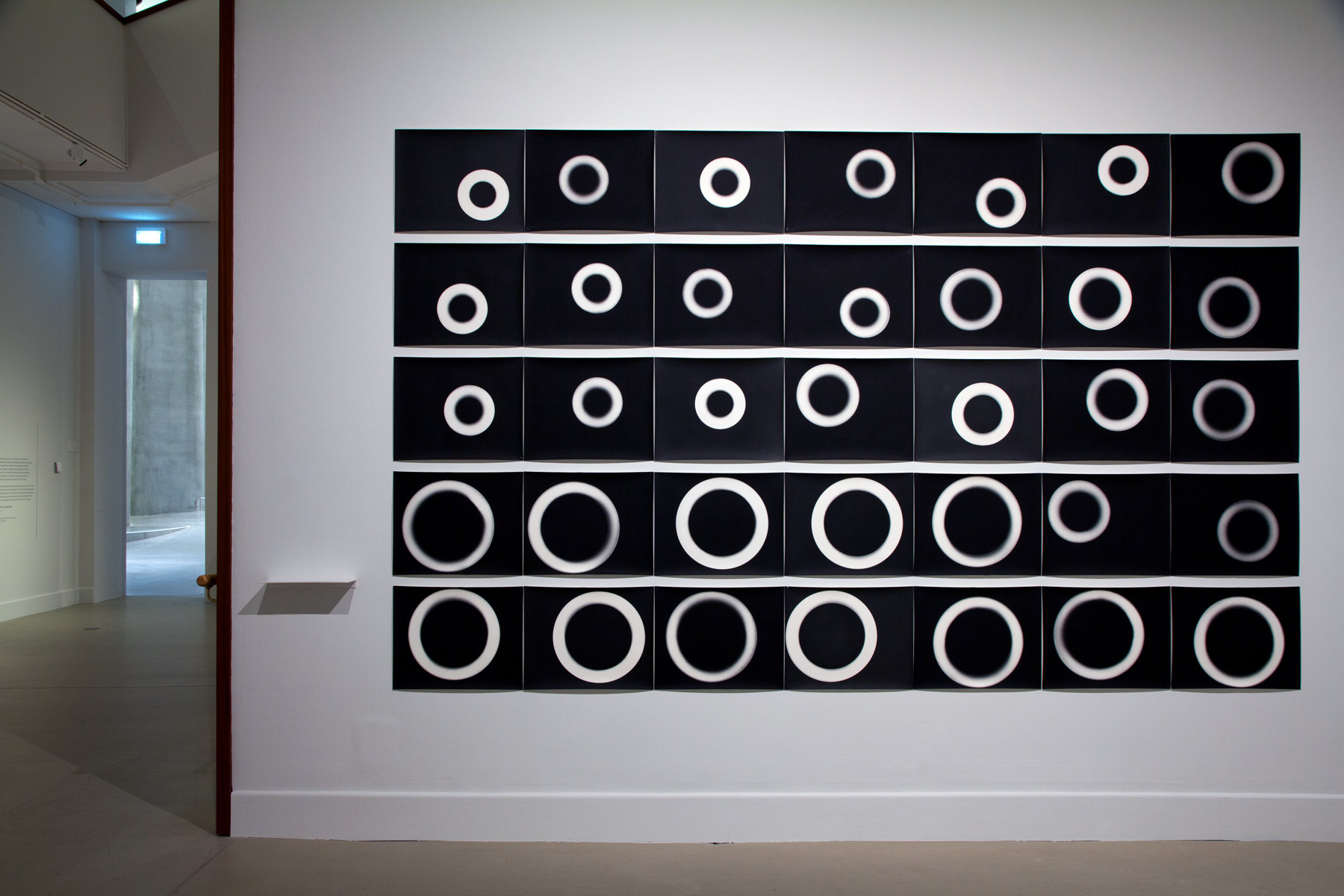


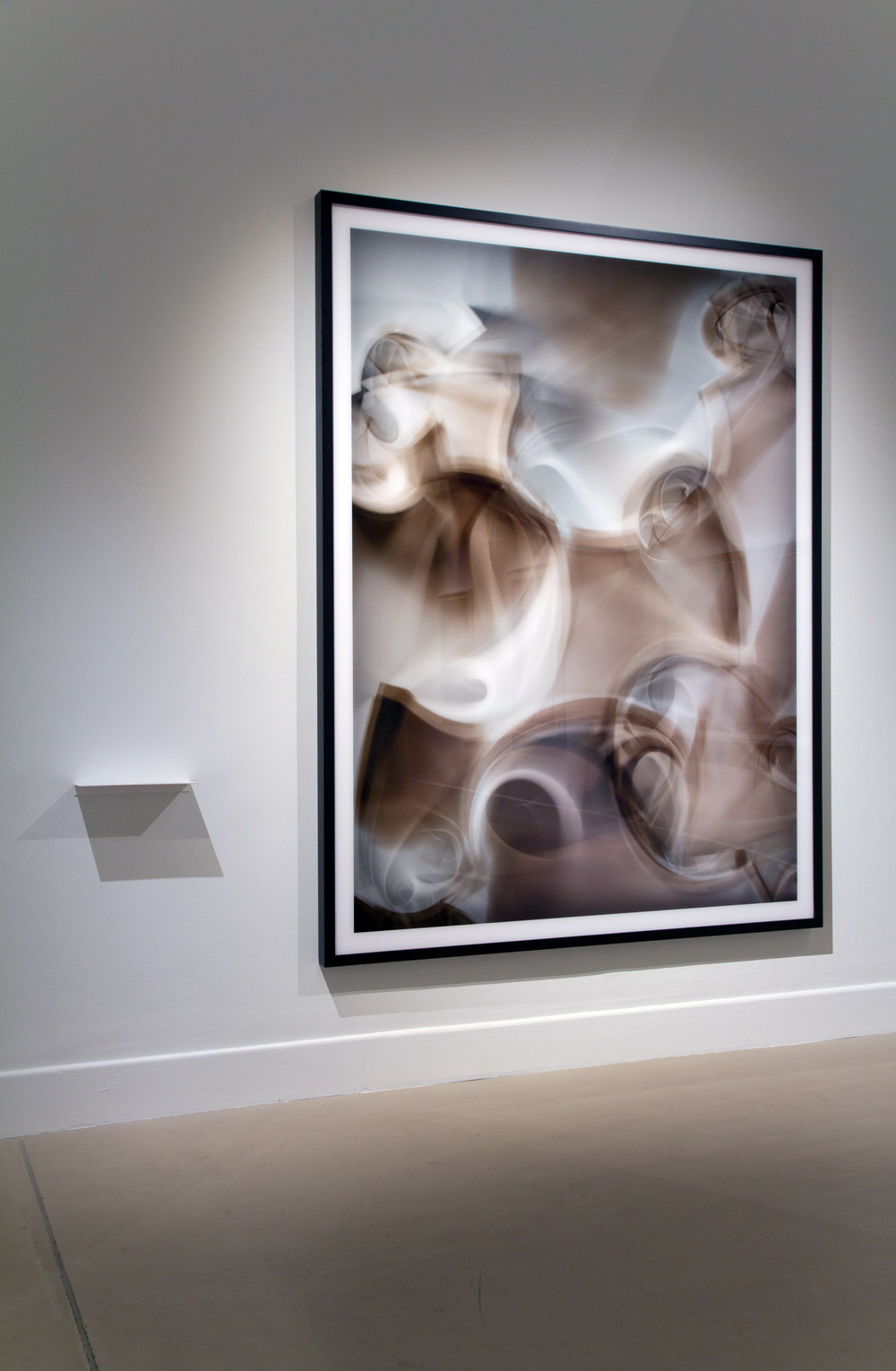

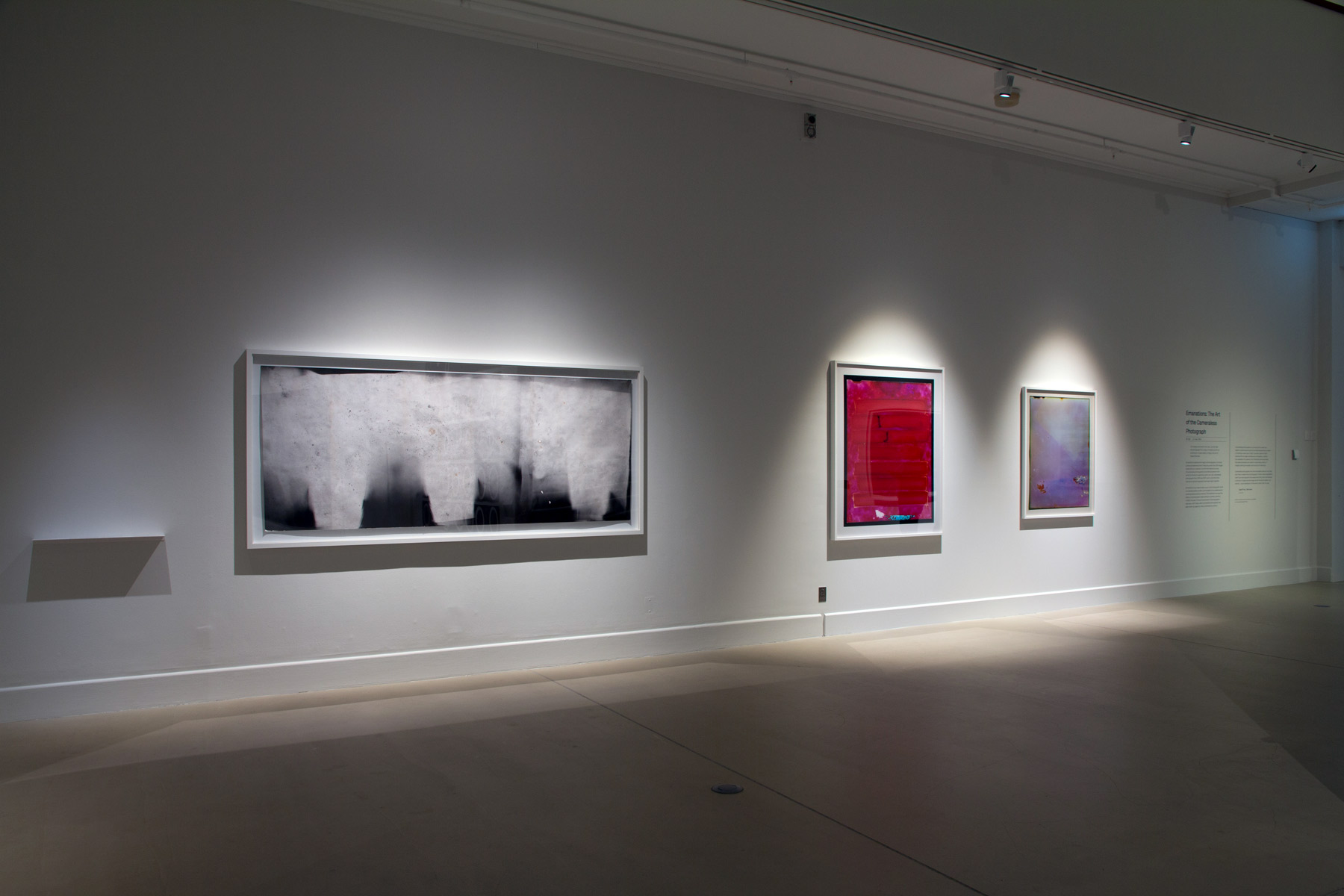

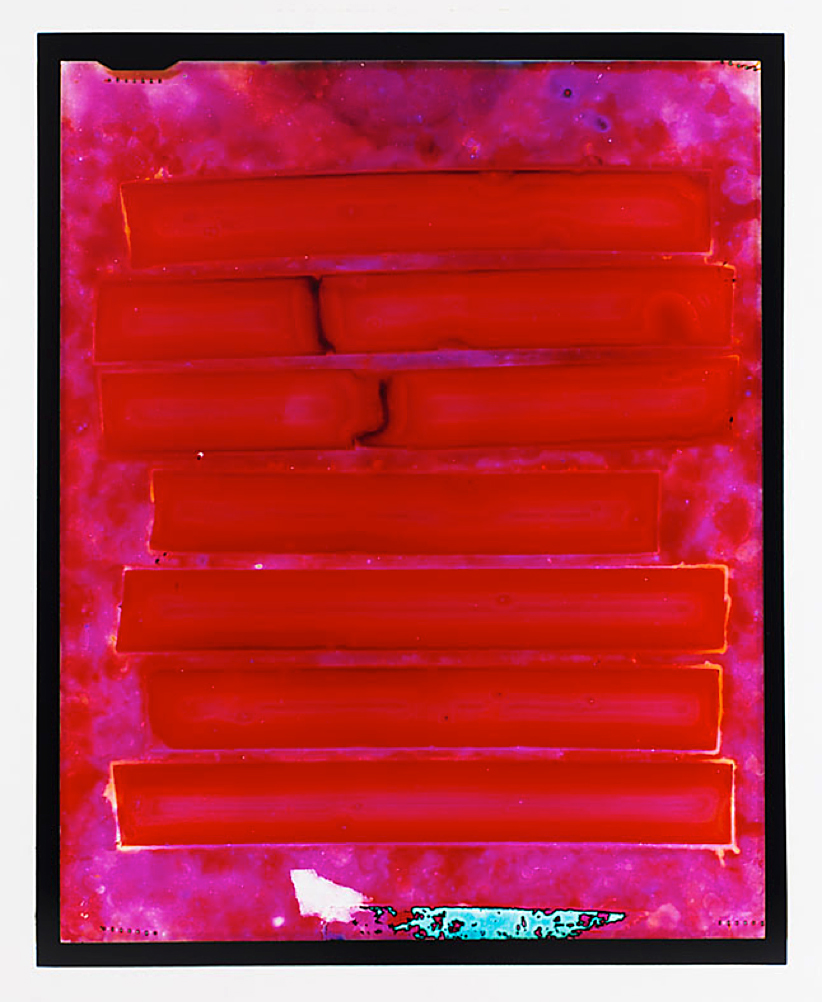
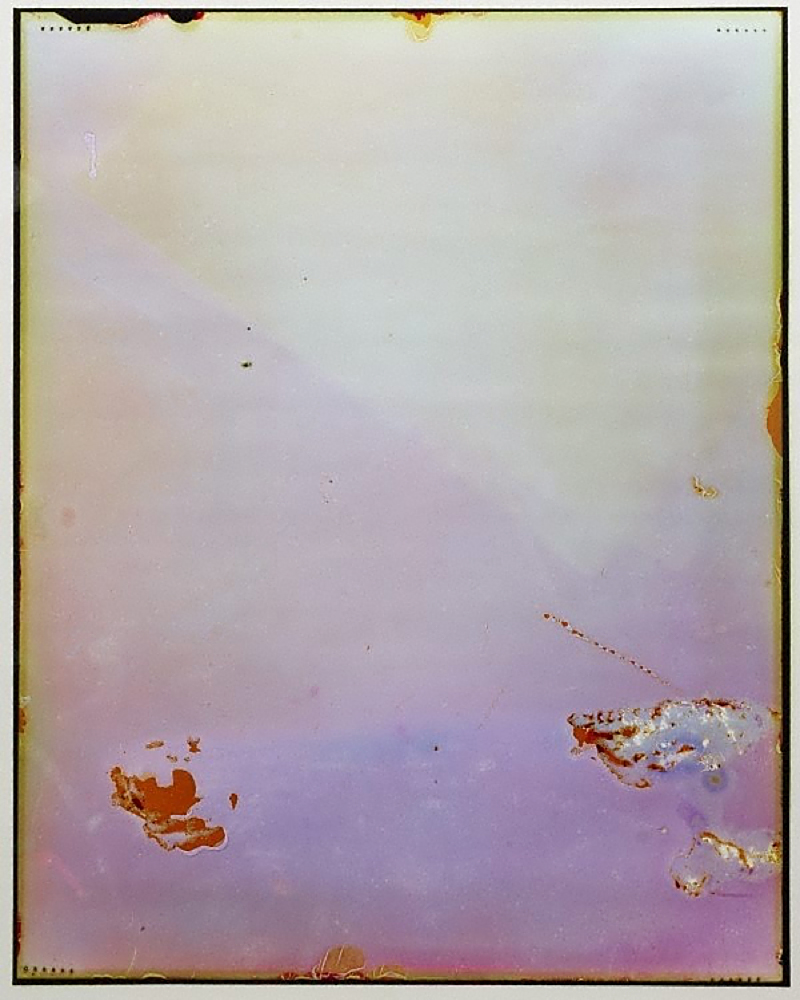


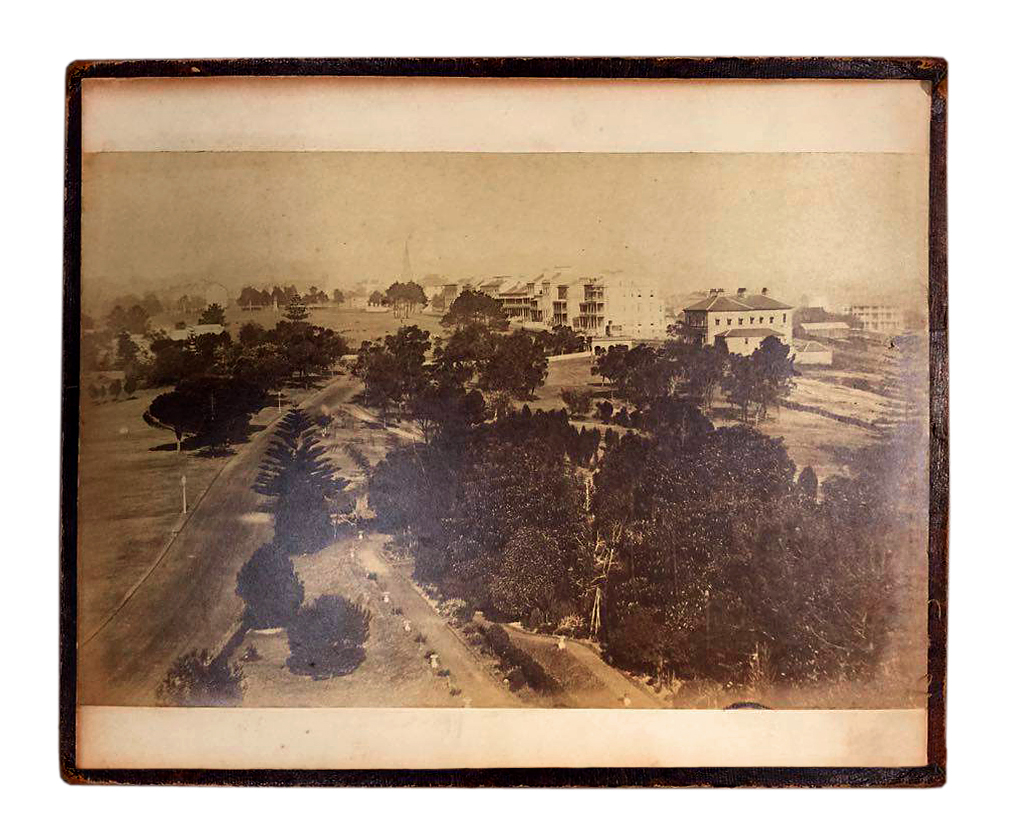


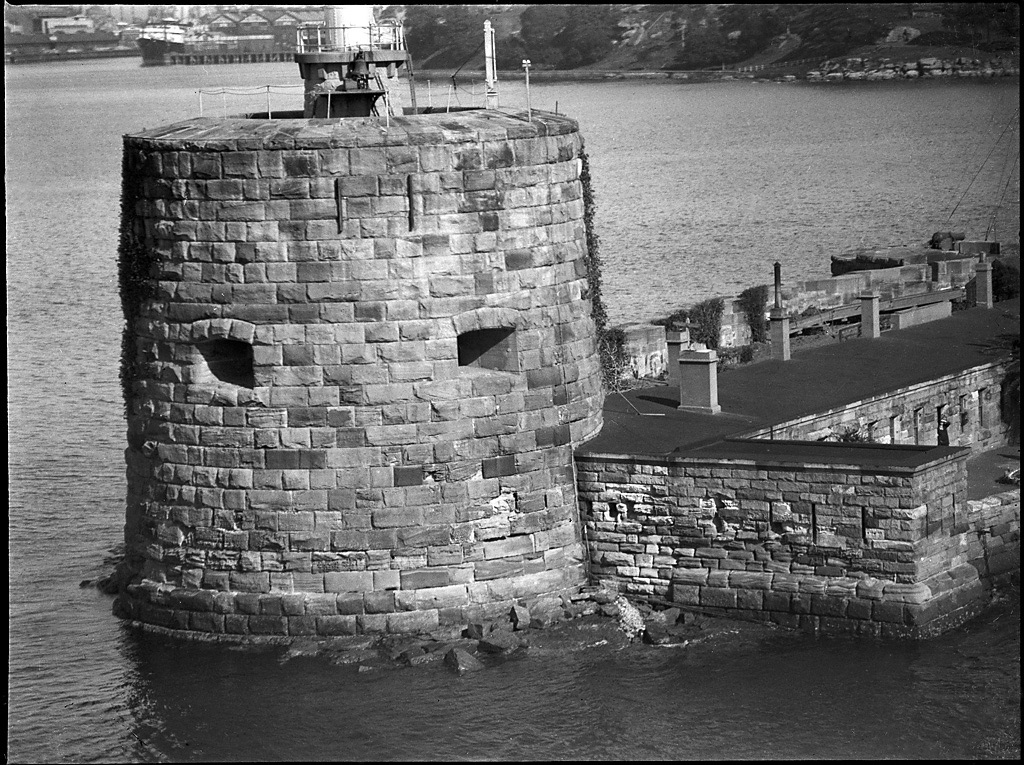
![George Roberts (Australian born United Kingdom, c. 1800-1865) '[Mrs Macquarie's chair]' c. 1843-1865](https://artblart.com/wp-content/uploads/2016/07/mrs-macquaries-chair-web.jpg "George Roberts (Australian born United Kingdom, c. 1800-1865) '[Mrs Macquarie's chair]' c. 1843-1865")


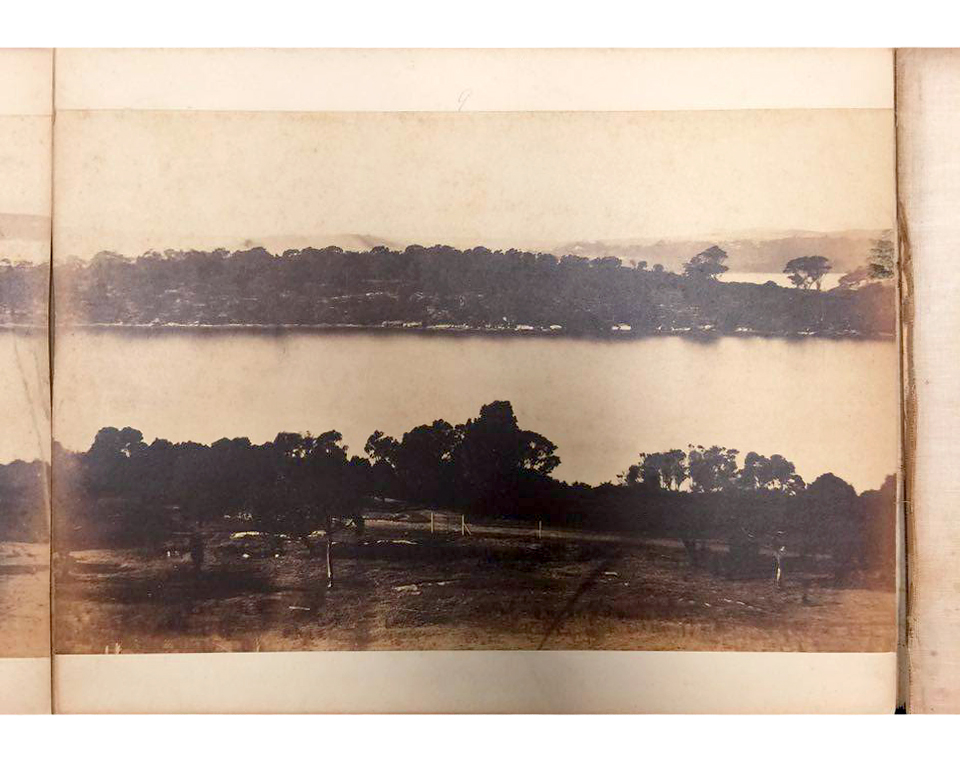


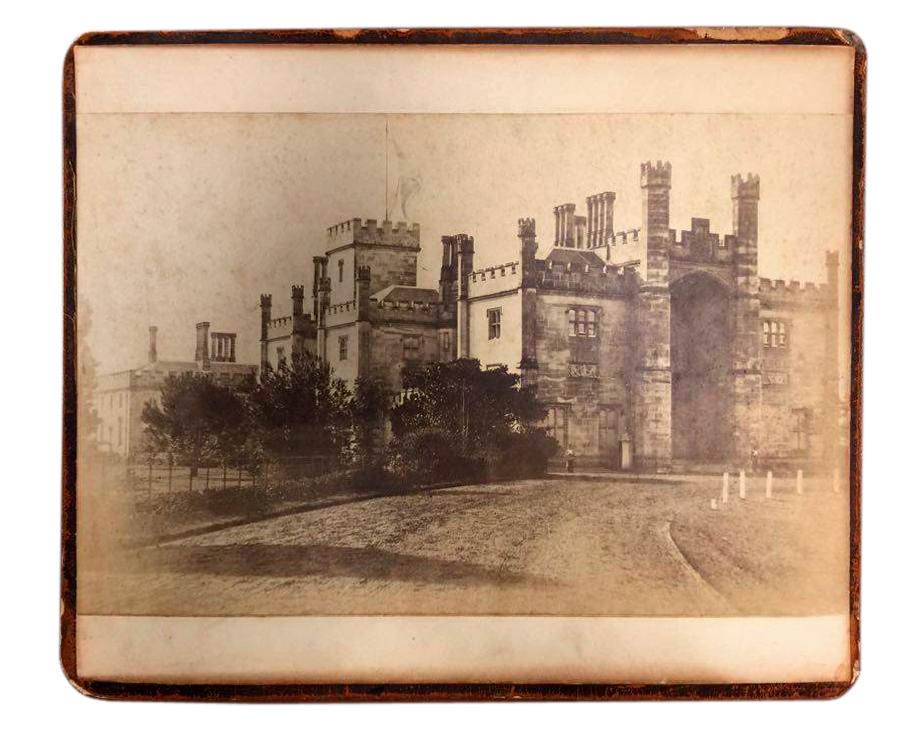


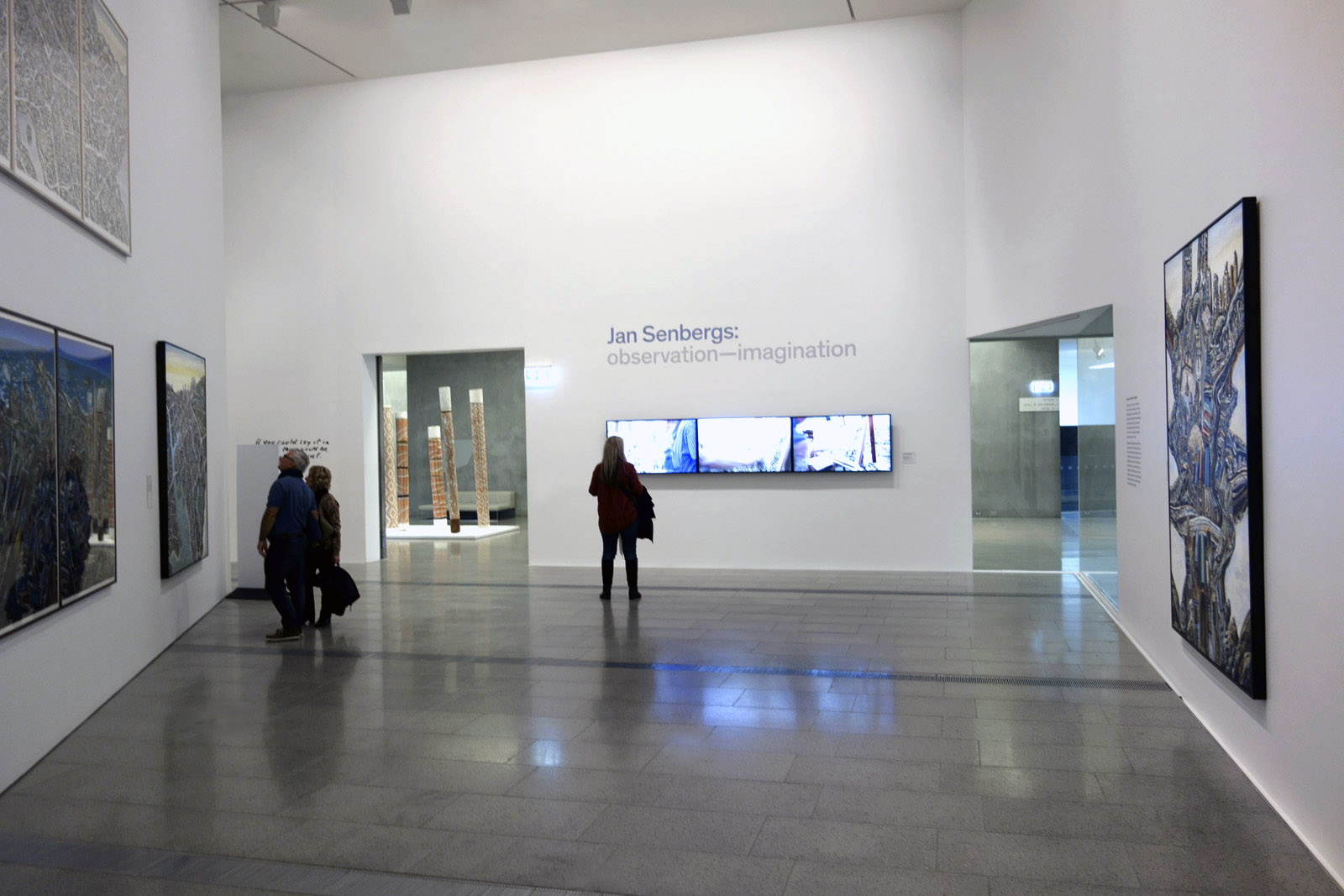
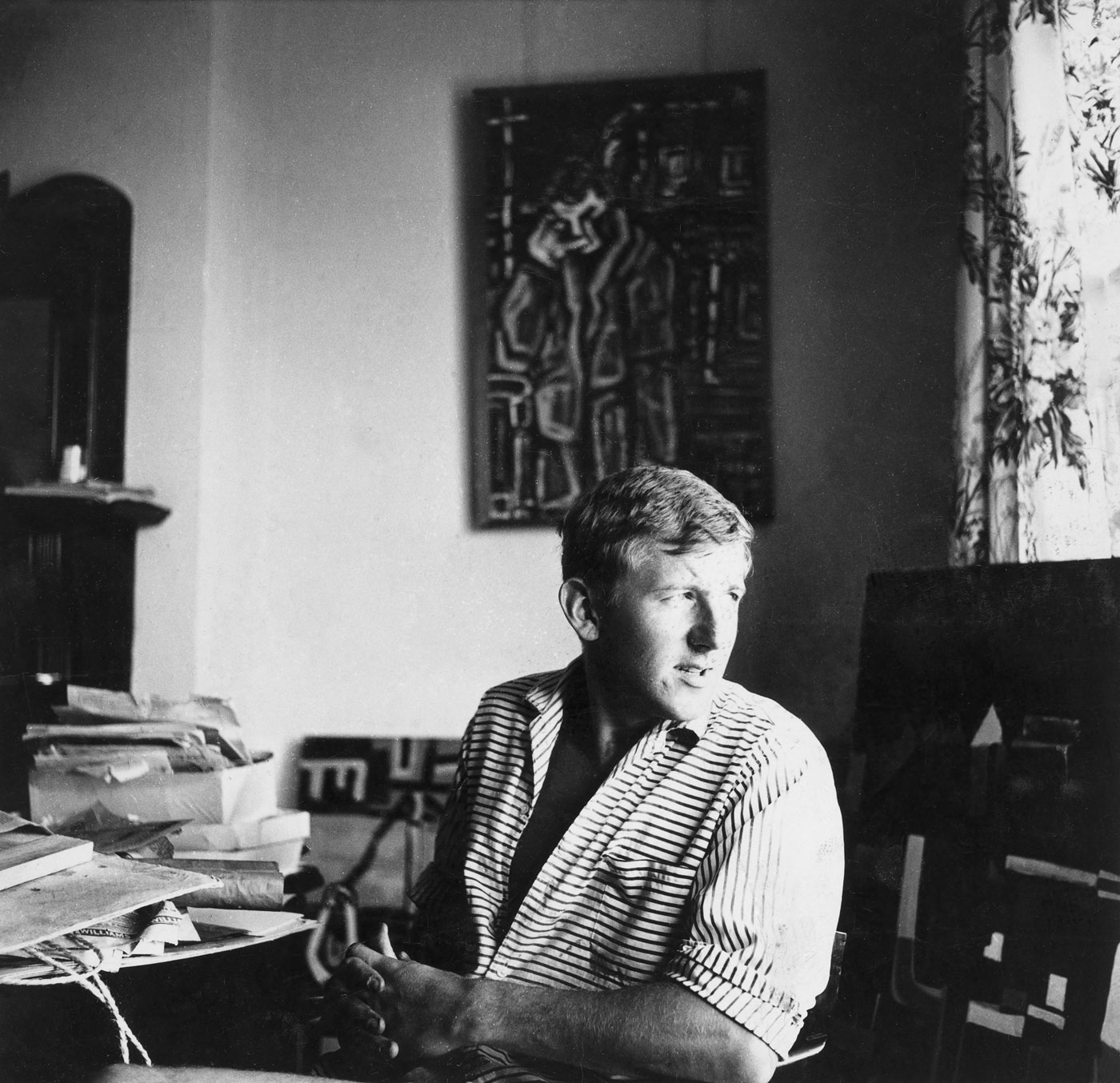
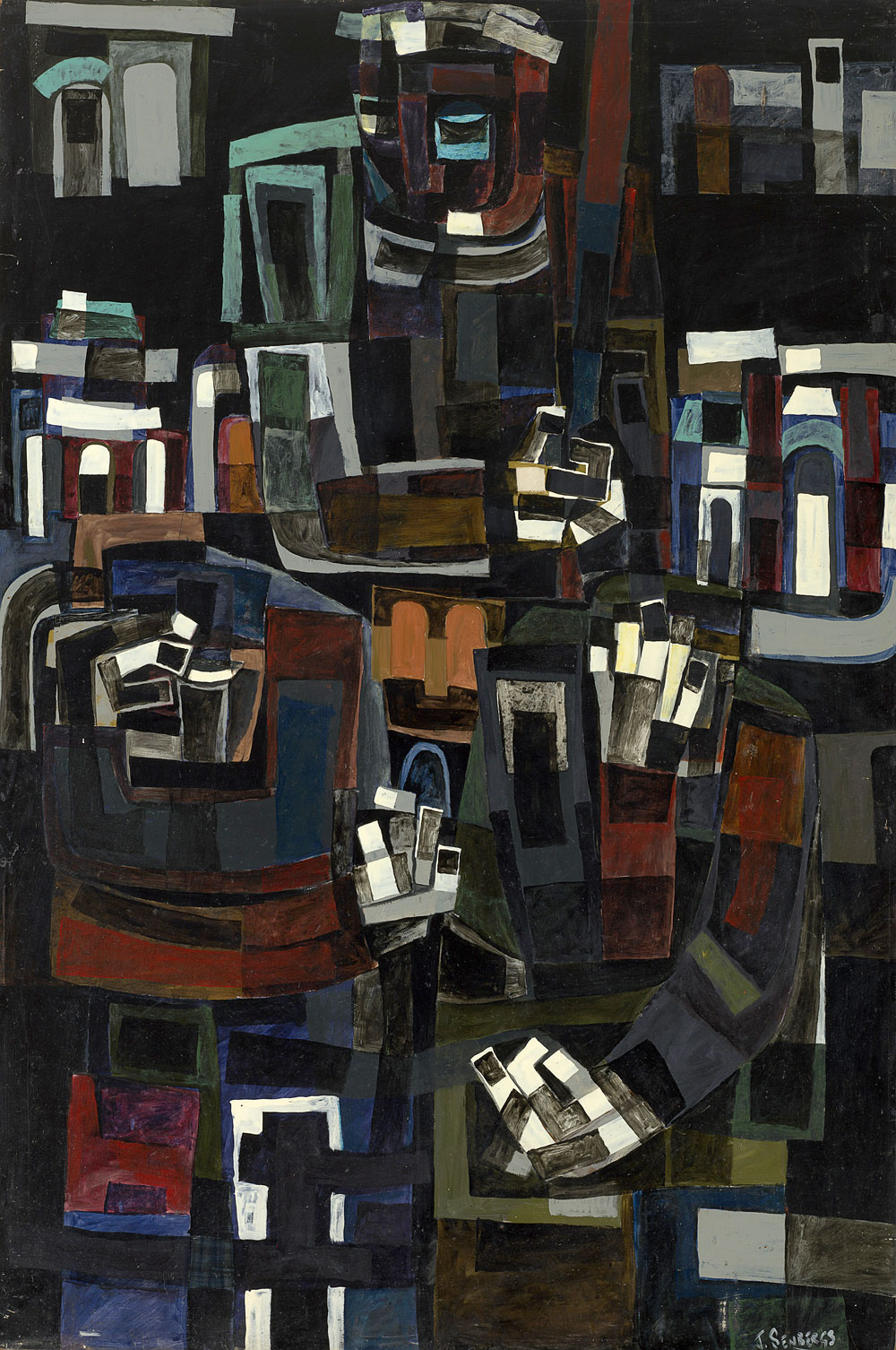
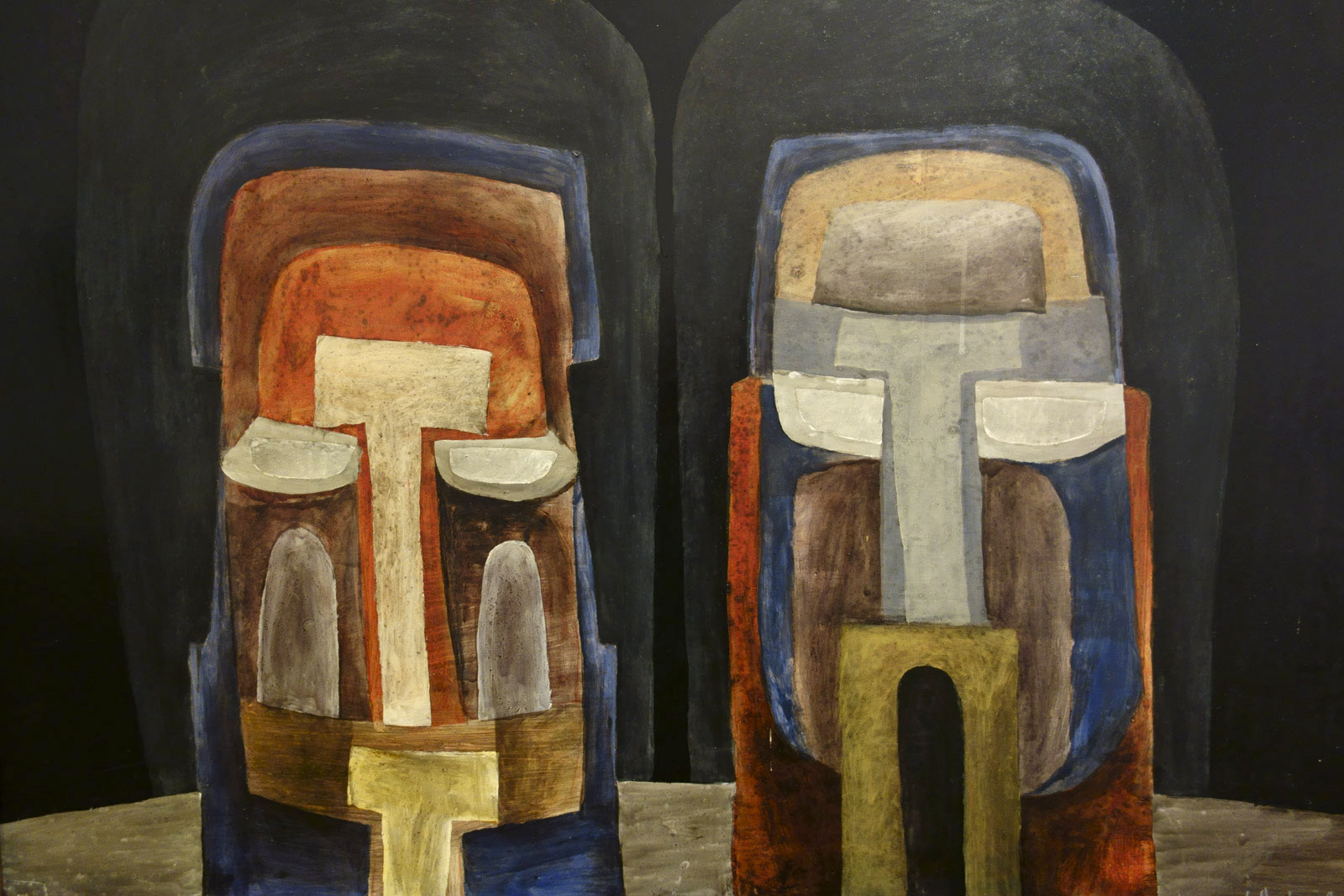

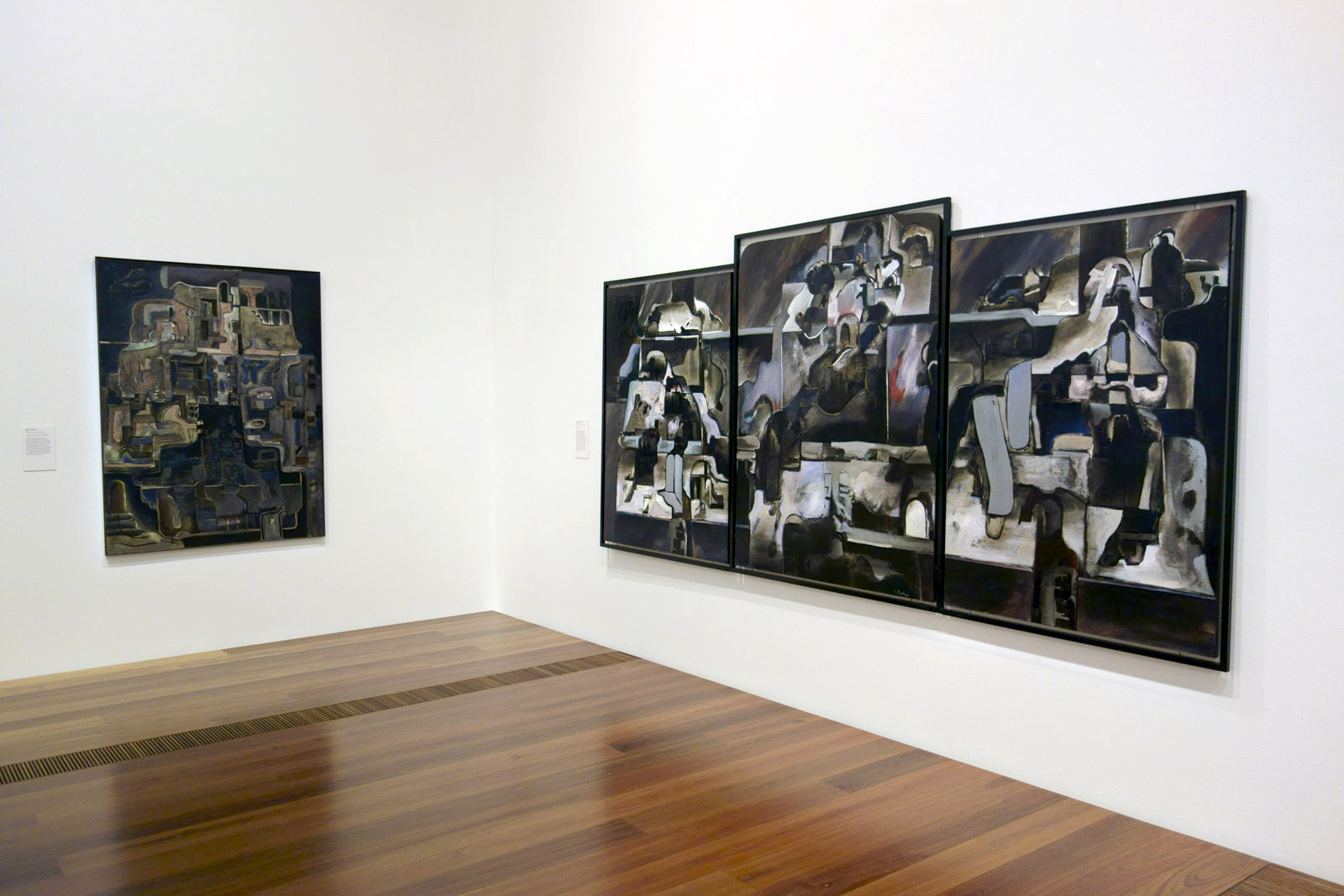
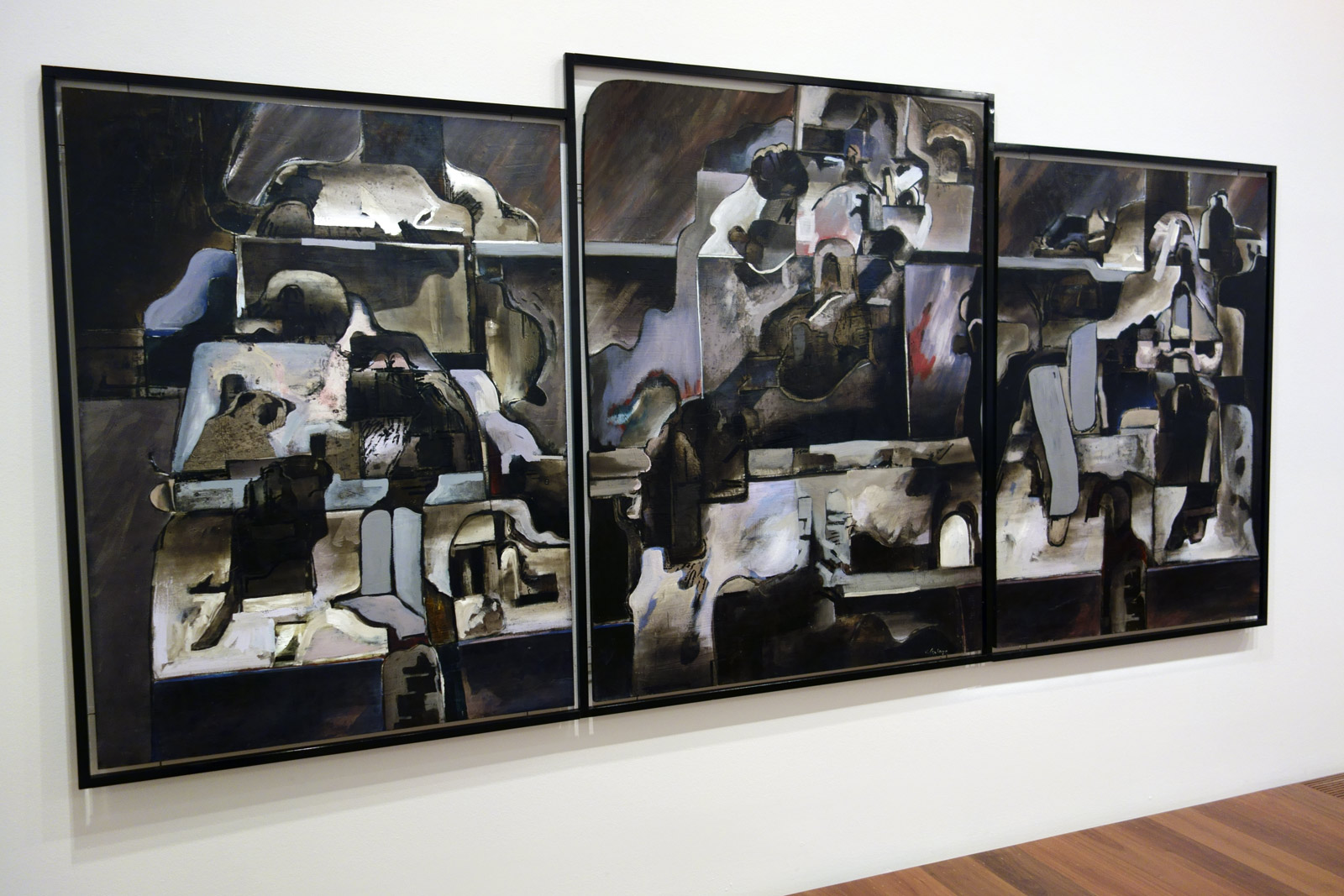

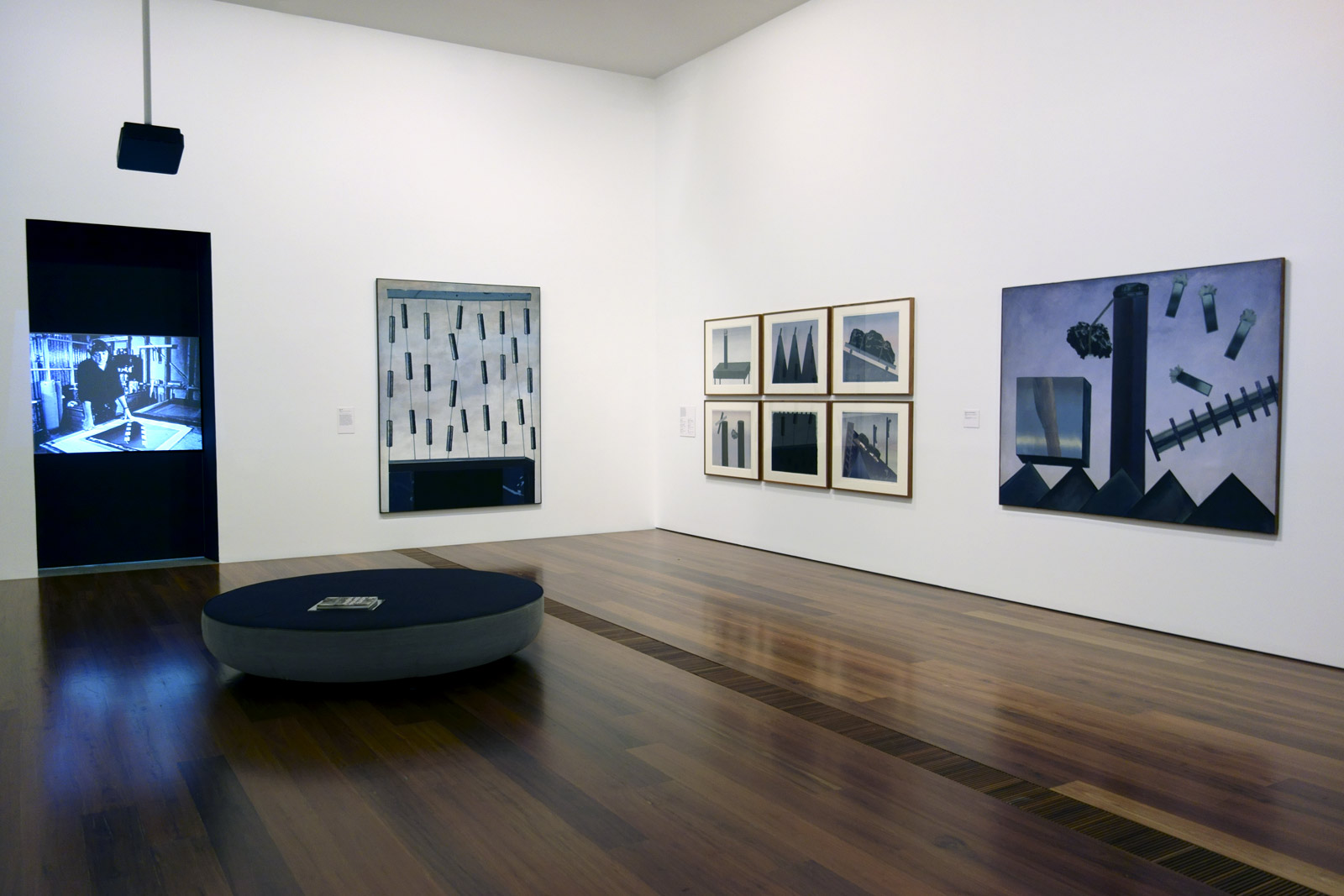
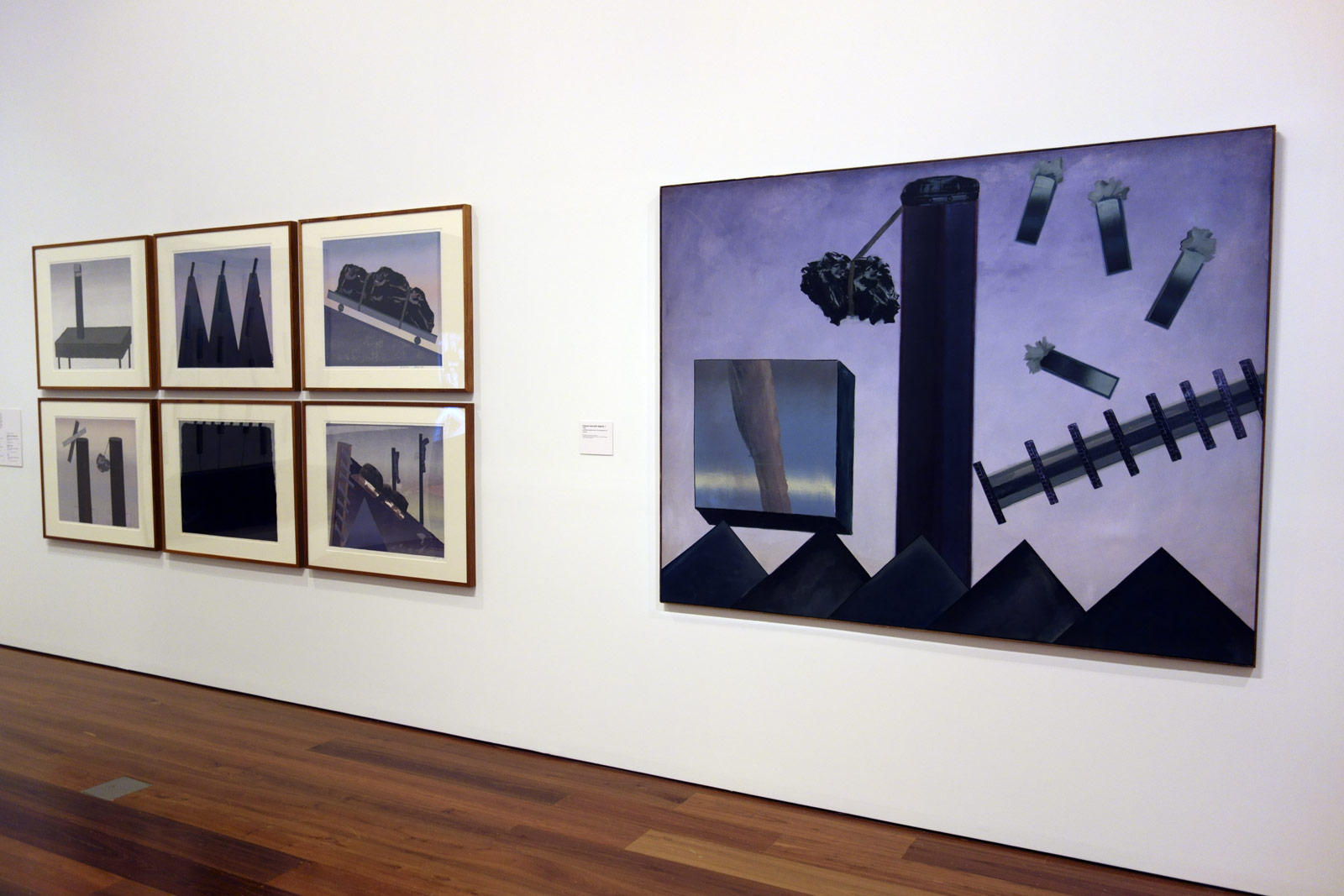
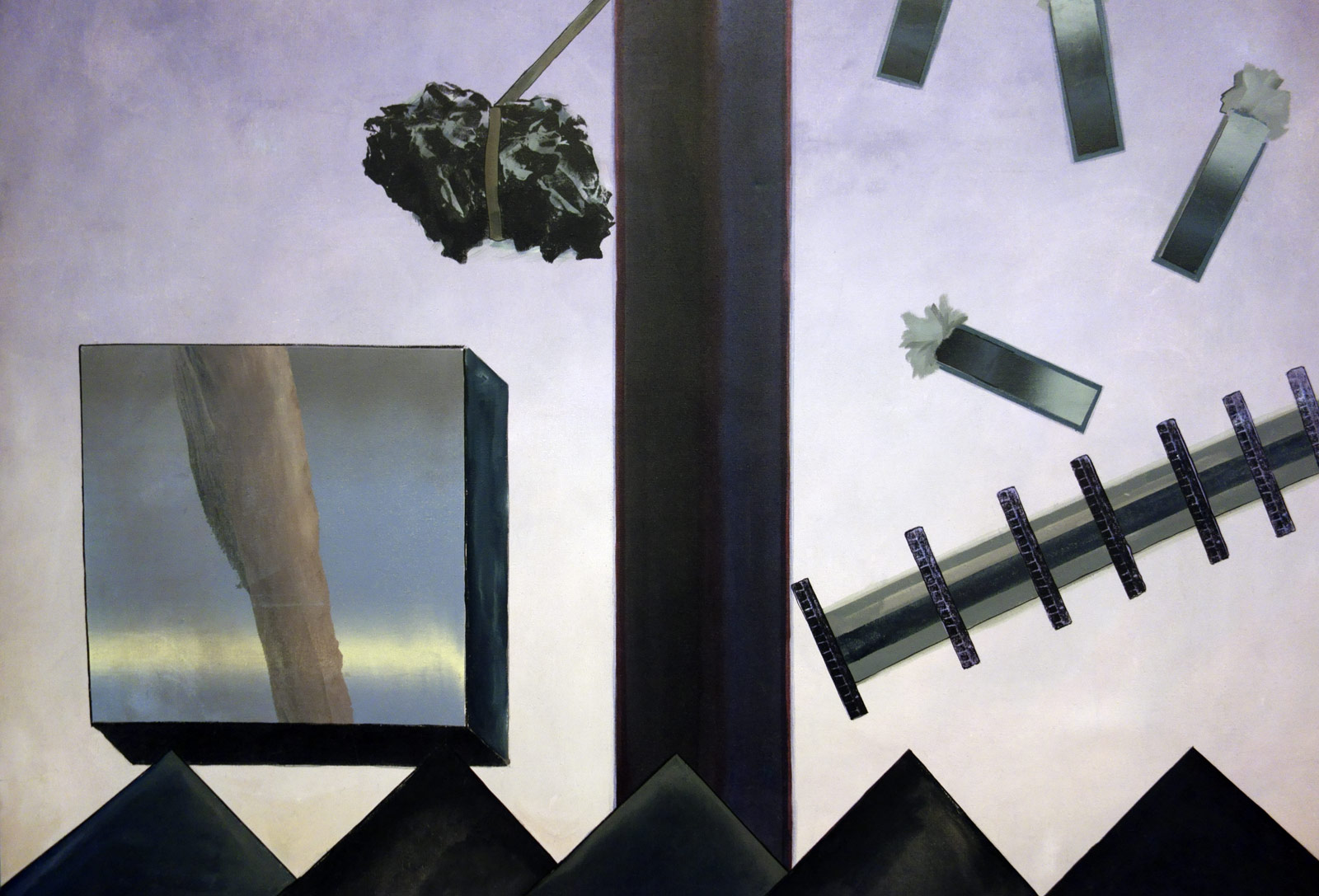
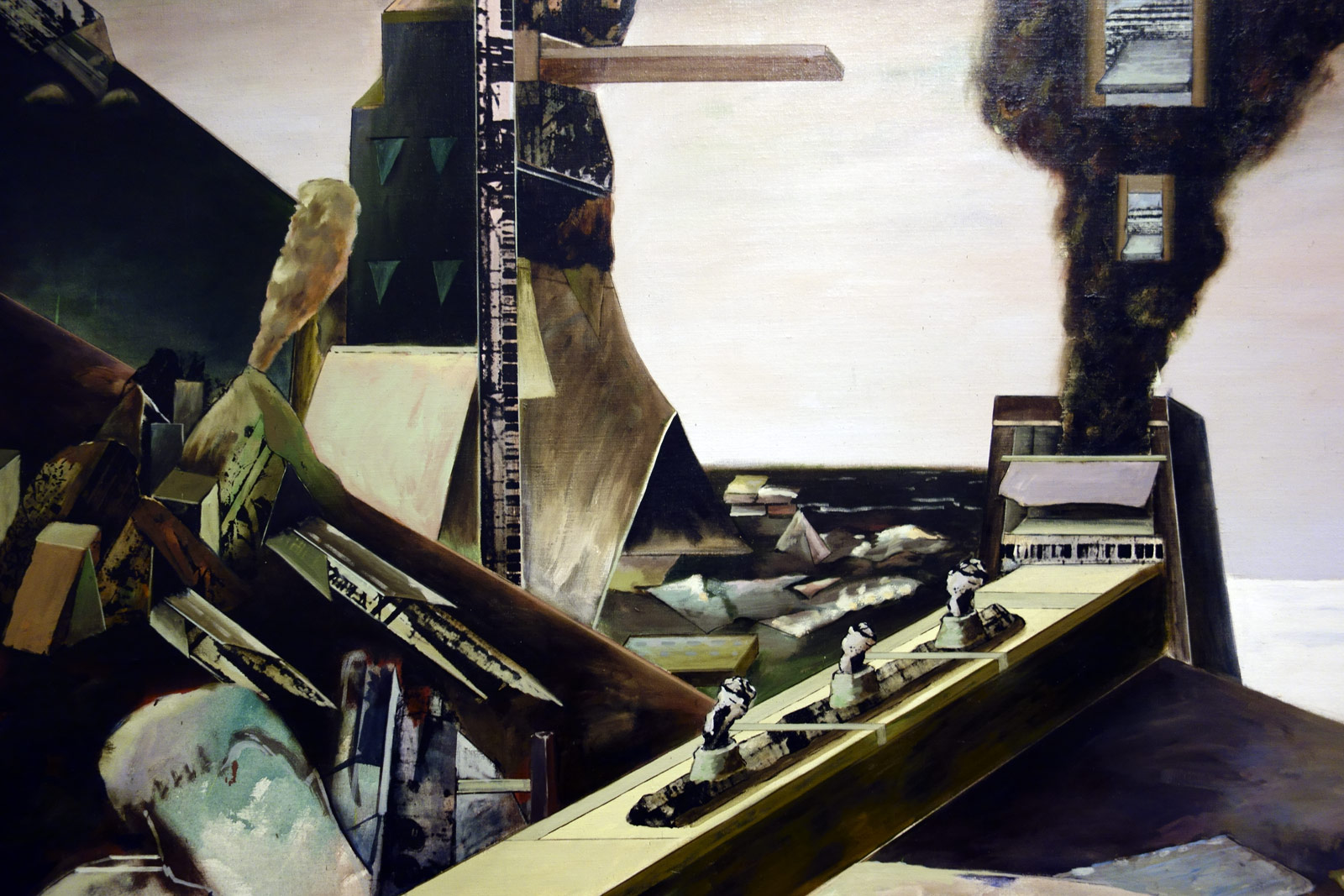
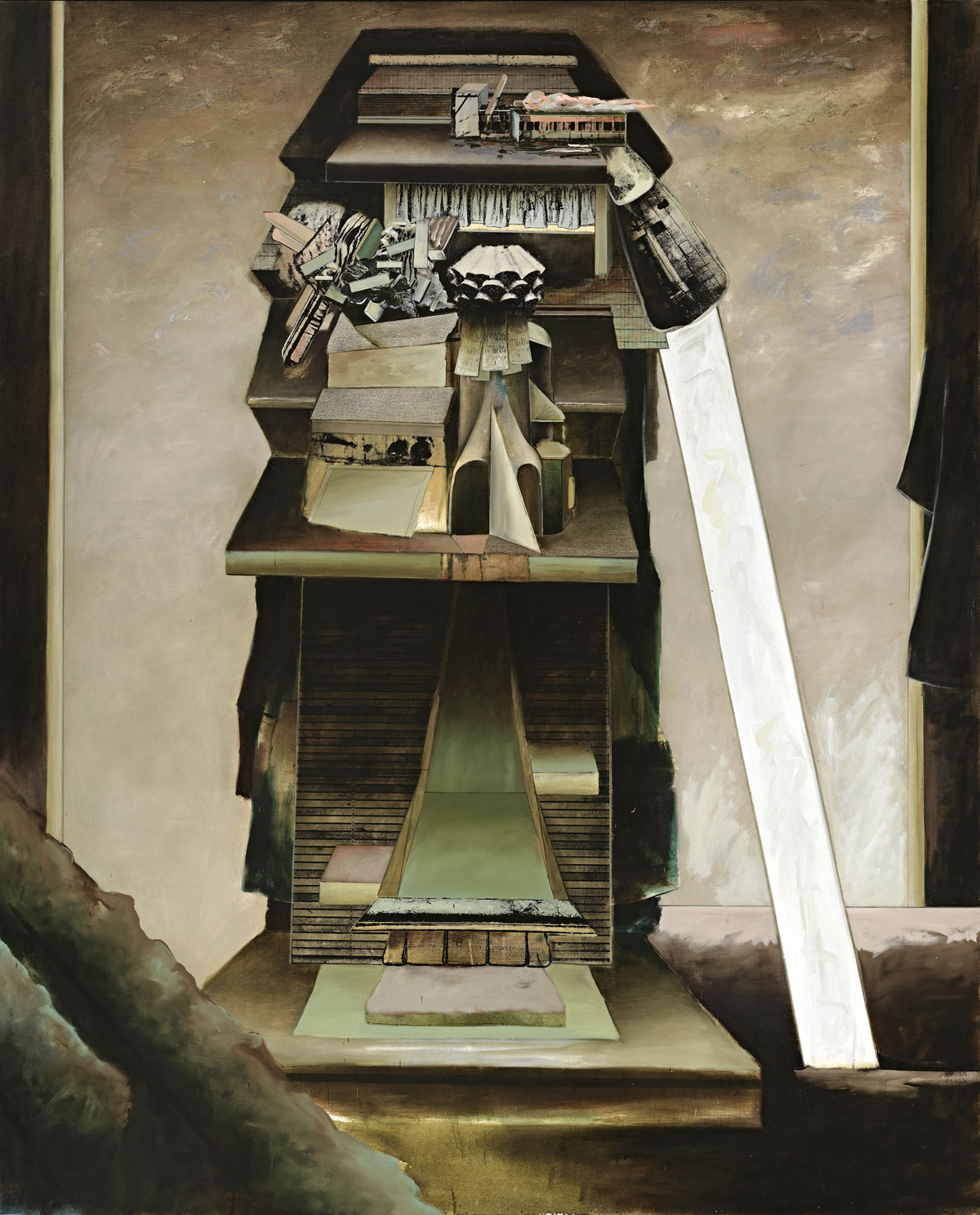
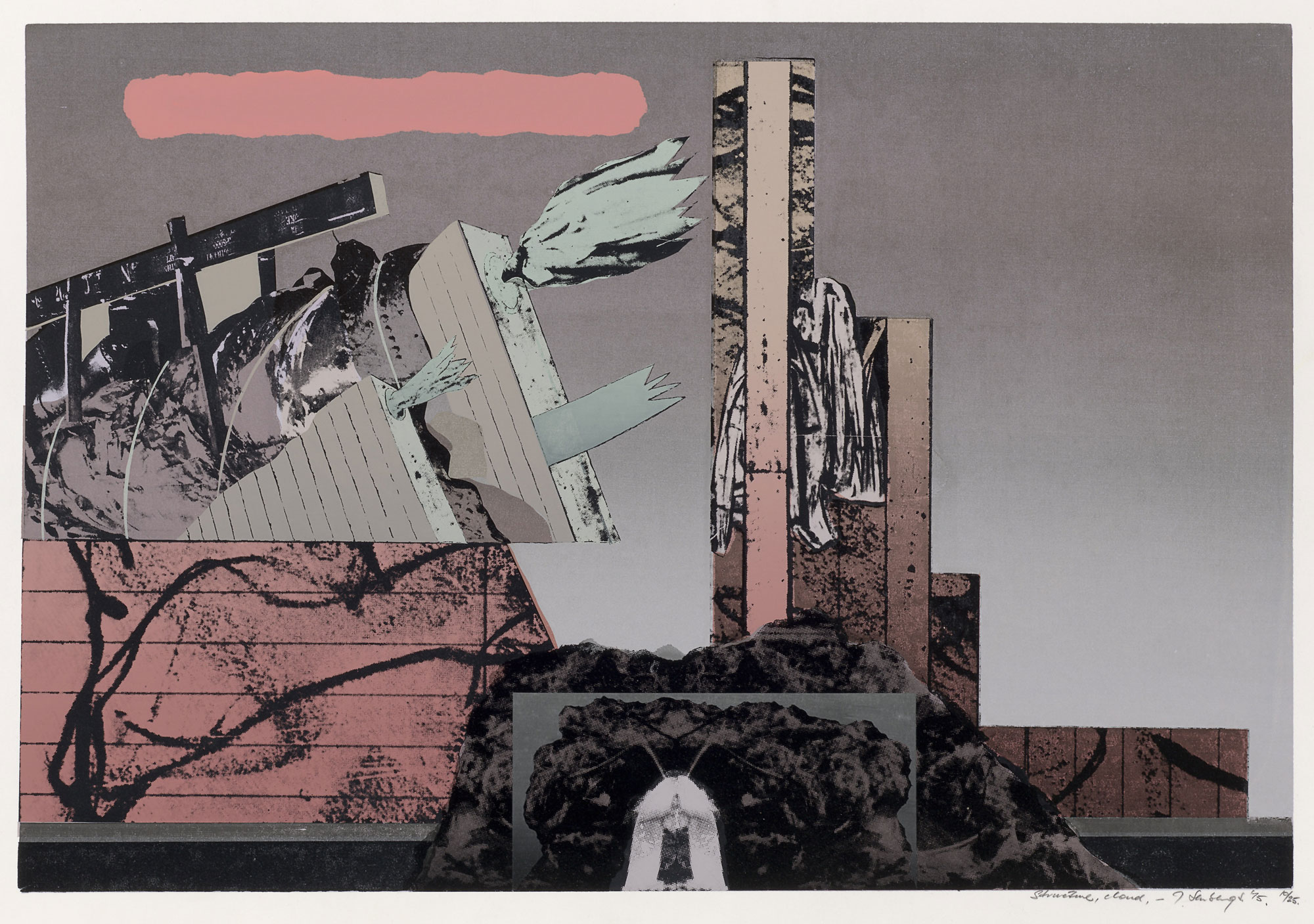
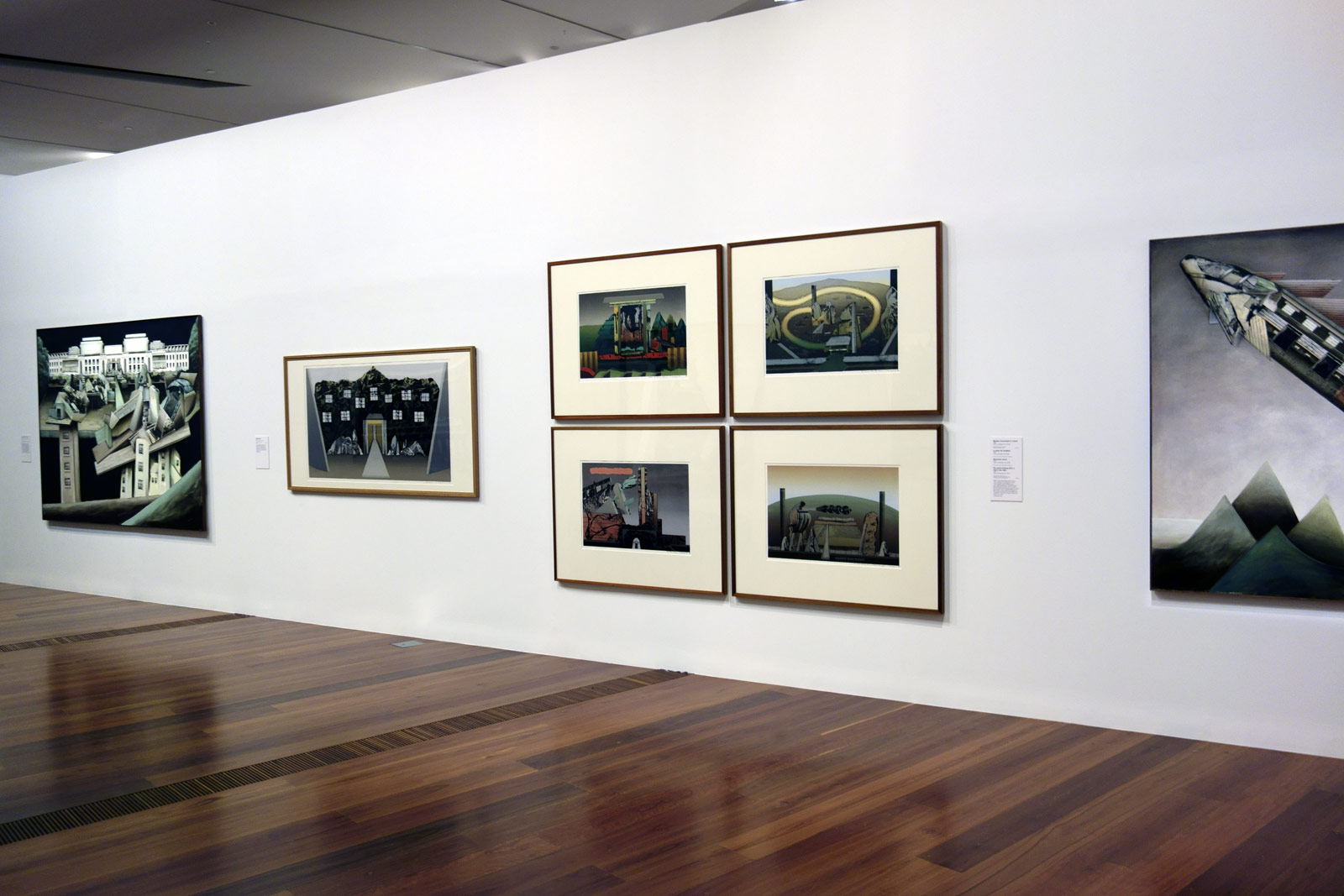
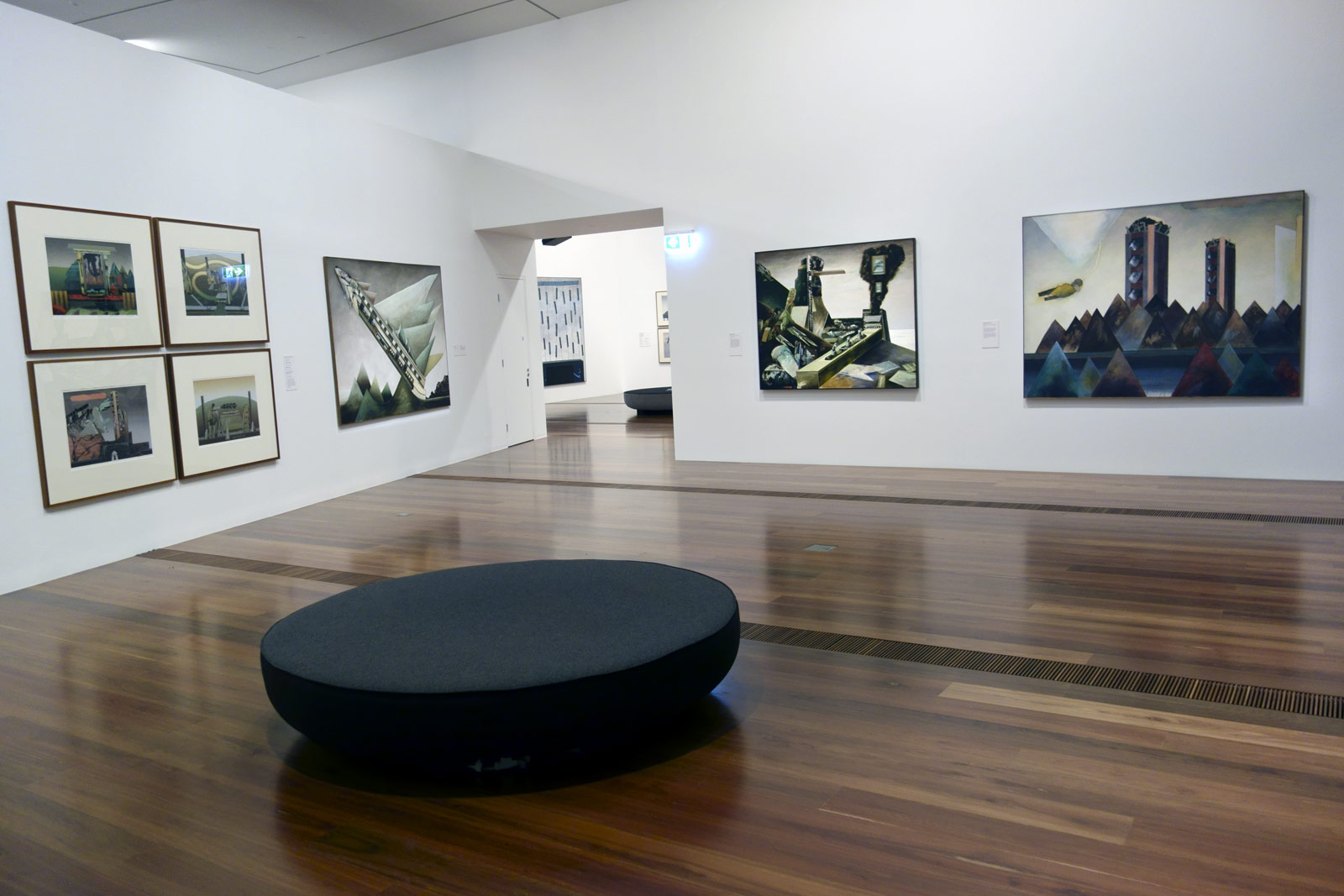
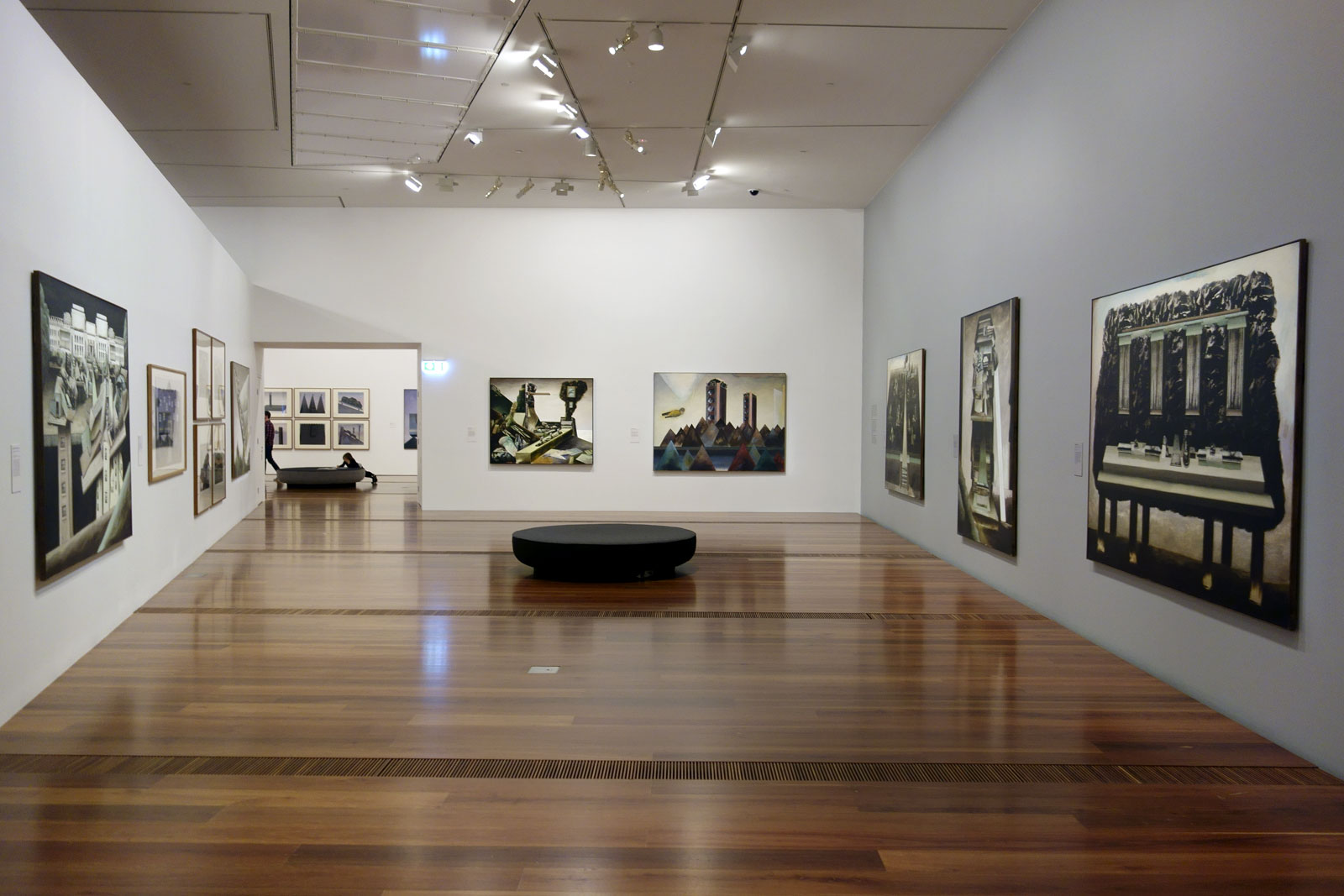
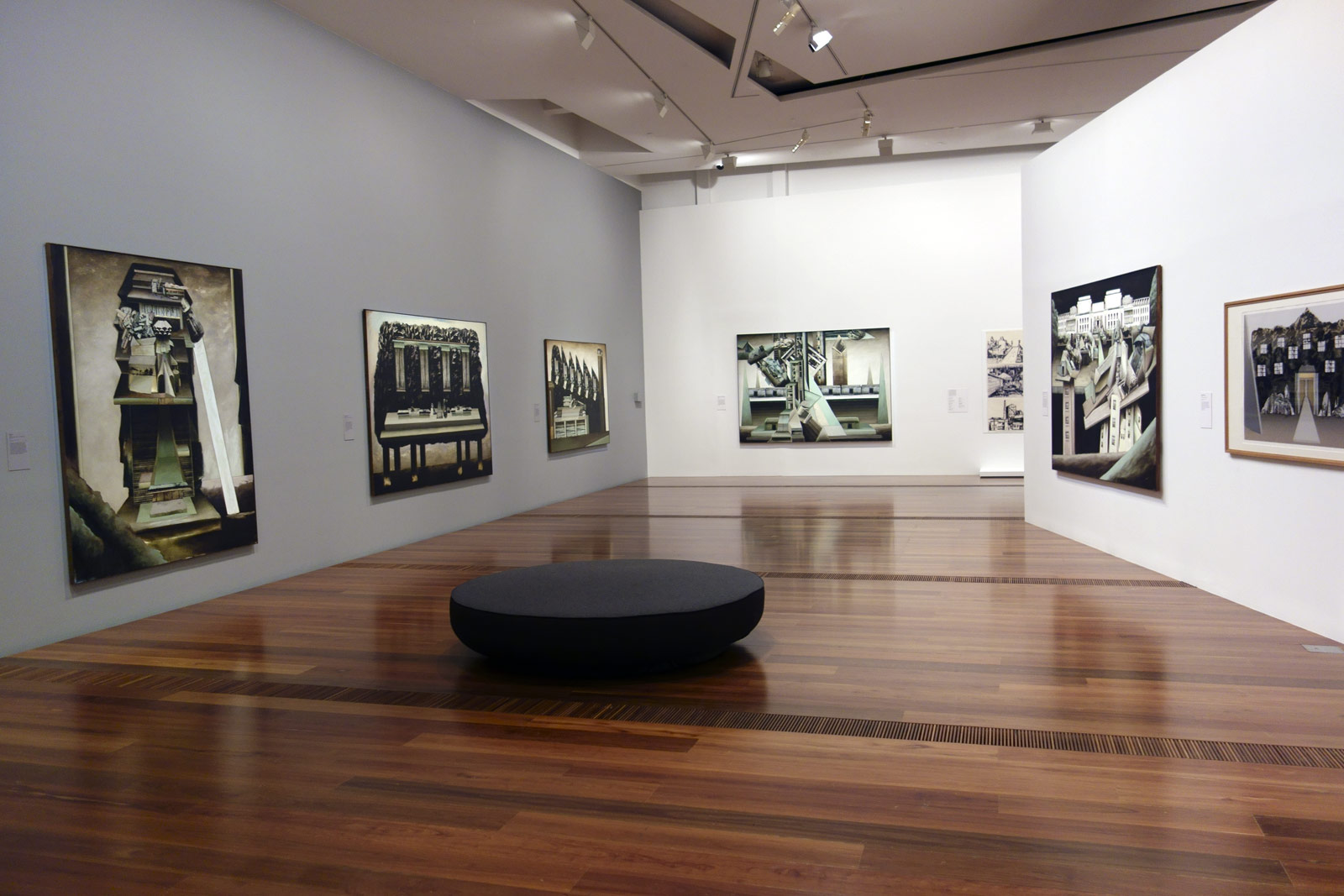
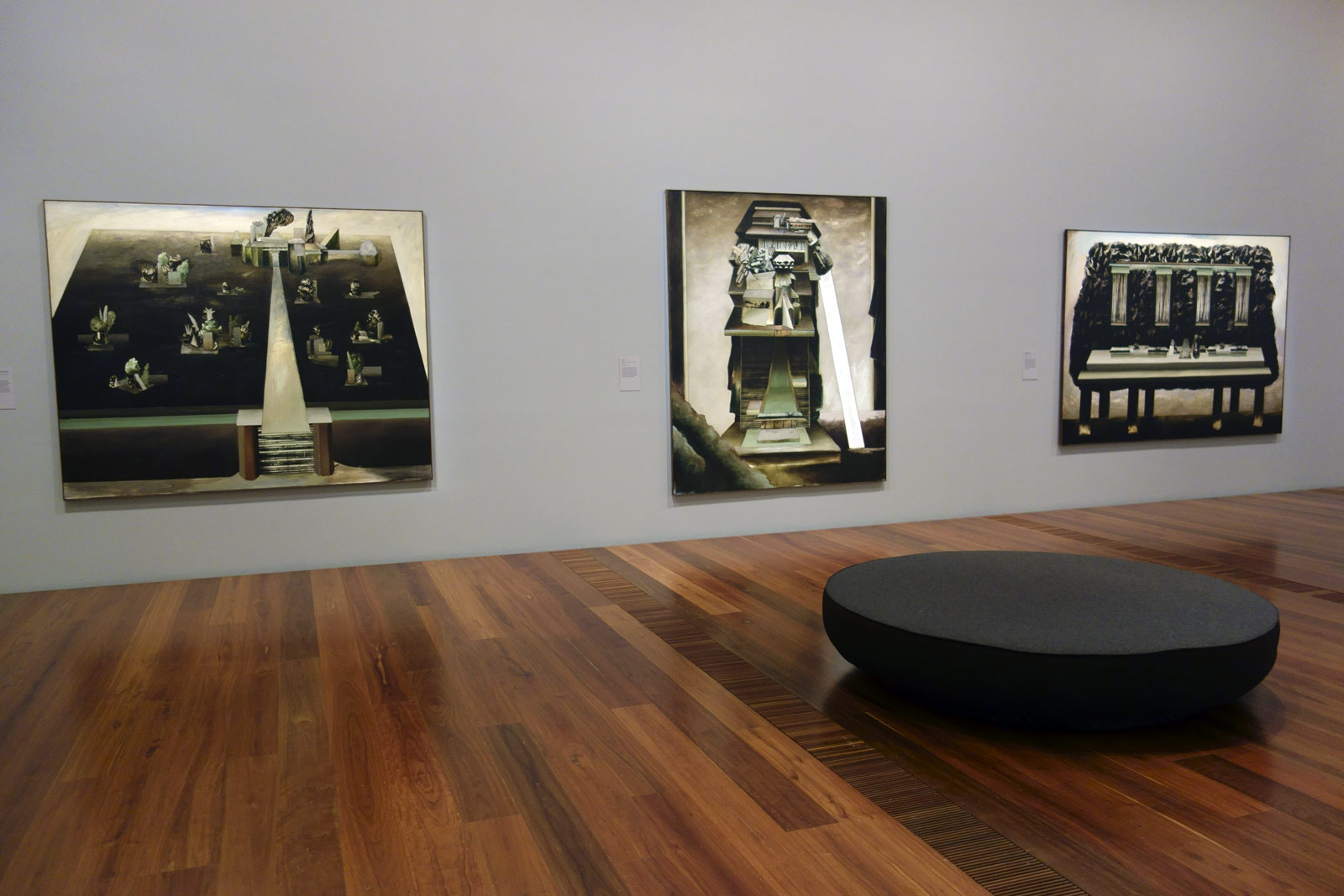
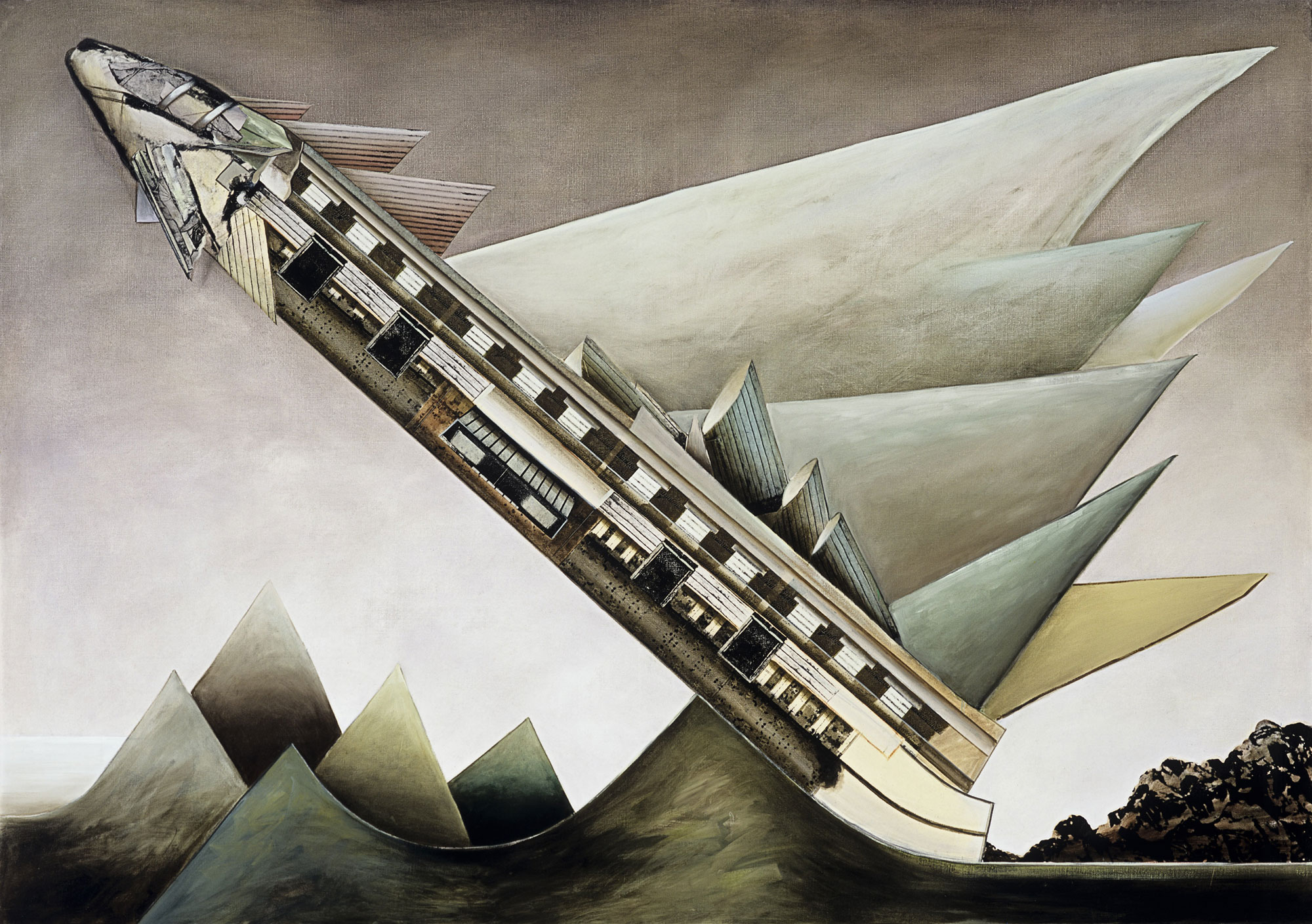
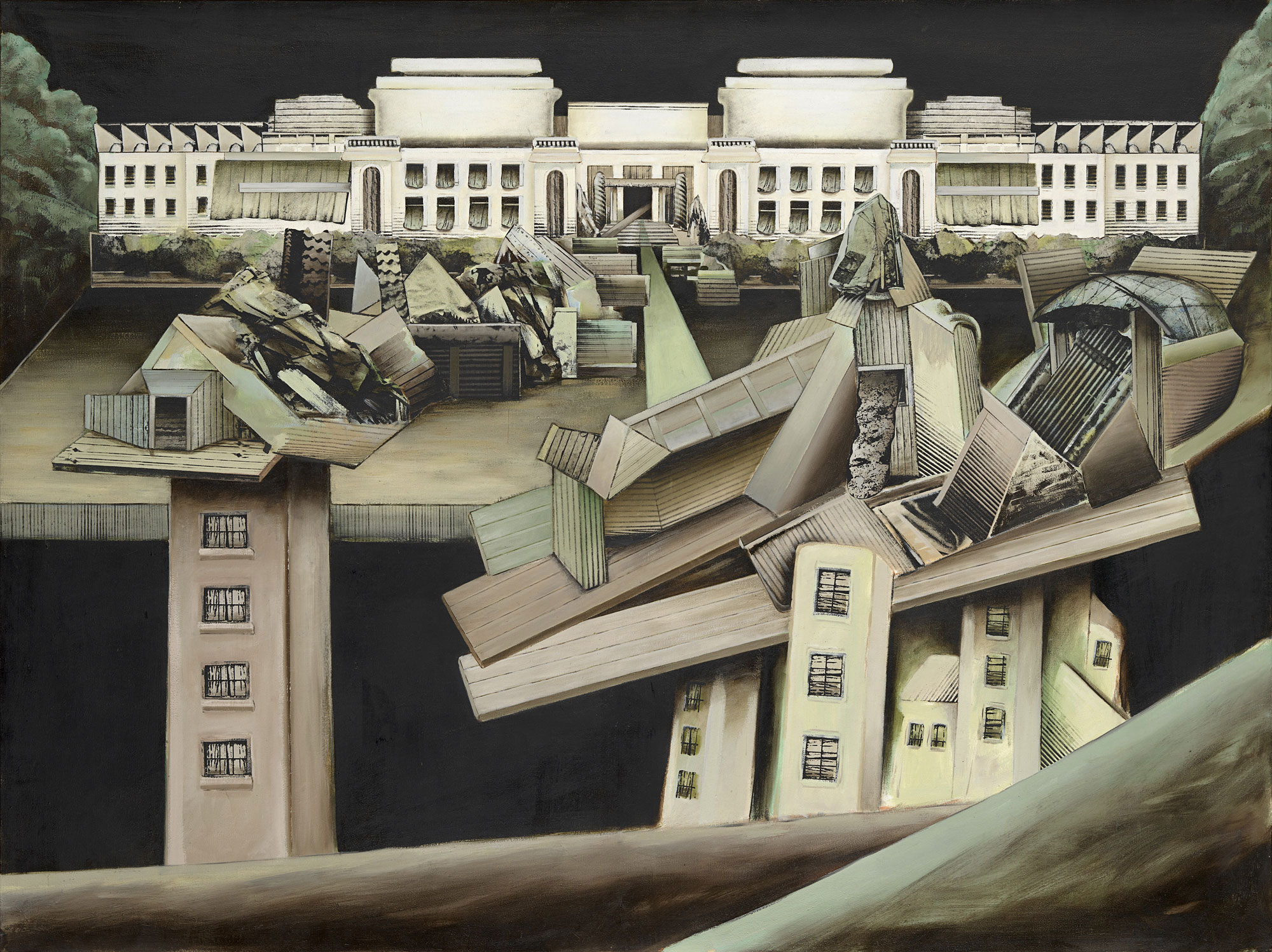
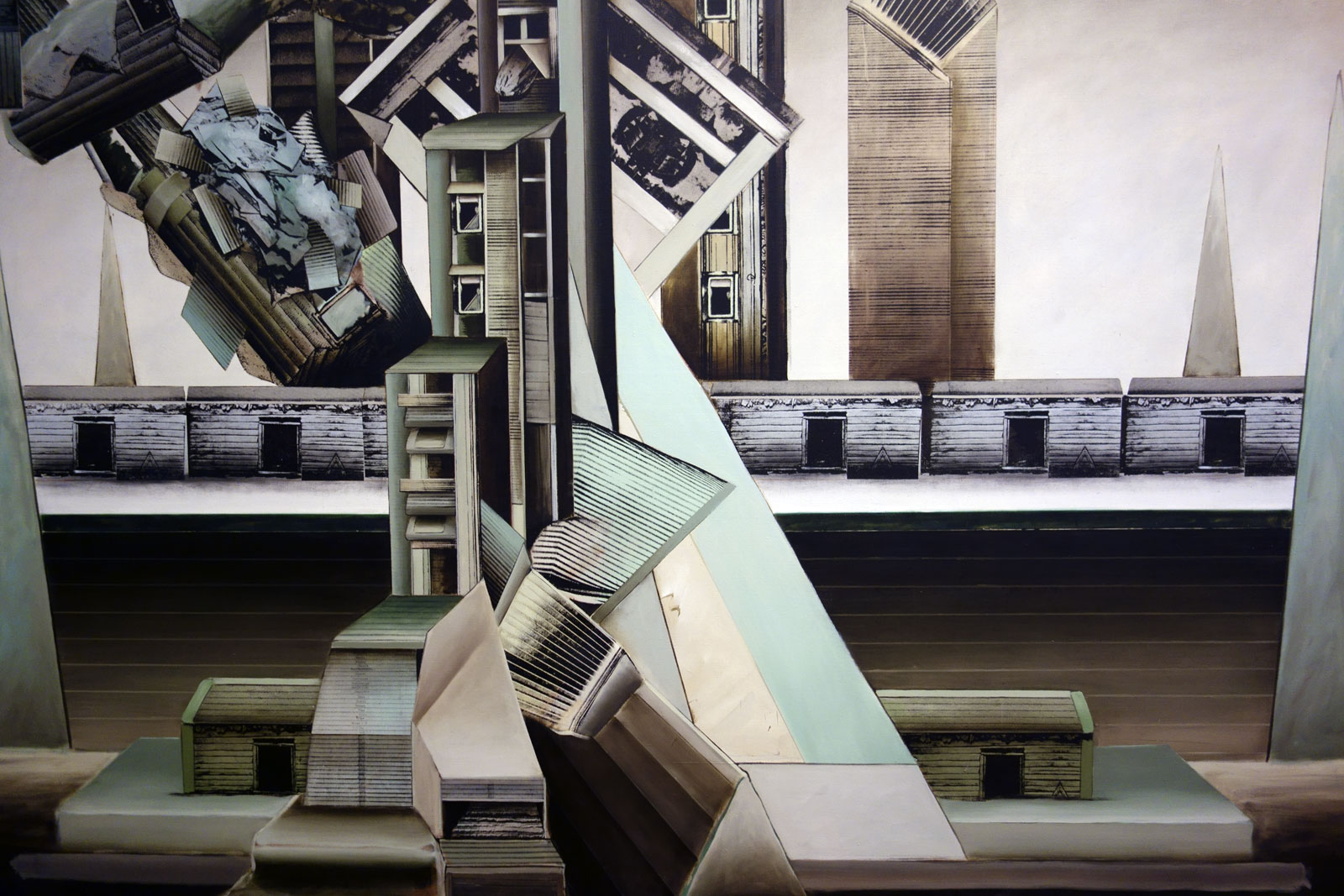
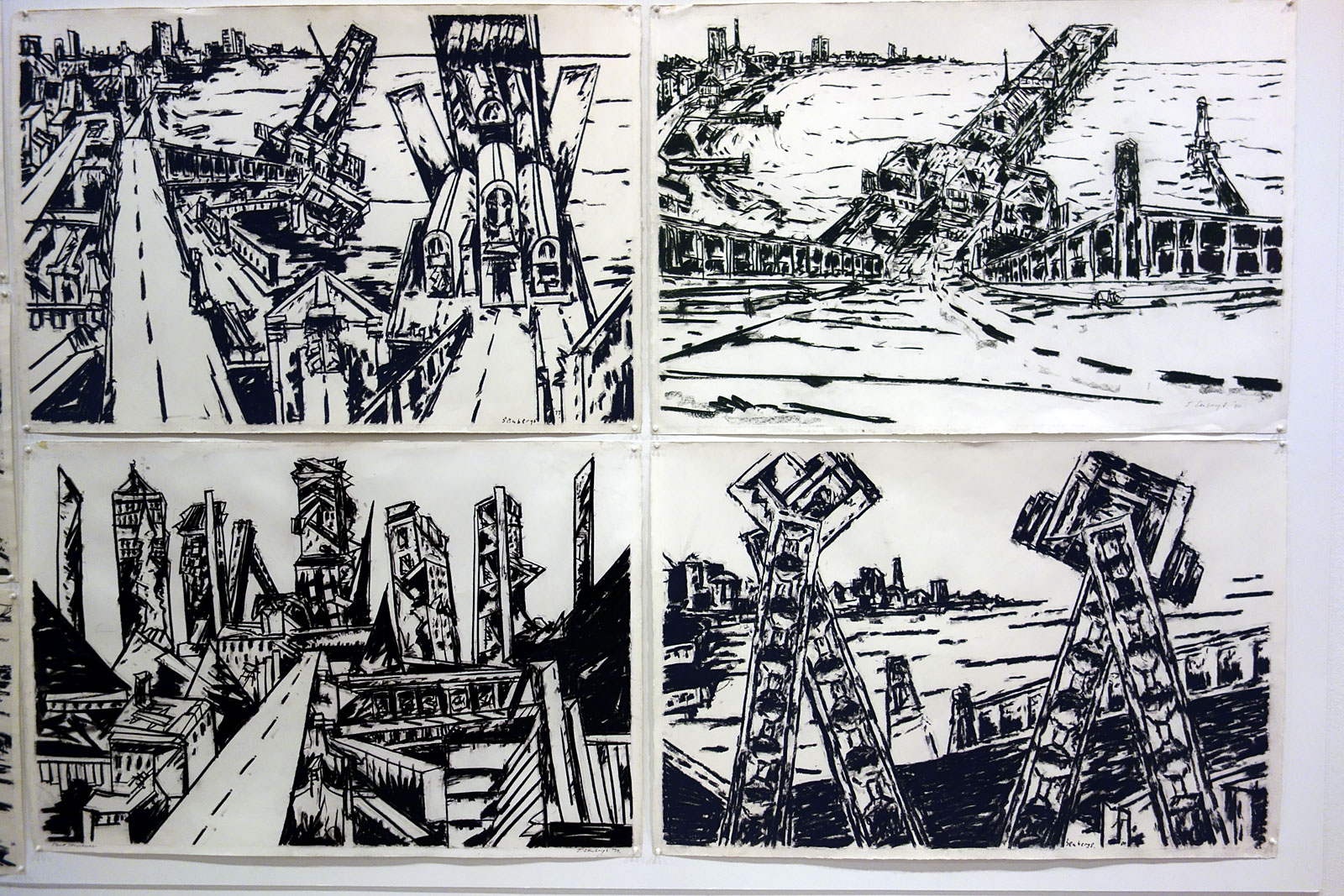
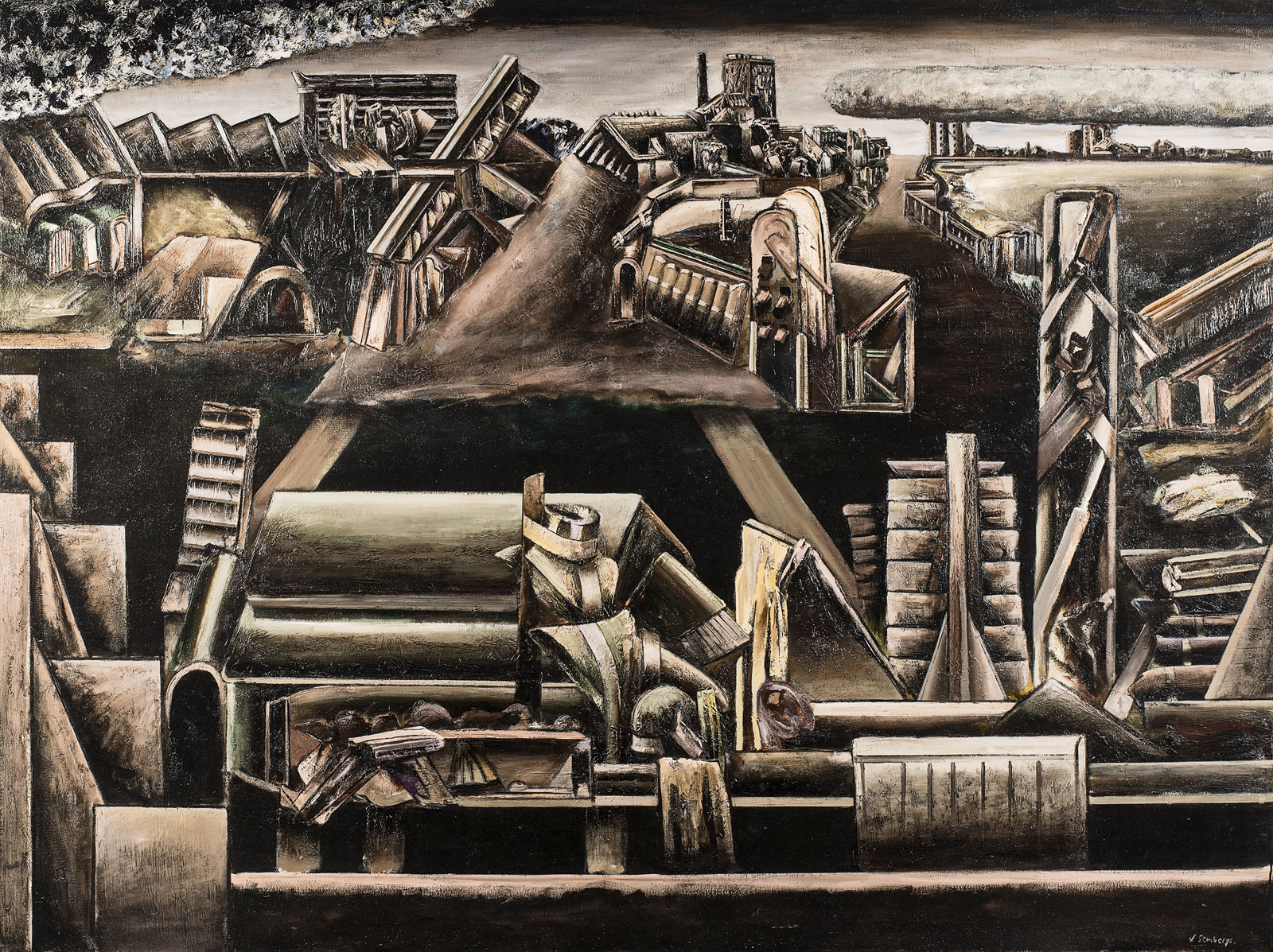
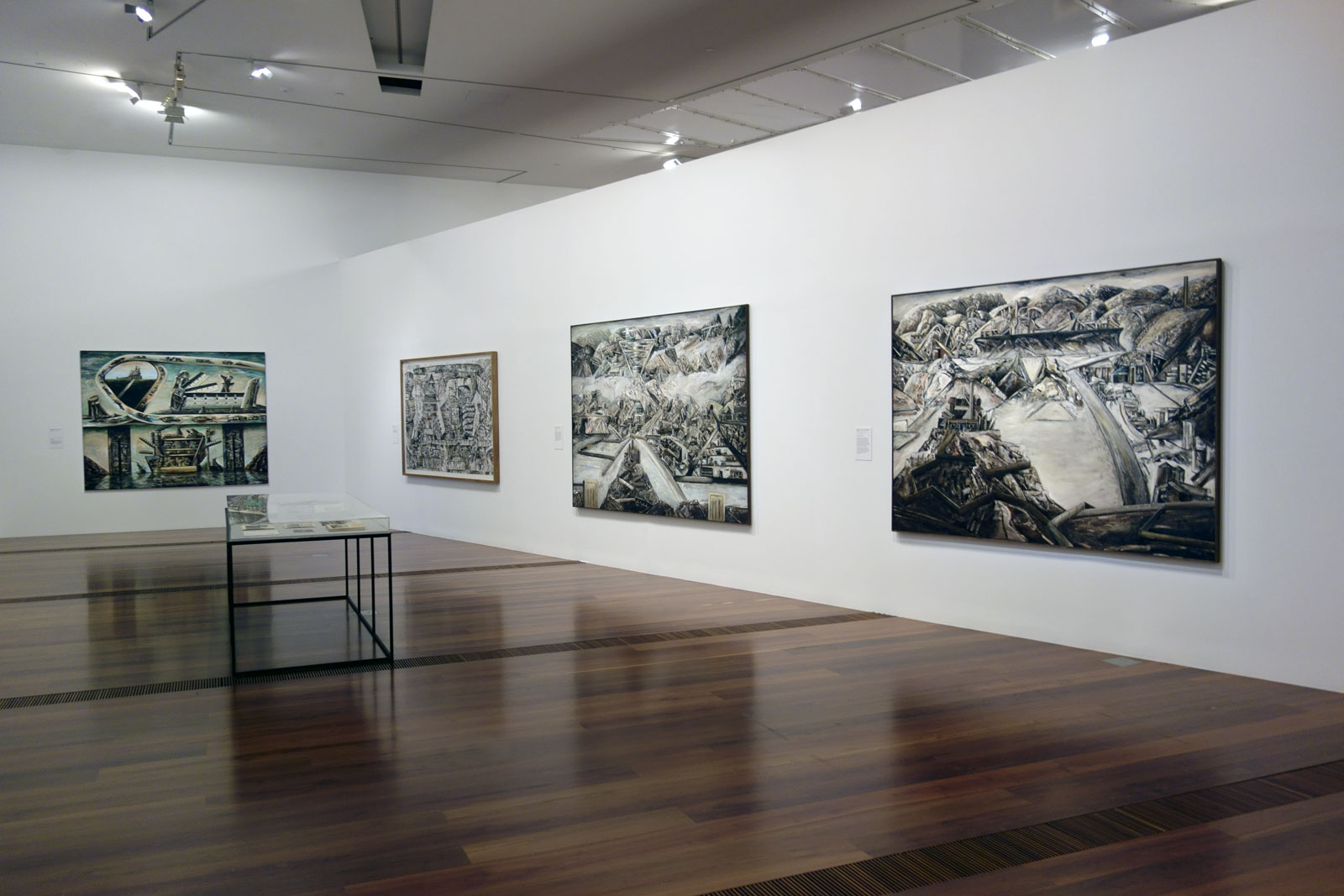
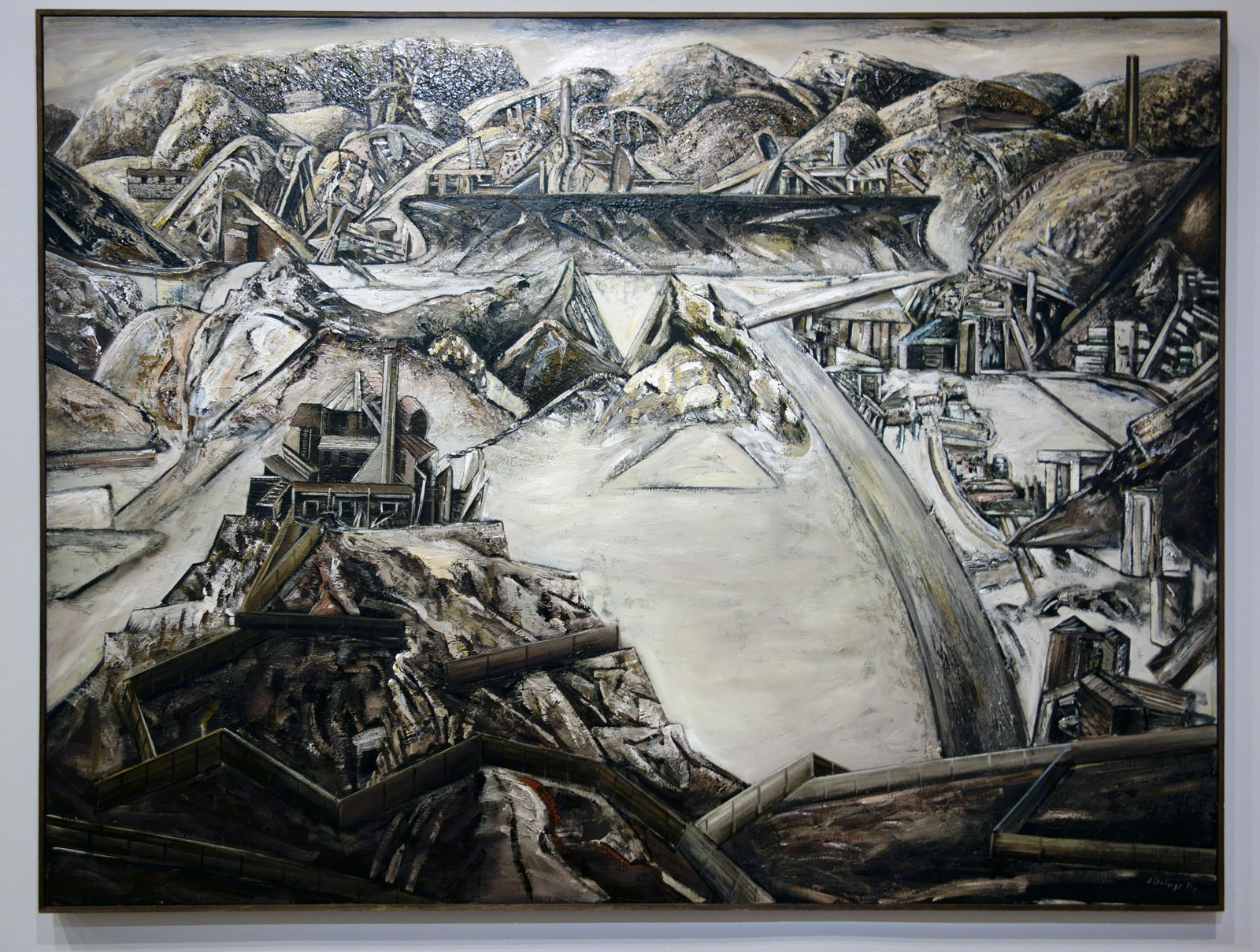
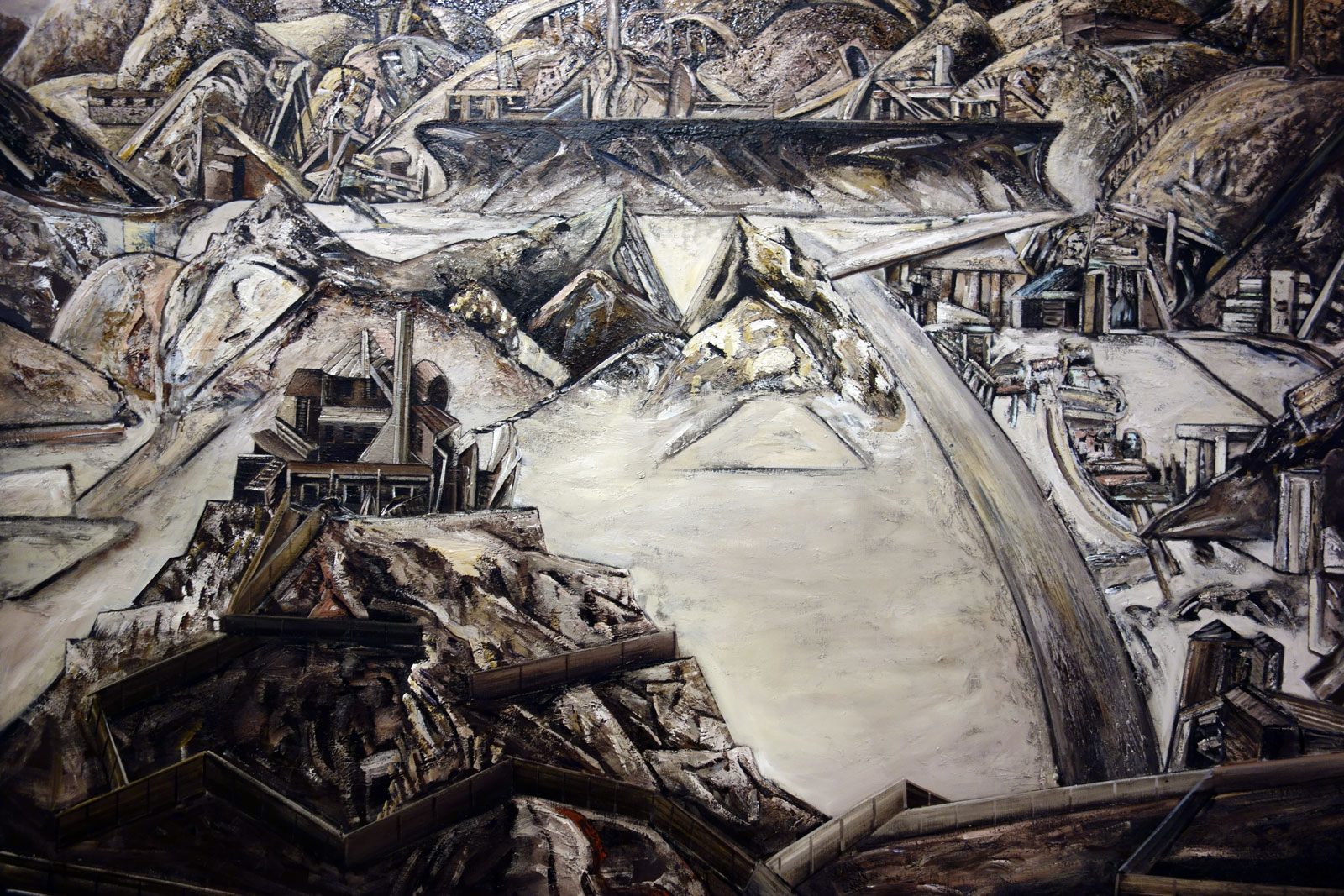
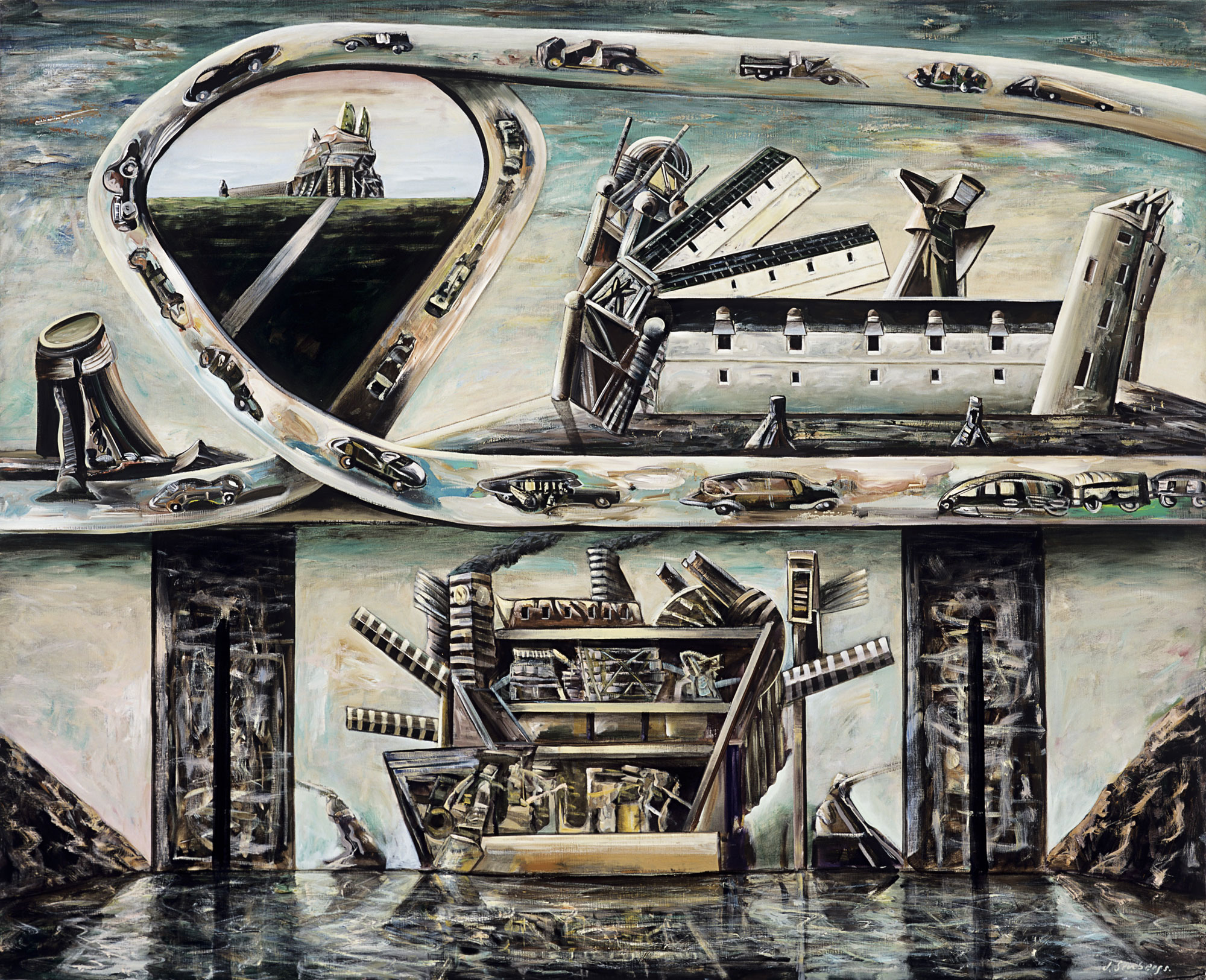
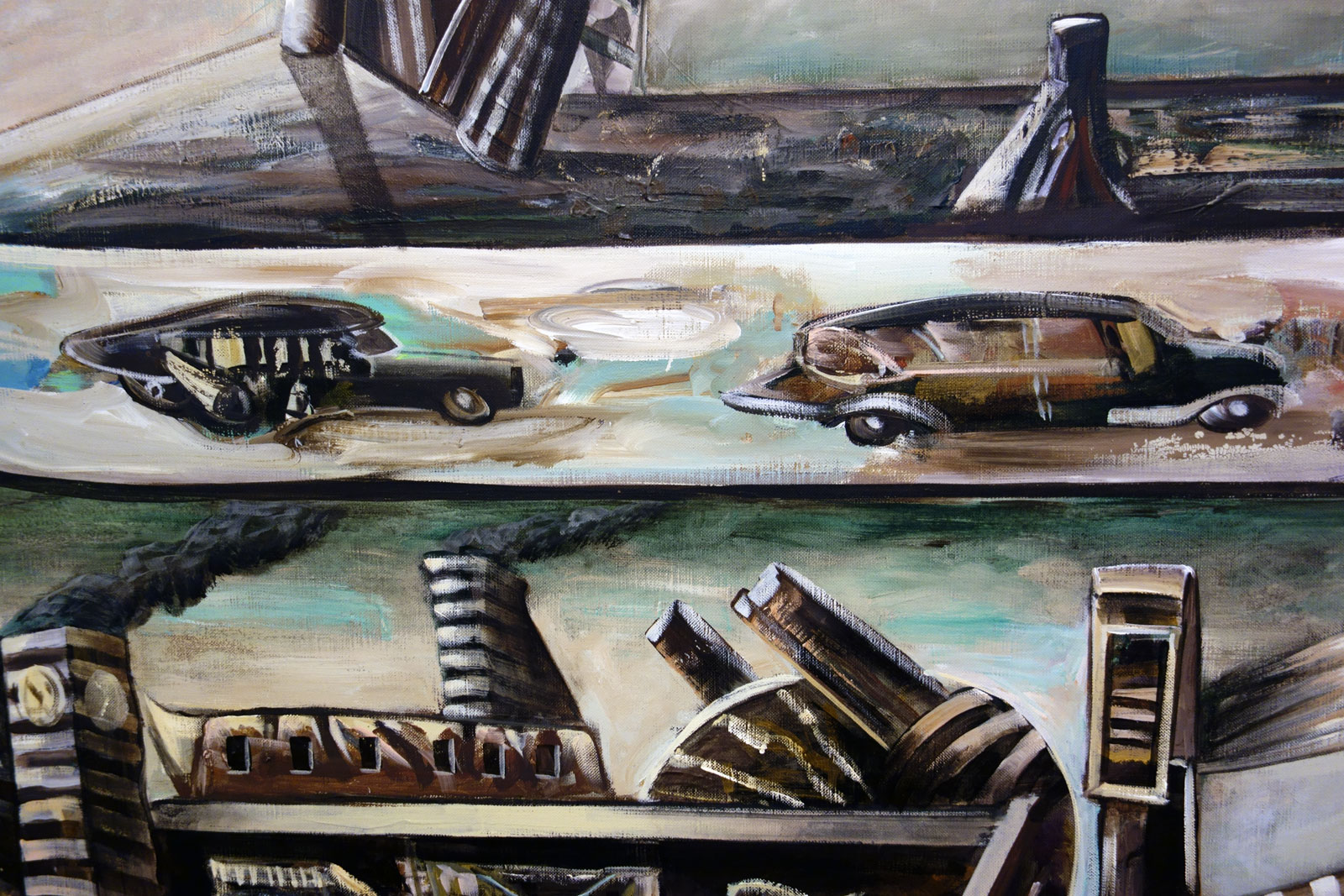
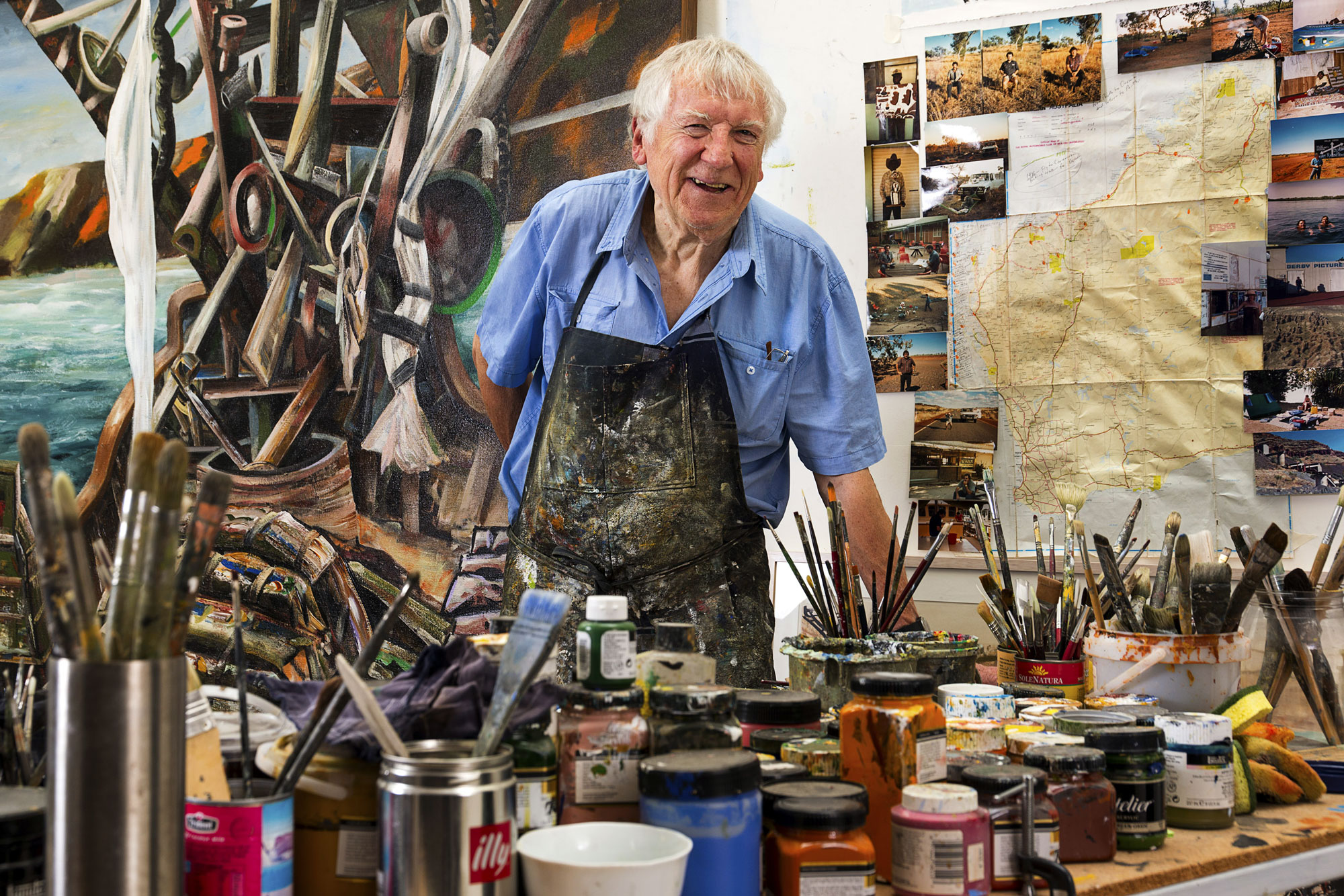
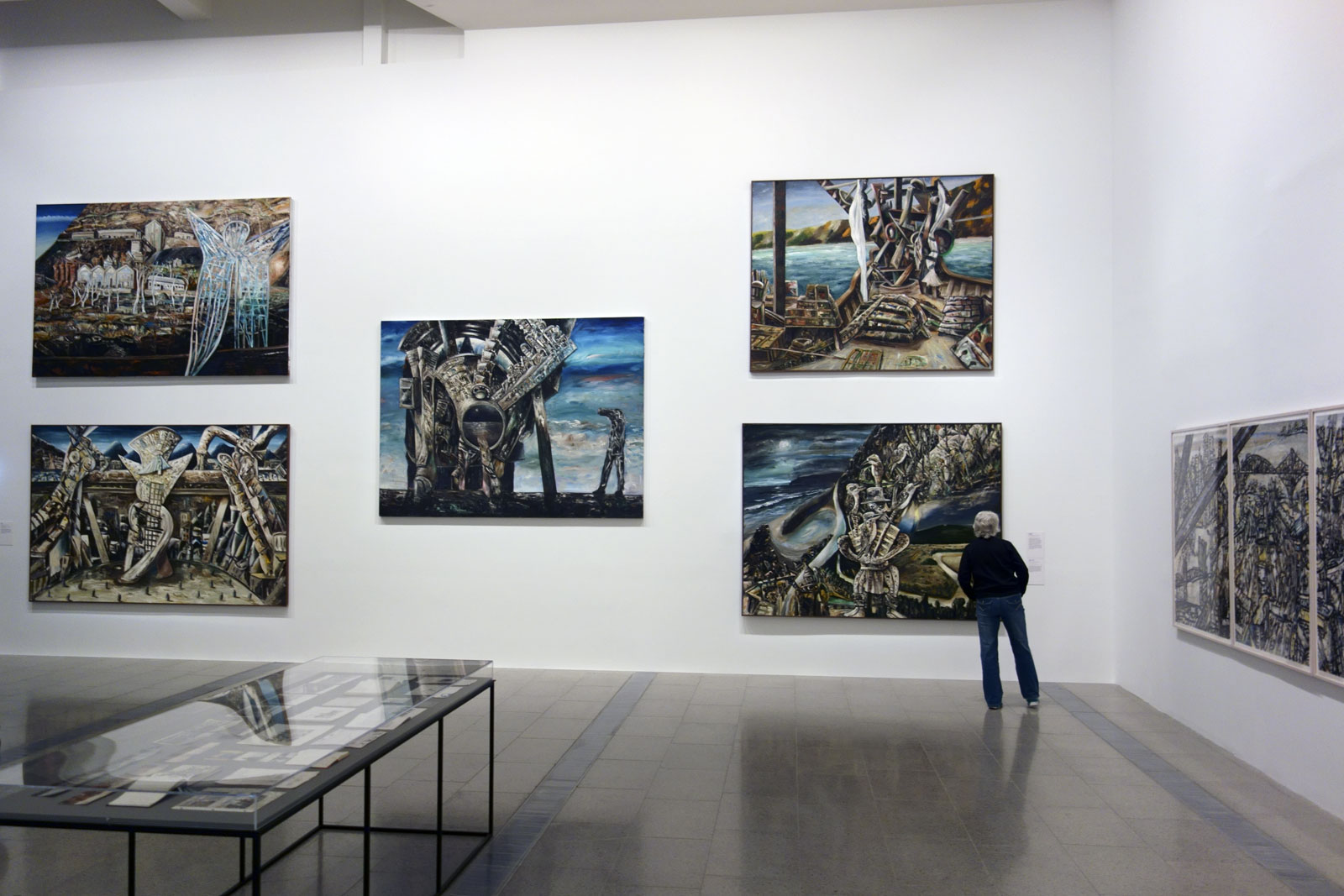
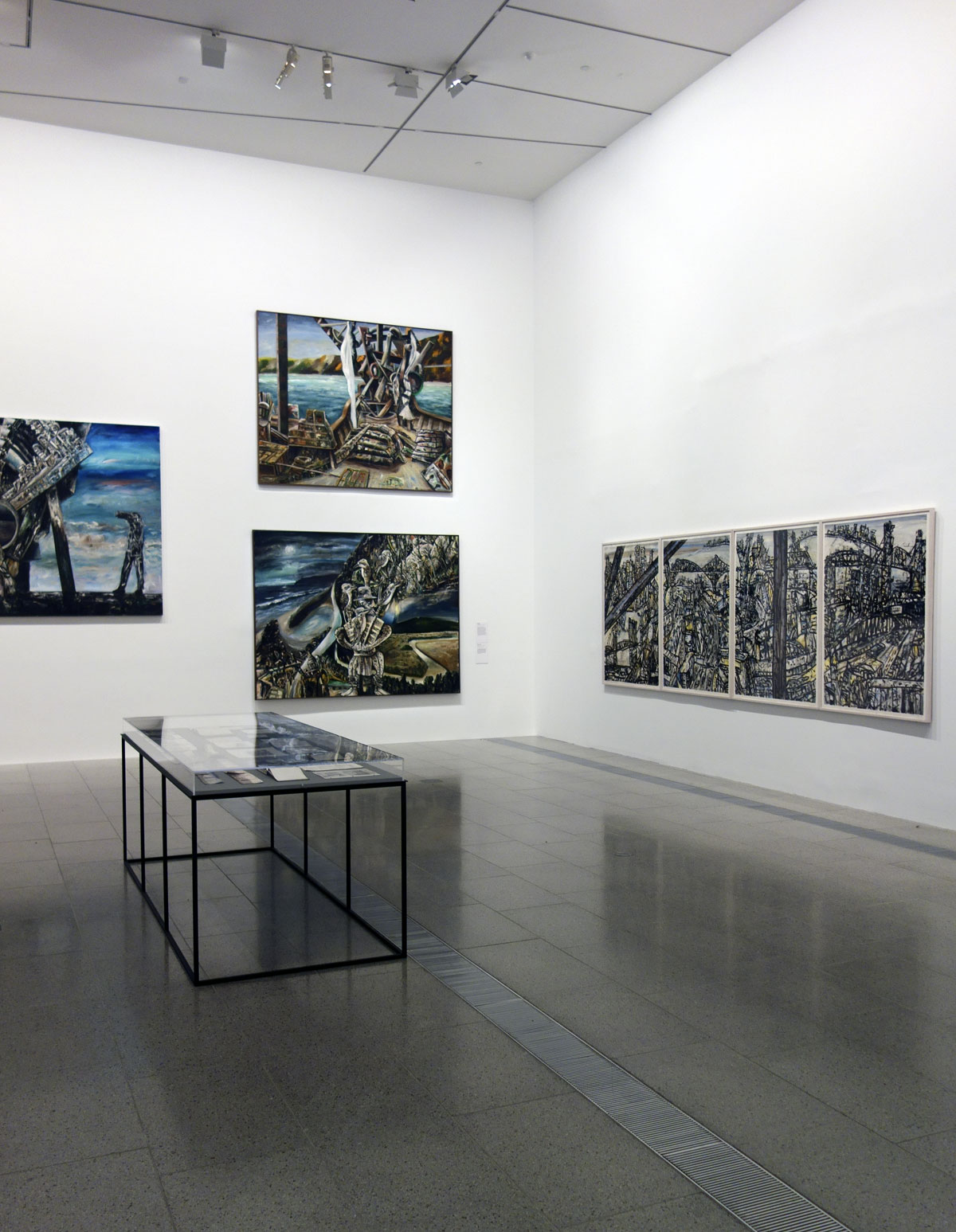
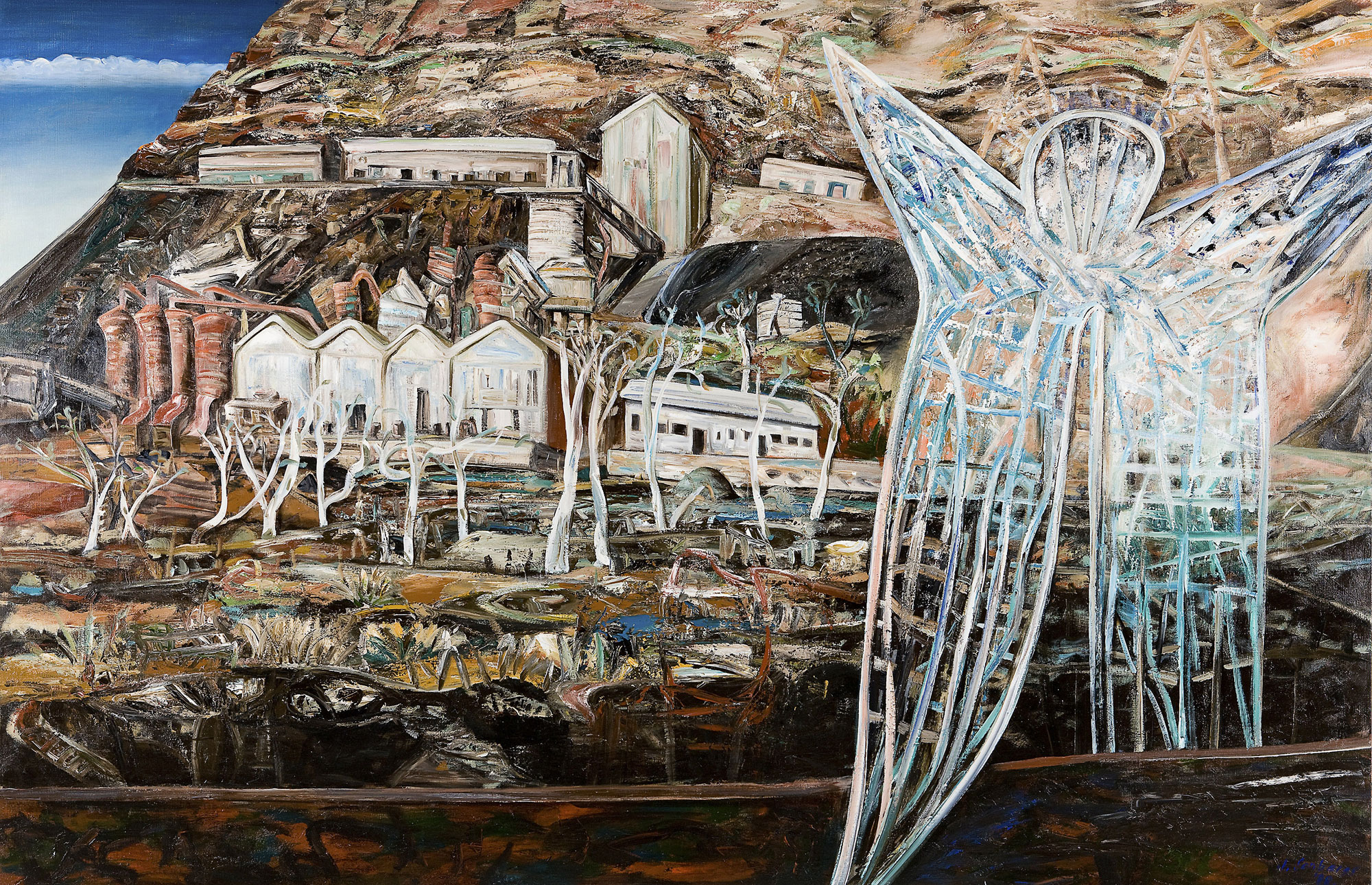
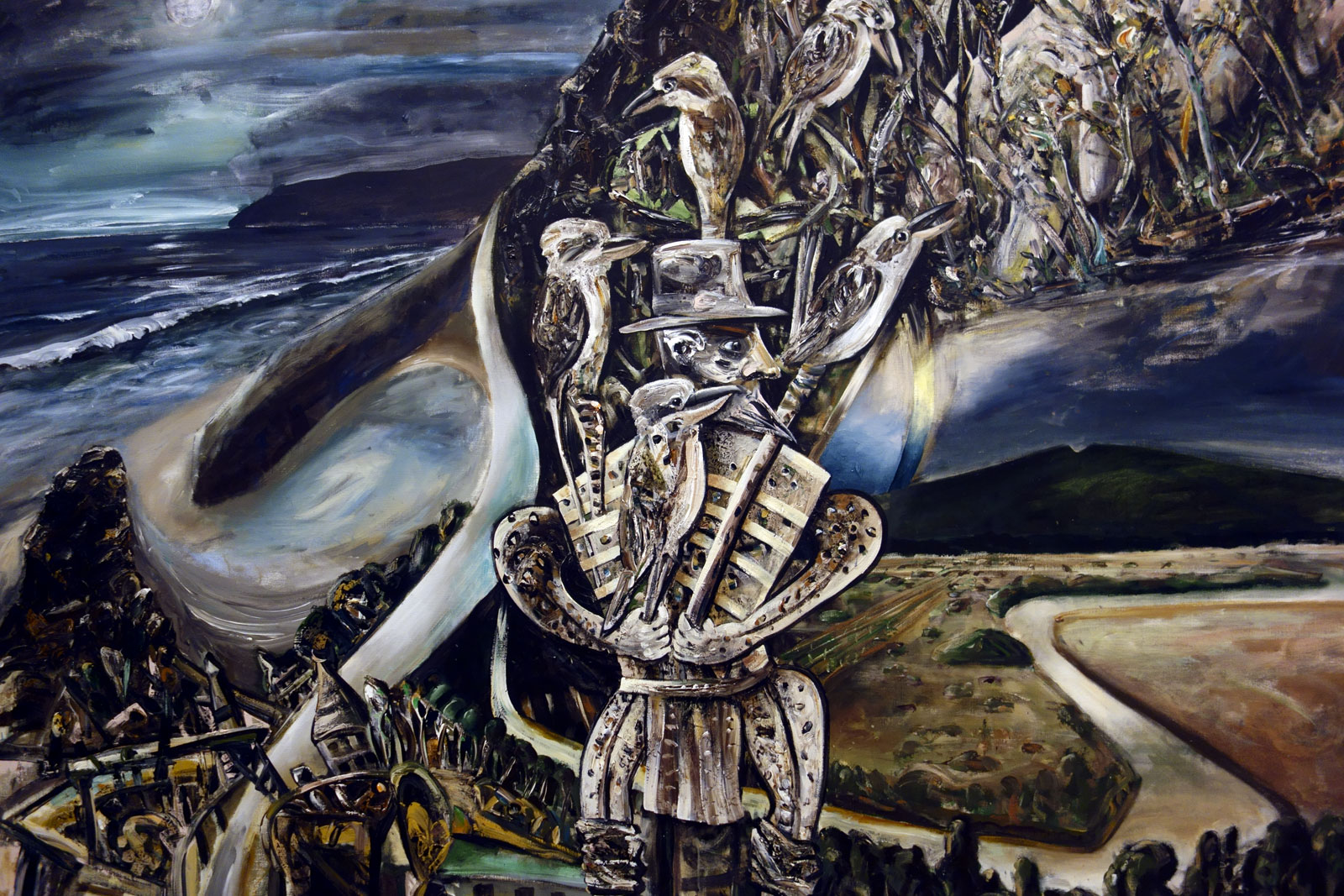
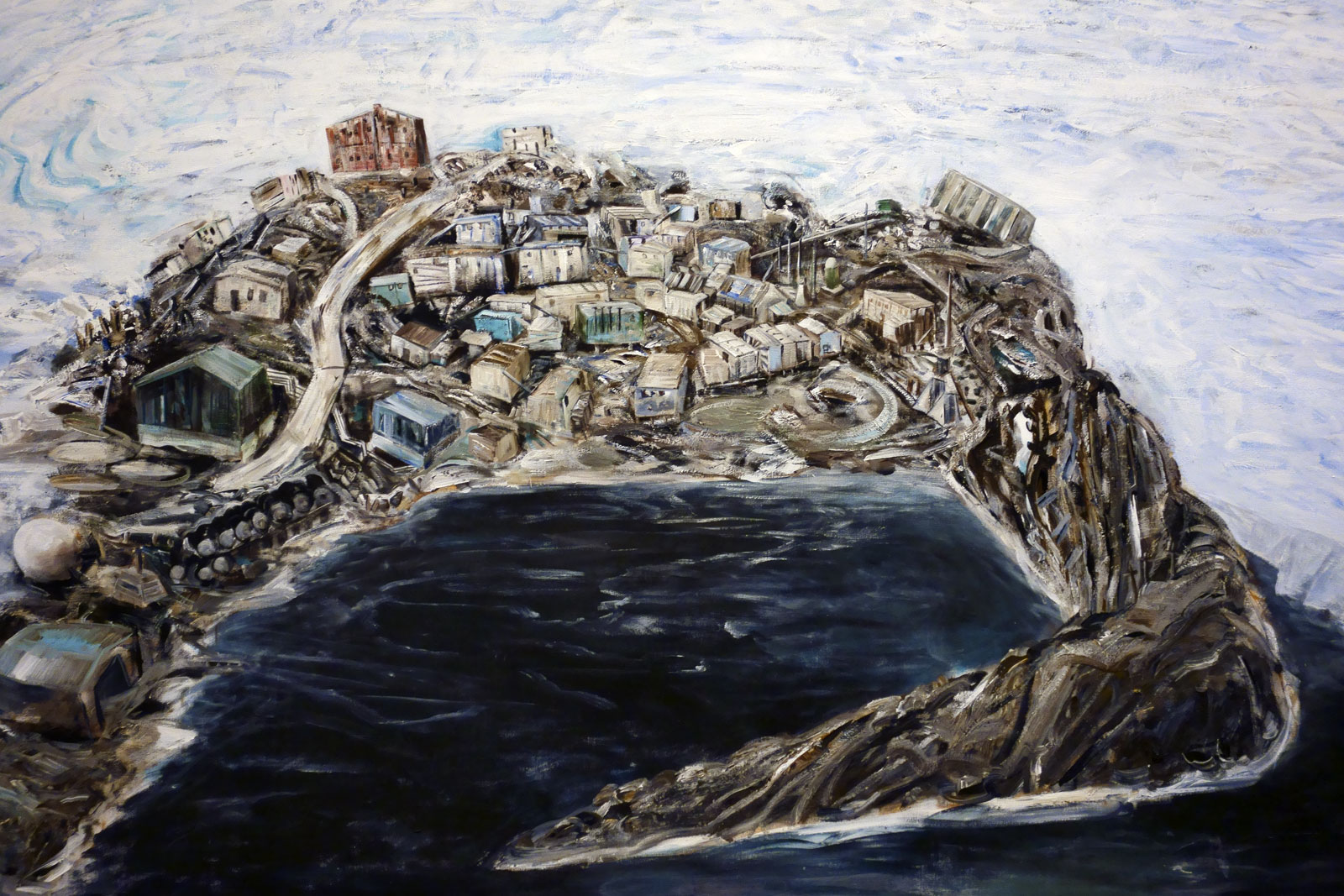
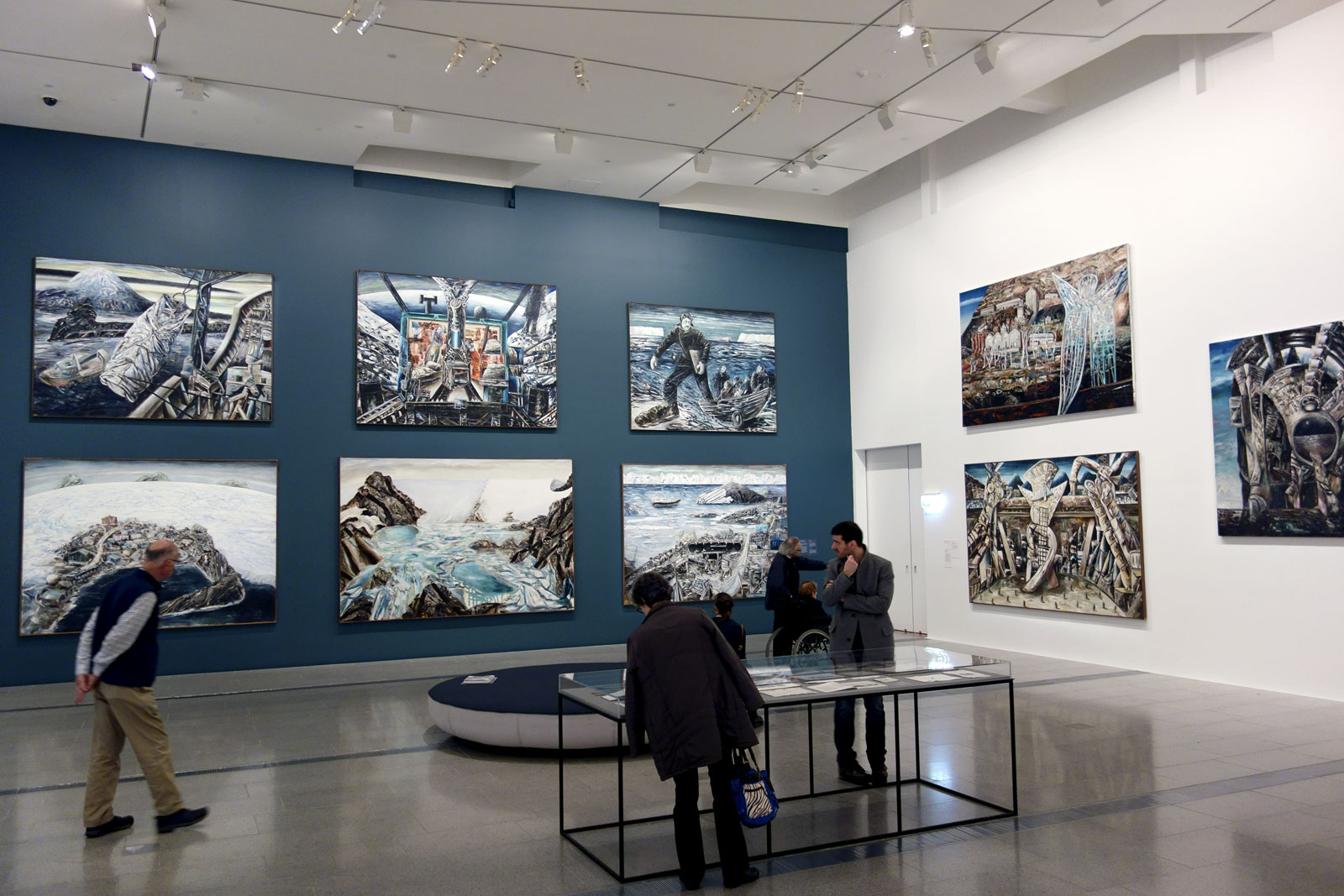
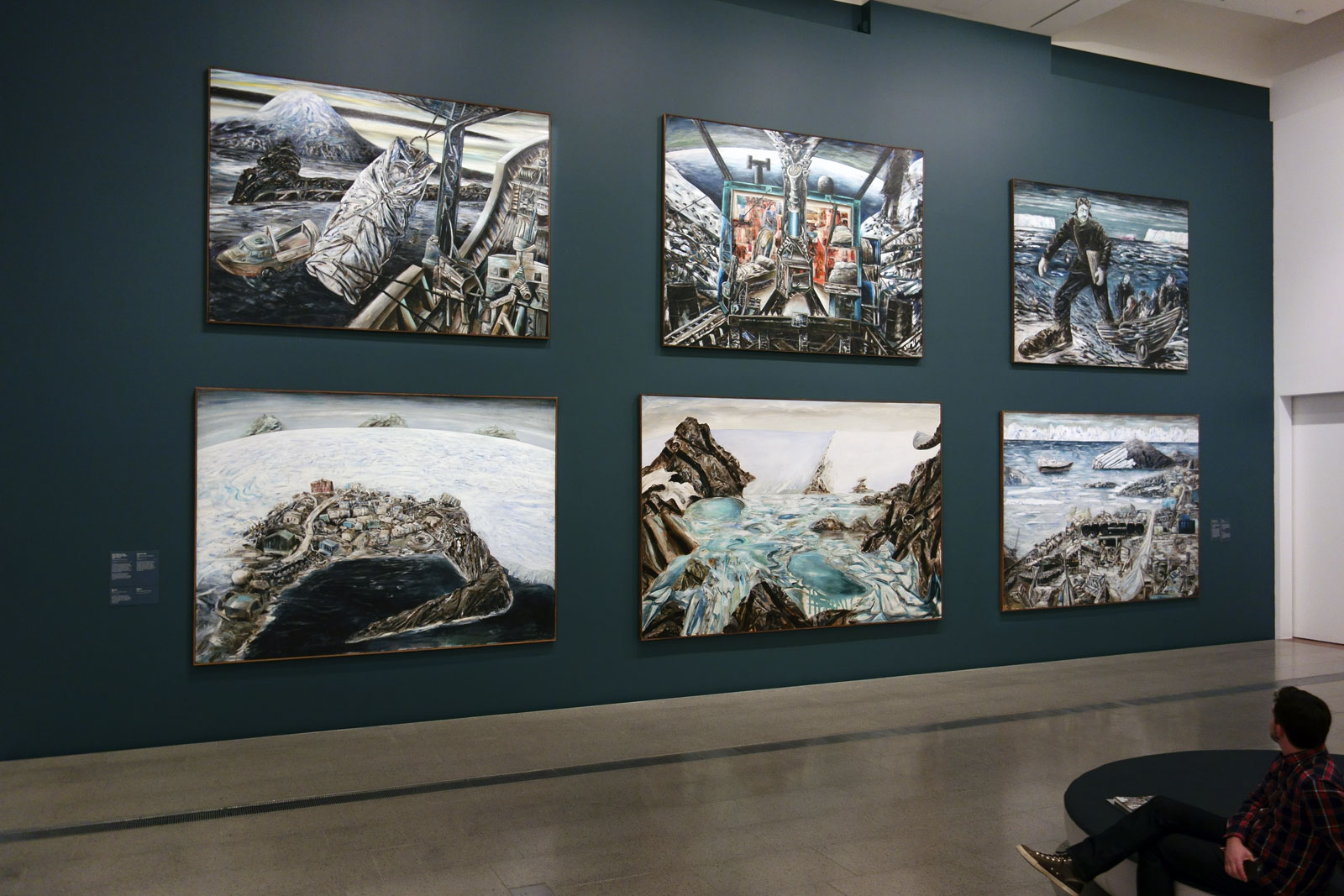
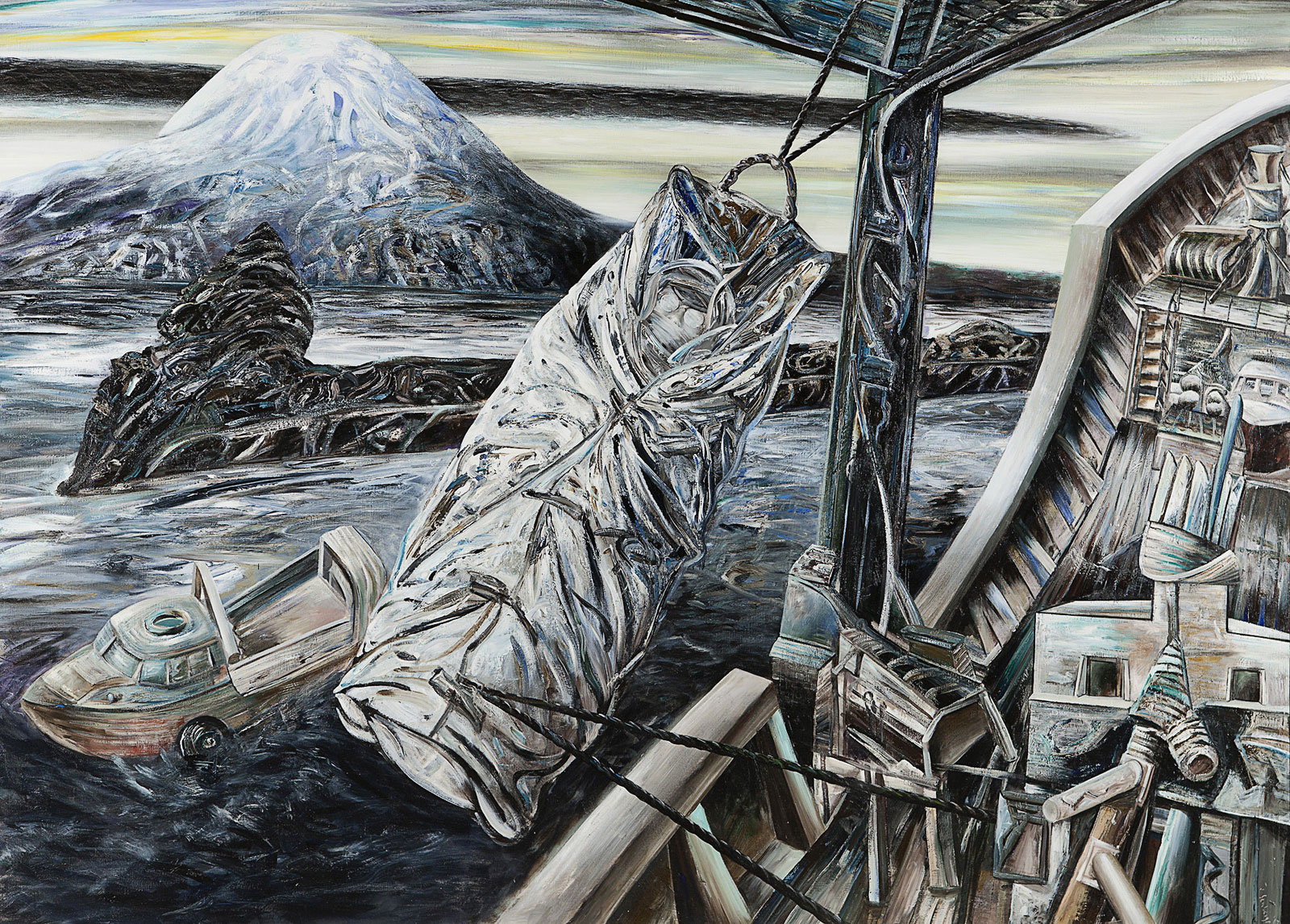
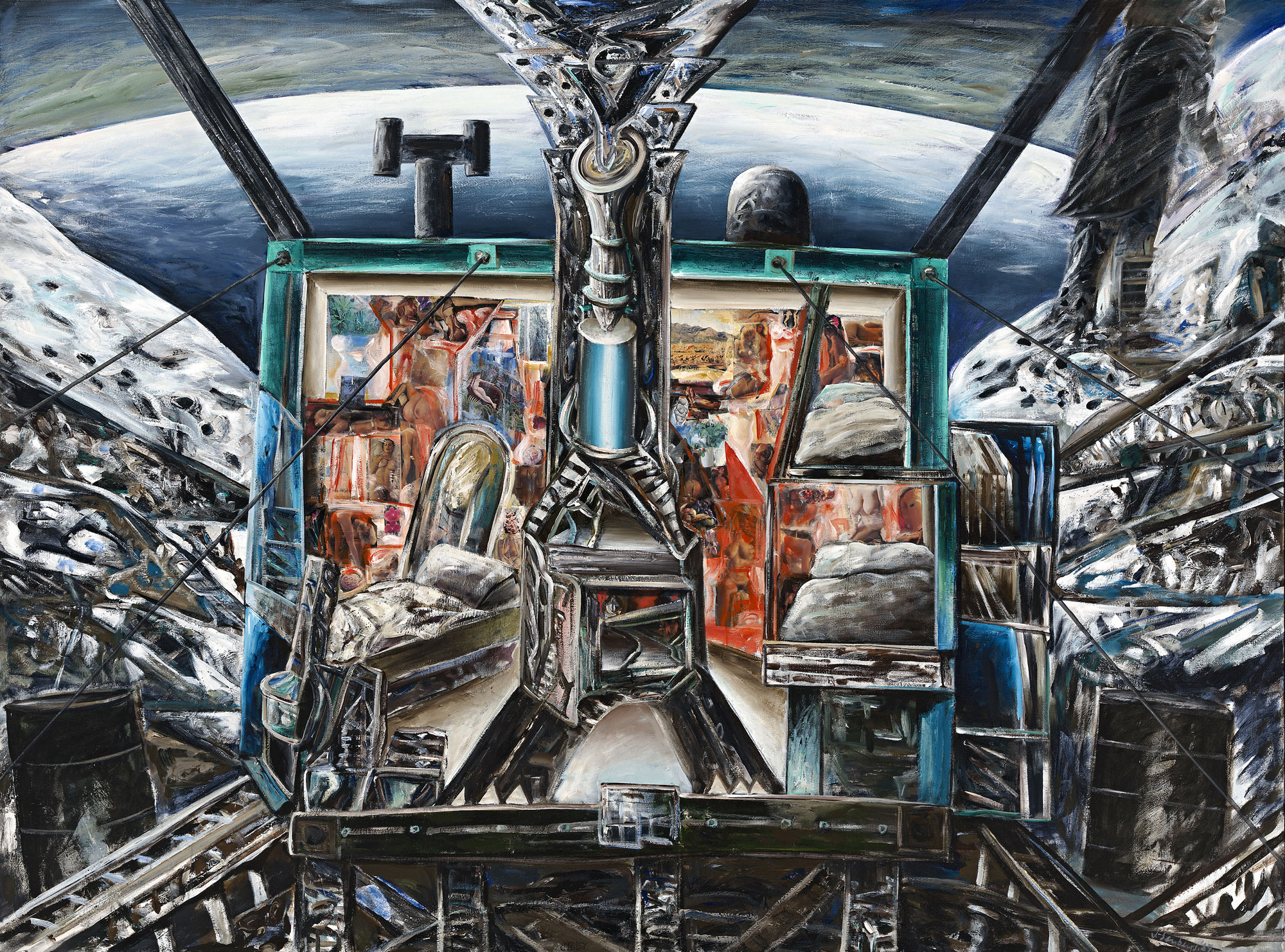
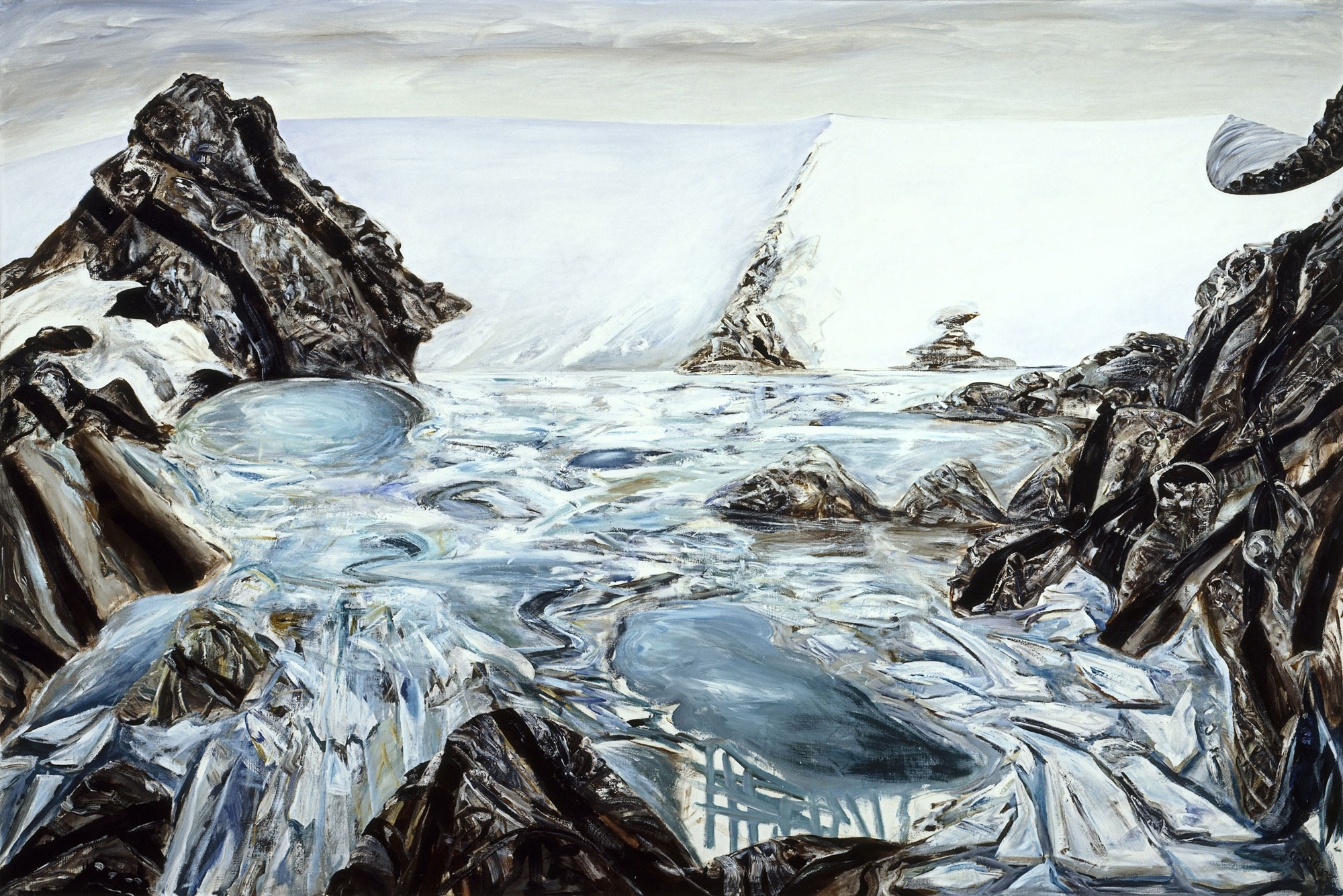
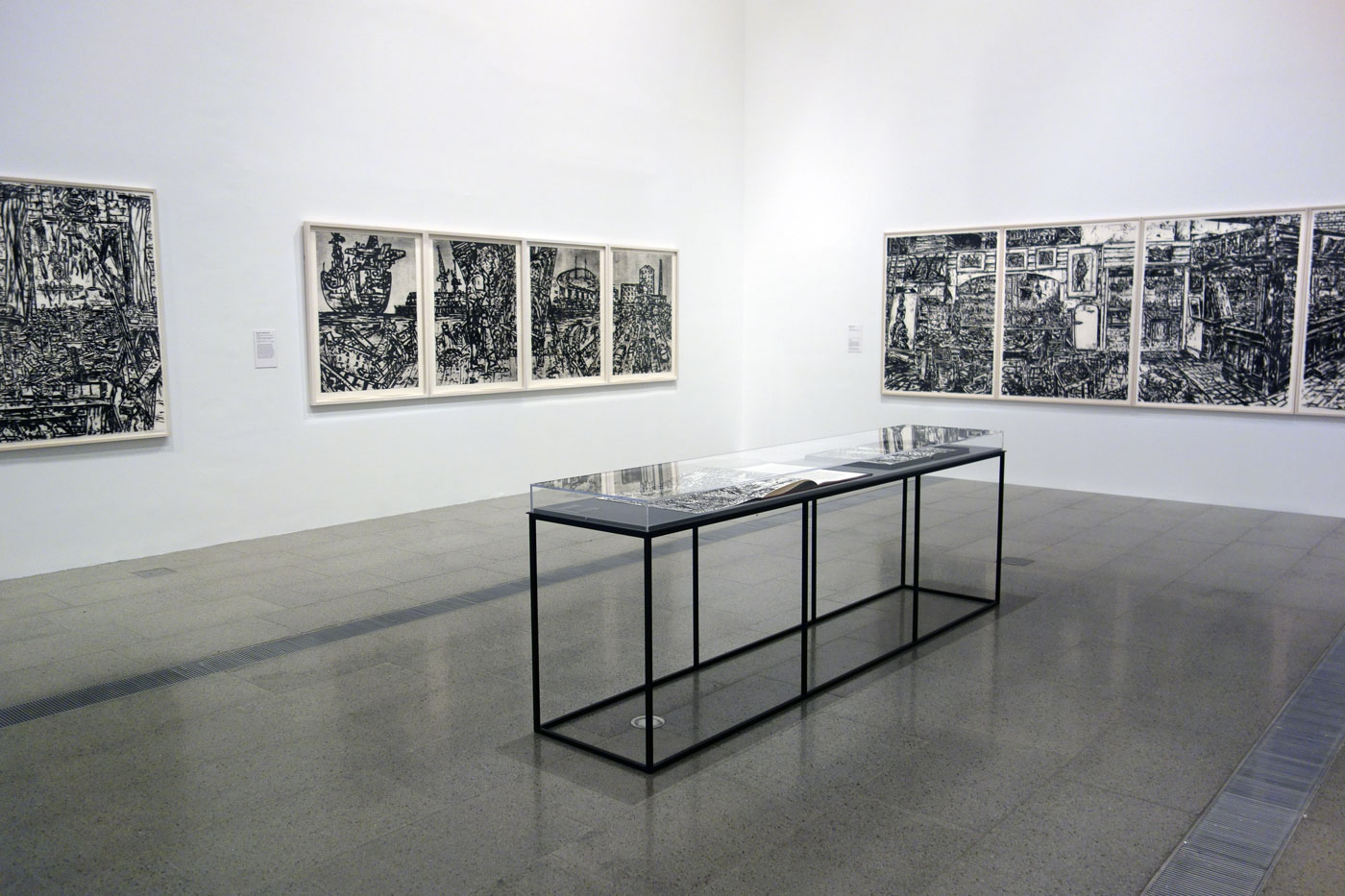


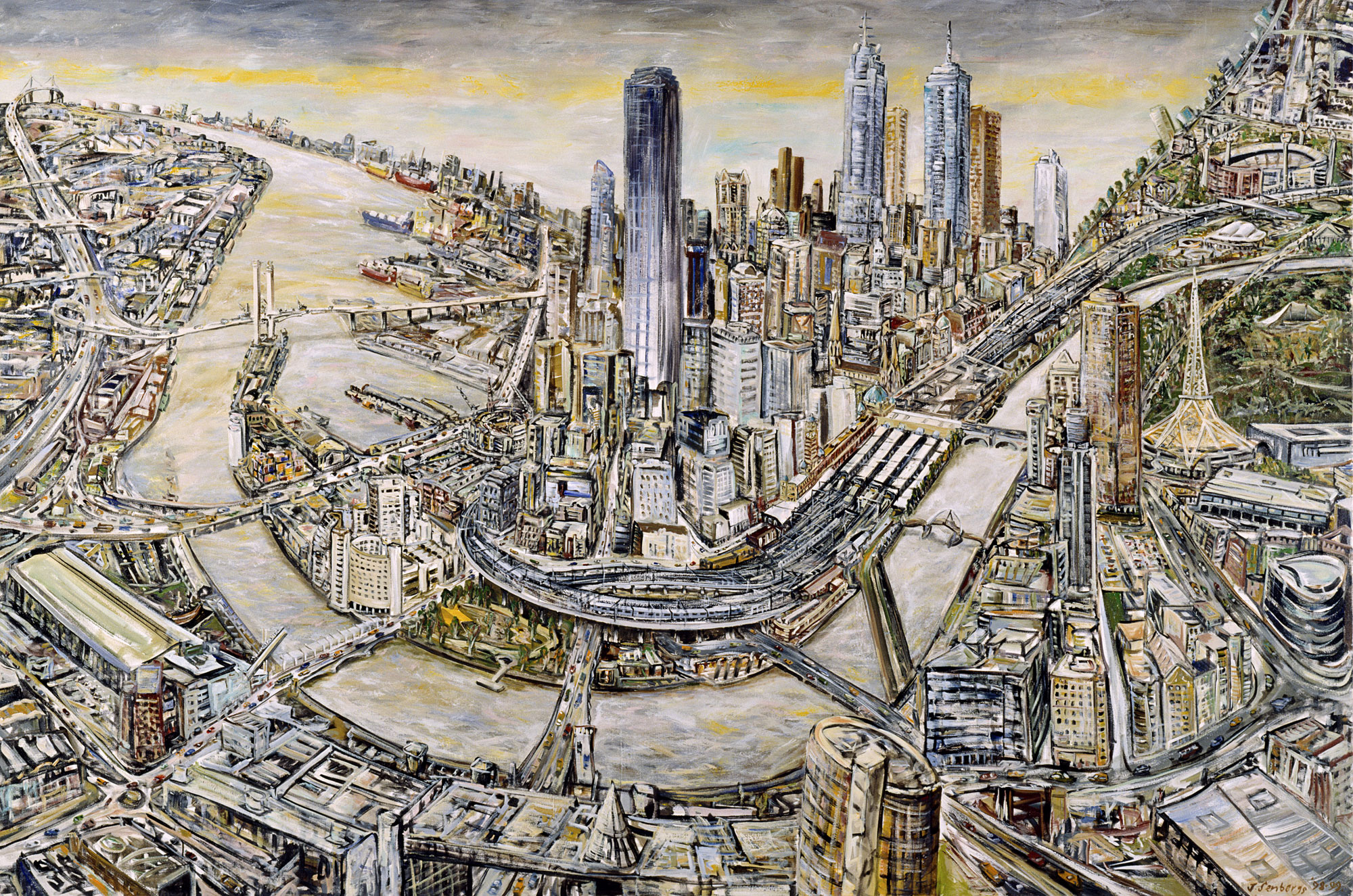
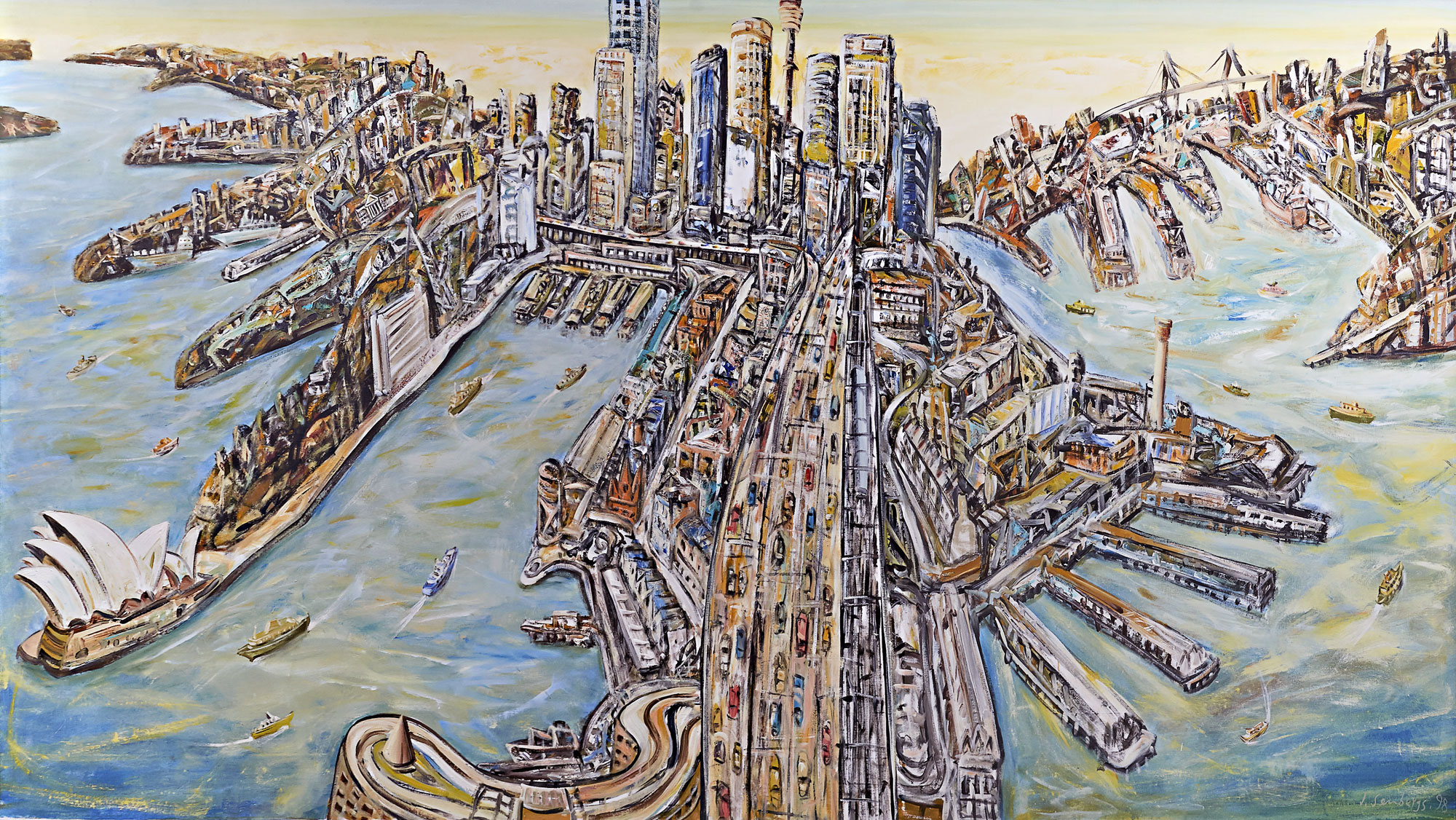
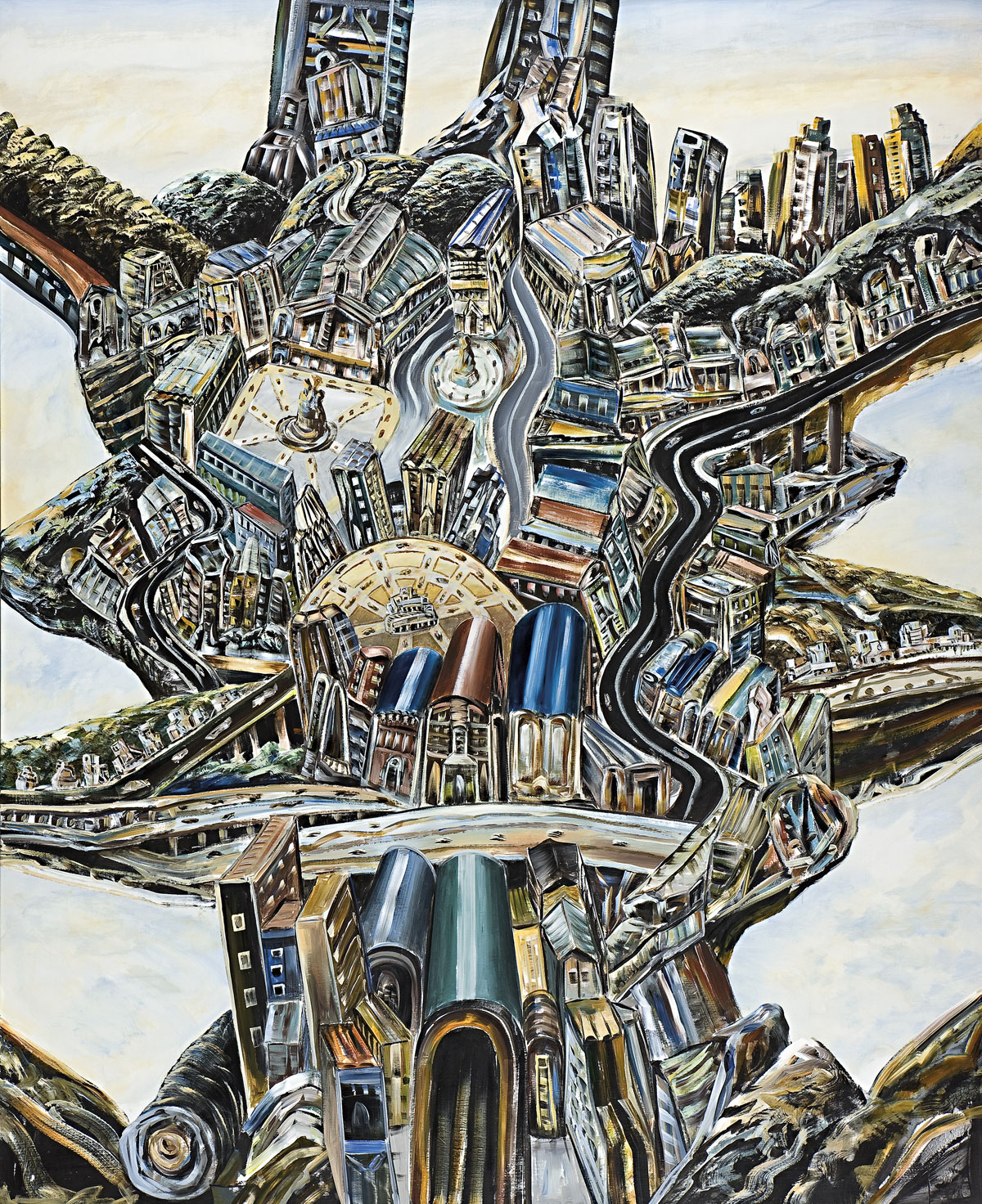
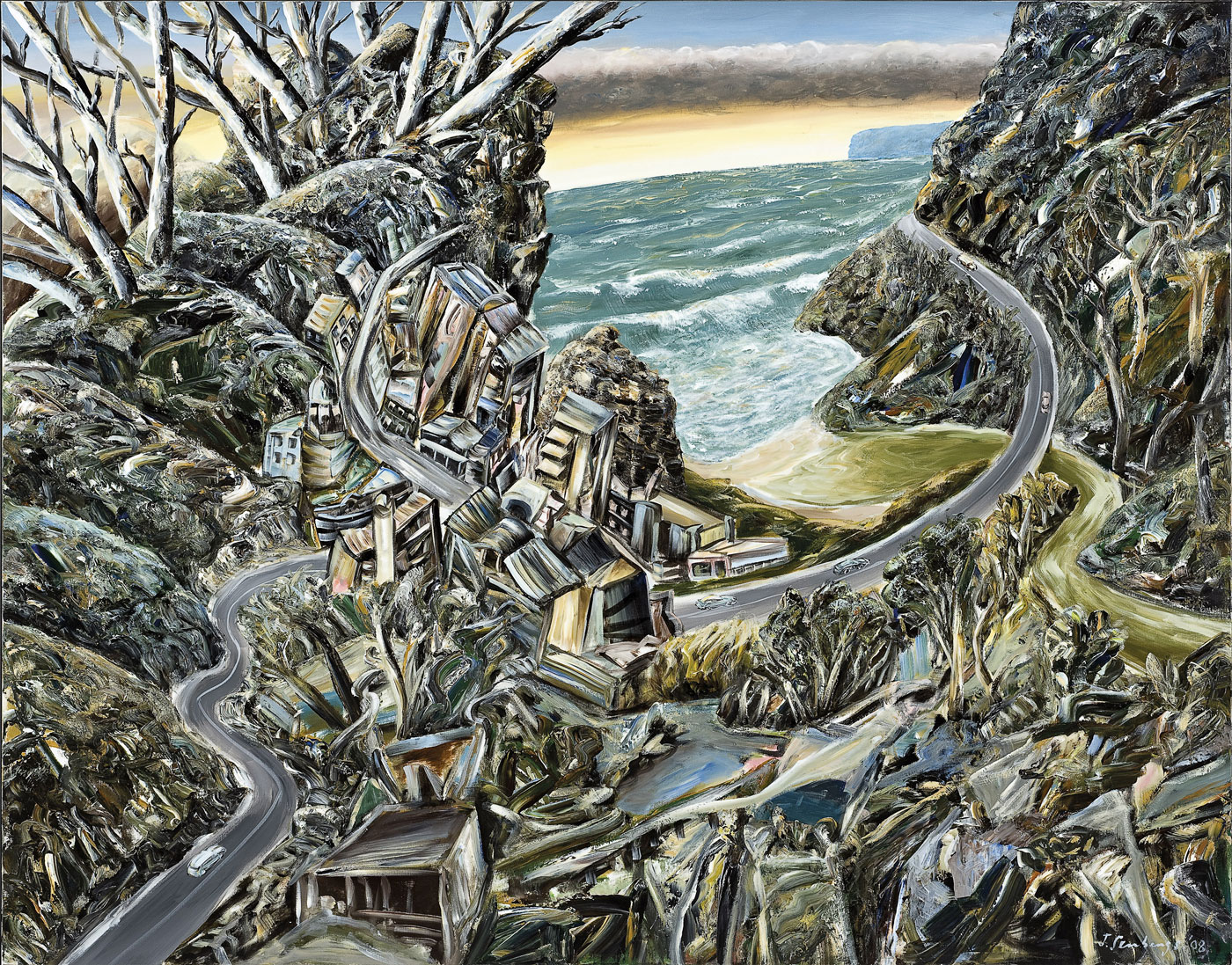

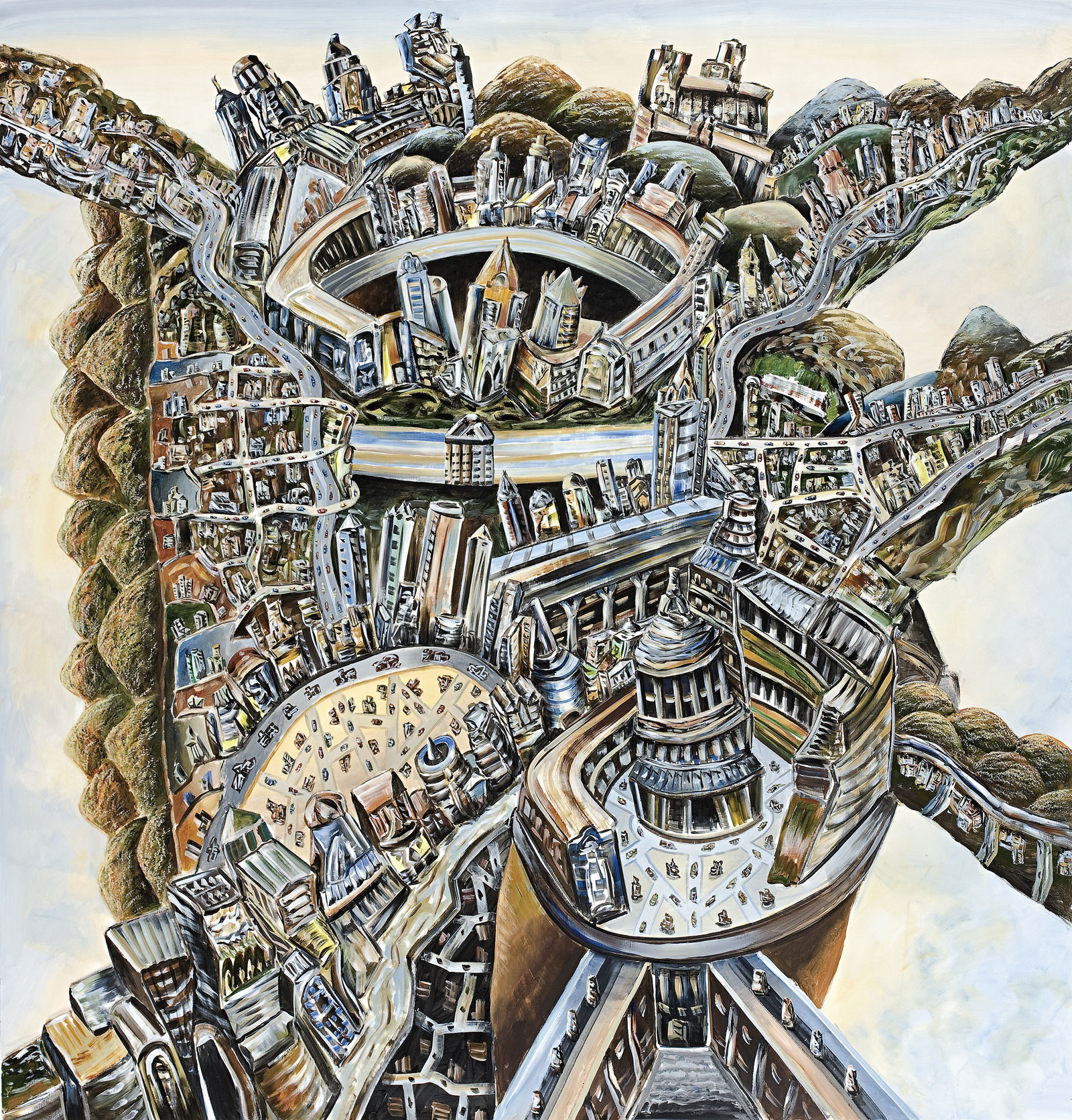
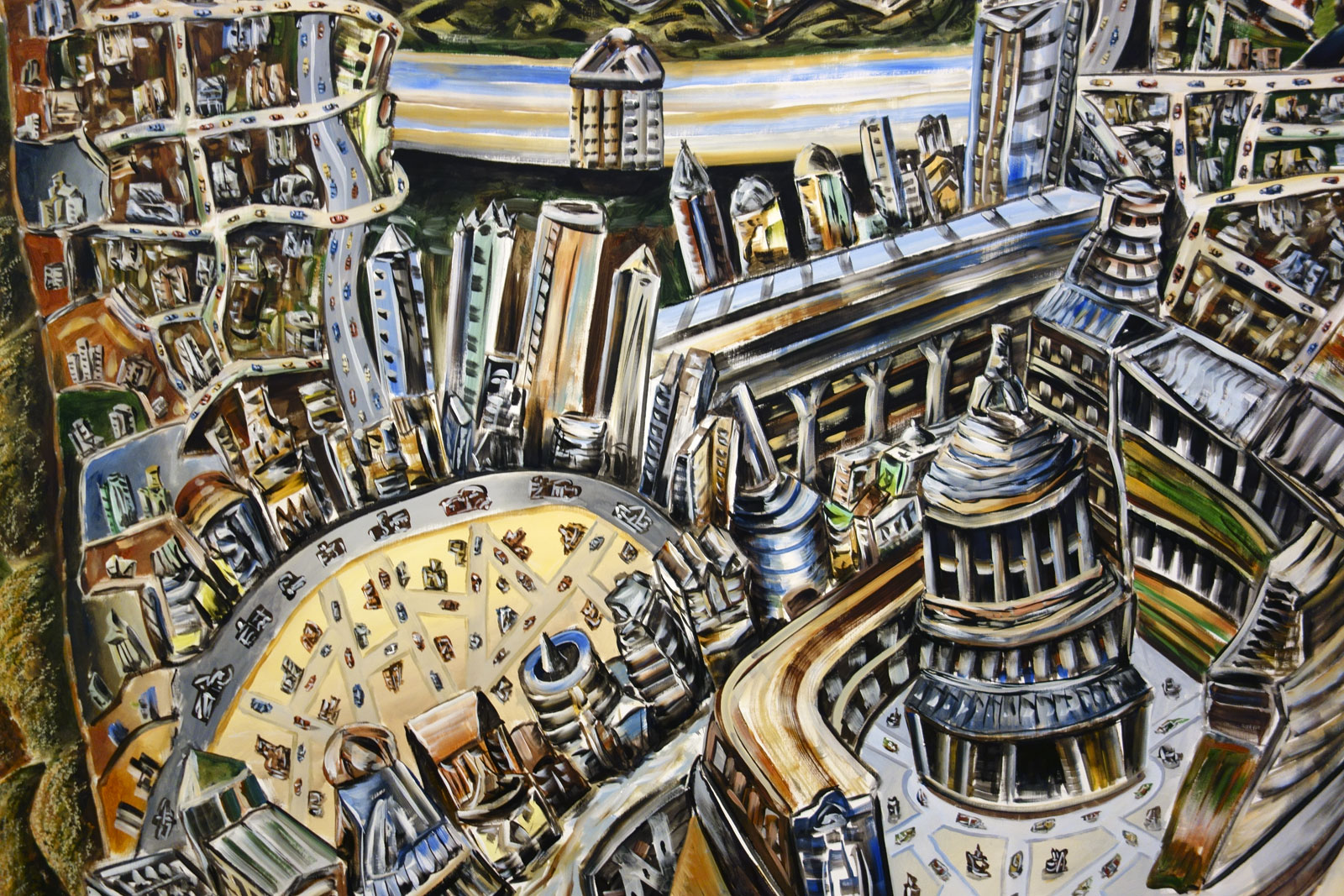
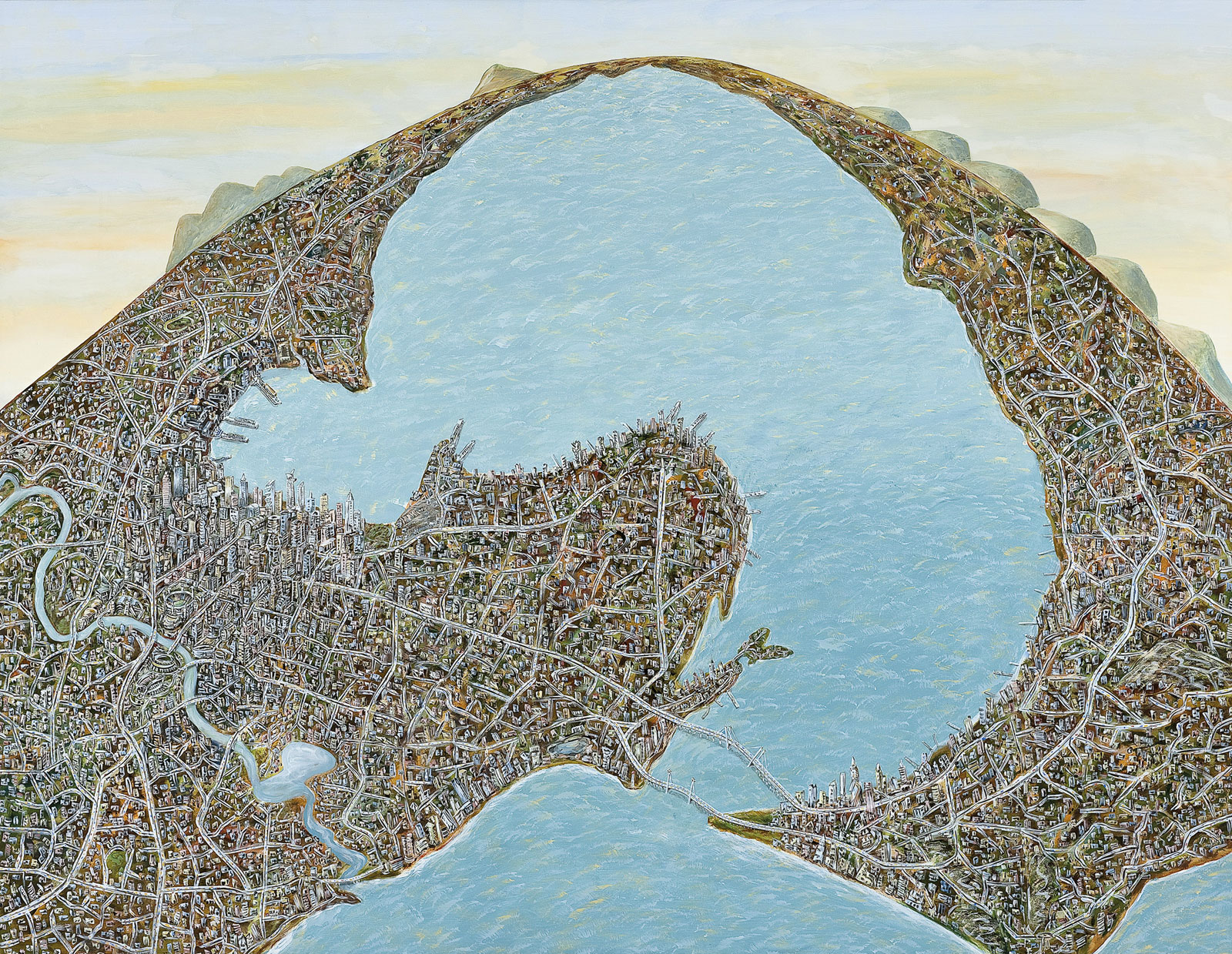
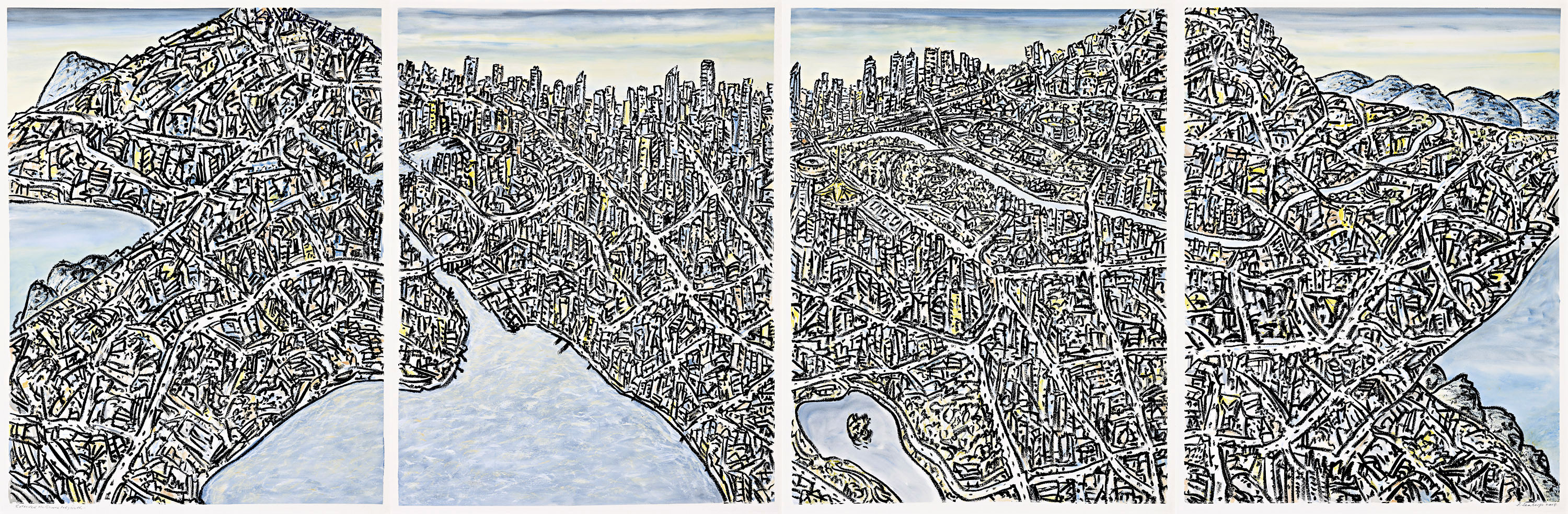
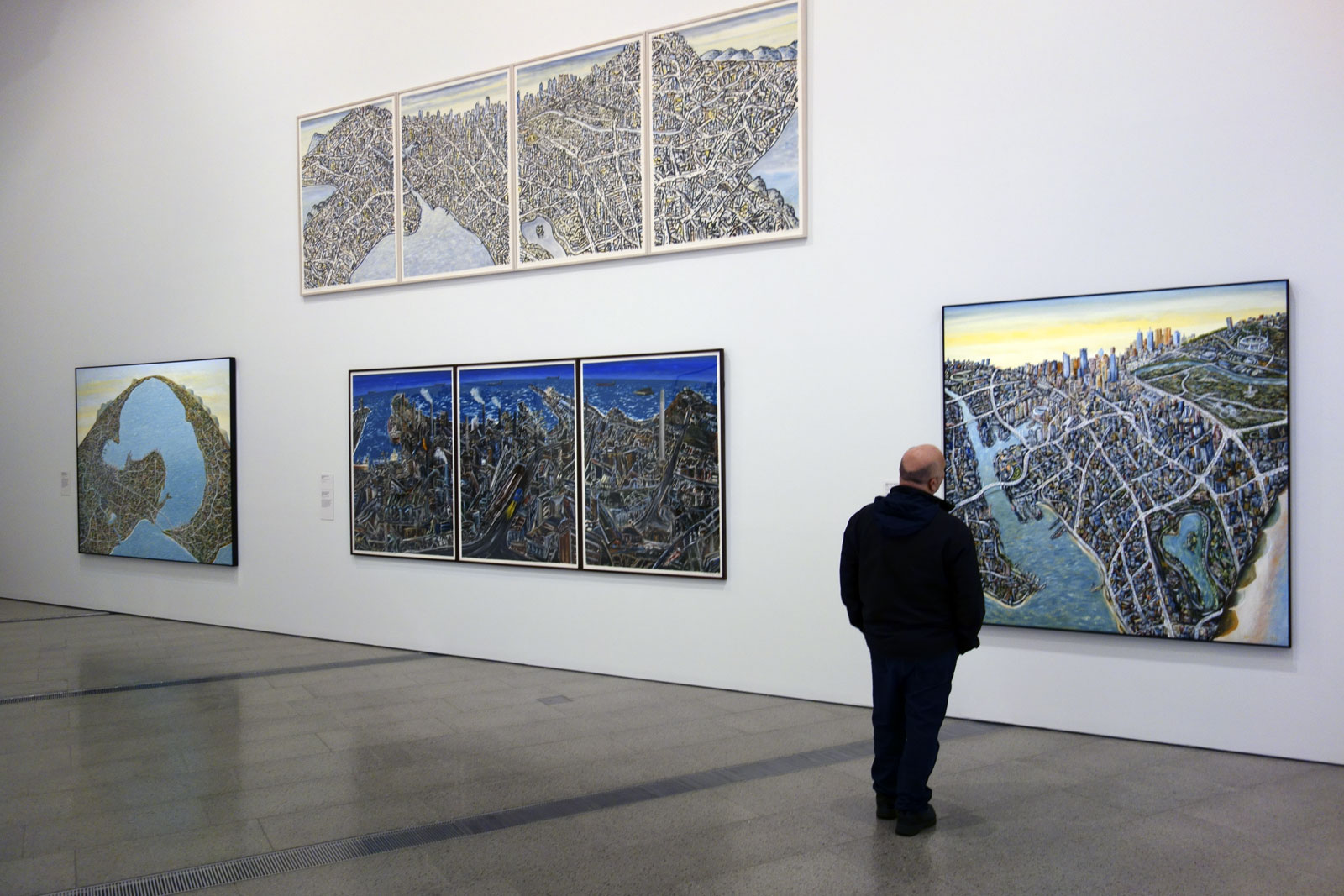
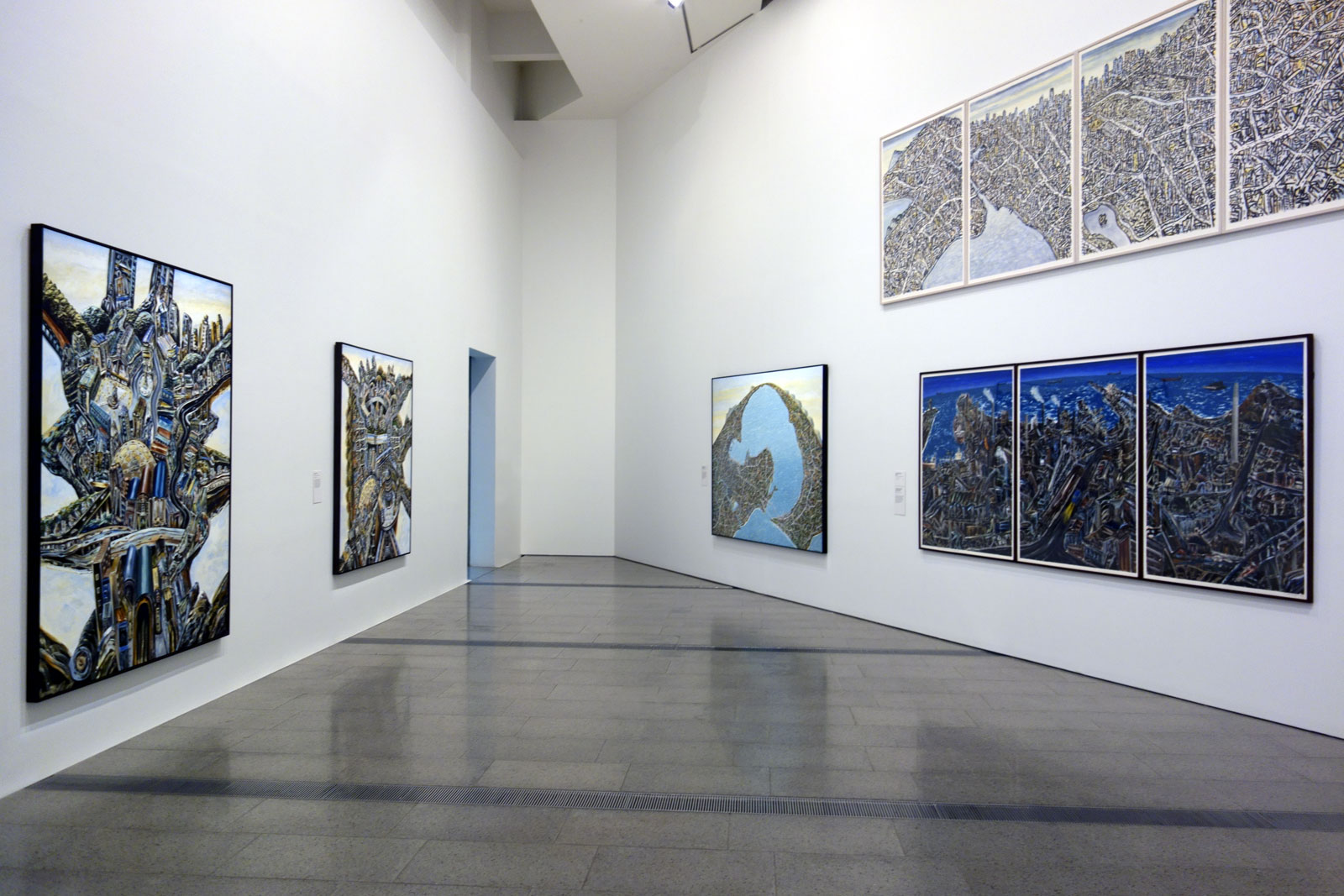
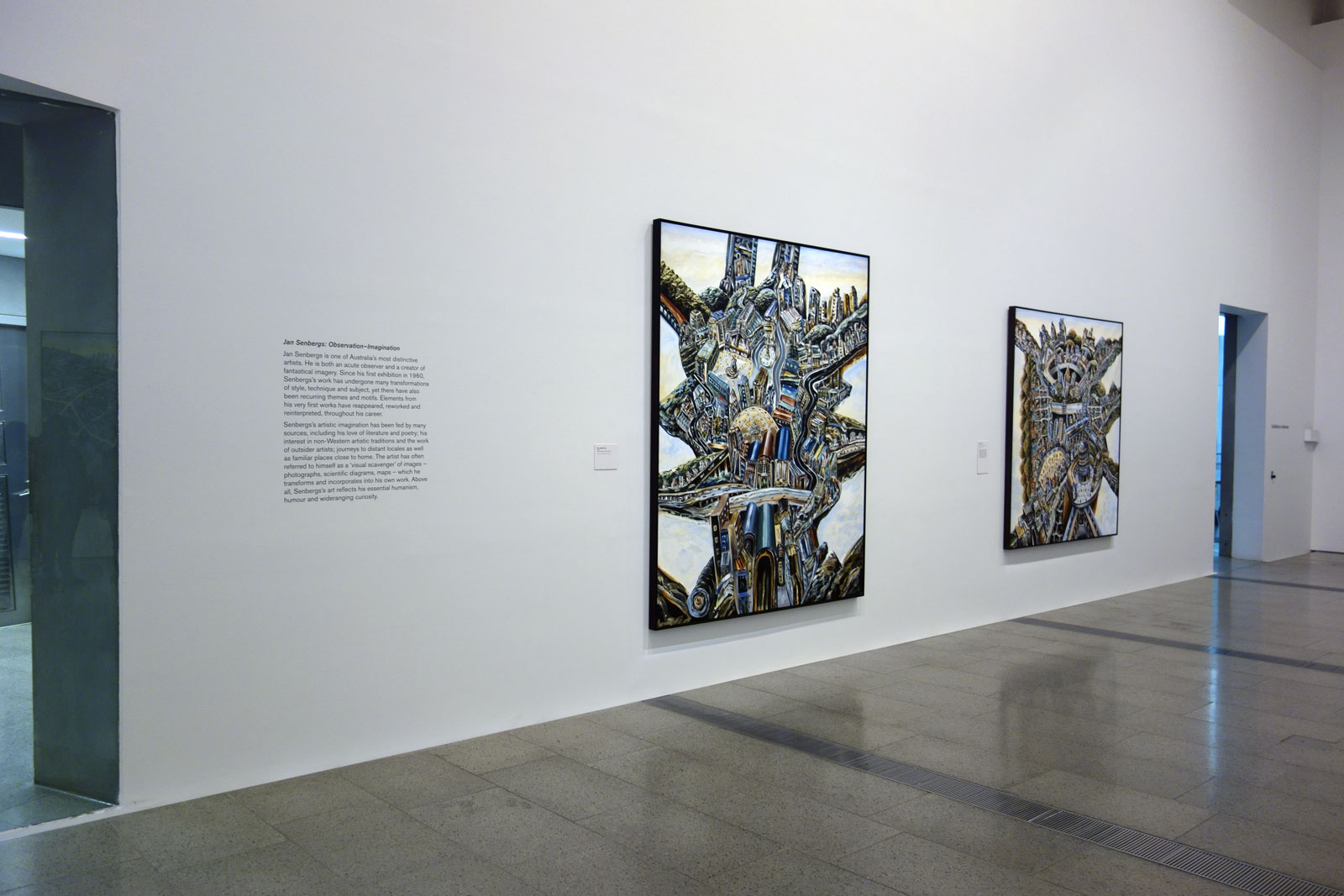
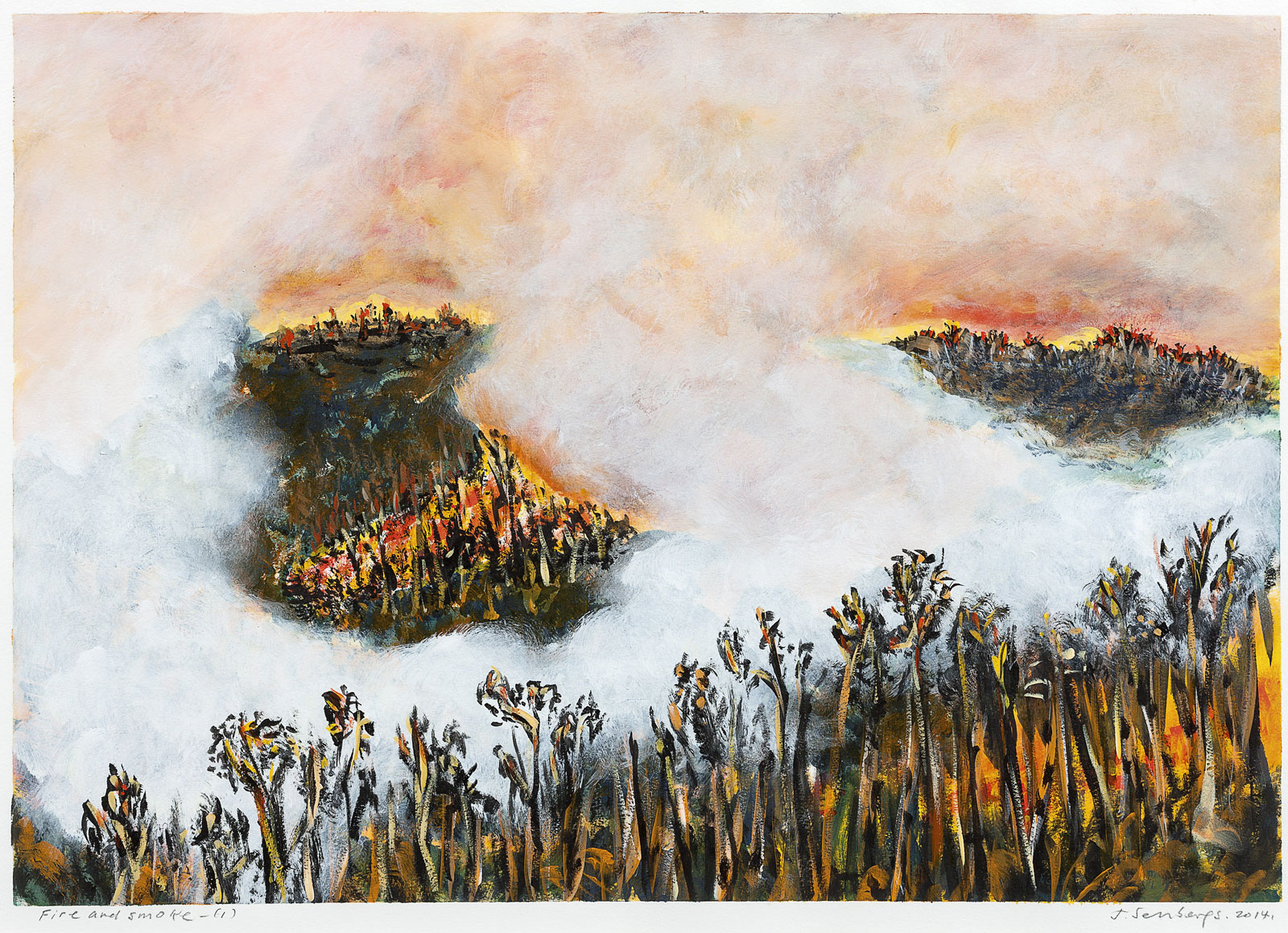
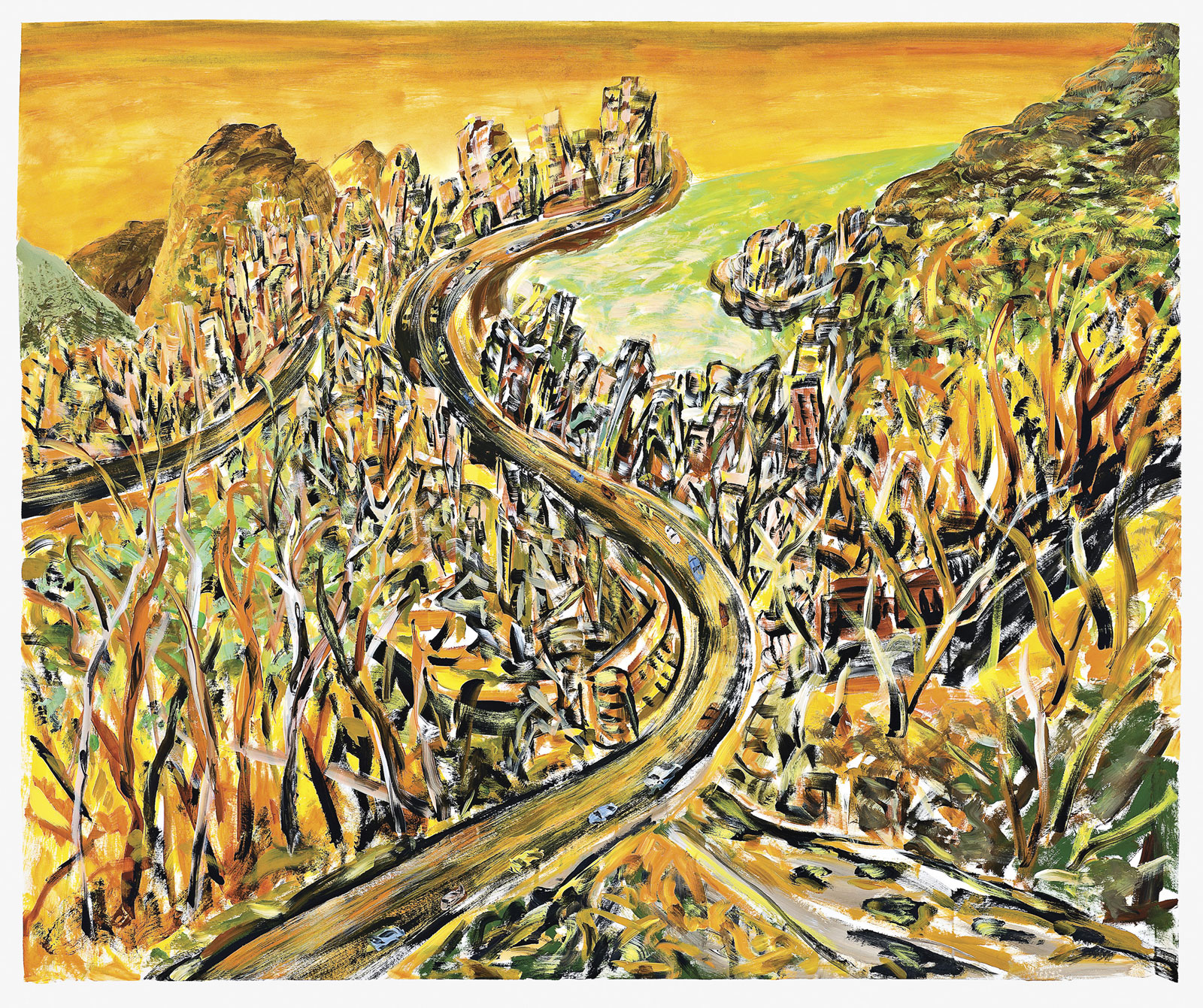


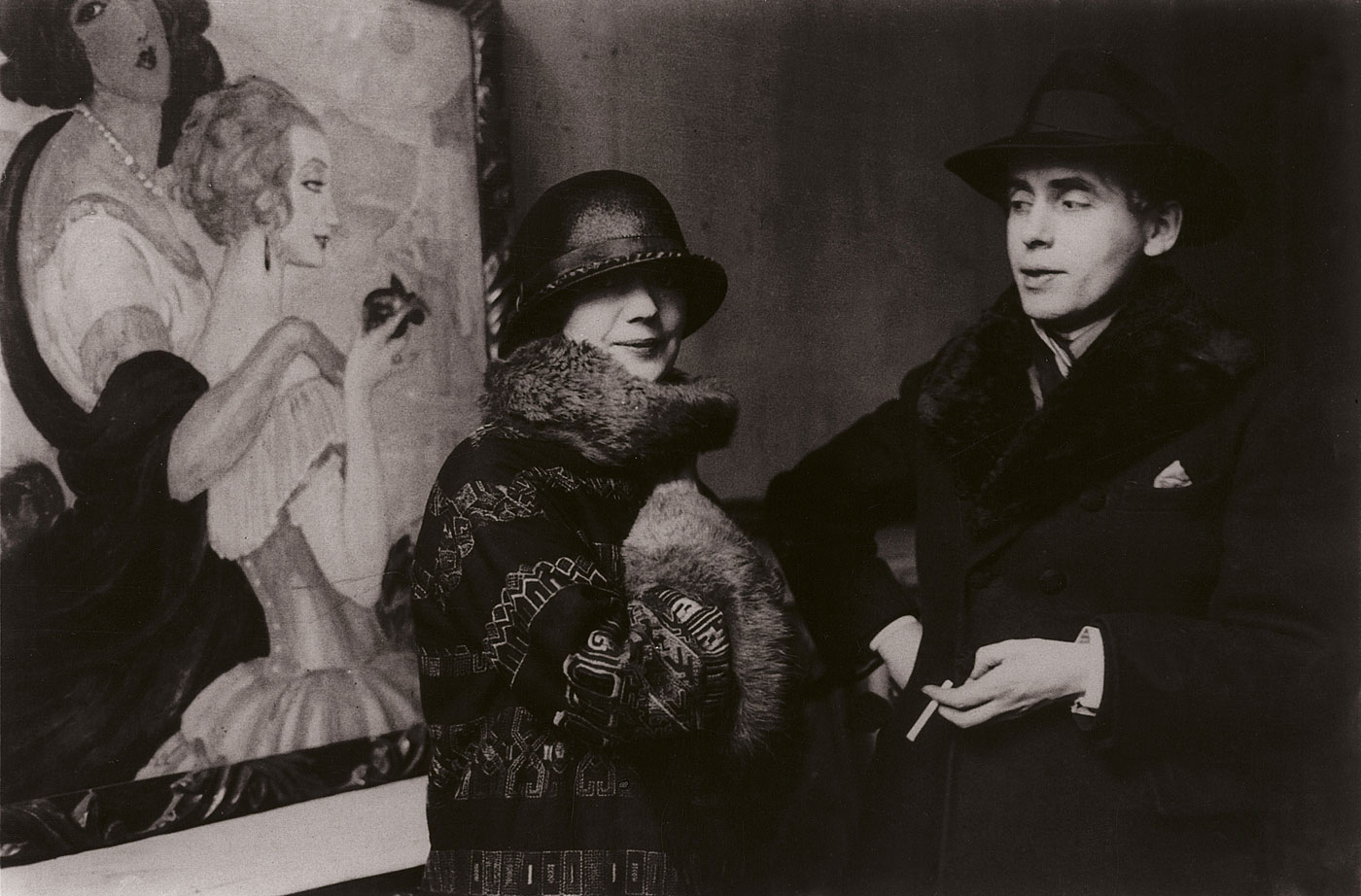
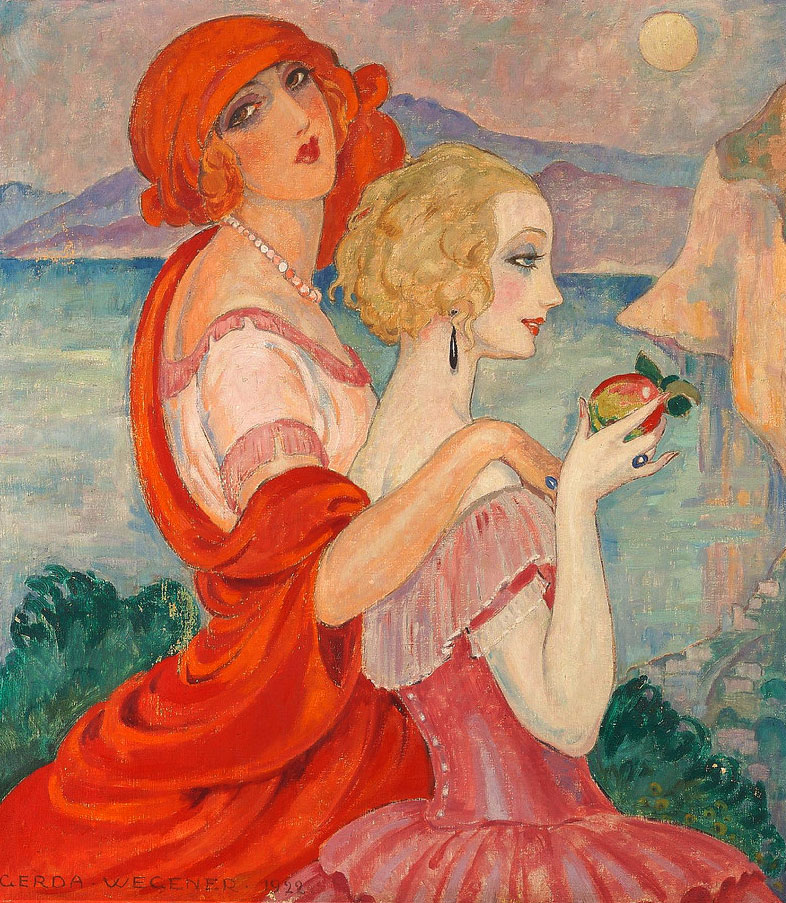


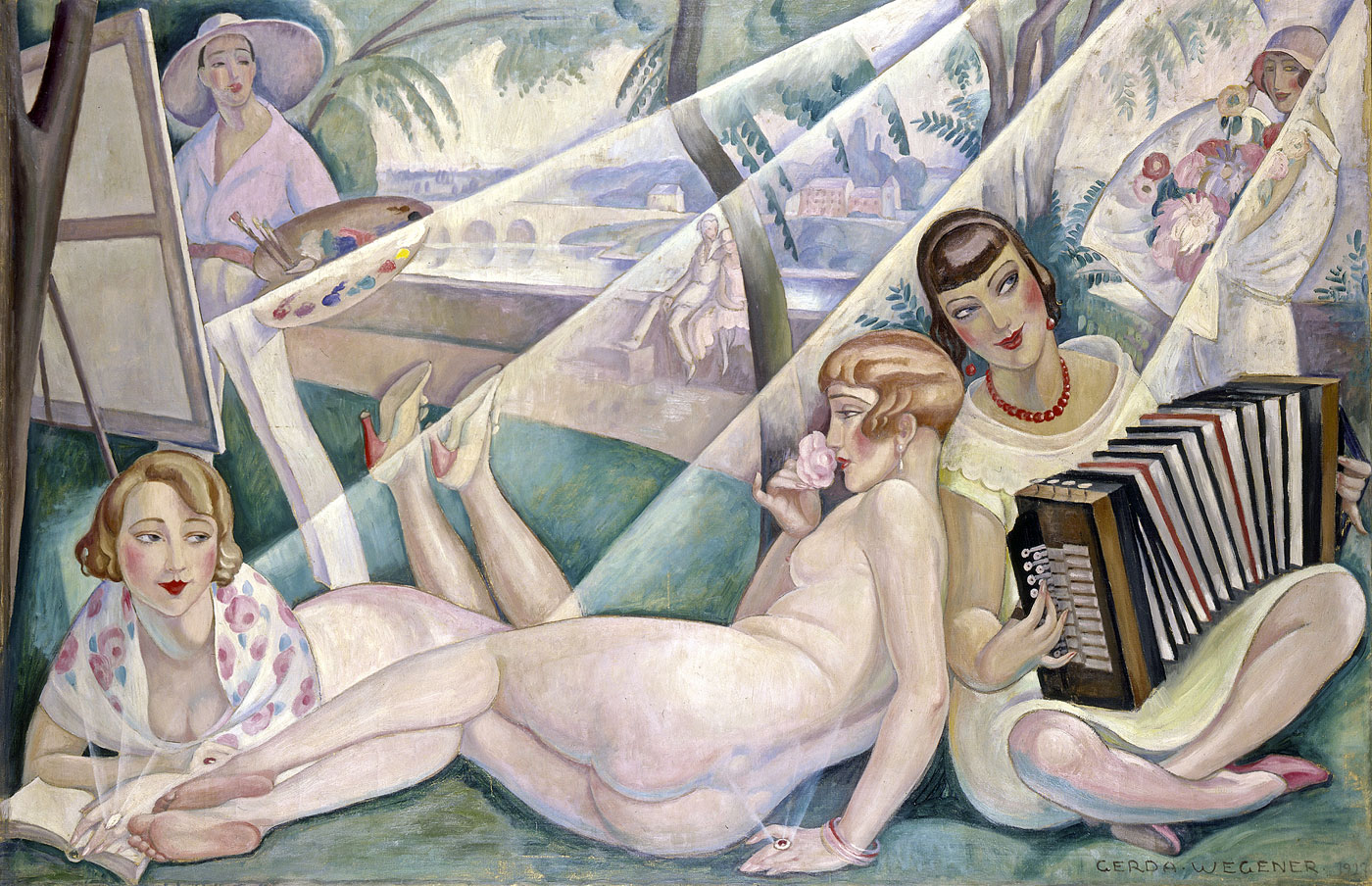


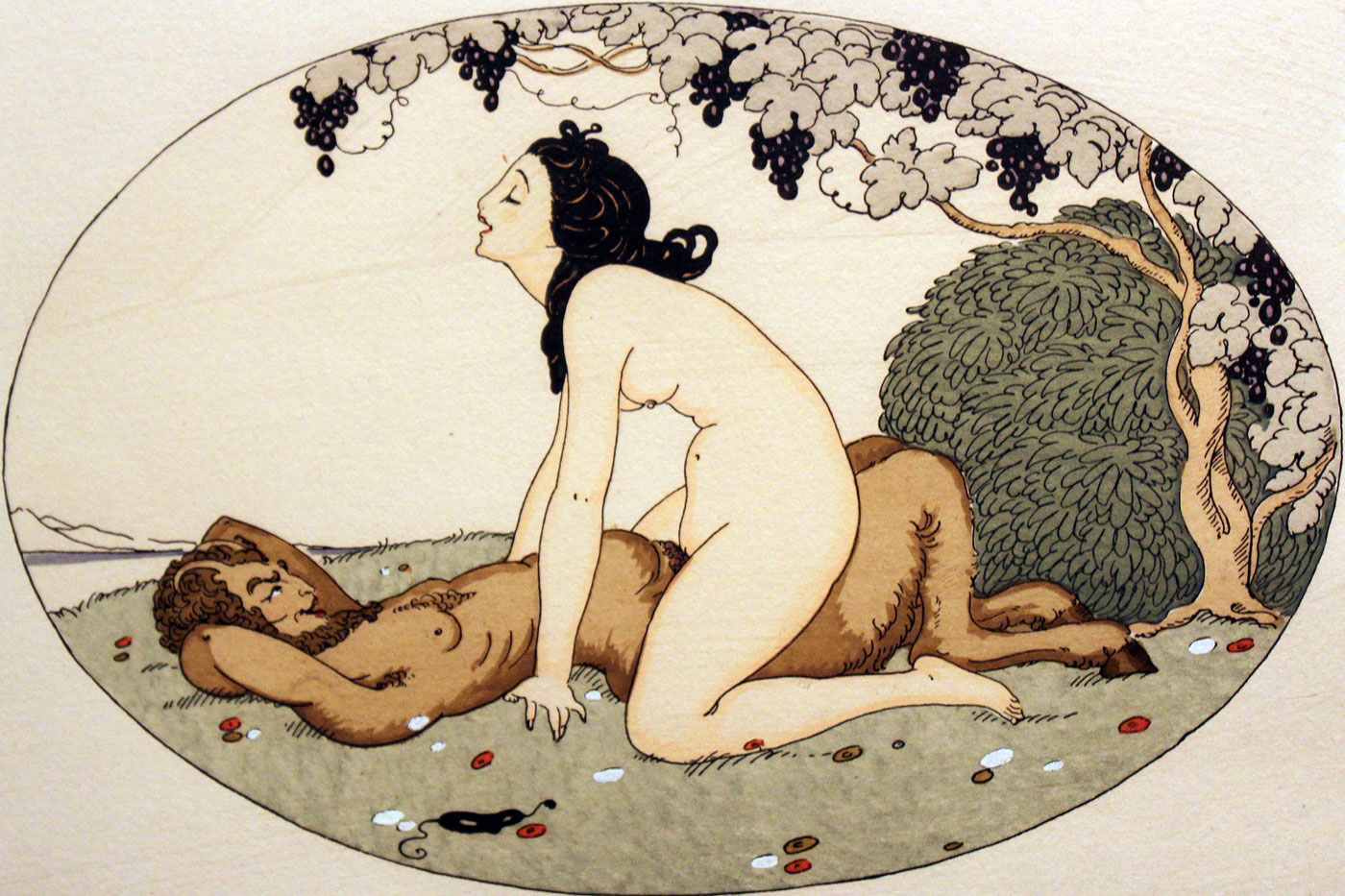

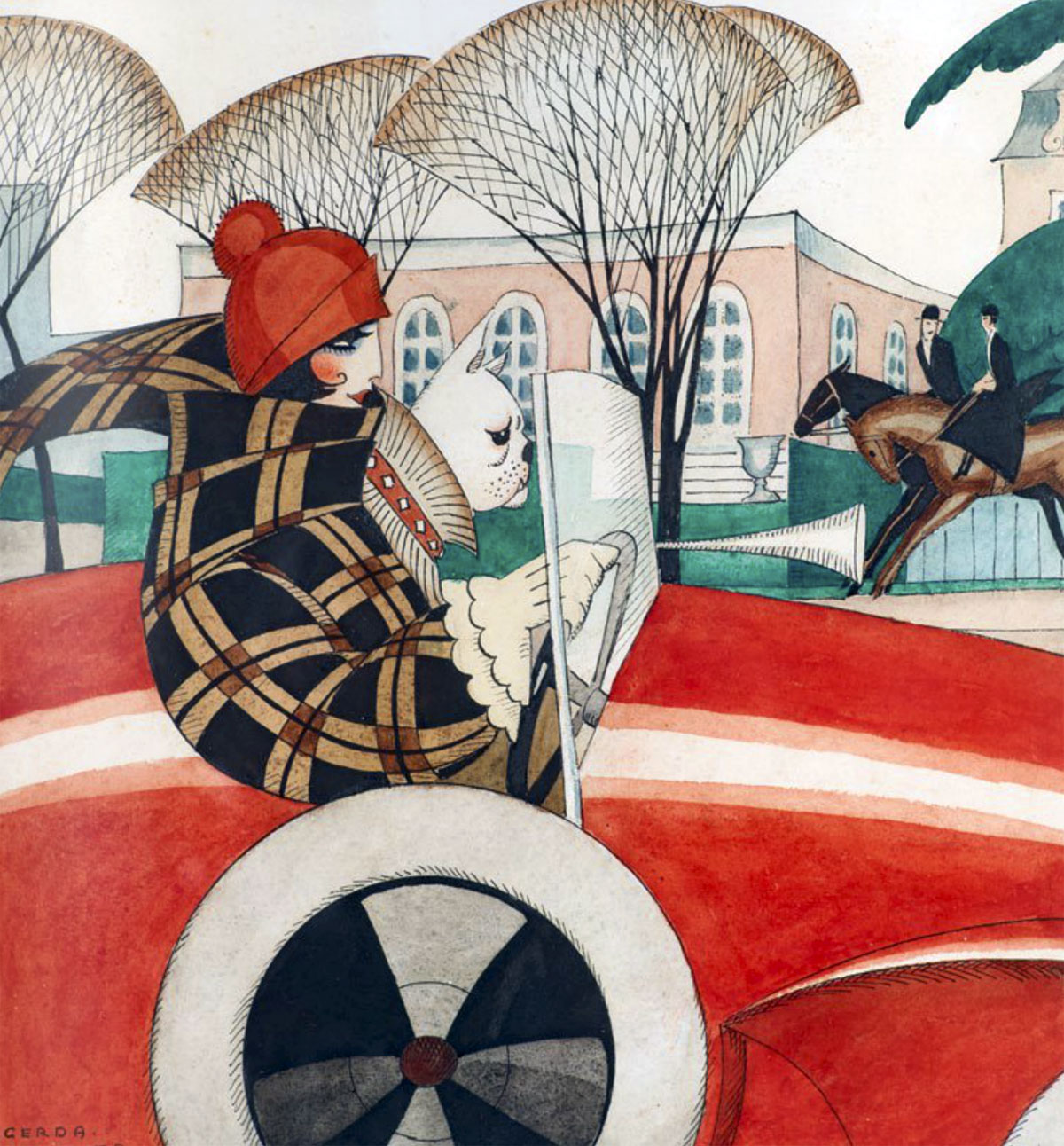
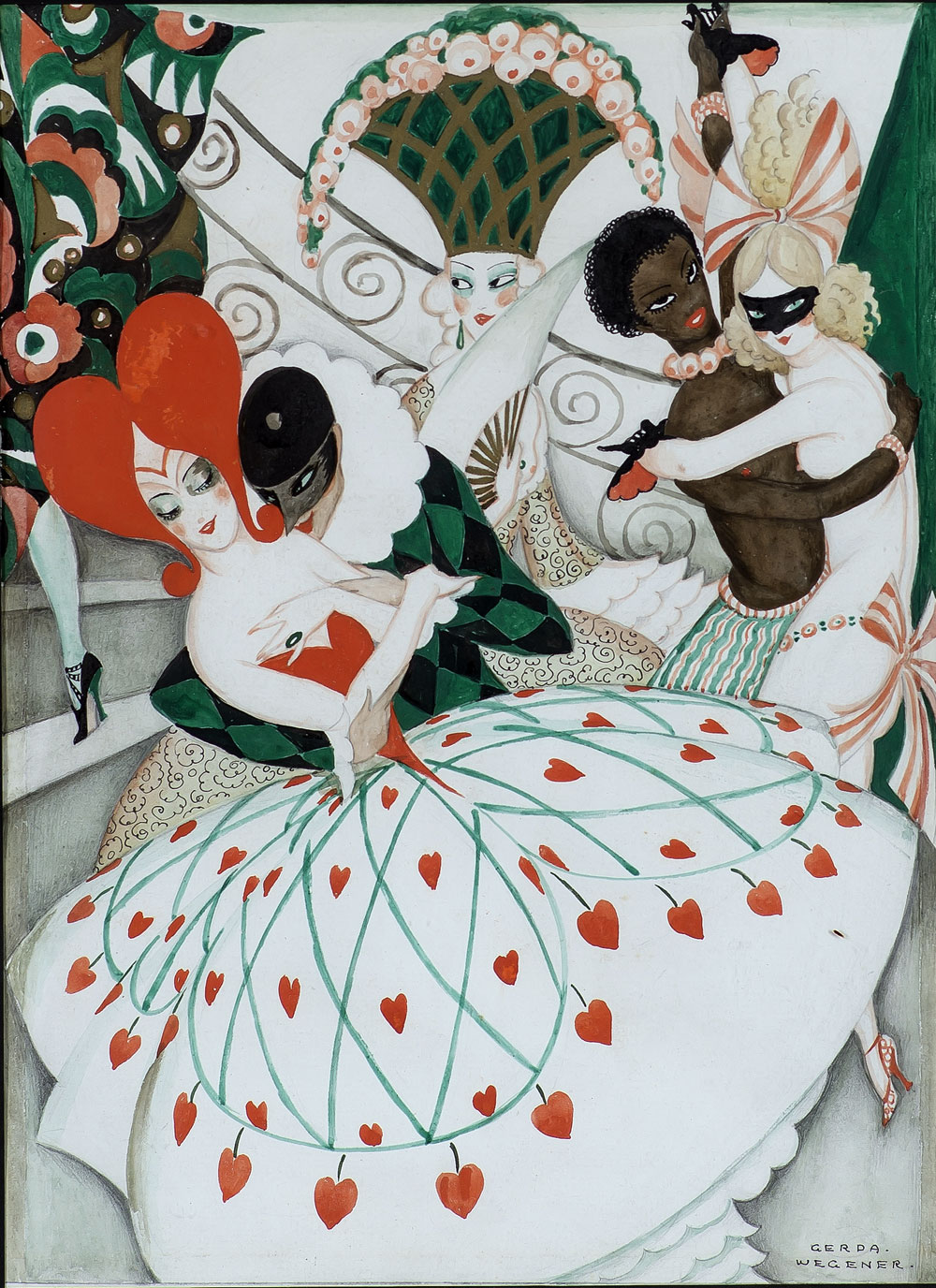


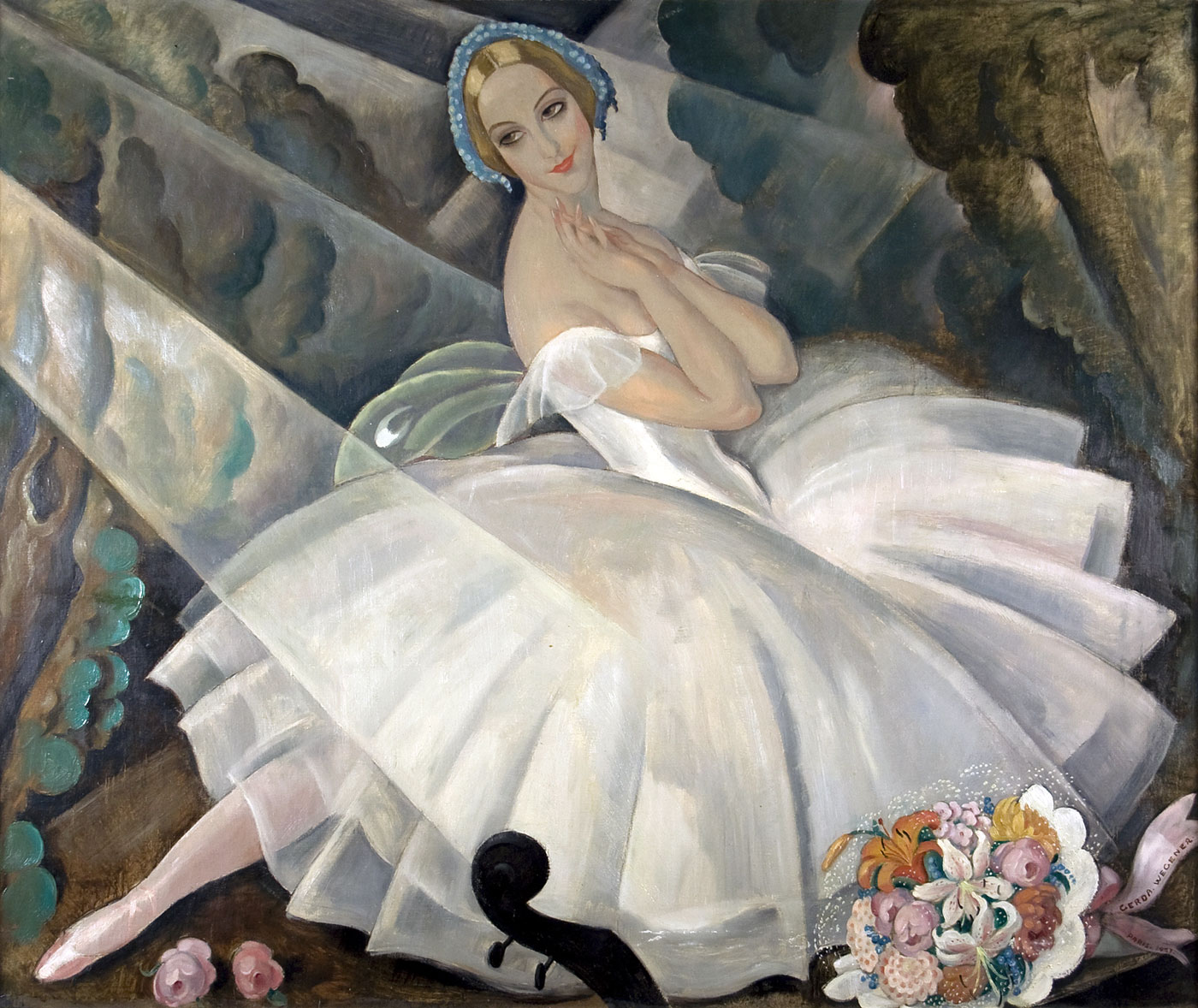

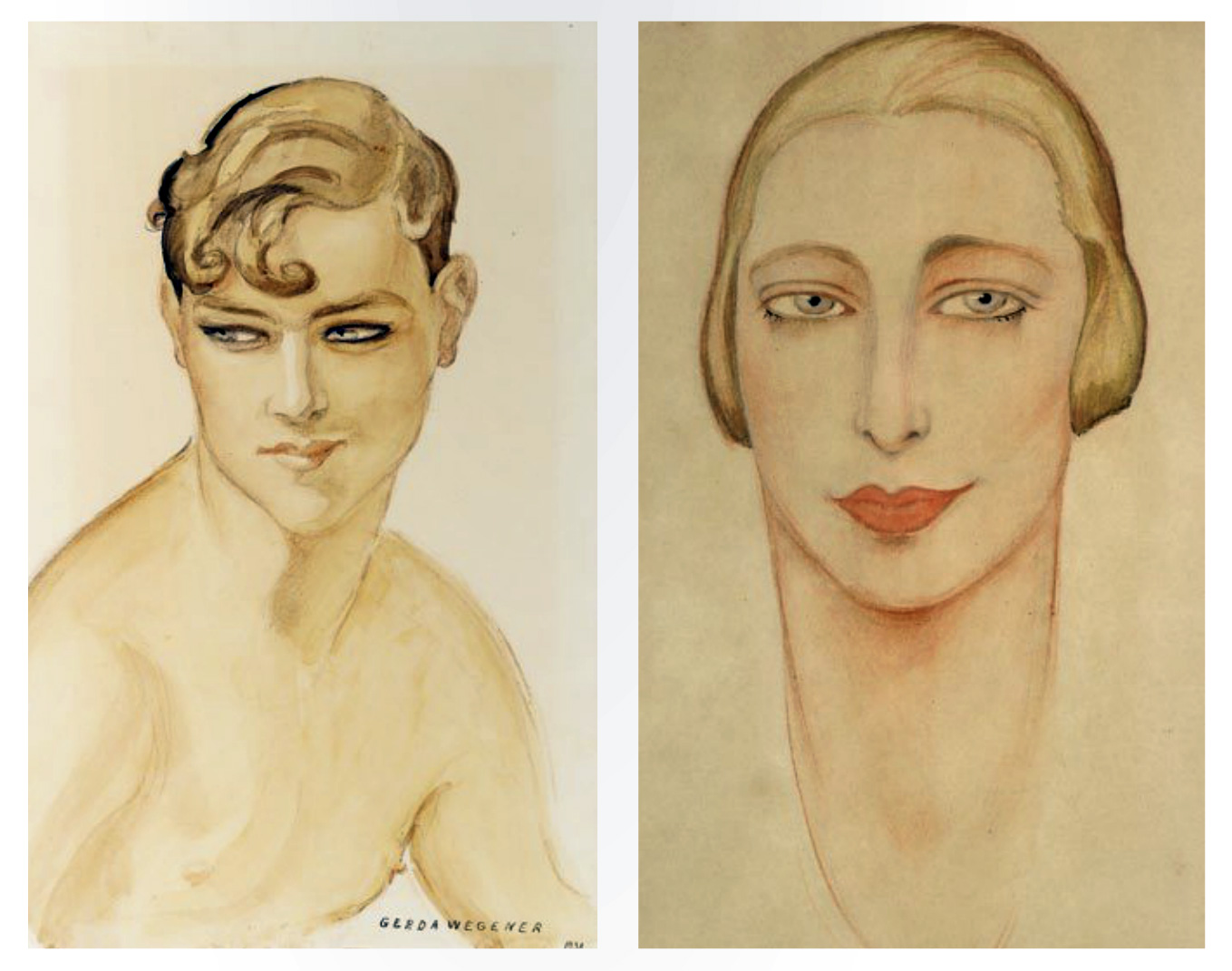




![Andy Warhol (American, 1928-1987) 'Silver Liz [Ferus Type]' 1963](https://artblart.com/wp-content/uploads/2016/03/exhi032777-web.jpg "Andy Warhol (American, 1928-1987) 'Silver Liz [Ferus Type]' 1963")


![Andy Warhol (American, 1928-1987) 'Screen Test: Edie Sedgwick [ST308]' 1965](https://artblart.com/wp-content/uploads/2016/03/exhi037605-web.jpg "Andy Warhol (American, 1928-1987) 'Screen Test: Edie Sedgwick [ST308]' 1965")
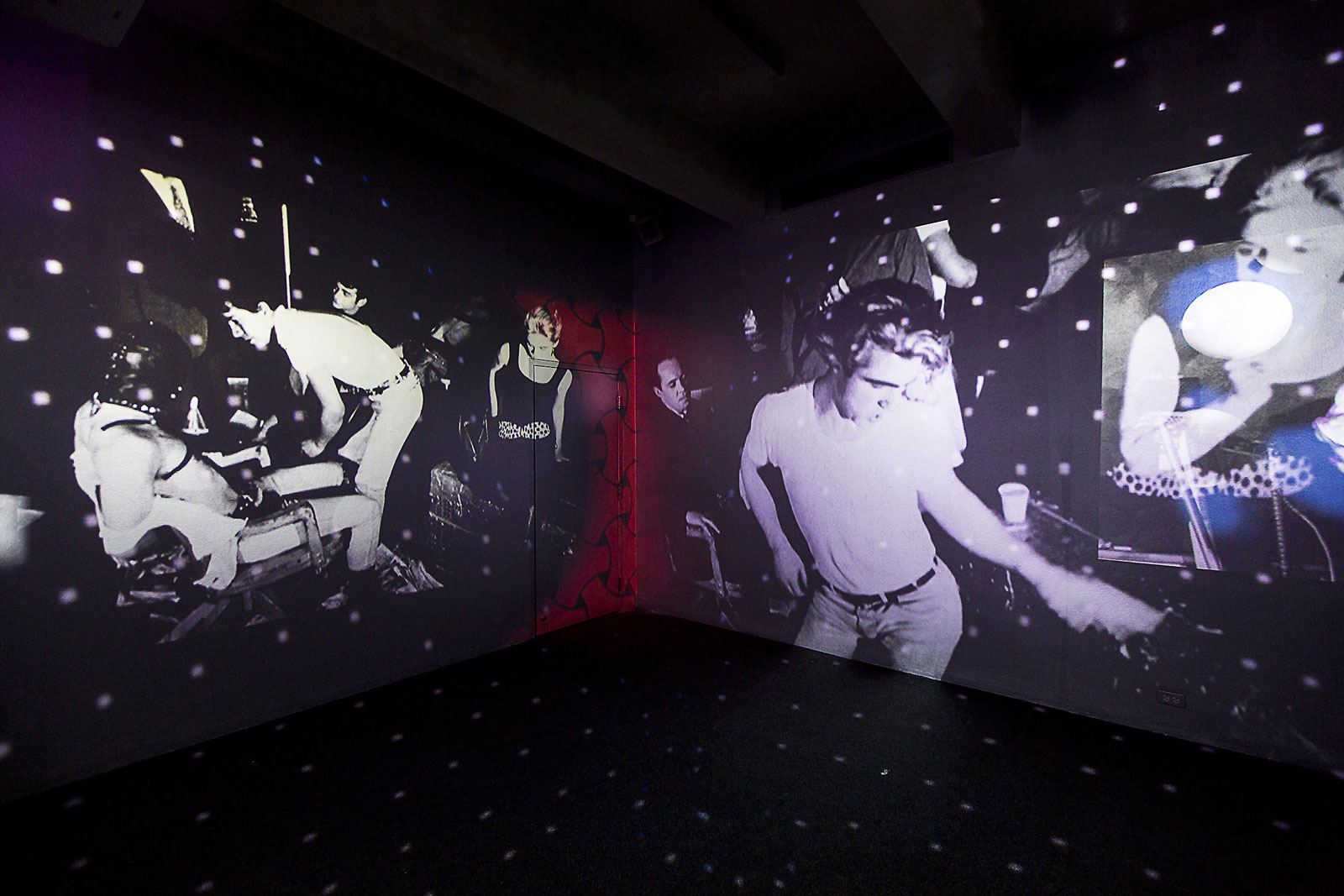
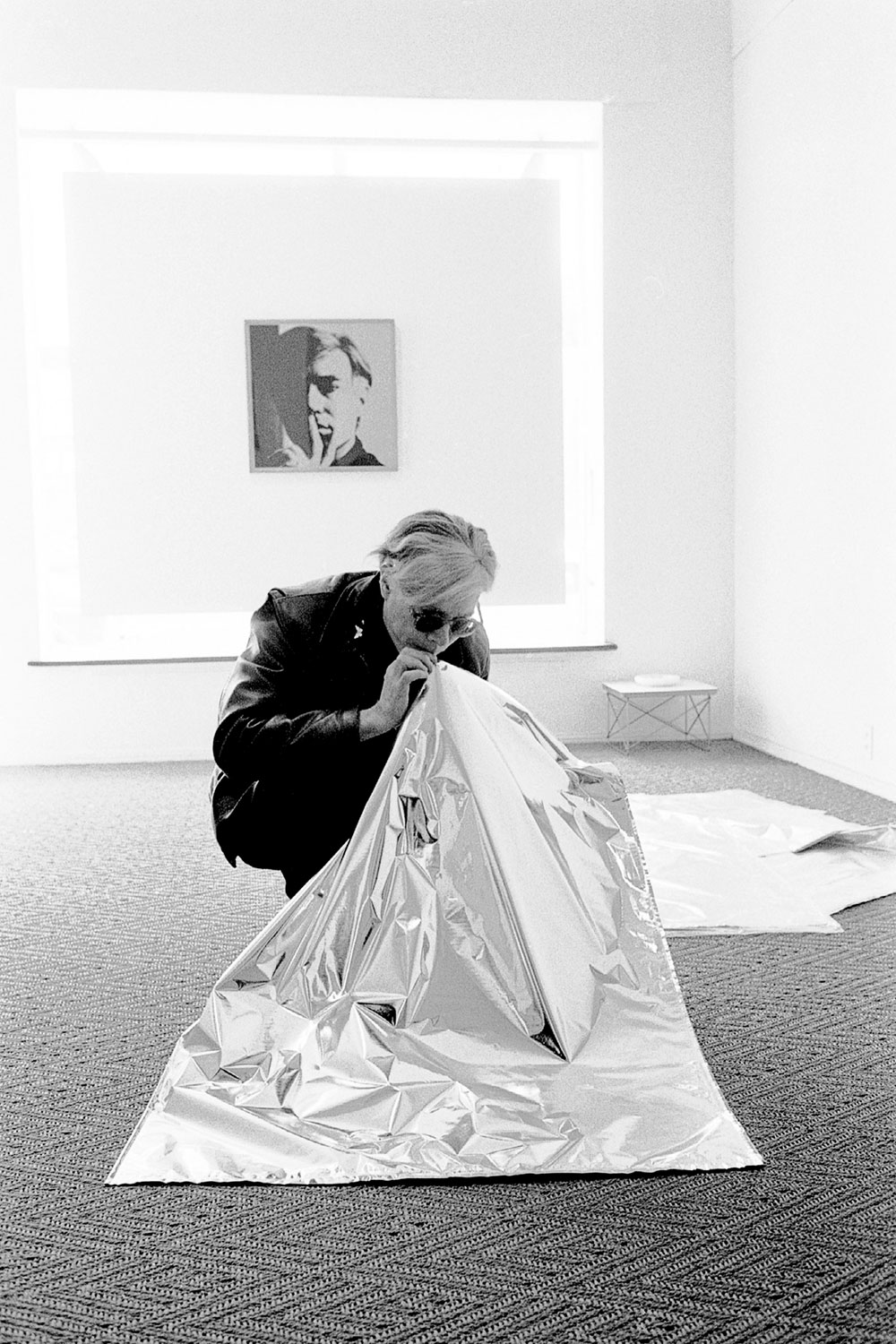

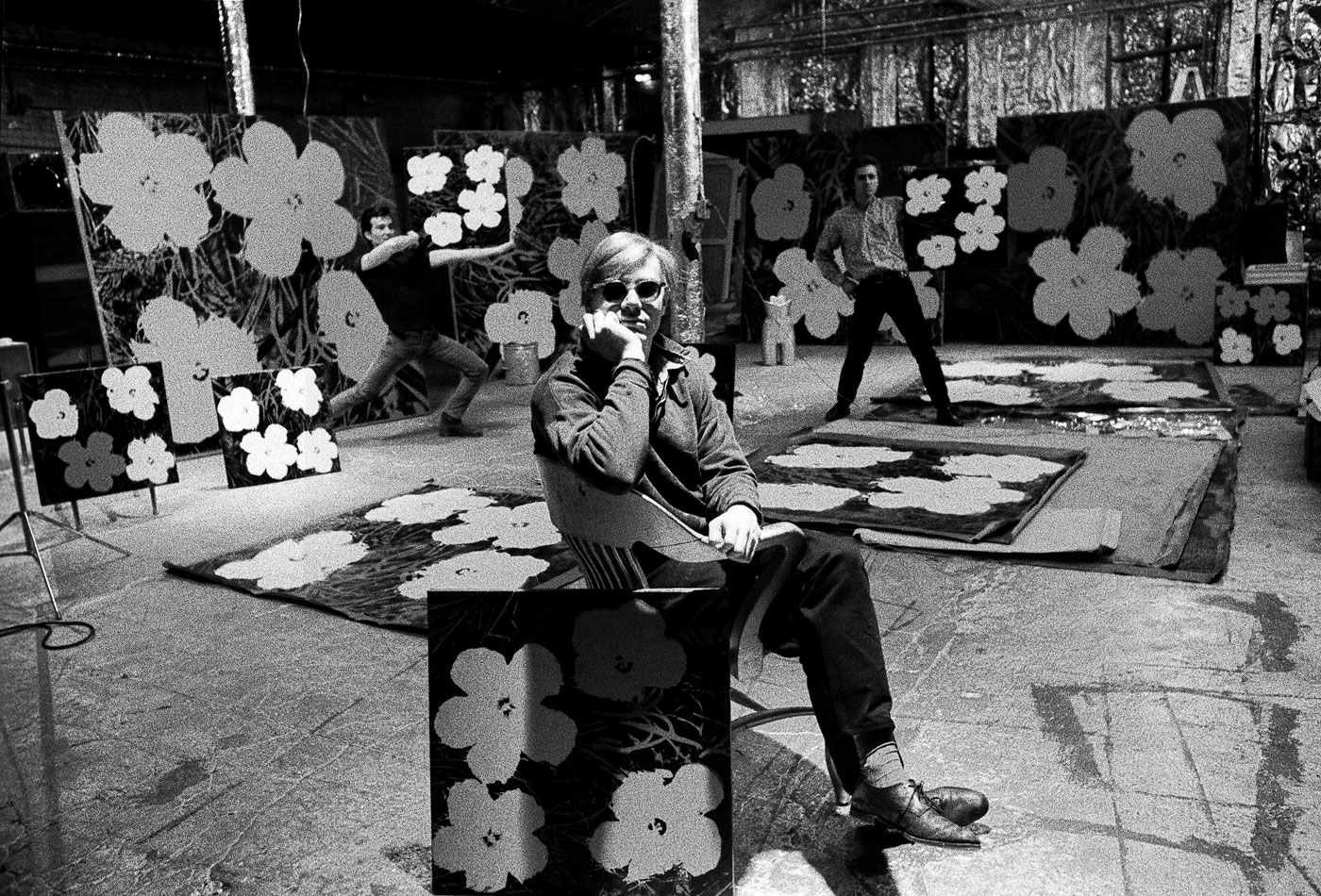
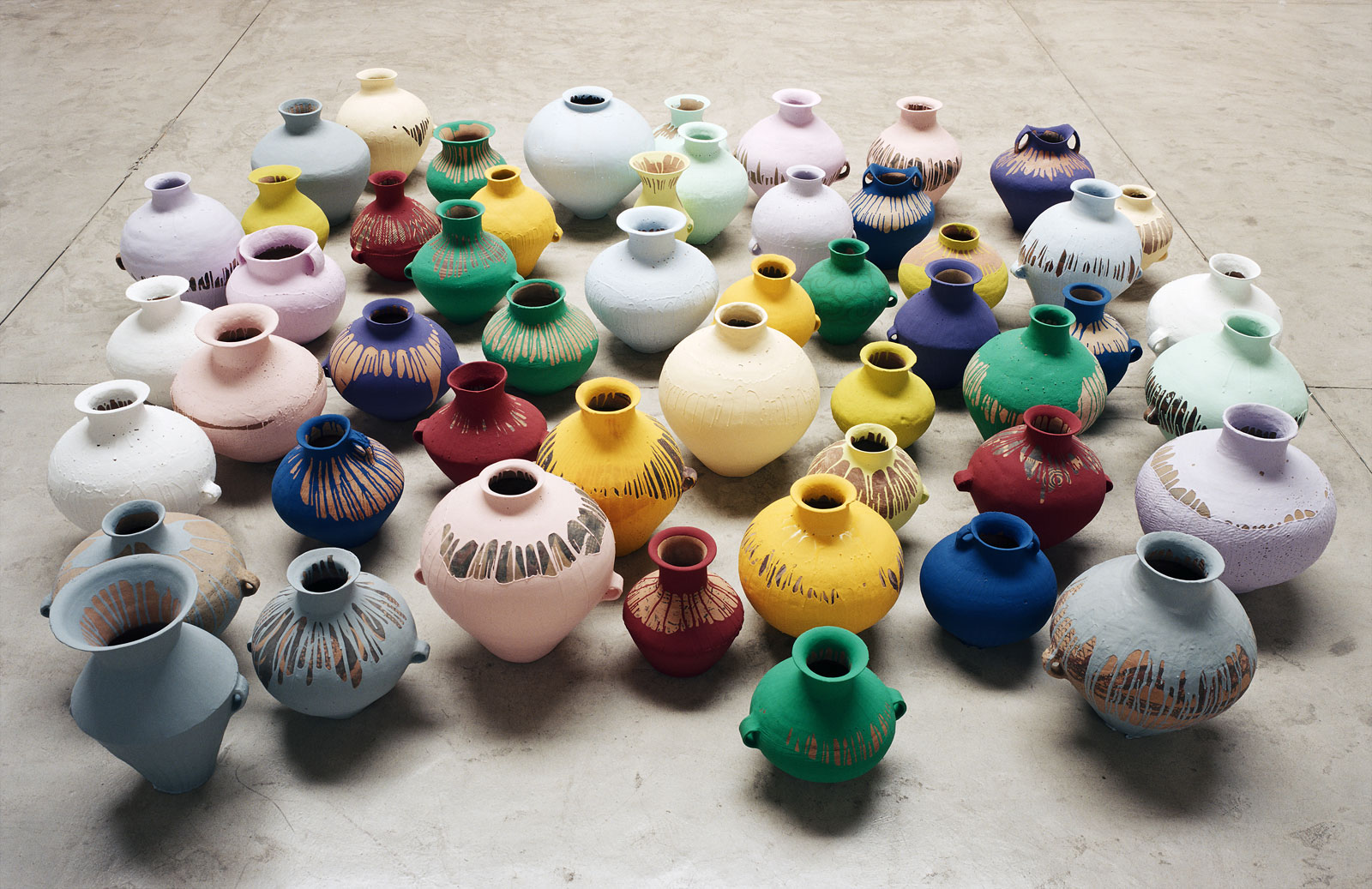




![Unknown photographer. '[A group of Aboriginal men at Coranderrk Station, Healesville]' Nd](https://artblart.com/wp-content/uploads/2016/04/sixteen-aboriginal-men.jpg "Unknown photographer. '[A group of Aboriginal men at Coranderrk Station, Healesville]' Nd")
![Talma & Co. (1893-1932) 119 Swanston St. Melbourne 'Barak, Chief of the Yarra Yarra Tribe. [Barak drawing a corroboree]' c. 1895-1898](https://artblart.com/wp-content/uploads/2016/04/william-barak-a.jpg "Talma & Co. (1893-1932) 119 Swanston St. Melbourne 'Barak, Chief of the Yarra Yarra Tribe. [Barak drawing a corroboree]' c. 1895-1898")


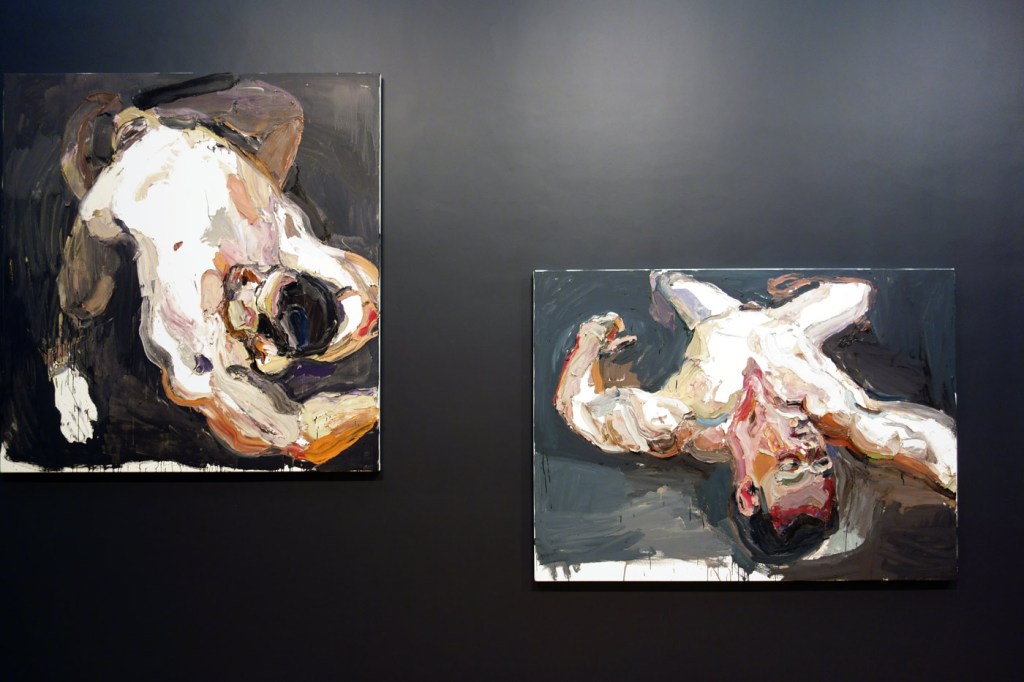
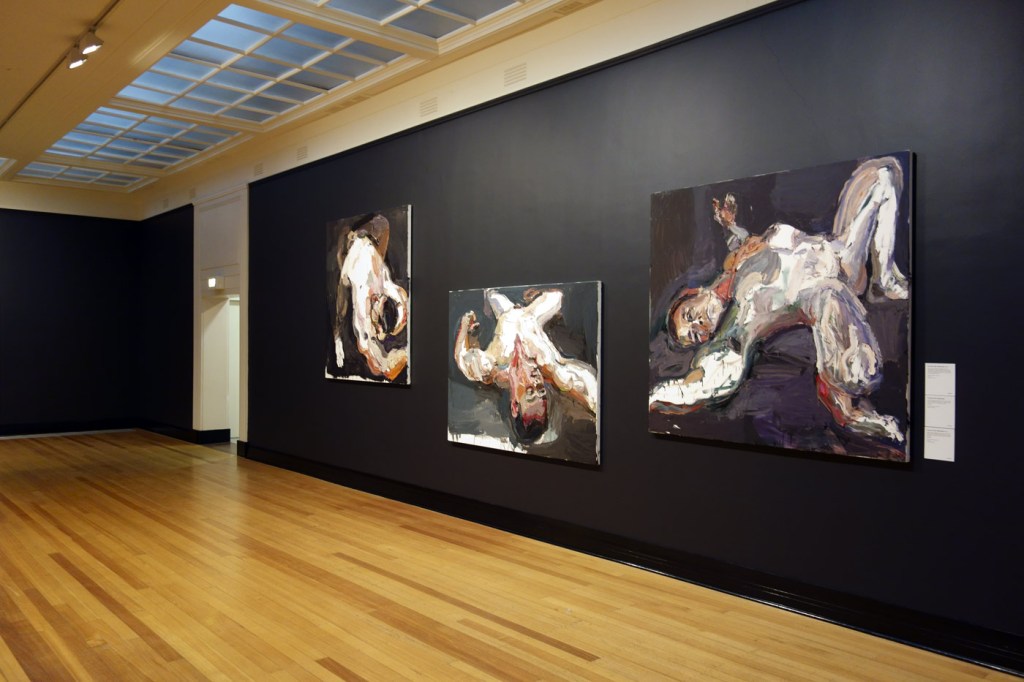
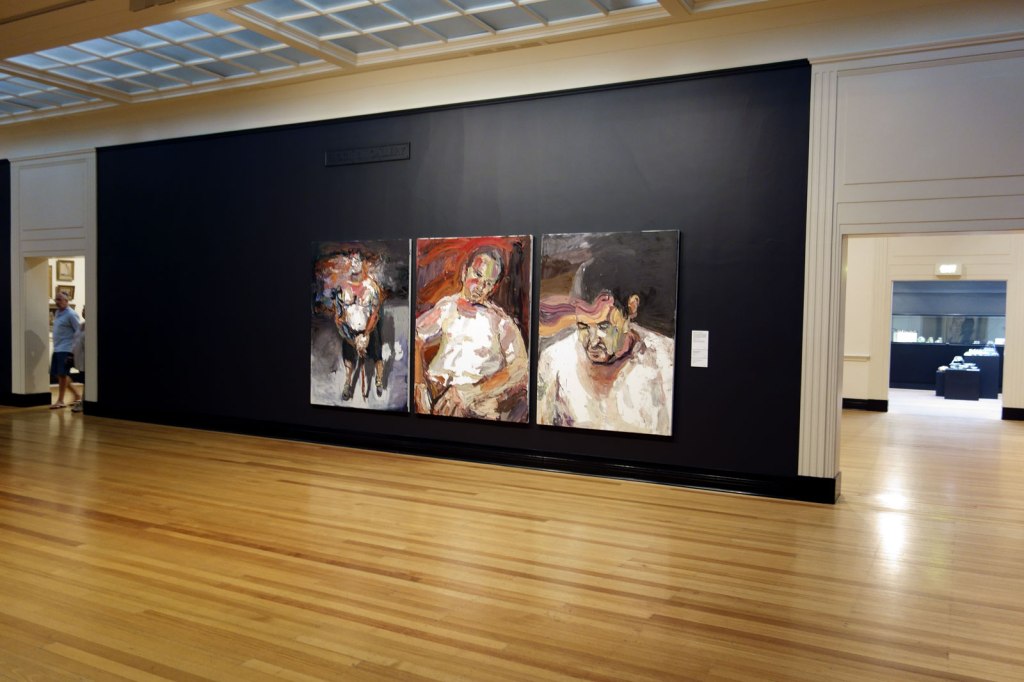
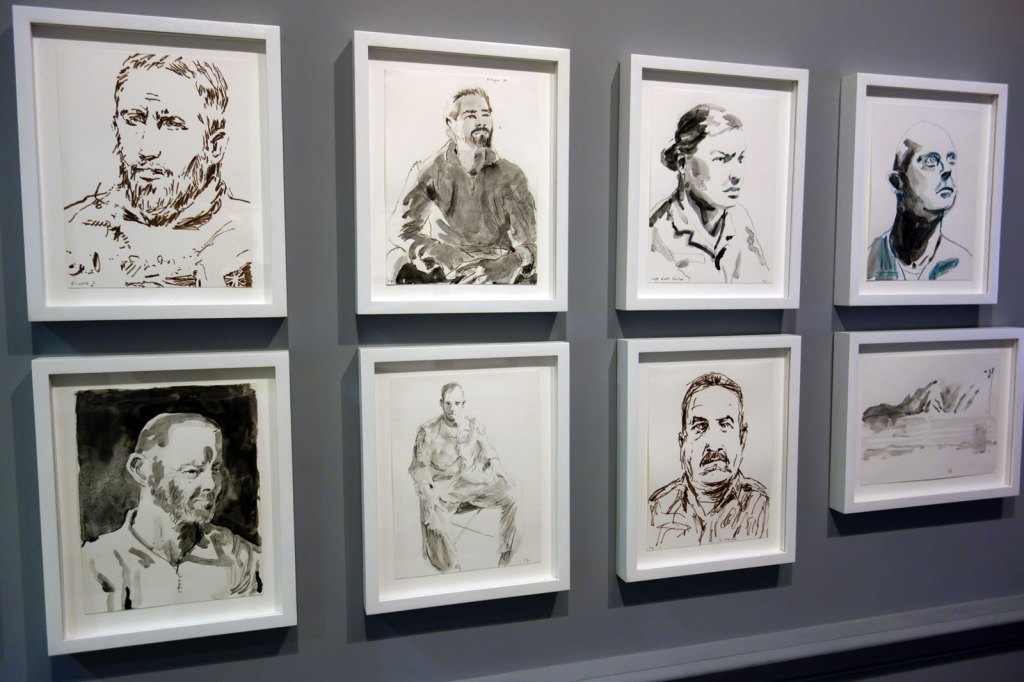
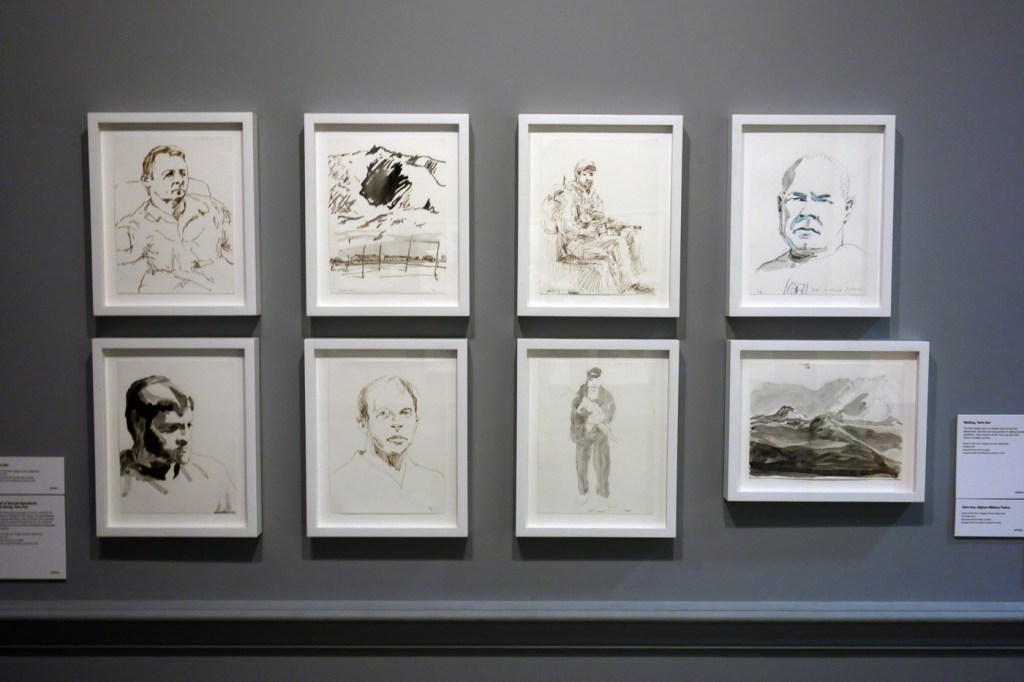
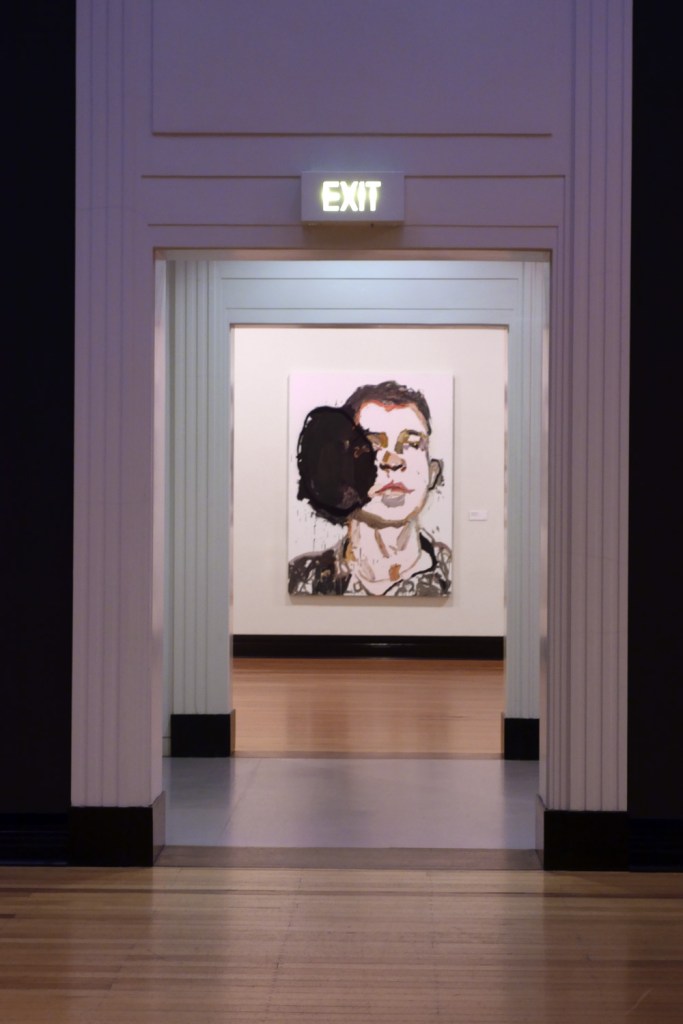

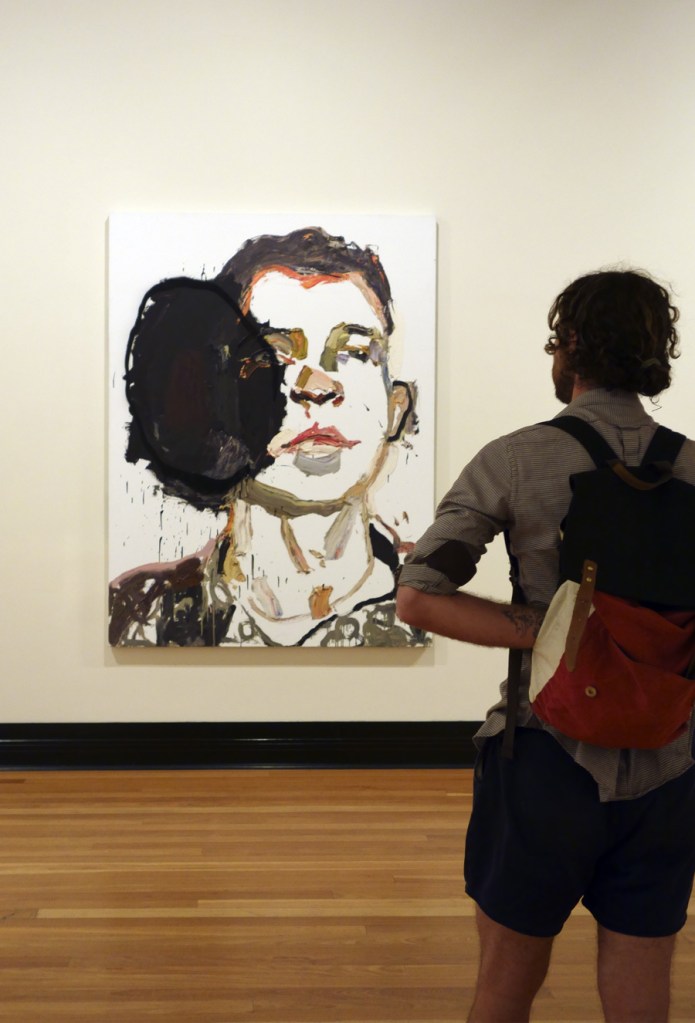
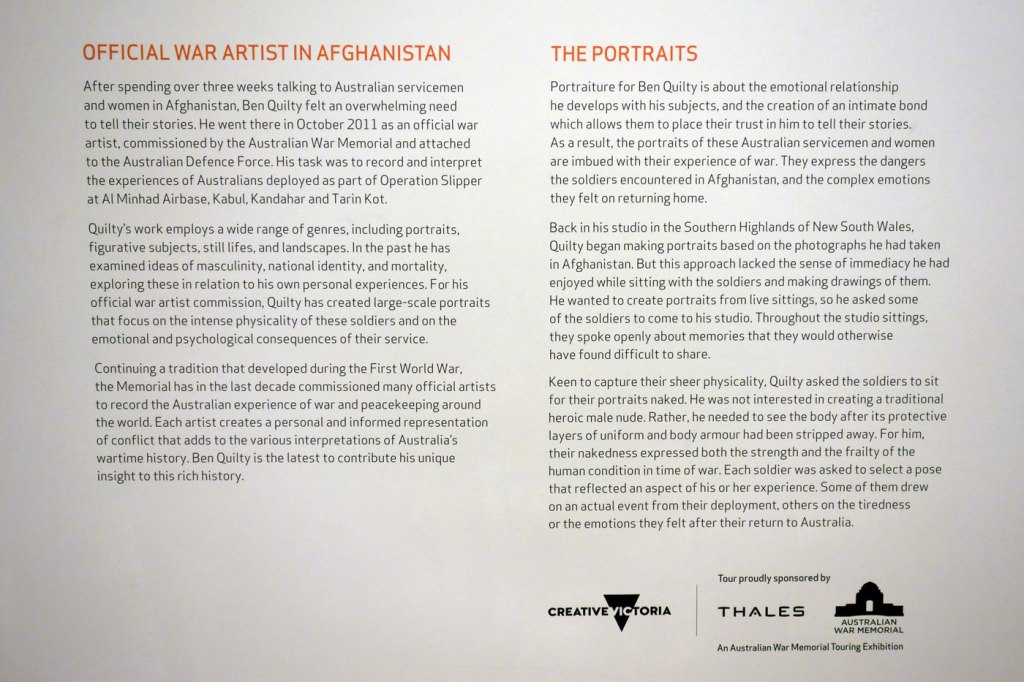
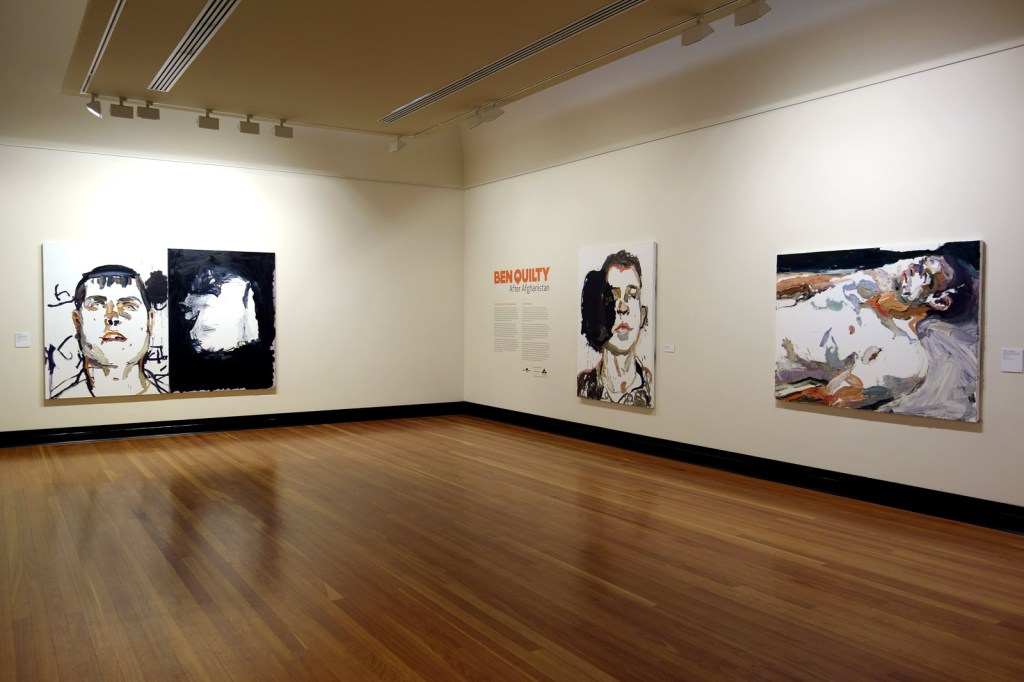
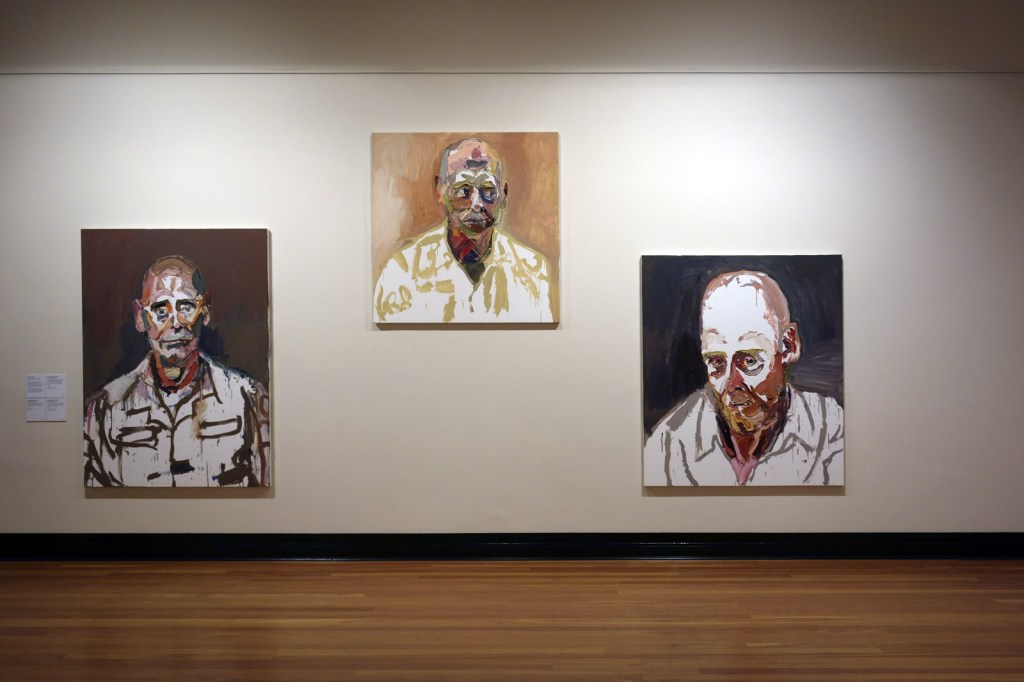


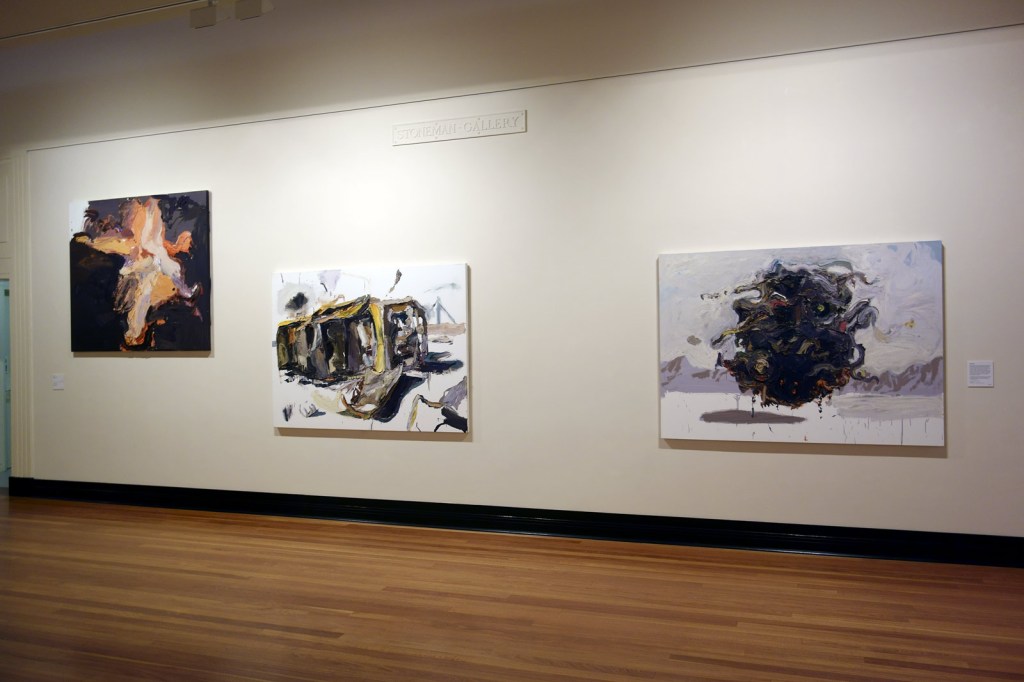
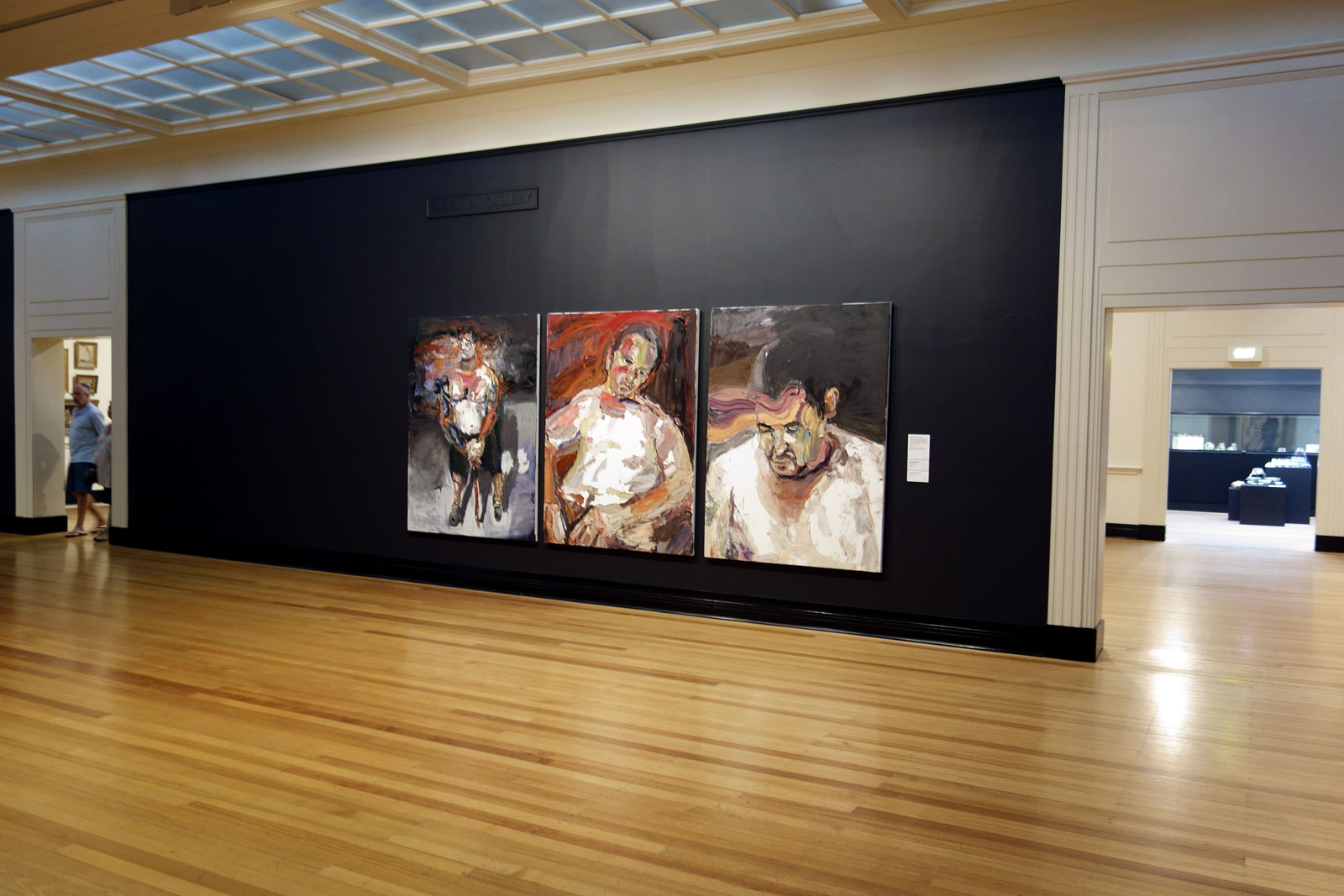
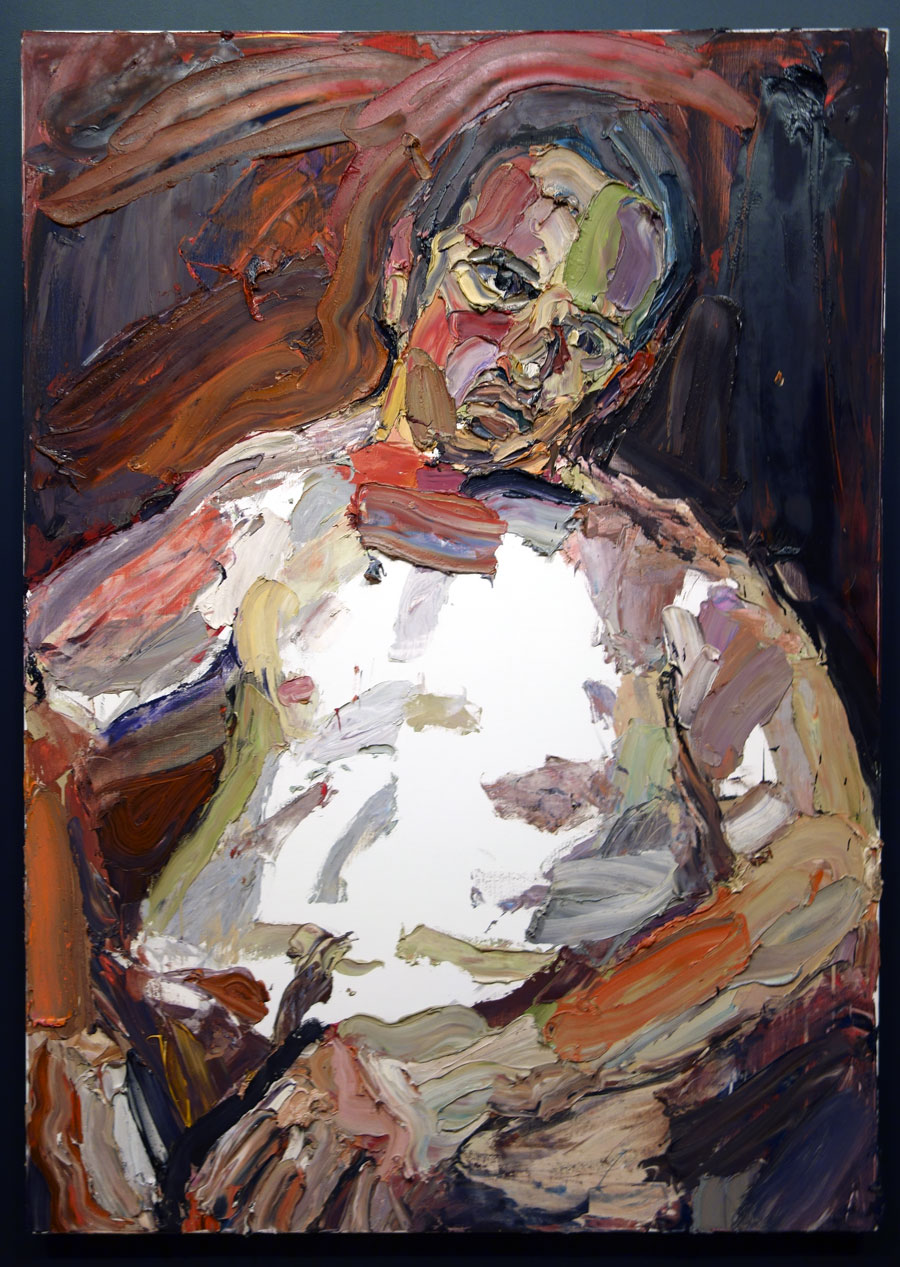
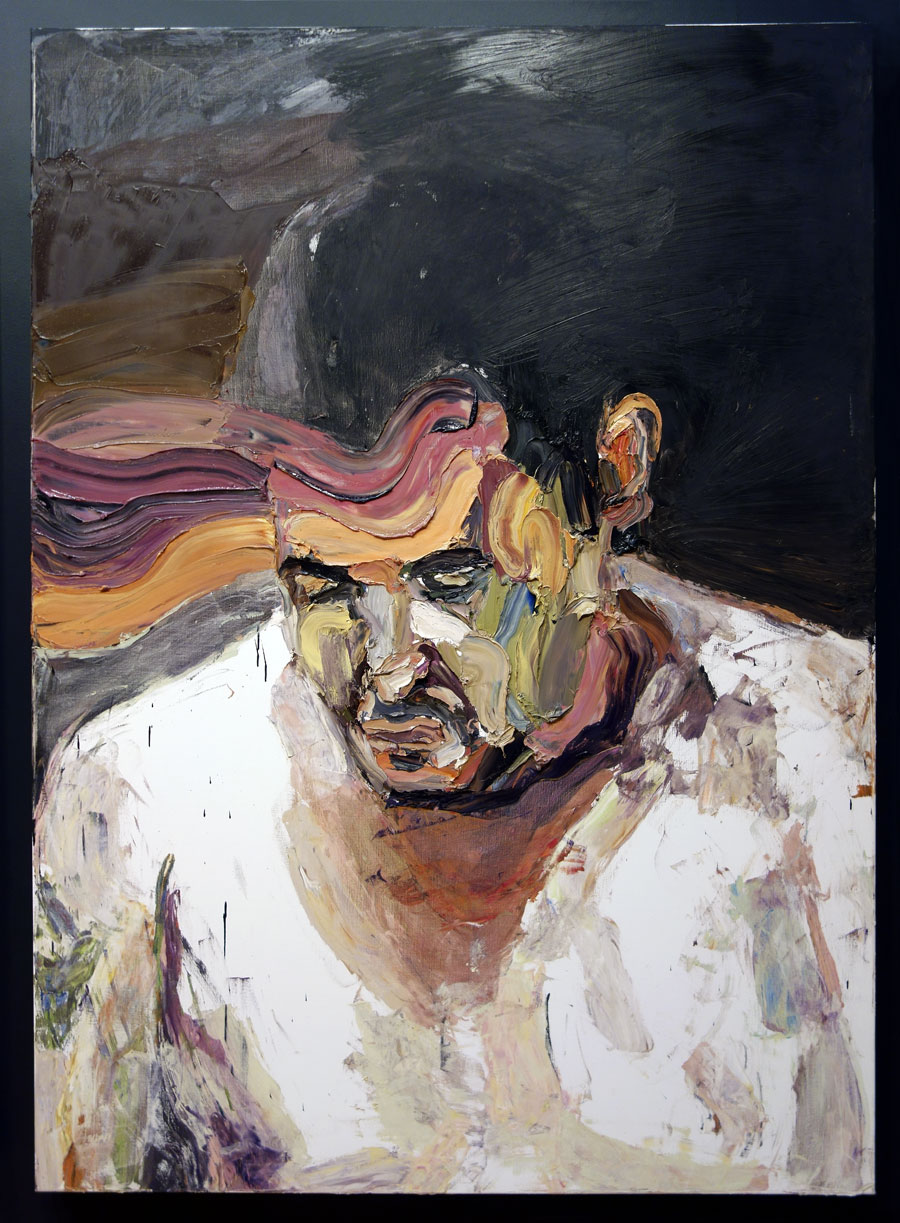


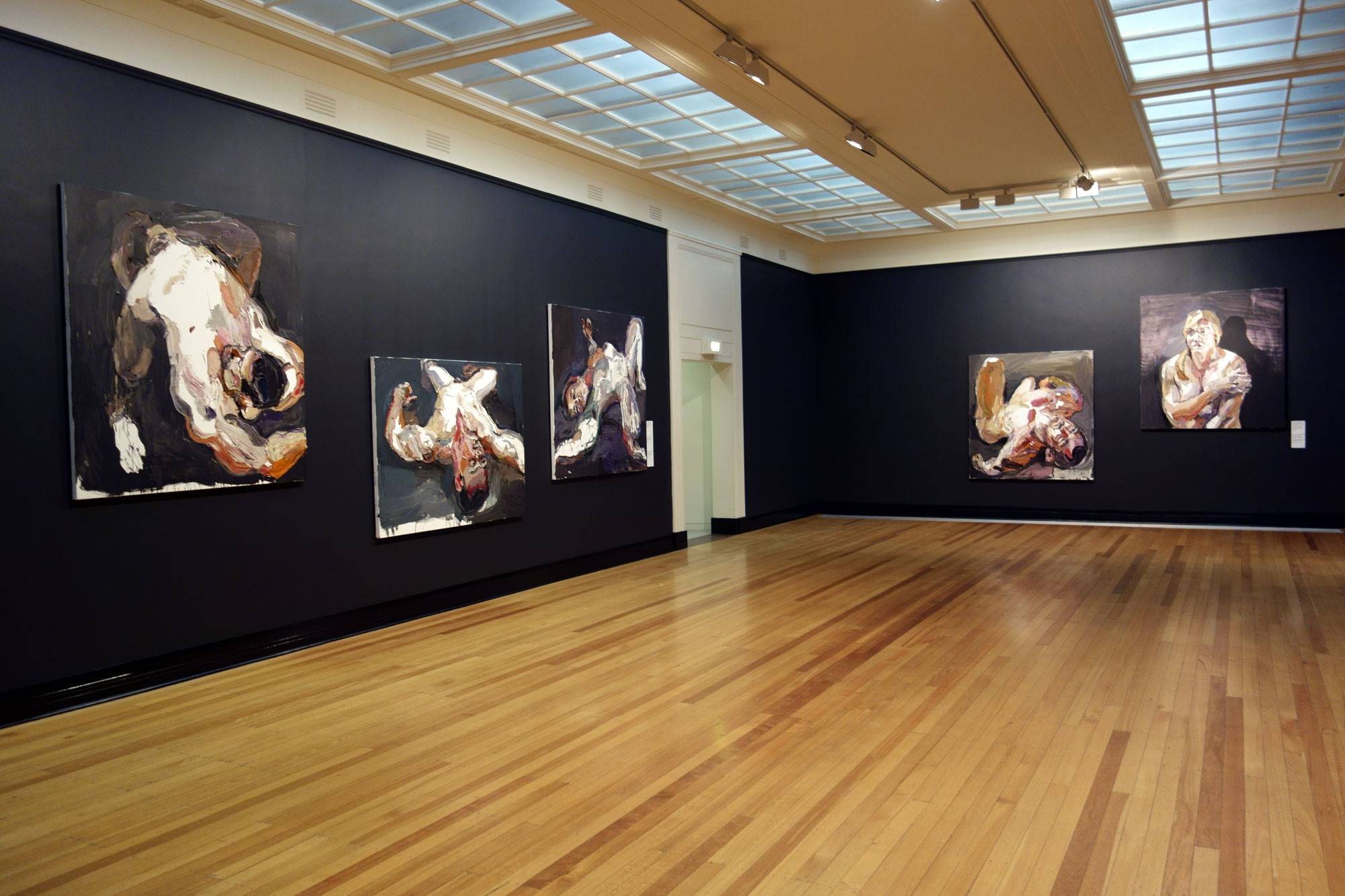


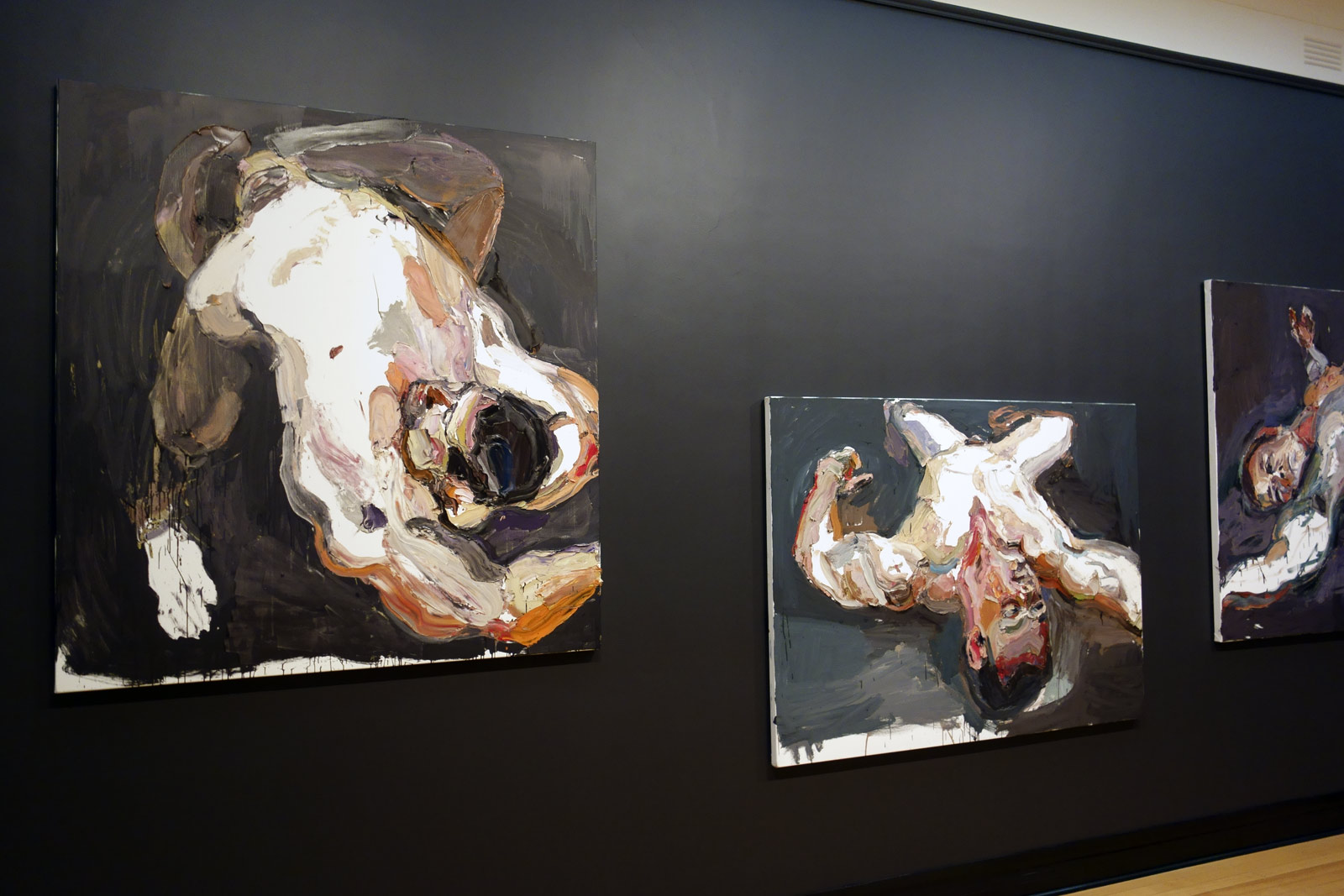
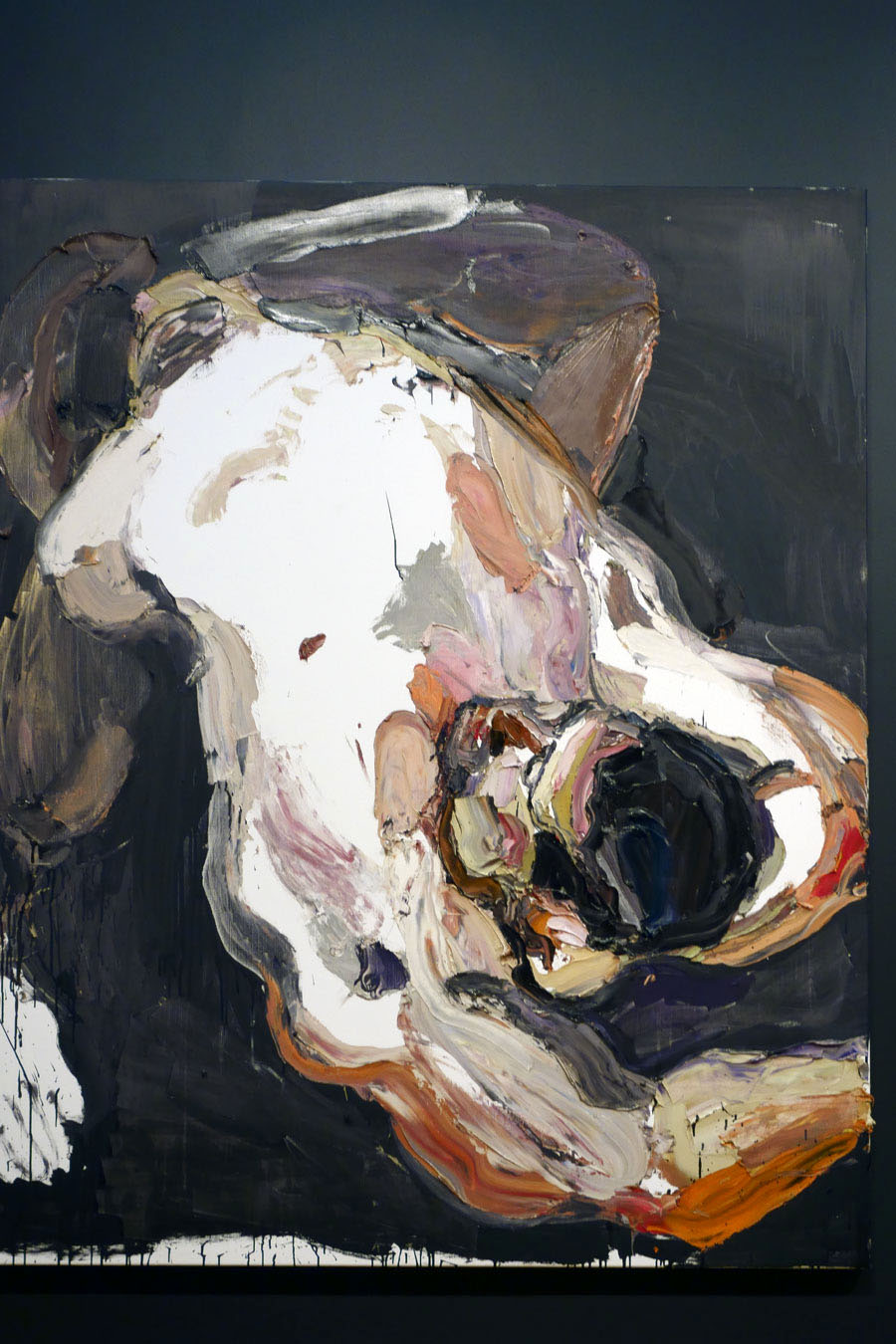


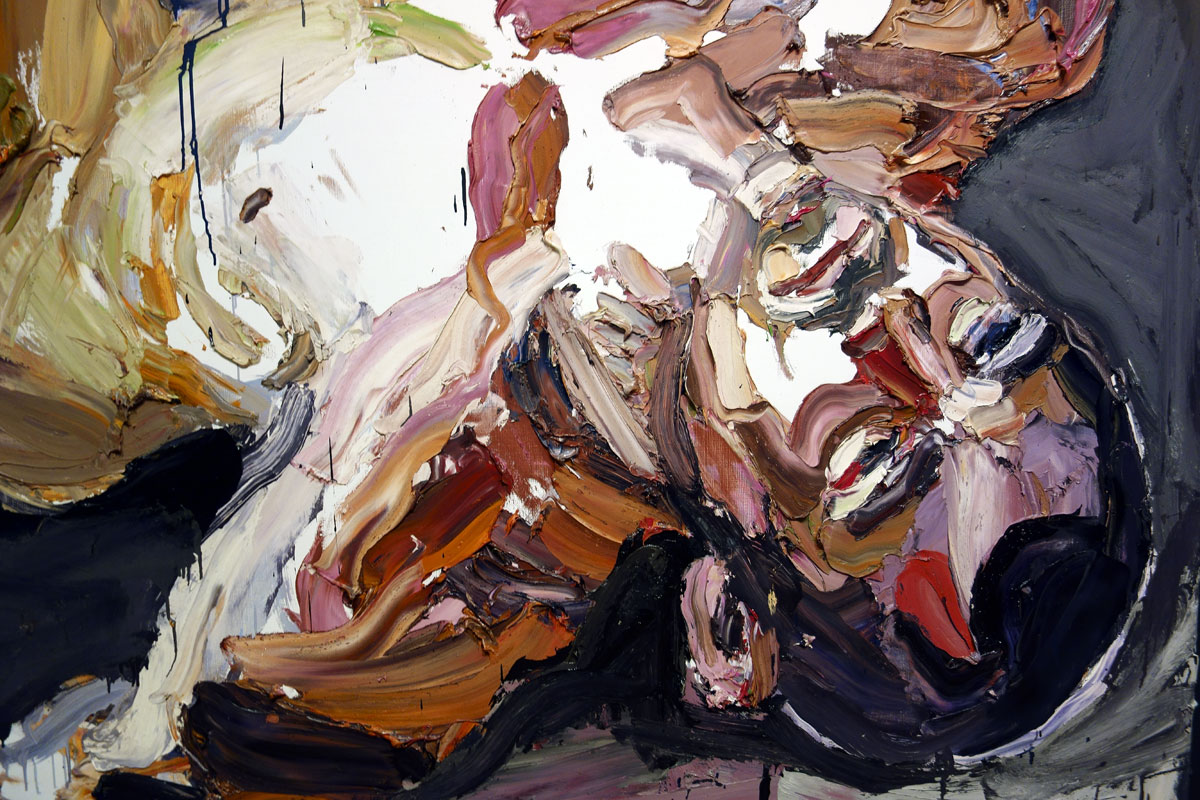
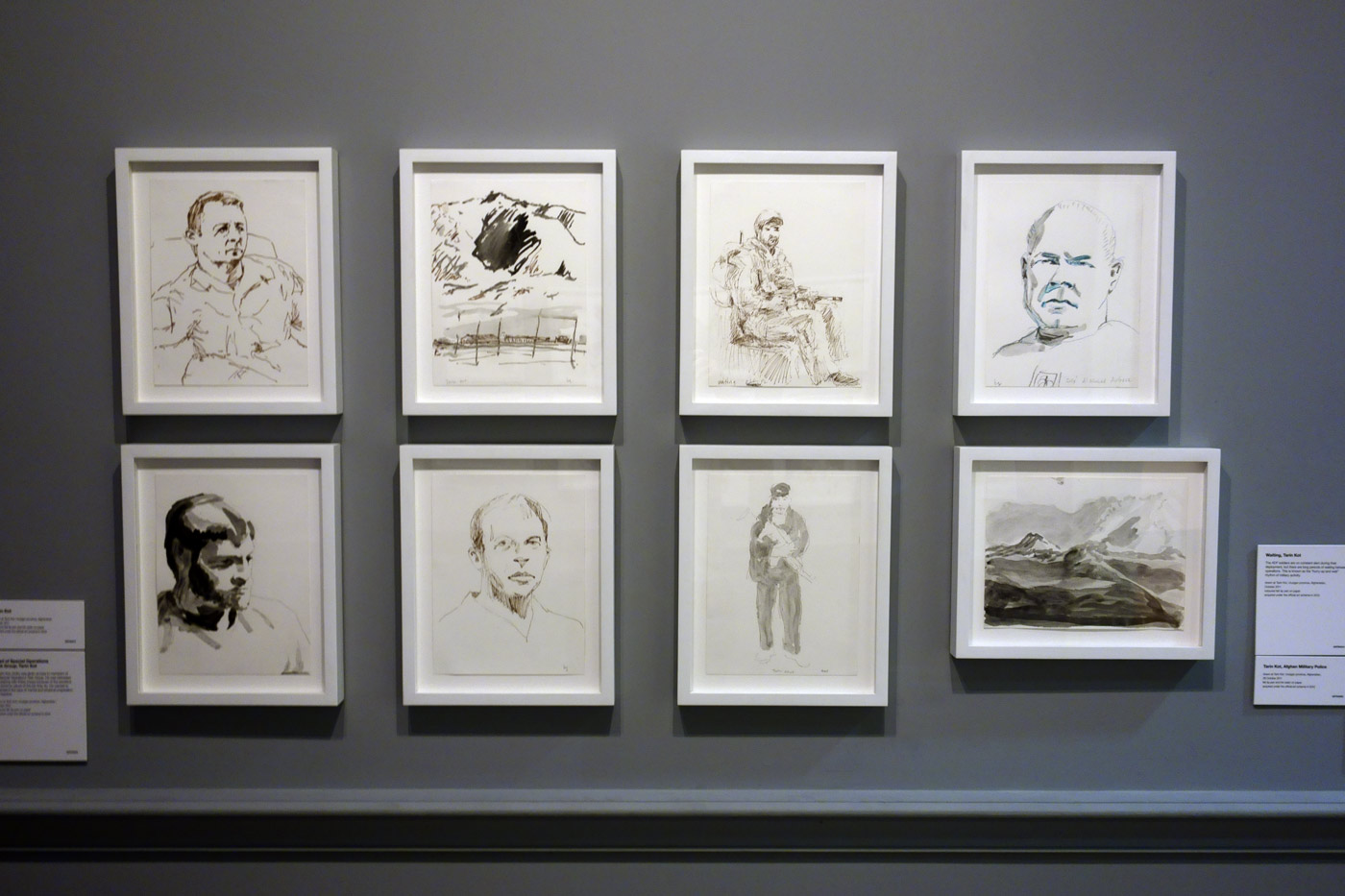

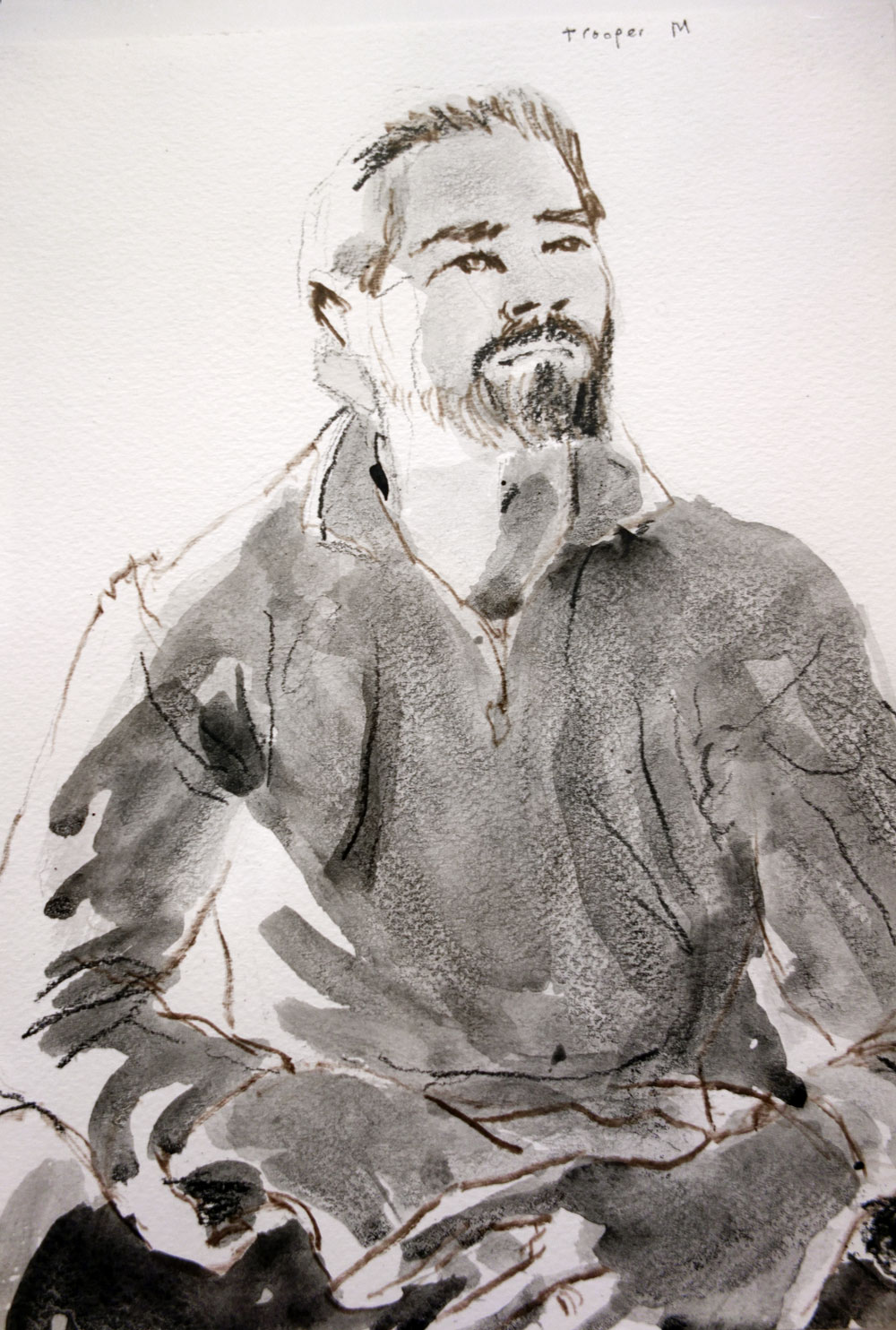
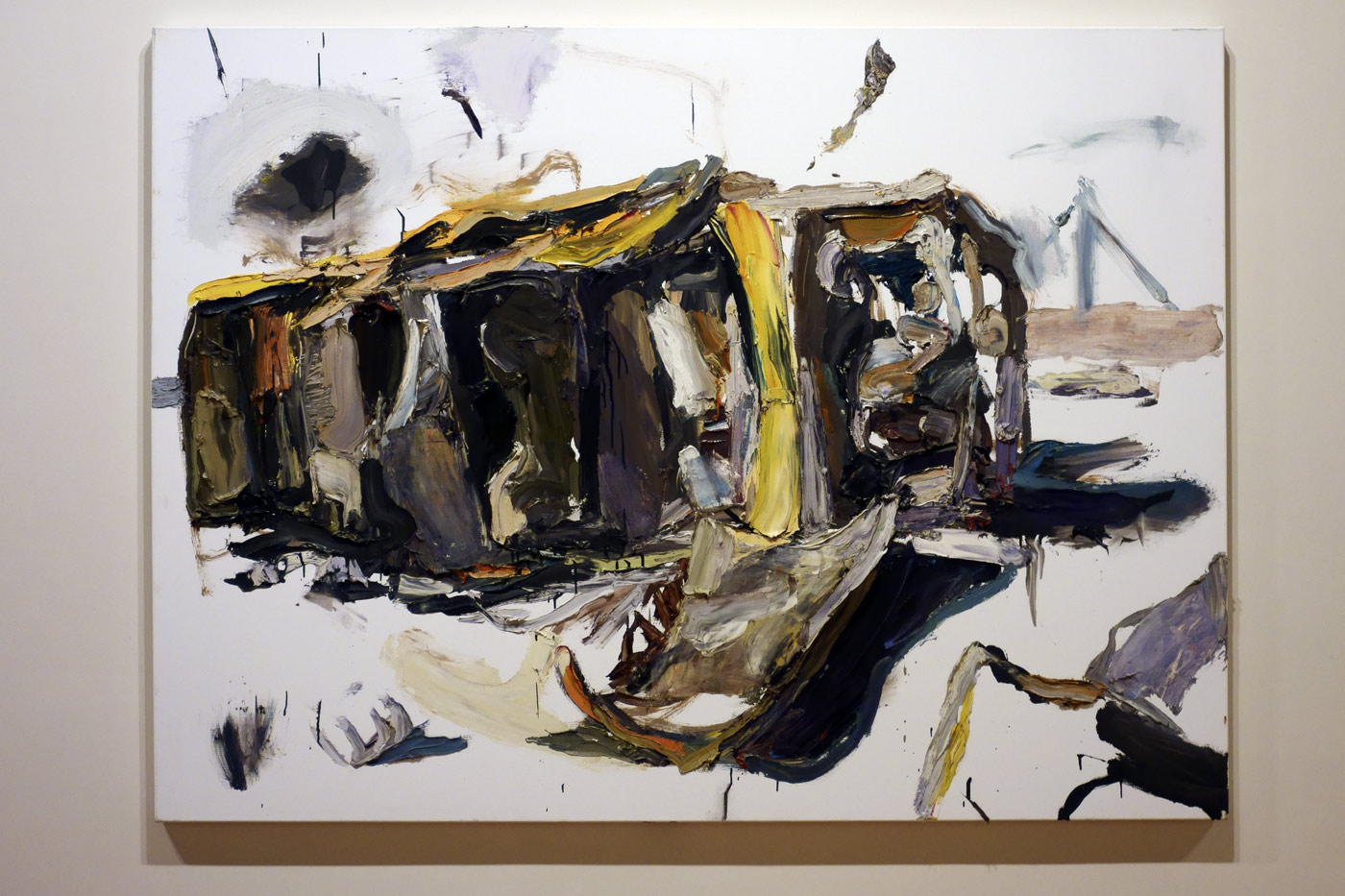
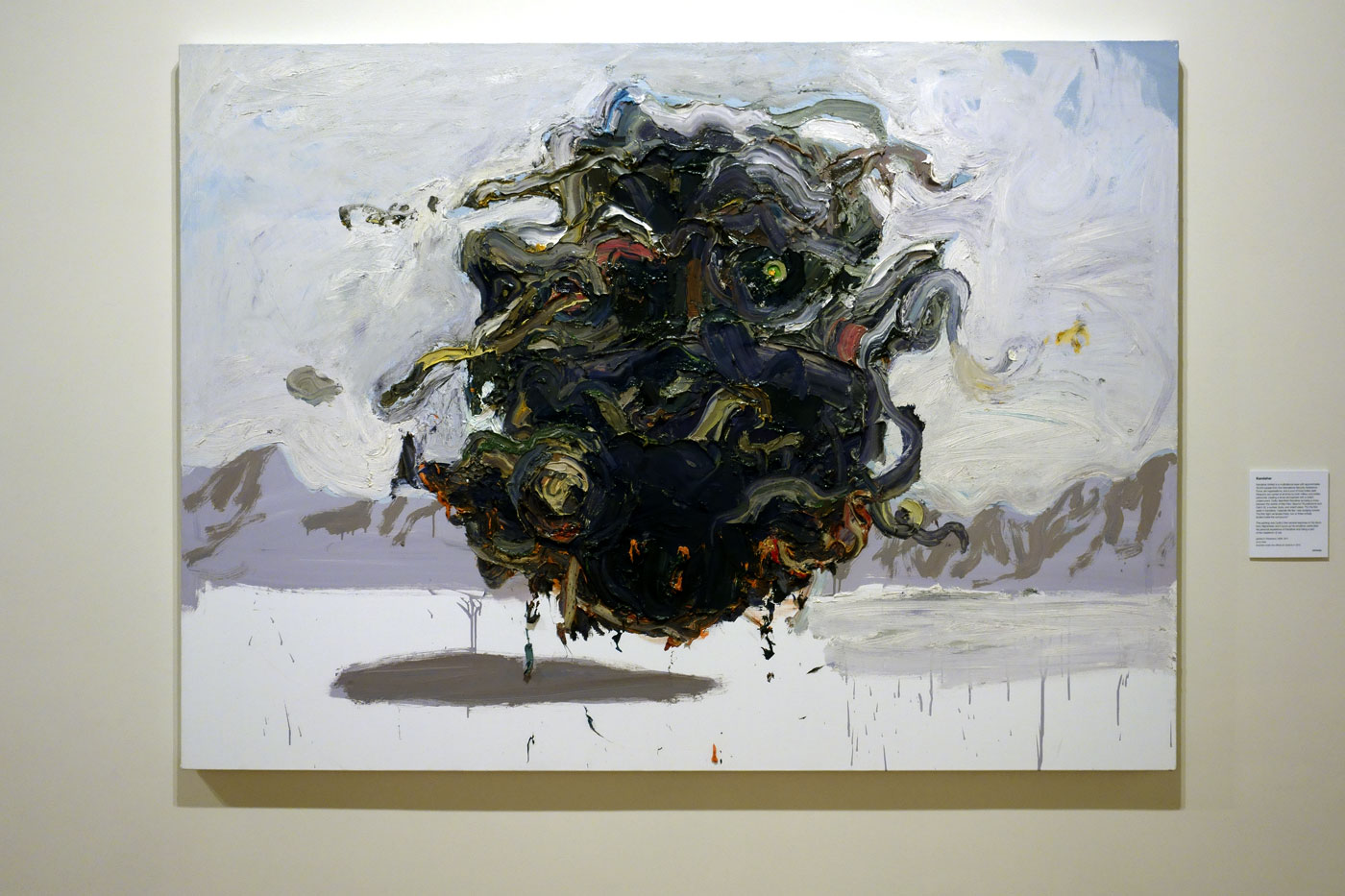


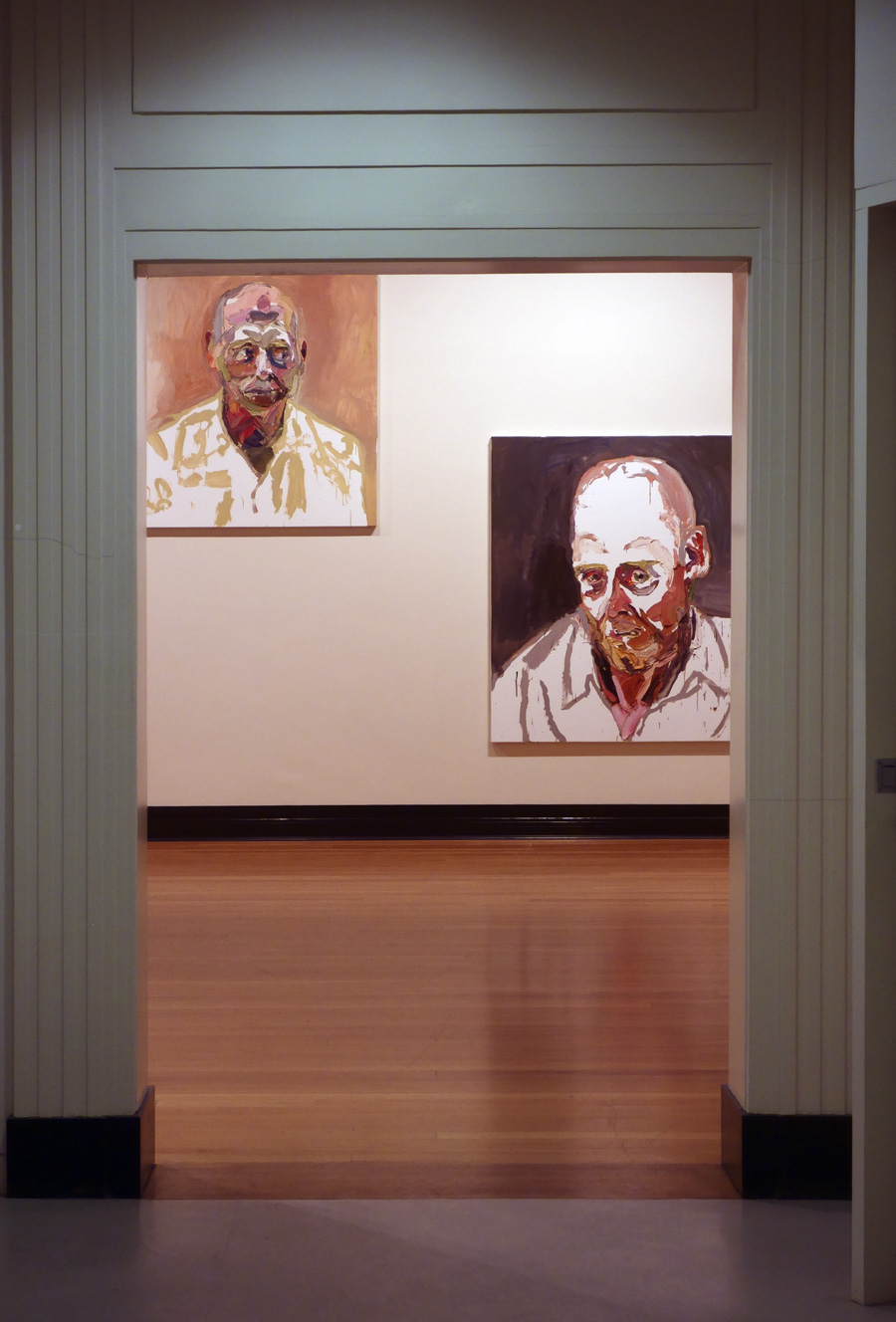


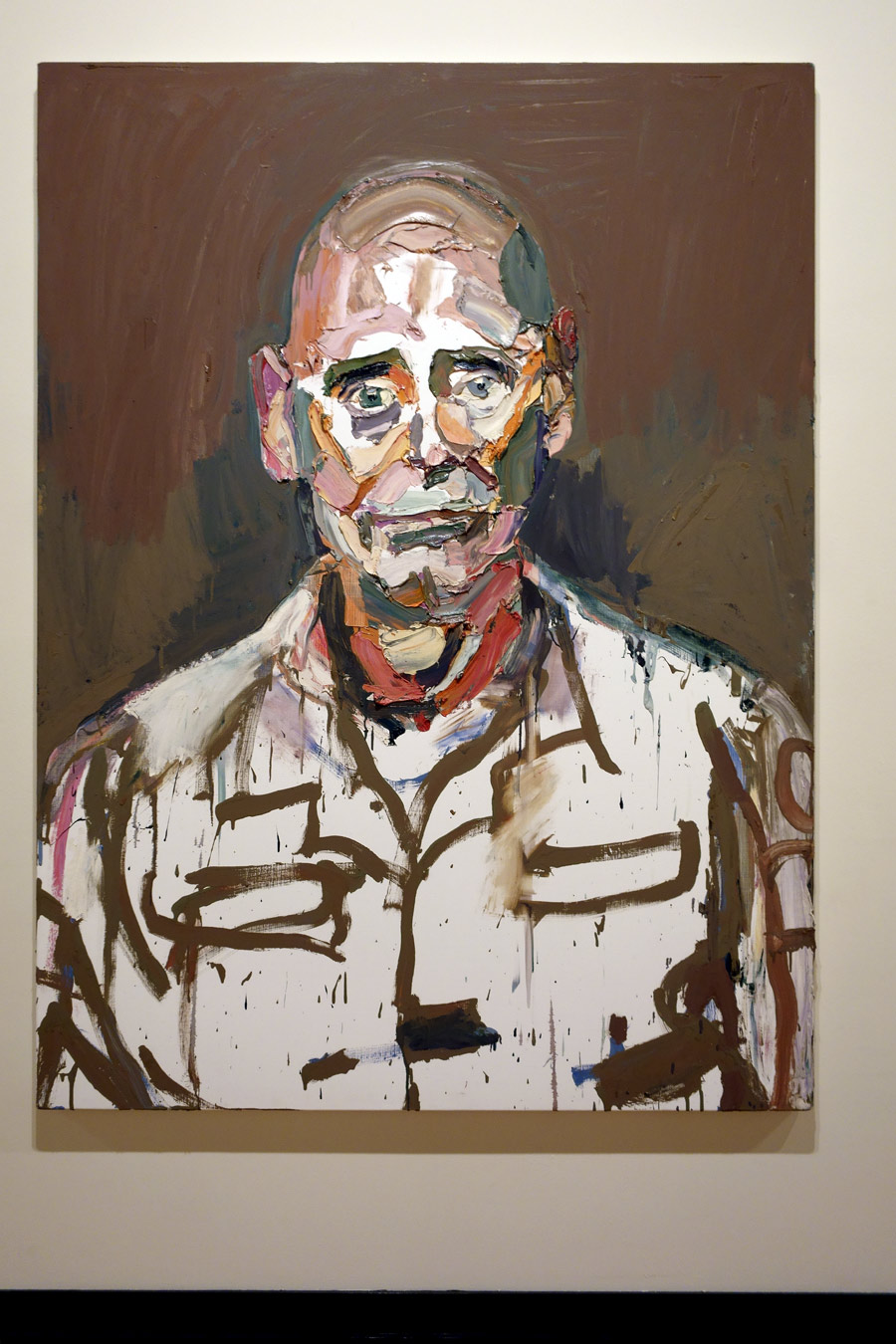


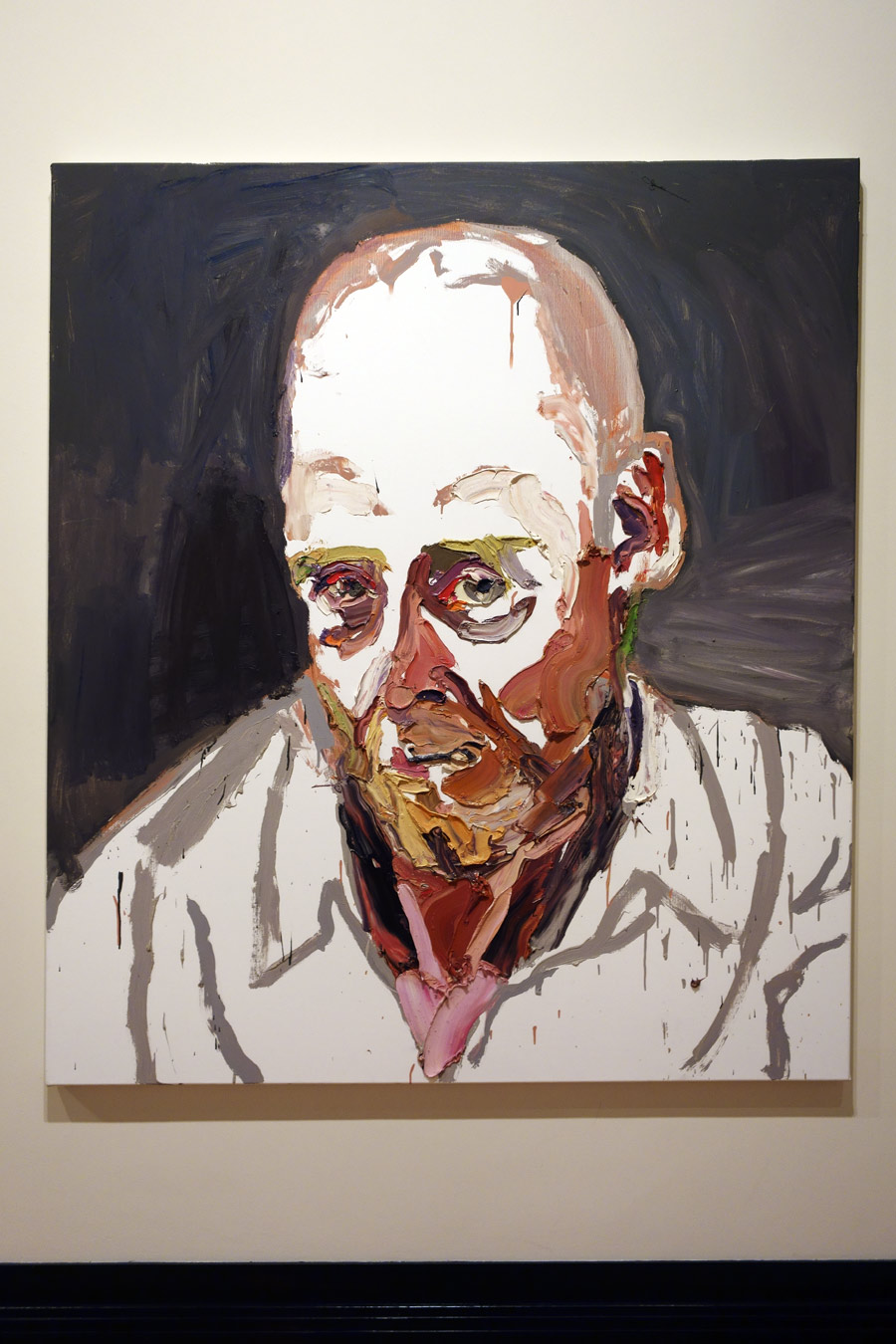

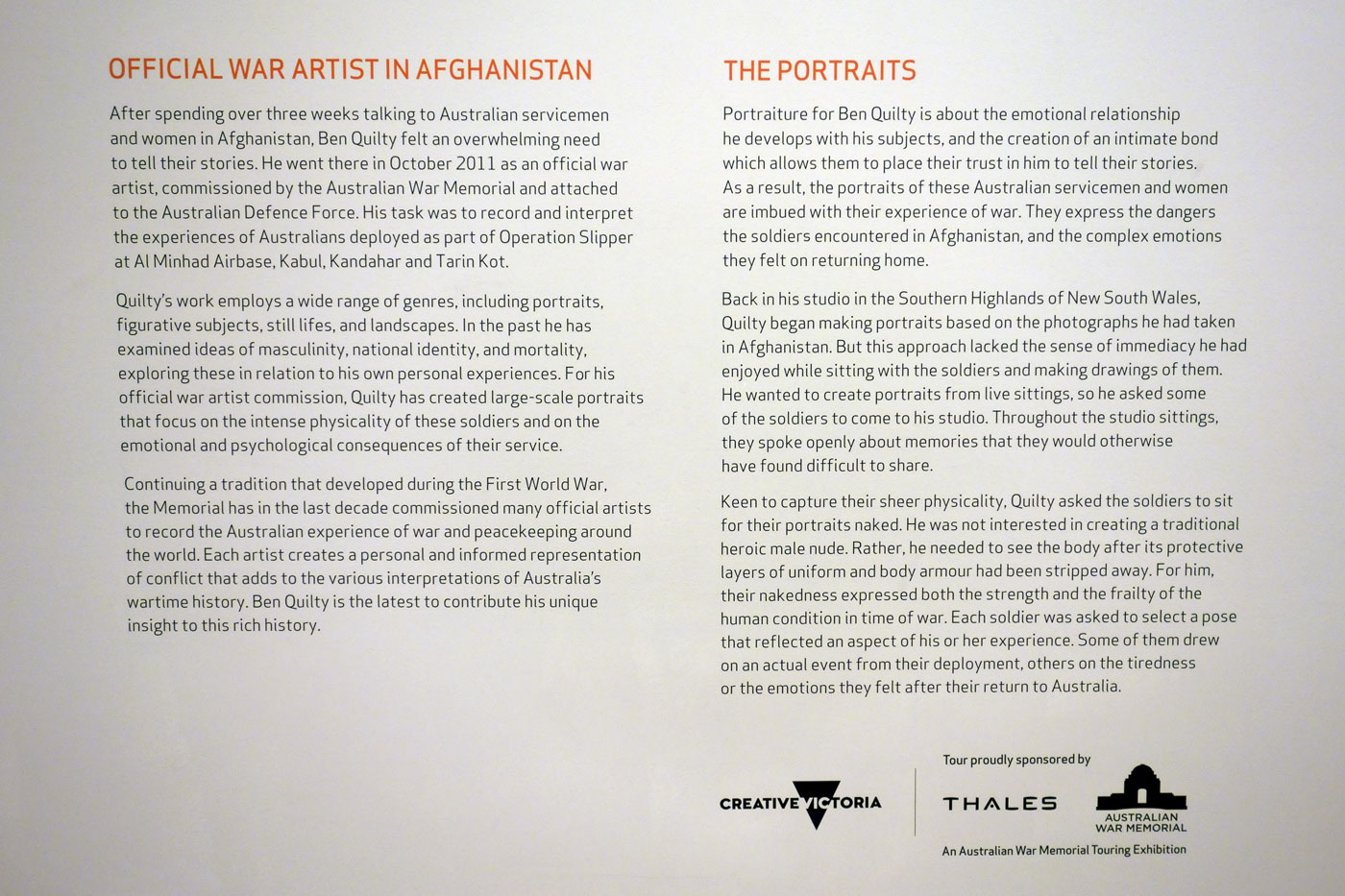
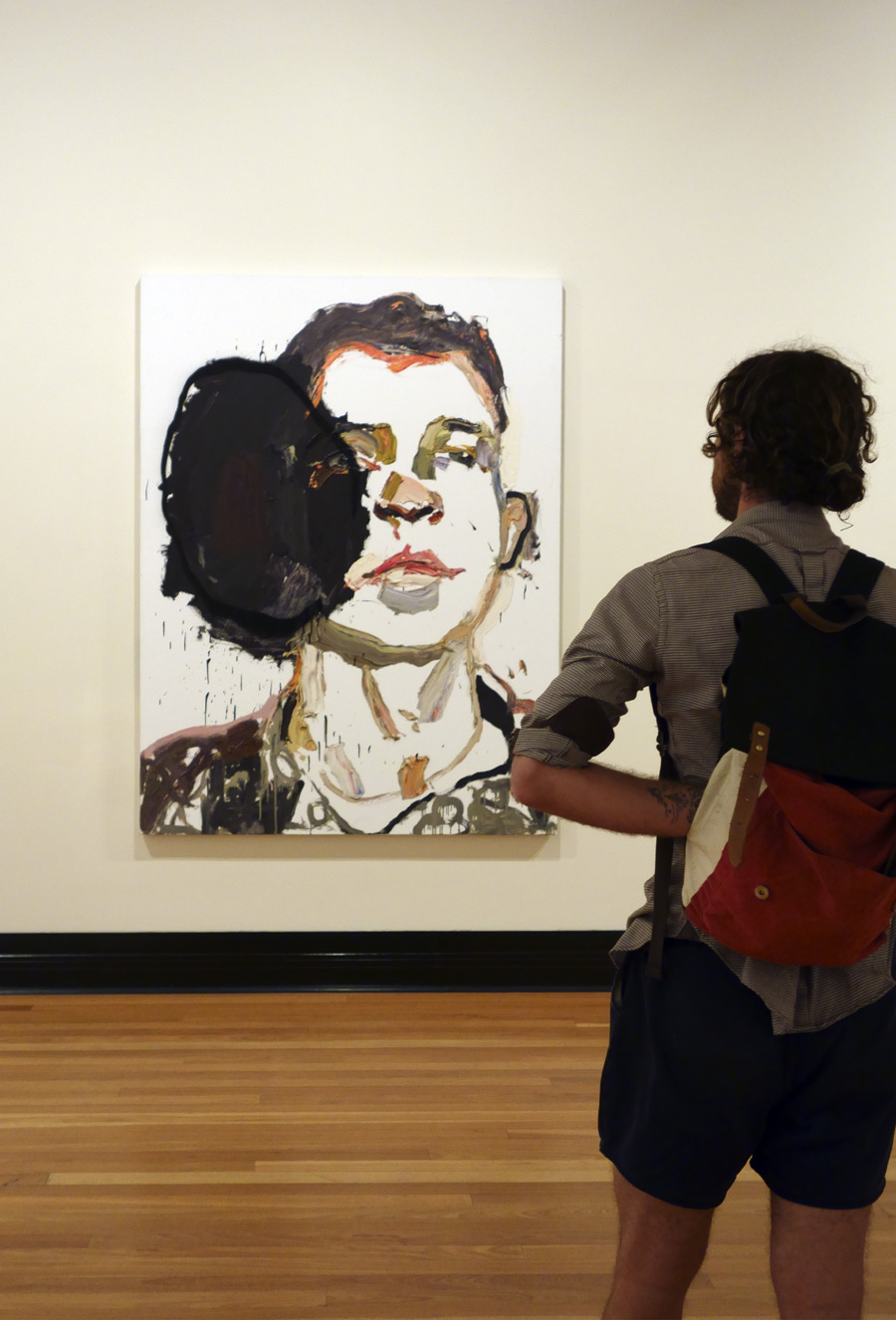
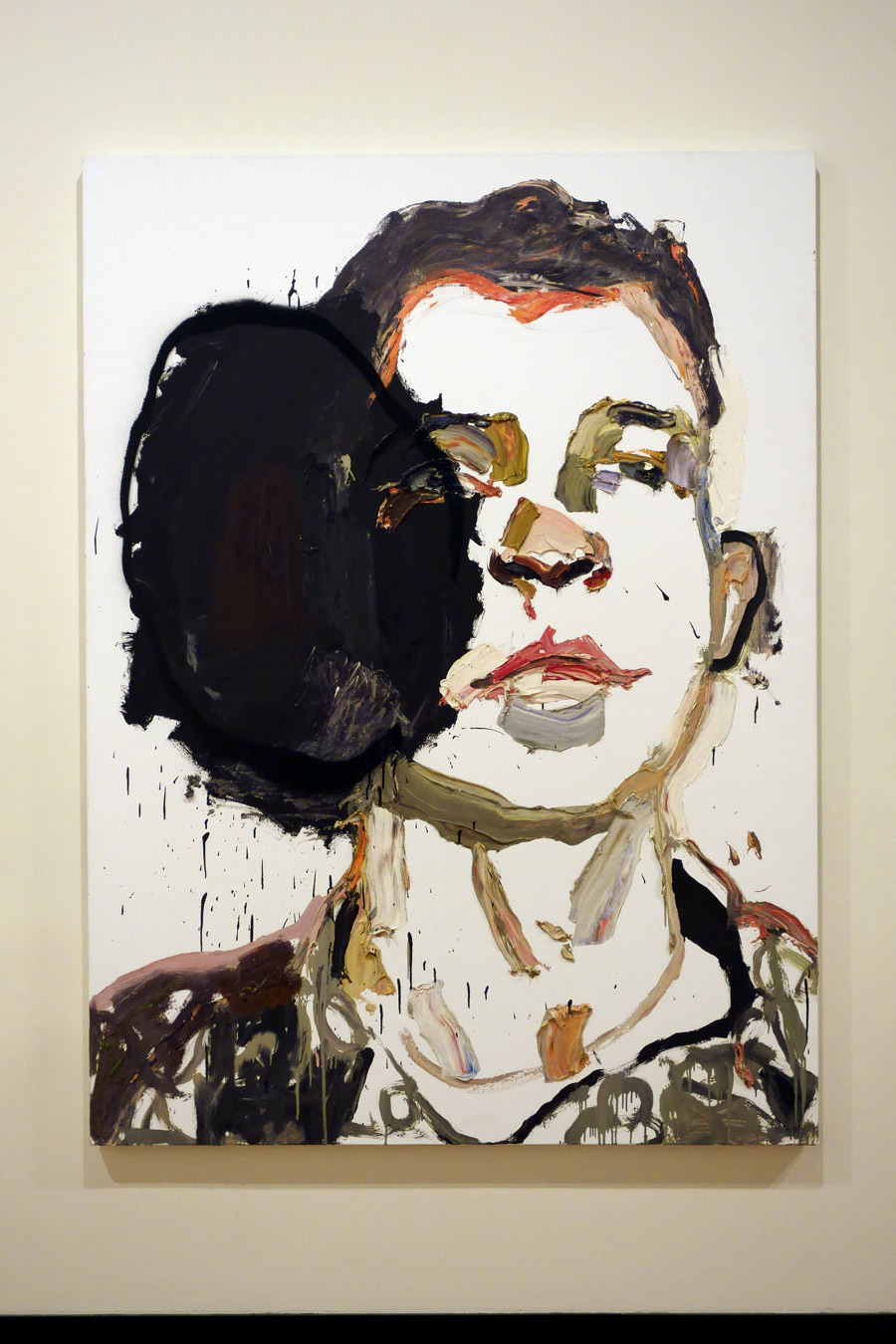


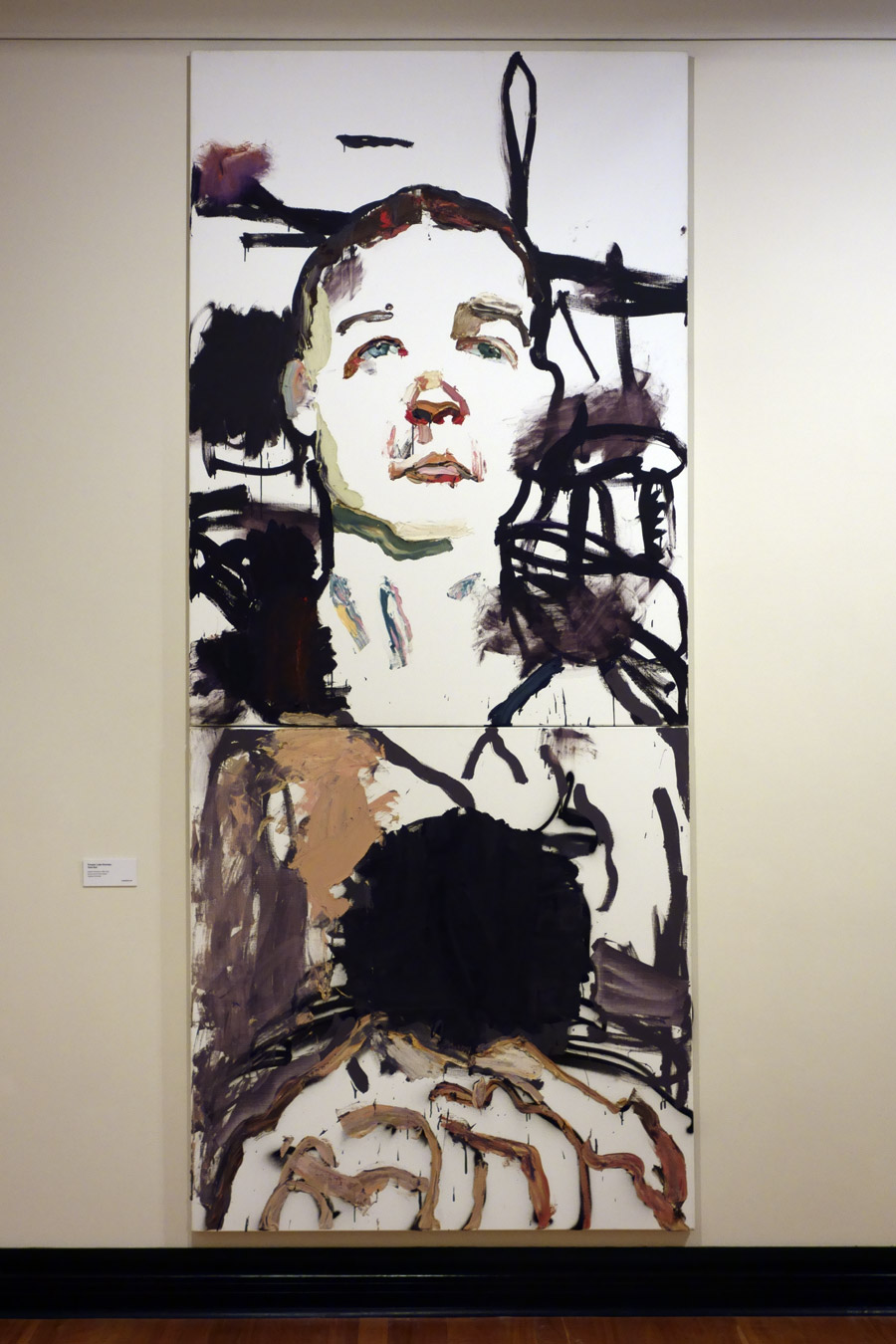
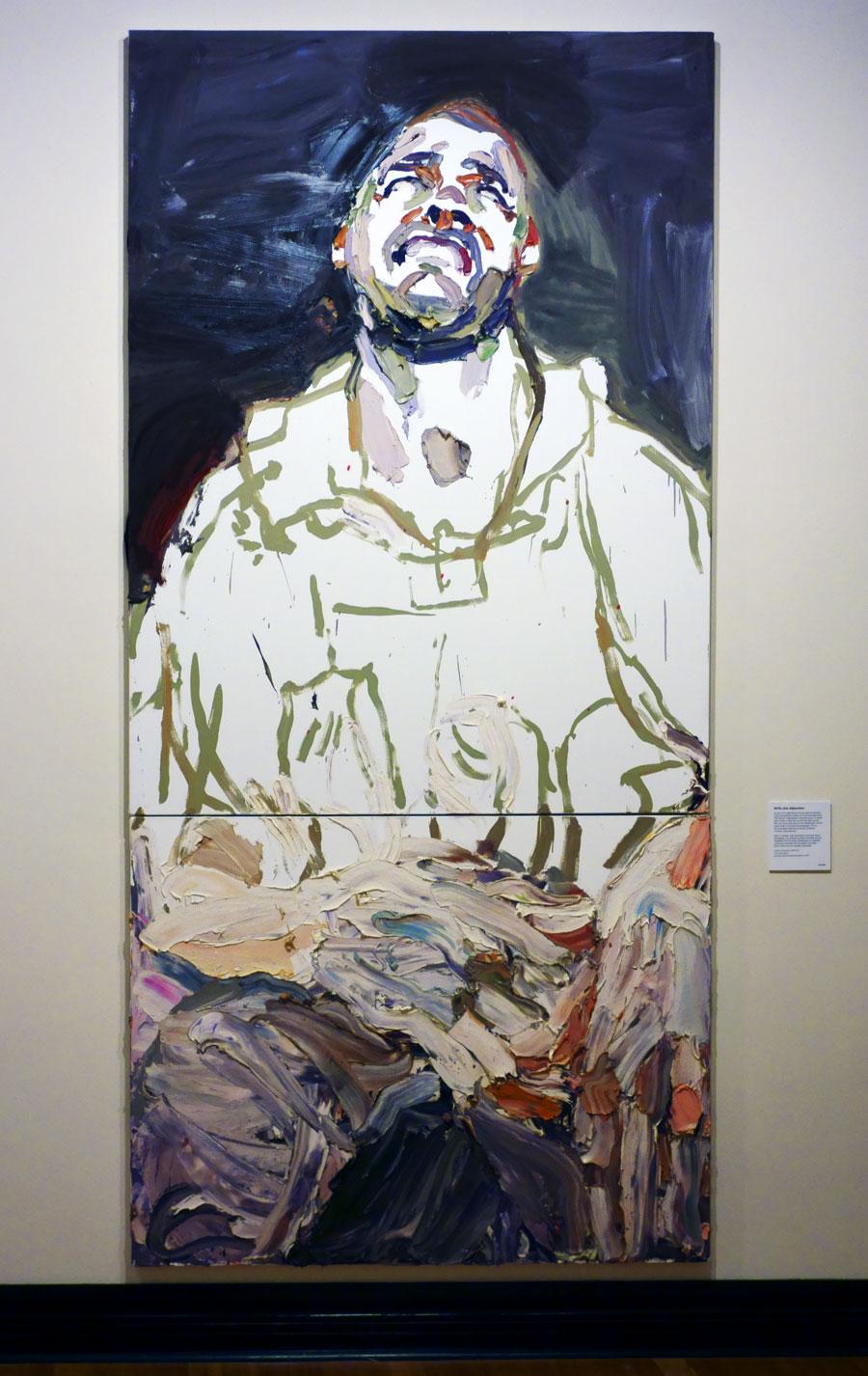

![Auguste Rodin (French, 1840-1917) 'Le Penseur [The Thinker]' 1903](https://artblart.com/wp-content/uploads/2016/03/rodin-le-penseur-web.jpg "Auguste Rodin (French, 1840-1917) 'Le Penseur [The Thinker]' 1903")
![Vassily Kandinsky (Russian, 1866-1944) 'Bild mit rotem Fleck [Tableau à la tache rouge / Image with red spot]' 25 February 1914](https://artblart.com/wp-content/uploads/2016/03/kandinsky-bild-mit-rotem-fleck-web.jpg "Vassily Kandinsky (Russian, 1866-1944) 'Bild mit rotem Fleck [Tableau à la tache rouge / Image with red spot]' 25 February 1914")




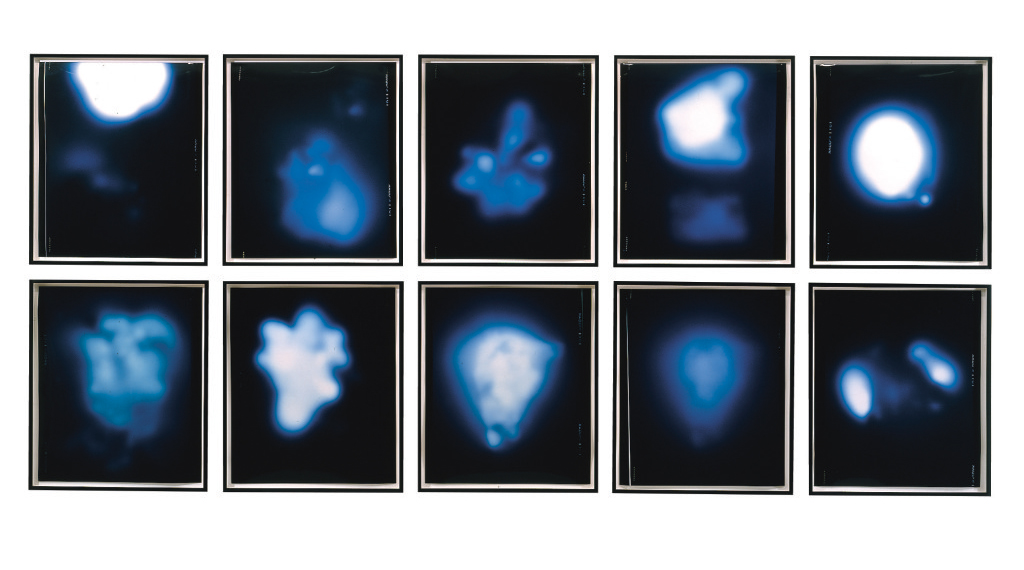



 Art Blart _ art and cultural memory archive
You must be logged in to post a comment.