Families – of whatever flavour, construction, empathy, vitriol, love, kindness, dis/affection – are depicted in photographs that shine light on photography’s treatment of the (elective) family and its representation of it as a social and cultural construct.
Today, there are so many alternatives to the “nuclear” family (what an irony that term is, although “nuclear” has links to the word “nucleus” ie, essential, long before the advent of nuclear energy) – that is a couple and their dependent children, regarded as a basic social unit – that it is a joy to celebrate the diversity of “family”, much to the annoyance and distaste of conservative, religious fundamentalists. Family can be anything that we would like to make it!
Personally, I envy those that had a blissful family childhood without the violence and abuse. I really can’t imagine what that would have been like, to have a mother and father that openly expressed love and kindness to their children. I am thankful I had a brother that I was close with, but even that was split asunder, not to be rekindled for many a year. But that upbringing has shaped who I am today. And now I surround myself with my straight and gay family.
As I say, families smamlies!
Can’t live with ’em, can’t live without them.
Dr Marcus Bunyan
Many thankx to the Fotomuseum Winterthur, Zurich for allowing me to publish the photographs in the posting. Please click on the photographs for a larger version of the image.
Family means (chosen) kinship, blood ties and sometimes lifelong bonds – and the perpetual renegotiation of boundaries, regardless of how much fondness and affection are involved. Kinship has at once nothing and everything to do with points of similarity and common ground in day-to-day life and with the ideas we have about everyday realities. We are part of a family – sometimes only on paper and sometimes as a community that is made up of friends who are devoted to one another over the course of their lives. Communities play a key role in today’s world: they are crucial to our decision-making and help to mould us and shape the way we think, feel and act.
The (chosen) family is depicted in different ways in photography and art: photographers document everyday family life and use the camera to capture moments of heightened emotion. Family members can also become partners in the photographic process, contributing to the act of image-making. This finds its way into the exhibition as well as genealogical projects in which artists set out to explore their own personal histories on the basis of the lives their ancestors lived.
Just like the photographic testimony we have of them, family stories speak of diversity, individuality and collectivity, intimacy and distance. Family and chosen family imply chaos and happiness, quirky habits and the sharing of everyday banalities and powerful feelings. At best, family and community represent a familiar slice of home.
The exhibition Chosen Family – Less Alone Together draws on international positions and works from the collection of Fotomuseum Winterthur to shed light on photography’s treatment of the (elective) family and its representation of it as a social and cultural construct. The artistic approaches on display are as varied as the different family stories they depict. In addition to the works of professional photographers and artists, the museum also presents personal photo albums, showing the family stories of people from Winterthur and from all over Switzerland.
The exhibition Chosen Family – Less Alone Together presents works by contemporary photographers who delve into their own family history, examining and exploring their past. Alba Zari‘s work involves a reappraisal of her own family history mediated by pictures from her family archive and contemporary photographic documents. The artist – who was born into a fundamentalist Christian sect – uses scraps of text and image fragments to investigate the history of her family and explore her own identity in the process. The photographer Lindokuhle Sobekwa also uses pictures to reconstruct events from the past. When he was just seven, his sister, who was six years older than him, disappeared without a trace and did not return until ten years later. With the help of a documentary photo book, Sobekwa attempts to create a picture – quite literally – of this formative point in his life, a time he knows very little about and which no one has spoken about for ages. Richard Billingham, meanwhile, grapples with his own history and biography by making a loving yet unsparing record of his parents’ life and day-to-day reality, in the process showing a domestic world shaped by poverty and addiction. Diana Markosian processes her family history in a short film featuring actors she cast in their roles and clever set photography. Her narrative video sequences re-enact her own childhood memories, which she stages as cinematic imagery. The film’s perspective is shaped by the experience of migration undergone by her mother, who left her husband after the break-up of the Soviet Union and moved with her children to the US to marry an American.
Other artists present themselves and members of their family in sometimes elaborately staged settings. By breaking open and re-enacting the family structures, their work reflects on the roles played by the individual family members and the photographers’ own position within this constellation. This way of exploring family dynamics turns members of the family into collaborative partners in the image-making process. Charlie Engman, for example, presents his ‘mom’ in settings that have little in common with our conception of a mother’s everyday reality: we may see her posing in a hydrogen-blonde wig, with blue eyeshadow and a fierce, challenging look, or climbing up a rope ladder fixed to a tree, wearing white knickers. Engman’s work playfully calls into question the one-dimensional image of the caring mother. Pixie Liao also takes a playful approach as she bucks classic role models: her portraits of herself together with her partner subtly subvert stereotypical ideas of men and women. The photographs show her partner resting his head on her shoulder or being held in her arms. Photographer Leonard Suryajaya, meanwhile, stages his parents and extended family using symbolically charged props in elaborately arranged environments fitted out with rugs and fabrics. The at times quirky interactions between individual members of the family are at odds with our idea of a conventional family portrait.
Other artistic explorations focus on the fact that family can be defined by much more than just (blood) kinship and is experienced via community constellations with deep bonds. These works show how photography can be a means of creating new ‘images of family’ that offer an alternative to middle-class notions of it. Their depictions of communities that exist outside traditional constellations challenge our concept of how a conventional family looks. Dayanita Singh, for example, took pictures of Mona Ahmed and her adopted daughter Ayesha during the 1990s. Ahmed identifies as a hijra, as part, that is, of a community that rejects a binary view of gender and the norms it imposes. Members of the community, which has existed for thousands of years, were criminalised under British colonial rule and they are still exposed to discrimination and violence today. As viewers of Singh’s work, we are confronted with images that challenge our idea of traditional families and communities. Photographer Mark Morrisroe also depicts a sense of cohesiveness apart from kinship in portraits of his friends and lovers – his gang – who were the hub of his daily activities and a pivotal element in his life. The pictures reveal the deep emotional connection between the protagonists, expressing complicity and a sense of belonging, an embodiment of the idea of elective family.
In addition to the works of international artists, Fotomuseum Winterthur is also exhibiting photo albums and presenting the stories of families from Winterthur and Switzerland in association with the pictures. As part of an open call, the museum is offering people the opportunity to share their personal family stories with visitors and to display their family photos in one of the exhibition spaces.
An exhibition of international loans and items from the collection of Fotomuseum Winterthur, curated by Nadine Wietlisbach with the support of Katrin Bauer. With works by Aarati Akkapeddi, Richard Billingham, Larry Clark, Charlie Engman, Seiichi Furuya, Nan Goldin, Pixy Liao, Diana Markosian, Anne Morgenstern, Mark Morrisroe, Dayanita Singh, Lindokuhle Sobekwa, Annelies Štrba, Leonard Suryajaya and Alba Zari. Christoph Merian Verlag will publish the book ChosenFamily – Less alone together as an adjunct to the exhibition.
Selection of Artists
Alba Zari (b. 1987) embarks on a forensic photographic search in her ongoing work Occult, which sets out to explore her family history. The Italian artist was born into the fundamentalist Christian sect The Children of God (now known as The Family International) after her grandmother and mother fell into its clutches at the ages of 33 and 13 respectively. The cult was discredited because it encouraged sex with minors and forced women into prostitution as a way to ‘recruit’ new members. Using her family archive as well as texts and visuals of the sect, archive images of other members and found material from the internet, Zari explores her own family history, while also reflecting on the propaganda tools and mechanisms deployed by the Children of God. The photographs in Zari’s work function both as source materials and as a medium in themselves. Her compilation of these different images not only indicates how photographs are used to spread untruths but also helps to reveal and expose them to critical view. The artist’s multimedia research thus renders an overall sense of the categories and symbols we use to define and represent family, yielding a picture that is at once self-reflexive and charged with social criticism.
Seiichi Furuya (b. 1950) took portrait pictures of his wife Christine Gössler over a period of several years. Furuya was fascinated by his partner from the moment they met and was deeply attached to her. For him, photography was a way to capture the numerous facets of the woman who was both his wife and the mother of his child. What was key here was not so much the finished picture but rather the brief, rapt moment of being face to face with one another. His photographs were not just an observation of his subject but also an act of self-discovery. The relationship between the couple came to a tragic end when Christine took her own life in 1985. Furuya’s hundreds of photographs of her are still an important element in his work today and, over the decades, he has repeatedly made new compilations of them. His preoccupation with them entails grief work. As he puts it, it is a way for him to pursue the ‘truth’, even if, in the end, he only ever finds himself back with his own version of the story.
What does a modern romantic relationship look like? How is its shape determined by the expectations of the individuals involved and by social preconceptions? Pixy Liao (b. 1979) focuses on these questions in her long-term photographic project Experimental Relationship, in which the artist presents herself with her partner in a range of staged situations. The couple switch between different modes at different times and may be serious or humorous, vulnerable or self-assured. When Liao met her partner in 2005, she quickly realised that he did not fit in with the conservative ideas that had informed her socialisation, and her received sense of gender roles began to unravel. Liao used this as an opportunity to examine their relationship – along with the cultural and social dynamics inscribed in it. In her photographs, it is Liao, then, who supports her partner as he lies across her shoulders or shows him stripped down to his underpants as she – herself fully clothed, it should be noted – tweaks his nipple. It is Liao who lays the man’s naked body across a table, using it as a serving dish from which to eat a papaya. Not only are gender stereotypes and clichés inverted in Liao’s work but their power dynamics are questioned and probed in a shared performative act in front of the camera.
Lindokuhle Sobekwa‘s (b. 1995) handmade photo book I Carry Her Photo with Me, is an attempt on the part of the South African documentary photographer to reconstruct the life of his sister Ziyanda, who disappeared in 2002 at the age of 13. She did not return to her family until ten years later, by which time she was seriously ill and died shortly afterwards. Sobekwa’s documentary research of places where his sister stayed allows him to make artistic assumptions about her life. It is not uncommon for people in South African townships to disappear. Sobekwa’s work thus not only deals with his very personal family history but also focuses on questions affecting society as a whole. The title of the book documents Sobekwa’s desire to preserve the memory of his sister, while also standing for the effort to enshrine in the collective memory the fates of other people who have disappeared.
For all the colourful patterned wallpaper and kitschy interior decorations they show, the photographs by British artist Richard Billingham (b. 1970) are not images of a stable family in a sheltered environment. Growing up in a precarious household, affected by alcoholism, violence and his parents’ lack of prospects, Billingham began working in 1989 – at the age of 19 – on a complex photographic portrait of a dysfunctional family constellation, a project that he would continue over a period of seven years. In a bid to productively confront his day-to-day sense of powerlessness, the young artist makes his own parents’ lack of agency the tragicomic subject of his photographs. The domestic poverty in the images, which is at once tragic and sensitively portrayed, was seen by art critics as a sociopolitical comment on the upheavals of the Thatcher era. However, Billingham’s Family Album should not simply be viewed as a metaphor representing a sociopolitical crisis – it is first and foremost autobiographical in form and a means of coping with the present.
Diana Markosian (born 1989) is an American artist of Armenian descent, working as a documentary photographer, writer, and filmmaker.
Markosian is known for her photo essays, including Inventing My Father, (2013-2014) about her relationship with her father, and 1915, (2015) about the lives of those who survived the Armenian genocide and the land from which they were expelled. Her most recent project, Santa Barbara, published by Aperture, reconstructs her mother’s journey from post-Soviet Russia to America, inspired by a 1980s American soap opera. Through a series of staged photographs and a narrative video, the artist reconsiders her family history from her mother’s perspective, relating to her for the first time as a woman rather than a parent, and coming to terms with the profound sacrifices her mother made to become an American.
Mark Morrisroe (American, 1959-1989) Untitled (Lynelle) c. 1985
Mark Morrisroe (American, 1959-1989)
Mark Morrisroe (January 10, 1959 – July 24, 1989) was an American performance artist and photographer. He is known for his performances and photographs, which were germane in the development of the punk scene in Boston in the 1970s and the art world boom of the mid- to late 1980s in New York City. By the time of his death he had created some 2,000 pieces of work…
His career as a photographer began when he was given a Polaroid Model 195 Land Camera. He experimented with unusual development techniques, receiving generous support of supplies, film, and chemicals from the Polaroid Corporation. Within his close circle of friends he soon laid claim to the “invention” of what are called “sandwich” prints – enlargements of double negatives of the same subject mounted on top of one another – which yielded an elaborate pictorial quality, producing a very iconic painterly impression in the final result, which over time he learned to use in an increasingly controlled way.
Early on, the artist recognised the intrinsic value of prints – irrespective of the medium used to produce them – as pictorial objects that he could manipulate, colour, paint and write on at will. Thus, Morrisroe scrawled comments, biographical notes and dedications on the side of his pictures, which made them very personal pieces of art. His photographs were mostly portraits, and his subjects included lovers, friends, hustlers, and people who visited his apartment. He also often incorporated stills from Super 8 films. There are a few photographs which incorporate landscapes and external shots.
Morrisroe died on July 24, 1989, aged 30, in Jersey City, New Jersey from complications of AIDS. His ashes are scattered in McMinnville, Oregon on the farm of his last boyfriend, Ramsey McPhillips. He is considered a member of the Boston School of Photography and his work is found in many important collections including that of the Whitney and MOCA of Los Angeles. The estate of Mark Morrisroe (Collection Ringier) is currently located at the Fotomuseum Winterthur.
Mark Morrisroe (American, 1959-1989) Ramsey (Lake Oswego) 1986 Chromogenic print
What’s most amazing about this work is that much of it was executed in impromptu darkrooms the artist rigged up in his hospital bathrooms. Morrisroe’s courageous, unrelenting drive to keep making art is inspiring. The catalogue essayists clarify a body of work done in considerable isolation; there were no longer cute friends around to get naked with (except, perhaps, the artist’s last partner, Ramsey McPhillips). Very often Morrisroe was by himself. The black-and-white Polaroids of the artist nude, lying in the sunlight, his body wasted to a bony apparition of his former saturnine self, are among the most moving in the show.
Morrisroe died, but his spirit lives on – not only in the additional prints that will no doubt now come on the market in increasing numbers, but as the avatar of young video and performance artists, like Kalup Linzy and Ryan Trecartin, who wreak havoc with gender and identity. There’s also a renewed fervor over ’80s homoerotic work and its role in the American culture wars. The recent censorship of David Wojnarowicz’s video A Fire in My Belly (1986), removed from the exhibition “Hide/Seek: Difference and Desire in American Portraiture” at the National Portrait Gallery in Washington, D.C. (then screened at a dozen museums and acquired by New York’s Museum of Modern Art), provoked memories of the first fracas over Wojnarowicz’s work and NEA funding. Back then, in 1989, the controversial show was “Against Our Vanishing,” curated by Nan Goldin for Artists Space, and it included, posthumously, photographs by Morrisroe.
Dayanita Singh (born 18 March 1961) is an Indian photographer whose primary format is the book. She has published fourteen books.
Singh’s art reflects and expands on the ways in which people relate to photographic images. Her later works, drawn from her extensive photographic oeuvre, are a series of mobile museums allowing her images to be endlessly edited, sequenced, archived and displayed. Stemming from her interest in the archive, the museums present her photographs as interconnected bodies of work that are full of both poetic and narrative possibilities.
Publishing is also a significant part of Singh’s practice. She has created multiple “book-objects” – works that are concurrently books, art objects, exhibitions, and catalogues – often with the publisher Steidl. Museum Bhavan has been shown at the Hayward Gallery, London (2013), the Museum für Moderne Kunst, Frankfurt (2014), the Art Institute of Chicago, Chicago (2014) and the Kiran Nadar Museum of Art, New Delhi (2016).
Annelies Štrba is a Swiss multimedia artist, who lives in the Zurich metropolitan area. She works with video, photography, and digital media to approach her subjects, which range from domestically themed images, portraiture, and both urban and natural landscapes.
Štrba combines photography, digital media, and film to chronicle her physical and emotional life. A mother of three, she has been documenting her family environment through her work for over four decades. Her best-known bodies of work, Shades of Time, AYA, NYIMA, and her most recent publication, Noonday, depict her immediate family including her three children, and five grandchildren. Although she is working with subject matter that is very personal and quite literally close to home, Štrba constructs a quality of fantastical narrative in her pictures, utilising combinations of the different mediums in her repertoire. While creating images that evoke fantastical emotion using technological processes, she simultaneously embraces a sense from 19th-century romanticism while addressing themes of domesticity and nature.
Štrba uses a digital camera to capture moments and figures in film and still, which she then colours with the aid of computer programs. This digital manipulation provides Štrba’s images with a sense of painterliness and allows her to abandon naturalism and realist details in favour of complex visual textures. She often photographs around the family homes just outside of Zurich or in the Swiss mountains, where they spend many weekends and holidays. The product is a personal and poetically abstract documentation of the life around her, capturing her subjects at the dining room table, grooming, in the chaos of untidy rooms, or surrounded by nature. Overall, a personal story is told of the intertwined lives and relationships, speaking to memories, reactions, and nostalgic realisation.
Curator: Dr Sarina Noordhuis-Fairfax, Curator of Australian Prints and Drawings at the National Gallery of Australia, Kamberri/Canberra
Installation view of the exhibition Spowers & Syme at the Geelong Art Gallery showing photographs of both Ethel Spowers and Eveline Syme (below) Photo: Marcus Bunyan
My friend and I travelled down the highway from Melbourne to Geelong especially to see this National Gallery of Australia touring exhibition – and my god, was it worth the journey!
I have always loved woodcuts and the Art Deco era so it was a great pleasure to see the work of two very talented artists from this period, who were “enthusiastic exponents of modern art in Melbourne during the 1930s and ’40s.” Modern art that would have challenged the conservative (male) art conventions of the day, much as modernist photographs by Max Dupain challenged the ongoing power of Pictorialist photography in 1930s Australia.
From viewing the exhibition it would seem to me that Eveline Syme has the sparer, more ascetic aesthetic. Her forms are more graphic, her lines more severe, her spaces more “blocky” (if I can use that word – in other words, more positive and negative space), her colour palette more restrained than in the work of Ethel Spowers. But her work possesses its own charm: a wonderful Japanese inspired landscape such as The factory (1933, below), with its mix of modernism and naturalism; silhouetted blue figures full of dynamism, movement in a swirling circular motif in Skating (1929, below); or the flattened perspective and 3 colour palette of Sydney tram line (1936, below) – all offer their own delicious enjoyment of the urban landscape.
But the star of the show is the work of the astonishing Ethel Spowers. Her work is luminous… containing such romanticism, fun, humour, movement, play, intricate design, bold colours, lyrical graphics… and emotion – that I literally went weak at the knees when viewing these stunningly beautiful art works. There is somethings so joyful about Spowers designs that instantly draws you in, that makes you smile, that made me cry! They really touched my heart…
Even now writing about them, they seem to me like stills from a dream, scenes out of a fairy tale: the pattern of the white gulls obscuring the plough; the rays of sunlight striking the ground behind The lonely farm; the mysterious stillness of The island of the dead; the arching leap over the rope in Fox and geese; the pyramid construction of Football; the delicacy of movement and line in Swings; and the butterfly-like canopies in Wet afternoon. I could go on and on about the joy these works brought me when looking at them, their vivaciousness, their intense, effervescent spirit. If you get a chance before the exhibition closes next weekend in Geelong please go to see them.
As you may have gathered I am totally in love with the work of Ethel Spowers. Thank you, thank you to the artist for making them, and thank you to the energy of the cosmos for allowing me to see them in person!
“Is it too great a truism to repeat that the best art is always the child of its own age?”
Eveline Syme
Celebrating the artistic friendship of Melbourne artists Ethel Spowers and Eveline Syme, the National Gallery Touring Exhibition Spowers and Syme will present the changing face of interwar Australia through the perspective of two pioneering modern women artists.
The exhibition offers rare insight into the unlikely collaboration between the daughters of rival media families. Studying together in Paris and later with avant-garde printmaker Claude Flight in London, Ethel Spowers and Eveline Syme returned to the conservative art world of Australia – where they became enthusiastic exponents of modern art in Melbourne during the 1930s and ’40s.
Much-loved for their innovative approach to lino and woodcut techniques, Spowers and Syme showcases their dynamic approach through prints and drawings whose rhythmic patterns reflect the fast pace of the modern world through everyday observations of childhood themes, overseas travel and urban life.
Text from the Geelong Gallery website
Installation views of the exhibition Spowers & Syme at the Geelong Art Gallery Photos: Marcus Bunyan
Photographer unknown Portrait of Miss EL Spowers, a passenger on board the ‘Orama’ (installation view) 19 March 1935 Fremantle Reproduction courtesy of The West Australian, Perth Photo: Marcus Bunyan
Photographer unknown Miss Eveline W. Syme, who is in charge of the library section of the Australian Red Cross Society, is seen displaying a typical parcel of books as sent out to hospitals, convalescent depots etc. This parcel contains about forty units, covering a wide range of literature (installation view) 13 May 1943 Melbourne Reproduction courtesy of the Australian War Memorial, Canberra Photo: Marcus Bunyan
Ethel Spowers (Australian, 1890-1947) The gust of wind (installation view) 1931 Melbourne Linocut, printed in colour inks, from four blocks National Gallery of Australia, Kamberri/Canberra Purchased 1976 Photo: Marcus Bunyan
Ethel Spowers (Australian, 1890-1947) The gust of wind 1931 National Gallery of Australia, Kamberri/Canberra Purchased 1976
Ethel Spowers (Australian, 1890-1947) Special edition (installation view) 1936 Melbourne Linocut, printed in colour inks, from four blocks National Gallery of Australia, Kamberri/Canberra Purchased 1976 Photo: Marcus Bunyan
Raised in Toorak society, Ethel Spowers was the second daughter of William Spewers, an Aotearoa New Zealand-born journalist and proprietor of The Argus and The Australasian newspapers. The Spowers family lived at Toorak House in St Georges Road. Eveline Syme was the first-born daughter of company director and pastoralist Joseph Syme, who was a partner in competing newspaper The Age until 1891. The Syme family lived at Rotherfield (now Sherwood Hall) in St Kilda. Eveline moved to Toorak in around 1927.
Wall text
Ethel Spowers (Australian, 1890-1947) Special edition (installation view) 1936 Melbourne Linocut, printed in colour inks, from four blocks National Gallery of Australia, Kamberri/Canberra Purchased 1976 Photo: Marcus Bunyan
Ethel Spowers (Australian, 1890-1947) Melbourne from the river (installation view) c. 1924 Melbourne Woodcut, printed in colour inks in the Japanese manner, from five blocks National Gallery of Australia, Kamberri/Canberra Purchased 1976 Photo: Marcus Bunyan
A sense of place is important to all of us. For Spowers and Syme, Melbourne (Naarm) was their home and held a special place in their hearts. In the 1920s, Melbourne was an important city. Lively and busy, it was also very accessible to the river and beautiful landmarks. The Yarra River (Birrarung) winding gently through the city and the industrial landscape at Yallourn were worthy subjects to focus on. Spowers’ earlier work Melbournefrom the river c 1924 (below) was created looking at the river and is framed by spindly trees.
Text from the National Gallery of Australia website
Ethel Spowers (Australian, 1890-1947) Melbourne from the river (installation view) c. 1924 Melbourne Woodcut, printed in colour inks in the Japanese manner, from five blocks National Gallery of Australia, Kamberri/Canberra Purchased 1976 Photo: Marcus Bunyan
Ethel Spowers (Australian, 1890-1947) Melbourne from the river c. 1924 Melbourne Woodcut, printed in colour inks in the Japanese manner, from five blocks National Gallery of Australia, Kamberri/Canberra Purchased 1976
Eveline Syme (Australian, 1888-1961) Banks of the Yarra (installation view) 1935 Melbourne Linocut, printed in colour inks, from three blocks National Gallery of Australia, Kamberri/Canberra Photo: Marcus Bunyan
Eveline Syme (Australian, 1888-1961) Banks of the Yarra 1935 Melbourne Linocut, printed in colour inks, from three blocks National Gallery of Australia, Kamberri/Canberra
Eveline Syme (Australian, 1888-1961) The bay (installation views) 1932 Melbourne Linocut, printed in colour inks, from four blocks National Gallery of Australia, Kamberri/Canberra Purchased 1977 Photos: Marcus Bunyan
Eveline Syme (Australian, 1888-1961) The bay 1932 Melbourne Linocut, printed in colour inks, from four blocks National Gallery of Australia, Kamberri/Canberra Purchased 1977
Geelong Gallery is delighted to present National Gallery of Australia Touring Exhibition, Spowers & Syme opening on Saturday 16 July 2022.
Celebrating the artistic friendship of Melbourne artists Ethel Spowers and Eveline Syme, the Know My Name touring exhibition presents the changing face of interwar Australia through the perspective of two pioneering women artists.
The National Gallery’s Curator of Australian Prints and Drawings, Dr Sarina Noordhuis-Fairfax hopes that Geelong and Victorian audiences will add the names Spowers and Syme to their knowledge of ground-breaking women artists from the era including Margaret Preston, Thea Proctor, Dorrit Black and Grace Cossington Smith.
‘Spowers and Syme are often overlooked in Australian art history, yet during the 1930s they were recognised by peers as being among the most progressive artists working in Melbourne.’
‘Exhibiting in Australia and England, they championed key ideas from European modernism such as contemporary art reflecting the pace and vitality of life,’ said Noordhuis-Fairfax.
Much-loved for their dynamic approach to lino and woodcut prints, Spowers & Syme offers rare insights into the creative alliance between the daughters of rival media families from Melbourne-based newspapers The Argus and The Age. After studying art together in Paris and London, Spowers and Syme returned to the conservative art world of Australia where they became enthusiastic exponents of modern art during the 1930s and 1940s.
Geelong Galley Director & CEO, Jason Smith says ‘We look forward to sharing the important works of Spowers and Syme and exploring their contributions further through a number of public and education programs. Spowers & Syme will be further contextualised by modernist works by women artists in our Geelong permanent collection including a major survey of printmaker, Barbara Brash.
Press release from the Geelong Art Gallery
Ethel Spowers (Australian, 1890-1947) Balloons c. 1920 National Gallery of Australia, Kamberri/Canberra Gift of Chris Montgomery 1993
Eveline Syme (Australian, 1888-1961) The factory (installation view) 1933 Melbourne Linocut, printed in colour inks, from four blocks National Gallery of Australia, Kamberri/Canberra Purchased 1979 Photo: Marcus Bunyan
Eveline Syme (Australian, 1888-1961) The factory 1933 National Gallery of Australia, Kamberri/Canberra Purchased 1979
Eveline Syme (Australian, 1888-1961) Beginners’ class 1956 National Gallery of Australia, Kamberri/Canberra Purchased 1992
Ethel Spowers (Australian, 1890-1947) Drawing for the linocut ‘School is out’ (installation view) 1936 Melbourne Drawing in pen and black ink over pencil National Gallery of Australia, Kamberri/Canberra Gift of Chris Montgomery 1993 Photo: Marcus Bunyan
At the end of 1936 Spowers held her sixth and final solo exhibition. It was a survey of old favourites and new works, spanning a decade of imagination and experimentation. Among the twenty prints and six watercolours shown at Grosvenor Galleries in Sydney were five fresh linocuts: Kites, Football, School is out, Children’s hoops and Special edition. These works were a return to her most treasured themes: children and family.
Wall text
Ethel Spowers (Australian, 1890-1947) School is out 1936 National Gallery of Australia, Kamberri/Canberra Purchased 1976
Ethel Spowers and Eveline Syme captured the joy and dynamism of movement in sport and play. Through colour, pattern and intersecting lines we see the speed and energy of children skipping, running, reaching to catch a ball and the pace of skaters circling the rink in the icy coldness. Who could forget the wonderful feeling of swinging as high as possible, looking down at the world?
Spowers’ images of children playing are reminiscent of her own childhood and have a whimsical charm about them. They capture the sense of wonder and curiosity seen in young children.
Linoleum (lino) was a floor covering that was invented in 1860. Imaginative artists discovered how effective it was for creating prints. With the right tools, it was easy to carve an image into it and make prints using coloured inks on the exposed surface.
Ethel Spowers (Australian, 1890-1947) The bamboo blind 1926 National Gallery of Australia, Kamberri/Canberra Purchased 1976
Ethel Louise Spowers (1890-1947), painter and printmaker, was born on 11 July 1890 at South Yarra, Melbourne, second of six children of William George Lucas Spowers, a newspaper proprietor from New Zealand, and his London-born wife Annie Christina, née Westgarth. Allan Spowers was her only brother. She was educated at the Church of England Girls’ Grammar School, Melbourne, and was a prefect in 1908. Wealthy and cultured, her family owned a mansion in St Georges Road, Toorak. Ethel continued to live there as an adult and maintained a studio above the stables.
After briefly attending art school in Paris, Miss Spowers undertook (1911-1917) the full course in drawing and painting at Melbourne’s National Gallery schools. Her first solo exhibition, held in 1920 at the Decoration Galleries in the city, showed fairy-tale drawings influenced by the work of Ida Outhwaite. In 1921-1924 Spowers worked and studied abroad, at the Regent Street Polytechnic, London, and the Académie Ranson, Paris. She exhibited (1921) with fellow Australian artist Mary Reynolds at the Macrae Gallery, London. Two further solo shows (1925 and 1927) at the New Gallery, Melbourne, confirmed her reputation as an illustrator of fairy tales, though by then she was also producing woodcuts and linocuts inspired by Japanese art and covering a broader range of subjects.
A dramatic change in Spowers’ style occurred in 1929 when she studied under Claude Flight (the leading exponent of the modernist linocut) at the Grosvenor School of Modern Art, London. Her close friend Eveline Syme joined her there. Following further classes in 1931, during which Spowers absorbed modernist ideas of rhythmic design and composition from the principal Iain Macnab, she published an account of the Grosvenor School in the Recorder (Melbourne, 1932). In the 1930s her linocuts attracted critical attention for their bold, simplified forms, rhythmic sense of movement, distinctive use of colour and humorous observation of everyday life, particularly the world of children. They were regularly shown at the Redfern Gallery, London. The British Museum and the Victoria and Albert Museum purchased a number of her linocuts.
Stimulated by Flight’s proselytising zeal for the medium, Spowers organised in 1930 an exhibition of linocuts by Australian artists, among them Syme and Dorrit Black,at Everyman’s Library and Bookshop, Melbourne. A founding member (1932-1938) of George Bell‘s Contemporary Group, Spowers defended the modernist movement against its detractors. In an article in the Australasian on 26 April 1930 she called on ‘all lovers of art to be tolerant to new ideas, and not to condemn without understanding’.
Frances Derham remembered Spowers as being ‘tall, slender and graceful’, with ‘a small head, dark hair and grey eyes’. A rare photograph of Spowers, published in the Bulletin (3 September 1925), revealed her fashionable appearance and reflective character. In the late 1930s she stopped practising as an artist due to ill health, but continued her voluntary work at the Children’s Hospital. She died of cancer on 5 May 1947 in East Melbourne and was buried with Anglican rites in Fawkner cemetery. Although she had destroyed many of her paintings in a bonfire, a memorial exhibition of her watercolours, line-drawings, wood-engravings and colour linocuts was held at George’s Gallery, Melbourne, in 1948. Her prints are held by the National Gallery of Australia, Canberra, State galleries in Melbourne and Sydney, and the Ballarat Fine Art Gallery, Victoria.
Stephen Coppel. “Spowers, Ethel Louise (1890-1947),” in the Australian Dictionary of Biography, Volume 16 , 2002, online in 2006 [Online] Cited 26/08/2022
Eveline Syme (Australian, 1888-1961) The Yarra at Warrandyte (installation views) 1931 National Gallery of Australia, Kamberri/Canberra Purchased 1977 Photos: Marcus Bunyan
Eveline Syme (Australian, 1888-1961) The Yarra at Warrandyte 1931 Melbourne Linocut, printed in colour inks, from four blocks National Gallery of Australia, Kamberri/Canberra Purchased 1977
Eveline Winifred Syme (1888-1961), painter and printmaker, was born on 26 October 1888 at Thames Ditton, Surrey, England, daughter of Joseph Cowen Syme, newspaper proprietor, and his wife Laura, née Blair. Ebenezer Syme was her grandfather. Eveline was raised in the family mansion at St Kilda, Melbourne. After leaving the Church of England Girls’ Grammar School, Melbourne, she voyaged to England and studied classics in 1907-1910 at Newnham College, Cambridge (B.A., M.A., 1930). Because the University of Cambridge did not then award degrees to women, she applied to the University of Melbourne for accreditation, but was only granted admission to third-year classics. She chose instead to complete a diploma of education (1914).
Syme’s artistic career was enhanced by her close friendship with Ethel Spowers. She studied painting at art schools in Paris in the early 1920s, notably under Maurice Denis and André Lhote, and held a solo exhibition, mainly of watercolours, at Queen’s Hall, Melbourne, in 1925. Her one-woman shows, at the Athenaeum Gallery (1928) and Everyman’s Library and Bookshop (1931), included linocuts and wood-engravings. While many of her watercolours and prints drew on her travels through England, Provence, France, and Tuscany, Italy, she also responded to the Australian landscape, particularly the countryside around Melbourne and Sydney, and at Port Arthur, Tasmania. Syme’s chance discovery of Claude Flight’s textbook, Lino-Cuts (London, 1927), inspired her to enrol (with Spowers) in his classes at the Grosvenor School of Modern Art, London, in January 1929. In keeping with Flight’s modernist conception of the linocut, she began to produce prints incorporating bold colour and rhythmic design.
Returning to Melbourne in 1929 with an exhibition of contemporary wood-engravings from the Redfern Gallery, London, Syme became a cautious advocate of modern art. She published a perceptive account of Flight and his teaching in the Recorder (1929) and spoke on the radio about wood-engraving; she also wrote a pioneering essay on women artists in Victoria from 1857, which was published in the Centenary Gift Book (1934), edited by Frances Fraser and Nettie Palmer. Syme was a founding member (1932-1938) of George Bell‘s Contemporary Group. She regularly exhibited with the Melbourne Society of Women Painters and Sculptors and with the Independent Group of Artists. Her linocuts, perhaps her most significant achievement, owed much to her collaboration with Spowers.
During the mid-1930s Syme was prominent in moves to establish a women’s residential college at the University of Melbourne. In 1936, as vice-president of the appeal committee, she donated the proceeds of her print retrospective (held at the gallery of the Arts and Crafts Society of Victoria) to the building fund. A foundation member (1936-1961) of the council of University Women’s College, she served as its president (1940-1947) and as a member of its finance committee. She was appointed to the first council of the National Gallery Society of Victoria in 1947 and sat on its executive-committee in 1948-1953. In addition, she was a member (1919) and president (1950-1951) of the Lyceum Club.
A tall, elegant and reserved woman, Syme had a ‘crisp, quick voice’ and a ‘rather abrupt manner’. She died on 6 June 1961 at Richmond and was buried with Presbyterian forms in Brighton cemetery. In her will she left her books and £5000 to University Women’s College. Edith Alsop’s portrait (1932) of Syme is held by University College. Syme’s work is represented in the National Gallery of Australia, Canberra, State galleries in Melbourne, Sydney and Adelaide, and the Ballarat Fine Art Gallery, Victoria.
Stephen Coppel. “Syme, Eveline Winifred (1888-1961),” in the Australian Dictionary of Biography, Volume 16 , 2002, online in 2006 [Online] Cited 26/08/2022
Installation view of the exhibition Spowers & Syme at the Geelong Art Gallery showing at top left, Spowers The timber crane (1926, below); at top right, Spowers The plough (1928, below); at bottom left, Spowers The works, Yallourn (1933, below); and at bottom right, Spowers The lonely farm (1933, below) Photo: Marcus Bunyan
Ethel Spowers (Australian, 1890-1947) The timber crane (installation view) 1926 Melbourne Linocut, printed in colour inks in the Japanese manner, from five blocks National Gallery of Australia, Kamberri/Canberra Purchased 1976 Photo: Marcus Bunyan
Ethel Spowers (Australian, 1890-1947) The plough (installation view) 1928 London Linocut, printed in colour inks, from three blocks National Gallery of Australia, Kamberri/Canberra Purchased 1978 Photo: Marcus Bunyan
Ethel Spowers (Australian, 1890-1947) The plough 1928 London Linocut, printed in colour inks, from three blocks National Gallery of Australia, Kamberri/Canberra Purchased 1978
Ethel Spowers (Australian, 1890-1947) The works, Yallourn 1933 Linocut 15.7 x 34.8cm (printed image) National Gallery of Australia, Kamberri/Canberra Purchased 1976
Eveline Syme (Australian, 1888-1961) Bulla Bridge 1934 Wood engraving 10.1 x 14.7cm (printed image) National Gallery of Australia, Kamberri/Canberra Purchased 1977
Ethel Spowers (Australian, 1890-1947) The lonely farm (installation views) 1933 Melbourne Linocut, printed in colour inks, from five blocks National Gallery of Australia, Kamberri/Canberra Purchased 1976 Photos: Marcus Bunyan
Ethel Spowers (Australian, 1890-1947) Harvest (installation view) 1932 Melbourne Linocut, printed in colour inks, from five blocks National Gallery of Australia, Kamberri/Canberra Purchased 1976 Photo: Marcus Bunyan
Ethel Spowers (Australian, 1890-1947) Harvest 1932 Melbourne Linocut, printed in colour inks, from five blocks National Gallery of Australia, Kamberri/Canberra Purchased 1976
Ethel Spowers (Australian, 1890-1947) The joke (installation views) 1932 Melbourne Linocut, printed in colour inks, from four blocks National Gallery of Australia, Kamberri/Canberra Purchased 1976 Photos: Marcus Bunyan
Ethel Spowers (Australian, 1890-1947) The joke 1932 Melbourne Linocut, printed in colour inks, from four blocks National Gallery of Australia, Kamberri/Canberra Purchased 1976
Ethel Spowers (Australian, 1890-1947) The island of the dead (installation view) 1927 Melbourne Linocut, printed in colour inks in the Japanese manner, from seven blocks National Gallery of Australia, Kamberri/Canberra Purchased 1995 Photo: Marcus Bunyan
In January 1927 Spowers and Syme holidayed in Iutruwita / Tasmania. After they visited the penal settlement at Port Arthur, Spowers produced this view of the nearby cemetery of Point Puer. Following this trip, Syme made a monochrome wood-engraving, The ruins, Port Arthur c. 1927
Wall text
Ethel Spowers (Australian, 1890-1947) The island of the dead 1927 Melbourne Linocut, printed in colour inks in the Japanese manner, from seven blocks National Gallery of Australia, Kamberri/Canberra Purchased 1995
Eveline Syme (Australian, 1888-1961) Skating (installation view) 1929 London Linocut, printed in colour inks, from two blocks National Gallery of Australia, Kamberri/Canberra Purchased 1979 Photo: Marcus Bunyan
When Syme joined Spowers at the Grosvenor School of Modern Art in January 1929 she made the two-block linocut Skating, which summarises Claude Flight’s teachings on how a composition ‘builds into a geometrical pattern of opposing rhythms’. Her design is simplified, using the repetition of intersecting lines and curves to suggest action. Although the skaters are frozen mid-turn, the print is filled with light and movement, with Syme’s humorous suggestion of novice efforts captured in awkwardly angled arms and legs.
Wall text
Eveline Syme (Australian, 1888-1961) Skating 1929 London Linocut, printed in colour inks, from two blocks National Gallery of Australia, Kamberri/Canberra Purchased 1979
Ethel Spowers (Australian, 1890-1947) Fox and geese (installation view) 1933 Melbourne Linocut, printed in colour inks, from five blocks National Gallery of Australia, Kamberri/Canberra Purchased 1978 Photo: Marcus Bunyan
Ethel Spowers (Australian, 1890-1947) Fox and geese 1933 Melbourne Linocut, printed in colour inks, from five blocks National Gallery of Australia, Kamberri/Canberra Purchased 1978
Ethel Spowers (Australian, 1890-1947) Football (installation view) 1936 Melbourne Linocut, printed in colour inks, from four blocks National Gallery of Australia, Kamberri/Canberra Purchased 1982 Photo: Marcus Bunyan
Ethel Spowers (Australian, 1890-1947) Tug of war (installation view) 1933 Melbourne Linocut, printed in colour inks, from four blocks National Gallery of Australia, Kamberri/Canberra Purchased 1976 Photo: Marcus Bunyan
Ethel Spowers (Australian, 1890-1947) Tug of war 1933 Melbourne Linocut, printed in colour inks, from four blocks National Gallery of Australia, Kamberri/Canberra Purchased 1976
Ethel Spowers and Eveline Syme were lifelong friends who inspired and encouraged each another in their artistic pursuits. They were pioneers in printmaking and modern art and their careers reflected the changing circumstances of women after World War 1. Spowers and Syme were among a core group of progressive Australian artists who travelled widely and studied with avant-garde artists. They were at the forefront of Modernism in Australia.
Both women grew up in Melbourne in very comfortable circumstances. Their fathers ran rival newspapers, so their families had many common interests. Spowers’ father was involved with The Argus and The Australasian, while Syme’s father helped run The Age. Both families were dedicated to many causes and generous in their efforts to help others. They also supported war efforts and the Red Cross.
Spowers was the second child of six siblings and her home life was filled with rich and varied creative experiences. Her family lived in a large home in inner Melbourne called Toorak House, a graceful mansion with large gardens to play in and explore. Syme was also one of six siblings and lived nearby in a large house in St Kilda called Rotherfield.
Spowers and Syme studied and travelled together in Australia and overseas. Both were inspired by the artist Claude Flight who taught them at the Grosvenor School in London. He encouraged his students to capture the joy of movement through colour and rhythmic line and the new method of colour linocut printing. Spowers and Syme became strong supporters of being brave as artists, prepared to experiment and promote new ways of doing and seeing.
Throughout their lives the two friends advocated for important causes. Spowers’ focus was always on the welfare of children through her involvement in kindergarten education and volunteering at the local children’s hospital. Syme was particularly dedicated to the advancement of women’s university education.
Eveline Syme (Australian, 1888-1961) San Domenico, Siena (installation view) 1931 Melbourne Linocut, printed in colour inks, from four blocks National Gallery of Australia, Kamberri/Canberra Purchased 1977 Photos: Marcus Bunyan
An inveterate traveller, Syme produced drawings and watercolours of landscape views from her trips around Victoria, her voyages to England via Colombo, and her travels through Europe, Japan, Hong Kong and the United States of America. In addition to exhibiting her watercolours, Syme often used these compositions as the basis for subsequent prints and oil paintings.
Wall text
Eveline Syme (Australian, 1888-1961) Hong Kong harbour (installation views) 1934 Melbourne Linocut, printed in colour inks, from four blocks National Gallery of Australia, Kamberri/Canberra Purchased 1976 Photos: Marcus Bunyan
Ethel Spowers (Australian, 1890-1947) Swings (installation view) 1932 Melbourne Linocut, printed in colour inks, from four blocks National Gallery of Australia, Kamberri/Canberra Purchased 1976 Photo: Marcus Bunyan
Ethel Spowers (Australian, 1890-1947) Swings 1932 Melbourne Linocut, printed in colour inks, from four blocks National Gallery of Australia, Kamberri/Canberra Purchased 1976
Eveline Syme (Australian, 1888-1961) Sydney tram line (installation views) 1936 Melbourne Linocut, printed in colour inks, from three blocks National Gallery of Australia, Kamberri/Canberra Purchased 1979 Photos: Marcus Bunyan
Powers and Syme were associated with numerous art and social group, which established intersecting circles of connection and opportunity in Melbourne and Sydney. During the 1930s they both exhibited in Sydney with other progressive artists at Dorrit Black’s Modern Art Centre and with the Contemporary Group co-founded by Thea Proctor. This print is based on an earlier watercolour by Syme, drawn after staying with Spowers’ sister at Double Bay in 1932.
Ethel Spowers (Australian, 1890-1947) Still life (installation view) 1925 Melbourne Wood-engraving, printed in black ink, from one block National Gallery of Australia, Kamberri/Canberra Purchased 1981 Photo: Marcus Bunyan
Ethel Spowers (Australian, 1890-1947) The noisy parrot (installation view) 1926 Melbourne Woodcut, printed in colour inks in the Japanese manner, from five blocks National Gallery of Australia, Kamberri/Canberra Purchased 2015 Photo: Marcus Bunyan
Ethel Spowers (Australian, 1890-1947) The noisy parrot 1926 Melbourne Woodcut, printed in colour inks in the Japanese manner, from five blocks National Gallery of Australia, Kamberri/Canberra Purchased 2015
Ethel Spowers (Australian, 1890-1947) Wet afternoon (installation view) 1930 Melbourne Linocut, printed in colour inks, from four blocks National Gallery of Australia, Kamberri/Canberra Purchased 1983 Photo: Marcus Bunyan
In July 1930 Claude Flight included this print in British lino-cuts, the second annual exhibition held at the Redfern Gallery in London. Impressions were acquired by the Victoria & Albert museum and the British Museum. Wet afternoon was exhibited again in September at the annual exhibition of the Arts and Crafts Society of Victoria at Melbourne Town Hall and in the first exhibition of linocuts in Australia held in December at Everyman’s Lending Library in the centre of avant-garde Melbourne.
Wall text
Ethel Spowers (Australian, 1890-1947) Wet afternoon 1930 Melbourne Linocut, printed in colour inks, from four blocks National Gallery of Australia, Kamberri/Canberra Purchased 1983
Prints, pigments & poison
The vibrant works by Ethel Spowers and Eveline Syme, printed on smooth Japanese gampi papers from 1927 to 1950, demanded special consideration during conservation preparation from the Spowers & Syme exhibition. Andrea Wise, Senior Conservator, Paper, explains the process and details the green pigment with the toxic backstory. …
The typical palette in Spowers & Syme works feature carbon black, yellow and brown ochres, ultramarine, cobalt and cerulean blues, emerald green and two organic lake pigments – alizarin crimson and a distinct lilac. Lake pigments are made by attaching a dye to a base material such as alumina, making a dyestuff into a workable particulate pigment. This process can also extend more expensive dyestuffs, making them cheaper to use. Bound with oil to create printer’s inks, this limited palette was then overprinted to achieve a wider range of colours.
Emerald green commonly recurs throughout the works. A highly toxic vivid green, invented in the 19th century, it was still commercially available until the early 1960s. Many historical pigments are toxic, based on arsenic, mercury and lead.
Today we are increasingly aware of the health and safety issues related to work of art, but this was not always the case. Emerald green belongs to a group of copper acetoarsenate pigments that were extensively used for many household goods including furniture and wallpapers. A similar pigment, Scheele’s green, was used on the wallpaper in Napoleon’s apartments on St Helena and has been suggested as the cause of his death. Large amounts of arsenic (100 times that of a living person) were found on Napoleon’s hair and scalp after he had died. While poisoning theories still abound, it has been confirmed through other medical cases from the period that arsenic dust and fumes would be circulated in damp Victorian rooms sealed tight against the drafts that were thought to promote ill health.
Anonymous text. “Prints, pigments & poison,” on the National Gallery of Australia website Nov 18, 2021 [Online] Cited 30/08/2022
Ethel Spowers (Australian, 1890-1947) Children’s Hoops 1935 Melbourne Linocut, printed in colour inks, from five blocks National Gallery of Australia, Kamberri/Canberra
Ethel Spowers (Australian, 1890-1947) Bank holiday (installation view) 1935 Melbourne Linocut, printed in colour inks, from six blocks National Gallery of Australia, Kamberri/Canberra Purchased 1976 Photo: Marcus Bunyan
Ethel Spowers (Australian, 1890-1947) Bank holiday 1935 National Gallery of Australia, Kamberri/Canberra Purchased 1976
Ethel Spowers (Australian, 1890-1947) The Junior Red Cross works in every land (installation view) Linocut, printed in colour, from six blocks Reproduced in Joan and Daryl Lindsay The story of the Red Cross Melbourne, 1941 National Gallery of Australia Research Library Photo: Marcus Bunyan
Powers made one final linocut print around 1941 for inclusion in a published history of the Australian Red Cross Society compiled by Joan and Daryl Lindsay. The Spowers family had a long philanthropic connection with this cause, and Eveline Syme became the first chairperson of the Red Cross Society Picture Library. Reproduced as a lithographic illustration, the long narrow composition is based on the picnicking families in Spowers’ earlier linocut Bank holiday 1935 (see above).
Wall text
Ethel Spowers (Australian, 1890-1947) Cuthbert and the dogs (installation view) c. 1947 Digest Juvenile Productions, Melbourne National Gallery of Australia Research Library Photo: Marcus Bunyan
After being diagnosed with breast cancer in the mid-1930s, Spowers stopped printmaking and began a series of short stories for children. During the last decade of her life, she wrote and illustrated at least seven books. Their charm drew on stories the Spowers siblings wrote together as children, yet these were cautionary tales in which youthful characters were often reformed by the results of their actions. Of these, only Cuthbert and the dogs was published.
Wall text
Grosvenor School of Modern Art
This progressive private school was established in 1925 by Scottish wood-engraver Iain Macnab at 33 Warwick Square in Pimlico. Formerly the London studio and house of Scottish portraitist James Rannie Swinton, the ground-floor interior was repurposed into studios for tuition in drawing, painting and composition, with the basement set up for lithography, etching and block printing. With no entrance examinations or fixed terms, students could attend classes at any time by purchasing a book of fifteen tickets, with each ticket permitting entry to a two-hour session.
Merchant hand-selected a small team of similarly anti-academic staff, including Claude Flight. For five years Flight taught weekly afternoon classes on colour linocuts. He emphasised that art must capture the vitality of the machine age and taught his students a new way of seeing that analysed the activities of urban life and condensed these into dynamic compositions bursting with rhythm and energy.
Frank Weitzel (New Zealand, 1905 – England 1932) Slum street (installation view) c. 1929 Sydney Linocut, printed in black ink, from one block National Gallery of Australia, Kamberri/Canberra Purchased 1993 Photo: Marcus Bunyan
The son of German immigrants, Weitzel has a volatile upbringing in Aotearoa New Zealand where his father interned as an enemy alien. At the age of 16, Wentzel emigrated with his mother to the united States of America, where he studied sculpture in California. After travels through Europe, he relocated to Sydney in 1928 were he produced a series of linocuts in response to the city and was invited by Dorrit Black to exhibit with the Group of Seven. Black arranged for Wentzel to meet Claude Flight in London in 1930; Flight included his prints in the annual linocut exhibitions at Redfern Gallery in 1930 and 1931.
Wall text
Frank Weitzel was known mainly as a sculptor but in his studio over Grubb’s butcher shop at Circular Quay, he worked in the tradition of the artist-craftsman, producing linocut batik shawls and wall-hangings, lamp shades, book-ends etc. He also played violin in the Conservatorium Orchestra and designed a modern room (with Henry Pynor) at the Burdekin House Exhibition in 1929. In 1931, looking for work in London he sought out David Garnett, a publisher and member of the Bloomsbury Group of artist-craftsman. While Garnett was not interested in Weitzel’s drawings for publication, he became an admirer of his sculpture and invited Weitzel to care-take his property ‘Hilton Hall’ and commissioned him to do heads of children. Weitzel came to be praised also by Jacob Epstein, Roger Fry, Paul Nash and Duncan Grant. Garnett describes Weitzel in his autobiography as “small, thin, with frizzy hair which stood piled up on his head, blue-eyed, with a beaky nose. I guessed he was not eating enough… He was proletarian, rather helpless, very eager about art and also about communism”. At around this time Weitzel wrote to Colin Simpson back in Australia, “Now I am working on a show of my own which is being arranged for me by some terrific money bags”. The exhibition was never held. Weitzel contracted tetanus apparently from minerals which got under his finger nails while digging for clay for his sculptures. He died on the 22 February 1932 at the age of 26. A posthumous exhibition was organised by Dorrit Black at the Modern Art Centre, 56 Margaret Street, Sydney, on the 7 June 1933- opened by another supporter of modernism, the artist John D. Moore. The works had been brought back to Sydney by Weitzel’s sister Mary, who had travelled to England to collect them. This small show (41 works) included illustrations to a poem by Weitzel, poster designs for the Empire Marketing Board, Underground Railways, Shell Motor Spirit, Barclay’s Lager and the Predential Insurance Company, as well as sculpture, drawings and linocuts which had been exhibited with Grosvenor School artists in London.
Lill Tschudi (Swiss, 1911-2004) Fixing the wires (installation view) 1932 London Linocut, printed in colour inks, from two blocks National Gallery of Australia, Kamberri/Canberra Gift of the artist 1990 Photo: Marcus Bunyan
In December 1929, at the age of 18, Tschudi enrolled at the Grosvenor School of Modern Art where she studied under Claude Flight for six months. She also studied in Paris with progressive teachers including André Lhote. Flight was a lifelong supporter of Tschudi and using Fixing the wires as an empale in his 1934 textbook on linocut techniques nothing that ‘the most important point to consider … is the arrangement whereby each colour block is considered as a space-filling whole, as well as part of the final composition made up of the superimposition of all the colour harmonies’.
Wall text
Lill Tschudi (Swiss, 1911-2004) Fixing the wires 1932 London Linocut, printed in colour inks, from two blocks National Gallery of Australia, Kamberri/Canberra Gift of the artist 1990
Claude Flight (English, 1881-1955) Brooklands (installation view) c. 1929 London Linocut, printed in colour inks, from four blocks National Gallery of Australia, Kamberri/Canberra Purchased 1978 Photo: Marcus Bunyan
At the Grosvenor School of Modern Art in London, Claude Flight taught his students the art of the modern colour linocut. He emphasised the importance of composition, building his images of urban life out of simplified form and pattern. Flight’s own practice drew on an exciting mix of avant-garde ideas: from the abstraction of British Vorticism to the dynamism of Italian Futurism to the bold geometric energy of Art Deco and the Arts and Crafts Movement’s emphasis on the handmade.
Wall text
Claude Flight (English, 1881-1955) Brooklands c. 1929 London Linocut, printed in colour inks, from four blocks National Gallery of Australia, Kamberri/Canberra Purchased 1978
Sybil Andrews (English-Canadian, 1898-1992) Speedway (installation view) 1934 London Linocut, printed in colour inks, from four blocks National Gallery of Australia, Kamberri/Canberra Purchased 1978 Photo: Marcus Bunyan
Andrews first studied art by correspondence while working as a welder at an airbase in bristol during the First World War. After meeting her mentor Cyril Power in Bury St Edmonds, they moved to London to study art before Andrews joined the Grosvenor School of Modern Art as a school secretary. Like Flight, Andrews and Power believed that art should reflect the spirit of the time. Andrews showed her work in joint exhibitions with Power at Redfern Gallery, and often explored the them of manual about. She left London in 1938 and emigrated to Canada with her husband Walter Morgan in 1947, where she eventually established a practice as artist and teacher.
Wall text
Sybil Andrews (English-Canadian, 1898-1992) Speedway 1934 London Linocut, printed in colour inks, from four blocks National Gallery of Australia, Kamberri/Canberra Purchased 1978
Cyril E Power (English, 1872-1951) Skaters (installation view) c. 1932 London Linocut, printed in colour inks, from three blocks National Gallery of Australia, Kamberri/Canberra Purchased 1978
Sybil Andrews (English-Canadian, 1898-1992) The winch (installation view) 1930 London Linocut, printed in colour inks, from three blocks National Gallery of Australia, Kamberri/Canberra Purchased 1978 Photo: Marcus Bunyan
Sybil Andrews (English-Canadian, 1898-1992) The winch (installation view) 1930 London Linocut, printed in colour inks, from three blocks National Gallery of Australia, Kamberri/Canberra Purchased 1978 Photo: Marcus Bunyan
Sybil Andrews (English-Canadian, 1898-1992) The winch 1930 London Linocut, printed in colour inks, from three blocks National Gallery of Australia, Kamberri/Canberra Purchased 1978
George Bell (Australian, 1876-1966) The departure (installation view) 1931 Melbourne Linocut, printed in colour inks, from three blocks National Gallery of Australia, Kamberri/Canberra Gift of Mrs B Niven 1988 Photo: Marcus Bunyan
Geelong Art Gallery Little Malop Street Geelong, Victoria Australia 3220 Phone: +61 3 5229 3645
This exhibition finishes tomorrow, Friday 7th October 2022.
I adore the small intimacies and dark German noir of the early 1970s – 1980s photographs of East Berlin and New York – papier-mâché models dancing, shop windows, desolate buildings, bound statues, ballroom encounters and alienated human beings. The photographs have a very pared back aesthetic, a very cool hands off, socialist feel to them.
Masks upon masks upon masks and hostile glances. People lonely, unhappy and isolated, rushing for work with nary a thought for each other. And then the ecstasy and fear of Mauerpark, Berlin (1996, below).
Taking the position of a slightly aloof observer, Bergemann’s urban landscapes and street scenes bare melancholy and beauty. The poetics of the everyday.
Dr Marcus Bunyan
Many thankx to Kicken Berlin for allowing me to publish the photographs in this post. Please click on the photographs for a larger version of the image.
Katharina Thalbach (German, actually Katharina Joachim genannt Thalbach, born 19 January 1954) is a German actress and stage director. She played theatre at the Berliner Ensemble and at the Volksbühne Berlin, and was actress in the film The Tin Drum. She worked as a theatre and opera director.
Installation view of the exhibition Sheroes of Photography Part IV: Sibylle Bergemann at Kicken Berlin showing at left, Bergemann’s Kirsten, Hoppenrade (1975, below)
Installation view of the exhibition Sheroes of Photography Part IV: Sibylle Bergemann at Kicken Berlin showing photographs from Sibylle Bergemann’s Clärchens Ballhaus (1976, some photographs below)
Fritz Bühler (1862-1929) and his wife Clara Bühler (1886-1971) opened Bühler’s Ballhaus on September 13, 1913, in the rear building at Auguststrasse 24/25. The house was built around 1895 with two halls: the dance hall on the ground floor and the hall of mirrors on the upper floor. After Fritz Bühler’s death, Clara initially continued to run the dance hall, popularly known as Clärchens Ballhaus after its owner, on her own. In 1932 she married Arthur Habermann (1885-1967), who supported her in her work. The front building was in World War IIdestroyed, but operations resumed after the end of the war. Clärchens Ballhaus always remained a private company during the GDR era. In 1965, after much pressure, the ruins of the former front building were removed, the area is still undeveloped today. From 1967 to 1989 the management of the ballroom went to Clärchen’s stepdaughter Elfriede Wolff (daughter of Arthur Habermann). Then their son Stefan took over the business. After German reunification, Clara Habermann’s biological daughter was granted the property, whose son in turn sold the building in 2003 as the next heir. The new owner, Hans-Joachim Sander, left the family business, which then ceased operations after 91 years.
After the previous operators left the Ballhaus on New Year’s Eve 2004, Christian Schulz and David Regehr took over the location and left it largely unchanged. Since then, the space in front of the Ballhaus has also been managed, where the front building stood before the Second World War. The hall of mirrors on the upper floor, which was only used as a storage room for years, has since been used as an event room.
In the summer of 2018 the house was bought by Yoram Roth. He chose the Berlin catering company Berlin Cuisine Jensen GmbH as a partner for the construction of a new restaurant and as the operator of the location, with which Clärchens Ballhaus reopened in July 2020.
Importance
Clärchen’s ball house is one of the last remaining ball houses from around 1900 in Berlin. During the GDR era, it was known to both East and West Germans as a meeting place. In the media it was repeatedly represented in reports, for example in the film by Wilma Pradetto about the cloakroom operator Günter Schmidtke, in the documentary Edith bei Clärchen ( Andreas Kleinert 1985) or on ZDF . It also served as a filming location for movies Stauffenberg (2004), Inglourious Basterds (2009) and We Do It For Money (2014). In 2019 Max Raabe’s MTV Unplugged concert was recorded in the Ballhaus .
In addition to evening events, dance courses also take place in the Ballhaus.
Installation view of the exhibition Sheroes of Photography Part IV: Sibylle Bergemann at Kicken Berlin showing Bergemann’s Das Denkmal, Gummlin, Usedom, Dezember 1980 (1980, below)
Installation view of the exhibition Sheroes of Photography Part IV: Sibylle Bergemann at Kicken Berlin showing at right, Bergemann’s Berlin (Frieda) (1982, below)
Installation view of the exhibition Sheroes of Photography Part IV: Sibylle Bergemann at Kicken Berlin showing photographs from Bergemann’s New York series (1984, some photographs from the series below)
Installation view of the exhibition Sheroes of Photography Part IV: Sibylle Bergemann at Kicken Berlin showing photographs from Bergemann’s New York series (1984, some photographs from the series below)
Installation view of the exhibition Sheroes of Photography Part IV: Sibylle Bergemann at Kicken Berlin showing a photograph from Bergemann’s New York series (1984, below)
As the fourth part of the exhibition series ‘Sheroes of Photography’ started last year and on the occasion of the artist’s comprehensive exhibition this summer at the Berlinische Galerie, Kicken Berlin will be showing a selection of rarely seen series from Sibylle Bergemann’s extensive oeuvre in a cooperation with her estate.
Sibylle Bergemann is considered one of the most important German photographers since the 1970s. Together with her husband, Arno Fischer, she assumed a key position in the GDR’s photo scene and published her works in renowned art and culture journals such as Sibylle, Sonntag and Das Magazin and in book publications. After reunification, she extended her radius to include West German and international commissions. A cofounder of Agentur Ostkreuz in 1990, she helped shape a responsible form of visual journalism. Her photographic essays reflected societal reality without whitewashing it and often moved symbolically beyond. Fashion and portrait photography were on equal footing among her central themes alongside urban landscapes and situative street scenes, just as was the poetics of the everyday. Sibylle Bergemann’s works are held by international museums and collections, including the Museum of Modern Art, New York; Tate Modern, London; Pinakothek der Moderne, Munich; and the Berlinische Galerie.
People and places significantly influenced and inspired Bergemann’s work. In Berlin, her home base, the photographer sought out the quiet places on the city’s edge, rather than the representative center, for both private and commissioned works. Travels to “non-socialist places abroad” were strictly regimented and nearly impossible. “I always had Fernweh,” or a longing for the faraway, Bergemann said reminiscing during a conversation with the Deutsche Börse Photography Foundation. Already in 1984, however, long before the fall of the Wall, she was able to travel to New York and Los Angeles as a member of the Verband Bildender Künstler (Association of Fine Artists).
From the early 1970s, Sibylle Bergemann assumed a position of observer in Berlin, participating in the situation, yet reserved. She had an eye for particular places and people, for unexpected encounters, for the particularities of foreign quotidian scenes, for melancholy and beauty. The transformations and transitory moments of the everyday never failed to draw the photographer’s attention, be it in the GDR, during the transition of reunification, or thereafter. She exposed a poetic and even visionary potential, such as in the series Das Denkmal (The Monument) about the Marx-Engels monument by sculptor Ludwig Engelhardt.
Her sense of nuance within a milieu, a social microcosm, is made visible in the series Clärchens Ballhaus from the 1970s. Another series about women in the working world in the early 1990s will be shown with several select examples for the first time publicly in Kicken Berlin’s exhibition. Women in a large variety of fields – offices, businesses, workshops, in both urban and rural settings, in primary and secondary sectors – stand before the camera to state their position, quite literally. They retain their own space and their own dignity, even when possibly in a state of upheaval.
Observing her foreign and uncertain but also intriguing and new surroundings, Bergemann moved first through the US and later Western Europe and Africa. In Manhattan she adopted a flaneur’s perspective, drifting through the concrete canyons, falling in step with the flow of people. Her images show her affinity to American masters of street photography like Walker Evans and Garry Winogrand and yet retain their own identity. The photographer turns her marvelling, roaming gaze to this Verwunderte Wirklichkeit (Astonished Reality, the title of a book by Bergemann from 1992).
With the faraway travels in the 1990s and new commissions, colour entered Bergemann’s work as a foundational element. In West Africa and on the edges of Western Europe, in Portugal, the photographer explored the feel and shape of local colours, eventually making them into a constitutive feature of her fashion photography. Strong contrasts were as crucial as finely graduated colour scales, both of which sensitively conveyed the genius loci of each place.
Text from the Kicken Berlin website
Biography
Sibylle Bergmann (German, 1941-2010) received a clerical training in East Berlin between 1958 and 1960. She subsequently held a white-collar job. From 1965 to 1967 she worked on the editorial staff of the monthly Das Magazin (The Magazine), where she developed an interest in photography. At this job she first met photographer Arno Fischer in 1966, with whom she lived until her death. He influenced her eventual decision to be an independent photographer, commencing her photographic training with Fischer in 1966. The apartment they shared in Berlin became an intellectual center for the alternative photography community in the GDR. From 1967 on, she worked as a freelance photographer for various magazines, such as for legendary fashion magazine Sibylle, and she became a member of the DIREKT group. In 1990 she became a founding member of Ostkreuz – Agentur der Fotografen (Agency of Photographers) in Berlin, and in 1994 a member of the Academy of the Arts in Berlin. In the 1990s she traveled extensively around the globe to take photos for internationally renowned magazines. Bergemann’s photographs focus on quiet, atmospheric moments, not on strong symbols or grand gestures. She sidestepped the prohibited ideas by opting for fashion photography and everyday shots of her immediate surroundings.
Installation view of the exhibition Sheroes of Photography Part IV: Sibylle Bergemann at Kicken Berlin showing Bergemann’s Das Denkmal (Berlin, Februar 1986) (1986, below)
Installation view of the exhibition Sheroes of Photography Part IV: Sibylle Bergemann at Kicken Berlin showing at left, photographs from Bergemann’s Workplace series (various dates, see below); and at right, Bergemann’s Berlin (Frieda) (1982, above)
Installation view of the exhibition Sheroes of Photography Part IV: Sibylle Bergemann at Kicken Berlin showing photographs from Bergemann’s Workplace series (various dates, see below)
Installation view of the exhibition Sheroes of Photography Part IV: Sibylle Bergemann at Kicken Berlin showing Bergemann’s Frieda, New York (1991, below)
Installation view of the exhibition Sheroes of Photography Part IV: Sibylle Bergemann at Kicken Berlin showing at left, Bergemann’s Dakar (2001, below); at centre, Bergemann’s Raky, Dakar (2001, below); and at right, Bergemann’s Shibam, Jemen (1999, below)
Marcus Bunyan (Australian, b. 1958) Women in orange London 2017 From the series The sun does not move 2017-2022 Digital colour photograph
This posting offers a selection of photographs from my new ninety-eight image sequence The sun does not move (2017-2022). To see the whole extended conversation please visit my website. The text below illuminates the rationale for the work…
Two students were arguing about a flag flapping in the wind. “It’s the wind that is really moving,” stated the first one. “No, it is the flag that is moving,” contended the second. A Zen master, who happened to be walking by, overheard the debate and interrupted them. “Neither the flag nor the wind is moving,” he said, “It is MIND that moves.”
The photographs in this sequence meditate on the idea that it is the mind of the viewer that constructs the spaces and meanings of these images. It is MIND that moves. The title of this sequence the sun does not move is attributed to Italian polymath Galileo Galilei.
The photographs are not a contemporary dissection of some archaic concept or hidden historical moment. They just are. Why do I make them? Because I feel impelled to be creative, to explore the spiritual in liminal spaces that I find across the earth. Ultimately, I make them for myself, to illuminate the journey that this soul is on.
With wonder and affection and empathy and feeling for the spaces placed before it. As clear as light is for the ‘mind’s eye’.
With thankx to the few “fellow travellers” for their advice and friendship.
Please click on the photographs for a larger version of the image.
Photographs are available from this series for purchase. As a guide, a digital colour 16″ x 20″ print costs $1,000 plus tracked and insured shipping. For more information please see the Store web page.
“To try to see more and better is not a matter of whim or curiosity or self-indulgence. To see or to perish is the very condition laid upon everything that makes up the universe, by reason of the mysterious gift of existence.”
Teilhard de Chardin, Seeing 1947
Marcus Bunyan (Australian, b. 1958) Brick pattern London 2017 From the series The sun does not move 2017-2022 Digital colour photograph
Marcus Bunyan (Australian, b. 1958) Sliver France 2017 From the series The sun does not move 2017-2022 Digital colour photograph
Marcus Bunyan (Australian, b. 1958) Bus depot South London 2017 From the series The sun does not move 2017-2022 Digital colour photograph
Marcus Bunyan (Australian, b. 1958) Gare du Nord Paris 2017 From the series The sun does not move 2017-2022 Digital colour photograph
Marcus Bunyan (Australian, b. 1958) Blue/White London 2017 From the series The sun does not move 2017-2022 Digital colour photograph
Marcus Bunyan (Australian, b. 1958) Tomb effigy V&A Museum, London 2017 From the series The sun does not move 2017-2022 Digital colour photograph
Marcus Bunyan (Australian, b. 1958) Float Paris 2017 From the series The sun does not move 2017-2022 Digital colour photograph
Marcus Bunyan (Australian, b. 1958) Scar Paris 2017 From the series The sun does not move 2017-2022 Digital colour photograph
Marcus Bunyan (Australian, b. 1958) Circle, two white lines, four pieces of white and a trail of dark oil Paris 2017 From the series The sun does not move 2017-2022 Digital colour photograph
Marcus Bunyan (Australian, b. 1958) Couple in light Paris 2017 From the series The sun does not move 2017-2022 Digital colour photograph
Marcus Bunyan (Australian, b. 1958) The crossing Paris 2017 From the series The sun does not move 2017-2022 Digital colour photograph
Marcus Bunyan (Australian, b. 1958) Equilibrium Tuileries, Paris 2017 From the series The sun does not move 2017-2022 Digital colour photograph
Marcus Bunyan (Australian, b. 1958) Leaving Paris 2017 From the series The sun does not move 2017-2022 Digital colour photograph
Marcus Bunyan (Australian, b. 1958) The sun does not move, it’s your mind that moves… France 2017 From the series The sun does not move 2017-2022 Digital colour photograph
Marcus Bunyan (Australian, b. 1958) Crystallize France 2017 From the series The sun does not move 2017-2022 Digital colour photograph
Marcus Bunyan (Australian, b. 1958) Hand in hand France 2017 From the series The sun does not move 2017-2022 Digital colour photograph
Marcus Bunyan (Australian, b. 1958) We might be otherwise – we might be all Paris 2017 From the series The sun does not move 2017-2022 Digital colour photograph
Marcus Bunyan (Australian, b. 1958) Every kind of pleasure Paris 2017 From the series The sun does not move 2017-2022 Digital colour photograph
Marcus Bunyan (Australian, b. 1958) Eiffel Tower II Paris 2017 From the series The sun does not move 2017-2022 Digital colour photograph
Marcus Bunyan (Australian, b. 1958) Profusion Paris 2017 From the series The sun does not move 2017-2022 Digital colour photograph
Marcus Bunyan (Australian, b. 1958) Ancient and modern V&A Museum, London 2017 From the series The sun does not move 2017-2022 Digital colour photograph
Marcus Bunyan (Australian, b. 1958) Two black holes V&A Museum, London 2017 From the series The sun does not move 2017-2022 Digital colour photograph
Marcus Bunyan (Australian, b. 1958) The Wheel of Time V&A Museum, London 2017 From the series The sun does not move 2017-2022 Digital colour photograph
Marcus Bunyan (Australian, b. 1958) Where is the love, beauty, and truth we seek (Shelley) France 2017 From the series The sun does not move 2017-2022 Digital colour photograph
Marcus Bunyan (Australian, b. 1958) Modernisation Montparnasse, Paris 2017 From the series The sun does not move 2017-2022 Digital colour photograph
Marcus Bunyan (Australian, b. 1958) The light whose smile kindles the universe Palace of Fontainebleau, France 2017 From the series The sun does not move 2017-2022 Digital colour photograph
Marcus Bunyan (Australian, b. 1958) The unknown thought I Paris 2017 From the series The sun does not move 2017-2022 Digital colour photograph
Organised by Roxana Marcoci, The David Dechman Senior Curator of Photography, with Dana Ostrander, Curatorial Assistant, and Caitlin Ryan, Curatorial Assistant, Department of Photography, MoMA
Lotte Jacobi (American, 1896-1990) Head of the Dancer Niura Norskaya 1929 Gelatin silver print 7 1/2 × 9 3/8″ (19.1 × 23.8cm) The Museum of Modern Art, New York Gift of Helen Kornblum in honour of Roxana Marcoci
With a focus on people, this is a challenging exhibition that can only scratch the surface of the importance of the photographic work of women artists to the many investigations critical to the promotion of equality and diversity in a complex and male orientated world.
Germaine Krull is always a favourite, as is the work of neutered genius (and my hero), Claude Cahun. Susan Meiselas’s immersive work is also impressive in its “understanding of social, political and global issues and of the potentially complex ethical relationship between photographer and subject”, especially in her early work Carnival Strippers (1972-1975). I also particularly like the sensibility of the Mexican women photographers: sensitive portraits of strong women.
The most cringe worthy photograph that illustrates some of the ills associated with a male-orientated society is Ruth Orkin’s staged but spontaneous photograph, American Girl in Florence, Italy (1951, below) which was “an instant conversation starter about feminism and street harassment long… [and which is] more relevant now than ever for what it truly represents: independence, freedom and self-determination.”
“The photos ran in Cosmopolitan magazine in 1952 in a photo essay, “When You Travel Alone…”, offering tips on “money, men and morals to see you through a gay trip and a safe one.” The article encourages readers to buy ship and train tickets ahead of time. It reminds them to bring their birth certificate and check in with the State Department. The caption on the photo of Craig walking down the street reflects cultural mores of the era.
“Public admiration … shouldn’t fluster you. Ogling the ladies is a popular, harmless and flattering pastime you’ll run into in many foreign countries. The gentlemen are usually louder and more demonstrative than American men, but they mean no harm.”
It’s a far cry from what we tell women these days, but for its time the mere notion of encouraging women to travel alone was progressive. That’s what made the photos so special, Craig says. They offered a rare glimpse of two women – behind and in front of the camera – challenging the era’s gender roles and loving every minute of it.”1
Talking of challenging gender roles, I’m rather surprised there aren’t any photographs by Diane Arbus, Cindy Sherman or Francesca Woodman for example, critical women photographers who challenge our orientation towards our selves and the world. Many others could have been included as well. But that is the joy and paradox of collecting: what do you collect and what do you leave out. You have to focus on what you like and what is available.
“Rather than presenting a chronological history of women photographers or a linear account of feminist photography, the exhibition prompts new appraisals and compelling dialogues from a contemporary, intersectional feminist perspective. African-diasporic, queer, and postcolonial / Indigenous artists have brought new mindsets and questions to the canonical narratives of art history. Our Selves will reexamine a host of topics, countering racial and gender invisibility, systemic racial injustice, and colonialism, through a diversity of photographic practices, including portraiture, photojournalism, social documentary, advertising, avant-garde experimentation, and conceptual photography.” (Press release)
Many thankx to the Museum of Modern Art for allowing me to publish the photographs in the posting. Please click on the photographs for a larger version of the image.
The Museum of Modern Art announces Our Selves: Photographs by Women Artists from Helen Kornblum, an exhibition that will present 90 photographic works by female artists from the last 100 years, on view from April 16 to October 2, 2022. Drawn exclusively from the Museum’s collection, thanks to a transformative gift of photographs from Helen Kornblum in 2021, the exhibition takes as a starting point the idea that the histories of feminism and photography have been intertwined.
Installation views of the exhibition Our Selves: Photographs by Women Artists from Helen Kornblum at the Museum of Modern Art (MoMA), New York
How have women artists used photography as a tool of resistance? Our Selves: Photographs by Women Artists from Helen Kornblum reframes restrictive notions of womanhood, exploring the connections between photography, feminism, civil rights, Indigenous sovereignty, and queer liberation. “Society consumes both the good girl and the bad girl,” wrote artist Silvia Kolbowski in 1984. “But somewhere between those two polarities, space must be made for criticality.”
Spanning more than 100 years of photography, the works in this exhibition range from Frances Benjamin Johnston’s early documentary photographs of racially segregated education in turn-of-the-century United States, to a contemporary portrait by Chemehuevi artist Cara Romero that celebrates the specificity of Indigenous art forms. A tribute to the generosity of collector Helen Kornblum, Our Selves features women’s contributions to a diversity of practices, including portraiture, photojournalism, social documentary, avant-garde experimentation, advertising, and performance.
As we continue to reckon with equity and diversity, Our Selves invites viewers to meditate on the artist Carrie Mae Weems’s evocative question: “In one way or another, my work endlessly explodes the limits of tradition. I’m determined to find new models to live by. Aren’t you?”
Text from the MoMA website
Alma Lavenson (American, 1897-1989) Self-Portrait 1932 Gelatin silver print 9 × 11 7/8″ (22.9 × 30.2cm) The Museum of Modern Art, New York Gift of Helen Kornblum in honour of Roxana Marcoci
Germaine Krull (Dutch born Germany, 1897-1985) The Hands of the Actress Jenny Burnay c. 1930 Gelatin silver print 6 1/2 × 8 5/8″ (16.5 × 21.9cm) The Museum of Modern Art, New York Gift of Helen Kornblum in honour of Roxana Marcoci
Germaine Krull (Dutch born Germany, 1897-1985)
Germaine Krull was a pioneer in the fields of avant-garde photomontage, the photographic book, and photojournalism, and she embraced both commercial and artistic loyalties. Born in Wilda-Poznań, East Prussia, in 1897, Krull lived an extraordinary life lasting nine decades on four continents – she was the prototype of the edgy, sexually liberated Neue Frau (New Woman), considered an icon of modernity and a close cousin of the French garçonne and the American flapper. She had a peripatetic childhood before her family settled in Munich in 1912. She studied photography from 1916 to 1918 at Bayerische Staatslehranstalt für Lichtbildwesen (Instructional and Research Institute for Photography), and in 1919 opened her own portrait studio. Her early engagement with left-wing political activism led to her expulsion from Munich. Then, on a visit to Russia in 1921, she was incarcerated for her counterrevolutionary support of the Free French cause against Hitler. In 1926, she settled in Paris, where she became friends with artists Sonia and Robert Delaunay and intellectuals André Malraux, Jean Cocteau, Colette, and André Gide, who were also subjects of her photographic portraits.
Krull’s artistic breakthrough began in 1928, when she was hired by the nascent VU magazine, the first major French illustrated weekly. Along with photographers André Kertész and Éli Lotar, she developed a new form of reportage rooted in a freedom of expression and closeness to her subjects that resulted in intimate close-ups, all facilitated by her small-format Icarette, a portable, folding bed camera. During this period, she published the portfolio, Metal (Métal) (1928), a collection of 64 pictures of modernist iron giants, including cranes, railways, power generators, the Rotterdam transporter bridge, and the Eiffel Tower, shot in muscular close-ups and from vertiginous angles. Krull participated in the influential Film und Foto, or Fifo, exhibition (1929-1930), which was accompanied by two books, Franz Roh’s and Jan Tschichold’s Foto-Auge (Photo-Eye) and Werner Gräff’s Es kommt der neue Fotograf! (Here Comes the New Photographer!).Fifo marked the emergence of a new critical theory of photography that placed Krull at the forefront of Neues Sehen or Neue Optik (New Vision) photography, a new direction rooted in exploring fully the technical possibilities of the photographic medium through a profusion of unconventional lens-based and darkroom techniques. After the end of World War II, she traveled to Southeast Asia, and then moved to India, where, after a lifetime dedicated to recording some of the major upheavals of the twentieth century, she decided to live as a recluse among Tibetan monks.
Introduction by Roxana Marcoci, Senior Curator, Department of Photography, 2016
Ruth Orkin (American, 1921-1985) American Girl in Florence, Italy 1951 Gelatin silver print 8 1/2 × 11 15/16″ (21.6 × 30.3cm) The Museum of Modern Art, New York Gift of Helen Kornblum in honour of Roxana Marcoci
Although this photograph appears to be a street scene caught on the fly-an instance of what Henri Cartier-Bresson called the “decisive moment” – it was actually staged for the camera by Orkin and her model. “The idea for this picture had been in my mind for years, ever since I had been old enough to go through the experience myself,” Orkin later wrote. While travelling alone in Italy, she met the young woman in the photograph at a hotel in Florence and together they set out to reenact scenes from their experiences as lone travellers. “We were having a hilarious time when this corner of the Piazza della Repubblica suddenly loomed on our horizon,” the photographer recalled. “Here was the perfect setting I had been waiting for all these years… And here I was, camera in hand, with the ideal model! All those fellows were positioned perfectly, there was no distracting sun, the background was harmonious, and the intersection was not jammed with traffic, which allowed me to stand in the middle of it for a moment.” The picture, with its eloquent blend of realism and theatricality, was later published in Cosmopolitan magazine as part of the story “Don’t Be Afraid to Travel Alone.”
Text from the Metropolitan Museum of Art website
Imogen Cunningham (American, 1883-1976) Three Harps 1935 Gelatin silver print 9 5/8 × 7 1/2″ (24.4 × 19.1cm) The Museum of Modern Art, New York Gift of Helen Kornblum in honour of Roxana Marcoci
Consuelo Kanaga (American, 1894-1978) School Girl, St. Croix 1963 Gelatin silver print 12 13/16 × 8 15/16″ (32.5 × 22.7cm) The Museum of Modern Art, New York Gift of Helen Kornblum in honour of Roxana Marcoci
Gertrud Arndt (German, 1903–2000) Untitled (Masked Self-Portrait, Dessau) 1930 Gelatin silver print 9 × 5 5/8 in. (22.9 × 14.3cm) The Museum of Modern Art, New York Gift of Helen Kornblum in honour of Roxana Marcoci
Gertrud Arndt (German, 1903-2000)
Gertrud Arndt (born Gertrud Hantschk in Upper Silicia) set out to become an architect, beginning a three-year apprenticeship in 1919 at the architecture firm of Karl Meinhardt in Erfurt, where her family lived at the time. While there, she began teaching herself photography by taking pictures of buildings in town. She also attended courses in typography, drawing, and art history at the Kunstgewerbeschule (School of design). Encouraged by Meinhardt, a friend of Walter Gropius, Arndt was awarded a scholarship to continue her studies at the Bauhaus in Weimar. Enrolled from 1923 to 1927, Arndt took the Vorkurs (foundation course) from László Moholy-Nagy, who was a chief proponent of the value of experimentation with photography. After her Vorkurs, Georg Muche, leader of the weaving workshop, persuaded her to join his course, which then became the formal focus of her studies. Upon graduation, in March 1927, she married fellow Bauhaus graduate and architect Alfred Arndt. The couple moved to Probstzella in Eastern Germany, where Arndt photographed buildings for her husband’s architecture firm.
In 1929, Hannes Meyer invited Alfred Arndt to teach at the Bauhaus, where Arndt focused her energy on photography, entering her period of greatest activity, featuring portraits of friends, still-lifes, and a series of performative self-portraits, as well as At the Masters’ Houses, which shows the influence of her studies with Moholy-Nagy as well as her keen eye for architecture. After the Bauhaus closed, in 1932, the couple left Dessau and moved back to Probstzella. Three years after the end of World War II the family moved to Darmstadt; Arndt almost completely stopped making photographs.
Introduction by Mitra Abbaspour, Associate Curator, Department of Photography, 2014
Claude Cahun (Lucy Schwob) (French, 1894-1954) M.R.M (Sex) c. 1929-1930 Gelatin silver print 6 × 4 in. (15.2 × 10.2cm) The Museum of Modern Art, New York Gift of Helen Kornblum in honour of Roxana Marcoci
Juliet Jacques: I’m Juliet Jacques. I am a writer and filmmaker based in London. You’re looking at a photomontage by the French artist Claude Cahun, entitled M.R.M (Sex). It’s a photomontage of Cahun’s self-portraits.
Claude Cahun was born in 1894 in France into a family of prominent Jewish intellectuals and began making photomontages in 1912 when she was 18. The works were often exploring Cahun’s own identity in terms of gender and sexuality, but also this sense of a complex and fragmented personhood. Nonbinary pronouns, as we’d understand them now, weren’t officially in existence in the 1920s. Cahun actually wrote “Masculine? Feminine? It depends on the situation. Neuter is the only gender that always suits me.” So, I think either she or they is appropriate.
M.R.M was published as one of the illustrations in Cahun’s book Aveux non Avenus in 1930. Throughout the book you see this playing with the possibilities of gender expression that are kind of funny, sometimes melancholic, but are very emotionally complicated and do really speak to a sense of sometimes being trapped by the confines of gender and sometimes finding these very playful and beautiful ways to break out of it.
Artists and writers, we’re supposed to be dreamers, I think, and people who want to come up with a better world. And of course Cahun’s work is really suggesting different possibilities of free expression.
It’s hard to know how Cahun might have felt about being included in an exhibition of women artists. But, I think Cahun definitely deserves a place within this feminist canon, if not a strictly female one.
Transcript of audio from the MoMA website
Claude Cahun (Lucy Schwob) (French, 1894-1954) Aveux non avenus (Disavowals or Cancelled Confessions) 1930 Illustrated book with photogravures Cover (closed) approx. 8 11/16 × 6 11/16″ (22 × 17cm) The Museum of Modern Art, New York Gift of Helen Kornblum in honour of Roxana Marcoci
Juliet Jacques: My name is Juliet Jacques.
You’re looking at Claude Cahun’s book Aveux non Avenus, which has been translated variously as “denials” or “disavowals” or “cancelled confessions.”
It’s an autobiographical text that doesn’t just refuse the conventions of memoir, it also really refuses to open up to the reader in a clearly understandable way. It’s this mixture of photography and aphorisms and longer prose-poetic passages. It doesn’t have a formalised narrative. It’s rather just exploring the fragmented and somewhat chaotic nature of their own consciousness and what they are able to access.
I’ve just flipped to page 91. Cahun writes:
“Consciousness. The carver. My enthusiasms, my impulses, my little passions were irksome. … Come on, then. … By a process of elimination, what is necessary about me? … The material is badly cut. I want it to be straightened up. A clumsy snip with the scissors. Bach! Let’s even it up on the other side. … A stain? We’ll cover it up. Let’s trim it again. I no longer exist. Perfect. Now nothing can come between us.”
The affinity I felt with Cahun is because I ended up doing a lot of writing that got bracketed as confessional or sort of first-person autobiographical writing. You can get yourself into a situation where you’re constantly expected to give away details about your personal life. And what I have always found really interesting about Cahun is the refusal of that trap, even in the project of putting oneself on the page.
I was always looking for queer and trans writers, and Cahun’s work gave me this gender non-conforming take on art that I thought always should have been there.
Transcript of audio from the MoMA website
Hulleah J. Tsinhnahjinnie (Native American (Seminole-Muscogee-Navajo)) Vanna Brown, Azteca Style 1990 Photocollage 15 11/16 × 22 13/16″ (39.9 × 58cm) The Museum of Modern Art, New York Gift of Helen Kornblum in honour of Roxana Marcoci
Veronica Passalacqua: My name is Veronica Passalacqua, and I’m a curator at the C.N. Gorman Museum at the University of California Davis. My research focus is upon contemporary Native American art with a specialty in photography. This is a work called Vanna Brown, Azteca Style by the Navajo-Tuskegee artist Hulleah Tsinhnahjinnie.
It’s a hand collage that depicts Tsinhnahjinnie’s friend, dressed in her Azteca dancing regalia within the frame of a Philco television set. It was the beginning of a series of works and videos related to a project called NTV, or Native Television. She wanted to create her own vision of what she’d like to see on television.
Curator, Roxana Marcoci: The photograph makes reference to Wheel of Fortune, a televised game show where contestants guess words and phrases one letter at a time. Vanna White has been the show’s co-host for 40 years.
Veronica Passalacqua: Vanna White was always dressed in these elaborate gowns to show the letters of the enduring game show. She was there really as a symbol of the idealised beauty that television was portraying. Tsinhnahjinnie changes the name from Vanna White to Vanna Brown, addressing the beauty that she sees in her friend. What Tsinhnahjinnie wanted to focus on was this notion that you can create these beautiful images when you have a relationship with the sitter.
I’d like to read you a quote by Tsinhnahjinnie: “No longer is the camera held by an outsider looking in, the camera is held with brown hands opening familiar worlds. We document ourselves with a humanising eye, we create new visions with ease, and we can turn the camera to show how we see you.”
Transcript of audio from the MoMA website
Laura Gilpin (American, 1881-1979) Navajo Weaver 1933 Platinum print 13 1/8 × 9 3/8 in. (33.3 × 23.8cm) The Museum of Modern Art, New York Gift of Helen Kornblum in honour of Roxana Marcoci
Lola Alvarez Bravo (Mexican, 1907-1993) Frida Kahlo c. 1945 Gelatin silver print 8 3/8 × 6 1/4″ (21.3 × 15.9cm) The Museum of Modern Art, New York Gift of Helen Kornblum in honour of Roxana Marcoci
Lucia Moholy (British born Prague, 1894-1989) Frau Finsler 1926 Gelatin silver print 7 7/8 × 10″ (20 × 25.4cm) The Museum of Modern Art, New York Gift of Helen Kornblum in honour of Roxana Marcoci
Margaret Bourke-White (American, 1904-1971) Woman, Locket, Georgia 1936 Gelatin silver print 13 × 9 3/4″ (33 × 24.8cm) The Museum of Modern Art, New York Gift of Helen Kornblum in honour of Roxana Marcoci
Margrethe Mather (American, 1885-1952) Buffie Johnson, Painter 1933 Gelatin silver print 3 3/4 × 2 7/8″ (9.5 × 7.3cm) The Museum of Modern Art, New York Gift of Helen Kornblum in honour of Roxana Marcoci
Meridel Rubenstein (American, b. 1948) Fatman with Edith 1993 Palladium print 18 1/2 × 22 1/2″ (47 × 57.2cm) The Museum of Modern Art, New York Gift of Helen Kornblum in honour of Roxana Marcoci
Helen Kornblum: I’m Helen Kornblum. If there’s a theme in my collection, I’d say it’s people. My interest in people, meeting people, knowing people, learning about people.
I have felt about my photographs almost like a third child. Each one actually has its own story for me. Where I found them, who led me to them. I’ve just attached myself in different ways to each one.
One, for instance, is Fatman with Edith by Meridel Rubenstein. With this photograph she conflates war with the feminine. She has the inhumanly destructive warhead, the plutonium bomb, called Fatman, dropped on Nagasaki, juxtaposed with a portrait of a woman, Edith Warner, and a nurturing, warm cup of tea.
Curator, Roxana Marcoci: In the early 1940s Robert Oppenheimer, a physicist in charge of The Manhattan Project developed the first atomic bomb.This photograph belongs to a series that explores encounters in New Mexico between indigenous communities and the scientists who created the bomb. These two worlds collided in the home of Edith Warner, who ran a tearoom in Los Alamos.
Helen Kornblum: Oppenheimer knew Edith Warner, who lived near Santa Fe. And when he came to create the bomb at Los Alamos, he asked Edith if he could bring scientists to her home for a place away from the creation of this bomb, and he would come with them for dinner, all during the Manhattan Project.
Roxana Marcoci: By pairing two seemingly dissimilar images, Rubenstein said she hopes “to enlarge the lives of ordinary people, and strip the mythic characters of history down to their ordinariness.”
Transcript of audio from the MoMA website
Edith Warner (1893-1951), also known by the nickname “The Woman at Otowi Crossing”, was an American tea room owner in Los Alamos, New Mexico, who is best known for serving various scientists and military officers working at the Los Alamos National Laboratory during the original creation of the atomic bomb as a part of the Manhattan Project. Warner’s influence on the morale and overall attitude of the people there has been noted and written about by various journalists and historians, including several books about her life, a stage play, a photography exhibition, an opera, and a dance.
Rosemarie Trockel (German, b. 1952) Untitled 2004 Chromogenic print 20 3/4 × 19″ (52.7 × 48.3 cm) The Museum of Modern Art, New York Gift of Helen Kornblum in honour of Roxana Marcoci
Tatiana Parcero (Mexican, b. 1967) Interior Cartography #35 1996 Chromogenic print and acetate 9 3/8 × 6 3/16 in. (23.8 × 15.7cm) The Museum of Modern Art, New York Gift of Helen Kornblum in honour of Roxana Marcoci
Artist, Tatiana Parcero
My name is Tatiana Parcero. I’m from Mexico and I’m a visual artist and a psychologist. The work is called Interior Cartography #35, and belongs to the series of the same name.
Cartography is a science that deals with maps. I am interested in working with the body as a territory, where I can explore different paths at a physical and also in a symbolic level.
I am the one that appears in all the photographs. When I did this specific shot, I wanted to show a moment of introspection and calm. And when you see my hands near my cheeks, I wanted to represent a way to be in touch with myself, not just in a physical way, but in a more spiritual way.
The image superimposed on the face is from the Codex Tudela of the 16th century. The codices are documents that were created by ancient civilisations, like Mayans, Aztecs, that represent the pre-Columbian cultures of Mexico, their amazing universe, and the way that they lived.
When I moved to New York from Mexico, I was feeling a little bit out of place and I wanted to recreate a sense of belonging. The work is a way to connect myself with my country and the ancient cultures that are before me.
I decided to study psychology because I wanted to help people. I wanted to be able to understand emotions and be able to translate personal experiences into images and make them more accessible. It’s important for me to give the viewer several layers so that you can really explore the image and make your own interpretations and reflections. I think art can transform you and take you to a parallel universe. That is where I feel that you can be able to heal and to cure.
Transcript of audio from the MoMA website
Lorie Novak (American, b. 1954) Self-Portraits 1987 Chromogenic print 22 1/2 × 18 9/16″ (57.2 × 47.1cm) The Museum of Modern Art, New York Gift of Helen Kornblum in honour of Roxana Marcoci
The Museum of Modern Art announces Our Selves: Photographs by Women Artists from Helen Kornblum, an exhibition that will present 90 photographic works by female artists from the last 100 years, on view from April 16 to October 2, 2022. Drawn exclusively from the Museum’s collection, thanks to a transformative gift of photographs from Helen Kornblum in 2021, the exhibition takes as a starting point the idea that the histories of feminism and photography have been intertwined. Our Selves: Photographs by Women Artists from Helen Kornblum is organised by Roxana Marcoci, The David Dechman Senior Curator, with Dana Ostrander, Curatorial Assistant, and Caitlin Ryan, Curatorial Assistant, Department of Photography, MoMA.
Rather than presenting a chronological history of women photographers or a linear account of feminist photography, the exhibition prompts new appraisals and compelling dialogues from a contemporary, intersectional feminist perspective. African-diasporic, queer, and postcolonial / Indigenous artists have brought new mindsets and questions to the canonical narratives of art history. Our Selves will reexamine a host of topics, countering racial and gender invisibility, systemic racial injustice, and colonialism, through a diversity of photographic practices, including portraiture, photojournalism, social documentary, advertising, avant-garde experimentation, and conceptual photography. Highlighting both iconic and rare or lesser-known images, the exhibition’s groupings and juxtapositions of modern and contemporary works will encourage unexpected connections in the Museum’s fifth-floor collection galleries, which are typically devoted to art from the 1880s through the 1940s.
Our Selves will open with a wall of self-portraits and portraits of female artists by such modernist photographers as Lola Álvarez Bravo, Gertrud Arndt, Lotte Jacobi, and Lucia Moholy, alongside contemporary practitioners including Tatiana Parcero, Rosemarie Trockel, and Lorie Novak. Inviting viewers to consider the structural relationship between knowledge and power, Frances Benjamin Johnston’s Penmanship Class (1899) – a depiction of racially segregated education at the turn of the 20th century in the United States – will hang near Candida Höfer’s Deutsche Bucherei Leipzig IX (1997) – a part of Höfer’s series documenting library interiors weighted by forms of social inequality and colonial supremacy. Lorna Simpson’s Details (1996), a portfolio of 21 found photographs, signals how both the camera and language can culturally inscribe the body and reinforce racial and gender stereotypes.
Works by Native artists including Cara Romero and Hulleah J. Tsinhnahjinnie, and non-Native practitioners such as Sharon Lockhart and Graciela Iturbide, explore indigeneity and its relationship to colonial history. Photographs by Flor Garduño, Ana Mendieta, Marta María Pérez Bravo, and Mariana Yampolsky attest to the overlapping histories of colonialism, ethnographic practice, and patriarchy in Latin America.
Our Selves is accompanied by a richly illustrated catalogue that features more than 100 colour and black-and-white photographs. A critical essay by curator Roxana Marcoci asks the question, “What is a Feminist Picture?” and a series of 12 focused essays by Dana Ostrander, Caitlin Ryan, and Phil Taylor address a range of themes, from dance to ecology to perception. The catalogue offers both historical context and critical interpretation, exploring the myriad ways in which different photographic practices can be viewed when looking through a feminist lens.
Press release from the MoMA website
Installation view of the exhibition Our Selves: Photographs by Women Artists from Helen Kornblum at the Museum of Modern Art (MoMA), New York.
The images below before the next installation image are left to right in the above installation image.
Graciela Iturbide (Mexican, b. 1943) Mujercita 1981 Gelatin silver print 10 1/8 × 6 3/4″ (25.7 × 17.1cm) The Museum of Modern Art, New York Gift of Helen Kornblum in honour of Roxana Marcoci
Mariana Yampolsky (Mexican, 1925-2002) Mujeres Mazahua 1989 Gelatin silver print 13 5/8 × 18 1/2″ (34.6 × 47cm) The Museum of Modern Art, New York Gift of Helen Kornblum in honour of Roxana Marcoci
Flor Garduño (Mexican, b. 1957) Reina (Queen) 1989 Gelatin silver print 12 1/4 × 8 3/4″ (31.1 × 22.2cm) The Museum of Modern Art, New York Gift of Helen Kornblum in honour of Roxana Marcoci
Barbara Morgan (American, 1900-1992) Corn Stalks Growing 1945 Gelatin silver print 12 3/16 × 9″ (31 × 22.9cm) The Museum of Modern Art, New York Gift of Helen Kornblum in honour of Roxana Marcoci
Sonya Noskowiak (American born Germany, 1900-1975) Plant Detail 1931 Gelatin silver print 9 11/16 × 7 1/2″ (24.6 × 19.1cm) The Museum of Modern Art, New York Gift of Helen Kornblum in honour of Roxana Marcoci
Imogen Cunningham (American, 1883-1976) Agave Design I 1920 Gelatin silver print 12 7/8 × 9 13/16″ (32.7 × 24.9cm) The Museum of Modern Art, New York Gift of Helen Kornblum in honour of Roxana Marcoci
Florence Henri (Swiss born United States, 1893-1982) Composition Nature Morte 1931 Gelatin silver print 3 3/8 × 4 1/2″ (8.6 × 11.4cm) The Museum of Modern Art, New York Gift of Helen Kornblum in honour of Roxana Marcoci
Alma Lavenson (American, 1897-1989) Eucalyptus Leaves 1933 Gelatin silver print 12 × 9″ (30.5 × 22.9cm) The Museum of Modern Art, New York Gift of Helen Kornblum in honour of Roxana Marcoci
Ruth Bernhard (American born Germany, 1905-2006) Angel Wings 1943 Gelatin silver print 9 5/8 × 6 1/4″ (24.4 × 15.9cm) The Museum of Modern Art, New York Gift of Helen Kornblum in honour of Roxana Marcoci
Nelly (Elli Sougioultzoglou-Seraidari) (Greek born Turkey, 1899-1998) Elizaveta “Lila” Nikolska in the Parthenon, Athens, Greece November 1930 Gelatin silver print 6 × 8 1/2″ (15.2 × 21.6cm) The Museum of Modern Art, New York Gift of Helen Kornblum in honour of Roxana Marcoci
Installation view of the exhibition Our Selves: Photographs by Women Artists from Helen Kornblum at the Museum of Modern Art (MoMA), New York
The images below before the next installation image are left to right in the above installation image.
Laurie Simmons (American, b. 1949) Three Red Petit-Fours 1990 Chromogenic print 23 × 35″ (58.4 × 88.9cm) The Museum of Modern Art, New York Gift of Helen Kornblum in honour of Roxana Marcoci
Kati Horna (Mexican, 1912-2000) Figurines c. 1933 Gelatin silver print 8 1/2 × 8″ (21.6 × 20.3cm) The Museum of Modern Art, New York Gift of Helen Kornblum in honour of Roxana Marcoci
Dora Maar (French 1907-1997) Mannequin in Window 1935 Gelatin silver print 9 1/2 × 6″ (24.1 × 15.2 cm) The Museum of Modern Art, New York Gift of Helen Kornblum in honour of Roxana Marcoci
Inge Morath (Austrian, 1923-2002) Siesta of a Lottery Ticket Vendor, Plaza Mayor, Madrid 1955 Gelatin silver print 7 3/16 × 4 3/4″ (18.3 × 12.1cm) The Museum of Modern Art, New York Gift of Helen Kornblum in honour of Roxana Marcoci
Ringl + Pit (German) Grete Stern (Argentine born Germany, 1904-1999) Ellen Auerbach (German, 1906-2004) Columbus’ Egg 1930 Gelatin silver print 8 3/4 × 7 1/2″ (22.2 × 19.1cm) The Museum of Modern Art, New York Gift of Helen Kornblum in honour of Roxana Marcoci
Yva (Else Ernestine Neuländer) (German, 1900-1942) Untitled 1935 Gelatin silver print 9 1/16 × 6 11/16″ (23 × 17cm) The Museum of Modern Art, New York Gift of Helen Kornblum in honour of Roxana Marcoci
Marie Cosindas (American, 1923-2017) Masks, Boston 1966 Dye transfer print 10 × 7″ (25.4 × 17.8cm) The Museum of Modern Art, New York Gift of Helen Kornblum in honour of Roxana Marcoci
Kati Horna (Mexican, 1912-2000) Man and Candlesticks c. 1933 Gelatin silver print 8 × 7 3/4″ (20.3 × 19.7cm) The Museum of Modern Art, New York Gift of Helen Kornblum in honour of Roxana Marcoci
Barbara Probst (German, b. 1964) Exposure #78, NYC, Collister and Hubert St. 2010 Two inkjet prints (diptych) 18 3/4 × 28″ (47.6 × 71.1cm) The Museum of Modern Art, New York Gift of Helen Kornblum in honour of Roxana Marcoci
Barbara Probst (German, b. 1964)
Artist, Barbara Probst: I am Barbara Probst. I’m an artist working with photography. I’m born in Munich, in Germany, and I live in New York.
I’m interested in photography as a phenomenon that seemingly and supposedly depicts reality. But maybe it is the subjectivity of the photographer, which determines the image. And not the objectivity of the world.
I get a set of pictures from the same moment. By comparing these pictures, it becomes quite clear that the link between reality and photography is very thin and fragile because every picture from this moment gives a different take of this moment.
None of these images is more true or more false than any others. They are equally truthful. The viewpoints and angles and settings of the cameras and the framing and all these things determine the picture.
It’s not what is in front of the camera that determines the picture. It’s the photographer behind the camera that decides how reality is translated into an image.
Installation view of the exhibition Our Selves: Photographs by Women Artists from Helen Kornblum at the Museum of Modern Art (MoMA), New York
The images below before the next installation image are left to right in the above installation image.
Carrie Mae Weems (American, b. 1953) Untitled (Woman and Daughter with Makeup) 1990 Gelatin silver print 27 3/16 × 27 3/16″ (69.1 × 69.1cm) The Museum of Modern Art, New York Gift of Helen Kornblum in honour of Roxana Marcoci
“My work endlessly explodes the limits of tradition.”
~ Carrie Mae Weems
What does it mean to bear witness to history? The artist Carrie Mae Weems has asked this question for decades through photography, video, performance, installation, and social practice. For Weems, to examine the past is to imagine a different future. “In one way or another, my work endlessly explodes the limits of tradition,” she declared in an interview with her friend, the photographer Dawoud Bey. “I’m determined to find new models to live by. Aren’t you?”1
Weems was trained as both a dancer and a photographer before enrolling in the folklore studies program at the University of California, Berkeley, in the mid-1980s, where she became interested in the observation methods used in the social sciences. In the early 1990s, she began placing herself in her photographic compositions in an “attempt to create in the work the simultaneous feeling of being in it and of it.”2 She has since called this recurring figure an “alter-ego,” “muse,” and “witness to history” who can stand in for both the artist and audience. “I think it’s very important that as a Black woman she’s engaged with the world around her,” Weems has said, “she’s engaged with history, she’s engaged with looking, with being. She’s a guide into circumstances seldom seen.”3
In her 1990 Kitchen Table series – 20 gelatin silver prints and 14 texts on silkscreen panels – Weems uses her own persona to “respond to a number of issues: woman’s subjectivity, woman’s capacity to revel in her body, and the woman’s construction of herself, and her own image.”4 Weems, or rather her protagonist, inhabits the same intimate domestic interior throughout the series. Anchored around a wooden table illuminated by an overhead light, scenes such as Untitled (Man smoking) and Untitled (Woman and Daughter with Makeup) portray the protagonist alongside a rotating cast of characters (friends, children, lovers) and props (posters, books, playing cards, a birdcage). In Untitled (Woman and Daughter with Makeup), for example, the woman sits at the table with a young girl; they gaze into mirrors at their own reflections, applying lipstick in parallel gestures. The photograph shows that gender is a learned performance, at the same time tenderly centering its Black women subjects.
With projects such as From Here I Saw What Happened and I Cried (1995), the act of witnessing is suggested in the first-person title. The J. Paul Getty Museum commissioned the work in 1994, inviting the artist to respond to 19th-century photographs of African American subjects collected by the lawyer Jackie Napoleon Wilson. In 28 chromogenic photographic prints overlaid with text on glass, Weems appropriated images from a variety of sources: Wilson’s collection, museum and university archives, The National Geographic, and the work of photographers like Walker Evans, Robert Frank, and Garry Winogrand. The artist cropped and reformatted these photographs, adding blue and red tints, text, and circular mats resembling a camera lens. Through this reframing, Weems poses a question about power: Who is doing the looking, and for what reasons?
Among the rephotographed images are four daguerreotypes by photographer J. T. Zealy of enslaved men and women – two father-and-daughter pairs, named Renty, Delia, Jack, and Drana – commissioned as racial types by Swiss naturalist Louis Agassiz in 1850. Weems exposes Agassiz’s racist pseudoscience and the violence of the white Anglo-American gaze through the addition of texts that address the subjects: “You became a scientific profile,” “a negroid type,” “an anthropological debate,” “& a photographic subject.” Discussing the daguerreotypes, the artist has described the sitters as agents of resistance and refusal: “In their anthropological way, most of these photographs were meant to strip the subjects of their humanity. But if you look closely, what you see is the evidence of a contest of wills over contested territory, contested terrain – contested by the by the owner of the Black body and the photographer’s attempt to conquer it vis-à-vis the camera.”5
Caitlin Ryan, Curatorial Assistant, Department of Photography, 2021
1/ “Carrie Mae Weems by Dawoud Bey,” BOMB, July 1, 2009, https://bombmagazine.org/articles/carrie-mae-weems/ 2/ Ibid. 3/ Ibid. 4/ Weems, quoted in Carrie Mae Weems: The Kitchen Table Series (Houston: Contemporary Arts Museum Houston, 1996), 6. 5/ Weems to Deborah Willis, “In Conversation with Carrie Mae Weems,” in To Make Their Own Way in the World: The Enduring Legacy of the Zealy Daguerreotypes, eds. Ilisa Barbash, Molly Rogers, and Deborah Willis (Cambridge, MA: Peabody Museum Press; New York, NY: Aperture, 2020), 397.
Curator, Roxana Marcocci: We’re looking at a photograph from Carrie Mae Weems’s larger body of work, the Kitchen Table series.
Artist, Carrie Mae Weems: About 1990, I think, I had been really thinking a lot about what it meant to develop your own voice. And so I made this body of work.
It started as a kind of response to my sense of what needed to happen, what needed to be and these ideas about the sort of spaces of domesticity that have historically belonged to women.
Roxana Marcoci: In this image, Weems applies makeup in front of a mirror while a young girl seated in front of another mirror, puts on lipstick and looks at her own reflection. The two enact beauty in a synchronised performance, through posing, mirroring, and self-empowerment.
Carrie Mae Weems: I made them all in my own kitchen, using a single light source hanging over the kitchen table. It just swung open this door of what I could actually do in my own environment. What I’m suggesting really is that the battle around the family, the battle around monogamy, the battle around polygamy, the social dynamics that happens between men and women, that war gets carried on in that space.
The Kitchen Table series would not be simply a voice for African-American women, but more generally for women.
Cara Romero (Native American (Chemehuevi), b. 1977) Wakeah 2018 Inkjet print 52 × 44″ (132.1 × 111.8cm) The Museum of Modern Art, New York Gift of Helen Kornblum in honour of Roxana Marcoci
Artist, Cara Romero: My name is Cara Romero, and this photograph is called Wakeah.
The inspiration for the First American Girl series was a lifetime of seeing Native American people represented in a dehumanised way. My daughter was born in 2006 and I really wanted her self image to be different. But all of the dolls that depict Native American girls were inaccurate. They lacked the detail. They lacked the love. They lacked the historical accuracy. So the series began with Wakeah.
Wakeah is Wakeah Jhane Myers and she is an incredible artist in her own right. She descends from both the Kiowa and Comanche tribes of Oklahoma. We posed Wakeah in the doll box much like you would find on the store shelves, placing all of her cultural accoutrement around her. She is wearing a traditional Southern Buckskin dress. She has a change of moccasins and her fan that she uses in dance. A lot of people ask me about the suitcase, and this is an inside joke between Native people, many of us carry our regalia in a suitcase as a way to keep it safe.
It took five family members over a year to make her regalia that she wears to compete at the pow wow dance. These contemporary pieces of regalia are really here against all odds. They exist through activism, through resistance.
A lot of what I’m doing is constructing these stories about resisting these ideas of being powerless, of being gone. Instead, I’m constructing a story of power and of knowledge and of presence. I want the viewer to fall in love. I want them to see how much I love the people that I’m working with.
Transcript of audio from the MoMA website
Catherine Opie (American, b. 1961) Angela Scheirl 1993 Silver dye bleach print 19 5/16 × 15″ (49.1 × 38.1cm) The Museum of Modern Art, New York Gift of Helen Kornblum in honour of Roxana Marcoci
Louise Lawler (American, b. 1947) Sappho and Patriarch 1984 Silver dye bleach print 39 3/4 × 27 1/2″ (101 × 69.9cm) The Museum of Modern Art, New York Gift of Helen Kornblum in honour of Roxana Marcoci
Installation view of the exhibition Our Selves: Photographs by Women Artists from Helen Kornblum at the Museum of Modern Art (MoMA), New York
The images below before the next installation image are left to right in the above installation image.
Candida Höfer (German, b. 1944) Deutsche Bücherei Leipzig IX 1997 C-print The Museum of Modern Art, New York Gift of Helen Kornblum in honour of Roxana Marcoci
Sharon Lockhart (American, b. 1964) Untitled 2010 Chromogenic print 37 × 49″ (94 × 124.5cm) The Museum of Modern Art, New York Gift of Helen Kornblum in honour of Roxana Marcoci
Installation view of the exhibition Our Selves: Photographs by Women Artists from Helen Kornblum at the Museum of Modern Art (MoMA), New York
The images below are left to right in the above installation image.
Mary Ellen Mark (American, 1940-2015) Tiny, Halloween, Seattle 1983 Gelatin silver print Image: 13 5/16 × 9″ (33.8 × 22.9cm) Sheet: 14 × 11″ (35.6 × 27.9cm) The Museum of Modern Art, New York Gift of Helen Kornblum in honour of Roxana Marcoci
Dorothea Lange (American, 1895-1965) Mother and Child, San Joaquin Valley 1938 Gelatin silver print 7 × 9 1/2″ (17.8 × 24.1cm) The Museum of Modern Art, New York Gift of Helen Kornblum in honour of Roxana Marcoci
Anne Noggle (American, 1922-2005) Shirley Condit de Gonzales 1986 Gelatin silver print 18 1/8 × 13″ (46 × 33cm) The Museum of Modern Art, New York Gift of Helen Kornblum in honour of Roxana Marcoci
Nell Dorr (American, 1893-1988) Mother and Child 1940 Gelatin silver print 13 15/16 × 10 13/16″ (35.4 × 27.5cm) The Museum of Modern Art, New York Gift of Helen Kornblum in honour of Roxana Marcoci
Susan Meiselas (American, b. 1948) Carnival Strippers 1976 New York: Farrar, Straus and Giroux. The Museum of Modern Art Library, New York
Susan Meiselas (American, b. 1948) Tentful of Marks, Tunbridge, Vermont 1974, printed c. 2000 Gelatin silver print 7 11/16 × 11 3/4″ (19.5 × 29.9cm) The Museum of Modern Art, New York Gift of Helen Kornblum in honour of Roxana Marcoci
Wary of photography’s power to shape our understanding of social, political and global issues and of the potentially complex ethical relationship between photographer and subject, Susan Meiselas has developed an immersive approach through which she gets to know her subjects intimately. Carnival Strippers is among her earliest projects and the first in which she became accepted by the community she was documenting. Over the summers of 1972 to 1975, she followed an itinerant, small-town carnival, photographing the women who performed in the striptease shows. She captured not only their public performances, but also their private lives. To more fully contextualise these images, Meiselas presents them with audio recordings of interviews with the dancers, giving them voice and a measure of control over the way they are presented.
Additional text from “Seeing Through Photographs online course”, Coursera, 2016
Susan Meiselas (American, b. 1948)
Artist, Susan Meiselas: My name is Susan Meiselas. I’m a photographer based in New York.
Carnival Strippers is my first real body of work. The idea of projecting a self to attract a male gaze was completely counter to my sense of culture, what I wanted for myself. So I was fascinated by women who were choosing to do that. I just felt, magnetically, I need to know more.
The feminists of that period were perceiving the girl shows as exploitative institutions that should be closed down. I actually was positioned in the place of feeling these voices should be heard. They should self-define as to who they are and what their economic realities are.
Getting to know the women was very much one by one, obviously I’m in the public fairgrounds making this photograph so there are many other people surrounding me. There weren’t many other cameras. I mean, if we were making this picture today, it’s interesting the differences of how many people would have been with cameras, iPhones, etc. So I don’t think she’s performing for me. She’s performing for the public.
The girl show moves around from town to town. My working process was to be somewhere on a weekend, go back to Boston, which at the time was my base, and process the work and bring back the contact sheets and show whoever was there the following weekend, what the pictures were. And they left little initials saying, I like this one, I don’t like that one.
This negotiated or collaborative space with photography really still fascinates me. It’s a kind of offering, it’s a moment in which someone says, I want you to be here with us. The challenge of making that moment, creating that moment, that’s what still intrigues me, I think, and keeps me engaged with photography.
Transcript of audio from the MoMA website
Susan Meiselas (American, b. 1948) Traditional mask used in the popular insurrection, Monimbo, Nicaragua 1978 Chromogenic print 23 1/2 × 15 3/4″ (59.7 × 40cm) The Museum of Modern Art, New York Gift of Helen Kornblum in honour of Roxana Marcoci
Traditional Indian dance mask from the town of Monimbó, adopted by the rebels during the fight against Somoza to conceal identity, Nicaragua
Susan Meiselas (American, b. 1948) A Funeral Procession in Jinotepe for Assassinated Student Leaders. Demonstrators Carry a Photograph of Arlen Siu, an FSLN Guerilla Fighter Killed in the Mountains Three Years Earlier 1978 Chromogenic print 15 3/8 × 23 1/4″ (39.1 × 59.1cm) The Museum of Modern Art, New York Gift of Helen Kornblum in honour of Roxana Marcoci
“The camera…gives me both a point of connection and a point of separation.”
~ Susan Meiselas
“The camera is an excuse to be someplace you otherwise don’t belong,” said the photographer Susan Meiselas. “It gives me both a point of connection and a point of separation.” Meiselas studied anthropology before turning to teaching and photography, and her photographic work has remained firmly rooted in those early interests.
Beginning in 1972, Meiselas spent three consecutive summers documenting women who performed stripteases as part of itinerant, small-town carnivals throughout New England. She not only photographed them at work and during their down time, but she made audio recordings of interviews she conducted with the dancers (and the men who surrounded them), to add context and give her subjects a voice. Meiselas later reflected, “The feminists of that period were perceiving the girls’ shows as exploitative institutions that should be closed down, and so I actually was positioned in the place of feeling these voices should be heard, they should self-define as to who they are and what their economic realities are.”1 Meiselas travelled with the dancers from town to town, eventually becoming accepted by the community of women. This personal connection comes across in the intimacy of the scenes. Her photo book Carnival Strippers2 was published in 1976, the same year that Meiselas was invited to join the international photographic cooperative Magnum Photos.
Over the last 50 years, Meiselas has remained dedicated to getting to know her subjects, and she maintains relationships with them, sometimes returning to photograph them decades after the initial project. One place she has photographed again and again is Nicaragua, starting with the burgeoning Sandinista revolution. From June 1978 to July 1979, she documented the violent end of the regime of dictator Anastasio Somoza Debayle. In 1990 she returned to the country with her book of photographs made at that time, Nicaragua3, and used it as a tool to track down as many subjects of those photographs as she could: “Now I want to retrace my steps, to go back to the photos I took at the time of the insurrection, and search for the people in them. What brought them to cross my path at the moment they did? What’s happened to them since? What do they think now? What do they remember?”4 She gathered their testimonies and co-directed a film, Pictures from a Revolution 5, that explored the Nicaraguan people’s hardships after the revolution. She went back to Nicaragua yet again in 2004, on the 25th anniversary of Somoza’s overthrow, and worked with local communities to install murals of her photographs on the sites where they were taken.6 It is the job of a photojournalist to bear witness, but Meiselas also considers ways in which she can challenge and confront future communities with the scenes she has witnessed.
In 1997, Meiselas completed a six-year-long project about the photographic history of the Kurds, working to piece together a collective memory of people who faced extreme displacement and destruction. She gathered these memories in a book – Kurdistan: In the Shadow of History7 – an exhibition and an online archive that can still be added to today. Throughout this project Meiselas worked with both forensic and historical anthropologists who added their own specialised context; the innumerable oral accounts from the Kurdish people themselves provide a perspective often left out of history books.
Referring to her early studies in anthropology, Meiselas said, “Those very primary experiences of diversity led me to be more curious about the world, putting me into a certain mode of exploration and openness to difference at a young age.” She has long understood the importance of giving a voice to her often little-known and marginalised subjects, and through her work she draws attention to a wide variety of human rights and social justice issues. Meiselas constantly considers the challenging relationship between photographer and subject, and the relationship of images to memory and history, always looking for new cross-disciplinary and collaborative ways to evolve the medium of documentary storytelling.
Jane Pierce, Carl Jacobs Foundation Research Assistant, Department of Photography
1/ The Museum of Modern Art, New York, “Seeing Through Photographs,” YouTube video, 5:03. February 13, 2019 https://youtu.be/HHQwAkPj8Bc 2/ Susan Meiselas, Carnival Strippers (New York: Noonday Press, 1976) and a revised second edition with bonus CD (New York: Steidl, 2003). 3/ Susan Meiselas, Nicaragua (New York: Pantheon Books, 1981). 4/ Susan Meiselas, Alfred Guzzetti and Richard P. Rogers, Pictures from a Revolution, DVD (New York: Kino International Corp., 1991). 5/ Susan Meiselas, Alfred Guzzetti, and Richard P. Rogers, Pictures from a Revolution, DVD (New York: Kino International Corp., 1991). 6/ Susan Meiselas, Alfred Guzzetti, and Pedro Linger Gasiglia, Reframing History, DVD (2004). 7/ Susan Meiselas, Kurdistan: In the Shadow of History (New York: Random House, 1997).
Frances Benjamin Johnston (American, 1864-1952) Penmanship Class 1899 Platinum print 7 3/8 × 9 3/8 in. (18.7 × 23.8cm) The Museum of Modern Art, New York Gift of Helen Kornblum in honour of Roxana Marcoci
Frances Benjamin Johnston (American, 1864-1952)
After setting up her own photography studio in 1894, in Washington, D.C., Frances Benjamin Johnston was described by The Washington Times as “the only lady in the business of photography in the city.”1 Considered to be one of the first female press photographers in the United States, she took pictures of news events and architecture and made portraits of political and social leaders for over five decades. From early on, she was conscious of her role as a pioneer for women in photography, telling a reporter in 1893, “It is another pet theory with me that there are great possibilities in photography as a profitable and pleasant occupation for women, and I feel that my success helps to demonstrate this, and it is for this reason that I am glad to have other women know of my work.”2
In 1899, the principal of the Hampton Normal and Agricultural Institute in Virginia commissioned Johnston to take photographs at the school for the 1900 Exposition Universelle in Paris. The Hampton Institute was a preparatory and trade school dedicated to preparing African American and Native American students for professional careers. Johnston took more than 150 photographs and exhibited them in the Exposition Nègres d’Amerique (American Negro Exhibit) pavilion, which was meant to showcase improving race relations in America. The series won the grand prize and was lauded by both the public and the press.
Years later, writer and philanthropist Lincoln Kirstein discovered a leather-bound album of Johnston’s Hampton Institute photographs. He gave the album to The Museum of Modern Art, which reproduced 44 of its original 159 photographs in a book called The Hampton Album, published in 1966. In its preface, Kirstein acknowledged the conflict inherent in Johnston’s images, describing them as conveying the Institute’s goal of assimilating its students into Anglo-American mainstream society according to “the white Victorian ideal as criterion towards which all darker tribes and nations must perforce aspire.”3 The Hampton Institute’s most famous graduate, educator, leader, and presidential advisor Booker T. Washington, advocated for black education and accommodation of segregation policies instead of political pressure against institutionalised racism, a position criticised by anti-segregation activists such as author W. E. B. Du Bois.
Johnston’s pictures neither wholly celebrate nor condemn the Institute’s goals, but rather they reveal the complexities of the school’s value system. This is especially clear in her photographs contrasting pre- and post-Hampton ways of living, including The Old Well and The Improved Well (Three Hampton Grandchildren). In both images, black men pump water for their female family members. The old well system is represented by an aged man, a leaning fence, and a wooden pump that tilts against a desolate sky, while the new well is handled by an energetic young boy in a yard with a neat fence, a thriving tree, and two young girls dressed in starched pinafores. Johnston’s photographs have prompted the attention of artists like Carrie Mae Weems, who has incorporated the Hampton Institute photographs into her own work to explore what Weems described as “the problematic nature of assimilation, identity, and the role of education.”4
Johnston’s photographs of the Hampton Institute were only a part of her long and productive career. Having started out by taking society and political portraits, she later extensively photographed gardens and buildings, hoping to encourage the preservation of architectural structures that were quickly disappearing. Her pictures documenting the changing landscape of early-20th-century America became sources for historians and conservationists and led to her recognition by the American Institute for Architects (AIA). At a time when photography was often thought of as scientific in its straightforwardness, Johnston recognised its expressive power. As she wrote in 1897, “It is wrong to regard photography as purely mechanical. Mechanical it is, up to a certain point, but beyond that there is great scope for individual and artistic expression.”5
Introduction by Kristen Gaylord, Beaumont and Nancy Newhall Curatorial Fellow, Department of Photography, 2016
1/ “Washington Women with Brains and Business,” The Washington Times, April 21, 1895, 9. 2/ Clarence Bloomfield Moore, “Women Experts in Photography,” The Cosmopolitan XIV.5 (March 1893), 586. 3/ Lincoln Kirstein, “Introduction,” in The Hampton Album: 44 photographs by Frances B. Johnston from an album of Hampton Institute (New York: The Museum of Modern Art, 1966), 10. 4/ Quoted in Denise Ramzy and Katherine Fogg, “Interview: Carrie Mae Weems,” Carrie Mae Weems: The Hampton Project (New York: Aperture, 2000), 78. 5/ Frances Benjamin Johnston, “What a Woman Can Do with a Camera,” The Ladies’ Home Journal (September 1897): 6-7.
Installation views of the exhibition Our Selves: Photographs by Women Artists from Helen Kornblum at the Museum of Modern Art (MoMA), New York
The Museum of Modern Art 11 West 53 Street New York, NY 10019 Phone: (212) 708-9400
Opening hours: 10.30am – 5.30pm Open seven days a week
Entrance of the exhibition WHO ARE YOU: Australian Portraiture at NGV Australia, Federation Square, Melbourne Photo: Marcus Bunyan
The black and white show
This is a challenging and stimulating exhibition at NGV Australia, Federation Square that attempts to answer the question: “who are you” when coming to terms with what it is to be an Australian.
“WHO ARE YOU: Australian Portraiture is one of the most comprehensive explorations of portraiture ever mounted in Australia and the first exhibition to bring together the collections of the National Gallery of Victoria (NGV) and the National Portrait Gallery, Canberra… [it] considers portraiture in Australia across time and media, as well as the role of the portraiture genre in the development of a sense of Australian national identity… The exhibition also questions what actually constitutes portraiture by examining the surprising and sometimes unconventional ways of representing likeness… Presented across five thematic sections, the exhibition raises challenging and provocative questions about who we are and how we view others – historically, today and into the future…
The exhibition opens by considering the connection between people and place, reflecting on the relationship between artists, sitters and the environment, as well as the personification of the natural world… A further section explores the artistic tradition of the self-portrait and portraits of artists, as well as how this convention has been subverted or challenged by contemporary artists working today… Ideas of intimacy and alienation are juxtaposed through images of family and community presented alongside those of vulnerability and isolation… The exhibition also explores portraiture’s surprising capacity to reveal the inner worlds and mindsets of both the sitter and the artist… The final section of the exhibition interrogates Australian icons, identities and how we construct them.” (Press release)
This is an ambitious agenda for several large exhibitions, let alone cram so many ideas into one exhibition. And in the end the central question “who are you” is unknowable, unanswerable in any definitive way… for it all depends on your ancestry, and from what point of view you are looking and in what context – and these conditions can change from minute to minute, day to day, and era to era. Identity is always partially fixed and fluid at one and the same time. It is always a construction, a work in progress, governed by social and cultural relations.
“Identity is formed by social processes. Once crystallized, it is maintained, modified, or even reshaped by social relations. The social processes involved in both the formation and the maintenance of identity are determined by the social structure. Conversely, the identities produced by the interplay of the organism, individual consciousness and social structure react upon the given social structure, maintaining it, modifying it, or even reshaping it.”1
Identity construction is a self-referential system where identities are produced out of social systems. They (identities) then act upon those very systems to alter them, and then those systems re-act again forming anew, an ever changing identity. “The task of identity formation is to develop a stable, coherent picture of oneself that includes an integration of one’s past and present experiences and a sense of where one is headed in the future.”2 But that identity formation, while seeking to be stable, is both multiple and contestatory. It is through those contests that a future sense of self can challenge hegemonic power differentials. As Judith Butler observes,
“Thus every insistence on identity must at some point lead to a taking stock of the constitutive exclusions that reconsolidate hegemonic power differentials, exclusions that each articulation was forced to make in order to proceed. This critical reflection will be important in order not to replicate at the level of identity politics the very exclusionary moves that initiated the turn to specific identities in the first place … It will be a matter of tracing the ways in which identification is implicated in what it excludes, and to follow the lines of that implication for the map of future community that it might yield.”3
In other words, learn from the mistakes of the past and don’t let them repeat themselves in future identities! Do not exclude others in order to reconsolidate the hegemonic status quo. But people always form identities based on the “norm” – how can you change that? As A. David Napier states, “We rely, sometimes almost exclusively it seems, upon the construction and reconstruction of an evolutionary(?) sequence of events that simultaneously excludes outsiders and provides some basis for justifying our social rules and actions. Thus, we minimize diversity by reflecting on who we are, by achieving, that is, a self-conscious state that is not only accepted but considered desirable…”4
Critical reflection is thus so important in challenging who we are, both individually and collectively. In this sense, an exhibition like WHO ARE YOU is important in helping to reshape social relations, helping to challenge hegemonic power differentials, which in turn affects our personal identity construction by reflecting on who we are and changing our point of view, so that we become more informed, and more empathetic, towards different cultures and different people. So that we do not exclude other people and other points of view.
But all is not roses and light in this exhibition with regard to exclusion.
Whilst a lot of people acknowledge and empathise with First Nations people we can have NO IDEA of the ongoing pain and hurt centuries of invasion, disenfranchisement, genocide, massacres, Stolen Generation, lack of health care, massive incarceration, suicide rates and shorter life expectancy, land loss, cultural loss that the violence of the white Anglo gaze has inflicted on the oldest living culture on Earth. While there are moves afoot (as there have been for years) for Aboriginal constitutional recognition through a Voice to Parliament, a permanent body representing First Nations people that would advise government on Indigenous policy; and a treaty that would help secure sovereignty and self-determination, enabling First Nations people make their own decisions and control their own lives, economy and land, free from the effects of changing governments – personally I believe until there is a complete acknowledgement of the pain invasion has caused Aboriginal people by the whole of Australia, nothing will ever change.
Having said that, contemporary Australia is now the most multicultural country it as ever been. According to the Australian Bureau of Statistics 2021 Census, 27.6 per cent of the population were born overseas and the top 5 countries of birth (excluding Australia) were, in order, England, India, China, New Zealand and the Philippines.5 In Australia, 812,000 people identified as Aboriginal and/or Torres Strait Islander in the 2021 Census of Population and Housing. Aboriginal and Torres Strait Islander people represented 3.2% of the population.6
It is interesting to note that when looking through the art works in this exhibition – nearly all of which can be seen in this posting – how much of it is (historical) white art and how much of it is contemporary Aboriginal art, with a sop being made to art made by, or mentioning, other people including Chinese, Afghan, Muslim and Sudanese. Chinese people have been living in Australia for centuries, Afghan people similarly. Greek and Italian people arrived in droves in the 1950s-1960s, Vietnamese boat people in the 1970s, Sudanese, Indian and Sri Lankan people in the late 20th century. More (historical and contemporary) work from these people was needed in this exhibition because they inform the construction of modern Australian identities.
Obviously the inclusion of so much contemporary Aboriginal work is a deliberate curatorial decision, but its disproportionate representation in this exhibition makes it feel like a “catch all”. Why do the curators feel the need to include so much Indigenous work? Is that how they truly see Australian identity? Also, does the inclusion of this art mean it is the best contemporary art that is available in Australia at the moment, or does its inclusion simply exclude other voices from different nationalities and ethnic and religious backgrounds that are just as important in the construction of contemporary Australian identities? While there is no denying the historical significance of invasion there needs to be a balance in such representation, especially in an exhibition purporting to investigate “who are you” over a broad range of references. As it stands the inclusion of so much Indigenous work feels like an agenda, a set point of departure, perhaps even an apologia for white guilt. As the critic John McDonald noted recently, we are living “at a time when museums and commercial galleries have gone completely gaga for such [that is, Aboriginal] work.”
Personally, I would have liked to have seen a greater range of voices expressing themselves in this exhibition. It struck me that the inclusion of so much (historical) white art and so much contemporary Aboriginal art formed a rather limited framework in which to examine “who are you”. Rather, I would have liked a more balanced representation through art of the many voices that contribute to the formation of evolving Australian identities, which ultimately could lead to a greater insight into the construction of our own self-portrait. That is the truly important aspect of any navel gazing exercise.
Dr Marcus Bunyan
Word count: 1,450
1/ Peter Berger and Thomas Luckmann. The Social Construction of Reality: A Treatise in the Sociology of Knowledge. Allen Lane, London, 1967, p. 194.
2/ Erickson, E. Identity: Youth in Crisis. Norton, New York, 1968
3/ Judith Butler. Bodies That Matter. Routledge, New York, 1993, pp. 118-119
4/ A. David Napier. Foreign Bodies: Performance Art, and Symbolic Anthropology. University of California press, Berkeley, 1992, p.143
5/ “Cultural diversity: Census” 2021 on the Australian Bureau of Statistics website 28/06/2022 [Online] Cited 12/08/2022
Installation view of the exhibition WHO ARE YOU: Australian Portraiture at NGV Australia, Federation Square, Melbourne showing from left to right, Polixeni Papapetrou’s Magma Man (2012, below); Karla Dickens’ Mrs Woods and ‘Ere (2013, below); and Kaylene Whiskey’s Seven Sisters Song (2021, below) Photo: Marcus Bunyan
Polixeni Papapetrou’s series The Ghillies shows the artist’s son wearing extreme camouflage costumes that are used by the defence forces to blend in with their environment. The photographs reflect on the passing of childhood, and the journey out of a maternally centred world into a wider existence. Papapetrou proposes that this is a significant moment for many young men as they seek to separate themselves from their mothers, and assume the costumes and identities of masculine stereotypes, often hiding themselves in the process. Papapetrou photographed her children fro most of her career, and explored a range of stereotypes that surround childhood. These works examine the placement of children and adolescents in a society which is determined and defined by adults.
Tjayanka Woods (c. 1935-2014) was a senior Pitjantjatjara artist, born near Kalaya Pirti (Emu Water) near Mimili and Wataru, South Australia. She was a cultural custodian, leader and held significant knowledges regarding cultural law and medicine. As an artist, Woods often referred to the Kungkarrangkalpa Tjurkurpa (Seven Sisters) within her artworks. The Kungkarrangkalpa Tjurkurpa is an epic and ancient creation story revolving around the start cluster, also known as Pleiades. In 2013, Wiradjuri artist Karla Dickens, spent several weeks with Woods and other senior Pitjantjatjara artists research the creation story. During her time in Pitjantjatjara Country, Dickens photographed Woods as the aware and intelligent cultural leader she was, with dignity and strength.
Kaylene Whiskey seamlessly combines references to daily life in Indulkana with popular culture. Painted on an old road sign, Seven Sisters Song celebrates Whiskey’s witty sense of humour and personal reflection of Kungkarangkalpa Tjukurpa, the Seven Sisters creation story. Imbued within the work themes of sisterhood and kinship bonds, Whiskey brings together two vastly different worlds. Strong female characters including Wonder Woman, Whoopi Goldberg and Dolly Parton are situated within a desert landscape and seen interacting with native plants and wildlife, including traditional Anangu activities like hunting, collecting bush tucker, and cultivating mingkulpa (a native tobacco plant).
Wall text from the exhibition
Johannes Heyer (Australian, 1872-1945) William Barak at work on the drawing ‘Ceremony’ at Coranderrk 1902 Gelatin silver photograph, sepia toned on paper 8.7 x 8.7cm National Portrait Gallery, Canberra Purchased with the assistance of the Australian Decorative and Fine Arts Society 2000
Wurundjeri artist and ngurungaeta (Head Man) William Barak was an important cultural leader, diplomat and activist. Barak lived near Coranderrk Aboriginal Station, near Healesville, from 1863 until 1903, becoming an influential spokesman for the rights of his people and an informant on Wurundjeri cultural lore. The people of Coranderrk, however, were officially forbidden from observing traditional practices, so Barak began recording them in drawings, often using ochre and charcoals to depict ceremonies and aspects of Wurundjeri culture before colonisation. His artworks are significant expressions of cultural practice, and he is regarded as an important figure int he history of Indigenous Australian art.
Wall text from the exhibition
Beruk (William Barak) (1824-1903), an elder of the Wurundjeri clan of the Woi-worung, was the most famous Aboriginal person in Victoria in the 1890s. After attending the Reverend George Langhorne’s mission school, Barak joined the Native Police in 1844 and remained there until at least 1851. From 1863 until his death he lived at the government reserve at Coranderrk, at a site near the Yarra River in Victoria. The history of the reserve is one of official interference and mismanagement, and Barak played a significant part in representing the wishes of his community to the government. In the decade of the 1880s he made many paintings and artefacts, mostly of Aboriginal ceremonial subjects.
Beruk (1824-1903), artist, activist, leader and educator, was a Wurundjeri man of the Woiwurrung people, one of the five Kulin Nations whose Country encompasses Narrm (Melbourne). It is said that Beruk was present at the signing of the so-called treaty with which John Batman reckoned he’d acquired 240,000 hectares of Wurundjeri land in 1835. In reality, the men with whom Batman negotiated, including one of Beruk’s uncles, had not transferred ownership, but merely given Batman permission to stay temporarily. Beruk was given the name William Barak (a European mispronunciation) in 1844 when he joined the Native Police. He was among the group of people from across Victoria who were the first to join the settlement at Coranderrk, near Healesville, established by the Aboriginal Protection Board in 1863 following several years of petitioning by community leaders. Beruk emerged as a leader at Coranderrk, which developed into a self-sufficient agricultural settlement. Following the passing of his cousin Simon Wonga in 1874, Beruk became Ngurungaeta (head man) of the Wurundjeri people. During the same period, when European pastoral interests started lobbying for Coranderrk to be broken up and sold off, Beruk led the campaign to prevent the settlement’s closure. It was gazetted as a ‘permanent reservation’ in 1881.
By this time, Beruk was recognised as a leader of his people and as a revered custodian of language and cultural knowledge. As the people at Coranderrk were officially forbidden from observing their traditional ceremonies, including corroborees, Beruk began recording his knowledge in drawings, utilising introduced methods and materials including paper, cardboard, and watercolour to preserve and communicate important stories and aspects of culture and spirituality. On the one hand, his drawings and the artefacts he made functioned as a commodity and were sold as souvenirs to increasing numbers of tourists. Museums in Europe began acquiring examples of his work in the late nineteenth century. On the other hand, and more significantly, Beruk’s drawings represent a profound assertion of pride in his heritage and identity, and the survival of a rich and complex culture in the face of concerted attempts to diminish it. As Wurundjeri elder and Beruk’s great-great niece Aunty Joy Wandin Murphy says: “We believe that what he wanted was for people to remember those ceremonies, so that if he painted them … then people would always know about the ceremonies on Coranderrk and of Wurundjeri people.”
This photograph of Beruk was taken by Johannes Heyer, a Presbyterian clergyman called to the parish of Yarra Glen and Healesville in 1900. The drawing that Beruk is shown working on in the photograph is now in the collection of the Art Gallery of South Australia, Adelaide.
David Moore (Australia 1927-2003) Migrants arriving in Sydney 1966 Gelatin silver print National Gallery of Victoria, Melbourne Purchased, 1961
WHO ARE YOU: Australian Portraiture is the first exhibition to comprehensively bring together the rich portrait holdings of both the National Gallery of Victoria, Melbourne, and the National Portrait Gallery, Canberra. Revealing the artistic synergies and contrasts between the two institutions’ collections, this co-curated exhibition considers portraiture in Australia across time and media.
Through the examination of diverse and sometimes unconventional ways of representing likeness, WHO ARE YOU will question what actually constitutes portraiture – historically, today and into the future. Examples of some of the more abstract notions of portraits in the exhibition include John Nixon’s Self-portrait, (1990), and Boris Cipusev’s typographic portrait of Jeff from The Wiggles, titled Jeff the wiggle, 2009-2013. Polixeni Papapetrou’s Magma man, 2013, a photograph that merges sitter and landscape until the two are almost indecipherable, and Shirley Purdie’s multi-panelled evocation of biography and Country, Ngalim-Ngalimbooroo Ngagenybe, 2018, further challenge the conventions of the genre and touch upon the intimate connection between artist, sitter and land. NGV Collection highlights include new acquisitions: Kaylene Whiskey’s Seven Sisters Song, 2021 – a playful take on portraiture by a living artist and Joy Hester’s Pauline McCarthy,1945, a rare example of Hester producing a portrait in oil.
WHO ARE YOU is the largest exhibition of Australian portraiture ever mounted by either the NGV or NPG, and is the first time the two galleries have worked collaboratively on such a large-scale project.
Text from the NGV International website
Installation view of the exhibition WHO ARE YOU: Australian Portraiture at NGV Australia, Federation Square, Melbourne showing Lloyd Rees’ Portrait of some rocks (1948, below) Photo: Marcus Bunyan
One of Australia’s leading landscape artists of the mid-twentieth century, Lloyd Rees studied at Brisbane Technical College before moving to Sydney in 1917, where he worked as a commercial illustrator. In the early 1930s he concentrated solely on drawing, particularly the rocky landscapes around Sydney, but by the late 1930s he began painting in an increasingly romantic manner. Rocks were a meaningful subject for Rees because they evoked permanency and represented the constitution of the earth. Rees humanises his subject matter by using the word ‘portrait’ in the title, which suggests the rocks have shifted from inorganic to animate objects.
Wall text from the exhibition
Installation view of the exhibition WHO ARE YOU: Australian Portraiture at NGV Australia, Federation Square, Melbourne showing at right, Marshall Claxton’s An emigrant’s thoughts of home (1859, below) Photo: Marcus Bunyan
Installation view of the exhibition WHO ARE YOU: Australian Portraiture at NGV Australia, Federation Square, Melbourne showing at right, Marshall Claxton’s An emigrant’s thoughts of home (1859, below) Photo: Marcus Bunyan
Marshall Claxton (English, 1813-1881, worked in Australia 1850-1854) An emigrant’s thoughts of home 1859 Oil on cardboard 60.7 × 47.0cm National Gallery of Victoria, Melbourne Presented by the National Gallery Women’s Association, 1974
Immigration underlies the European history of Australia. Between 1815 and 1840, more than 58,000 people, predominately from the British Isles, came to Australia in search of a better life. Women migrants were also assisted to curb a gender imbalance in the colonies, to work as domestic servants and to foster marriages and childbirth.
Text from the National Gallery of Victoria website
Immigration is central to the history of Australia. The wistful tilt of this young woman’s head and her thoughtful expression are powerful symbols of the intense nostalgia and fear of the unknown experienced by those in search of a new homeland. Despite its apparent simplicity and sentimentality, the painting captures the issues of poverty, deprivation and emigration that people, especially women, faced in the middle decades of the nineteenth century.
Monga Khan was a hawker, and one of the thousands of people who applied for an exemption to the White Australia Policy, a law which came into effect in 1901. Exemptions were considered for cameleers, hawkers and other traders who were considered essential workers. Drew created this poster and others in the Aussie series using photographs from the National Archives of Australia, and pasted them around Australia’s cities.
He explains: ‘When you address the public through the street you’re entering into a tradition that emphasises our fundamental freedom of expression, over the value of property. I enjoy examining our collective identities and my aim is always to emphasise the connections that bind us, rather than the fractures that divide us’.
Wall text from the exhibition
Installation view of the exhibition WHO ARE YOU: Australian Portraiture at NGV Australia, Federation Square, Melbourne showing at left, Maree Clarke’s Walert – gum barerarerungar (2020-2021, below); and at right, Uta Uta Tjangala’s Ngurrapalangu (1989, below) Photo: Marcus Bunyan
Uta Uta Tjangala (Australian / Puntupi, c. 1926-1990) Ngurrapalangu (installation view) 1989 Synthetic polymer paint on canvas National Gallery of Victoria, Melbourne Presented through the NGV Foundation by Elizabeth and Colin Laverty, Governors, 2001 Photo: Marcus Bunyan
Uta Uta Tjangala forged a new art form at Papunya during 1971-1972 with startling works such as this one. Working for the first time on a discarded scrap of composition board, artists at Papunya rendered visible and permanent ephemeral designs, formerly made only for use in closed and secret ceremonial contexts on bodies, objects or the ground. The painted designs are closely connected to the artist’s cultural identity, his understanding of Country, and of sacred men’s business, unknowable to uninitiated members of the community.
Wall text from the exhibition
Maree Clarke (Australian / Mutti Mutti/Wamba Wamba/Yorta Yorta/Boonwurrung, b. 1961) Walert – gum barerarerungar: Tipperary, Ireland Dunstable, Britain Yorta Yorta Trawlwoolway Boonwurrung, Muttu Mutti, Wamba Wamba (installation view) 2020-2021 Possum pelts National Gallery of Victoria, Melbourne Purchase, Victorian Foundation for Living Australian Artists, 2021 Photo: Marcus Bunyan
Maree Clarke is recognised as one of the most respected possum skin cloak makers and teachers in the world. This work represents the first time Clarke produced a cloak to represent her own ancestral identity. Depicted on the cloak are seven important places, which her ancestors come from: Yorta Yorta Country, Trawlwoolway Country, Boonwurrung Country, Muttu Mutti Country and Wamba Wamba Country, as well as Tiperrary in Ideland, and Dunstable in Britain. Clarke has used a rare green ochre to represent her European ancestors. Together, these seven ancestral sites of significance inform Clarke’s identity.
Wall text from the exhibition
Maree Clarke (Australian / Mutti Mutti/Wamba Wamba/Yorta Yorta/Boonwurrung, b. 1961) Walert – gum barerarerungar: Tipperary, Ireland Dunstable, Britain Yorta Yorta Trawlwoolway Boonwurrung, Muttu Mutti, Wamba Wamba (installation view detail) 2020-2021 Possum pelts National Gallery of Victoria, Melbourne Purchase, Victorian Foundation for Living Australian Artists, 2021 Photo: Marcus Bunyan
Portraiture
In its uniting of artist and sitter, the self-portrait is an intriguing facet of portraiture. The self-reflection is a format that appears to grant the viewer the assurance of revelation and intimate access to the artist’s psyche. However, what the artist intends to communicate to their audience through portraiture is highly varied, and the message each artist conveys is as individual as the artist themselves. Additionally, there is room for the viewer to question how the artist has chosen to depict their image.
Self-portraiture is a diverse genre: there are myriad ways an artist can present themselves. A typical way for the artist to portray themselves is in the role of ‘the artist’, including in the work a visual clue to their profession – for instance holding a brush or paint palette – or showing themselves at work in the studio. As part of an investigation of self, these representations can also communicate the complexities of status and gender. This selection of works explores what the artists intend to reveal or exclude about themselves through their self-representations, considering he environment in which the artists are placed, and the props and imagery they choose to include in the works.
Wall text from the exhibition
Pamela See (Australian, b. 1979) Making Chinese Shadows (sixteen silhouette portraits) (installation view) 2018 Twelve of sixteen papercut silhouette drawings National Portrait Gallery, Canberra Purchased 2019 Photo: Marcus Bunyan
Brisbane-born Pamela See (Xue Mei-Ling) studied at the Queensland College of Art from 1997 to 1999. She began papercutting during a period when she was without access to a studio, and was subsequently awarded grants that enabled her to study the technique in several centres throughout China. Her method and style resemble Foshan papercutting, which is widely practices in the home of her maternal grandparents, in Guangdong province. These papercuts are from a series investigating the lives of Chinese-Australians who flourished prior to the introduction of the White Australia policy. The works connect and juxtapose European silhouette portraiture and Chinese papercutting traditions, exploring the notion that a silhouette profile provides a means of ‘measuring’ a sitter’s character with the totemic and floral symbols evoking personal narratives, identity and professions.
Wall text from the exhibition
Pamela See (Australian, b. 1979) Making Chinese Shadows (sixteen silhouette portraits) (installation view detail) 2018 Twelve of sixteen papercut silhouette drawings National Portrait Gallery, Canberra Purchased 2019 Photo: Marcus Bunyan
Various unknown photographers (Australian) William and Martha Mary Robertson and their children (installation views) 1860s-1870s Eight cartes de visite, hand-coloured, contained in red leather presentation case National Portrait Gallery, Canberra Gift of Malcolm Robertson in memory of William Thomas Robertson 2018 Donated through the Australian Government’s Cultural Gifts Program Photos: Marcus Bunyan
Popular in nineteenth-century Australia, stereographs gave the illusion of three dimensions when placed in a handheld viewer. In this work, Liu Xiao Xian enlarges a typical example of this historical form of photographic portraiture and replaces the sitter’s face with his own on one side. Through this double-take, and the playful invitation to imagine an ‘other life’ for this sitter, this work is both a subtle self-portrait and a pointed reminder of the invisibility of the Chinese migrant experience in mainstream conceptions of Australian history and identity.
Brush in hand, there is no mistaking A. D. Colquhoun’s occupation or the studio setting. The young, glamorous model is an essential part of this carefully orchestrated self-portrayal. By also including his painting of the model on the easel, Colquhoun presents himself in the company of not one, but two women whose presence asserts his own dominant masculinity. The artist’s gaze meets the viewer, placing them as the subject of the painter’s attention, creating a complex network of visual relationships between the artist, model and viewer.
Wall text from the exhibition
Installation view of the exhibition WHO ARE YOU: Australian Portraiture at NGV Australia, Federation Square, Melbourne showing at right, Shirley Purdie’s Ngalim-Ngalimbooroo Ngagenybe (2018, below) Photo: Marcus Bunyan
Shirley Purdie (b. 1947) is a senior Gija artist at the Warmun Art Centre who has been painting for more than twenty years. Purdie has lived on her Country, Western Australia’s East Kimberley, all her life. Inspired by senior Warmun artists, including her late mother, Madigan Thomas, she began to paint sites and narratives associated with her Country in the early 1990s. A prominent leader in the Warmun community, her cultural knowledge and artistic skill allow her to pass on Gija stories and language to the younger generations.
In 2018, Purdie was selected to contribute to the National Portrait Gallery’s 20th anniversary exhibition, So Fine: Contemporary Women Artists Make Australian History. Composed of 36 paintings, Purdie’s self-portrait Ngalim-Ngalimbooroo Ngaginbe is an eloquent and stunning visualisation of personal history, identity and connection to Country. ‘It’s good to learn from old people. They keep saying when you paint you can remember that Country, just like to take a photo … When the old people die, young people can read the stories from the paintings. They can learn from the paintings and maybe they want to start painting too.’ Using richly textured ochres collected on her Country, Purdie’s work is a kaleidoscope of traditional Gija stories and Ngarranggarni passed down to her.
Shirley Purdie is senior Gija woman and a prominent leader within the Warmup Community in Western Australia’s East Kimberley. Combining her cultural knowledge with her art, Purdie creates visual depictions of Gija life and culture. Ngalim-Ngalimbooroo Ngagenybe, meaning ‘from my women’, is informed by Aboriginal ways of seeing, knowing and understanding oneself within the world. Each of the thirty-six panels shares a story about personal history, identity and Country to produce a non-representational self-portrait of the artist and her ongoing connection to women’s stories. By drawing on the significant women in her life, their relationships and histories, Purdie describes herself through these cultural connections and stories.
Wall text from the exhibition
Installation view of the exhibition WHO ARE YOU: Australian Portraiture at NGV Australia, Federation Square, Melbourne showing Sam Jink’s Divide (Self portrait) (2011, below) Photo: Marcus Bunyan
Sam Jinks developed a talent for drawing and constructing his ideas alongside his father, a Melbourne cabinetmaker. Jinks worked as an illustrator before turning to sculpture. He worked in film and television special effects before becoming a fabricator for artist Patricia Piccinini. For the last ten years he has sculpted independently, working in silicone, fibreglass, resin and hair – human, animal and synthetic.
Herbert Badham was an artist, writer and teacher who specialised in figures, urban life and beach scenes. Having studied for many years at the Julian Ashton School in the 1920s and 1930s, he produced a body of painting that typified the gentle, realist aspect of Sydney modernism of the prewar years. Head of the intermediate art department at East Sydney Tech from 1938 to 1961, he published the populist Study of Australian Art in 1949, and A Gallery of Australian Art in 1954. Badham’s work underwent a minor revival in the late 1980s, with a retrospective show held in Wollongong and Sydney, and three of his urban scenes were selected for the National Gallery’s Federation exhibition of 2001. Arguably the most interesting of several self-portraits of the artist, this painting was featured on the cover of the catalogue of the 1987 retrospective.
Janet Dawson (b. 1935) is best known for her contribution to abstract art in Australia. Following her family’s relocation from Forbes to Melbourne in the early 1940s, Dawson attended the private art school run by Harold Septimus Power. In 1951, aged sixteen, she enrolled at the National Gallery School and attended night classes with Sir William Dargie. Five years later, Dawson won a National Gallery of Victoria Travelling Scholarship and went to London, where she studied at the Slade School and the Central School. Returning to Melbourne in 1961, she held her first solo exhibition the same year and in 1963 set up an art school and workshop. Dawson was one of only three women included in the influential exhibition of Australian abstraction, The Field, at the National Gallery of Victoria in 1968. Her work is represented in all major public collections in Australia, and has been the subject of exhibitions at the NGV and the National Gallery of Australia.
Outside of her lyrical abstract work, Dawson always practised portraiture and won the Archibald Prize in 1973 with a portrait of her husband, the late writer, actor and playwright Michael Boddy. Painted during an evening class at the National Gallery School, this self portrait shows Dawson wearing an artist’s work shirt over her elegant day clothes, gazing confidently at the viewer.
Installation view of the exhibition WHO ARE YOU: Australian Portraiture at NGV Australia, Federation Square, Melbourne showing at left, Lina Bryans’ The babe is wise (1940, below); at middle, Janet Cumbrae Stewart’s Portrait of Jessie C. A. Traill (1920, below); and at right, Evelyn Chapman’s Self portrait (1911, below) Photo: Marcus Bunyan
Lina Bryans (Australian born Germany, 1909-2000) The babe is wise (installation view) 1940 Oil on cardboard National Gallery of Victoria, Melbourne Gift of Miss Jean Campbell, 1962 Photo: Marcus Bunyan
Lina Bryans was an important part of the modern movement and a member of literary and artistic circles in Melbourne during the late 1930s and 1940s. Her vibrant paintings are characterised by bold brushwork and the expressive use of colour. In 1937, Bryans began painting portraits of her friends. Her most famous work, The babe is wise, is a portrait of the writer Jean Campbell, who had recently published a novel of the same name.
Wall text from the exhibition
Lina Bryans (Australian born Germany, 1909-2000) The babe is wise 1940 Oil on cardboard National Gallery of Victoria, Melbourne Gift of Miss Jean Campbell, 1962
Chiefly known for her use of pastel, Janet Cumbrae Stewart devoted the most significant part of her career to producing sensuous studies of the female nude and portraits of women. Her portrait of fellow artist Jessie Traill shows Traill in the dress uniform of a Queen Alexandra Imperial Nurse. Nursing was one of the few options open to women wanting to serve in the First World War. Traill, who was living in France, volunteered and was stationed in Rouen in Northern France for three and a half years. Cumbrae Stewart and Traill were friends, both having grown up in Brighton, Victoria, and attended the National Gallery School alongside one another in the early 1900s.
Evelyn Chapman, artist, studied with Antonio Dattilo Rubbo in Sydney and travelled overseas to paint in Paris, where she exhibited at the Salon. A few weeks after the end of World War 1 she took up the opportunity to visit the battlefields of France with her father, who was attached to the New Zealand War Graves Commission. Thus, she became the first Australian female artist to depict the devastated battlefields, towns and churches of the western front. Chapman remained overseas with her father, an organist who played in Dieppe, Venice and elsewhere, and married a brilliant organist, George Thalben-Ball, herself. After she married, she gave up painting, but she encouraged her daughter, Pamela, to pursue art. For the rest of her life, Chapman lived in England, only returning to Australia for a visit in 1960. The Art Gallery of New South Wales has her 1911 portrait of Dattilo Rubbo and a number of her paintings of France, Belgium and England. The Australian War Memorial, too, has several of her evocative French scenes.
Installation view of the exhibition WHO ARE YOU: Australian Portraiture at NGV Australia, Federation Square, Melbourne showing at left, William Yang’s Self Portrait #2 (2007, below); and at centre in case, Alan Constable’s earthenware cameras (see below) Photo: Marcus Bunyan
William Yang shares childhood memories in this self-portrait. He recently reflected: ‘… I cal myself Australian, but I claim my Chinese heritage because that’s the way I look. Central to my art practice is my own story, which I tell in performances with projected images and music in theatres. My story is told against a backdrop of the times. This keys into my documentary-style photography. I have done a series of self-portraits of the same stories for exhibition in galleries. So my art and my life have become entwined and they both feed into each other. And I’ve come to terms with the way I look … It’s a great relief to feel comfortable in your own skin’.
Wall text from the exhibition
Installation view of the exhibition WHO ARE YOU: Australian Portraiture at NGV Australia, Federation Square, Melbourne showing at left, Alan Constable’s Green large format camera (2013, below); and at right Alan Constable’s Not titled (Black Mamiya large format camera) (2013, below) Photo: Marcus Bunyan
Alan Constable’s lifelong fascination with cameras began when he was just eight years old, as he sculpted the objects picture on cereal boxes. Legally blind, Constable’s sculptural practice sometimes extends to other optical objects, such as binoculars and video recorders. Constable’s method involves holding the camera millimetres from his eyes, as he scans and feels the object, before quickly rendering his impressions in clay. Constable has worked at Arts Project Australia since 1991 and held his first solo show in 2011. His works speak to the processes of seeing and looking, and self-reflexively capture the objects that capture the image.
Display case text from the exhibition
Christian Thompson (Australian / Bidjara, b. 1978) Authoring the explorer, James Cook 2015, printed 2016 From the Museum of Others series 2015-2016 Type C photograph on metallic paper National Gallery of Victoria, Melbourne Gift of an anonymous donor through the Australian Government’s Cultural Gifts Program, 2017
‘Today, we are still conditioned by historical tropes such as the bust-style portraits of colonial men who had roles in furthering the position of colonial Britain at the height of the imperial pursuit for claiming new frontiers, at the expense of the Indigenous custodians of countries including Australia. However, as famous as these colonial figures still are, I try to demonstrate that it is never too late to pierce, subvert and re-stage the spectres of history to gain agency from the position of the other. Through the work, I am proposing: let us scrutinise your history, your identities, your flaws.’ ~ Christian Thompson, 2017
Wall text from the exhibition
WHO ARE YOU: Australian Portraiture is one of the most comprehensive explorations of portraiture ever mounted in Australia and the first exhibition to bring together the collections of the National Gallery of Victoria (NGV) and the National Portrait Gallery, Canberra. The exhibition will be on display in Melbourne from 25 March to 21 August 2022 and Canberra from 1 October 2022 to 29 January 2023.
Revealing the rich artistic synergies and contrasts between the two institutions’ collections, this co-curated exhibition considers portraiture in Australia across time and media, as well as the role of the portraiture genre in the development of a sense of Australian national identity.
Featuring more than two-hundred works by Australian artists including Patricia Piccinini, Atong Atem, Howard Arkley, Vincent Namatjira and Tracey Moffatt, and featuring sitters including Cate Blanchett, Albert Namatjira, Queen Elizabeth II, Eddie Mabo and David Gulpilil, the exhibition explores our inner worlds and outer selves, as well as issues of sociability, intimacy, isolation, celebrity and ordinariness.
The exhibition also questions what actually constitutes portraiture by examining the surprising and sometimes unconventional ways of representing likeness, such as the abstract self-portrait by John Nixon and Boris Cipusev’s typographic portrait of Jeff from The Wiggles. Polixeni Papapetrou’s Magma Man, a photograph which merges sitter and landscape until the two are almost indecipherable, and Shirley Purdie’s multi-panelled evocation of biography and Country further challenge the conventions of the genre and touch upon the intimate connection between artist, sitter and land. Alongside these works, iconic self-portraits will also be displayed by artists including John Brack, Nora Heysen and William Yang.
Tony Ellwood AM, Director, NGV, said: “This exhibition marks the first major partnership between the NGV and the National Portrait Gallery in Canberra. By combining our respective portraiture collections and curatorial expertise in this area, we have been able to stage the largest thematic portraiture exhibition in the history of either institution. This presentation will no doubt offer audiences an unprecedented insight into the genre and its place in Australian art history.”
Karen Quinlan AM, Director, National Portrait Gallery, said: “The NPG is thrilled to work with the NGV on this extensive exploration of Australian portraiture. The exhibition comes at a time when, in the current global COVID environment, stories from home, about home, and the artists and identities who have shaped and continue to shape our nation are more compelling and important than ever. It is a privilege to be able to present our collection in conversation with the NGV’s and to explore the idea of Australian identity and its many layers and facets through the lens of portraiture.”
Presented across five thematic sections, the exhibition raises challenging and provocative questions about who we are and how we view others – historically, today and into the future. The exhibition opens by considering the connection between people and place, reflecting on the relationship between artists, sitters and the environment, as well as the personification of the natural world. Highlight works include a conceptual map depicting self and Country by Wawiriya Burton, Ngayaku Ngura (My Country) 2009, as well as the NGV’s recent acquisition Seven Sisters Song 2021 by Kaylene Whiskey, a painted road sign that is filled with personally significant, autobiographical references to pop culture.
A further section explores the artistic tradition of the self-portrait and portraits of artists, as well as how this convention has been subverted or challenged by contemporary artists working today. Works include Hari Ho’s Dadang Christanto 2005, which depicts the artist buried to the neck in sand, referencing the brutal killings of Indonesians in the failed military coup of September 1965, and Alan Constable’s Not titled (Green large format camera) 2013, personifying the act of photography with a hand modelled, ceramic camera.
Ideas of intimacy and alienation are juxtaposed through images of family and community presented alongside those of vulnerability and isolation. Works include Pat Larter’s Marty 1995, a graphic collage depicting a male sex worker, challenging the ease with which society consumes images of female nudity, and Naomi Hobson’s Warrior without a weapon 2019, a photographic series in which the artist challenges stereotypes about Indigenous men from her home community in Coen, by using flowers as a metaphor for male vulnerability.
The exhibition also explores portraiture’s surprising capacity to reveal the inner worlds and mindsets of both the sitter and the artist, as exemplified by Eric Thake’s satirical vignettes of figures in dream-like settings, and Hoda Afshar’s Remain 2018, a video exploring Australia’s controversial border protection policy and the human rights of those seeking asylum.
The final section of the exhibition interrogates Australian icons, identities and how we construct them. Works featured in this section include Michael Riley’s Maria 1986 and Polly Borland’s HM Queen Elizabeth II 2002, two works displayed side by side, drawing connections between archetypal imagery of royalty, with negative renderings of ‘otherness’ found in historical ethnographic portraiture.
WHO ARE YOU: Australian Portraiture is presented by the NGV and the National Portrait Gallery and will be on display at The Ian Potter Centre: NGV Australia at Fed Square from 25 March to 21 August 2022 and the National Portrait Gallery, Canberra from 1 October 2022 to 29 January 2023.
WHO ARE YOU: Australian Portraiture is generously supported by Major Partner, Deakin University.
Press release from the National Gallery of Victoria International
Installation view of the exhibition WHO ARE YOU: Australian Portraiture at NGV Australia, Federation Square, Melbourne showing at centre left, Bert Flugelman’s self portrait (1985, below). The legend of the artworks on the wall is below… Photo: Marcus Bunyan
Installation view of the exhibition WHO ARE YOU: Australian Portraiture at NGV Australia, Federation Square, Melbourne Photo: Marcus Bunyan
Herbert ‘Bert’ Flugelman, sculptor, painter and lecturer, came to Australia from his native Vienna in 1938, aged fifteen. In the late 1940s he trained at the National Art School; he travelled and studied overseas through the first half of the 1950s. In 1967 he won first prize at the Mildura Sculpture Triennial with a large cast-iron equestrian piece. His subsequent public commissions include the untitled copper and ceramic mosaic fountain at Bruce Hall at the Australian National University; Spheres 1977 (known locally as Bert’s Balls) for the Rundle Street Mall, Adelaide; and the Dobell Memorial 1978 for Martin Place, Sydney. Controversially, Tumbling cubes (Dice) (Untitled) 1978/1979, originally made for Cameron Offices in Belconnen ACT, was some years ago moved to a nearby park, according to the artist a ‘hopelessly inappropriate site’. Cones 1982 dominates the Sculpture Garden at the National Gallery of Australia, and the Winged figure (Lawrence Hargrave memorial) 1988 towers 6m high at Mt Keira, near Wollongong. Flugelman taught from 1973 to 1983 at the South Australian School of Art, and from 1984 to 1990 at the University of Wollongong, from which he received an honorary doctorate. There was a retrospective exhibition of his five decades’ work at the Drill Hall Gallery, Australian National University in 2009.
Lewis Morley (Hong Kong 125 – Australia 2013, England 1945-1971, Australia from 1971) Self portrait in reflection (installation view) 1973 Gelatin silver photograph National Portrait Gallery, Canberra Gift of the artist 2003 Donated through the Australian Government’s Cultural Gifts Program Photo: Marcus Bunyan
Lewis Morley OAM (1925-2013), photographer, was born in Hong Kong and went to the United Kingdom with his family at the end of World War 2. He studied commercial art in London and spent time in Paris before taking up photography in 1954, initially working for magazines like Tatler, London Life and She. In 1961, he founded Lewis Morley Studios in Peter Cook’s London club, The Establishment. Here, he built his reputation with photographs of the celebrities that defined the hip spirit of London in the 1960s, among them Cook, Dudley Moore, Charlotte Rampling, Twiggy, Vanessa Redgrave and Jean Shrimpton. In 1963, Morley took one of the world’s most famous photographic portraits – that of Christine Keeler, short-term shared mistress of a British politician and a Soviet diplomat, naked on a Scandinavian chair. By 1971, Morley’s magazine and theatre work in London was petering out, and he emigrated to Australia, where, he said, ‘bingo! there was the sixties all over again’. Shooting increasingly in colour, Morley took many photographs for Dolly, POL, Belle and other publications that now afford an evocative record of changing Australian culture through the 1970s and 1980s. Many of Morley’s portraits from this era were shown in the National Portrait Gallery’s retrospective exhibition Lewis Morley: Myself and Eye in 2003. His work was also the subject of a major exhibitions staged by the National Portrait Gallery, London, in 1989-1990; and the Art Gallery of New South Wales in 2006.
William Dargie (Australian, 1912-2003) Albert Namatjira (installation view) 1958 Oil on canvas laid on composition board National Portrait Gallery, Canberra Purchased with funds donated by Marilyn Darling AC and the assistance of Philip Bacon Galleries 2000 Photo: Marcus Bunyan
Albert Namatjira was a descendant of the Western Arrant people of the Northern Territory. Inspired by the spectacular landforms and vivid colours around his home at the Hermannsuburg Mission in the 1930s, Namatjira fused Western-influenced style of watercolour with unique expressions of traditional sites and sacred knowledge. Sir William Dargie CBE described Namatjira as having ‘tremendous inner dignity’ and within this portrait, he located Namatjira in his country in the MacDonnell Ranges. Holding one of his own landscapes, the portrait represents the intrinsic connection between the artist’s painting and identity. Namatjira was, and still is, an important presence in Australian art and a leading figure in the development of Aboriginal rights.
Wall text from the exhibition
William Dargie (Australian, 1912-2003) Albert Namatjira (installation view detail) 1958 Oil on canvas laid on composition board National Portrait Gallery, Canberra Purchased with funds donated by Marilyn Darling AC and the assistance of Philip Bacon Galleries 2000 Photo: Marcus Bunyan
Rennie Ellis (Australian, 1940-2003) Sharpies, Melbourne 1973, printed c. 1977-1978 Gelatin silver print National Gallery of Victoria, Melbourne Purchased NGV Foundation, 2006
‘Rather than capturing the subjects unawares I have encouraged them to pause, and even pose, from the camera. In this way they have an opportunity to communicate directly with me and to project whatever image they believe suits them best.’ ~ Rennie Ellis
Wall text from the exhibition
Max Dupain (Australian, 1911-1992) Hera Roberts (installation view) 1936 Gelatin silver photograph 23.6 cm x 21.4cm Gift of Rex Dupain 2003 Donated through the Australian Government’s Cultural Gifts Program Photo: Marcus Bunyan
Max Dupain (Australian, 1911-1992) Hera Roberts 1936 Gelatin silver photograph 23.6 cm x 21.4cm Gift of Rex Dupain 2003 Donated through the Australian Government’s Cultural Gifts Program
Hera Roberts (life dates unknown) was a painter, illustrator, designer, commercial artist and milliner. During the 1920s and 30s she produced many covers for the Home magazine, and arranged photo spreads for the magazine promoting fashionable interiors and furniture. She designed a complete room for the Burdekin House exhibition of 1929, including furniture, and also designed furniture for her companion Sydney Ure Smith. Roberts was regarded as an authoritative commentator on matters of style. She was the student and cousin of the artist Thea Proctor, who was also part of the network of ‘lady artists’ who were able to make their careers in interior decorating and taste arbitration. Co-owner of a millinery shop in Pitt Street called ‘June’, Roberts was also one of the finest female fencers in the Southern Hemisphere, operating out of the Sydney Swords Club.
Trevor Turbo Brown (Australian / Latje Latje, 1967-2017) Self-portrait, ‘I am the Dingo Spirit’ (installation view) 2015 Synthetic polymer paint on canvas National Gallery of Victoria, Melbourne Photo: Marcus Bunyan
Trevor Turbo Brown, or ‘Turbo’ as he was known, was born in Mildura and grew up on Latje Latje Country. In 1981, Turbo moved to Melbourne were he became a celebrity in the Koori community. He trained as a boxer at the Fitzroy Stars Gym from 1986 to 1991 and would do breakdance street performances throughout Melbourne during the 1980s and 1990s. It was here that he got his nickname. Turbo was a regular character on the streets of Brunswick before he passed away in 2017. In this self-portrait Turbo impinges himself as a dingo, wild and free in the night.
John Brack (Australian, 1920-1999) Self-portrait 1955 Oil on canvas National Gallery of Victoria, Melbourne Purchased with the assistance of the National Gallery Women’s Association, 2000
John Brack created images that explore the social rituals and realities of everyday living. Rendered in a subtle but complex colour scheme, with its subject stripped of vanity and dressed in early-morning attire, Self-portrait is a piercing study of a man engaged in the intimacy of shaving. Although images of women at their toilette have been recently depicted by both male and female Australian artists, it is unusual for men to be shown or to show themselves in this context.
Wall text from the exhibition
Installation view of the exhibition WHO ARE YOU: Australian Portraiture at NGV Australia, Federation Square, Melbourne with second from left, Michael Cook’s Tunnel No. 2 (2014, below); at third from left, Ron Mueck’s Two Women (2005, below) Photo: Marcus Bunyan
Michael Cook (Australian / Bidjara, b. 1968) Tunnel No. 2 (installation view) 2014 From the series Majority Rule Inkjet print National Gallery of Victoria, Melbourne Ybonne Pettengell Bequest, 2014 Photo: Marcus Bunyan
‘In Majority Rule I created staged scenarios that question Australian history and the dominance of those in power. The series features the same anonymous Indigenous Man, multiplied over and over in each image. Australia’s Indigenous population comprises around three or four percent of our total population. My images seek to defy this reality and ask the viewer to speculate about an Australia where Aboriginal people constitute the majority of the country’s population; they paint a picture of a societal structure reversed … The works also serve as reminders fo the lack of Indigenous representation within Parliament, the judicial system and the business world.’ ~ Michael Cook, 2017
Ron Mueck (Australian born England, b. 1958) Two women 2005 Polyester resin, fibreglass, silicone, polyurethane, aluminium, wire, steel, cotton, nylon, synthetic hair, plastic, metal National Gallery of Victoria, Melbourne Purchased, Victorian Foundation for Living Australian Artists, 2007
Ron Mueck (Australian born England, b. 1958) Two women (detail) 2005 Polyester resin, fibreglass, silicone, polyurethane, aluminium, wire, steel, cotton, nylon, synthetic hair, plastic, metal National Gallery of Victoria, Melbourne Purchased, Victorian Foundation for Living Australian Artists, 2007
Installation view of the exhibition WHO ARE YOU: Australian Portraiture at NGV Australia, Federation Square, Melbourne showing at left, Pierre Mukeba’s Impartiality (2018, below); at second right, William Frater’s Reclining nude (c. 1933, below); and at right, Pat Larter’s Marty (1995, below) Photo: Marcus Bunyan
Pierre Mukeba was a child when he fled with his family from the Democratic Republic of the Congo to Zambia, where they lived in a refugee camp before joining family in Zimbabwe. Following the Mugabe regime’s arrest order for non-nationals, the family applied for asylum through the Australian Embassy and relocated to Adelaide in 2006. In this work, Mukeba uses patterned Dutch wax print fabrics commonly perceived as being ‘African’, while in reality, they were appropriated from traditional Javanese bark by Dutch colonisers in the nineteenth century, mass produced in Europe and exported to Africa. This painting is part of a group of works by Mukeba, in which he draws on sociocultural standards of beauty and representations of his community.
Wall text rom the exhibition
William Frater (Australian born Scotland, 1890-1974, Australia from 1913) Reclining nude (installation view) c. 1933 Oil on canvas on cardboard National Gallery of Victoria, Melbourne Purchased, 1950 Photo: Marcus Bunyan
William Frater (Australian born Scotland, 1890-1974, Australia from 1913) Reclining nude (installation view detail) c. 1933 Oil on canvas on cardboard National Gallery of Victoria, Melbourne Purchased, 1950 Photo: Marcus Bunyan
William Frater (Australian born Scotland, 1890-1974) The artist’s wife 1915 Oil on canvas on plywood 47.0 x 32.9cm National Gallery of Victoria, Melbourne The Joseph Brown Collection Presented through the NGV Foundation by Dr Joseph Brown AO OBE, Honorary Life Benefactor, 2004
Pat Larter (Australian born England, 1936-1996, Australia from 1962) Marty (installation view) 1995 Coloured inks, synthetic polymer paint, plastic, glitter and self-adhesive plastic collage on canvas National Gallery of Victoria, Melbourne Purchased, 1997 Photo: Marcus Bunyan
Throughout her career, Pat Larter produced performance art, photography and multimedia images that focus on the consumption of the naked body throughout the media. Often adapting pornographic images to encourage debate on art, the body and censorship, Larter actively looked to challenge society’s ideas of the nude by producing striking, and sometimes humorous images. Marty is part of a series for which Larter visited Sydney’s brothels to photograph male sex workers. By showing the model in a full frontal, active position, Larter reflects on the double standards of how society consumes nudity in art. Images of naked women are viewed with ease, while depictions of naked men cause shock and often outrage.
Wall text from the exhibition
Installation view of the exhibition WHO ARE YOU: Australian Portraiture at NGV Australia, Federation Square, Melbourne showing at left, John Longstaff’s The young mother (1891, below); at centre Patricia Piccinini’s Nest (2006); at second right, a group of four photographs one by each of Jack Cato, Virginie Grange, Olive Cotton and Athol Shmith (see below); and at right Pierre Mukeba’s Impartiality (2018, above) Photo: Marcus Bunyan
John Longstaff (Australian, 1861-1941, France and England 1887-1895, England 1901-1920) The young mother (installation view) 1891 Oil on canvas National Gallery of Victoria, Melbourne Purchased with funds donated by the NGV Women’s Association, Alan and Mavourneen Cowen, Paula Fox, Ken and Jill Harrison and donors to the John Longstaff Appeal, 2013 Photo: Marcus Bunyan
A gifted student, John Longstaff was awarded the National Gallery School’s inaugural travelling scholarship in 1887. Longstaff and Rosa Louisa (Topsy) Crocker married two months before departing to London in September 1887. An intimate depiction of motherhood, The young mother shows Topsy tenderly waving a palm fan over the outstretched arms of her son, Ralph, who was born in 1890. Topsy appears pale and slim after a long winter spent in their one-room apartment, divided by a curtain into sleeping and eating quarters. The subject of the mother and child has its origins in the depiction of the biblical Madonna and Child, and continued to be a popular subject for nineteenth-century artists recoding their personal and secular experiences with tenderness and conviction.
Wall text rom the exhibition
John Longstaff (Australian, 1861-1941, France and England 1887-1895, England 1901-1920) The young mother (installation view detail) 1891 Oil on canvas National Gallery of Victoria, Melbourne Purchased with funds donated by the NGV Women’s Association, Alan and Mavourneen Cowen, Paula Fox, Ken and Jill Harrison and donors to the John Longstaff Appeal, 2013 Photo: Marcus Bunyan
Patricia Piccinini (Australian, b. 1965) Nest (installation view) 2006 Enamel paint on fibreglass, leather, plastic, metal, rubber, mirror, transparent synthetic polymer resin, glass (a-b) 104.2 × 197.0 × 186.4cm (variable) (installation) National Gallery of Victoria, Melbourne Purchased, Victorian Foundation for Living Australian Artists, 2006 Photo: Marcus Bunyan
Installation view of the exhibition WHO ARE YOU: Australian Portraiture at NGV Australia, Federation Square, Melbourne showing at top left, Jack Cato’s No title (Nude model) (c. 1928-1932, below); at top right, Virginie Grange’s Untitled (1990, below); at bottom left, Olive Cotton’s The photographer’s shadow (Olive Cotton and Max Dupain) (c. 1935, below); and at bottom right, Athol Shmith’s No title (Nude portrait of woman on beanbag) (1970s) Photo: Marcus Bunyan
Jack Cato (Australian, 1889-1971) No title (Nude model) c. 1928-1932 Gelatin silver photograph Image and sheet: 44.1 × 33.7cm Support: 49.1 × 37.8cm Gallery of Victoria, Melbourne Presented through the NGV Foundation by John Cato, Fellow, 2005
Olive Cotton (Australian, 1911-2003) The photographer’s shadow (Olive Cotton and Max Dupain) c. 1935 Gelatin silver print 16.6 cm x 15.2cm National Portrait Gallery, Canberra Purchased 2010
Olive Cotton (1911-2003) and Max Dupain OBE (1911-1992) were pioneering modernist photographers. Cotton’s lifelong obsession with photography began at age eleven with the gift of a Kodak Box Brownie. She was a childhood friend of Dupain’s and in 1934 she joined his fledgling photographic studio, where she made her best-known work, Teacup Ballet, in about 1935. Throughout the 1930s, Dupain established his reputation with portraiture and advertising work and gained exposure in the lifestyle magazine The Home. Between 1939 and 1941, Dupain and Cotton were married and she photographed him often; her Max After Surfing is frequently cited as one of the most sensuous Australian portrait photographs. While Dupain was on service during World War II Cotton ran his studio, one of very few professional women photographers in Australia. Cotton remarried in 1944 and moved to her husband’s property near Cowra, New South Wales. Although busy with a farm, a family, and a teaching position at the local high school, Cotton continued to take photographs and opened a studio in Cowra in 1964. In the 1950s, Dupain turned increasingly to architectural photography, collaborating with architects and recording projects such as the construction of the Sydney Opera House. Dupain continued to operate his studio on Sydney’s Lower North Shore until he died at the age of 81. Cotton was in her seventies when her work again became the subject of attention. In 1983, she was awarded a Visual Arts Board grant to reprint negatives that she had taken over a period of forty years or more. The resulting retrospective exhibition in Sydney in 1985 drew critical acclaim and has since assured her reputation.
Installation view of the exhibition WHO ARE YOU: Australian Portraiture at NGV Australia, Federation Square, Melbourne with at second left, Danila Vassielieff’s Young girl (Shirley) (1937, below) Photo: Marcus Bunyan
Ruth Hollick (Australian, 1883-1977) Janet Armstrong, Woodbury Estate, Deniliquin, New South Wales c. 1939 Gelatin silver photograph 21.6 × 28.8cm National Gallery of Victoria, Melbourne Gift of Mrs Lucy Crosbie Morrison, 1992
Danila Vassilieff (Australian born Russia, 1897-1958, Australia 1923-1929, Central and South America, Europe, England, 1929-1935, Australia from 1935) Young girl (Shirley) (installation view) 1937 Oil on canvas on composition board National Gallery of Victoria, Melbourne National Gallery Society of Victoria Century Fund, 1984 Photo: Marcus Bunyan
Danila Vassilieff (Australian born Russia, 1897-1958, Australia 1923-1929, Central and South America, Europe, England, 1929-1935, Australia from 1935) Young girl (Shirley) 1937 Oil on canvas on composition board National Gallery of Victoria, Melbourne National Gallery Society of Victoria Century Fund, 1984
The 1920s saw the advancement of modernism in Australia, due in large part to the dedication of women artists such as Grace Cossington Smith to work in modern styles. Celebrated for her iconic urban images and luminous interiors, Cossington Smith first studied with Antonio Dattilo Rubbo in Sydney, and between 912 and 1914, she toured Germany and England with her family. Following her return to Rubbo’s school, Cossington Smith starting producing work in a cutting-edge Post-Impressionistic style. For several years Cossington Smith worked as a part-time teacher at Turramurra College, a day and boarding school for boys. During this period she developed a painting technique based on the idea that vibrations emanating from colour expressed a spiritual condition as well as optical movement.
Wall text rom the exhibition
Robert Dowling (England 1827-1886, Australia 1834-1857, 1884-1886) Masters George, William and Miss Harriet Ware with the Aborigine Jamie Ware (installation view) 1856 Oil on canvas 63.7 × 76.4cm National Gallery of Victoria, Melbourne Eleanor M. Borrow Bequest, 2007 Photo: Marcus Bunyan
Robert Dowling (England 1827-1886, Australia 1834-1857, 1884-1886) Masters George, William and Miss Harriet Ware with the Aborigine Jamie Ware 1856 Oil on canvas 63.7 × 76.4cm National Gallery of Victoria, Melbourne Eleanor M. Borrow Bequest, 2007
Installation view of the exhibition WHO ARE YOU: Australian Portraiture at NGV Australia, Federation Square, Melbourne with at left, E. Phillips Fox’s Dolly, daughter of Hammond Clegg Esq. (1896, below); at second left, Nora Heysen’s Self portrait (1934, below); and at third right, Florence Fuller’s Paper Boy (1888, below) Photo: Marcus Bunyan
Florence Fuller (Australian born South Africa, 1867-1946, Australia from 1868) (Paper boy) (installation view) 1888 Oil on canvas 61.2 × 45.5cm National Gallery of Victoria, Melbourne Gift of Krystyna Campbell-Pretty AM and Family through the Australian Government’s Cultural Gifts Program, 2020 Photo: Marcus Bunyan
Paper boys were prominent part of street life in nineteenth-century Melbourne. Mostly from disadvantaged circumstances, boys as young as eight would work long hours selling newspapers on the city’s streets, many supporting single mothers or siblings, or working to survive independently. The boys were exposed to crime and exploitation, and were seen as hardened and cheeky, yet Florence Fuller’s portrait is sensitive and nuanced. Her work is often focused on those living in poverty, which provides insight into Melbourne’s social diversity. Fuller worked as a professional artist throughout her life – encouraged by her parents and her uncle, artist Robert Dowling – and exhibited at the Paris Salon and the Royal Academy, London.
Wall text rom the exhibition
Josephine Muntz Adams (Australian, 1862-1950) Italian girl’s head (installation view) 1913 Oil on canvas 51.0 × 42.9cm National Gallery of Victoria, Melbourne Felton Bequest, 1936 Photo: Marcus Bunyan
Josephine Muntz Adams (Australian, 1862-1950) Italian girl’s head 1913 Oil on canvas 51.0 × 42.9cm National Gallery of Victoria, Melbourne Felton Bequest, 1936
Installation view of the exhibition WHO ARE YOU: Australian Portraiture at NGV Australia, Federation Square, Melbourne showing the work of Simon Obarzanek from his series 80 Faces (2002, below) Photo: Marcus Bunyan
The black and white photographs from Simon Obarzanek’s 80 Faces series show frontal portraits of teenagers, captured from the shoulders up with a consistent, neutral backdrop. The sitters are all aged between fourteen and seventeen, the majority from Victoria’s state schools. When capturing their image, the artist only spends five minutes with each sitter, and discusses nothing about their life. In this body of work, Obarzanek explores the idea that the identity or appearance of an individual sitter reveals something new to the audience when viewed as part of a series.
Installation view of the exhibition WHO ARE YOU: Australian Portraiture at NGV Australia, Federation Square, Melbourne showing at left, Maria Brownrigg’s An evening at Yarra Cottage, Port Stephens (1857, below); and at second left, Samuel Metford’s MacKenzie family silhouette (1846, below) Photo: Marcus Bunyan
Maria Brownrigg (Australian born Ireland 1812-1880, South Africa date unknown – c. 1852, Australia from 1852) An evening at Yarra Cottage, Port Stephens (installation view) 1857 Watercolour and collage on paper National Portrait Gallery, Canberra Purchased, 2017 Photo: Marcus Bunyan
Maria Brownrigg (Australian born Ireland 1812-1880, South Africa date unknown – c. 1852, Australia from 1852) An evening at Yarra Cottage, Port Stephens 1857 Watercolour and collage on paper National Portrait Gallery, Canberra Purchased, 2017
Maria Caroline Brownrigg came to New South Wales in 1852, when her husband was appointed superintendent of the Australian Agricultural Company’s operations in the Hunter River district. The family lived at Stroud and subsequently at Port Stephens, where Brownrigg made this portrait of her six children. It is the only known example of Brownrigg’s work. Though ‘amateur’, it is valuable to decorative arts and social historians, for its detailed documentation of an appropriately conducted mid nineteenth-century drawing room, and for what it reveals about Victorian gender ideals and aspirations to gentility.
Wall text rom the exhibition
Samuel Metford (England 1810-1890, lived in United States 1834-1844) MacKenzie family silhouette 1846 Brush and ink, pen and ink, stencil cutout with watercolour highlights on paper 43.2 x 64.0cm National Portrait Gallery, Canberra Gift of the Estate of Nancy Wiseman
Samuel Metford was born in Glastonbury, into a Quaker family. In England he came to specialise in full-length silhouette likenesses, cut from black paper and embellished with gold and white paint. According to the standard text on British silhouettes, Metford made ‘some very fine family groups – Father and Mother surrounded by their children and pets, with hand-painted backgrounds of imposing rooms whose tall windows looked out on wide landscapes, or a seascape with a tall-funnelled steamship in a prominent position.’ Metford moved to America in about 1834, and spent some ten years there, working mostly in Connecticut but also in New York and South Carolina. He returned to England in the early 1840s, and lived there for the rest of his life, although he revisited America in 1869 and 1867. He died at Weston-Super-Mare.
Samuel Metford (1810-1896), specialised in full-length silhouette likenesses on hand-painted watercolour backgrounds, sometimes embellished with gold and white paint or featuring gentrified interiors. Born in Glastonbury, Somerset, he received tuition from French silhouette artist Augustin Edouart, before going to America and working for the next ten years in New York, Philadelphia and Boston. His return to England in the mid-1840s coincided with the downturn in demand for profile portraits occasioned by photography which, by the 1860s, had rendered art forms such as the silhouette passé. This silhouette depicts the family of Francis MacKenzie (1806-1851, seated far right) at Adlington Hall in Standish, Lancashire. Following Francis MacKenzie’s death, his widow, Maria (1810-1874, third from left) emigrated to Australia with her five children. Maria’s eldest son, John (1833-1917, seated, left, at the table), was Examiner of Coalfields in the Illawarra from 1863 and 1865, later becoming Examiner of Coalfields for NSW. Her sons Walter (1835-1886, seated, right, at the table) and Kenneth (d. 1903) are thought to have become clergymen. Her youngest daughter, Maria (1842-1917, second from left), married a doctor, Alexander Morson, in 1875. Another daughter, Caroline (1837-1922, fourth from left), remained unmarried and died at the family property near Dapto in 1922. Other sitters shown in the silhouette are Maria’s mother, Mrs Thomas Edwards (far left); and her youngest child, William, who died, aged six, in 1851. Maria MacKenzie died at Wallerawang in New South Wales in 1874. The silhouette was bequeathed to the Gallery by her great-grandaughter in 2007.
Installation view of the exhibition WHO ARE YOU: Australian Portraiture at NGV Australia, Federation Square, Melbourne showing by unknown artists – at left, Anna Josepha King (c. 1826-1832, below); and at right, Fanny Jane Marlay (c. 1841, below) Photo: Marcus Bunyan
Unknown artist (Australia) Anna Josepha King c. 1826-1832 watercolour and gouache on ivory Frame: 9.7 cm x 8.3cm Sheet: 8.5 cm x 6.5cm Image: 7.0 cm x 5.7cm National Portrait Gallery, Canberra Purchased 2018
Before the early 1840s, when photography began to take hold, portrait miniatures were a favoured means by which people might secure tangible and enduring mementos of their loved ones. Typically executed in watercolour on panels of ivory and contained in petite frames or mounted in pendants, brooches, rings, and lockets, miniatures were designed to be clutched, kissed, carried close to the heart or displayed on a bedside table. Many early Australian colonists brought British-made miniatures with them, but increasing numbers of free settlers from the 1820s onwards soon created demand for miniatures by local, readily-available artists.
Unknown artist (Australia) Fanny Jane Marlay c. 1841 watercolour on ivory Frame: 7.5 cm x 6.3cm National Portrait Gallery, Canberra Purchased 2013
Fanny Jane Marlay (1819-1848) came to Sydney with her free-settler family around 1825. In 1838, she met John Lort Stokes (1812-1885), an explorer, naval officer and surveyor appointed to HMS Beagle, which was then engaged in a surveying voyage of the Australian coast. In the course of it, Stokes charted much of what is now the coast of the Northern Territory; gave Darwin its name (after his former shipmate, Charles Darwin); and surveyed the Gulf of Carpentaria, the Arafura Sea, the Torres Strait, the Western Australian coast, and Bass Strait. He and Fanny married in Sydney in January 1841. Later the same year, Stoke succeeded to the command of the Beagle. Their daughter was born in 1842. Fanny returned with Stokes to England in 1843 and died while en route to Sydney again in 1848. Back in England from 1851, Stokes was eventually promoted to admiral. He died at his home, Scotchwell, in Pembrokeshire, in June 1885, survived by his second wife, Louisa, whom he’d married in 1856, and by his daughter from his marriage to Fanny.
Installation view of the exhibition WHO ARE YOU: Australian Portraiture at NGV Australia, Federation Square, Melbourne Photo: Marcus Bunyan
Ada Whiting (Australian, 1859-1953) The Earl of Linlithgow 1901 Watercolour on ivory 6.6 × 5.0cm National Gallery of Victoria, Melbourne Gift of Mrs Violet Whiting, 1989
Ludwig Becker (Australian born Germany, 1808-1861) Caroline Davidson (installation view) 1854 Watercolour on fictile ivory Image: 5.7 × 4.6cm National Gallery of Victoria, Melbourne Purchased, 1996 Photo: Marcus Bunyan
Unknown artist (Australia) Thomas and John Clarke, bushrangers, photographed in Braidwood gaol 1867 Albumen silver photograph laid down on a section cut from a nineteenth-century album page National Portrait Gallery, Canberra Purchased, 2019
John (c. 1846-1867) (left) and Thomas Clarke (c. 1840-1867), bushrangers, grew up near Braidwood and from a young age were schooled in nefarious activities including horse-theft. John was 17 when he first went to prison and Thomas was purported to have ridden with the infamous Ben Hall. In October 1865, Thomas escaped from gaol while awaiting trial for armed robbery; thereafter, aided by various mates, he embarked on a string of depredations around Braidwood, Araluen and further south. In April 1866, at Nerrigundah, the gang engaged in a hold-up that left a policeman dead. Thomas was outlawed in May, by which time John had joined him. Reports described them as ‘well-mounted, and armed to the teeth’. In September 1866 colonial secretary Henry Parkes sent four special constables to Braidwood ‘for the express purpose of hunting down the desperate marauders’. In January 1867, the four were murdered in an ambush at Jinden. The Clarkes were blamed immediately and the authorities offered rewards of £1000 each, alive or dead. Aided by an effective bush telegraph system, the brothers evaded capture until April 1867, when they were tracked to a hideout near Araluen, apprehended, and taken to Braidwood Gaol. There, an as yet unidentified photographer took portraits that were sold by a Goulburn bookseller for two shillings and sixpence each. The brothers were later tried in Sydney before Sir Alfred Stephen, who in sentencing them to death noted the more than 60 offences, excluding murders, of which they were suspected.
Installation view of the exhibition WHO ARE YOU: Australian Portraiture at NGV Australia, Federation Square, Melbourne showing a selction of cartes de visite: at top left, Freeman Brothers Studio, Sydney (Australia 1854-1900) Maria Windeyer (c. 1865-1868); at second left top, Batchelder & O’Neill (Australia active 1857-1863) Frances Perry (c. 1863); at second right top, Townsend Duryea (Australian born America, 1823-1888) Sarah and Ann Jacob c. 1866; at top right, Batchelder & O’Neill (Australia active 1857-1863) Lady Barkly (1863); at bottom left, James E. Bray (Australia 1832-1891) Madame Sibly, Phrenologist and Mesmerist (c. 1870); at centre bottom, Stephen Edward Nixon (England 1842 – Australia 1910) Catholic clergymen from the Diocese of Adelaide (c. 1862); and at bottom right, Archibald McDonald (Canada c. 1831 – Australia 1873, Australia from c. 1847) Chang the Chinese Giant with his wife Kin Foo and manager Edward Parlett (c. 1871) Photo: Marcus Bunyan
James E. Bray (Australia, 1832-1891) Madame Sibly, Phrenologist and Mesmerist c. 1870 albumen silver carte de visite photograph Mount: 10.1 cm x 6.2cm Image: 9.4 cm x 5.5cm National Portrait Gallery, Canberra Purchased, 2017
Marie Sibly (c. 1830-1894), mesmerist and phrenologist, performed in towns throughout Australia for nearly twenty years. Purportedly French-born, she arrived in Sydney around 1867 and worked as a clairvoyant, making her first stage appearances in 1868. By 1871 she was in Melbourne, ‘manipulating heads’ for packed houses at Weston’s Opera House on Bourke Street before embarking on a tour of Victoria. Through the 1870s she toured New South Wales and Queensland, her shows incorporating séances, phrenological readings and hypnotisms whereby audiences members were induced to fight, dance, sing or behave absurdly. A report of one performance described how she convinced two men to fetch a leg of lamb from the butcher; she then made them think they were dogs and they ate it. Her later repertoire included ‘baby exhibitions’ in which prizes were awarded to the specimens with the best mental and physical capacity. She took up land at Parkes in 1877 but continued touring regardless. By the mid-1880s she was in New South Wales again, performing with her daughter, ‘Zel the Magnetic Lady’, and advertising her range of remedies for conditions such as gout, rheumatism and neuralgia. She was known by various names throughout her career although it is unclear how many husbands she had. Having ‘retired from the platform’ she ran a store at Drake, near Tenterfield, where she died in April 1894.
James E Bray ran a business called the ‘Prince of Wales Photographic Gallery’ on George Street, Sydney, which was sold in late 1865. He then went to Victoria, and by early 1868 was reported as ‘having an extensive gallery built at his place of business, Camp Street, Beechworth’. There, he was enabled to ‘execute Every Variety of Photographic Portraiture’, including ‘Cartes de Viste, Tinted or Fully Colored in Water Colors’. He appears to have stocked portraits of international celebrities (such as the conman Arthur Orton, aka The Tichborne Claimant) in addition to taking likenesses for local citizens. Notably, he was among the photographers who documented the Kelly gang and their off-shoots: such as the 22 men of Irish descent who were banged up in Beechworth Gaol for four months without charge in 1879 on the off-chance they might be Kelly sympathisers. Another of Bray’s cartes shows constable Alexander Fitzpatrick, whose attempt to arrest Dan Kelly had initiated the gang’s formation in the first place. Marie Sibly performed in the Beechworth area on several occasions during Bray’s time there. Her reading of certain gentlemen’s heads in Eldorado in August 1871 was judged so accurate that it was assumed she’d ‘received some private information about the parties’; and at a séance in Wangaratta that year, ‘a young man, while under mesmeric influence’ had ‘rudely seized’ the wife of another chap, who struck said young man with a stick. In winter 1879 Sibly was in Beechworth, Chiltern, Corowa, Bright and other towns, variously causing offence, sensation or consternation, it seems, wherever she went – and thus becoming a ‘sure card’ for photographers.
Ah Xian (Australian born China, b. 1960) Dr John Yu (installation view) 2004 Glazed ceramic 42.0 x 42.0 depth 31.0cm Commissioned with funds provided by Marilyn Darling AC 2004 Photo: Marcus Bunyan
Ah Xian came to Australia from Beijing in 1989, having already gained some recognition and experience as an artist here. His application for permanent residency took many years to process, and he worked for a long time as a house painter. He began casting porcelain busts and painting them with traditional Chinese designs in 1997; an artist-in-residency followed, he sold a bust to Sydney’s Powerhouse Museum, and he held his first solo show in Melbourne in 2000. The following year, he won the National Gallery of Australia’s inaugural National Sculpture Prize with his life-size painted cloisonne enamel figure Human human: “Human Human : Lotus Cloisonne Figure 1 (2000-2001)”.
Dr John Yu (b. 1934), retired paediatrician and hospital administrator, was born in Nanking, China and moved to Australia with his parents when he was three years old. Educated in Sydney, from 1961 he worked at the Royal Alexandra Hospital for Children (which became the New Children’s Hospital, Westmead), becoming Head of Medicine and serving as its Chief Executive for 19 years before retiring in 1997. For many years he chaired and served on diverse bodies related to children’s health, education, medicine and the arts. From 2004 he was Chair of VisAsia, promoting appreciation of Asian visual arts and culture. He has published a number of books and many papers on paediatrics, hospital management and the decorative arts. Accepting his Australian of the Year Award in 1996, Yu said, ‘I am proud of my Chinese heritage but even prouder to be an Australian’.
In his celadon bust, Ah Xian depicts Yu life-size with his eyes closed while four colourful miniature children clamber over him. In Chinese tradition, children indicate great prosperity and happiness. As Yu noted: ‘A lot of Chinese sculptures have young children climbing all over the subject. I was really pleased because it related to and reflected on my life work as a paediatrician.’
Ah Xian celebrates a once-threatened Chinese artisanal tradition of porcelain-ming and decoration. His portraits are a statement of creative freedom and his Chinese-Australian identity, which he shares with his sitter. The mould for this bust was cast in plaster from life – ‘a funny spooky feeling’ according to the subject, who was 1996 Australian of the Year, Dr John Yu. Yu observed of his portrait, ‘people might assume that the first thing that remains me of my heritage is my facial appearance. But it’s not. It’s actually the children … A lot of Chinese sculptures have young children climbing all over the subject. I was really pleased because it related to and reflected on my life work as a paediatrician’.
Ricardo Idagi (Australian / Meriam Mir, b. 1957) False Evidence Appearing Real (installation view) 2012 Earthenware, under glaze, wood, steel, plastic and glassMeasurements 60.0 × 37.0 × 27.0cm National Gallery of Victoria, Melbourne Purchased, Victorian Foundation for Living Australian Artists, 2013 Photo: Marcus Bunyan
Brook Andrew (Australian, b. 1970) I Split Your Gaze 1997, printed 2005 Gelatin silver photograph National Gallery of Victoria, Melbourne Purchased with funds from the Victorian Foundation for Living Australian Artists, 2005
‘I’ve cut the image in half and then reversed it so you can’t actually look at the person straight on. And I suppose that’s what racism is about. It’s about cutting racism down the centre. It’s about cutting differences down the centre. Neither part of the portrait in I split your gaze is whole and in being simultaneously halved and doubled the viewer is forced to stare blankly through the image, rather than making eye contact with the subject. Identity becomes mutable through repetition and we observe the man without really looking at him. The work operates as a metaphor for Australia as a society divided on issues concerning race relations.’ ~ Brook Andrew, 2005
Wall text from the exhibition
Mike Parr (Australian, b. 1945) John Loane (printer) (Australian, b. 1950) 12 untitled self portraits (set 3) (installation view) 1990 Drypoint on 12 sheets of paper, unique state prints on paper National Portrait Gallery, Canberra Gift of Sara Kelly 2010. Donated through the Australian Government’s Cultural Gifts Program Photo: Marcus Bunyan
In the early 1980s Mike Parr embarked no his ‘Self Portrait Project’, exploring representation of the psychological self. An artist who works across live performance, photography, works on paper, sculpture and installation, Parr said: ‘I am constantly finding ways to perform the alienation of likeness’. In this work, Parr’s self-image simultaneously coalesces and violently disintegrates across the drypoint plates. The work’s burrs – jagged edges where the needle has ripped through the metal – record the violence of the printing process. The butts hold more ink, creating the deep black lines and a ferocious visualisation of internal turmoil and chaos.
Wall text from the exhibition
Installation view of the exhibition WHO ARE YOU: Australian Portraiture at NGV Australia, Federation Square, Melbourne showing at centre, Peter Booth’s Painting (1977, below) Photo: Marcus Bunyan
Installation view of the exhibition WHO ARE YOU: Australian Portraiture at NGV Australia, Federation Square, Melbourne showing at left, Selina Ou’s Anita ticket seller (2002m below); and at right, Peter Booth’s Painting (1977, above) Photo: Marcus Bunyan
Installation view of the exhibition WHO ARE YOU: Australian Portraiture at NGV Australia, Federation Square, Melbourne showing at second left, Petrina Hicks‘ Lauren (2003, below); at third right, Christian Waller‘s Destiny (1916, below); at second right, Charles Dennington‘s Adut Akech (2018, below); and at right, Tony Kearney‘s Gill Hicks (2016, below) Photo: Marcus Bunyan
In this series, Petrina Hicks draws on the tension between perfection and imperfection, the ideal and the real. The model, Lauren, has a look of serenity and otherworldliness – her pale skin, white hair and angelic pose are suggestive of a sculptural marble bust. However, what appears to be a picture of absolute perfection, is a skilfully manipulated image using complex studio lighting and digital technologies, techniques common to glamour and celebrity portraiture that subtly manipulate and remove physical imperfections. The result is a face that appears both fundamentally ‘real’ yet with a flawless quality, resulting in an uncanny and eerie element to the work.
Wall text from the exhibition
Christian Waller (Australian, 1894-1954) Destiny 1916 Oil on canvas National Gallery of Victoria, Melbourne Purchased with funds donated from the Estate of Ouida Marston, 2011
Destiny, personified by a female figure, blows gently into a large bowl of water in which can be seen hundreds of tiny need figures floating within fragile bubbles. An allegory of unpredictable foreign, Destiny would have had a particular relevance in the early years of the First World War, a time when Australians were becoming aware of the scale of loss of life the war would bring. Painted in 1916 soon after the artist’s marriage to Napier Waller in late 1915, and in the same years that Waller left for active service in France, Destiny may also have had more personal associations for the artist.
Adut Akech Bior (b. 1999), supermodel, was born in South Sudan and spent the first several years of her life in the UN’s Kakuma refugee camp in north-west Kenya, after her family fled from civil war. They came to Australia in 2008 and settled in Adelaide. Her break-out modelling assignment came at the age of sixteen, when she walked the runway for Yves Saint Laurent at Paris Fashion Week 2016. In 2017, she became only the second woman of colour to model bridal gowns for Chanel. The following year she featured in the Pirelli calendar, and made 33 appearances at Paris Fashion Week. She was selected by the Duchess of Sussex to feature in British Vogue’s ‘Forces for Change’ edition in 2019, which profiled her activism on humanitarian issues, the rights of asylum seekers, and racial and gender equality.
Charles Dennington’s portrait of Akech was originally taken for the December 2018 issue of Vogue Australia. Dennington discussed plans for the shoot with Akech in advance, giving him a deeper insight into the model’s personal life. This conceptual portrait is one of a group of images that present a funky and upbeat glimpse of the Sudanese-Australian model and her family at home in Adelaide.
Gill Hicks AM MBE (b. 1968) is a peace advocate, author, musician and artist. Having grown up in Adelaide, she moved to London in 1991 and worked as publishing director for architectural magazine Blueprint and as a senior curator with the Design Council. On 7 July 2005 Hicks set out for work as usual; within hours, she was the last living casualty rescued from one of three Underground trains attacked by terrorists in the ‘7/7’ London bombings. Having lost 80 per cent of her blood, she was not expected to live. Both her legs were amputated below the knee. As soon as she was able to walk on prosthetics, Hicks visited Beeston, where three of the bombers had come from, and met members of their community, who embraced her. She returned to Adelaide in 2012, where she has continued her work within the arts, launching a studio and online business, M.A.D Minds.
Tony Kearney took this photograph of Hicks in a dark basement in one of Port Adelaide’s old woolstores. Although she was in pain, Kearney notes: ‘We worked together for more than two hours, Gill uncomplaining and cheerful. Sometimes she would need to sit absolutely still for up to sixteen seconds in order to achieve the right exposure.’
James Gleeson (Australian, 1915-2008) We inhabit the corrosive littoral of habit (installation detail) 1940 Oil on canvas National Gallery of Victoria, Melbourne Anonymous gift, 1941 Photo: Marcus Bunyan
As an artist, writer and curator, James Gleeson was a key exponent of Surrealism in Australia. In 1937 he studied at Sydney Teachers’ College where he encountered the psychoanalytical theory of Sigmund Freud, and developed an interest in the art and literature of European artists associated with the Dada and Surrealist movements. He produced his first Surrealist paintings and poem-drawings soon after, in 1938. Although his style and subject matter continued to transform, Gleeson was committed to Surrealism throughout his sixty-year career and unsettling, dreamlike imagery remained a consistent thread in his work.
Wall text from the exhibition
Del Kathryn Barton (Australian, b. 1972) inside another land 13 (installation view) 2017 Synthetic polymer paint on inkjet print National Gallery of Victoria, Melbourne Purchased, Victorian Foundation for Living Australian Artists, 2018 Photo: Marcus Bunyan
In this montage, Del Kathryn Barton creates post-human imagery where the female body is both human and plant. Artists belonging to the early twentieth century art movement Dadaism used collage to access the Freudian domain of the unconscious mind, and the great Dada artist Hannah Höch was a key proponent of photomontage in her exploration of the role of women in a changing world. Similarly, Barton uses collage to critique the illusion of an orderly world, in favour of absurdity. The visual delirium induces a kind of hallucinatory experience in which new creatures seem possible. In part, Barton incorporates imagery of the flower as a widely understood symbol of female sexuality: their physical resemblance to women’s genitalia is coupled with an associate significance in their blooming, invoking the creation of new life.
Wall text from the exhibition
Del Kathryn Barton (Australian, b. 1972) inside another land 13 2017 Synthetic polymer paint on inkjet print National Gallery of Victoria, Melbourne Purchased, Victorian Foundation for Living Australian Artists, 2018
Rona Panangka Rubuntja joined the Hermannsberg Potters in 1988 and has since established herself as a prominent ceramic artist. This work celebrates legendary AFL star Nicky Winmar, who in 1993 defiantly protested racial taunts by pointing to his skin colour. Winner’s action held widespread attention across Australian media and called to action the ongoing issues of racism in Australian sport. As the artist recalls, ‘I remember when Nicky Winmar lifted his shirt to show that he was black. We will always support Nicky Winmar’.
Wall text from the exhibition
Installation view of the exhibition WHO ARE YOU: Australian Portraiture at NGV Australia, Federation Square, Melbourne showing at left, Adelaide Perry‘s Rachel Roxburgh (1939, below); at second left, Joy Hester‘s Pauline McCarthy (1945, below); at second right, Sybil Craig‘s Peggy (c. 1932, below); and at right, Constance Stokes‘ Portrait of a woman in a green dress (1930, below) Photo: Marcus Bunyan
Installation view of the exhibition WHO ARE YOU: Australian Portraiture at NGV Australia, Federation Square, Melbourne showing at left, Adelaide Perry‘s Rachel Roxburgh (1939, below); at second left, Joy Hester‘s Pauline McCarthy (1945, below) Photo: Marcus Bunyan
Adelaide Perry (Australian 1891-1973) Rachel Roxburgh 1939 Oil on canvas Frame:77.0 cm x 67.0cm National Portrait Gallery, Canberra Purchased 2018
Adelaide Perry held her first solo exhibition in Sydney in 1927, when she was described by Art in Australia magazine as ‘better equipped perhaps than any of the artist of her generation in this country’. The recipient, in 1920, of the National Gallery of Victoria Travelling Scholarship, Perry had studied in Paris and at the Royal Academy Schools, and became a founding member of the Contemporary Group after settling in Sydney in 1926. In 1933 she established the Adelaide Perry School of Art. Artist and conservationist Rachel Roxburgh studies there and, like Perry, exhibited with the Society of Artists, the Contemporary Group and at the Macquarie Galleries in the 1930s.
Wall text from the exhibition
Rachel Roxburgh BEM (1915-1991), artist, educator, conservationist, and heritage campaigner, was born in Sydney and studied at East Sydney Technical College and the Adelaide Perry Art School in the early 1930s. Subsequently, she exhibited with the Contemporary Group, the Society of Artists and at the Macquarie Galleries, and in 1940 organised an exhibition in aid of the Sydney Artists’ and Journalists’ Fund. During World War II she joined a Voluntary Aid Detachment and qualified as a nurse at Sydney Hospital. After the war she spent time in Europe, furthering her studies at the London Central and Hammersmith Art Schools and travelling and sketching in France, Italy, Spain and south-west England. She held her first solo exhibition after returning to Sydney in 1956 and the same year became a member of the newly-formed Potters Society with whom she also exhibited. During the same period she joined the National Trust of Australia (NSW), later becoming a member of its council (1961-1976) and executive (1961-1963). She also served on the Trust’s women’s committee and as a member of the survey committee worked to identify and classify the colonial architectural heritage of New South Wales. A school art teacher for over twenty years, Roxburgh also wrote several articles and books on colonial Australian architecture.
Joy Hester is known for her distinctive style of portraiture, charged with great emotion and dramatic feeling. Hester’s preferred techniques were drawing and brush and ink, and this portrait of Pauline McCarthy is a rare painting in oils by the artist. From 1938 until 1947 Hester was part of the circle of artists now known as the Angry Penguins and was associated with the group who gathered at the home of Sunday and John Reed. Hester was also a regular visitor to Pauline and Jack McCarthy’s Fitzroy bookshop and private lending library, Kismet. When Hester was diagnosed with Hodgkin’s disease at the age of twenty-seven, McCarthy provided her with both emotional and physical support. Hester died from the illness at forty years of age.
Constance Stokes (Australian, 1906-1991) Portrait of a woman in a green dress (installation view) 1930 Oil on canvas National Gallery of Victoria, Melbourne Bequest of Michael Niall, 2019 Photo: Marcus Bunyan
Installation view of the exhibition WHO ARE YOU: Australian Portraiture at NGV Australia, Federation Square, Melbourne showing at second left, Polly Borland’s HM Queen Elizabeth II (2002, below); at second right, Atong Atem’s Adut (2015, below); and at right, Treahna Hamm’s Barmah Forest breastplate (2005) Photo: Marcus Bunyan
‘The Studio series … has developed into an exploration of my blackness and my identity and culture through African cultural iconography, black visual languages, and diasporic traditions represented in the act of posing for a photograph. The photos are traditional, staged studio photographs similar to those found in my family albums and the photo albums of many people in the diaspora – they’re bright, colourful and depict a very precarious moment in African history between traditionalism and cultural changes brought on by colonialism … This Studio series responds to the ethnographic gaze of colonial photographs of black people and speaks to the importance of creating and owning one’s own narrative and depictions.’ ~ Atong Atem, 2019
I’m interested in people and their stories, and how someone from today is connected with the past. I like to paint people who are famous, and paint them here in my community. Painting them in the desert puts them into an unexpected place. Having just a little bit of humour can take the power out of a serious situation, whether something is happening to you right now, or it happened long ago – it lets you be in a little bit of control again, you can get a bit of cheeky revenge. A sense of humour and a paintbrush is a powerful thing.’ ~ Vincent Namatjira
Installation view of the exhibition WHO ARE YOU: Australian Portraiture at NGV Australia, Federation Square, Melbourne showing centre on the pedestal, Charles Summers’ Edmund FitzGibbon and Sarah FitzGibbon (1877); at left, Howard Arkley’s Nick Cave (1999, below); at second left, Julie Dowling’s Federation 1901-2001 series (2001, below and at second right, Julie Rrap’s Persona and shadow: Madonna (1984, below) Photo: Marcus Bunyan
Julie Dowling’s Federation series: 1901-2001 is a series of history paintings produced in response to the Centenary of Federation. The work registers Dowling’s dismay that the Australian Constitution did not included First Nations people when the country was declared a Federation. The narrative cycle of ten canvases, each symbolising a particular diva, presents a profound and multidimensional First Peoples history of the twentieth century. Like a family tree of resilience, the series portrays the faces of ten individual members of Dowling’s family, each affected by policies and events of history.
Installation view of the exhibition WHO ARE YOU: Australian Portraiture at NGV Australia, Federation Square, Melbourne showing at second left, Brenda L. Croft‘s Matilda (Ngambri) (2020, below); at third right, William Buelow Gould‘s John Eason (1838); at second right, Augustus Earle‘s Captain Richard Brooks (1826-1827); and at right, Augustus Earle‘s Mrs Richard Brooks (1826-1827) Photo: Marcus Bunyan
Ngambri woman, Dr Matilda House, is an activist who has dedicated her life to the pursuit of social justice and equity for First Nations peoples since the 1960s. Dr House is renowned for her work in establishing the Aboriginal Legal Service in Queanbeyan and her ongoing support for the Aboriginal Tent Embassy. Using a photographic technique known as a collodion wet plate process, Dr Brenda L. Croft created a powerful series honouring the spirit of Cammeraygal woman, Barangaroo (c. 1750-1791) – one of the Eora Nations earliest influential figures. This portrait of Dr House forms part of the suite, and like Barangaroo, her resilience, cultural authority and fiercely held connection to place continues to inspire many contemporary First Nations women.
Installation view of the exhibition WHO ARE YOU: Australian Portraiture at NGV Australia, Federation Square, Melbourne showing at left, William Buelow Gould‘s John Eason (1838); at centre, Augustus Earle‘s Captain Richard Brooks (1826-1827); and at right, Augustus Earle‘s Mrs Richard Brooks (1826-1827) Photo: Marcus Bunyan
Installation view of the exhibition WHO ARE YOU: Australian Portraiture at NGV Australia, Federation Square, Melbourne showing at second left background, AñA Wojak‘s Acacius (Stigmata) – Tony Carden (1991, below); at centre background, Julie Rrap‘s Persona and shadow: Madonna (1984, below); and at centre on pedestal, Charles Summers‘ Edmund FitzGibbon and Sarah FitzGibbon (1877) Photo: Marcus Bunyan
Installation view of the exhibition WHO ARE YOU: Australian Portraiture at NGV Australia, Federation Square, Melbourne showing at centre on pedestal, Charles Summers‘ Edmund FitzGibbon and Sarah FitzGibbon (1877); at centre background, AñA Wojak‘s Acacius (Stigmata) – Tony Carden (1991, below); and at right, Julie Rrap‘s Persona and shadow: Madonna (1984, below) Photo: Marcus Bunyan
AñA Wojak describes themselves as a ‘cross-disciplinary artist working in performance, painting, assemblage, installation and theatre design, with a particular interest in site-specificity, ritual and altered states’. Born in Australia, they studied in Gdansk, Poland in the period of martial law, attaining a master’s degree in fine arts in 1983. Wojak has been an Archibald finalist twice, a Portia Geach finalist several times and a Sculpture by the Sea finalist four times; they won the Blake Prize for religious art in 2004.
Anthony Carden (1961-1995), activist, studied acting in New York in the early 1980s before returning home to work in theatre, film and television in Sydney and Melbourne. After being diagnosed with AIDS, he joined ACTUP (AIDS Coalition to Unleash Power) and became a lobbyist for better standards of medical care, improved hospital facilities, and effective safe sex education. An activist against discrimination in all its forms, he was a prominent advocate for people living with HIV/AIDS. With Clover Moore, then the Member for Bligh in the New South Wales Legislative Assembly, he helped raise $1 million for the refurbishment of St Vincent’s Hospital’s Ward 17 South, Australia’s first dedicated ward for HIV/AIDS patients. He died five years after his diagnosis.
AñA Wojak met Carden at an ACTUP meeting in 1991, at which time the artist had begun working on a series exploring ideas of sainthood and martyrdom. Wojak painted Carden in the guise of Saint Acacius, an early Christian martyr, as he was ‘someone who was working for the rights of others whilst at the same time suffering himself’. Employing gold leaf and a blue paint derived from lapis lazuli, the work is intended to evoke Byzantine icons and Italian Renaissance altarpieces. The portrait was displayed in Don’t Leave Me This Way: Art in the Age of AIDS at the National Gallery of Australia in 1994-1995; at Carden’s wake; and later in Ward 17 South before being purchased by Carden’s mother, Lesley Saddington.
Julie Rrap dissects and subverts conventional visions of women in art history, so often depicted as ‘the Madonna’. This work is from a series called Persona and Shadow in which Rrap responded to her experience of seeing so few women artists represented in major contemporary art shows in Europe during the early 1980s. Rap takes outlines from work by Edvard Munch and incorporates a fractured photographic self-portrait. Her resulting vision personally and powerfully counters the dominant narrative of women in the art world.
Wall text from the exhibition
Installation view of the exhibition WHO ARE YOU: Australian Portraiture at NGV Australia, Federation Square, Melbourne showing at second left, John Citizen’s Eddie Mabo (after Mike Kelley’s ‘Booth’s Puddle’ 1985, from Plato’s Cave, Rothko’s Chapel, Lincoln’s Profile) No. 3 (1996, below); at third right, TextaQueen’s Creature from the Black Platoon starring Gary Foley 2011 (2011, below); and at right, Guido Maestri’s Geoffrey Gurrumul Yunupingu (2009, below) Photo: Marcus Bunyan
John Citizen is the artistic alter ego of Australian artist Gordon Bennett (1955-2014), painter and multi-media artist, addressed issues of identity and power in a postcolonial context. Within two years of graduating from the Queensland College of Art in 1988 he was awarded the prestigious Moët and Chandon Fellowship. He had numerous solo exhibitions and was represented in many travelling exhibitions within Australia and overseas. Of indigenous Australian and Anglo-Celtic descent, he was concerned with the use of language in delineating ethnocentric boundaries, viewing his work as ‘history painting’ in that it indicated the ways in which history is constructed after the event. Bennett is represented under both John Citizen and Gordon Bennett in many state, regional and tertiary collections.
Koiki (Eddie) Mabo (1937-1992), Torres Strait Islander man, initiated a legal case for native title against the State of Queensland in 1982. Along with his fellow Meriam people, Mabo was convinced that he owned his family’s land on Murray Island (Mer) in Torres Strait. By contrast, Queensland Crown lawyers argued that on annexation in 1879, all the land had become the property of the Crown. In 1992, the seven Justices of the High Court found 6-1 in favour of Mabo and his co-plaintiffs, overturning the accepted view that Australia had been terra nullius (empty land) before white settlement. Mabo died before the historic decision, which was to lead to the Land Title Act of 1993, and permanently to alter the way Australians think about Aboriginal land ownership.
John Citizen is the artistic alter ego of Australian artist Gordon Bennett (1955-2014). Bennett, who worked under his own name and that of John Citizen, grew up in Nambour, Queensland and only learned of his mother’s Indigenous heritage in his early teens. He went to art school as a mature student. Stating early in his career that ‘the bottom line of my work is coming to terms with my Aboriginality,’ he continued to engage with questions of cultural and personal identity, interrogating Australia’s colonial past and postcolonial present through a succession of allusive postmodern works. He won the John McCaughey Memorial Art Prize of the National Gallery of Victoria in 1997, and the NGV mounted a touring exhibition, Gordon Bennett, in 2007-2008. Bennett said that when he began to think about Eddie Mabo he ‘could not think of him as a real person … I only [knew] the Eddie Mabo of the “mainstream” news media, a very two-dimensional “copy” of the man himself.’ In making his portrait of Mabo, he used a newspaper image and headlines from newspaper articles about the Native Title furore, and combined them with an image by the American artist Mike Kelley. ‘To me the image of Eddie Mabo stood like the eye of a storm,’ Bennett said, ‘calmly asserting his rights while all around him the storm, a war of words and rhetoric, raged.’
TextaQueen (Australian, b. 1975) Creature from the Black Platoon starring Gary Foley 2011 (installation view) 2011 From the series We don’t need another hero Fibre-tipped pen on paper Frame: 119.0 x 135.0cm Sheet: 97.5 x 127.2cm National Portrait Gallery, Canberra Purchased, 2011 Photo: Marcus Bunyan
Through a series of fictional movie posters, TextaQueen explores a re-writing of colonial history by subverting roles of power. This work combines film posters to subvert the original leading white film cast, creating a mash-up of Gary Foley as a powerful Blak militia. Foley is a renowned Indigenous activist, known for his involvement in the black Power Movement in Australia, which saw the formation of the Aboriginal Legal Service and Medical Service Redfern in the 1970s to counter the problem of police harassment. Here, TextQueen poses Foley as an outlaw of his post-apocalypse, representing him as a survivor while simultaneously creating a platform for the Indigenous experiences of colonisation and racism to be acknowledged and recognised.
Wall text from the exhibition
Gary Foley (b. 1950) Indigenous activist and historian, has written extensively on Indigenous political movements and maintains the Koori History Website, an intensive history archive and education resource. Of Gumbainggir descent, at seventeen Foley moved from his native Grafton to Sydney. There, inspired by the biography of African-American human rights activist Malcolm X, he was instrumental in establishing Sydney’s Aboriginal Legal Service and Aboriginal Medical Service, and in 1972 he came to the Aboriginal Tent Embassy in Canberra. The first Indigenous Director of the Aboriginal Arts Board, he was Senior Curator for Southeastern Australia at Museum Victoria from 2001 to 2005. Since 2005 Foley has lectured and undertaken postgraduate research at the University of Melbourne.
TextaQueen’s (b. 1975) portrait of Gary Foley is from a series featuring ‘people of colour as outlaws of their post-apocalypse, drawn as if posters for fictional movies. As an artist of colour … I’ve sought out peers from various sociocultural and racial backgrounds to propose characters, costumes, and fictional surrounds to represent themselves as survivors of their Armageddon.’ Gary Foley launched the exhibition of the series in Melbourne.
Guido Maestri (Australian, b. 1974) Geoffrey Gurrumul Yunupingu (installation view) 2009 Oil on linen National Portrait Gallery, Canberra Gift of the artist 2011 Donated through the Australian Government’s Cultural Gifts Program Photo: Marcus Bunyan
Born blind, Geoffrey Gurrumul Yunupingu (1970-2017), was a talented musician with an extraordinary voice. Gurrumul was a self-taught instrumentalist, playing guitar, piano, drunks and yidaki. Growing up on the remote island of Gallwin’ku (Elcho Island), Gurrumul was taught all Yolngu culture in song, dance, art and ceremony. His gentle songs draw reference to these teachings of sacred animals, the sea and seasons, ancestors and reverence for the land. Guido Maestri’s portrait of the musician was created after the artist saw Gurrumul perform in Sydney on New Year’s Eve 2008. Using just one colour and applied by building upon layers of thin oil paint, this portrait plays homage ad respect to one of Australia’s most influential musicians.
Wall text from the exhibition
Guido Maestri (Australian, b. 1974) Geoffrey Gurrumul Yunupingu 2009 Oil on linen National Portrait Gallery, Canberra Gift of the artist 2011 Donated through the Australian Government’s Cultural Gifts Program
Ricky Maynard (Australian / Big River/Ben Lomond, b. 1953) Arthur, Wik elder 2000 From the series Returning to places that name us Gelatin silver photograph 96.1 × 121.3cm irreg. National Gallery of Victoria, Melbourne Gift of Milton and Penny Harris, 2007
Ricky Maynard (Australian / Big River/Ben Lomond, b. 1953) Wik Elder, Gladys Tybingoomba 2000 From the series Returning to places that name us Gelatin silver photograph 95.5 × 123.0cm National Gallery of Victoria, Melbourne Gift of Milton and Penny Harris, 2007
These intimate portraits of Wik Elders from the community of Aurukun, Far North Queensland, were inspired by the hard-fought battle for custodianship and recognition of the Wik people’s connection to traditional land and waterways. In this image, Maynard documents cultural leader and activist Gladys Tybingoompa, who is remembered today as a prolific figure in the Wik vs Queensland Case and a trailblazer for Indigenous land rights across Australia.
Wall text from the exhibition
Installation view of the exhibition WHO ARE YOU: Australian Portraiture at NGV Australia, Federation Square, Melbourne showing at left, Peter Corlett’s The connoisseur II (1984); at second left, Howard Arkley’s Nick Cave (1999, below) Photo: Marcus Bunyan
Anne Zahalka is best known for her photographs that address issues such as racial stereotyping, gender and difference. Using images largely drawn from art historical sources to create elaborately constructed sets, Zahalka’s work raises questions about identity, place and nationhood. The daughter of European immigrants displaced during the war, themes of belonging and national identity are intrinsic to Zahalka’s practice, allowing her to comment on the changing role migration and multiculturalism have had in Australia throughout history. The surfers challenge stereotypical representations of Australian beach-goers, presenting them against a painted backdrop of surf and sand.
One of Australia’s most acclaimed contemporary artists, Tracey Moffatt grew up in Brisbane and moved to Sydney after studying at the Queensland College of Art. She worked in photography, video and filmmaking, helped establish the Boomalli Aboriginal Artists Cooperative, and was part of the group of creatives engaged in reshaping the representation of First Nations peoples in the visual and performing arts. When Moffatt photographed him in 1985, Yolngu man David Gulpilil AM (1953-2021) had already appeared in several major film and television productions, including Walkabout (1971), Storm Boy (1976), The Last Wave (1977) and The Timeless Land (1980). This portrait of him was shown in NADOC ’86, which Wiradjuri / Kamilaroi artist Michael Riley described as the first exhibition where Aboriginal artists ‘were dictating … how they wanted to show images of their own people.’ Moffatt’s image of Gulpilil lazing at Bondi Beach might seem benignly tongue-in-cheek, but in fact makes an incisive reference to colonialism and the dispossession on which Australia’s supposedly egalitarian, laid-back lifestyle is based.
This work and Moffatt’s portrait of Nunukul and Yugambeh dancer Russell Page (1968-2002) were the first two photographs acquired by the National Portrait Gallery.
Installation view of the exhibition WHO ARE YOU: Australian Portraiture at NGV Australia, Federation Square, Melbourne showing photographs from Brenda L. Croft’s A man bout town series (2004, below) Photo: Marcus Bunyan
Brenda L. Croft (Australian / Gurindji/Mutpurra, b. 1965) A hostile landscape (installation view) 2003, printed 2004 From A man about town series 2004 84.0 × 124.8cm National Gallery of Victoria, Melbourne Purchased with funds arranged by Loti Smorgon for Contemporary Australian Photography, 2004 Photo: Marcus Bunyan
Brenda Croft stumbled upon the two photographs A hostile landscape and A man about town in 1997, while sorting the material possessions of her late father. As Croft has written, ‘I carried these images around in my mind for the next seven years, returning to them often and wondering about the city and countryscapes, the period in which they were set and the anonymous people in them’. The two photographs show Croft’s father as a solitary figure in the urban landscape. These depictions contrast with typical representations of the ‘businessman’ within society, which portray a white, middle-class man. These photographs also work to reposition prevailing imagery of Aboriginal Australians living purely in remote areas, as opposed to city environments.
Wall text from the exhibition
Brenda L. Croft (Australian / Gurindji/Mutpurra, b. 1965) A man about town 2003, printed 2004 From A man about town series 2004 84.0 × 124.8cm National Gallery of Victoria, Melbourne Purchased with funds arranged by Loti Smorgon for Contemporary Australian Photography, 2004
Edward Schafer & Co., Melbourne (retailer) Belt buckle c. 1900 15 ct gold, garnets, enamel (a-b) 6.2 x 8.3 x 1.8cm (overall) National Gallery of Victoria, Melbourne The Altmann Collection of Australian Silver Presented through The Art Foundation of Victoria by John and Jan Altmann, Founder Benefactors, 1986
Ludwig Meidner (German, 1884-1966) Selfportrait (installation view) 1913 Oil on canvas Hessisches Landesmuseum Darmstadt Photo: Aubrey Perry
A portent of things to come…
In Germany, the years 1919-1933 were an extraordinary period of turbulence, emancipation, depravation and creativity. After the humiliation of defeat at the end of the First World War, revolution swept Germany which led to the establishment of democracy through the Weimar Republic, which was born out of the struggle for a new social order and political system.
The flowering of German Expressionism (modern art labelled by Hitler Entartete Kunst or “Degenerate Art” in the 1920s) in painting and sculpture took place under the Weimar Republic of the 1920s and the country emerged as a leading centre of the avant-garde. This exhibition focuses on the art and culture of the Neue Sachlichkeit (New Objectivity), a style which was a challenge to Expressionism and which advocated a return to realism and social commentary in art. “As its name suggests, it offered a return to unsentimental reality and a focus on the objective world, as opposed to the more abstract, romantic, or idealistic tendencies of Expressionism.”1
This multidisciplinary exhibition is structured into eight thematic sections corresponding to the groups and sociocultural categories created by August Sander in his seminal work Menschen des 20. Jahrhunderts (People of the 20th century), “intended, as he stated, to be “a physiognomic image of an age,” and a catalogue of “all the characteristics of the universally human.””2 In other words, Sander focused more on “archetypes” than on individuals, using his photographs to classify groups of people, to create a taxonomic ordering of society. At the time physiognomy (the art of discovering temperament and character from outward appearance) – today classified as a pseudoscience but at the time regarded as a genuine science – used photography to classify individuals and groups, notably used by the Nazis to classify Untermensch, that is, “non-Aryan “inferior people” notably Jews, Roma, and Slavs (Poles, Serbs, Ukrainians, and Russians). The term was also applied to Mixed race and Black people. Jewish, Polish and Romani people, along with the physically and mentally disabled, as well as homosexuals and political dissidents were to be exterminated in the Holocaust.” (Wikipedia)
“[Johannes] Molzahn, [László] Moholy-Nagy and others anticipated photography’s eventual achievement of a universally accessible and highly efficient form of communication. Germany’s immediate future did not fulfil such emancipatory predictions. By the end of the Weimar Republic, it was clear that one of photography’s most significant achievements was repackaging physiognomy, the ancient practice of identifying and classifying people according to racial and ethnic type, as a modern visual language… Declarations of photography as a new universal language and its revival of physiognomic looking went hand in hand with the racialized and metaphysical pursuits of National Socialist photography. This continuity points to uncomfortable connections between Weimar modernism and the fascist ideology of totalitarian regimes. As Eric Kurlander points out … scholars acknowledge that National-Socialist-era culture developed from – rather than broke with – Weimar aesthetic traditions.”3
The Weimar Republic and its culture is full of contradictions. On the one hand you have changes in gender norms, such as the open appearance of homosexuality, the emergence of the emancipated female, the establishment of Magnus Hirschfeld’s Scientific-Humanitarian Committee and World League for Sexual Reform which carried out “the first advocacy for homosexual and transgender rights”, and the disclosed existence of people such as Lili Elbe, who was a Danish painter and transgender woman, and among the early recipients of sex reassignment surgery. At the time of Elbe’s last surgery, her case was already a sensation in newspapers of Denmark and Germany. “Artists are also interested in changes in gender norms, like August Sander, who photographs “La femme” in Menschen des 20. Jahrhunderts. With an almost sociological eye, they construct a typology of the emancipated Neue Frau (New Woman): Bubikopf (short variant of the bob cut), cigarette, wearing of a shirt or even a tie become recurring attributes in the female portraits of the time.” (Text from the exhibition)
On the other hand you have male artists whose depiction of women – and not just the emancipated female – is highly misogynistic. Women are seen as a threat to men … and in many art works from this period, women’s bodies are mutilated, decapitated and hung. These art works attest to the misogyny of many male artists,4 to the desire of men to control women, to see them as fantasies (to be disfigured or killed), or to see them as unfit for purpose.
For example, Rudolf Schlichter’s smiling / grimacing Mutilated proletarian woman (1922-1923) who is missing a hand and half her forearm whilst still holding a child (which can just be seen in an installation image below), presages against her ability to be a “good” mother; Schlichter’s Der Künstler mit zwei erhängten Frauen (The Artist with Two Hanged Women) (1924) focuses on private fantasies of sexualised murder which was a recurrent theme within this period and the public interest in the rise of suicide; Otto Dix’s group of Lustmord (Sex Murder) paintings (one of which is pictured below) “attest to the anxieties of ’emasculated’, defeated men toward newly independent women. Such depraved fantasies of control, accomplished not by gunshots but gashes, were exploited and sensationalized in the rightwing press”5; and Heinrich Maria Davringhausen’s The Dreamer (1919, below) “is an especially surreal example: a grey-faced figure sits at a table, staring out; a bloody straight razor lays by his hand, while in the corner is a woman with her throat cut; above, the ceiling phases into a beach.”6
“The post-war period saw an emancipation of women, which influenced fashion towards masculinity: short hair, shirt, tie and flat chest. you see women active in all the technical fields previously reserved for male heroes. But… these are exceptions reserved for a certain urban high society because the traditional woman remains KKK (Kirchen, Küchen, Kinders: church, kitchen, children).
It is also the time of a liberation of morals, where Jeanne Mammen draws lesbian encounters… and Christian Schad of boys lovingly entwined… But, an opposite current is born towards a biological determinism of homosexuality, artists make violent reminders of the norm and Rudolf Schlichter, Karl Hubbuch or Otto Dix, for example, multiply the representations of sexual crimes by patients: the emancipated female is seen as a threat.”7
The interwar German interregnum was a period of incredible sensitivity and brutality at one and the same time. It was a period of disease (Spanish Flu), disfigurement (homecoming soldiers after the First World War), and economic depression and inflation (especially during the Great Depression of 1929). It was a period of the rise of the machine (machine gun, tank, aeroplane, total war). It saw the rise of aerodynamics, modernist architecture, graphic design, new typography, and photography (notably through the Bauhaus) as prolific forms of visual communication in which reading would be an obsolete skill. ‘”Stop reading! Look!” will be the motto in education,’ Molzahn wrote, ‘”Stop Reading! Look!” will be the guiding principle of daily newspapers’.”8 The period also saw the development of archetypes as socio-cultural norms, of the montage of “things” and their standardisation and rationalisation as utilities to be used (and abused).9
In Europe, the interwar period was one of the most wonderful eras of creativity the world has ever seen, the one to which I would most like to return if I had the possibility of going back in time. It was a period of transgression and experimentation, in which the new possibilities and new points of view opened up to the inquiring mind. The cabaret of life was in full flow in Europe in the interwar years: revolution and street battles, poverty and perversion, living for the moment… for tomorrow might never come, evidenced by the brutality a disillusioned society had witnessed during the First World War. The advances to social freedom and female emancipation which occurred during the period were only the scab that covered a gaping wound beneath, a wounding that would be brutally exposed anew during the repression, genocide and conflagration leading up to and during the Second World War. The depictions of life and death, of the i/rational, in the “objective” art of Neue Sachlichkeit were a portent of things to come…
Dr Marcus Bunyan
Word count: 1,235
Footnotes
1/ Anonymous text. “New Objectivity,” on the German Expressionism MoMA website Nd [Online] Cited 07/08/2022
4/ “During the years following World War I, and until the consolidation of the Nazi party in 1933, paintings and drawings of butchered, semi-nude women proliferated in the art galleries and publications of the Weimar Republic.2 This phenomenon coincided with the sensationalized serial killings of women and children by men who were known as – among other names – Lustmörders.Lustmord, a term derived from criminology and psychology, was the label assigned to this sensational genre.3 The Weimar Lustmördes clearly bother modern scholars, who are faced with the challenge that Weimar critics failed to comment on how these paintings represented the disfiguring of women. The misogyny of these works, uncommented upon in their own time, has become the central focus of much modern Lustmord scholarship, which ultimately defines this treatment of the female form as implicit attacks on the so-called New Woman, a name given to middle- and upper-class women pushing against the traditional roles and restrictions imposed upon them by society.”4
5/ Travis Diehl. “New Objectivity,” in Frieze magazine 10 March 2016 [Online] Cited 07/08/2022
6/ Ibid.,
7/ Anonymous text. “la Nouvelle Objectivité, Allemagne années 20,” on the Almanart website Nd [Online] Cited 04/08/2022 (translated from the French by Google translate)
8/ Johannes Molzahn. ‘Nicht mehr lessen! Sehen!’ Das Kunstblatt 12: 3 (1928), p. 80, quoted in Pepper Stetler, Op cit.,
9/ “Rationality is an important aspect of literary representations of Lustmord, and the suggestion of the metropolis as a rational sphere is linked to the role of the male protagonist.14 The male figure is depicted as intellectual and cultured, and even though he commits Lustmord, it is because his rational foundation has been somehow destroyed.15 The manifestation of this violence, this monstrosity that overtakes the rational male, is rooted in the feminine and consequently lashes out at women.”
Jay Michael Layne. “Uncanny Collapse: Sexual Violence and Unsettled Rhetoric in German-Language Lustmord Representations, 1900-1933” (PhD diss., University of Michigan, 2008, pp. 60-671) quoted in Stephanie Bender. “Lady Killers and Lust-Murderers: The Lustmord Paintings of Weimar Germany,” in Athanor XXIX (Vol. 29), 2011, pp. 77-83. Florida Online Journals [Online] Cited 07/08/2022
Many thankx to the Centre Pompidou for allowing me to publish some of the images in the posting. Thankx also to Aubrey Perry for the use of most of the installation photographs of the exhibition (except the five noted below)
0 – Introduction 1 – Prologue
2 – Standardisation
What is standardisation? The singularities are erased, in favour of recourse to models, standardised types, simple forms reproducible in series. Here we see paintings like those of George Grosz, with his faceless figures, schematic human beings with neutral expressions set in empty towns. This corresponds, in architecture, to the launch in Germany of major programs of housing estates, as in Frankfurt, for which the habitat is designed from standardized models. Here we see engravings made by Gernd Arntz, where people are schematized and geometricized. The silhouettes appear in a simple and subtle game of black and white: the stripes of a prisoner play with the grid, the attitudes of the workers are repeated to the rhythm of the wheels of the machine.
[Anglea Lampe, curator of the exhibition]: The attention of the artists is focused on the social belonging of the people. The sociological notion becomes important, especially with the group which was created in Cologne with the artists Gerd Arntz, Heinrich Hoerle, Franz W. Seiwert, who form the Cologne Progressives group with whom August Sander exhibits. Arntz produced the series of engravings Häuser der Zeit (12 Houses of the Time), where he represents social classes according to a set of codes. It’s a very political speech of the time. Arntz continues to develop this approach with the philosopher and economist Otto Neurath, who works in Vienna: he develops a universal visual language, called isotype. Isotype is the acronym for “international system of typographic picture education”, in other words it is the precursor of the pictogram or emoticons.
In the 1920s, there was the desire, this dream to create universal languages. These pictograms, which are associated with a colour code, make up, for example, a typology of professions, social categories or elements of daily life, for a democratization of knowledge. Economic and societal problems could be visualised and broadcast thanks to this new visual system… it really is a system of infographics before the letter.
3 – Visages de ce temps (Face of our time)
[Florian Ebner, curator of the “August Sander” section]: This two-part exhibition explores the dialogue between August Sander and the Progressive artists of Cologne. We see on the wall the portraits that Sander dedicated to artists and next to it, paintings by artists like Heinrich Hoerle, Franz Seiwert and Anton Räderscheidt. We see how much Sander is inspired by their art and it is a magical moment.
We see on a large table the exchanges between Sander and the Progressives of Cologne: the letters, but also the reproductions he made of their paintings. And at that moment, there is an opening in the picture rail which gives the perspective on the Sander corridor and we see the first group, Les Paysans (Farmers). We see these two forces that run through his work, both rooted in the land – he comes from Westerwald – and revolutionary energy. These are twelve sources of energy that make part of the productive tensions that marked his work.
“By seeing, observing and thinking, with the aid of the photo apparatus and adding a date indication, we can fix universal history and, thanks to the expressive possibilities of photography as a universal language, influence all of humanity.” ~ August Sander
[Florian Ebner]: To return to photography as a universal language, the 1920s in Germany are marked by discussions on the different types of society. It is a society that has asked many questions about itself.
“The fundamental idea of my photographic work People of the Twentieth Century, which I began in 1910 and which contains about five to six hundred photos, a selection of which was published in 1929 under the Antlitz der Zeit (Face of Our Time), is nothing but a profession of faith in photography as a universal language and the attempt to paint a physiognomic portrait of the German man, based on the optical-chemical process of the photography, therefore on the pure shaping of light.” ~ August Sander
[Florian Ebner]: I think Sander’s portraiture embodies something specific in photography: he invites people to stage themselves in front of his camera, to take a posture for several seconds. It is therefore a “self-portrait assisted”, according to photography historian Olivier Lugon, and at the same time he assigns these people a place in his theory of society.
The idea of editing society is exactly that: then in his photographic archives, he assigns models and their images a place in these seven groups and 45 portfolios. Face of our time, his book, allows people to understand in a subtle and fine way the class differences of the Weimar Republic.
4 – Montage
Photomontage appeared during the war among Dada artists. A few years later, this technique is taken up in painting, photography, cinema, literature, to be put at the service of the analysis of society. The mix of patterns or information, dissociated in reality, allows artists to offer a form of visual synthesis of the time.
5 – Les Choses (Things)
The scrutinising gaze of New Objectivity artists brings them take objects as models. Due to its supposedly objective technique, photography seems adapted to the precise rendering of things in their materiality. A dialogue is established between the two arts, painting and photography.
[Angela Lampe]: The paintings are animated by this tension between this inert plant and this bare and geometric environment which gives the false appearance of a bourgeois interior but which is completely artificial and fictitious. Architecture, geometric, abstract, these are the attributes that fascinate artists.
[Sophie Goetzmann]: No photo is objective from the moment there is a framing, a choice of motif, a choice of object photographed, we are in the order of choice. There is a whole practice of plant staging, sometimes point-based original views, close-ups, with attention to rendering detail and matter of these plants. These plants are photographed truly as objects. We are not interested in plants as living beings; they have no vividness, whether in paintings or photographs, they are very rigid, they are placed in neutral and empty environments. They are still life very dead!
6 – Persona froide (Cold persona)
The four murderous years of the war that ended in defeat cause general disappointment. Humiliation breeds a culture of shame. In the 1920s appears what the university specialist in culture German Helmut Lethen calls the “cold persona”.
[Sophie Goetzmann]: Helmut Lethen explains that guilt and shame are two different things. Guilt is having made a mistake and racking your brain, torturing yourself with this mistake to try to fix it; so the guilt, according to him, has to do with interiority.
Shame is having made a mistake but, instead of going into introspection, it’s about thinking outward, to think, “What are people going to think of me? How do I save face with others, how do I erase this shame?”. This is what he calls the culture of shame, people are dominated by a shame of ideas that they never had before the First World War, in particular because everyone had gone merrily to war. The war was a real moment of patriotism in Germany as in France, and all these people found themselves face to face with the reality of war: mutilation, dead, traumatised, bereaved families. At the end of the First World War there is a kind of shame that takes hold people compared to their ideas of four years ago.
How is it transcribed in portraits and in attitudes in general? Through a new way of being, of playing the detached person, of protecting oneself using a mask of indifference. In portraits, people don’t smile, do not display any particular expression, are detached on a neutral background. At the same time, portraits say something about people. In place to express their interiority, they show their position in the social order or their occupation. New Objectivity artists put people in boxes and represent people according to their profession, their place of work.
The portraits say something in general, which is to hide one’s feelings. In this section, there is a portrait of a woman putting on makeup. The make-up is a symbol of this new social attitude which is to put a layer of make-up on oneself so as not to reveal one’s torment, one’s feelings to others, it becomes something embarrassing to do that. Another example is the painter Otto Dix who represents the journalist Sylvia von Harden without complacency, as a typical emancipated intellectual of the Weimar Republic. She has short hair, wears a monocle, smokes and drinks a glass of alcohol. His sentimental torments are reflected in the choice of attributes: her bottom is undone, her pose is constrained, she is uncomfortable in a feminized pink universe. Its interior is exposed.
[Florian Ebner] There is a second meeting point where the two paths intersect. This is Chapter 6: The Cold Persona for the New Objectivity Exposition and group 3 of Sander dedicated to the woman. For women, he thinks about five portfolios that attempt to describe the role of women in society. The first three describe the woman passively; it is always someone else who defines the woman: The Woman and the Child, The Woman and the Man, The Family. It’s still a quite conservative design about society and the role of women. The last two portfolios, The Elegant Woman, The Intellectual Woman underline the new role and type of woman, the Neue Frau, the new woman. We can see together, the very beautiful portrait painted by Otto Dix of the journalist Sylvia von Harden and that of a German radio secretary photographed by Sander: the game of gestures, the hand, the cigarette, the clothes, they could be sisters, twins.
It is a conception of the portrait that no longer speaks of the interiority of a person but how to describe a person by external attributes, by gesture, accessories, the habitus. At this point, the dialogue between the painted portraits and the photographs of August Sander is very rich.
7 – Rationalité (Rationality)
After the war, it was the economic crisis in Germany, which experienced hyperinflation. In 1924, the Dawes Plan aimed to help Germany reconnect with the growth, thanks to the injection of American capital. It then develops in Germans a fascination for America which has invested generously. The model society of the United States is methodical, harmonious, innovative because it is governed by technology. It is in this context that rationalisation infuses culture in Germany, from how to organise interiors to popular entertainment, through graphic design.
[Angela Lampe]: The rationalisation of work developed by Taylor is imported into German companies, leading to rapid industrialisation and a mechanisation of tasks. The principle of rationalisation soon becomes a new norm that structures social and cultural life itself. For example, the graphic designer Paul Renner develops the Futura font, based on geometric shapes elementary. This new standard of rationality also applies to the development interior. Viennese architect Margarete Schütte-Lihotzky, who works in Frankfurt, designs a modern and functional kitchen.
8 – Utilité
New musical styles imported from America appear in Germany in the 1920s and became very popular. especially jazz and dance music like foxtrot. Composers Ernst Krenek, Kurt Wild or Paul Hindemith drew inspiration from it to create a new musical genre, the Zeitoper, in French: topical opera. The plots take place in the contemporary world, the sets incorporate modern machines like trains, cars, telephones. The opera then addresses a wide audience and draws its references from popular culture.
[Angela Lampe]: There is a great democratisation of this, let’s say, elitist medium, which was the opera. An important figure in the theatre of the 1920s was Bertolt Brecht. At the antipodes of the lyrical outpourings of expressionism it was he, Bertolt Brecht, with the director Erwin Piscator, who developed new forms of theatre, what is called epic theatre, episches theater. In fiction, they introduce scenic devices into their plays that allow the viewer to analyse the plot in order to participate in its awakening Politics. They work from the effects of distancing. The introduction, for example, of the narrator or the break in the unity of the action are all elements generating a distance that encourages reflection. The goal is really to make the spectator.
There are other moments, which can be called moments of neo-objectivity, so Neue Sachlichkeit, in Brecht. It is the theme of sport, he is keen on sport. Moreover, he compares the theatre to sporting events, especially boxing, which really becomes a very important reference for his pieces. There is also his dry and very sober style, which distinguishes it as a representative of this New Objectivity, especially in his poetry.
It is prose that takes precedence over poetry. It’s really another form of literature, which is with an approach, let’s say, rather sociological than poetic. Brecht shares with the New Objectivity also the concern for a democratisation of art. He was interested in the possibilities offered by mass broadcasting devices. For example, he works with recorded poems and radio plays, so broadcast on the radio which spread very quickly in German homes during that time. It’s really a novelty of the mass media, as they say today, which makes it possible to disseminate and democratise culture.
9 – Transgressions
[Sophie Goetzmann]: We have two forms of transgression which are shown in these rooms. The transgression of gender norms, first: the idea of gender norms that will shift, especially in expression, in clothes, for example, that we are going to choose, and in particular the women of that time.
So, often, the women of the upper middle class, who live in the big cities, will resort to men’s fashion, dress boyishly, wear short hair, a flat torso, ties, to modify the feminine fashion of the time. So transgression of gender norms and transgression of heterosexuality because, in the Berlin of the 1920s, there was a whole very important homosexual subculture, in particular through clubs, meeting places, restaurants, bars.
[Angela Lampe]: The painter and designer Jeanne Mammen creates watercolours featuring the daily life of lesbian meeting places, depicting the relationships between women with a certain tenderness, just like Christian Schad, who draws two young boys lovingly embraced. Otto Dix, in his portraits, depicts on the other hand its models according to a more heteronormative vision. The dancer Anita Berber, an openly bisexual star with multiple escapades, is caricatured as a personification of sin. All in red, she is presented as a figure really out of hell. She is truly the embodiment of Babylon, sinful.
[Sophie Goetzmann]: It is these two forms of transgression that are shown in the first two rooms. The last room in the section shows what is rather the opposite of a transgression, i.e. a reminder of the norm and the attitude of most male artists in the face of these transgressions, which is an attitude of anguish, which is an attitude of fear of seeing lesbian women who openly display their sexuality, to see gender norms that are blurred.
Doesn’t that open the door to a mix, too, of gender roles, a take on the power of women over men? So many of these men will multiply the images of women bruised, murdered, butchered, which also echoes the various facts of the time, where there is a whole phenomenon with serial killers that make the headlines, photographs of murders that are broadcast in the press. These are images that draw a lot of inspiration from this visual culture, almost, murder at that time. These are works that translate a certain anguish of these artists in the face of all these transgressions of the standards of gender and these transgressions of heterosexuality.
The shame felt by the men following the defeat of Germany after the First World War, is expressed through representations of violence against women because, too, women progressed on the social ladder during the First World War. Most of the time, positions that have been left vacant by men who went to the front were taken by women.
10 – Regard vers le bas (Look back)
In this last section, we are interested in artists who have been excluded, the losers from the appearance of Taylorism, who are obviously the workers who are exploited and which become an interchangeable mass and simple cogs in enormous machinery that overtakes them. But also, all the people who live in a form of marginality, whether war-disabled, or the unemployed, or people who live on the fringes of cities and who do not go to shows, operas or Zeitoper, or Brecht’s shows which are visible in city centres, but who are completely excluded from all this entertainment and who are doomed to a form of marginality in their life, in their place of living, and who are completely crushed by the capitalist economic machinery.
[Angela Lampe]: Far from the bustling boulevards and their neon signs, the painters like Hans Baluschek and Hans Grundig paint those excluded from urban entertainment, like poor families moving through these terrains, waves relegated to the fringes of cities. During these years, there was really a gap between what we call the rich and poor, between underprivileged backgrounds and bourgeois backgrounds, even industrialised capitals. This gap was widening during these years.
[Florian Ebner]: So Sander is going to dedicate portfolio 11 to this group, La grande ville, where we also see the youth of the big city, the young high school girl, the young high school student, dressed in a very chic way, but we also see the uprooted from society, we also see the invalids of the First World War, we see the left-behinds of the system capitalist.
There is a portfolio called The People Who Came to My Door, which is as a sort of mise-en-abyme of his method. That is to say, he invites people who came to ask for money (beggars, hawkers, unemployed), to have their photograph taken in the frame of their door, in front of the entrance wall. It is a true typology of these people. And there is a very beautiful sentence, a very nice idea, where he asks himself: “Can you imagine taking in all the employment offices in Germany, at the same time, a photograph. What strong image would that give of poverty?”
“Here, the photo speaks a very cultured language that can be heard by everybody; it is another language, but just as expressive, as photography would speak if cameras were installed in the 365 existing unemployment offices today on the sole territory of the German Reich and if we made them work simultaneously. If we photographed the people in these offices, then we gathered the results thus obtained and we added the date, 1931, the tragedy of this photographic language would certainly be understandable, without further comment, by all men today and in times to come.” ~ August Sander
11 – Epilogue
Text from the exhibition podcast transcription on the Centre Pompidou website translated from the French by Google translate
This exhibition on the art and culture of the Neue Sachlichkeit (New Objectivity) in Germany is the first overview presented in France of this artistic trend. Apart from painting and photography, the project brings together architecture, design, film, theatre, literature and music.
People of the 20th century, the masterwork by photographer August Sander, establishes the motif of a cross-section of a society, an “exhibition in the exhibition”, as a structural principle, the two interlinked perspectives opening up a large panorama of German art in the late 1920s.
This multidisciplinary exhibition is structured into eight thematic sections corresponding to the groups and sociocultural categories created by August Sander.
A review of German history in the context of contemporary Europe with populist movements and divergent societies in the throes of the digital revolution invites us to observe the political resonances and media analogies between yesterday’s situations and those of today.
Installation views of the exhibition Germany / 1920s / New Objectivity / August Sander at Centre Pompidou, Paris showing at right in the bottom image, works by Rudolf Schlichter: from left to right, Arbeiter mit Mütze (Worker with hat), 1926; Verstümmelte Proletarierfrau (Mutilated proletarian woman), 1922-1923; and Schwachsinnige II (Imbeciles II), 1923-1924 Photos: Centre Pompidou, Paris
Wall text from the exhibition Germany / 1920s / New Objectivity / August Sander at Centre Pompidou, Paris
Les choses / Things
The artists of the New Objectivity were particularly interested in the genre of still life and represented objects with great clarity, their gaze being both scrutinising and cutting. Because of its supposed objectivity, photography seems particularly suited to the precise rendering of things in their materiality. Inspired by this hyperrealistic fidelity, the painters appropriated the visual language of photography. Rubber cacti and fig trees were very popular in 1920s Germany, where they were sought after for their exoticism. Artists are passionate about these plants then perceived as the plant equivalent of crystalline stone: architectural, geometric, abstract. Xaver Fuhr and Alexander Kanoldt paint figs with great meticulousness, in uncluttered compositions that bring out their clear structure. Georg Scholz values the stiffness of the cactus, in resonance with the rigid pictorial style of the New Objectivity.
This reified nature is part of a broader fascination with the world of objects. Photographers and painters are also interested in glass objects, light bulbs and tableware, often depicted in plunging or unusual perspectives.
Persona froide / Cold persona
The four murderous years of the war ended in defeat engendered a form of general disillusion in Germany. According to literary historian Helmut Lethen, the humiliation inflicted by the victors gave rise to a culture of shame, characterised by widespread embarrassment about pre-war utopias. If guilt implies an introspective approach and supposes questioning oneself about one’s wrongs, shame is external and requires above all to preserve one’s image with others. In the 1920s, what Lethen called the “cold persona” appeared, a new social type that consisted of seeking to escape feelings of humiliation by displaying a mask of coldness and indifference.
This new behaviour profoundly modifies the practice of portraiture. Previously turned towards the interiority and the psychological expression of the model, it now focuses on the external signs of individuals. The artists of the New Objectivity thus represent less personalities than social types, defined by their profession. Often displayed in the very title of the work (businessman, textile merchant, doctor, etc.), it is also identifiable through attributes that allow it to be recognised.
In Menschen des 20. Jahrhunderts (People of the 20th century), August Sander devotes a group to “Socio-professional categories”, photographing less individual characters than occupations.
Like Julius Bissier, who represents himself forging his own image without emotion or affect (see below), the portraits appear cold, emptied of all feeling, in resonance with their often neutral and deserted backgrounds. The subjects appear alone and wear a detached expression, an absent, even empty gaze. Like the young girl represented by Lotte Laserstein, they seem to seek to disguise their feelings behind an impenetrable appearance.
Artists are also interested in changes in gender norms, like August Sander, who photographs “La femme” in Menschen des 20. Jahrhunderts. With an almost sociological eye, they construct a typology of the emancipated Neue Frau (New Woman): Bubikopf (short variant of the bob cut), cigarette, wearing of a shirt or even a tie become recurring attributes in the female portraits of the time.
Rationalité / Rationality
The economic crisis and spectacular post-war inflation were followed by a period of stabilisation and relative growth, favoured in particular by the Dawes Plan and the injection of American capital in 1924. A fascination for America and its model of society seen as methodical and harmonious, governed by technique, was born in Germany.
The rationalisation of work developed by Taylor is imported into German companies, leading to rapid industrialisation and the mechanisation of tasks. The aestheticisation of machines is found in the artists of the New Objectivity, who praise their beauty. Carl Grossberg’s paintings show sparkling clean industrial sites in clean, meticulously detailed compositions. The cult of technology continued with the appearance of the radio, a new domestic machine perceived by the painter Max Radler or the playwright Bertolt Brecht as a potential tool for emancipation.
The principle of rationalisation soon becomes a new norm that structures social and cultural life. The interior layout of the small-sized accommodation is studied by the architects and designers to optimise the space. Along the same lines, Marcel Breuer and Franz Schuster developed sleek, space-saving furniture that freed up as much space as possible. The architect Margarete Schütte-Lihotzky has designed a modern and functional kitchen in Frankfurt, organised as a workspace to limit the movements of the housewife. This concern to improve the daily life of women is part of a general desire for emancipation: the 1920s are those of the appearance of a financially independent Neue Frau (New Woman), who leaves her traditional role to confront to modern technology or to sports previously reserved for men.
Transgressions
In Germany, traditional gender roles were redefined after the First World War. After occupying vacant positions during the conflict, women are now established in the labor market, and obtain the right to vote in 1918. This new position leads them to adopt an androgynous appearance by appropriating the codes of masculinity: short hair, shirt, tie and flat chest, as shown in Selbstbildnis als Malerin (Self-Portrait as a Painter) (1935, below) by Kate Diehn-Bitt (1900-1978), oil on plywood.
In Berlin, in the famous Eldorado cabaret, transvestite artists push this confusion of genres even further. An important homosexual subculture develops in these clubs tolerated by the police. The painter and designer Jeanne Mammen creates watercolours that capture the daily life of lesbian meeting places, depicting the relationships between women with a certain tenderness.
The portraits of Otto Dix, on the other hand, are more imbued with the homophobic stereotypes of the time. The dancer Anita Berber, openly bisexual star with multiple escapades, is caricatured as a personification of sin. Jeweller Karl Krall appears with disproportionately scooped and wide hips, echoing physiologist Eugen Steinach’s ideas about “feminized men”.
Transgressions of heterosexuality and decompartmentalisation of genres generate anxiety in some male artists which is reflected in their works by a violent reminder of the norm. Rudolf Schlichter, Karl Hubbuch or Otto Dix multiply the representations of Lustmörder, sexual crimes showing women violently murdered by knife or hanging.
Regard vers le bas / Look down
The fascination for industry and machines clashes with the harsh reality of the daily life of the most modest populations. Driven by a desire to represent the reverse side of triumphant capitalism, certain artists of the New Objectivity turn their gaze towards those invisible things that technical progress excludes or condemns. Although pretending to a representation objective of the social world, they refuse political neutrality, most of them being committed to the Communist Party.
Karl Völker and Oskar Nerlinger create portraits of anonymous crowds of workers in the oppressive environment of industrial architecture: de-individuated, they are no more than simple cogs in the capitalist economic machine. Using a detached style, the artists represent the precarious populations living on the edge of large modern urban centres, showcases of German capitalism. Far from the bustling boulevards and their neon signs, Hans Baluschek and Hans Grundig paint those excluded from urban entertainment, poor families living in vacant lots on the outskirts of cities.
Max Radler (Polish, 1904-1971) Der Radiohörer (The Radio Listener) 1930 Oil on canvas
Wilhelm Heise (German, 1892–1965) Verblühender Frühling. Selbstbildnis als Radiobastler (Faded Spring. Self-portrait as a radio amateur) 1926 Oil on canvas
Raoul Hausmann (Austrian, 1886-1971) Mechanischer Kopf (Der Geist Unserer Zeit)The Mechanical Head (The Spirit of Our Time) 1919 Assemblage Wooden hairdresser’s puppet and various objects attached to it: telescopic beaker, a leather case, pipe stem, white cardboard bearing the number 22, a piece of a seamstress’ tape measure, a double decimeter, a watch cog, a roll of character d printing 32.5 x 21 x 20cm Pompidou Centre collection Purchase, 1974
“I wanted to unveil the spirit of our time, the spirit of everyone in its rudimentary state.”
Reducing the individual to a series of figures, this head criticises a harmful mechanisation revealed by the Great War. It also constitutes the announcement of a new, rational and impersonal man in tune with modern society. Anti-bourgeois and corrosive, does Raoul Hausmann reject the present or does he project himself into the future?
The most famous work by Hausmann, Mechanischer Kopf (Der Geist Unserer Zeit), “The Mechanical Head (The Spirit of Our Time)”, c. 1920, is the only surviving assemblage that Hausmann produced around 1919-1920. Constructed from a hairdresser’s wig-making dummy, the piece has various measuring devices attached including a ruler, a pocket watch mechanism, a typewriter, some camera segments and a crocodile wallet.
“Der Geist Unserer Zeit – Mechanischer Kopf specifically evokes the philosopher George Wilhelm Friedrich Hegel (1770-1831). For Hegel… everything is mind. Among Hegel’s disciples and critics was Karl Marx. Hausmann’s sculpture might be seen as an aggressively Marxist reversal of Hegel: this is a head whose “thoughts” are materially determined by objects literally fixed to it. However, there are deeper targets in western culture that give this modern masterpiece its force. Hausmann turns inside out the notion of the head as seat of reason, an assumption that lies behind the European fascination with the portrait. He reveals a head that is penetrated and governed by brute external forces.”
Carl Grossberg (German, 1894-1940) Jacquard-Weberei (Jacquard weaving workshop) 1934 Oil on wood
Hans Baluschek (German, 1870-1935) Sommernacht (Summer Evening) (installation view) 1929 Oil on canvas 120 x 151cm Photo: Aubrey Perry
Hans Baluschek (German, 1870-1935) Sommernacht (Summer Evening) 1929 Oil on canvas 120 x 151cm
Hans Baluschek (German, 1870-1935)
Hans Baluschek (9 May 1870 – 28 September 1935) was a German painter, graphic artist and writer.
Baluschek was a prominent representative of German Critical Realism, and as such he sought to portray the life of the common people with vivid frankness. His paintings centred on the working class of Berlin. He belonged to the Berlin Secession movement, a group of artists interested in modern developments in art. Yet during his lifetime he was most widely known for his fanciful illustrations of the popular children’s book Little Peter’s Journey to the Moon (German title: Peterchens Mondfahrt).
Hans Baluschek, after 1920, was an active member of the Social Democratic Party of Germany, which at the time still professed a Marxist view of history.
Installation view of the exhibition Germany / 1920s / New Objectivity / August Sander at Centre Pompidou, Paris showing at left, Karl Hubbuch’s Twice Hilde II and Twice Hilde (c. 1929, below); and at right, Otto Dix’s An die Schönheit (Selbstbildnis) (To the beauty (Selfportrait)) (1922, below) Photo: Centre Pompidou, Paris
Wall text from the exhibition Germany / 1920s / New Objectivity / August Sander at Centre Pompidou, Paris
Karl Hubbuch (German, 1891-1979) Zweimal Hilde II (Twice Hilde II) (installation view) c. 1929 Oil on canvas mounted on masonite Museo Nacional Thyssen-Bomemsiza, Madrid Photo: Aubrey Perry
Karl Hubbuch (German, 1891-1979) Zweimal Hilde (Twice Hilde) (installation view) c. 1929 Oil on canvas mounted on masonite Museo Nacional Thyssen-Bomemsiza, Madrid Photo: Aubrey Perry
Karl Hubbuch, who was originally from Karlsruhe, often travelled to Berlin. It was there that he met George Grosz and Rudolf Schlichter, with whom he joined the radical Novembergruppe and Rote Gruppe, and later the Neue Sachlichkeit. Despite his radical ideological stance, the critical accent of his painting was tempered by the more moderate and classical style characteristic of the Karlsruhe artists.
Twice Hilde II is a double image of Hubbuch’s wife, whom he painted on numerous occasions. Hilde Isai (1905-1971), one of his drawing from life students at the Karlsruhe academy, whom he married in 1928, was an energetic and independent woman who eventually left her husband to devote herself to her passion for photography at the Dessau Bauhaus. The composition, in the manner of a Doppelgänger, was initially designed as a quadruple portrait which the artist later cut into two after the central part was damaged by a leak. The two pieces, which were exhibited together on a few occasions, and the preparatory drawings provide a progressive sequence of Hilde’s personality. Hubbuch, who was very fond of multiple portraits, instead of attempting to capture Hilde’s personality in a single figure, breaks it down into numerous facets, from the image on the left – which shows her seated with crossed legs on a modern tube chair designed by Marcel Breuer in a serious, prim pose wearing glasses that give her an intellectual air – to the provocative, coquettish woman in her underclothes on the far right of the Munich double portrait. Like most of the members of the German New Objectivity movement, Hubbuch was attracted by everyday scenes and by rendering various objects and textures in minute detail.
Although the painting has often been dated to 1923, in the catalogue of the retrospective exhibition of the painter’s work in 1981, the first serious critical study of his oeuvre, Wolfgang Hartmann ascribed it to 1929 on the grounds of particular stylistic features and the fact that Hubbuch did not meet Hilde until 1926.
Paloma Alarcó. “Karl Hubbuch,” on the Museo Nacional Thyssen-Bomemsiza website Nd [Online] Cited 02/08/2022
Karl Hubbuch (German, 1891-1979) Zweimal Hilde II (Twice Hilde II) c. 1929 Oil on canvas mounted on masonite Museo Nacional Thyssen-Bomemsiza, Madrid
Heinrich Maria Davringhausen (German, 1894-1970) The Dreamer II (installation view) 1919 Photo: Aubrey Perry
Heinrich Maria Davringhausen (German, 1894-1970)
Heinrich Maria Davringhausen (1894-1970) spent his youth in Aachen and studied sculpture at the Düsseldorf Art Academy in 1913-14, where he met Carlo Mense. Rhenish Expressionism, with its leanings towards Fauvism, Cubism and Futurism, exerted a formative influence on Davringhausen’s palette and composition.
In the years that followed, Davringhausen travelled constantly and met Georg Schrimpf at the Monte Verità artists’ colony near Ascona. Several portraits were done of him in a realistically overpainted manner which show the artist against a coloured Futurist background. The loss of an eye in his childhood ensured that Davringhausen was spared military service when the first world war broke out. Heinrich Maria Davringhausen returned to Germany, moved to Munich in 1918 and joined the group of Düsseldorf artists known as Das junge Rheinland.
Under the influence of the Cologne “progressives”, Davringhausen now painted primarily abstract pictures with colour surfaces, some of them conceived in series. Between 1924 and 1925 the artist lived in Toledo, Spain, but chose to settle in Cologne in 1928, where he founded “Gruppe 32” with Anton Räderscheidt et al.
After he married Lore Auerbach, the daughter of a Jewish industrialist, Davringhausen emigrated with his wife to Cala Ratjada on Mallorca in 1933. The outbreak of the Spanish Civil War in 1936 compelled Davringhausen to flee to Ascona via Marseilles and Paris. A year later his work was shown in the exhibition of Degenerate Art. In 1939 Davringhausen was expelled from Switzerland and moved with his family to Haut-de-Cagnes near Nice. After managing to escape from Les Milles, where he was interned in 1939-1940, Davringhausen hid with his wife in Auvergne, returning to Haut-de-Cagnes after the war.
Most of Davringhausen’s work was lost during the war due to his being outlawed by the National Socialists and being continually on the run. In the postwar years Davringhausen exhibited his work, which reveals a close affinity with “Neue Sachlichkeit”, at many galleries across the world.
By the close of the 1950s art history was beginning to take notice of the New Objectivist style. As a result, Heinrich Maria Davringhausen’s early work was shown at numerous exhibitions and was included in publications dealing with the “Neue Sachlichkeit” movement. The artist’s comprehensive body of late work is primarily geometric and abstract yet it did not win much recognition. Heinrich Maria Davringhausen died in Nice on 13 December 1970.
Heinrich Maria Davringhausen (German, 1894-1970) The Dreamer 1919
Christian Schad (German, 1894-1982) Die Melancholische (The Melancholy) (installation view) 1931 Photo: Aubrey Perry
Christian Schad (21 August 1894 – 25 February 1982) was a German painter and photographer. He was associated with the Dada and the New Objectivity movements. Considered as a group, Schad’s portraits form an extraordinary record of life in Vienna and Berlin in the years following World War I.
The four devastating years of World War I, which ended in defeat for Germany, led to a general sense of disillusionment among the people. Abandoning the visionary, spiritual and psychological aesthetics of expressionism, the disabused artists turned to reality. In painting, this paradigm shift was reflected in the emergence of a more neutral and less expressive figurative style that tended towards greater objectivity.
The German empire was succeeded by a new political regime, the Weimar Republic, which promoted the development of a new democratic culture focused on the masses. The exaltation of the individual was replaced by an ideal of standardisation: singularities were erased in favour of models, standardised types and simple forms reproduced in series. In urban development, the unprecedented shortage of housing at the end of World War I led to the construction of large housing blocks with simple and identical forms, designed according to a principal of rationalisation. The notion of utility which was linked to the new objectivity movement, emerged in theatre, music and literature. This new concept promoted the creation of works intended for a wide audience, strongly anchored in their time and designed to be immediately understandable.
Art also expressed the social upheavals under the new German democracy. After World War I, women joined the labour market and obtained the right to vote in 1918; this very definition of traditional gender roles was a subject explored by painters and photographers. From 1924 onwards, the injection of American Capital ushered in a period of relative economic stabilisation, but many Germans remained excluded from the benefits of growth. Artists who are members of the communist party depicted labourers, the unemployed and beggars, driven by a desire to represent the underside of triumphant capitalism.
Carl Grossberg (German, 1894-1940) Self portrait 1928 Oil on panel 70.1 x 60cm
August Sander (German, 1876-1964) Hausierer (Peddler) 1930 Gelatin silver print 17.5 x 11.8cm (6.9 x 4.6 in)
August Sander (German, 1876-1964) Bailiff c. 1930 Gelatin silver print 10 3/16 × 7 3/8″ (25.8 × 18.7cm)
August Sander (German, 1876-1964) [Unemployed Man in Winter Coat, Hat in Hand] 1920 Gelatin silver print 23.0 x 14.7cm (9 1/16 x 5 13/16 in)
August Sander (German, 1876-1964) Frau eines Architekten (Dora Lüttgen) (Architect’s Wife (Dora Lüttgen)) 1926 Gelatin silver print 25.8 × 18.7cm
Otto Dix (German, 1891-1969) Rothaarige Frau (Damenporträt) (Red-haired woman (female portrait)) 1931 Photo: Aubrey Perry
Otto Dix (German, 1891-1969) Rothaarige Frau (Damenporträt) Red-haired woman (female portrait) 1931
Installation view of the exhibition Germany / 1920s / New Objectivity / August Sander at Centre Pompidou, Paris showing at centre left, Rudolf Schlichter’s Margot (1924, below); and at second right, Otto Dix’s Bildnis der Journalistin Sylvia von Harden (Portrait of the journalist Sylvia von Harden) (1926, below) Photo: Centre Pompidou, Paris
The prostitute Margot was portrayed several times by Rudolf Schlichter around 1924. Margot, portrayed in the pose of baroque portraits of rulers with a challenging look and self-confident right arm on her hips, bob haircut and cigarette, presents the type of the new woman. She buys her emancipation with the sale and – her swollen left eyelid indicates it – with the maltreatment of her body. The background shows a dreary tenement barracks, their “kingdom” is the street.
Text from the Städel Museum website
Rudolf Schlichter (German, 1890-1955)
Rudolf Schlichter (or Rudolph Schlichter) (December 6, 1890 – May 3, 1955) was a German painter and one of the most important representatives of the Neue Sachlichkeit (New Objectivity) movement.
Schlichter was born in Calw, Württemberg. After an apprenticeship as an enamel painter at a Pforzheim factory he attended the School of Arts and Crafts in Stuttgart. He subsequently studied under Hans Thoma and Wilhelm Trübner at the Academy in Karlsruhe. Called for military service in World War I, he carried out a hunger strike to secure early release, and in 1919 he moved to Berlin where he joined the Communist Party of Germany and the “November” group. He took part in a Dada fair in 1920 and also worked as an illustrator for several periodicals.
A major work from this period is his Dada Roof Studio, a watercolour showing an assortment of figures on an urban rooftop. Around a table sit a woman and two men in top hats. One of the men has a prosthetic hand and the other, also missing a hand, appears on closer scrutiny to be mannequin. Two other figures in gas masks may also be mannequins. A child holds a pail and a woman wearing high button shoes (for which Schlichter displayed a marked fetish) stands on a pedestal, gesturing inexplicably.
In 1925 Schlichter participated in the “Neue Sachlichkeit” exhibit at the Mannheim Kunsthalle. His work from this period is realistic, a good example being the Portrait of Margot (1924, above) now in the Berlin Märkisches Museum. It depicts a prostitute who often modelled for Schlichter, standing on a deserted street and holding a cigarette.
When Adolf Hitler took power, bringing to an end the Weimar period, his activities were greatly curtailed. In 1935 he returned to Stuttgart, and four years later to Munich. In 1937 his works were seized as degenerate art, and in 1939 the Nazi authorities banned him from exhibiting. His studio was destroyed by Allied bombs in 1942.
At the war’s end, Schlichter resumed exhibiting works. His works from this period were surrealistic in character. He died in Munich in 1955.
Rudolf Schlichter (German, 1890-1955) Damenkneipe (Ladies’ Bistro) c. 1925 Watercolour, India ink and pencil on paper
Otto Dix (German, 1891-1969) Bildnis der Journalistin Sylvia von Harden (Portrait of the journalist Sylvia von Harden) (installation view) 1926 Oil and tempera on wood 121 x 89cm Pompidou Centre collection Purchase, 1961 Photo: Aubrey Perry
Who is this woman who dares to appear in public alone, cigarette in hand, at a table of the Romanische Café, a haunt of the Berlin art worlds?
Sylvia von Harden was a journalist in Berlin in the 1920s. Her nonchalant stance is a statement of her emancipated intellectual role. Otto Dix undermines her arrogance with the detail of a loose stocking and her rather awkward pose. Her red-check dress contrast with the pink environment, typically Art Nouveau. The cold, satirical realism typifies the New Objectivity movement to which the painter belonged. Inspired by early 16th-century German masters (Cranach, Holbein), he embraced the tempera on wood panel technique as well as the choice to exhibit the ugliness.
Anton Räderscheidt (German, 1892-1970) Junger Mann mit gelben Handschuhen (Young man with yellow gloves) 1921 Oil on panel 27.4 x 18.6cm
Anton Räderscheidt (German, 1892-1970)
Anton Räderscheidt (October 11, 1892 – March 8, 1970) was a German painter who was a leading figure of the New Objectivity.
Räderscheidt was born in Cologne. His father was a schoolmaster who also wrote poetry. From 1910 to 1914, Räderscheidt studied at the Academy of Düsseldorf. He was severely wounded in the First World War, during which he fought at Verdun. After the war he returned to Cologne, where in 1919 he cofounded the artists’ group Stupid with other members of the local constructivist and Dada scene. The group was short-lived, as Räderscheidt was by 1920 abandoning constructivism for a magic realist style. In 1925 he participated in the Neue Sachlichkeit (“New Objectivity”) exhibition at the Mannheim Kunsthalle.
Many of the works Räderscheidt produced in the 1920s depict a stiffly posed, isolated couple that usually bear the features of Räderscheidt and his wife, the painter Marta Hegemann. The influence of metaphysical art is apparent in the way the mannequin-like figures stand detached from their environment and from each other. A pervasive theme is the incompatibility of the sexes, according to the art historian Dennis Crockett. Few of Räderscheidt’s works from this era survive, because most of them were either seized by the Nazis as degenerate art and destroyed, or were destroyed in Allied bombing raids. His work was also part of the painting event in the art competition at the 1932 Summer Olympics.
His marriage to Marta ended in 1933. In 1934-1935 he lived in Berlin. He fled to France in 1936, and settled in Paris, where his work became more colourful, curvilinear and rhythmic. He was interned by the occupation authorities in 1940, but he escaped to Switzerland. In 1949 he returned to Cologne and resumed his work, producing many paintings of horses shortly before adopting an abstract style in 1957.
Räderscheidt was to return to the themes of his earlier work in some of his paintings of the 1960s. After suffering a stroke in 1967, he had to relearn the act of painting. He produced a penetrating series of self-portraits in gouache in the final years of his life. Anton Räderscheidt died in Cologne in 1970.
Anton Räderscheidt (German, 1892-1970) Junger Mann mit gelben Handschuhen (Young man with yellow gloves) (installation view) 1921 Oil on panel 27.4 x 18.6cm Photo: Aubrey Perry
Anton Räderscheidt (German, 1892-1970) Painter with Model (Self Portrait) (installation view) 1928 Photo: Aubrey Perry
Anton Räderscheidt (German, 1892-1970) Painter with Model (Self Portrait) 1928
Installation views of the exhibition Germany / 1920s / New Objectivity / August Sander at Centre Pompidou, Paris showing Otto Dix’s Bildnis der Tänzerin Anita Berber (Portrait of the dancer Anita Berber) (1925, below) Photos: Aubrey Perry
Wall text from the exhibition Germany / 1920s / New Objectivity / August Sander at Centre Pompidou, Paris
This is Anita Berber in real life. The painted portrait was her at 26. She died three years later. “Sex, drugs, and rock & roll”
George Grosz (Georg Ehrenfried Gross) (German, 1893-1959) Porträt des Schriftstellers Max Herrmann-Neiße (Portrait of the writer Max Herrmann-Neisse) (installation view) 1925 Oil on canvas 100 x 101.50cm From the Pompidou Centre collection Photo: Aubrey Perry
Wall text from the exhibition Germany / 1920s / New Objectivity / August Sander at Centre Pompidou, Paris
August Sander (German, 1876-1964) Proletarian Intellectuals [Else Schuler, Tristan Rémy, Franz Wilhelm Seiwert, Gerd Arntz] c. 1925 Gelatin silver print From the Pompidou Centre collection
Hannah Höch (German, 1889-1978) Gläser (Glasses) (installation view) 1927 Oil on canvas 77.50 x 77.50cm From the Pompidou Centre collection Photo: Aubrey Perry
Better known for her Dadaist collages and photomontages, the Berlin artist Hannah Höch creates here a hyperrealistic still life whose composition is strongly influenced by photography of the time: overhanging point of view, tight framing, neutral space, absence of context particular. The texture of the glass objects is rendered with great precision: this transparency symbolises a new conception of painting, which must show the objects in a limpid manner, without filter. In the very foreground, in an inverted reflection, the painter has represented herself at her easel in front of a window.
Installation view of the exhibition Germany / 1920s / New Objectivity / August Sander at Centre Pompidou, Paris showing at second left, Franz Wilhelm Seiwert’s Wandbild für einen Fotografen (Mural for a Photographer) (1925, below); and at right, George Grosz’s Konstruktion (Ohne Titel) (1920, below) Photo: Aubrey Perry
Franz Wilhelm Seiwert (German, 1894-1933) Wandbild für einen Fotografen (Mural for a Photographer) (installation view) 1925 Oil on canvas 109.5 × 154.5cm Photo: Aubrey Perry
Franz Wilhelm Seiwert (German, 1894-1933) Wandbild für einen Fotografen (Mural for a Photographer) 1925 Oil on canvas 109.5 × 154.5cm
George Grosz (Georg Ehrenfried Gross) (German, 1893-1959) Konstruktion (Ohne Titel) (Construction (Untitled)) (installation view) 1920 Photo: Aubrey Perry
Franz Wilhelm Seiwert (German, 1894-1933) Freudlose Gasse (Joyless Street) (installation view) 1927 Oil on canvas 65.5 x 80cm Photo: Aubrey Perry
Franz Wilhelm Seiwert (German, 1894-1933)
Franz Wilhelm Seiwert (March 9, 1894 – July 3, 1933) was a German painter and sculptor in a constructivist style. He was also politically active as a communist making significant contributions, both graphic and theoretical to Die Aktion.
Seiwert was born in Cologne. He was seriously burned in 1901, at the age of seven, in an experimental radiological treatment. As a result, he subsequently lived with the fear that his life would be short.
He studied from 1910 to 1914 at the Cologne School of Arts and Crafts. In 1919 he met Max Ernst and took part in Dada activities. He was invited to exhibit in the large Dada exhibit in Cologne but withdrew at the last moment. In that same year he formed the Stupid group which included Heinrich Hoerle and Anton Räderscheidt. According to Ernst, “Stupid was a secession from Cologne Dada. As far as Hoerle and especially Seiwert were concerned, Dada’s activities were aesthetically too radical and socially not concrete enough”.
His first large solo exhibition was in Cologne at the Kunstverein in 1923, and by the mid-1920s he was a leader of the “Group of Progressive Artists”, who sought to reconcile constructivism with realism while expressing radical political views. In 1929 he founded the magazine “a-z”, a journal of progressive art. This became a vehicle for the exposition of Figurative Constructivism.
Seiwert was actively involved in the international discussions concerning proletarian culture during the revolutionary upsurge following the First World War. “Throw out the old false idols! In the name of the coming proletarian culture.”
Seiwert was the leading theorist of Figurative Constructivism describing its origins as “From the expressionist-cubist art-form abstract constructivism was developed, which in turn led into Figurative Constructivism”.
When Hitler came to power in 1933, Seiwert briefly fled to the mountain range Siebengebirge, but his health was badly deteriorating, and friends brought him back to Cologne, where he died on July 3, 1933.
Franz Wilhelm Seiwert (German, 1894-1933) Freudlose Gasse (Joyless Street) (installation view) 1927 Oil on canvas 65.5 x 80cm
Installation view of the exhibition Germany / 1920s / New Objectivity / August Sander at Centre Pompidou, Paris showing at left, Kate Diehn-Bitt’s Self Portrait as an Artist (1935, below); at middle, Gert Wollheim’s Untitled (Couple) (1926, below); and at right, Otto Dix’s Portrait of the Jeweller Karl Krall (1923, below) Photo: Aubrey Perry
Kate Diehn-Bitt (German, 1900-1978) Self Portrait as an Artist (installation view) 1935 Photo: Aubrey Perry
Gert Wollheim (German, 1894-1974) Untitled (Couple) (installation view) 1926 Oil on canvas Photo: Aubrey Perry
Gert Heinrich Wollheim (German, 1894-1974)
Gert Heinrich Wollheim (11 September 1894 – 22 April 1974) was a German expressionist painter later associated with the New Objectivity, who fled nazi Germany and worked in the United States after 1947.
Gert Heinrich Wollheim was born in Dresden-Loschwitz. From 1911 to 1913, he studied at the College of Fine Arts in Weimar , where his instructors included Albin Egger-Lienz and Gottlieb Forster. From 1914-1917 he was in military service in World War I, where he sustained an abdominal wound. After the war he lived in Berlin until 1919, when Wollheim, Otto Pankok (whom he had met at the academy in Weimar), Ulfert Lüken, Hermann Hundt and others created an artists’ colony in Remels, East Frisia.
At the end of 1919, Wollheim and Pankok went to Düsseldorf and became founding members of the “Young Rhineland” group, which also included Max Ernst, Otto Dix, and Ulrich Leman. Wollheim was one of the artists associated with the art dealer Johanna Ey, and in 1922 he was taken to court over a painting displayed at her gallery. In 1925, he moved to Berlin, and his work, which always emphasised the theatrical and the grotesque, began a new phase of coolly objective representation. His work was part of the art competitions at the 1928 Summer Olympics and the 1932 Summer Olympics.
After Hitler seized power in 1933 Wollheim’s works were declared degenerate art and many were destroyed. He fled to France and became active in the Resistance. He was one of the co-founders of the Union des Artistes Allemandes Libres, an organisation of exiled German artists founded in Paris in autumn 1937. In that same year, he became the companion of the dancer Tatjana Barbakoff. Meanwhile, in Munich, three of his pictures were displayed in the defamatory Nazi exhibition Entartete Kunst (Degenerate Art) in 1937.
From Paris, Wollheim fled to Saarbrücken and later to Switzerland. He was arrested in 1939 and held in a series of labour camps in France (Vierzon, Ruchard, Gurs and Septfonds) until his escape in 1942, after which he and his wife hid in the Pyrénées with the help of a peasant woman. At war’s end in 1945 he returned to France.
In 1947 he moved to New York and became an American citizen. He died in New York in 1974.
Gert Wollheim (German, 1894-1974) Untitled (Couple) 1926 Oil on canvas
Otto Dix (German, 1891-1969) Portrait of the Jeweller Karl Krall (installation view) 1923 Kunst- und Museumsverein im Von der Heydt-Museum Wuppertal Photo: Aubrey Perry
When the Nazis came to power in 1933, Dix was dismissed from his professorship teaching art at the Dresden Academy, where he had worked since 1927. The reason given was that, through his painting, he had committed a ‘violation of the moral sensibilities and subversion of the militant spirit of the German people’.
In the years following, some 260 of his works were confiscated by the Nazi Propaganda Ministry. Several of these works, including The Jeweller Karl Krall 1923, appeared in the Entartete Kunst (degenerate art) exhibition of 1937-1938. The exhibition was staged by the Nazis to destroy the careers of those artists they considered mentally ill, inappropriate or unpatriotic.
Otto Dix (German, 1891-1969) Portrait of the Art Dealer Alfred Flechtheim (installation view) 1926 Photo: Aubrey Perry
Alfred Flechtheim entered the art world as a collector of Far Eastern art. In 1910, he married the daughter of a wealthy Dortmund merchant. This union helped provide him with the means to open a gallery in 1913. On the eve of the First World War, Flechtheim’s gallery was filled with works by the French avant-garde. He had a reputation as Francophile with a particular affection for Cubism. In Düsseldorf, local artists unfairly suggested that he had turned his back on German art. In this unflattering, uncommissioned work by Dix, he is surrounded by Cubist works. He clutches one in one hand and bills in another. To Dix, he’s little more than a salesman in a cheap suit, hawking foreign merchandise for the local Bourgeoisie.
Otto Dix (German, 1891-1969) Portrait of the Art Dealer Alfred Flechtheim 1926
Julius Bissier (German, 1893-1965) Bildhauer mit Selbstbildnis (Sculptor with Self-portrait) 1928 Oil on canvas 77 x 61cm Museum für Neue Kunst, Städtische Museen Freiburg, Germany
Jeanne Mammen (German, 1890-1976) Two Women, Dancing (installation view) c. 1928 Watercolour and pencil on paper 48 x 36cm Private Collection, Berlin Photo: Aubrey Perry
She was born in Germany in 1890, but her family moved to Paris where she enjoyed a carefree and progressive upbringing (including art studies at the Académie Julian, as well as at the Académie Royale des Beaux-Arts in Brussels). In 1914, she returned to Germany and, from 1919, worked from a small fourth-floor, two-room living-quarters-cum-studio at Kurfürstendamm 29 in Berlin for more than 60 years, until her death in 1976.
During her lifetime, she gained a reputation beyond Berlin as a chronicler of life in the city, providing for herself largely by designing film posters for the then booming UFA studios and selling her illustrations to fashion and satirical magazines, including Simplicissimus, Uhu and Jugend. Especially during the 20s and 30s, when out and about, she was never without her sketchbook – several of which are included in the exhibition – capturing the goings-on in cafes, bars and on the streets…
In her early years in Berlin, Mammen lived with her sister Mimi. She was close friends with Hans Uhlmann, later visiting him in prison, following his arrest for distributing flyers in 1933, and some posit more than a friendship between the two artists; others, however, in particular the scholar Laurel Lampela, suppose that Mammen may have been more attracted to women, arguing that such intimate and tender paintings of lesbian couples could only have been made from experience.
Whatever the case, Mammen often withdrew from the world entirely, with repeated periods of isolation. She survived the years of dictatorship from 1933-1945 with the help of friends and mini-commissions, as well as by selling used books from a handcart. Although she had the opportunity to seek exile abroad, she did not want to start afresh for a second time in a foreign country. Instead, she lived the life of a recluse, working by candlelight after her building had been bombed, and often scarcely leaving her studio for days at a time. When she did, she noted (in the only interview she ever gave, carried out a year before her death): “I have always wanted to be just a pair of eyes, walking through the world unseen, only to be able to see others.”
Jeanne Mammen (1890-1976) Valeska Gert 1928-1929 Oil on canvas
Jeanne Mammen (German, 1890-1976) Café Nollendorf c. 1931 Watercolour and India ink over pencil on paper
Georg Scholz (German, 1890-1945) The House of Gatekeeper (installation view) 1924 Photo: Aubrey Perry
Georg Scholz (German, 1890-1945)
Georg Scholz (October 10, 1890 – November 27, 1945) was a German realist painter.
Scholz was born in Wolfenbüttel and had his artistic training at the Karlsruhe Academy, where his teachers included Hans Thoma and Wilhelm Trübner. He later studied in Berlin under Lovis Corinth. After military service in World War I lasting from 1915 to 1918, he resumed painting, working in a style fusing cubist and futurist ideas.
In 1919 Scholz became a member of the Communist Party of Germany, and his work of the next few years is harshly critical of the social and economic order in postwar Germany. His Industrial Farmers of 1920 is an oil painting with collage that depicts a Bible-clutching farmer with money erupting from his forehead, seated next to his monstrous wife who cradles a piglet. Their subhuman son, his head open at the top to show that it is empty, is torturing a frog. Perhaps Scholz’ best-known work, it is typical of the paintings he produced in the early 1920s, combining a controlled, crisp execution with corrosive sarcasm.
Scholz quickly became one of the leaders of the New Objectivity, a group of artists who practiced a cynical form of realism. The most famous among this group are Max Beckmann, George Grosz and Otto Dix, and Scholz’s work briefly vied with theirs for ferocity of attack. By 1925, however, his approach had softened into something closer to neoclassicism, as seen in the Self-Portrait in front of an Advertising Column of 1926 and the Seated Nude with Plaster Bust of 1927.
In 1925, he was appointed a professor at the Baden State Academy of Art in Karlsruhe, where his students included Rudolf Dischinger. Scholz began contributing in 1926 to the satirical magazine Simplicissimus, and in 1928 he visited Paris where he especially appreciated the work of Bonnard.
With the rise to power of Hitler and the National Socialists in 1933, Scholz was quickly dismissed from his teaching position. Declared a Degenerate Artist, his works were among those seized in 1937 as part of a campaign by the Nazis to “purify” German culture, and he was forbidden to paint in 1939.
In 1945, the French occupation forces appointed Scholz mayor of Waldkirch, but he died that same year, in Waldkirch.
Anonymous artist Isotype Brochure Around 1935 Sheet, front University of Reading, Otto and Marie Neurath Isotype Collection
Anonymous artist Isotype Brochure Around 1935 Sheet, front University of Reading, Otto and Marie Neurath Isotype Collection
Installation view of the exhibition Germany / 1920s / New Objectivity / August Sander at Centre Pompidou, Paris showing at right, Grethe Jürgens’s Stoffhändler (Fabric Merchant) (1936, below) Photo: Aubrey Perry
Grethe Jürgens (German, 1899-1981)
Grethe Jürgens (February 15, 1899 – May 8, 1981) was a German painter associated with the New Objectivity.
Jürgens was born in Holzhausen and grew up in Wilhelmshaven.[1] In 1918 she enrolled in the Berlin Technical College, where she studied architecture. From 1919 until 1922 she studied at the Hanover School of Arts and Crafts under Fritz Burgr-Mühlfeld. She was employed in advertising as a draftswoman for the Hackethal Wire Company in Hanover from 1923 to 1927, and continued afterward to work as a freelance commercial artist. Her paintings from this period, such as Garden Picture (1928) and Employment Exchange (1929), show the influence of French artists such as Henri Rousseau and Auguste Herbin.
From 1931 to 1932, Jürgens edited the 12-issue run of the magazine Der Wachsbogen, which served as a theoretical organ of the Hanover artists of the New Objectivity movement. In an essay she published in the magazine, she described the group’s artistic approach:
“One paints a landscape, trees, houses, vehicles, and sees the world in a new way. Unemployed people, tramps, or beggars are painted, not because they are “interesting characters” … or through a desire to appeal to the sympathy of society, but because one suddenly realizes that it is in these people that the most powerful expression of the present time is to be found.”
In 1932, she participated in the exhibition “Neue Sachlichkeit in Hanover” (“New Objectivity in Hanover”) at the Herzog Anton Ulrich Museum in Brunswick. In 1933 she had a solo exhibition in Cologne. After 1933, she worked extensively as an illustrator and designer of book covers. In 1951, the Wilhelm Busch Museum in Hanover presented a retrospective exhibition of her works. Jürgens died in 1981 in Hanover.
Installation view of the exhibition Germany / 1920s / New Objectivity / August Sander at Centre Pompidou, Paris showing at left, Lotte Laserstein’s Russian Girl with Compact (1928, below); and at right, Rudolf Schlichter’s Margot (1924, below) Photo: Aubrey Perry
Lotte Laserstein (German-Swedish, 1898-1993) Russian Girl with Compact (Russisches Mädchen mit Puderdose) 1928 Oil on panel 31.7 x 41cm Städel Museum Acquired in 2014 with means provided by the Werner Wirthle bequest
With a critical gaze, the Russian Girl with Compact examines her face in her pocket mirror. Her other hand is holding a fluffy powder puff. Facing the viewer, she is nonetheless interested only in what is hidden from our view. And yet the viewer still gets to see the young woman’s reflection, in the profile of her in the mirror on the wall. This duplication heightens her presence, as does the red colour of her elegant blouse. Lotte Laserstein repeatedly painted different types of women. Here, she portrays a modern woman of the 1920s: her bob hairstyle, clothing and use of make-up point to this new type of emancipated woman.
Text from the Städel Museum website
Lotte Laserstein (28 November 1898 – 21 January 1993) was a German-Swedish painter. She was an artist of figurative paintings in Germany’s Weimar Republic. The National Socialist regime and its anti-Semitism forced her to leave Germany in 1937 and to emigrate to Sweden. In Sweden, she continued to work as a portraitist and painter of landscapes until her death. The paintings she created during the 1920s and 1930s fit into the movement of New Objectivity in Germany.
Bernhard Dörries (German, 1898-1978) Breakfast Still Life (installation view) 1927 Photo: Aubrey Perry
Bernhard Dörries (German, 1898-1978)
Bernhard Dörries ( May 26, 1898 in Hanover – July 15, 1978 in Bielefeld ) was a German painter and art writer .
Bernhard Dörries was a son of the Protestant theologian Bernhard Dörries (1856-1934), his older brother was the church historian Hermann Dörries (1895-1977).
In 1917 Dörries studied architecture at the Technical University of Hanover, but through Kurt Schwitters he began painting and studied at the Art Academy in Berlin. During study visits he got to know Italy, Spain and France. From 1924 he became a board member of the Kunstverein Hannover. In 1933 Dörries joined the National Socialist German Workers’ Party (NSDAP). At the Paris World Exhibition of 1937 he won a “Grand Prix” for a portrait of a girl. After the death of Georg Schrimpf in 1938, he received a professorship at the Art Academy in Berlin, which he held until the end of the Second World War held. From 1937 to 1944, Dörries was represented with 10 paintings at seven major German art exhibitions in Munich.
After the war, Dörries lived in Langenholtensen near Northeim until 1949 and then in Hanover. In 1955 he became a professor again at the Berlin University of the Arts and retired in 1970. From 1973 he was a member of the German Association of Artists.
Bernhard Dörries (German, 1898-1978) Breakfast Still Life 1927
Gert Heinrich Wollheim (German, 1894-1974) Abshied von Düsseldorf (Farewell from Dusseldorf) (installation view) 1924 Oil on canvas Kunstpalast, Düsseldorf Photo: Aubrey Perry
Gert Heinrich Wollheim (German, 1894-1974)
Gert Heinrich Wollheim (11 September 1894 – 22 April 1974) was a German expressionist painter later associated with the New Objectivity, who fled Nazi Germany and worked in the United States after 1947.
Gert Heinrich Wollheim was born in Dresden-Loschwitz. From 1911 to 1913, he studied at the College of Fine Arts in Weimar , where his instructors included Albin Egger-Lienz and Gottlieb Forster. From 1914-1917 he was in military service in World War I, where he sustained an abdominal wound. After the war he lived in Berlin until 1919, when Wollheim, Otto Pankok (whom he had met at the academy in Weimar), Ulfert Lüken, Hermann Hundt and others created an artists’ colony in Remels, East Frisia.
At the end of 1919, Wollheim and Pankok went to Düsseldorf and became founding members of the “Young Rhineland” group, which also included Max Ernst, Otto Dix, and Ulrich Leman. Wollheim was one of the artists associated with the art dealer Johanna Ey, and in 1922 he was taken to court over a painting displayed at her gallery. In 1925, he moved to Berlin, and his work, which always emphasised the theatrical and the grotesque, began a new phase of coolly objective representation. His work was part of the art competitions at the 1928 Summer Olympics and the 1932 Summer Olympics.
After Hitler seized power in 1933 Wollheim’s works were declared degenerate art and many were destroyed. He fled to France and became active in the Resistance. He was one of the co-founders of the Union des Artistes Allemandes Libres, an organisation of exiled German artists founded in Paris in autumn 1937. In that same year, he became the companion of the dancer Tatjana Barbakoff. Meanwhile, in Munich, three of his pictures were displayed in the defamatory Nazi exhibition Entartete Kunst (Degenerate Art) in 1937.
From Paris, Wollheim fled to Saarbrücken and later to Switzerland. He was arrested in 1939 and held in a series of labor camps in France (Vierzon, Ruchard, Gurs and Septfonds) until his escape in 1942, after which he and his wife hid in the Pyrénées with the help of a peasant woman. At war’s end in 1945 he returned to France.
In 1947 he moved to New York and became an American citizen. He died in New York in 1974.
Wall text from the exhibition Germany / 1920s / New Objectivity / August Sander at Centre Pompidou, Paris
Gert Heinrich Wollheim (German, 1894-1974) Abshied von Düsseldorf (Farewell from Dusseldorf) 1924 Oil on canvas Kunstpalast, Düsseldorf
Otto Dix (German, 1891-1969) Karton zum “Groβstadt-Triptychon” (Cartoon for “The Grande Ville triptych”) (installation view) 1927-1928 Charcoal, chalk, pencil, sanguine, gouache on drawing paper laid down on tile 3 panels Photo: Aubrey Perry
Wall text from the exhibition Germany / 1920s / New Objectivity / August Sander at Centre Pompidou, Paris
Otto Dix (German, 1891-1969) Karton zum “Groβstadt-Triptychon” (Cartoon for “The Grande Ville triptych”) (installation view detail) 1927-1928 Charcoal, chalk, pencil, sanguine, gouache on drawing paper laid down on tile 3 panels Photo: Aubrey Perry
Otto Dix (German, 1891-1969) Karton zum “Groβstadt-Triptychon” (Cartoon for “The Grande Ville triptych”) (installation view detail) 1927-1928 Charcoal, chalk, pencil, sanguine, gouache on drawing paper laid down on tile 3 panels Photo: Aubrey Perry
Otto Dix (German, 1891-1969) Karton zum “Groβstadt-Triptychon” (Cartoon for “The Grande Ville triptych”) (installation view detail) 1927-1928 Charcoal, chalk, pencil, sanguine, gouache on drawing paper laid down on tile 3 panels Photo: Aubrey Perry
Georg Scholz (German, 1890-1945) Weiblicher Akt auf dem Sofa (Female nude on the sofa) 1928 Oil on canvas
Hans Grundig (German, 1901-1958) Am Stadtrand (On the outskirts) 1926 Oil on canvas
Hans Grundig (German, 1901-1958)
Hans Grundig (February 19, 1901 – September 11, 1958) was a German painter and graphic artist associated with the New Objectivity movement.
He was born in Dresden and, after an apprenticeship as an interior decorator, studied in 1920–1921 at the Dresden School of Arts and Crafts. He then studied at the Dresden Academy from 1922 to 1923. During the 1920s his paintings, primarily portraits of working-class subjects, were influenced by the work of Otto Dix. Like his friend Gert Heinrich Wollheim, he often depicted himself in a theatrical manner, as in his Self-Portrait during the Carnival Season (1930).
He had his first solo exhibition in 1930 at the Dresden gallery of Józef Sandel. He made his first etchings in 1933.
Politically anti-fascist, he joined the German Communist Party in 1926, and was a founding member of the arts organisation Assoziation revolutionärer bildender Künstler in Dresden in 1929.
Following the fall of the Weimar Republic, Grundig was declared a degenerate artist by the Nazis, who included his works in the defamatory Degenerate Art exhibition in Munich in 1937. He expressed his antagonism toward the regime in paintings such as The Thousand Year Reich (1936). Forbidden to practice his profession, he was arrested twice – briefly in 1936, and again in 1938, after which he was interned in Sachsenhausen concentration camp from 1940 to 1944.
In 1945 he went to Moscow, where he attended an anti-fascist school. Returning to Berlin in 1946, he became a professor of painting at the Dresden Academy of Fine Arts. In 1957 he published his autobiography, Zwischen Karneval und Aschermittwoch (“Between Shrovetide carnival and Ash Wednesday”). He was awarded the Heinrich Mann Prize in Berlin in 1958, the year of his death.
Hanna Nagel (German, 1907-1975) Untitled (Bare-Breasted Woman in Front of a Printing Press) 1929 Graphite and watercolour on paper 46 x 60.5cm
Hanna Nagel (German, 1907-1975)
The daughter of a merchant and a teacher, Hanna Nagel was trained as a bookbinder before enrolling in the Fine Arts School in Karlsruhe in 1919. In an institution that had set up a lithographic and engraving studio at the beginning of the century, the young artist naturally turned towards these techniques, in which she demonstrated great skill. She took courses with Walter Conz, Wilelm Schnarrenberger and, most importantly, Karl Hubbuch, head of the Baden branch of the Neue Sachlichkeit (New Objectivity), the post-war German movement that advocated for a realist representation of the contemporary world. This began the first period in the artist’s work: she followed the example of her professor in terms of themes, highly social content, as well as in her bold and sharp style, which was generally unflattering for models. However, contrary to K. Hubbuch, she chose to treat her figures alone, isolated in their environment, giving them a strange presence (Zigeunerin (gypsy), Munich, 1928; Mädchen mit Blauem Mantel (girl in blue coat), 1929). In 1929, she moved to Berlin, where she took courses with Hans Meid and Emil Orlik at the Fine Arts Academy. She married the painter Hans Fischer in 1931. This marked the end of her realist period.
Christian Schad (German, 1894-1982) Graf St. Genois d’Anneaucourt (installation view) 1927 Photo: Aubrey Perry
Christian Schad (German, 1894-1982) Graf St. Genois d’Anneaucourt 1927
Christian Schad (German, 1894-1982) Anna Gabbioneta 1927 Oil on canvas
Christian Schad (German, 1894-1982) Bildnis Dr. Haustein (Portrait of Dr. Haustein) 1928 Oil on canvas
Willi Müller-Hufschmid (German, 1890-1966) Akademie modell (Academic model) c. 1922 Oil on paper on plywood
Willi Müller-Hufschmid studied from 1908 at the Academy of Fine Arts in Karlsruhe. During this time he got to know Rudolf Schlichter, Georg Scholz and other painters from the “Rih” group. He became known as a representative of the New Objectivity towards the end of the 1920s. In the 1950s he turned to abstract painting.
Installation view of the exhibition Germany / 1920s / New Objectivity / August Sander at Centre Pompidou, Paris showing at left, Georg Scholz’s Kacteen und Semaphore (Cacti and semaphores) (1923, below); at centre, Rudolf Dischinger’s Grammophon (Gramophone) (1930, below); and at right, Franz Xaver Fuhr’s Stillleben (Gummibaum) (Still life (Rubber tree)) (c. 1925, below) Photo: Aubrey Perry
Georg Scholz (German, 1890-1945) Kacteen und Semaphore (Cacti and semaphores) 1923 Oil on hardboard
Franz Xaver Fuhr (German, 1898-1973) Stillleben (Gummibaum) (Still life (Rubber tree)) c. 1925 Oil on canvas
Franz Xaver Fuhr (German, 1898-1973)
Franz Xaver Fuhr was born in Mannheim-Neckarau on 23 September 1898. As a painter Fuhr was an autodidact. Obeying his father’s wishes, he learned the painter’s trade. When Fuhr presented his watercolours at the Mannheim “Kunsthalle” for appraisal, the “Kunsthalle” immediately bought several works. As a token of his high esteem of Fuhr’s work the director of the Kunsthalle, Gustav Hartlaub, offered the artist financial support as well as a studio and an apartment in the Mannheim palace.
The artist exhibited watercolours in the autumn exhibition at the Berlin Akademie in 1927 as well as at the Gallery Nierendorf in 1928. Exhibitions in Danzig, Königsberg, Düsseldorf and Lübeck followed.
Fuhr was admitted to the “Deutscher Künstlerbund” and participated regularly in the association’s exhibitions. A sign of public appraisal was the award of the Prize of the “Preußische Akademie” and the Villa-Romana-Prize in 1930 and 1931. During this period Fuhr’s work is characterised by a delicate, flowing colour combined with a grid-like, austere linearity which structures the composition. The artist consistently elaborated this compositional principle during the early 1930s. His works became less austere for the benefit of a more painterly aspect. The deteriorating economic situation and the effects of National Socialist cultural politics also effected Fuhr. The “Städtische Kunsthalle” took his works off show as early as 1934 and three years later 23 of his works were confiscated in German museums. Several works were shown in the exhibition “Degenerate Art”. Fuhr was banned from pursuing his profession.
When his apartment in Mannheim was hit during an air-raid in 1943 the painter decided to leave his home town. He moved to Nabburg, where he stayed until 1950, and then took up residence in Regensburg. The painter was appointed professor at the “Akademie der Bildenden Künste” in Munich in 1946, a post which he held for 20 years.
Franz Xaver Fuhr retreated during the last years of his life and died on 16 December 1973.
Anonymous text. “Franz Xaver Fuhr,” on the Art Directory website Nd [Online] Cited 03/08/2022
Rudolf Dischinger (German, 1904-1988) Grammophon (Gramophone) 1930 Oil on plywood
Rudolf Dischinger studied at the Baden State Art School with Georg Scholz and Karl Hubbuch. In 1927 he graduated from school with the drawing teacher examination and worked as a teacher in Freiburg until 1939. During this time he painted urban landscapes and still lifes in the New Objectivity style. From 1939 until he was wounded in 1942 he was a soldier in France and Russia. From 1946 he lived again as a freelance artist in Freiburg. There he taught at the art academy until it was closed in 1954. He then worked again in school until his retirement in 1965. In 1976 he received the Reinhold Schneider Prize of the City of Freiburg. After 1945 he started abstract painting. In his last years he turned back to representational painting.
Alexander Kanoldt (German, 1881-1939) Stillleben mit Gitarre (Still Life with Guitar) 1926 Oil on canvas
Alexander Kanoldt (German, 1881-1939)
Alexander Kanoldt (29 September 1881 – 24 January 1939) was a German magic realist painter and one of the artists of the New Objectivity. …
Alexander Kanoldt was born on 29 September 1881 in Karlsruhe in Baden-Württemberg, Germany. His father was the painter Edmund Kanoldt [de], a late practitioner of the Nazarene style.
After studies at the Academy of Fine Arts Karlsruhe he went to Munich in 1908, where he met a number of modernists such as Alexej von Jawlensky, Wassily Kandinsky and Gabriele Münter. He became a member of the Munich New Secession in 1913, with Jawlensky and Paul Klee.
After military service in World War I from 1914 to 1918, the still lifes Kanoldt painted show the influence of Derain and an adaptation of cubist ideas.
By the early 1920s Kanoldt developed the manner for which he is best known, a magic realist rendering of potted plants, angular tins, fruit and mugs on tabletops. He also painted portraits in the same severe style, as well as geometrical landscapes. In 1925 he was made a professor at Breslau Academy, a post he held until 1931. During this time he came into conflict with the Bauhaus faction at the Academy, and he was increasingly at odds with the avant garde. From 1933 until his resignation in 1936 he was the director of the State School of Art in Berlin.
With the rise of the Nazi regime in 1933 Kanoldt attempted accommodation, painting in a romantic style, but nonetheless many of his works were seized by the authorities as degenerate art in 1937. He died in Berlin on 24 January 1939.
Franz Lenk (German, 1898-1968) Amaryllis 1930 Egg tempera on canvas on wood 66 x 44cm
Franz Lenk (German, 1898-1968)
Franz Lenk (June 21, 1898 Langenbernsdorf, Germany – September 13, 1968 Schwäbisch Hall, Germany) was a landscape artist and co-founder of the group “The Seven”.
After an apprenticeship as a decorative painter and lithograph from 1912 to 1915, Franz Lenk studied at the Dresden Academy in 1916. Lenk was drafted for military service, and after from 1922 onwards he continued his studies. In 1928, Lenk was co-founder of the “Die Sieben” group and in 1929 Lenk was a member of the Berlin Artists’ Association, a member of the Berlin Secession in 1936, and a member of the Prussian Academy of Arts in 1937.
From 1933 to 1936 Franz Lenk was a member of the presidential council of the Reichskammer der bildenden Künste. Also in 1933, he was appointed professor to the United States School in Berlin. In 1937, Lenk denied his participation in the Great German Art Exhibition at the House of German Art and laid down his lecture at the United State School in protest against the defamation of his colleagues and against the repressive “art policy” in the “Third Reich”.
In 1950, he received a teaching assignment at the Carnegie Institute in Pittsburgh. In 1959, Lenk settled in Schwäbisch Hall, where he became the city’s cultural commissioner.
Anonymous text. “Lenz, Frank,” on the Hundertmarkartfair website Nd [Online] Cited 03/08/2022
Franz Lenk (German, 1898-1968) Stillleben mit gelber Tüte (Still life with a yellow bag) 1927 Mixed technique on canvas
Oskar Nerlinger (German, 1893-1969) Straßen der Arbeit (Labour routes) 1930 Tempera on cardboard
Karl Völker (German, 1889-1962) Beton c. 1924 Oil on canvas
Karl Völker (German, 1889-1962) Industriebild (Picture of Industry) 1924 Oil on canvas
Karl Völker (German, 1889-1962) Bahnhof (Train station) 1924-1926 Oil on wood
Centre Pompidou 75191 Paris cedex 04 Phone: 00 33 (0)1 44 78 12 33
Curators: The exhibition is curated by Emma Chambers (Curator, Modern British Art, Tate Britain), Caroline Corbeau-Parsons (Curator of Drawings / Conservatrice des Arts Graphiques at Musée d’Orsay) and former Curator, British Art, 1850-1915 at Tate Britain), the late Delphine Lévy (former Executive Director, Paris Musées) and Thomas Kennedy (Assistant Curator, Modern British Art, Tate Britain).
Walter Richard Sickert (British, 1860-1942) The Red Shop (or The October Sun) c. 1888 Oil on canvas Norwich Castle Museum & Art Gallery, Norfolk Museums Service
I believe that Walter Sickert is an interesting and boundary pushing artist – but I remain ambivalent as to whether I like this attention seeking European modernist, this “self-proclaimed realist and literary painter with an interest in narrative” with his penchant for working-class urban culture and its “dank land of rented rooms, sickly streets and gaslit pubs,” its opium dens, street gangs and prostitutes, its black fogs and murders.
On the one hand I like the chthonic [relating to or inhabiting the underworld] darkness of his paintings, and their earthiness and essentialness, for Sickert is a chthonic deity [from Greek khthōn ‘earth’] grounded in the earth. His self-portraits appear as dark, almost eyeless creatures metastasizing from the Stygian gloom like a London pea souper fog – black fog, black dog examinations of the inner self interpreted as performances of identity. His paintings of the ghouls in the galleries at theatres are masterful in their use of colour, light and form – soaring to the heavens or buried like children in a mine, as in The Gallery at the Old Mogul (1906, below).
I am much less certain about other elements of his painting, such as the objectification of women in the numerous nudes, laid out for the viewers delectation. As Jonathan Jones observes,
“These are truly shocking images, more than a century on. Yet they have affinities with some of the greatest modern art, as the exhibition demonstrates. Sickert was strongly influenced by Degas, and in turn influenced Lucian Freud – there are nudes here by both for comparison.
The most appalling aspects of Sickert’s nudes are also their artistic strength. He rejects the phoney academic nude for raw naked reality – he even wrote an essay explaining this aesthetic. This is why he depicts women, more literally perhaps than any artist, as objects: because the body is an object, it is meat. Francis Bacon would agree with him.”1
Francis Bacon would of course agree with him, but there is an essential difference… Bacon was a male dissecting male bodies; in Sickert’s fantasy world of murder and voyeurism, it is the male gaze looking at a disempowered and dismembered female body and his paintings “are shot through with suppressed malevolence – a horrible aura of voyeurism, encroachment or outright violence.” While the nude paintings can be seen as essential and earthy challenging the conventional approach to life painting – “The modern flood of representations of vacuous images dignified by the name of ‘the nude’ represents an artistic and intellectual bankruptcy” – the energy which emanates from these paintings is perverse, like a butcher selling putrid meat which gives off a fecund but malodorous smell. According to Australian artist Elizabeth Gertsakis, there is a deep psychopathology present in Sickert’s work: “there are no ‘souls’ in Sickert’s art, nor is there redemption. There is despair, degeneracy and a kind biblical vengeance without the costume-play of the Testaments.”2
Finally, the late photo-based paintings from the late 1920s and 30s which would have astounded at the time of their creation, today feel frozen and stilted – the beginning of pastiche painting which lives on in the contemporary portraiture of Australia’s Archibald prize for example, where “we see the usual clumsily drawn figures; the usual ‘kooky’ whimsy; the usual ham-fisted, photo-based ‘realism’ (always the last bastion for the conceptually limited painter!). All of them dead in the water before they are even unwrapped for the scrutiny of the dull-eyed panel. Before they have even left the easel, in fact.”3 As Steve Cox observes, portrait ‘Painting’ become portrait ‘Illustration’ blossomed into its full-blown, grotesque, nadir.
Nevertheless, there are moments of sublime ecstasy in some of Sickert’s realist, narrative elegies: the red dress of Minnie Cunningham at the Old Bedford (1892, below); the “dynamic evocation of the local fair in Dieppe” with its background “enriched with acidic greens, lurid yellows and vivid scarlets” in The Fair at Night (c. 1902-1903, below); the gold decoration of the arch in The Horses of St Mark’s, Venice (c. 1901-1906, below); and the poignancy of the emaciated figure that is Aubrey Beardsley (1894, below), a haunting appearance suggested by the deftest and most skilful application of paint in search of a soul that you are ever likely to see.
2/ Elizabeth Gertsakis in conversation with Marcus Bunyan 19/06/2022
3/ Steve Cox. “Thoughts on the Anti-Art Event, the Archibald Prize,” on Facebook May 7, 2022 [Online] Cited 18/06/2022
Many thankx to Tate Britain for allowing me to publish the media images in the posting. Please click on the photographs for a larger version of the image.
This sense of a narrative runs against the grain of what has come to be construed as ‘modern’ in modern art. But Sickert insisted that ‘All the great draughtsmen tell a story’.16 He maintained that no country could have a great school of painting when the unfortunate artist was confined ‘to the choice between the noble site as displayed in the picture-postcard, or the quite nice young person, in what Henry James has called a wilderness of chintz’.17 He was a self-proclaimed realist and literary painter with an interest in narrative and an obsession with facture [i.e. the quality of the execution of a painting; an artist’s characteristic handling of the paint]. (He called it ‘the cooking side of painting’.18) He did not believe in severing subject and treatment:
“Is it not possible that this antithesis is meaningless, and that the two things are one, and that an idea does not exist apart from its exact expression? … The real subject of a picture or a drawing … and all the world of pathos, of poetry, of sentiment that it succeeds in conveying, is conveyed by means of the plastic facts expressed … If the subject of a picture could be stated in words there had been no need to paint it.”
It is in this sense – rather than in any quibbling as to the recorded details of Emily Dimmock’s murder in 1907 – that Sickert’s paintings are not illustrations. They cannot be decanted into words. And they do not use the available ‘language’ of illustration for sensational events, evident in the depictions of the Camden Town Murder in such publications as the Illustrated Police Budget and News.20 But their subject matters.
Walter Sickert, ‘The Language of Art’, New Age, 28 July 1910, quoted in Osbert Sitwell (ed.), A Free House! or The Artist as Craftsman: Being the Writings of Walter Richard Sickert, Macmillan, London 1947, p. 89 in Lisa Tickner. “Walter Sickert: The Camden Town Murder and Tabloid Crime,” on the Tate website Nd [Online] Cited 17/05/2022
Walter Richard Sickert (British, 1860-1942) The Juvenile Lead (Self Portrait) 1907 Oil on canvas Southampton City Art Gallery
Discover the boundary-pushing paintings by one of Britain’s most influential artists
Walter Sickert is recognised as one of the most important artists of the 20th century, having helped shape modern British art as we know it. With ties to renowned painters from James Abbott McNeill Whistler to Edgar Degas, he strengthened the artistic connections between Britain and France and continues to influence contemporary painters to this very day.
The first major retrospective of Sickert at Tate in over 60 years, this exhibition explores how he had an often radical, distinctive approach to setting and subject matter. From working off detailed sketches to taking inspiration from news photography, these were the tools he used to depict his vision of everyday life.
A former actor, he had a flair and fascination for all things theatrical, including performers in music halls crafted on canvas, and nude portraits staged in intimate, domestic settings. His imagination was also fuelled by current events including the rise of celebrity culture, and he used this to create compelling narratives.
Much like the man, his art was complex. Creative and colourful, his body of work was ever-changing and can be interpreted in different ways. His own self-portraits, for example, showcase how he evolved throughout his career – from his beginnings as an actor and artistic apprentice, to becoming one of the most gifted and influential artists of his time.
Walter Richard Sickert (British, 1860-1942) Self Portrait: The Bust of Tom Sayers c. 1913-1915 Oil on canvas The Ashmolean Museum, University of Oxford
Walter Sickert | Trailer | Tate
Installation view of the exhibition Walter Sickert at Tate Britain, May – September 2022 showing at left, Little Dot Hetherington at the Bedford Music Hall 1888-1889 below; at and right, The P.S. Wings in the O.P. Mirror c. 1888-1889 below
Walter Richard Sickert (British, 1860-1942) Little Dot Hetherington at the Bedford Music Hall 1888-1889 Oil on canvas Private collection Photo: James Mann
Walter Richard Sickert (British, 1860-1942) The P.S. Wings in the O.P. Mirror c. 1888-1889 Oil on canvas Rouen, Musée des Beaux-Arts
Installation view of the exhibition Walter Sickert at Tate Britain, May – September 2022 showing at left, Edgar Degas’ The Ballet Scene from Giacomo Meyerbeer’s opera “Robert le Diable” 1876, below; and at right, Little Dot Hetherington at the Bedford Music Hall 1888-1889 above
Edgar Degas (French, 1834-1917) The Ballet Scene from Giacomo Meyerbeer’s opera “Robert le Diable” 1876 Height: 76.6cm (30.1 in) Width: 81.3cm (32 in) Victoria and Albert Museum Public domain
Installation view of the exhibition Walter Sickert at Tate Britain, May – September 2022 showing at left, Gallery of the Old Bedford 1894-1895 below; at second left, Noctes Ambrosianae, Gallery of the Old Mogul 1906-1907 below; and at fourth left, The Gallery at the Old Mogul 1906 below
Walter Richard Sickert (British, 1860-1942) Gallery of the Old Bedford 1894-1895 Oil on canvas Purchased by the Walker Art Gallery in 1947
Walter Richard Sickert (British, 1860-1942) Noctes Ambrosianae, Gallery of the Old Mogul 1906-1907 Oil on canvas 63.7 x 76.6cm Birmingham Museums Trust Purchased 1949
Walter Richard Sickert (British, 1860-1942) The Gallery at the Old Mogul 1906 Oil on canvas 63.5 x 67cm
Walter Sickert’s The Gallery at the Old Mogul is thought to be one of the earliest paintings in the world of a cinematic performance. Early press descriptions prove that the original title of the picture was Cinematograph and shows a film screening of a Western.
Before the existence of purpose built cinemas, films were often shown in music halls as part of the evening’s entertainment. ‘The Old Mogul’ was the original name for the Middlesex Music Hall in Drury Lane, remodelled and renamed in the 1870s, and variously known as ‘the Mogul Tavern’, ‘the Old Mo’, and ‘the Old Middlesex’.The present workwas painted soon after Sickert’s return to London in 1906, at a time when Sickert was rediscovering his fascination for music-hall subjects. ‘I have started many beautiful music-hall pictures. I go to the Mogul Tavern every night, Sickert wrote to Jacques-Émile Blanche in 1906. Related works of the same subject include Noctes Ambrosianae painted in the same year and four related drawings in the Walker Art Gallery Liverpool and Aberdeen Art Gallery. …
Sickert’s inspiration for depicting new forms of entertainment such as cinema performances stemmed partly from French artists, including Degas’ depictions of Parisian Café Concerts and theatres. Sickert, however, was one of the first artists to examine scenes of popular entertainment in a British art context. Unlike Degas, the focus is less on the performance – or in this case screening – and more on the relationship of the audience to the show. This method was developed in Sickert’s earliest entertainment works such as the Old Bedford Gallery pictures of the 1890s [above], which like the present work choose to focus on the audience from behind, inviting the viewer to feel at once a part of the spectacle and yet distant from the subjects. This tool was partly borrowed by Sickert from French Impressionist works such as Manet’s Un bar aux Folies Bergère, where the viewer is made to feel like they are ordering a drink at a bar but is unable to witness the full transaction. Sickert’s ability to create this ambiguity allows the onlooker to invent narratives for the scene, and is one of the reasons he remarked to Virginia Woolf, ‘I have always been a literary painter’ (V. Woolf, Walter Sickert: A Conversation, London, 1934, p. 26).While Sickert’s work may not have the sentiment or caricature of Charles Dickens’ (as loosely suggested by Woolf in 1934), it often manages to give the impression that you are viewing a moment in time, a snapshot that leaves one guessing as to what has just happened or what will happen next.
It is of no surprise therefore, that in later years Sickert began increasingly to adapt compositions directly from photographs. Yet unlike a photograph, The Gallery at the Old Mogul seems full of movement. Sickert maintains the ability not to simply depict but to create dramatic atmosphere through low tones and a liquid handling of paint reminiscent of Whistler and indeed of a cinematic performance. The Gallery at the Old Mogul successfully predicted not only the importance of film on everyday cultural life but on many subsequent art movements such as the Cubist works of Braque and Picasso between 1907-1914.
Walter Richard Sickert (British, 1860-1942) The Pit at the Old Bedford 1889 Oil on canvas 34.5 x 30.0cm Fondation Bemberg
Walter Richard Sickert (British, 1860-1942) Vesta Victoria at the Old Bedford c. 1890 Oil on panel 14 1/2 x 9 1/4 ins (37 x 23.5cms) Private collection, UK
Walter Richard Sickert (British, 1860-1942) Gaîté Montparnasse c. 1907 Oil paint on canvas 612 × 508 mm The Museum of Modern Art, New York Mr. and Mrs. Allan D. Emil Fund, 1958
Installation view of the exhibition Walter Sickert at Tate Britain, May – September 2022 showing at left, Minnie Cunningham at the Old Bedford 1892 below; and at right, Brighton Pierrots 1915 below
Walter Richard Sickert (British, 1860-1942) Minnie Cunningham at the Old Bedford 1892 Oil paint on canvas Support: 765 × 638 mm Frame: 915 × 787 × 69 mm Tate Purchased 1976
Minnie Cunningham was a popular performer at the Old Bedford Music Hall in Camden Town. Sickert went there regularly and made dozens of sketches capturing the effects of light and movement on the stage and in the auditorium. Here, Sickert paints from the point of view of an audience member. He first exhibited it with the subtitle ‘I’m an old hand at love, though I’m young in years’, a quote from one of Cunningham’s songs. Sickert painted the ordinary life he saw around him.
Gallery label, September 2020
Walter Richard Sickert (British, 1860-1942) Brighton Pierrots 1915 Oil on canvas Tate Purchased with assistance from the Art Fund and the Friends of the Tate Gallery 1996
This week, Tate Britain opened London’s biggest retrospective of Walter Sickert (1860-1942) in almost 30 years. A master of self-invention and theatricality, Sickert took a radically modern approach to painting in the late 19th and early 20th centuries, transforming how everyday life was captured on canvas. This major exhibition features over 150 of his works from over 70 public and private collections, from scenes of rowdy music halls to ground-breaking nudes and narrative subjects. Spanning Sickert’s six-decade career, it uncovers the people, places and subjects that inspired him and explores his legacy as one of Britain’s most distinctive, provocative, and influential artists.
Highlights include 10 of Sickert’s iconic self-portraits, from the start of his career to his final years. For the first time, these portraits are brought together from collections across the UK and internationally, including the National Portrait Gallery in London, the Ashmolean Museum in Oxford, and the Art Gallery of Hamilton in Canada. The variety of different personas adopted by Sickert over the years are shown together – a legacy of his early life as an actor – and how his complex personality evolved on the canvas throughout his career.
Sickert’s interest in the stage is also reflected in one of his favourite artistic subjects: the music hall. His dramatic images of performers and audiences, often captured together from unusual and spectacular angles, evoked the energy of working-class city nightlife. The exhibition examines Sickert’s British and French music hall subjects together through over 30 atmospheric paintings and drawings of halls in London and Paris, including The Old Bedford 1894-1895, Gaité Montparnasse 1907 and Théâtre de Montmartre c. 1906 as well as depictions of famous performers such as Minnie Cunningham and Little Dot Hetherington. Although these subjects were deemed inappropriate by much of the British art world at the time, they took inspiration from the café-concert subjects of celebrated French artists such as Edouard Manet and the ballet subjects of Edgar Degas, a close friend and major influence on Sickert after they met in Paris in the 1880s.
The exhibition is the first to explore the impact of another of Sickert’s key influences, from his time as an assistant in the studio of renowned American artist James Abbott McNeill Whistler. Paintings by both artists, including Whistler’s A Shop 1884-1890 and Sickert’s A Shop in Dieppe 1886-1888 have been brought together, as well as Whistler’s 1895 portrait of Sickert himself, to reveal how the young artist was inspired by his mentor’s atmospheric tonal style and urban subjects. The show examines how Sickert went on to create series of works that experimented with how changing light transformed the facades of famous buildings in some of his favourite cities, including Dieppe and Venice.
Sickert revolutionised the traditional genres of painting in ways that changed the course of British art. His nudes were admired in France but disapproved of in Britain, where they were considered immoral because of their unidealised bodies, contemporary settings and voyeuristic framings. They drew on the influence of artists such as Bonnard and Degas and paved the way for later painters like Lucian Freud. The Camden Town Murder series further transformed Sickert’s nude subjects into narrative paintings by juxtaposing two figures in a claustrophobic interior, while his other domestic scenes such as Ennui 1914 and Off To the Pub 1911 continued this exploration of conflicted emotions and complex modern relationships.
In his final years, his work took on a new and ground-breaking form in larger, brighter paintings based on news photographs and popular culture, including images of Amelia Earhart’s solo flight across the Atlantic and Peggy Ashcroft in a production Romeo and Juliet. This pioneering approach to photography was an important precursor to Francis Bacon’s use of source material and to pop art’s transformation of images from the media, once again revealing Sickert’s role at the forefront of developments in British art.
Walter Sickert is organised by Tate Britain in collaboration with the Petit Palais, Paris. The exhibition is curated by Emma Chambers (Curator, Modern British Art, Tate Britain), Caroline Corbeau-Parsons (Curator of Drawings / Conservatrice des Arts Graphiques at Musée d’Orsay) and former Curator, British Art, 1850-1915 at Tate Britain), the late Delphine Lévy (former Executive Director, Paris Musées) and Thomas Kennedy (Assistant Curator, Modern British Art, Tate Britain). It is accompanied by a fully illustrated catalogue from Tate Publishing.
Press release from Tate Britain
Installation views of the exhibition Walter Sickert at Tate Britain, May – September 2022 showing at centre in the bottom photograph, The Mantelpiece c. 1906-1907 below; and at right, Girl at a Window, Little Rachel 1907 below
The art historian Wendy Baron has identified the theme of the mantelpiece still life as an offshoot of Walter Sickert’s paintings of interiors with figures, although Sands may also have been aware of Edouard Vuillard’s painting, The Mantelpiece (La Cheminée) 1905 (fig.1). Large decorative fire surrounds in marble or wood became fashionable during the Victorian period, emphasising the open fire as the focus of a room with its symbolic notions of the domestic hearth and home. By the early twentieth century these mantelpieces, usually surmounted by a large overmantel mirror and a shelf broad enough to accommodate an array of ornaments, were a standard feature in most homes, as can be seen in the dingy and claustrophobic interior of Sickert’s famous painting, Ennui c. 1914 (Tate N03846). They were a feature instantly recognisable as characteristic of their time and appear in a number of paintings of Camden Town interiors by Sickert and his circle such as The Mantelpiece c. 1906-1907 (fig.2) by Sickert, and Spencer Gore’s Conversation Piece and Self-Portrait c. 1910 (private collection). Artists developing a more self-consciously abstract style used the mantelpiece and the inevitable shelf of clutter as a subject, even in Duncan Grant’s and Vanessa Bell’s paintings of the same mantelpiece in Bell’s house at 46 Gordon Square, The Mantelpiece 1914 (Tate T01328, fig.3) and Still Life on Corner of a Mantelpiece 1914 (Tate T01133, fig.4), where, however, it holds a piece of hand-made Bloomsbury decoration.
Walter Richard Sickert (British, 1860-1942) Girl at a Window, Little Rachel 1907 Oil paint on canvas Support: 508 × 406 mm Frame: 765 × 665 × 75 mm Tate
This is one of six paintings and numerous drawings of Sickert’s frame-maker’s 13-year-old daughter, known affectionately as ‘Little Rachel’. Sickert described the series as a ‘set of studies of Illumination’. The scene outside the window is Mornington Crescent Gardens, Camden. The girl’s gaze is turned away from both the artist and the view. The closed window may suggest the future that was expected of her at the time, a future inside the home, as a wife and mother.
Gallery label, October 2020
This painting is dominated by the French window of Sickert’s north-facing front room at 6 Mornington Crescent. Light falls softly on the dim figure of the red-haired girl, seen looking across Mornington Crescent Gardens. Rachel, the daughter of his frame maker, features in five known oil paintings by Sickert.
There are five other known oils of the same sitter: Girl at a Looking-Glass, Little Rachel (fig.1);3 Little Rachel (National Art Gallery of Queensland, Brisbane),4 a head and shoulders portrait, probably seated on Sickert’s bed; Little Rachel (private collection),5 a three-quarter-length portrait of the sitter half turned, with light falling on her face; and Little Rachel (Plymouth City Museum and Art Gallery),6 an oil study in profile. In all these works she wears the same blouse as in Tate’s picture. There are several drawings of Rachel, some of which relate to these paintings, but none of them is a study for Tate’s oil.7
According to Sickert’s title for one of these oils and one of the drawings, the sitter was the daughter of his frame maker. Using information supplied by Agnew’s, the art historian Wendy Baron records that Rachel’s surname was Siderman, and that she died in 1963 aged 70. …
In Girl at a Window, Little Rachel, Sickert shows his sitter standing by the French windows of his north-facing, first-floor front room at 6 Mornington Crescent, London NW1, which he kept in 1907, just a few doors away from his friend Spencer Gore who lived at number 31. The room was rented, as Sickert wrote in a letter of 1907 to Nan Hudson addressed from Mornington Crescent, ‘I rather hope that when I come back in the autumn I may take the floor above my lodgings here as a room-studio and do the interiors I love’.11 The 1907 Kelly’s Camden and Kentish Town Directory lists the householder as ‘Mrs George Jones Jr’, who was presumably Sickert’s landlady. Mornington Crescent was only one of Sickert’s addresses, and at this time he also had another studio in Fitzroy Street. Following his return to London in 1905 Sickert had continued the practice he followed in Dieppe of keeping several studios at once, which probably sometimes doubled as living accommodation. The art critic Clive Bell recalled Sickert at a somewhat later period ‘showing us his “studios” – “my drawing studio” “my etching studio” etc. The operation involved chartering a cab and visiting a series of small rooms in different parts of London.’
Installation view of the exhibition Walter Sickert at Tate Britain, May – September 2022 showing at left, Nude Stretching: La Coiffure 1905-1906 below; and at centre, Reclining Nude – Le Lit de Cuivre about 1906 below
Walter Richard Sickert (British, 1860-1942) Nude Stretching: La Coiffure 1905-1906 Pastel 71 x 55cm
Walter Richard Sickert (British, 1860-1942) Reclining Nude – Le Lit de Cuivre About 1906 Oil on canvas 644 x 541 mm Royal Albert Memorial Museum and Art Gallery, Exeter City Council
Female nude reclining on a bed which has brass bedsteads. Le Lit de Cuivre translates to ‘copper bed’. There are several versions of this painting in existence. Sickert had begun to draw nudes on metal bedsteads in Dieppe in 1902 and on his return from Venice in 1904 he began to paint the subject. He continued to do so in London often working from drawings made in France eg. “Le Lit de Fer”. In many of his post-Venetian paintings of the nude, Sickert broke away from a horizontal planar emphasis by placing the bed in a diagonal recession or even at right angles to the surface. This work shows how Sickert had begun to develop a broken, crusty touch in the paint work.
Text from the Google Arts and Culture website
Walter Richard Sickert (British, 1860-1942) Jack the Ripper’s Bedroom 1906-1907 Oil on canvas 50.8 x 40.7cm Manchester Art Gallery Bequeathed by Mrs Mary Cicely Tatlock, 1980
Dark, shadowy view of a bedroom seen through an open doorway. A wooden chair is in the foreground, in what is probably the hallway, to the left of the open door. A dressing table and chair are just distinguishable beneath the filtered pink half-light coming through the horizontal slats of the blind that covers the window at the back of the room. The items of furniture are so indistinct as to make it conceivable that there is a person sitting on the chair, although there is no one there. The bedroom is that of Sickert’s own lodgings at 6 Mornington Crescent. His landlady had told Sickert that she suspected the previous tenant might have been Jack the Ripper, the famous murderer.
Installation view of the exhibition Walter Sickert at Tate Britain, May – September 2022 showing at left, Nude Stretching: La Coiffure 1905-1906 above; and at second left, Reclining Nude – Le Lit de Cuivre about 1906 above
Installation view of the exhibition Walter Sickert at Tate Britain, May – September 2022 showing at second left, Jack Ashore 1912-1913 below; at second right, The Iron Bedstead c. 1908 below; and at right, Mornington Crescent Nude c. 1907 below
Walter Richard Sickert (British, 1860-1942) Jack Ashore 1912-1913 Oil paint on canvas Object: 368 × 298 mm Frame: 568 × 494 × 92 mm Pallant House Gallery, Chichester Wilson Gift through the Art Fund 2006
Walter Richard Sickert (British, 1860-1942) The Iron Bedstead c. 1908 Oil on canvas 39.5 x 50cm Earl and Countess of Harewood
Walter Richard Sickert (British, 1860-1942) Mornington Crescent Nude c. 1907 Oil on canvas 45.7 x 50.8cm The Fitzwilliam Museum Gift from Mrs Maurice Hill
Walter Richard Sickert (British, 1860-1942) The Camden Town Murder, or, What Shall We Do for the Rent c. 1908 Oil on canvas Yale Center for British Art
But the question is what Sickert is staging in his own theatre, that dank land of rented rooms, sickly streets and gaslit pubs where men and women are at stalemate. The aesthetic origins are clear enough. Sickert – half Danish, student of Whistler, friend of Degas, admirer of Bonnard – continually aspires to European modernism. The debts are everywhere visible in the show. The most famous painting here, Ennui, pays direct homage to Degas’s drinkers stalled over their absinthe in Paris cafes with more than just its French title.
Five feet high, it is an immense snapshot of suicidal boredom. The glassy-eyed man lolls over his half-empty pint at the table; the woman leans on the chest of drawers, staring straight at the imprisoning walls. Next to her is a case of stuffed birds, trapped in a bell jar of their own. “It is all over with them,” wrote Virginia Woolf, imagining that innumerable dull days had crushed them like “an avalanche of rubbish.”
But the scene is conspicuously staged (to be reprised four more times), and eagle-eyed visitors will recognise the same models in other paintings. Hubby, as he was called, seems to have been an acquaintance of Sickert who had fallen on hard times; Marie was his cleaning lady. He has these working people pose again and again.
Hubby is just edging out of the scene on the way to the pub, just arriving, or terminally slumped. He reappears, with his sleeves menacingly rolled, over a naked woman on a bed in one of the so-called Camden Town nudes. Tate Britain has not shied away from showing a whole gallery of these paintings, which are shot through with suppressed malevolence – a horrible aura of voyeurism, encroachment or outright violence.
The relationship between the prone and naked woman and the clothed man, seated or standing, is disturbing enough. But in at least one painting, the notorious L’Affaire de Camden Town [below], the female body looks beaten like a heap of purpling meat in the gloom, and she is either shielding herself from the man above her, or she is already dead.
Sickert so often fudged (or simply fumbled) human anatomy that the question is how hard he worked to achieve this dark ambiguity. The title of this particular work refers to the murder of a woman named Emily Dimmock in Camden Town in 1907. Sickert’s paintings are a queasy conflation of crime scene, studio setup and social history, and he liked to confuse things further with deflecting titles. One picture is called What Shall We Do for the Rent? [above]
And the centre of this exhibition is a no-holds-barred display of Sickert’s nudes. Against the dark walls of the gallery, in fierce yet subtle lighting, the women are laid out. Their bodies are spread, exhibited, arranged, “like a patient etherised upon a table”, to quote TS Eliot. One model lies with her legs hanging over the bed, her arms spread out. She could be the dead Christ. Another is washing, but as she bends in a doorway we can’t see her head, only her naked body.
L’Affaire de Camden Town [below] takes it to another level. In this 1909 painting, a man stands over an inert female form on a bed. But it is worse than that. She is not so much a continuous figure as a collection of ruddy, moist forms like meat in a butcher’s window. The male onlooker could be a killer contemplating his handiwork – which is exactly what Sickert’s title implies. For this is one of a series of paintings that allude to the murder of Emily Elizabeth Dimmock in Camden, London, in 1907. Sickert became fascinated by this murder. If he really is responsible for sketches of a man with a knife over a woman’s body in the Ripper letters of 1888, his Camden Town Murder paintings eerily echo them.
In The Camden Town Murder, or What Shall We Do for the Rent?, [above] the man sits in despair while the nude on the iron bed has her face turned from us. She may be crying or he may have just throttled her. The stiffness of her arm and awkwardly placed hand suggests the latter. In a drawing called Persuasion a bald, bearded man appears to strangle a woman before our eyes.
These are truly shocking images, more than a century on. Yet they have affinities with some of the greatest modern art, as the exhibition demonstrates. Sickert was strongly influenced by Degas, and in turn influenced Lucian Freud – there are nudes here by both for comparison.
The most appalling aspects of Sickert’s nudes are also their artistic strength. He rejects the phoney academic nude for raw naked reality – he even wrote an essay explaining this aesthetic. This is why he depicts women, more literally perhaps than any artist, as objects: because the body is an object, it is meat. Francis Bacon would agree with him.
Walter Richard Sickert (British, 1860-1942) L’Affaire de Camden Town 1909 Oil on canvas Private collection
[Liam] Scarlett sees Sickert as a self-styled enigma. In society he was an entertaining, ambitious parvenu, flaunting his connections with royalty, his inclusion in aristocratic circles; professionally, however, he worked as a recluse, renting studios in the dingiest slums of London. He was a painter of secrets, coding visual puzzles into his canvases, giving them wilfully ambiguous titles. And even in an era where everybody was enthralled by crime, he was peculiarly obsessed, fascinated by the prostitutes in the streets around his studios, by the men who used them, and especially by the men who killed them. …
Sickert produced the Camden Town Murder paintings, a series of four, in 1908. They were inspired by the murder the previous year of a prostitute, Emily Dimmock, and present variations on the same unsettling image: a naked woman, sprawled limply over a bed next to a fully clothed man who may or may not be her killer.
The atmosphere in the paintings is both brutal and ambiguous; Scarlett describes it as “seething”, and as he researched deeper into Sickert’s work he saw it echoed many times. In the Camden Town Nude series (1905-1912) the women look like victims, even when they’re alive, their faces obliterated by a slash or blur of paint, their bodies laid out for the artist’s dissecting gaze. Sickert’s mentor, Degas, also played with a queasy element of voyeurism, but Sickert makes the threat overt. Scarlett, who has collected books about the artist, points to a white brushstroke in one of the paintings that makes a “dagger-like approach to the woman’s genital area”.
Even in the paintings where no male aggression is implied, age and poverty make harsh assaults on Sickert’s nudes, their flesh drained of colour, curdled, clotted and veiny, sometimes covered with sores.
Walter Richard Sickert (British, 1860-1942) La Hollandaise c. 1906 Oil on canvas Tate Purchased 1983
‘The naked and the Nude’
As with much of Sickert’s work it is not entirely clear what effect the artist intended to create. When viewed in the context of Sickert’s views on the nude, the treatment of the body in La Hollandaise can be read, not as disturbing, but as painterly. In Sickert’s opinion paintings should always show ‘someone, somewhere’.11 He firmly outlined his beliefs in an article in the New Age, July 1910, entitled ‘The naked and the Nude’, in which he condemned art school practice which taught students to draw idealised, ‘lifeless’ nudes without reference to the real world. Instead, he articulated, the focus should be placed on drawing the clothed figure, or at least figures set within a real environment in which context their nakedness made some sense. He concluded:
Perhaps the chief source of pleasure in the aspect of a nude is that it is in the nature of a gleam – a gleam of light and warmth and life. And that it should appear thus, it should be set in surroundings of drapery or other contrasting surfaces.12
In La Hollandaise the mottled appearance of the skin is a study of the effects of colour and light on the body, and certain areas such as the left breast are elegantly and delicately painted. It is certain, however, that Sickert was aware of the complex multiplicity of the image, and despite intending the painting to be an aesthetic treatment of the body, he was by no means innocent of its provocative and disturbing possibilities.
Sickert went on to exploit these possibilities even further in his most notorious set of works, the Camden Town Murder paintings, 1908-1909. These pictures, which referred to the recent local murder of a prostitute, caused a sensation when exhibited at the first Camden Town Group exhibition in June 1911. Once again, the ubiquitous iron bedstead featured as the central focal point around which Sickert organised a figural tableau. Unlike his earlier series, however, the artist now paired an unclothed female with a fully dressed male which greatly altered the context of the nude in an interior. In paintings such as The Camden Town Murder or What Shall We Do About the Rent? c.1908 (fig.3)13 [above] and L’Affaire de Camden Town 1909 (fig.4),14 [above] the inclusion of a clothed male protagonist introduces an implied narrative of violence and sex. Although not as extreme or overt, these sordid undercurrents are present in La Hollandaise.
‘La Hollandaise’
The art historian Richard Shone has suggested that the title may have been inspired by one of the minor incidental female characters in the novels of Honoré de Balzac. Sarah Gobseck, a prostitute who appears in several of the stories of Balzac’s La Comédie humaine, is familiarly known as ‘la belle Hollandaise’. This ‘magnificent creature’ is purported to be the grand-niece of a Dutch money-lender who leads an immoral and wanton life and is eventually murdered by one of her clients. The title of the painting, therefore, is possibly intended to project connotations of prostitution, or, less specifically, to be representative of a generic grim realism. In Balzac’s Rise and Fall of Cesar Birotteau (published 1838), the character is described as ‘one of those mad-cap women who care nothing as to where the money comes from, or how it is obtained … she never thought of the morrow, for her the future was after dinner, and the end of the month eternity, even if she had bills to pay’,15 a statement which may have appealed to Sickert as reminiscent of his own imprudent character.
The title of La Hollandaise translates as ‘The Dutch Girl’ and may reflect a sense of seriality when linked to other works of this period. It is one of a number of paintings by Sickert with similarly continental titles, for example La Jolie Veneitienne 1903-1904 (private collection),16 La Belle Sicilienne c. 1905 (David Fullen),17 La Belle Rousse c. 1905 (private collection),18 Les Petites Belges 1906 (Museum of Fine Arts, Boston),19 and The Belgian Cocotte 1906 (Arts Council Collection, London).20 Furthermore, as Wendy Baron has noted, the foreshortened figure and crossed placement of limbs recalls Sickert’s earlier group of Venetian nudes, for example, Conversations 1903-1904 (private collection).21 Sickert himself was a cosmopolitan character, equally at home in London, Dieppe or Venice. Despite reducing the means of identifying one model from another to a label indicating their nationality, he was not actually interested in analysing cultural difference. Rather his titles reflect the sameness of his approach. His interest lay in finding models from within a certain class of woman and painting them in a variety of poses, both nude and clothed, against an interior that was uniformly dingy and unprepossessing. Essentially, Sickert believed, the experience of urban existence was the same wherever he went.
11. Walter Sickert, ‘On the Conduct of a Talent’, New Age, 11 June 1914, p. 131, in Robins (ed.) 2000, p. 377. 12. Walter Sickert, ‘The naked and the Nude’, New Age, 21 July 1910, p. 277, in Robins (ed.) 2000, p. 263. 13. Baron 2006, no. 348. 14. Baron 2006, no. 354. 15. Honoré de Balzac, Rise and Fall of Cesar Birotteau, 1838. 16. Reproduced in Baron 2006, no. 206. 17. Reproduced ibid., no. 240. 18. Baron 2006, no. 235; reproduced in Royal Academy 1992, fig.123, p. 158. 19. Reproduced in Baron 2006, no. 261. 20. Reproduced ibid., no. 265. 21. Wendy Baron, ‘The Process of Invention. Interrelated or Interdependent: Sickert’s Drawings and Paintings of Intimate Figure Subjects’, in Walter Sickert: The Camden Town Nudes, exhibition catalogue, Courtauld Institute of Art, London 2007, p. 35, reproduced fig.13, p. 31; Baron 2006, no. 217.
Walter Richard Sickert (British, 1860-1942) Nuit d’Été c. 1906 Oil paint on canvas Object: 508 × 406 mm Frame: 670 × 570 mm Private collection, courtesy of Offer Waterman, London
Walter Sickert exhibition guide
Walter Richard Sickert’s approach to art making was distinctive, provocative and influential. He was a master of self-invention and theatricality, transforming how everyday life was captured on canvas. Spanning his six-decade career, this exhibition uncovers the people, places and events that inspired him. Born in Munich, Germany in 1860, Sickert moved with his family to England when he was eight years old. His father was an artist, introducing him to the work of prominent French and British artists, but Sickert initially pursued a career as an actor. He switched to art in 1882, studying briefly at the Slade School of Fine Art, London, before becoming a pupil of American artist James Abbott McNeill Whistler. Sickert became a central figure of the British artistic avant-garde, as both a painter and a critic.
Sickert created important artistic links between Britain and France, and he spent significant periods of his working life in France. He was a founding member of the New English Art Club, formed as a French-influenced alternative to the more traditional Royal Academy, and the leader of the Camden Town Group of artists who were influenced by post-impressionism.
[Artists associated with the Camden Town Group painted realist scenes of city life and some landscape in a range of post-impressionist styles. The group is named after the seedy district of north London where Walter Sickert had lived in the 1890s (and again from 1907). Sickert’s series of Camden Town nudes and his paintings of alienated couples in interiors, such as Ennui, are his outstanding contribution to Camden Town art.]
Sickert’s innovative painting techniques and subject matter always kept him at the forefront of developments in British art. Sickert said: ‘The plastic arts [visual arts] are gross arts, dealing joyously with gross material facts.’ It was Sickert’s embrace of this materiality – both in his handling of paint and in the exploration of the lives of ordinary people and places – that was ground-breaking in his time. These ideas would go on to inspire generations of younger artists, as well as prominent contemporary painters who cite him as an influence.
1. Sickert’s Identities
This room brings together self-portraits Sickert produced throughout his career. Looking at the works, we can see the wide range of techniques and source material Sickert used and the varied ways he presented himself publicly. Having trained as an actor, Sickert could skilfully adopt different personas in his self-portraits, depending on his preoccupations at the time. As well as examinations of the inner self, these works can be interpreted as performances of identity. Early self-portraits feature strong lighting which creates an intense, dramatic effect. Later paintings show the established artist in his studio, surrounded by the tools of his trade. He presents himself as an artist, actor, and even as biblical characters. His later portraits are often based on photographs taken by his wife, Thérèse Lessore.
2. The Apprenticeship Years: from Whistler to Degas
After a brief spell at the Slade School of Fine Art, Sickert began his artistic career in 1882 at James Abott McNeill Whistler’s studio, as an assistant helping to print etching plates. Sickert’s own etchings at the time were close in style to Whistler’s, often representing urban scenes with a deliberate economy of line. He was also influenced by Whistler’s small oil panels, painted from life.
Displayed in this room are panels by both Sickert and Whistler, depicting shopfronts in Dieppe and London. They show that Dieppe was an important location for Sickert from his earliest days as an artist. We can also see how Sickert adopted Whistler’s tonal approach to painting, which he learned preparing Whistler’s palette before sketching trips.
The later works in this room show a shift in Sickert’s approach. French artist Edgar Degas became his mentor in 1885, inspiring him to plan his compositions with preliminary drawings and to use bolder colours.
3. The Music Hall: Artifices of the Stage
Initially inspired by Degas’s paintings of Parisian café-concerts, Sickert’s music hall paintings catapulted his career to new heights. From a young age he was described as ‘stage-struck’ and acted professionally before becoming an artist. Sickert visited music halls almost every night and made sketches that not only captured the effects of light and movement onstage, but also the people watching in the audience. His subsequent paintings adopted unusual viewpoints while playing with colour, expressing the vibrancy of the performative atmosphere. However, critics described music halls as ‘working-class entertainments’, perceiving popular culture as an inappropriate subject for fine art.
Music halls were popular entertainment venues in the 19th and early-20th centuries. Sickert’s paintings of London, but also Paris and Dieppe, trace their development and demise – from nightly live performances to hosting the first cinematic screenings in Britain. The cinema as well as radio and music recordings became popular, leading to a decline in music hall audiences. Yet, Sickert never lost his interest in theatrical subjects and later turned his attention to other forms of popular entertainment.
4. Beyond Portraiture
Sickert took up portrait painting in the hope of using it to earn a regular income and to raise his profile. However, most of his portraits were not specially commissioned so did not benefit him financially. His sitters, many of them well-known personalities, show the extent of his connections within cultural circles and high society in both England and France. Sickert’s portraits depict a range of characters, such as the emaciated figure of the artist Aubrey Beardsley (1894) and the glamorous singer Elizabeth Swinton (Mrs Swinton 1905-1906).
Sickert’s informal portraits, painted in London and Venice, are perhaps closer to genre paintings than portraits. Rather than showing individuals’ characters and inner lives, Sickert painted more generic figures or ‘types’ of people, in carefully observed interiors. Often, these surroundings are equally as important as the figures in suggesting a narrative and an emotional connection between sitter and setting.
5A. The Urban Environment: Venice and Dieppe
In 1899 Sickert wrote: ‘I see my line. Not portraits. Picturesque work.’
Landscape paintings were among Sickert’s most successful works, especially views of Dieppe and Venice for which he found a ready market through his dealers in Paris. Sickert frequently returned to favourite painting locations such as Dieppe (where he lived between 1898 and 1905) and Venice (which he visited regularly from 1895). He repeatedly painted their buildings and streets, developing source material he had sketched on the spot into finished paintings in his studio. He often focused on the facades of two famous buildings: St Mark’s Basilica in Venice and the church of St Jacques in Dieppe, where he explored the effect of light on the architecture at different times of day. This approach of looking at the effects of shifting light probably drew inspiration from French impressionist Claude Monet’s Rouen Cathedral series. In Dieppe, Sickert remained interested in the human aspect of the urban scene, often including scenes of everyday life in the foreground of his paintings. Here he was inspired by French artist Camille Pissarro’s views of Dieppe.
5B. The Urban Environment: Dieppe, London and Paris
Sickert’s street scenes evolved from small formats that were relatively dark, to bigger paintings that were brighter and more colourful. He was influenced by developments in modern art such as French impressionism, the vivid colours of fauvism, and the bold outlines and symbolism of the Nabis group of French artists. Viewing these works as more commercially attractive, Sickert’s French dealers encouraged this change.
In 1902, Sickert painted a group of large-scale works for Dieppe’s Hôtel de la Plage, as well as capturing the vibrancy of Dieppe street life in other works. He only rarely painted Paris and London views, but these included several atmospheric night scenes, displayed here.
6. The Nude
In 1910 Sickert published an article in The New Age titled, ‘The naked and the Nude’. In Sickert’s view, academic ‘Nude’ paintings were so artificial in setting and in form, that they bore little resemblance to the naked human figure.
In the years preceding the text, he had been producing works which challenged such traditions. Inspired by French artists such as Pierre Bonnard and Edgar Degas, who aimed to connect the long-established genre of nude painting with modern urban life, Sickert painted urban working-class women in contemporary settings, presenting them as naked rather than as an idealised nude. Sickert was also interested in the aesthetic qualities afforded by painting nudes in interior settings, like the patterns created on flesh by light streaming from a window.
Sickert first exhibited his nudes in Paris in 1905, where they were well-received. But in Britain, critics strongly objected to their subject matter when they were first shown in 1911. A naked woman in a dimly-lit room, with crumpled sheets on an iron bedstead, suggested poverty and prostitution to the British press. By painting realistic female bodies in everyday interiors, Sickert created a major innovation in British paintings of the nude. His work has gone on to influence later British painters, such as Lucian Freud and Francis Bacon, in their treatment of the nude. However, in recent years, critics and viewers have asked if Sickert’s paintings objectify women, questioning the power dynamics between model and artist, and within the scenes depicted.
The Camden Town Murder Series
From painting a single nude, Sickert soon began to explore different ways of posing two figures in an interior. Works set in Venice and London (seen earlier in this room) depict semi-naked and clothed women in conversation, seated on a bed. Sickert then developed a series of paintings depicting a clothed man and naked woman. He posed his models in the same dingy rooms in Camden Town where he had painted his nudes, using many of the same props such as the iron bedstead. These paintings have become known as the Camden Town Murder series.
The Camden Town Murder was the name given to a real event: the murder of Emily Dimmock in Camden in 1907. The murder attracted huge press attention. Sickert took advantage of the interest and controversy raised by giving some of his paintings titles that allude to the murder. He also reworked them and gave them alternative titles. This allowed the viewer to imagine different narratives and relationships between the figures. Sickert was interested in the emotional connection between the figures in their different configurations, rather than any kind of illustration of Dimmock’s murder. The series has long intrigued audiences because of the ambiguity between title and subject matter. For Sickert, these works furthered his exploration of narrative painting. However, some people are critical of the potential for violence they see within the scenes.
Sickert’s Models
Like most artists of his generation, Sickert worked with models, some of whom would become close friends or lovers. More often, the relationship was professional, with the model being paid for their work. We know the identity of some of his models: Augustine Villain in Dieppe, Carolina d’Acqua and La Giuseppina in Venice, Blanche and Adeline in Paris, Hubby and Marie in London. Others are unknown.
7. Modern Conversation Pieces
Sickert’s fascination with narrative painting led to him radically reinventing the ‘conversation piece’. These group portraits in informal settings were originally popularised by William Hogarth and other 18th-century British artists. Also drawing on contemporary French paintings of figures in interiors, Sickert created a uniquely British style for the 20th century. Arranging stage sets in his studio, Sickert aimed to depict everyday life in the modern city. He painted figures showing conflicting emotions, appearing to be in tense relationships, heightened by claustrophobic environments. The same subject matter appears in multiple paintings, with alternating combinations of figures and different titles. Sickert leaves the narratives behind such works unfixed and open for us to interpret – he felt their visual content and materiality were more important than written descriptions.
8. Transposition: The Final Years
From his initial interest in music halls, Sickert’s fascination with popular culture continued throughout the 1930s. He began to paint on a larger scale and use a brighter colour palette. Scenes from the theatre and stories in the popular press dominated his output. He would use black and white photographs as visual sources, which he translated into vivid colour on the canvas. Sickert was fascinated by how black and white photography’s flattened perspectives and stark tonal contrasts resulted in simplified forms. He retained these elements, creating almost abstract effects in his finished paintings.
Sickert also produced a series of works based on Victorian engravings, which he entitled ‘Echoes’. In contrast, his theatrical scenes were based on photographs taken himself or by his assistants during rehearsals, or on press cuttings. Here, he featured his favourite performers, such as Peggy Ashcroft and Gwen Ffrangcon-Davies, whom he painted repeatedly. He also used press-cuttings as the source for images of royalty or historic events such as Amelia Earhart’s solo flight across the Atlantic in May 1932. Sickert’s use of photography is now recognised as a significant precursor of subsequent developments in art. Pop art’s transposition of found popular images is indebted to Sickert, as is the use of photography as source material by late 20th-century artists, such as Francis Bacon.
Walter Richard Sickert (British, 1860-1942) L’Hôtel Royal, Dieppe 1894 Oil on canvas Sheffield Museums Trust
Walter Richard Sickert (British, 1860-1942) Les Arcades et La Darse c. 1898 Oil paint on canvas Object: 508 × 670 mm Frame: 680 × 790 × 90 mm Fondation Bemberg, Toulouse
Installation view of the exhibition Walter Sickert at Tate Britain, May – September 2022 showing at left, Rowlandson House – Sunset 1910-1911 below; at second left, The Garden of Love or Lainey’s Garden c. 1927-1931 below; at third left, Queens Road Station, Bayswater c. 1916 below; at fourth right, Maple Street, London c. 1915-1923 below; at third right, O Nuit d’Amour 1922 below; at second right, Celebrations, Dieppe 1914 below; and at right, Café Suisse, Dieppe 1914 below
Walter Richard Sickert (British, 1860-1942) Rowlandson House – Sunset 1910-1911 Oil paint on canvas Support: 610 × 502 mm Frame: 805 × 707 × 67 mm Tate Bequeathed by Lady Henry Cavendish-Bentinck 1940
Walter Richard Sickert (British, 1860-1942) The Garden of Love or Lainey’s Garden c. 1927-1931 Oil on canvas 81.9 x 61.6cm The Fitzwilliam Museum Gift from J. Howard Bliss, 1945
Sickest met English artist Thérèse Lessore in January 1914, when she was elected to the London Group (a society of artists). They married in Margate on 4 June, 1926 and soon after moved to Brighton. In 1927, Sickert and Lessore return to London and settled at Southey Villa, Quandrant Road, near Essex Road in Islington – the likely location of this painting. Thérèse, or ‘Lainey’ (as Sickert liked to call her) tends to her garden, an intimate space surrounded by London’s urban landscape. The road no longer exists but in its place stands a community centre named after Sickert.
Wall text from the exhibition
Walter Richard Sickert (British, 1860-1942) Queens Road Station, Bayswater c. 1916 Oil on canvas 62.3 x 73cm The Courtauld, London (Samuel Courtauld Trust) Bequeathed by Roger Eliot Fry, 1935
Queens Road station (now Bayswater station) was one of the first underground stations in London. This painting shows a view across the tracks to a platform where a man is seated in a recess. The diamond-shaped platform sign was a short-lived prototype of the famous bar and circle design, introduced shortly after Sickert completed the canvas. The name ‘Whiteley’s’ refers to the well-known department store just north of the station. For contemporaries, Whiteley’s was synonymous with the sensational murder of the store’s founder in 1907. Sickert’s arrangement of the station’s signs and advertisements into patterns of form and colour particularly appealed to Roger Fry who bought this painting in 1919 for his London home.
Text from the Art UK website
Walter Richard Sickert (British, 1860-1942) Maple Street, London c. 1915-1923 Oil on canvas 76.8cm (30.2 in) x 51.1cm (20.1 in) Metropolitan Museum of Art Gift of Emma Swan Hall, 1998 CC 1.0
Walter Richard Sickert (British, 1860-1942) O Nuit d’Amour 1922 Oil on canvas 90.2 x 69.8cm Manchester Art Gallery Purchased at Christie’s, 1988
Walter Richard Sickert (British, 1860-1942) Celebrations, Dieppe 1914 Oil on canvas 91.4 x 61cm
Walter Richard Sickert (British, 1860-1942) Café Suisse, Dieppe 1914 Oil on canvas
Installation view of the exhibition Walter Sickert at Tate Britain, May – September 2022 showing at left, Easter c. 1928 below; at second left, Rowlandson House – Sunset 1910-1911; at third left, The Garden of Love or Lainey’s Garden c. 1927-1931
Despite his association with the Camden Town Group of artists, who took their subjects from the streets of the London district, Sickert rarely depicted the streets of London itself. Two examples displayed here are Maple Street, which depicts a street in the Fitzrovia area, and Easter, which depicts Dawson Brothers, a linen-drapers’ shop on City Road close to Old Street tube station. The shop was in business from the 1940s until the late 20th century. Sickest has painted the almost deserted street at night, illuminated by a window display of Easter bonnets.
Wall text from the exhibition
Installation view of the exhibition Walter Sickert at Tate Britain, May – September 2022 showing at Bathers, Dieppe 1902 below; at second left, Le Grand Duquesne, Dieppe 1902 below; at third right, The Fair at Night c. 1902-1903 below; and at right, Easter c. 1928 above
Installation view of the exhibition Walter Sickert at Tate Britain, May – September 2022 showing at Bathers, Dieppe 1902 below; at second left, Le Grand Duquesne, Dieppe 1902 below; and at right, The Fair at Night c. 1902-1903 below
Walter Richard Sickert (British, 1860-1942) Bathers, Dieppe 1902 Oil on canvas 131.4 x 104.5cm Walker Art Gallery, purchased 1935
Walter Richard Sickert (British, 1860-1942) Le Grand Duquesne, Dieppe 1902 Oil on canvas Manchester Art Gallery Purchased from the Lefevre Galleries, 1935
In this work Sickert depicts a statue of Dieppe’s celebrated hero Admiral Abraham Duquesne in the Place Nationale by foreshortening and silhouetting of the statue against the sky which gives it a dramatic presence.
Walter Richard Sickert (British, 1860-1942) The Fair at Night c. 1902-1903 Oil on canvas 129.5 x 97.2cm Rochdale Art Gallery
The Fair at Night is an early example of Sickert’s use of especially vibrant colour, more prominent in his later work. The muted background is enriched with acidic greens, lurid yellows and vivid scarlets. Sickert uses broad, sweeping brushstrokes to create a dynamic evocation of the local fair in Dieppe.
Wall text from the exhibition
Walter Richard Sickert (British, 1860-1942) Café des Tribunaux, Dieppe c. 1890 Oil paint on canvas Support: 603 × 730 mm Frame: 830 × 955 × 108 mm Tate Presented by Miss Sylvia Gosse 1917
In the 1890s Sickert spent most of his summers at the French port of Dieppe, and from 1896 to 1905 he lived there permanently. At that time it was popular with British artists as well as being a fashionable holiday resort for English people as indicated by a barber’s sign in English on the right. The Café des Tribunaux was at a focal point of the town, where two roads converge, and was frequented by British visitors. Both French realist and Impressionist tendencies are present in the painting.
Tate Gallery label, November 2016
Installation view of the exhibition Walter Sickert at Tate Britain, May – September 2022 showing at left, The Façade of San Marco, Venice 1896-1897 below; at second left, St Mark’s, Venice 1896 below; at second right, The Lion of St Mark c. 1895-1896 below; and at right, The Façade of St Jacques, Dieppe 1902 below
Walter Richard Sickert (British, 1860-1942) The Lion of St Mark c. 1895-1896 Oil on canvas 89.8 x 90.2cm The Fitzwilliam Museum
Sickert fills the whole painting with the Lion of St Mark set against one side of the Doge’s Palace behind. Most of the painting is in shadow and the perspective flattened with just a small section of the Doge’s Palace in strong sunlight.
Walter Richard Sickert (British, 1860-1942) The Façade of St Jacques, Dieppe 1902 Oil on canvas Private collection
Installation view of the exhibition Walter Sickert at Tate Britain, May – September 2022 showing at second left, The Façade of San Marco, Venice 1896-1897 below; and at second right, St Mark’s, Venice 1896 below
Walter Richard Sickert (British, 1860-1942) The Façade of San Marco, Venice 1896-1897 Oil on canvas 90 x 120cm National Trust, Coleton Fishacre
Venice occupies an important position in the development of Sickert’s development as an artist. He first visited the Italian city in 1894 in his mid-thirties, then made subsequent trips to paint there in 1895-1896, 1900, 1901, 1903-1904 and 1905. He called it ‘the loveliest city in the world’.
In 1895 Sickert had visited an exhibition of Monet’s paintings of Rouen Cathedral and they impressed him so much that in Venice he too took a cathedral, San Marco, and executed a series of paintings of it from the same position.
His San Marco facade series differed however in that whilst for Monet everything was on the changing effects of light on the facade, Sickert focussed on the architectural forms. He captured all the details on carefully gridded preparatory drawings, transferred these to each painting and then added a dominant light and colour effect from one time during the day.
Text from the Art UK website
Walter Richard Sickert (British, 1860-1942) St Mark’s, Venice (Pax Tibi Marce Evangelista Meus) 1896 Oil on canvas 90.8 x 120 cm Tate
The skies are rendered in a uniform colour, and the gold from the four mosaics and crosses contrasts markedly with the sombre, shadowed plaza in front of the cathedral, where incidental figures are not at first noticed walking by.
Walter Richard Sickert (British, 1860-1942) The Horses of St Mark’s, Venice c. 1901-1906 Oil on canvas 53 x 44cm Bristol Museums, Galleries & Archives
The Horses of St Mark’s are a set of Byzantine bronze statues of four horses, originally part of a monument depicting a quadriga (a four-horse carriage used for chariot racing). Whilst they give the painting its title, they were of secondary importance for Sickert, and he was much more interested in the arch above them and the gold decoration under different light.
Five Things to Know about Walter Sickert
1. He initially trained as an actor
Born in Munich to an artist father, he moved to England at eight years old. Before taking up a career as a painter, Walter Sickert’s focus was becoming an actor, having been described as ‘stage-struck’ from an early age. He appeared in a number of productions from Henry VII and The Lady of Lyons to Othello and A Midsummer Night’s Dream.
When he decided to become an artist, his fascination with theatrical subjects continued throughout his career in both paintings and drawings. From his love of music halls to staging various setups for his paintings, Sickert also adopted a variety of personas over the years to continually reinvent himself including the role of biblical characters such as Lazarus when making self-portraits.
2. He attempted things no artist had tried before
Innovative and radical with both his painting techniques and approach to subject matter, he led key avant-garde groups of artists in the early 20th century, from the London Impressionists to the Camden Town Group. He pushed boundaries with his frequently provocative work by crafting his nude paintings, for example, in domestic, everyday settings, determined to capture society as he saw it at the time.
Later, he would take inspiration for his painting based on news photographs and popular culture. This included images of Amelia Earhart’s solo flight across the Atlantic and Leslie Banks and Edith Evans in the production of The Taming of the Shrew – he was also the first person to paint a screened film. Sickert was extremely interested in the popular press and used stories in newspapers to create narratives in his paintings. This included celebrities from King Edward VIII to Gwen Ffrangcon-Davies and Ira Aldridge. This exciting approach to photography saw him known as a precursor to Pop Art.
3. Sickert was not Jack the Ripper
Sickert was fascinated by the popular press and sensational stories including Jack the Ripper and the Whitechapel murders. Because of this, and his realistic paintings of everyday life, he has emerged in recent years as one of several suspects related to the case.
There is no evidence to suggest that Sickert was involved in the murders despite the promotion of a theory by American crime writer Patricia Cornwell. The identity of Jack the Ripper has never been determined and there is no evidence to link Sickert to the murders.
In recent years, paper analysis has suggested links between paper used by Sickert for personal correspondence and paper used in some of the hoax letters sent to the police and press claiming to be from Jack the Ripper. The most that can be said is that if Sickert did write some of these hoax letters it was consistent with his propensity to play with different identities and follow sensational stories in the popular press.
The Walter Sickert exhibition at Tate Britain does not consider this topic, however an essay in the exhibition catalogue investigates the evidence of the letters.
4. He has notable artistic links to France
His work was particularly important for links between Britain and France. He spent a great deal of his working life in France and had a long history of exhibiting in both London and Paris. He also has a significant connection to Dieppe, having lived there for a time – it was an important location for Sickert, particularly in the early days of his career, painting the location frequently when he was an apprentice in James Abbott McNeill Whistler’s art studio. During his time in France, he also became friends with Edgar Degas who influenced Sickert’s practice and choice of subject matter.
In Britain, he was a founder member of the New English Art Club, formed as a French-influenced alternative to the Royal Academy. He also inspired groups of younger artists interested in the development of post-impressionist ideas, such as Spencer Gore, Harold Gilman, and others who formed the Camden Town Group.
5. He helped shape modern British Art as we know it
Sickert began his career in 1882 as an apprentice in James Abbott McNeill Whistler’s studio, assisting initially with printing etching plates of urban environments and cities. Degas was another great influence in his artistic life, but early on, he began to establish himself as his own artist. The rest is history: Sickert went on to revolutionise the traditional genres of painting thanks to his fascination with alternating narratives – this helped change the course of British art. Artists who came after Sickert, from Francis Bacon, Lucian Freud, and Lynette Yiadom-Boakye were all influenced by his work.
In his final years, he reinvented himself professionally and artistically. From his career beginnings as an actor to apprentice, painter, teacher and critic, he remains a celebrated artist whose progressive ideas in painting make him as relevant and influential today as he was in his own time.
Text from the Tate Britain website
Walter Richard Sickert (British, 1860-1942) Off to the Pub 1911 Oil paint on canvas 508 x 406 mm
This painting shows the figure of a man in the act of leaving a tawdry mustard and brown interior, presumably for the pub, as given in the title. A woman seen in profile seated stoically appears to stare vacantly after him, and wears the flat straw hat of the costermonger, signifying her stereotypically grim urban working class experience. At the time, Sickert was engaged in capturing pairs of figures arranged variously within domestic settings to produce emotional or psychological tension, as in the melodramatic crisis portrayed here, which culminated a few years later in Ennui c. 1914 [below]
Text from the Tate website
Walter Richard Sickert (British, 1860-1942) Ennui c. 1914 Oil paint on canvas Support: 1524 × 1124 mm Frame: 1741 × 1340 × 110 mm Tate Presented by the Contemporary Art Society 1924
The title of this painting means ‘boredom’ in French. Sickert suggests the strained relationship between the figures by their lack of communication. Despite being close together, the man and woman face in opposite directions, staring off into space. They appear almost trapped in their surroundings. The furnishings reinforce the theme, in particular the bell jar containing stuffed birds, suggesting a suffocating environment. Sickert’s works give us no moral or narrative certainty. He leaves it up to us to interpret the image.
Gallery label, August 2020
Walter Richard Sickert (British, 1860-1942) Aubrey Beardsley 1894 Tempera on canvas Support: 762 × 311 mm Frame: 1010 × 553 × 61 mm Tate Purchased with assistance from the Art Fund 1932
It is thought that this painting shows the artist Aubrey Beardsley walking through Hampstead Church graveyard. He had been attending the unveiling of a memorial to the Romantic poet John Keats. At this time Beardsley was also living with tuberculosis, the disease which had killed Keats. Though elegantly dressed, Beardsley’s figure appears emaciated. The subdued background adds to the poignancy of the image; Beardsley died four years later. The painting was published in the journal Yellow Book when Beardsley was art editor.
Tate Gallery label, November 2021
Walter Richard Sickert (British, 1860-1942) George Moore 1890-1891 Oil on canvas Tate
George Moore (born February 24, 1852, Ballyglass, County Mayo, Ireland – died January 21, 1933, London, England), Irish novelist and man of letters. Considered an innovator in fiction in his day, he no longer seems as important as he once did.
Walter Richard Sickert (British, 1860-1942) Mrs Swinton c. 1905-1906 Oil paint on canvas Object: 762 × 635 mm Frame: 903 × 775 × 65 mm The Syndics of the Fitzwilliam Museum, University of Cambridge
Walter Richard Sickert (British, 1860-1942) Victor Lecourt 1922-1924 Oil paint on canvas Object: 813 × 605 mm Frame: 995 × 788 × 77 mm Manchester Art Gallery George Beatson Blair bequest, 1941
Walter Richard Sickert (British, 1860-1942) Baccarat 1920 Oil paint on canvas Object: 552 × 457 mm Frame: 700 × 620 × 80 mm Private collection c/o Grant Ford Limited
Sickert and Photography
Rebecca Daniels on how Walter Sickert deftly combined art history and photography in his paintings
While lecturing at the Thanet School of Art in November 1934, Walter Sickert observed that the artist ‘Carpaccio used to put in the background of his compositions exact copies of the architecture that was current in his day, such things as one sees nowadays in such papers as the Mirror and the Sketch‘. This was part of an impassioned plea that the art of the past was still very relevant to the present. A fortnight later Sickert sourced a photograph of his ‘adored’ Peggy Ashcroft, the formidable British actress, from the pages of The Radio Times. It shows Ashcroft on holiday, standing on the Accademia Bridge in Venice, a month before her wedding to the theatre director Theodore Kominsarjevsky.
Sickert’s sharp eye perceived that this casual ‘holiday snap’ had strong affinities with the compositions of Venetian Renaissance art. The actress, captured in profile and leaning against a ledge, is reminiscent of Bellini and the background alludes to Carpaccio. Yet the colours and technique Sickert then deployed in his painting Variation on Peggy 1934-1935 [below] are uncompromisingly modern. The vibrant but limited palette seems to refer to colours used in the four-colour printing process as seen in an advertisement on the back of the same edition of The Radio Times (16 November 1934). Sickert commented, in April 1933, that colour reproduction was ‘perpetually improving’. Variation on Peggy is an example of his deliberately unnerving juxtaposition between past and present.
The painter pioneered the use of photographs by artists, and had been campaigning since the 1890s that this secret practice should be exposed. He daringly advertised his own use of photographs in his art criticism and in inscriptions on the canvas itself. However, he was adamant that they were only a preliminary aid, the starting point in the creative process to which the artist must impose his own stamp of originality. He compared this process with acting: ‘We have to do with the subject something similar to what is done by an actor with a role in the theatre.’
Sickert had been an actor, and in 1880 had trod the boards at Sadler’s Wells. During the 1930s he became involved with the theatre again, donating the proceeds of the sale of his The Raising of Lazarus c. 1929-1932 [below] to the struggling venue. He also befriended several leading contemporary actors and actresses, John Gielgud (whose father he had known), Gwen Ffrangçon-Davies (the subject of his magisterial Miss Gwen Ffrangçon-Davies as Isabella of France 1932 [below]) and Ashcroft. His plea to art students found resonance with issues affecting contemporary theatre, which was actively trying to modernise the presentation of classic plays, particularly Shakespeare. While theatre companies sought to achieve this through changing Shakespeare’s language, Sickert focused on presenting paintings of the theatre, often of Shakespearean subjects, which had been obviously sourced from photographs, either from newspapers or taken for the artist by press photographers who would attend matinees with him.
This desire to combine aspects of the past and present, photography and colour seems very relevant to contemporary art practice. For example, Clare Woods has used Sickert’s Juliet and Her Nurse 1935-1936, as well as the shocking contemporary press photograph of Davinia Turrell holding a burns mask to her face after she was caught in the 7/7 London bombings, as sources for her painting Silent Suzan 2014. Woods’s powerful work is just the sort of juxtaposition that Sickert was encouraging artists to explore.
Text from the Tate Britain website
Walter Richard Sickert (British, 1860-1942) Variation on Peggy 1934-1935 Oil paint on canvas 578 × 718 mm Frame: 807 × 941 × 96 mm Tate Bequeathed by Dame Peggy Ashcroft 1992
Sickert had used photographs as source material since the 1890s, but it was not until the 1930s that their use became a routine part of his practice. The image for Variation on Peggy [above] was taken from a black and white photograph of Peggy Ashcroft (1907-1991), the classical actress, on holiday in Venice, which was published in the Radio Times. She is seen against the parapet wall of the Accademia Bridge with the Grand Canal behind, and the domes of the Church of Santa Maria della Salute visible above her head.
The loose handling of paint is typical of Sickert’s late paintings. Pigment is brushed in roughly with little attention to the minutiae of naturalistic detail, even in sections that would traditionally warrant such attention such as the sitter’s face, and in many areas patches of canvas show through the lattice of coloured marks. In the lower half the squaring-up lines used to facilitate the transfer of the photographic image onto the canvas are clearly visible. Reference to the mechanical procedure of picture making belies the sense of immediacy suggested by the carefree application of paint.
Even in the context of the lightened palette of Sickert’s late work, the colours in Variation on Peggy are exceptional both in their tone and their eccentricity. Subtle modulations of pale chalky blue in the sky continue down through parts of the church and surrounding buildings to the canal. The blue expanse of water is interspersed with touches of green representing boats and piers, and with large passages of green and pink suggesting the reflections and shadows of buildings. The details of the buildings themselves are shown in pink, green and dark brown, and rendered in the same cursory manner as the rest of the painting. The figure of Ashcroft is modelled in various shades of green: the pale green of her dress blends with the warmer green of her face and neck, and the rich, deep green of her hair. Her profile is highlighted by the contrast between the blue water and the green of her face and further accentuated by the dark outline of her forehead, nose, lips and chin. By contrast, the right side of the figure blends more harmoniously with its predominantly pink and green background.
Though the theatre had been an important subject matter in Sickert’s work since the late 1880s, it was only in the mid 1920s that he began to paint large scale portraits of leading actors and actresses on and off the stage. Ashcroft’s performance next to Paul Robeson in Ellen Van Volkenburg’s 1930 production of Othello had brought the actress to prominence. Variation on Peggy is one of at least fifteen paintings by Sickert of her.
Walter Richard Sickert (British, 1860-1942) Miss Gwen Ffrangcon-Davies as Isabella of France 1932 Oil paint on canvas Tate Presented by the National Art Collections Fund, the Contemporary Art Society and Frank C. Stoop through the Contemporary Art Society 1932
This large, elongated canvas is dominated by the radiant figure of the actress Gwen Ffrangcon-Davies, waiting offstage during a rehearsal of the play Edward II by Christopher Marlowe (1564-1593). She wears the Elizabethan costume, pearls and emerald ring of the character of Queen Isabella of France. The inscription ‘La Louve’, or ‘she-wolf’, alludes to Isabella’s ruthlessness. Although Ffrangcon-Davies and Sickert were close friends at the time it was painted, she did not sit for the portrait, which was made from a photograph taken by a professional photographer named Bertram Park.
Sickert loved the theatre and became a friend of the actress Gwen Ffrangcon-Davies after writing her a fan letter in 1932. This painting shows her in the role of Queen Isabella of France in Christopher Marlowe’s 16th-century play Edward II. The name ‘La Louve’ means ‘she-wolf’, a hostile title given to the historical Isabella. The production had taken place nine years earlier, and Sickert painted this picture from a small photograph, taken by Bertram Park, of the actress on stage. The painting was an immediate success and the Daily Mail described it as ‘Mr Sickert’s Best Work’.
Tate Gallery label, September 2016
Subject and style
Inevitably, Sickert also conceived a desire to paint a more memorable individual portrait of Ffrangcon-Davies, but, as he explained to her, he had no desire for her to pose or sit for him.7 Instead, he selected an image from her own album of publicity photographs, showing her as Queen Isabella of France in the play Edward II (published 1594) by Christopher Marlowe (1564-1593). Ffrangcon-Davies had performed the role in a Phoenix Society production at the Regent and Court Theatres in 1923. The photograph was apparently a quick snapshot taken during a dress rehearsal while the actress was waiting in the wings for her stage entrance. The whereabouts of the photograph is now unknown (probably because Sickert never returned it to Ffrangcon-Davies after borrowing it from her album). The photographer, Bertram Park, was the husband of Yvonne Gregory, also a photographer who took many official shots of the actress. Sickert scaled up the image onto a large canvas (8 x 3 feet) and added the inscription ‘Bertram Park phot.’, acknowledging the source for the image. He also added the title ‘La Louve’ (The She-Wolf) along the bottom of the painting, referring to the ruthless character of Queen Isabella who, with her lover Roger Mortimer, deposed and murdered her husband, Edward II, with both perpetrators described in the play as wolves.
In 1923, when she took on the role of Isabella, Ffrangcon-Davies was still making a name for herself. She had achieved a breakthrough with her highly acclaimed performance in The Immortal Hour (1922), but was still primarily known as a singer and was eager to extend her acting repertoire. Isabella in Edward II was one of her first major classical roles, but reviews of her performance were mixed. The critic in the Outlook wrote: ‘Miss Gwen Ffrangcon-Davies was not at all good as Queen Isabella: her realistic sobs and groans were hopelessly out of the proper key.’8 However, the New Statesman was more impressed:
One figure stands out, that of the Queen. I have never seen Miss Ffrangcon-Davies act before and was immensely impressed by the dignity of her performance. She has excellent gesture, a musical voice, and she looked most graceful and finished. But better by far than this she spoke intelligently, as if she realised the meaning and the measure of the words she was speaking. While she was acting one could remember how supremely Marlowe could write.9
The Saturday Review reported that ‘The queen of Miss Ffrangcon-Davies was a beautifully firm piece of work and as good to look upon as a portrait of the Flemish school’.10 Nine years later Sickert evidently also relished the aesthetic quality of the picture of the actress in her elaborate Elizabethan costume, complete with pearl necklaces and a large emerald ring. Ffrangcon-Davies recalled that the dress, which was designed by Grace Lovat-Fraser, was made of gold lamé and that her hair had also been painted gold to match the outfit. The full skirt was flat at the front and back but wide at the sides. Sickert had not seen the play himself and the source photograph upon which the painting was based was a black and white image, so he was required to imagine his own colour scheme for the dress.
Sickert’s painting technique was well established during the 1930s and evidence of the various stages of his regimen is clearly visible in Miss Gwen Ffrangcon-Davies as Isabella of France. The artist first transferred the image from the photograph to the canvas using the squaring-up method. The drawn grid of squares can still clearly be seen within the skirt and body of the dress. The composition was then sketched in using a pink underlayer, in varying degrees of depth. A darker tone corresponds to areas of shadow while a lighter tone picks out the highlights. In many areas patches of the underdrawing have been left as an integral part of the final painting. Sickert usually left this first layer to dry for at least a month,11 and it was possibly during this stage in the process that Ffrangcon-Davies dined with the Sickerts at their home on 21 July 1932. She recorded in her diary that the painting was well underway and that Sickert had apparently greatly alarmed his wife, Thérèse Lessore, by returning from the studio with the exhortation, ‘Thank God Gwen’s dry and on the operating table’.12 The lettering appears to have been added shortly after this since a letter of 25 July informed Ffrangcon-Davies that the artist had spent ‘a lovely day with the she-wolf. Got the lettering exactly the right place and right size.’13 In the later stages of the process Sickert added the local colouring for the figure over the bone-dry underpainting. Broadly applied white/cream brushstrokes constitute the texture of the dress while brown and black add definition to the face and torso. Finally, small touches of red and green were added to give the figure some depth and minimal warmth. Sickert was working on the canvas right up until it went on display at the Wilson Galleries in early September 1932. When the critic R.R. Tatlock first saw it at the exhibition he reported that the pigment was still wet.14
Reception
Miss Gwen Ffrangcon-Davies was well received by the critics who raved over both its technical qualities and its success as a portrait. Frank Rutter described the limited colour palette as a ‘tour-de-force’, and declared that Sickert had ‘never shown his wonderful mastery of light and shade more completely and brilliantly than in this painting’.15 Similarly Tatlock, writing in the Daily Telegraph, considered it the ‘high water mark’ of the artist’s achievements, ‘better aesthetically than anything achieved or likely to be achieved by any other living artist’.16 He praised the rich painterly quality of the brushwork and the dynamism of the composition. The Times was equally expansive:
To have given the portrait so genuinely monumental a composition, without the slightest sign that it is a miniature greatly enlarged in size, is a most remarkable achievement. It is this grand and statuesque quality in the figure which strikes one immediately … The handling of the paint is all that we expect of Mr Sickert, and perhaps even more free and brilliant than usual. The colour is equally beautiful, the prevailing brown-pink being quickened with one single note of bright green, and the dull slate black background – perhaps the photograph suggested this – making an unexpected, almost eccentric, but still a successful contrast with the play of colour on the dress.17
Although Sickert had depicted a performance from nine years before, there was a sense of topicality about the work that contributed to its popularity. Ffrangcon-Davies was a contemporary star of the stage, most famous for her performance as Juliet to John Gielgud’s Romeo. At the same time as her portrait was on display in St James’s she was appearing at the Wyndham’s Theatre in nearby Charing Cross in her latest play, The Way to the Stars. The Morning Post attributed at least some of the painting’s success to the genius of the subject rather than the artist: ‘The poise of the figure has a Tintoretto like monumentality, but the face and eyes suggest the latent powers of expression that make her supreme on the stage.’18 The Western Morning News saw Sickert as resurrecting the grand tradition of portraits of London thespians made famous by Sir Joshua Reynolds (1723-1792).19 The large scale of the picture, the dramatic full-length figure, and the focus on a dominant, scheming literary female character may also have a visual precedent in John Singer Sargent’s painting, Ellen Terry as Lady Macbeth 1889 (Tate N02053, fig.2). Miss Gwen Ffrangcon-Davies marked a revival in Sickert’s interest in the stage and over the next ten years he painted a number of actors and actresses in character including Edith Evans, Fabia Drake, Paul Robeson, Leslie Banks, Sir Nigel Playfair, Johnstone Forbes-Robertson, Valerie Tudor and William Fox and Peggy Ashcroft (see Tate T06601).
Photographic source
Amidst the glowing reviews in the newspapers, the Manchester Evening News also published an interview with Ffrangcon-Davies concerning the circumstances of the picture.20 In the article, entitled ‘A Portrait I Never Sat For’, the actress emphasised that the painting was entirely based upon a photographic source. Sickert’s own ready confirmation of the fact was also quoted in a typically teasing statement:
I have made it quite clear by painting ‘Bertram Park Photo’ in a corner of the canvas that the portrait was copied from a photograph. The photographer has done all the ground work for me. He has caught the life and movement of the pose. So he deserves his name in a prominent position. Painting a portrait is like catching a butterfly. I have painted portraits with my subject before me. But it is seldom absolutely satisfactory. Your sitter, particularly if she is a lady, dislikes keeping regular appointments. She is often late. The artist resents his time being wasted. When his subject does arrive she finds it difficult to sit perfectly still for long intervals. Her irritation shows in her face. That expression very often steals into the portrait. I find a document from which to copy a satisfactory way of painting a portrait.21
Comparison of the painting with the original photograph (as reproduced in Vogue, December 1923)22 demonstrates Sickert’s ability to reproduce faithfully a found image and yet also subtly alter the visual emphasis of that image to achieve a new aesthetic effect. In this instance he reduced the background space surrounding the actress, particularly on the right-hand side where the pictorial edge truncates the figure of the queen. She therefore appears to dominate utterly the space she inhabits. The instantaneous, innocuous quality of Park’s photograph of Ffrangcon-Davies self-consciously waiting in the wings is replaced in the painting by a sense of dramatic monumentality and suspense. The actress seems to occupy the character of the scheming queen wholly and her white face and immense dark eyes appear skull-like and ghostly against the darkness of the background. She looks imperious and dangerous, yet beautiful and awe-inspiring. As the art historian David Peters Corbett has pointed out, Sickert’s transformation of the candid neutrality of the photograph into the high tension and sagacity of the painting asserts unequivocal artistic control over an image, which he freely admits was not of his making.23 Sickert’s carefully inserted painted allusion to the role of the photographer Bertram Park is ultimately offset, and even countermanded, by the visibility of his own lines of squaring-up within the figure of the actress. Some of these lines even appear to have been strengthened over the top of the preceding painted layers thereby making transparent the artist’s creative ownership of the image.
Sickert’s use of images derived from photographs has drawn both condemnation and praise from contemporary and subsequent commentators. Despite the critical success of Miss Gwen Ffrangcon-Davies as Isabella of France other paintings based upon photographic sources attracted frequent criticism (see, for example, Miss Earhart’s Arrival, Tate T03360). The appropriation of found images and the imitative element of the process represented, to some, evidence of Sickert’s declining creative faculties. Even those whom Sickert counted as friends struggled with the artistic credibility of his later works. The painter William Rothenstein, for example, wrote in his memoirs that ‘the enlargements he [Sickert] makes from photographs of his sitters, of actors and actresses especially, are scarcely worthy of him or of his subjects’.24 He complained: ‘Occasionally one is asked to paint a posthumous portrait from photographs: to me, always an unattractive task. But Sickert delights in painting posthumous presentments of the living!’25 D.S. MacColl similarly thought that Sickert’s photograph-based paintings ought ‘not to be remembered against him’.26 In more recent years, however, the practice has been reinterpreted as a highly original artistic approach, prophetic of the celebrated photograph-based works by such painters as Francis Bacon and Andy Warhol.27
Sickert once said that photography was like alcohol: it should only be used by someone who could do without it.28 His paintings based upon photographic sources are neither artistically inferior nor inherently original. Many artists used photographs as a visual aid to painting, although few admitted to it as openly and readily as Sickert. Throughout his career he struggled with the quest for technical solutions to the problems of making art. He believed he had found the answer to painting by around 1915 and continued to try and persuade artists to follow his scheme throughout his life. In 1934 he lectured to a group of art students: ‘I am going to tell you in about ten minutes of a quarter of hour how to paint and what painting consists of … You simply use materials which you can buy anywhere and if you know how to use them and use them properly it is very simple.’29 However, he continued to struggle with capturing the essence of a subject in line, through drawing, for the rest of his life. His use of photographs as a compositional and structural basis for painting was a natural progression from his previous reliance on drawings, or as the art historian Rebecca Daniels has described it, a modernisation of the process of sketching.30 He believed that the snapshot photograph captured the same essence of a sitter’s appearance and character as the rapid sketching technique he had endorsed until then. He summarised his opinions in an article of 1929:
A photograph is the most precious document obtainable by a sculptor, a painter, or a draughtsman. Canaletto based his work on tracings made with the camera lucida. Turner’s studio was crammed with negatives. Moreau-Néalton’s biography of Millet contains documentary evidence that Millet found photographs of use. Degas took photographs. Lenbach photographed his sitters. To forbid the artist the use of available documents of which the photograph is the most valuable, is to deny to a historian the study of contemporary shorthand reports. The facts remain at the disposition of the artist. I am for the lean ‘war’ horse.31
The precedent for using photographs in this way is apparent in the work of Sickert’s most revered mentor, Edgar Degas (1834-1917). Sickert was certainly familiar with one portrait by Degas based upon a photograph, Princess Pauline de Metternich c. 1865 (National Gallery, London, formerly Tate Gallery),32 which he praised in a catalogue essay of March 1923.33 Degas’s portrait of the wife of the Austro-Hungarian ambassador to Paris is partially based on a photograph by Eugène Disderi used by the subject as a ‘carte-de-visite’.34 In a manner that recalls Sickert’s treatment of the photograph of Gwen Ffrangcon-Davies, Degas cropped the image (removing the figure of the princess’s husband) and imposed upon the composition an imagined colour scheme and decorative background. The artist has also acknowledged the photographic source of the portrait, deliberately blurring and softening the features of the sitter so that they appear indistinct, as though she has moved during the exposure. Both Sickert and Degas exploited photography as a modern form of image-making but, rather than being slavish imitators of the characteristics of the art, they used it solely as a useful tool at their disposal. They selected or ‘teased’ elements from photographs but always sought to reassert their own artistic dominance over the original source. Sickert compared this process to an actor reinterpreting a role in the theatre.35
7. Tate Archive TAV 564A. 8. Outlook, 24 November 1923, quoted in Rose 2003, p. 34. 9. Ralph Wright, New Statesman, November 1923, quoted in Rose 2003, p. 34. 10. Saturday Review, quoted in Rose 2003, p. 34. 11. ‘Walter Sickert’s Class: Method of Instruction’, Manchester Guardian, 31 October 1930. 12. Gwen Ffrangcon-Davies, unpublished diary entry, 7 April 1932, photocopy in Tate Catalogue file. 13. Walter Sickert, transcription of letter to Gwen Ffrangcon-Davies, 25 July 1932, Tate Archive. 14. R.R. Tatlock, ‘Sickert’s New Masterpiece’, Daily Telegraph, 6 September 1932. 15. Quoted in Rose 2003, p. 61. 16. Tatlock, 6 September 1932. 17. ‘A Portrait by Mr Sickert’, Times, 7 September 1932. 18. Quoted in Rose 2003, p. 61. 19. Western Morning News, 7 September 1932. 20. ‘A Portrait I Never Sat For – Miss Ffrangcon-Davies’, Manchester Evening News, 6 September 1932. 21. Ibid. 22. Reproduced in Sickert: Paintings, exhibition catalogue, Royal Academy, London 1992, fig. 215, p. 310. 23. David Peters Corbett, Walter Sickert, London 2001, p. 60. 24. William Rothenstein, Since Fifty: Men and Memories, 1922-1938, London 1939, p. 276. 25. Ibid., p. 16. 26. Quoted in Richard Shone, Sickert in the Tate, exhibition catalogue, Tate Liverpool 1989, p. 13. 27. Richard Morphet, ‘The Modernity of Late Sickert’, Studio International, vol. 190, July-August 1975, p. 35. 28. Cicely Hey, Walter Sickert 1860-1942: Sketch for a Portrait, 10 February 1961, BBC Home Service, LP 26655, Side 1. 29. Walter Richard Sickert, ‘Engraving, Etching, Etc.’, Lecture at Margate School of Art, 23 November 1934, in Anna Gruetzner Robins (ed.), Walter Sickert: The Complete Writings on Art, Oxford 2000, p. 661. 30. Rebecca Daniels, ‘Richard Sickert: The Art of Photography’, in Walter Sickert: ‘drawing is the thing’, exhibition catalogue, Whitworth Art Gallery, Manchester 2004, p. 27. 31. Walter Richard Sickert, ‘Artists and the Camera’, Times, 15 August 1929, in Robins (ed.) 2000, p. 591. 32. Reproduced at National Gallery, London, http://www.nationalgallery.org.uk/paintings/hilaire-germain-edgar-degas-princess-pauline-de-metternich, accessed March 2011. 33. Walter Richard Sickert, ‘The Sculptor of Movement’, in Exhibition of the Works in Sculpture of Edgar Degas, Leicester Galleries, London 1923, in Robins (ed.) 2000, p. 457. 34. Reproduced in David Bomford, Art in the Making: Degas, exhibition catalogue, National Gallery, London 2004, p. 62. 35. Walter Sickert, ‘Squaring up a Drawing’, Lecture at Margate School of Art, 2 November 1934, in Robins (ed.) 2000, p. 637.
Installation view of the exhibition Walter Sickert at Tate Britain, May – September 2022 showing at second left The Front at Hove (Turpe Senex Miles Turpe Senilis Amor) 1930 below; at second right, The Servant of Abraham 1929 below; and at right Lazarus Breaks His Fast 1927 below
Walter Richard Sickert (British, 1860-1942) The Front at Hove (Turpe Senex Miles Turpe Senilis Amor) 1930 Oil paint on canvas Support: 635 × 762 mm Frame: 824 × 950 × 100 mm Tate Purchased 1932
Walter Richard Sickert (British, 1860-1942) Self-Portrait. Lazarus Breaks his Fast c. 1927 Oil paint on canvas 152 x 121cm Herbert Art Gallery and Museum Purchased from the artist, 1960
This work is the first of a series of three self-portraits with biblical titles that Sickert painted in the late 1920s. Made soon after he had recovered from a serious illness, the title refers to a man who Christ raised from the dead. The composition was based on a photograph of Sickert take by his wife Thérèse Lessore. Imitating the tonal contrast of the photograph allowed Sickert to abandon line, constructing the painting from loosely painted patches of colour. Sickert was also interested in how photography could freeze a dramatic moment.
Wall text from the exhibition
Walter Richard Sickert (British, 1860-1942) The Servant of Abraham 1929 Oil paint on canvas Support: 610 × 508 mm Frame: 815 × 717 × 78 mm Tate. Presented by the Friends of the Tate Gallery 1959
In contrast to the unkempt and vulnerable figure in Lazarus Breaks his Fast, displayed nearby, here Sickert presents himself as a powerful biblical figure. Although the picture is relatively small, the artist’s head is larger than life-size. He appears to loom over the viewer, evoking a forceful presence. The dramatic framing can be compared to modern form of image-making such as photography and cinematography. Sicker imagined the work as part of a larger wall-painting stating, ‘We cannot well have pictures on a large scale nowadays, but we can have small fragments of pictures on a colossal scale’.
Wall text from the exhibition
This is, in fact, a self-portrait. Sickert painted himself many times, and during the 1920s he sometimes depicted himself as a biblical figure. He made this at the age of sixty-nine, working from a squared-up photograph which had been taken by his third wife, Thérèse Lessore. He intended that it should look like part of a larger wall-painting and observed, ‘We cannot well have pictures on a large scale nowadays, but we can have small fragments of pictures on a colossal scale’. Abraham was an Old Testament patriarch, but it is not known why Sickert chose this title, or why he felt it applicable to himself.
Gallery label, August 2004
Thérèse Lessore photograph of Walter Sickert
Walter Richard Sickert was an English painter and printmaker who was a member of the Camden Town Group in London. He was an important influence on distinctively British styles of avant-garde art in the 20th century.
Sickert was a cosmopolitan and eccentric who often favoured ordinary people and urban scenes as his subjects. His work also included portraits of well-known personalities and images derived from press photographs. He is considered a prominent figure in the transition from Impressionism to Modernism.
Sickert was born in Munich, Germany on 31 May 1860, the eldest son of Oswald Sickert, a Danish-German artist, and his wife, Eleanor Louisa Henry, who was an illegitimate daughter of the British astronomer Richard Sheepshanks. In 1868, following the German annexation of Schleswig-Holstein, the family settled in Britain, where Oswald’s work had been recommended by Freiherrin Rebecca von Kreusser to Ralph Nicholson Wornum, who was Keeper of the National Gallery at the time. The family obtained British nationality. The young Sickert was sent to University College School from 1870 to 1871, before transferring to King’s College School, where he studied until the age of 18. Though he was the son and grandson of painters, he first sought a career as an actor; he appeared in small parts in Sir Henry Irving’s company, before taking up the study of art in 1881. After less than a year’s attendance at the Slade School, Sickert left to become a pupil and etching assistant to James Abbott McNeill Whistler. Sickert’s earliest paintings were small tonal studies painted alla prima from nature after Whistler’s example.
In 1883, he travelled to Paris and met Edgar Degas, whose use of pictorial space and emphasis on drawing would have a powerful effect on Sickert’s work. He developed a personal version of Impressionism, favouring sombre colouration. Following Degas’ advice, Sickert painted in the studio, working from drawings and memory as an escape from “the tyranny of nature”. In 1888 Sickert joined the New English Art Club, a group of French-influenced realist artists. Sickert’s first major works, dating from the late 1880s, were portrayals of scenes in London music halls. One of the two paintings he exhibited at the NEAC in April 1888, Katie Lawrence at Gatti’s, which portrayed a well known music hall singer of the era, incited controversy “more heated than any other surrounding an English painting in the late 19th century”. Sickert’s rendering was denounced as ugly and vulgar, and his choice of subject matter was deplored as too tawdry for art, as female performers were popularly viewed as morally akin to prostitutes. The painting announced what would be Sickert’s recurring interest in sexually provocative themes.
In the late 1880s, Sickert spent much of his time in France, especially in Dieppe, which he first visited in mid-1885, and where his mistress, and possibly his illegitimate son, lived. During this period Sickert began writing art criticism for various publications. Between 1894 and 1904 Sickert made a series of visits to Venice, initially focusing on the city’s topography; it was during his last painting trip in 1903-1904 that, forced indoors by inclement weather, he developed a distinctive approach to the multiple figure tableau that he further explored on his return to Britain. The models for many of the Venetian paintings are believed to have been prostitutes, with whom Sickert may have had sex.
Sickert’s fascination with urban culture accounted for his acquisition of studios in working-class sections of London, first in Cumberland Market in the 1890s, then in Camden Town in 1905. The latter location provided an event that would secure Sickert’s prominence in the realist movement in Britain. On 11 September 1907, Emily Dimmock, a prostitute cheating on her partner, was murdered in her home at Agar Grove (then St Paul’s Road), Camden. After sexual intercourse the man had slit her throat open while she was asleep, then left in the morning. The Camden Town murder became an ongoing source of prurient sensationalism in the press. For several years Sickert had already been painting lugubrious female nudes on beds, and continued to do so, deliberately challenging the conventional approach to life painting – “The modern flood of representations of vacuous images dignified by the name of ‘the nude’ represents an artistic and intellectual bankruptcy” – giving four of them, which included a male figure, the title, The Camden Town Murder, and causing a controversy which ensured attention for his work. These paintings do not show violence, however, but a sad thoughtfulness, explained by the fact that three of them were originally exhibited with completely different titles, one more appropriately being What Shall We Do for the Rent?, and the first in the series, Summer Afternoon.
While the painterly handling of the works inspired comparison to Impressionism, and the emotional tone suggested a narrative more akin to genre painting, specifically Degas’s Interior, the documentary realism of the Camden Town paintings was without precedent in British art. These and other works were painted in heavy impasto and narrow tonal range. Sickert’s best known work, Ennui (c. 1913), reveals his interest in Victorian narrative genres. The composition, which exists in at least five painted versions and was also made into an etching, depicts a couple in a dingy interior gazing abstractedly into empty space, as though they can no longer communicate with each other.
Anonymous text on the Arts Dot website Nd [Online] Cited 08/05/2022
Installation view of the exhibition Walter Sickert at Tate Britain, May – September 2022 showing at left, High-Steppers about 1938-1939 below; and at right, Variation on ‘Othello’ c. 1933-1934 below
Walter Richard Sickert (British, 1860-1942) High-Steppers About 1938-1939 Oil on canvas 132.00 x 122.50cm Framed: 149.50 x 139.50 x 10.00cm National Galleries of Scotland Purchased 1979
High-Steppers is probably Sickert’s last painting to show a theatre scene, one of his favourite subjects. It is his third painting of the Plaza Tiller Girls, a dance troupe who performed at the Plaza cinema in Piccadilly, entertaining the audience before the start of the film. Although Sickert was a frequent visitor to the theatre, he never made any drawings or paintings there; instead, he preferred to work from press photographs. All three paintings of the Plaza Tiller Girls were based on a photograph which appeared in The Evening News in 1927.
Walter Richard Sickert (British, 1860-1942) Variation on ‘Othello’ c. 1933-1934 Oil paint on canvas 1100 × 730 mm Bristol Culture: Bristol Museums & Art Gallery
Installation views of the exhibition Walter Sickert at Tate Britain, May – September 2022 showing in the bottom photograph at top left, King George V and his Racing Manager – A Conversation Piece at Aintree 1927 below; at second left, Edward VIII 1936 below; and at right, The Seducer c. 1929-1930 below
Walter Richard Sickert (British, 1860-1942) King George V and his Racing Manager: A Conversation Piece at Aintree 1927 Oil on canvas The Royal Collection Trust
This portrait was closely based on a press photograph published in ‘The News Chronicle’ in March 1927, showing King George V, in profile, alongside Major Fetherstonhaugh, his racing manager from 1922-31. The King attended Aintree on 25 March, without Queen Mary and his Diary recalls: ‘Rained in sheets all the morning. Cleared up before the first race. There were large crowds. The Grand National was won by Mrs Partridges’s “Sprig”…, there were 37 runners, a very good race and no one hurt at all.’
Sickert blatantly acknowledged the source of the painting in the inscription on the upper left: ‘By Courtesy of Topical Press… 11 + 12 Red Lion / Court E.C.4. / Aintree 25.3.27’, and he allowed the painting and the photograph to be reproduced side by side. This act brought into focus the continuing debate on originality in art and the relationship between painting and photography. In a lecture in 1934 he recalled that ‘… neither knew they were being photographed. In those circumstances you get much more information… the expression that Major Featherstonaugh’s face was so very interesting’.
Sickert was to paint the King again in 1935, on this occasion with Queen Mary on a Jubilee drive (private collection). This portrait was also painted from a press photograph and it similarly captures the immediacy of a sudden, fleeting moment. It is interesting to recall that in 1883 Sickert met Edgar Degas, who too used photographs throughout his working life often wishing to create an intimate view, painted as if ‘through a keyhole’.
The painting was offered to Glasgow City Art Gallery in 1931, but deemed insufficiently majestic. It was also rejected by the Tate, the Victoria Art Galley, Bath and by George VI and Queen Elizabeth in 1939 before its eventual purchase by Queen Elizabeth in 1951.
Text from the Google Arts & Culture website
Walter Richard Sickert (British, 1860-1942) Edward VIII 1936 Oil on canvas
The last gallery astounds, even today, with its photo-based paintings from the late 1920s and 30s. Alexander Gavin Henderson, 2nd Lord Faringdondescends a staircase, all in white, like a bleached Luc Tuymans. Edward G Robinson and Joan Blondell leer out of the limelight of a gangster movie poster in an amazing work of proto pop. Most haunting of all is a portrait of Edward VIII emerging from a limousine in 1936. It shows Sickert as the most incisive – and premonitory – of history painters. The king’s legs are spindly, his sideways gaze shifty and he holds a busby to himself like an impotent shield. He is fading out already, eyes and face growing spectral in Sickert’s pale paint. Two months later, he will abdicate.
Walter Richard Sickert (British, 1860-1942) The Seducer c. 1929-1930 Oil paint on canvas Support: 425 × 625 mm Frame: 589 × 766 × 70 mm Tate Purchased 1989
The Seducer is an example of Sickert’s late work which he called ‘echoes’. These were subject pictures and portraits based on and ‘echoing’ black and white 19th century prints and illustrations. Sickert’s father had been an illustrator and the ‘echoes’ are replete with a sense of nostalgia for the Victorian era. This example is based on an original by Sir John Gilbert (1819-1897) whose romantic and melodramatic narratives Sickert admired.
Gallery label, August 2004
Walter Richard Sickert (British, 1860-1942) Pimlico c. 1937 Oil on canvas Aberdeen City Council (Art Gallery & Museums Collections) Purchased in 1938 with income from the Macdonald Bequest
Tate Britain Millbank, London SW1P 4RG United Kingdom Phone: +44 20 7887 8888
Curator: Elizabeth Siegel, curator of photography and media at the Art Institute of Chicago
André Kertész (Hungarian, 1894-1985) Grands Boulevards 1926 Gelatin silver print on carte postale paper, 1926-1935 Image: 3 1/16 × 45/16″ (7.8 × 10.9cm) Sheet: 3 5/16 × 5 1/16″ (8.4 × 12.9cm) The Museum of Modern Art, New York. Thomas Walther Collection. Gift of Thomas Walther
The next two postings focus on the creation and distribution of carte postale – in this posting fine art photographs taken by an artist experimenting with photography at the beginning of his career, intimate images cropped and printed for carte postale (postcard) photographic paper and distributed in very limited numbers to friends and family; and in the next posting social documentary photographs taken by mainly anonymous artists, printed in larger numbers by publishers for public consumption.
Arriving in Paris in 1925 Kertész used to his camera to document his feelings towards his new city, a city that was to become his spiritual home no matter where he lived. I have the same feeling towards Paris. One day I will live there, wander the streets and continue to take photographs of this beloved city. “Kertész used his camera to document his explorations of Paris in his first days there. During long walks, he photographed activity along the Seine, overlooked scenes behind buildings, and the tents at local fairgrounds. With few expectations to satisfy beyond his own ambition, the artist was free to explore and record, refining his eye as he composed his images in the camera and as he reviewed and printed them as cartes postales.”
In this posting there are only four external scenes of Paris including two crisp Modernist photographs of the same homeless man with street posters; an enigmatic image of the Eiffel Tower; and the highlight for me, an atmospheric high angle view of a fairground. Other highlights in the posting include Kertész’s vibrant, expressive Satiric Dancer (1927, below); his modern, simple and unpretentious Fork (1928, below) and Mondrian’s Pipe and Glasses (1926, below) so clearly and crisply observed; and the most famous of all his photographs, the serene and beautiful Chez Mondrian (1926, below) in which Kertész said “Everything was there before me.” It only required his awareness and recognition of the scene to tell the story. My particular favourite is Kertész’s seeming homage to Eugène Atget, Latin Quarter (Étienne Beöthy’s Cousin) (1927, below) … an Atget interior and perspicacious portrait combined.
The key is to see things clearly and intelligently in order to express the story you want to tell with feeling and empathy. As Kertész tells it, to have enough technique to then forget about it. “I believe you should be a perfect technician in order to express yourself as you wish and then you can forget about the technique.” He insightfully observes, “You have beautiful calligraphy, but it’s up to you what you write with it.”
It’s about the story you tell and not (just) about technique and an empty beauty (as with much contemporary photography).
Dr Marcus Bunyan
Many thankx to the High Museum of Art for allowing me to publish the photographs in the posting. Please click on the photographs for a larger version of the image.
Kertész was an expert printer and a precise technician, even as he strove for spontaneity and naturalism in his imagery and, with the exception of cropping, was apparently averse to manipulations such as experimental darkroom techniques and photomontage.8 He was opinionated on the subject of how his photographs should be made: in 1923, still struggling for recognition, he refused to reprint in bromoil an image he had submitted to a competition, which cost him the silver medal. He later said of the episode, “I have always known that photography can only be photography.”9 In a letter from 1926 Jenö complimented his work, calling it technically impeccable, but Kertész also believed that technical perfection by itself “overshines the boot,” explaining, “You have beautiful calligraphy, but it’s up to you what you write with it.”10 In an interview near the end of his life Kertész said, “Technique is only the minimum in photography. It’s what one must start with. I believe you should be a perfect technician in order to express yourself as you wish and then you can forget about the technique.”11
Nancy Reinhold. “Exhibition in a Pocket: The Cartes Postales of André Kertész,” in Mitra Abbaspour, Lee Ann Daffner, and Maria Morris Hambourg (eds.,). Object: Photo. Modern Photographs: The Thomas Walther Collection 1909-1949. An Online Project of The Museum of Modern Art. New York: The Museum of Modern Art, 2014.
In 1925, photographer André Kertész (American, born Hungary, 1894-1985) arrived in Paris with little more than a camera and meager savings. Over the next three years, the young artist carved out a photographic practice that allowed him to move among the realms of amateur and professional, photojournalist and avant-garde artist, diarist and documentarian. By the end of 1928, he had achieved widespread recognition, emerging as a major figure in modern art photography alongside such figures as Man Ray and Berenice Abbott. During this three-year period, he chose to print most of his photographs on carte postale, or postcard paper. Although this choice may have initially been born of economy and convenience, he turned the popular format toward artistic ends, rigorously composing new images in the darkroom and making a new kind of photographic object.
Postcards from Paris is the first exhibition to bring together Kertész’s rare carte postale prints. These now-iconic works offer new insight into his early, experimental years and reveal the importance of Paris as a vibrant meeting ground for international artists, who drew inspiration from each other to create new, modern ways of seeing and representing the world.
André Kertész (Hungarian, 1894-1985) Self-Portrait July 1927 Gelatin silver print on carte postale paper Estate of André Kertész, courtesy of Stephen Bulger Gallery, Toronto
Kertész sent this print to his brother Jenő with the inscription, “To my younger brother, Bandi.” (“Bandi” was André’s family nickname.) Although the photographer frequently mailed his carte postale prints to family and friends, he sent them in envelopes rather than affixing a stamp to the back and posting them directly in the manner the manufacturers intended. Moreover, rather than signing them on the back, as one would a postcard, he almost always signed them on the front, like a finished work of art. The paper’s utilitarian format nonetheless may have inspired him to circulate his pictures through the mail and use them to communicate with his family.
A Portrait of the Artist
With this self-portrait, André Kertész declared himself a cosmopolitan artist. He appears surrounded by objects that refer to both his birthplace of Hungary and his new home in Paris.
Kertész printed this image on postcard paper and sent it home to his family. Rather than writing on the back of the card and adding postage, he mailed it safely in an envelope as proof that he was surviving and even thriving in his new city and still resolved to become a photographer.
From Immigrant to Insider
Kertész arrived in Paris in fall 1925 with little other than his cameras and some savings. His first years were filled with experimentation as he learned from a community of other expatriate artists. Kertész hung a portrait of his mother on the door to his small apartment [see below]. Made at a professional studio in Budapest, it was printed on carte postale paper, the same kind he used to make his self-portrait and most of his work in Paris.
A Memento of Home
Kertész arranged himself at a table covered by a cloth from Hungary embroidered by his mother with the initials K.A., for Kertész Andor, his name before he adopted the French “André.”
Kertész’s apartment also featured a life mask, a plaster cast of his own face, which he kept as he moved from Hungary to Paris and later to New York. It appears as an alter ego – a strategy of doubling that he used often in his photographs.
Kertész presented himself as cultured and educated, with an overflowing bookshelf behind him and an open book before him on the table. Although he spoke three languages, Kertész later said, “My English is bad. My French is bad. Photography is my only language.”
Hanging prominently above the artist’s head is his take on an iconic Parisian landmark, the Eiffel Tower [see below]. One of the earliest photographs he made in Paris, this image – enlarged for the wall – symbolises his new home.
Romer Erzs Studio (Hungarian) Budapest Kertesz’s Mother Before 1925
André Kertész (Hungarian, 1894-1985) Eiffel Tower 1925 Gelatin silver print on carte postale paper Family Holdings of Nicholas and Susan Pritzker
Among Kertész’s earliest Parisian photographs is this view of the Eiffel Tower [see on the wall behind the artist in his Self-Portrait 1927, above]. Taken from a window in the apartment of a Hungarian architect, the moody image is less a typical tourist snapshot than a specific vision of the landmark captured from the perspective of a local. In a self-portrait, an enlarged version of this work can be seen hanging prominently on the wall of the photographer’s apartment – a decorating choice emblematic, perhaps, of his immersion in his adopted city. Kertész used his camera to document his explorations of Paris in his first days there. During long walks, he photographed activity along the Seine, overlooked scenes behind buildings, and the tents at local fairgrounds. With few expectations to satisfy beyond his own ambition, the artist was free to explore and record, refining his eye as he composed his images in the camera and as he reviewed and printed them as cartes postales. He maintained decades after he left the city, “Paris became my home and it still is. Paris accepted me as an artist just as it accepted any artist, painter, or sculptor. I was understood there.”
André Kertész (Hungarian, 1894-1985) József Csáky 1926 Gelatin silver print on carte postale paper Image: 10.9 × 7.2cm Card: 12.9 × 7.5cm
Joseph Csaky (also written Josef Csàky, Csáky József, József Csáky and Joseph Alexandre Czaky) (18 March 1888 – 1 May 1971) was a Hungarian avant-garde artist, sculptor, and graphic artist, best known for his early participation in the Cubist movement as a sculptor. Csaky was one of the first sculptors in Paris to apply the principles of pictorial Cubism to his art. A pioneer of modern sculpture, Csaky is among the most important sculptors of the early 20th century. He was an active member of the Section d’Or group between 1911 and 1914, and closely associated with Crystal Cubism, Purism, De Stijl, Abstract art, and Art Deco throughout the 1920s and 1930s.
Csaky fought alongside French soldiers during World War I and in 1922 became a naturalised French citizen. He was a founding member of l’Union des Artistes modernes (UAM) in 1929. During World War II, Csaky joined forces with the French underground movement (la Résistance) in Valençay. In the late 1920s, he collaborated with some other artists in designing furniture and other decorative pieces, including elements of the Studio House of the fashion designer Jacques Doucet.
After 1928, Csaky moved away from Cubism into a more figurative or representational style for nearly thirty years. He exhibited internationally across Europe, but some of his pioneering artistic innovation was forgotten. His work today is primarily held by French and Hungarian institutions, as well as museums, galleries and private collections both in France and abroad. …
Legacy
Joseph Csaky contributed substantially to the development of modern sculpture, both as a pioneer in applying Cubism to sculpture, and as a leading figure in nonrepresentational art of the 1920s.
After fighting alongside the French underground movement against the Nazis during World War II, Csaky faced many difficulties: health issues, family problems and a lack of work-related commissions. Unlike many of his friends, whose names became widely known, Csaky was appreciated by fewer people (but they notably included art collectors, art historians and museum curators).
“Today, however,” writes Edith Balas, “in a postmodernist atmosphere, those aspects of his art that made Csáky unacceptable to the more advanced modernists are readily accepted as valid and interesting. The time has come to give Csáky his rightful place in the ranks of the avant-garde, based on an analysis of his artistic innovations and accomplishments.”
Text and more information on the artist can be found on his Wikipedia entry
André Kertész (Hungarian, 1894-1985) Pierre Mac Orlan 1927 Gelatin silver print on carte postale paper Unmarked recto; inscribed verso, on paper, along left edge, sideways, in graphite: “6” [one arrow extending from the left and the right side, running along the left edge]”; verso, upper centre, sideways, in graphite: “Pierre McOxlan / 1927.”; verso, lower centre, sideways, in graphite: “142”; printed verso, along right edge, sideways, in black ink: “CARTE POSTALE / Correspondance Adresse” Image: 10.8 × 7.8cm Card: 11.1 × 18.1cm
Pierre Mac Orlan, sometimes written MacOrlan (born Pierre Dumarchey, February 26, 1882 – June 27, 1970), was a French novelist and songwriter. His novel Quai des Brumes was the source for Marcel Carné’s 1938 film of the same name, starring Jean Gabin. He was also a prolific writer of chansons, many of which were recorded and popularized by French singers such as Juliette Gréco, Monique Morelli, Catherine Sauvage, and Germaine Montero.
In 1925, photographer André Kertész (American, born Hungary, 1894-1985) arrived in Paris with little more than a camera and meager savings. Over the next three years, the young artist carved out a photographic practice that allowed him to move among the realms of amateur and professional, photojournalist and avant-garde artist, diarist and documentarian. This spring, the High Museum of Art will present “André Kertész: Postcards from Paris” (Feb. 18-May 29, 2022), the first exhibition to focus exclusively on his rare cartes postales, precise prints on inexpensive yet lush postcard paper.
Organised by the Art Institute of Chicago, “Postcards from Paris” brings together more than 100 of these prints from collections across Europe and North America and offers insight into Kertész’s early experimental years, during which he produced some of his now-iconic images and charted a new path for modern photography. The exhibition will also reveal the importance of Paris as a vibrant meeting ground for international artists, who drew inspiration from each other to create fresh ways of seeing and representing the world.
“We are delighted for the opportunity to share these rare prints by one of the most intriguing and groundbreaking photographers of the 20th century,” said Rand Suffolk, the High’s Nancy and Holcombe T. Green, Jr., director.
“Kertész was one of the most consequential photographers of the 20th century, and this exhibition focuses on his most innovative and prolific period,” said Gregory Harris, the High’s Donald and Marilyn Keough Family curator of photography. “He was a pioneer who mastered intimate portraiture, dynamic street photography and precise interior studies, moving effortlessly between his personal and commercial work. These distinctive carte postale prints are some of the finest examples of his iconic early photographs.”
Kertész moved to Paris due to the limited opportunities in his native Hungary, and by the end of 1928, he was contributing regularly to magazines and exhibiting his work internationally alongside well-known artists such as Man Ray and Berenice Abbott. The three years between his arrival in Paris and his emergence as a major figure in modern art photography marked a period of dedicated experimentation and exploration for Kertész. During that time, he produced most of his prints on carte postale paper, turning this popular format toward artistic ends, rigorously composing images in the darkroom and making a new kind of photographic object. “Postcards from Paris” pays careful attention to the works as both images and objects, emphasising their experimental composition and daringly cropped formats.
The exhibition includes vintage prints of images that would come to define Kertész’s career, including “Chez Mondrian” (1926), an exquisitely composed scene of Piet Mondrian’s studio emphasising the painter’s restrained geometry; “Satiric Dancer” (1927), uniting photography with dance and sculpture by fellow Hungarians in Paris; and “Fork” (1928), declaring that photography could transform even the humblest of objects into art.
“Postcards from Paris” is curated by Elizabeth Siegel, curator of photography and media at the Art Institute of Chicago. The exhibition will be presented in the Lucinda Weil Bunnen Photography Galleries on the Lower Level of the High’s Wieland Pavilion.
Exhibition Catalogue
The exhibition catalogue unites all of André Kertész’s known carte postale prints, including portraits, views of Paris, careful studio scenes and exquisitely simple still lifes. Essays shed new light on the artist’s most acclaimed images; themes of materiality, exile and communication; his illustrious and bohemian social circle; and the changing identity of art photography. The book’s design reflects the spirit of 1920s Paris while underscoring the modernity of the catalogue’s more than 250 illustrated works. It was selected as Photography Catalogue of the Year for Aperture’s 2021 PhotoBook Awards Shortlist.
“André Kertész: Postcards from Paris” is organised by the Art Institute of Chicago.
Press release from the High Museum of Art
André Kertész (Hungarian, 1894-1985) Quartet 1926 Gelatin silver print on carte postale paper The Art Institute of Chicago, gift of Nicholas and Susan Pritzker
Kertész often radically revised the images he captured with the camera. He produced all of his cartes postales as contact prints by placing the negative in contact with the postcard paper during exposure instead of using an enlarger. He made this photograph of Feri Roth’s string quartet by masking the negative (blocking out certain sections with tape) before printing to highlight just a small section of a publicity picture the group had commissioned. By cropping out the players’ heads to concentrate on their angled bows and the lines of the music stand, Kertész abstracted the idea of a quartet to hands, instruments, and a white rectangle of sheet music. He left a dramatic ratio of the postcard paper blank to emphasise the image’s unusual placement at the top of the support. He then trimmed the card to custom proportions, as he did with nearly all his cartes postales, underlining the interplay between image and paper as an indispensable component of the artwork. Kertész saw these bold interventions as a way to distinguish his art from his budding commercial career: the whole image was for them, he later said in an interview; the cropped print was for him.
A Close Look at André Kertész’s Quartet
André Kertész’s image of the Feri Roth string quartet is tiny, but it packs a wallop.
Four musicians gather to play, with four sets of hands holding their bows at different angles. Kertész (American, born Hungary, 1894-1985) zooms in to concentrate on the lines of the bows and the music stand, resulting in a dynamic composition that abstracts the idea of a quartet to hands, instruments, and a white rectangle of sheet music.
Printed on intimately scaled carte postale (postcard) paper, this print could have been held in the hand, sent home to his family in Hungary, or passed along to a widening circle of international artist friends at the café tables Kertész frequented in 1920s Paris. In its subject and in its form, Quartet represents a key moment in the photographer’s career as he carved out a new, modern photographic practice in his adopted city.
The photograph began as a commission for his friend Feri Roth, a Hungarian musician whose renowned string quartet toured in Europe throughout the 1920s and was in need of publicity photographs. Kertész stood on a chair or stool to get an elevated position (a favourite technique) and made a wide picture that showed the complete scene.
The camera Kertész typically used produced negatives about the same size as the carte postale paper, which allowed for easy contact printing – meaning he placed the negative in direct contact with the postcard paper during exposure instead of using an enlarger. For this image, however, Kertész employed a larger camera, which allowed him to make some dramatic changes in the darkroom as he made his contact print: he cropped out all of the players’ heads and tilted the image slightly to orient it around the geometrical forms of the music stand. The photographer saw these interventions in the negative as a way to distinguish his art from his budding commercial career – the whole image was for them, he later said in an interview; the cropped print was for him.
Kertész’s approach in this print was typical of his work in his early years in Paris. He often made creative revisions in the darkroom, where he could produce a more refined composition by cropping out selected portions of the image. As was his habit with nearly all his carte postale prints, he precisely trimmed the card to custom proportions and carefully signed it on the front. Here, however, Kertész took an even more dramatic step in the print: he left most of the expanse of the postcard paper as empty white space, further emphasising the image’s cropping and its unusual placement at the top of the card. All of these actions elevated these humble materials of mass culture and underlined the interplay between image and paper as an indispensable component of the artwork.
Kertész also adapted this method of making a new composition out of an older one to his camera technique. Take, for example, his portrait of his friend Paul Arma (Imre Weisshaus), a Hungarian composer and pianist. Kertész first made a more traditional seated portrait showing the upper half of the musician’s body, his hands against the chair back holding his distinctive glasses. In another picture from the same sitting, he zoomed in on that gesture in an abstracted portrayal. Here, selected elements stand in for the whole subject, distilling Arma’s persona down to his instrument-playing hands and his particular vision.
Beyond demonstrating Kertész’s experimental approach, Quartet also tracks his expanding network, as he began connecting first to Hungarian – and soon to international – artists, musicians, dancers, and writers. He had built a community of creatives in his native Budapest, and in Paris he linked up with a group of Hungarian expatriates that included painter Lajos Tihanyi, sculptors Joseph (József) Csáky and Étienne (István) Beöthy, experimental puppeteer Géza Blattner, and dancer Magda Förstner, among others – all of whom he made carte postale portaits of. As his French improved and his circle widened, Kertész got to know and came to photograph French writer Pierre Mac Orlan, the poets Tristan Tzara (French-Romanian) and Paul Dermée (Belgian), Swedish painter Gundvor Berg, Spanish ceramicist Josep Llorens Artigas, Russian painter and gallery owner Evsa Model, and especially the Dutch painter Piet Mondrian, whose spare painting and studio left a deep impression on the photographer.
Quartet is one of over one hundred rare carte postale prints brought together for the first time in the exhibition André Kertész: Postcards from Paris. This exhibition takes a focused look at a three-year period in the artist’s career – his first years in Paris – when he explored new compositions and techniques and printed most of his work in the intimate carte postale format. As a reminder of Kertész’s daring experimentalism in photography, the importance of understanding his works as objects as much as images, and proof of his widening network and expansive artistic influences, this small photograph has a big impact.
~ Elizabeth Siegel, curator, Photography and Media
André Kertész (Hungarian, 1894-1985) Paul Arma 1928 Gelatin silver print on carte postale paper Image: 7.9 × 7.9cm Card: 13.5 × 8.1cm
Paul Arma (Hungarian: Arma Pál, aka Amrusz Pál; né Weisshaus Imre; 22 November 1905, in Budapest – 28 November 1987, in Paris) was a Hungarian-French pianist, composer, and ethnomusicologist.
Arma studied under Béla Bartók from 1920 to 1924 at the Franz Liszt Academy of Music, after which time he toured Europe and America giving concerts and piano recitals. Béla Bartók influenced Arma in his love for folksong and collection. He left Hungary in 1930, eventually settling in Paris in 1933, where he became the piano soloist with Radio Paris. His music is generally characterised by modernist tendencies, although his varied output includes folk song arrangements, film music, popular and patriotic songs, in addition to solo, chamber, orchestral and electronic music.
Paul Arma is a crucial figure in the history of French Resistance music, both because of the songs he composed and because of his tireless efforts to preserve the enormous body of music created during the war. Arma saw the songs of the Resistance not simply as sources of hope and acts of wartime courage, but also as important artifacts to be saved as symbols of France’s national spirit. Born in 1905 as Imre Weisshaus, the Hungarian pianist, conductor, and composer Paul Arma studied with Bartok at the Academy of Franz-Liszt in Budapest. He worked as a conductor of orchestras and choirs in Berlin and Lepizig until 1933, before being arrested by the SS in Leipzig for spying against the Germans and for his connections with the intellectual and artistic avant-garde. Though deemed not enough of a threat to be imprisoned, Arma was subject to a mock execution by the SS prior to being released. He subsequently fled to Paris, where he worked until 1939 as a pianist for Radio-Paris and wrote songs supporting the Republican Spanish for the International Brigades such as ‘Madrid’ and ‘No pasaran’ (Do not pass). After the arrival of the Nazis, Arma composed ‘Les chants du silence’ (Songs of silence) on texts of Vercors, Eluard, Romain Rolland and Paul Claudel among others, writing: ‘During a period when, in France, freedom had to take place in prescribed silence … I sang silence in order to blackmail life.’ During the war, Arma secretly collected over 1,800 French songs, transcribing the melodies together with his wife. After the war, he sent out an appeal on radio and in national newspapers in France, Spain, Hungary, Italy, the Ukraine, Armenia and Bulgaria, seeking additional songs for his collection. The response was enormous: listeners sent in over 1,300 songs. From October to December 1945, Arma broadcast a number of these songs on the radio as part of a series entitled La Résistance qui chante (Resistance singing). …
From 1954-1984 Arma conducted research into electromagnetic music, as well as making 81 sculptures out of wood and metal on the theme of music, called Musiques sculptées (sculpted music). In the 1980s he became a French national, was awarded the S.A.C.E.M. Enesco prize, and was made a Knight of the National Order of the Legion of Honour, an Officer of the National Order of Arts and Letters, and an Officer of the National Order of Merit. He died in 1987 and his wife donated his music collection to the Musée Régionale de la Résistance et de la Déportation de Thionville (Regional Museum of the Resistance and Deportation at Thionville).
Daisy Fancourt. “Paul Arma,” on the Music and the Holocaust website Nd [Online] Cited 11/04/2021
André Kertész (Hungarian, 1894-1985) Paul Arma’s Hands, Paris 1928 Gelatin silver print on carte postale paper Image: 24 × 18 cm Mount: 36.8 × 27.3cm Art Institute of Chicago Julien Levy Collection, Special Photography Acquisition Fund
André Kertész (Hungarian, 1894-1985) Lajos Tihanyi 1926 Gelatin silver print on carte postale paper Image: 10.9 × 7.9cm Card: 11.2 × 8.1cm
Lajos Tihanyi (29 October 1885 – 11 June 1938) was a Hungarian painter and lithographer who achieved international renown working outside his country, primarily in Paris, France. After emigrating in 1919, he never returned to Hungary, even on a visit.
Born in Budapest, as a young man, Tihanyi was part of the “Neoimpressionists” or “Neos”, and later the influential avant-garde group of painters called The Eight (A Nyolcak), founded in 1909 in Hungary. They were experimenting with styles of Post-Impressionism and rejected the naturalism of the Nagybánya artists’ colony. Their work is considered highly influential in establishing modernism in Hungary to 1918, when the First World War and revolution overtook the country.
After the fall of the Hungarian Democratic Republic in 1919, Tihanyi left and lived briefly in Vienna. He moved on to Berlin for a few years, where he connected with many Hungarian émigré writers and artists, such as Gyorgy Bölöni and the future Brassaï. By 1924 Tihanyi and numerous other artists moved to Paris, where he stayed for the remainder of his life.
In Paris, Tihanyi gradually shifted to more abstract styles in his work. His paintings and lithographs are held by the Hungarian National Gallery, Musée d’Art Moderne de la Ville de Paris, and the Brooklyn Museum of Art in New York City, among other institutions, and by private collectors. With the centenary of The Eight’s first exhibition, Tihanyi has been featured in five exhibitions since 2004, including ones held in 2010 and 2012 in Hungary and Austria, and another in 2012 devoted to a solo retrospective of his work.
Text and more information on the artist can be found on his Wikipedia entry
André Kertész (Hungarian, 1894-1985) Satiric Dancer 1927 Gelatin silver print on carte postale paper Family Holdings of Nicholas and Susan Pritzker
“Do something with the spirit of the studio corner,” Kertész told his subject before he took this picture. He captured Hungarian dancer Magda Förstner in sculptor Etienne Beöthy’s studio, her contorted pose playfully mimicking the angular form of the work next to the sofa, Beöthy’s Direct Action. “She just made a movement. I took only two photographs. No need to shoot a hundred rolls like people do today. People in motion are wonderful to photograph. It means catching the right moment – the moment when something changes into something else.” Although Satiric Dancer, as it eventually came to be known, was not published or exhibited much during Kertész’s Paris years, it later became one of the artist’s most recognised images. Linking dance, sculpture, and photography, it evokes the ethos of sexual freedom and experimental self-expression that some women embraced in the 1920s as they shed patriarchal constraints, an ethos in which Kertész was steeped during his early years in Paris. It also reflects Förstner’s creative ends: she upends the traditional relationship between male artist and female model, such that Beöthy’s sculpture serves as inspiration for her own artistry.
Etienne Beöthy (Hungarian, 1897-1961)
István (Etienne) Beöthy (1897 – 27 November 1961) was a Hungarian sculptor and architect who mainly lived and worked in France.
After the First World War, in which he served, Beöthy began to study architecture in Budapest. There he was in contact with the avant-garde poet and painter Lajos Kassák, who familiarized him with the tenets of constructivism and suprematism. His earliest work as an architectural draftsman, from 1919, displayed constructivist tendencies. In that same year he would write the manifesto “Section d’Or” (The Golden Section), which did not appear in Paris until 1939.
From 1920 to 1924, Beöthy studied under János Vaszary at the Hungarian University of Fine Arts. He travelled on a grant to Vienna, from where he undertook other travels to western Europe, until in 1925 he settled in Paris. Beöthy found a place in the Parisian art scene and took part in the exhibit of the Salon des Indépendants. In 1927 he married Anna Steiner, and in 1928 he had his first one-man show in the Galerie Sacre-Printemps.
In 1931, Beöthy co-founded the group Abstraction-Creation with sculptor Georges Vantongerloo and painter Auguste Herbin, and was its vice-president for a time. From 1931 to 1939, he had an exclusive contract with Leonce Rosenberg’s Galerie de l’Effort Moderne, and in 1938 he organised an exhibit in Budapest, which was the first exposure of his nonfigurative art to the public in Hungary. Like Herbin, he later explored parallels to other forms of self-expression, particularly music. His sculptures after this point develop along the lines of harmonies, which interact with each other like musical notes.
During World War II Beöthy designed fliers for the French Resistance. In 1946, he became a founding member of the Salon des Réalités Nouvelles, and the Galerie Maeght in Paris showed a retrospective of his work. In 1951, he became a founding member of another group, “Espace”, and founded the journal “Formes et Vie”, with Fernand Léger and Le Corbusier. For a short time between 1952 and 1953, he gave lectures on colour and proportion to architecture classes at the École des Beaux-Arts, and in his subsequent years he worked together with architects and was otherwise part of the planning for the expansion of Le Havre.
André Kertész (Hungarian, 1894-1985) Magda Förstner (Standing in the doorway of Etienne Béothy’s studio) 1926 Gelatin silver print on carte postale paper, c. 1929 Image: 3 9/16 × 1 1/2″ (9.1 × 3.8cm) Sheet: 5 1/8 × 1 11/16″ (13 × 4.3cm) Mount: 14 1/2 × 10 11/16″ (36.8 × 27.2 cm) The Museum of Modern Art, New York. Thomas Walther Collection. Gift of Thomas Walther
In the year he met Piet Mondrian (1872-1944), André Kertész became acquainted with an aspiring [Hungarian] actress and cabaret singer named Magda Förstner (dates unknown). She was also his model for the celebrated Satiric Dancer.
André Kertész (Hungarian, 1894-1985) Latin Quarter (Étienne Beöthy’s Cousin) 1927 Gelatin silver print on carte postale paper Image: 3 7/8 × 3 1/16″ (9.8 × 7.8 cm) Sheet: 4 15/16 × 3 3/16″ (12.6 × 8.1 cm) The Museum of Modern Art, New York. Thomas Walther Collection. Grace M. Mayer Fund
André Kertész (Hungarian, 1894-1985) Fork 1928 Gelatin silver print on carte postale paper National Gallery of Canada, Ottawa, purchased 1978
On the edge of a dinner plate, Kertész posed an ordinary fork. Its shadow traces a faithful double across the tabletop and bends into slanted stripes along the plate’s lip. Clean and modern, simple and unpretentious, this photograph asserted that art could be made with the humblest objects so long as they were carefully observed. Fork, as it came to be known, was an instant icon, featured in numerous international exhibitions and publications almost immediately after its making. One review of an exhibition in which it appeared read, “Among the still lives, one must above all admire a fork by André Kertész – yes, simply a fork – which is almost moving in its purity and its tones. It is perhaps the only image that gave me the impression of a true work of art.” Fork may have been the last image Kertész printed in the carte postale format. In 1928 he acquired a smaller, lightweight 35mm Leica camera, which gave him increased mobility and spontaneity but produced negatives too small for contact printing. He began photographing regularly for Parisian magazines, allowing them to crop and sequence works according to their own preferences. And his work was included in more international exhibitions, for which larger prints were more desirable. Nevertheless, he must have appreciated seeing Fork at carte postale scale, since he printed it at this size on different papers around the same time.
André Kertész (Hungarian, 1894-1985) Legs 1925 Gelatin silver print on carte postale paper Family Holdings of Nicholas and Susan Pritzker
On the back of this print, which he mailed home to Hungary, Kertész wrote, “Interesting coincidence. They claim it as being surrealistic, if it suits people better.” He recognised that the erotically suggestive image of overturned mannequin legs in a sculptor’s studio would have appealed to artists like photographer Man Ray, with whom he was becoming associated in exhibitions and criticism. But Kertész never embraced a fantastical approach to his work, maintaining firmly, “I am not a Surrealist. I am absolutely a realist.”
André Kertész (Hungarian, 1894-1985) Gundvor Berg in Her Studio 1926 Gelatin silver print on carte postale paper Image: 10.9 × 7.2cm Card: 13.6 × 7.6cm
Andre Kertész: Postcards from Paris; Edited by Elizabeth Siegel; With essays by Sarah Kennel, Sylvie Penichon, and Elizabeth Siegel. Distributed for the Art Institute of Chicago
André Kertész (Hungarian, 1894-1985) Jean Sliwinsky, Herwarth Walden, and Friends at Au Sacre du Printemps, Paris 1927 Gelatin silver print on carte postale paper The J. Paul Getty Museum
At the Exhibition
Kertész took this photograph at his first major exhibition, held only a year and a half after he arrived in Paris. The 30 photographs showcased the fruits of an extraordinarily productive period. The works on the wall in the background of this photograph focused on still lifes and scenes of Paris.
This group of Kertész friends includes the gallery’s owner, Jan Sliwinsky [seated centre in the photograph]. Sliwinsky, who was a composer and pianist, was instrumental in connecting expatriate artists, musicians, and writers.
Included in the exhibition was a print of Chez Mondrian [bottom row second from right in the above photo; and below], which later became one of Kertész’s most well known images. Made in painter Piet Mondrian’s meticulously arranged studio, it is a study in contrasts: rectangles against curves, smooth surfaces against rough, and light against shadow.
Kertész made more carte postale prints of this image than of any other from the period, evidence, perhaps, of how much he esteemed it at the time of its making.
The works on view reflect Kertész’s engagement with the Parisian avant-garde and his widening circle of international artist friends.
André Kertész (Hungarian, 1894-1985) Chez Mondrian 1926 Gelatin silver print on carte postale paper 10.8 × 7.9 cm (image/paper); 37.2 × 27.4 cm (mount) The Art Institute of Chicago, Julien Levy Collection, gift of Jean and Julien Levy
Kertész’s encounter with Dutch painter Piet Mondrian marked a turning point in the photographer’s early Paris years. The geometry and balance of Mondrian’s painting – which extended to his rigorously controlled studio space – had a lasting effect on Kertész’s work. He captured the painter and his living space several times, culminating in this image showing the door of Mondrian’s studio opening onto a common stairway. Kertész later recalled the moment he took the picture: “I could see how the inside and the outside contrasted and yet balanced each other, aided by the natural light and shadows… Everything was there before me.” Kertész made at least eight prints of Chez Mondrian in the carte postale format, more than of any other image, an indication of how much the artist appreciated it at the time of its making. The photograph eventually became one of his most famous and enduring works. Kertész trimmed and mounted the version here in the style he favoured for exhibition.
André Kertész (Hungarian, 1894-1985) Sculptures 1927 Gelatin silver print on carte postale paper Museum of Fine Arts, Boston, gift of Patricia Corkin Kennedy and John Kennedy in honour of Jane Corkin
This photograph captures a tabletop sculpture by the German handcraft artist Hilda Daus. It can be seen third from left in the middle row of the Au Sacre du Printemps photograph.
André Kertész (Hungarian, 1894-1985) Hilda Daus 1927 Gelatin silver print on carte postale paper Jane Corkin, Toronto
Hilda Daus was a German handcraft artist; Kertész also made a carte postale print of her delicate tabletop sculptures. He included the image here in his first exhibition in Paris, in 1927 at the gallery Au Sacre du Printemps, where Daus also exhibited.
André Kertész (Hungarian, 1894-1985) Paul Dermée 1927 Gelatin silver print on carte postale paper The Art Institute of Chicago, gift of Nicholas and Susan Pritzker
Belgian poet Paul Dermée was one of the founders of L’Esprit Nouveau, an avant-garde art journal that had ceased publication some years before but which he helped revive for one more issue in 1927. The issue, which debuted one month after Kertész’s exhibition at the gallery Au Sacre du Printemps, placed his photographs among works by an international group of artists active in Paris and elsewhere in Europe. Dermée also penned a poem in honour of the exhibition, which was featured on the invitation.
André Kertész (Hungarian, 1894-1985) Wall of Posters 1926 Gelatin silver print on carte postale paper The Museum of Fine Arts, Houston, museum purchase funded by the Caroline Wiess Law Accessions Endowment Fund, The Manfred Heiting Collection
The exhibition also included Kertész’s scenes of Paris streets, made in a diaristic fashion on exploratory walks through his new city. This photograph [fifth from the left on the bottom row of the Au Sacre du Printemps photograph] demonstrates the artist’s new interest in the geometry of typography as well as his sympathy for the city’s clochards, or vagrants.
André Kertész (Hungarian, 1894-1985) Fairground, Quai de l’Hôtel de Ville 1926 Gelatin silver print on carte postale paper Private collection, courtesy of Corkin Gallery, Toronto
Fairgrounds were particularly appealing to the photographer. Visitors could also have carte postale prints made of themselves playing games or posed in whimsical scenes. In this image [see third from left on the bottom row of the Au Sacre du Printemps photograph], Kertész capitalised on an elevated view, something he often explored in his portraits of artists in their studios.
Kertész’s exhibition shared the space with the abstract paintings of Ida Thal, another Hungarian artist. As the photographer absorbed formal lessons from avant-garde painters, sculptors, and designers, his work became more carefully composed.
Kertész’s exhibition drew praise from critics. The Chicago Tribune, reviewing the show, called him “one of the few talented photographers who recognise that their medium possesses the necessary qualifications for being an independent art.”
Unless otherwise noted, all works are by André Kertész (American, born Hungary, 1894-1985) and are gelatin silver prints on carte postale paper.
André Kertész (Hungarian, 1894-1985) Mondrian’s Pipe and Glasses 1926 Gelatin silver print on carte postale paper Family Holdings of Nicholas and Susan Pritzker
With this photograph [second from left in the bottom row of the Au Sacre du Printemps photograph], Kertész perfected his technique of making a portrait in the absence of the sitter, evoking the Dutch painter Piet Mondrian with only his glasses, pipe, and ashtray. Whereas his images of Mondrian’s studio emphasised the straight lines and right angles of the space, here Kertész highlighted circular elements that allude to human shapes amid a rectilinear environment.
Hungarian puppeteer, painter/stage designer and director who worked mostly in France. Géza Blattner studied painting in Munich (Germany) with the Hungarian painter Simon Hollósy. He became involved with puppetry during World War I by collaborating on productions of the Budapest City Theatre. To the great dismay of his parents he then dedicated himself fully to puppetry and completed his training with Richard Teschner in Vienna and Paul Brann in Munich.
In Budapest, in 1919, he held his first “secessionist” puppet show for adults entitled Wajang játékok (Wayang Plays), (see Wayang) using flat figures animated by strings to present works by famous Hungarian authors such as Dezső Kosztolányi and Béla Balázs. Between 1919 and 1925, he attempted to recreate fairground shows with Antal Németh (1903-1967), who later became a famous Hungarian theatre personality and an influential advocate of puppetry. Blattner also experimented with new lever-operated puppets (also called keyboard puppets) which he later improved upon after he immigrated to France in 1925.
Géza Blattner settled in Paris where he established the Arc-en-ciel (Rainbow) Puppet Theatre. Artists from all over gathered around him: Constantin Detre, Sándor Toth, Marie Vassilieff … Others joined them later: Paul Jeanne, Frédéric O’Brady, Sigismund Walleshausen. The first important public show was in Paris at the 2nd UNIMA Congress in 1929. Up until 1934, Blattner performed experimental, “grotesque” or aesthetic pantomime productions with his puppets, and then later added classic mysteries and a variety of dramatic works.
Géza Blattner was one of the first to break with the traditional style of dialogue and naturalism to create a visual theatre that introduced new values in puppetry performance. He exerted a strong influence in Europe, especially in France and Hungary.
Géza Balogh. “Géza Blattner,” on the World Encyclopaedia of Puppetry Arts website (translated Anne Nguyen) 2013 [Online] Cited 11/04/2022
The postcards are beautifully executed and finished works. Mondrian’s Studio (1926; MoMA 1722.2001) is one of several prints made from a single negative, as Kertész refined this now-famous image by cropping it. Most of the prints, such as Magda, Mme Beöthy, M. Beöthy, and Unknown Guest, Paris (1926-1929, above), have been expertly retouched or etched with a sharp tool in order to remove technical flaws in the image, such the dust spots that inevitably occur during printing (fig. 13). Kertész also retouched his negatives to reduce what might be considered flaws in the appearance of his subjects, such as, in Mondrian (fig. 15), the lines around the artist’s mouth (fig. 16). Other prints show slightly more invasive interventions, where various design elements have been reinforced with an unidentified medium that has been so skilfully applied with a brush that it is difficult to see even under magnification (fig. 14). Such subtle alterations have been used by photographers since the invention of the medium.
Nancy Reinhold. “Exhibition in a Pocket: The Cartes Postales of André Kertész,” in Mitra Abbaspour, Lee Ann Daffner, and Maria Morris Hambourg (eds.,). Object: Photo. Modern Photographs: The Thomas Walther Collection 1909-1949. An Online Project of The Museum of Modern Art. New York: The Museum of Modern Art, 2014.
André Kertész – Postcards from Paris book cover
The High Museum of Art 1280 Peachtree St NE Atlanta, GA 30309
Exhibition dates: 18th February – 31st December, 2022
Curator: Sean Corcoran, senior curator of prints and photographs, Museum of the City of New York
William Klein (American, 1928-2022) Christmas Shoppers 1954 Gelatin silver print Museum of the City of New York Gift of Joy of Giving Something, Inc.,
Happy Easter to everyone around the world!
I had to have an emergency appendectomy on Wednesday night. Home now but not feeling so well just taking it easy… therefore a short text.
A fabulous exhibition in New York of photographs about New York: working, going, shopping, playing, gathering, loving, gazing, being, reflecting and buildings. Some excellent photographs that I have never seen before which evidence the soul of this imaginative city.
Dr Marcus Bunyan
Many thank to the Museum of the City of New York for allowing me to publish the art work in the posting. Please click on the photographs for a larger version of the image.
At left: Joseph Maida. Ben with fan 2001
At right: Mitch Epstein. Untitled [New York #3] 1995
Installation views of the exhibition Celebrating the City: Recent Acquisitions from the Joy of Giving Something at the Museum of the City of New York, showing in the bottom photograph at left, and enlargement of Bruce Cratsley’s Brooklyn Bridge Centennial 1983 Photos: Brad Farwell
Celebrating the City: Recent Photography Acquisitions from the Joy of Giving Something highlights a gift that has dramatically advanced the Museum’s already exceptional photography collection. Juxtaposing striking recent images with work by some of the 20th century’s most important photographers, including the Museum’s first images by Robert Frank and William Klein, the exhibition is a moving celebration of the power of photography to capture New York and New Yorkers.
Since the invention of photography, the streets of New York City have lured picture-makers from across the world. Each borough, neighbourhood, and corner offers and opportunity to see something new through the lens, yielding images as varied as the street life itself. New York’s diverse built environment provides a backdrop for the true subject of many photographers: the varied lives of New Yorkers.
The photographers in this exhibition have immortalised this ever-changing urban centre. Each has created a distinctive vision of the city, providing a window into a vast and complex metropolis. The have also made use of the changing technology of photography itself to produce images whose meanings range from apparently objective reflections of reality to highly crafted expression of the artists’ responses to the people and the city around them.
Introduction
New York City may always be in flux, but shared activities and experiences connect New Yorkers across time and space. For more than a century, many of the world’s best photographers have used their cameras to capture iconic scenes of New Yorkers in action – from mundane daily routines to special events of gathering and ritual. They have sought out the deeply personal moments that occur within this city of millions and have capture both the “New Yorkiness” of its inhabitants and he ways New York experiences are linked to the larger human condition.
The photographs in this gallery are arranged into themes that capture these quintessential New York moments without consideration to chronology. The images allow us to see a range of photographic styles applied to experiences that are common to so many New Yorkers, while also highlighting the ever-changing state of the city over many decades.
Wall text from the exhibition
Working
Michael Spano (American, b. 1949) Untitled (Man in street on phone, Police Plaza near Canal Street) 1994 Gelatin silver print Museum of the City of New York Gift of Joy of Giving Something, Inc., Courtesy of the Photographer
Michael Spano has made New York City the constant subject of his work over a long career, while exploring the possibilities of the medium, from print solarisation to collage. This photograph exemplifies Spano’s keen observational eye and attention to composition, with repeating patterns and visual dichotomy produced through light and shadow. Several other examples of work by this artist are on also on view in this gallery, including photographs from the series “Auto Portraits” and “Splits.”
William Gordon Shields (American, 1883-1947) Flag Day 1917 Museum of the City of New York Gift of Joy of Giving Something, Inc.,
Joseph Maida (American) Pizza Delivery 2002 Chromogenic development print Museum of the City of New York Gift of Joy of Giving Something, Inc., Courtesy of the Photographer
Mitch Epstein (American, b. 1952) Untitled (New York City #21) 1997 Chromogenic development print Museum of the City of New York Gift of Joy of Giving Something, Inc., Courtesy of the Photographer
Going
Inge Morath (Austrian, 1923-2002) A Llama in Times Square 1957 Gelatin silver print Museum of the City of New York Gift of Joy of Giving Something, Inc., Courtesy of the Estate of Inge Morath
The noted photojournalist Inge Morath made this photograph of a llama in Times Square, easily her most recognisable photograph, for Life magazine in 1952. Although the image looks spontaneous, it was part of a highly planned assignment. The image was published in a one-page story, in the magazine’s humorous “Animals” section, and was entitled “High-paid llama in big city.” The piece featured a menagerie of television animals – including, in addition to the llama, dogs, cats, birds, a pig, a kangaroo, and a miniature bull – living at home with their trainers in a Manhattan brownstone. Morath’s full caption for the image reads, “Linda, the Lama [sic], rides home via Broadway. She is just coming home from a television show in New York’s ABC studios and now takes a relaxed and long-necked look at the lights of one of the world’s most famous streets.”
Michael Spano (American, b. 1949) 5th Ave. & the Park 2005 From the series Auto Portraits Gelatin silver print Museum of the City of New York Gift of Joy of Giving Something, Inc., Courtesy of the Photographer
Ted Croner (American, 1922-2005) Going Slushy Street, Times Square 1948 Gelatin silver print Museum of the City of New York Gift of Joy of Giving Something, Inc., Courtesy of the Estate of Ted Croner
Ted Croner (American, 1922-2005)
Ted Croner (1922-2005) was an American photographer, described as an influential member of the New York school of photography during the 1940s and 1950s. His images are said to represent the best example of this movement.
Born in Baltimore in 1922 and raised in North Carolina, Croner developed an interest in photography while in high school. He honed his skills while serving as an aerial photographer in World War II before settling in New York City in 1947. At the urging of fashion photographer Fernand Fonssagrives, he enrolled in Alexey Brodovitch’s class at The New School where he studied with Diane Arbus, Richard Avedon and Lisette Model. During this period he produced many of his most memorable images including “Taxi, New York Night, 1947-1948”, which appears on the cover of Bob Dylan’s 2006 album, Modern Times. Another of Croner’s photographs was used on the cover of Luna’s album Penthouse.
Croner also had a successful career as a fashion and commercial photographer – his work was published in Harper’s Bazaar and Vogue. He also worked extensively with corporations such as Coca-Cola and Chase Manhattan Bank.
Ted Croner (1922-2005) was born in Baltimore, MD. and grew up in Charlotte, N.C. After joining the army during World War II, Croner worked as an aerial photographer with the United States Army Air Corps stationed in the South Pacific. In1946, Croner went to New York where he and Bill Helburn, another former Air Corps photographer, used their G.I. Bill aid to open a small photography studio on West 57th street in Manhattan. Shortly after that, Croner enrolled in Alexey Brodovitch’s photography class at the New School. Perhaps Croner’s best-known work, Taxi – New York Night, 1947-1948, was taken while he was a student in Brodovitch’s legendary “design laboratory”.
In 1948 Edward Steichen, then the director of photography at the Museum of Modern Art in New York, chose to include Croner in two exhibitions at the Museum: “In and Out of Focus” and “Four Photographers” which included three other photographers: Bill Brandt, Harry Callahan and Lisette Model. Other exhibitions of Croner’s work followed. As he continued to accept commercial work at magazines like Harper’s Bazaar and Vogue, Croner pursued his own photography, producing vigorously experimental, cinematic images of cafeterias, solitary diners and the city after dark.
Interest in Croner’s work was revived with the publication of The New York School, Photographs by Jane Livingston in 1992 which followed the 1985 exhibition of the same name at the Corcoran Gallery in Washington, DC. For the cover of the book, Livingston chose a picture by Croner, “New York at Night, 1948” which shows a Manhattan skyline reduced to abstract slashes of white light among black tall buildings against a gun-metal grey sky. This was followed by inclusion in the exhibition “By Night” at The Cartier Foundation in Paris in 1996, the Whitney Museum’s 1999 exhibition “American Century Part II” and in 2005, in the exhibition “At The Crossroads of Time: A Times Square Centennial” at the Axa Gallery in New York, and in “Street Seen: The Psychological Gesture in American Photography 1940-1959” at the Milwaukee Art Museum in 2010.
Ted Croner (American, 1922-2005) Home of the Brave, Times Square late 1940s Gelatin silver print Museum of the City of New York Courtesy of the Estate of Ted Croner
Alfred Stieglitz (American, 1864-1946) The Street – Design for a Poster 1903 Photogravure Museum of the City of New York Gift of Joy of Giving Something, Inc.,
In the late 19th and early 20th centuries, there was perhaps no more important figure for the advancement of photography’s position in the arts than Alfred Stieglitz. At a time when photography was viewed as a fact-based, scientific craft, Stieglitz had an unerring ambition to prove that the medium was as capable of artistic expression as painting or sculpture. This photograph, taken at Fifth Avenue and 30th Street, with its moody scene and soft-focused, impressionistic aesthetic, exemplifies the painterly qualities Stieglitz espoused (sometimes described as Pictorialism). In later years, the photographer changed course and embraced “straight” sharp-focused photography as the best representation of the artistic qualities of the medium.
Shopping
Walter Rosenblum (American, 1919-2006) Chick’s Candy Store, Pitt Street, NY 1938 Gelatin silver print Museum of the City of New York Gift of Joy of Giving Something, Inc.,
Walter A. Rosenblum (1919-2006) was an American photographer. He photographed the World War II D-Day landing at Normandy in 1944. He was the first Allied photographer to enter the liberated Dachau concentration camp.
Rosenblum was a member of the New York Photo League where he was mentored by Paul Strand and Lewis Hine. He became president of the League in 1941. He taught photography at Brooklyn College for 40 years.
Berenice Abbott (American, 1898-1991) Stanton and Orchard Streets 1936 Museum of the City of New York Gift of Joy of Giving Something, Inc.,
Berenice Abbott (American, 1898-1991) Stanton and Orchard Streets (detail) 1936 Museum of the City of New York Gift of Joy of Giving Something, Inc.,
A llama in Times Square… fireworks over the Brooklyn Bridge… polar bears playing in a pool at the zoo… subways, skylines, shadows, and stolen moments… all these things and more tell the varied story of New York City, captured by the lenses of many of the medium’s greatest photographers. Now, these images will be on view as part of “Celebrating the City: Recent Acquisitions from the Joy of Giving Something,” opening February 18th at Museum of the City of New York. The exhibition will feature approximately 100 photographs selected from the more than 1,000 images recently gifted to the Museum by the Joy of Giving Something (JGS), a non-profit organisation dedicated to the photographic arts.
“Photographs of New York are instantly recognisable and help us celebrate and elevate the many stories of our vibrant city that might otherwise go unnoticed,” says Whitney Donhauser, Ronay Menschel Director of Museum of the City of New York. “As we continue to emerge from the challenges of the COVID pandemic, this magnificent gift from the Joy of Giving Something dramatically advances MCNY’s already stellar 400,000+ image photography collection and gives us an even greater ability to share the stories of our beloved city and its inhabitants.”
“JGS is extremely pleased to donate a substantial group of prints from our collection to the Museum of the City of New York. Most of the work in our donation features New York as subject and it is a great match that the photographs stay in New York to be enjoyed by audiences far and wide,” says Jeffrey Hoone, President of Joy of Giving Something (JGS). “New York continues to be a subject for photographic artists from around the world and JGS is proud to help continue that legacy as we support younger artists through our many different programs. We applaud the Museum for their forward-thinking programs and their commitment to preserving and celebrating New York as a vibrant subject for photographers past, present, and future.”
Devoted to the field of photography, and ever on the search for its very best practitioners, JGS founder Howard Stein never limited himself to a single genre or style. Stein began acquiring photographs in the 1980s, eventually forming one of the most comprehensive collections in private hands, spanning the 19th through the 21st centuries. His understanding of the photographic medium and discerning eye for print quality and condition yielded a remarkable collection shared through exhibition loans around the world.
With images ranging from documentary to quirky, architectural to atmospheric, “Celebrating the City” features selections from this transformative donation, which notably includes works by 30+ creators new to the MCNY collection (see list on Page 4). The exhibition presents multiple images from Helen Levitt‘s dynamic and celebrated street photography; Sylvia Plachy‘s playful and eccentric examination of the people, animals, and moments of NYC; and Michael Spano‘s slice-of-life city shots spanning the 1990s and 2000s. Other key figures in 20th century photography are incorporated into the show, including Ilse Bing, Bruce Davidson, Mitch Epstein, Elliott Erwitt, Robert Frank, William Klein, Saul Leiter, Alfred Stieglitz, Rosalind Solomon, and Paul Strand, to name a few – all capturing indelible, sometimes implausible, intimate, and often incredible moments of the city.
MCNY’s “Celebrating the City” is organised into 10 categories, from working, going shopping, playing, and gathering to loving, gazing, being, reflecting and building, all illustrating the universality of the city and offering the opportunity to compare how some of the best-known photographers have returned to the same subjects again and again.
Some exhibition highlights include:
Bruce Cratsley’s “Brooklyn Bridge Centennial” (1983) Bruce Davidson’s “Square Riggers, South Street Seaport” (1996) Elliott Erwitt’s “New York City” (1955) Larry Fink’s “Studio 54” (1977) Ken Heyman’s “Dogs’ Last Swim in Central Park Lake, New York” (1985) Philip-Lorca diCorcia’s “Alice (Alice Rose George)” (1987) Inge Morath’s “A Llama in Times Square” (1957) Sylvia Plachy’s “Baseball Plié” (1982)
“In addition to offering glimpses of life in the city, ‘Celebrating the City’ juxtaposes various picture-making approaches, showing the different ways in which photographs are created as well as illuminating the decision-making process behind photography, collecting, and curation,” says Sean Corcoran, senior curator of prints and photographs, Museum of the City of New York. “We’ve paired the JGS photographs with a handful of recently acquired works – presented in the anteroom – in an effort to tell the story of a diverse and contemporary city from a range of perspectives.”
Press release from the Museum of the City of New York
Playing
Ken Heyman (American, 1930-2019) Dogs’ Last Swim in Central Park Lake, New York 1985 Gelatin silver print Museum of the City of New York Gift of Joy of Giving Something, Inc., Courtesy of the Estate of Ken Heyman
Paul Himmel (American, 1914-2009) Dog in Central Park c. 1955 Gelatin silver print Museum of the City of New York Gift of Joy of Giving Something, Inc., Courtesy of the Estate of Paul Himmel
Paul Himmel (American, 1914-2009)
Paul Himmel (1914 – February 8, 2009) was a fashion and documentary photographer in the United States.
Himmel was the son of Ukrainian-Jewish immigrants. He took up photography as a teenager and studied graphic journalism under art director Alexey Brodovitch. From 1947 to 1969, he worked as a professional photographer for Vogue and Harper’s Bazaar, and several of his photographs were included in Edward Steichen’s “Family of Man” exhibition.
In the 1950s, Himmel started his own projects, including series on boxers, the circus and ballet. He experimented with grain structure in his negatives and prints, using a series of silhouetted and elongated forms abbreviated almost to the point of abstraction.
Himmel took his last photograph in 1967, and by 1969, he became disenchanted with photography and retrained as a psychotherapist. An exhibit of his photographs in New York City in 1996 brought him back to public attention. Himmel’s photographs are fresh and unusual. Many are high-contrast, emphasising the design and patterns contained in an image. His subjects ranged from New York City scenes to nudes reduced to grainy vestiges to colour abstractions.
Larry Fink (American, 1941-2023) Studio 54 1977 Gelatin silver print Museum of the City of New York Gift of Joy of Giving Something, Inc., Courtesy of the Photographer
Larry Fink was born in Brooklyn in 1941. In the 1960s, he studied with noted photographer Lisette Model. This photograph from Studio 54, made in 1977 in the hedonistic heyday of the disco era, is a well know image from Fink’s series “Social Graces,” which explored social class in America by comparing two different worlds: that of urban New Yorkers of “high society” and that of rural, working-class Pennsylvanians through social events like birthday parties. Fink has described his approach to his subject in a straightforward, non-judgmental manner, “The one thing I was trained in being was non-hierarchical. I don’t have an internal class system. Who you are is who is in front of me and who I am in the same, and that’s how we have to relate to each other.”
Joseph Maida (American) Soccer Game 2002 Chromogenic development print Museum of the City of New York Gift of Joy of Giving Something, Inc., Courtesy of the Photographer
Pablo Delano (Puerto Rican, b. 1954) Merengue Musicians, Upper Broadway 1994-1995 Gelatin silver print Museum of the City of New York Gift of the photographer
Pablo Delano (Puerto Rican, b. 1954) Dancers at Dominican Day, Parade, Midtown 1994-1995 Gelatin silver print Museum of the City of New York Gift of the photographer
Dona Ann McAdams (American, b. 1954) Group of Hassidic Men, Williamsburg, Brooklyn 1978 From the series Williamsburg, Brooklyn Portfolio Gelatin silver print Museum of the City of New York Gift of Joy of Giving Something, Inc.,
Ed Grazda (American, b. 1947) Abu Bakr Sedig Mosque, Flushing NY 1995 Gelatin silver print Museum of the City of New York Gift of Joy of Giving Something, Inc., Courtesy of the Photographer
Ed Grazda, from Flushing, Queens, had been photographing in Pakistan and Afghanistan for almost 15 years when the underground garage at the World Trade Center became the site of a car bomb attack, on February 26, 1993. The explosion killed six people and injured more than a thousand; in both print and televised media, the grisly scene was often accompanied by the phrase “Muslim terrorist.” As a counter to the spreading media stereotypes, Grazda began a new effort: to document some of the dozens of communities of New Yorkers who practice Islam. He engaged both the immigrant populations and the native New Yorkers, including converts, the longstanding African-American Muslim community, and a growing Latino-Muslim community. This project was eventually published as the book New York Masjid: The Mosques of New York in 2002.
Joseph Maida (American) Men in Park 2001 Chromogenic development print Museum of the City of New York Gift of Joy of Giving Something, Inc. Courtesy of the Photographer
Loving
Ted Croner (American, 1922-2005) Top Hats at Horse Show 1947-1949 Gelatin silver print Museum of the City of New York Gift of Joy of Giving Something, Inc., Courtesy of the Estate of Ted Croner
Stephen Barker (American, b. 1956) Nightswimming, NYC 1993-1994 Gelatin silver print Museum of the City of New York Gift of Joy of Giving Something, Inc., Courtesy of Daniel Cooney Fine Art, NYC and the Photographer
After Stephen Barker graduated from The Cooper Union School of Art in 1980, he became an assistant for noted portraitist Hans Namuth and architectural photographer Wolfgang Hoyt. In response to the growing AIDS crisis, Barker became an activist, working with ACT UP (the AIDS Coalition to Unleash Power) and managing the Brooklyn Needle Exchange for two years. He also took his camera into New York City’s sex clubs. Given the necessity for anonymity, many of the figures that appeared in this work, entitled Nightswimming, appear indistinct at first glance. The settings are often darkened cinemas and hallways, yet there are flashes of intelligibility – tenderness, passion, and even introspection.
Mitch Epstein (American, b. 1952) Untitled (New York #9) 1996 Chromogenic development print Museum of the City of New York Gift of Joy of Giving Something, Inc., Courtesy of the Photographer
Since the 1970s, Mitch Epstein has been an early proponent of colour photography as a fine art, which he often uses to subtly examine American society. This photograph, and several others on view in this gallery, are drawn from a body of work entitled “The City.” The photographer describes the collection as a “series of photographs that reveal the blurred line between New York City’s public and private space and question its increasing surveillance. These pictures describe a chaotic and layered city, where people create an intimate solar system of family, friends, and associates to survive the brute anonymity of public space.”
Gazing
Helen Levitt (American, 1913-2009) New York (Woman and taxi) 1982 Gelatin silver print Museum of the City of New York Gift of Joy of Giving Something, Inc.,
Saul Leiter (American, 1923-2013) Dick and Adele, the Village c. 1947 Gelatin silver print Museum of the City of New York Gift of Joy of Giving Something, Inc.,
George S. Zimbel (American-Canadian, 1929-2023) Irish Dance Hall, The Bronx 1954 Gelatin silver print Museum of the City of New York Gift of Joy of Giving Something, Inc.,
George S. Zimbel (July 15, 1929 – 9 January 2023) was an American-Canadian documentary photographer. He has worked professionally since the late 1940s, mainly as a freelancer. He was part of the Photo League and is one of its last surviving members. Born in Massachusetts, he settled in Canada about 1971. His works have been shown with increasing frequency since 2000, and examples of his work are part of several permanent collections including the Museum of Modern Art and the Montreal Museum of Fine Arts. He has been described as a humanist. He has published several books of his photographs and in 2016 was the subject of a documentary retrospective film co-directed by his son Matt Zimbel and distributed by the National Film Board of Canada.
Rebecca Norris Webb (American, b. 1956) Brooklyn, NY 2000 From the series The Glass Between Us Chromogenic development print
Rebecca Norris Webb has lived in New York City for more than 25 years. Originally a poet, she brings a lyrical sensibility to her photography and often interweaves text into her imagery. This photograph is part of a larger series published as a book entitled The Glass Between Us: Reflections on Urban Creatures (2006), that examines people’s complex relationship with animals in cities, primarily in the context of “conservation parks” such as zoos and aquariums. This image, taken at the New York Aquarium in Coney Island, uses reflections and distortion of the water tanks to blur the boundaries between the young boy and the aquatic life he is observing.
Being
Ken Heyman (American, 1930-2019) Willie 1962 Gelatin silver print Museum of the City of New York Gift of Joy of Giving Something, Inc., Courtesy of the Estate of Ken Heyman
Ken Heyman met noted anthropologist Margaret Mead while attending Columbia University. The two became friends and worked together on several projects; the experience influenced Heyman to focus his photography on human relationships and interactions. Heymen went on to become a leading photojournalist, working for Life, LOOK, and TIME magazines. In the mid-1950s Haymen photographed “Willie,” a four-year-old boy from Hell’s Kitchen, over the course of several months in an attempt to observe him negotiate his one-block world. The results were published in Heymen’s first book in 1962. He went on to publish 45 additional books, including collaborations with composer Leonard Bernstein, President Lyndon B. Johnson, and artist Andy Warhol.
Philip-Lorca DiCorcia (American, b. 1951) Alice (Alice Rose George) 1987 Chromogenic development print Museum of the City of New York Gift of Joy of Giving Something, Inc.,
Philip-Lorca diCorcia, a native of Hartford, Connecticut, currently lives in New York City.He attended the School of the Museum of Fine Arts, Boston with other notable New York-based photographers David Armstrong and Nan Goldin. Beginning in the 1980s, he created an influential body of work that blurred the lines between fact and fiction, blending a documentary style with staged photography techniques. The resulting photographs, often depicting mundane moments of life, are known for their dramatic cinematic quality. This image of noted writer, curator, and photography editor Alice Rose George exemplifies the taut psychological quality of diCorcia staged tableaux.
DiCorcia alternates between informal snapshots and iconic quality staged compositions that often have a baroque theatricality.
Using a carefully planned staging, he takes everyday occurrences beyond the realm of banality, trying to inspire in his picture’s spectators an awareness of the psychology and emotion contained in real-life situations. His work could be described as documentary photography mixed with the fictional world of cinema and advertising, which creates a powerful link between reality, fantasy and desire.
During the late 1970s, during diCorcia’s early career, he used to situate his friends and family within fictional interior tableaus, that would make the viewer think that the pictures were spontaneous shots of someone’s everyday life, when they were in fact carefully staged and pre-planned. His work from this period is associated with the Boston School of photography. He would later start photographing random people in urban spaces all around the world. When in Berlin, Calcutta, Hollywood, New York, Rome and Tokyo, he would often hide lights in the pavement, which would illuminate a random subject, often isolating them from the other people in the street.
His photographs give a sense of heightened drama to accidental poses, unintended movements and insignificant facial expressions of those passing by. Even if sometimes the subject appears to be completely detached from the world around them, diCorcia has often used the city of the subject’s name as the title of the photo, placing the passers-by back into the city’s anonymity. Each of his series, Hustlers, Streetwork, Heads, A Storybook Life, and Lucky Thirteen, can be considered progressive explorations of diCorcia’s formal and conceptual fields of interest. Besides his family, associates and random people he has also photographed personas already theatrically enlarged by their life choices, such as the pole dancers in his latest series.
His pictures have black humour within them, and have been described as “Rorschach-like”, since they can have a different interpretation depending on the viewer. As they are pre-planned, diCorcia often plants in his concepts issues like the marketing of reality, the commodification of identity, art, and morality.
In 1989, financed by a National Endowment for the Arts fellowship of $45,000, DiCorcia began his Hustlers project. Starting in the early 1990s, he made five trips to Los Angeles to photograph male prostitutes in Hollywood. He used a 6×9 Linhof view camera, which he positioned in advance with Polaroid tests. At first, he photographed his subjects only in motel rooms. Later, he moved onto the streets. When the Museum of Modern Art exhibited 25 of the photographs in 1993 under the title Strangers, each was labeled with the name of the man who posed, his hometown, his age, and the amount of money that changed hands.
In 1999, diCorcia set up his camera on a tripod in Times Square, attached strobe lights to scaffolding across the street and took a series of pictures of strangers passing under his lights. This resulted in two published books, Streetwork (1998) which showed wider views including subjects’ entire bodies, and Heads (2001), which featured more closely cropped portraits as the name implies.
Stephen Barker (American, b. 1956) Nightswimming 1993-1994 Gelatin silver print Museum of the City of New York Gift of Joy of Giving Something, Inc., Courtesy of Daniel Cooney Fine Art, NYC and the Photographer
Louis Faurer (American, 1916-2001) Mary and Robert Frank at San Gennaro Festival 1950 Gelatin silver print Museum of the City of New York Gift of Joy of Giving Something, Inc.,
Louis Faurer was born in Philadelphia, where he worked as a photo technician in portrait studios. After serving in the U.S. Signal Corps of Philadelphia during World War II, he began to commute to New York City for work at magazines and attended classes at Alexey Brodovitch’s Design Laboratory. There, he met fellow photographer Robert Frank. The two became fast friends and Faurer eventually moved into Frank’s large loft and used his darkroom. At the time, Faurer worked for various magazines, including Harper’s Bazaar, Life, Vogue, and the short-lived Flair.
This image, made in those early days in New York, reflects Faurer’s close relationship with Frank and his then-wife Mary. The late 1940s and 1950s were especially important to Faurer’s development as a photographer and were when he created his most memorable images of New York. As in this photograph, Faurer concentrated his image making on people out on the streets, reflections of store windows, and the bright city lights. This psychologically charged work highlights the complexity and energy of city life.
Louis Faurer (August 28, 1916 – March 2, 2001) was an American candid or street photographer. He was a quiet artist who never achieved the broad public recognition that his best-known contemporaries did; however, the significance and caliber of his work were lauded by insiders, among them Robert Frank, William Eggleston, and Edward Steichen, who included his work in the Museum of Modern Art exhibitions In and Out of Focus (1948) and The Family of Man (1955).
“Faurer … proves to be an extraordinary artist. His eye is on the pulse [of New York City] – the lonely “Times-Square people” for whom Faurer felt a deep sympathy. Every photograph is witness to the compassion and obsession accompanying his life like a shadow. I am happy that these images survive while the world keeps changing.” ~ Robert Frank
Robert Frank (Swiss, 1924-2019) Andrea on Third Avenue 1955 Gelatin silver print Museum of the City of New York Gift of Joy of Giving Something, Inc.,
Swiss-born Robert Frank immigrated to New York in 1947 to work for Alexey Brodovitch at Harper’s Bazaar. Frank continued to create editorial work for magazines such as Life, LOOK, and Vogue until he was awarded a Guggenheim Fellowship in 1955. The award freed him to travel throughout the country for two years to make the photographs that would result in his seminal book, The Americans. This photograph, of Frank’s daughter Andrea in their apartment near Astor Place on Third Avenue, is emblematic of much of the photographer’s work; it is tender and intimate while remaining slightly enigmatic.
Sylvia Plachy (American born Hungary, b. 1943) Virgil Thomson 1986 Gelatin silver print Museum of the City of New York Gift of Joy of Giving Something, Inc.,
Virgil Thomson (November 25, 1896 – September 30, 1989) was an American composer and critic. He was instrumental in the development of the “American Sound” in classical music. He has been described as a modernist, a neo-romantic, a neoclassicist, and a composer of “an Olympian blend of humanity and detachment” whose “expressive voice was always carefully muted” until his late opera Lord Byron which, in contrast to all his previous work, exhibited an emotional content that rises to “moments of real passion”.
Mitch Epstein (American, b. 1952) Untitled (New York #11) 1996 Chromogenic development print Museum of the City of New York Gift of Joy of Giving Something, Inc., Courtesy of the Photographer
Mitch Epstein (American, b. 1952) Untitled (New York #3) 1995 Chromogenic development print Museum of the City of New York Gift of Joy of Giving Something, Inc., Courtesy of the Photographer
Buildings
Paul Strand (American, 1890-1976) From the Viaduct, 125th Street, New York 1915 Plate from Camera Work No. 49/50, June 1917 Photogravure Museum of the City of New York Gift of Joy of Giving Something, Inc.,
Arthur D. Chapman (American, 1882-1956) East River, New York 1914 Platinum print Museum of the City of New York Gift of Joy of Giving Something, Inc.,
Arthur D. Chapman (American, 1882-1956)
Arthur D. Chapman (1882-1956) was born in Bakersfield, California. An amateur photographer, he moved to New York and worked as a printer for The Globe and Commercial Advertiser and The New York American; he also listed himself in the New York City directories as a bookbinder (1913) and a photographer (1917). Chapman lived in Greenwich Village from 1911 until 1917 and, in his afternoons off from work, photographed everyday scenes around Manhattan. In his own neighbourhood, he chose to show not the Bohemian image the Village then projected, but rather what the residential Village looked like. With the use of shadow, Chapman was able to give depth and character to his photographs, and those focused down a street usually featured a striking foreground. His subjects include rooftops, buildings, and street scenes with such titles as “9½ Jane Street,” “Clinton Court,” and “Kelly’s Alley.” Most of the photographs are from the 1910s and show a quaint side of the Village that has all but vanished.
During the early 1950s Chapman thought it would be of historical interest to re-shoot some of the areas in Manhattan he had photographed almost a half-century before, in order to document how time had changed those places. Unfortunately, some of the scenes he wanted to photograph were still considered too “sensitive” so soon after the Second World War, and he was unable to obtain permission from the city government.
The New-York Historical Society bought this collection from Chapman between 1950 and 1955 as he, in his retirement, found and printed from old negatives which had lain hidden in his extensive collection. In 1953, Chapman gave two self-portraits to the Society as a gift, one taken in New York in 1913 and the second taken in 1953 in New Jersey. Both show him working with his photographic equipment.
In 1921, following his World War I service in France with the Photographic Section of the Army Signal Corp Chapman moved to New Jersey, where he continued with his “hobby” until his death on June 5, 1956. He was a member of Pictorial Photographers of America, and a member of New York Typographical Union No. 6 for over fifty years.
Anonymous text from the New York Historical Society website Nd [Online] Cited 11/03/2022
André Kertész (Hungarian, 1894-1985) A Brick-Built Wall, New York 1961 Gelatin silver print Museum of the City of New York Gift of Joy of Giving Something, Inc.,
Bruce Cratsley (American, 1944-1998) Brooklyn Bridge Centennial 1983 Gelatin silver print Museum of the City of New York Gift of Joy of Giving Something, Inc.,
John Reid Harlem Bridge, 4th Ave., NYC c. 1870 Albumen print Museum of the City of New York Gift of Joy of Giving Something, Inc.,
Museum of the City of New York 1220 Fifth Ave at 103rd St.,

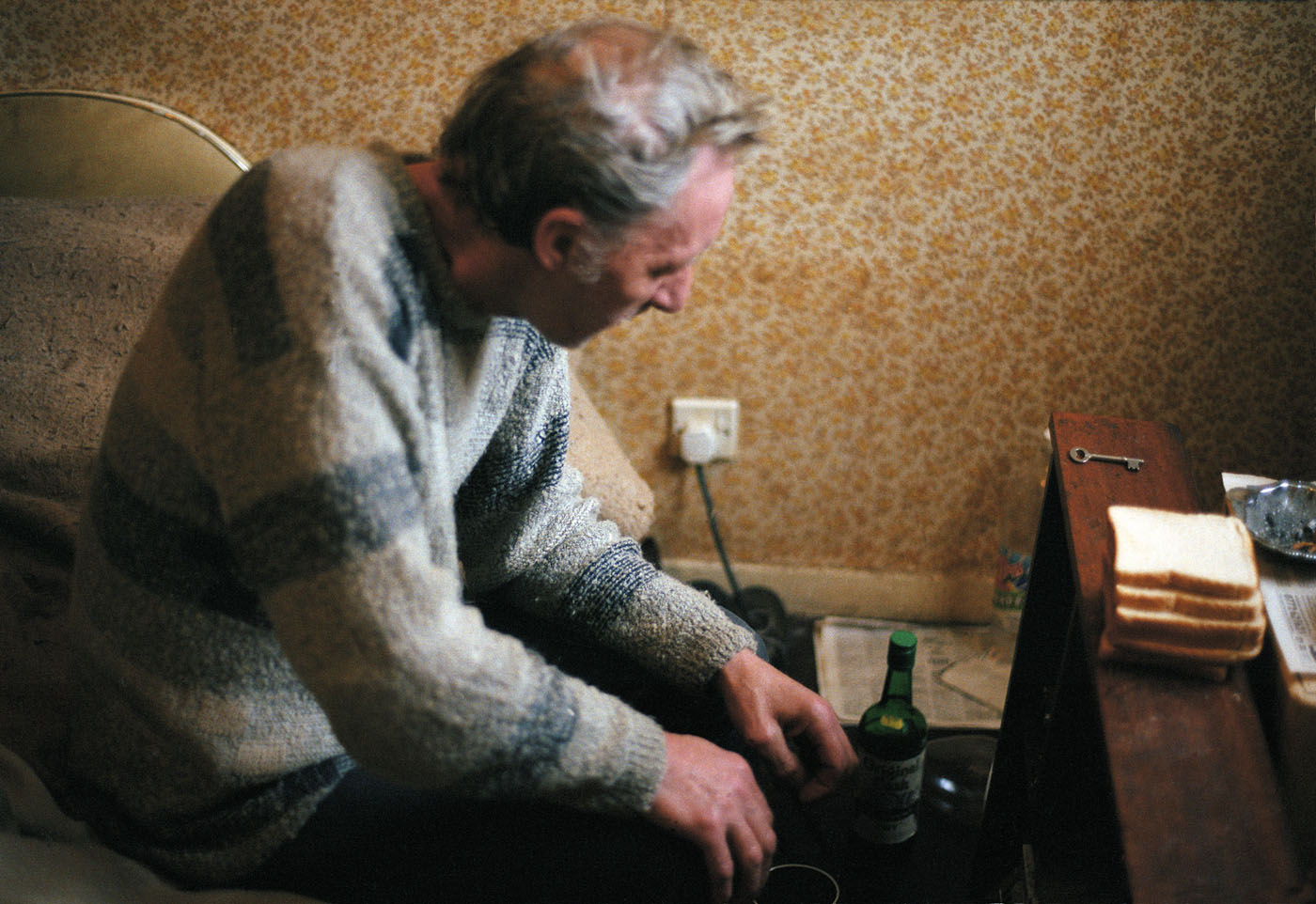
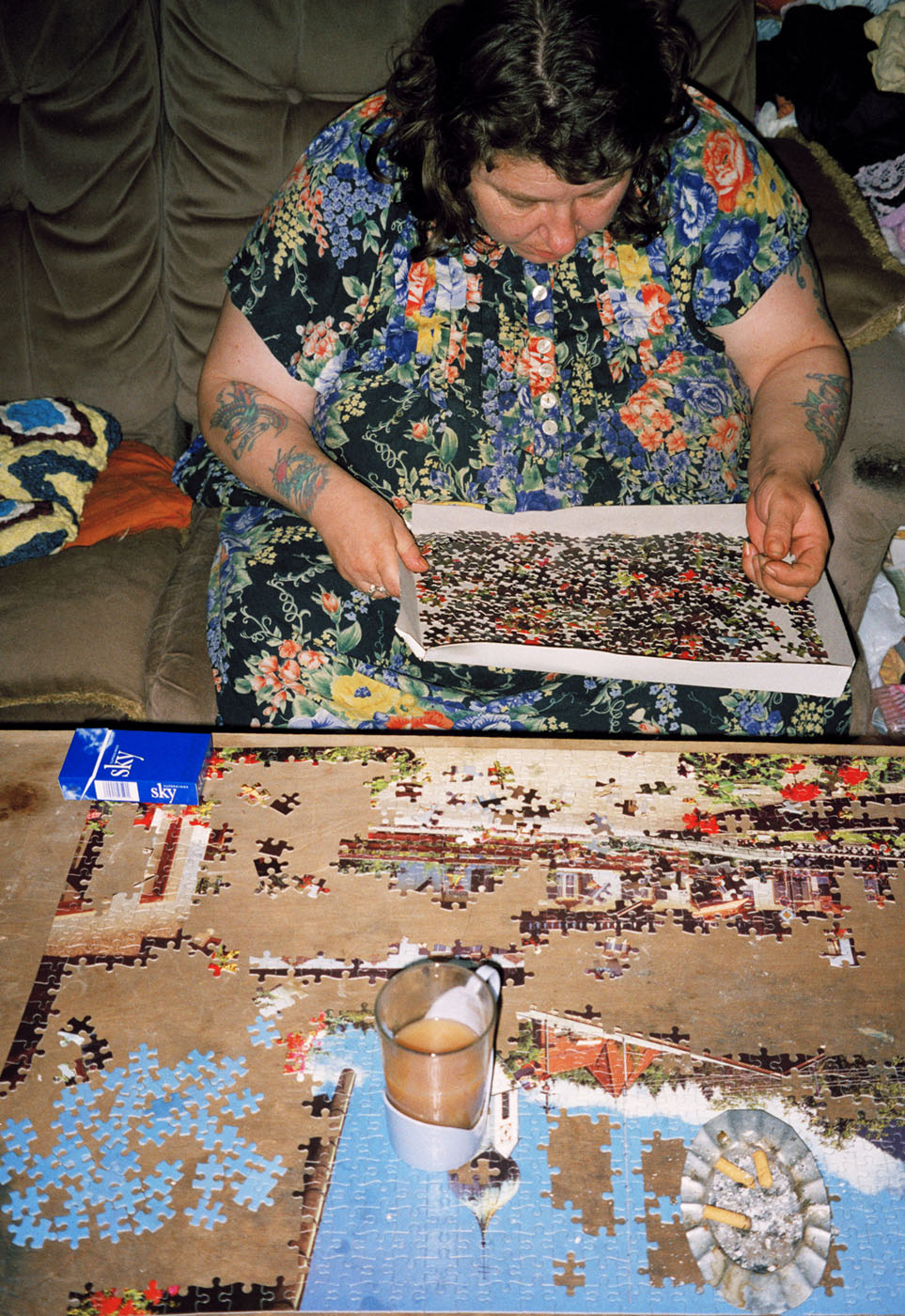
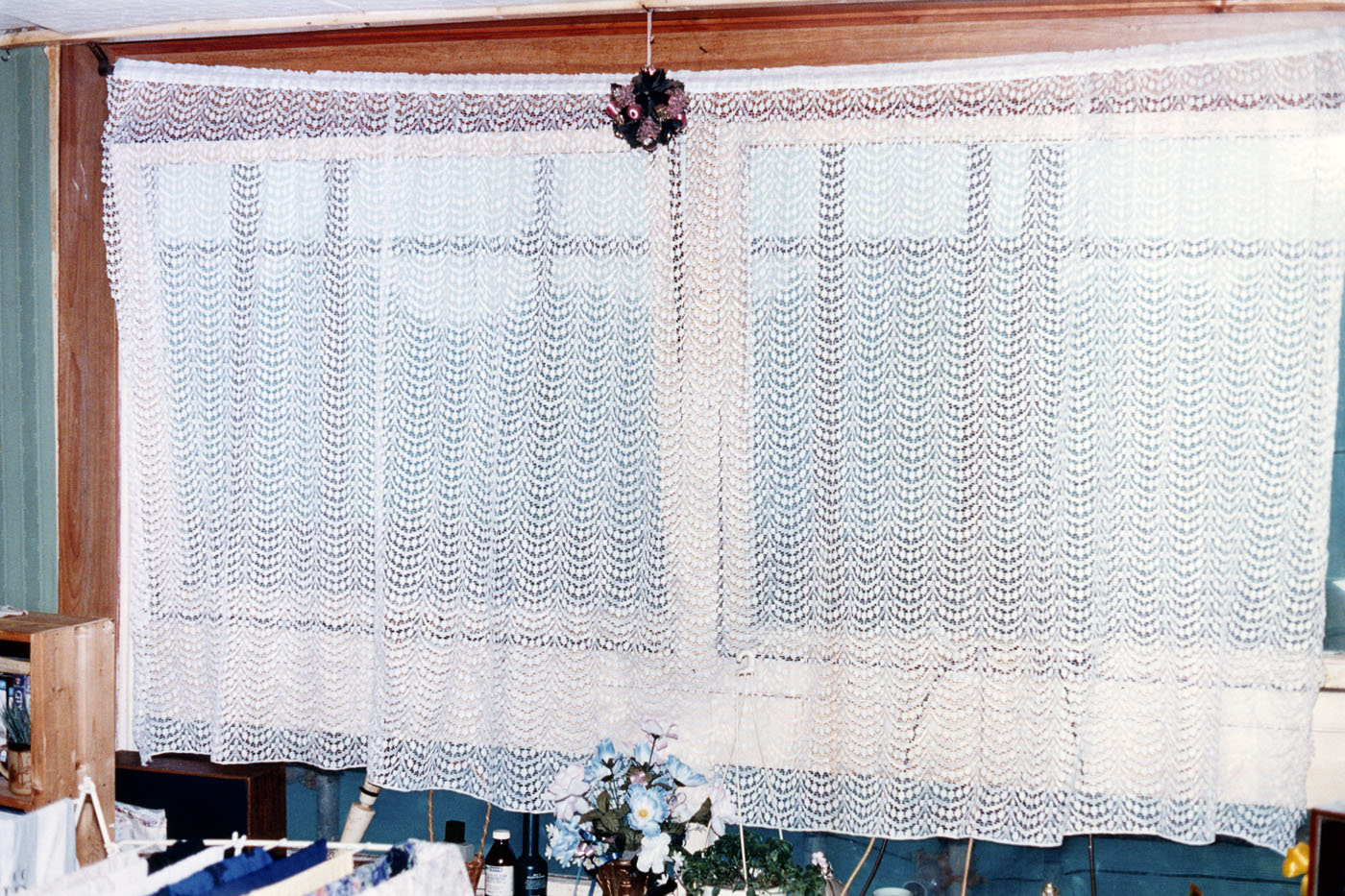
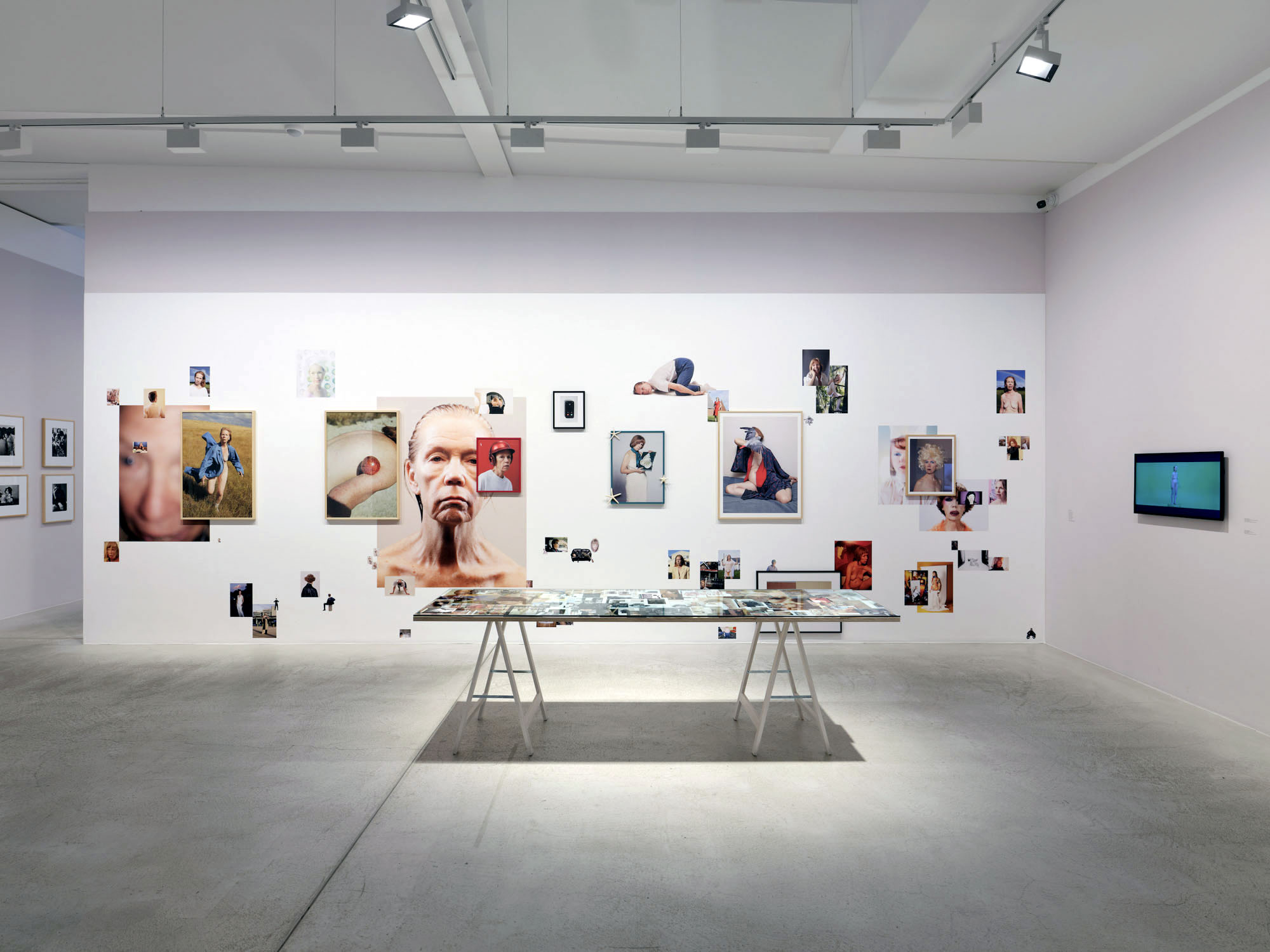
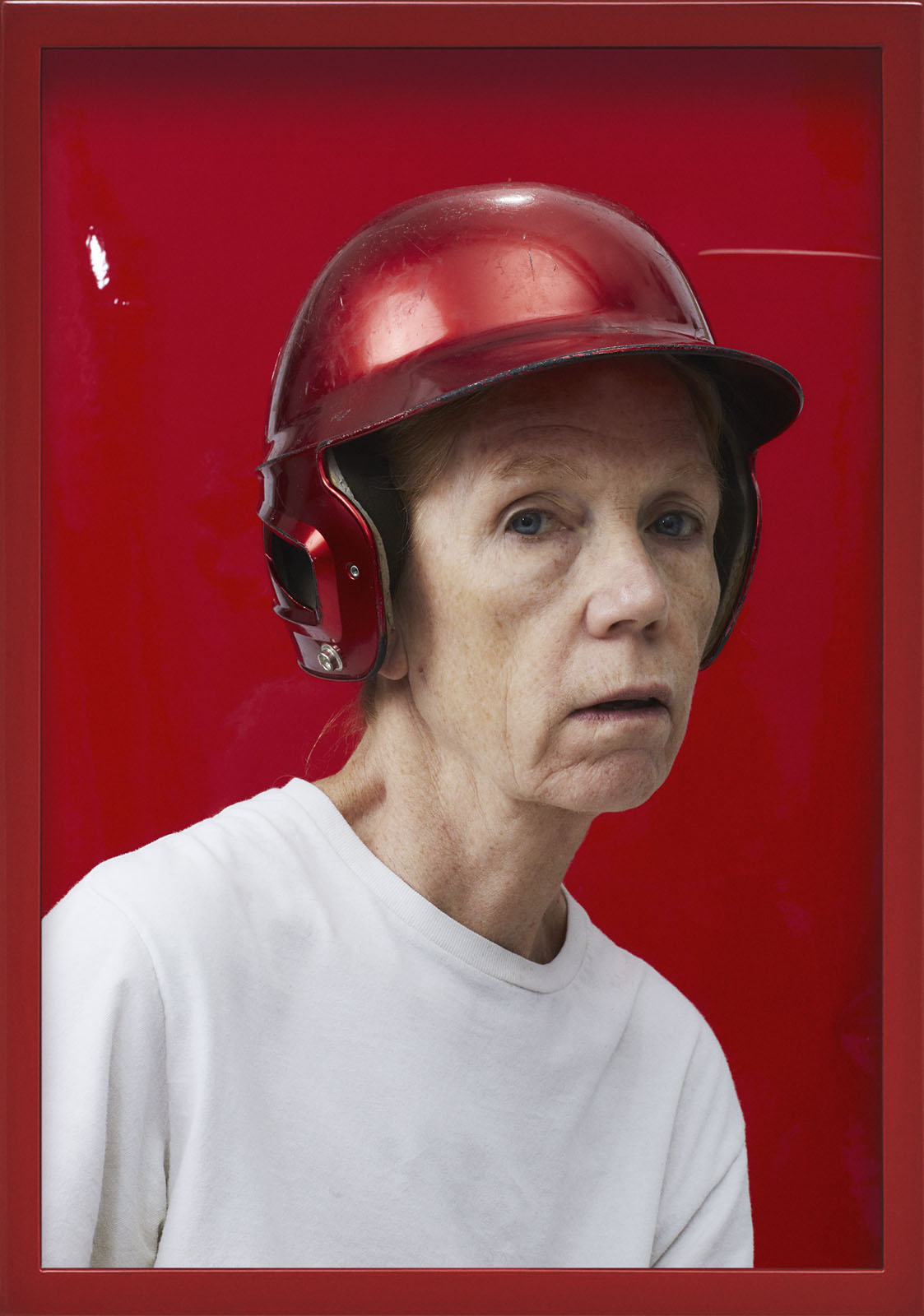
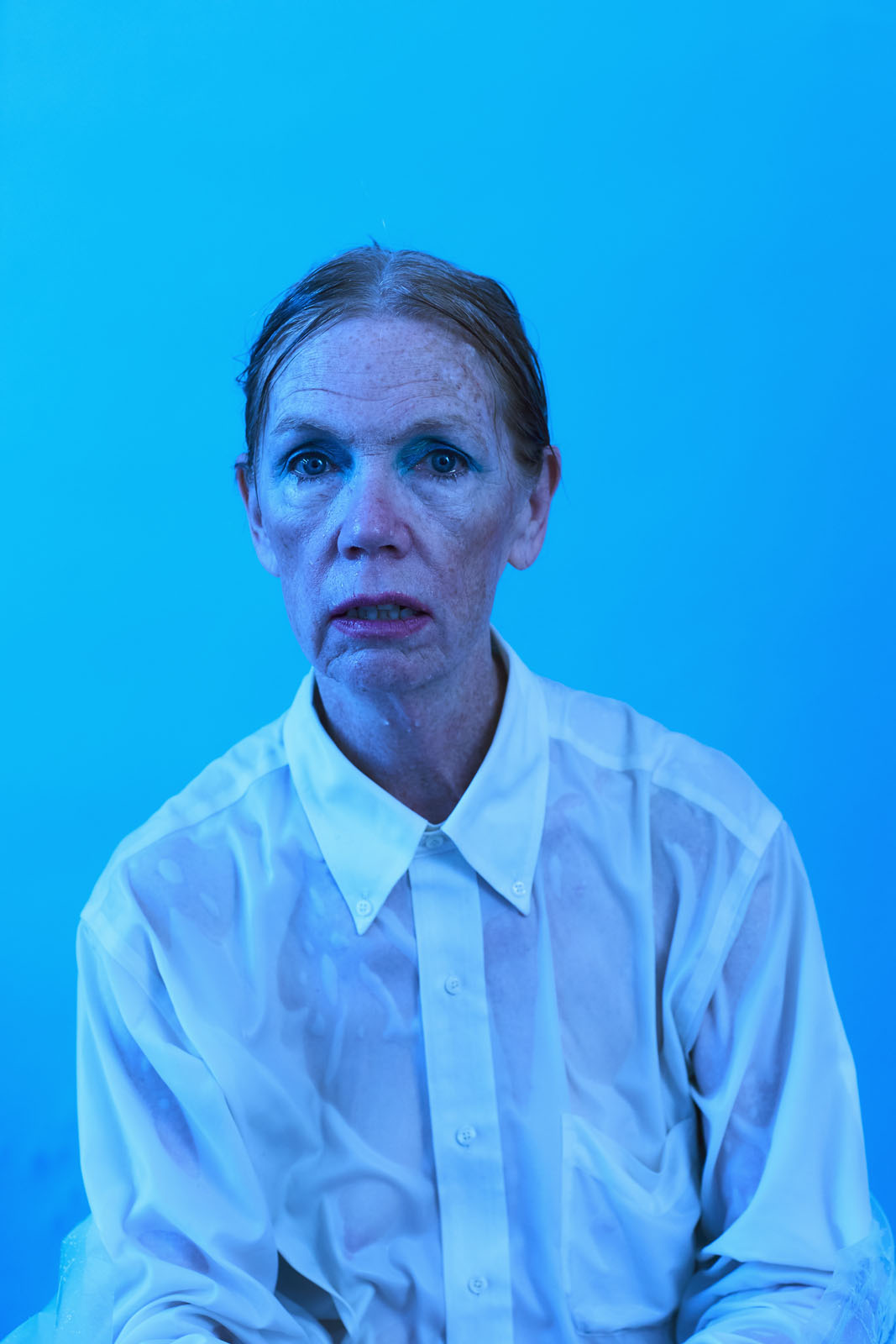
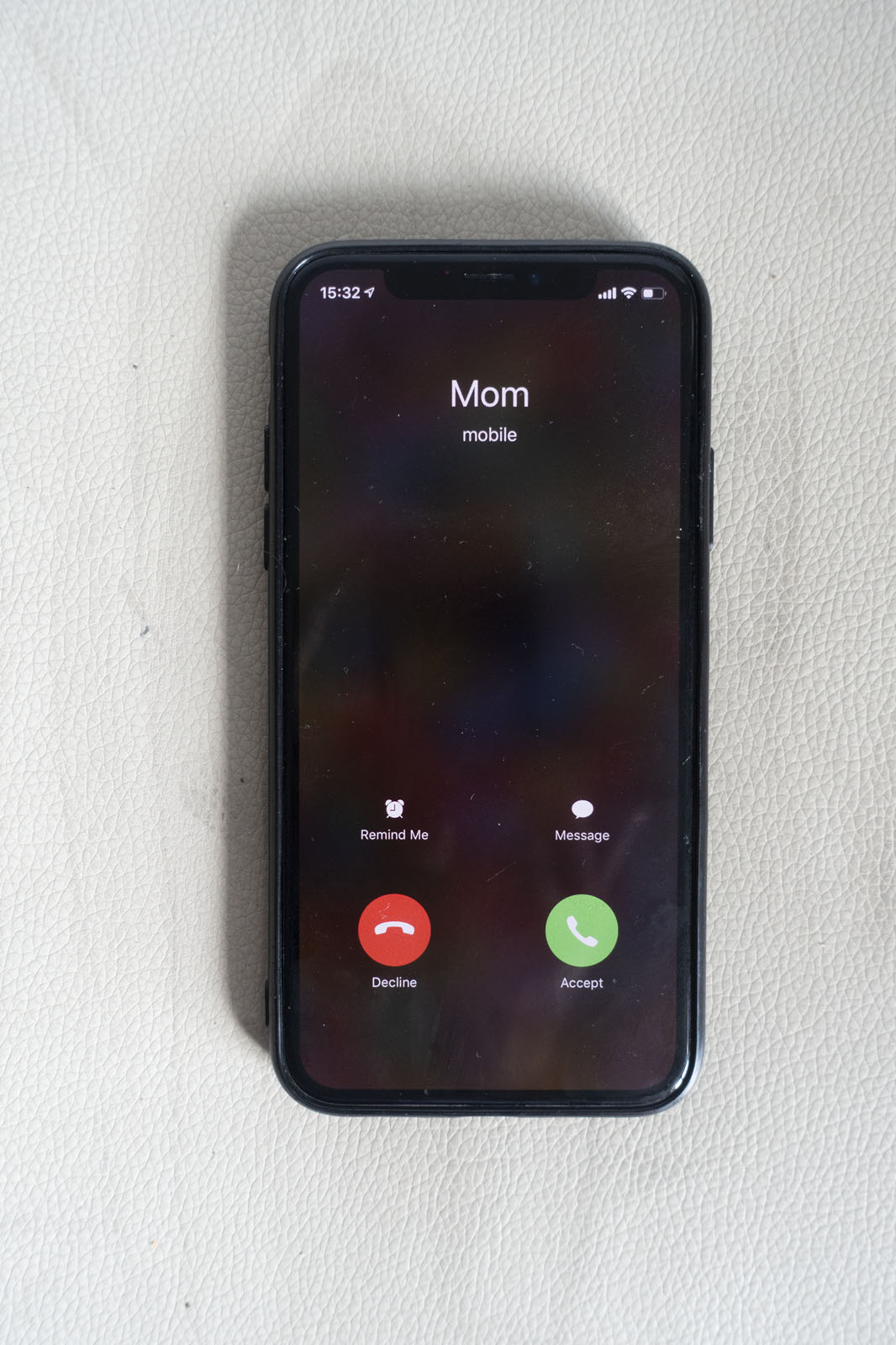
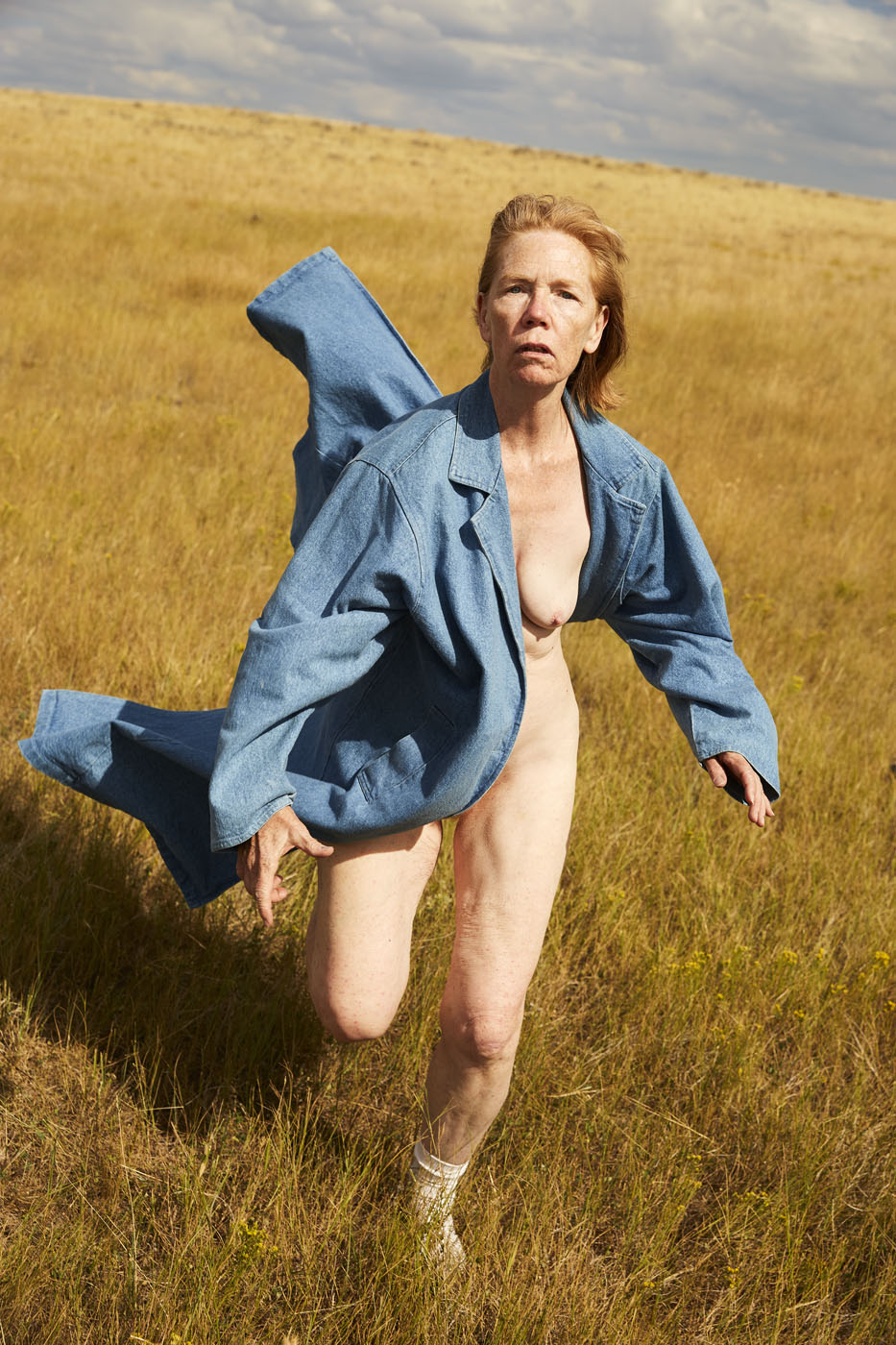
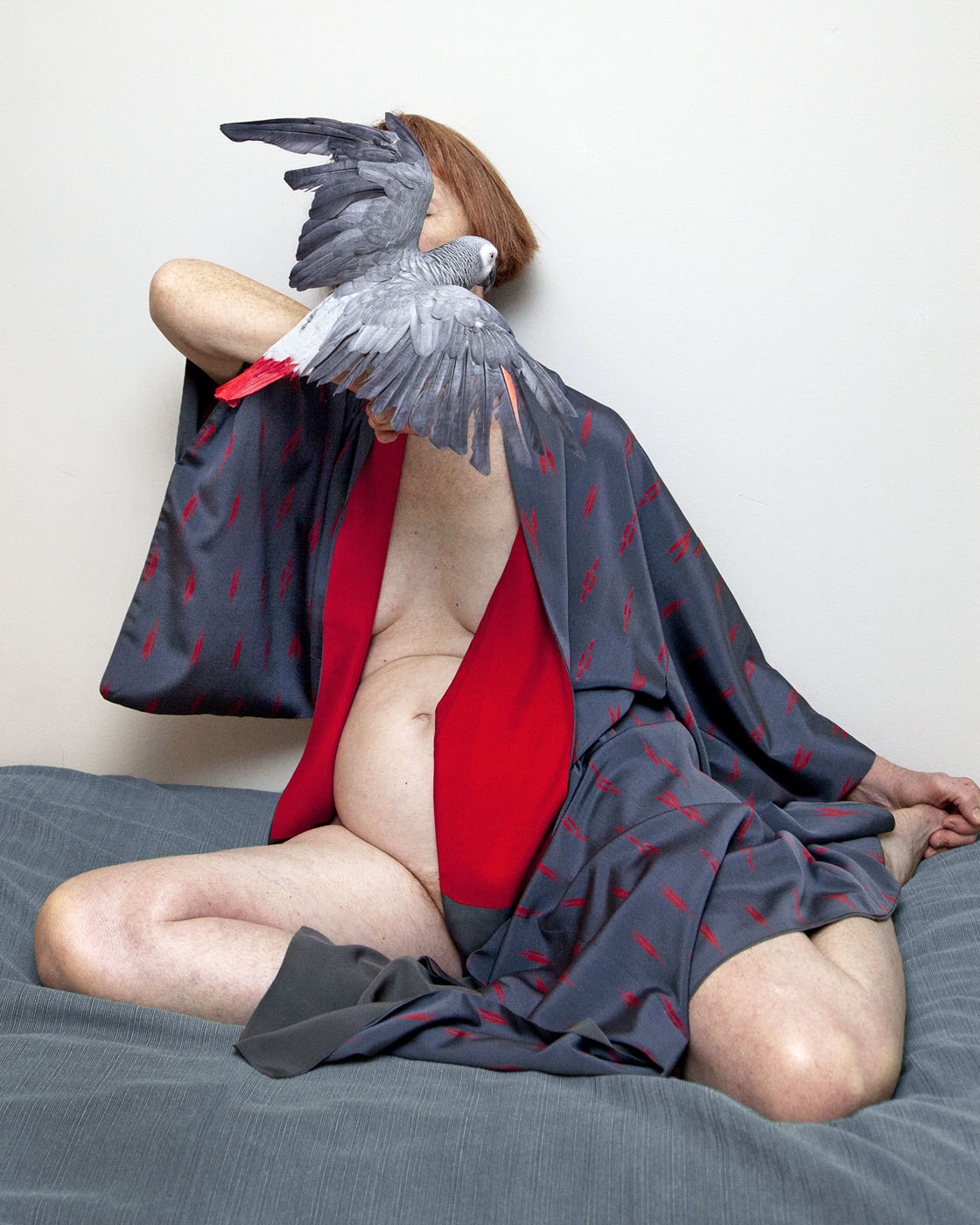
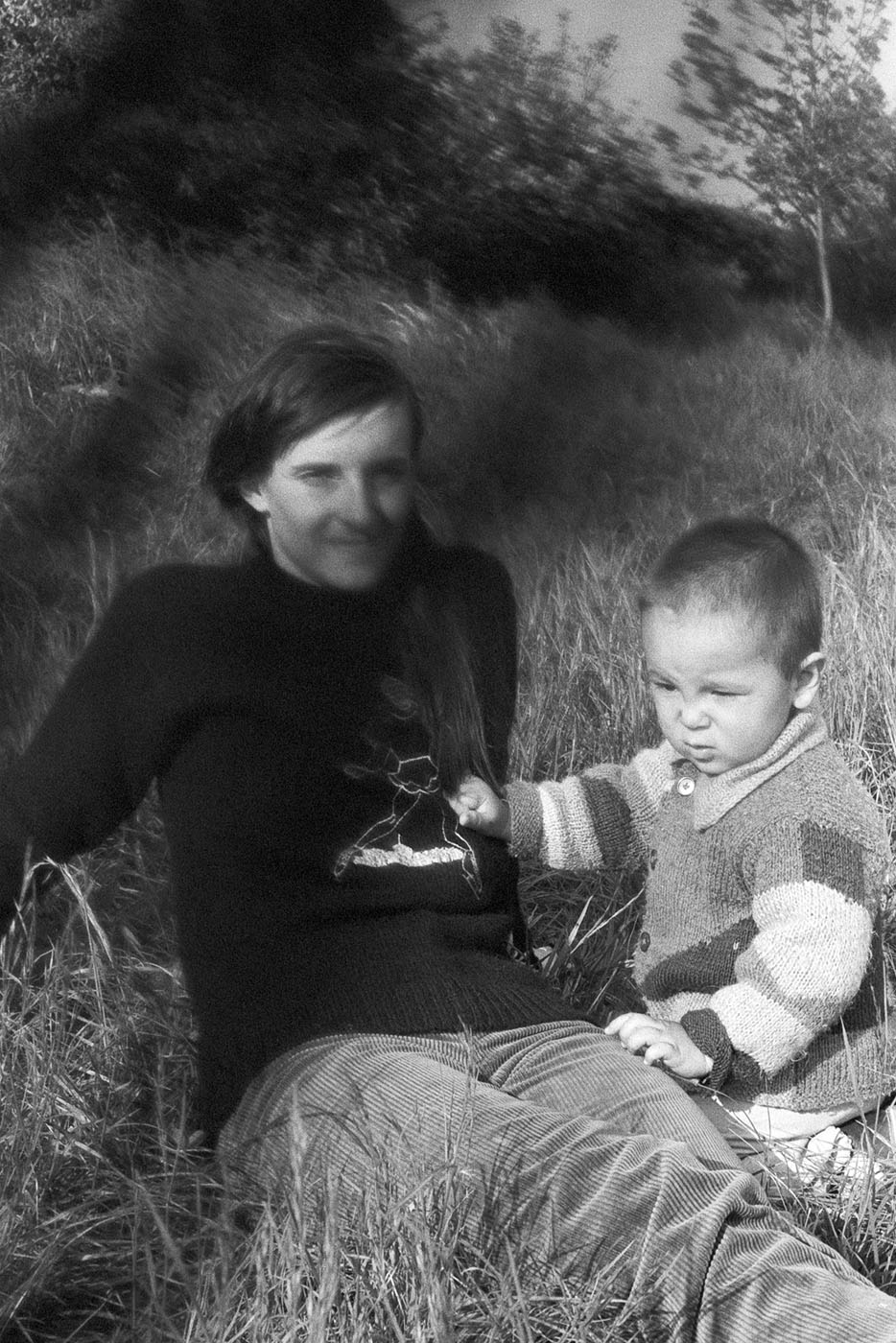
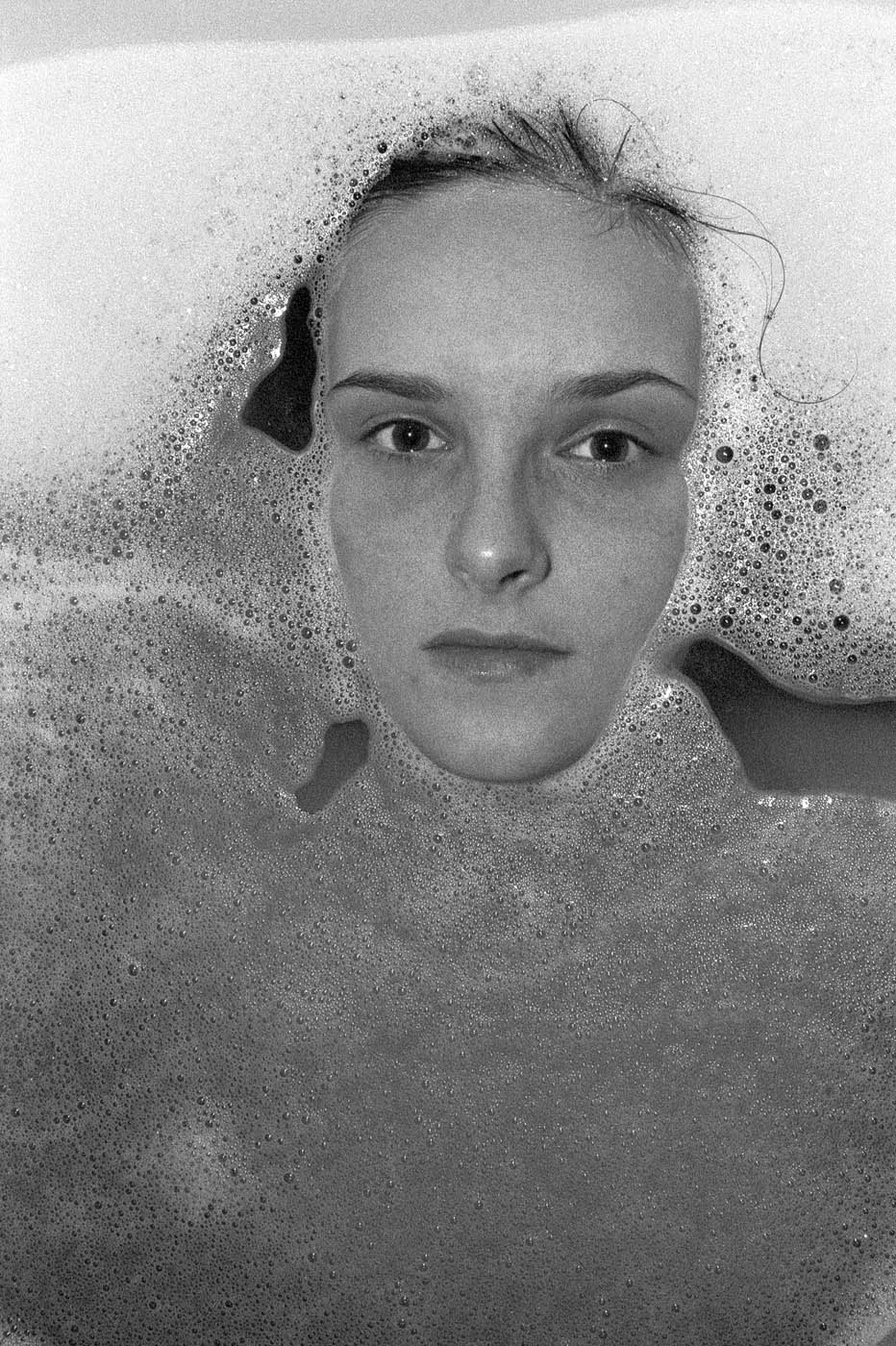
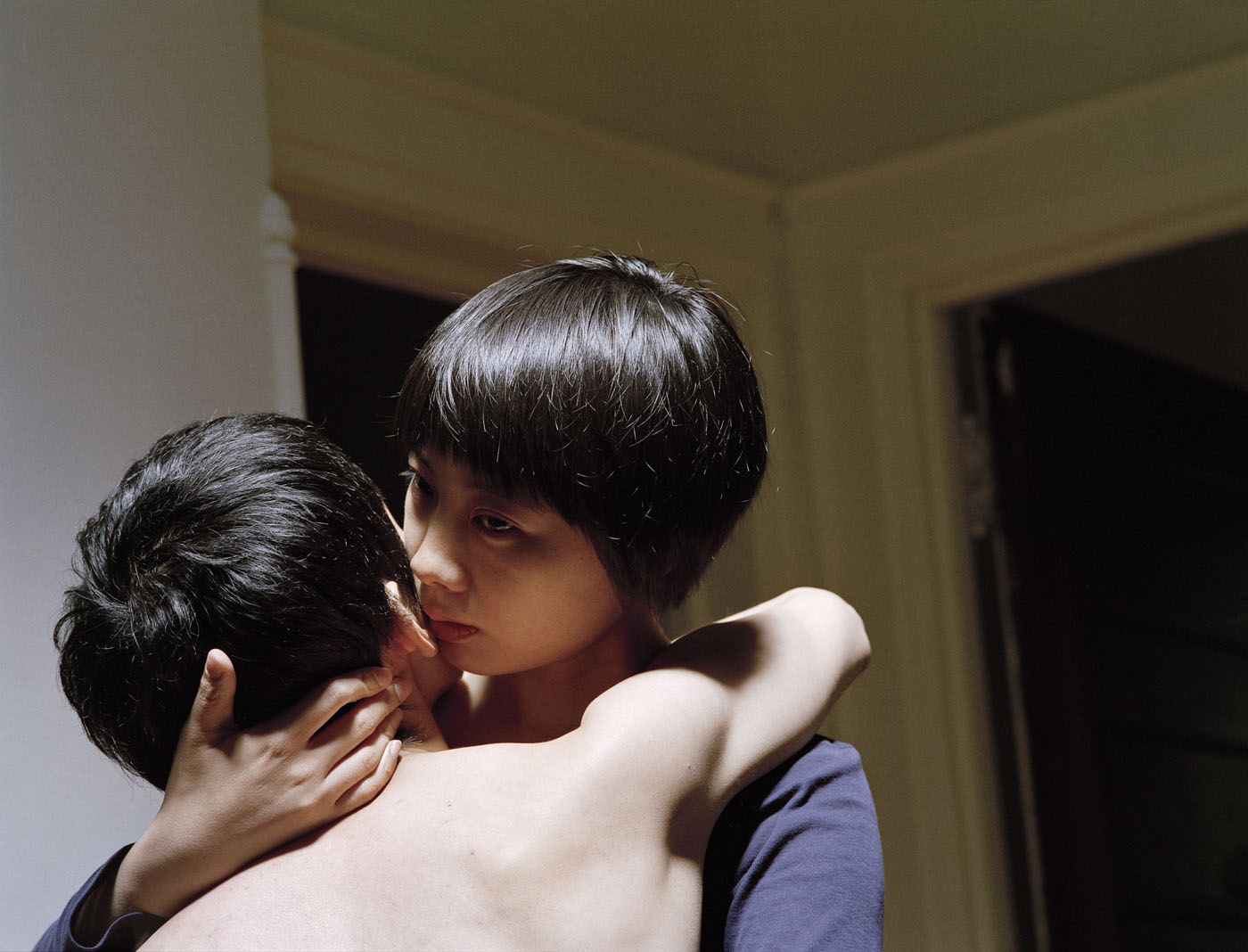
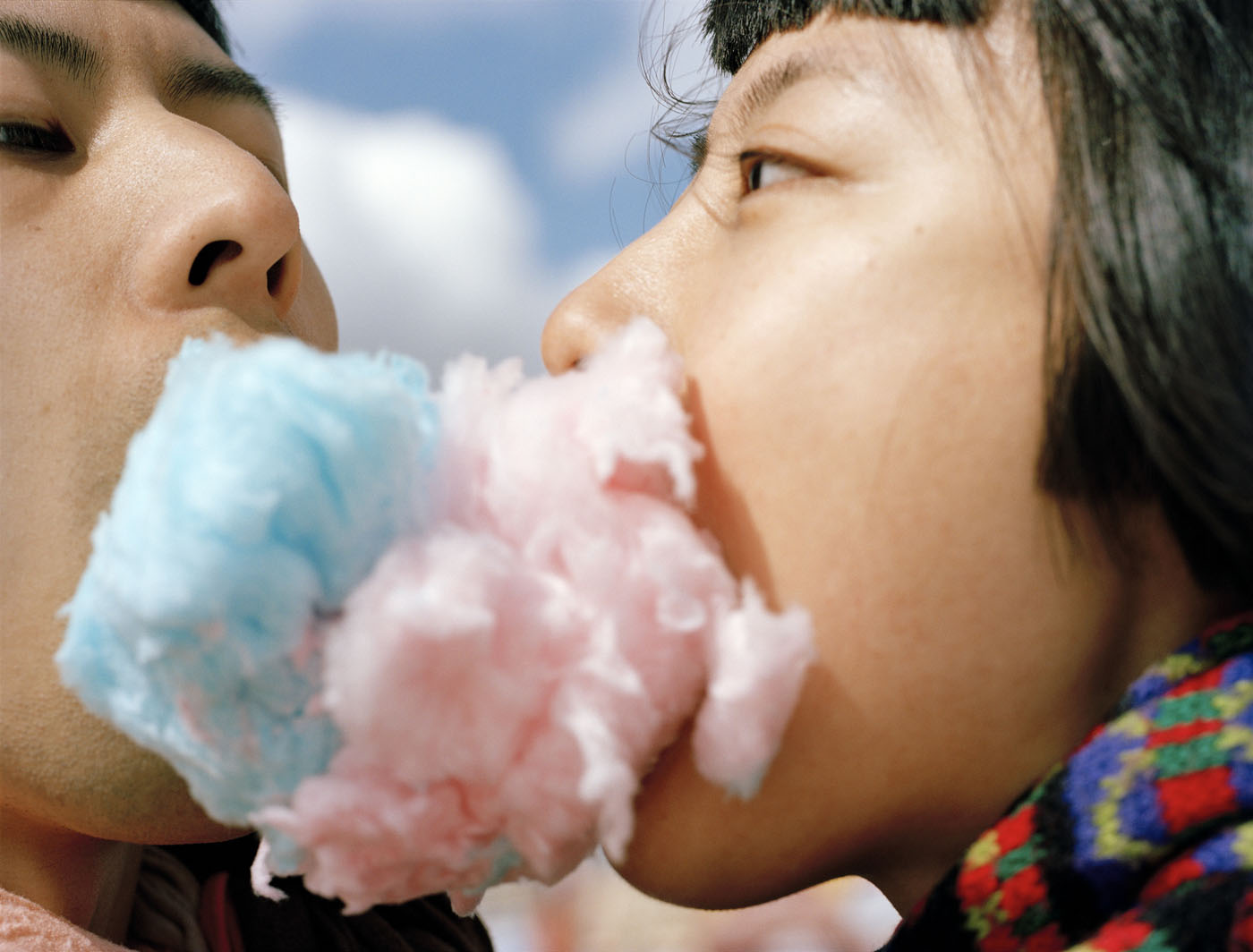
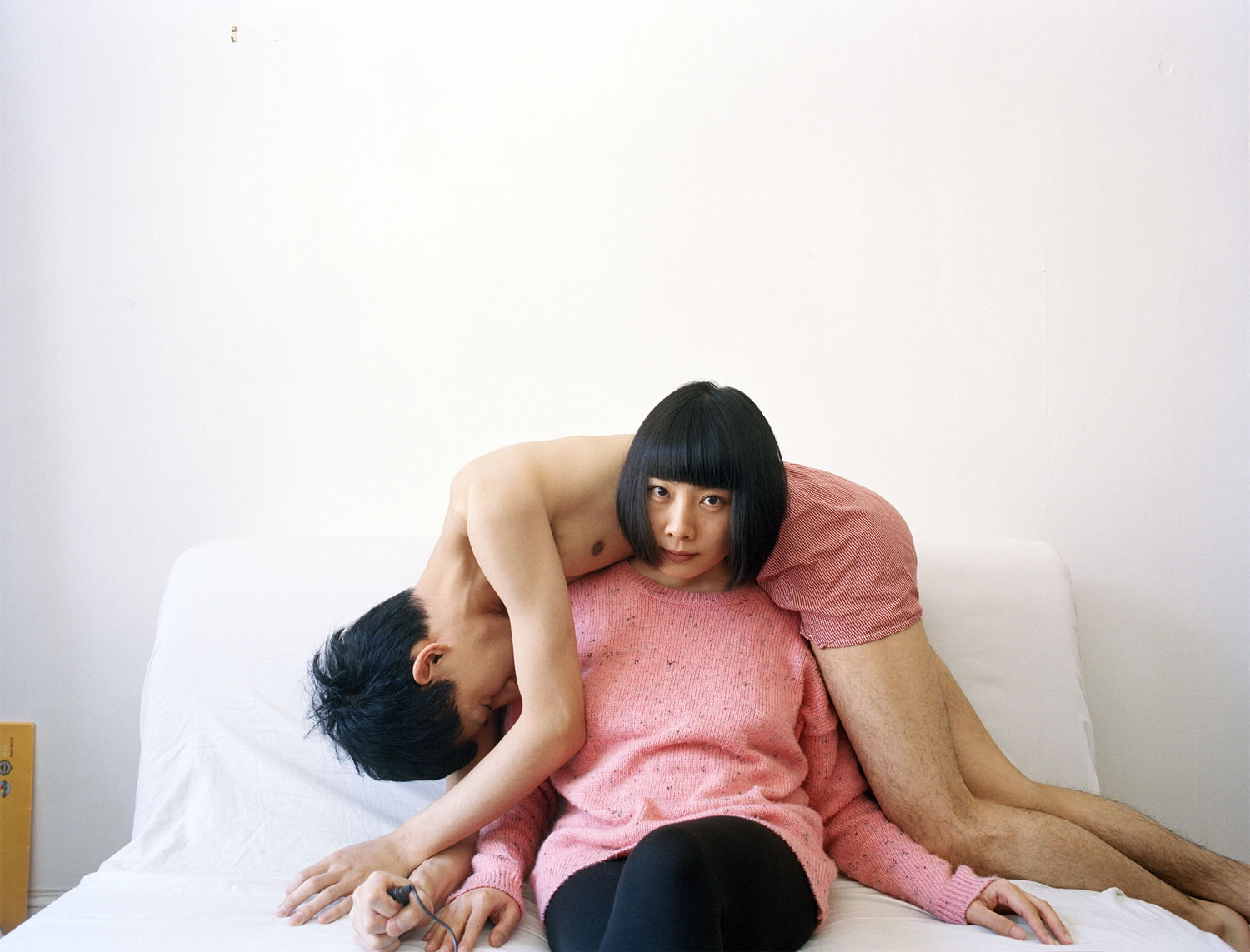
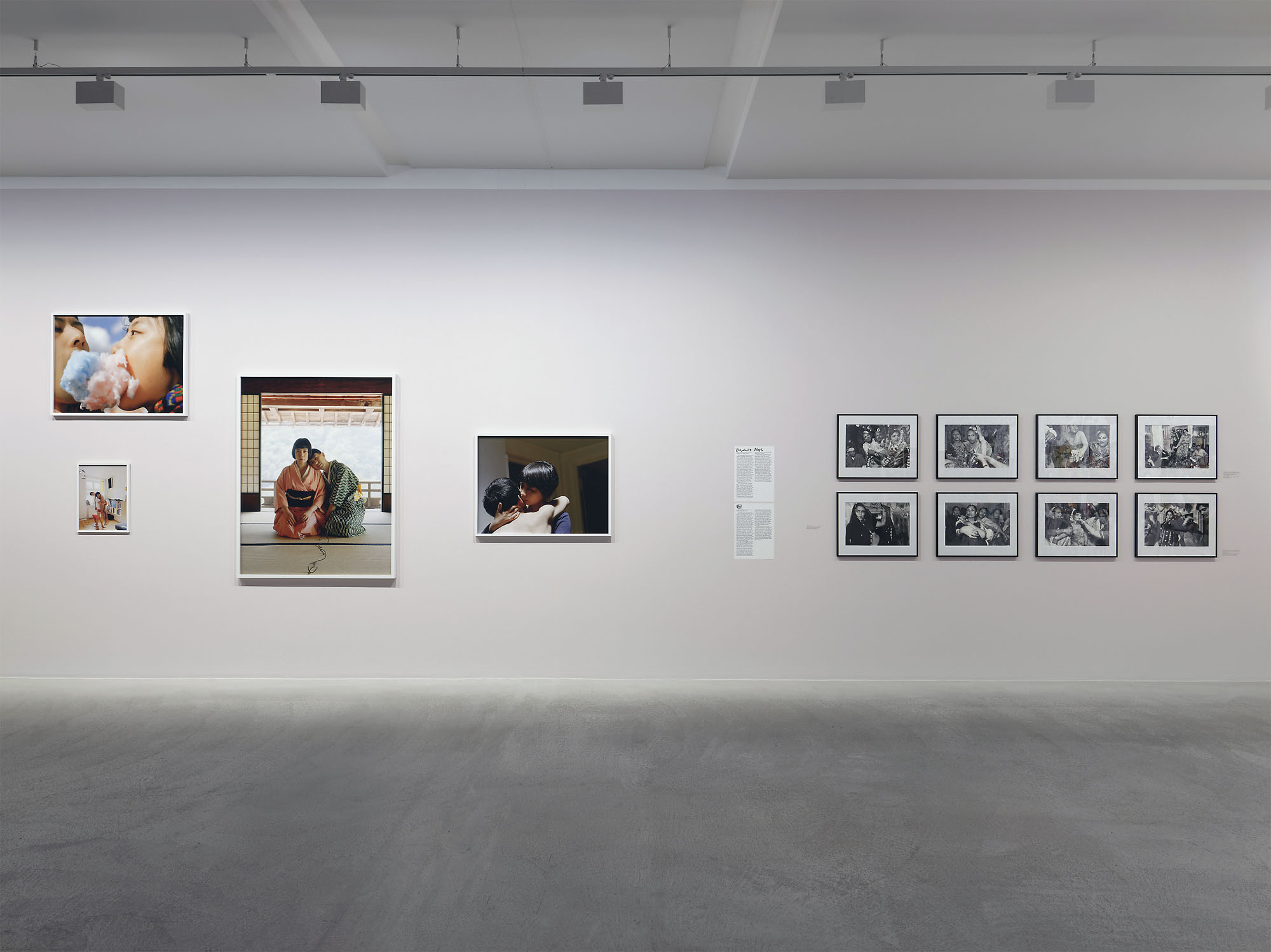
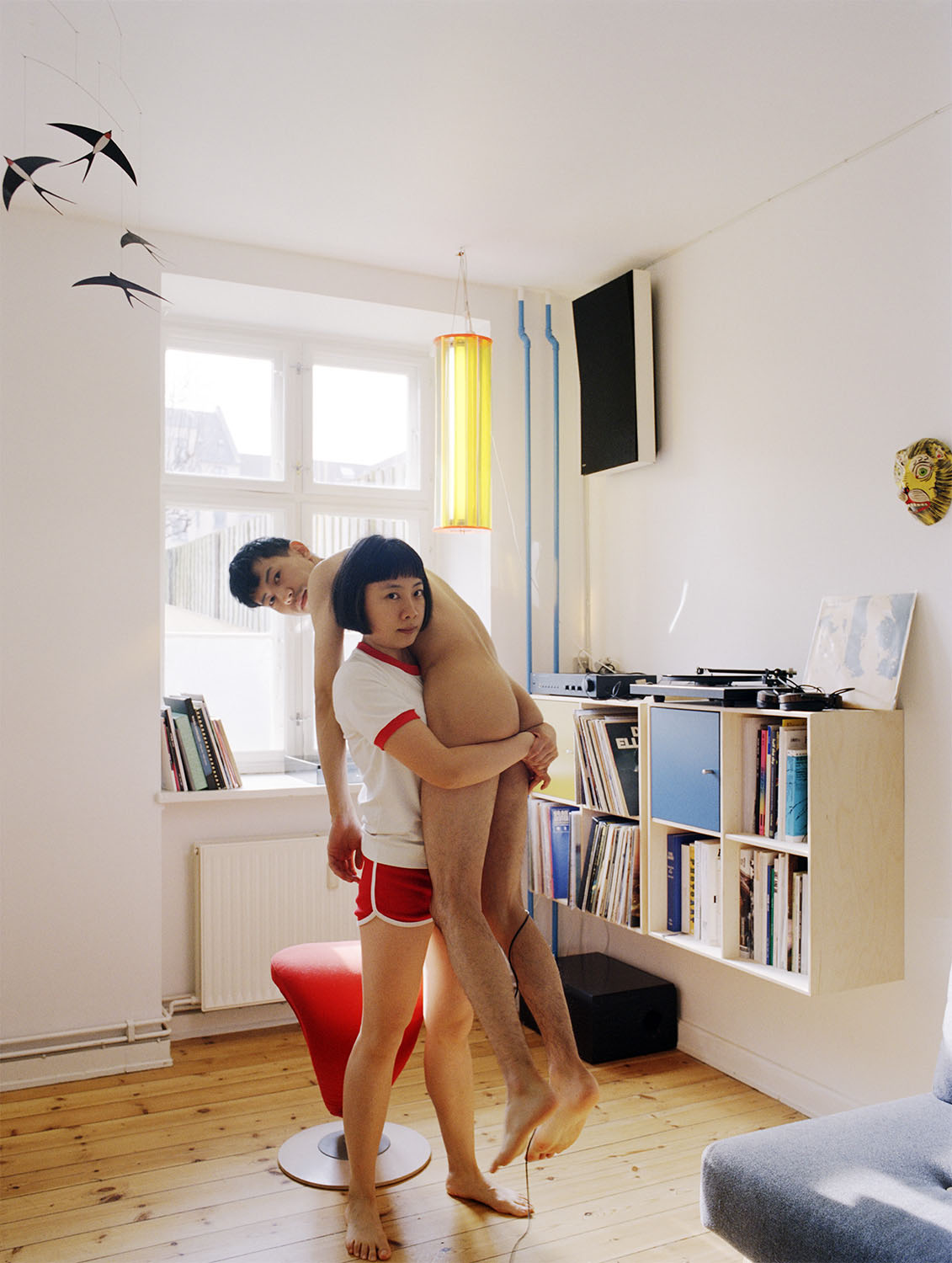
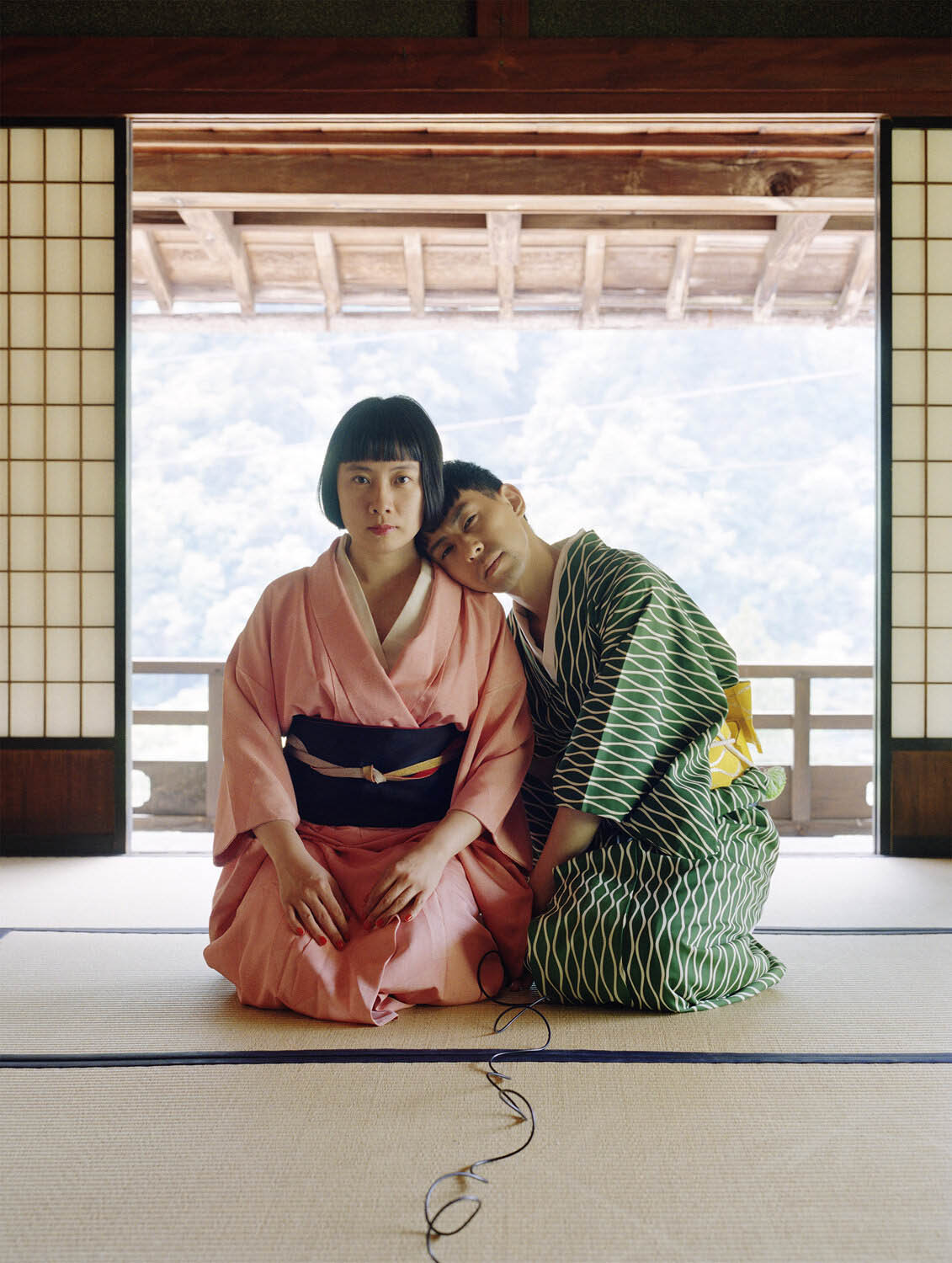
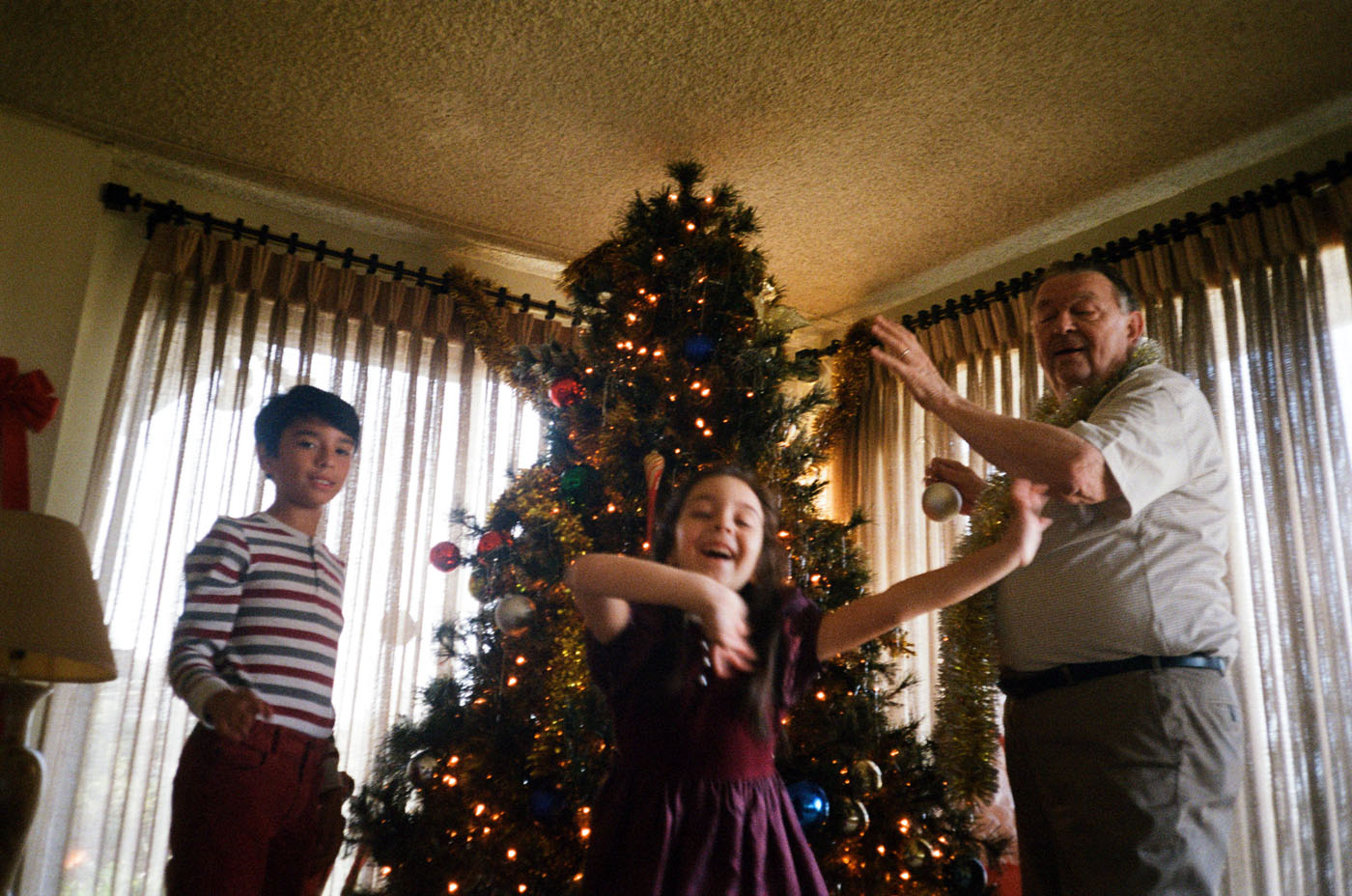
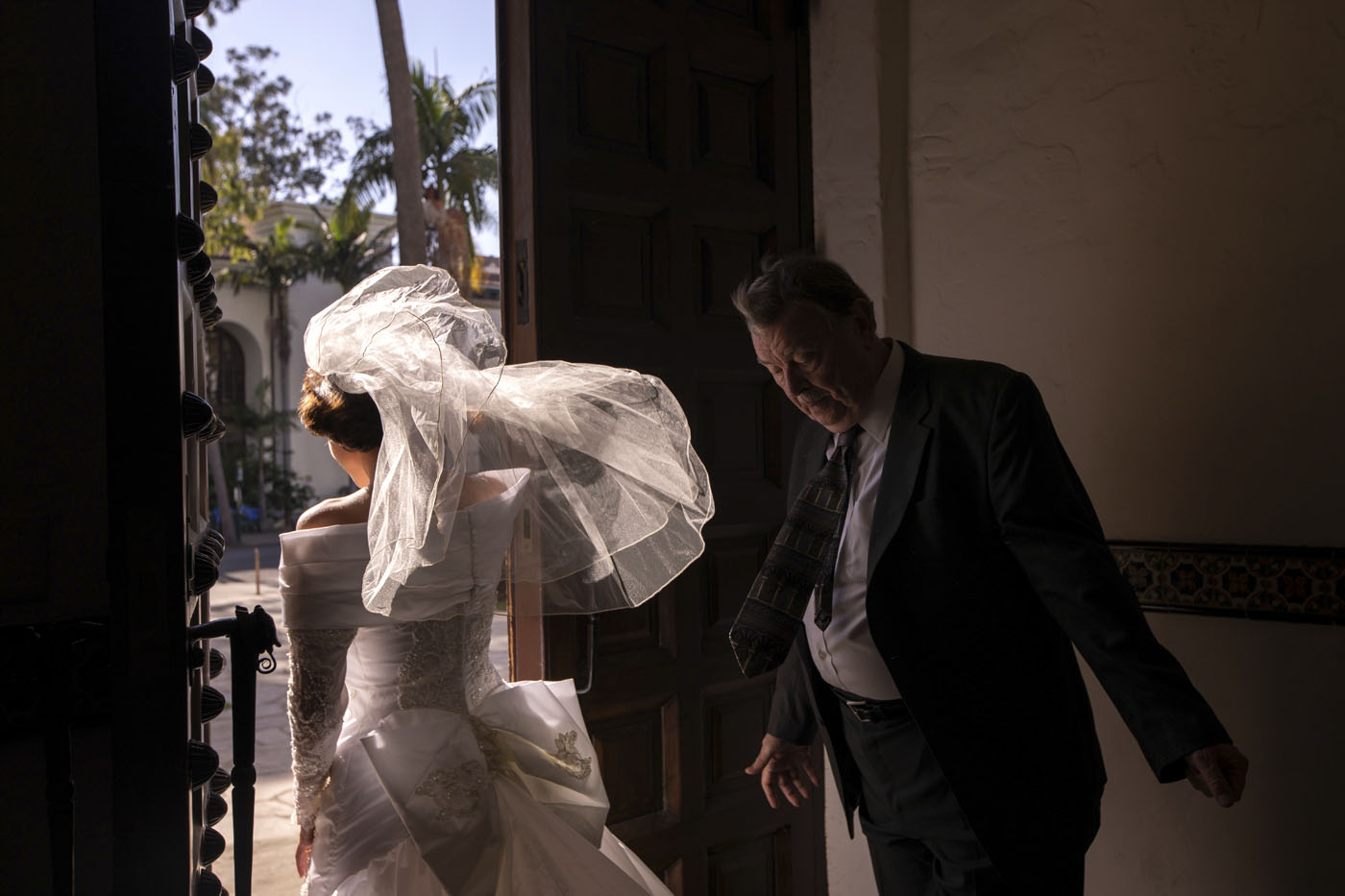
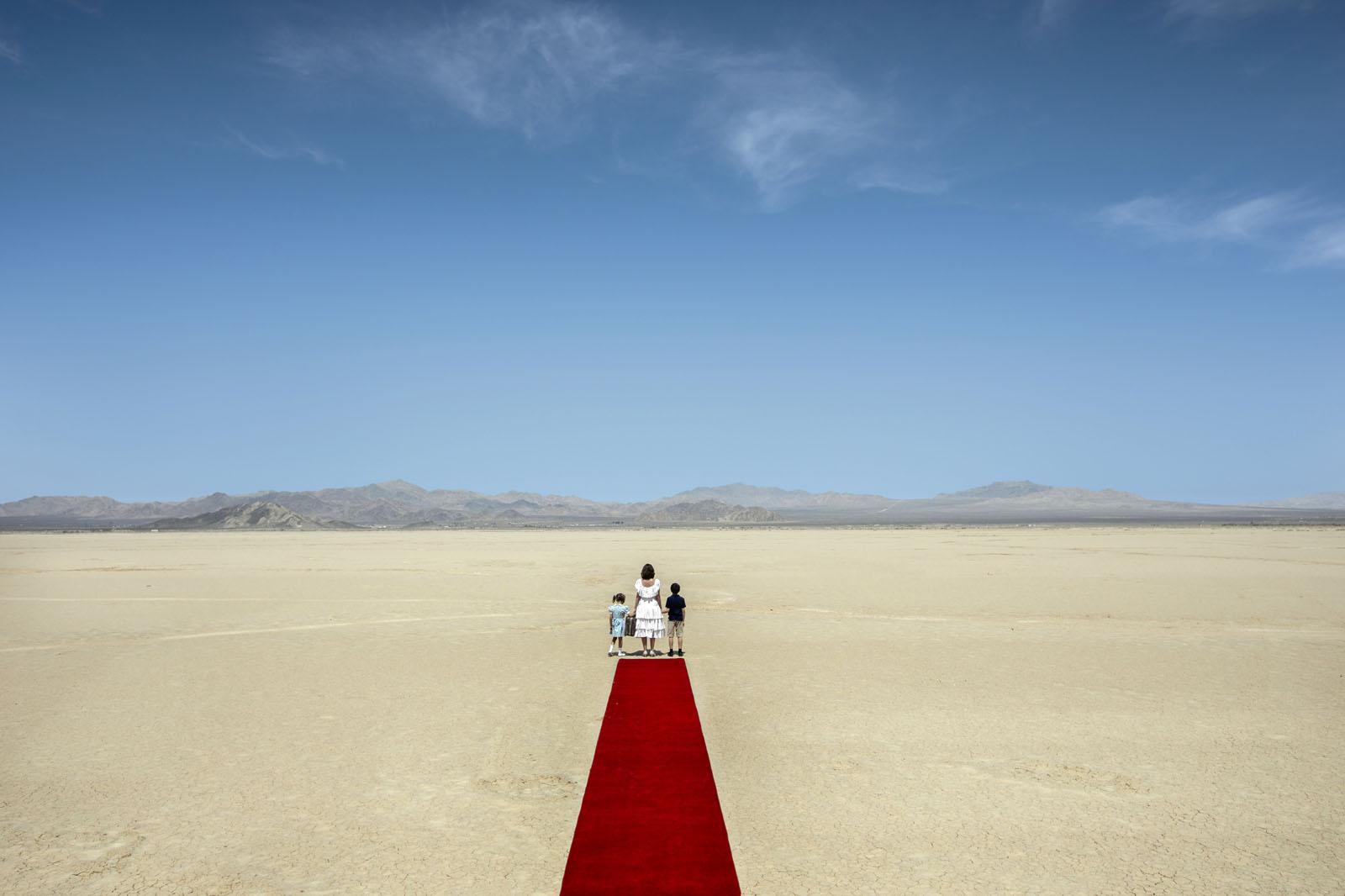
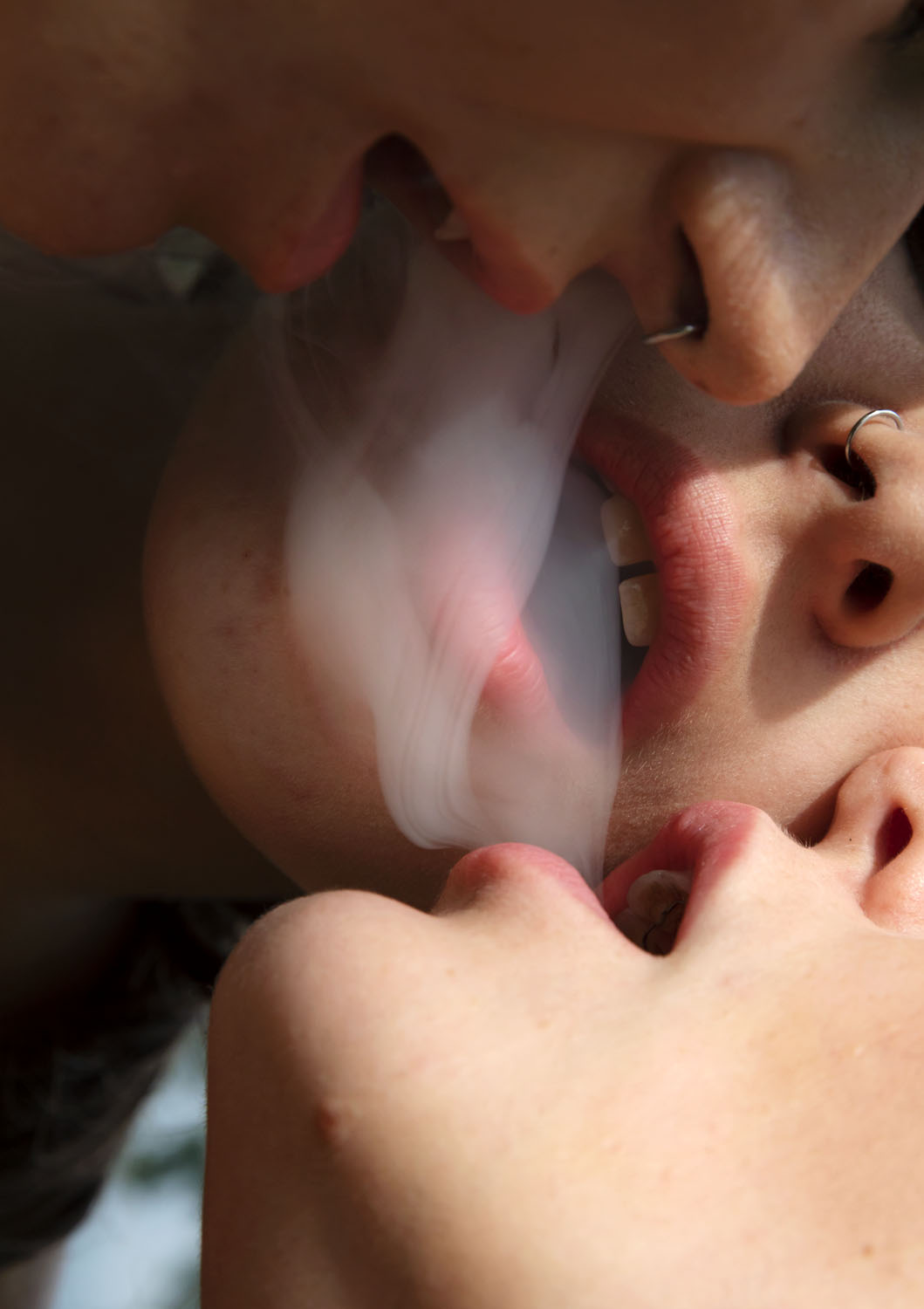
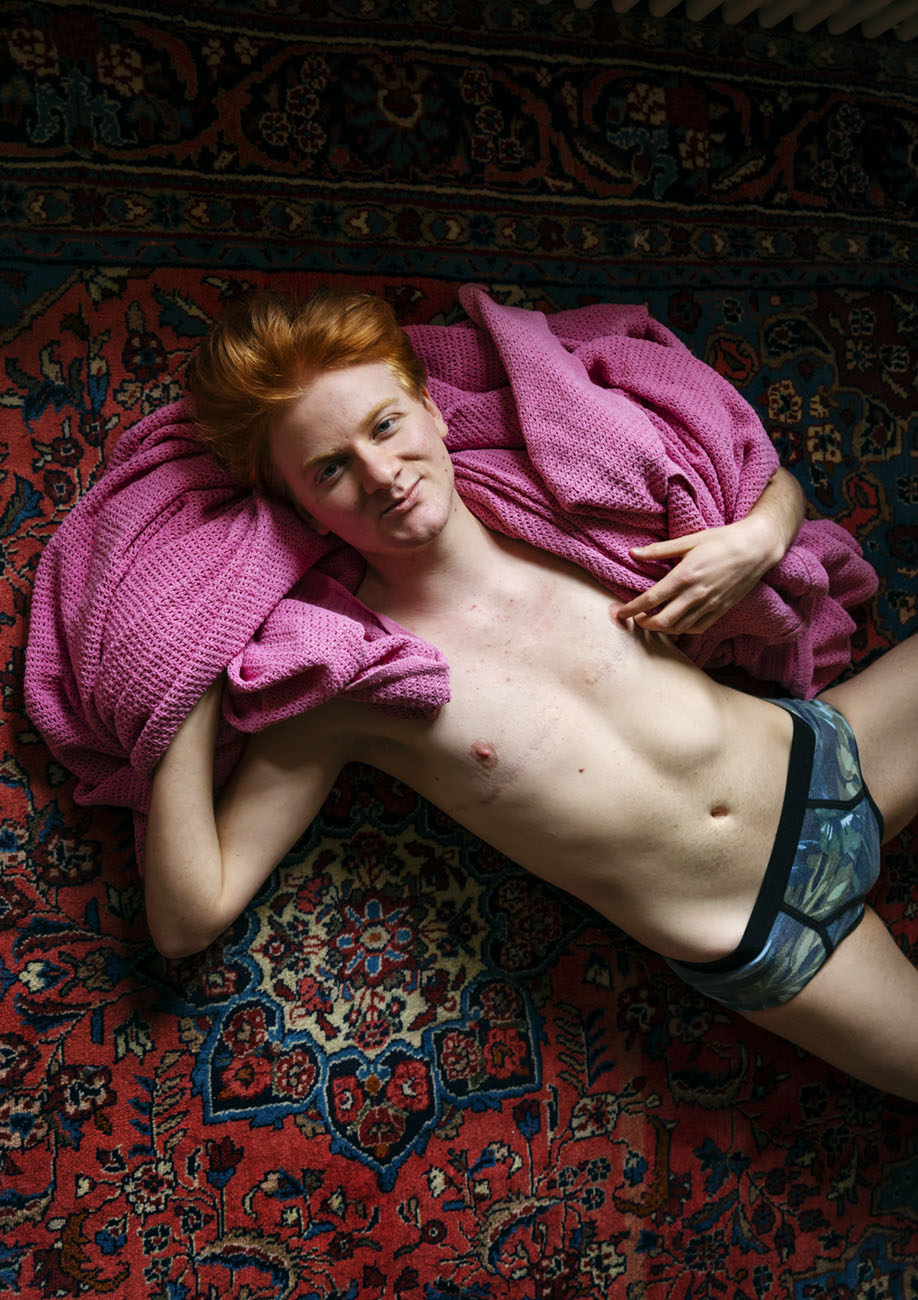

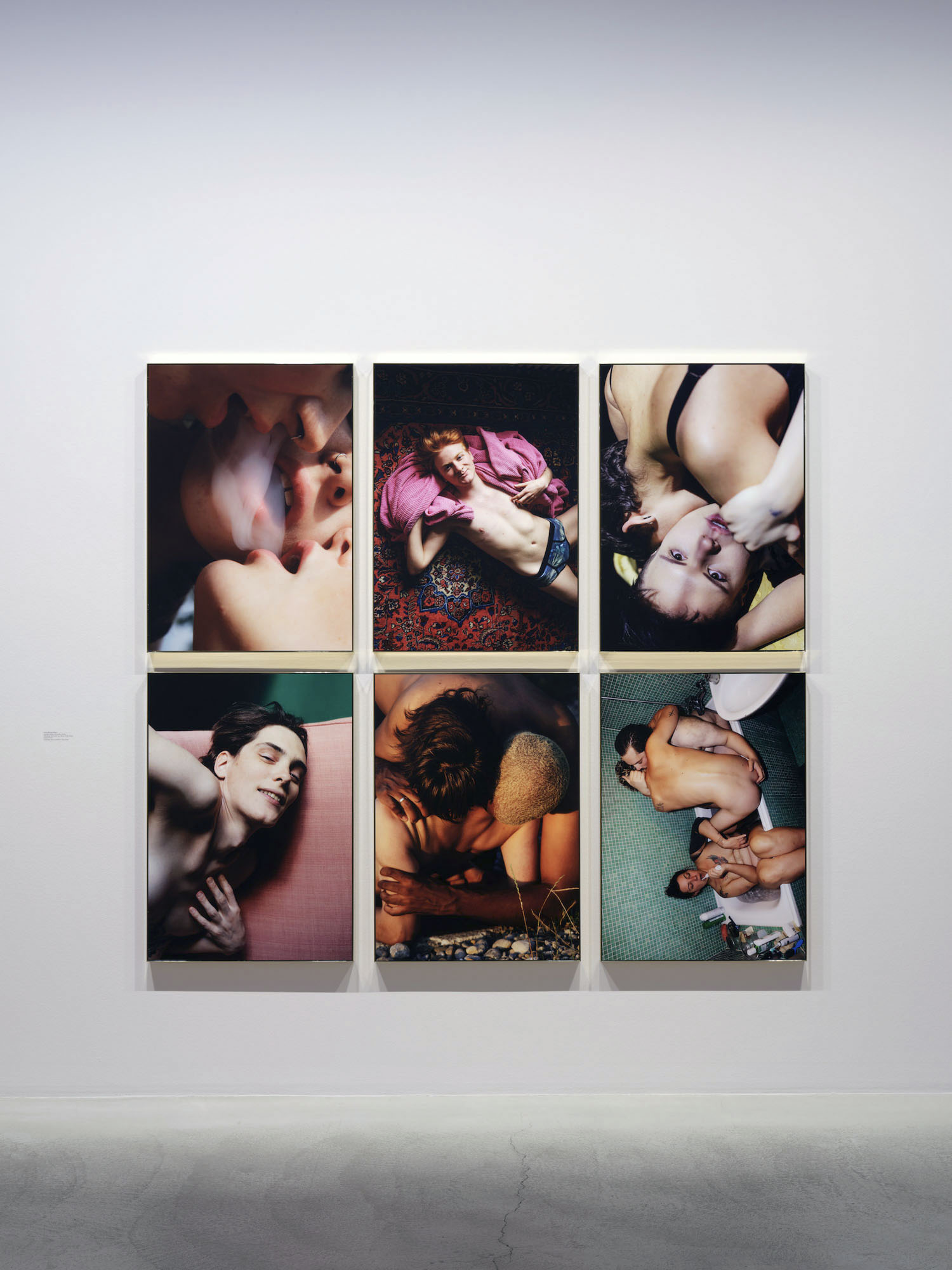
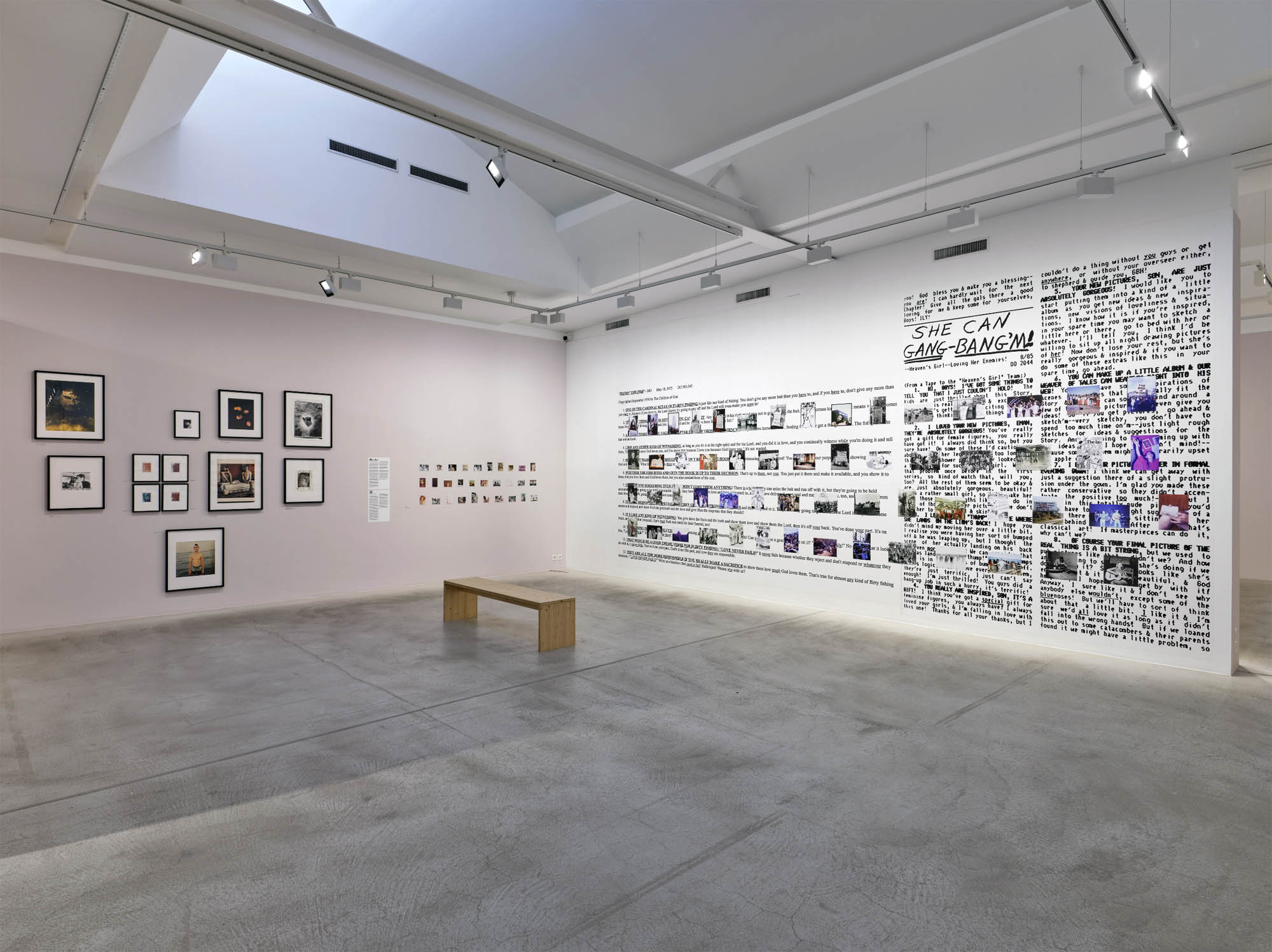

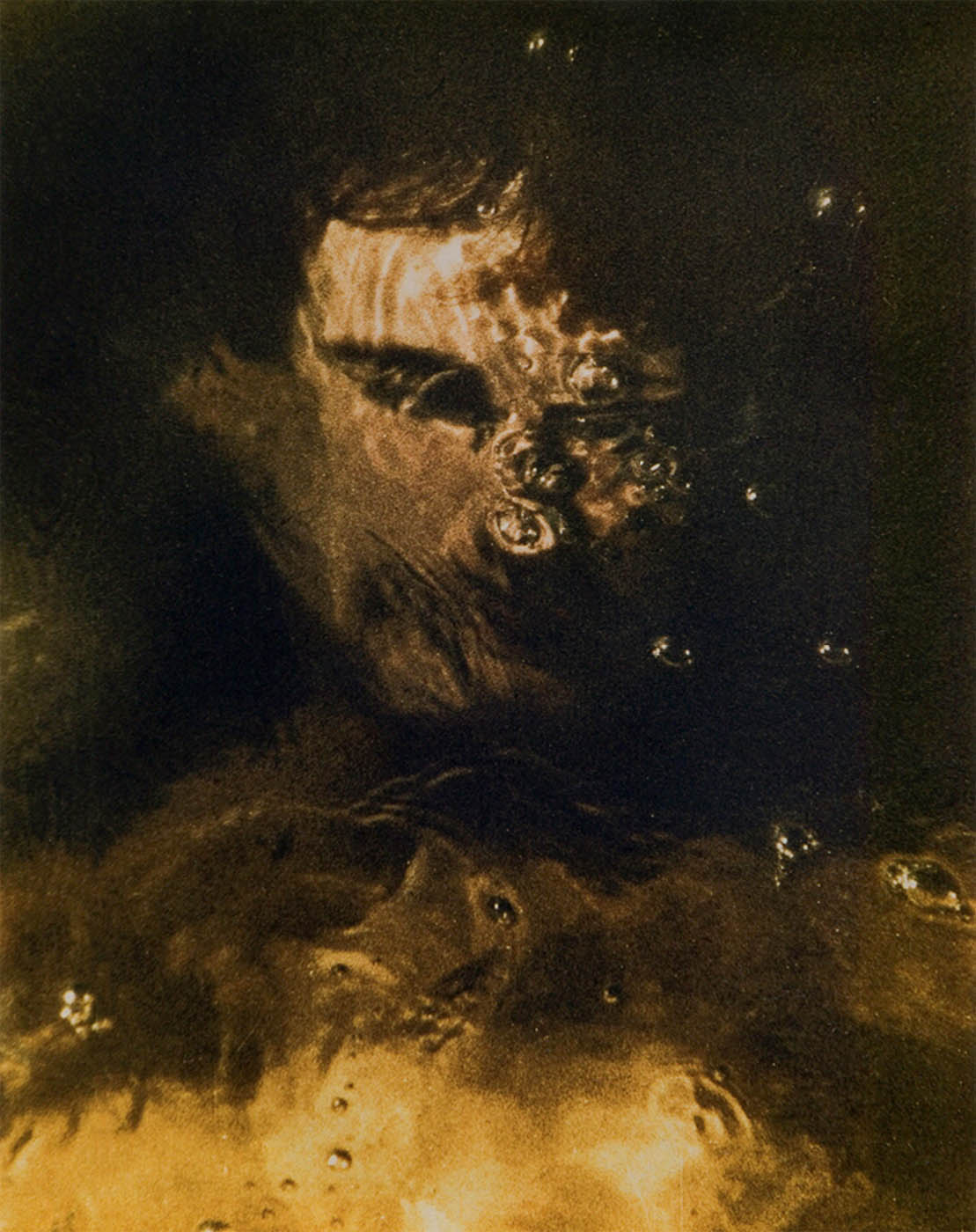
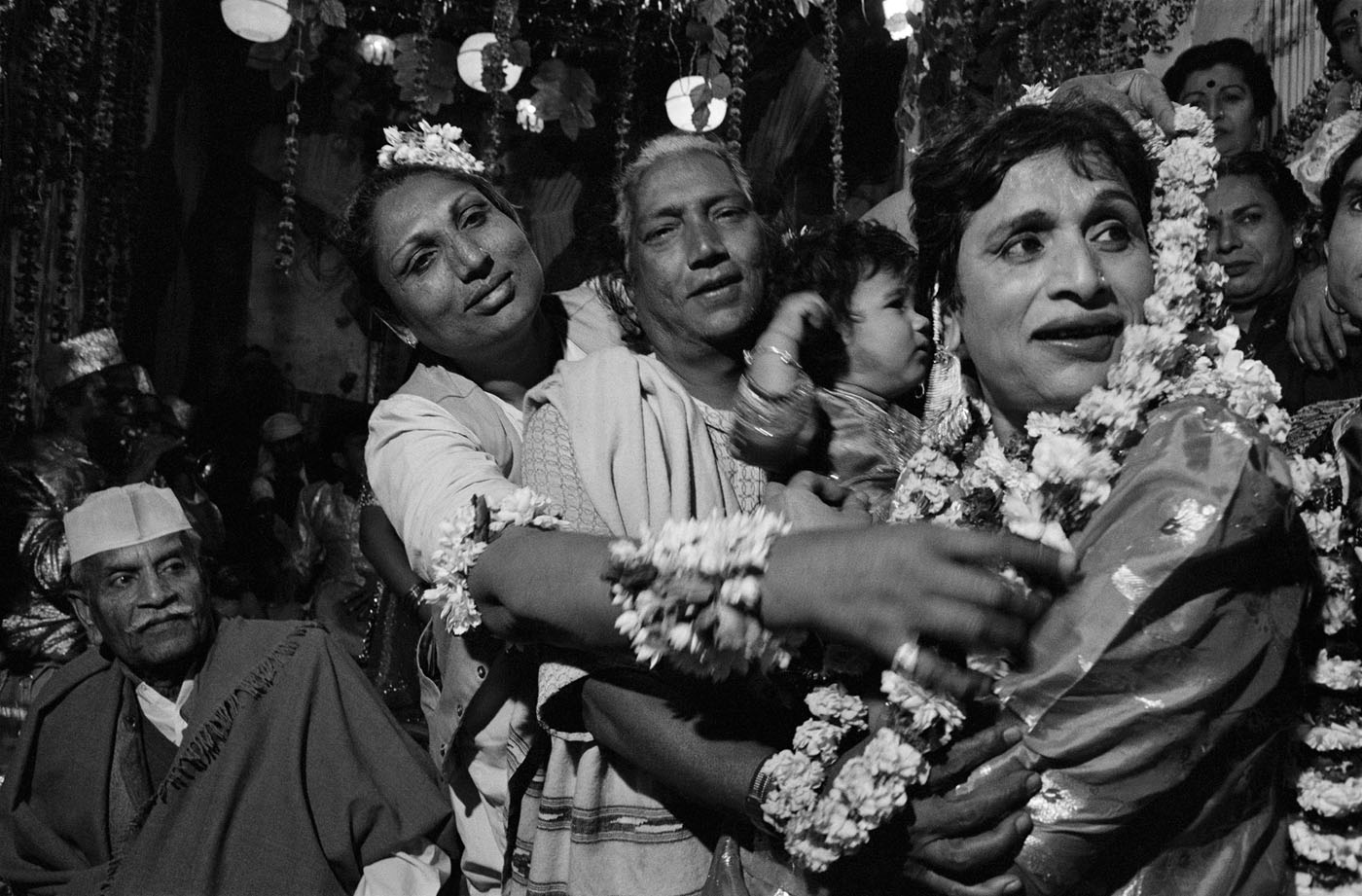
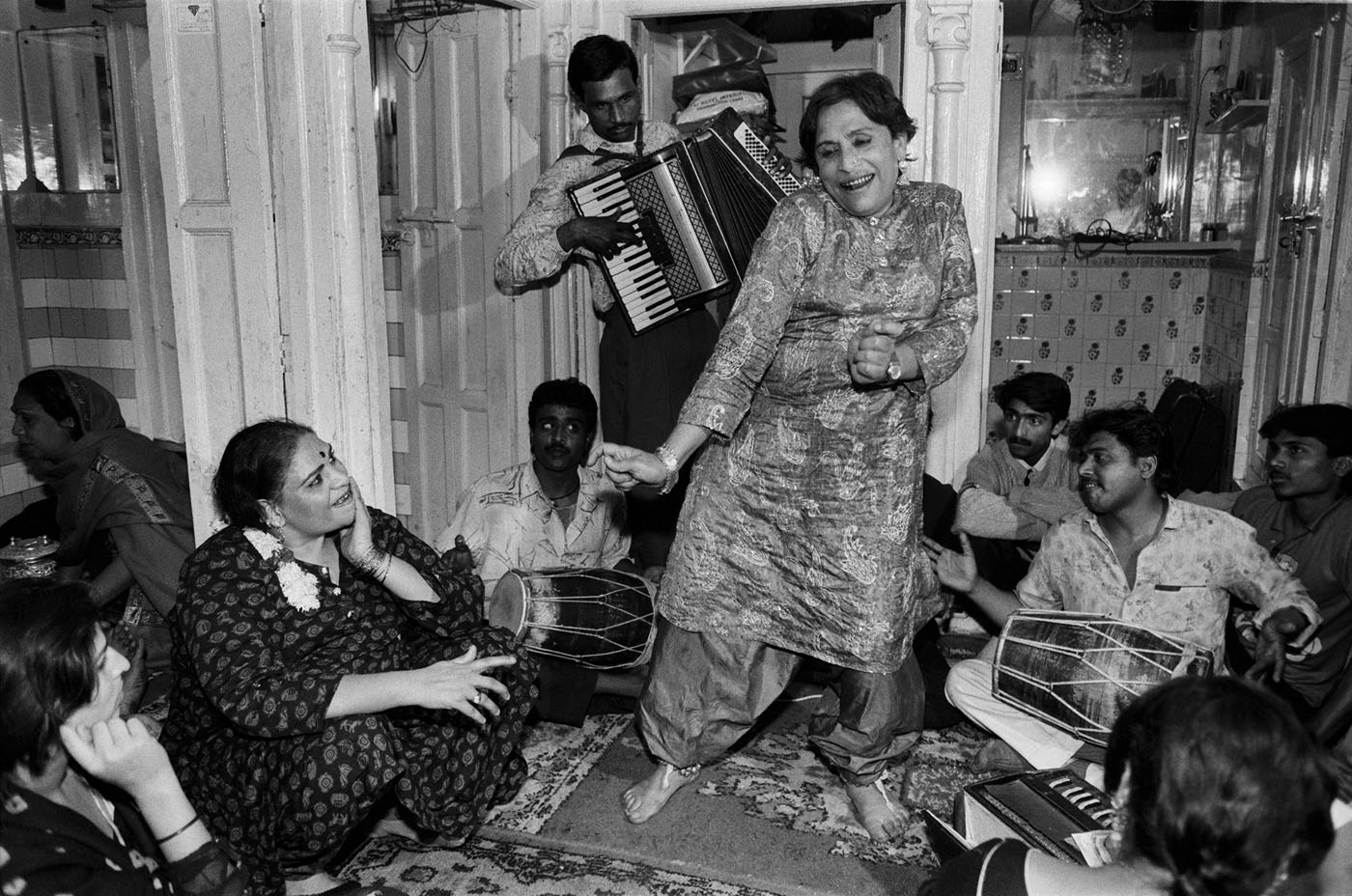
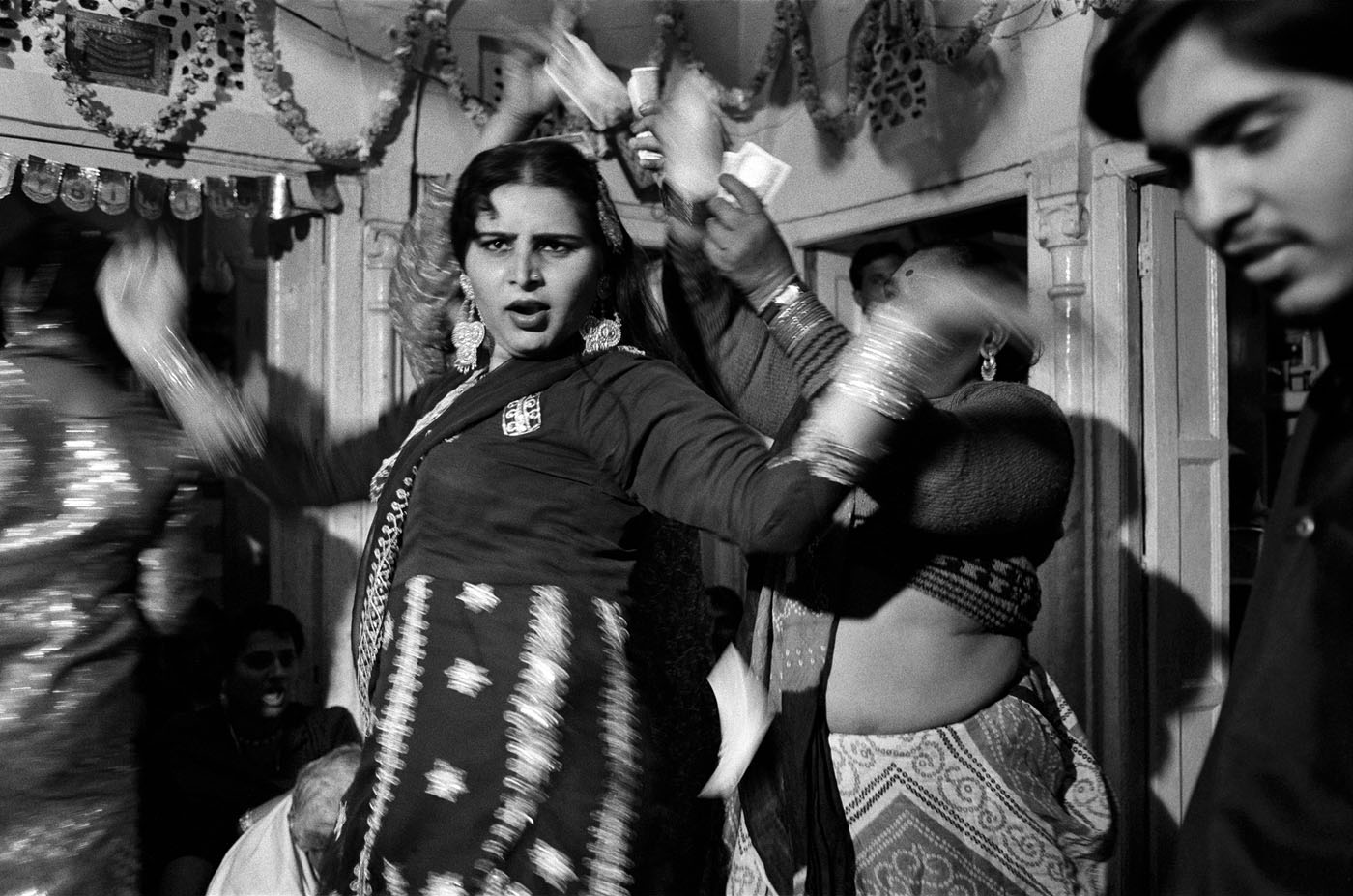
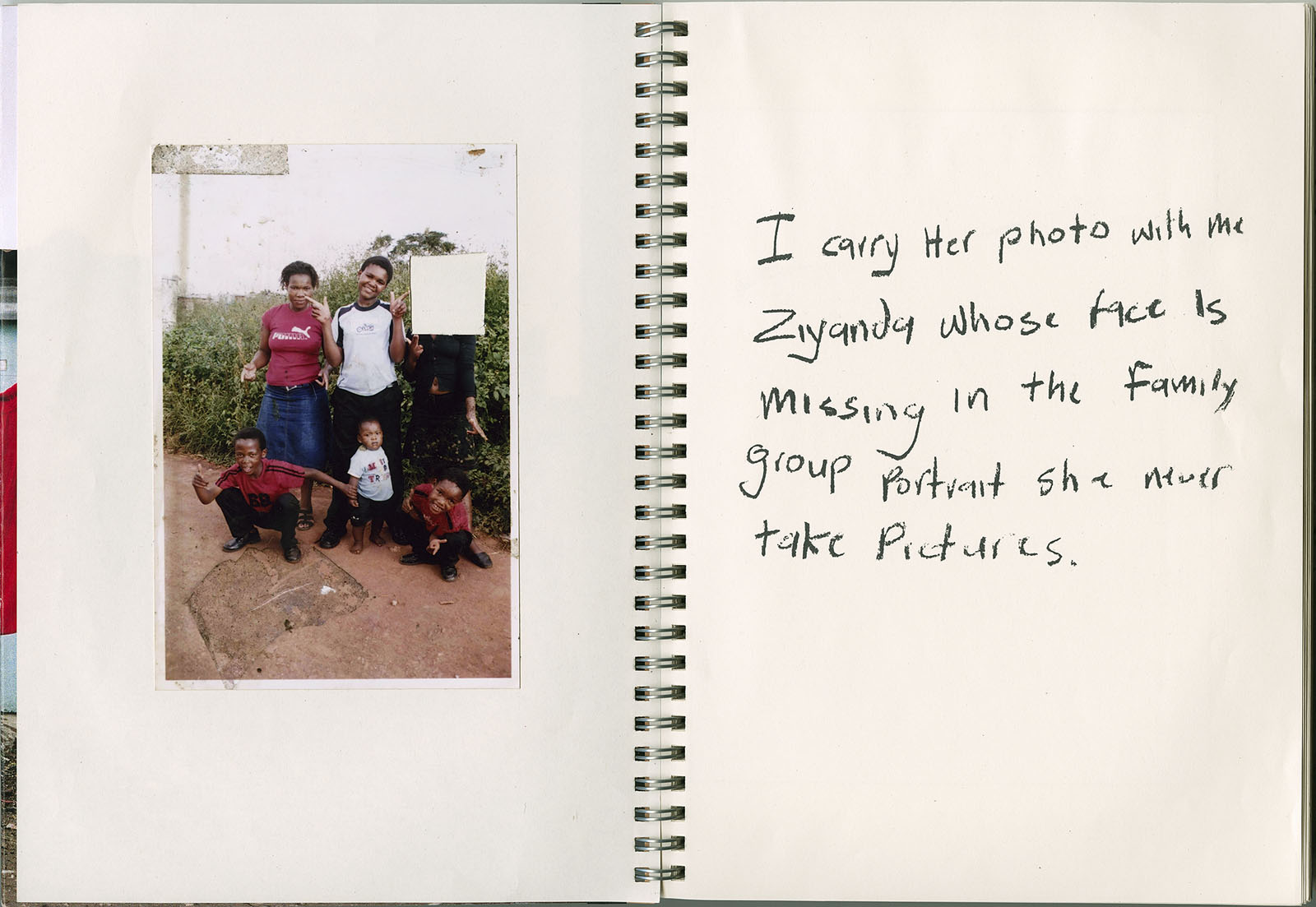
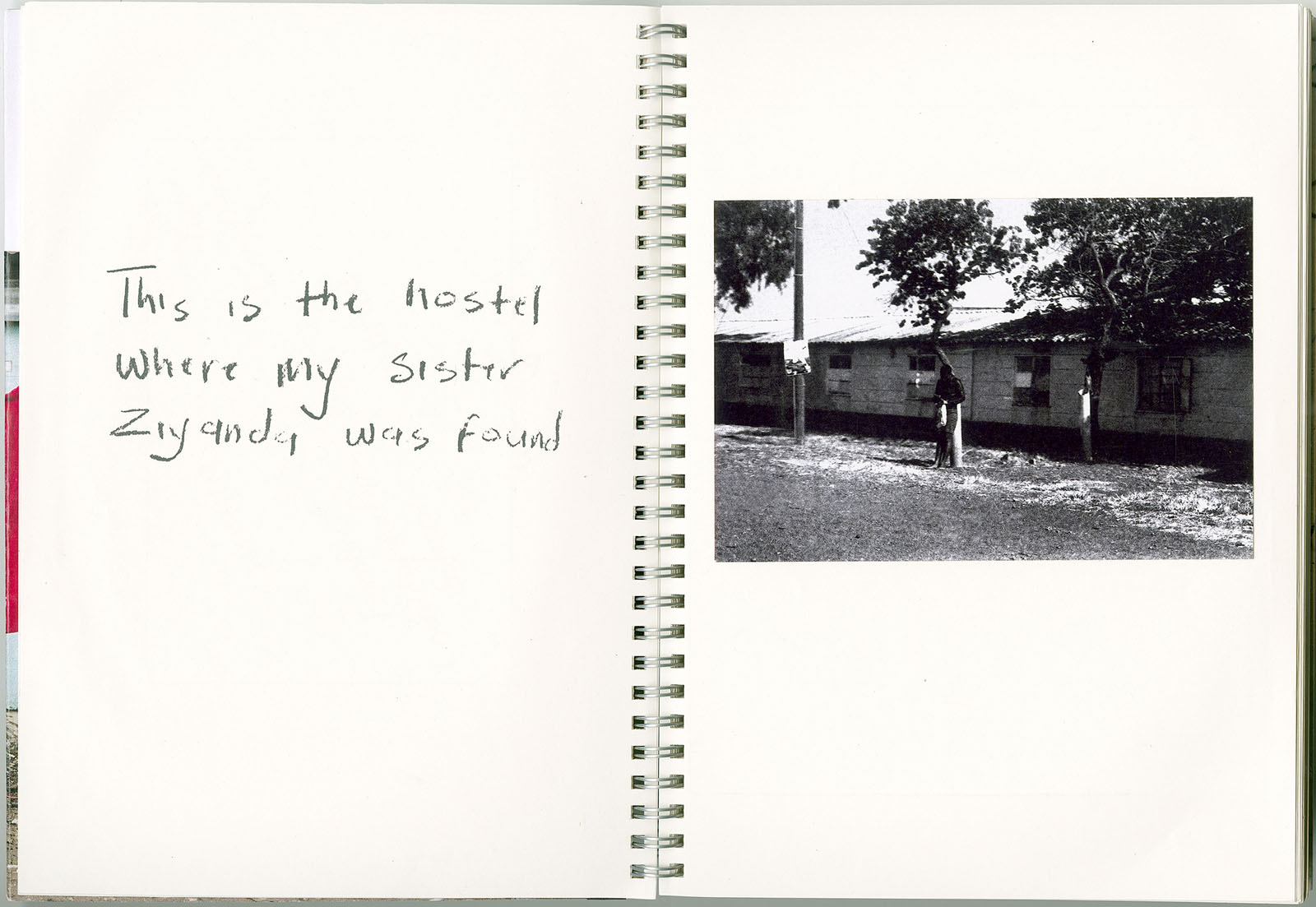
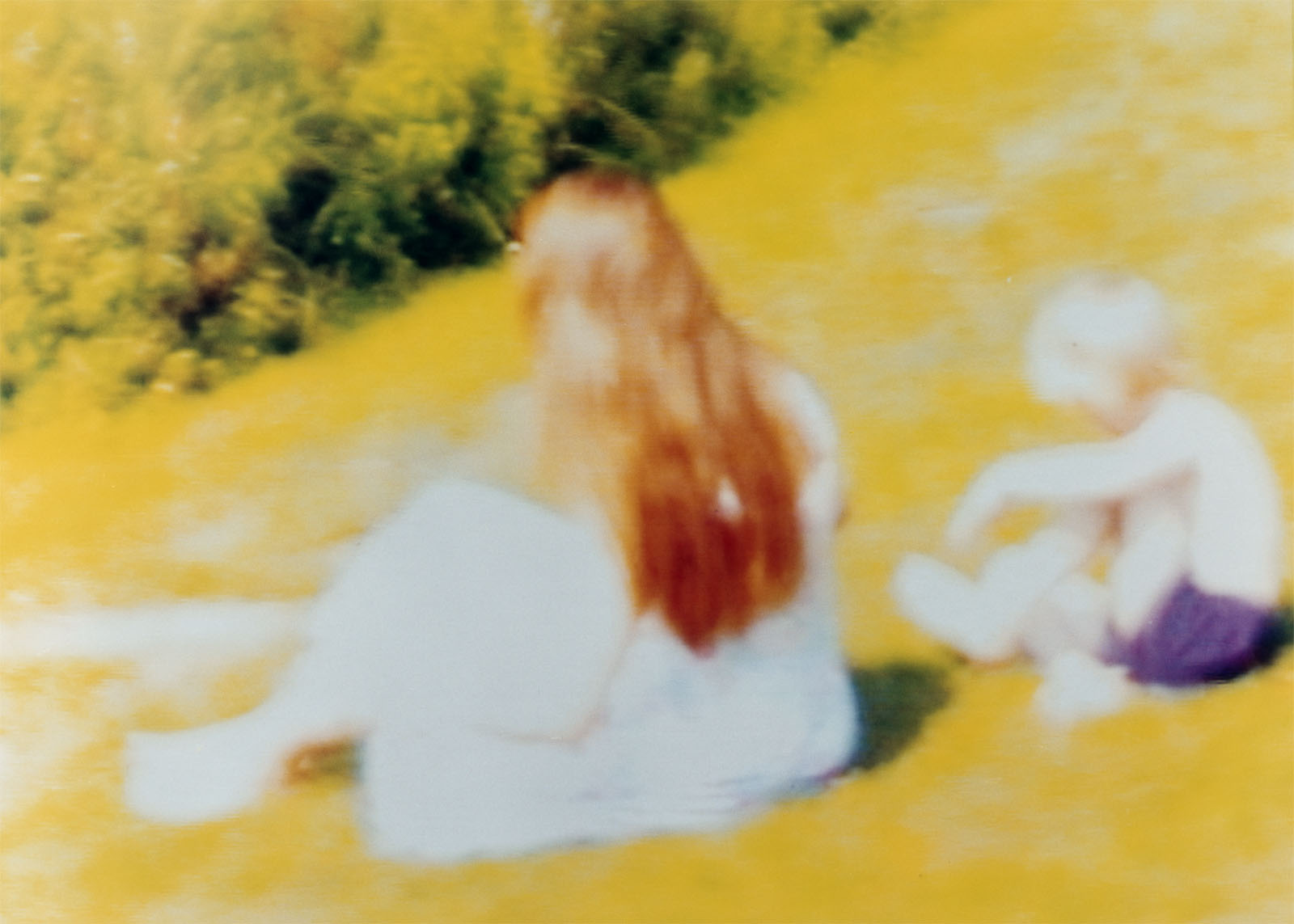
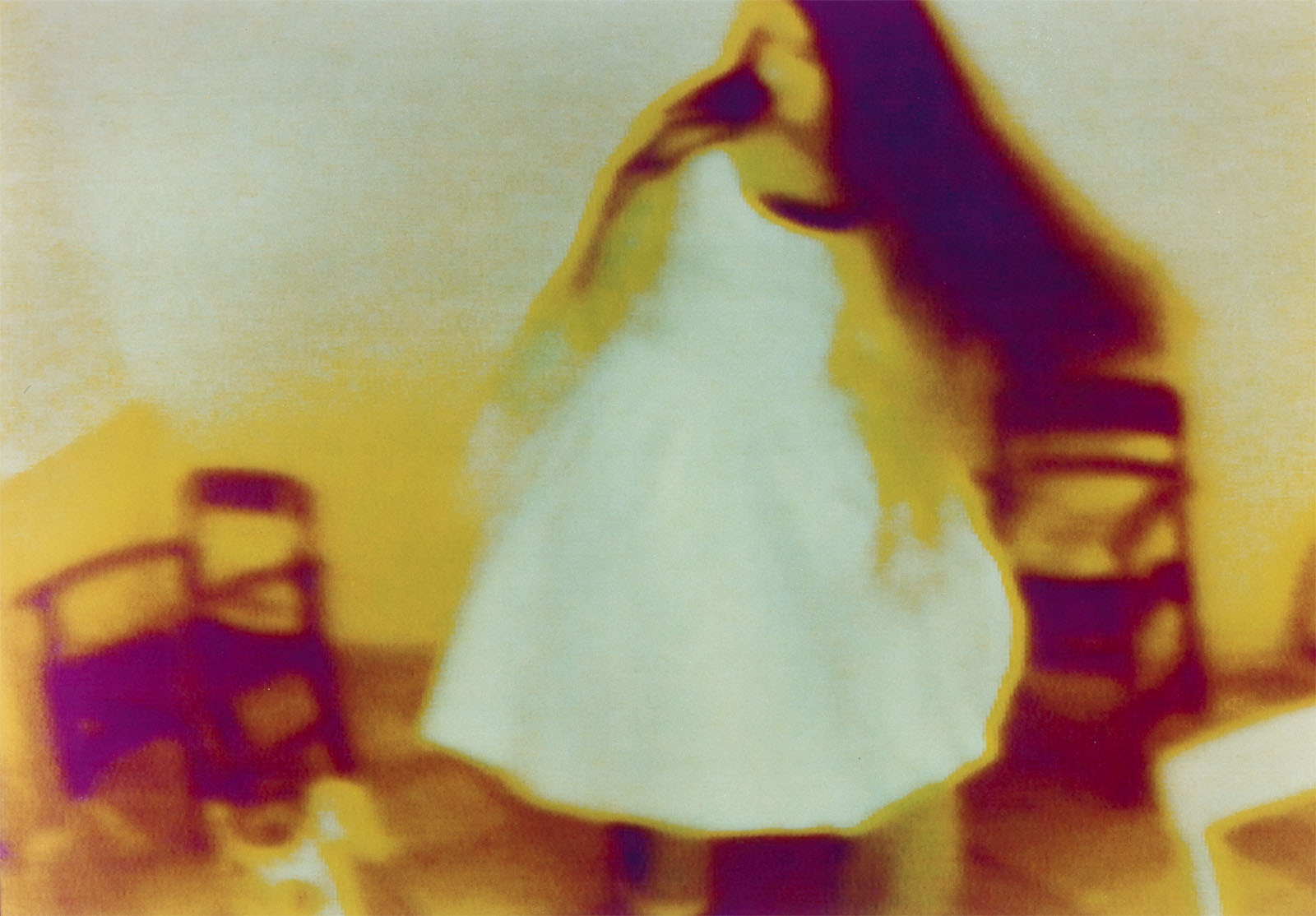
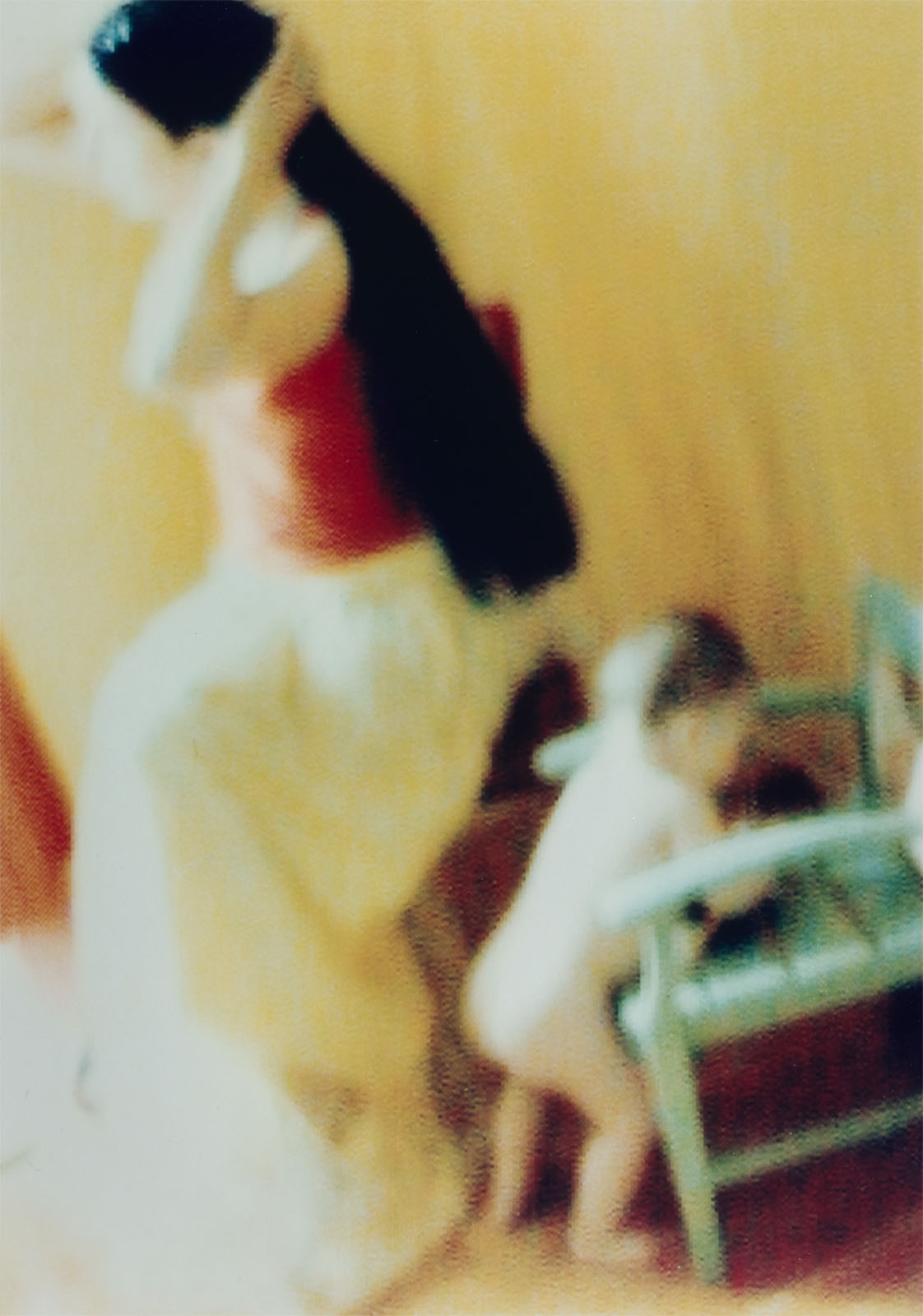
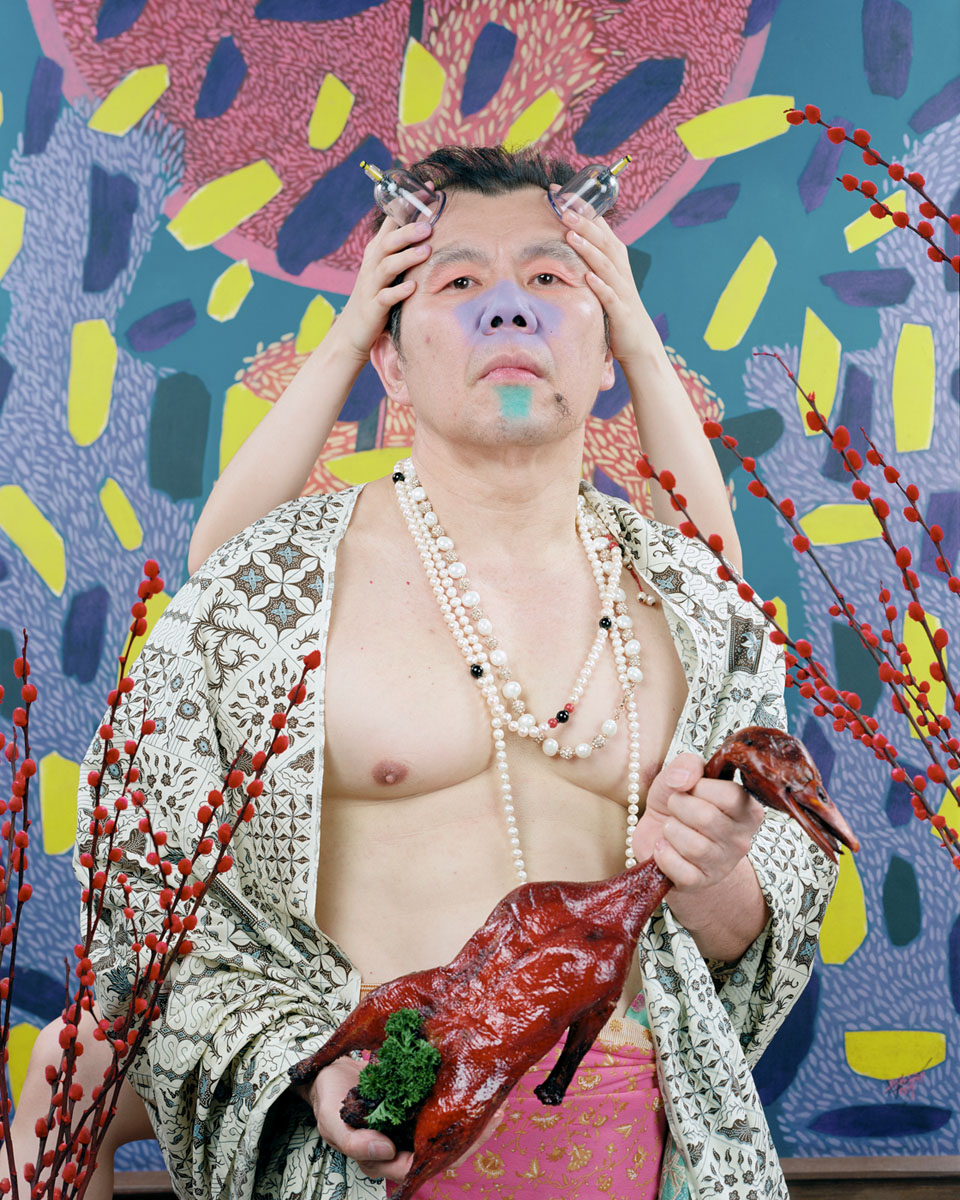
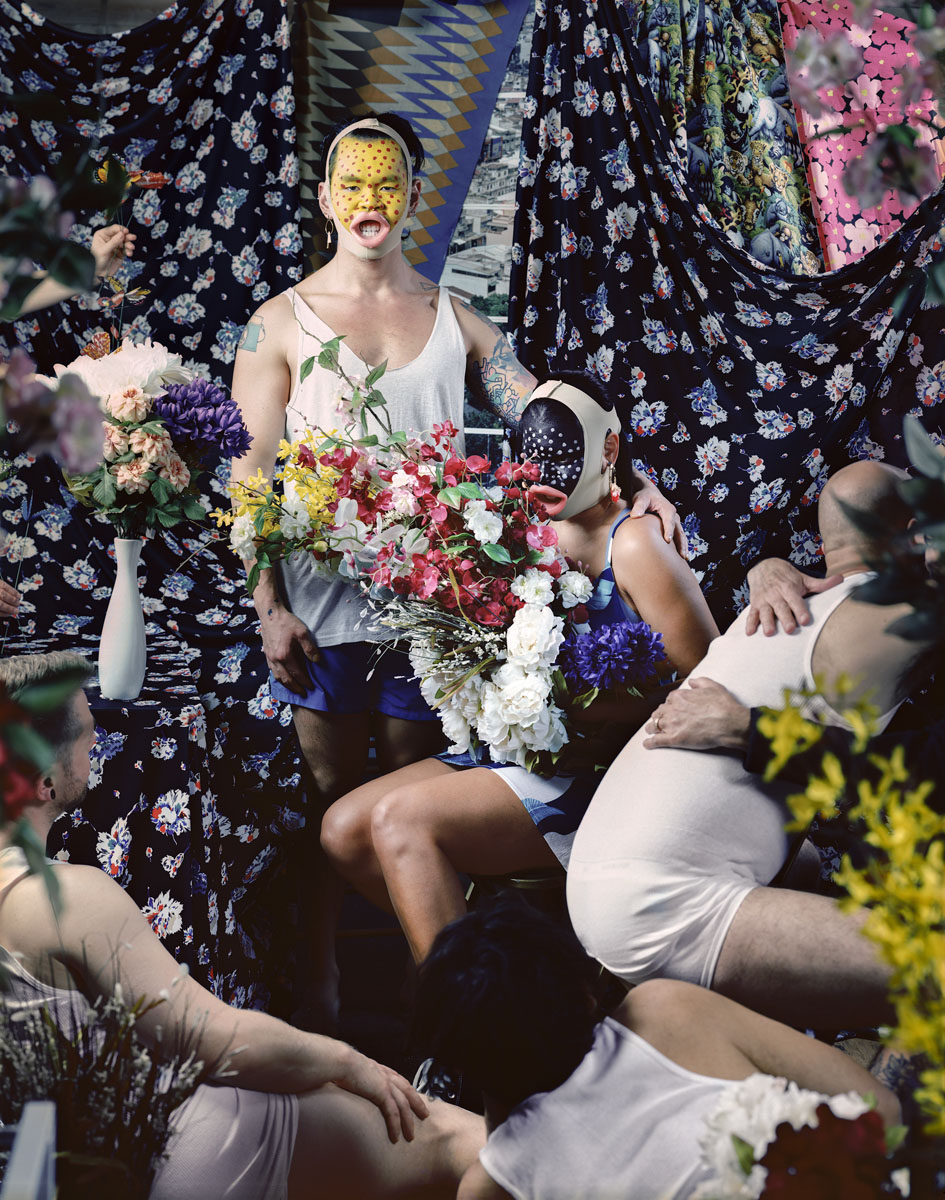
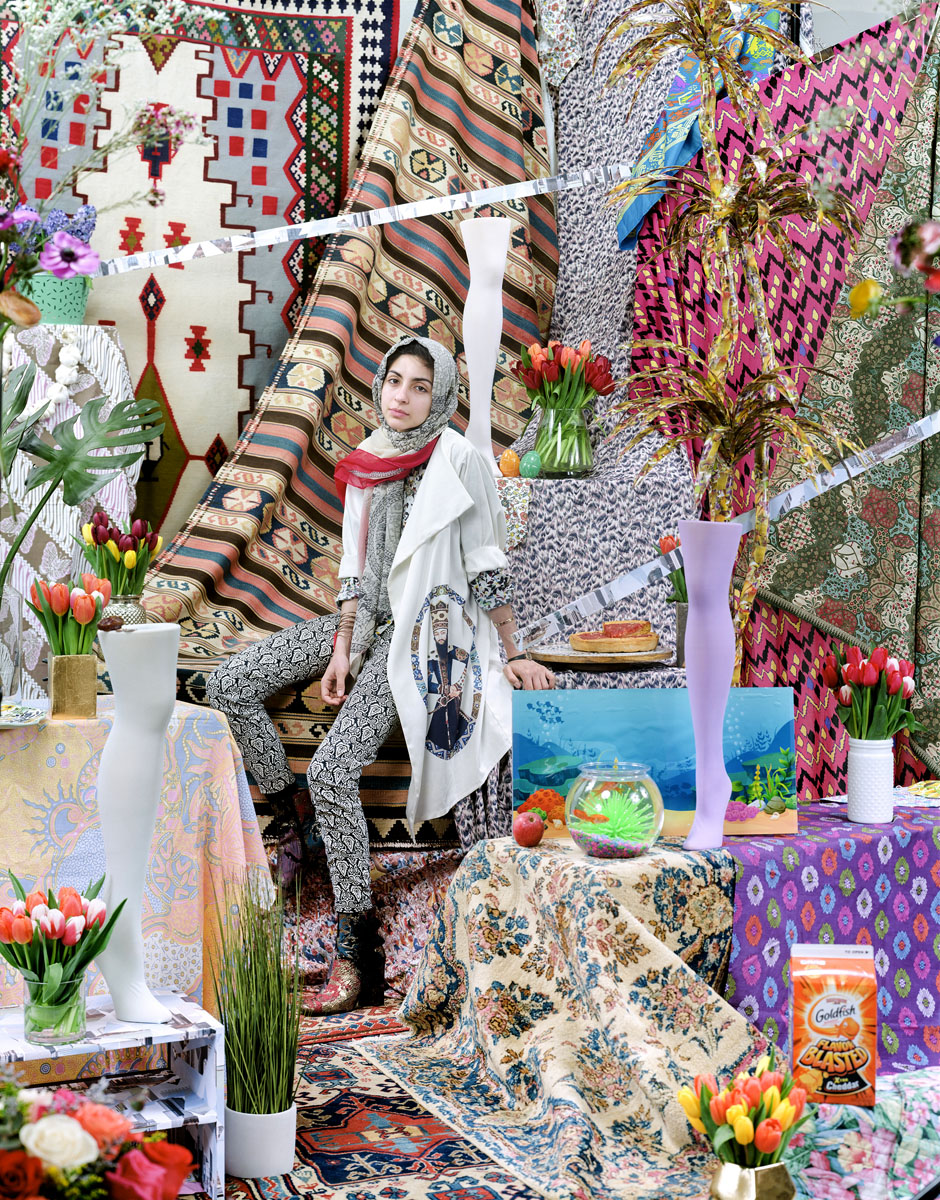
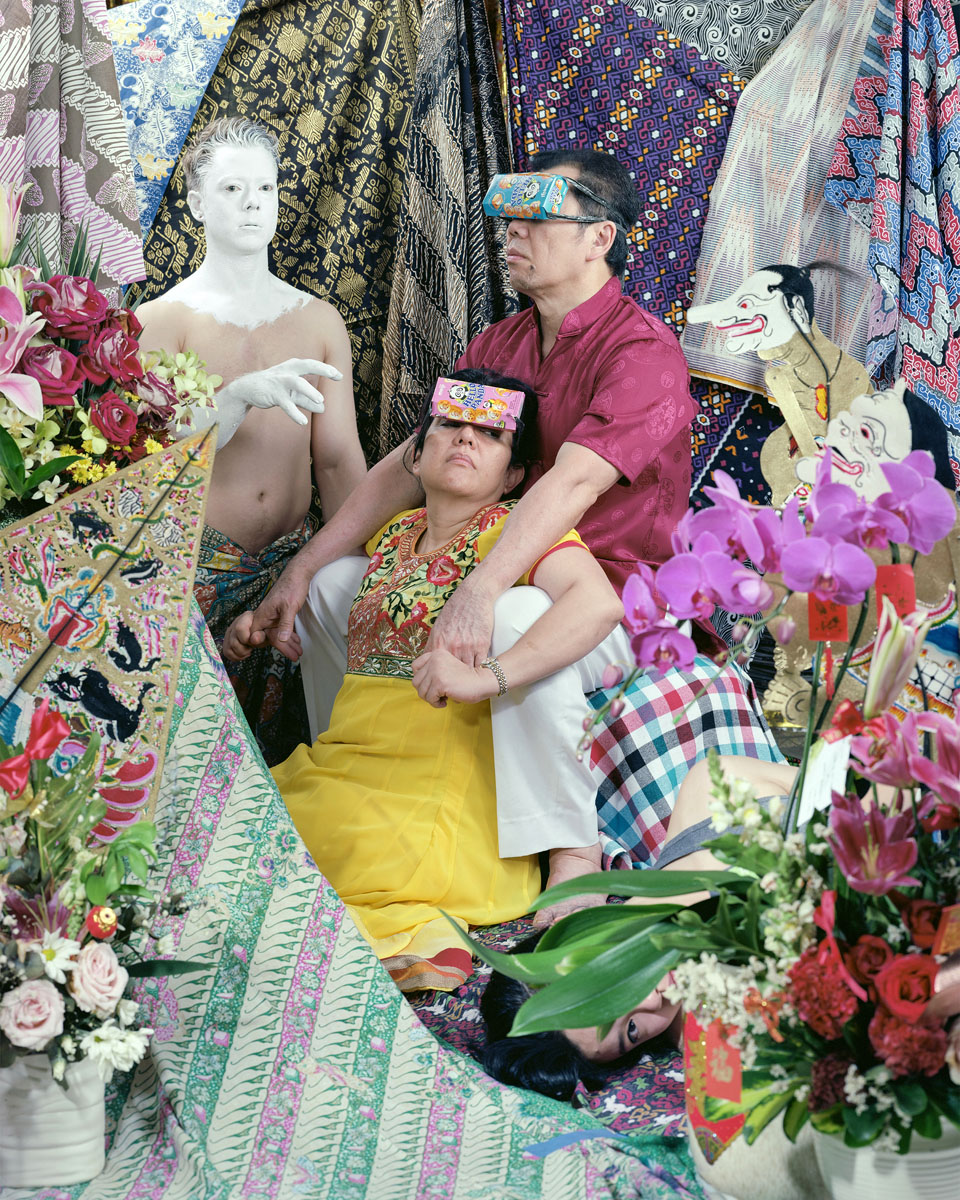
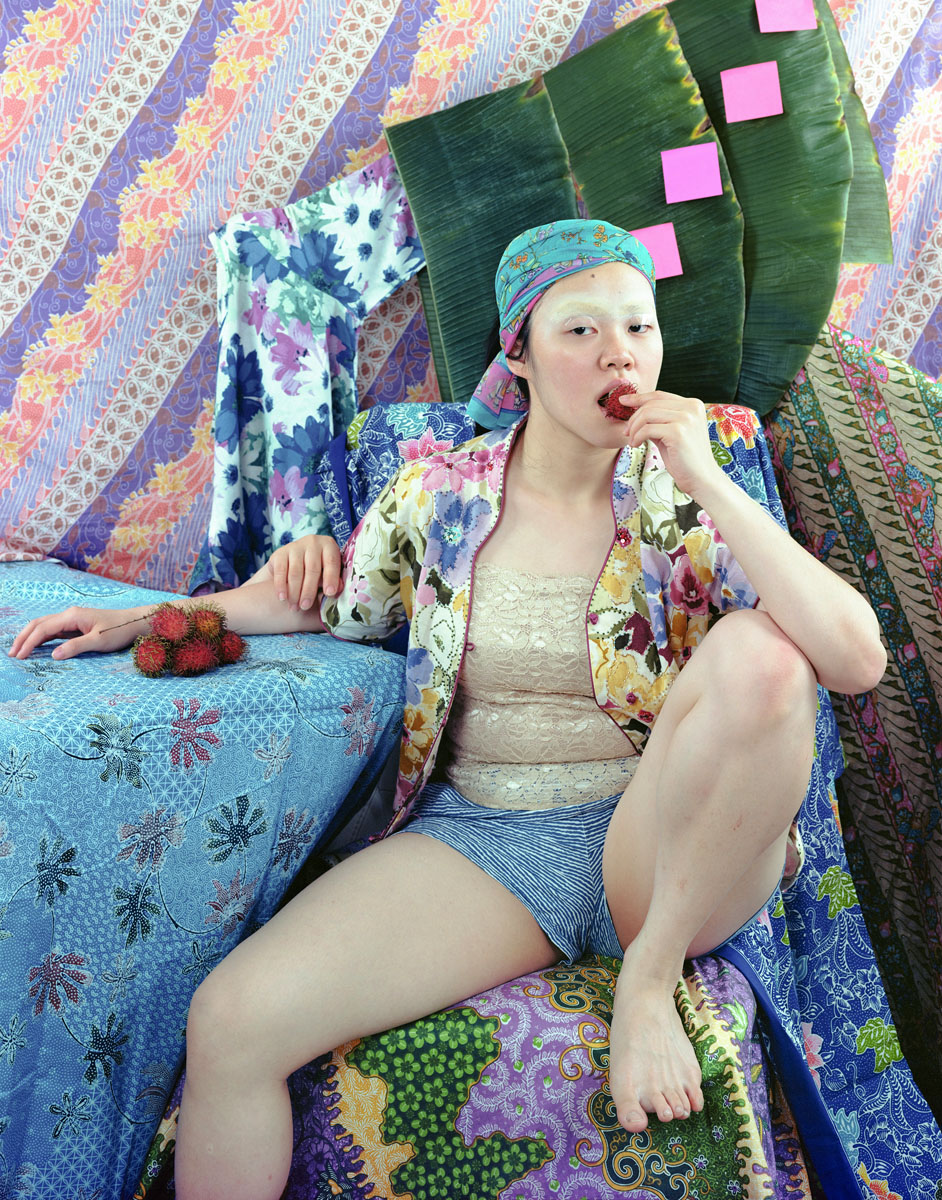
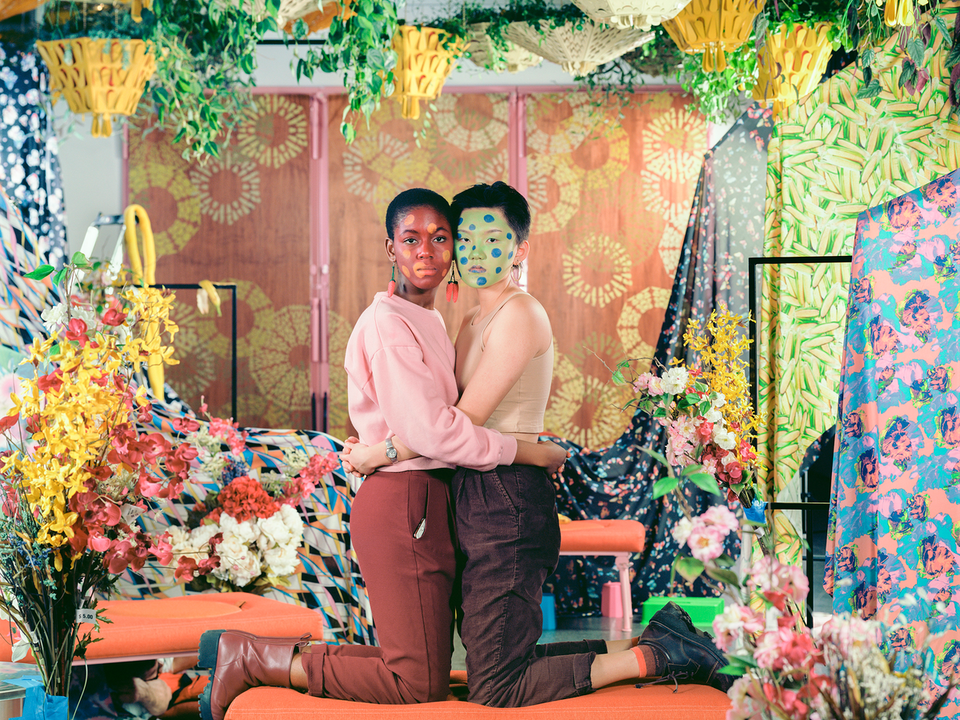
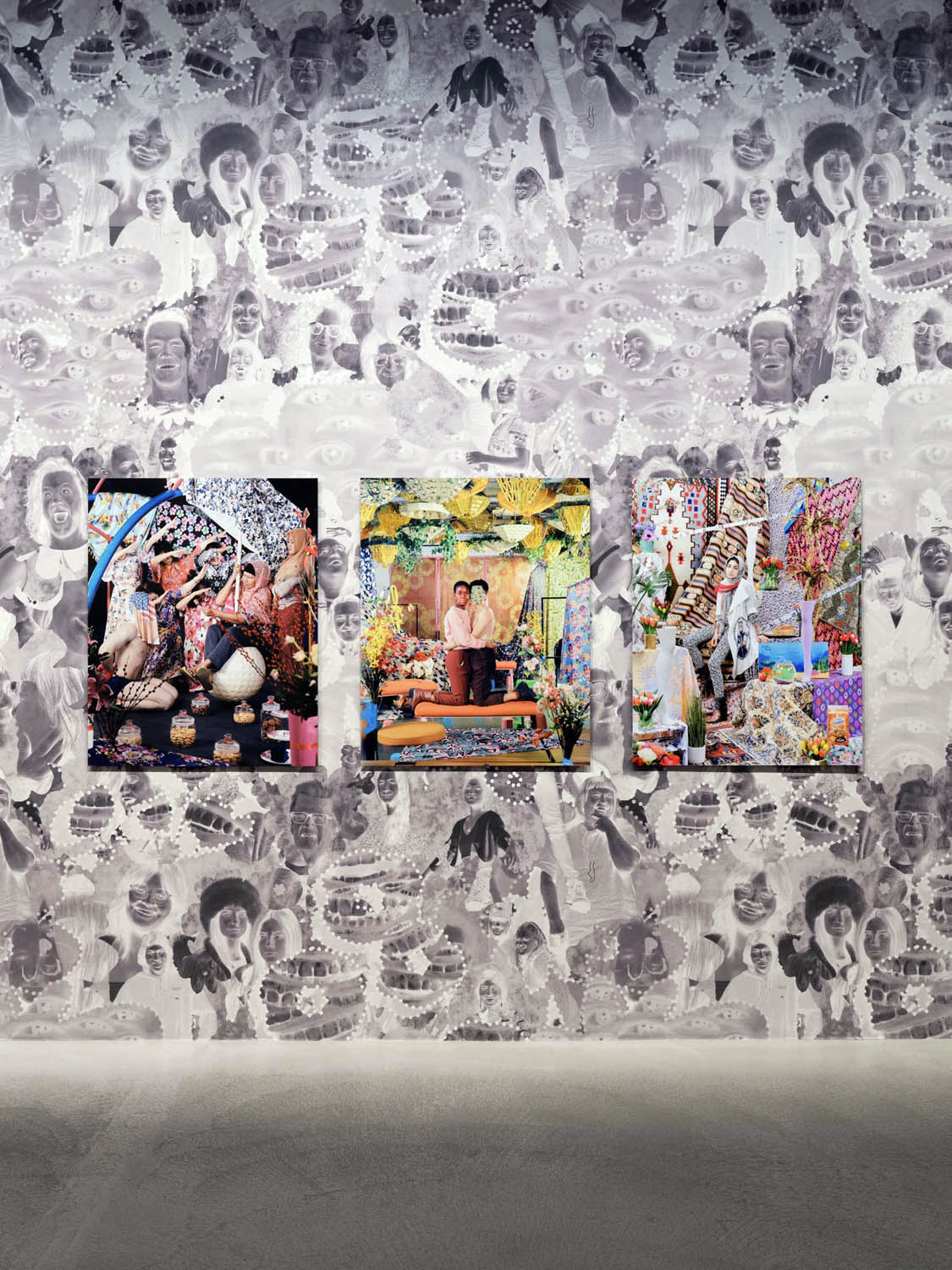
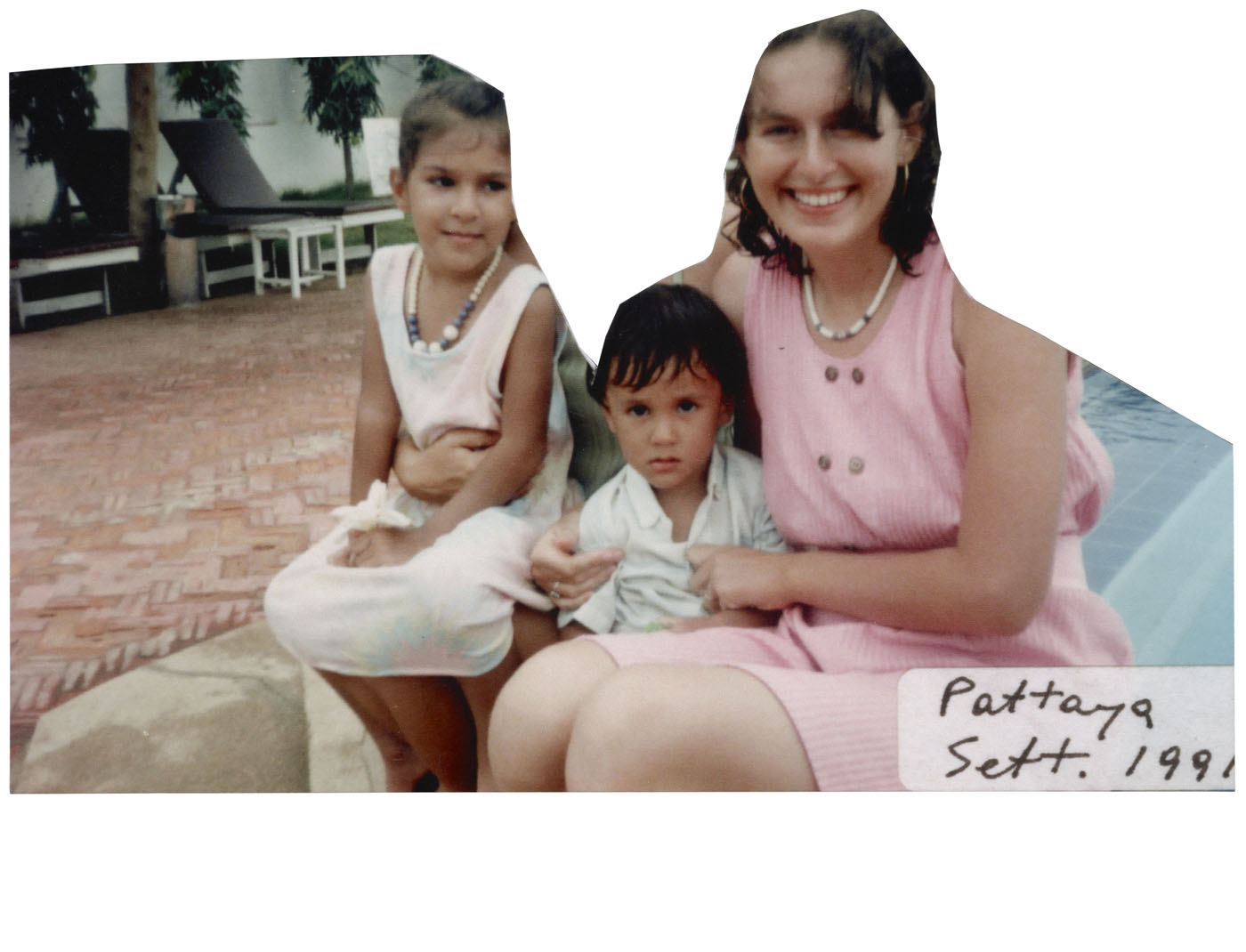
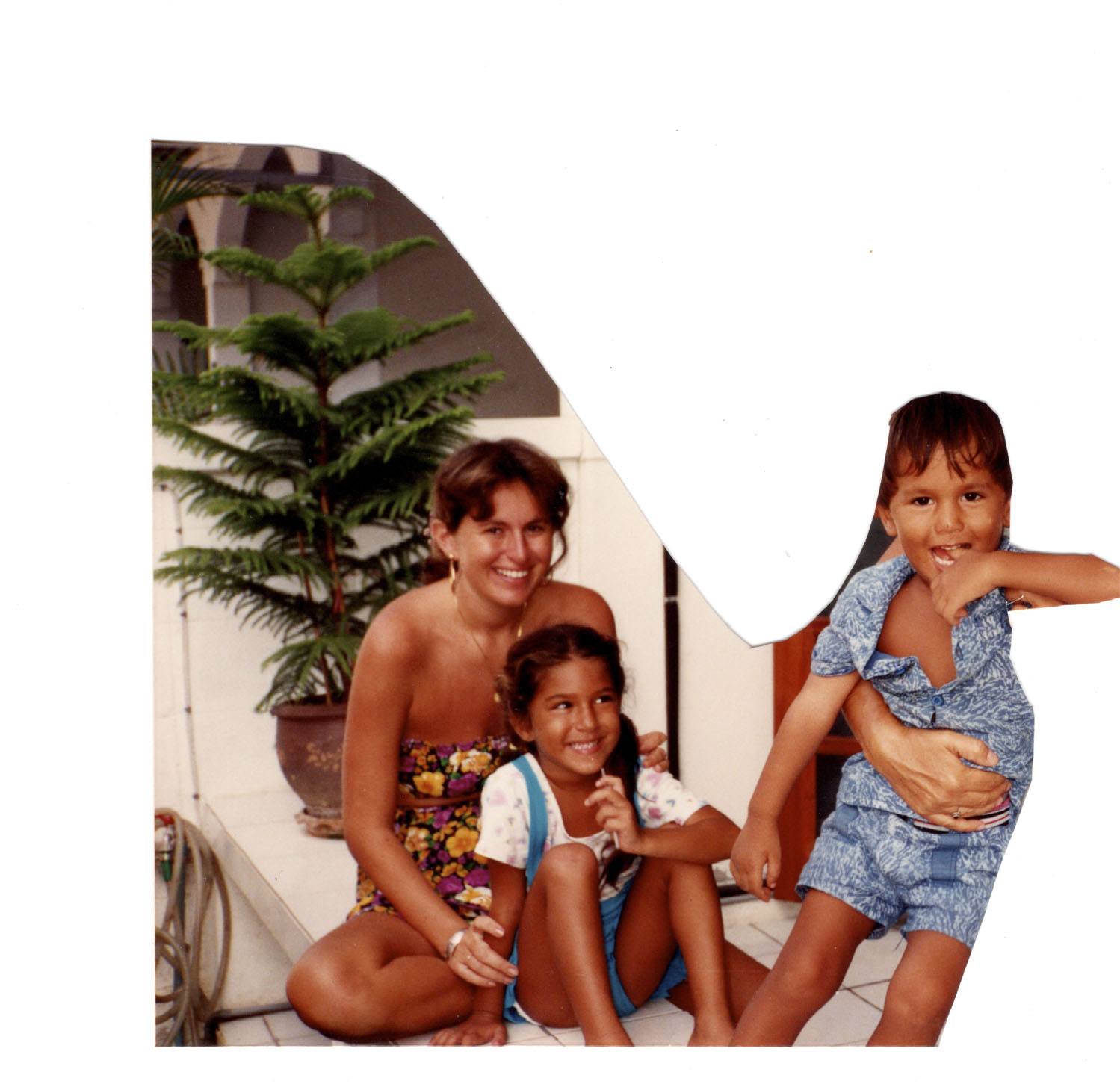
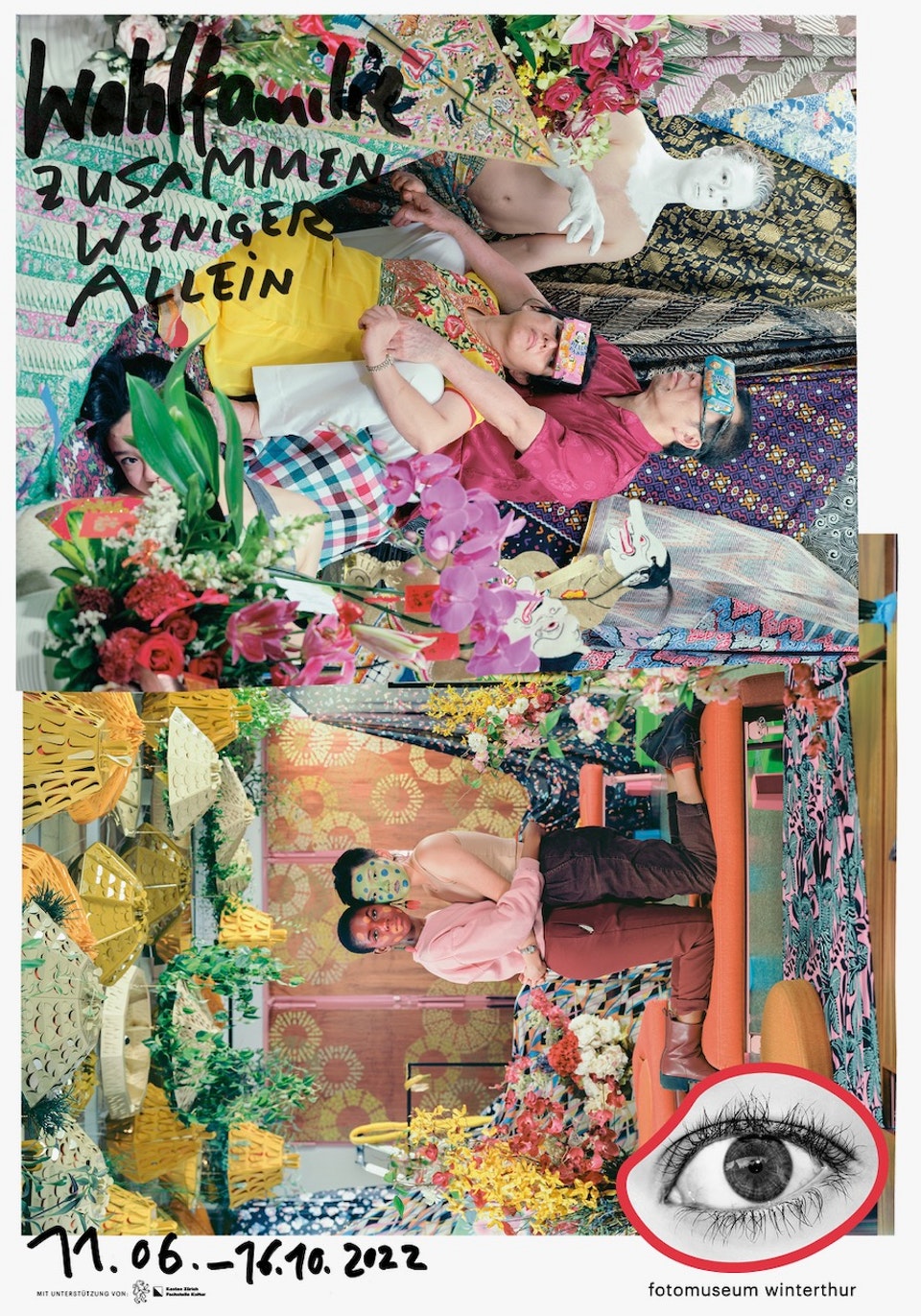
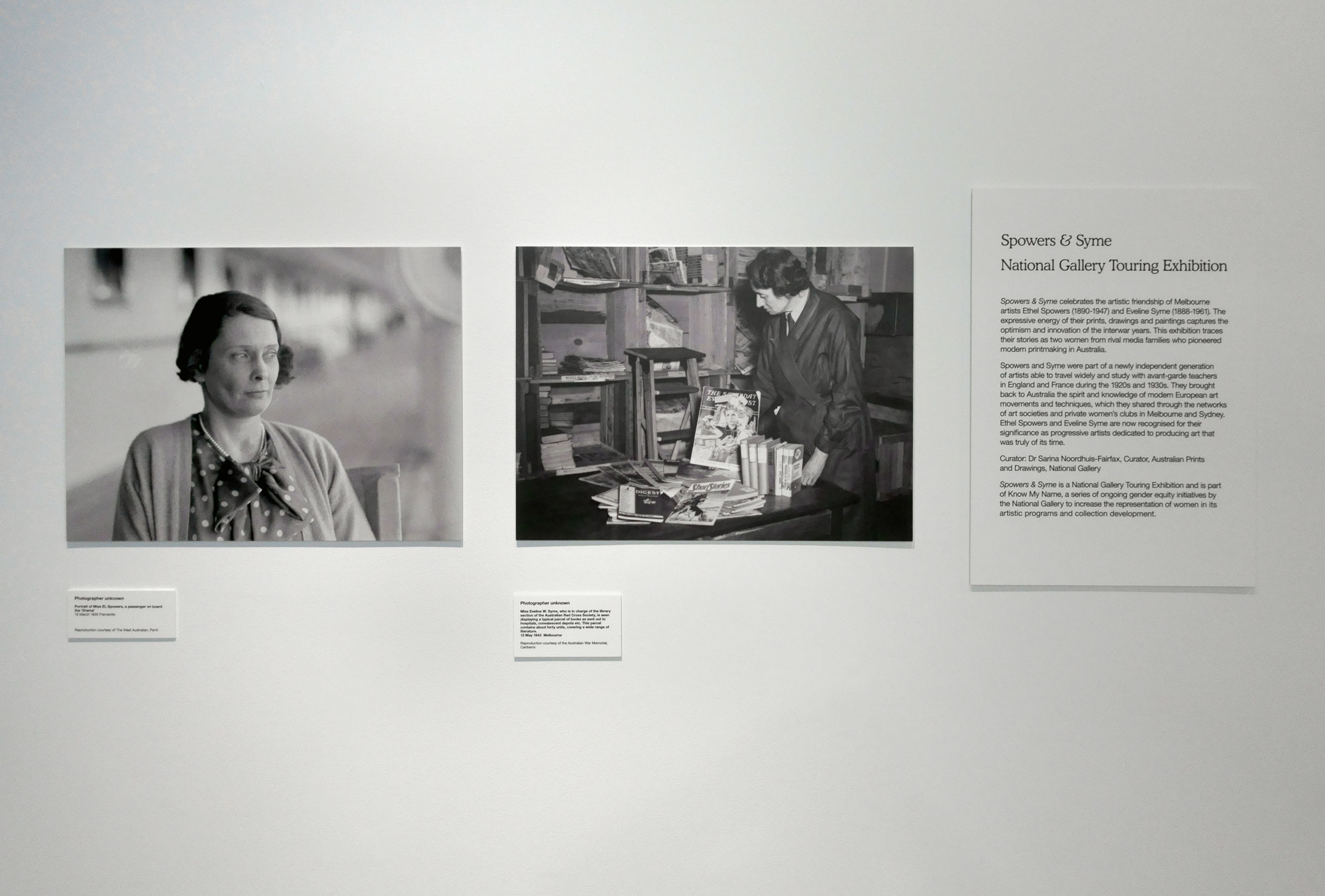
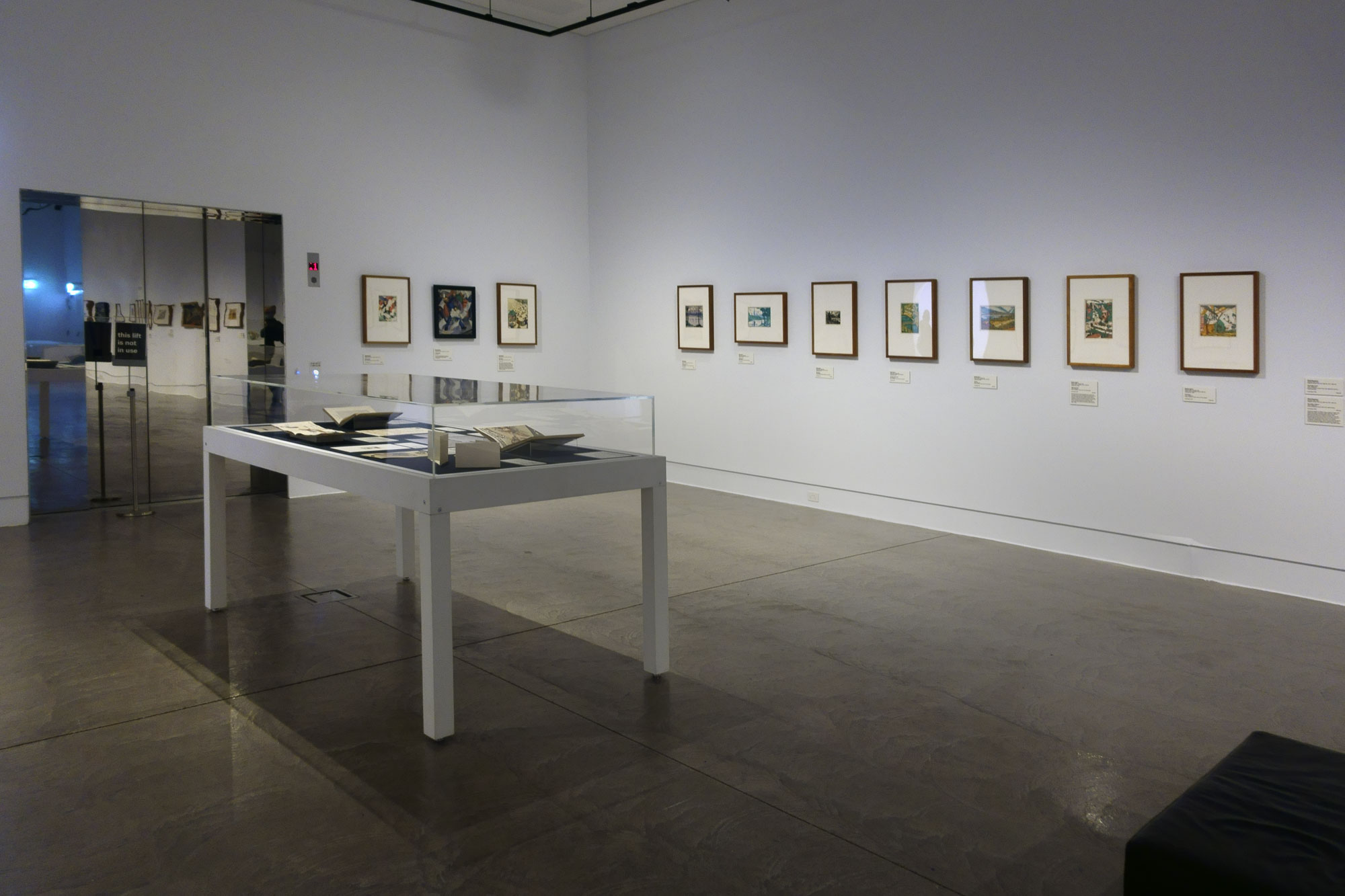
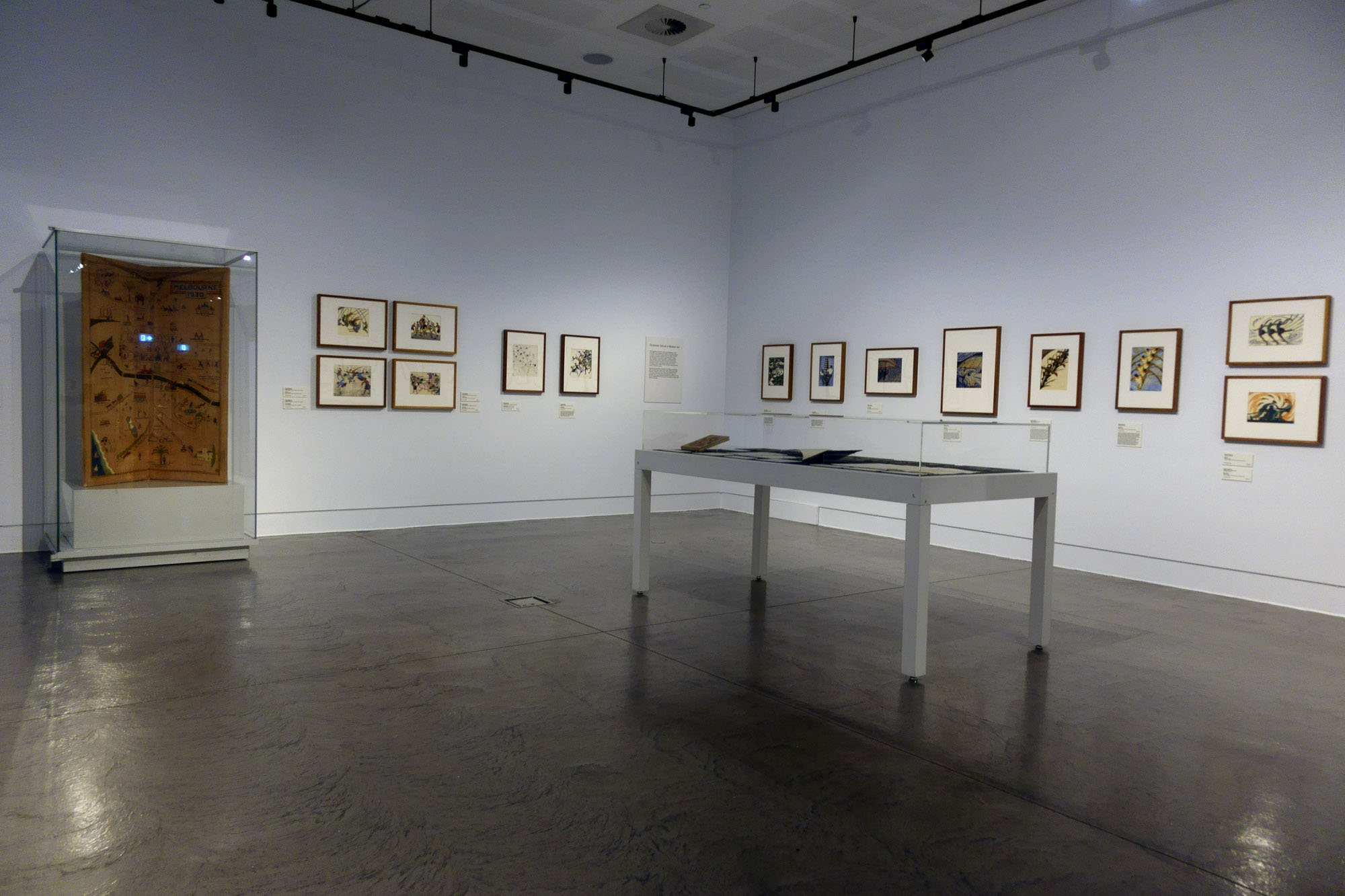
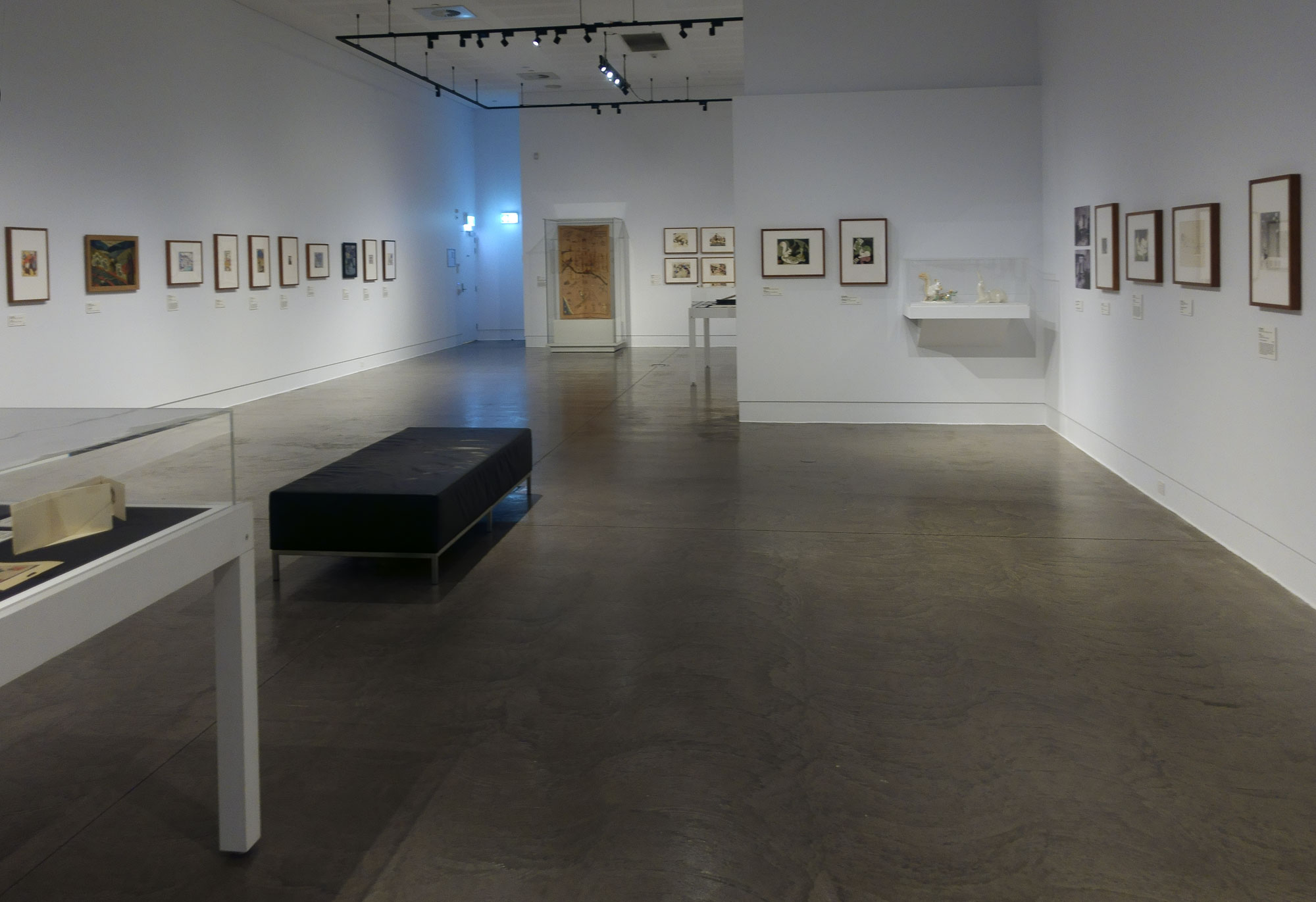
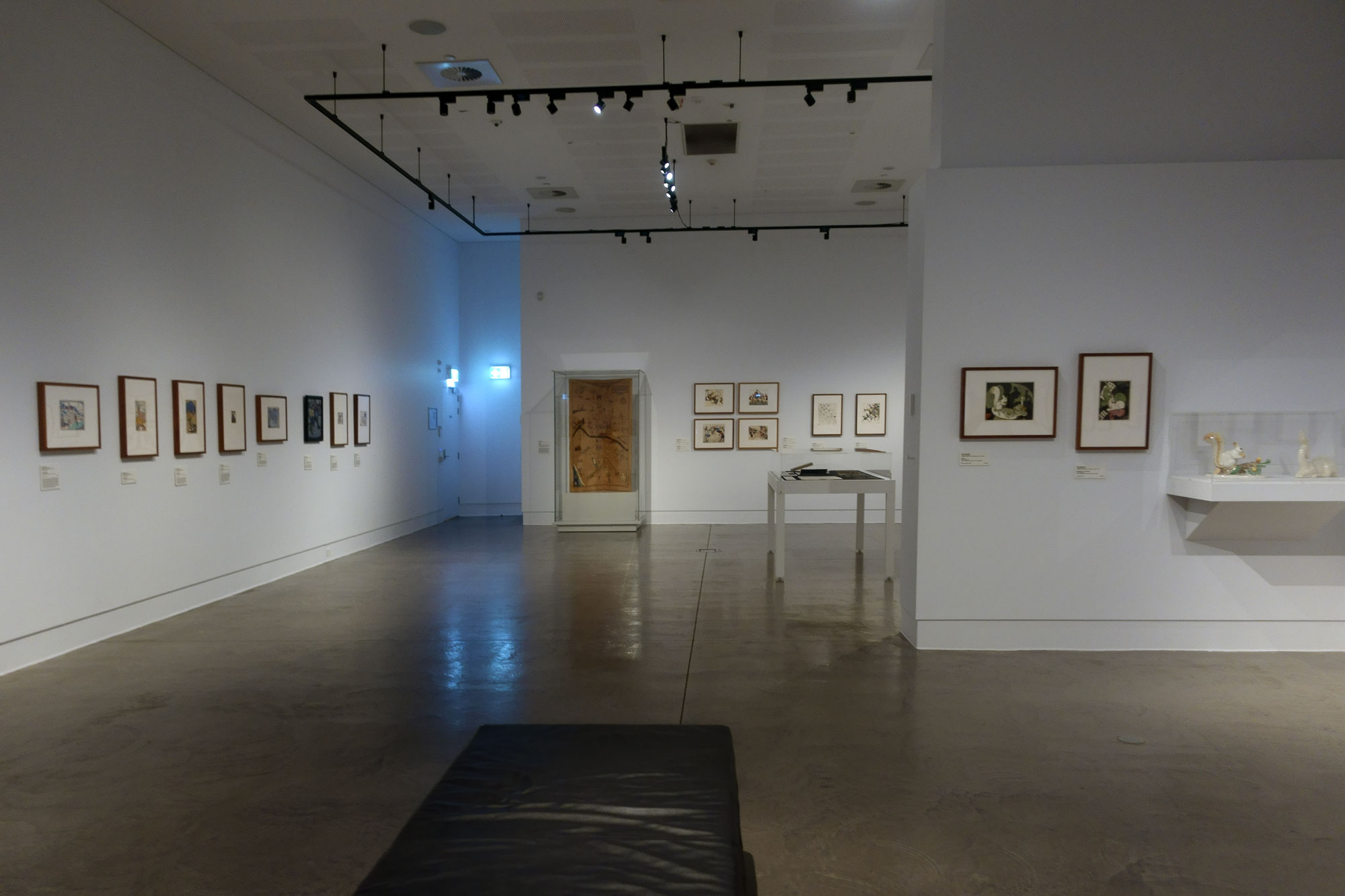
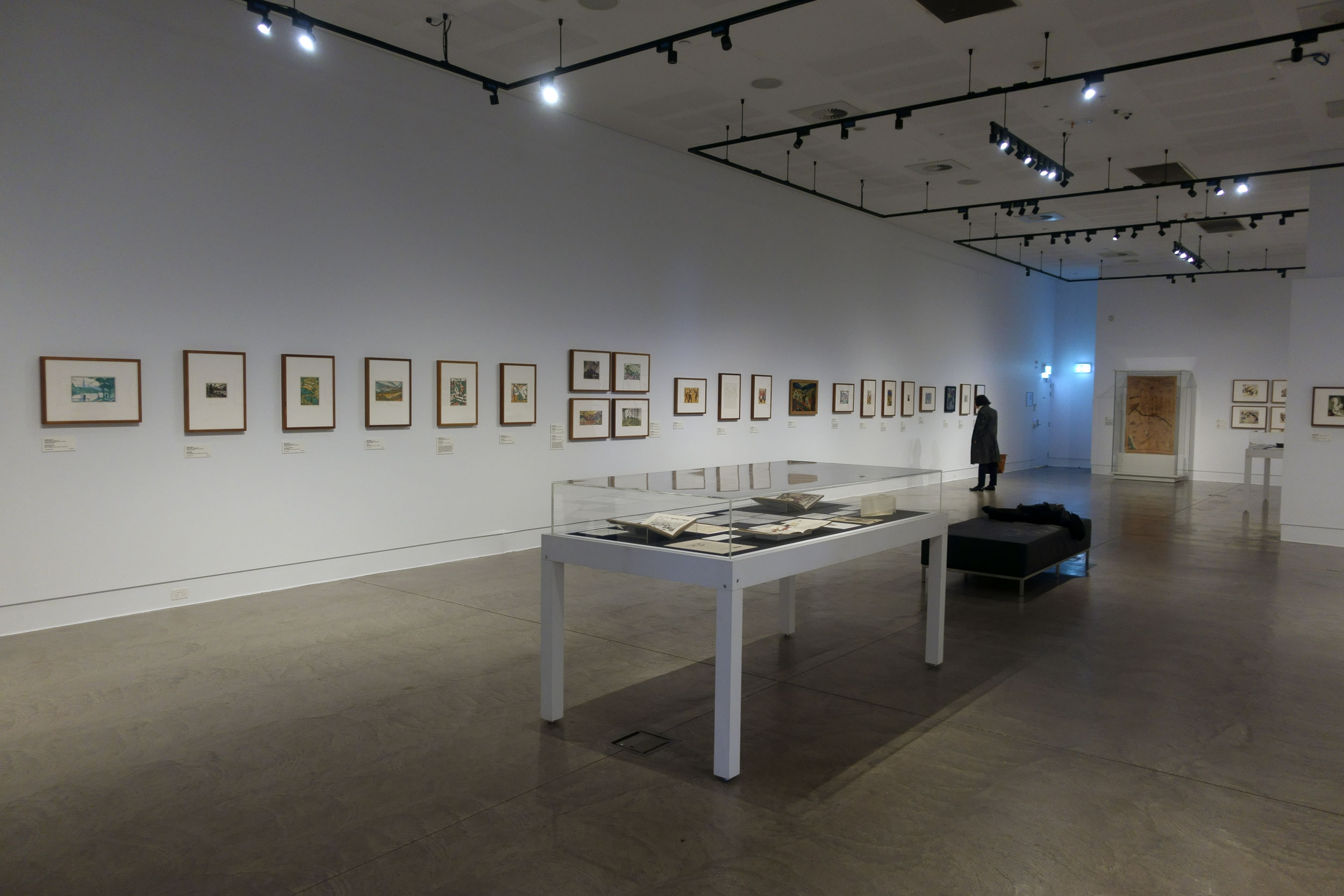
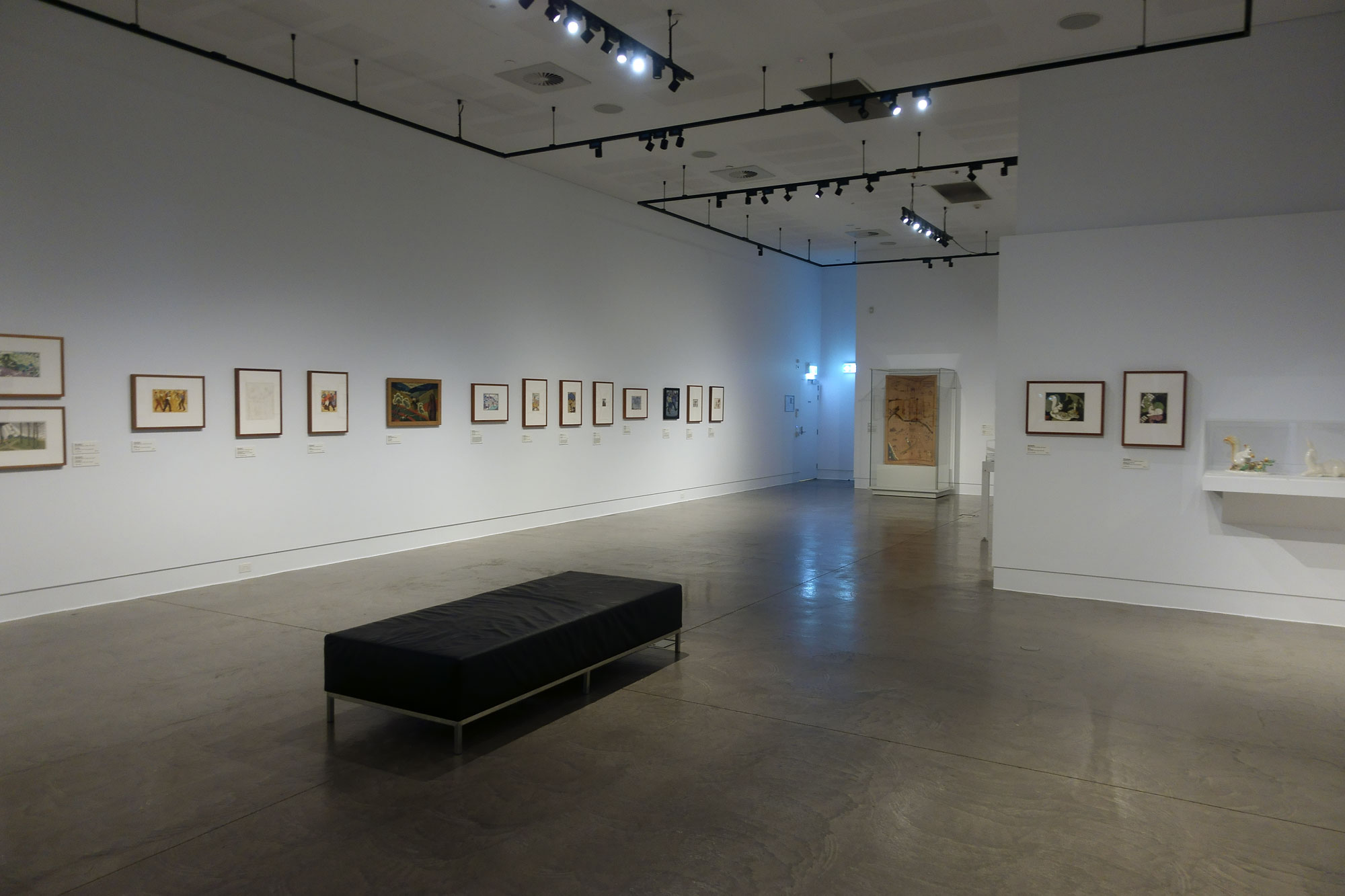
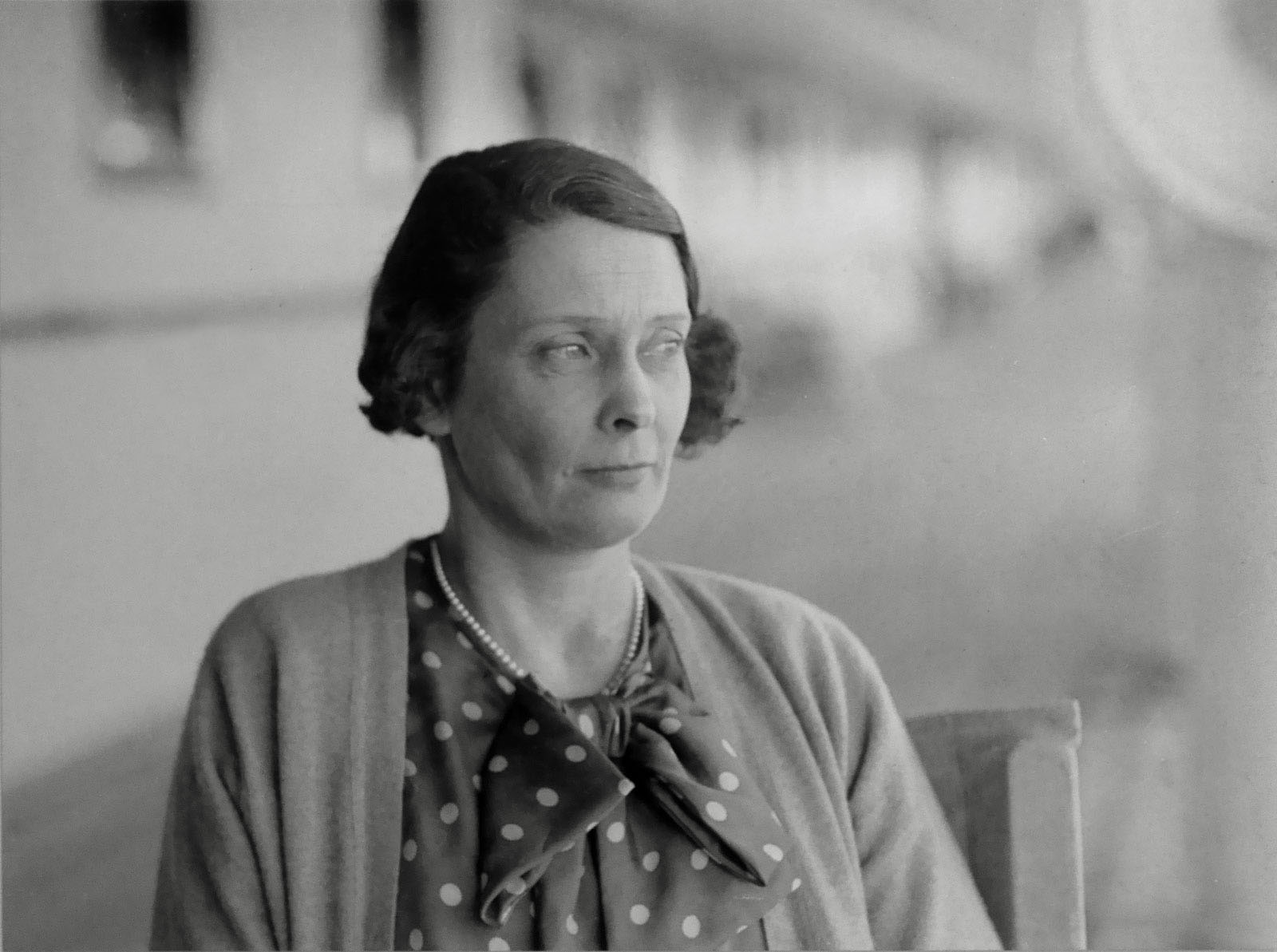
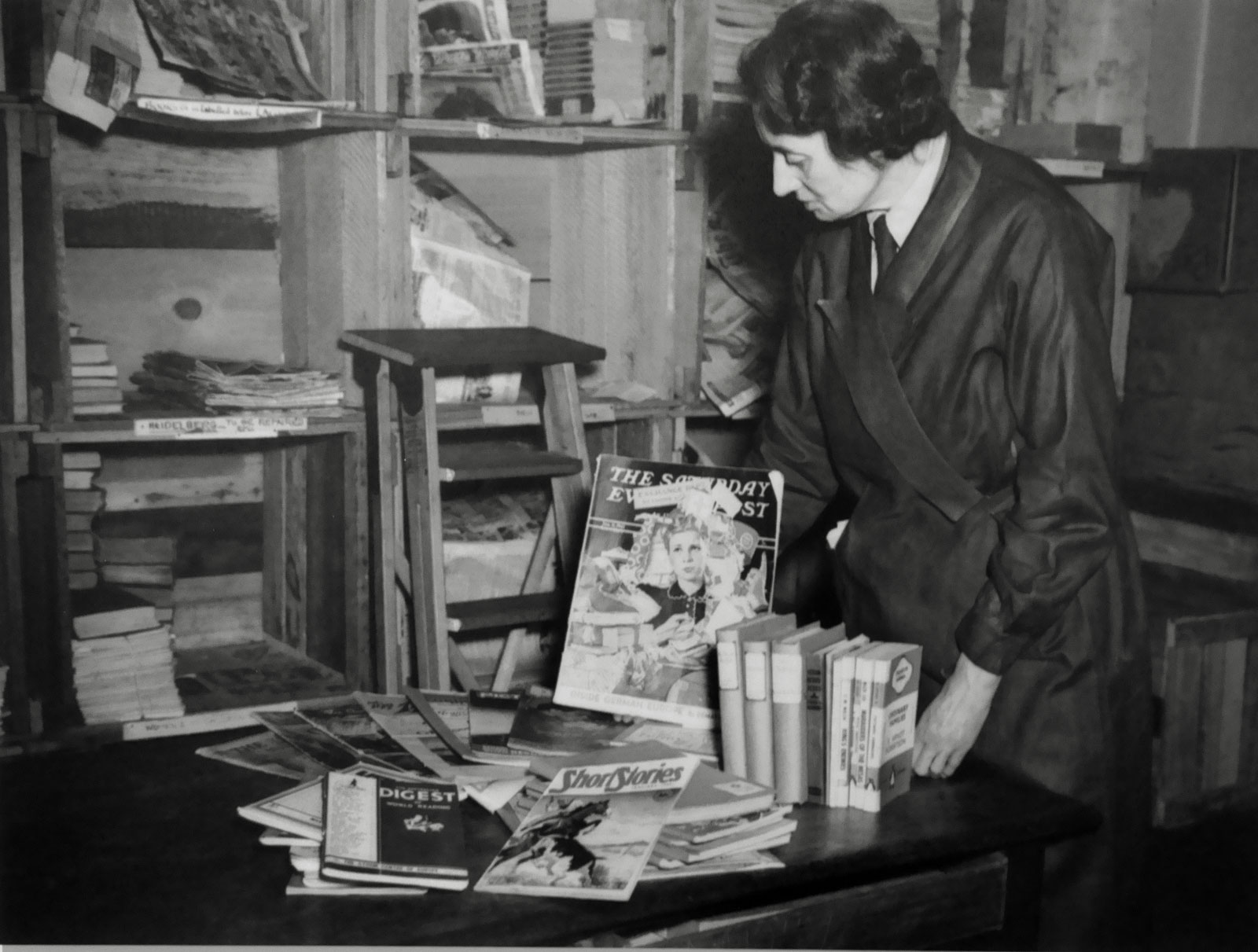
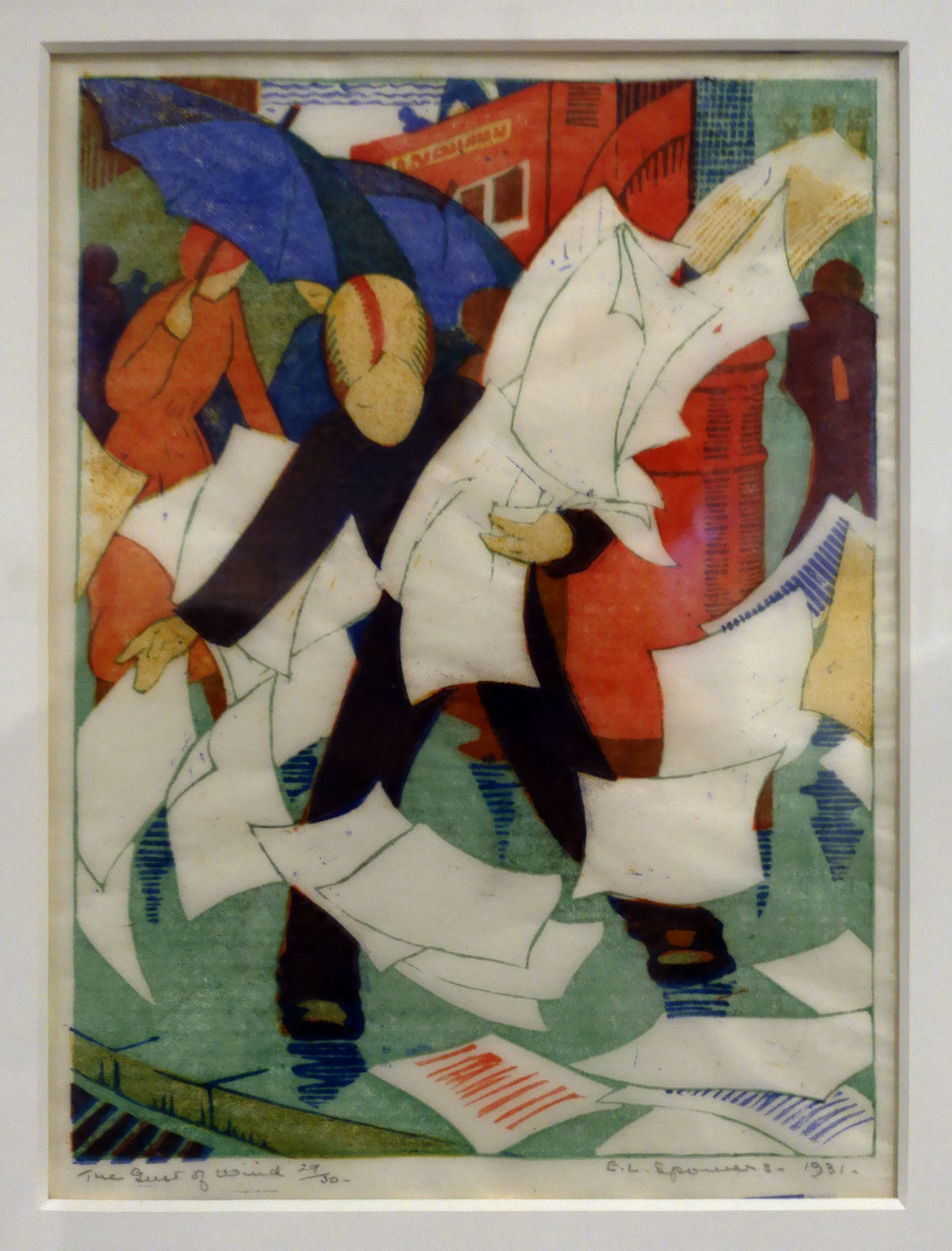
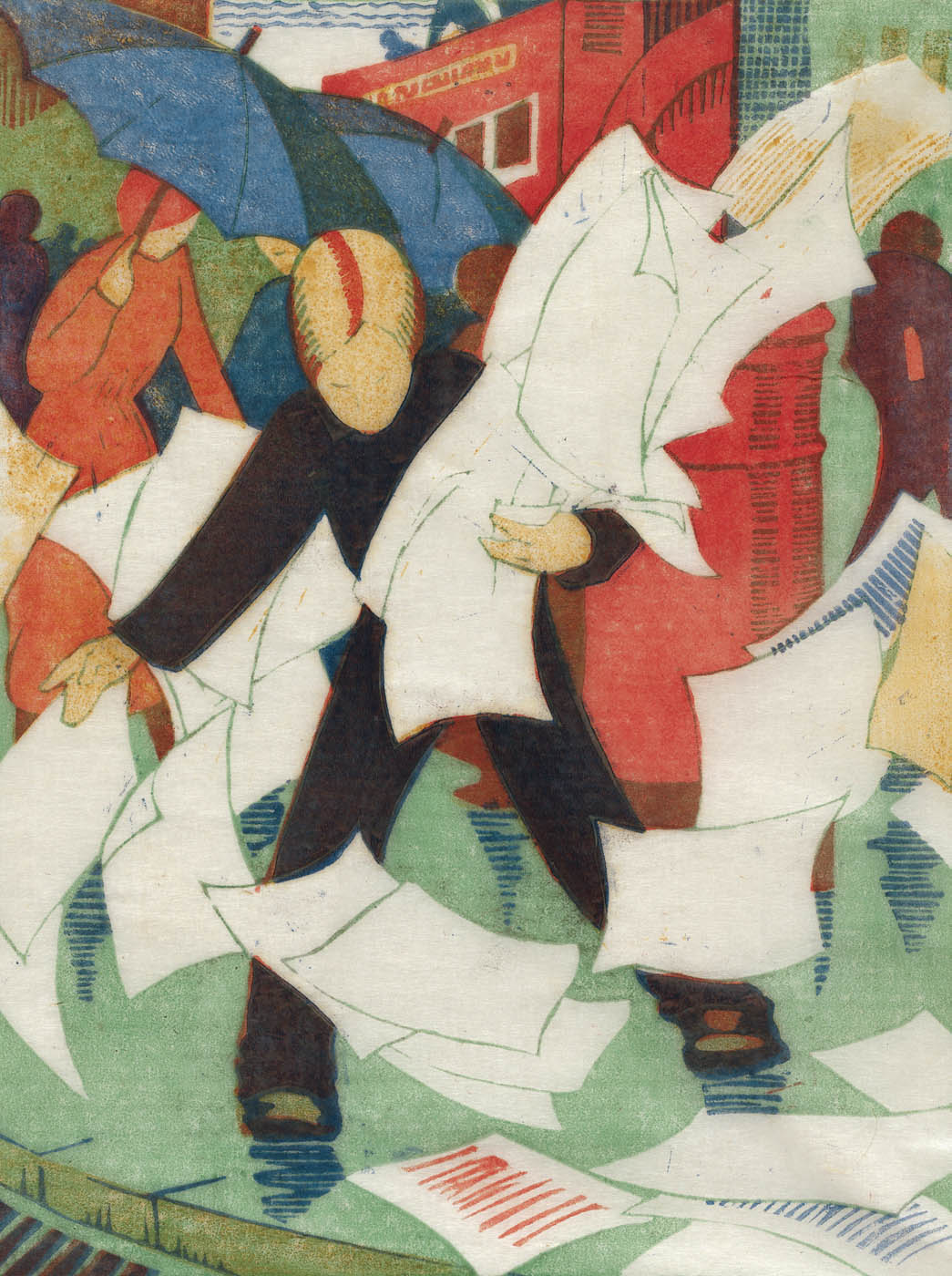
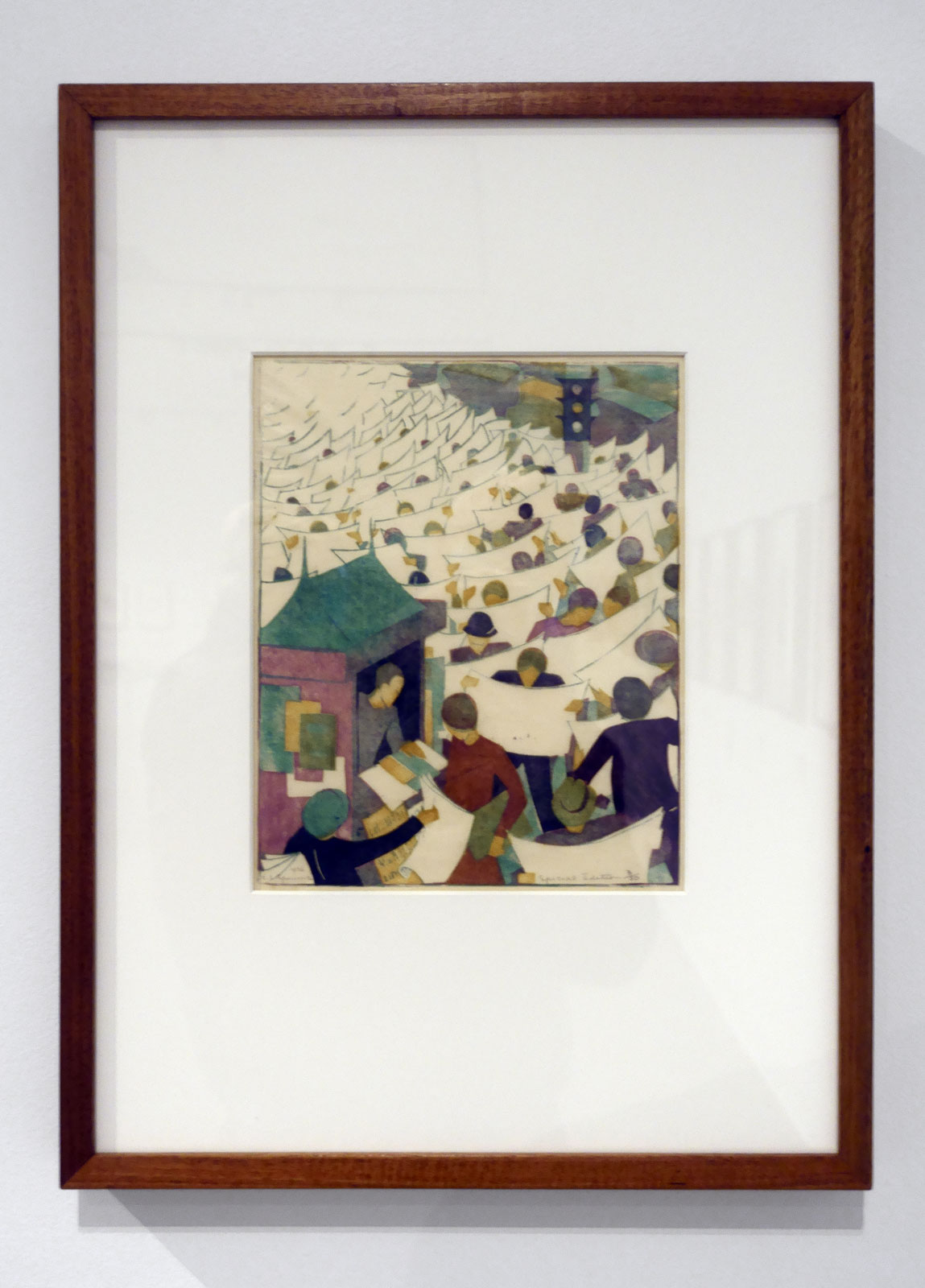
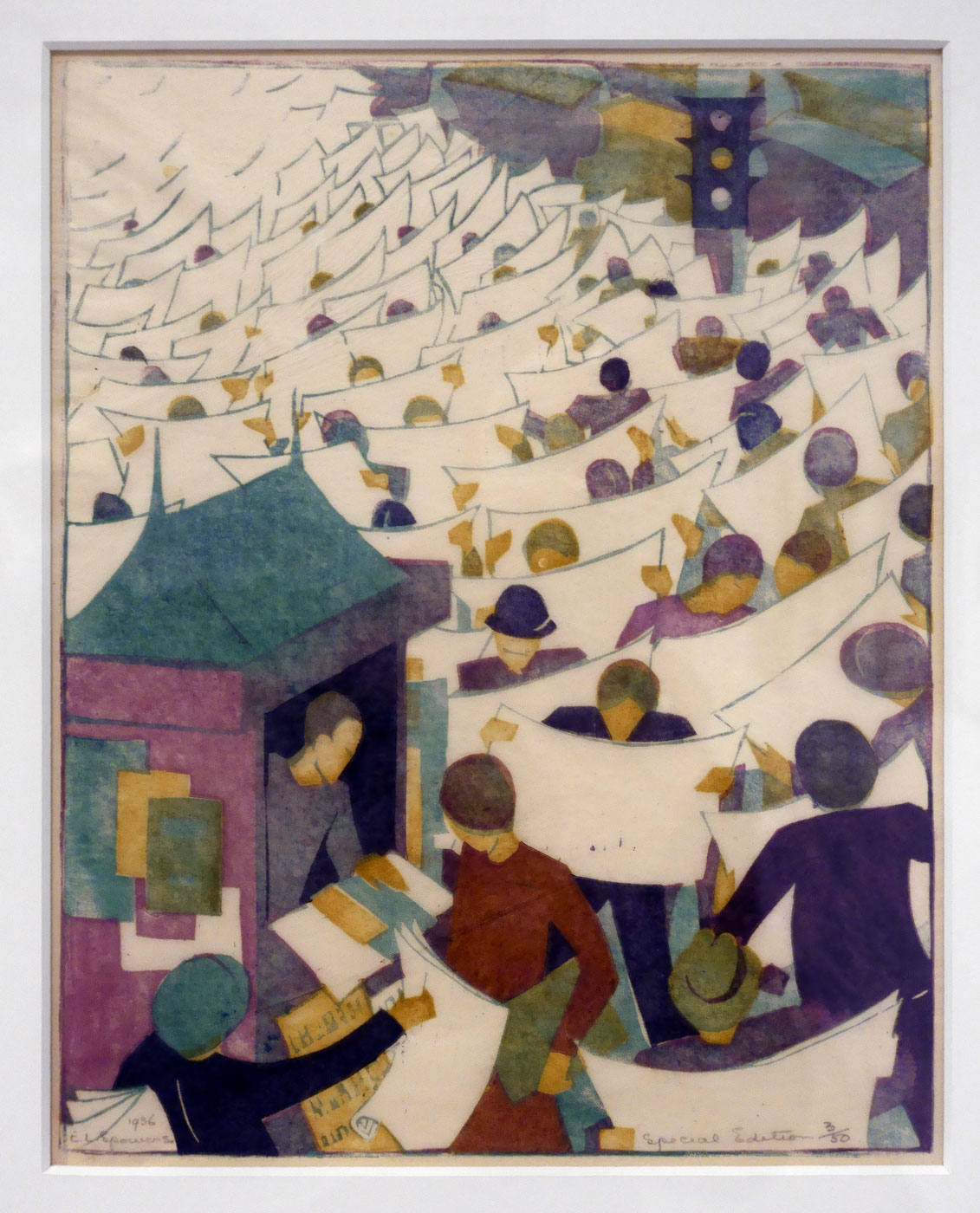
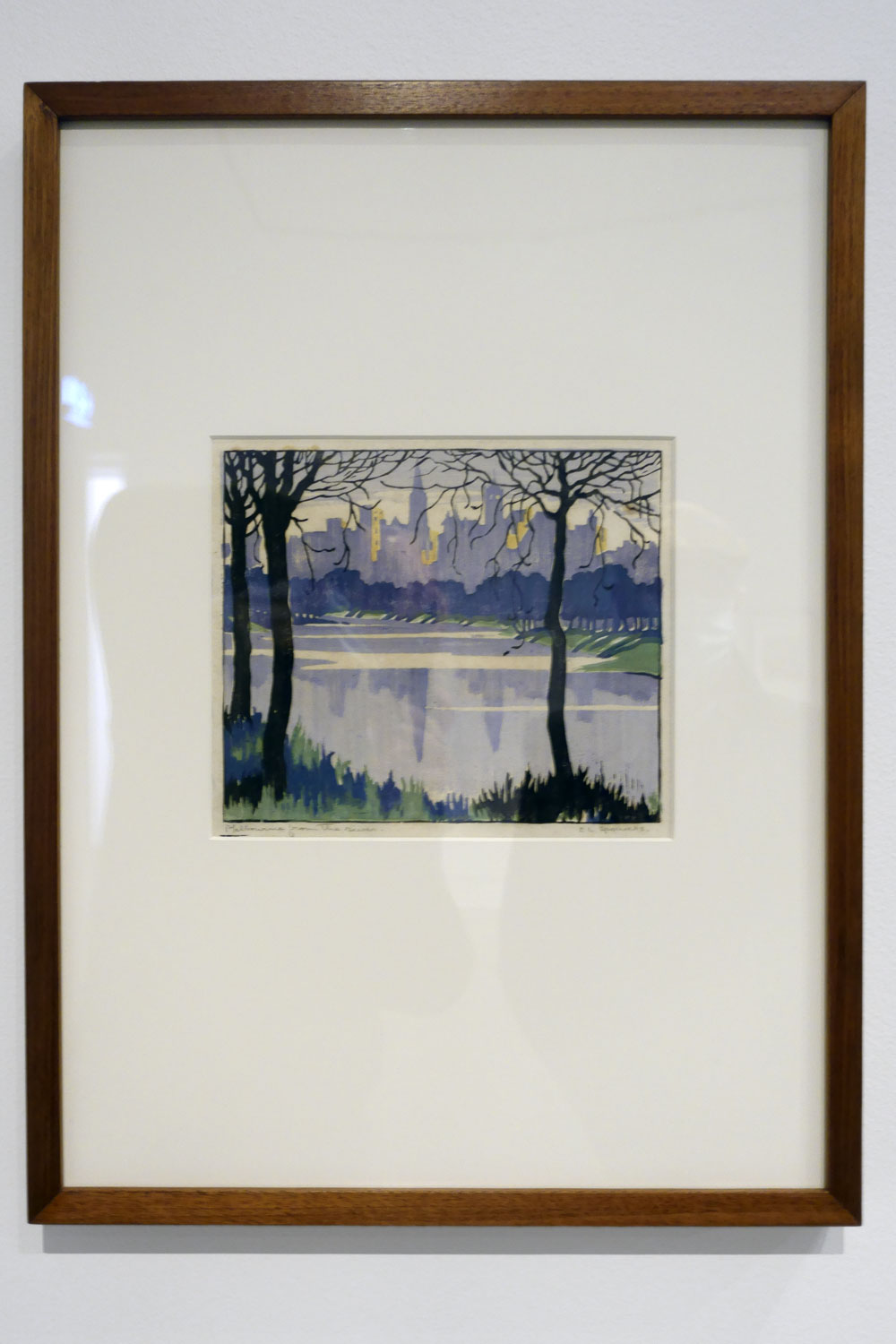
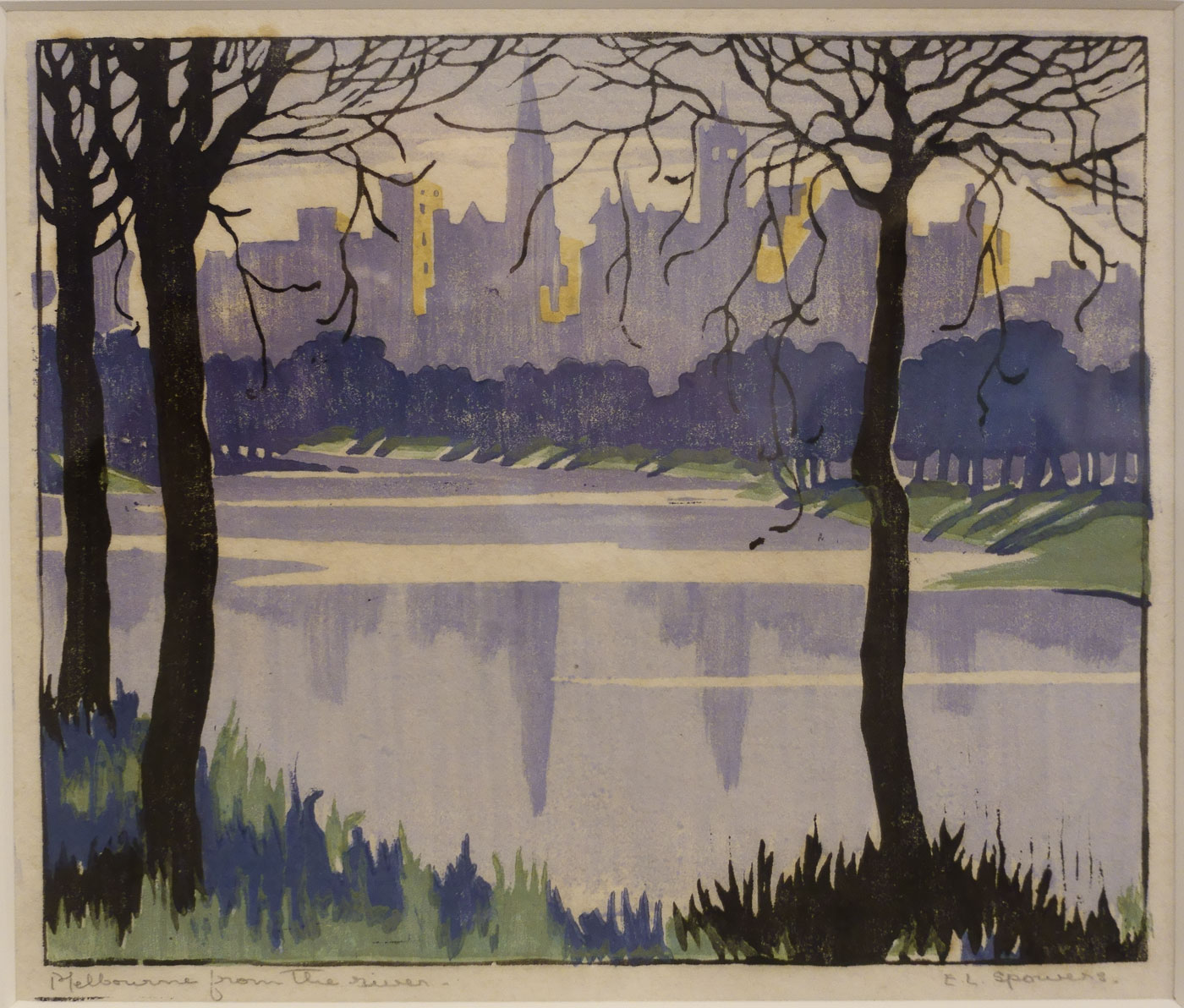
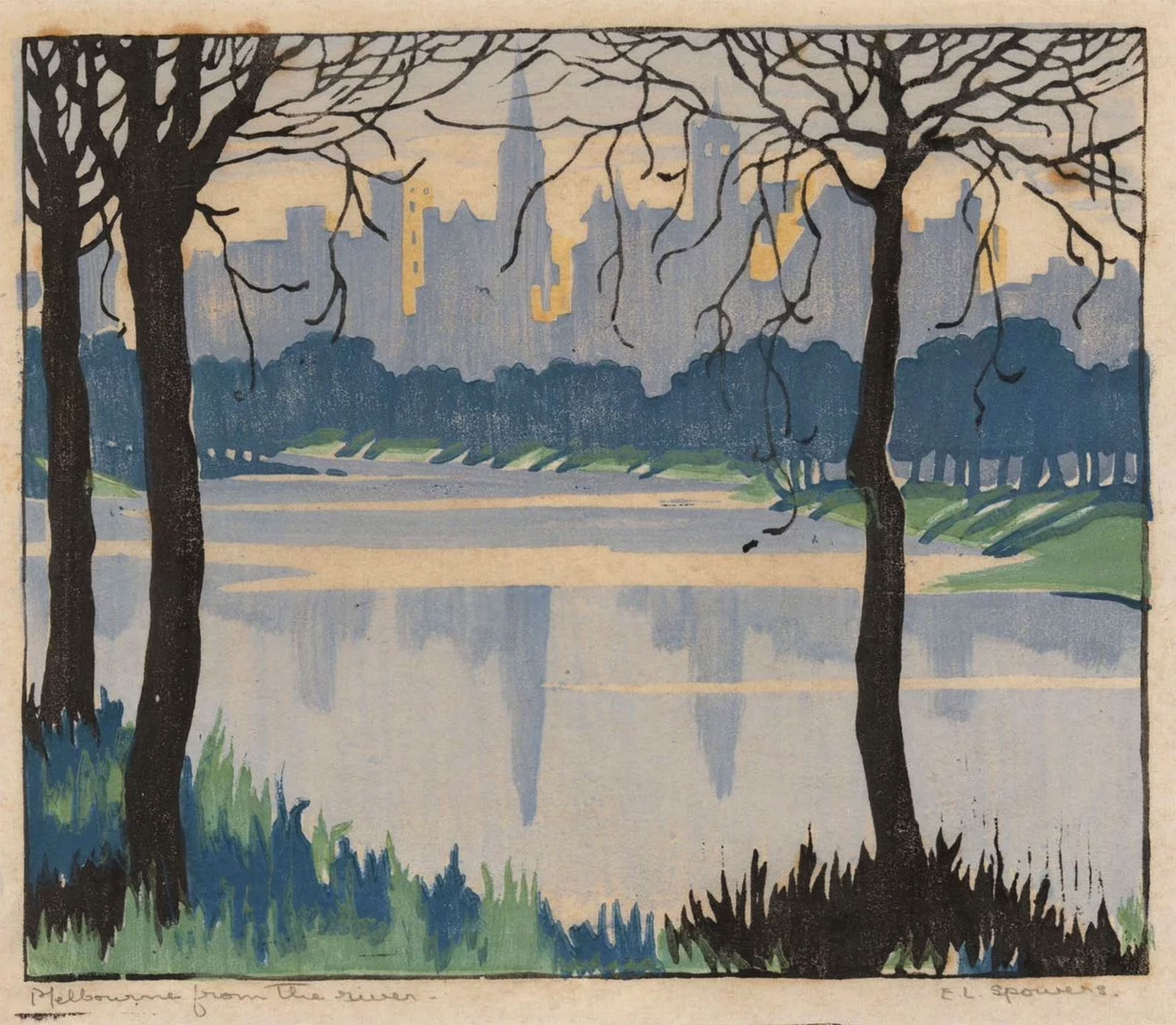
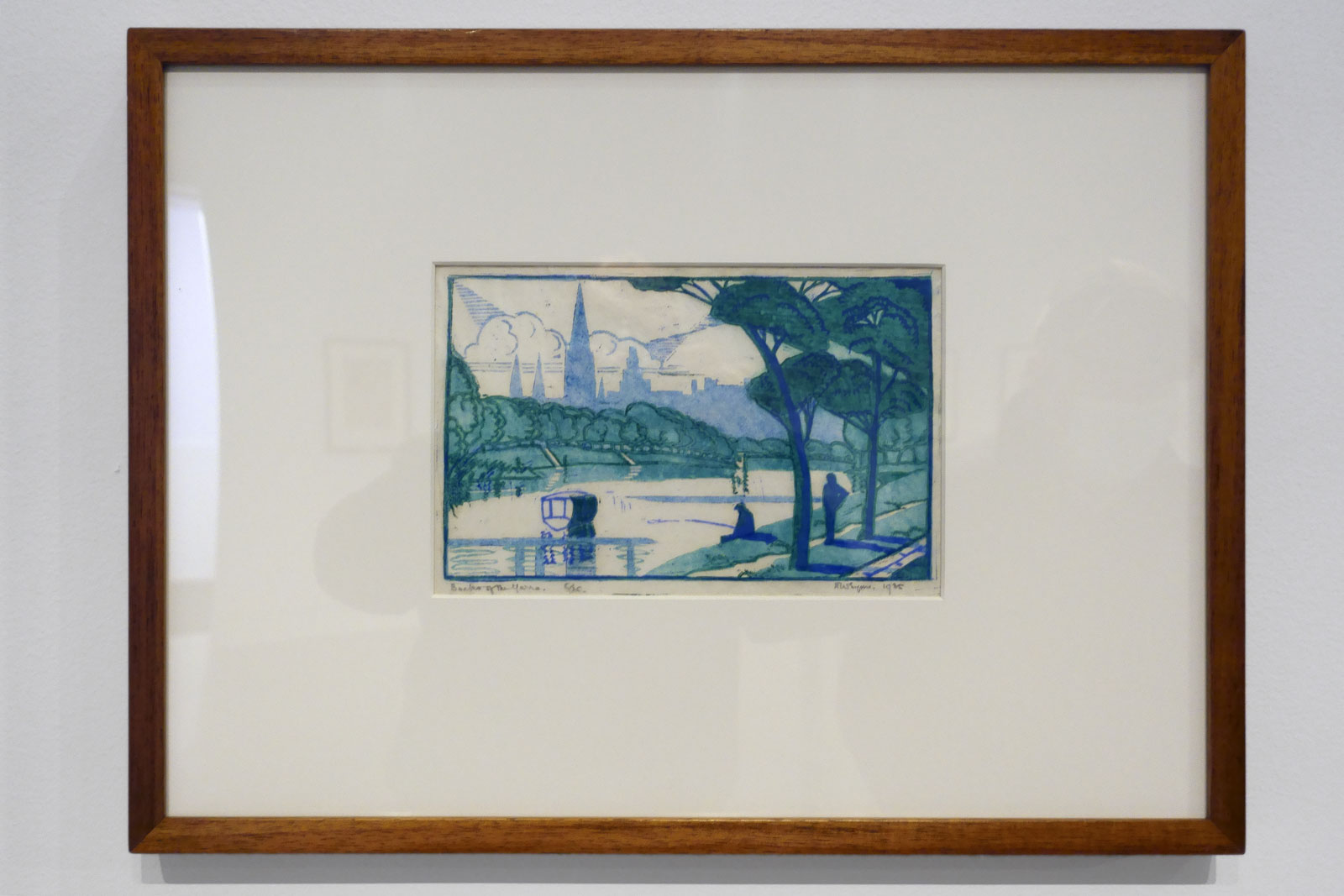
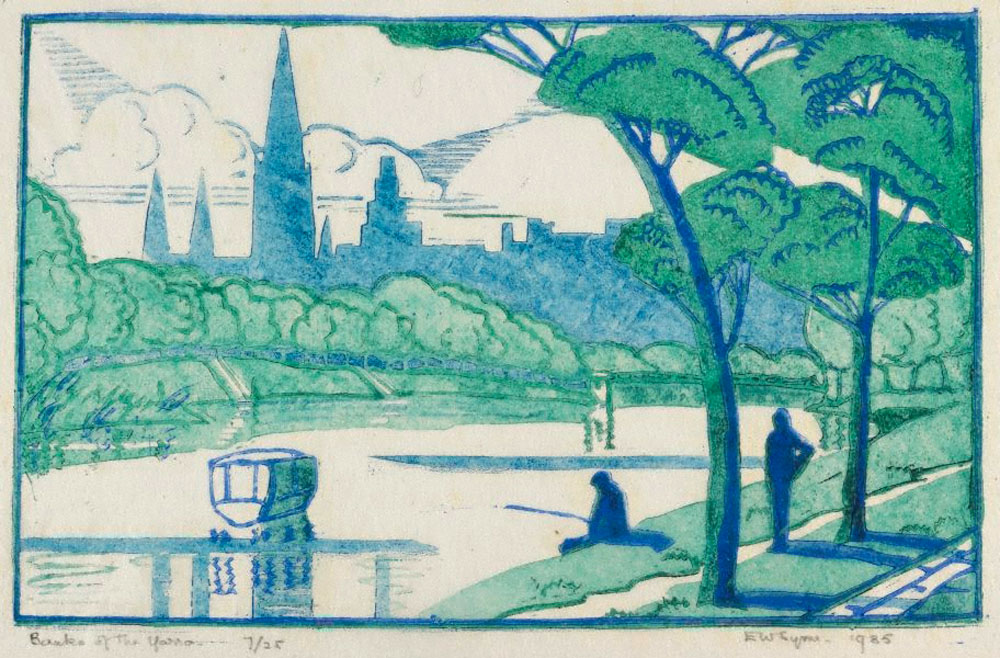
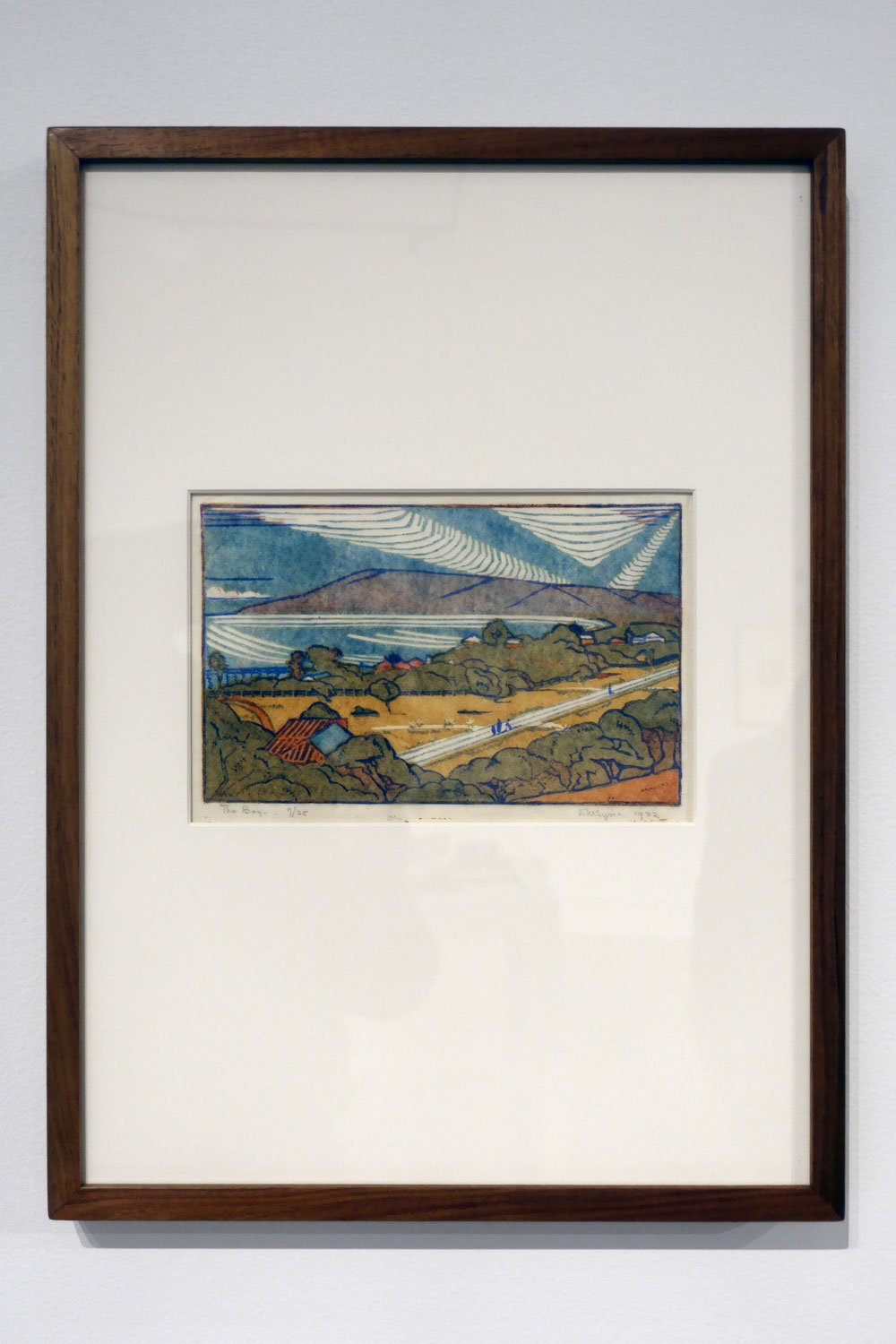
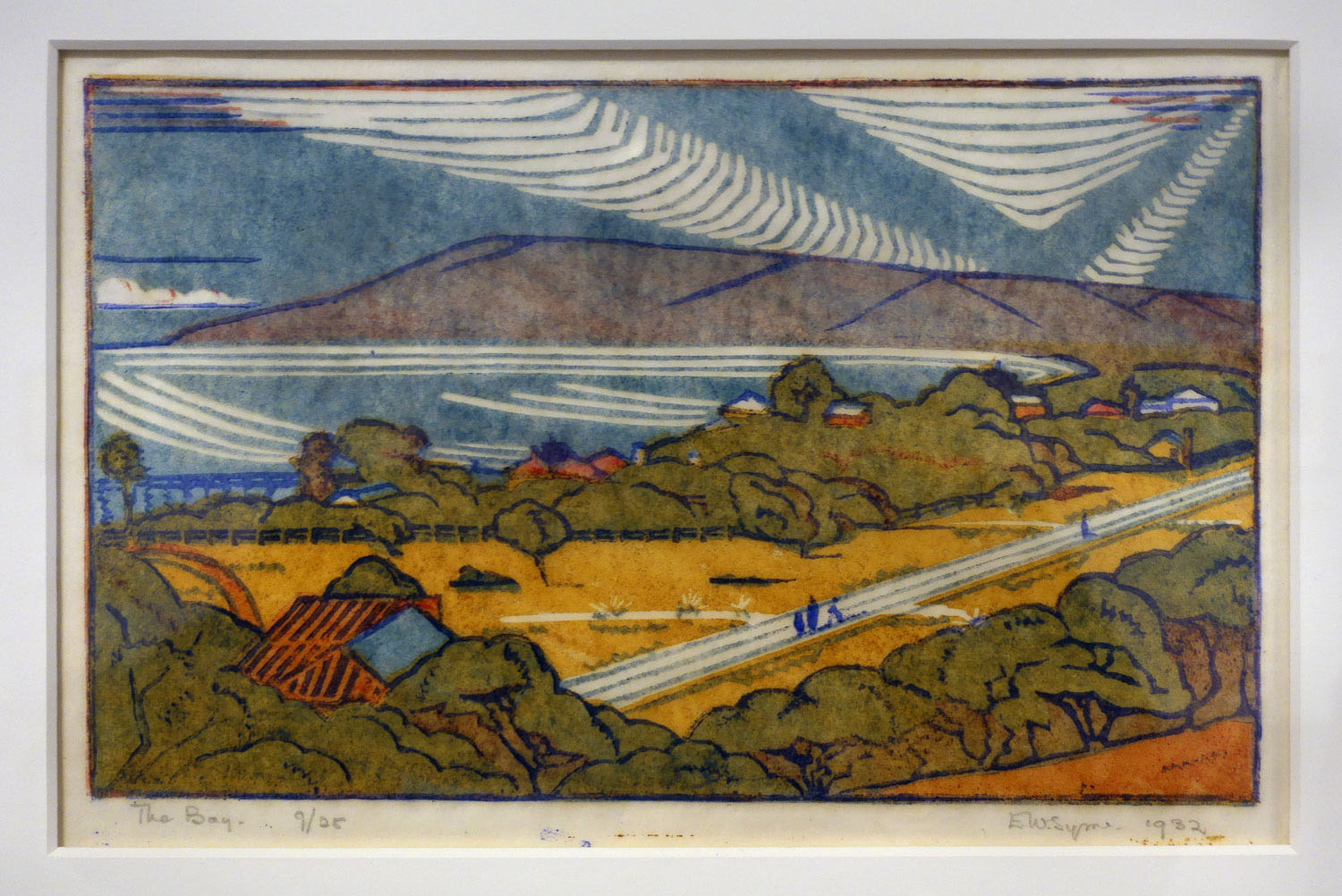
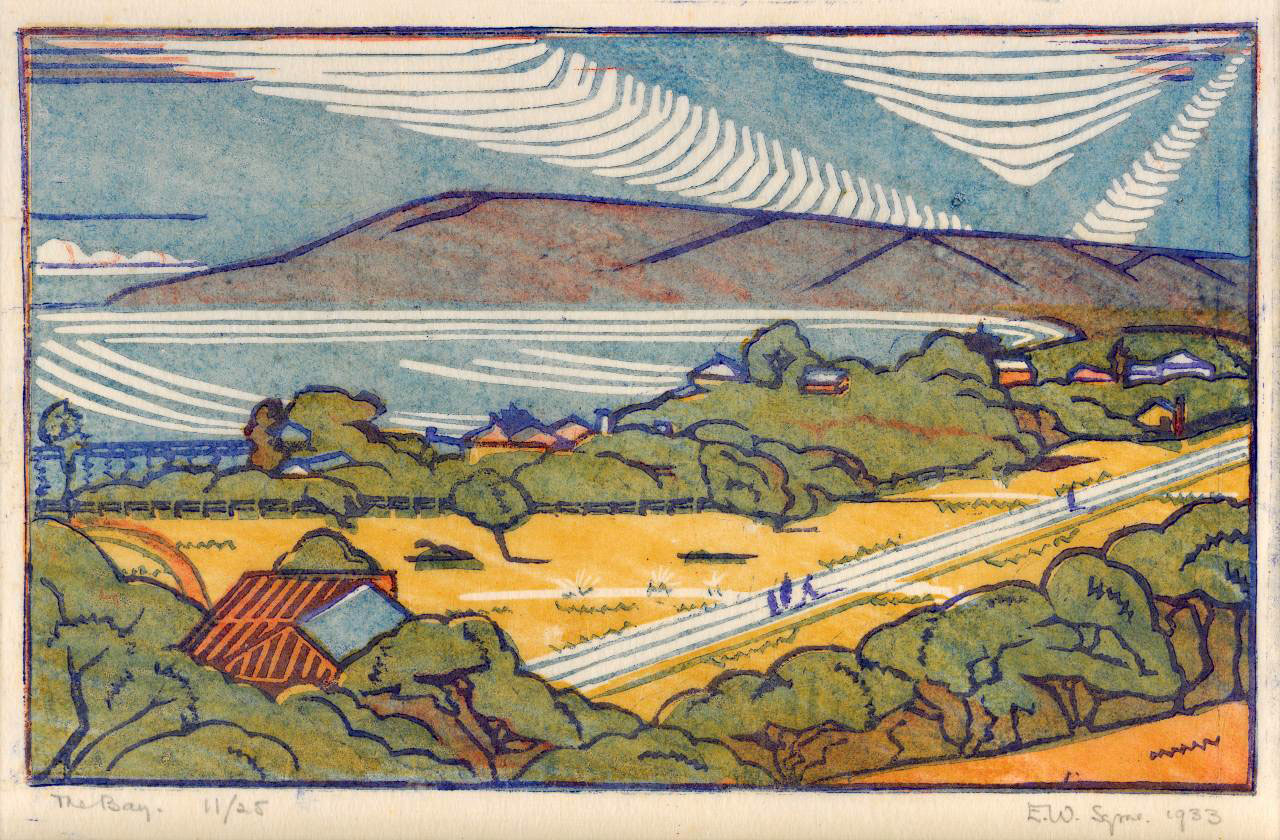
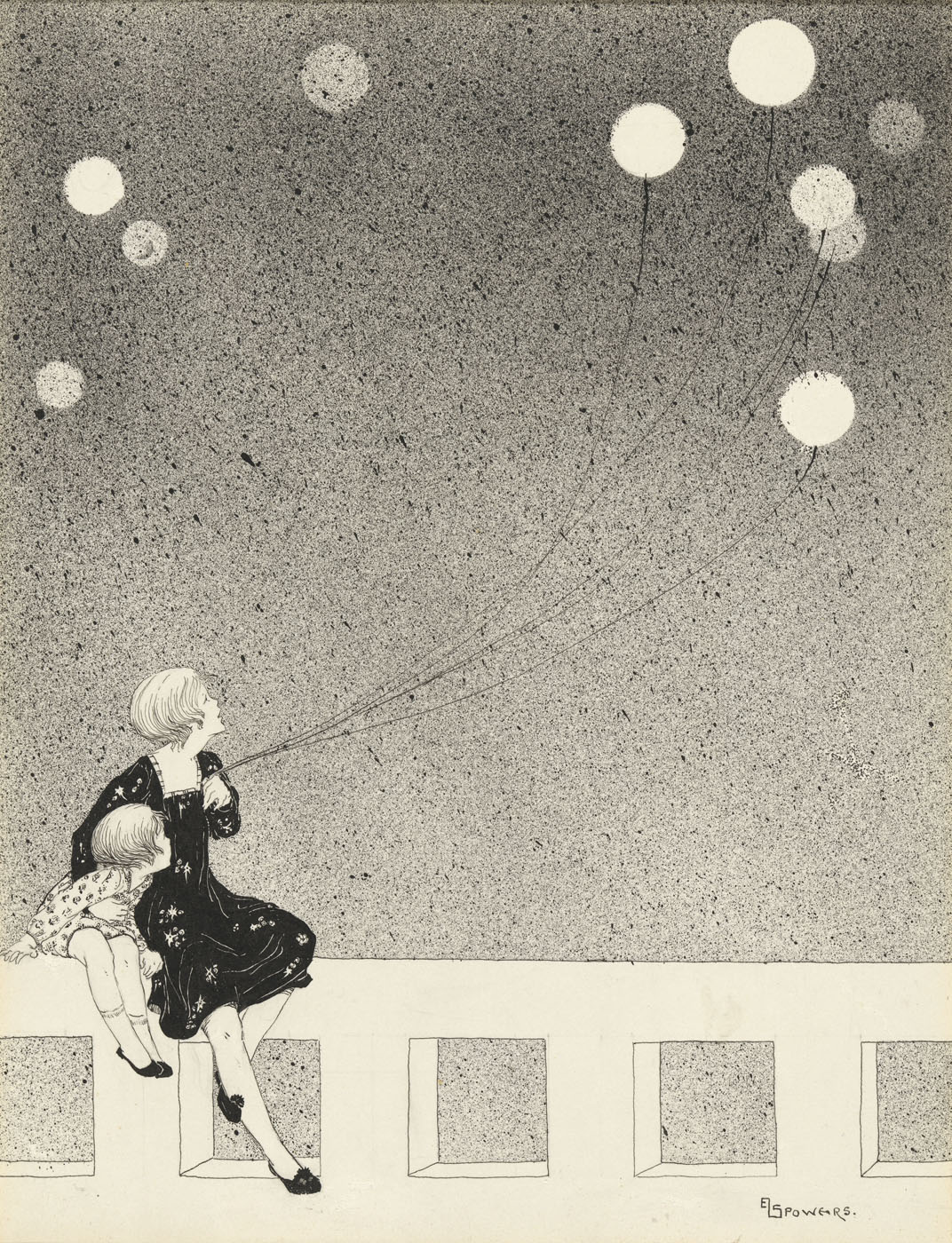
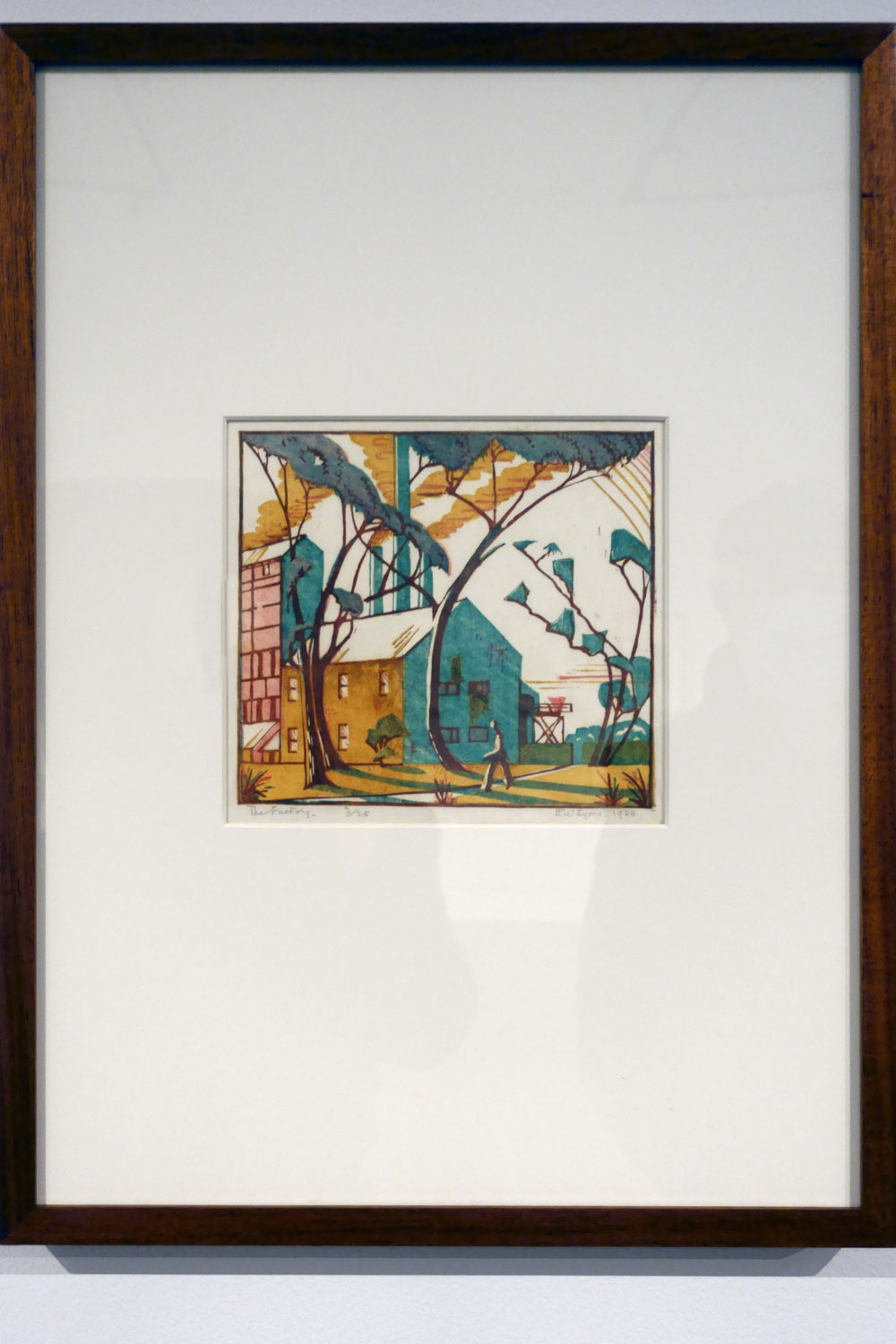
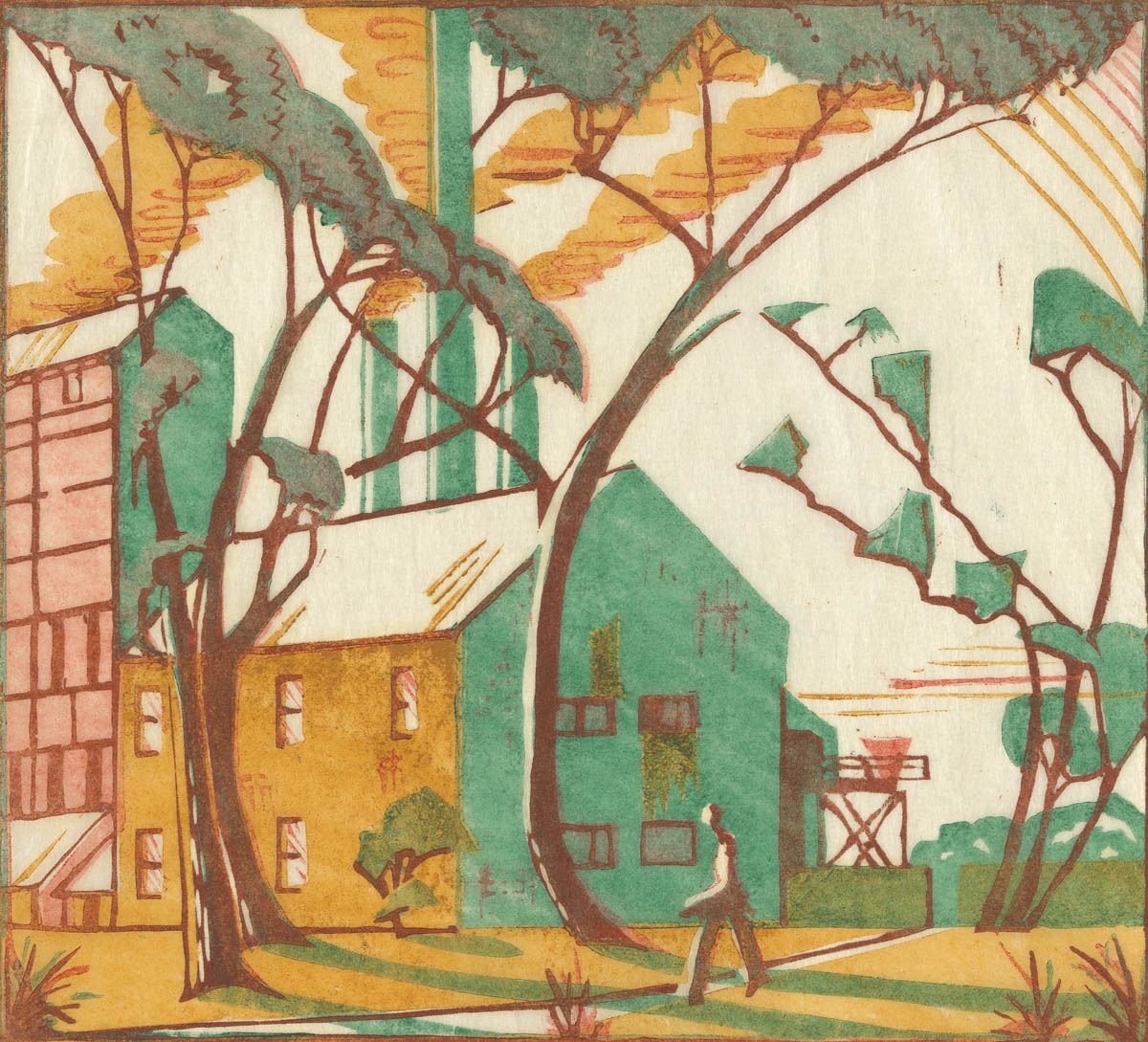
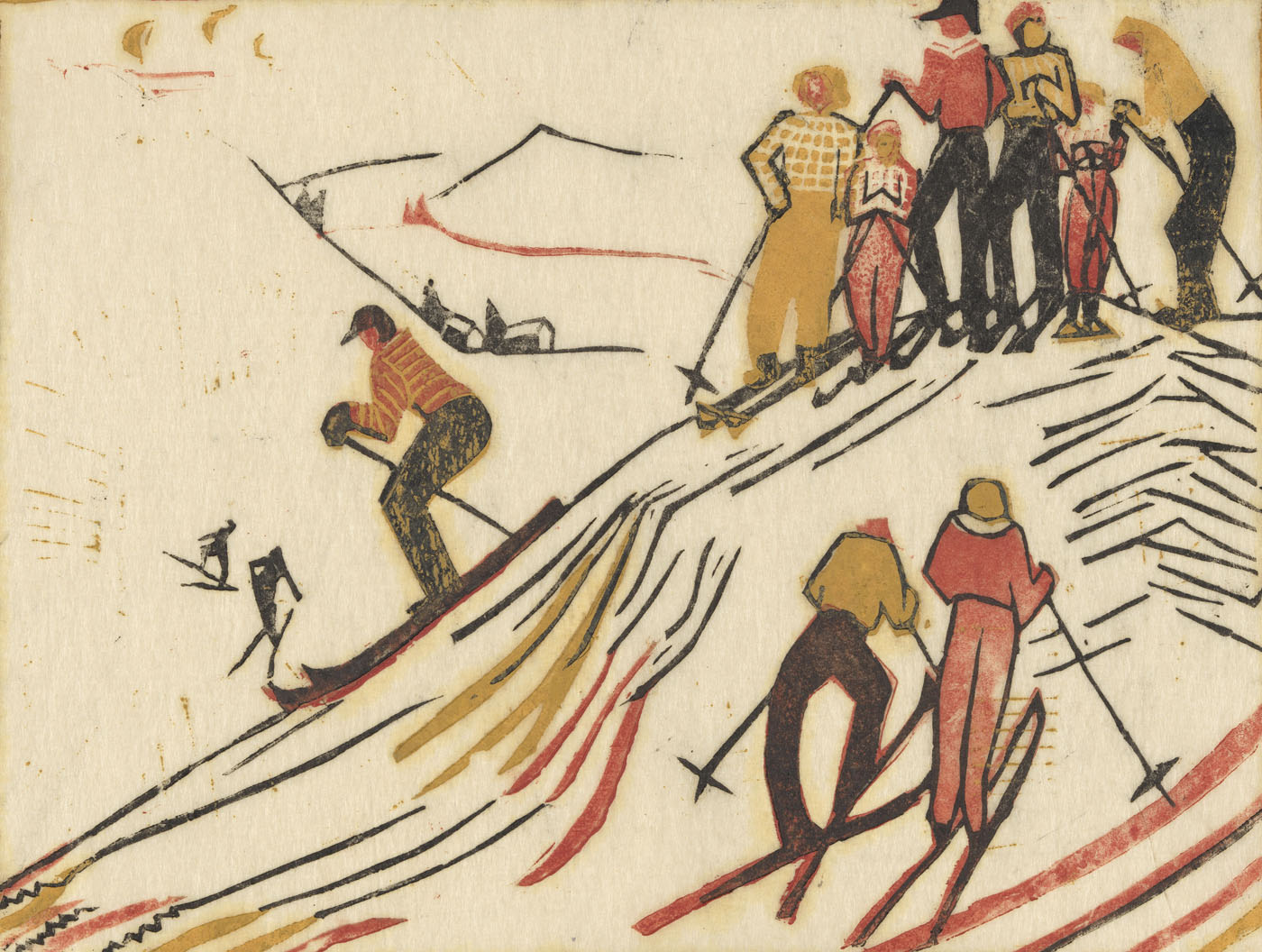
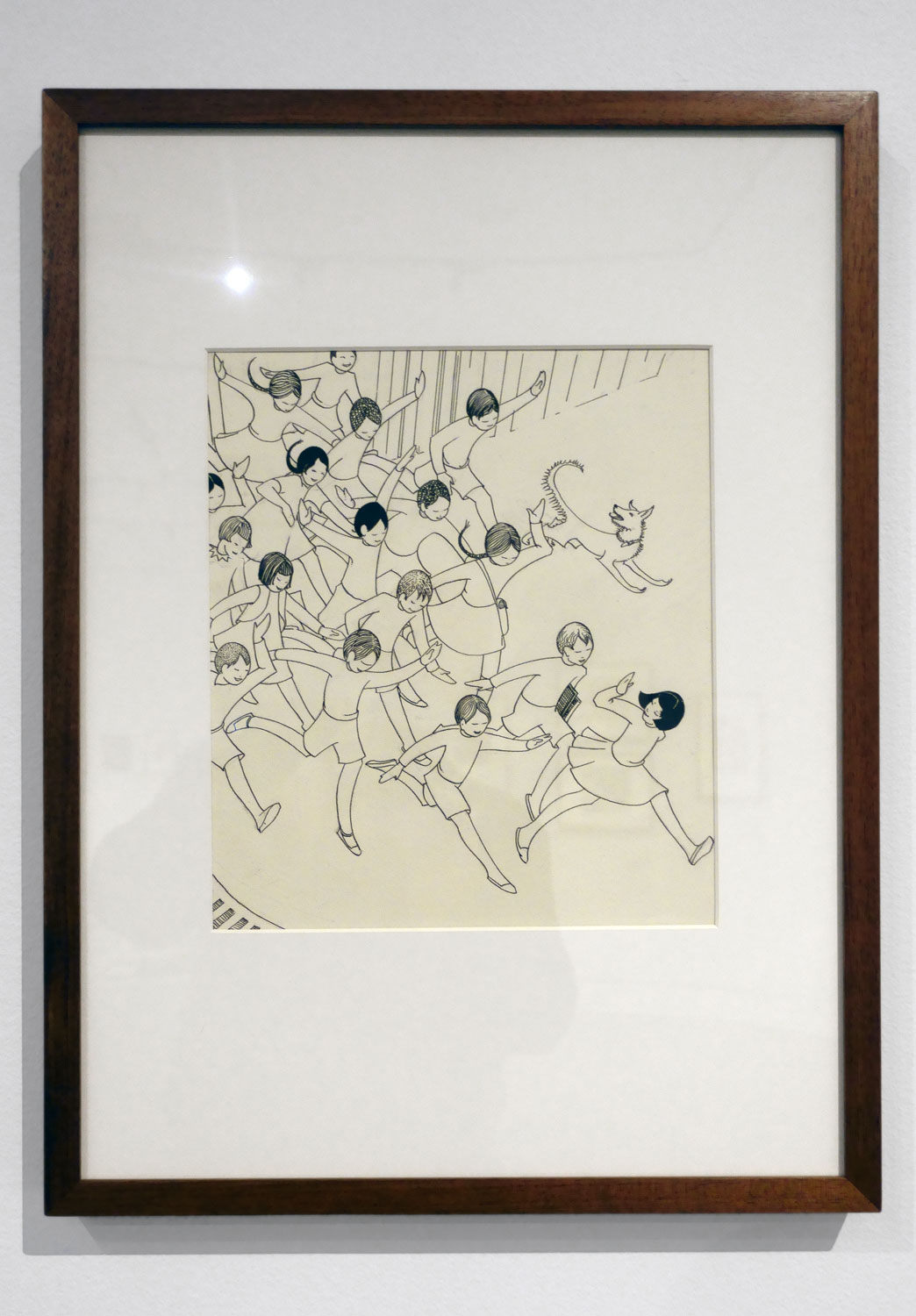
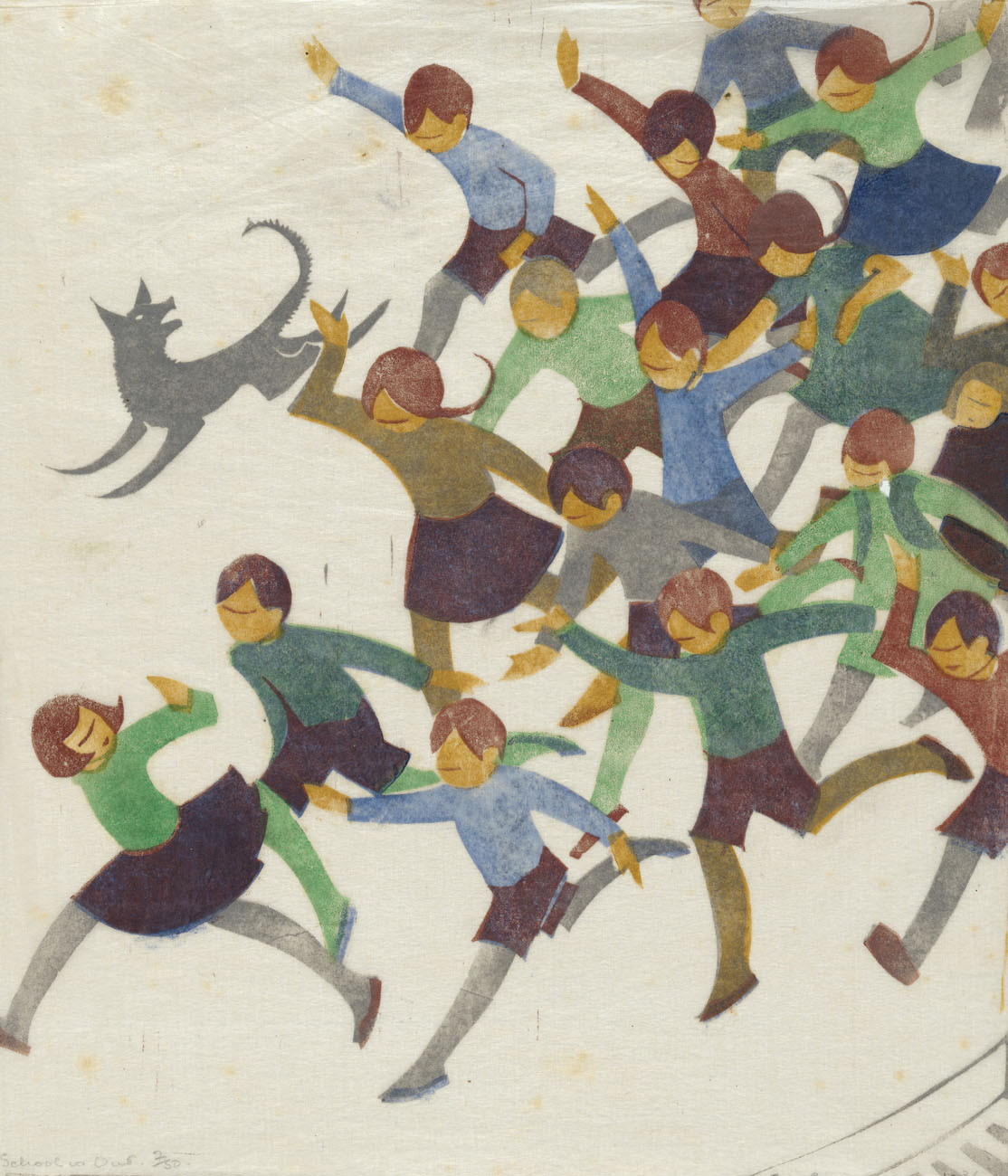
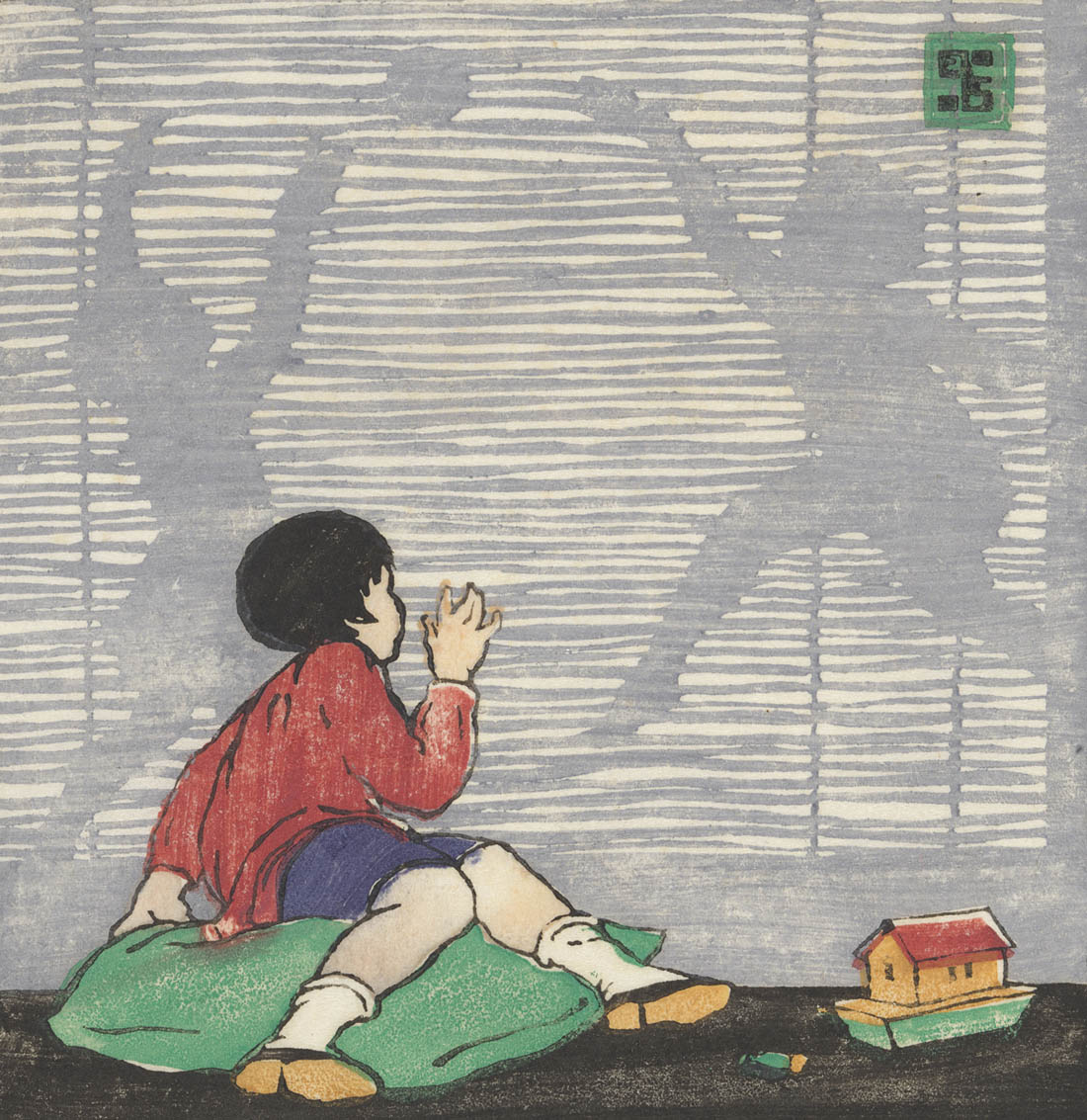
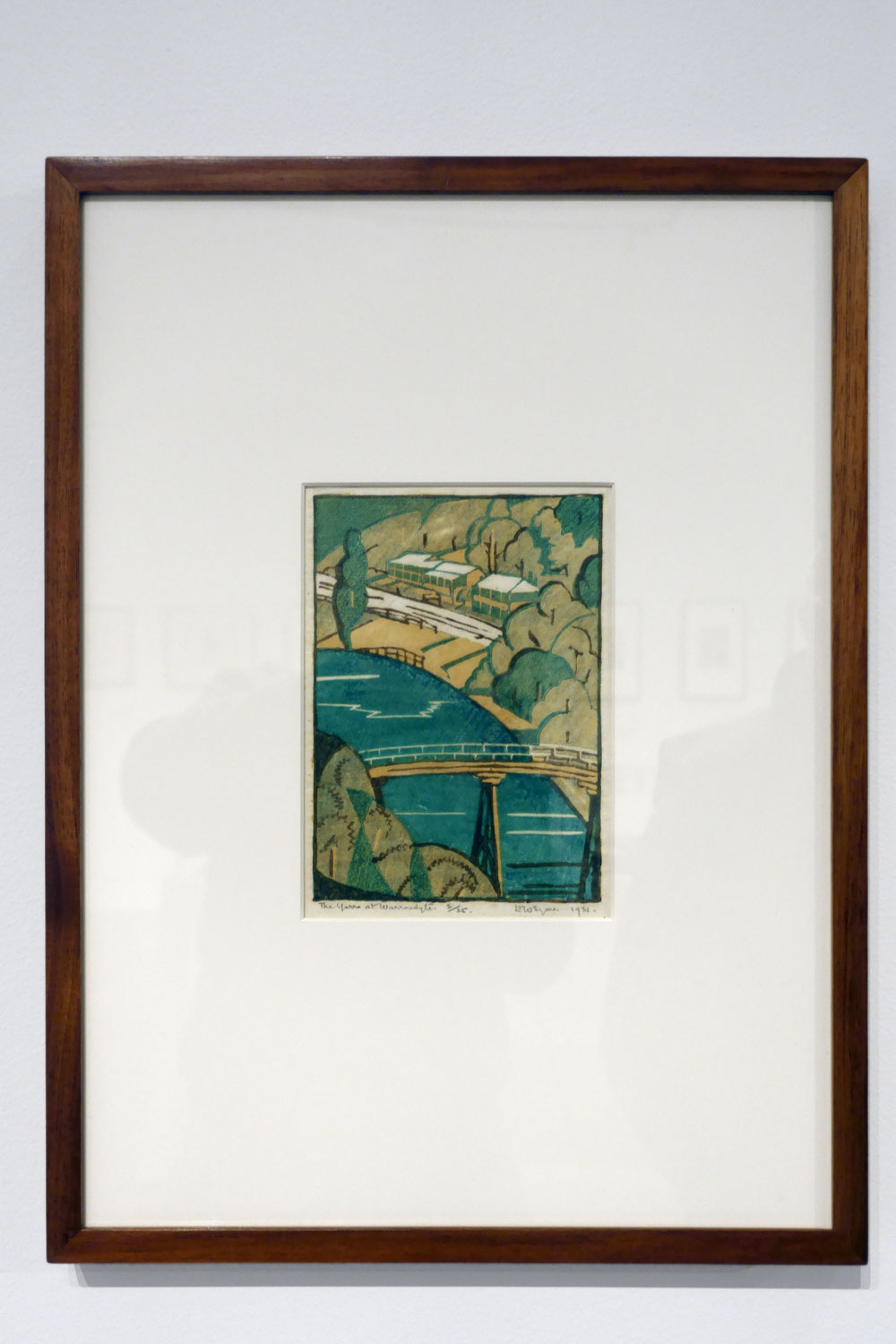
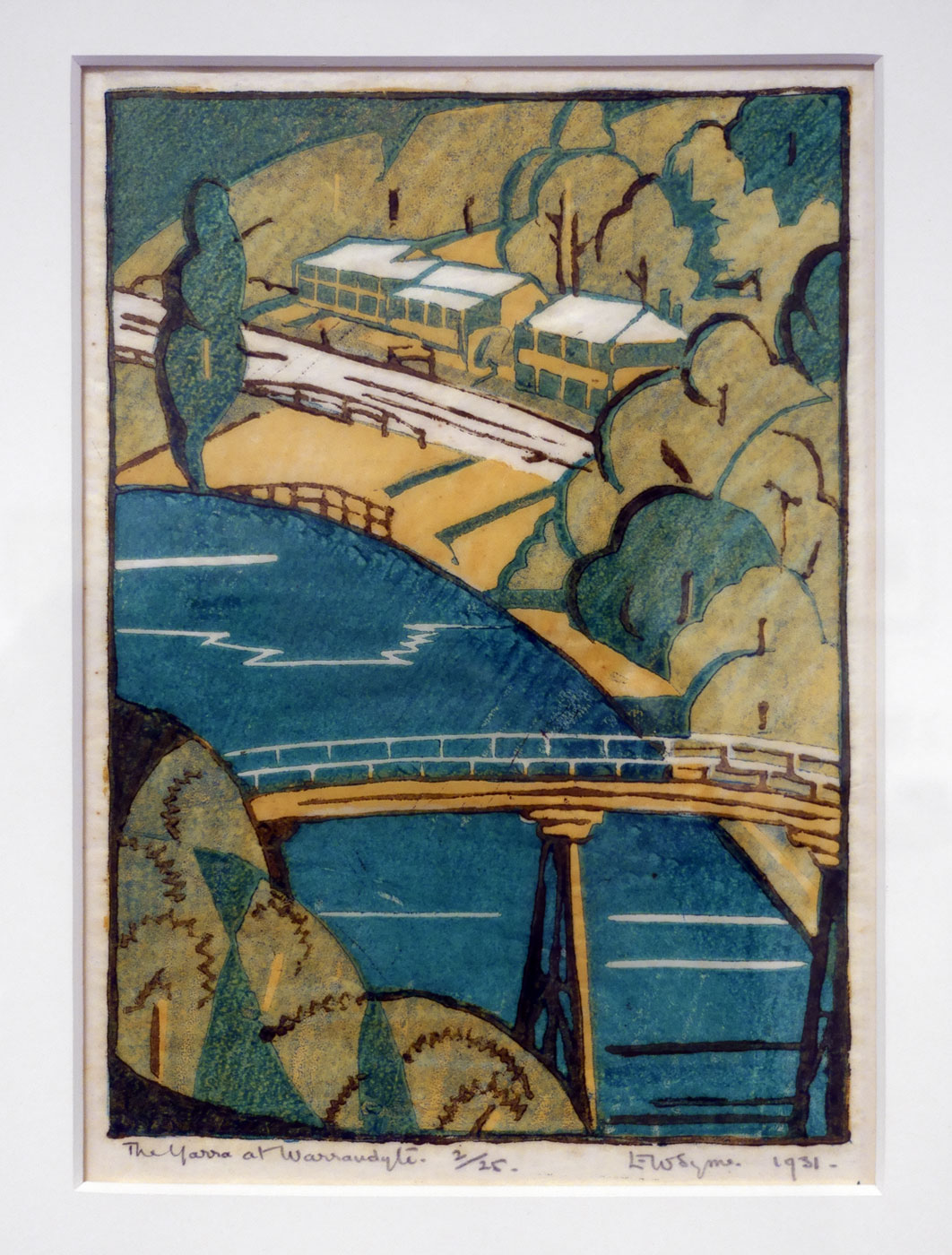
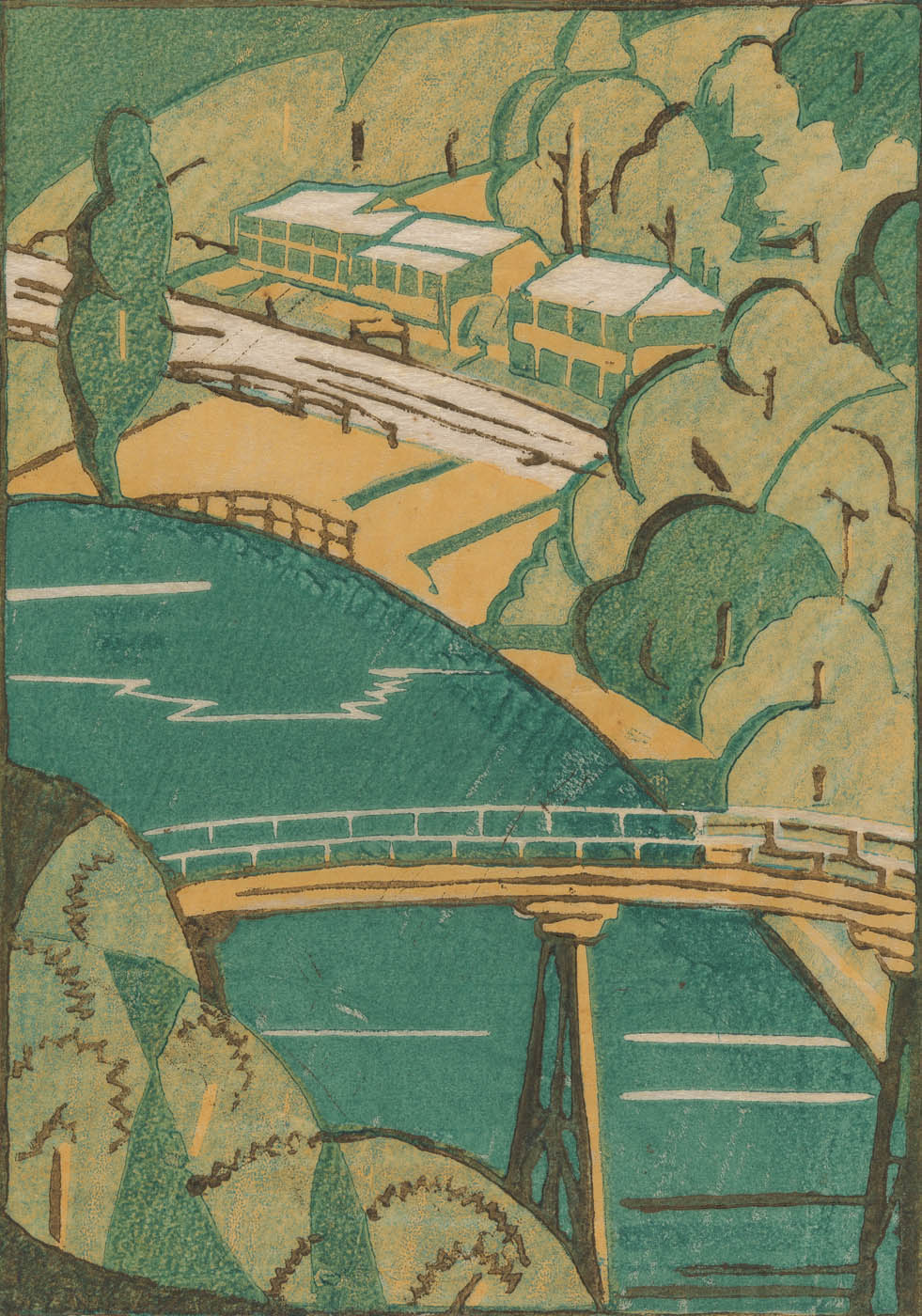
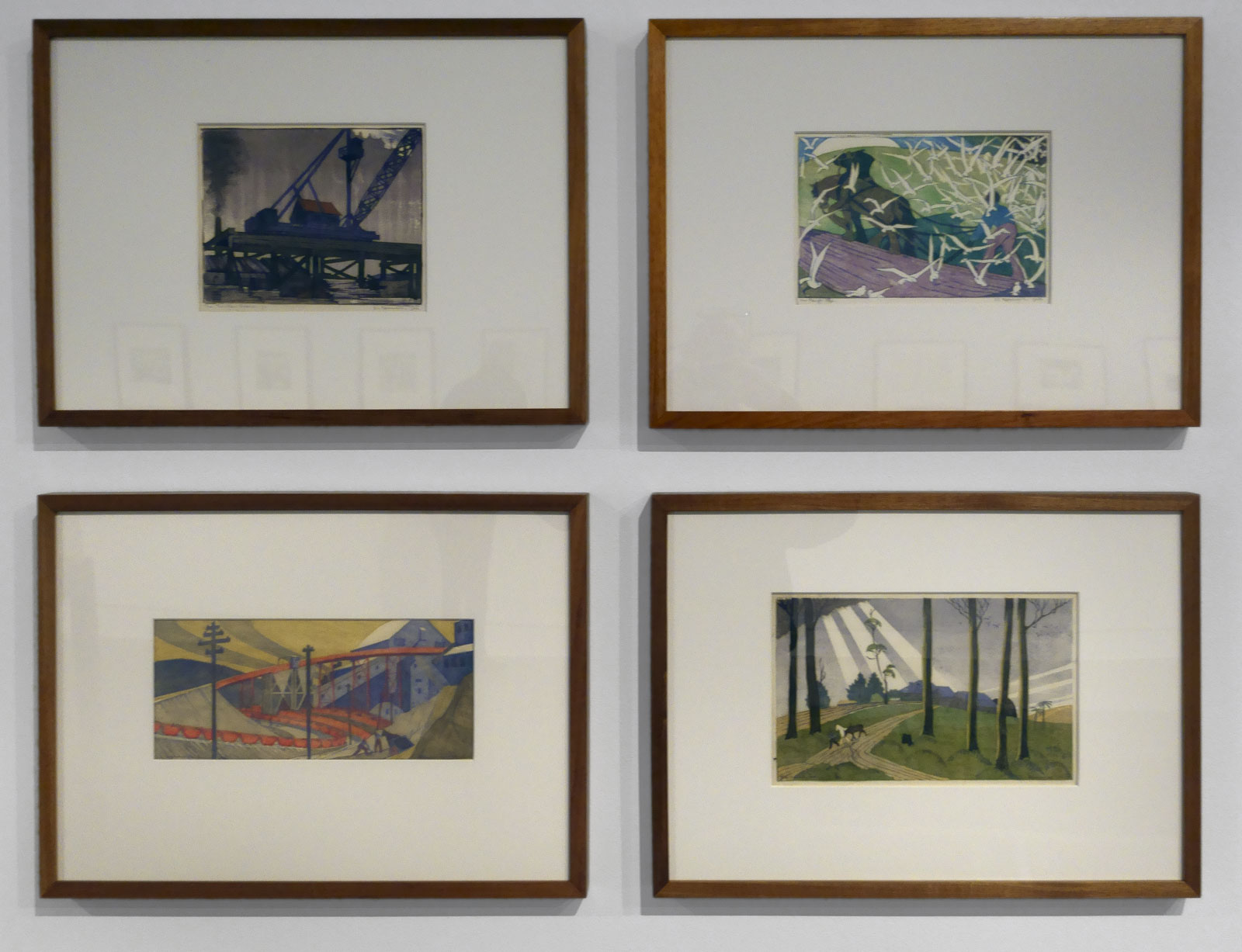
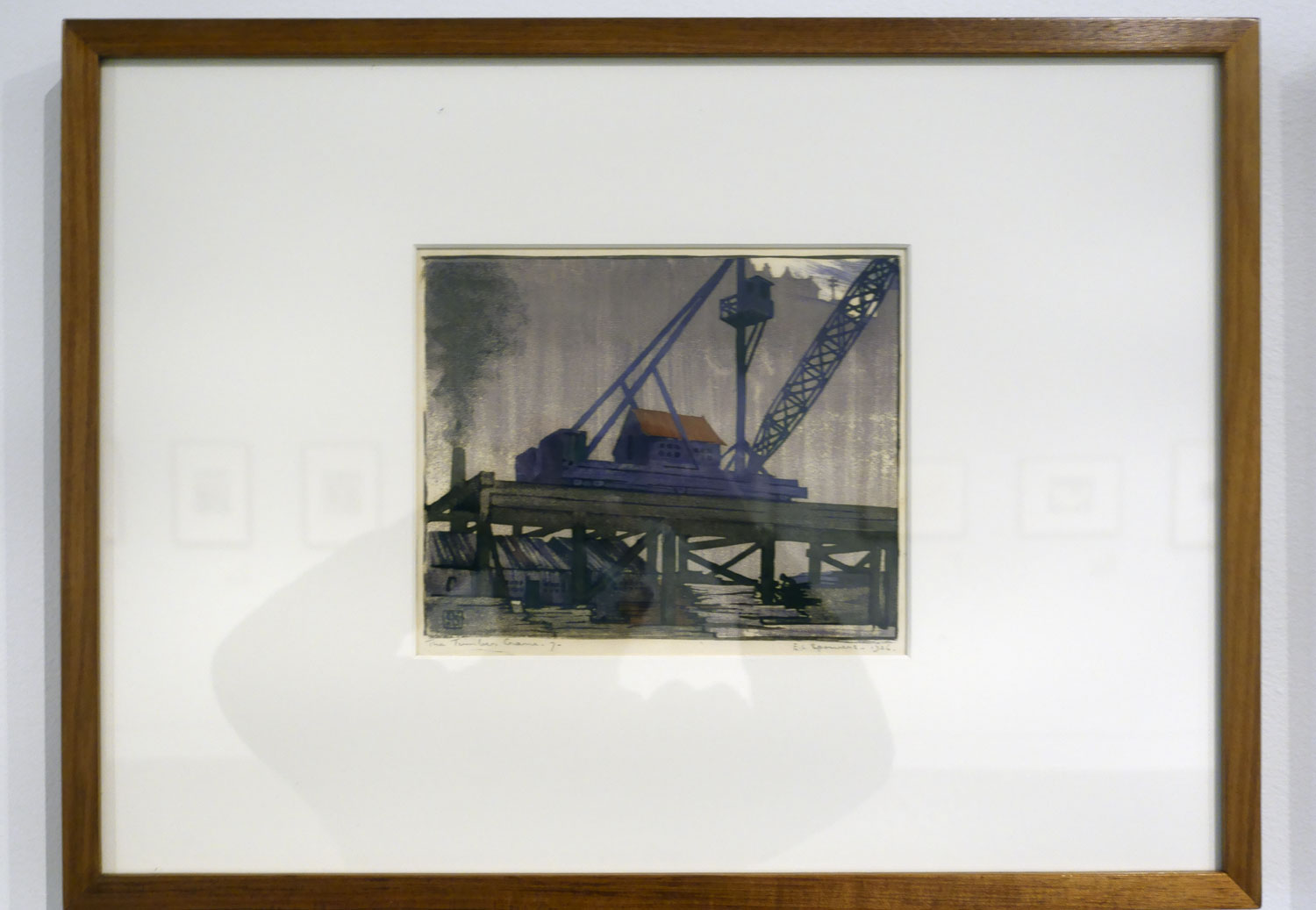
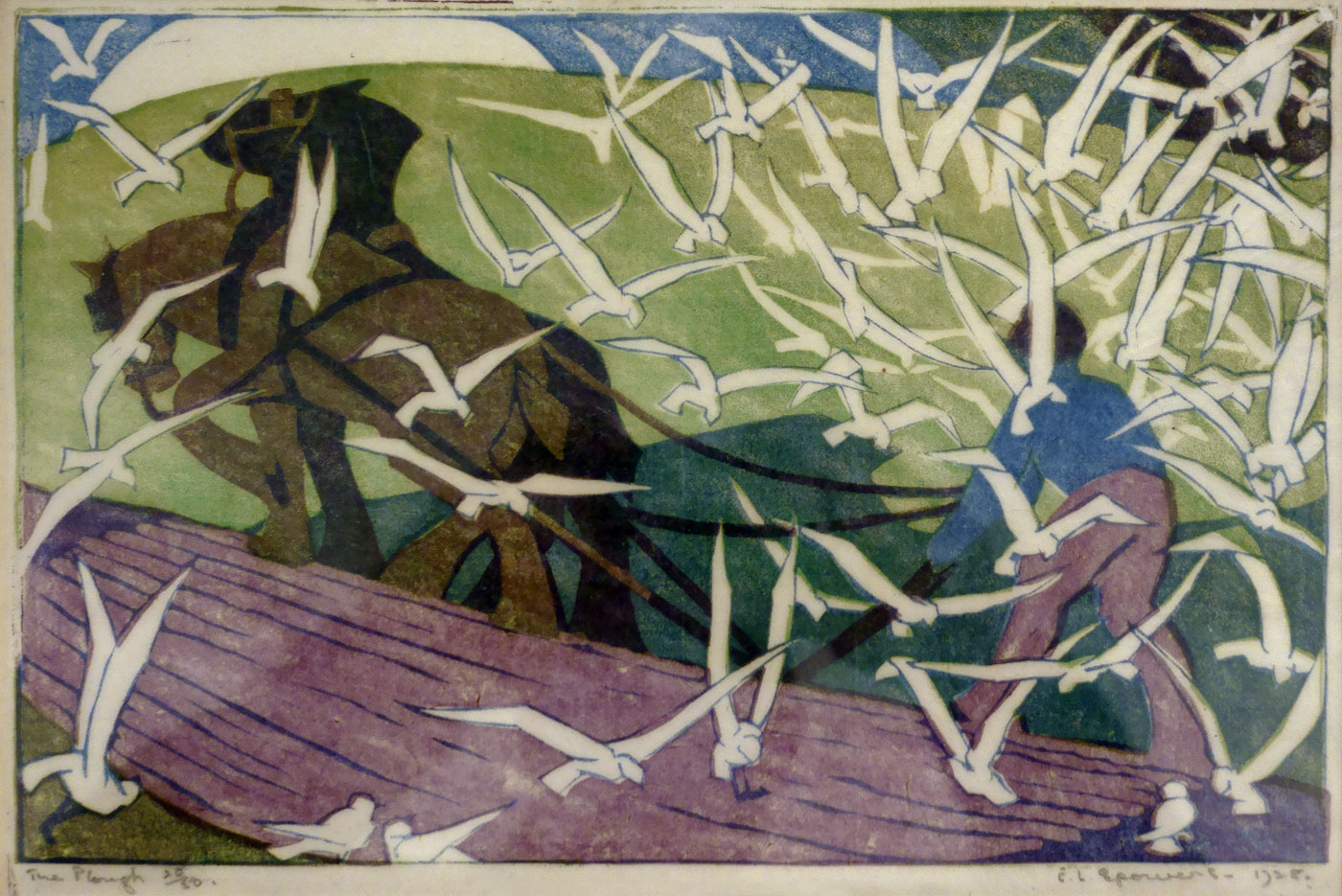
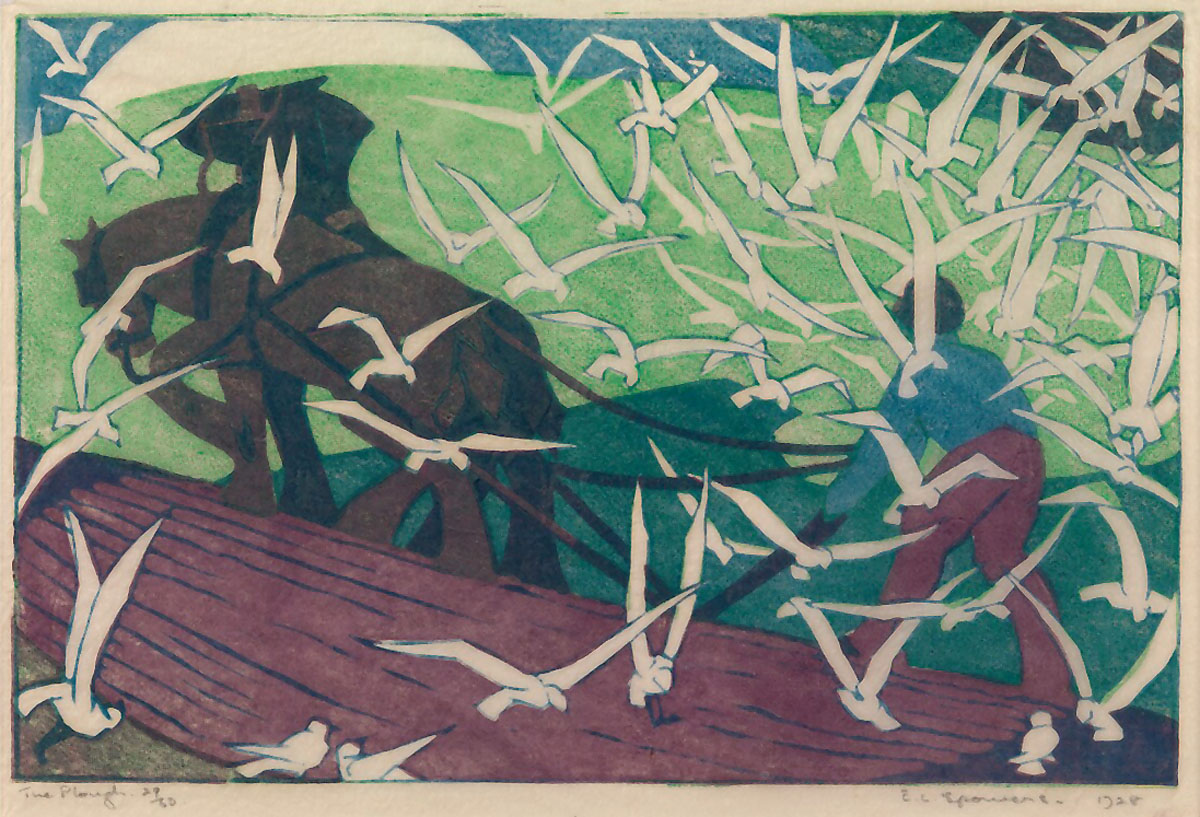
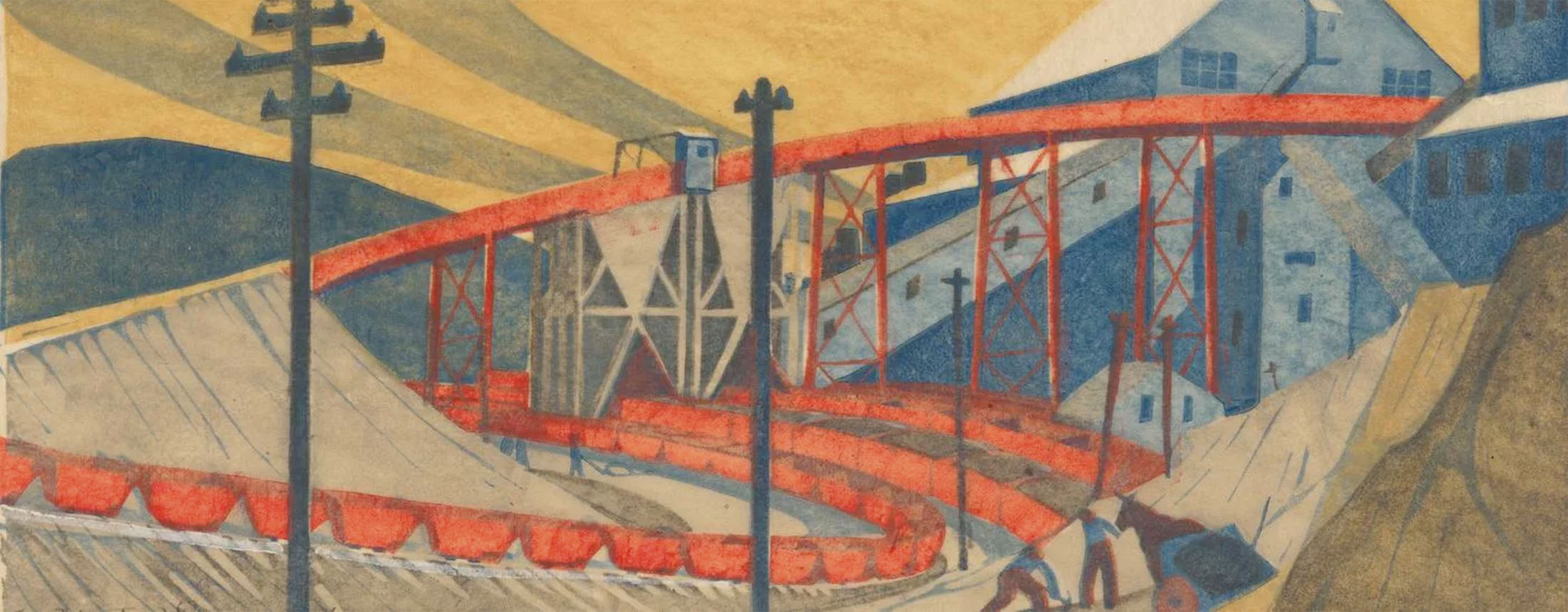
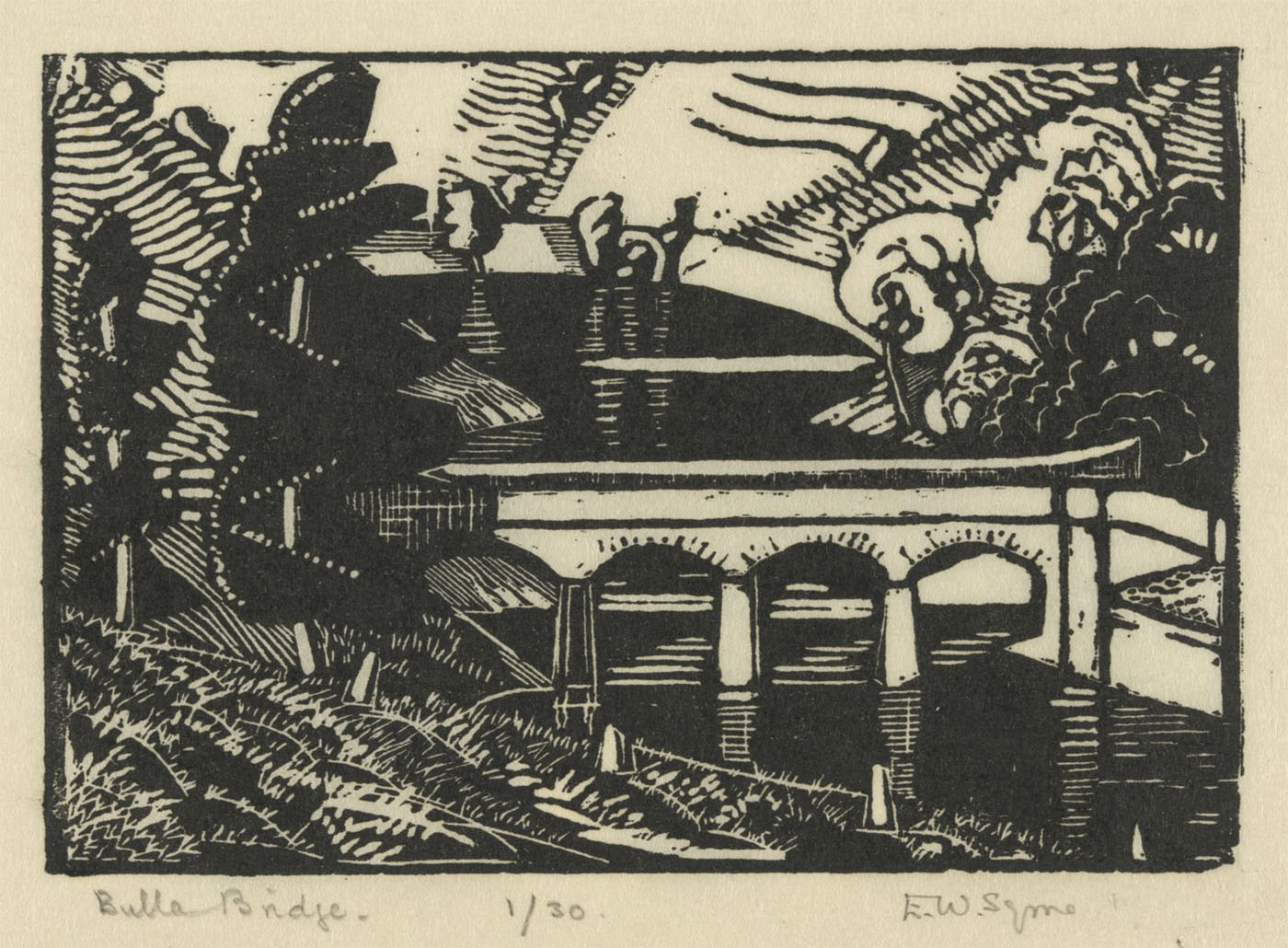
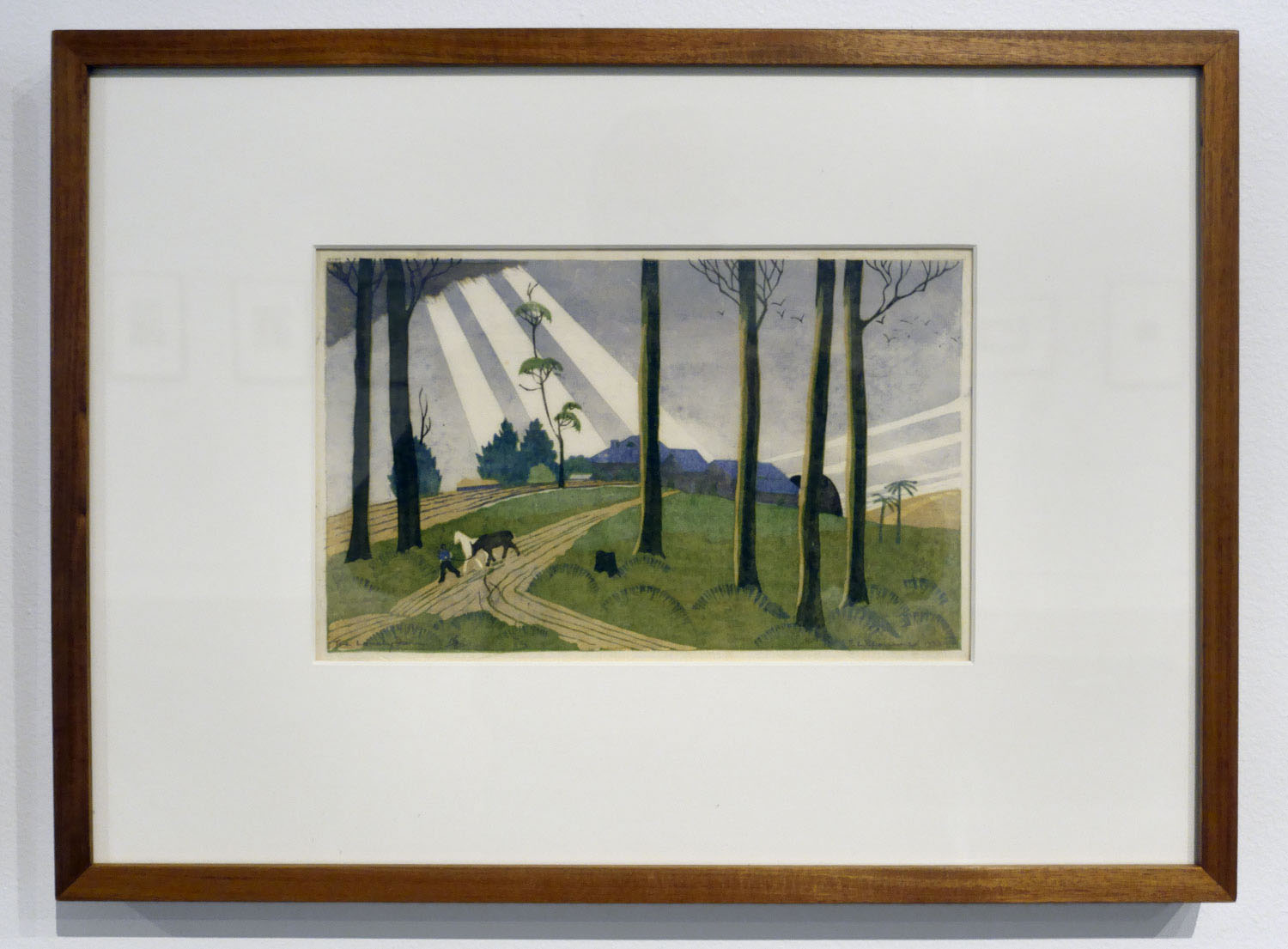
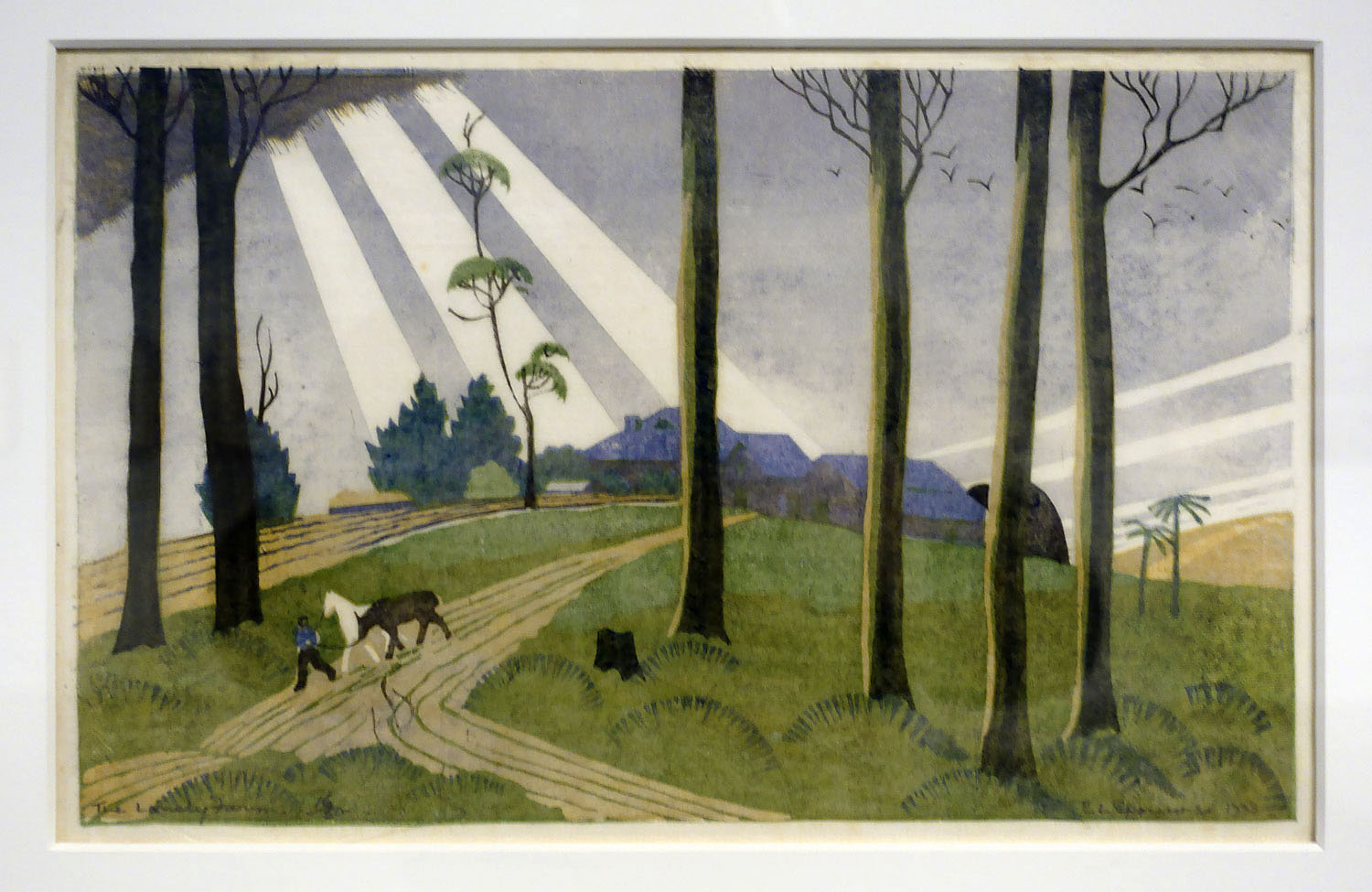
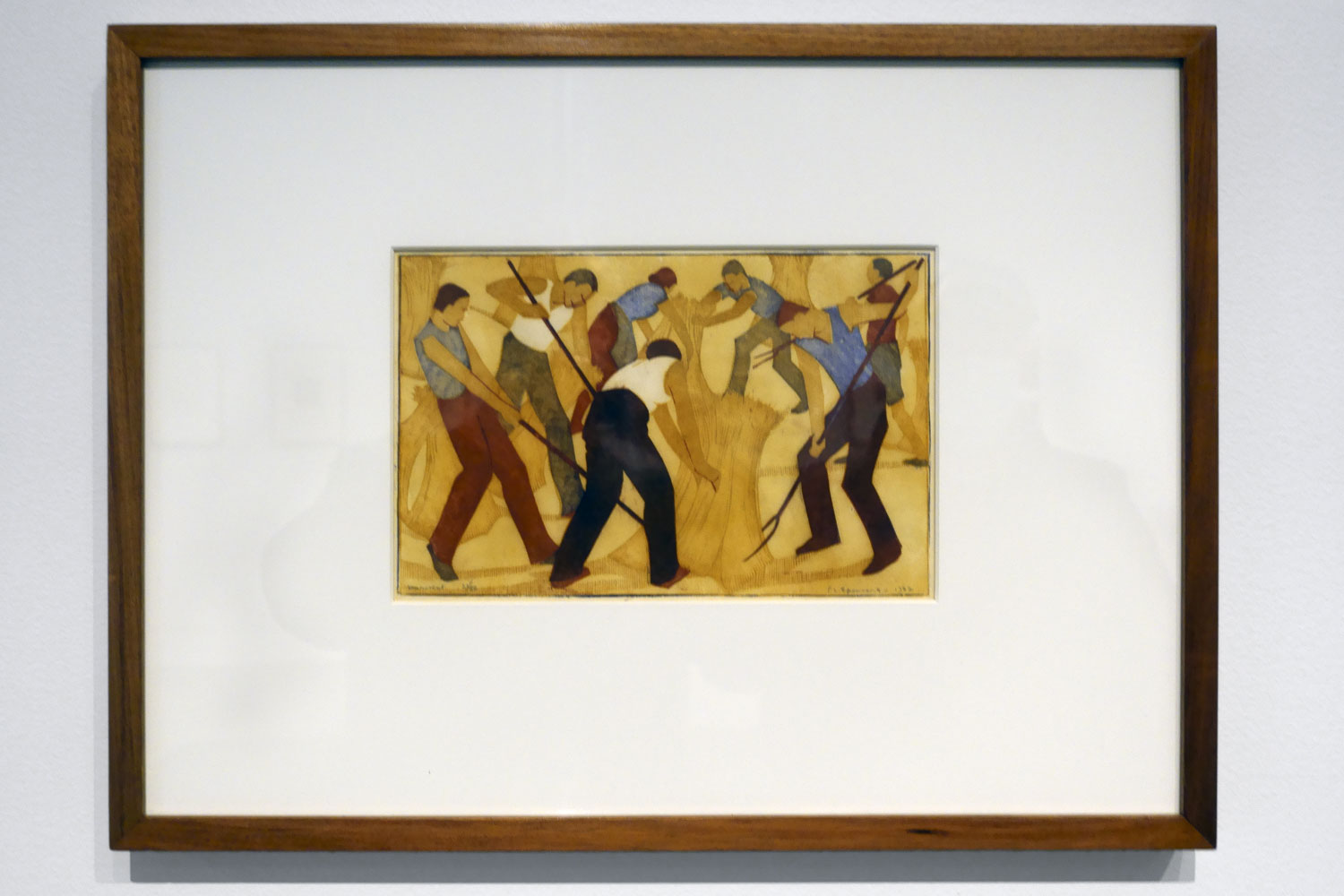
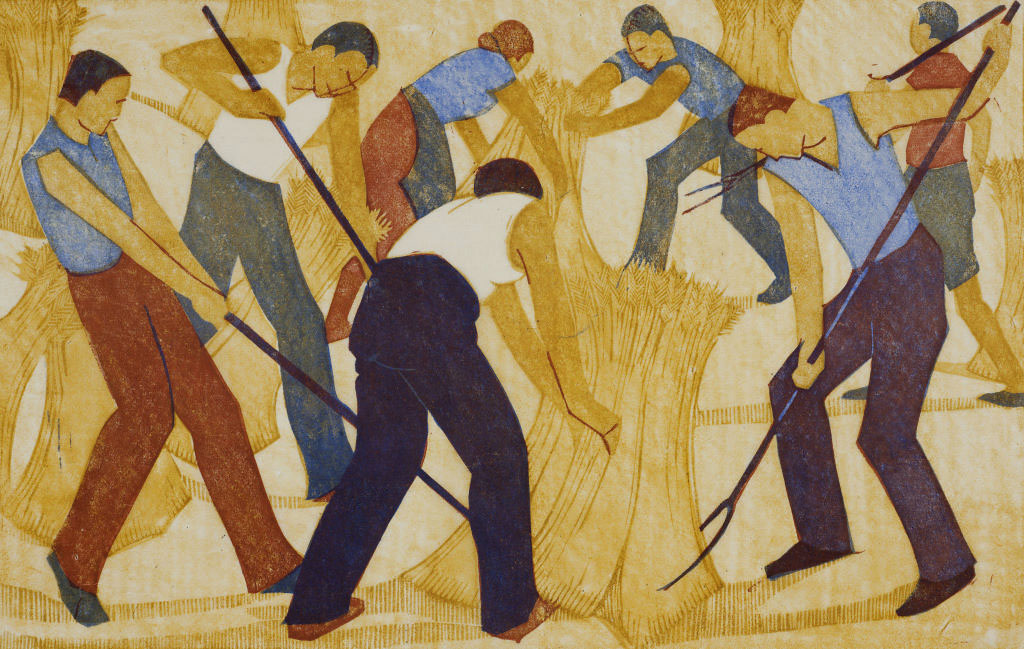
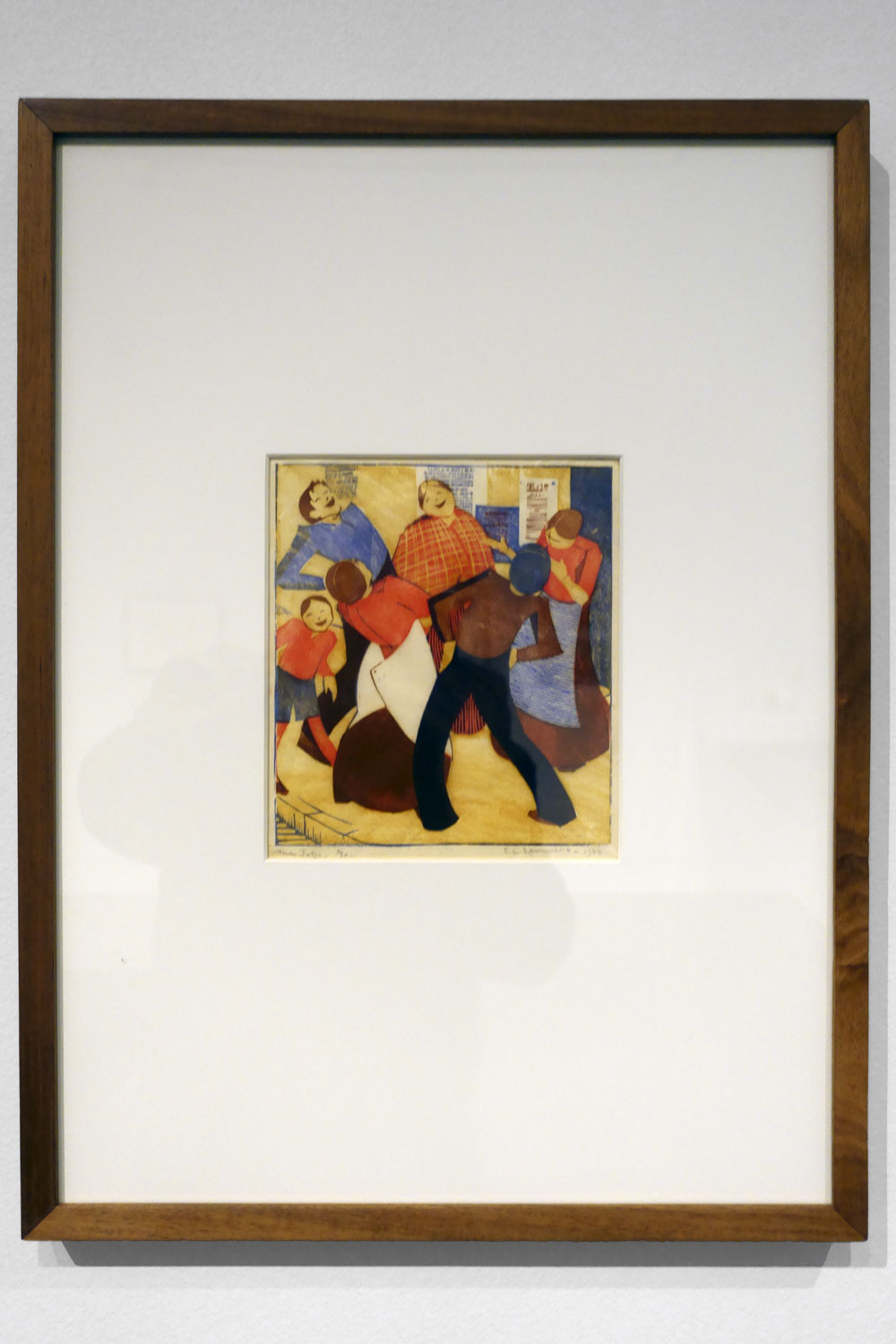
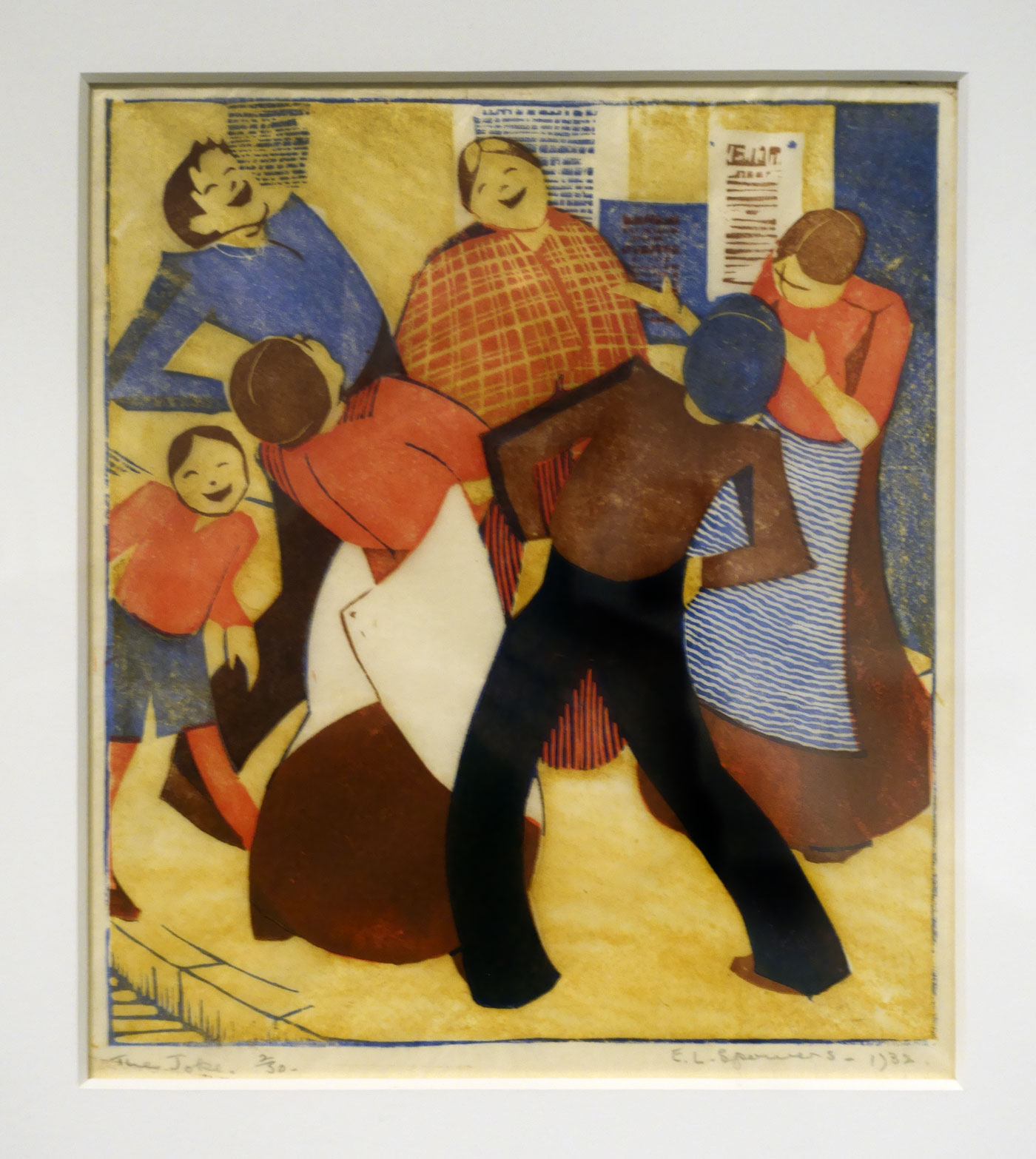
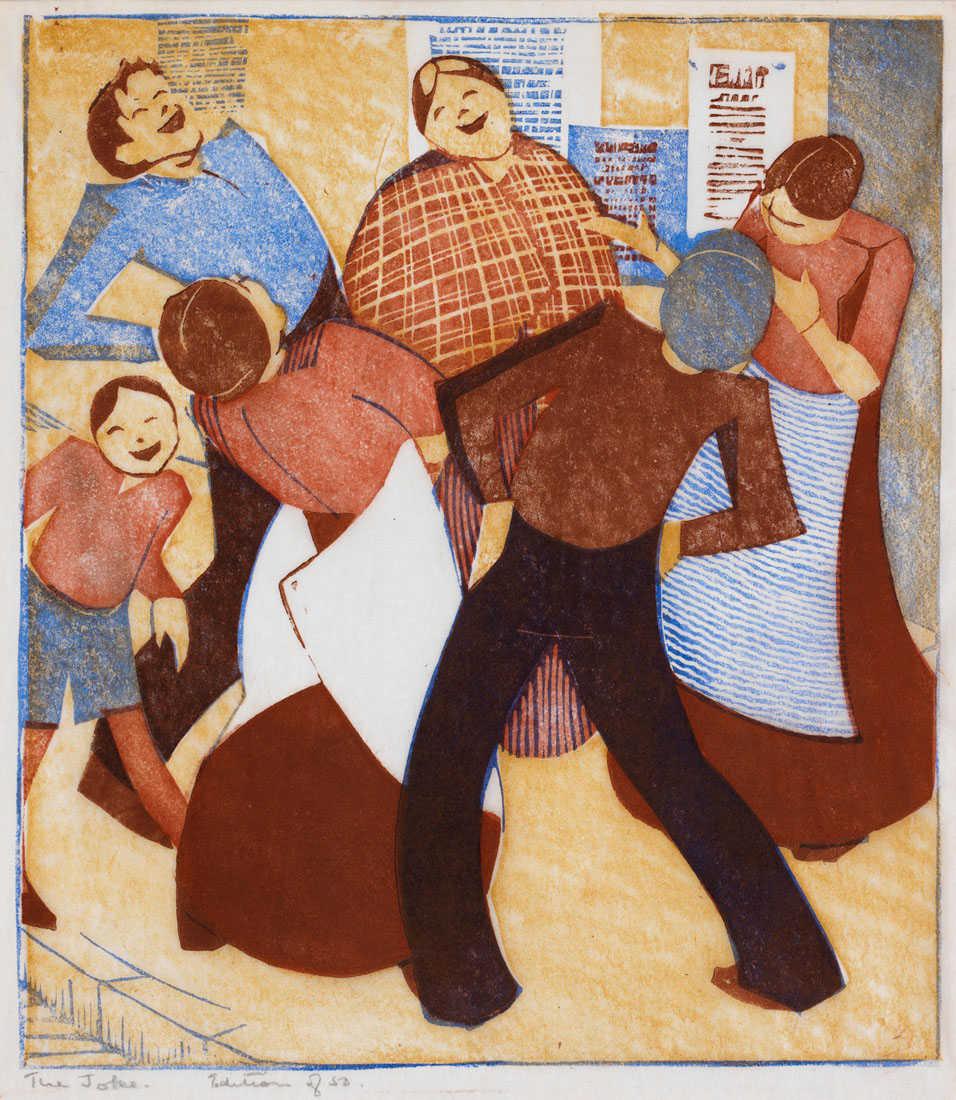
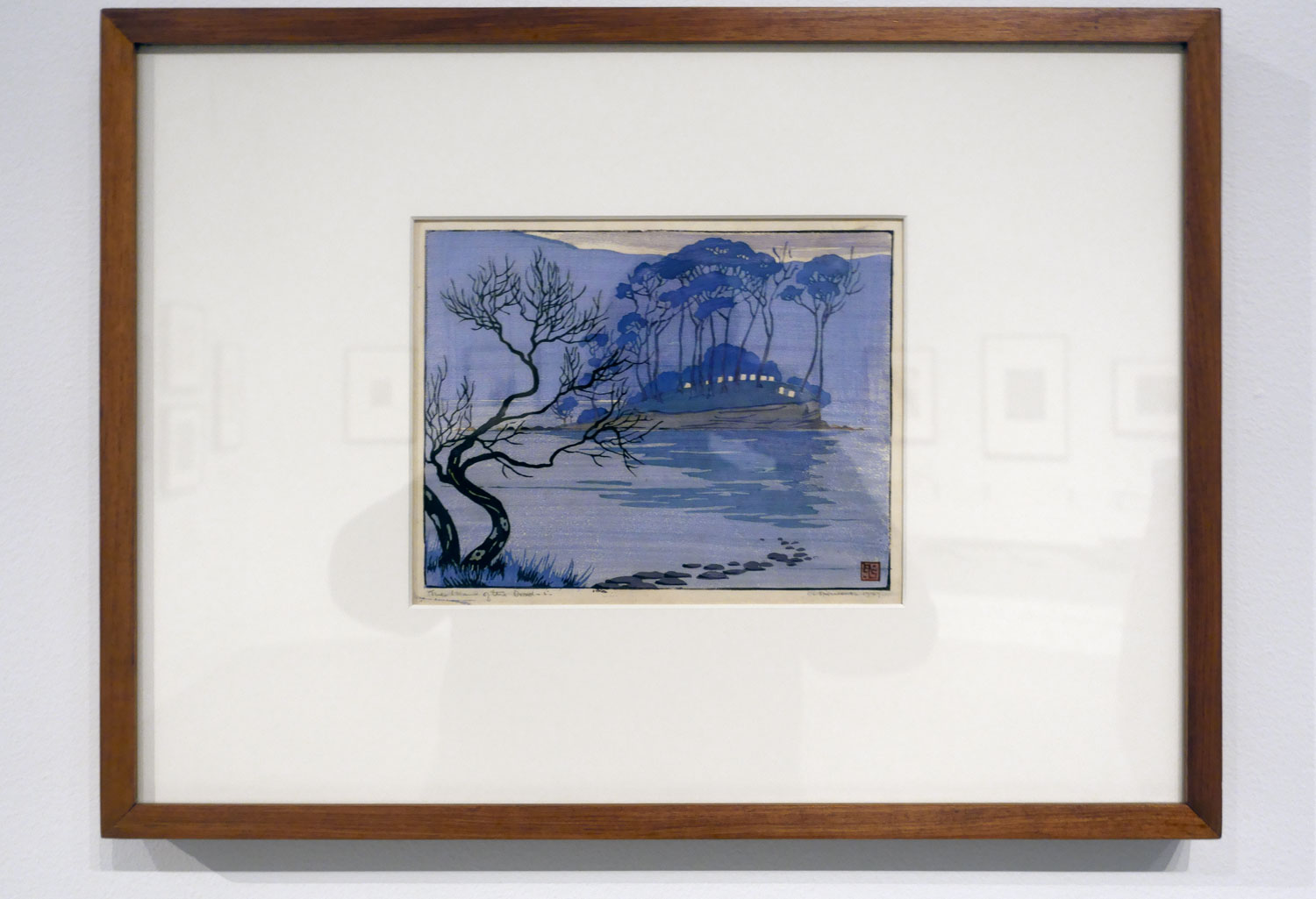
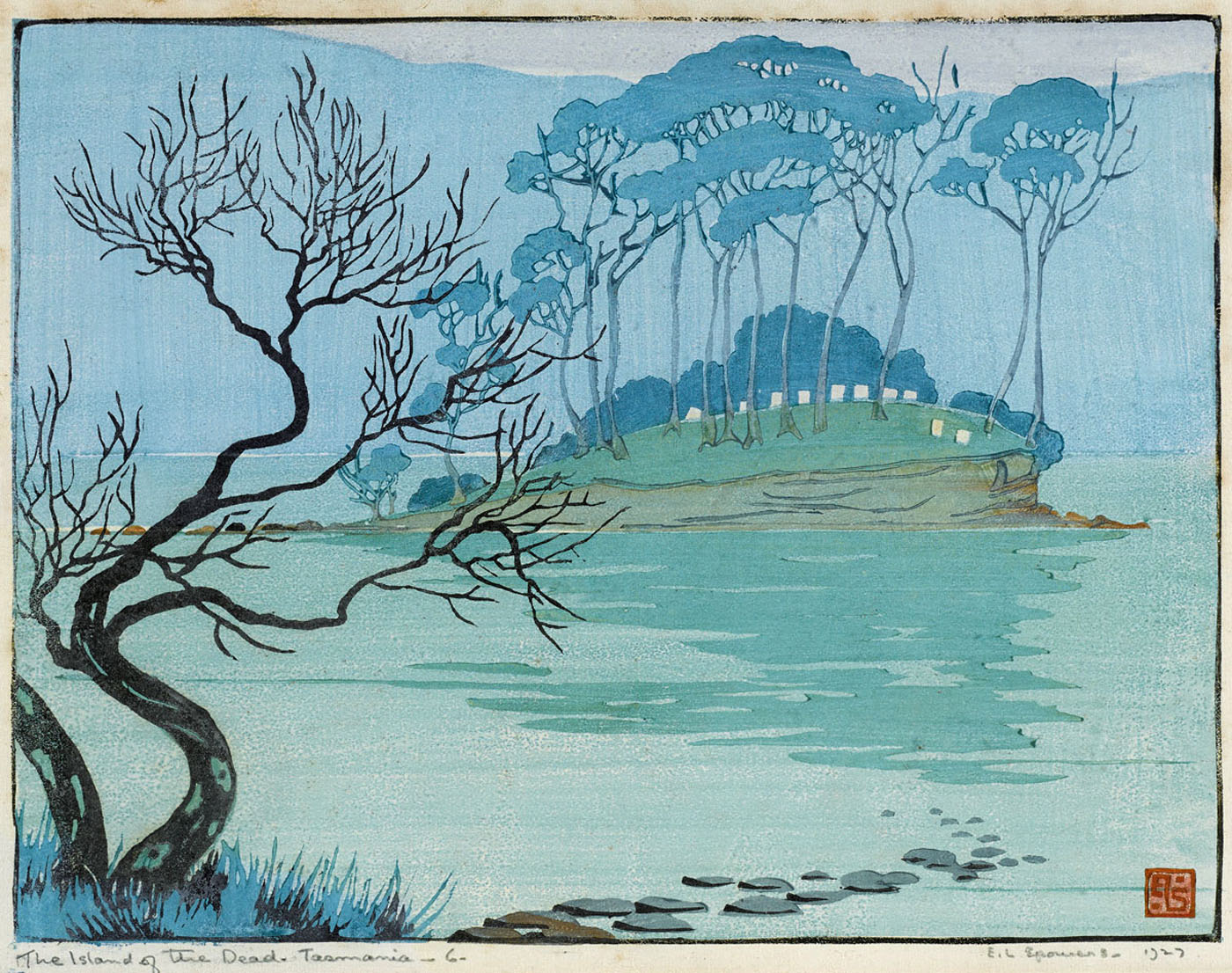
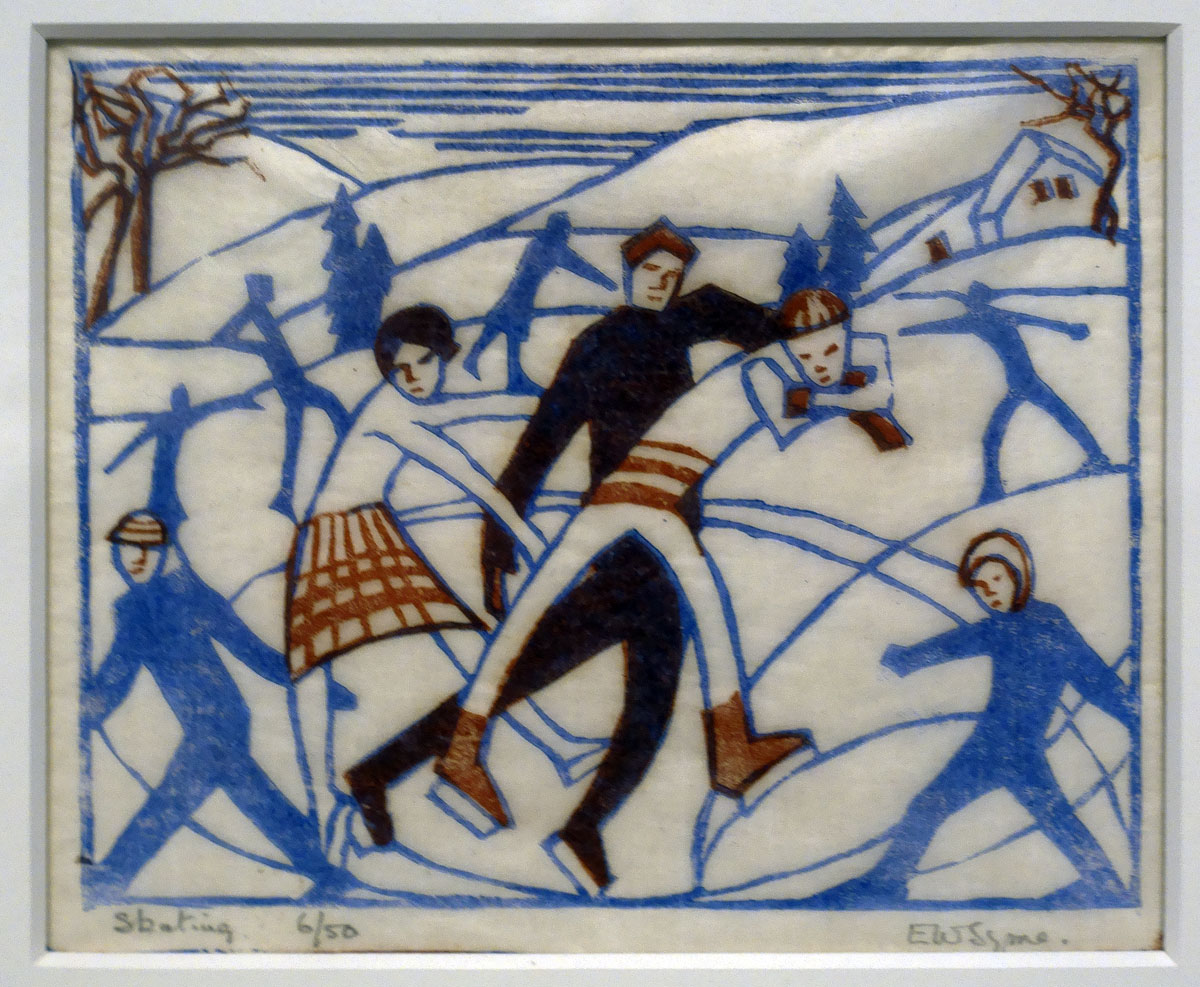
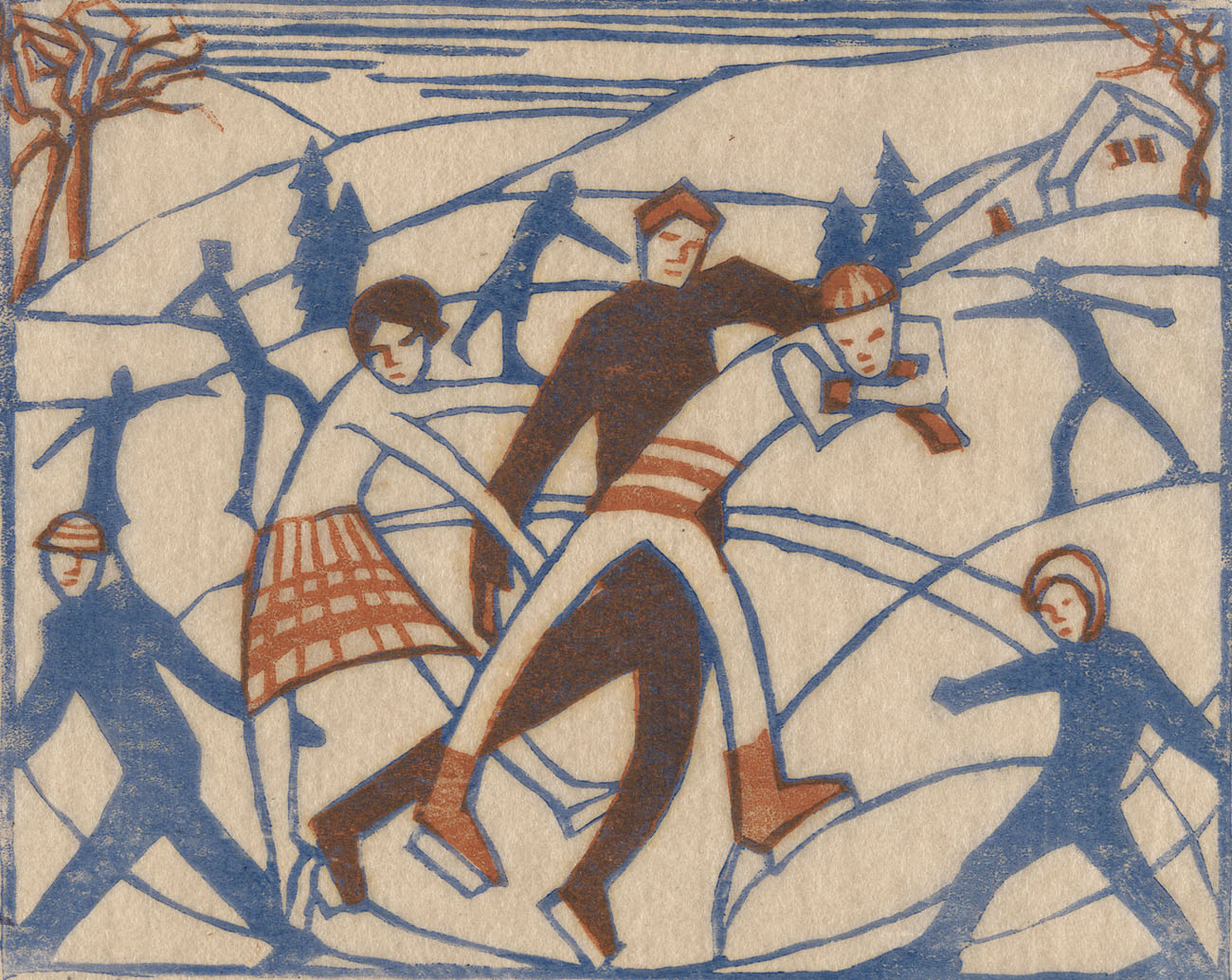
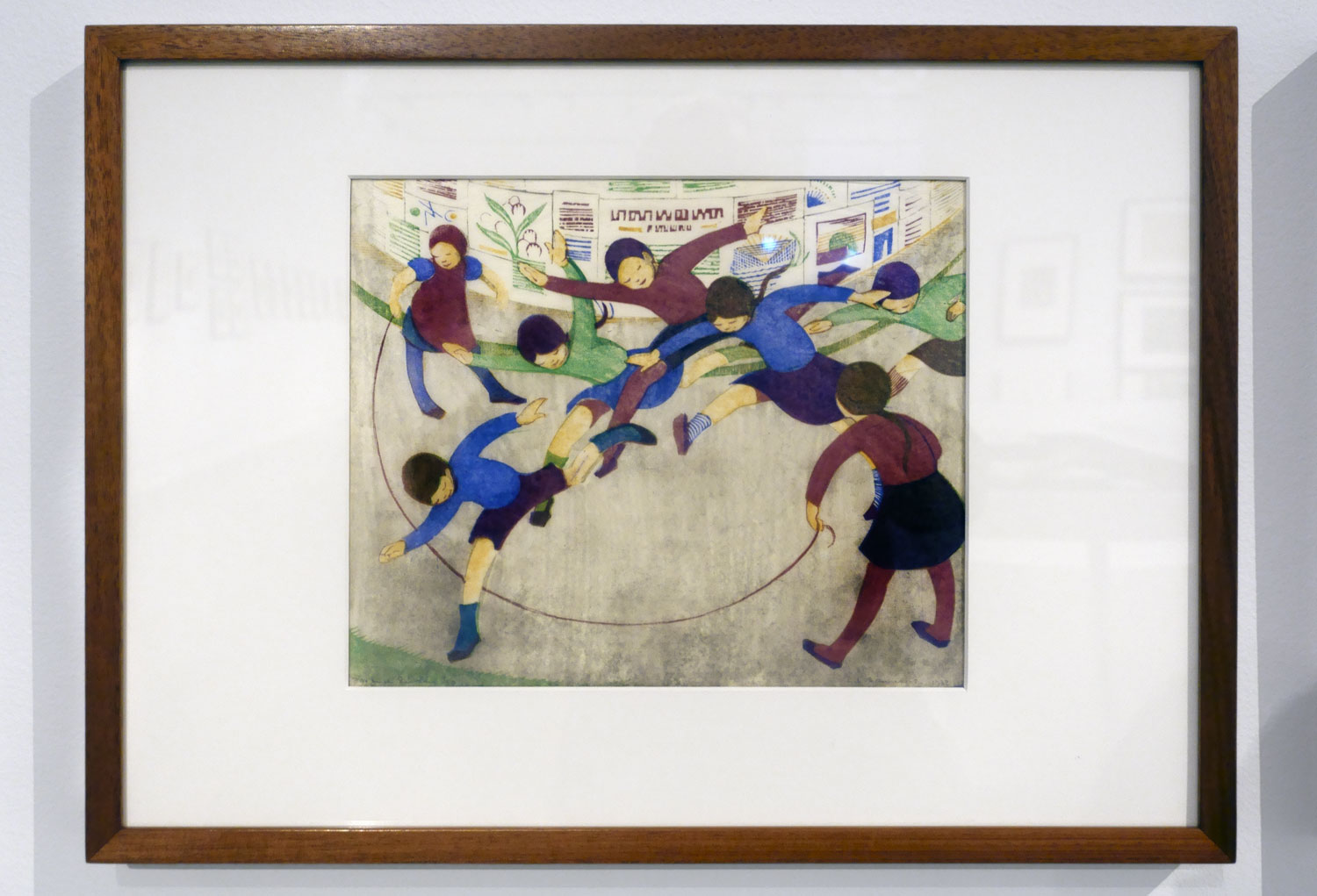
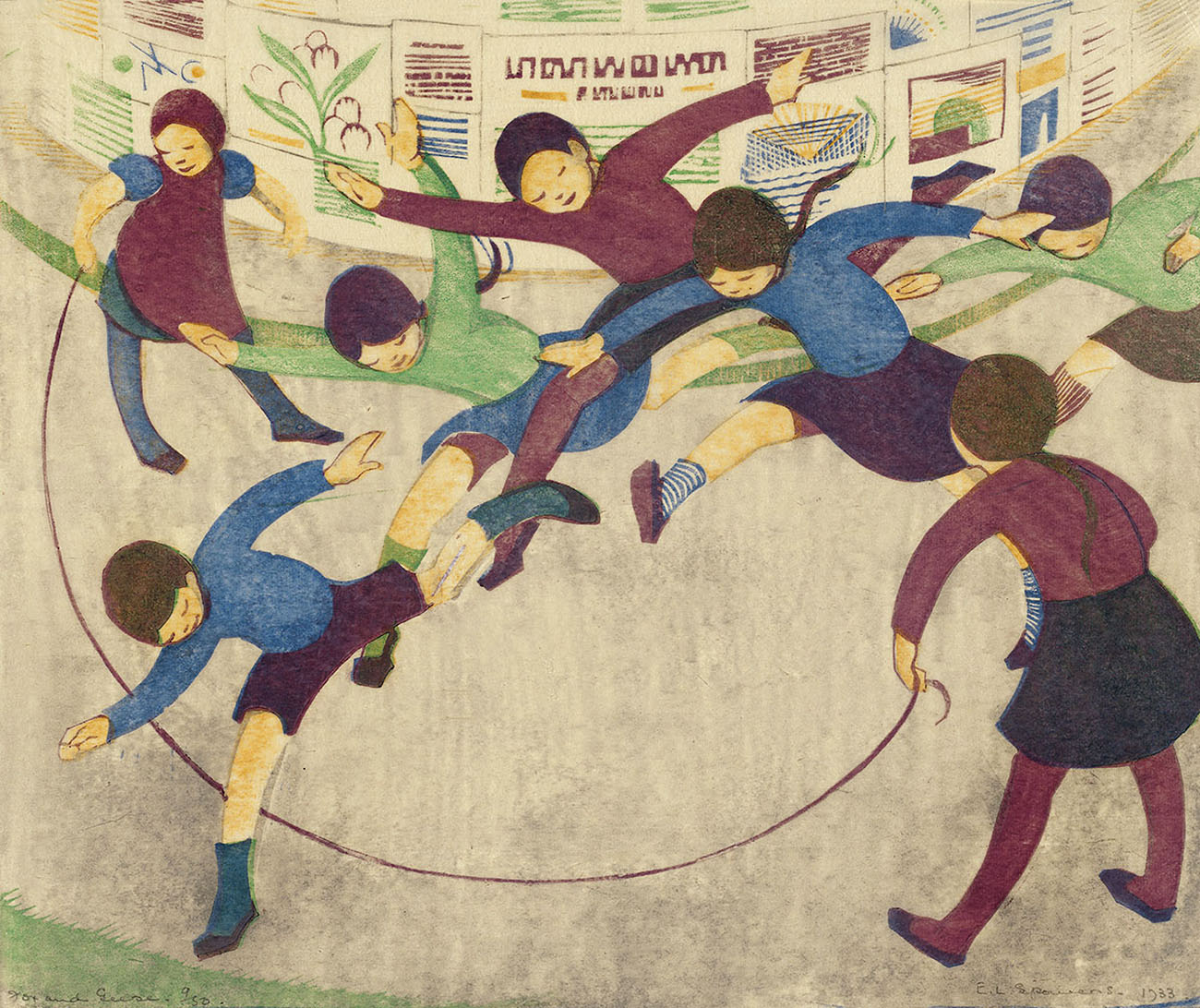
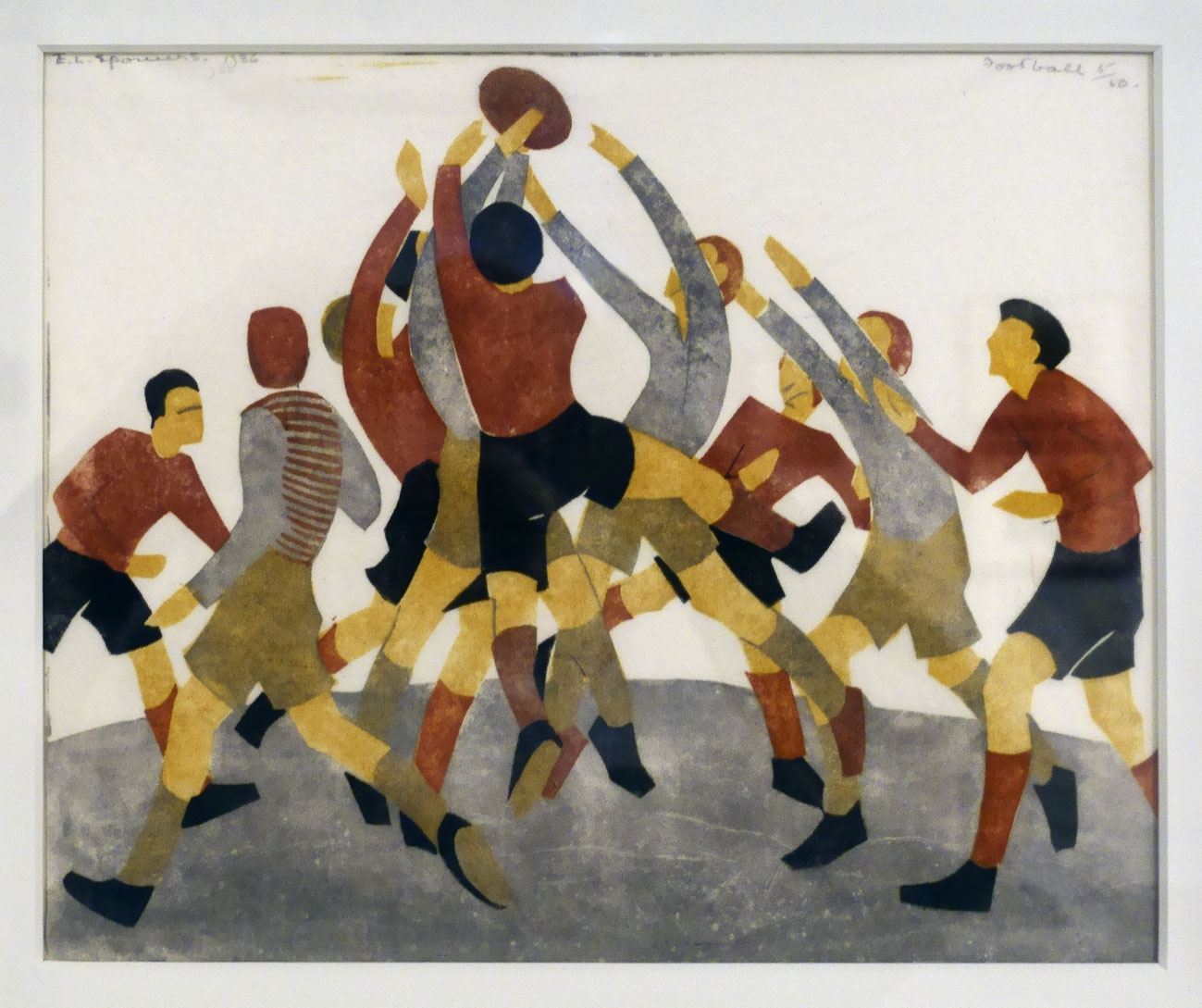
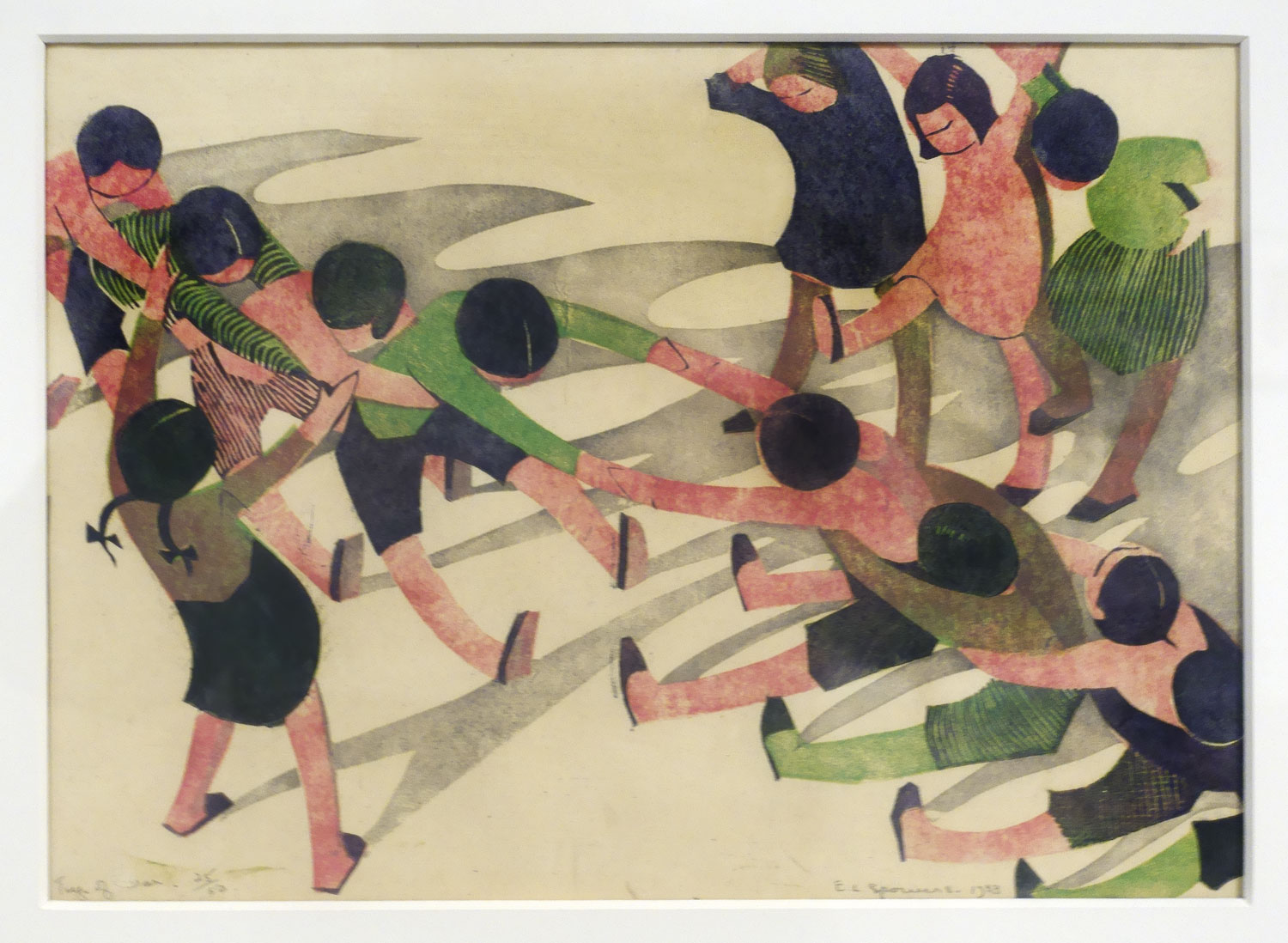
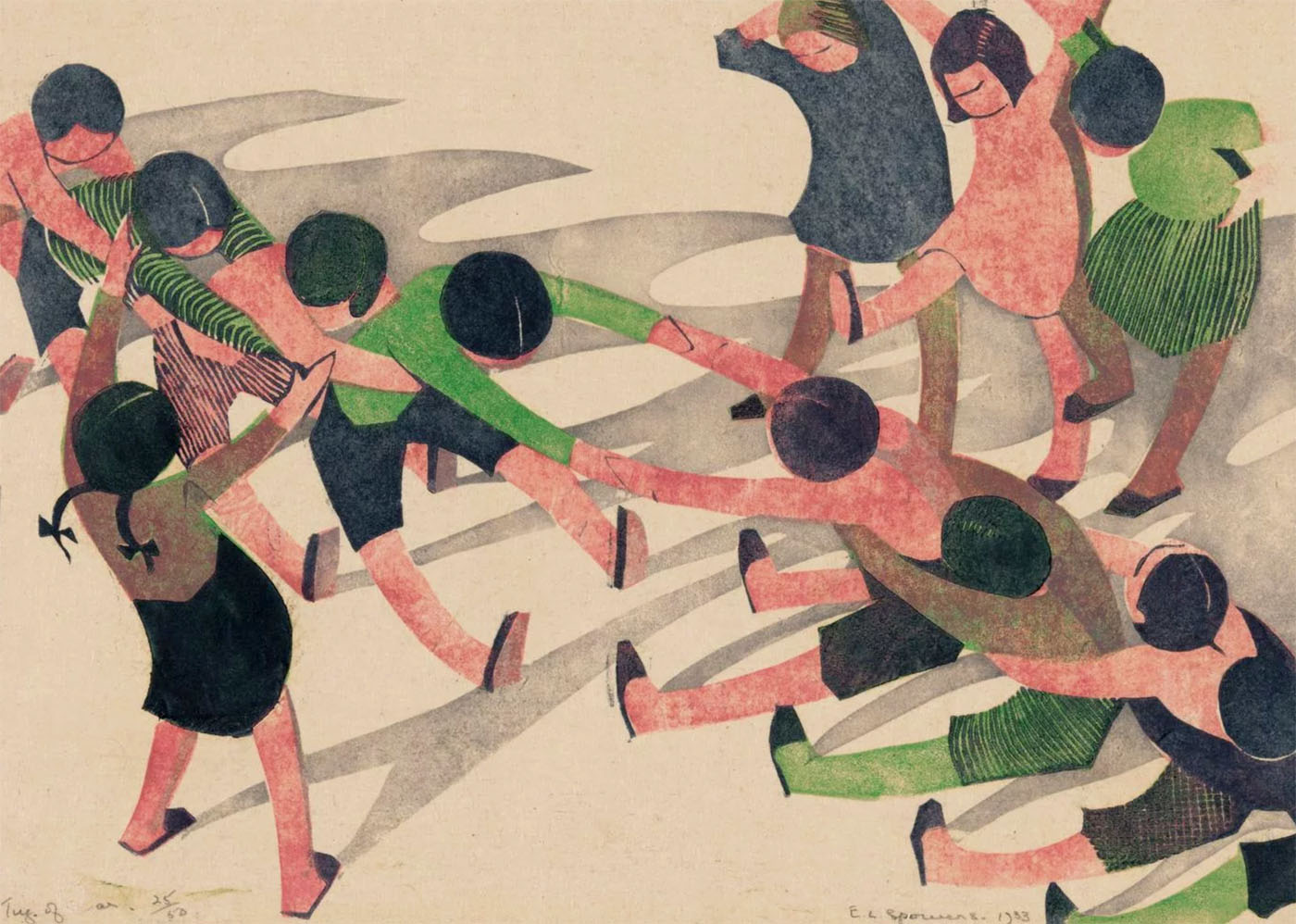
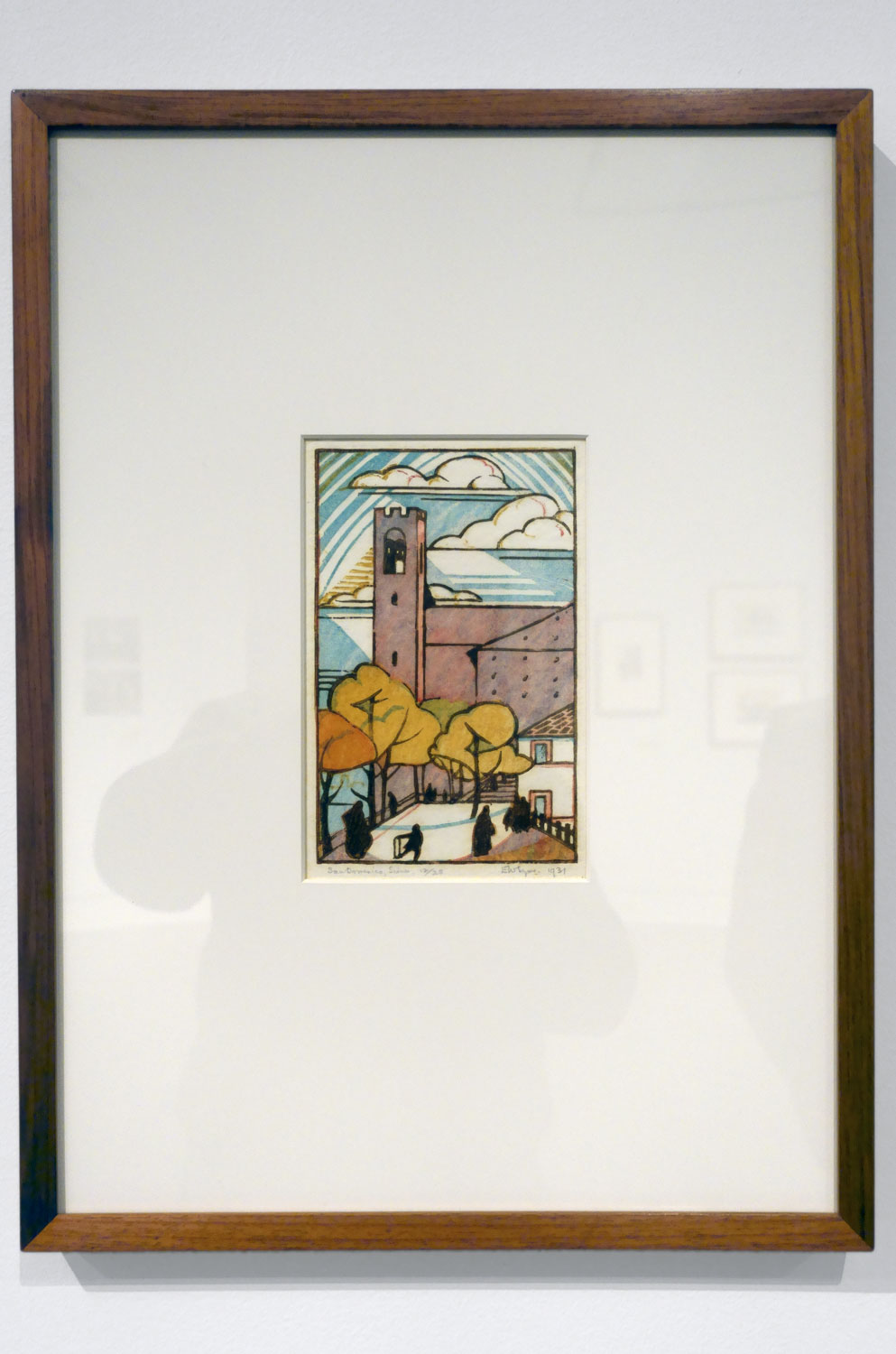
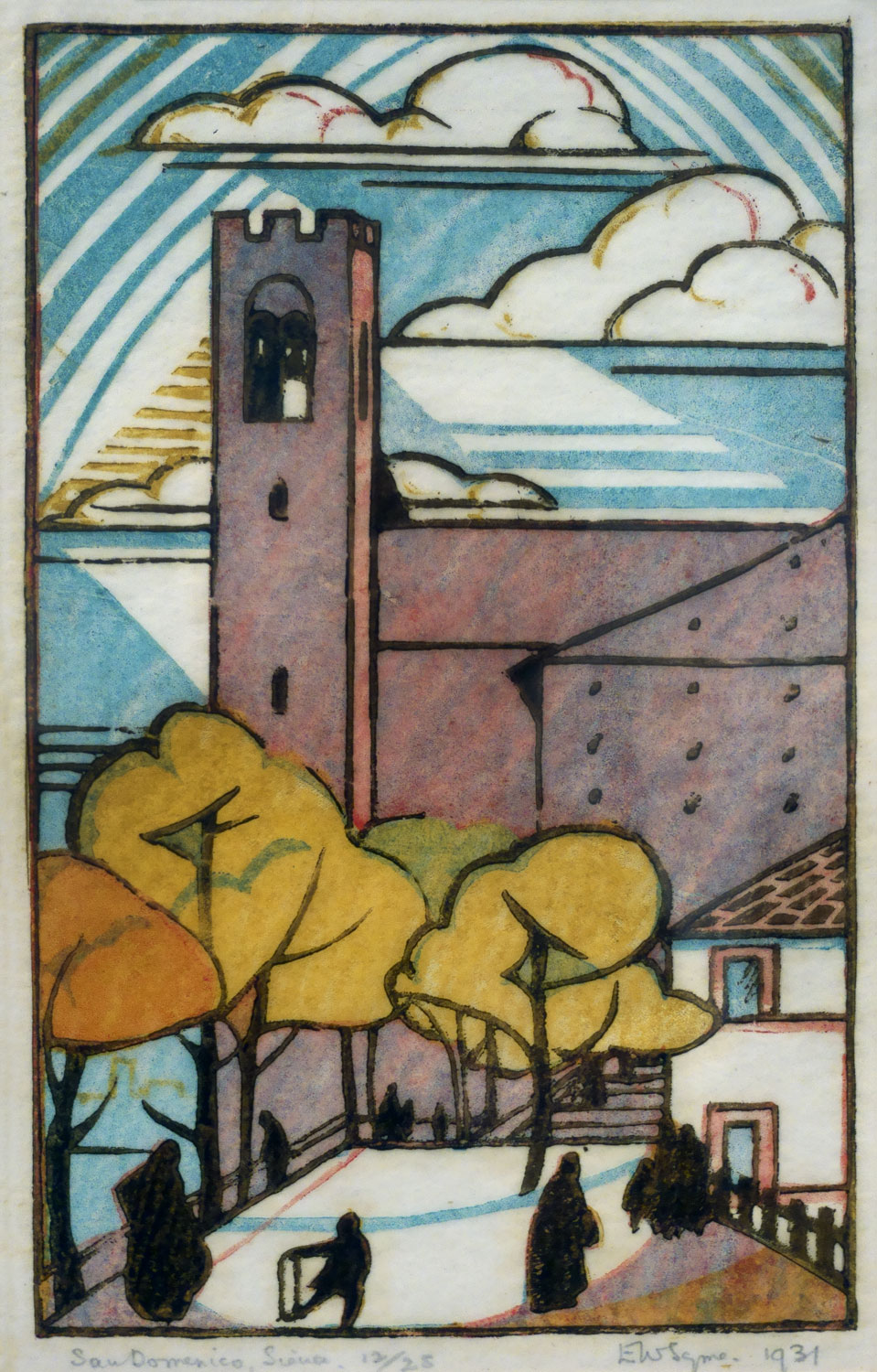
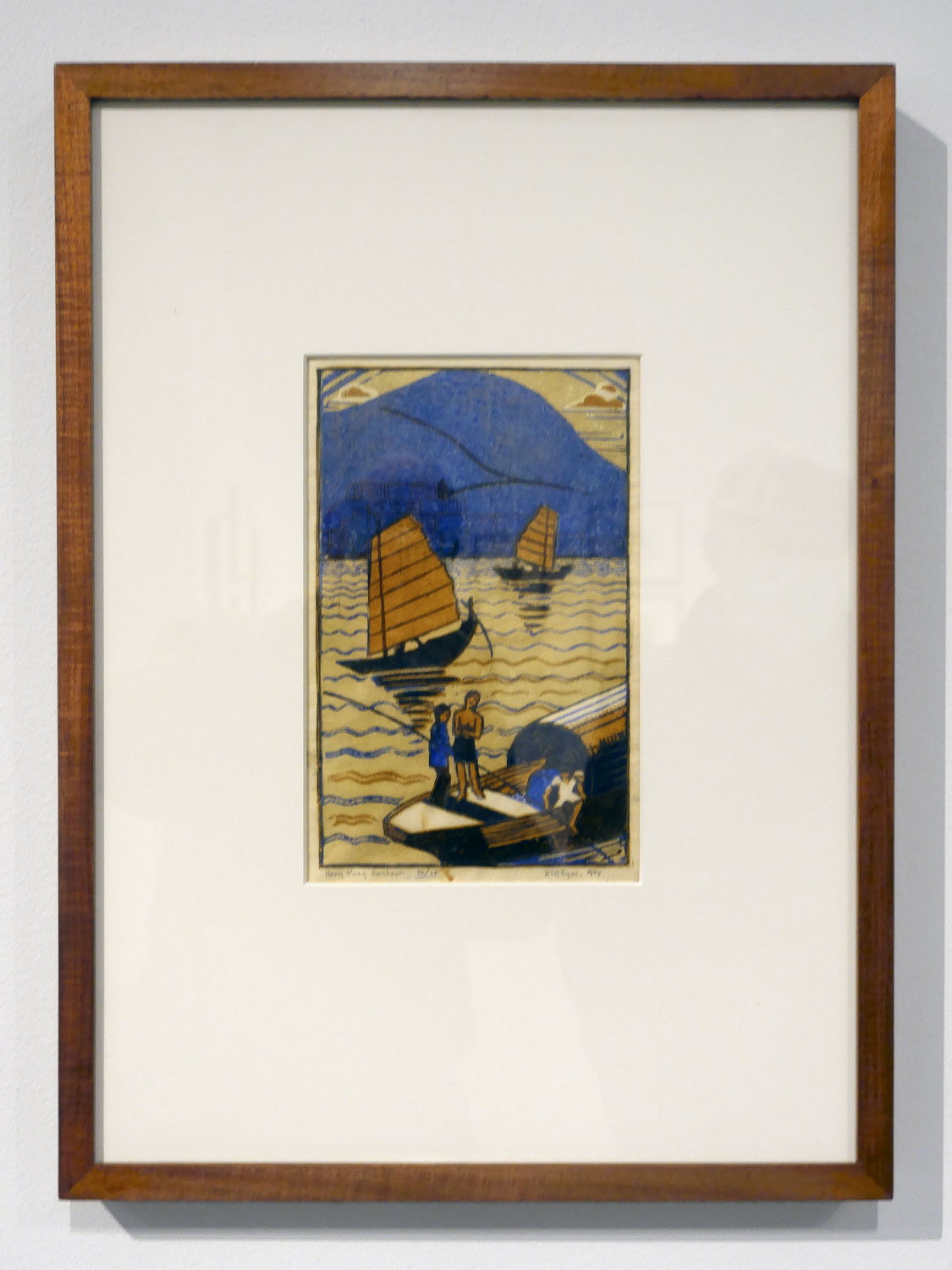
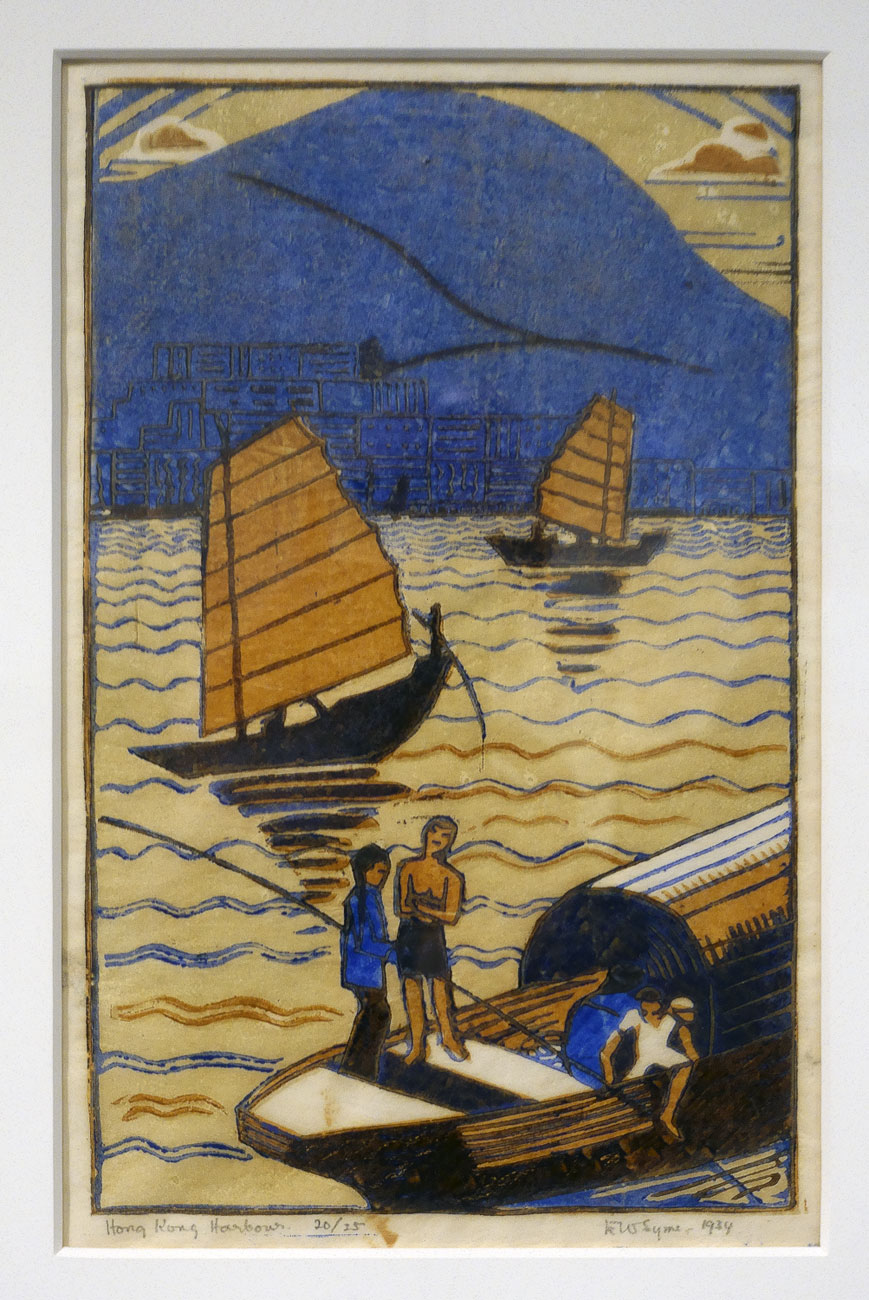
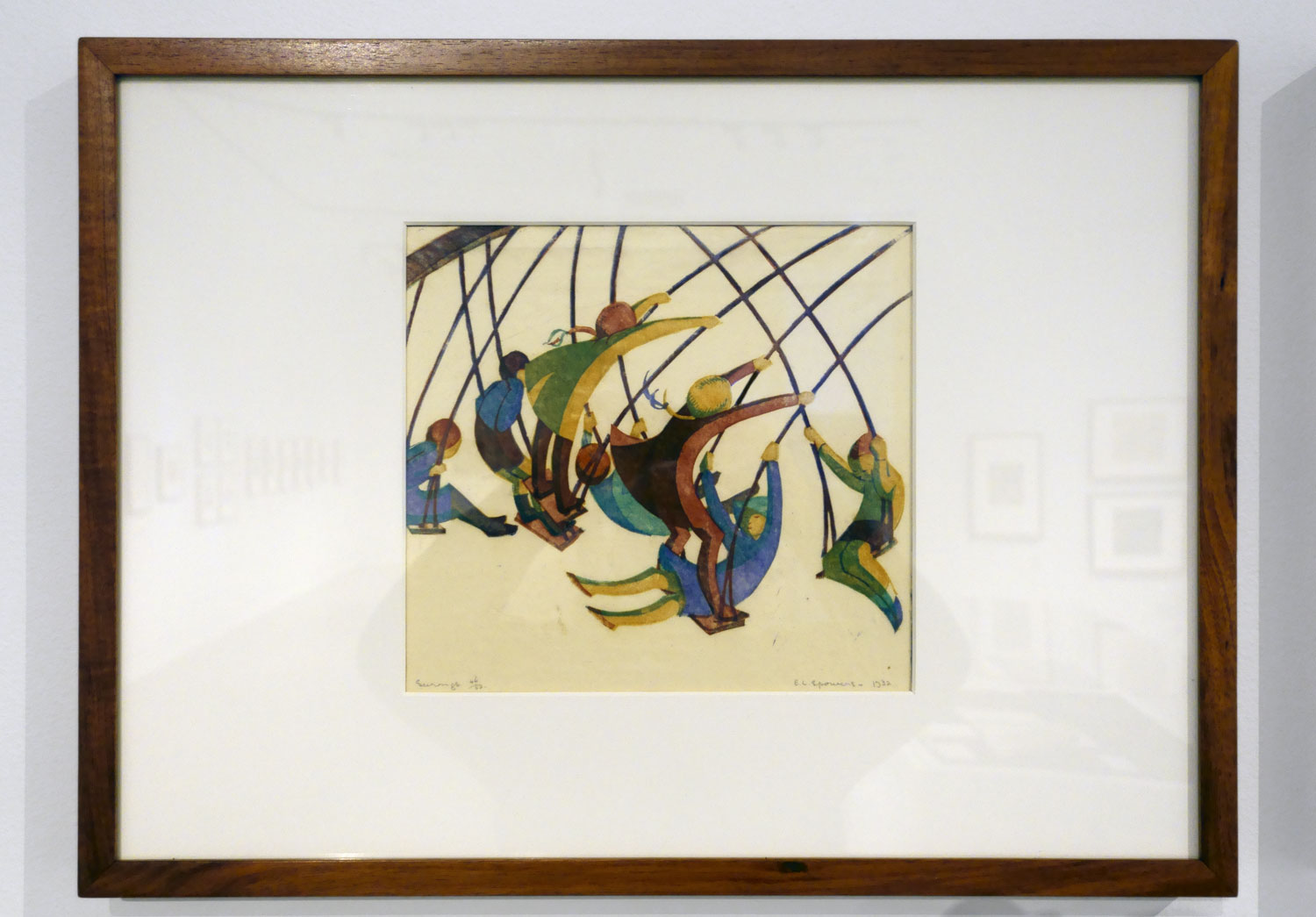
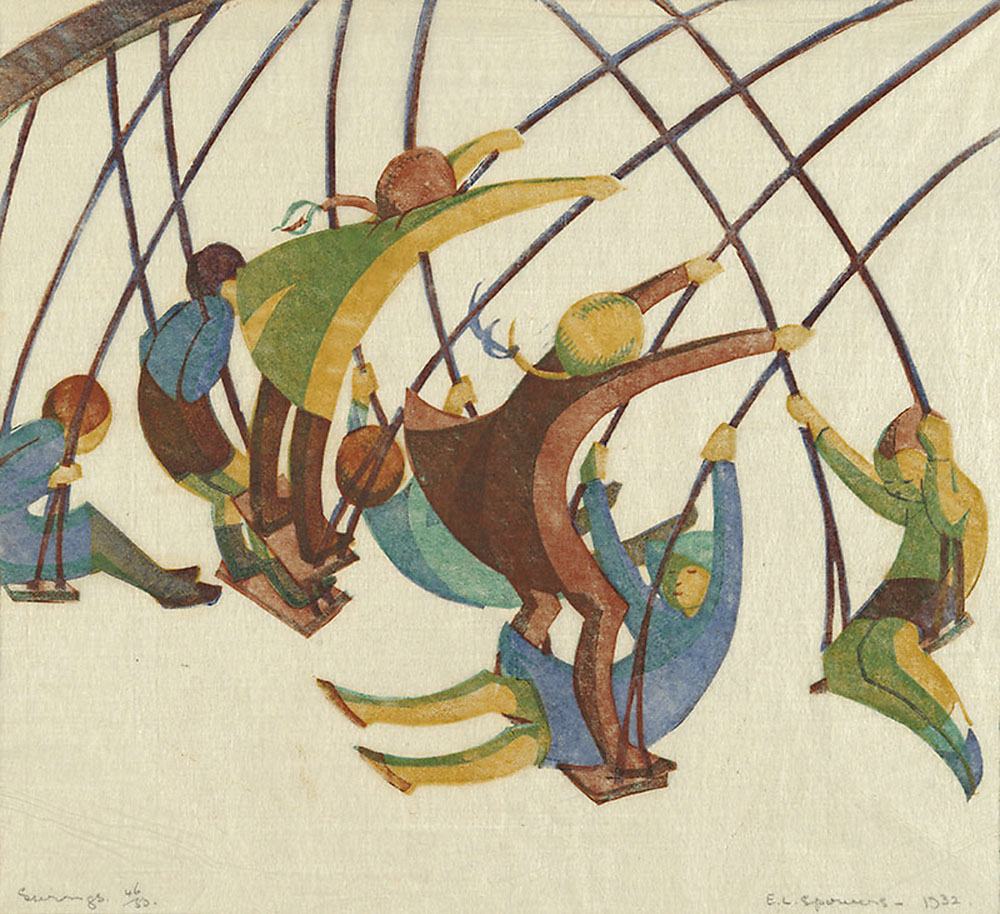
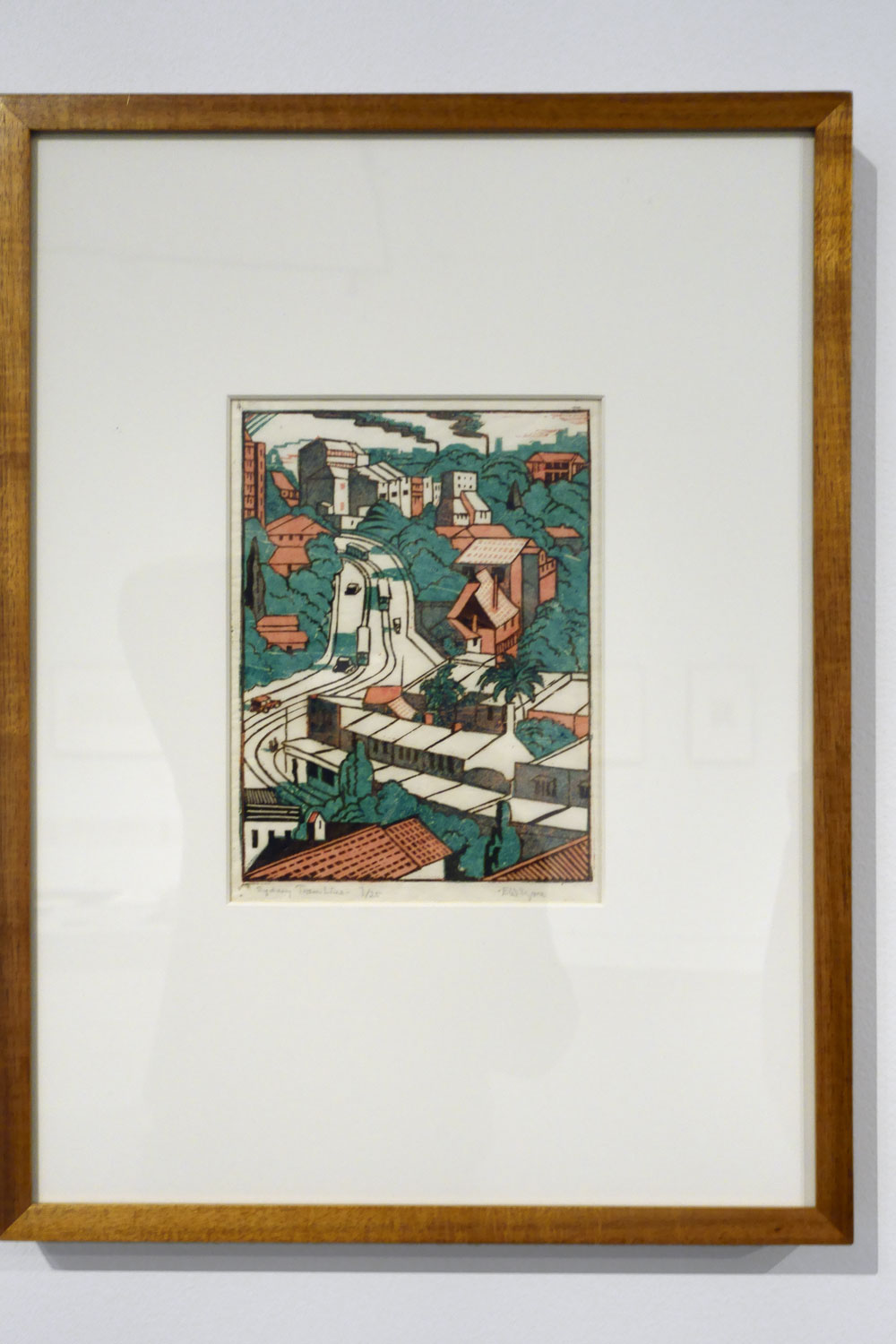
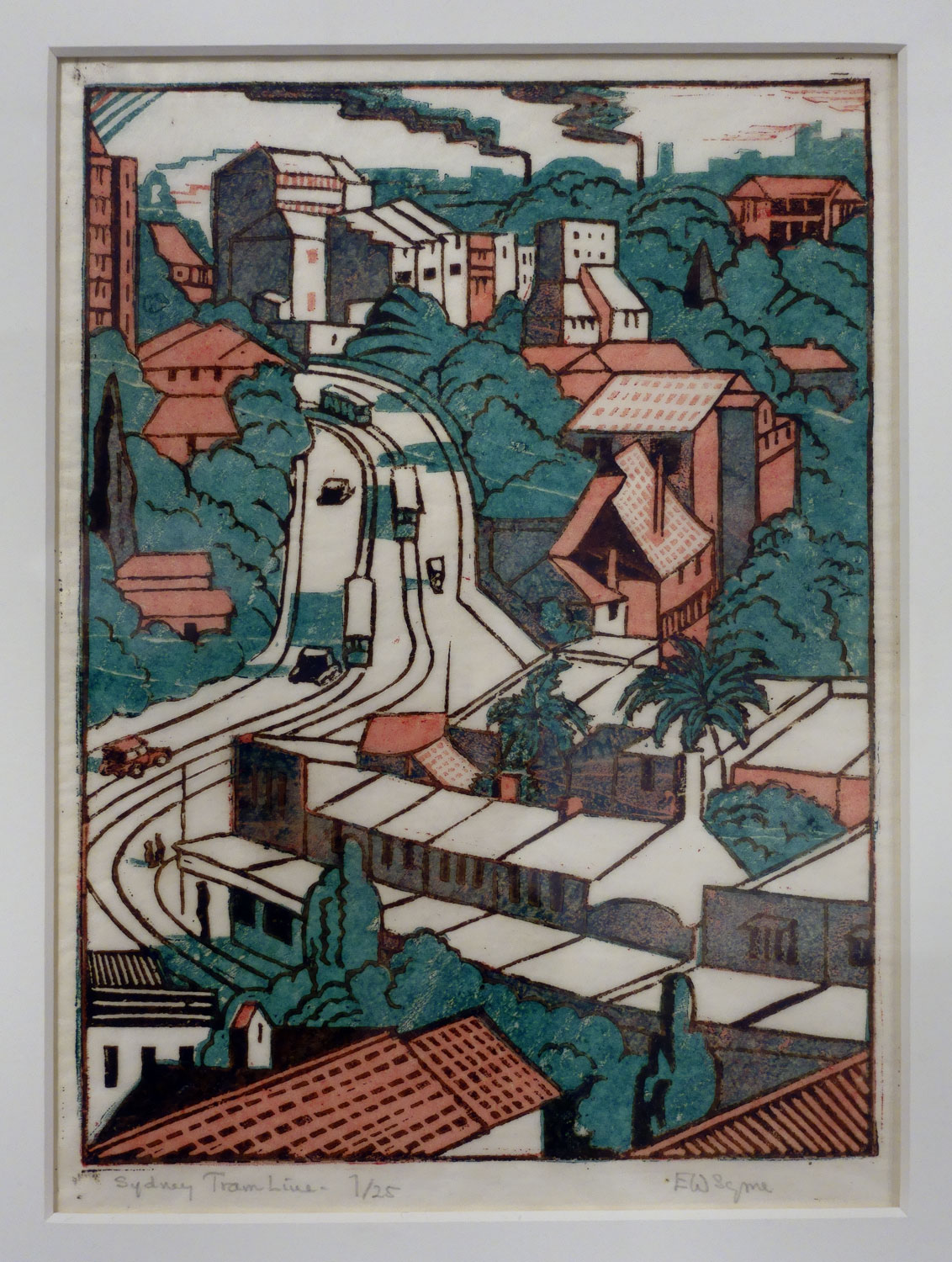
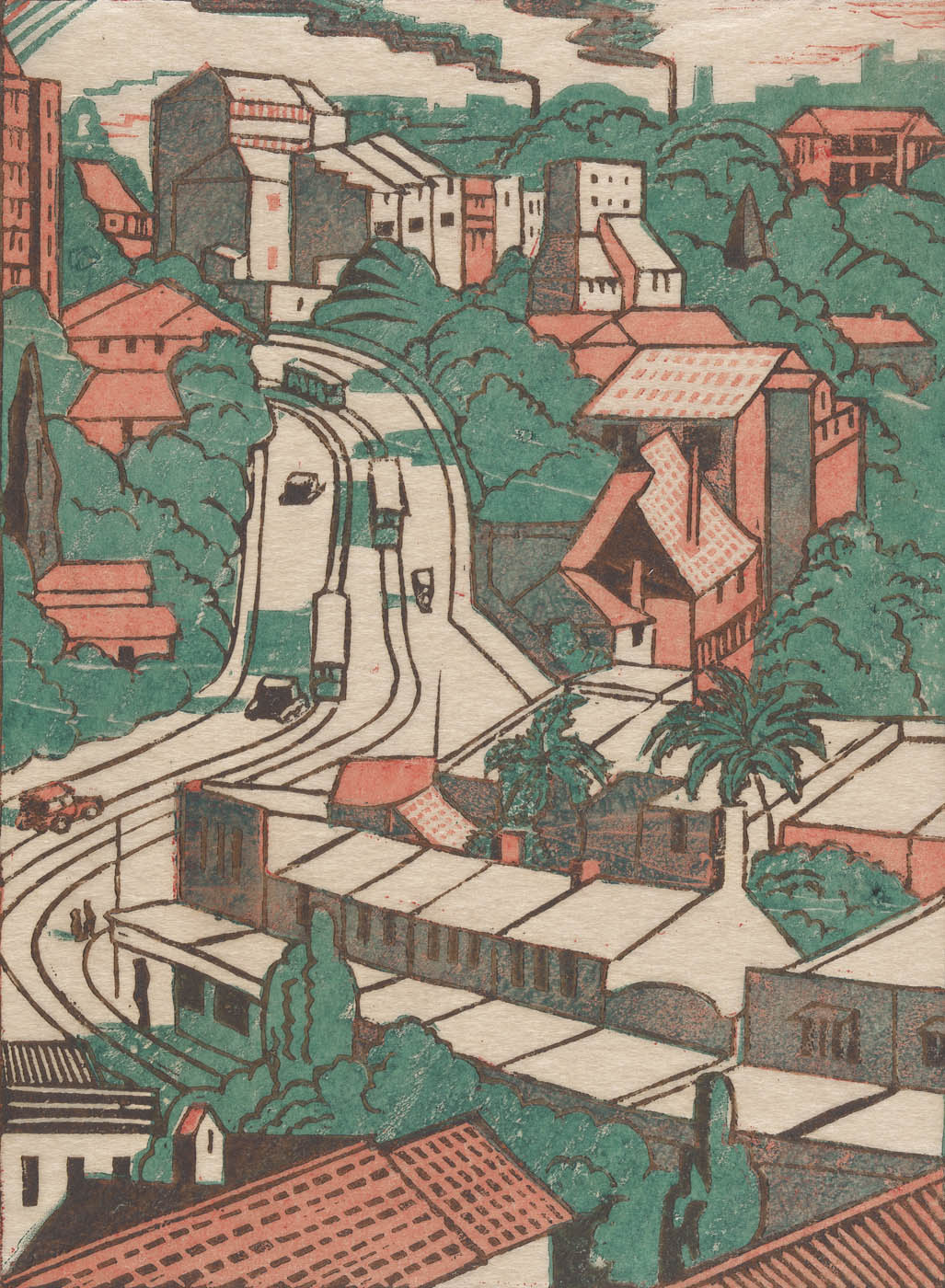
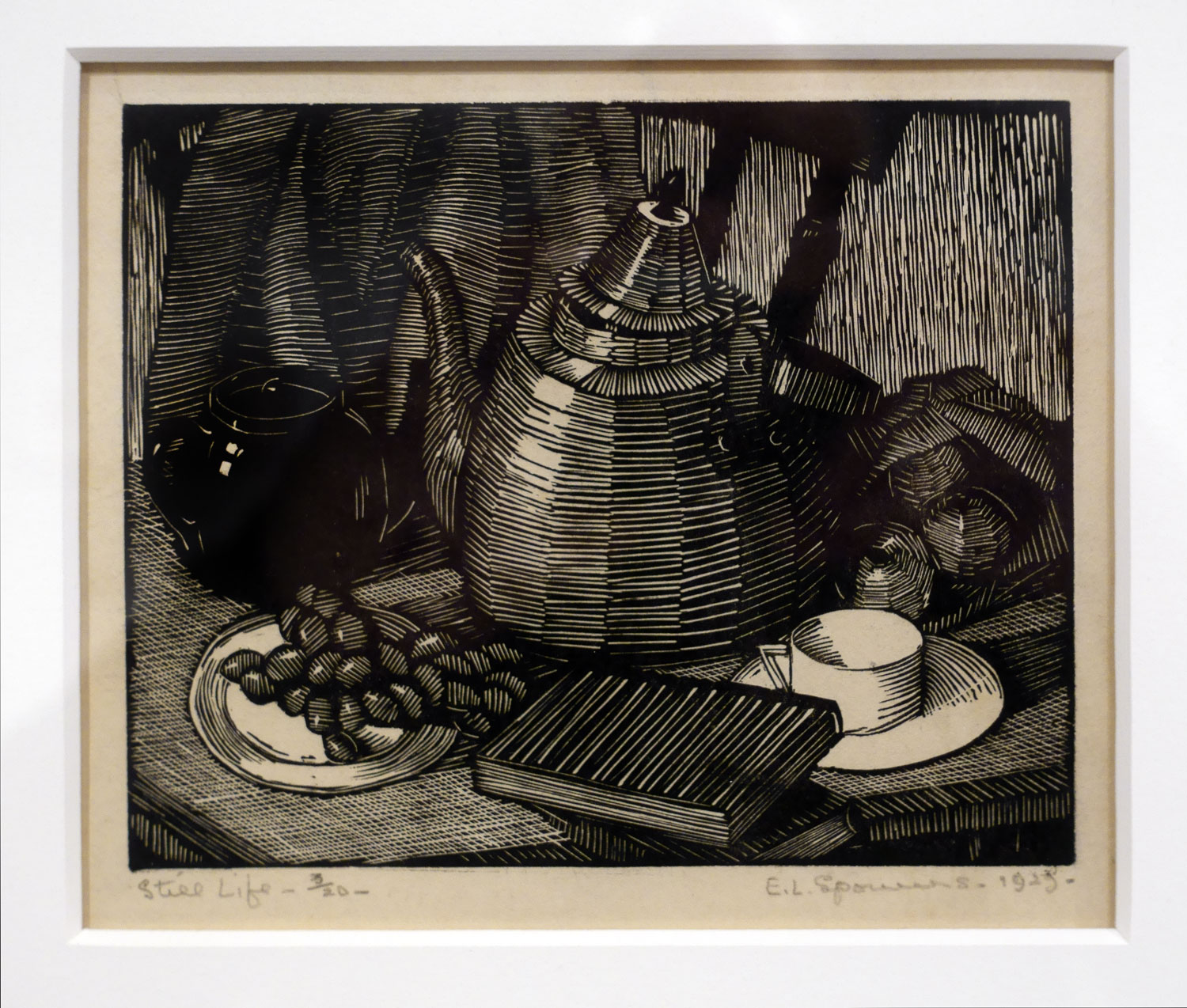
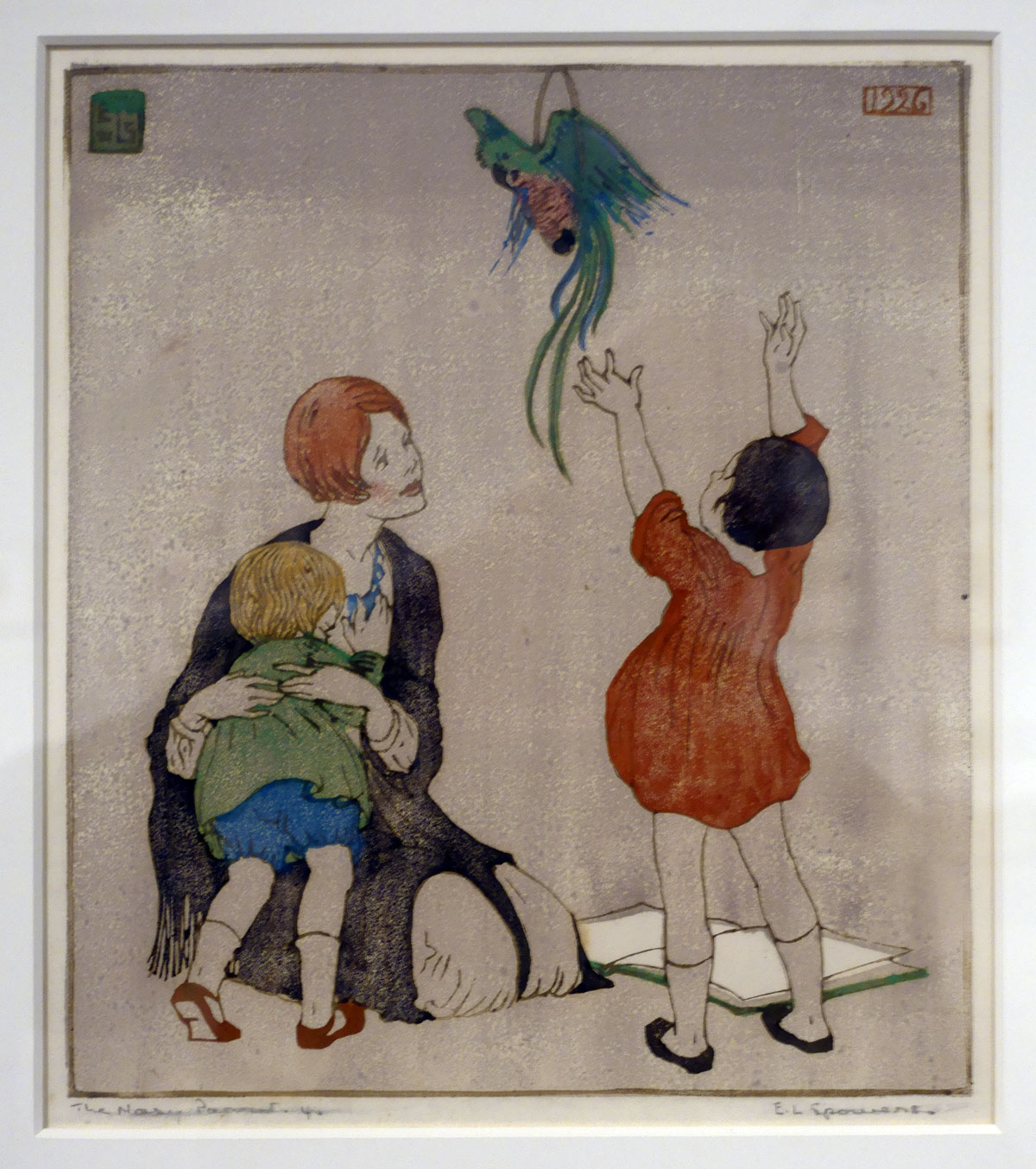
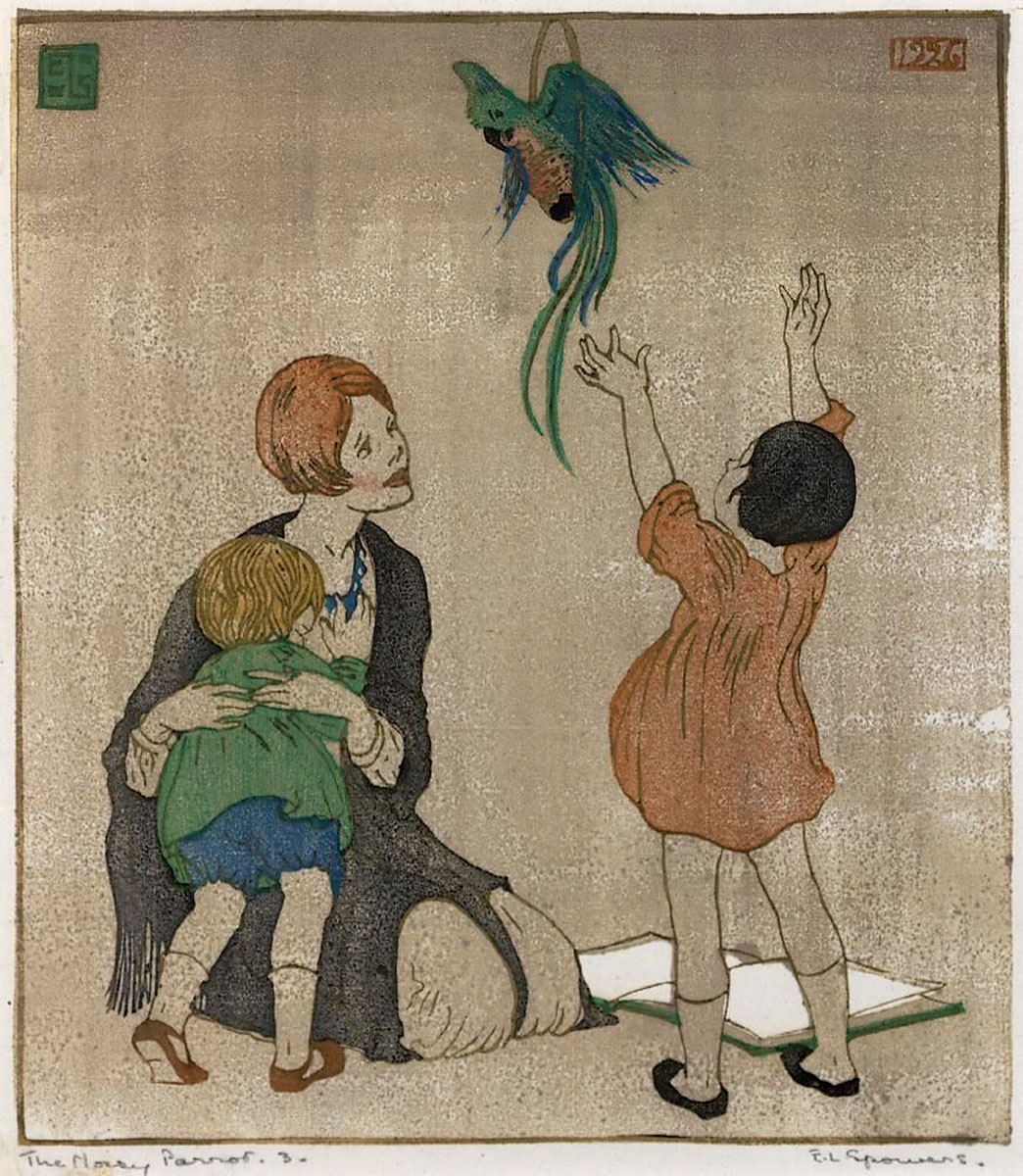
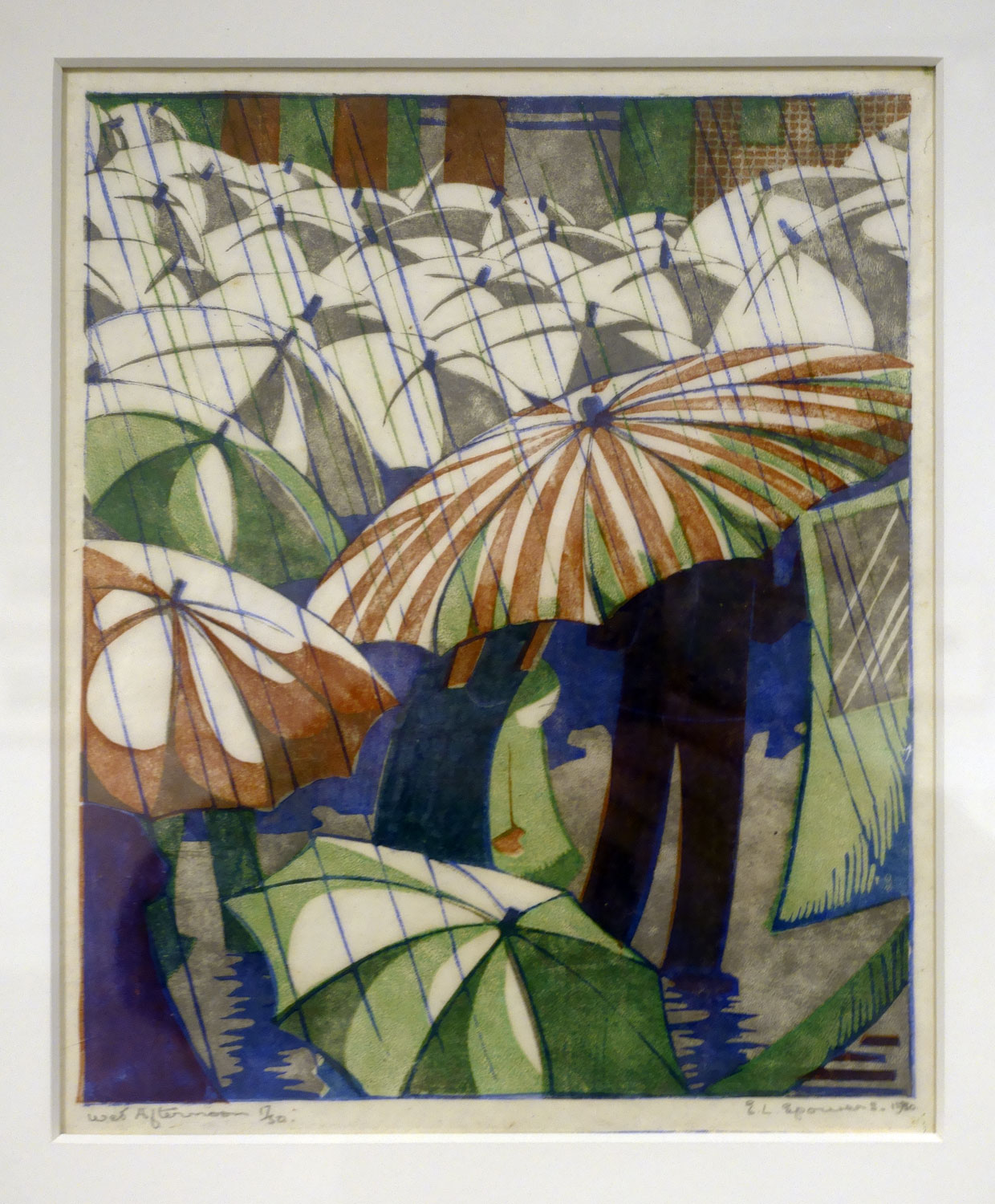
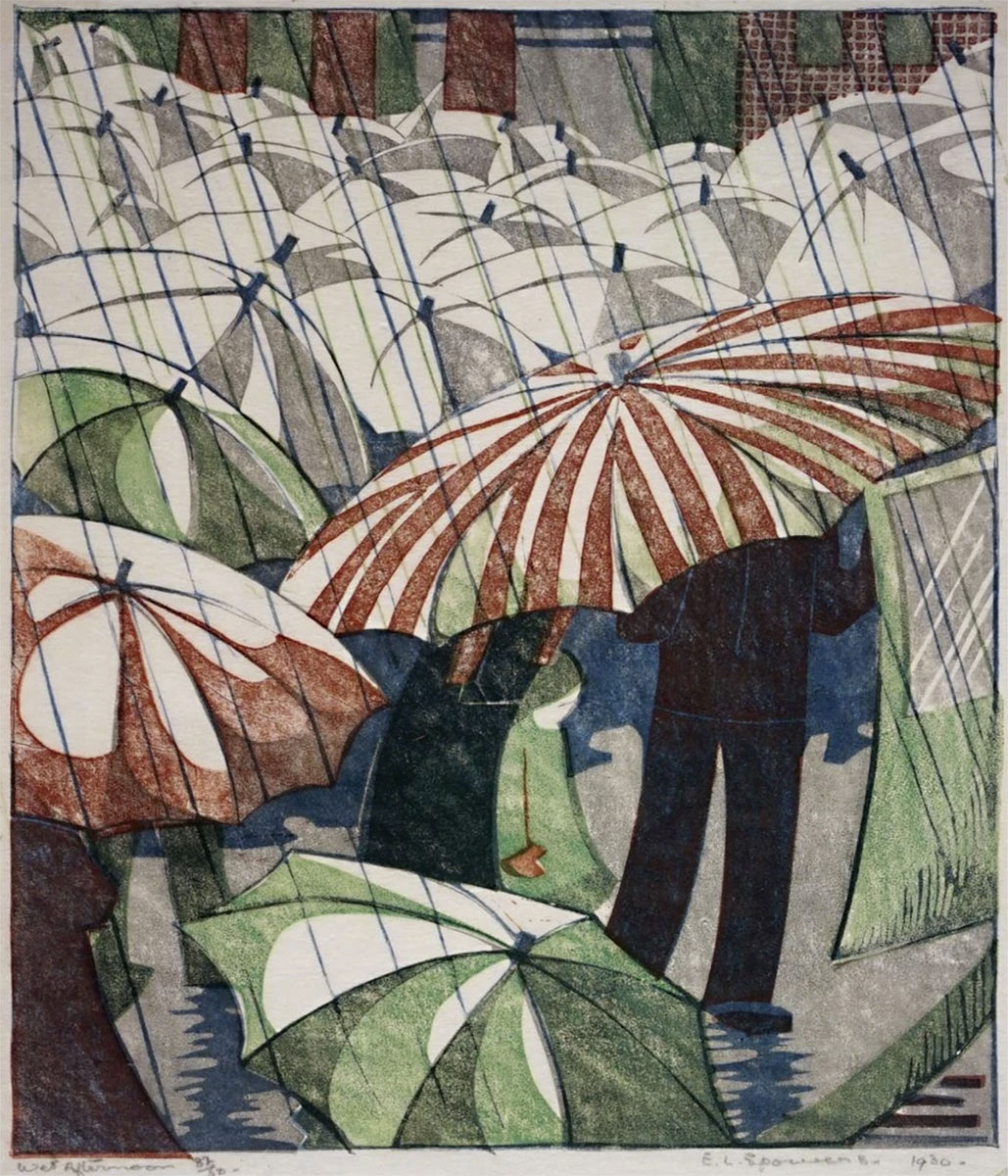
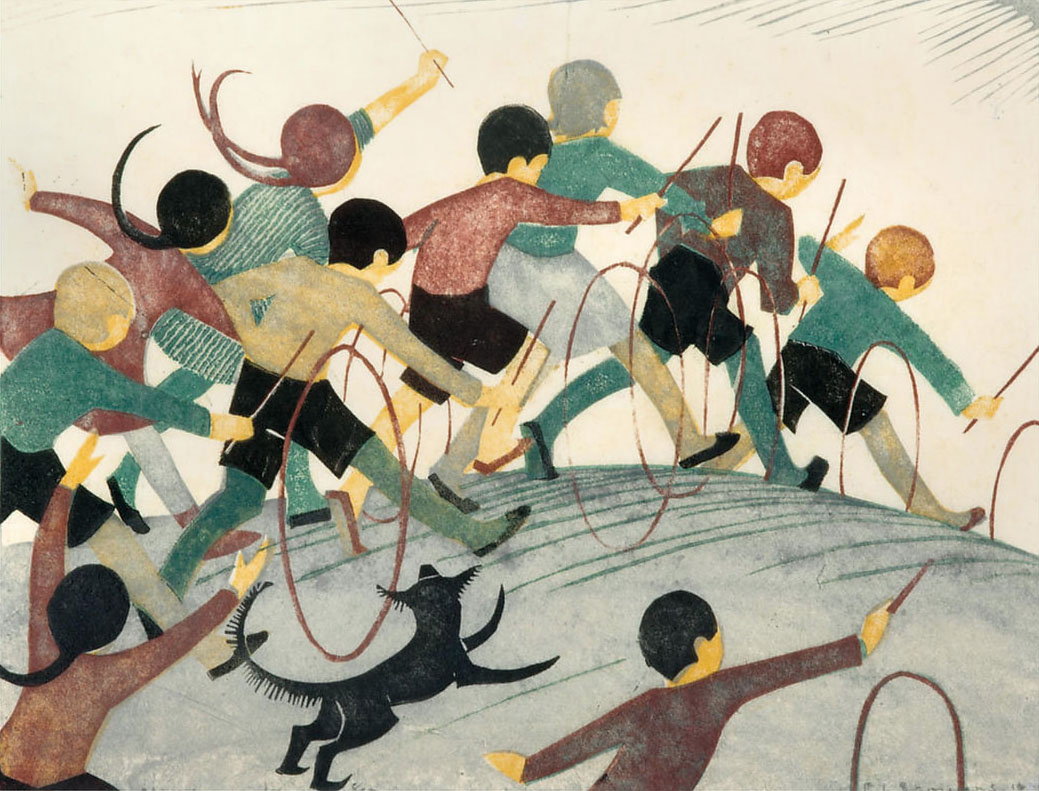
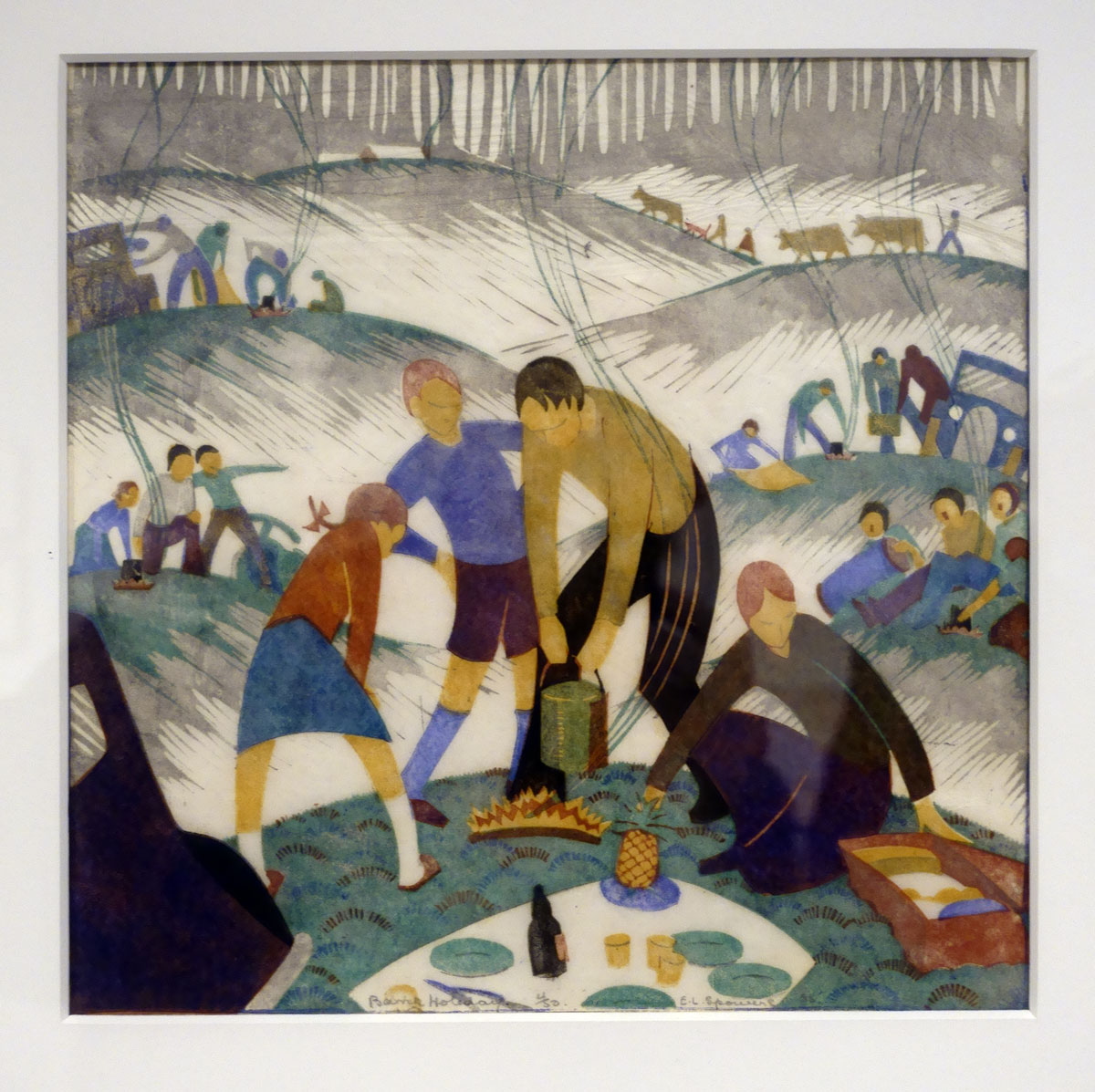
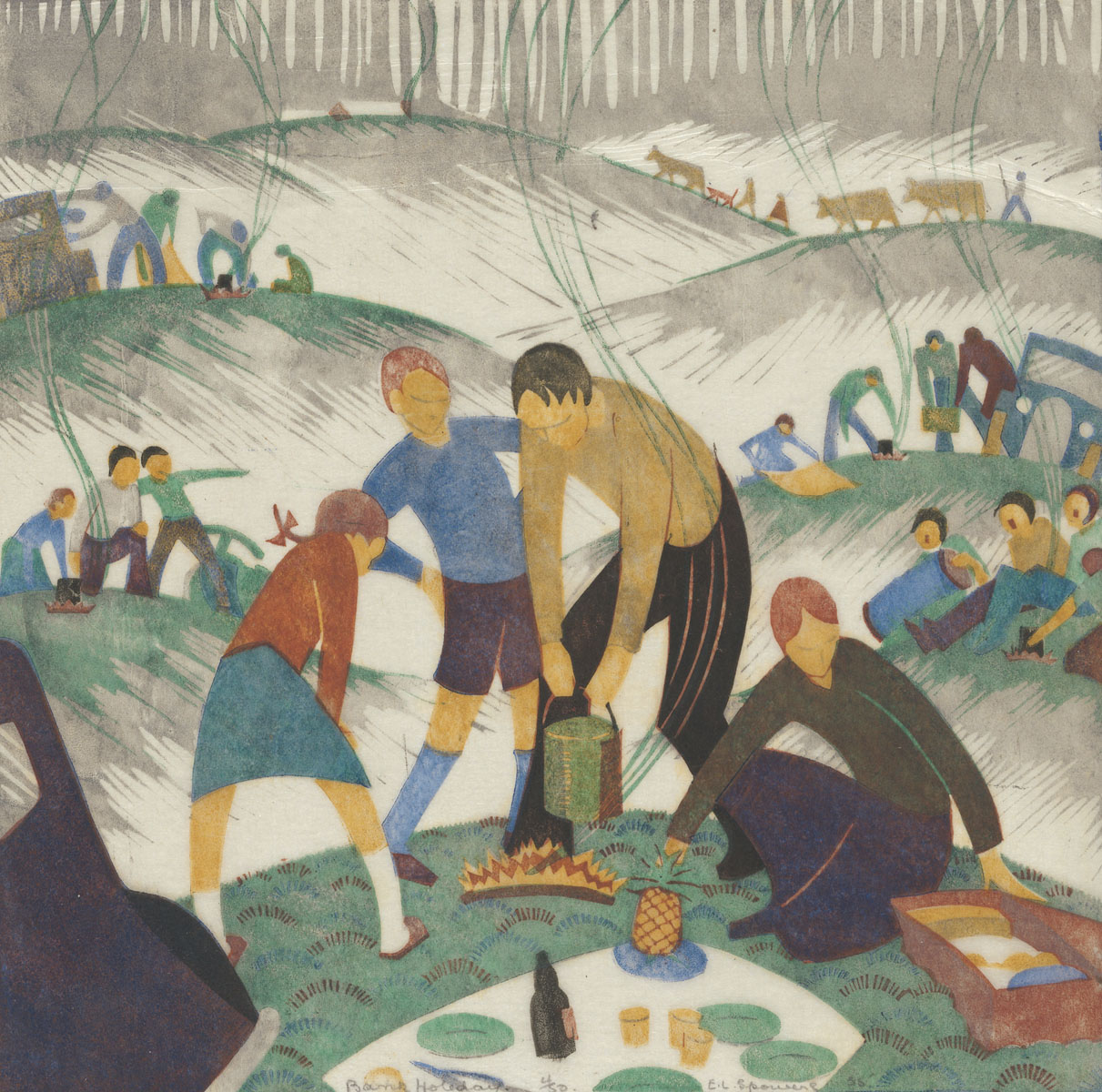
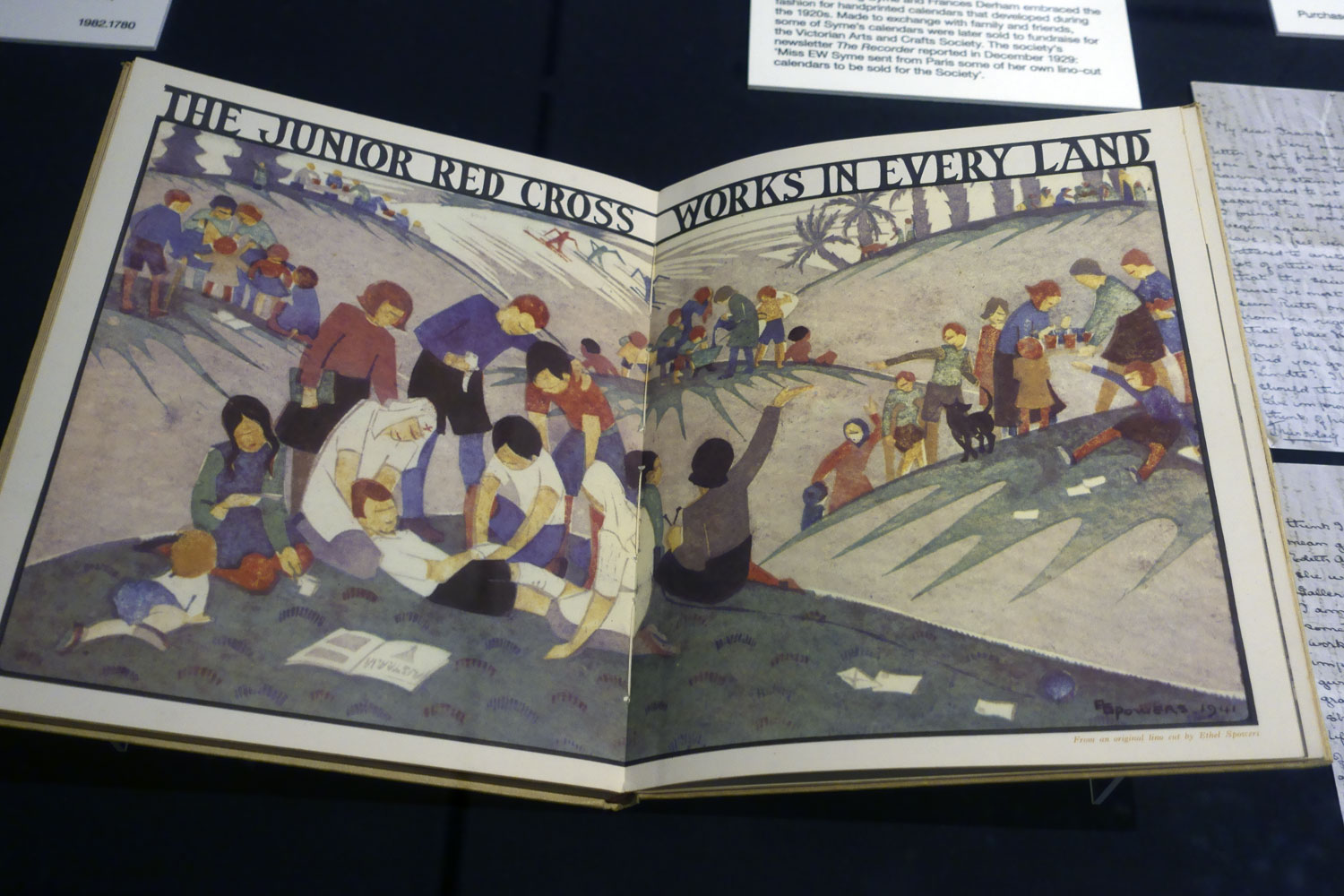
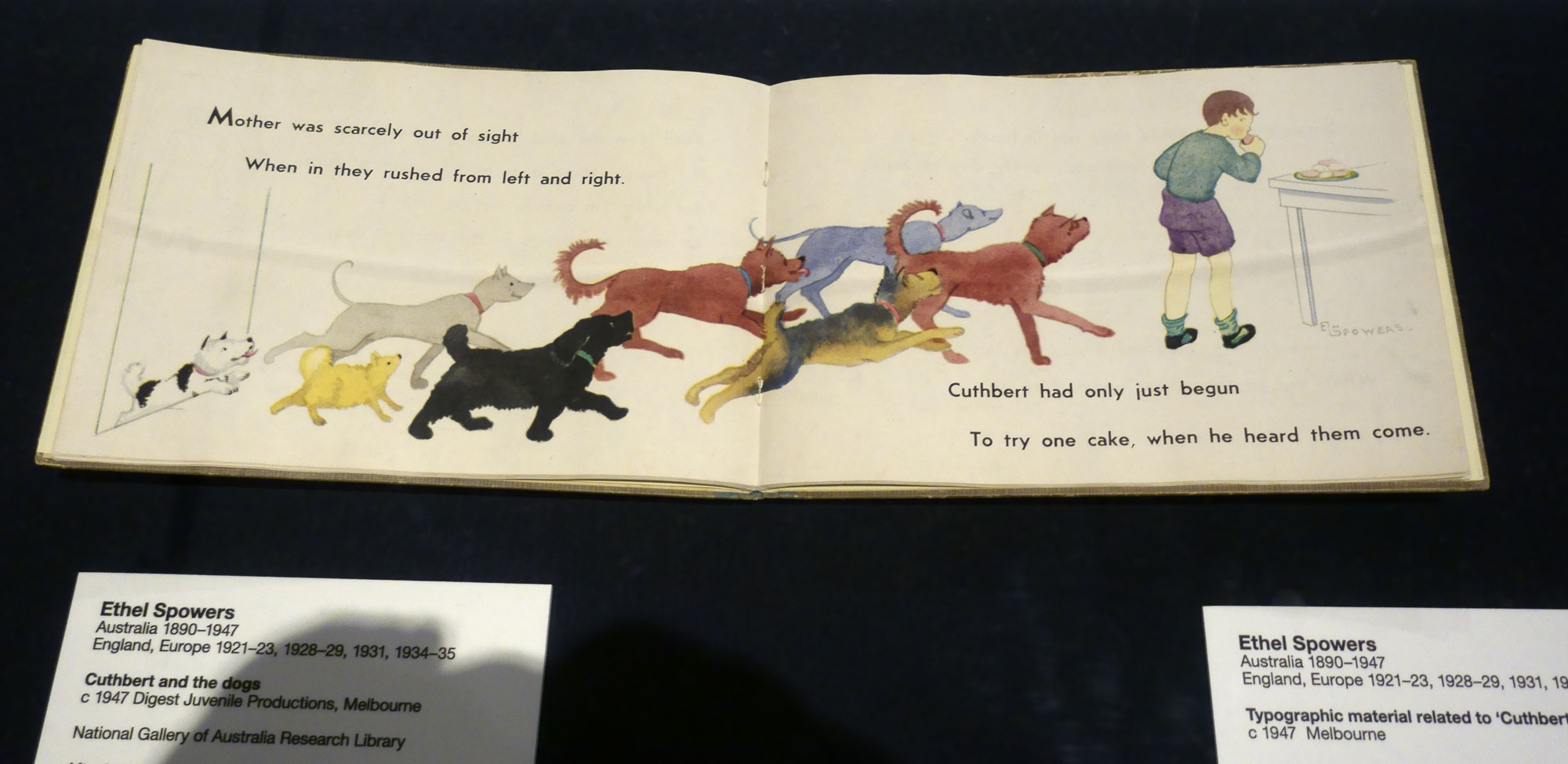
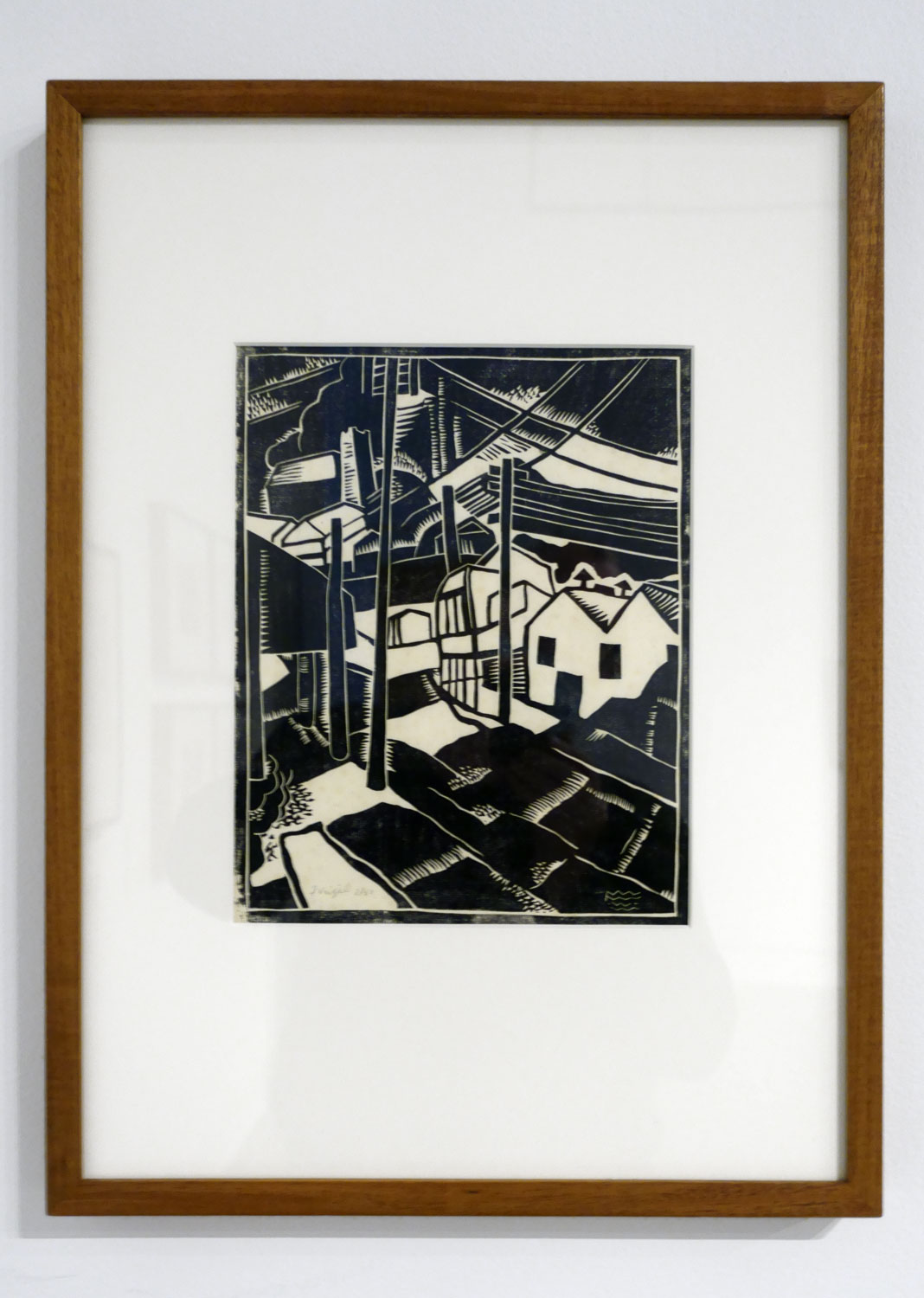
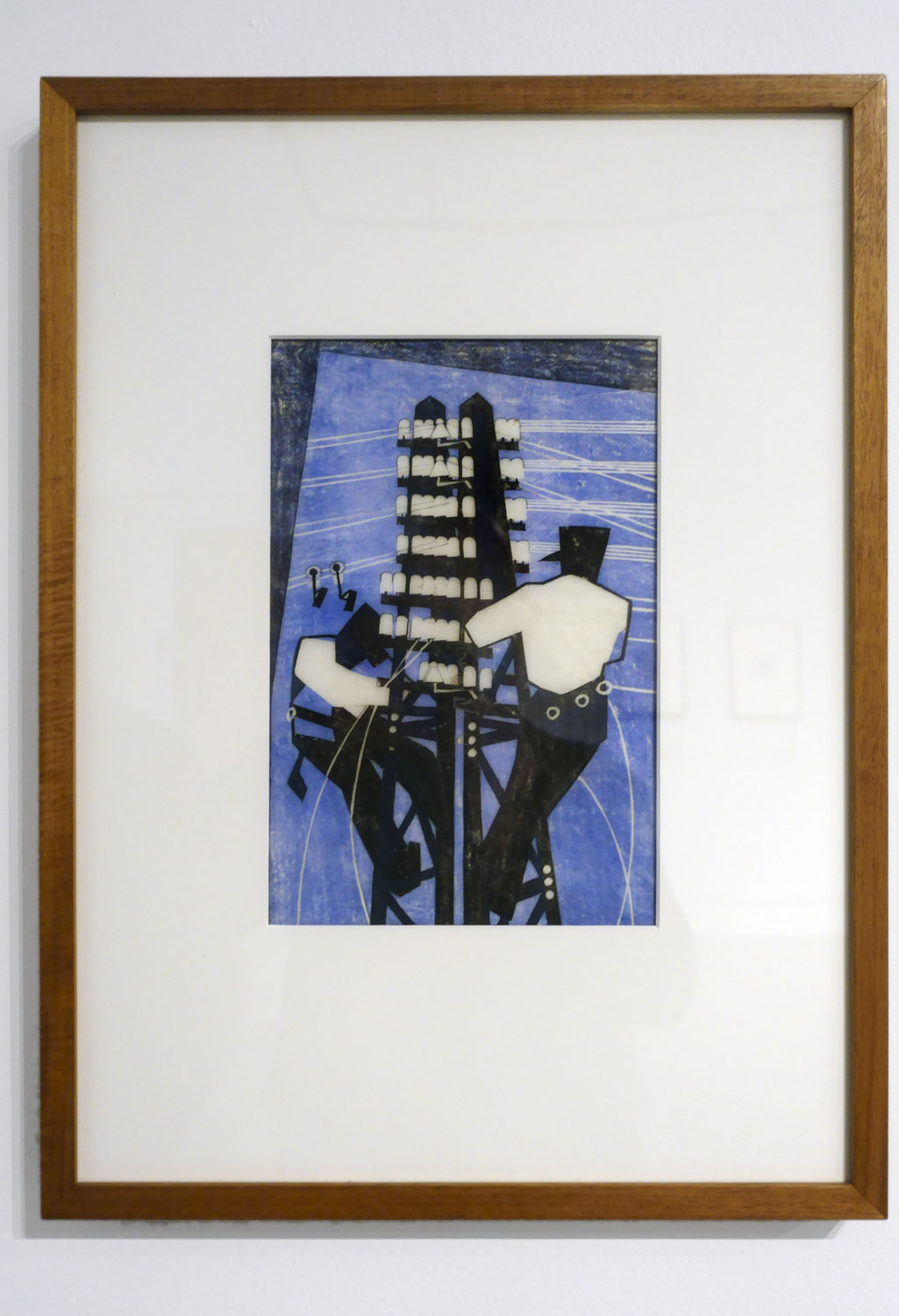
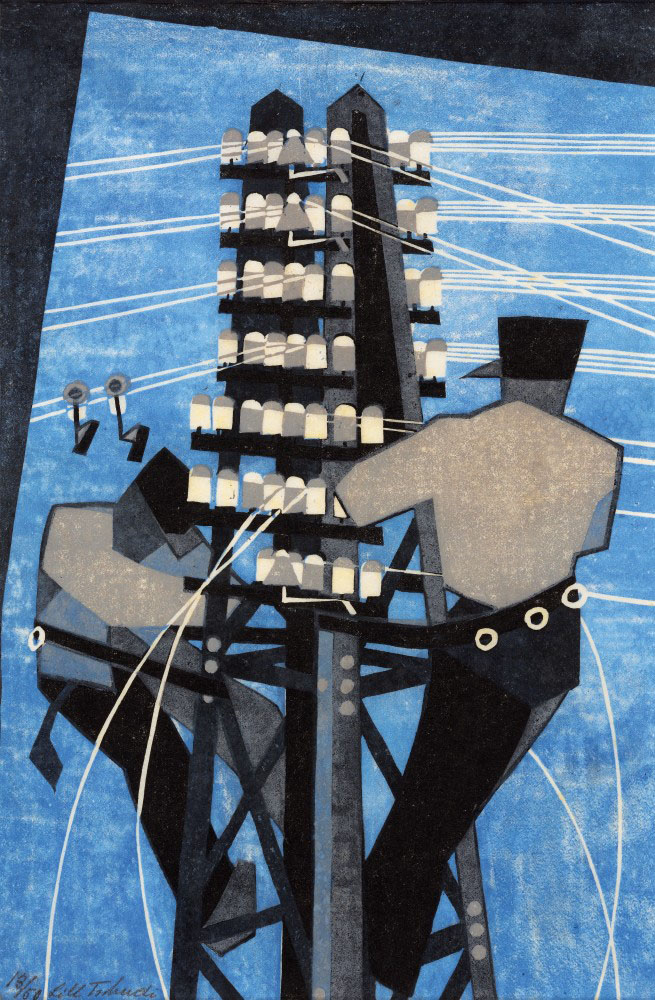
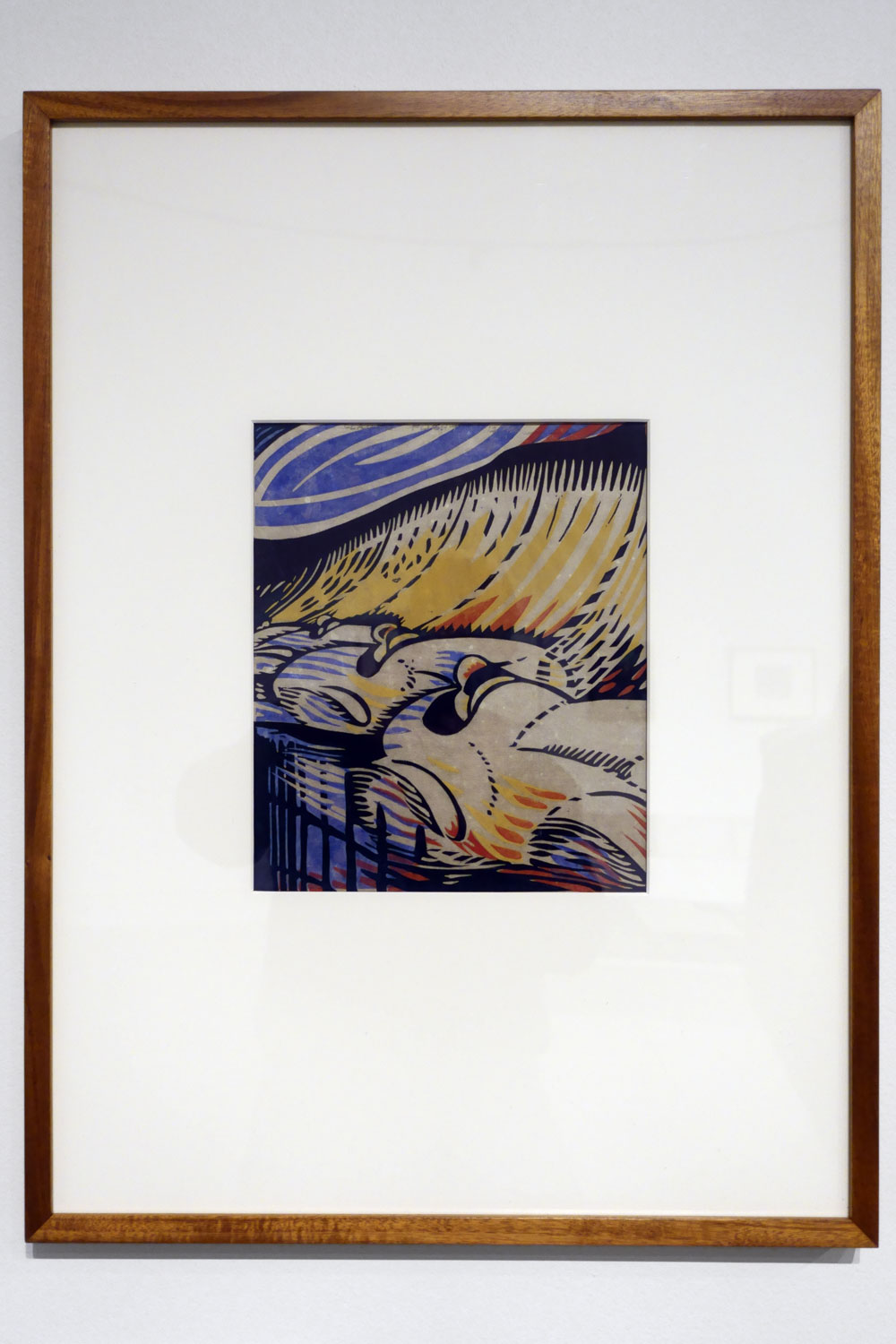
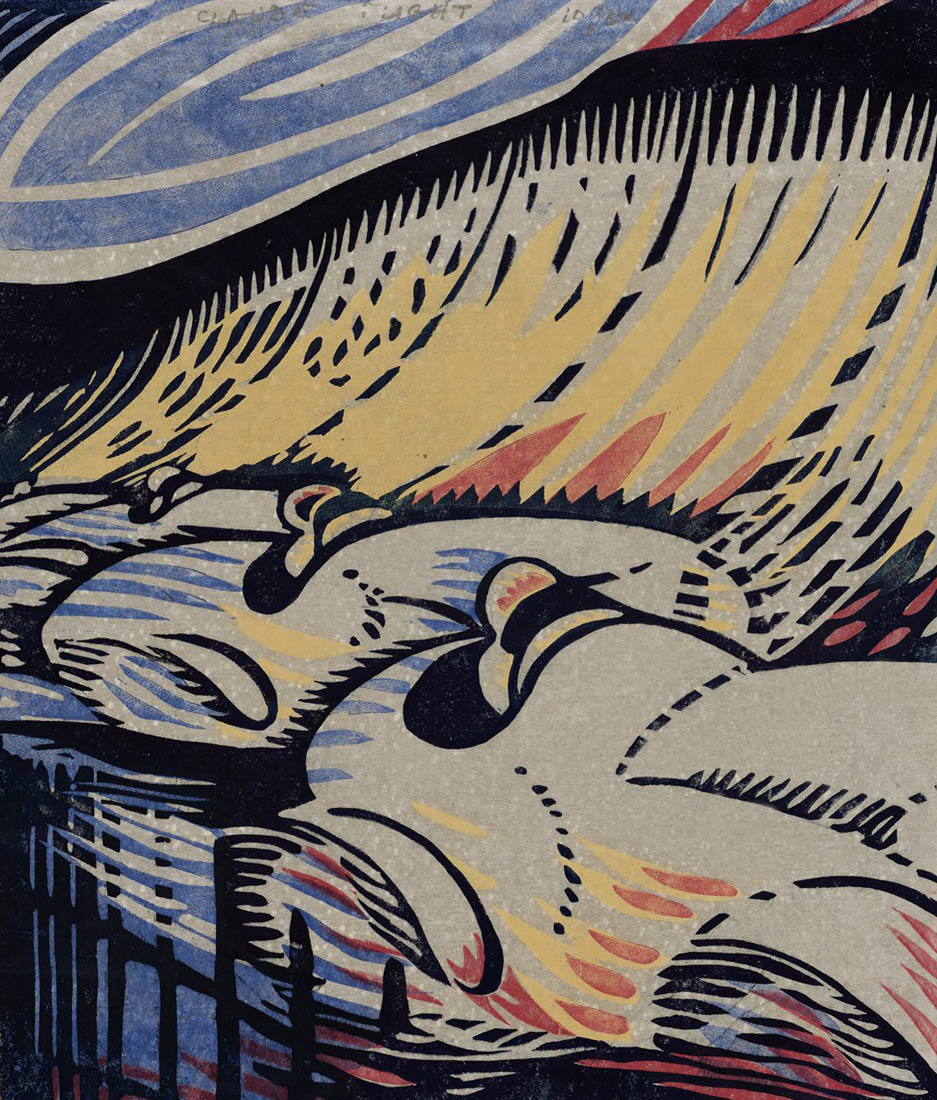
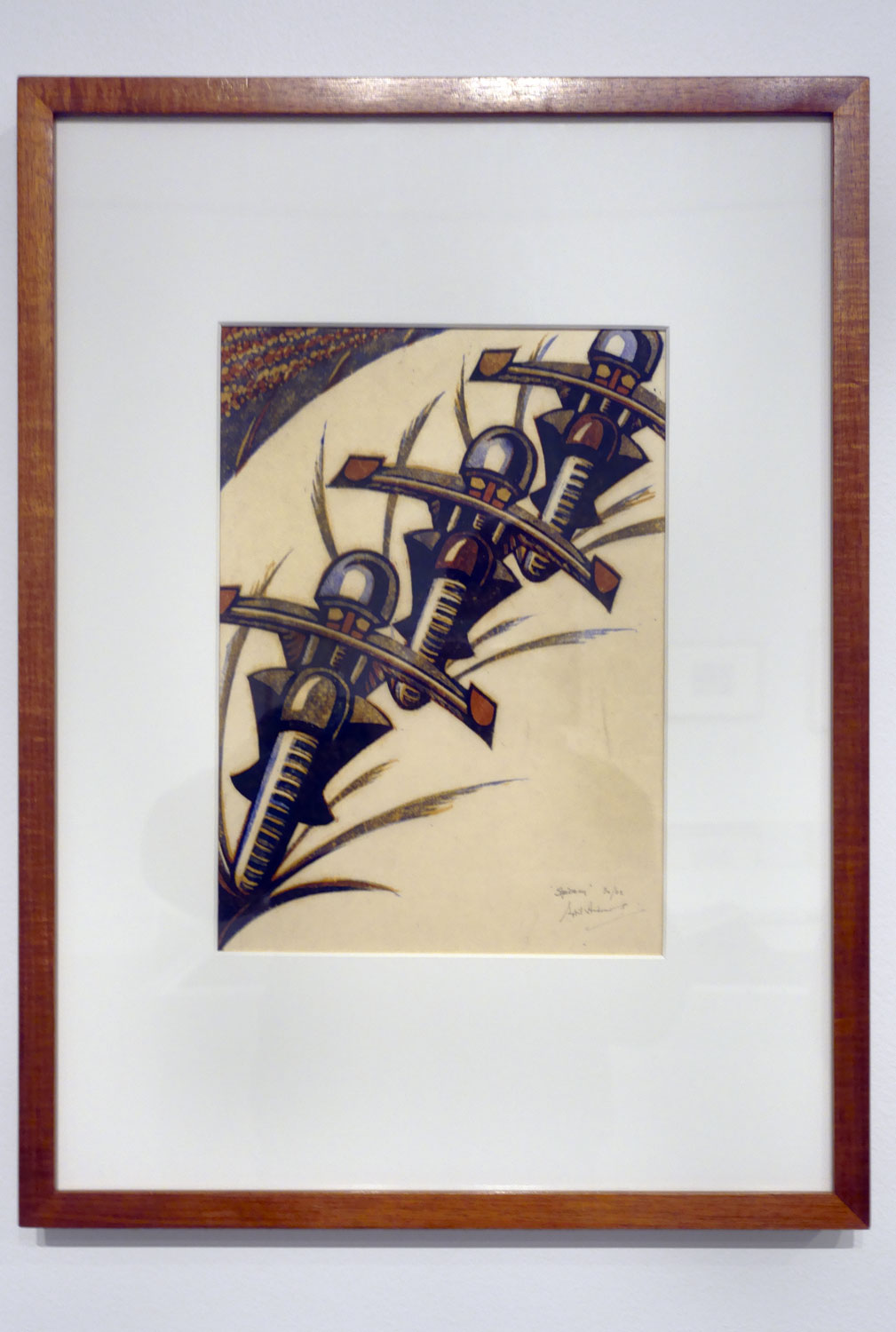
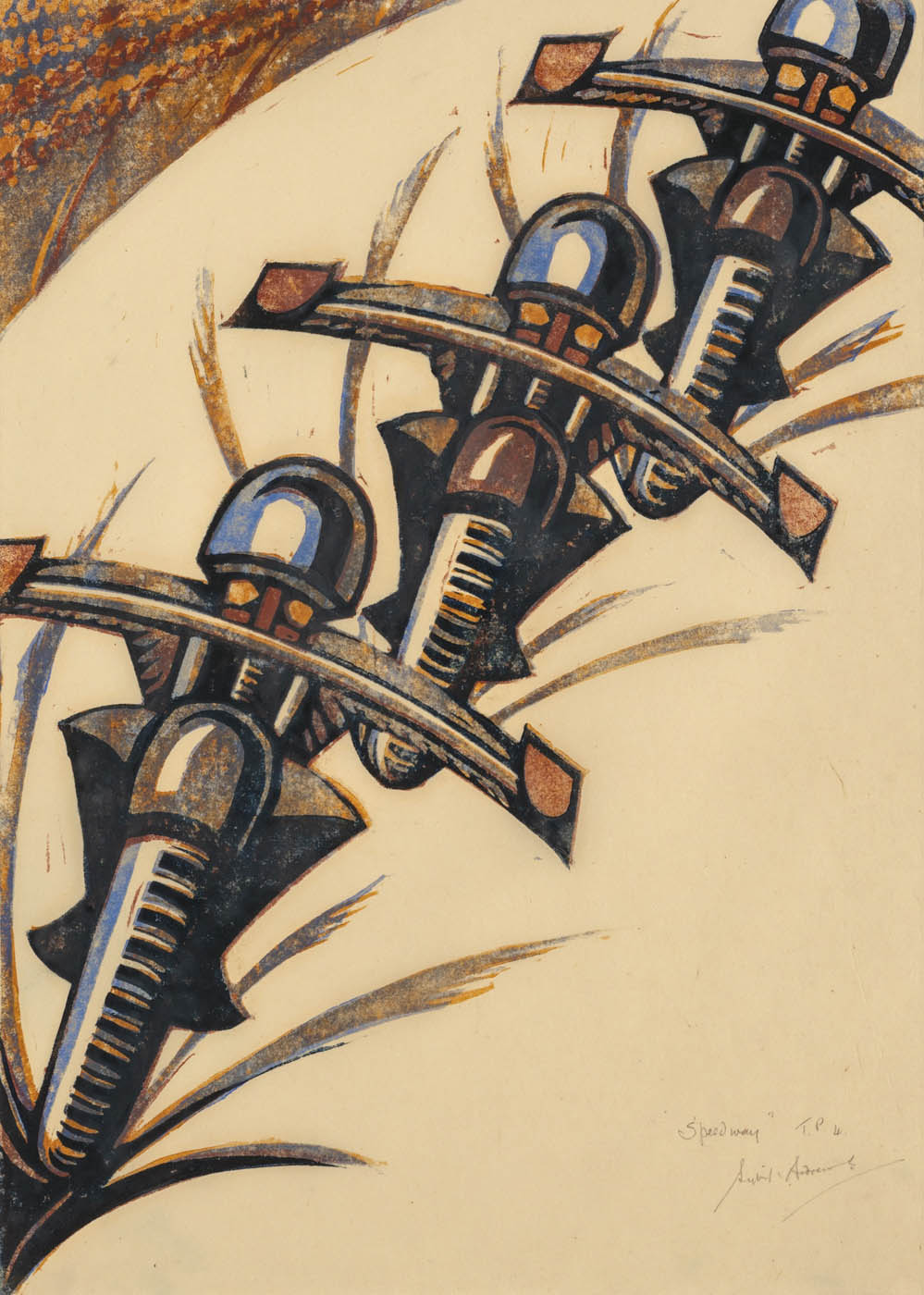
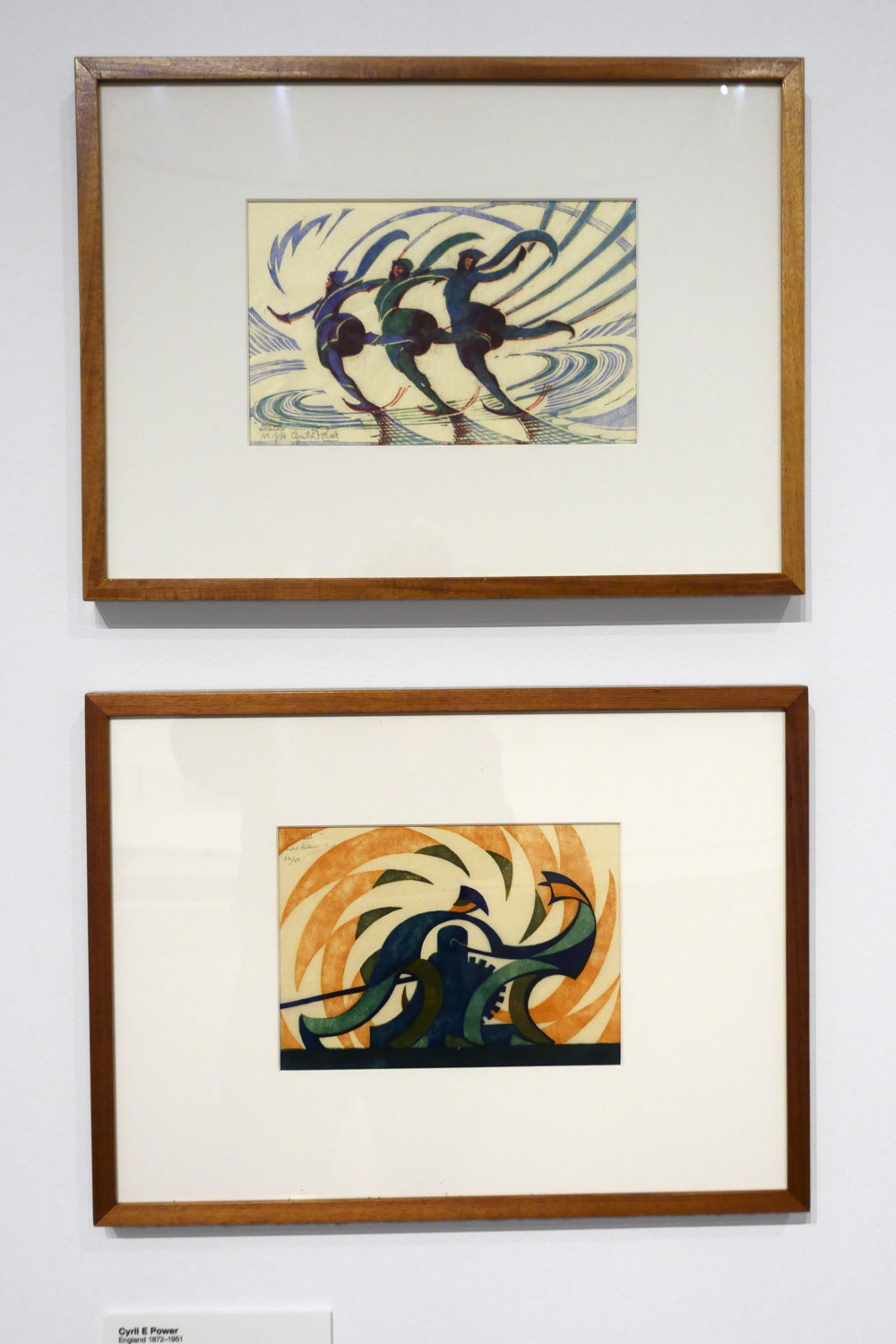
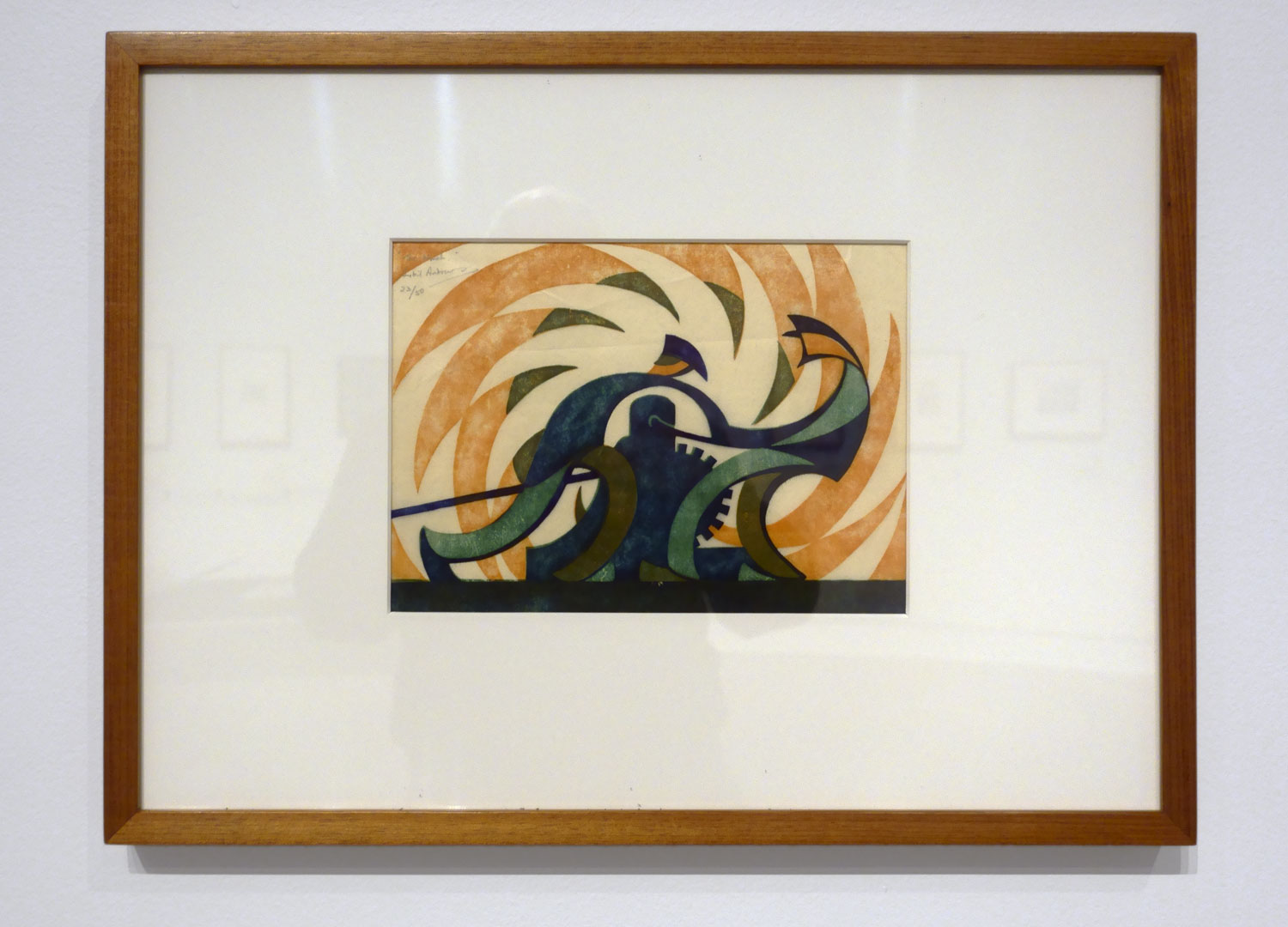
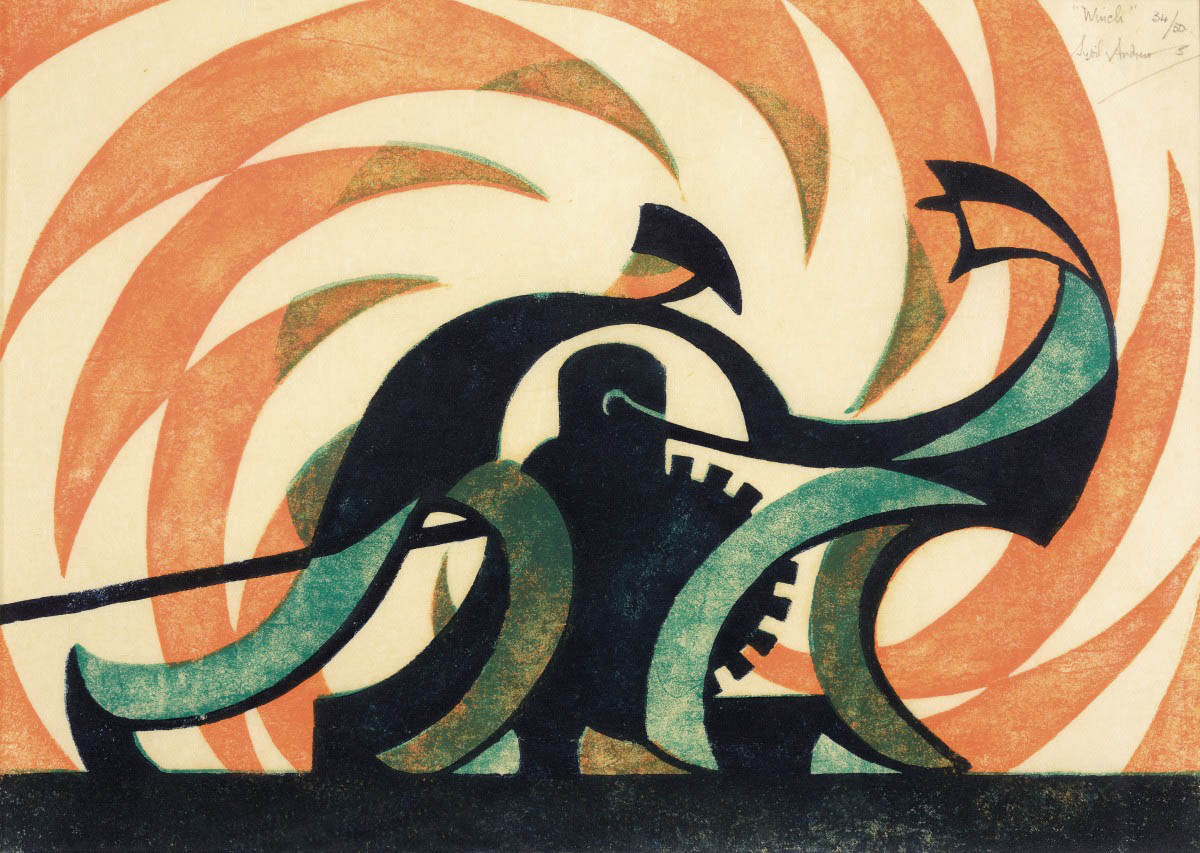
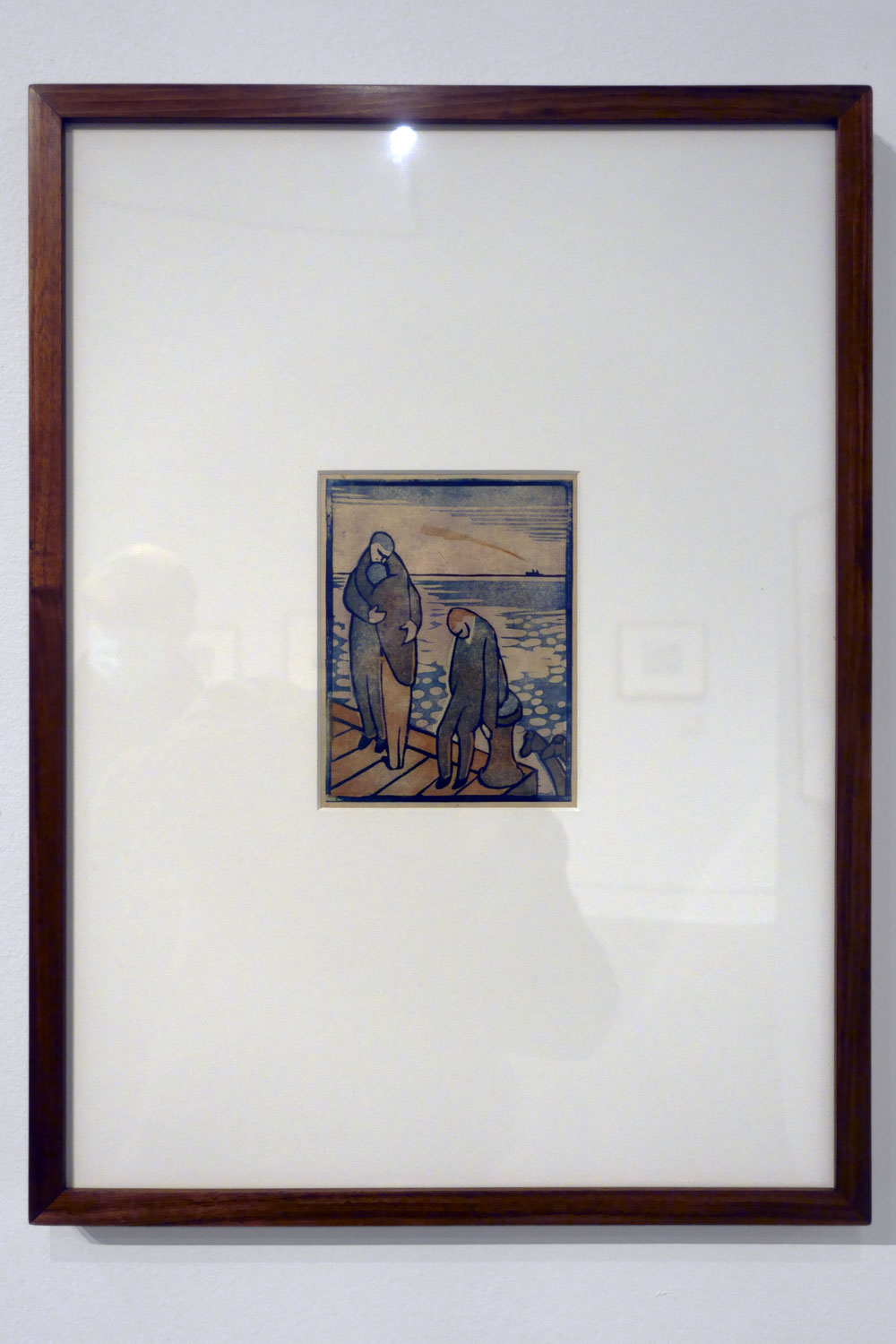

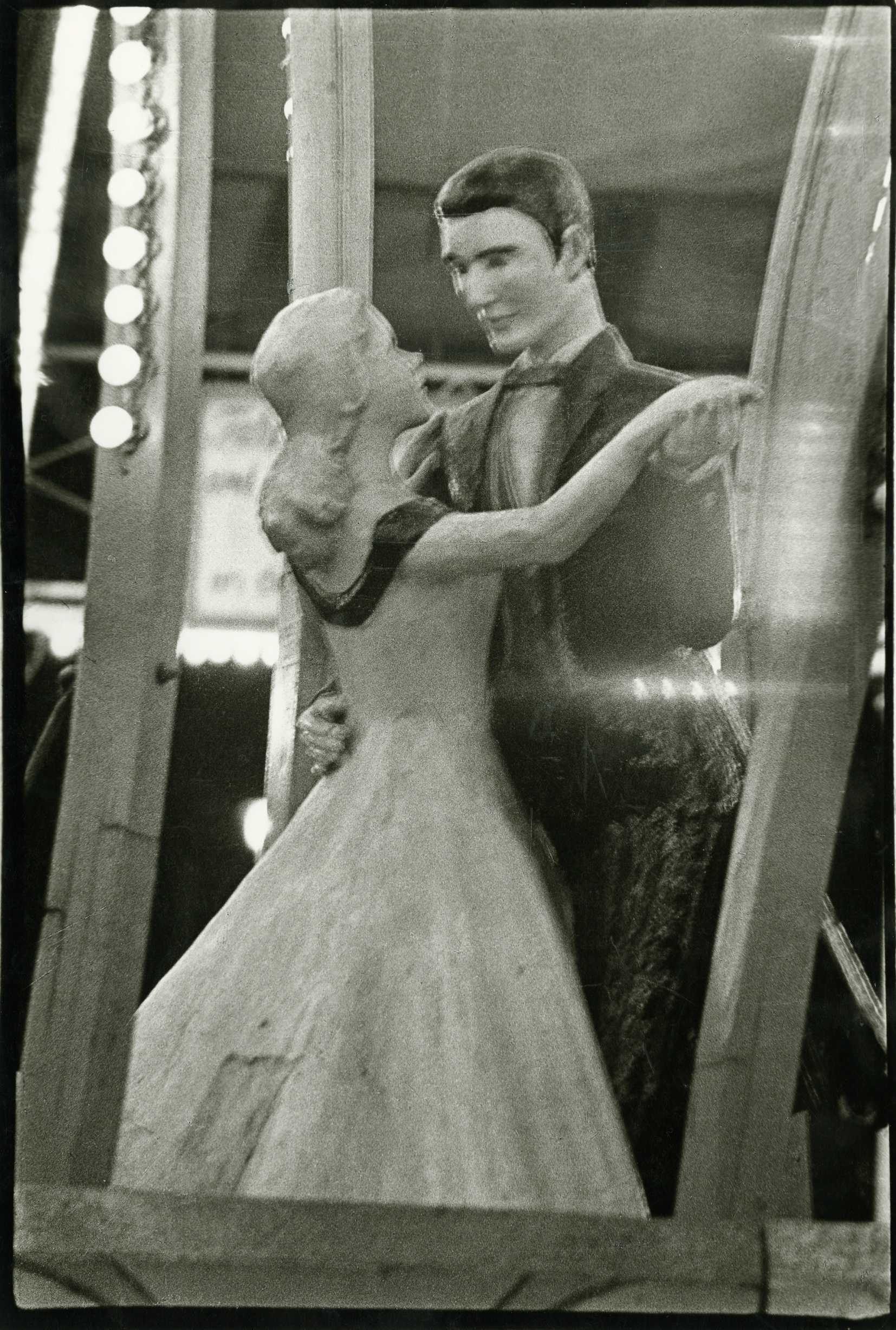

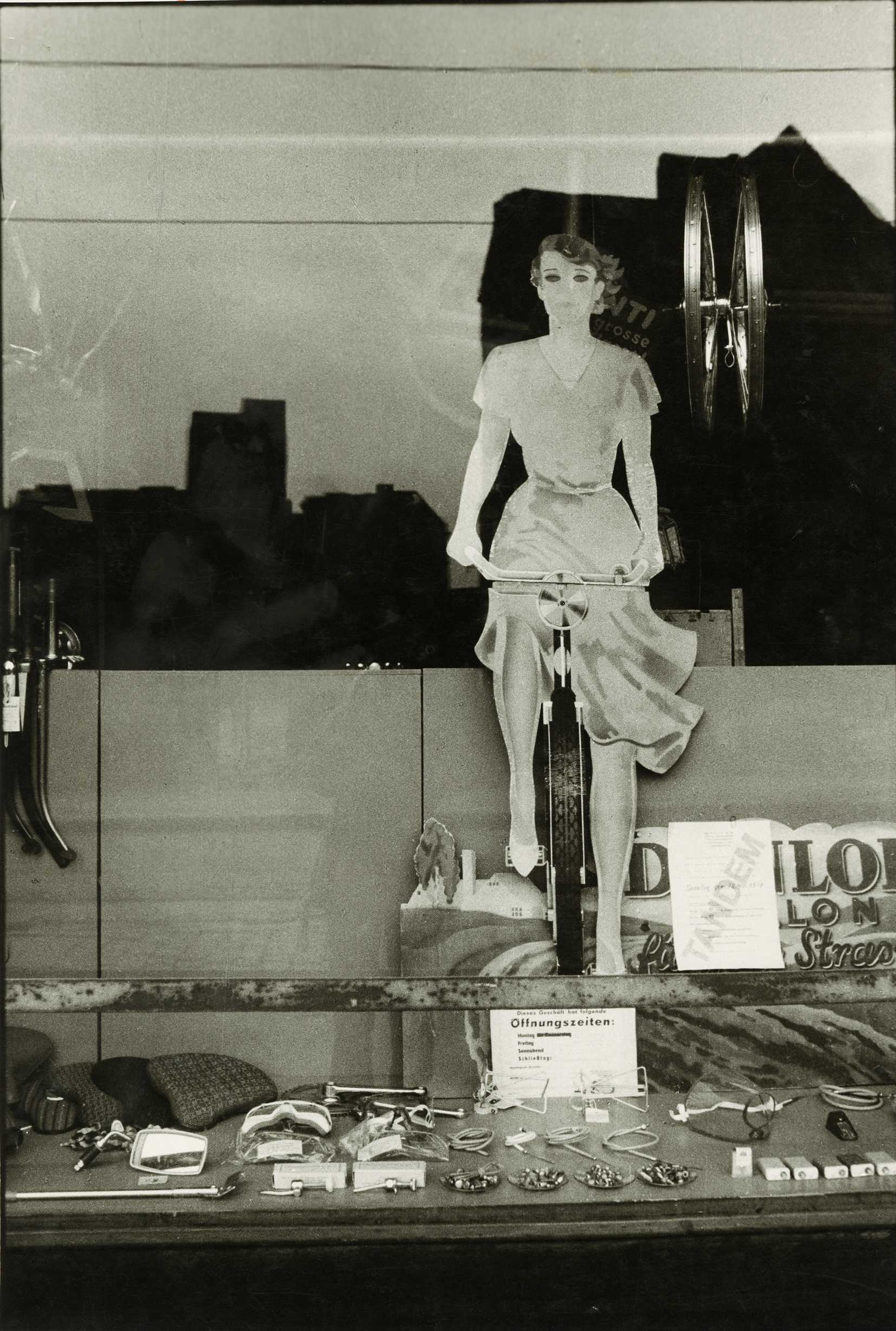
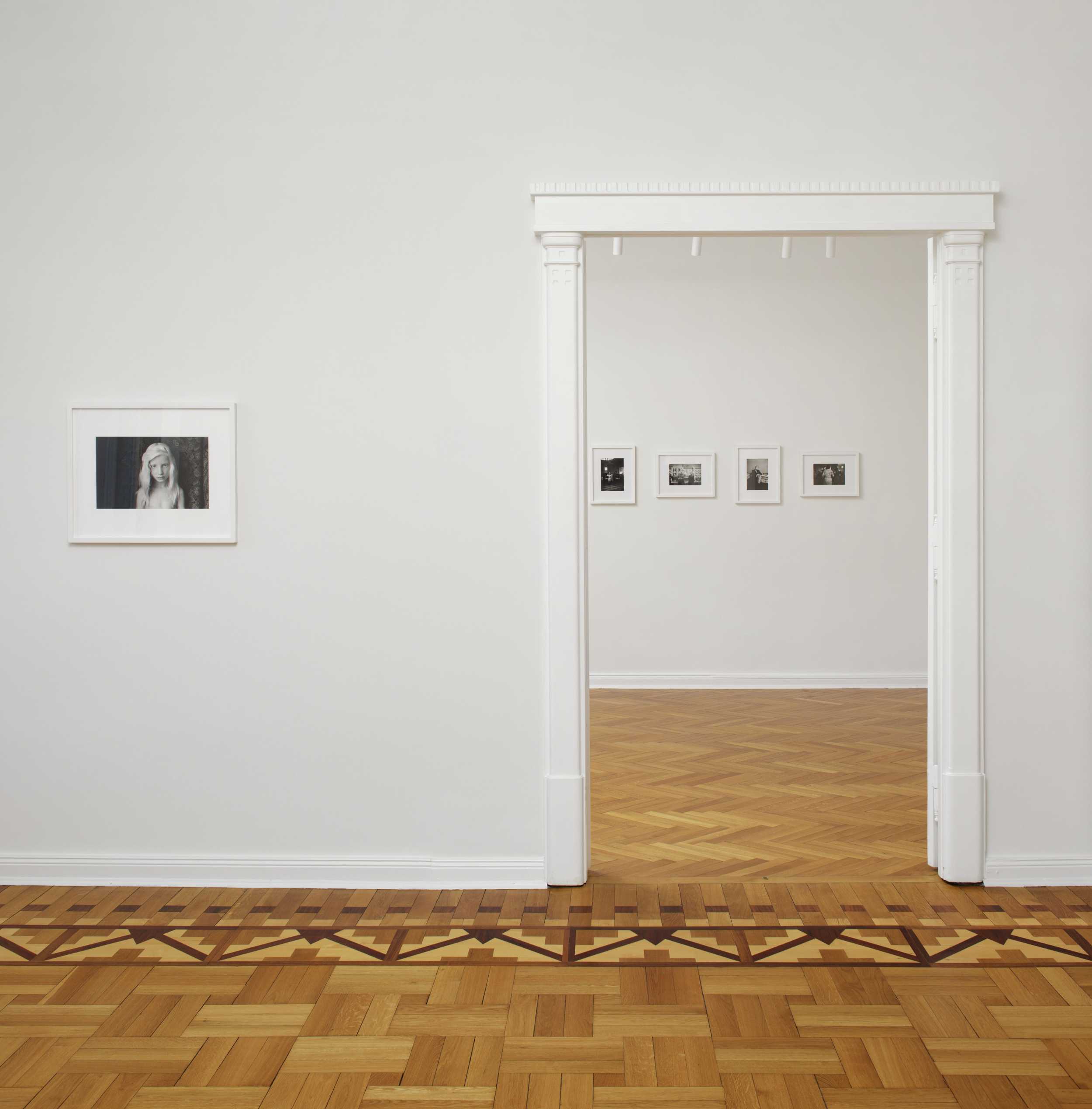

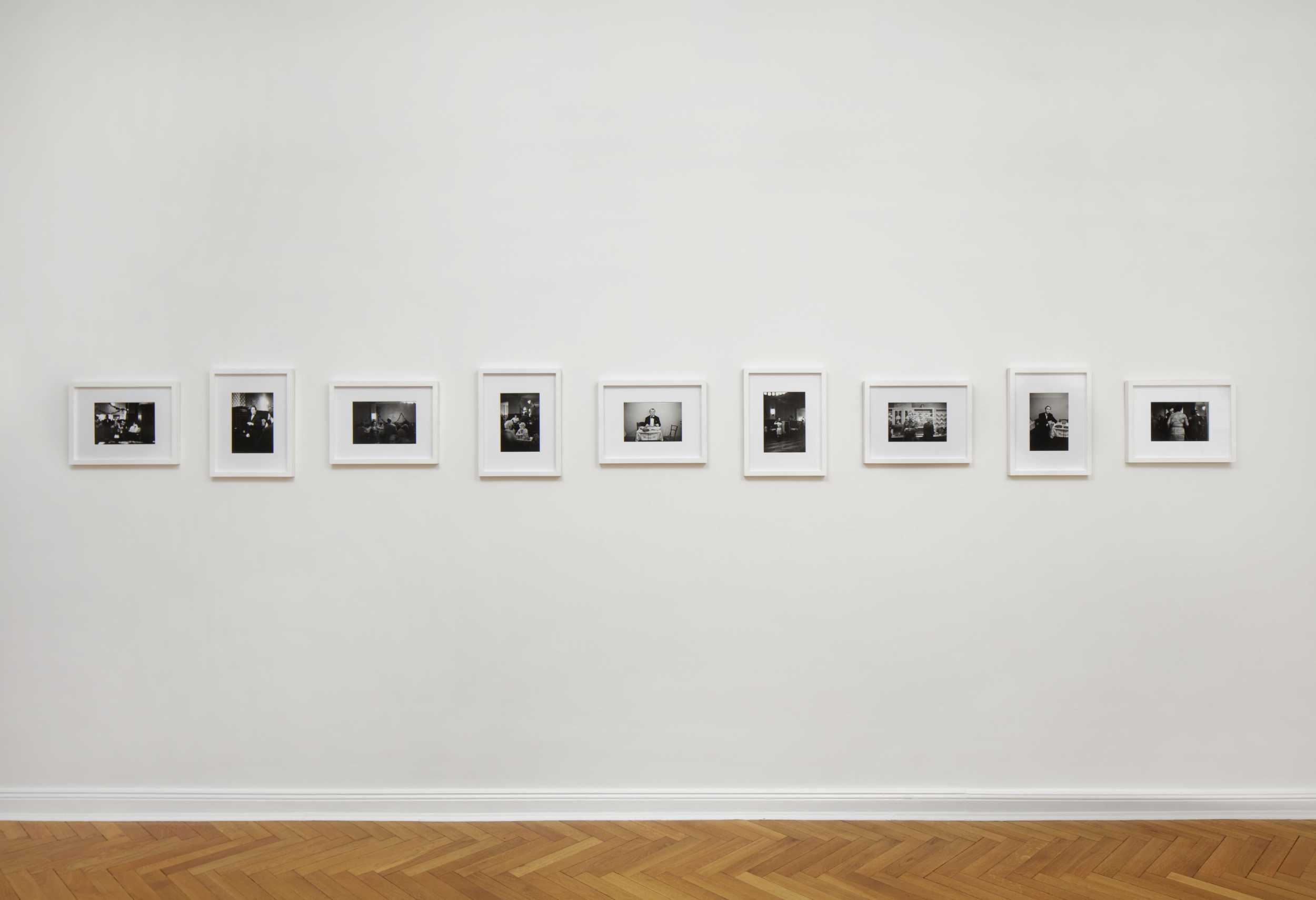
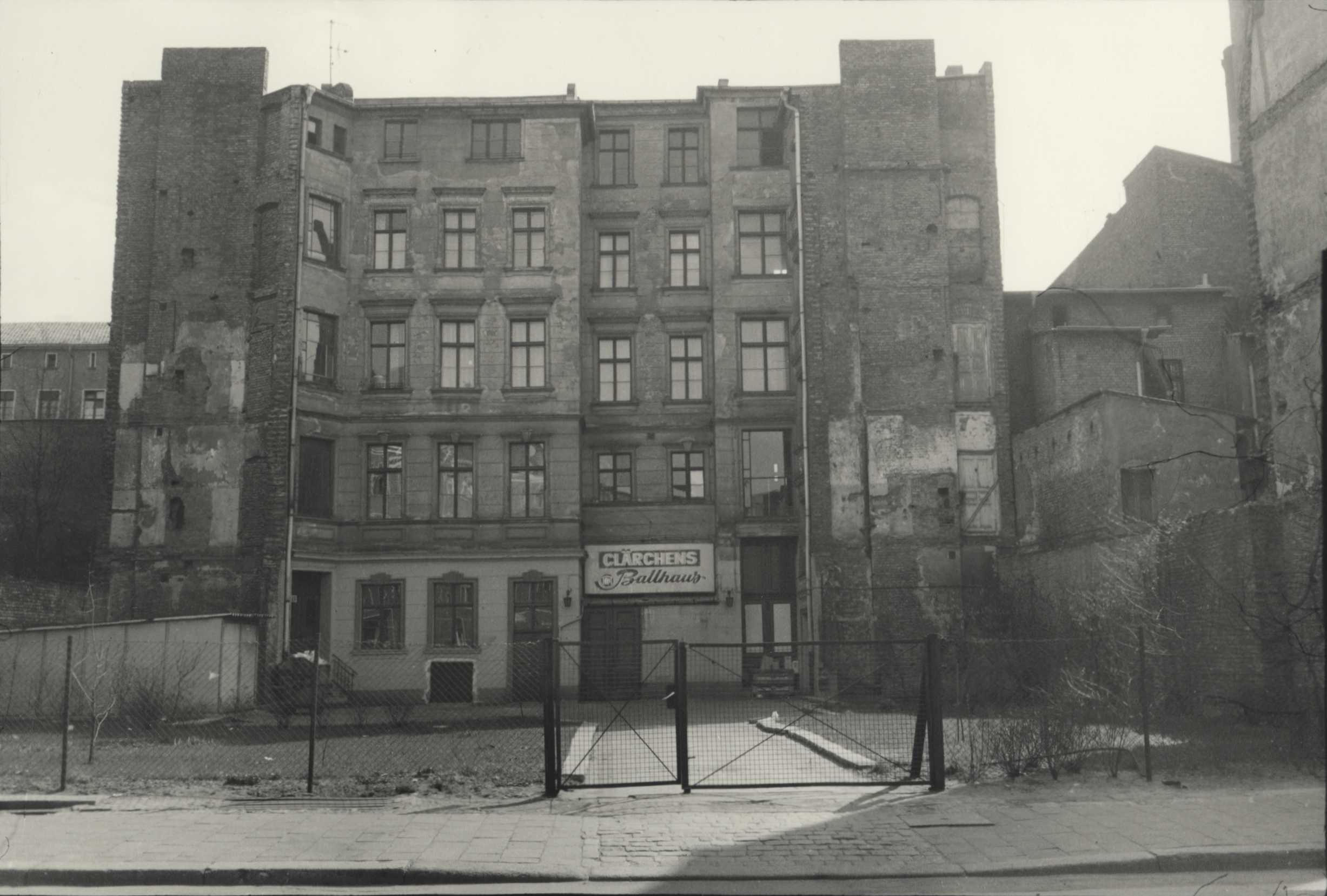
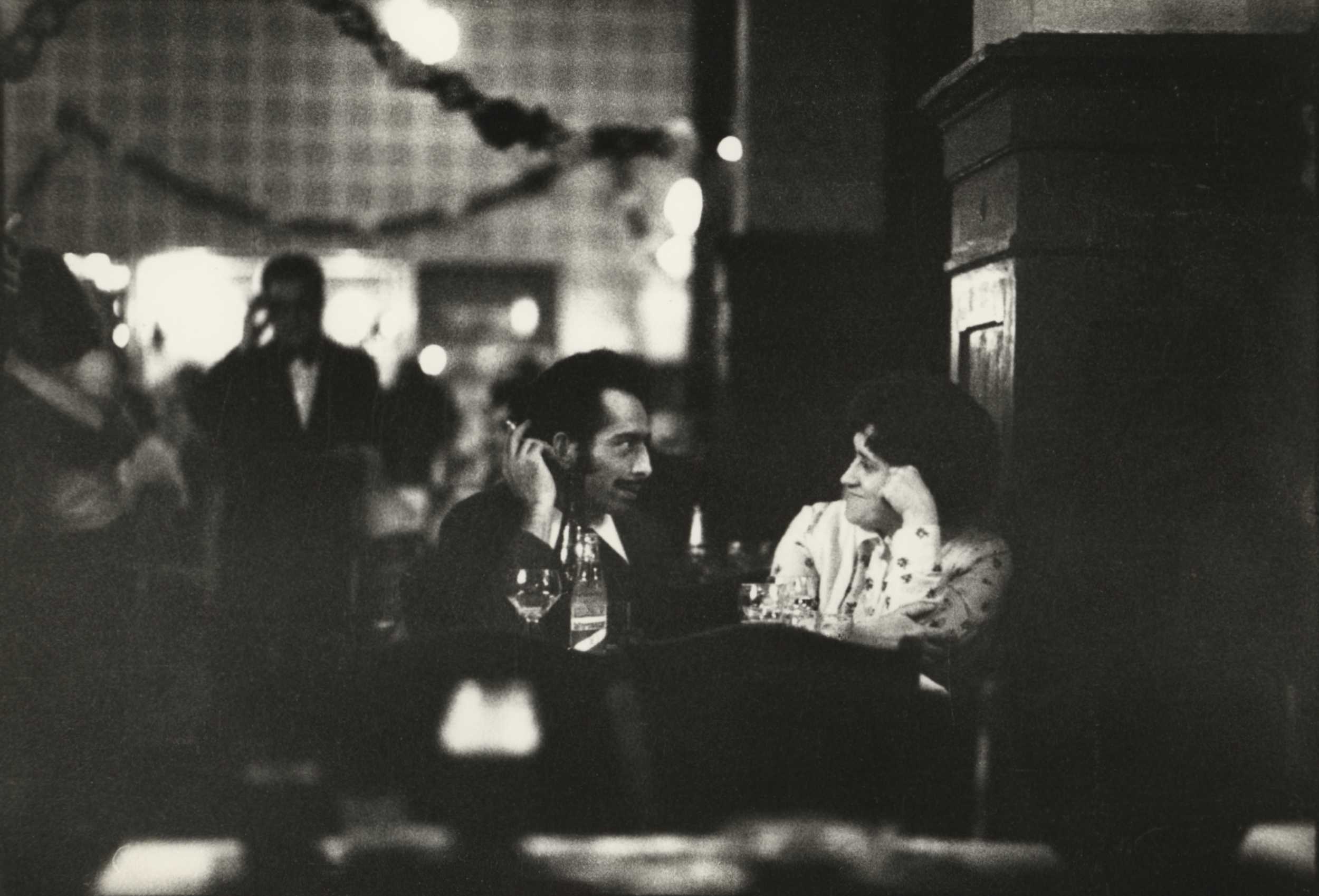
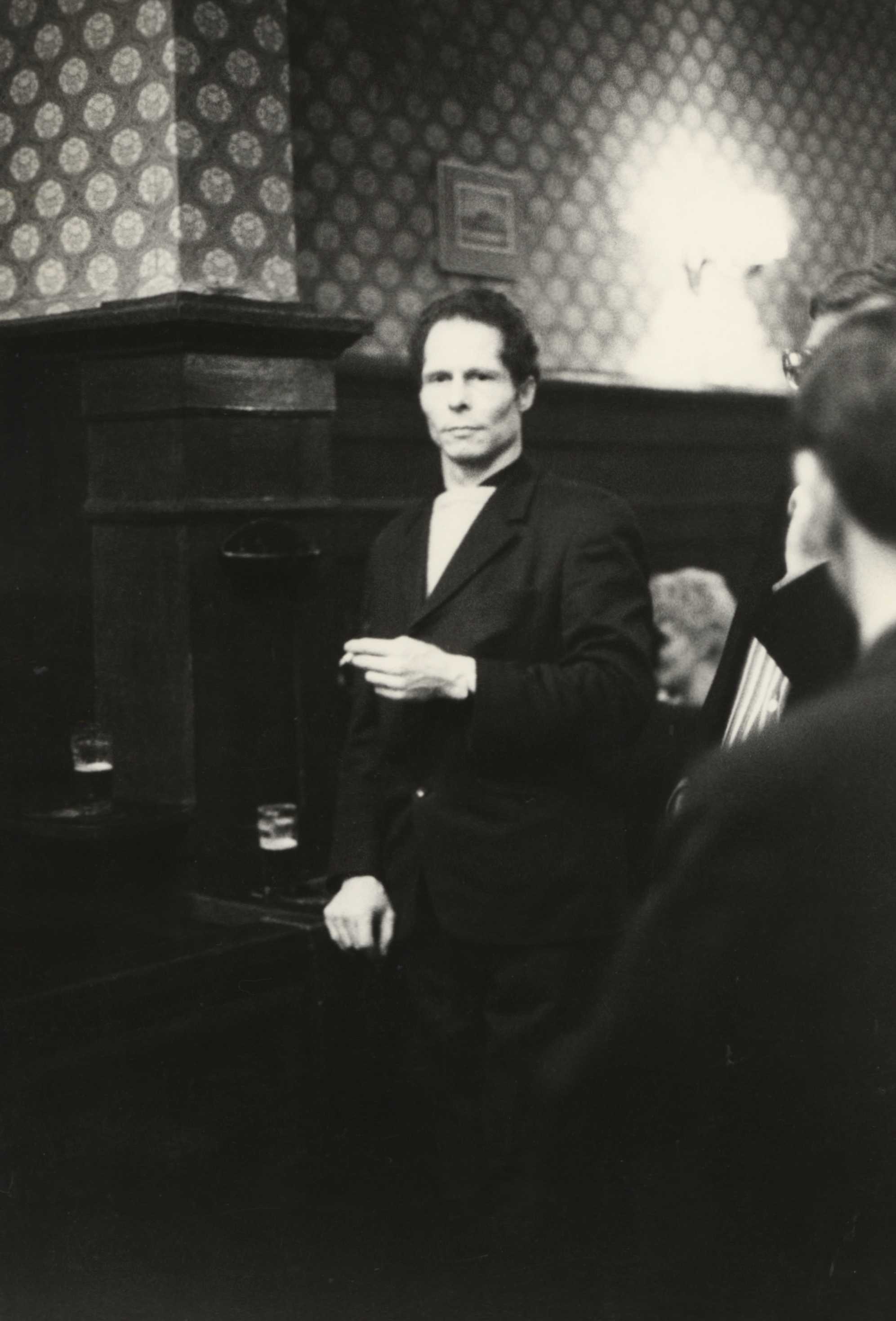
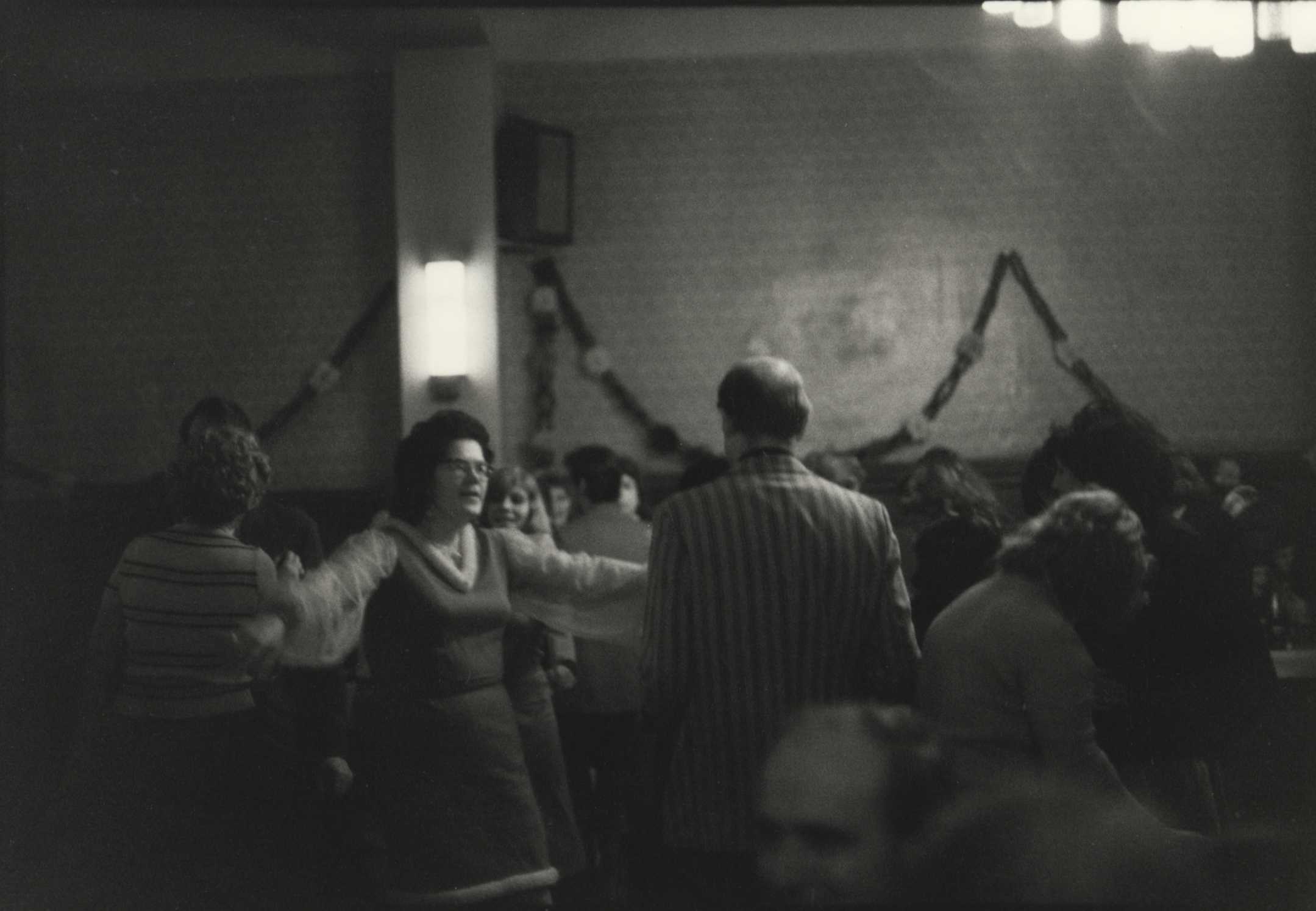

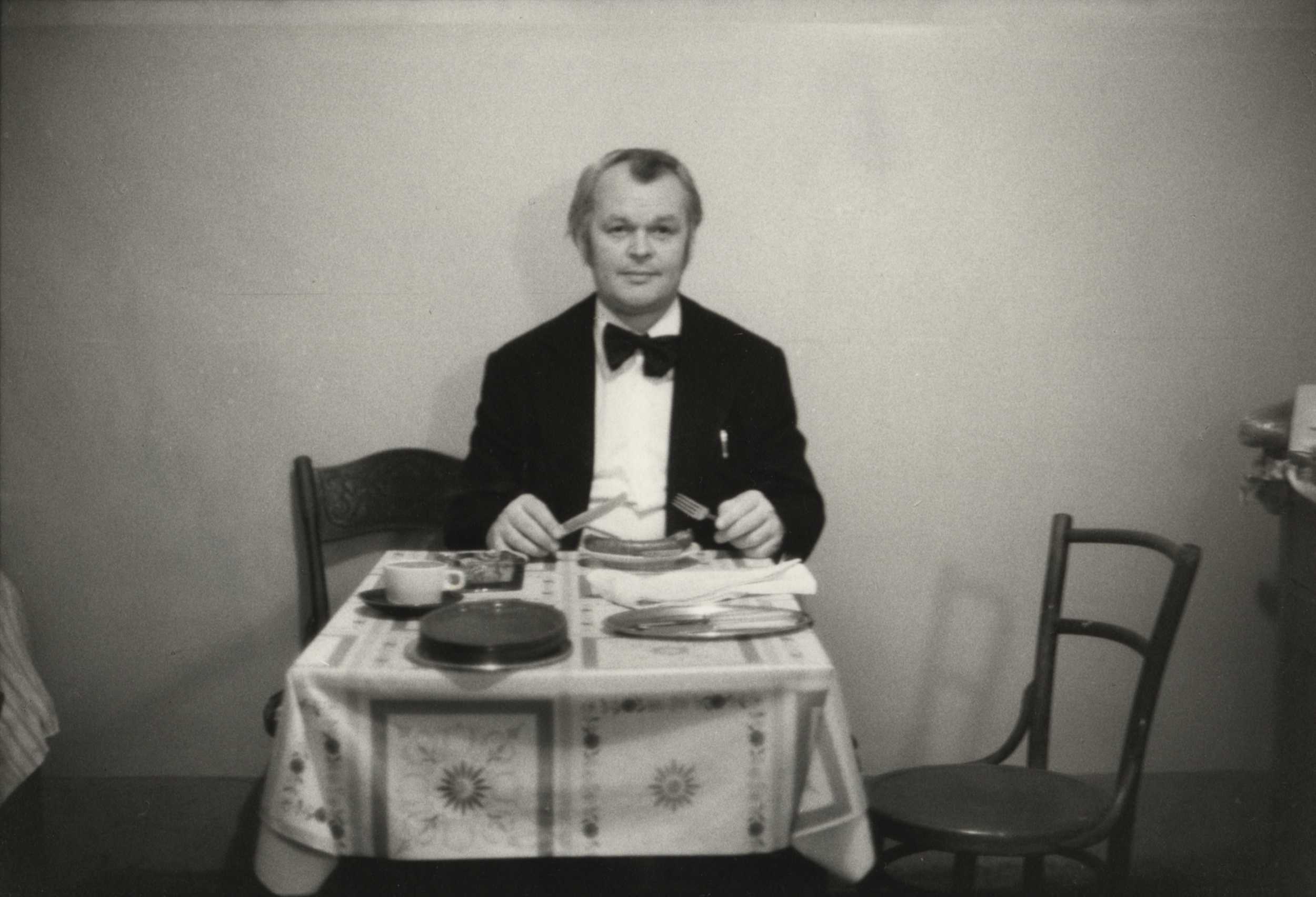
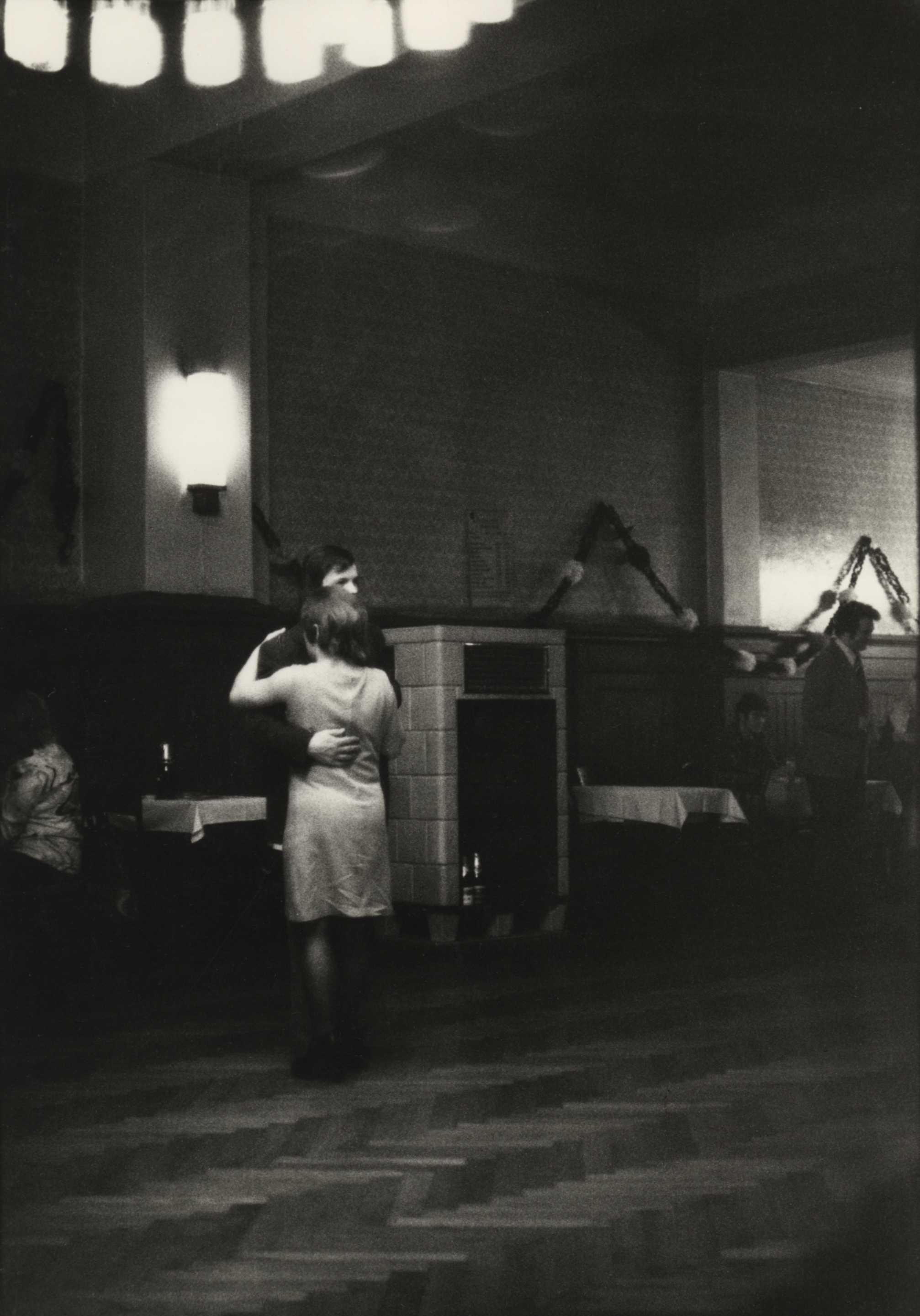
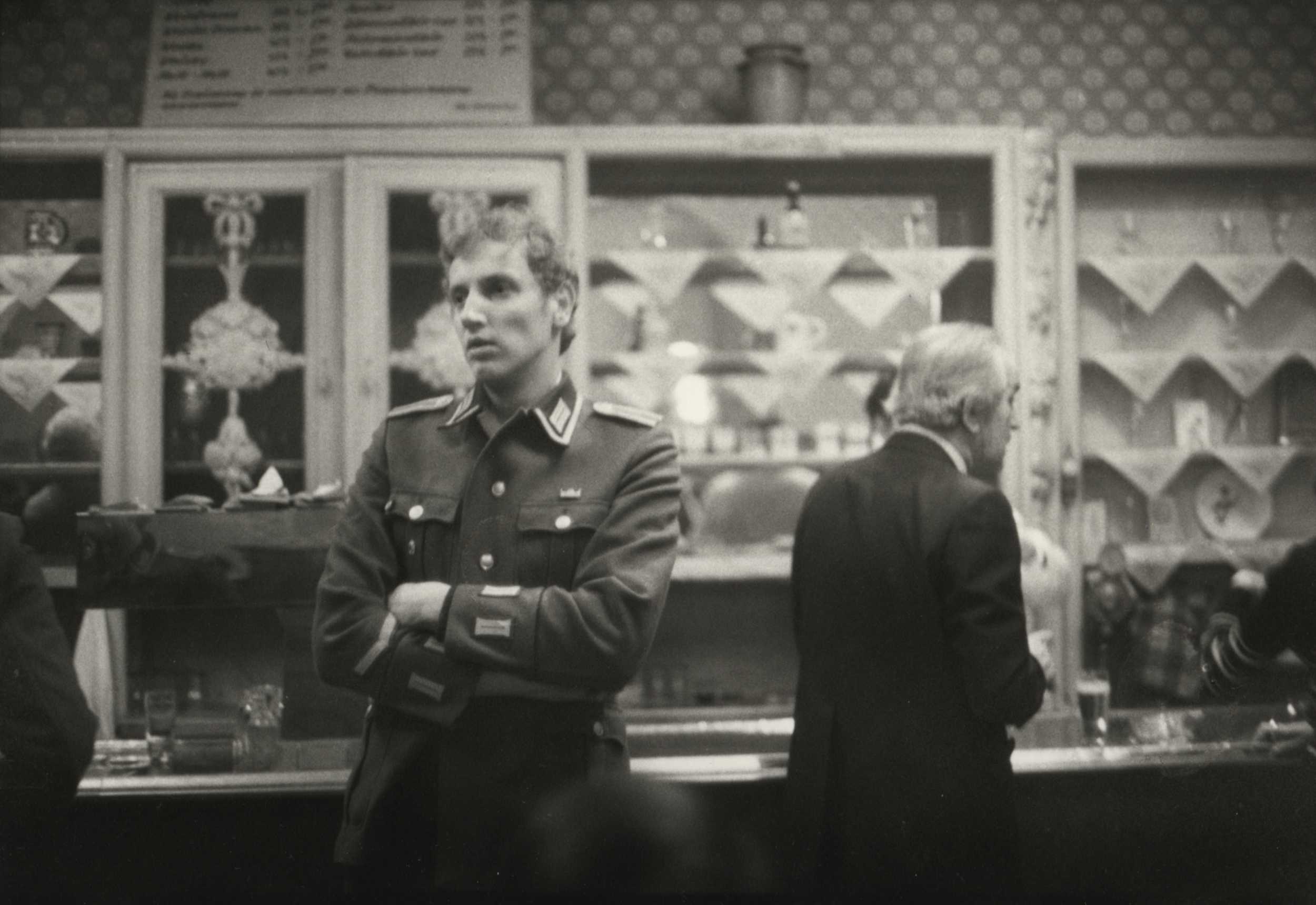
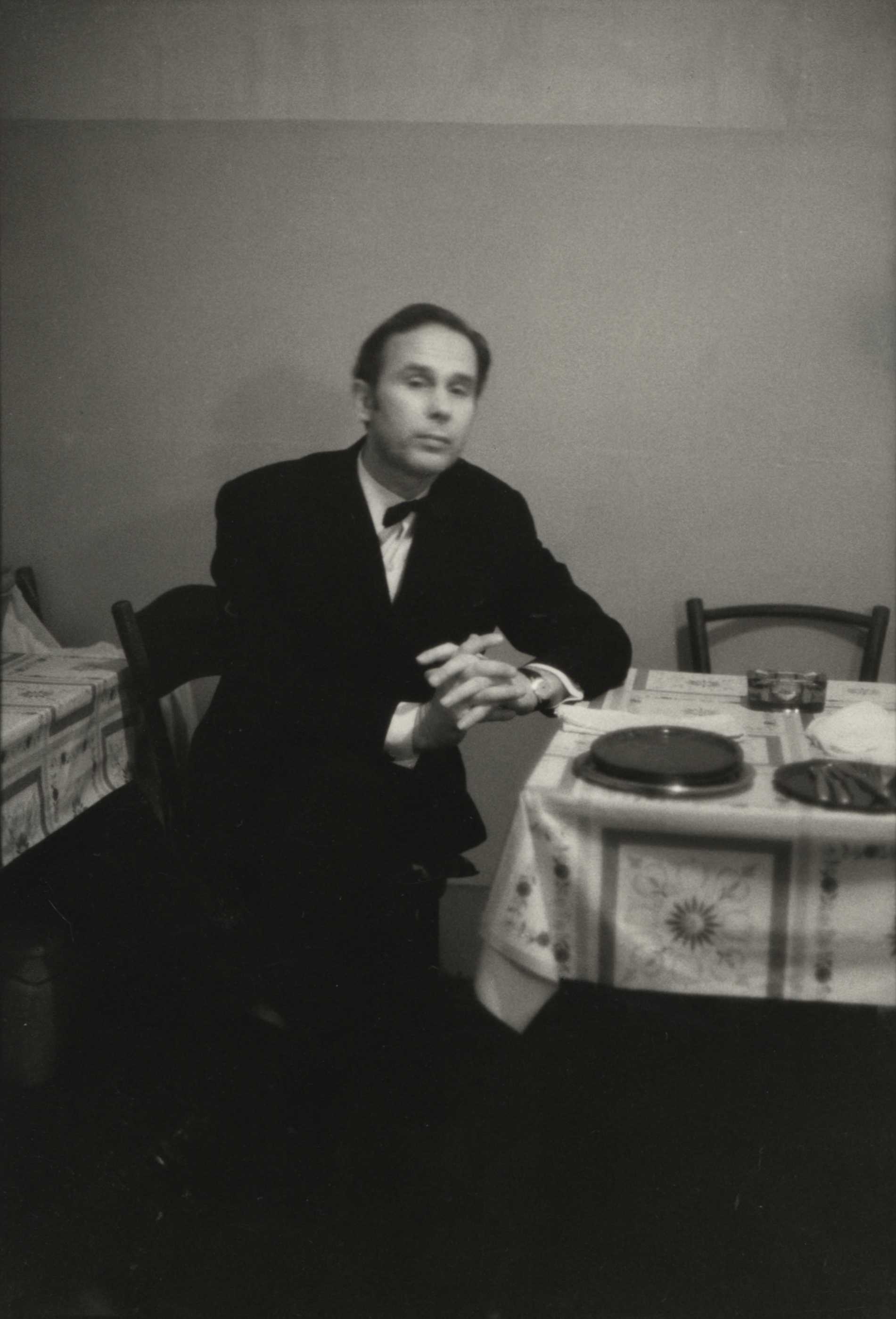
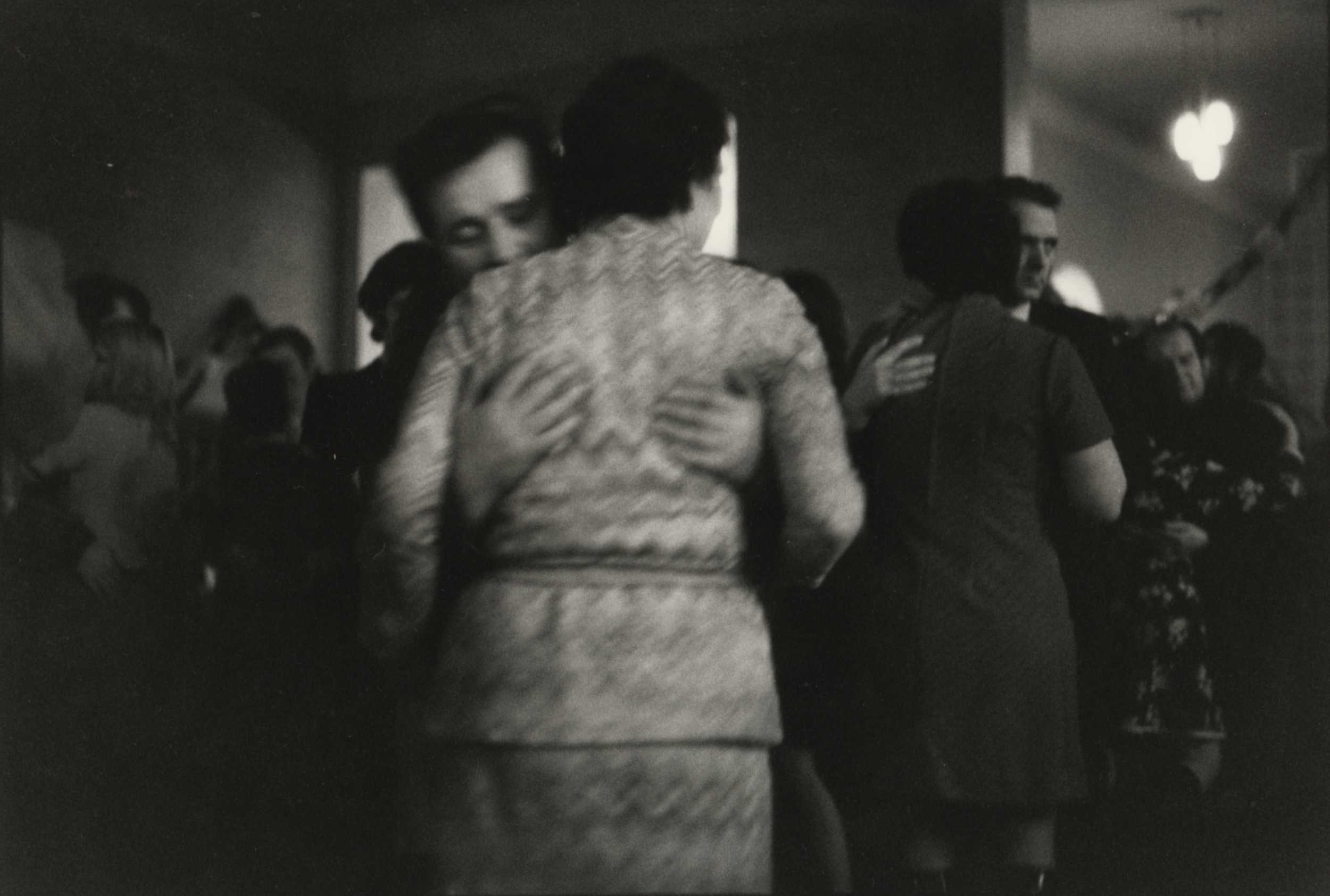
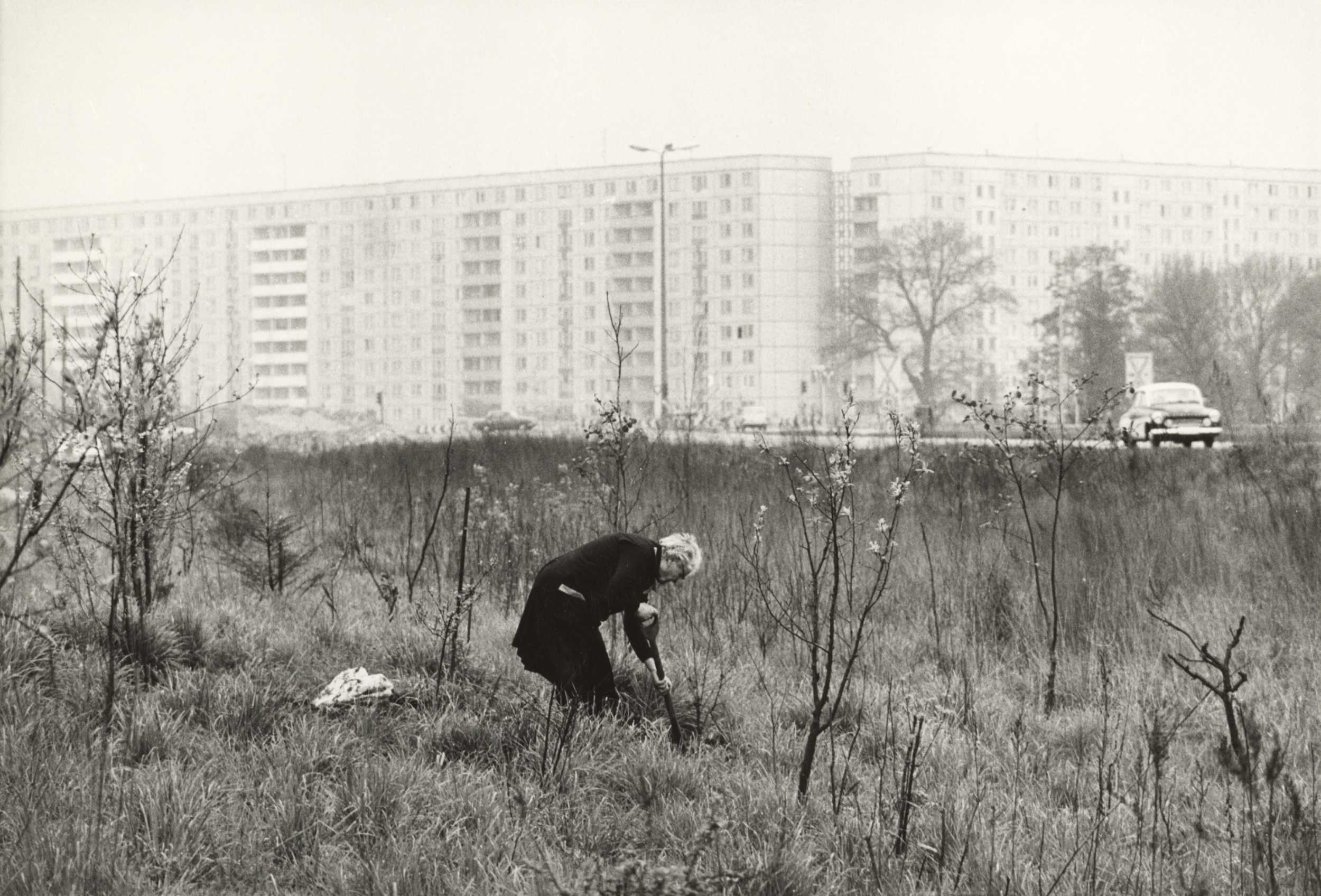
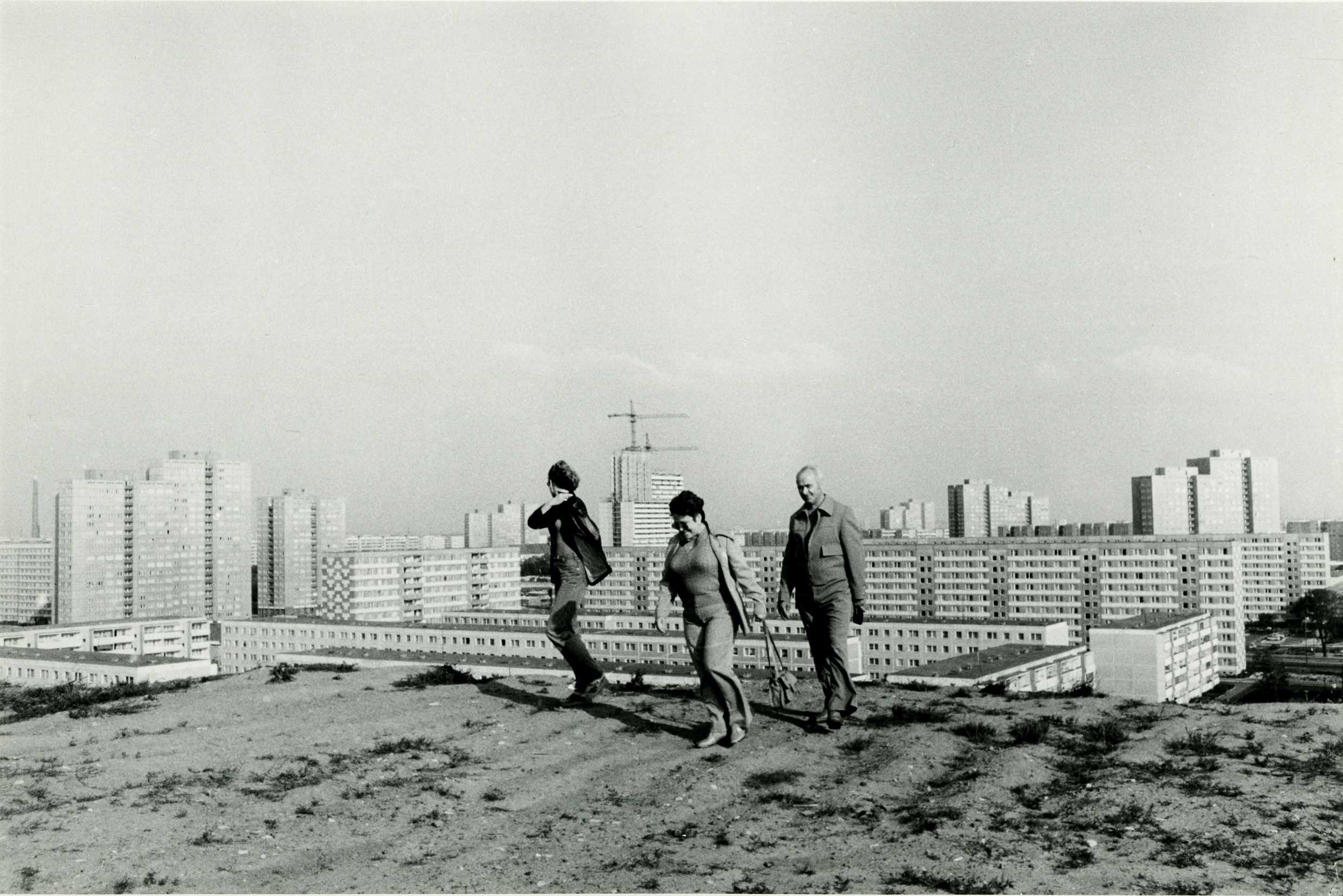
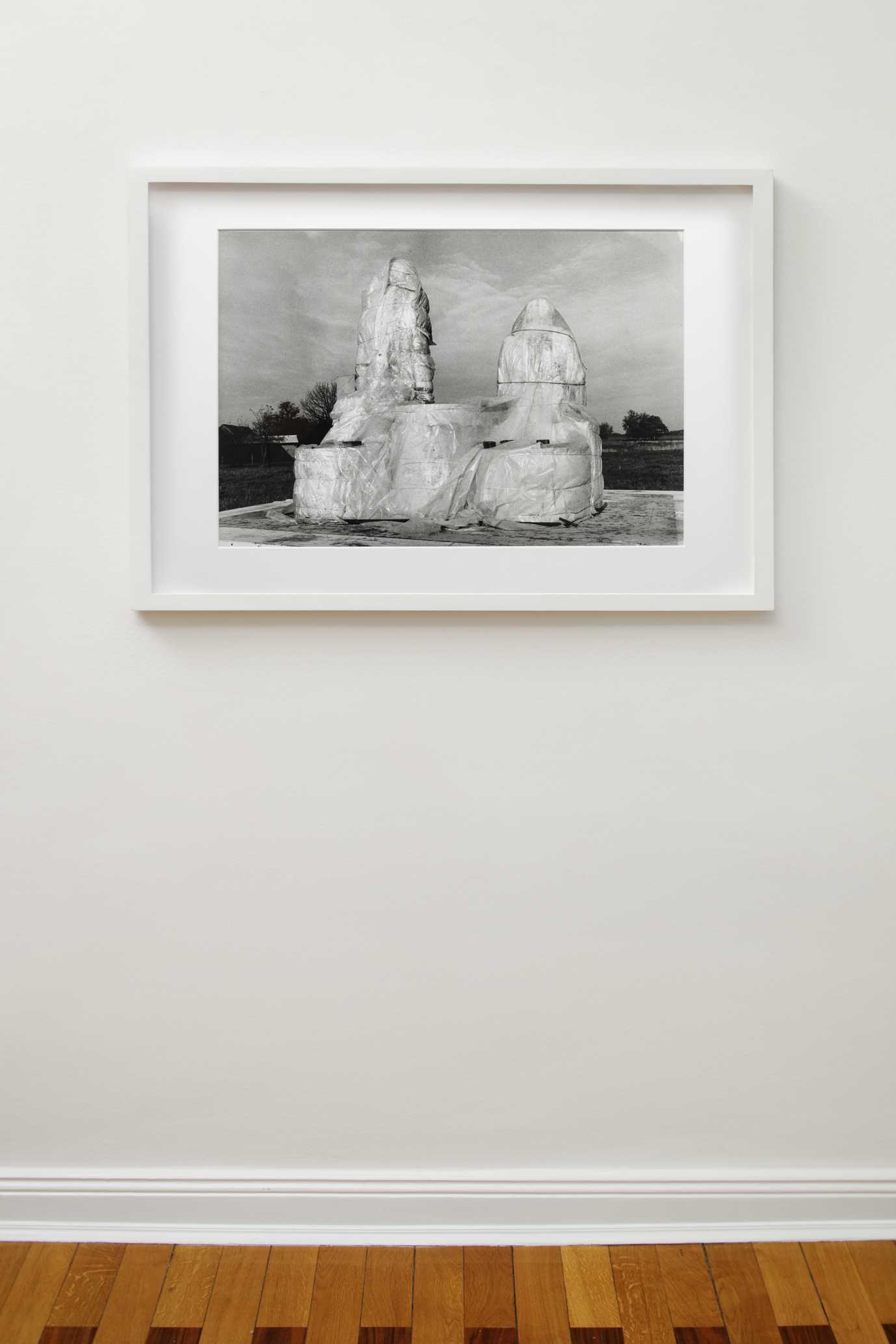
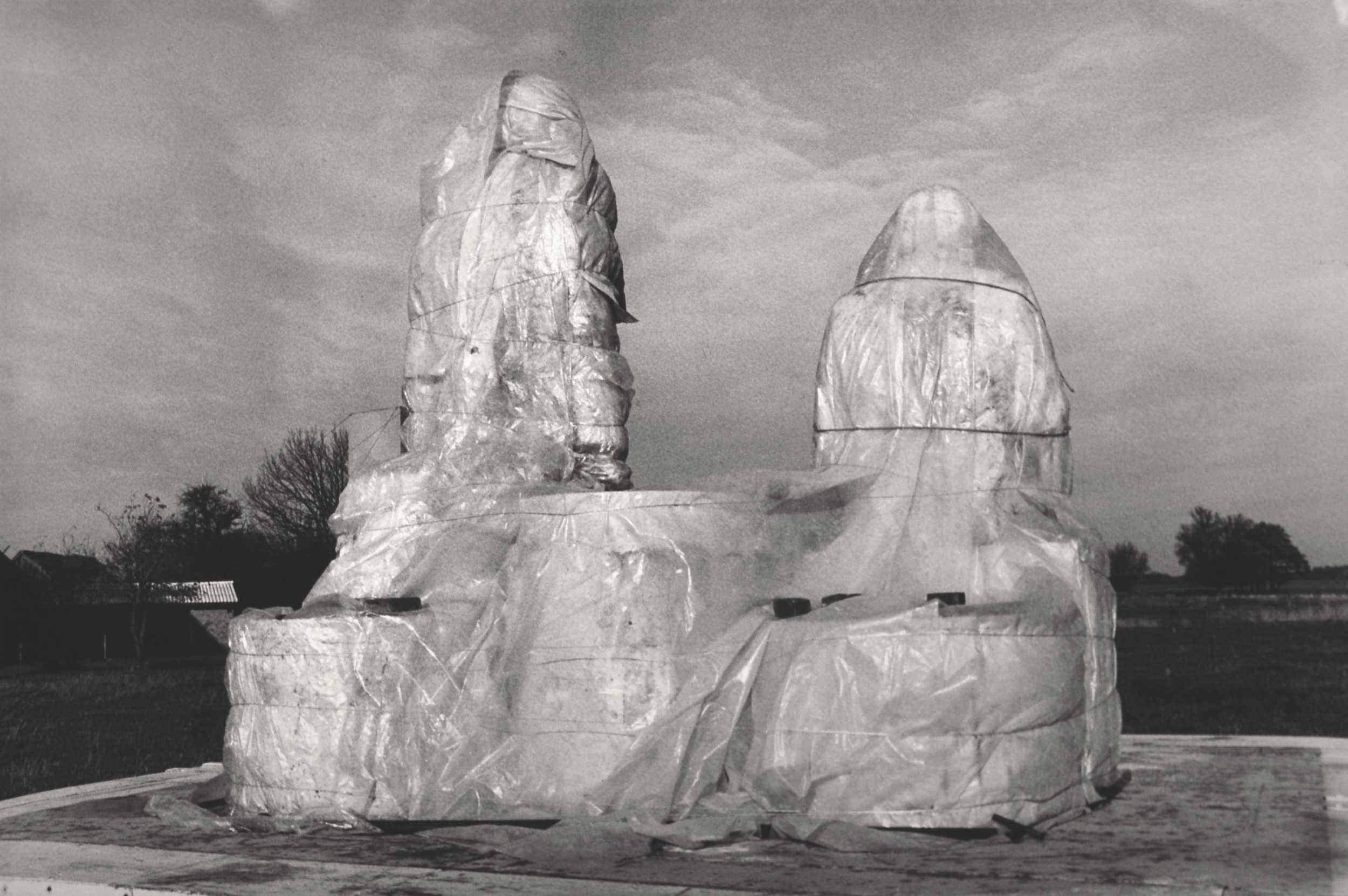


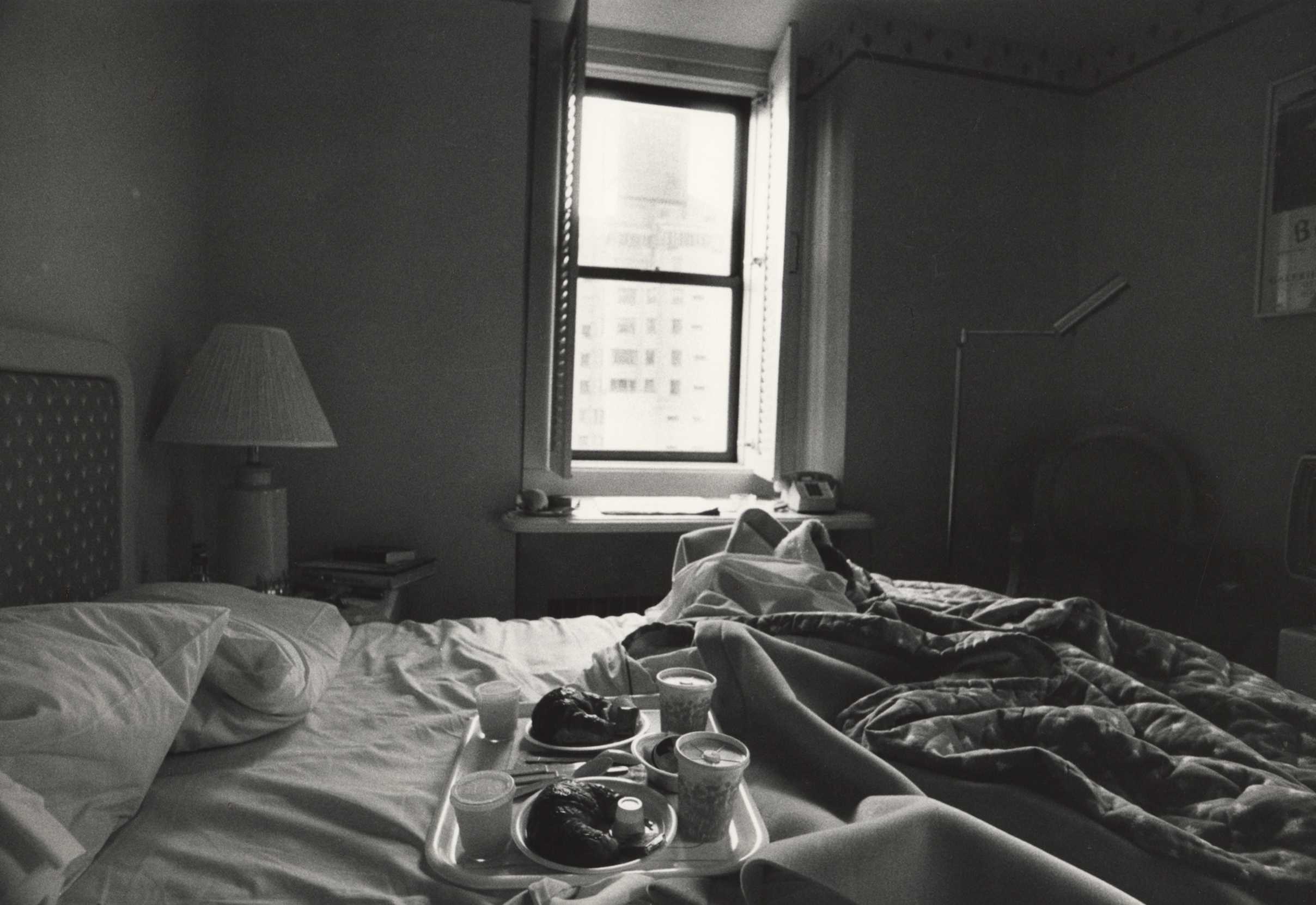
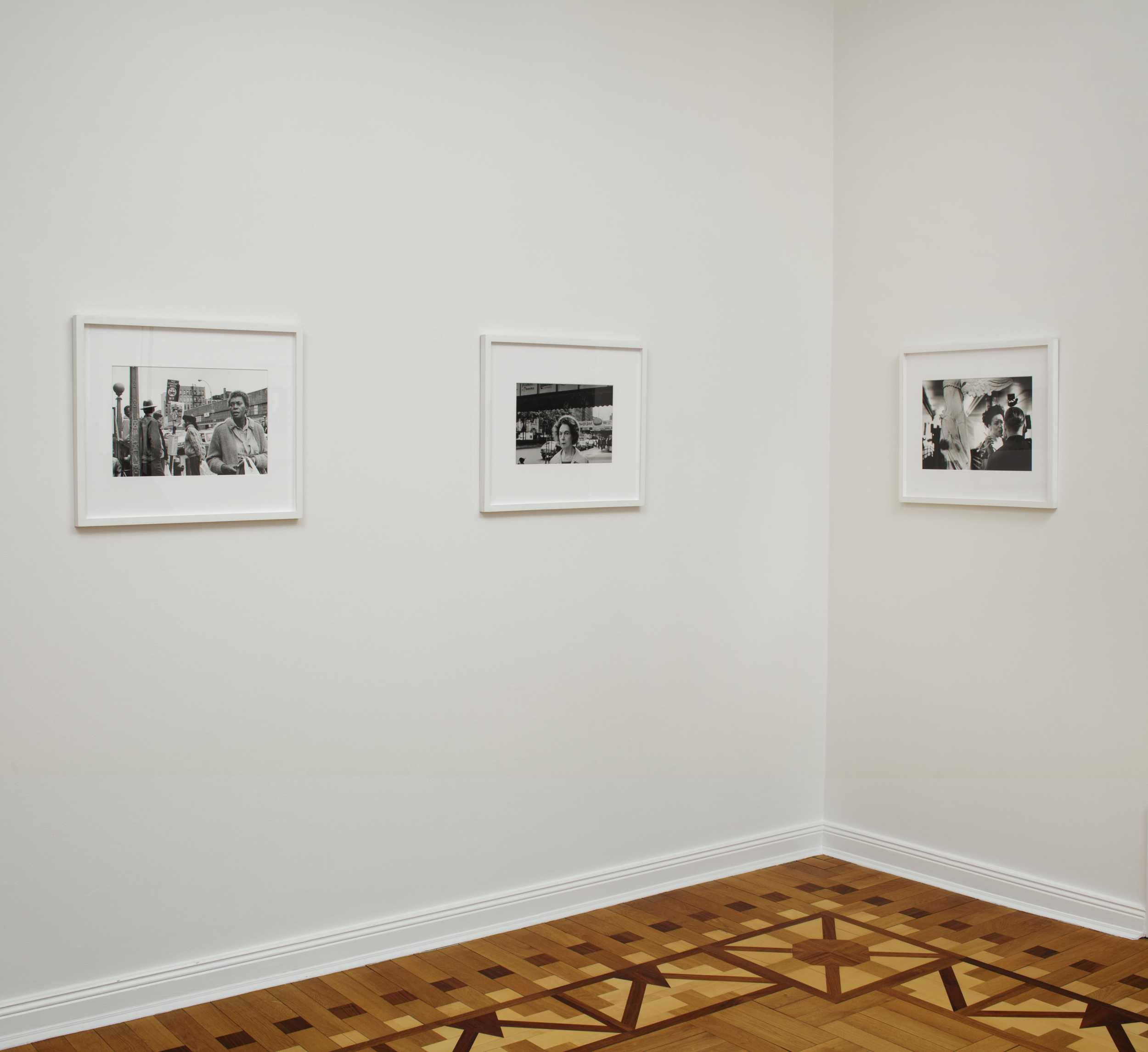
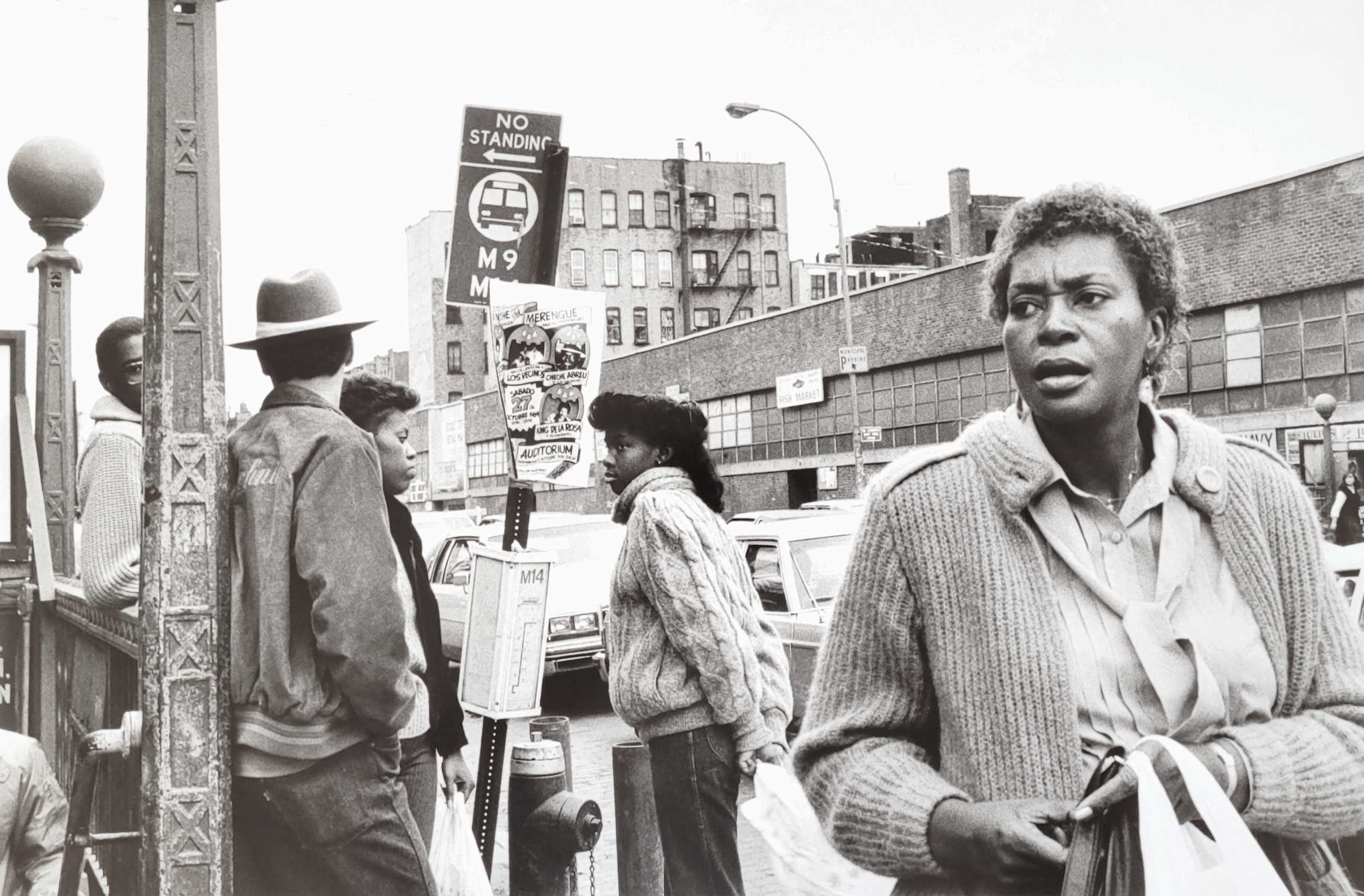

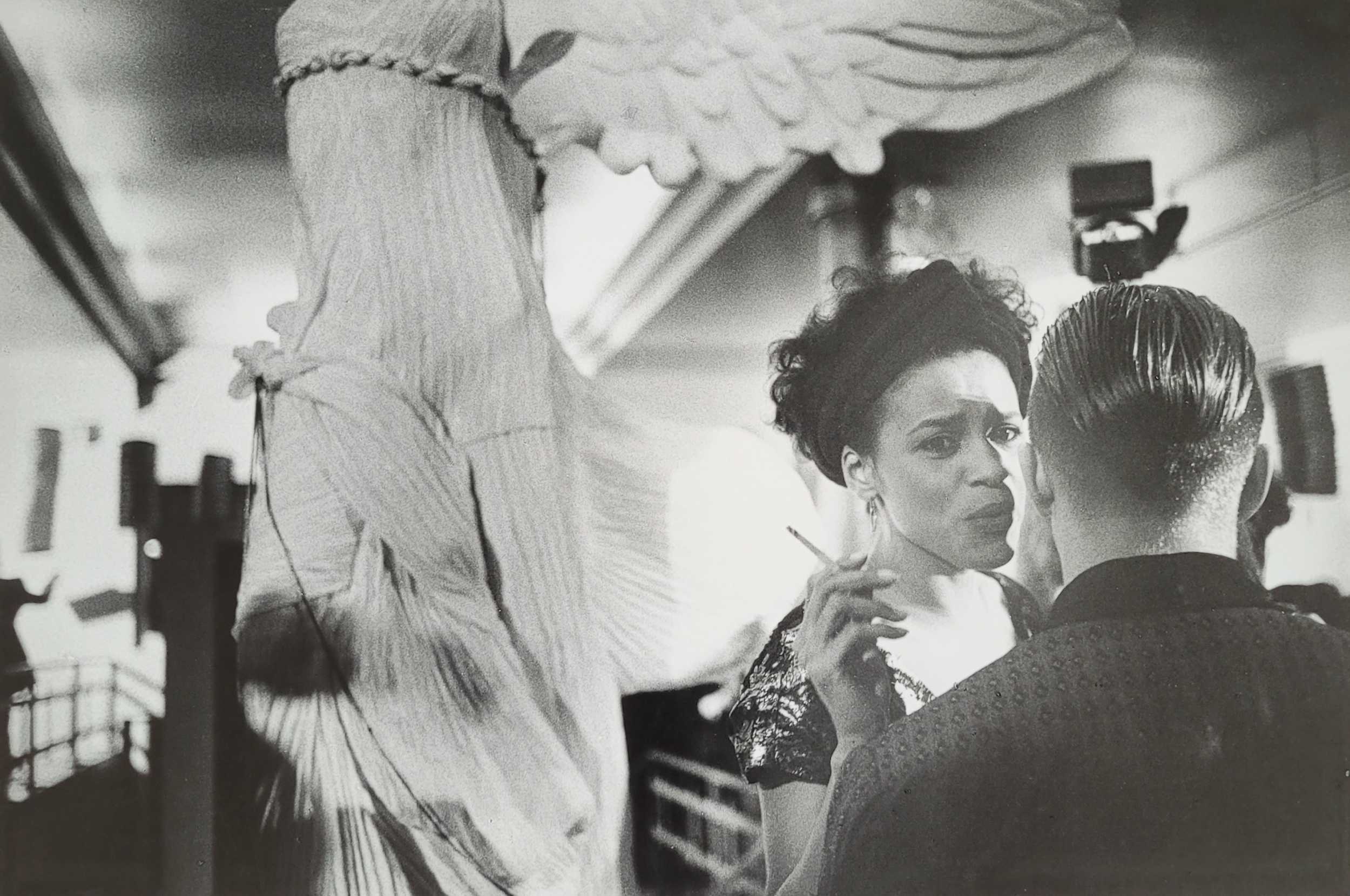

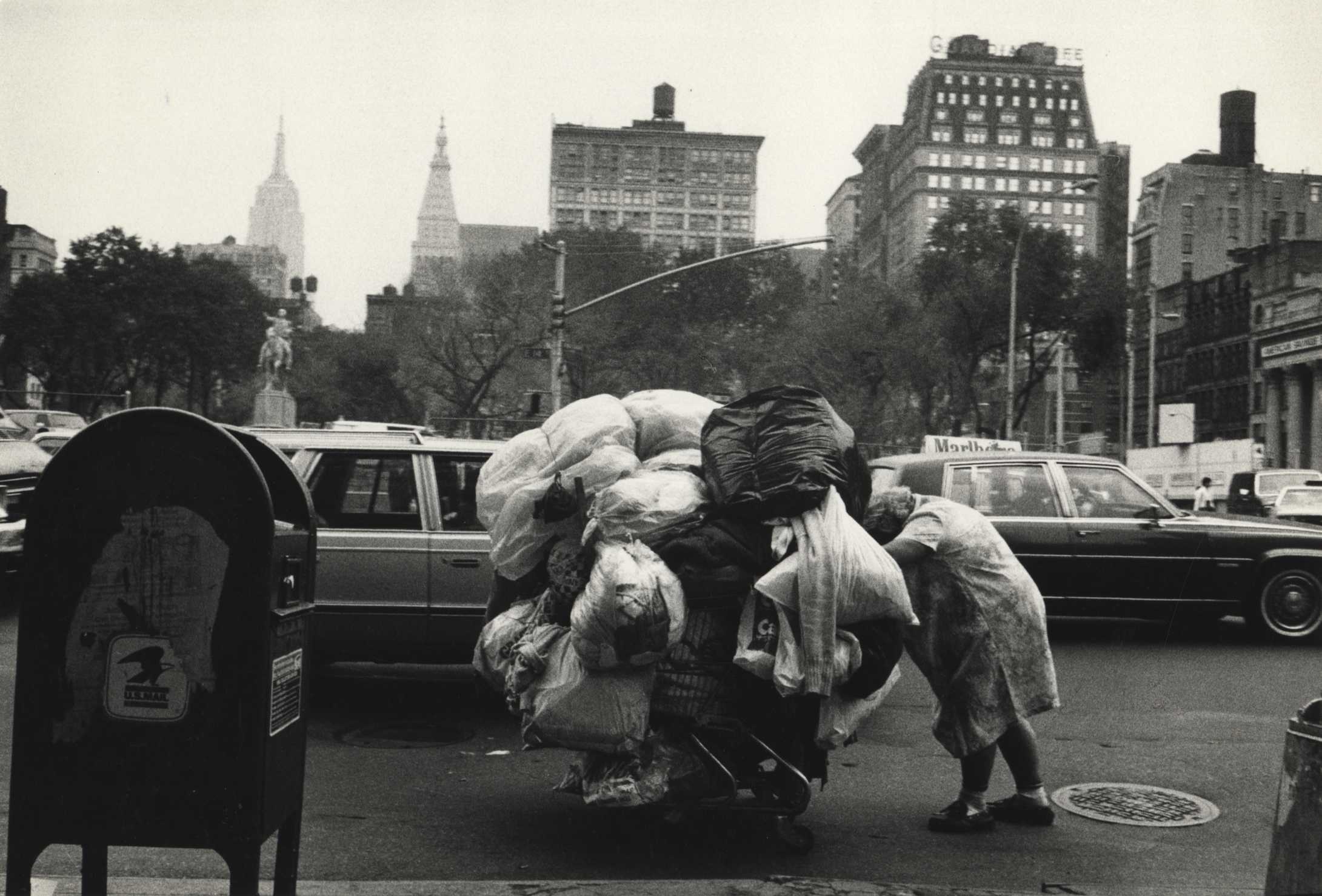
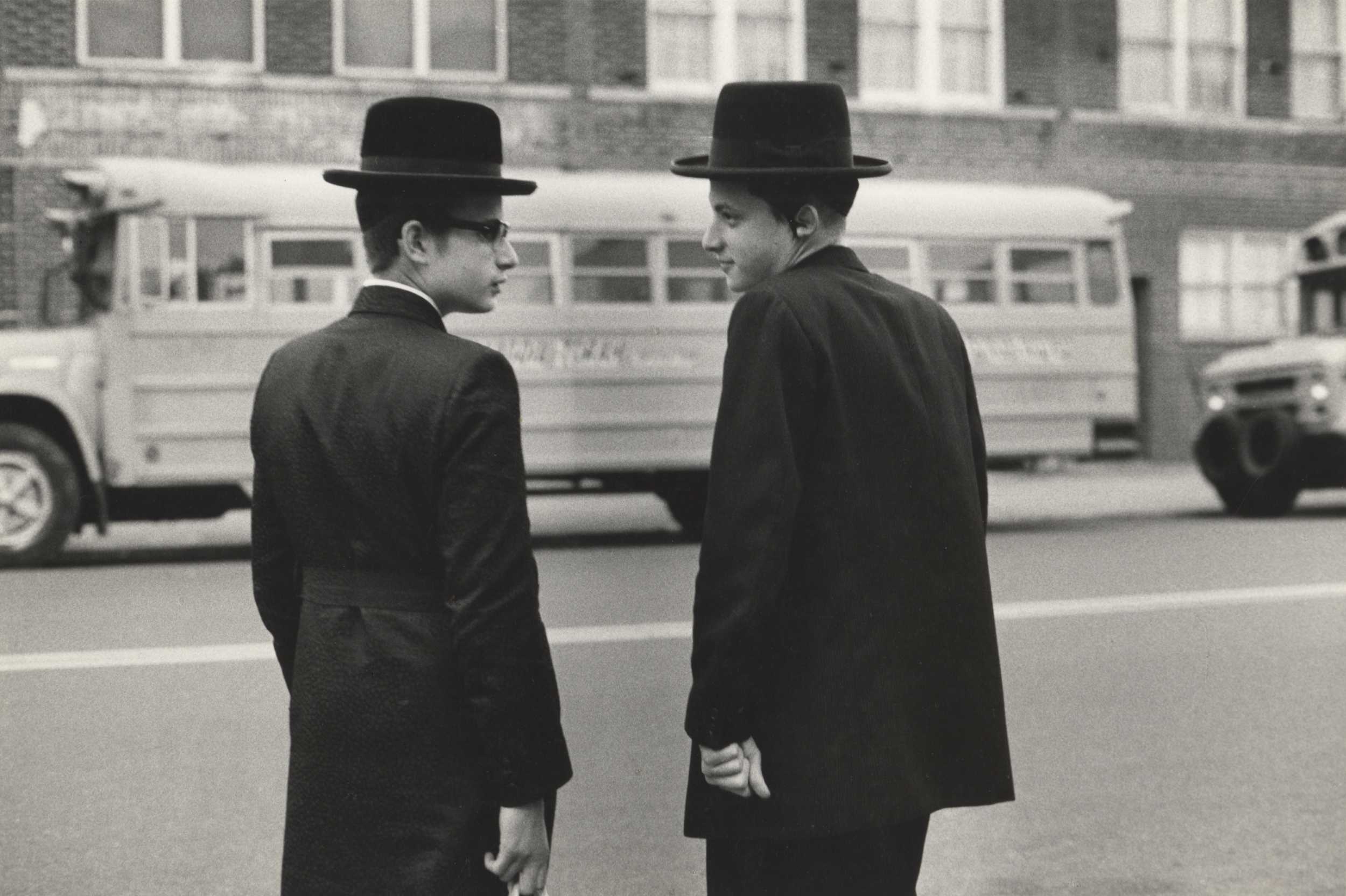
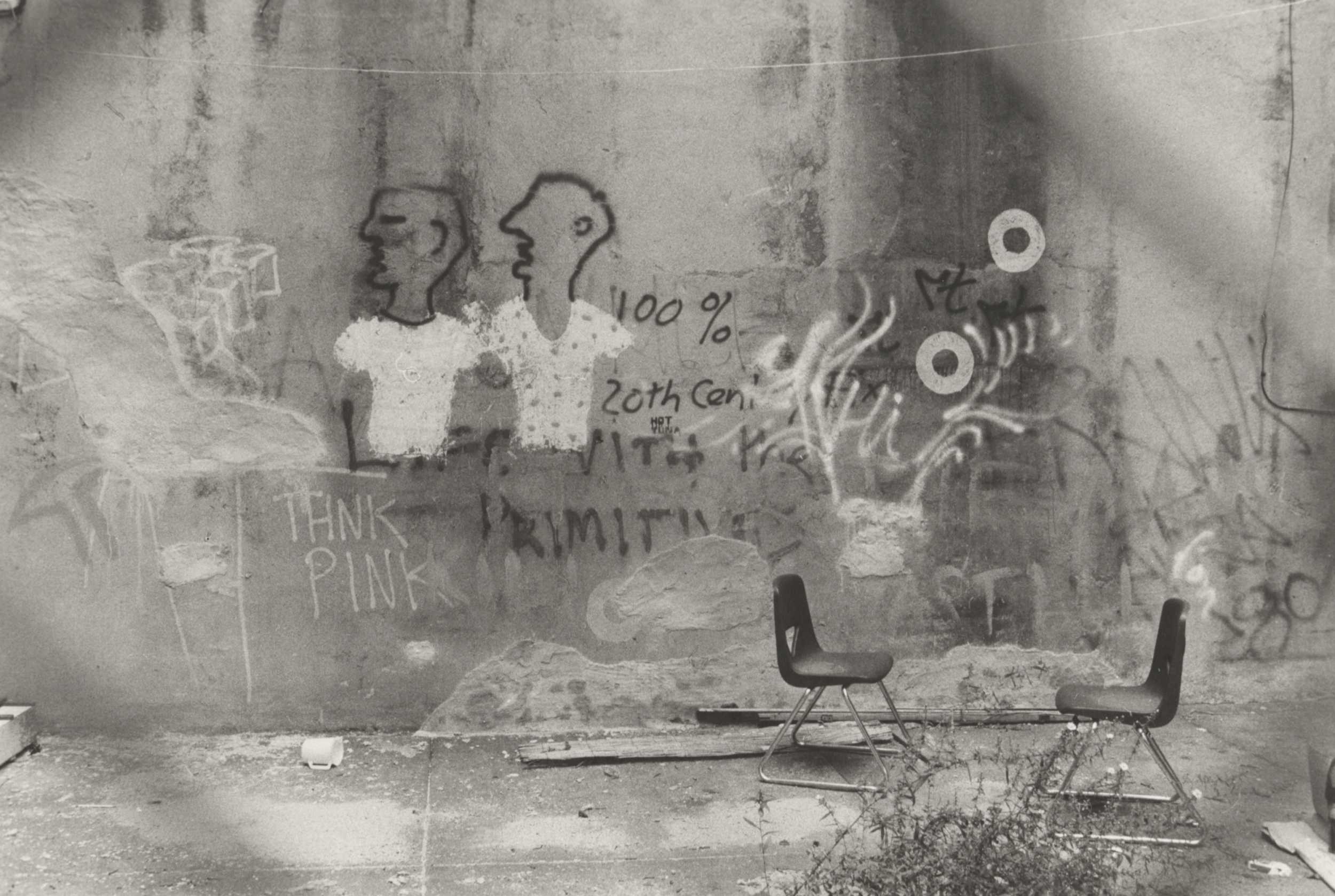

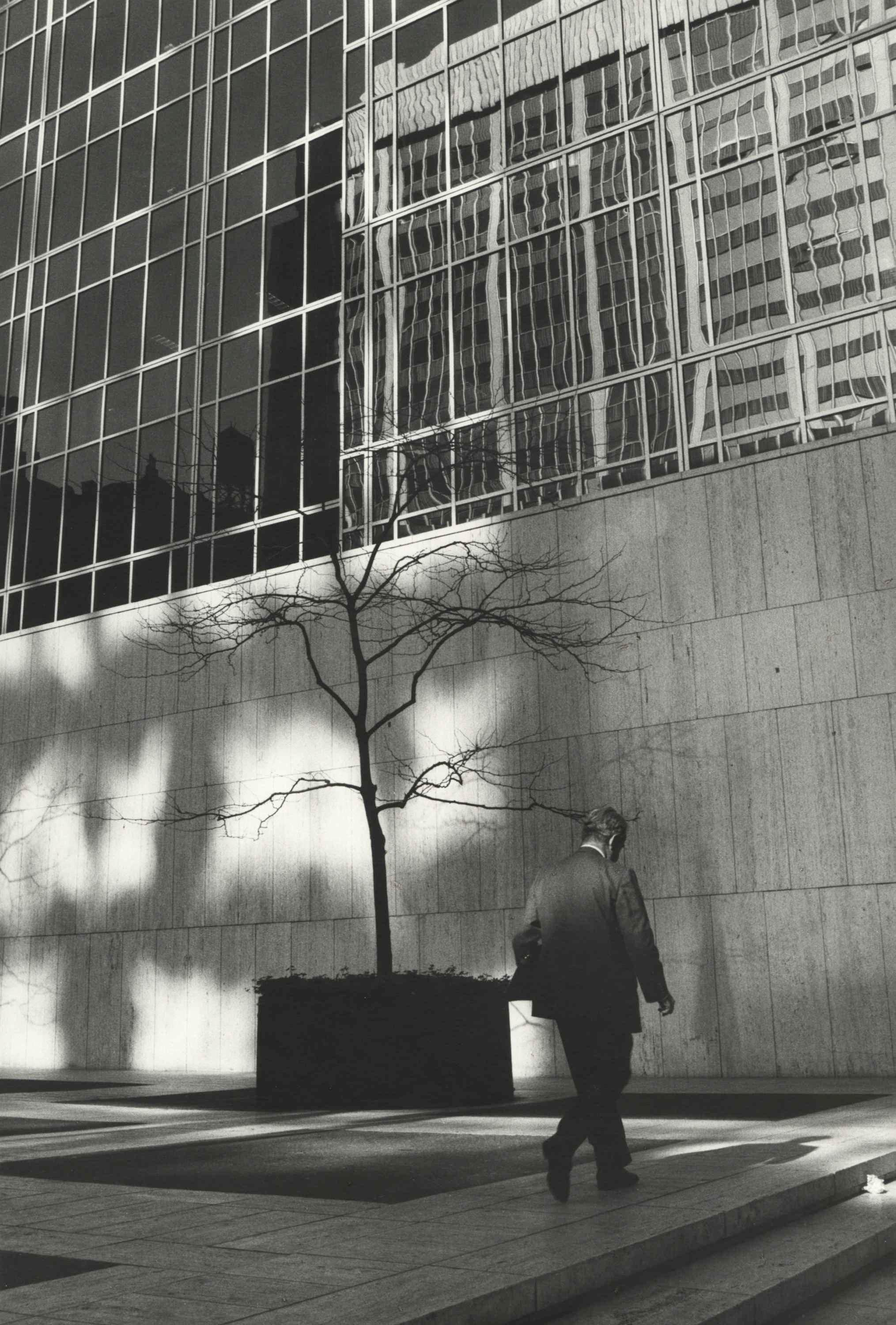
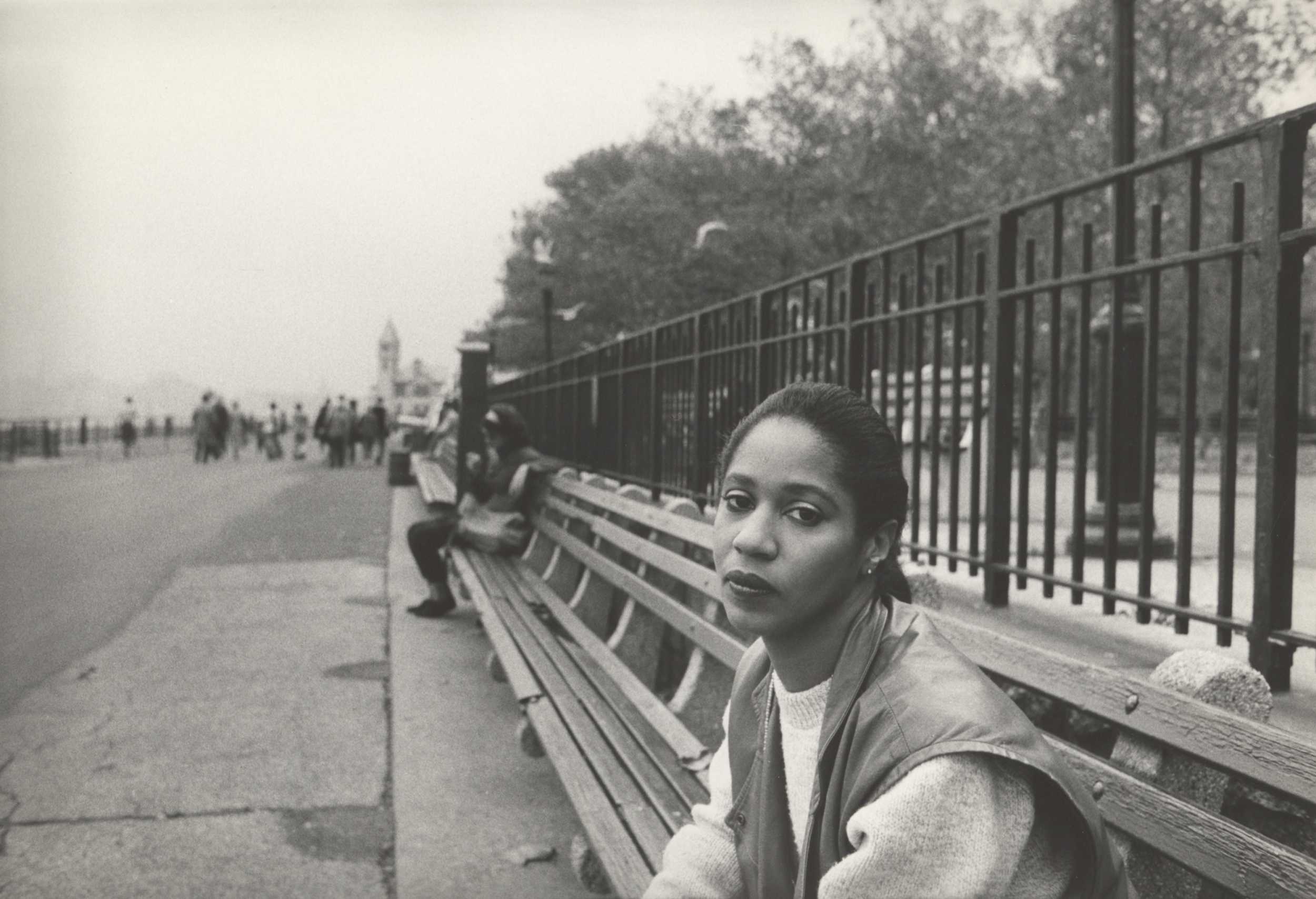
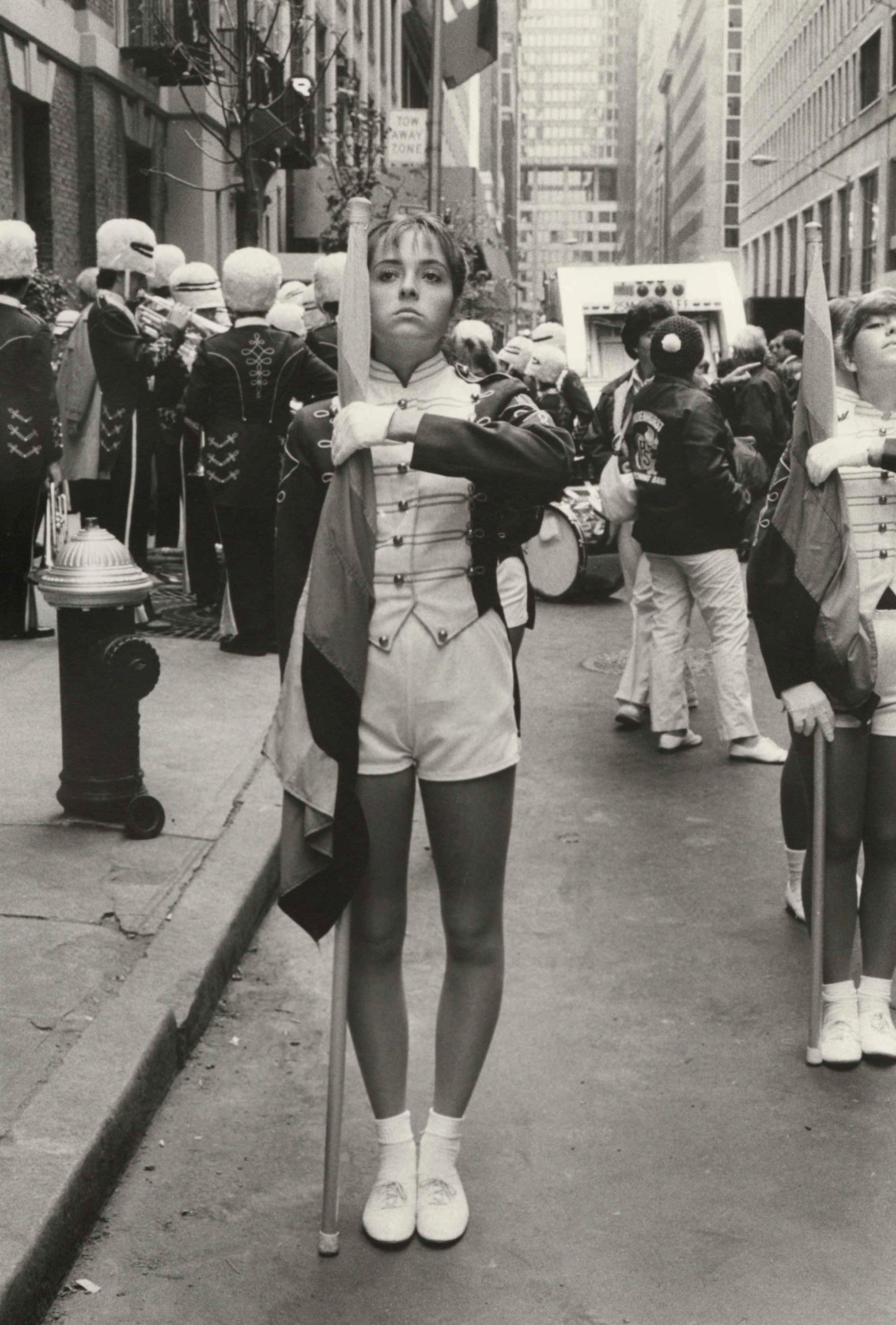
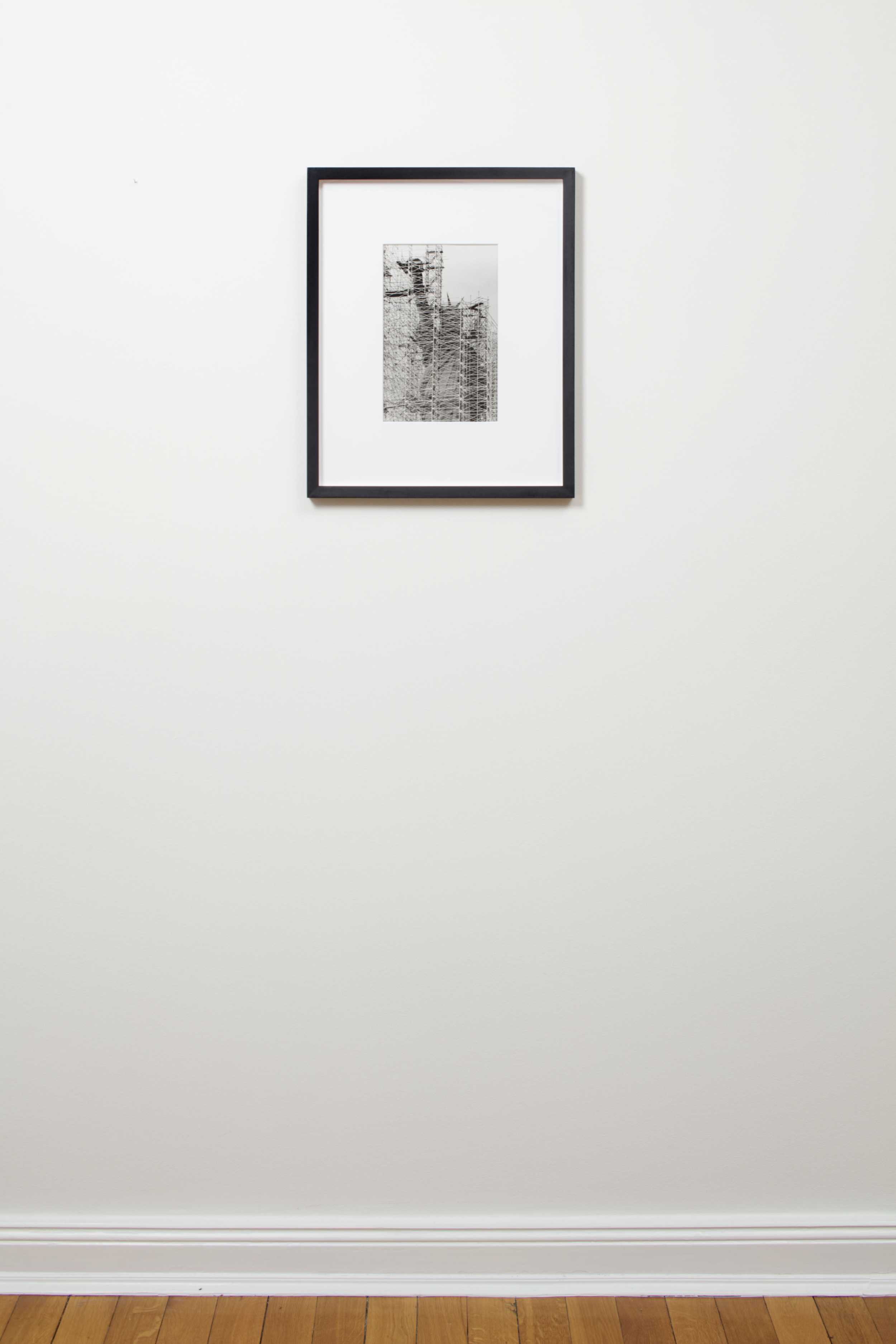
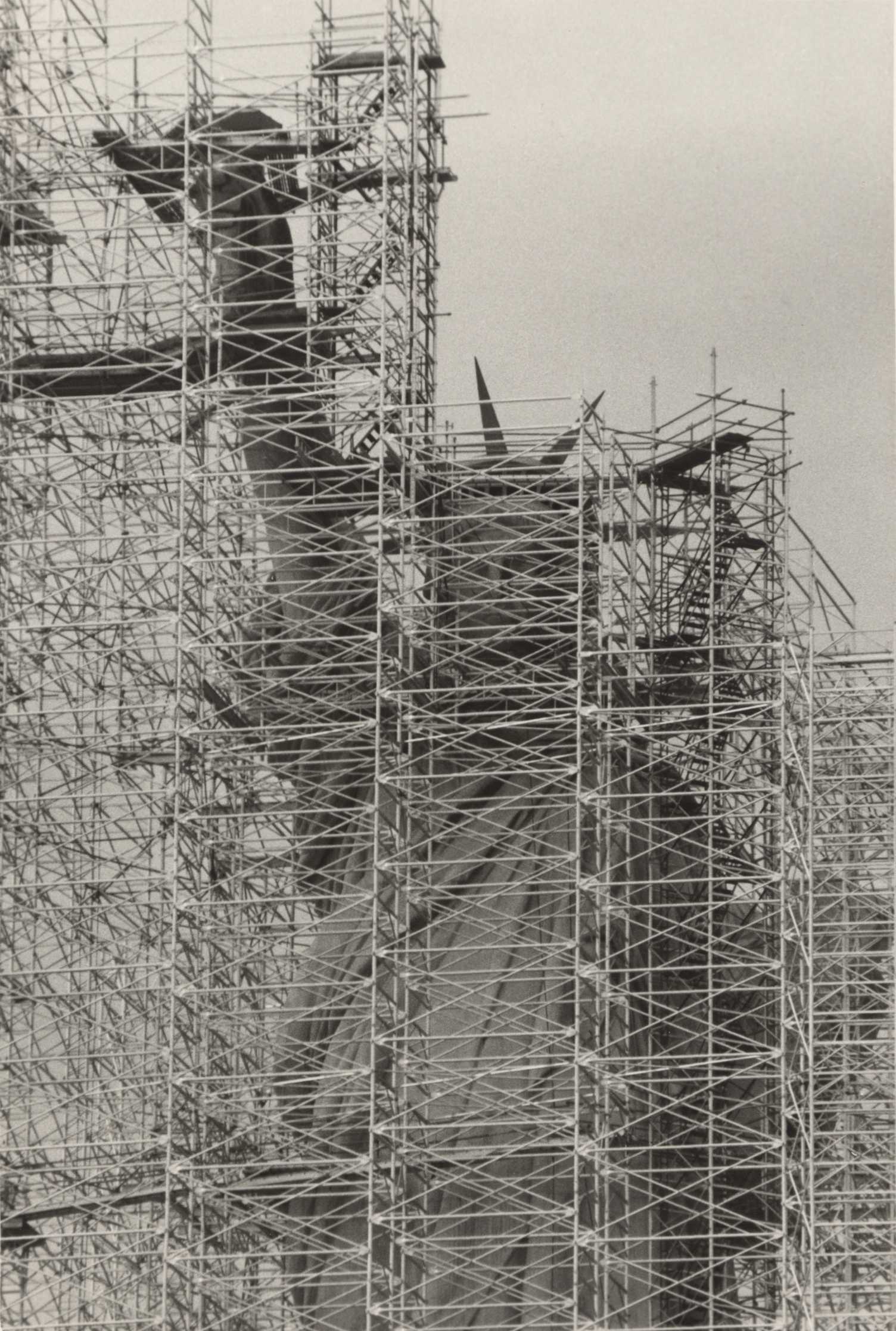
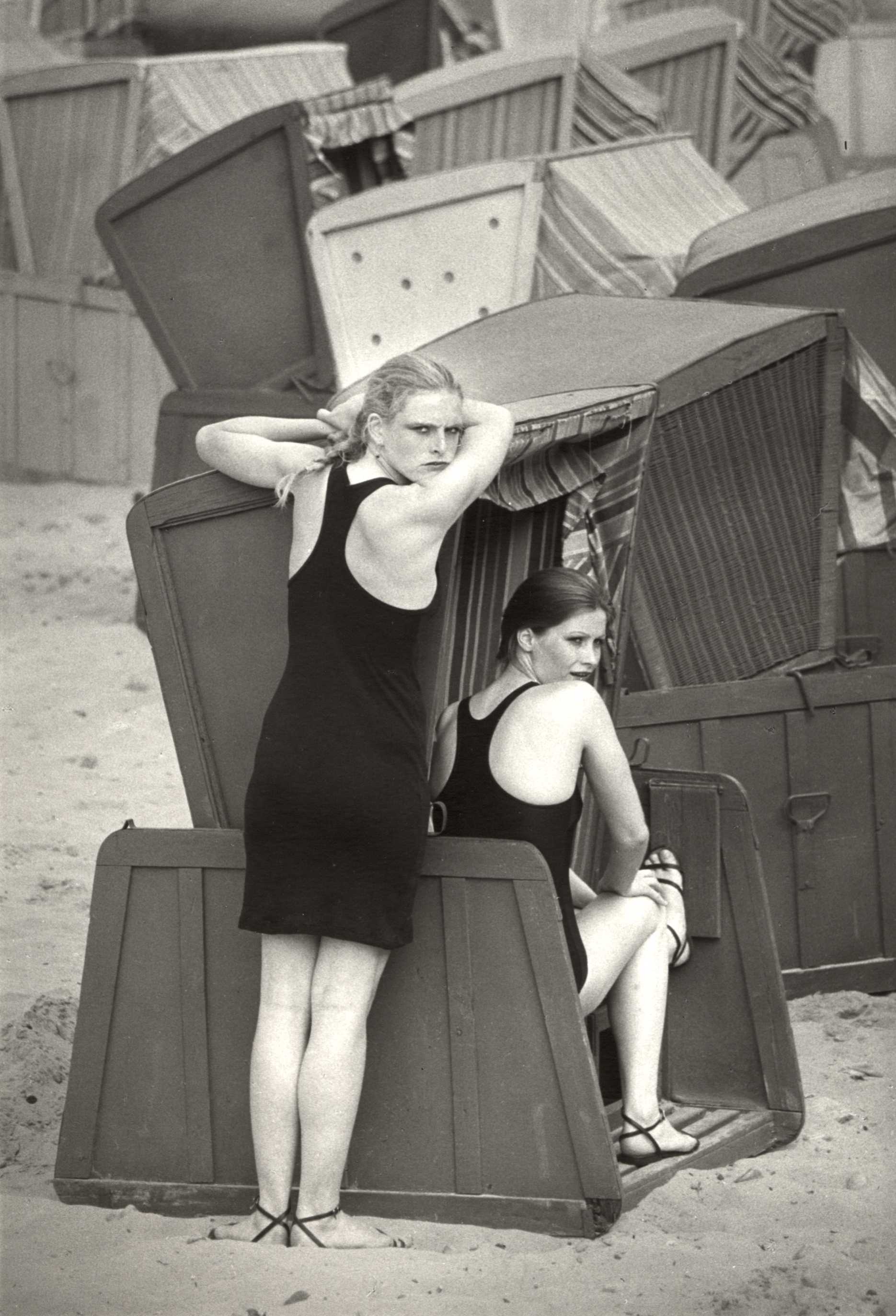


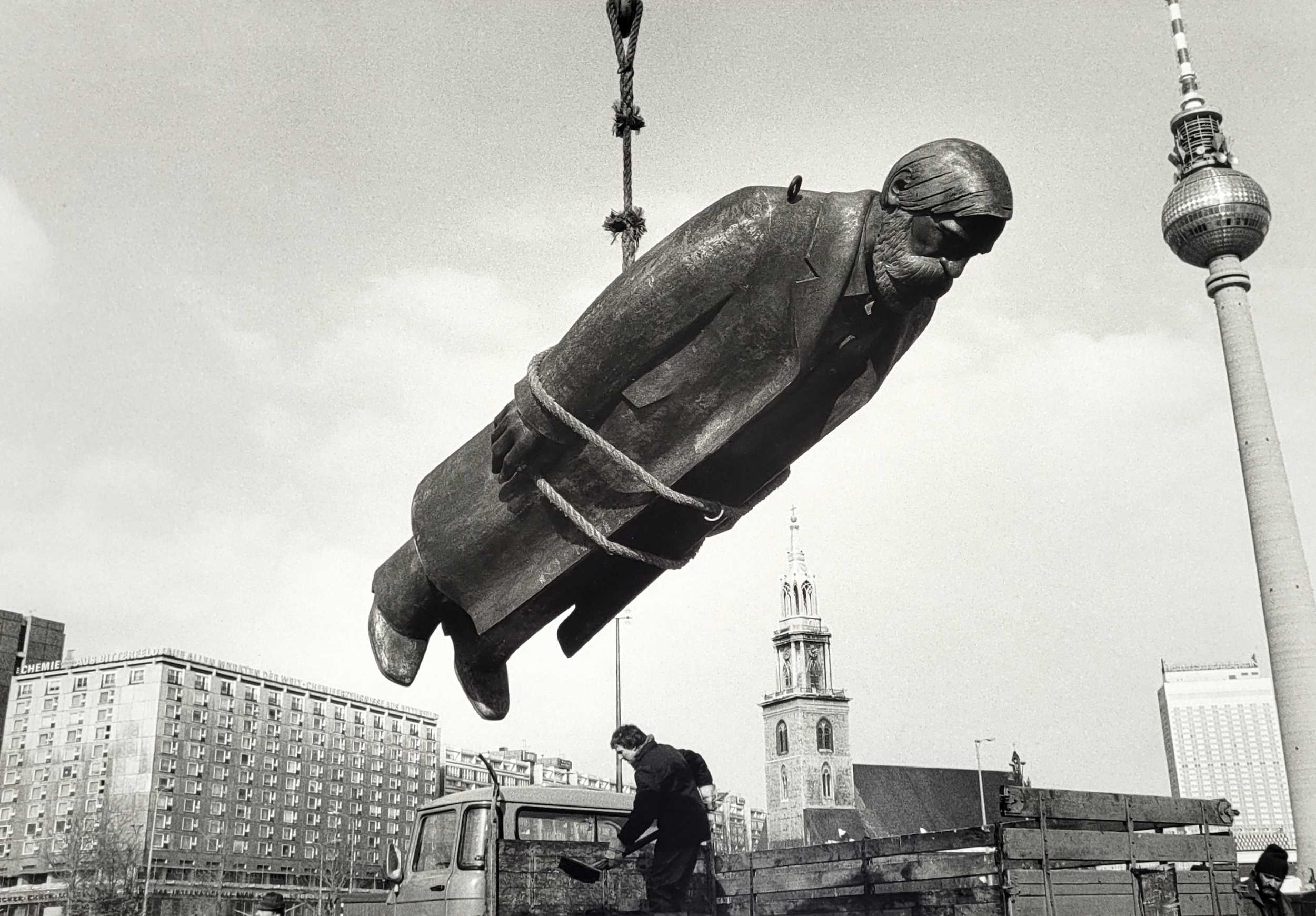


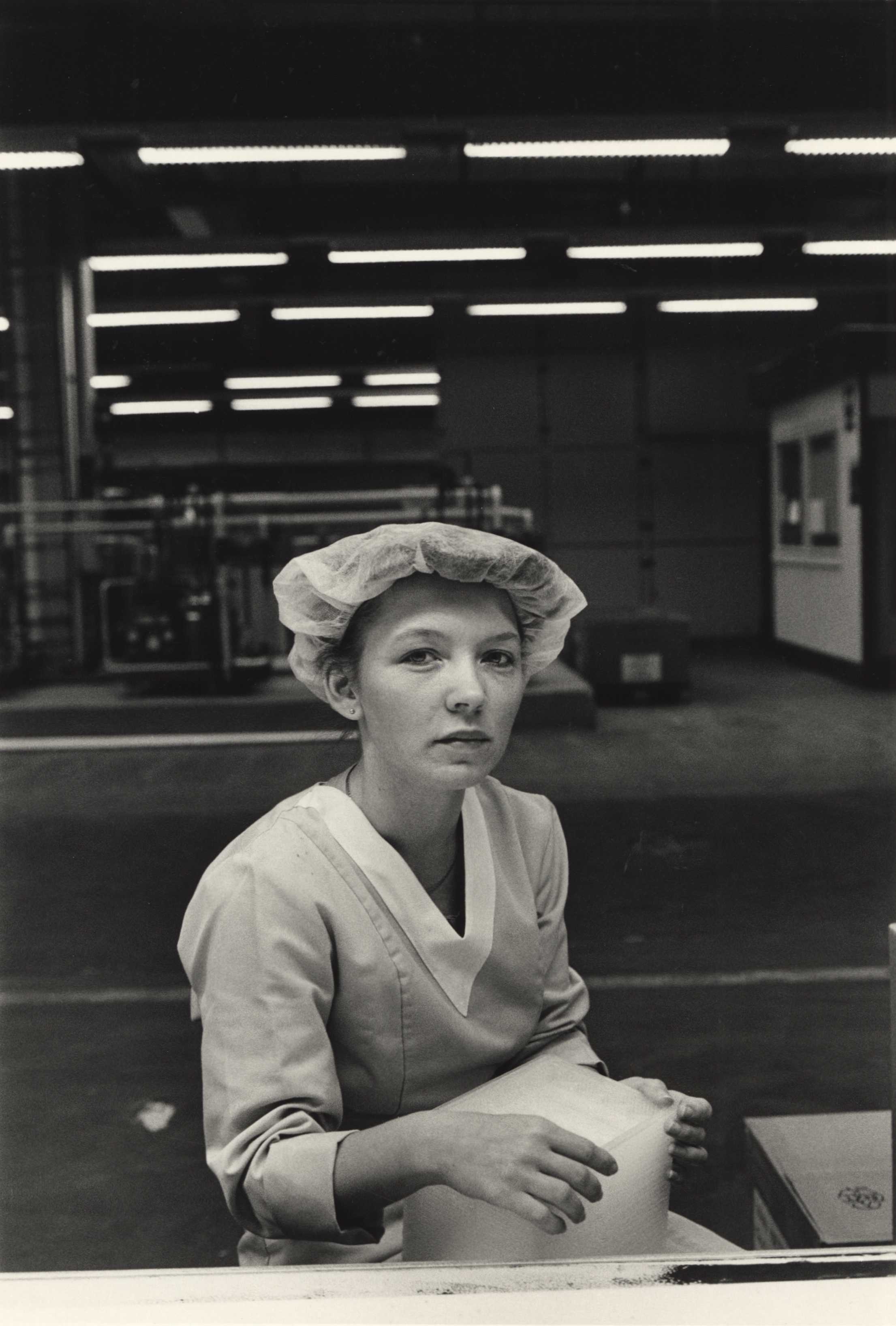
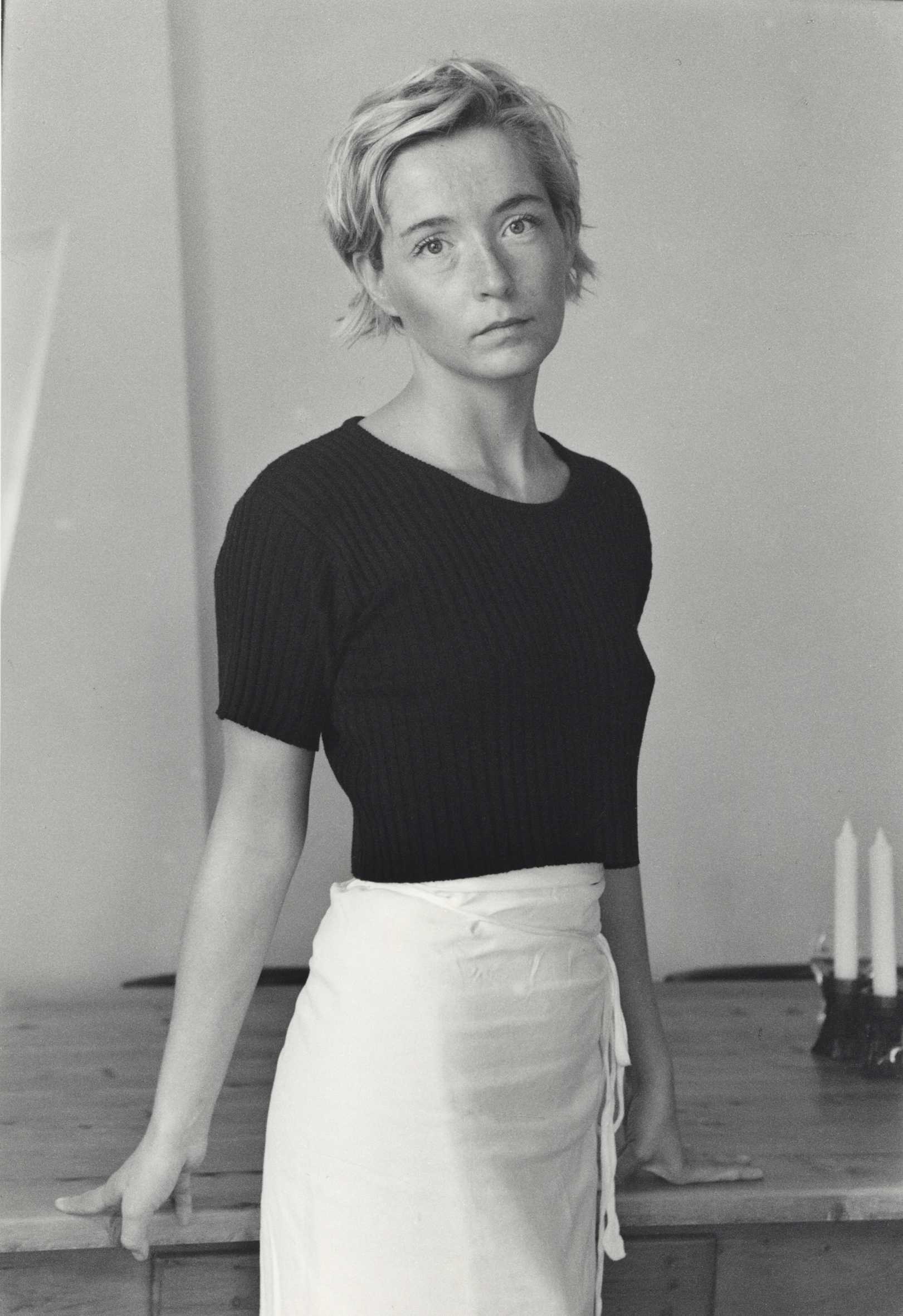

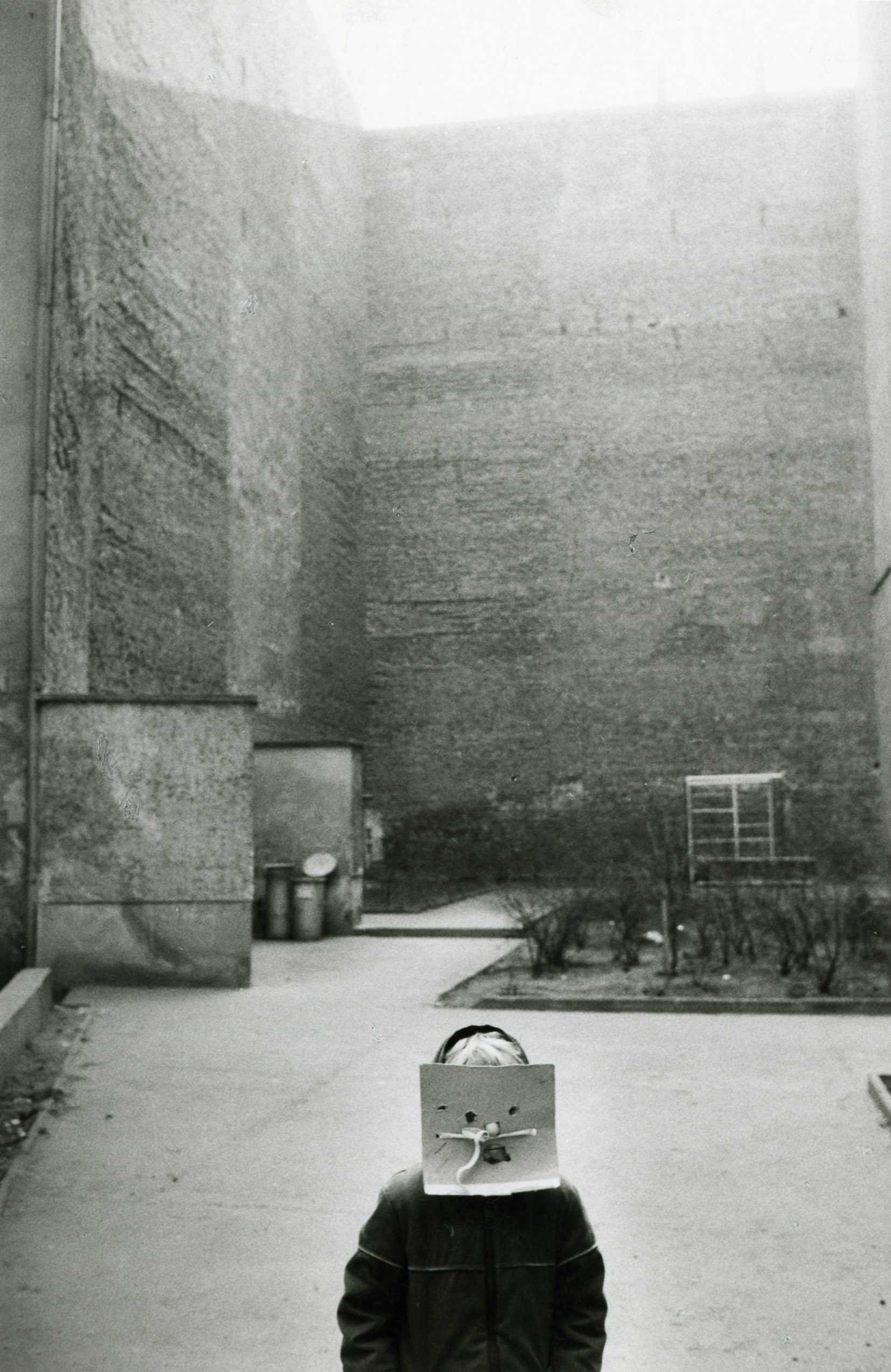

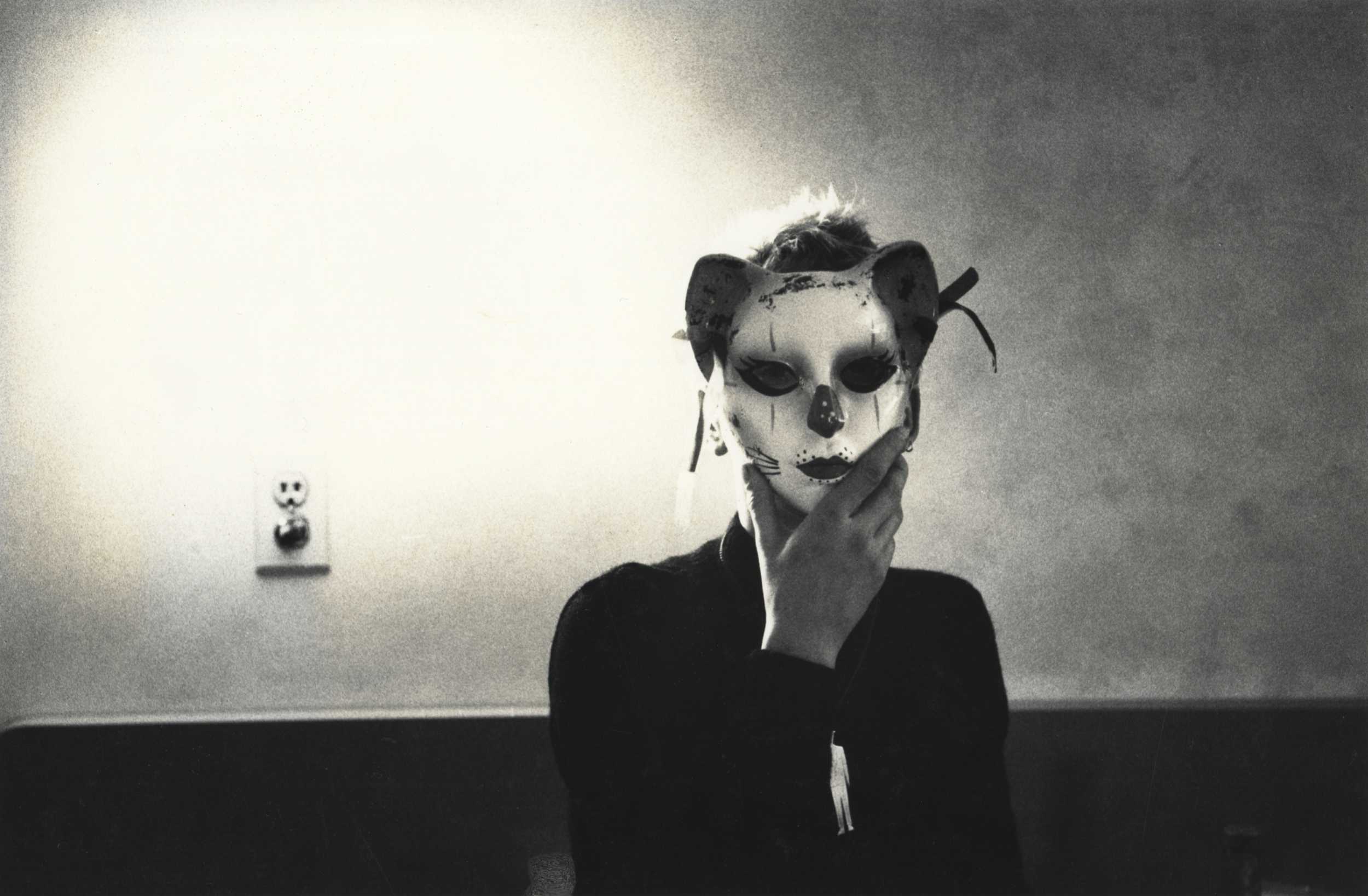

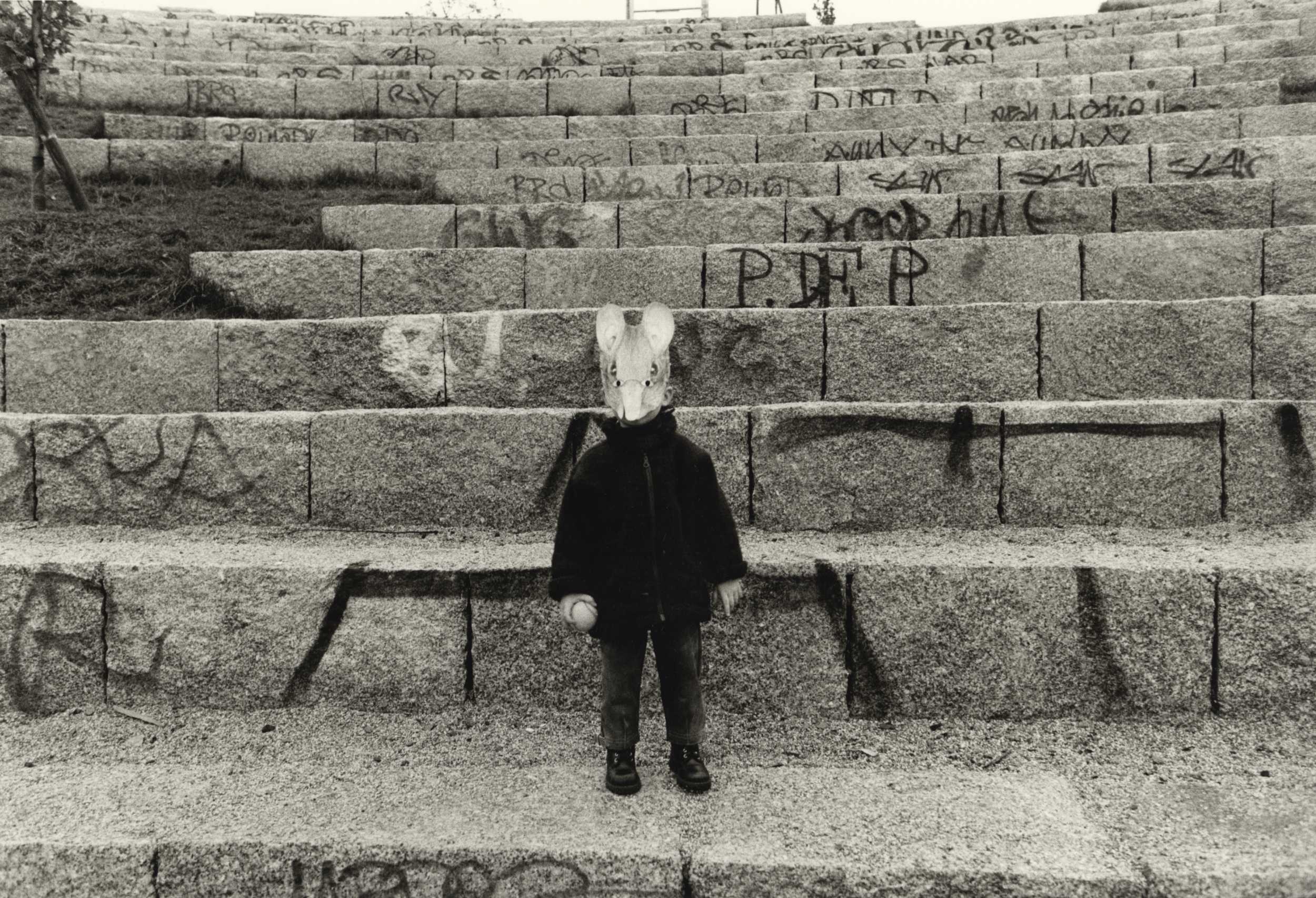
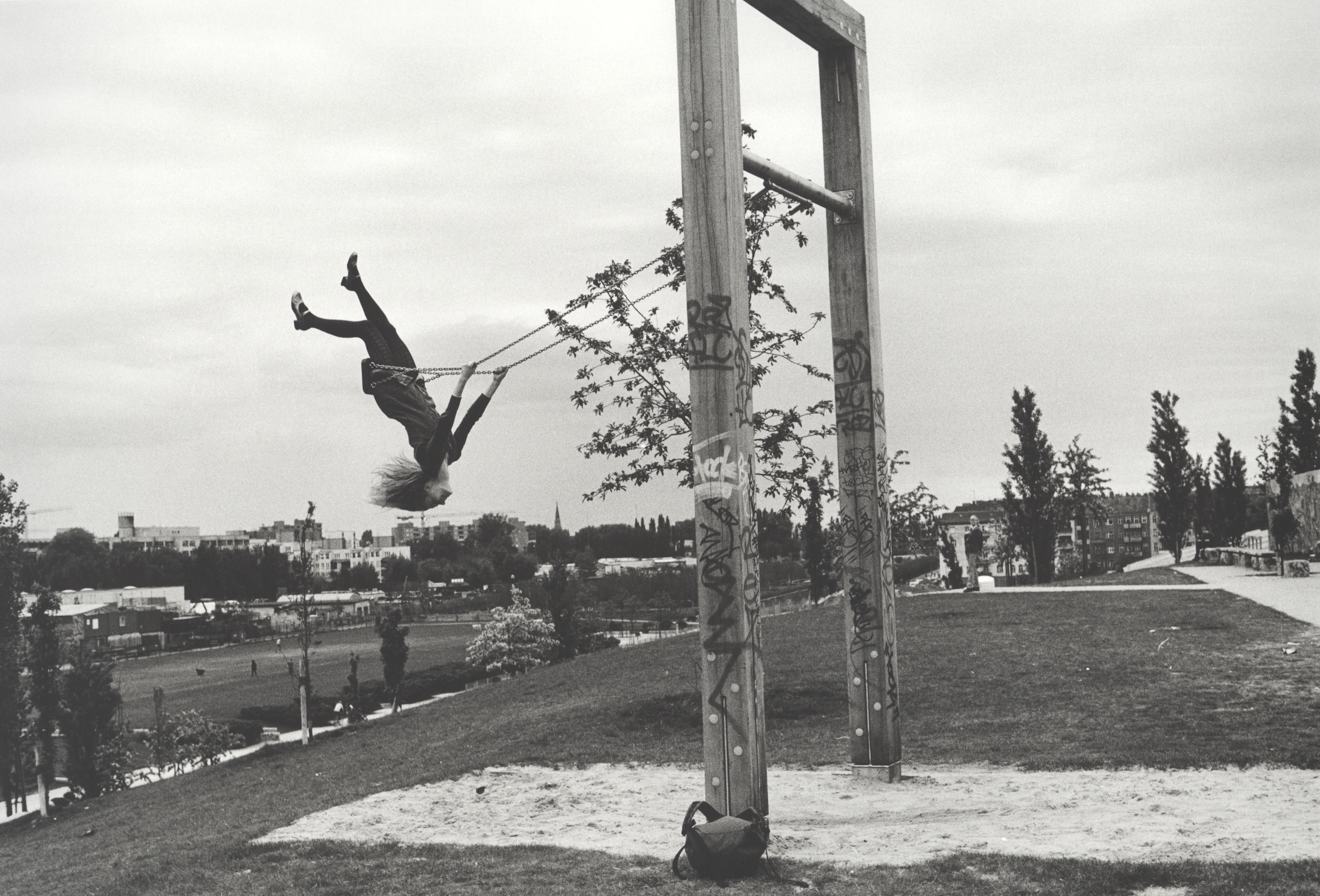


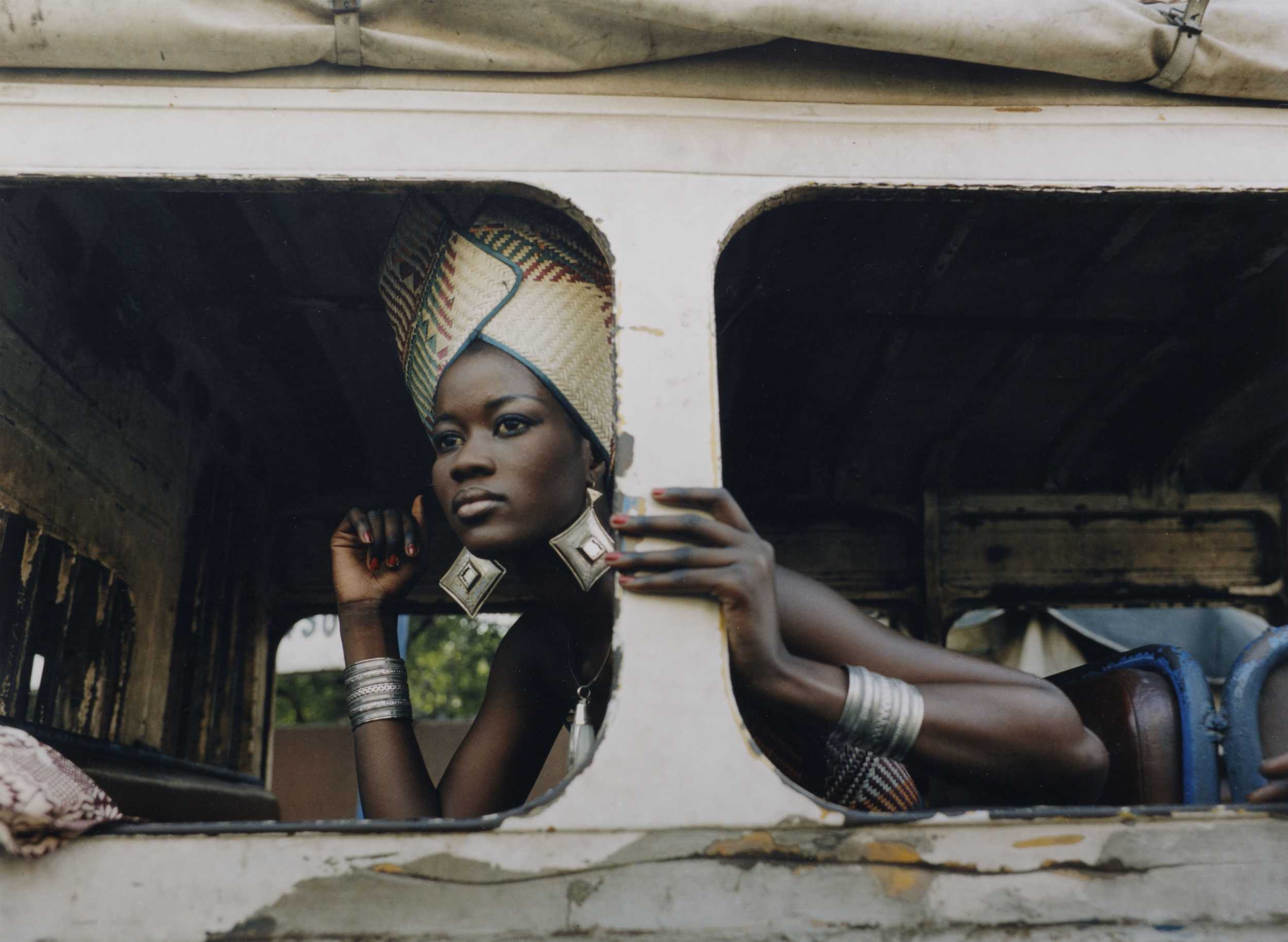
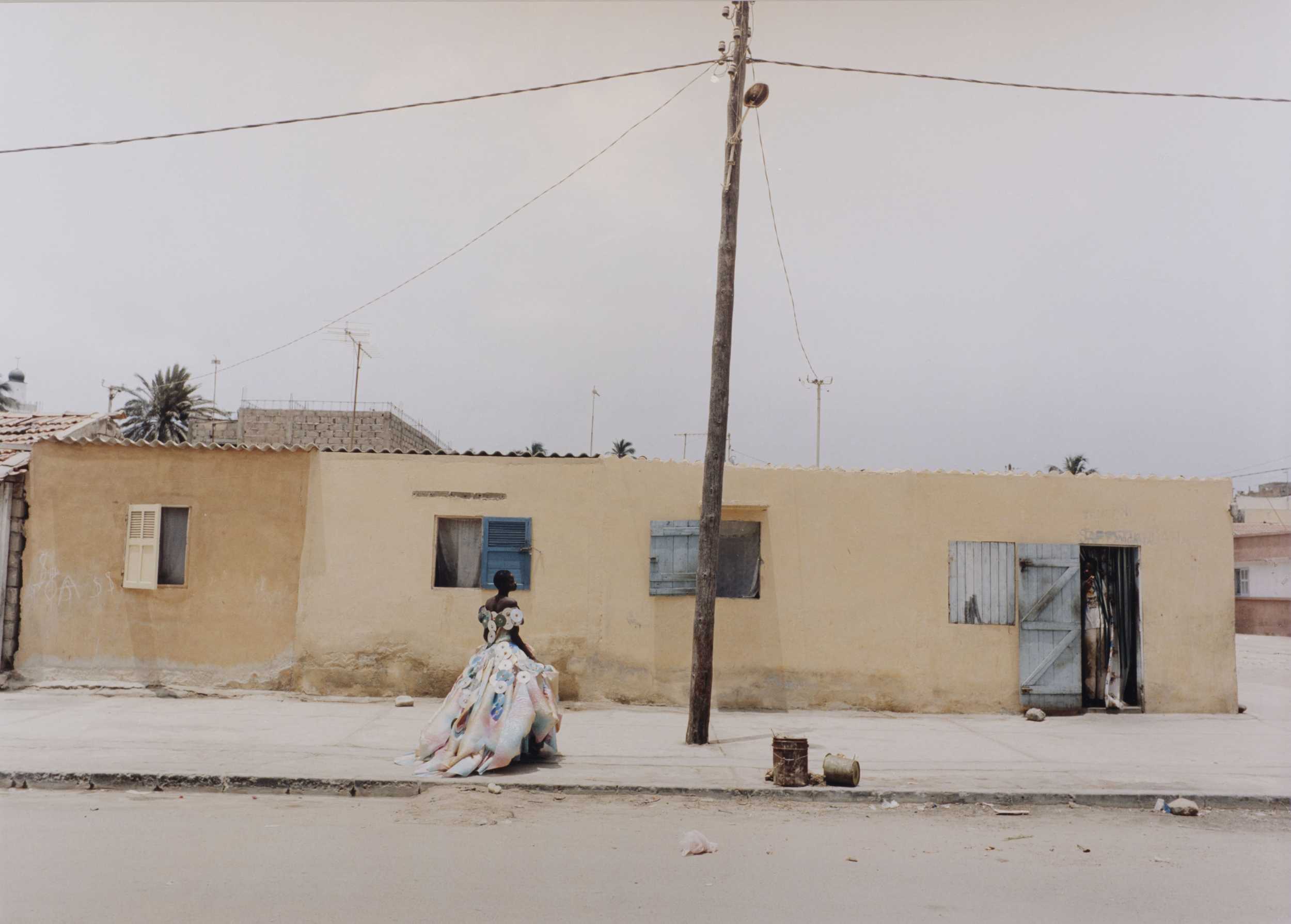
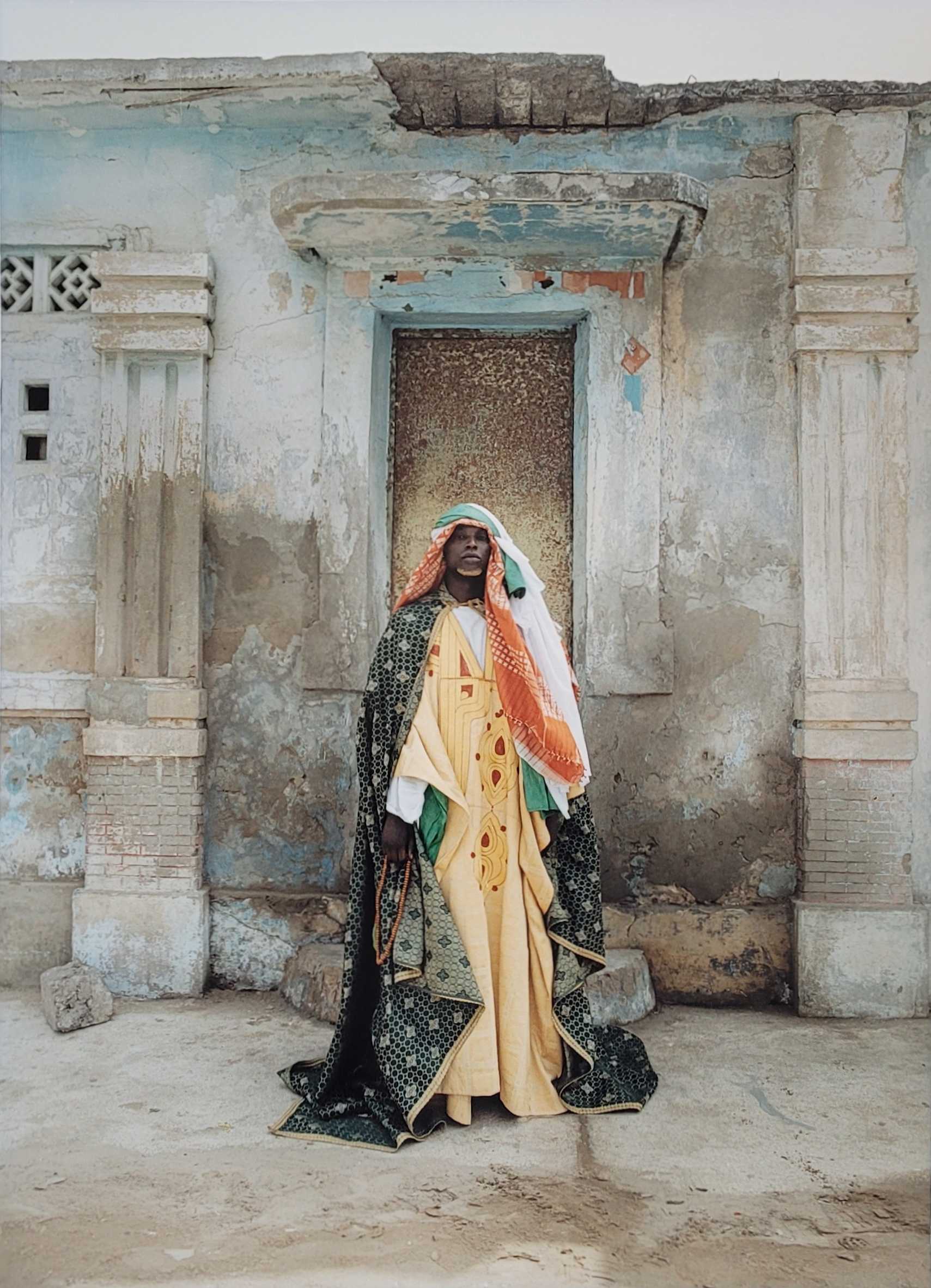
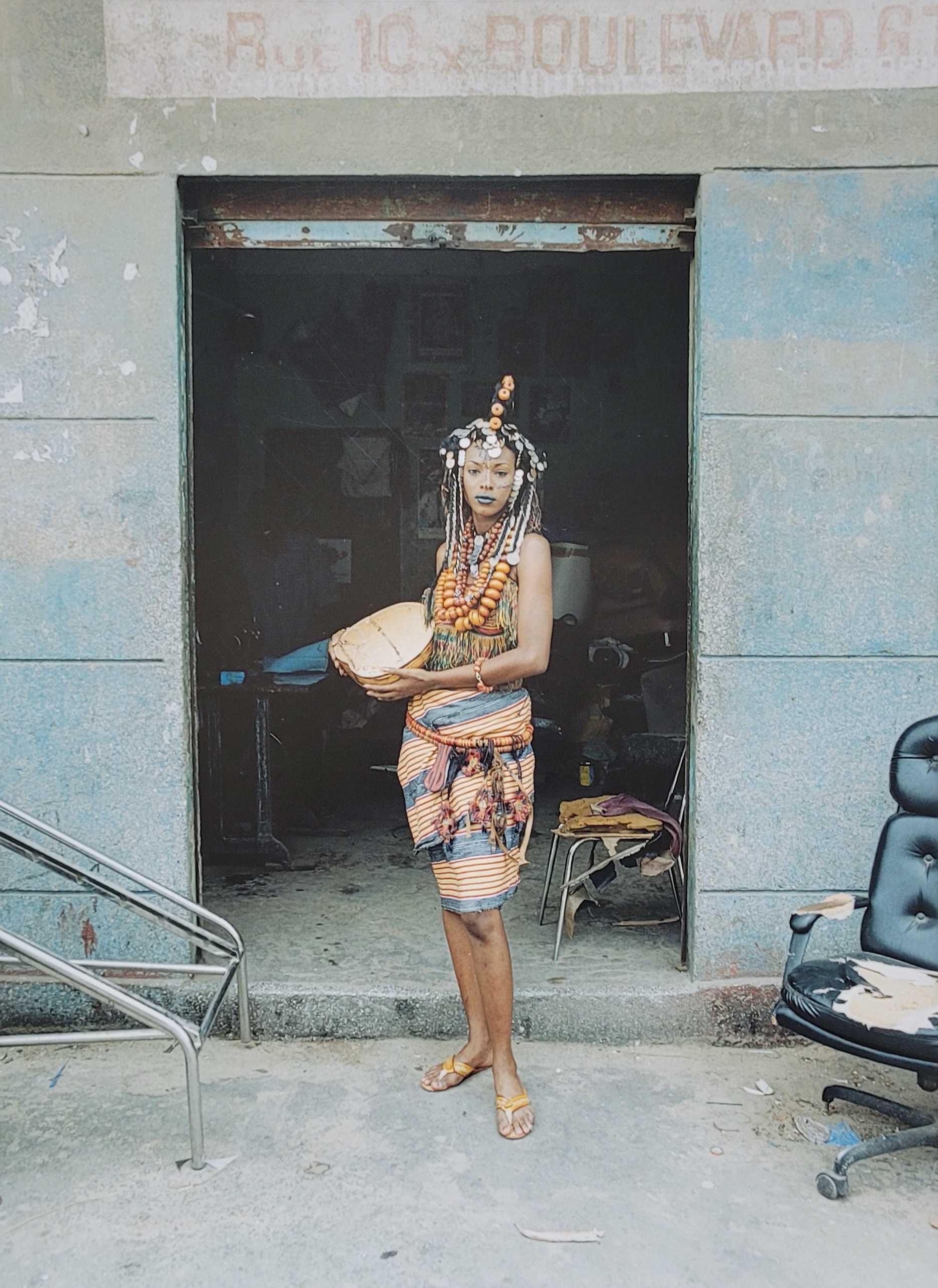
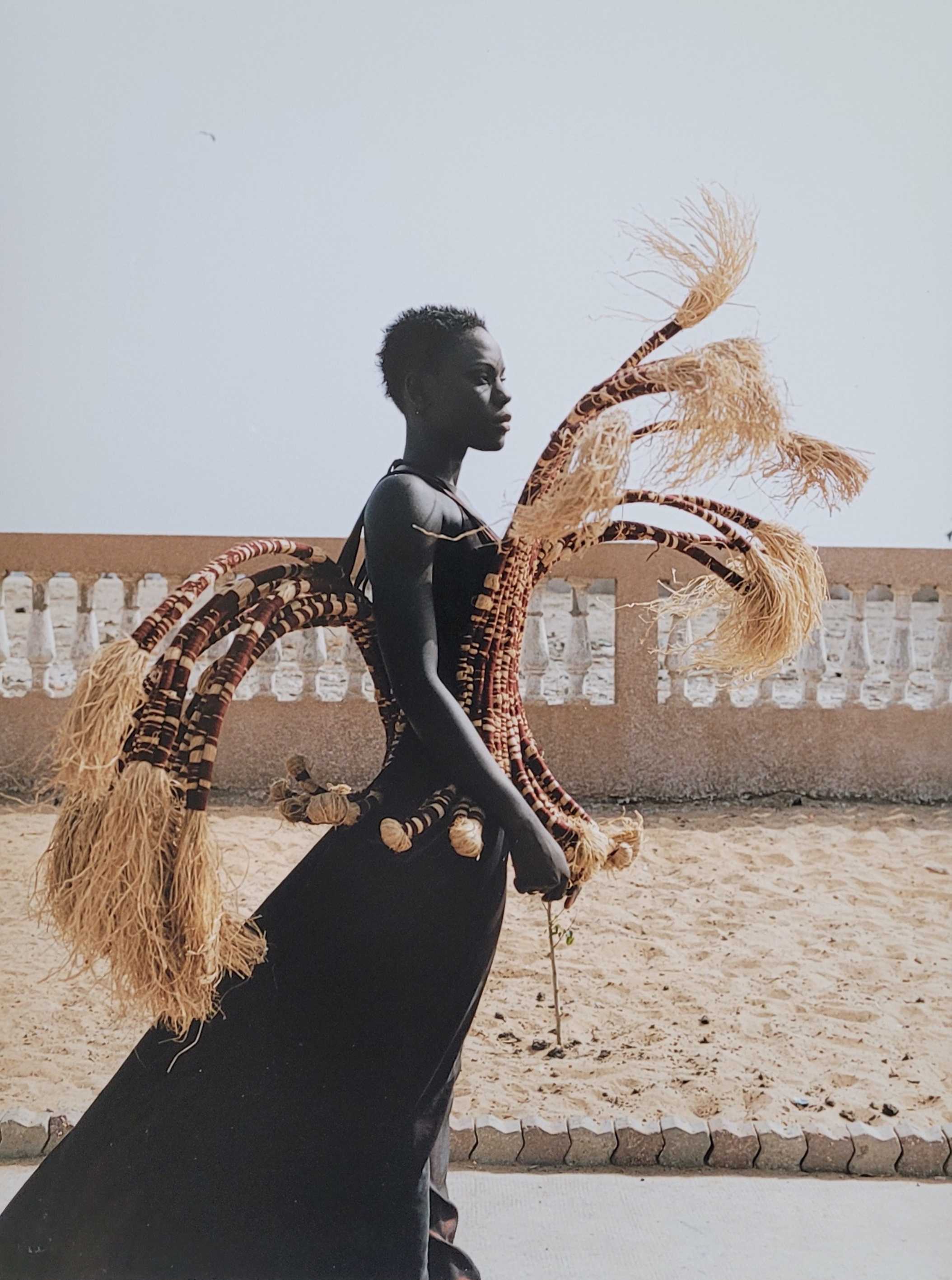








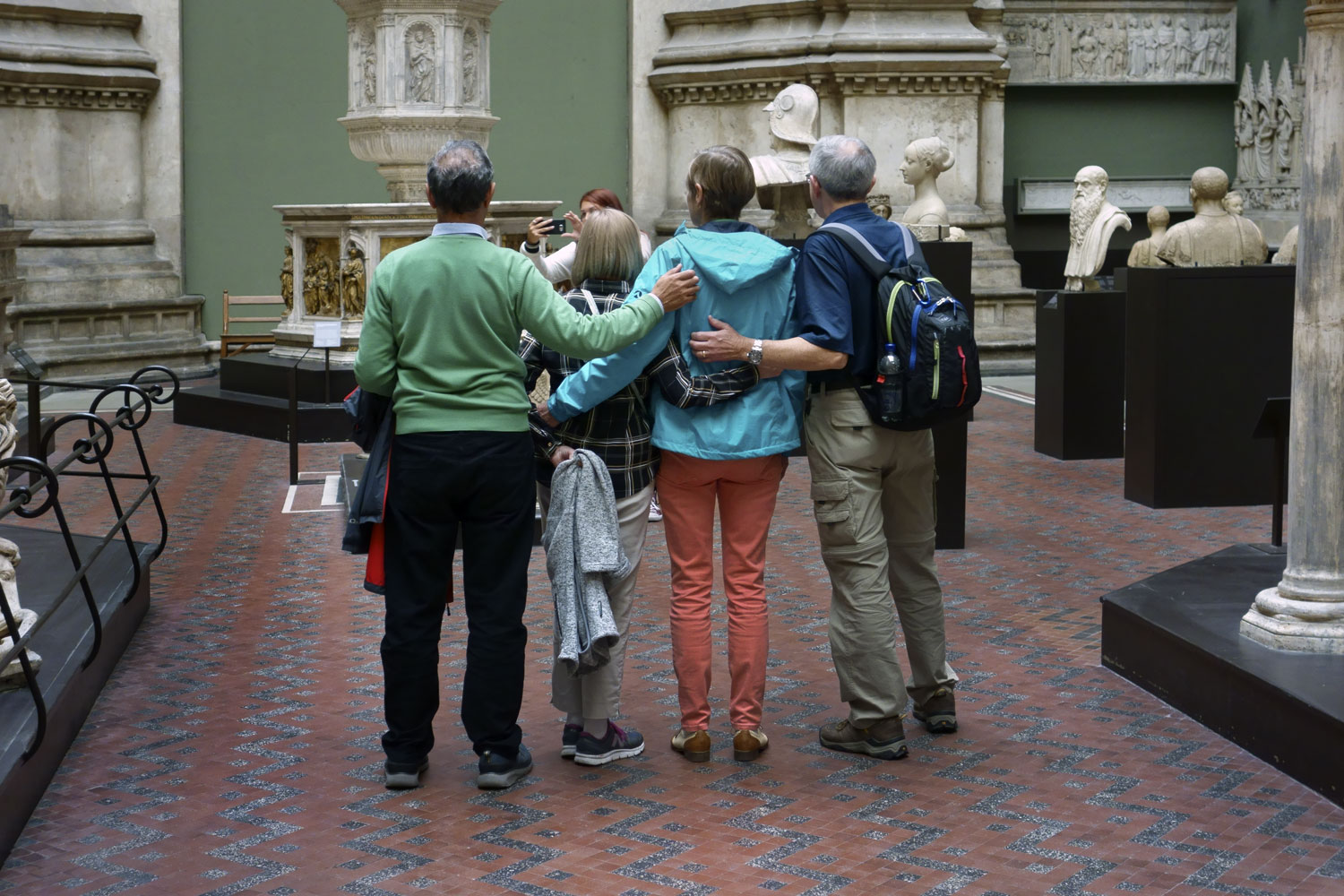


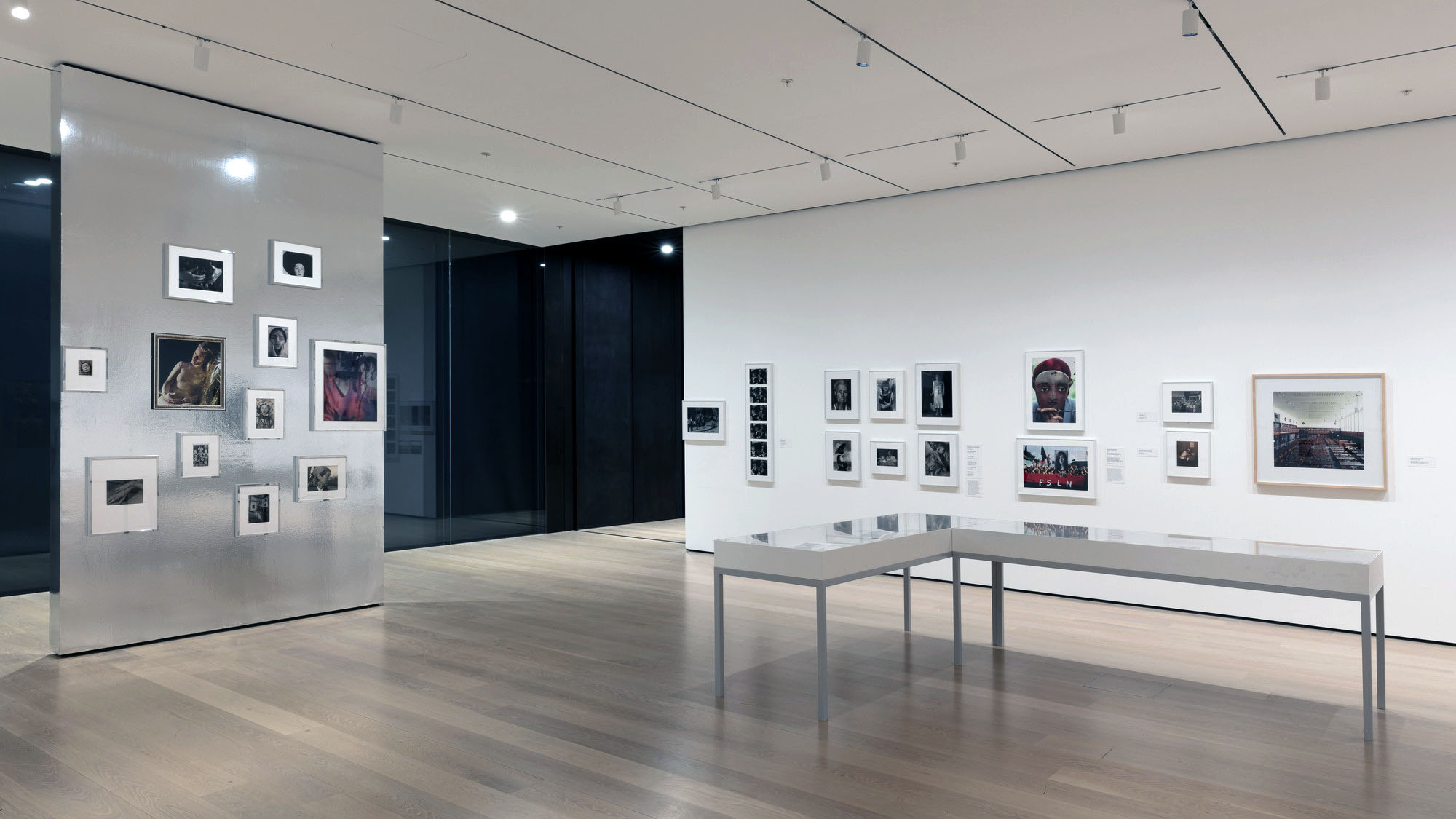


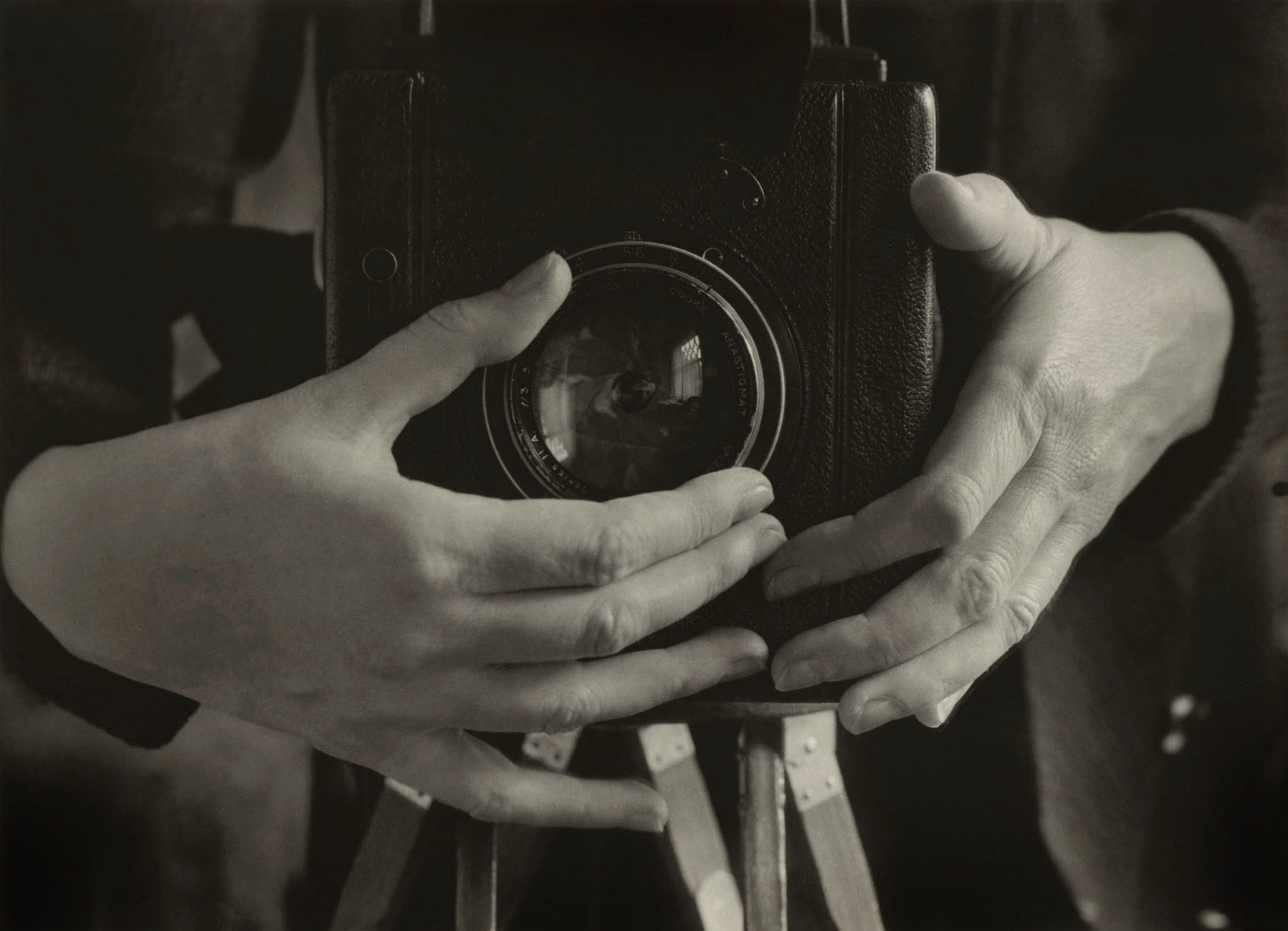

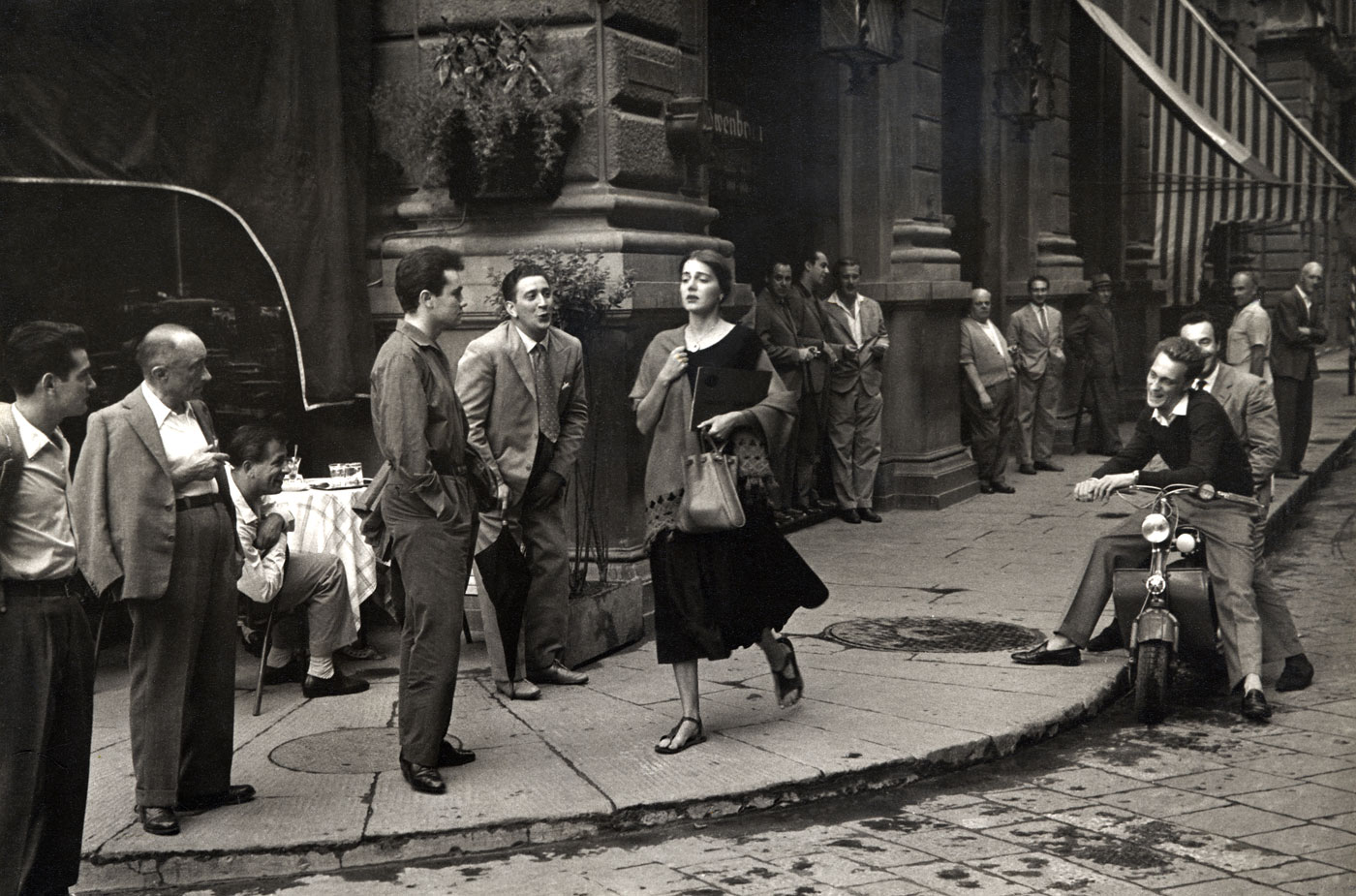

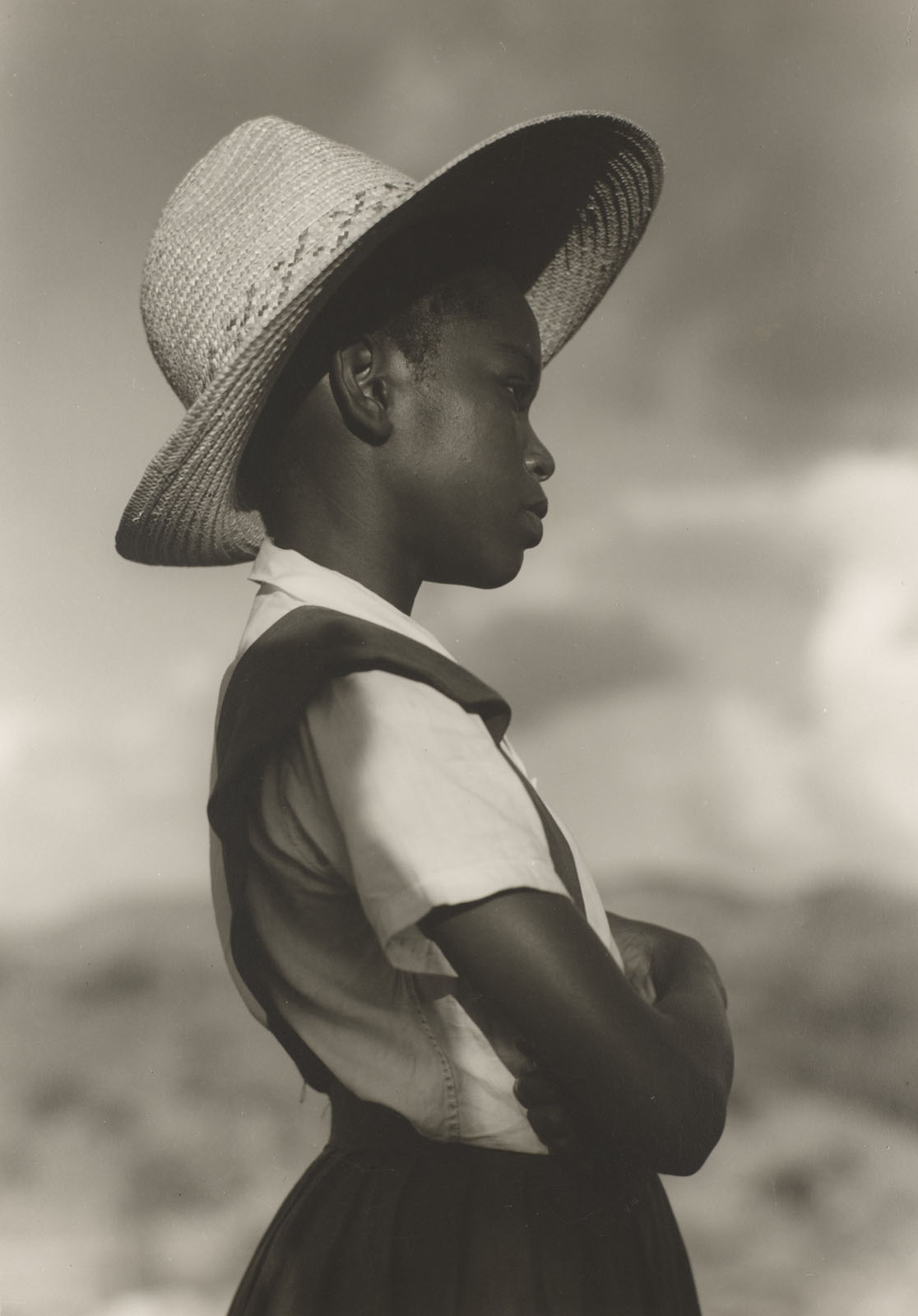

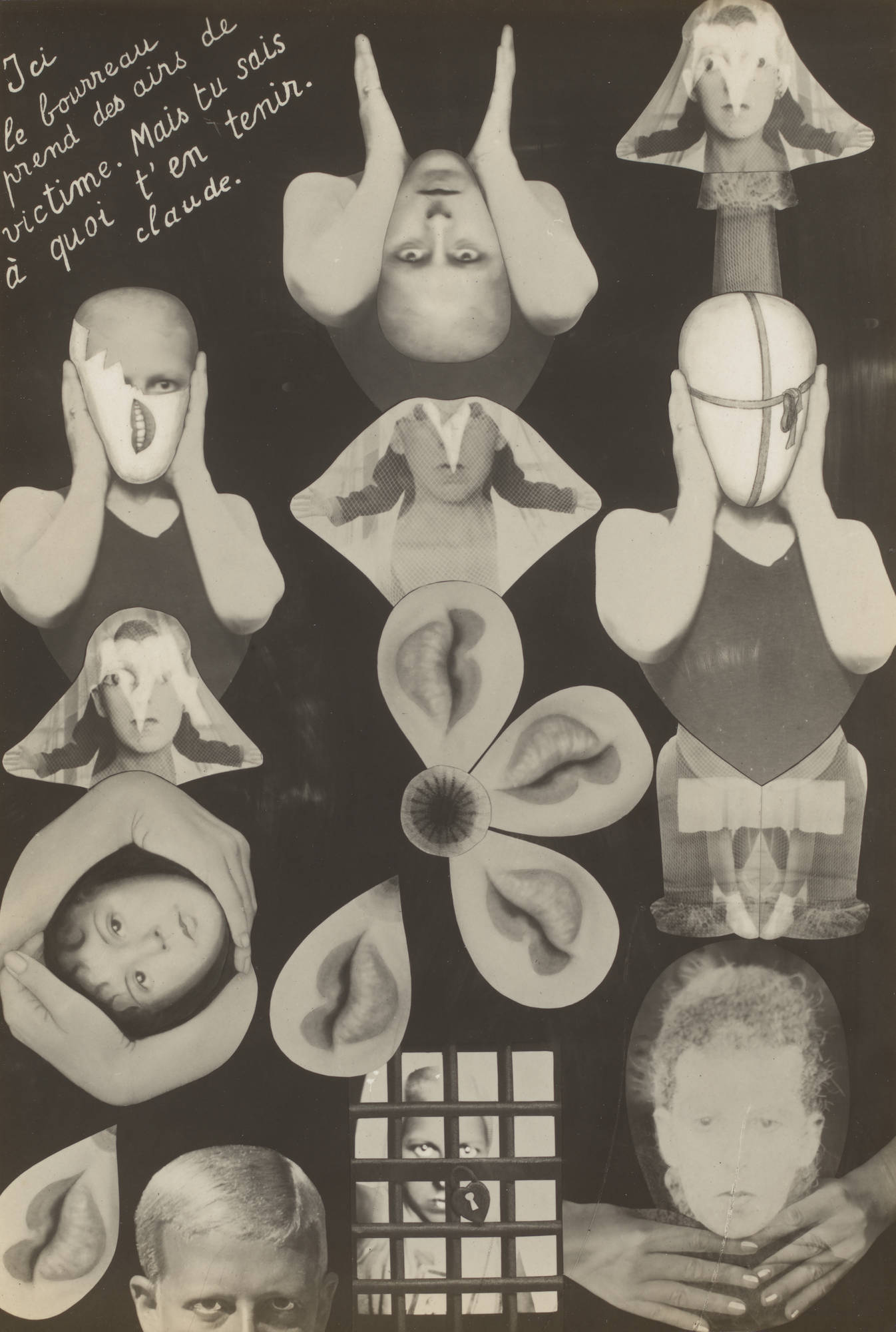

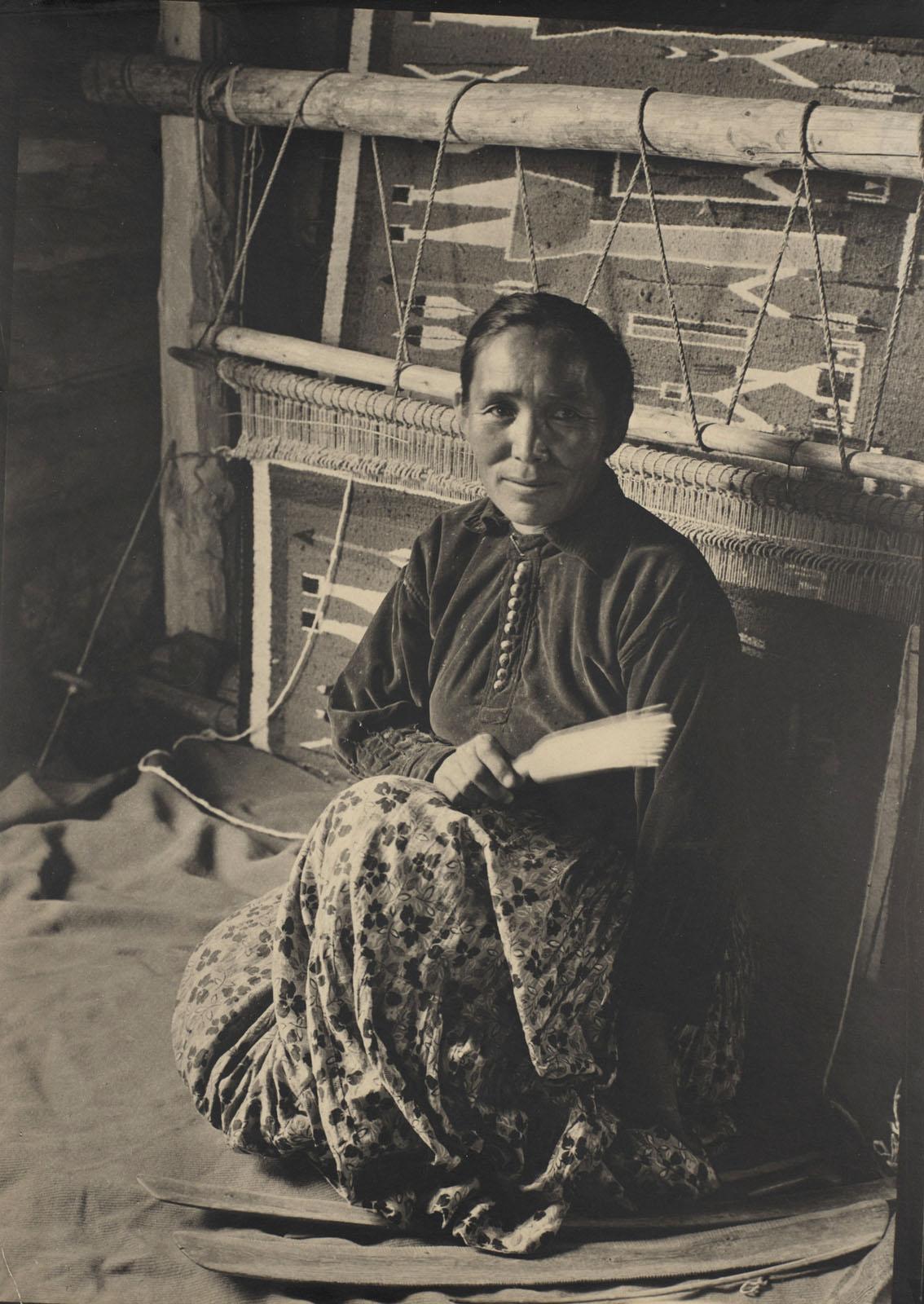

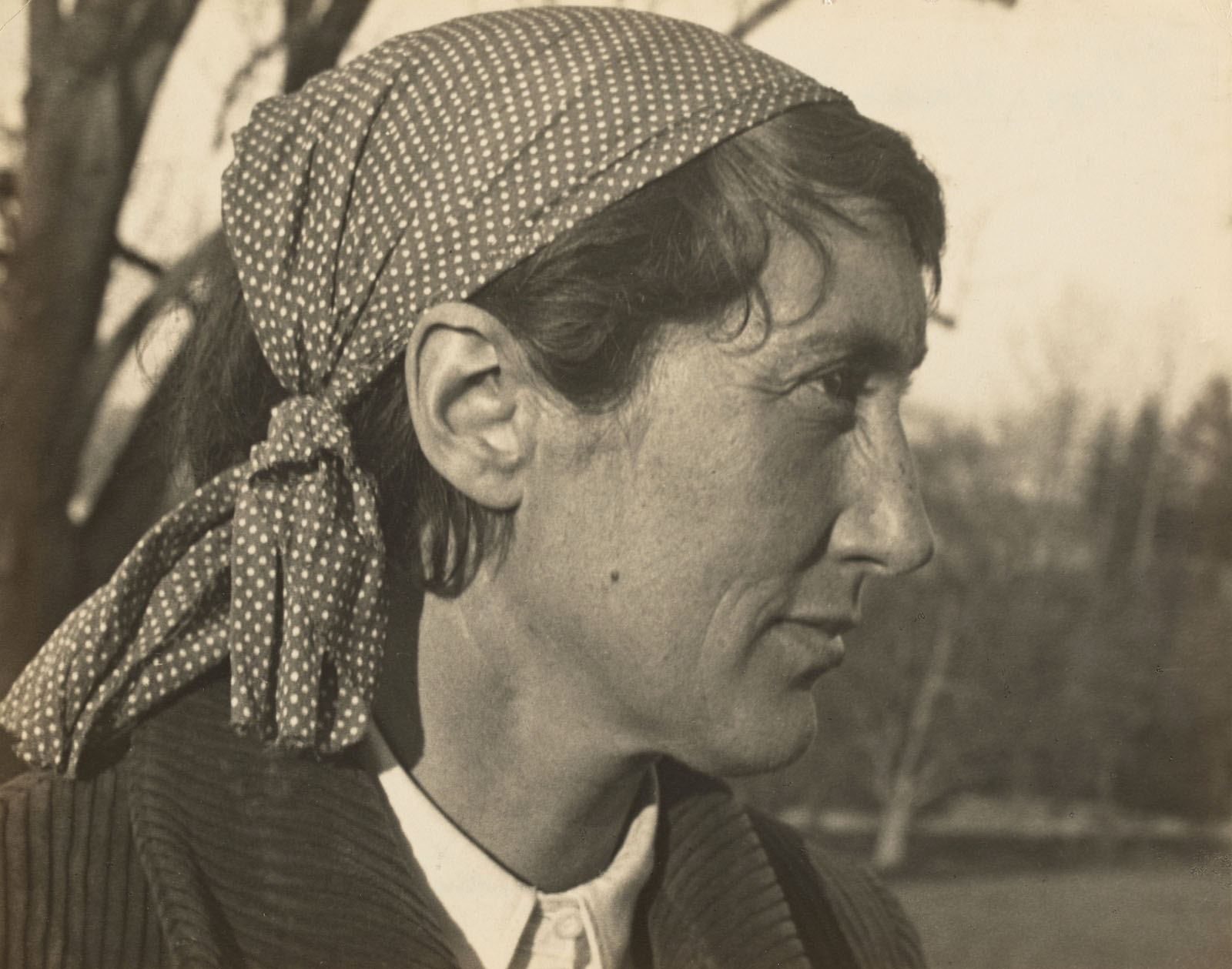
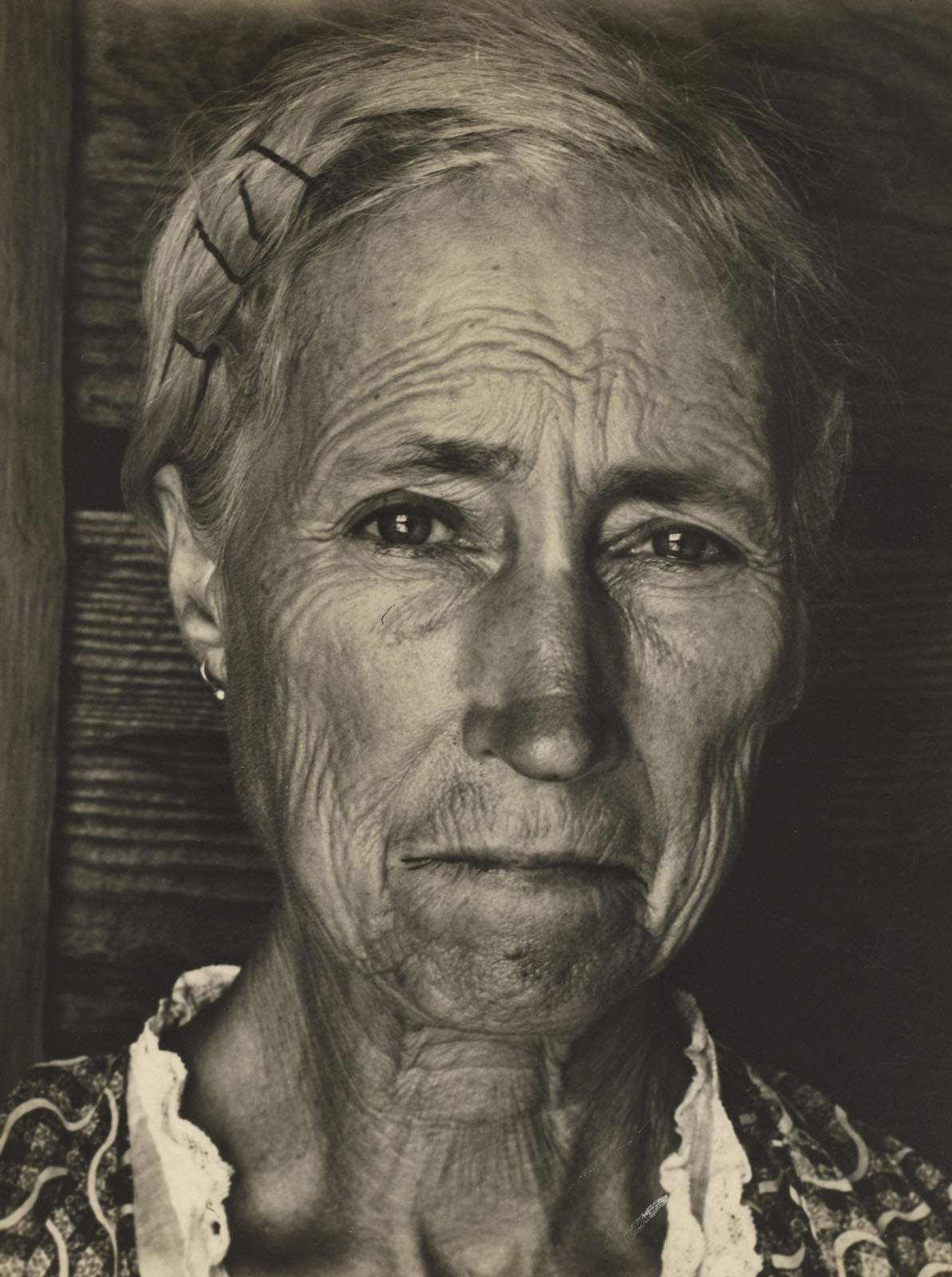

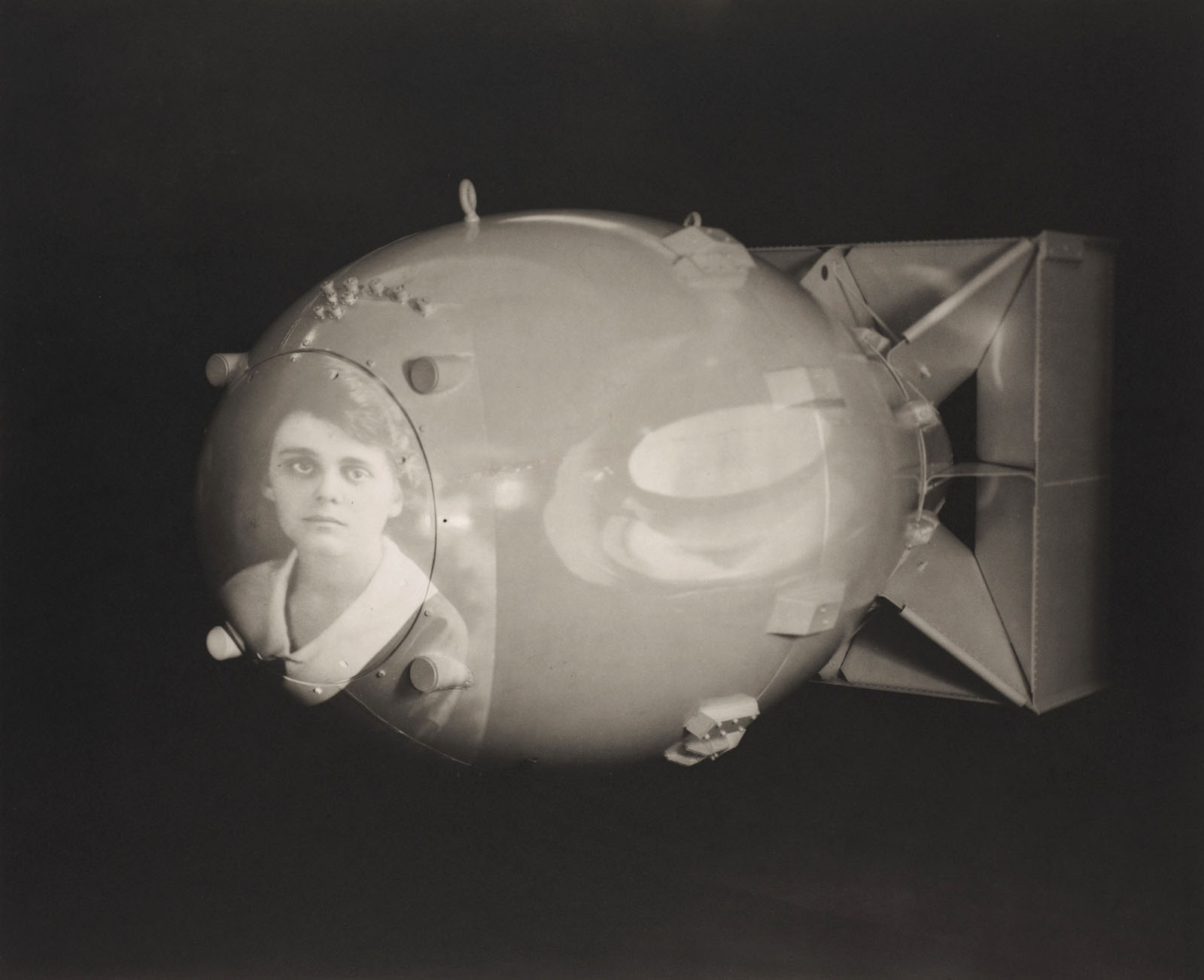
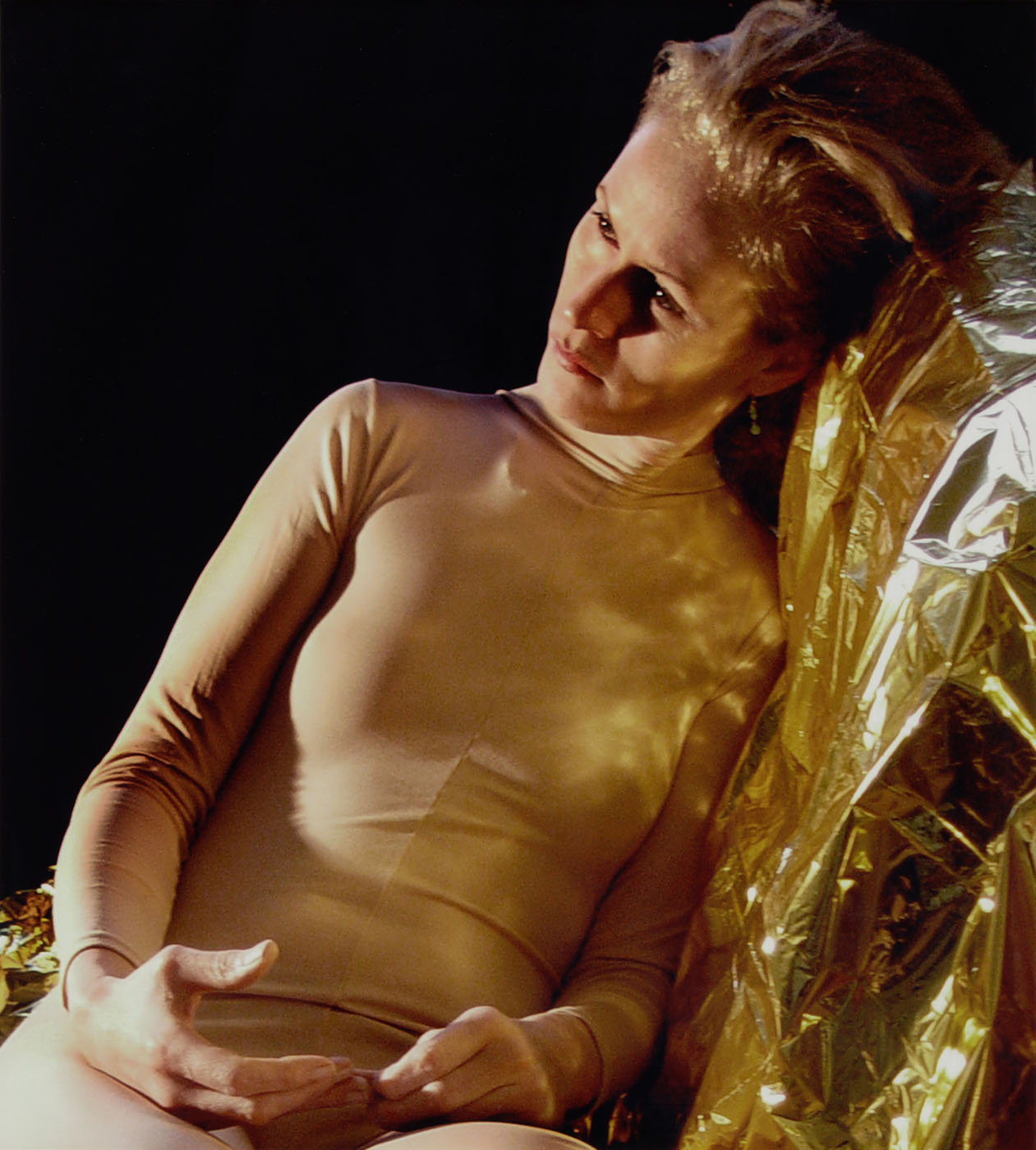
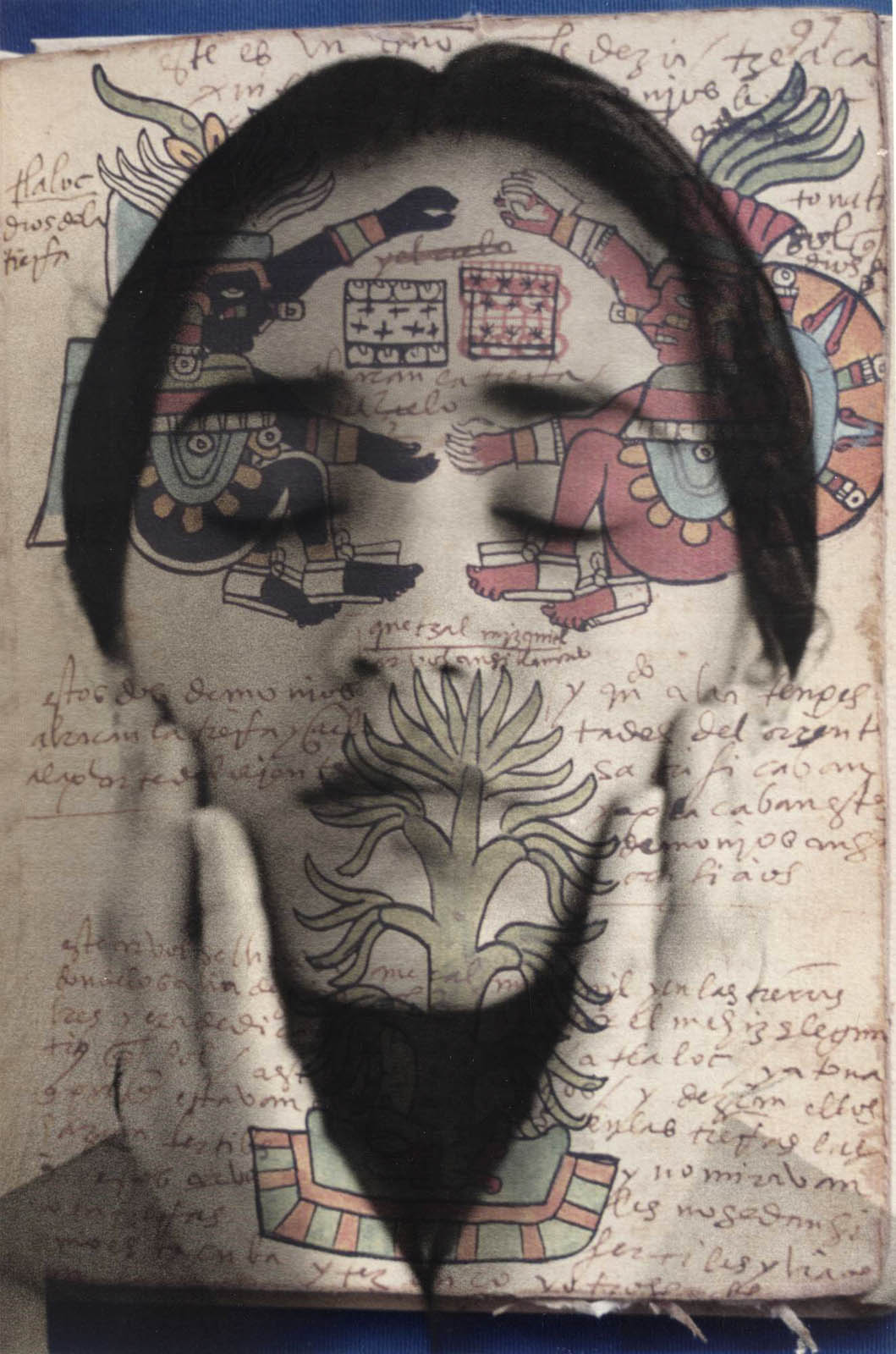
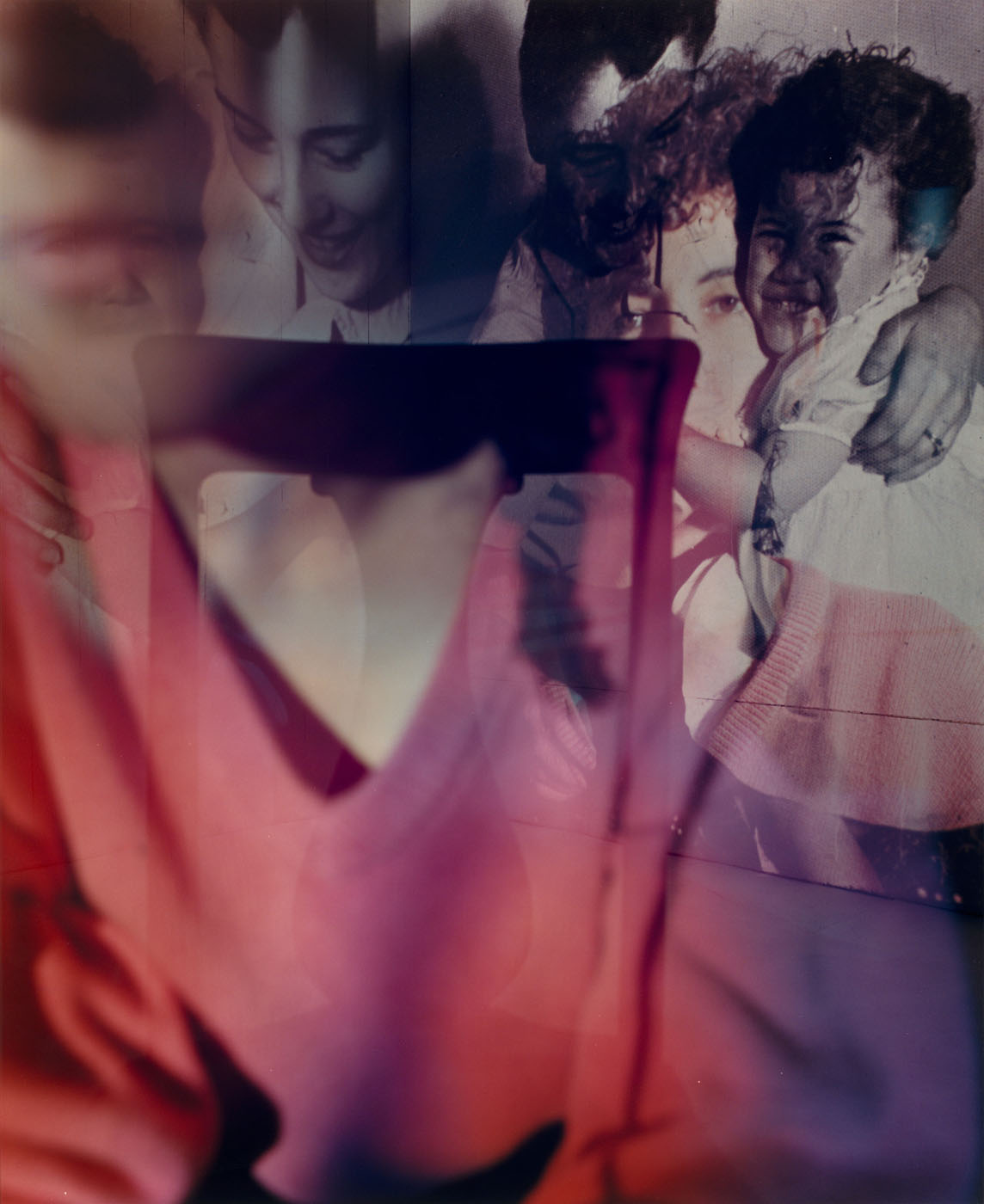


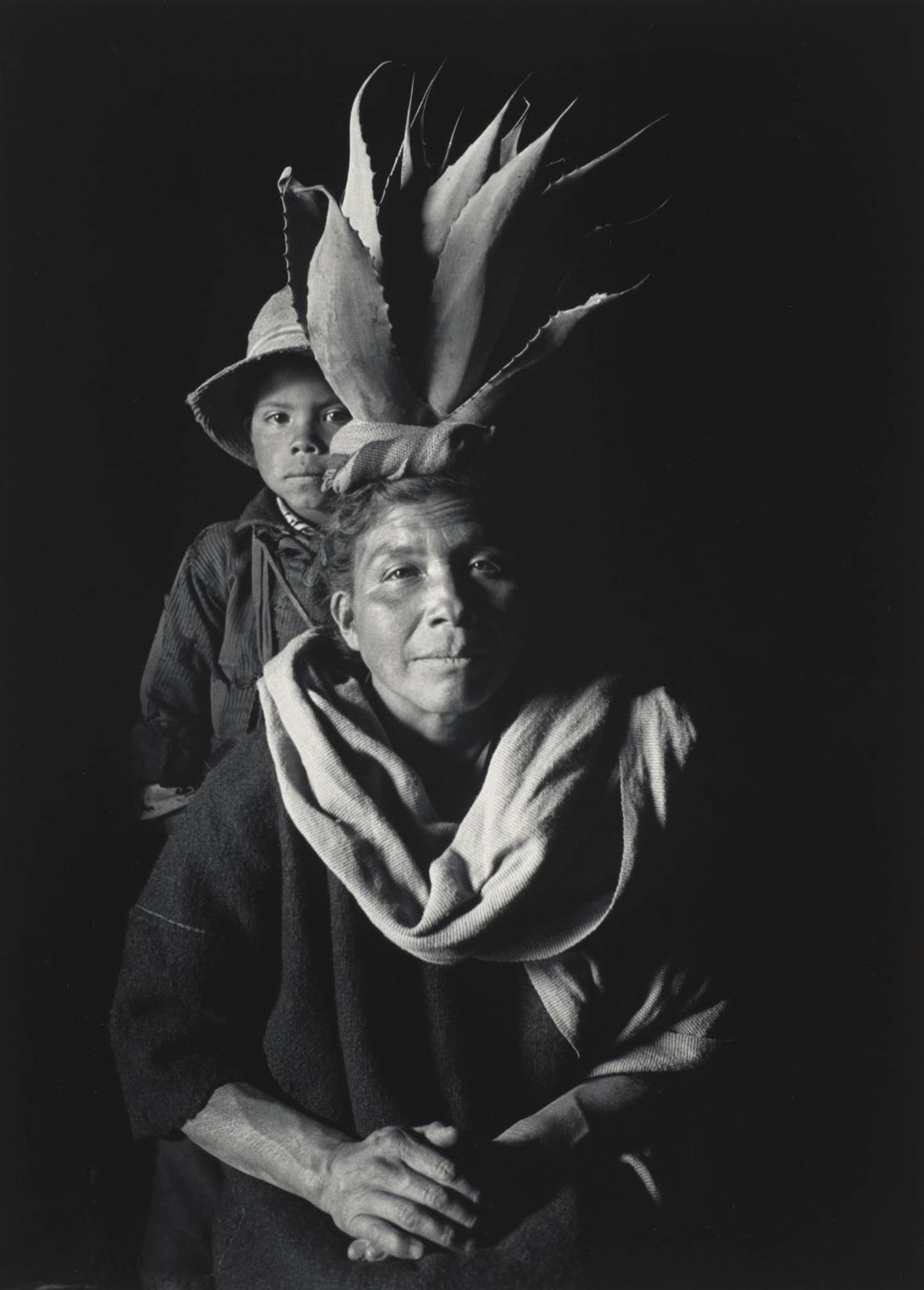


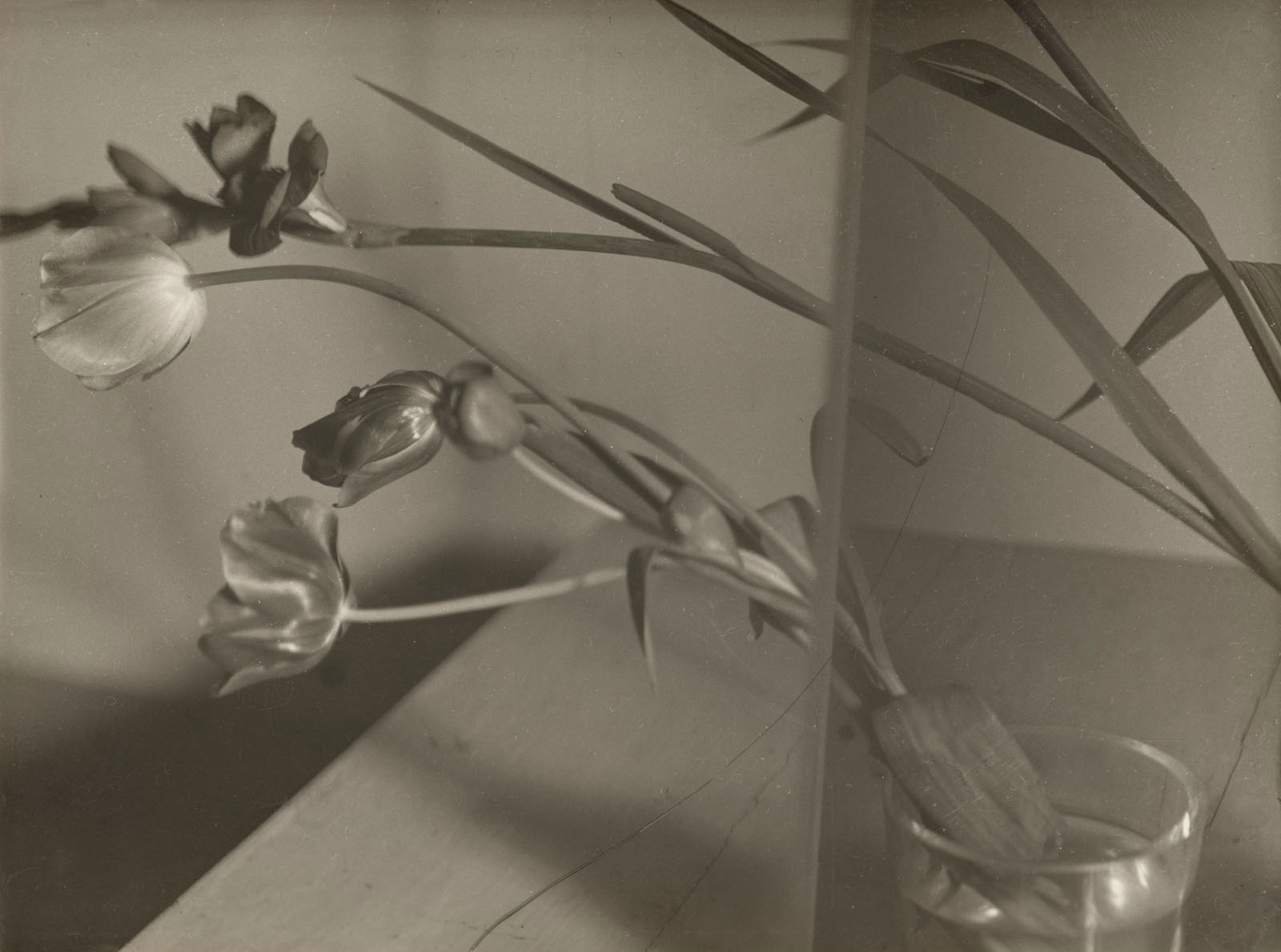


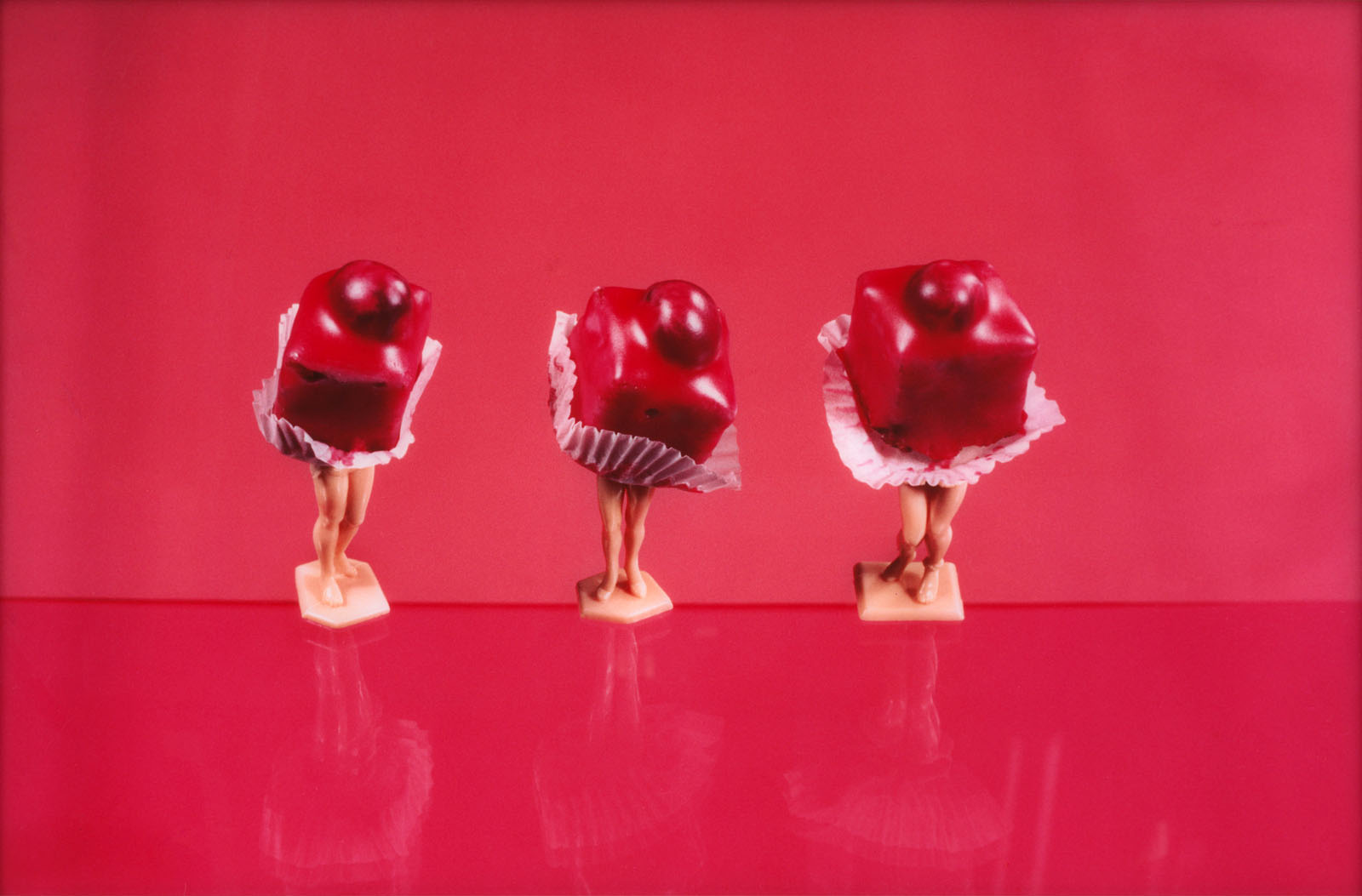

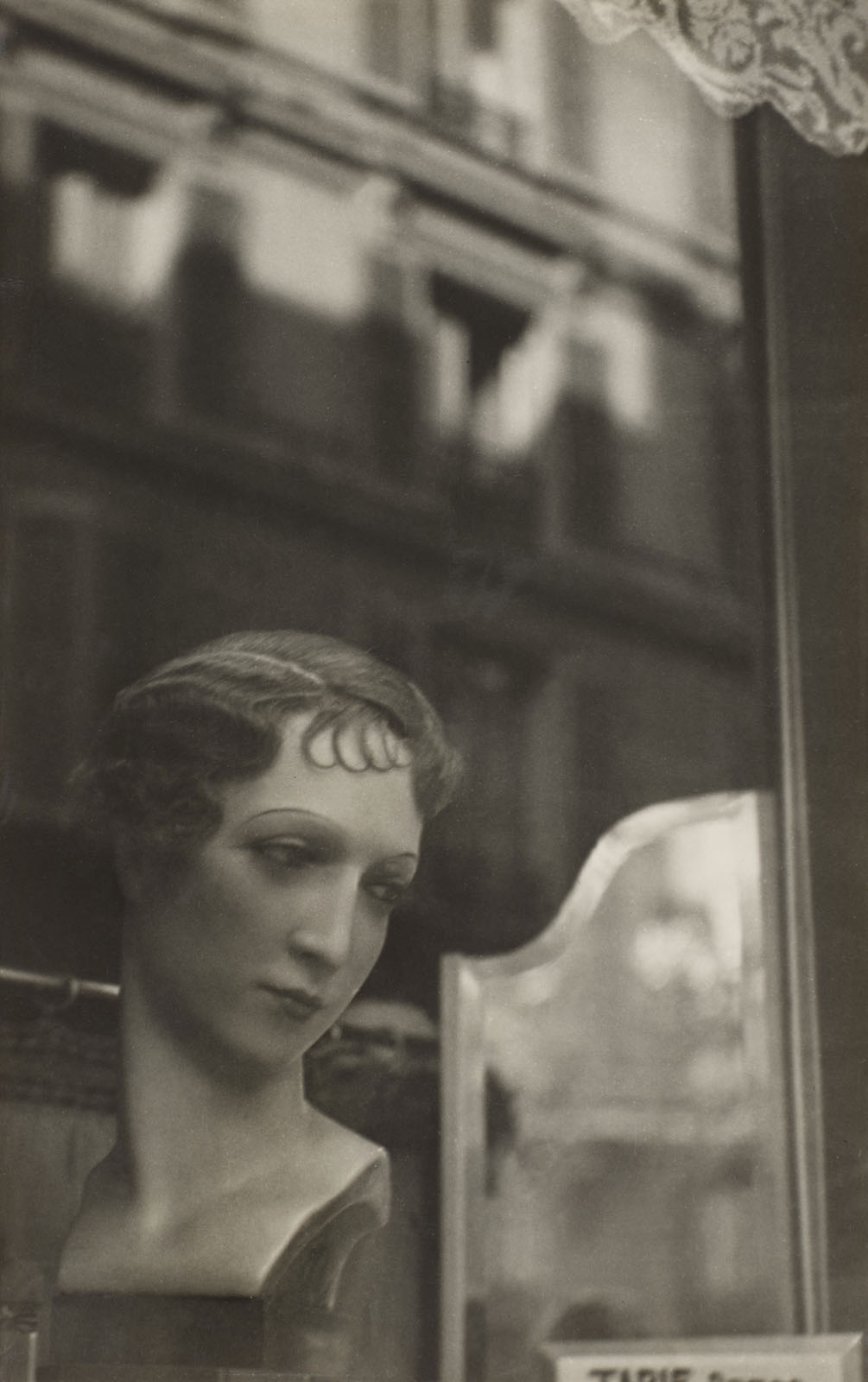
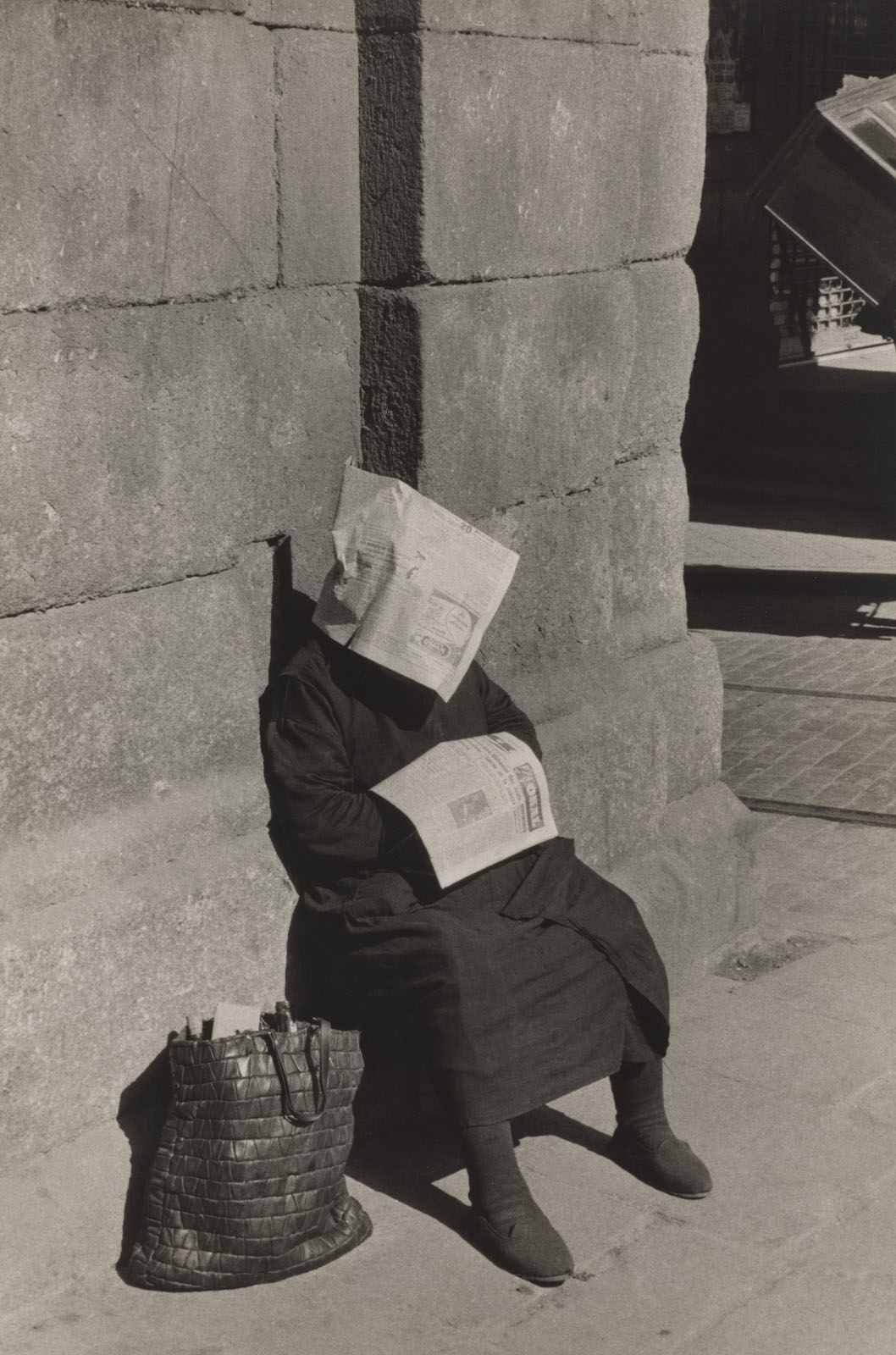


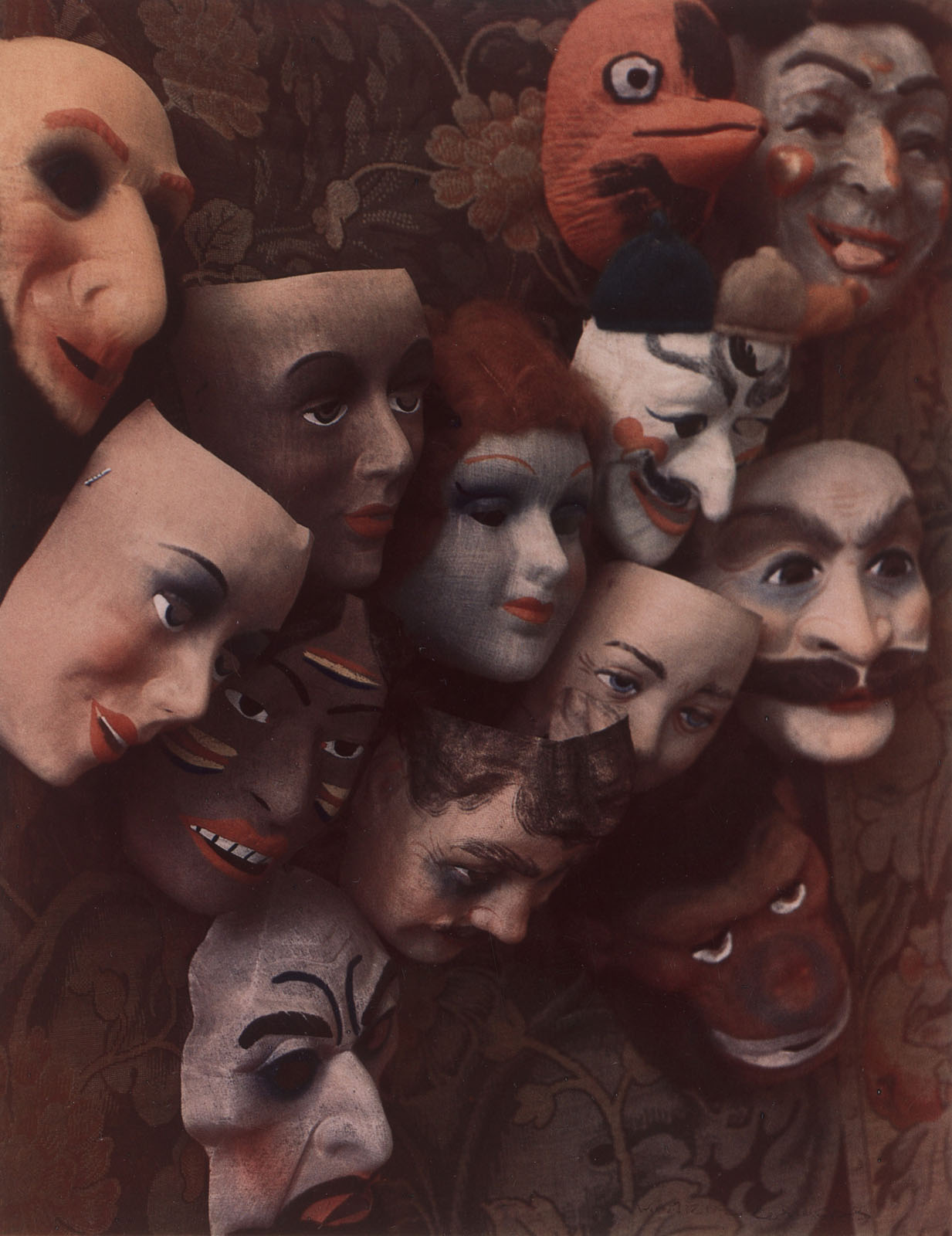

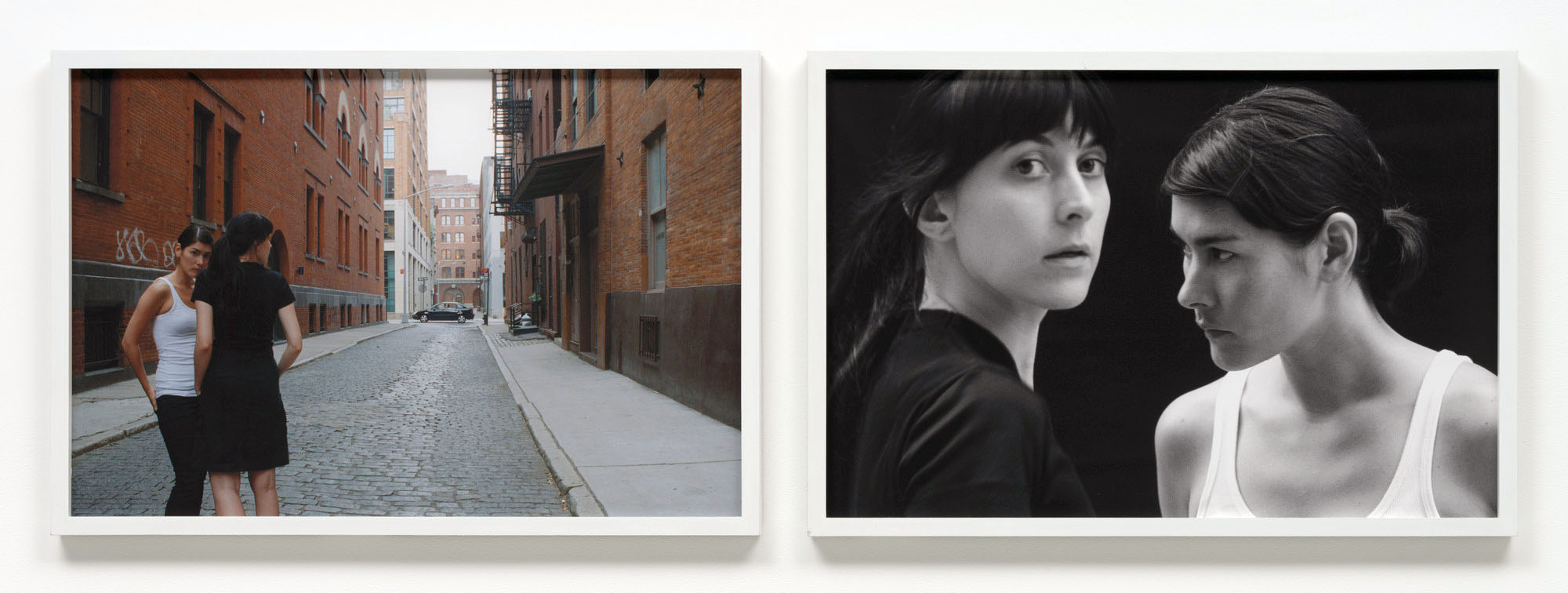
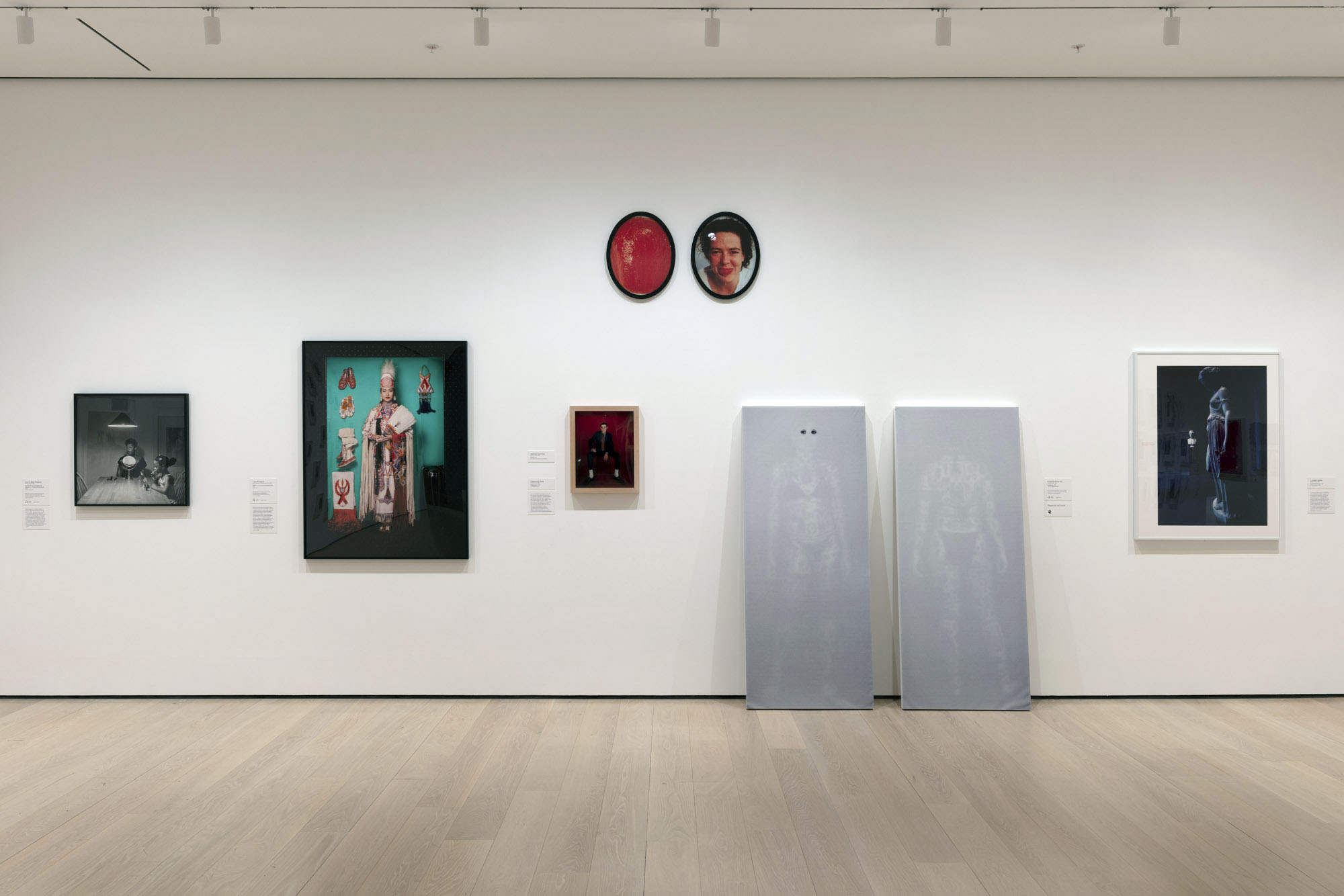


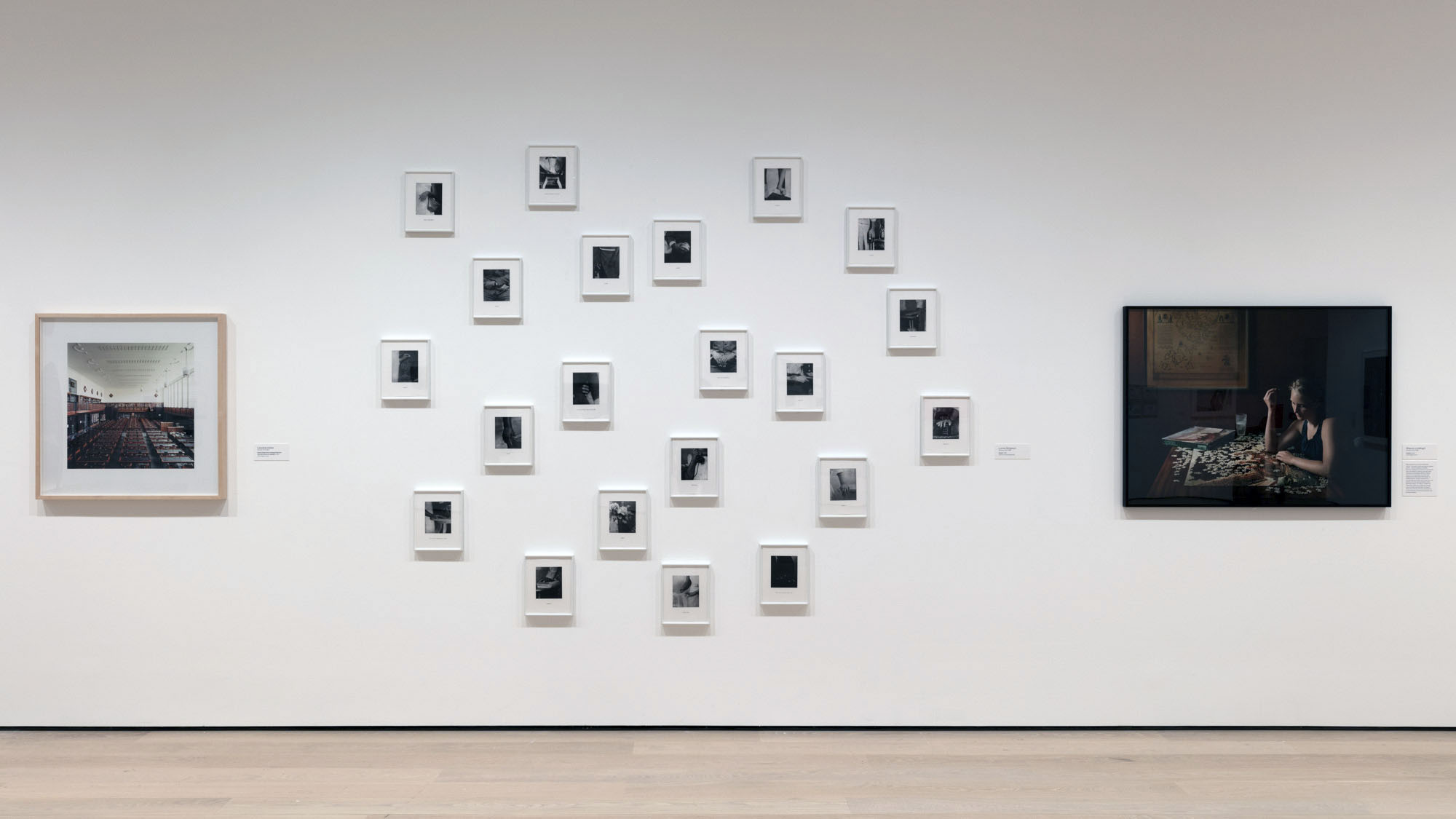
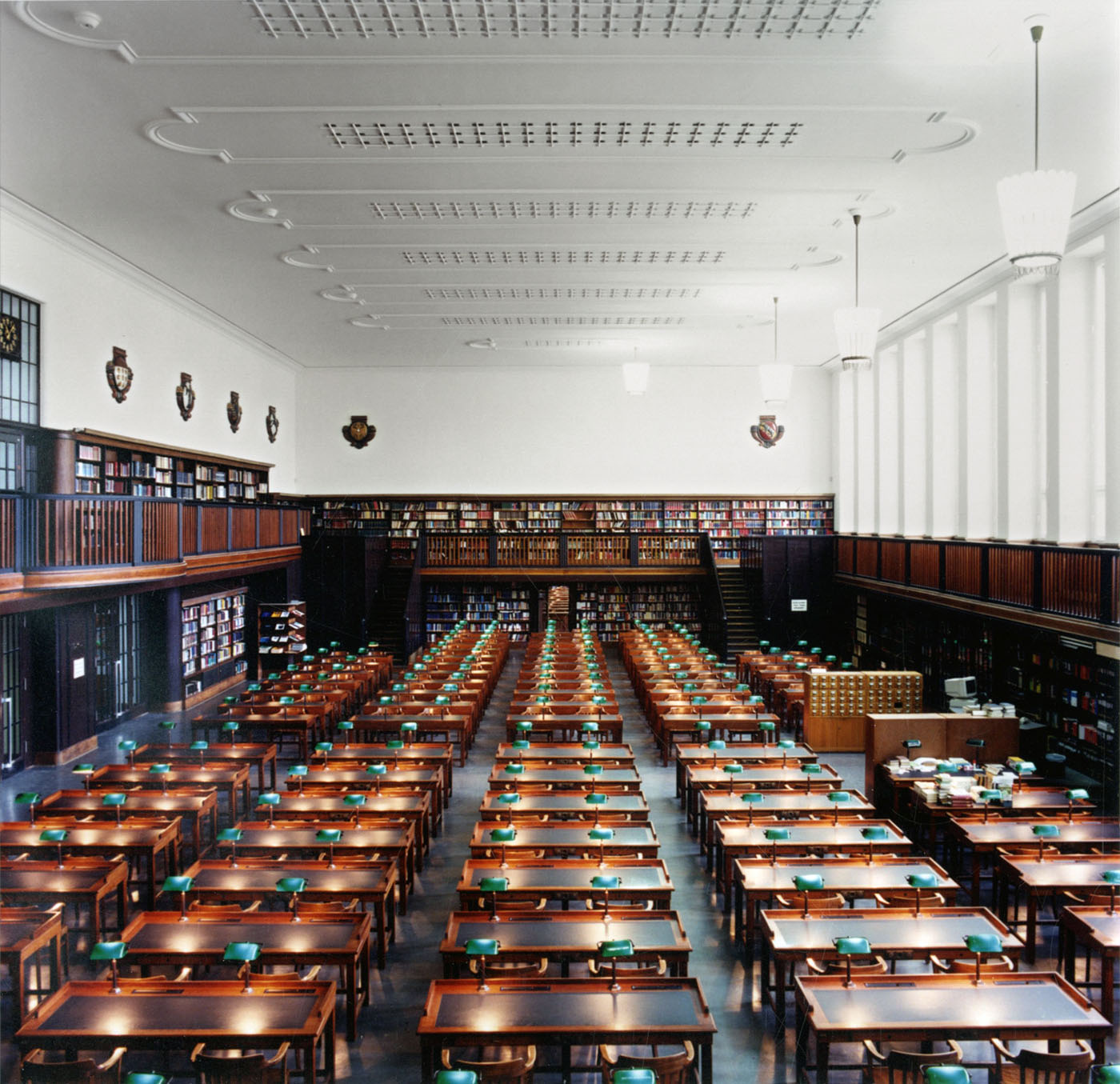

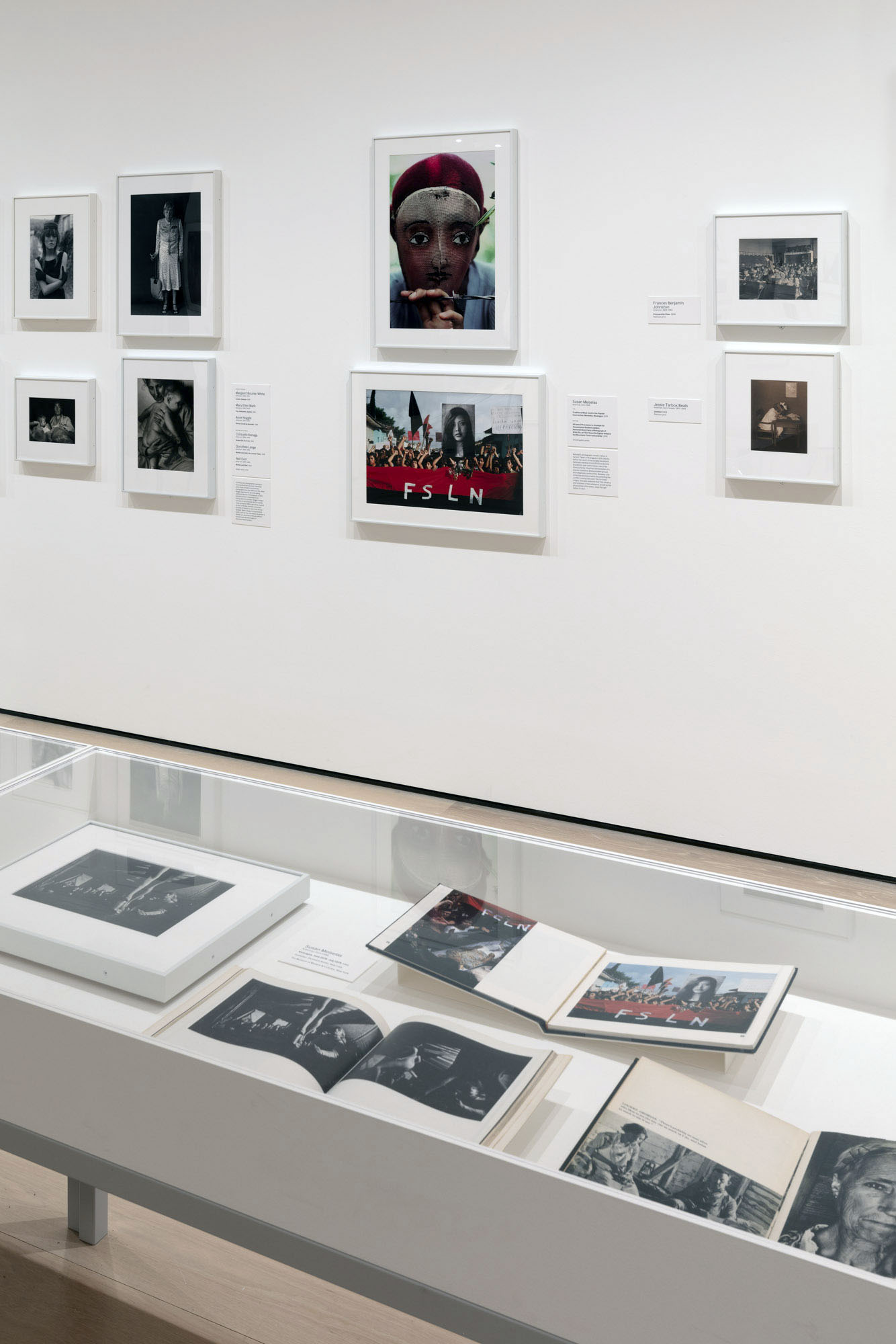


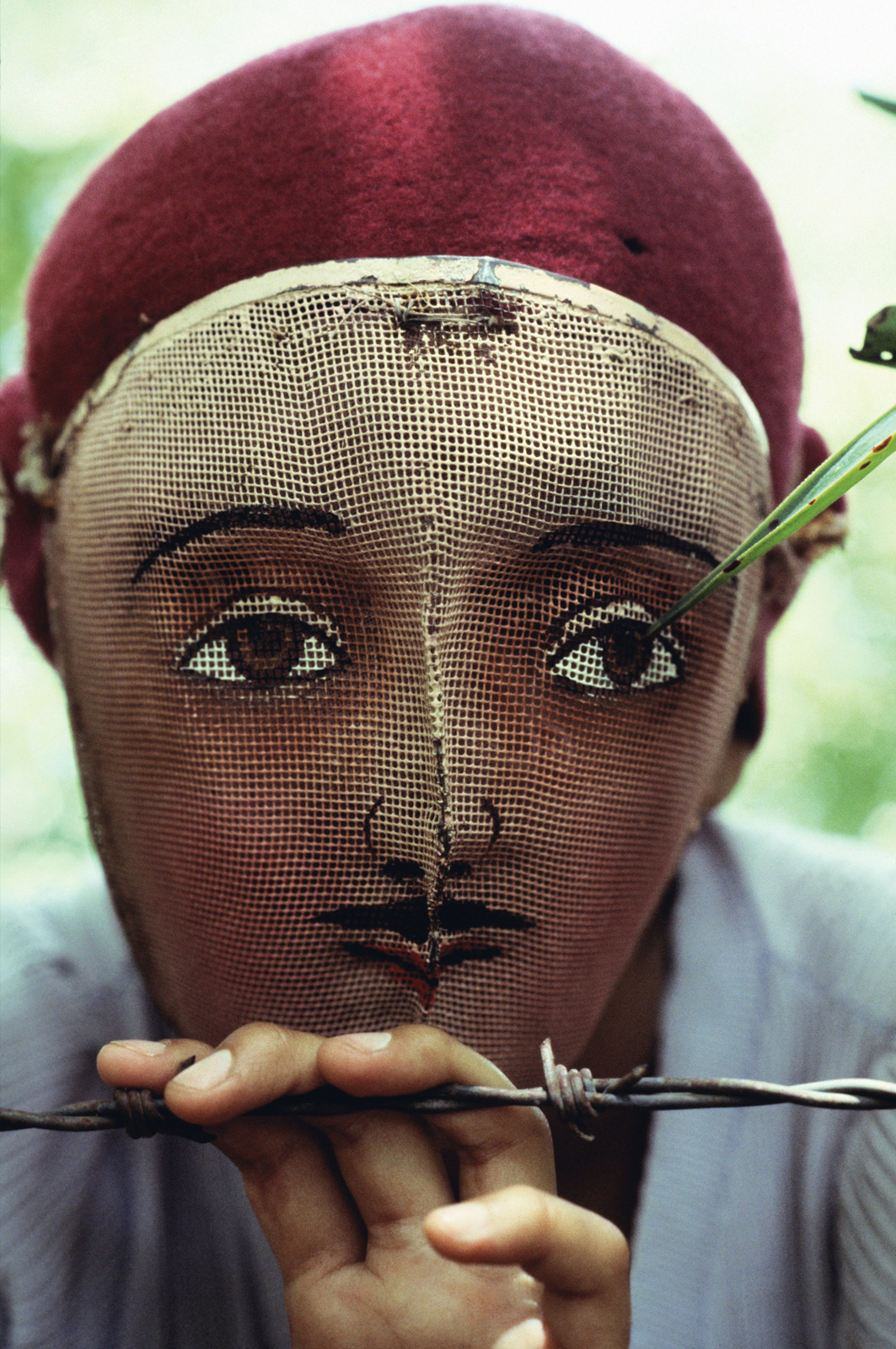


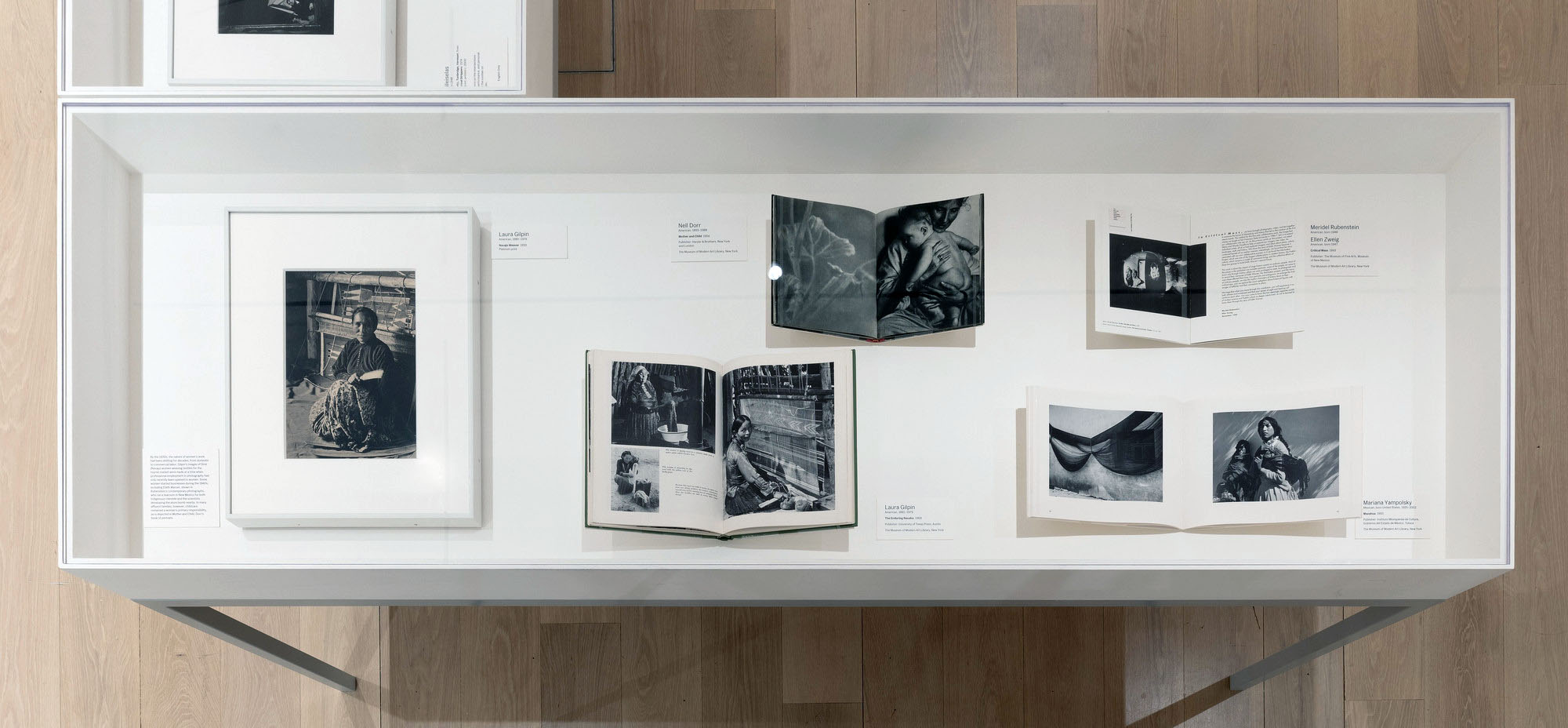

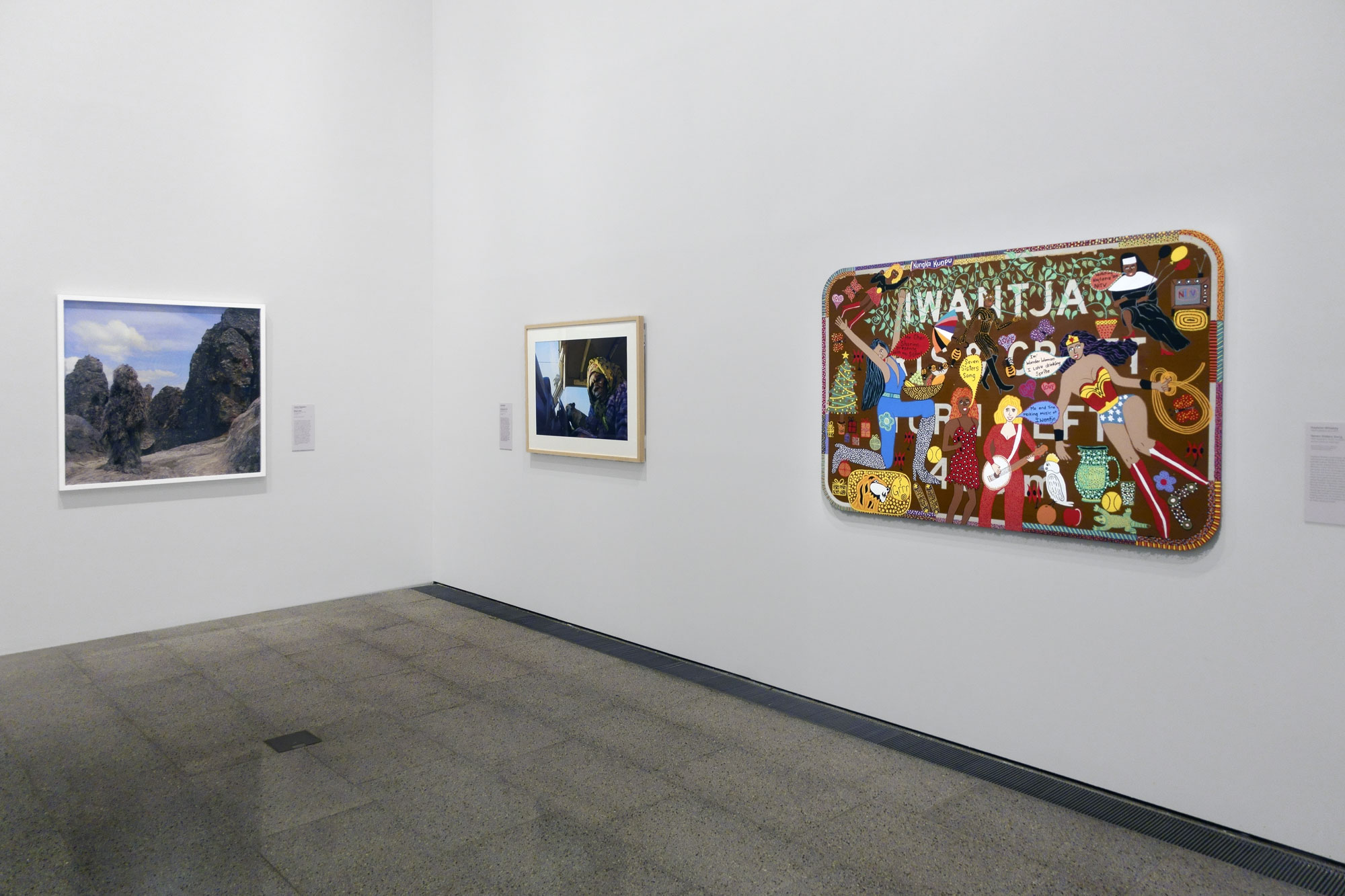
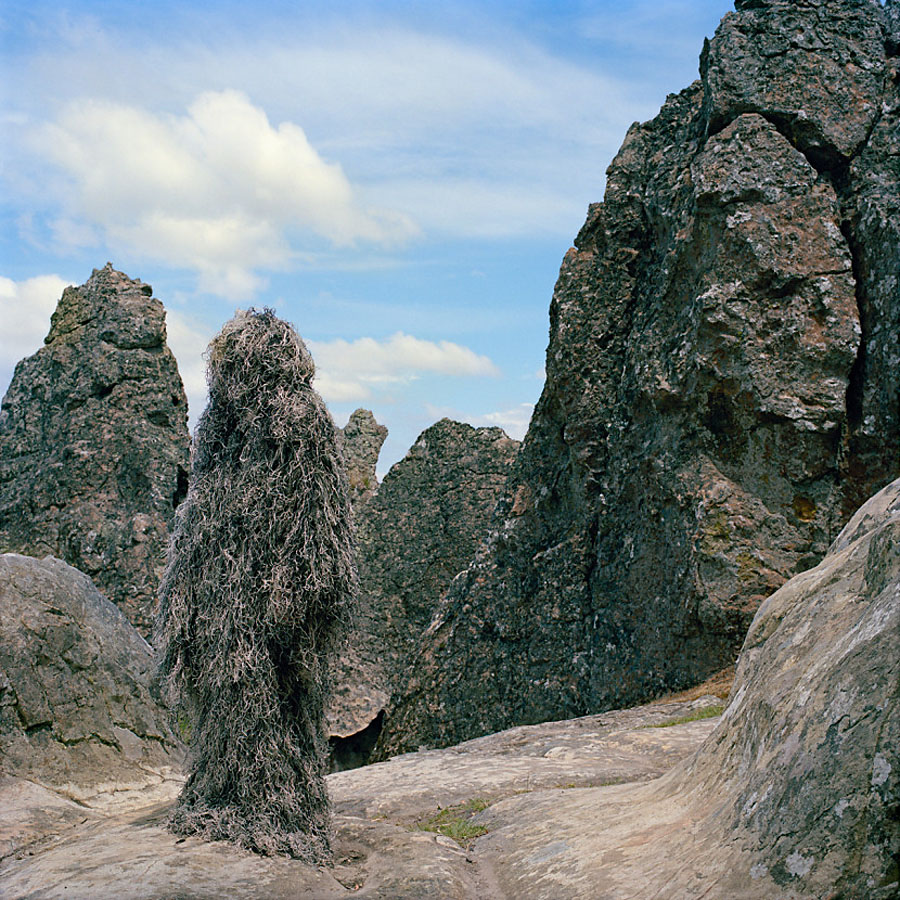


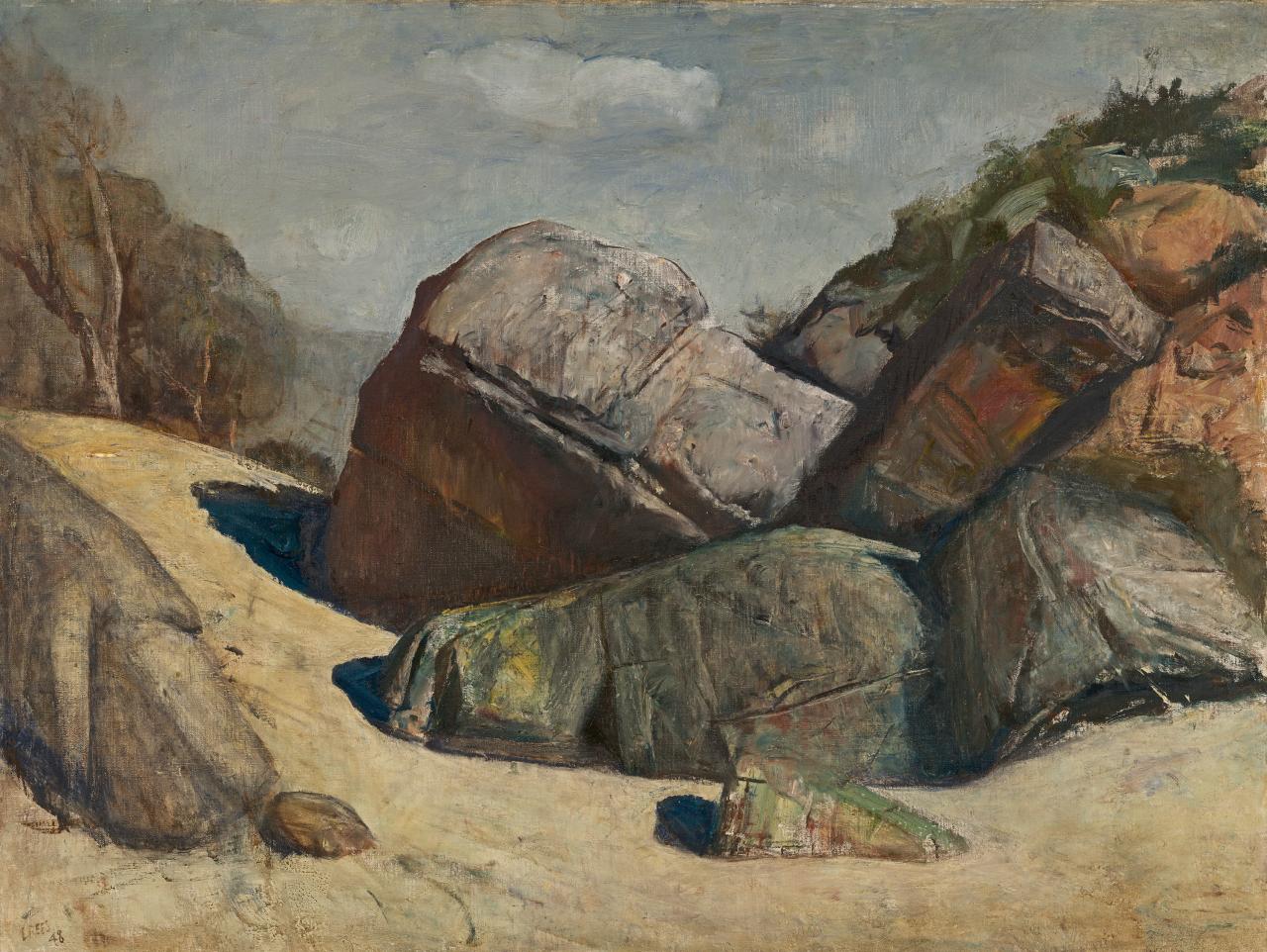


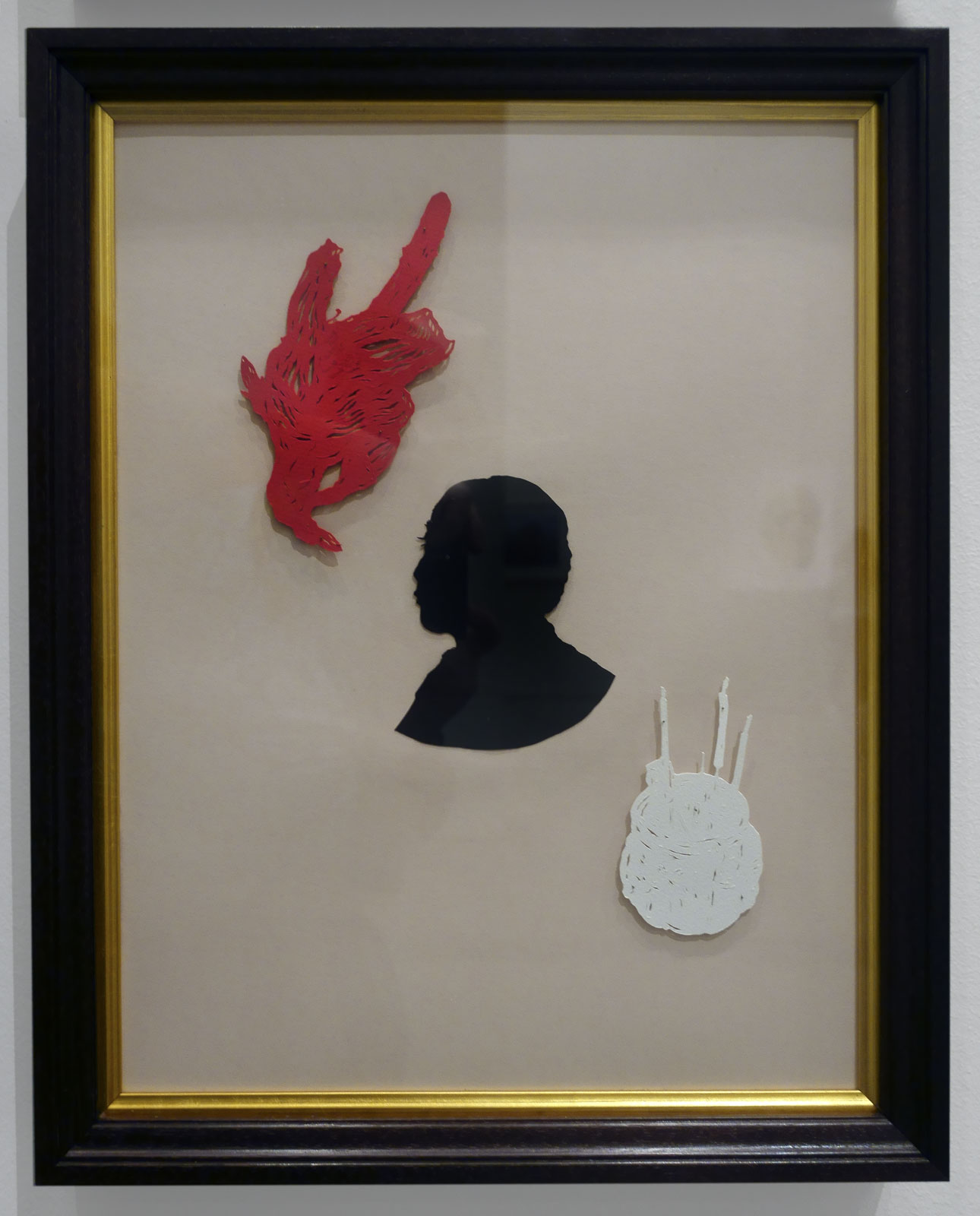


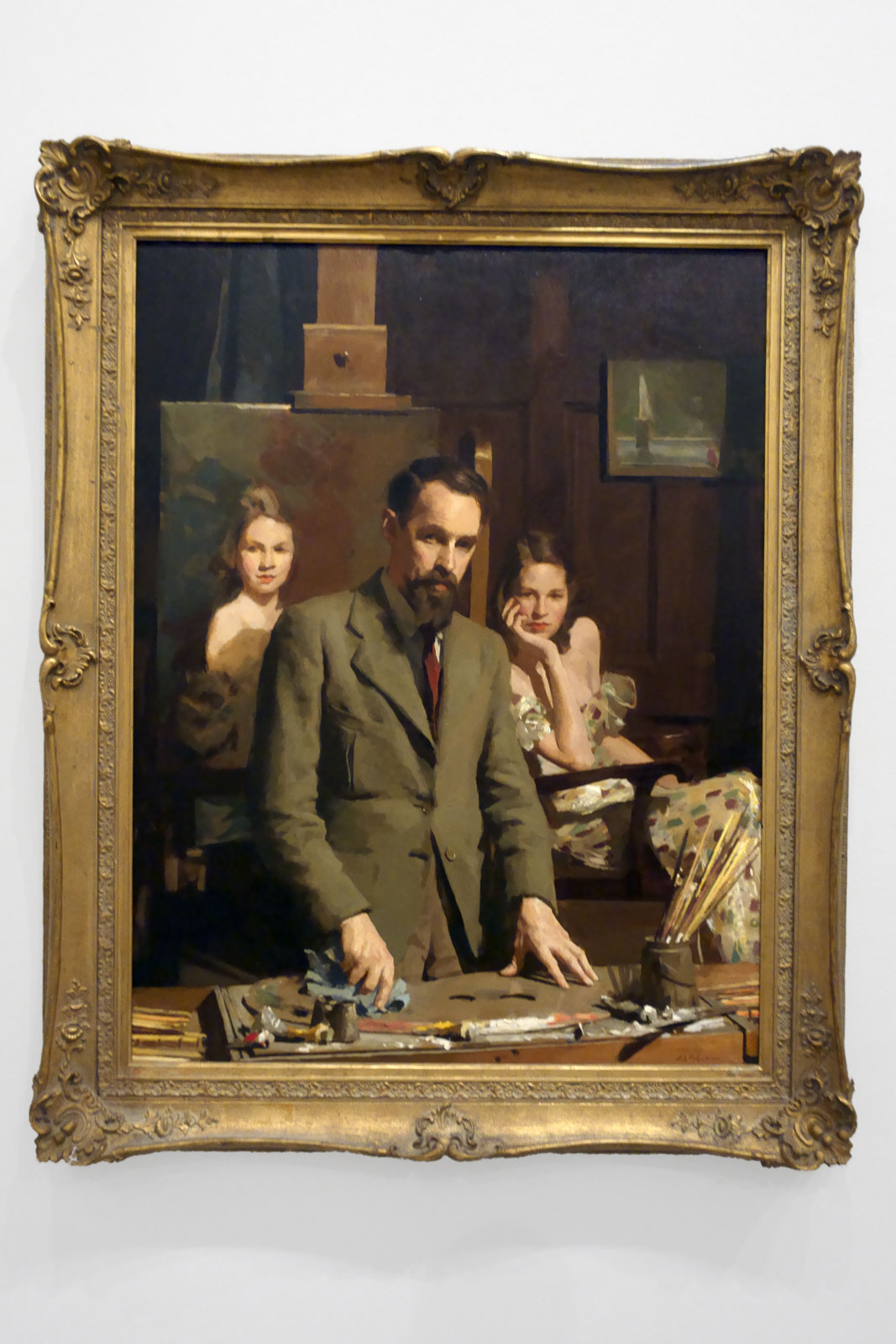


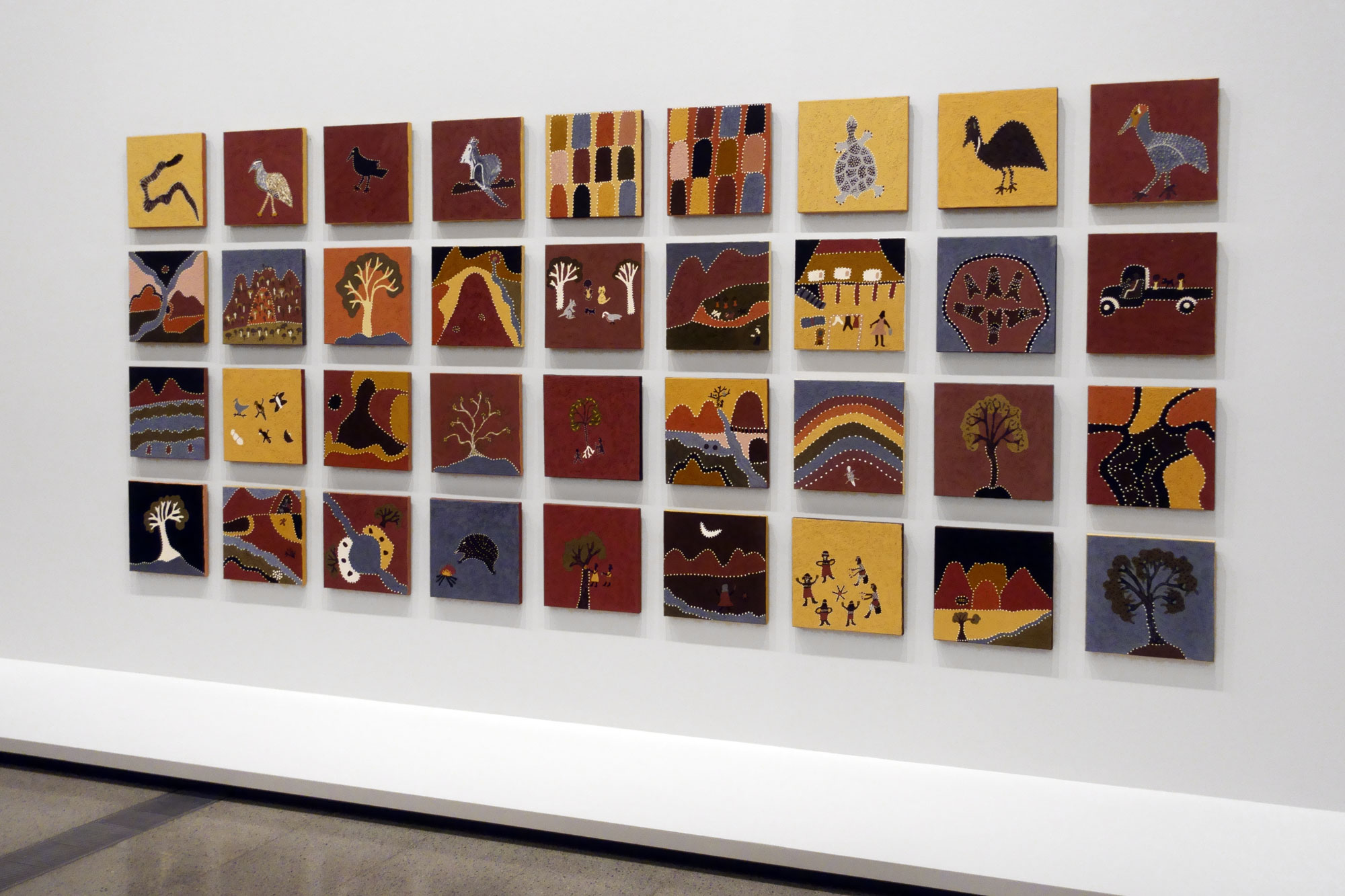


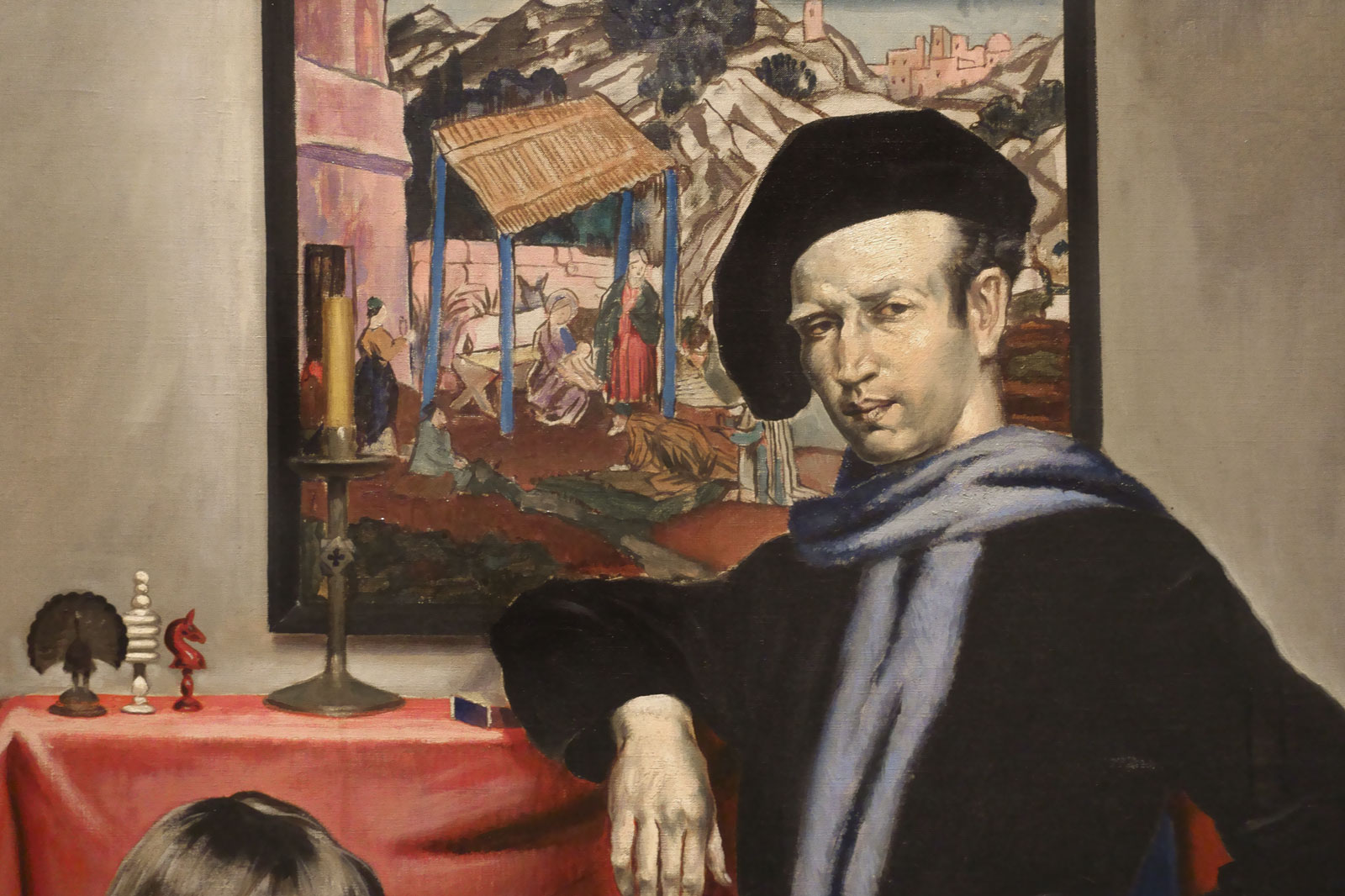
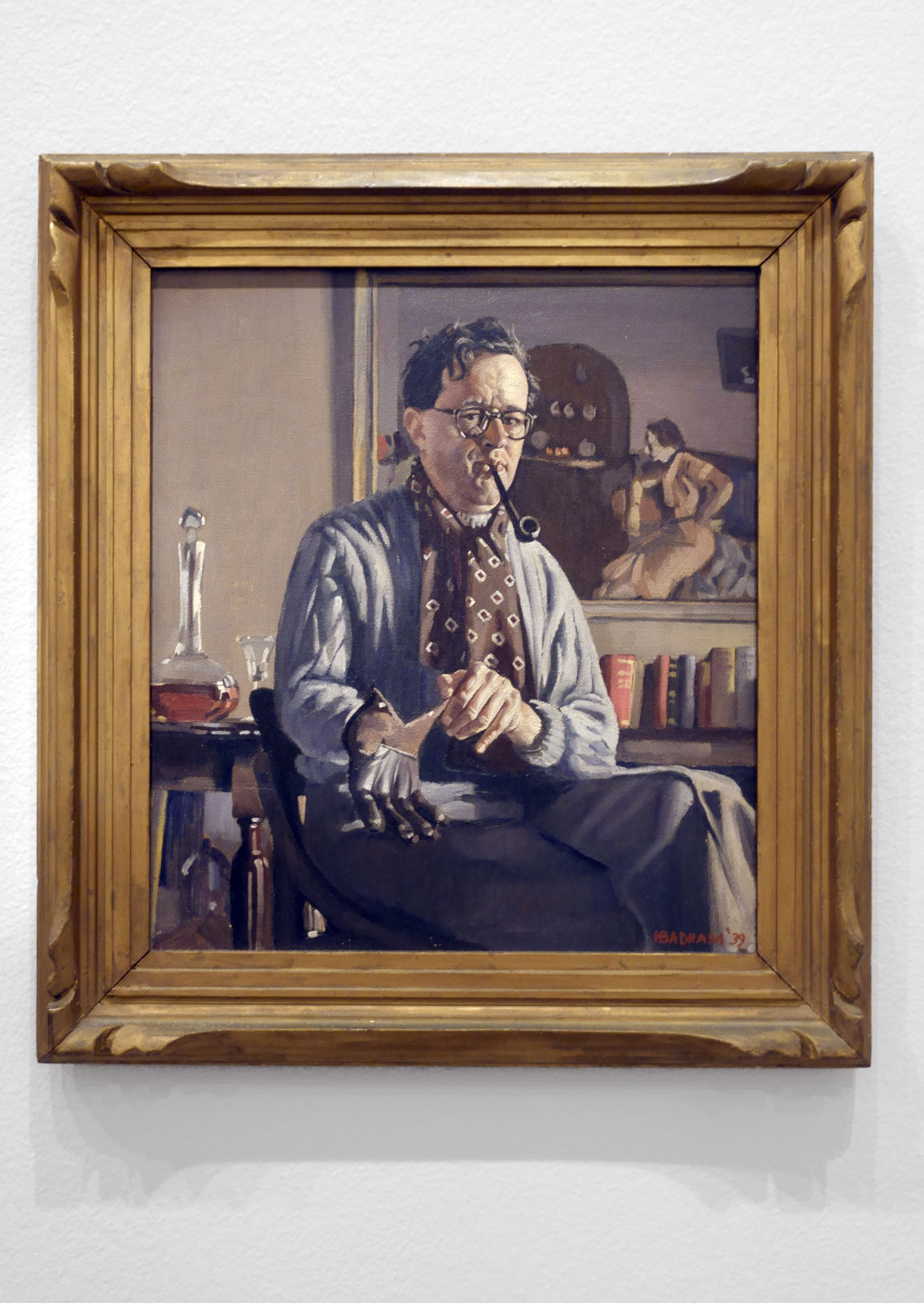


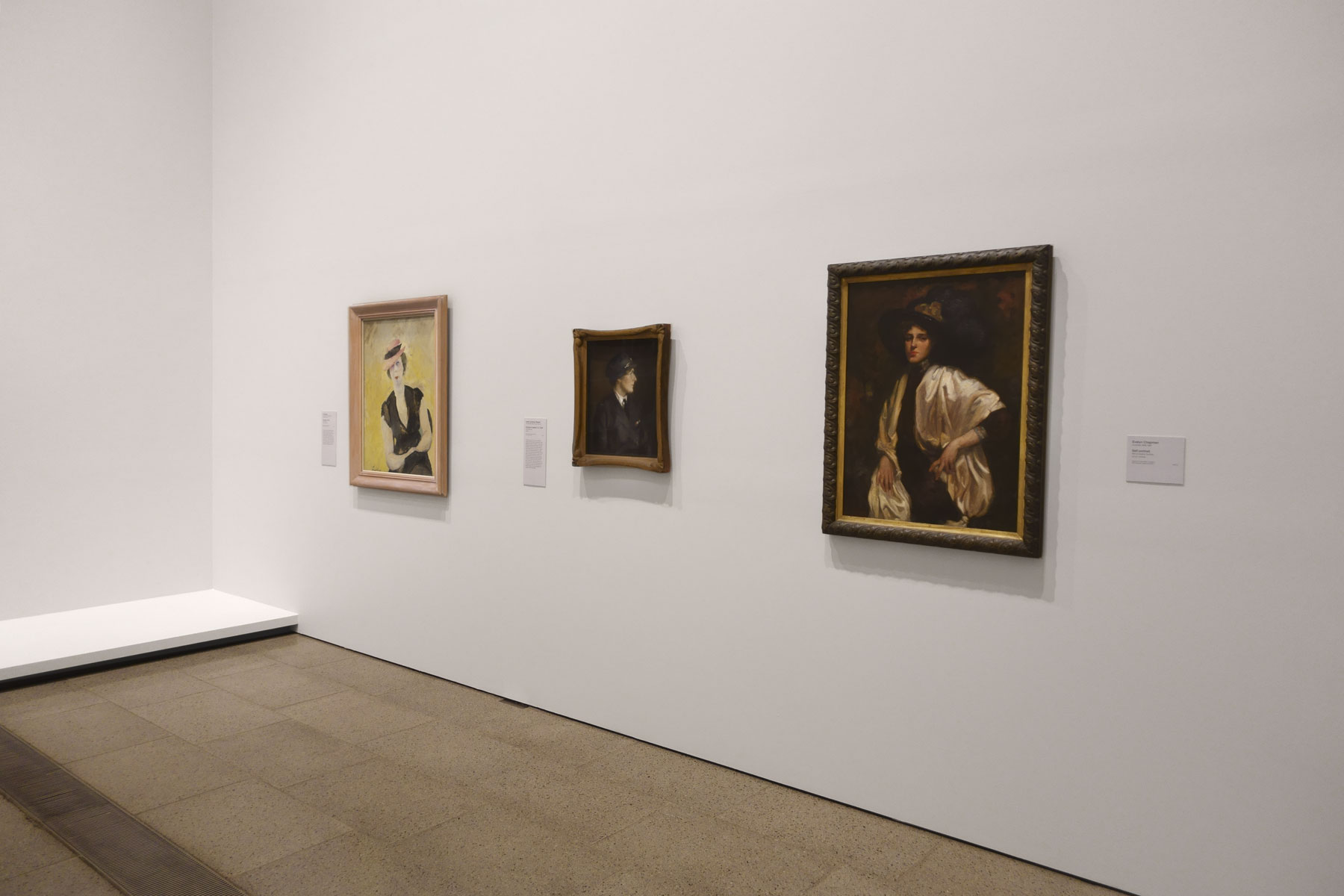


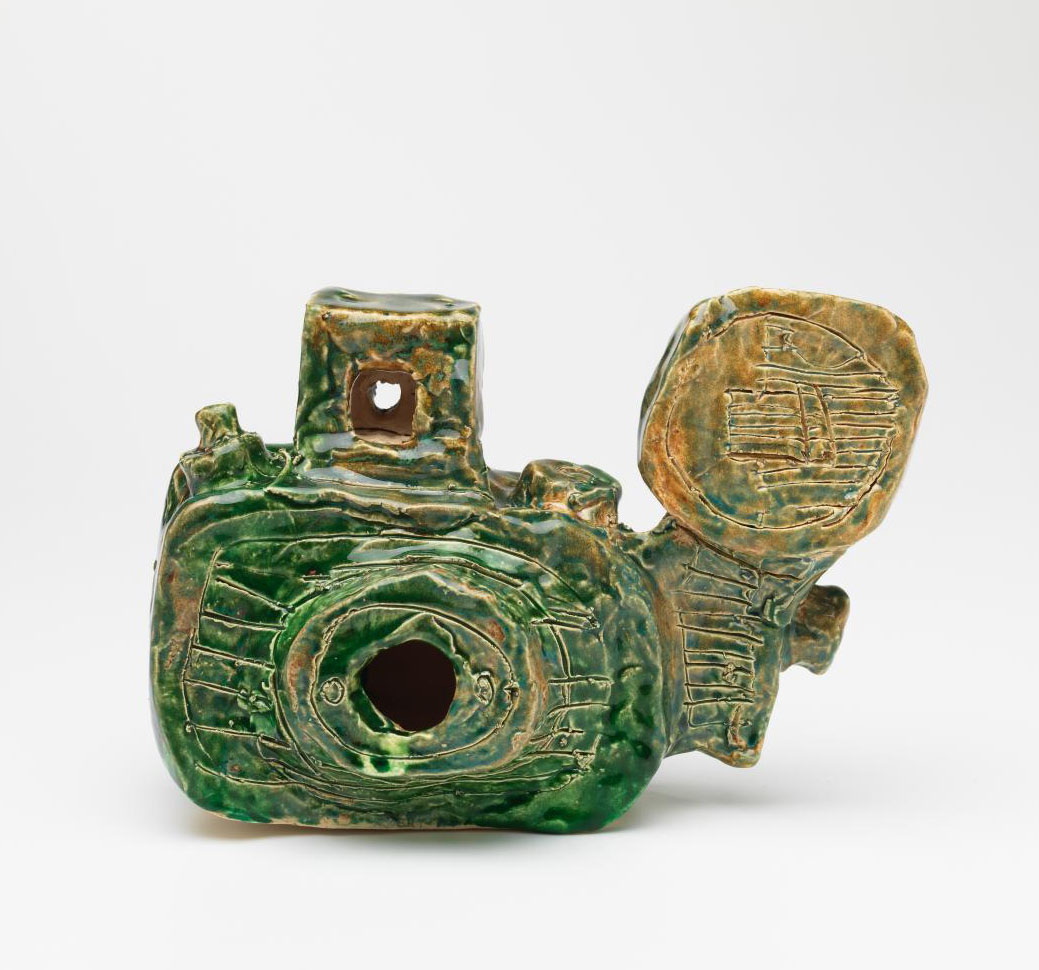
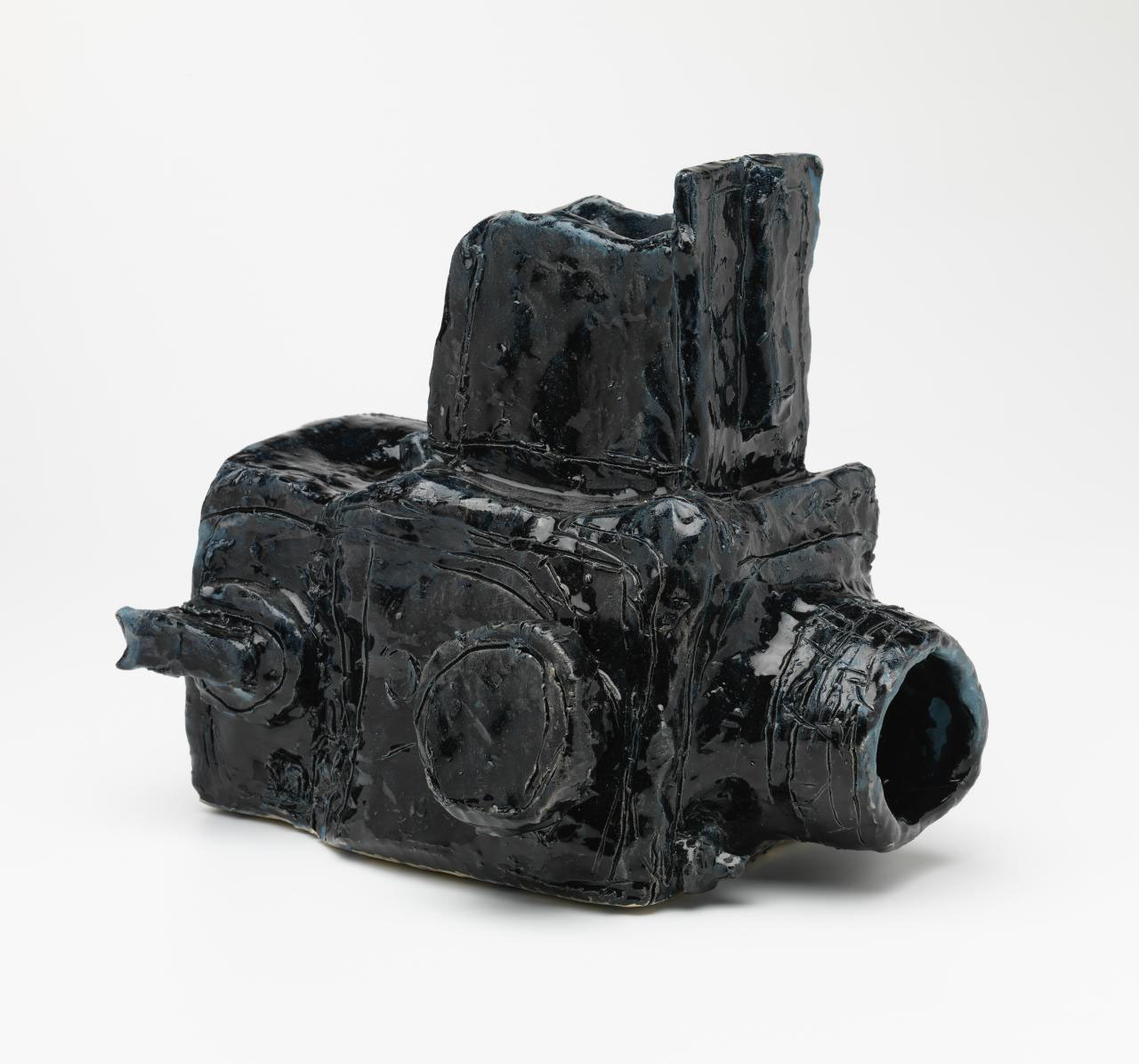


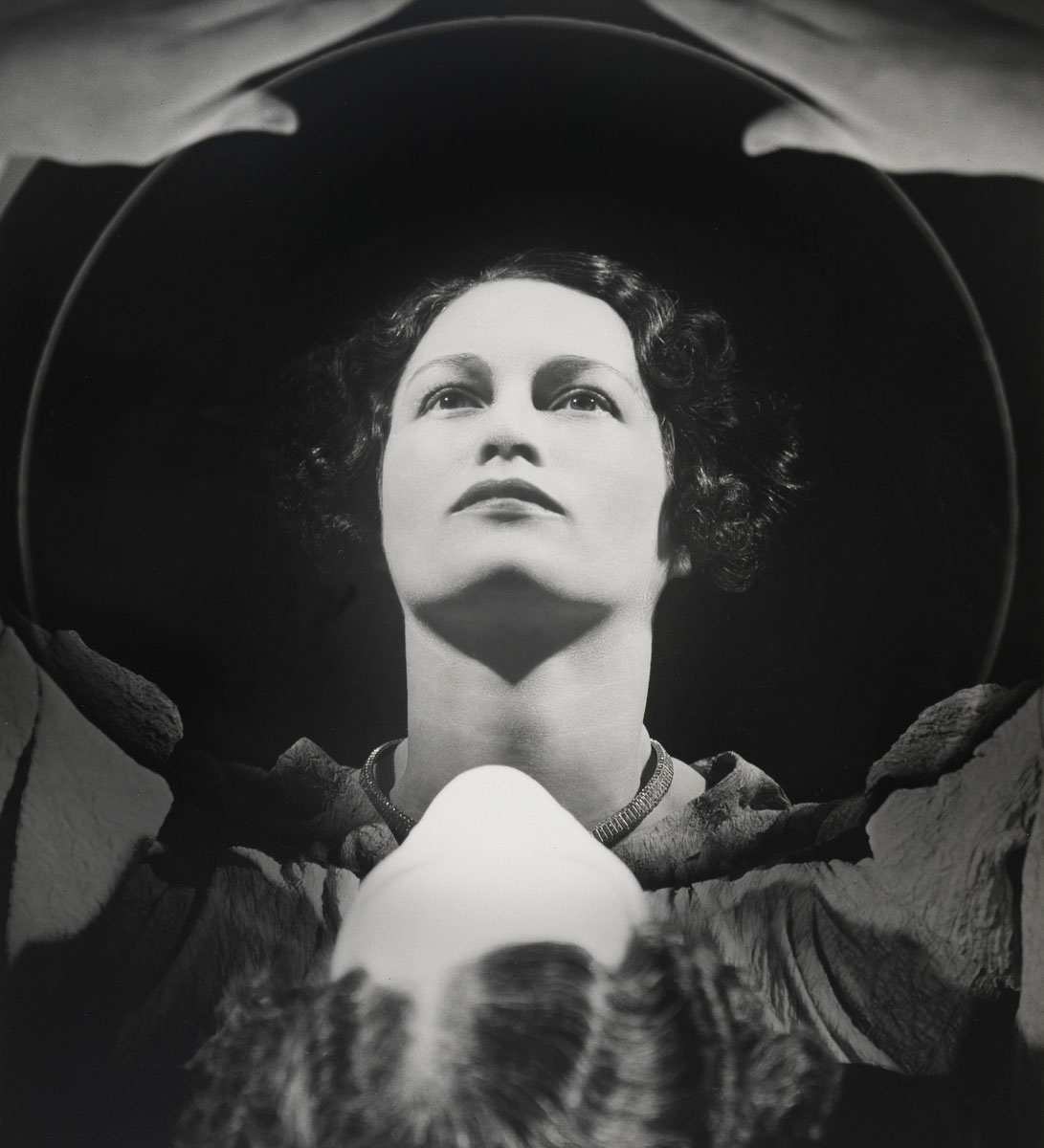

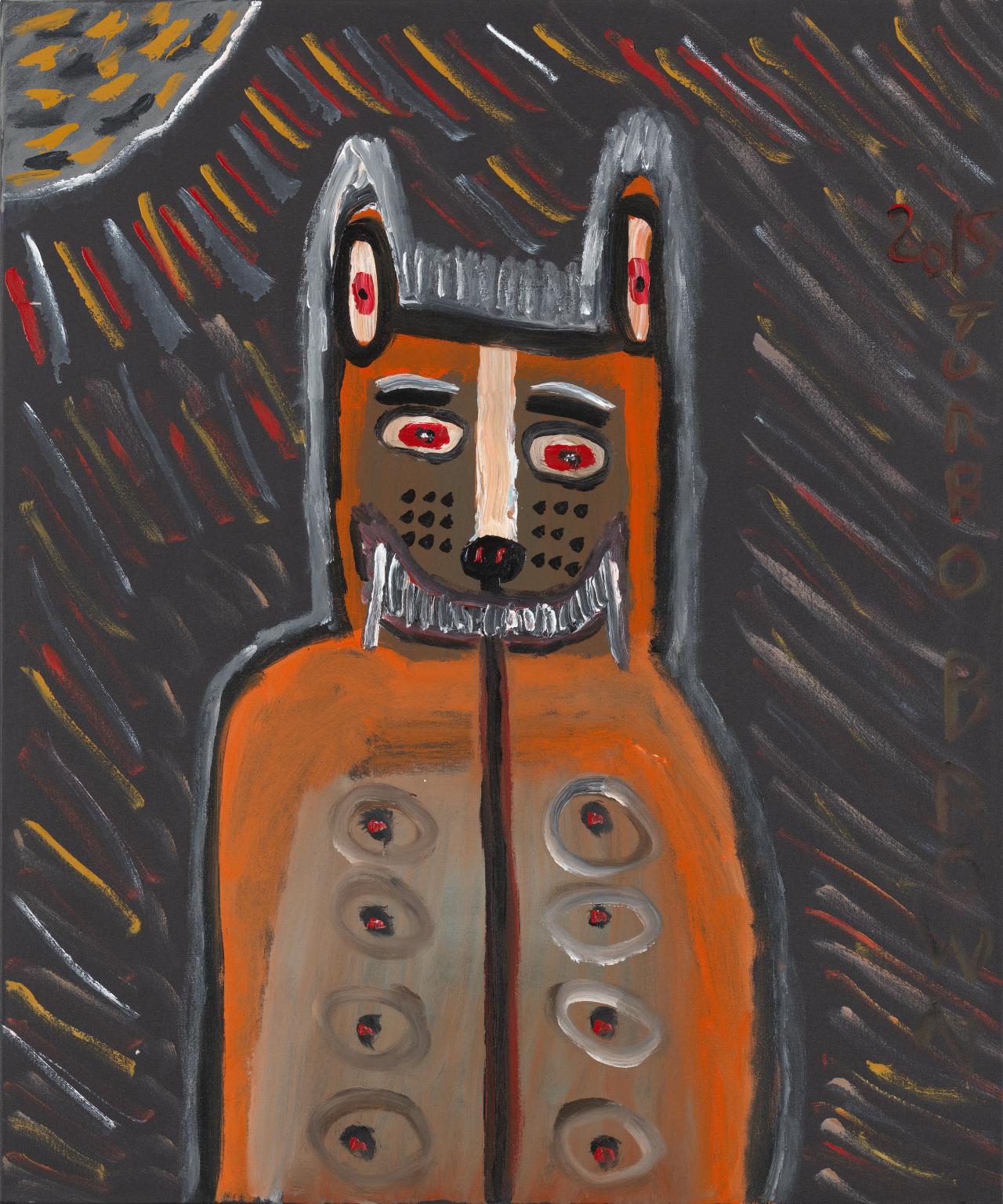

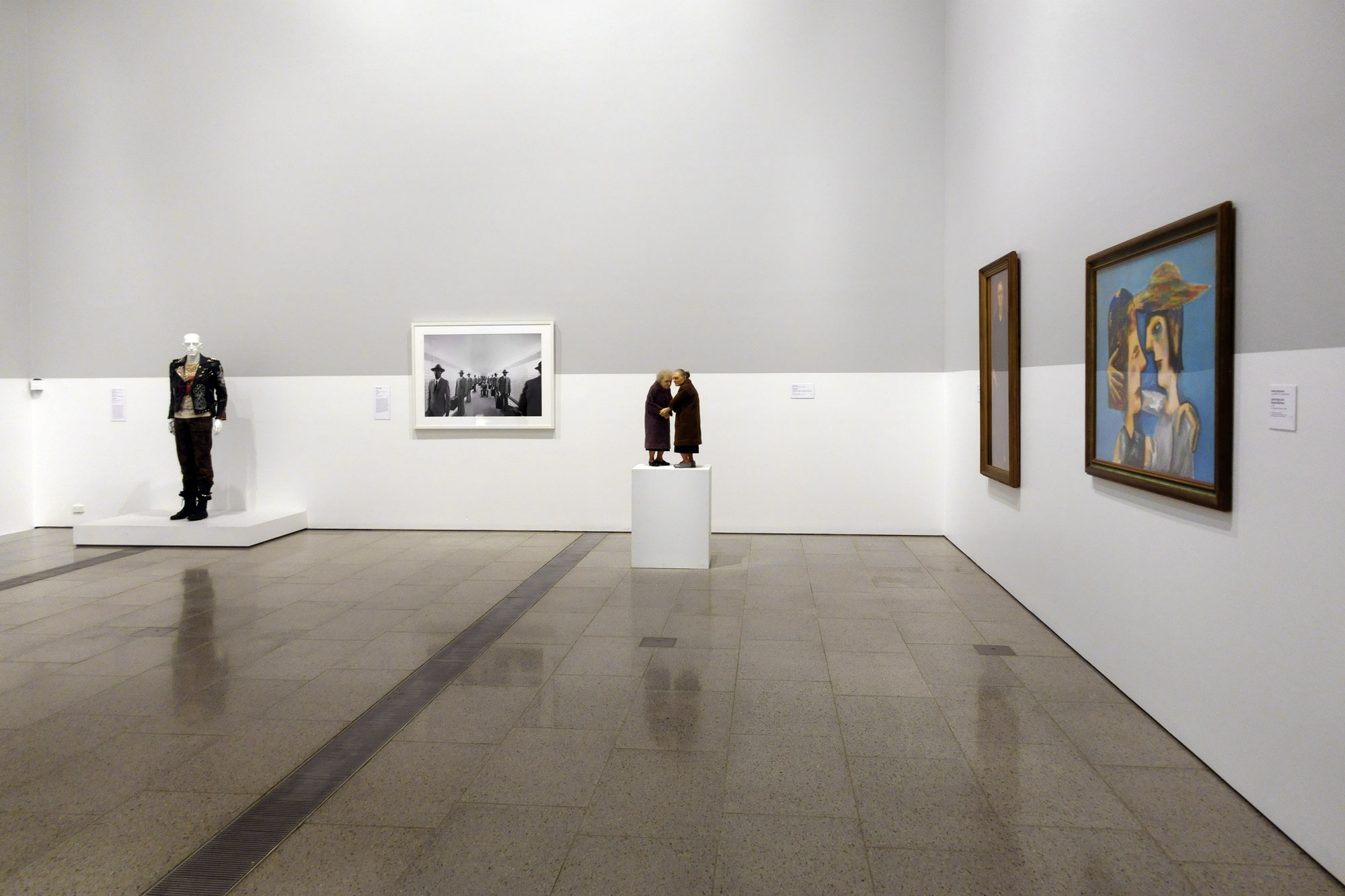


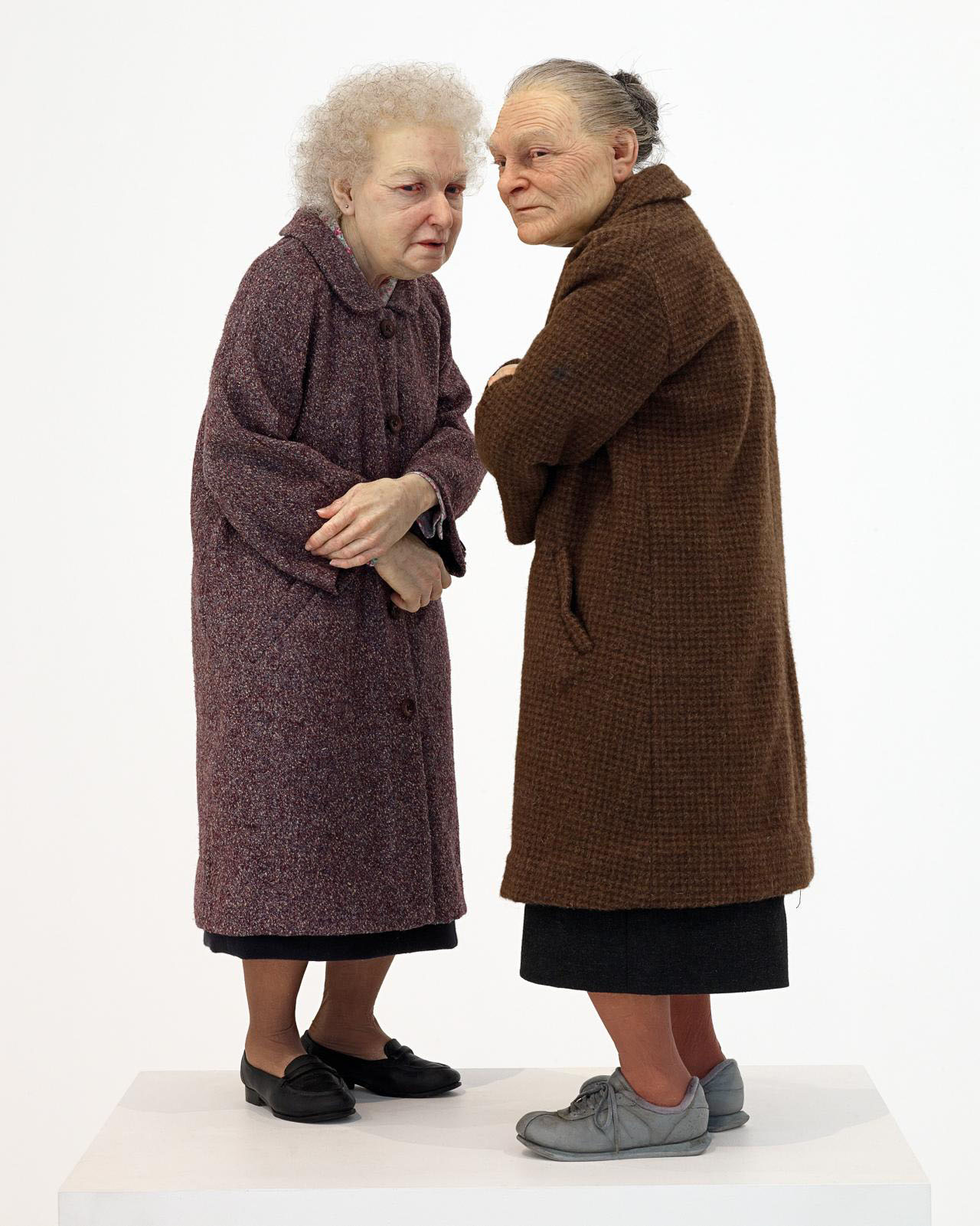


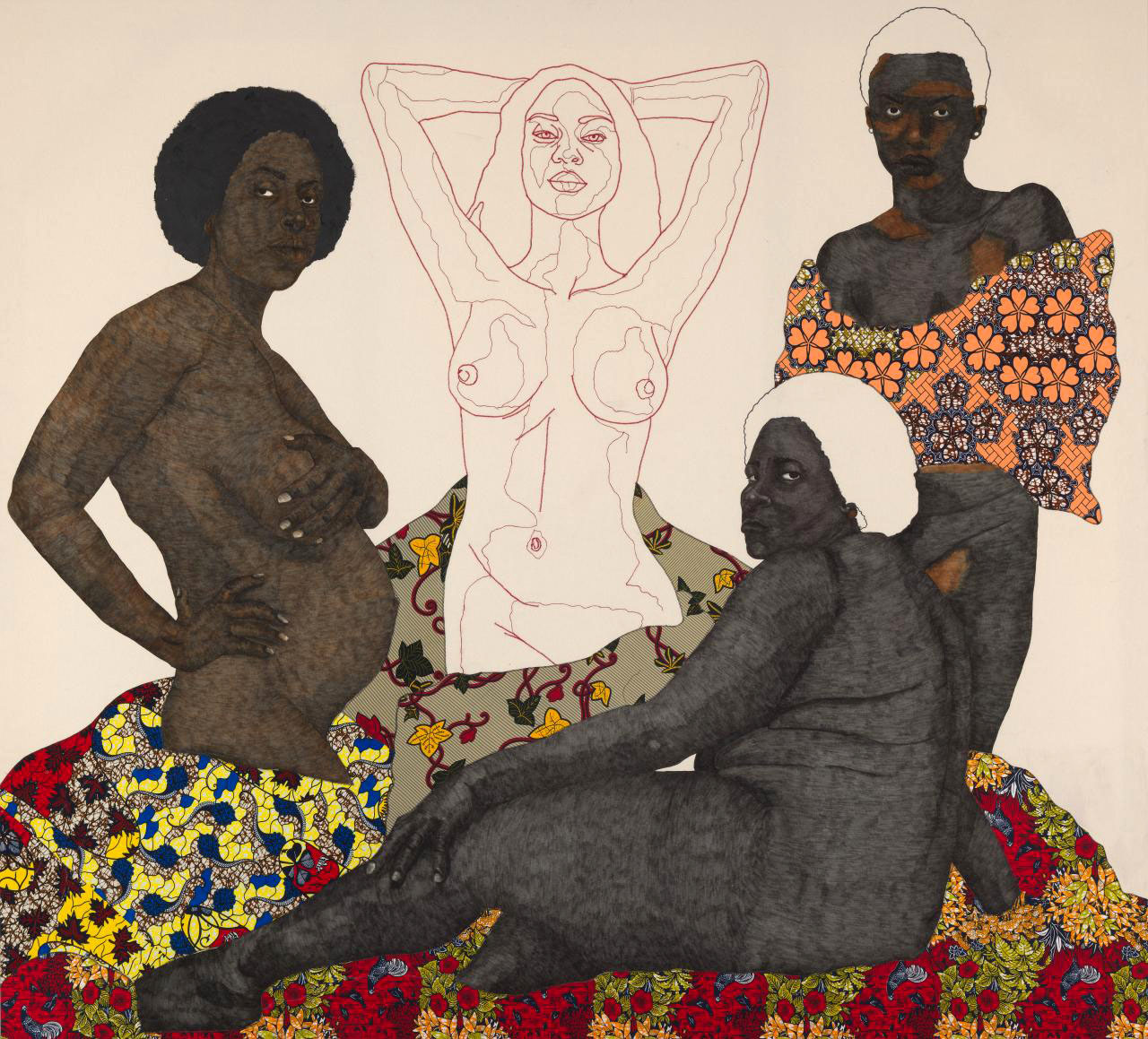


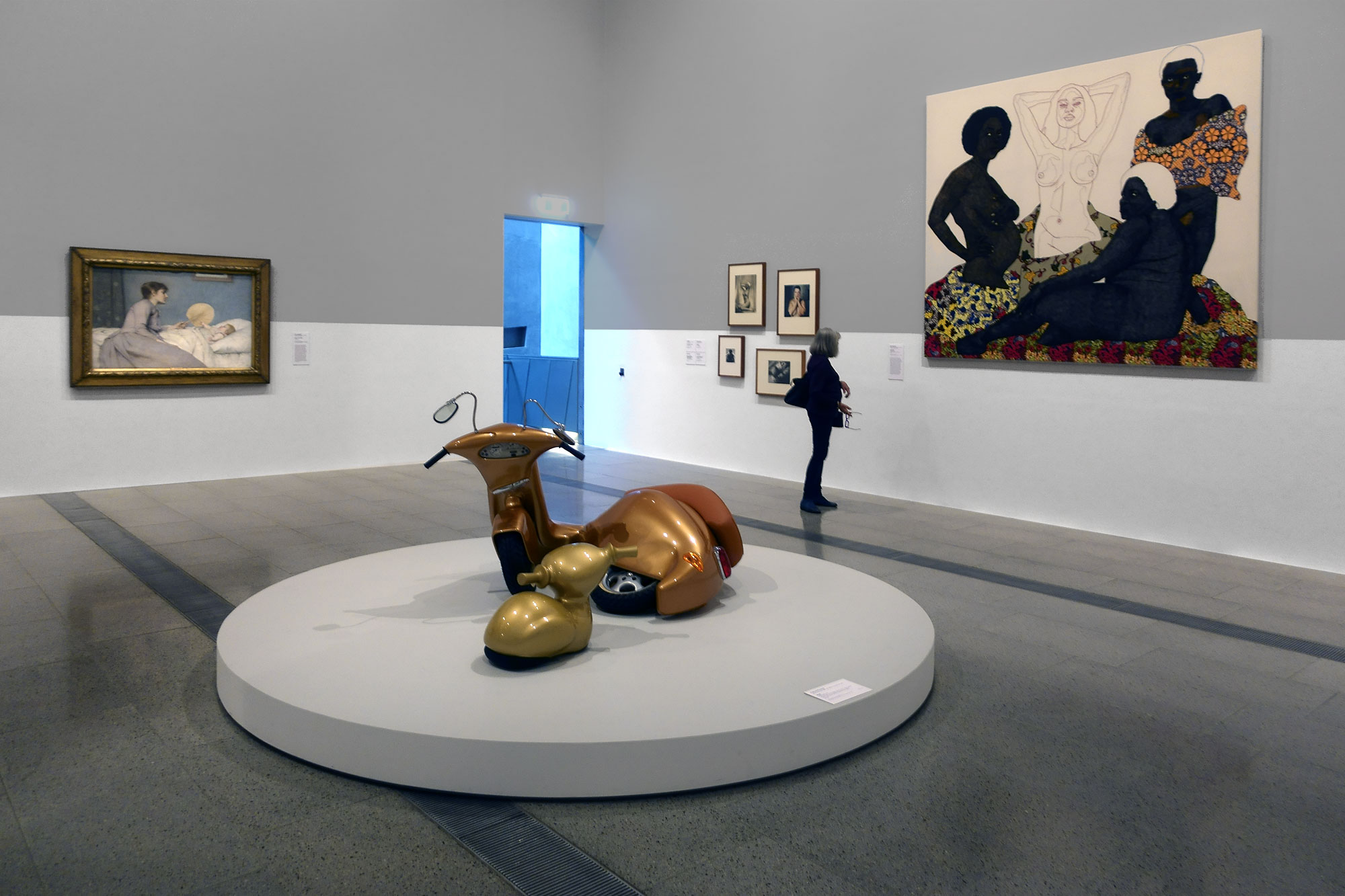


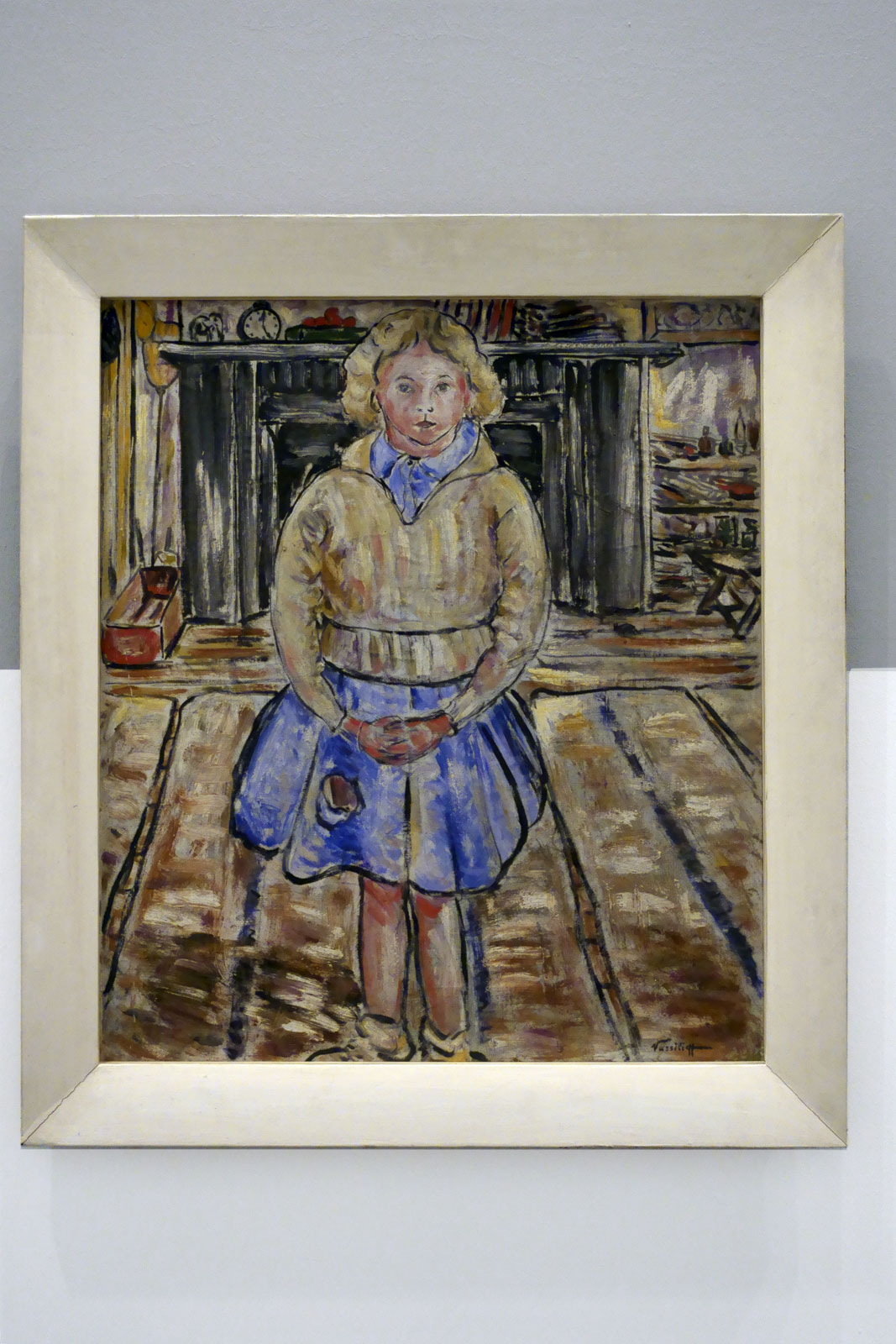
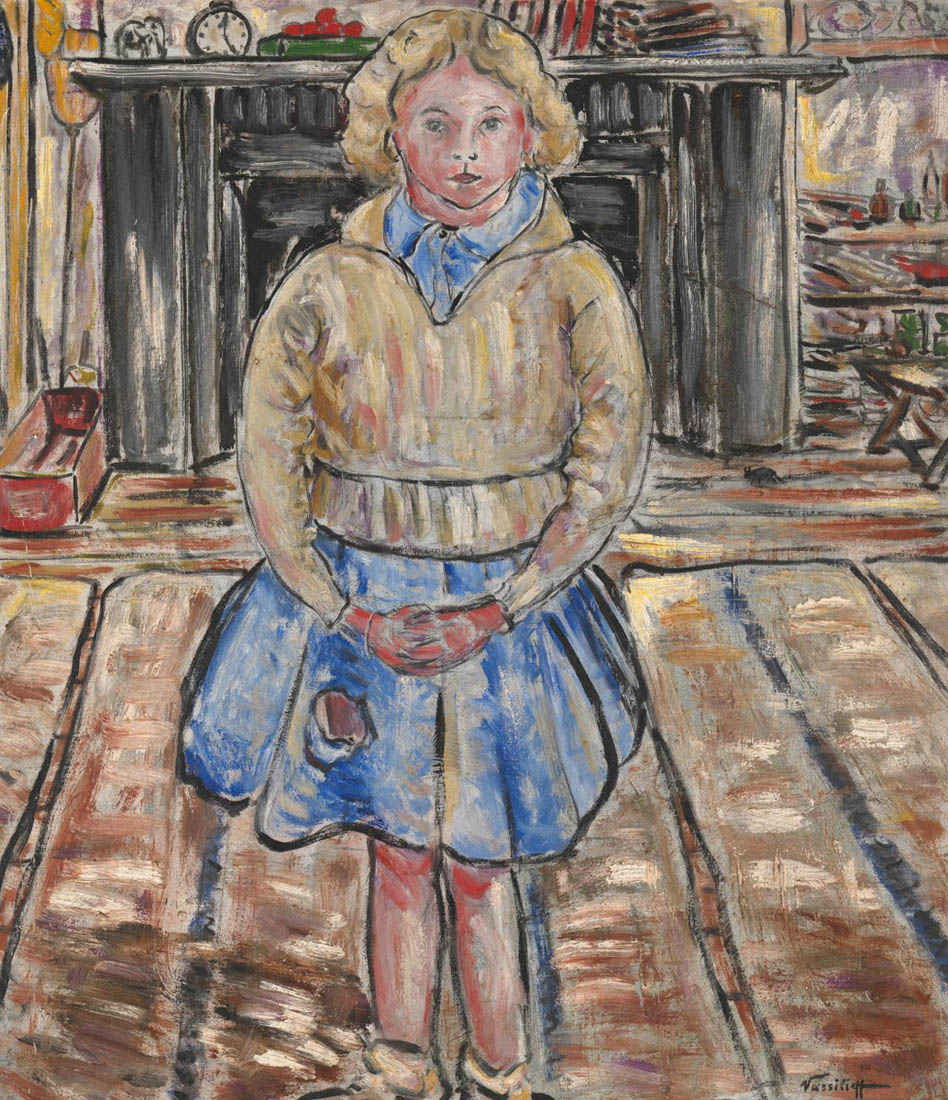


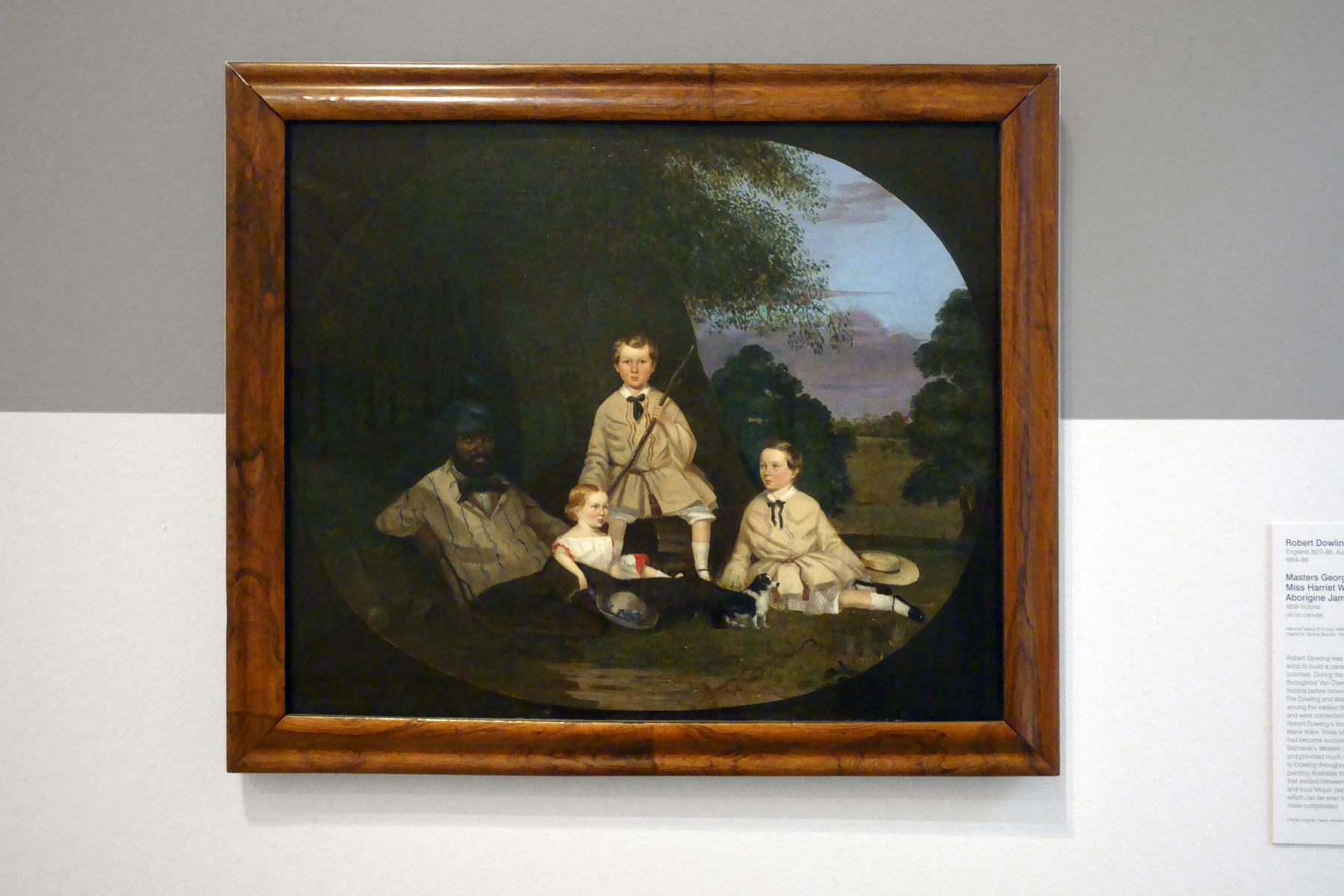


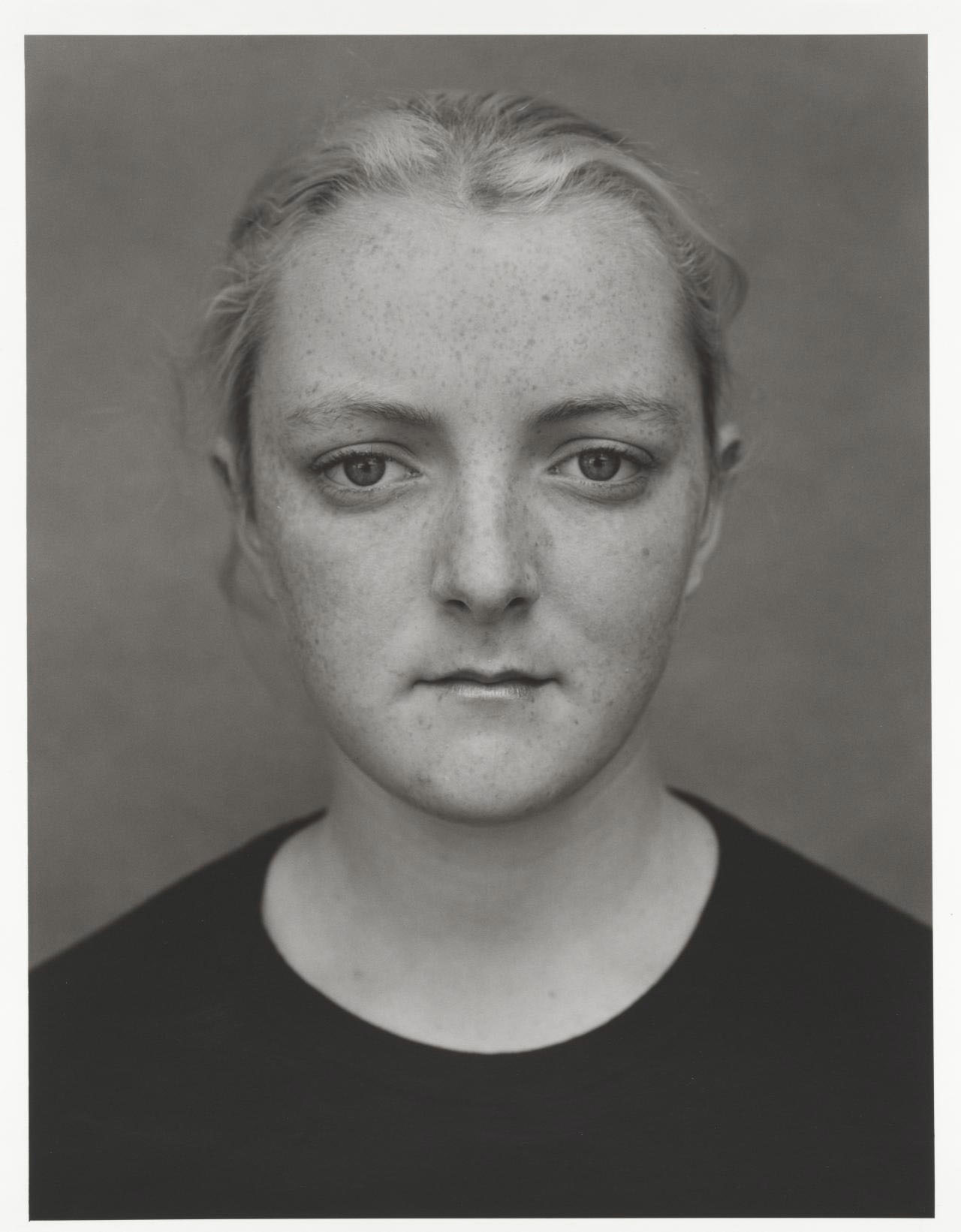
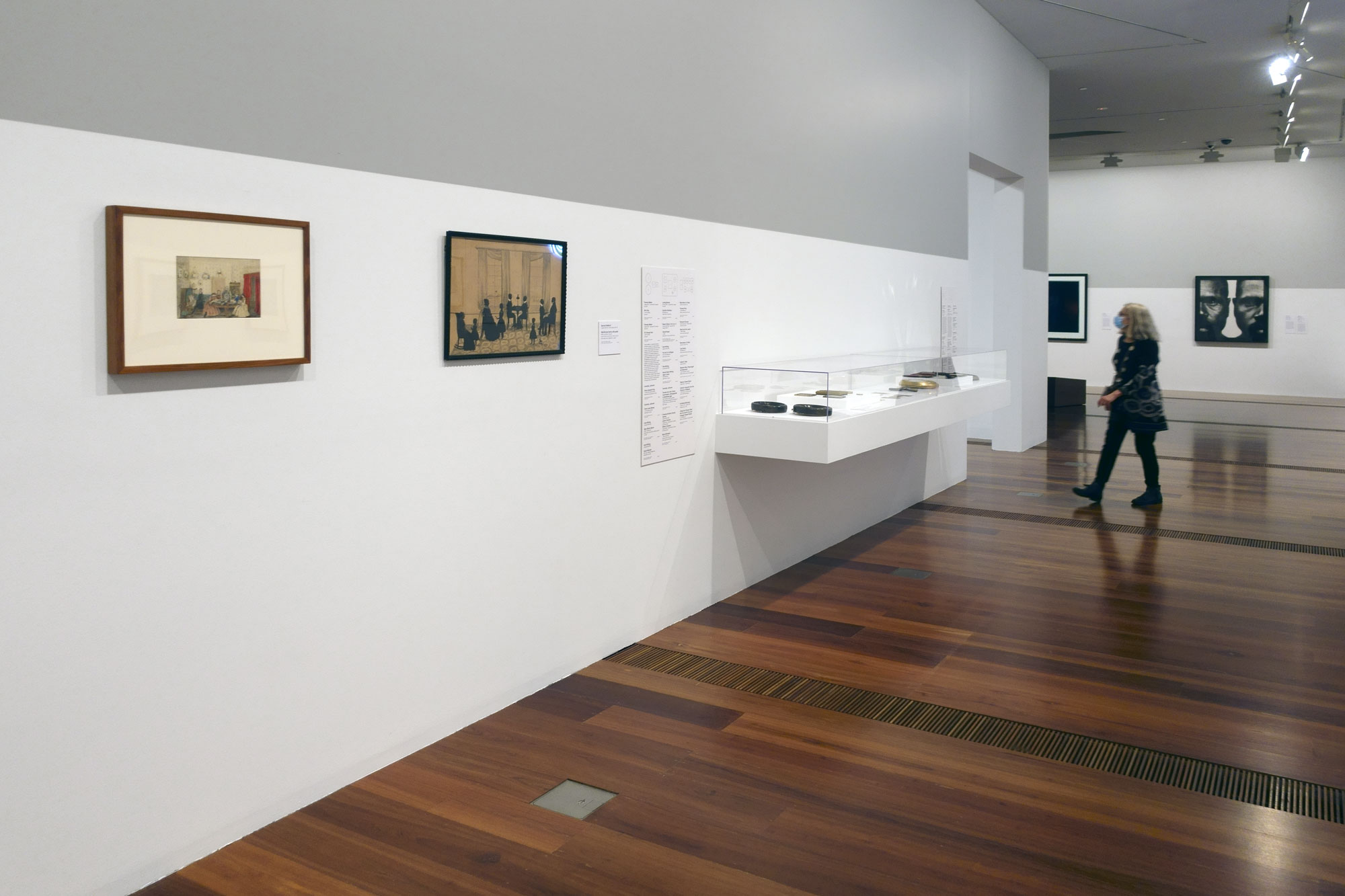


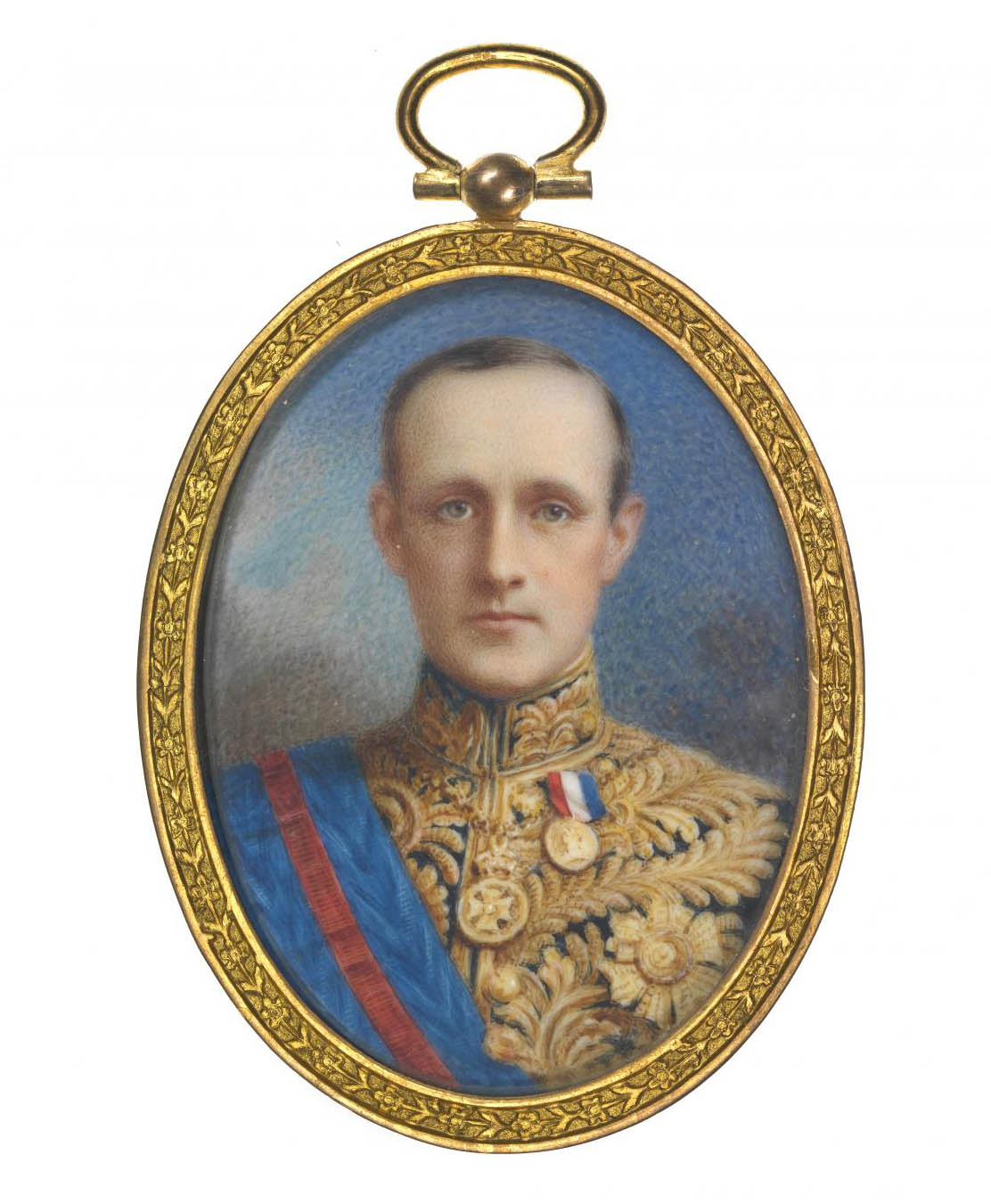
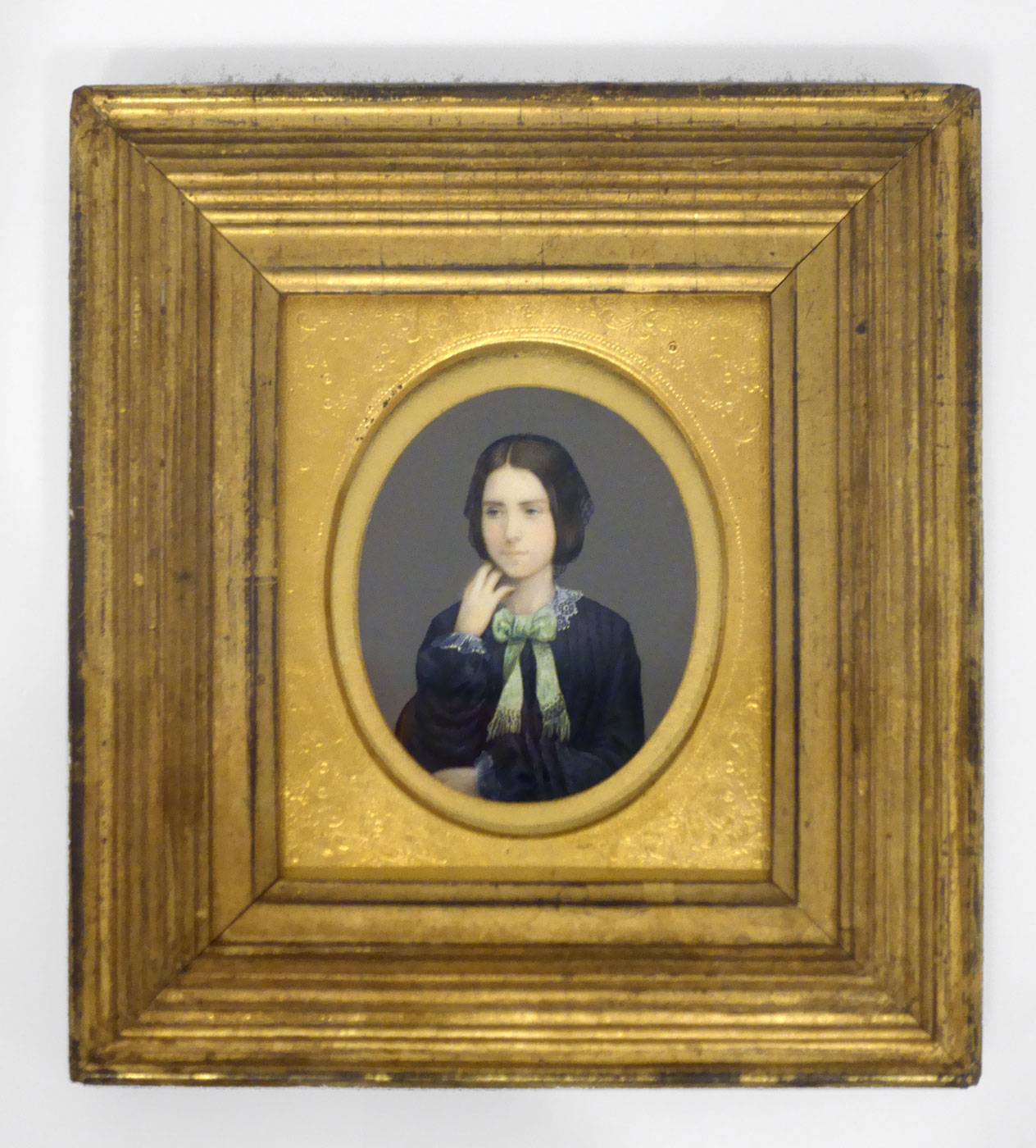


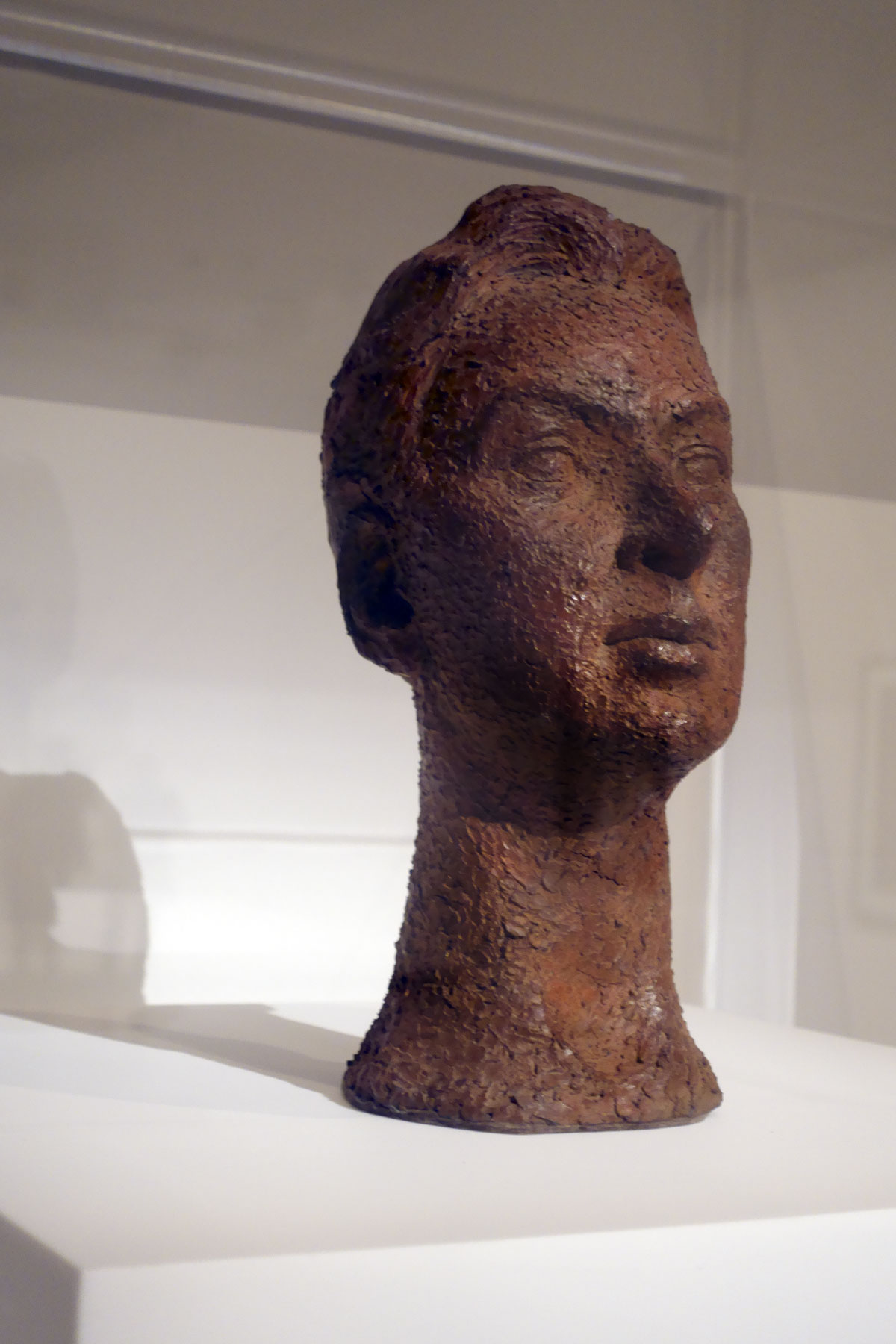


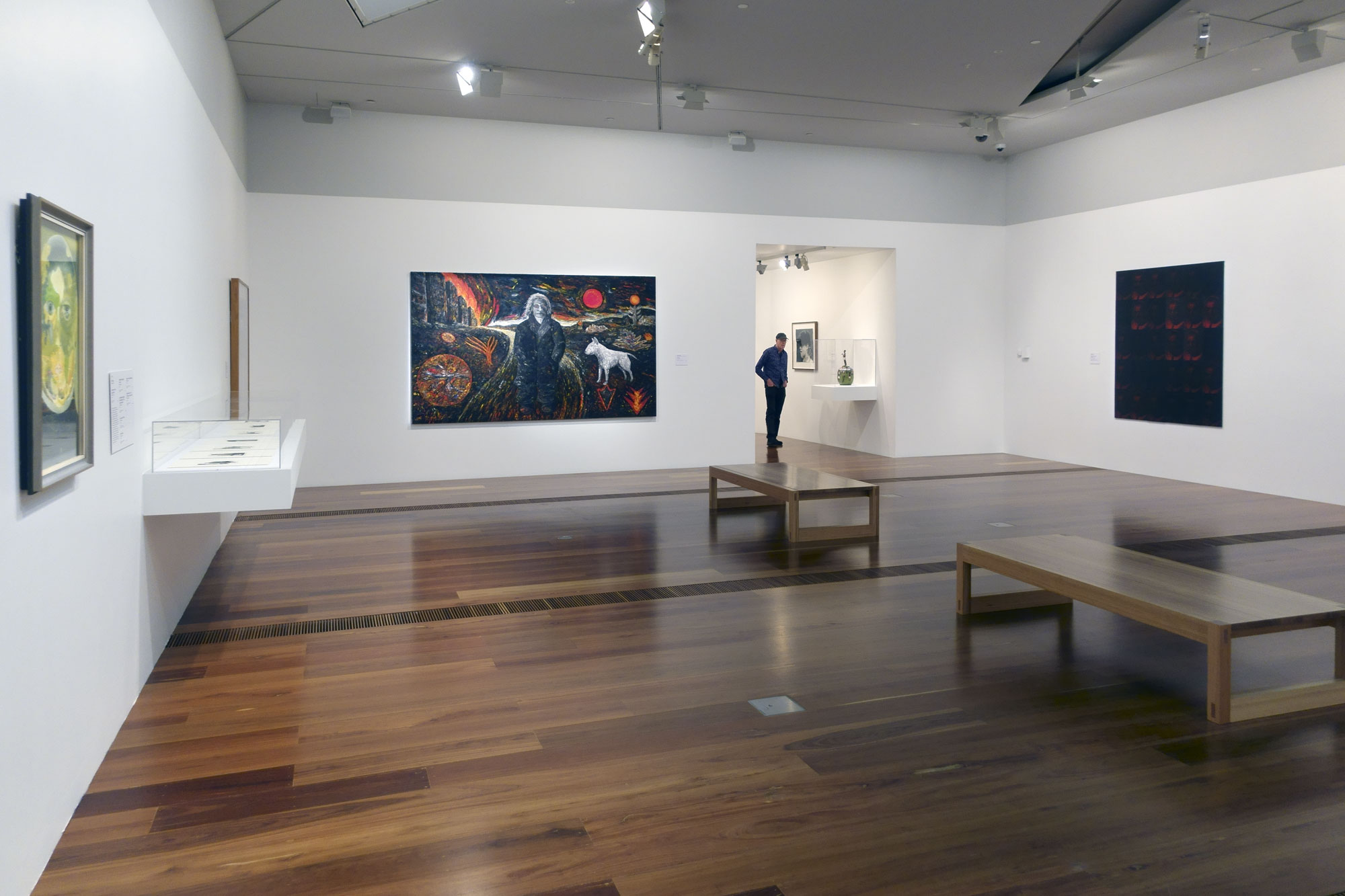


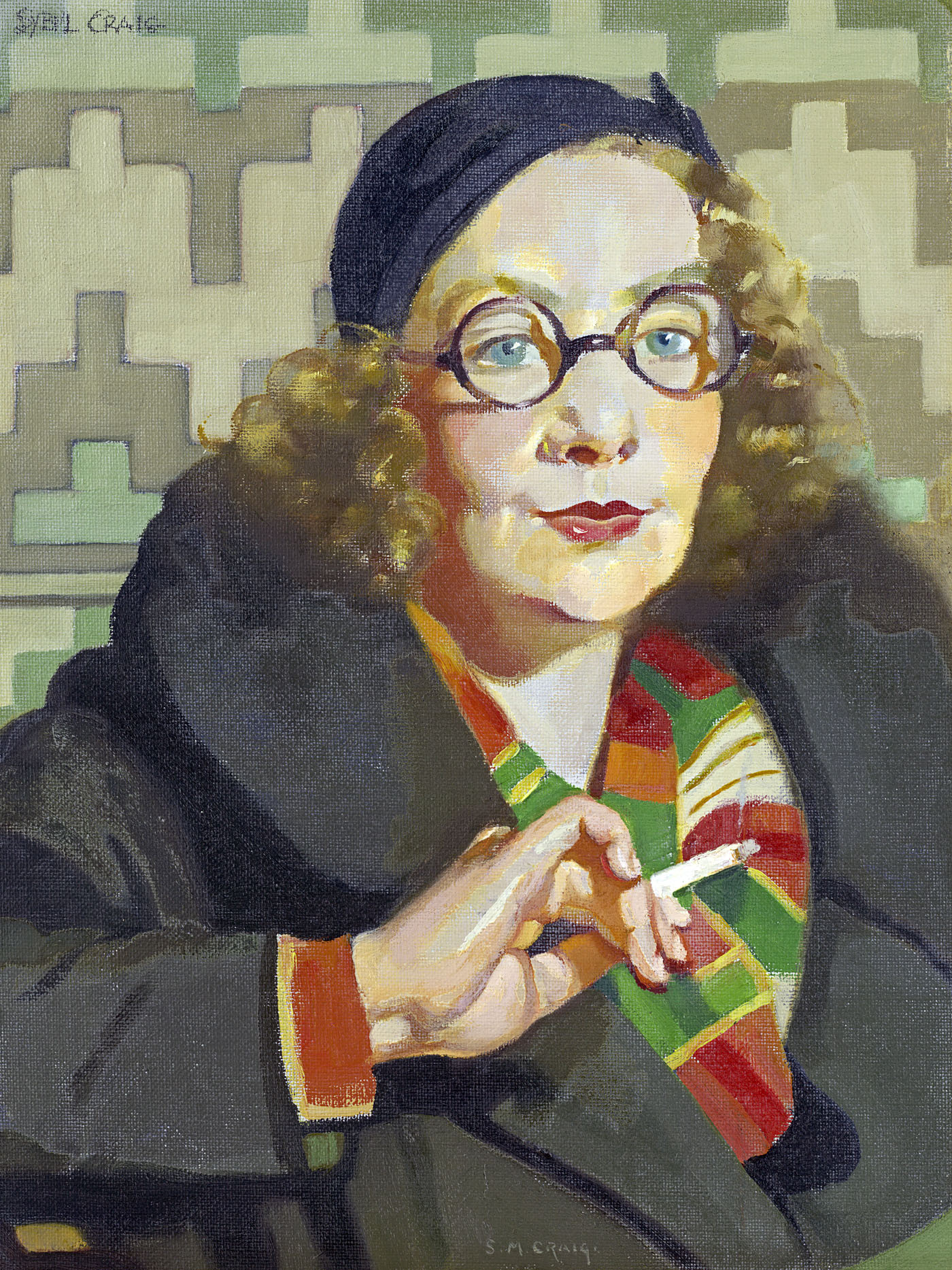


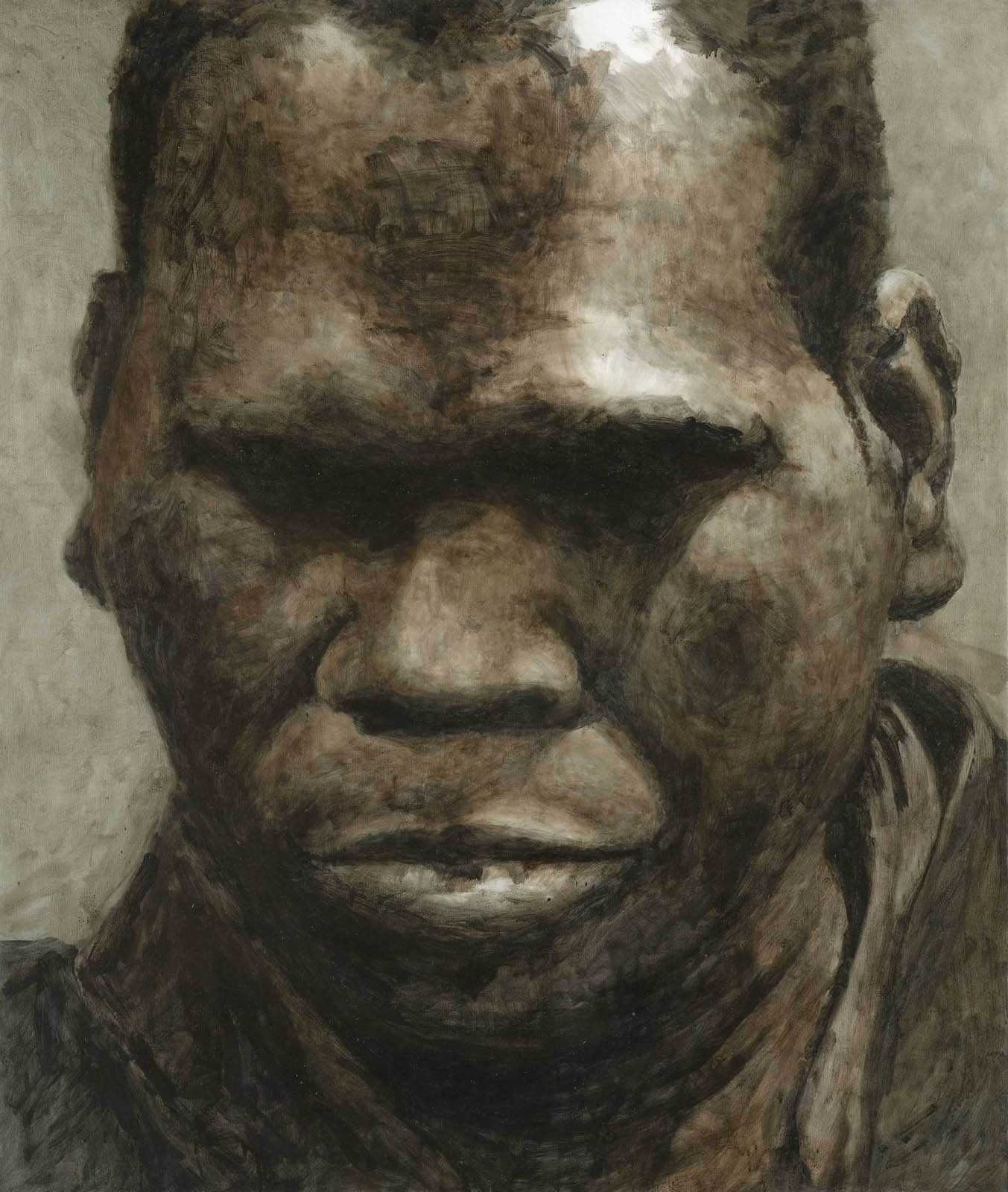


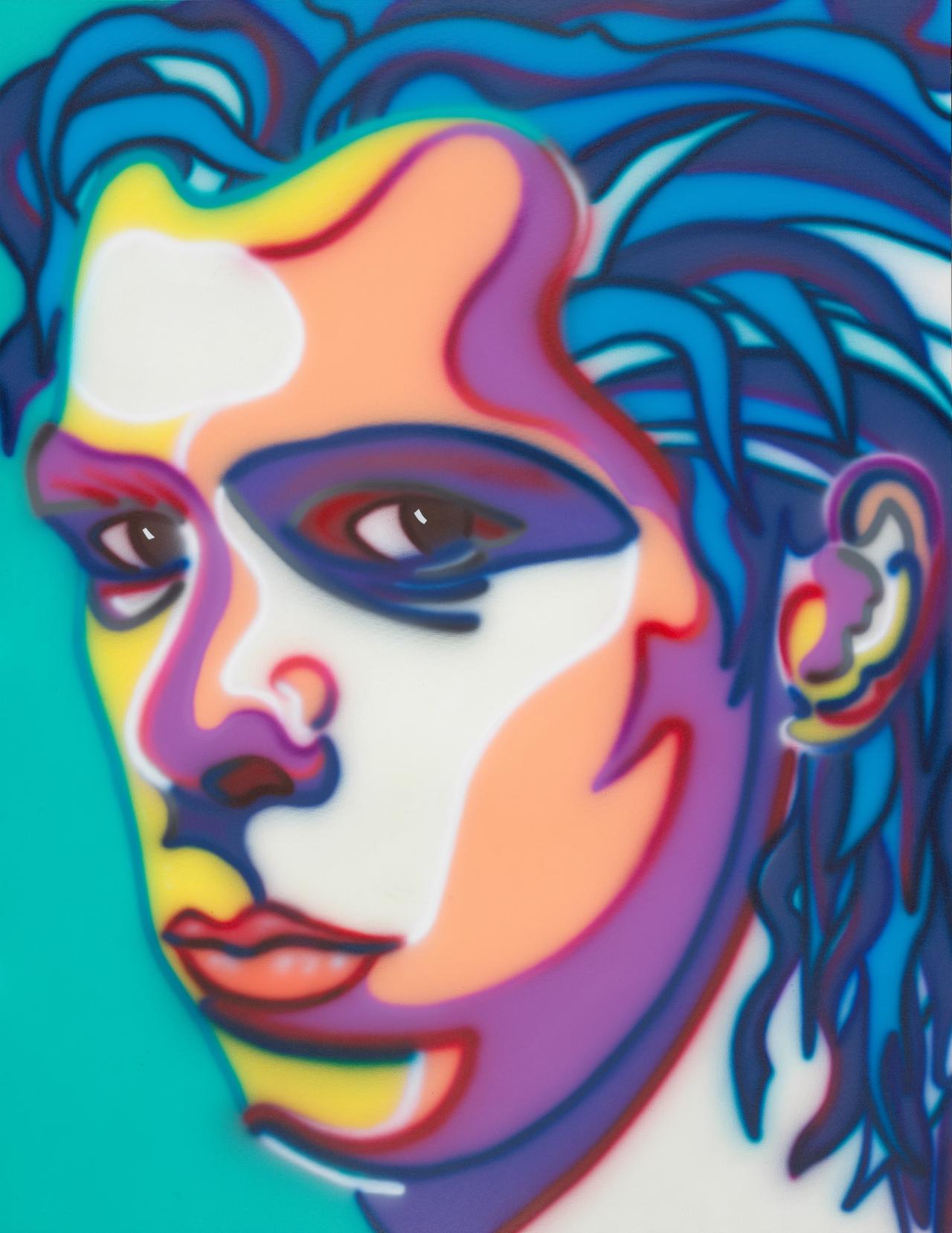

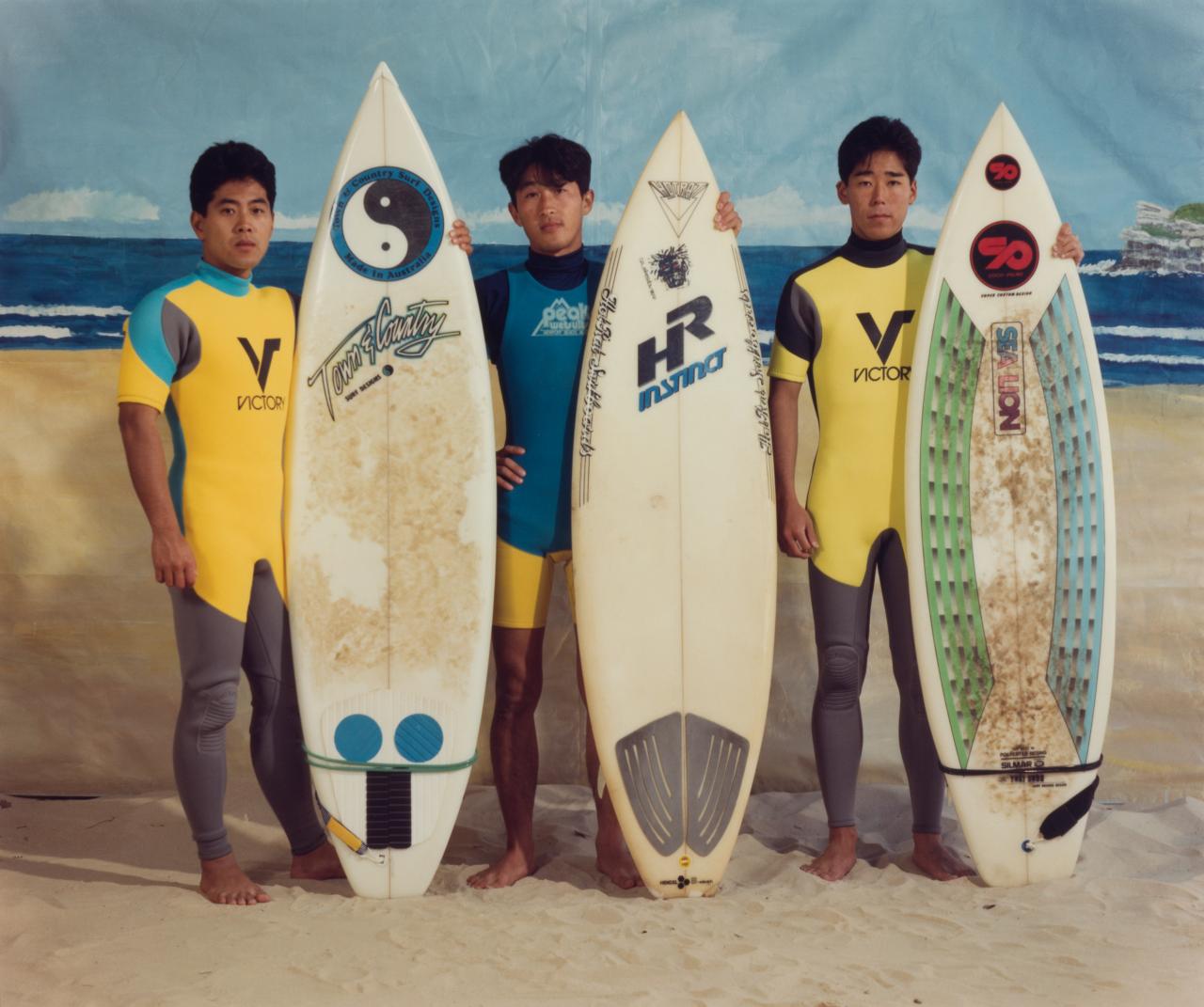


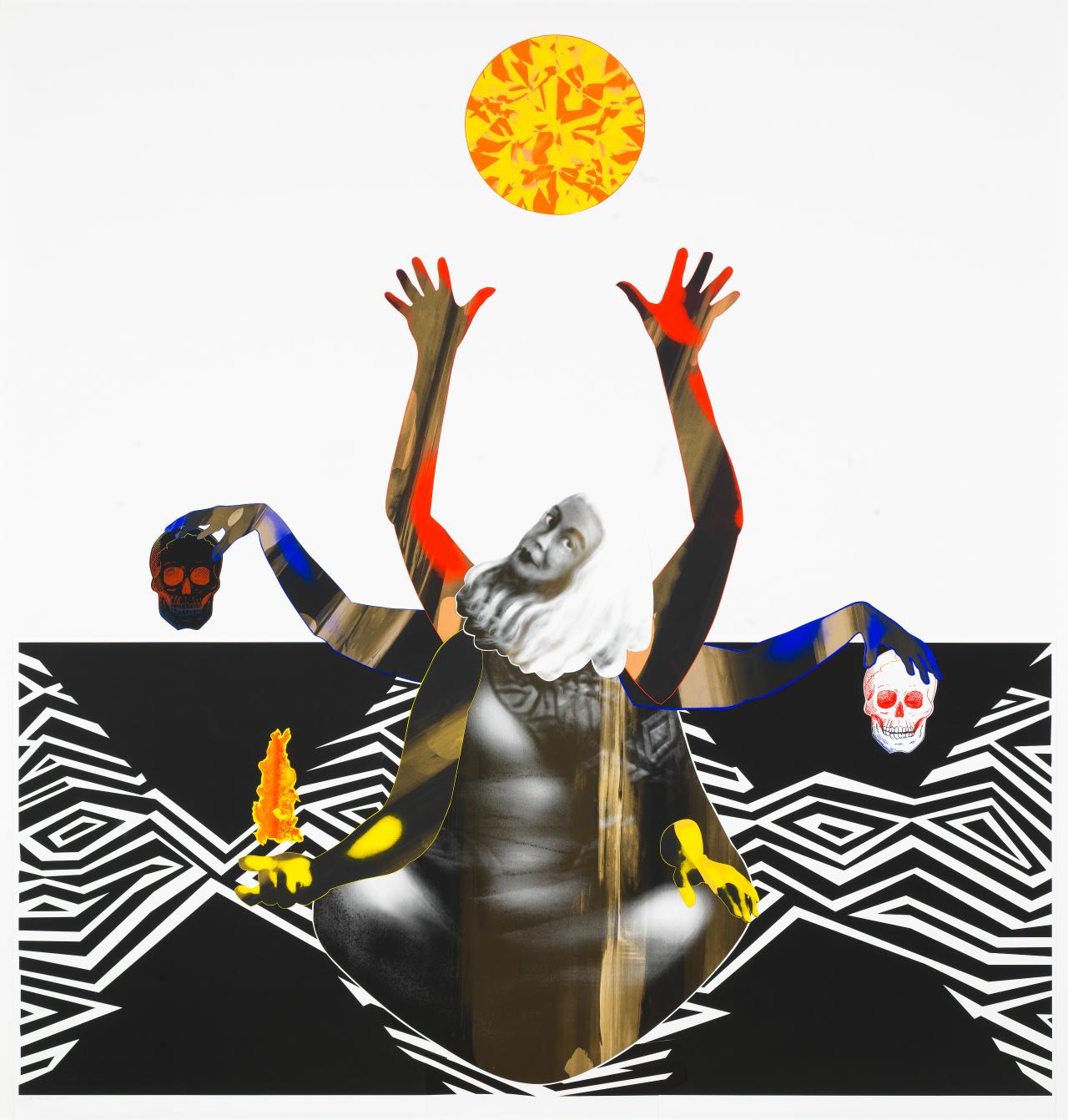


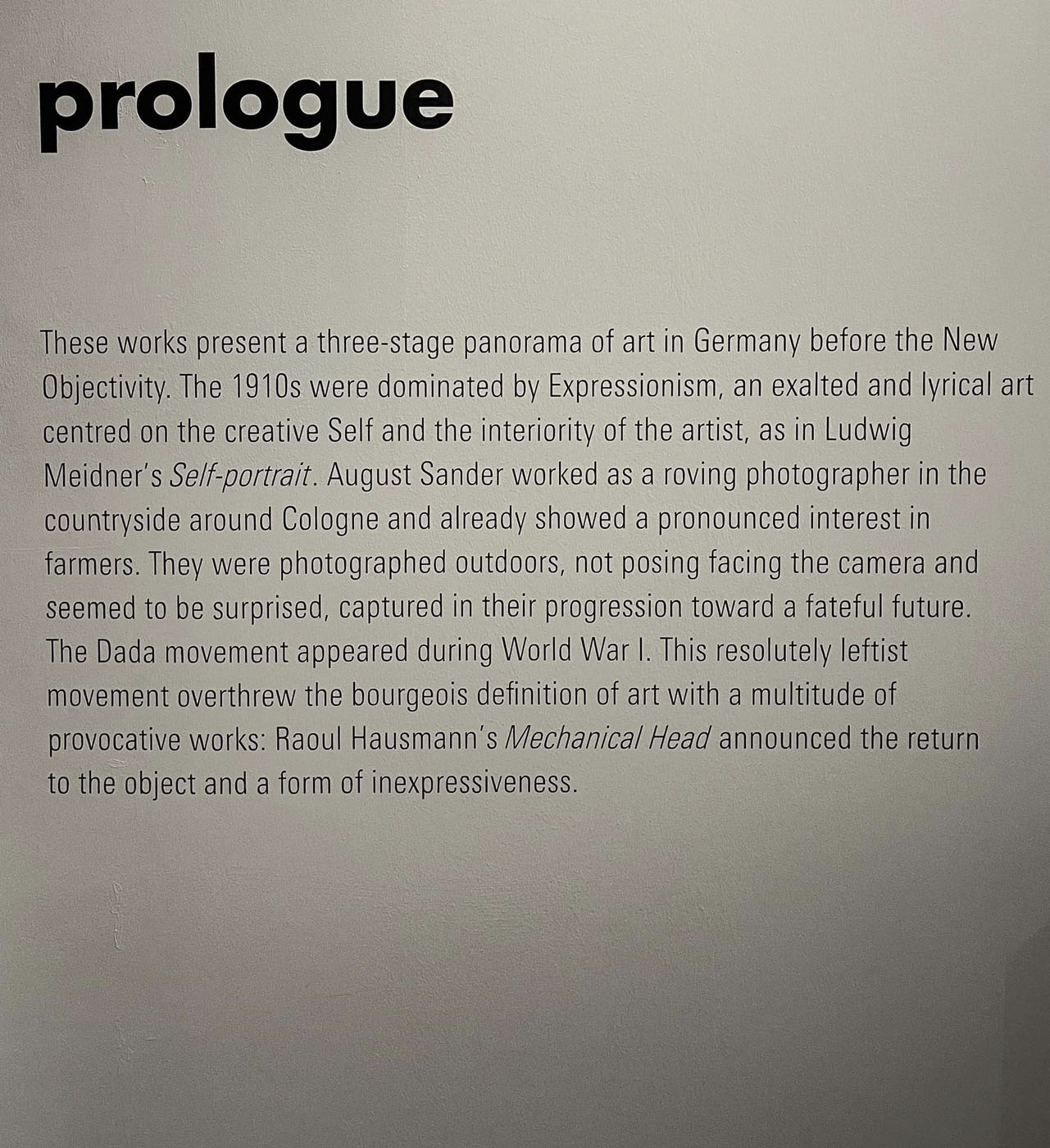








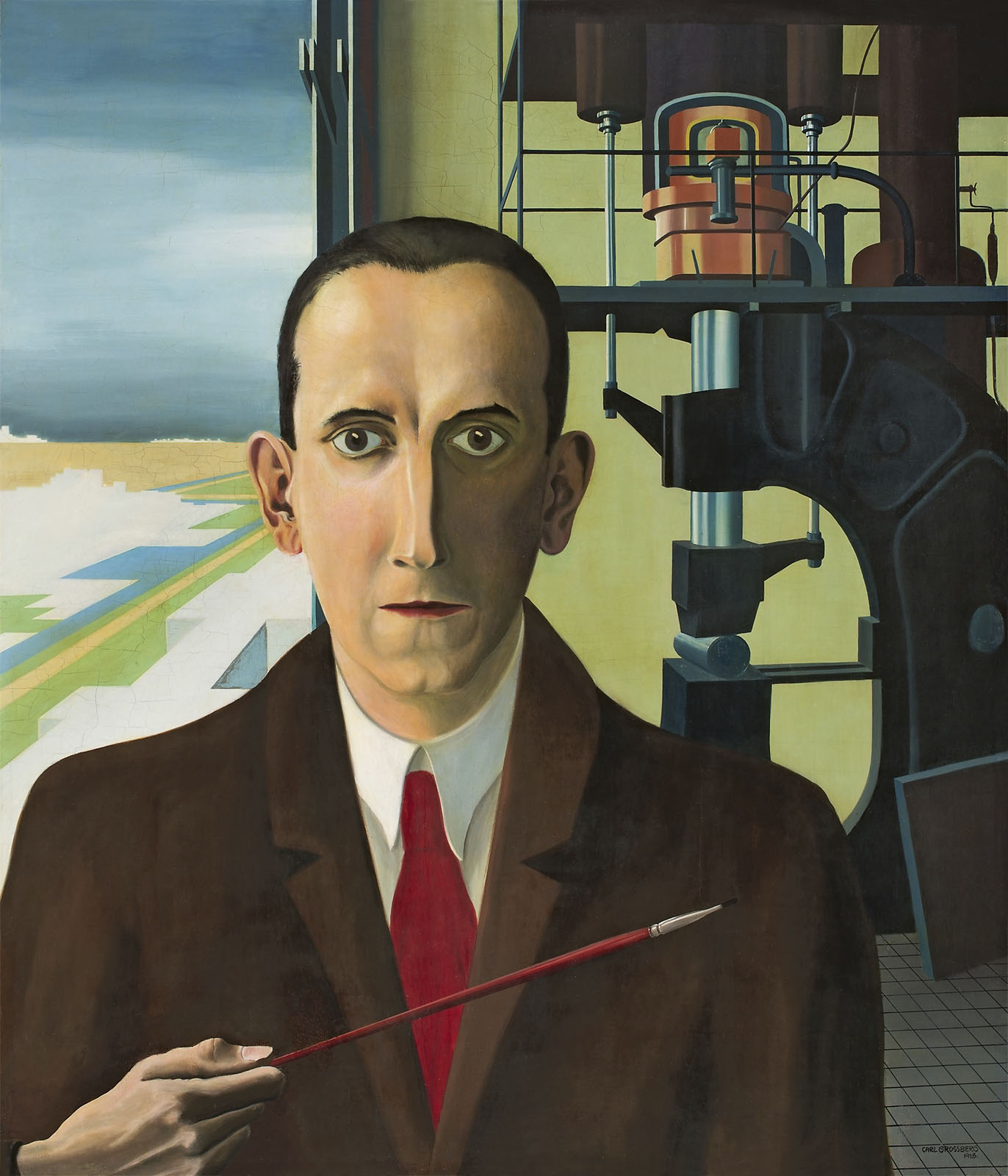


![August Sander (German, 1876-1964) '[Unemployed Man in Winter Coat, Hat in Hand]' 1920](https://artblart.com/wp-content/uploads/2013/10/unemployed-man-in-winter-coat-hat-in-hand-1920-august-sander1.jpg "August Sander (German, 1876-1964) '[Unemployed Man in Winter Coat, Hat in Hand]' 1920")


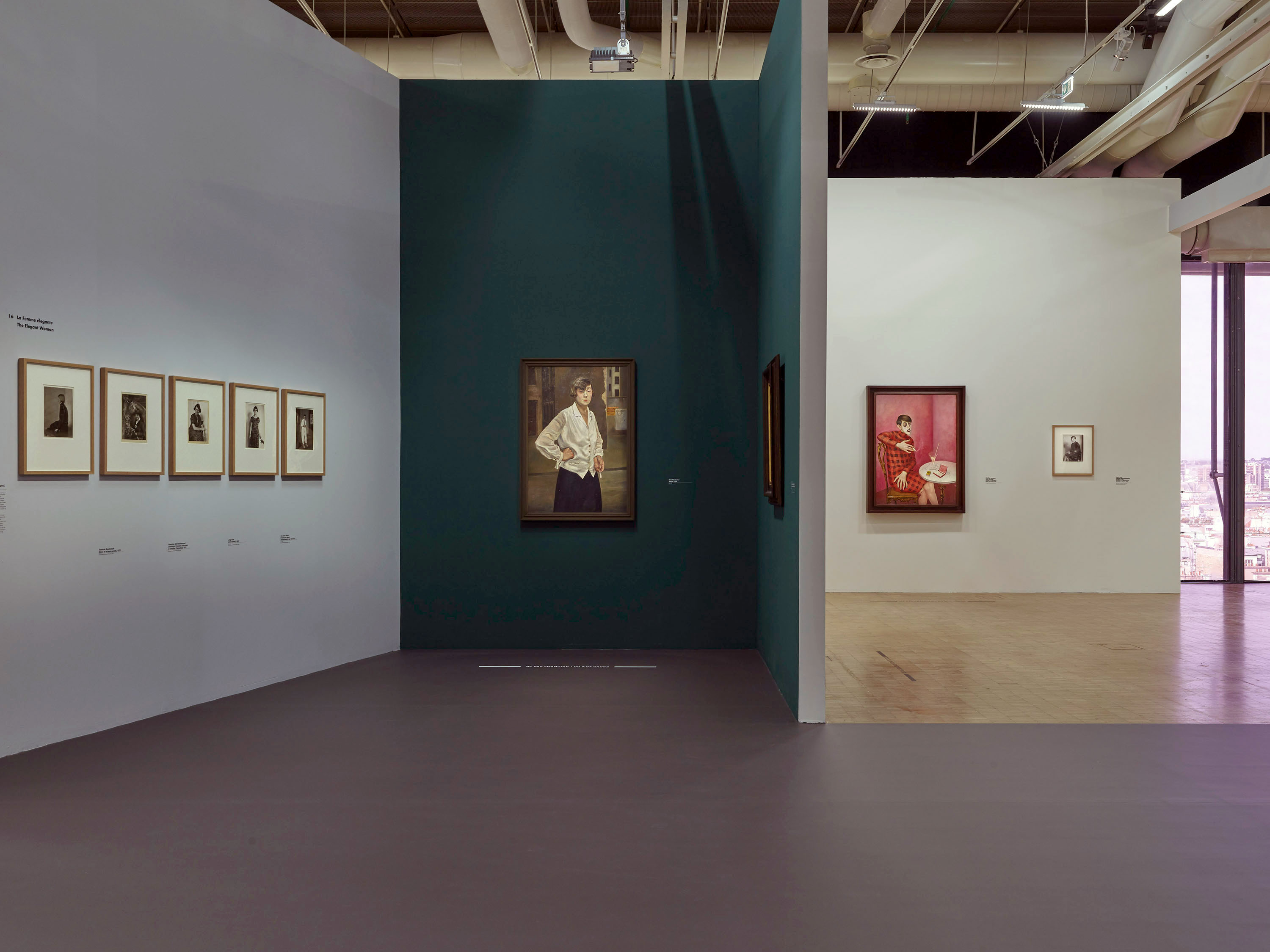


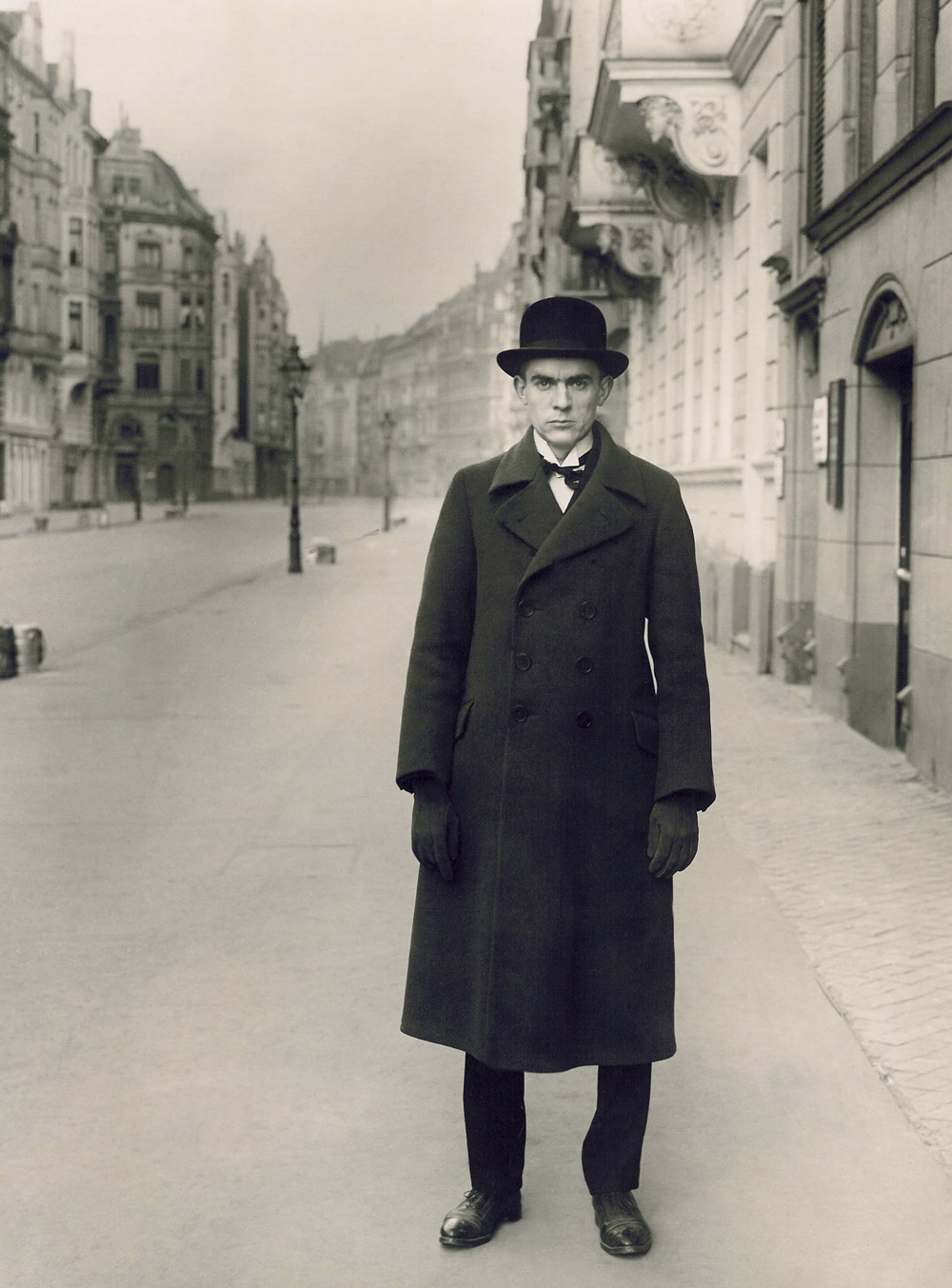


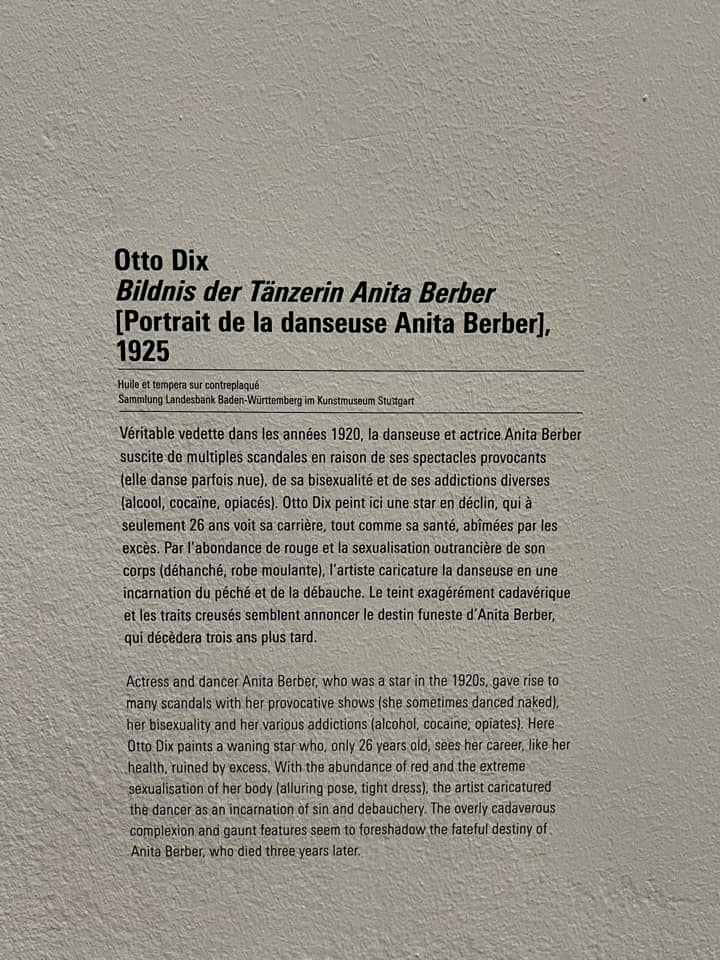

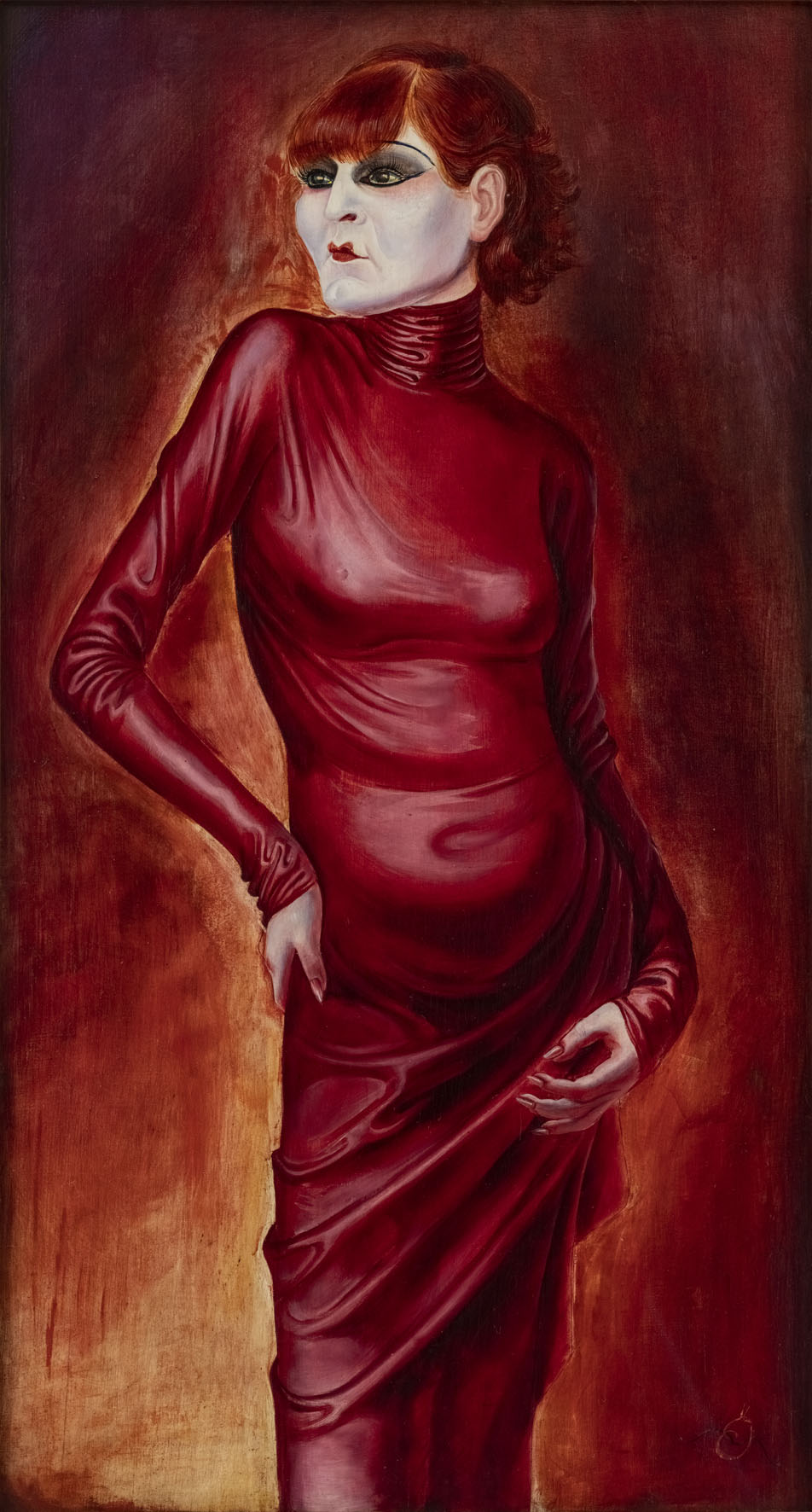
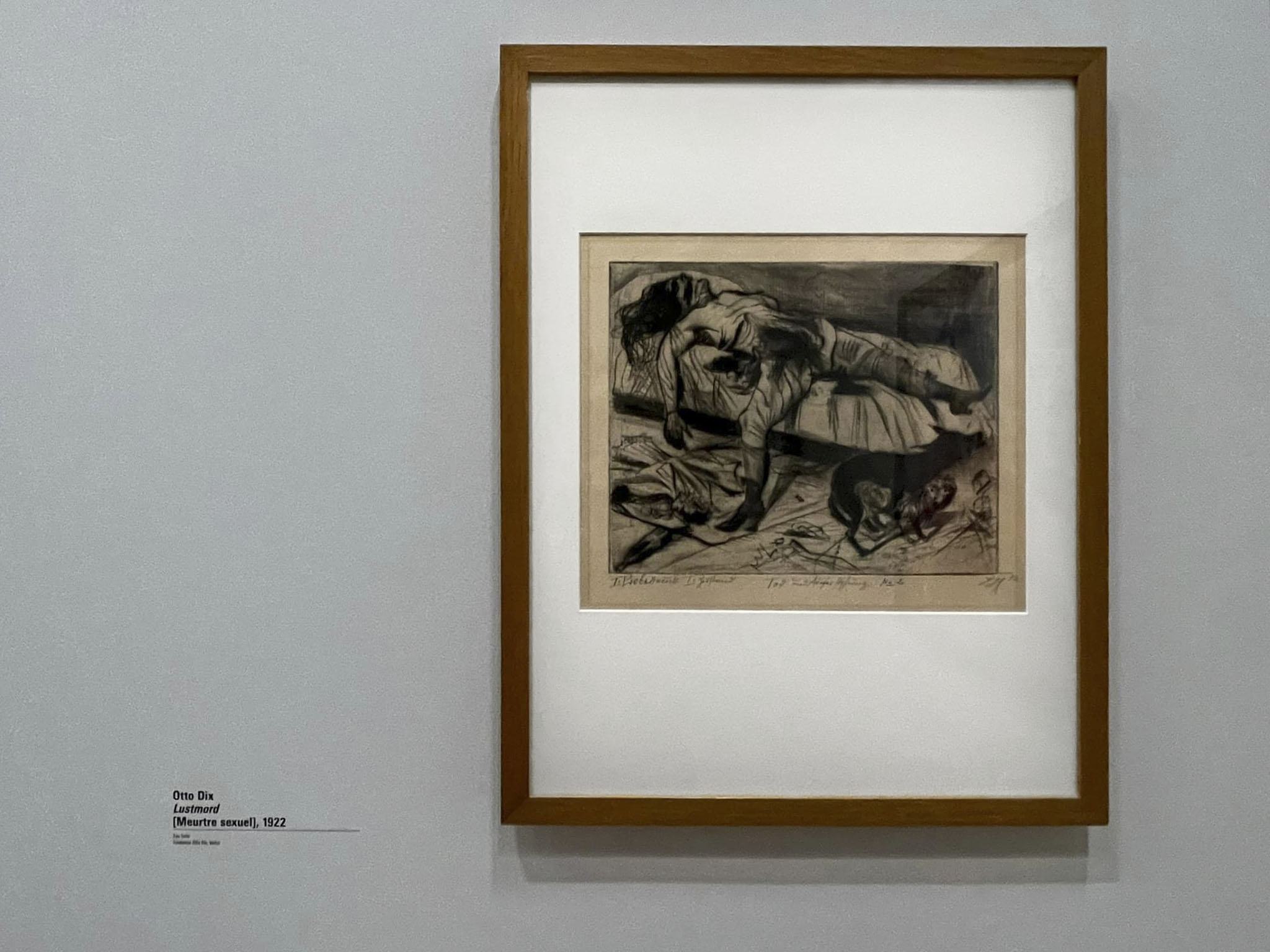


![August Sander (German, 1876-1964) 'Painter [Heinrich Hoerle]' 1928-1932](https://artblart.com/wp-content/uploads/2014/08/sander-maler-web.jpg "August Sander (German, 1876-1964) 'Painter [Heinrich Hoerle]' 1928-1932")


![August Sander (German, 1876-1964) 'Proletarian Intellectuals' [Else Schuler, Tristan Rémy, Franz Wilhelm Seiwert, Gerd Arntz] c. 1925](https://artblart.com/wp-content/uploads/2022/07/august-sander-proletarian-intellectuals.jpg "August Sander (German, 1876-1964) 'Proletarian Intellectuals' [Else Schuler, Tristan Rémy, Franz Wilhelm Seiwert, Gerd Arntz] c. 1925")


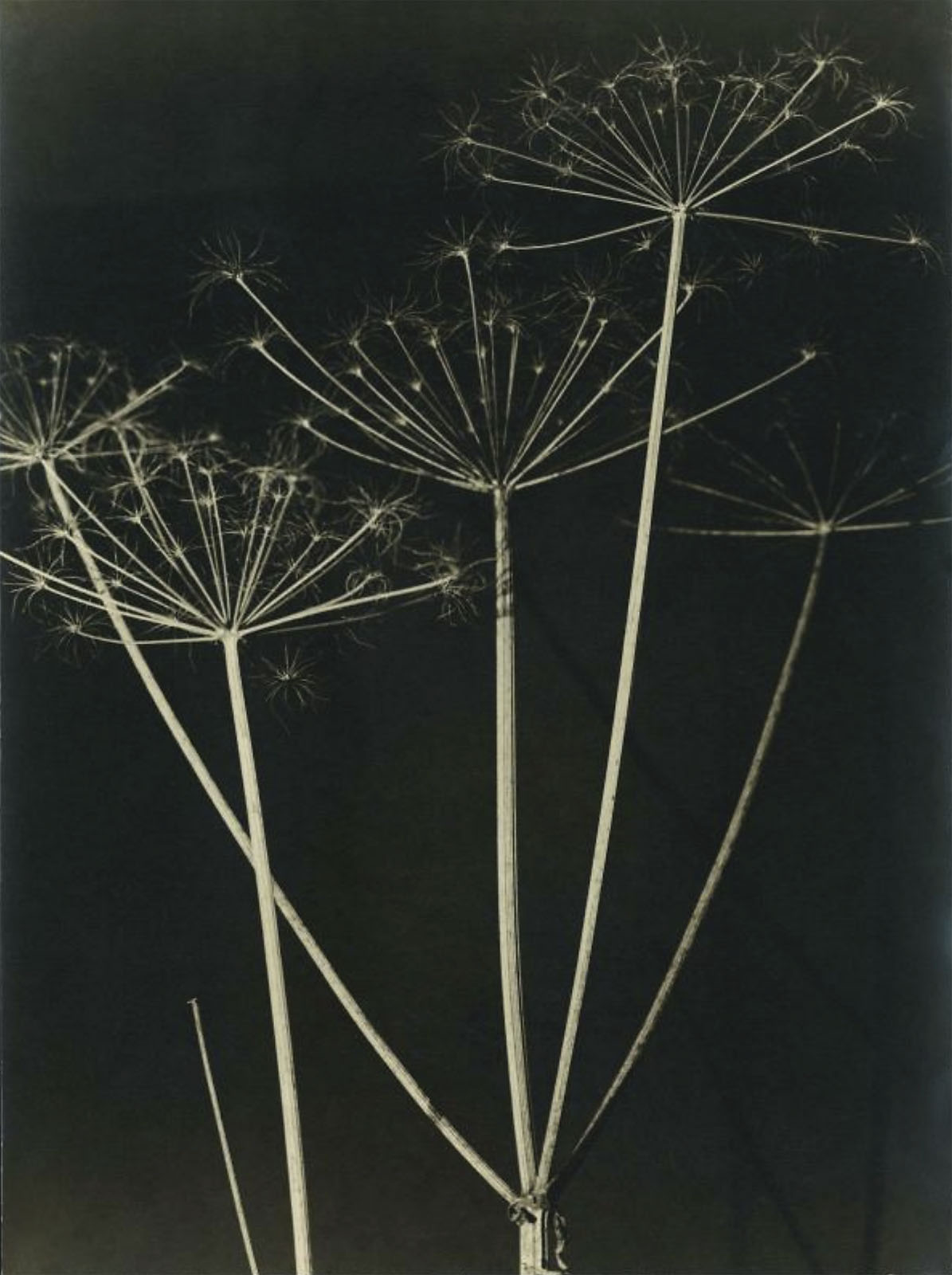


![George Grosz (Georg Ehrenfried Gross) (German, 1893-1959) 'Construction (Untitled)' (Konstruktion [Ohne Titel]) 1920 (installation view)](https://artblart.com/wp-content/uploads/2022/08/germany-installation-g.jpg "George Grosz (Georg Ehrenfried Gross) (German, 1893-1959) 'Construction (Untitled)' (Konstruktion [Ohne Titel]) 1920 (installation view)")
![George Grosz. 'Construction (Untitled) (Konstruktion [Ohne Titel])' 1920](https://artblart.com/wp-content/uploads/2016/01/grosz-construction.jpg "George Grosz. 'Construction (Untitled) (Konstruktion [Ohne Titel])' 1920")


![Albert Renger-Patzsch (1897-1966) 'Bügeleisen für Schuhfabrikation, Faguswerk Alfeld [Shoemakers' irons, Fagus factory, Alfeld]' 1928](https://artblart.com/wp-content/uploads/2018/01/renger-patzsch-bugeleisen-fur-schuhfabrikation.jpg "Albert Renger-Patzsch (1897-1966) 'Bügeleisen für Schuhfabrikation, Faguswerk Alfeld [Shoemakers' irons, Fagus factory, Alfeld]' 1928")


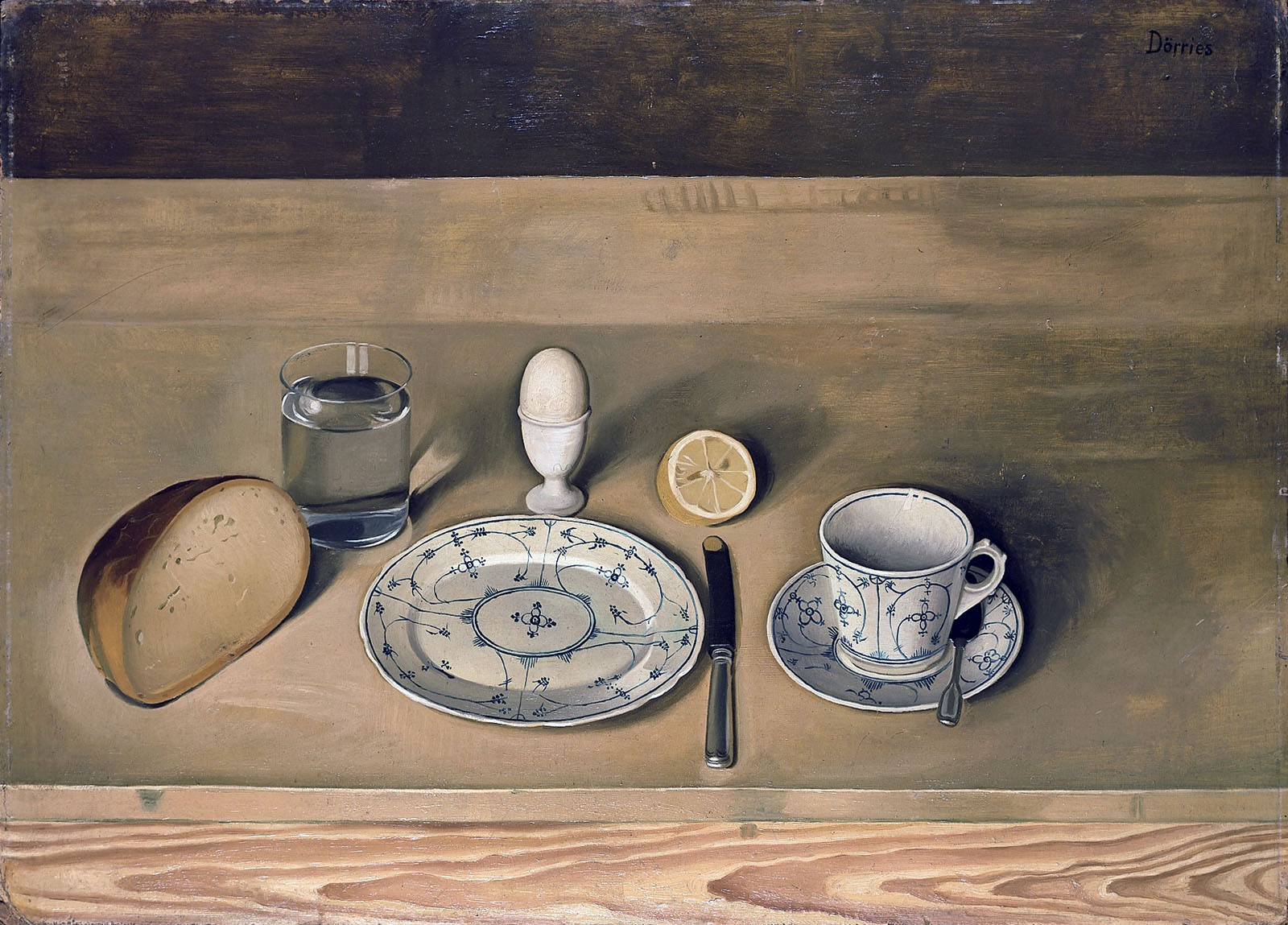


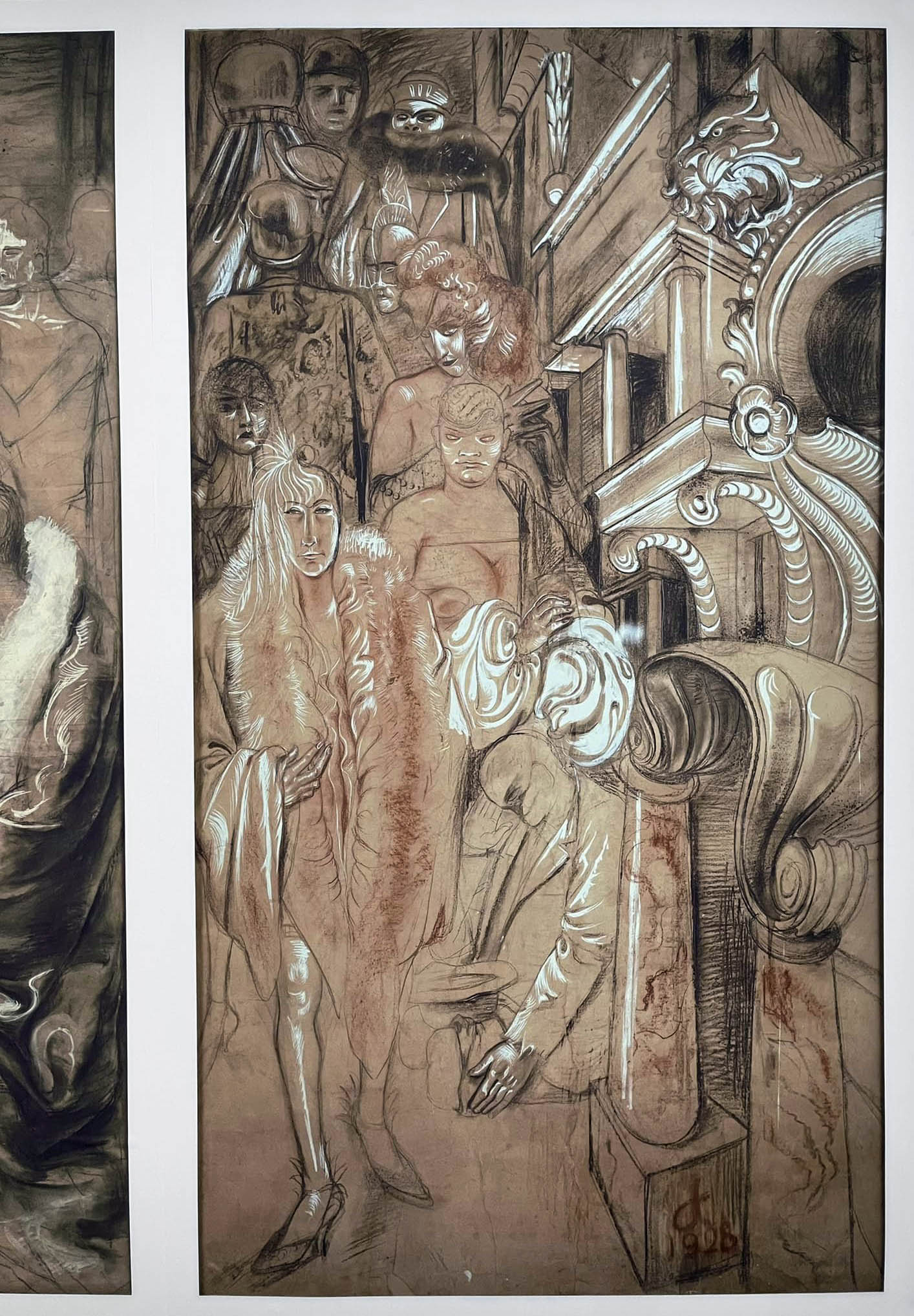


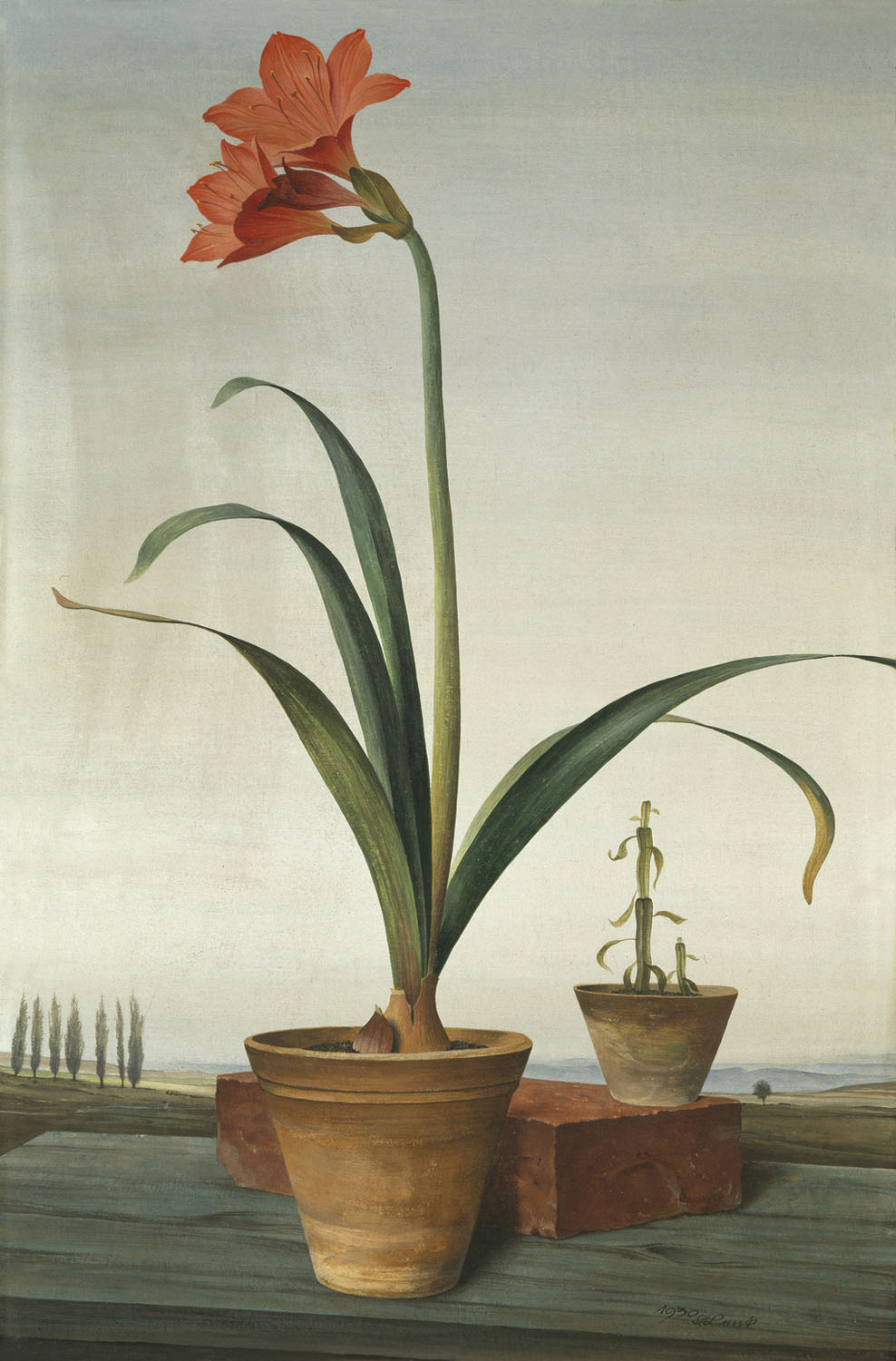


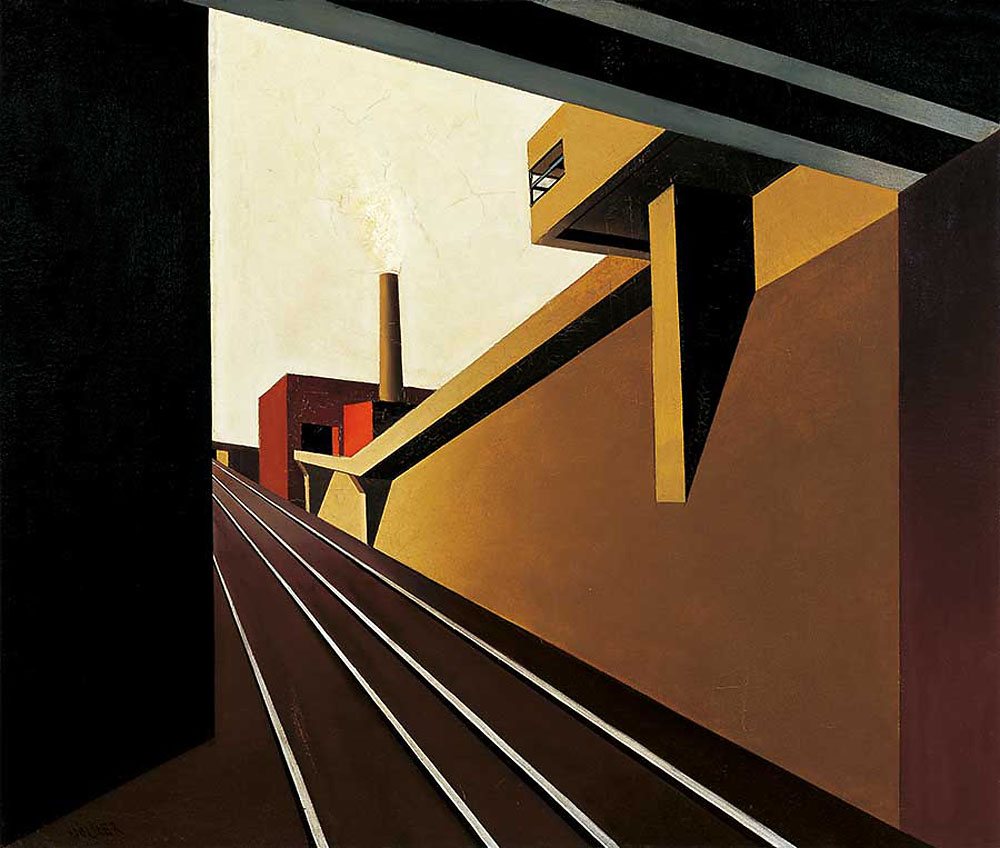




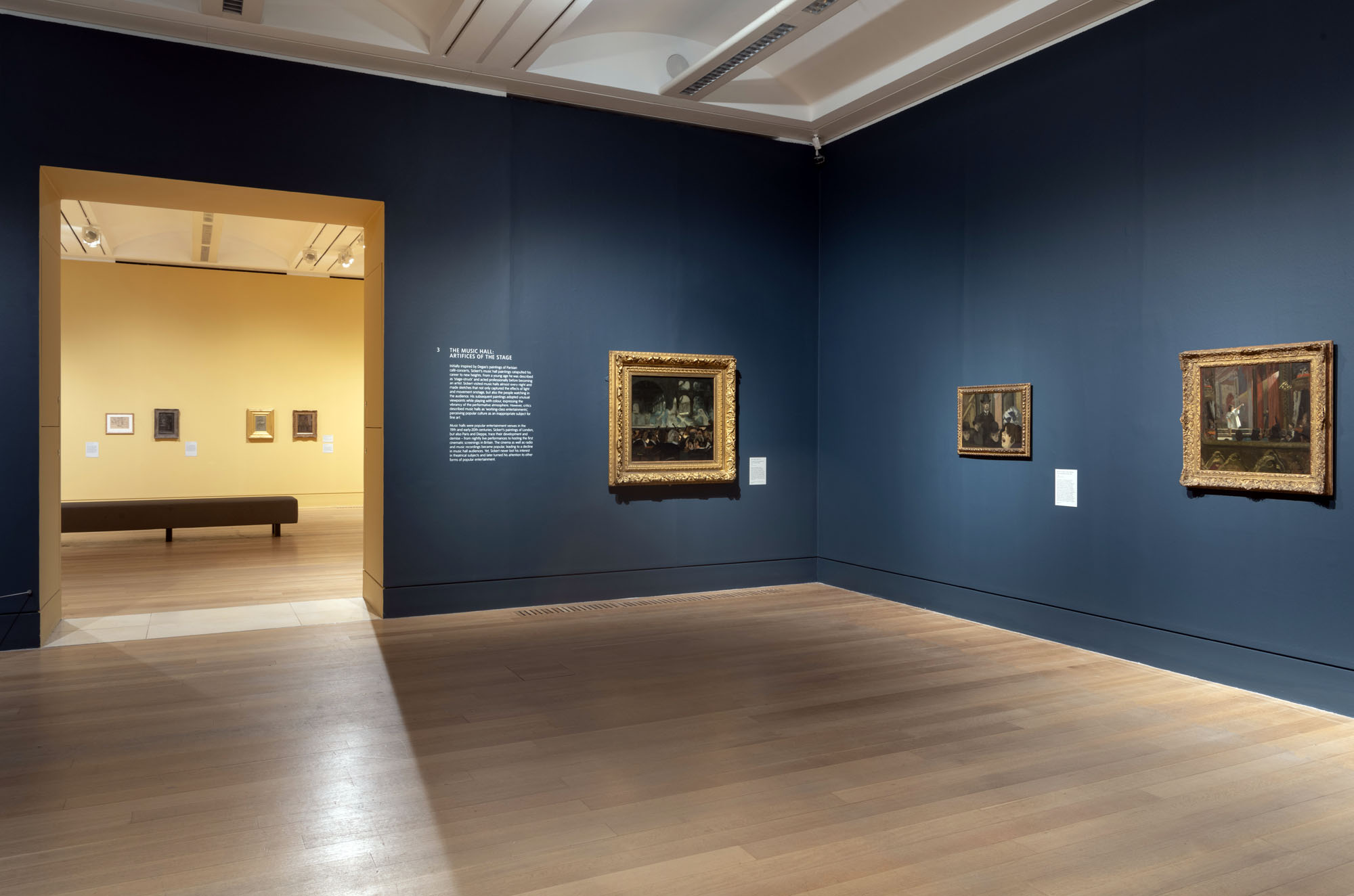
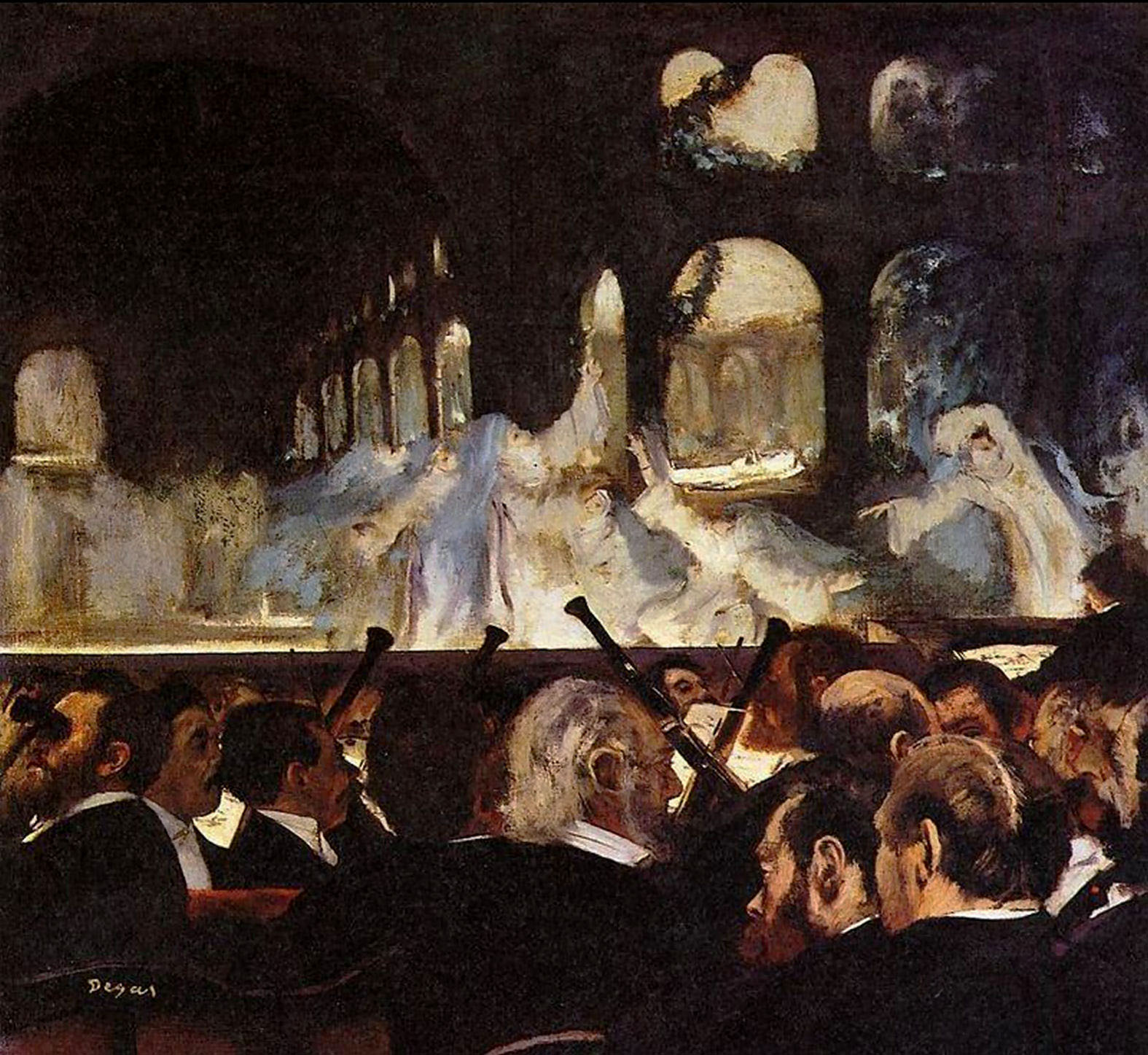


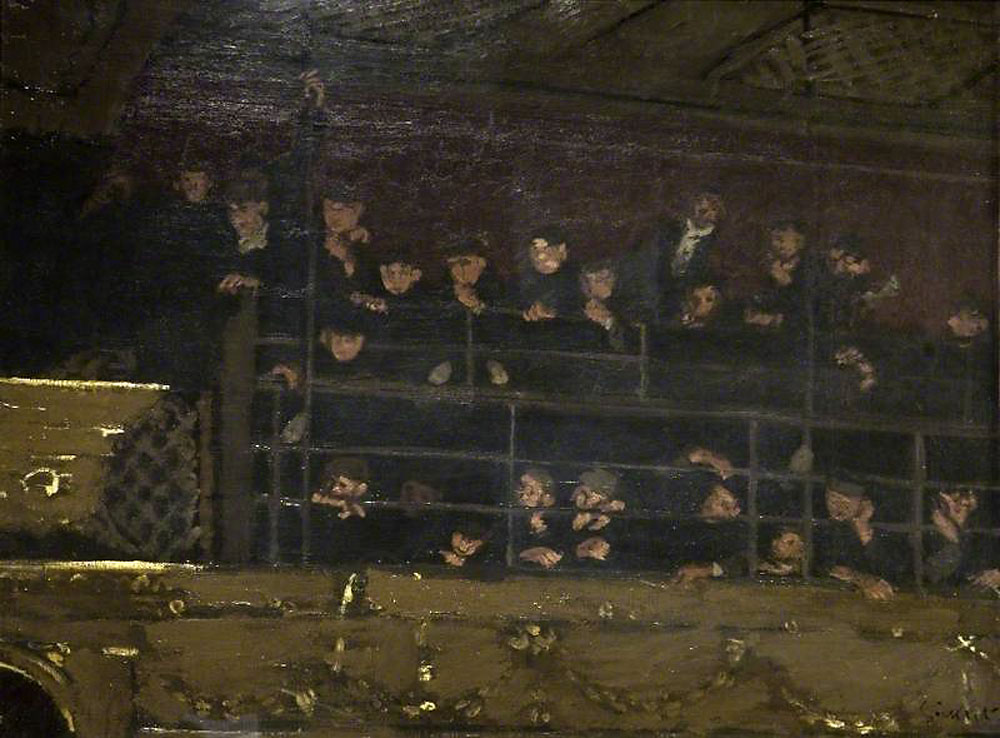

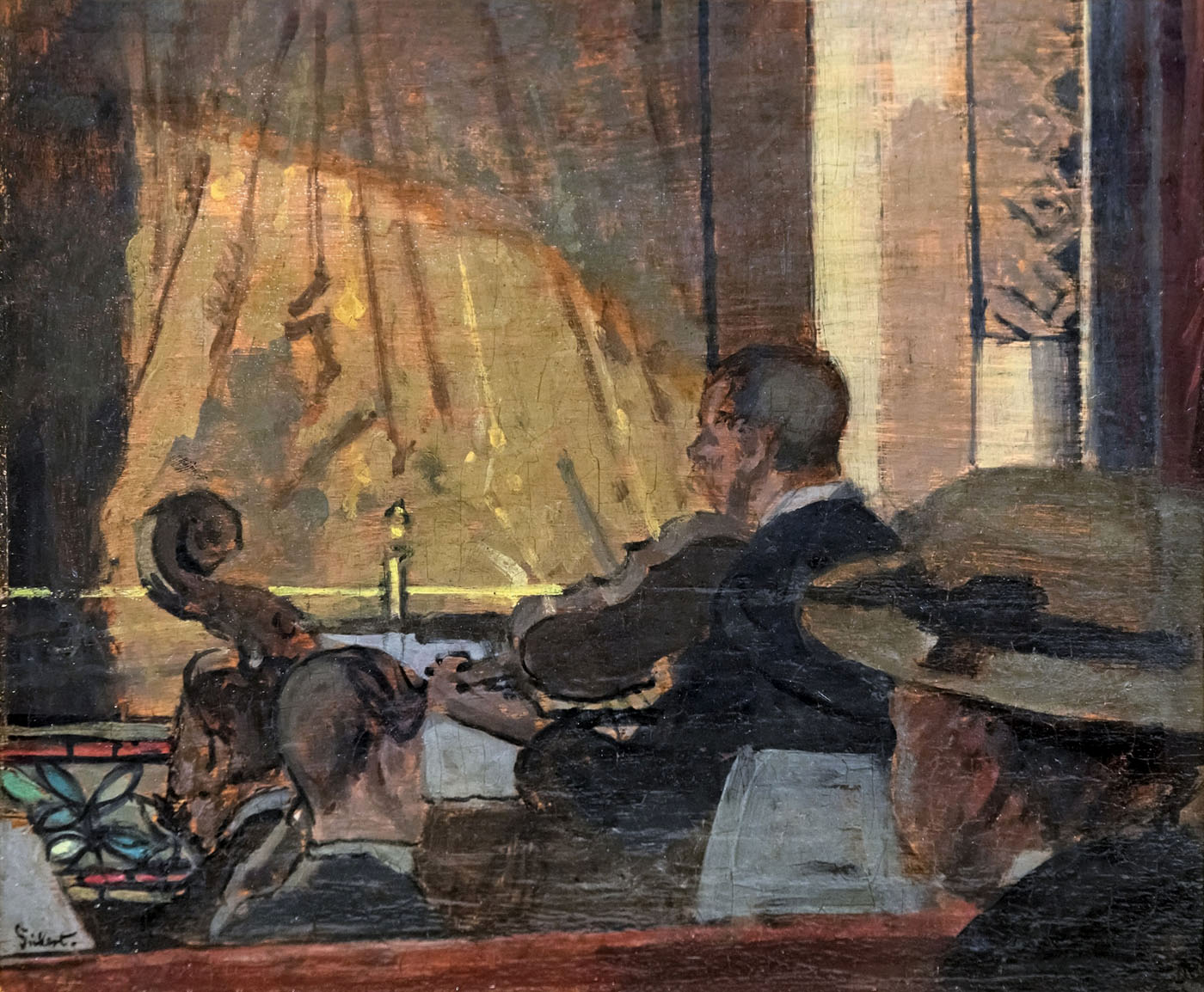

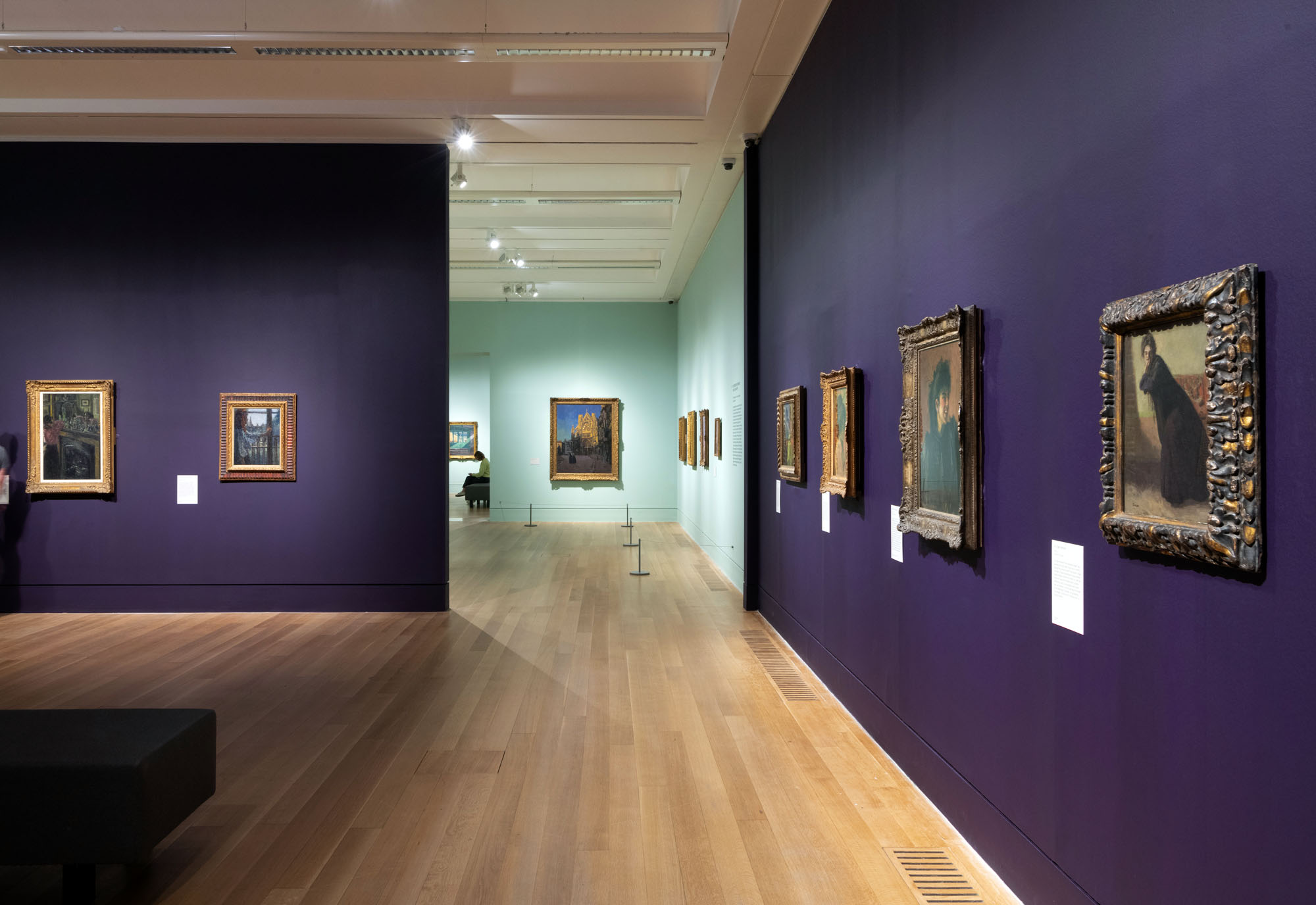
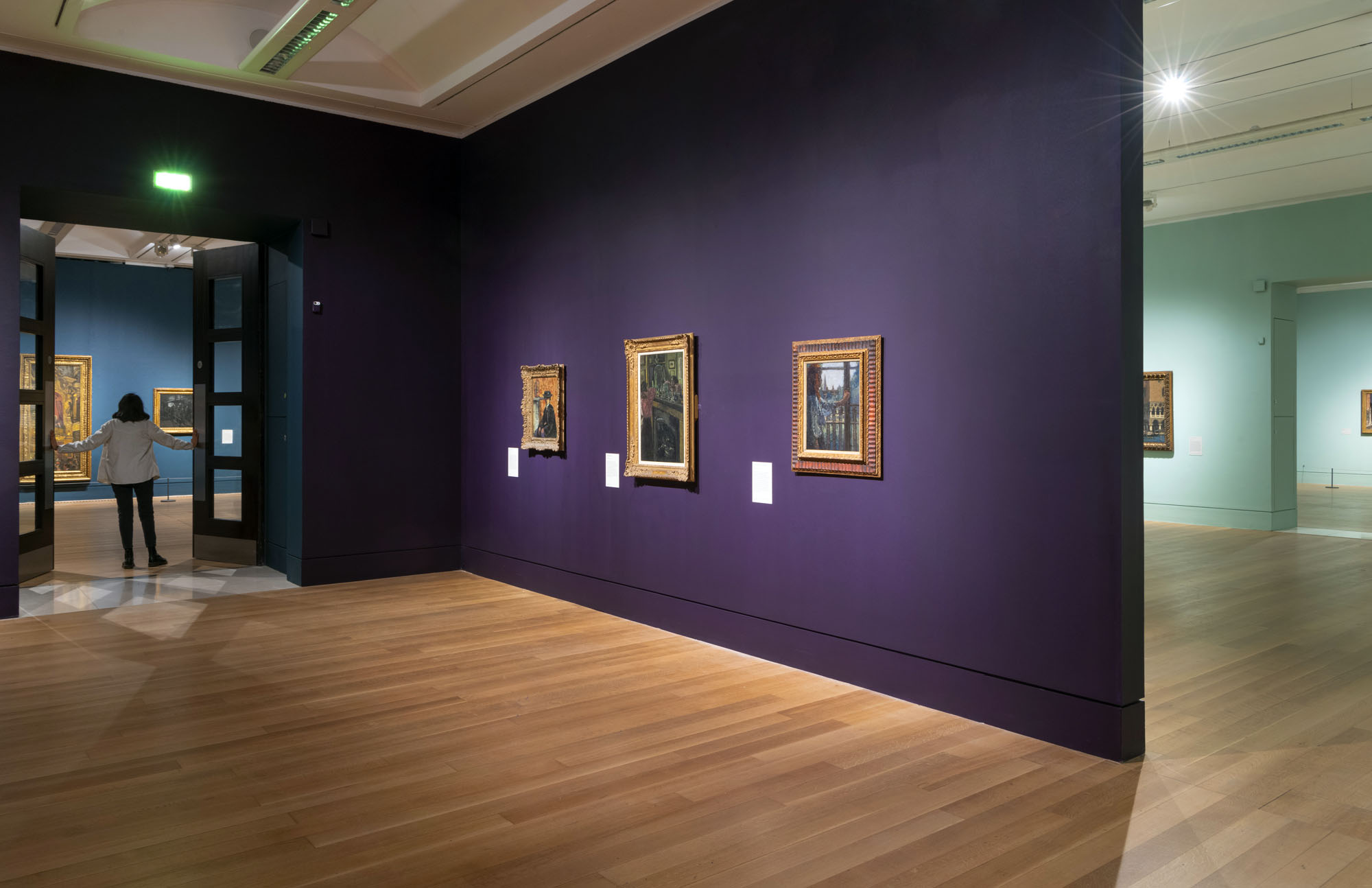

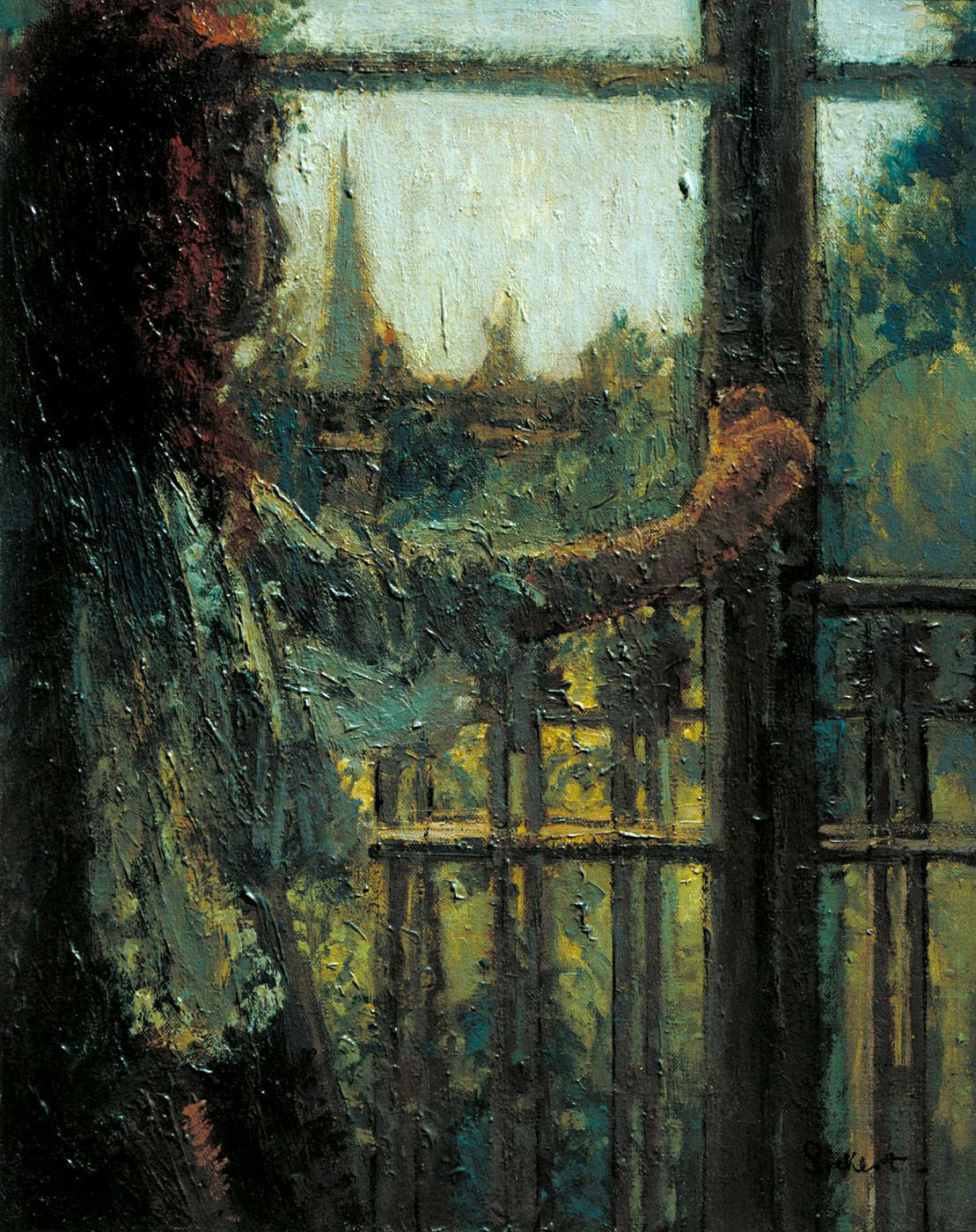

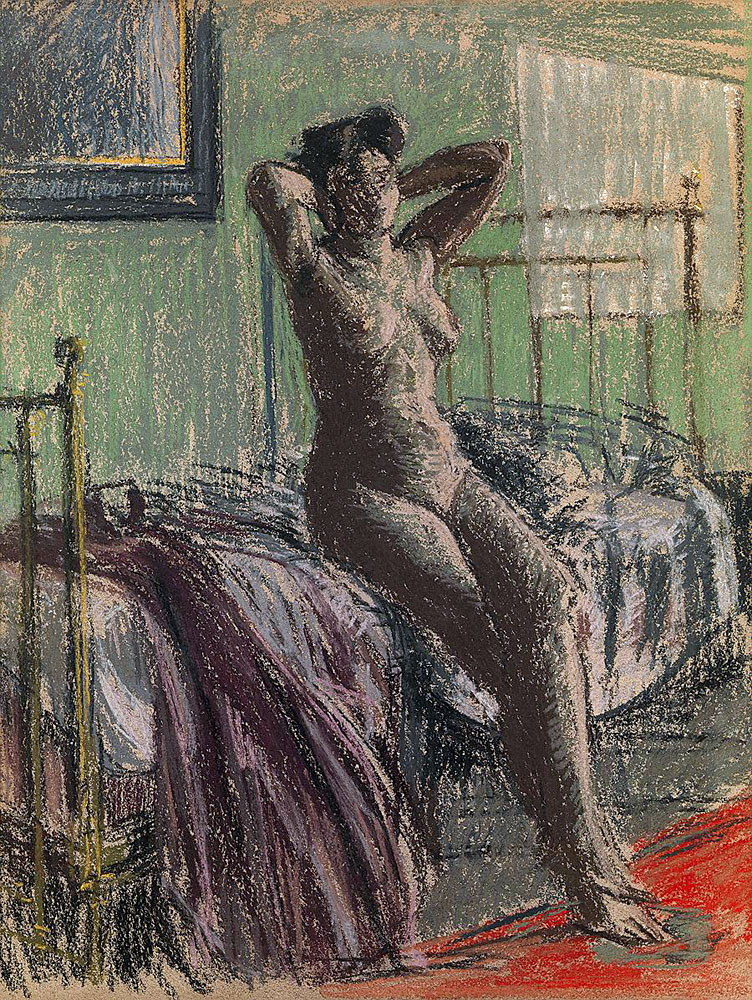











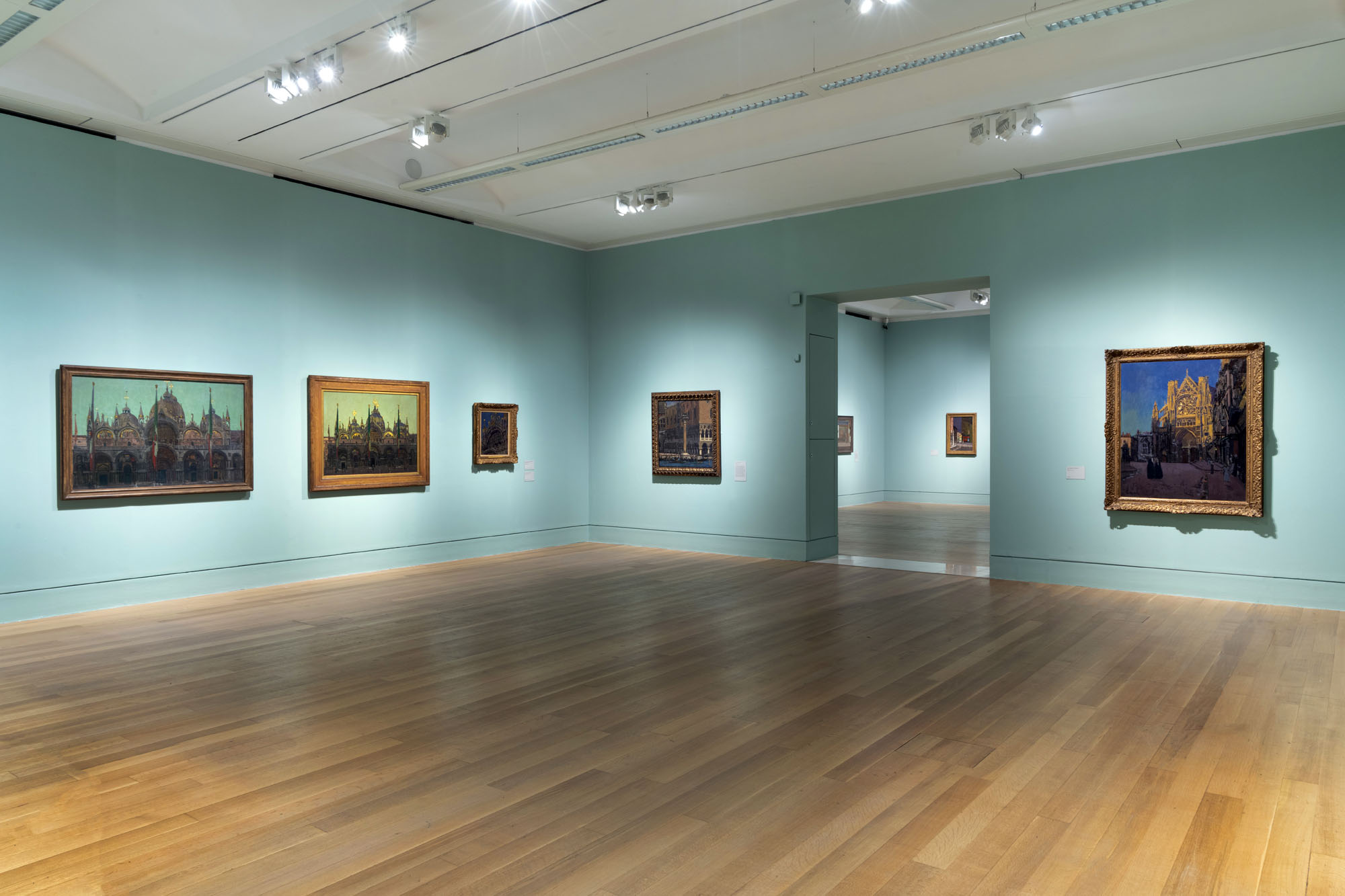
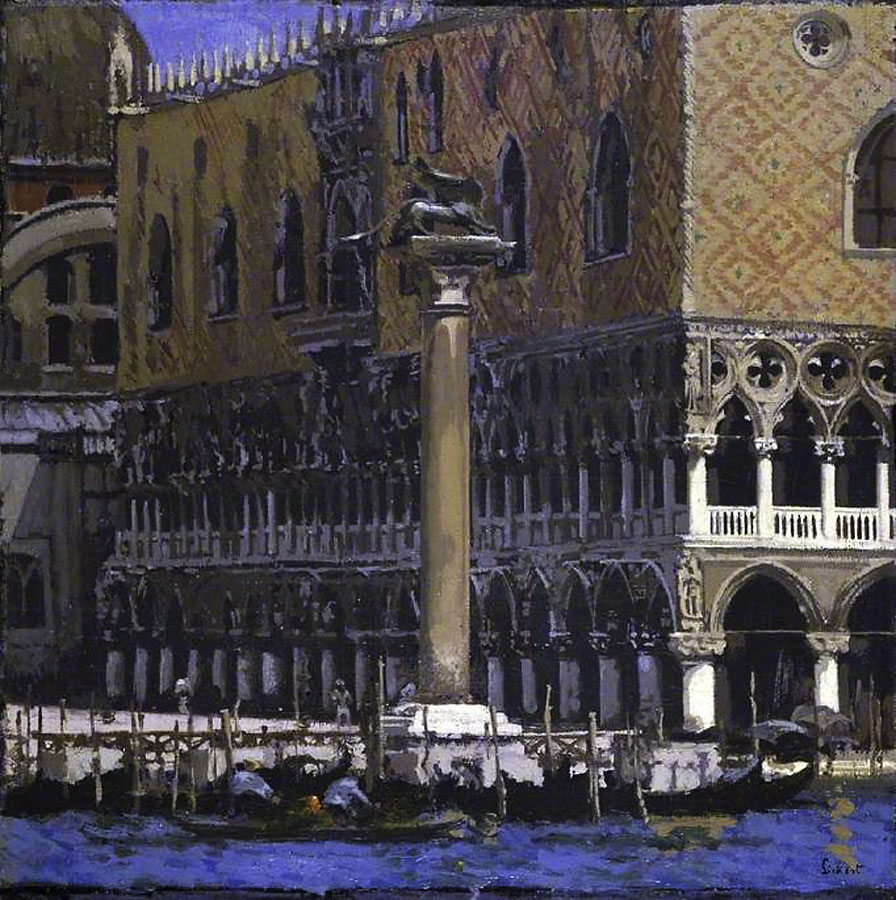
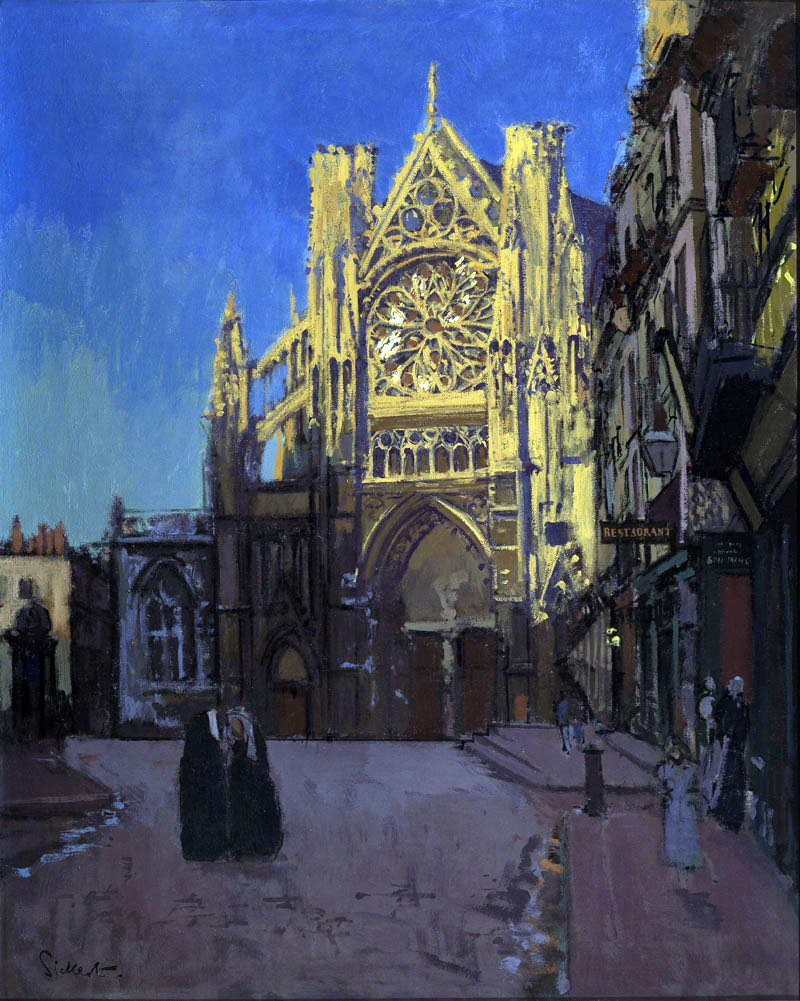

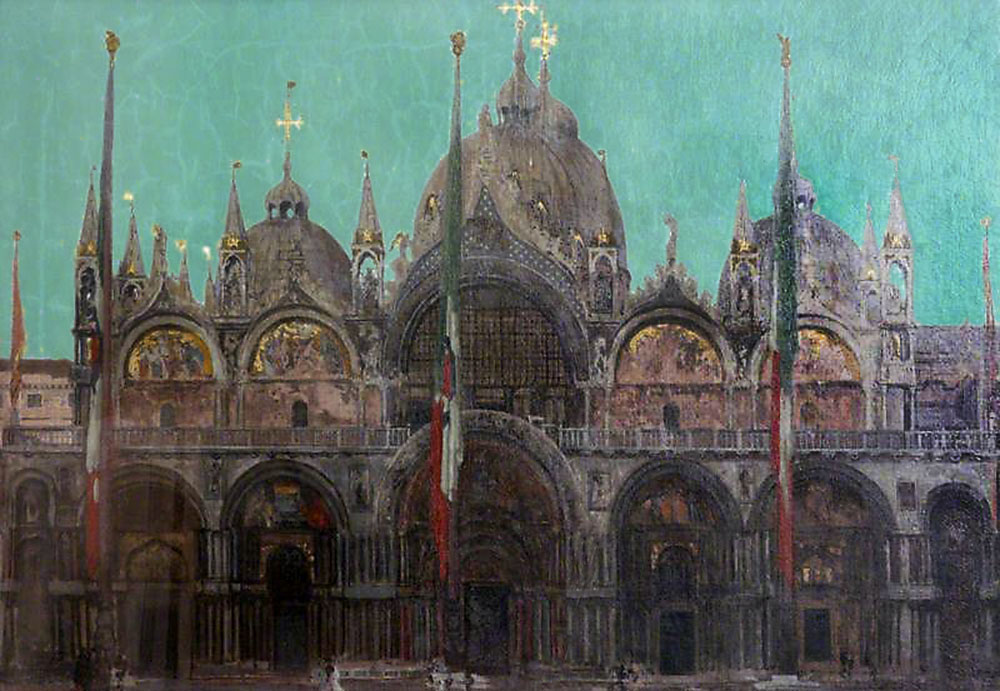





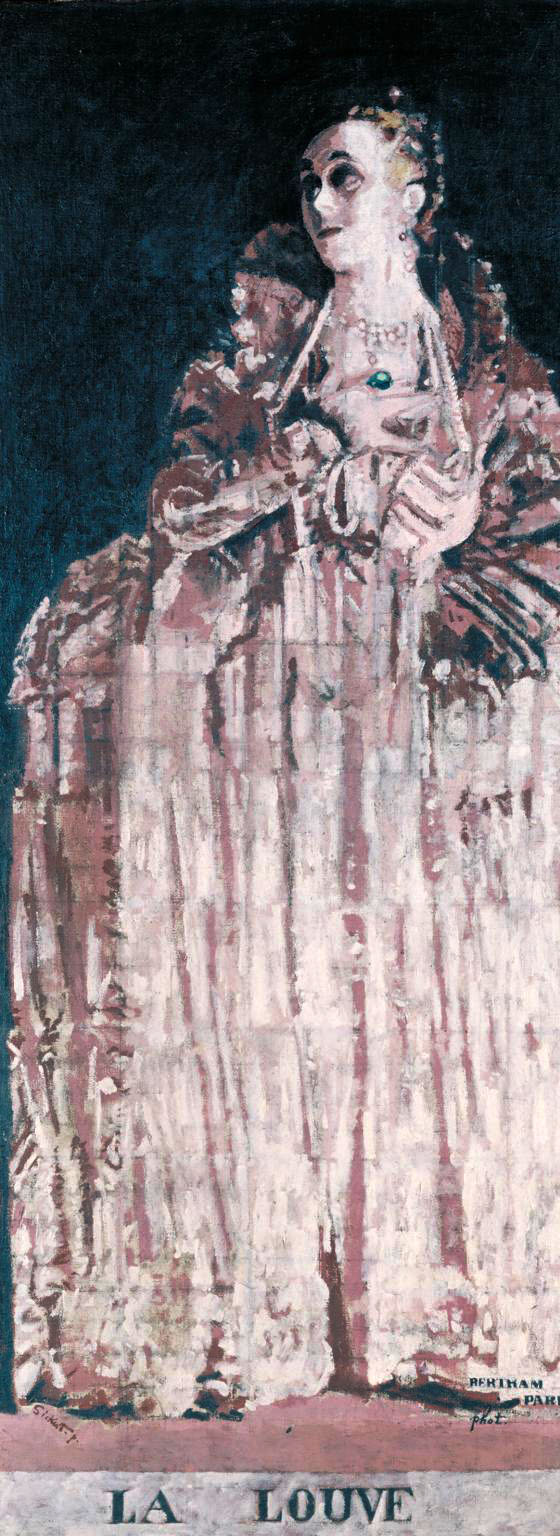
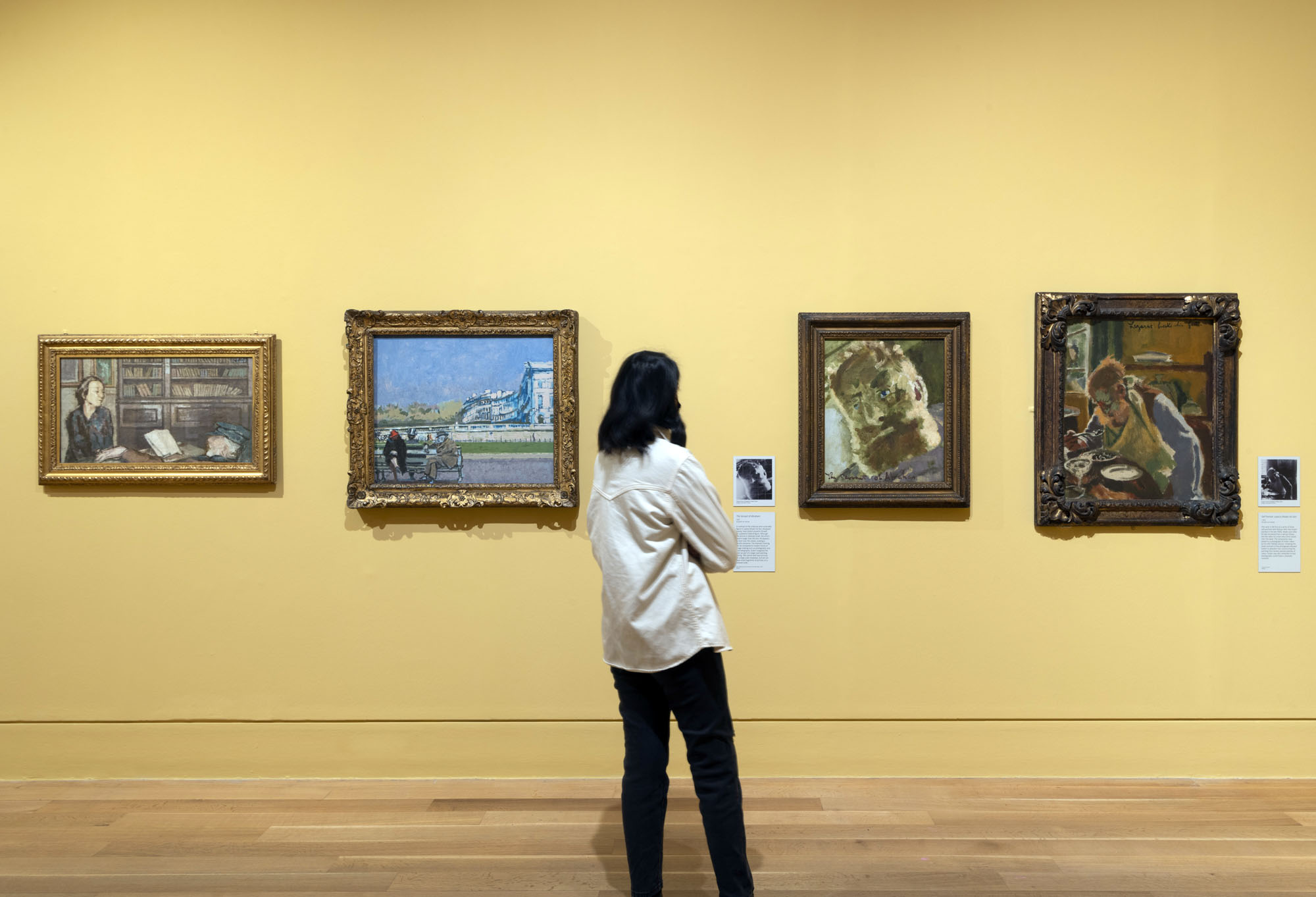

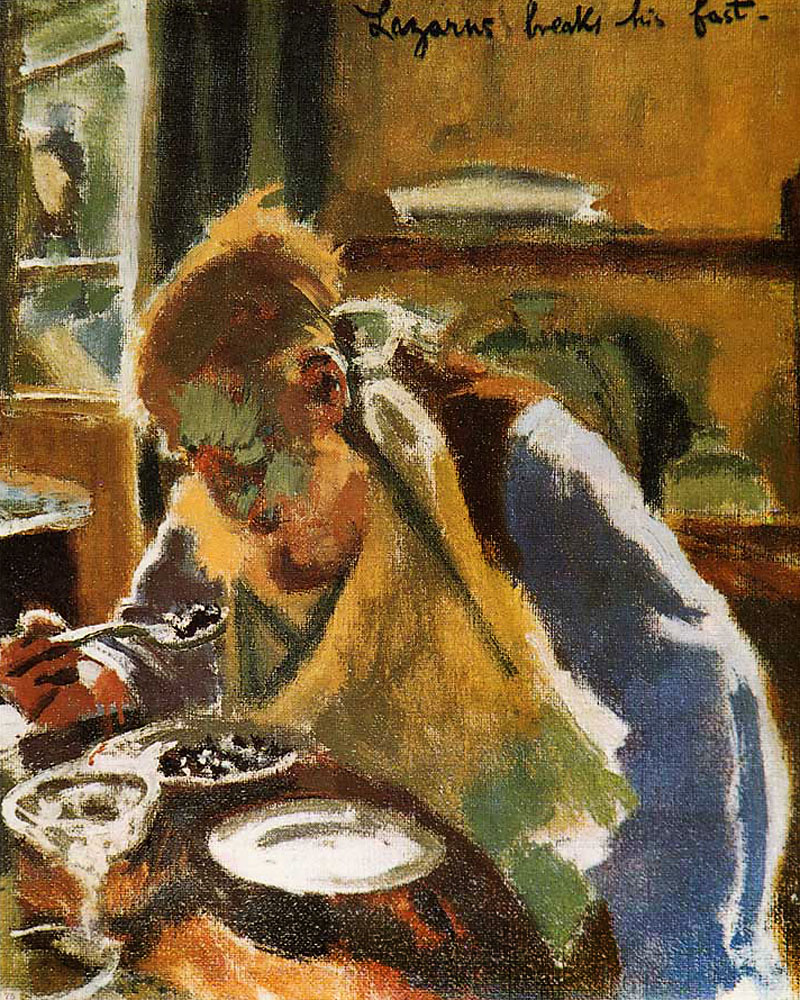

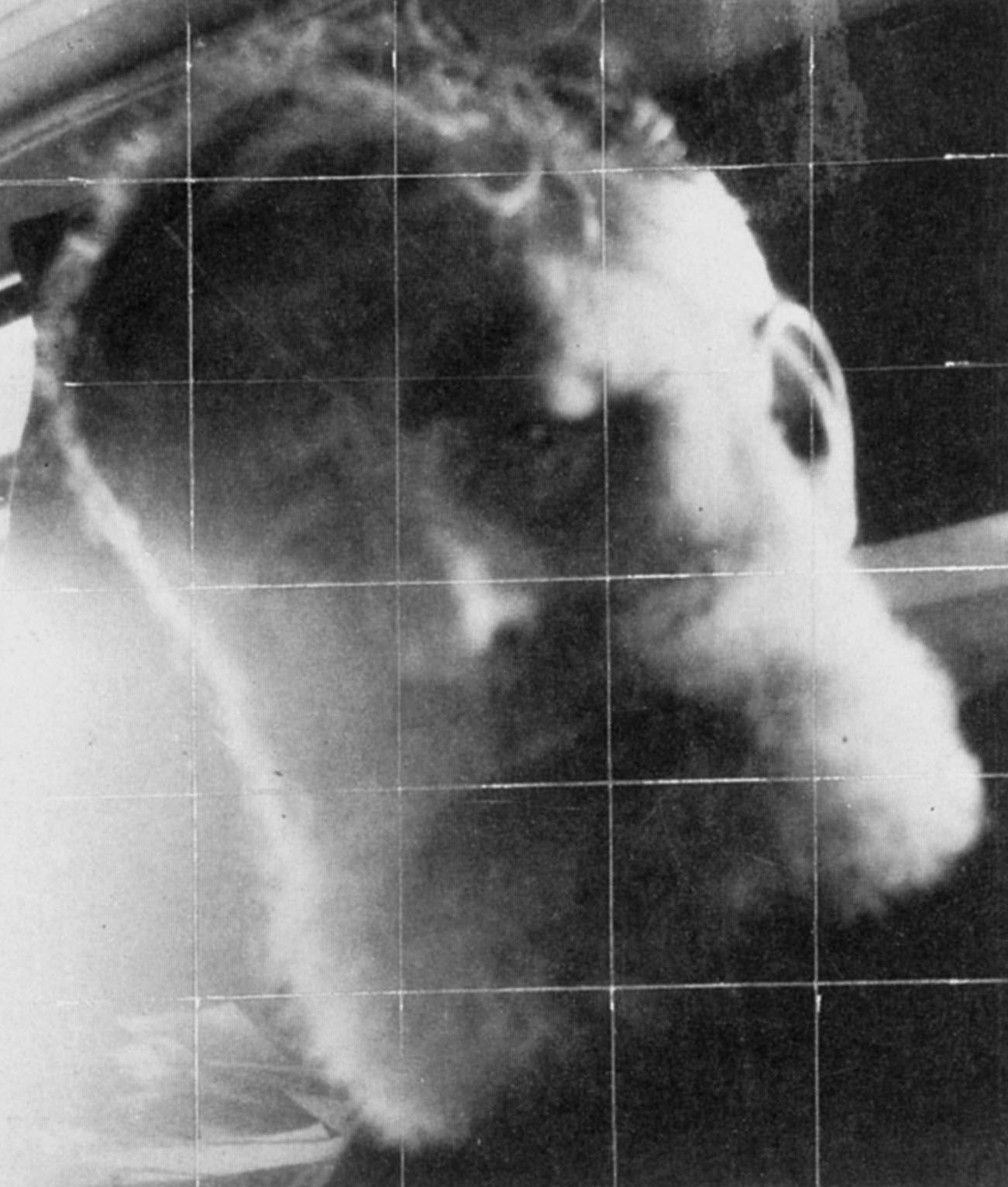


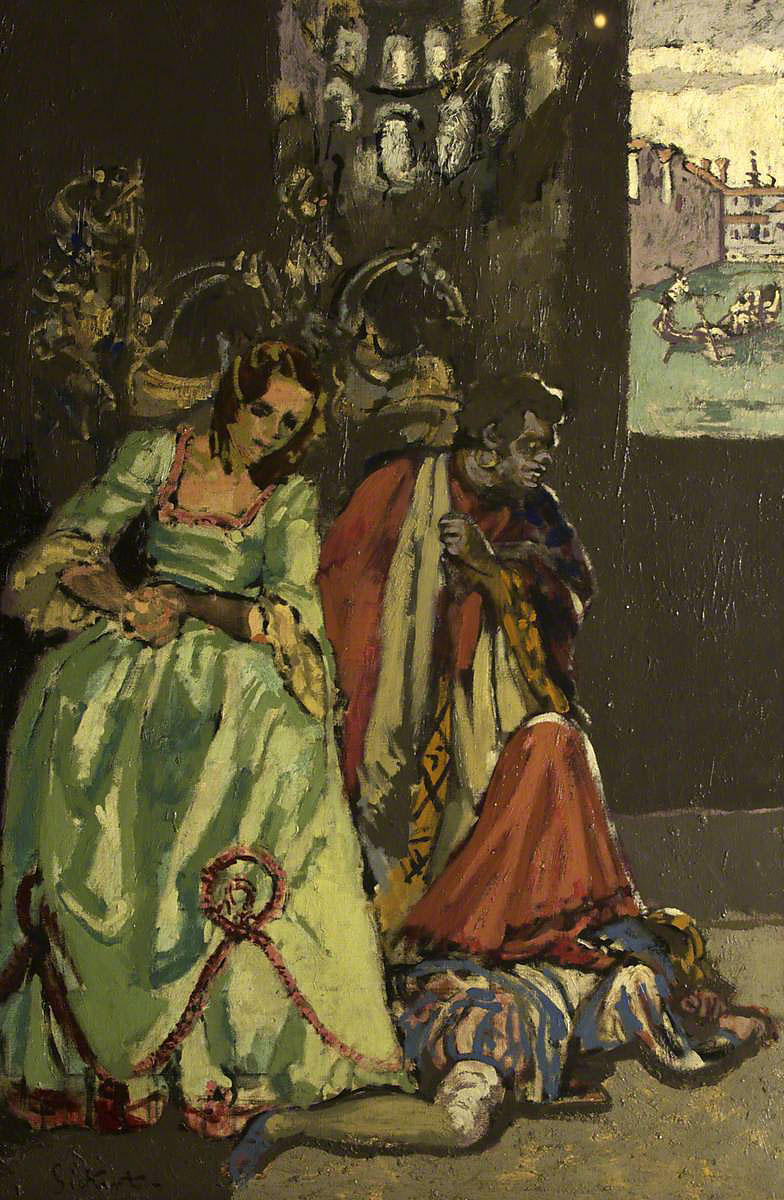
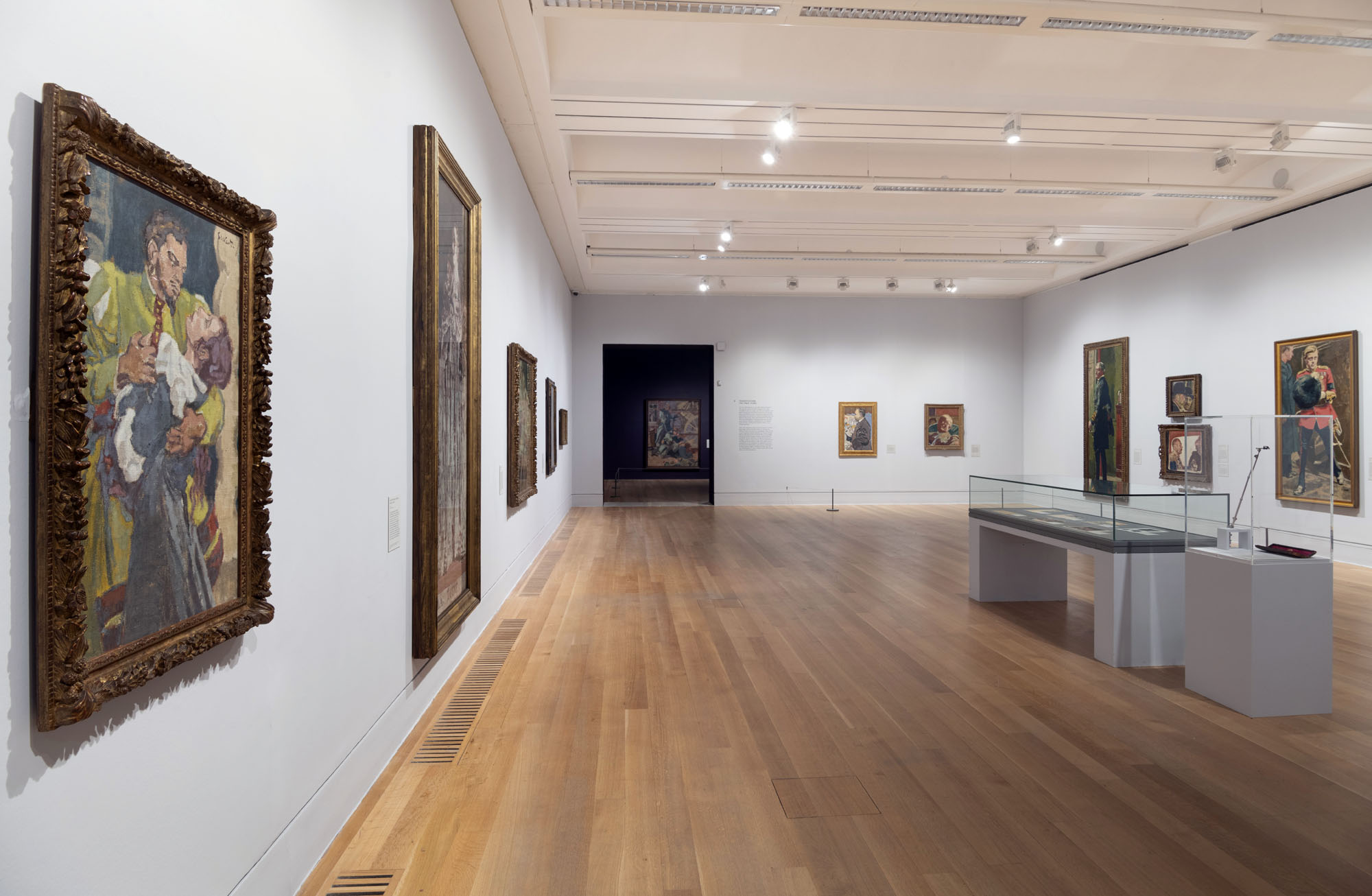


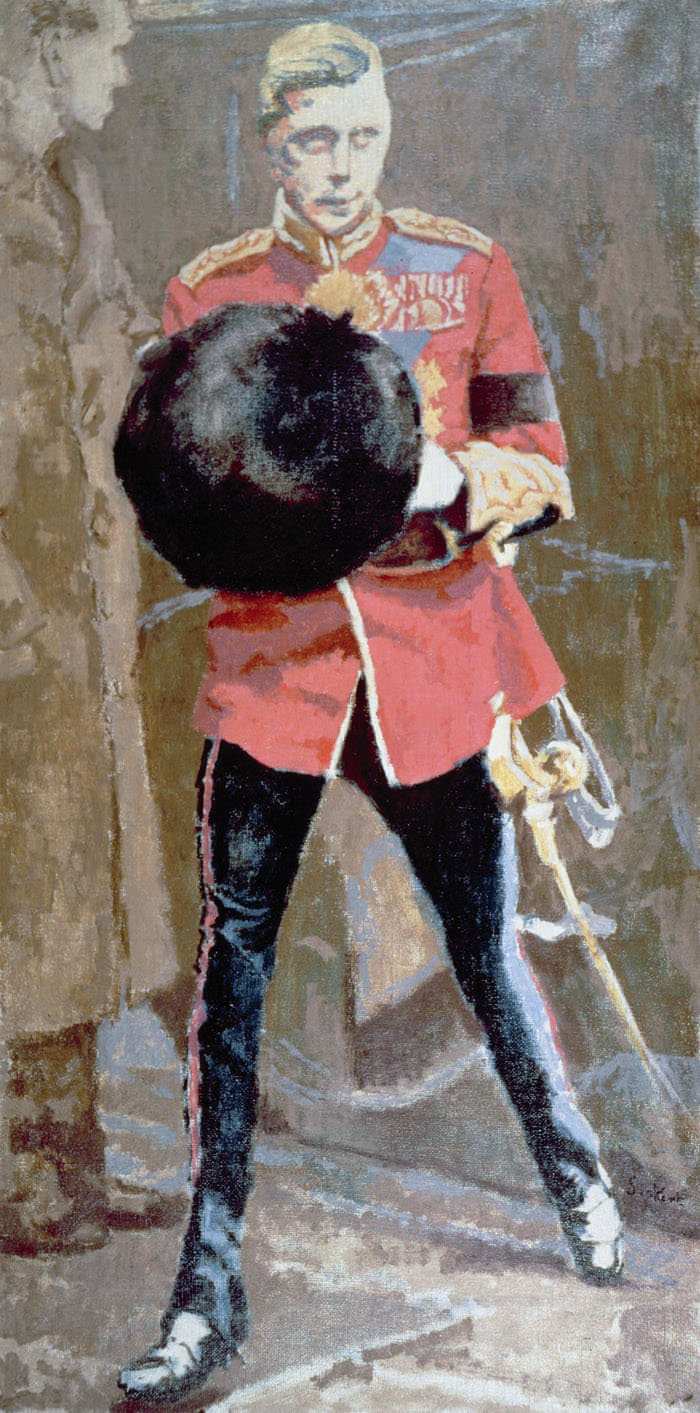


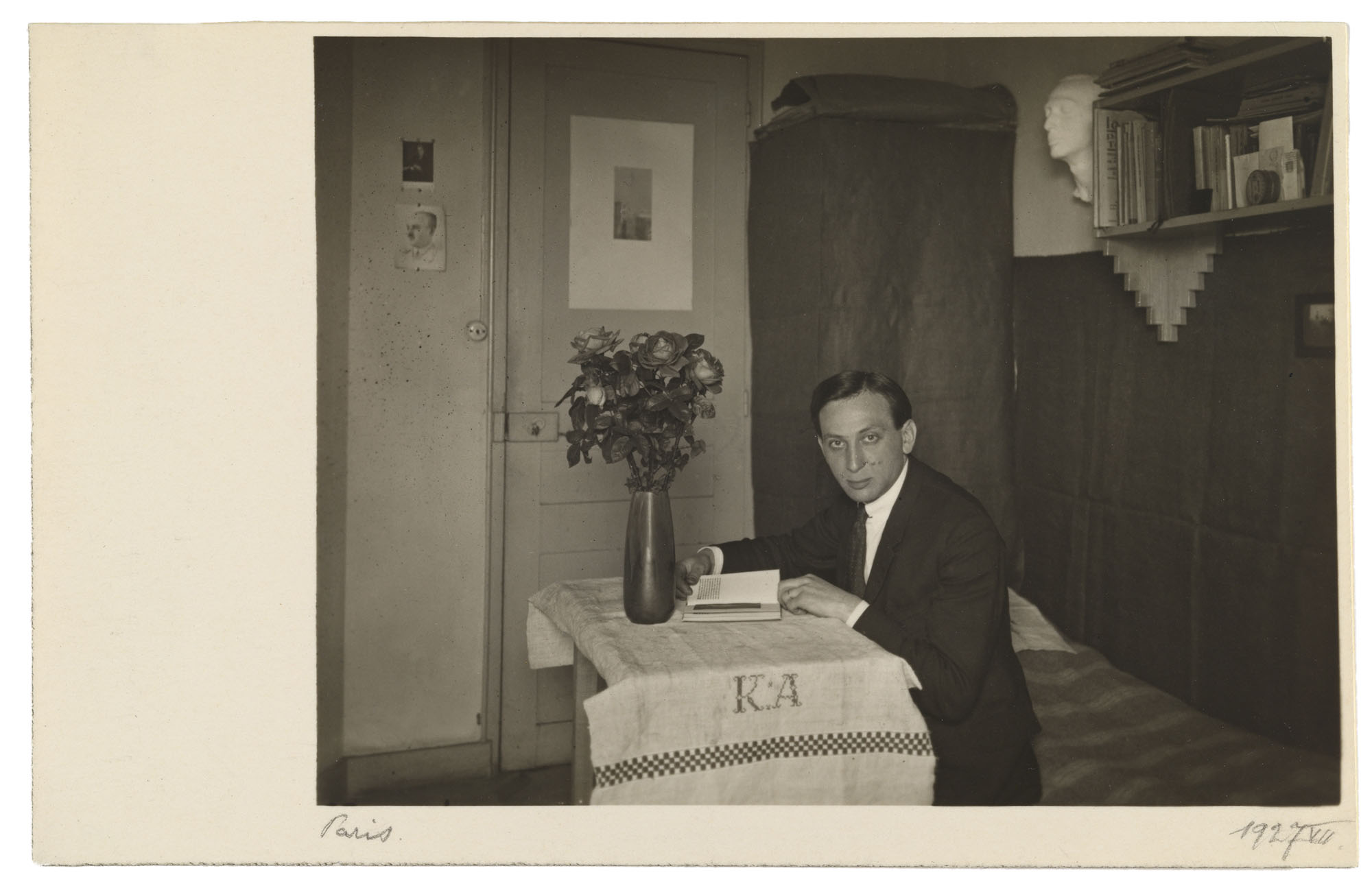


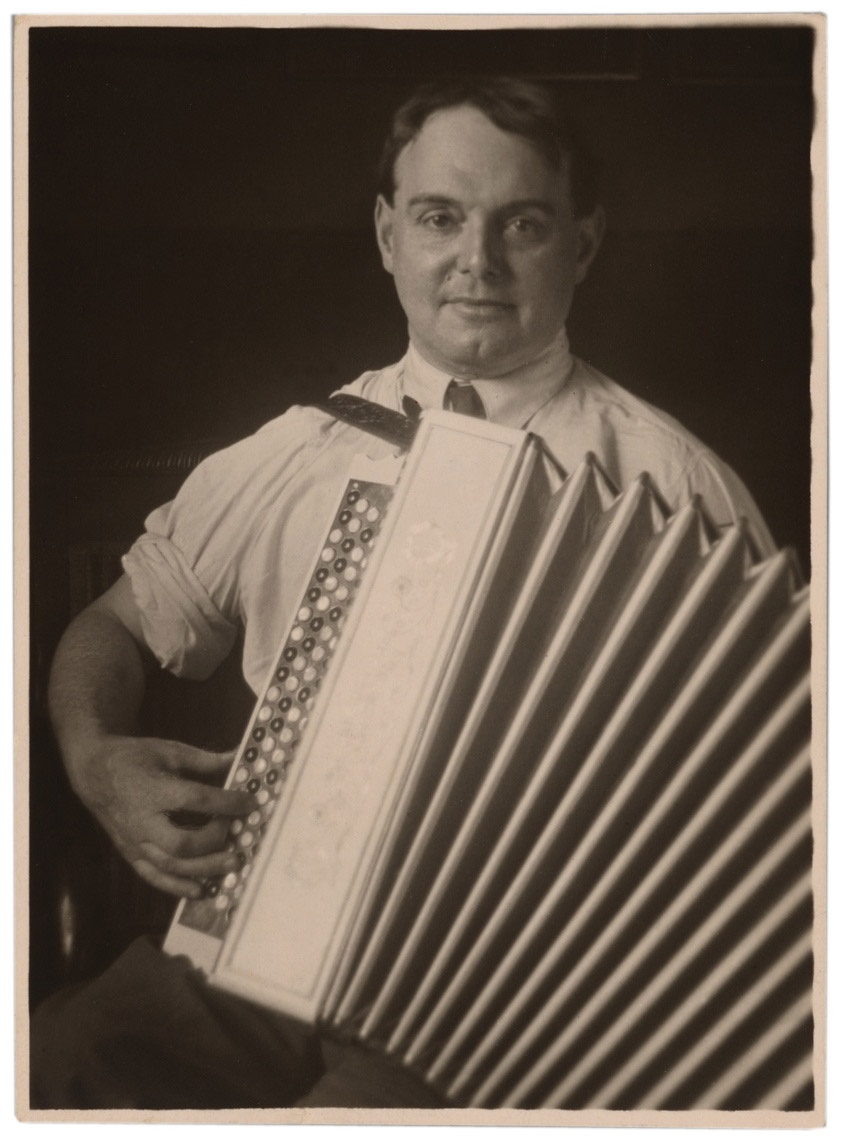
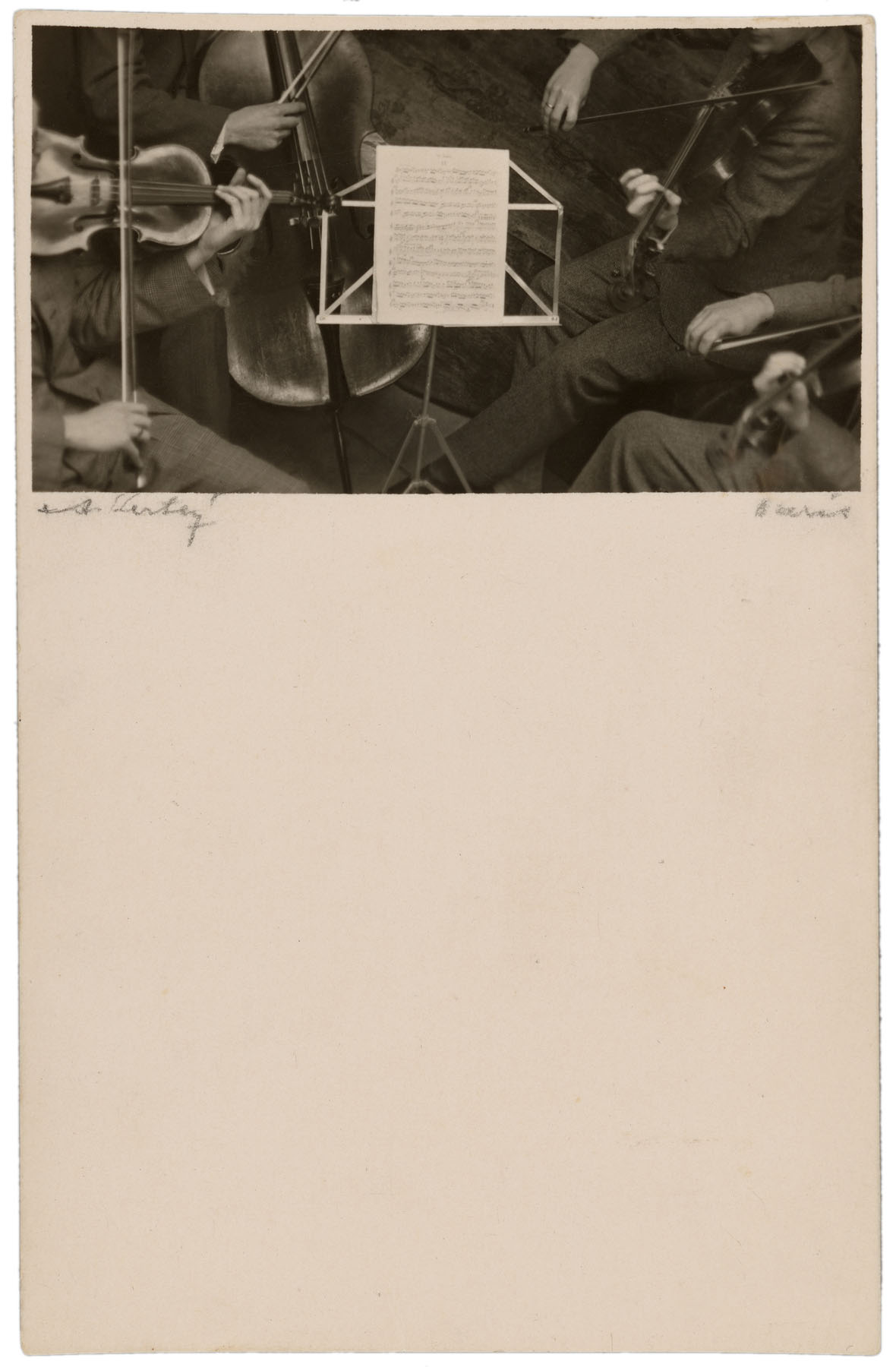
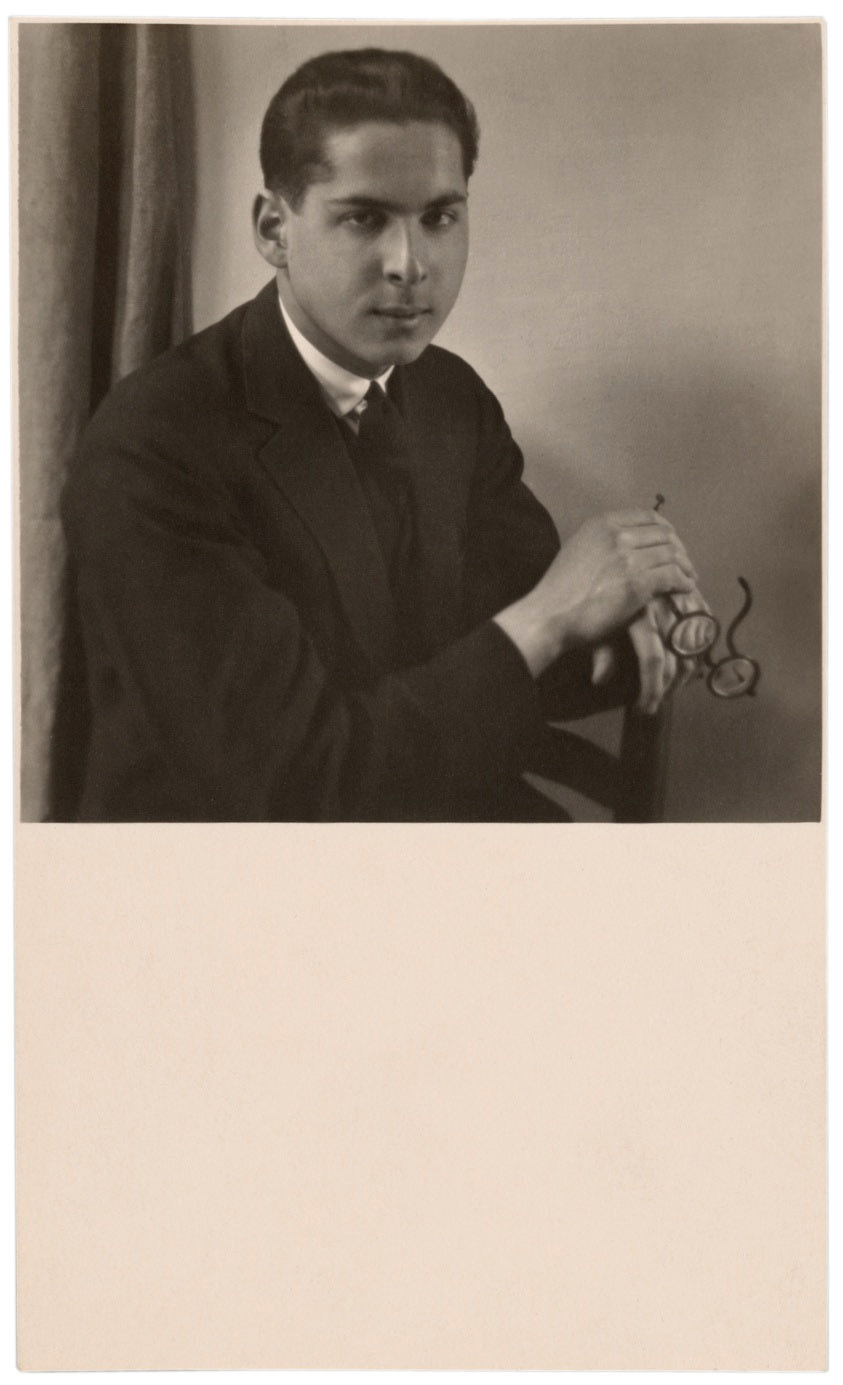
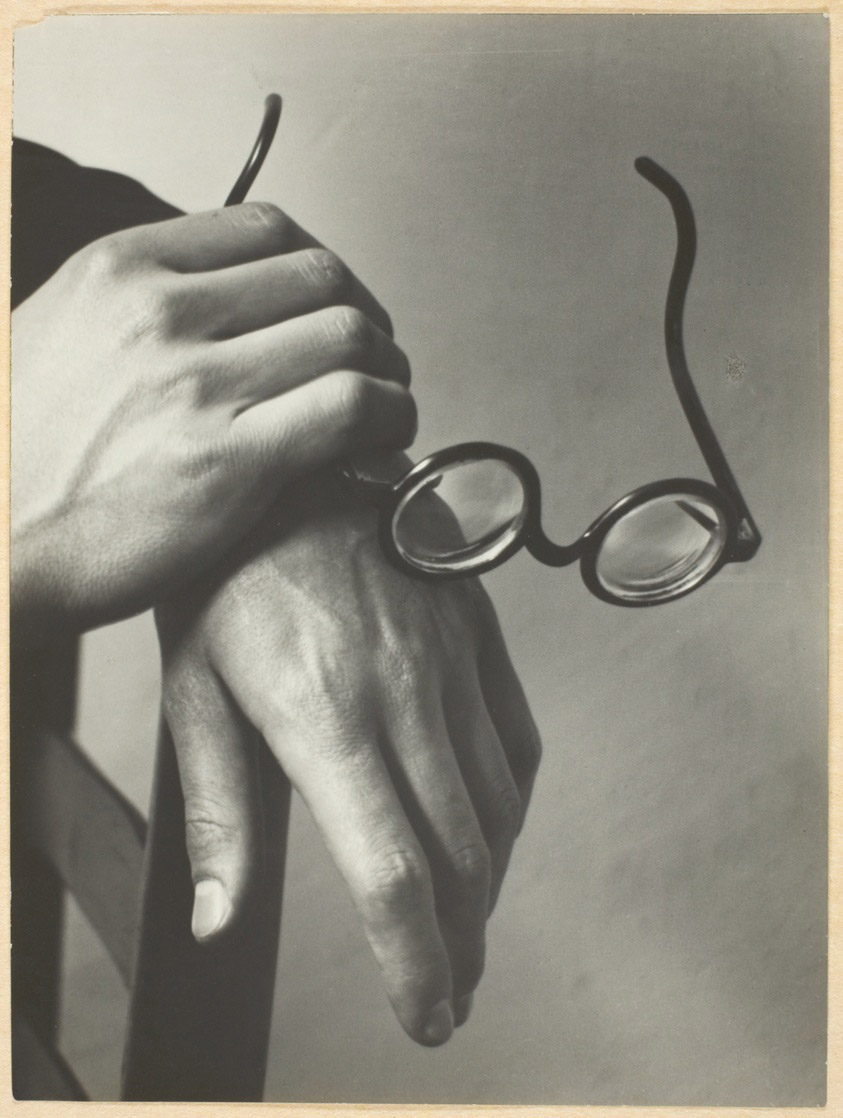

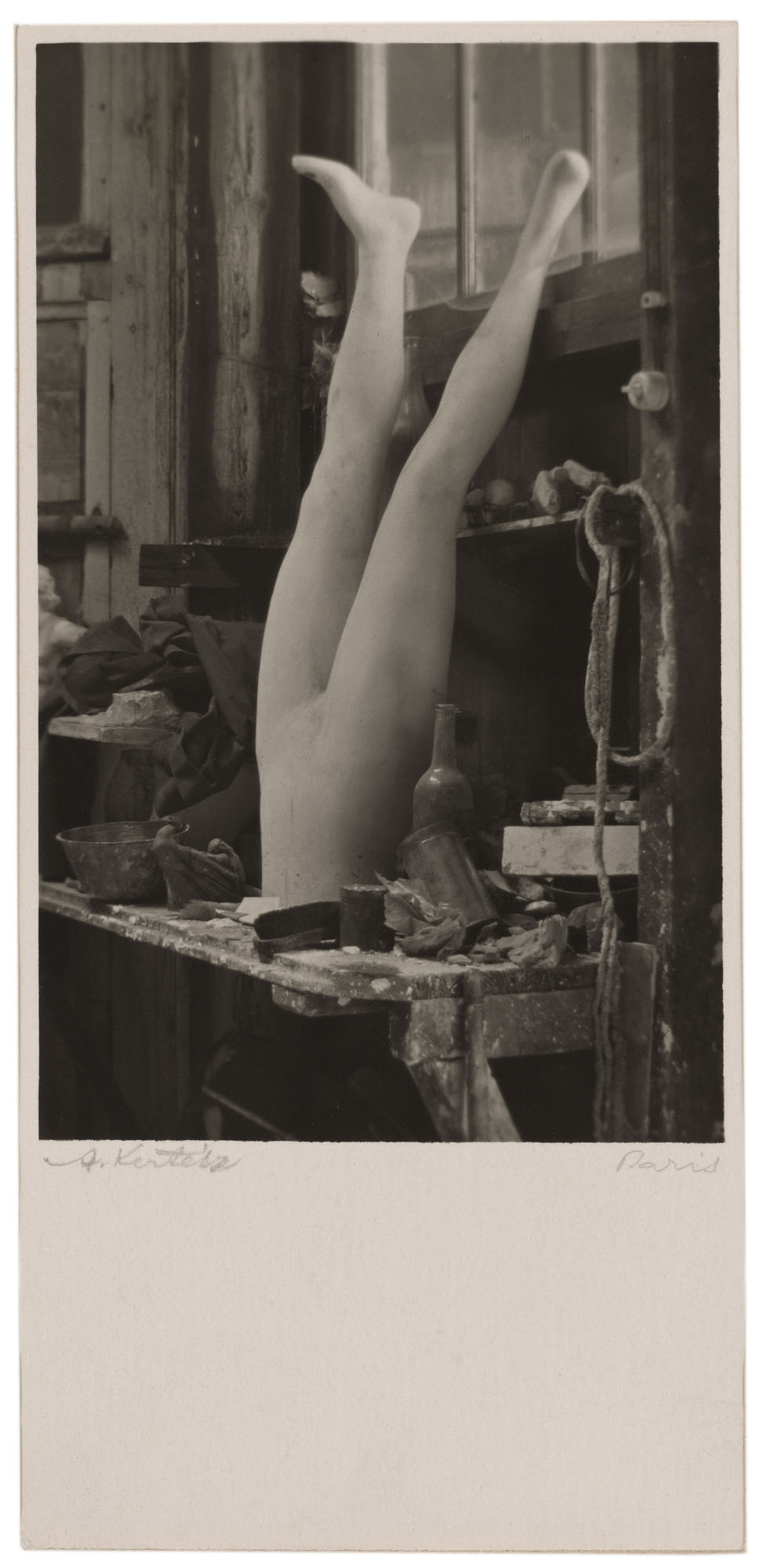
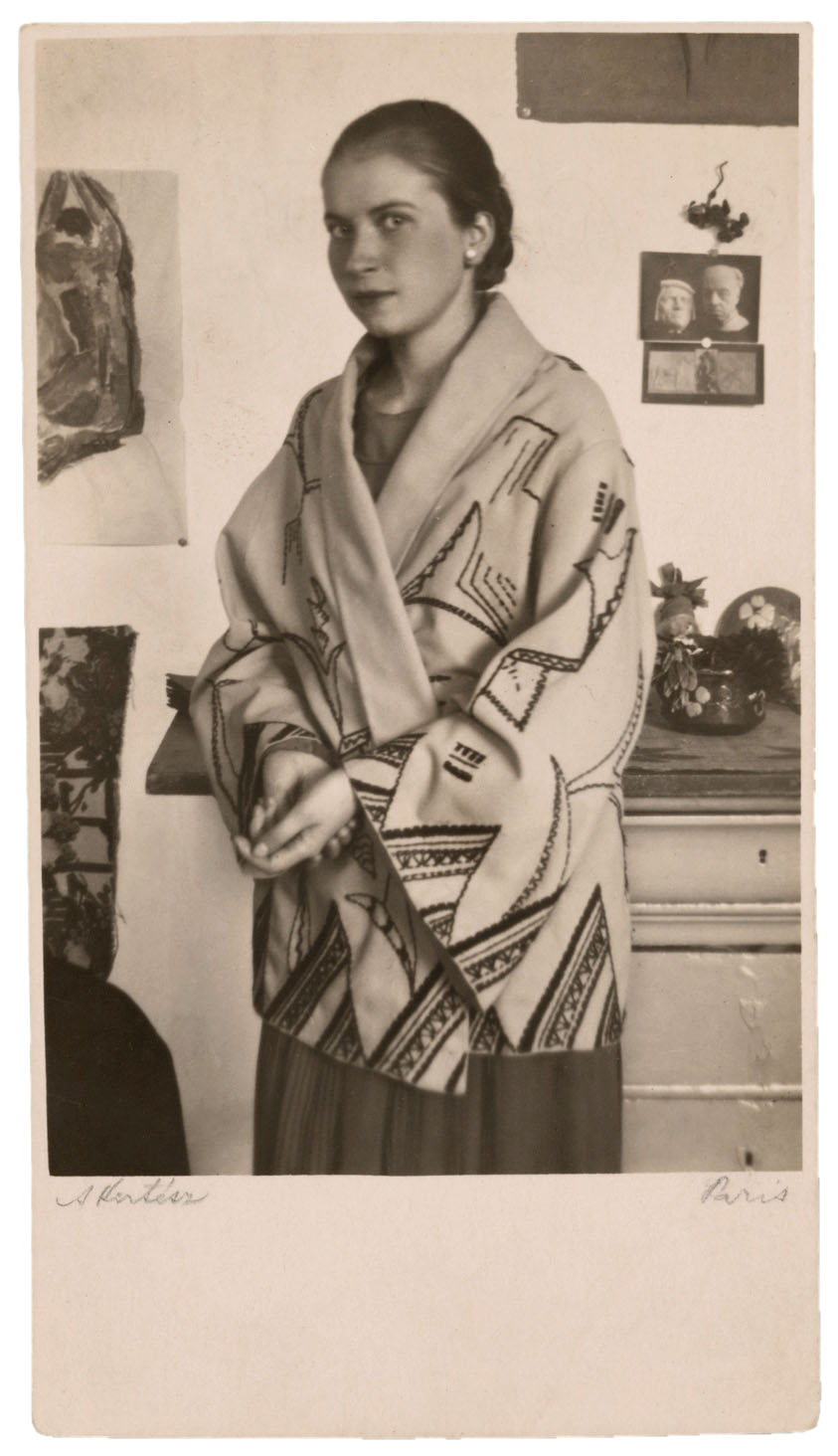
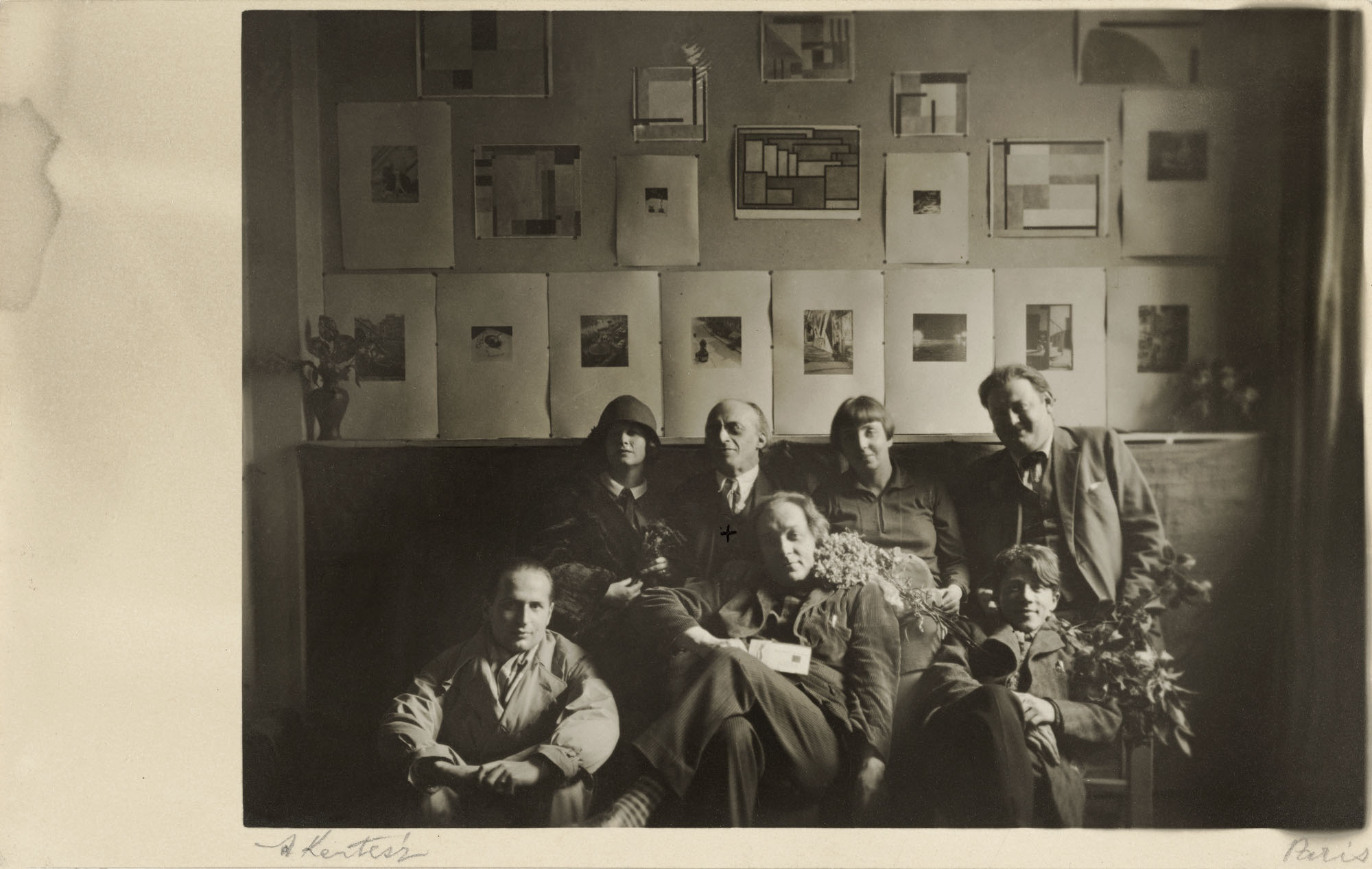

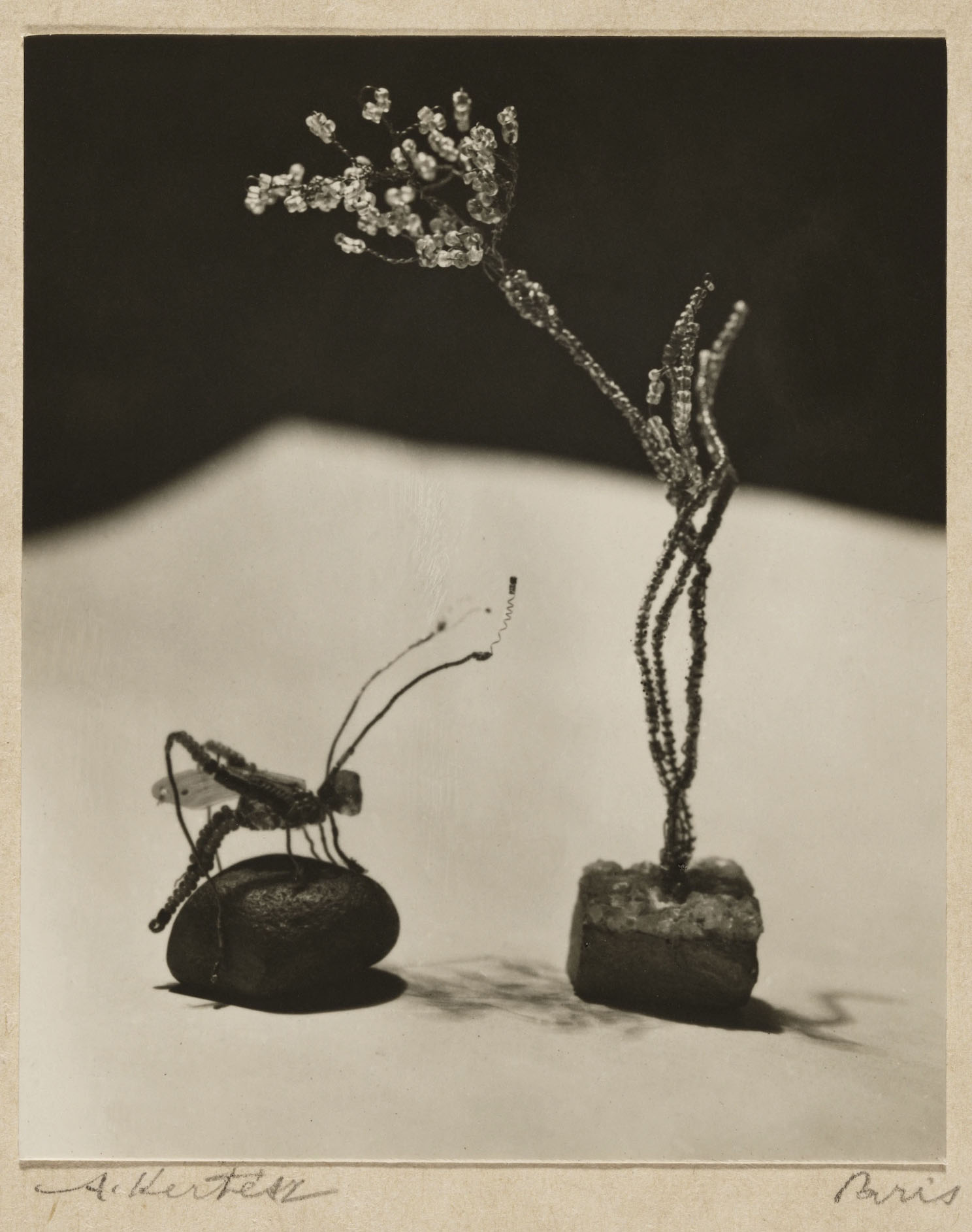


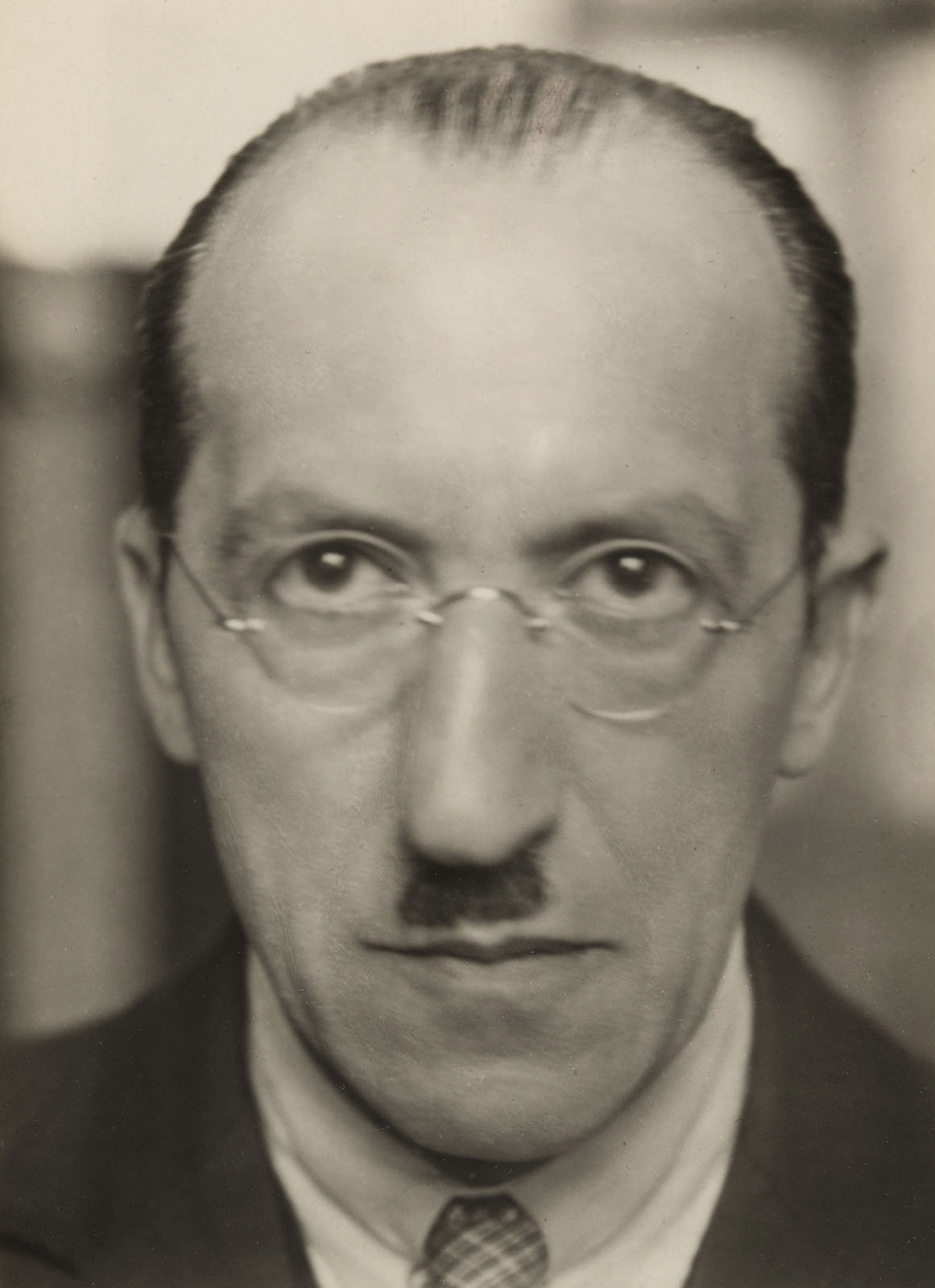

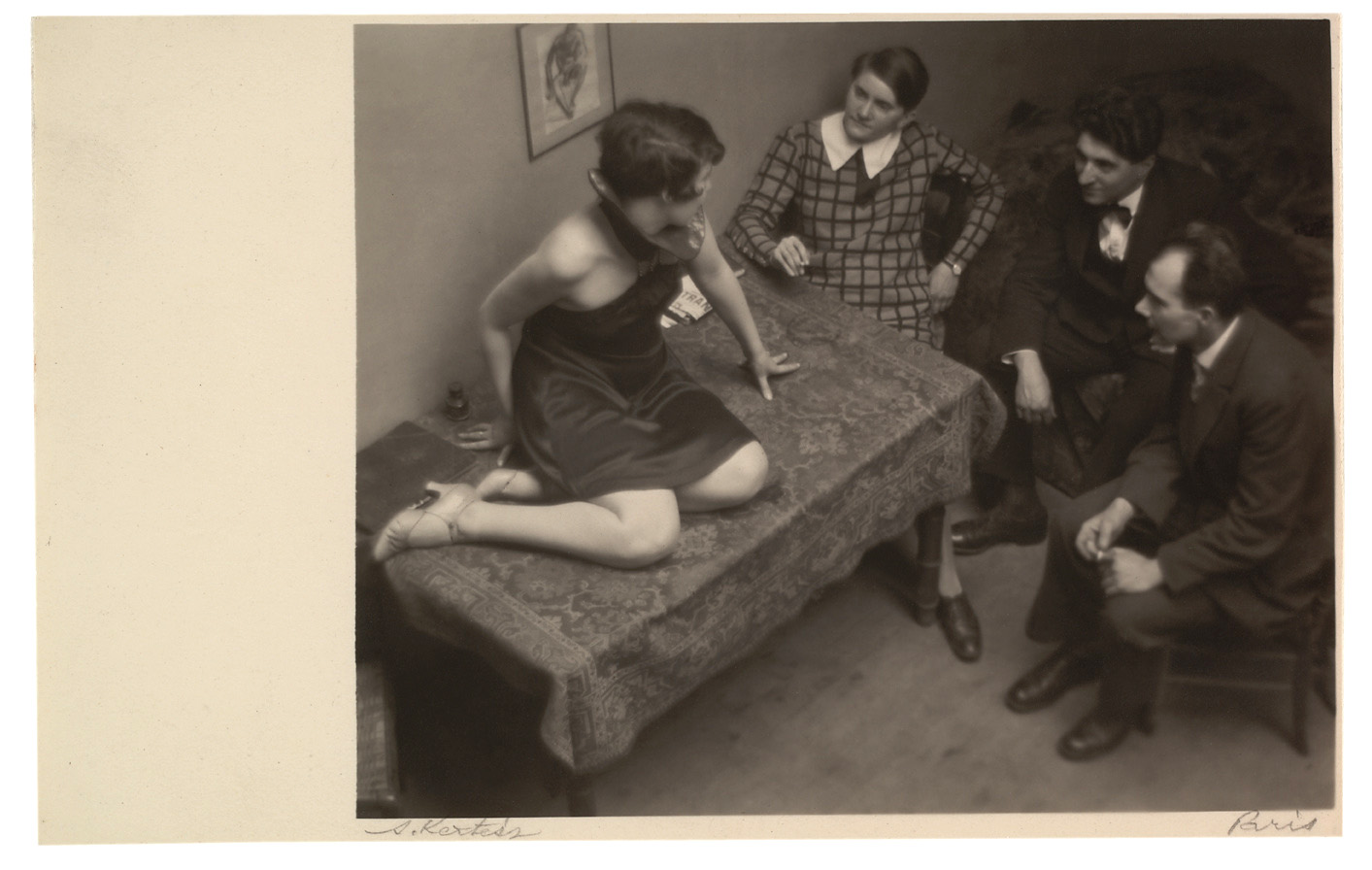

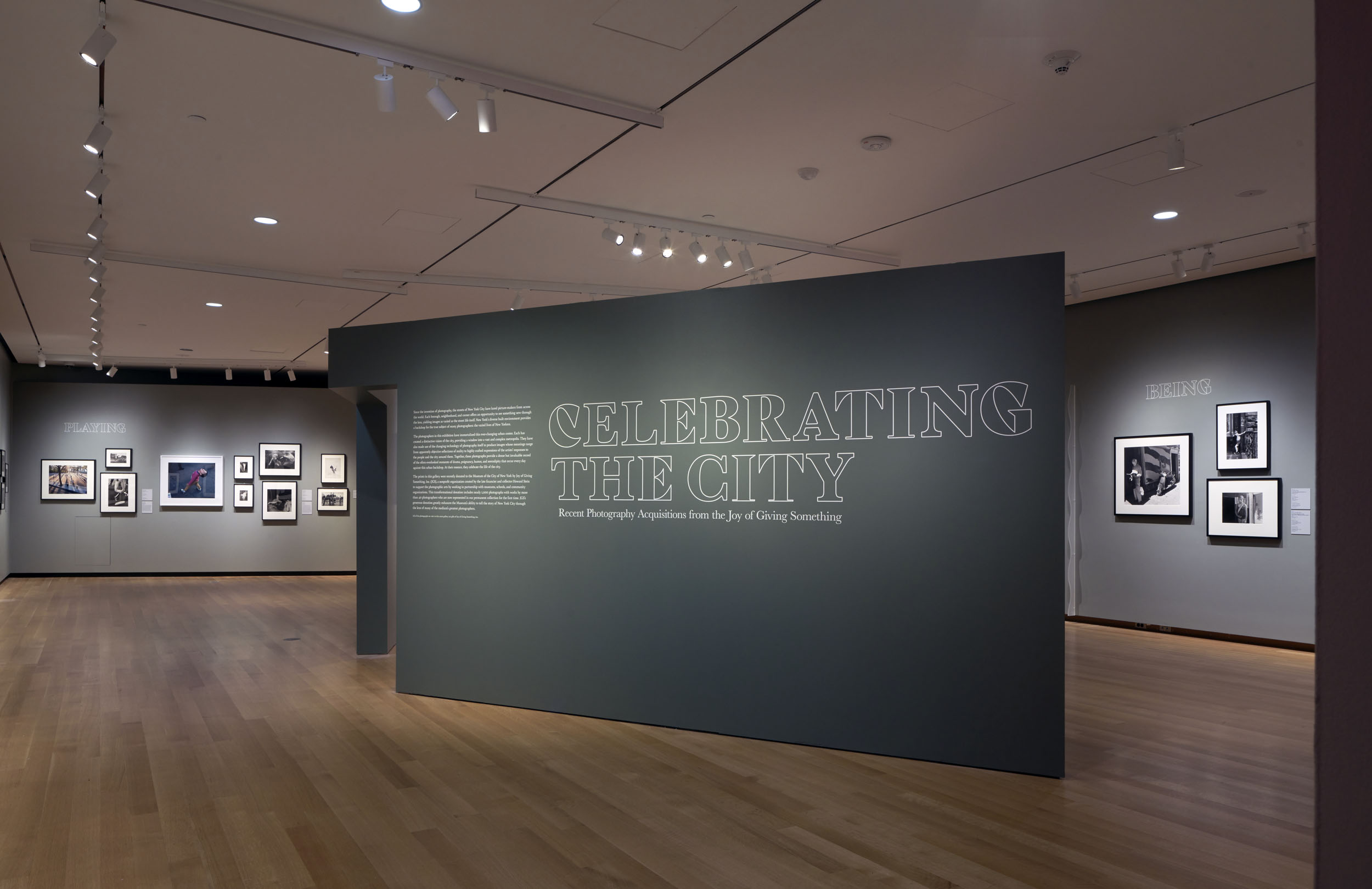
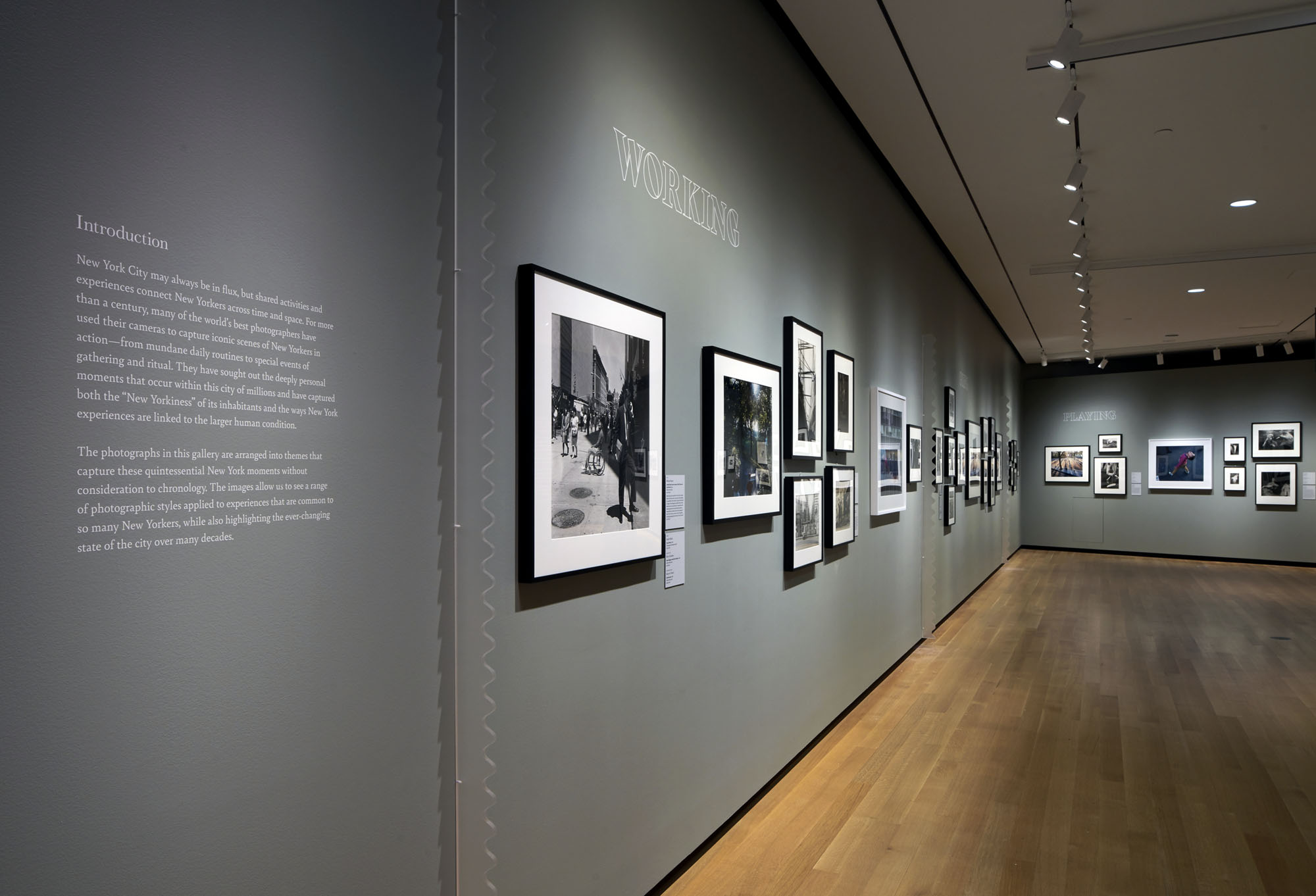
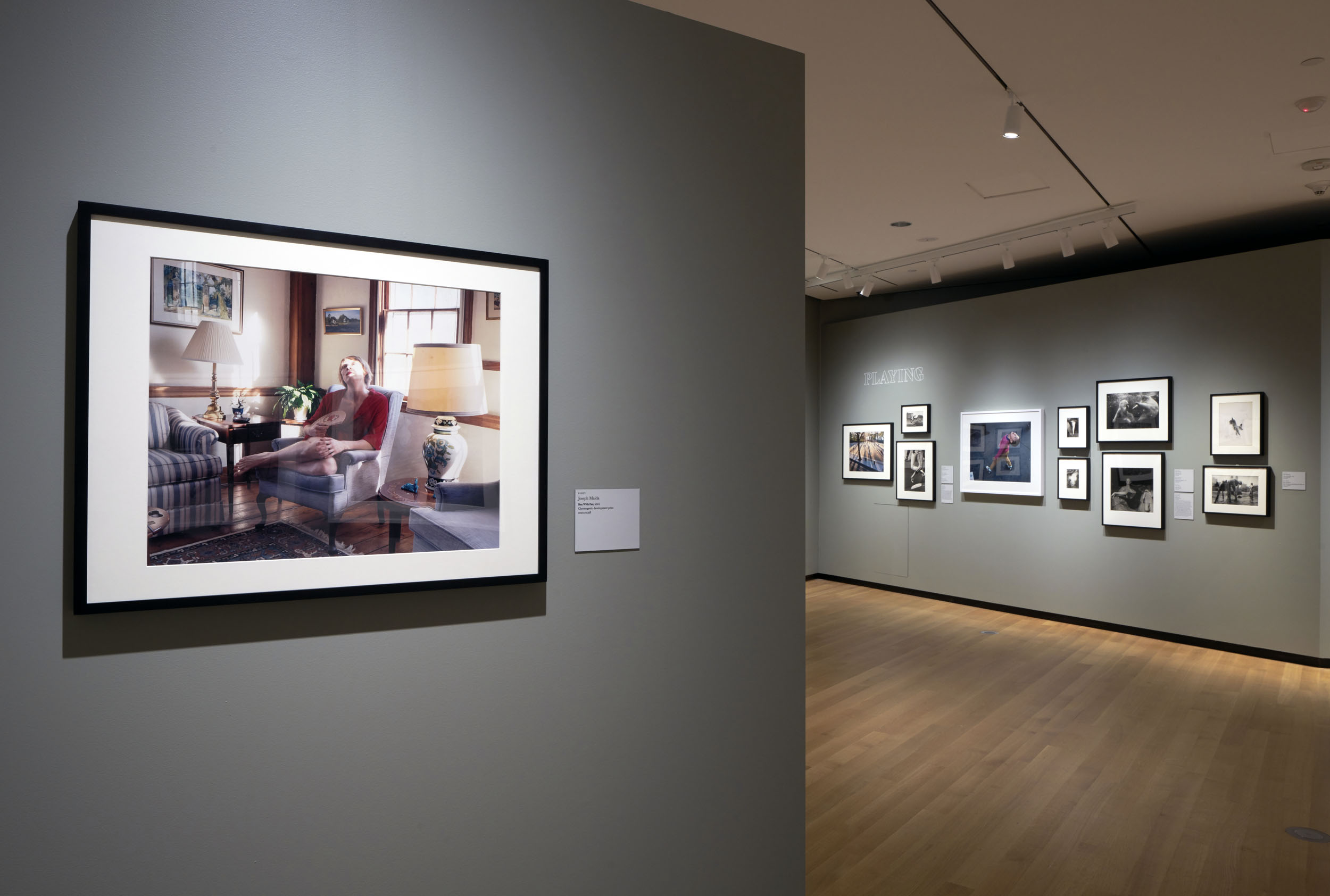
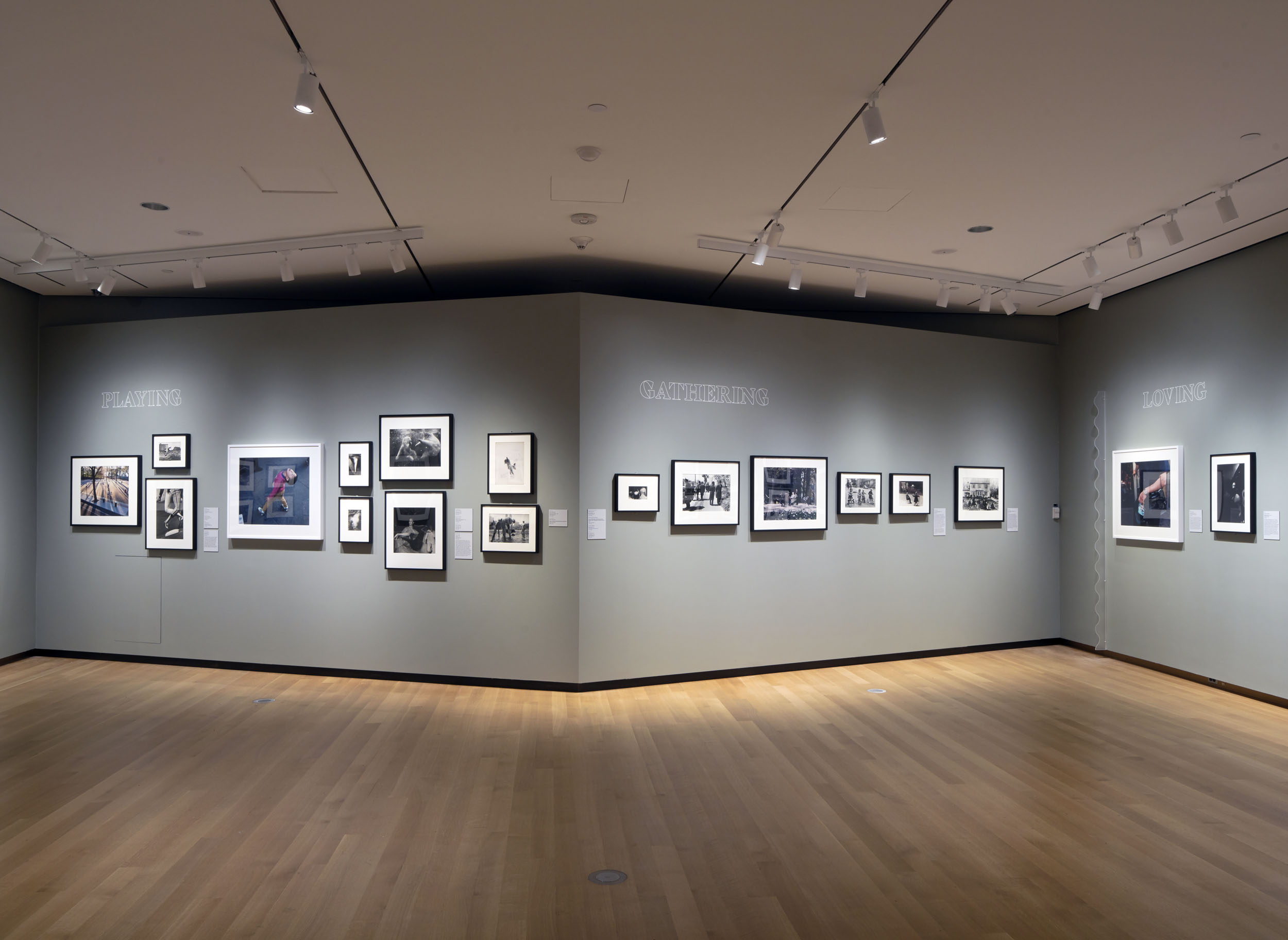
![Installation view of the exhibition 'Celebrating the City: Recent Acquisitions from the Joy of Giving Something' at the Museum of the City of New York showing at right, Mitch Epstein's 'Untitled [New York #3]' 1995](https://artblart.com/wp-content/uploads/2022/03/blf-2022-mcny-celebratingthecity-119.jpg "Installation view of the exhibition 'Celebrating the City: Recent Acquisitions from the Joy of Giving Something' at the Museum of the City of New York showing at right, Mitch Epstein's 'Untitled [New York #3]' 1995")
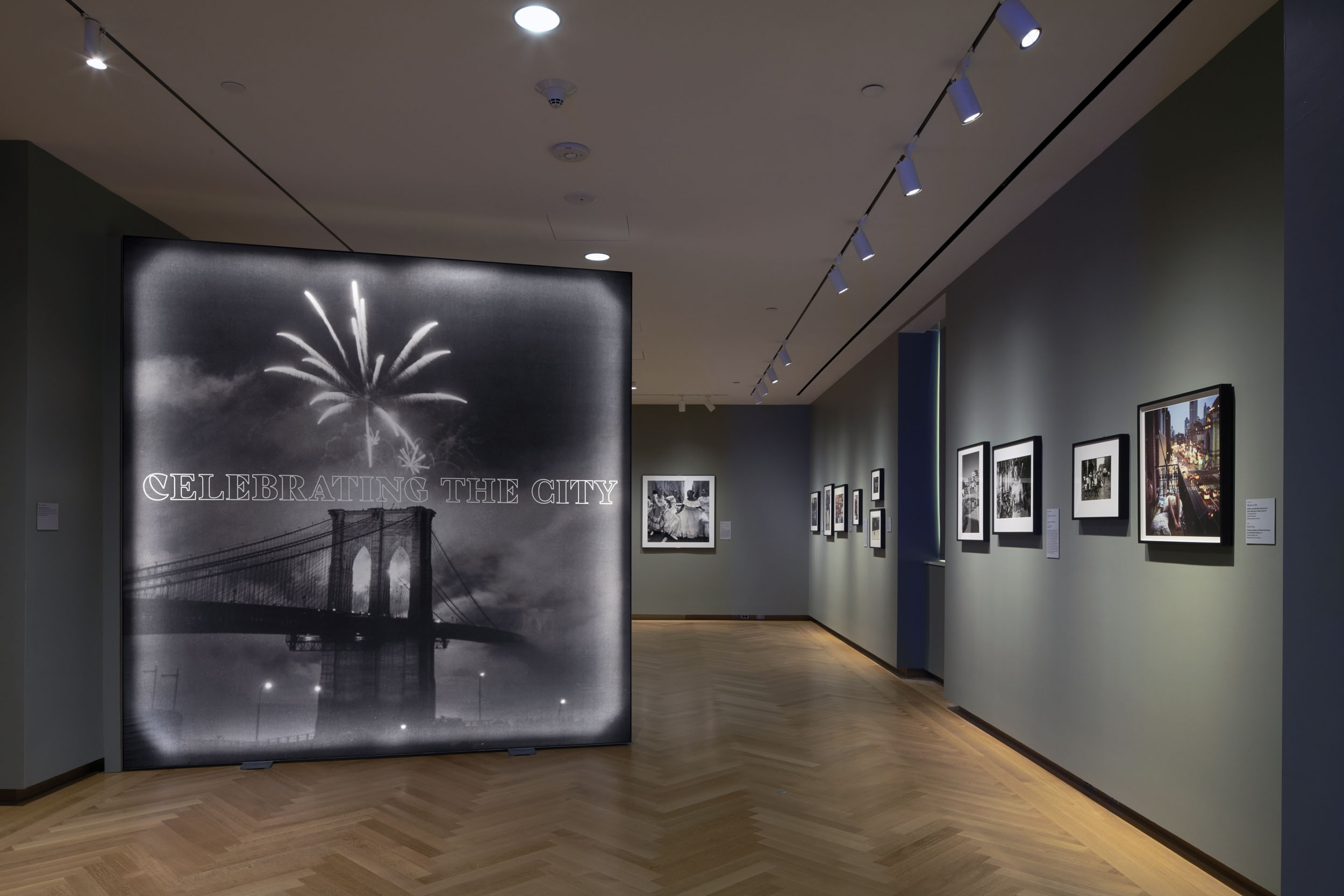
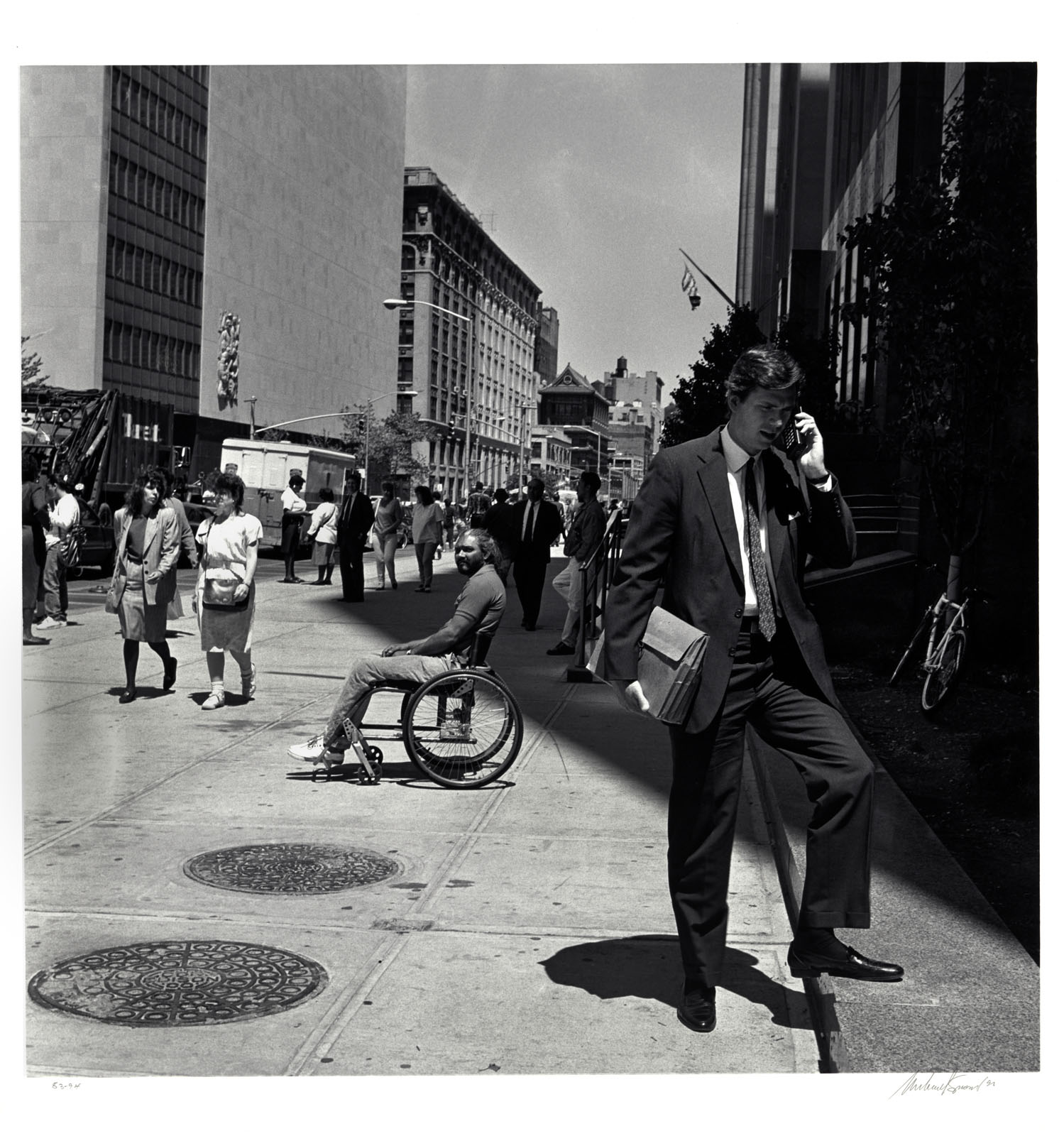
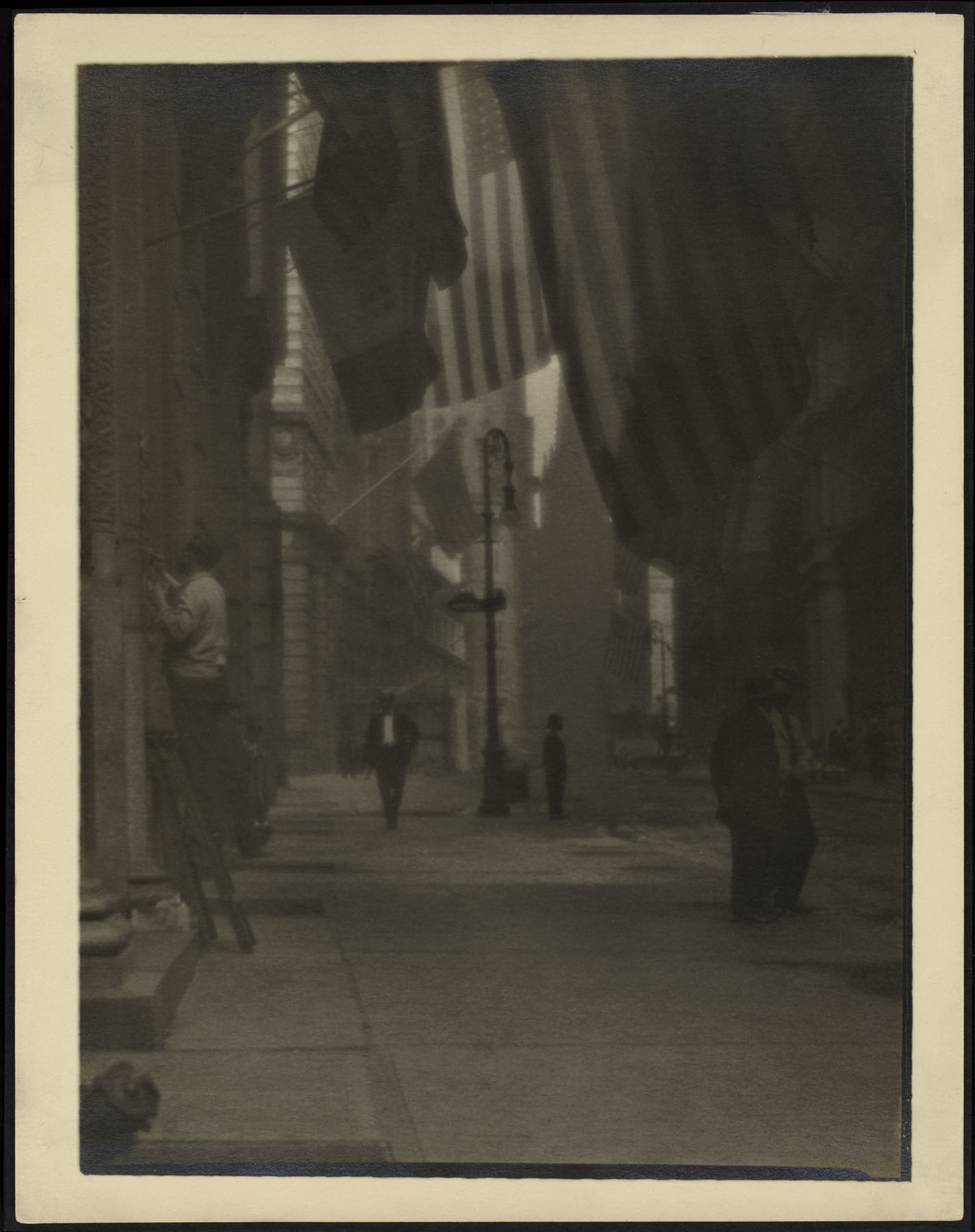
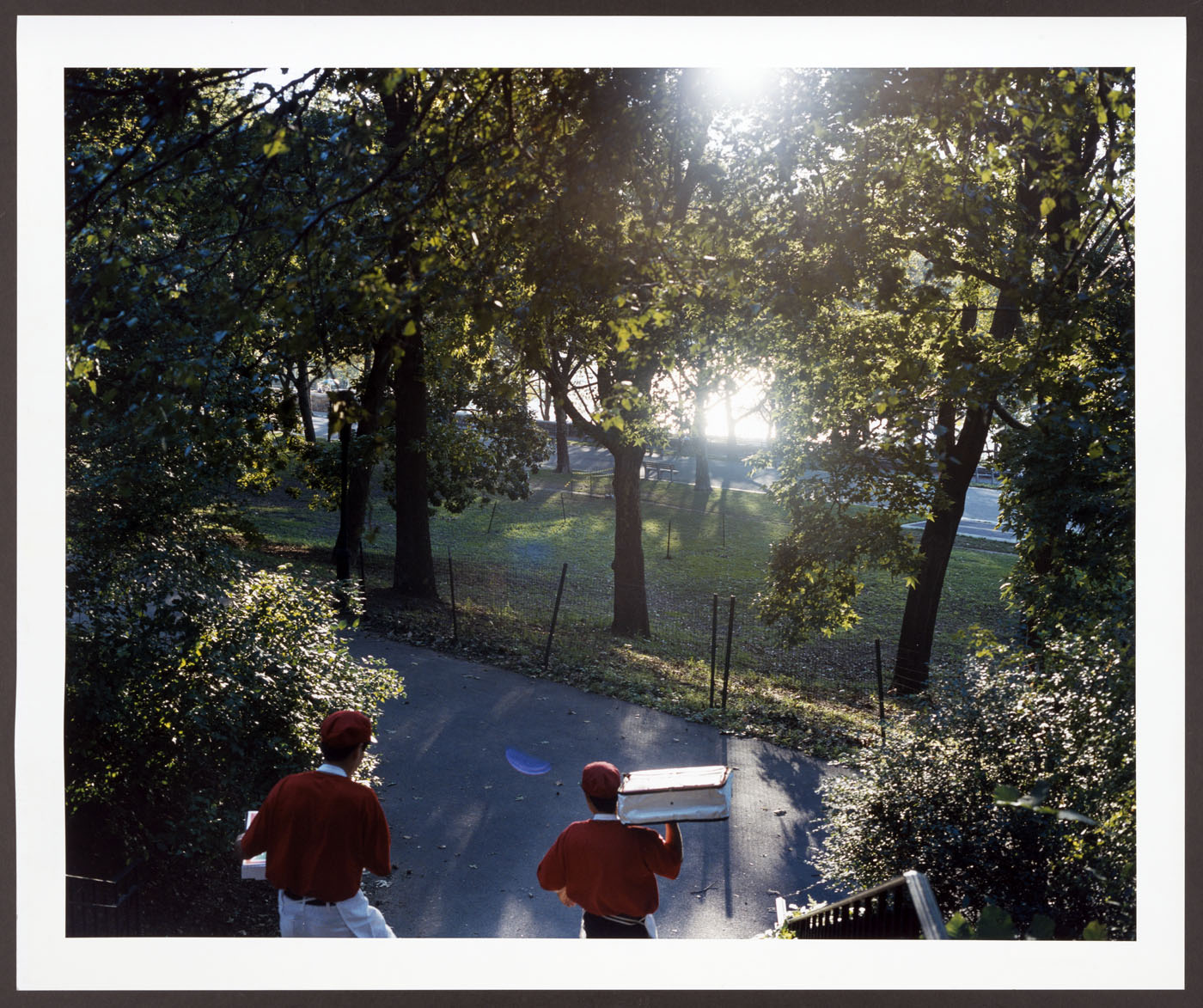
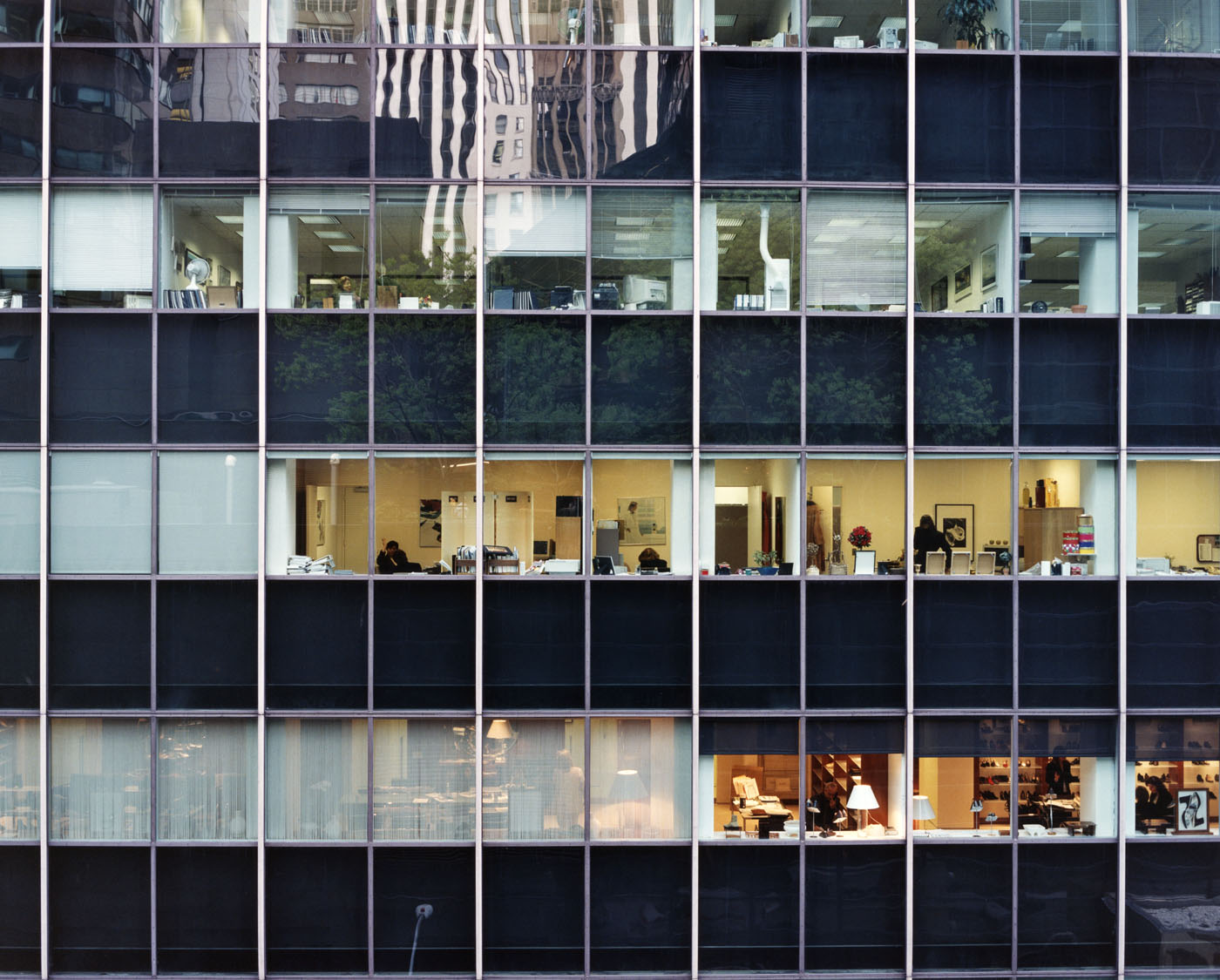
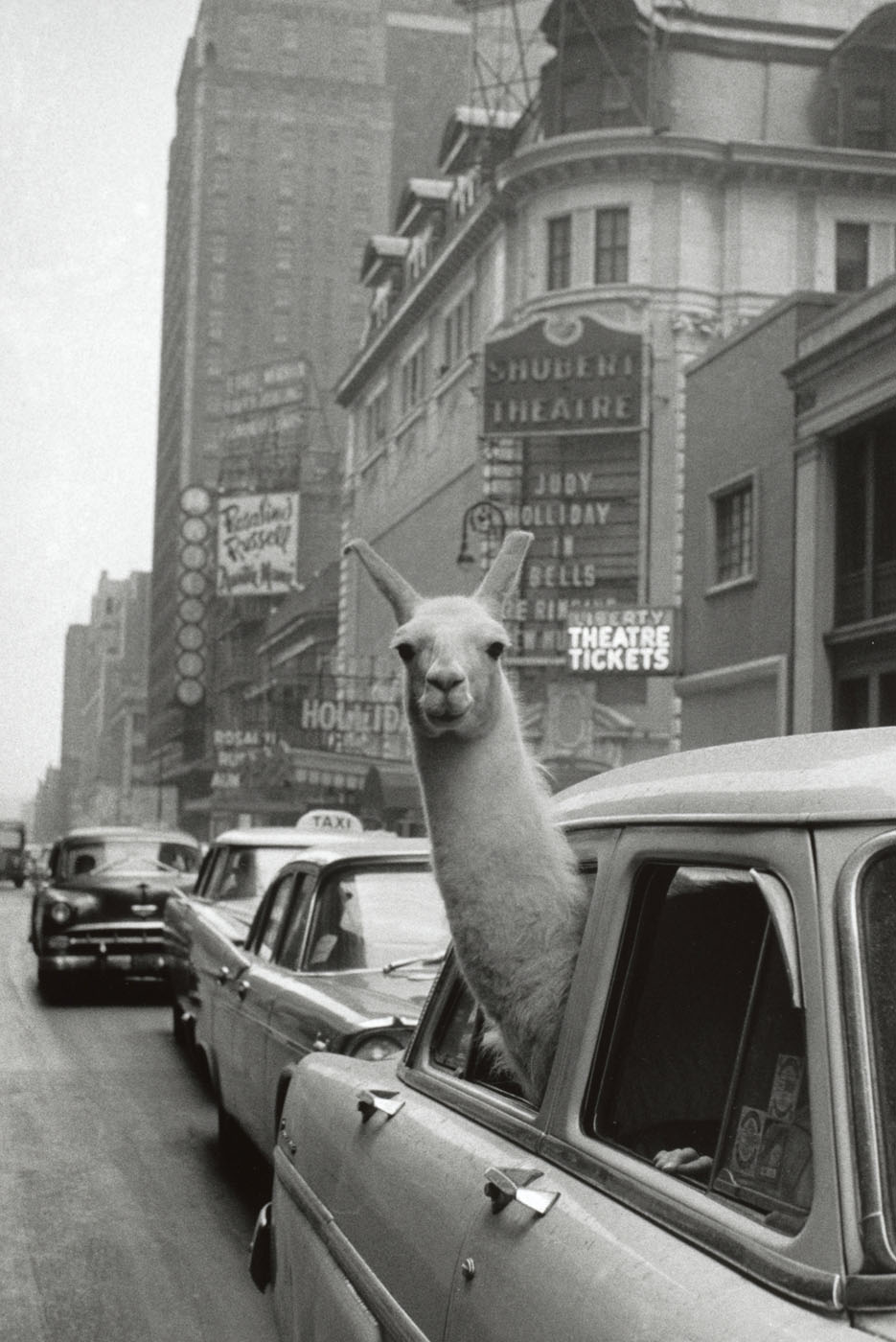
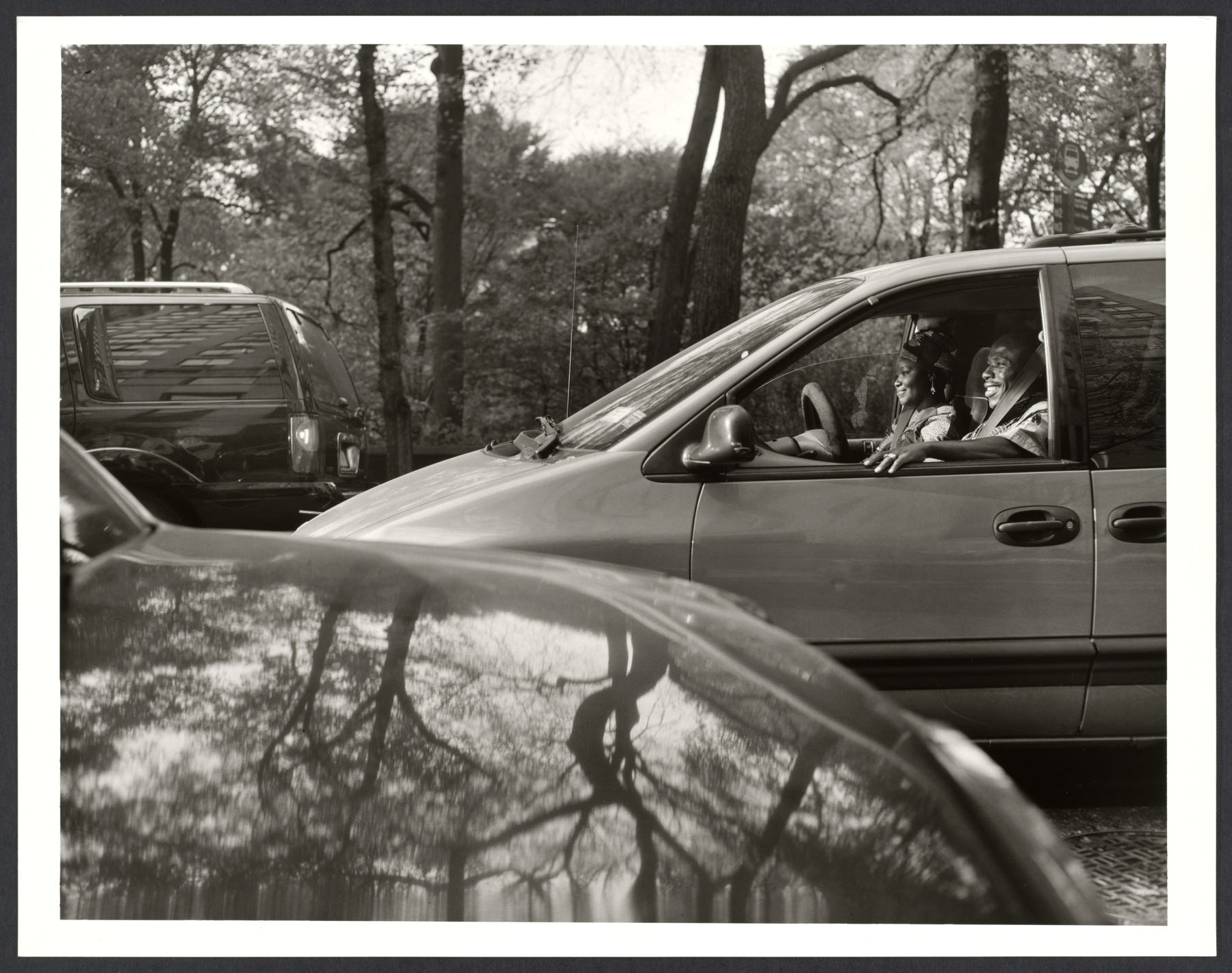
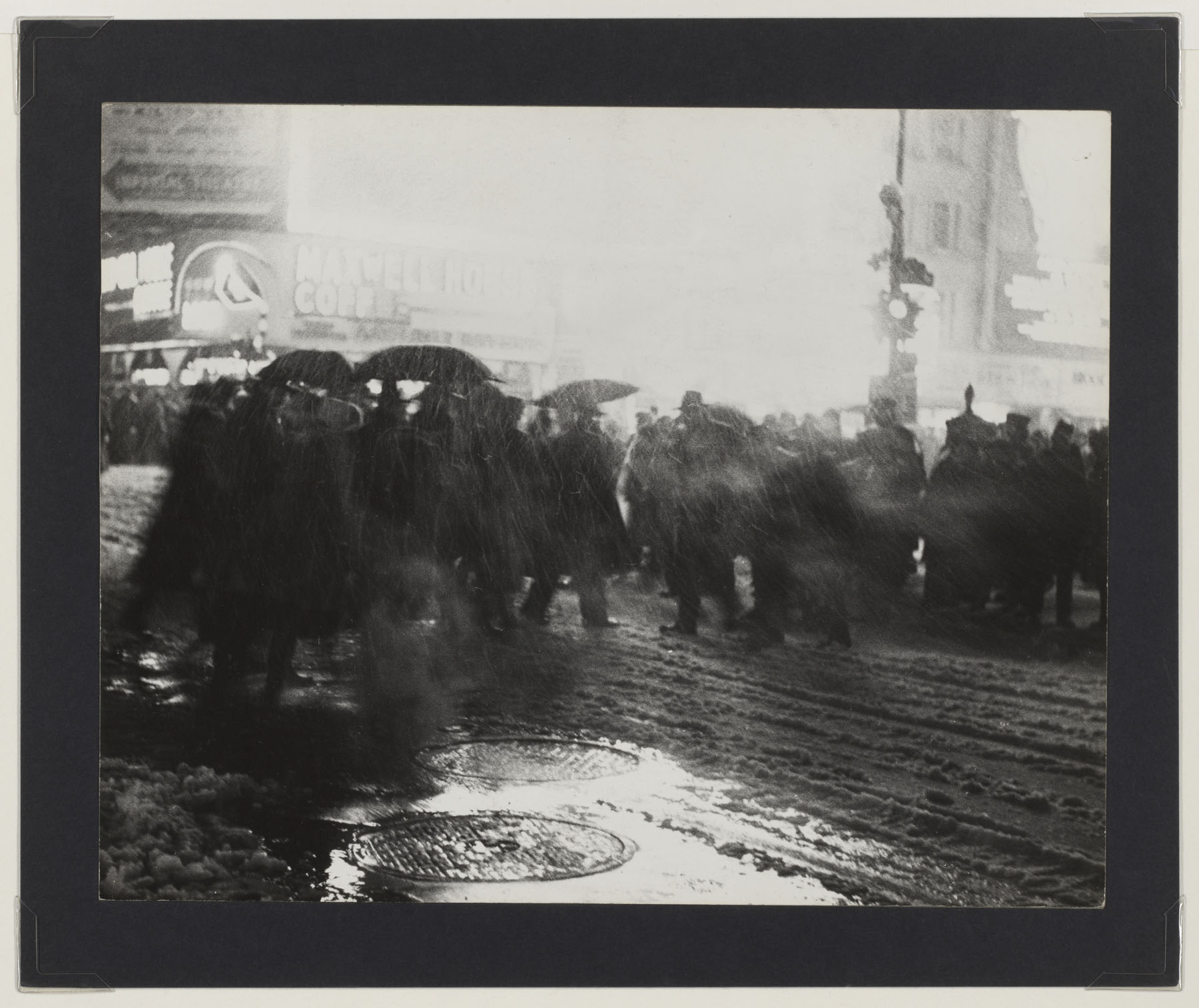
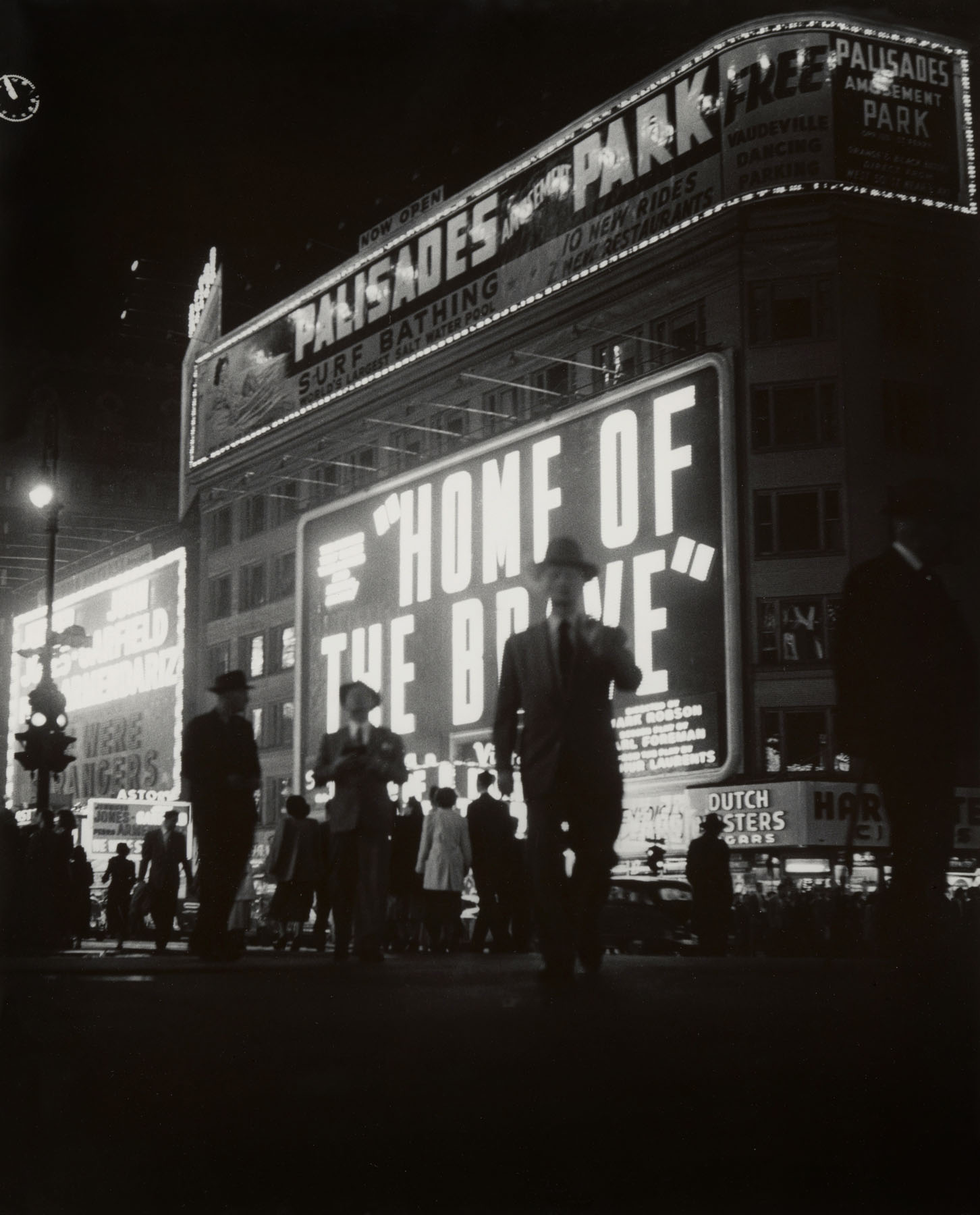
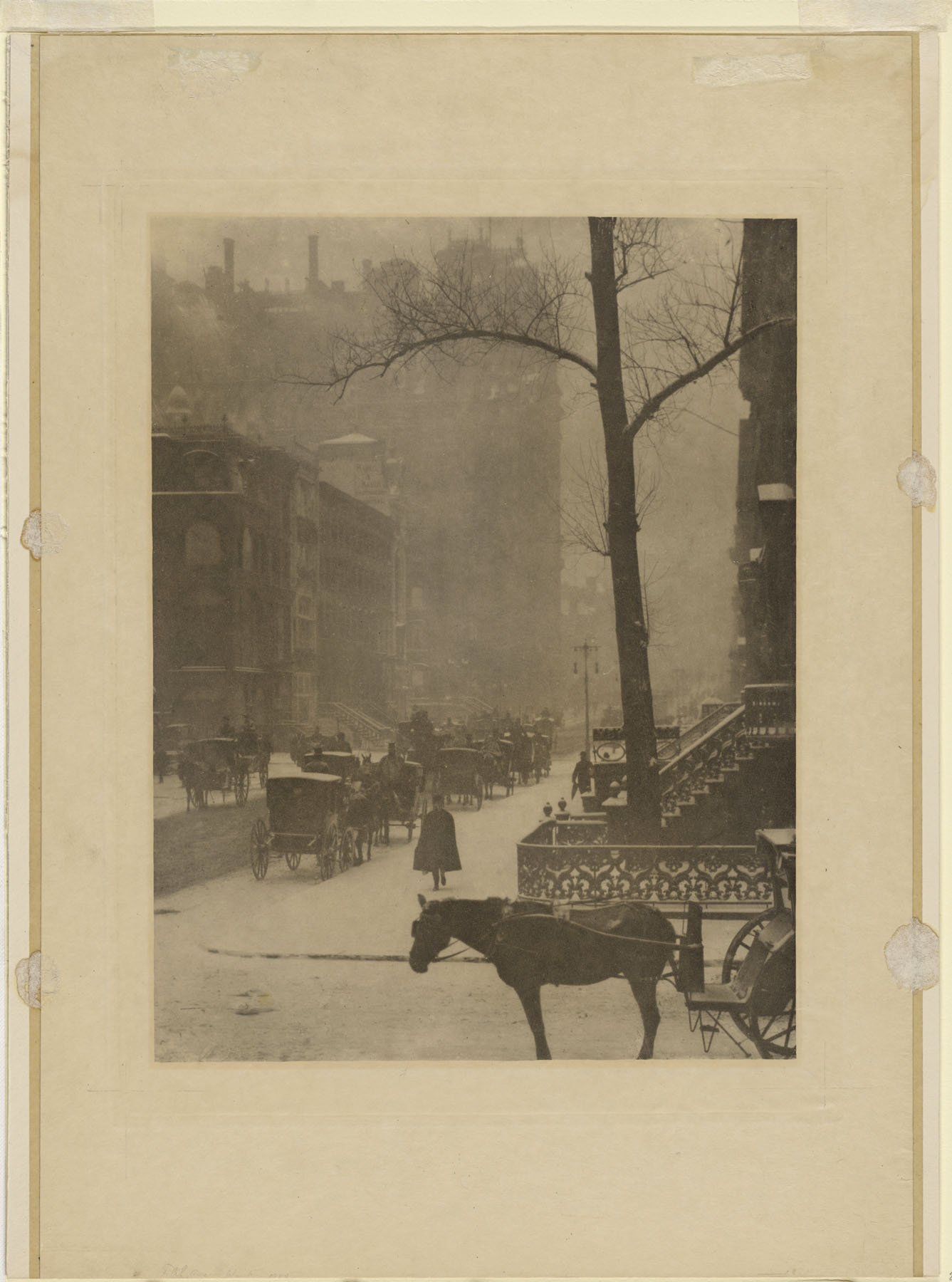
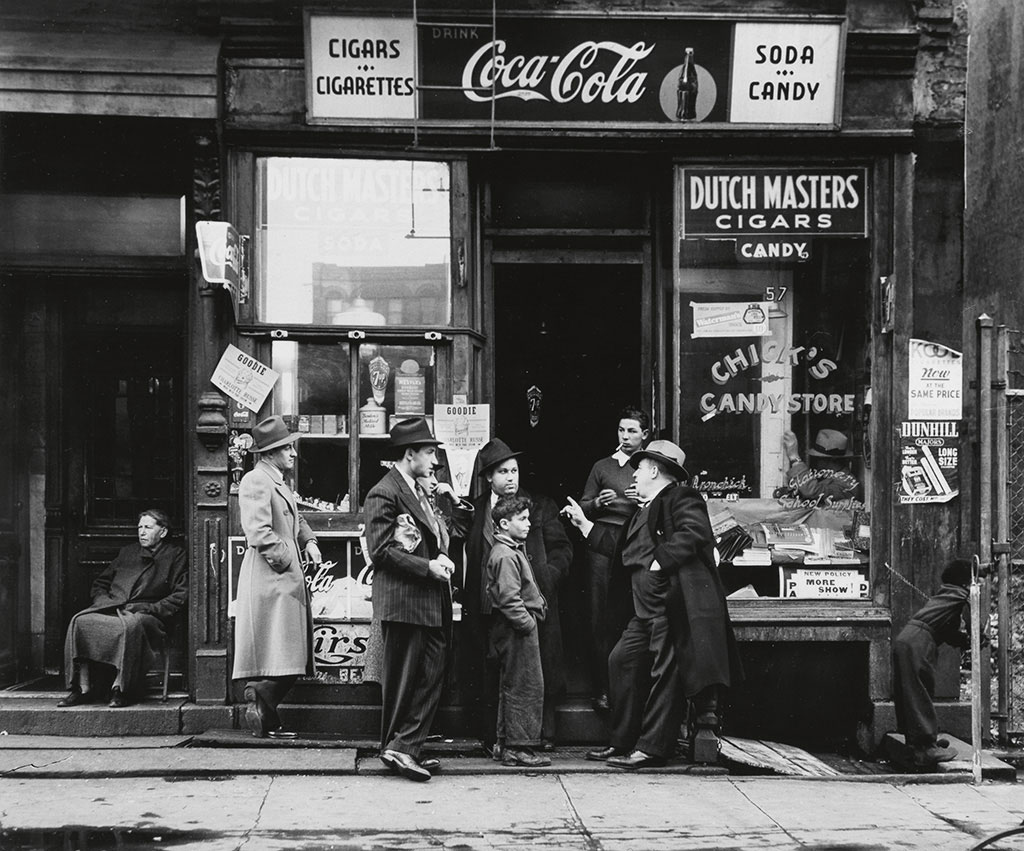
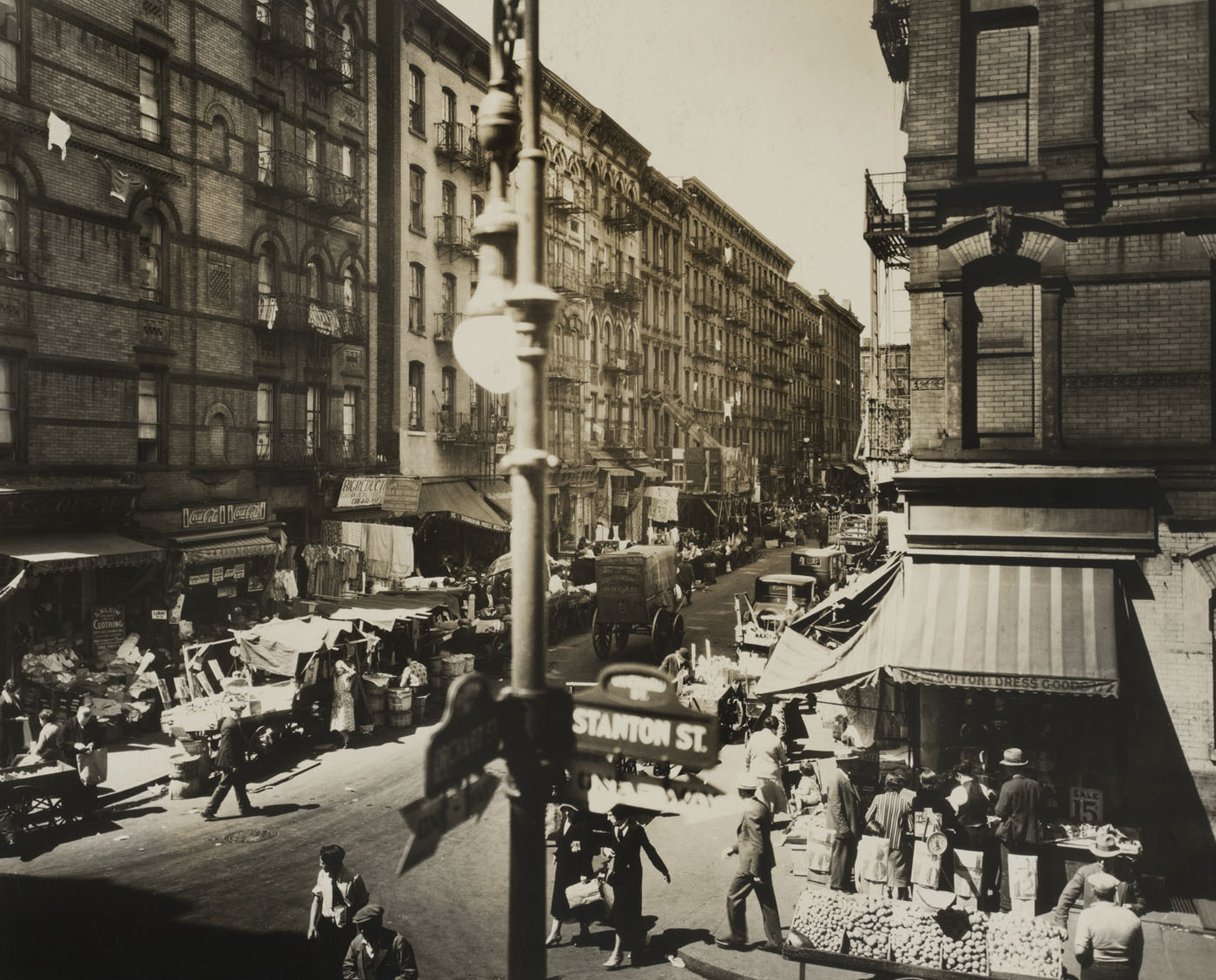
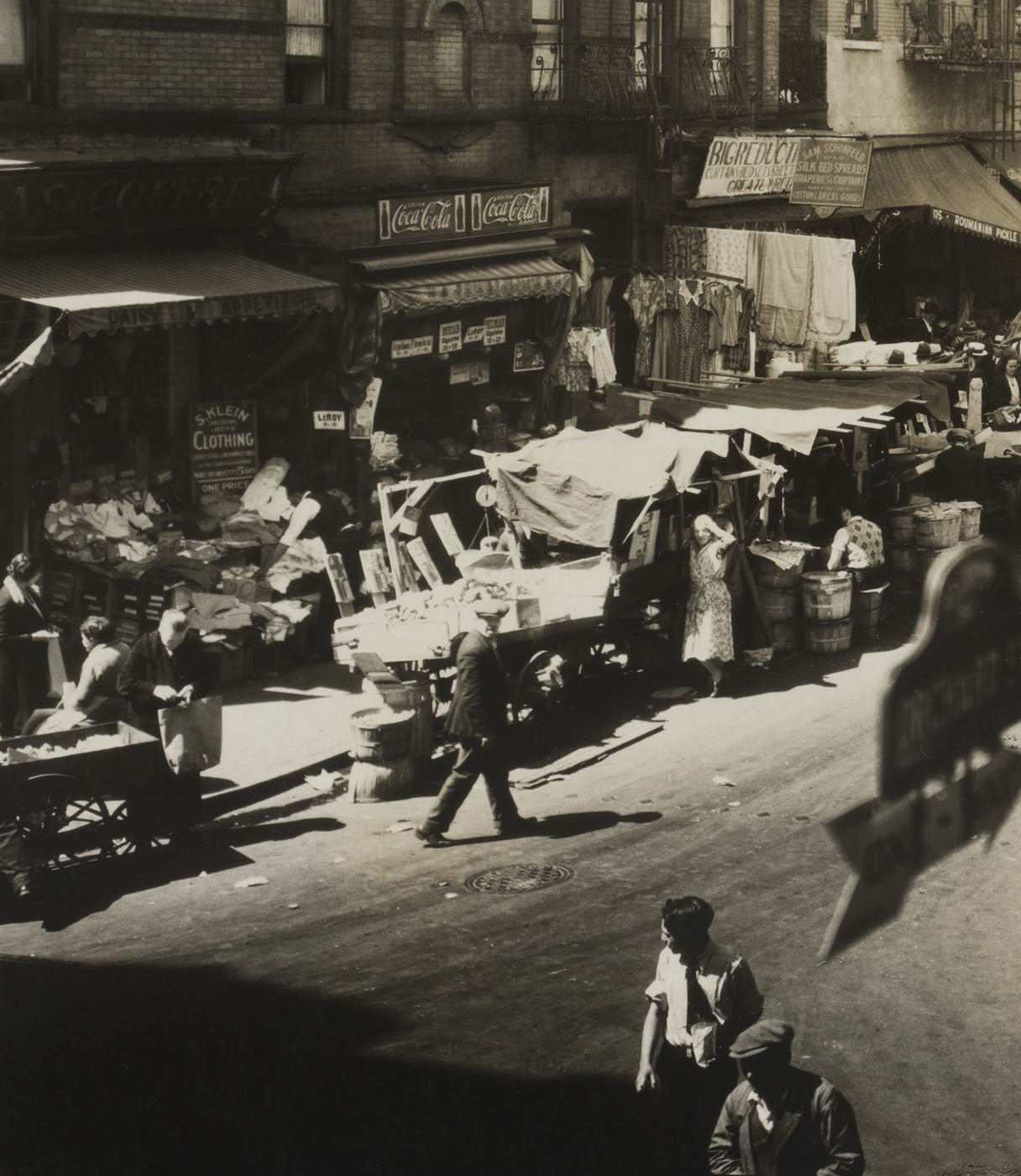
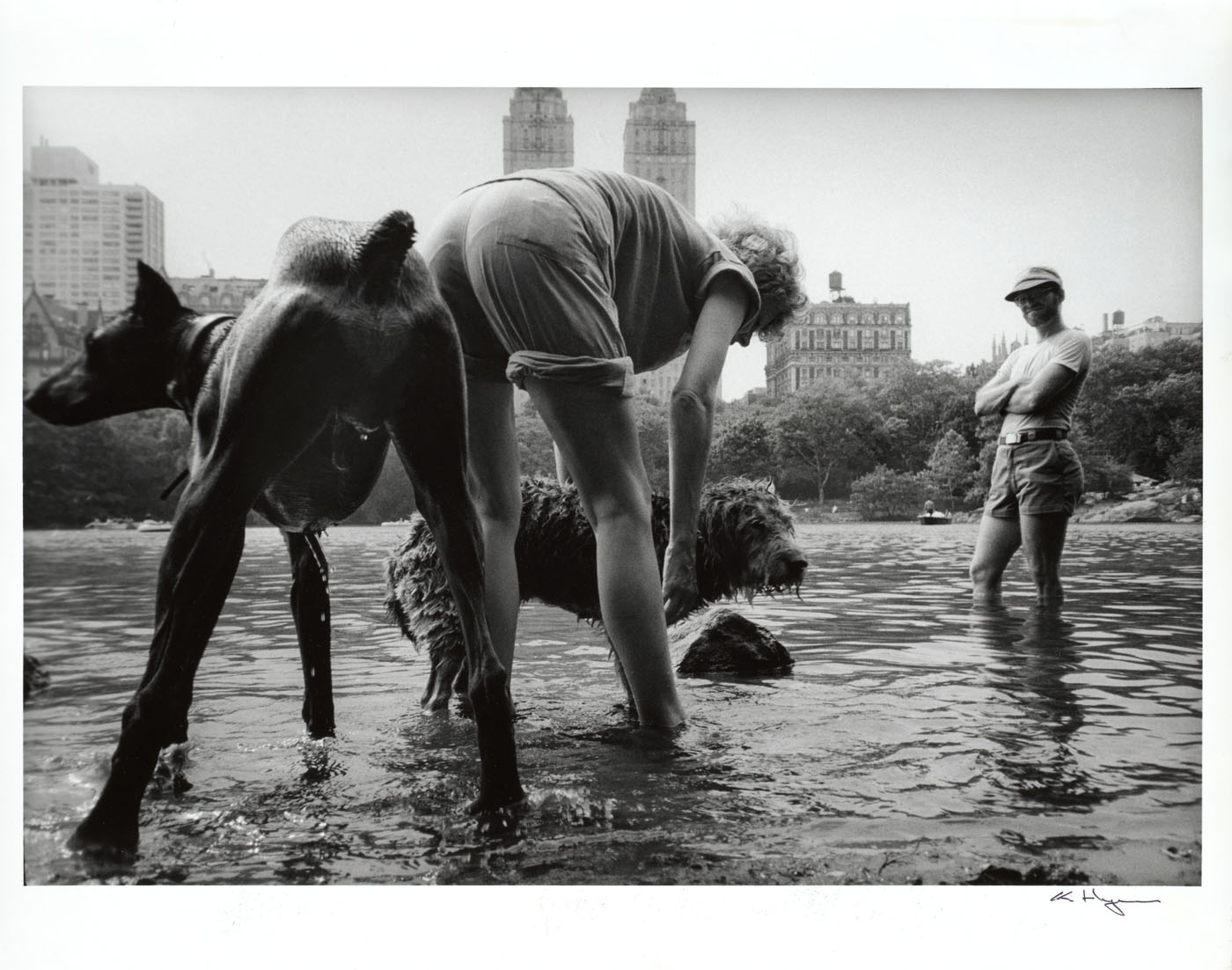
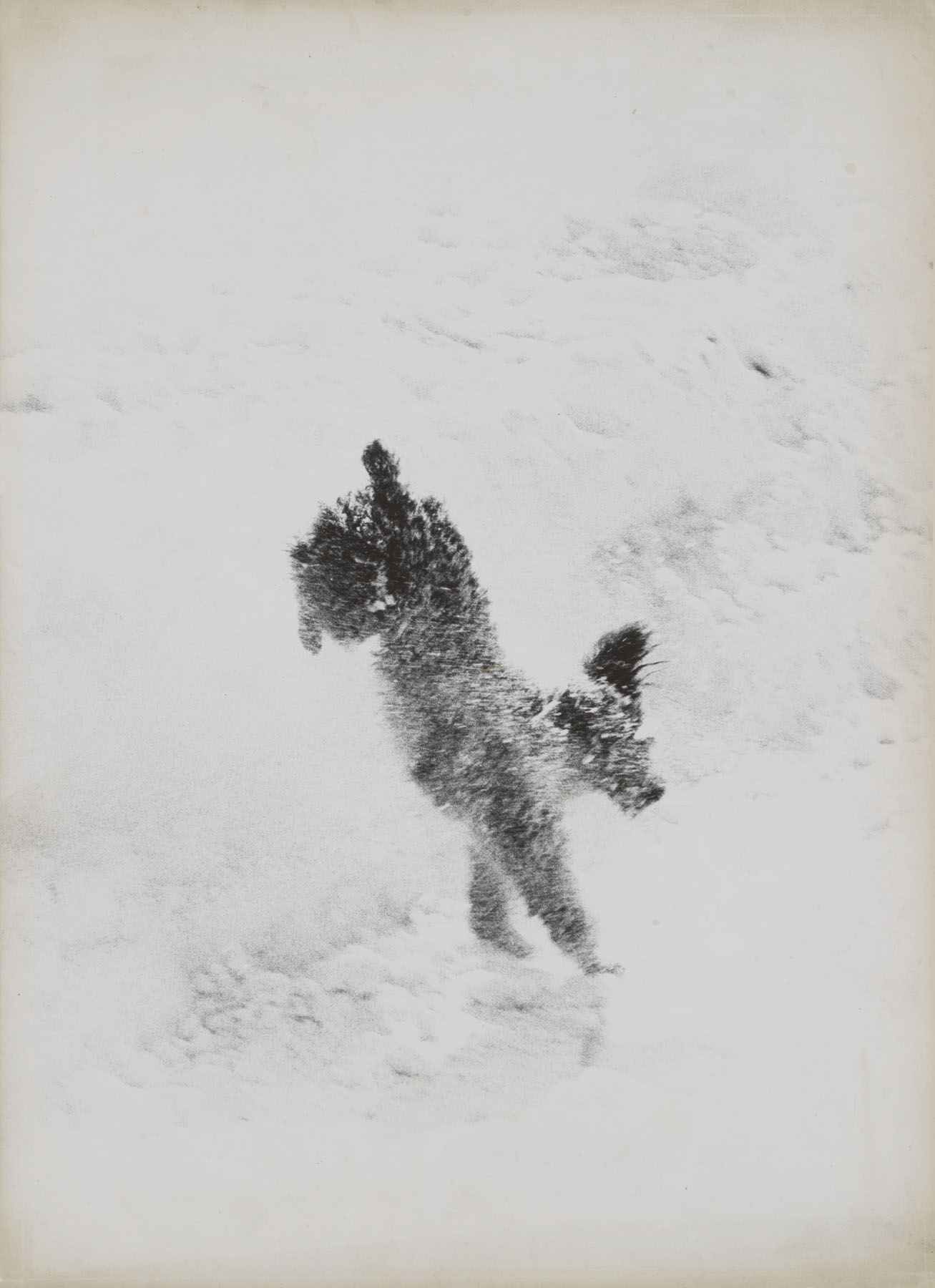

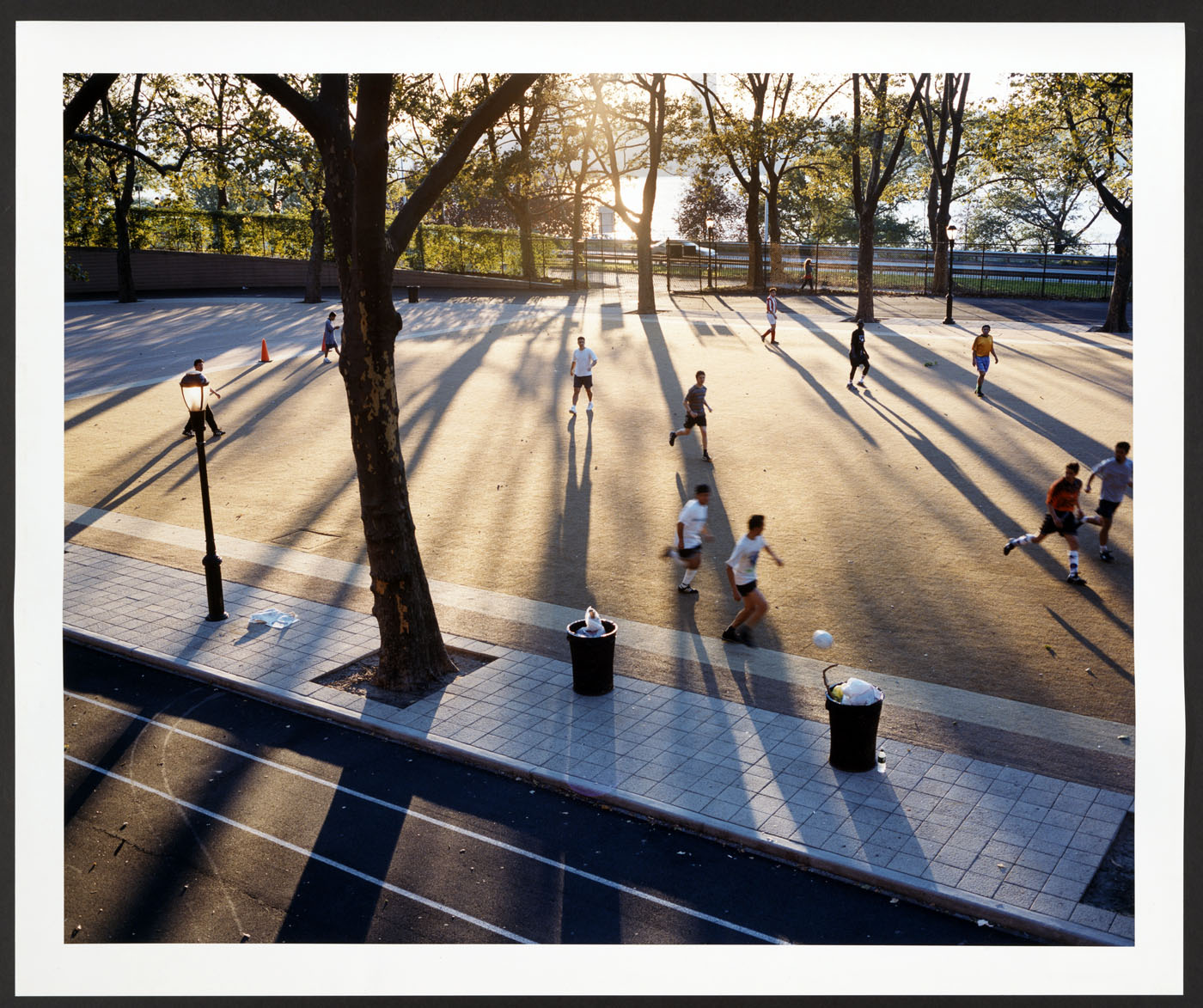
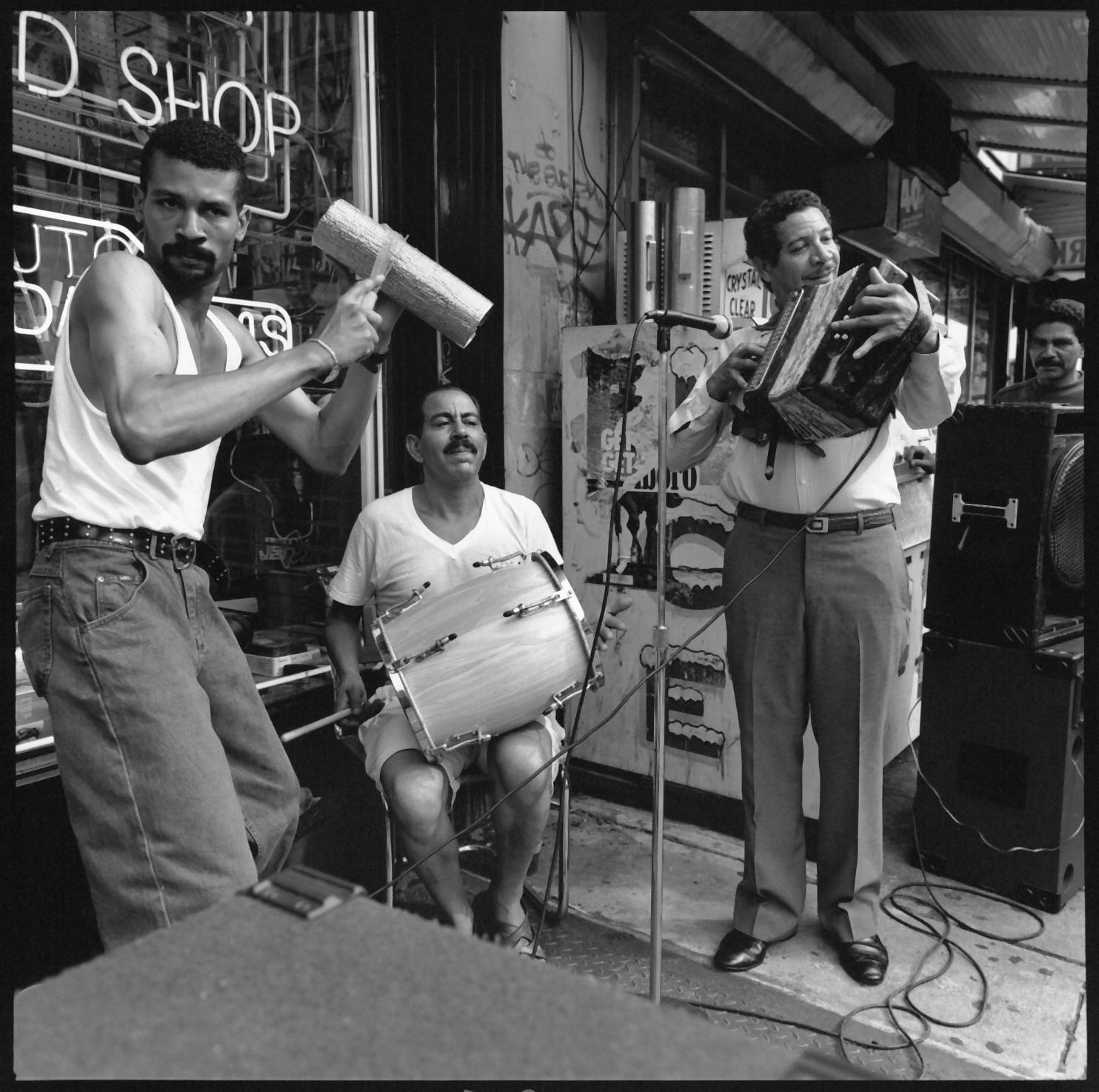
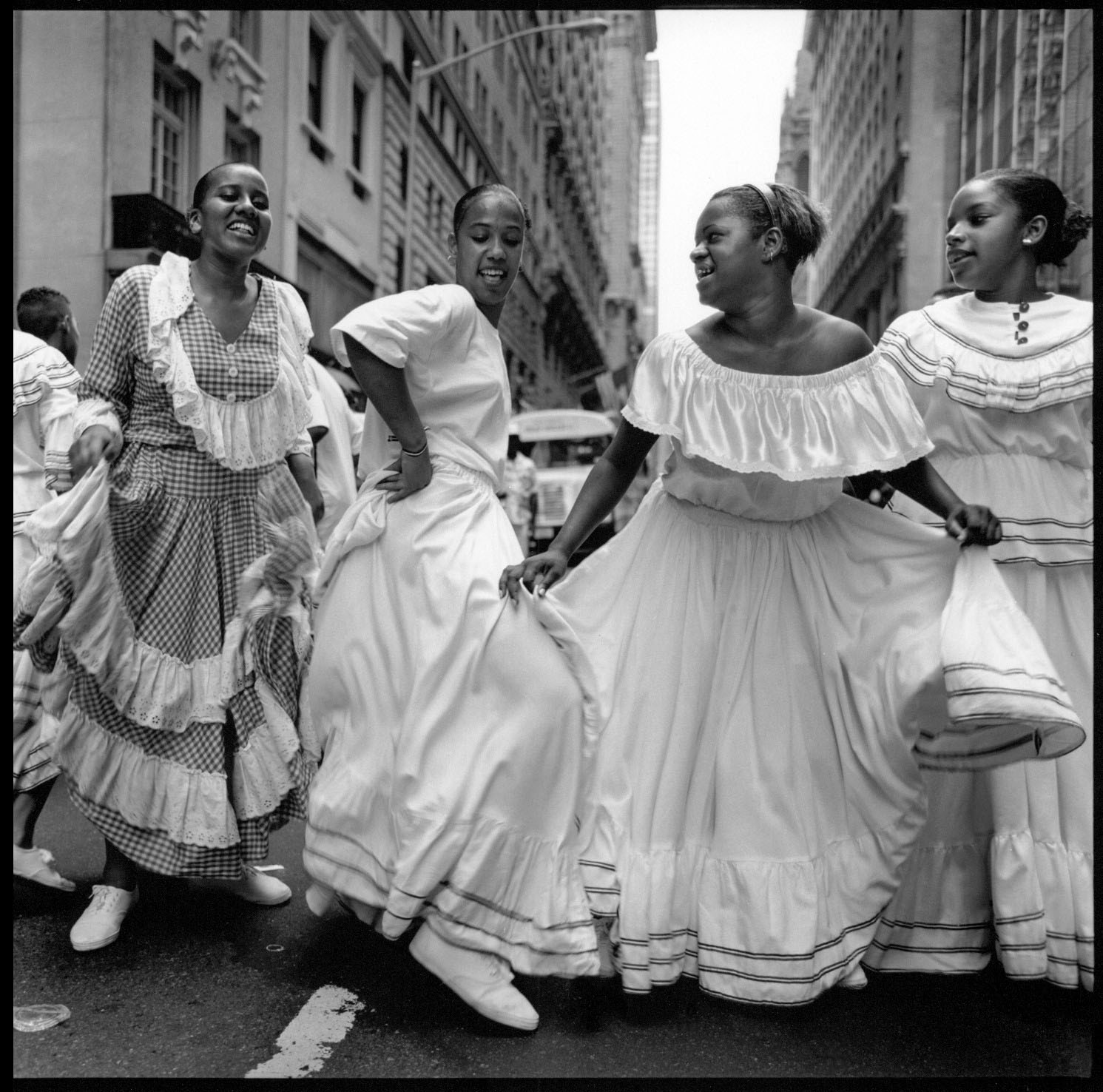

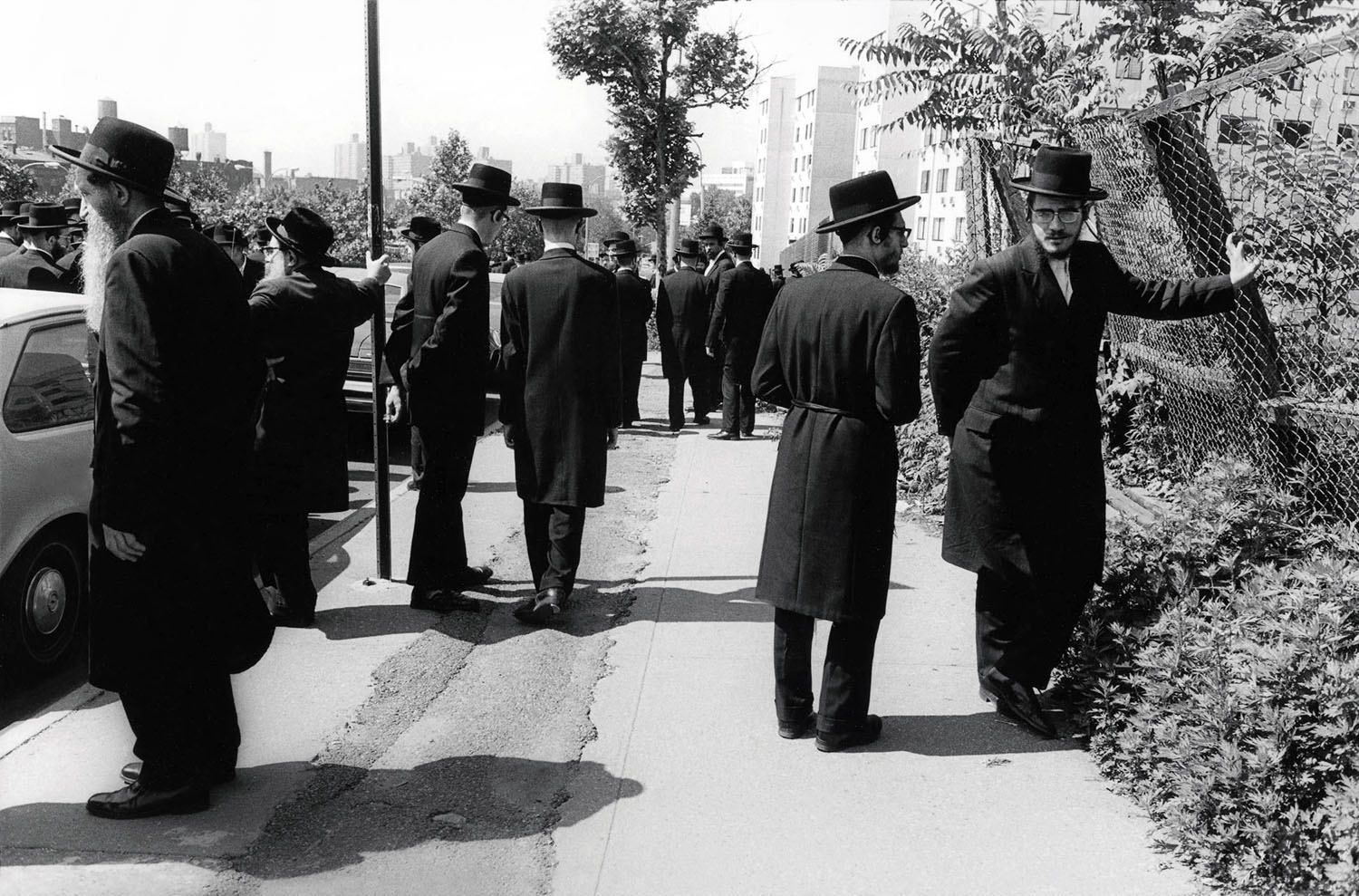
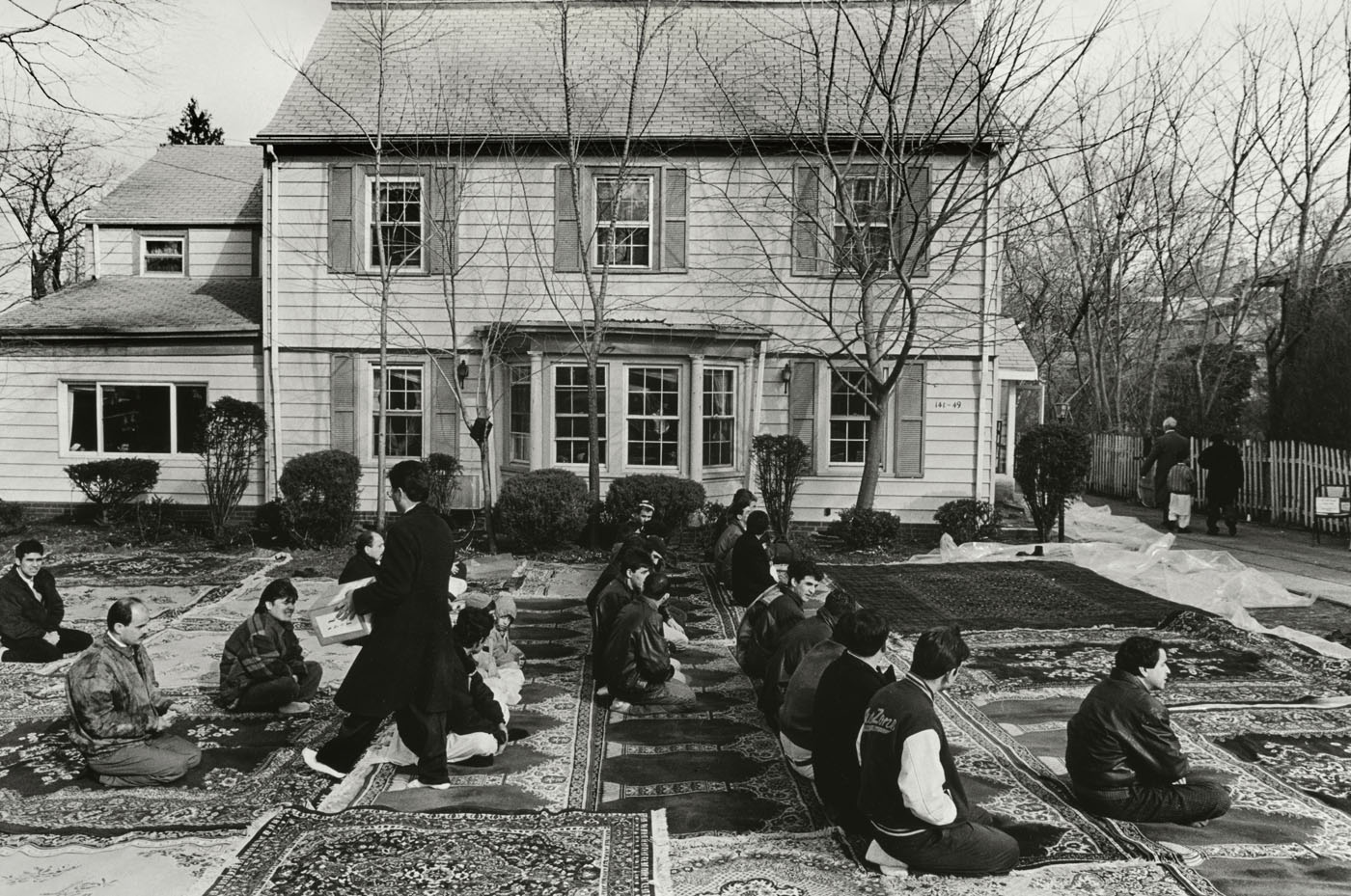
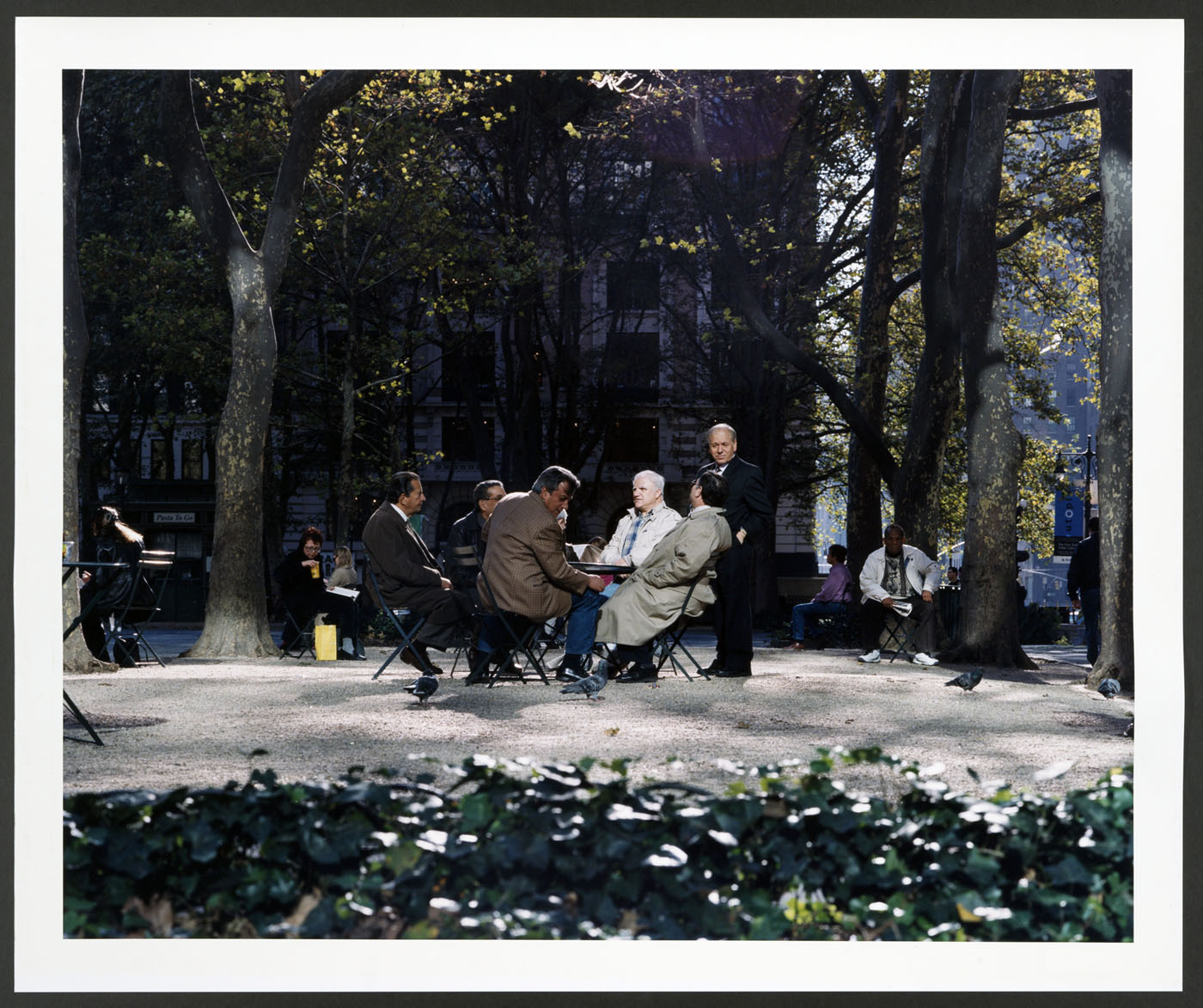
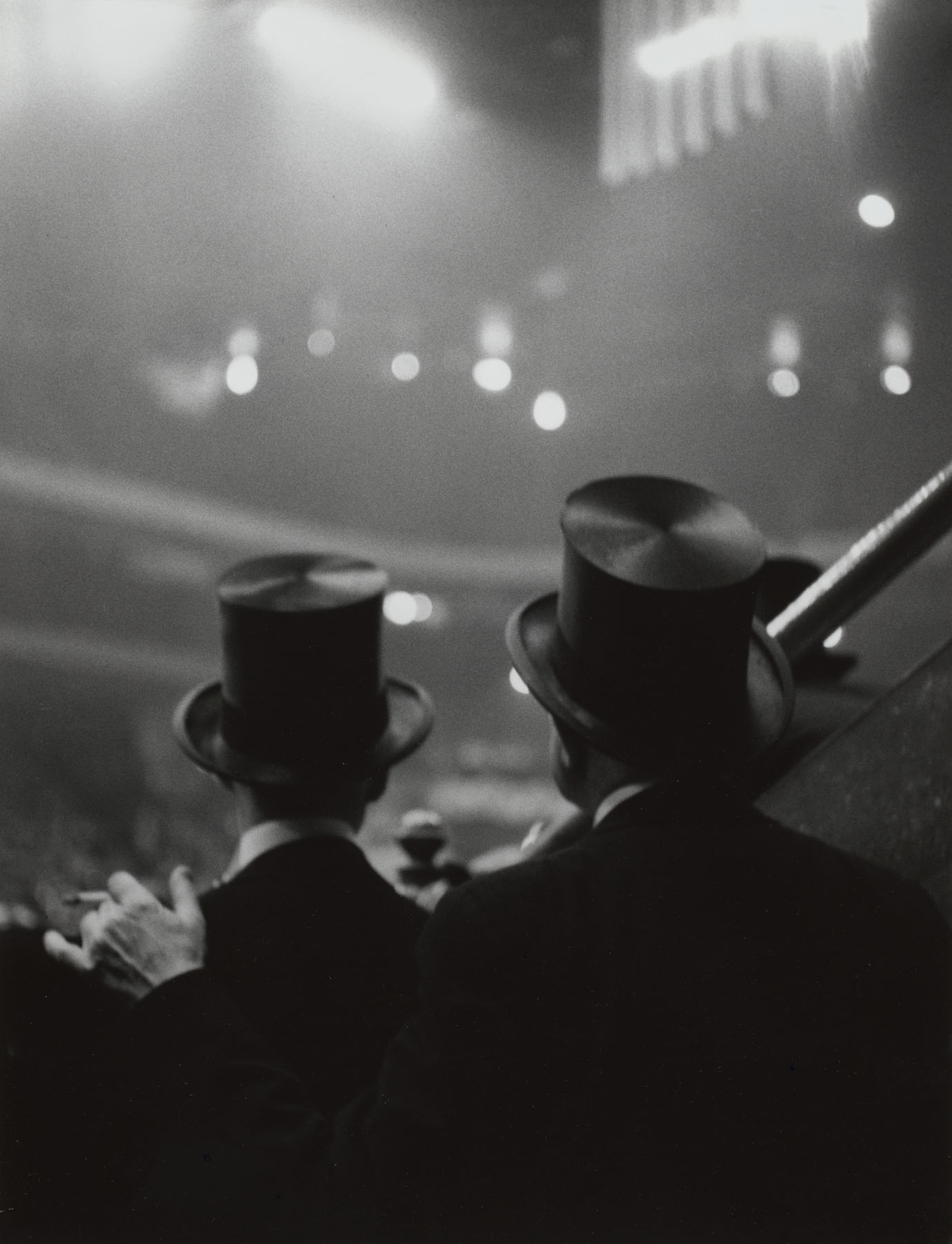
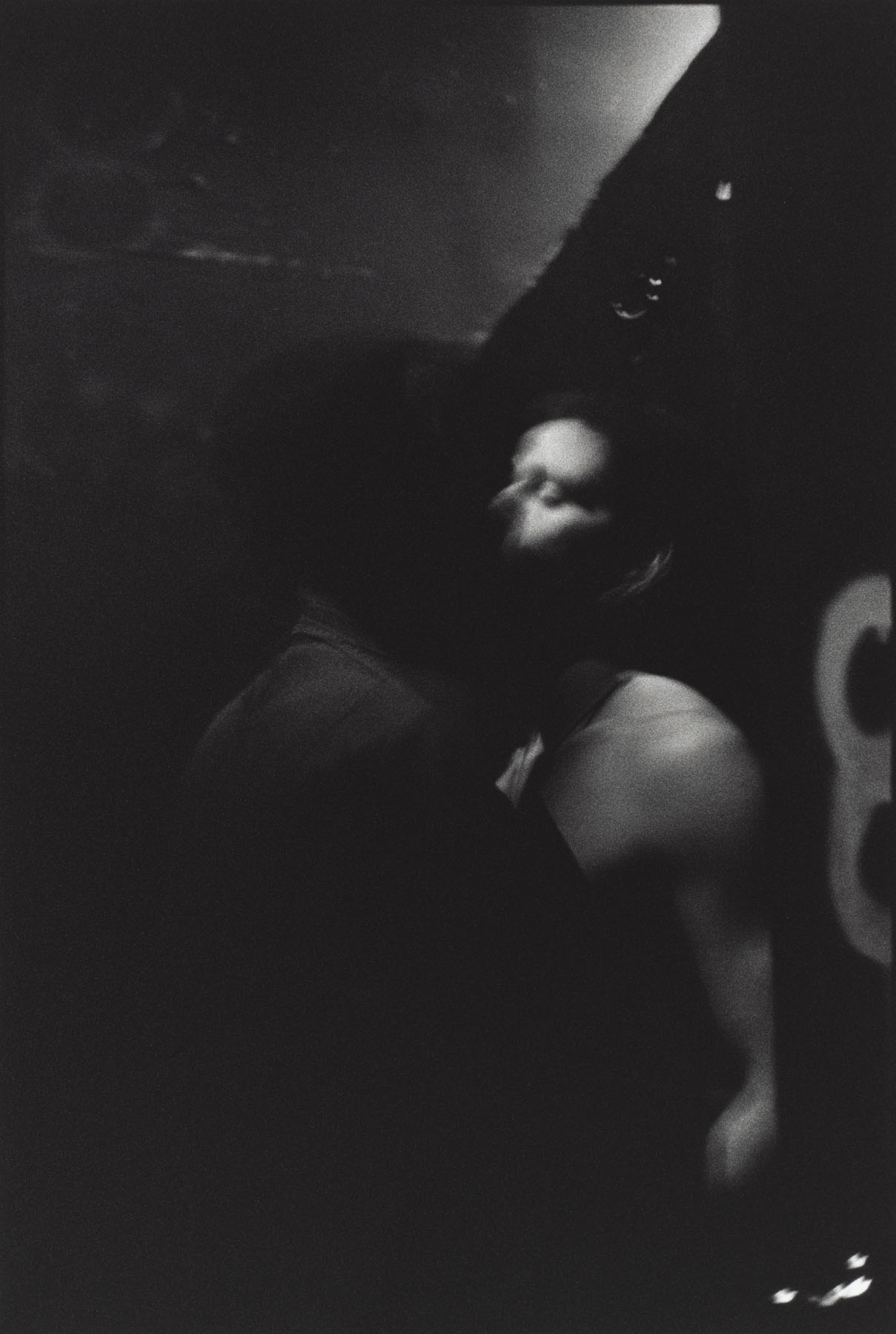
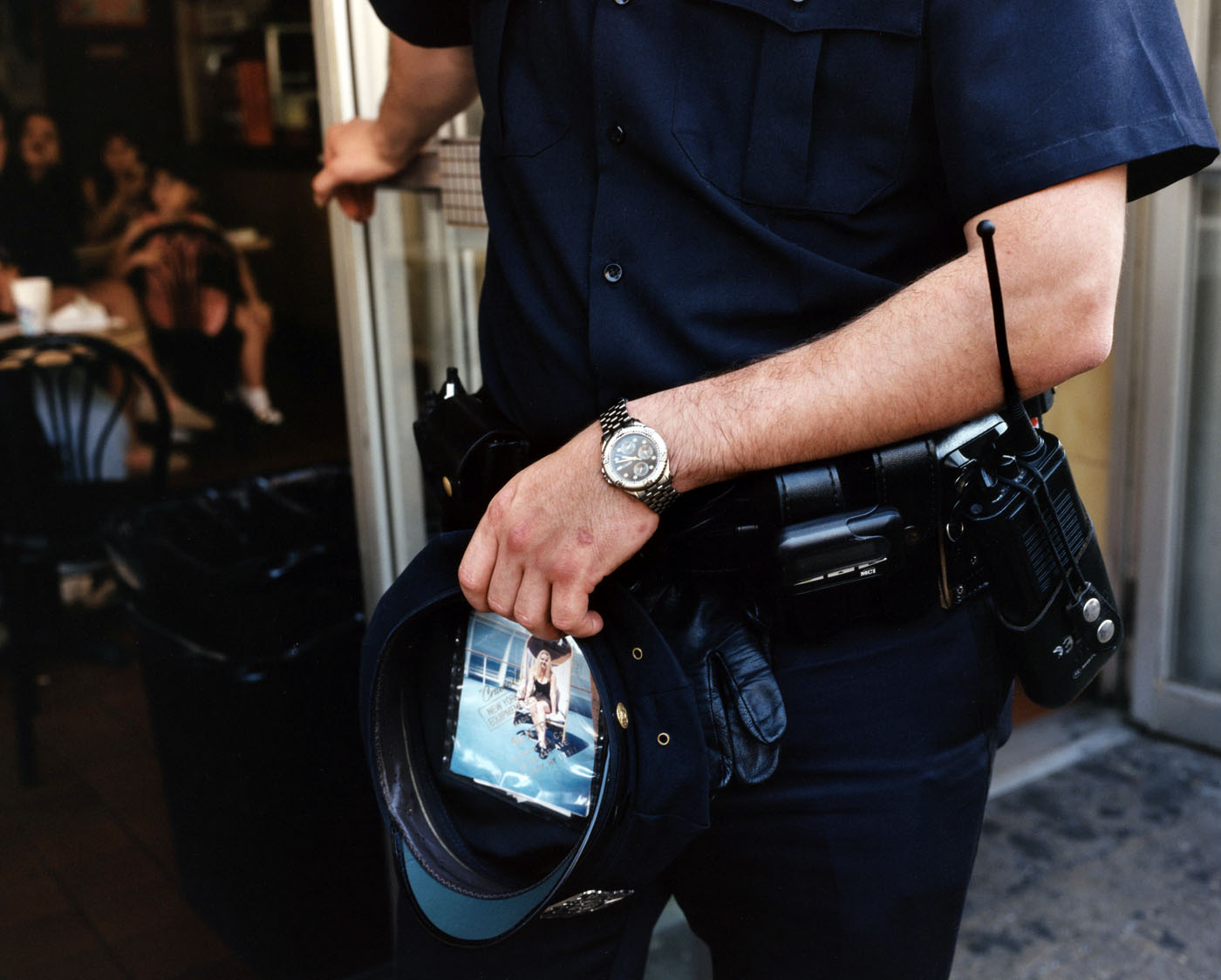
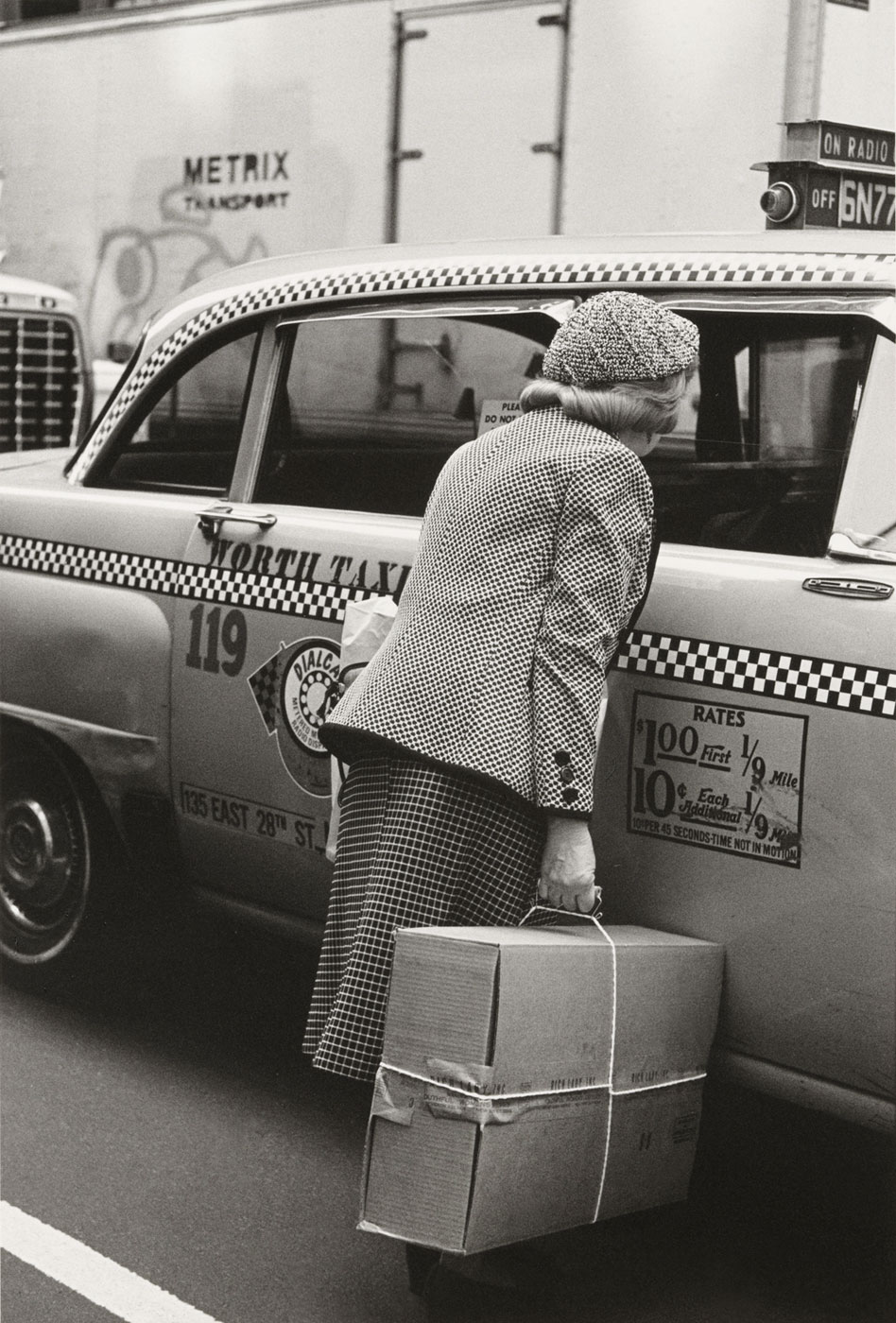
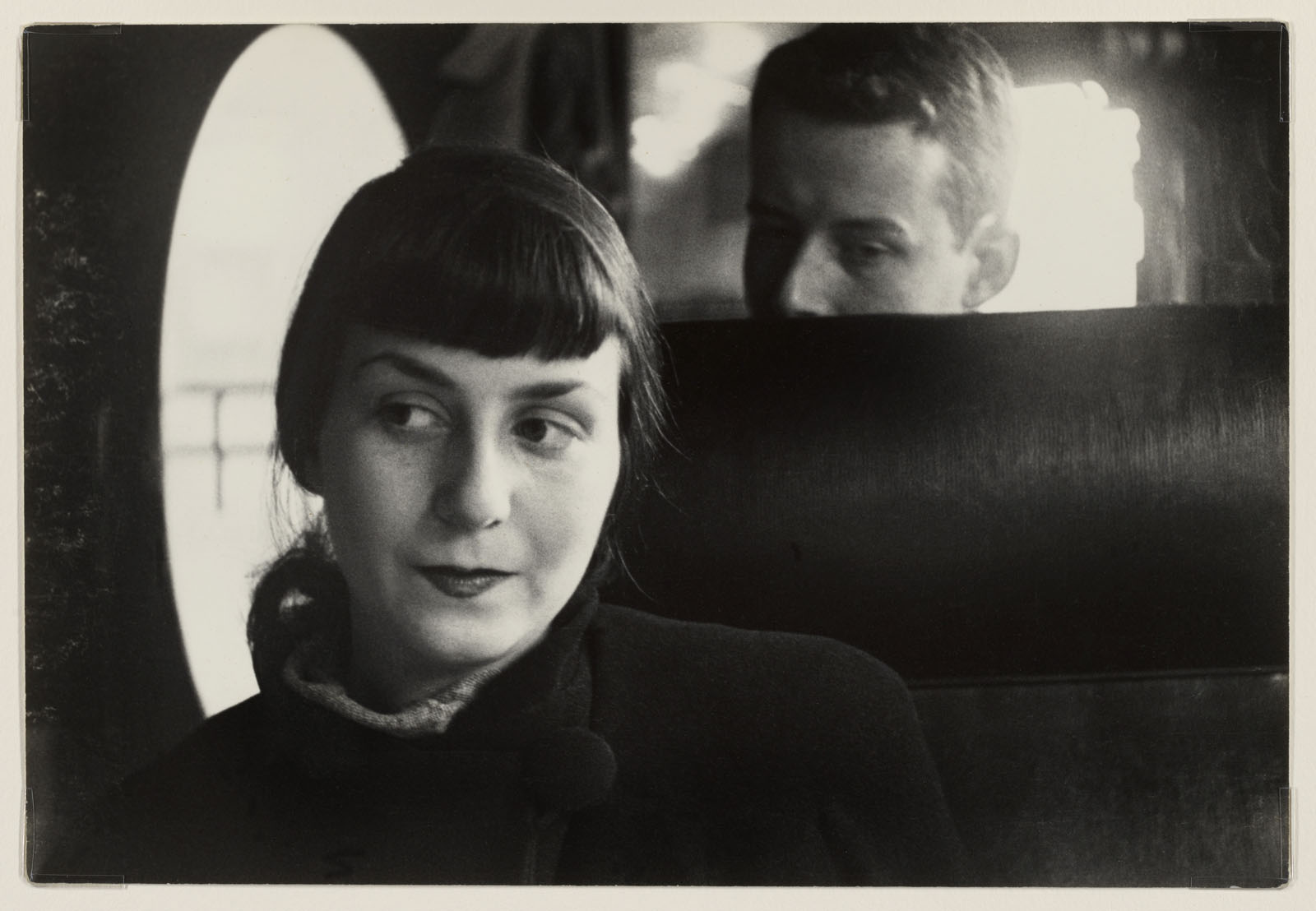
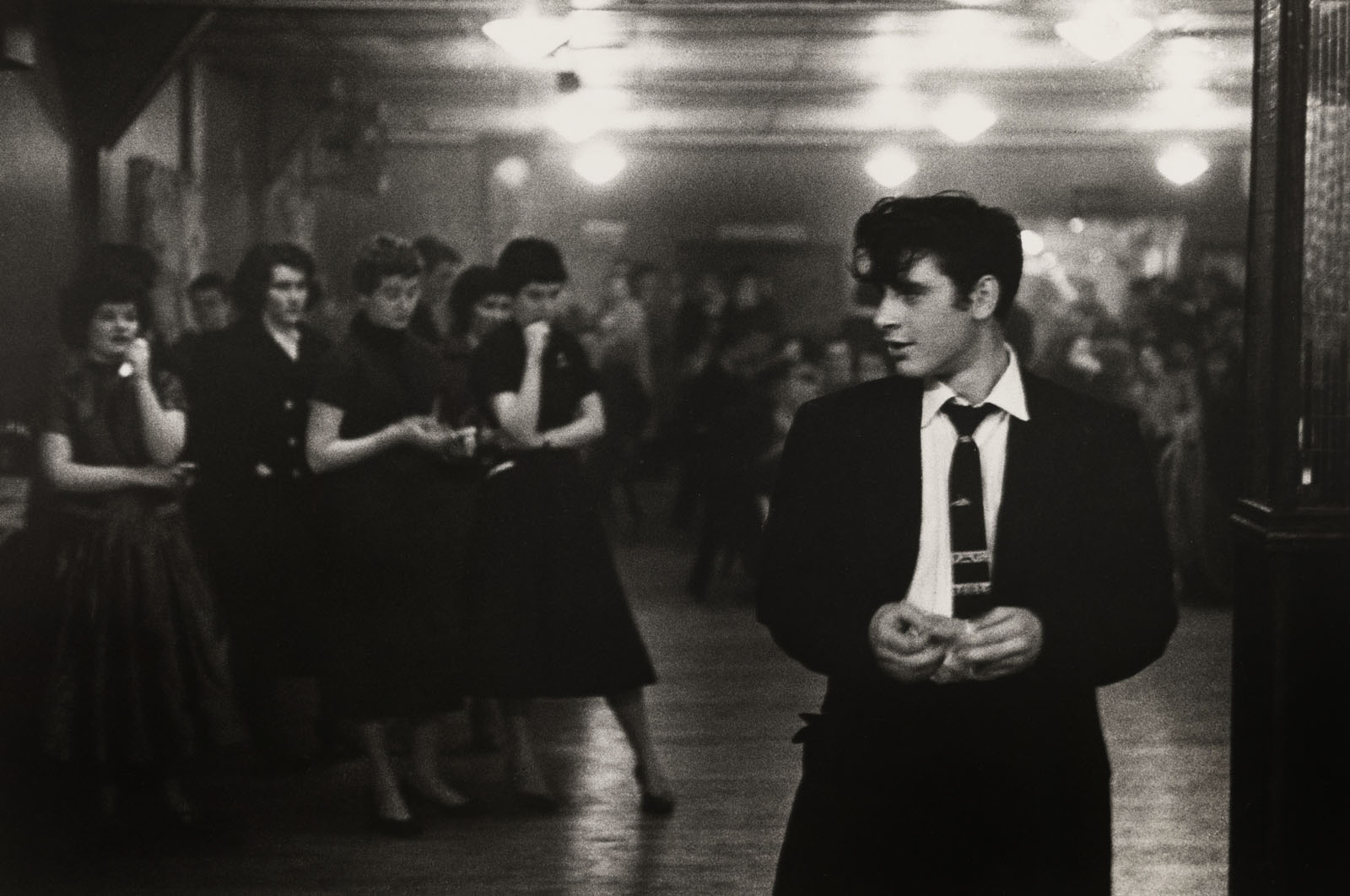
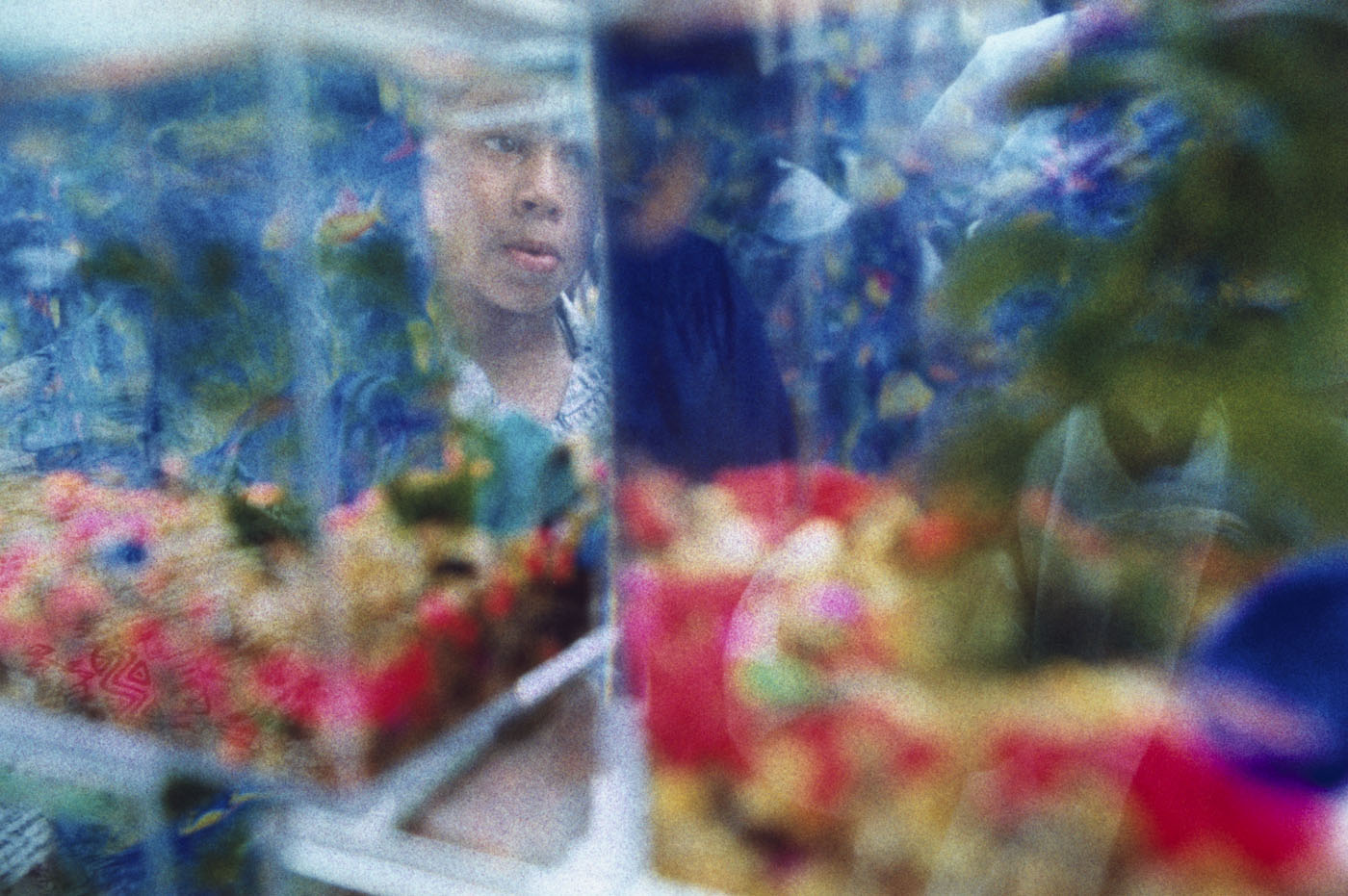
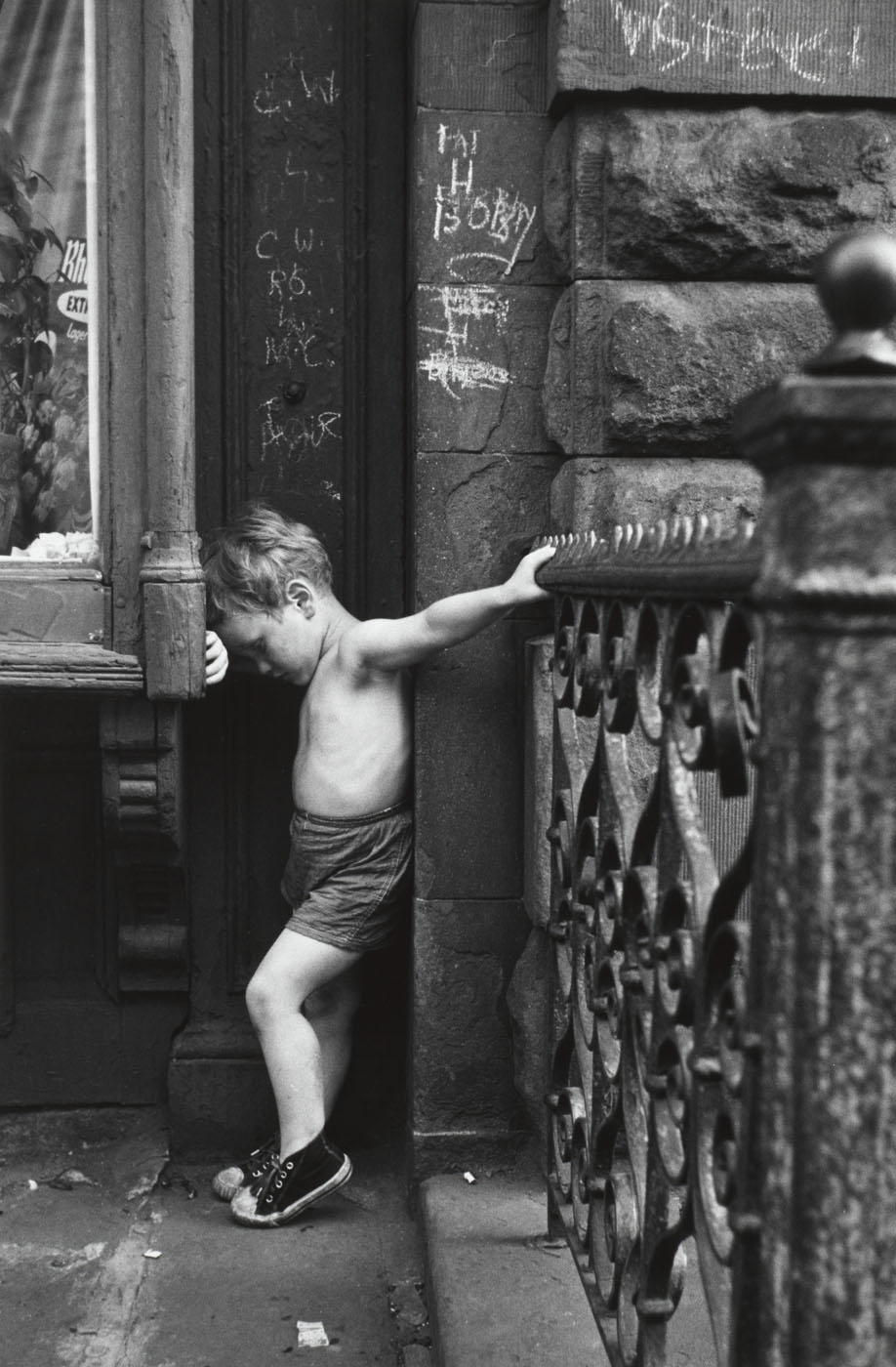
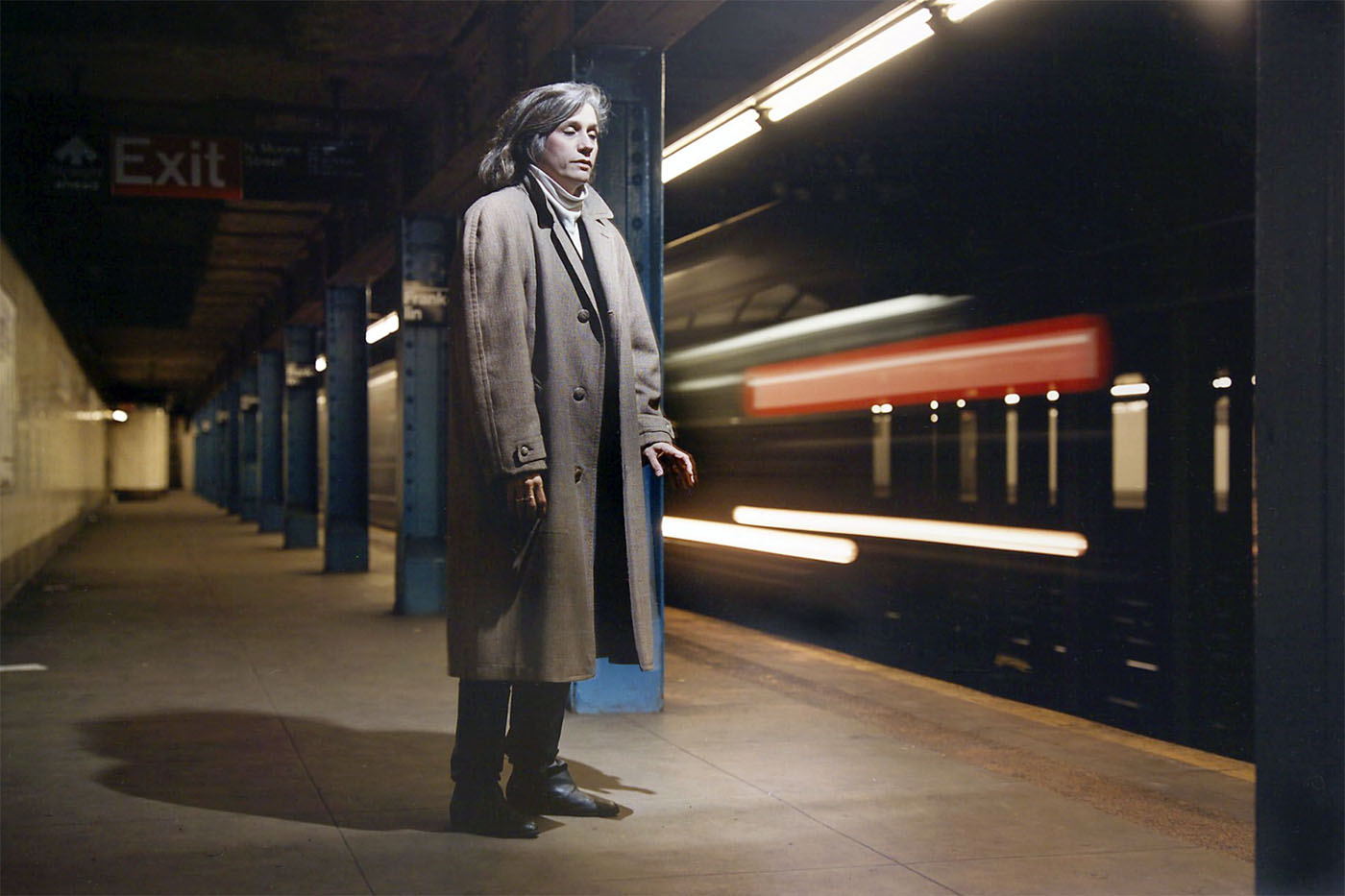
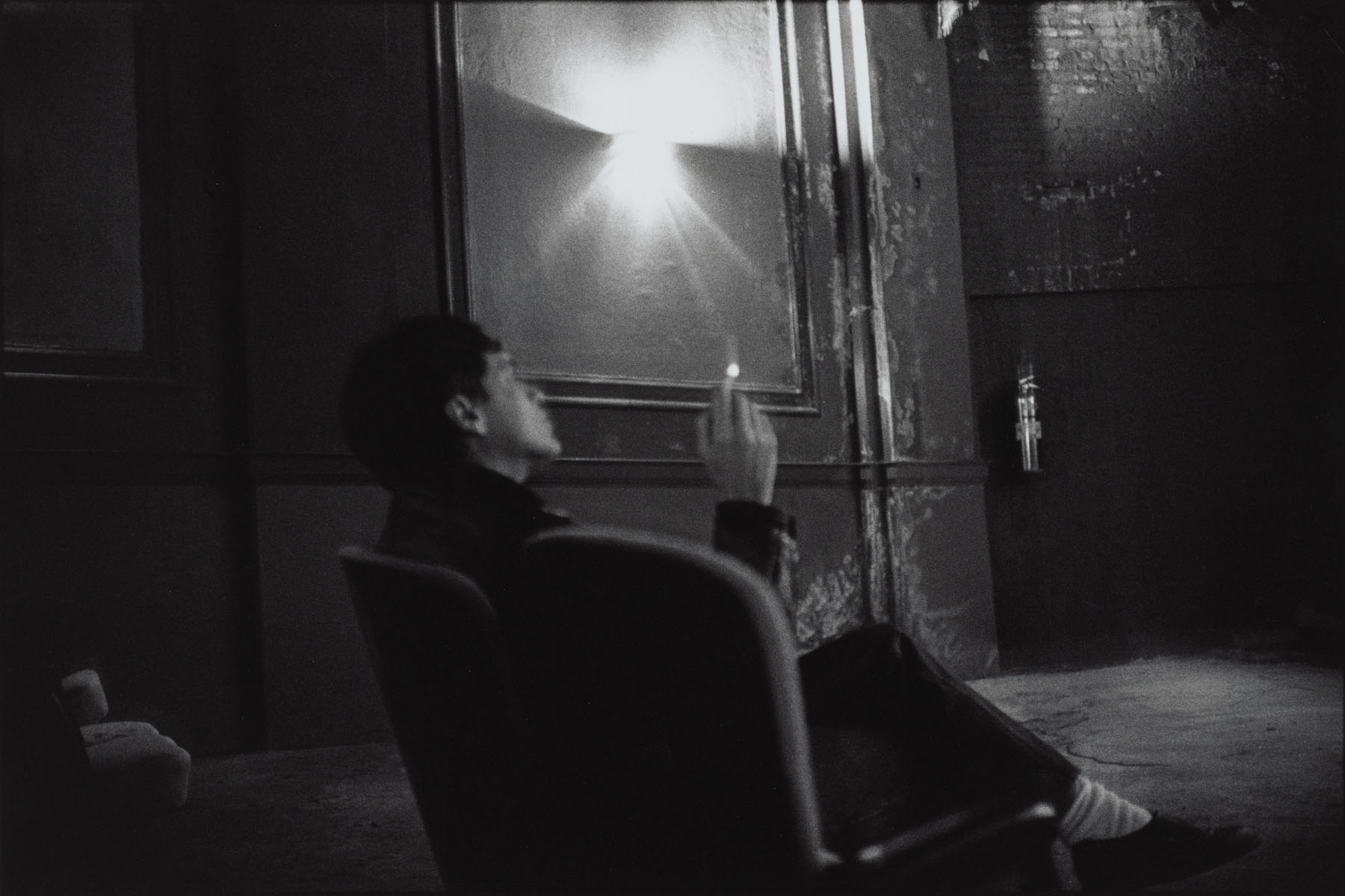
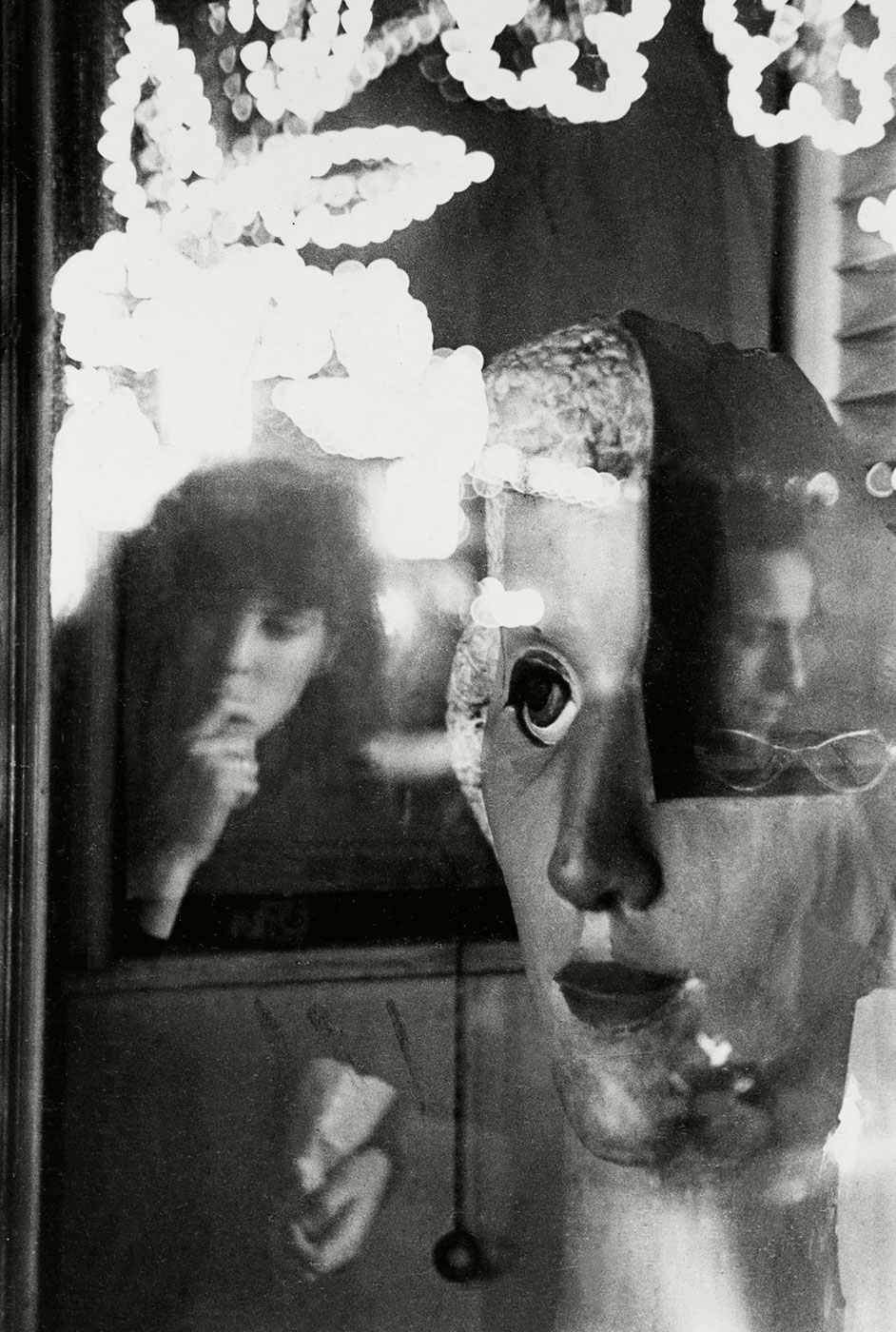
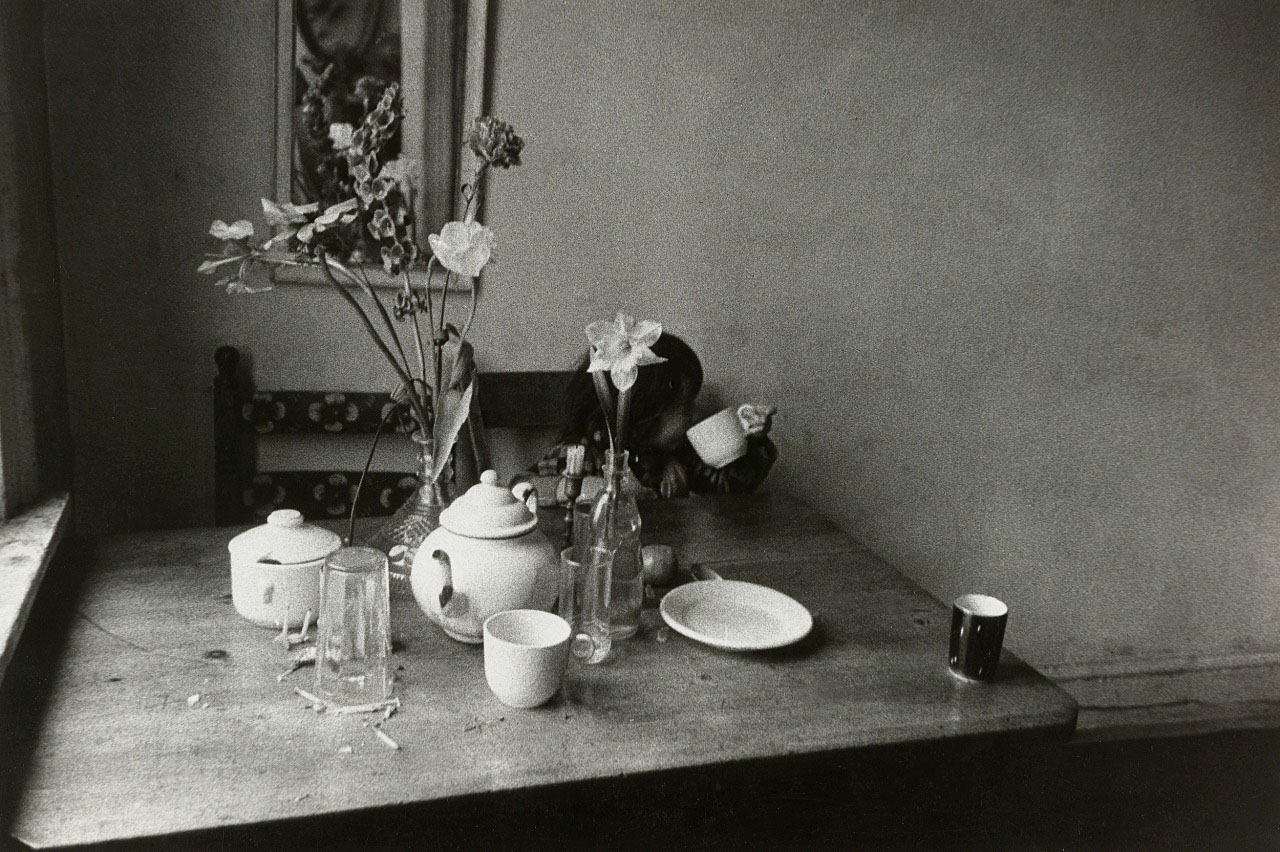
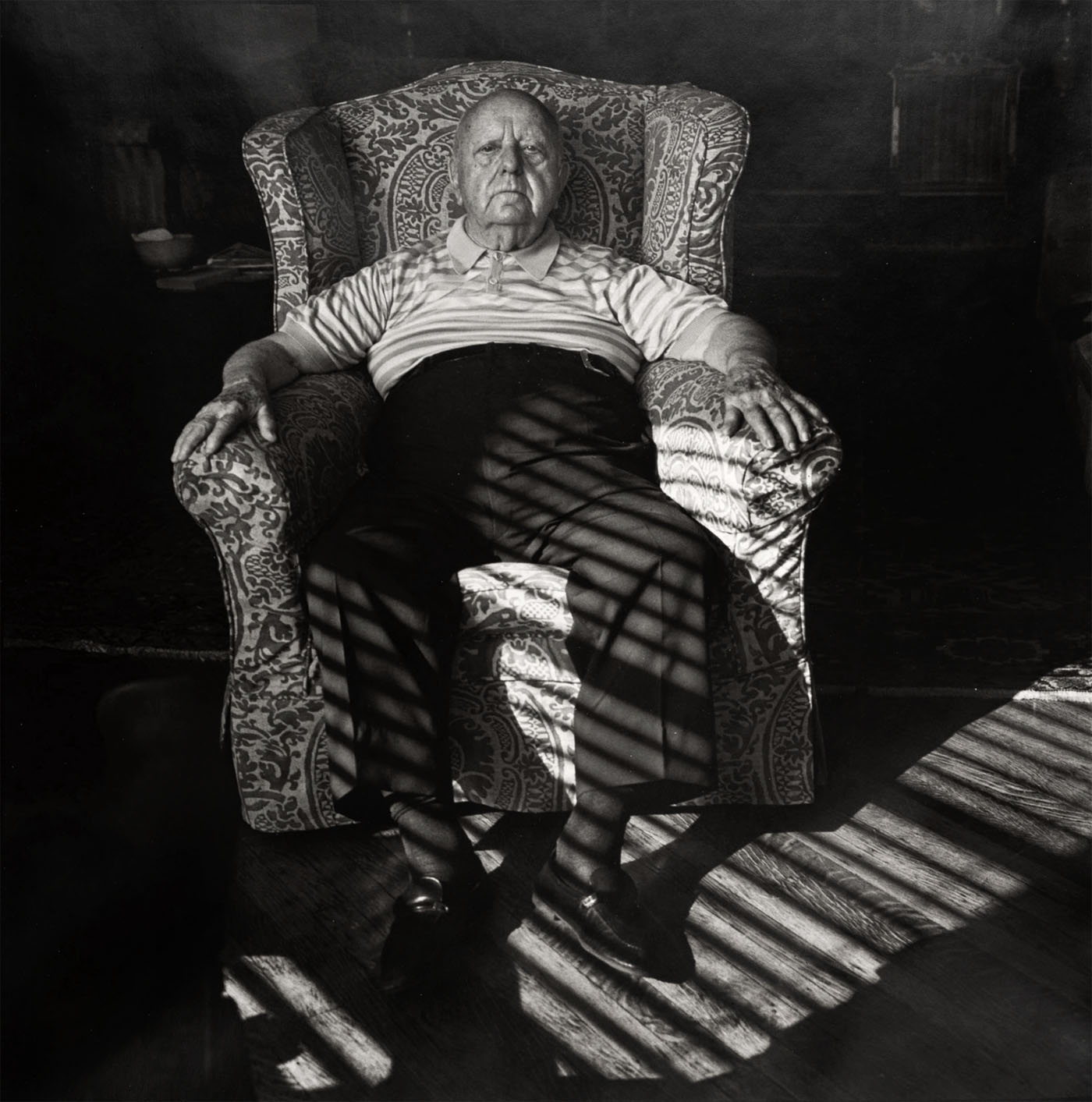
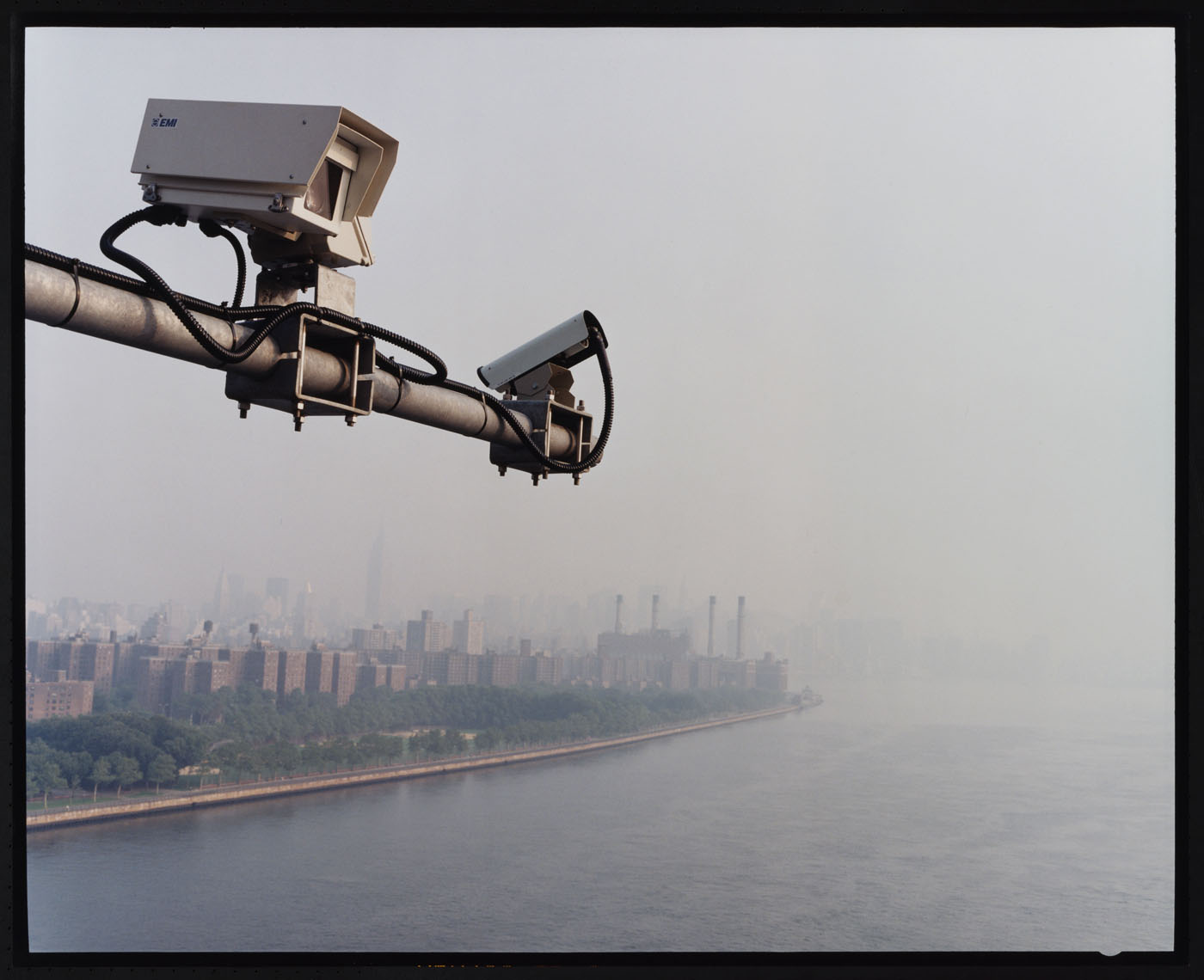
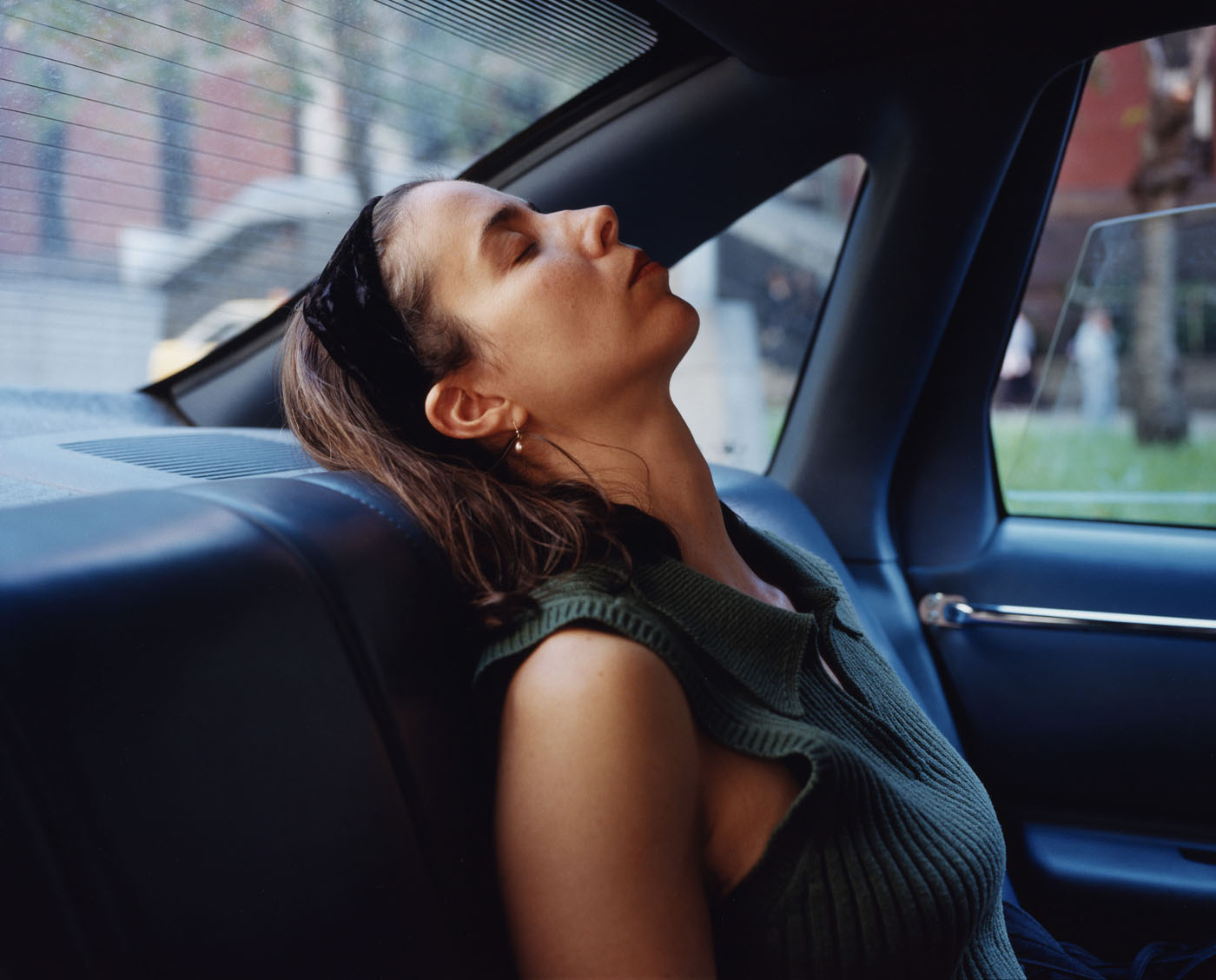
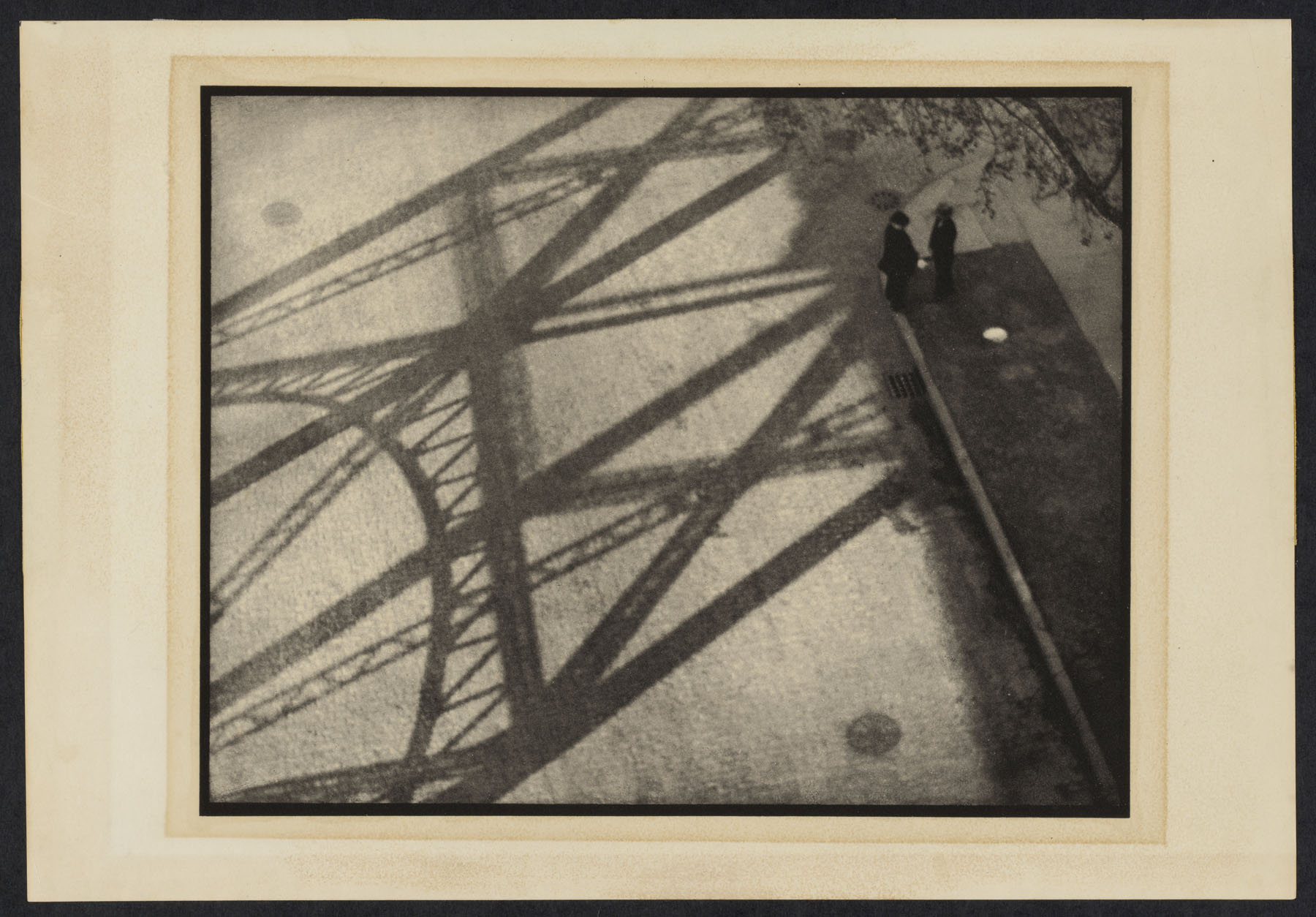
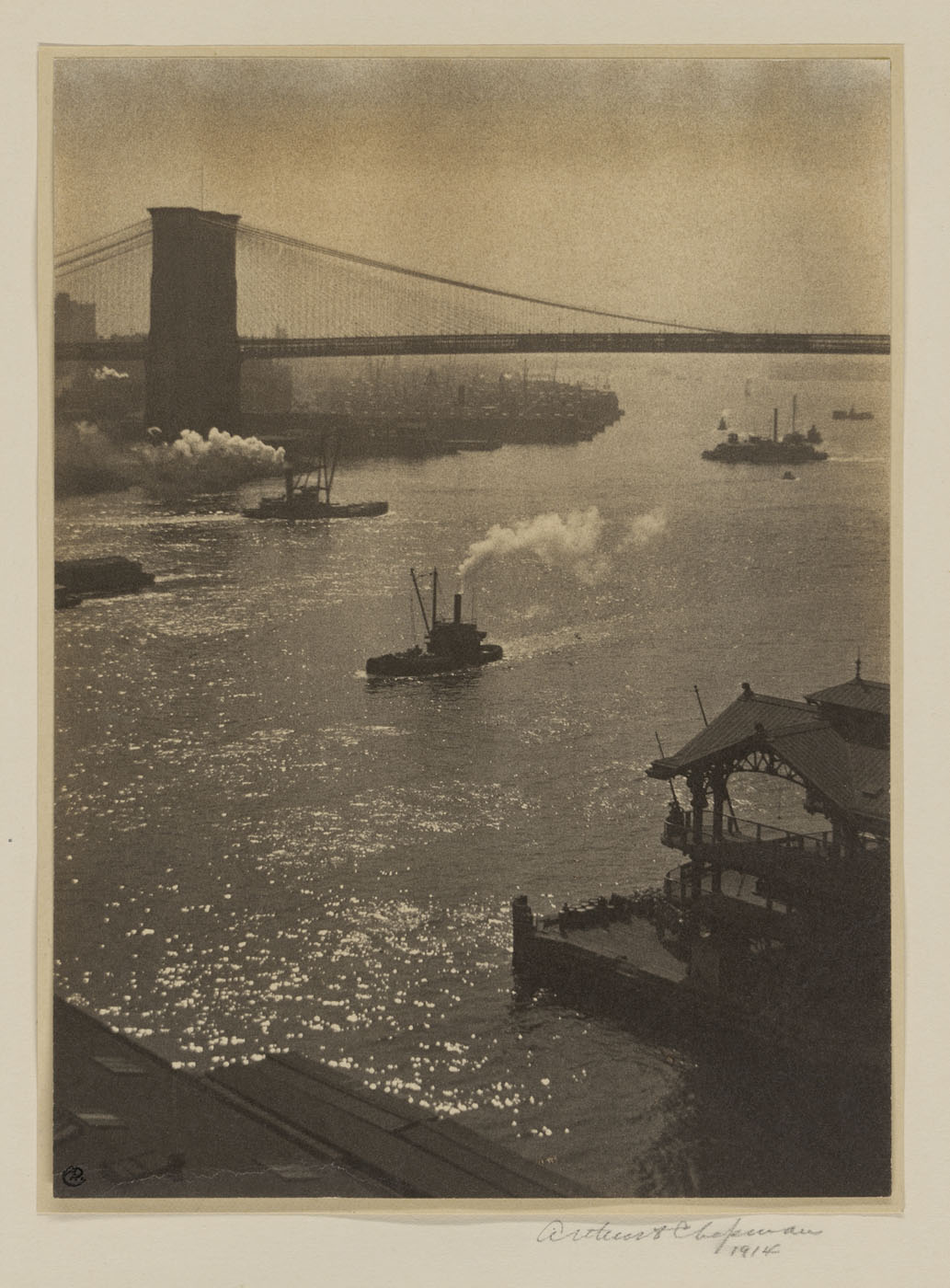
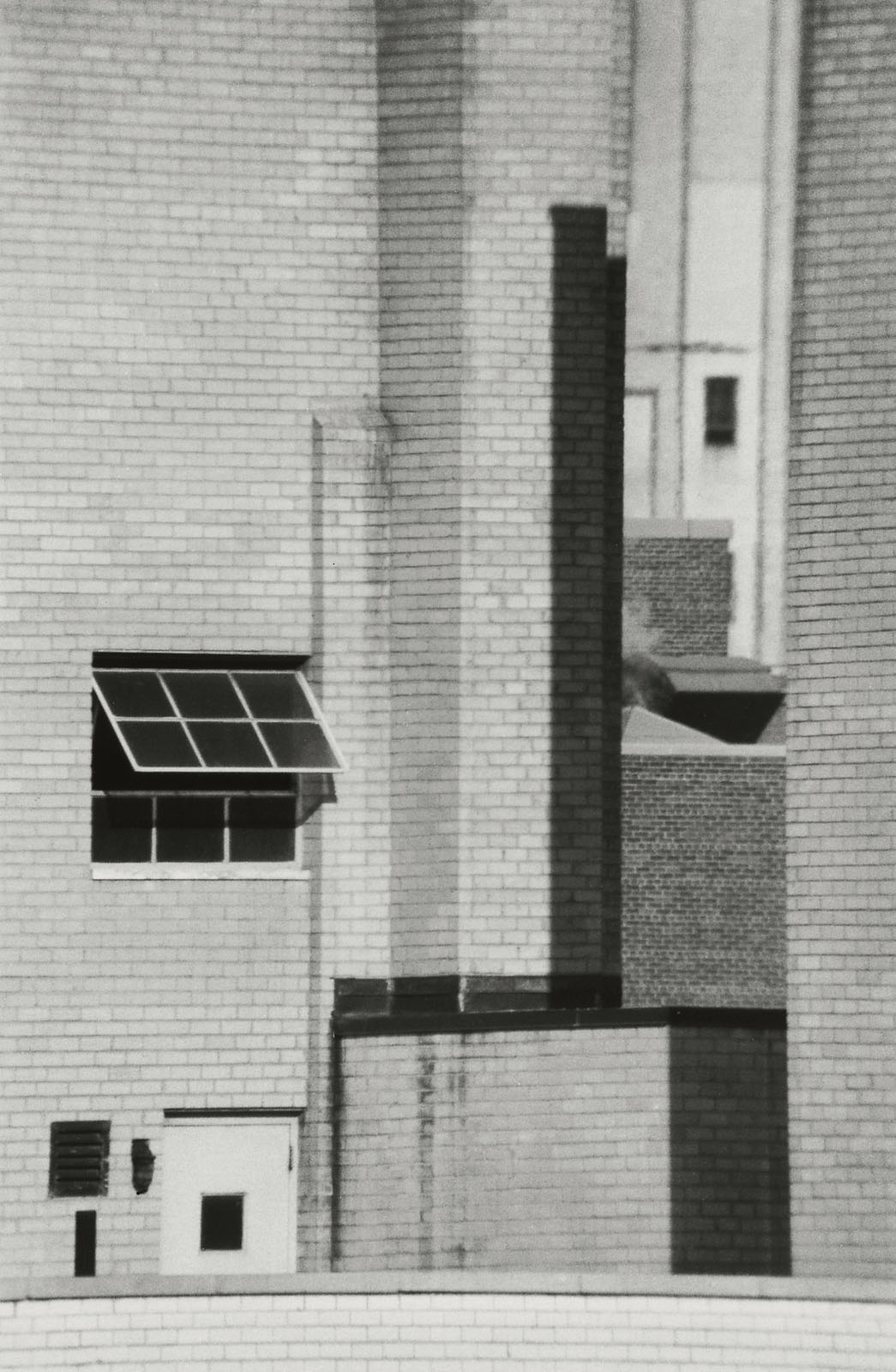
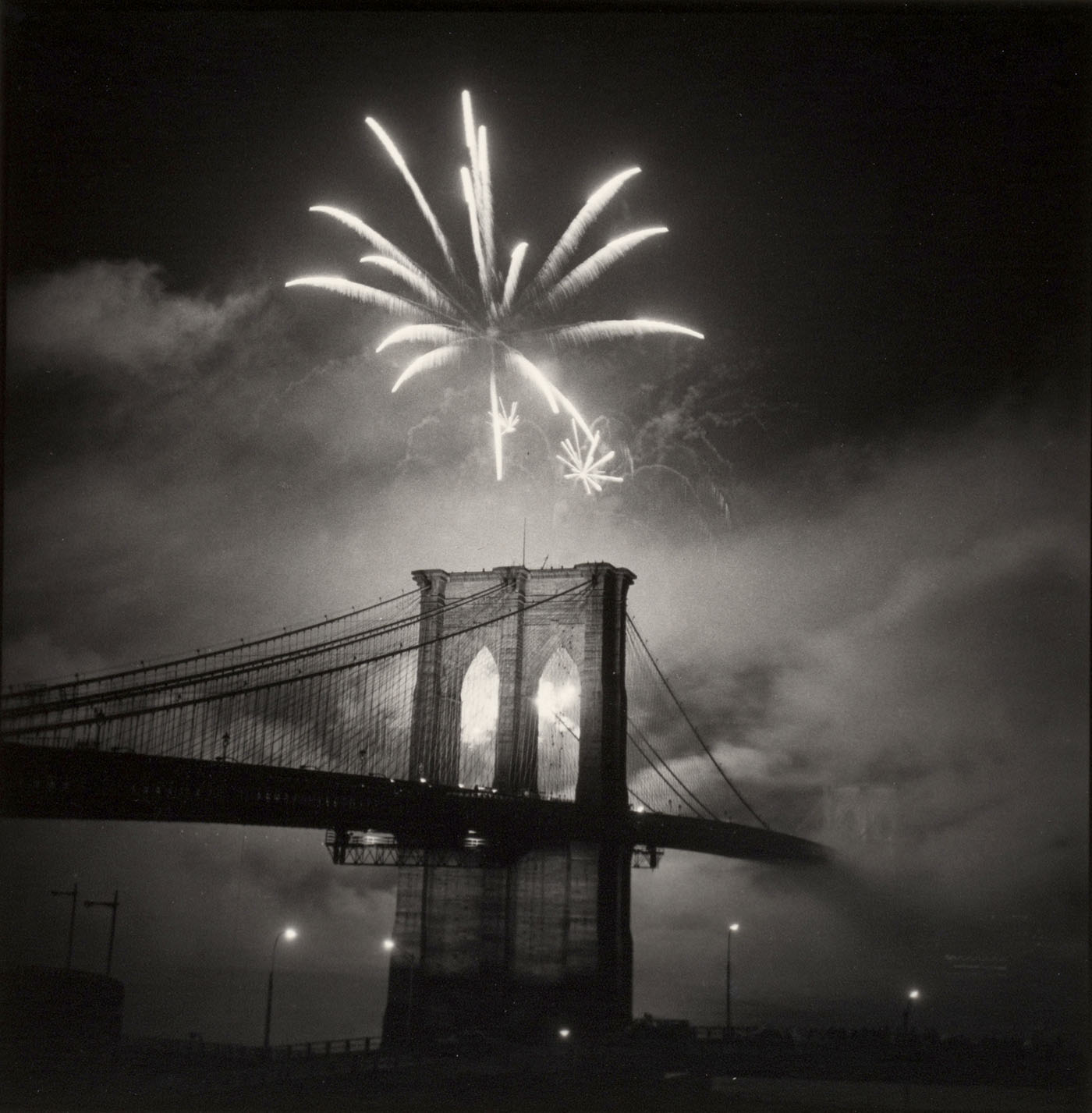
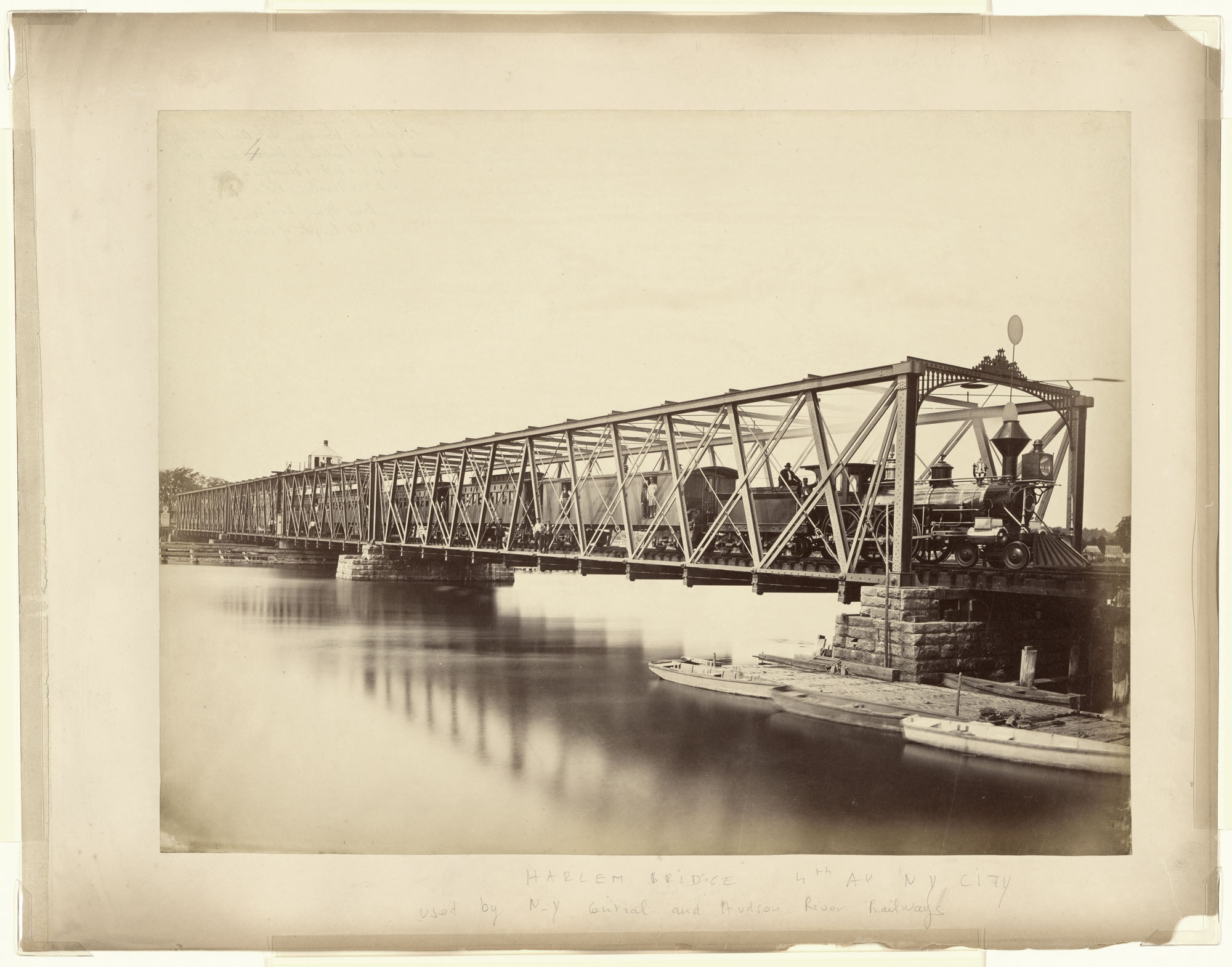
 Art Blart _ art and cultural memory archive
You must be logged in to post a comment.