Around the world, 2025 hasn’t been a great year for photography exhibitions. As a friend of mine said on Facebook it has been a dreary year and I would tend to agree with him.
Curatorially, everything was pretty cut and dried, relying on the usual one artist show or group exhibition on a theme with nobody prepared to take a risk on anything creative, inventive even.
I found little to inspire me in terms of idiosyncratic but illuminating pairings of photographers or unusual insights into the conditions and conceptualisation of photographic production and presentation – other than a few of the exhibitions noted below: costume, gesture and expression – yes! the development of colour photography pre the ubiquitous American artists – yes! and the life in self-portraits of a photobooth operator in Melbourne, part magician, part artist – YES!
Out of the 60 postings on Art Blart in 2025 I’ve picked what I think are the 11 best exhibitions, plus a couple of honourable mentions.
I hope you enjoy the selection and a Happy New Year to you all!
Dr Marcus Bunyan
1/ Marcus Bunyan. “Past present,” on the exhibition Still Performing: Costume, Gesture, and Expression in 19th Century European Photography at the Nelson-Atkins Museum of Art, Kansas City, August 2024 – January 2025
Victor Plumier (Belgian, 1820-1878) Lady in Costume About 1850 Daguerreotype, half plate 5 1/2 × 4 1/2 inches The Nelson-Atkins Museum of Art Gift of the Hall Family Foundation
“The emotions and the sentiments, the gestures and the expressions. The actor and the stage, the photographer and the sitter. The staged photograph and the tableaux vivant. The Self and the Other.” ~ MB
2/ A Long Arc: Photography and the American South since 1845 at the Virginia Museum of Fine Arts, Richmond, October 2024 – January 2025
Andrew Joseph Russell (American, 1829-1902) Slave Pen, Alexandria, Virginia 1863 Albumen silver print High Museum of Art Purchased with funds Lucinda Weill Bunnen Fund and the Donald and Marilyn Keogh Family
“Photographs are containers of, fragments of, memories of, histories of, events – remembrances of events – brought from past into present, informing the future, showing only snippets of the stories of both past and present lives. Parallel to the usual thought that photographs are about death, they are also memory containers for (still) living people.” ~ MB
3/ Marcus Bunyan. “Out in the midday sun,” on the exhibition Martin Parr. Early Works at Fotografie Forum Frankfurt (FFF), September 2024 – February 2025
“I am always fascinated with the early work of an artist. In essence, the photographs tell you what are the primary concerns for the artist and these themes usually remain with them for the rest of their career. These early black and white photographs provide a window into that ongoing investigation, that golden path. They are more subtle in their modulation of British life than in the later colour work – it’s as though the artist had to change gears with the use of colour developing a more ironic way of seeing British life through a different spatial relationship to his subjects – but in these photographs there is still that deprecating humour that is often missing in the work of his contemporaries…” ~ MB
“There are the things that are out in the open, and there are the things that are hidden, and life has more to do, the real world has more to do with what is hidden.” ~ Saul Leiter
5/ True Colors: Color in Photography from 1849 to 1955 at Albertina Modern, Vienna, January – April, 2025
Léon Vidal (French, 1833-1906) Oriental Onyx Sardonyx Cup (16th century) 1876 Photomechanical proof (photochromy using the Léon Vidal process) mounted on cardboard H. 20.8 ; L. 26.2 cm. Don Fondation Kodak-Pathé, 1983
“What a wonderful exhibition. It’s so exciting to see the history and development of colour photography pre the ubiquitous, American artists William Eggleston and Stephen Shore, much as I like both artists.” ~ MB
6/ The basement: photography from Prahran College (1968-1981) at the Museum of Australian Photography, Wheelers Hill, Melbourne, March – May 2025
Julie Millowick (Australian, b. 1948) Mother and child from 46 Blanche Street, St Kilda 1977 Gelatin silver print 15.9 x 23.7cm Museum of Australian Photography, City of Monash Collection donated by Julie Millowick 2024
“Prahran College itself played a critical role in the legitimisation of photography as an art form within Australia. It spearheaded the integration of art photography into tertiary education curricula, fostering an environment where young artists … could experiment formally and conceptually.”
James McArdle. “Epoch,” on the On This Date in Photography website, 25th April, 2025 [Online] Cited 28/04/2025
“The wit, the humour (pigeons sitting outside the racing pigeon shop), the stiff upper lip, the carry on regardless, the working class pantomime of life and death – the public commission flats where people formed caring communities that were destroyed through redevelopment – the integrity of an existence that has largely come and gone pictured with warmth and empathy.” ~ MB
8/ Auto-Photo: A Life in Portraits at RMIT Gallery, Melbourne, June – August 2025
Installation view of the exhibition Auto-Photo: A Life in Portraits at RMIT Gallery, Melbourne, June – August, 2025 Photo: Marcus Bunyan
“Through the strip self-portraits Adler took while servicing and then testing the photobooths that he operated in Melbourne, Australia we become immersed in an archive of his world, the exhibition becoming a joyous ode to a man who devoted his life to photography (not in the traditional sense): in turns humorous and historical, a travelogue, his travelogue, through time and space.’ ~ MB
“Rodríguez’s moody, high contrast photographs of humanity and street scenes pictured from behind the wheel of his taxi in New York proffer an intuitive, empathetic and subjective view of the city and its people at a time of great economic and social upheaval…
Uncertain times, uncertain angles and perspectives, uncertain light give rise to a powerful body of work made certain by the talent of an impressive photographer. Glorious work.” ~ MB
10/ Marcus Bunyan. “Myths of the American West,” on the exhibition Richard Avedon ‘In the American West’ 1979-1984 at the Fondation Henri Cartier-Bresson, Paris, April – October 2025
“Avedon, while undercutting the myth of the American West through his storytelling, doesn’t seek to document, exploit or misrepresent his subjects, but to subjectively present them as on a theatrical set devoid of scenery – where their very appearance becomes scene / seen. As he himself said, “My concern is… the human predicament; only what I consider the human predicament may simply be my own.”” ~ MB
“The Bechers’ typologies and grids, their topographic state, their same same photographs and perspectives of industrial sculptures and landscapes are anything but objective. Their pictorial grammar, underlaid by a conceptual approach to subject matter, continuously reflected in the systematics of capture and display (the juxtaposition of works together), is constantly undermined by the ghost in the machine – those viral codes of mutation and difference which cannot be controlled.” ~ MB
“Weems blends the poetic and conceptual in photographs and bodies of work which investigate history, identity, racism, executive and patriarchal power from the perspectives of female / Black American.
What a fabulous artist, a guide into circumstances seldom seen, now revealed.” ~ MB
So many words, so much verbiage about the work of American artist Saul Leiter (1923-2013).
I’d rather not add to that noise.
It is well to reinforce the meaning of an image with text but it is not necessary.
Just be aware …. of the beauty of the image and your feelings towards it.
Lucidly, appreciate the integrity of the image.
Nothing more but certainly nothing less.
Dr Marcus Bunyan
PS. It’s wonderful to see the earlier black and white work, breadcrumb trail of the colour work to come.
Many thankx to Foam for allowing me to publish the photographs in the posting. Please click on the photographs for a larger version of the image.
“Photographs are often treated as important moments, but really they are fragments and souvenirs of an unfinished world.”
Saul Leiter
“I may be old-fashioned. But I believe there is such a thing as a search for beauty – a delight in the nice things in the world. And I don’t think one should have to apologise for it.”
Saul Leiter, In No Great Hurry, 2013
“His photos feel – as Akiko Atake puts it – like “quiet stolen glimpses”; moments plucked from the everyday and preserved in the eye of Leiter’s camera.”
“I’ve always felt a closeness to Japan in Leiter’s work; the photographs in the snow; the women under their umbrellas; the improbable perspectives and revolutionary compositions reminiscent of Japanese woodblocks, ukiyo-e; the presence of the seasons and the verticality of the compositions evoking Japanese scroll paintings, kakajiku; the beauty he found in cracks and broken surfaces, in the unfinished, the worn out, the imperfect – the endurance of the elements and the effects of time. There is a “mono no aware”* beauty to his photographs, in the color work especially – an acute awareness of the beauty of the transient, of the ephemeral, which might explain, in part, their magical and poetic essence.”
“Leiter was destined to become a rabbi like his father, but moved to New York to be a painter, then choosing photography – which appalled his father. Beginning in 1948, Leiter using an Argus C3 camera, then a Leica and a Rolleiflex
In the 2012 documentary, In No Great Hurry, Saul Leiter said: “There are the things that are out in the open, and there are the things that are hidden, and life has more to do, the real world has more to do with what is hidden.” These tender and graceful depictions of “the things that are hidden” – images that Leiter rarely showed – retain their essential mystery, defying interpretation.”
* mono no aware = a Japanese concept that describes a poignant awareness of the transient nature of existence, a sensitivity to the beauty of things that are fleeting, and a gentle sadness at their passing
Leiter’s love of beauty, Bonnard, Japan, Buddhism, Ukiyo-e prints, Japanese scroll paintings, “ma” (space), kyūdō, haiku.
“The unorthodox and seemingly disproportionate compositions… the emphasis on shapes; the presence of calligraphy; unusual viewpoints and perspectives, everyday subject matter; the ubiquity of women; and a fondness for the ordinary and the ephemeral”
~ Leiter’s complex and impressionistic photographs are as much about evoking an atmosphere as nailing the decisive moment.
~ Leiter was a keen observer as life unfolded before him, somehow finding a way to reliably pluck a sublime split-second out of a mundane moment. ‘I like to take things that are very common and to find something in them,’ he once said.
~ Photographs are often considered important moments, but according to Leiter they are tiny fragments of an unfinished world. Such is his own world: little fragments of images juxtaposed and conjoined, amassing and forming vast, ever-expanding fields.
~ He photographed that which obstructs, hides, encloses, and thus reveals new depths of reality.
~ Everything is a matter of balance, exactitude and humility in the works of this man, who nonetheless accorded great importance to imperfection.
Foam is proud to present a major retrospective exhibition of the celebrated American artist Saul Leiter (1923-2013). Leiter is seen as one of the most important photographers of the 1950’s in the United States and a pioneer of colour photography. This exhibition brings together over 200 works, consisting of photography, both black-and-white and colour, as well as his abstract paintings. His eclectic oeuvre reveals a practice using shadow, light, and reflections to craft layered compositions.
About the artist
Saul Leiter (1923-2013) began painting and photographing in his teenage years, gaining an early recognition for his paintings. After moving to New York in 1946, he turned to photography as a profession while continuing to paint. His abstract forms and groundbreaking compositions possess a painterly quality that distinguishes them from the works of other photographers of that era. His work significantly contributed to the emergence of what is now known as the New York School of photography.
In 1957, he began working for major publications like Esquire and Harper’s Bazaar, balancing his commercial success with his personal passion for street photography in his Manhattan neighbourhood. Leiter’s groundbreaking work in colour photography gained widespread acclaim with the release of his first book, Early Colour (2006). By the time of his death in 2013, Leiter had achieved international recognition, with his work featured in numerous museum exhibitions and publications worldwide.
Text from the Foam website
Installation views of the exhibition Saul Leiter – An Unfinished World at Foam, Amsterdam
Saul Leiter remained dedicated to painting throughout his career, producing many gouaches (opaque watercolours), which were essential to his artistic expression. While most of his works are abstract, with large areas of colour, some feature playful lines that suggest landscapes or figures. His expressive use of colour is distinctive, often favouring muted tones like soft violets, mauves, and faded ochres or yellows. Although Leiter is best known for his photography, his paintings reflect a similarly poetic and intimate vision of the world.
Text from the Foam Facebook page
Installation view of the exhibition Saul Leiter – An Unfinished World at Foam, Amsterdam showing Leiter’s photograph The Pull (c. 1960, below)
Leiter was a keen observer as life unfolded before him, somehow finding a way to reliably pluck a sublime split-second out of a mundane moment. ‘I like to take things that are very common and to find something in them,’ he once said.
Installation view of the exhibition Saul Leiter – An Unfinished World at Foam, Amsterdam showing Leiter’s photograph
Foam is proud to present a major retrospective exhibition of the celebrated American artist Saul Leiter (1923-2013). Leiter is seen as one of the most important photographers of the 1950’s in the United States, and a pioneer of colour photography. This exhibition brings together over 200 works, consisting of photography, both black-and-white and colour, as well as his abstract paintings. His eclectic oeuvre reveals a practice using shadow, light, and reflections to craft layered compositions. For nearly sixty years, Leiter photographed daily, capturing everyday moments of New York City life. With various techniques and mediums, and the use of telephoto lenses, Leiter would enhance the painterly quality of his images and transform seemingly mundane street scenes into visual poetry. New York, a symbol of modernity in the 1950s, became the backdrop for Leiter’s aesthetic discoveries.
By shooting in the rain and snow, and using windows and other reflective surfaces, he created abstract images. A red umbrella, a green traffic light, or the yellow flash of a passing taxi add an unexpected play of colour to his photographs. In the 1940s and 1950s, Leiter was virtually the only non-commercial photographer to work in colour. The use of aged or damaged film allowed him to include surprising compositions with shifts in light and colour. Once lost to obscurity, his work was rediscovered in the mid 2010s for its ground-breaking role in the emergence of colour photography.
By shooting in the rain and snow, and using windows and other reflective surfaces, he created abstract images. A red umbrella, a green traffic light, or the yellow flash of a passing taxi add an unexpected play of colour to his photographs. In the 1940s and 1950s, Leiter was virtually the only non-commercial photographer to work in colour. The use of aged or damaged film allowed him to include surprising compositions with shifts in light and colour. Once lost to obscurity, his work was rediscovered in the mid 2010s for its ground-breaking role in the emergence of colour photography.
Leiter was a self-taught photographer whose strong sense of curiosity made him a lifelong student. He maintained his experimental and spontaneous approach throughout his career, which is evident in both his street photography and fashion work.
Upon his death in 2013, Leiter left behind a remarkable collection of approximately 15,000 black-and-white prints, at least 40,000 colour slides, a similar number of black-and-white negatives and over 4000 paintings, only a handful of which have been seen publicly. The exhibition An Unfinished World offers visitors the chance to admire the endless poetry of Saul Leiter’s artistic practice through his paintings, photography and unique view on the world around him.
“This ambidextrous painter and photographer recognised no limits. If, in the silence of his studio, his movement inscribed on paper imperceptible little rhythmic abbreviations, like an everyday exercise, his gaze penetrated the tumult of the city, challenging what draws the eye and scrutinising what is not seen.”
“If only we give them just a little more attention, these voices also tell us that the images are fragments containing enigmas, and that they journey through time and endure, intact, despite the darkness that may prevail in the world.”
“For nearly sixty years, Leiter photographed daily, capturing everyday moments of New York City life. With various techniques and mediums, and the use of telephoto lenses, Leiter would enhance the painterly quality of his images and transform seemingly mundane street scenes into visual poetry. New York, a symbol of modernity in the 1950s, became the backdrop for Leiter’s aesthetic discoveries. By shooting in the rain and snow, and using windows and other reflective surfaces, he created abstract images. A red umbrella, a green traffic light, or the yellow flash of a passing taxi add an unexpected play of color to his photographs. In the 1940s and 1950s, Leiter was virtually the only non-commercial photographer to work in color. The use of aged or damaged film allowed him to include surprising compositions with shifts in light and color.”
Exhibition dates: 18th February – 31st December, 2022
Curator: Sean Corcoran, senior curator of prints and photographs, Museum of the City of New York
William Klein (American, 1928-2022) Christmas Shoppers 1954 Gelatin silver print Museum of the City of New York Gift of Joy of Giving Something, Inc.,
Happy Easter to everyone around the world!
I had to have an emergency appendectomy on Wednesday night. Home now but not feeling so well just taking it easy… therefore a short text.
A fabulous exhibition in New York of photographs about New York: working, going, shopping, playing, gathering, loving, gazing, being, reflecting and buildings. Some excellent photographs that I have never seen before which evidence the soul of this imaginative city.
Dr Marcus Bunyan
Many thank to the Museum of the City of New York for allowing me to publish the art work in the posting. Please click on the photographs for a larger version of the image.
At left: Joseph Maida. Ben with fan 2001
At right: Mitch Epstein. Untitled [New York #3] 1995
Installation views of the exhibition Celebrating the City: Recent Acquisitions from the Joy of Giving Something at the Museum of the City of New York, showing in the bottom photograph at left, and enlargement of Bruce Cratsley’s Brooklyn Bridge Centennial 1983 Photos: Brad Farwell
Celebrating the City: Recent Photography Acquisitions from the Joy of Giving Something highlights a gift that has dramatically advanced the Museum’s already exceptional photography collection. Juxtaposing striking recent images with work by some of the 20th century’s most important photographers, including the Museum’s first images by Robert Frank and William Klein, the exhibition is a moving celebration of the power of photography to capture New York and New Yorkers.
Since the invention of photography, the streets of New York City have lured picture-makers from across the world. Each borough, neighbourhood, and corner offers and opportunity to see something new through the lens, yielding images as varied as the street life itself. New York’s diverse built environment provides a backdrop for the true subject of many photographers: the varied lives of New Yorkers.
The photographers in this exhibition have immortalised this ever-changing urban centre. Each has created a distinctive vision of the city, providing a window into a vast and complex metropolis. The have also made use of the changing technology of photography itself to produce images whose meanings range from apparently objective reflections of reality to highly crafted expression of the artists’ responses to the people and the city around them.
Introduction
New York City may always be in flux, but shared activities and experiences connect New Yorkers across time and space. For more than a century, many of the world’s best photographers have used their cameras to capture iconic scenes of New Yorkers in action – from mundane daily routines to special events of gathering and ritual. They have sought out the deeply personal moments that occur within this city of millions and have capture both the “New Yorkiness” of its inhabitants and he ways New York experiences are linked to the larger human condition.
The photographs in this gallery are arranged into themes that capture these quintessential New York moments without consideration to chronology. The images allow us to see a range of photographic styles applied to experiences that are common to so many New Yorkers, while also highlighting the ever-changing state of the city over many decades.
Wall text from the exhibition
Working
Michael Spano (American, b. 1949) Untitled (Man in street on phone, Police Plaza near Canal Street) 1994 Gelatin silver print Museum of the City of New York Gift of Joy of Giving Something, Inc., Courtesy of the Photographer
Michael Spano has made New York City the constant subject of his work over a long career, while exploring the possibilities of the medium, from print solarisation to collage. This photograph exemplifies Spano’s keen observational eye and attention to composition, with repeating patterns and visual dichotomy produced through light and shadow. Several other examples of work by this artist are on also on view in this gallery, including photographs from the series “Auto Portraits” and “Splits.”
William Gordon Shields (American, 1883-1947) Flag Day 1917 Museum of the City of New York Gift of Joy of Giving Something, Inc.,
Joseph Maida (American) Pizza Delivery 2002 Chromogenic development print Museum of the City of New York Gift of Joy of Giving Something, Inc., Courtesy of the Photographer
Mitch Epstein (American, b. 1952) Untitled (New York City #21) 1997 Chromogenic development print Museum of the City of New York Gift of Joy of Giving Something, Inc., Courtesy of the Photographer
Going
Inge Morath (Austrian, 1923-2002) A Llama in Times Square 1957 Gelatin silver print Museum of the City of New York Gift of Joy of Giving Something, Inc., Courtesy of the Estate of Inge Morath
The noted photojournalist Inge Morath made this photograph of a llama in Times Square, easily her most recognisable photograph, for Life magazine in 1952. Although the image looks spontaneous, it was part of a highly planned assignment. The image was published in a one-page story, in the magazine’s humorous “Animals” section, and was entitled “High-paid llama in big city.” The piece featured a menagerie of television animals – including, in addition to the llama, dogs, cats, birds, a pig, a kangaroo, and a miniature bull – living at home with their trainers in a Manhattan brownstone. Morath’s full caption for the image reads, “Linda, the Lama [sic], rides home via Broadway. She is just coming home from a television show in New York’s ABC studios and now takes a relaxed and long-necked look at the lights of one of the world’s most famous streets.”
Michael Spano (American, b. 1949) 5th Ave. & the Park 2005 From the series Auto Portraits Gelatin silver print Museum of the City of New York Gift of Joy of Giving Something, Inc., Courtesy of the Photographer
Ted Croner (American, 1922-2005) Going Slushy Street, Times Square 1948 Gelatin silver print Museum of the City of New York Gift of Joy of Giving Something, Inc., Courtesy of the Estate of Ted Croner
Ted Croner (American, 1922-2005)
Ted Croner (1922-2005) was an American photographer, described as an influential member of the New York school of photography during the 1940s and 1950s. His images are said to represent the best example of this movement.
Born in Baltimore in 1922 and raised in North Carolina, Croner developed an interest in photography while in high school. He honed his skills while serving as an aerial photographer in World War II before settling in New York City in 1947. At the urging of fashion photographer Fernand Fonssagrives, he enrolled in Alexey Brodovitch’s class at The New School where he studied with Diane Arbus, Richard Avedon and Lisette Model. During this period he produced many of his most memorable images including “Taxi, New York Night, 1947-1948”, which appears on the cover of Bob Dylan’s 2006 album, Modern Times. Another of Croner’s photographs was used on the cover of Luna’s album Penthouse.
Croner also had a successful career as a fashion and commercial photographer – his work was published in Harper’s Bazaar and Vogue. He also worked extensively with corporations such as Coca-Cola and Chase Manhattan Bank.
Ted Croner (1922-2005) was born in Baltimore, MD. and grew up in Charlotte, N.C. After joining the army during World War II, Croner worked as an aerial photographer with the United States Army Air Corps stationed in the South Pacific. In1946, Croner went to New York where he and Bill Helburn, another former Air Corps photographer, used their G.I. Bill aid to open a small photography studio on West 57th street in Manhattan. Shortly after that, Croner enrolled in Alexey Brodovitch’s photography class at the New School. Perhaps Croner’s best-known work, Taxi – New York Night, 1947-1948, was taken while he was a student in Brodovitch’s legendary “design laboratory”.
In 1948 Edward Steichen, then the director of photography at the Museum of Modern Art in New York, chose to include Croner in two exhibitions at the Museum: “In and Out of Focus” and “Four Photographers” which included three other photographers: Bill Brandt, Harry Callahan and Lisette Model. Other exhibitions of Croner’s work followed. As he continued to accept commercial work at magazines like Harper’s Bazaar and Vogue, Croner pursued his own photography, producing vigorously experimental, cinematic images of cafeterias, solitary diners and the city after dark.
Interest in Croner’s work was revived with the publication of The New York School, Photographs by Jane Livingston in 1992 which followed the 1985 exhibition of the same name at the Corcoran Gallery in Washington, DC. For the cover of the book, Livingston chose a picture by Croner, “New York at Night, 1948” which shows a Manhattan skyline reduced to abstract slashes of white light among black tall buildings against a gun-metal grey sky. This was followed by inclusion in the exhibition “By Night” at The Cartier Foundation in Paris in 1996, the Whitney Museum’s 1999 exhibition “American Century Part II” and in 2005, in the exhibition “At The Crossroads of Time: A Times Square Centennial” at the Axa Gallery in New York, and in “Street Seen: The Psychological Gesture in American Photography 1940-1959” at the Milwaukee Art Museum in 2010.
Ted Croner (American, 1922-2005) Home of the Brave, Times Square late 1940s Gelatin silver print Museum of the City of New York Courtesy of the Estate of Ted Croner
Alfred Stieglitz (American, 1864-1946) The Street – Design for a Poster 1903 Photogravure Museum of the City of New York Gift of Joy of Giving Something, Inc.,
In the late 19th and early 20th centuries, there was perhaps no more important figure for the advancement of photography’s position in the arts than Alfred Stieglitz. At a time when photography was viewed as a fact-based, scientific craft, Stieglitz had an unerring ambition to prove that the medium was as capable of artistic expression as painting or sculpture. This photograph, taken at Fifth Avenue and 30th Street, with its moody scene and soft-focused, impressionistic aesthetic, exemplifies the painterly qualities Stieglitz espoused (sometimes described as Pictorialism). In later years, the photographer changed course and embraced “straight” sharp-focused photography as the best representation of the artistic qualities of the medium.
Shopping
Walter Rosenblum (American, 1919-2006) Chick’s Candy Store, Pitt Street, NY 1938 Gelatin silver print Museum of the City of New York Gift of Joy of Giving Something, Inc.,
Walter A. Rosenblum (1919-2006) was an American photographer. He photographed the World War II D-Day landing at Normandy in 1944. He was the first Allied photographer to enter the liberated Dachau concentration camp.
Rosenblum was a member of the New York Photo League where he was mentored by Paul Strand and Lewis Hine. He became president of the League in 1941. He taught photography at Brooklyn College for 40 years.
Berenice Abbott (American, 1898-1991) Stanton and Orchard Streets 1936 Museum of the City of New York Gift of Joy of Giving Something, Inc.,
Berenice Abbott (American, 1898-1991) Stanton and Orchard Streets (detail) 1936 Museum of the City of New York Gift of Joy of Giving Something, Inc.,
A llama in Times Square… fireworks over the Brooklyn Bridge… polar bears playing in a pool at the zoo… subways, skylines, shadows, and stolen moments… all these things and more tell the varied story of New York City, captured by the lenses of many of the medium’s greatest photographers. Now, these images will be on view as part of “Celebrating the City: Recent Acquisitions from the Joy of Giving Something,” opening February 18th at Museum of the City of New York. The exhibition will feature approximately 100 photographs selected from the more than 1,000 images recently gifted to the Museum by the Joy of Giving Something (JGS), a non-profit organisation dedicated to the photographic arts.
“Photographs of New York are instantly recognisable and help us celebrate and elevate the many stories of our vibrant city that might otherwise go unnoticed,” says Whitney Donhauser, Ronay Menschel Director of Museum of the City of New York. “As we continue to emerge from the challenges of the COVID pandemic, this magnificent gift from the Joy of Giving Something dramatically advances MCNY’s already stellar 400,000+ image photography collection and gives us an even greater ability to share the stories of our beloved city and its inhabitants.”
“JGS is extremely pleased to donate a substantial group of prints from our collection to the Museum of the City of New York. Most of the work in our donation features New York as subject and it is a great match that the photographs stay in New York to be enjoyed by audiences far and wide,” says Jeffrey Hoone, President of Joy of Giving Something (JGS). “New York continues to be a subject for photographic artists from around the world and JGS is proud to help continue that legacy as we support younger artists through our many different programs. We applaud the Museum for their forward-thinking programs and their commitment to preserving and celebrating New York as a vibrant subject for photographers past, present, and future.”
Devoted to the field of photography, and ever on the search for its very best practitioners, JGS founder Howard Stein never limited himself to a single genre or style. Stein began acquiring photographs in the 1980s, eventually forming one of the most comprehensive collections in private hands, spanning the 19th through the 21st centuries. His understanding of the photographic medium and discerning eye for print quality and condition yielded a remarkable collection shared through exhibition loans around the world.
With images ranging from documentary to quirky, architectural to atmospheric, “Celebrating the City” features selections from this transformative donation, which notably includes works by 30+ creators new to the MCNY collection (see list on Page 4). The exhibition presents multiple images from Helen Levitt‘s dynamic and celebrated street photography; Sylvia Plachy‘s playful and eccentric examination of the people, animals, and moments of NYC; and Michael Spano‘s slice-of-life city shots spanning the 1990s and 2000s. Other key figures in 20th century photography are incorporated into the show, including Ilse Bing, Bruce Davidson, Mitch Epstein, Elliott Erwitt, Robert Frank, William Klein, Saul Leiter, Alfred Stieglitz, Rosalind Solomon, and Paul Strand, to name a few – all capturing indelible, sometimes implausible, intimate, and often incredible moments of the city.
MCNY’s “Celebrating the City” is organised into 10 categories, from working, going shopping, playing, and gathering to loving, gazing, being, reflecting and building, all illustrating the universality of the city and offering the opportunity to compare how some of the best-known photographers have returned to the same subjects again and again.
Some exhibition highlights include:
Bruce Cratsley’s “Brooklyn Bridge Centennial” (1983) Bruce Davidson’s “Square Riggers, South Street Seaport” (1996) Elliott Erwitt’s “New York City” (1955) Larry Fink’s “Studio 54” (1977) Ken Heyman’s “Dogs’ Last Swim in Central Park Lake, New York” (1985) Philip-Lorca diCorcia’s “Alice (Alice Rose George)” (1987) Inge Morath’s “A Llama in Times Square” (1957) Sylvia Plachy’s “Baseball Plié” (1982)
“In addition to offering glimpses of life in the city, ‘Celebrating the City’ juxtaposes various picture-making approaches, showing the different ways in which photographs are created as well as illuminating the decision-making process behind photography, collecting, and curation,” says Sean Corcoran, senior curator of prints and photographs, Museum of the City of New York. “We’ve paired the JGS photographs with a handful of recently acquired works – presented in the anteroom – in an effort to tell the story of a diverse and contemporary city from a range of perspectives.”
Press release from the Museum of the City of New York
Playing
Ken Heyman (American, 1930-2019) Dogs’ Last Swim in Central Park Lake, New York 1985 Gelatin silver print Museum of the City of New York Gift of Joy of Giving Something, Inc., Courtesy of the Estate of Ken Heyman
Paul Himmel (American, 1914-2009) Dog in Central Park c. 1955 Gelatin silver print Museum of the City of New York Gift of Joy of Giving Something, Inc., Courtesy of the Estate of Paul Himmel
Paul Himmel (American, 1914-2009)
Paul Himmel (1914 – February 8, 2009) was a fashion and documentary photographer in the United States.
Himmel was the son of Ukrainian-Jewish immigrants. He took up photography as a teenager and studied graphic journalism under art director Alexey Brodovitch. From 1947 to 1969, he worked as a professional photographer for Vogue and Harper’s Bazaar, and several of his photographs were included in Edward Steichen’s “Family of Man” exhibition.
In the 1950s, Himmel started his own projects, including series on boxers, the circus and ballet. He experimented with grain structure in his negatives and prints, using a series of silhouetted and elongated forms abbreviated almost to the point of abstraction.
Himmel took his last photograph in 1967, and by 1969, he became disenchanted with photography and retrained as a psychotherapist. An exhibit of his photographs in New York City in 1996 brought him back to public attention. Himmel’s photographs are fresh and unusual. Many are high-contrast, emphasising the design and patterns contained in an image. His subjects ranged from New York City scenes to nudes reduced to grainy vestiges to colour abstractions.
Larry Fink (American, 1941-2023) Studio 54 1977 Gelatin silver print Museum of the City of New York Gift of Joy of Giving Something, Inc., Courtesy of the Photographer
Larry Fink was born in Brooklyn in 1941. In the 1960s, he studied with noted photographer Lisette Model. This photograph from Studio 54, made in 1977 in the hedonistic heyday of the disco era, is a well know image from Fink’s series “Social Graces,” which explored social class in America by comparing two different worlds: that of urban New Yorkers of “high society” and that of rural, working-class Pennsylvanians through social events like birthday parties. Fink has described his approach to his subject in a straightforward, non-judgmental manner, “The one thing I was trained in being was non-hierarchical. I don’t have an internal class system. Who you are is who is in front of me and who I am in the same, and that’s how we have to relate to each other.”
Joseph Maida (American) Soccer Game 2002 Chromogenic development print Museum of the City of New York Gift of Joy of Giving Something, Inc., Courtesy of the Photographer
Pablo Delano (Puerto Rican, b. 1954) Merengue Musicians, Upper Broadway 1994-1995 Gelatin silver print Museum of the City of New York Gift of the photographer
Pablo Delano (Puerto Rican, b. 1954) Dancers at Dominican Day, Parade, Midtown 1994-1995 Gelatin silver print Museum of the City of New York Gift of the photographer
Dona Ann McAdams (American, b. 1954) Group of Hassidic Men, Williamsburg, Brooklyn 1978 From the series Williamsburg, Brooklyn Portfolio Gelatin silver print Museum of the City of New York Gift of Joy of Giving Something, Inc.,
Ed Grazda (American, b. 1947) Abu Bakr Sedig Mosque, Flushing NY 1995 Gelatin silver print Museum of the City of New York Gift of Joy of Giving Something, Inc., Courtesy of the Photographer
Ed Grazda, from Flushing, Queens, had been photographing in Pakistan and Afghanistan for almost 15 years when the underground garage at the World Trade Center became the site of a car bomb attack, on February 26, 1993. The explosion killed six people and injured more than a thousand; in both print and televised media, the grisly scene was often accompanied by the phrase “Muslim terrorist.” As a counter to the spreading media stereotypes, Grazda began a new effort: to document some of the dozens of communities of New Yorkers who practice Islam. He engaged both the immigrant populations and the native New Yorkers, including converts, the longstanding African-American Muslim community, and a growing Latino-Muslim community. This project was eventually published as the book New York Masjid: The Mosques of New York in 2002.
Joseph Maida (American) Men in Park 2001 Chromogenic development print Museum of the City of New York Gift of Joy of Giving Something, Inc. Courtesy of the Photographer
Loving
Ted Croner (American, 1922-2005) Top Hats at Horse Show 1947-1949 Gelatin silver print Museum of the City of New York Gift of Joy of Giving Something, Inc., Courtesy of the Estate of Ted Croner
Stephen Barker (American, b. 1956) Nightswimming, NYC 1993-1994 Gelatin silver print Museum of the City of New York Gift of Joy of Giving Something, Inc., Courtesy of Daniel Cooney Fine Art, NYC and the Photographer
After Stephen Barker graduated from The Cooper Union School of Art in 1980, he became an assistant for noted portraitist Hans Namuth and architectural photographer Wolfgang Hoyt. In response to the growing AIDS crisis, Barker became an activist, working with ACT UP (the AIDS Coalition to Unleash Power) and managing the Brooklyn Needle Exchange for two years. He also took his camera into New York City’s sex clubs. Given the necessity for anonymity, many of the figures that appeared in this work, entitled Nightswimming, appear indistinct at first glance. The settings are often darkened cinemas and hallways, yet there are flashes of intelligibility – tenderness, passion, and even introspection.
Mitch Epstein (American, b. 1952) Untitled (New York #9) 1996 Chromogenic development print Museum of the City of New York Gift of Joy of Giving Something, Inc., Courtesy of the Photographer
Since the 1970s, Mitch Epstein has been an early proponent of colour photography as a fine art, which he often uses to subtly examine American society. This photograph, and several others on view in this gallery, are drawn from a body of work entitled “The City.” The photographer describes the collection as a “series of photographs that reveal the blurred line between New York City’s public and private space and question its increasing surveillance. These pictures describe a chaotic and layered city, where people create an intimate solar system of family, friends, and associates to survive the brute anonymity of public space.”
Gazing
Helen Levitt (American, 1913-2009) New York (Woman and taxi) 1982 Gelatin silver print Museum of the City of New York Gift of Joy of Giving Something, Inc.,
Saul Leiter (American, 1923-2013) Dick and Adele, the Village c. 1947 Gelatin silver print Museum of the City of New York Gift of Joy of Giving Something, Inc.,
George S. Zimbel (American-Canadian, 1929-2023) Irish Dance Hall, The Bronx 1954 Gelatin silver print Museum of the City of New York Gift of Joy of Giving Something, Inc.,
George S. Zimbel (July 15, 1929 – 9 January 2023) was an American-Canadian documentary photographer. He has worked professionally since the late 1940s, mainly as a freelancer. He was part of the Photo League and is one of its last surviving members. Born in Massachusetts, he settled in Canada about 1971. His works have been shown with increasing frequency since 2000, and examples of his work are part of several permanent collections including the Museum of Modern Art and the Montreal Museum of Fine Arts. He has been described as a humanist. He has published several books of his photographs and in 2016 was the subject of a documentary retrospective film co-directed by his son Matt Zimbel and distributed by the National Film Board of Canada.
Rebecca Norris Webb (American, b. 1956) Brooklyn, NY 2000 From the series The Glass Between Us Chromogenic development print
Rebecca Norris Webb has lived in New York City for more than 25 years. Originally a poet, she brings a lyrical sensibility to her photography and often interweaves text into her imagery. This photograph is part of a larger series published as a book entitled The Glass Between Us: Reflections on Urban Creatures (2006), that examines people’s complex relationship with animals in cities, primarily in the context of “conservation parks” such as zoos and aquariums. This image, taken at the New York Aquarium in Coney Island, uses reflections and distortion of the water tanks to blur the boundaries between the young boy and the aquatic life he is observing.
Being
Ken Heyman (American, 1930-2019) Willie 1962 Gelatin silver print Museum of the City of New York Gift of Joy of Giving Something, Inc., Courtesy of the Estate of Ken Heyman
Ken Heyman met noted anthropologist Margaret Mead while attending Columbia University. The two became friends and worked together on several projects; the experience influenced Heyman to focus his photography on human relationships and interactions. Heymen went on to become a leading photojournalist, working for Life, LOOK, and TIME magazines. In the mid-1950s Haymen photographed “Willie,” a four-year-old boy from Hell’s Kitchen, over the course of several months in an attempt to observe him negotiate his one-block world. The results were published in Heymen’s first book in 1962. He went on to publish 45 additional books, including collaborations with composer Leonard Bernstein, President Lyndon B. Johnson, and artist Andy Warhol.
Philip-Lorca DiCorcia (American, b. 1951) Alice (Alice Rose George) 1987 Chromogenic development print Museum of the City of New York Gift of Joy of Giving Something, Inc.,
Philip-Lorca diCorcia, a native of Hartford, Connecticut, currently lives in New York City.He attended the School of the Museum of Fine Arts, Boston with other notable New York-based photographers David Armstrong and Nan Goldin. Beginning in the 1980s, he created an influential body of work that blurred the lines between fact and fiction, blending a documentary style with staged photography techniques. The resulting photographs, often depicting mundane moments of life, are known for their dramatic cinematic quality. This image of noted writer, curator, and photography editor Alice Rose George exemplifies the taut psychological quality of diCorcia staged tableaux.
DiCorcia alternates between informal snapshots and iconic quality staged compositions that often have a baroque theatricality.
Using a carefully planned staging, he takes everyday occurrences beyond the realm of banality, trying to inspire in his picture’s spectators an awareness of the psychology and emotion contained in real-life situations. His work could be described as documentary photography mixed with the fictional world of cinema and advertising, which creates a powerful link between reality, fantasy and desire.
During the late 1970s, during diCorcia’s early career, he used to situate his friends and family within fictional interior tableaus, that would make the viewer think that the pictures were spontaneous shots of someone’s everyday life, when they were in fact carefully staged and pre-planned. His work from this period is associated with the Boston School of photography. He would later start photographing random people in urban spaces all around the world. When in Berlin, Calcutta, Hollywood, New York, Rome and Tokyo, he would often hide lights in the pavement, which would illuminate a random subject, often isolating them from the other people in the street.
His photographs give a sense of heightened drama to accidental poses, unintended movements and insignificant facial expressions of those passing by. Even if sometimes the subject appears to be completely detached from the world around them, diCorcia has often used the city of the subject’s name as the title of the photo, placing the passers-by back into the city’s anonymity. Each of his series, Hustlers, Streetwork, Heads, A Storybook Life, and Lucky Thirteen, can be considered progressive explorations of diCorcia’s formal and conceptual fields of interest. Besides his family, associates and random people he has also photographed personas already theatrically enlarged by their life choices, such as the pole dancers in his latest series.
His pictures have black humour within them, and have been described as “Rorschach-like”, since they can have a different interpretation depending on the viewer. As they are pre-planned, diCorcia often plants in his concepts issues like the marketing of reality, the commodification of identity, art, and morality.
In 1989, financed by a National Endowment for the Arts fellowship of $45,000, DiCorcia began his Hustlers project. Starting in the early 1990s, he made five trips to Los Angeles to photograph male prostitutes in Hollywood. He used a 6×9 Linhof view camera, which he positioned in advance with Polaroid tests. At first, he photographed his subjects only in motel rooms. Later, he moved onto the streets. When the Museum of Modern Art exhibited 25 of the photographs in 1993 under the title Strangers, each was labeled with the name of the man who posed, his hometown, his age, and the amount of money that changed hands.
In 1999, diCorcia set up his camera on a tripod in Times Square, attached strobe lights to scaffolding across the street and took a series of pictures of strangers passing under his lights. This resulted in two published books, Streetwork (1998) which showed wider views including subjects’ entire bodies, and Heads (2001), which featured more closely cropped portraits as the name implies.
Stephen Barker (American, b. 1956) Nightswimming 1993-1994 Gelatin silver print Museum of the City of New York Gift of Joy of Giving Something, Inc., Courtesy of Daniel Cooney Fine Art, NYC and the Photographer
Louis Faurer (American, 1916-2001) Mary and Robert Frank at San Gennaro Festival 1950 Gelatin silver print Museum of the City of New York Gift of Joy of Giving Something, Inc.,
Louis Faurer was born in Philadelphia, where he worked as a photo technician in portrait studios. After serving in the U.S. Signal Corps of Philadelphia during World War II, he began to commute to New York City for work at magazines and attended classes at Alexey Brodovitch’s Design Laboratory. There, he met fellow photographer Robert Frank. The two became fast friends and Faurer eventually moved into Frank’s large loft and used his darkroom. At the time, Faurer worked for various magazines, including Harper’s Bazaar, Life, Vogue, and the short-lived Flair.
This image, made in those early days in New York, reflects Faurer’s close relationship with Frank and his then-wife Mary. The late 1940s and 1950s were especially important to Faurer’s development as a photographer and were when he created his most memorable images of New York. As in this photograph, Faurer concentrated his image making on people out on the streets, reflections of store windows, and the bright city lights. This psychologically charged work highlights the complexity and energy of city life.
Louis Faurer (August 28, 1916 – March 2, 2001) was an American candid or street photographer. He was a quiet artist who never achieved the broad public recognition that his best-known contemporaries did; however, the significance and caliber of his work were lauded by insiders, among them Robert Frank, William Eggleston, and Edward Steichen, who included his work in the Museum of Modern Art exhibitions In and Out of Focus (1948) and The Family of Man (1955).
“Faurer … proves to be an extraordinary artist. His eye is on the pulse [of New York City] – the lonely “Times-Square people” for whom Faurer felt a deep sympathy. Every photograph is witness to the compassion and obsession accompanying his life like a shadow. I am happy that these images survive while the world keeps changing.” ~ Robert Frank
Robert Frank (Swiss, 1924-2019) Andrea on Third Avenue 1955 Gelatin silver print Museum of the City of New York Gift of Joy of Giving Something, Inc.,
Swiss-born Robert Frank immigrated to New York in 1947 to work for Alexey Brodovitch at Harper’s Bazaar. Frank continued to create editorial work for magazines such as Life, LOOK, and Vogue until he was awarded a Guggenheim Fellowship in 1955. The award freed him to travel throughout the country for two years to make the photographs that would result in his seminal book, The Americans. This photograph, of Frank’s daughter Andrea in their apartment near Astor Place on Third Avenue, is emblematic of much of the photographer’s work; it is tender and intimate while remaining slightly enigmatic.
Sylvia Plachy (American born Hungary, b. 1943) Virgil Thomson 1986 Gelatin silver print Museum of the City of New York Gift of Joy of Giving Something, Inc.,
Virgil Thomson (November 25, 1896 – September 30, 1989) was an American composer and critic. He was instrumental in the development of the “American Sound” in classical music. He has been described as a modernist, a neo-romantic, a neoclassicist, and a composer of “an Olympian blend of humanity and detachment” whose “expressive voice was always carefully muted” until his late opera Lord Byron which, in contrast to all his previous work, exhibited an emotional content that rises to “moments of real passion”.
Mitch Epstein (American, b. 1952) Untitled (New York #11) 1996 Chromogenic development print Museum of the City of New York Gift of Joy of Giving Something, Inc., Courtesy of the Photographer
Mitch Epstein (American, b. 1952) Untitled (New York #3) 1995 Chromogenic development print Museum of the City of New York Gift of Joy of Giving Something, Inc., Courtesy of the Photographer
Buildings
Paul Strand (American, 1890-1976) From the Viaduct, 125th Street, New York 1915 Plate from Camera Work No. 49/50, June 1917 Photogravure Museum of the City of New York Gift of Joy of Giving Something, Inc.,
Arthur D. Chapman (American, 1882-1956) East River, New York 1914 Platinum print Museum of the City of New York Gift of Joy of Giving Something, Inc.,
Arthur D. Chapman (American, 1882-1956)
Arthur D. Chapman (1882-1956) was born in Bakersfield, California. An amateur photographer, he moved to New York and worked as a printer for The Globe and Commercial Advertiser and The New York American; he also listed himself in the New York City directories as a bookbinder (1913) and a photographer (1917). Chapman lived in Greenwich Village from 1911 until 1917 and, in his afternoons off from work, photographed everyday scenes around Manhattan. In his own neighbourhood, he chose to show not the Bohemian image the Village then projected, but rather what the residential Village looked like. With the use of shadow, Chapman was able to give depth and character to his photographs, and those focused down a street usually featured a striking foreground. His subjects include rooftops, buildings, and street scenes with such titles as “9½ Jane Street,” “Clinton Court,” and “Kelly’s Alley.” Most of the photographs are from the 1910s and show a quaint side of the Village that has all but vanished.
During the early 1950s Chapman thought it would be of historical interest to re-shoot some of the areas in Manhattan he had photographed almost a half-century before, in order to document how time had changed those places. Unfortunately, some of the scenes he wanted to photograph were still considered too “sensitive” so soon after the Second World War, and he was unable to obtain permission from the city government.
The New-York Historical Society bought this collection from Chapman between 1950 and 1955 as he, in his retirement, found and printed from old negatives which had lain hidden in his extensive collection. In 1953, Chapman gave two self-portraits to the Society as a gift, one taken in New York in 1913 and the second taken in 1953 in New Jersey. Both show him working with his photographic equipment.
In 1921, following his World War I service in France with the Photographic Section of the Army Signal Corp Chapman moved to New Jersey, where he continued with his “hobby” until his death on June 5, 1956. He was a member of Pictorial Photographers of America, and a member of New York Typographical Union No. 6 for over fifty years.
Anonymous text from the New York Historical Society website Nd [Online] Cited 11/03/2022
André Kertész (Hungarian, 1894-1985) A Brick-Built Wall, New York 1961 Gelatin silver print Museum of the City of New York Gift of Joy of Giving Something, Inc.,
Bruce Cratsley (American, 1944-1998) Brooklyn Bridge Centennial 1983 Gelatin silver print Museum of the City of New York Gift of Joy of Giving Something, Inc.,
John Reid Harlem Bridge, 4th Ave., NYC c. 1870 Albumen print Museum of the City of New York Gift of Joy of Giving Something, Inc.,
Museum of the City of New York 1220 Fifth Ave at 103rd St.,
“Seeing is a neglected enterprise,” Mr. Leiter often said.
“I am not immersed in self-admiration,” he said. “When I am listening to Vivaldi or Japanese music or making spaghetti at 3 in the morning and realise that I don’t have the proper sauce for it, fame is of no use.”
“He broke all the rules when it came to composing a photograph,” said Mr. Leiter’s assistant, Margit Erb, who confirmed his death, at his home. “He put things into the abstract, he paid attention to colour, he threw foregrounds out of focus, which made the photographs feel very voyeuristic. He applied a painterly mentality that the photography world had not seen.”
His art was enough.
Dr Marcus Bunyan
Saul Leiter (American, 1923-2013) Taxi
1956
“”In order to build a career and to be successful, one has to be determined,” Mr. Leiter said in an interview for a monograph published in Germany in 2008. “One has to be ambitious. I much prefer to drink coffee, listen to music and to paint when I feel like it.” …
Unplanned and unstaged, Mr. Leiter’s photographs are slices fleetingly glimpsed by a walker in the city. People are often in soft focus, shown only in part or absent altogether, though their presence is keenly implied. Sensitive to the city’s found geometry, he shot by design around the edges of things: vistas are often seen through rain, snow or misted windows.
“A window covered with raindrops interests me more than a photograph of a famous person,” Mr. Leiter says in [the film] “In No Great Hurry.””
Exhibition:‘Saul Leiter’ at Kunst Haus Wien, Vienna, January – May 2013 Exhibition:‘Saul Leiter Retrospective’ at The House of Photography at Deichtorhallen Hamburg, February – April 2012 Exhibition:‘Saul Leiter: New York Reflections’ at the Jewish Historical Museum, Amsterdam, October 2011 – March 2012
Many thankx to the Santa Barbara Museum of Art for allowing me to publish the photographs in the posting. Please click on the photographs for a larger version of the image.
Installation photographs of the exhibition Un/Natural Color at the Santa Barbara Museum of Art
This exhibition looks at the powerful relationship between colour and memory by considering photographs and the ways in which their unique colour palettes evoke specific moments of the historical past. From the pastel hues of 19th-century hand-painted portraits, to the vibrant colours of late-1930s Kodachrome transparencies, and the faded, shifted tones of snapshots from the 1970s, different kinds of colour reproduction are closely associated with the time periods that they most frequently represent. Each experiment in colour photography was originally meant to convey a sense of the natural hues of the world, but as our expectations for realistic representation have evolved, these earlier technologies for representing colour have also taken on new meaning. Today, the distinctive colours found in many vintage photographs speak as loudly to contemporary viewers about the period in which they were made as the content that they render visible. The exhibition suggests that the aesthetics of colour are closely related to the evolution of photographic technology over the past 100 years, and encourages visitors to rethink the significance of colour in contemporary photography through the lens of its multi-coloured past. This exhibition was organised by Kim Beil, an art historian who teaches at the University of California, Santa Cruz.
Text from the Santa Barbara Museum of Art website
Jack Delano (American, 1914-1997) Barker at the Grounds of the Vermont State Fair, Rutland 1941, printed 1983
Dye transfer print
Santa Barbara Museum of Art, Gift of the Bruce Berman and Nancy Goliger Berman Collection
Jack Delano (American, 1914-1997) At the Vermont State Fair, Rutland 1941, printed 1985
Dye transfer print
Santa Barbara Museum of Art, Gift of the Bruce Berman and Nancy Goliger Berman Collection
William Eggleston (American, b. 1939) Farm truck, Memphis, Tennessee
1972
Dye-transfer print
Leroy Grannis (American, 1917-2011) Greg Noll Surf Team at Duke Kahanamoku Invitational, Sunset Beach 1966, printed 2005
C-print, ed. 1/9
Santa Barbara Museum of Art, Museum purchase with funds provided by Janet and Michael G. Wilson
LeRoy “Granny” Grannis (August 12, 1917 – February 3, 2011) was a veteran photographer. His portfolio of photography of surfing and related sea images from the 1960s enjoys a reputation that led The New York Times to dub him “the godfather of surfphotography.”
Un/Natural Color, an exhibition of colour photography from the Santa Barbara Museum of Art’s (SBMA) permanent collection, illustrates the history of colour photography since the 19th century and examines how the shifted or faded colours of old photographs can evoke moments in the historical past. Responding to the widespread use of nostalgic filters in popular photography and social media apps, such as Instagram and Twitter, this presentation enables visitors to see first-hand the historical processes that inspired the aesthetics of these digital manipulations. Despite their reputation for preserving memories and stopping time, photographs themselves are susceptible to material changes over time. These changes are often most visible in the radical colour shifts seen in old photographs, from the characteristic pink hue of snapshots from the 1950s to the yellowed borders and cool cast of prints from the 1970s. These changes also serve to complicate any simple belief in the ability of photography to faithfully represent the natural colours of the world.
While the exhibition includes a number of experimental early processes, including the chromolithographically-derived Photochrom process as well as an early Autochrome, the bulk of the imagery is drawn from the decades following the pivotal invention of Kodachrome, the first colour slide film, which was made commercially available in 1936. Because this film, as well as Kodacolor negative film (1942), was sent back to Eastman-Kodak for processing, photographers’ control over their imagery was greatly reduced, leading many art photographers to resist the transition to colour until decades later.
Un/Natural Color includes rarely-seen colour work by two notable documentary photographers of the Depression era, Jack Delano and Marion Post Wolcott. Both worked for the Farm Security Administration (a government program associated with the New Deal) and made limited use of colour film while on assignment documenting the effects of the Great Depression on rural American. Very few (if any) of these images were reproduced in the popular press, however, owing to the difficulty and cost of reproducing colour photographs, and to colour photography’s overwhelming association with commercial advertising at this time (as in Elmar Ludwig and Edmund Nägele’s image of the popular resort chain, Butlin’s).
The art establishment at large expressed little interest in colour photography until the mid-1970s, following the inclusion of colour work in two groundbreaking exhibitions: Stephen Shore’s vernacular landscapes in New Topographics: Photographs of a Man-Altered Landscape at the George Eastman House in Rochester, NY (1975) and the solo exhibition of William Eggleston’s colour photography at the Museum of Modern Art, NY (1976). Both of these important photographers are represented in Un/Natural Color, as well as work by photographers exploring similar uses of colour to record everyday American scenes, including Jeff Brouws, Jim Dow, and Joel Meyerowitz.
Prior to the 1970s, some tentative forays into colour photography were made by art photographers primarily known for their work in black-and-white (notably Harry Callahan), but colour was more often derided for its populist associations and was typically allied with either snapshot photography or advertising and Hollywood. The negative connotation that colour photography had acquired over the years in the art world was critical to its adoption by photographers like Shore and Eggleston, who used it to challenge conventional expectations for photographic art and to force viewers to look with new eyes at the familiar world around them.
An image such as Greg Noll Surf Team at Duke Kahanamoku Invitational, Sunset Beach by Leroy Grannis highlights the powerful ability of colour photography to summon a unique historical moment. It is not just the classic haircut and short surf trunks sported by the surf legend, Greg Noll, that situates this photograph in the 1960s. Colour photography at this time typically recorded colour in a highly saturated, though fairly uniform manner, leaving some aspects of this photograph looking flat, rather than mimicking the subtle modulation of tone that is more commonly associated with the perception of depth by human vision.
The characteristic manner by which different colour processes represent the colours of the world, as well as the changes that such colour photographs suffer over time, are powerful indicators of the photograph’s history. When we look at colour photographs, all of these markers are brought to bear on our interpretation of their subjects, leading us to question: what is natural colour anyway?
Press release from the Santa Barbara Museum of Art website
Roman Freulich (American born Poland, 1898-1974) Gloria Swanson Nd
Dye transfer print
Santa Barbara Museum of Art, Gift of Judith Caditz, Allan M. Caditz, Ellen Joan Abramson and Norman Abramson
Roman Freulich (1898-1974) was a photographer in the United States known for his movie stills and glamour shots. He immigrated from Poland.
William Edwin Gledhill (Canadian, 1888-1976) Amanda Duff 1935
Dye transfer print
Santa Barbara Museum of Art, Gift of Keith Gledhill
In 1907, the recently married Carolyn and Edwin Gledhill opened their first portrait studio on Chapala Street [Santa Barbara], one block from the luxurious oceanfront Potter Hotel, a destination for wealthy and prominent visitors at the time. During an era of extensive industrial growth and expansion for many burgeoning California cities, Santa Barbarans instead made the collective choice to focus on the city’s architecture, civic value and pageantry, making it an ideal haven for a diverse and growing community of artists and professionals. This unique social climate allowed the Gledhills access to the cultural elite, both visitors and residents alike, from which they chose the subjects of their portraits.
The Gledhills were fairly radical for their time, which was reflected both in their craft and in their personal life. At the time of their marriage, Edwin was only 19, while Carolyn was already in her 30s. This age disparity, which might be viewed as unorthodox today, was borderline scandalous in the early 20th century.
Carolyn Gledhill also showed a propensity for early feminism in her work. Before her untimely death in 1935, she would pose many of her female subjects in subtly defiant ways, reflecting the fundamental shift in the paradigm of women’s roles in America during the 1920s.
Following Carolyn’s death, Edwin continued his work as a photographer and preservationist of Santa Barbara’s historic resources; he even served for many years as the executive director of the Santa Barbara Historical Museum, helping build it into the cultural institution it is today.
Elmar Ludwig (German, b. 1935) and Edmund Nägele (German, b. 1942) The Indoor-Heated Pool, Butlin’s Mosney
Nd
Elmar Ludwig (born 1935) is a German photographer. Ludwig was born in Halle in 1935. In 1961, John Hinde recruited two German photographers, Ludwig (as head of photographic department) and Edmund Nägele, and one British, David Noble to expand his eponymous postcard business. Ludwig travelled the world for John Hinde, before establishing his own Munich studio at the end of the 1960s, focused on architecture, product and advertising photography.
Edmund Nägele FRPS is a German photographer. Nägele started his career in a Munich advertising studio, before relocating to Ireland. In 1962, John Hinde recruited two German photographers, Elmar Ludwig and Edmund Nägele and one British, David Noble to expand his eponymous postcard business. John Hinde Ltd. sent Nägele to Cyprus around 1969, where he recorded the life and scenery of this beautiful island. Large format film was used to produce postcard subjects, with colour separation and other post-processing being done in Milan – this included removing telegraph poles, television aerials and adding bright colours to vehicles and peoples clothing. Nägele is remembered for his elaborately staged, colour-saturated images of Butlin’s holiday camps taken in the 1960s.
“I like it when one is not certain of what one sees. We don’t know why the photographer has taken such a picture. If we look and look, we begin to see and are still left with the pleasure of uncertainty.”
“It is not where it is or what it is that matters, but how you see it.”
“After the age of 75 you should not be photographed. You should be painted by Rembrandt or Hals, but not by Caravaggio.”
Saul Leiter
How brave was the photographer, occluding most of the colour image in darkness, something that had never been done before and has rarely been seen since. Look at the last three photographs in this posting to understand what I mean.
Considering that Saul Leiter’s colour photography predates William Eggleston and Stephen Shore by a couple of decades, it can truly be said that he is one of the early masters of colour photography. As the curator Ingo Taubhorn comments, “The older aesthetic views on the hegemony of black-and-white photography and the historical dating of the first artistic use of colour photography to the early 1970s need to be critically reviewed. Saul Leiter’s oeuvre essentially rewrites the history of photography.”
Well said.
Dr Marcus Bunyan
Many thankx to the Kunst Haus Wein for allowing me to publish the photographs in the posting. Please click on the photographs for a larger version of the image.
KUNST HAUS WIEN is devoting a major retrospective to the oeuvre of the 89-year-old photographer and painter Saul Leiter. The exhibition, which was developed in cooperation with House of Photography / Deichtorhallen Hamburg, presents the wide range of this versatile artist’s works, including early black-and-white and colour photographs, fashion images, painted photographs of nudes, paintings and a number of his sketchbooks. One section of the exhibition is devoted to Saul Leiter’s most recent photographs, which he continues to take on the streets of New York’s East Village.
It is only in the last few years that Saul Leiter has received due recognition for his role as one of the pioneers of colour photography. As early as 1946, and thus well before the representatives of the so-called “new colour” photography in the 1970s, such as William Eggleston and Stephen Shore, he was one of the first to use colour photography for artistic shots, despite its being frowned upon by other artists of the day. “The older aesthetic views on the hegemony of black-and-white photography and the historical dating of the first artistic use of colour photography to the early 1970s need to be critically reviewed. Saul Leiter’s oeuvre essentially rewrites the history of photography,” comments curator Ingo Taubhorn.
Saul Leiter has always considered himself both a painter and a photographer. In his painting and in his photographs he clearly tends towards abstraction and two-dimensionality. One often finds large deep-black areas, produced by shadows, taking up as much as three quarters of his photographs. Passers-by are not presented as individuals, but as blurred clouds of colour, filtered through misty panes of glass or wedged in between walls of buildings and traffic signs. The boundaries between the abstract and the representational in his paintings and photographs are virtually fluid. Saul Leiter’s street photography – a genre in which his work is matchless – is, in essence, painting metamorphosed into photography.
In Leiter’s works, the genres of street photography, portraiture, still life, fashion photography and architectural photography coalesce. He finds his motifs, such as shop windows, passers-by, cars, signs and – time and again – umbrellas, in the direct vicinity of his apartment in New York, where he has now lived for almost 60 years. The indeterminateness of detail, the blurring of movement and reduced depth of field, the use of shadows or deliberate avoidance of the necessary light, as well as the alienation caused by photographing through windows or as reflections, all combine to create the muted colour vocabulary of a semi-real, semiabstract urban space. These are the works of an as yet almost undiscovered modern master of colour photography.
About Saul Leiter
Saul Leiter discovered his passion for art at an early age and started painting as a teenager at the end of the 1940s. His family did not support him in his artistic endeavours; his father, a renowned Talmudic rabbi and scholar, had always hoped his son Saul would one day follow him in the family tradition and become a rabbi. Leiter was self-taught, but by no means uneducated. He read and learned a great deal about art, so that his knowledge and understanding constantly grew. In this way, he made sure that his own ideas and artistic works were duly related to the historical context.
In 1946, shortly after he had moved to New York, Leiter became acquainted with Richard Poussette-Dart, who introduced him to photography, a medium that appealed to Leiter very much and that he quickly made his own. Leiter soon resolved to use photography not only as a means of making art but as a way of earning a living. He started taking fashion photographs, and thanks to his good eye, his playful sense of humour, and his pronounced sense of elegance, swiftly emerged as an extraordinary fashion photographer. In the 1950s, Life magazine published photo spreads of Saul Leiter’s first black-and-white series. He took part in exhibitions, for example “Always the Young Strangers” (1953) curated by Edward Steichen at the Museum of Modern Art. From 1958 to 1967, Leiter worked for Harper’s Bazaar. Altogether he spent some 20 years photographing for various classic magazines as well as more recent ones: after Esquire and Harper’s he also worked for Show, Elle, British Vogue, Queen and Nova.
Although his photographic oeuvre has dominated his image as an artist, Saul Leiter sees himself first and foremost as a painter. He began his artistic career as a painter, and while working as a photographer he never stopped painting and drawing. Leiter’s passion for art began when he was just a child, even though his ambitions received no support from his family. As a teenager he spent many hours in libraries studying art books. He found inspiration in the paintings of such artists as Vermeer, Bonnard, Vuillard and Picasso, as well as in Japanese graphic art. Leiter, who was self-taught, painted his first pictures in 1940. Most of them were lyrical, abstract compositions that reflected his admiration for the new American avant-garde. His ardent feeling for colour is recognisable even in these early paintings, as is his lifelong predilection for painting small format pastels and watercolours on paper.
After moving to New York in 1946, he sometimes presented his works together with abstract expressionist painters such as Willem de Kooning and Philip Guston. His studio was located on 10th Street in the East Village, which at that time was a neighbourhood very popular with avant-garde artists. Leiter shared these artists’ interest in abstraction and the use of colour, gesture and the element of chance, but he chose a radically different format for his works. Whereas many of his contemporaries, such as Jasper Johns or Franz Kline, painted wall-sized paintings that physically filled the beholder’s entire field of vision, Leiter worked in an intimate, small format. His works were also exhibited at the Tanager Gallery, one of the most important artist-run cooperatives in the East Village at that time. After switching the main focus of his work to photography in the late 1940s, however, Leiter stopped exhibiting his paintings.
Figurative Painting
Saul Leiter’s abstract painting frequently unites qualities of intimacy and familiarity with a sense of space reminiscent of an open landscape. Occasionally he also makes figurative sketches. Often these give mere intimations of a face or a body, perhaps a pointed nose, eyes and a mouth. Some of his male figures wear hats, similar to those worn by the religious Jews that peopled Leiter’s world in his youth. Most of these works focus on a single figure; only occasionally do we see a couple, or several figures grouped together. The quality of the line and the subtle suggestion of figures or heads in these paintings are reminiscent of paintings by Édouard Vuillard and Pierre Bonnard, in which facial features are hinted at through lines and fine shadings of colour rather than being defined by careful modelling.
Street Photography
When, in 1947, Saul Leiter attended an exhibition of works by the French photographer Henri Cartier-Bresson, he became convinced of the creative potential of this medium. He bought himself a 35mm Leica camera at a bargain and began, without any previous training, to take photographs on the streets of New York. At first he used only black-and-white film, but in 1948 he also started using colour film. His black-and-white photographs exhibit some elements of documentary photography but are nevertheless far removed from a photojournalistic style. Rather, they are subjective observations, often concentrating on a single individual in the big city. Leiter’s complex, multilayered works evoke feelings of alienation, melancholy and tension. Leiter underscores this impression by experimenting with strong contrasts, light and shadow, and asymmetrical compositions containing large areas in which the images are blurred.
Thematically and stylistically, there are great similarities between Leiter’s works and the works of other representatives of New York street photography of the same era, for example Ted Croner, Leon Levinstein, Louis Faurer and later Robert Frank and William Klein, today generally known as the New York School. Their radical new, subjective photography had a psychological component that revealed an unusual sensitivity to social turbulences and the uncertainty felt by many Americans during the years following the Second World War.
Colour Photography
Until well into the 1970s, colour photography was used almost exclusively for advertising and fashion magazines. Many photographers considered the vivid colours unsuitable for artistic expression. Moreover, they were unable to develop their colour film themselves, which made it a very expensive undertaking. It was not until 1976 that the Museum of Modern Art in New York gave its first exhibition devoted to colour photography, when it presented “Photographs by William Eggleston”.
Saul Leiter was one of the few photographers who did not reject colour photography. As a painter, he took a particular interest in street photography as a genre in which to experiment with colour film. As early as 1948, at the beginning of his career, he bought his first roles of 35mm Kodachrome colour slide film, which had been on the market since 1936. In order to save money, he often used film that had passed its sell-by date. Leiter particularly liked the resulting pictures with their delicate, muted colours.
The innumerable early colour photographs that Leiter took between 1948 and 1960 are of a unique painterly and narrative quality. They stand in contrast to the works of other photographers, in which colour is often the defining element of the composition. This circumstance, coupled with Leiter’s tendency towards abstraction, links Leiter’s photography with his painting. But in contrast to his painting (and his black-and-white photographs), his colour photographs are highly structured. It is the incomparable beauty of these works that has brought Leiter recognition as one of the masters of 20th-century photography.
Fashion Photography
In the late 1950s, Saul Leiter worked successfully in the fields of fashion photography and advertising. From the very first, his style was unmistakeable. His images were multilayered and complex, characterised by soft, impressionistic qualities and cubist changes of perspective. He was given his first commercial assignment in 1958 by Henry Wolf, at that time the new Art Director of Harper’s Bazaar, with whom Leiter became friends. Harper’s Bazaar was one of the leading American fashion magazines, presenting trail-blazing fashion series by photographers such as Richard Avedon or Lillian Bassman.
Subsequently, Leiter was given more and more prestigious assignments, and over the years began to spend almost all his time doing commercial work. Apart from Harper’s Bazaar, his fashion and advertising photos appeared in Elle and Show, in British Vogue and Queen and also in Nova. The amazing thing is that during this period, Leiter managed to retain his own narrative, stylised aesthetic, whereas other fashion photographers favoured a rather brittle, graphic style. In the 1970s, partly due to his own dwindling interest in commercial photography, Leiter received fewer and fewer assignments. In 1981 he gave up his studio on Fifth Avenue and in the following years led a quiet life far from the public eye.
“I spent a great deal of my life being ignored. I was always very happy that way. Being ignored is a great privilege. That is how I think I learnt to see what others do not see and to react to situations differently. I simply looked at the world, not really prepared for anything.”
Saul Leiter
Art critic Roberta Smith wrote in 2005: “Mr. Leiter was a photographer less of people than of perception itself. His painter’s instincts served him well in his emphasis on surface, spatial ambiguity and a lush, carefully calibrated palette. But the abstract allure of his work doesn’t rely on soft focus, a persistent, often irritating photographic ploy, or the stark isolation of details, in the manner of Aaron Siskind or early Harry Callahan. Instead, Mr. Leiter captured the passing illusions of everyday life with a precision that might almost seem scientific, if it weren’t so poetically resonant and visually layered.”
Text from the Lens Culture website [Online] Cited 15/05/2013 no longer available online
They may be channelling the master, but none does it like Cartier-Bresson. There is a spareness and spatial intensity to Cartier-Bresson’s work that is absolutely his own. Look at the photograph directly above (Harlem, New York, 1947). A railing leads the eye in bottom right, echoed by the bottom jamb of the window. The opening is set for the old man to perform complete with curtains, talking stage right. The jamb zig zags above a trilby-wearing, cigarette-smoking man’s head leading to a wire mesh fence that takes the eye out of the frame on the left. The two men, lower than the old man in the framed window, look in a completely different direction to him.
Counterpoise. The image pulls in two directions. Above their head a series of cantilevered staircases ascends to the heavens, thought ascending. A masterpiece.
So many of the other photographers in this posting crowd the plane with people looking in all directions, closed off foregrounds or tensionless images. Images that are too complex or too simple. There is an opposition to Cartier-Bresson’s images that is difficult for the viewer to resolve neatly, yet they appear as if in perfect balance. Look at Brooklyn, New York, 1947 towards the bottom of the posting. Nothing in this still life is out of place (from the light to the multiple, overlapping shadows and the out of focus elements of the composition) yet there is humbling agony about the whole thing. It is almost is if he is saying, “cop a load of this, this is what I can see.” And what a fabulous eye it is.
Dr Marcus Bunyan
Many thankx to Somerset House for allowing me to publish the photographs in the posting. Please click on the photographs for a larger version of the image.
“I only know how to approach a place by walking. For what does a street photographer do but walk and watch and wait and talk, and then watch and wait some more, trying to remain confident that the unexpected, the unknown, or the secret heart of the known awaits just around the corner.”
Positive View Foundation announces its inaugural exhibition Cartier-Bresson: A Question of Colour, to be held at Somerset House, 8 November 2012 – 27 January 2013. Curated by William A. Ewing, the exhibition will feature 10 Henri Cartier-Bresson photographs never before exhibited in the UK alongside over 75 works by 15 international contemporary photographers, including: Karl Baden (US), Carolyn Drake (US), Melanie Einzig (US), Andy Freeberg (US), Harry Gruyaert (Belgium), Ernst Haas (Austrian), Fred Herzog (Canadian), Saul Leiter (US), Helen Levitt (US), Jeff Mermelstein (US), Joel Meyerowitz (US), Trent Parke (Australian), Boris Savelev (Ukranian), Robert Walker (Canadian), and Alex Webb (US).
The extensive showcase will illustrate how photographers working in Europe and North America adopted and adapted the master’s ethos famously known as ‘the decisive moment’ to their work in colour. Though they often departed from the concept in significant ways, something of that challenge remained: how to seize something that happens and capture it in the very moment that it takes place.
It is well-known that Cartier-Bresson was disparaging towards colour photography, which in the 1950s was in its early years of development, and his reasoning was based both on the technical and aesthetic limitations of the medium at the time. Curator William E. Ewing has conceived the exhibition in terms of, as he puts it, ‘challenge and response’. “This exhibition will show how Henri Cartier-Bresson, in spite of his skeptical attitude regarding the artistic value of colour photography, nevertheless exerted a powerful influence over photographers who took up the new medium and who were determined to put a personal stamp on it. In effect, his criticisms of colour spurred on a new generation, determined to overcome the obstacles and prove him wrong. A Question of Colour simultaneously pays homage to a master who felt that black and white photography was the ideal medium, and could not be bettered, and to a group of photographers of the 20th and 21st centuries who chose the path of colour and made, and continue to make, great strides.”
Cartier-Bresson: A Question of Colour will feature a selection of photographers whose commitment to expression in colour was – or is – wholehearted and highly sophisticated, and which measured up to Cartier-Bresson’s essential requirement that content and form were in perfect balance. Some of these artists were Cartier-Bresson’s contemporaries, like Helen Levitt, or even, as with Ernst Haas, his friends; others, such as Fred Herzog in Vancouver, knew the artist’s seminal work across vast distances; others were junior colleagues, such as Harry Gruyaert, who found himself debating colour ferociously with the master; and others still, like Andy Freeberg or Carolyn Drake, never knew the man first-hand, but were deeply influenced by his example.
Press release from Somerset House website
Fred Herzog (Canadian born Germany, 1930-2019) Man with Bandage, Vancouver, Canada
1968
Harry Gruyaert is known for his extraordinary photographic work with color. Born in Antwerp in 1941, he originally dreamed of becoming a film director. In the late 1970s, Pop art and a trip to Morocco inspired him to become one of the first photographers in Europe to devote his work entirely to color photography. Gruyaert’s cinematographic background instilled in him an aesthetic conception of photography. Rather than telling stories or documenting the world through his lens, he searches for beauty in everyday elements. His images are simply snapshots of magical moments in which different visual aspects, primarily color, form, light and movement, spontaneously come together in front of his lens.
“My process is linked to everyday life. Only on rare occasions do I go out specifically to ‘shoot’. My best photographs were taken going to or from work, or some other destination. Sometimes a picture appears that helps me sum up a strange mood or thought that I’ve struggled with for weeks. Other times my work is more documentary in nature.
Photographing in public keeps me awake and aware, always looking around, in awe at what we humans are up to. In a time when staged narratives and rendered images are popular, I am excited by the fact that life itself offers situations far more strange and beautiful than anything I could set up.”
“I always assumed that I would simply be forgotten and disappear from view.”
Saul Leiter
The second of two postings on the colour photography of Saul Leiter. The first posting was for the exhibition Saul Leiter: New York Reflections at the Jewish Historical Museum, Amsterdam, October 2011 – March 2012. This exhibition is the first major retrospective of his work. At last this artist seems to be getting the recognition he deserves!
The prosaic nature of the titles of the photographs belies their complexity. They remind me of the refractions of Lee Friedlander, the colour fields of Mark Rothko, the emotional intensity of Abstract Expressionism and the impression of spontaneous, subconscious creation that is Surrealism. His photographs are the glorious spirit of the city writ large – unique, atmospheric and with great psychological use of colour and space. I can’t think of any other colour photographer of the era (or for that matter, any era) that occludes the picture plane as much as Leiter does, and to such psychological affect, as in the last two photographs in this posting. The viewer becomes like a Peeping Tom, a voyeur of the world. Leiter deserves to be one of the modern masters of colour photography. I am so glad that he hasn’t disappeared from view. The world would be a poorer place without his visualisation.
Dr Marcus Bunyan
Many thankx to The House of Photography at Deichtorhallen for allowing me to publish the photographs in the posting. Please click on the photographs for a larger version of the image.
“Leiter is a rare artist, one whose vision is so encompassing, so refined, so in touch with a certain lyrical undertone, that his best photographs occasionally seem literally to transcend the medium.”
Jane Livingston
House of Photography at Deichtorhallen will from February 3 to April 15, 2012 be highlighting the oeuvre of 88-year-old photographer and painter Saul Leiter in the world’s first major retrospective. The exhibition covers more than 400 works and brings together in marvellous combination his early black-and-white and colour photographs, fashion images, painted-over nude photographs, paintings and his sketchbooks, which have never gone on public view before. Then final chapter in the exhibition is dedicated to Saul Leiter’s most recent photographic works, which he continues to take on the streets in his neighbourhood in New York’s East Village. Saul Leiter was born in 1923 in Pittsburgh and it was not until a few years ago that his work received due recognition for its pioneering role in the emergence of colour photography. As early as 1946, and thus well before the representatives of New Color Photography in the 1970s (such as William Eggleston and Stephen Shore) he was one of the first to use colour photography, despite it being despised by artists of the day, for his free artistic shots.
“The older photo-aesthetic views on the hegemony of black-and-white and the dating in photo history of the artistic use of color photography to the early 1970s need to be critically revisited. With Saul Leiter’s oeuvre, the history of photography essentially has to be rewritten,” comments curator Ingo Taubhorn. Saul Leiter has always seen himself as both painter and photograph. In his painting and in his photographs he tends clearly to abstraction and a surface feel. Often there are large, deep black surfaces caused by shadows that take up as much as three quarters of the photographs. These are images that do not present passers-by as individuals, but as blurred colour impulses, behind panes of glass or wedges between house walls and traffic signs. He espouses a fluid transition between the abstract and the figurative in his paintings and photographs. Saul Leiter’s street photography, and in this genre his work is quite without precedent, is actually painting that has become photography, as Rolf Nobel writes in the book accompanying the exhibition.
On Saul Leiter
Saul Leiter discovered his passion for art at an early date and started painting as a teenager at the end of the 1940s. His family did not support him in his artistic endeavours as his father, a renowned Talmudic rabbi and scholar, always hoped his son Saul would one day follow him in the family tradition and become a rabbi. Leiter was self-taught, but by no means uneducated. He read and learned a lot about art, such that his knowledge and understanding constantly grew. In this way, he could be certain that his own thought and artistic efforts were duly related to the historical context, as Carrie Springer, curator at the Whitney Museum in New York, points out in the catalog. In 1946, shortly after he had moved to New York, Leiter got to know Richard Poussette-Dart, who introduced him to photography, a medium that Leiter found very much to his liking and which he quickly made his own. Leiter soon resolved to make use of photography not only as a means of making art but as a way of earning a living. He started taking fashion photographs and thanks to his good eye, his playful sense of humour, and his pronounced sense of elegance, swiftly emerged as an extraordinary fashion photographer. In the 1950s, LIFE magazine brought out the first photo-spreads of Saul Leiter’s first black-and-white images. For example, he took part in the exhibition on Always the young strangers (1953) curated by Edward Steichen at the Museum of Modern Art. From 1958 to 1967, Leiter worked for Harper’s Bazaar. All in all he was to spend some 20 years photographing for both the classic magazines and more recent ones, such as Esquire and Harper’s: Show, Elle, British Vogue, Queen and Nova.
Saul Leiter was born in 1923 in Pittsburgh and has lived since 1946 in New York. For over 40 years, until her death in 2002 New York artist Soames Bantry was his partner. During the preparations for the Hamburg exhibition, Saul Leiter once remarked that he wished that Soames Bantry has received the same attention from the art world as he is now receiving. This spawned the idea of an homage to Soames Bantry, an exhibition in the exhibition at House of Photography that Saul Leiter has himself curated – with over 20 paintings: For Soames with Love Saul. In his photographs, the genres of street life, portraiture, still lifes, fashion and architectural photography meld. He comes across his themes, such as shop windows, passers-by, cars, signs and (a recurrent motif) umbrellas, in the direct vicinity of his apartment in New York, where he has now lived for almost 60 years. The lack of clear detail, the blurring of movement and the reduction in depth of field, the compensation for or deliberate avoidance of the necessary light as well as the alienation caused by photographing through windows and by reflections all blend to create a language of colour fuelled by a semi-real, semi-abstract urban space. These are the works of an as good as undiscovered modern master of colour photography of the 1940s and 1950s. The Hamburg exhibition and the major monograph by Kehrer Verlag seek to prevent this happening.
Press release from The House of Photography website
“I must admit that I am not a member of the ugly school. I have a great regard for certain notions of beauty even though to some it is an old fashioned idea. Some photographers think that by taking pictures of human misery, they are addressing a serious problem. I do not think that misery is more profound than happiness.”
“Seeing is a neglected enterprise.”
Saul Leiter
“Leiter’s sensibility… placed him outside the visceral confrontations with urban anxiety associated with photographers such as Robert Frank or William Klein. Instead, for him the camera provided an alternate way of seeing, of framing events and interpreting reality. He sought out moments of quiet humanity in the Manhattan maelstrom, forging a unique urban pastoral from the most unlikely of circumstances.”
Martin Harrison. ‘Saul Leiter Early Color’
The first of two postings on the underrated, underexposed American photographer Saul Leiter. These photographs are a delightful surprise! Some, like Through Boards (1957, below) are as illuminating as any Rothko going around. His art is not of the documentary gaze but of a brief glimpse, glanz, refulgence of desire ∞ snatched from the nonlinearity of time ∞ cleft in(to) its fabric. What wonderfully composed reflections they are. I absolutely adore them.
The media release states, “… but where his color photography is concerned, he cannot be compared with any other photographer. In the 1940s and 1950s, Leiter was virtually the only non-commercial photographer working in color.” Galleries must beware such bombastic claims: other photographers working in colour in the 1940s-50s include Paul Outerbridge, László Moholy-Nagy, Nickolas Muray, Jack Smith, Eliot Porter and William Eggleston to name but a few (also see the posting on the exhibition Beyond COLOR: Color in American Photography, 1950-1970).
The second posting will be from a major retrospective of his work at The House of Photography at Deichtorhallen.
Perhaps this photographer is finally getting the accolades he so rightly deserves.
Dr Marcus Bunyan
Many thankx to the Jewish Historical Museum for allowing me to publish the photographs in the posting. Please click on the photographs for a larger version of the image.
From 24 October 2011 to 4 March 2012 the JHM is presenting a retrospective exhibition of the work of the American photographer and painter Saul Leiter (1923-2013). Following a long period of obscurity, Leiter’s work has recently been rediscovered in the United States and Europe. This is the first exhibition of his work in the Netherlands.
Saul Leiter is celebrated particularly for his painterly colour photographs of the street life in New York, which he produced between 1948 and 1960. Amid the hectic life of the city he captured tranquil moments of everyday beauty. He was able to transform mundane objects – a red umbrella in a snowstorm, a foot resting on a bench in the metro, or a human figure seen through the condensation on a pane of glass – into what has been described as ‘urban visual poetry’. His photographs are frequently layered, near-abstract compositions of reflections and shadows, which recall paintings by abstract expressionists such as Mark Rothko and Willem de Kooning, with whom Leiter felt a strong affinity.
Saul Leiter is seen as belonging to the New York School of Photographers, a group of innovative artists, most of them Jewish, who achieved fame in New York in the period 1936-1963, primarily with their images of the street and their documentary photography. His black-and-white work displays a lyricism, dreaminess and surrealism that might prompt comparison with photographers such as Ted Croner, Leon Levinstein and Louis Faurer, but where his colour photography is concerned, he cannot be compared with any other photographer. In the 1940s and 1950s, Leiter was virtually the only non-commercial photographer working in colour.
Born in Pittsburgh, Leiter was destined to become a rabbi like his father. But his growing interest in art led him to abandon his religious studies. Instead, he went to New York and dedicated himself to painting. His friendship there with the abstract expressionist painter Richard Pousette-Dart, who was experimenting with photography, and the work of the photographer Henri Cartier-Bresson, inspired Leiter to take up photography. His friendship with the photographer W. Eugene Smith was another inspiring influence.
The exhibition Saul Leiter: New York Reflections was prepared by the JHM in collaboration with the Howard Greenberg Gallery in New York. Besides over 60 colour and 40 black-and-white examples of his street photography, a small selection of fashion photographs, paintings, and painted photographs will be shown. Visitors will also be able to watch a recent documentary about Leiter by the British film maker Tomas Leach. This autumn, the publisher Steidl will be publishing the third edition of Early Color, the first book of Leiter’s photographs, compiled in 2006 by Martin Harrison of the Victoria & Albert Museum in London.
Press release from the Jewish Historical Museum website
William Henry Fox Talbot (British, 1800-1877) Lace 1839-1844 Photogenic drawing (salted paper print) Sheet (trimmed to image): 17.1 x 22cm (6 3/4 x 8 11/16 in.) Support: 24.8 x 31.1cm (9 3/4 x 12 1/4 in.) National Gallery of Art, Washington Patrons’ Permanent Fund Public domain
Many thankx to Kate Afanasyeva and the National Gallery of Art for allowing me to reproduce the photographs from the exhibition below. Please click on the photographs for a larger version of the image.
Dr Marcus Bunyan
Anna Atkins (British, 1799-1871) Ferns, Specimen of Cyanotype 1840s cyanotype National Gallery of Art, Washington R.K. Mellon Family Foundation Fund
Albert Sands Southworth and Josiah Johnson Hawes The Letter c. 1850 daguerreotype National Gallery of Art, Washington Patrons’ Permanent Fund
Southworth and Hawes’ aspirations for their portraits went far beyond those of the average photographer of their day. Whereas most daguerreotypists, simply concerned with rendering a likeness, used stock poses, painted backdrops, and even head restraints to firmly fix their subjects, Southworth and Hawes were celebrated not just for their technical expertise, but also for their penetrating studies, innovative style, and creative use of natural light. They sought to elevate their subjects “far beyond common nature” and embody their “genius and spirit of poetry,” as Southworth wrote in 1871. “What is to be done is obliged to be done quickly. The whole character of the sitter is to be read at first sight; the whole likeness, as it shall appear when finished, is to be seen at first, in each and all its details, and in their unity and combination.”2
Among Southworth and Hawes’ most accomplished studies, The Letter is exceptional in its composition and mood. Most American daguerreotype portraits made in the 1840s and 1850s were frontal, bust-length studies of single figures who rarely show any kind of facial expression because of the often long exposure times. The Letter, however, is a highly evocative study. With its carefully constructed composition and tight pyramidal structure, it presents two thoughtful young women contemplating a letter. Through their posture and expression, these women seem to gain not only physical support from each other, but also emotional strength. Although the identity of the women is unknown, as is the content of the letter, this large and distinguished daguerreotype reflects Southworth and Hawes’ aspiration to capture “the life, the feeling, the mind, and the soul” of their subjects.3
(Text by Sarah Greenough, published in the National Gallery of Art exhibition catalogue, Art for the Nation, 2000)
Charles Nègre (French, 1820-1880) Saint John the Evangelist, Chartres Cathedral c. 1854 Salted paper print from a paper negative National Gallery of Art, Washington Eugene L. and Marie-Louise Garbaty Fund, Pepita Milmore Memorial Fund and New Century Fund Public domain
In 1851 the French government’s Commission des Monuments Historiques selected five photographers to document architectural treasures throughout the country. Nègre was not included, perhaps because he was a member of the opposition party, but he took it upon himself to photograph extensively in Marseilles, Arles, Avignon, and Aix-en-Provence in the early 1850s, and in 1854 he made many photographs of Chartres Cathedral.
Nègre applied his growing understanding of light, shadow, line, and form in Saint John the Evangelist, Chartres Cathedral, and the photograph beautifully illustrates his willingness to sacrifice “a few details,” as he wrote, to capture “an imposing effect.” In addition, unlike photographers associated with the Commission des Monuments Historiques, who were asked to provide general studies of a building’s façade, Nègre was free to explore more unusual views. The statue of Saint John the Evangelist is situated high in the north spire of Chartres, several feet above a nearby balcony. Although difficult to see and even harder for Nègre to record (he most likely perched his camera on a platform), the view in his photograph succinctly captured what he called the cathedral’s “real character” and “preserved the poetic charm that surrounded it.”
Unknown photographer (American 19th Century) George E. Lane, Jr. c. 1855 Ambrotype National Gallery of Art, Washington Gift of Kathleen, Melissa, and Pamela Stegeman Public domain
Étienne Carjat (French, 1828-1906) Charles Baudelaire 1861, printed 1877 Woodburytype National Gallery of Art, Washington Gift of Jacob Kainen Public domain
William James Stillman (American, 1828-1901) The Acropolis of Athens 1869/1870 Carbon print National Gallery of Art, Washington Horace W. Goldsmith Foundation through Robert and Joyce Menschel
J.G. Ellinwood (American, 1844-1924) Portrait of a Woman c. 1870 Tintype, hand-coloured National Gallery of Art, Washington Mary and Dan Solomon Fund
Clarence White (American, 1871-1925) Mrs. White – In the Studio 1907 platinum print National Gallery of Art, Washington Horace W. Goldsmith Foundation through Robert and Joyce Menschel and R.K. Mellon Family Foundation Fund
Karl Struss (American, 1886-1981) Columbia University, Night 1910 Gum dichromate over platinum print Image: 24.1 × 19.9cm (9 1/2 × 7 13/16 in.) National Gallery of Art, Washington Horace W. Goldsmith Foundation through Robert and Joyce Menschel
László Moholy-Nagy (Hungarian, 1895-1946) Untitled (Positive) c. 1922-1924 gelatin silver print National Gallery of Art, Washington Gift of The Circle of the National Gallery of Art
László Moholy-Nagy (Hungarian, 1895-1946) Untitled c. 1922-1924 gelatin silver print National Gallery of Art, Washington New Century Fund
Eugène Atget (French, 1857-1927) Magasin, Avenue des Gobelins 1925 gelatin silver print, printed-out National Gallery of Art, Washington Patrons’ Permanent Fund Public domain
Aleksandr Rodchenko (Russian, 1891-1956) Pioneer with a Bugle 1930 Gelatin silver print National Gallery of Art, Washington Patrons’ Permanent Fund
Sid Grossman (American, 1913-1955) San Gennaro Festival, New York City 1948 gelatin silver print National Gallery of Art, Washington Anonymous Gift
Saul Leiter (American, 1923-2013) Snow 1960, printed 2005 Chromogenic colour print National Gallery of Art, Washington Gift of Saul Leiter
Diane Arbus (American, 1923-1971) A Young Man in Curlers at Home on West 20th Street, N.Y.C., 1966 1966 Gelatin silver print National Gallery of Art, Washington Gift of the Collectors Committee
The extraordinary range and complexity of the photographic process is explored, from the origins of the medium in the 1840s up to the advent of digital photography at the end of the 20th century, in a comprehensive exhibition and its accompanying guidebook at the National Gallery of Art, Washington. On view in the West Building, from October 25, 2009 through March 14, 2010, In the Darkroom: Photographic Processes Before the Digital Age chronicles the major technological developments in the 170-year history of photography and presents the virtuosity of the medium’s practitioners. Drawn from the Gallery’s permanent collection are some 90 photographs – ranging from William Henry Fox Talbot’s images of the 1840s to Andy Warhol’s Polaroid prints of the 1980s.
“In the Darkroom and the accompanying guidebook provide a valuable overview of the medium as well as an introduction to the most commonly used photographic processes from its earliest days,” said Earl A. Powell III, director, National Gallery of Art.
In the Darkroom
Organised chronologically, the exhibition opens with Lace (1839-1844), a photogenic drawing by William Henry Fox Talbot. Made without the aid of a camera, the image was produced by placing a swath of lace onto a sheet of sensitised paper and then exposing it to light to yield a tonally reversed image.
Talbot’s greatest achievement – the invention of the first negative-positive photographic process – is also celebrated in this section with paper negatives by Charles Nègre and Baron Louis-Adolphe Humbert de Molard as well as salted paper prints made from paper negatives by Nègre, partners David Octavius Hill and Robert Adamson, and others.
The daguerreotype, the first publicly introduced photographic process and the most popular form of photography during the medium’s first decade, is represented by a selection of British and American works, including an exquisite large-plate work by the American photographers Albert Sands Southworth and Josiah Johnson Hawes (see photograph above). By the mid-1850s, the daguerreotype’s popularity was eclipsed by two new processes, the ambrotype and the tintype. These portable photographs on glass or metal were relatively inexpensive to produce and were especially popular for portraiture.
The year 1851 marked a turning point in photographic history with the introduction of the collodion negative on glass and the albumen print process. Most often paired together, this negative-print combination yielded lustrous prints with a subtle gradation of tones from dark to light and became the most common form of photography in the 19th century, seen here in works by Julia Margaret Cameron, Roger Fenton, and Gustave Le Gray.
Near the turn of the 20th century, a number of new, complex print processes emerged, such as platinum and palladium, gum dichromate, and bromoil. Often requiring significant manipulation by the hand of the artist, these processes were favoured by photographers such as Gertrude Käsebier, Alfred Stieglitz, and Edward Weston.
One of the most significant developments of the late 19th century was the introduction of gelatin into photographic processes, which led to the invention of the film negative and the gelatin silver print. These became the standard for 20th-century black-and-white photography. A chronological selection of gelatin silver prints, including a contact print made by André Kertész in 1912; a grainy, blurred image of Little Italy’s San Gennaro festival at night by Sid Grossman from 1948 (see photograph above); and a coolly precise industrial landscape by Frank Gohlke from 1975, reveals how the introduction of the film negative and changes in the gelatin silver print process profoundly shaped the direction of modern photography. This section also explores the development of ink-based, photomechanical processes such as photogravure, Woodburytype, and halftone that enabled the large-scale, high-quality reproduction of photographs in books and magazines.
The final section of the exhibition explores the rise of colour photography in the 20th century. Although the introduction of chromogenic colour processes made colour photography commercially viable by the 1930s, it was not widely employed by artists until the 1970s. The exhibition celebrates the pioneers of colour photography, including Harry Callahan and William Eggleston, who made exceptional work using the complicated dye transfer process. The exhibition also explores the range of processes developed by the Polaroid Corporation that provided instant gratification to the user, from Andy Warhol’s small SX-70 prints to the large-scale Polaroid prints represented by the work of contemporary photographer David Levinthal.
Press release from the National Gallery of Art website [Online] Cited 15/02/2010 no longer available online
Roger Fenton (British, 1819-1869) The Cloisters, Tintern Abbey 1854 Salted paper print from a collodion negative 18.3 x 22.1cm (7 3/16 x 8 11/16 in.) National Gallery of Art, Washington Horace W. Goldsmith Foundation through Robert and Joyce Menschel Public domain
Although Roger Fenton’s photographic career lasted for only 11 years, he exerted a profound influence on the medium. Trained as a lawyer, he began to paint in the early 1840s, studying in Paris with Michel-Martin Drölling and later in London with Charles Lucy. But in 1851 he took up photography and produced a distinguished and varied body of work. He was a pivotal figure in the formation of the Photographic Society (later known as the Royal Photographic Society), garnering support from Queen Victoria and Prince Albert. He is best known for his 1855 photographs made during the Crimean War, among the first to document war. But he also made ambitious studies of English cathedrals, country houses, and landscapes as well as portraits of the royal family, a series of still lifes, and studies of figures in Asian costume.
When Fenton first began to make photographs, he generally posed figures in a fairly stiff, even anecdotal manner. But in 1854 he began to use figures to create a sense of tension at once intriguing and compelling. The Cloisters, Tintern Abbey shows this more dynamic approach. Fenton placed people in three groups, not interacting with one another but engaging in silent and solitary dialogue with their decaying surroundings. Tintern Abbey had, of course, inspired many artists and poets to reflect on both “the life of things” – as William Wordsworth wrote in his 1798 poem, “Lines Composed a Few Miles above Tintern Abbey” – and on the transitory nature of life itself.
Charles Nègre (French, 1820-1880) Cathédrale de Chartres – Portique du Midi XIIe Siècle (Chartres Cathedral, South Portal, 12th Century) c. 1854, printed c. 1857 photogravure National Gallery of Art, Washington William and Sarah Walton Fund
Roger Fenton (British, 1819-1869) Fruit and Flowers 1860 Albumen print from a collodion negative National Gallery of Art, Washington Paul Mellon Fund public domain
In the summer of 1860 Fenton made his most deliberate and exacting photographs to date: a series of still lifes. Although the subject obviously had its roots in painting, his densely packed compositions are far removed from the renditions of everyday life by the Dutch masters. Instead, Fenton extravagantly piled luscious fruits and intricately patterned flowers on top of one another and pushed them to the front of his composition so that they seem almost ready to tumble out of the photograph into the viewer’s space. It is that very immediacy – the precarious composition, the lush sensuousness of the objects, and our knowledge of their imminent decay – that makes these photographs so striking.
Gustave Le Gray (French, 1820-1884) Cavalry Maneuvers behind barrier, Camp de Châlons 1857 Albumen silver print from glass negative National Gallery of Art, Washington
Platt D. Babbitt (American, 1822-1879) Niagara Falls c. 1860 Ambrotype National Gallery of Art, Washington Vital Projects Fund
Alfred Stieglitz (American, 1864-1946) The Terminal 1893, printed 1920s/1930s Gelatin silver print National Gallery of Art, Washington Alfred Stieglitz Collection
Aaron Siskind (American, 1903-1991) Martha’s Vineyard 108 1954 Gelatin silver print National Gallery of Art, Washington Diana and Mallory Walker Fund
Dave Heath (Canadian, born United States, 1931-2016) Hastings-on-Hudson, New York 1963 Gelatin silver print National Gallery of Art, Washington Gift of Howard Greenberg
William Eggleston (American, b. 1939) Untitled (Car in Parking Lot) 1973 Dye imbibition print National Gallery of Art, Washington Anonymous Gift
Harry Callahan (American, 1912-1999) Providence 1977 Dye transfer print
Robert Adams (American, b. 1937) Summer Nights #2 (Longmont, Colorado) 1979 Gelatin silver print National Gallery of Art, Washington Gift of Mary and David Robinson
Richard Misrach (American, b. 1949) Dead Fish, Salton Sea, California 1983, printed 1997 Chromogenic colour print National Gallery of Art, Washington Anonymous Gift
Mark Klett (American, b. 1952) Under the Dark Cloth, Monument Valley, May 27 1989 Gelatin silver print from Polaroid instant film negative National Gallery of Art, Washington Gift of the Collectors Committee
Edward Burtynsky (Canadian, b. 1955) Shipbreaking #10, Chittagong, Bangladesh 2000, printed 2001 Chromogenic colour print National Gallery of Art, Washington Fund for Living Photographers
The National Gallery of Art, Washington, DC
The National Gallery of Art, located on the National Mall between 3rd and 7th Streets at Constitution Avenue NW.

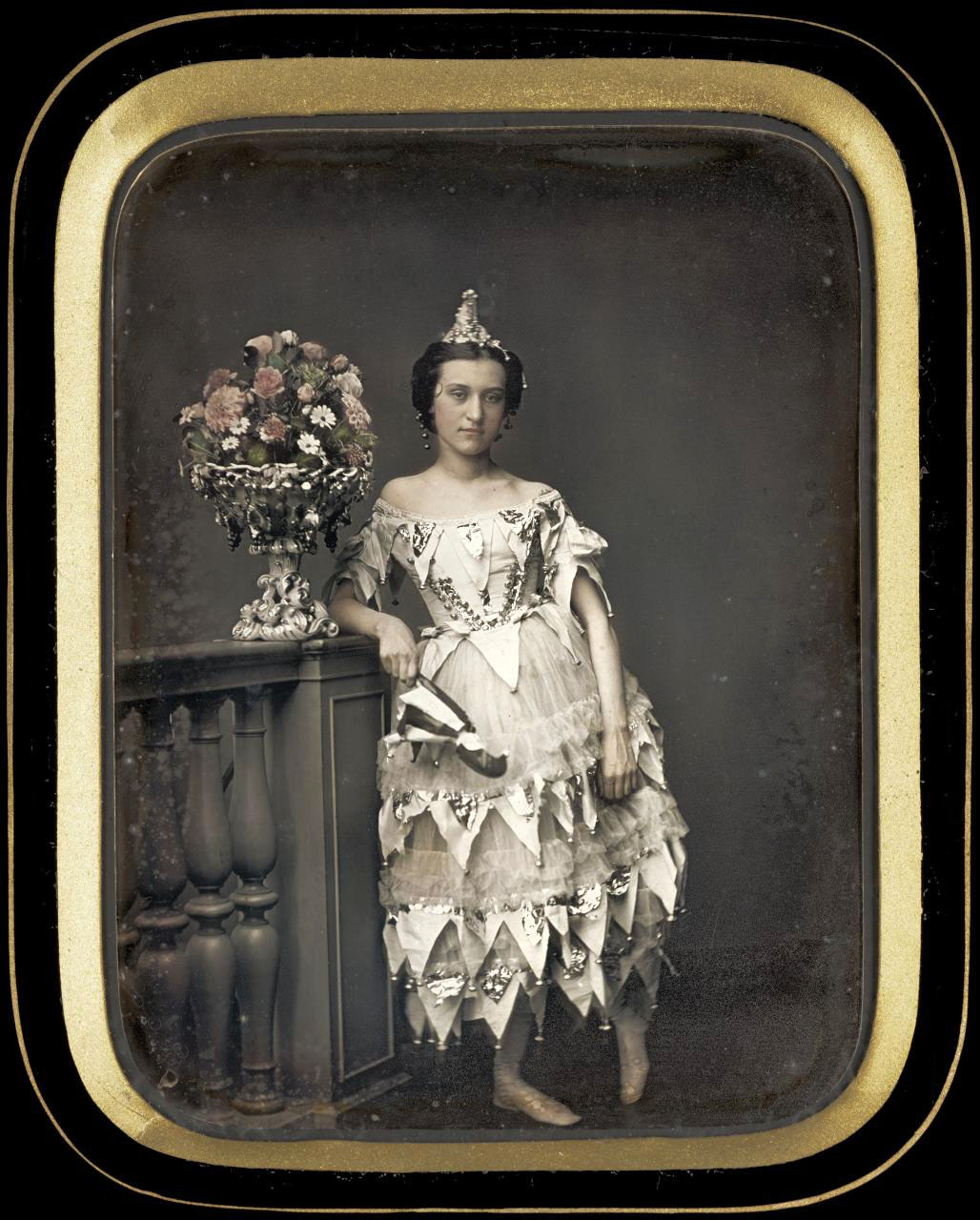

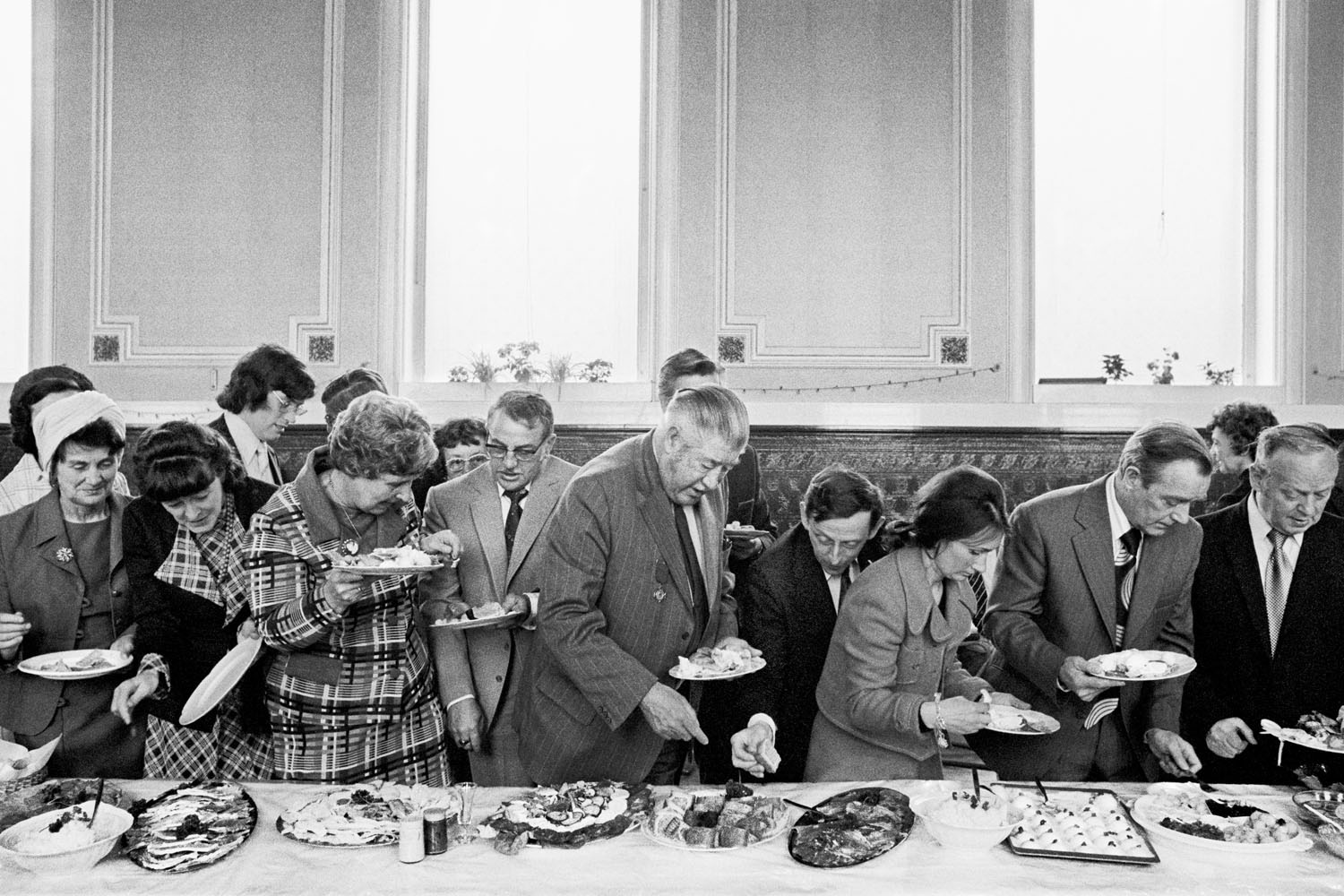

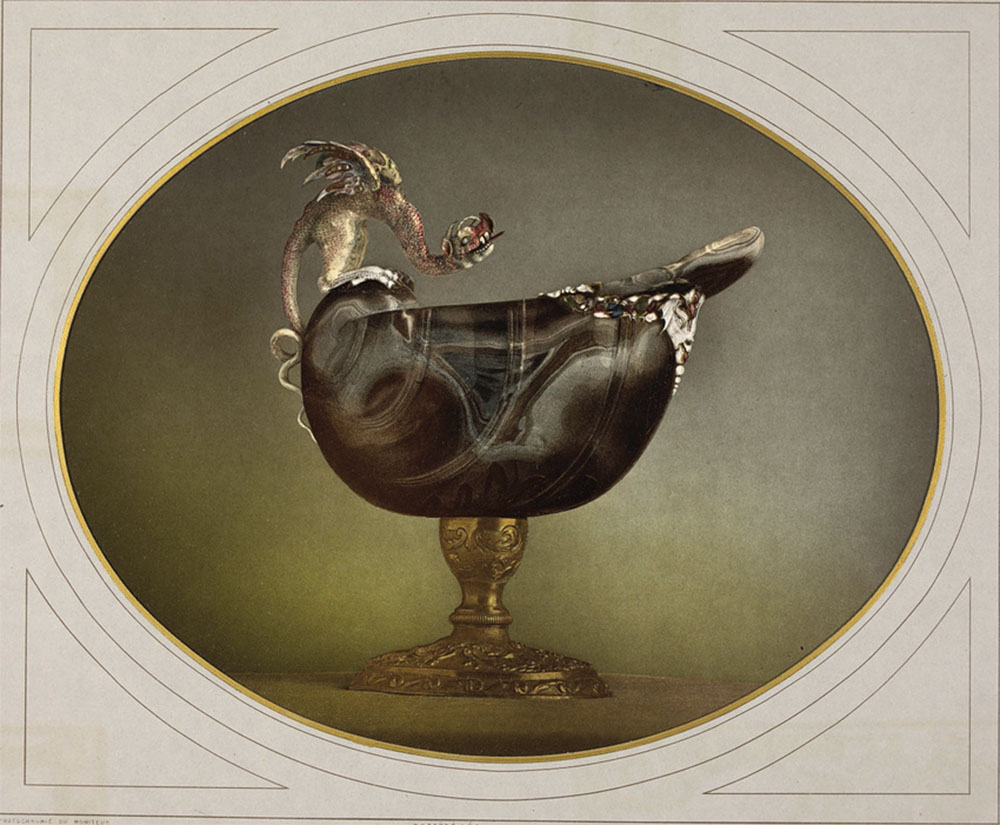


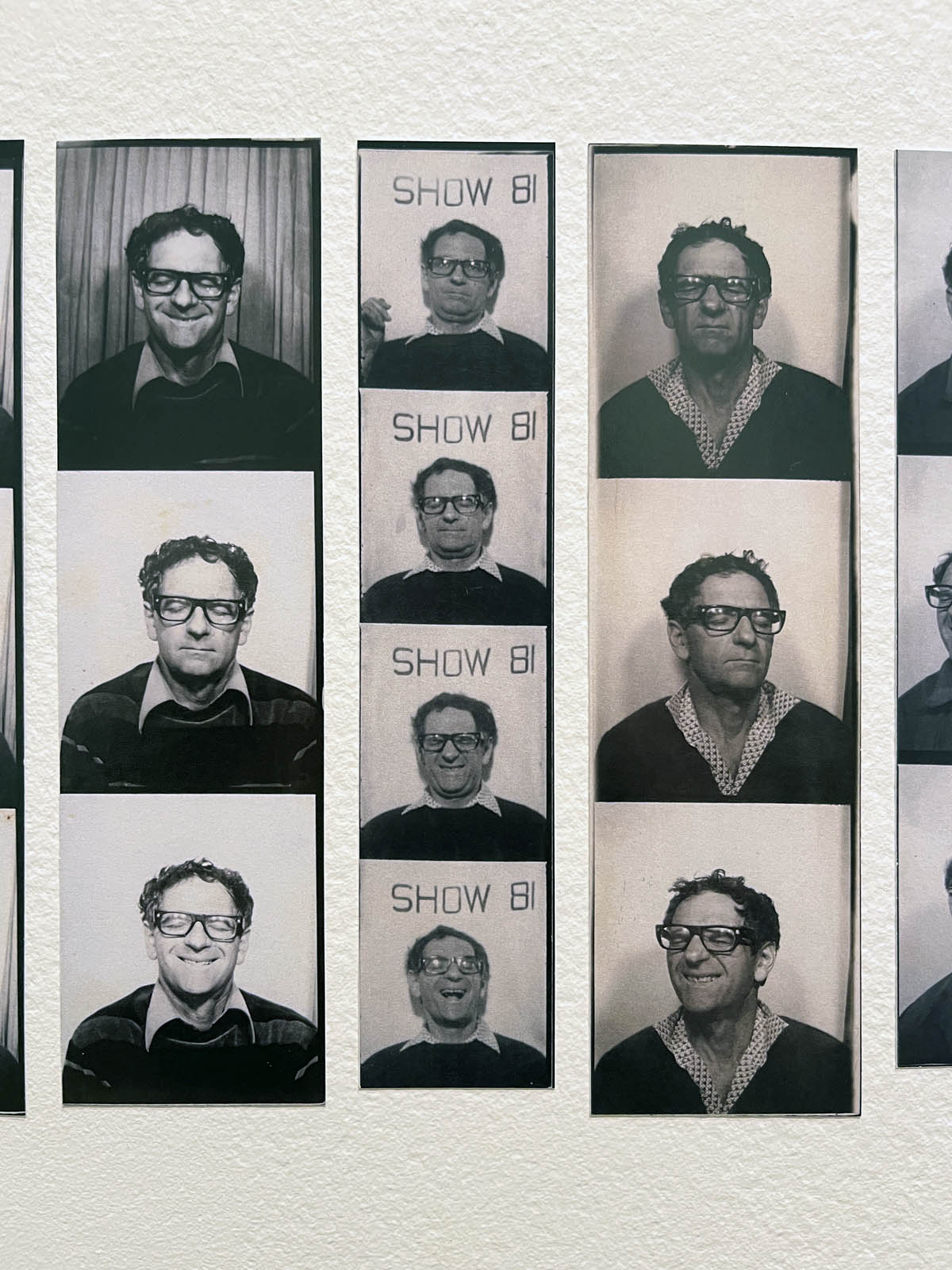
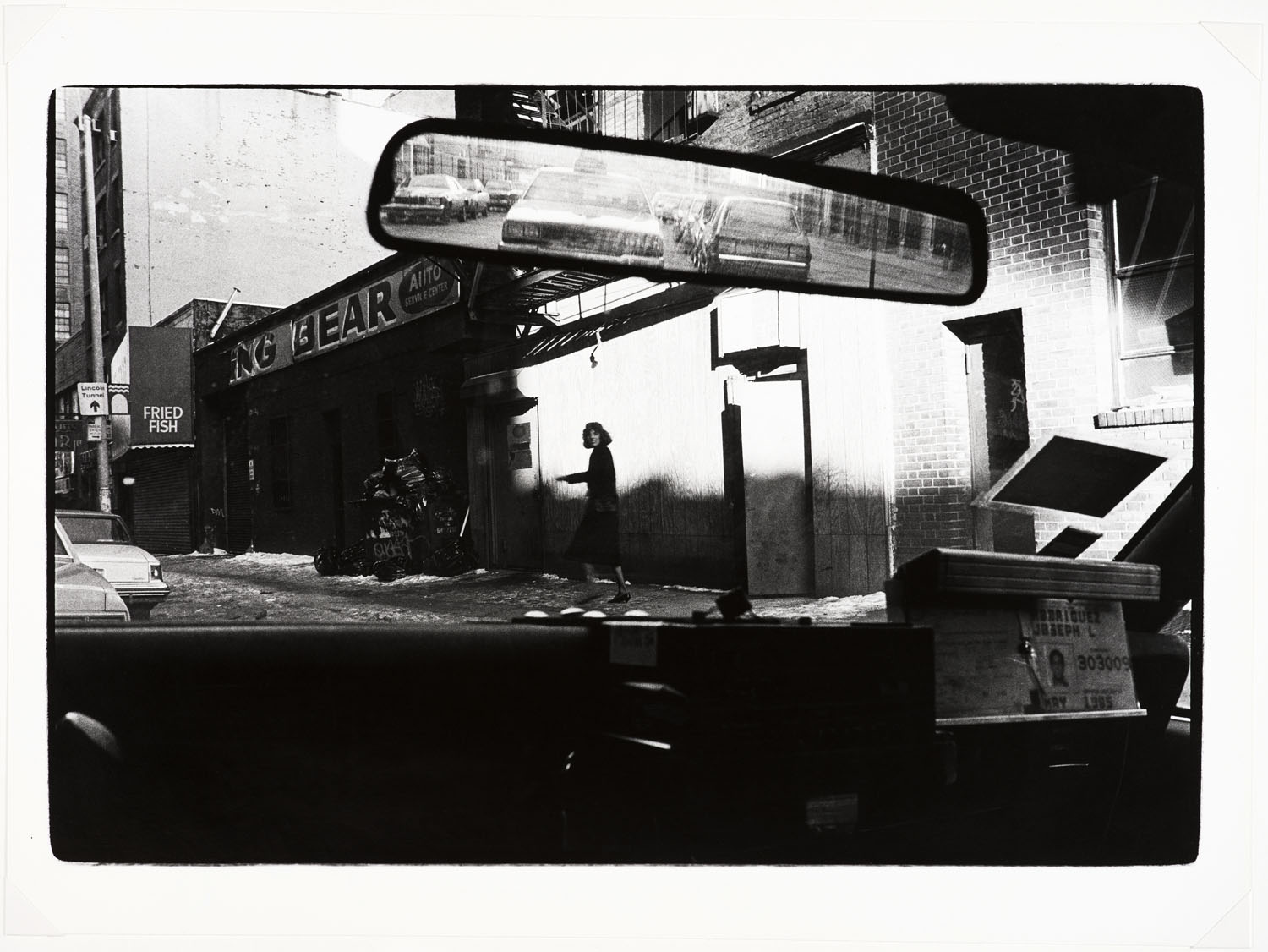

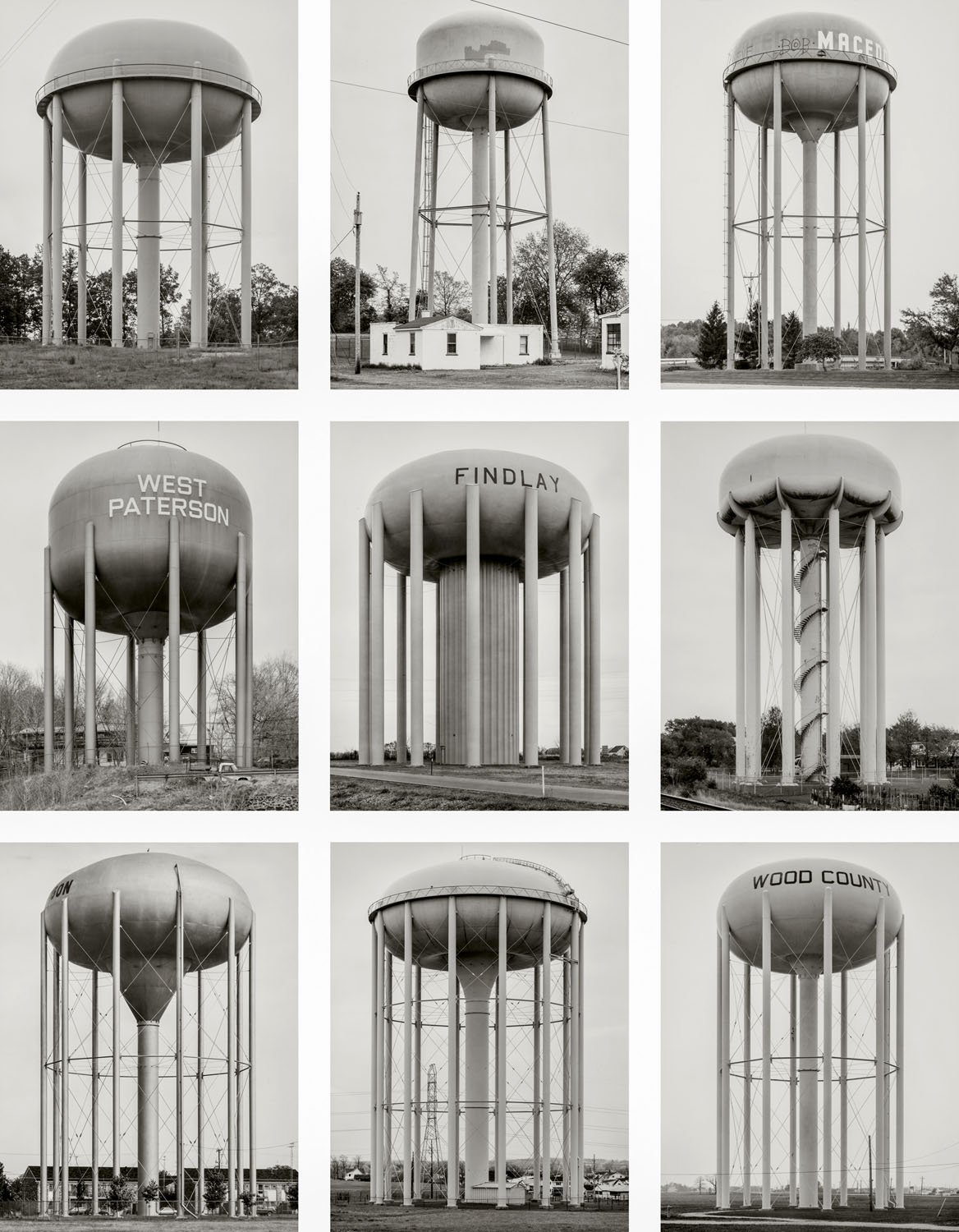
![Heinrich Riebesehl (German, 1938-2010) 'Menschen Im Fahrstuhl, 20.11.1969' [People in the Elevator, 20.11.1969] 1969](https://artblart.com/wp-content/uploads/2025/06/2-typologien_heinrich-riebesehl_siae_sm.jpg "Heinrich Riebesehl (German, 1938-2010) 'Menschen Im Fahrstuhl, 20.11.1969' [People in the Elevator, 20.11.1969] 1969")
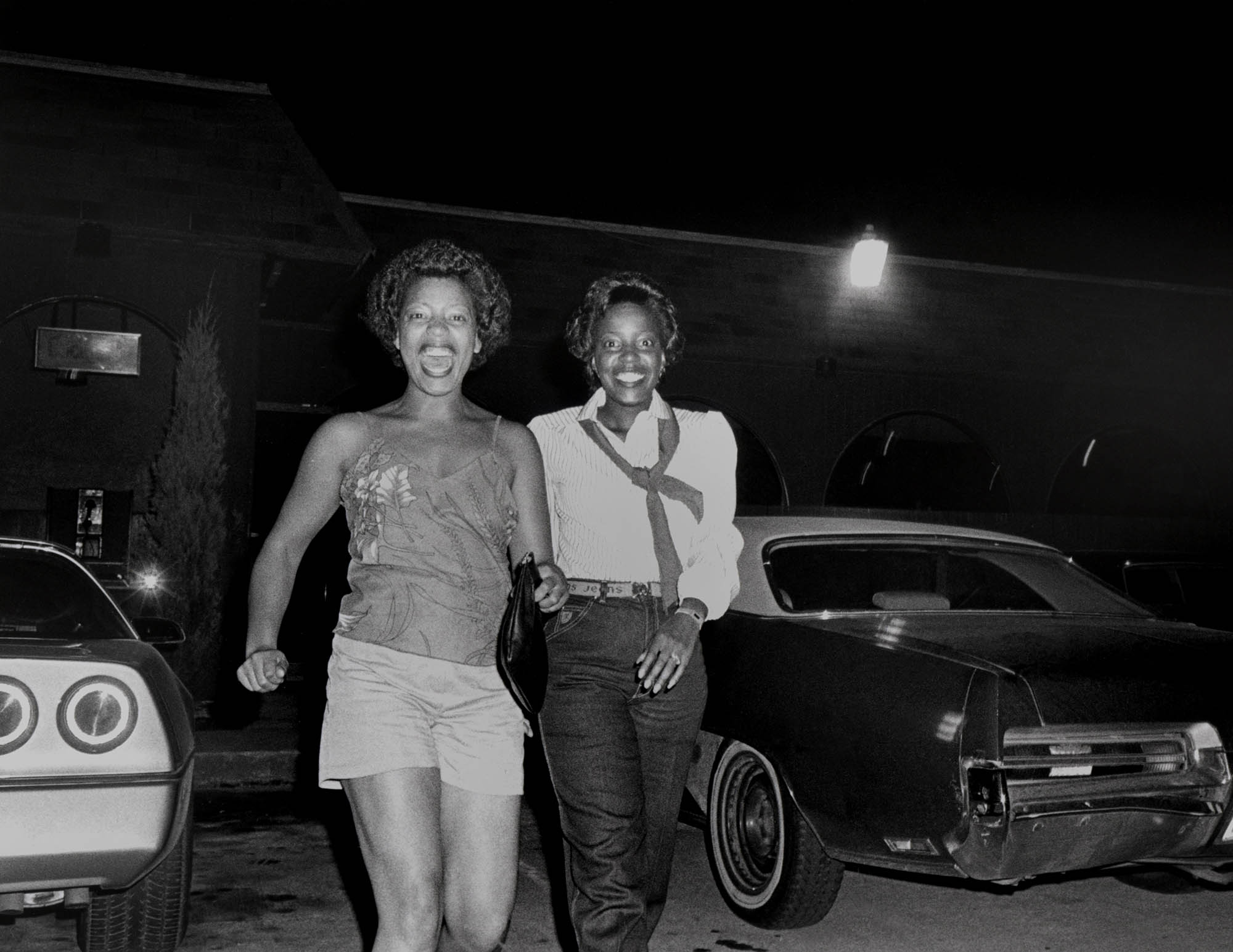


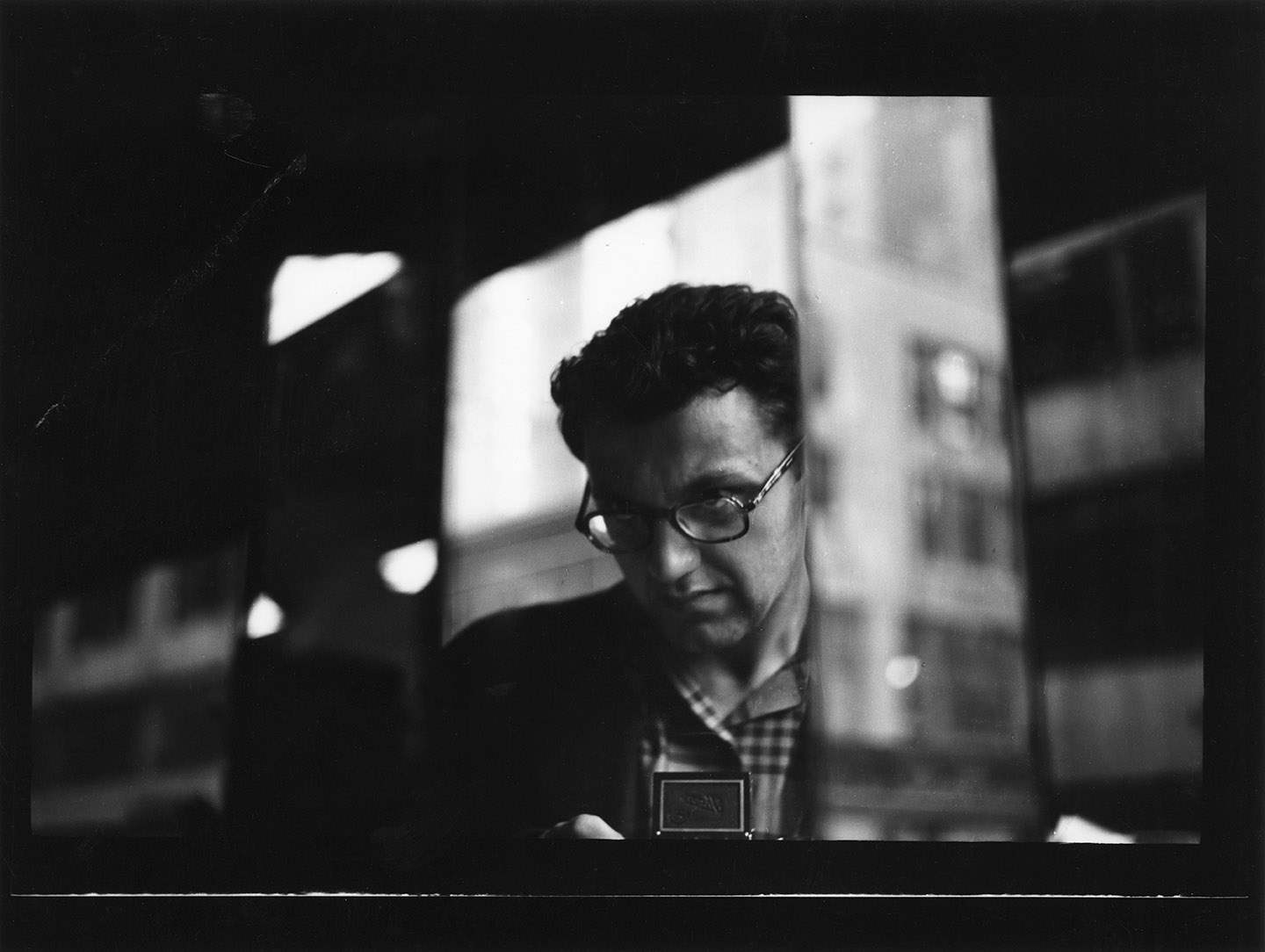

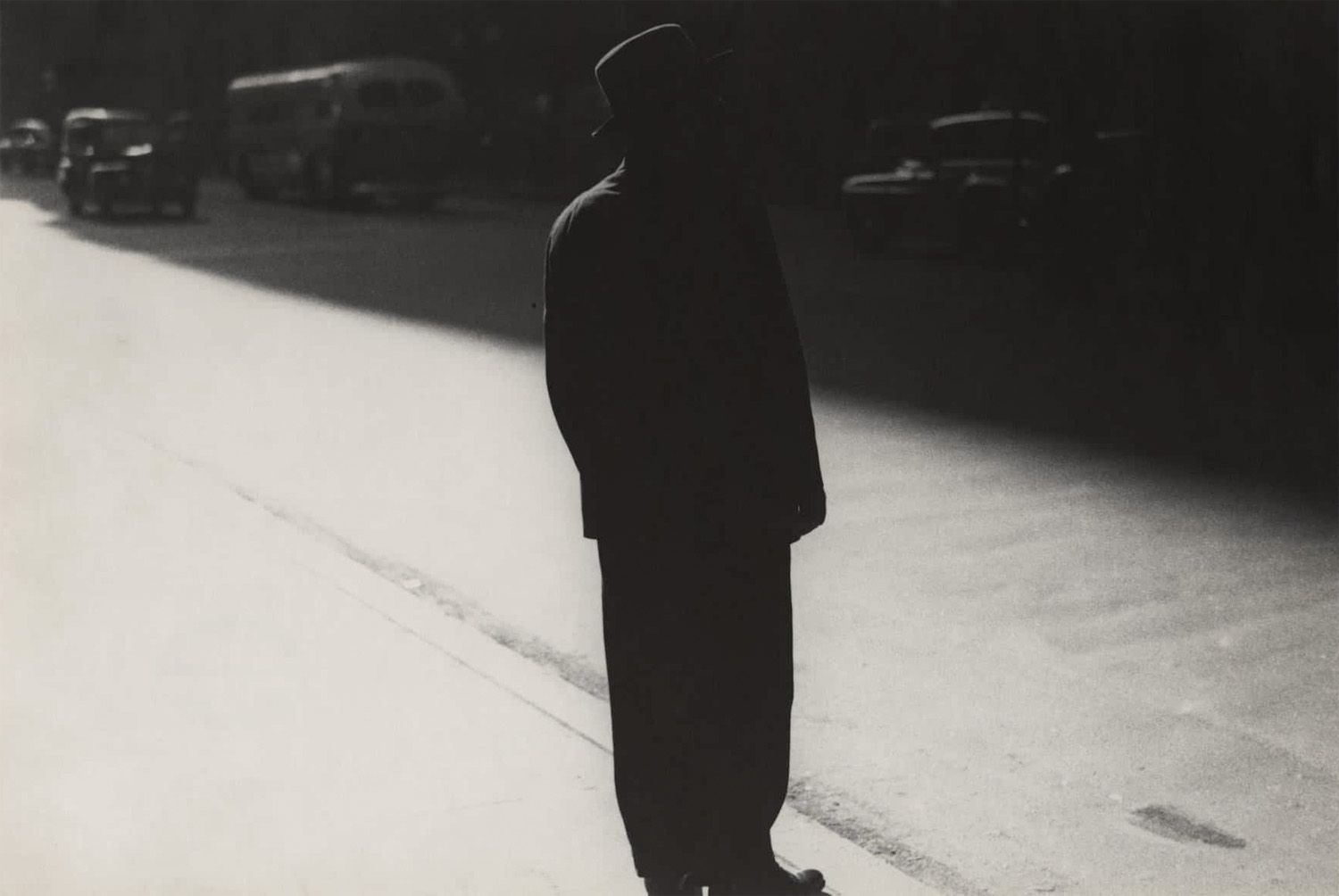
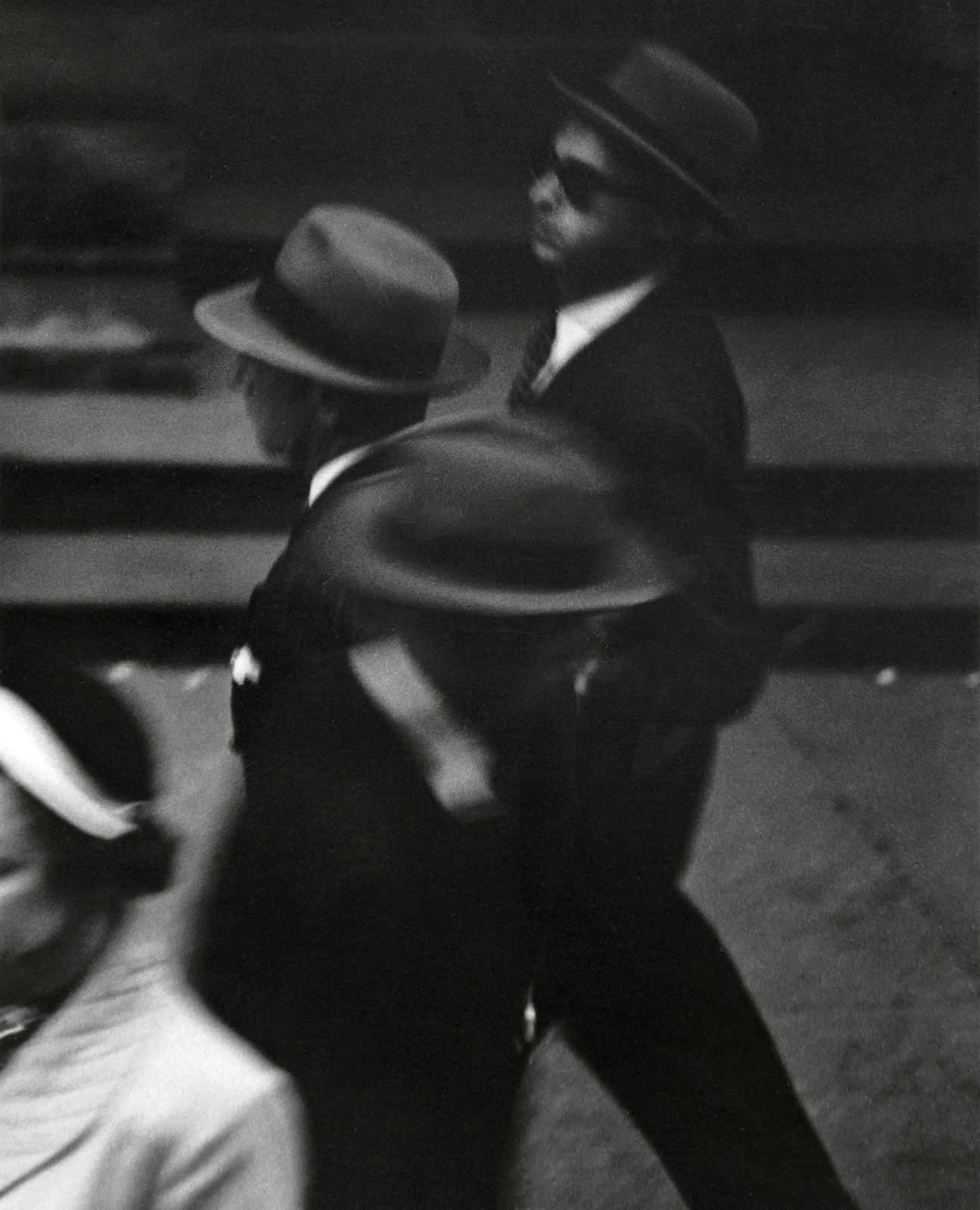
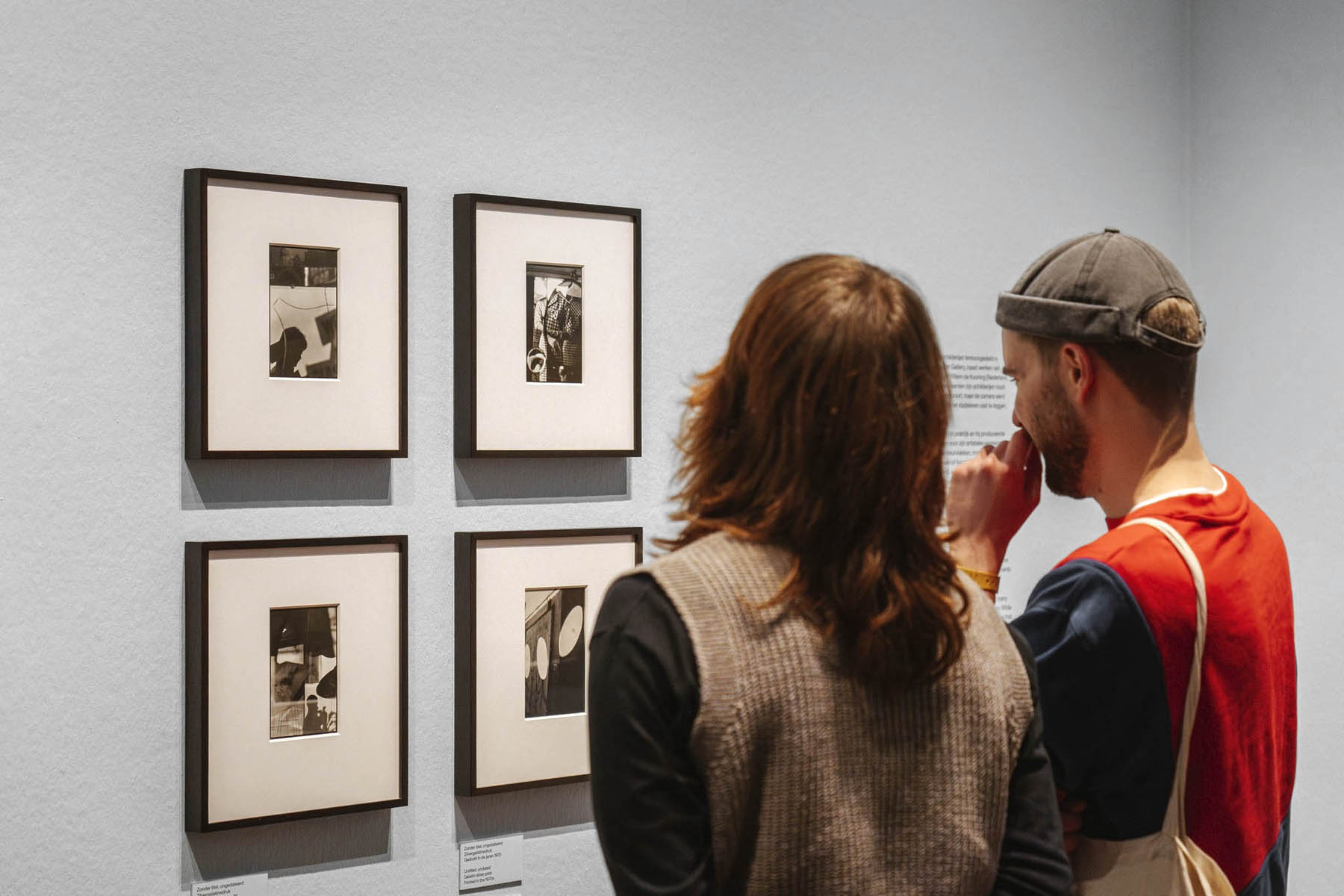
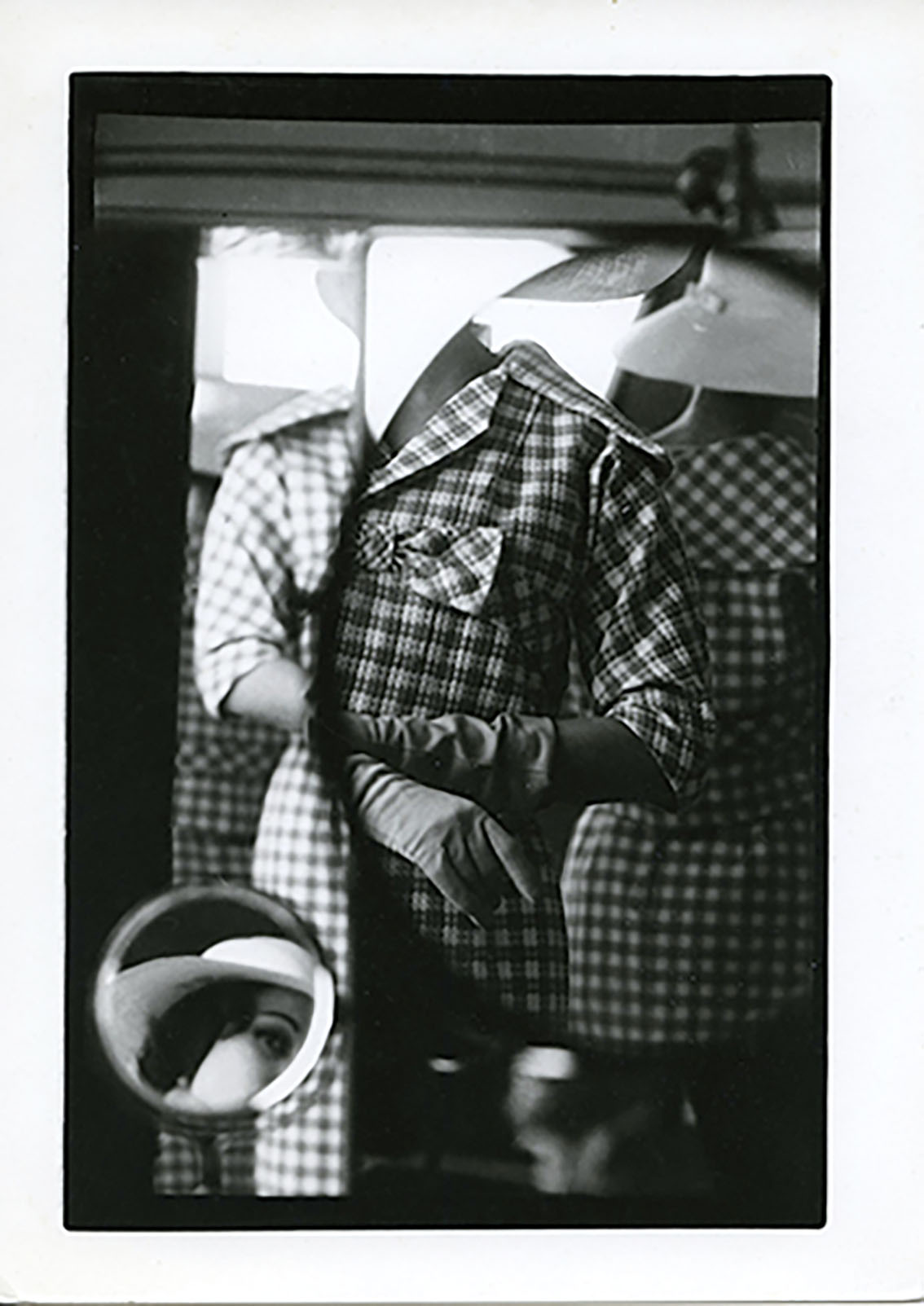
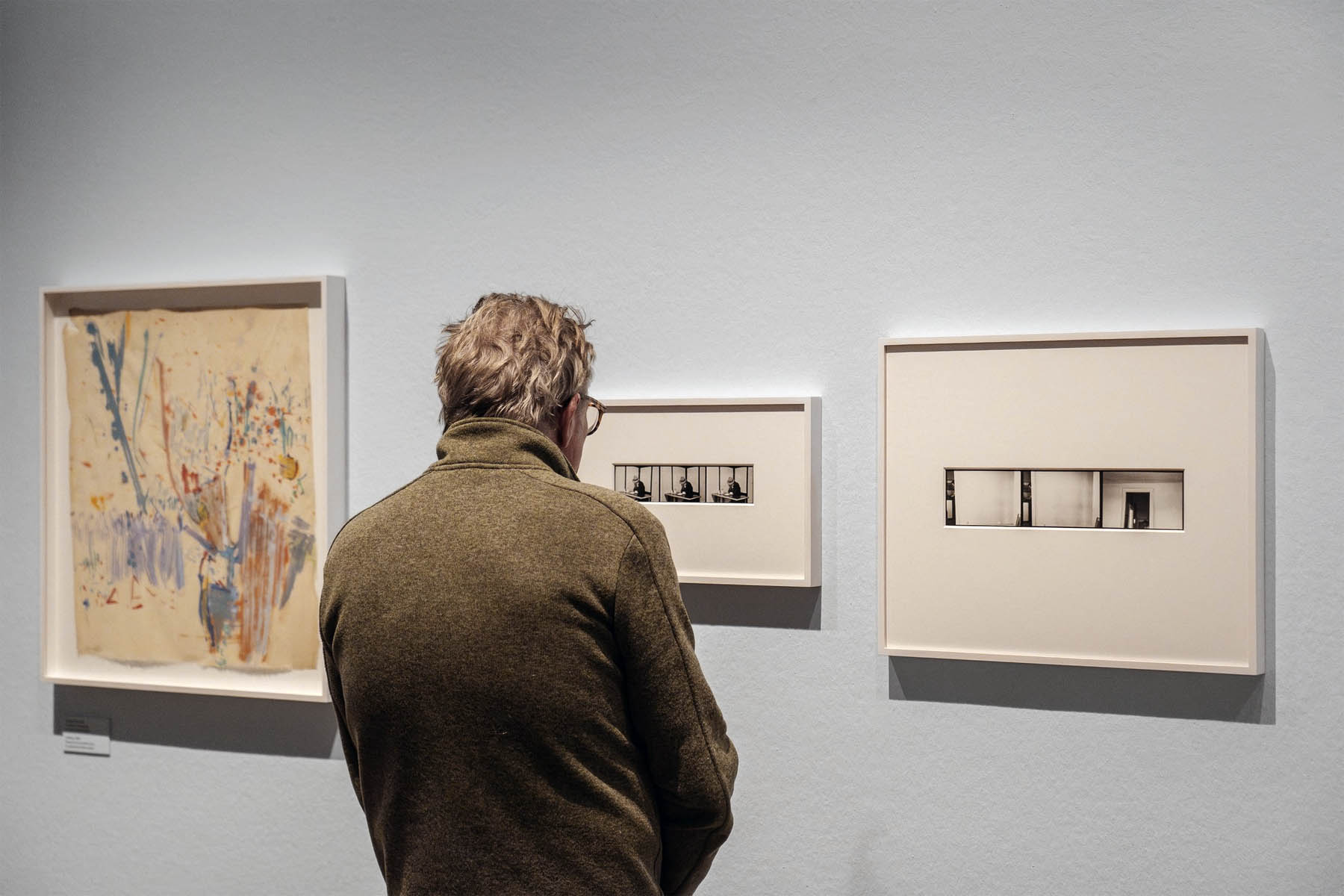
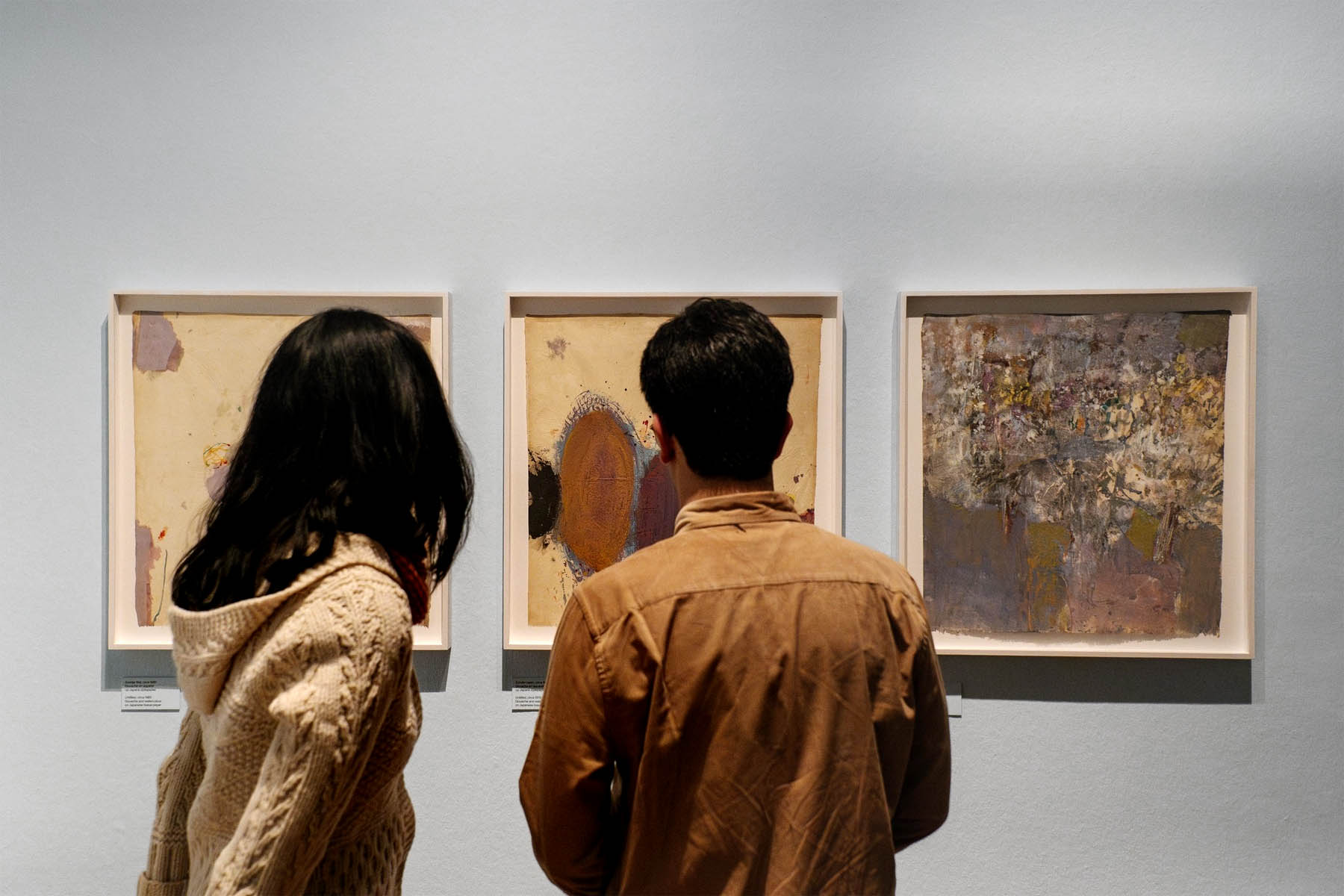
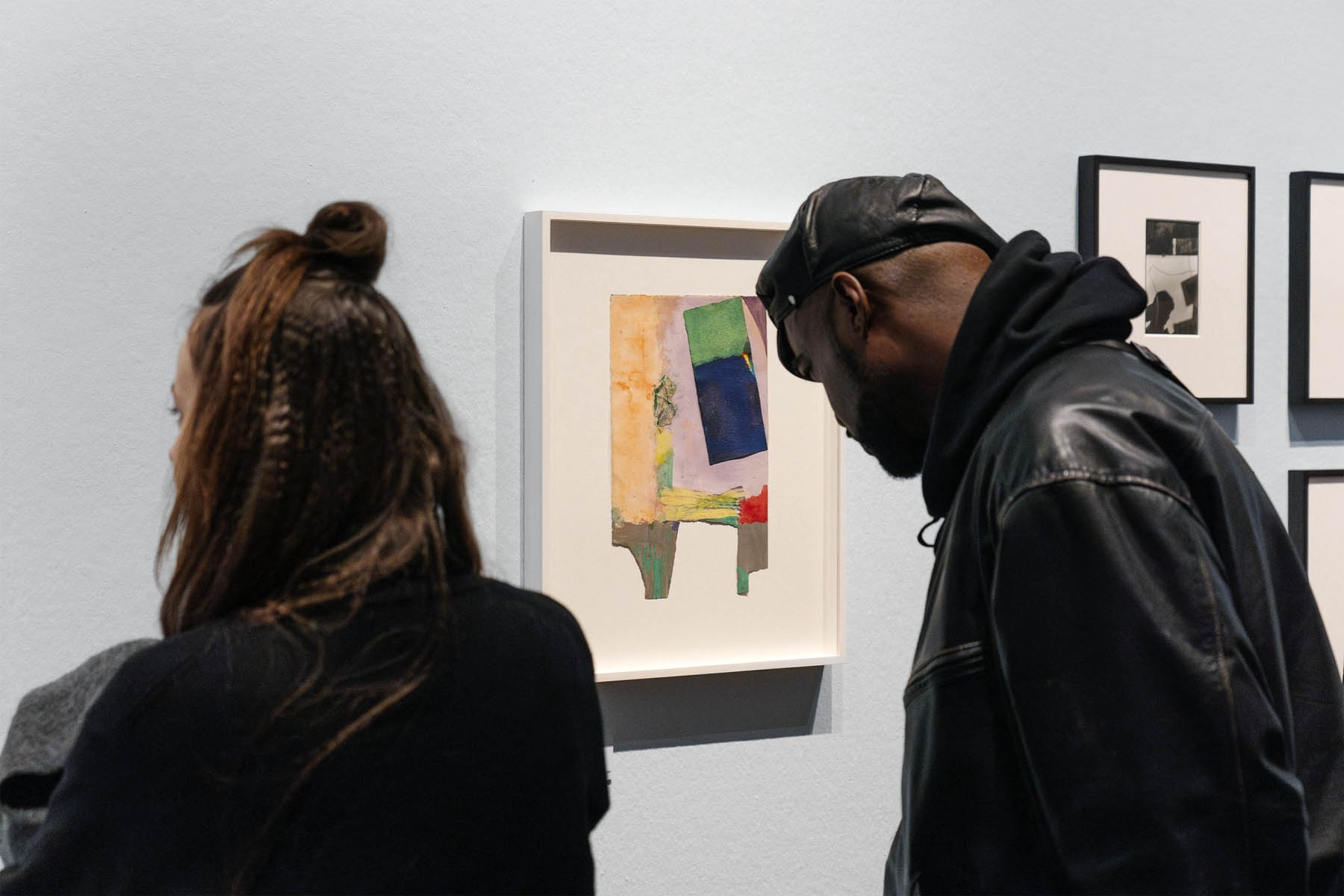
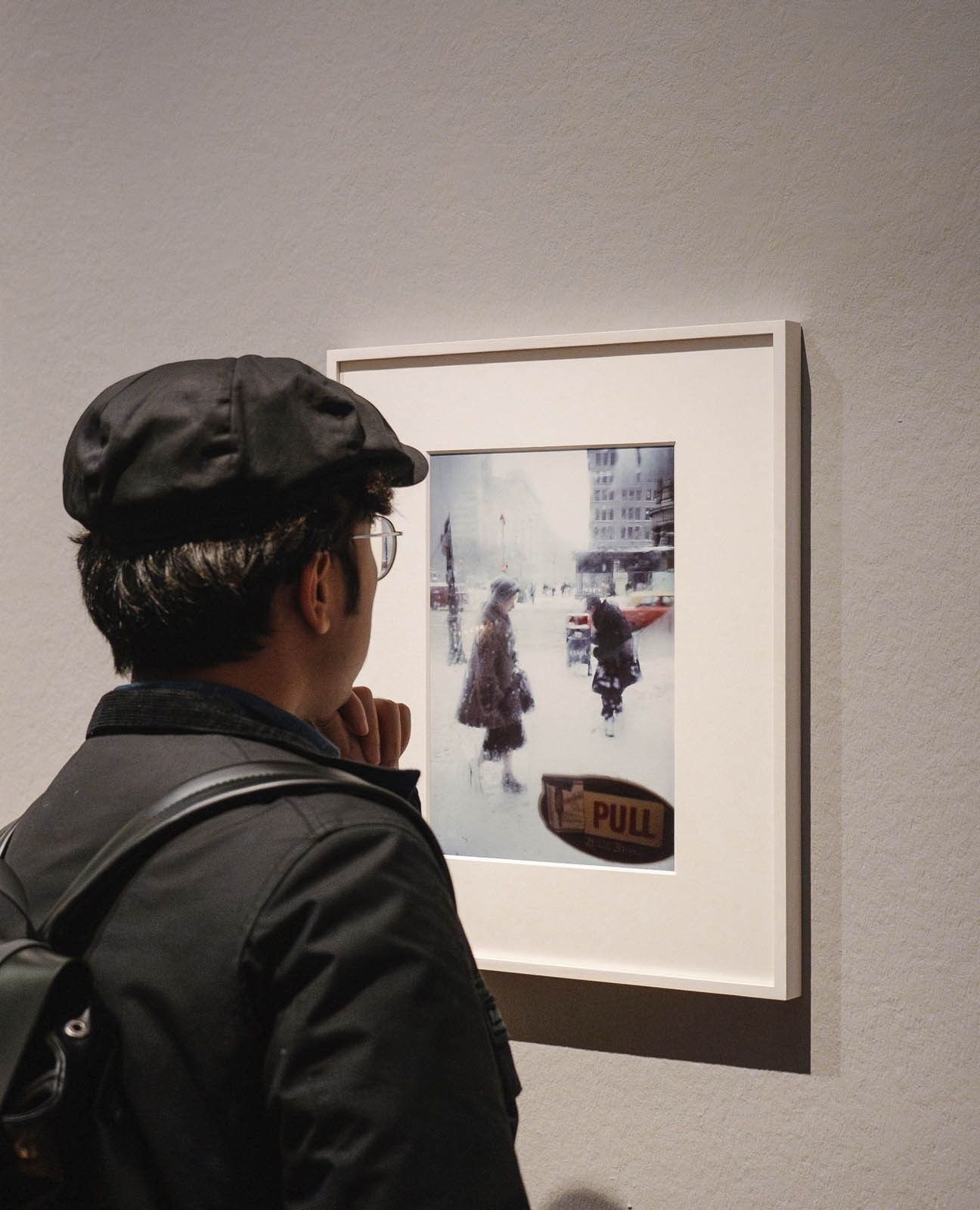
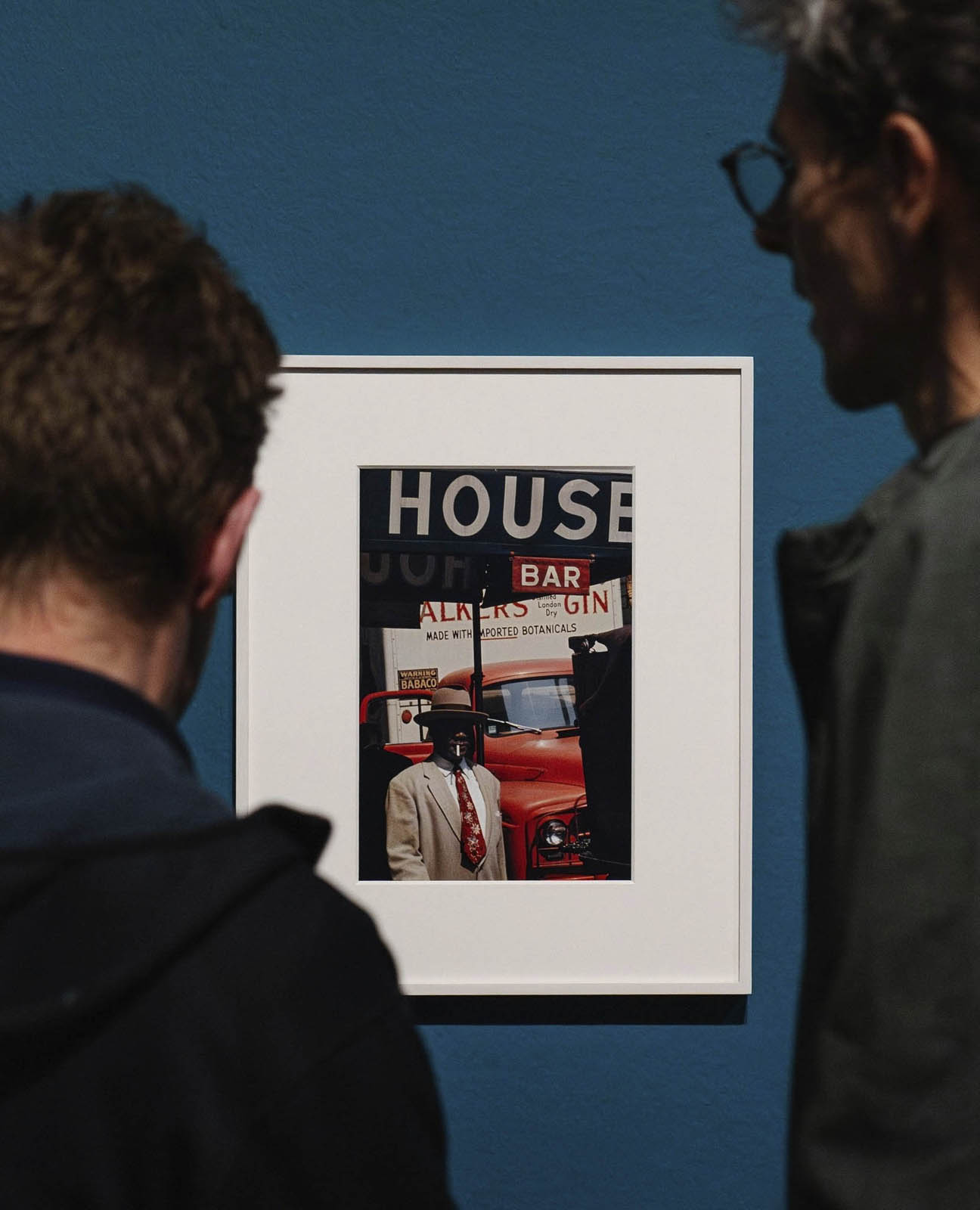

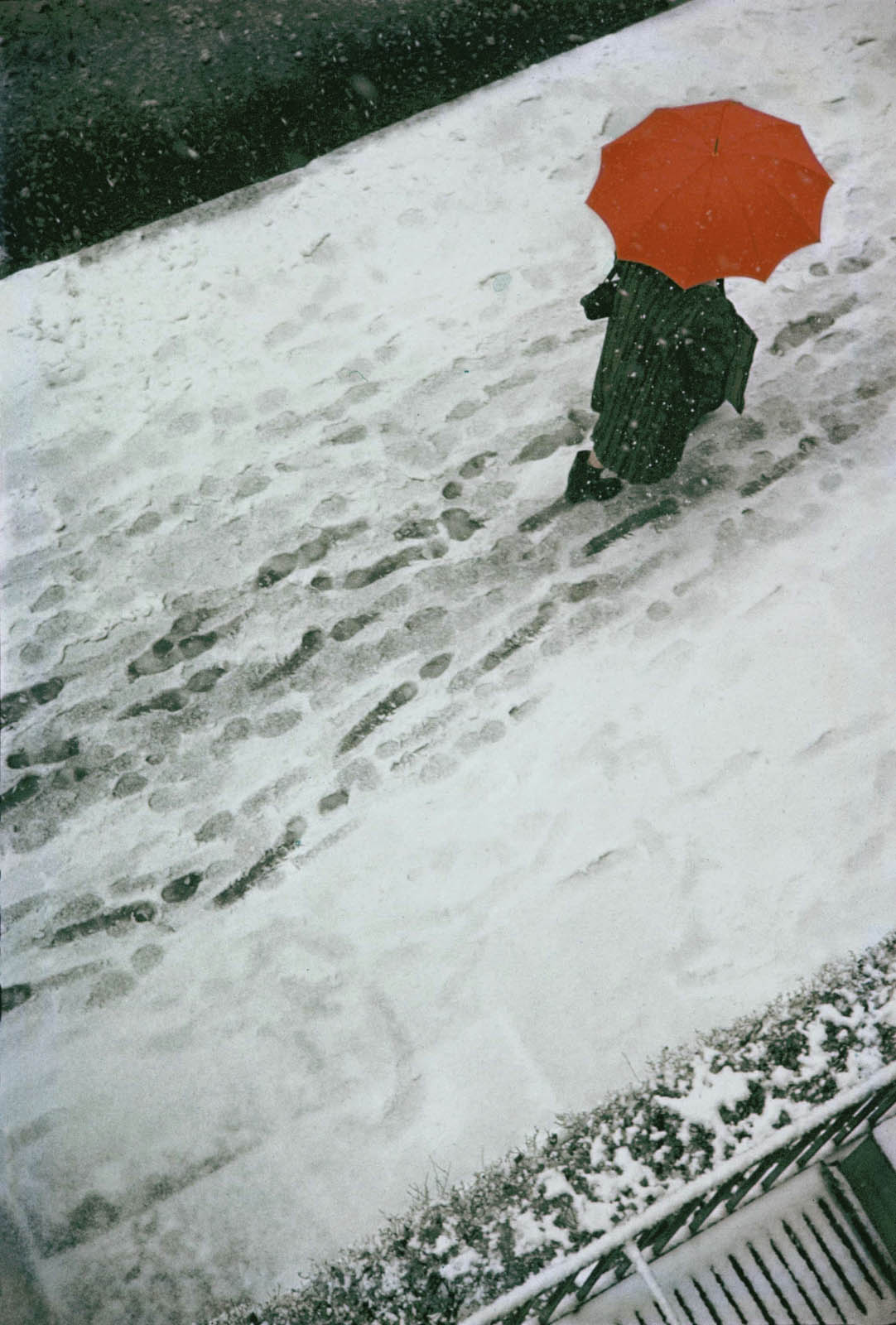

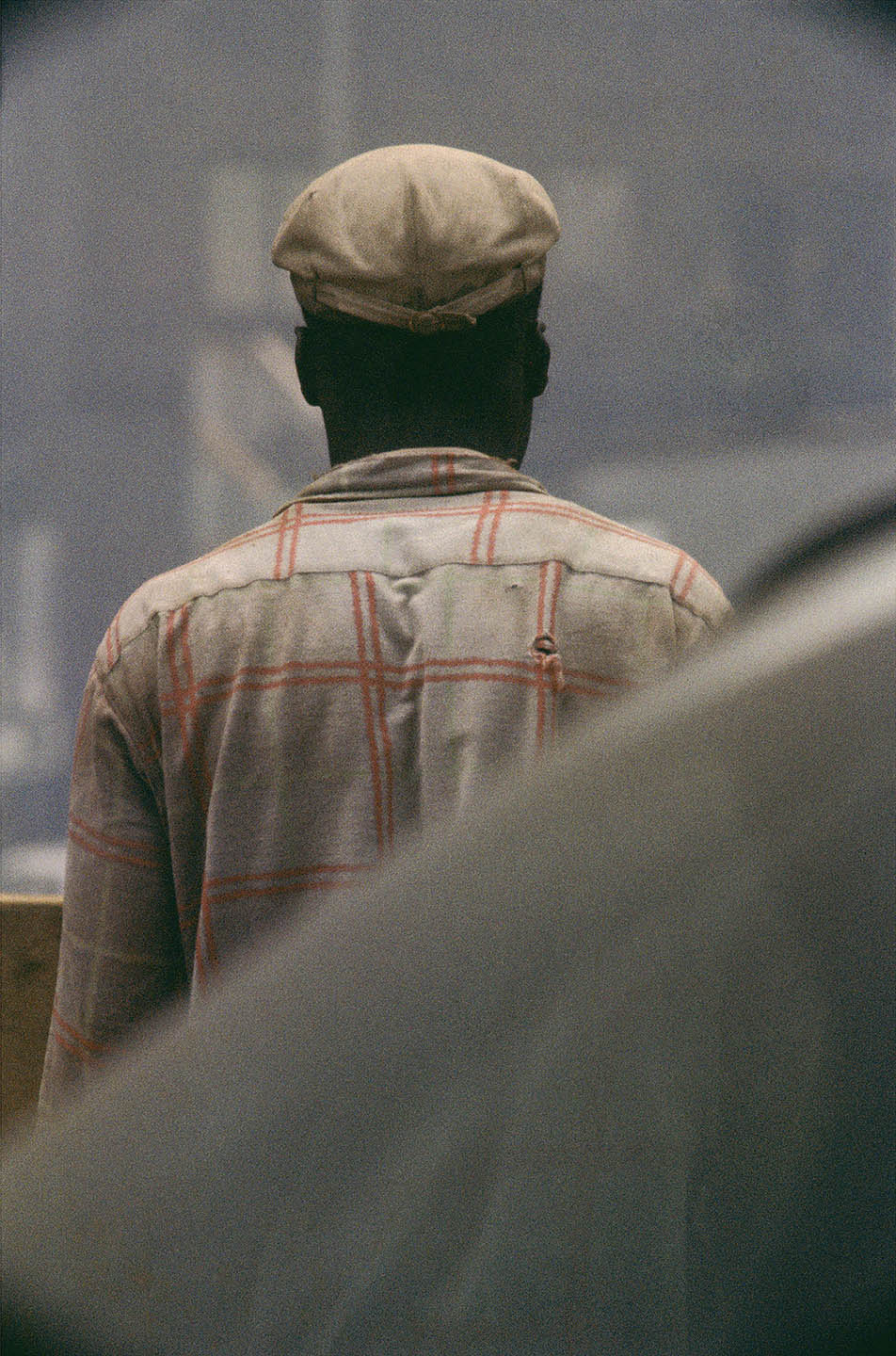
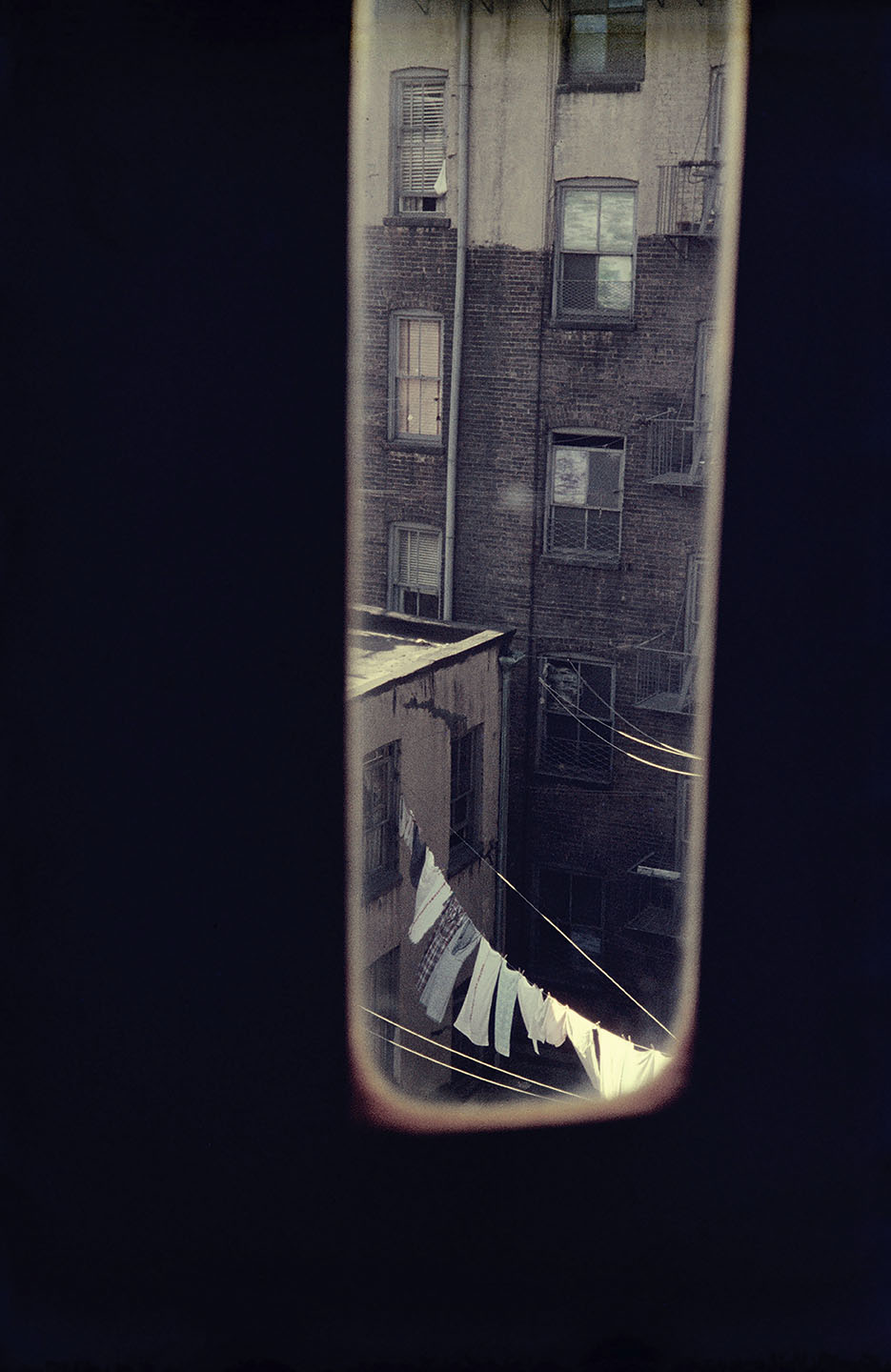
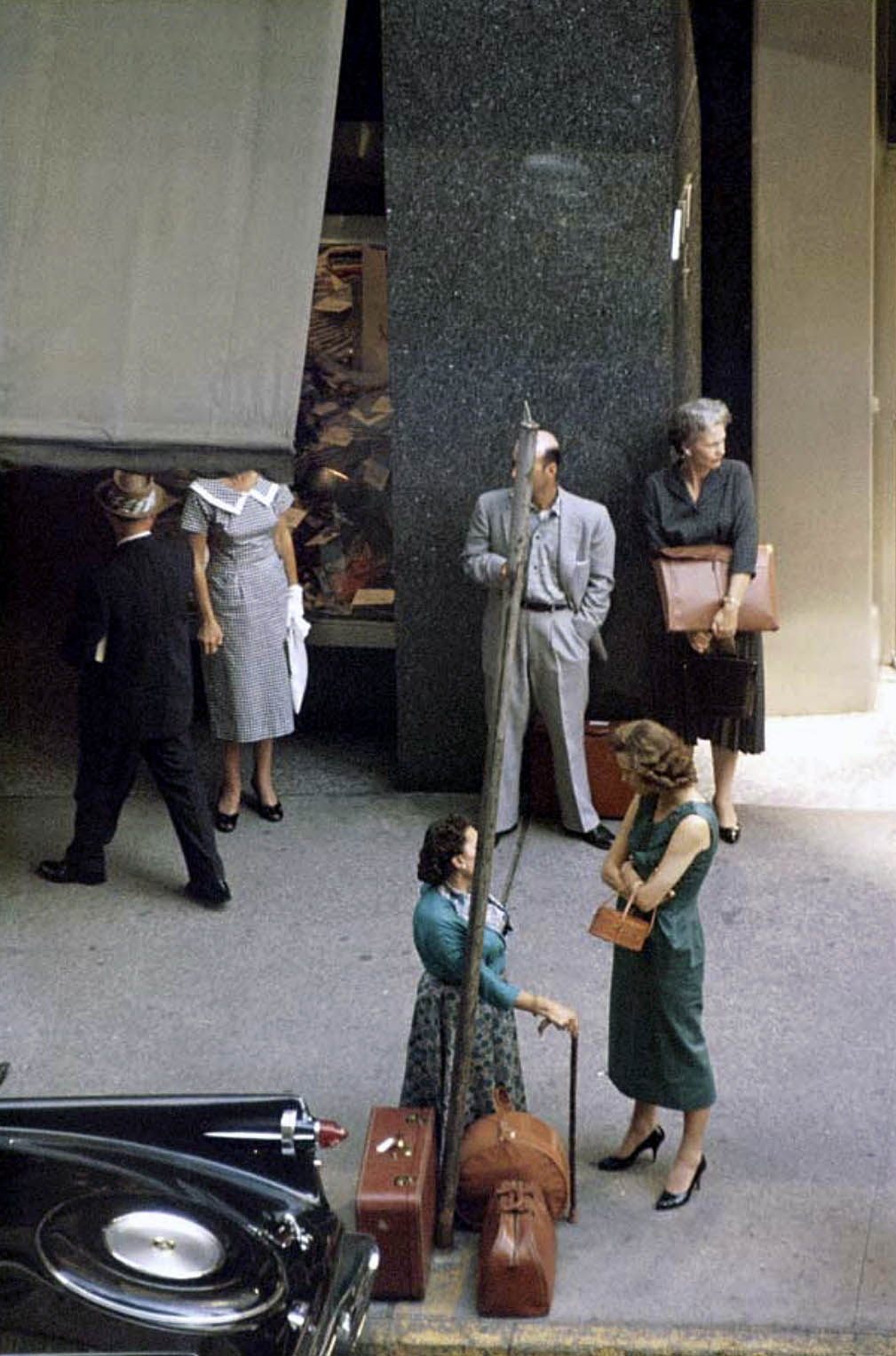
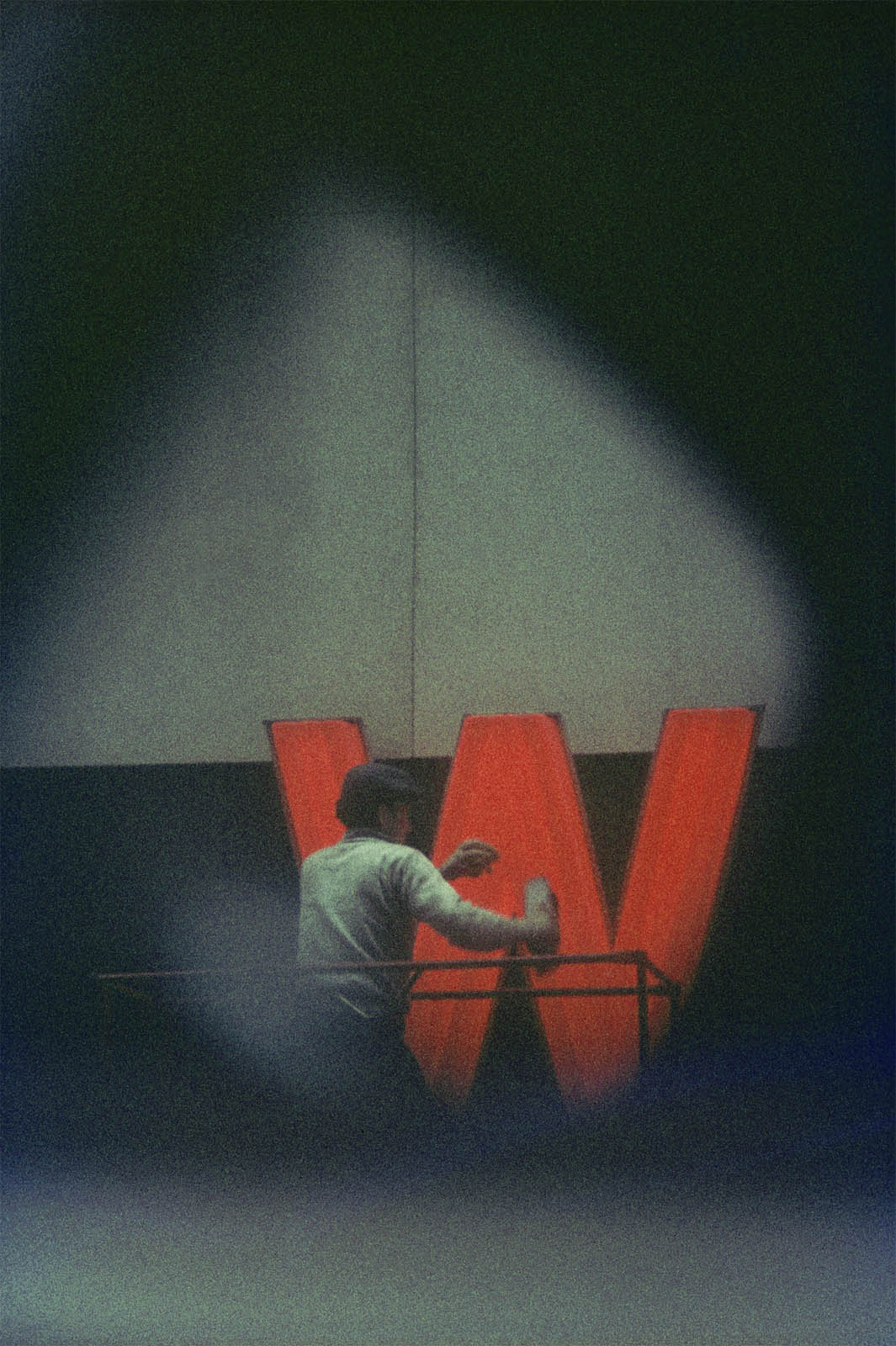

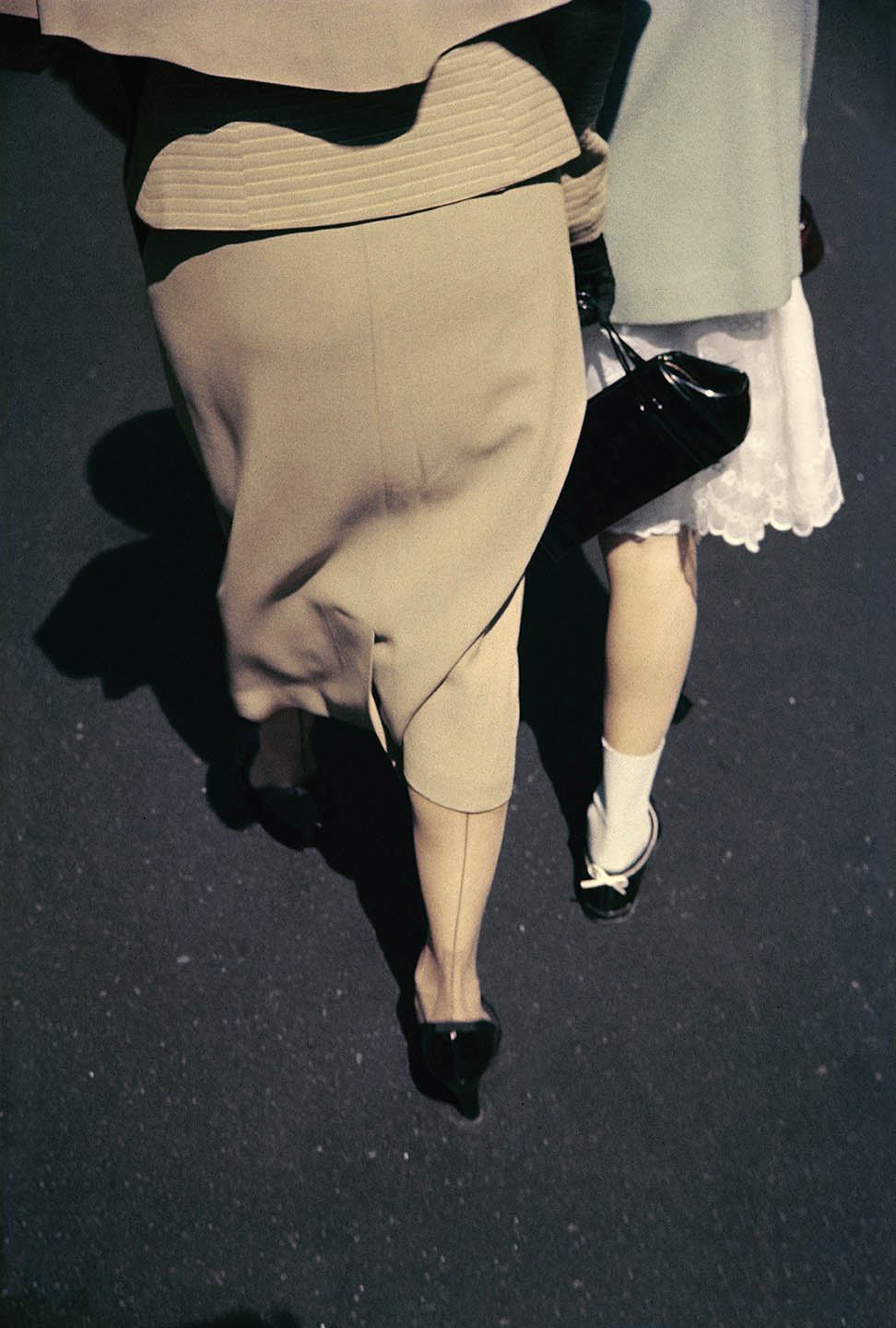

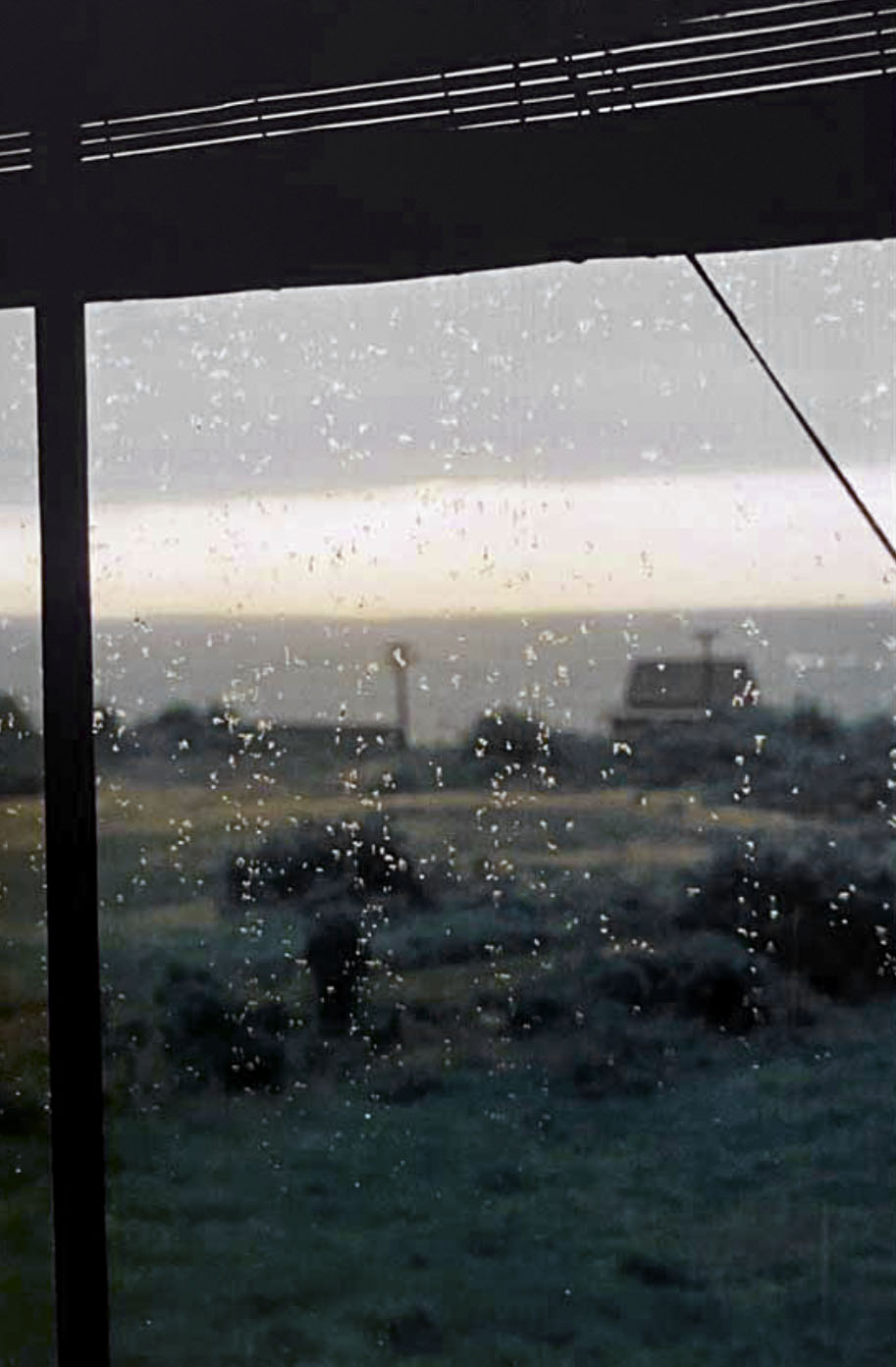
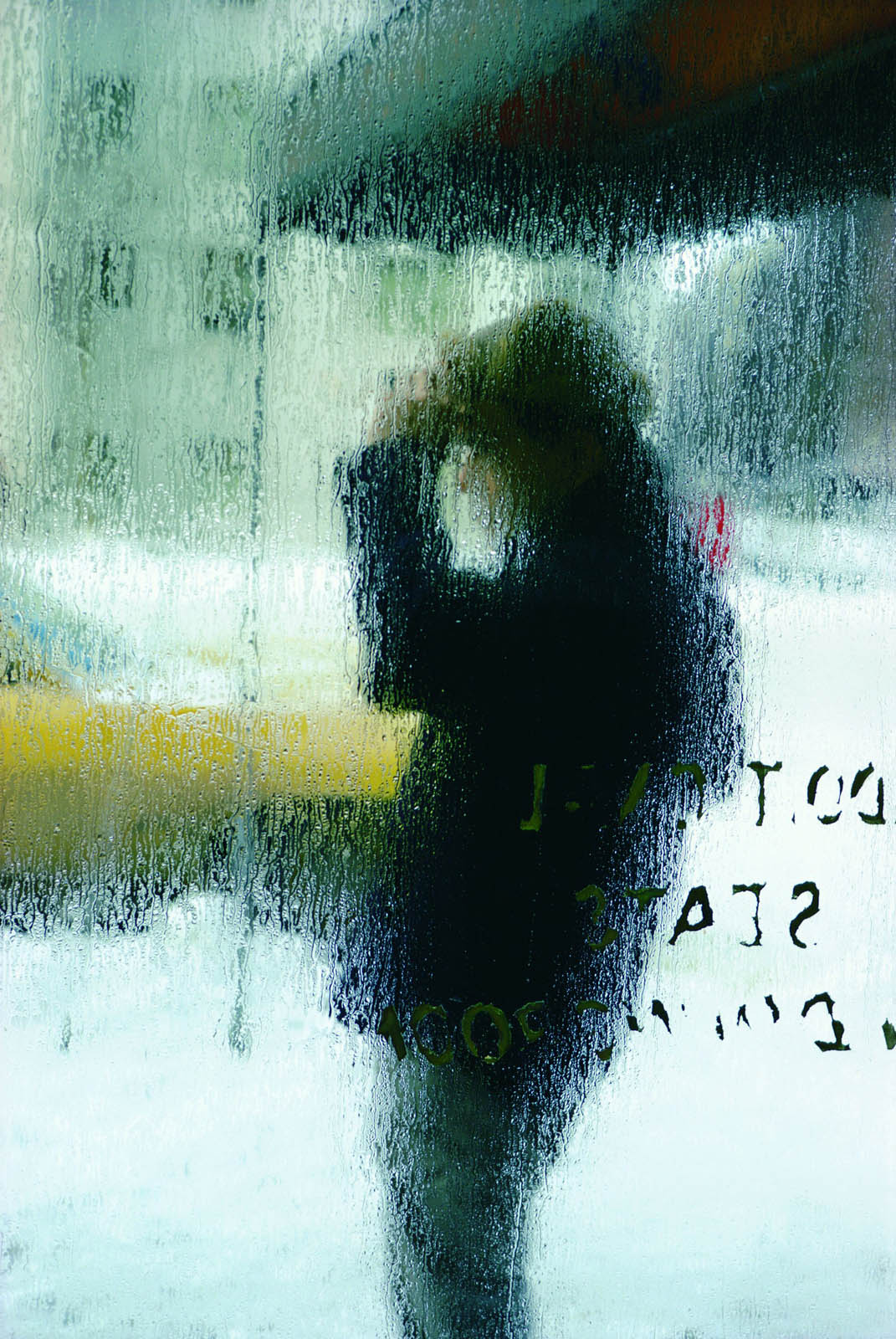

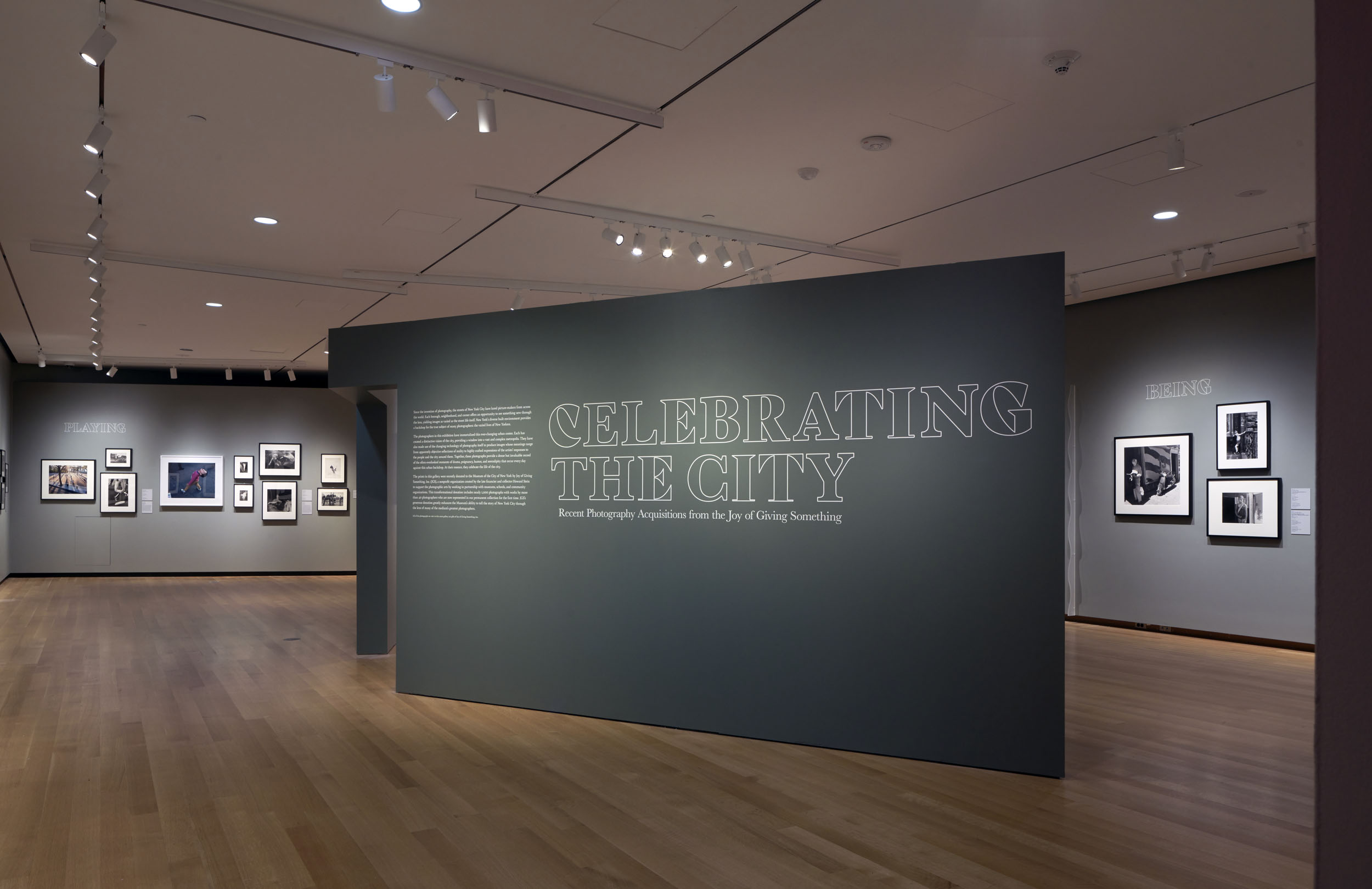
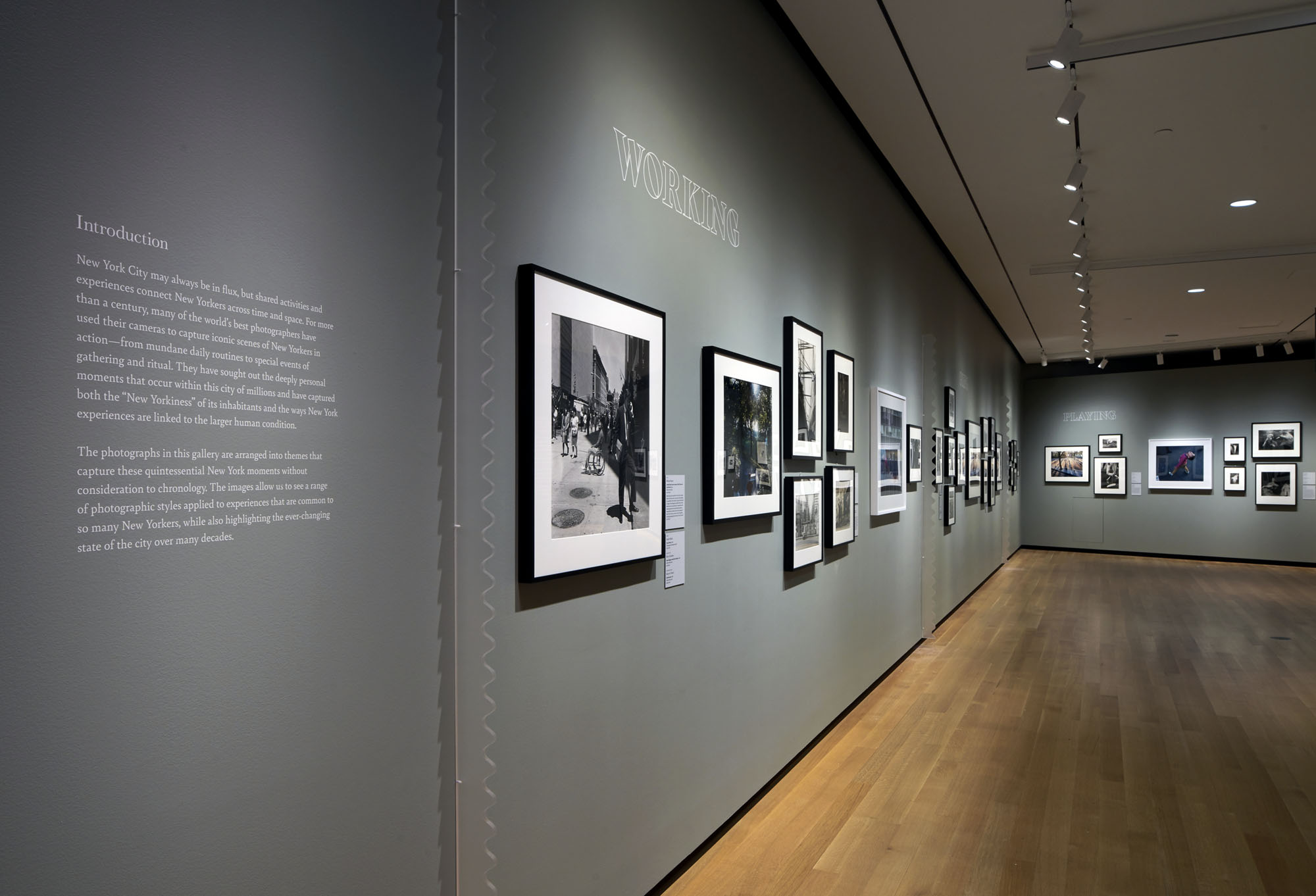
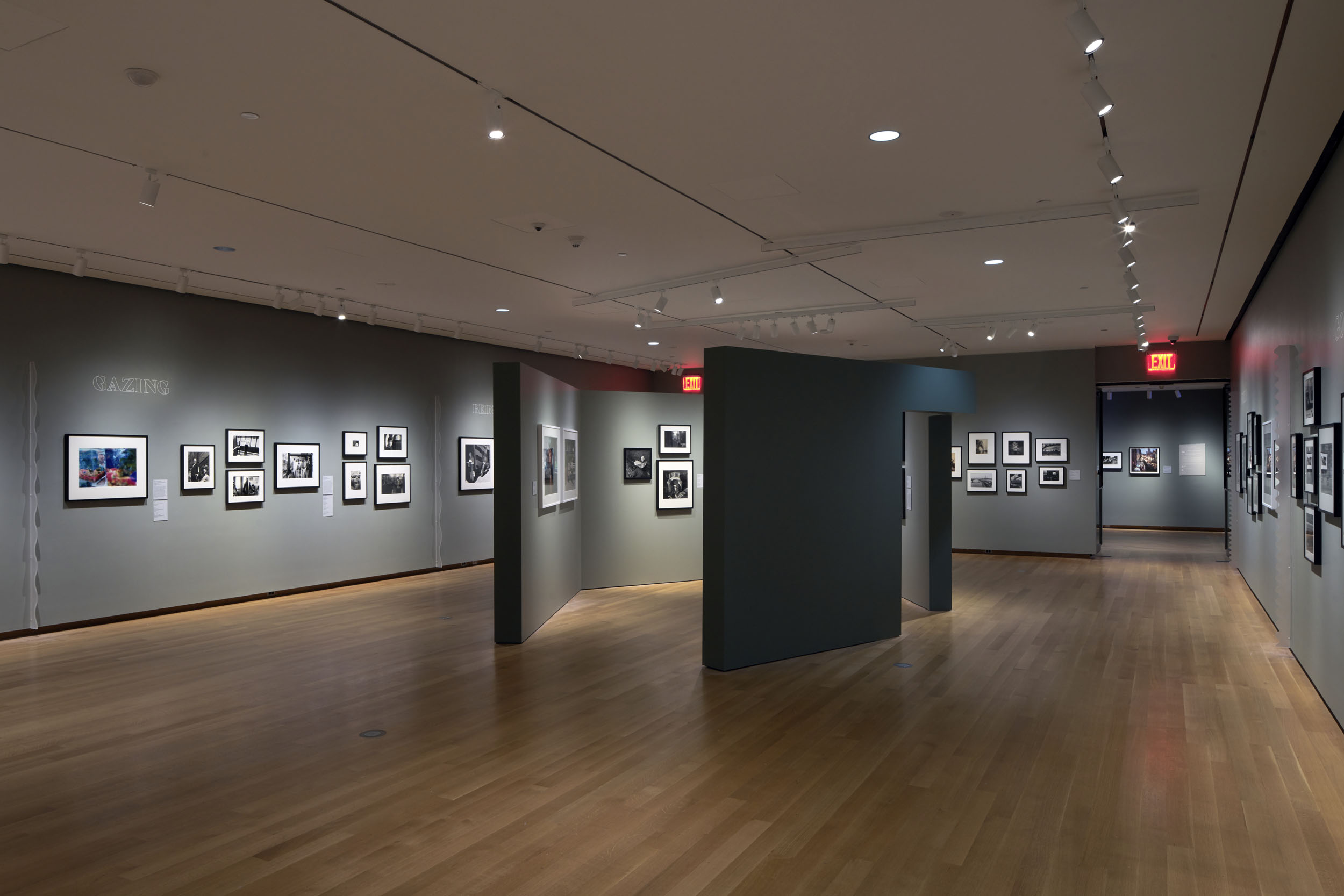
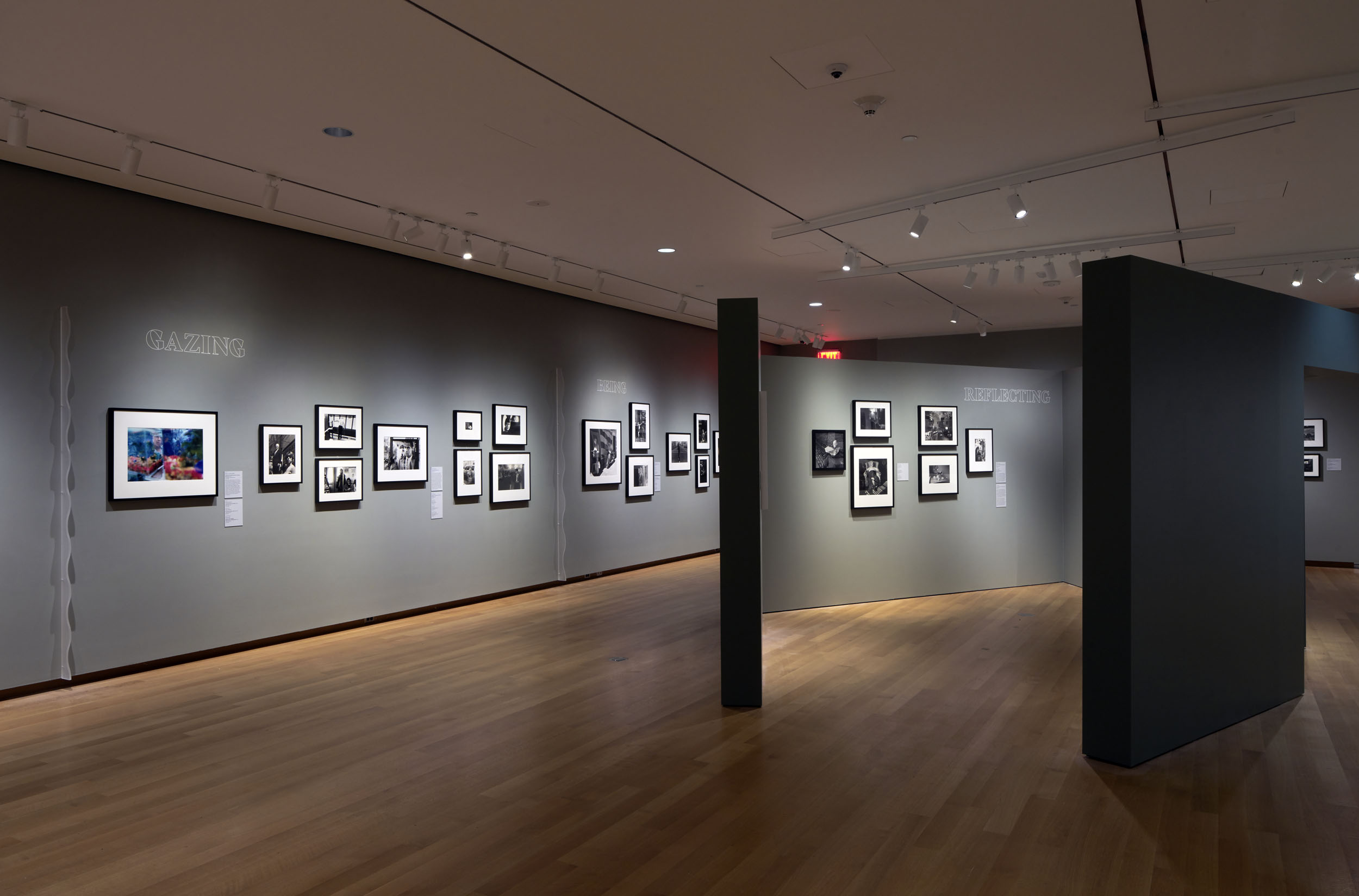
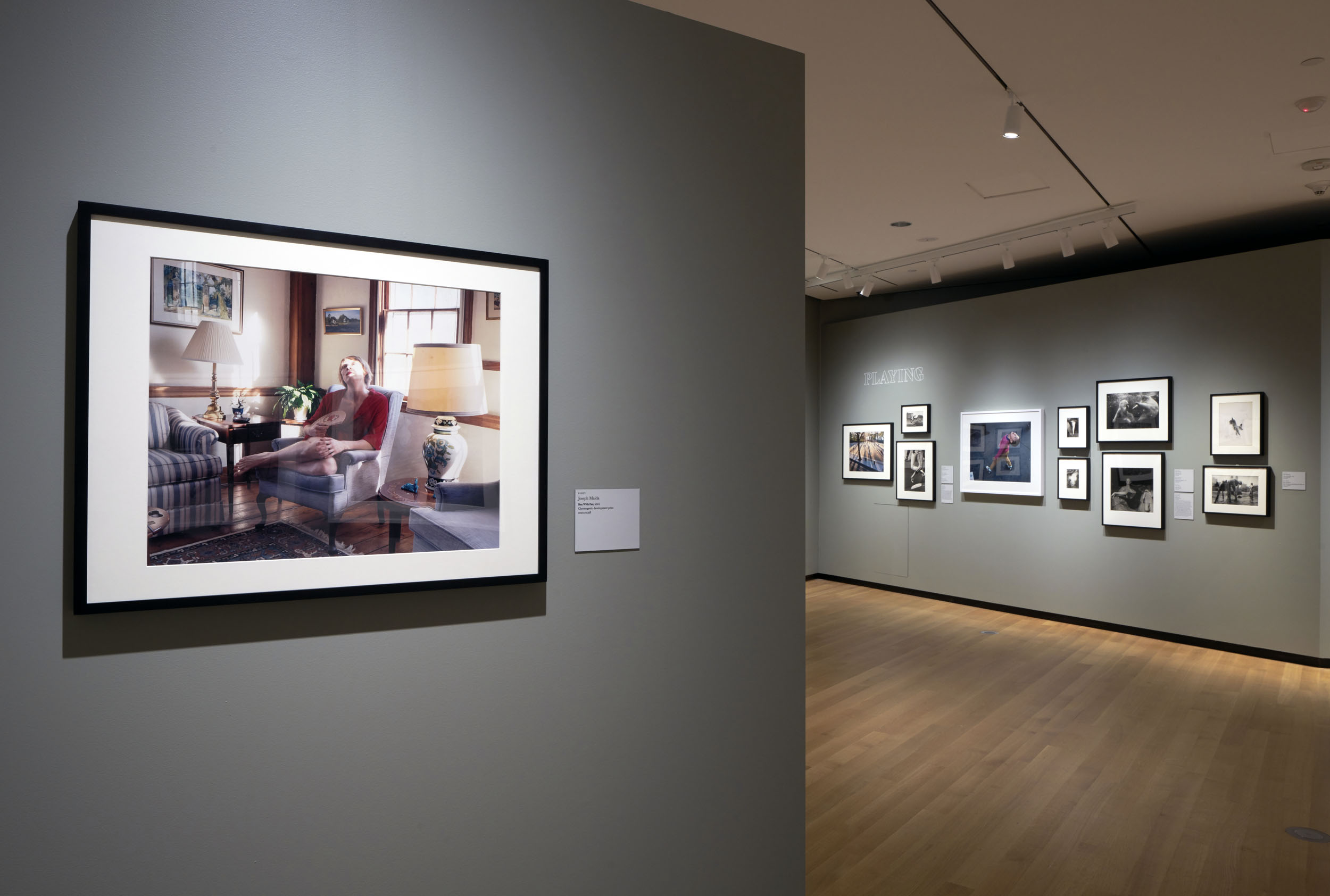
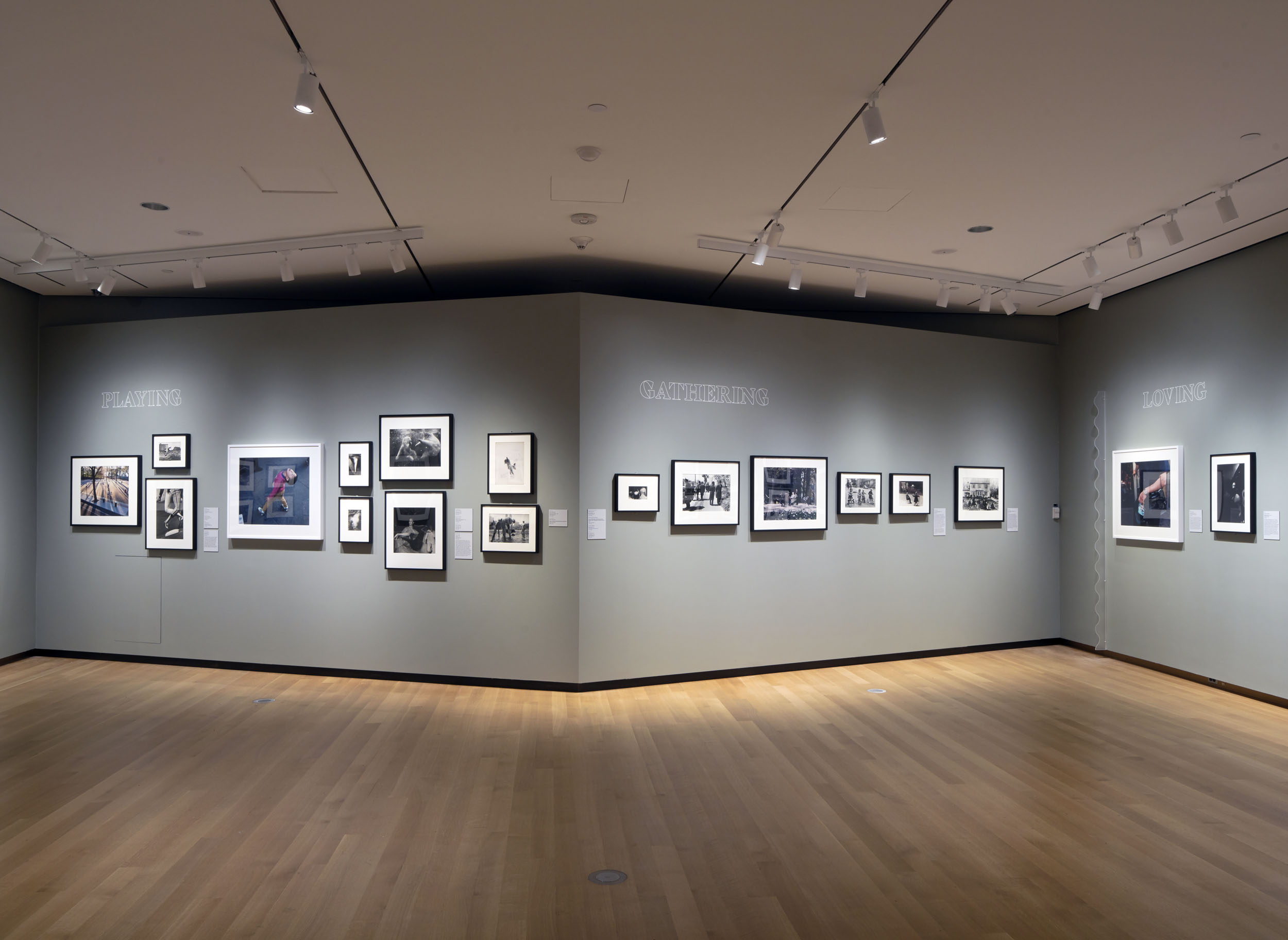
![Installation view of the exhibition 'Celebrating the City: Recent Acquisitions from the Joy of Giving Something' at the Museum of the City of New York showing at right, Mitch Epstein's 'Untitled [New York #3]' 1995](https://artblart.com/wp-content/uploads/2022/03/blf-2022-mcny-celebratingthecity-119.jpg "Installation view of the exhibition 'Celebrating the City: Recent Acquisitions from the Joy of Giving Something' at the Museum of the City of New York showing at right, Mitch Epstein's 'Untitled [New York #3]' 1995")
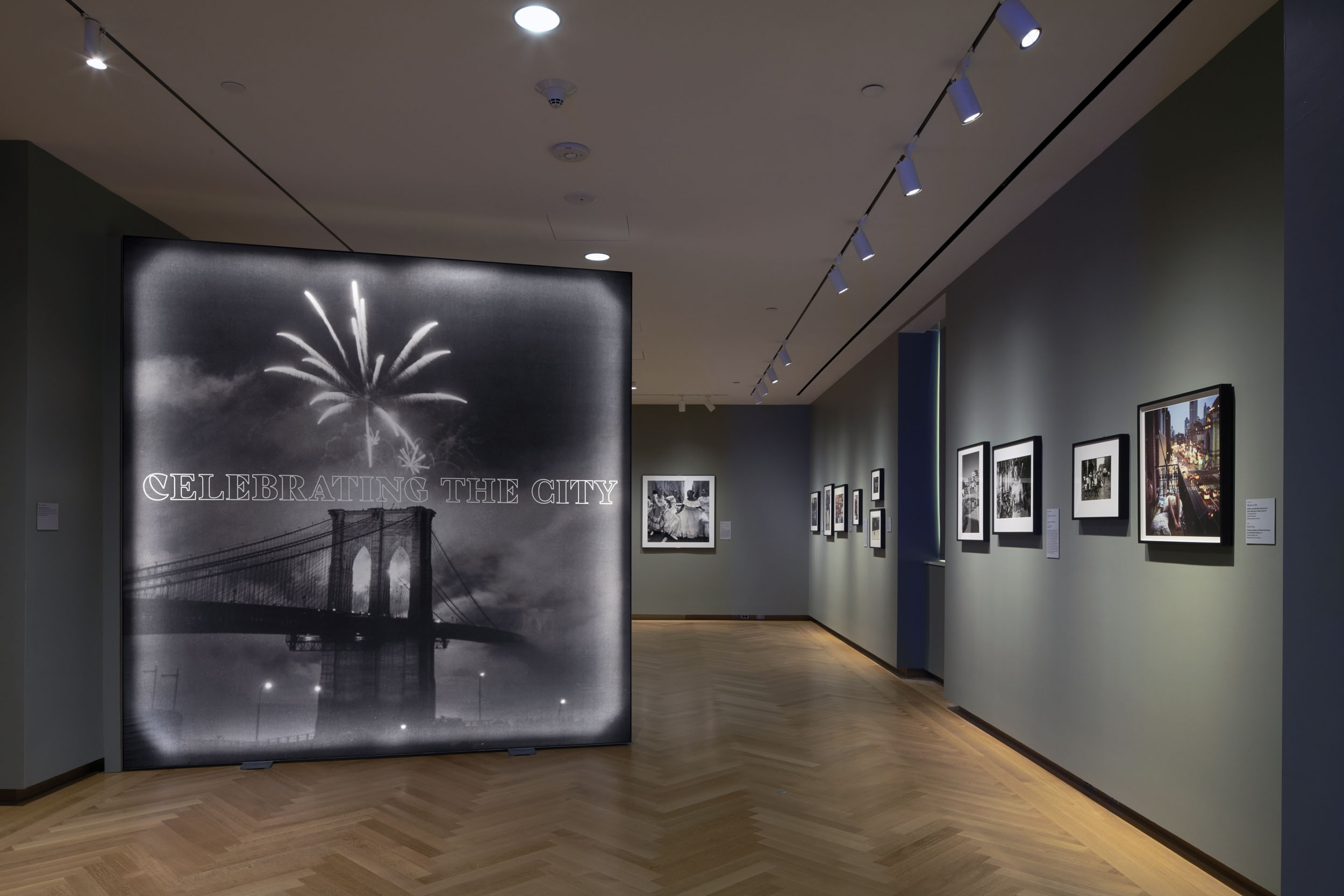
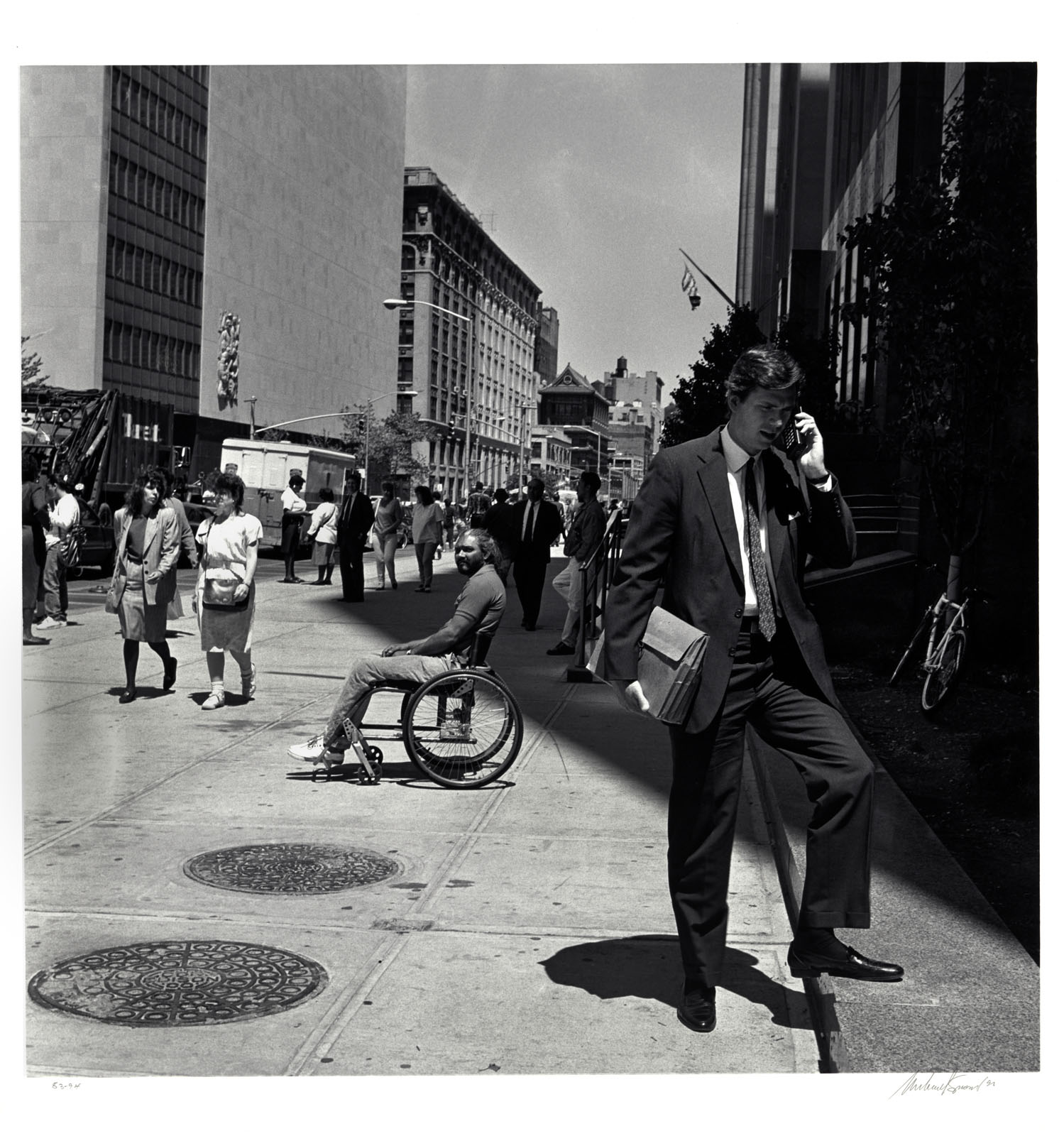
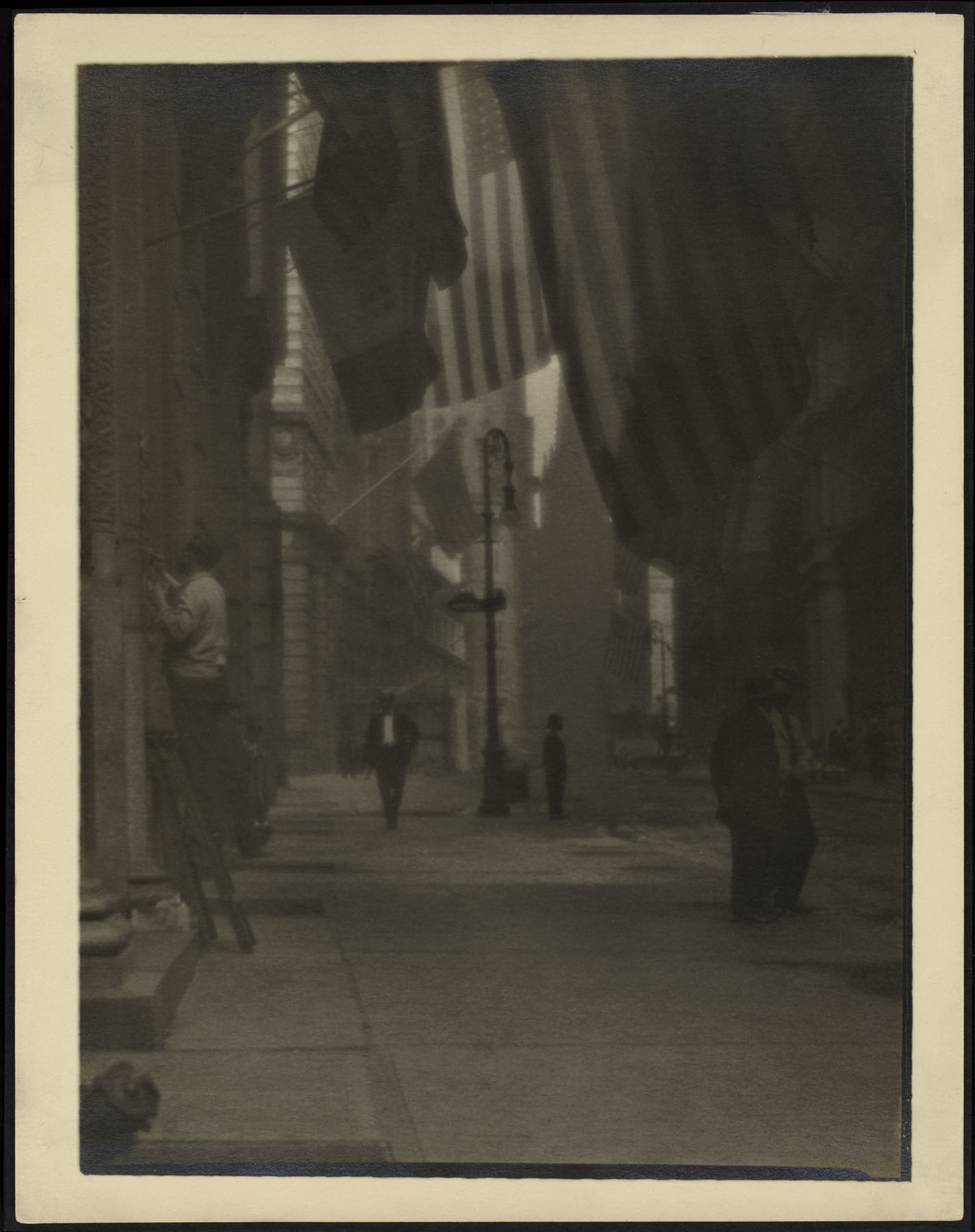
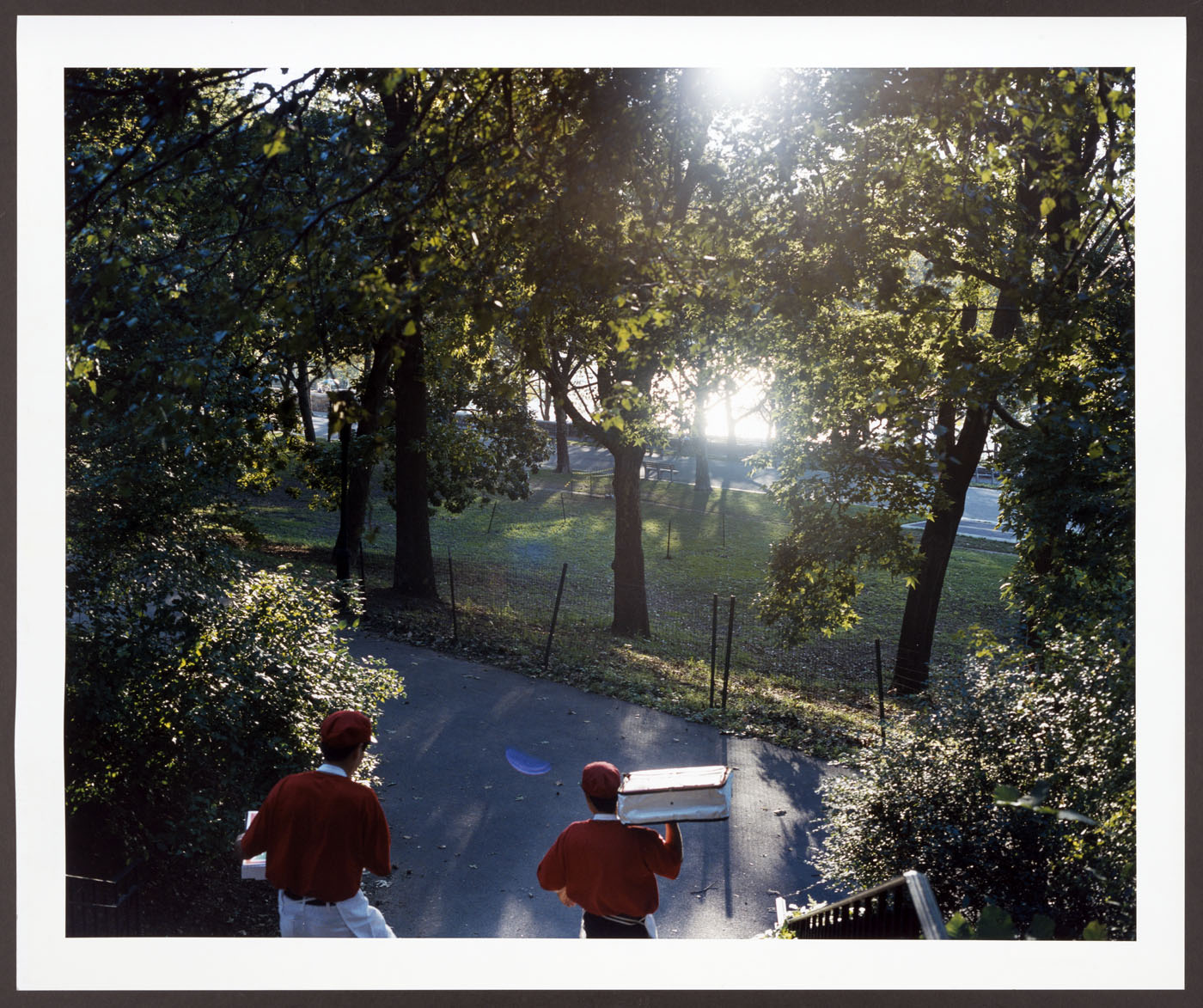
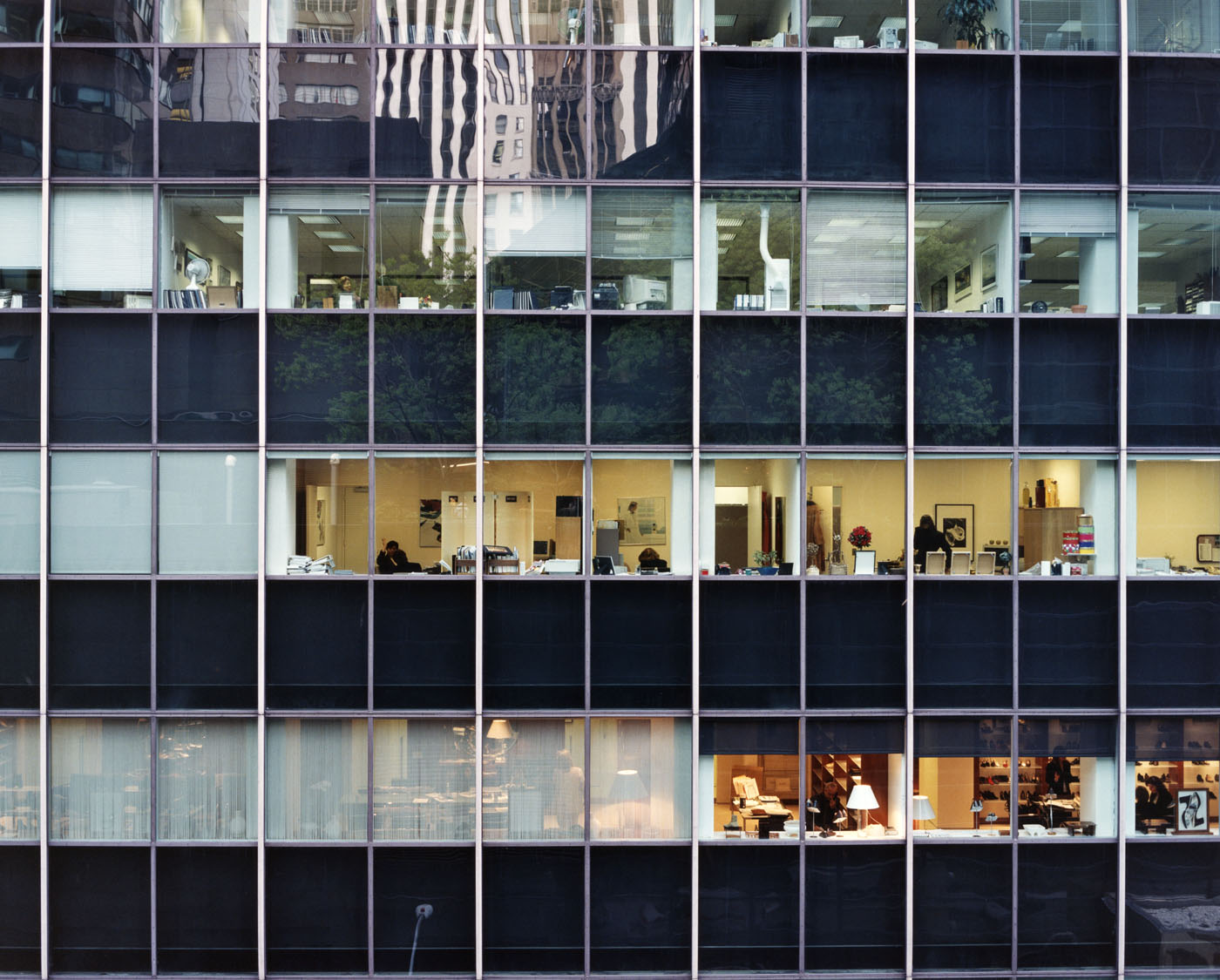
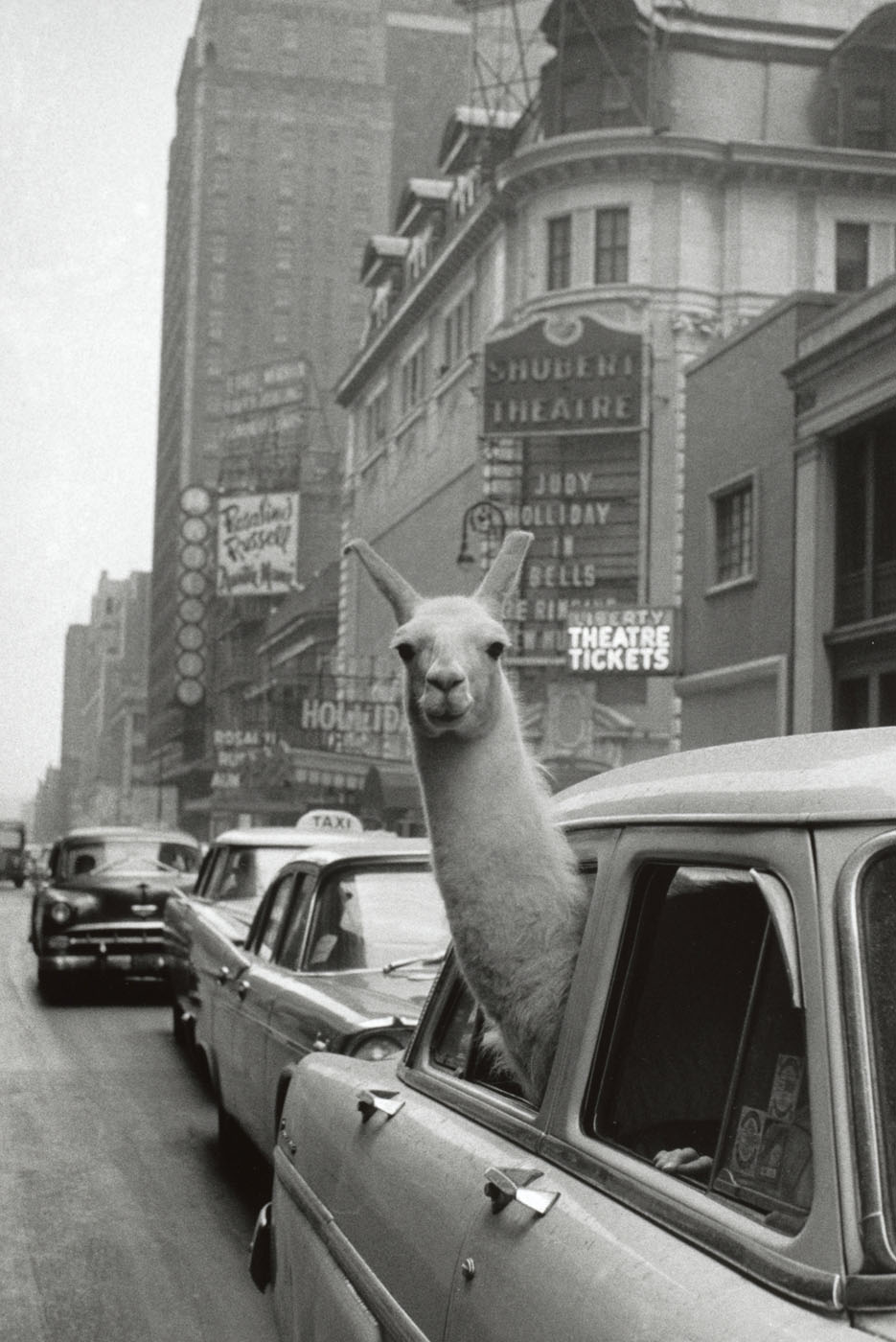
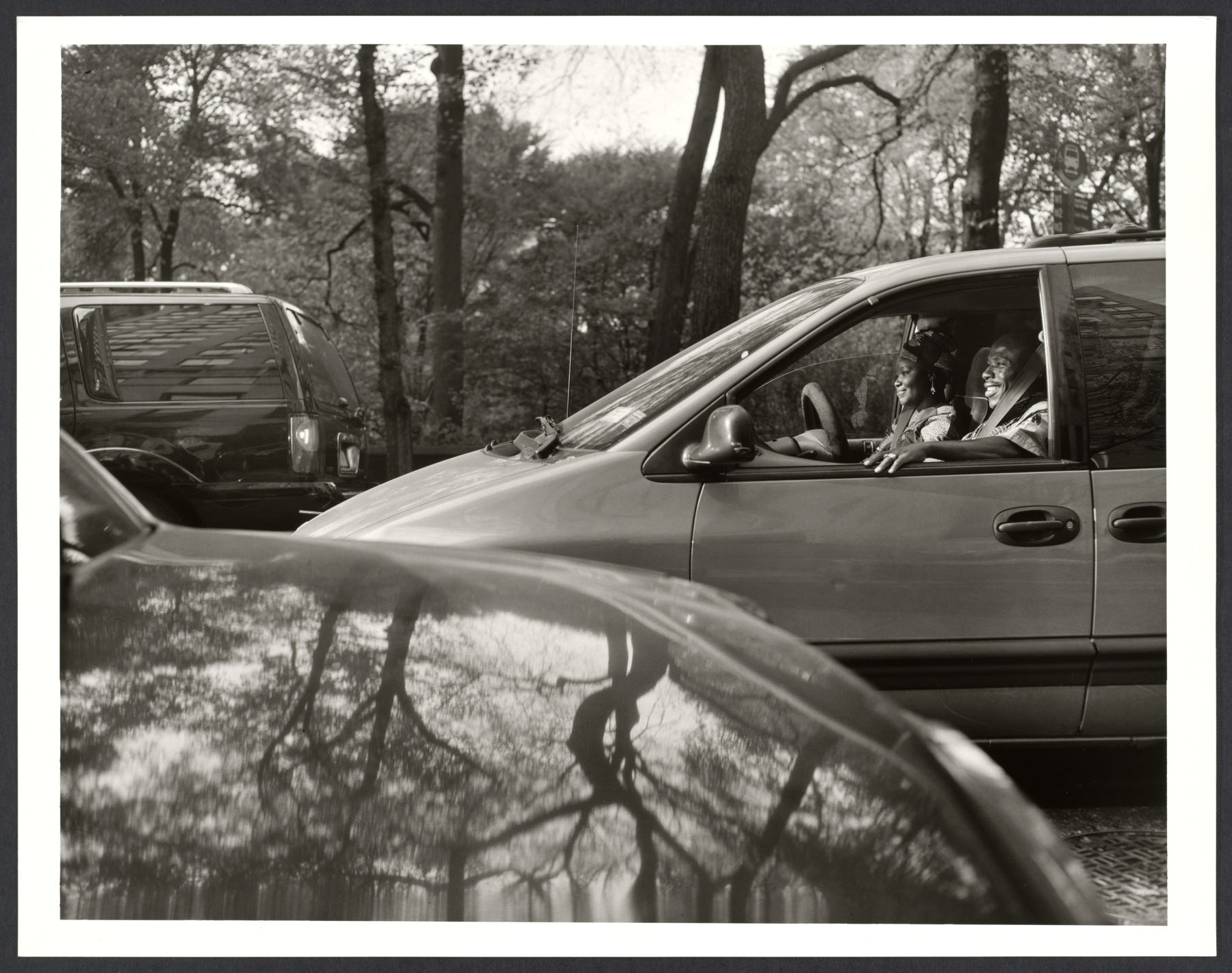
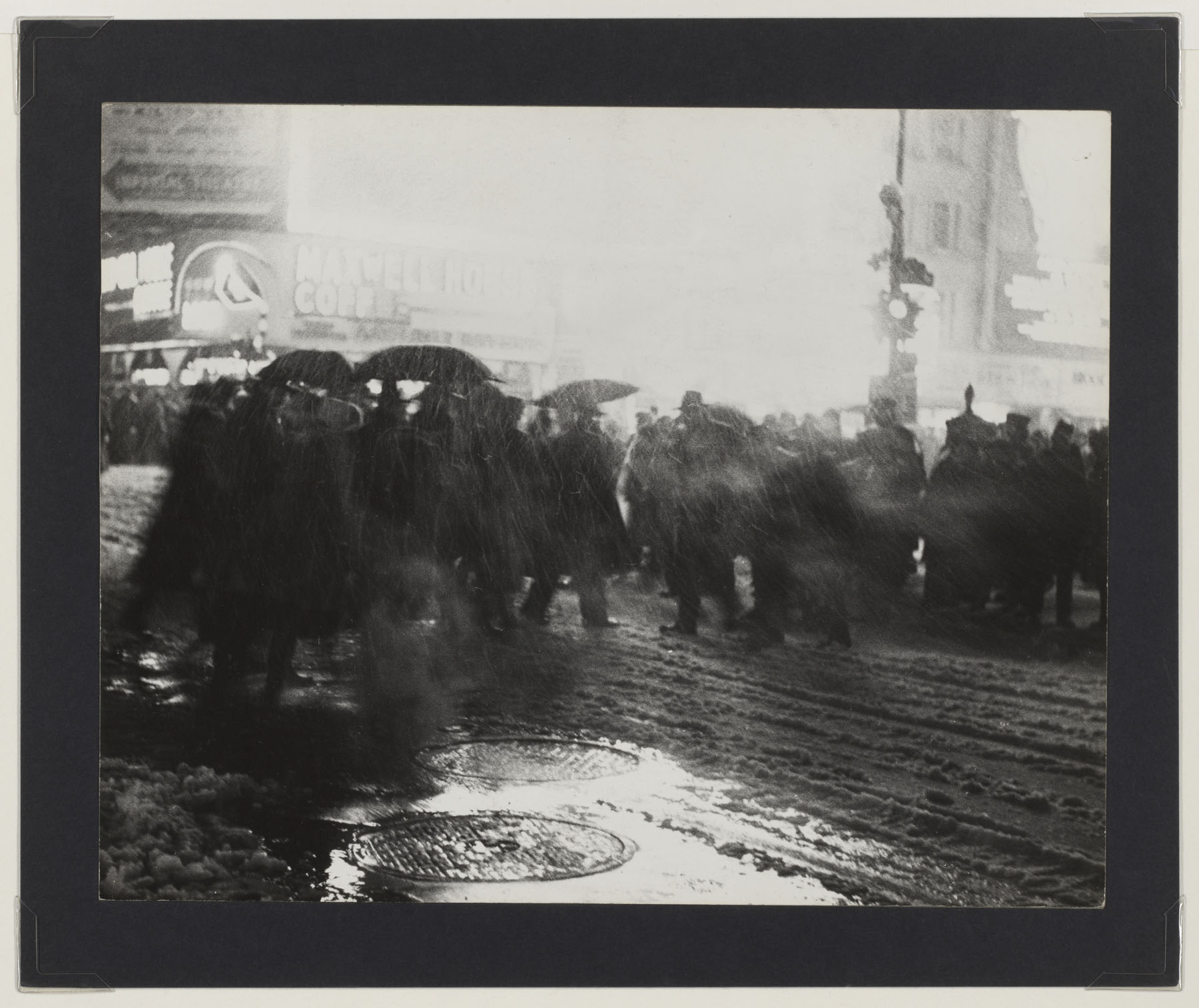
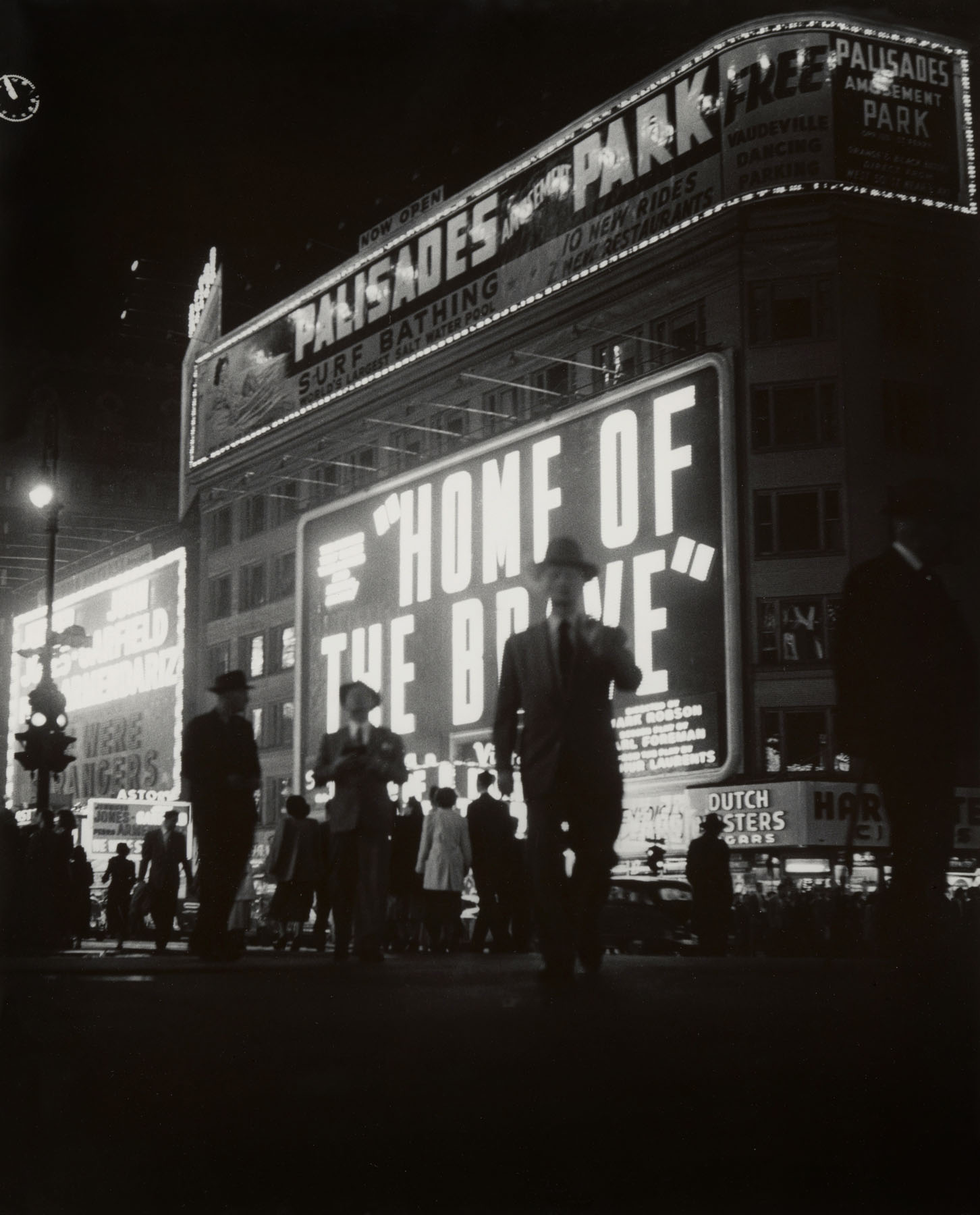
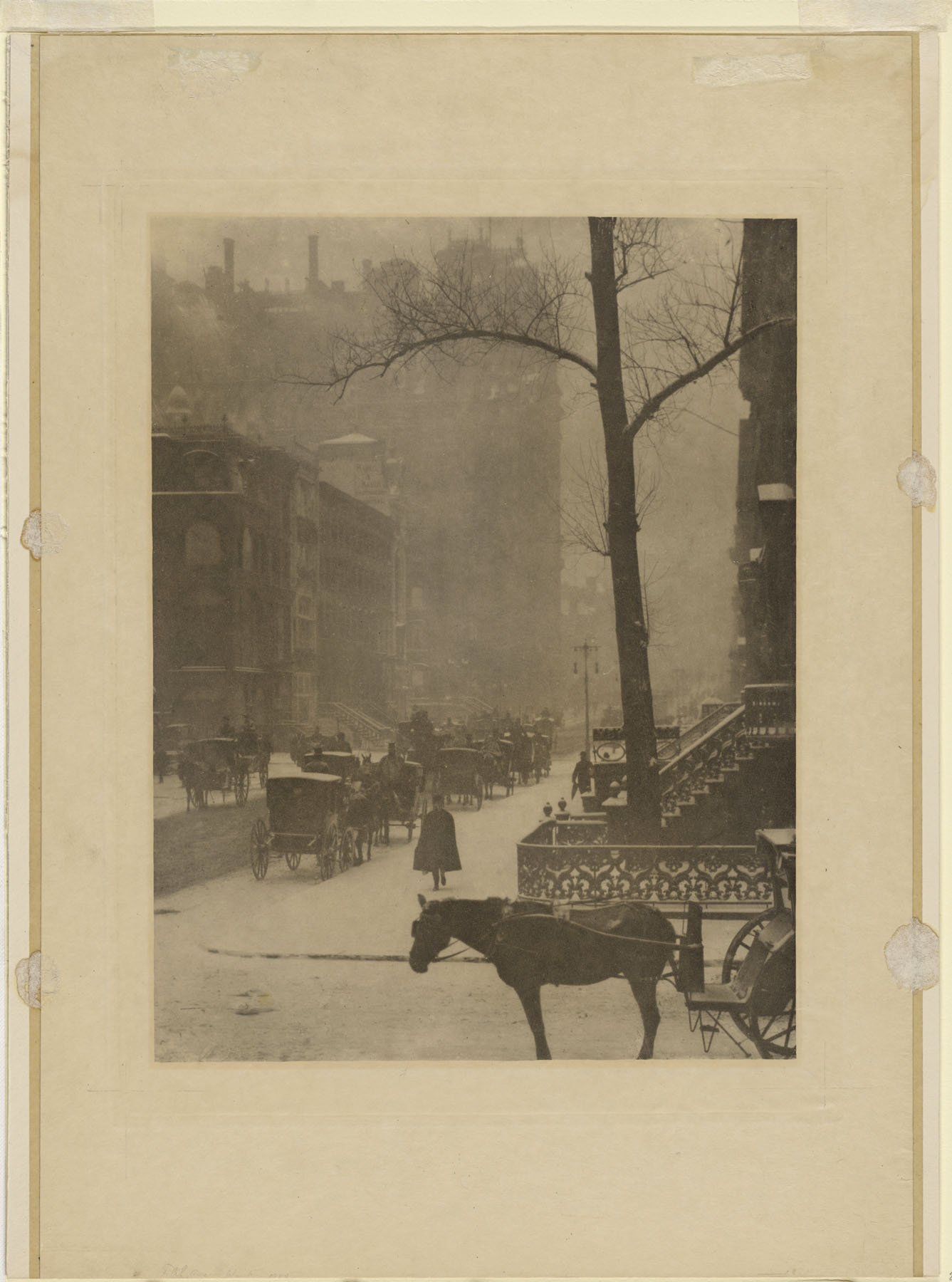
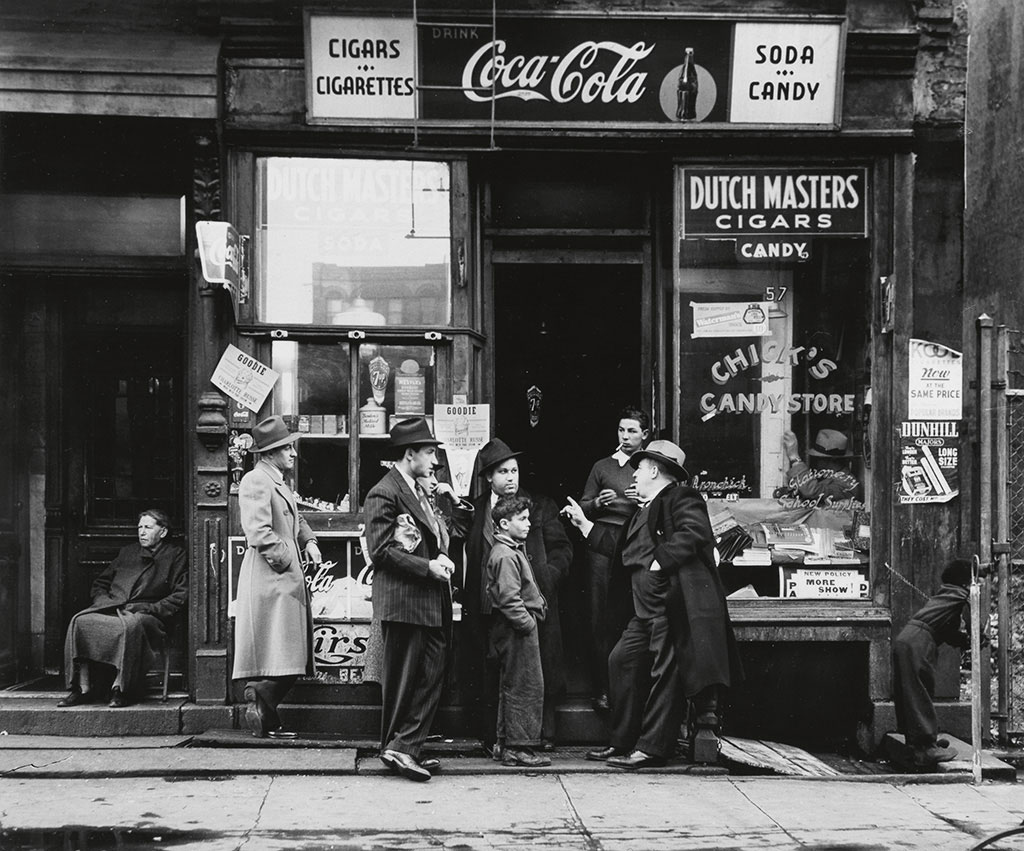
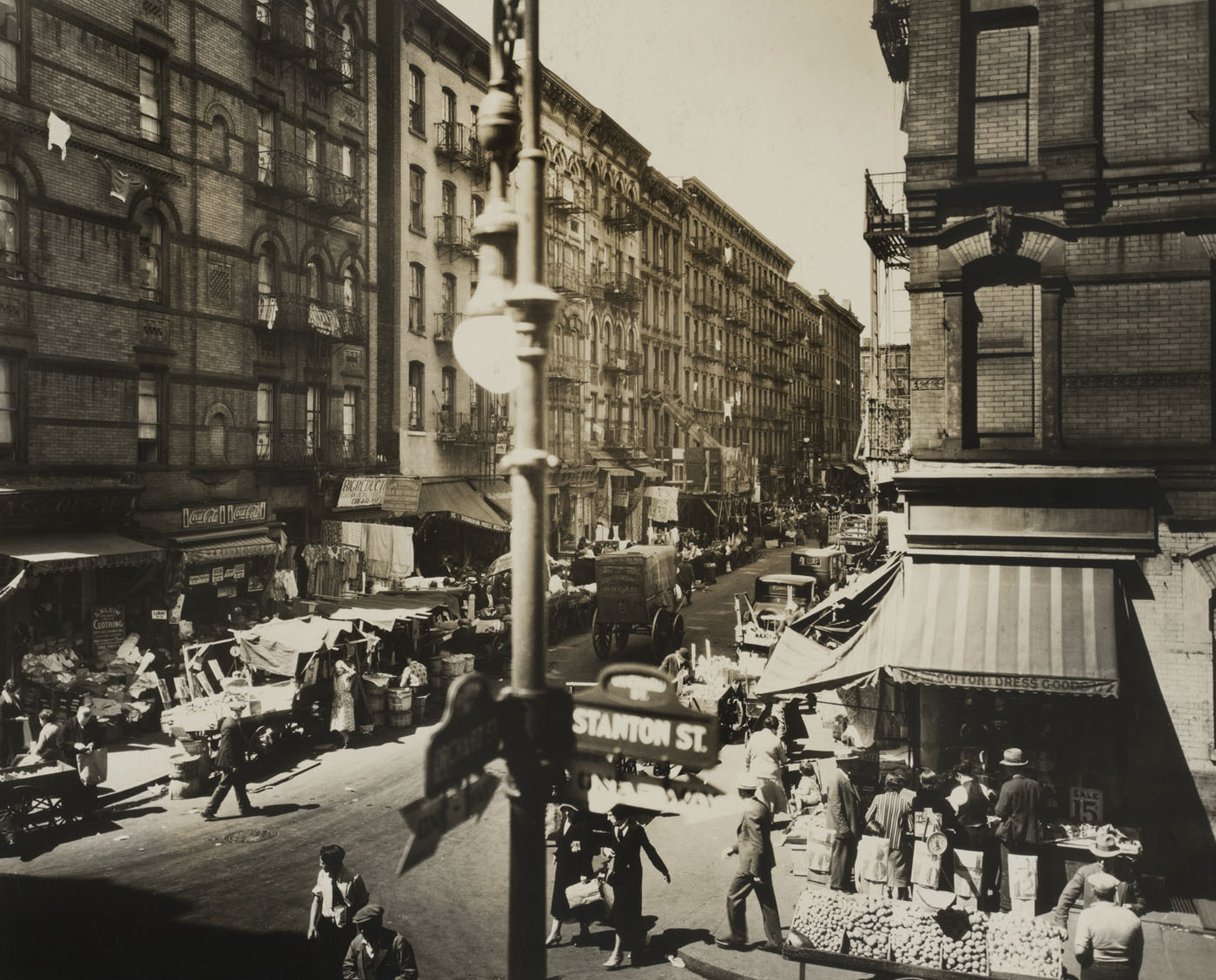
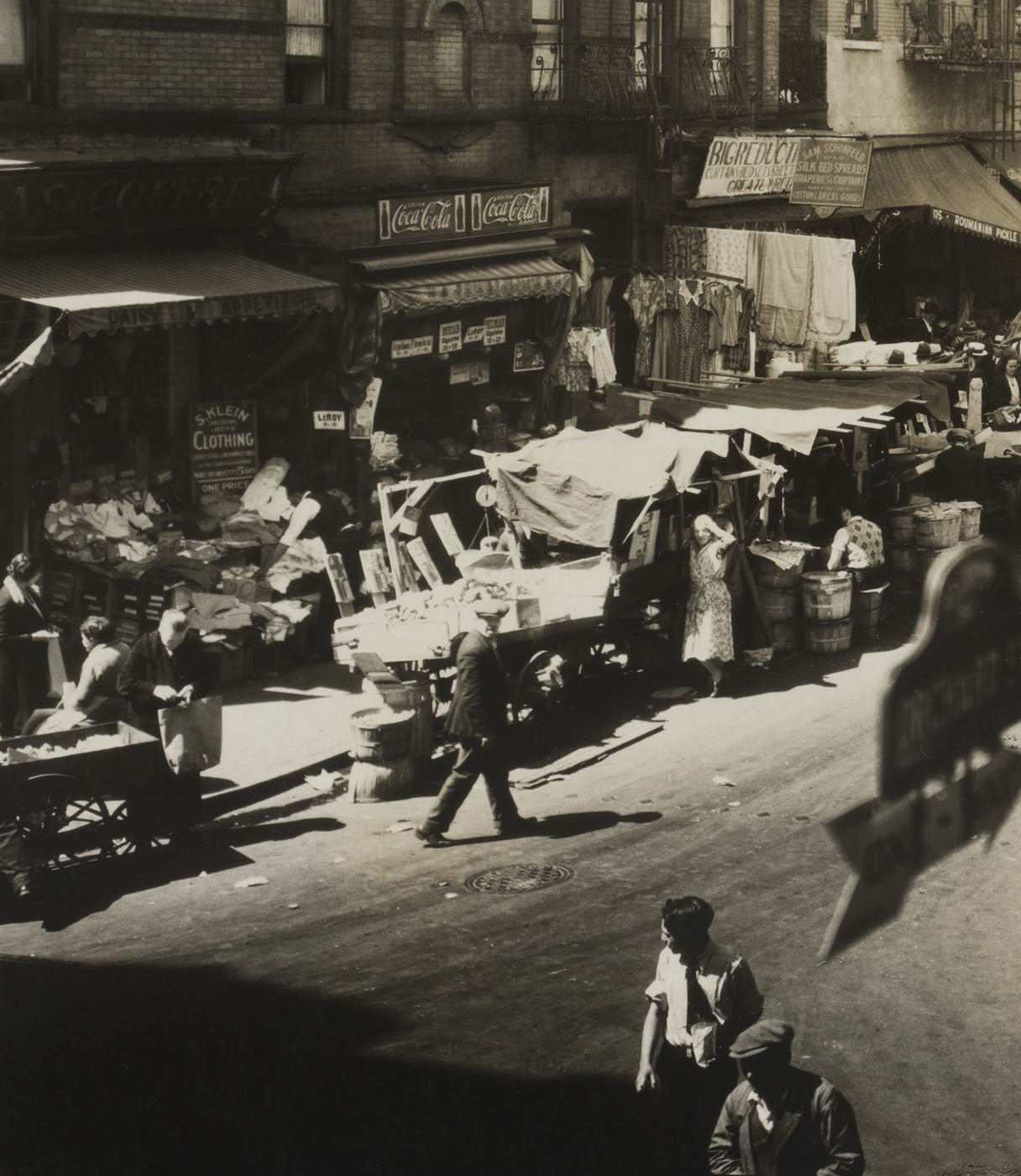
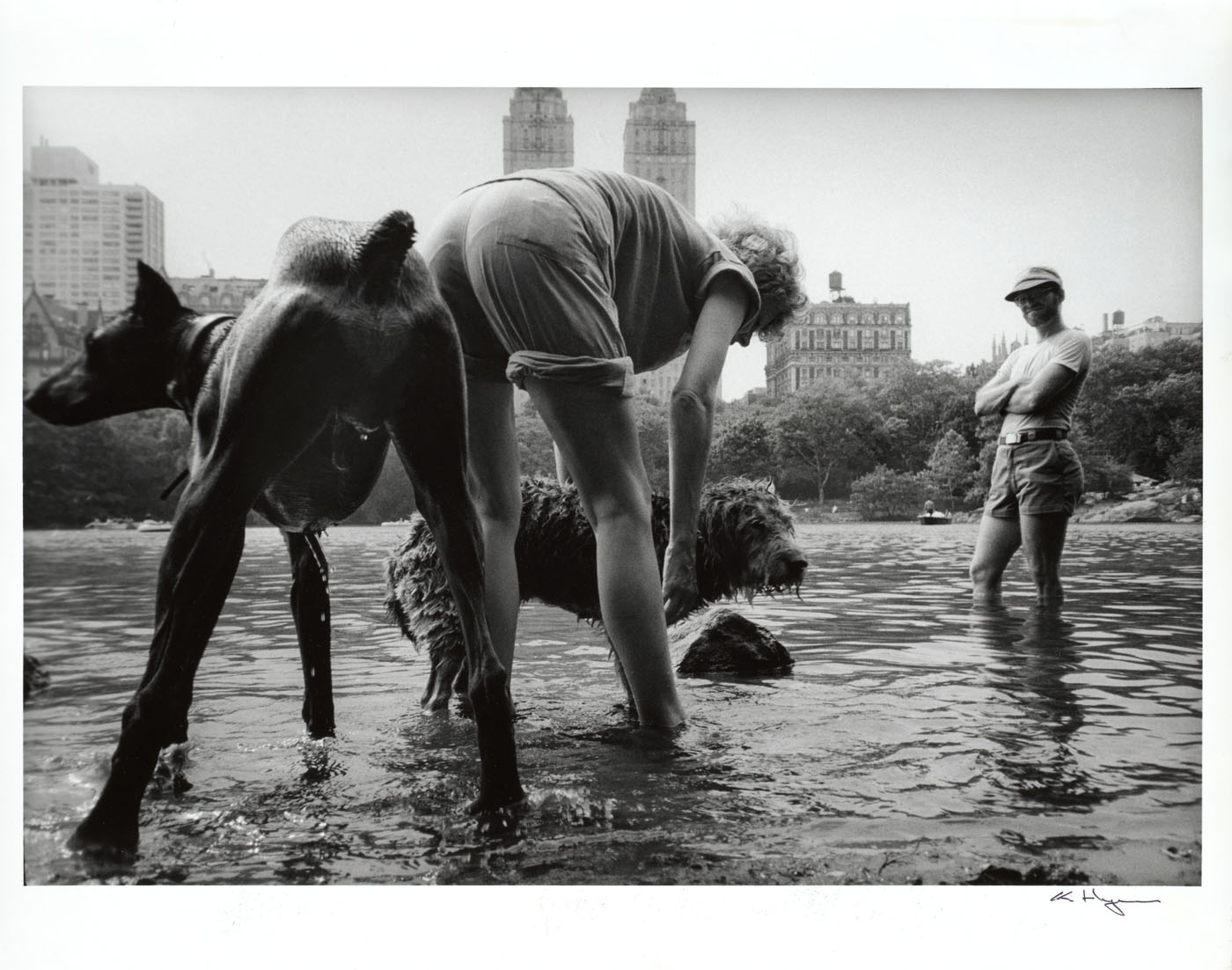
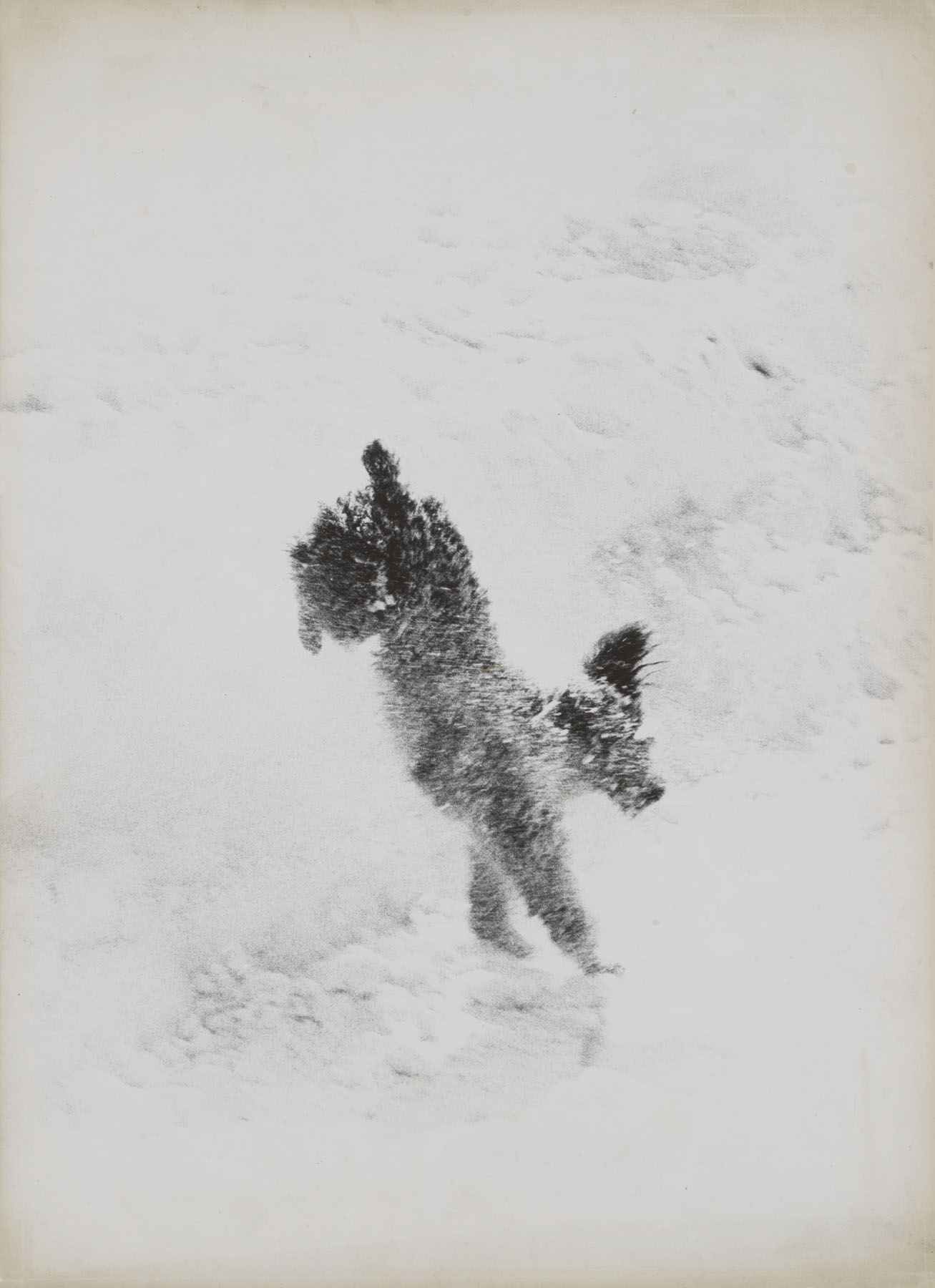

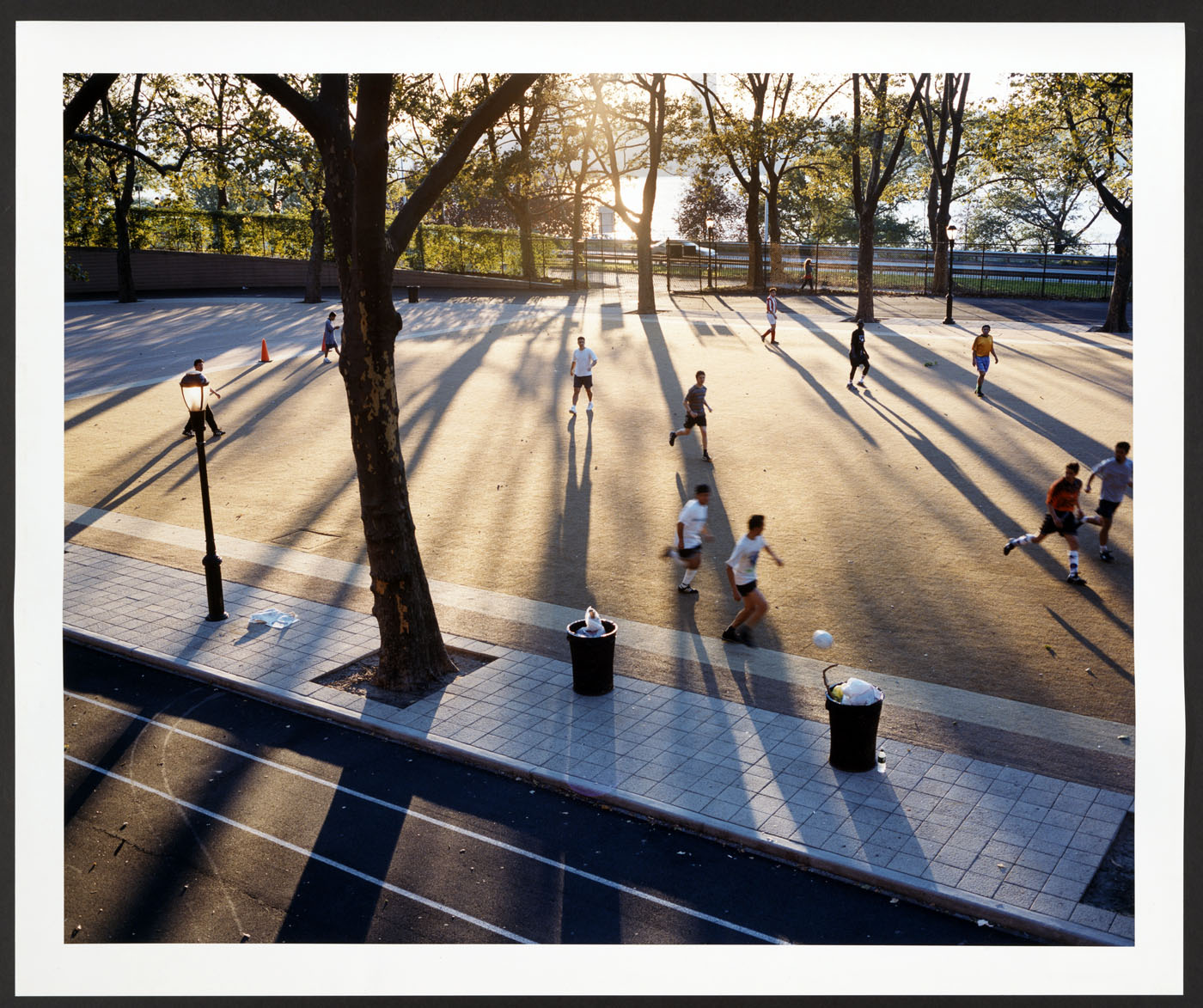
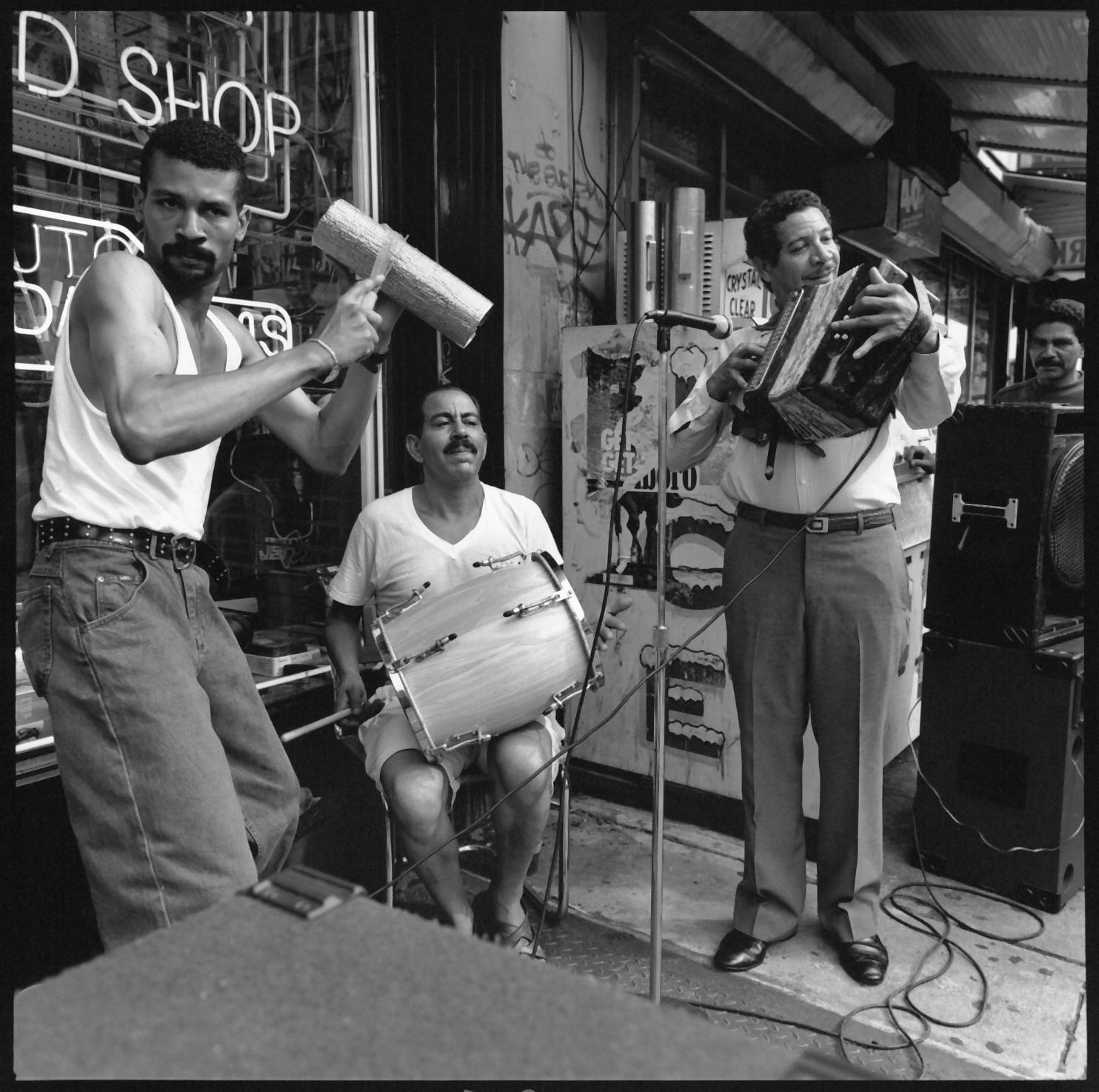
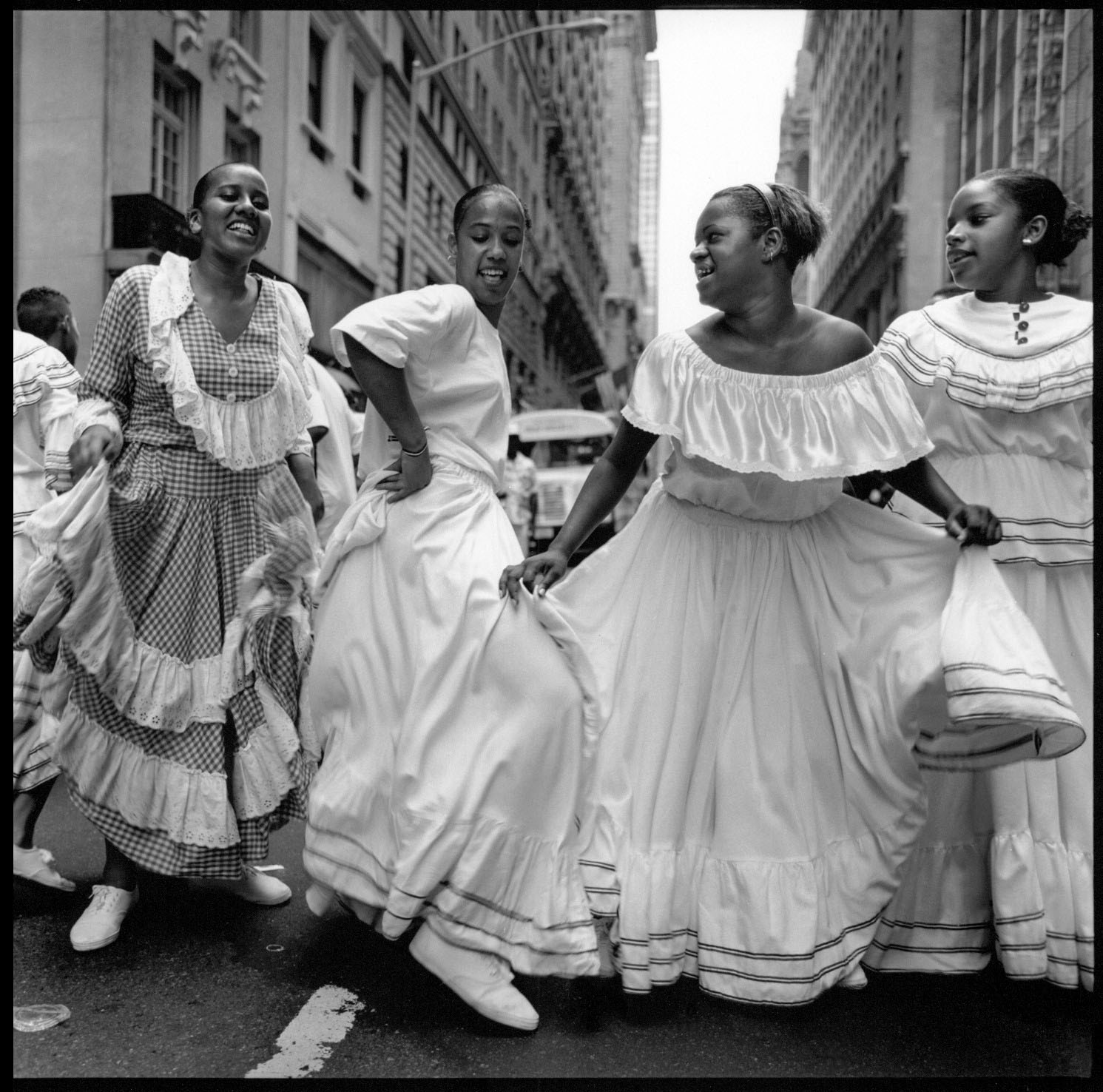

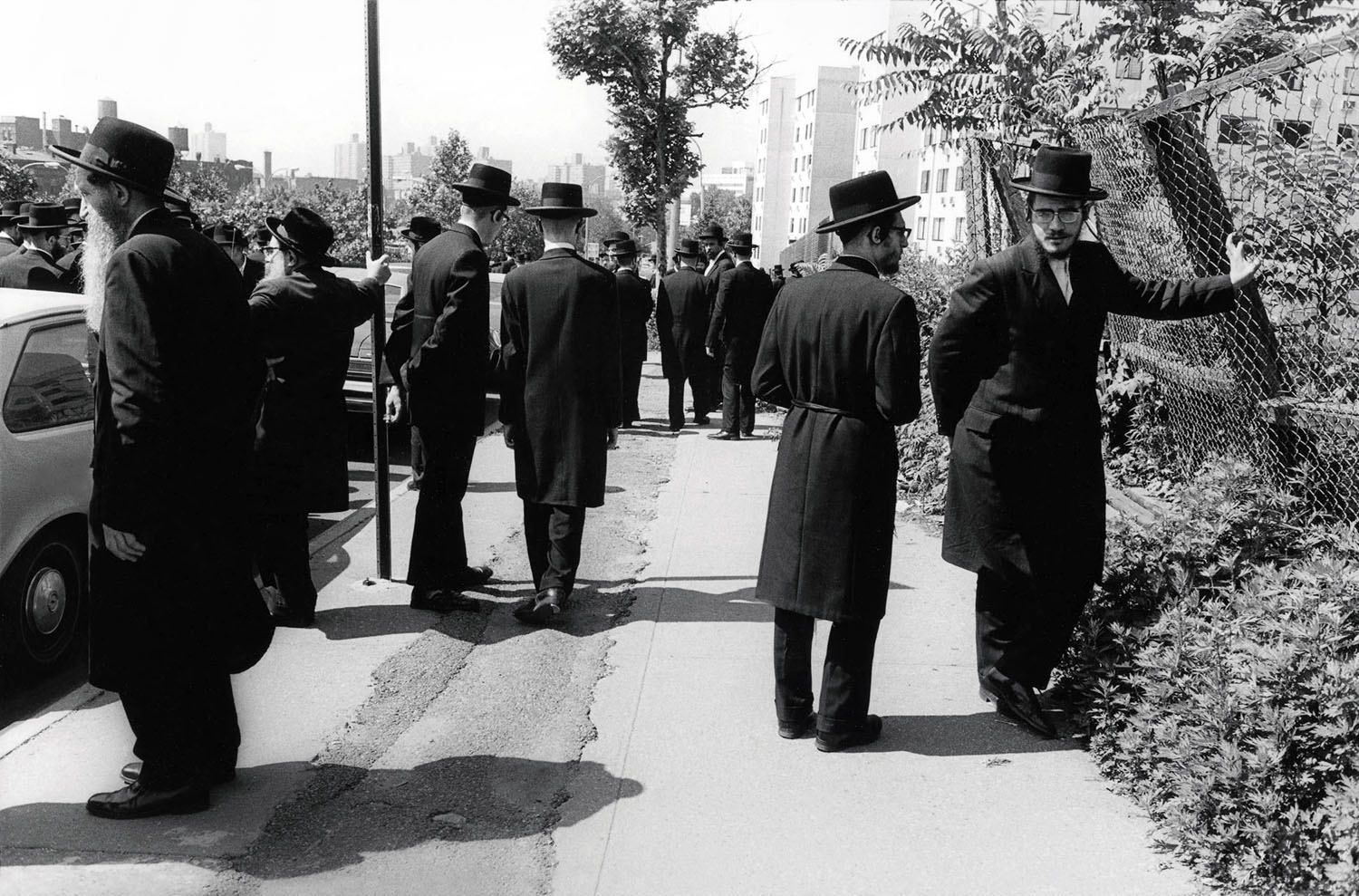
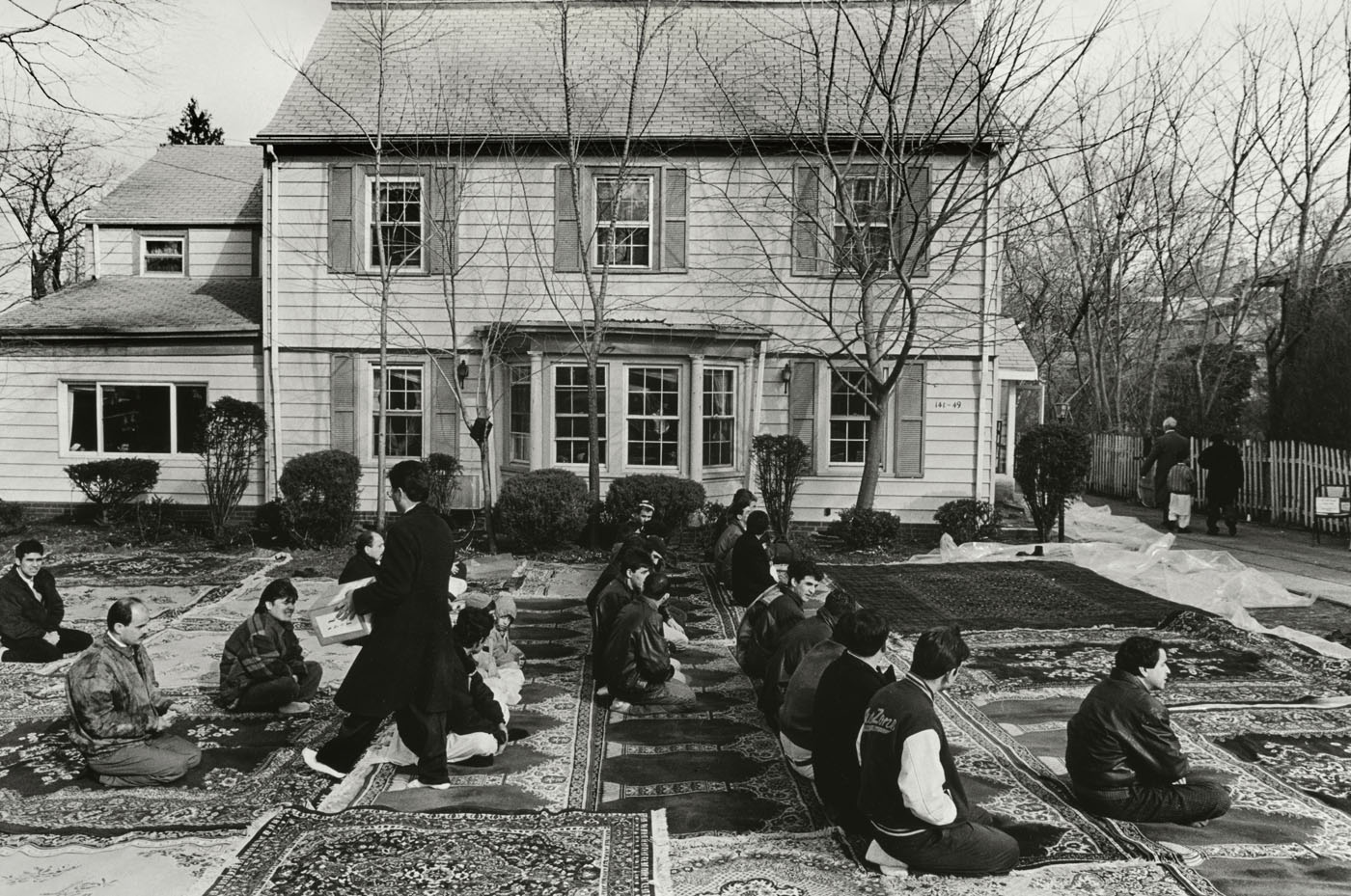
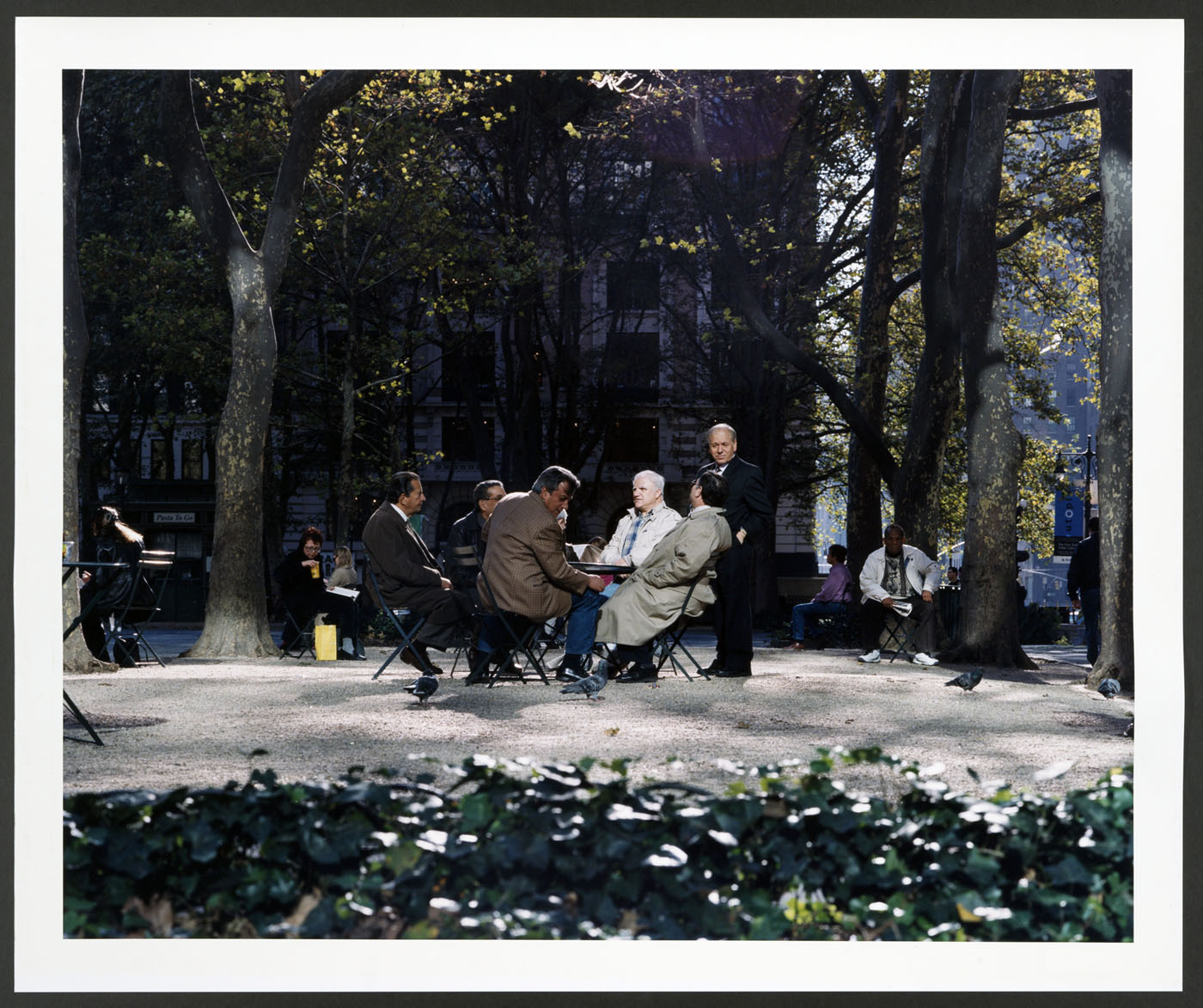
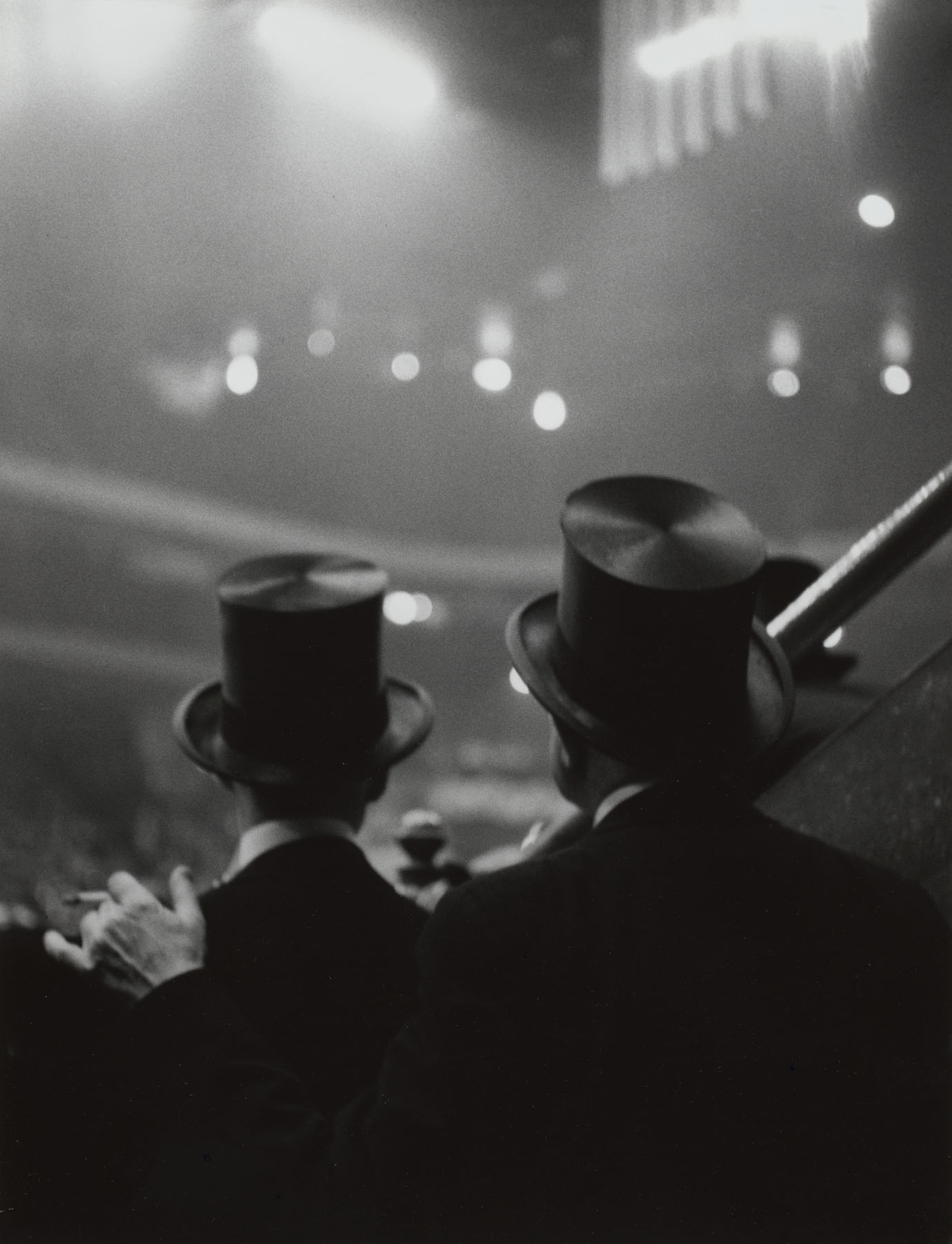
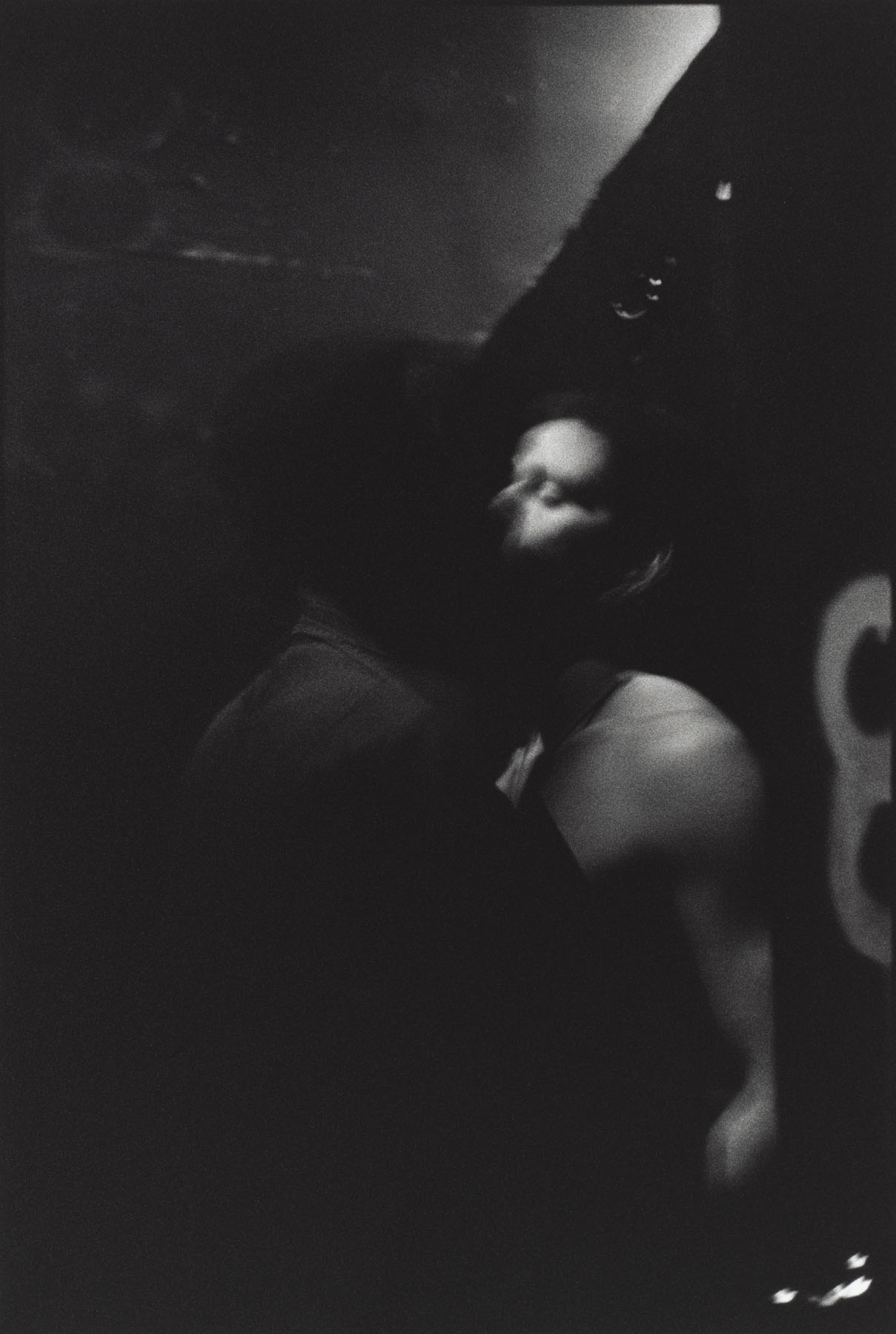
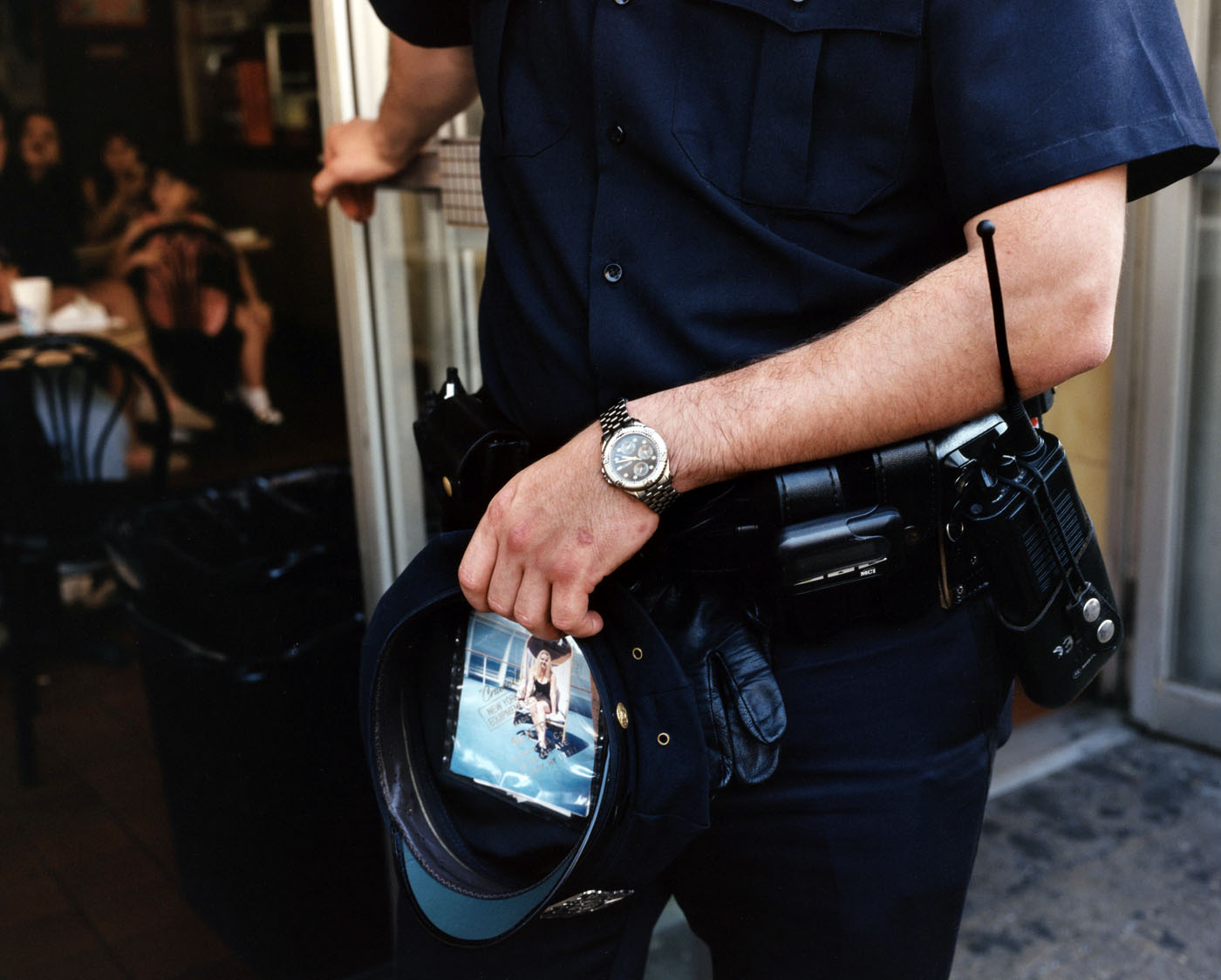
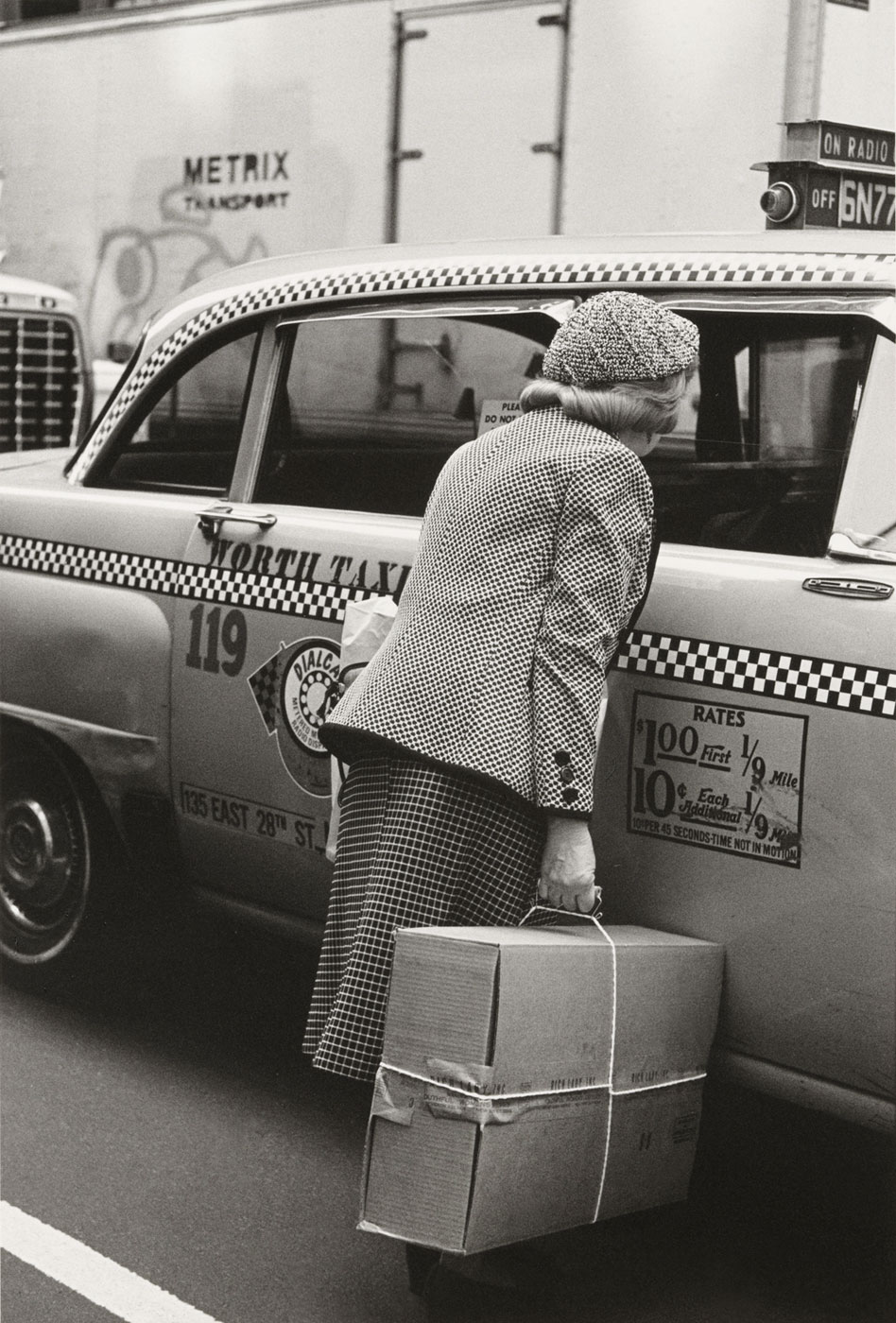
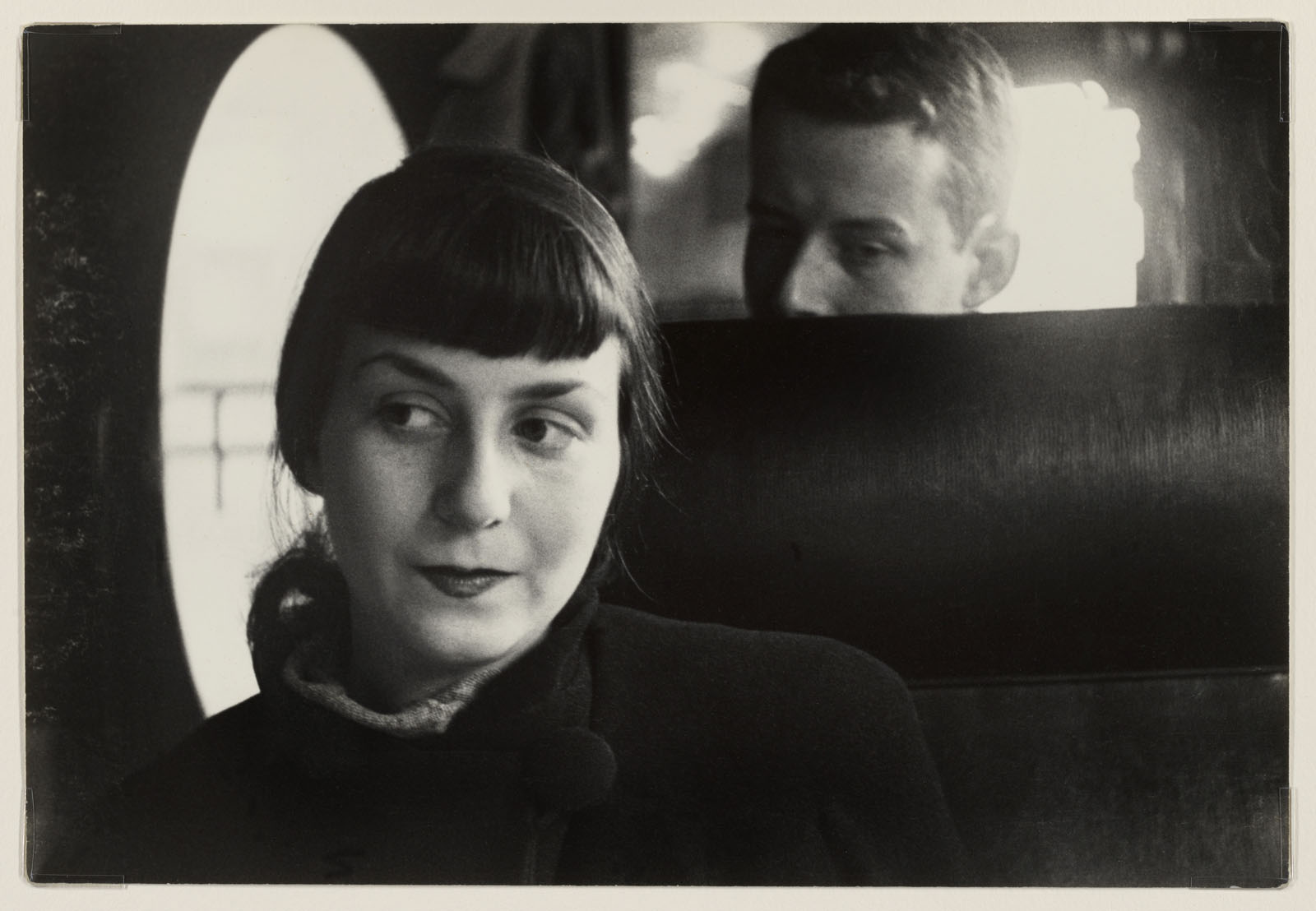
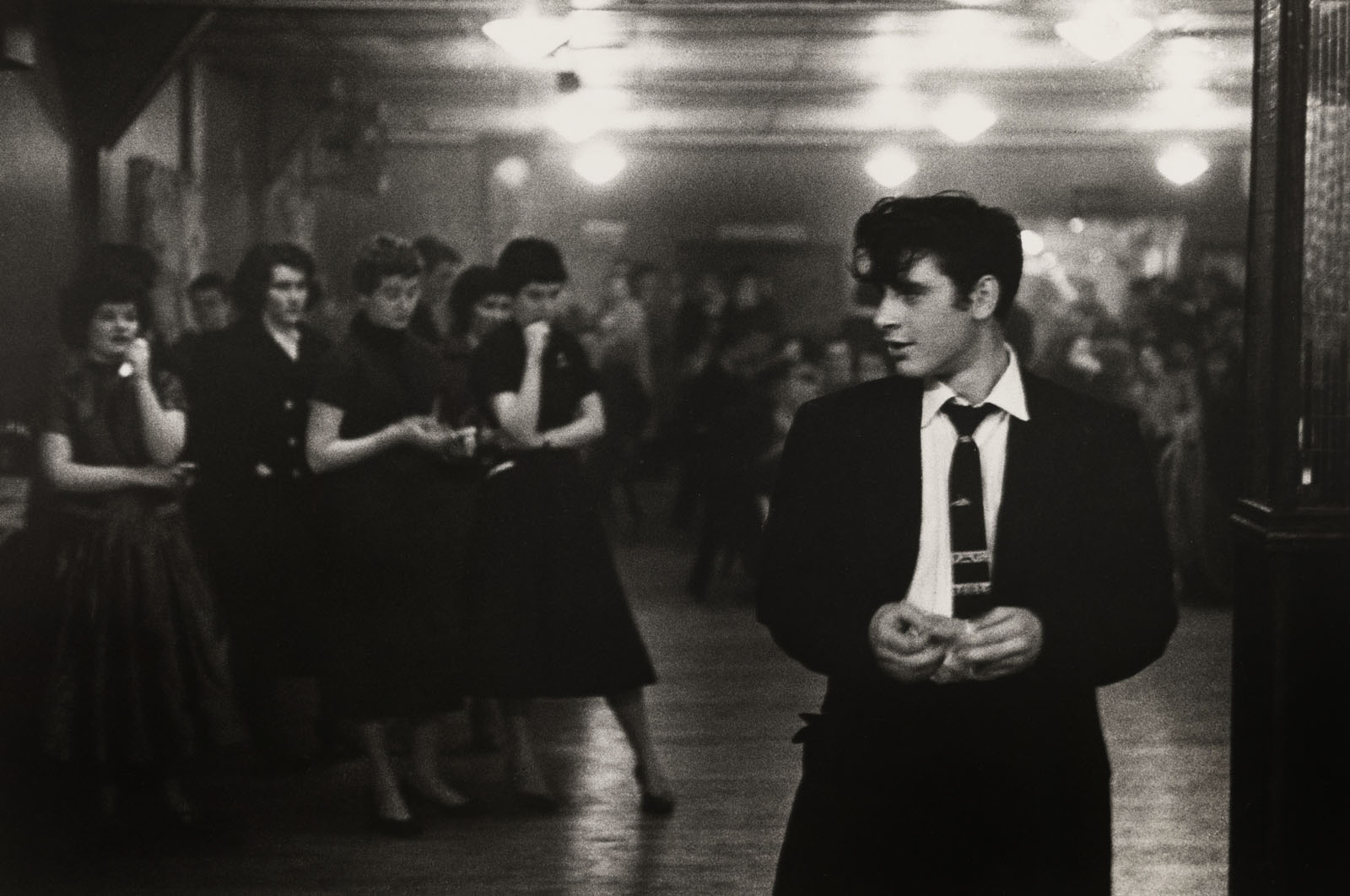
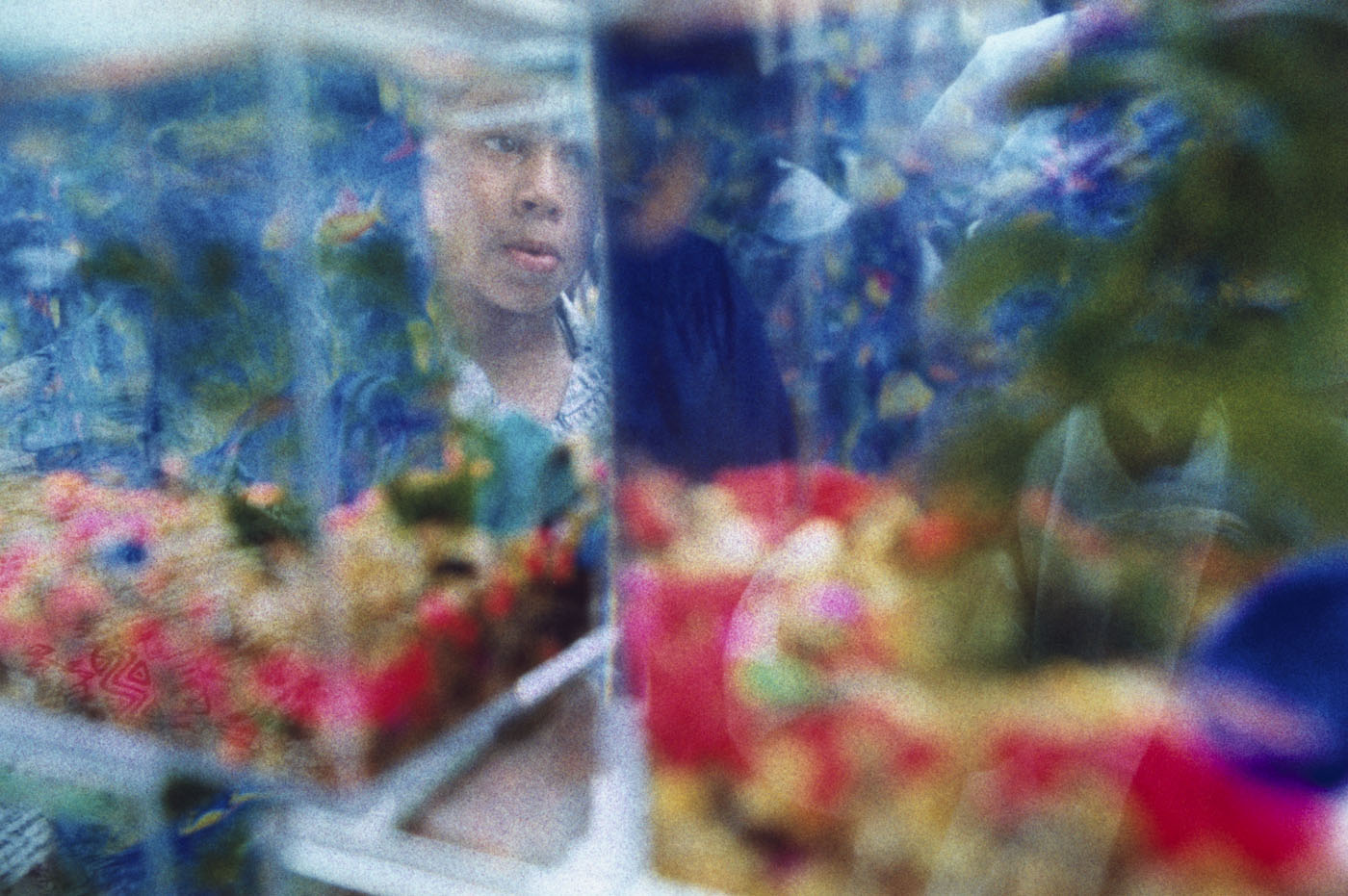
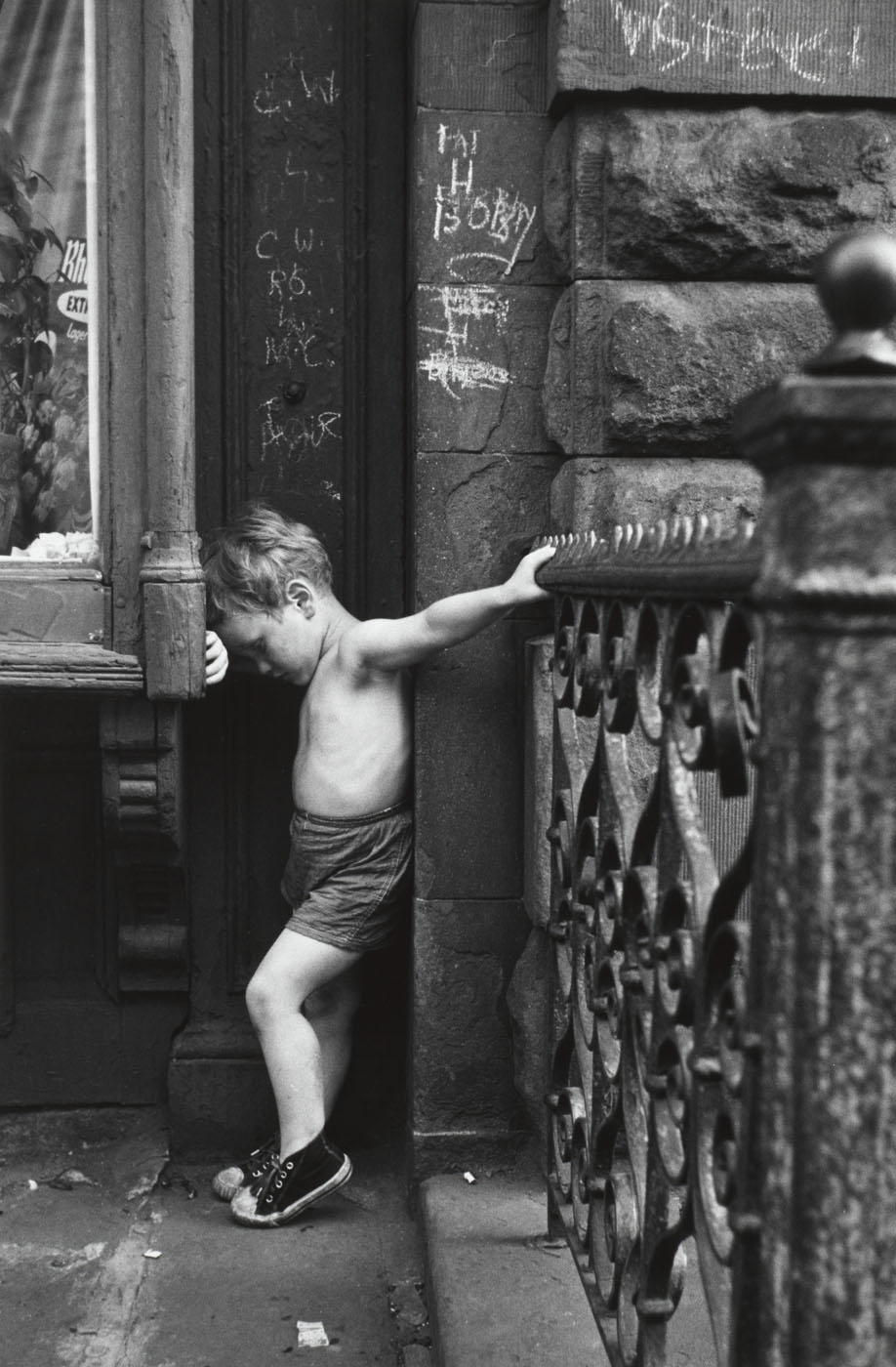
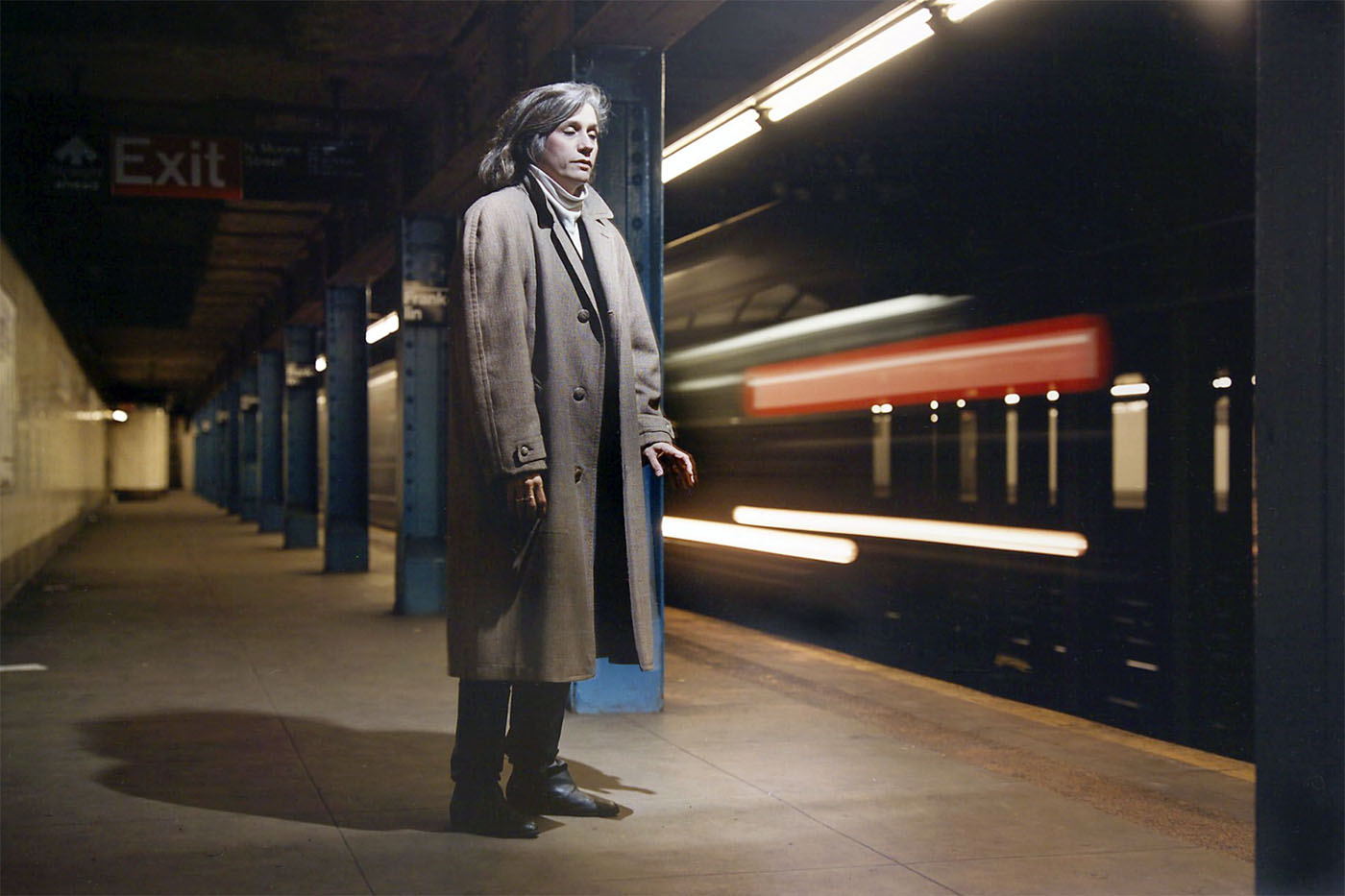
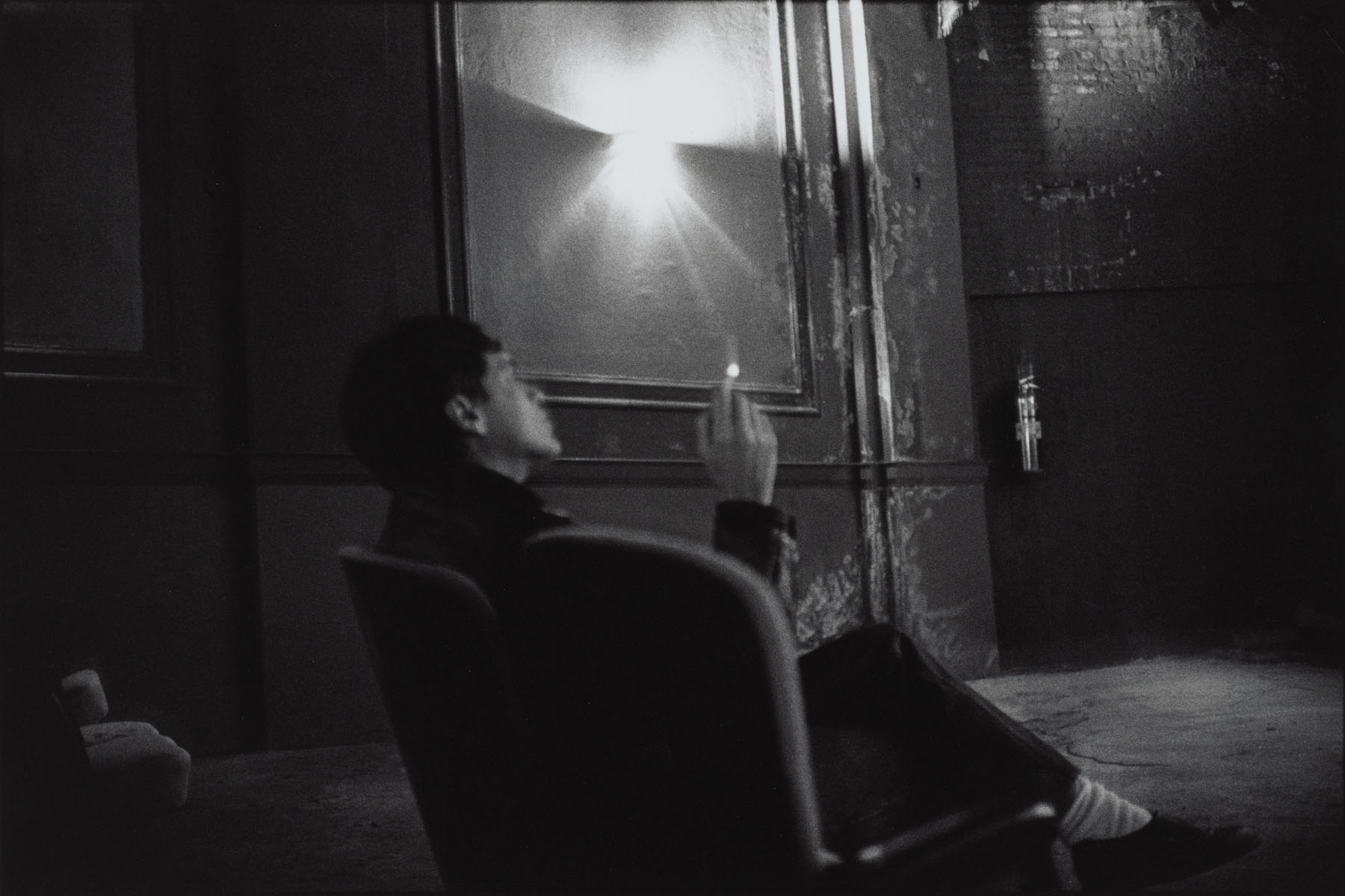
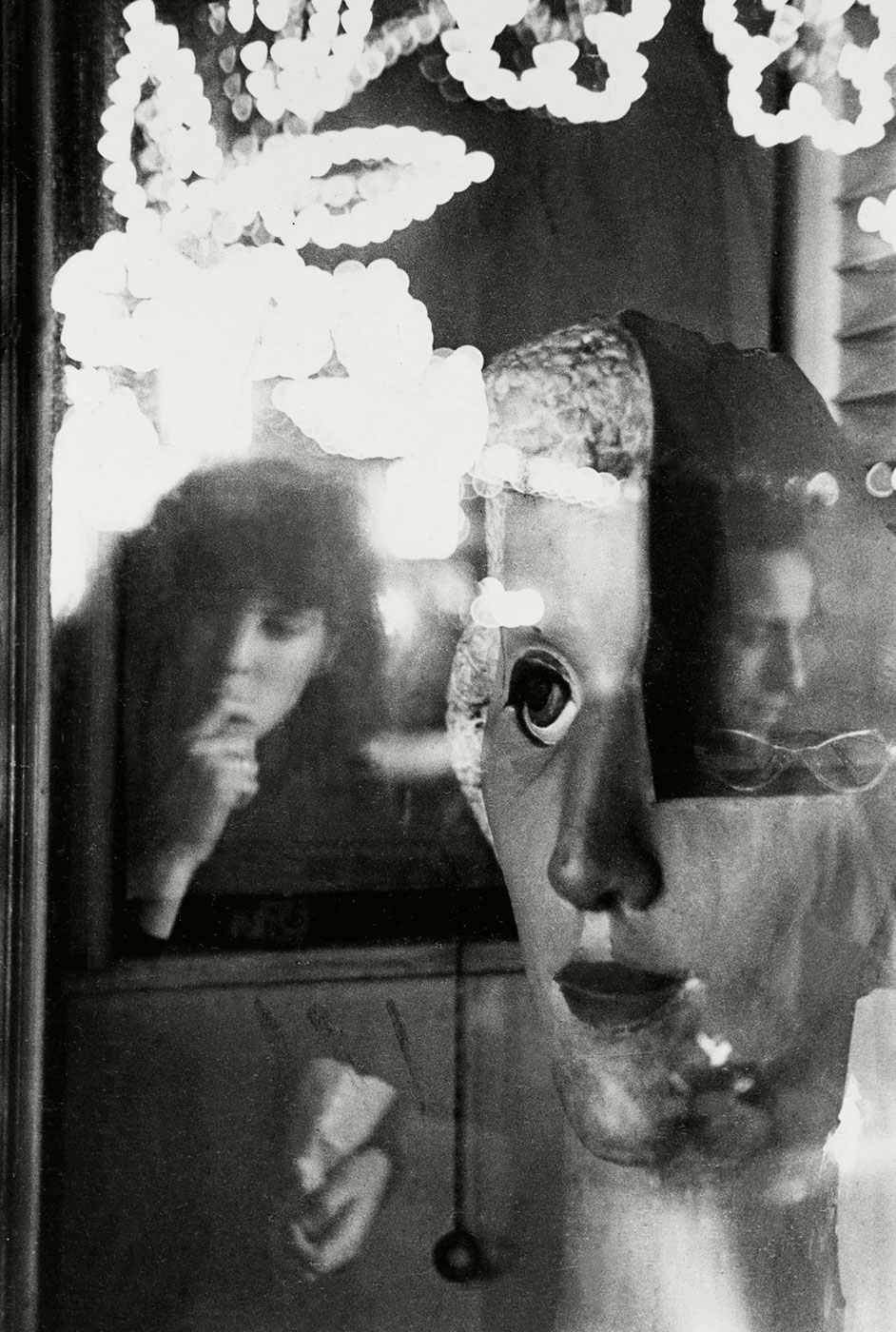
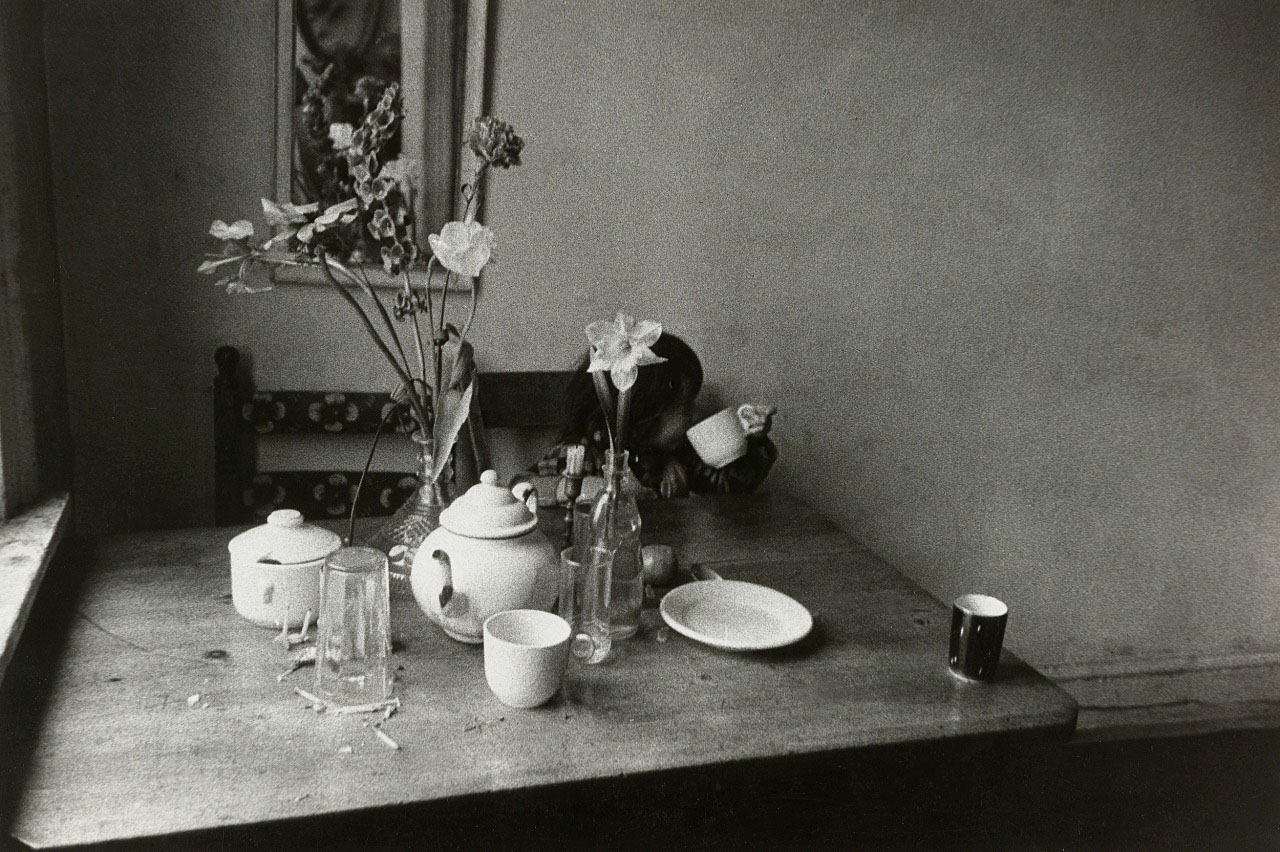
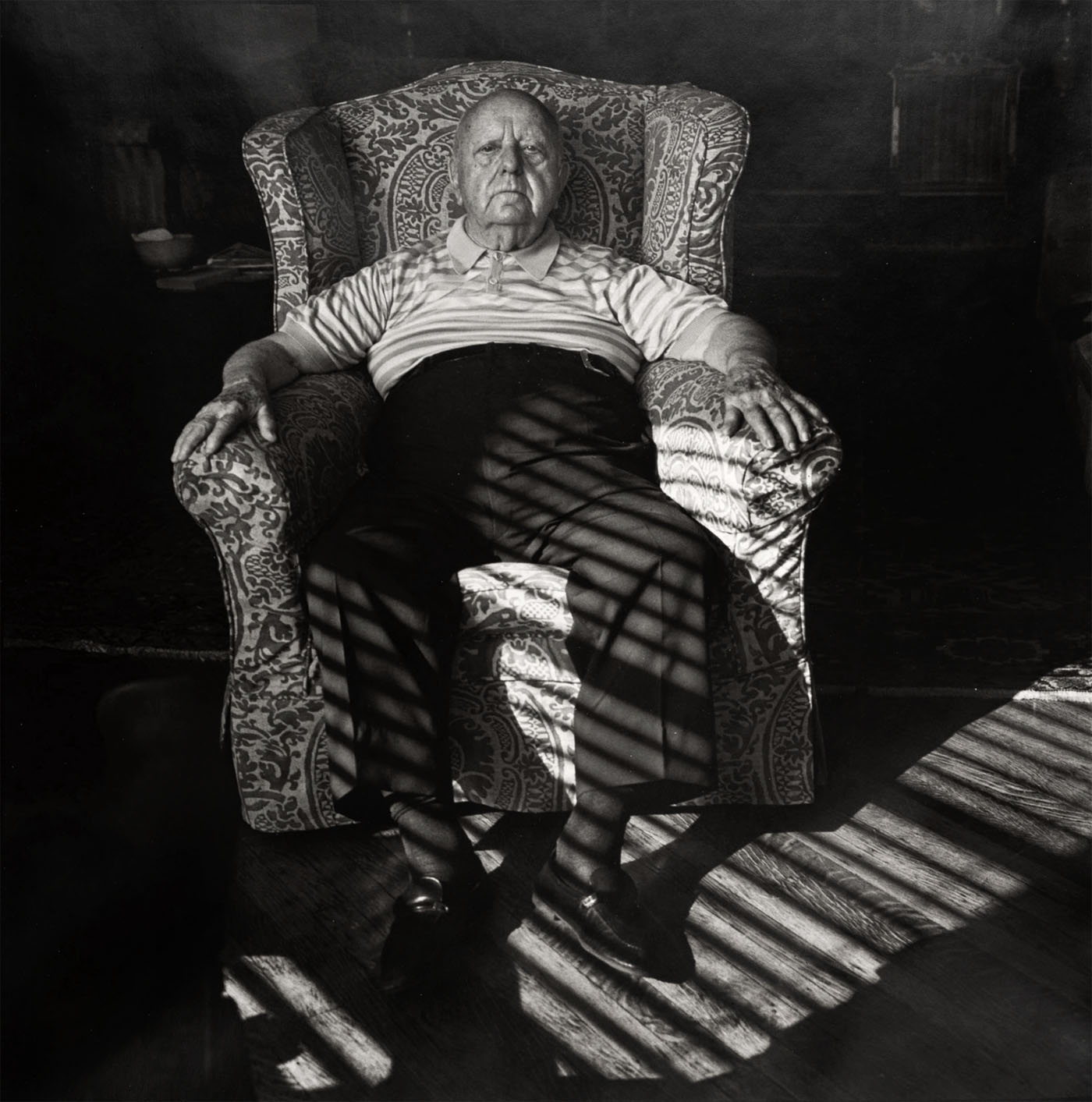
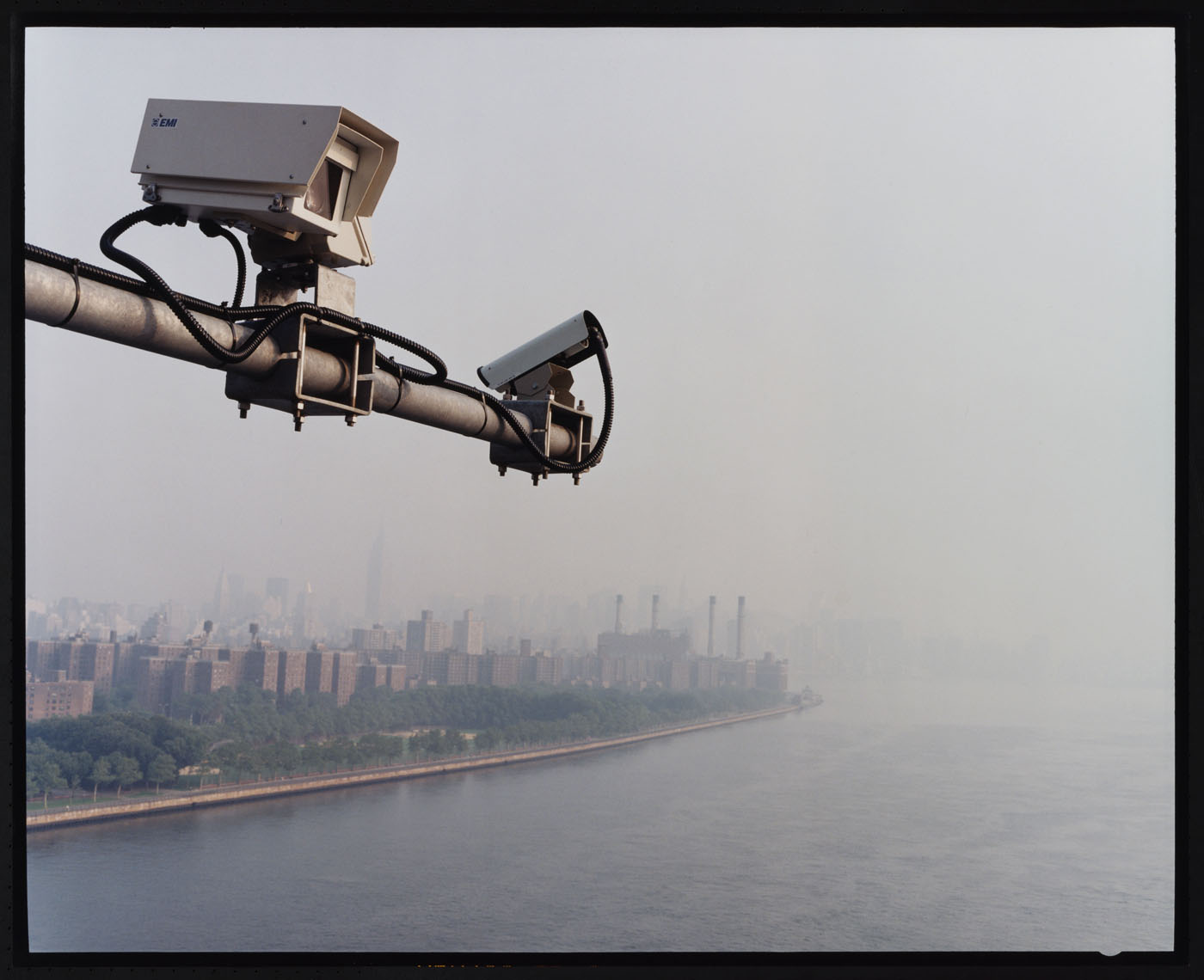
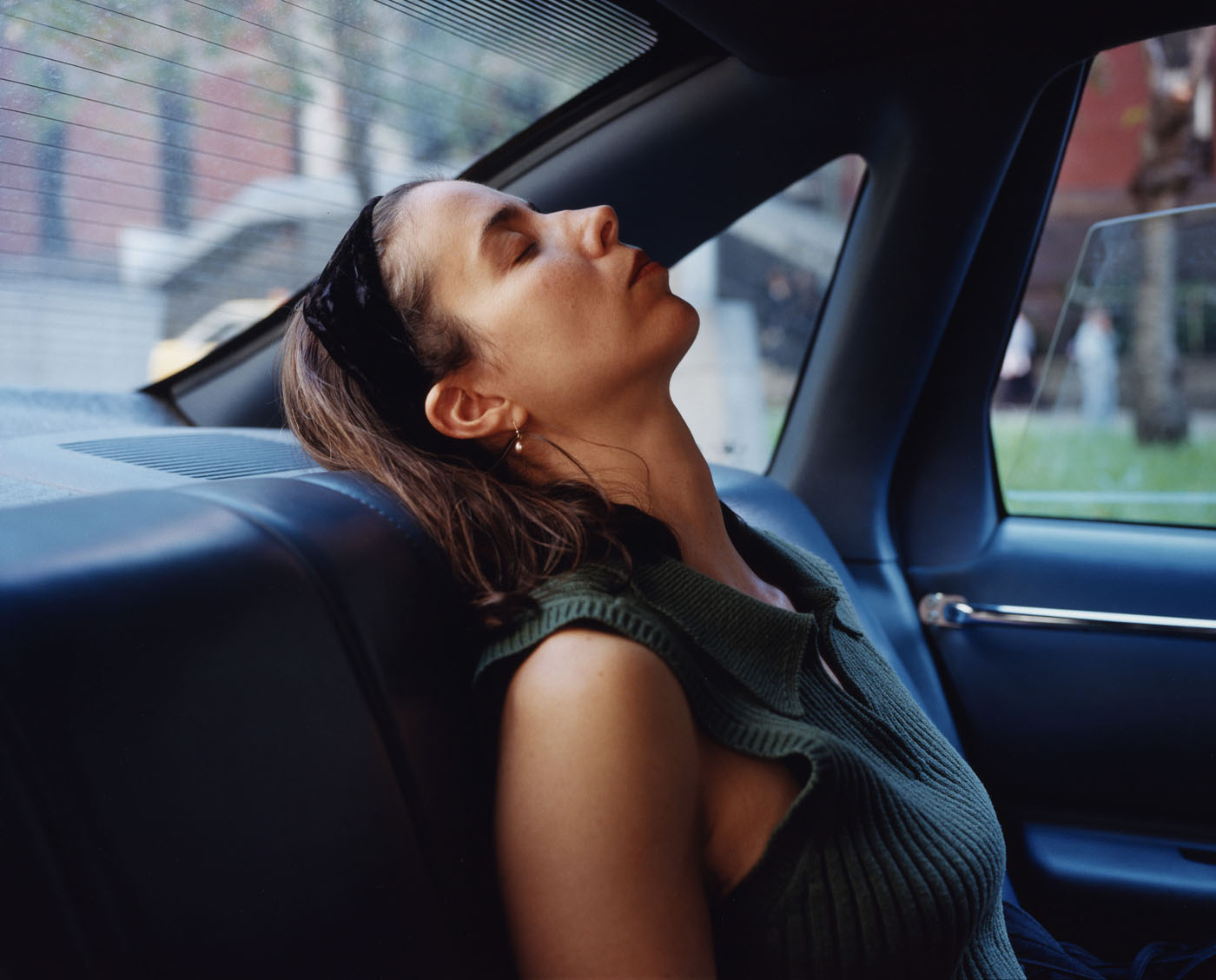
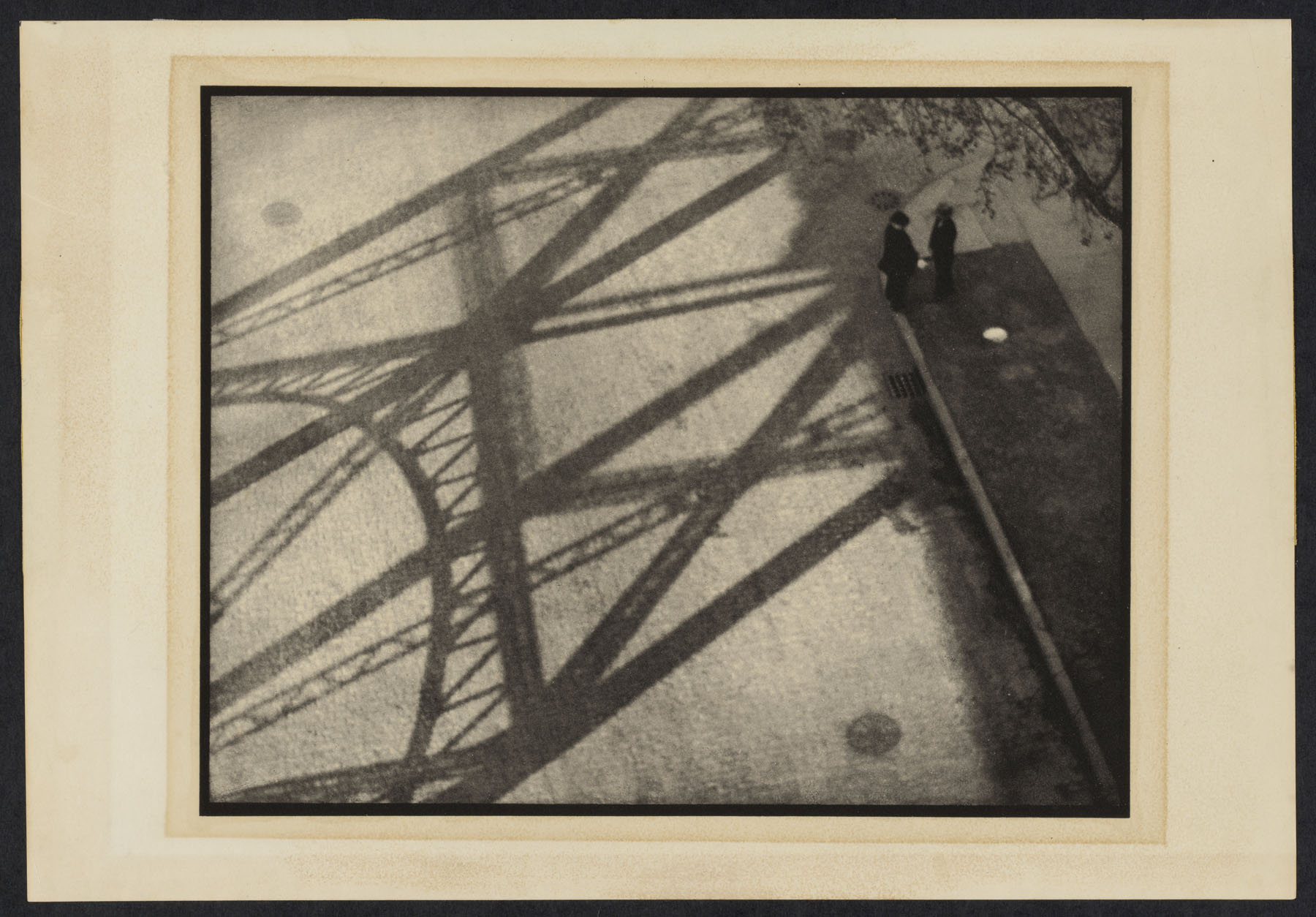
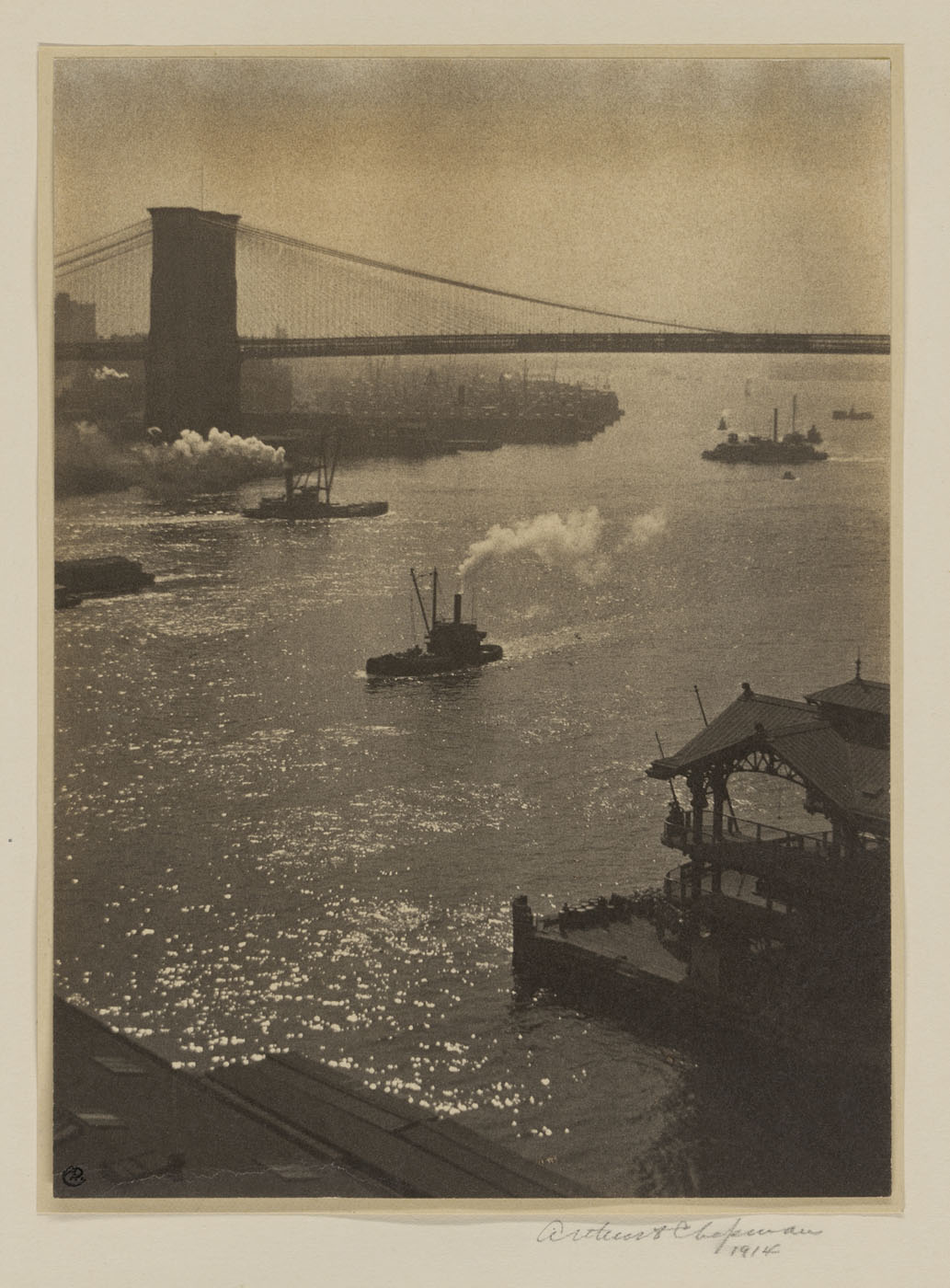
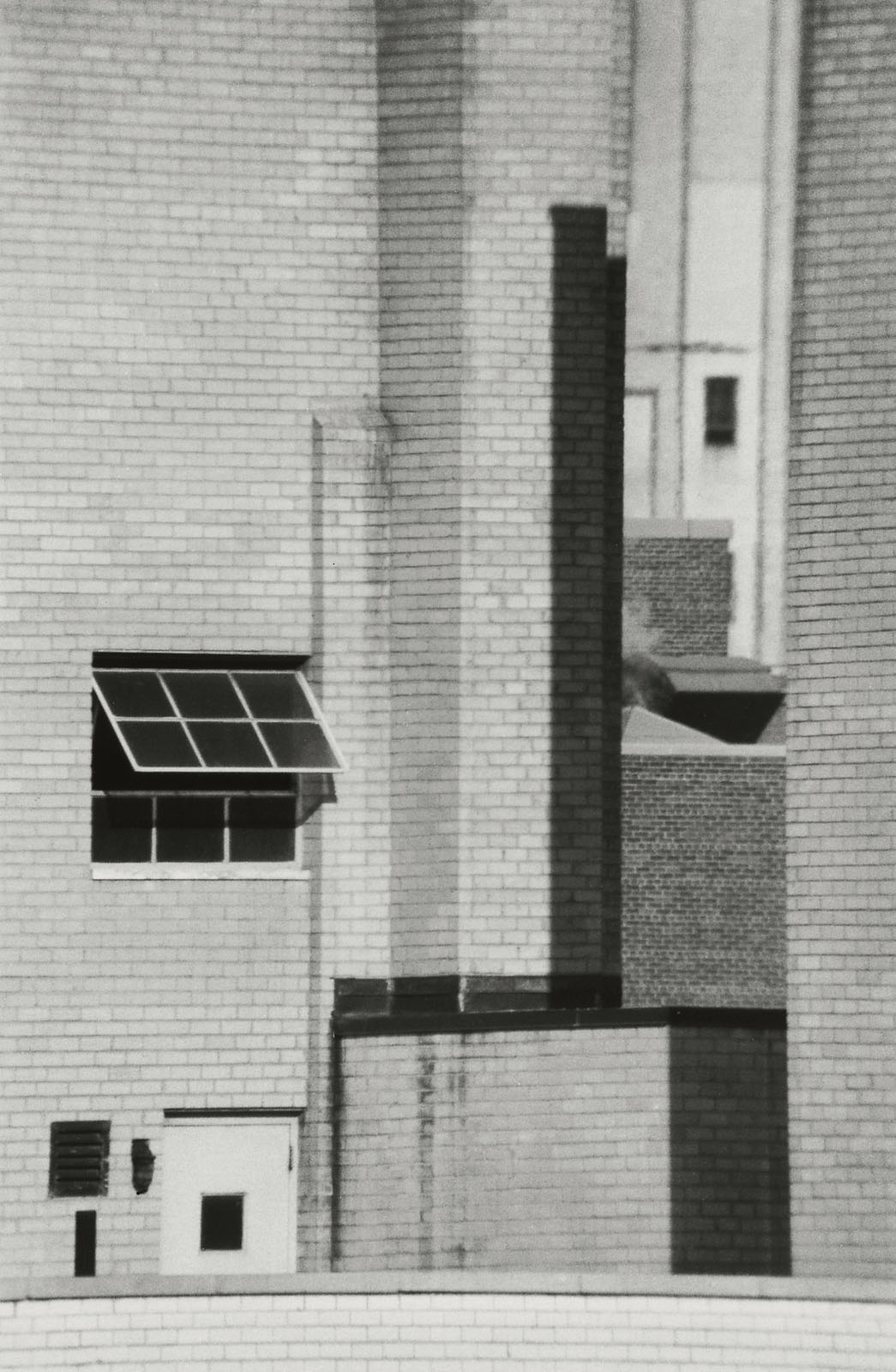
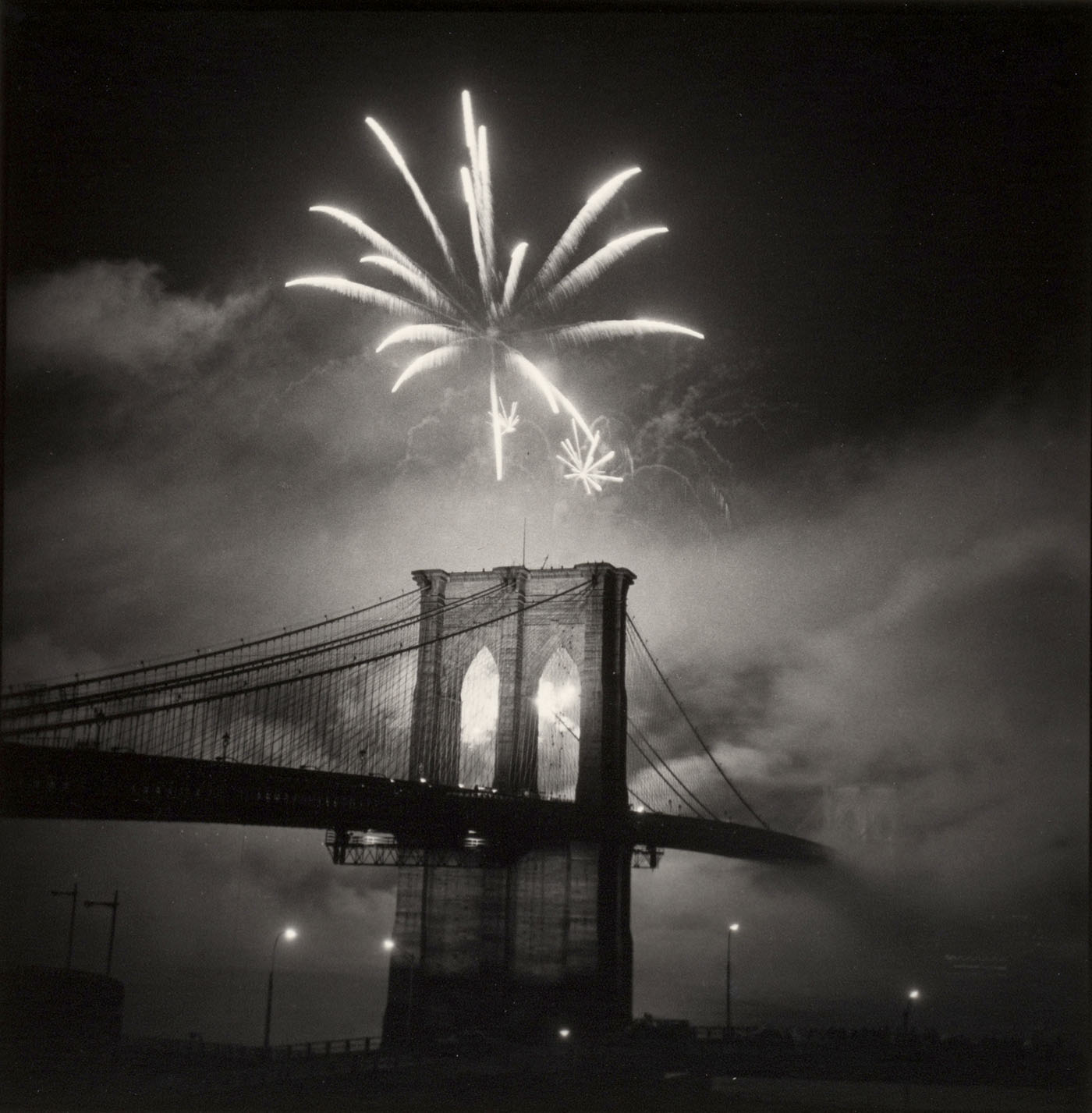
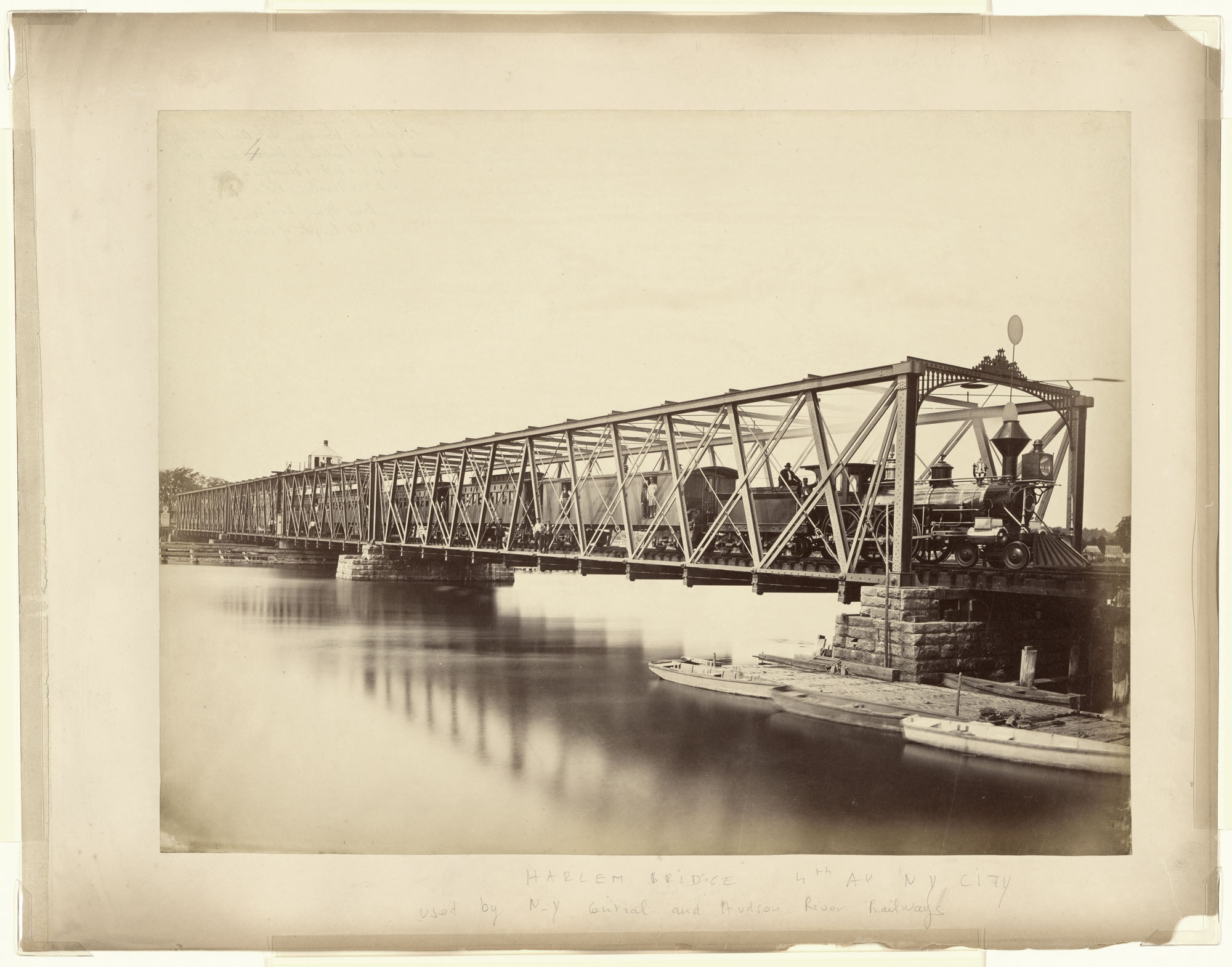
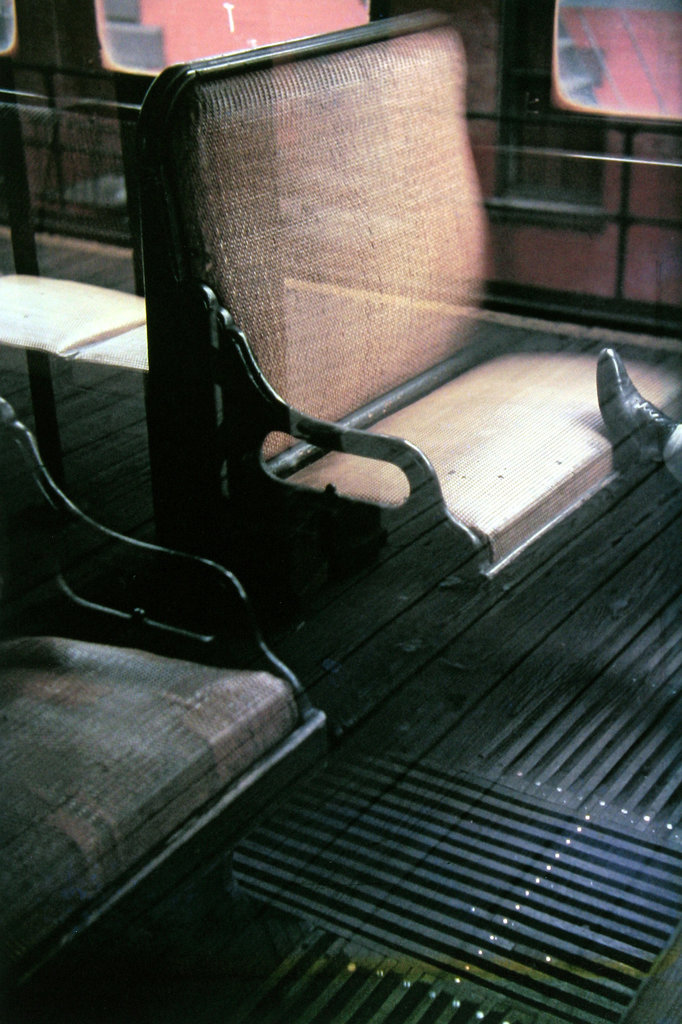
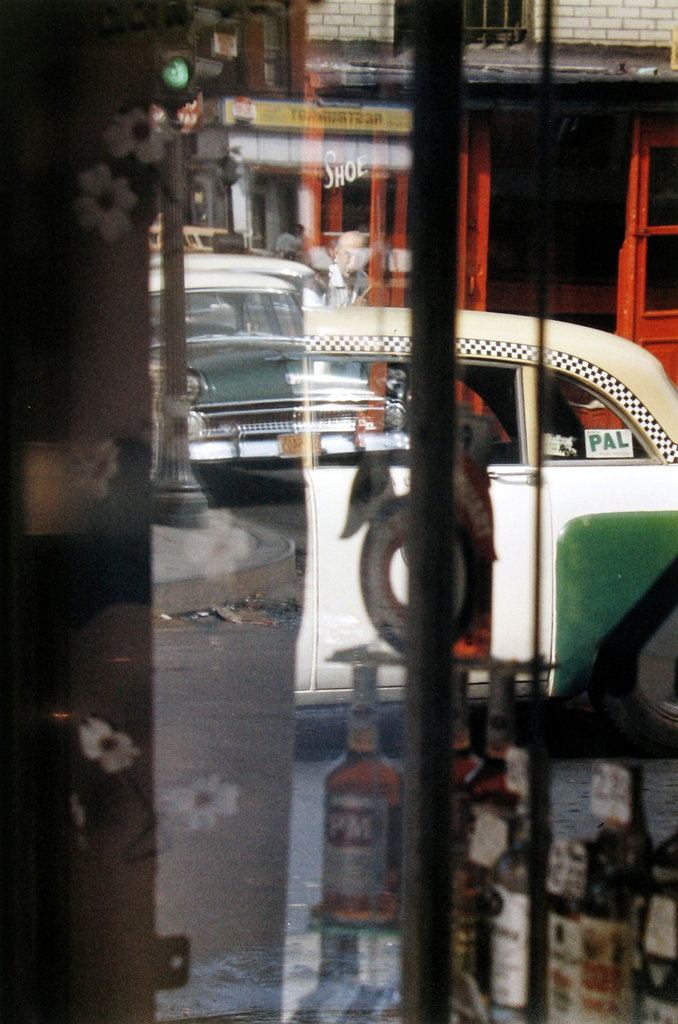
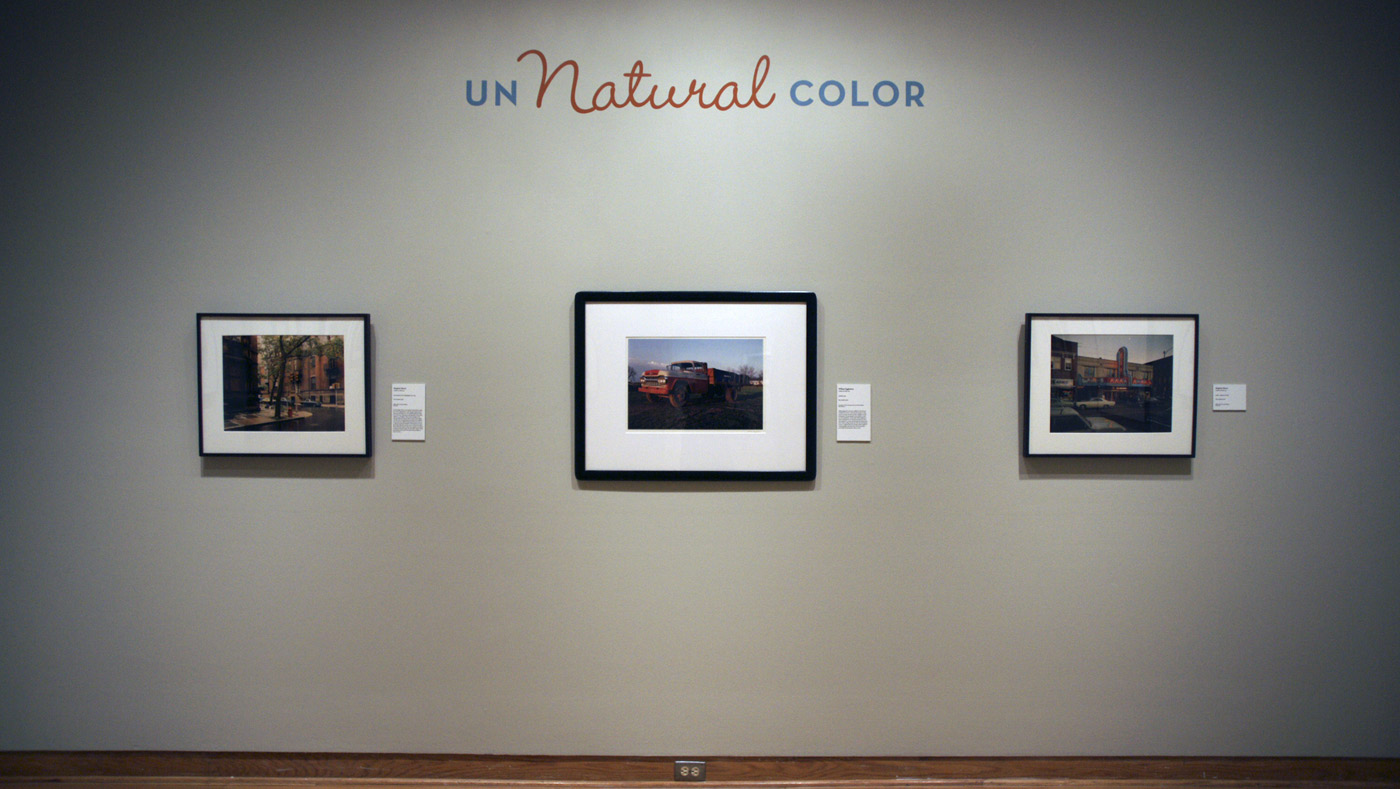


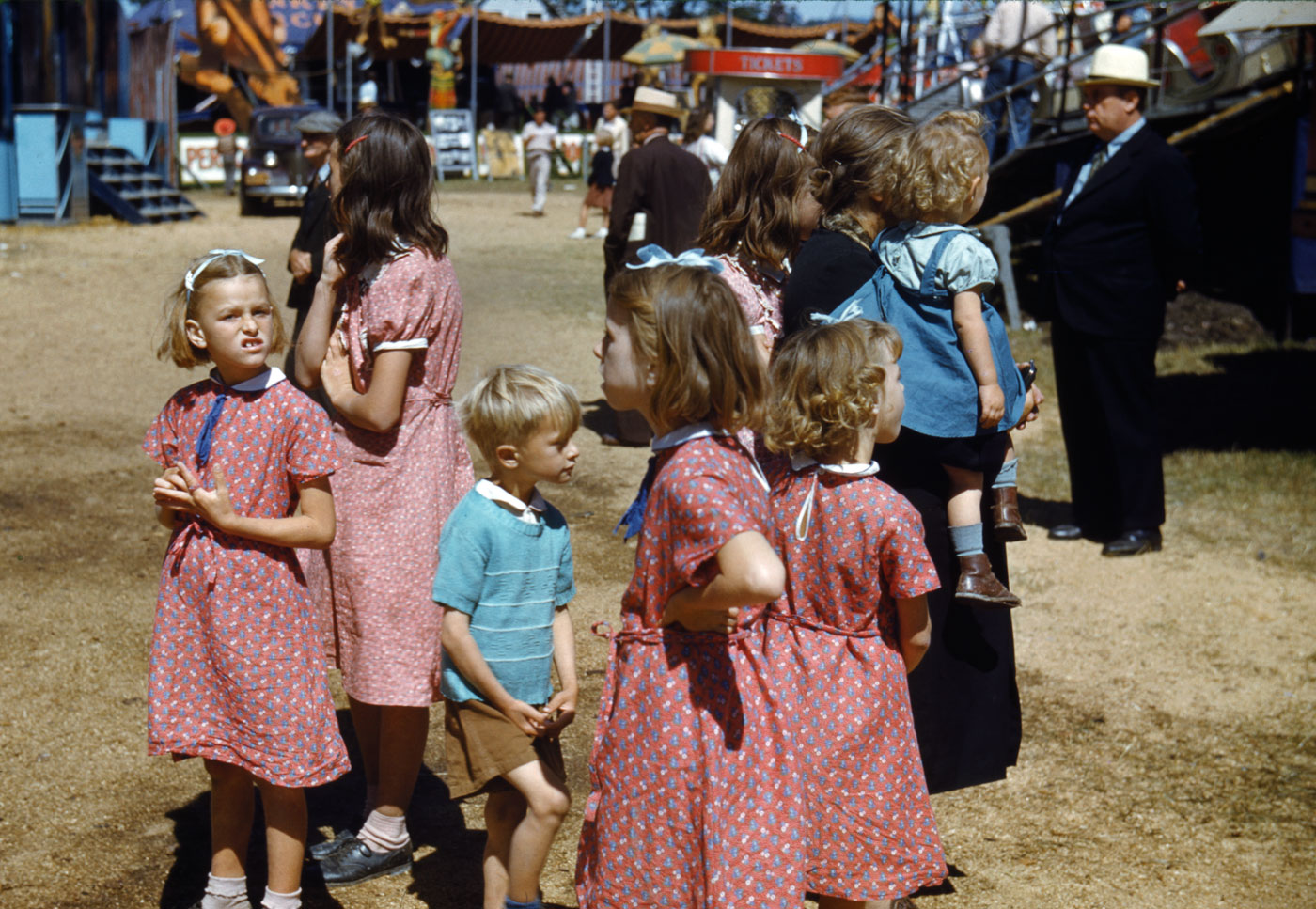


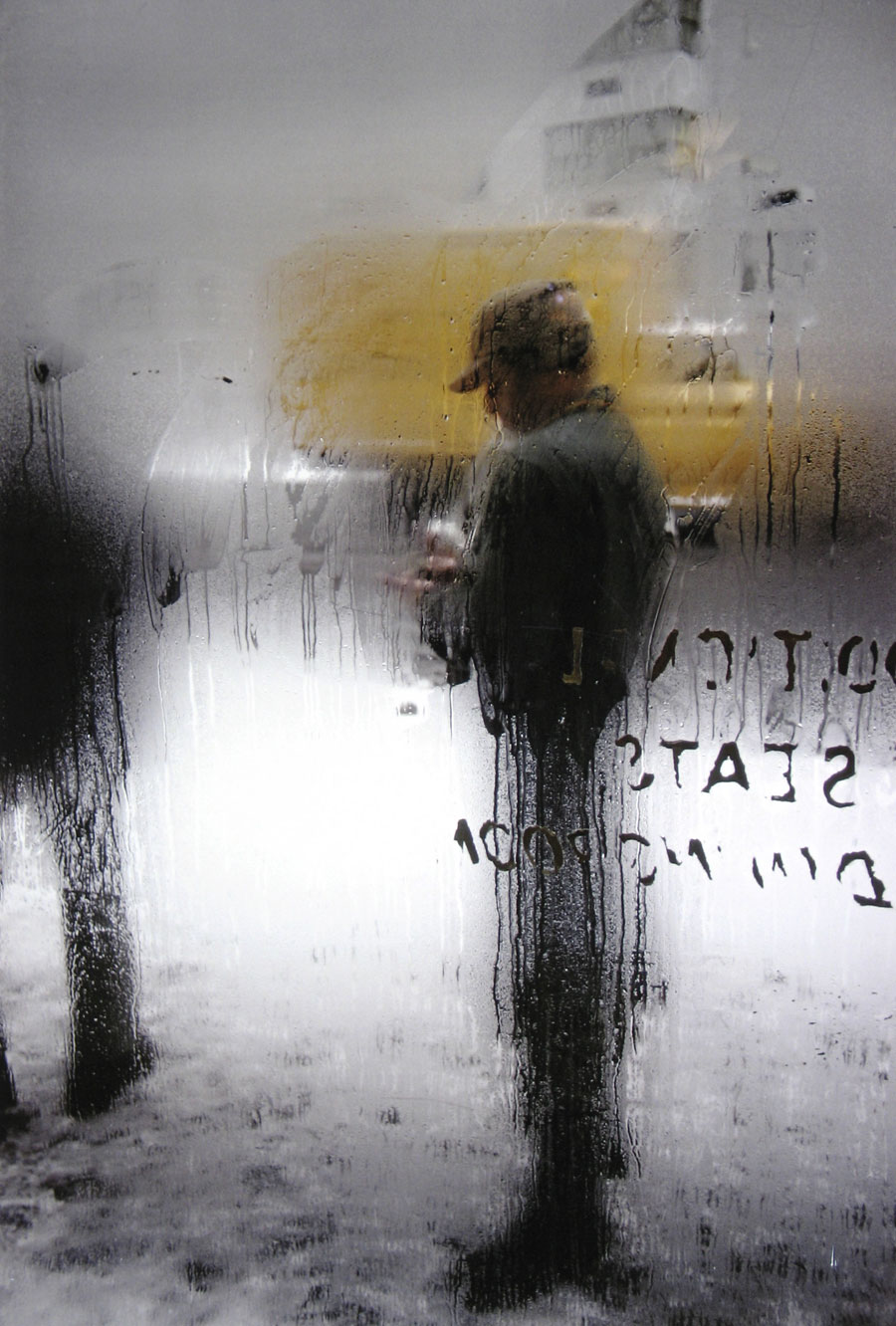

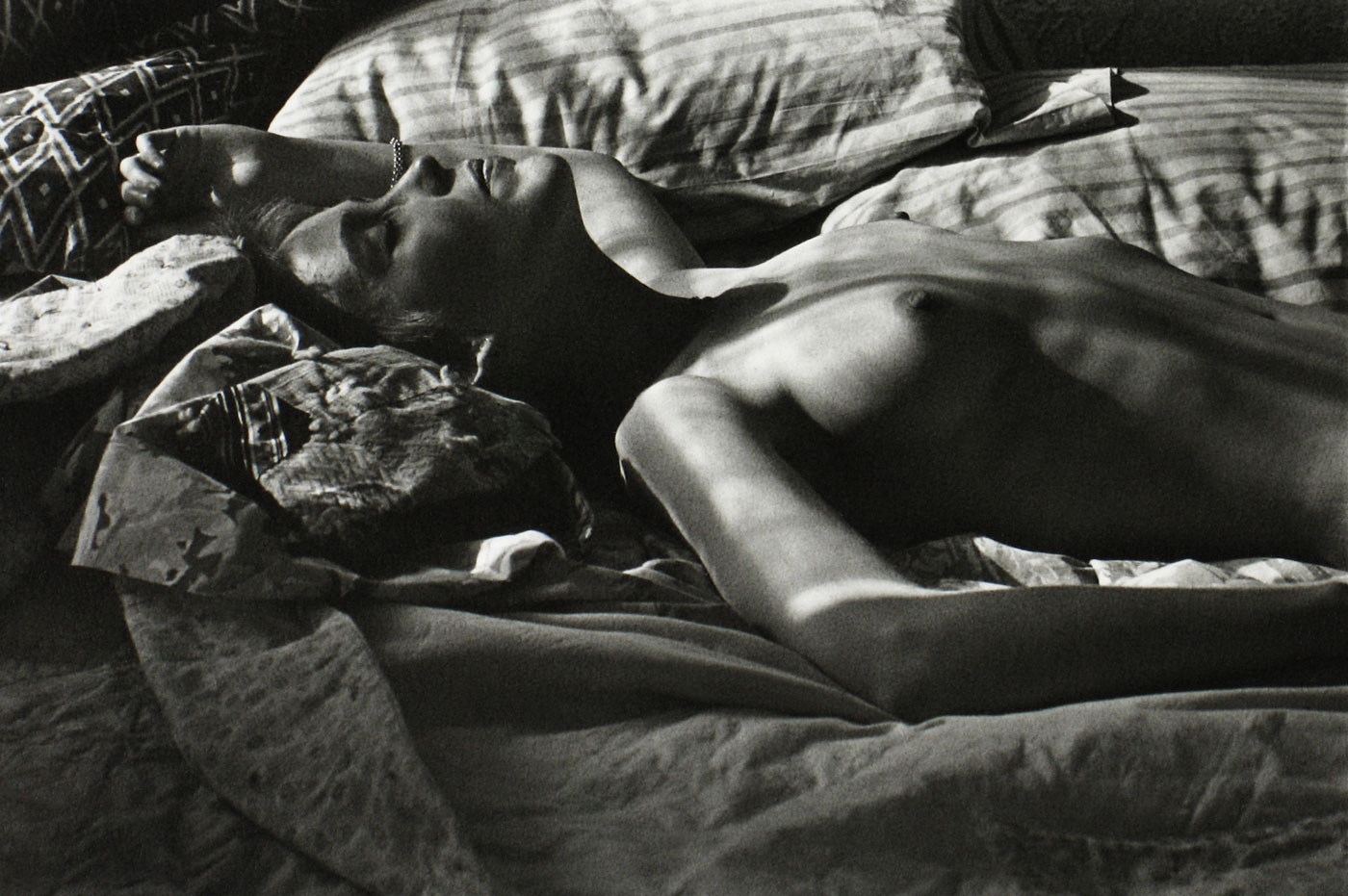
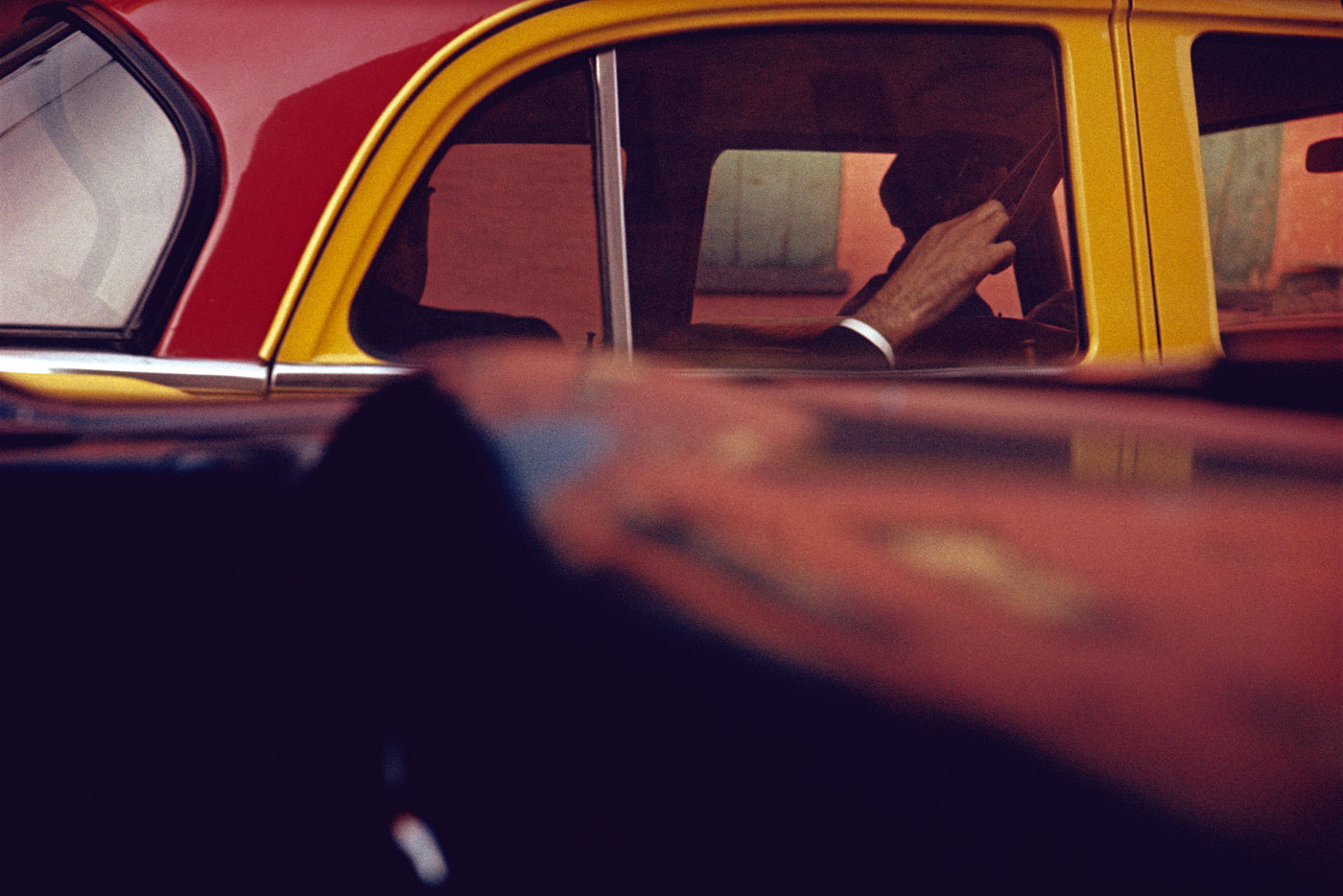

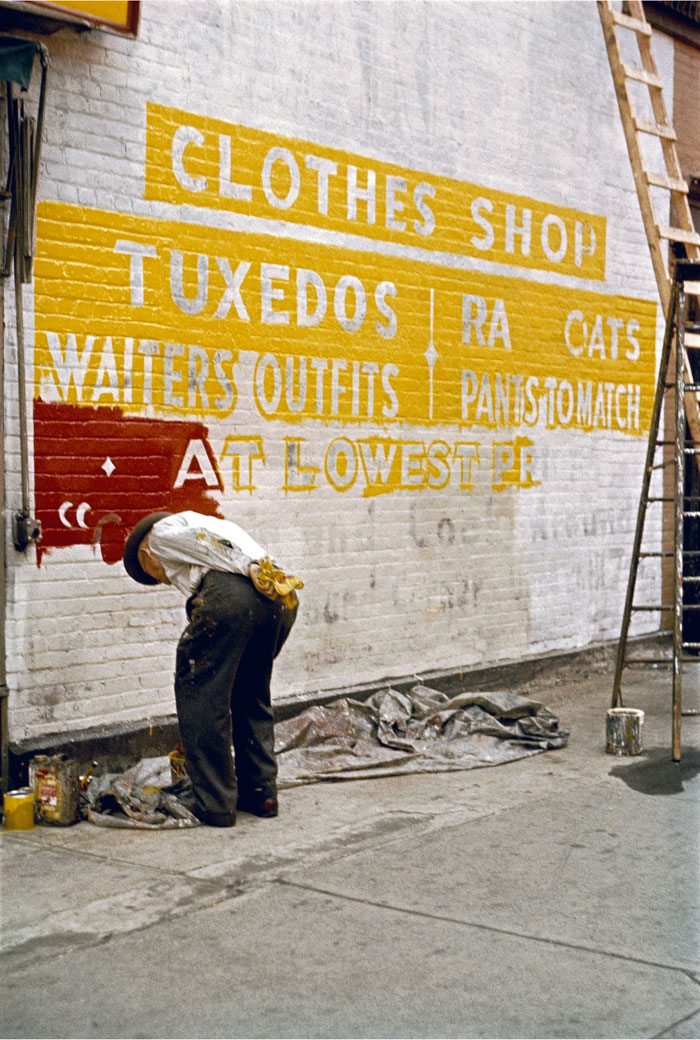
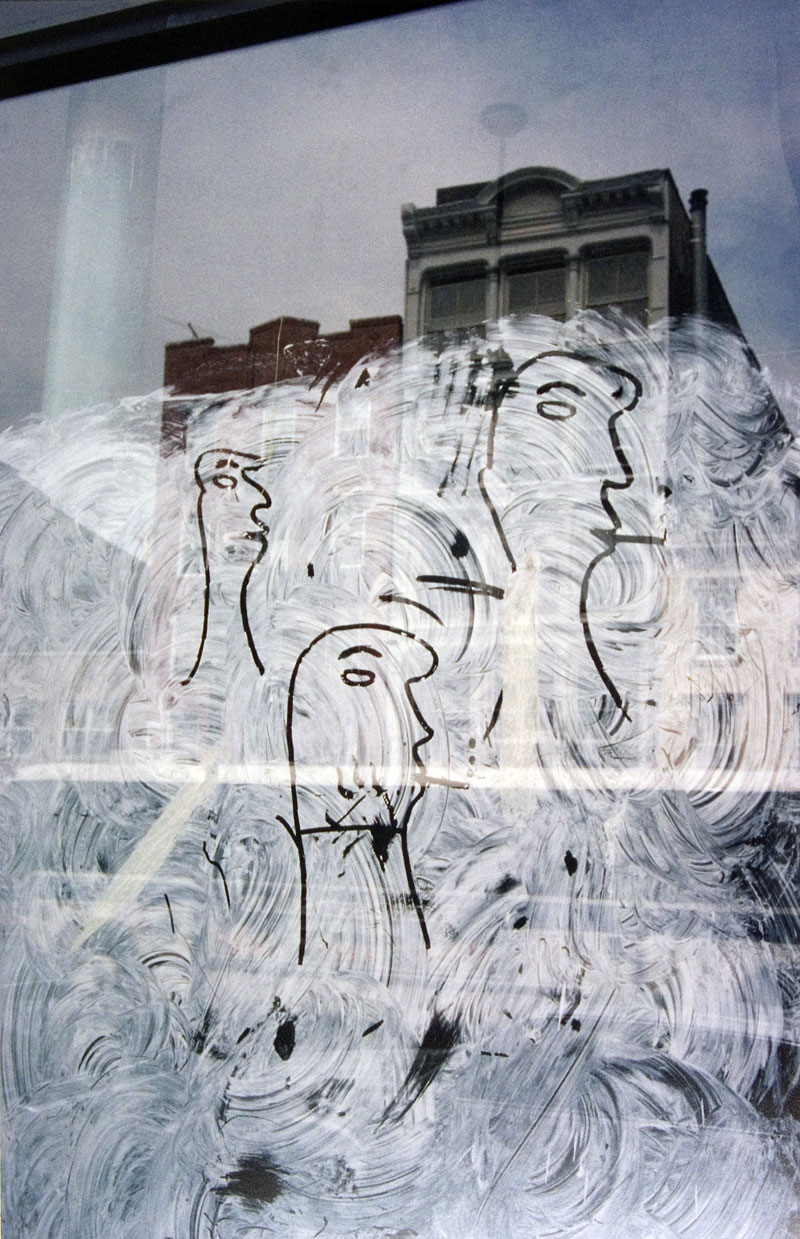

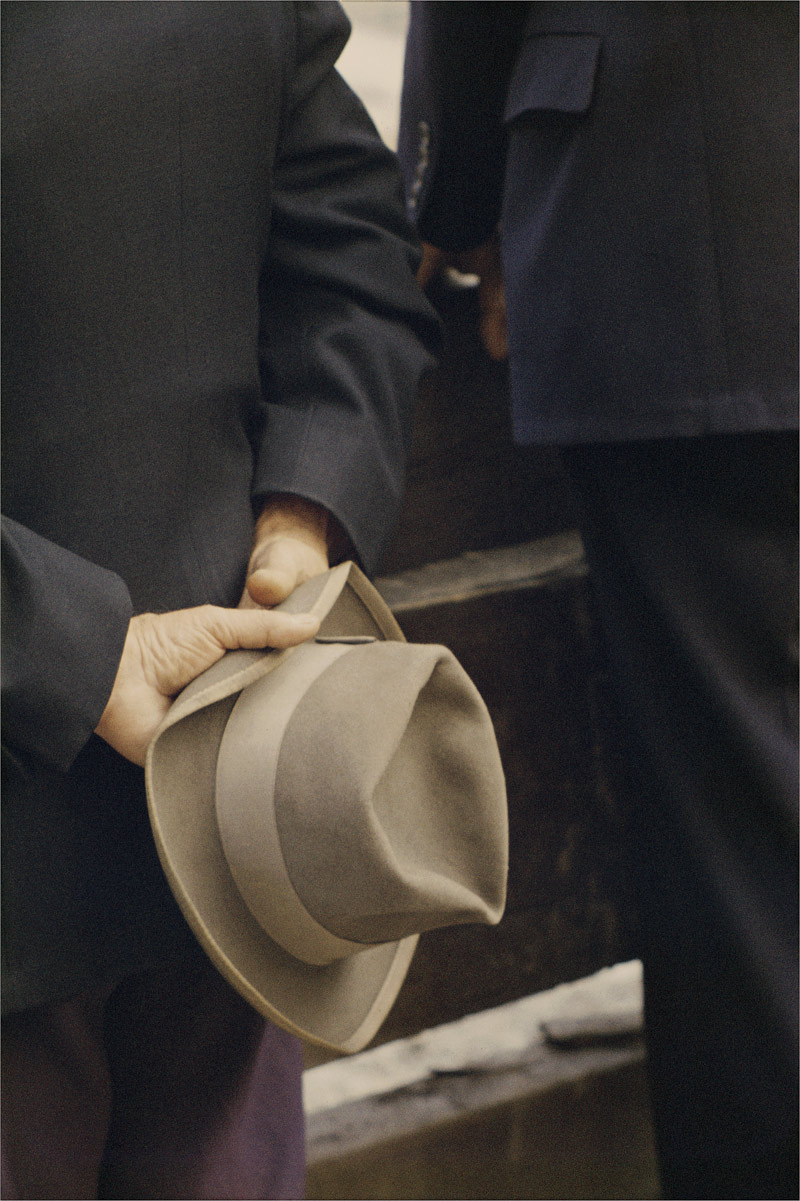
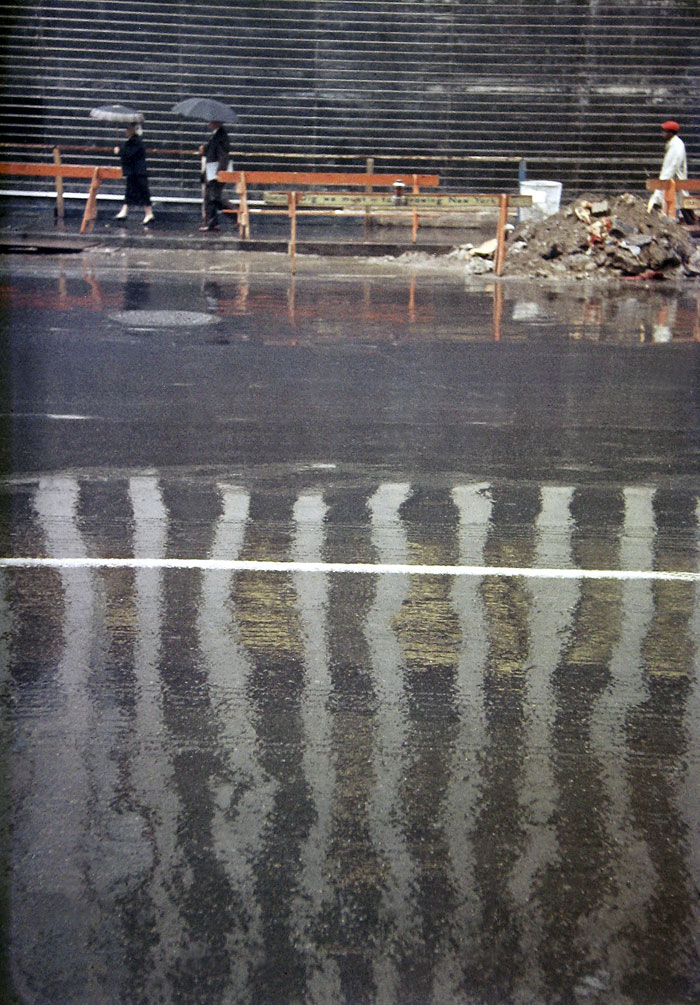
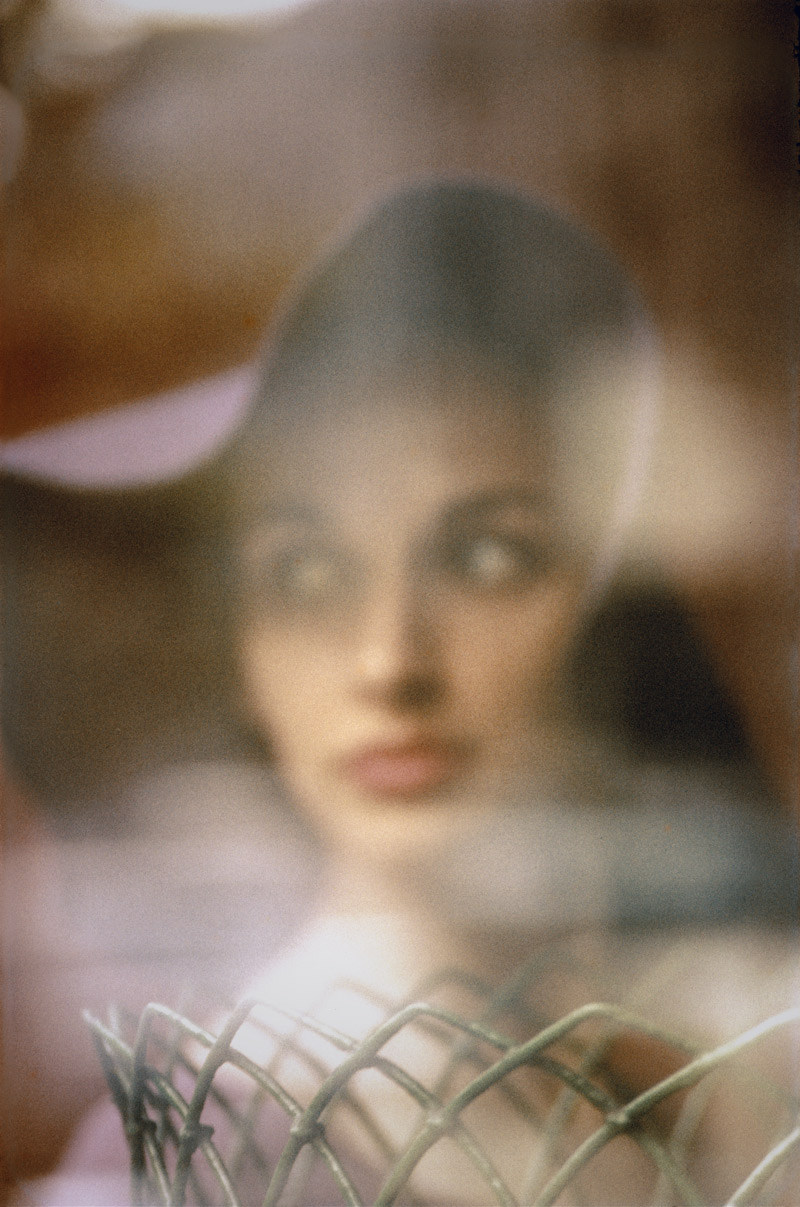

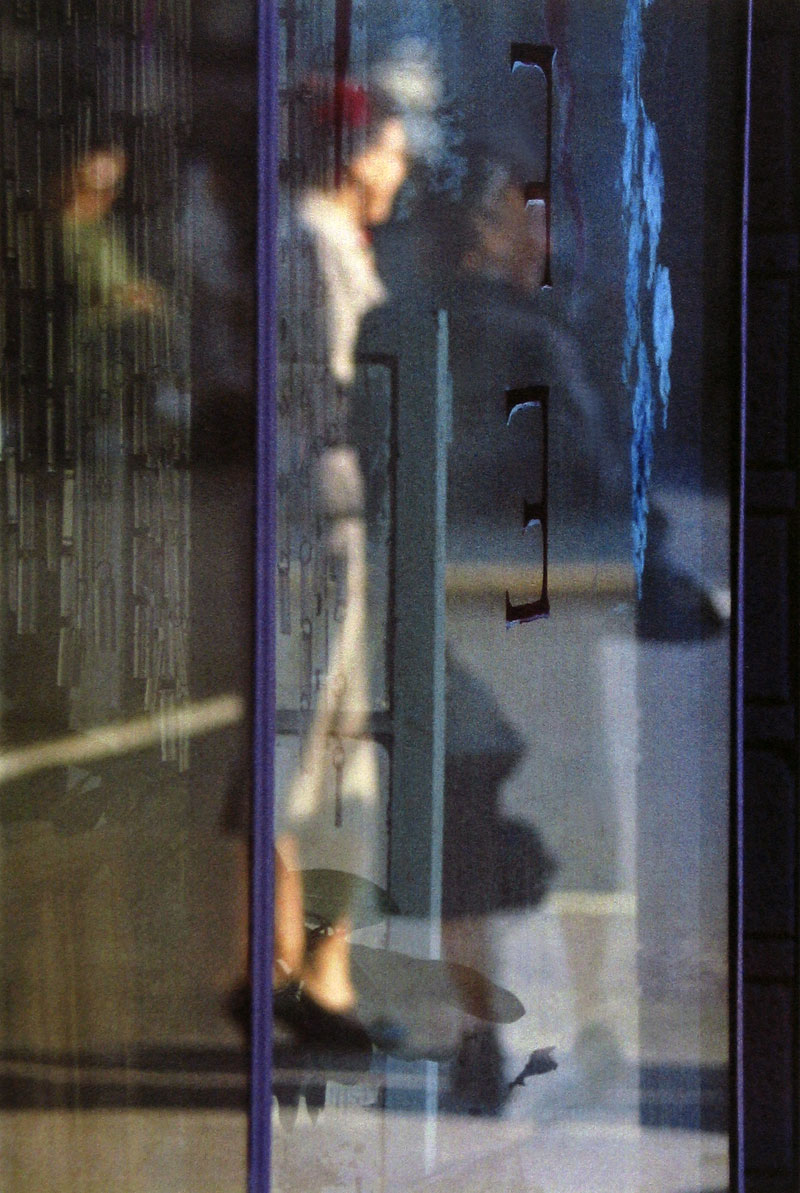
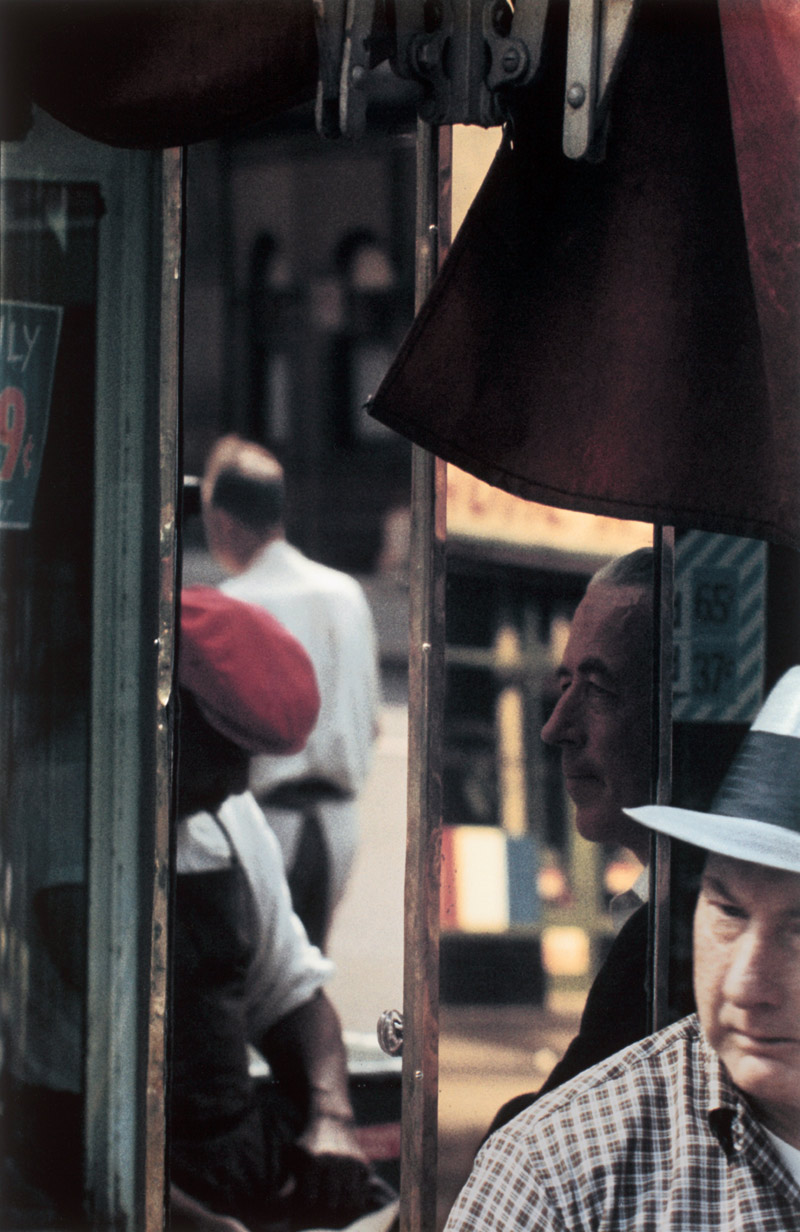

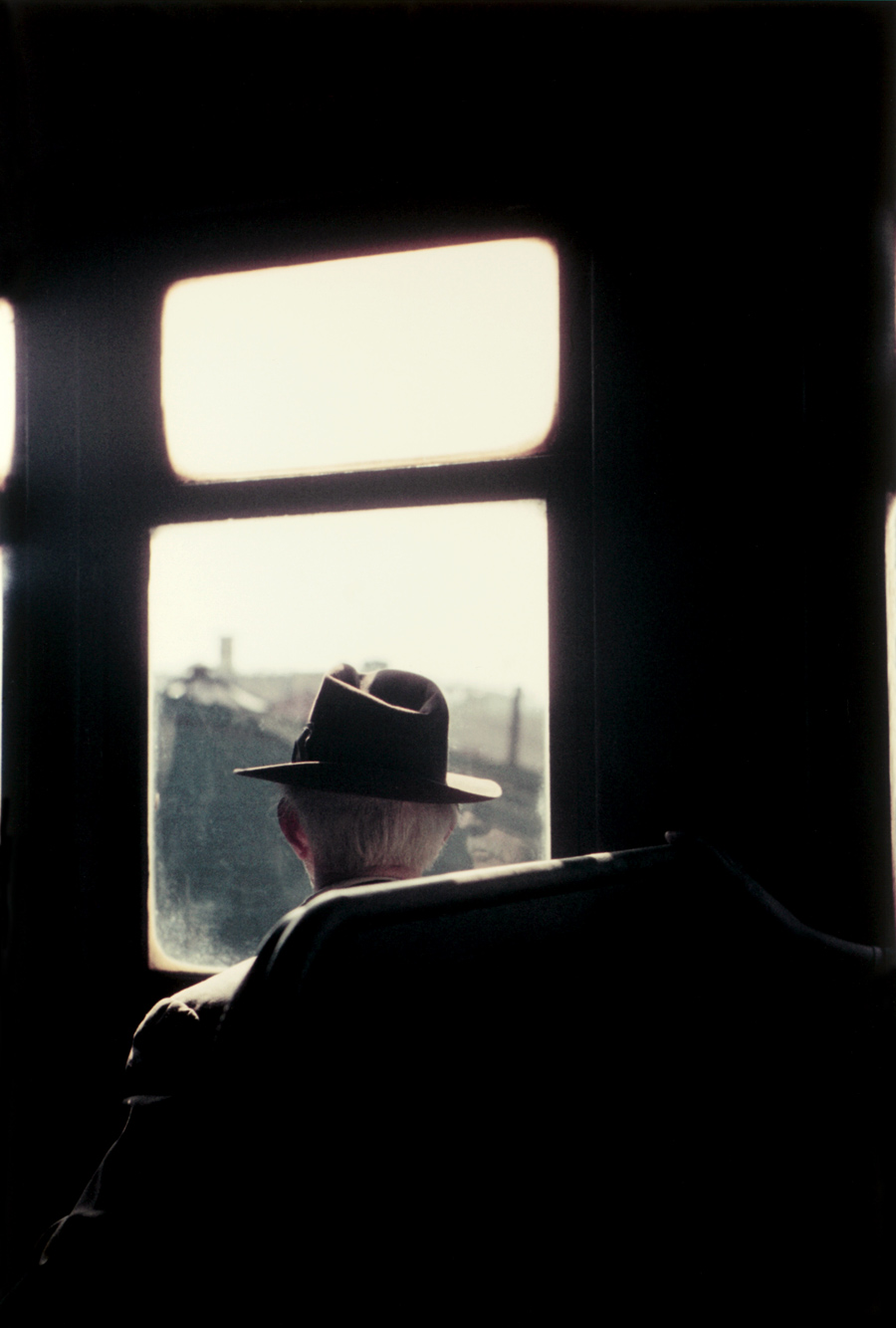
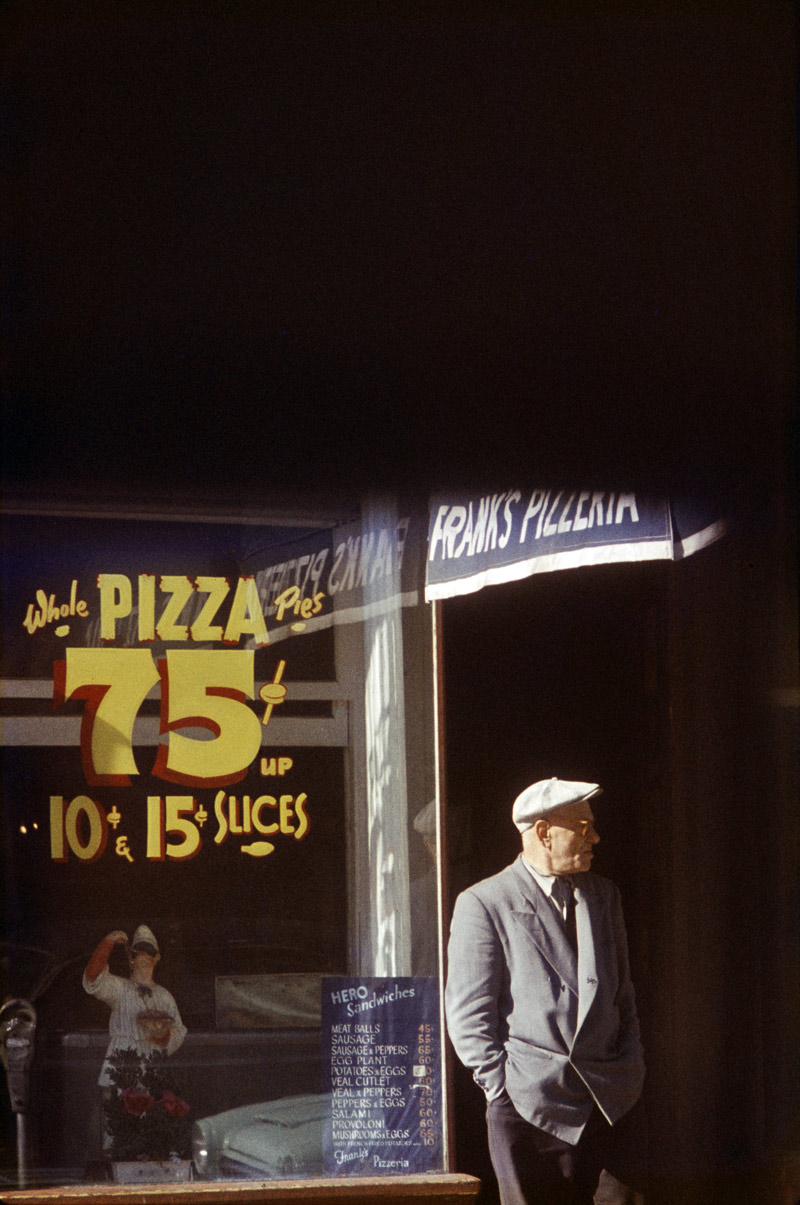


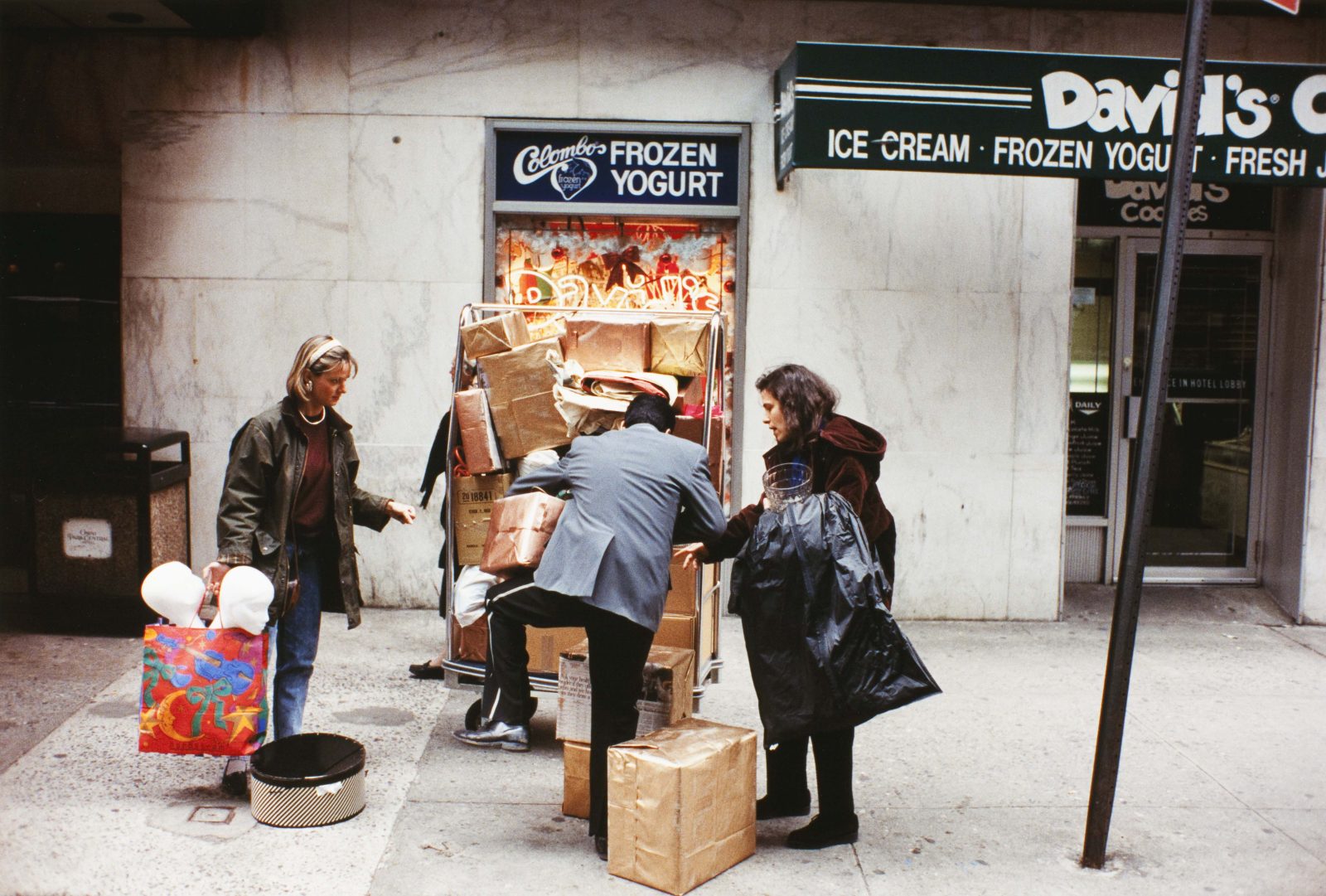

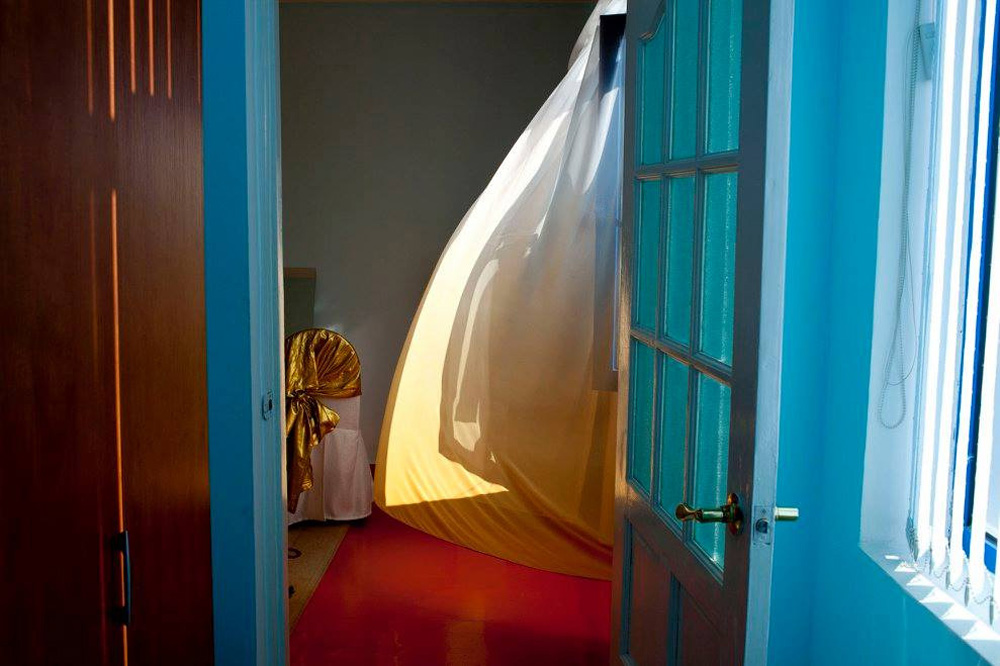


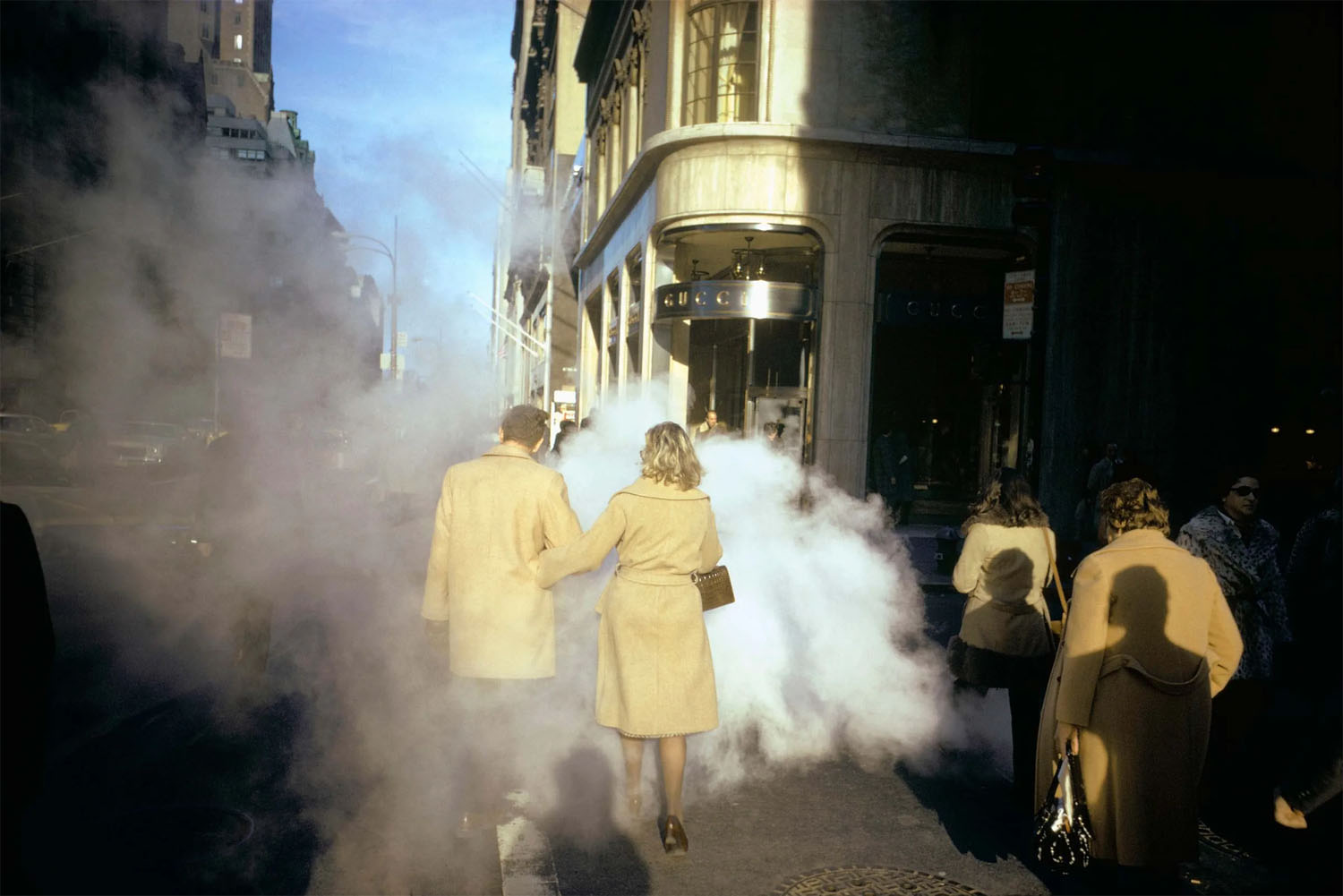

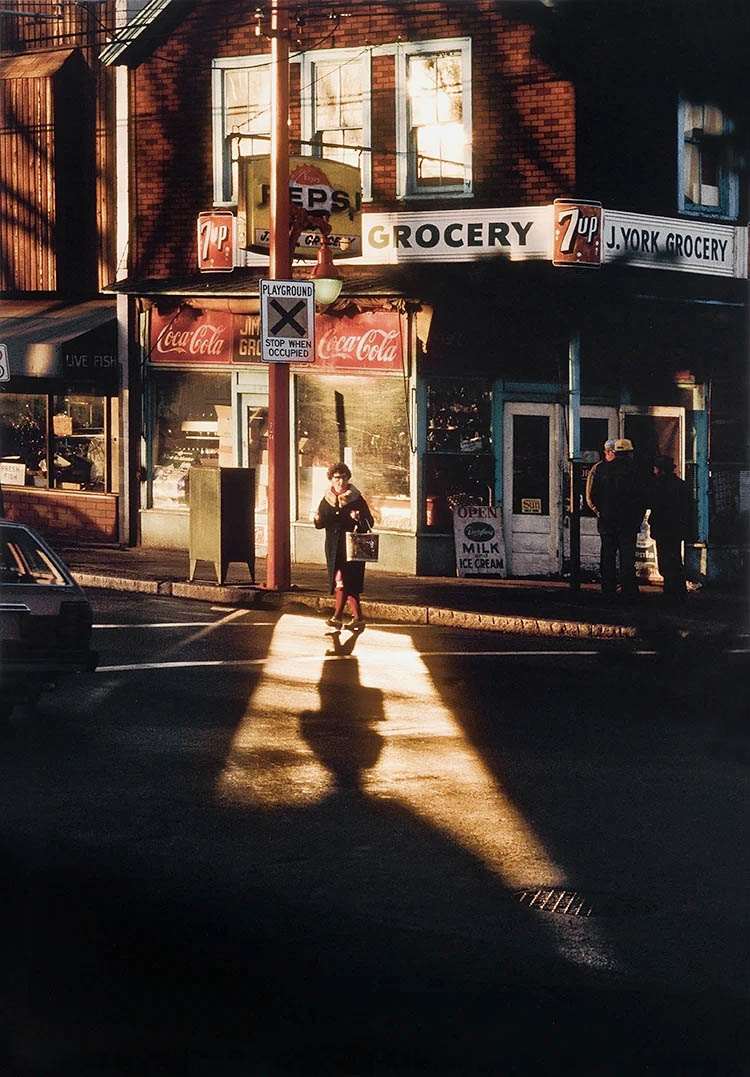
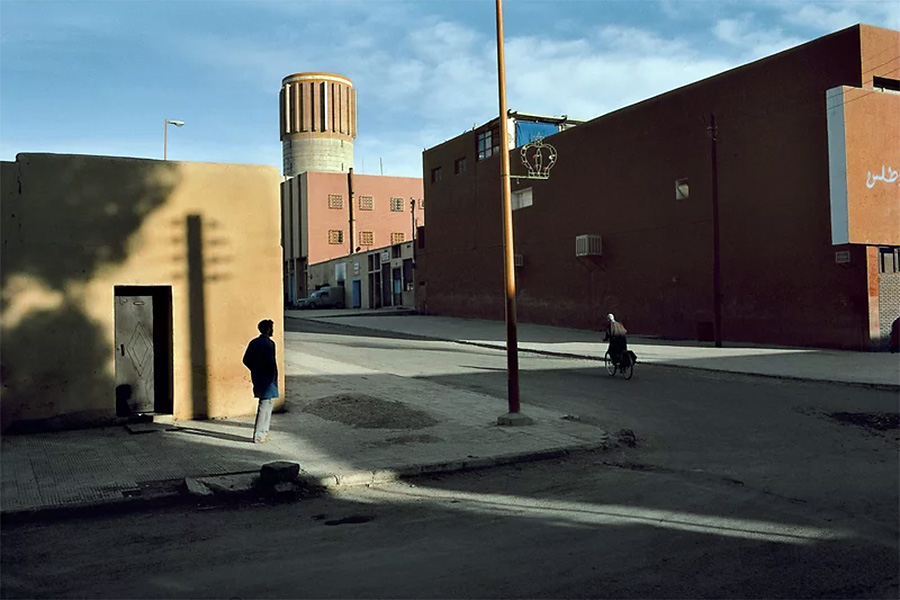
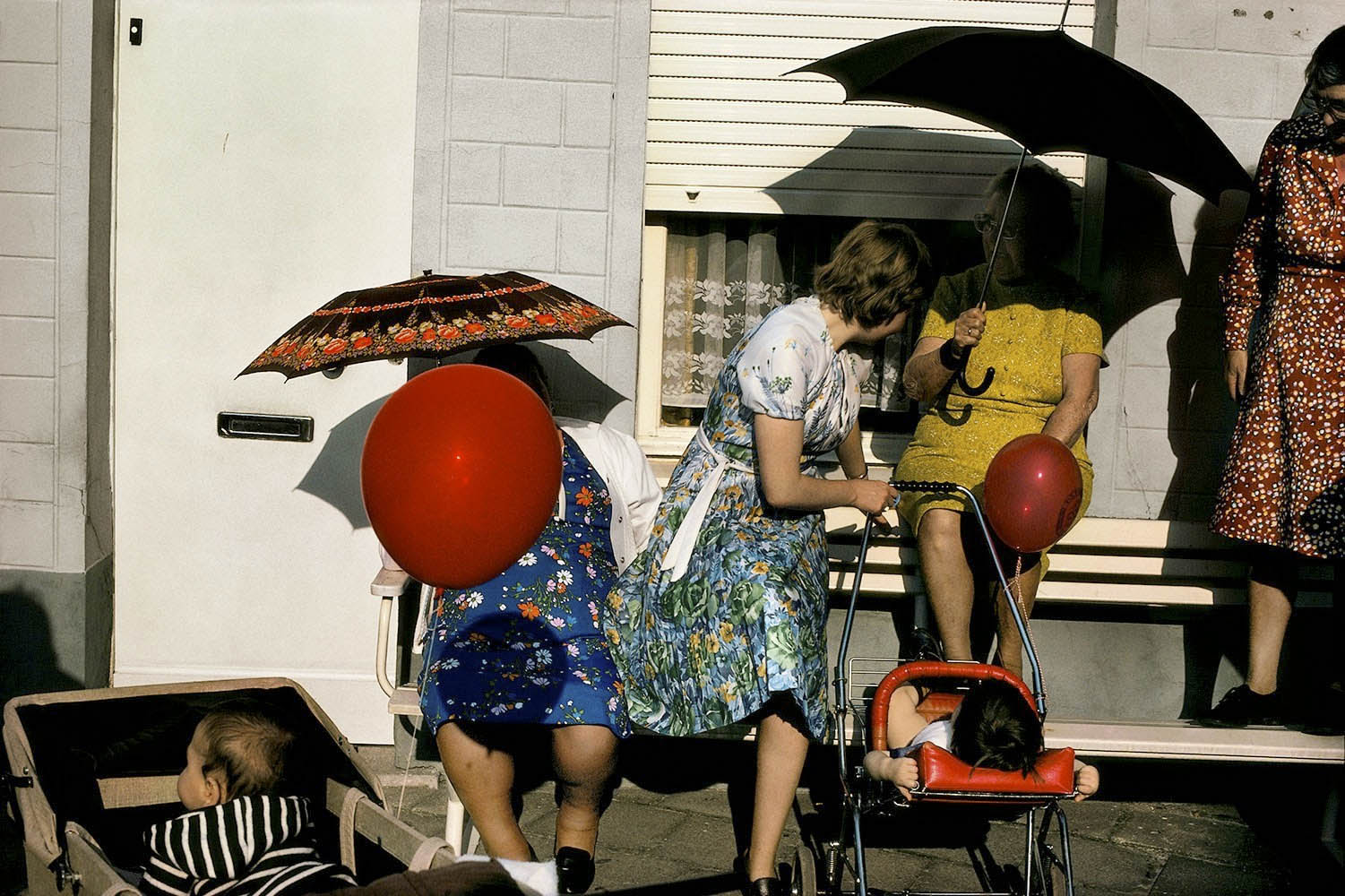

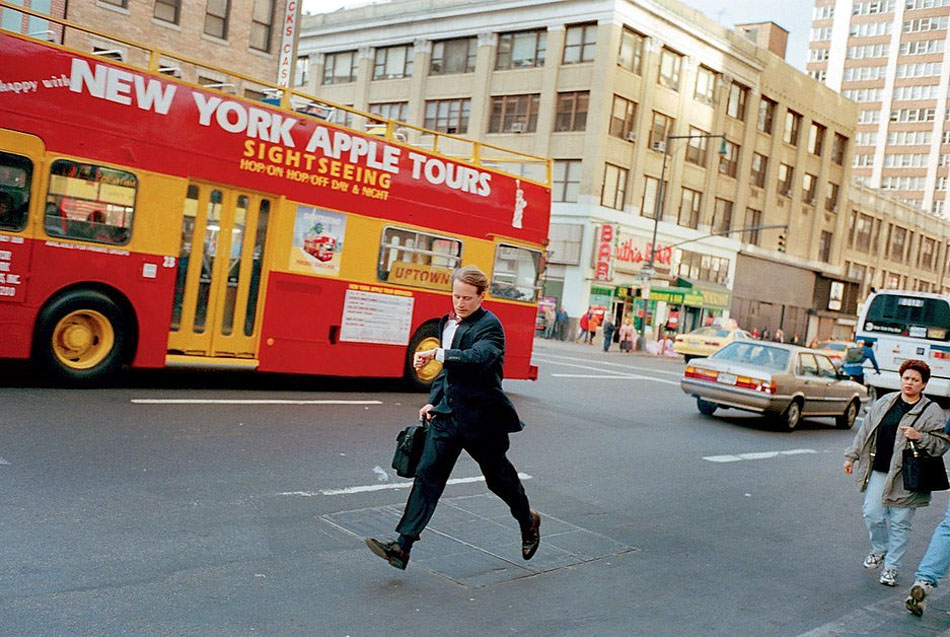


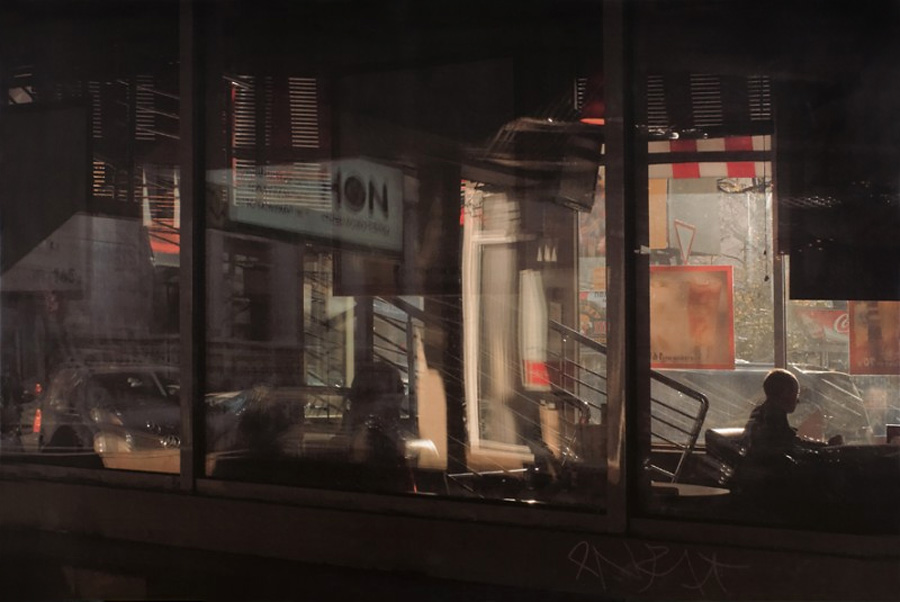


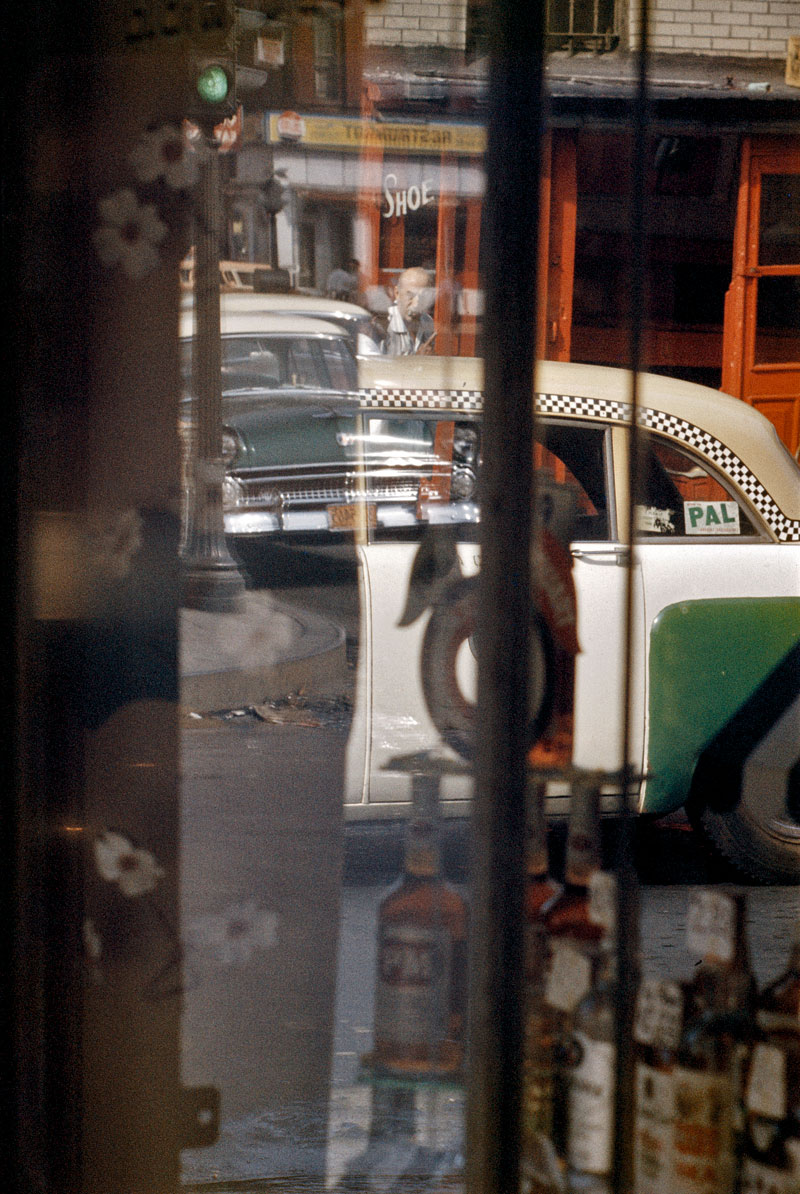


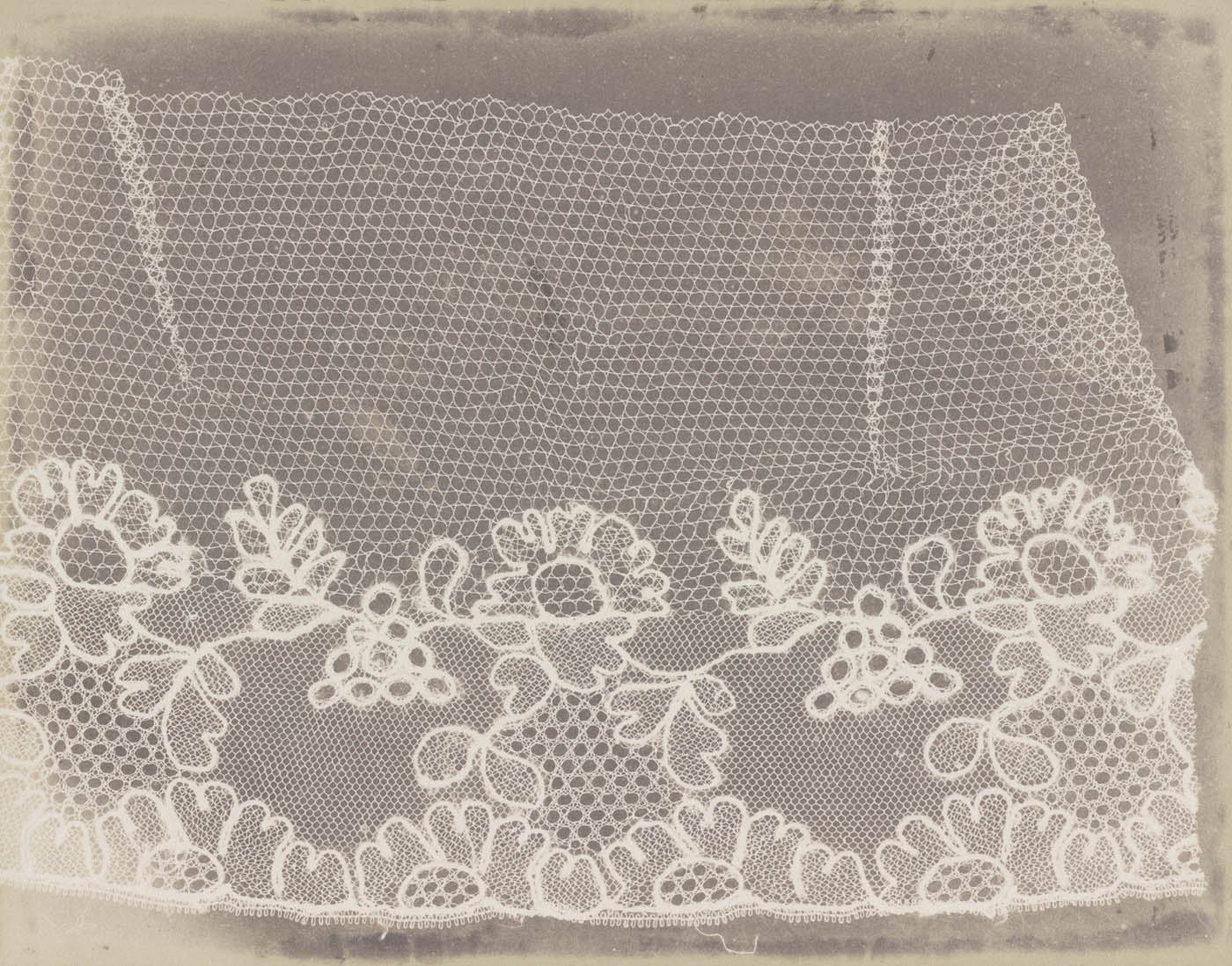


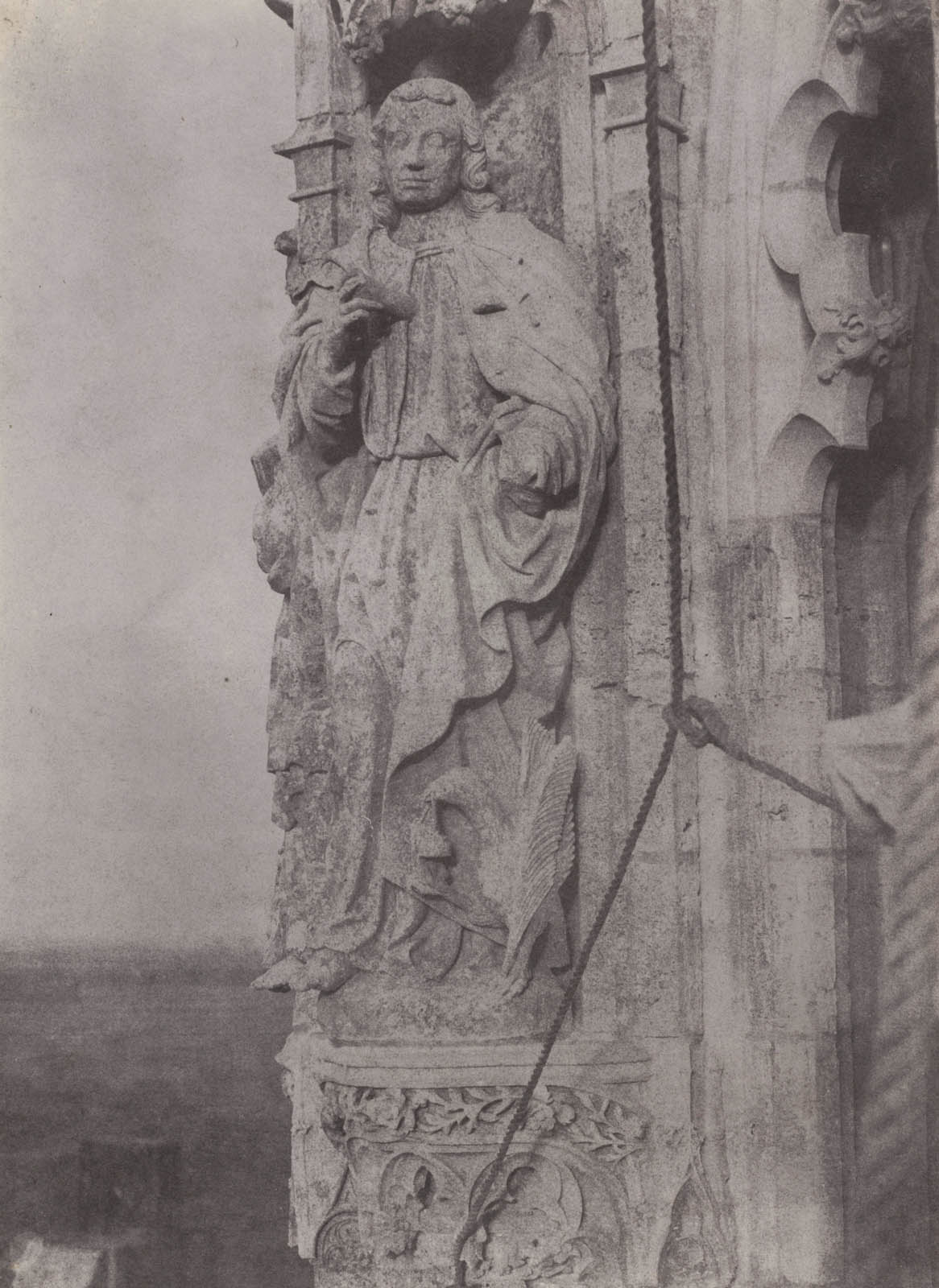
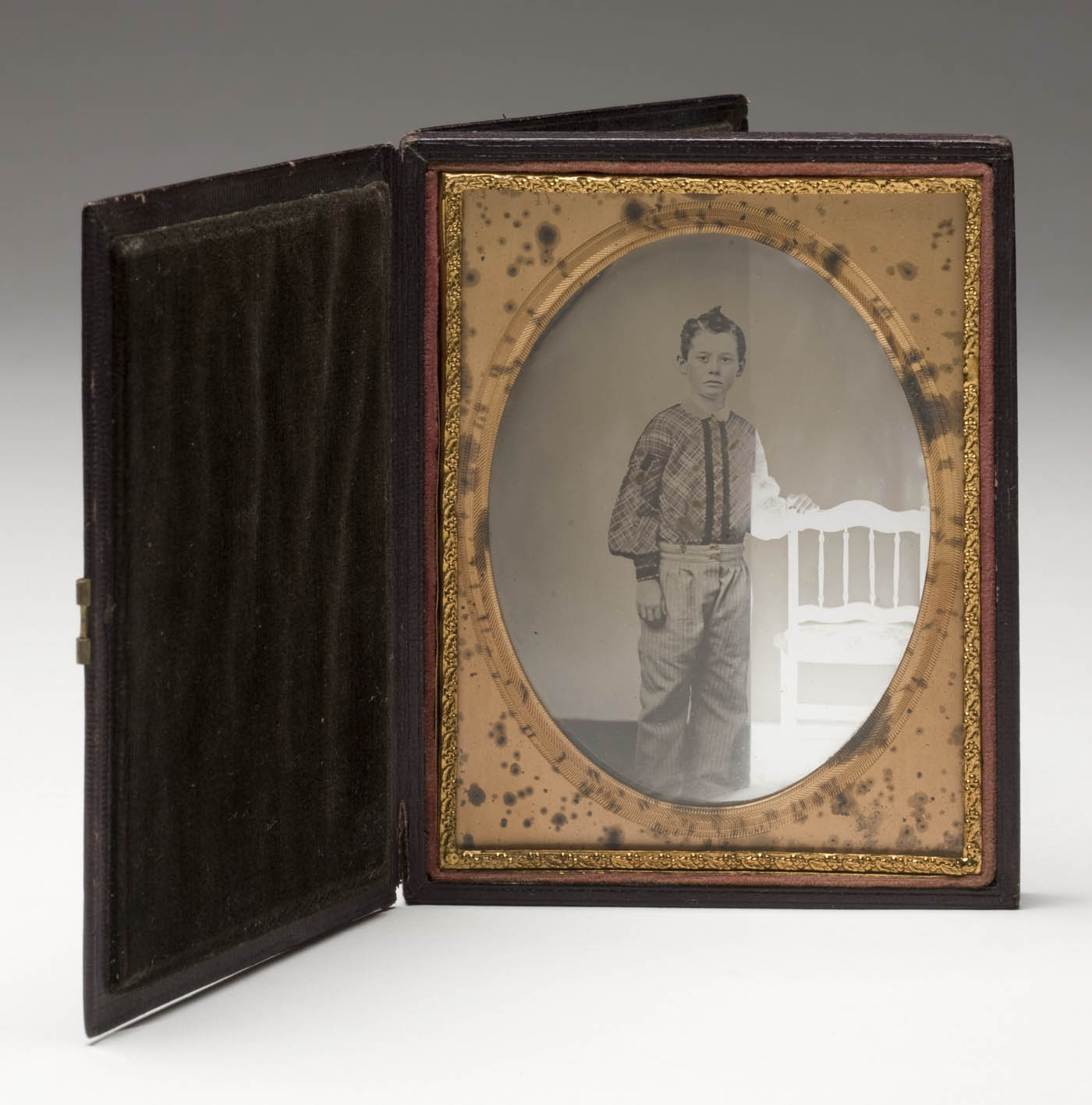
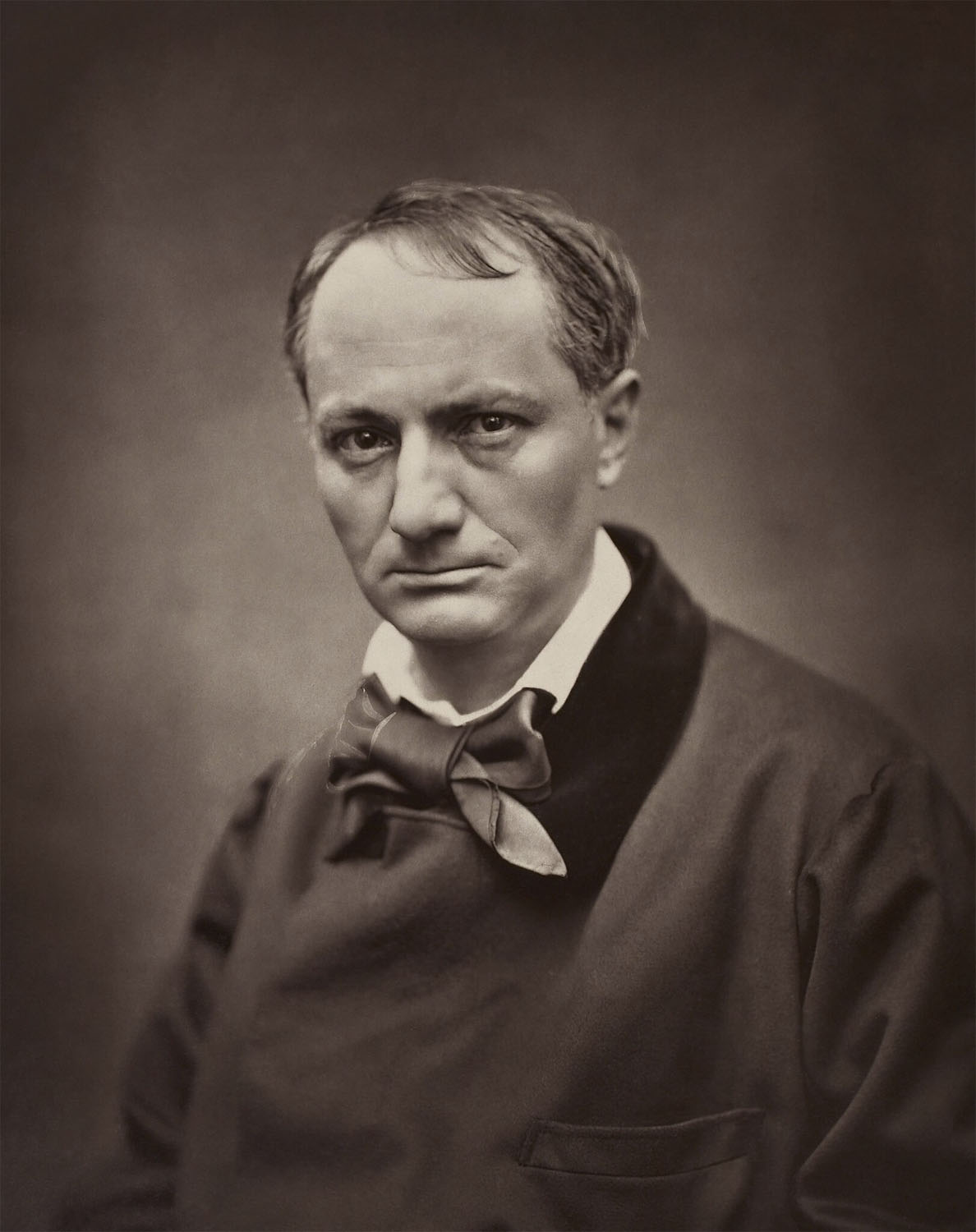
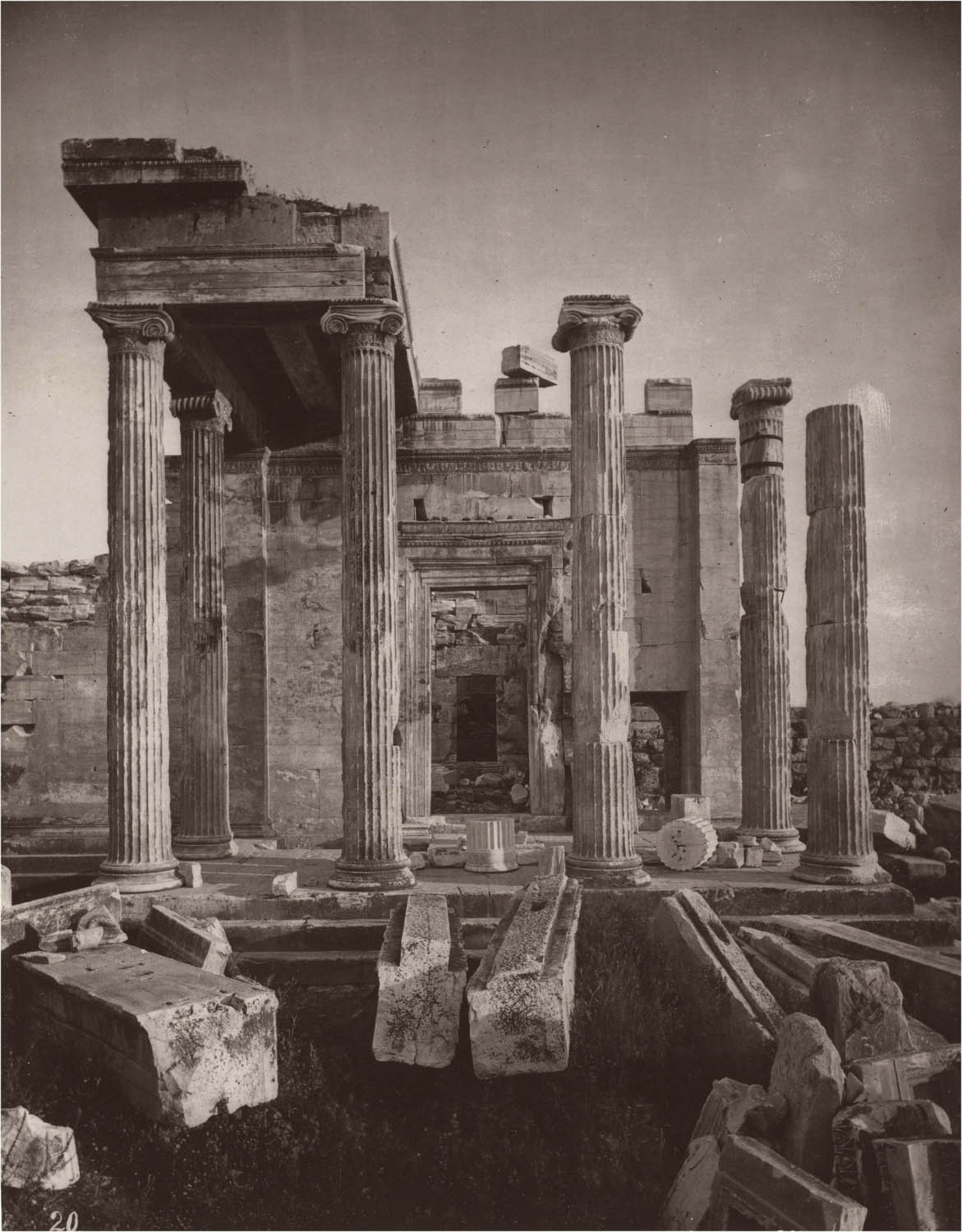
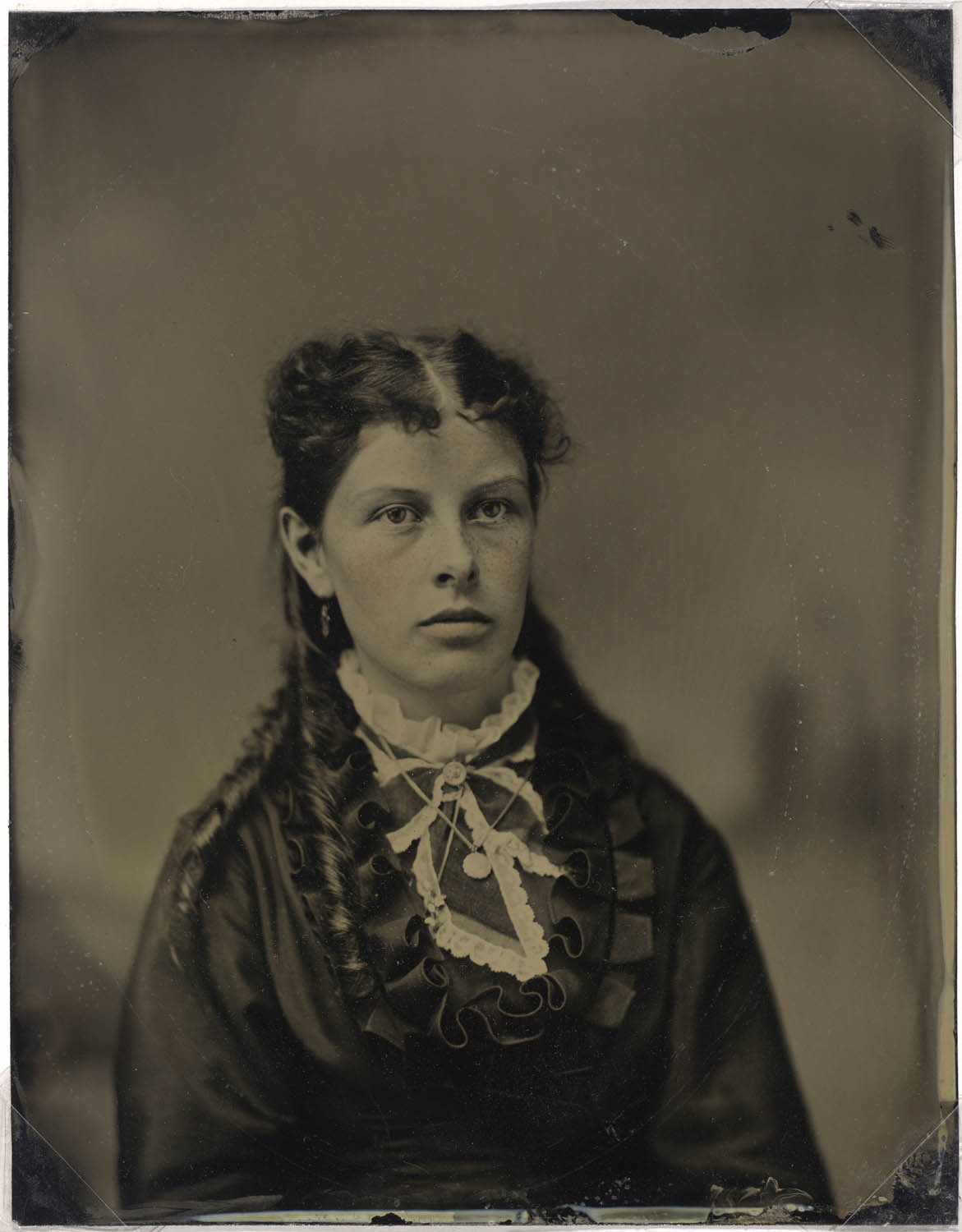
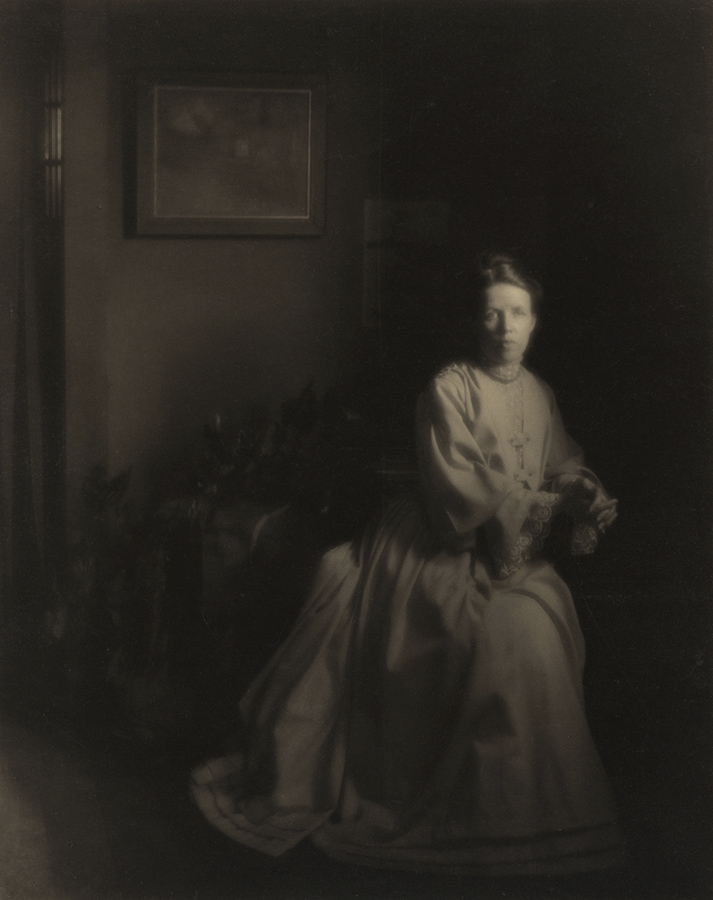


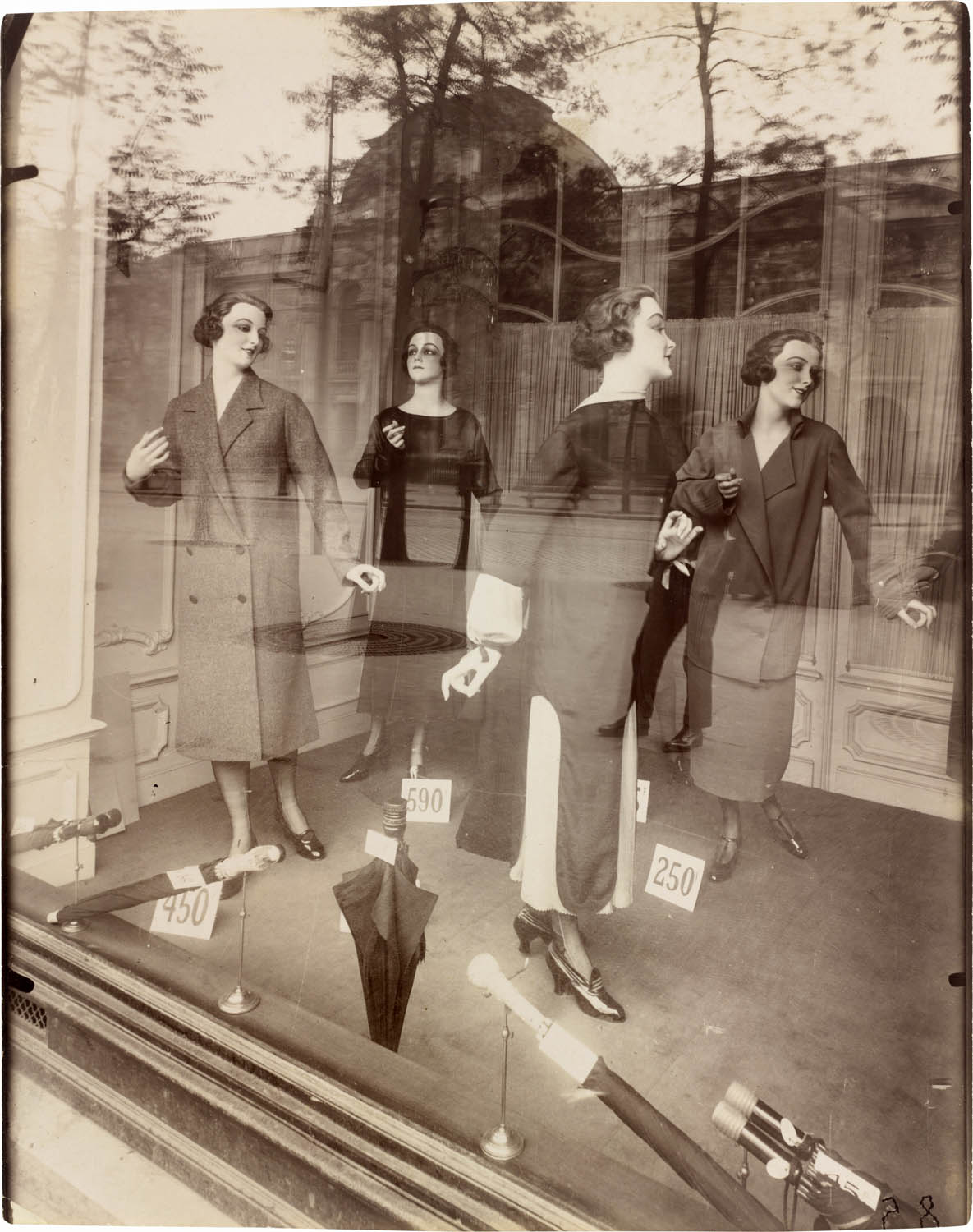


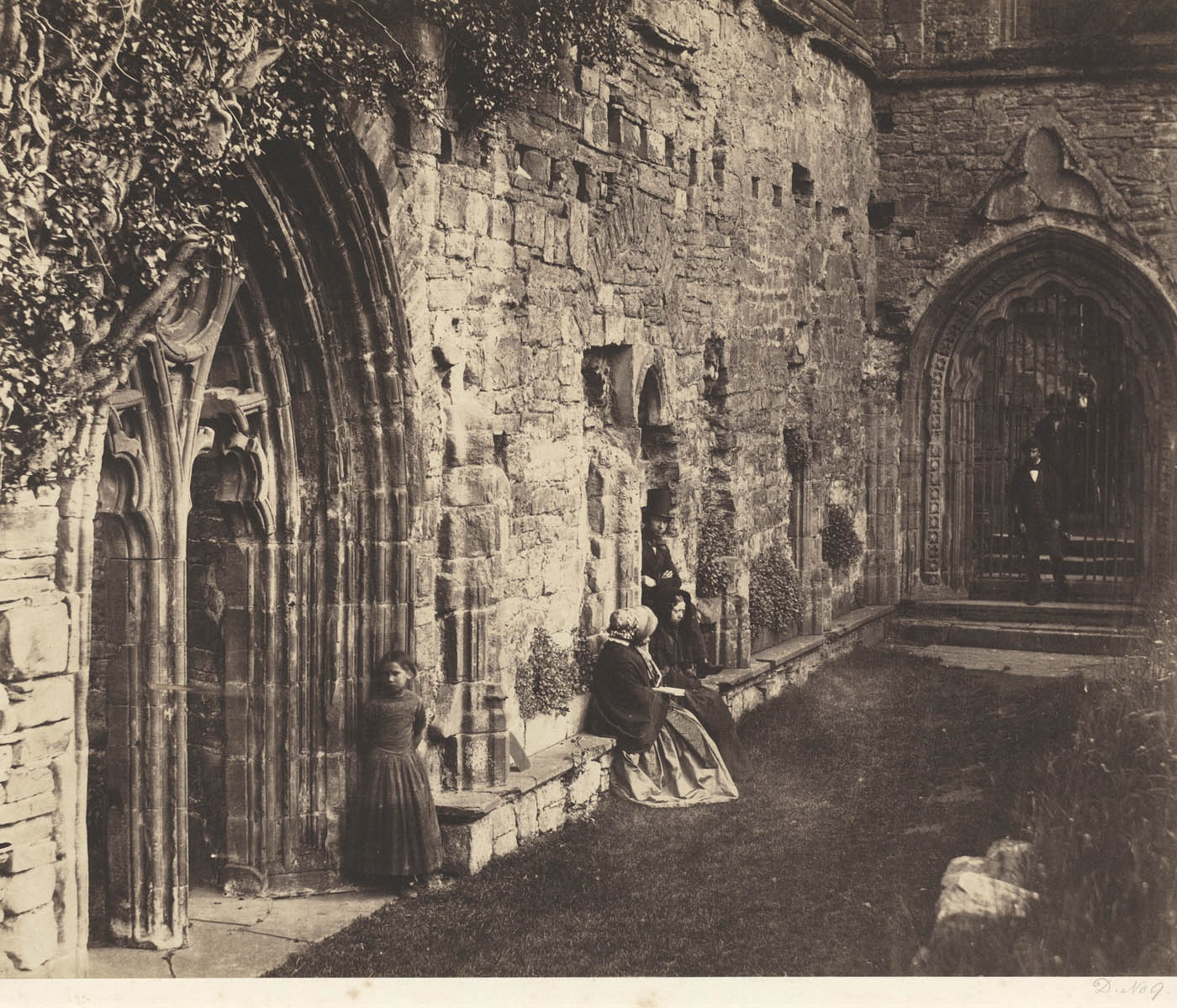
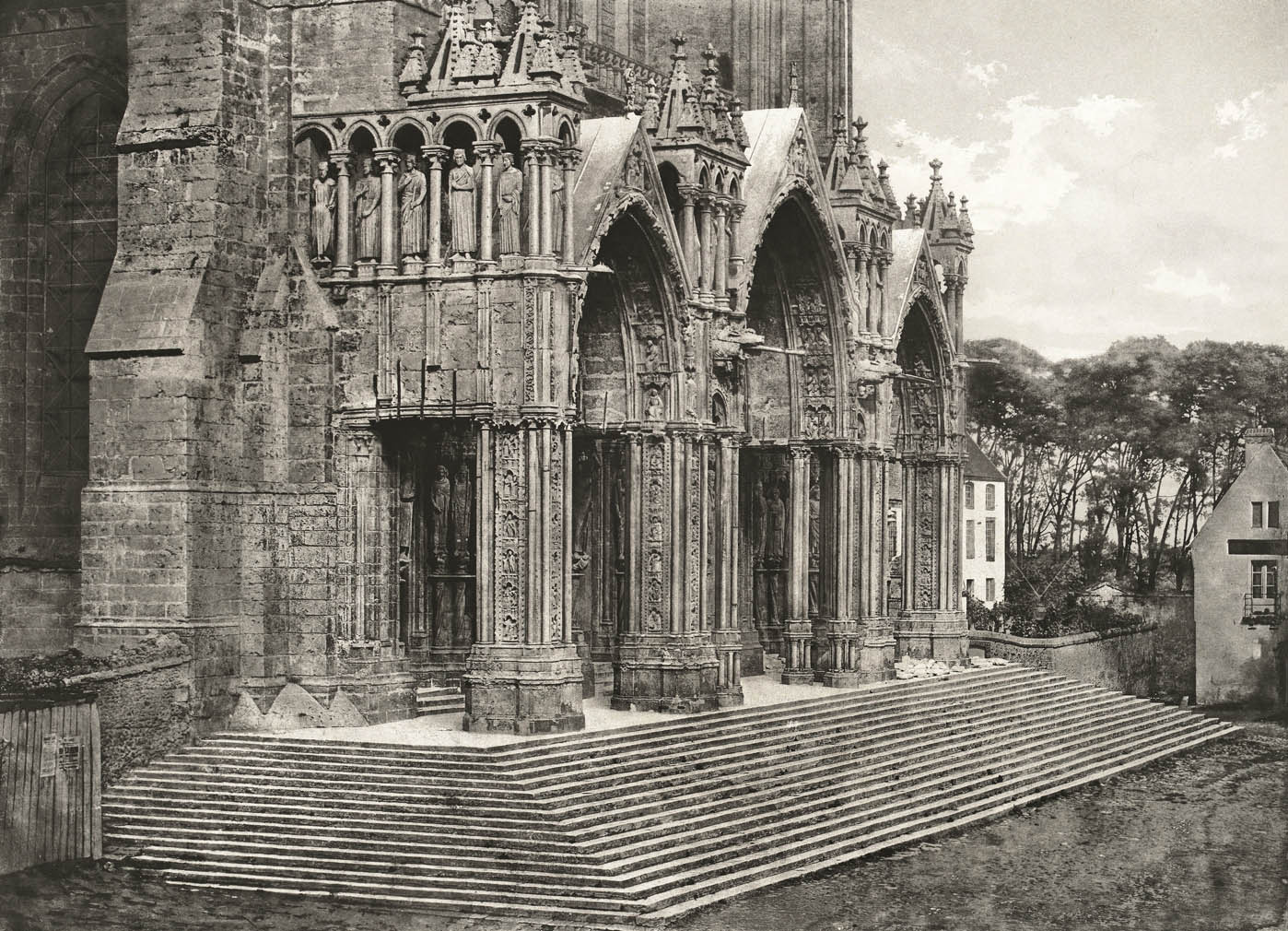


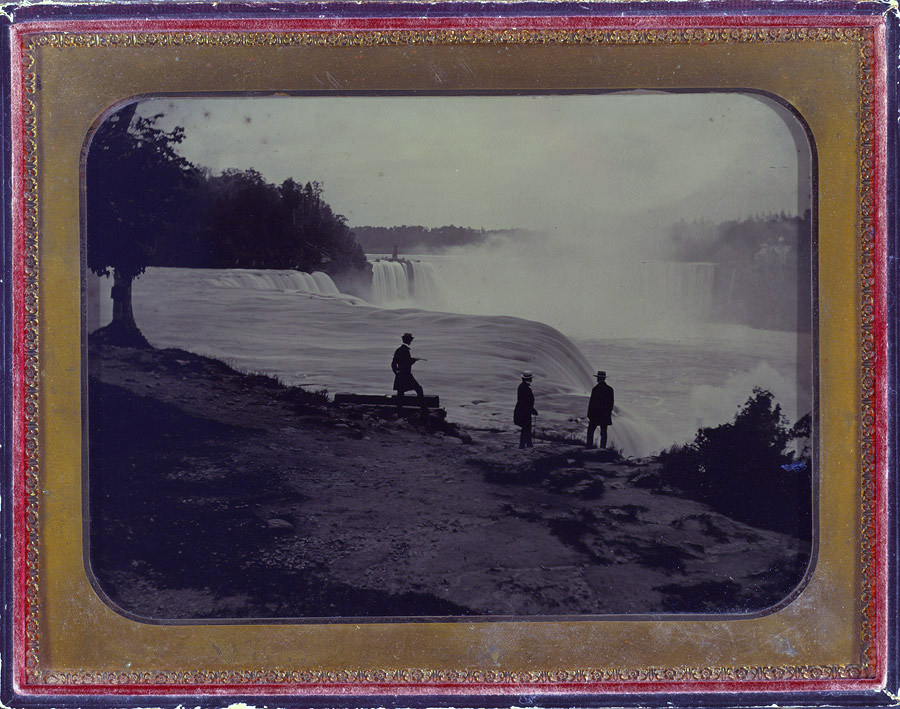

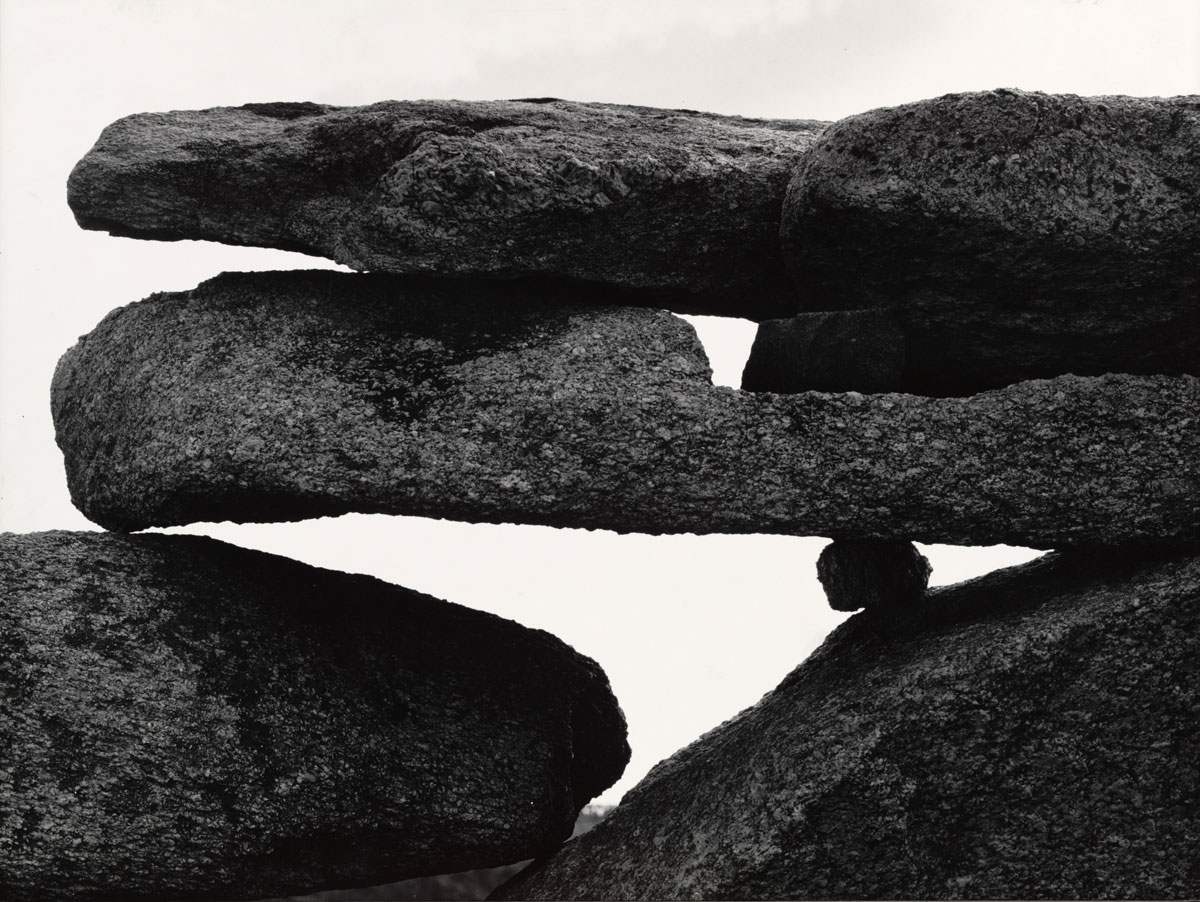
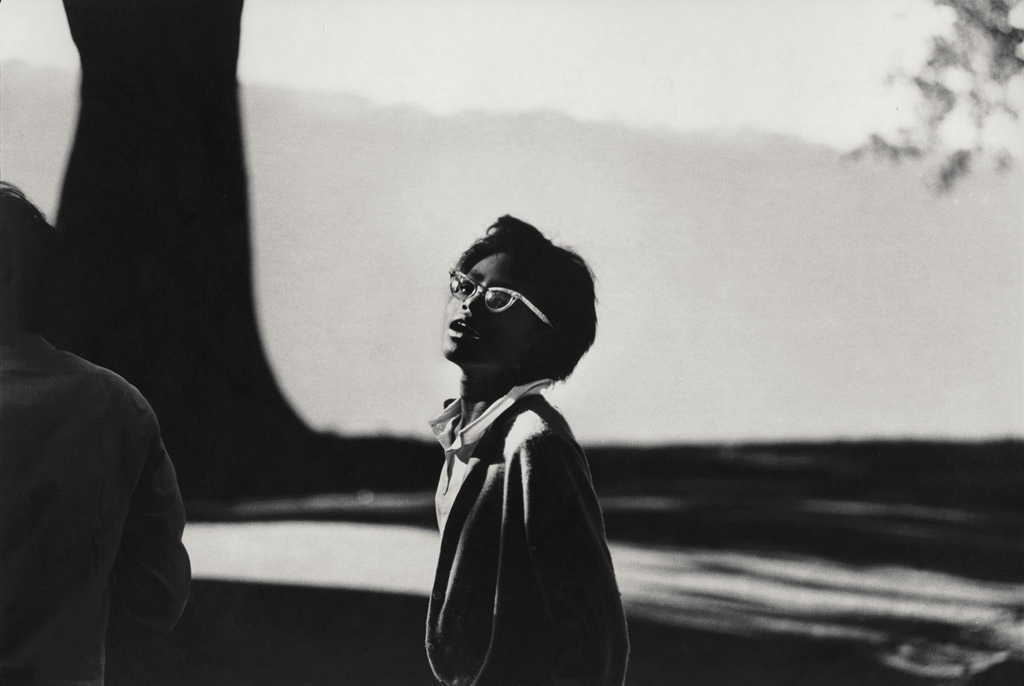


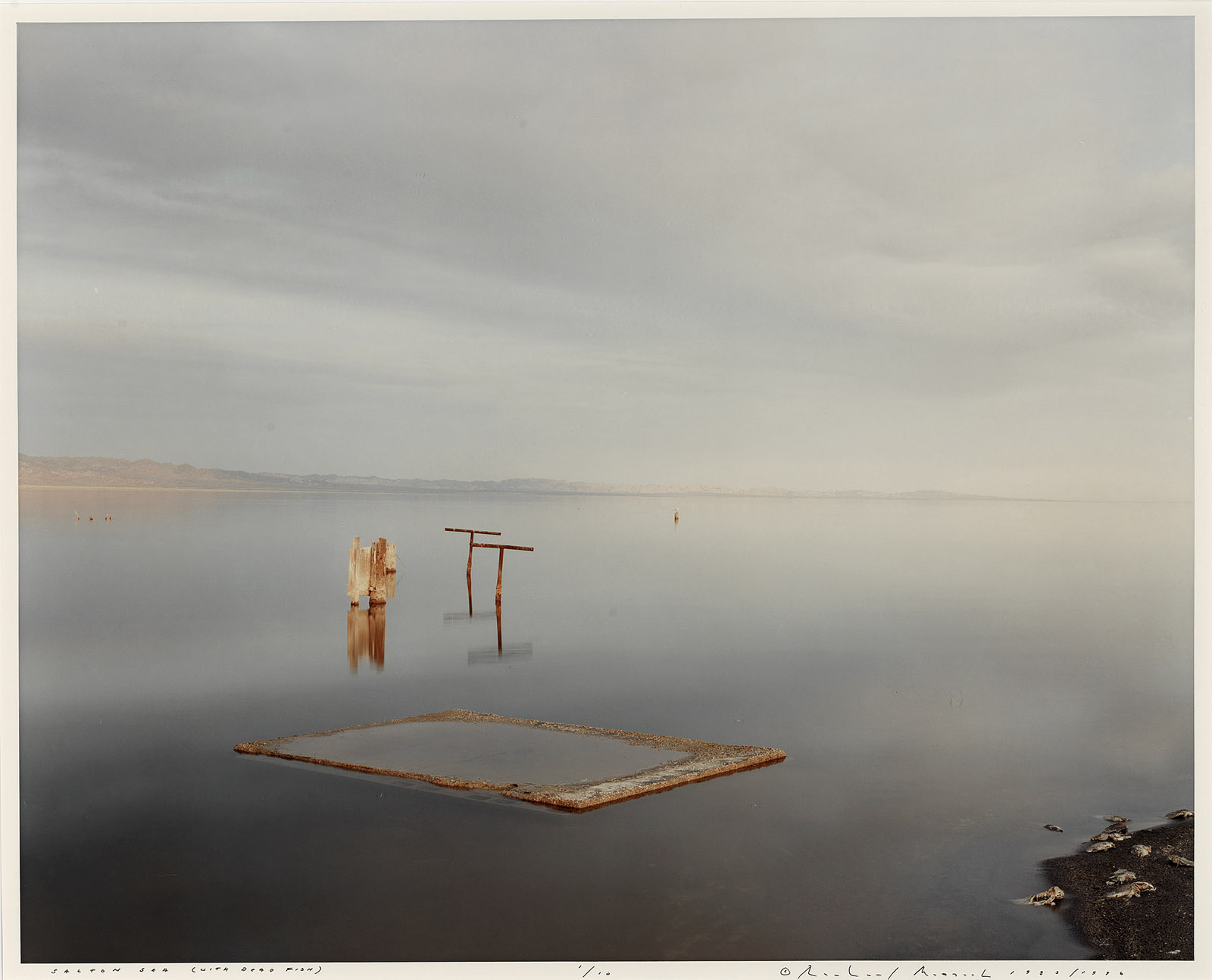
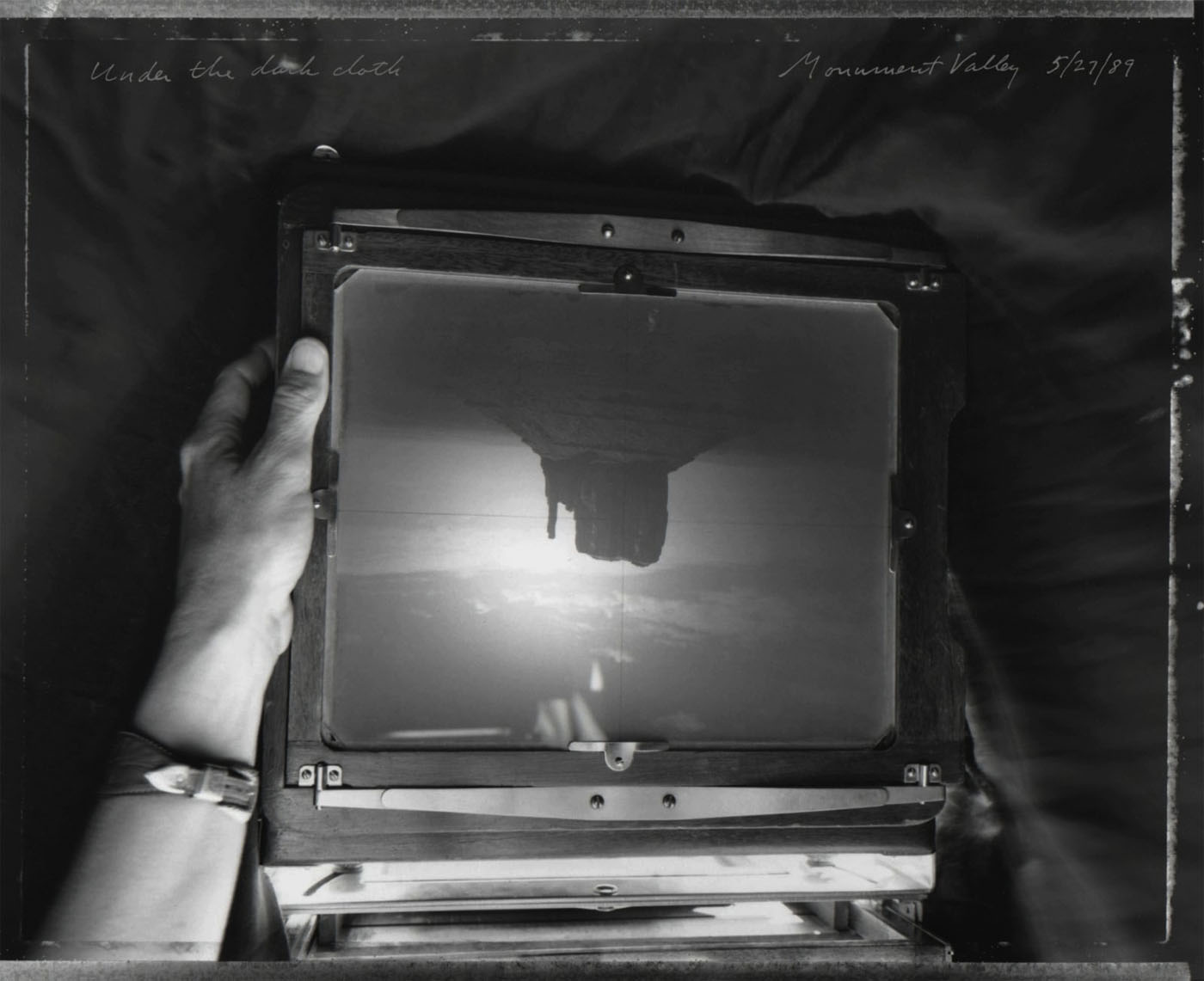
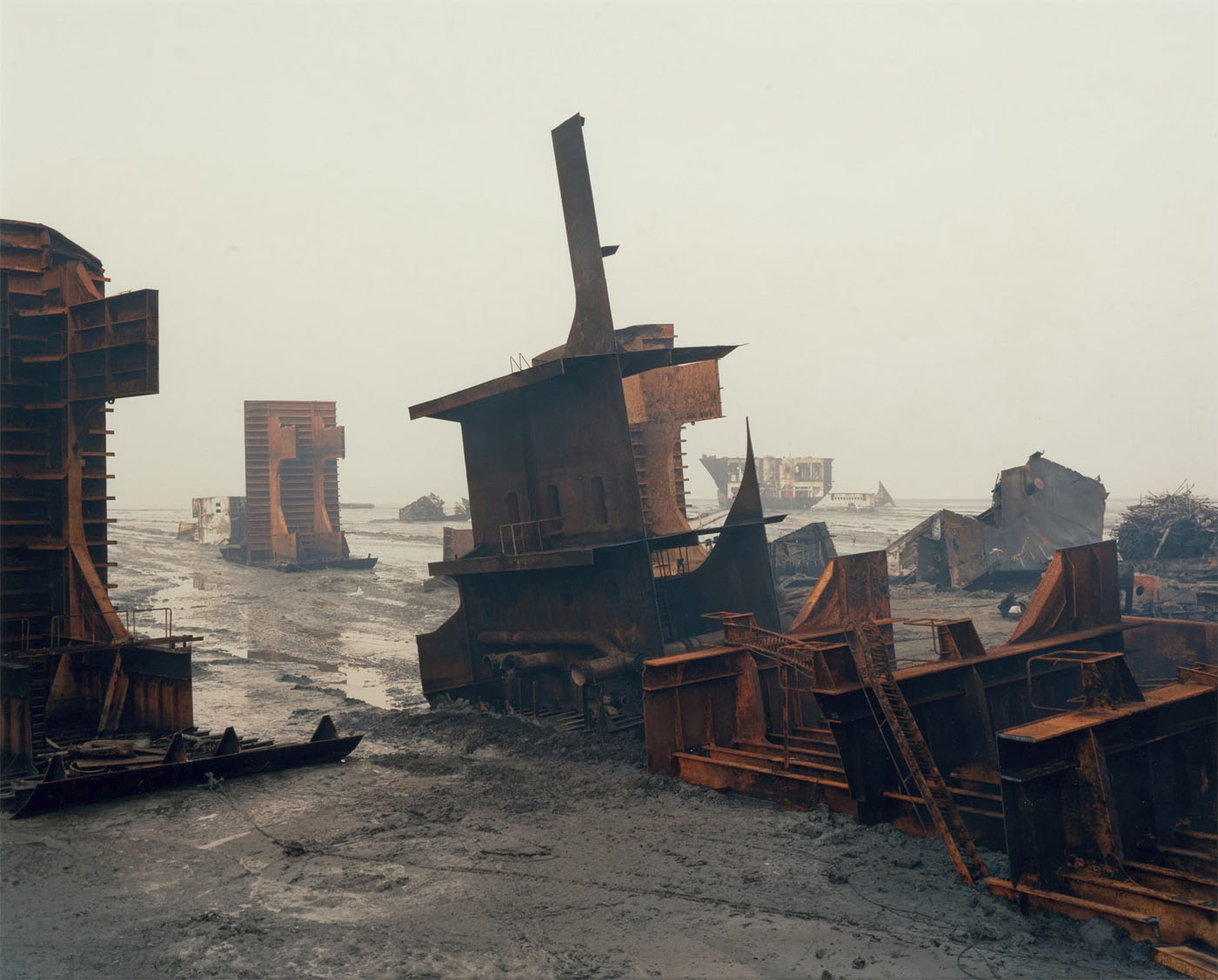
 Art Blart _ art and cultural memory archive
You must be logged in to post a comment.