Exhibition dates: 25th October – 19th November 2011
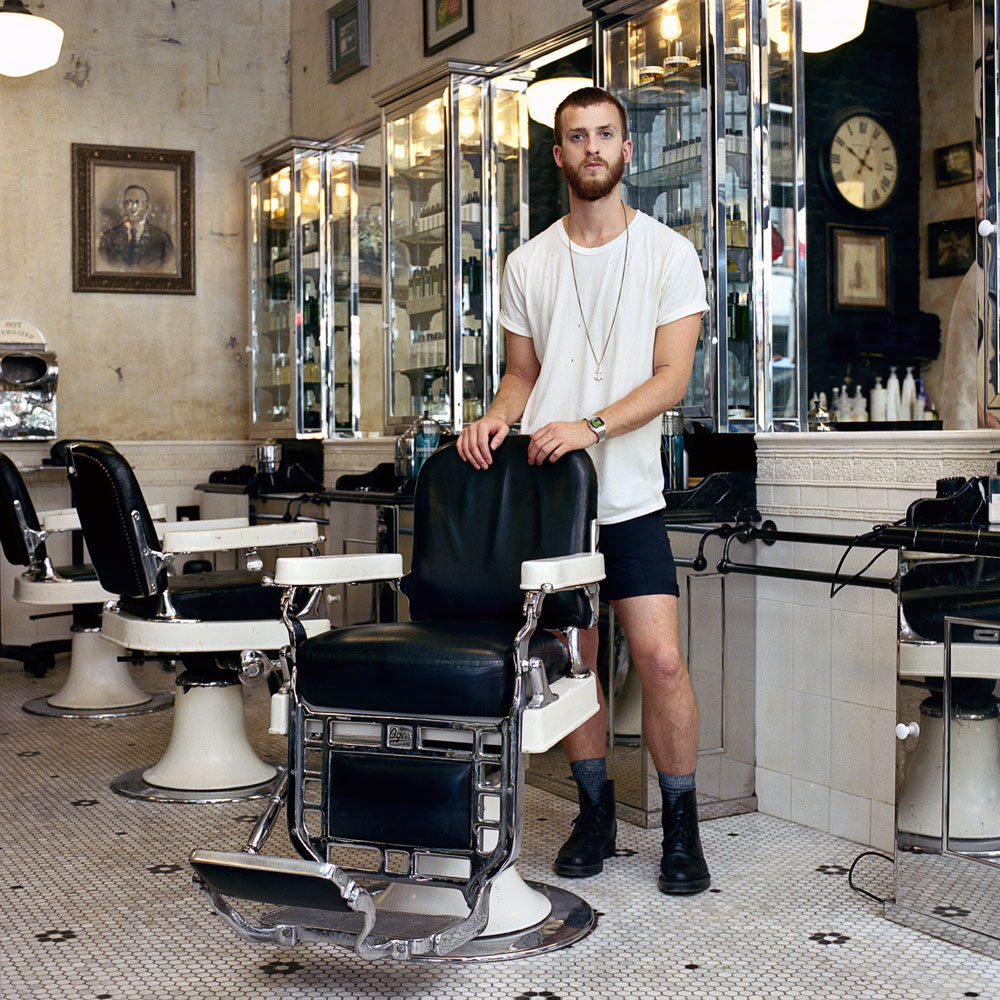
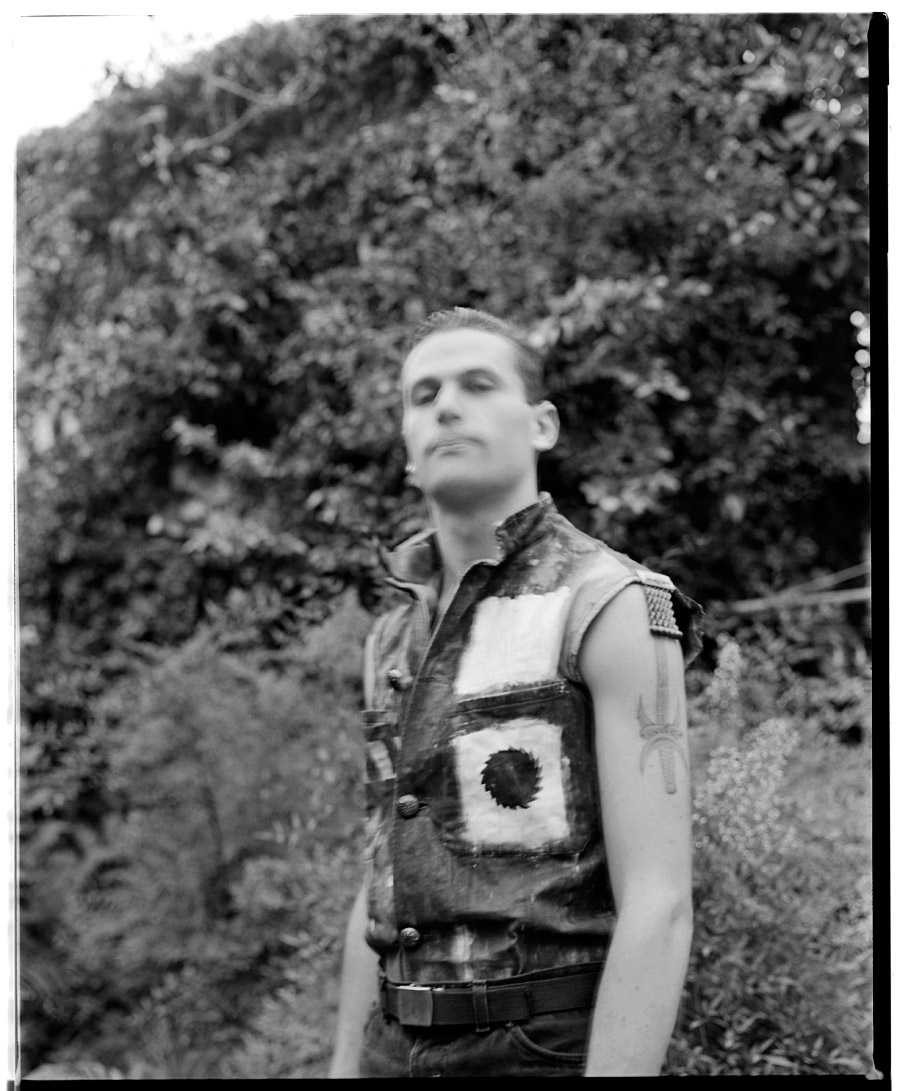
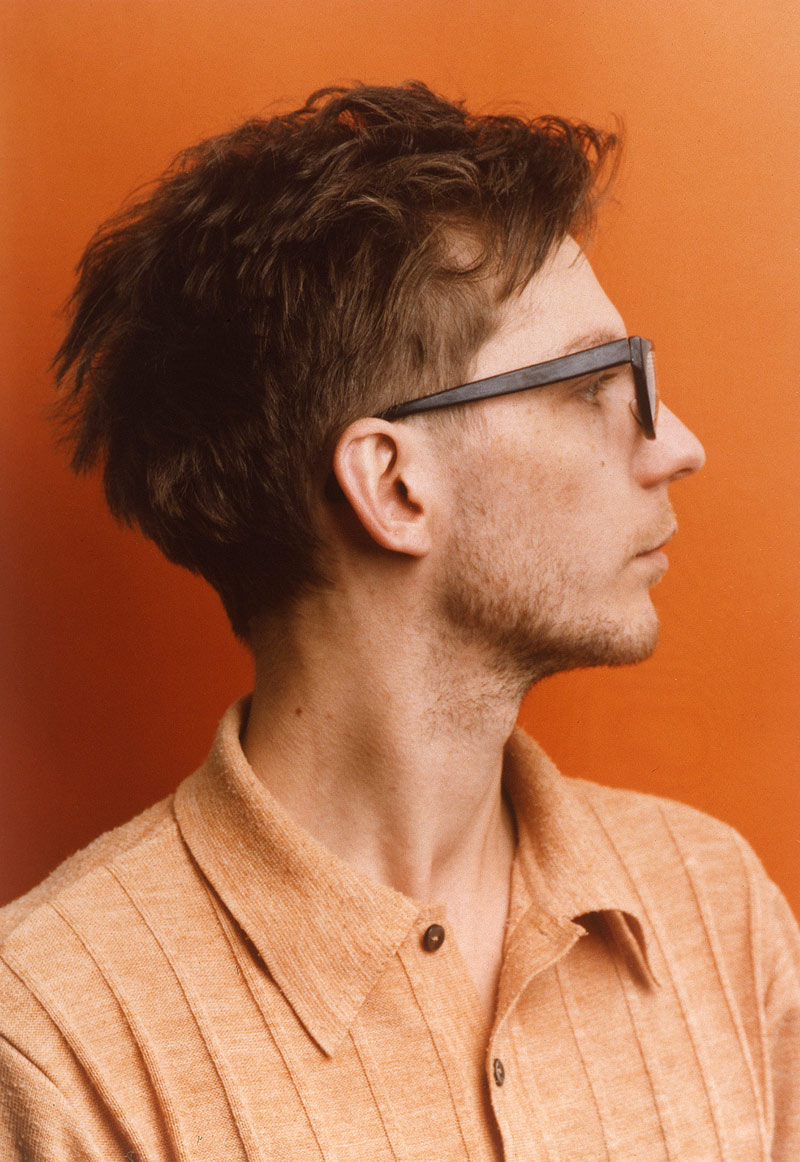
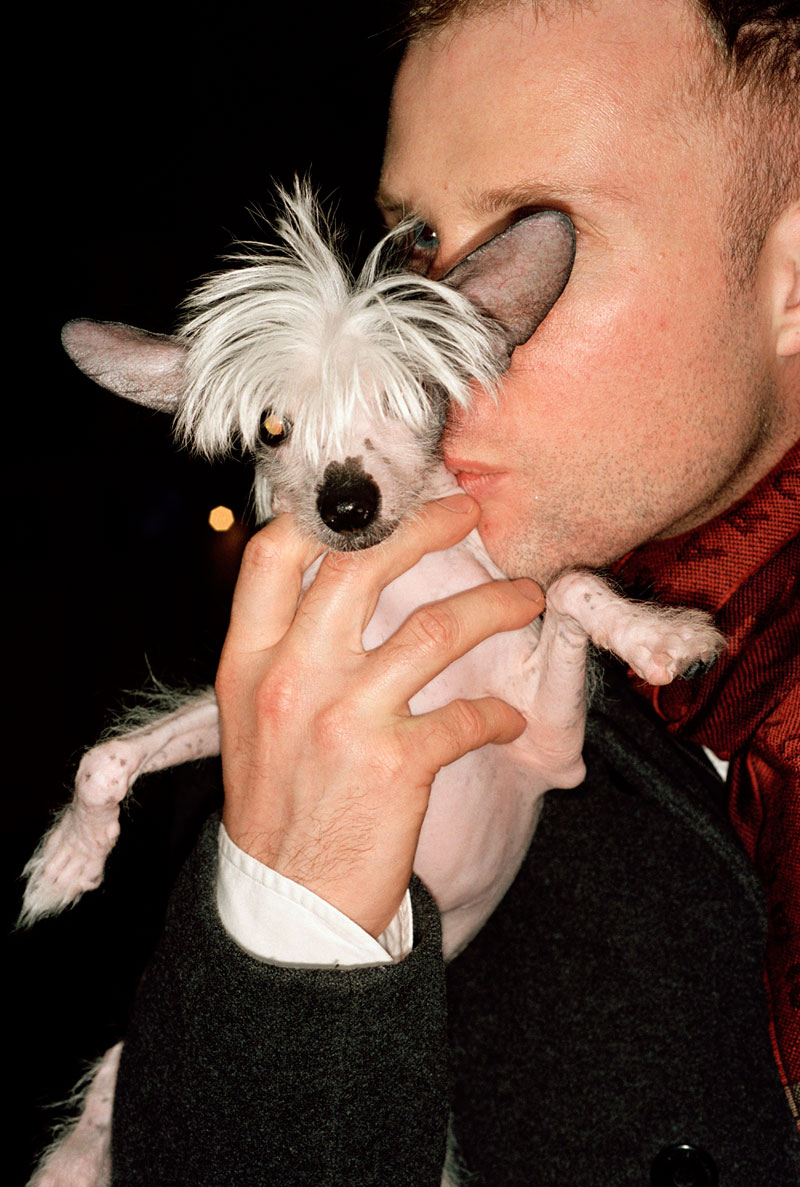
Selina Ou (Australian born Malaysia, b. 1977) Tim, Hair Stylist, Lower East Side, New York
2011
C-type print
100 x 100cm
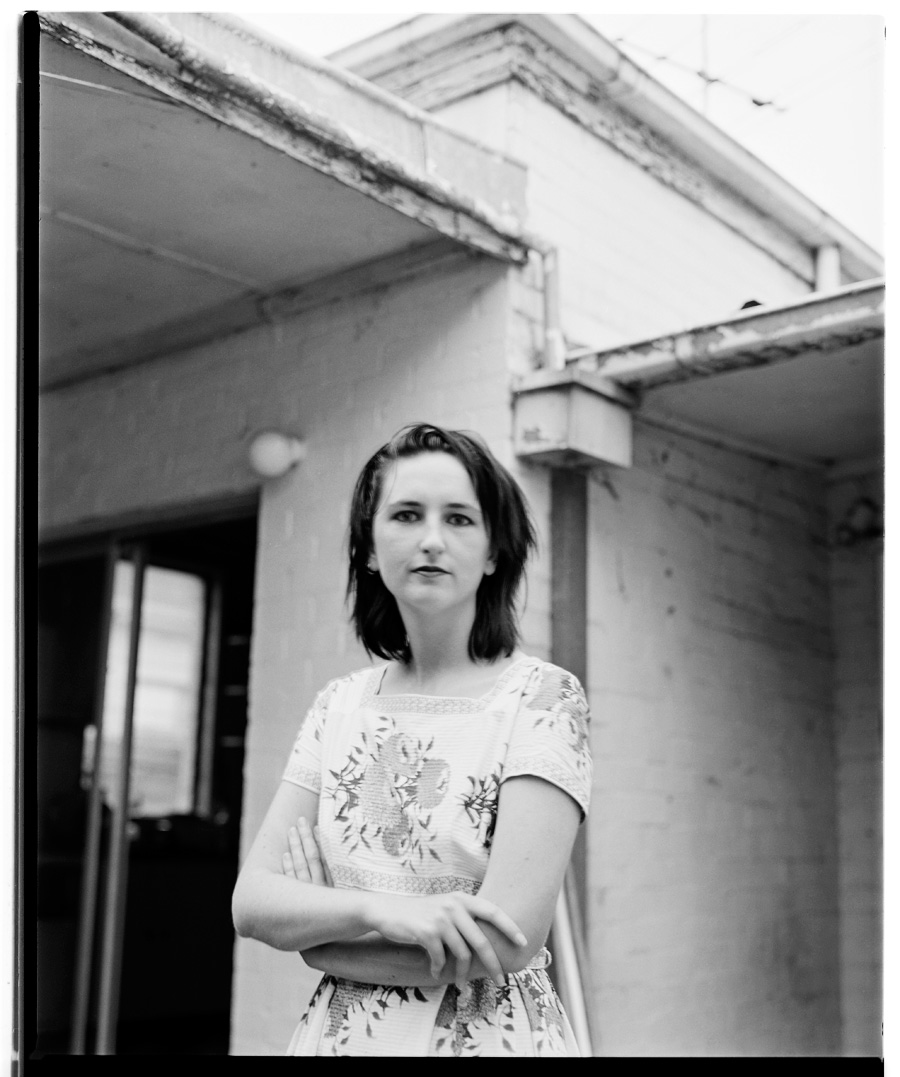
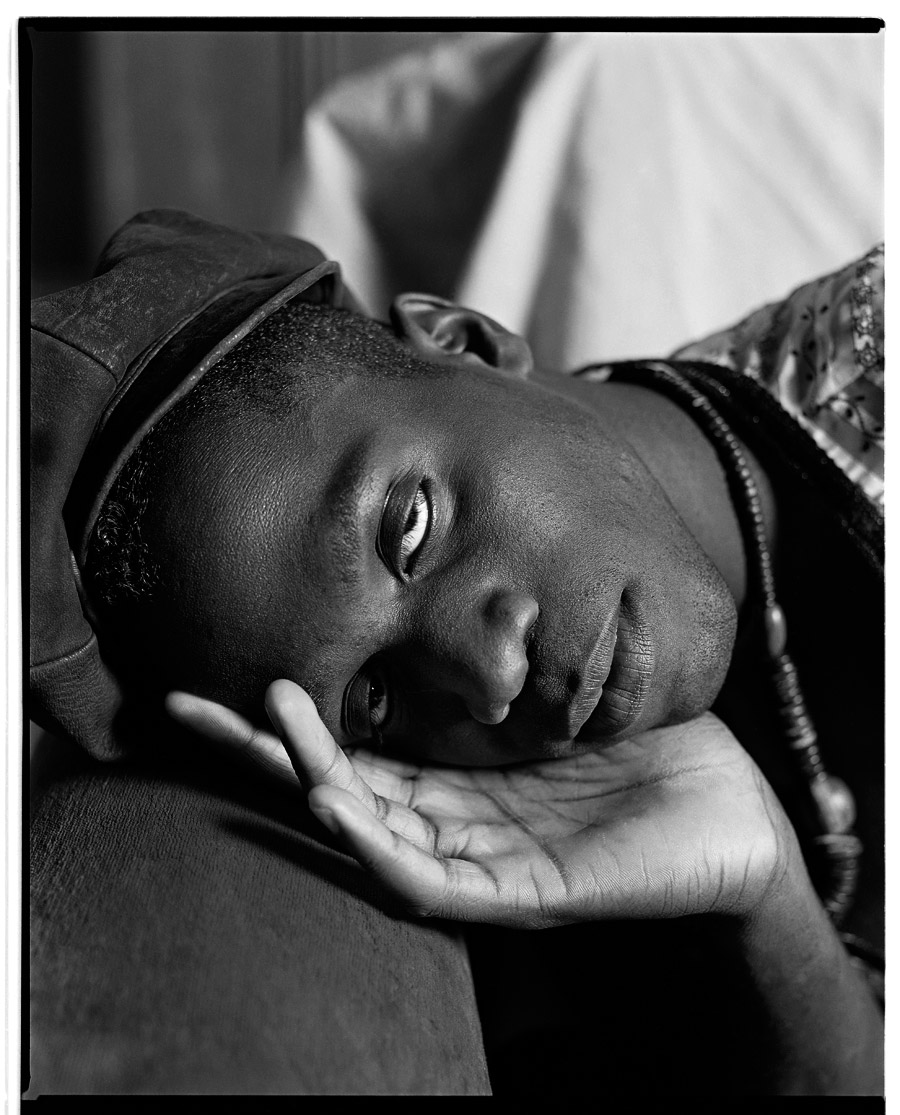
A strong, nuanced body of work by Selina Au at Sophie Gannon Gallery in Richmond. In the flesh these large colour photographs have a wonderful, polyvocal presence. The solo portraits are stronger in terms of composition and intertextuality than the double portraits.
Derived from the Latin intertexto, meaning to intermingle while weaving, intertextuality is a term first introduced by French semiotician Julia Kristeva in the late sixties.1 Intertextuality “is always an iteration which is also a re-iteration, a re-writing which foregrounds the trace of the various texts it both knowingly and unknowingly places and dis-places.”2 Intertexuality is how a text is constituted. It fragments singular readings. The reader’s own previous readings, experiences and position within the cultural formation influences these re-inscriptions.
Reminding me of a contemporary redefinition of the work of Diane Arbus, Ou’s reconceptualisations of space “produce a plurality of meanings and signifying / interpretive gestures that escape the reduction of knowledge to fixed, monological re-presentations, or presences.”3 Through a process of materialisation, using the technique of assemblage, Ou weaves a lack of fixity into her photographs. She creates a kind of tapestry in the surfaces of her images, a play of pattern / randomness that redefines the significations of the body in the fold of inscription.
Take the first three portraits in this posting, for example. The photograph Tim, Hair Stylist, Lower East Side, New York weaves space, time and memory within the pictorial frame. The physical space between the portrait on the wall at rear, Tim and the clock at right is crucial to a reading of this photograph, as is the disjuncture between the appearance of the man in the framed photograph (in jacket and tie) and the casual attire of Tim. Just as important is the memorialisation of both men within the same space (where both presumably work/ed), the collapsing of past and present into a fluid space that is neither here nor there (the past of the man in the framed photograph, the moment of passing of Tim when the photograph was ‘taken’ and the present of the photograph being looked at). There is no fixed, monological representation here: the reading of this photograph hovers between past and present, between memory and reality and haunts the body of the subject, Tim.
Similarly, Raquel, Waitress and Fashion Designer, Nolita, New York and Jerome, Retail Assistant and Fashion Designer, Soho, New York offer radical re-iterations of space, this time with less temporal associations. In Raquel, two red chevrons at top left and right frame the face of the subject, playing off the colour-changing hair of the waitress/fashion designer, the title of the photograph an ironic comment on the intertextual nature of contemporary life: a waitress (low paid, menial labourer) and a fashion designer (famous, highly visible entrepreneur). The nonchalantly limp-wristed, ringed hand and over large glasses, coupled with the bedraggled threads of the black shorts – echoing the tousled nature of the subjects hair – also belies the statement “fashion designer.” The word Cervesas (beer) offers a dichotomy with the coloured bottles of flavoured water that surround the lower half of the subject while the reflection in the window behind Raquel provides a metaphorical vista into this distorted world view.
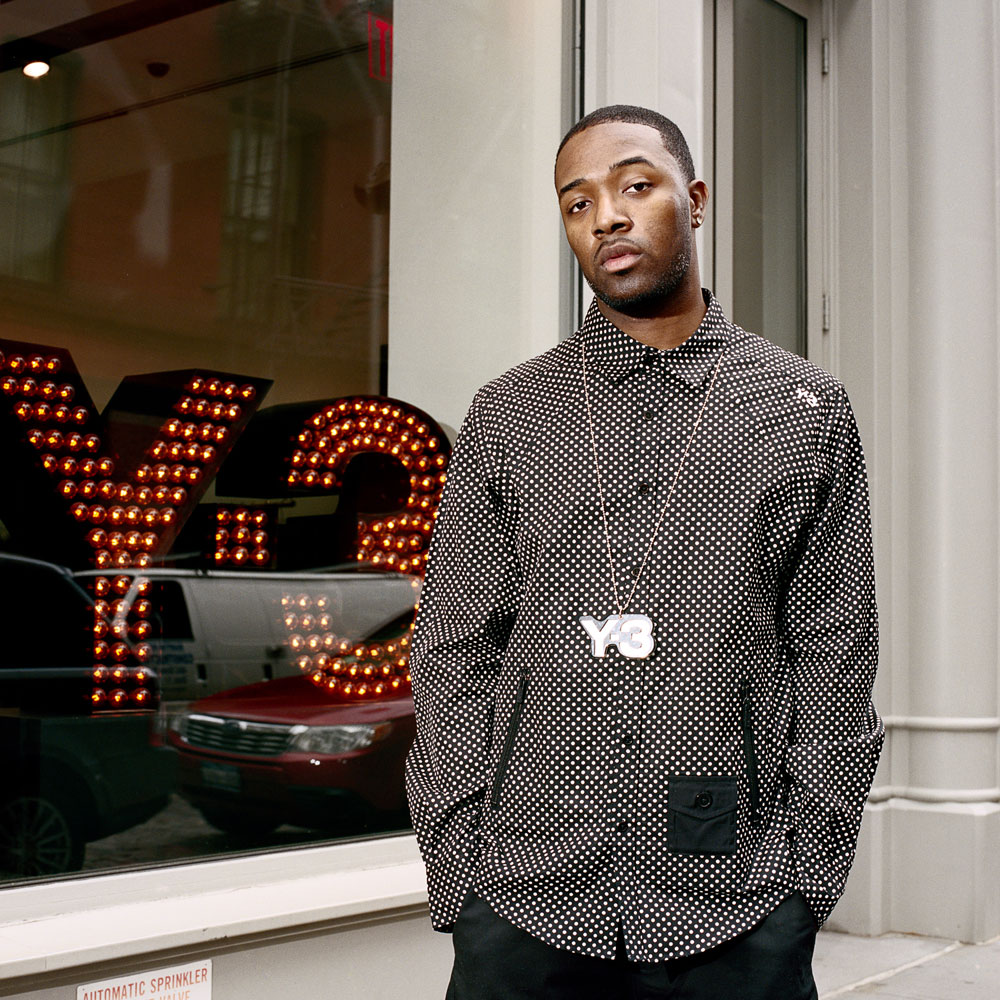
In Jerome, the same problem in a person’s relationship with self and others is evident: the context of Jerome as both a retail assistant (low paid, menial labourer) and a fashion designer (famous, highly visible entrepreneur). The narcissistic, self-importance of Jerome is beautifully portrayed by Ou as she balances the context of his body in space – his polka-dot shirt reflecting the dotted neon of the shops name, his logo emblazoned necklace doing the same, while the reflections in the shop window again hint at outside forces (the car and consumerism) and other worlds. The defiant, could not give a shit gaze of the subject into the camera lens hints at years of subjugation and unrequited ambition for this is not his shop, these are not his clothes despite the label “fashion designer.” He is just a retail assistant, the subject of his own con(text).
The strength of these photographs is that they blur the outlines of the fixed image dispersing an image of totality, “into an unbounded, illimitable tissue of connections and associations, paraphrases and fragments, texts and con-texts.”4 In this sense the solo portraits are much more successful than the rest of the work as Ou magically weaves the tapestry of life into her compositions, ready for the reader to bring their own experiences to these re-inscriptions. In a word these photographs are, literally, breath-taking.
Dr Marcus Bunyan
Many thankx to Sophie Gannon Gallery for allowing me to publish the photographs in the posting. Please click on the photographs for a larger version of the image.
Endnotes
1/ Keep, Christopher, McLaughlin, Tim and Parmar, Robin. “Intertextuality,” on The Electronic Labyrinth website [Online] Cited 13/11/2011. No longer available online
2/ Ibid.,
3/ Thumlert, Kurt. Intervisuality, Visual Culture, and Education. [Online] Cited 10/08/2006. No longer available online
4/ Keep Op cit.,
Selina Ou (Australian born Malaysia, b. 1977) Raquel, Waitress and Fashion Designer, Nolita, New York
2011
C-type print
100 x 100cm
Selina Ou (Australian born Malaysia, b. 1977) Jerome, Retail Assistant and Fashion Designer, Soho, New York
2011
C-type print
100 x 100cm
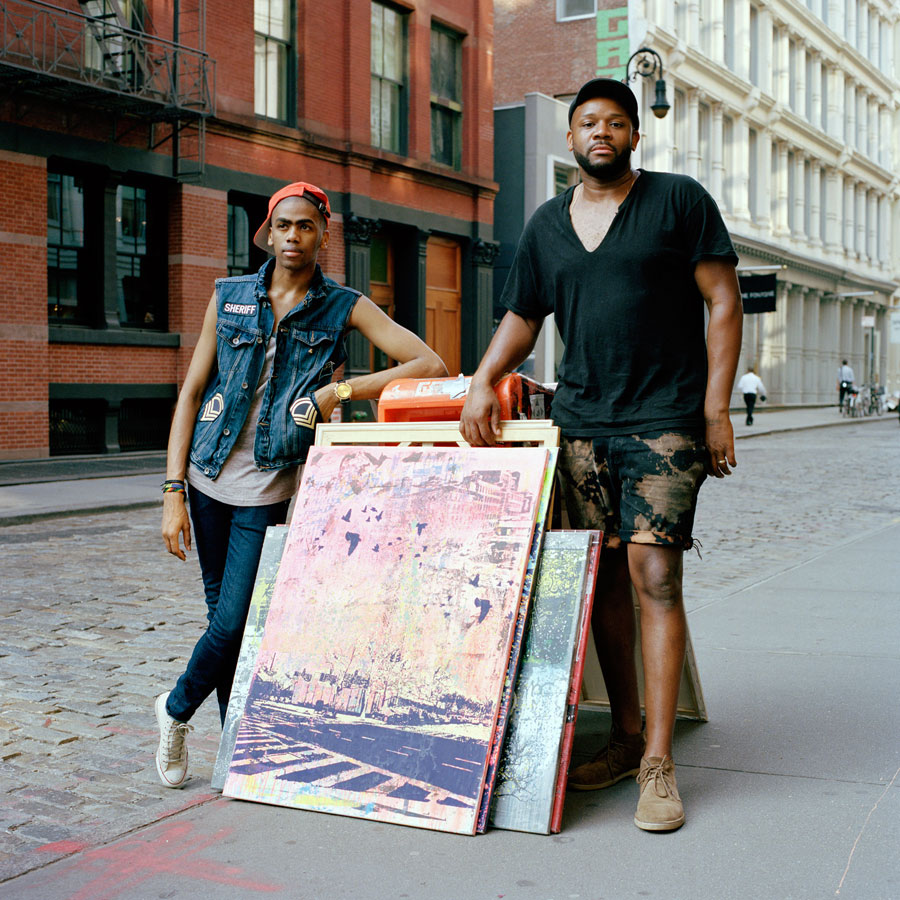
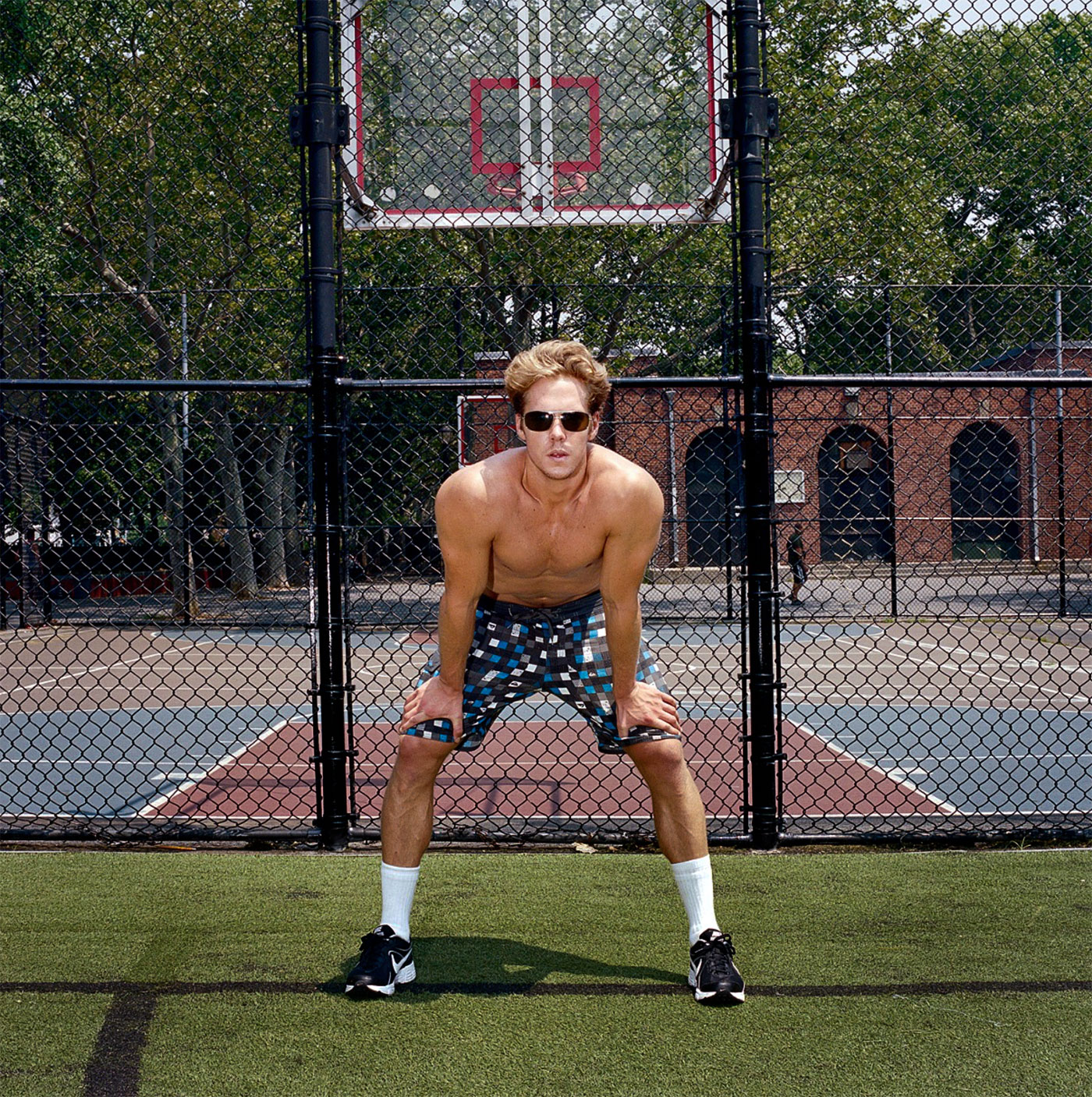
Selina Ou (Australian born Malaysia, b. 1977) Darren, Model and Carlito, Artist, Soho, New York
2011
C-type print
100 x 100cm
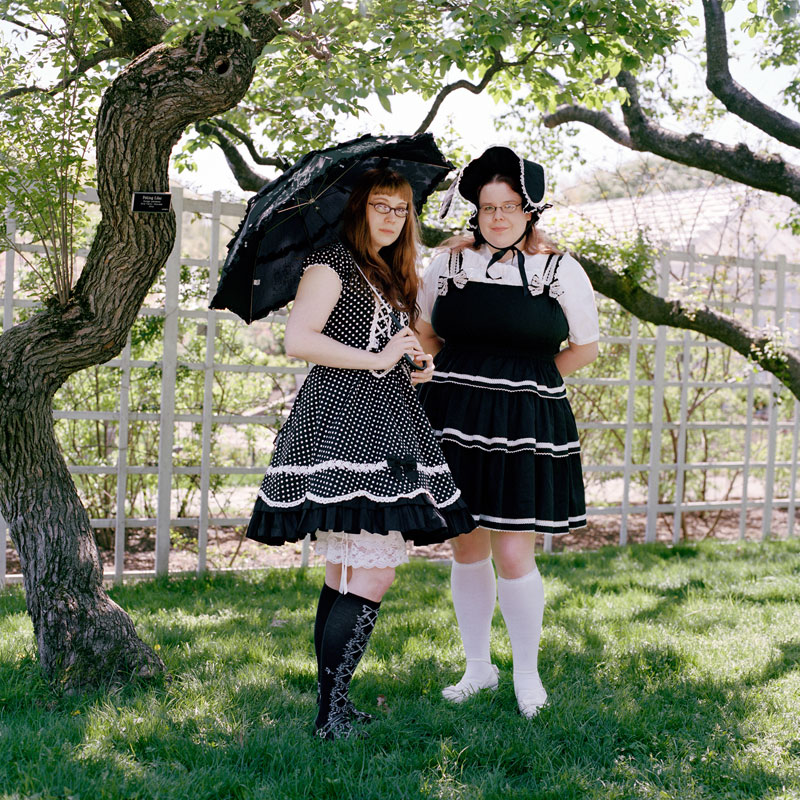
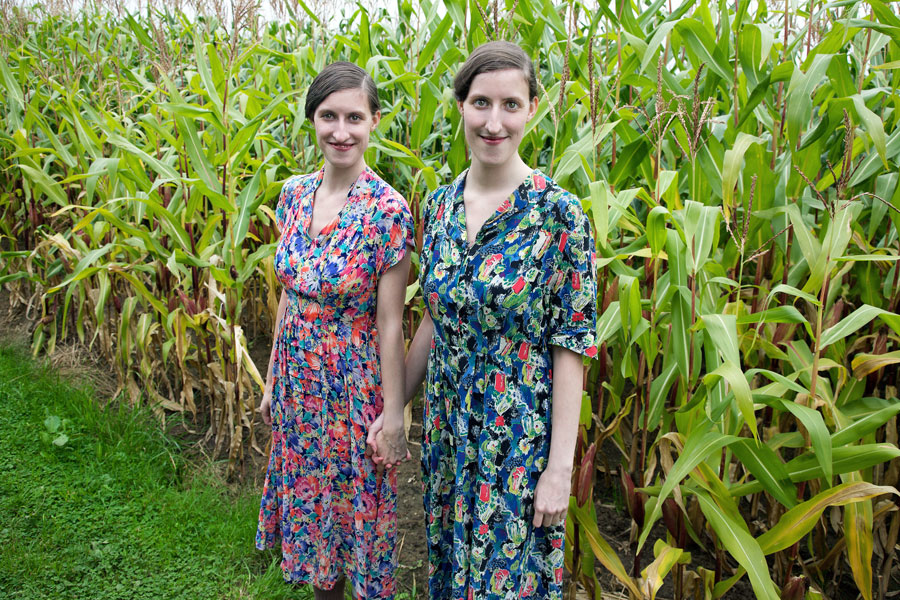
Selina Ou (Australian born Malaysia, b. 1977) Carolyn and Jane, Lolitas, Brooklyn Botanical Garden, New York
2011
C-type print
100 x 100cm
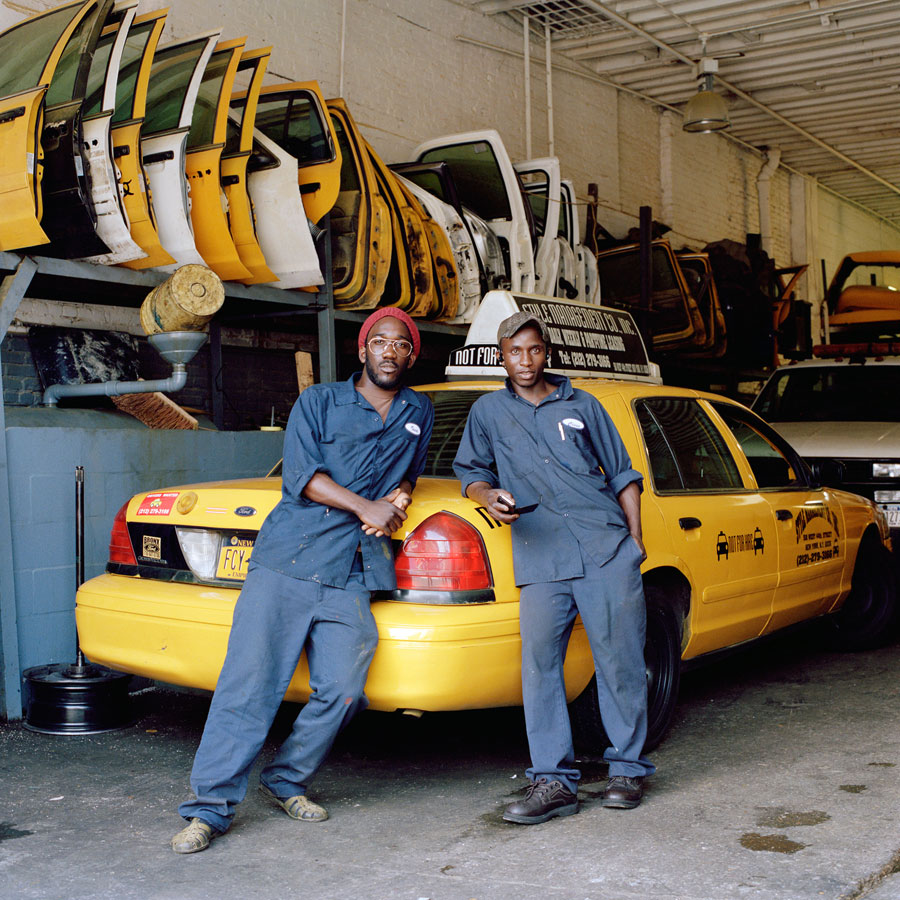
Selina Ou (Australian born Malaysia, b. 1977) Issa and Lamine, Taxi Mechanics, Upper West Side, New York
2011
C-type print
100 x 100cm
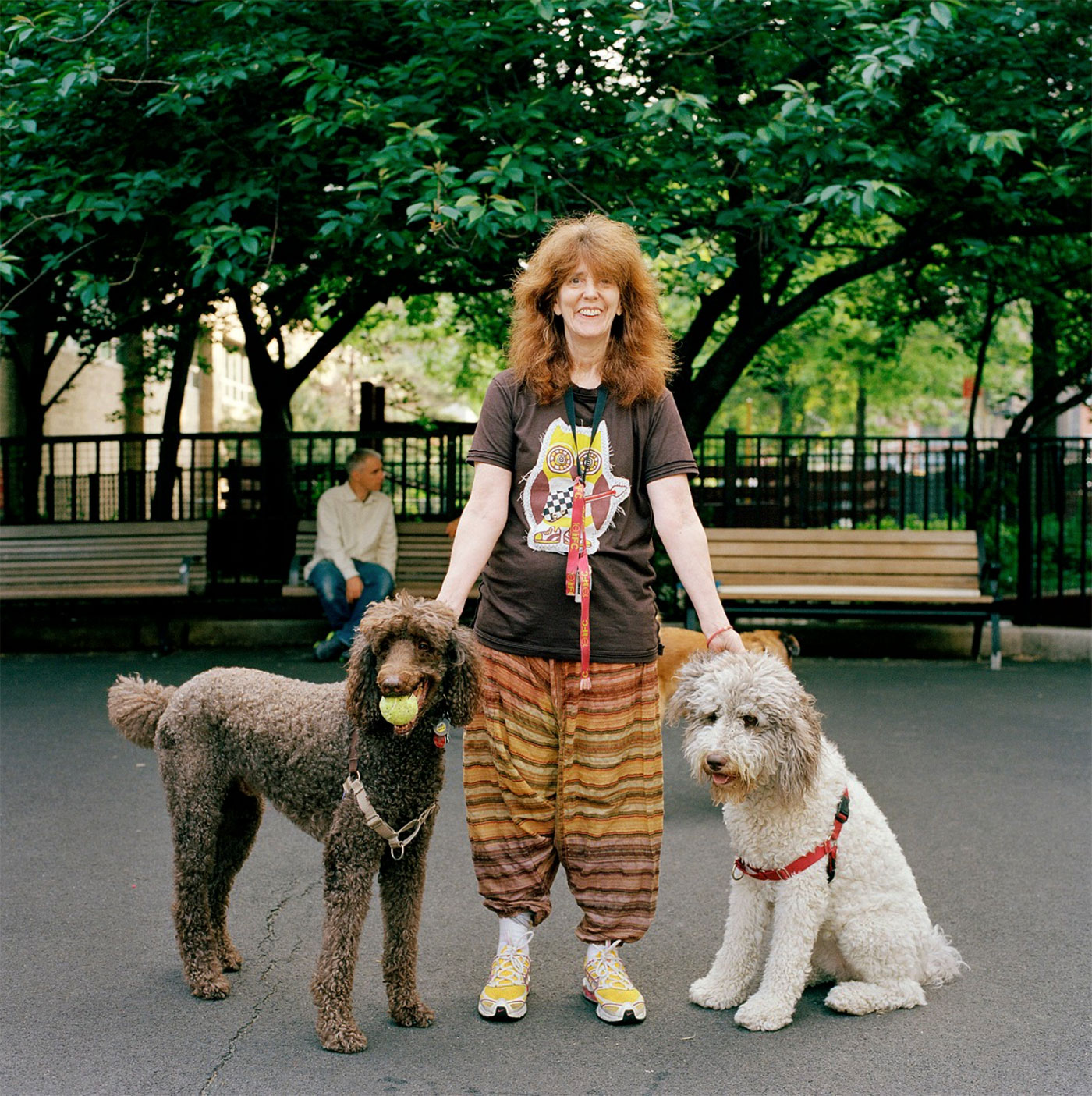
Selina Ou (Australian born Malaysia, b. 1977) Clementine, Liz and Billy Bob, Mercer-Houston Dog Run, Greenwich Village, New York
2011
C-type print
100 x 100cm
Selina Ou (Australian born Malaysia, b. 1977) Derek, Student, Chrystie st, New York
2011
Chromogenic photograph
100 x 100cm
Sophie Gannon Gallery 2, Albert Street
Richmond, Melbourne
Exhibition dates: 20th August – 6th November 2011
Many thankx to the Phoenix Art Museum for allowing me to publish the photographs in the posting. Please click on the photographs for a larger version of the image.
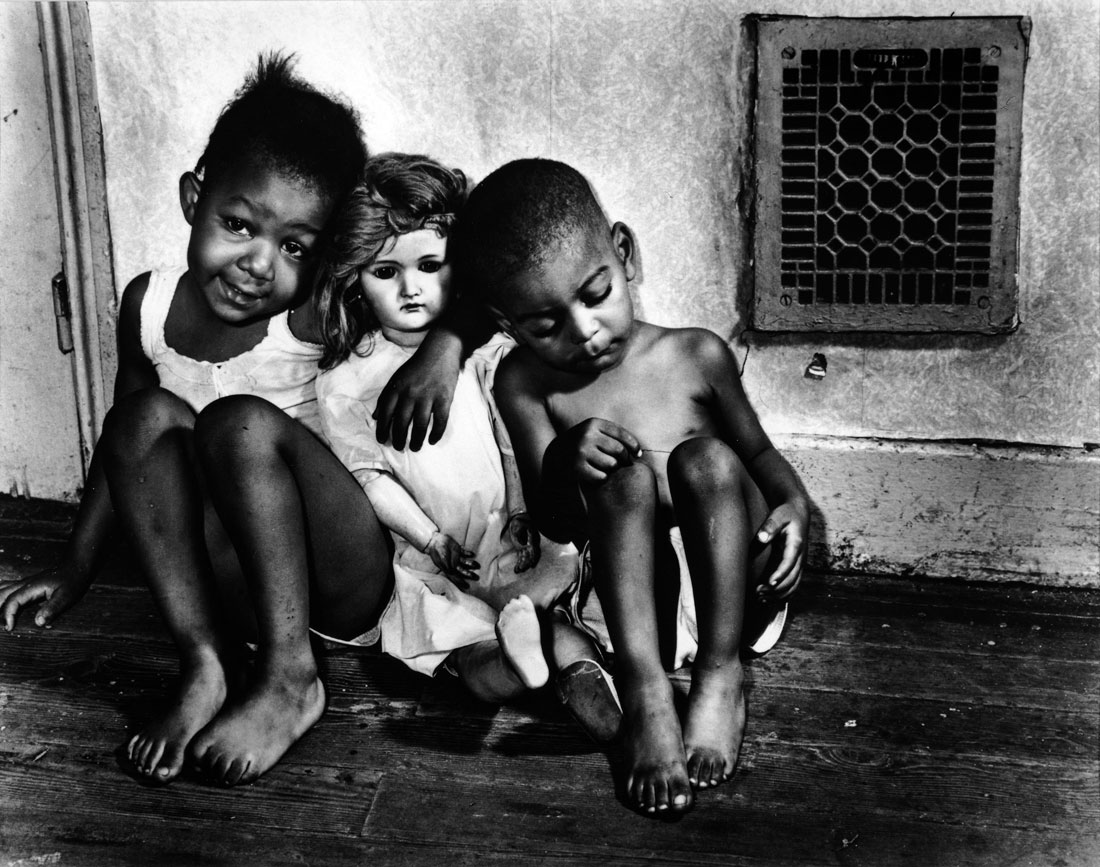
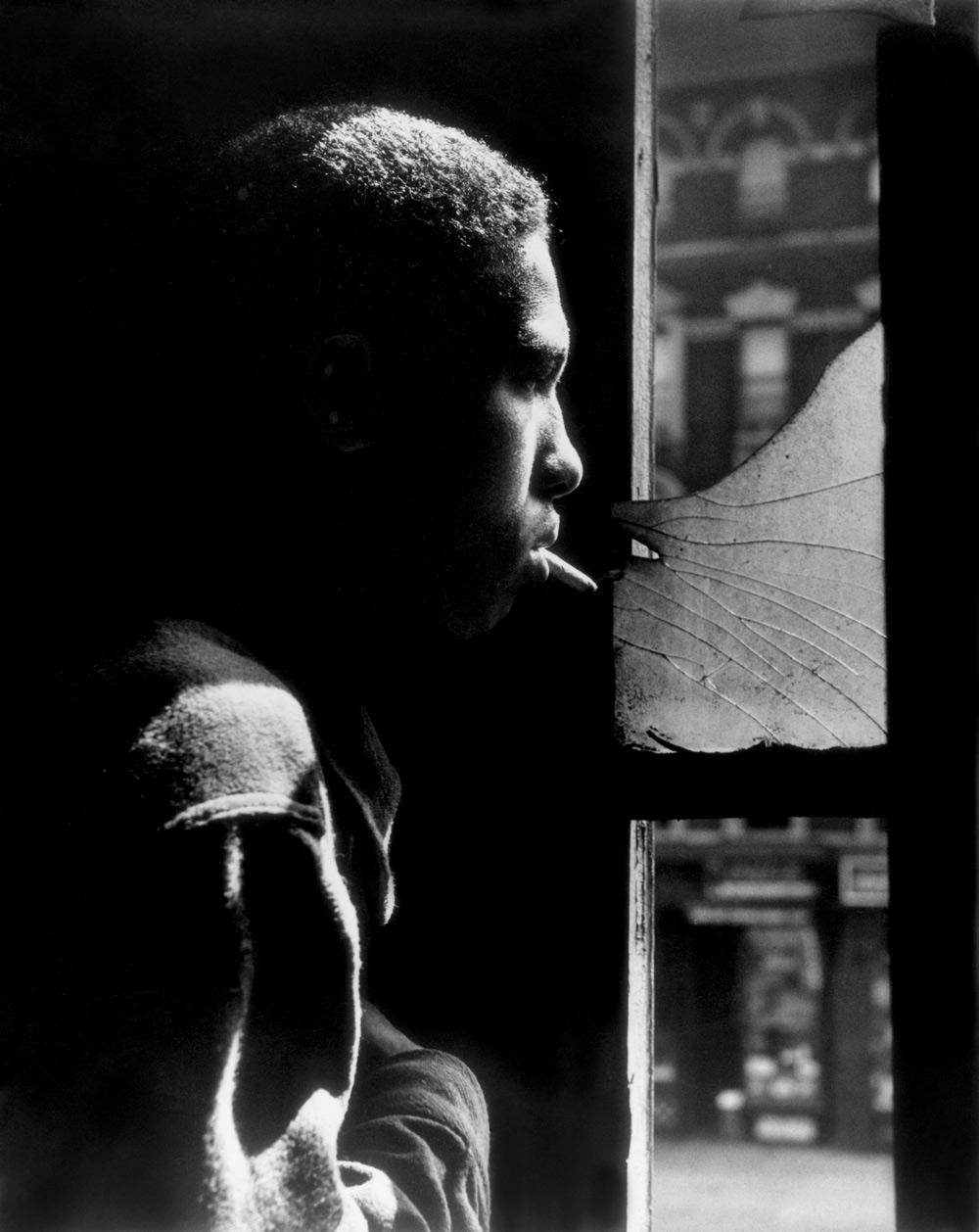
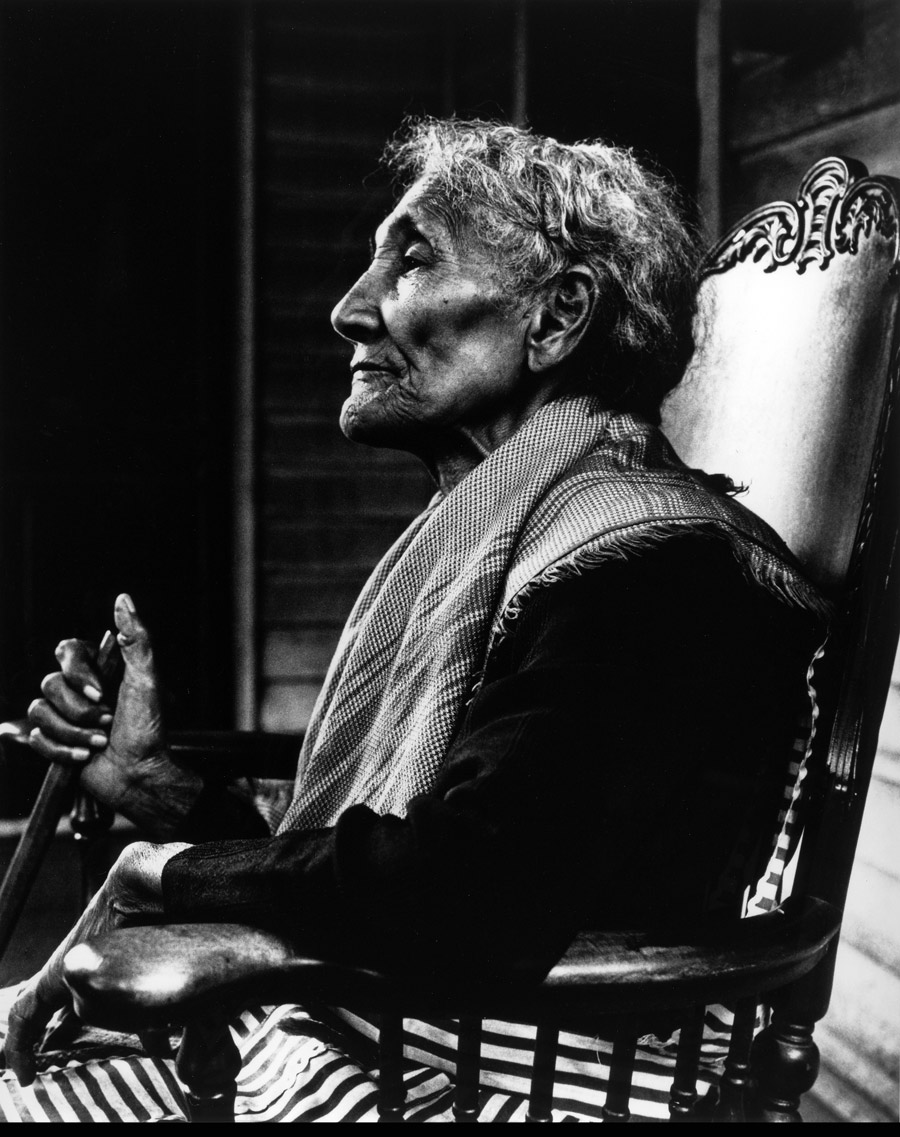
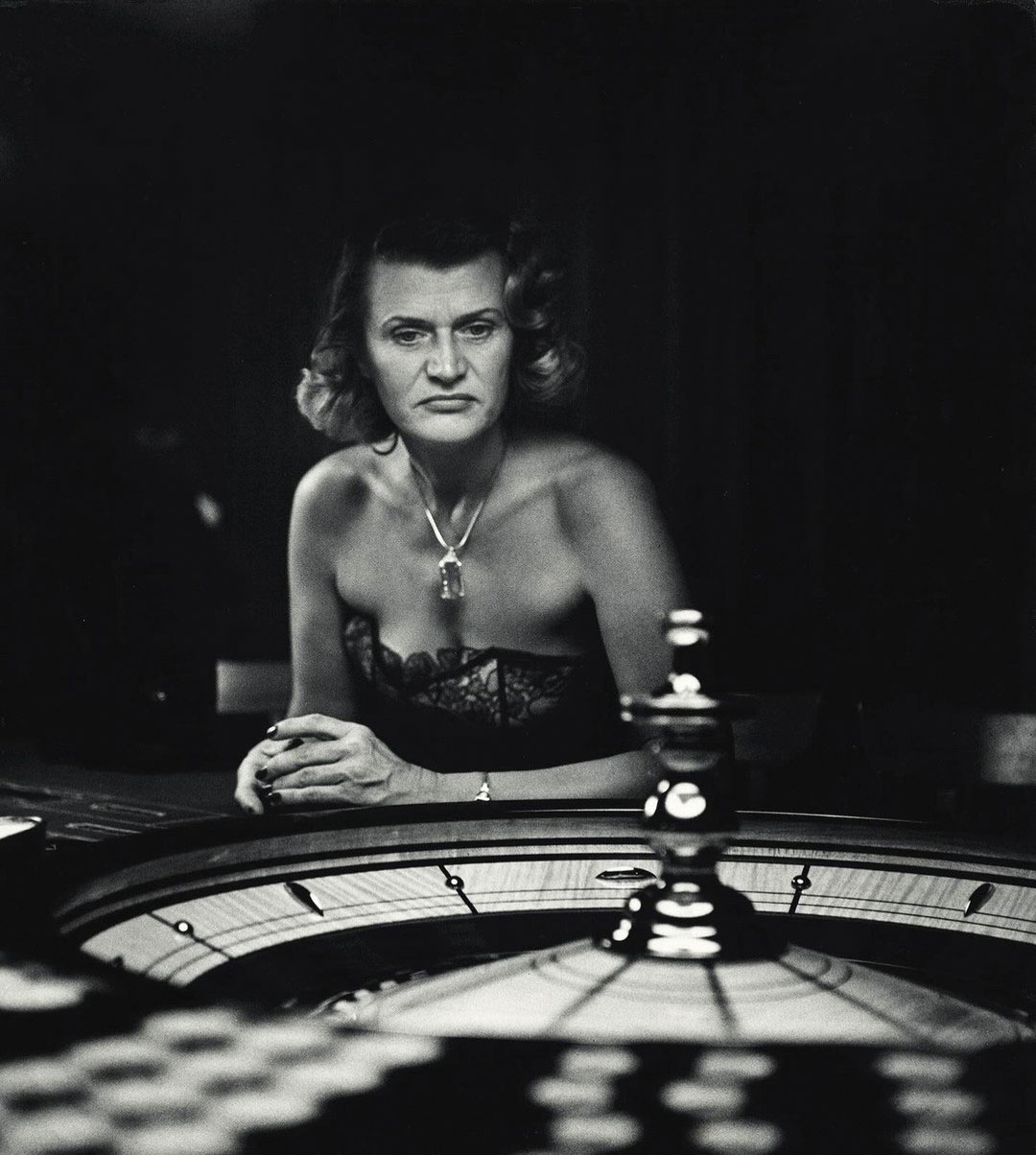
Gordon Parks spent the majority of his professional career at the crossroads of the glamorous and the ghetto – two extremes the noted photographer knew well. Perhaps best recognised for his works chronicling the African-American experience, Parks was also an accomplished fashion photographer. Bare Witness: Photographs by Gordon Parks provides a revealing look at the diversity and breadth of Parks’s most potent imagery. Featuring 73 works specifically selected by Parks for the photographic collection of the Los Angeles-based Capital Group, Bare Witness divulges heart wrenching images, iconic moments, celebrities and slices of everyday life.
Born in 1912 in Fort Scott, Kansas, Parks, who died in 2006 at age 93, was an African American photographer who began working professionally in the 1930’s. Parks tackled the harsh truth and dignity of the black urban and rural poor in the United States. He photographed aspects of the Civil Rights movements and individuals associated with the Black Panthers and Black Muslims. For nearly 25 years, from 1948 to 1972, he served as staff photographer for Life magazine. He also established himself as a foremost fashion photographer, providing spreads for respected magazines such as Vogue.
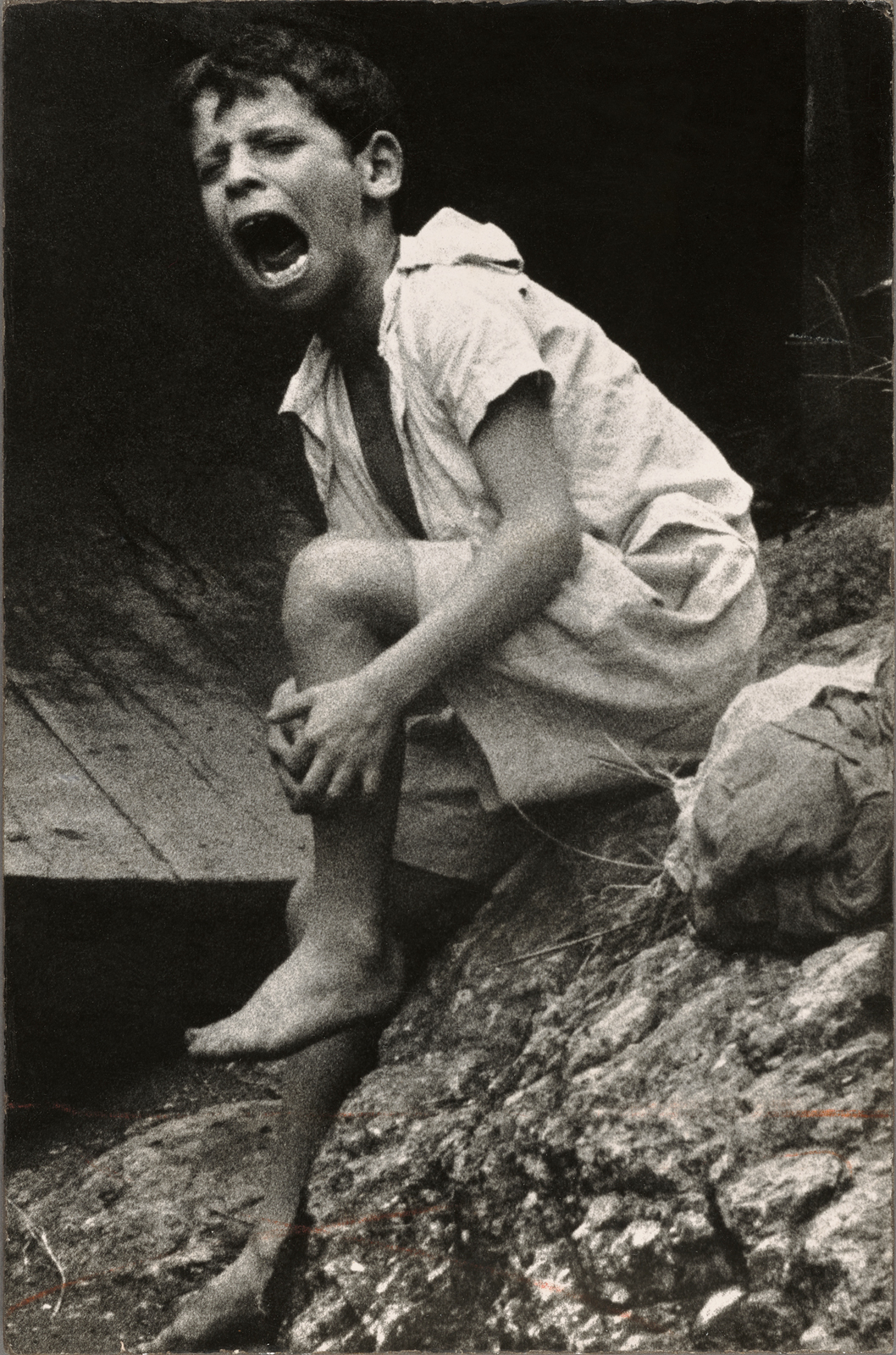
Bare Witness features many of Parks’s most memorable images such as “American Gothic.” Taken during Parks’s brief time with the Farm Security Agency, the photograph depicts a black cleaning woman named Ella Watson standing stiffly in front of an American flag, a mop in one hand and a broom in the other. Also included in the exhibition is a series of photos from Parks’s most famous Life magazine essay about Flavio da Silva, a malnourished and asthmatic boy living in a Rio de Janerio slum. Portraits of Muhammad Ali, Duke Ellington, Alexander Calder, Ingrid Bergman, Langston Hughes and Malcolm X among others will also be on view.
“Whether photographing celebrities or common folk, children or the elderly, Harlem gang leaders or fellow artists, Parks brought his straightforward, sympathetic ear and mind to bear witness to late 20th century civilisation,” commented Hilarie Faberman, the Robert M. and Ruth L. Halperin Curator of Modern and Contemporary Art at Cantor Arts Center and organiser of the exhibition. “His photographs balance the dichotomies of black and white, rich and poor, revealing his strengths and struggles as an artist and a man.”
In addition to his documentary and fashion photography, Parks was a filmmaker, author, musician and publisher. He was the first black artist to produce and direct a major Hollywood film, “The Learning Tree” in 1969, which was based on his early life experiences. He subsequently directed the popular action films “Shaft” and “Shaft’s Big Score.” He was a founder and editorial director of Essence magazine and wrote several autobiographies, novels and poems. In 1988, he received the National Medal of Arts award and throughout his lifetime was the recipient of 40 honorary doctorates from colleges and universities in the United States and England.
“Parks was a renaissance man whose career embodied the American ideal of equality and whose art was deeply personal. This exhibition is an exciting opportunity for Museum visitors to experience the poignant images he made over five decades,” commented Rebecca Senf, Norton Curator of Photography, Phoenix Art Museum.
The exhibition includes an illustrated catalogue with an essay by photography scholar Maren Stange who writes frequently on modern American culture. This exhibition has already enjoyed a five-venue tour, where the photographs were received with great excitement. The exhibition has been revived for a final showing at the Phoenix Art Museum. Bare Witness: Photographs by Gordon Parks was organised by the Iris & B. Gerald Cantor Center for Visual Arts at Stanford University. The exhibition and its accompanying catalogue are made possible by generous support from The Capital Group Foundation, the Cantor Arts Center’s Hohbach Family Fund, and Cantor Arts Center’s Members.
Press release from the Phoenix Museum of Art website
Gordon Parks relocated from Minnesota to Chicago’s South Side in 1940, immersing himself in the local art community while operating a portrait studio out of the South Side Community Art Center. In 1941 he was awarded a Rosenwald Fellowship for a portfolio of photographs he created on the South Side; the award gave him the means to move east to Washington, DC. By 1948 Life magazine hired him as its first African American staff photographer.
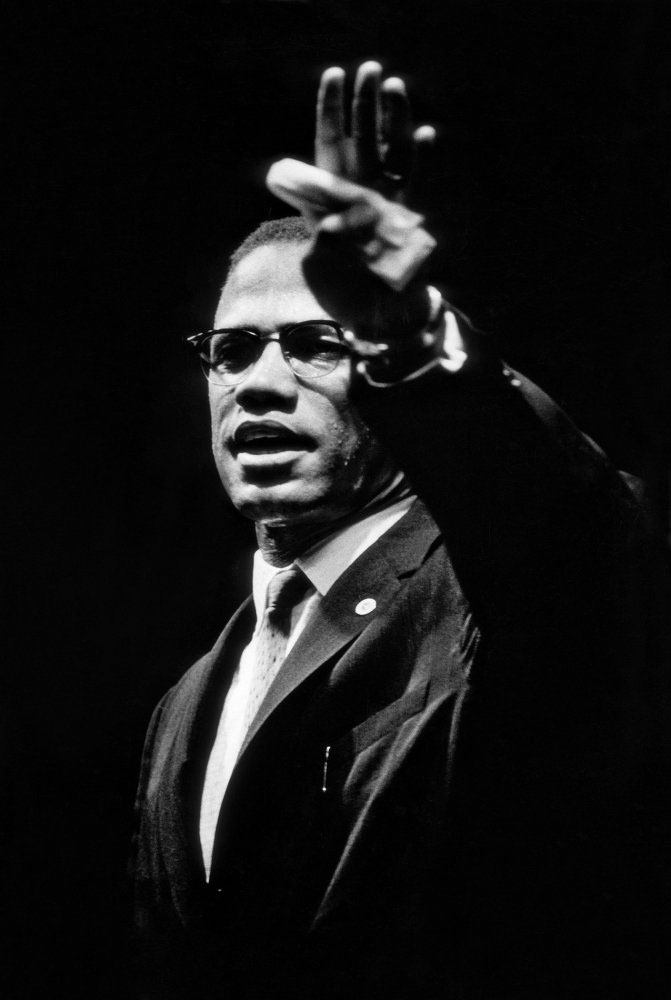
In 1963 Parks returned to Chicago on assignment for Life to report on the Nation of Islam, newly headquartered in the city. Parks gained unprecedented access to this radical civil rights movement through his friendship with Malcolm X, who arranged a meeting with Elijah Muhammad, the group’s leader, so that Parks could obtain permission to proceed with the story. Parks spent weeks with the Black Muslim community, documenting a range of its activities – from self-defense training to religious services led by Malcolm X.
Parks’s photo-essay ran in the May 31, 1963, issue of Life, along with an essay by Parks that reflects on his dual status as insider and outsider. The text begins with his return to Chicago after nearly a decade and his memories of “the hopelessness that seeped into the black souls of that jungle.” Parks goes on to describe his current position: “I was a Black Man in White Man’s clothing, sent by the very ‘devils’ [Elijah Muhammad] criticized so much… . I wondered whether or not my achievements in the white world had cost me a certain objectivity.” He concludes, “I sympathize with much of what they say, but I also disagree with much of what they say… . Nevertheless, I acknowledge that the circumstance of common struggle has willed us brothers.”
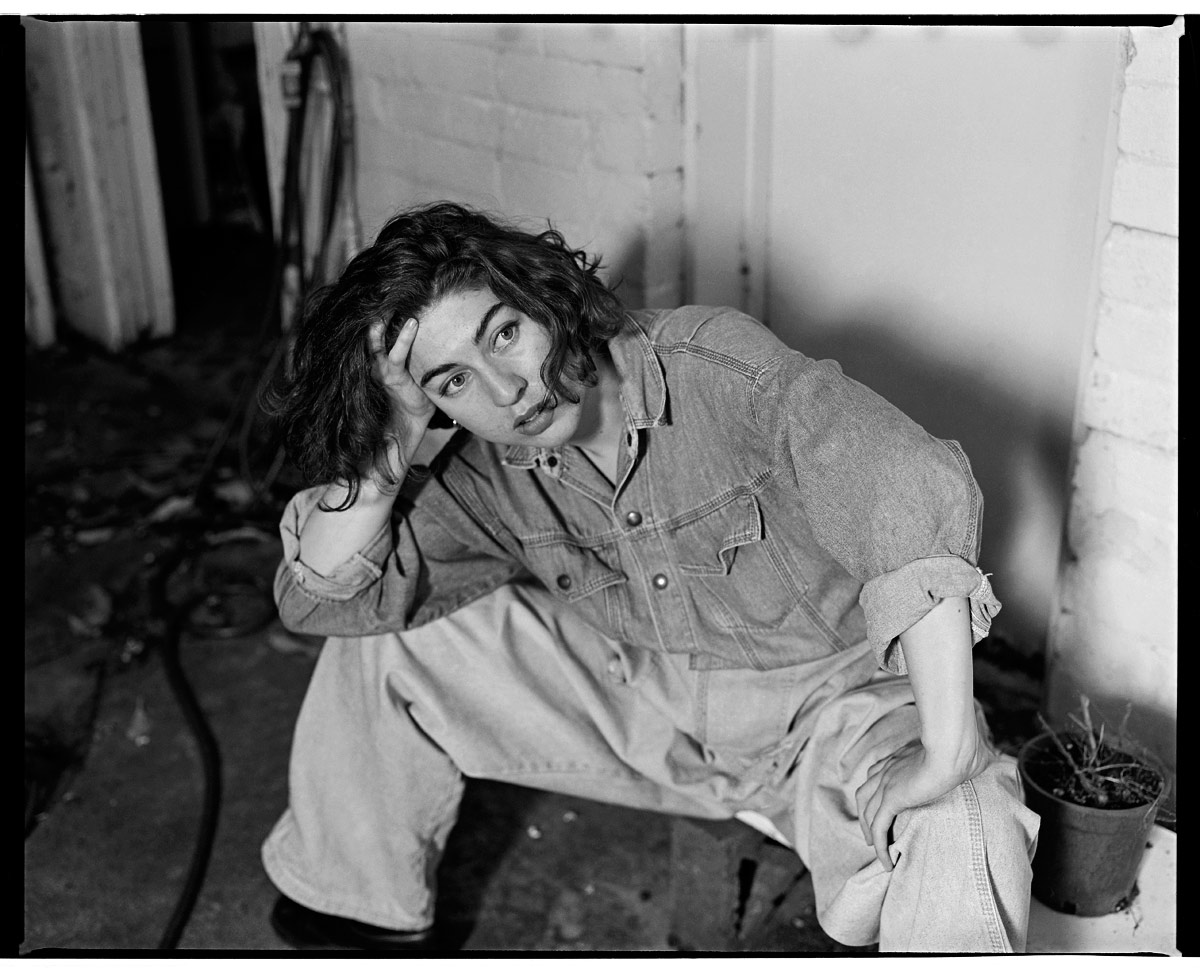
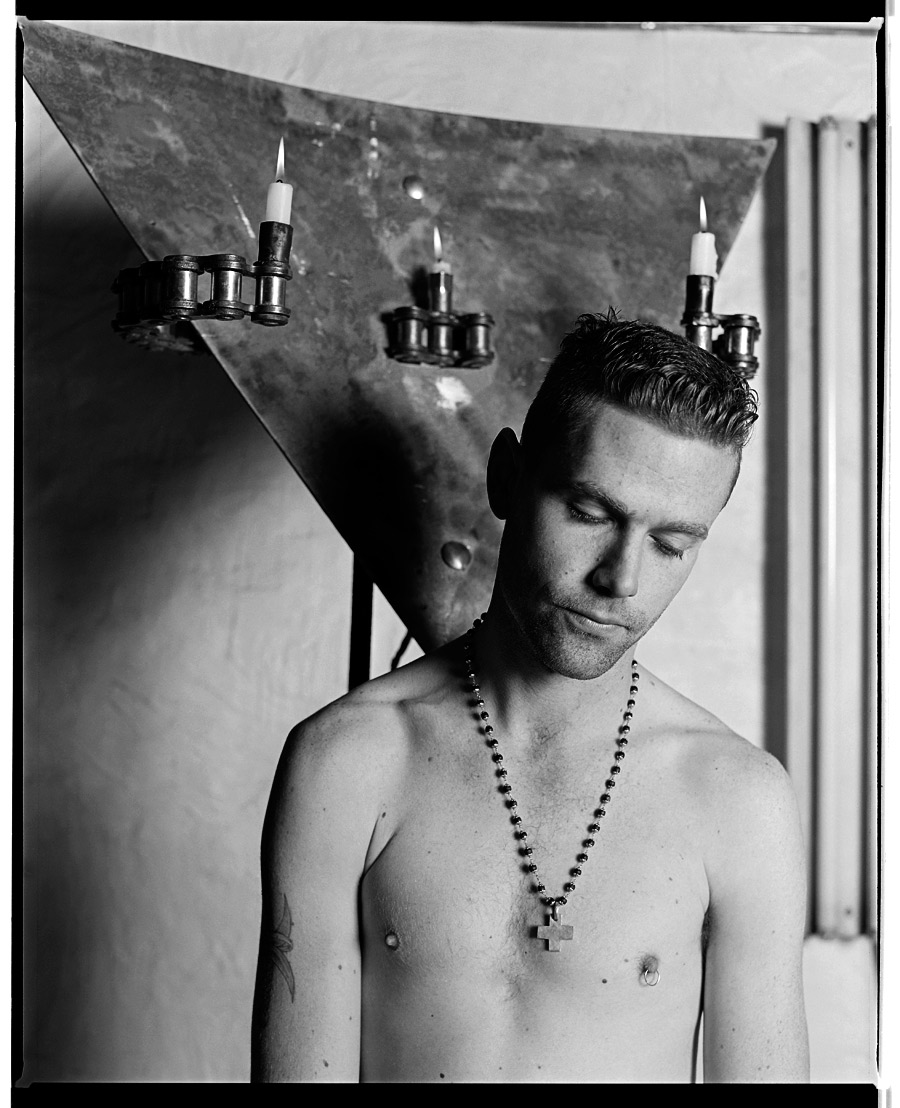
Marcus Bunyan (Australian, b. 1958) Andrea with long hair
1991-1992
Gelatin silver print
Portraits, South Yarra, Melbourne
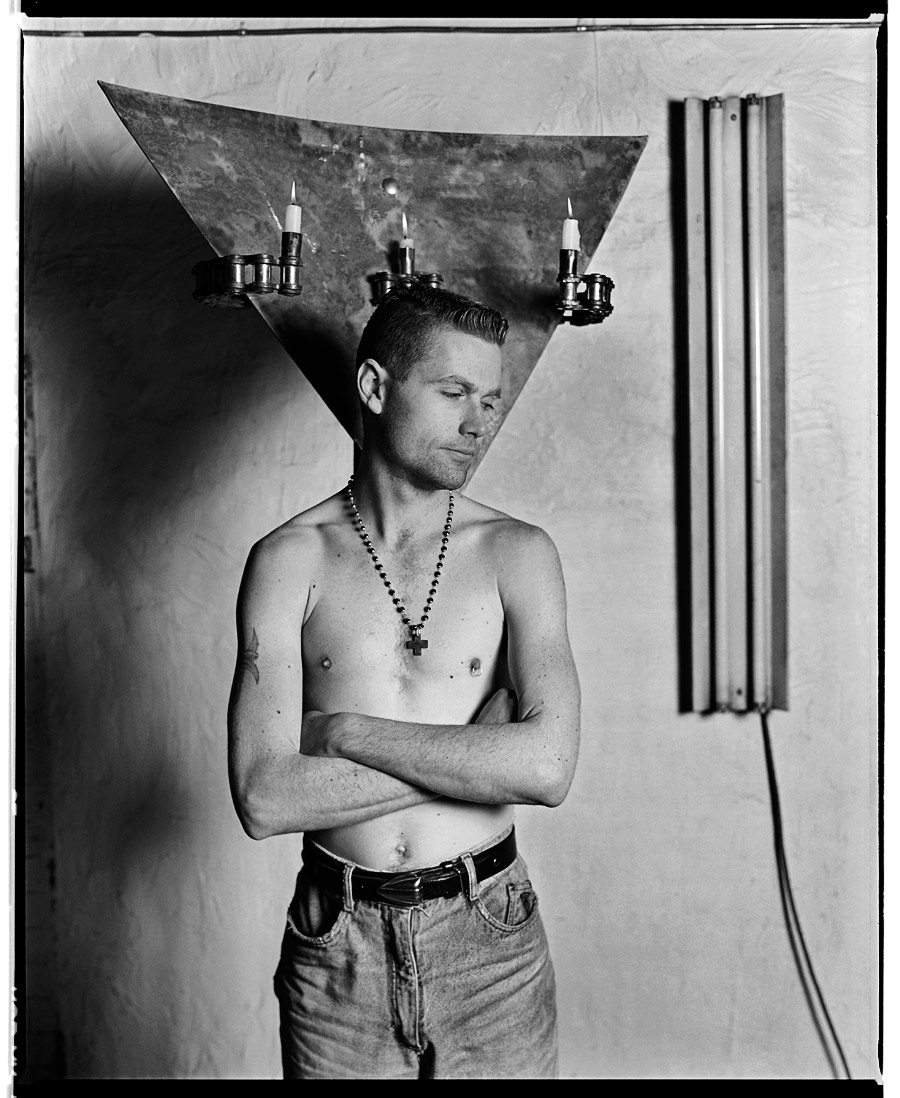
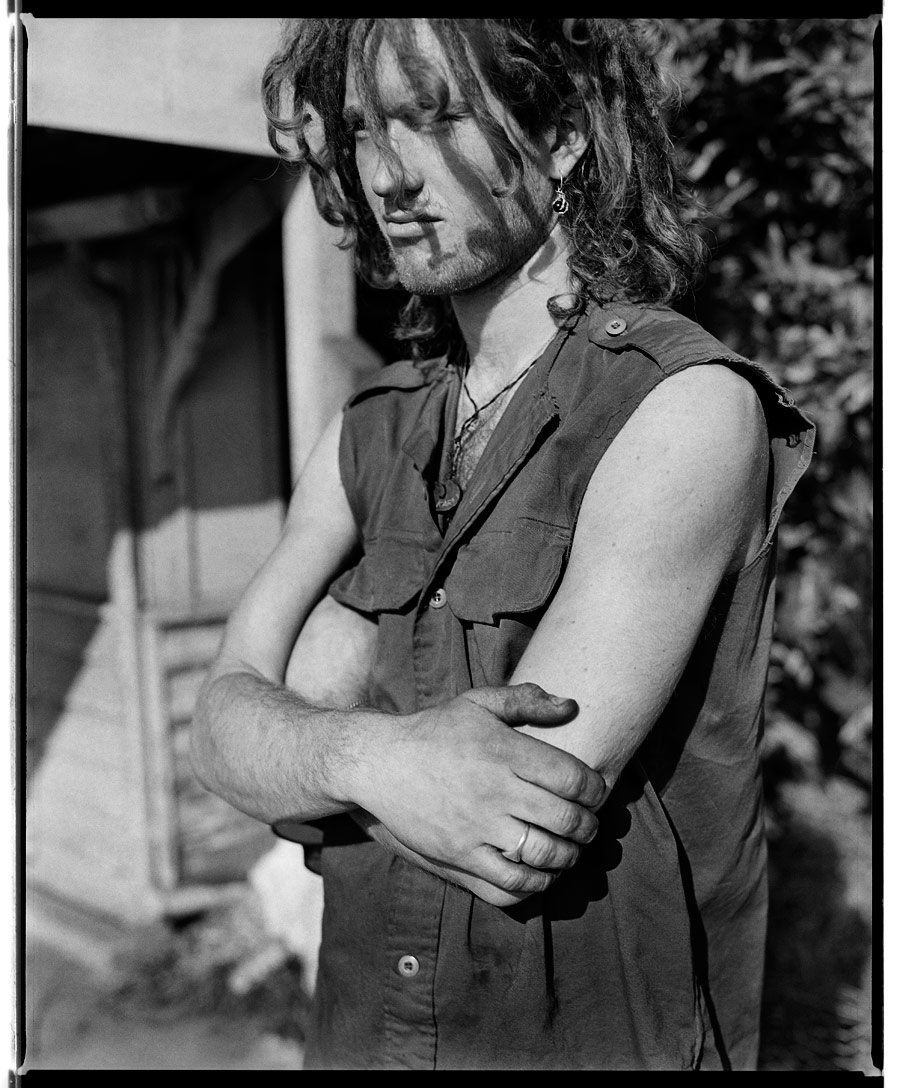
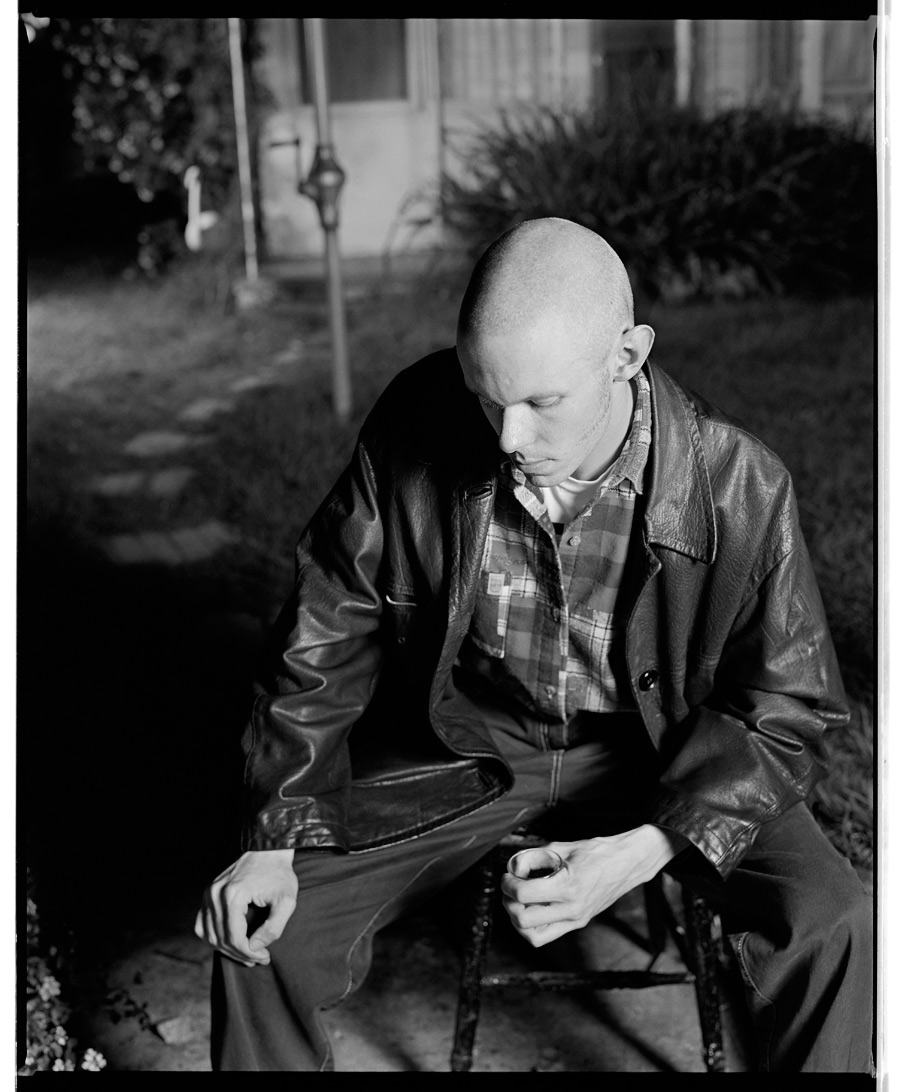
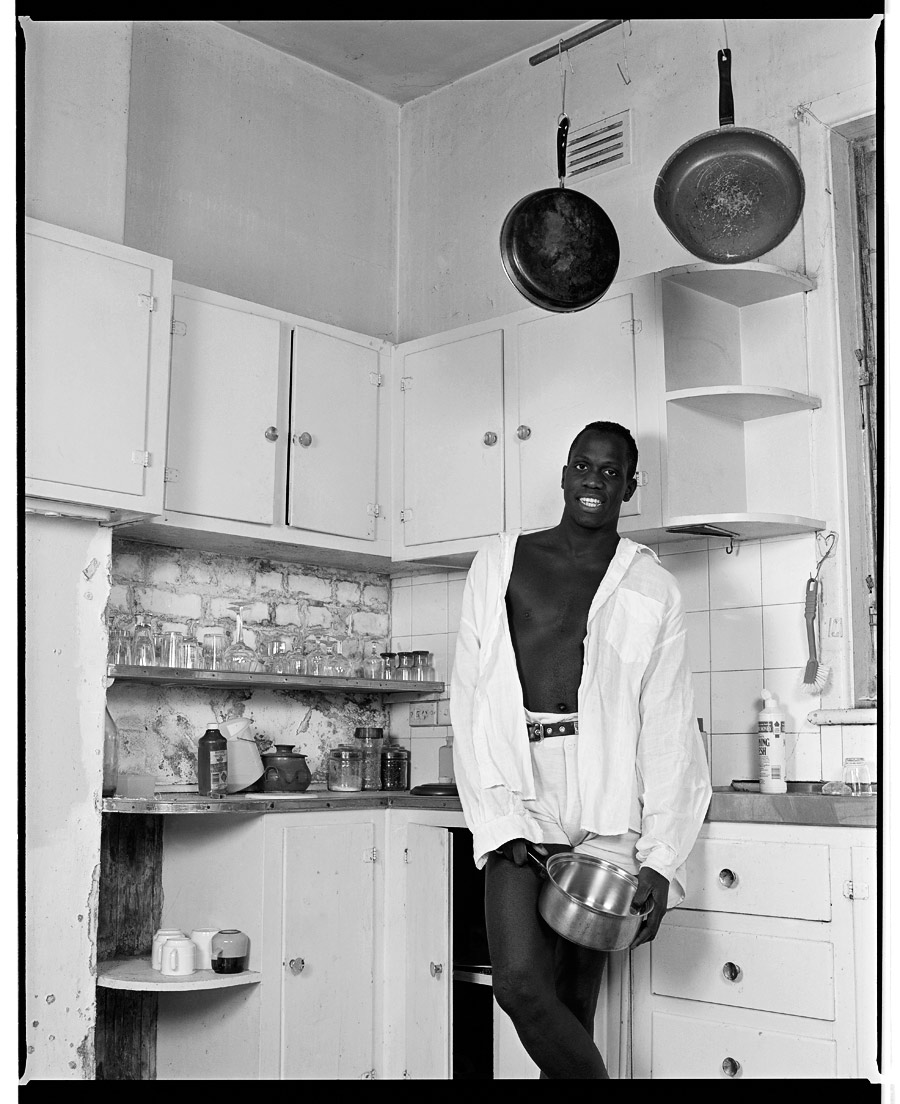
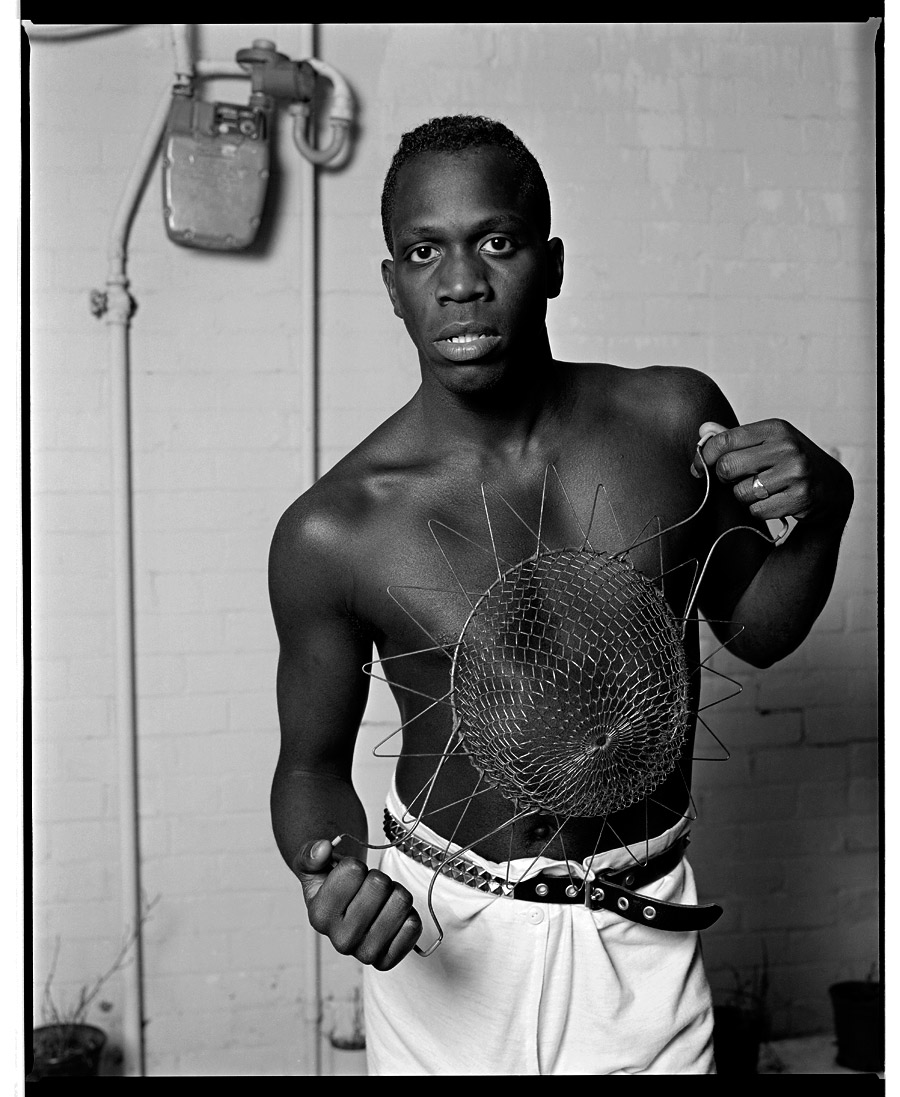
I am scanning my negatives made during the years 1991-1997 to preserve them in the form of an online archive as a process of active memory, so that the images are not lost forever. These photographs were images of my life and imagination at the time of their making, the ideas I was thinking about and the people and things that surrounded me.
Photographs are available from this series for purchase. As a guide, a vintage 8″ x 10″ silver gelatin print costs $700 plus tracked and insured shipping. For more information please see my Store web page.
Marcus Bunyan (Australian, b. 1958) Andy in the flat, Punt Road, South Yarra
1991-1992
Gelatin silver print
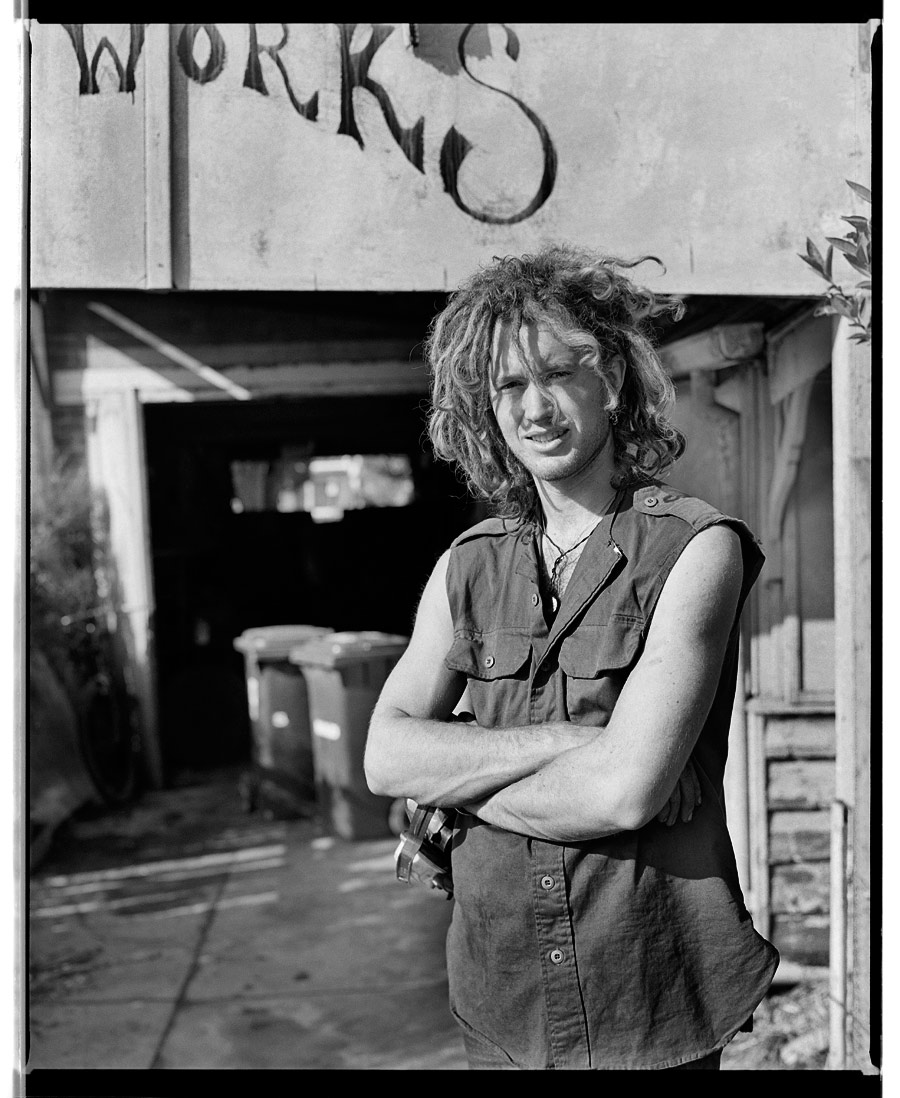
Marcus Bunyan (Australian, b. 1958) Fredrick White, Weapon-Maker
1991-1992
Gelatin silver print
Marcus Bunyan (Australian, b. 1958) Fredrick White
1991-1992
Gelatin silver print
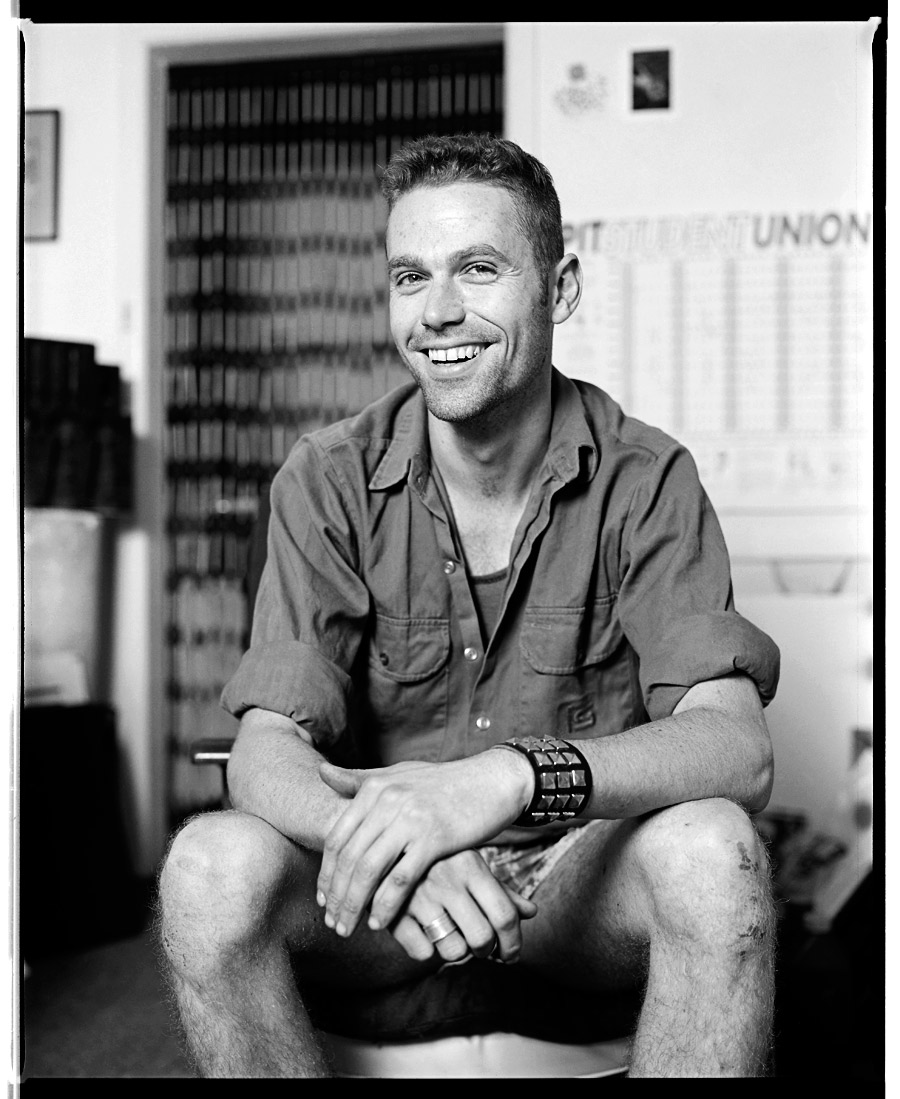
Marcus Bunyan (Australian, b. 1958) Fred smiling in the flat, Punt Road, South Yarra
1991-1992
Gelatin silver print
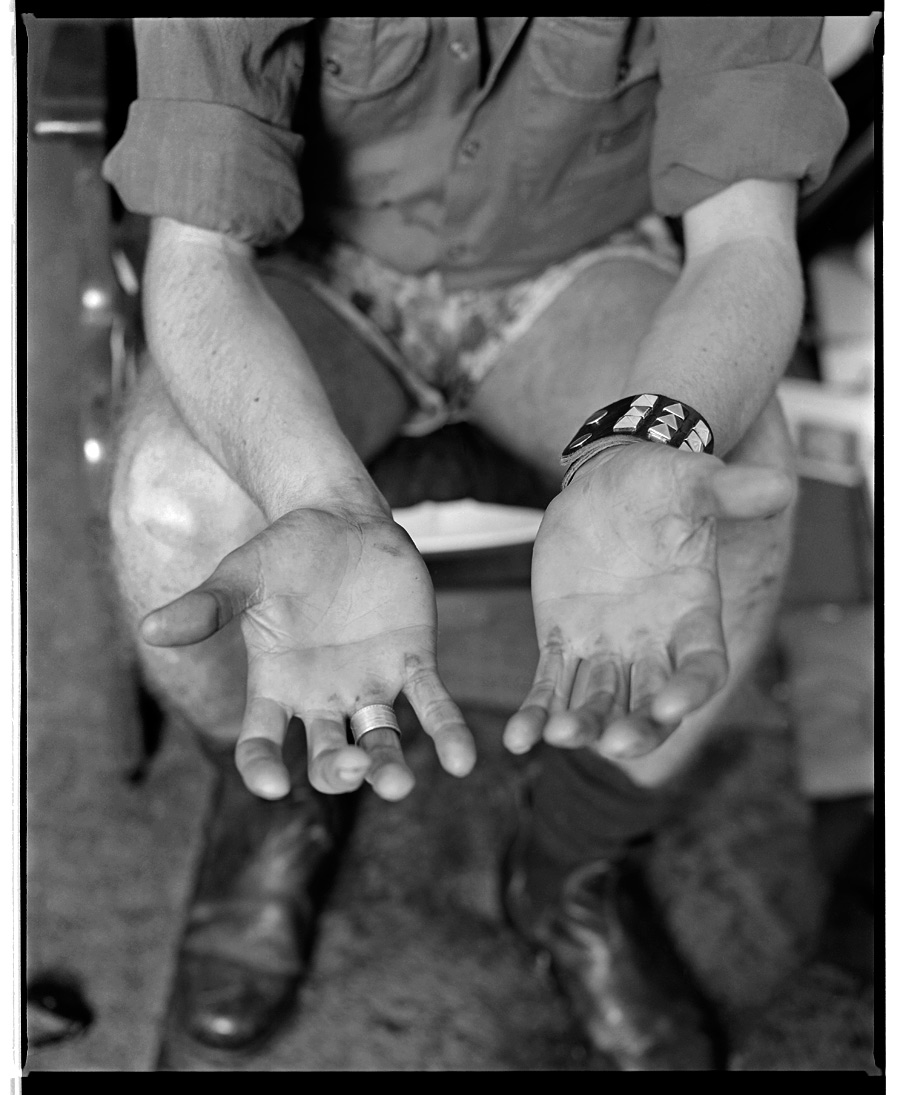
Marcus Bunyan (Australian, b. 1958) Fred’s hands
1991-1992
Gelatin silver print
Marcus Bunyan (Australian, b. 1958) Jerry, Bent Metal, Punt Road, South Yarra
1991-1992
Gelatin silver print
Marcus Bunyan (Australian, b. 1958) Jerry, Bent Metal, Punt Road, South Yarra
1991-1992
Gelatin silver print
Marcus Bunyan (Australian, b. 1958) Brent in the backyard
1991-1992
Gelatin silver print
Marcus Bunyan (Australian, b. 1958) Lawrence in the kitchen, Punt Road, South Yarra
1991-1992
Gelatin silver print
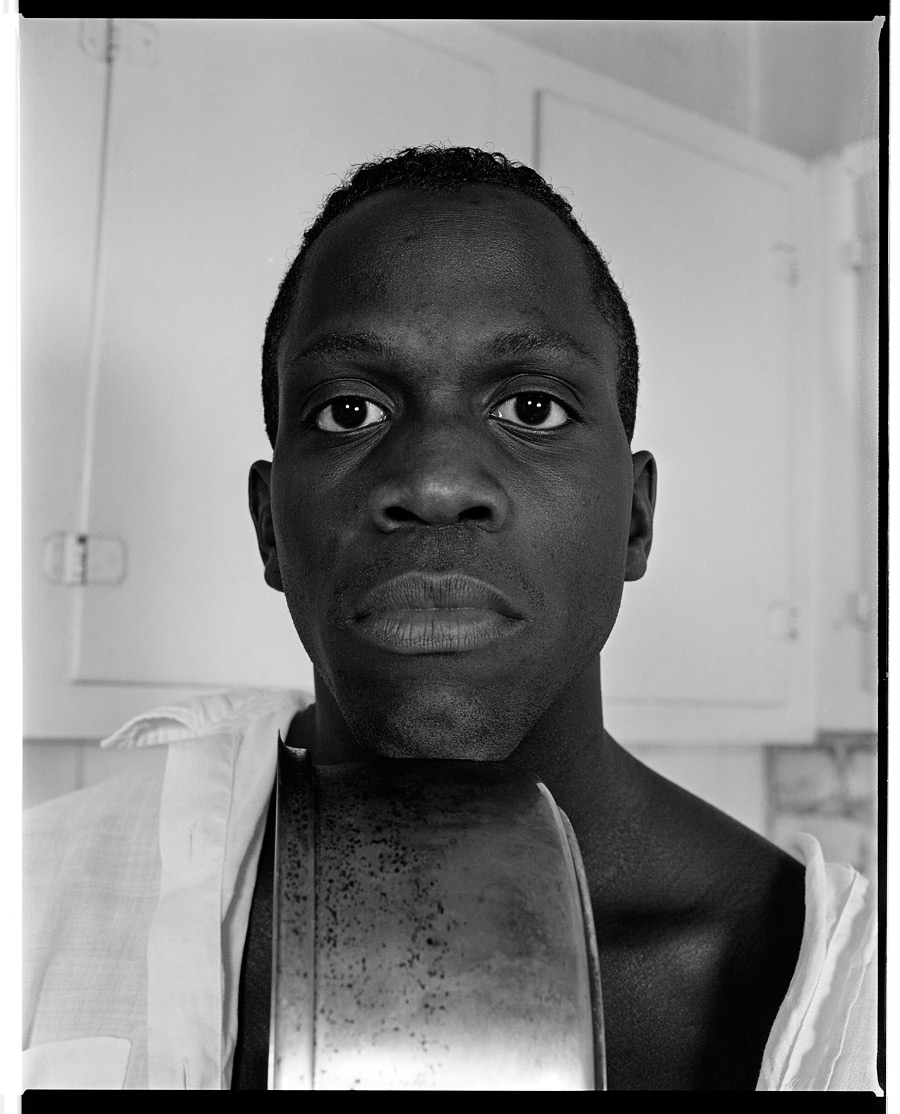
Marcus Bunyan (Australian, b. 1958) Lawrence with strainer
1991-1992
Gelatin silver print
Marcus Bunyan (Australian, b. 1958) Portrait of Lawrence
1991-1992
Gelatin silver print
Marcus Bunyan (Australian, b. 1958) Fredrick White
1991-1992
Gelatin silver print
Marcus Bunyan (Australian, b. 1958) Yvonne Kendall
1991-1992
Gelatin silver print
Marcus Bunyan (Australian, b. 1958) Lawrence sleeping
1991-1992
Gelatin silver print
Marcus Bunyan (Australian, b. 1958) Untitled (Lawrence clasping his arms to his back)
1991-1992
Gelatin silver print
Many thankx to The National Media Museum for allowing me to publish the photographs in the posting. Please click on the photographs for a larger version of the image.
Lady Clementina Hawarden (British, 1822-1865) Self Portrait
c. 1864
Albumen print
Courtesy of the National Media Museum/SSPL
Clementina, Lady Hawarden, is a poetic, if elusive, presence among nineteenth-century photographers. As a devoted mother, her life revolved around her eight children. She took up photography in 1857; using her daughters as models, she created a body of work remarkable for its technical brilliance and its original depiction of nascent womanhood.
Lady Hawarden showed her work in the 1863 and 1864 exhibitions of the Photographic Society. With the exception of a few rare examples, her photographs remained in the possession of her family until 1939, when the more than eight hundred images were donated to the Victoria and Albert Museum. Only recently have they been the objects of research, publication, and exhibition.
John Moffat (Scottish, 1819-1894) William Henry Fox Talbot with camera and lens
1864
Julia Margaret Cameron (British born India, 1815-1879) Carlyle like a rough block of Michael Angelo’s sculpture
1867
Albumen print
Courtesy The Royal Photographic Society Collection at the National Media Museum/SSPL
Henry Herschel Hay Cameron (British born India, 1852-1911) Mrs Julia Margaret Cameron
1870
Albument print
Courtesy of the National Media Museum/SSPL
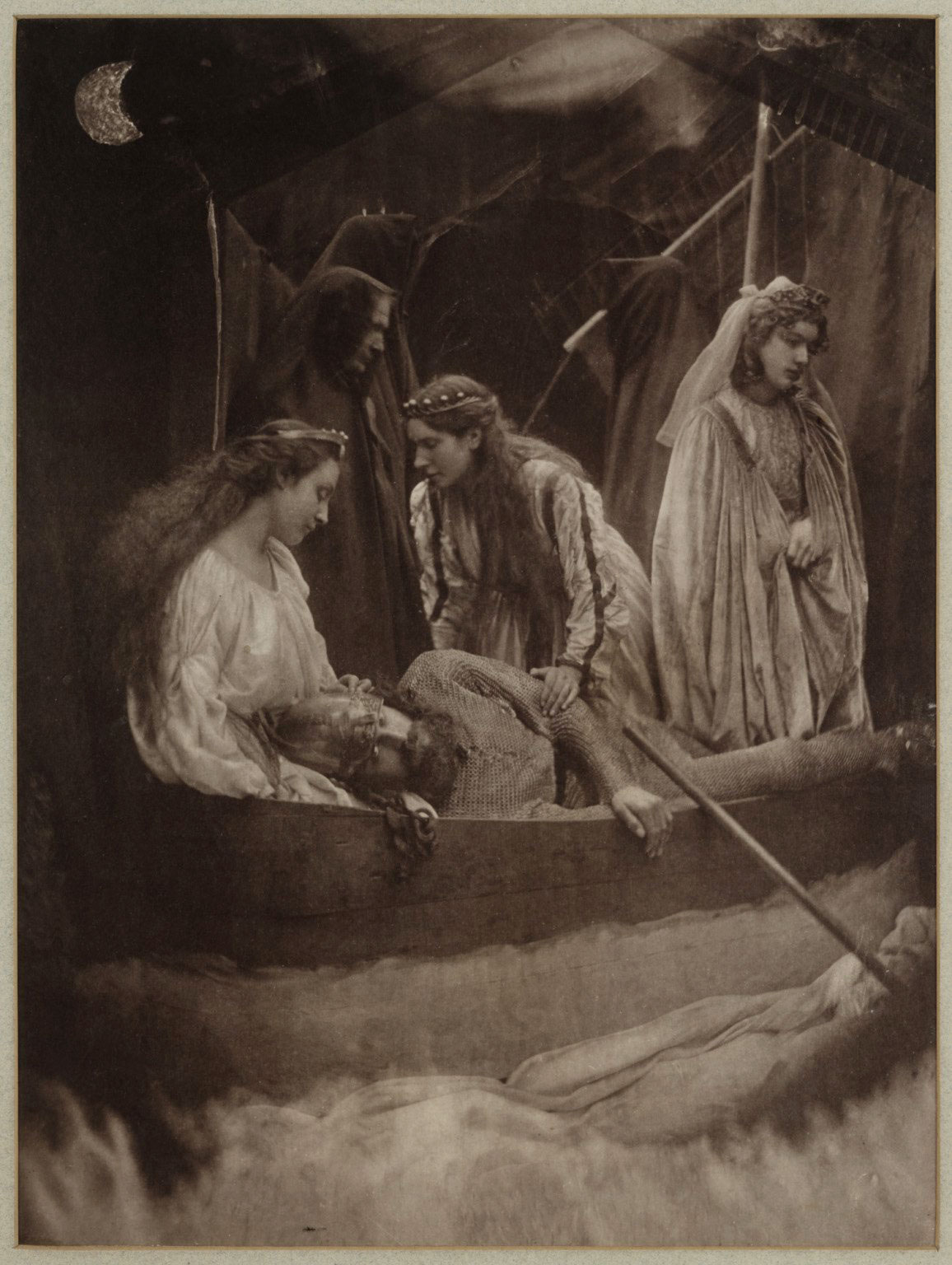
Julia Margaret Cameron (British born India, 1815-1879) So Like a Shatter’d Column Lay the King
1875
Albumen print
Courtesy of The Royal Photographic Society Collection at the National Media Museum
Photographers have created some of the most famous and memorable images ever produced, combining science and art since 1839. The Lives of Great Photographers, a free to enter exhibition at the National Media Museum in Bradford, draws on the Museum’s renowned collection to focus on the pioneers behind the camera, exploring the extraordinary stories surrounding some of photography’s most important innovators and artists.
Featuring Henri Cartier-Bresson, Julia Margaret Cameron, Robert Capa, William Henry Fox Talbot, Weegee, Tony Ray-Jones, Fay Godwin and Eadweard Muybridge, the exhibition will display iconic images and artefacts from these and other great names, selected exclusively from the National Collection of Photography.
Exhibition curator Brian Liddy said: “Photography has been with us for more than 170 years, and in that time countless famous photographs have been taken by many famous photographers. Often we may think we know these men and women because we know their work so well, but over time so many photographers’ personal stories have become overshadowed by their most famous pictures. This major exhibition aims to redress the balance.”
As technology evolved, the breadth and range of photography increased, and the methods by which it could provide a source of income, or artistic expression, became more diverse. Julia Margaret Cameron, although primarily considered an artist, copyrighted her work and attempted to make a living by selling copies. Her personal connections gave her the opportunity to produce some of the first celebrity photographs in existence. Olive Edis employed photography as a serving war artist during the First World War and Edward Steichen’s career was remarkable for its variety as he moved effortlessly from art, to fashion, to advertising.
Photography also proved an ideal medium when it came to documenting world events. Lewis Hine and Dorothea Lange were both driven by their social consciences to record the Great Depression in America. Photojournalism, the cousin of documentary photography, is represented in the exhibition by names such as Henri Cartier-Bresson and Robert Capa, founding members of the world’s first photographic agency, Magnum. Both served in the Second World War and produced images that helped define an era.
One of the most notorious life stories is that of the English photographer Eadweard Muybridge. His pioneering work in chronophotography, whereby movement is captured by a sequence of photographic exposures, famously demonstrated that all four legs of a horse left the ground as it galloped. Until then the motion of a horse’s hooves were too quick for the human eye to determine. Perhaps less well known is the fact that Muybridge murdered his wife’s lover in cold blood but was later acquitted with a verdict of ‘justifiable homicide’.
Brian Liddy added: “This exhibition shows just how rich the museum’s collections are. The work of some of the best-known photographers in history will be shown alongside the kinds of cameras they would have had to carry and use in the course of their work. We’ve also taken the opportunity to show rarely seen material, such as pages from the notebooks of Tony Ray-Jones detailing what was going through his mind when he was thinking about how to get the pictures he wanted.”
“By recounting the lives of these great photographers, we hope to provide an insight into what led them to produce some of the greatest photographs ever taken.”
Press release from The National Media Museum
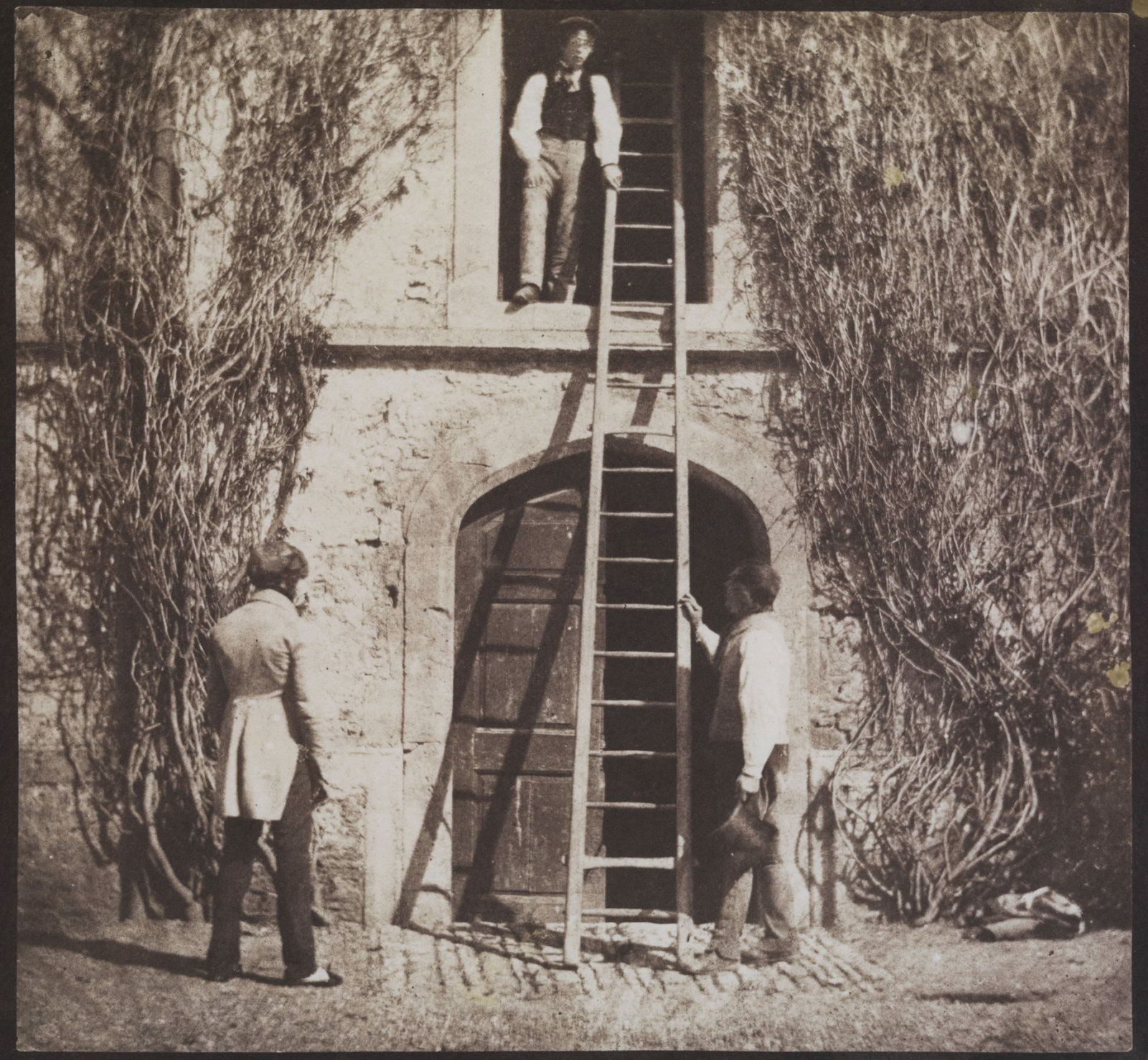
Henry Fox Talbot (British, 1800-1877) The Ladder
1844
Salted paper print from paper negative
Courtesy of the National Media Museum/SSPL
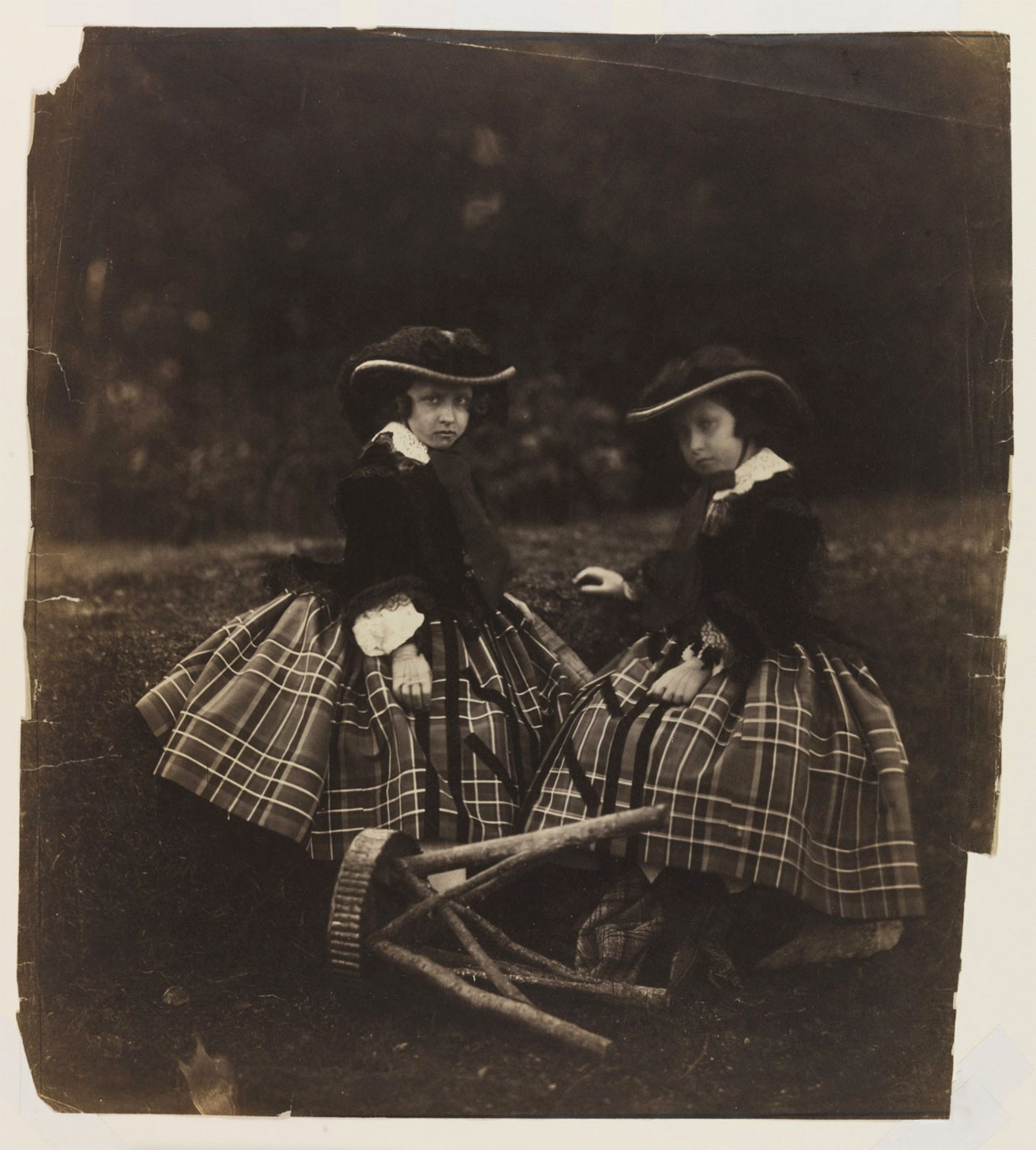
Roger Fenton (British, 1819-1869) Princesses Helena and Louise
1856
Albumen print
Courtesy of The Royal Photographic Society Collection at the National Media Museum
Photograph of Princess Helena and Princess Louise, seated outside together wearing identical outfits, including hats. Both look to front. Upturned stool in foreground.
The two princesses look straight at the camera in what is an unusually direct pose. Princess Helena (1846-1923) and Princess Louise (1848-1939) were the fifth and six children of Queen Victoria and Prince Albert. Princess Helena was herself a keen collector of photographs and compiled a number of albums commemorating her many visits to Balmoral
Text adapted from Roger Fenton – Julia Margaret Cameron: Early British photographs from the Royal Collection, London, 2010 on the Royal Collection Trust website
Eadweard Muybridge (English, 1830-1904) Man (Muybridge) throwing discus walking up steps walking
Plate 519 Animal Locomotion
1887
Collotype
Courtesy of the National Media Museum/SSPL
Unknown photographer Eadweard Muybridge
Date unknown
Courtesy of The Royal Photographic Society Collection at the National Media Museum
Alvin Langdon Coburn (American, 1882-1966) Alfred Stieglitz
1905
Courtesy of the National Media Museum/SSPL
Lewis Hine (American, 1874-1940) Albanian woman Ellis Island
1905
Gelatin silver print
Courtesy of the National Media Museum/SSPL
At the Ethical Culture School in New York Lewis Hine taught photography to teenagers, encouraging them to observe others. He took his classes to Ellis Island to see arriving immigrants. “At times it looked like a costume ball,” he wrote, “with the multicoloured, many-styled national costumes,” This is one of over 200 photographs that Hine made himself at Ellis Island, representing an Albanian immigrant, wearing her best clothes, cleaned and immaculately pressed. Hine’s empathy with the neglected him led to a job with the National Child Labor Committee. He traveled the country photographing children at work in factories in New England, at coal mines in Pennsylvania, and canneries on the Gulf Coast. Hine’s photographs helped secure child labor laws in this country.
From Touchstones of the Twentieth Century: A History of Photography at the University of Notre Dame (exhibition, 2020-21)
Unknown photographer Lewis Hine photographing children in a slum
c. 1910
Gelatin silver print
Courtesy of the National Media Museum/SSPL
Alvin Langdon Coburn (American, 1882-1966) George Davison
1918
Gelatin silver print
Courtesy of the National Media Museum/SSPL
George Davison (19 September 1854 – 26 December 1930) was an English photographer, a proponent of impressionistic photography, a co-founder of the Linked Ring Brotherhood of British artists and a managing director of Kodak UK. He was also a millionaire, thanks to an early investment in Eastman Kodak.
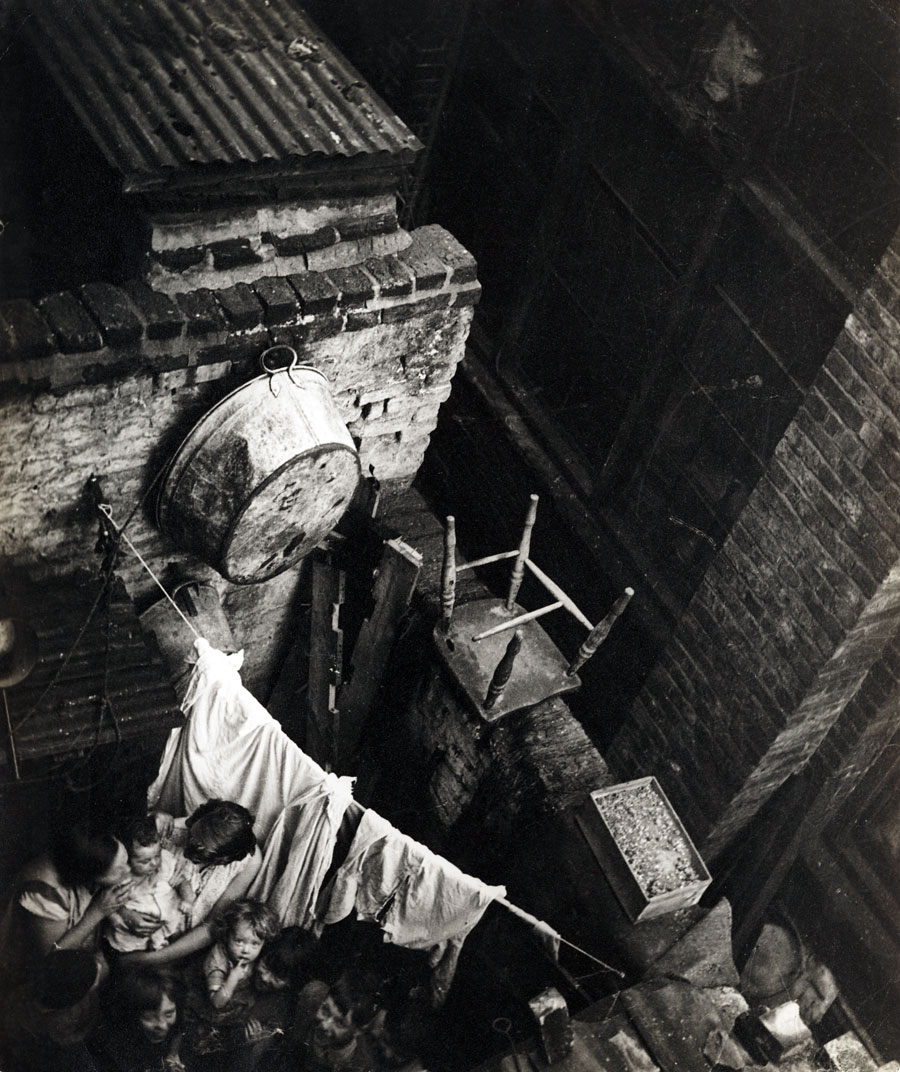
This photograph was published alongside Poodle Parlour, London (PGP 279.33B) in the satirical magazine Lilliput in 1939, offering a comparison between the living conditions of the urban poor and the care lavished on pets by their wealthy owners. The juxtaposition made a simple political point and encouraged the viewer to think about the unequal organisation of society. This was a rhetorical technique common in left-wing illustrated journals on the Continent. The Austrian magazine, Der Kuckuck, had published a similar story in 1931 comparing the living conditions of the Berlin poor with the more salubrious accommodation of the city’s dog home.
Cartier-Bresson had been a prisoner of war in Germany for nearly three years. He tried to escape two times, and then on the third time was successful. And partly because of that experience he was commissioned by the US Office of War Information to make a film about the return of displaced persons and prisoners of war.
And this incident appears in the film. The cameraman is filming this scene, and Cartier-Bresson, is right next to him making his own pictures. This is at a displaced person’s camp. And the woman in the black dress had been denounced to the Gestapo by the woman she’s about to hit. And here they’re both telling their stories to the man on the right who’s obviously the man in authority.
And what’s typical in this picture of Cartier-Bresson’s best work after the war, is that it’s all boiled down to these three protagonists. The anger of the woman who had been betrayed totally saturates her body, just the way the shame and the guilt of the woman who had done the betraying occupies her body, right down to where she’s got her thumb inside her fist.
Many thankx to Michaela Hille for her help and to Museum für Kunst und Gewerbe, Hamburg for allowing me to publish the photographs in the posting. Please click on the photographs to view a larger version of the image.
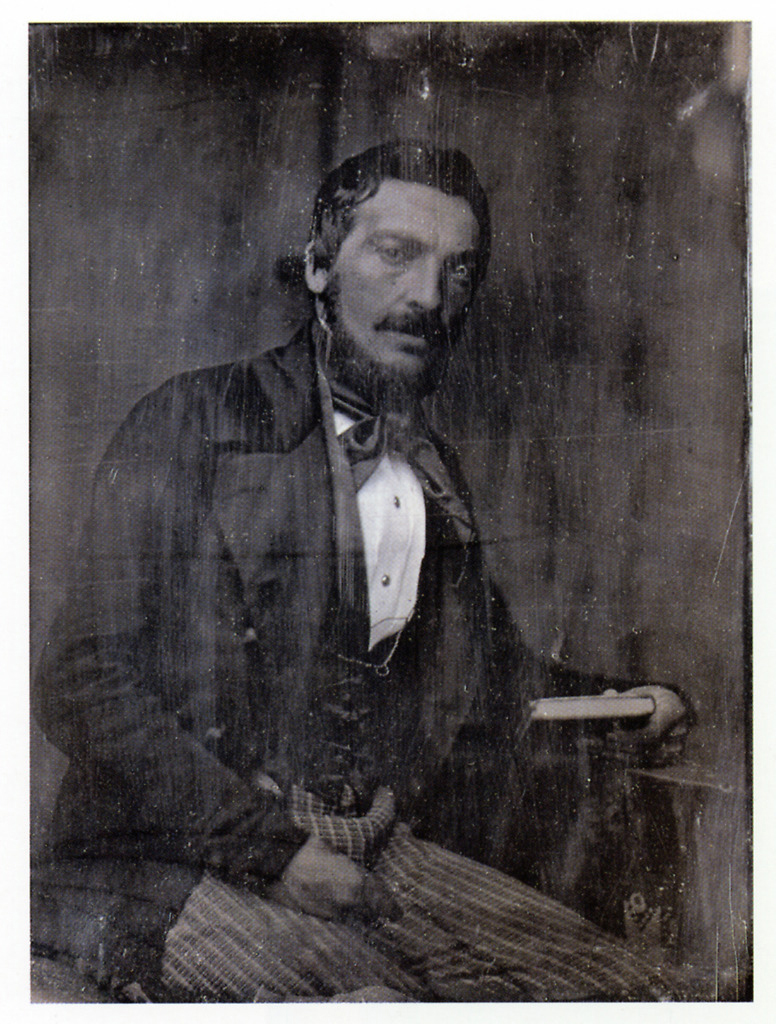
Hermann Biow (German, 1804-1850) Heinrich Jakob Venedey
1848
Daguerreotype
20.8 x 15.4cm
Museum für Kunst und Gewerbe, Hamburg
Hermann Biow was an important German daguerreotypist in the early days of photography. Biow became known through his portrait photography during his lifetime. He portrayed politicians, celebrities and wealthy citizens, including Franz Liszt, Alexander von Humboldt and Friedrich Wilhelm IV. He is also known for his parliamentarian portraits of the first German National Assembly in the Paulskirche in Frankfurt in 1848/1849. Today Biow is primarily seen as the founder of German documentary photography.
A daguerreotype of Heinrich Jakob Venedey from 1848 made by Hermann Biow in Frankfurt. Venedey (1805-1871) was a member of the German National Assembly in Frankfurt’s Paulskirche in 1848/1849 as a deputy for Hessen-Homburg. The lawyer belonged to the factions Deutscher Hof and Westendhall of the National Assembly.
Text translated by Google Translate from the German Wikipedia website
Hermann Biow (German, 1804-1850) Heinrich Joseph Gerhard Compes
1848
Daguerreotype
20.4 x 14.8cm
Museum für Kunst und Gewerbe, Hamburg
A daguerreotype of Heinrich Joseph Gerhard Compes (that’s Gerhard Compes) from 1848 by Hermann Biow in Frankfurt. Compes was a member of the German National Assembly in Frankfurt’s Paulskirche in 1848/1849 as a deputy for the 19th province of Rhineland (Siegburg). The Cologne lawyer belonged to the Württemberger Hof faction of the National Assembly.
Text translated by Google Translate from the German Wikipedia website
The first section of People of the Twentieth Century is dedicated to the farmer. It begins with a Stammappe, or portfolio of archetypes. Usually three-quarter-length portraits, the photographs depict old farming men, women, and couples seated in their homes or against a natural backdrop. Each is captioned to suggest the fundamental role played by the individual in a balanced society. Sander referred to this farmer as the “earthbound man.” Other archetypes include the “philosopher,” the “fighter or revolutionary,” and the “sage.” All had female counterparts, while couples were labeled as “propriety and harmony.”
Identifying this figure as the “earthbound man,” Sander forged an implicit reference to the soil as a source of livelihood. The farmer’s hands grasp the cane, which keeps him upright and connected to the earth.
Text from the J. Paul Getty Museum website [Online] Cited 04/02/2020
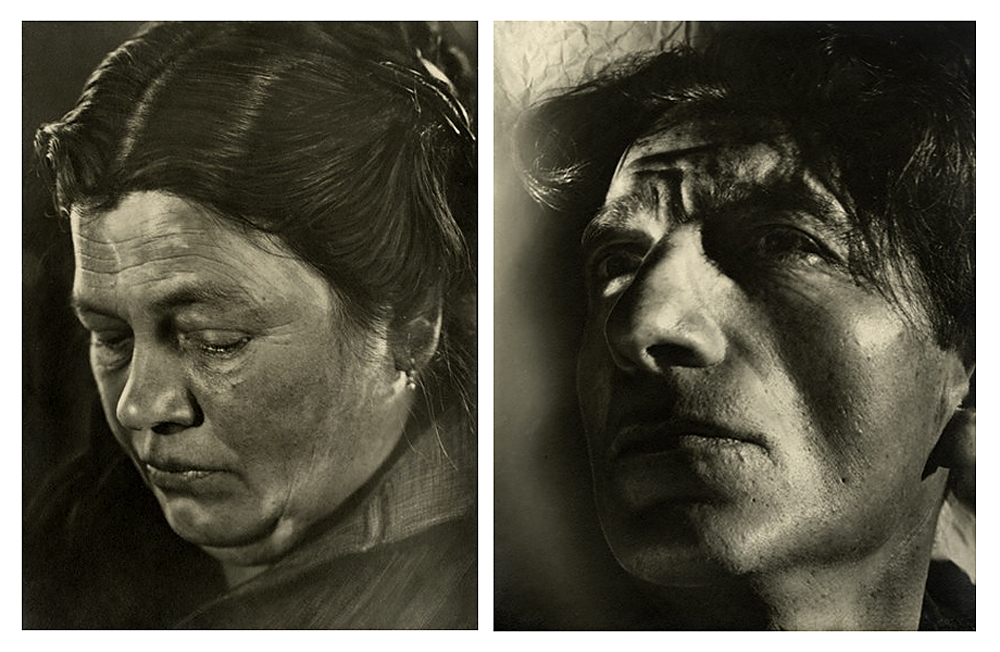
The portraits in Lerski’s Everyday Heads show unemployed workers whom the photographer met at a Berlin job centre where he hired them to sit for him. Old Working Woman from Germany 1928-1931 is a close-up shot of a woman’s face, eyes down and mouth shut as though she is quietly contemplating something outside of the picture’s frame (left, above). It is impossible to tell whether this meditative look, a common feature of his portraits, was suggested by Lerski but it is evident that he was in control of nearly every aspect of his pictures. An experienced movie cameraman, he used artificial light reflected by mirrors and screens to give his models an aura and monumentality that people would be familiar with from expressionist feature films. Oblique angles, in line with modernist sensibilities, helped to reinforce the impression of grandeur. He also cropped the images and introduced extra screens so as to eliminate the space around his models heads, and any details from what remained of the background. This also served on occasions to compromise the integrity of the subject’s face though, in other cases, he preferred to blur the contours of the face using strong shadows, as can be seen in Beggar from Saxony 1928-1931 (right, above). The results produced a general notion of everyday people rather than an endorsement of individuality as praised in traditional portraiture. Like Sander and Retzlaff, Lerski only gave the individuals’ professions in the captions, and was keen not to exemplify their class affiliation or social rank. The pictures provide no information about either, focusing instead on the face. In this way Lerski enhanced the common human dignity normally ignored in ‘everyday’ faces, and more especially in those humiliated by unemployment during the post-1929 economic crisis.
Wolfgang Brückle. “Face-Off in Weimar Culture: The Physiognomic Paradigm, Competing Portrait Anthologies, and August Sander’s Face of Our Time,” in Tate Papers No.19 Spring 2013 [Online] Cited 04/20/2020
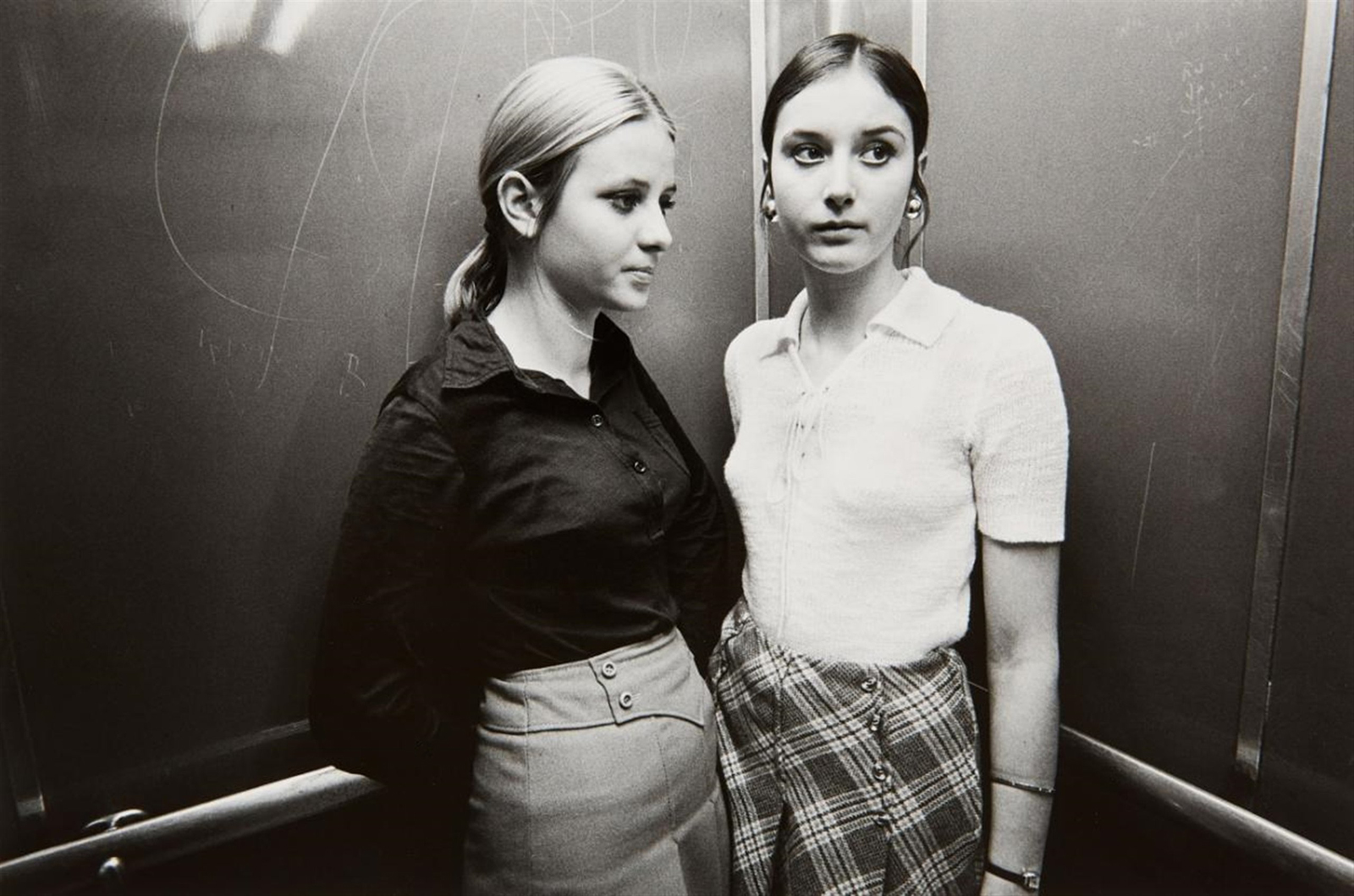
Heinrich Riebesehl (German, 1938-2010) Menschen im Fahrstuhl (People in the elevator)
1969
Gelatin silver print
Heinrich Riebesehl (German, 1938-2010) Menschen im Fahrstuhl (People in the elevator)
1969
Gelatin silver print
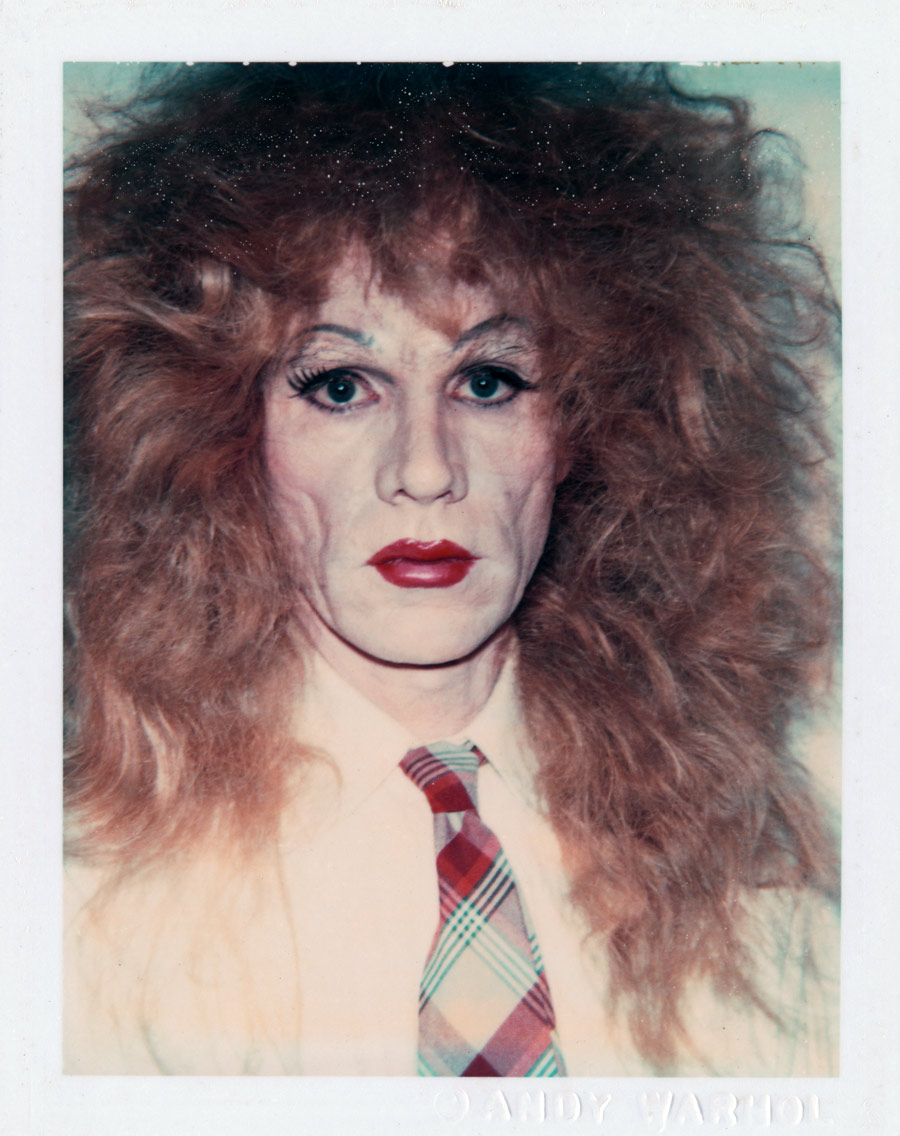
The exhibition comprises 400 exhibits and reflects on important artistic positions in photographic portraiture. During the eventful 20th century portrait photography continually redefines itself, between dissolution of the traditional concept of the subject in the masses and the pursuit of individuality and identity – culturally, socially and in terms of gender. Portraiture is one of the traditional genres in art and was one of the driving forces behind the invention of photography in the 19th century. The image of the human being is subject to constant change, which is also reflected in photography. In postmodern society mass media create ever-changing ideals according to various requirements in tune with a quick succession of trends. Art photography responds to the changes and reflects the development sometimes with spectacular results while it questions the medium of photography itself. The exhibition presents 35 carefully chosen international artists, who through history have opened up a dialogue among themselves; they are referencing each other’s work, and are received and interpreted in ever new contexts. On show are works by Diane Arbus, Hans-Peter Feldmann, Lee Friedlander, Nan Goldin, Roni Horn, Jurgen Klauke, Annie Leibovitz, Helmar Lerski, Irving Penn, Judith Joy Ross, Thomas Ruff, August Sander, Cindy Sherman, Andy Warhol and others. An exhibition in cooperation with the Sammlung Niedersächsische Sparkassenstiftung on the occasion of the 5th Photography Triennial in Hamburg.
“The PORTRAIT-PHOTOGRAPH is a closed field of forces. Four image-repertoires intersect here, oppose and distort each other. In front of the lens, I am at the same time: the one I think I am, the one I want others to think I am, the one the photographer thinks I am, and the one he makes use of to exhibit his art.” (Roland Barthes, Camera Lucida, London, 1984, p. 13). The photographic portrait does indeed combine contrary interests. The relationship between photographer and sitter is crucial. The third factor is the viewer, who is already being considered during the process of photographing. In the knowledge of the particular psychological situation resulting from the presence of a camera, Richard Avedon laconically stated: “A photographic portrait is a picture of someone who knows he is being photographed.” The sitters’ reactions to the camera differ, depending on how experienced they are. Fact is: It is not possible to not communicate, as Paul Watzlawick’s research on communication shows. People demean themselves, even if they withdraw or turn away.
The confrontation climaxes in the principle of frontality, which remains valid today although it is constantly being tried and questioned. The project Serial Portraits invites the visitor on a journey through time starting from the beginnings with Hermann Biow’s (1804-1850) daguerreotypes, David Octavius Hill’s (1802-1870) and Robert Adamson’s (1821-1848) talbotypes up to the digital present with Michael Najjar’s (b. 1966) cyborgs, and wondering whether classical portraiture has come to its end.
The beginning includes a model case, where due to the long exposure necessary the models do not live out of the moment but into the moment, as Walter Benjamin said (Little History of Photography, 1931). Thirty-Minute Dialogue by Kyungwoo Chun (b. 1969) from 2000 is examining the synthesis of expression, which is necessitated by the models’ keeping still for so long. An exposure time of half an hour allows the work to penetrate the depths of the pictorial space.
The creativity of the 1920s and the New Vision inspires a “visual vocabulary” appropriate for modernity. Its different forms can be seen in the individual responses of photographers such as August Sander (1876-1964). Being a typical studio photographer, he works on a typology of “man of the 20th century”, beginning with the agricultural type, his Stammappe (engl.: Germinal Portfolio) being a memorial to the latter. Helmar Lerski (1871-1956) takes a different stance; having originally worked in film, he is photographing his Everyday Heads in extreme close-ups. Making use of effective lighting in his studio, he invites unknown sitters from the street and fashions characteristic heads.
Sander’s oeuvre represents a turning point for comparative vision as a genuine principle in series. Considering photography of the 1920s and questioning the photographer’s position as well as the medium itself, author-photography in the 1970s is developing a new idea of documentary. Thomas Ruff (b. 1958) is testing the limits, when he presupposes that photography can merely reflect the surface of things. Bernhard Fuchs is adding a personal touch when he is seeking out the places of his own past. The great portrait photographer Irving Penn is cornering his celebrities in a corner of his studio and allows them to find their place, according to their inclinations and abilities to self-represent.
Diane Arbus (1923-1971) is holding a one-sided dialog, certainly not giving equal weight to the photographer’s interests and that of her models. While the frontality signals the conventionally due deference, the complex composition of her pictures is dominated by the superior gaze directed at the supposedly others, the freaks of bourgeois society. Until now Arbus is misinterpreted as a documentary photographer. It is being ignored that photography inevitably presents a specific view of reality and that the viewer’s position has been carefully constructed within the picture.
Only pictures that have been taken without the awareness of those represented document a found situation at the same time as they present a monologue. Heinrich Riebesehl (1938-2010) chose this method for his series Menschen im Fahrstuhl (engl.: People in an Elevator), which he completed in just one day. In a moment of pause people can reflect and are not forced to react to being observed. In his pictures the photographer respects their individuality without judging social differences.
Examples for comparability as principle in a series can be found early on. Hermann Biow’s (1804-1850) daguerreotypes as unique copies of the members of parliament in the Paulskirche in Frankfurt from 1848/1849 were later reproduced as lithographs and distributed in portfolios. These politicians were the direct successors to the galleries of ancestral portraits in stately homes, whereby the new medium was democratic. Rudolph Duhrkoop’s Hamburgische Männer und Frauen amAnfang des XX. Jahrhunderts (engl.: Men and Women of Hamburg in the Early XXth Century) represent the citizens in this tradition.
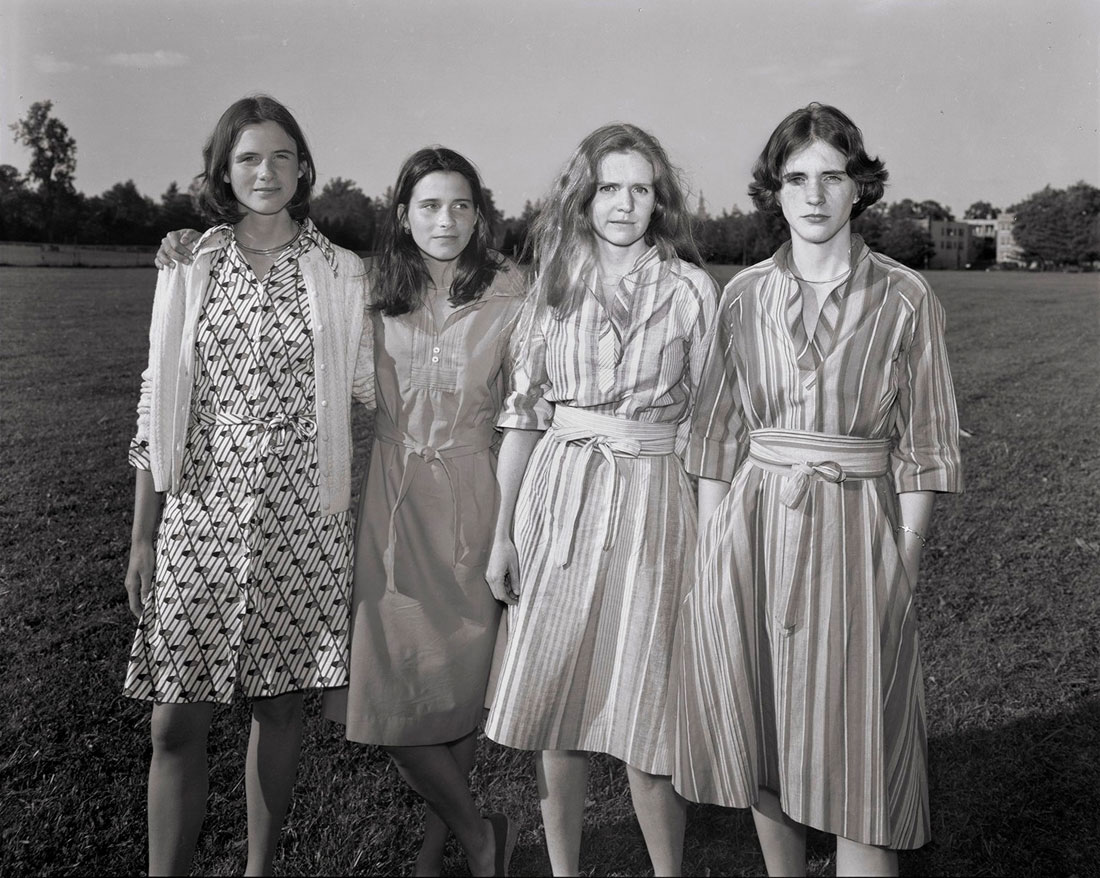
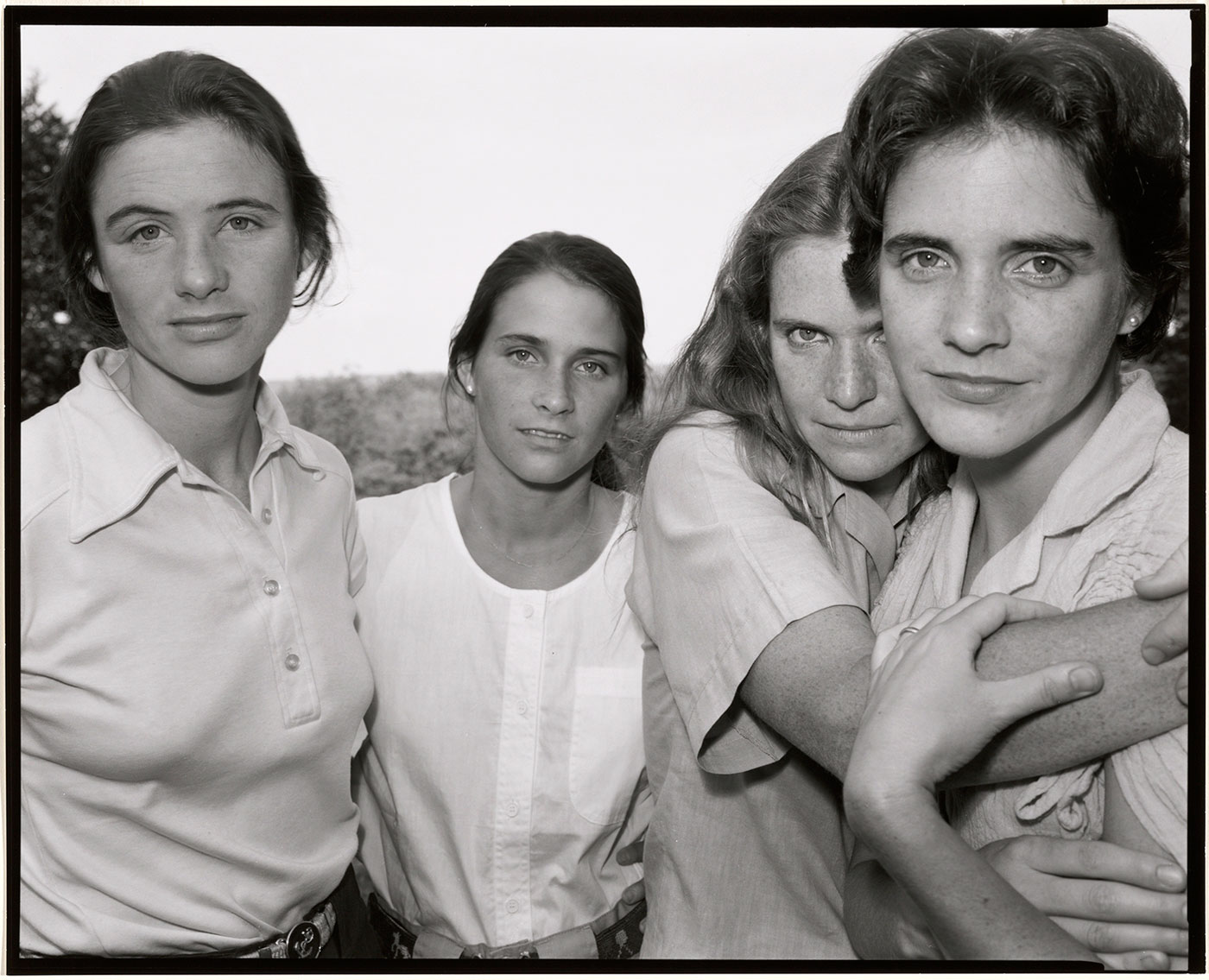
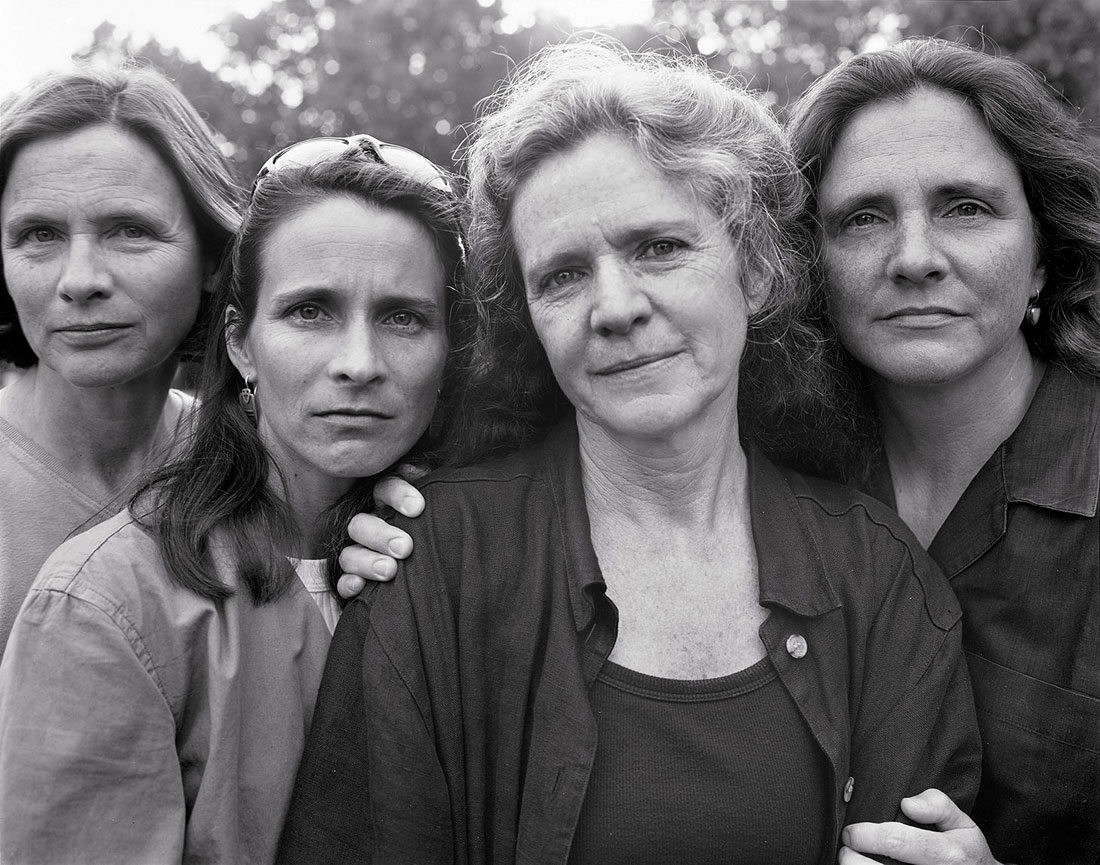
Since 1975 Nicholas Nixon (b. 1974) is extending the series The Brown Sisters every year. His study is observing changes, while Hans-Peter Feldmann (b. 1941) is representing a century through 101 average people in his sequence 100 Jahre (engl.: 100 Years). It is fascinating, how the uniqueness of each person even if they remain anonymous is transported in the photographic portrait. Judith Joy Ross’ (b. 1946) series Protesting the U. S. War in Iraq documents a seriousness in the sitters’ faces, the political dimension of which can only be fully grasped with the information on the context. As with every photograph the title or accompanying text is part of the message.
Press release from the Museum für Kunst und Gewerbe, Hamburg website
Thomas Ruff (German, b. 1958) Portrait (T. Ruff)
1983
Colour Print
24 x 18cm
Thomas Ruff/VG Bild-Kunst, Bonn 2011
Niedersachsische Sparkassenstiftung, Hannover
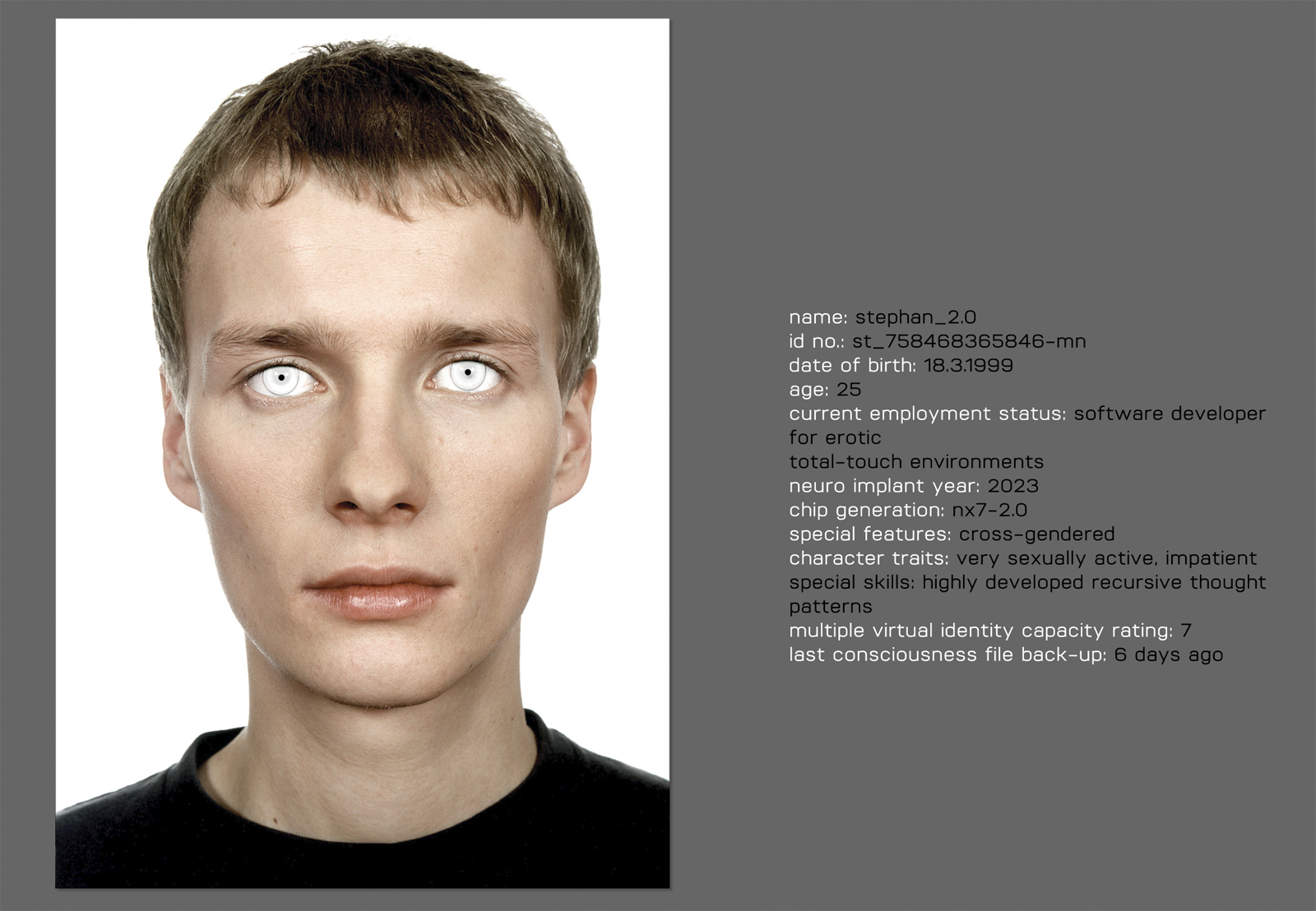
Michael Najjar (German, b. 1966) Stephan_2.0Â from the nexus project part I
1999
Hybrid photography, archival pigment print, aludibond, diasec
140 x 100cm / 56 x 40 in, edition of 6
Nexus Project
The series “nexus project part I” investigates the implications of the future enhancement of the human brain with miniaturised computer chips, infiltrated in the neuronal structures of the human organism.
Such a development will give birth to a new form of life – the cyborg, a hybrid compound of human and machine. A new set of questions are raised concerning issues of difference and identification between biologically correct beings and technically or genetically enhanced humans.
This development brings with it a host of new concerns: What impact will neuro-implants have on human consciousness? How will society cope with this kind of being, and what implications will they have for our social and cultural interaction?
“nexus project part I” consists of eight photographic portraits. These have undergone a digital modification of the iris, which gives the portrait faces an intimidating, almost inhuman look whilst at the same time it exerts a strong direct fascination on the viewer.
The highly charged poles of tensions and cross-tensions between fascination and intimidation also shape the para-meters in which the future development of human being to hybrid organism will take place.
Text from the Michael Najjar website [Online] Cited 04/02/2020
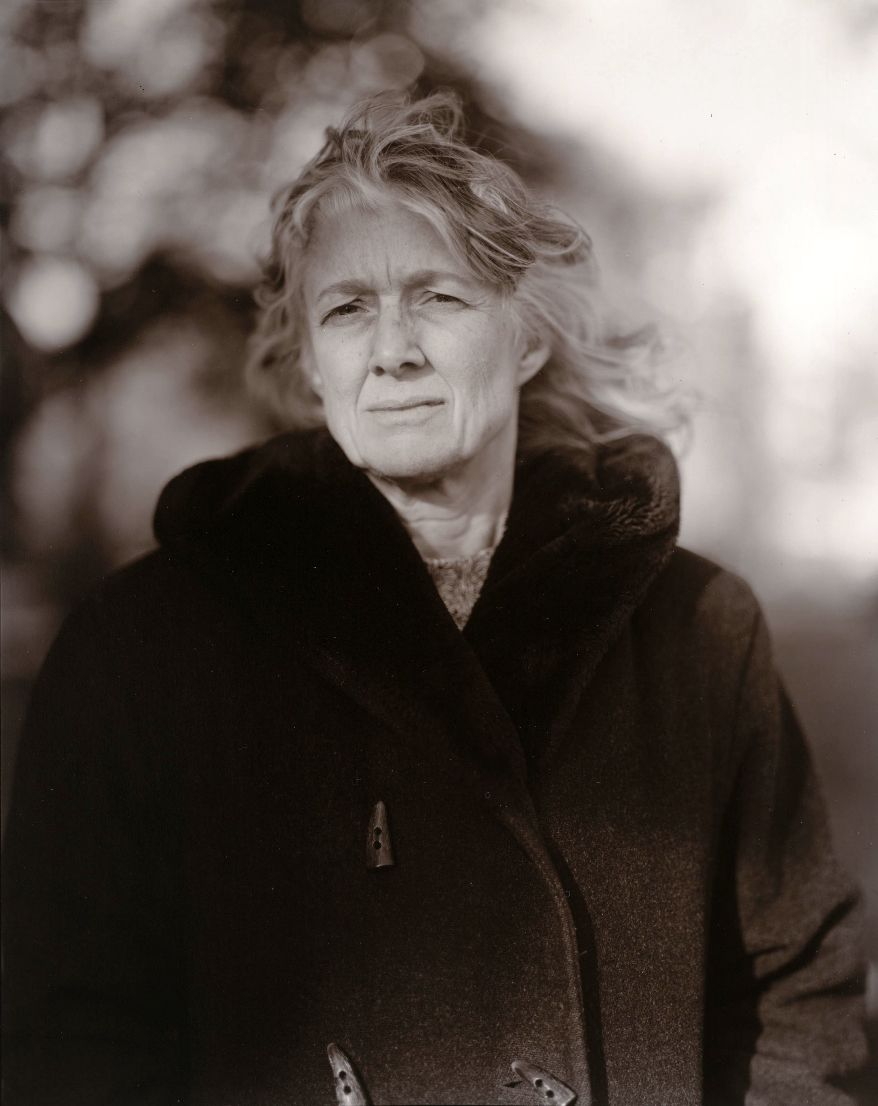
Judith Joy Ross (American, b. 1946) Jane C. Keller, Protesting the U.S. War in Iraq, Williamsport, Pennsylvania, from the series Protest the War 2006
Gelatin silver print
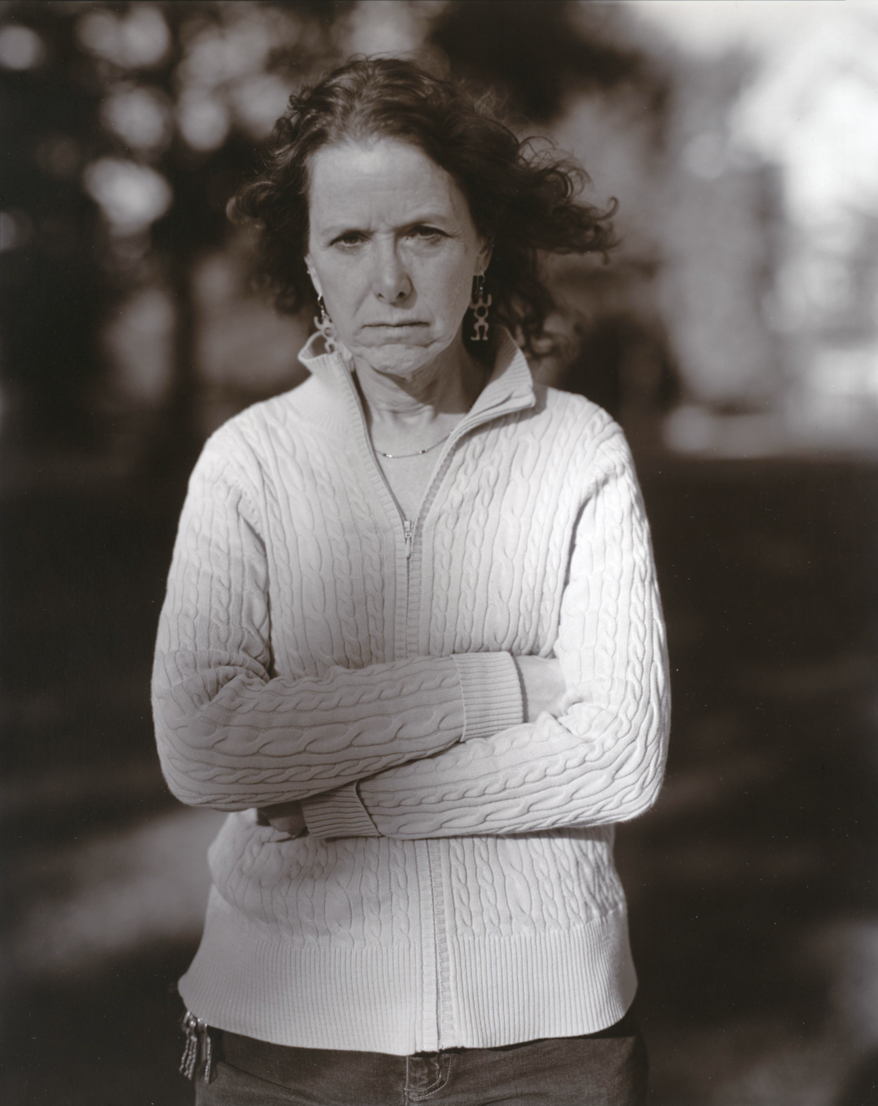
Judith Joy Ross (American, b. 1946) Lynn Estomin, Protesting the U.S. War in Iraq, Williamsport, Pennsylvania, from the series Protest the War 2006
Gelatin silver print
Nicholas Nixon (American, b. 1947) The Brown Sisters, East Greenwich, R.I.
1980
Gelatin silver print
Nicholas Nixon (American, b. 1947) The Brown Sisters, Boston
2012
Gelatin silver print
Museum für Kunst und Gewerbe Hamburg
Steintorplatz, 20099 Hamburg
Many thankx to the Martin-Gropius-Bau, Berlin for allowing me to publish the photographs in the posting. Please click on the photographs for a larger version of the image.
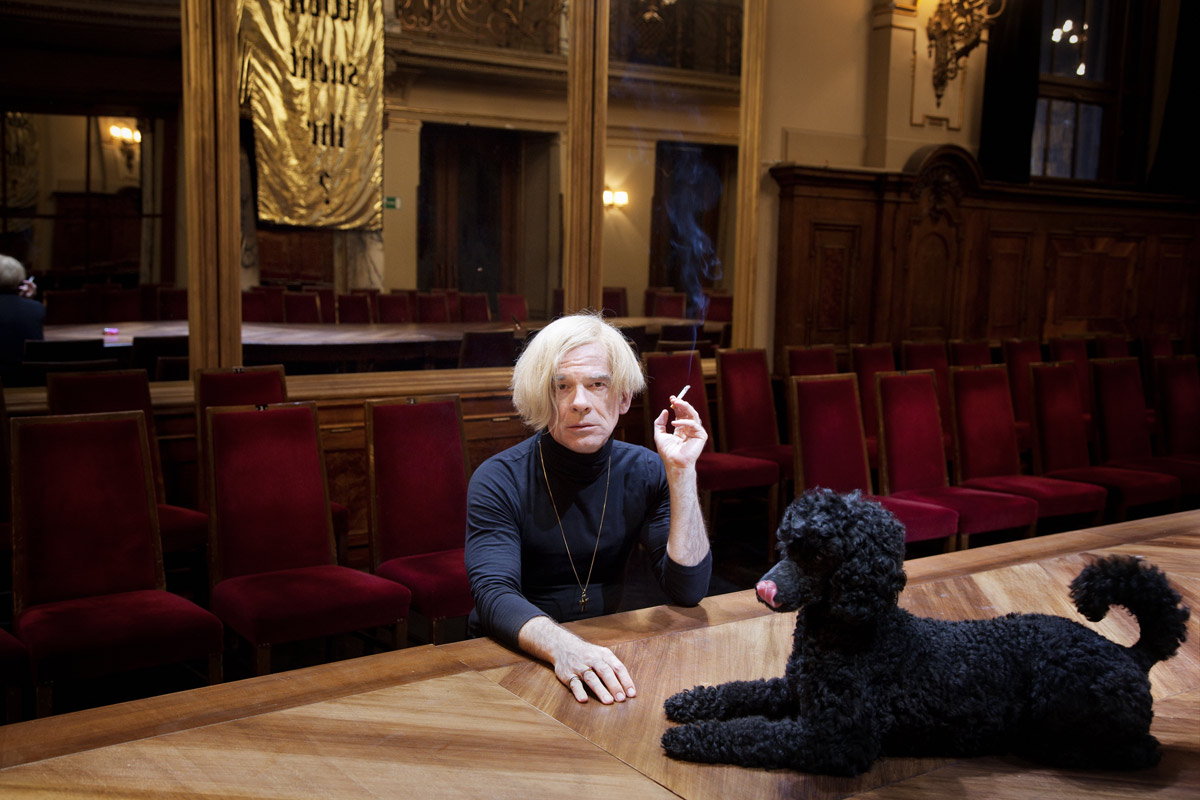
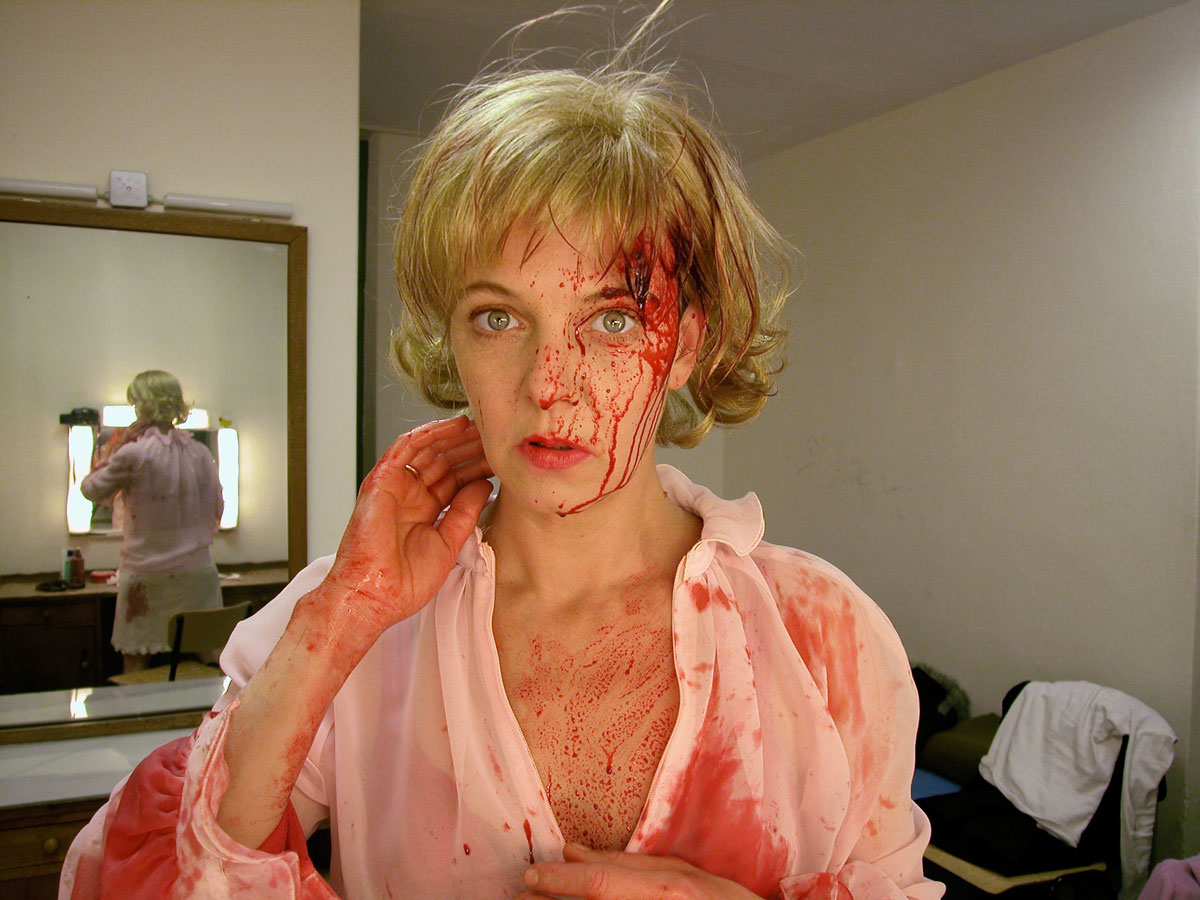
As an actress Margarita Broich is one of the big names, but it may come as a surprise to many that she is also a photographer. For the first time the Martin-Gropius-Bau is showing an exhibition of her work consisting of over 60 portraits of her fellow artists, including Ben Becker, Kate Winslet, Veronika Ferres, Klaus Maria Brandauer, Christoph Schlingensief, Thomas Quasthoff and many more. Margarita Broich has captured those fleeting moments when the actor sheds the role in the intervals or a few minutes after the end of a performance. The role can still be discerned on the features of the players when they are still surrounded by the world of scenery and mirrors but not acting any more. They have been sought out in changing rooms, theatre foyers, or with the make-up artist, taking off their make-up while still surrounded by the tools of their transformation.
Broich portrays the artists with the instinct of a colleague. Her photographs capture famous artists from her circle of acquaintances at those moments when they are returning from the stage after playing their role. However matter-of-fact the situation of the subject may occasionally appear, each photograph has its own charm. The beholder is granted glimpses of scenes that must be among the most intimate in show business: whether they show Martin Wuttke with a blonde, Andy Warhol mane and his poodle, Taxi, smoking a cigarette after a performance of “Gretchens Faust”, or Klaus Maria Brandauer at the end of a 10-hour Wallenstein epic, sitting on a stool with a bottle of beer, the snapshots are full of tension.
Born in Neuwied in 1960, Margarita Broich initially studied photo design in Dortmund and worked as a theatrical photographer at the Bochum Schauspielhaus (Theatre) under Claus Peymann, before studying dramatic art herself at Berlin’s College of Arts. Since then she has appeared in numerous German-language stage performances and television dramas, working with such directors as Claus Peymann, Robert Wilson and, earlier, with Christoph Schlingensief.
Text from the Martin-Gropius-Bau website [Online] Cited 26/05/2011 no longer available online
Many thankx to the Fotomuseum Winterthur, Zurich for allowing me to publish the photographs in the posting. Please click on the photographs for a larger version of the image.
In the history of group photography Nixon’s ongoing series of family portraits The Brown Sisters (1975- ) is the best in the world. Beautifully structured and composed the photographs are nuanced and sensitive to the people portrayed and the passage of time. The subjects project and recede within the image frame, exposing vulnerability, intimacy and strength. Simply breathtaking!
Dr Marcus Bunyan
Many thankx to Amelia Kantrovitz for her help and to the Museum of Fine Arts, Boston for allowing me to publish the photographs in the posting. Please click on the photographs for a larger version of the image.
Themes such as the passage of time and the enduring nature of close family relationships are brought into focus in the exhibition Nicholas Nixon: Family Album at the Museum of Fine Arts, Boston (MFA). The show, on view from July 28, 2010, through May 1, 2011, in the MFA’s Herb Ritts Gallery, features more than 70 black and white portrait photographs by Nicholas Nixon, one of the most celebrated American photographers of this generation. Among them are pictures of Nixon’s wife, Beverly (Bebe) Brown Nixon, and their two children, Clementine and Sam. Nicholas Nixon also includes The Brown Sisters, the ongoing annual series of portraits of Bebe and her sisters taken each summer for the past 35 years. Nixon will take another photograph of the sisters this summer, which will be hung in the gallery during the course of the exhibition.
The promised gift to the MFA of The Brown Sisters series is the impetus for Nicholas Nixon. The group of photographs has been lent to the Museum for the exhibition from the collection of James Krebs, a Distinguished Benefactor of the MFA, and his late wife, Margie. Also included are works by Nixon purchased by the Museum, and a number that were given and lent to the MFA by the artist. Nicholas Nixon is presented with support from the Shelly and Michael Kassen Fund.
“Nicholas Nixon rose to prominence in the mid 1970s for his large-format black-and-white views of Boston and New York. Since then, he has turned almost exclusively to portraiture, and has produced many celebrated series of pictures – of the elderly, people with AIDS, and couples – but his portrayals of his family are particularly evocative and beloved. Nick has been a friend of the MFA for a long time and has generously given the Museum many of his photographs,” said Malcolm Rogers, Ann and Graham Gund Director of the MFA.
Nicholas Nixon’s photographs of family are both personal in nature and have a universality with which observers can connect. These pictures, a number of which have never been publicly displayed, celebrate the bonds of close family relationships, especially as they grow over time. Included in the exhibition is the luminous image that Nixon took of his wife in the bathtub, Bebe, Cambridge (MFA, Boston, 1980). The beautiful glowing light on her face suggests her interior state, as well as the depth of their long relationship. There are also many photographs in the show that highlight the richness and warmth of daily life with children. In an image from 1985, a cropped view of Bebe pictures her gazing downward, as Clementine’s fist emerges from the bottom of the frame, evoking the power of a new life. A close-up of Clementine’s face made the following year, with her wide eyes gazing upward, captures the toddler’s impression of wonder. The latest photograph of Clementine in the exhibition dates to 2003 and depicts her as a young woman, embracing her mother. Images of Nixon’s son, Sam, are also included, showing him in different stages over the years and in portraits with his sister.
The most recognised images in the exhibition are those that Nixon has taken of the Brown sisters each summer since 1975. The four women – Heather, Mimi, Bebe, and Laurie – always appear in the same order in the portraits, from left to right. These compelling photographs reveal the evolving nature of the sisters’ relationship over time. The serial portraits begin with The Brown Sisters, 1975 (James and Margie Krebs Collection, 1975), which captures them as young women, ranging in age from 15 to 25. With each passing year, observers can note changes in appearance, stance, and demeanour. In several of the portraits, the presence of the photographer is suggested through the shadow of himself and his camera projected across the figures, which makes reference to his role in the family dynamic. The series unfolds in a grid display on the central wall of the Ritts Gallery.
“In his serial pictures of family, Nicholas Nixon explores a classic conundrum in photography: how to suggest the passage of time by means of an instrument that records the instantaneous image. His effort is related to that of several predecessors – Alfred Stieglitz, Edward Weston, Harry Callahan, to name the most important – who, like him, used their wives as subject matter, photographing them over a period of years. What Nixon has added to the discussion – beyond recording facets of appearance, personality, or emphasising formal concerns – is his emphasis on the meaning of family,” said Anne Havinga, the MFA’s Estrellita and Yousuf Karsh Senior Curator of Photographs, who curated the show with Emily Voelker, the MFA’s Estrellita and Yousuf Karsh Assistant Curator of Photographs.
Born in Detroit in 1947, Nixon graduated from the University of Michigan in 1969 with a bachelor’s degree in English, and from the University of New Mexico in 1974 with a Masters of Fine Arts degree. Later that year, he moved to Boston, where he teaches at the Massachusetts College of Art and Design. Nixon is known for his documentary photography, especially city views and portraits rooted in the snapshot tradition. He works primarily in black and white, creating gelatin silver prints with a 8 x 10-inch view camera as did many of the great photographers who influenced him, including Alfred Stieglitz, Edward Weston, and Walker Evans. Working in large format and making contact prints enables him to create images of crisp detail and subtle tone. In recent years, Nixon has also begun to experiment with colour, although the photographs in the exhibition are all black-and-white, for which he is best known. He is the recipient of three National Endowment for the Arts Fellowships and two Guggenheim Fellowships, and, in addition to the MFA, his work is included in numerous museum collections, among them, the Metropolitan Museum of Art and the Los Angeles County Museum of Art.
Press release from the Museum of Fine Arts, Boston website [Online] Cited 26/04/2011 no longer available online
Nicholas Nixon (American, b. 1947) The Brown Sisters 1976 Gelatin silver print Promised gift of James and Margie Krebs Courtesy, Museum of Fine Arts, Boston
Nicholas Nixon (American, b. 1947) The Brown Sisters 1978 Gelatin silver print Promised gift of James and Margie Krebs Courtesy, Museum of Fine Arts, Boston
Nicholas Nixon (American, b. 1947) The Brown Sisters 1980 Gelatin silver print Promised gift of James and Margie Krebs Courtesy, Museum of Fine Arts, Boston
Nicholas Nixon (American, b. 1947) The Brown Sisters 1996 Gelatin silver print Promised gift of James and Margie Krebs Courtesy, Museum of Fine Arts, Boston
Nicholas Nixon (American, b. 1947) The Brown Sisters 1999 Gelatin silver print Promised gift of James and Margie Krebs Courtesy, Museum of Fine Arts, Boston
Museum of Fine Arts, Boston Avenue of the Arts 465 Huntington Avenue Avenue of the Arts Boston, Massachusetts 02115-5523 617-267-9300
Opening hours: Thursday and Friday 10am – 10pm Saturday – Monday 10am – 5pm Closed Tuesday and Wednesday
Exhibition dates:Â 1st October 2010 – 23rd January, 2011
Many thankx to the Centro di Cultura Contemporanea Strozzina for allowing me to publish the photographs in the posting. All text comes from the Centro di Cultura Contemporanea Strozzina website. Please click on the photographs for a larger version of the image.
Installation view of the exhibition Portraits and Power: People, Politics and Structures at Centro di Cultura Contemporanea Strozzina – Fondazione Palazzo Strozzi, Florence with the work of Rineke Dijkstra at right
Portraits and Power explores portraiture and the representation of political, economical and social power in the contemporary world through the works of contemporary artists. Portraits of famous political figures, investigations into the lifestyle of the social elite, as well as inquiries into the power structures of international institutions.
The exhibition explores its theme from three main standpoints: it analyses power as an expression of the charisma of those individuals who have become icons or symbols of their age; it probes the power of institutions and social models that either represent themselves or are represented in a critical light; and it investigates the hidden mechanisms of powerful authorities.
Portraits and Power is a project of the CCC Strozzina, with the consultancy of Peter Funnell (National Portrait Gallery, London), Walter Guadagnini (“UniCredit & Art” project) and Roberta Valtorta (Museum of Contemporary Photography, Cinisello Balsamo) coordinated by Franziska Nori (CCCS, Firenze).
Text from the Centro di Cultura Contemporanea Strozzina website [Online] Cited 02/02/2020
Tina Barney (American, b. 1945) The Ancestor 2001 C-print Courtesy the artist and Janet Borden Inc., New York
Tina Barney (American, b. 1945) The Brocade Walls 2004 C-print Courtesy the artist and Janet Borden Inc., New York
Installation view of the exhibition Portraits and Power: People, Politics and Structures at Centro di Cultura Contemporanea Strozzina – Fondazione Palazzo Strozzi, Florence showing the work of Tina Barney
The characters Tina Barney portrays are the representatives of a social class that normally exercises careful control over the circulation of pictures of its members, whether in the form of family photographs or official portraits, which are often published on the pages of glossy magazines. She is one of the first photographers to have made artistic use of this kind of representation. Hers is not merely the gaze of an onlooker, but that of a trusted person, who has personal relationships with her subjects. What she is interested in is not so much the idea of displaying the wealth of these families, but that of analysing social and family dynamics – such as the ambivalent relationship between children and parents. Her work is conceived as a means to improve self-understanding.
The people portrayed all come from families educated in the awareness of their own social role: discipline, self-control and rigour are features to be observed in all the subjects photographed, and they share the same high level of composure. For the series entitled The Europeans, which was produced over a period of about eight years, the author was introduced by one circle of friends to another, and thus given the opportunity to portray Italian nobles, Austrian bankers and landowners, proud representatives of the wealthy Spanish bourgeoisie, and English gentlemen in their sophisticated dwellings. Neither the formal way of dressing nor the furnishings can be traced back to any particular fashion: Tina Barney seeks to produce timeless pictures that at first sight will appear closer to traditional painting than to contemporary photography. Tina Barney creates her portraits through a careful observation of people in their everyday lives; to capture transient moments she asks her subjects to repeat something in front of the camera in such a way as to fix them. Her work tool is a fixed, large-size camera; an extended time exposure and high resolution enable her to render the details of each setting in detail. The figures portrayed have a rigid and formal countenance, which makes them appear markedly detached from one another, even though it is often brothers and sisters or parents and children who are photographed together: “this is the best that we can do. This inability to show physical affection is in our heritage”.
Tina Barney’s photographs give a sense of the fleetingness of their relationships behind the mask of self-controlled bearing. The artist thus unveils the game of social roles and attitudes conducted by her subjects, a veritable Theater of Manners (to quote the title of one of her most famous series) which demands enough sensitivity on the viewers’ part for them to focus on those details in the pictures that render hidden and non-immediately obvious features visible.
Since the mid-1970s, Tina Barney has been focusing her work on the portrayal of the privileged exponents of New York and New England high society, seen either in their own homes or on certain special occasions. The style of the pictures ranges from that of tableaux vivant to that of genre paintings, drawing expressive force from the interaction between wealthy settings and the people who move about in them.
Tina Barney (American, b. 1945) The Granddaughter 2004 C-print Courtesy the artist and Janet Borden Inc., New York
Installation view of the exhibition Portraits and Power: People, Politics and Structures at Centro di Cultura Contemporanea Strozzina – Fondazione Palazzo Strozzi, Florence showing the work of Jim Dow
Jim Dow (American, b. 1942) Library Metropolitan Club, New York 1999 / 2010 Chromogenic colour print Courtesy the artist, Janet Borden, Inc., New York
Jim Dow (American, b. 1942) Dining Room, Morgan Library, New York 1999 / 2010 Chromogenic colour print Courtesy the artist, Janet Borden, Inc., New York
By taking shots that are as objective as possible and completely devoid of any human presence, Dow gives a concentrated and authentic view of the architecture, furnishings and frameworks of these backdrops of life. “My interest in photography centres on its capacity for exact description. I use photography to try to record the manifestations of human ingenuity and spirit still remaining in our country’s everyday landscape.” For one of his most recent series, Dow has been able to make his way into some of the most exclusive private circles of New York City. He selected circles that are still active and have a long and significant history behind, such as the renowned Metropolitan Club, which was founded in 1891 by John Pierpont Morgan, and once listed James Roosevelt and William K. Vanderbilt among its most illustrious members. Most of these circles require strict adherence to rules consolidated by tradition. Only those introduced to the club by one of its members can join it, a practice that contributes to keep it a kind of network; a specific commission will then consider whether the candidate is fit for acceptance. Though there are over twenty circles of this kind in New York, outsiders will rarely notice their presence. While they no longer exercise the kind of political influence they used to as seats of power and decision making bodies, these clubs are now undergoing a new renaissance. An increasing number of politicians and businessmen are choosing to meet in their secluded rooms, which public opinion often perceives as places of intrigue and the setting for secret appointments of various kinds. With his descriptive and comparative photographs, Dow is giving a face to these exclusive meeting places, inviting viewers to join him in admiring the timeless opulence of their rooms. Architecture is the “primary and most powerful form of mass-communication”; at the same time, it is a mirror for power and its strategies, for the consolidation of authority and its effects on those who exercise it. “Architecture is power. The powerful build precisely because they are powerful. Yet architecture is also an expression of the capability and resoluteness – as well as resolve – of the powerful. Politicians intentionally exploit architecture to seduce, impress, and intimidate.” (Deyan Sudjic, The Edifice Complex: How the Rich and Powerful Shape the World, 2006).
American photographer Jim Dow approaches places as meeting points bearing visible traces of people’s mutual interactions. In different photographic series, the artist has portrayed American barbecue joints, pie and mash shops in London, tango halls in Buenos Aires, the workplaces of farmers, tinsmiths and iron-smiths, and baseball stadiums from one coast of the US to the other.
Clegg & Guttmann (Michael Clegg and Martin Guttmann) Grand Master 1985 Cibachrome Courtesy Galerie Christian Nagel, Cologne, Berlin, Antwerp
For Grand Master, part of a photographic series produced in the 1980s, Clegg & Guttmann asked an actor to display certain poses characteristic of power, presenting him as the representative of a non-specified institution. The background of the image consists in a fictional architectural scenario – one simply simulated by using photographed space – the artificial nature of which is revealed by certain incongruities in the lighting effects. What is central here, once more, is the reflection offered on the controlled and never spontaneous construction of an image of power.
The tension conveyed by Clegg & Guttmann’s works springs from the subtle gap characterising the artists’ relationship with tradition. Their classical and apparently affirmative representations of people with power should be interpreted, within the context of their career spanning several decades, as different ways of visualising an analytical and deconstructive practice engaging with the mechanisms of authority.
Installation view of the exhibition Portraits and Power: People, Politics and Structures at Centro di Cultura Contemporanea Strozzina – Fondazione Palazzo Strozzi, Florence showing the work of Clegg & Guttmann
The CCCS – Centro di Cultura Contemporanea Strozzina – Fondazione Palazzo Strozzi, Florence, will be staging an exhibition entitled Portraits and Power: People, Politics and Structures, from 1 October 2010 to 23 January 2011, which will run concurrently with the retrospective devoted to Bronzino, the undisputed master of the Mannerist portrait, on Palazzo Strozzi’s piano nobile.
The exhibition explores its theme from two main standpoints: it analyses power as an expression of the charisma of those individuals who have become icons or symbols of their age; and it probes the power of institutions and social models that either represent themselves or are represented in a critical light.
The role played by images has grown to such an extent that it has led to the predominant emergence of their value not only in terms of portrayal but also of the successful establishment of power. The works of art on display bear witness not only to the self-referential strategies of power, but also to the different approaches artists adopt in deconstructing or chipping away at the images that represent social, economic and political power in a way that can not only bolster a leadership but that can also undermine its authority.
The National Portrait Gallery in London will be contributing works by three famous international photographers that explore the image of political authority. The series devoted to Queen Elizabeth II by Annie Leibovitz evinces a celebrated contemporary artist’s dialogue with the great tradition of official portraiture, and the cycle entitled Blair at War by Nick Danziger gives an extraordinary vision of Tony Blair’s daily life in the days immediately preceding the outbreak of the war in Iraq. The portrait of Margaret Thatcher by Helmut Newton keeps alive the iconic role of one of the most influential politicians of recent decades despite the fact that her authority had waned.
Clegg & Guttmann show the photographs of three managing directors of the Deutsche Bank. These images, while based on the official portraiture genre, provide the opportunity for a conceptual reflection on the theme of the public presentation of individuals who are at the same time both subject and patron of the work. Christoph Brech portrays a modern patron of the arts in a video that dwells on a detail of the hull of his yacht, Sea Force One, a floating museum filmed from a distance in Venetian waters.
The role of the image not only as representation but also as a tool for the construction or exploration of power is analysed by artists such as Hiroshi Sugimoto, whose Portraits bring to life wax effigies of historical or contemporary political figures through the evocative power of photography, and Rineke Dijkstra whose series of images of a soldier with the French Foreign Legion prompts a reflection on what remains of the individual when he becomes the representative of a military authority. Francesco Jodice, in his video entitled Dubai Citytellers, analyses the development and the social impact of one of the new centres of global economic power.
In the photo triptych Past, Present and Future, Wang Qingsong portrays himself as a bystander, bearing witness to fighters in poses mimicking celebrative and monumental Socialist sculptures, reflecting upon the contradictory nature of the actual power of masses in contemporary China.
Tina Barney records the life and domestic environment of the beau monde, combining the spontaneous feel of a private snapshot with a sophisticated aesthetic approach strongly echoing the world of art and traditional photography. The provocative photo series Ricas y Famosas by Daniela Rossell portrays the taste and excesses of the new super wealthy social oligarchy in Mexico, while Martin Parr’s series entitled Luxury, which is devoted to fashion shows, horse-racing and art fairs in the world’s major capitals, probes the lifestyle of the upper class in a globalised Western world. The pictures of Jim Dow portray the luxurious rooms of the great private social clubs of New York City’s elite, fashionable places that are inaccessible to the general public.
Finally, the composer Fabio Cifariello Ciardi uses famous politicians’ public speeches as his raw material for the creation of electroacoustic music that will underline their rhetorical techniques of persuasion.
The exhibition catalogue, published in Italian and English, contains a series of essays by authors from different countries, backgrounds and disciplines, offering the visitor a chance to explore in greater depth the themes addressed by the exhibition.
Press release from the Strozzina website [Online] Cited 02/02/2020
Rineke Dijkstra (Dutch, b. 1959) Olivier Quartier Vienot, Marseille, France, July 21, 2000 On loan from The Bank of America Merrill Lynch Collection
Rineke Dijkstra (Dutch, b. 1959) Olivier Quartier Monclar, Djibouti, July 13, 2003 On loan from The Bank of America Merrill Lynch Collection
A crucial feature of Dijkstra’s photography is her desire to show the true personality of her subjects, as opposed to any simulated one. Up against the contemporary mystifying quality of the Internet and digital manipulation, her images illustrate in a very convincing way how photography is still capable of transcending the surface of subjects to grasp their deeper and constantly evolving identities. Her series feature, for instance, young bullfighters immediately after a bullfight, young mothers with babies born only a few minutes before, and portraits of boys and girls from various parts of the world at the beach. Her work method, whereby subjects are given very few directions and are usually portrayed frontally, leads to the creation of bare and detached pictures in which people display an inevitably fragile and vulnerable air. The Olivier Silva project, which the artist has developed over the course of more than three years, centres on the figure of a young man who in July 2000 voluntarily enrolled in the French Foreign Legion. Dijkstra portrays crucial moments of his intense training in France and Africa – from the day of his enrolment, in Aubagne, near Marseille, to the missions he was sent to fulfil in various parts of the world (Gabon, Ivory Coast and Gibuti) in 2003. The photographs clearly illustrate the metamorphoses the young man underwent over the course of the years: the innocent looking boy becomes an energetic and professional elite soldier enlisted in one of the world’s toughest and most controversial army corps. The centrepiece of the work is the artist’s interest in Olivier as an individual whose personality evolves in the course of his training, as is clearly revealed by his attitude and the look in his eyes, as well as by the very way in which his facial features change. The training imparted in military units of this kind is aimed at annulling the recruit’s personality in order to then recreate it according to new parameters: the youngster draws closer and closer to the prototype of the soldier as we progress from one photograph to the next. Just as all new recruits of the Foreign Legion are assigned a new name and identity, after three years Olivier no longer looks (even physically) like the same person as before. Like an accelerated film sequence, this series shows the dissolution of the original identity of a man subjected to the conditions dictated by an apparatus of power. Every soldier is at the service of the country he fights for and becomes one of its official public representations, embodying its military power. The same power he now wields is that which in a few years has conditioned him – or even produced him, one may say. Through her aesthetically minimalist photographs, Rineke Dijkstra illustrates the paradox of opposition between individual values and those of the community, between identity and conformity.
Rineke Dijkstra has carried out profound research in the field of photographic portraiture. Her subjects are adolescents who are still searching for themselves and who are incapable of acting in front of a camera, as well as adults caught in decisive moments in their personal development. By portraying these subjects, the artist explores the theme of identity and its representation.
Unlike most of his colleagues, Parr has little interest in the great themes of photographic reporting, such as the documenting of war and poverty. Working around the world, he finds his motifs in everyday life. At the beginning of his career, he focused in particular on the observation of people from lower middle class backgrounds engaged in different activities, in the context of themes such as consumption, communication and leisure. He has left it ambiguous as to whether these pictures of his are charged with critical overtones or intended to serve as a mere means of social documentation. Through this approach to his work, Parr has developed a highly distinctive and almost unmistakable style marked by dazzling colours obtained by the use of flash on top of natural light. Parr takes his camera near people and their social milieus, creating images that appear grotesque or exaggerated at first. Their motifs, which often coincide with moments of everyday life, are shot from unusual perspectives.
The feeling these pictures convey is that of being spontaneous photos, similar to snapshots. Only under closer scrutiny you understand they have been skilfully construed and arranged. While always highly charged and taking widespread social stereotypes as their starting point, Parr’s images are never banal. The perspective they convey stands out for the way in which it takes viewers by surprise and for the ironic detachment with which the photographer turns to his subjects.
According to Parr, his photographs never fail to elicit extreme emotions because they always show some truths: “We are so used to digesting pictures that are pure propaganda, that people are surprised when someone like me shows them images that are closely tied to reality. I, at least, don’t lie”. The photographer’s gaze takes the viewer into his confidence, leading him through the pictures to discover the absurdity of what we deem normal. Gathered in large series regularly published in volumes, these shots transcend the irony of individual images to concentrate on the analysis of a given social milieu.
The Luxury series portrays personages from the international jet set, photographed in different settings around the world – from the Miami Art Fair to horse races in Durban, from polo tournaments in Dubai to the Beijing Auto Show. With these images, Parr has intentionally moved away from his previous subjects to focus on the life of the upper classes: for, as he himself has noted, the main problem the world is facing is not poverty but wealth – excessive development and prosperity. These photographs offer the perspective of an external, noninvolved observer, whose gaze is drawn towards minor details that usually find no place in the common representations of these events.
Martin Parr describes himself as a “chronicler of our times”. In his photographic series he records the behaviour of people of different social classes in different contexts, searching not so much for mutual differences as for what brings human beings together when they find themselves in certain roles.
This opportunity had arisen thanks to The Saturday Times Magazine, which had launched a project to produce a special report on the occasion of Blair’s fiftieth birthday, one based not on official photographs but on a way of perceiving and depicting power from the point of view of everyday life – the interior of private and usually inaccessible places, removed from the conventional and more distinctly representational ones. These were the very days in which Blair was facing one of the most challenging decisions of his mandate: that concerning Great Britain’s intervention in the Second Gulf War on the side of the United States.
Danziger was able to document moments and scenes that could otherwise never have been made visible, capturing apparently insignificant moments that actually express all the underlying tensions and dynamics of those crucial days in 2003. On his first day of work, 14 March, Danziger was in Blair’s so called “den” – the Prime Minister’s private workroom in Downing Street. While engaged in a telephone call with Palestinian leader Yasser Arafat, Blair is shown in a non-conventional and informal, rather than simply official, pose. A mirror here gives us a glimpse of Alastair Campbell, the Prime Minister’s ever-present spin doctor, and the person responsible for his public image. This reflection becomes a sort of picture within the picture, a reminder of the assemblage of Danziger’s photographic documents, which are never created by chance or artlessly, but always follow from a conscious decision on the photographer’s part.
Danziger seems to be providing an almost intimate depiction of power, one that catches its subjects unawares. Yet it is worth recalling that the Blair government had developed a very careful and well-thought strategy for controlling its own public identity. New Labour’s promotion of an image of its Prime Minister as a young man from next door and of its own political class as one close to ordinary people has been a central feature of its political platform – a way of making a break after the long years of Conservatism under Margaret Thatcher and John Major.
The power of Danziger’s photographs lies in their ability to suggest the moments preceding and following the one portrayed, as illustrated for instance by the pictures of the Prime Minister’s transfer by plane, or the conversation held by a group of politicians outside Blair’s cabinet as they wait for the imminent war decisions to be made. In these pictures the outside world is always cut off; still, as critic John Berger has noted, the importance of photographs lies precisely in their ability to show things they do not directly portray.
Danziger himself bears witness to this when he writes that “in some of the pictures, from where the Prime Minister is sitting, he could hear people shouting ‘stop the war’ outside”. Power censors what might damage or shed doubt upon the reassuring appearance of a politician, and always seeks to portray itself in a manner useful for its own preservation.
The work of photojournalist Nick Danziger features videos and photographs in a documentary style, which often accompany the diaries he writes during his many trips around the world – from Bosnia to Afghanistan, Great Britain to Brazil, and so on. Between March and April 2003, Danziger and journalist Peter Stothard spent thirty days in close contact with the then Prime Minister Tony Blair and his entourage.
Installation view of the exhibition Portraits and Power: People, Politics and Structures at Centro di Cultura Contemporanea Strozzina – Fondazione Palazzo Strozzi, Florence showing the work of Hiroshi Sugimoto
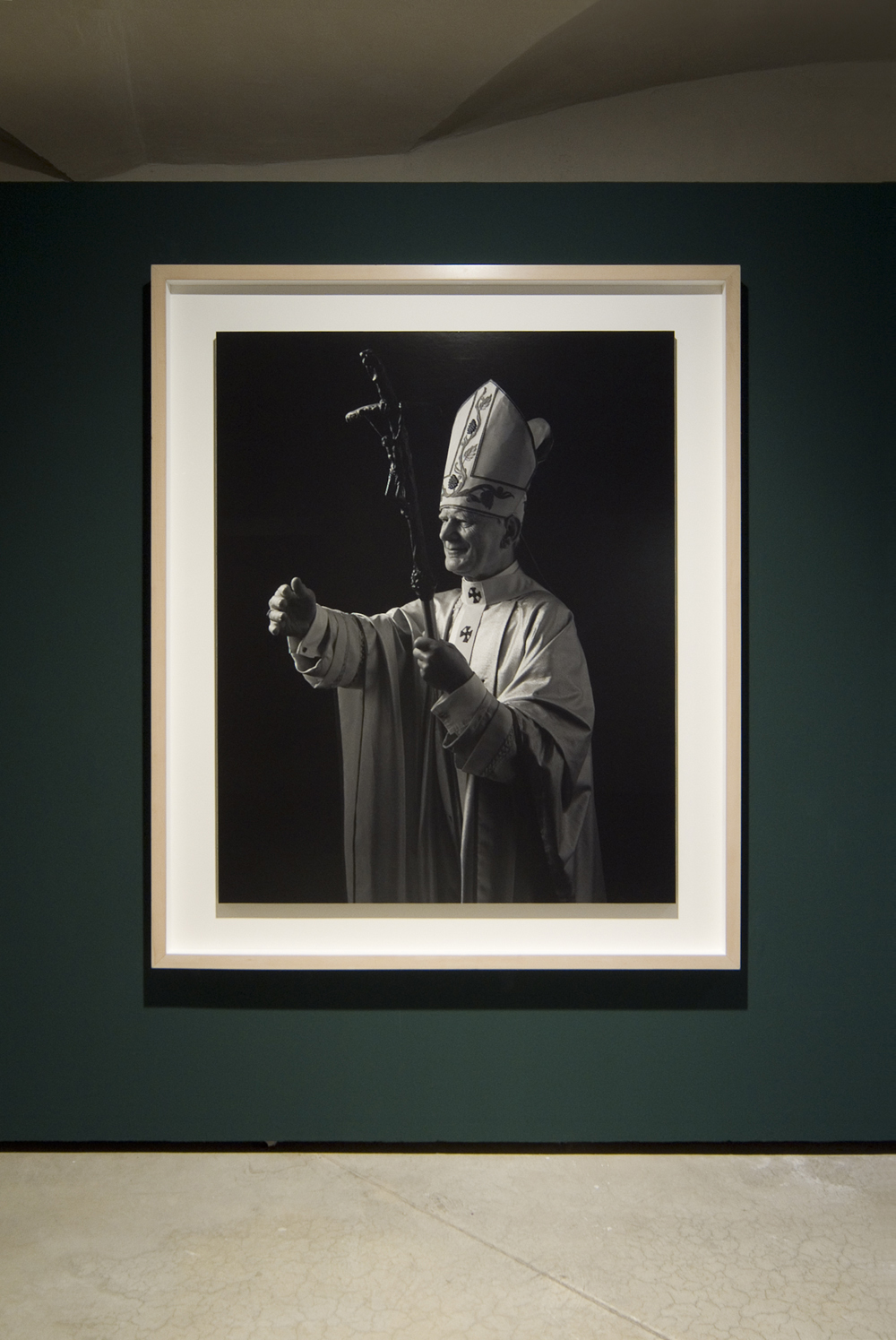
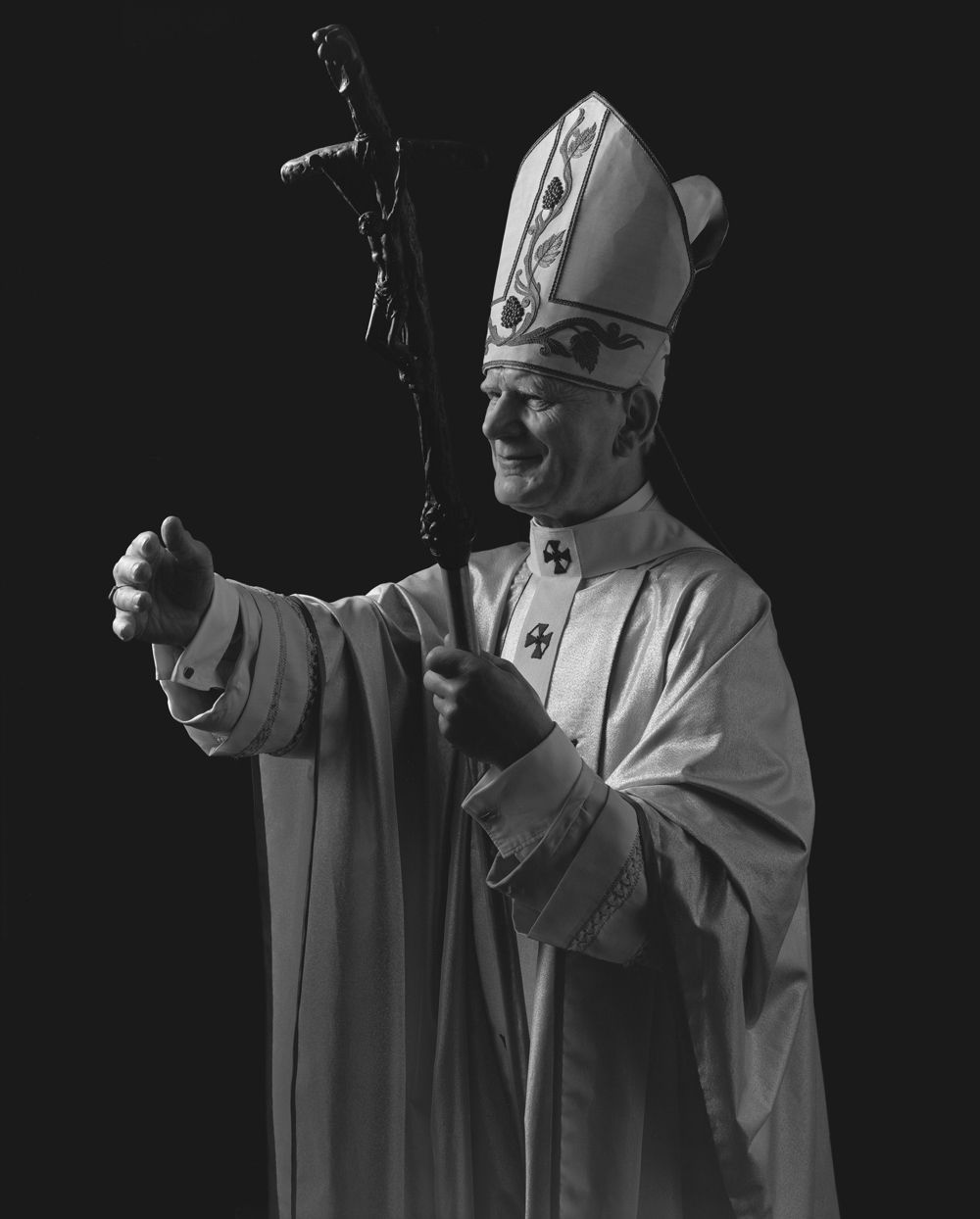
The Portraits series was first developed in 1999, starting from a portrait of King Henry VIII of England inspired by the work of Dutch painter Hans Holbein. Sugimoto’s self-professed aim was to become “the first sixteenth-century photographer.” The series then continued with different subjects, including famous contemporary figures who have entered the collective imagination, such as the Cuban lider máximo Fidel Castro and Pope John Paul II.
Sugimoto’s works are not portraits of the original subjects, but of wax sculptures reproducing them in the most hyper-realist way possible. The figures are illumined by a source of direct light and strongly stand out against a black background in an extremely theatrical way, imitating poses typical of the characters they represent, while removing them from all context and thus emphasising their nature as icons rather than human beings.
For these works Sugimoto has not made use of the 50 x 60 cm format that is typical of him. Yet, they stand in continuity with the artist’s unique reflection upon the nature of photography and its relation to history and time. Here he embarks upon a reflection on portraiture and the process whereby an image is translated using different media, emphasising the problematic “realistic effect” of photographic reproduction.
An attentive gaze will notice small disproportions in the various parts of the subjects’ bodies or strange lighting effects due to the way in which light reflects on wax as opposed to real skin. Still, these pictures invite us to look at them as we would other photographs. Thinking, that is, about the genuine subjects they portray, something that paradoxically makes them “more real” than the wax statues that constitute their actual subjects. Different levels of reproduction are at play here: from the original subject to an initial photograph that served as a model for the wax statue that Sugimoto then portrayed in his photographic work. Our gaze will strongly be drawn towards the extraordinary elegance and aesthetic refinement of these works, which reveal the uncommon technical abilities of Sugimoto, marked as they are by the endless range of white, grey and black shades typical of him. Despite all this, his works remain emotionally cold: they consist in conceptual reflections upon the very notion of portrait and its political and cultural value as an icon of the characters it represents, and explicitly forgo any realist view of the individuals they take as their subjects. The artist seems to be causing all sense of natural time to collapse – in such a way as to stress that of absolute time. He attains a balance between life and death that is characteristic of photography but also of portraiture, whereby what counts is not the reality or the life of a subject, but the latter’s value as an image in itself, beyond time and everyday life.
Hiroshi Sugimoto’s photographs convey a conceptual attitude aimed at stripping images down to their bare essence, thus emphasising the primacy of the idea over the object portrayed. His famous marine landscapes and dioramas express a view of photography as a sort of time machine – a way of preserving or constructing memories and emotions.
Curators: Peter W. Kunhardt, Jr., Director of the Meserve-Kunhardt Foundation, and Robin Garr, Director of Education, Bruce Museum
Many thankx to Mike Horyczun, Director of Public Relations and the Bruce Museum for allowing me to publish the images in the posting. Please click on the photographs for even larger version of the image.
Marcus
Alexander Hesler (American, 1823-1895) Abraham Lincoln June 3, 1860 Springfield, Illinois
Alexander Hesler or Hessler (1823-1895) was an American photographer active in the U.S. state of Illinois. He is best known for photographing, in 1858 and 1860, definitive iconic images of the beardless Abraham Lincoln. …
Hesler’s known portraits include photographs of the two chief Illinois political figures of his day, Lincoln and federal senator Stephen A. Douglas. In the 1860 presidential election, Lincoln’s friends took steps to have Hesler’s images copied and recirculated, cementing their stature as works of Lincoln image-making.
Hesler was an award-winning photographer whose goal was to create photographs of lasting artistic value. He was recognised for the quality of both his portrait work and his outdoor photography. Upon Hesler’s retirement in 1865, he transferred his Chicago studio and negatives to a fellow photographer, George Bucher Ayres. Several of Hesler’s best-known images of Lincoln are platinum prints produced by Ayres from Hesler negatives.
Preston Butler Abraham Lincoln August 13, 1860 Springfield, Illinois Ambrotype Plate 5 3/4 x 4 1/2 in Library of Congress
Abraham Lincoln as candidate for United States president. Half-length portrait, seated, facing front.
Thought to be the last beardless portrait of Lincoln, this photo was “made for the portrait painter, John Henry Brown, noted for his miniatures in ivory. … ‘There are so many hard lines in his face,’ wrote Brown in his diary, ‘that it becomes a mask to the inner man. His true character only shines out when in an animated conversation, or when telling an amusing tale. … He is said to be a homely man; I do not think so.'” (Source: Ostendorf, p. 62)
Published in: Lincoln’s photographs: a complete album / by Lloyd Ostendorf. Dayton, OH: Rockywood Press, 1998, pp. 62-63.
Between 1856, the year of Preston Butler’s arrival in Springfield, and Feb. 11, 1861, when President-elect Abraham Lincoln departed from Springfield, Butler took at least 8 photographs of Lincoln and at least 1 photograph of Mary, Willie and Tad Lincoln. Also, in 1857 or 1858, Butler photographed each of the 4 sides of Springfield’s public square. These photographs are the primary source of information about the appearance of the public square in Lincoln’s Springfield.
Abraham B. Byers (American, 1836-1920) Abraham Lincoln May 7, 1858 Beardstown, Illinois Ambrotype
The Bruce Museum in Greenwich, Connecticut, presents its newest exhibition Lincoln, Life-Size, from February 13, 2010, through June 6, 2010. The exhibition features photographs of Abraham Lincoln reproduced full size, hanging alongside original 19th-century images and artefacts that tell the story of Lincoln’s tumultuous presidency. The exhibition is drawn from the Meserve-Kunhardt Collection which it has on loan from the Meserve-Kunhardt Foundation. Lincoln, Life-Size is supported by Fieldpoint Private Bank & Trust, New England Land Company, Ltd., a Committee of Honor co-chaired by Tom Clephane and Nat Day, and the Charles M. and Deborah G. Royce Exhibition Fund.
Lincoln, Life-Size is organised by guest curator Peter W. Kunhardt, Jr., Director of the Meserve-Kunhardt Foundation, and Robin Garr, Director of Education, Bruce Museum. Peter W. Kunhardt, Jr., is the great-great-grandson of Frederick Hill Meserve one of this country’s premiere Lincoln collectors. Frederick Hill Meserve’s passion for Lincoln was ignited in the 1880s when his father, William Neal Meserve, who had served in the Civil War, asked him to hunt for photographs to illustrate his handwritten war diary. Five generations of the family have preserved this massive historical record over the past century.
The exhibition chronicles the toll of war etched into the face of our 16th president. Life-size enlargements of Lincoln’s portraits circle the entire central gallery. Visitors will experience what it was like to stand before him and look into his eyes. Beneath this facial timeline of his presidency is a selection of photographs of people who touched his life and events that nearly wore him out.
The show explores the time from Abraham Lincoln’s arrival in Washington in 1857 through his assassination in 1865. Photographs chronicle events as the war unfolds, his son dies, and he struggles with generals and mounting death tolls. In the photographs, Lincoln is revealed in a variety of poses, each bearing a significance that attests to the historic nature of his life, be it as he is grappling with emancipation or drafting words that would become sacred; serving as husband and father or being pulled in all directions by his constituents; and ultimately as he holds the country together throughout the turbulent times of the Civil War.
Highlights of the exhibition include Leonard Volk’s bronze life mask of Lincoln’s head and hands, glass negatives by Mathew Brady, original albumen war prints by Alexander Gardner and Timothy O’Sullivan, and carte-de-visites of Lincoln, his family, his cabinet, and his generals. Viewers can study official government war maps, view a Thomas Nast drawing depicting the slavery issue, and walk around an early “triptych” photograph that portrays Lincoln, Grant, or Sherman, depending on where the viewer stands. An oversize “imperial” print shows Lincoln just days before delivering his Gettysburg address. In another imperial print a lab technician’s thumb print obliterates Lincoln at his second inaugural, but what is visible is a spectator in the crowd who appears to be John Wilkes Booth. Another photograph of Booth has these words written on the back side: “Recognize him and kill him.”Lincoln, Life-Size also include artefact related to Lincoln and his era.
“We have presented these works so that viewers can see how the toll the war and personal tragedies aged him during his years in office,” said Peter W. Kunhardt, Jr. “In fact, he was just 56 years old when he was assassinated.” This is the first museum exhibition dedicated to the collection of the Meserve-Kunhardt Foundation, which is now housed on the campus of SUNY Purchase. The recent book, Lincoln, Life-Size, co-authored by Phillip B. Kunhardt III, Peter W. Kunhardt and Peter W. Kunhardt, Jr. is available in the Bruce Museum Store. A full array of exhibition programming related to the exhibition is scheduled.
Text from the Bruce Museum website [Online] Cited 01/06/2010. No longer available online
Mathew B. Brady (American, c. 1822-1896) Abraham Lincoln January 8, 1864 Washington, DC National Archives and Records Administration
Anthony Berger (American born Germany, 1832 – after 1897) Abraham Lincoln February 9, 1864 Washington, DC Collodion negative Quarter-plate glass transparency 10.9 x 8.7cm (case) Brady’s National Photographic Portrait Galleries Library of Congress
This is one of a series of photographs that Anthony Berger took of President Abraham Lincoln at the Brady Gallery in Washington in the winter of 1864, as the Civil War dragged on. Modern albumen print from 1864 wet-plated collodion negative. National Portrait Gallery.
“The Famous Profile” by Anthony Berger, manager of Brady’s Gallery, Washington D.C., made direct from an original collodion negative in the Meserve collection (M-82). One of seven poses taken by Berger on Tuesday February 9, 1864, it is perhaps the most familiar of Lincoln profiles, a more handsome pose than its companion view (0-89) because Lincoln’s profile is less severe and his left eyebrow is more visible.
Alexander Gardner (Scottish 1821-1882; emigrated America 1856) Abraham Lincoln November 8, 1863 Washington, DC Library of Congress
Alexander Gardner (Scottish 1821-1882; emigrated America 1856) Abraham Lincoln February 5, 1865 Washington, DC Library of Congress
Alexander Gardner was a Scottish photographer who immigrated to the United States in 1856, where he began to work full-time in that profession. He is best known for his photographs of the American Civil War, U.S. President Abraham Lincoln, and the execution of the conspirators to Lincoln’s assassination.
This is one of the last photos taken of Lincoln, who was assassinated ten weeks later, on April 14, 1865.
Alexander Gardner (Scottish 1821-1882; emigrated America 1856) Abraham Lincoln (detail) February 5, 1865 Washington, DC Library of Congress
The Bruce Museum 1 Museum Drive in Greenwich, Connecticut, USA.
Opening hours: Tuesday – Sunday 10am – 5pm Closed Mondays and major holidays
You must be logged in to post a comment.