“There is little love and tenderness here, little magic or generosity of spirit. Goldin’s attitude to the world at the time seems to be one of hostility and resentment. It’s all very well portraying the underbelly of society – the depravity, violence and degradation – but if your point of departure is one of anger and animosity, this is always going to be reflected in your art. I remember going out with my friends partying in the 1980s, the drugs, the sex, the pushing it to the edge, but you know what – we cared about each other. Nothing could be further from the truth in Goldin’s hedonistic (not heuristic) approach to her aura. …”
Over six years later it was time to reevaluate my feelings towards the work by looking again. Had my feelings changed in the intervening years? Or was I just being an obtuse human at the time who couldn’t see what everyone else could see, the genius of the work?
I have reflected long and hard on my feelings in relation to these photographs. Perhaps I was too close to the subject matter, that the series cut too close to the bone: many years of partying in London taking drugs, so many friends and lovers lost to HIV/AIDS. But that is not the case.
The problem for me with this work is its rather sad detachment from life and a pervading sadness attached to each of these photographs. While Goldin announces that “For me it is not a detachment to take a picture” I feel the opposite is true: Goldin seems uber detached when taking these photographs. The artist goes “diving for pearls” hoping to create some magical, random psychological subtexts where the subconscious is made visible, but she doesn’t ever know whether it’s her or the camera’s subconscious that is revealed or who (the camera or the artist) is doing the work. So much for knowing thyself, being responsible to the world, to others, and to oneself, intellectually, morally, and practically.
While the diaristic photographs of this “seminal” body of work feature intimate moments of love and loss, moments of bohemian sex, transgression, beauty, spontaneity, and suffering captured in photographs of “unflinching candour, rich hues, and a keen sense of empathy and lyricism” where is the real Goldin in all of this observational performance (Goldin says her photographs ‘come out of relationships, not observation’.) I’ll just leave that one there…
What I would really like to see is the full 700 slide sequence, live, with the music that was supposed to go with these slides. I want to feel the context of these photographs and their intimacies in the flesh with the freshness and passion of what was happening at the time in New York:
Images and words and music
the real memory
the real experience
HIV/AIDS
death
life
bitterness
love
anger
immediacy
Mark Morrisroe
David Wojnarowicz
Peter Hujar
Cookie Mueller
Keith Haring
Kiki Smith
addiction
music with the ballad of sexual dependency = I put a spell on you
witness… to life, to the hurt
conformity and denial
rebellion
Each period reframes issues surrounding gender, sex, drug use and death … and what it means to be free. These images would feel totally different in 1980s New York but today, they feel cold, desperate and sad and I can’t identify with them or their photographic pathology, their study of suffering.
Have my feelings changed towards this work six years on. Yes they have. I more fully appreciate their photographic snapshot composition, their colour, their diaristic bravado. But I still don’t like their energy…. nor their masochistic indulgence.
Perhaps I just want to feel the real memory, the real experience (the energy and atmosphere of being in New York at the time) not viewed through the prism of this distanced, distancing monologue.
Dr Marcus Bunyan
Many thankx to the National Gallery of Australia for allowing me to publish the photographs in the posting. Please click on the photographs for a larger version of the image.
The photographs in Nan Goldin’s The ballad of sexual dependency depict the everyday lives, often in intimate detail, of people in Goldin’s immediate community during the late 1970s and early 1980s. Please be advised that works of art in this exhibition depict explicit nudity, sexual acts, drug use, and the impacts of violence against women. Viewer discretion is advised. This exhibition is not suitable for children under the age of 15.
‘For me it is not a detachment to take a picture. It’s a way of touching somebody – it’s a caress, I think that you can actually give people access to their own soul.’
Nan Goldin
‘The people who have been photographed extensively by me feel that my camera is as much a part of their life as any other aspect of their life with me. It then becomes perfectly natural to be photographed. It ceases to be an external experience and becomes a part of the relationship, which is heightened by the camera, not distanced. The camera connects me to the experience and clarifies what is going on between me and the subject.’
Nan Goldin, wall text from the exhibition
“Since David Armstrong and I were young he always referred to photography as “diving for pearls.” If you took a million pictures you were lucky to come out with one or two gems. … I never learned control over my machines. I made every mistake in the book. But the technical mistakes allowed for magic. … Random psychological subtexts that I never would have thought to intentionally create. The subconscious made visible – though whether mine or the camera’s I don’t know …”
Nan Goldin. “Diving for Pearls,” quoted in Hilton Als. “Nan Goldin’s Life in Progress,” on The New Yorker website, July 4, 2016 [Online] Cited 18/11/2021
‘Nan Goldin’s nostalgic snapshots depict intimate moments of bohemian sex, transgression, beauty, spontaneity, and suffering. Her frames are marked by unflinching candour, rich hues, and a keen sense of empathy and lyricism. Goldin’s most famous work, ‘The Ballad of Sexual Dependency’ (1985), is a slideshow that presents nearly 700 images from her life in New York [and around the world] during the 1970s and ’80s; throughout the reel, the artist lies in bed with her lover, drag queens kiss in bars, and the AIDS epidemic ravages the photographer’s community.’
Anonymous text from the Artsy website
All The Beauty And The Bloodshed Official Trailer
Directed by Academy Award-winning filmmaker Laura Poitras, All the Beauty And The Bloodshed is an epic, emotional and interconnected story about internationally renowned artist and activist Nan Goldin told through her slideshows, intimate interviews, ground-breaking photography, and rare footage of her personal fight to hold the Sackler family accountable for the overdose crisis.
Installation views, Nan Goldin: the ballad of sexual dependency, National Gallery of Australia, Kamberri / Canberra, 2023 Photos: Karlee Holland
The ballad of sexual dependency is a defining artwork of the 1980s. Nan Goldin’s extended photographic study of her chosen family – her ‘tribe’ – began life as a slide show screened in the clubs and bars of New York where Goldin and her friends worked and played. The slide show was then distilled to a series of 126 photographs, which has recently become part of the National Gallery’s collection.
Goldin takes photographs to connect, to keep the people she loves in her memory. She is committed to the idea that photography can faithfully record a time and place, and do so in a way that has real social purpose. Using a documentary, snapshot style, she lays bare her life in the manner of a family album. We see her alongside her friends and lovers as they live their lives – hanging out, falling in and out of love, having children. But this is a community that would be decimated by HIV / AIDS and drug-related deaths. The ballad has become as much a testament to how much Goldin and her community have lost, as it is a record of the look and feel of a past time.
Goldin refers to The ballad as her ‘public diary’, stating that her photographs ‘come out of relationships, not observation’. The work’s overriding themes, she has stated, are those of love and empathy and the tension between autonomy and interdependence in relationships—relationships in which all genders struggle to find a common language.
Nan Goldin is one of the world’s most influential photographers and her iconic series of 126 photographs The ballad of sexual dependency is a defining artwork of the 1980s. The National Gallery recently acquired the last, complete edition of this cornerstone work, which will be shown at the Gallery from 8 July.
Decades in the making, Goldin’s extended photographic study of her chosen family – her ‘tribe’ – is a deeply moving portrayal of life in the 1970s and 1980s, as the artist and her loved ones navigate a time of unrelenting energy and extremes.
National Gallery Curator of Photography Anne O’Hehir said Goldin’s rich and evocative series explores themes of sexual identity, community, and love and loss against the backdrop of New York City and has shaped a generation who’ve fallen in love with the unvarnished intimacy of her storytelling.
‘Goldin takes photographs to connect, to keep the people she loves in her memory. She is committed to the idea that photography can faithfully record a time and place and do so in a way that has real social purpose,’ O’Hehir said.
‘Using a documentary, snapshot style, she lays bare her life in the manner of a family album. We see her alongside her friends and lovers as they live their lives – hanging out, falling in and out of love, having children. But this is a community that would soon be decimated by HIV / AIDS and drug-related deaths.
‘The ballad of sexual dependency has become as much a testament to how much Goldin and her community have lost, as it is a record of the look and feel of a past time.’
O’Hehir said this engaged and at times moving series urges you to empathise with stories and experiences that are rarely depicted. ‘Goldin is committed to making public that which is usually hidden and private, and to the truthful recording of her life,’ O’Hehir said.
Goldin refers to The ballad of sexual dependency as her ‘public diary’, stating that her photographs ‘come out of relationships, not observation’. The work’s overriding themes, she has stated, are those of love and empathy and the tension between autonomy and interdependence in relationships – relationships in which all genders struggle to find a common language.
The ballad of sexual dependency began its life as a slideshow presented by Goldin at parties and in clubs and bars in New York City’s downtown art scene. The slide show was then distilled to a series of 126 photographs, which are now part of the national collection.
The opening of The ballad of sexual dependency at the National Gallery coincides with the release of Goldin’s acclaimed documentary All The Beauty And The Bloodshed on DocPlay. Directed by Academy Award®-winning filmmaker Laura Poitras, All The Beauty And The Bloodshed is an epic, emotional and interconnected story about Goldin’s life, work and activism, focussing on her recent fight to hold the Sackler family accountable for the opioid crisis. The biographical film will also be screened at the National Gallery on Saturday 22 July.
Nan Goldin’s The ballad of sexual dependency is free and will be on display at the National Gallery in Kamberri / Canberra from 8 July 2023 – 28 Jan 2024. This exhibition is part of the National Gallery of Australia’s 40th Anniversary celebrations and continues the Know My Name gender equity initiative. Nan Goldin’s exhibition The ballad of sexual dependency is supported by DocPlay, the streaming home of the world’s best documentaries.
Curator: Anne O’Hehir, Curator, Photography
Press release from the National Gallery of Australia
Curator: Dr Sarina Noordhuis-Fairfax, Curator of Australian Prints and Drawings at the National Gallery of Australia, Kamberri/Canberra
Installation view of the exhibition Spowers & Syme at the Geelong Art Gallery showing photographs of both Ethel Spowers and Eveline Syme (below) Photo: Marcus Bunyan
My friend and I travelled down the highway from Melbourne to Geelong especially to see this National Gallery of Australia touring exhibition – and my god, was it worth the journey!
I have always loved woodcuts and the Art Deco era so it was a great pleasure to see the work of two very talented artists from this period, who were “enthusiastic exponents of modern art in Melbourne during the 1930s and ’40s.” Modern art that would have challenged the conservative (male) art conventions of the day, much as modernist photographs by Max Dupain challenged the ongoing power of Pictorialist photography in 1930s Australia.
From viewing the exhibition it would seem to me that Eveline Syme has the sparer, more ascetic aesthetic. Her forms are more graphic, her lines more severe, her spaces more “blocky” (if I can use that word – in other words, more positive and negative space), her colour palette more restrained than in the work of Ethel Spowers. But her work possesses its own charm: a wonderful Japanese inspired landscape such as The factory (1933, below), with its mix of modernism and naturalism; silhouetted blue figures full of dynamism, movement in a swirling circular motif in Skating (1929, below); or the flattened perspective and 3 colour palette of Sydney tram line (1936, below) – all offer their own delicious enjoyment of the urban landscape.
But the star of the show is the work of the astonishing Ethel Spowers. Her work is luminous… containing such romanticism, fun, humour, movement, play, intricate design, bold colours, lyrical graphics… and emotion – that I literally went weak at the knees when viewing these stunningly beautiful art works. There is somethings so joyful about Spowers designs that instantly draws you in, that makes you smile, that made me cry! They really touched my heart…
Even now writing about them, they seem to me like stills from a dream, scenes out of a fairy tale: the pattern of the white gulls obscuring the plough; the rays of sunlight striking the ground behind The lonely farm; the mysterious stillness of The island of the dead; the arching leap over the rope in Fox and geese; the pyramid construction of Football; the delicacy of movement and line in Swings; and the butterfly-like canopies in Wet afternoon. I could go on and on about the joy these works brought me when looking at them, their vivaciousness, their intense, effervescent spirit. If you get a chance before the exhibition closes next weekend in Geelong please go to see them.
As you may have gathered I am totally in love with the work of Ethel Spowers. Thank you, thank you to the artist for making them, and thank you to the energy of the cosmos for allowing me to see them in person!
“Is it too great a truism to repeat that the best art is always the child of its own age?”
Eveline Syme
Celebrating the artistic friendship of Melbourne artists Ethel Spowers and Eveline Syme, the National Gallery Touring Exhibition Spowers and Syme will present the changing face of interwar Australia through the perspective of two pioneering modern women artists.
The exhibition offers rare insight into the unlikely collaboration between the daughters of rival media families. Studying together in Paris and later with avant-garde printmaker Claude Flight in London, Ethel Spowers and Eveline Syme returned to the conservative art world of Australia – where they became enthusiastic exponents of modern art in Melbourne during the 1930s and ’40s.
Much-loved for their innovative approach to lino and woodcut techniques, Spowers and Syme showcases their dynamic approach through prints and drawings whose rhythmic patterns reflect the fast pace of the modern world through everyday observations of childhood themes, overseas travel and urban life.
Text from the Geelong Gallery website
Installation views of the exhibition Spowers & Syme at the Geelong Art Gallery Photos: Marcus Bunyan
Photographer unknown Portrait of Miss EL Spowers, a passenger on board the ‘Orama’ (installation view) 19 March 1935 Fremantle Reproduction courtesy of The West Australian, Perth Photo: Marcus Bunyan
Photographer unknown Miss Eveline W. Syme, who is in charge of the library section of the Australian Red Cross Society, is seen displaying a typical parcel of books as sent out to hospitals, convalescent depots etc. This parcel contains about forty units, covering a wide range of literature (installation view) 13 May 1943 Melbourne Reproduction courtesy of the Australian War Memorial, Canberra Photo: Marcus Bunyan
Ethel Spowers (Australian, 1890-1947) The gust of wind (installation view) 1931 Melbourne Linocut, printed in colour inks, from four blocks National Gallery of Australia, Kamberri/Canberra Purchased 1976 Photo: Marcus Bunyan
Ethel Spowers (Australian, 1890-1947) The gust of wind 1931 National Gallery of Australia, Kamberri/Canberra Purchased 1976
Ethel Spowers (Australian, 1890-1947) Special edition (installation view) 1936 Melbourne Linocut, printed in colour inks, from four blocks National Gallery of Australia, Kamberri/Canberra Purchased 1976 Photo: Marcus Bunyan
Raised in Toorak society, Ethel Spowers was the second daughter of William Spewers, an Aotearoa New Zealand-born journalist and proprietor of The Argus and The Australasian newspapers. The Spowers family lived at Toorak House in St Georges Road. Eveline Syme was the first-born daughter of company director and pastoralist Joseph Syme, who was a partner in competing newspaper The Age until 1891. The Syme family lived at Rotherfield (now Sherwood Hall) in St Kilda. Eveline moved to Toorak in around 1927.
Wall text
Ethel Spowers (Australian, 1890-1947) Special edition (installation view) 1936 Melbourne Linocut, printed in colour inks, from four blocks National Gallery of Australia, Kamberri/Canberra Purchased 1976 Photo: Marcus Bunyan
Ethel Spowers (Australian, 1890-1947) Melbourne from the river (installation view) c. 1924 Melbourne Woodcut, printed in colour inks in the Japanese manner, from five blocks National Gallery of Australia, Kamberri/Canberra Purchased 1976 Photo: Marcus Bunyan
A sense of place is important to all of us. For Spowers and Syme, Melbourne (Naarm) was their home and held a special place in their hearts. In the 1920s, Melbourne was an important city. Lively and busy, it was also very accessible to the river and beautiful landmarks. The Yarra River (Birrarung) winding gently through the city and the industrial landscape at Yallourn were worthy subjects to focus on. Spowers’ earlier work Melbournefrom the river c 1924 (below) was created looking at the river and is framed by spindly trees.
Text from the National Gallery of Australia website
Ethel Spowers (Australian, 1890-1947) Melbourne from the river (installation view) c. 1924 Melbourne Woodcut, printed in colour inks in the Japanese manner, from five blocks National Gallery of Australia, Kamberri/Canberra Purchased 1976 Photo: Marcus Bunyan
Ethel Spowers (Australian, 1890-1947) Melbourne from the river c. 1924 Melbourne Woodcut, printed in colour inks in the Japanese manner, from five blocks National Gallery of Australia, Kamberri/Canberra Purchased 1976
Eveline Syme (Australian, 1888-1961) Banks of the Yarra (installation view) 1935 Melbourne Linocut, printed in colour inks, from three blocks National Gallery of Australia, Kamberri/Canberra Photo: Marcus Bunyan
Eveline Syme (Australian, 1888-1961) Banks of the Yarra 1935 Melbourne Linocut, printed in colour inks, from three blocks National Gallery of Australia, Kamberri/Canberra
Eveline Syme (Australian, 1888-1961) The bay (installation views) 1932 Melbourne Linocut, printed in colour inks, from four blocks National Gallery of Australia, Kamberri/Canberra Purchased 1977 Photos: Marcus Bunyan
Eveline Syme (Australian, 1888-1961) The bay 1932 Melbourne Linocut, printed in colour inks, from four blocks National Gallery of Australia, Kamberri/Canberra Purchased 1977
Geelong Gallery is delighted to present National Gallery of Australia Touring Exhibition, Spowers & Syme opening on Saturday 16 July 2022.
Celebrating the artistic friendship of Melbourne artists Ethel Spowers and Eveline Syme, the Know My Name touring exhibition presents the changing face of interwar Australia through the perspective of two pioneering women artists.
The National Gallery’s Curator of Australian Prints and Drawings, Dr Sarina Noordhuis-Fairfax hopes that Geelong and Victorian audiences will add the names Spowers and Syme to their knowledge of ground-breaking women artists from the era including Margaret Preston, Thea Proctor, Dorrit Black and Grace Cossington Smith.
‘Spowers and Syme are often overlooked in Australian art history, yet during the 1930s they were recognised by peers as being among the most progressive artists working in Melbourne.’
‘Exhibiting in Australia and England, they championed key ideas from European modernism such as contemporary art reflecting the pace and vitality of life,’ said Noordhuis-Fairfax.
Much-loved for their dynamic approach to lino and woodcut prints, Spowers & Syme offers rare insights into the creative alliance between the daughters of rival media families from Melbourne-based newspapers The Argus and The Age. After studying art together in Paris and London, Spowers and Syme returned to the conservative art world of Australia where they became enthusiastic exponents of modern art during the 1930s and 1940s.
Geelong Galley Director & CEO, Jason Smith says ‘We look forward to sharing the important works of Spowers and Syme and exploring their contributions further through a number of public and education programs. Spowers & Syme will be further contextualised by modernist works by women artists in our Geelong permanent collection including a major survey of printmaker, Barbara Brash.
Press release from the Geelong Art Gallery
Ethel Spowers (Australian, 1890-1947) Balloons c. 1920 National Gallery of Australia, Kamberri/Canberra Gift of Chris Montgomery 1993
Eveline Syme (Australian, 1888-1961) The factory (installation view) 1933 Melbourne Linocut, printed in colour inks, from four blocks National Gallery of Australia, Kamberri/Canberra Purchased 1979 Photo: Marcus Bunyan
Eveline Syme (Australian, 1888-1961) The factory 1933 National Gallery of Australia, Kamberri/Canberra Purchased 1979
Eveline Syme (Australian, 1888-1961) Beginners’ class 1956 National Gallery of Australia, Kamberri/Canberra Purchased 1992
Ethel Spowers (Australian, 1890-1947) Drawing for the linocut ‘School is out’ (installation view) 1936 Melbourne Drawing in pen and black ink over pencil National Gallery of Australia, Kamberri/Canberra Gift of Chris Montgomery 1993 Photo: Marcus Bunyan
At the end of 1936 Spowers held her sixth and final solo exhibition. It was a survey of old favourites and new works, spanning a decade of imagination and experimentation. Among the twenty prints and six watercolours shown at Grosvenor Galleries in Sydney were five fresh linocuts: Kites, Football, School is out, Children’s hoops and Special edition. These works were a return to her most treasured themes: children and family.
Wall text
Ethel Spowers (Australian, 1890-1947) School is out 1936 National Gallery of Australia, Kamberri/Canberra Purchased 1976
Ethel Spowers and Eveline Syme captured the joy and dynamism of movement in sport and play. Through colour, pattern and intersecting lines we see the speed and energy of children skipping, running, reaching to catch a ball and the pace of skaters circling the rink in the icy coldness. Who could forget the wonderful feeling of swinging as high as possible, looking down at the world?
Spowers’ images of children playing are reminiscent of her own childhood and have a whimsical charm about them. They capture the sense of wonder and curiosity seen in young children.
Linoleum (lino) was a floor covering that was invented in 1860. Imaginative artists discovered how effective it was for creating prints. With the right tools, it was easy to carve an image into it and make prints using coloured inks on the exposed surface.
Ethel Spowers (Australian, 1890-1947) The bamboo blind 1926 National Gallery of Australia, Kamberri/Canberra Purchased 1976
Ethel Louise Spowers (1890-1947), painter and printmaker, was born on 11 July 1890 at South Yarra, Melbourne, second of six children of William George Lucas Spowers, a newspaper proprietor from New Zealand, and his London-born wife Annie Christina, née Westgarth. Allan Spowers was her only brother. She was educated at the Church of England Girls’ Grammar School, Melbourne, and was a prefect in 1908. Wealthy and cultured, her family owned a mansion in St Georges Road, Toorak. Ethel continued to live there as an adult and maintained a studio above the stables.
After briefly attending art school in Paris, Miss Spowers undertook (1911-1917) the full course in drawing and painting at Melbourne’s National Gallery schools. Her first solo exhibition, held in 1920 at the Decoration Galleries in the city, showed fairy-tale drawings influenced by the work of Ida Outhwaite. In 1921-1924 Spowers worked and studied abroad, at the Regent Street Polytechnic, London, and the Académie Ranson, Paris. She exhibited (1921) with fellow Australian artist Mary Reynolds at the Macrae Gallery, London. Two further solo shows (1925 and 1927) at the New Gallery, Melbourne, confirmed her reputation as an illustrator of fairy tales, though by then she was also producing woodcuts and linocuts inspired by Japanese art and covering a broader range of subjects.
A dramatic change in Spowers’ style occurred in 1929 when she studied under Claude Flight (the leading exponent of the modernist linocut) at the Grosvenor School of Modern Art, London. Her close friend Eveline Syme joined her there. Following further classes in 1931, during which Spowers absorbed modernist ideas of rhythmic design and composition from the principal Iain Macnab, she published an account of the Grosvenor School in the Recorder (Melbourne, 1932). In the 1930s her linocuts attracted critical attention for their bold, simplified forms, rhythmic sense of movement, distinctive use of colour and humorous observation of everyday life, particularly the world of children. They were regularly shown at the Redfern Gallery, London. The British Museum and the Victoria and Albert Museum purchased a number of her linocuts.
Stimulated by Flight’s proselytising zeal for the medium, Spowers organised in 1930 an exhibition of linocuts by Australian artists, among them Syme and Dorrit Black,at Everyman’s Library and Bookshop, Melbourne. A founding member (1932-1938) of George Bell‘s Contemporary Group, Spowers defended the modernist movement against its detractors. In an article in the Australasian on 26 April 1930 she called on ‘all lovers of art to be tolerant to new ideas, and not to condemn without understanding’.
Frances Derham remembered Spowers as being ‘tall, slender and graceful’, with ‘a small head, dark hair and grey eyes’. A rare photograph of Spowers, published in the Bulletin (3 September 1925), revealed her fashionable appearance and reflective character. In the late 1930s she stopped practising as an artist due to ill health, but continued her voluntary work at the Children’s Hospital. She died of cancer on 5 May 1947 in East Melbourne and was buried with Anglican rites in Fawkner cemetery. Although she had destroyed many of her paintings in a bonfire, a memorial exhibition of her watercolours, line-drawings, wood-engravings and colour linocuts was held at George’s Gallery, Melbourne, in 1948. Her prints are held by the National Gallery of Australia, Canberra, State galleries in Melbourne and Sydney, and the Ballarat Fine Art Gallery, Victoria.
Stephen Coppel. “Spowers, Ethel Louise (1890-1947),” in the Australian Dictionary of Biography, Volume 16 , 2002, online in 2006 [Online] Cited 26/08/2022
Eveline Syme (Australian, 1888-1961) The Yarra at Warrandyte (installation views) 1931 National Gallery of Australia, Kamberri/Canberra Purchased 1977 Photos: Marcus Bunyan
Eveline Syme (Australian, 1888-1961) The Yarra at Warrandyte 1931 Melbourne Linocut, printed in colour inks, from four blocks National Gallery of Australia, Kamberri/Canberra Purchased 1977
Eveline Winifred Syme (1888-1961), painter and printmaker, was born on 26 October 1888 at Thames Ditton, Surrey, England, daughter of Joseph Cowen Syme, newspaper proprietor, and his wife Laura, née Blair. Ebenezer Syme was her grandfather. Eveline was raised in the family mansion at St Kilda, Melbourne. After leaving the Church of England Girls’ Grammar School, Melbourne, she voyaged to England and studied classics in 1907-1910 at Newnham College, Cambridge (B.A., M.A., 1930). Because the University of Cambridge did not then award degrees to women, she applied to the University of Melbourne for accreditation, but was only granted admission to third-year classics. She chose instead to complete a diploma of education (1914).
Syme’s artistic career was enhanced by her close friendship with Ethel Spowers. She studied painting at art schools in Paris in the early 1920s, notably under Maurice Denis and André Lhote, and held a solo exhibition, mainly of watercolours, at Queen’s Hall, Melbourne, in 1925. Her one-woman shows, at the Athenaeum Gallery (1928) and Everyman’s Library and Bookshop (1931), included linocuts and wood-engravings. While many of her watercolours and prints drew on her travels through England, Provence, France, and Tuscany, Italy, she also responded to the Australian landscape, particularly the countryside around Melbourne and Sydney, and at Port Arthur, Tasmania. Syme’s chance discovery of Claude Flight’s textbook, Lino-Cuts (London, 1927), inspired her to enrol (with Spowers) in his classes at the Grosvenor School of Modern Art, London, in January 1929. In keeping with Flight’s modernist conception of the linocut, she began to produce prints incorporating bold colour and rhythmic design.
Returning to Melbourne in 1929 with an exhibition of contemporary wood-engravings from the Redfern Gallery, London, Syme became a cautious advocate of modern art. She published a perceptive account of Flight and his teaching in the Recorder (1929) and spoke on the radio about wood-engraving; she also wrote a pioneering essay on women artists in Victoria from 1857, which was published in the Centenary Gift Book (1934), edited by Frances Fraser and Nettie Palmer. Syme was a founding member (1932-1938) of George Bell‘s Contemporary Group. She regularly exhibited with the Melbourne Society of Women Painters and Sculptors and with the Independent Group of Artists. Her linocuts, perhaps her most significant achievement, owed much to her collaboration with Spowers.
During the mid-1930s Syme was prominent in moves to establish a women’s residential college at the University of Melbourne. In 1936, as vice-president of the appeal committee, she donated the proceeds of her print retrospective (held at the gallery of the Arts and Crafts Society of Victoria) to the building fund. A foundation member (1936-1961) of the council of University Women’s College, she served as its president (1940-1947) and as a member of its finance committee. She was appointed to the first council of the National Gallery Society of Victoria in 1947 and sat on its executive-committee in 1948-1953. In addition, she was a member (1919) and president (1950-1951) of the Lyceum Club.
A tall, elegant and reserved woman, Syme had a ‘crisp, quick voice’ and a ‘rather abrupt manner’. She died on 6 June 1961 at Richmond and was buried with Presbyterian forms in Brighton cemetery. In her will she left her books and £5000 to University Women’s College. Edith Alsop’s portrait (1932) of Syme is held by University College. Syme’s work is represented in the National Gallery of Australia, Canberra, State galleries in Melbourne, Sydney and Adelaide, and the Ballarat Fine Art Gallery, Victoria.
Stephen Coppel. “Syme, Eveline Winifred (1888-1961),” in the Australian Dictionary of Biography, Volume 16 , 2002, online in 2006 [Online] Cited 26/08/2022
Installation view of the exhibition Spowers & Syme at the Geelong Art Gallery showing at top left, Spowers The timber crane (1926, below); at top right, Spowers The plough (1928, below); at bottom left, Spowers The works, Yallourn (1933, below); and at bottom right, Spowers The lonely farm (1933, below) Photo: Marcus Bunyan
Ethel Spowers (Australian, 1890-1947) The timber crane (installation view) 1926 Melbourne Linocut, printed in colour inks in the Japanese manner, from five blocks National Gallery of Australia, Kamberri/Canberra Purchased 1976 Photo: Marcus Bunyan
Ethel Spowers (Australian, 1890-1947) The plough (installation view) 1928 London Linocut, printed in colour inks, from three blocks National Gallery of Australia, Kamberri/Canberra Purchased 1978 Photo: Marcus Bunyan
Ethel Spowers (Australian, 1890-1947) The plough 1928 London Linocut, printed in colour inks, from three blocks National Gallery of Australia, Kamberri/Canberra Purchased 1978
Ethel Spowers (Australian, 1890-1947) The works, Yallourn 1933 Linocut 15.7 x 34.8cm (printed image) National Gallery of Australia, Kamberri/Canberra Purchased 1976
Eveline Syme (Australian, 1888-1961) Bulla Bridge 1934 Wood engraving 10.1 x 14.7cm (printed image) National Gallery of Australia, Kamberri/Canberra Purchased 1977
Ethel Spowers (Australian, 1890-1947) The lonely farm (installation views) 1933 Melbourne Linocut, printed in colour inks, from five blocks National Gallery of Australia, Kamberri/Canberra Purchased 1976 Photos: Marcus Bunyan
Ethel Spowers (Australian, 1890-1947) Harvest (installation view) 1932 Melbourne Linocut, printed in colour inks, from five blocks National Gallery of Australia, Kamberri/Canberra Purchased 1976 Photo: Marcus Bunyan
Ethel Spowers (Australian, 1890-1947) Harvest 1932 Melbourne Linocut, printed in colour inks, from five blocks National Gallery of Australia, Kamberri/Canberra Purchased 1976
Ethel Spowers (Australian, 1890-1947) The joke (installation views) 1932 Melbourne Linocut, printed in colour inks, from four blocks National Gallery of Australia, Kamberri/Canberra Purchased 1976 Photos: Marcus Bunyan
Ethel Spowers (Australian, 1890-1947) The joke 1932 Melbourne Linocut, printed in colour inks, from four blocks National Gallery of Australia, Kamberri/Canberra Purchased 1976
Ethel Spowers (Australian, 1890-1947) The island of the dead (installation view) 1927 Melbourne Linocut, printed in colour inks in the Japanese manner, from seven blocks National Gallery of Australia, Kamberri/Canberra Purchased 1995 Photo: Marcus Bunyan
In January 1927 Spowers and Syme holidayed in Iutruwita / Tasmania. After they visited the penal settlement at Port Arthur, Spowers produced this view of the nearby cemetery of Point Puer. Following this trip, Syme made a monochrome wood-engraving, The ruins, Port Arthur c. 1927
Wall text
Ethel Spowers (Australian, 1890-1947) The island of the dead 1927 Melbourne Linocut, printed in colour inks in the Japanese manner, from seven blocks National Gallery of Australia, Kamberri/Canberra Purchased 1995
Eveline Syme (Australian, 1888-1961) Skating (installation view) 1929 London Linocut, printed in colour inks, from two blocks National Gallery of Australia, Kamberri/Canberra Purchased 1979 Photo: Marcus Bunyan
When Syme joined Spowers at the Grosvenor School of Modern Art in January 1929 she made the two-block linocut Skating, which summarises Claude Flight’s teachings on how a composition ‘builds into a geometrical pattern of opposing rhythms’. Her design is simplified, using the repetition of intersecting lines and curves to suggest action. Although the skaters are frozen mid-turn, the print is filled with light and movement, with Syme’s humorous suggestion of novice efforts captured in awkwardly angled arms and legs.
Wall text
Eveline Syme (Australian, 1888-1961) Skating 1929 London Linocut, printed in colour inks, from two blocks National Gallery of Australia, Kamberri/Canberra Purchased 1979
Ethel Spowers (Australian, 1890-1947) Fox and geese (installation view) 1933 Melbourne Linocut, printed in colour inks, from five blocks National Gallery of Australia, Kamberri/Canberra Purchased 1978 Photo: Marcus Bunyan
Ethel Spowers (Australian, 1890-1947) Fox and geese 1933 Melbourne Linocut, printed in colour inks, from five blocks National Gallery of Australia, Kamberri/Canberra Purchased 1978
Ethel Spowers (Australian, 1890-1947) Football (installation view) 1936 Melbourne Linocut, printed in colour inks, from four blocks National Gallery of Australia, Kamberri/Canberra Purchased 1982 Photo: Marcus Bunyan
Ethel Spowers (Australian, 1890-1947) Tug of war (installation view) 1933 Melbourne Linocut, printed in colour inks, from four blocks National Gallery of Australia, Kamberri/Canberra Purchased 1976 Photo: Marcus Bunyan
Ethel Spowers (Australian, 1890-1947) Tug of war 1933 Melbourne Linocut, printed in colour inks, from four blocks National Gallery of Australia, Kamberri/Canberra Purchased 1976
Ethel Spowers and Eveline Syme were lifelong friends who inspired and encouraged each another in their artistic pursuits. They were pioneers in printmaking and modern art and their careers reflected the changing circumstances of women after World War 1. Spowers and Syme were among a core group of progressive Australian artists who travelled widely and studied with avant-garde artists. They were at the forefront of Modernism in Australia.
Both women grew up in Melbourne in very comfortable circumstances. Their fathers ran rival newspapers, so their families had many common interests. Spowers’ father was involved with The Argus and The Australasian, while Syme’s father helped run The Age. Both families were dedicated to many causes and generous in their efforts to help others. They also supported war efforts and the Red Cross.
Spowers was the second child of six siblings and her home life was filled with rich and varied creative experiences. Her family lived in a large home in inner Melbourne called Toorak House, a graceful mansion with large gardens to play in and explore. Syme was also one of six siblings and lived nearby in a large house in St Kilda called Rotherfield.
Spowers and Syme studied and travelled together in Australia and overseas. Both were inspired by the artist Claude Flight who taught them at the Grosvenor School in London. He encouraged his students to capture the joy of movement through colour and rhythmic line and the new method of colour linocut printing. Spowers and Syme became strong supporters of being brave as artists, prepared to experiment and promote new ways of doing and seeing.
Throughout their lives the two friends advocated for important causes. Spowers’ focus was always on the welfare of children through her involvement in kindergarten education and volunteering at the local children’s hospital. Syme was particularly dedicated to the advancement of women’s university education.
Eveline Syme (Australian, 1888-1961) San Domenico, Siena (installation view) 1931 Melbourne Linocut, printed in colour inks, from four blocks National Gallery of Australia, Kamberri/Canberra Purchased 1977 Photos: Marcus Bunyan
An inveterate traveller, Syme produced drawings and watercolours of landscape views from her trips around Victoria, her voyages to England via Colombo, and her travels through Europe, Japan, Hong Kong and the United States of America. In addition to exhibiting her watercolours, Syme often used these compositions as the basis for subsequent prints and oil paintings.
Wall text
Eveline Syme (Australian, 1888-1961) Hong Kong harbour (installation views) 1934 Melbourne Linocut, printed in colour inks, from four blocks National Gallery of Australia, Kamberri/Canberra Purchased 1976 Photos: Marcus Bunyan
Ethel Spowers (Australian, 1890-1947) Swings (installation view) 1932 Melbourne Linocut, printed in colour inks, from four blocks National Gallery of Australia, Kamberri/Canberra Purchased 1976 Photo: Marcus Bunyan
Ethel Spowers (Australian, 1890-1947) Swings 1932 Melbourne Linocut, printed in colour inks, from four blocks National Gallery of Australia, Kamberri/Canberra Purchased 1976
Eveline Syme (Australian, 1888-1961) Sydney tram line (installation views) 1936 Melbourne Linocut, printed in colour inks, from three blocks National Gallery of Australia, Kamberri/Canberra Purchased 1979 Photos: Marcus Bunyan
Powers and Syme were associated with numerous art and social group, which established intersecting circles of connection and opportunity in Melbourne and Sydney. During the 1930s they both exhibited in Sydney with other progressive artists at Dorrit Black’s Modern Art Centre and with the Contemporary Group co-founded by Thea Proctor. This print is based on an earlier watercolour by Syme, drawn after staying with Spowers’ sister at Double Bay in 1932.
Ethel Spowers (Australian, 1890-1947) Still life (installation view) 1925 Melbourne Wood-engraving, printed in black ink, from one block National Gallery of Australia, Kamberri/Canberra Purchased 1981 Photo: Marcus Bunyan
Ethel Spowers (Australian, 1890-1947) The noisy parrot (installation view) 1926 Melbourne Woodcut, printed in colour inks in the Japanese manner, from five blocks National Gallery of Australia, Kamberri/Canberra Purchased 2015 Photo: Marcus Bunyan
Ethel Spowers (Australian, 1890-1947) The noisy parrot 1926 Melbourne Woodcut, printed in colour inks in the Japanese manner, from five blocks National Gallery of Australia, Kamberri/Canberra Purchased 2015
Ethel Spowers (Australian, 1890-1947) Wet afternoon (installation view) 1930 Melbourne Linocut, printed in colour inks, from four blocks National Gallery of Australia, Kamberri/Canberra Purchased 1983 Photo: Marcus Bunyan
In July 1930 Claude Flight included this print in British lino-cuts, the second annual exhibition held at the Redfern Gallery in London. Impressions were acquired by the Victoria & Albert museum and the British Museum. Wet afternoon was exhibited again in September at the annual exhibition of the Arts and Crafts Society of Victoria at Melbourne Town Hall and in the first exhibition of linocuts in Australia held in December at Everyman’s Lending Library in the centre of avant-garde Melbourne.
Wall text
Ethel Spowers (Australian, 1890-1947) Wet afternoon 1930 Melbourne Linocut, printed in colour inks, from four blocks National Gallery of Australia, Kamberri/Canberra Purchased 1983
Prints, pigments & poison
The vibrant works by Ethel Spowers and Eveline Syme, printed on smooth Japanese gampi papers from 1927 to 1950, demanded special consideration during conservation preparation from the Spowers & Syme exhibition. Andrea Wise, Senior Conservator, Paper, explains the process and details the green pigment with the toxic backstory. …
The typical palette in Spowers & Syme works feature carbon black, yellow and brown ochres, ultramarine, cobalt and cerulean blues, emerald green and two organic lake pigments – alizarin crimson and a distinct lilac. Lake pigments are made by attaching a dye to a base material such as alumina, making a dyestuff into a workable particulate pigment. This process can also extend more expensive dyestuffs, making them cheaper to use. Bound with oil to create printer’s inks, this limited palette was then overprinted to achieve a wider range of colours.
Emerald green commonly recurs throughout the works. A highly toxic vivid green, invented in the 19th century, it was still commercially available until the early 1960s. Many historical pigments are toxic, based on arsenic, mercury and lead.
Today we are increasingly aware of the health and safety issues related to work of art, but this was not always the case. Emerald green belongs to a group of copper acetoarsenate pigments that were extensively used for many household goods including furniture and wallpapers. A similar pigment, Scheele’s green, was used on the wallpaper in Napoleon’s apartments on St Helena and has been suggested as the cause of his death. Large amounts of arsenic (100 times that of a living person) were found on Napoleon’s hair and scalp after he had died. While poisoning theories still abound, it has been confirmed through other medical cases from the period that arsenic dust and fumes would be circulated in damp Victorian rooms sealed tight against the drafts that were thought to promote ill health.
Anonymous text. “Prints, pigments & poison,” on the National Gallery of Australia website Nov 18, 2021 [Online] Cited 30/08/2022
Ethel Spowers (Australian, 1890-1947) Children’s Hoops 1935 Melbourne Linocut, printed in colour inks, from five blocks National Gallery of Australia, Kamberri/Canberra
Ethel Spowers (Australian, 1890-1947) Bank holiday (installation view) 1935 Melbourne Linocut, printed in colour inks, from six blocks National Gallery of Australia, Kamberri/Canberra Purchased 1976 Photo: Marcus Bunyan
Ethel Spowers (Australian, 1890-1947) Bank holiday 1935 National Gallery of Australia, Kamberri/Canberra Purchased 1976
Ethel Spowers (Australian, 1890-1947) The Junior Red Cross works in every land (installation view) Linocut, printed in colour, from six blocks Reproduced in Joan and Daryl Lindsay The story of the Red Cross Melbourne, 1941 National Gallery of Australia Research Library Photo: Marcus Bunyan
Powers made one final linocut print around 1941 for inclusion in a published history of the Australian Red Cross Society compiled by Joan and Daryl Lindsay. The Spowers family had a long philanthropic connection with this cause, and Eveline Syme became the first chairperson of the Red Cross Society Picture Library. Reproduced as a lithographic illustration, the long narrow composition is based on the picnicking families in Spowers’ earlier linocut Bank holiday 1935 (see above).
Wall text
Ethel Spowers (Australian, 1890-1947) Cuthbert and the dogs (installation view) c. 1947 Digest Juvenile Productions, Melbourne National Gallery of Australia Research Library Photo: Marcus Bunyan
After being diagnosed with breast cancer in the mid-1930s, Spowers stopped printmaking and began a series of short stories for children. During the last decade of her life, she wrote and illustrated at least seven books. Their charm drew on stories the Spowers siblings wrote together as children, yet these were cautionary tales in which youthful characters were often reformed by the results of their actions. Of these, only Cuthbert and the dogs was published.
Wall text
Grosvenor School of Modern Art
This progressive private school was established in 1925 by Scottish wood-engraver Iain Macnab at 33 Warwick Square in Pimlico. Formerly the London studio and house of Scottish portraitist James Rannie Swinton, the ground-floor interior was repurposed into studios for tuition in drawing, painting and composition, with the basement set up for lithography, etching and block printing. With no entrance examinations or fixed terms, students could attend classes at any time by purchasing a book of fifteen tickets, with each ticket permitting entry to a two-hour session.
Merchant hand-selected a small team of similarly anti-academic staff, including Claude Flight. For five years Flight taught weekly afternoon classes on colour linocuts. He emphasised that art must capture the vitality of the machine age and taught his students a new way of seeing that analysed the activities of urban life and condensed these into dynamic compositions bursting with rhythm and energy.
Frank Weitzel (New Zealand, 1905 – England 1932) Slum street (installation view) c. 1929 Sydney Linocut, printed in black ink, from one block National Gallery of Australia, Kamberri/Canberra Purchased 1993 Photo: Marcus Bunyan
The son of German immigrants, Weitzel has a volatile upbringing in Aotearoa New Zealand where his father interned as an enemy alien. At the age of 16, Wentzel emigrated with his mother to the united States of America, where he studied sculpture in California. After travels through Europe, he relocated to Sydney in 1928 were he produced a series of linocuts in response to the city and was invited by Dorrit Black to exhibit with the Group of Seven. Black arranged for Wentzel to meet Claude Flight in London in 1930; Flight included his prints in the annual linocut exhibitions at Redfern Gallery in 1930 and 1931.
Wall text
Frank Weitzel was known mainly as a sculptor but in his studio over Grubb’s butcher shop at Circular Quay, he worked in the tradition of the artist-craftsman, producing linocut batik shawls and wall-hangings, lamp shades, book-ends etc. He also played violin in the Conservatorium Orchestra and designed a modern room (with Henry Pynor) at the Burdekin House Exhibition in 1929. In 1931, looking for work in London he sought out David Garnett, a publisher and member of the Bloomsbury Group of artist-craftsman. While Garnett was not interested in Weitzel’s drawings for publication, he became an admirer of his sculpture and invited Weitzel to care-take his property ‘Hilton Hall’ and commissioned him to do heads of children. Weitzel came to be praised also by Jacob Epstein, Roger Fry, Paul Nash and Duncan Grant. Garnett describes Weitzel in his autobiography as “small, thin, with frizzy hair which stood piled up on his head, blue-eyed, with a beaky nose. I guessed he was not eating enough… He was proletarian, rather helpless, very eager about art and also about communism”. At around this time Weitzel wrote to Colin Simpson back in Australia, “Now I am working on a show of my own which is being arranged for me by some terrific money bags”. The exhibition was never held. Weitzel contracted tetanus apparently from minerals which got under his finger nails while digging for clay for his sculptures. He died on the 22 February 1932 at the age of 26. A posthumous exhibition was organised by Dorrit Black at the Modern Art Centre, 56 Margaret Street, Sydney, on the 7 June 1933- opened by another supporter of modernism, the artist John D. Moore. The works had been brought back to Sydney by Weitzel’s sister Mary, who had travelled to England to collect them. This small show (41 works) included illustrations to a poem by Weitzel, poster designs for the Empire Marketing Board, Underground Railways, Shell Motor Spirit, Barclay’s Lager and the Predential Insurance Company, as well as sculpture, drawings and linocuts which had been exhibited with Grosvenor School artists in London.
Lill Tschudi (Swiss, 1911-2004) Fixing the wires (installation view) 1932 London Linocut, printed in colour inks, from two blocks National Gallery of Australia, Kamberri/Canberra Gift of the artist 1990 Photo: Marcus Bunyan
In December 1929, at the age of 18, Tschudi enrolled at the Grosvenor School of Modern Art where she studied under Claude Flight for six months. She also studied in Paris with progressive teachers including André Lhote. Flight was a lifelong supporter of Tschudi and using Fixing the wires as an empale in his 1934 textbook on linocut techniques nothing that ‘the most important point to consider … is the arrangement whereby each colour block is considered as a space-filling whole, as well as part of the final composition made up of the superimposition of all the colour harmonies’.
Wall text
Lill Tschudi (Swiss, 1911-2004) Fixing the wires 1932 London Linocut, printed in colour inks, from two blocks National Gallery of Australia, Kamberri/Canberra Gift of the artist 1990
Claude Flight (English, 1881-1955) Brooklands (installation view) c. 1929 London Linocut, printed in colour inks, from four blocks National Gallery of Australia, Kamberri/Canberra Purchased 1978 Photo: Marcus Bunyan
At the Grosvenor School of Modern Art in London, Claude Flight taught his students the art of the modern colour linocut. He emphasised the importance of composition, building his images of urban life out of simplified form and pattern. Flight’s own practice drew on an exciting mix of avant-garde ideas: from the abstraction of British Vorticism to the dynamism of Italian Futurism to the bold geometric energy of Art Deco and the Arts and Crafts Movement’s emphasis on the handmade.
Wall text
Claude Flight (English, 1881-1955) Brooklands c. 1929 London Linocut, printed in colour inks, from four blocks National Gallery of Australia, Kamberri/Canberra Purchased 1978
Sybil Andrews (English-Canadian, 1898-1992) Speedway (installation view) 1934 London Linocut, printed in colour inks, from four blocks National Gallery of Australia, Kamberri/Canberra Purchased 1978 Photo: Marcus Bunyan
Andrews first studied art by correspondence while working as a welder at an airbase in bristol during the First World War. After meeting her mentor Cyril Power in Bury St Edmonds, they moved to London to study art before Andrews joined the Grosvenor School of Modern Art as a school secretary. Like Flight, Andrews and Power believed that art should reflect the spirit of the time. Andrews showed her work in joint exhibitions with Power at Redfern Gallery, and often explored the them of manual about. She left London in 1938 and emigrated to Canada with her husband Walter Morgan in 1947, where she eventually established a practice as artist and teacher.
Wall text
Sybil Andrews (English-Canadian, 1898-1992) Speedway 1934 London Linocut, printed in colour inks, from four blocks National Gallery of Australia, Kamberri/Canberra Purchased 1978
Cyril E Power (English, 1872-1951) Skaters (installation view) c. 1932 London Linocut, printed in colour inks, from three blocks National Gallery of Australia, Kamberri/Canberra Purchased 1978
Sybil Andrews (English-Canadian, 1898-1992) The winch (installation view) 1930 London Linocut, printed in colour inks, from three blocks National Gallery of Australia, Kamberri/Canberra Purchased 1978 Photo: Marcus Bunyan
Sybil Andrews (English-Canadian, 1898-1992) The winch (installation view) 1930 London Linocut, printed in colour inks, from three blocks National Gallery of Australia, Kamberri/Canberra Purchased 1978 Photo: Marcus Bunyan
Sybil Andrews (English-Canadian, 1898-1992) The winch 1930 London Linocut, printed in colour inks, from three blocks National Gallery of Australia, Kamberri/Canberra Purchased 1978
George Bell (Australian, 1876-1966) The departure (installation view) 1931 Melbourne Linocut, printed in colour inks, from three blocks National Gallery of Australia, Kamberri/Canberra Gift of Mrs B Niven 1988 Photo: Marcus Bunyan
Geelong Art Gallery Little Malop Street Geelong, Victoria Australia 3220 Phone: +61 3 5229 3645
Remembering all my lovers, friends, and everyone who has passed or been affected by this disease on World AIDS Day.
To survive the initial wave was just luck of the draw. We lost so many people. Thinking of you all.
Marcus xx
The titles from this period tend to be poetic, pragmatic or composed, like Japanese haiku. The two photographs How will it be when you have changed and Tell me your face before you were born (1994, above) were included in the seminal exhibition Don’t Leave Me This Way: Art in the Age of AIDS at the National Gallery of Australia in 1994. Please click on the photographs for a larger version of the image.
Exhibition dates: 4th December, 2015 – 10th April, 2016
Curators: Dr. Shaune Lakin, Senior Curator of Photography at NGA with collaborator Anne O’Hehir, Curator of Photography at NGA
Man Ray (United States of America 1890 – France 1976) No title (Woman with closed eyes) c. 1928 Gelatin silver photograph Not signed, not dated. Stamp, verso, l.r., “Man Ray / 81 bis. Rue / Campagne Premiere / Paris / XIV”. Image: 8.9 x 12.8cm National Gallery of Australia, Canberra, purchased 1984
Despite a focus on the camera’s relationship to the beauty and pure form of the modern world – “the attraction and charm of the surface” – these photographs are more than just being skin deep. In their very straightforwardness the photographs propose a “rigorous sensitivity to form revealed patterns of beauty and order in the natural and man-made alike.” But more than the portrayal of something we would not see if it were not for the eye of the photographer, the lens of the camera, the speed of the film, the sensitivity of the paper, the design of the architect, the genetics of nature … is the mystery of life itself.
Modernist structures and mass-produced objects can never beat a good mystery. Just look at Man Ray’s Woman with closed eyes (c. 1928, above) or the look in the eyes of Robert Frank’s son, Pablo. You can never pin that down.
While form may be beauty, mystery will always be beautiful.
Dr Marcus Bunyan
Please click on the photographs to view a larger version of the image.
Walker Evans (United States of America, 1903-1975) Graveyard and steel mill, Bethlehem, Pennsylvania 1935 Gelatin silver photograph Image: 19.1 h x 24.0cm Sheet: 20.2 x 25.2cm National Gallery of Australia, Canberra, purchased 1980
“The world is beautiful is an exhibition of photographs taken over the last 100 years from the National Gallery of Australia’s magnificent photography collection, including work by Diane Arbus, Henri Cartier-Bresson, Max Dupain, Bill Henson, Robert Mapplethorpe, Man Ray, Cindy Sherman and many more.
It draws its title from one of the twentieth-century’s great photographic moments, the publication of Albert Renger-Patzsch’s book The world is beautiful in 1928. Renger-Patzsch’s approach embodied his belief that ‘one should surely proceed from the essence of the object and attempt to represent it with photographic means alone’.
Inspired by this confidence in the medium, the exhibition looks at the way the camera interacts with things in the world. One of photography’s fundamental attributes is its capacity to adopt a range of relationships with its subject, based on the camera’s physical proximity to it. Indeed, one of the most basic decisions that a photographer makes is simply where he or she places the camera. The pictures in this exhibition literally take you on a photographic trip, from interior worlds and microscopic detail to the cosmic: from near to far away.
Together, these photographs capture some of the delight photographers take in turning their cameras on the world and re-imaging it, making it beautiful through the power of their vision and their capacity to help us see the world in new ways.”
Text from the National Gallery of Australia website
Near
Close up, the world can be surprising. There is an undeniable intensity and focus that comes with getting up close to people and objects. It is rude to stare, but photography has no such scruples.
Pioneers of the medium attempted to photograph organic forms through a microscope, making once-hidden worlds accessible. The pleasure photographers take in getting up close to their subject has followed the medium’s progress. This was especially the case during the twentieth century, when advances in photographic technology and profound shifts in our relationship to space brought about by events such as war often turned our attention away from the outside world.
For many photographers, the camera’s capacity to subject people and objects to close scrutiny has provided a way of paring back vision to its essence, to view the world unencumbered by emotion and sentiment. For others, getting up close is not just about physical proximity; it is also about psychological and emotional states that are otherwise difficult to represent. Experiences such as intimacy, love and emotional connection, as well as disquiet, anxiety and hostility, can all be suggested through the use of the close-up. Photographers have also used it literally to turn inwards, escaping into the imagination to create dreamworlds. The camera-eye really can see what the human eye cannot.
Text from the National Gallery of Australia website
Albert Renger-Patzsch (German, 1897-1966) Mantelpavian [Hamadryas Baboon] c. 1925 Gelatin silver photograph 23.8 x 16.8cm National Gallery of Australia, Canberra
“In photography one should surely proceed from the essence of the object and attempt to represent it with photographic terms alone.”
~ Albert Renger-Patzsch
Renger-Patzsch’s primary interest was in the object as a document, removed from its usual context and unencumbered with sentiment. Die Welt ist schön [The world is beautiful], published in Munich in 1928, is one of the great photographic books in the history of photography and its influence across the world was profound. It is an astounding study of the world, celebrating beauty wherever the photographer found it – in modernist structures and mass-produced objects or in plants and animals. The connection and continuity of industry to the natural world is conveyed by emphasising underlying structural and formal similarities. The Gallery has a major holding of works by Renger-Patzsch, including a copy of Die Welt ist schön and 121 vintage prints, most of which were reproduced in the book.
Renger-Patzsch was always firmly committed to the principle of the photograph as a document or record of an object. While the title for his most famous contribution to photography came from his publisher, he wanted his now-iconic 1928 book Die Welt ist schön (The world is beautiful) to be titled simply Die Dinge (Things). In 1937 he wrote that the images in his book, ‘consciously portray the attraction and charm of the surface’. Indeed, the power of these pictures resides in their straightforwardness.
“German photographer Albert Renger-Patzsch was a pioneering figure in the New Objectivity movement, which sought to engage with the world as clearly and precisely as possible.
Rejecting the sentimentality and idealism of a previous generation, Neue Sachlichkeit (New Objectivity) emerged as a tendency in German art, architecture and literature in the 1920s. Applying this attitude to the field of photography, Renger-Patzsch espoused the camera’s ability to produce a faithful recording of the world. ‘There must be an increase in the joy one takes in an object, and the photographer should be fully conscious of the splendid fidelity of reproduction made possible by his technique’, he wrote.
This selection reflects the range of subjects that Renger-Patzsch returned to throughout his career. It includes his early wildlife and botanical studies, images of traditional craftsmen, formal studies of mechanical equipment, commercial still lifes, and landscape and architectural studies. His images of the Ruhr region, where he moved in 1928, document the industrialisation of the area in almost encyclopaedic detail. All of his work demonstrates his sustained interest in the camera’s relationship to the beauty and complexity of the modern world.
In 1928 Renger-Patzsch published The World is Beautiful, a collection of one hundred photographs whose rigorous sensitivity to form revealed patterns of beauty and order in the natural and man-made alike. Embodying a new, distinctly modern way of looking at the world, the book established Renger-Patzsch as one of the most influential photographers of the twentieth century.”
Text by Emma Lewis on the Tate website [Online] Cited 01/04/2016. No longer available online
Edward Weston (American, 1886-1958) No title (Guadalupe, Mexico, 1924): from “Edward Weston fiftieth anniversary portfolio 1902-1952” 1924 Gelatin silver photograph 20.7 x 17.8cm National Gallery of Australia, Canberra, purchased 1981
In 1923 Weston travelled from San Francisco to Mexico City with his son, Chandler and his model and lover, Tina Modotti. The photographs he made there represented a startling, revolutionary breakthrough. Everything got stripped down to its essence, with objects isolated against neutral backgrounds. For these heroic head shots, he moved out of the studio, photographing in direct sunlight, from below and with a hand-held camera. They are monumental but still full of life: Weston was excited by the idea of capturing momentary expressions, in people he found ‘intense and dramatic’.
Robert Frank (Swiss-American, 1924-2019) Pablo 1959 Gelatin silver photograph Image: 20.8 x 31.0cm Sheet: 27.0 x 35.4cm National Gallery of Australia, Canberra, purchased 1980
Frank set out on a two-year road trip across the States in 1955. The images he made of race and class divisions, poverty, alienated youth and loneliness expose America’s dark soul. Others, such as this haunting image of his son, Pablo, were more personal. A selection appeared in The Americans, published in Paris in 1958 and in the States the following year. Many saw it as a bitter indictment of the American Dream, others saw an evocative, melancholic vision of humanity that is deeply moving. As Jack Kerouac commented in his introduction to the American edition, Frank ‘sucked a sad, sweet, poem out of America’
“I try to reveal something about people, because they are so separate, so isolated, maybe it’s a way of bringing people together I don’t want to exploit people. I care about them.”
~ Carol Jerrems, 1977
Carol Jerrems became prominent in the 1970s as part of a new wave of young photographers. Influenced by the counter-culture values of the 1960s, they used art to comment on social issues and engender social change. Jerrems photographed associates, actors and musicians, always collaborating with her subjects, thereby declaring her presence as the photographer. Vale Street raises interesting questions about what is artifice and what is real in photography. She deliberately set up this image, employing her aspiring actress friend and two young men from her art classes at Heidelberg Technical School. Vale Street has achieved an iconic status in Australian photography; the depiction of a confident young woman taking on the world is an unforgettable one. It is an intimate group portrait that is at once bold and vulnerable. In 1975 it was thought to be an affirmation of free love and sexual licence. The image also appears to be about liberation from society’s norms and taboos – ‘we are all three bare-chested, we have tattoos and so what?’
The implication that this scene is perfectly natural is reinforced by locating the figures in a landscape. The young woman is strong and unafraid of the judgement of the viewer. The necklace around her neck is an ankh – a symbol of the new spiritualty of the Age of Aquarius and a re-affirmation of the ancient powers of women.
Paul Outerbridge (United States of America, 1896-1958; Paris 1925-1928, Berlin and London 1928) Nude lying on a love seat c. 1936 Carbro colour photograph 30.2 x 41cm National Gallery of Australia, Canberra, purchased 1980
Like the Australian-born Anton Bruehl, Paul Outerbridge studied at the Clarence White School of Photography in New York. White was keen to see photography establish itself as a practical art that could be used in the service of the rapidly expanding picture magazine industry. Within a year of enrolling in the school, Outerbridge’s work was appearing in Vogue and Vanity Fair. During his lifetime, Outerbridge was known for his commercial work, particularly his elegant, stylish still-life compositions which show the influence of earlier studies in painting. He was also admired for the excellence of his pioneering colour work, which was achieved by means of a complicated tri-colour carbro process.
Much of Outerbridge’s fame now rests on work that he made following more private obsessions. His fetishistic nude photographs of women are influenced primarily by eighteenth-century French painters such as Ingres. Although the depiction of nudes was a genre pursued from the inception of photography, Outerbridge’s interest in breaking down taboos resulted in this material, if known at all, being passed over or vilified in his lifetime. Outerbridge sought to express what he described as an ‘inner craving for perfection and beauty’ through these often mysterious, languid and richly toned images.
Cindy Sherman (American, b. 1954) Untitled #92 1981 Type C colour photograph 61.5 x 123.4cm National Gallery of Australia, Canberra, purchased 1983
This is one of 12 Centerfolds made by Sherman in 1981. The Centerfolds present Sherman posing in a range of situations, each suggesting heightened emotional states and violent narratives; these associations are augmented by the uncomfortably tight framing and the panoramic format used by Sherman across the series. Initially commissioned for the art magazine Artforum, the Centerfolds were never published because they were deemed, with their apparently voyeuristic points of view, to reaffirm misogynist views of women.
William Eggleston (American, b. 1939) Greenwood, Mississippi 1973, printed 1979 Dye transfer colour photograph Image: 29.5 x 45.4cm Sheet: 40.2 x 50.8cm National Gallery of Australia, Canberra, purchased 1980
With its intense red, Eggleston’s picture of the spare room in a friend’s home is one of the most iconic of all colour photographs. Often called The red room, this photograph was intended to be shocking: Eggleston described the effect of the colour as like ‘red blood that is wet on the wall’. But the radicalness of the picture is not just in its juicy (and impossible to reproduce) redness; it is also found in the strange view it provides of a domestic interior, one that Eggleston has described as a ‘fly’s eye view’.
Imogen Cunningham (American, 1883-1976) Magnolia Blossom 1925 Gelatin silver photograph Image: 17.1 x 34.6cm Mount: 38.2 x 50.7cm National Gallery of Australia, Canberra, purchased 1978
During the 1920s, raising three young sons, Cunningham began to focus on her immediate surroundings. This restricted environment encouraged Cunningham to develop a new way of working, as she began to place her camera closer to the subject: to zebras on a trip to the zoo, to snakes brought to her by her sons, and perhaps most famously to the magnolia blossoms and calla lilies she grew in her garden. Observing what she termed the ‘paradox of expansion via reduction’, the intensity and focus attendant to this way of seeing flooded her work with sensuality and reductive power.
Olive Cotton (Australian, 1911-2003) Skeleton leaf 1964 Gelatin silver photograph Image: 50.4 x 40.8cm Sheet: 57.8 x 47.6cm National Gallery of Australia, Canberra, purchased 1987
This leaf skeleton – a leaf that has had its pulp removed with heat and soda – was probably photographed in front of a window in Cotton’s home near Cowra, NSW. Since the 1930s Cotton had been drawn to the close study of nature, and many of her best photographs feature close-ups of flowers, tufts of grass and foliage. This photograph is notable because it was taken in the studio, and reflects the austerity and simplicity that pervaded Cotton’s work in the decades after the Second World War.
Lee Friedlander (American, b. 1934) Nashville, 1963 1963 Gelatin silver photograph Image: 28.2 x 18.7cm Sheet: 35.3 x 27.8cm National Gallery of Australia, Canberra, purchased 1981
Middle distance
The further away we move from a subject, the more it and its story open up to us. While the close-up or compressed view tends to be very frontal (the camera presses up against the subject), the defining characteristic of much mid-century photography was its highly mobile relationship to space: its extraordinary capacity to survey and to organise the world.
The space between the camera and its subject can suggest impartiality and detachment. Documentary photographers and photojournalists, for example, open their cameras up to their subjects, as if to ‘let them speak’. But the depiction of the space between the camera and its subject, and the way that it is rendered through the camera’s depth of field, can also reflect decision making on the part of the photographer. By adjusting the camera’s settings, and thus choosing to render part of the subject in focus, the photographer can direct our focus and attention to certain parts of an image. In this way, photographers put forward an argument based on their world view. Photography can change the way we think about the world.
Text from the National Gallery of Australia website
Ilse Bing (Germany 1899 – United States of America 1998; France 1930-1941 United States from 1941) Eiffel Tower, Paris 1931 Gelatin silver photograph Signed and dated recto, l.r., pen and ink “Ilse Bing/ 1931” Image: 22.3 x 28.2cm National Gallery of Australia, Canberra, purchased 1989
Bing took up photography in 1928 and quickly developed a reputation as a photojournalist and photographer of modernist architecture. Inspired by an exhibition of modern photography and the work of Paris-based photographer Florence Henri, Bing moved to Paris 1930 and quickly became associated with the city’s photographic avant-garde. Bing worked exclusively with the fledgling Leica 35mm-format camera; her interest in the pictorial possibilities of the hand-held Leica can clearly be seen in this striking view of the Eiffel Tower.
Winogrand had a tremendous capacity to photograph people in public spaces completely unawares. This image records a group of visitors to the 1964 World’s Fair; it focuses on three young women – Ann Amy Shea, whispering into the ear of Janet Stanley, while their friend Karen Marcato Kiaer naps on Stanley’s bosom. The figures fill the space between the picture’s fore- and middle-grounds, to the extent of allowing the viewer to examine people’s expressions and interactions in close detail. This in turn allows us to encroach on the personal space of people we don’t know.
Diane Arbus (American, 1923-1971) Child with toy hand grenade, in Central Park, New York City 1962 Gelatin silver photograph Image: 20 x 17.2cm Sheet: 32.8 x 27.6cm National Gallery of Australia, Canberra, purchased 1980
During workshops with Lisette Model, Arbus was encouraged to develop a direct, uncompromising approach to her subjects. She did this using the square configuration of a medium-format camera which Arbus most usually printed full frame with no cropping. Model also convinced Arbus, who had been interested in myth and ritual, that the more specific her approach to her subjects, the more universal the message. In many ways this image of a boy caught hamming it up in Central Park, with his contorted body and grimacing face, captures and prefigures many of the anxieties of America during the sixties, a country caught in an unwinnable war in Vietnam and undergoing seismic social change.
Henri Cartier-Bresson (French, 1908-2004) Rue Mouffetard, Paris 1954, printed c. 1980 Gelatin silver photograph Image: 35.9 x 24.2cm Sheet: 39.4 x 29.6cm National Gallery of Australia, Canberra, purchased 1982
Helen Levitt (United States of America, 1913 – 2009) New York 1972 Dye transfer colour photograph Image: 23.9 x 36.2cm Sheet: 35.6 x 42.9cm National Gallery of Australia, Canberra, purchased 1984
“The streets of the poor quarters of the great cities are, above all, a theatre and a battleground.”
~ Helen Levitt
Inspired by seeing work by Walker Evans and Henri Cartier-Bresson in 1935, Levitt took to the streets. Children became her most enduring subject. Like Evans, Levitt was famously shy and self-effacing, seeking to shoot unobserved by fitting a prism finder on her Leica. Her approach eschews the sensational; instead she is interested in capturing small, idiosyncratic actions in the everyday. Her images were often shot through with a gentle, lyrical humour though a dark strangeness also surfaces at times.
Helen Levitt (American, 1913-2009) New York 1972 Dye transfer colour photograph Image: 23.4 x 35.6cm Sheet: 35.4 x 42.9cm National Gallery of Australia, Canberra, purchased 1984
Ernst Haas (Austria 1921 – United States of America 1986; United States from 1951) Albuquerque, New Mexico 1969 Dye transfer colour photograph Image: 44.9 x 67.8cm Sheet: 52.3 x 75.7cm National Gallery of Australia, Canberra, purchased 2000
For Haas, colour photography represented the end of the grey and bitter war years and he started seriously working in the medium after moving to America in 1951. Work on his photoessay, Land of Enchantment and film stills assignments for The Misfits, The Bible and Little Big Man took Haas to the Southwest. The desert landscape of Albuquerque, located on Route 66, had been totally transformed by progress since the 1920s. Photographing the street after rain, Haas has signified that evolution by way of his distinctive ability to translate the world into shimmering energy.
Photography has a long-standing interest in faraway places. In 1840, right in photography’s infancy, astronomical photography was launched when the first photograph of the moon was made. As photographic imaging technology has improved, so has the medium’s capacity to make faraway places accessible to us.
Photography can bring foreign places and people closer to home, or collect together images of places and structures that are located in different places. It can also attempt to give a picture to experiences that are otherwise difficult to grasp or represent, such as complex weather events or transcendental phenomena.
Against the odds, there are photographers who make images that are about what cannot be seen. Faraway is often used as a metaphor for thinking about the ineffable and the inexplicable. Science and spirit go hand-in-hand. ‘The most beautiful thing we can experience is the mysterious’, Albert Einstein believed. Photographers can take us to new worlds.
Text from the National Gallery of Australia website
Ansel Adams (San Francisco, California, United States of America 1902 – Carmel, California, United States of America 1984) Moonrise, Hernandez, New Mexico 1941 Ansel Adams Museum Set Gelatin silver photograph Image: 38.6 x 49cm Mount: 55.6 x 71cm National Gallery of Australia, Canberra, purchased 1980
Adams became the most famous landscape photographer in the world on the back of his images of America’s West. While mass tourism was invading these wilderness areas, Adams’s photographs show only untouched natural splendour. His landscapes are remarkable for their deep, clear space, distinguishable by an uncanny stillness and clarity. The story of Moonrise is legendary: driving through the Chama River Valley toward Española, Adams just managed by a few seconds to catch this fleeting moment before the dying sunlight stopped illuminating the crosses in the graveyard. Through hours of darkroom manipulation and wizardry, Adams created an image of almost mystical unworldliness.
Tracey Moffatt (Australian, b. 1960) Up in the sky [Up in the sky – a set of 25 photolithographs] 1997 No. 8 in a series of 25 Photolithograph Image: 61.0 x 76.0cm Sheet: 72.0 x 102.0cm KODAK (Australasia) PTY LTD Fund 1997 National Gallery of Australia, Canberra
Up in the sky is unusual in Moffatt’s oeuvre for being shot out of doors on location. Her photomedia practice is informed by an upbringing watching television, fascinated by film and pop culture. This series takes many of its visual cues from Pier Paolo Pasolini’s Accattone of 1961 as well as the Mad Max series – the references, twisted and re-imagined, are like half-forgotten memories. She addresses race and violence, presenting a loose narrative set against the backdrop of an outback town. The sense of unease is palpable: Moffatt here is a masterful manipulator of mood.
Laurence Aberhart (Aotearoa New Zealand, b. 1949) Taranaki, from Oeo Road, under moonlight, 27-28 September 1999 1999 Gelatin silver photograph 19.4 x 24.3cm Gift of Peter Fay 2005 National Gallery of Australia, Canberra
For four decades, Aberhart has photographed the Taranaki region of New Zealand’s North Island, including its settled landscape and its most distinctive feature, the sacred TeMounga (Mount) Taranaki. Using an 8 x 10-inch view camera, Aberhart has over time built up an important archive documenting the social geography and landscape of the Taranaki. Aberhart describes the conical mountain as a ‘great physical and spiritual entity’ and sees his photographs of it as a counterbalance to the countless images of the mountain that circulate on tea towels and postcards.
There has always been a history of hand colouring in photography since its very early days – from daguerreotypes, through ambrotypes, cartes de visite, cabinet cards and on to commercial portrait photography from the 1920s-1960s. But I don’t believe there has ever been, in the history of photography, such a concentration of artists (mainly female) hand colouring photographs as in Australia in the 1970s-80s. If I know my history of photography, I would say that this phenomena is unique in its history. It did not occur in Japan, Europe or America at the same time.
The reasons for this explosion of hand colouring in Australia are many and varied. Most of the artist’s knew each other, or knew of each other’s work on the East coast of Australia, and it was a small, tight circle of artists that produced these beautiful photographs. Not many artists were “doing” traditional colour photography, basically because of the instability of the materials (you only have to look at the faded colour photographs of John Cato in the National Gallery of Victoria’s collection) and the cost of the process. Of course feminism was a big influence in Australia at this time but these photographs, represented in this posting by the work of Micky Allan and Ruth Maddison, are so much more than photographs about female emancipation.
Photography in Australia was moving away from commercial studios such as that of Athol Shmith and into art schools and university courses, where there was a cross-over between different disciplines. Most artists had darkrooms in their bathroom or outhouses, or darkrooms were in basements of university buildings.
Speaking to artist Micky Allan, she said that these were exciting times. Allan had trained as a painter and brought these skills to the processes of photography. She observes, “There was an affinity to what you were doing, an immediacy of engagement. Taking photographs, the physicality of the print, their magnificent tonal range – which painting could not match – and then hand colouring the resultant prints, a hands on process that turned the images into something else, something different.”
There was a cavalier approach to the process but also a learning atmosphere as well. So it was about doing anything that you wanted, you just had to do it.
Sue Ford was a big influence, in that she started working in series of work, not just the monolithic, singular fine art print. Perhaps as a reaction against the Americanisation of photography, these artists used vernacular photographs of people and places to investigate ways of being in the world.
As Micky Allan observes, “My photography of babies and old people were more than being about domesticity, they were about what babies know when they arrive in the world, and how people react to ageing.” (For examples of Allan’s babies and old people photographs please see the exhibition Photography meets Feminism: Australian Women Photographer 1970s-80s).
There was a connection to the print through the physicality of the process of printing and then hand colouring – a double dealing if you like – that emphasised the ordinary can be extraordinary, a process that changed one representation into another. And the results could be subtle (as in the delicate work of Janina Green) or they could be surreal, such as Allan’s The prime of life no.7 (man wearing sun glasses) (1979, below), or they could be both. But they were always stunningly beautiful.
This was a very hands on process, an observation confirmed by artist Ruth Maddison. “The process was like hand watering your garden, an intense exchange and engagement with the object. When I started I was completely untrained, but I loved the process. I just experimented in order to understand what medium does what on what paper surface. There was the beauty of its object and its physicality. I just loved the object.”
Her series Christmas holiday with Bob’s family, Mermaid Beach, Queensland (1977/78, below), photographed over Christmas Day and several days afterwards, evidences this magical transformation. Vernacular photographs of a typical Australia Christmas holiday become something else, transformed into beautiful, atypical representations of family, friendship, celebration and life.
So there we have it: domesticity, family, friends, place, being in the world, feminism, craft, experimentation, surrealism, physicality of the object, beauty, representation, series of work and difference… a communion (is that the right word?) of intimate thoughts and feelings, especially on a spiritual level (although the artists would probably deny it) that changed how the they saw, and we see the world. Can you imagine how fresh and alive these images would have been in 1970s Australia?
That they still retain that wonder is testament to the sensitivity of the artists, the tactility of the process and our responsiveness to that sense of touch.
Dr Marcus Bunyan
Many thankx to the National Gallery of Australia for allowing me to publish the photographs in the posting. Please click on the photographs for a larger version of the image.
Micky Allan (Australian, b. 1944) The prime of life no.3 (blond woman wearing sun glasses) 1979 From a series of 12 hand coloured photographs Mountain Lagoon, Sydney Blue Mountains, New South Wales 1979 Gelatin silver photograph, hand-coloured in pencil and watercolour National Gallery of Aus
Ruth Maddison (Australian, b. 1945) Christmas holiday with Bob’s family, Mermaid Beach, Queensland 1977-1978 Gelatin silver photographs, colour dyes, hand-coloured 10.6 x 16.2cm National Gallery of Australia, Canberra, purchased 1988
Ruth Maddison (Australian, b. 1945) Christmas holiday with Bob’s family, Mermaid Beach, Queensland 1977-1978 Gelatin silver photographs, colour dyes, hand-coloured 10.6 x 16.2cm National Gallery of Australia, Canberra, purchased 1988
Ruth Maddison (Australian, b. 1945) Christmas holiday with Bob’s family, Mermaid Beach, Queensland 1977-1978 Gelatin silver photograph, colour pencils, fibre-tipped pen 10.6 x 16.2cm National Gallery of Australia, Canberra, purchased 1988
Ruth Maddison (Australian, b. 1945) Christmas holiday with Bob’s family, Mermaid Beach, Queensland 1977-1978 Gelatin silver photographs, colour dyes, hand-coloured 10.6 x 16.2cm National Gallery of Australia, Canberra, purchased 1988
Ruth Maddison (Australian, b. 1945) Jesse and Roger 1983 From the series Some men Gelatin silver photograph, colour pigments, hand-coloured National Gallery of Australia, Canberra, purchased 1983
Ruth Maddison (Australian, b. 1945) Jim and Gerry 1983 From the series Some men Gelatin silver photograph, colour pigments, hand-coloured 39.6 x 26.5cm National Gallery of Australia, Canberra, purchased 1983
Colour my world
Introduction
This is the first exhibition dedicated to a significant aspect of recent Australian art: the handcoloured photograph. It draws together new acquisitions and rarely seen works from the collection by Micky Allan, Ruth Maddison, Warren Breninger, Julie Rrap, Janina Green, Christine Barry, Fiona Hall, Miriam Stannage, Robyn Stacey, Nici Cumpston, Lyndell Brown, Charles Green and Jon Cattapan.
The handcolouring of images has a long history in photography. During the infancy of the medium in the mid nineteenth century, the practice of applying paint, dye or other media to a photograph added both lifelike colour to black-and-white pictures and longevity to images that faded quickly. Throughout the nineteenth and early twentieth centuries, handcolouring added economic value and artistic sensibility or corrected photographic mistakes. But, by the middle of the twentieth century, the practice had gone into decline, as photographers sought to maintain and fortify the virtuosity and technical purity of the modernist photographic print.
The 1970s saw a revival of handcolouring among a number of Australian photographers and it remains a significant aspect of contemporary practice. The artists included in this exhibition seek to create a direct connection between their experience and that of the viewer. They challenge the medium’s technical sameness by personalising the print and imbuing it with individuality and uniqueness as well as an intimacy, warmth and fallibility.
Challenging conventions
During much of the twentieth century, photography tended to engage with the medium’s technical integrity. Rhetoric about black-and-white photography’s very particular, direct relationship to the world, its technological origins and its highly idiosyncratic capacity to see the world in new ways positioned it in a conceptual space distinct from other kinds of pictures. With notable exceptions, those who dominated the scene worked in black and white. Colour photography (which was expensive) tended to belong to and be associated with the commercial realms of advertising and fashion.
In this climate, to bring colour into the image through handcolouring was an act of resistance. Anyone who took to their prints with colour pencils and brushes, in effect, disputed the so-called authority of black-and-white photography. And many did just this. For feminist photographers, handcolouring acknowledged the under-recognised history of women’s photographic work by remembering the women who were historically employed by studios as handcolourists.
Colouring by hand personalised the print, itself the product of technological processes, arcane knowledge and chemistry. The handcoloured photograph also created community: it engaged a direct connection between the photographer and his or her subjects, the sensual surface of the print and the viewer, a set of relationships staged and made manifest in the experience of the work itself.
Aesthetics of handcoloured photography
While the disrupted surface of the handcoloured photograph may well have challenged the conventions of ‘classic’ photography during the 1970s, it became one of a set of tools used by artists during the 1980s to explore the medium as a studio practice and to interrogate the conventions of authorship and photographic transparency that had supported modernist photographic practice.
Artists such as Julie Rrap, Fiona Hall and Robyn Stacey created handmade work that presented highly personalised responses to some of the grand themes of Western art and culture. Hall tackled one of Western mythology’s points of origin, the Garden of Eden, in a series of hand-toned pictures that replaced pathos and grand narrative with irony and, through daubs of sepia, the patina of historical significance. Rrap took on art history’s archetypes of femininity and made them her own, while Stacey handcoloured photographs to modify many of the myths of popular culture and Australian history. Rrap’s and Stacey’s handcoloured originals were then rephotographed and printed in colour. By doing so, the works shifted from being unique prints – with references to the handmade, the artist’s studio and the careful rendering of places and times – to being images that resembled those found in the mass media.
Reconnecting with history and objects
Associated with the rapidly expanding use of digital photography in the 1990s and perhaps in response to the immateriality of photography today (images are now mostly taken, stored and shared electronically), we have seen a reconnection with the medium’s history and a return to the photographic object in contemporary practice. Handcolouring draws our attention to materiality and re-introduces tactility to the photographic experience. It also engages community in a very particular way, establishing social ties between makers and between artists and viewers. Handcolouring demonstrates that even though digitisation has impacted significantly on the accessibility and scale of contemporary practice, many of photography’s rituals, motivations and pleasures remain the same.
For the artists included in this exhibition, handcolouring connects them to the history of photography in strategic ways. Nici Cumpston handcolours large-scale landscapes of the Murray-Darling river system as a way of documenting traces of Indigenous occupation and use and of bringing to our attention the decline of the area’s delicately balanced ecosystems. The handcoloured works of collaborators Charles Green, Lyndell Brown and Jon Cattapan remind us that an essential part of the experience of photography has always been the embodied, social experience of it. For Janina Green, the act of handcolouring prints allows her to engage with and remember the medium’s history of cross-cultural innovation.
Wall text (same text on the website)
Julie Rrap (born Lismore, New South Wales 1950; lives and works Sydney) Puberty 1984 From the series Persona and shadow Direct positive colour photograph National Gallery of Australia, Canberra Kodak (Australasia) Pty Ltd Fund 1984
This photograph is from the series of nine works titled Persona and shadow. Julie Rrap produced this series after visiting a major survey of contemporary art in Berlin (Zeitgeist, 1982) which only included one woman among the 45 artists participating in the exhibition. Rrap responded to this curatorial sexism with a series of self-portraits in which she mimics stereotypical images of women painted by the Norwegian artist Edvard Munch (1863-1944). Each pose refers to a female stereotype employed by Munch: the innocent girl, the mother, the whore, the Madonna, the sister, and so on.
Appropriating the work of other artists is one of the strategies that characterises the work of so-called ‘postmodern’ artists active during the 1980s. The practice of borrowing, quoting and mimicking famous artworks was employed as a way of questioning notions of authenticity. Feminist artists tended to use appropriation to specifically question the authenticity of male representations of females. In more straightforward terms, Rrap reclaims Munch’s clichéd images of women and makes them her own. Rrap ultimately becomes an imposter, stealing her way into these masterpieces of art history, but the remarkable thing about these works is the way that the artist foregrounds the process of reappropriation itself. The procedure of restaging, collage, overpainting, and rephotographing becomes part of the final image, testifying to a do-it-herself politic.
Miriam Stannage (1939-2016) was an Australian conceptual artist. She was known for her work in painting, printmaking and photography, and participated in many group and solo exhibitions, receiving several awards over her career. Her work was also featured in two Biennales and two major retrospective exhibitions. …
Throughout her almost 50-year career, Stannage produced a varied and eclectic body of work, encompassing collage, photography, print-making, and text-based works. Stannage first rose to prominence through the 1982 Sydney Biennale and the 1992 Adelaide Biennale, as well as her solo shows at the Art Gallery of Western Australia. She was awarded an honorary doctorate from Curtin University, as well as being declared a ‘State Living Treasure’ in Western Australia. Over the course of her career, Stannage received several awards including the Albany Art Prize, the Georges Invitation Art Prize for drawing and the Power Institute residency at Cité Internationale des Arts in Paris. Seven of Stannage’s works have been featured in the Cruthers Collection of Women’s Art.
Stannage favoured simple structure and minimal use of form in her works, opting instead for text and collaged tableaux. She has been described as having ‘minimalist sensibilities.’
Her subject matter was engaged with contemporary events and news reportage, often utilising and subverting the visual language of newspapers and magazines. While her body of work is extensive, Stannage’s works always maintained their collage aesthetic, and were always founded upon her ongoing exploration of existential themes such as mortality, the spiritual and a quest for the meaning of life. Her work often centres the uncomfortable and emotive, in particular the heightened emotional impacts of conflict, destruction and disasters.
In 2001, following the September 11 attacks, Stannage shifted her focus strictly to the event, making works which spoke to the random nature of terrorist attacks and the interplay of monotony and death. In response to the attacks, she produced a collection of postage stamps which centred on concepts of stilled time, such as a clock face frozen at the moment of impact.
Janina Green (Essen, Germany born 1944; Australia from 1949) Untitled [Washing in basket] 1988 Gelatin silver photograph, photo oils National Gallery of Australia, Canberra, purchased 1989
Janina Green (Essen, Germany born 1944; Australia from 1949) Untitled [White cup on tray] 1988 Gelatin silver photograph, photo oils National Gallery of Australia, Canberra, purchased 1989
Nici Cumpston (Australian, b. 1963) Barkindji/Paakintji peoples Scar tree, Fowler’s Creek 2011 From the series having-been-there Archival inkjet print hand coloured with synthetic polymer paint 98 x 177cm Collection of the artist/Courtesy of the artist
Nici Cumpston (Australian, b. 1963) Barkindji/Paakintji peoples Campsite V, Nookamka Lake 2008 Inkjet print on canvas, hand-coloured with pencil and watercolour 77 x 206cm National Gallery of Australia, Canberra, purchased 2011
The once rich and thriving environment of the Murray and Darling River system with its clear waterways, lush flora and abundant fauna was home to the Barkindji, Muthi Muthi and Nyampa peoples.
The shallow Nookamka Lake (Lake Bonney), which connects to the Murray River in South Australia, is the subject of Nici Cumpston’s recent photographic series. However, the series is not of a lush utopia but of the degradation and erosion that has consumed the lake since the forced irrigation flooding of the waterways in the early 1900s.
When damming ceased in 2007, the water began to subside, slowly revealing the original landscape and the history of human occupation. Cumpston beautifully documents this stark landscape and the demise that salinisation and destructive water management practices have wrought on the people and their lands. Today, the landscape is desolate, scattered with twisted and broken trees stripped of their foliage like majestic sentinels in deathly poses. The trees still bare the scars – although obscured by dark tidelines – where canoes, containers and shields were cut from their trunks.
Cumpston highlights these clues to the area’s original inhabitants through the delicate and precise hand-watercolouring of the printed black-and-white photographs on canvas. She does not aim to replicate the original colours of the landscape, as a colour photograph would, but to interpret it, re-introducing the Aboriginal presence within the landscape – a subtle reconnection to Country and reminder of past cultural practices and knowledge. As the artist says, “I am finding ways to talk about connections to country and to allow people to understand the ongoing connections that Aboriginal people maintain with their traditional lands.”
Tina Baum Curator, Aboriginal and Torres Strait Islander Art Art Gallery of New South Wales
Warren Breninger (Australian, b. 1948) Expulsion of Eve [No.3] 1978 Gelatin silver photograph, chinagraph, decal lettering gelatin silver photograph 49.7 x 36.7cm Gift of the Philip Morris Arts Grant 1982
Warren Breninger (Australian, b. 1948) Expulsion of Eve [No.12] 1978 Type C colour photograph, ink, crayon 49.8 x 37cm Gift of the Philip Morris Arts Grant 1982
Warren Breninger (Australian, b. 1948) Expulsion of Eve [No.15] 1978 Photograph, gum arabic print, acrylic paint, crayon, pencil 49.8 x 37cm Gift of the Philip Morris Arts Grant 1982
The Expulsion of Eve series is in essence a single work which the artist returns to continually to develop and re-work the same image. ‘Number 16’, highly indicative of the series, is a photographic image of a young woman, the print having undergone many transformative processes including being cut out, reapplied, incised, worn back, applied with colour, stripped of colour and re-drawn. Interrogating notions of reality, Breninger expresses his personal and artistic concerns relating to ‘the rift between appearances and what is real’; ideas informed by his deep Christian faith.1
His subject, Eve, is not chosen symbolically as a female archetype; rather, the artist reasons, “because I believe in her historically and all humanity is her descendents”.2 Breninger’s Eve, in her features and expression, suggests a presence caught between the worlds of childhood and adulthood, innocence and intent, the temporal and corporeal. While there is a Christ-like surrender in the pose, Breninger’s Eve also has a strong correlation with Edvard Munch’s ‘Madonna’, both visually and in terms of the obsessive process by which the artist revisits the image.
The artist’s belief that ‘cameras create an appetite for ghosts, for vapour, for beings of steam that we can never embrace, that will elude us like every photo does’,3 explains his intrigue with photography’s abilities and limitations in recording the subjective. He continued to develop the work with series III produced in 1990, followed in 1993-94 by series IV, comprising male and female faces.
1/ Breninger W 1983, ‘Art & fulfilment’, self-published artist’s essay p. 1 2/ Warren Breninger in correspondence with Sue Smith, 24 Feb 1984, collection files, Warren Breninger, Queensland Art Gallery, Brisbane 3/ Breninger W 1983, op cit p. 3
Christine Barry (Australian, b. 1954) Packaged Deal 1986/1996 From the series Displaced Objects Direct positive colour photograph/Type C photographic print 50cm x 50cm/127cm x 127cm National Gallery of Australia, Canberra
The daughter of Polish immigrants, Barry explores the significance of place in defining identity in the series Displaced objects. She suggests disjunction and the pull of the past into the present: the picture plane is broken up through the use of collaged fragments of old family photographs, newspaper and magazine cuttings, postcards and flags. As Barry explains, ‘The medium of collage’ and ‘the ad-hoc splashes of paint and sharp diagonals, which reoccur spasmodically throughout the series, read like the effacements of graffiti, associated with “clash” and the “confusion of cultures”.’ Collage and over painting suggest reconstruction and the re-presentation of existing elements to tell a new story, and this is something that Barry reinforces through the strategy of rephotographing the original collage and presenting it as a uniform image.
Christine Barry (Australian, b. 1954) Untitled (Patricia Marczak) 1986-1987 From the series Displaced Objects Direct positive colour photograph/Type C photographic print 51.1 x 50.7cm National Gallery of Australia, Canberra
Christine Barry (Australian, b. 1954) Untitled (Self portrait) 1986 From the series Displaced Objects Direct positive colour photograph/Type C photographic print 50.8 x 50.7cm National Gallery of Australia, Canberra
Janina Green (Essen, Germany born 1944; Australia from 1949) Maid in Hong Kong #11 2008 From the series Maid in Hong Kong Gelatin silver photograph, colour dyes gelatin silver photograph Image and sheet 76 x 60cm Gift of Wilbow Group PTY LTD Donated through the Australian Government’s Cultural Gifts Program National Gallery of Australia, Canberra
Robyn Stacey (Australian, b. 1952) Catherine and Morgan 1985-1987 Gelatin silver photograph, colour dye Collection of the artist Courtesy of the artist and Stills Gallery, Sydney
Robyn Stacey (Australian, b. 1952) Untitled 1985-1987 Gelatin silver photograph, colour dye Collection of the artist Courtesy of the artist and Stills Gallery, Sydney
Robyn Stacey (Australian, b. 1952) Untitled 1985-1987 Gelatin silver photograph, colour dye Collection of the artist Courtesy of the artist and Stills Gallery, Sydney
Robyn Stacey (Australian, b. 1952) Untitled 1985-1987 Gelatin silver photograph, colour dye Collection of the artist Courtesy of the artist and Stills Gallery, Sydney
National Gallery of Australia Parkes Place, Canberra Australian Capital Territory 2600 Phone: (02) 6240 6411
Opening hours: Open daily 10.00am – 5.00pm (closed Christmas day)
Artists include: Marcus Bunyan, Juan Davila, Andrew Foster, Brent Harris, Mathew Jones, Peter Lyssiotis, Lex Middleton, Andi Nellsün, Marcus O’Donnell, Scott Redford, and Ross T Smith.
Opening: Wednesday 16 July 5.30 pm – 7.30 pm
Unknown photographer ACT UP D-Day on the steps of Flinders St. Station, 6 June 1991
1991
Image courtesy of the Australian Queer Archives
Another important exhibition to coincide with the 20th International AIDS Conference to be held in Melbourne this July. The exhibition – which focuses on the seminal exhibition Don’t Leave Me This Way: Art In The Age Of AIDS, curated by Ted Gott at the National Gallery of Australia in Canberra in 1994 – is supported by an extensive program of public events (see below) some of which I hope to get to. The community lost so many good people.
I just want to say ‘good on ya, Andi’, hope your smiling up there somewhere!
Dr Marcus Bunyan
Many thankx to Michael Graf and The George Paton Gallery for allowing me to publish the art work in the posting. Please click on the photographs for a larger version of the image. The exhibition will be open until 9pm on Wednesday 23 July as part of the Nite Art Walk.
Andi Nellsün (Australian) Matr’x 1993
To coincide with the 20th International AIDS Conference to be held in Melbourne in July, TRANSMISSIONS | Archiving HIV/AIDS | Melbourne 1979-2014 is an exhibition of artworks, manuscripts, and other material from private collections and public archives. It will focus on the partnership between government, health professionals, and Melbourne’s gay community, and on relations between activism, art and design.
Australia is recognised for having implemented one the world’s most successful HIV/AIDS prevention campaigns. The exhibition and conference, however, coincide with a twenty-year high in infection rates. To be able to reach a younger generation,current health promotion campaigns have become increasingly sophisticated. TRANSMISSIONS will investigate several of these campaigns in relation to others from the past thirty years.
TRANSMISSIONS will feature artworks by Marcus Bunyan, Juan Davila, Andrew Foster, Brent Harris, Mathew Jones, Peter Lyssiotis, Lex Middleton, Andi Nellsün, Marcus O’Donnell, Scott Redford, and Ross T Smith.
A publication and a comprehensive public program will accompany this two-week exhibition.
Exhibition curated by Michael Graf and Russell Walsh.
~ Thursday 17 July, 5.30 pm – 6.30 pm – Introduction to the archives
Nick Henderson (Australian Queer Archives) and Katie Wood (University of Melbourne Archives) in conversation with Russell Walsh.
~ Friday 18 July, 5.30 pm – 6.30 pm – Activism, archives and history
Graham Willett (Australian Lesbian & Gay Archives) in conversation with Russell Walsh.
~ Saturday 19 July, 3 pm – 4 pm – Curator floor-talk with Michael Graf and Russell Walsh
~ Wednesday 23 July – exhibition open till 9pm for Nite Art Walk
~ Wednesday 23 July 7.00 pm – 8.00 pm – Hares and Hyenas Word is Out presents: Charles Roberts, Infected Queer – 20 years on
Melbourne writer Javant Biarujia will read from the polemical AIDS diary that he helped edit and publish in 1994.
~ Thursday 24 July, 5.30 pm – 6.30 pm – Don’t Leave Me This Way: Art In The Age Of AIDS: 20 years on
Ted Gott, Curator of the seminal exhibition at the National Gallery of Australia in 1994, in conversation with Michael Graf, with several of the exhibition’s artists present for comment.
~ Friday 25 July, 5.30 pm – 6.30 pm – The Face of HIV/AIDS: Photographic Portraiture and HIV/AIDS 1984-1994
Susannah Seaholm-Rolan reflecting on why many of the artists featured in Don’t Leave Me This Way: Art In The Age Of AIDS worked in the medium of photographic portraiture and self-portraiture (includes exhibition closing drinks).
Please note: all events will commence sharply at advertised times owing to the early closure of the Student Union Building
The central theme of the exhibition is the response from Melbourne’s LGBT community to the HIV/AIDS epidemic. It will contain artworks from this period as well as activist, government and other cultural responses – some of the works have never been exhibited before.
Michael Graf is co-curator of Transmissions, along with Russell Walsh. Both Graf and Walsh have spent the past seven months trawling through the Australian Queer Archives (AQuA) and the University of Melbourne Archives, where they have discovered some of the most moving and unique stories in Melbourne’s LGBT history.
“We wanted to focus on some of the cultural responses to the crisis,” Graf says. “The main part of that has been Ted Gott’s exhibition at the National Gallery of Australia in 1994: Don’t leave me this way: art in the age of AIDS. That exhibition became an incredibly important event for a lot of people. The NGA actually thought they would get 10,000 people through the space in four or five months – they got 140,000 people.
“It became a kind of pilgrimage for people from Melbourne and Sydney and other places around Australia. They went to Canberra specifically to see that exhibition. It was the first time a national gallery anywhere in the world put on an exhibition about HIV/AIDS.”
Transmissions includes copies of the visitors books from Don’t leave me this way: art in the age of AIDS. As the exhibition became a place where people remembered those they had lost, they poured their emotions and their experiences of the exhibition into the visitors books.
“There are some extraordinary accounts,” Graf says. “They had this experience in a national gallery to actually grieve.”
Graf and Walsh also tracked down artists from this exhibition. While many concede that Don’t leave me this way has been long forgotten, the milieu surrounding Transmissions is that it is time for this work to be considered again.
“They [the artists] have also said this is the perfect time to remember it,” Graf says. “Sometimes these things have to wait until they have receded enough back into history before they can be looked at again.” …
Graf hopes people visiting Transmissions will take away the richness of these collections. He also hopes they attract a younger audience as well as those who will remember what life was like in the gay community at the height of the HIV/AIDS epidemic.
“We’re hoping people might be inspired to access places such as the Australia Lesbian and Gay Archives and for a younger generation of people in Melbourne to be exposed to this incredible important history.”
Rachel Cook. “Transmissions: Archiving HIV/AIDS – Melbourne 1979 – 2014,” on the Gay News Network website, 2nd July 2014 [Online] Cited 06/07/2014. No longer available online. Used under fair use conditions for the purposes of education and research
Marcus Bunyan (Australian, b. 1958) How will it be when you have changed 1994 Silver gelatin photograph
Marcus Bunyan (Australian, b. 1958) Tell me your face before you were born 1994 Silver gelatin photograph
George Paton Gallery Level 1 Arts and Cultural Building Monash Road, the University of Melbourne
Curator: Gael Newton, Senior Curator of Photography at the NGA
Woodbury & Page (established Jakarta 1857-1900) Batavia roadstead c. 1865 Albumen silver photograph 19.4 x 24.5cm Collection National Gallery of Australia
Dutch East Indies and Indonesian photography, and more broadly Asia-Pacific photography, has been a burgeoning area of interest, research and collecting for some time now. Although this is far from my area of expertise, with the quality of the work shown in this posting, you can understand why. Since 2005, “the National Gallery of Australia’s Asian photographs collection has grown to nearly 8000 and in excess of 6500 prints are from Indonesia.”
Absolutely beautiful tonality to the prints. They seem to have a wonderful stillness to them as well.
On a personal note, Gael Newton, Senior Curator, Photography at the National Gallery of Australia is retiring. I would like to thank her for promoting, researching and writing about all forms of photography over the years and to congratulate her on significantly extending the NGA’s photography collection. A job well done.
Dr Marcus Bunyan
Many thankx to Gael Newton and the National Gallery of Australia for allowing me to publish the photographs in the posting. Please click on the photographs for a larger version of the image.
Dirk Huppe (Indonesia, 1867-1931) O Kurkdjian & Co (Established Surabaya, Java 1903-1935) Mature canes, fertilised with artificial guano, Java Fertilizer Co., Semarang 1914 Carbon print photograph 74.6 x 99.6cm Collection National Gallery of Australia
Atelier O Kurkdjian & Co (Established Surabaya, Java 1903-1935) Bromo eruption of December 1915 Gelatin silver photograph 17.7 x 24cm Collection National Gallery of Australia Purchased 2007
S. Satake (Japanese, working Indonesia 1902 – c. 1937) Eruption Java c. 1930 Gelatin silver photograph 16.2 x 21.8cm Collection National Gallery of Australia
While Indonesia might be the second most popular destination for outbound Aussies, the history of the Indonesian archipelago’s diverse peoples and the colonial era Dutch East Indies, remains unfamiliar. In particular the rich heritage of photographic images made by the nearly 500 listed photographers at work across the archipelago in the mid 19th – mid 20th century, is poorly known, both in the region and internationally.
The Gallery began building its Indonesian photographic collection in 2006. It is unique in the region: the largest and most comprehensive collection excluding the archives of the Dutch East Indies in the Netherlands. It was not until the late 1850s with the arrival of photographs printed on paper from a master glass negative, that images of Indonesia – the origin of nutmeg, pepper and cloves, much desired in the West – began circulating worldwide.
Australia had a minor role in the history of photography in Indonesia. A pair of young British photographers, Walter Woodbury and James Page (operators of the Woodbury & Page studios located in the Victorian goldfields and Melbourne) arrived in Jakarta in 1857. From around 1900 a trend toward more picturesque views and sympathetic portrayals of indigenous people appeared. Old images were given new life as souvenir prints and sold through hotels and resorts or used for cruise ship brochures.
A particular feature of Garden of the East is the display of family albums. Both amateur and professional images in the Indies were bound in distinctive Japanese or Batik-patterned cloth boards as records of a colonial lifestyle. Hundreds of these once-treasured narratives of now lost people ended up in the Netherlands in the 1970s and 80s in estate sales of former Dutch colonial and Indo (mixed race) family members who had returned or immigrated after the establishment of the Republic of Indonesia in 1945.
Text from the National Gallery of Australia website
S. Satake (Japanese, working Indonesia 1902 – c. 1937) Women on road to Buleleng Bali c. 1928 Gelatin silver photograph 16.2 x 22.0cm Collection National Gallery of Australia
Woodbury & Page (established Jakarta 1857-1900) Gusti Ngurah Ketut Jelantik, Prince of Buleleng with his entourage in Jakarta in 1864 on the visit of Governor-General LAJW Sloet van de Beele 1864 Albumen silver photograph Collection National Gallery of Australia
Garden of the East: Photography in Indonesia 1850s-1940s is the first major survey in the southern hemisphere of the photographic art from the period spanning the last century of colonial rule until just prior to the establishment of the Republic of Indonesia in 1945. The exhibition provides the opportunity to view over two hundred and fifty photographs, albums and illustrated books of the photography of this era and provides a unique insight into the people, life and culture of Indonesia. The exhibition and accompanying catalogue reveals much new research and information regarding the rich photographic history of Indonesia. Garden of the East is on display in Canberra only.
The exhibition is comprised of images created by more than one hundred photographers and the majority have never been exhibited publicly before. The works were captured by photographers of all races, making images of the beauty, bounty, antiquities and elaborate cultures of the diverse lands and peoples of the former Dutch East Indies. Among these photographers is the Javanese artist Kassian Céphas, whose genius as a photographer is not widely known at this time, a situation which the National Gallery of Australia hopes to address by growing the collection of holdings from this period and by continuing to stage focused exhibitions such as Garden of the East.
As was the case in other Southeast Asian ports, the most prominent professional photographers at work in colonial Indonesia came from a wide range of European backgrounds until the 1890s, when Chinese photography studios began to dominate. The exhibition focuses on the leading foreign studios of the time, in particular Walter B Woodbury, one of the earliest photographers at work in Australia in the 1850s as well as the Dutch East Indies. However Garden of the East also includes images created by lesser known figures whose work embraced the new art photography styles of the early twentieth century including: George Lewis, the British chief photographer at the Surabaya studio founded by Armenian Ohannes Kurkdjian, the remarkable German amateur photographer Dr Gregor Krause; American adventurer and filmmaker André Roosevelt; and the only woman professional known to have worked in the period, Thilly Weissenborn, whose works were intertwined with the tourist promotion of Java and Bali in the 1930s. Chinese studios are well-represented, although little is known of their founders and many employed foreign photographers.
Frank Hurley is the sole Australian photographer represented in the exhibition. Hurley is noted as the only Australian known to have worked in Indonesia before the Second World War and toured Java in mid-1913, on commission to promote tourist cruises from Australia to the Indies for the Royal Packet Navigation Company.
“We are delighted to host this exhibition and believe that Australia’s geographic, political and cultural position in the Asia-Pacific region makes it very appropriate that the National Gallery of Australia should celebrate the rich and diverse arts of our region,” said Ron Radford AM, Director, National Gallery of Australia. “A dedicated Asia-Pacific focused policy has been long-held by the Gallery, but it was not until 2005 that we focused on early photographic art of the region. Progress, however, has been rapid and all the photographs in Garden of the East have been recently acquired for the National Gallery’s permanent collection,” he said.
“From a small holding in 2005 of less than two hundred photographs from anywhere in Asia, of which only half a dozen were by any Asian-born photographers, the National Gallery of Australia’s Asian photographs collection has grown to nearly 8000 and in excess of 6500 prints are from Indonesia,” Ron Radford said.
“Garden of the East presents images, both historic and homely and is a ‘time travel’ opportunity to visit the Indies through more than two hundred and fifty works on show, made by both professional and amateur family photographers. Images as diverse as the Indonesian archipelago itself, which was once described by nineteenth century travel writers as the Garden of the East,” said Gael Newton, Senior Curator of Photography, National Gallery of Australia and exhibition Curator.
Garden of the East: Photography in Indonesia 1850s-1940s follows the large 2008 survey exhibition Picture Paradise: Asia-Pacific photography 1840s-1940s. This was the first of the new Asia-Pacific collection focus exhibitions. In 2010, the Gallery staged an early photographic portrait exhibition to coincide with a conference hosted in partnership with the Australian National University entitled Facing Asia. A number of other small Asian collection shows have also been held since 2011.
The National Gallery of Australia is delighted to stage this exhibition to coincide with the Focus Country Program, an initiative organised by the Australian Government’s key cultural diplomacy body, the Australia International Cultural Council. The AICC has chosen Indonesia as its Focus Country for 2014 and will organise a series of events across the Indonesian archipelago to promote Australian arts and culture, as well as our credentials in sport, science, education and industry. This exhibition will also mark the 40th anniversary of dialogue relations between Australia and the Association of South East Asian Nations. The National Gallery of Australia is proud to be presenting an exhibition of Indonesian photography in celebration of Australia’s close cultural relations with Indonesia and the Asia-Pacific region.
Press release from the National Gallery of Australia website
Kassian Céphas (Javanese, 1845-1912) Man climbing the front entrance to Borobudur Central Java 1872 Albumen silver photograph 22.2 x 16.1cm Collection National Gallery of Australia
Kassian Cephas or Kassian Céphas was a Javanese photographer of the court of the Yogyakarta Sultanate. He was the first indigenous person from Indonesia to become a professional photographer and was trained at the request of Sultan Hamengkubuwana VI. After becoming a court photographer in as early 1871, he began working on portrait photography for members of the royal family, as well as documentary work for the Dutch Archaeological Union. Cephas was recognised for his contributions to preserving Java’s cultural heritage through membership in the Royal Netherlands Institute of Southeast Asian and Caribbean Studies and an honorary gold medal of the Order of Orange-Nassau. Cephas and his wife Dina Rakijah raised four children. Their eldest son Sem Cephas continued the family’s photography business until his own death in 1918.
Kassian Céphas (Javanese, 1845-1912) Young Javanese woman c. 1885 Albumen silver photograph 13.7 x 9.8cm Collection National Gallery of Australia
Garden of the East: photography in Indonesia 1850s-1940s offers the chance to see images from the last century of colonial rule in the former Dutch East Indies. It includes over two hundred photographs, albums and illustrated books from the Gallery’s extensive collection of photographic art from our nearest Asian neighbour.
Most of the daguerreotype images from the 1840s, the first decade of photography in Indonesia, are lost and can only be glimpsed in reproductions in books and magazines of the mid nineteenth century. It was not until the late 1850s that photographic images of Indonesia – famed origin of exotic spices much desired in the West – began circulating worldwide. British photographers Walter Woodbury and James Page, who arrived in Batavia (Jakarta) from Australia in 1857, established the first studio to disseminate large numbers of views of the country’s lush tropical landscapes and fruits, bustling port cities, indigenous people, exotic dancers, sultans and the then still poorly known Buddhist and Hindu Javanese antiquities of Central Java.
The studios established in the 1870s tended to offer a similar inventory of products, mostly for the resident Europeans, tourists and international markets. The only Javanese photographer of note was Kassian Céphas who began work for the Sultan in Yogyakarta in the early 1870s. In late life, Céphas was widely honoured for his record of Javanese antiquities and Kraton performances, and his full genius can be seen in Garden of the East.
Most of the best known studios at the turn of the century, including those of Armenian O Kurkdjian and German CJ Kleingrothe, were owned and run by Europeans. Chinese-run studios appeared in the 1890s but concentrated on portraiture. Curiously, relatively few photographers in Indonesia were Dutch. From the 1890s onward, the largest studios increasingly served corporate customers in documenting the massive scale of agribusiness, particularly in the golden economic years of the Indies in the early to mid twentieth century. From around 1900, a trend toward more picturesque views and sympathetic portrayals of indigenous people appeared. This was intimately linked to a government sponsored tourist bureau and to styles of Pictorialist art photography that had just emerged as an international movement in Europe and America. As photographic studios passed from owner to owner, old images were given new life as souvenir prints sold at hotels and resorts and as reproductions in cruise-ship brochures.
Amateur camera clubs and Pictorialist photography salons common in Western countries by the 1920s were slower to develop in Asia and largely date to the postwar era. Locals, however, took up elements of art photography. Professionals George Lewis and Thilly Weissenborn (the only woman known from the period) and amateurs Dr Gregor Krause and Arthur de Carvalho put their names on their prints and employed the moody effects and storytelling scenarios of Pictorialist photography. Krause was one of the most influential photographers. He extensively published his 1912 Bali and Borneo images in magazines and in two books in the 1920s and 1930s, inspiring interest in the indigenous life and landscape as well as the sensuous physical beauty of the Balinese people.
Postwar artists and celebrities – including American André Roosevelt, who used smaller handheld cameras – flocked to the country to capture spontaneity and daily life around them, to affirm their view of Bali as a ‘last paradise’ , where art and life were one. In 1941, Gotthard Schuh published Inseln der Götter (Islands of the gods), the first modern large-format photo-essay on Indonesia. While romantic, the collage of images and text in Schuh’s book presented a vital image of the diverse islands, peoples and cultures that were to be united under the flag of the Republic of Indonesia in 1949.
A particular feature of Garden of the East is a selection of family albums bound in distinctive Japanese or Batik patterned cloth boards as records of a colonial lifestyle (for the affluent) in the Indies. Hundreds of these once treasured narratives of now lost people ended up in the Netherlands in the 1970s and 1980s in estate sales of former Dutch colonial and Indo (mixed race) family members who had returned or immigrated after the establishment of the Republic of Indonesia.
Gael Newton. “Princes, Portraits and Panoramas,” in the National Gallery of Australia Artonview 76 Summer 2013, pp. 20-22 [Online] Cited 12/06/2014. Used under fair use conditions for the purposes of education and research
Sem Céphas (Indonesia, 1870-1918) Portrait of a Javanese woman c. 1900 Gelatin silver photograph, colour pigment hand painted photograph image 38.5 x 23.8cm Purchased 2007 National Gallery of Australia, Canberra
Gotthard Schuh (Swiss, 1897-1969) Inseln der Götter (Islands of the gods) [book cover] 1941 Hardcover w/dust jacket 154pp, text in German Plates in photogravure 28.5 x 22.5cm
Gotthard Schuh (Swiss, 1897-1969)
Gotthard Schuh (December 22, 1897 in Schöneberg near Berlin – December 29, 1969 in Küsnacht, Zurich) was a Swiss photographer, painter and graphic artist.
Photographer
In 1931 his first photos were published in a Zurich magazine and in 1932 he held a photography exhibition in Paris, where he met Picasso, Léger and Braque.
From 1932 he joined the Zürcher Illustrierte under Arnold Kübler, working with Hans Staub and Paul Senn, and until 1937 Schuh also worked freelance for Berliner Illustrirte Zeitung, Paris Match and Life. His assignments during 1938/1939 took him all over Europe and to Indonesia. He and Marga divorced in 1939.
After about ten years as a reporter he became the first picture editor for the Neue Zürcher Zeitung. He and Edwin Arnet created the NZZ supplement Das Wochenende, which showcased Swiss and international photography in addition to his own reportage.
From this period a significant part of his own photographic work illustrated books, of which the most successful was Inseln der Götter published in 1941, the result of his almost 11-month journey through Singapore, Java, Sumatra and Bali, undertaken just before the war. It was a mixture of reportage and self-reflection, with a poetic quality that, though individual images may be read either way, Schuh sometimes valued over documentary authenticity:
“Everyone just depicts what he sees, and everyone just sees what corresponds to his being.”
This is evident in the book Begegnungen which Schuh published in 1956, in which he combined older and more recent images in free association, in accord with the objectives of the ‘Kollegium Schweizerischer Photographen’, the Academy of Swiss Photographers which he founded together with Paul Senn, Walter Läubli, Werner Bischof and Jakob Tuggener, a loose group that promoted an ‘auteur’ emphasis. Their first exhibition in 1951 marked a renewal of photography in Switzerland after the conservatism and nationalism of the war years. Critic Edwin Arnet identified the ethos of the group:
“Their photography has abandoned the sphere of technical experimentation … , the abstract and the avant-garde. It has become more wholesome, concentrating again more on the poetry of real things.”
In 1955 Edward Steichen selected two of Schuh’s photographs for the world-touring Museum of Modern Art exhibition The Family of Man seen by an audience of 9 million. One, taken in Italy, is a stolen image of lovers resting beside their discarded bicycles amongst long summer grass in an olive grove, while the other, taken in Java, shows a boy stretching balletically across the pavement as he plays marbles.
Thilly Weissenborn (Javanese / Indonesian, 1883-1964) Indonesia 1902 – Netherlands 1964 A dancing-girl of Bali, resting c. 1925 Photogravure 21.1 x 15.9cm Collection National Gallery of Australia
Thilly Weissenborn (1883-1964) was the first professional woman photographer of the former Dutch East Indies and one of the few photographers working in the early 20th century in the area who were Indonesian born. Her works were widely used to expand the newly developed tourism industry of the East Indies.
Early life
Margarethe Mathilde Weissenborn was born on 22 March 1883 or 1889, to Cornelia Emma Angely Lina da Paula (née Roessner) and Hermann Theodor Weissenborn in either Surabaya, or Kediri, on East Java of the Dutch East Indies (now Indonesia). Her parents were German-born, naturalized Dutch citizens and operated a coffee plantation in Kediri. In 1892, her mother returned with Thilly and her siblings to the Netherlands and took up residence in The Hague. They were joined by their father the following year. After five years, the oldest son and the father left for Tanganyika in German East Africa to become planters there. Else, one of Thilly’s older sisters, who had studied photography in Paris, opened a photographic studio in The Hague in 1903, where Thilly began working. In 1912, she left the Netherlands and returned to Java, in the company of her brother Theo to join their brother Oscar, who was living in Bandung.
Career
In 1913, Weissenborn found employment in a prestigious photographic studio in Surabaya which was founded by Onnes Kurkdjian, an Armenian, called Atelier Kurkdjian. The studio was the only agent for Kodak in East Java. Kurkdjian had died by the time Weissenborn arrived and the studio, which employed thirty photographers, was managed by an Englishman, GP Lewis. Weissenborn honed her craft under Lewis’ tutelage learning both photographic and retouching techniques. In 1917, she moved to Garut in West Java and managed a photographic studio GAH Lux in the Garoetsche Apotheek en Handelsvereeniging Company, a pharmacy owned by Denis G. Mulder. Mulder moved to Bandung in 1920 and turned over his property to Weissenborn, who changed the firm name to Foto Lux. In 1930, she established Lux Fotograaf Atelier NV, which she operated for a decade in Garut.
Weissenborn became the first significant woman photographer in Indonesia and was one of the few photographers working in the era who were Indonesian-born. Her works were marked by a lyrical quality and her attempt to capture the idyllic nature of the landscape. She is most known for her photographs of architectural interiors, landscapes, and portraits, which were produced for the burgeoning tourist industry. Some of her works were featured in Dutch tourism guide published in 1922, as Come to Java. Her photographs also made up the majority of the images in Louis Couperus’ work Oostwaarts (Eastward, 1923). Weissenborn travelled throughout the East Indies, and particularly worked in Bali, trying to capture the exotic nature of the islands, while at the same time, retaining the dignity of locals she photographed. Ironically, her images were at times appropriated and used in prurient manners, such as a photograph of two women on a road carrying water, one who has a pot on her head, which was used for a French novel titled L’Île des seins nus (Island of Bare Breasts). In time, her portrait images changed from partially-clad images to the more artistic images of dancing girls. These were featured in such magazines as Inter-Ocean, Sluyter’s Monthly and Tropical Netherlands, which marketed a more civilised Bali to international tourists.
Later life
During World War II, the 16th Army of Japan landed in West Java at the end of February, 1942. After subduing the population, around 30,000 American, Australian, British, Dutch, and Indo-European civilians were transported to civilian internment camps. In 1943, Weissenborn was interned in the Japanese prisoner of war camp Kareës in Bandung. Women and children were kept in the camp until 1945. The town of Garut was destroyed by fire and then in the aftermath of the Indonesian National Revolution, Weissenborn’s studio was completely destroyed and all of her glass negatives were lost in 1947. That same year, she married Nico Wijnmalen and the couple moved to Bandung.
In 1956, the Indonesian government repudiated the remaining terms of the Hague Round Table Conference forcing Weissenborn and Wijnmalen to return to Holland. Weissenborn died 28 October 1964 at Baarn, in Utrecht Province, The Netherlands and is buried in the Baarn New General Cemetery.
Thilly Weissenborn (Javanese / Indonesian, 1883-1964) (attributed to) I Goesti Agoeng Bagoes Djelantik, Anakagoeng Agoeng Negara, Karang Asem 1931 Gelatin silver photograph 14 x 9.7cm Collection National Gallery of Australia Purchased 2006
Unknown photographer Working Bali 1930s I Goesti Agoeng Bagoes Djelantik, Anakagoeng Agoeng Negara, Karang Asem Bali 1931 Gelatin silver photograph 14.0 x 9.7cm Collection National Gallery of Australia
National Gallery of Australia Parkes Place, Canberra Australian Capital Territory 2600 Phone: (02) 6240 6411
Opening hours: Open daily 10.00 am – 5.00 pm (closed Christmas day)
PLEASE NOTE: THIS POSTING CONTAINS ART PHOTOGRAPHS OF FEMALE NUDITY – IF YOU DO NOT LIKE PLEASE DO NOT LOOK, FAIR WARNING HAS BEEN GIVEN
Carol Jerrems (Australian, 1949-1980) A poem (installation view)
1970
Gelatin silver photographs, letterpress, installed at Monash Gallery of Art Photograph: Katie Tremschnig
The one and only…
This is a fascinating National Gallery of Australia exhibition about the work of Australian photographer Carol Jerrems at Monash Gallery of Art, Wheelers Hill – in part both memorable, intimate, informative, beautiful, uplifting and disappointing. Let me explain what I mean.
The first section of the exhibition is devoted to Jerrems student work, notably her experiments with overlapping bodies, depth of field, movement and the layering of space and time that can be seen in her vibrant photo boooks and concertina books (see installation photographs below), accompanied by her own poems. This early work, which I had never seen, provides a wonderful insight into how the later images came to be: the shooting down hallways into the light, the pairing and tripling of bodies one behind the other, and how she constructed narrative in her later set piece photographs. This is the informative part of the exhibition.
As the exhibition moves on to the main body of Jerrems work there, in all their glory, are the famous images: Evonne Goolagong, Melbourne (1973), Flying dog (1973), Vale Street (1975), Mark and Flappers (1975), Mark Lean: rape game (1975), Mozart Street (1975), Butterfly behind glass [Red Symons from Skyhooks] (1975), Lyn (1976), Lyn and the Buick (1976), Dusan and Esben, Cronulla(1977), the self portraits and the lads with their car down by the river bank. These are memorable, intimate images, at the top of tree in terms of their importance as some of the greatest images taken by any Australian photographer of all time. They are right up there with the very best and there is no denying this. But what else is there? Take away the top dozen images of any photographer and look at the next twenty images. Now, what do you see? In Jerrems case, the results (as evidenced by this exhibition) are a little disappointing. Of course, this is not unusual with any artist.
In her low key, diaristic documentary style, Jerrems focuses on life before her lens. She finds joy, intimacy, love, danger, transgression and rape; she portrays women and gay liberation, youth on the streets, sharpies and the indigenous population. As Christopher Allen notes, sexuality and its darker side was never far from the surface in Jerrems work and there was a “mix of defiance, erotic assertiveness and vulnerability of that time… [an] intimate closeness to the subject and the direct and unmodified transcription of the world before her.”1 Her intelligent imaging of everyday subject matter “produced a body of photographs that symbolised the hopes and aspirations of the counter-culture in Australia in the 1970s,” but this investigation did not produce particularly memorable photographs. Outside the top group of images I am struggling to remember her other images.
But what we must remember is that this Australia was another time and place. Art photography books had only just arrived in Melbourne in 1970 and Jerrems was one of the first women to point her camera at other women (producing the book A Book About Australian Women in 1974) and people of the revolution. These are socially important documents in terms of Australian (photographic) history. I believe that she said to herself – I know who I am, but I want to know what other people are like – and she transcribed how she was thinking about the world to the people around her through her photographs. Building on the legacy of artists like Henri Cartier-Bresson, André Kertész and Robert Frank, her photographs are like an after-image of some other place, some other Australia that is only forty years ago but now seems eons away in time and space.
What we take for granted, in terms of sexual liberation, freedom of action and speech, she had to fight for. She had to fight for photographic, conceptual and technical knowledge to arm herself as an intelligent women (for that is what she was), so that she could image / imagine the world. She had to fight damn hard for these things – and then she upped the ante and pushed even harder, even further. These are dangerous photos, for women and gay men were vulnerable and threatened, marginalised and they were a target. Even in the act of photographing, her going into these places (brothels for example), she would have been a target. Does this make for memorable photographs? Not necessarily, and you can see this in the unevenness of the results of her investigation. But socially these are very important images.
The pity is that she died so young for what this exhibition brought home to me was that here was an artist still defining, refining her subject matter. She never had to time to develop a mature style, a mature narrative as an artist (1975-1976 seems to be the high point as far as this exhibition goes). This is the great regret about the work of Carol Jerrems. Yes, there is some mediocre work in this exhibition, stuff that really doesn’t work at all (such as the brothel photographs), experimental work, individual and collective images that really don’t impinge on your consciousness. But there are also the miraculous photographs (and for a young photographer she had a lot of those), the ones that stay with you forever. The right up there, knock you out of the ball park photographs and those you cannot simply take away from the world. They live on in the world forever.
Does Jerrems deserve to be promoted as a legend, a ‘premier’ of Australian photography as some people are doing? Probably not on the evidence of this exhibition but my god, those top dozen or so images are something truly special to behold. Their ‘presence’ alone – their physicality in the world, their impact on you as you stand before them – guarantees that Jerrems will forever remain in the very top echelons of Australian photographers of all time not as a legend, but as a women of incredible strength, intelligence, passion, determination and vision.
Dr Marcus Bunyan
1/ Allen, Christopher. “Between suburbia and radicalism,” in The Australian newspaper, October 20th, 2012 [Online] Cited 20/09/2013 no longer available online.
Many thankx to Mark Hislop for his help and Monash Gallery of Art for allowing me to publish the photographs in the posting. Please click on the photographs for a larger version of the image.
Carol Jerrems (Australian, 1949-1980) A poem 1970
Gelatin silver photographs, letterpress, installed at Monash Gallery of Art Photograph: Katie Tremschnig
Carol Jerrems (Australian, 1949-1980) Jim Fields, a portrait (installation view)
1970
Gelatin silver photographs, letterpress, installed at Monash Gallery of Art Photograph: Katie Tremschnig
Carol Jerrems (Australian, 1949-1980) The Royal Melbourne Show…1968, an essay (L) and Movement with Zara (R)
1968
Gelatin silver photographs, letterpress, installed at Monash Gallery of Art Photograph: Katie Tremschnig
Living in the seventies
Carol Jerrems’s gritty, poetic and elusive images show people trying to find a new way of life and action in the 1970s. Her images have come to define a decade in Australia’s history. In contrast to an earlier generation of internationally renowned magazine photojournalists such as David Moore, the new generation did not seek commissioned commercial or magazine work and took instead a low key intimate approach with a diaristic personal-documentary style of imagery focussed on themselves and their own, mostly urban, environments. Jerrems put her camera where the counter culture suggested; women’s liberation, social inclusiveness for street youths and Indigenous people in the cities who were campaigning for justice and land rights.
Carol Jerrems was the first contemporary Australian woman photographer to have work acquired by a number of museums including the National Gallery of Australia. The National Gallery holds an extensive archive of Jerrems photographs and film work gifted by the artist’s mother Joy Jerrems in 1983. The current exhibition concentrates on prints signed or formally exhibited, by Carol Jerrems in her lifetime dating from 1968-1978. MGA is the only Victorian venue to host the National Gallery of Australia’s major new exhibition Carol Jerrems: photographic artist. This extraordinary exhibition tells the story of Jerrems’ complex and highly influential practice. Drawn from the National Gallery of Australia’s massive holdings of the artist’s work, Carol Jerrems: photographic artist features more than 100 works, most of which have not been seen in Melbourne since Jerrems lived here during the late ’60s and ’70s.
Jerrems was born in Melbourne in 1949 and studied photography at Prahran Technical College under Paul Cox and Athol Shmith. Although she practised as an artist for only a decade, Jerrems has acquired a celebrated place in the annals of Australian photography. Her reputation is based on her intensely compassionate, formally striking pictures, her intimate connection with the people involved in social movements of the day, and her role in the promotion of ‘art photography’ in this country.
Jerrems was one of several Australian women whose work during the 1970s challenged the dominant ideas of what a photographer was and how they worked. She adopted a collaborative approach to making photographs, often featuring friends and associates, and sought a photographic practice that would bring about social change. Her gritty, poetic and elusive images show people trying to find a new way of life in the 1970s. Her images have come to define Melbourne in a decade of great social and political upheaval.
Carol Jerrems: photographic artist pays tribute to this important period in recent Australian history, showing how Jerrems participated in and helped to define Melbourne’s subculture and style in the 1970s. MGA Director Shaune Lakin said Jerrems’ vision would particularly resonate with Melbourne audiences, especially as her vision was revealed across the full breadth of her work. “Carol Jerrems: photographic artist is a perfect story for MGA to tell, as it is also the story of Melbourne in the 1970s. Jerrems captured Melbourne’s sub-cultures – sharpies, mods, hippies, feminists and gay liberationists – with powerful images that engage the viewer intimately with her subjects.”
As Dr Lakin notes, this is a rare chance to see the works Jerrems intended for exhibition: “Carol Jerrems: photographic artist concentrates on prints signed or formally exhibited by Jerrems in her lifetime, most returning to Melbourne for the first time. In addition to many of the images for which Jerrems is rightly famous, visitors to MGA can see Jerrems’ early work, including her extraordinary concertina books and other photo books,” Lakin said.”
Press release from the Monash Gallery of Art website
From the outset, Jerrems was interested in the expressive possibilities of the photographic medium, declaring that she was ‘an artist whose tool of expression is the camera’. She concentrated on photographing people; her subjects included her students, and her friends and acquaintances. Her first photographs were documentary in style, but by the mid-1970s the scenes she photographed were often contrived. She used a non-exploitative approach, based on the consent of her subjects. For Jerrems, photography had a crucial social role: ‘the society is sick and I must help change it’. Her photographs were a means of ‘bringing people together’ and offered affirmative views of certain aspects of contemporary life. With Virginia Fraser, she published A Book About Australian Women (Melbourne, 1974), to which she contributed the photographs…
Although one critic regarded her work as uneven – ‘she took a casual approach’ – Jerrems’s talents as a photographer were widely recognised. With her camera ‘firmly pointed at the heart of things’, she produced a body of photographs that symbolised the hopes and aspirations of the counter-culture in Australia in the 1970s.
Sophia Szilagyi (Australian, b. 1973) night waves I 2013
Pigment print on archival rag paper
Edition 2 of 15
29 x 29cm
“It is intangible, incalculable, a thing to be felt, not comprehended – a music of the eyes, a melody of the heart…”
John Ruskin, art critic
“Once, Turner had himself lashed to the mast of a ship for several hours, during a furious storm, so that he could later paint the storm. Obviously, it was not the storm itself that Turner intended to paint. What he intended to paint was a representation of the storm. One’s language is frequently imprecise in that manner, I have discovered.”
David Markson, Wittgenstein’s Mistress
How appropriate that these stunning water studies by artist Sophia Szilagyi should be exhibited in Canberra as the blockbuster J. M. W. Turner exhibition Turner from the Tate: The Making of a Master opens at the National Gallery of Australia.
I love everything thing about these works: the compacted and layered sense of space (the eye of the printmaker brought to bare in the construction of the images rather than the eye of the photographer), the lack of a traditional vanishing point that allows the viewer to be immersed in the prints, the tonality, the texture and immediacy of the images. Szilagyi pushes the work to the limits and, amid the swirling masses of light and colour, a powerful mood is evoked.1 These towering, raging canvases portray the gathering force of the sea, its immediacy and energy; its danger, wonder and sublime beauty. They are as much landscapes of the mind and the imagination as of the sea. Turner, lashed to a mast during a furious storm so that he could later paint a representation of the storm, would surely have been proud of these meditations upon nature/life. Bravura. Bravo.
Dr Marcus Bunyan
1/ See Grishin, Sasha. “Genius shows his true colours,” in The Age newspaper, Saturday, June 1, 2013, p. 2.
Many thankx to Beaver Galleries for allowing me to publish the photographs in the posting. Please click on the photographs for a larger version of the image.
“Light shimmers, darkness settles, the sea opens its arms to swallow up the sky. Sophia Szilagyi’s imagery evokes the natural world and imbues it with an emotional resonance through the artist’s skilful manipulation of diametrically opposed elements. Light abuts dark, the dense almost claustrophobic space in some works contrast with open seas and vast skies that imply the infinite in others. Imagery is constructed through digital printmaking techniques, layered to create textural complexities, while capturing the oscillations in mood and atmosphere that mirror the ebb and flow of human emotions. Fear, wonder, and danger exist in these images that capture the beauty and grandeur found in the physical world, while also charting an internal topography.”
Marguerite Brown
Sophia Szilagyi (Australian, b. 1973) stormy seas (after Courbet) 2013
Pigment print on archival rag paper
Edition 2 of 15
30 x 35cm
Sophia Szilagyi (Australian, b. 1973) wave
2013
Pigment print on archival rag paper
Edition 9 of 20
49.5 x 57cm
Sophia Szilagyi (Australian, b. 1973) breaking
2013
Pigment print on archival rag paper
Edition 4 of 10
96 x 122cm
Sophia Szilagyi is a printmaker who uses digital printmaking to create scenes of re-interpreted memory and experience. In her multi-layered compositions, Sophia explores the relationship between fiction and non-fiction, challenging our perceptions of reality and the effects of physical sensation and emotional response on memory. Sophia’s artistic process begins with an impression of a certain painting, personal photograph or experience. Images from a variety of sources are combined and overlapped so that the general interpretation of her work is a patchwork of real and imagined experiences. Sophia achieves this seamless layering by using digital technology, giving her the freedom to manipulate the imagery to create the desired mood and expression. The completed works are printed on archival rag paper as this highly absorbent surface enhances the softness and dreamlike quality of her imagery. In this current exhibition, Sophia draws her inspiration from the sea and coast, exploring the dualities of intersections between light and dark, earth and ocean. Through her prints, Sophia seeks to capture a sense of wonder, fear, beauty and, sometimes, danger that exists in both nature and the imagination.
Sophia Szilagyi graduated with First Class Honours from the School of Art and Culture at RMIT in 2000. Since graduating, Sophia has held a number of solo shows as well as participating in many group exhibitions across Australia. Her work has been selected in numerous print awards including the Fremantle Print Prize (2007) and the Banyule Award for Works on Paper (2011, 2009 and 2007). In 2005, Sophia was commissioned to complete a work for the Print Council of Australia and her work is represented in collections including the Burnie Regional Art Museum, La Trobe Regional Art Gallery, Wagga Wagga Art Gallery, Queensland University of Technology and State Library of Victoria.
Press release from Beaver Galleries
Sophia Szilagyi (Australian, b. 1973) light sea
2013
Pigment print on archival rag paper
Edition 1 of 15
Sophia Szilagyi (Australian, b. 1973) dark sea
2013
Pigment print on archival rag paper
Edition 1 of 15
22 x 22 cm
Sophia Szilagyi (Australian, b. 1973) ocean view I
2013
Pigment print on archival rag paper
Edition 1 of 5
76 x 77cm
Sophia Szilagyi (Australian, b. 1973) ocean view II 2013
Pigment print on archival rag paper
Edition 4 of 5
78 x 74cm
Sophia Szilagyi (Australian, b. 1973) settling
2013
Pigment print on archival rag paper
Edition 2 of 10
80 x 70cm
Beaver Galleries
81 Denison Street
Deakin, Canberra
ACT 2600, Australia Phone: 02 6282 5294
Marcus Bunyan (Australian, b. 1958) Gryphon, Luna Park, St Kilda
1992-1994
Silver gelatin photograph
The titles from this period tend to be poetic, pragmatic or composed, like Japanese haiku. The two photographs How will it be when you have changed and Tell me your face before you were born (1994, below) were included in the seminal exhibition Don’t Leave Me This Way: Art in the Age of AIDS at the National Gallery of Australia in 1994. The floater (1992-94) is one of the best black and white photographs I ever took.
I am scanning my negatives made during the years 1991-1997 to preserve them in the form of an online archive as a process of active memory, so that the images are not lost forever. These photographs were images of my life and imagination at the time of their making, the ideas I was thinking about and the people and things that surrounded me.
Photographs are available from this series for purchase. As a guide, a vintage 8″ x 10″ silver gelatin print costs $700 plus tracked and insured shipping. For more information please see my Store web page.
Marcus Bunyan (Australian, b. 1958) Paul, Windsor railway station
1992-1994
Marcus Bunyan (Australian, b. 1958) Night, Windsor
1992-1994
Marcus Bunyan (Australian, b. 1958) The dusty city Stillness blossoms and mist within
1992-1994
Silver gelatin photograph
Marcus Bunyan (Australian, b. 1958) Afterlife
1992-1994
Marcus Bunyan (Australian, b. 1958) The face of man in the surface of Moon blinks
1992-1994
Silver gelatin photograph
Marcus Bunyan (Australian, b. 1958) How will it be when you have changed
1994
Silver gelatin photograph
Marcus Bunyan (Australian, b. 1958) Tell me your face before you were born
1994
Silver gelatin photograph
Marcus Bunyan (Australian, b. 1958) The floater
1992-1994
Silver gelatin photograph
Marcus Bunyan (Australian, b. 1958) Keyhole, Source, Form No. 1, Fredrick White
1993
Silver gelatin photograph
Marcus Bunyan (Australian, b. 1958) Gryphon and palms, St Kilda
1992-1994
Silver gelatin photograph
Marcus Bunyan (Australian, b. 1958) Untitled [divinity]
1992-1994
Silver gelatin photograph



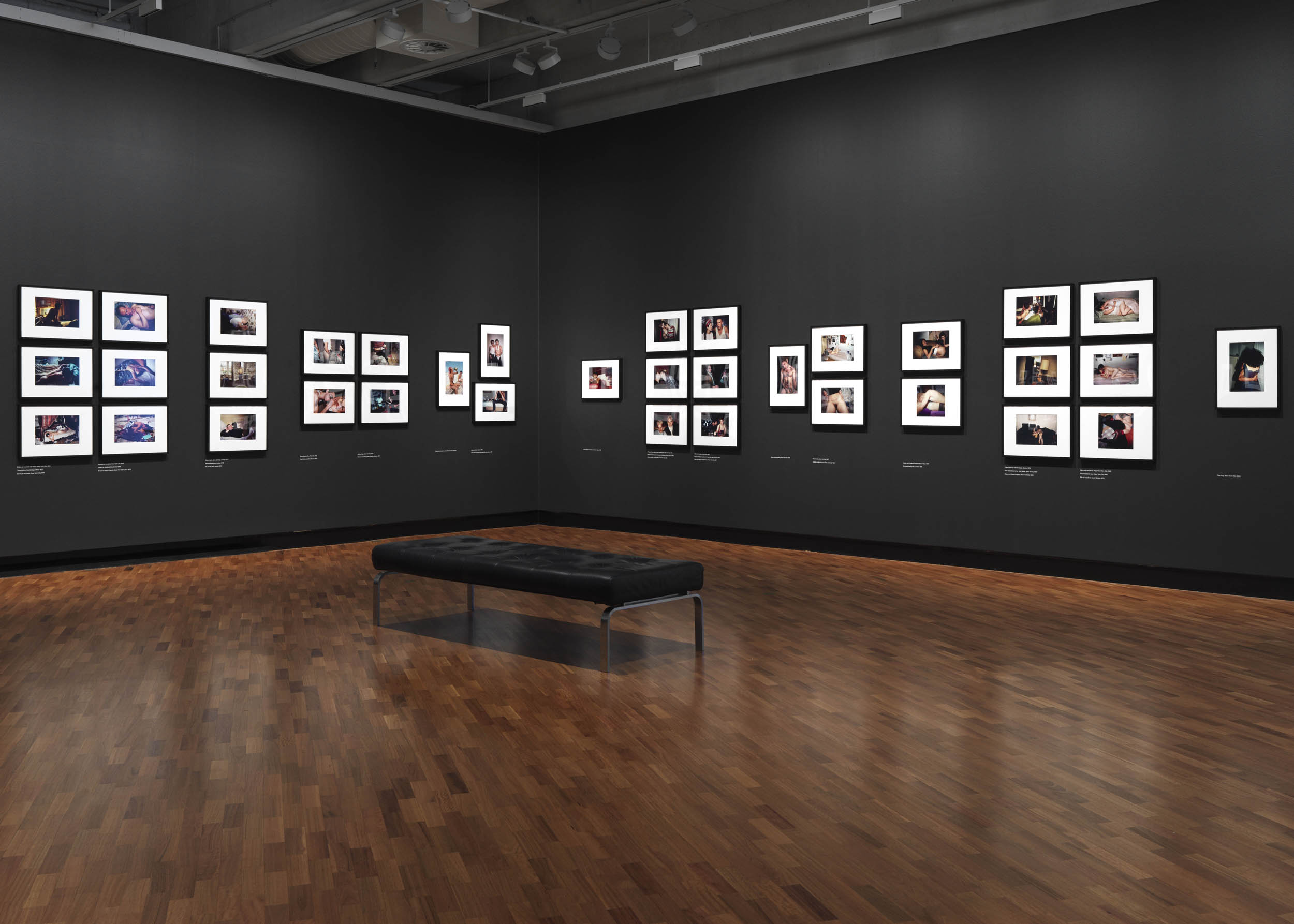


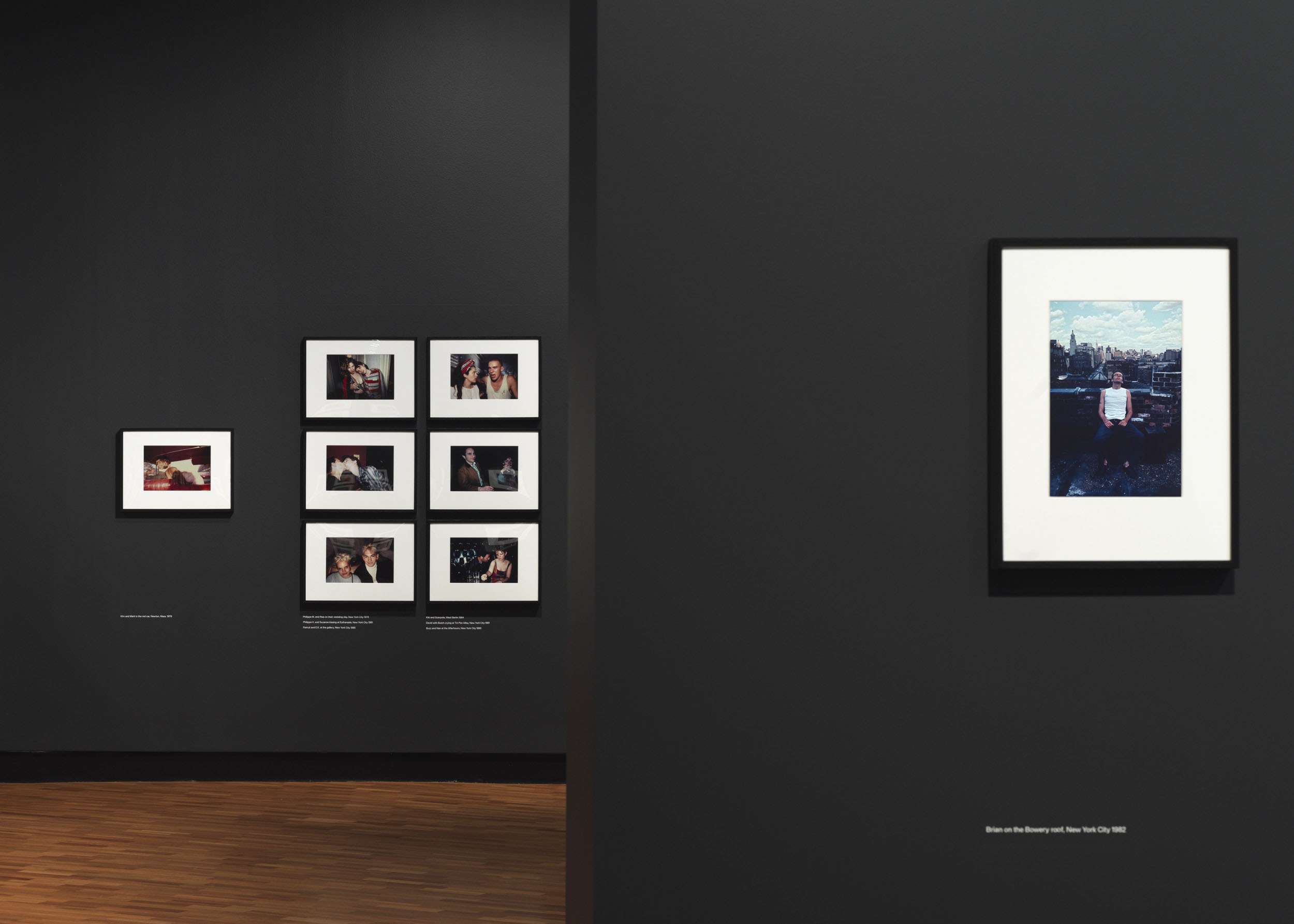
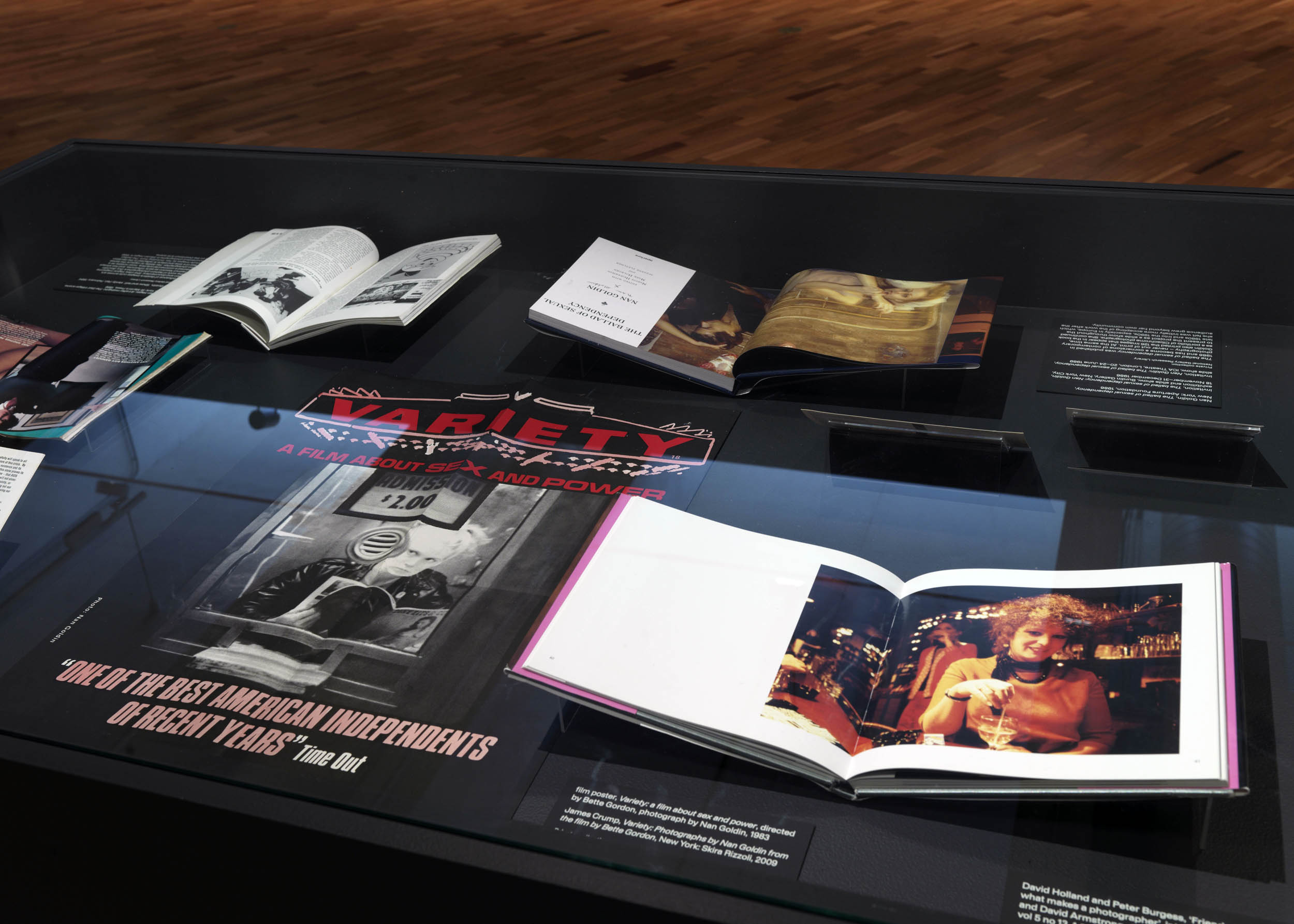


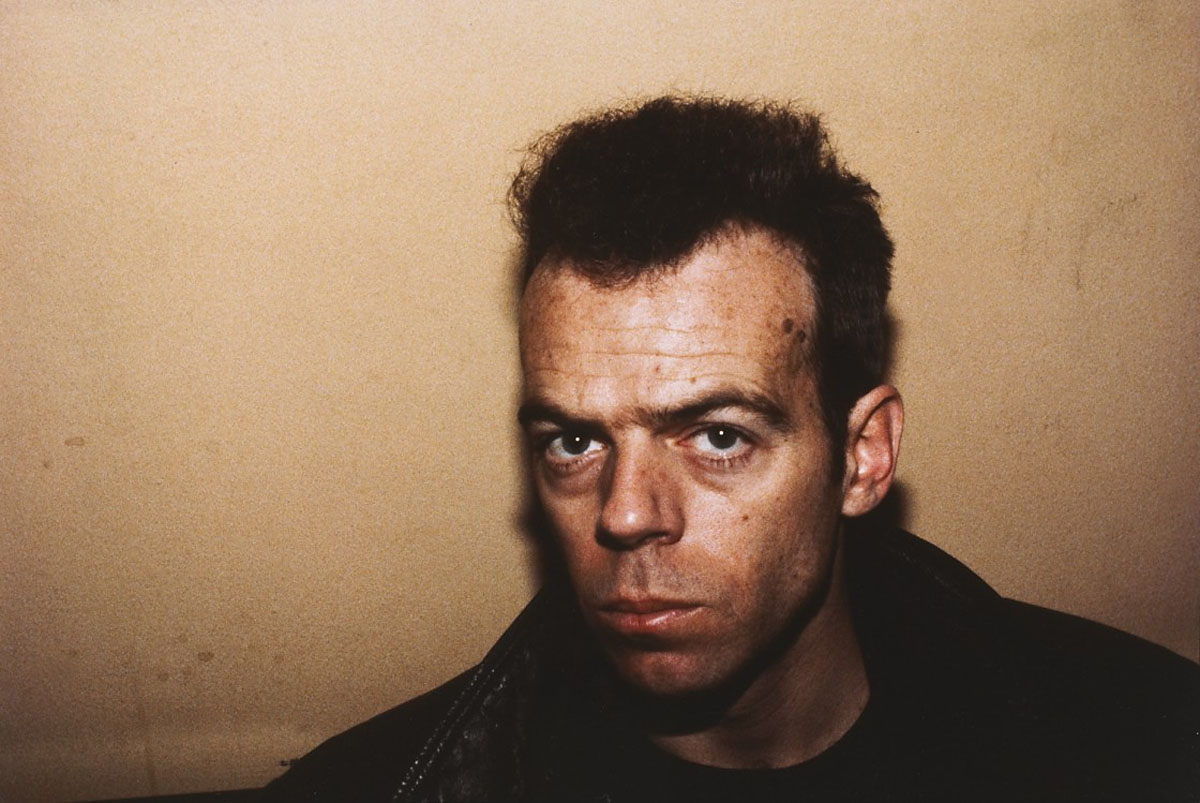


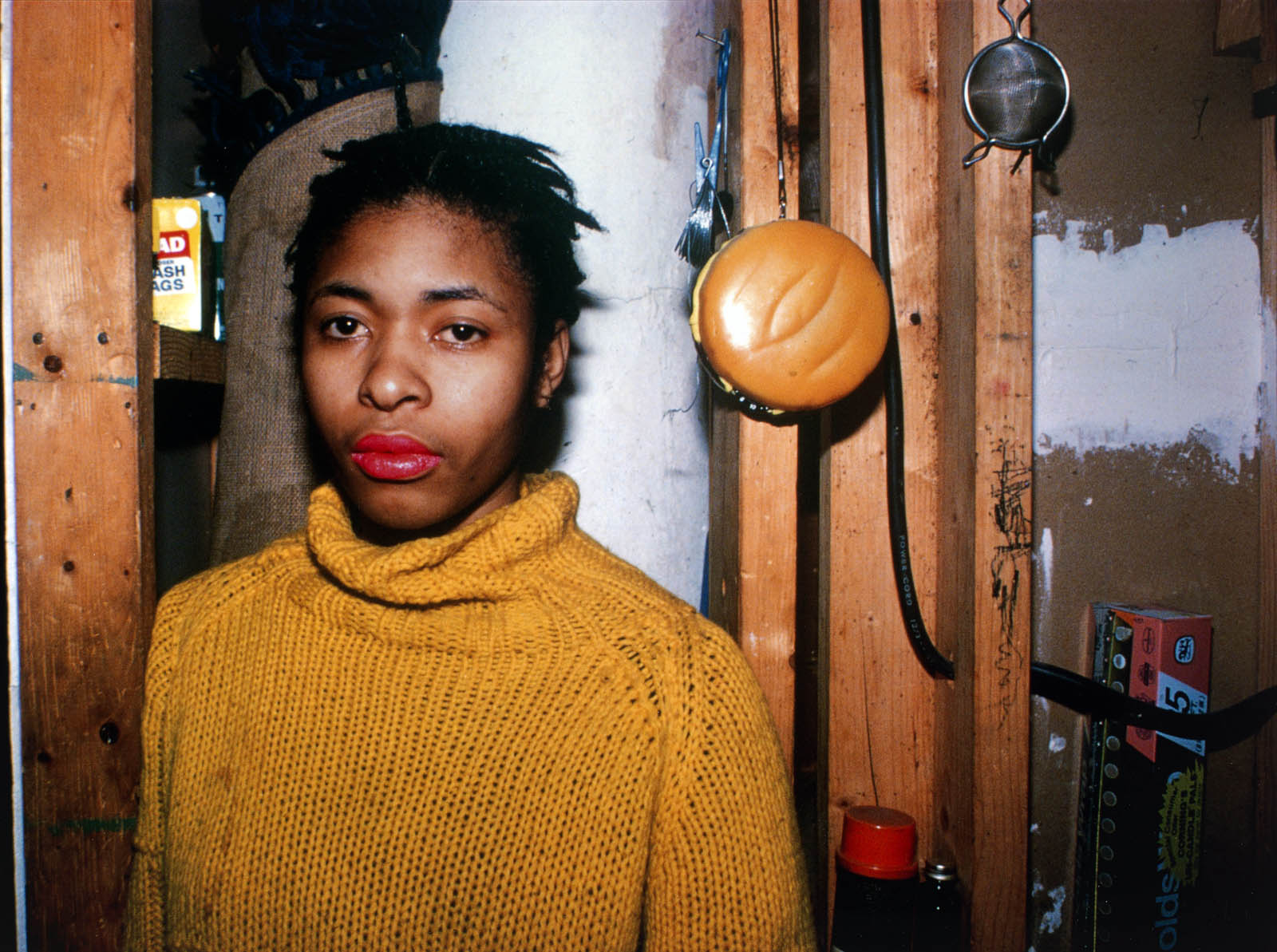

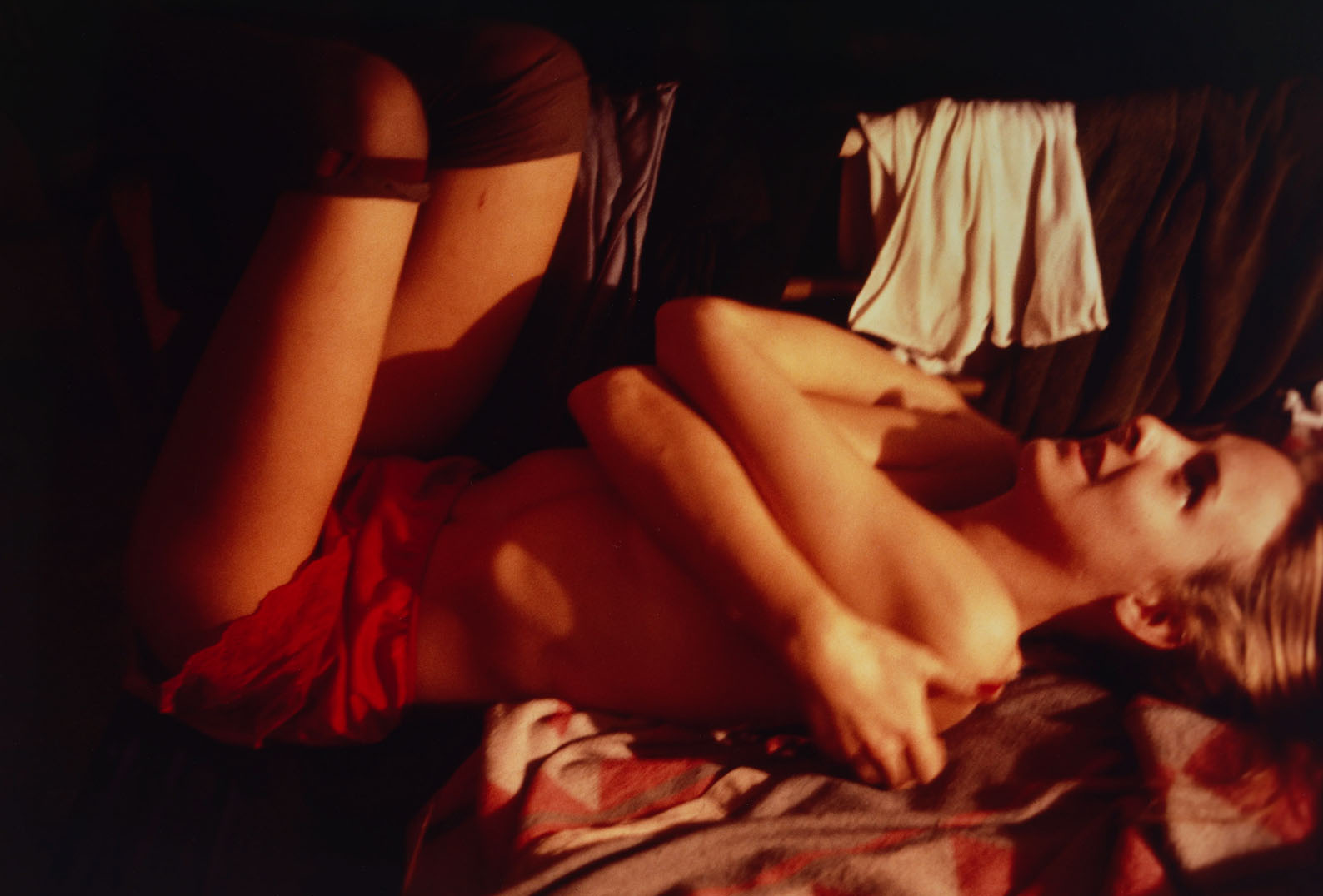


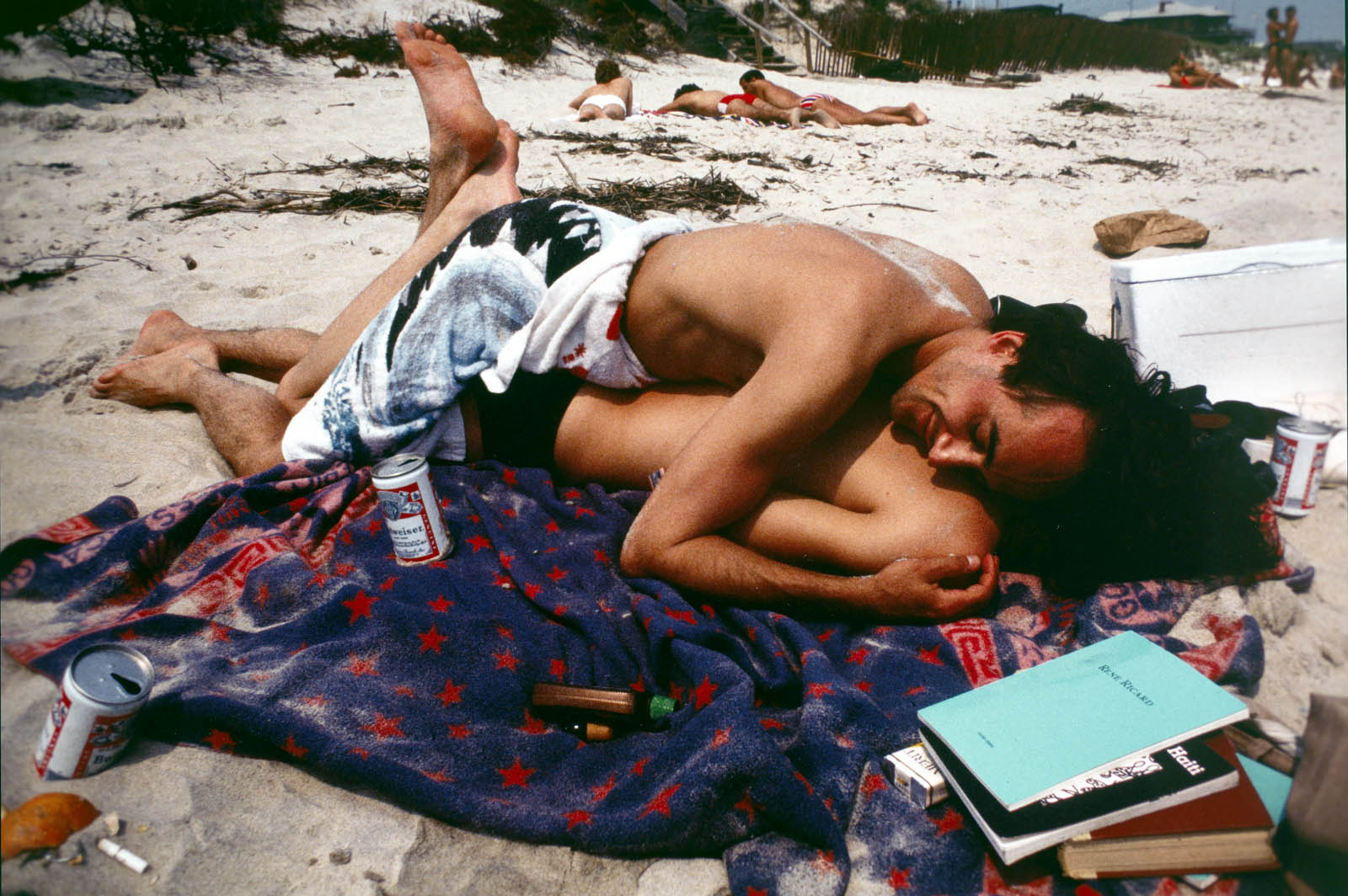
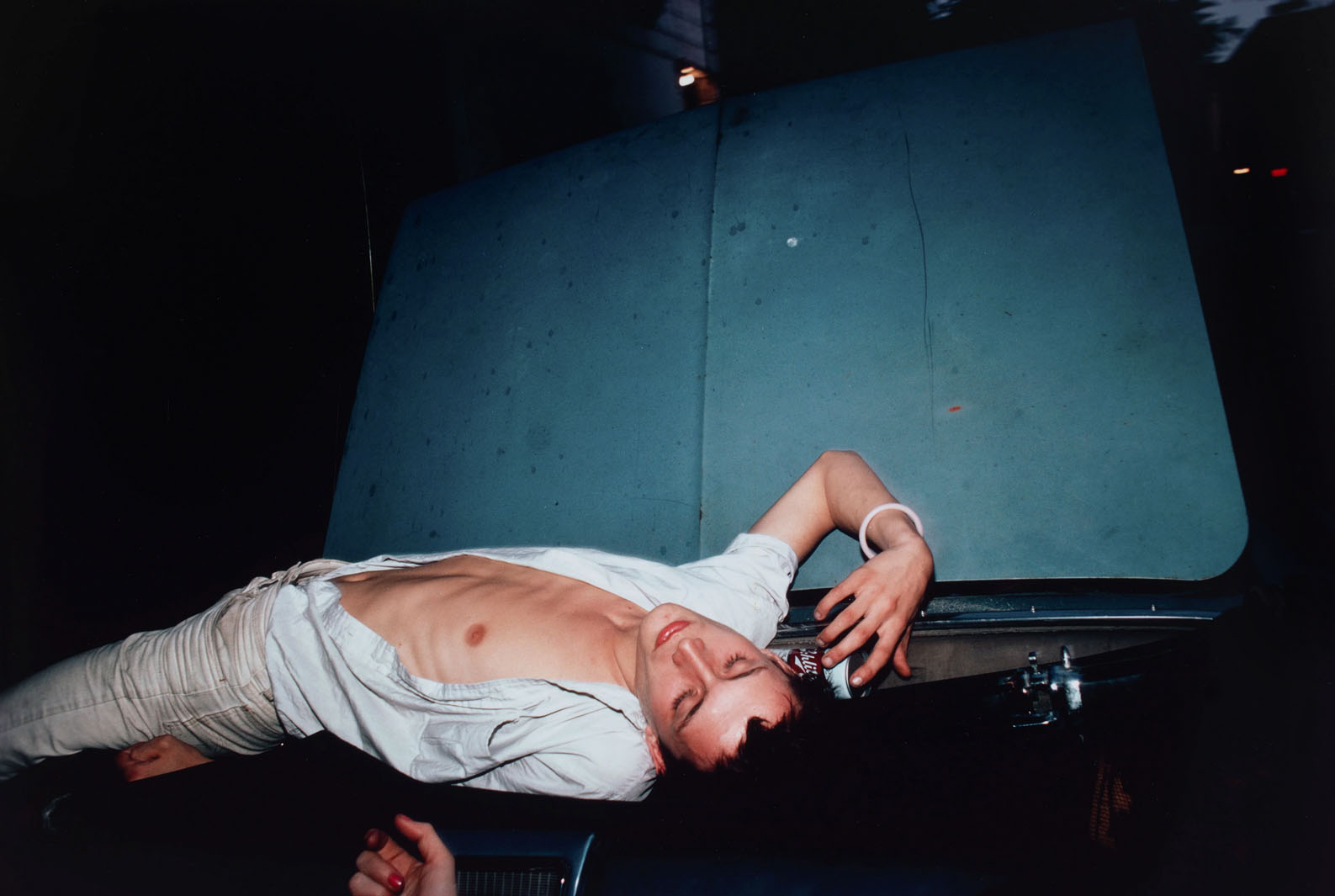
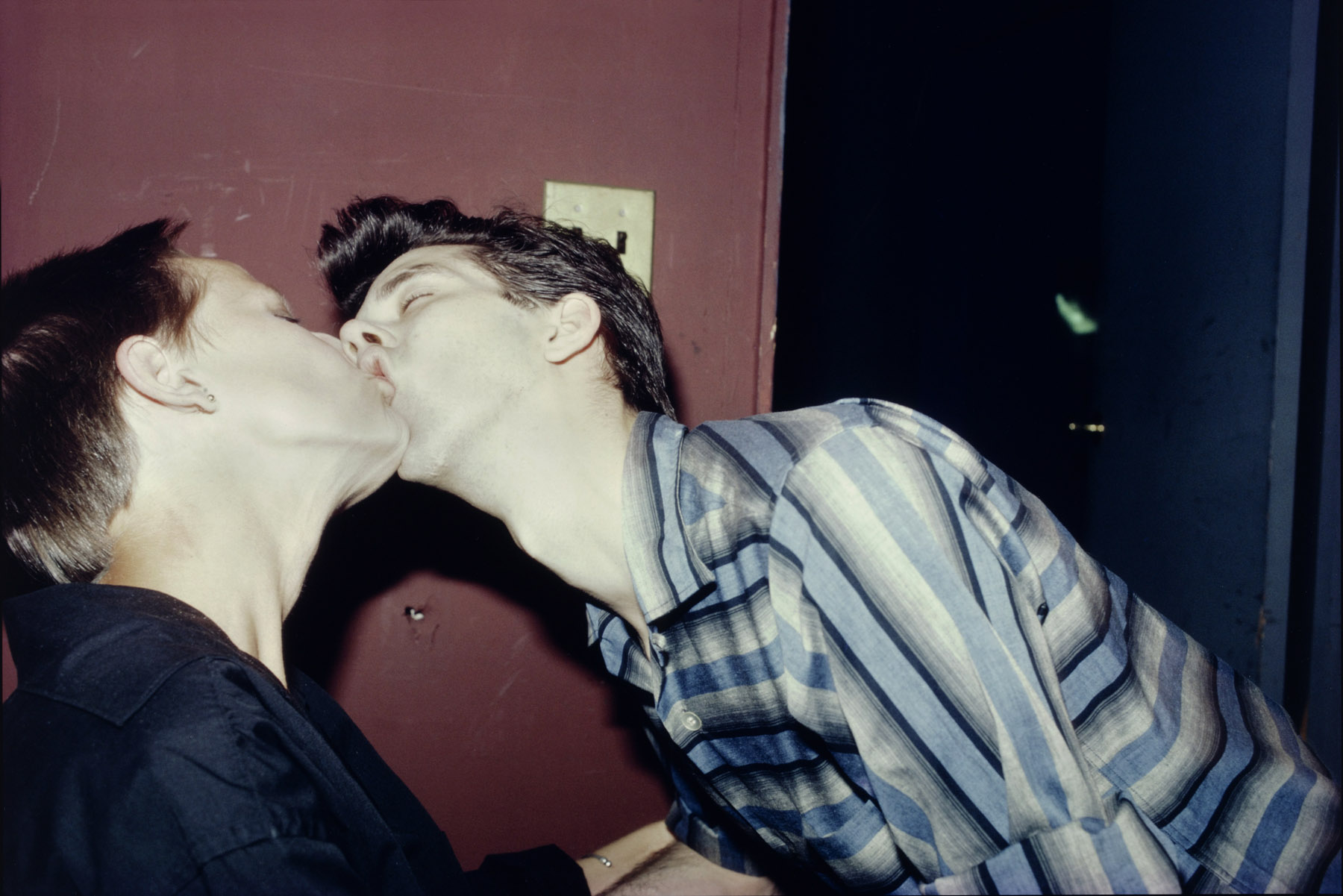

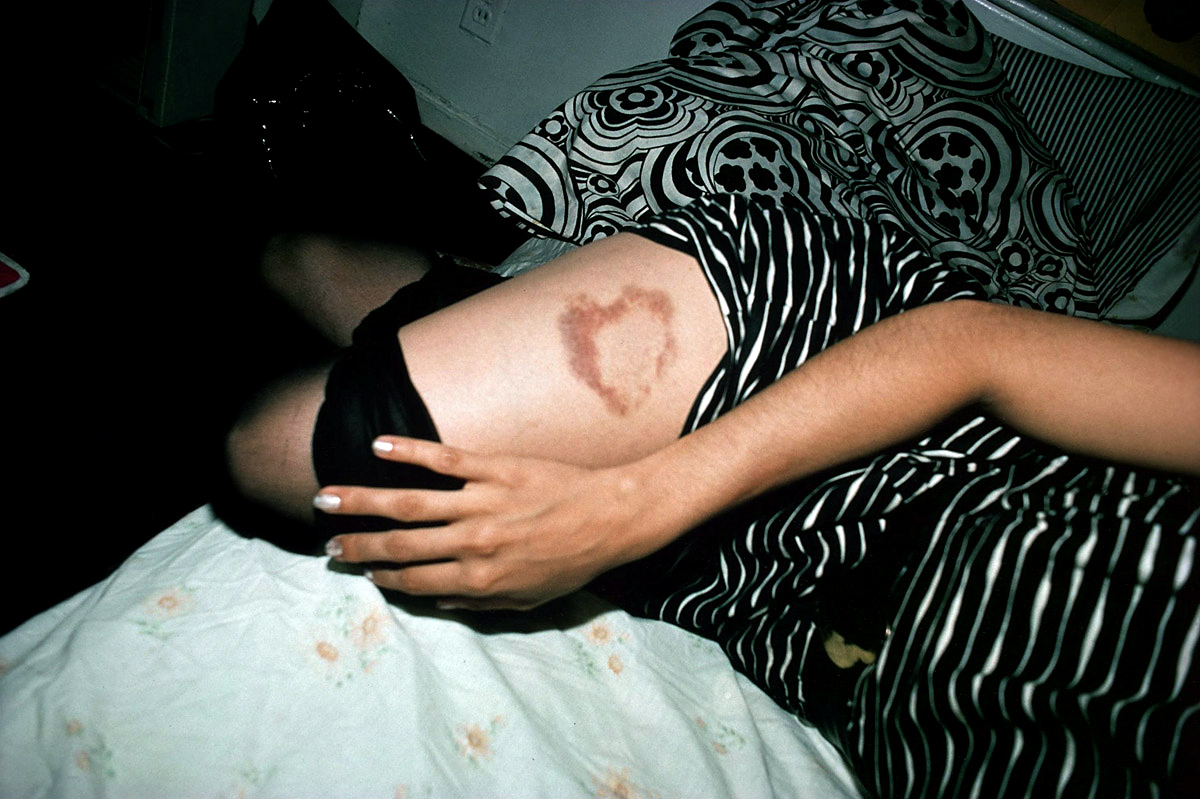
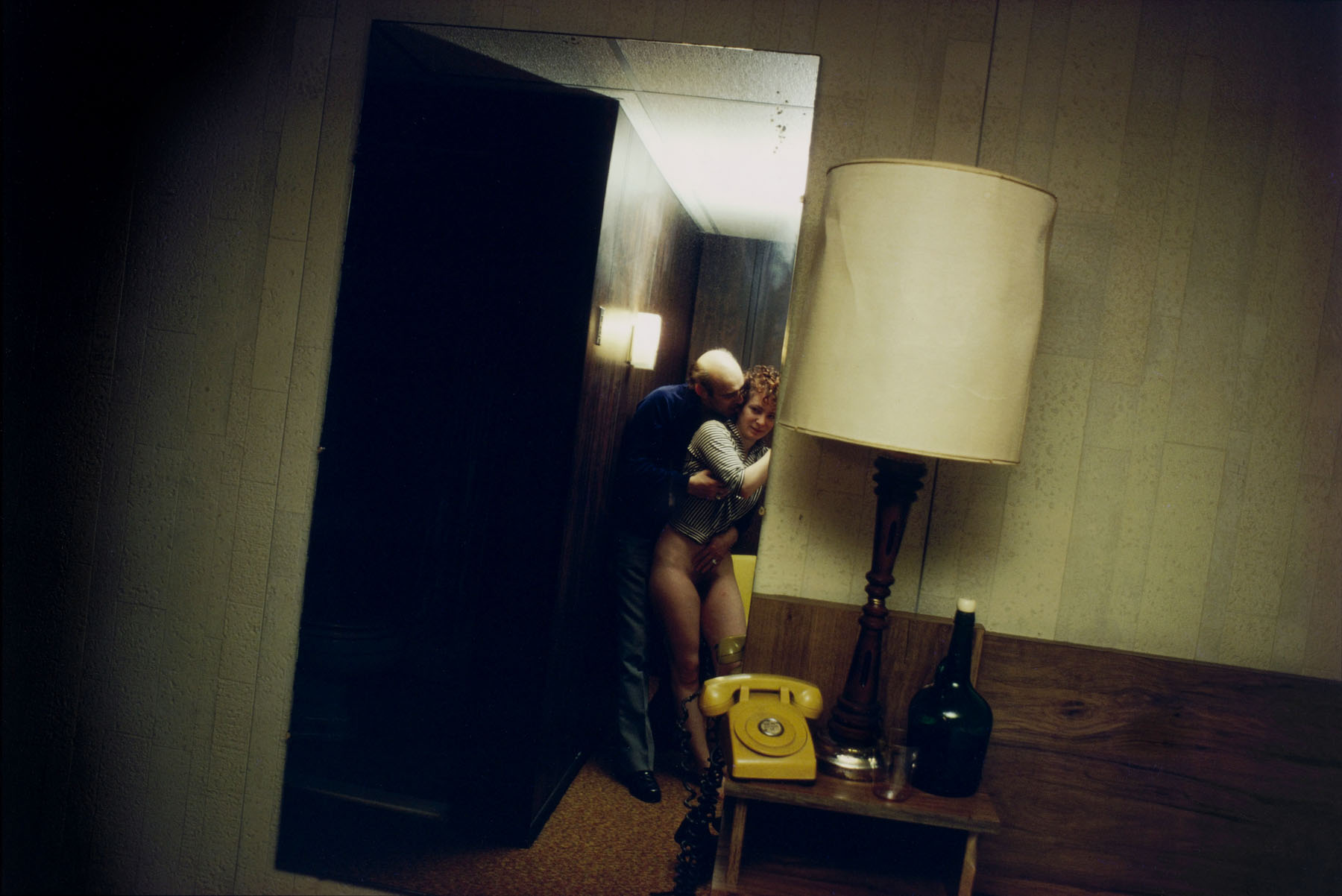


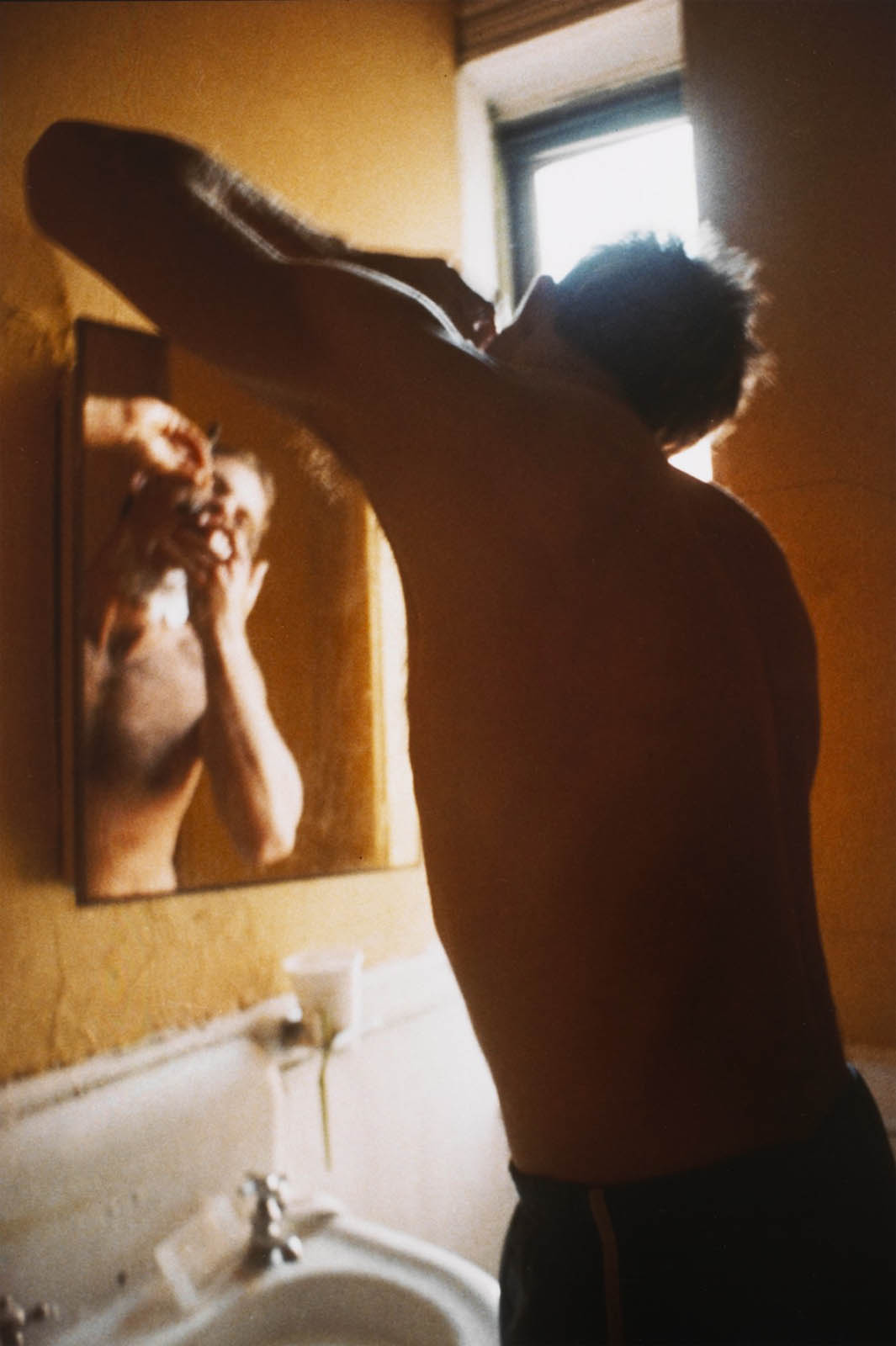


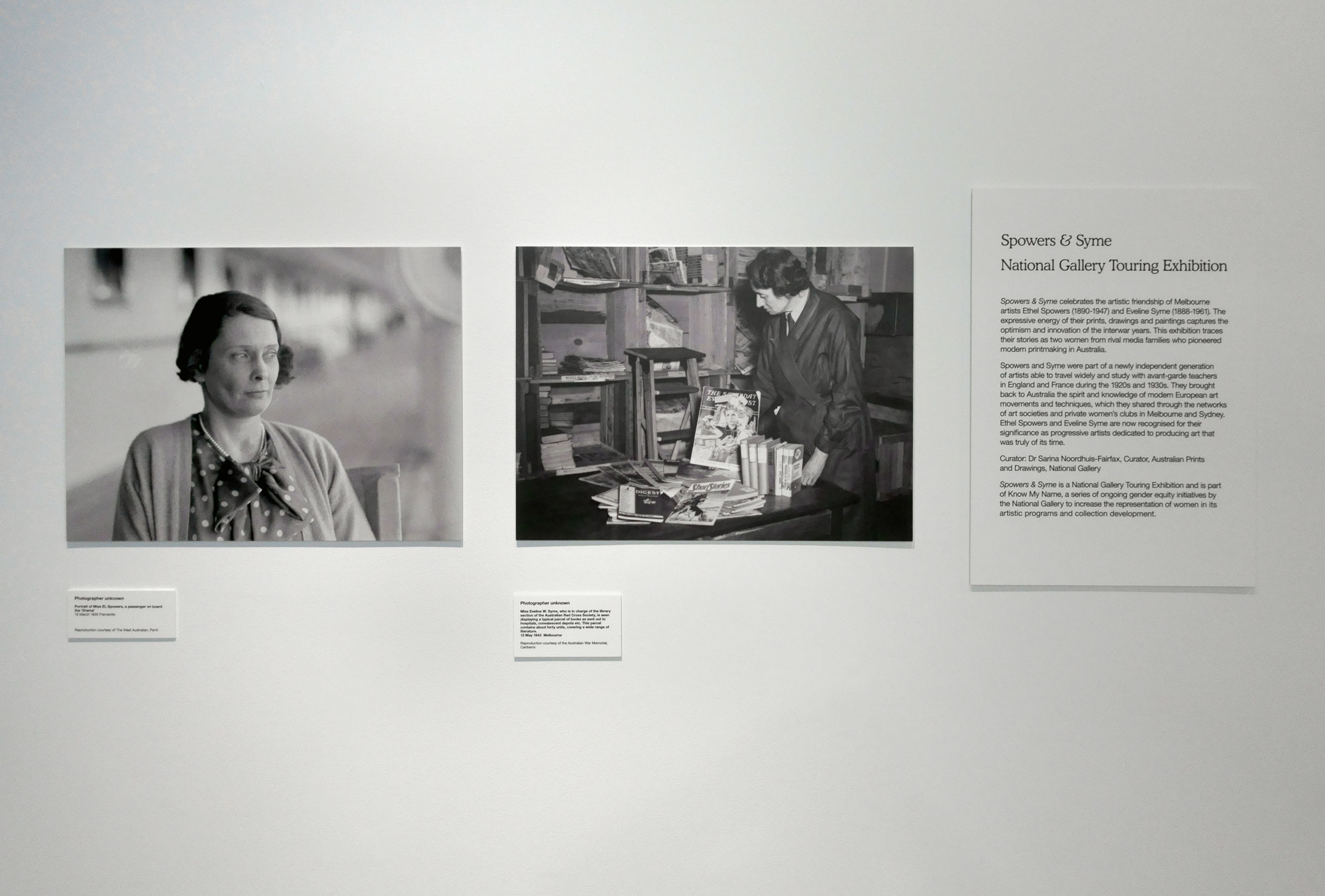
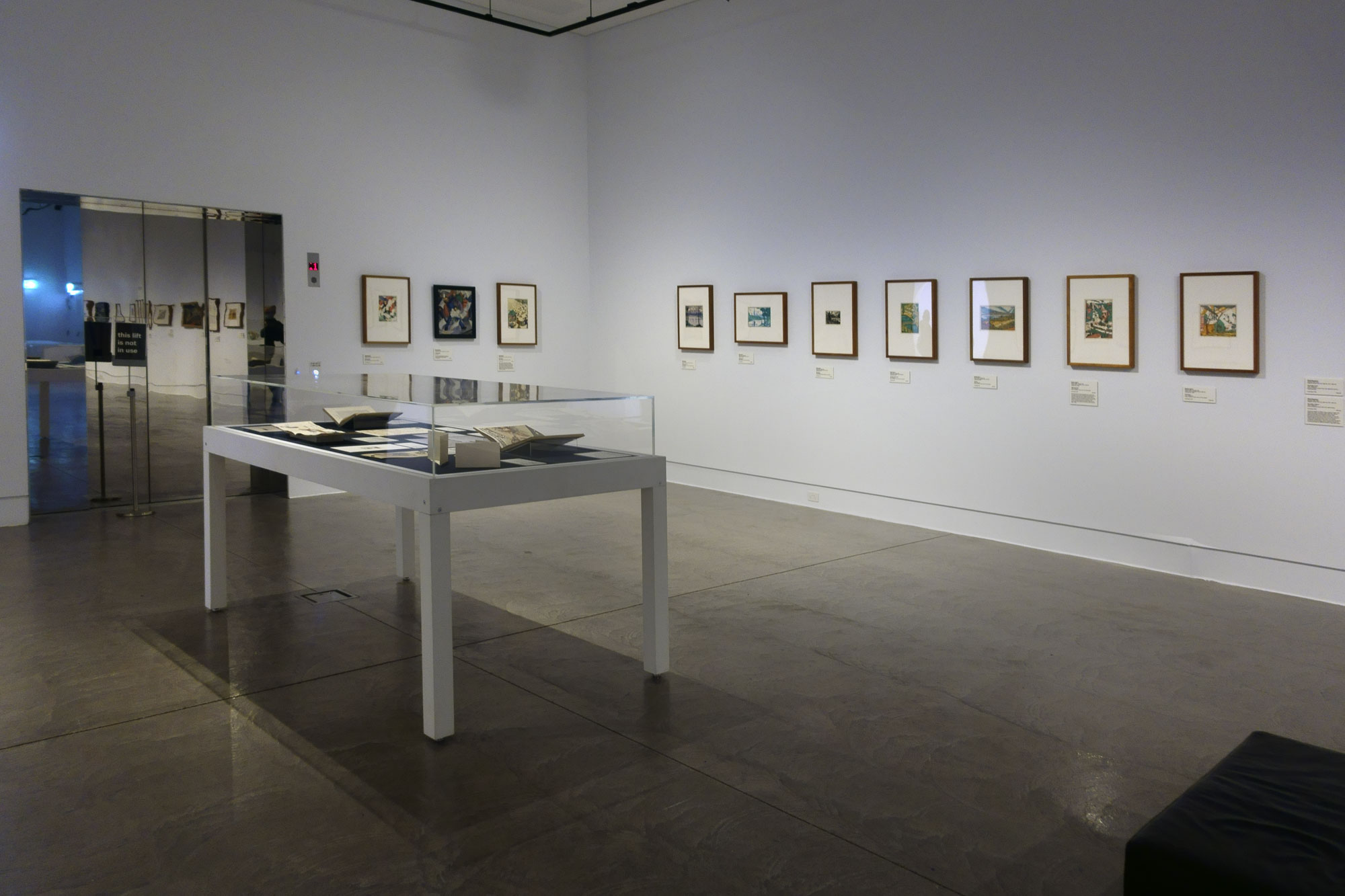
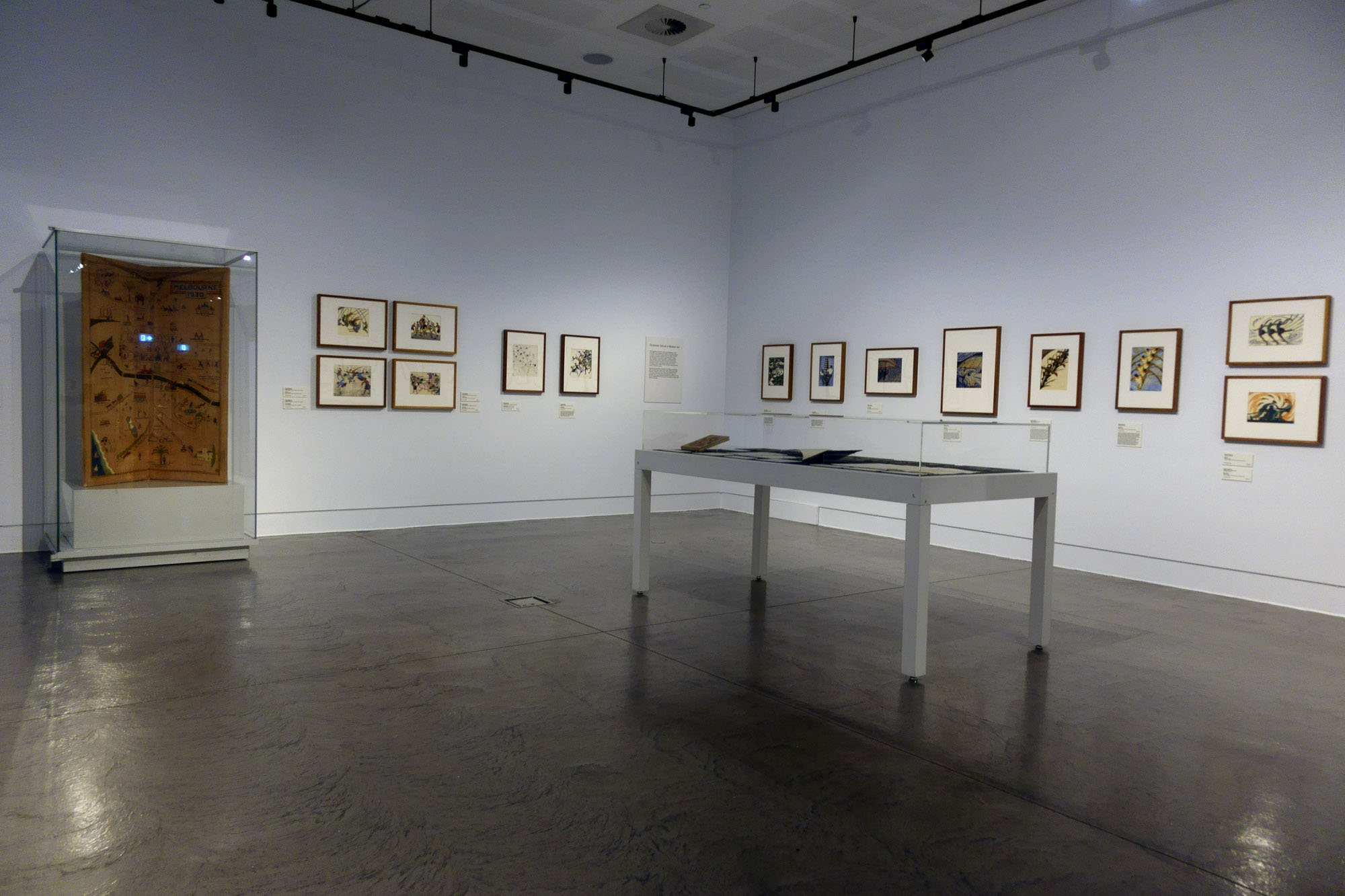
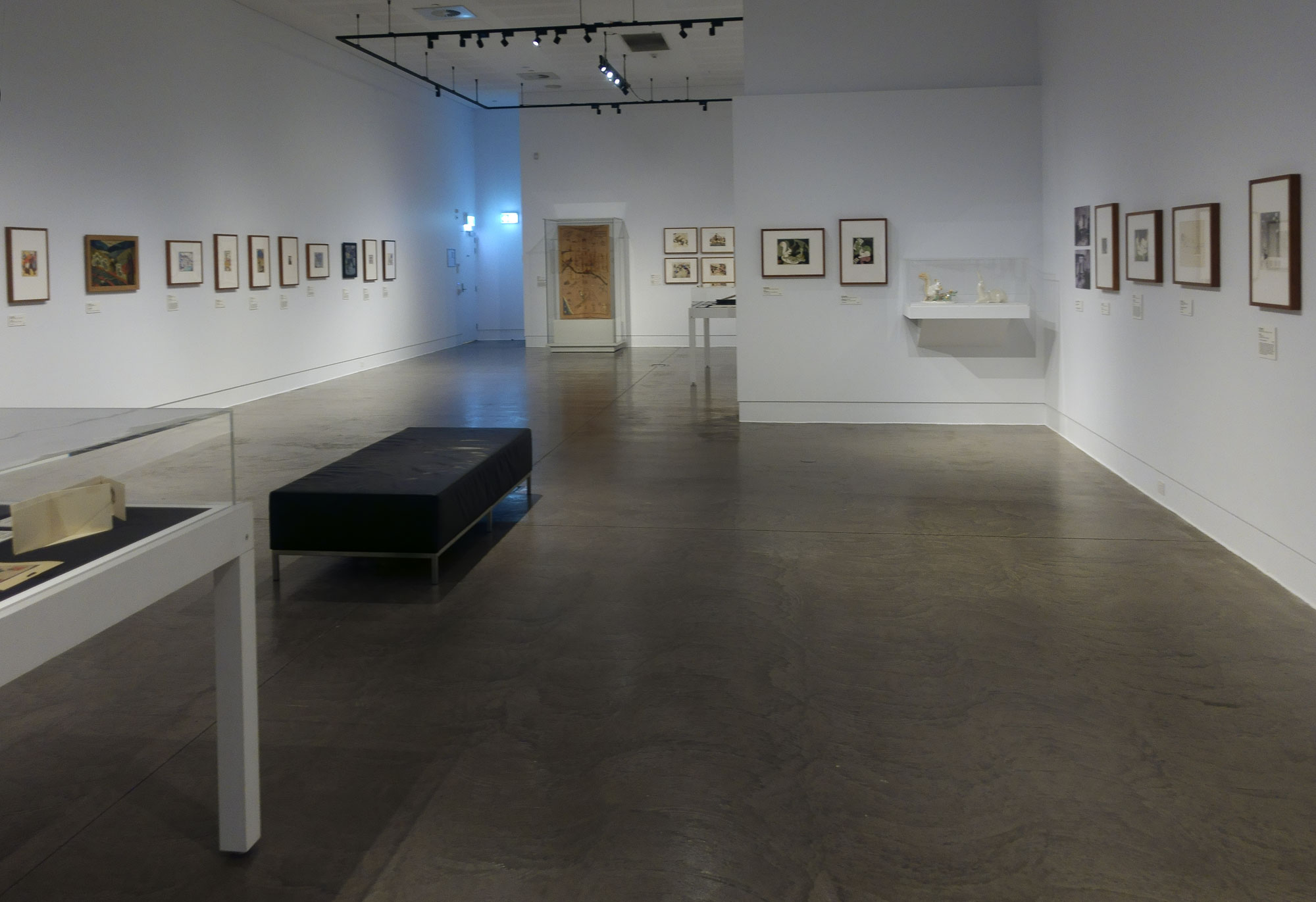
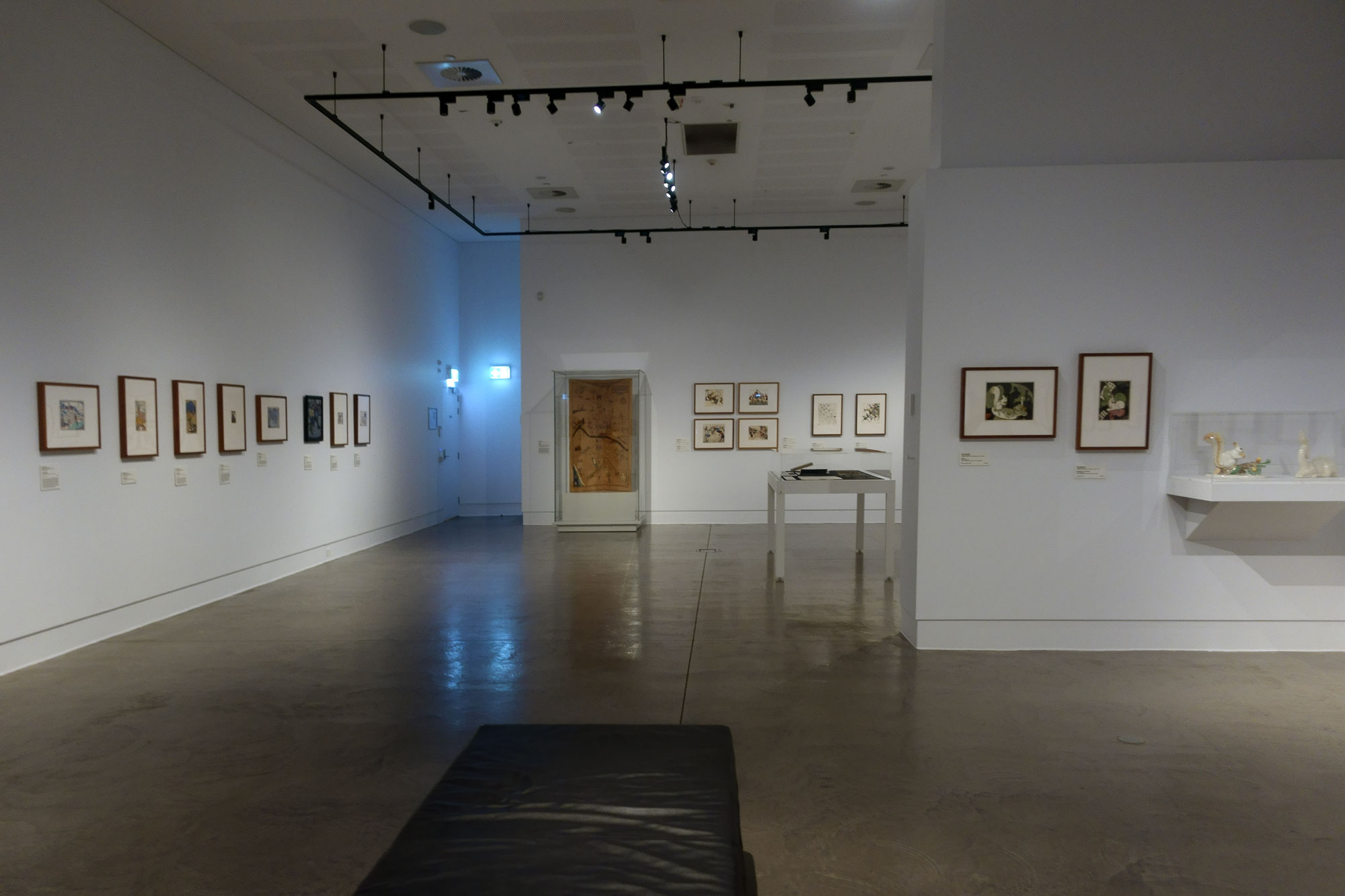
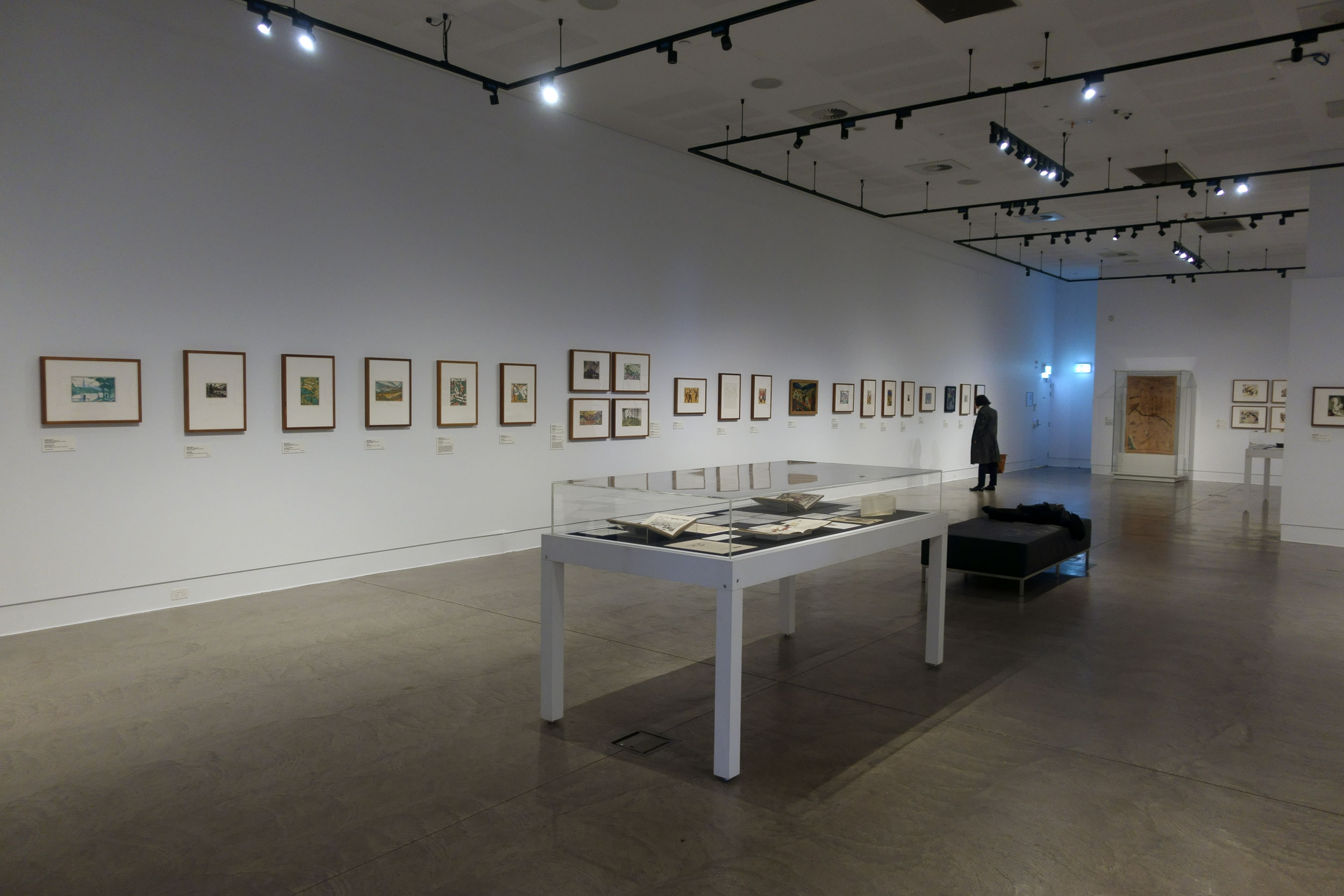
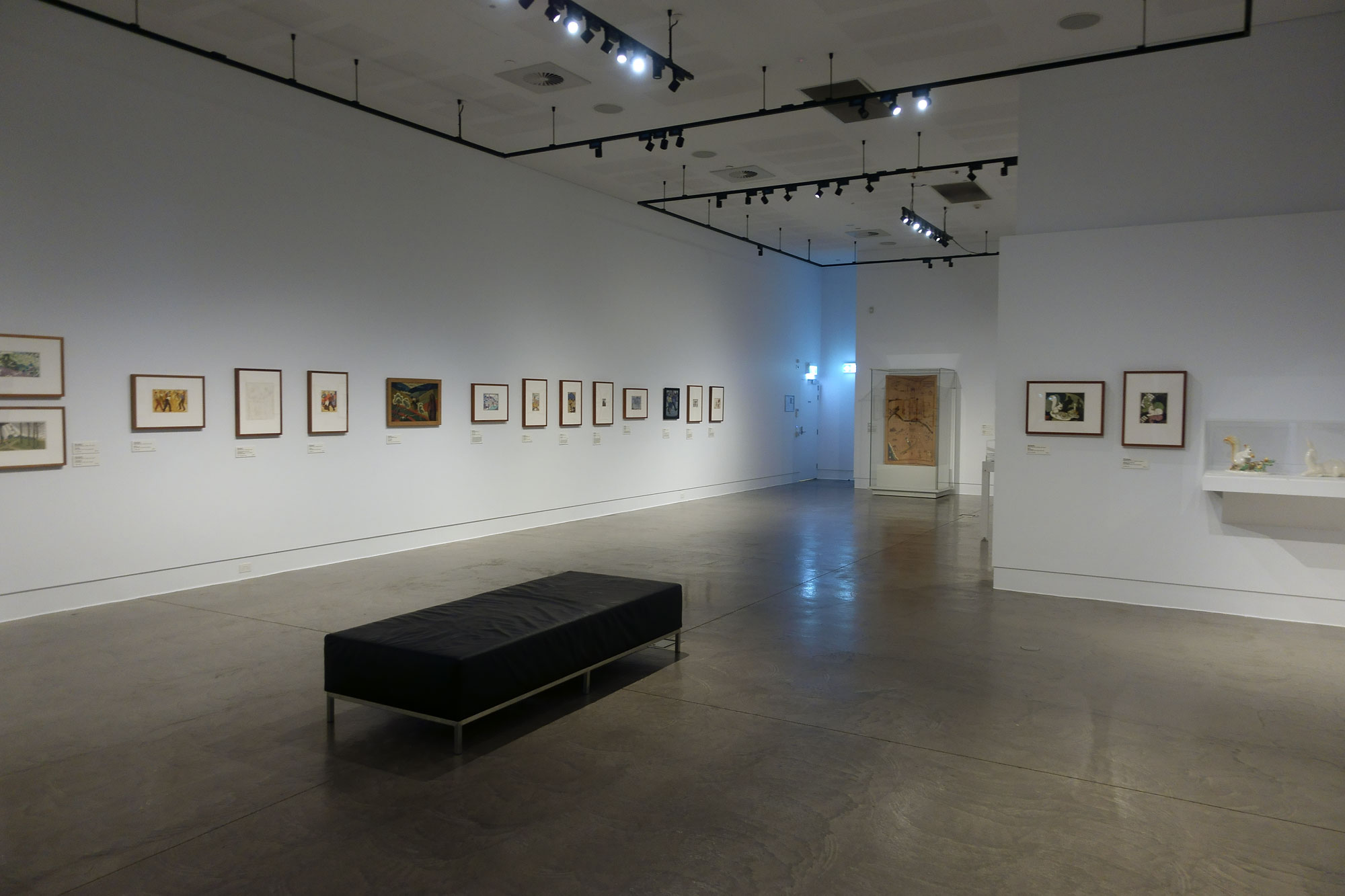
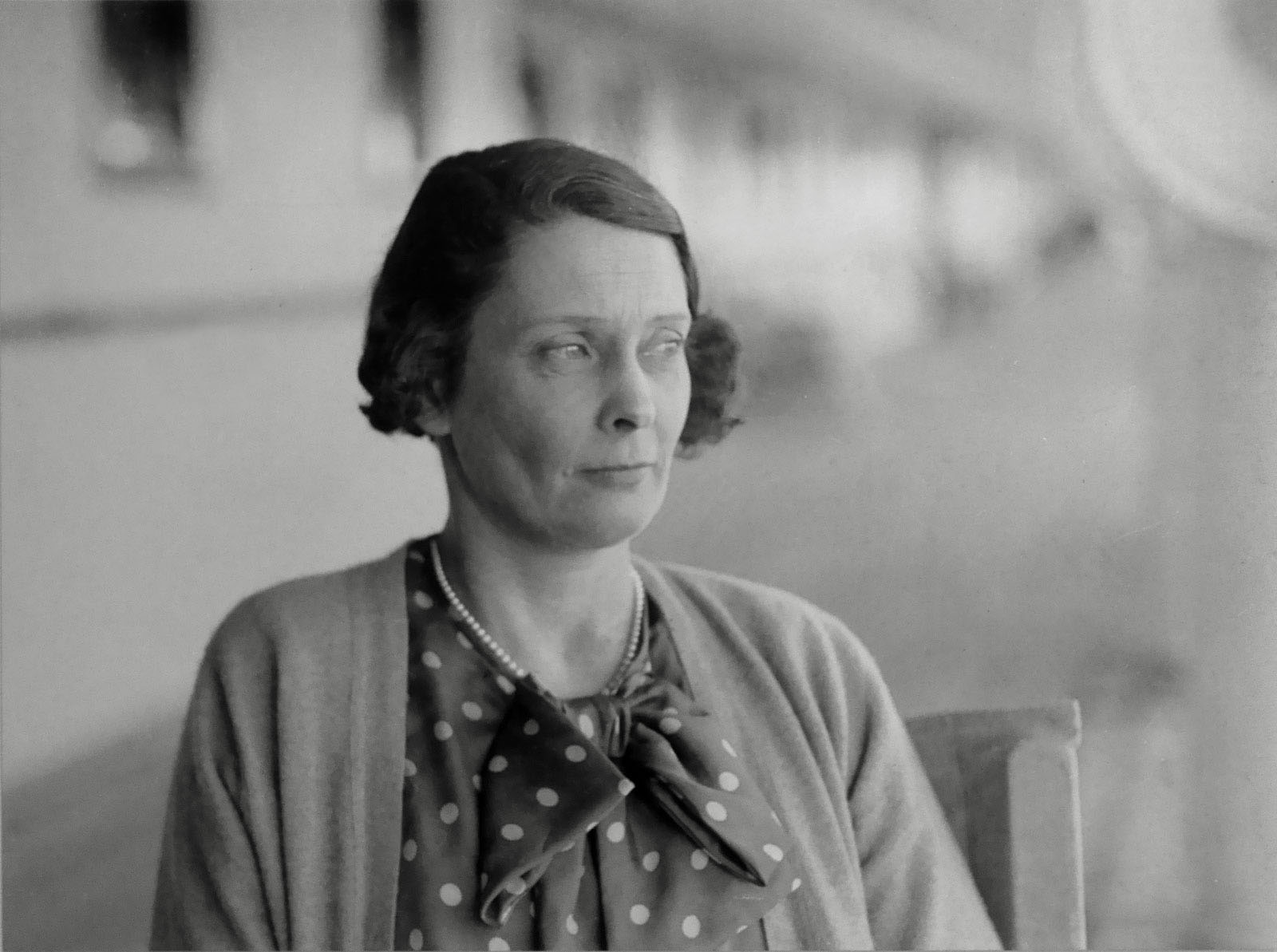
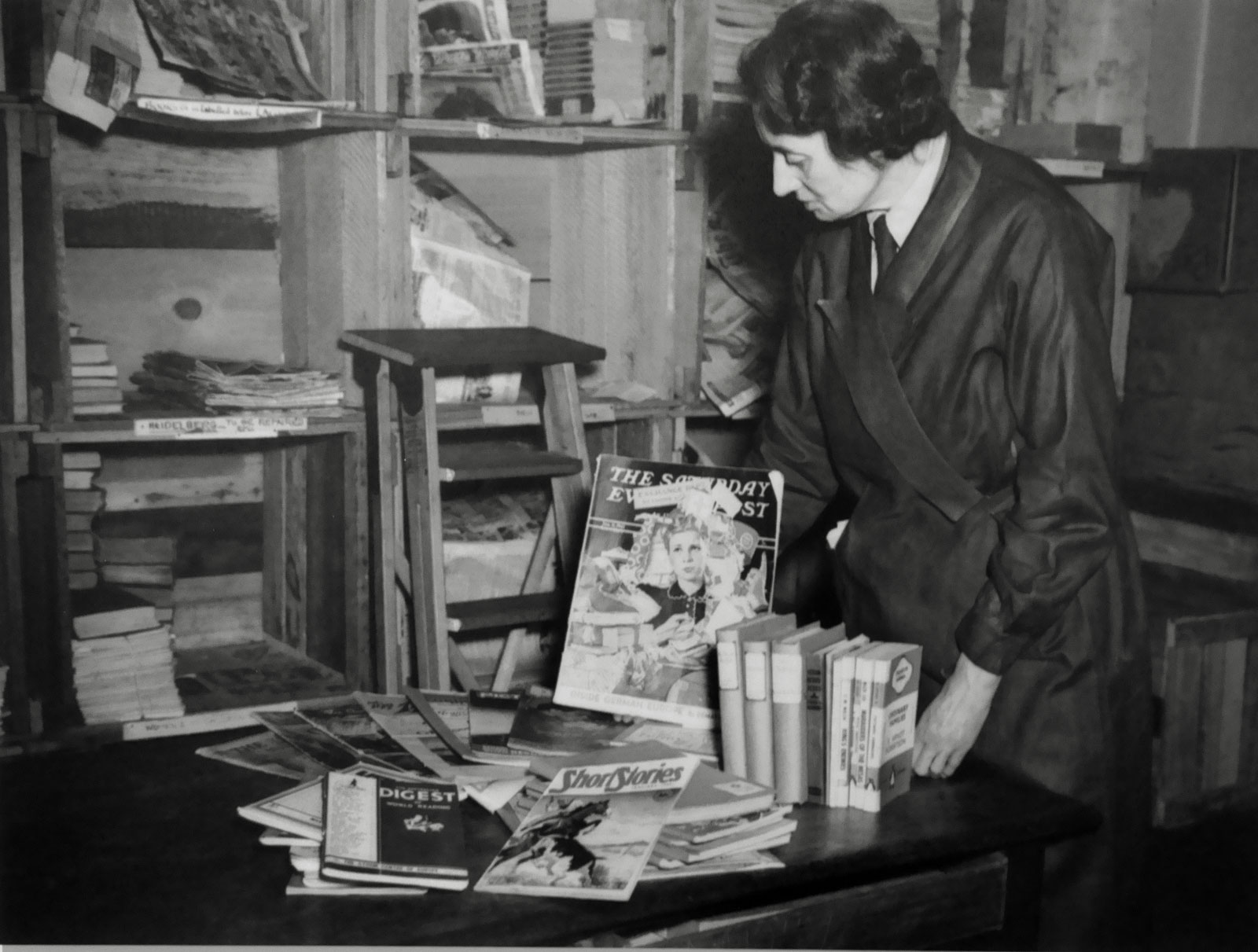
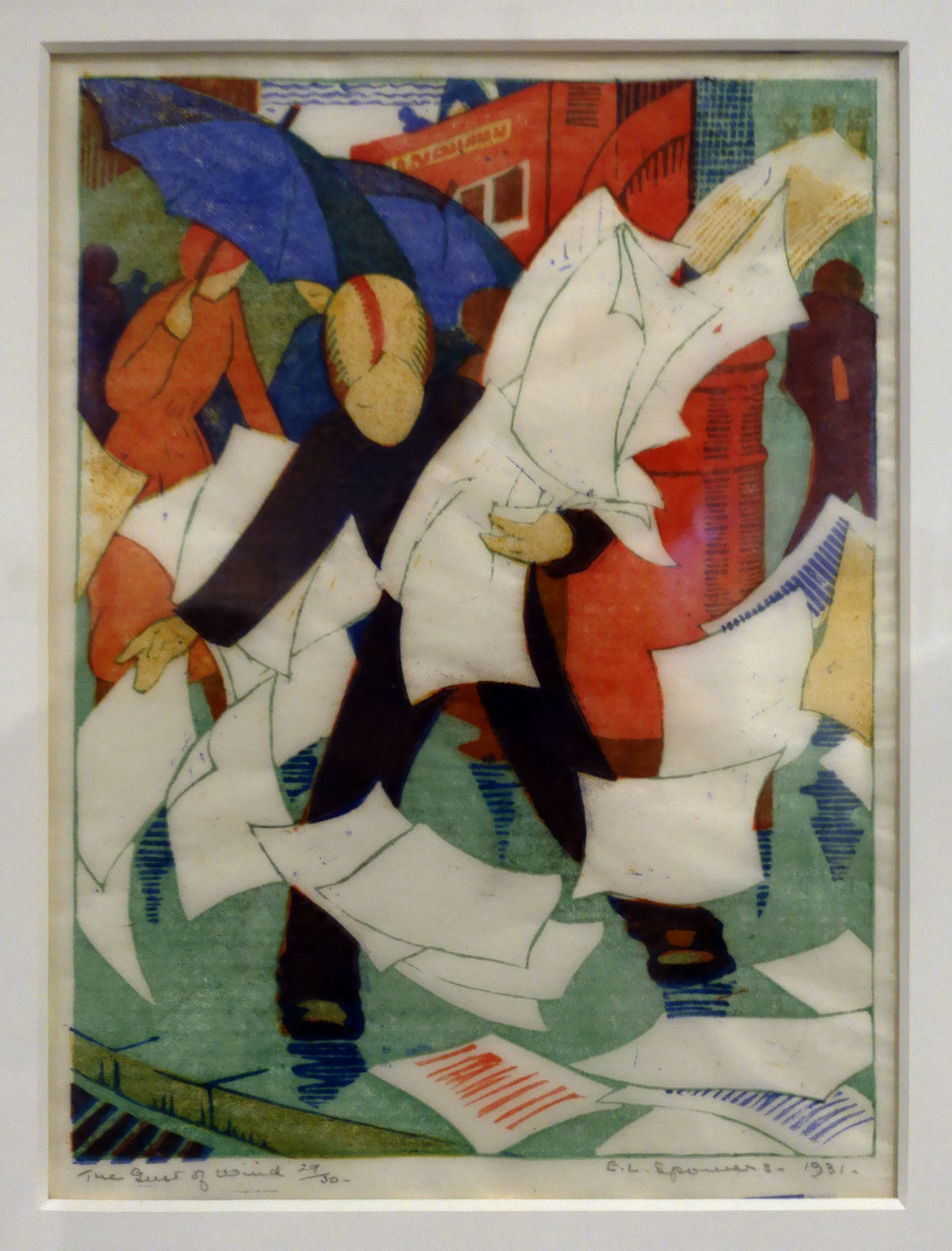
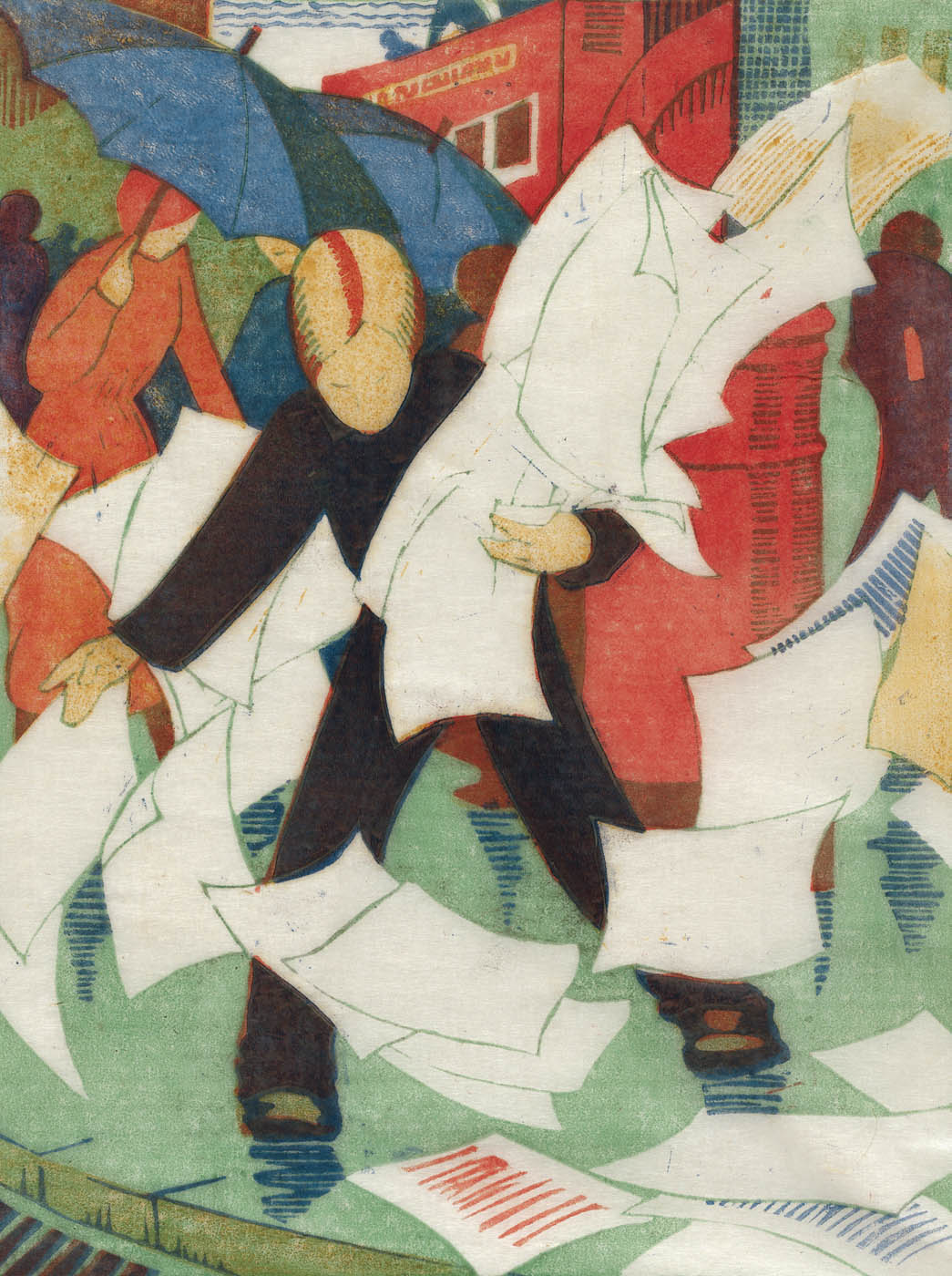
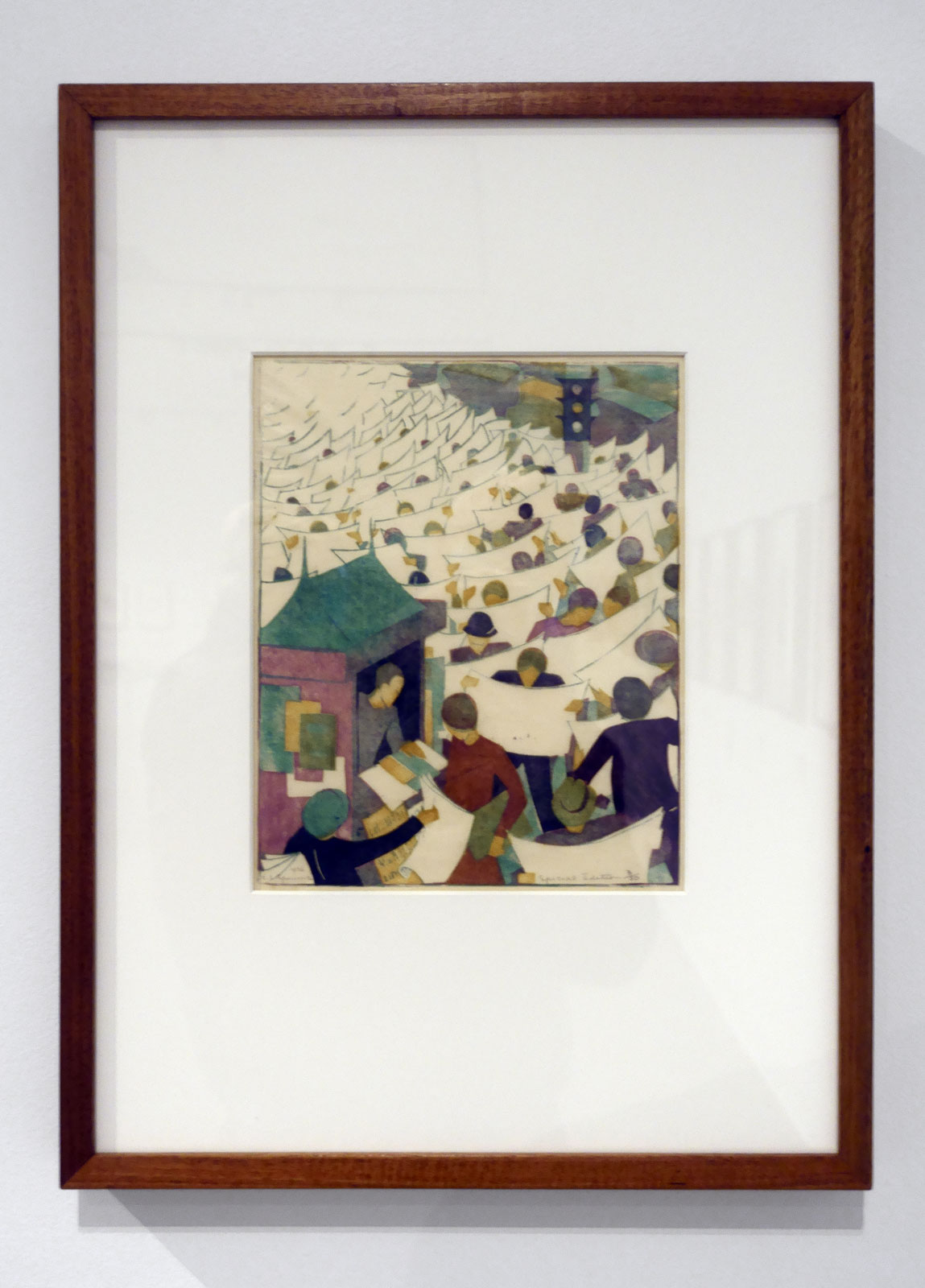
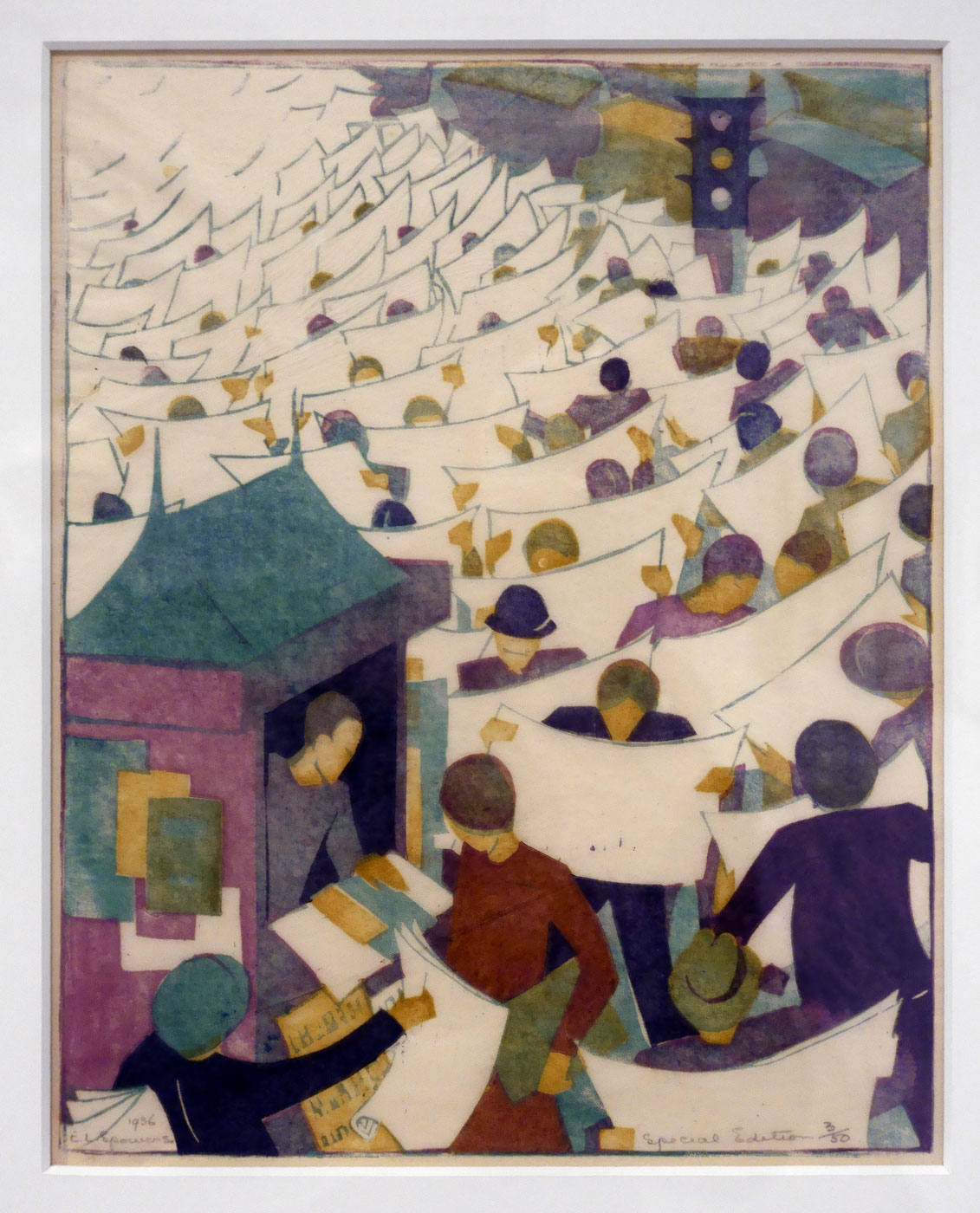
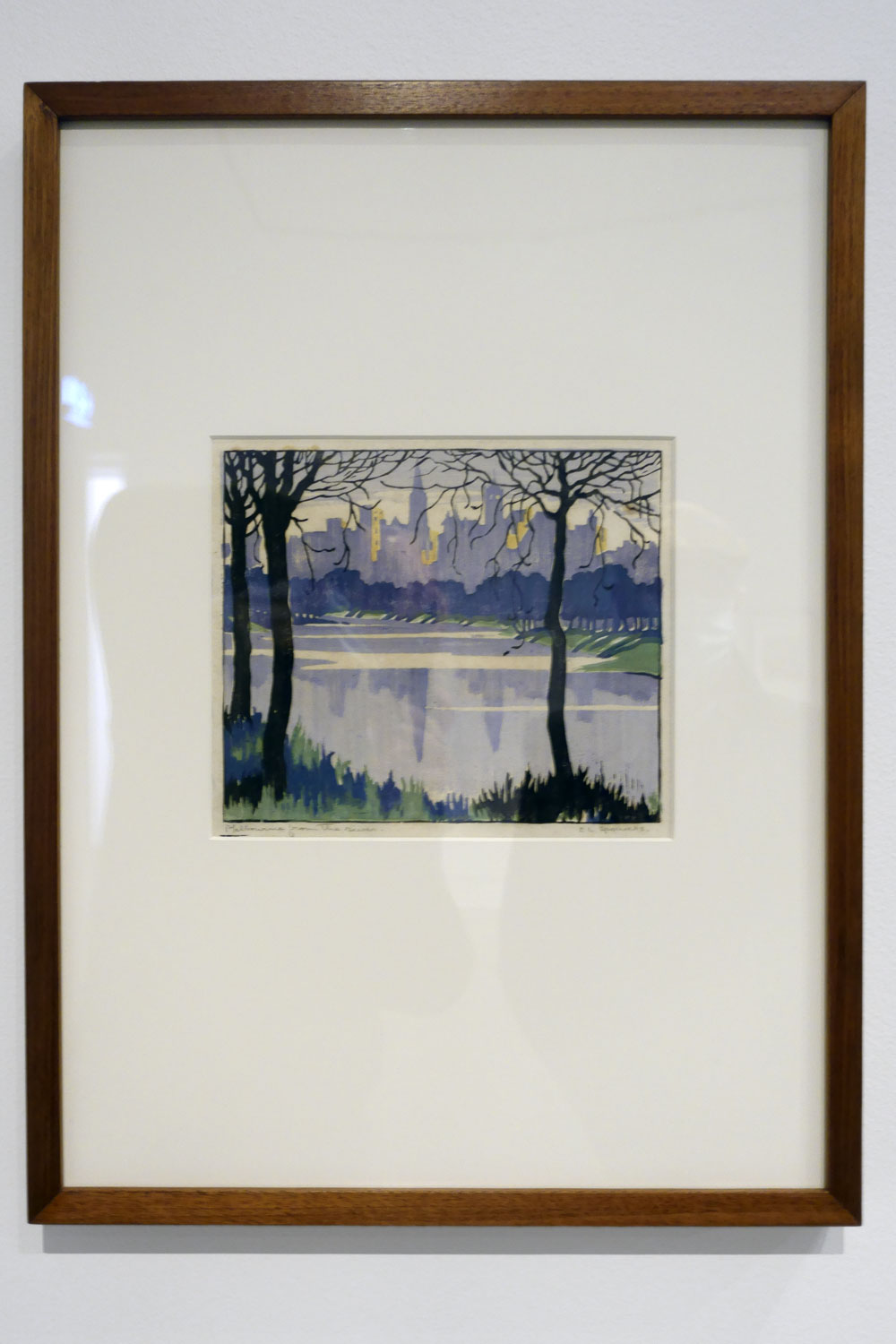
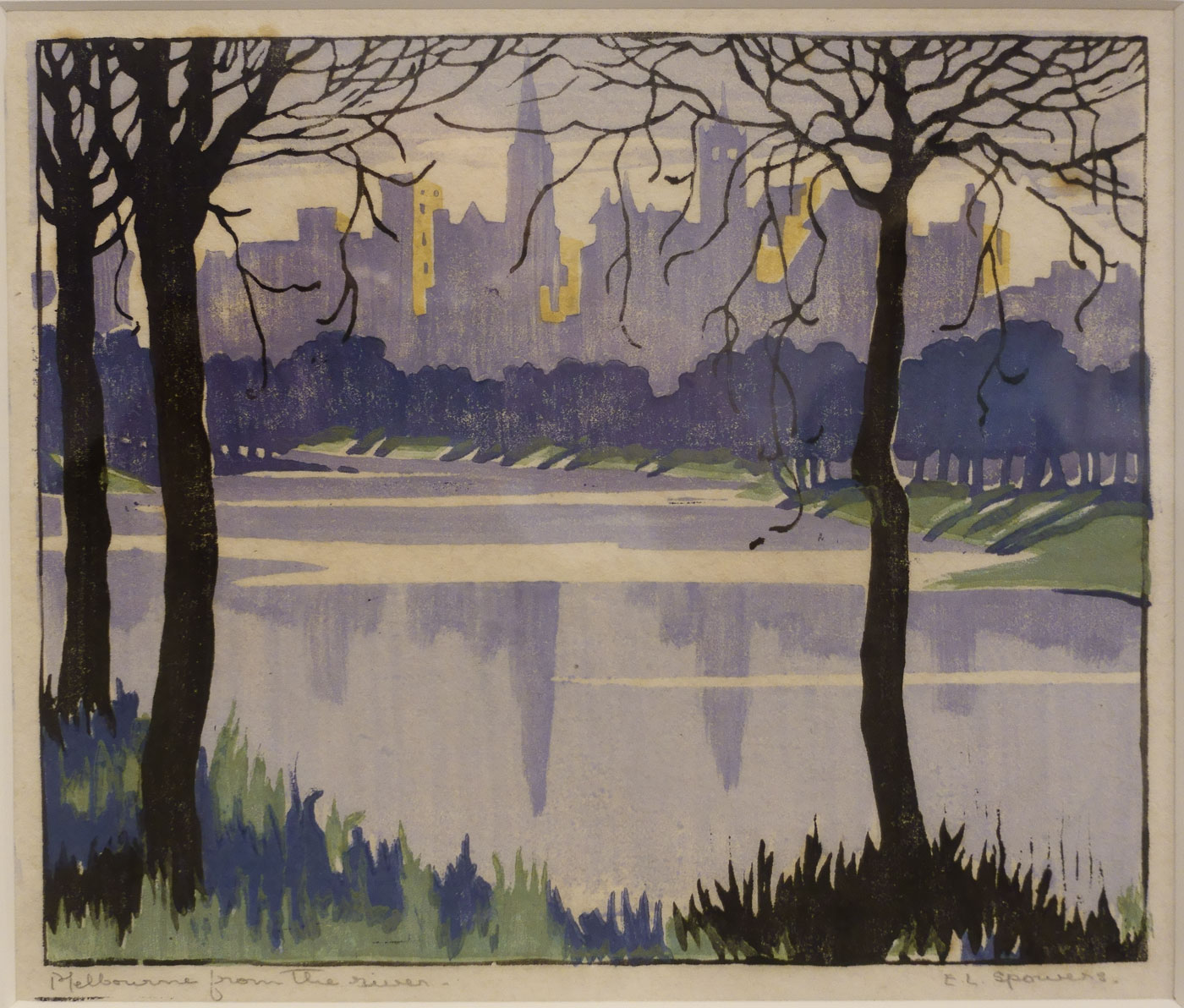
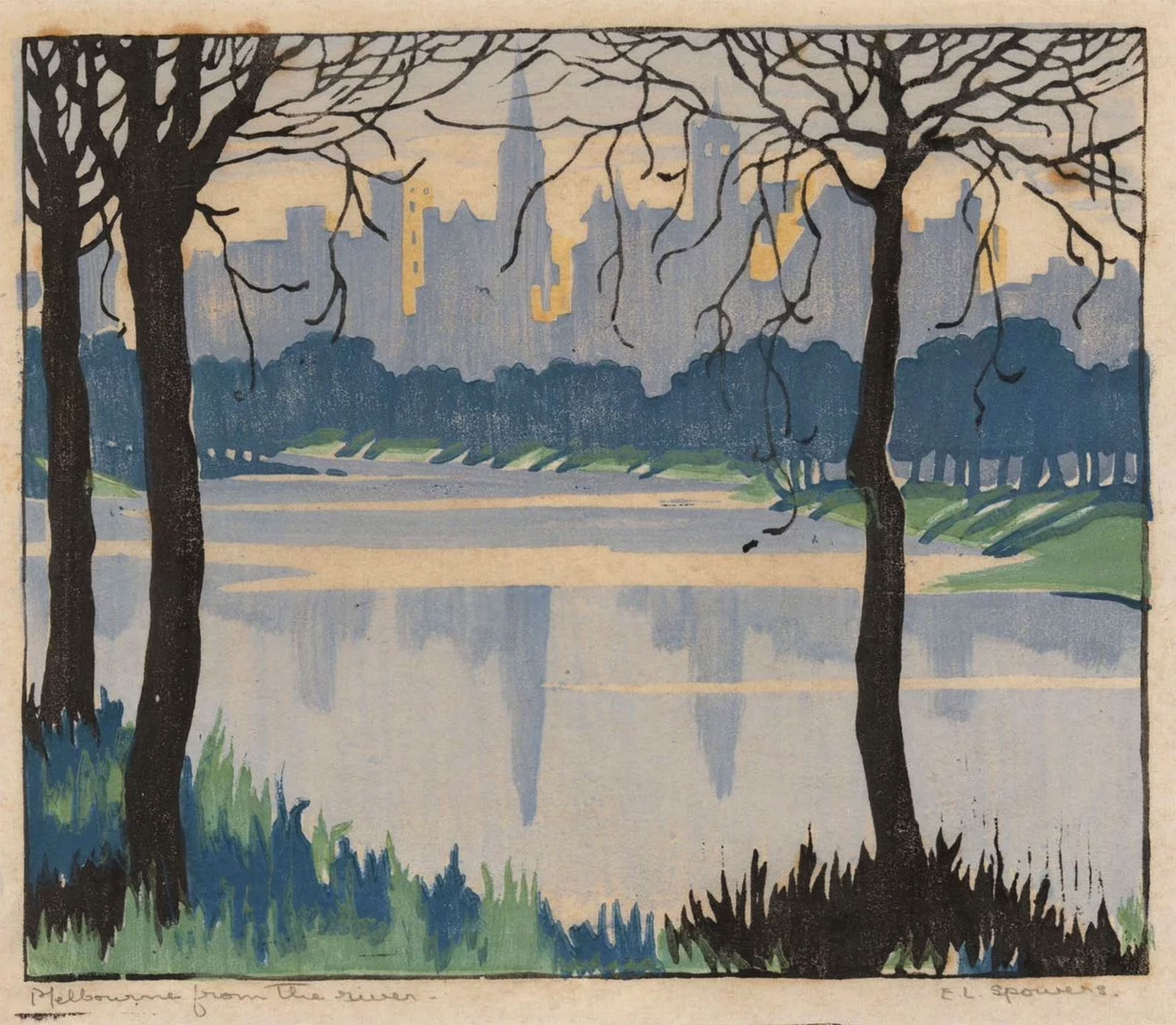
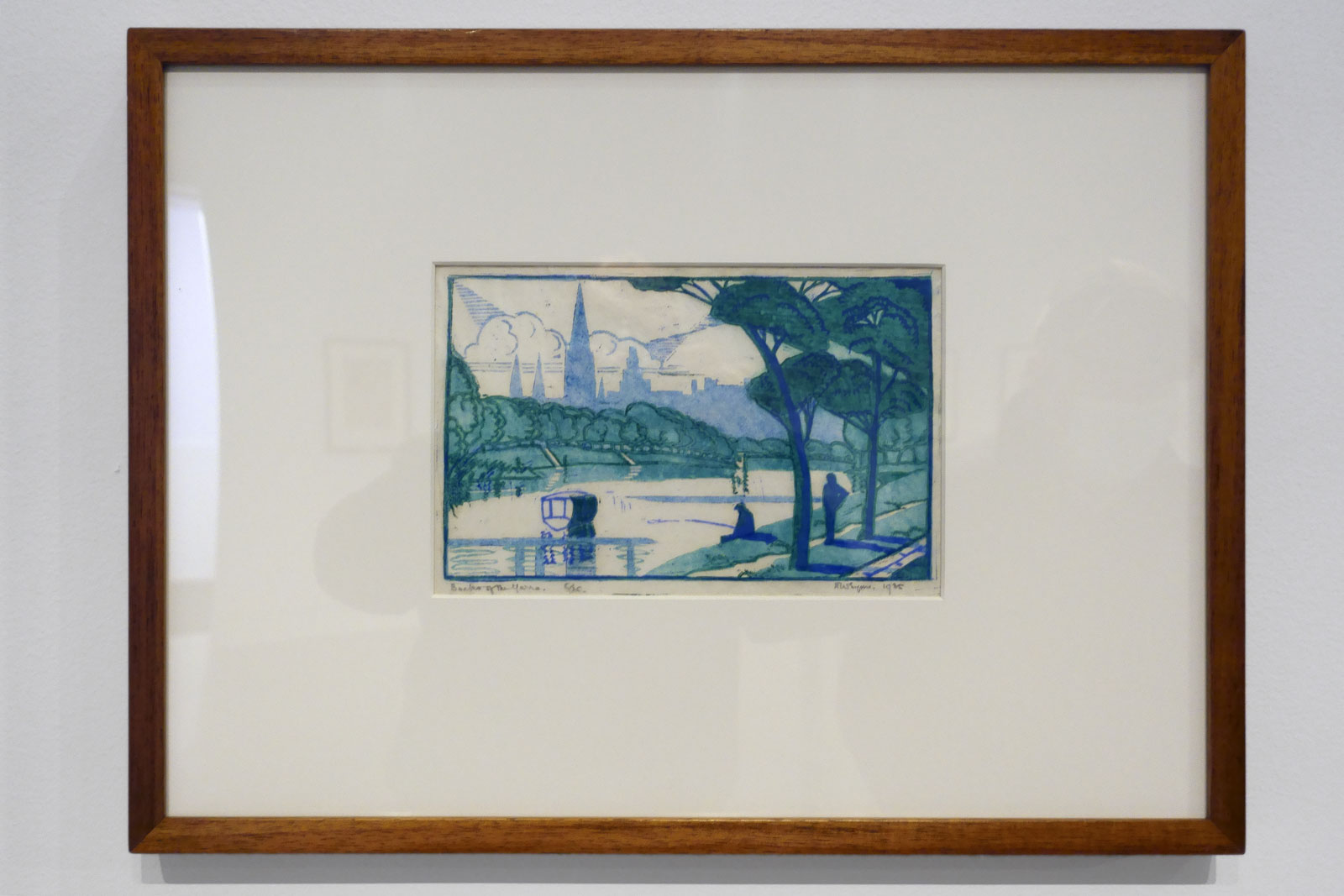
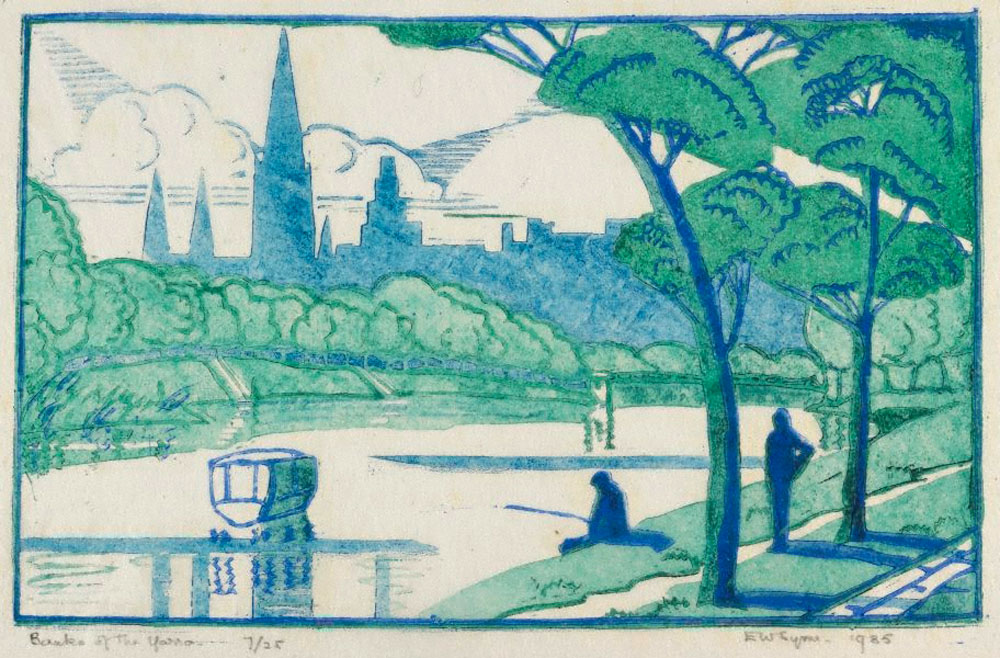
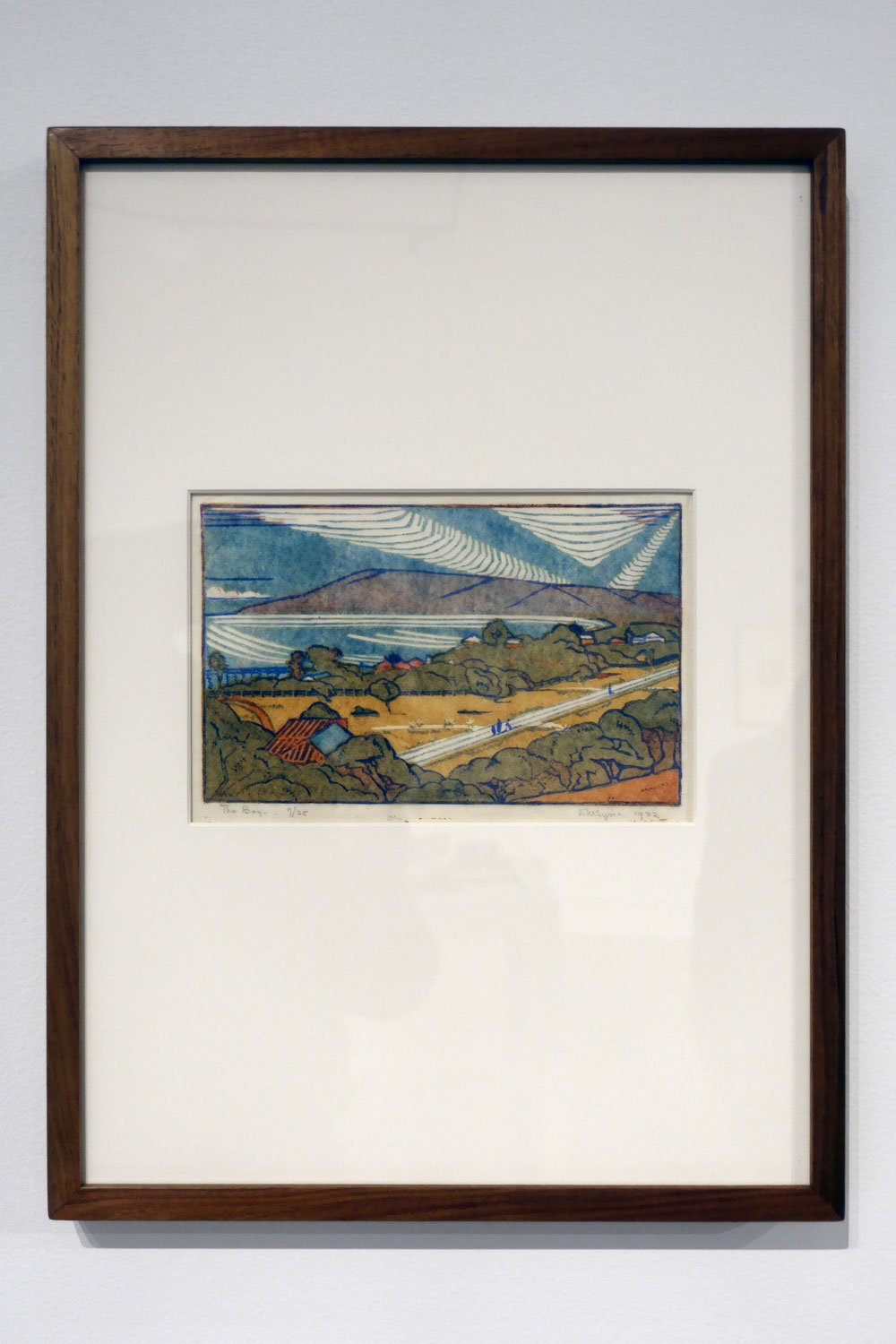
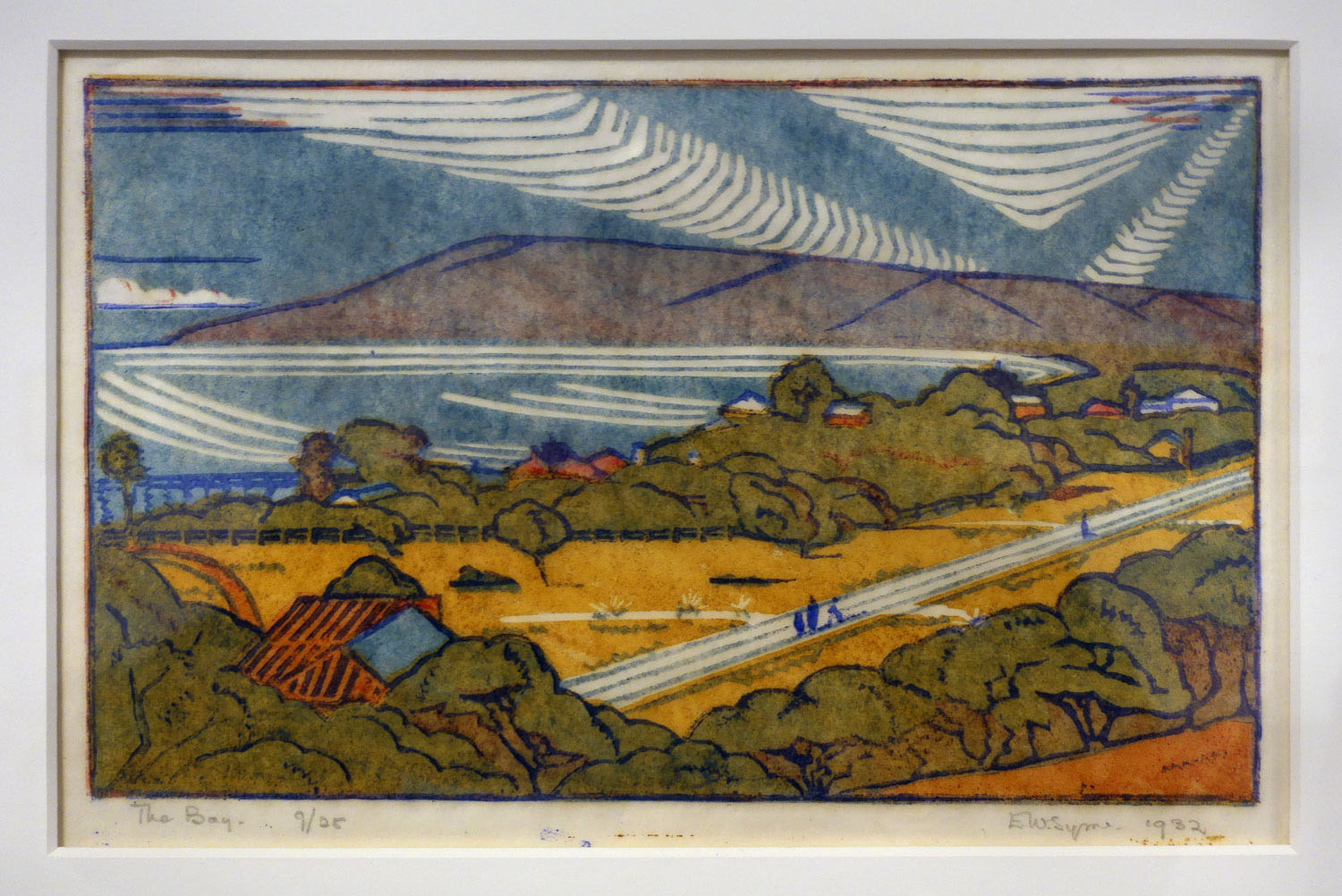
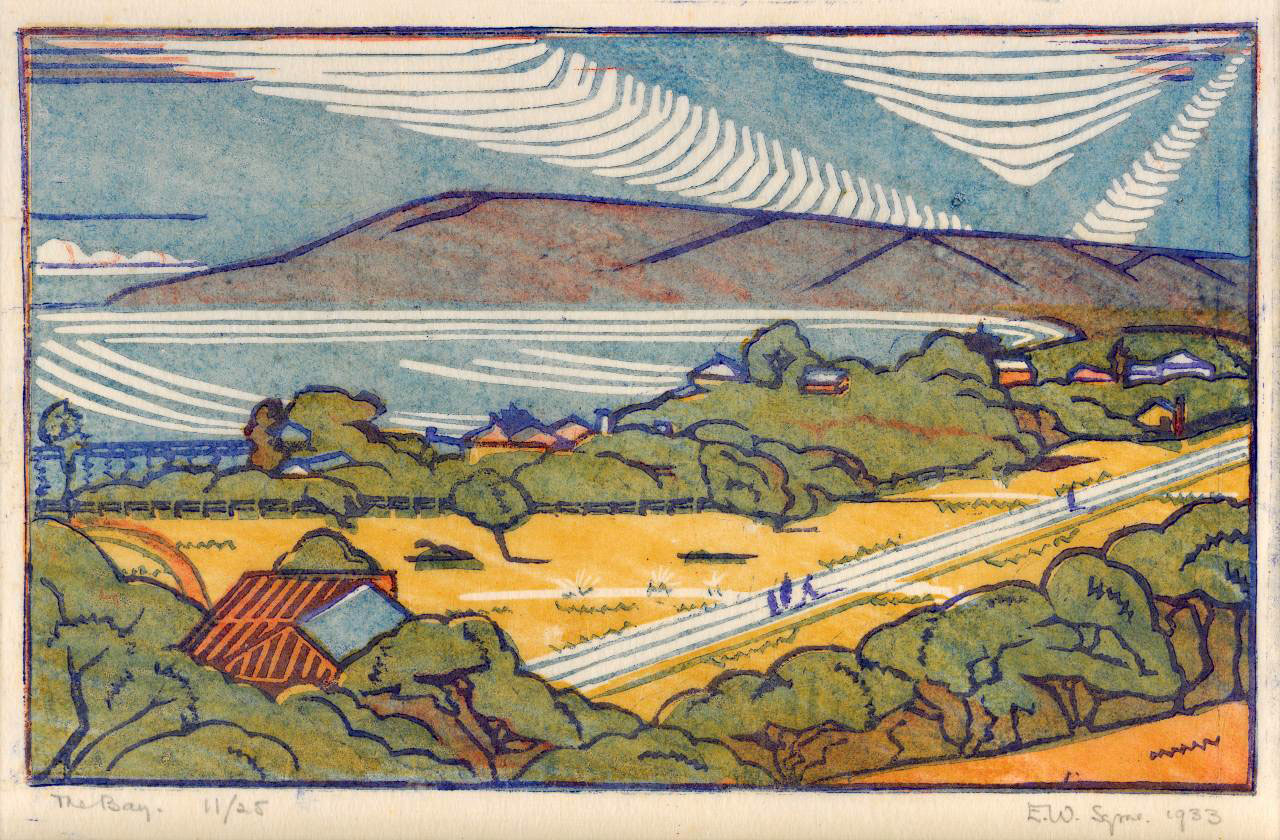
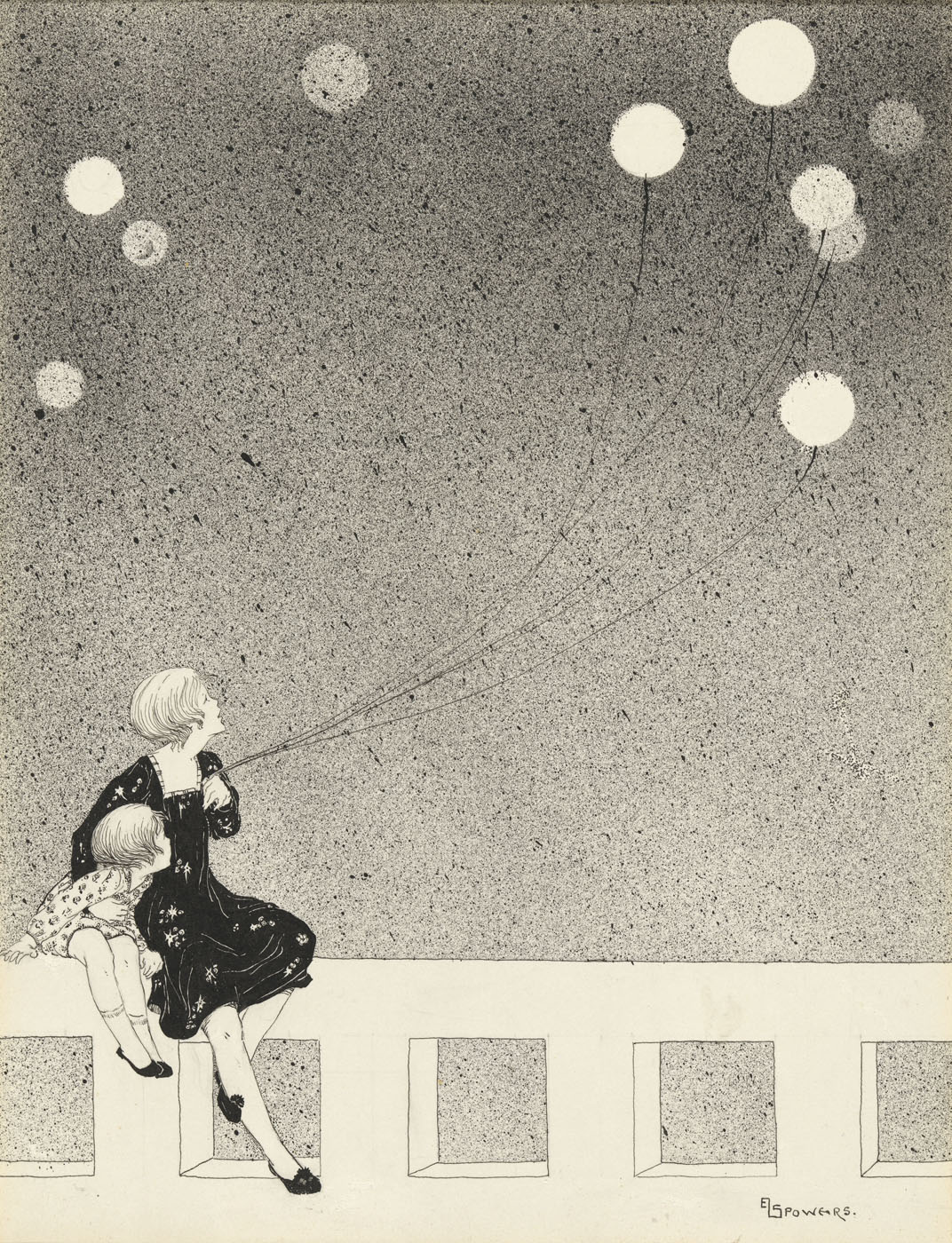
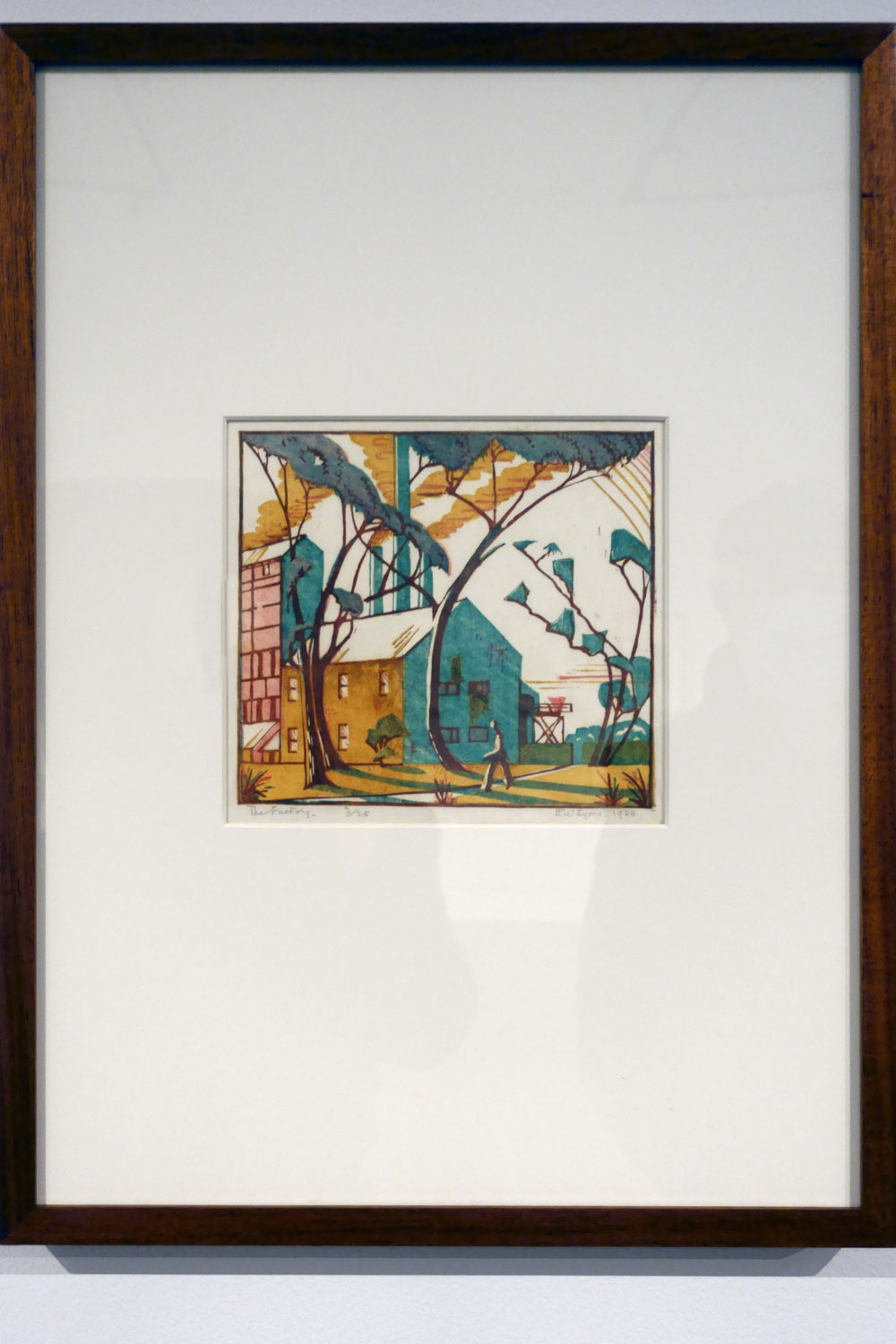
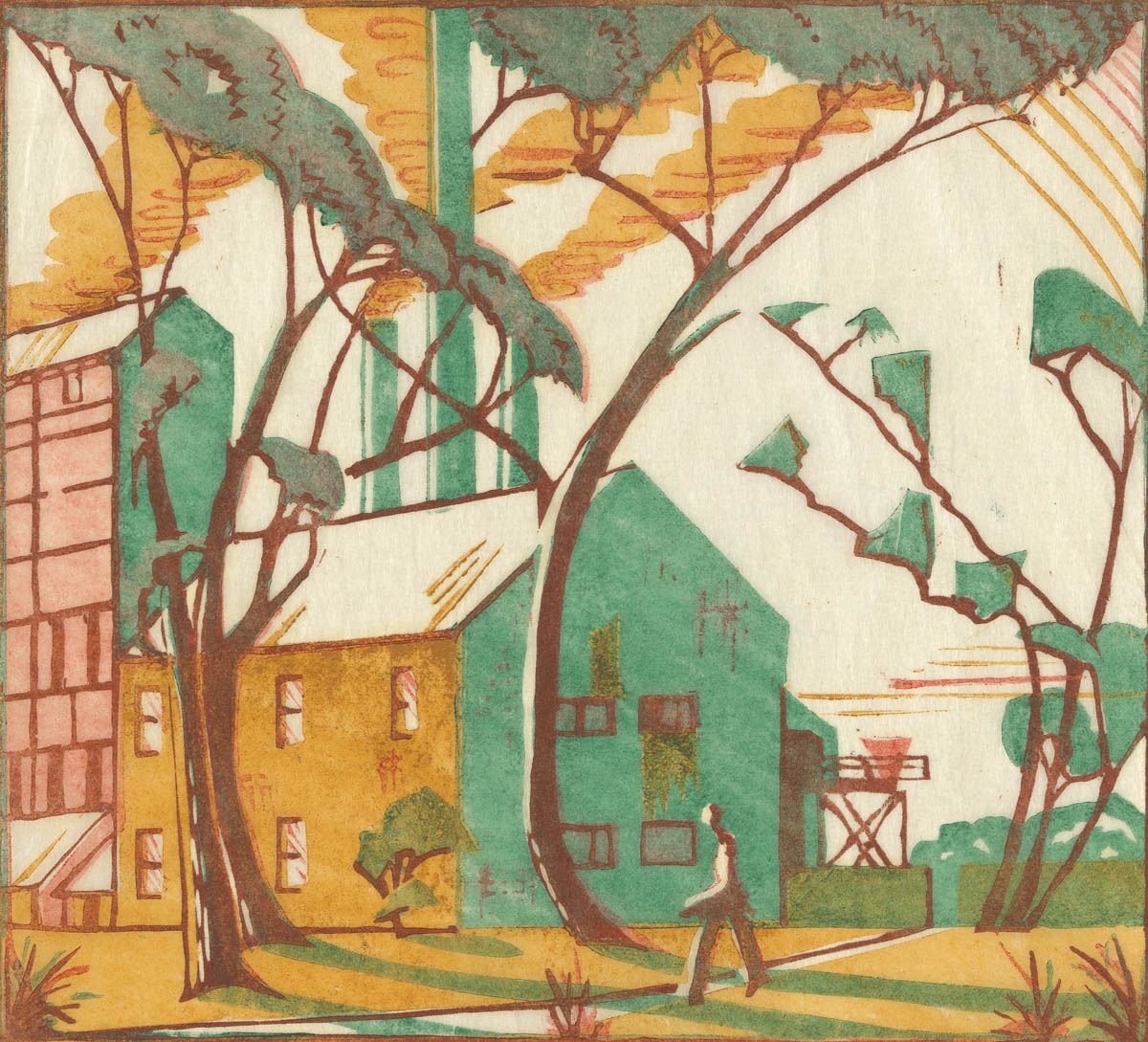
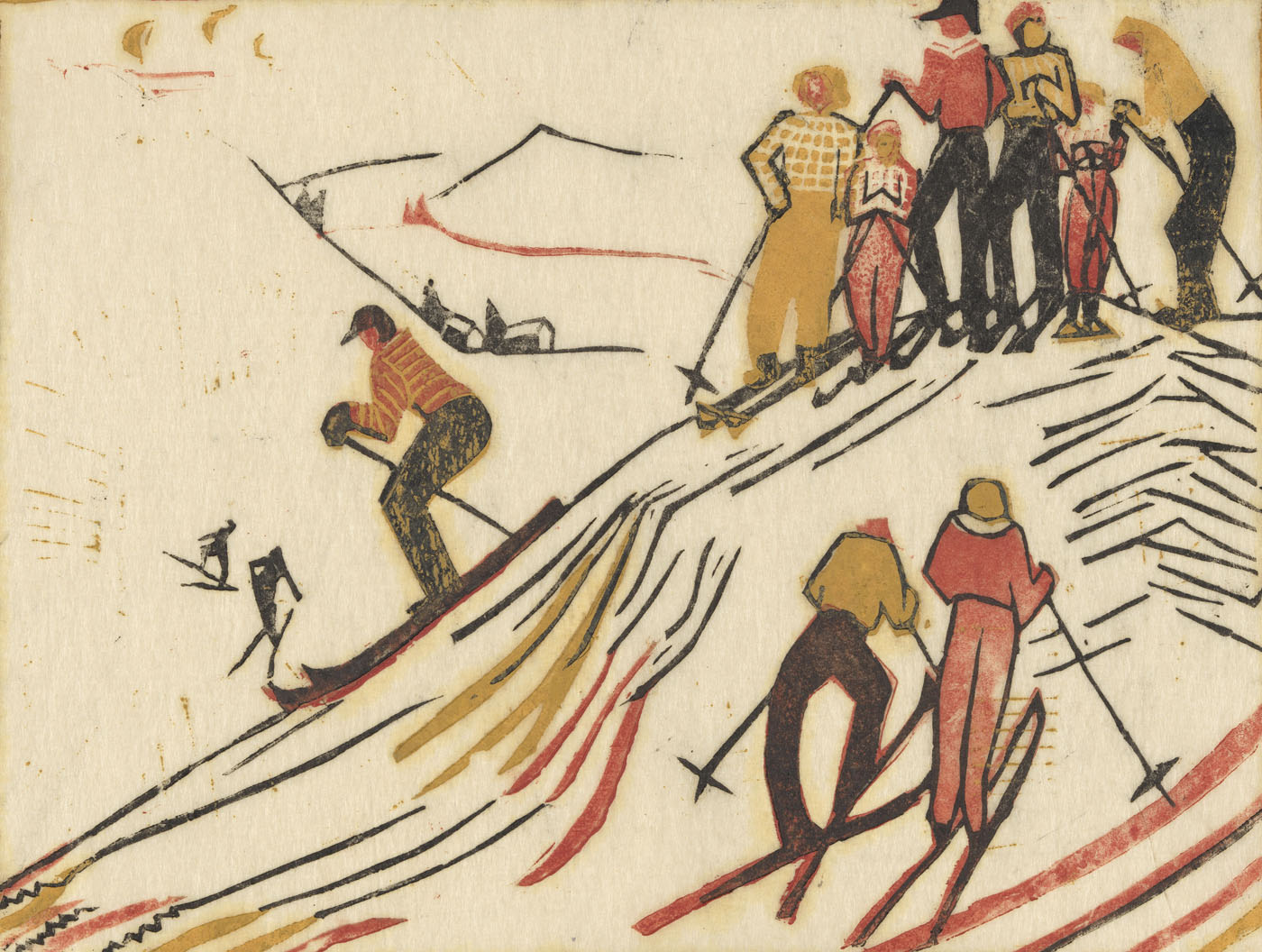
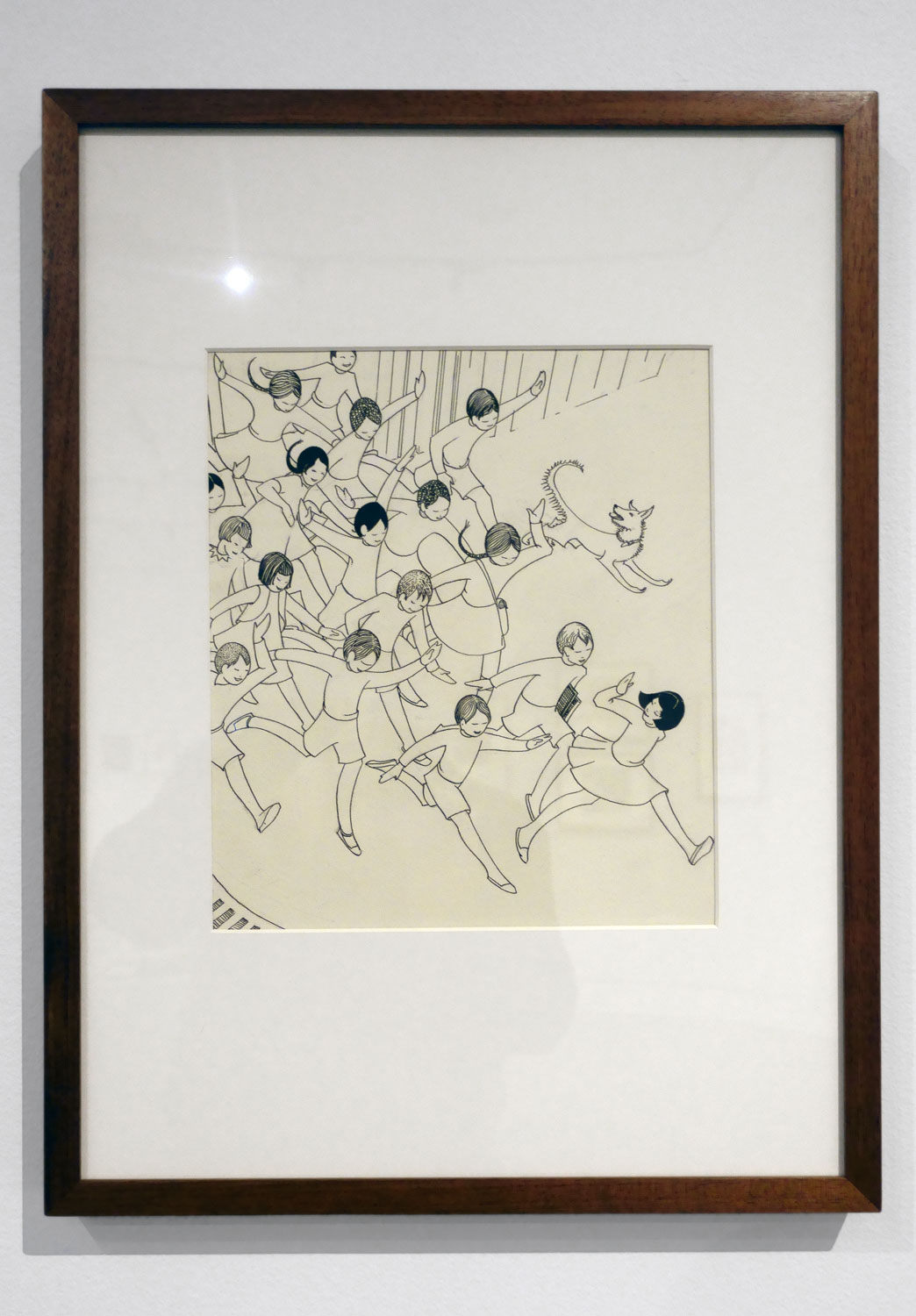
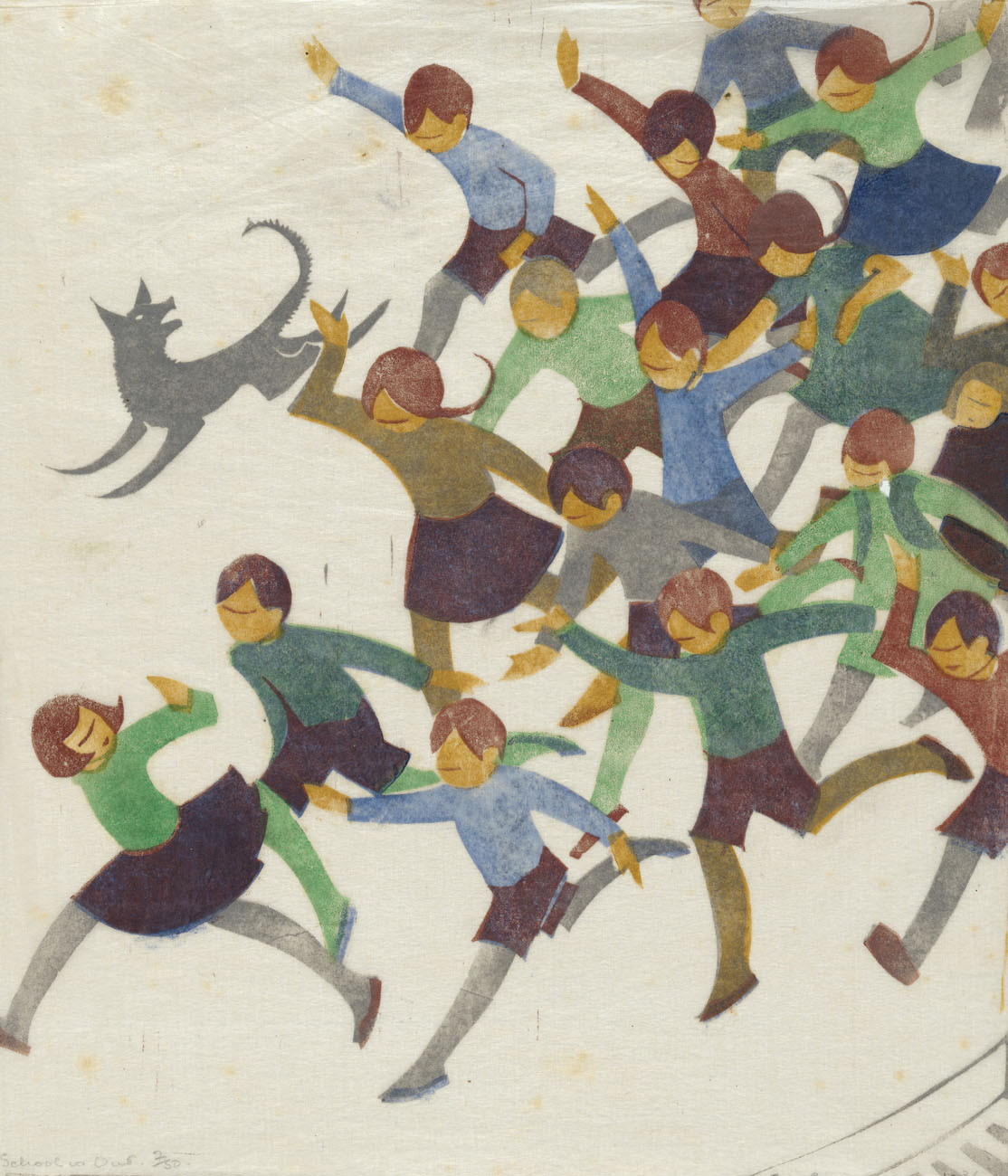
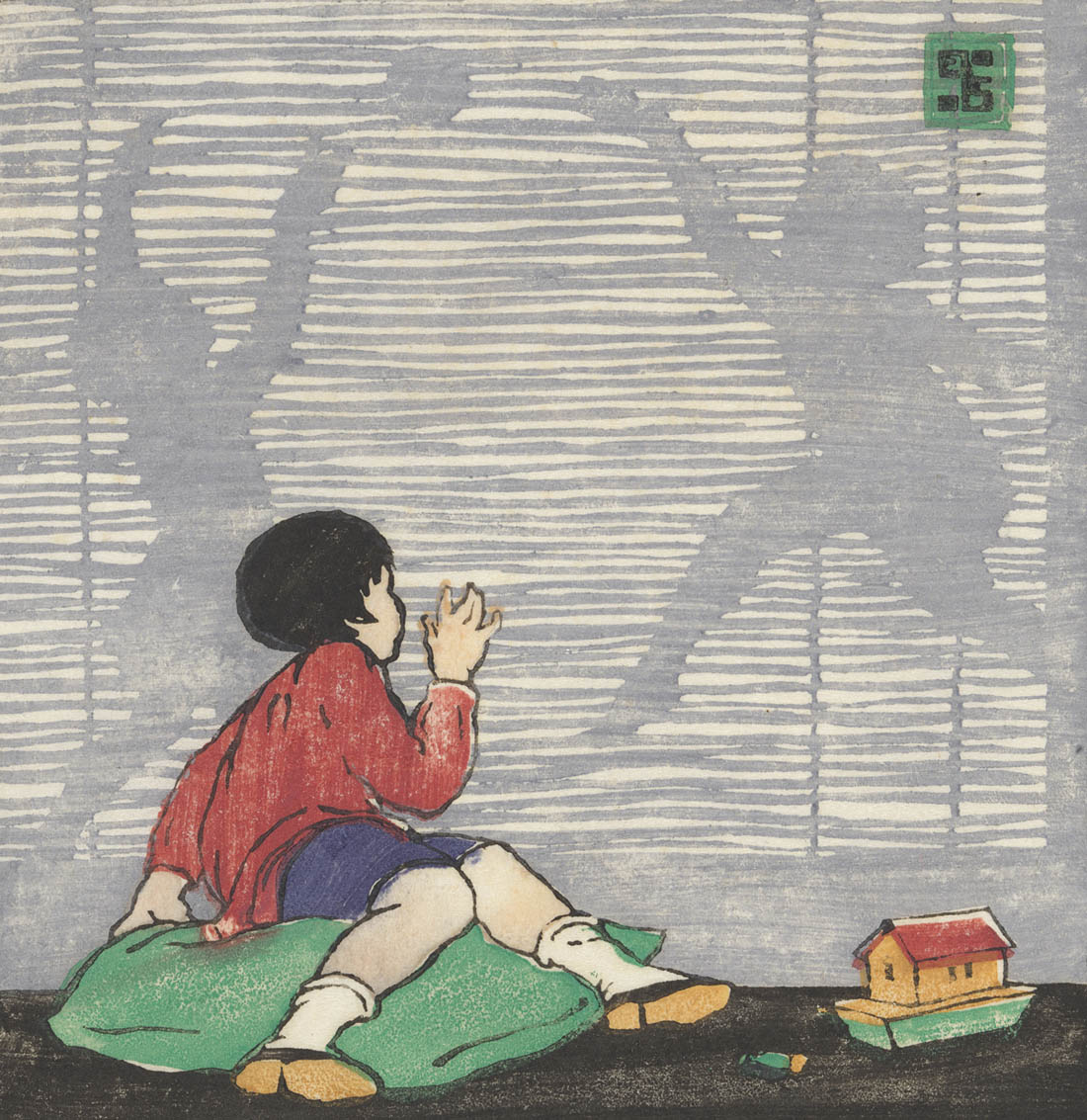
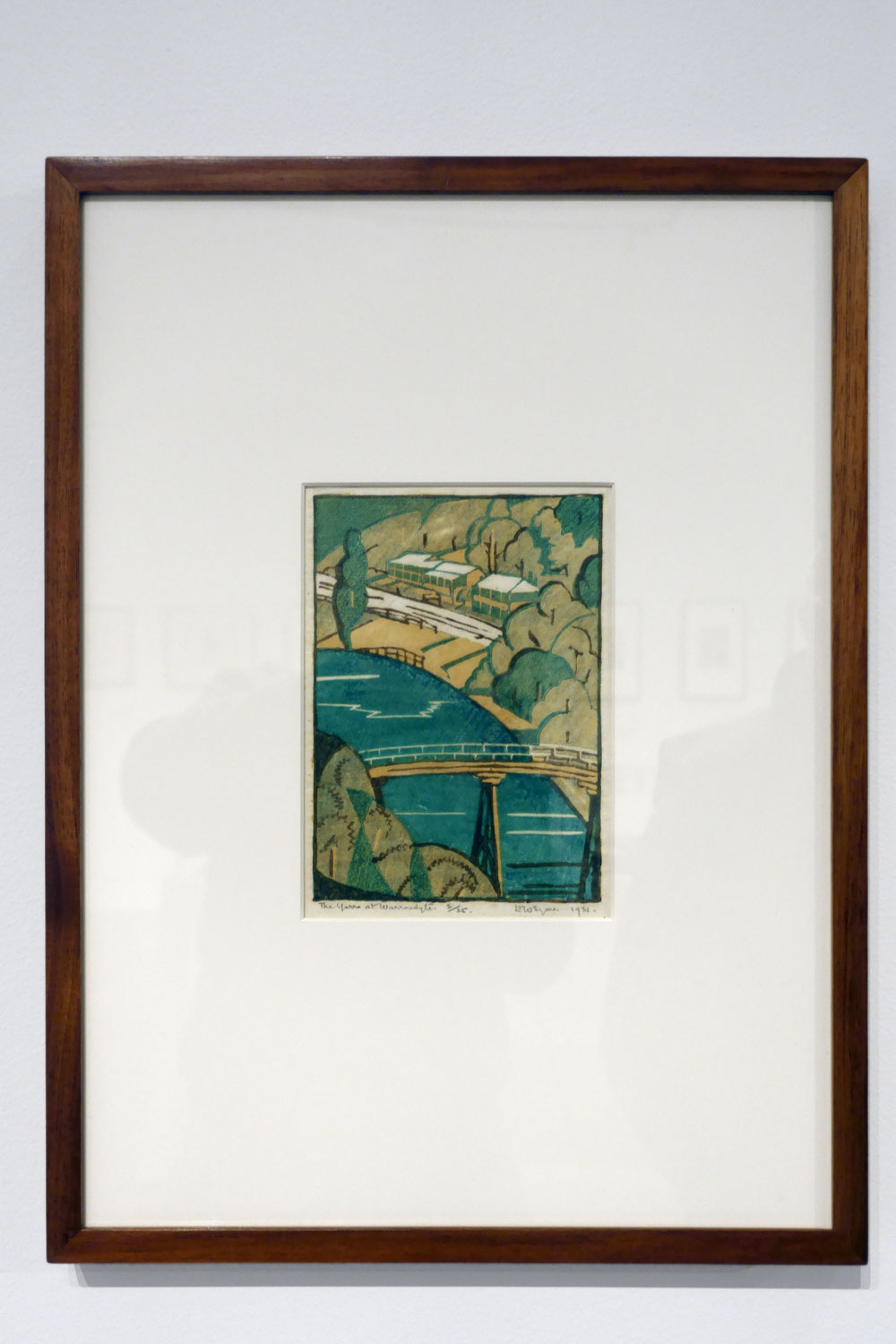
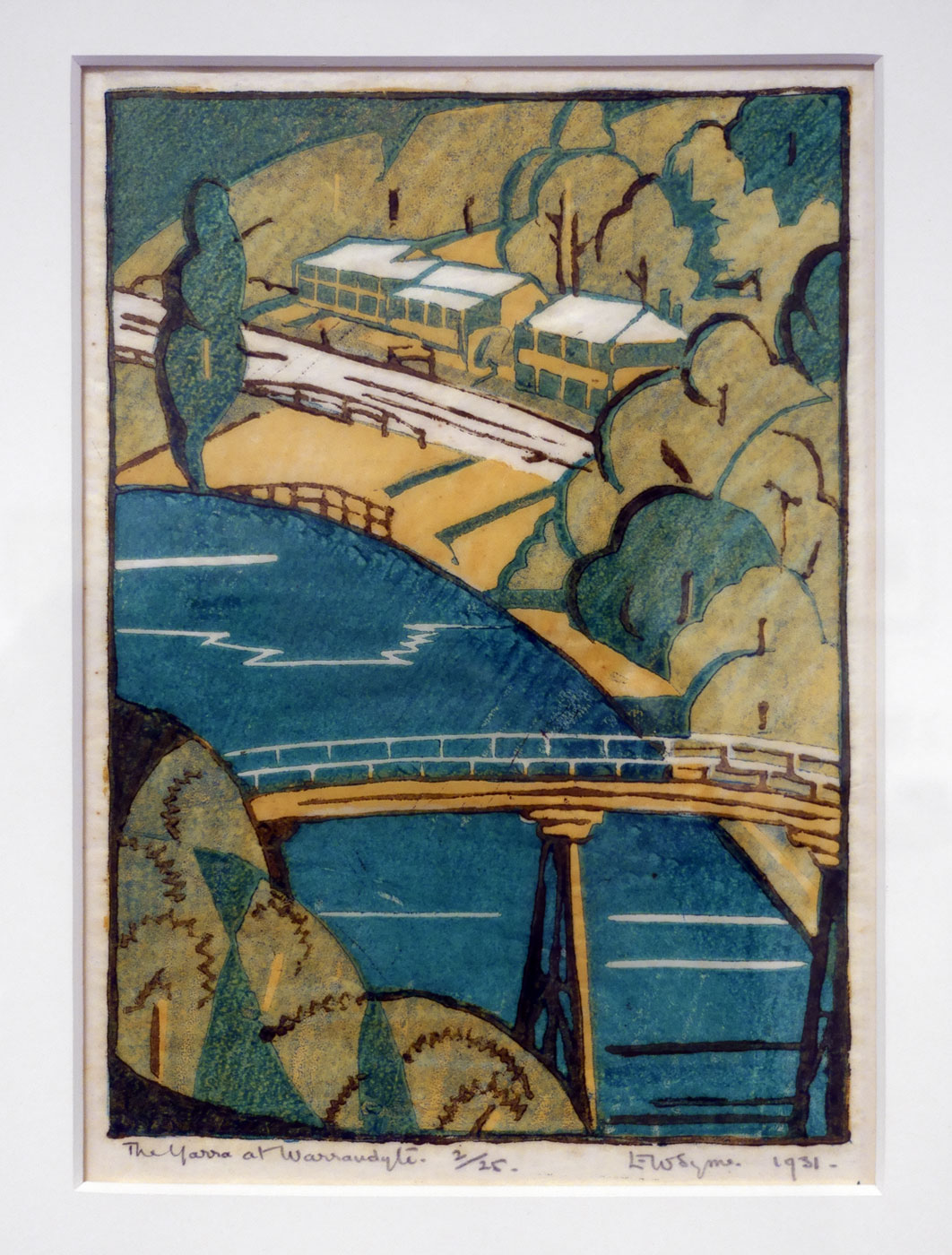
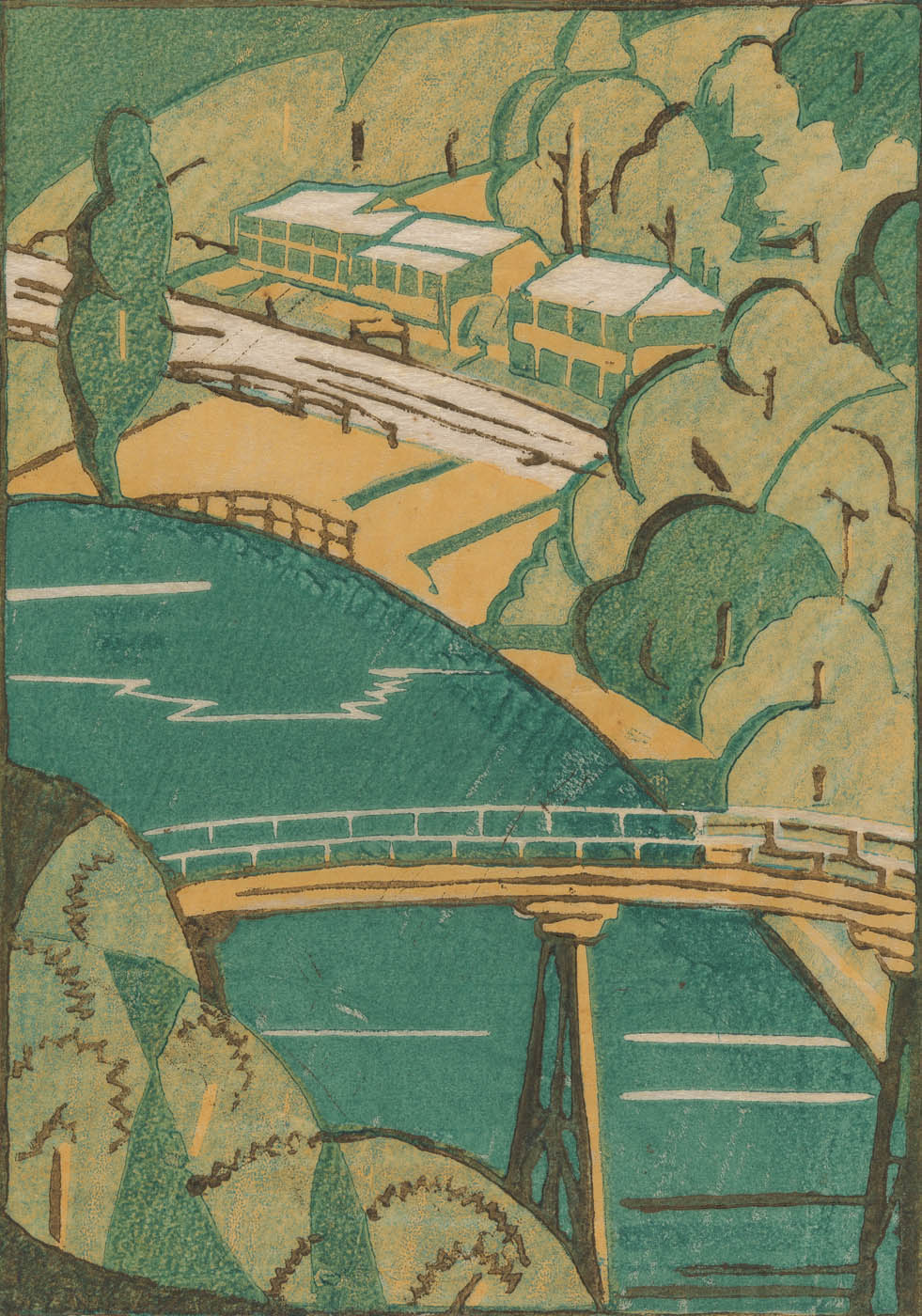
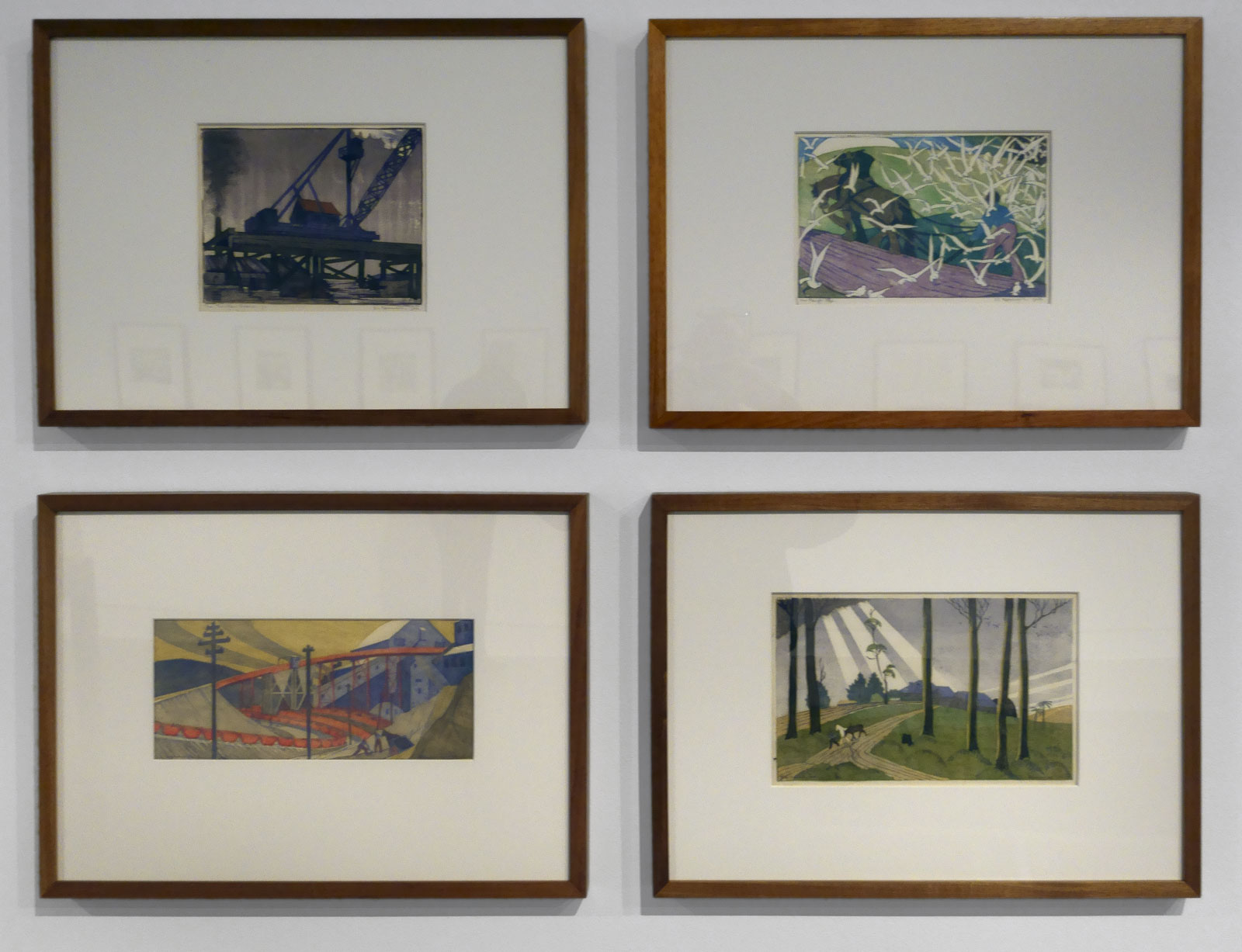
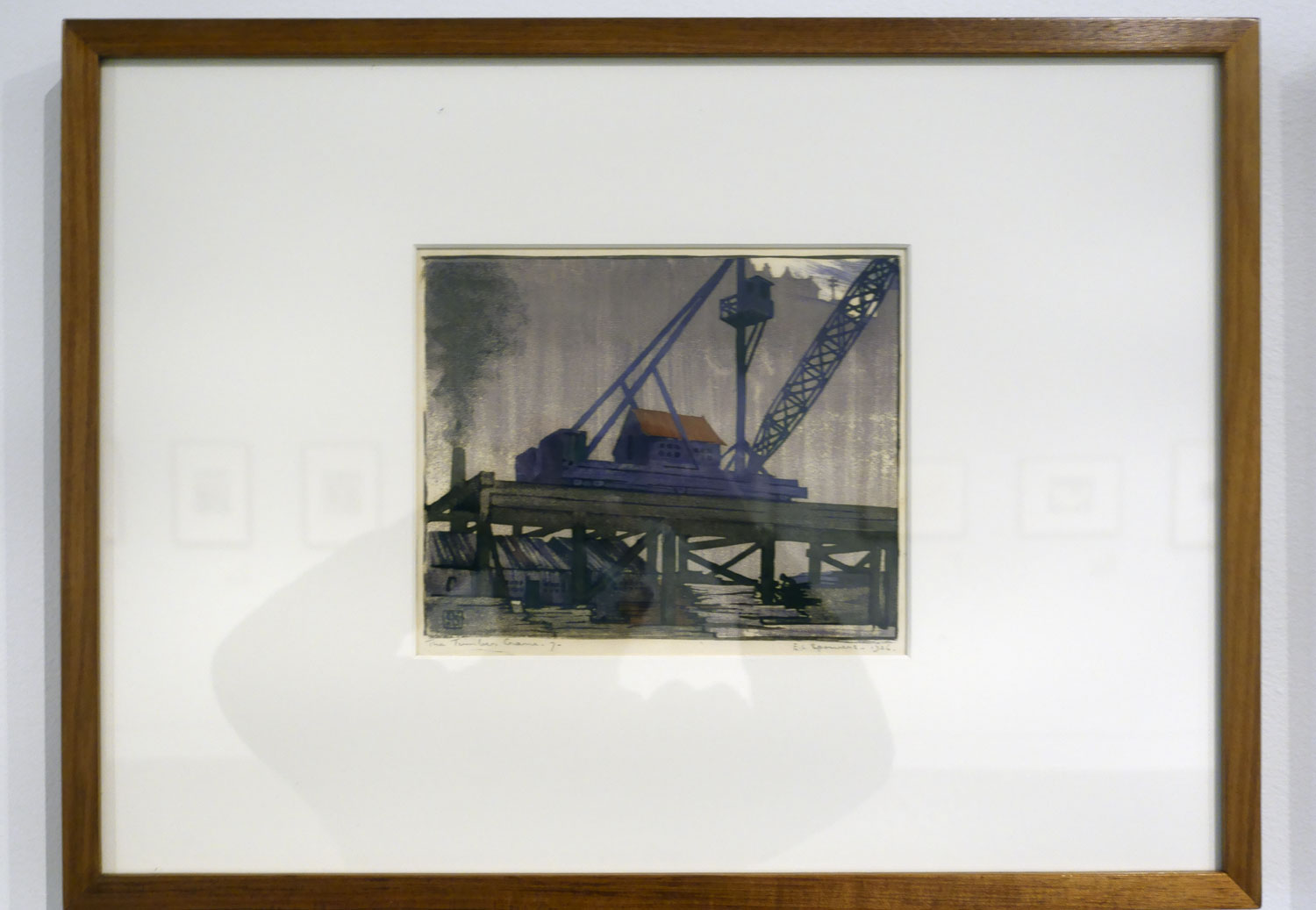
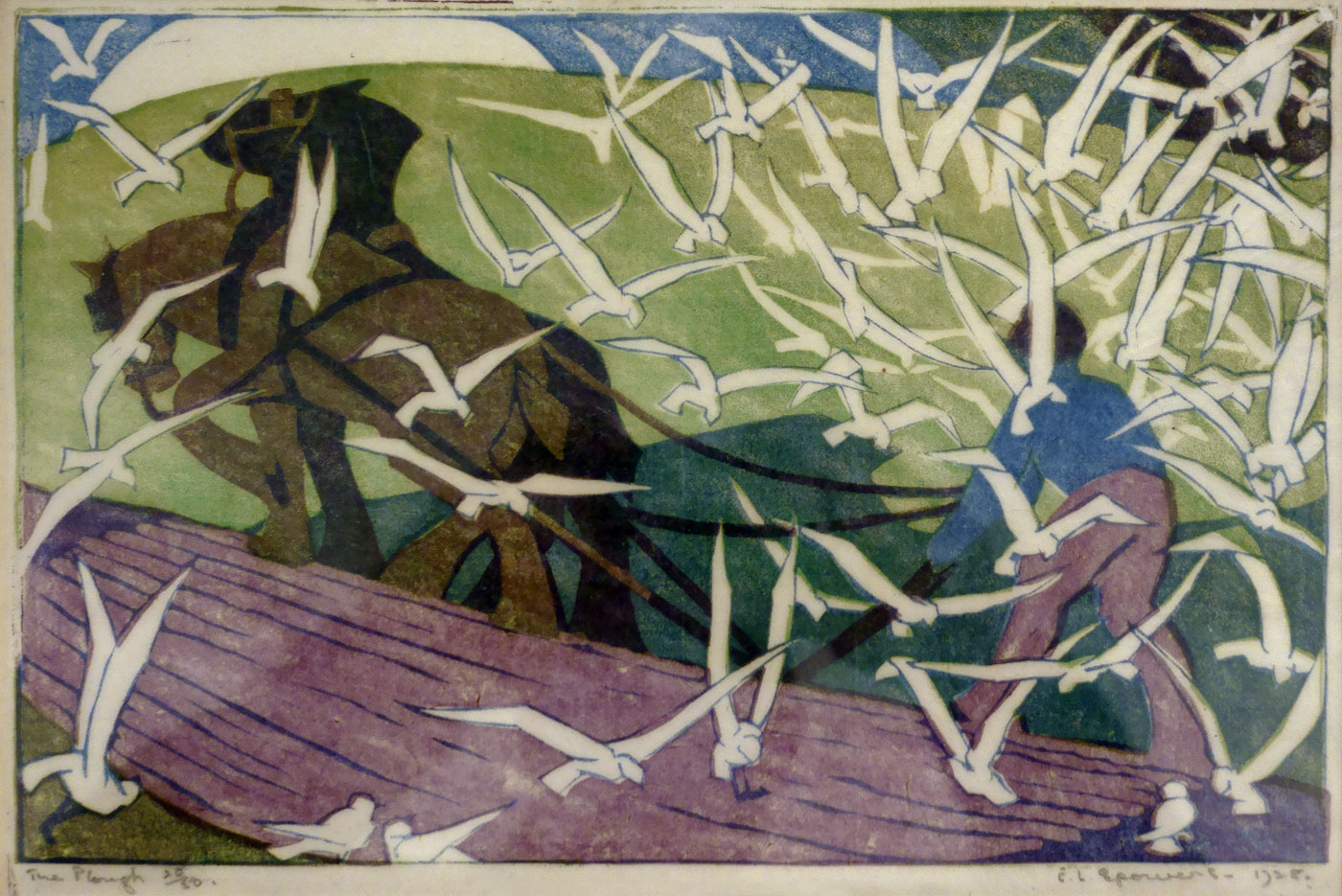
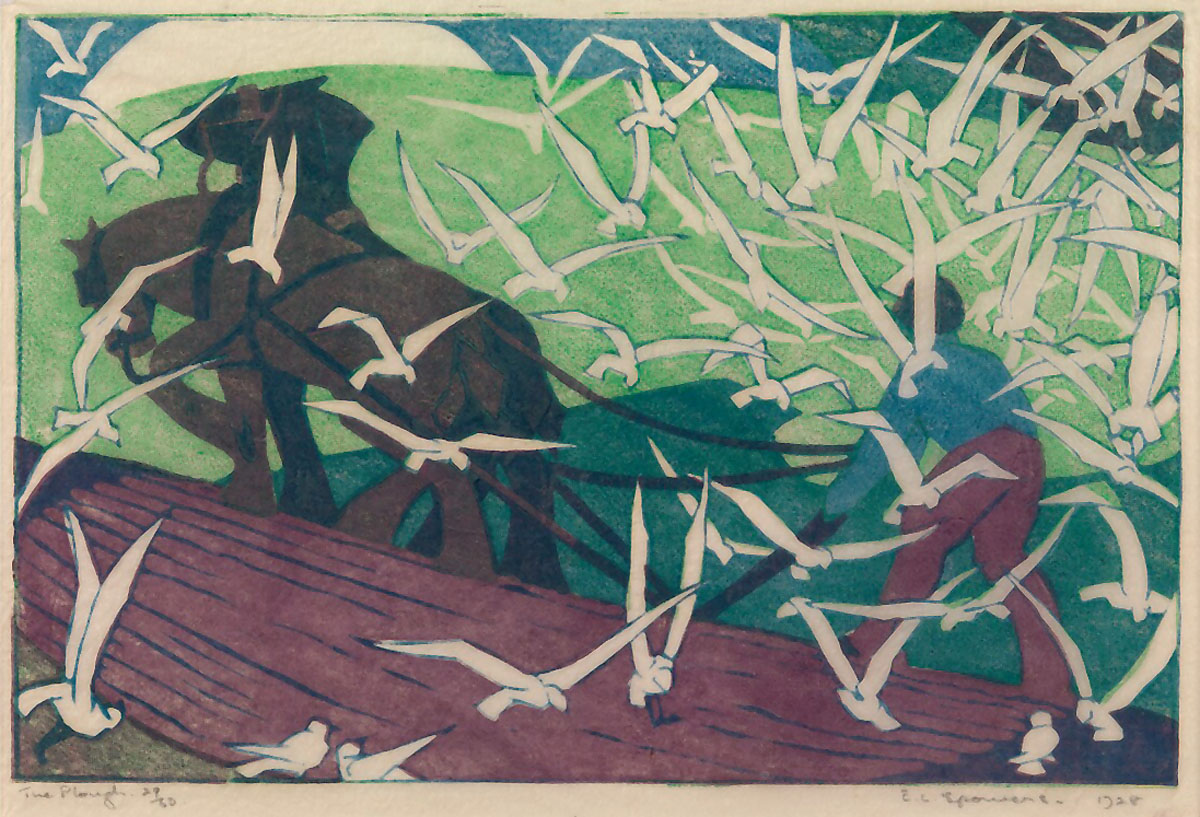
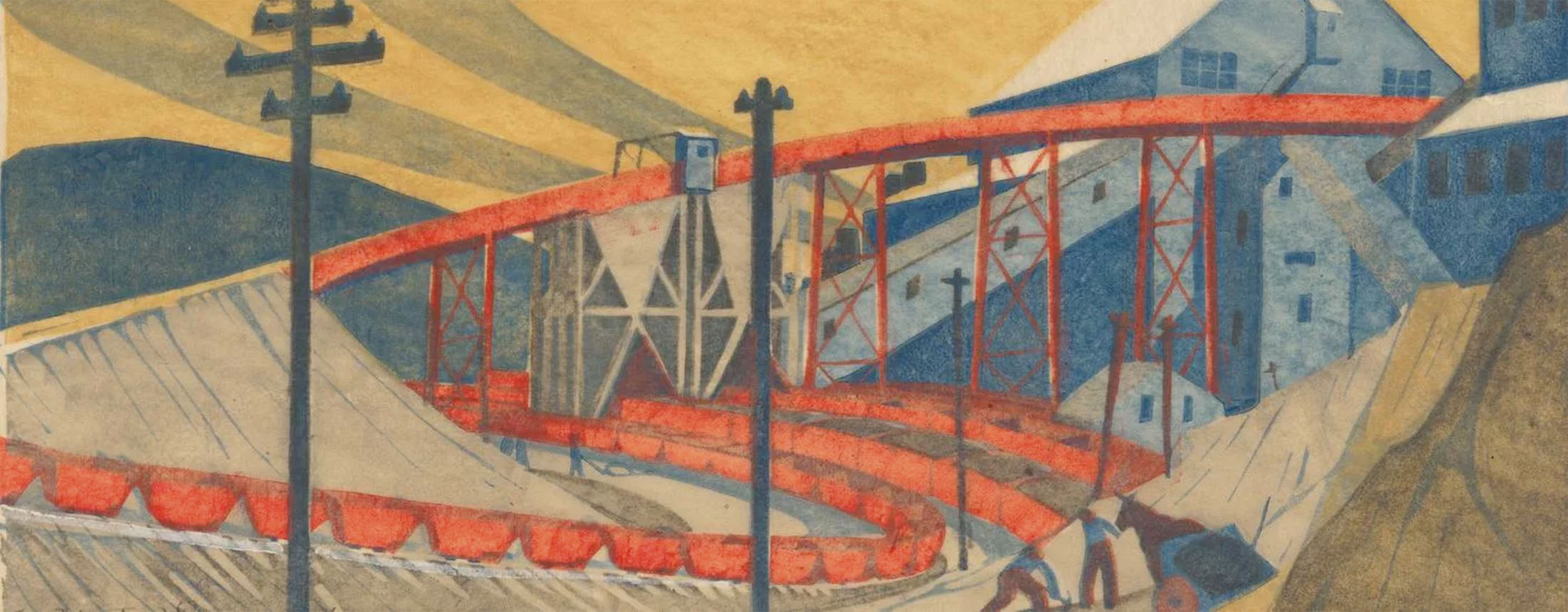
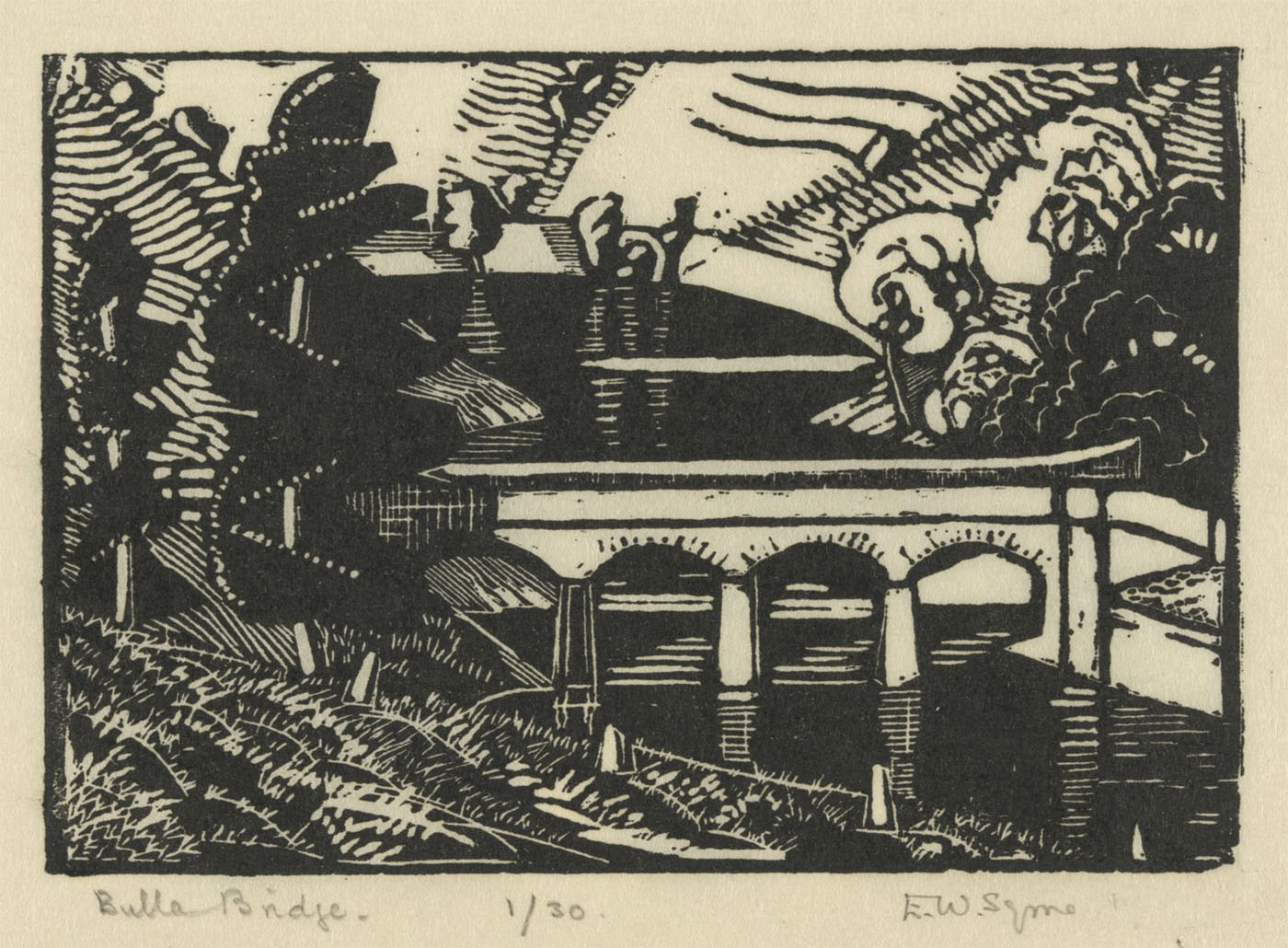
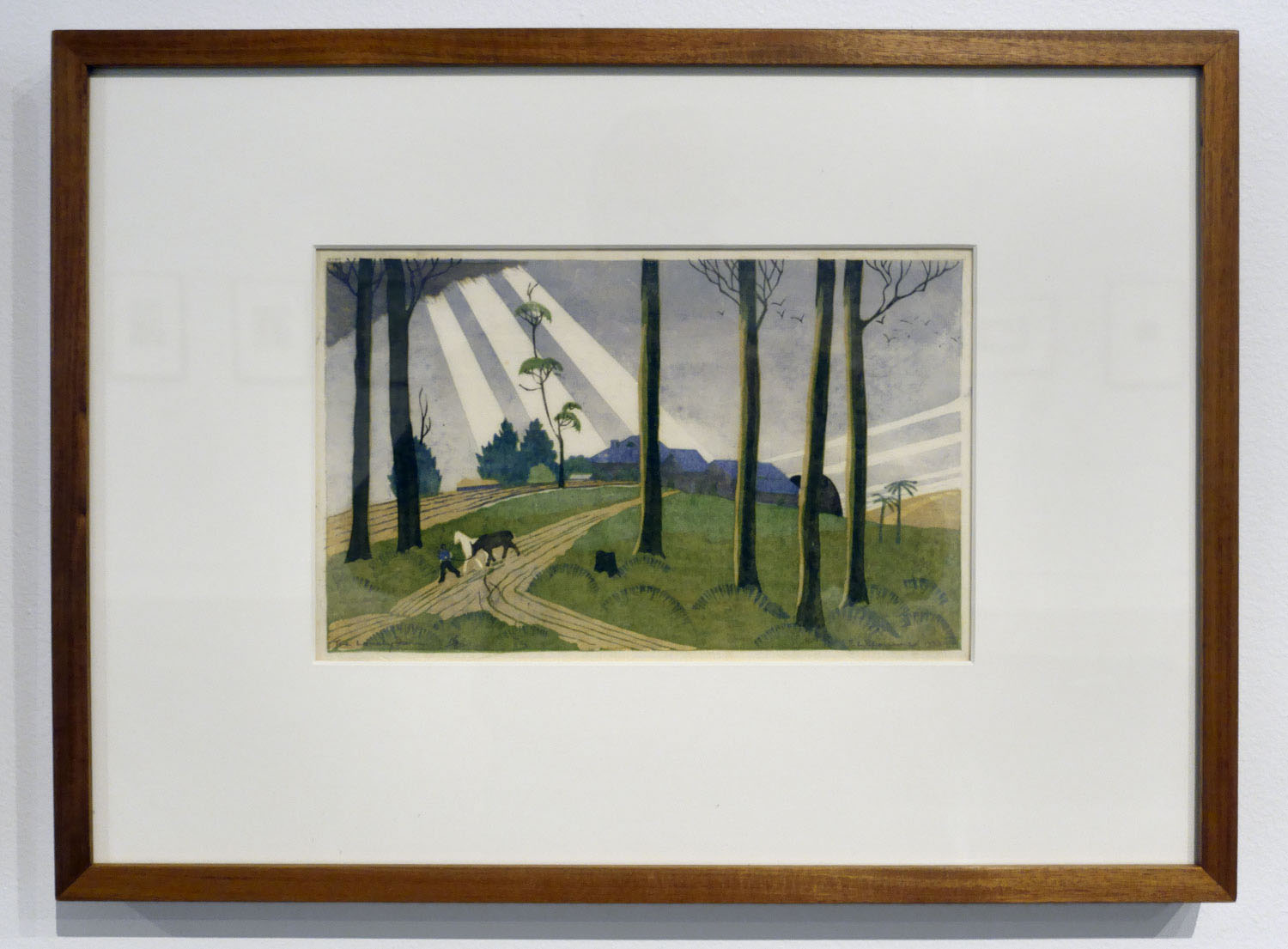
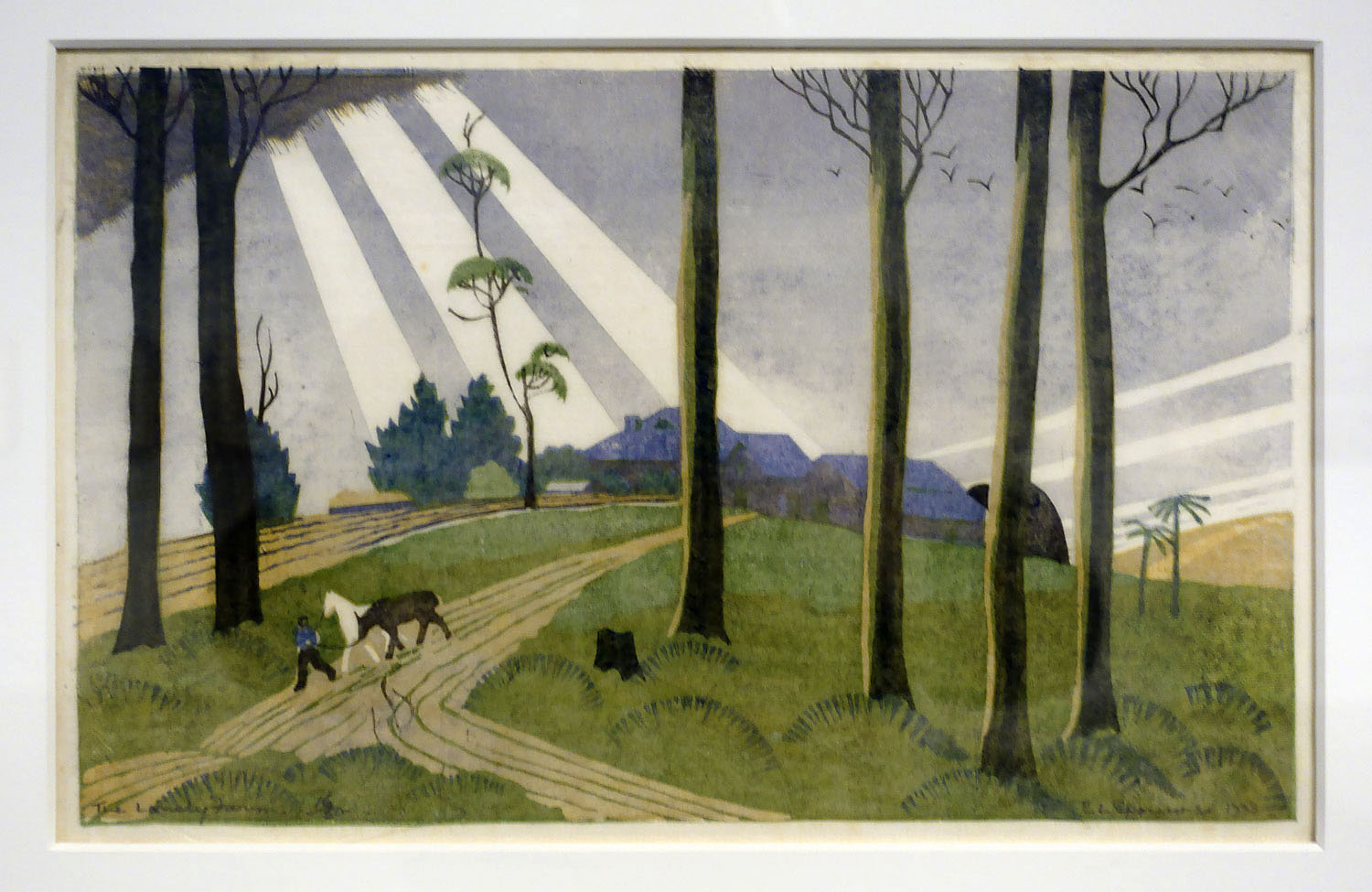
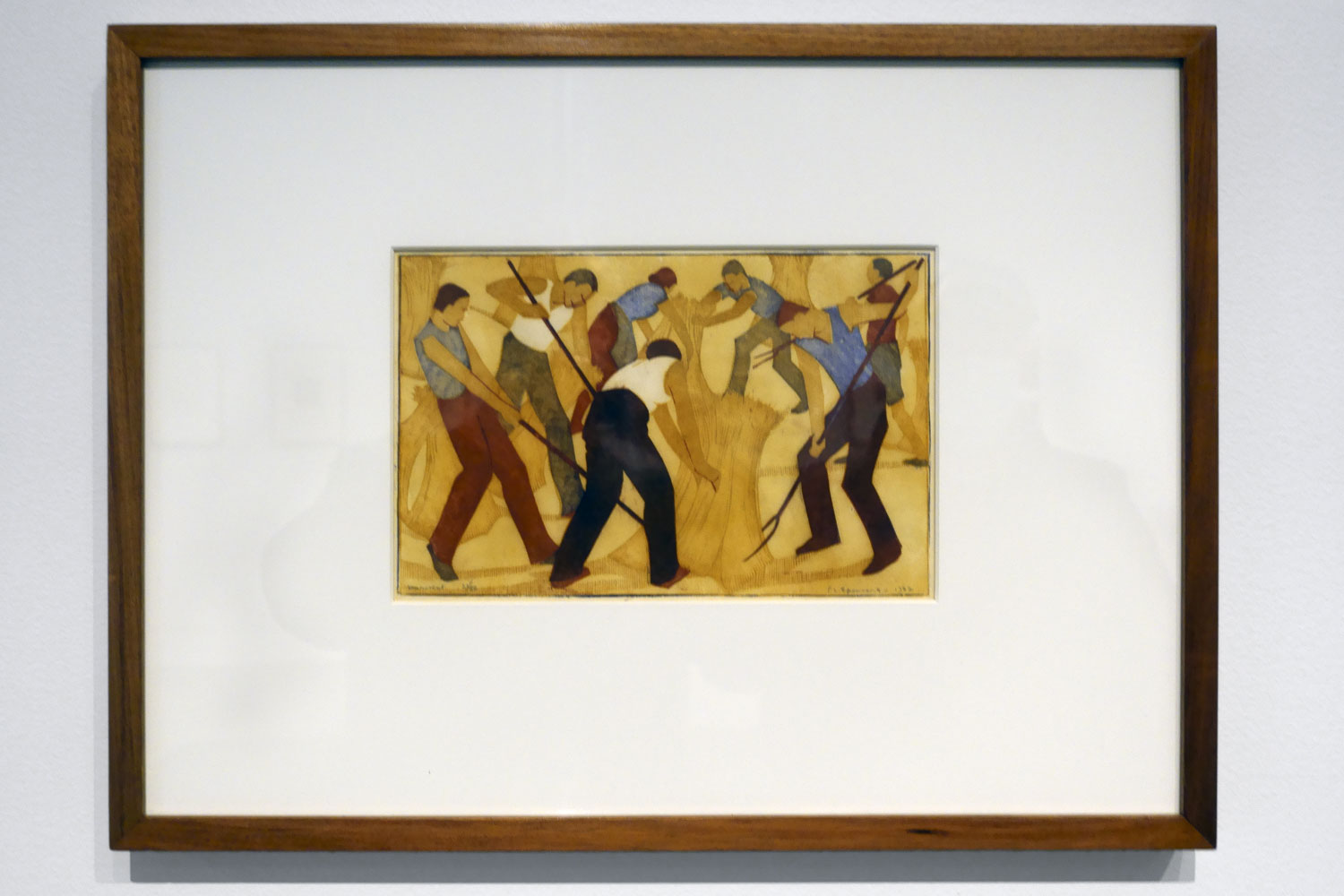
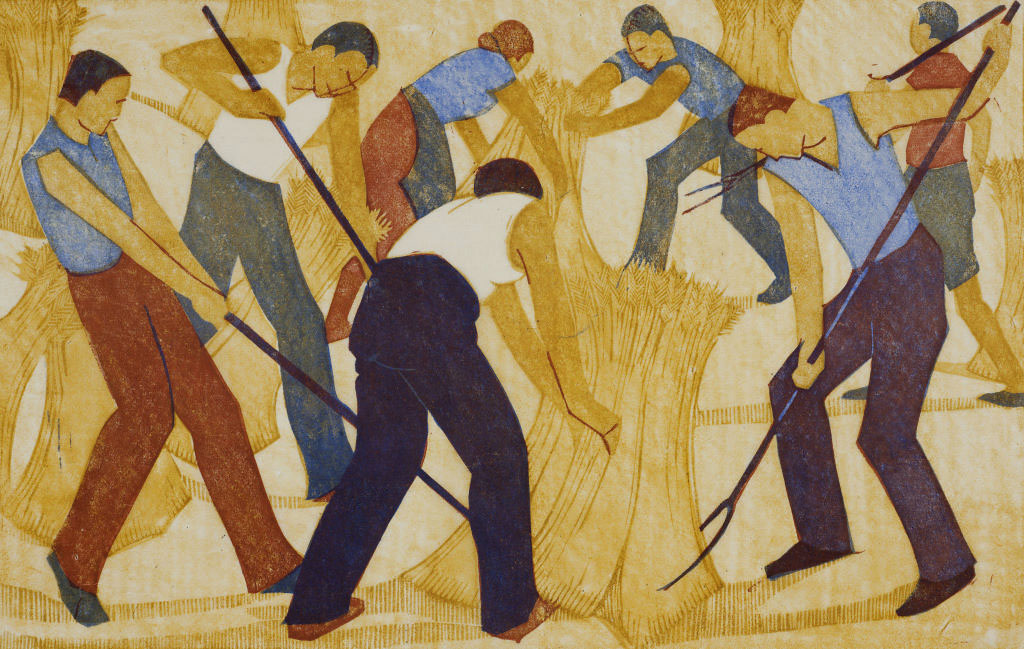
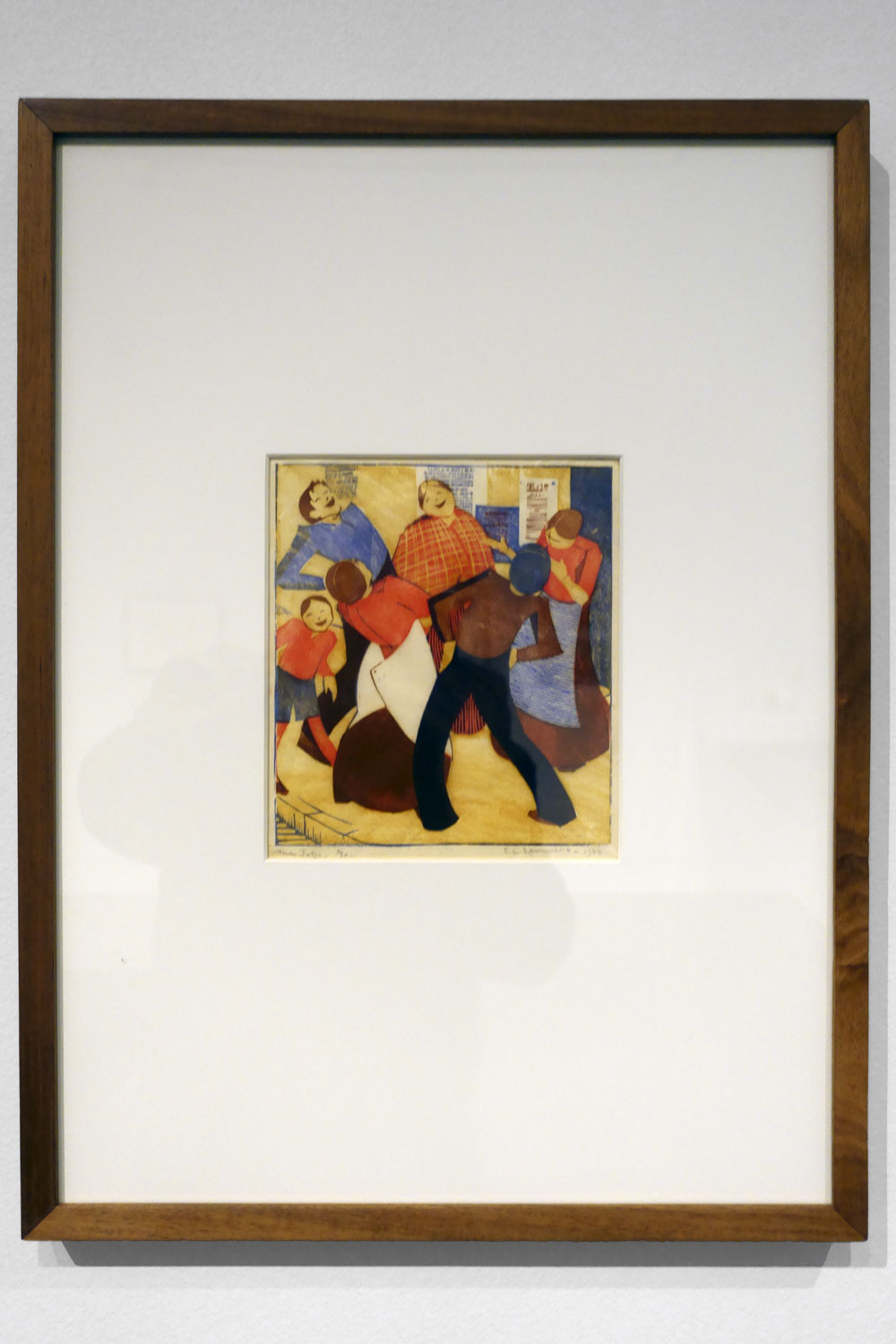
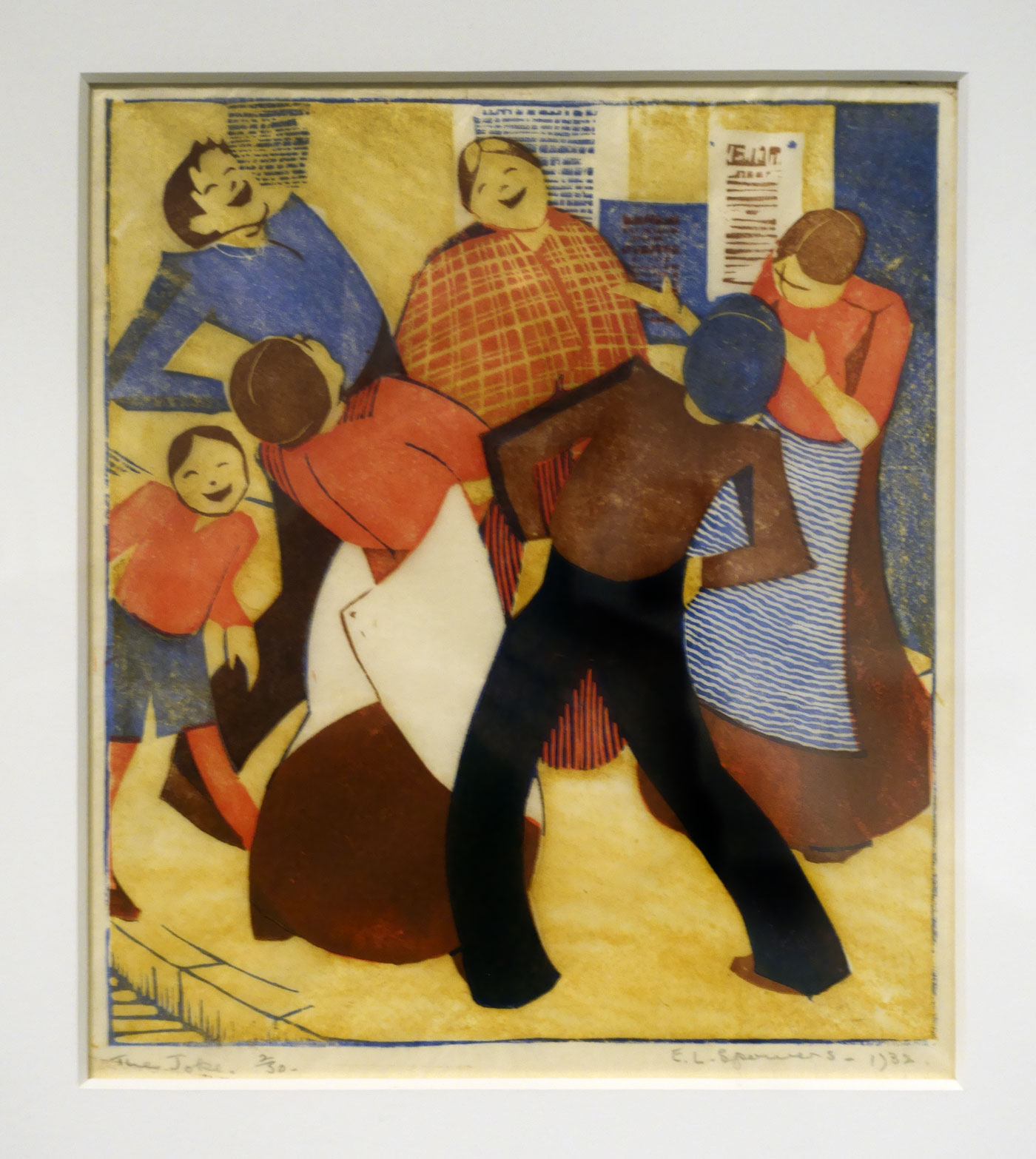
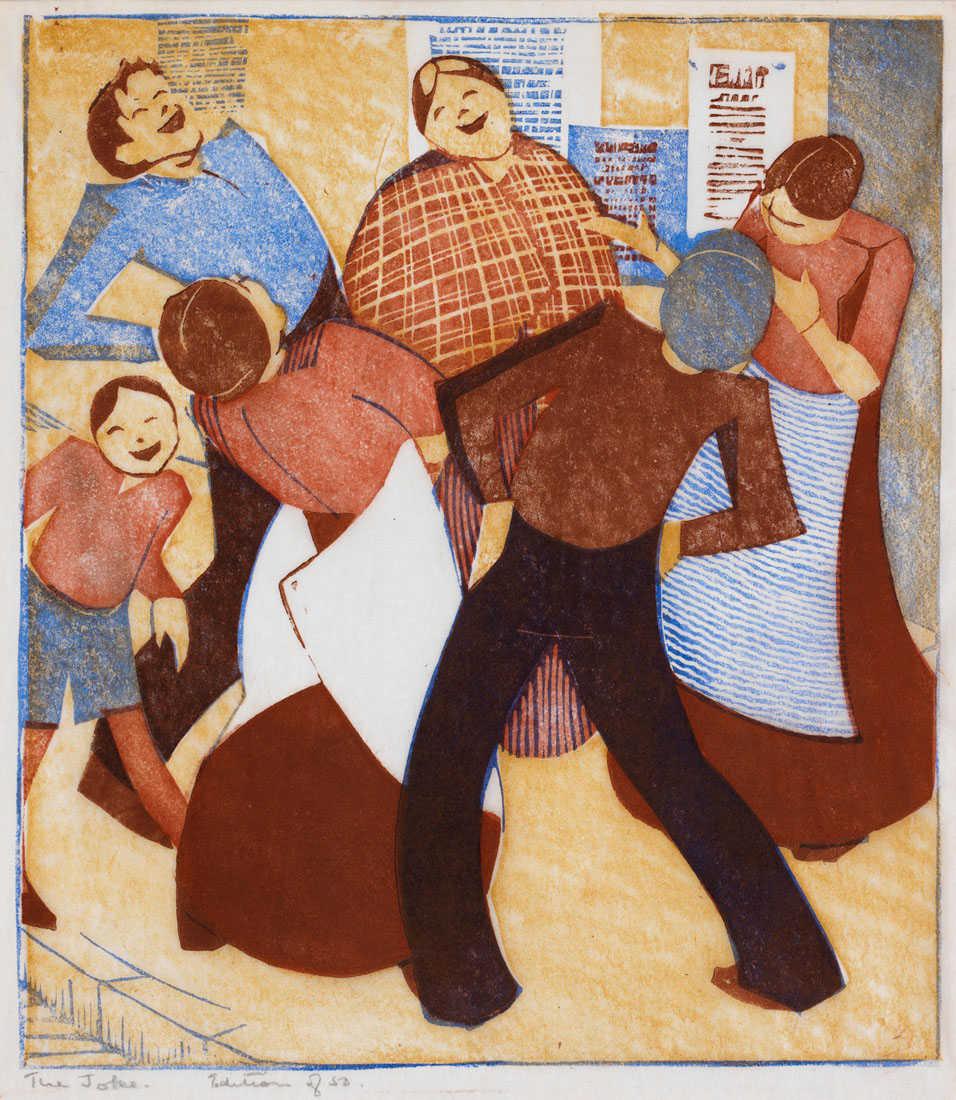
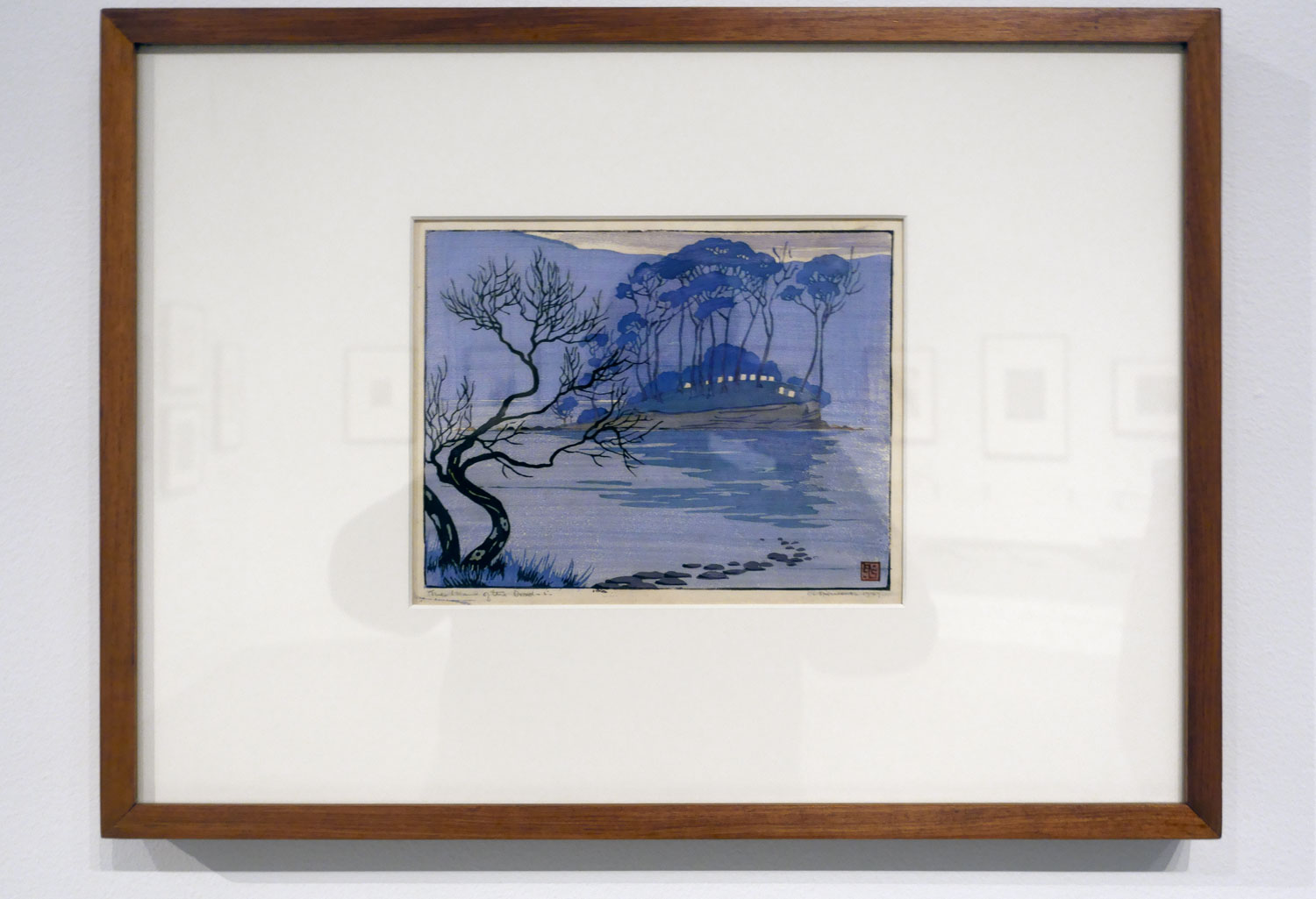
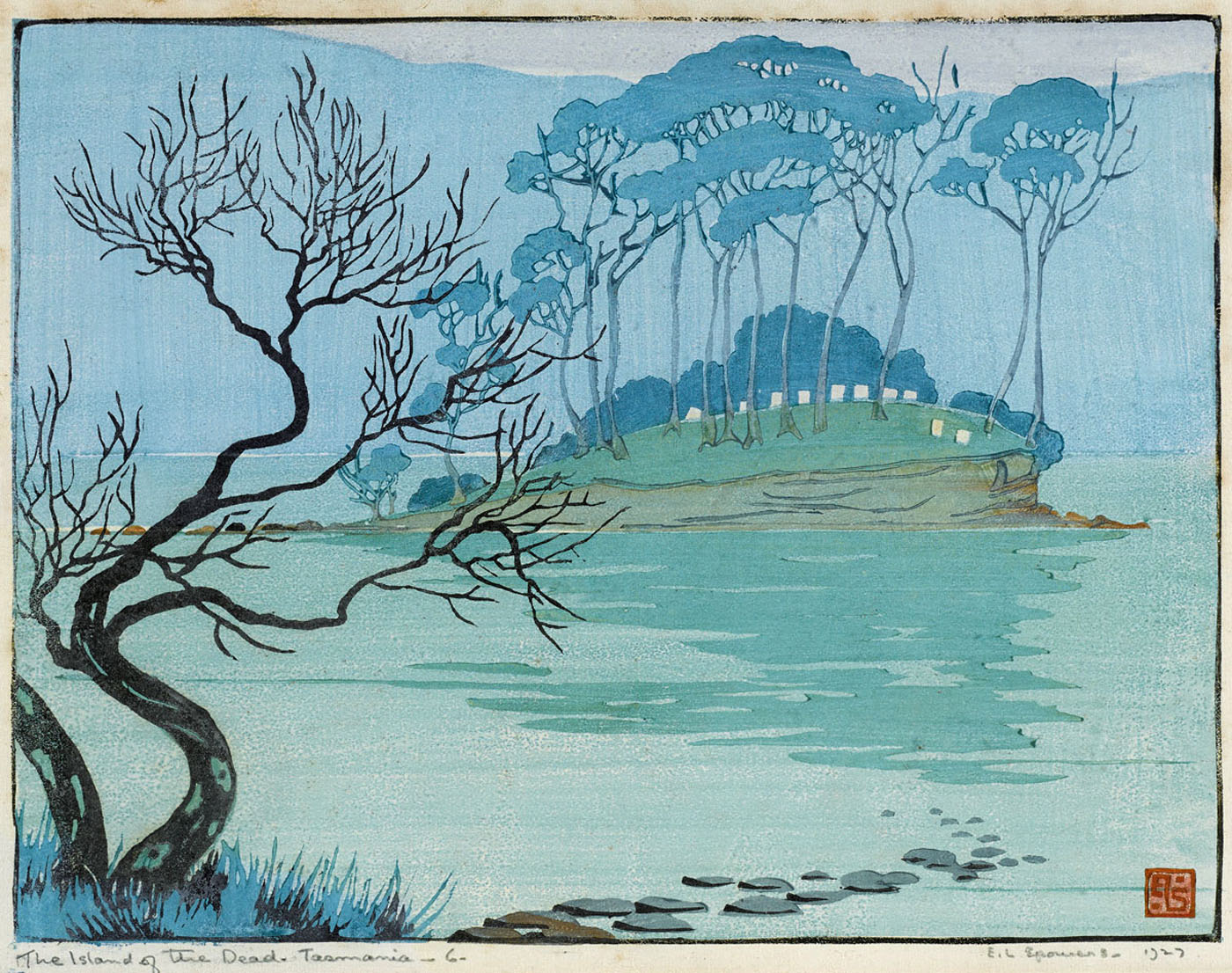
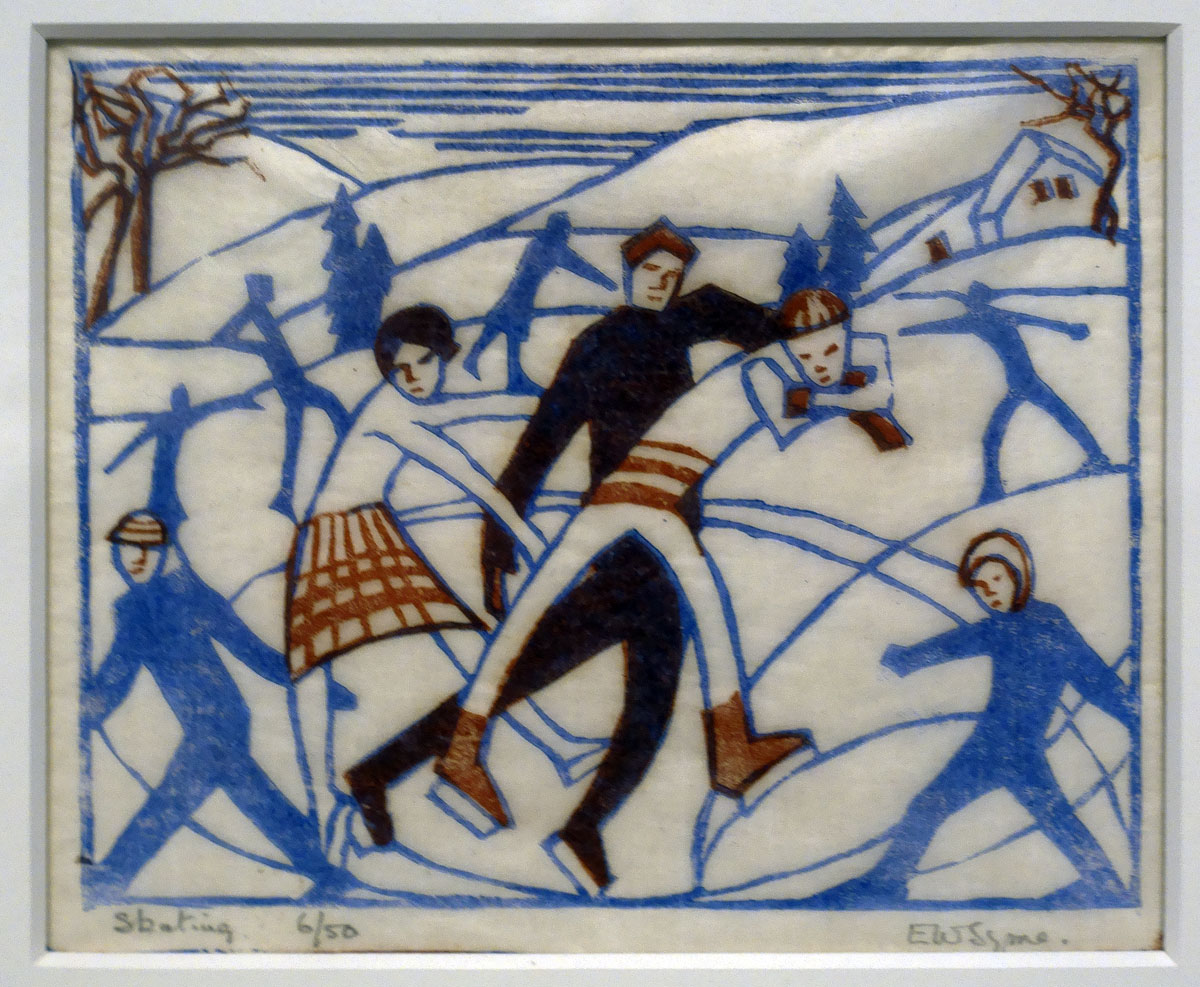
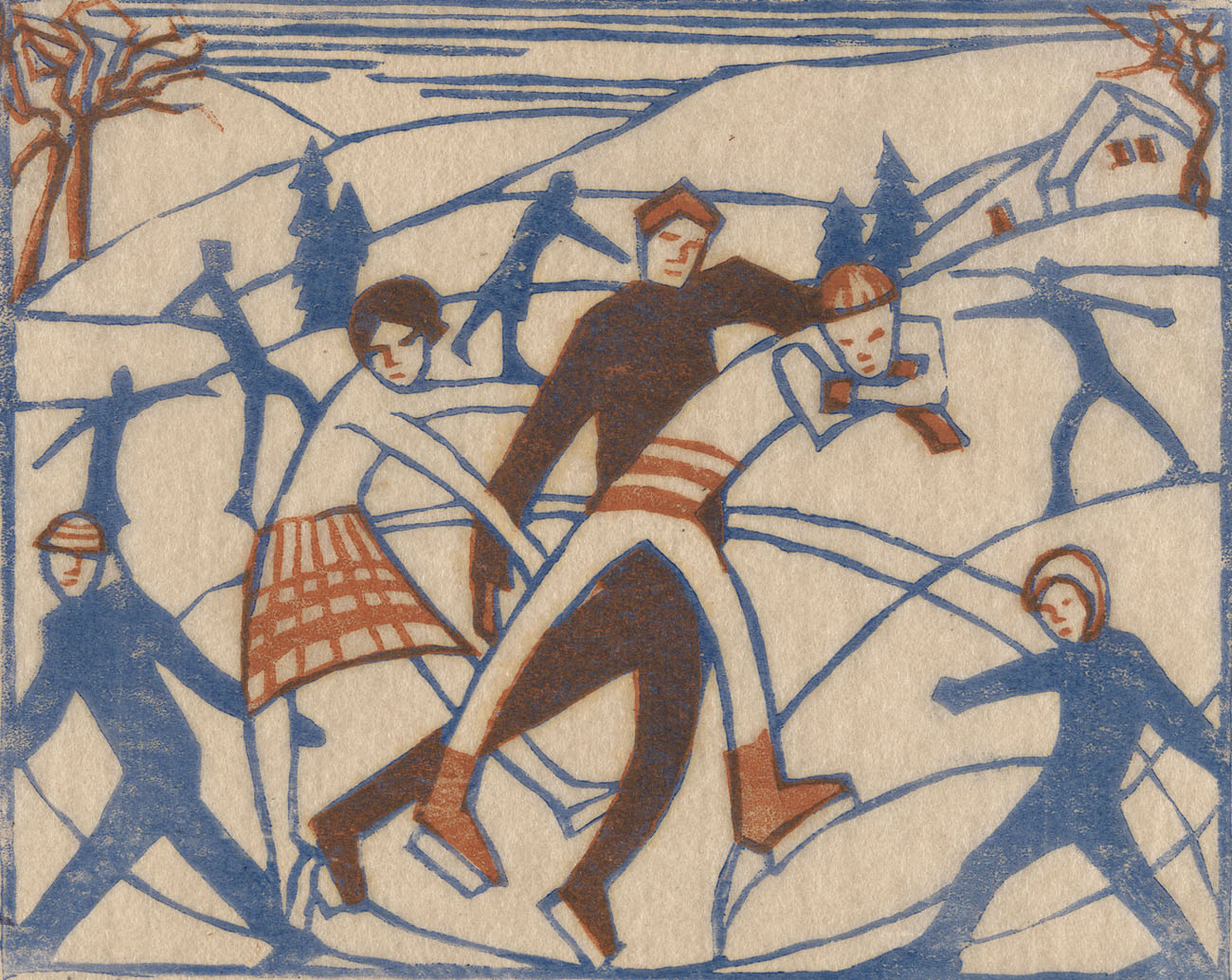
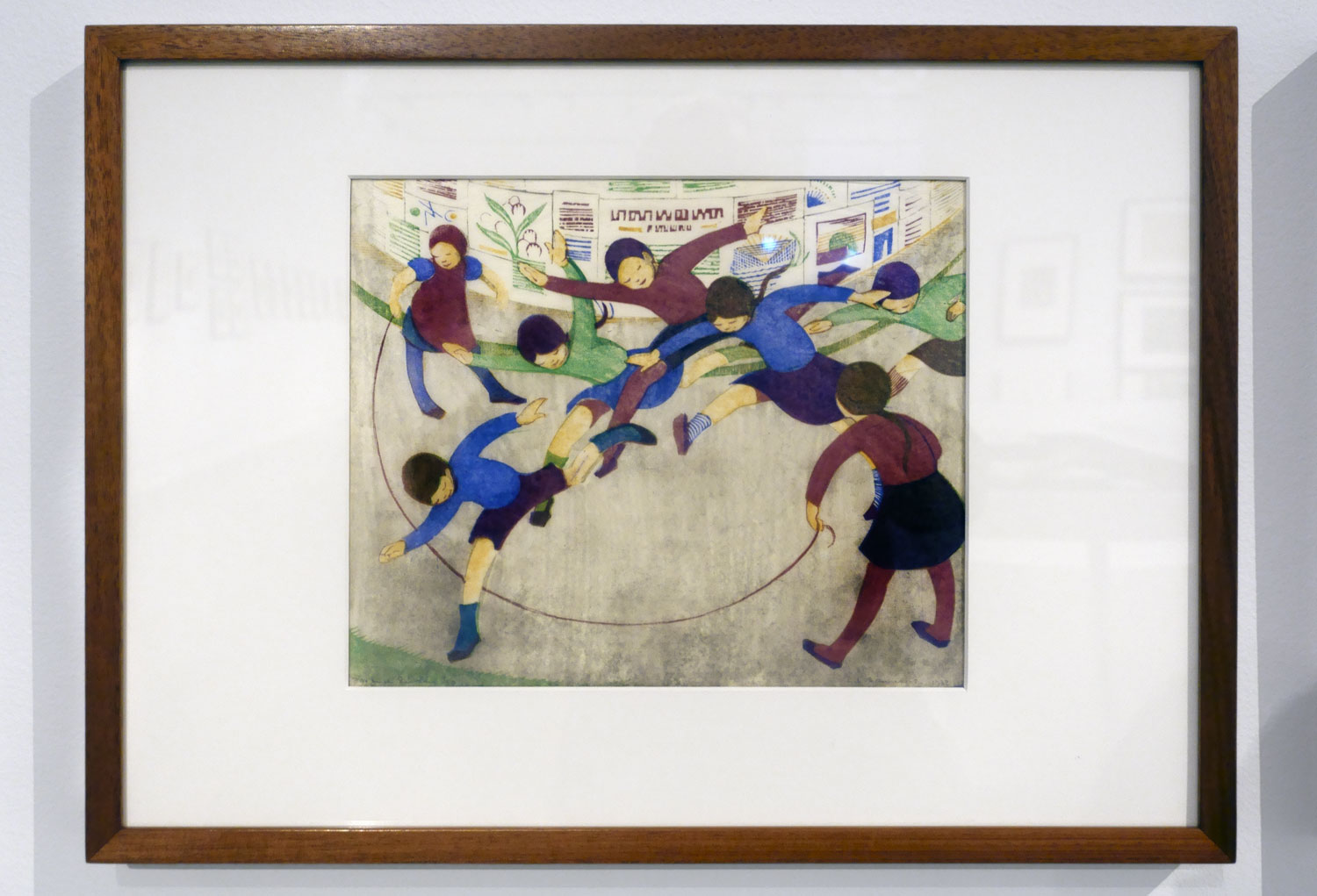
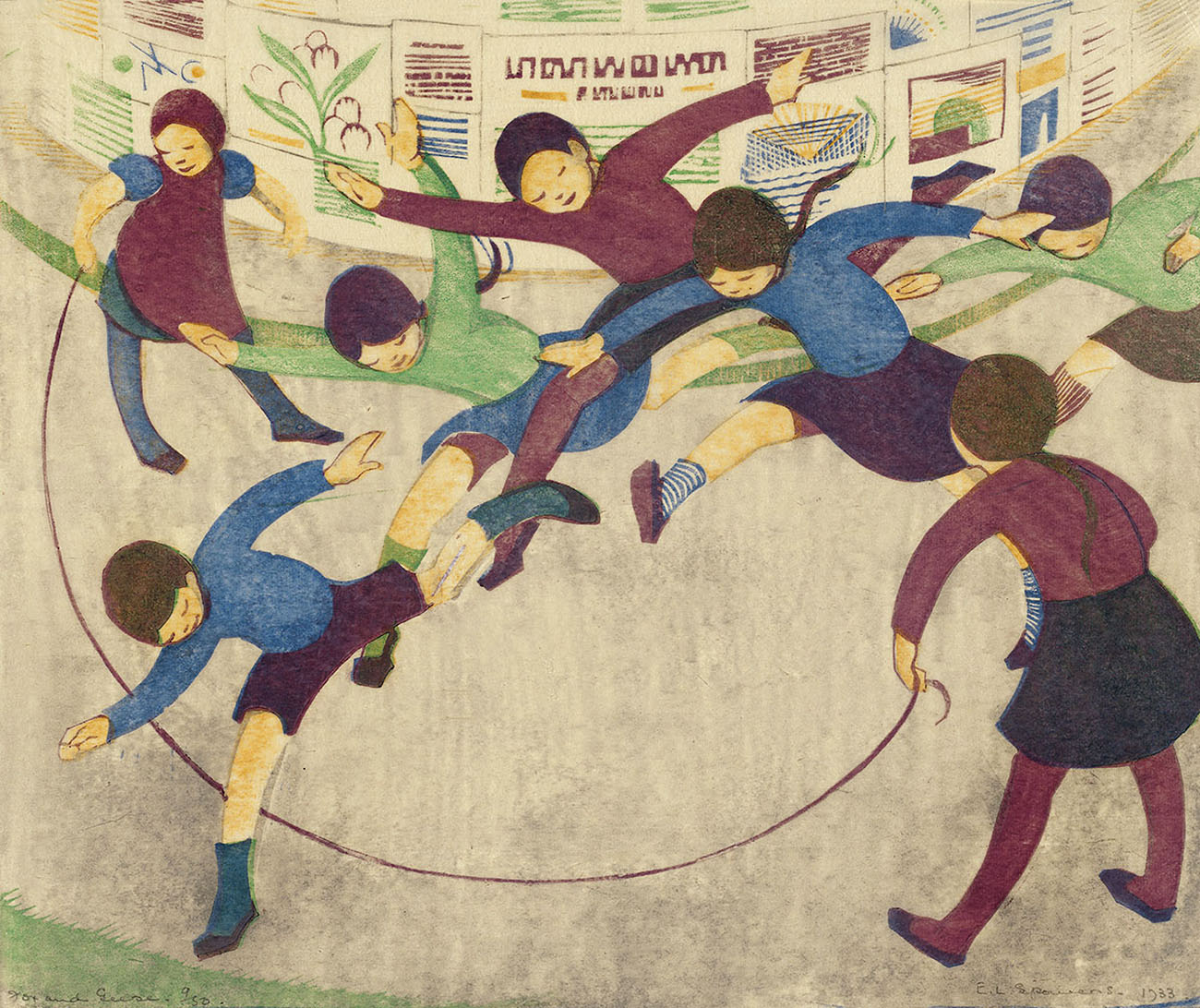
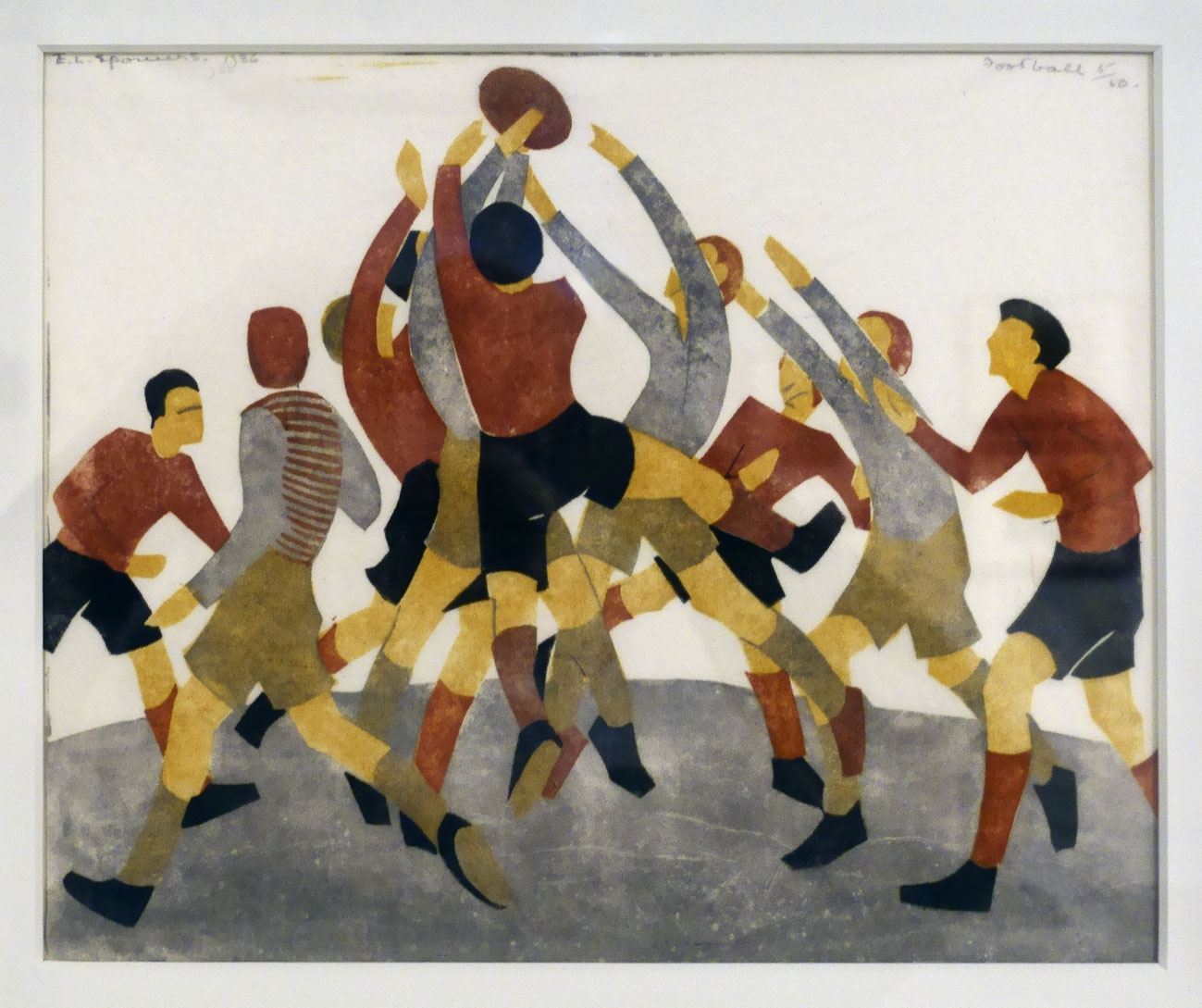
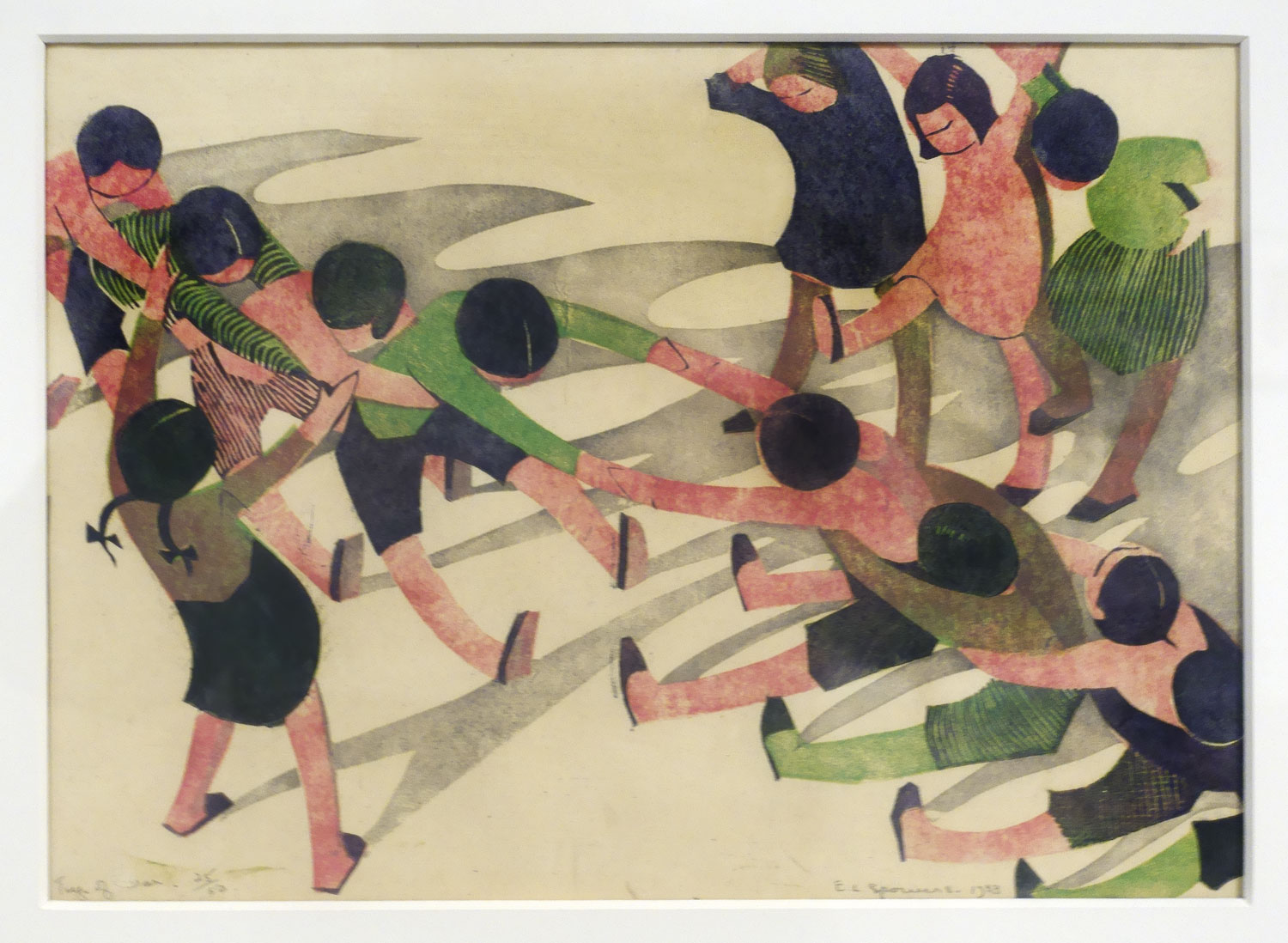
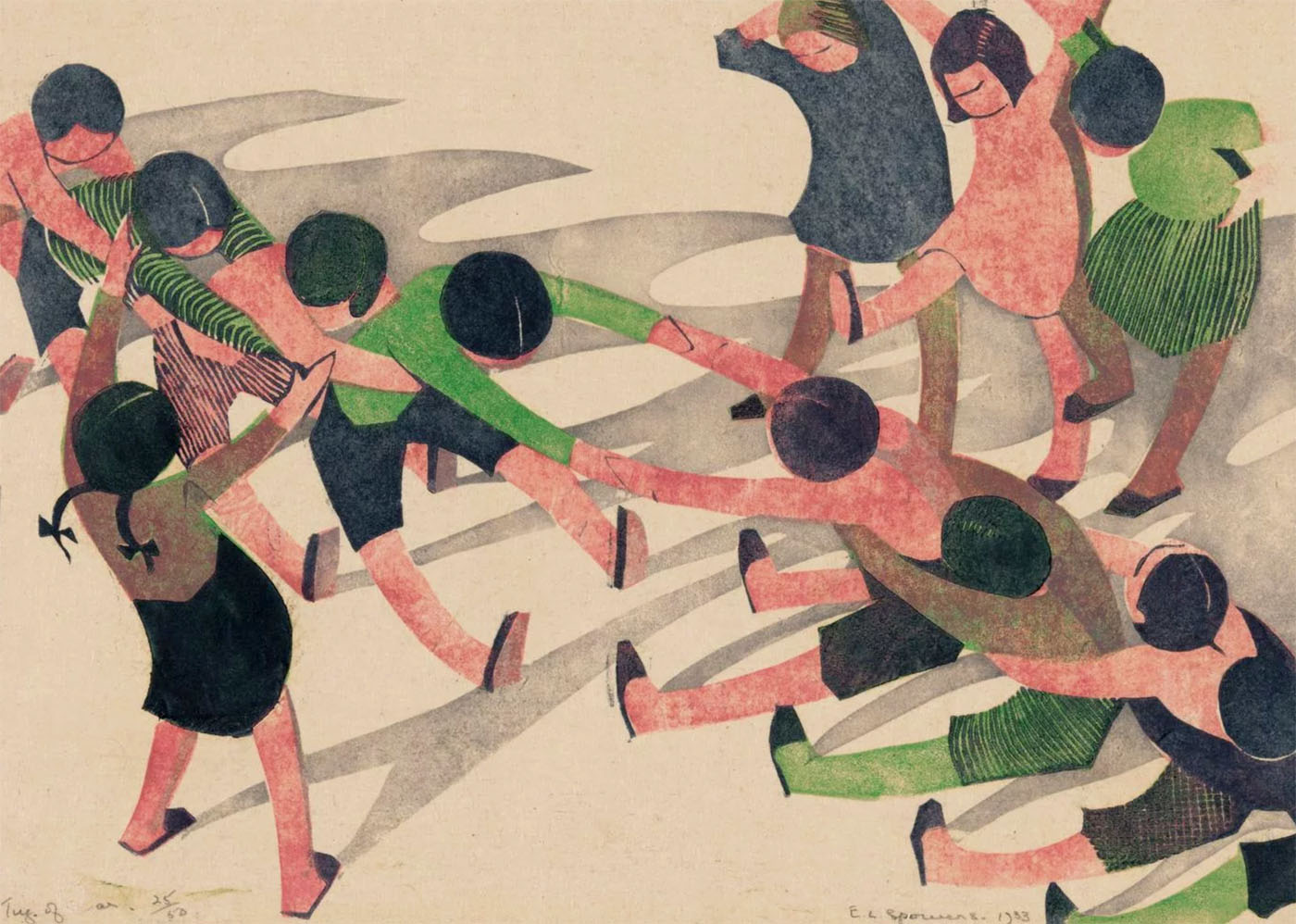
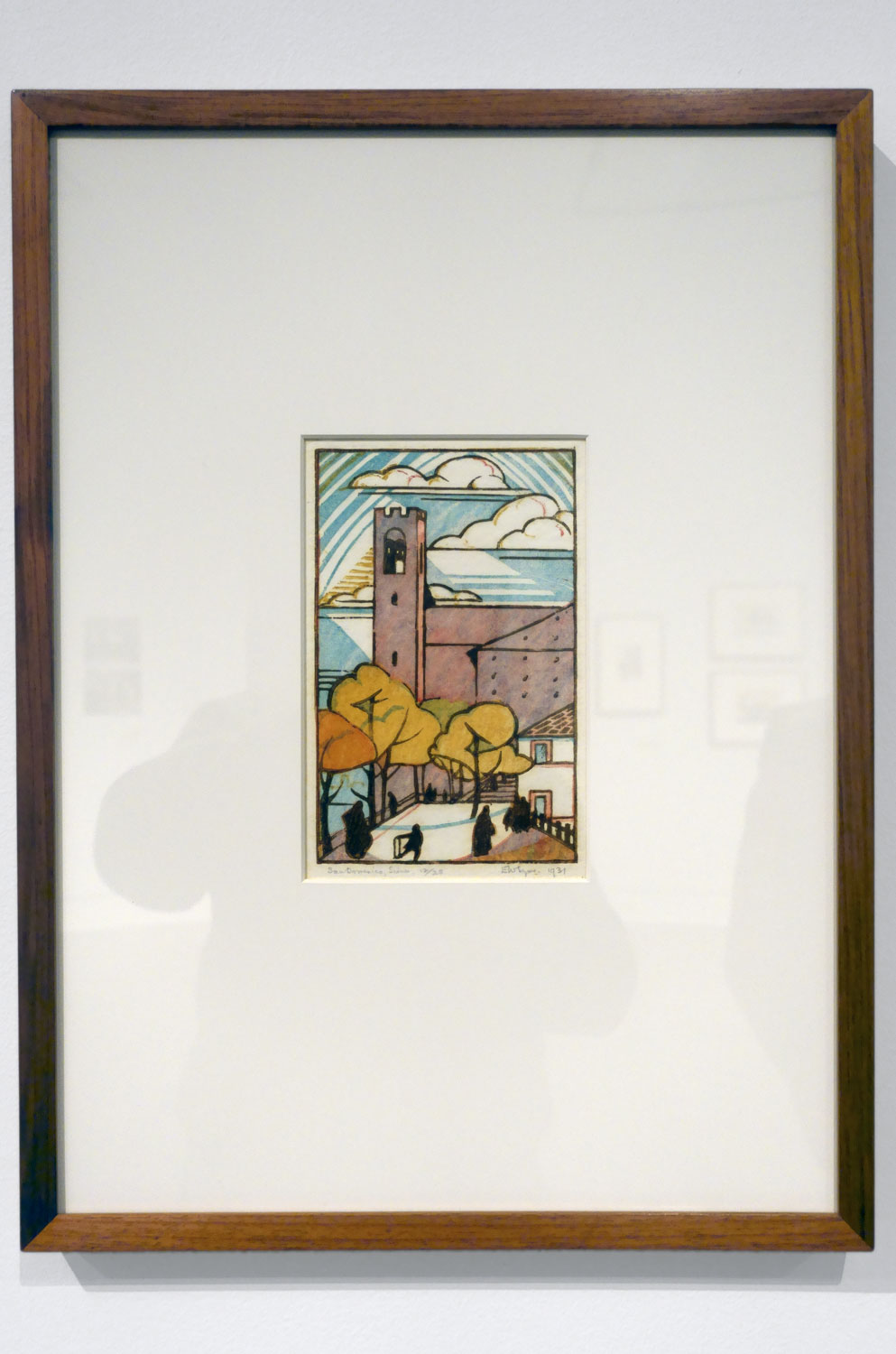
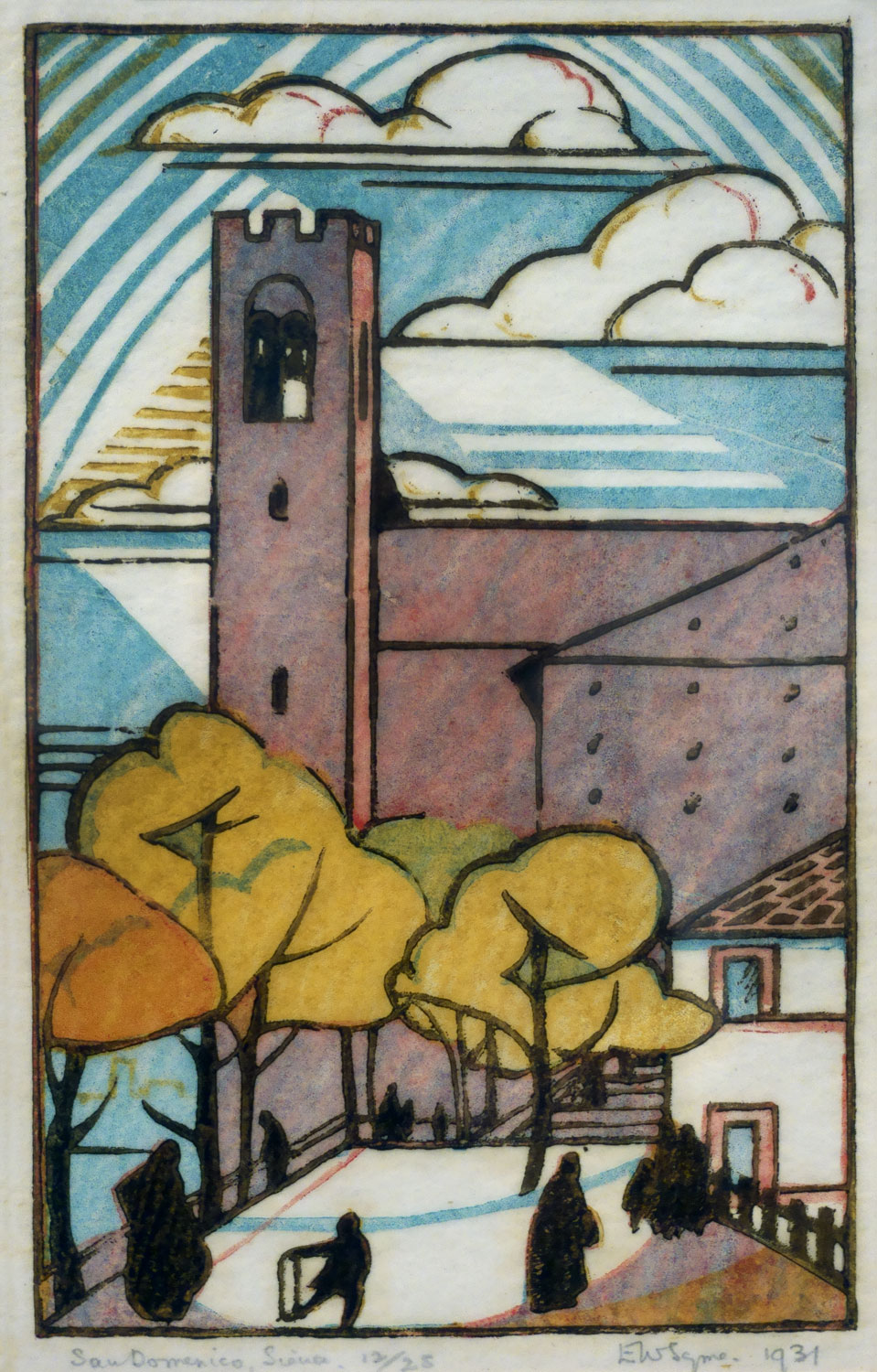
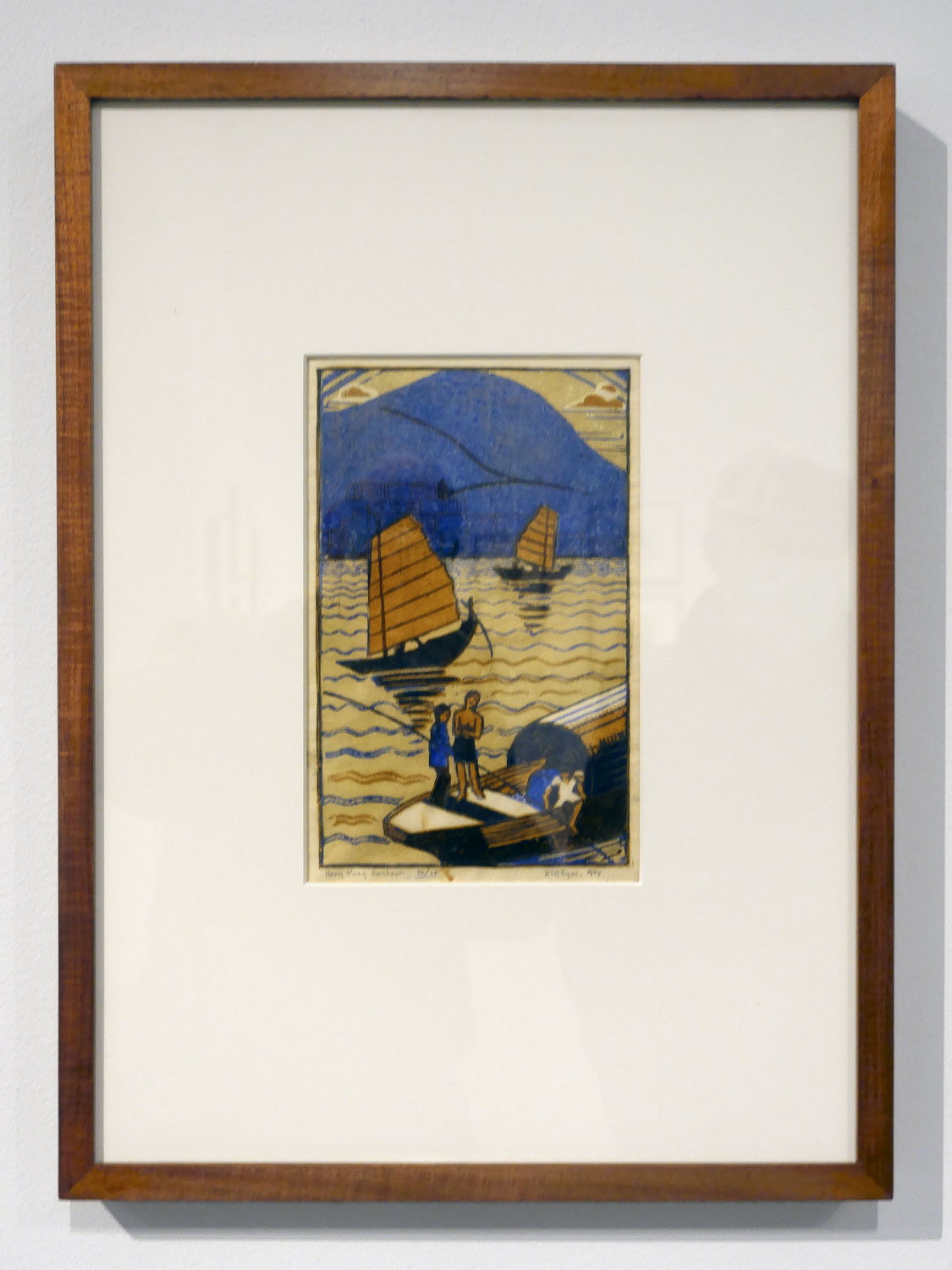
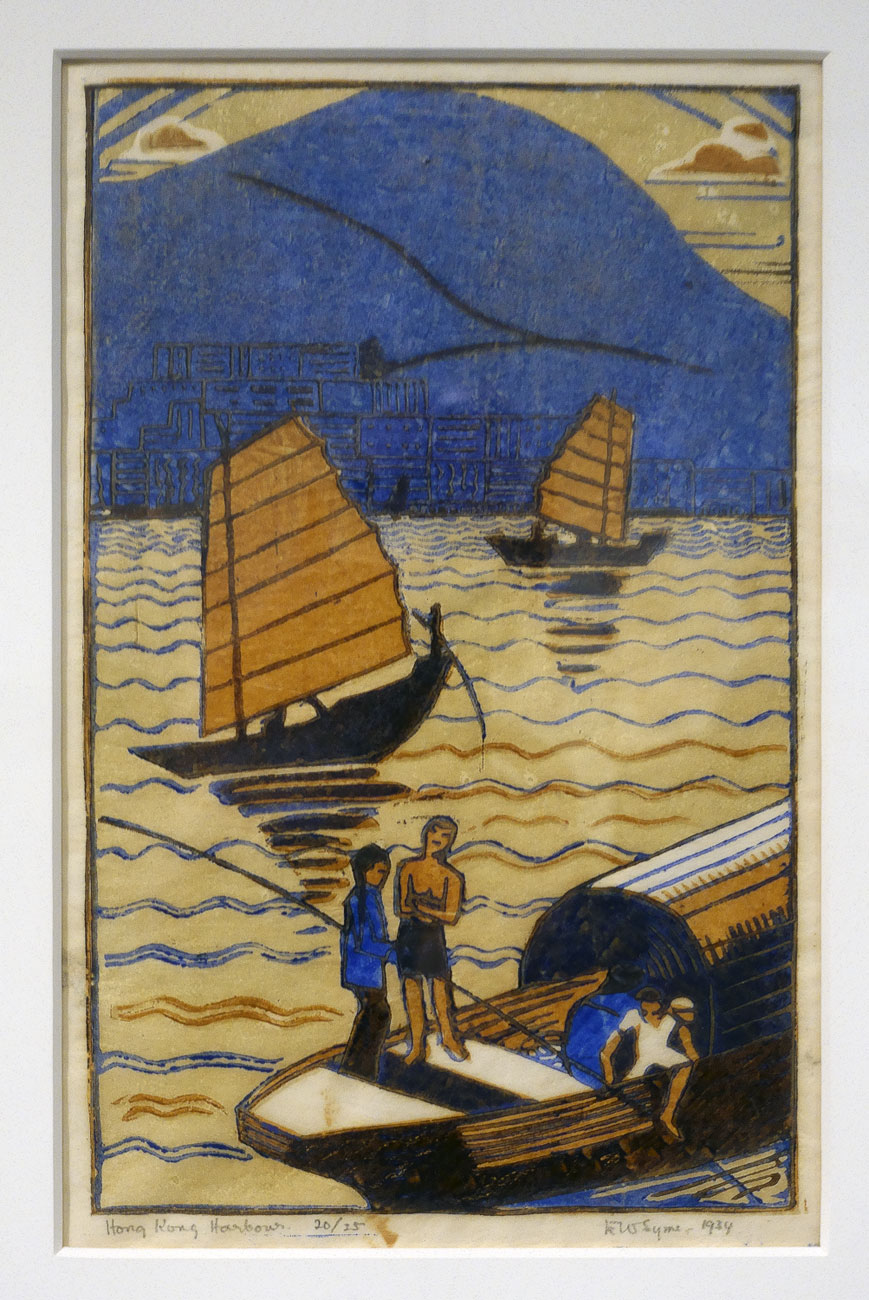
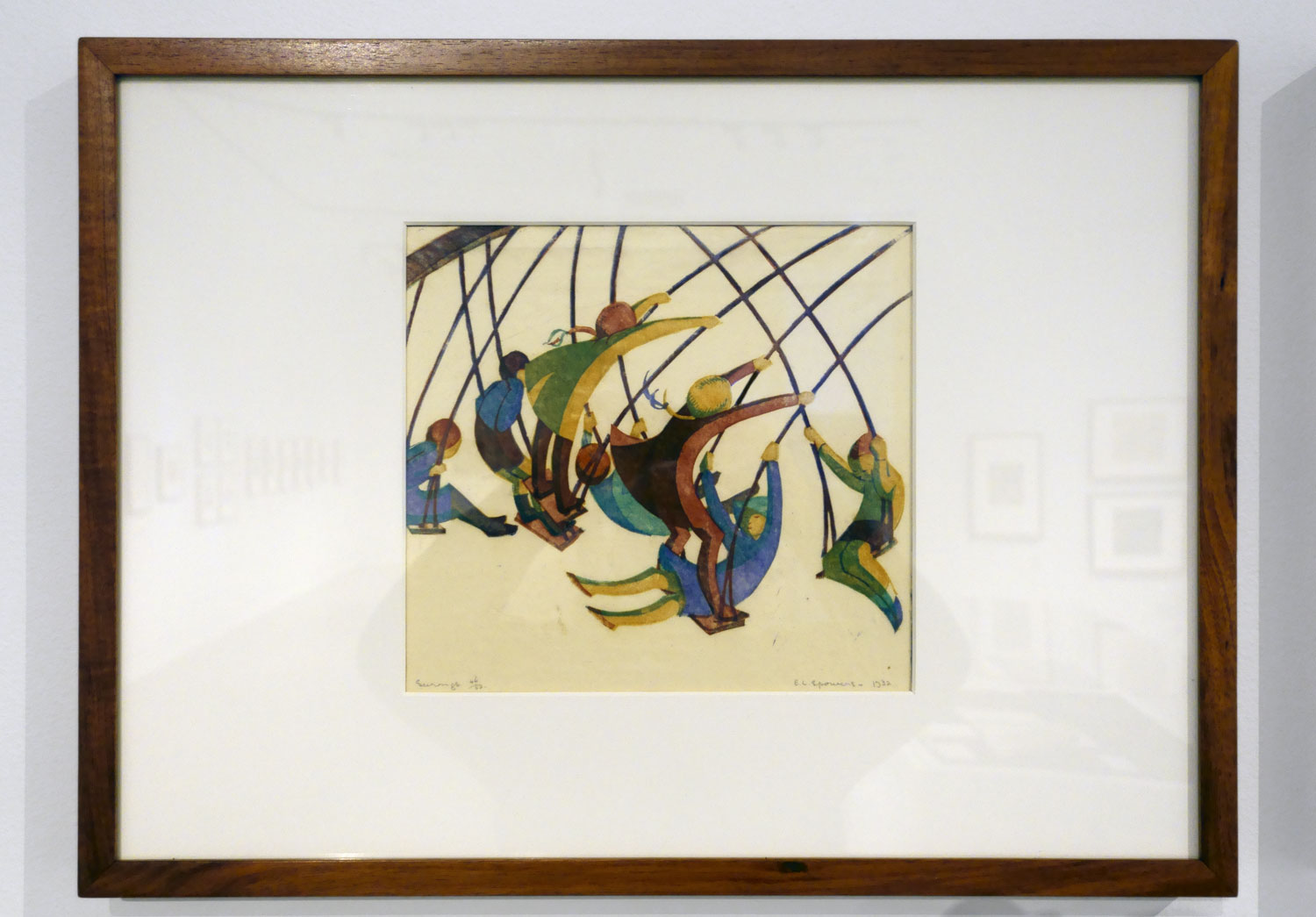
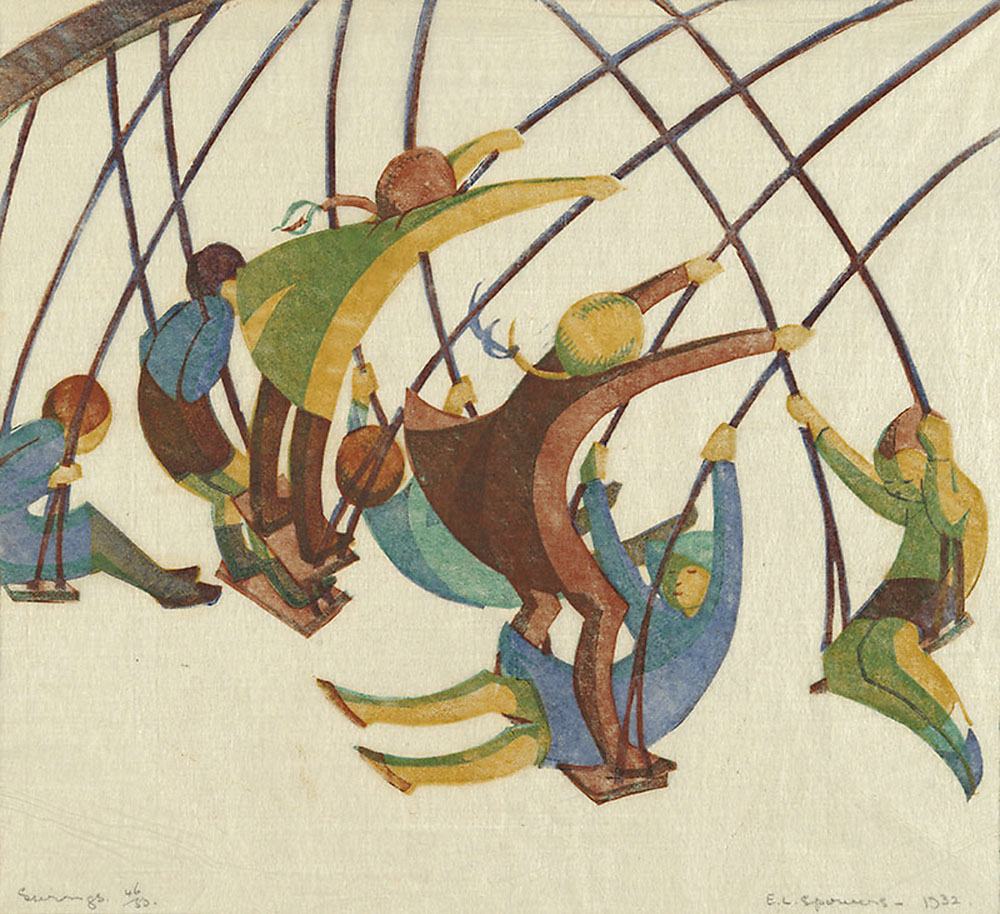
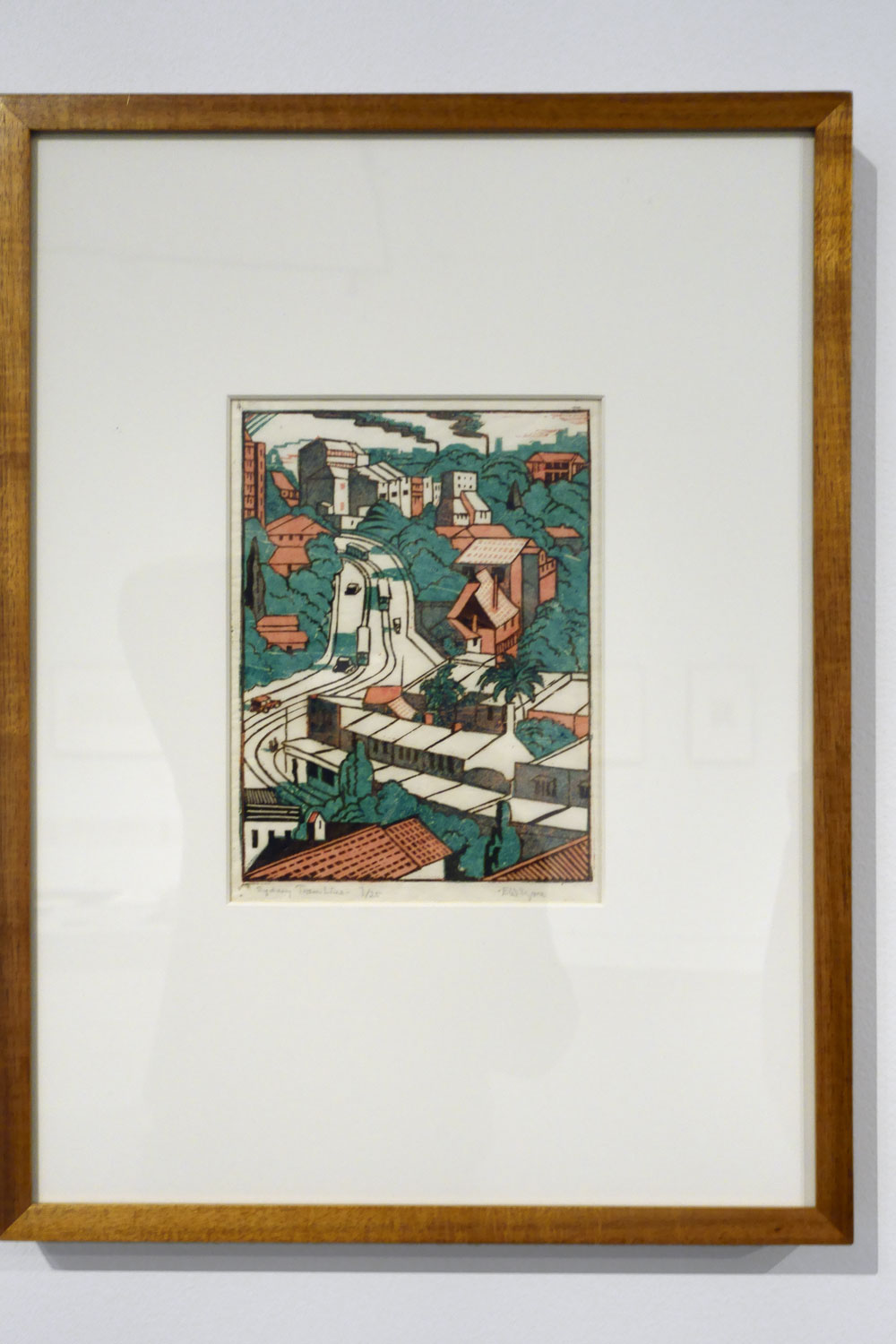
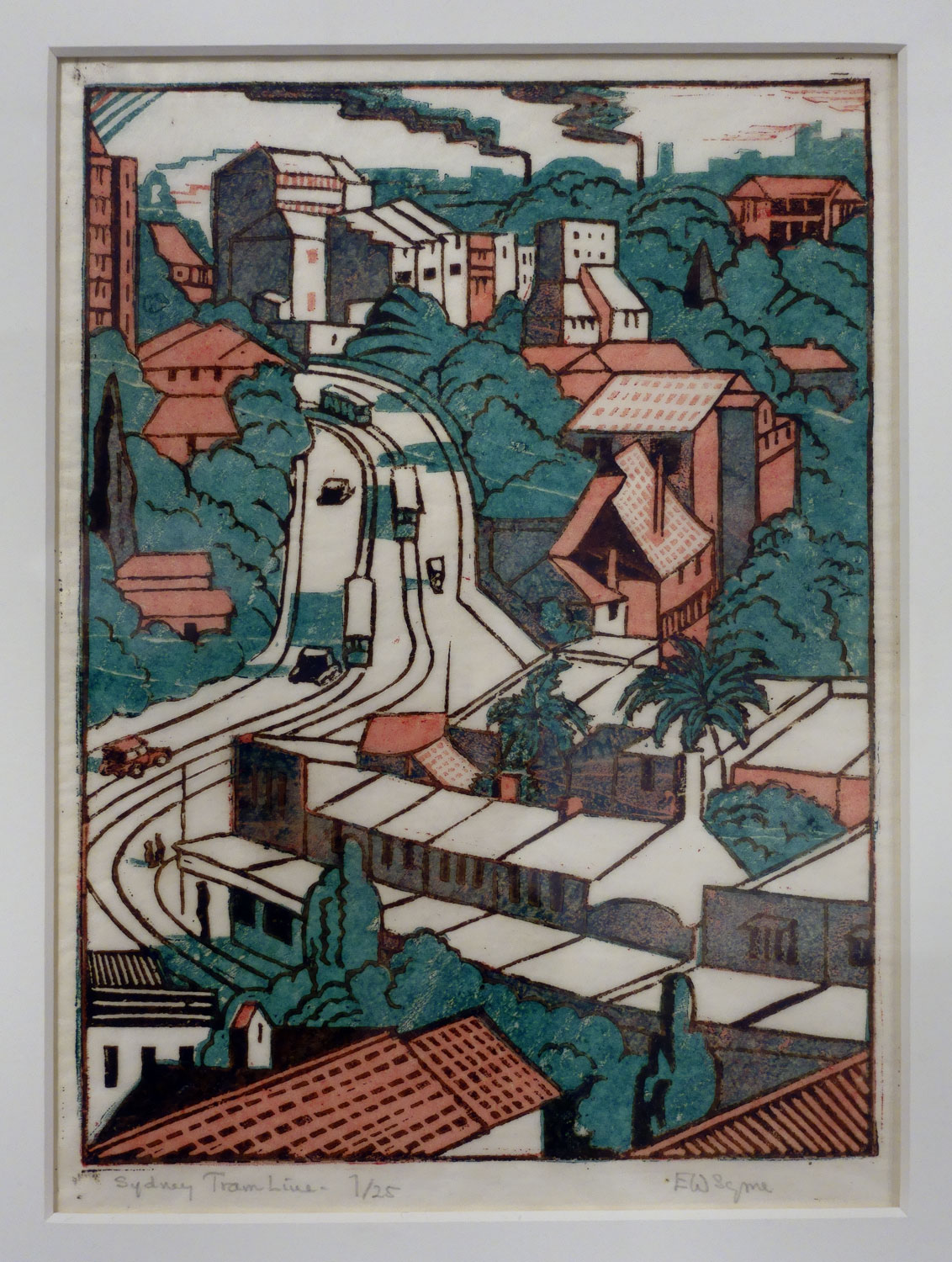
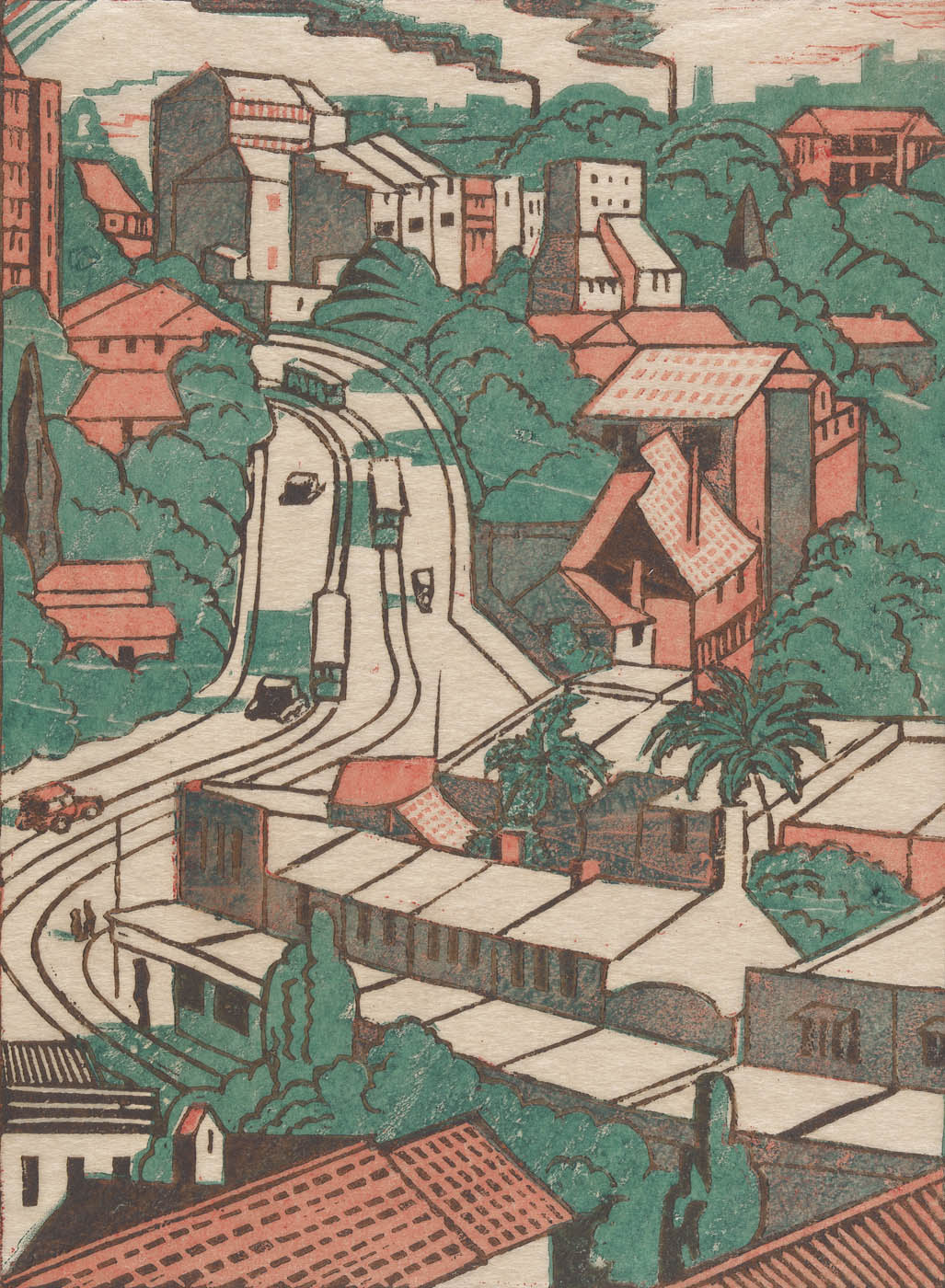
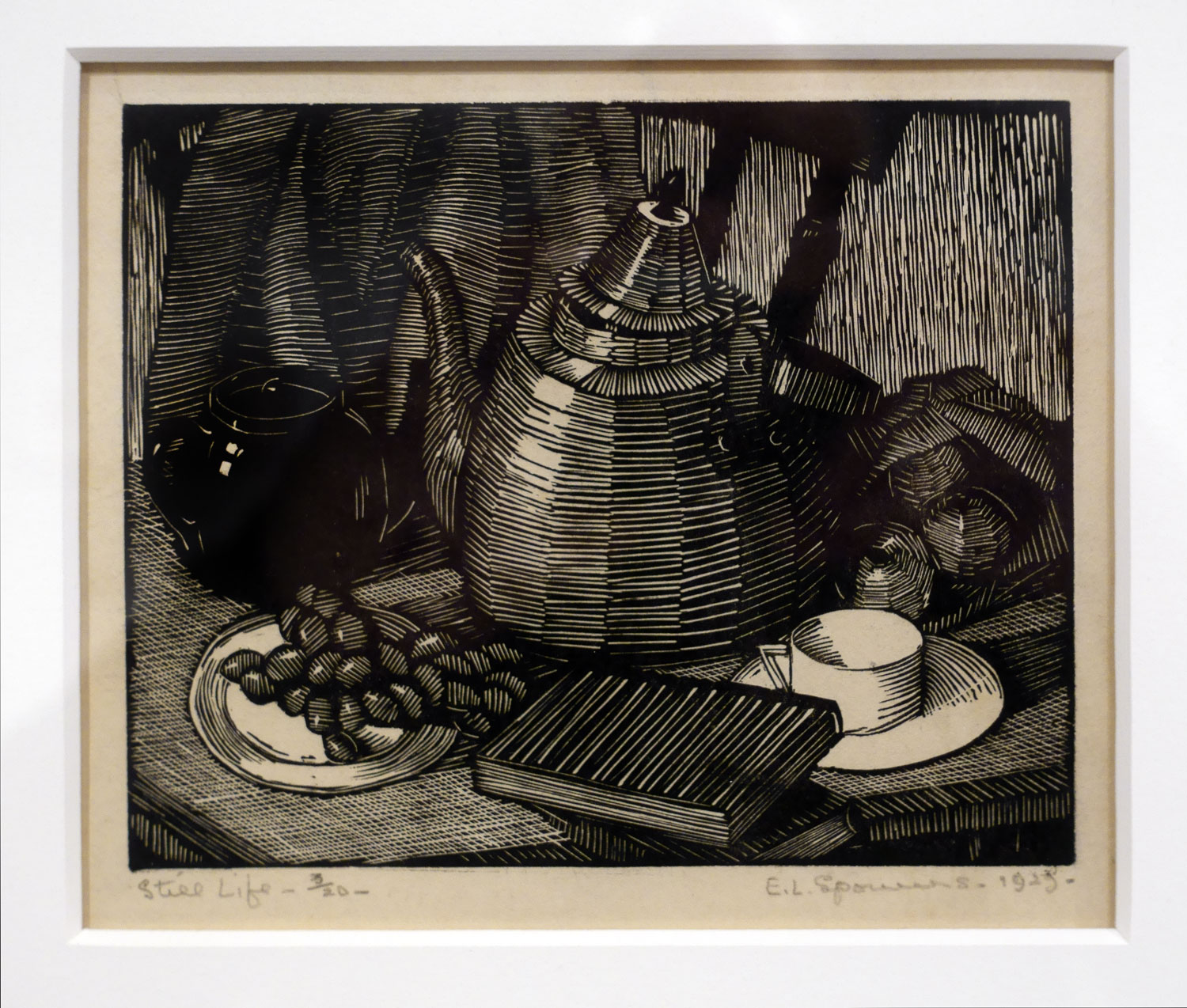
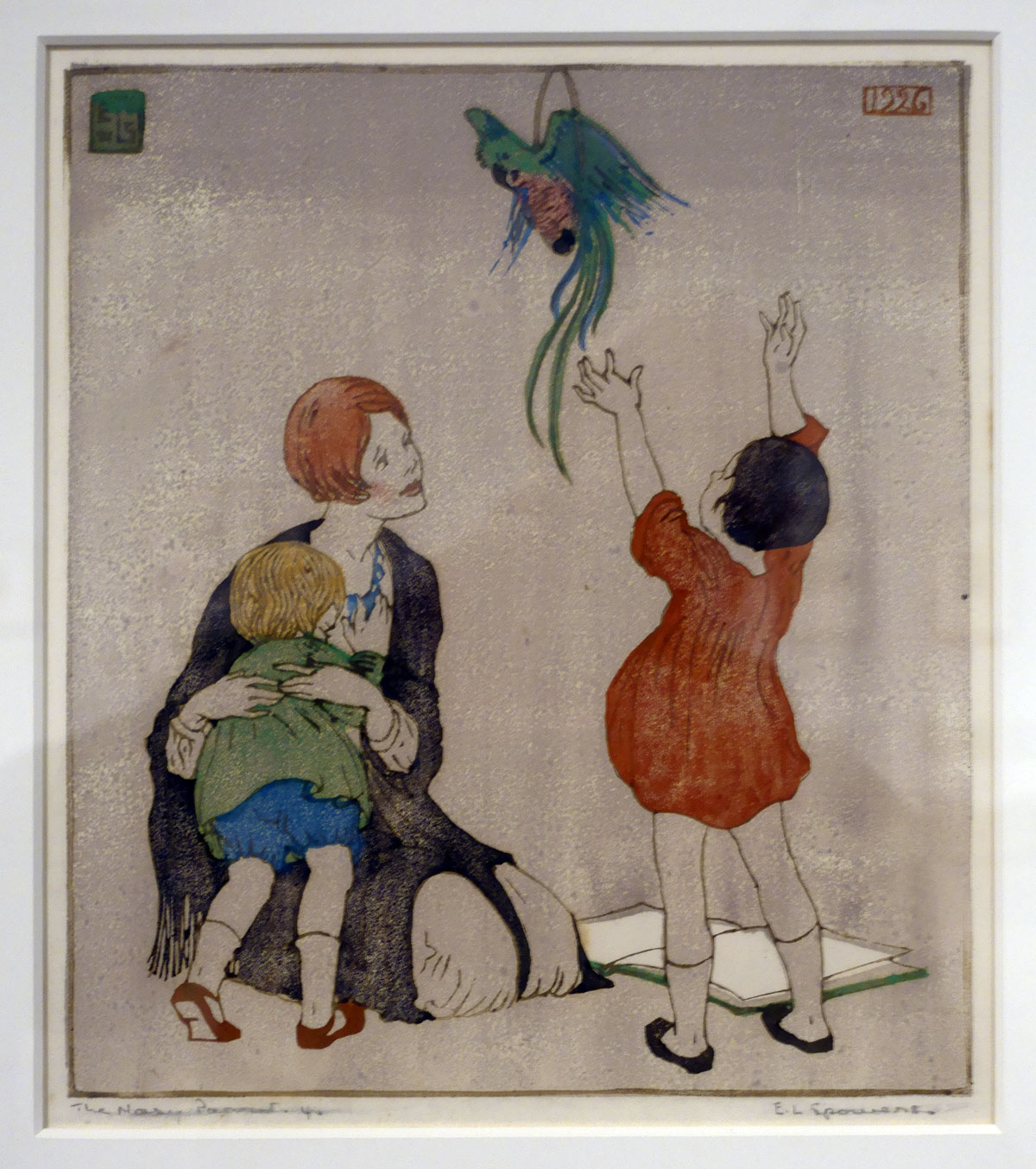
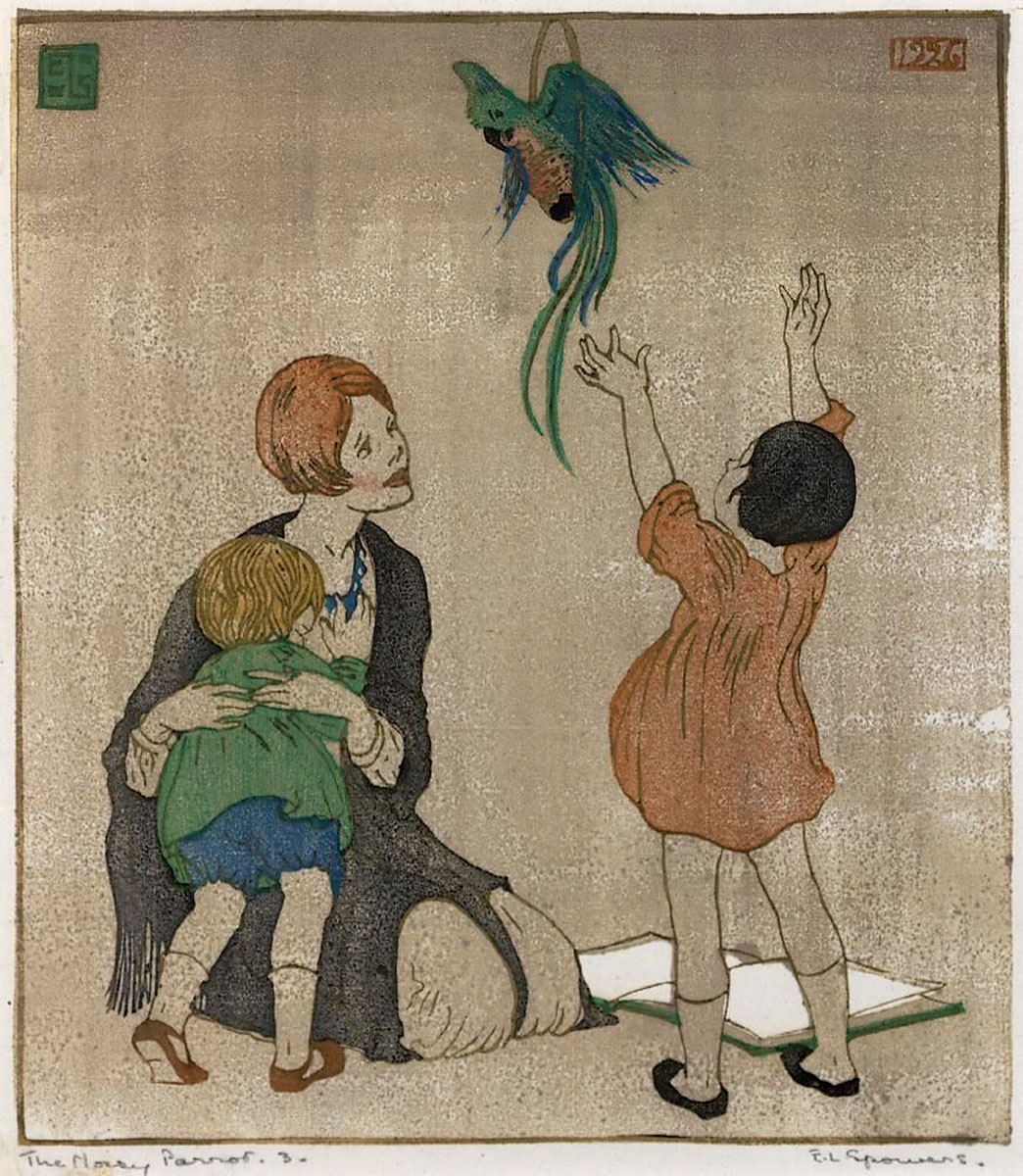
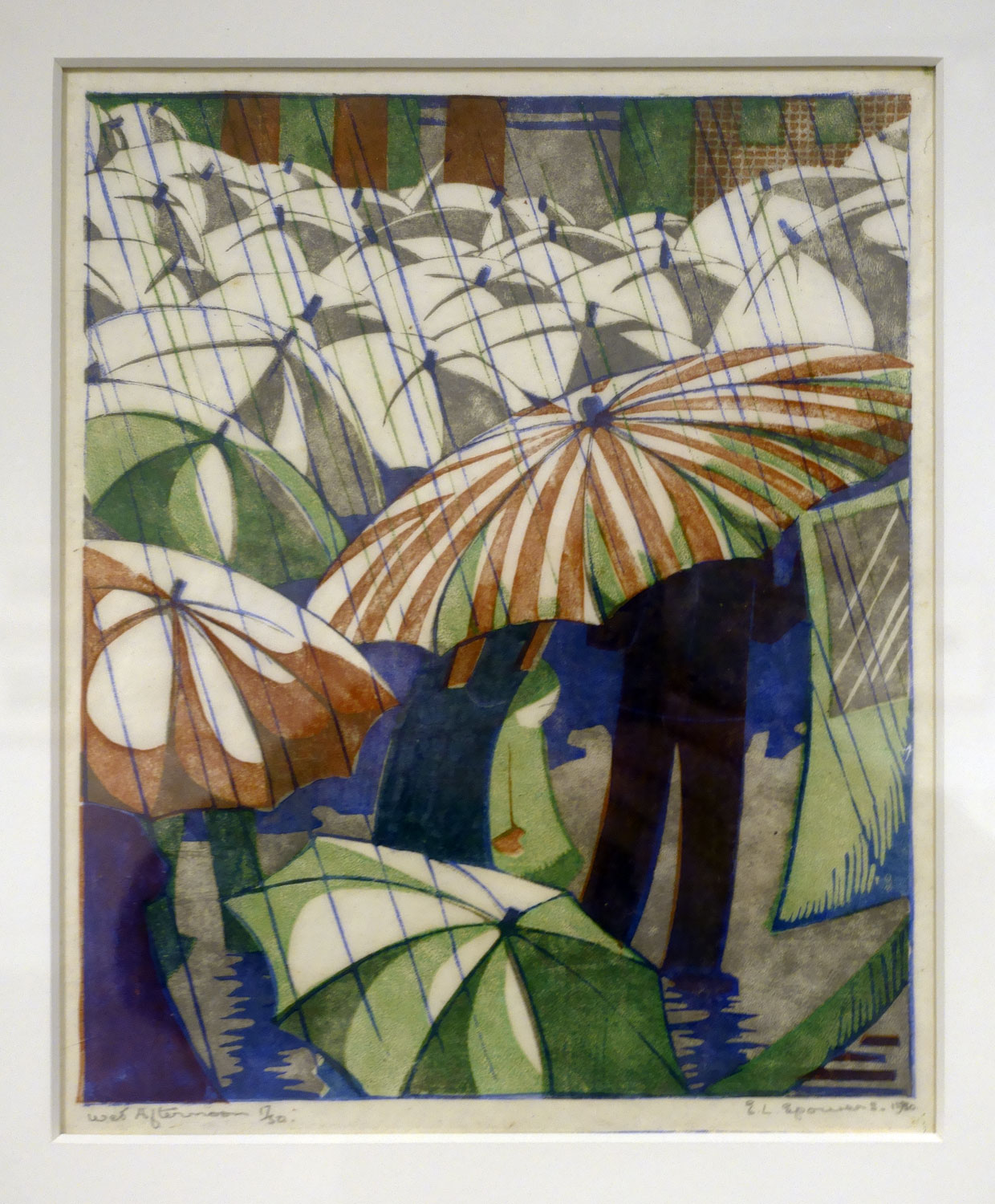
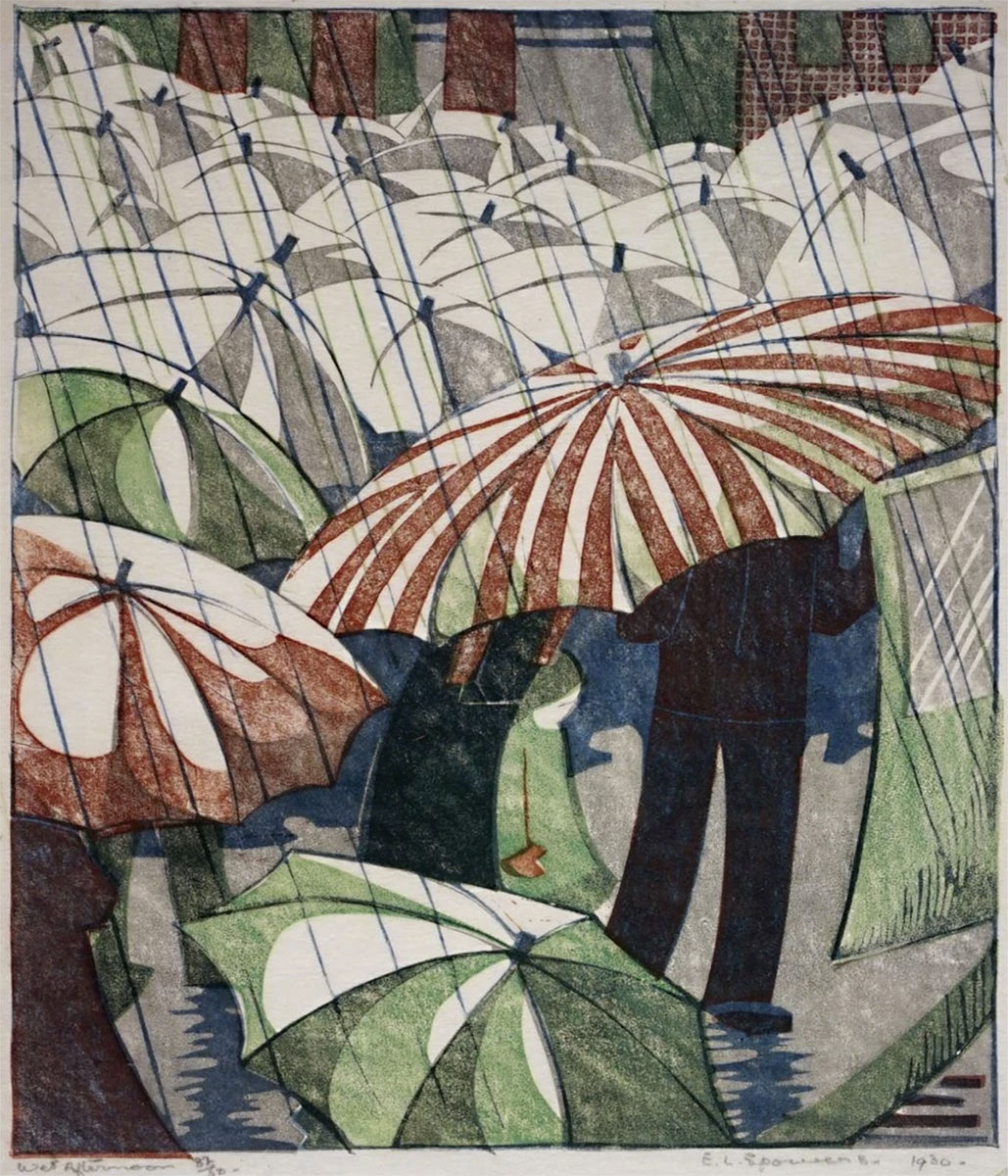
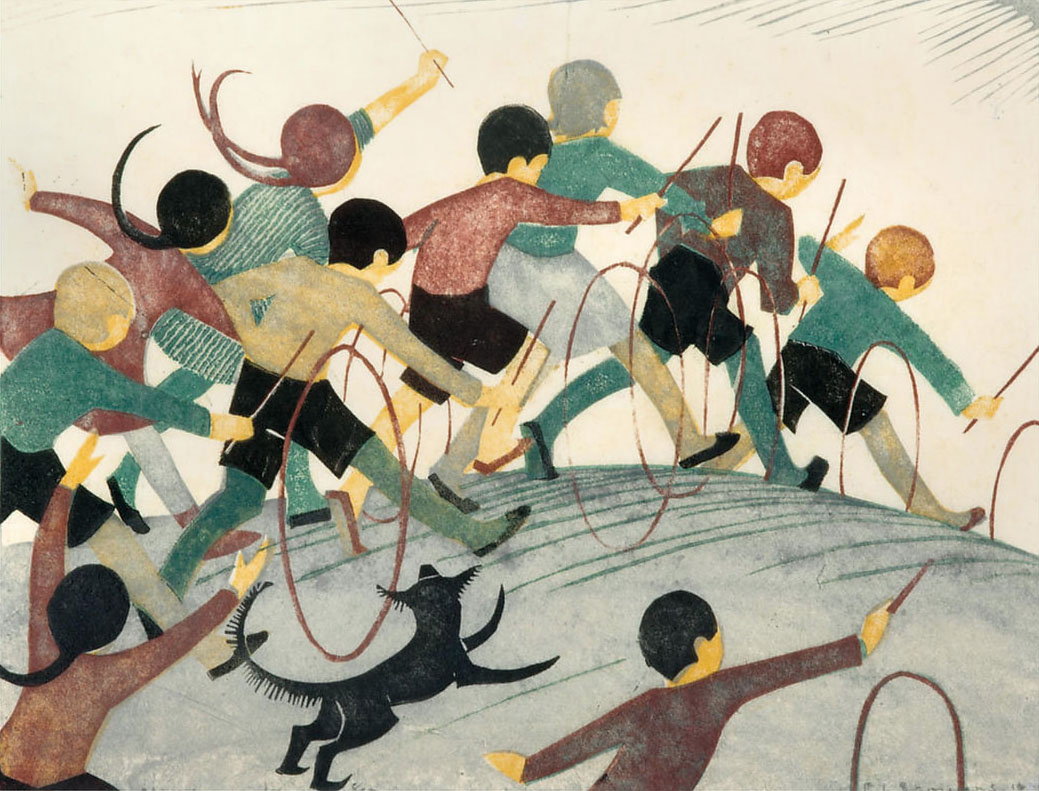
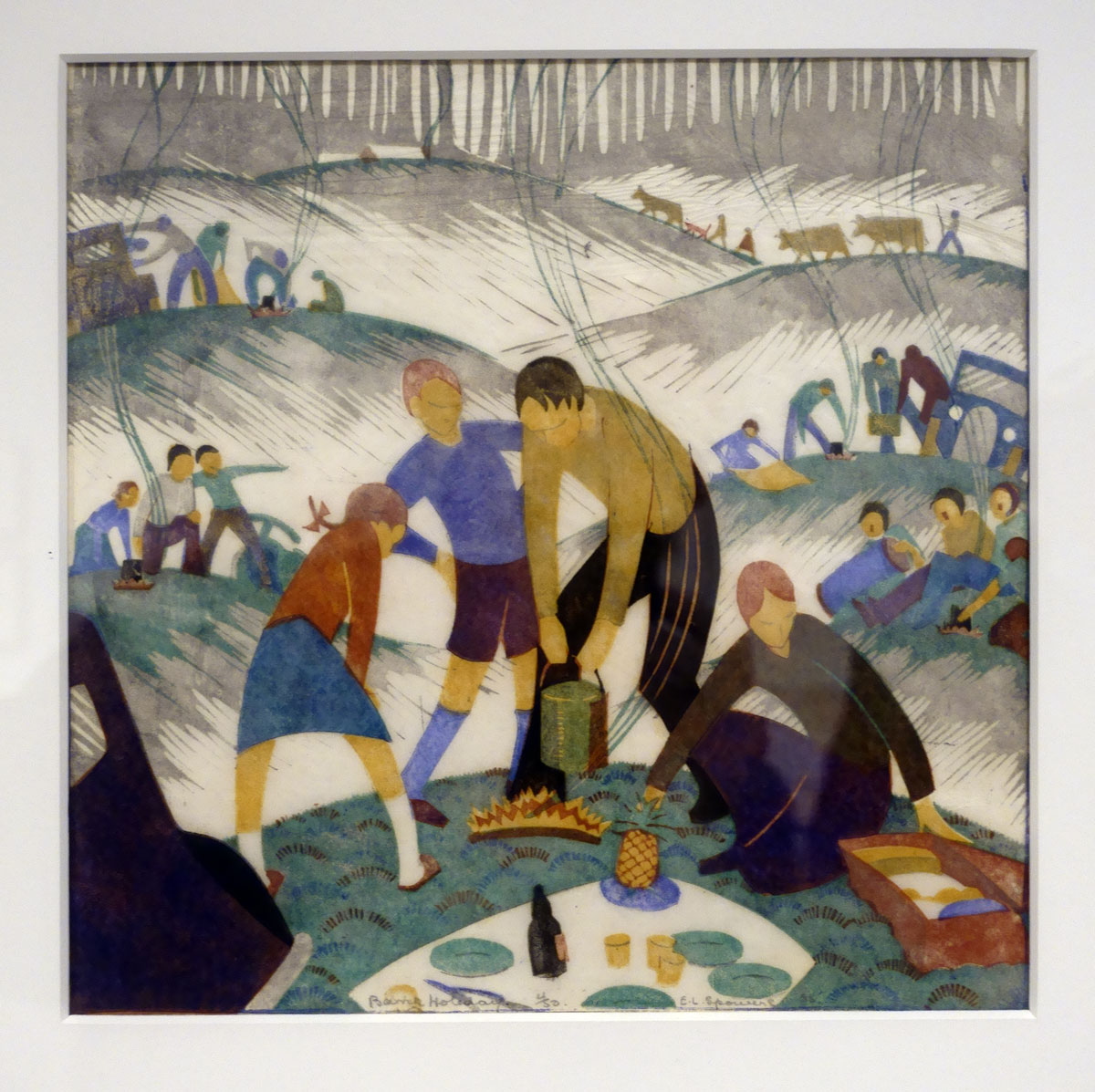
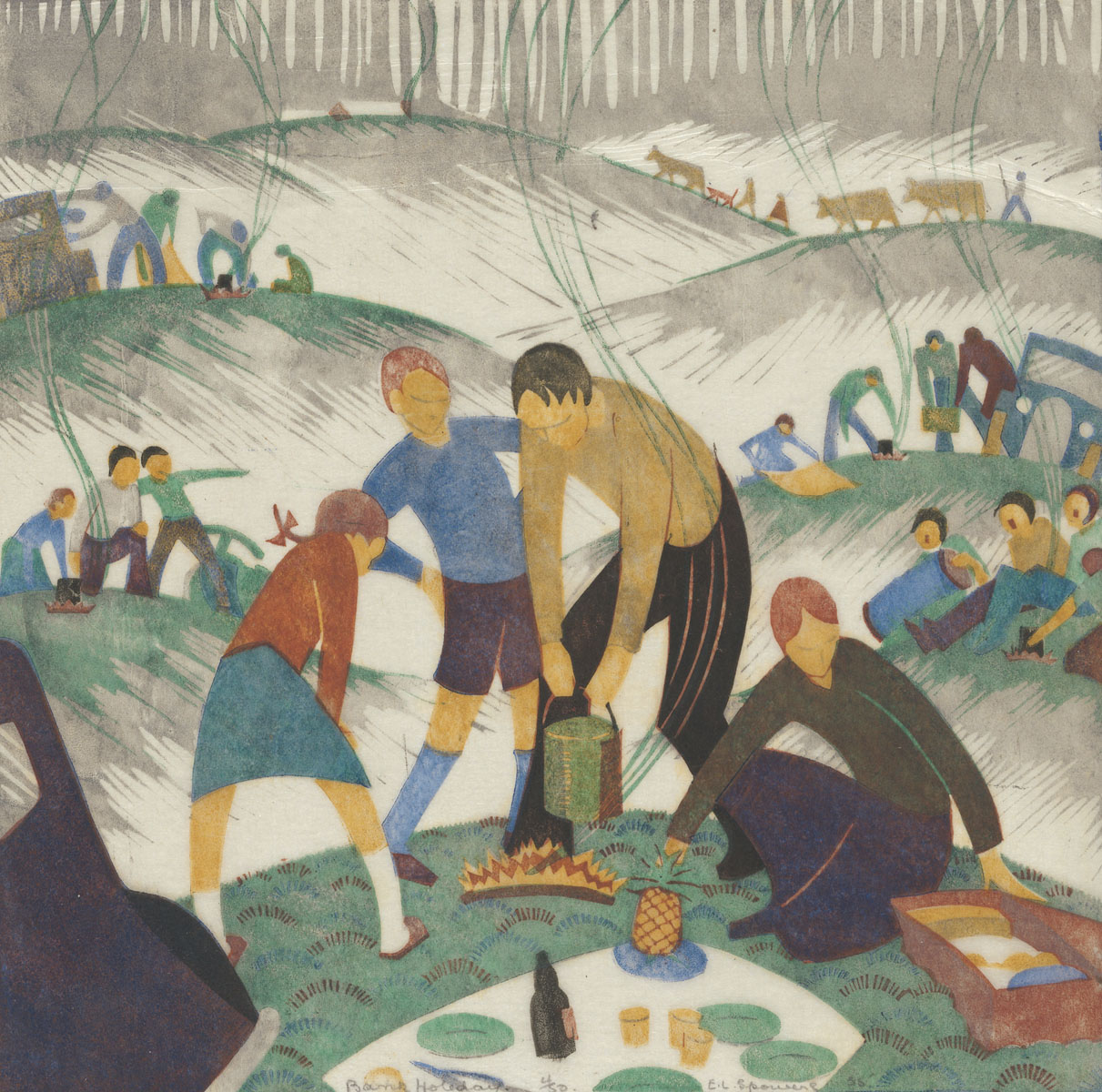
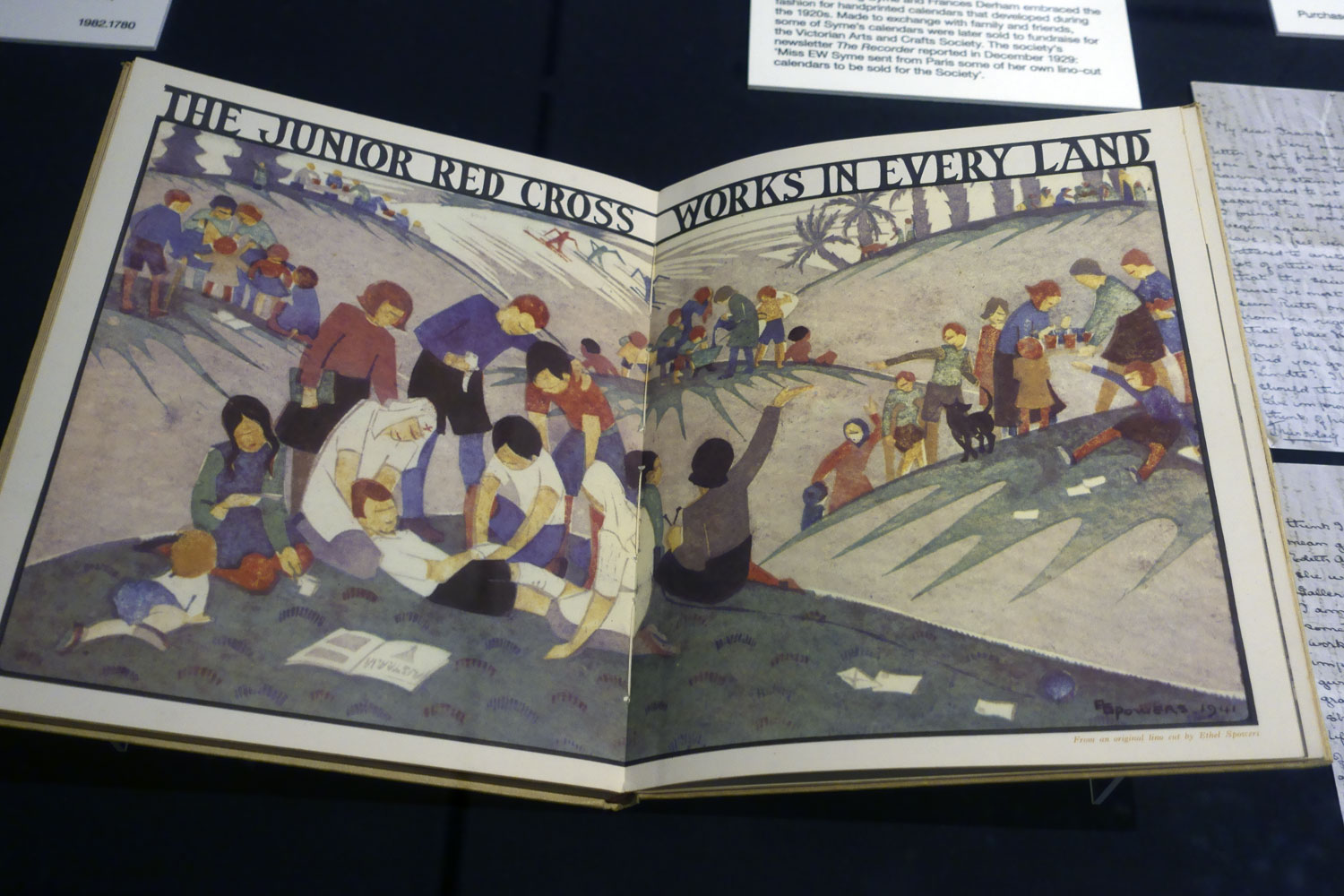
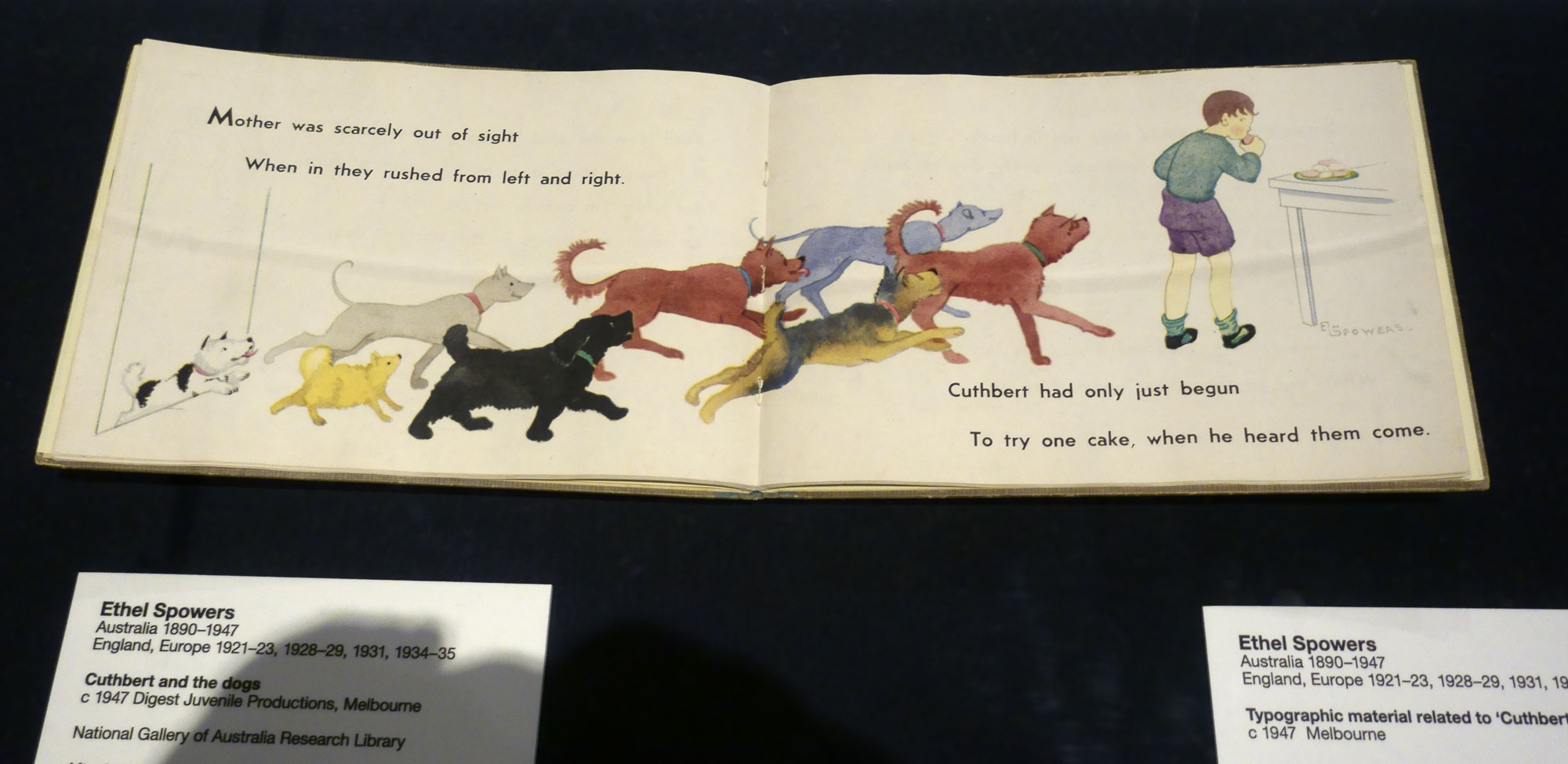
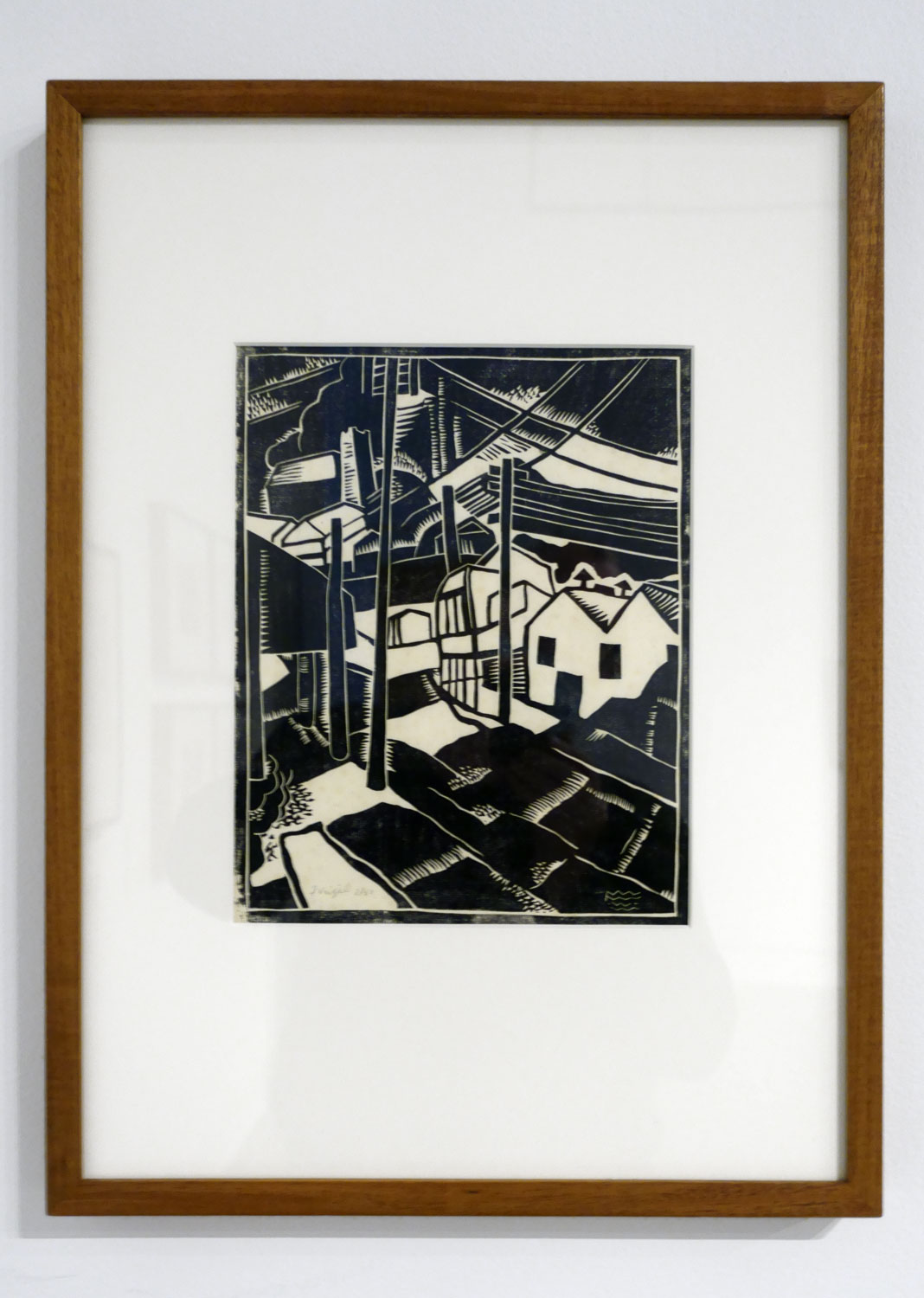
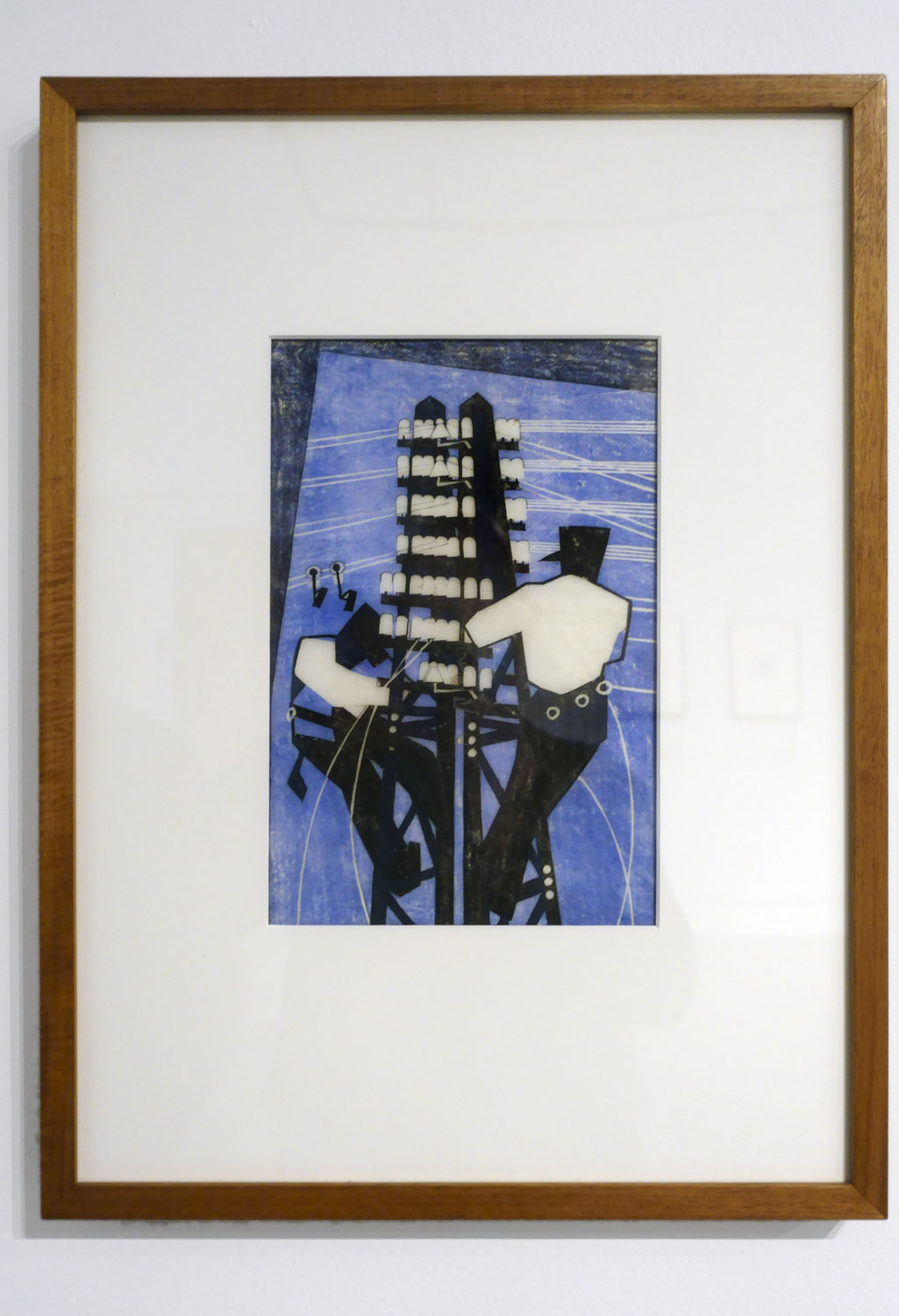
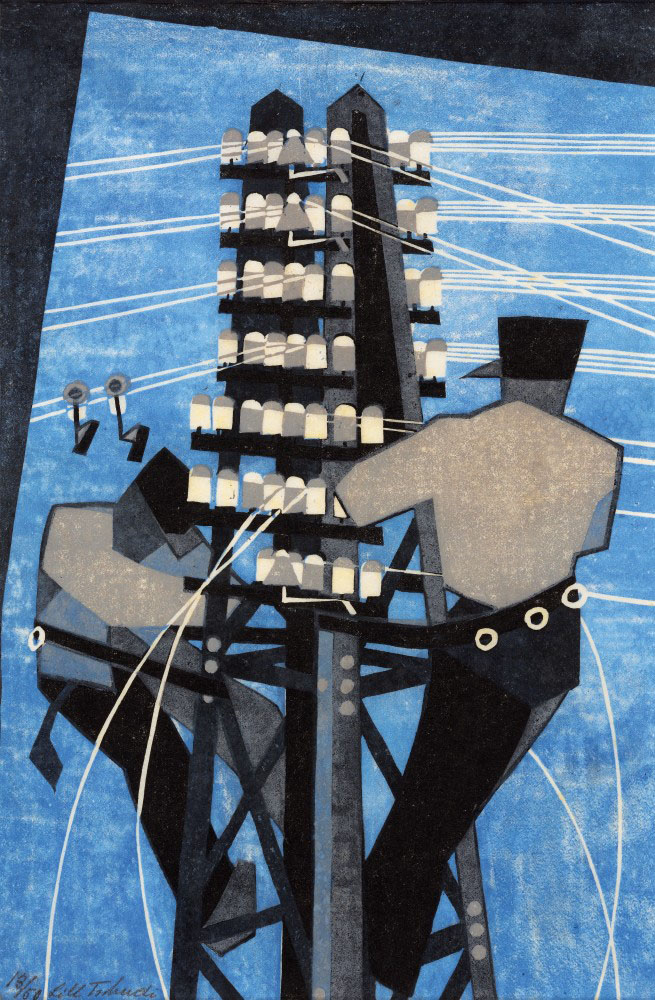
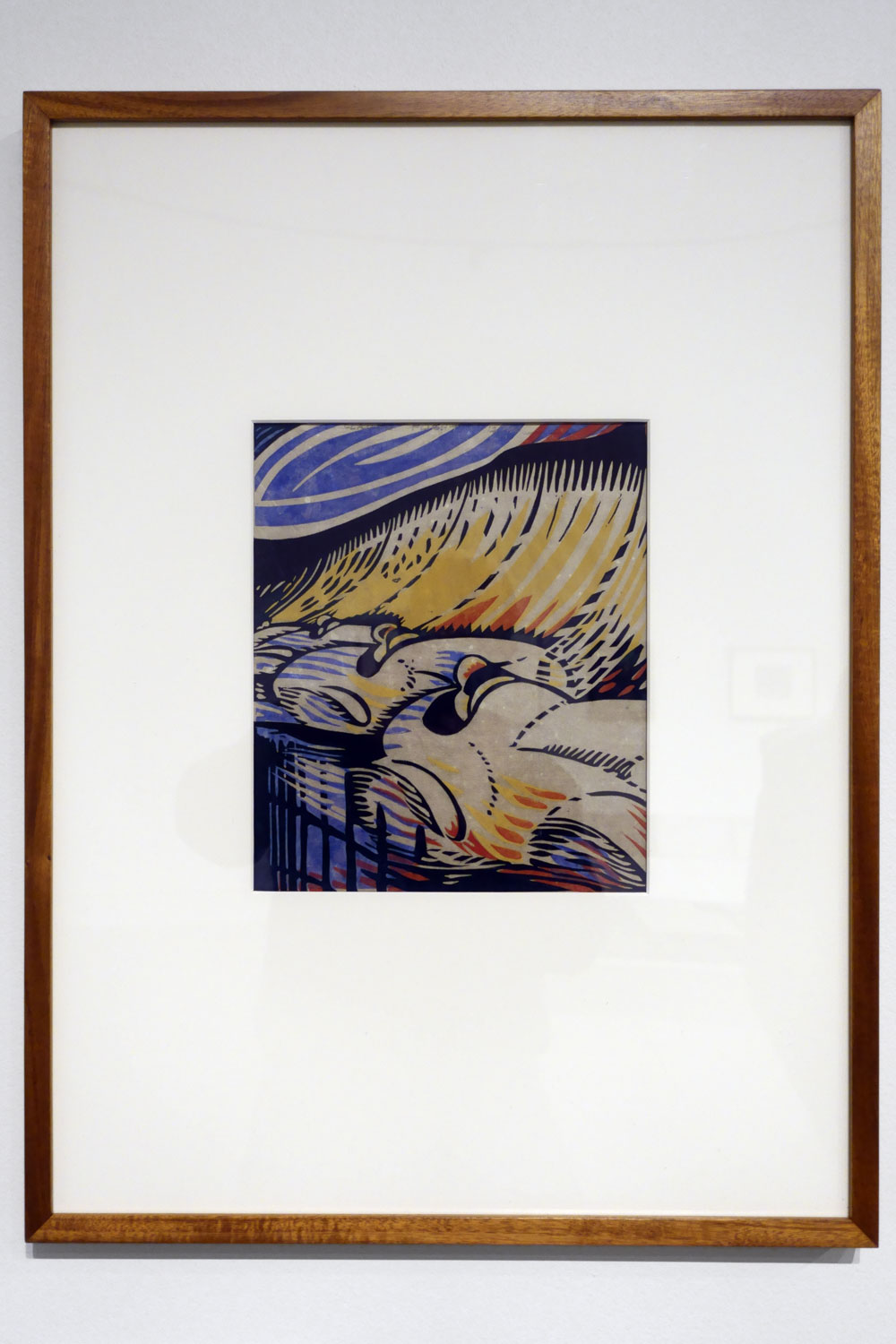
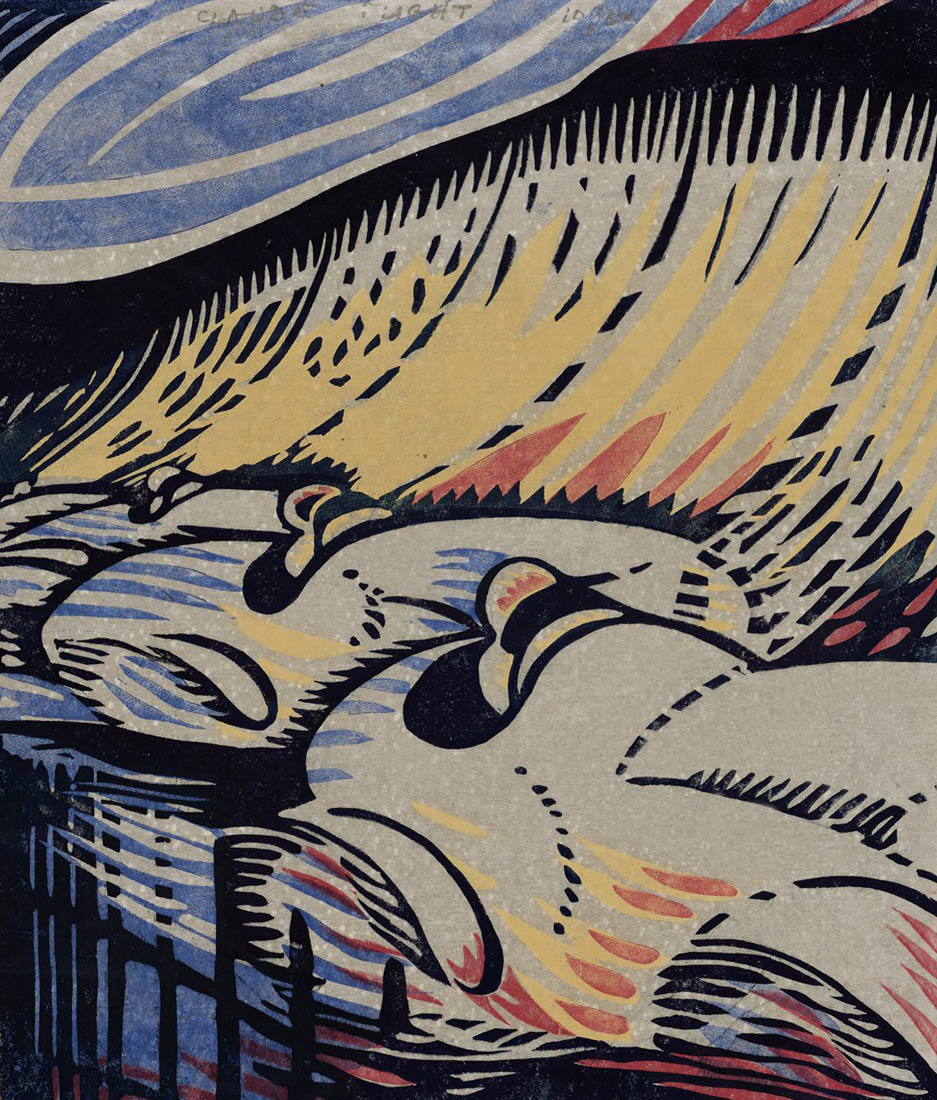
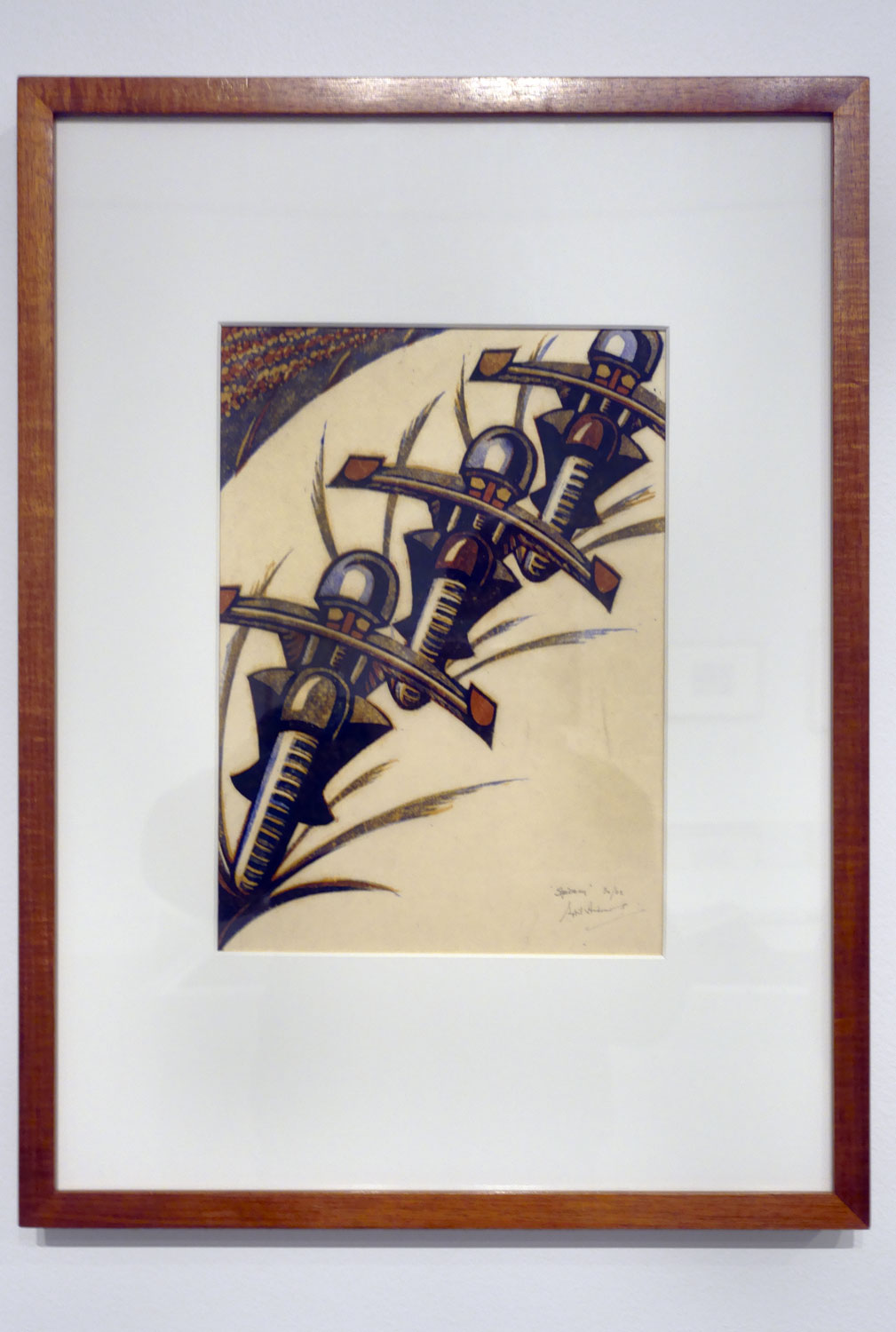
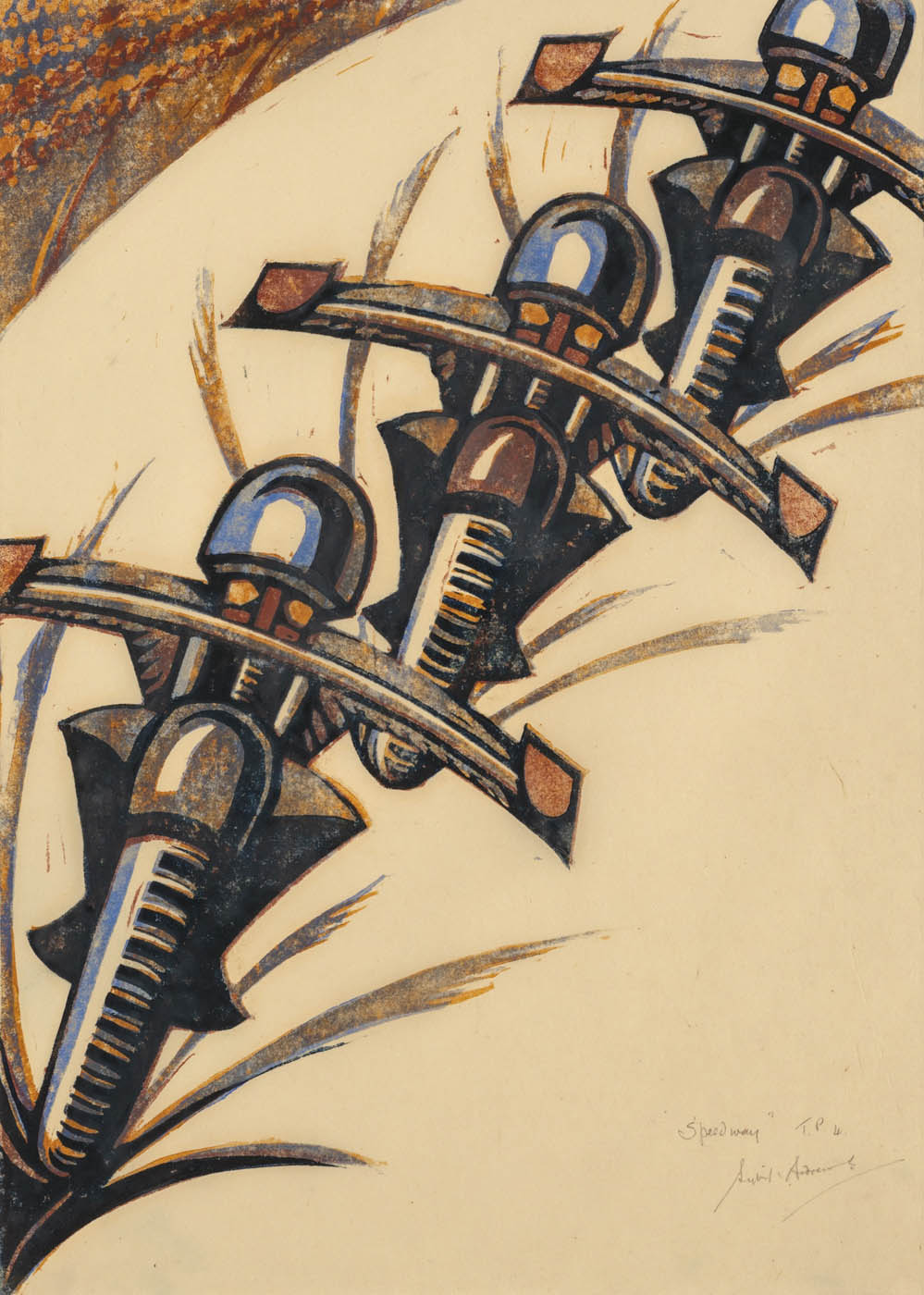
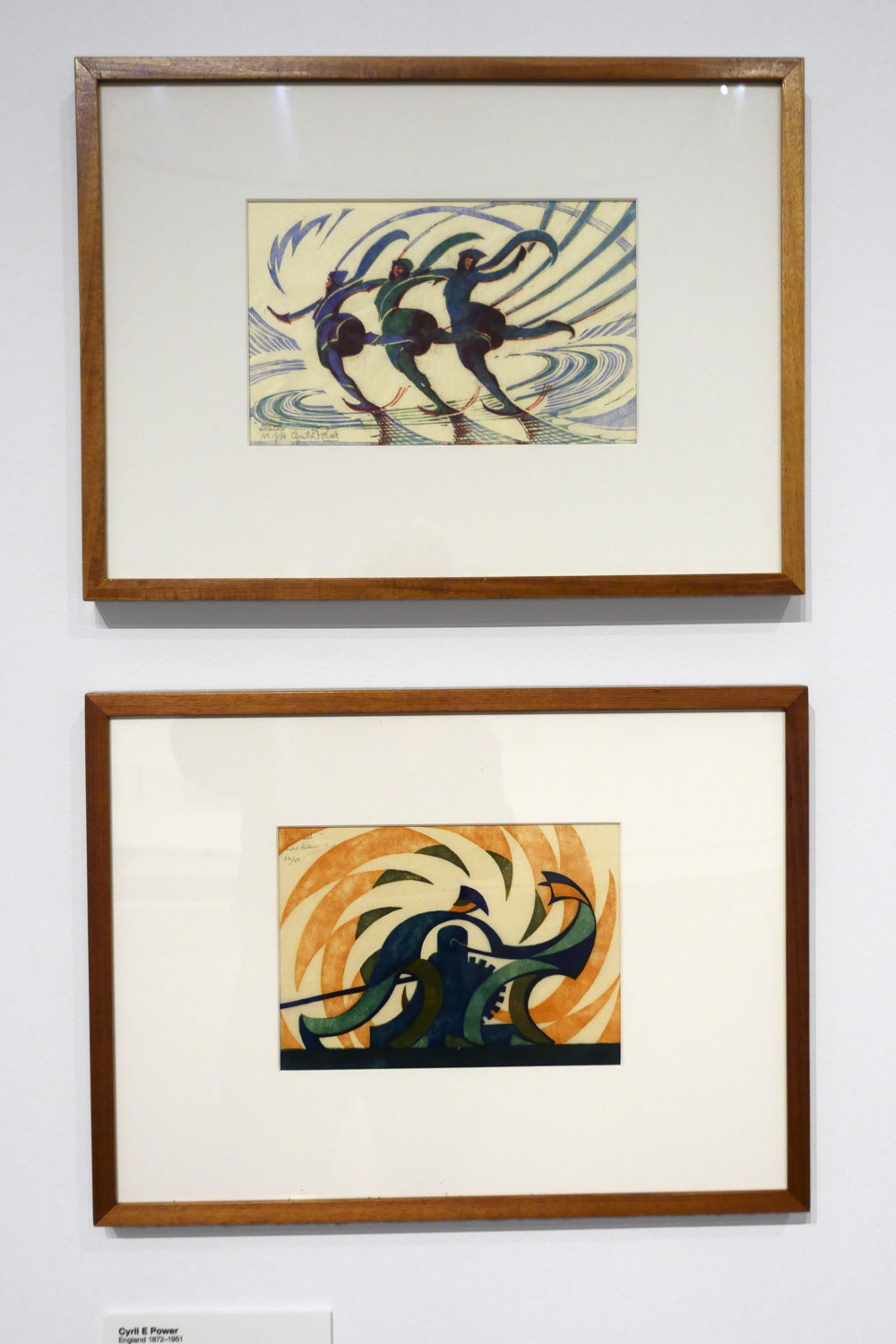
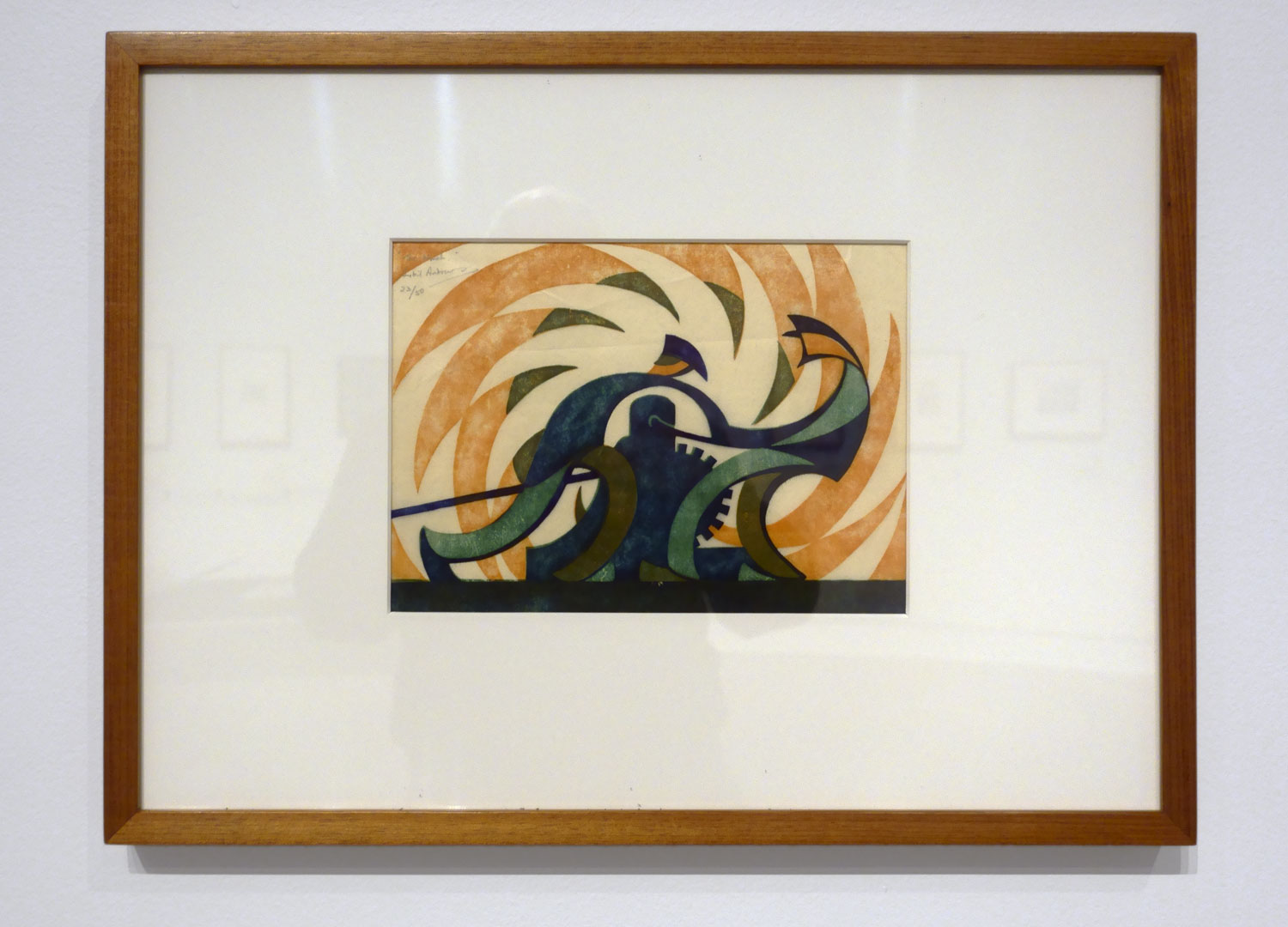
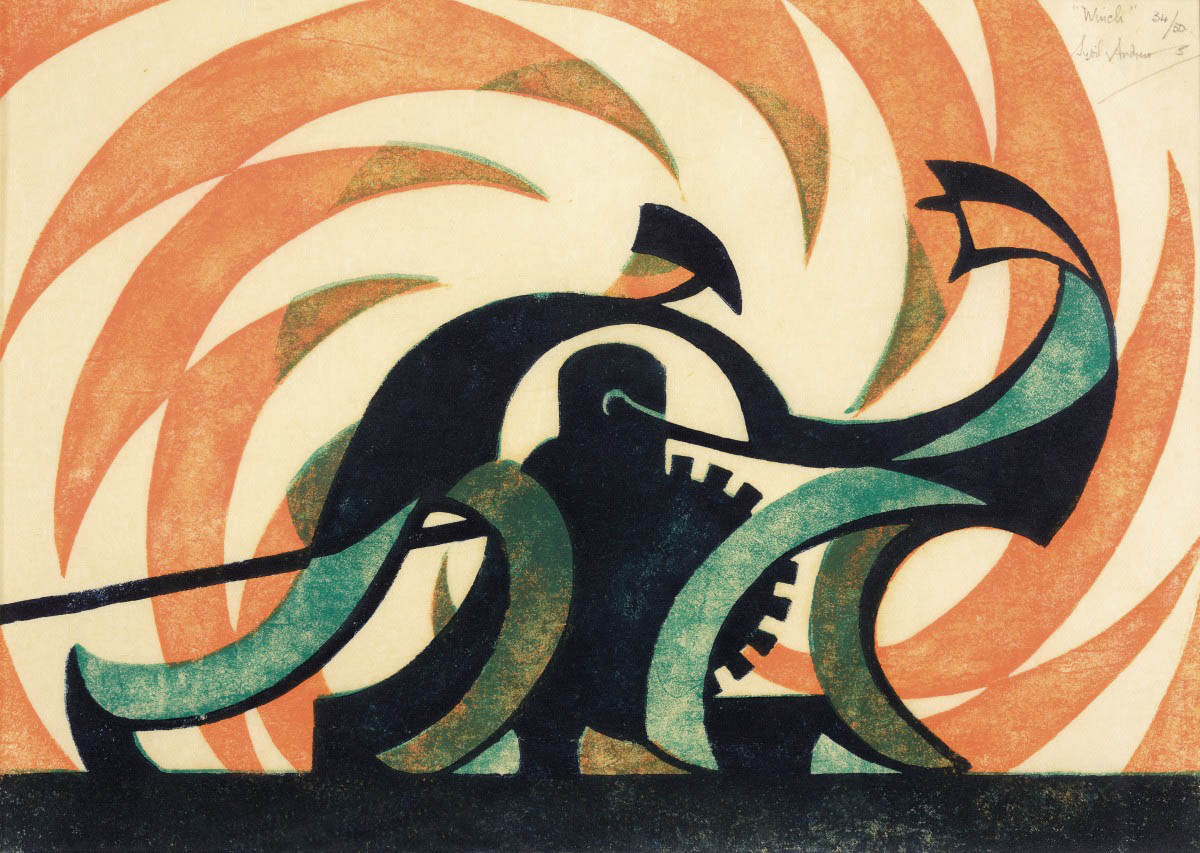
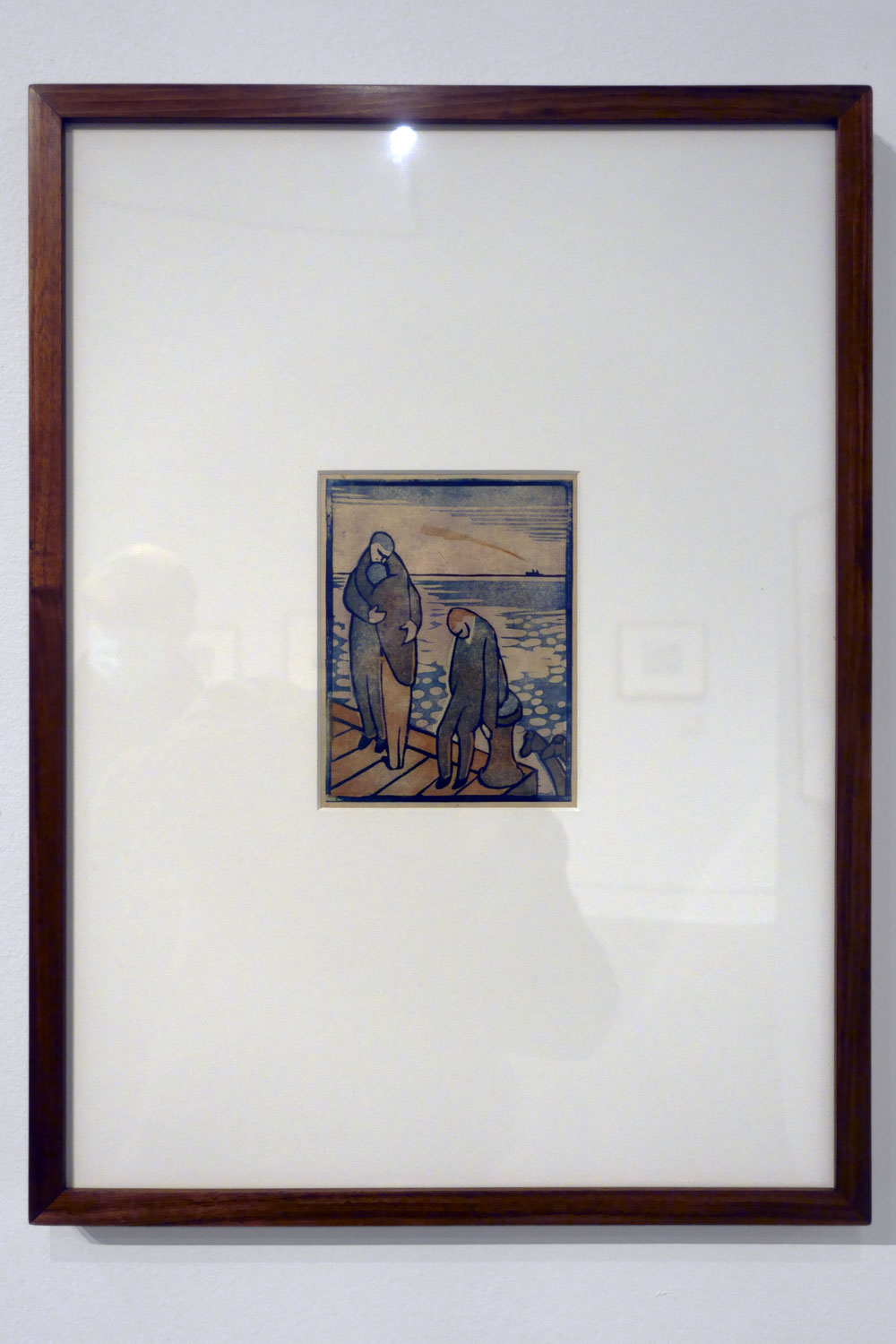
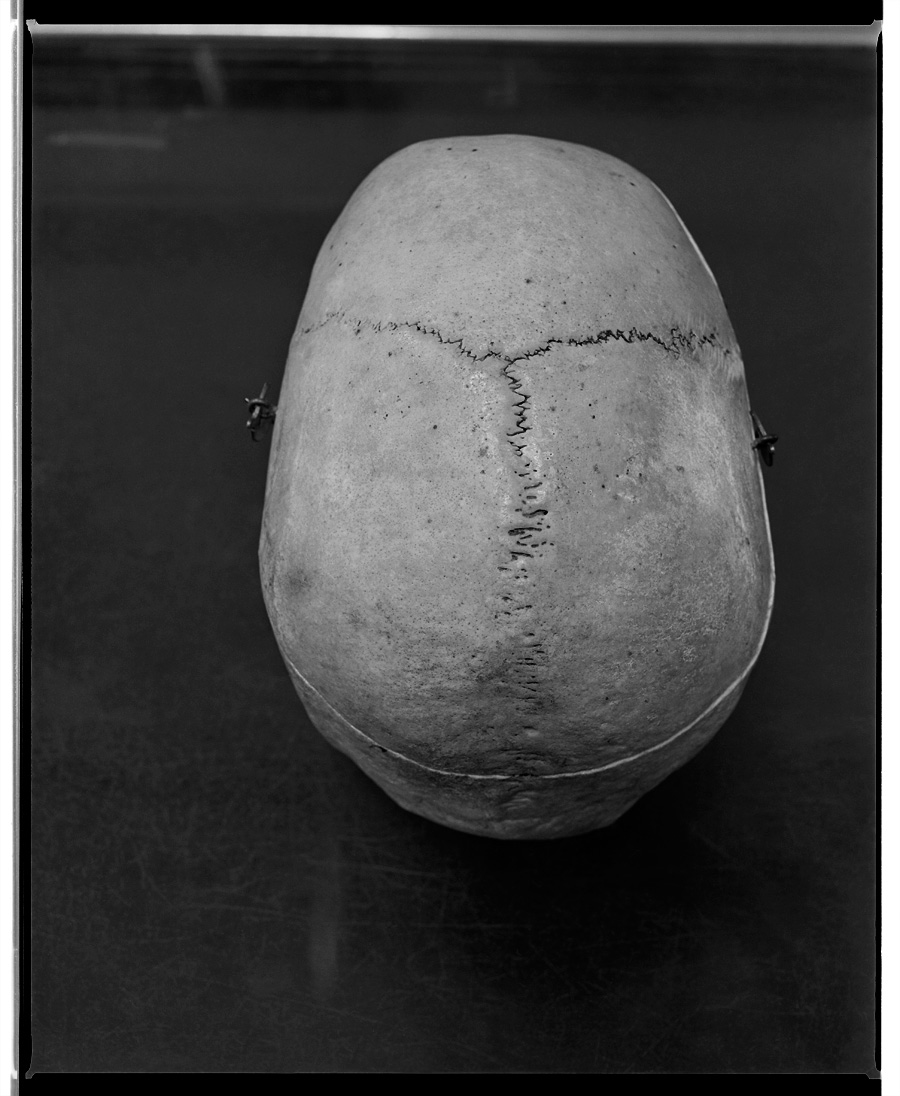
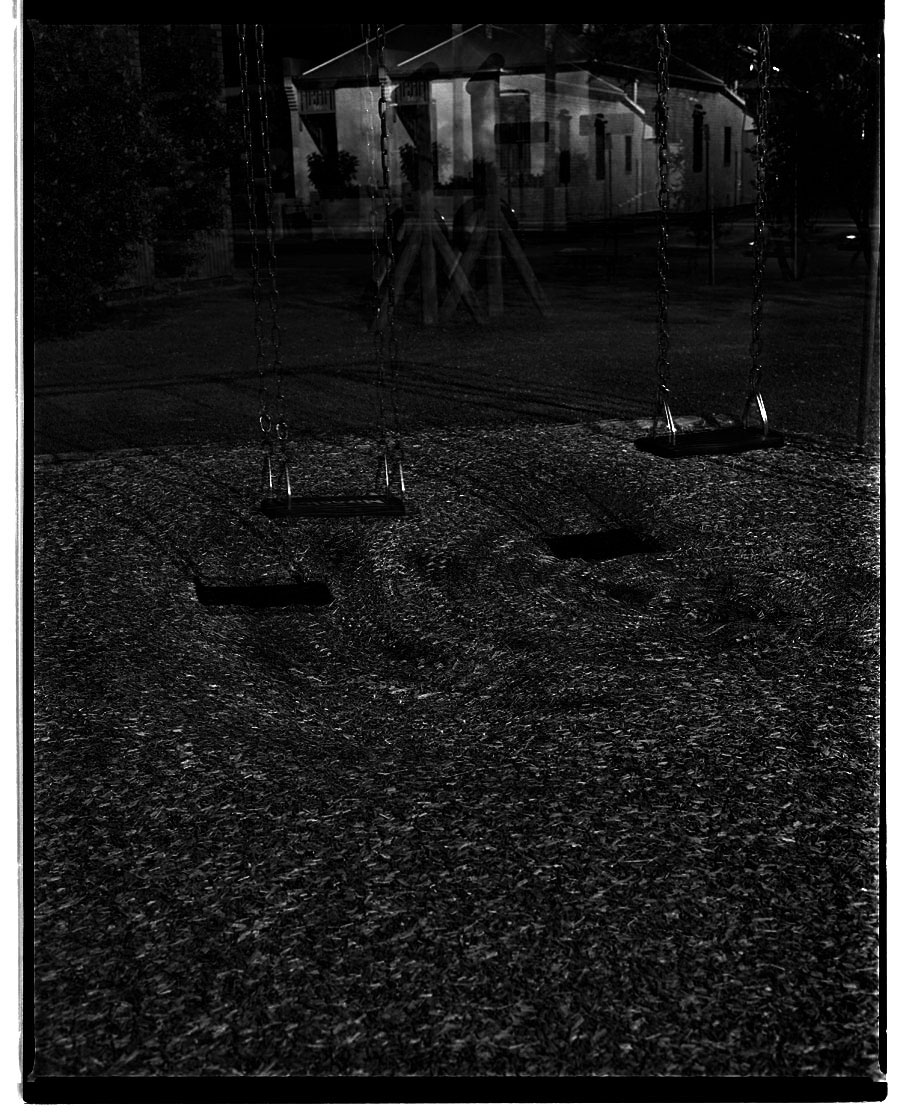


![Albert Renger-Patzsch (German, 1897-1966) 'Mantelpavian [Hamadryas Baboon]' c. 1925 from the exhibition 'The world is beautiful: photographs from the collection' at the National Gallery of Australia, Canberra, Dec 2015 - April 2016](https://artblart.com/wp-content/uploads/2016/03/albert-renger-patzsch-baboon-web.jpg "Albert Renger-Patzsch (German, 1897-1966) 'Mantelpavian [Hamadryas Baboon]' c. 1925 from the exhibition 'The world is beautiful: photographs from the collection' at the National Gallery of Australia, Canberra, Dec 2015 - April 2016")


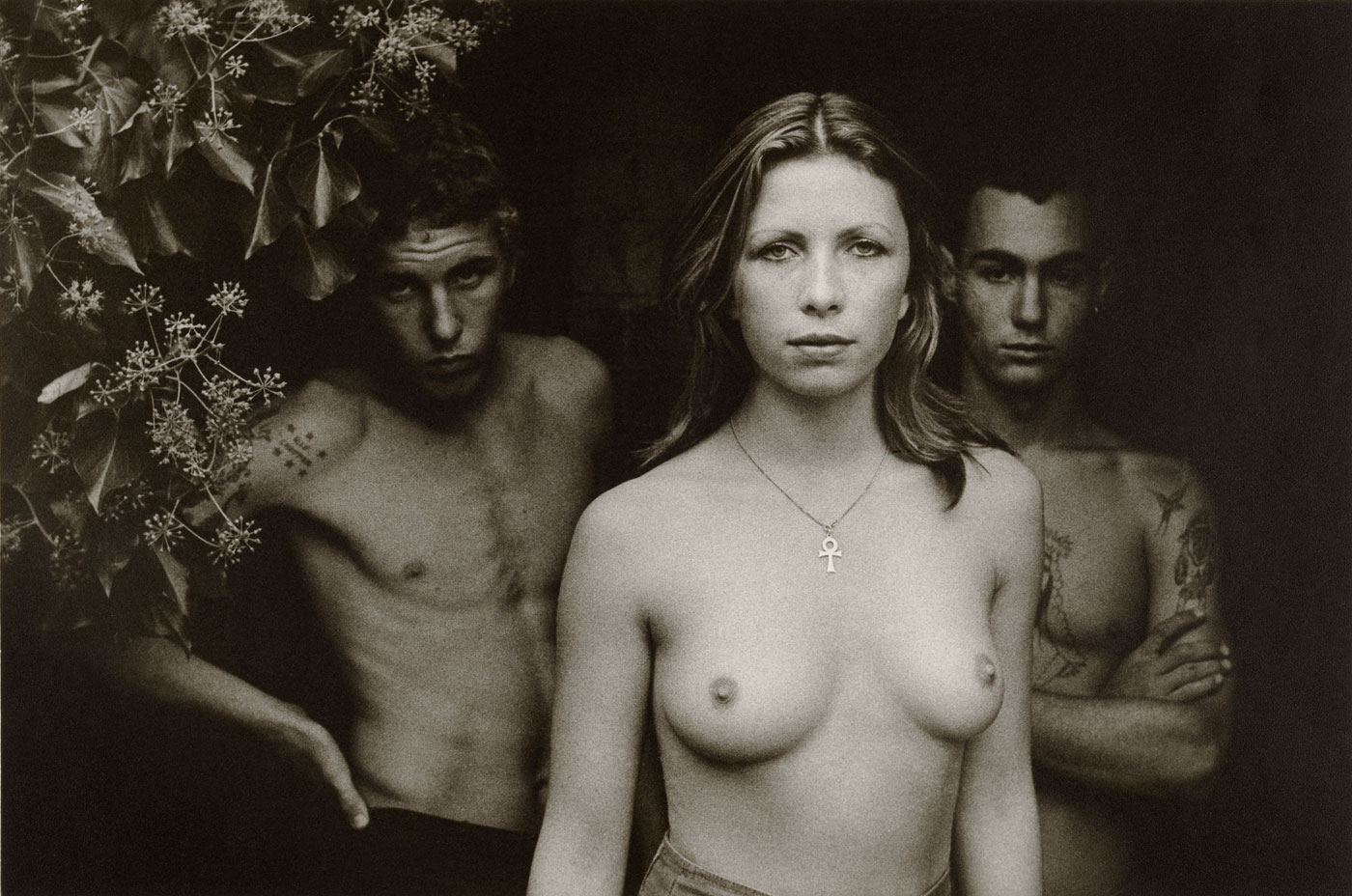


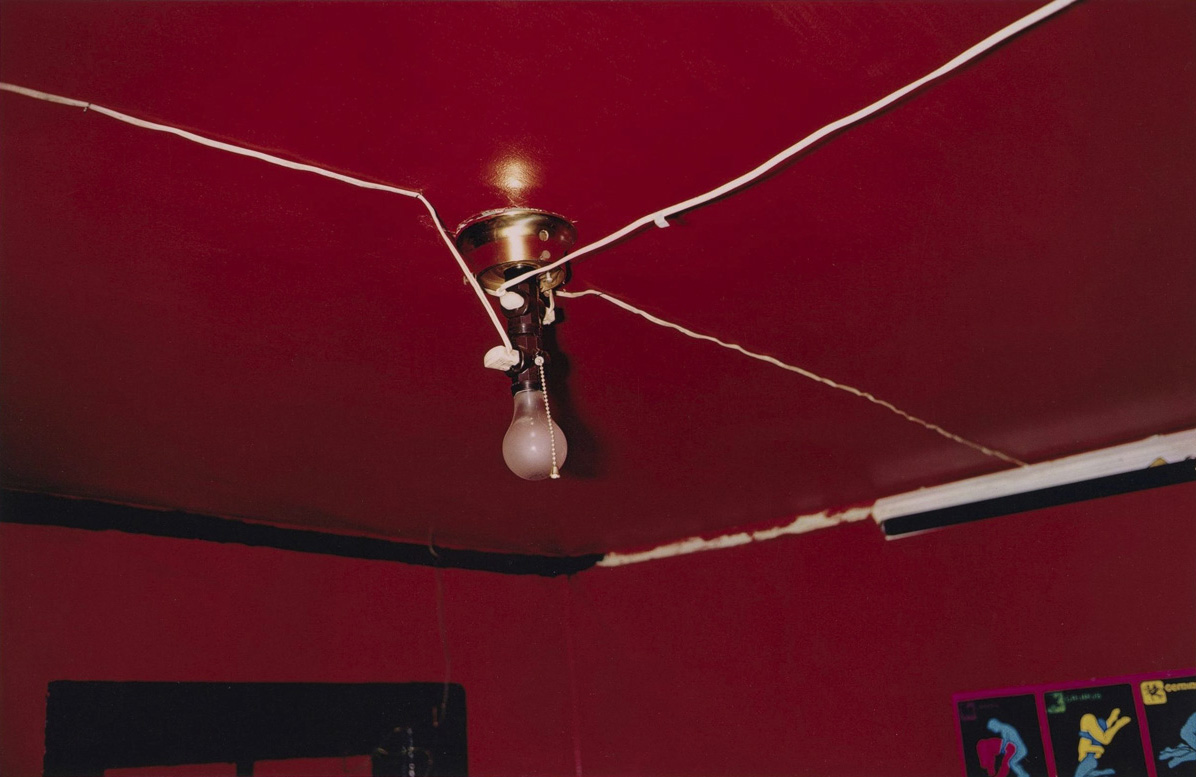


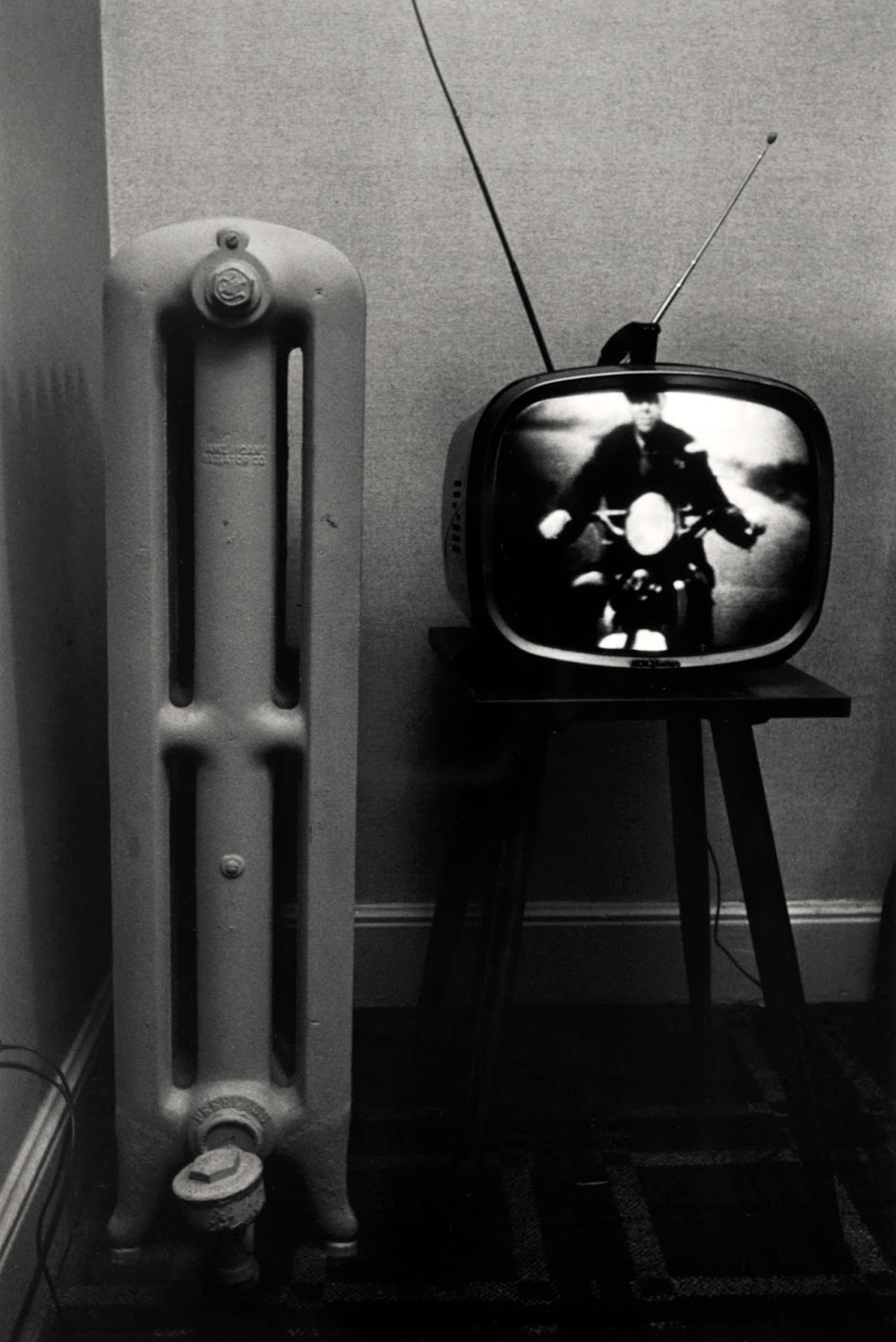
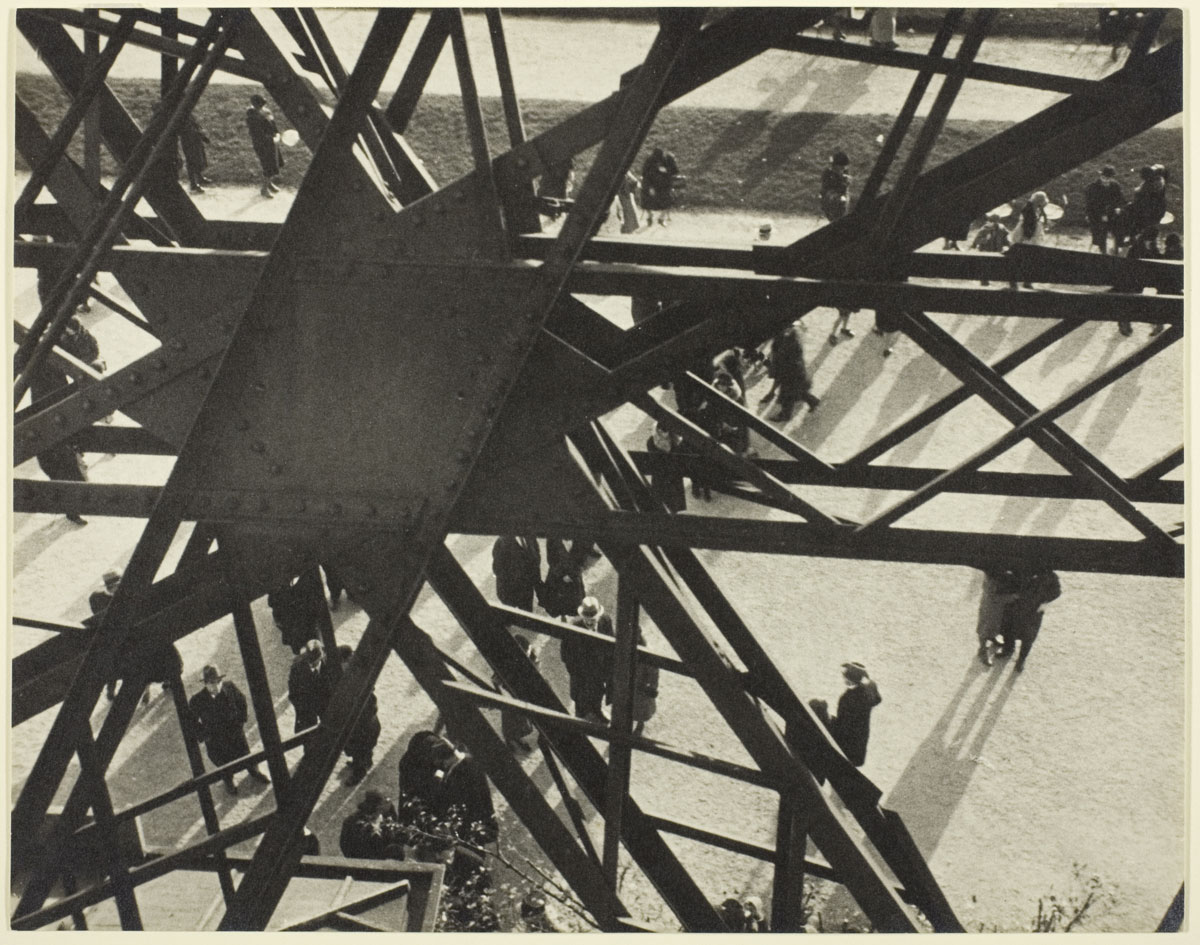


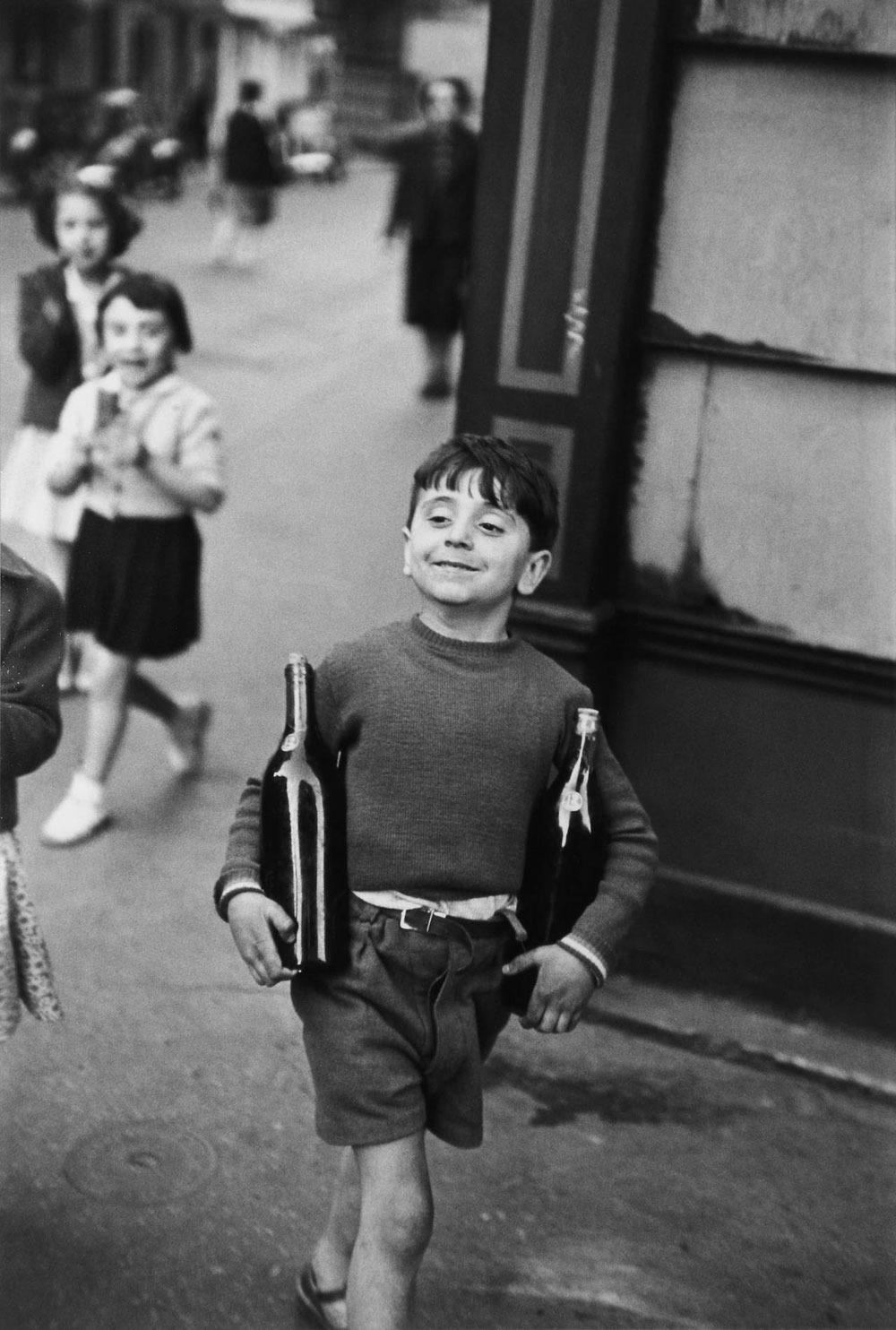
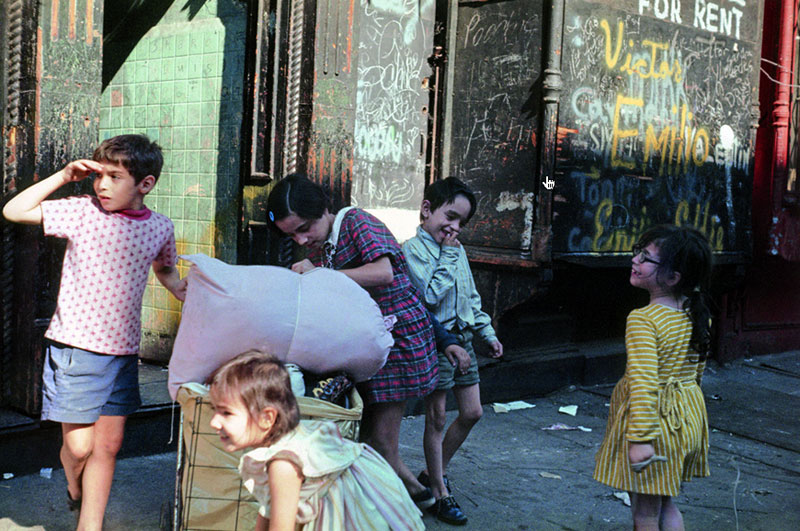

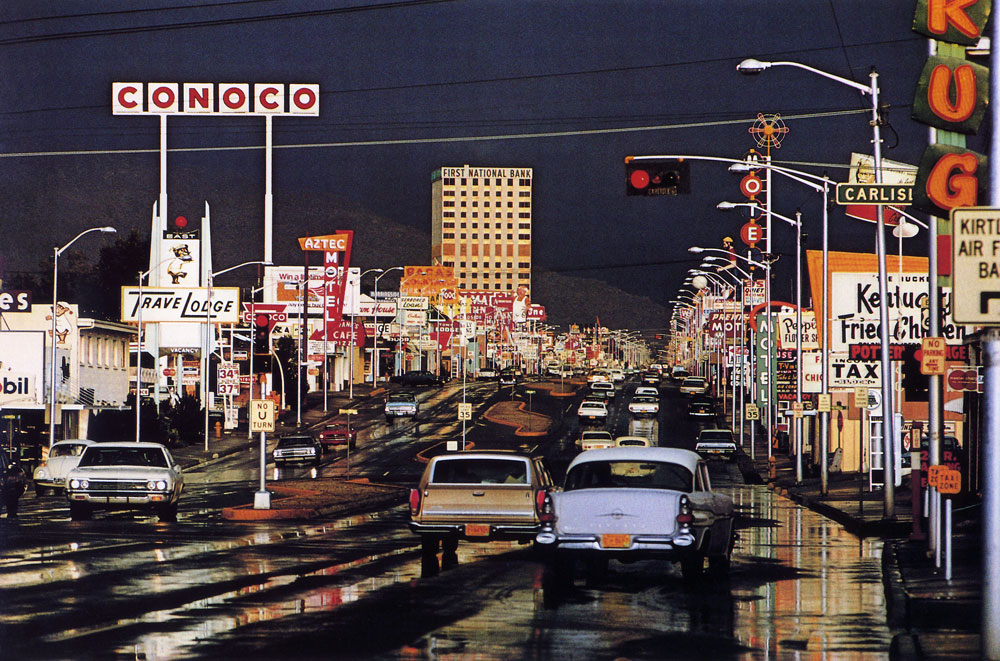


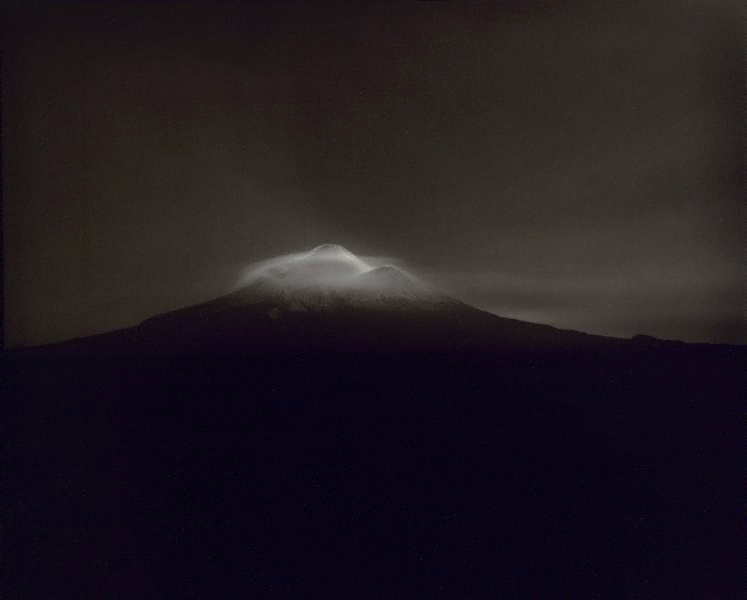
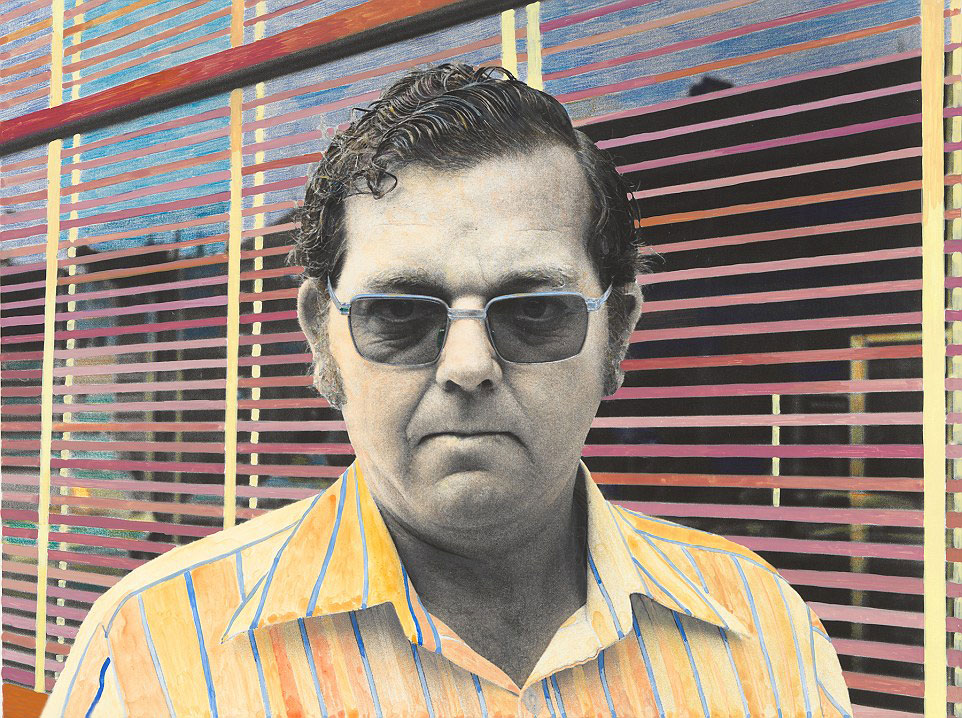
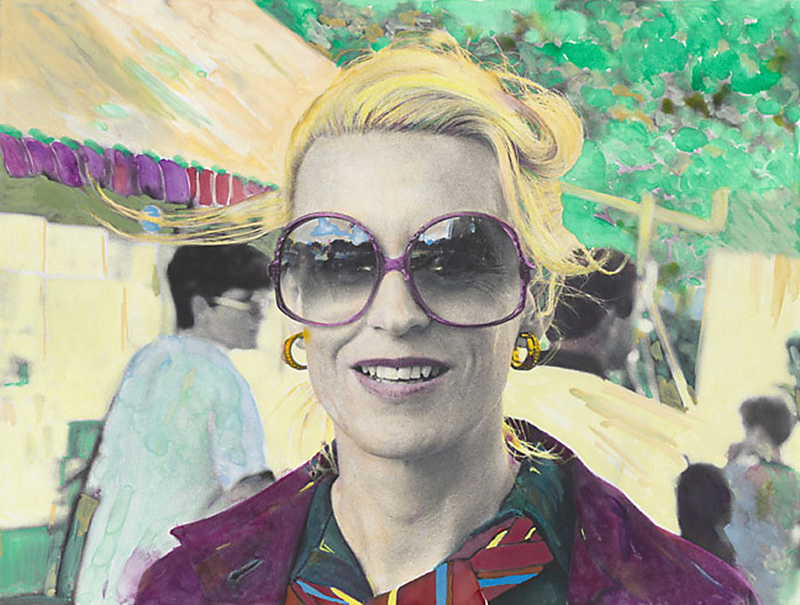
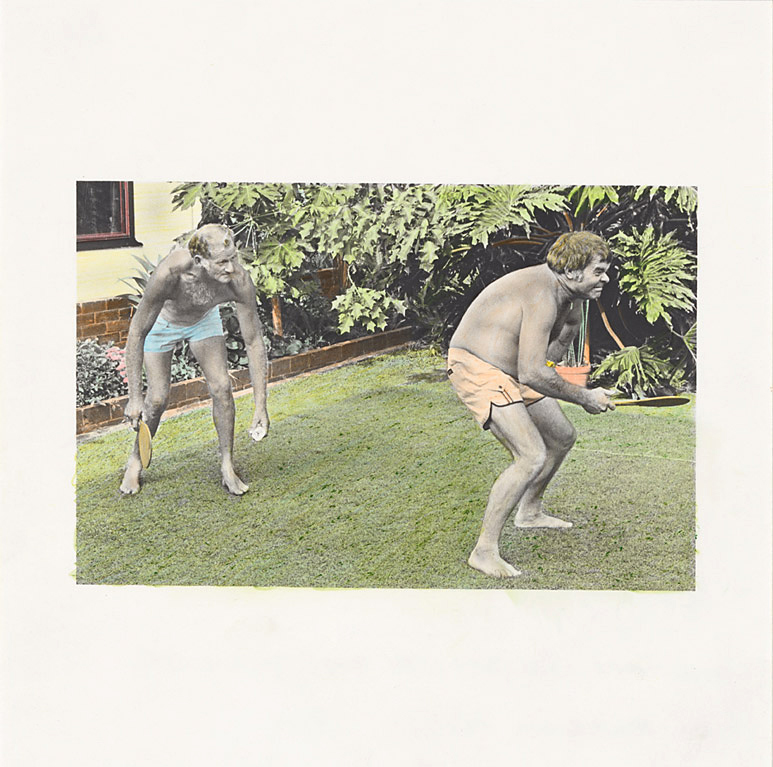
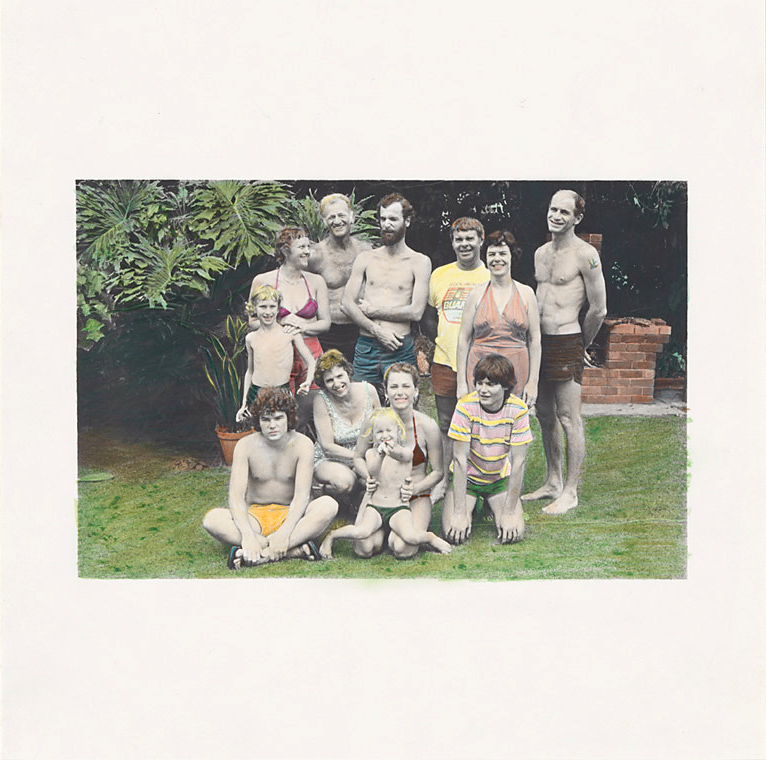

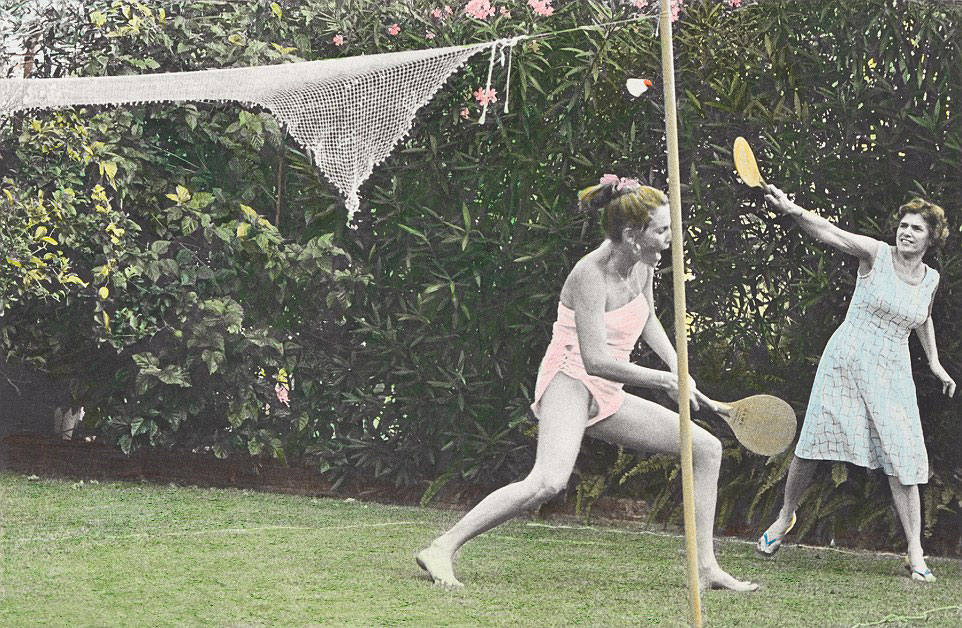
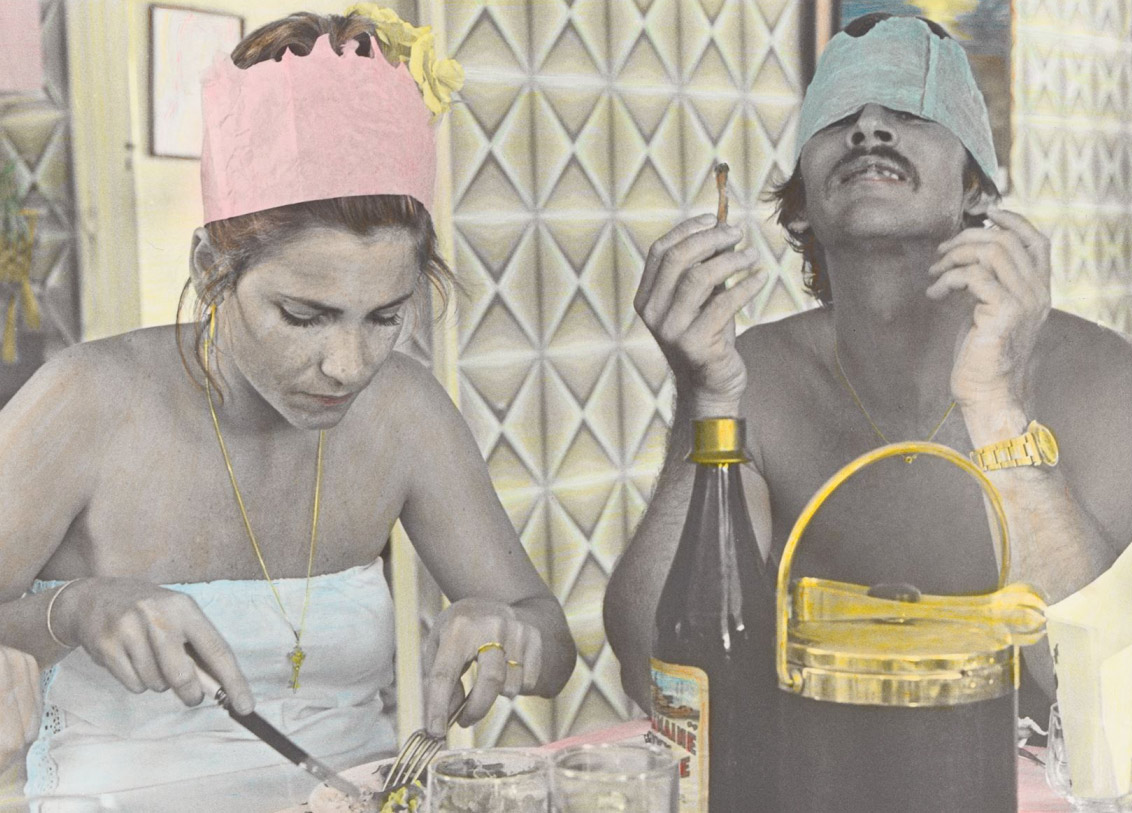
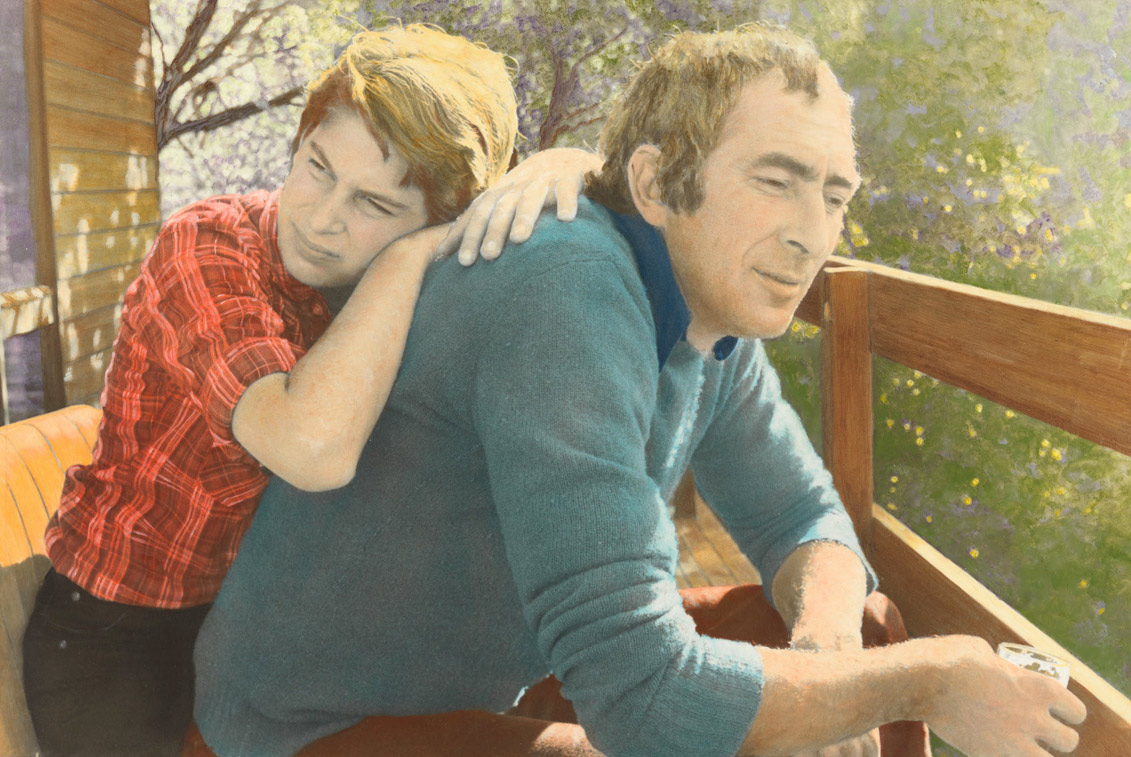
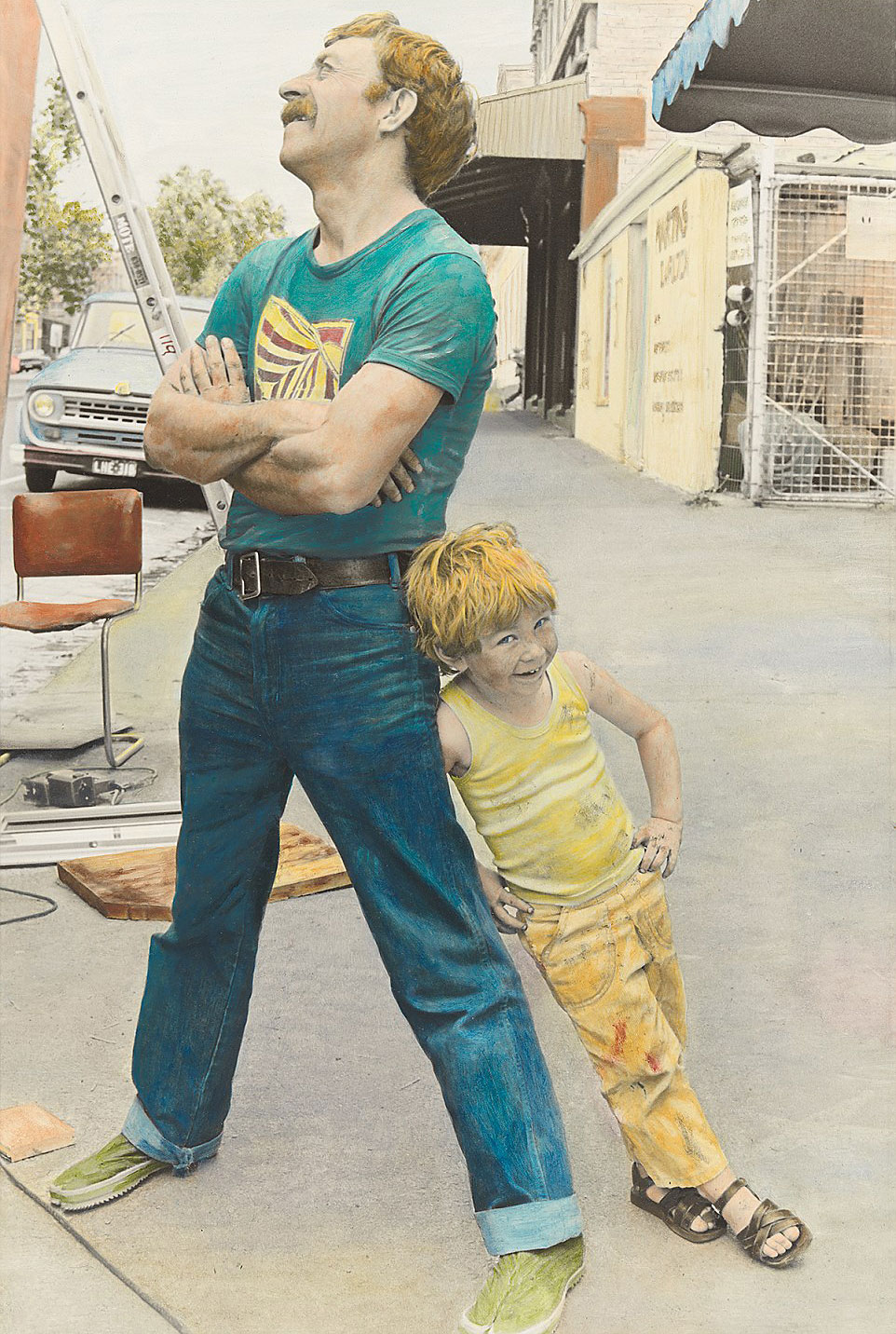
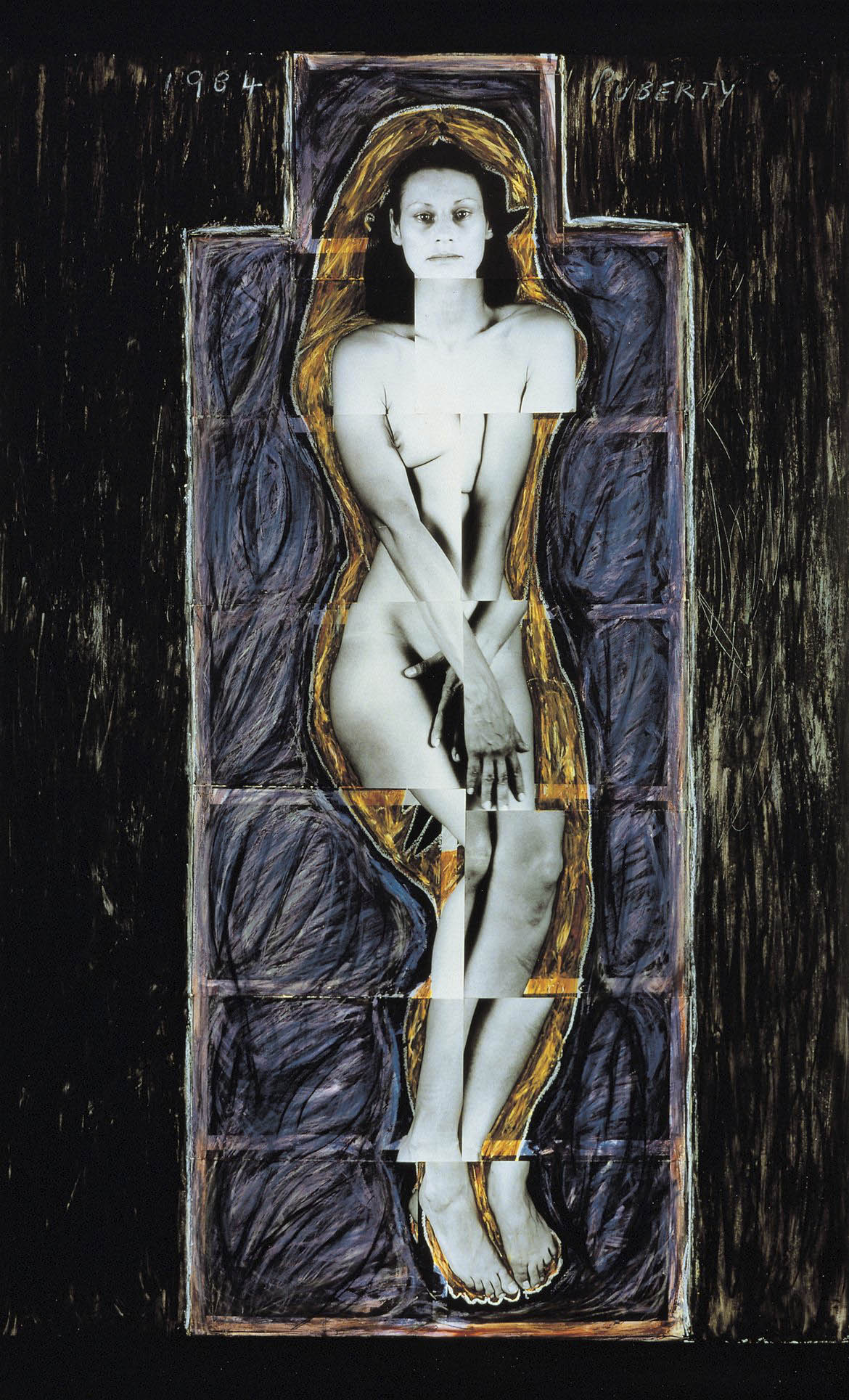

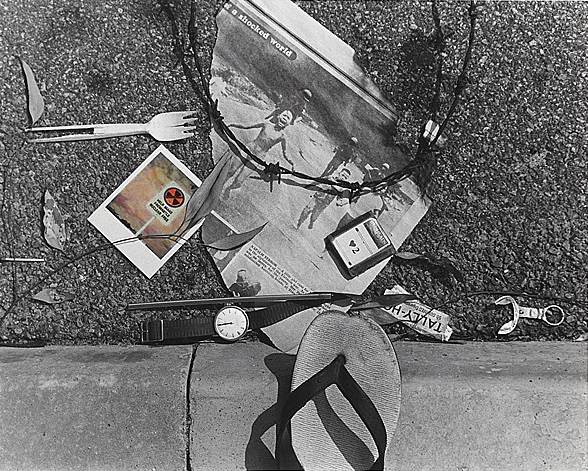
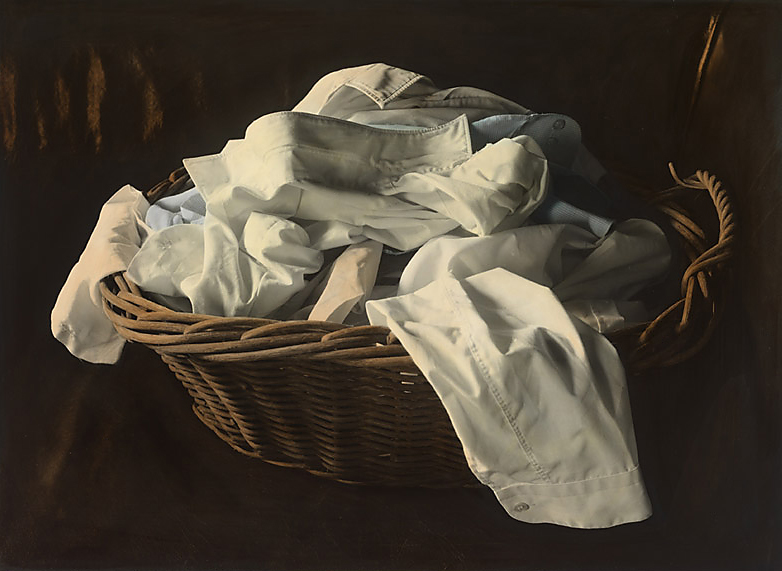
![Warren Breninger (Australian, b. 1948) 'Expulsion of Eve [No.3]' 1978](https://artblart.com/wp-content/uploads/2015/07/warren-breninger-expulsion-of-eve-no-3-1978-web.jpg "Warren Breninger (Australian, b. 1948) 'Expulsion of Eve [No.3]' 1978")
![Warren Breninger (Australian, b. 1948) 'Expulsion of Eve [No.12]' 1978](https://artblart.com/wp-content/uploads/2015/07/warren-breninger-expulsion-of-eve-no-12-1978-web.jpg "Warren Breninger (Australian, b. 1948) 'Expulsion of Eve [No.12]' 1978")
![Warren Breninger (Australian, b. 1948) 'Expulsion of Eve [No.15]' 1978](https://artblart.com/wp-content/uploads/2015/07/warren-breninger-expulsion-of-eve-no-15-1978-web.jpg "Warren Breninger (Australian, b. 1948) 'Expulsion of Eve [No.15]' 1978")
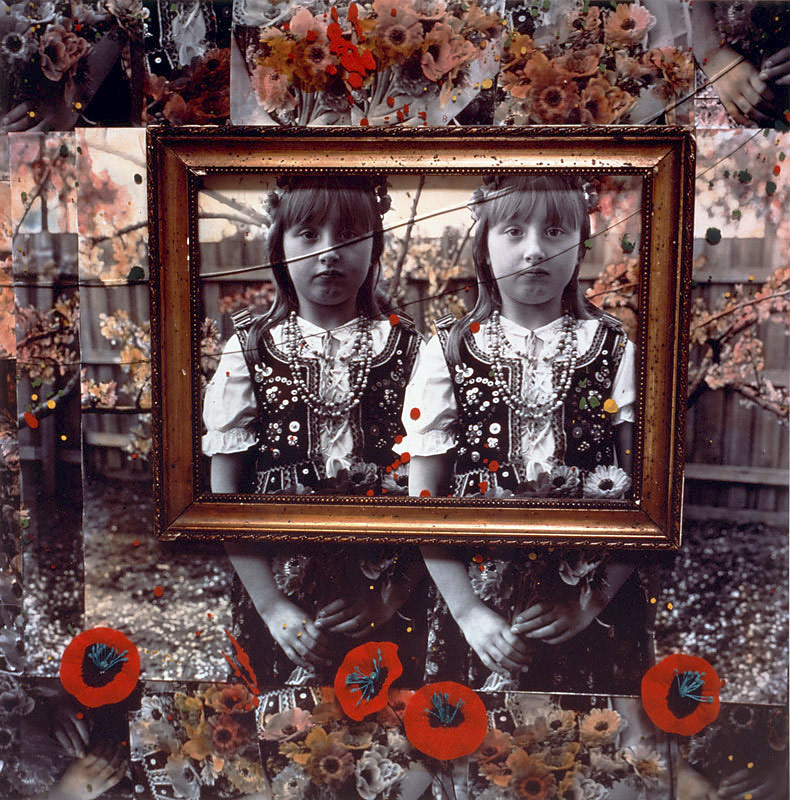
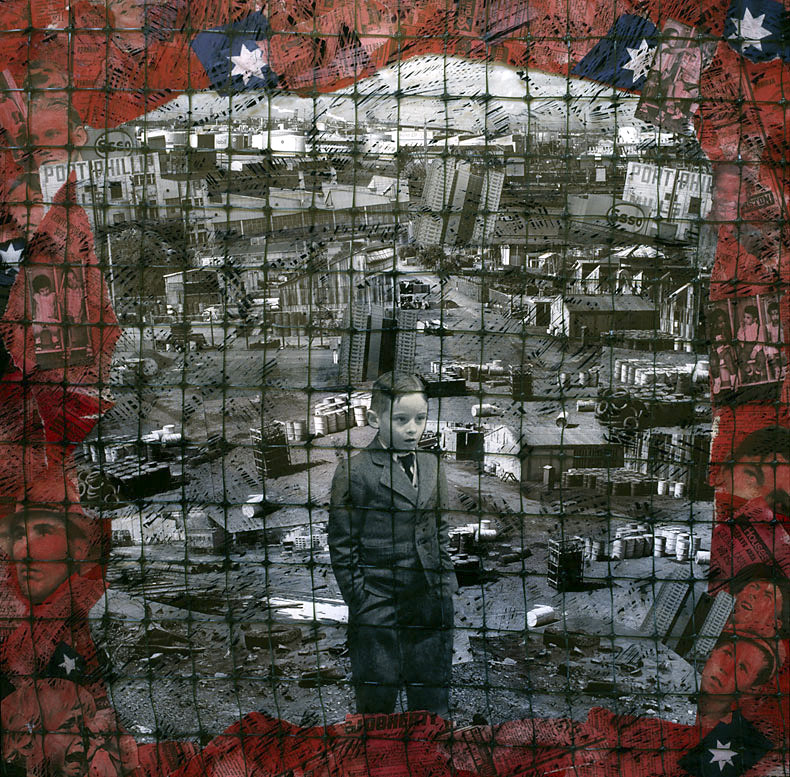
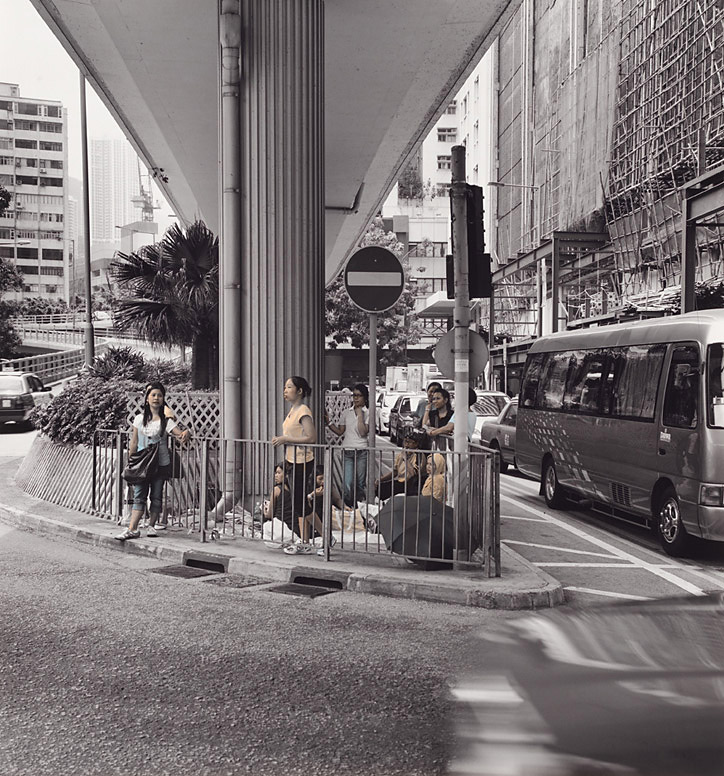
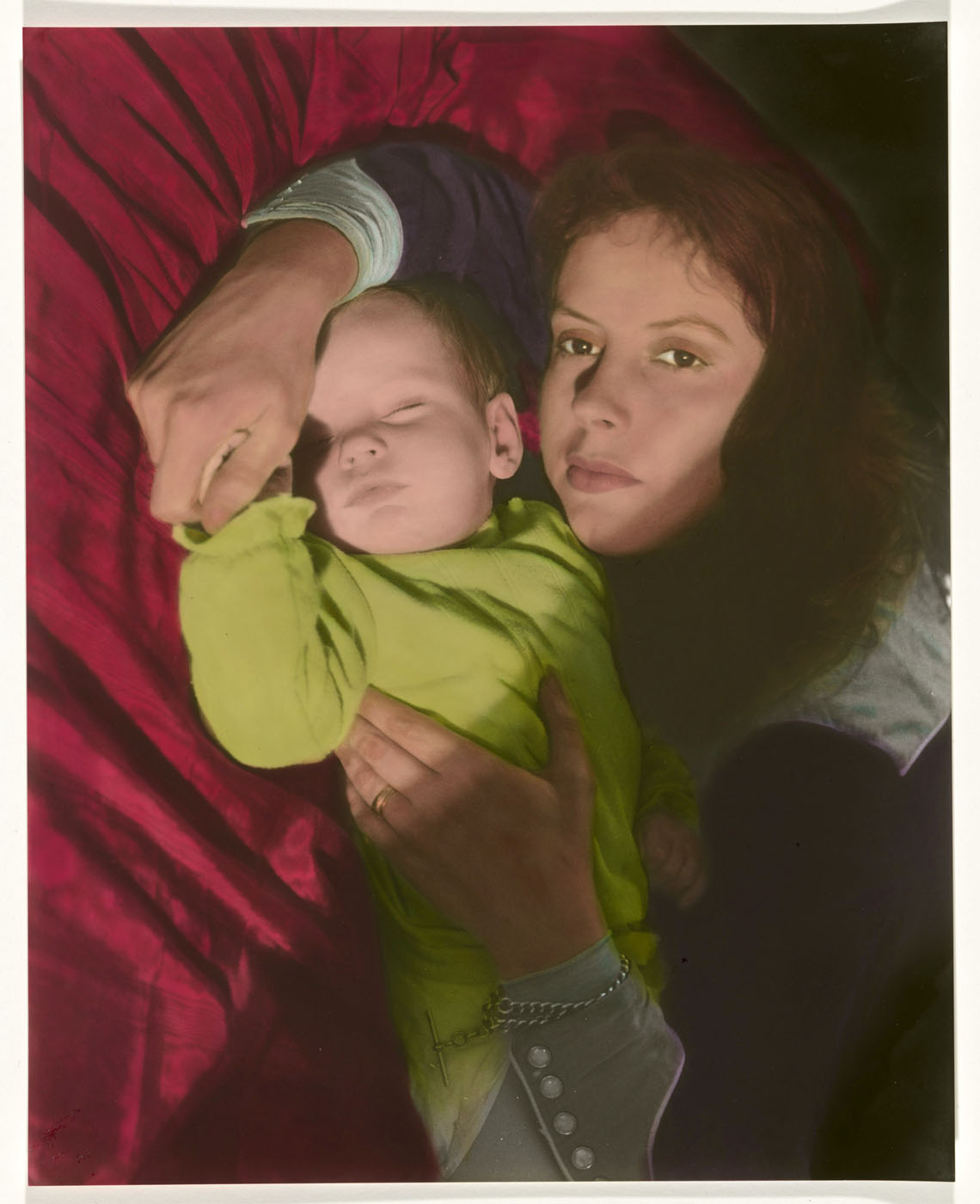
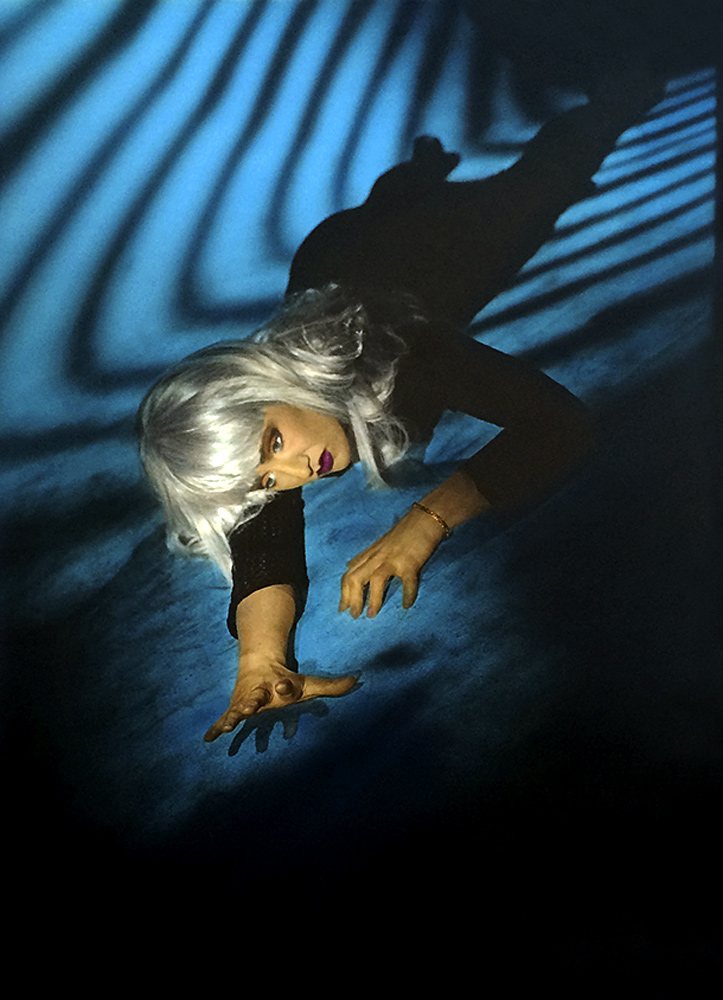
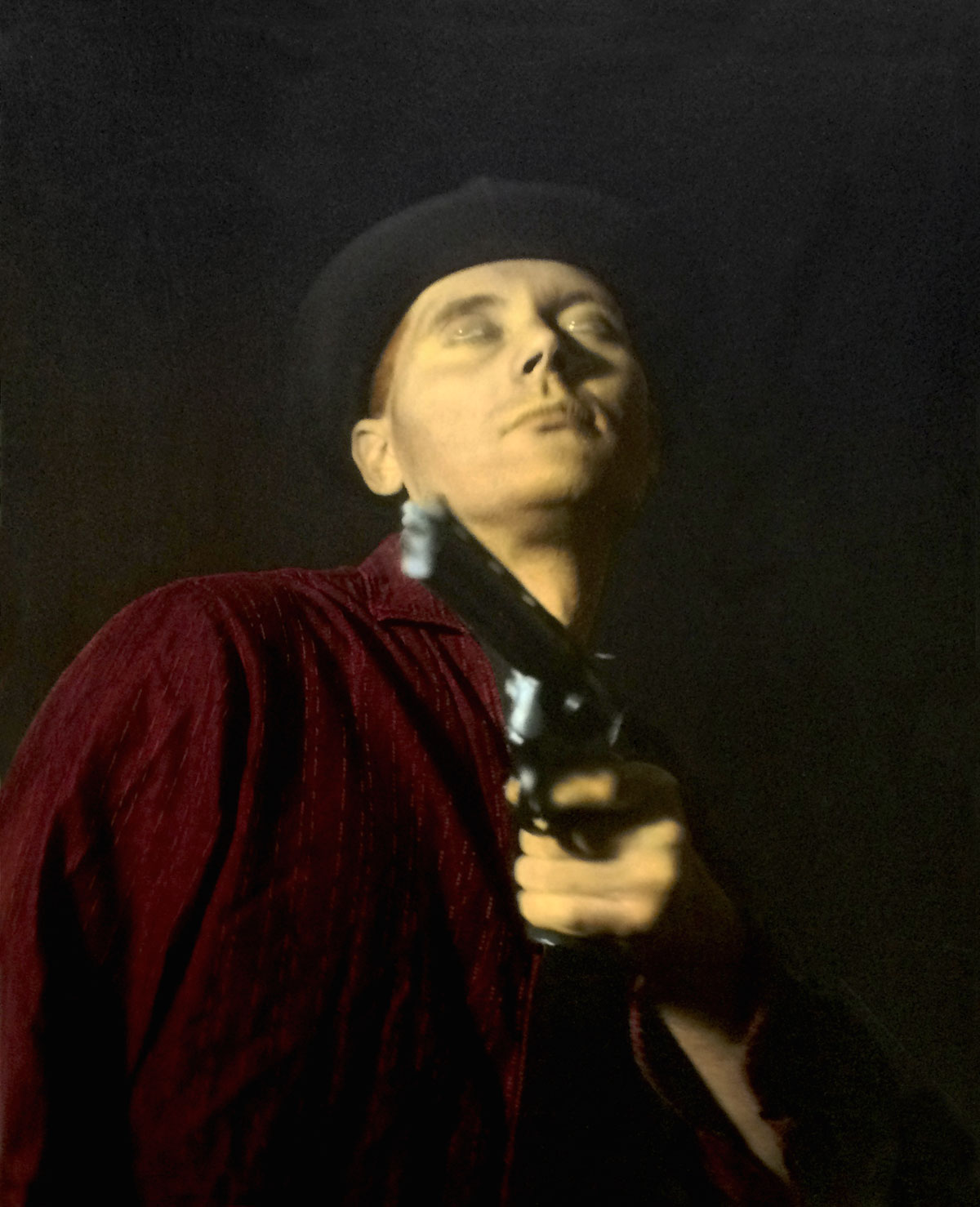
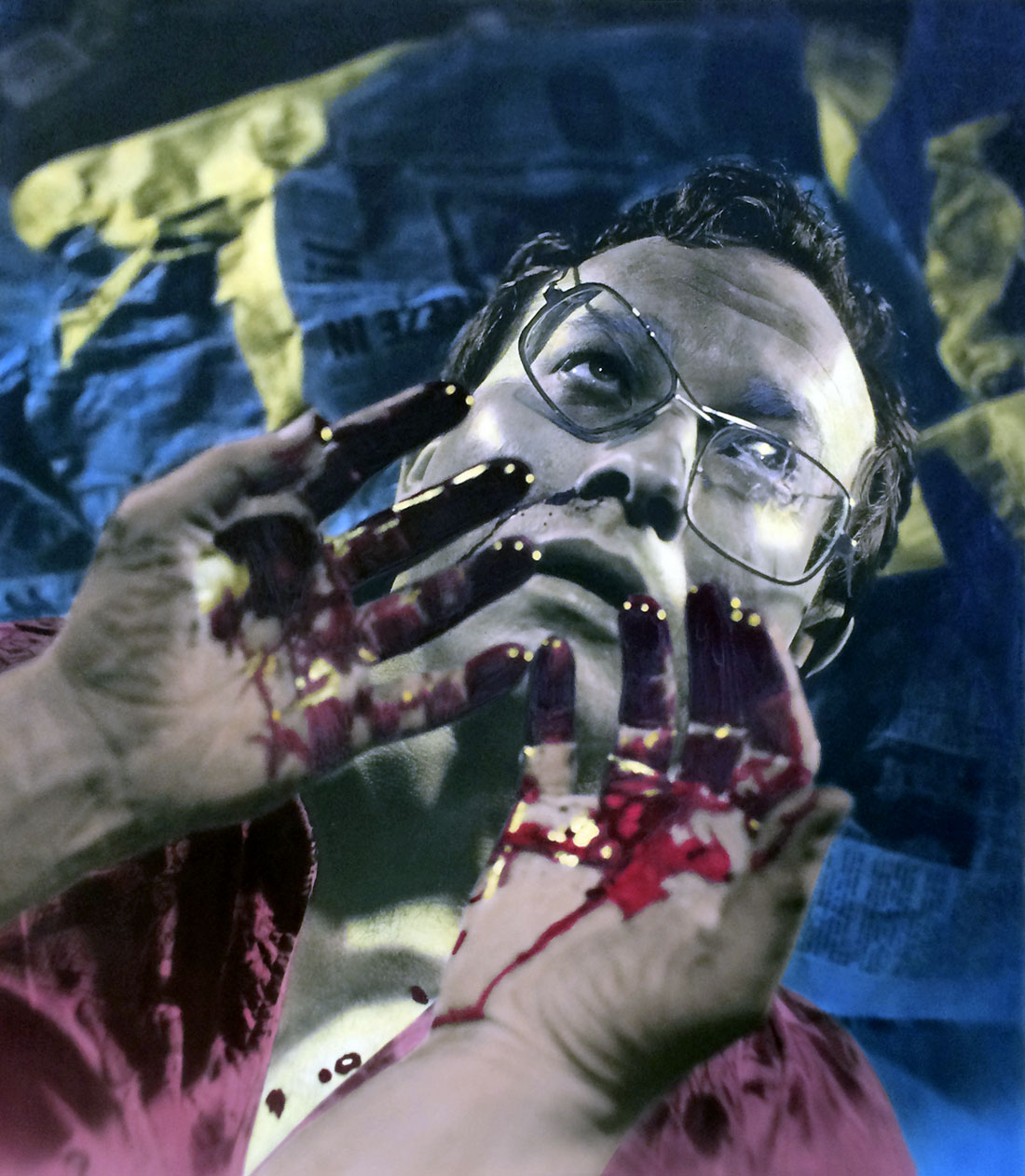
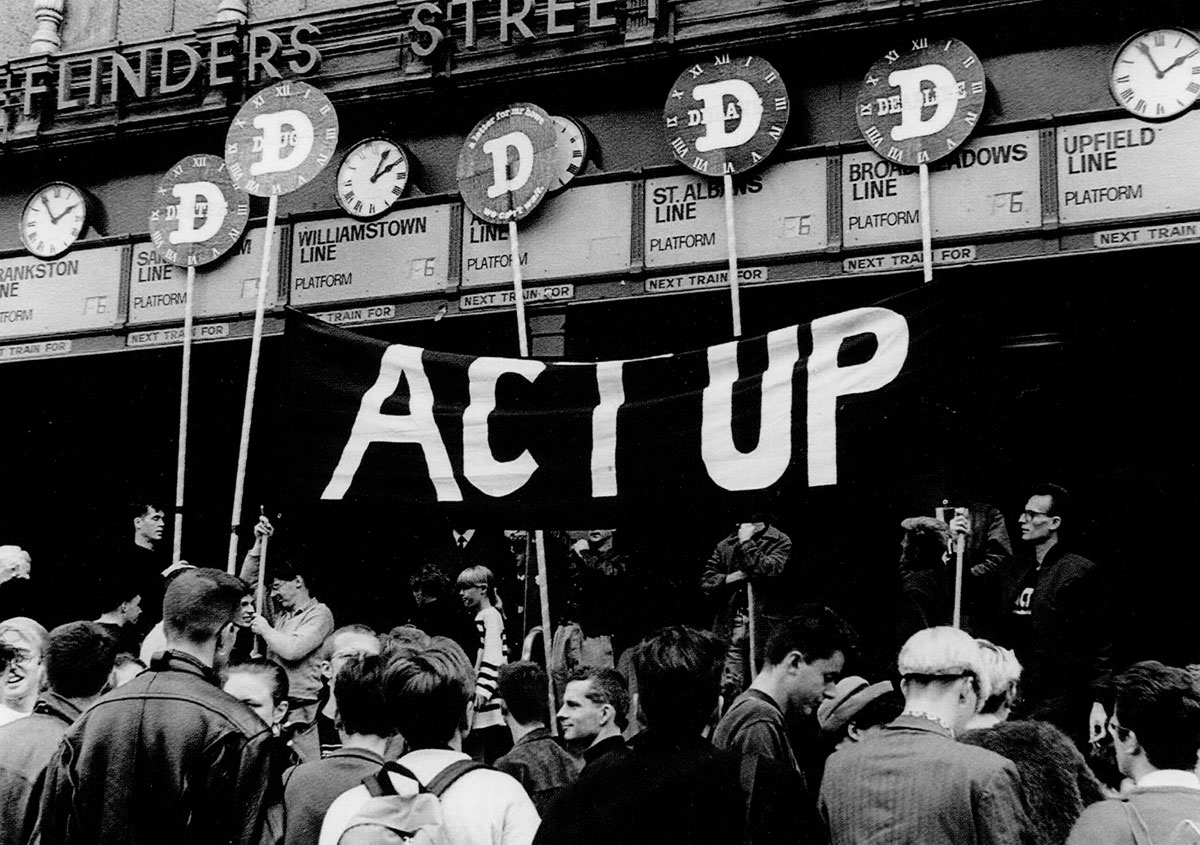
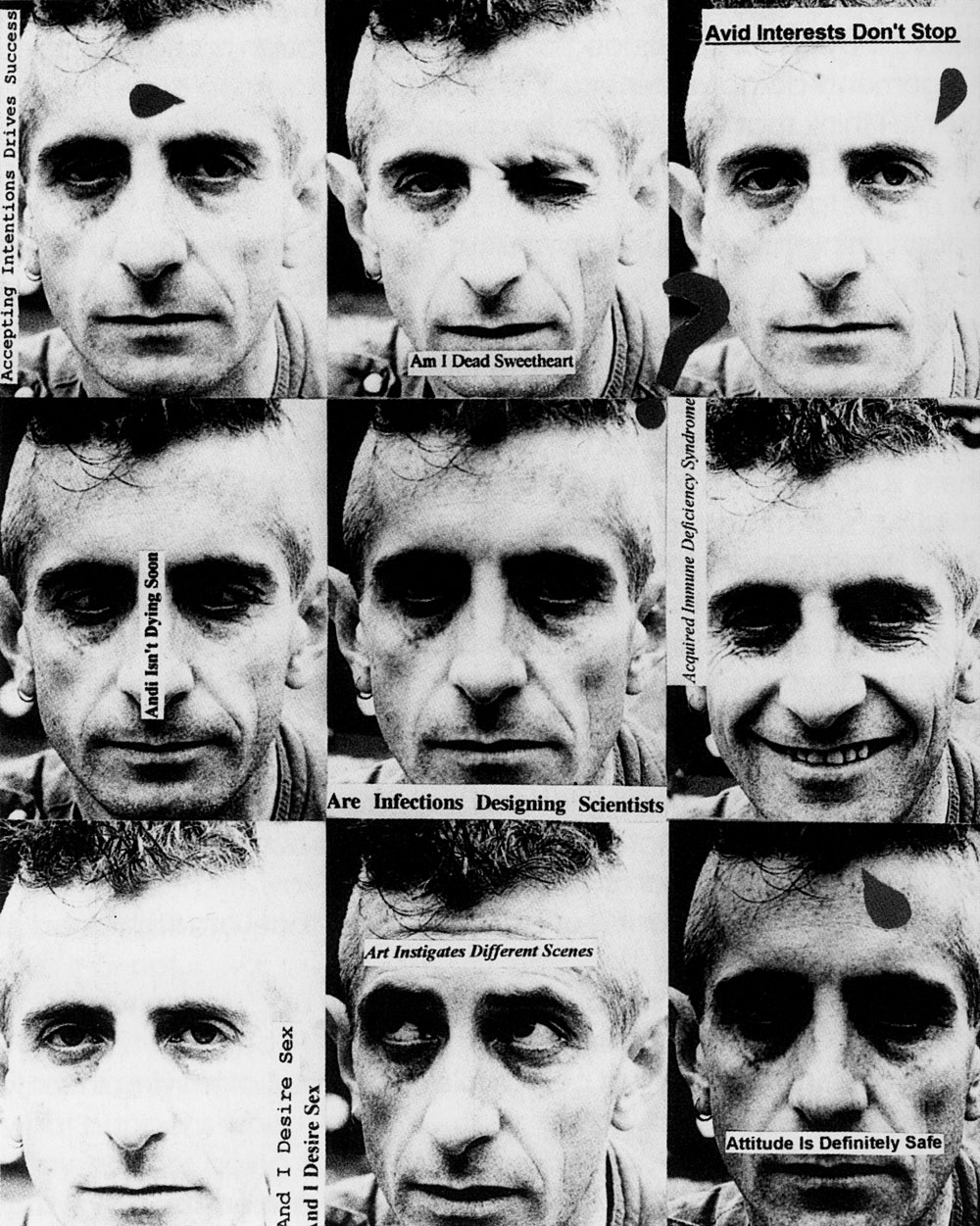
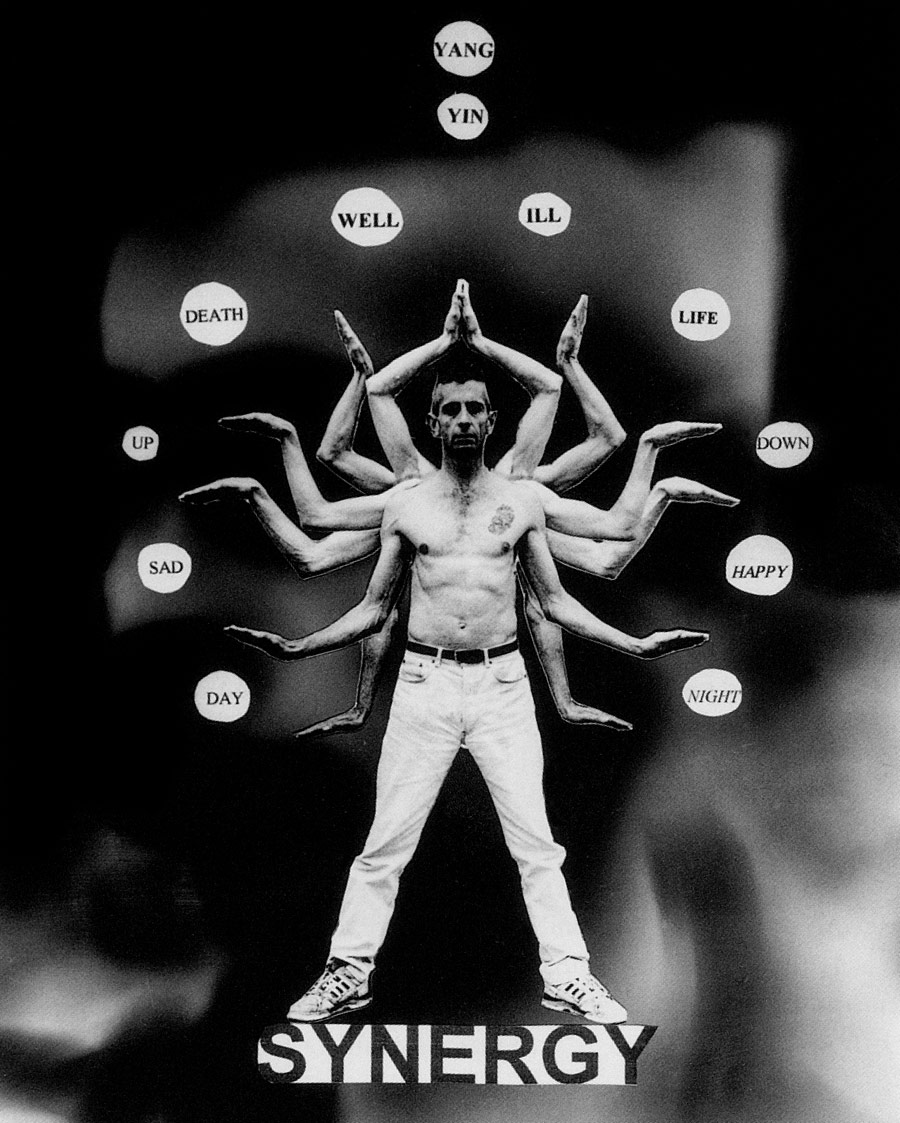
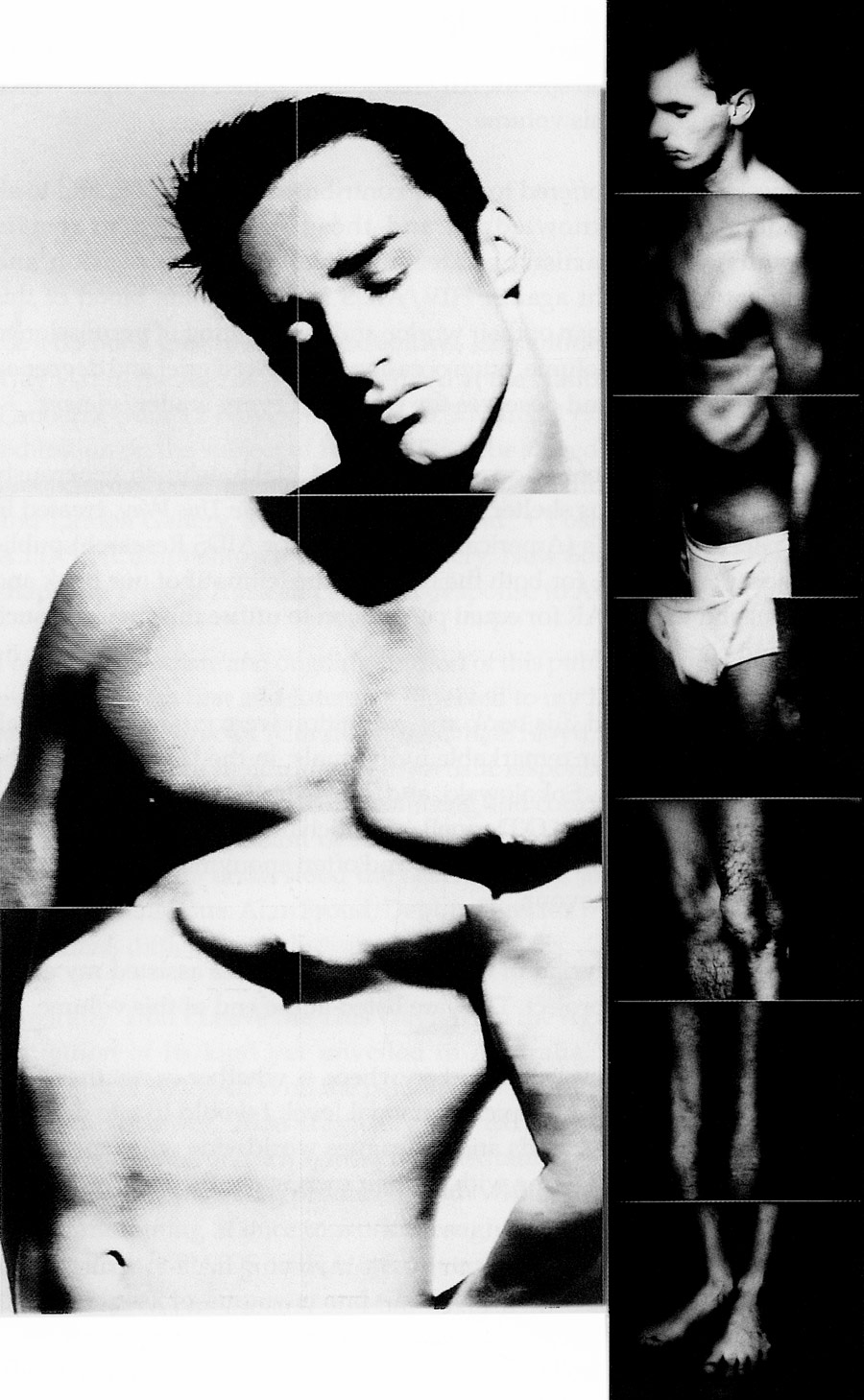
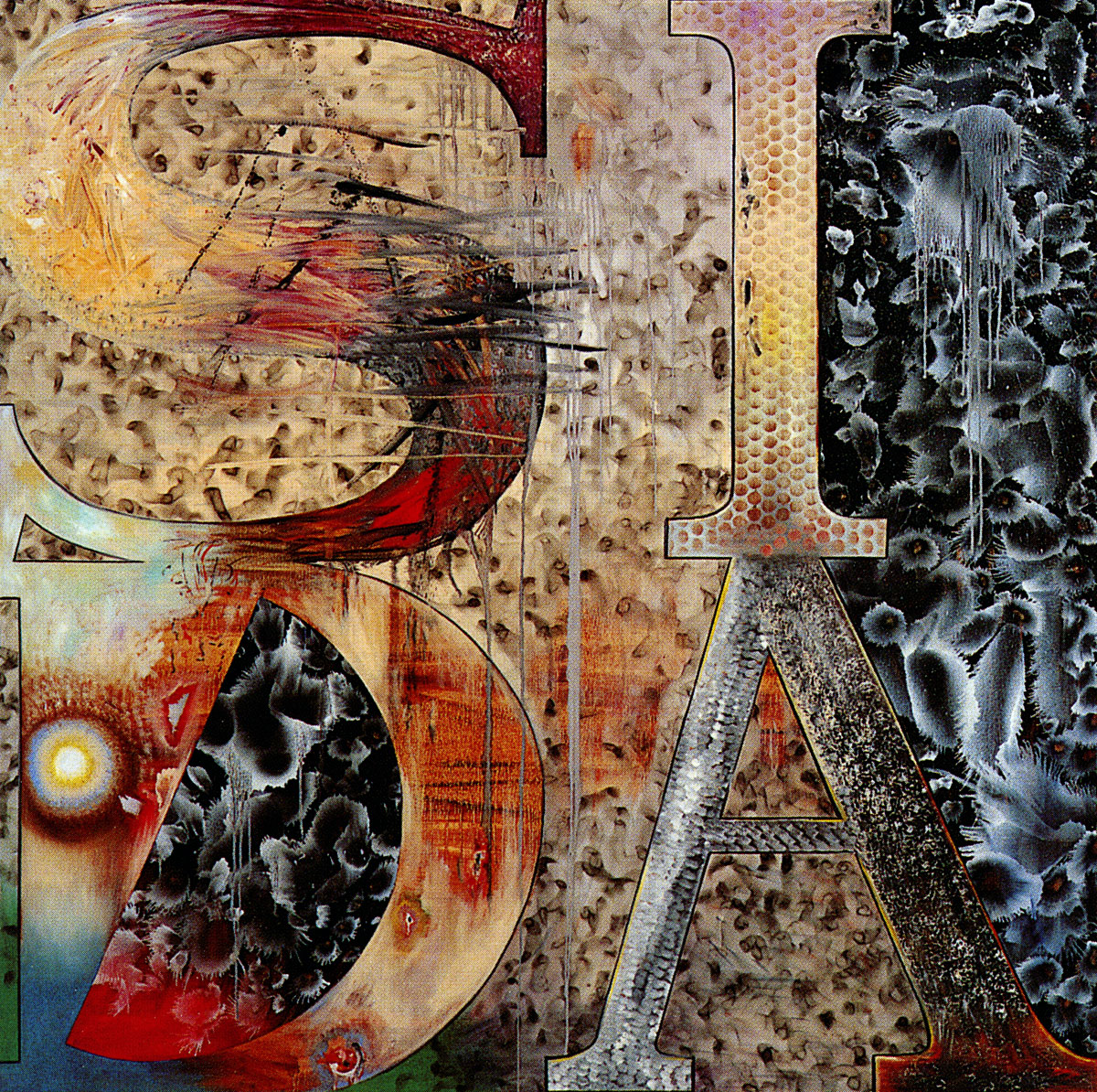







![Gotthard Schuh (Swiss, 1897-1969) 'Inseln der Götter' (Islands of the gods) [book cover] 1941](https://artblart.com/wp-content/uploads/2014/06/insel-de-gotter.jpg "Gotthard Schuh (Swiss, 1897-1969) 'Inseln der Götter' (Islands of the gods) [book cover] 1941")

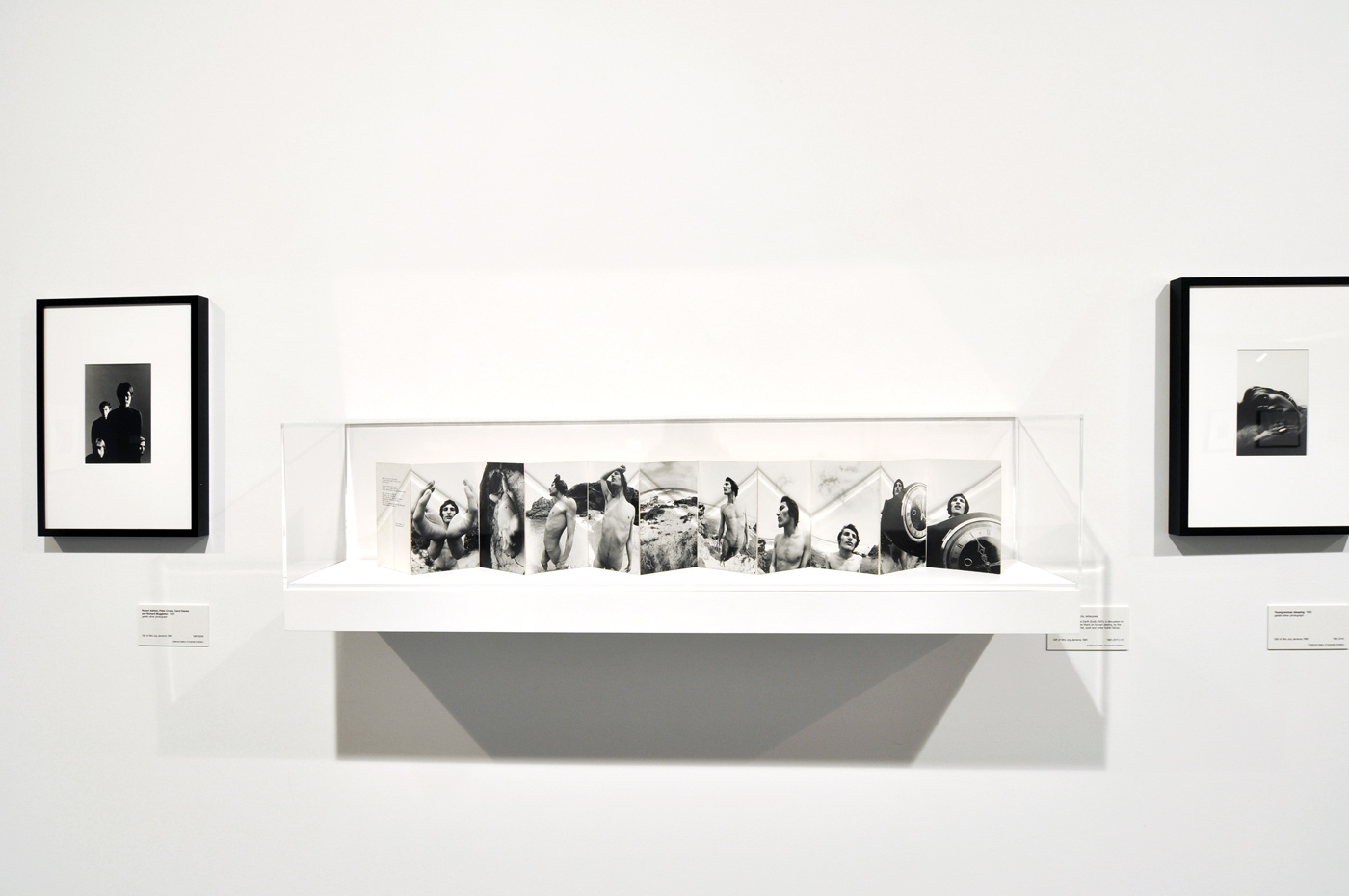


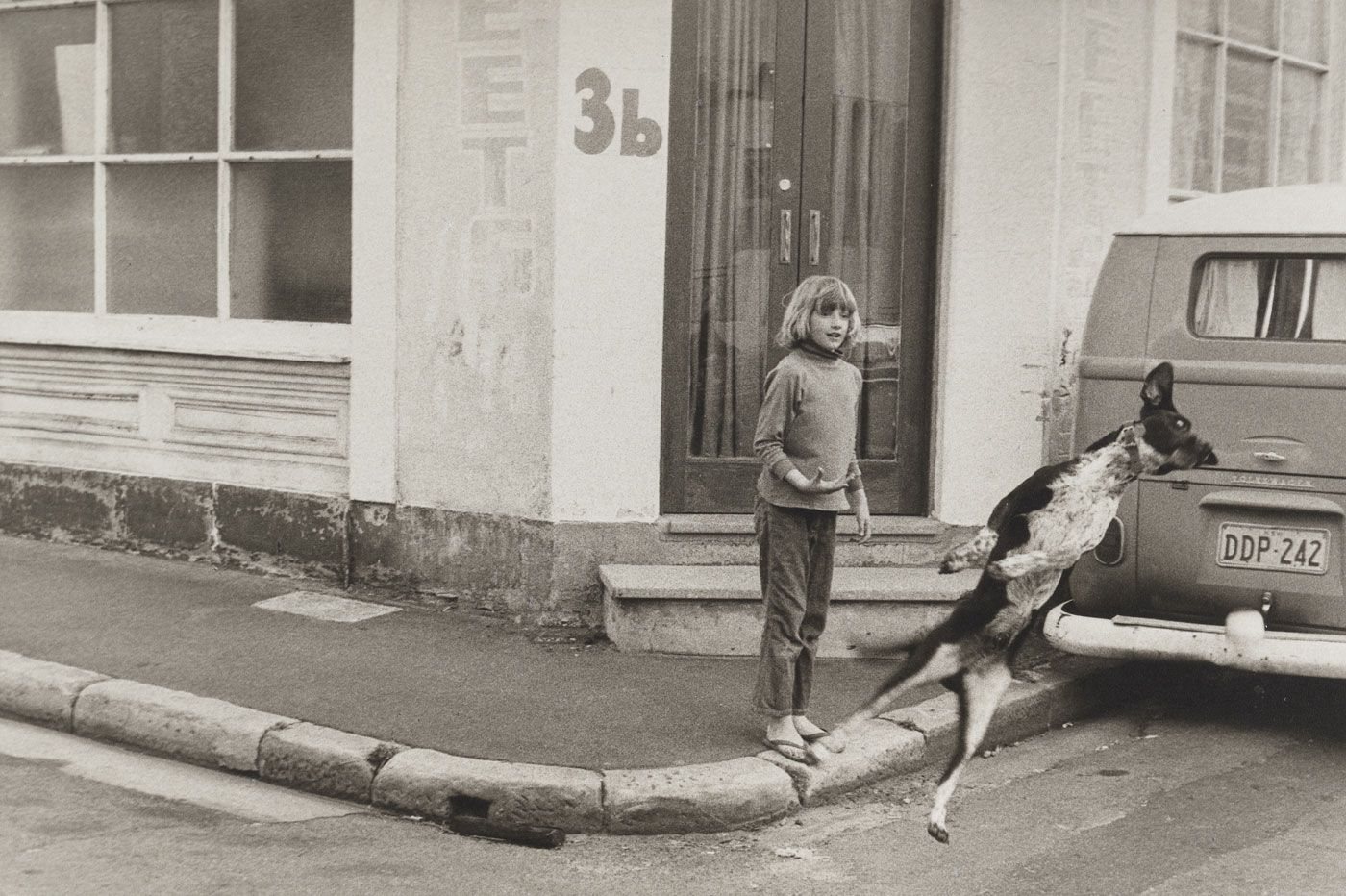
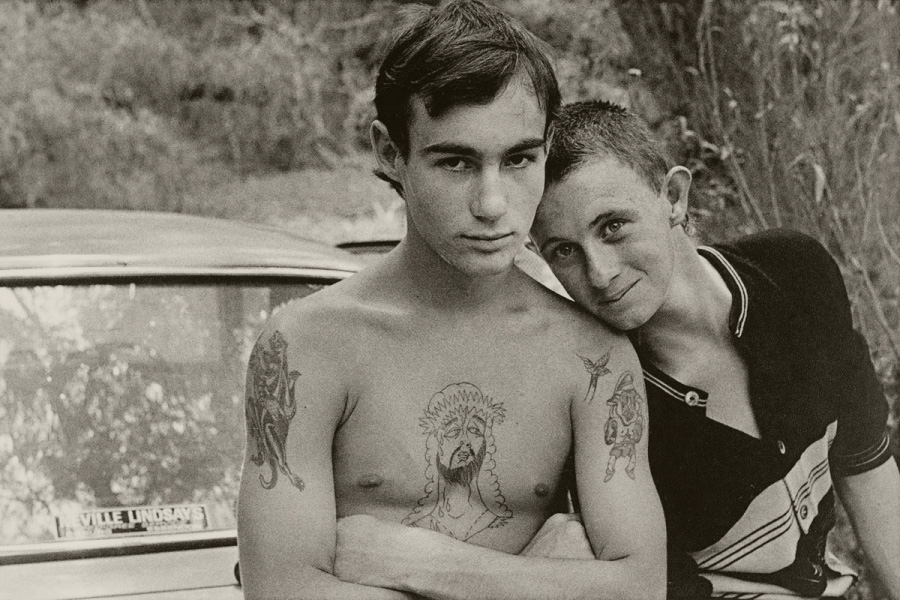
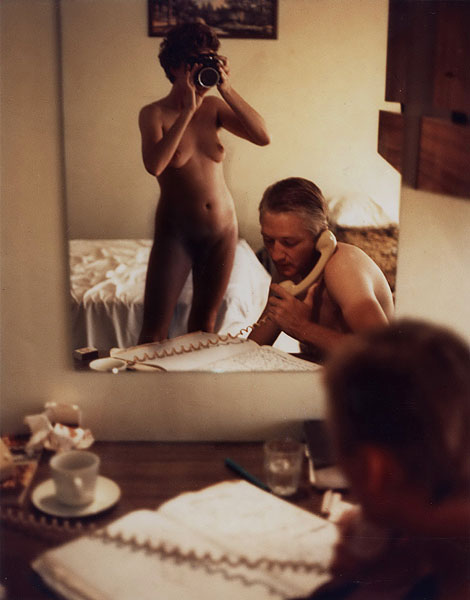
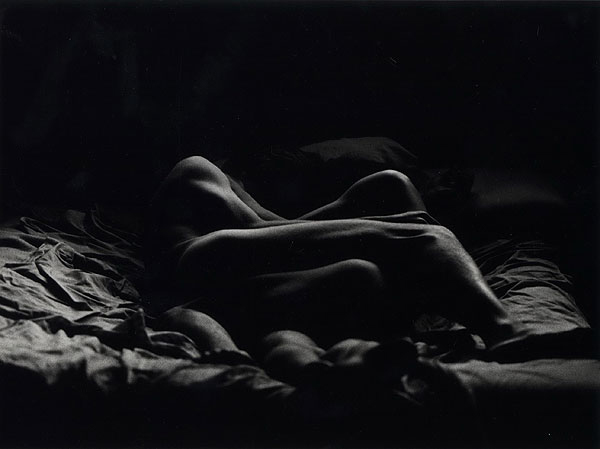
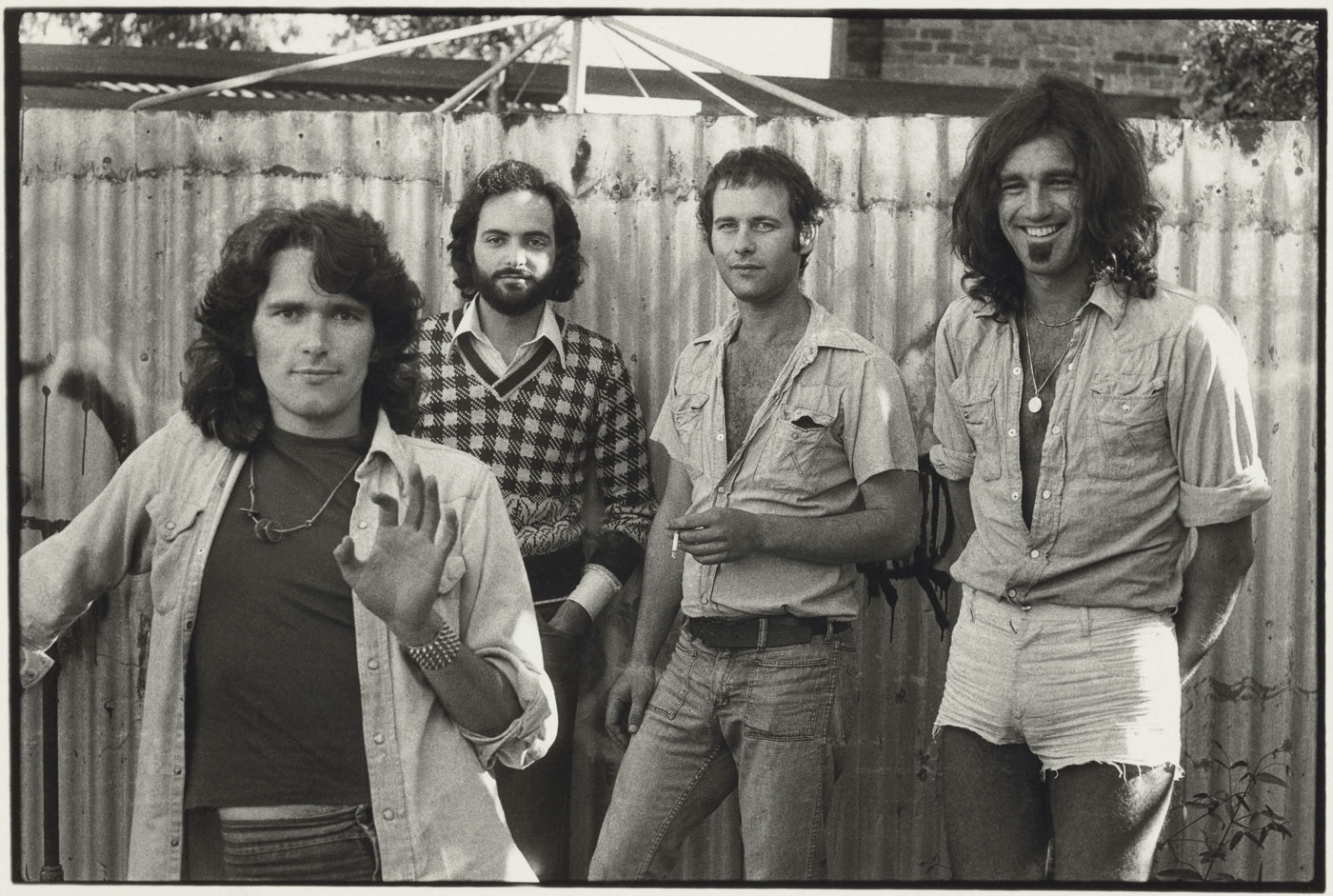
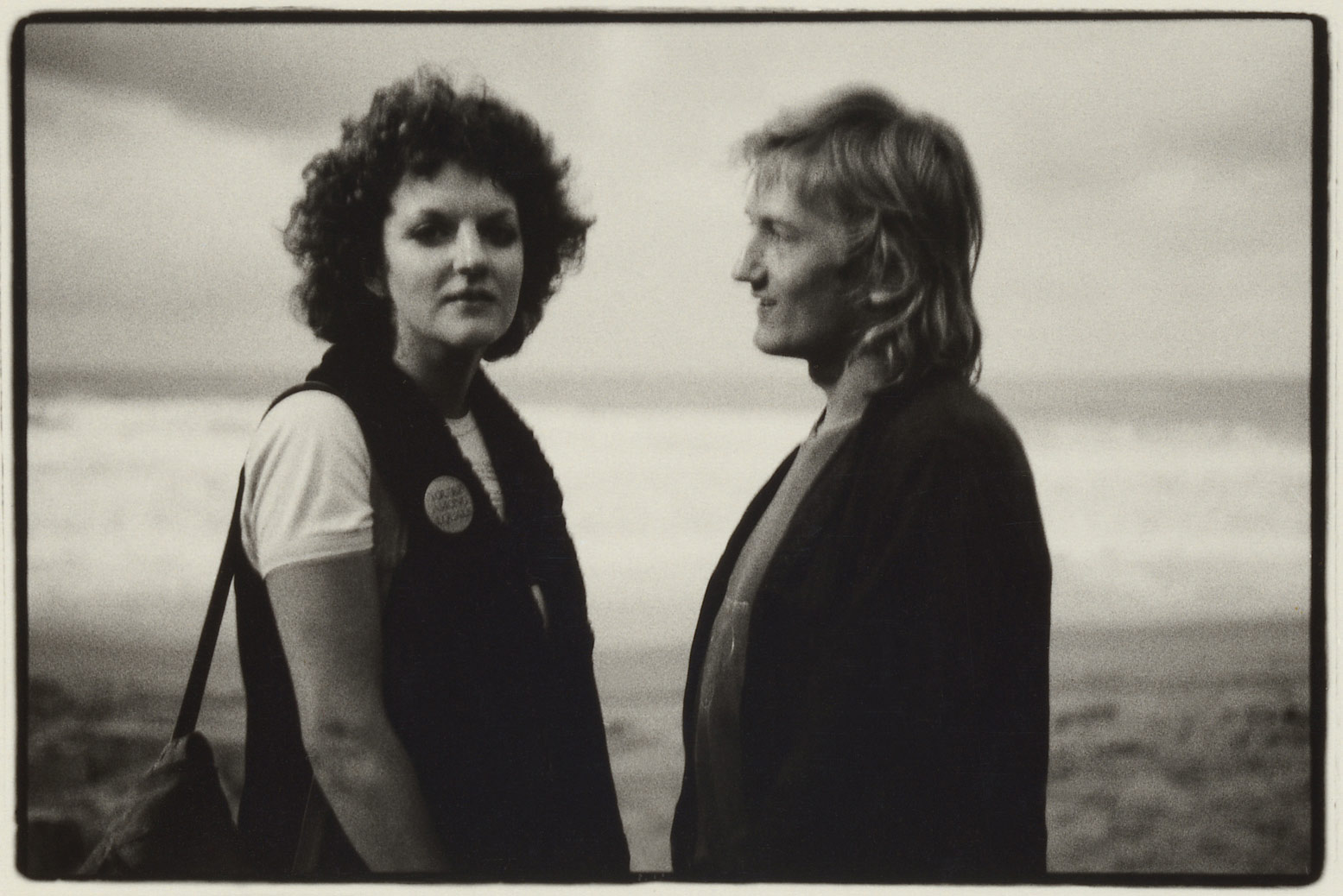

![Carol Jerrems (Australian, 1949-1980) 'Butterfly behind glass [Red Symons from Skyhooks]' 1975](https://artblart.com/wp-content/uploads/2013/09/butterfly_174882_web.jpg "Carol Jerrems (Australian, 1949-1980) 'Butterfly behind glass [Red Symons from Skyhooks]' 1975")

![Carol Jerrems (Australian, 1949-1980) 'Performers on stage,' Hair', Metro Theatre Kings Cross, Sydney, January 1970 [Jim Sharman Director cast included Reg Livermore]' 1970](https://artblart.com/wp-content/uploads/2013/09/jerrems_performers-on-stage-hair-web.jpg "Carol Jerrems (Australian, 1949-1980) 'Performers on stage,' Hair', Metro Theatre Kings Cross, Sydney, January 1970 [Jim Sharman Director cast included Reg Livermore]' 1970")
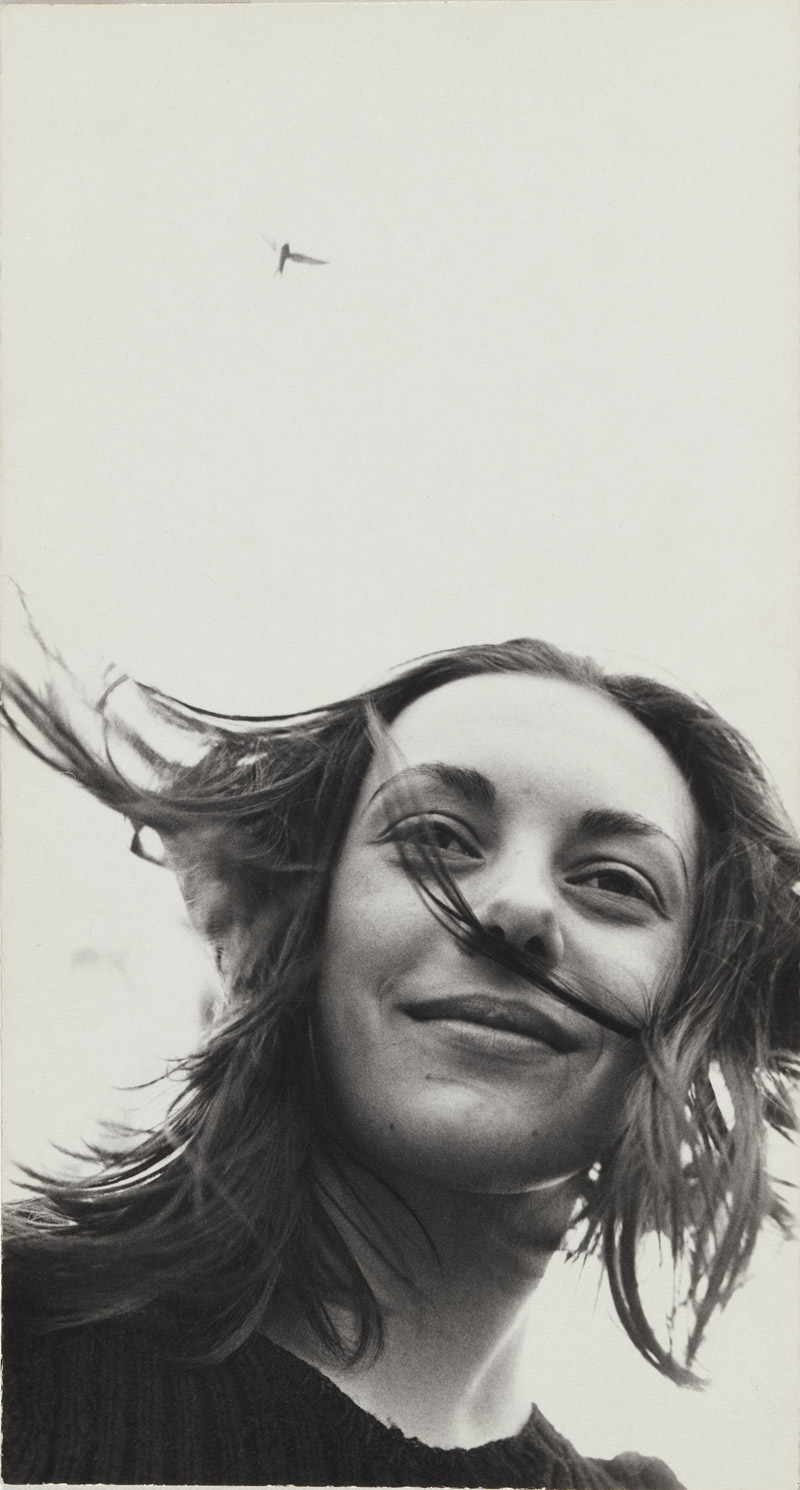

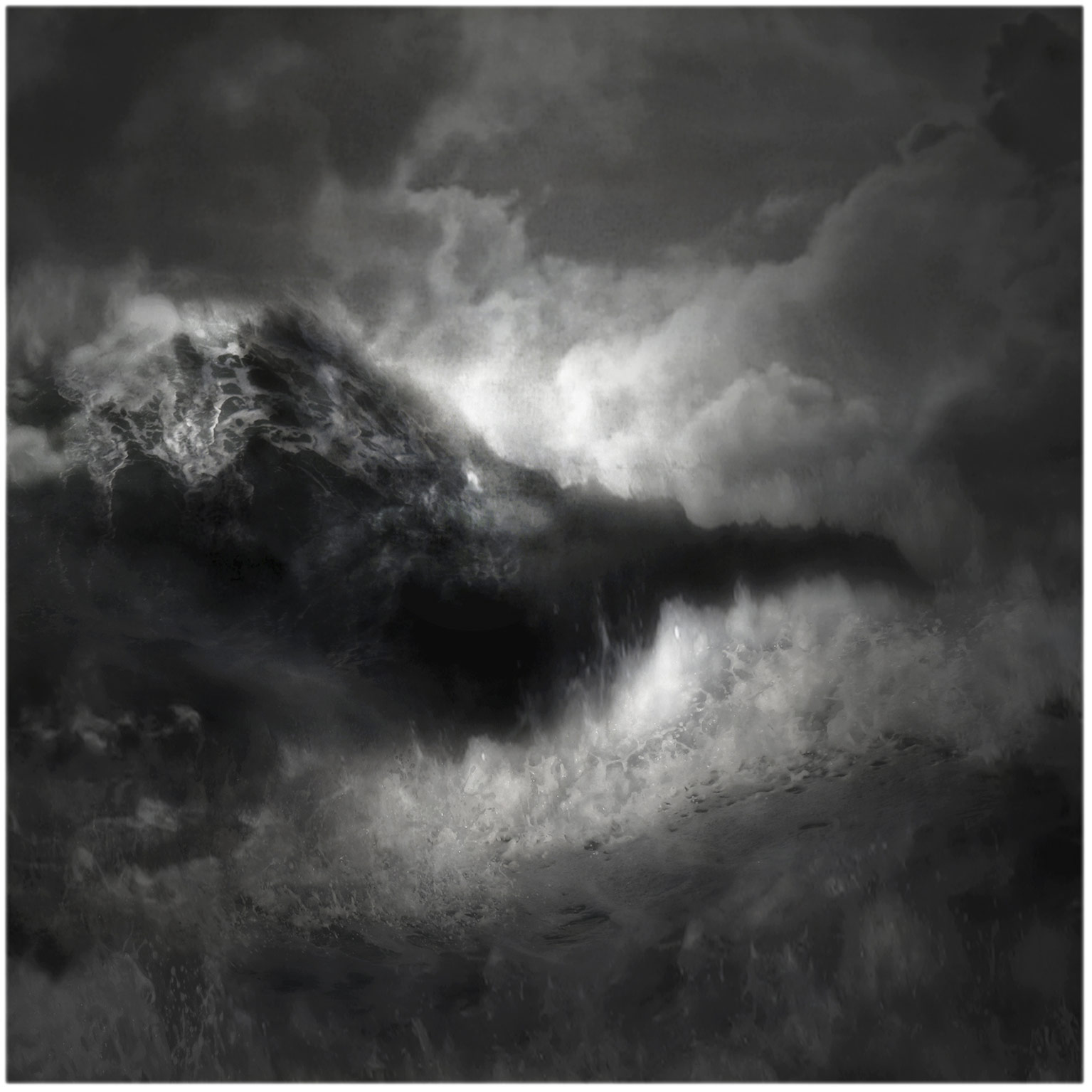
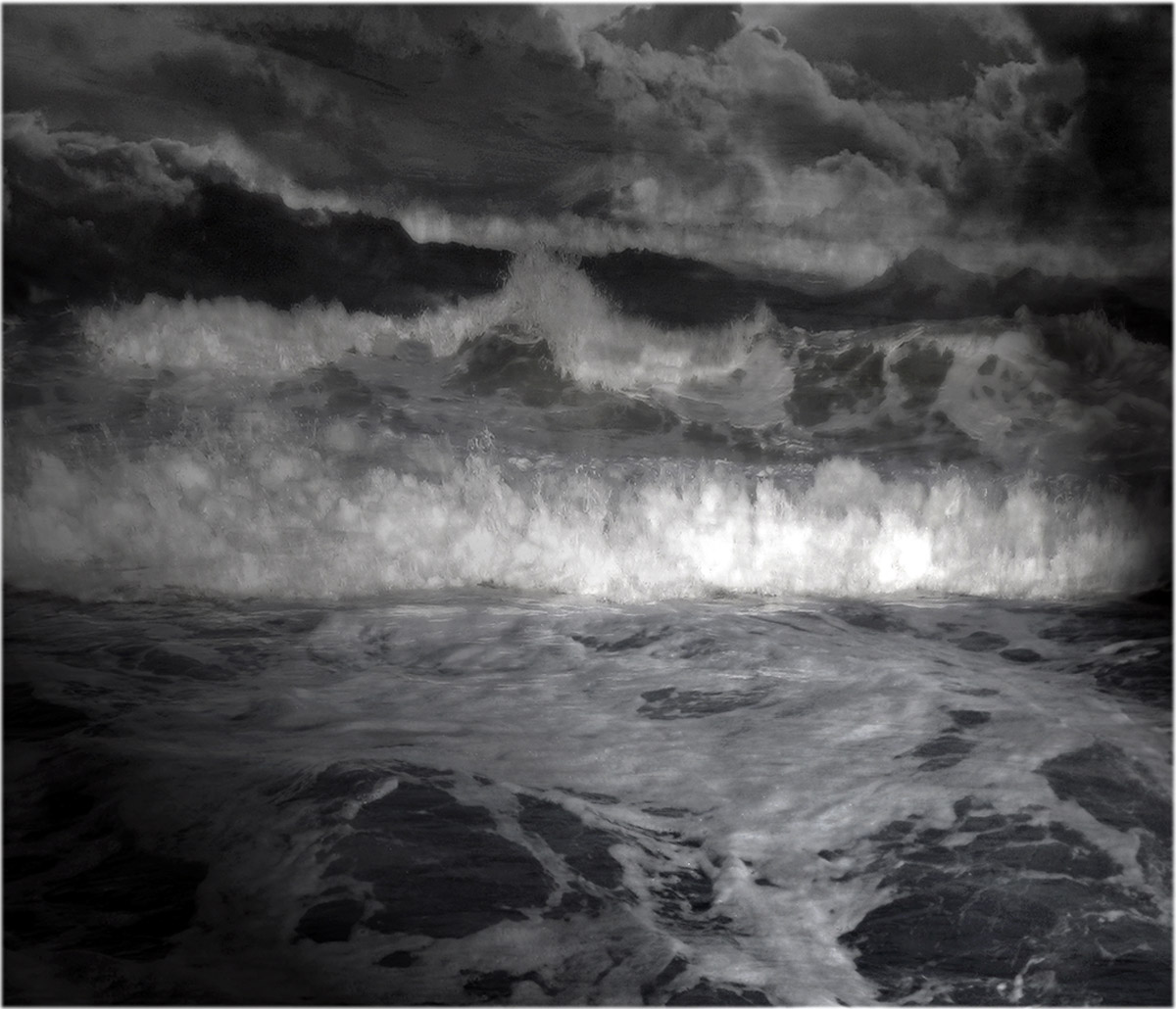
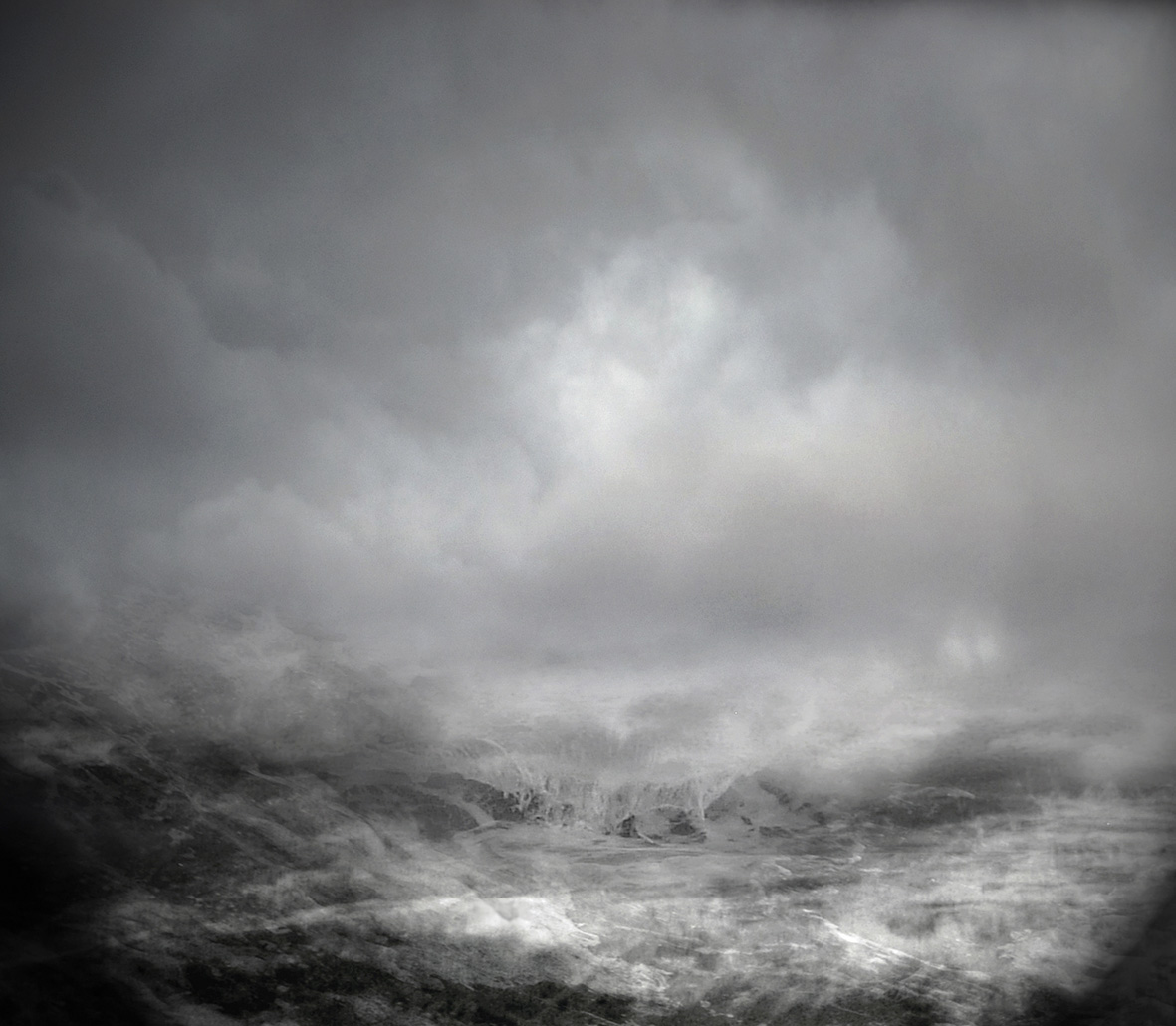
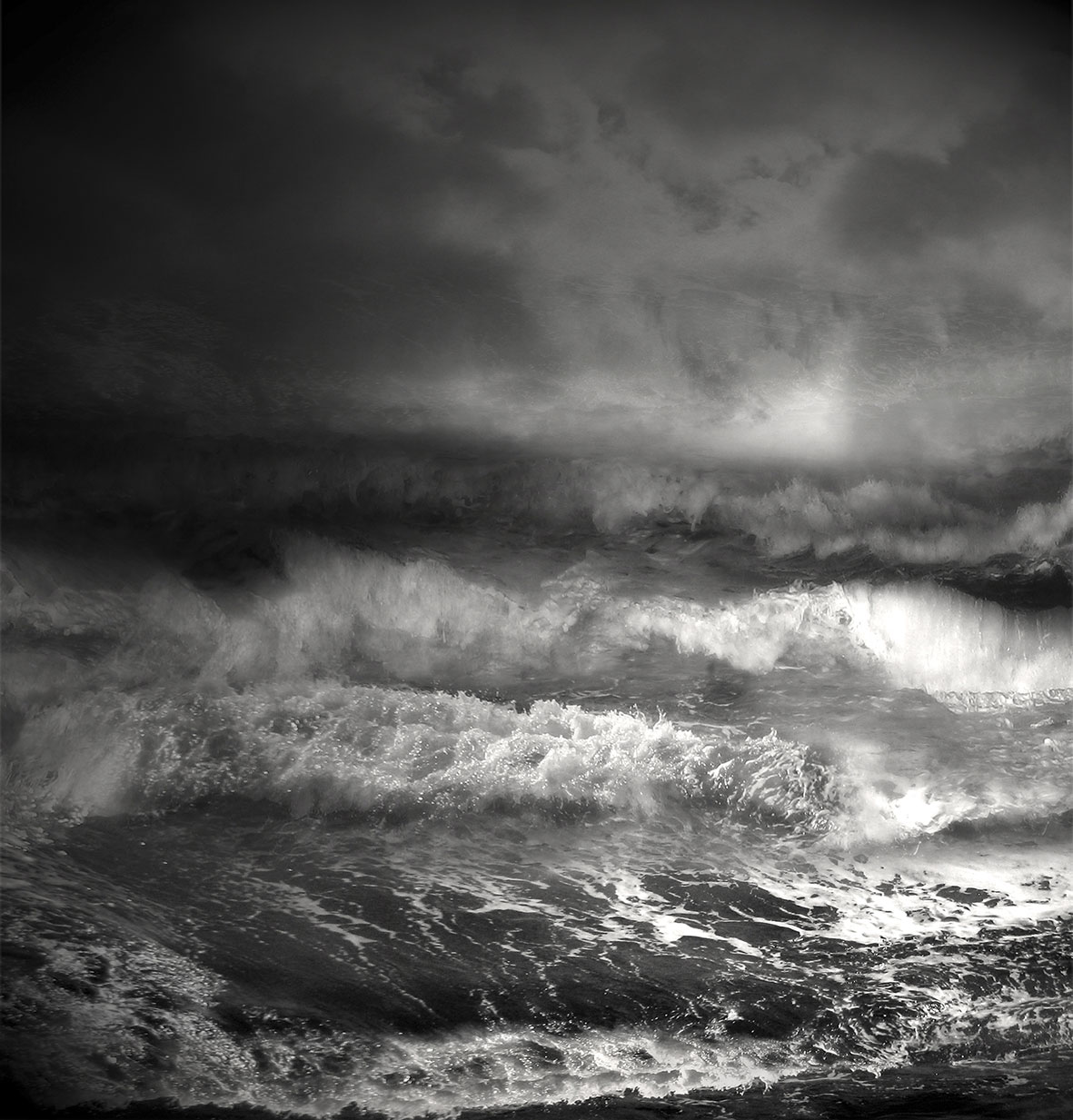
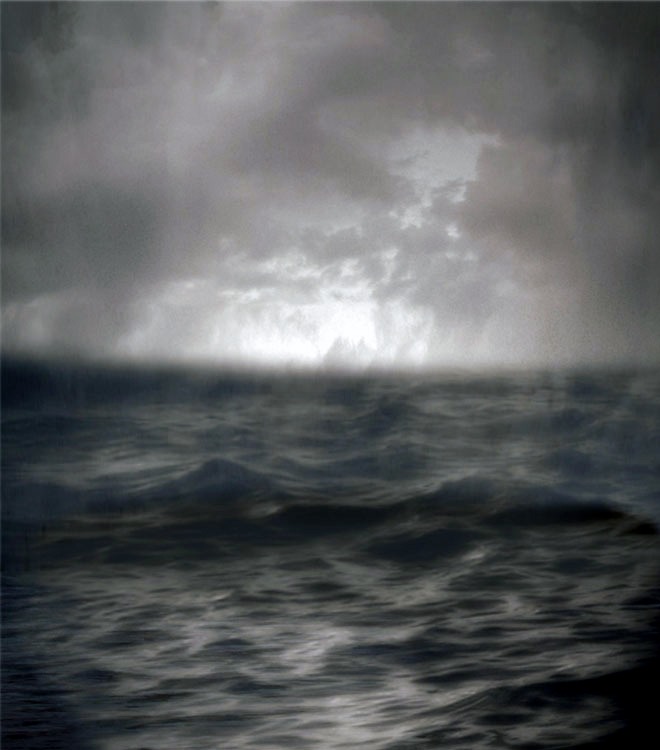


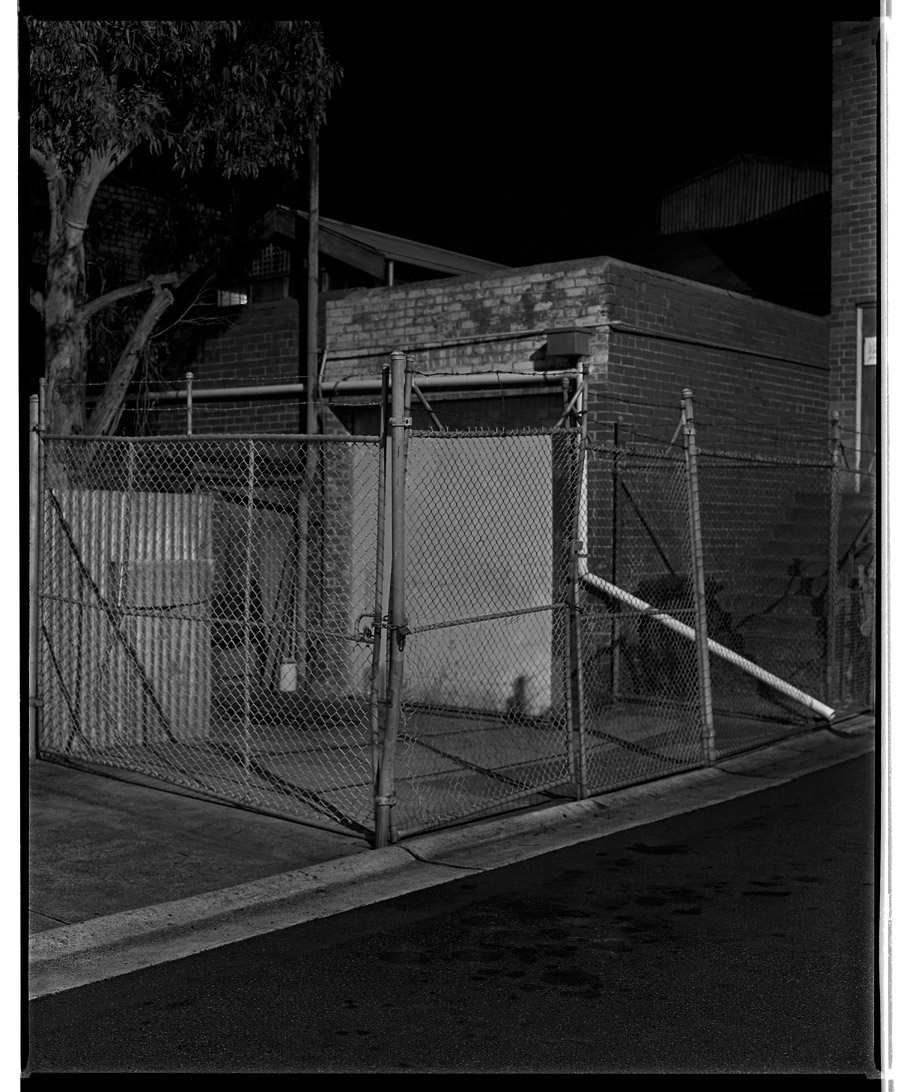


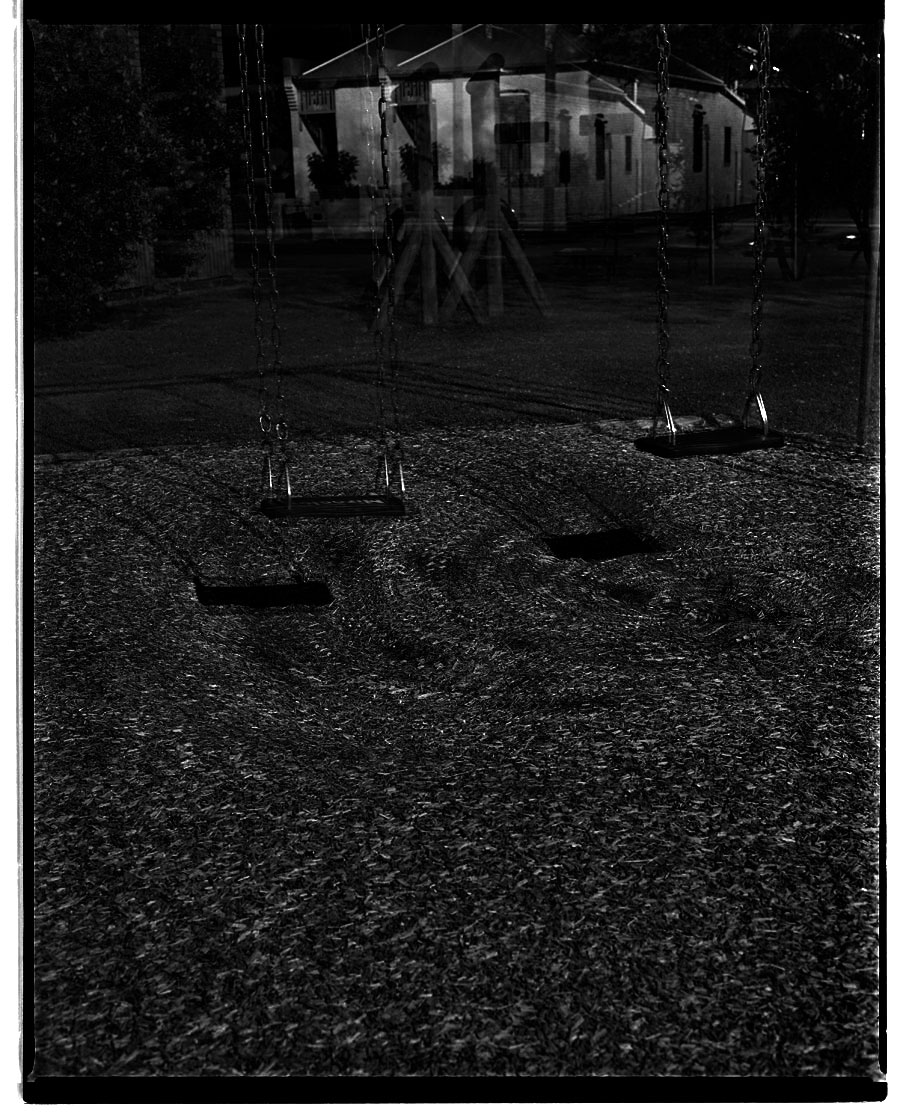

![Marcus Bunyan (Australian, b. 1958) 'Untitled [divinity]' 1992-94](https://artblart.com/wp-content/uploads/2012/08/metal-sculpture.jpg "Marcus Bunyan (Australian, b. 1958) 'Untitled [divinity]' 1992-94")
 Art Blart _ art and cultural memory archive
You must be logged in to post a comment.