This “seminal” body of work by Nan Goldin allegedly changed the course of photography. In my opinion, not for the better.
There is little love and tenderness here, little magic or generosity of spirit. Goldin’s attitude to the world at the time seems to be one of hostility and resentment. It’s all very well portraying the underbelly of society – the depravity, violence and degradation – but if your point of departure is one of anger and animosity, this is always going to be reflected in your art. I remember going out with my friends partying in the 1980s, the drugs, the sex, the pushing it to the edge, but you know what – we cared about each other. Nothing could be further from the truth in Goldin’s hedonistic (not heuristic) approach to her aura.
Shooting indiscriminately, hoping to find the rough diamond of an image, cuts both ways. In the arbitrary voyeurism of this work – do I snap now or a second later, what is happening outside of the frame – you never know what you are missing. Often you get nothing, or you get a reflection of yourself that is not very appealing. (Today is a very different world from the 1980s, we just snap and upload everything. These images are very of their time). There is so much more that could have been said other than through this controlling, diaristic approach to the subject matter.
I repeat, there seems to be a less than generous spirit captured in this work, of how Goldin looked at the world at that time, and it is reflected back to us in her images. Nothing to do with HIV / AIDS, nothing to do with bohemianism – everything to do with the spirit of the artist.
Dr Marcus Bunyan
PS. The minimal hang of the exhibition adds nothing to the energy of the photographs, isolated as they are in the white walled gallery spaces.
Many thankx to the Museum of Modern Art for allowing me to publish the photographs in the posting. Please click on the photographs for a larger version of the image.
“Since David Armstrong and I were young he always referred to photography as “diving for pearls.” If you took a million pictures you were lucky to come out with one or two gems. … I never learned control over my machines. I made every mistake in the book. But the technical mistakes allowed for magic. … Random psychological subtexts that I never would have thought to intentionally create. The subconscious made visible – though whether mine or the camera’s I don’t know …”
Nan Goldin. “Diving for Pearls,” quoted in Hilton Als. “Nan Goldin’s Life in Progress,” on The New Yorker website, July 4, 2016 [Online] Cited 18/11/2021
Installation views of the exhibition Nan Goldin: The Ballad of Sexual Dependency at the Museum of Modern Art (MoMA), New York, June 2016 – February 2017
Comprising almost 700 snapshot-like portraits sequenced against an evocative music soundtrack, Nan Goldin’s The Ballad of Sexual Dependency is a deeply personal narrative, formed out of the artist’s own experiences around Boston, New York, Berlin, and elsewhere in the late 1970s, 1980s, and beyond. Titled after a song in Bertolt Brecht and Kurt Weill’s The Threepenny Opera, Goldin’s Ballad is itself a kind of downtown opera; its protagonists – including the artist herself – are captured in intimate moments of love and loss. They experience ecstasy and pain through sex and drug use; they revel at dance clubs and bond with their children at home; and they suffer from domestic violence and the ravages of AIDS.
“The Ballad of Sexual Dependency is the diary I let people read,” Goldin wrote. “The diary is my form of control over my life. It allows me to obsessively record every detail. It enables me to remember.”
The Ballad developed through multiple improvised live performances, for which Goldin ran through the slides by hand and friends helped prepare the soundtrack – from Maria Callas to The Velvet Underground – for an audience not unlike the subjects of the pictures. The Ballad is presented in its original 35mm format, along with photographs from the Museum’s collection that also appear as images in the slide show. Introducing the installation is a selection of materials from the artist’s archive, including posters and flyers announcing early iterations of The Ballad. Live performances will periodically accompany The Ballad during the course of the Museum’s presentation; performance details will be announced during the course of the exhibition presentation.
Janet Stein (designer) Poster for ‘The Ballad of Sexual Dependency’, slide show by Nan Goldin, with ‘Desperate Living’, a film by John Waters O.P. Screening Room, New York, March 29, 1982 Photocopy 11 × 8 1/2″ (27.9 × 21.6cm) Collection Nan Goldin
The Museum of Modern Art 11 West 53 Street New York, NY 10019 Phone: (212) 708-9400
Opening hours: 10.30am – 5.30pm Open seven days a week
I really, really don’t know what tales I can tell from this disparate group of media images illustrating (and that’s the key word) the exhibition.
Except to say that their stage managed, dead pan style, really, really doesn’t do it for me.
The sensation of loneliness, limited colour palette and total nihilism leaves me as cold as a corpse in a freezer.
The tale that nothing in the world has a real existence, or really matters.
If Norman Rockwell used photographs to compose his painted illustrations, then that is what these are … photographic illustrations.
A perfect example of this composite, stilted painterly overkill is Julie Blackmon’s New Chair (2014, below).
Everything is perfectly posed, poised and positioned in relation to each other: the boy behind the chair; the price on the chair; the pair of legs and two hands lifting the roller door; the children in the background; the blue dress of the child in the forground and her relationship to the horse, baseball, melting icy pole, football and young lad with head wrapped in bubble wrap while another piece lies on the ground. The ramp fills the space delightfully behind these artefacts with the hero splash of colour, the new chair, perched upon its upper reaches.
This, dear friends, is the state of contemporary narrative photography, where “telling tales” – to gossip about or reveal another person’s secrets or wrongdoings – is just this. Gossip about nothing.
Dr Marcus Bunyan
Many thankx to the McNay Art Museum for allowing me to publish the photographs in the posting. Please click on the photographs for a larger version of the image.
Telling Tales: Contemporary Narrative Photography, an introduction with Rene Barilleaux
René Paul Barilleaux, Chief Curator, gives an introduction to Telling Tales: Contemporary Narrative Photography exhibition. Featuring 17 artists, Telling Tales is the McNay’s first large scale photography exhibition. Works such as Nan Goldin’s landmark The Ballad of Sexual Dependency demonstrate some artists’ explorations of the politics of the day – in this case, the onset of the AIDS crisis – while other examples, including photographs by Tina Barney, Justine Kurland, and Paul Graham, investigate class differences, marginalised communities, and social justice. Primarily in colour and often large-scale, the photographs reference everything from classical painting and avant-garde cinema, to science fiction illustration and Alfred Hitchcock.
Telling Tales: Contemporary Narrative Photography is a survey of work by artists who record stories through pictures, whether real or imagined. Organised by the McNay’s Chief Curator and Curator of Contemporary Art, René Paul Barilleaux, the exhibition includes approximately fifty photographs from the late 1970s to the present by 17 ground-breaking photographers. Telling Tales is the McNay Art Museum’s first large-scale exhibition of photography and is accompanied by an 88-page illustrated book.
The exhibition presents work such as Nan Goldin’s landmark The Ballad of Sexual Dependency demonstrate some artists’ explorations of the politics of the day – in this case, the onset of the AIDS crisis – while other examples, including photographs by Tina Barney, Justine Kurland, and Paul Graham investigate class differences, marginalised communities, and social justice.
While some contemporary artists explore photographic imagery as it is filtered through and mediated by technology and the internet, others exploit photography’s ability to present a momentary, frozen narrative. Images are staged for the camera or highly manipulated through digital processes, yet they often resemble a casual snapshot or movie still. Primarily in colour and often large-scale, the photographs reference everything from classical painting and avant-garde cinema, to science fiction illustration and Alfred Hitchcock. The exhibition includes examples of these various approaches to image-making.
Telling Tales: Contemporary Narrative Photography features work by Tina Barney, Julie Blackmon, Gregory Crewdson, Philip-Lorca diCorcia, Mitch Epstein, Nan Goldin, Paul Graham, Jessica Todd Harper, Teresa Hubbard and Alexander Birchler, Anna Gaskell, Justine Kurland, Lori Nix, Erwin Olaf, Alex Prager, Alec Soth, and Jeff Wall.
“It all began with the drawings of Norman Rockwell. I like that sort of nostalgic feeling. Originally, I wanted to do something really happy, up-beat, after all the depression of my last series, Separation (2003). So the starting point was that everybody was going to be beautiful, and that I would ask the models to act funny. But then it somehow became terrible. I realised this was a world which has vanished. So instead, I radically simplified the images. Now, everybody is just waiting for nothing, it’s the moment after happiness. I suppose after Separation, comes the well of loneliness. It’s also been a difficult process because for the first time, I have worked without purposely using eroticism or any sexual jokes…
Dancing School is a dreary party which no one attends. The evening has been carefully mapped out, right down to the dance-steps printed on paper and placed neatly on the floor. Sheet music is open on the piano. It is just after six in the evening, but despite the party hats, this is an event reserved for eternal wall-flowers. The mood in this room is in sharp contrast to the antique print of dancing damsels at play, hanging on the wall behind the two isolated guests.”
Erwin Olaf quoted in Jonathan Turner. “Erwin Olaf: Rain,” on the M+B website Nd [Online] Cited 23/02/2023
Teresa Hubbard / Alexander Birchler (Swiss/Irish/American, b. 1965; Swiss, b. 1962) From the series Falling Down 1996 Chromogenic print Courtesy of the artists; Tanya Bonakdar Gallery, New York City; and Lora Reynolds Gallery, Austin, Texas
Teresa Hubbard / Alexander Birchler (Swiss/Irish/American, b. 1965; Swiss, b. 1962) From the series Falling Down 1996 Chromogenic print Courtesy of the artists; Tanya Bonakdar Gallery, New York City; and Lora Reynolds Gallery, Austin, Texas
“Telling Tales: Contemporary Narrative Photography features the work of seventeen artists who interpret stories through pictures, whether real or imagined. Spanning nearly four decades, this survey begins with the art of ground-breaking photographers who emerged during the 1970s and 1980s and continues through today. The images present a wide range of styles and themes – familiar, mysterious, humorous, perplexing – yet they are always compelling to view. Organised by the McNay, the exhibition presents over fifty photographs. Works such as Nan Goldin’s landmark The Ballad of Sexual Dependency demonstrate some artists’ explorations of the politics of the day – in this case, the onset of the AIDS crisis – while other examples, including photographs by Tina Barney, Justine Kurland, and Paul Graham investigate class differences, marginalised communities, and social justice.
“Since 2015 the McNay has focused its contemporary exhibitions on three areas our visitors had not had the opportunity to explore in depth: installation and performance art with Lesley Dill: Performance as Art and now narrative photography with Telling Tales” says René Paul Barilleaux, McNay Art Museum’s Chief Curator / Curator of Contemporary Art and the exhibition’s organiser. “This presentation is the first major contemporary photography exhibition at the McNay as well as the first to examine and expose recent developments in narrative photography.”
Many contemporary artists explore photographic imagery as it is filtered through and mediated by technology and the Internet; others exploit photography’s ability to present a momentary, frozen narrative. And even when the images are staged for the camera or are highly manipulated through digital processes, they often resemble a casual snapshot or movie still. Primarily in colour and frequently large-scale, references found in this work range from classical painting to avant-garde cinema, from science fiction illustration to the films of Alfred Hitchcock.
Quintessential American storyteller Norman Rockwell employed photographs, created in series, to compose his painted illustrations. He staged elaborate vignettes for the camera using detailed props, live models, and at times even himself. Rockwell used photography in his creative process; he did not present photographs as finished works. Many of the photographs in Telling Tales evoke Rockwell’s spirit, and, not surprisingly, several of the artists identify him as an inspiration.”
Jeff Wall (Canadian, b. 1946) In Front of a Nightclub 2006 Color transparency and light box, Edition 2 of 3 Collection of the Museum of Contemporary Art Chicago Gift of Katherine S. Schamberg by exchange
Exhibition dates: 29th May, 2016 – 2nd January, 2017
Curators: Sarah Greenough, senior curator, department of photographs, and Philip Brookman, consulting curator, department of photographs, both National Gallery of Art, are the exhibition curators.
Louis Stettner (American, 1922-2016) Times Square, New York City 1952-1954 Gelatin silver print Sheet (trimmed to image): 42.1 x 27.5cm (16 9/16 x 10 13/16 in.) National Gallery of Art, Washington, Patrons’ Permanent Fund
The last posting of a fruitful year for Art Blart. I wish all the readers of Art Blart a happy and safe New Year!
The exhibition is organised around five themes – movement, sequence, narrative, studio, and identity – found in the work of Muybridge and Stieglitz, themes then developed in the work of other artists. While there is some interesting work in the posting, the conceptual rationale and stand alone nature of the themes and the work within them is a curatorial ordering of ideas that, in reality, cannot be contained within any one boundary, the single point of view.
Movement can be contained in sequences; narrative can be unfolded in a sequence (as in the work of Duane Michals); narrative and identity have a complex association which can also be told through studio work (eg. Gregory Crewdson), etc… What does Roger Mayne’s Goalie, Street Football, Brindley Road (1956, below) not have to do with identity, the young lad with his dirty hands, playing in his socks, in a poverty stricken area of London; why has Hiroshi Sugimoto’s Oscar Wilde (1999, below) been included in the studio section when it has much more to do with the construction of identity through photography – “Triply removing his portrait from reality – from Oscar Wilde himself to a portrait photograph to a wax sculpture and back to a photograph” – which confounds our expectations of the nature of photography. Photography is nefariously unstable in its depiction of an always, constructed reality, through representation(s) which reject simple causality.
To isolate and embolden the centre is to disclaim and disavow the periphery, work which crosses boundaries, is multifaceted and multitudinous; work which forms a nexus for networks of association beyond borders, beyond de/lineation – the line from here to there. The self-contained themes within this exhibition are purely illusory.
Dr Marcus Bunyan
Many thankx to the National Gallery of Art for allowing me to publish the photographs in the posting. Please click on the photographs for a larger version of the image.
“We can no longer accept that the identity of a man can be adequately established by preserving and fixing what he looks like from a single viewpoint in one place.”
John Berger. “No More Portraits,” in New Society August 1967
“Intersections: Photographs and Videos from the National Gallery of Art and the Corcoran Gallery of Art explores the connections between the two newly joined photography collections. On view from May 29, 2016, through January 2, 2017, the exhibition is organised around themes found in the work of the two pioneers of each collection: Eadweard Muybridge (1830-1904) and Alfred Stieglitz (1864-1946). Inspired by these two seminal artists, Intersections brings together more than 100 highlights of the recently merged collections by a range of artists from the 1840s to today.
Just as the nearly 700 photographs from Muybridge’s groundbreaking publication Animal Locomotion, acquired by the Corcoran Gallery of Art in 1887, became the foundation for the institution’s early interest in photography, the Key Set of more than 1,600 works by Stieglitz, donated by Georgia O’Keeffe and the Alfred Stieglitz Estate, launched the photography collection at the National Gallery of Art in 1949.”
Press release from the National Gallery of Art
Exhibition highlights
The exhibition is organised around five themes – movement, sequence, narrative, studio, and identity – found in the work of Muybridge and Stieglitz.
Movement
Works by Muybridge, who is best known for creating photographic technologies to stop and record motion, anchor the opening section devoted to movement. Photographs by Berenice Abbott and Harold Eugene Edgerton, which study how objects move through space, are included, as are works by Roger Mayne, Alexey Brodovitch, and other who employed the camera to isolate an instant from the flux of time.
Wall text
Eadweard Muybridge (English, 1830-1904) Horses. Running. Phyrne L. No. 40, from The Attitudes of Animals in Motion 1879 Albumen print Image: 16 x 22.4cm (6 5/16 x 8 13/16 in.) Sheet: 25.7 x 32.4cm (10 1/8 x 12 3/4 in.) National Gallery of Art, Washington, Gift of Mary and Dan Solomon
In order to analyse the movement of racehorses, farm animals, and acrobats, Muybridge pioneered new and innovative ways to stop motion with photography. In 1878, he started making pictures at railroad magnate Leland Stanford’s horse farm in Palo Alto, California, where he developed an electronic shutter that enabled exposures as fast as one-thousandth of a second. In this print from Muybridge’s 1881 album The Attitudes of Animals in Motion, Stanford’s prized racehorse Phryne L is shown running in a sequential grid of pictures made by 24 different cameras with electromagnetic shutters tripped by wires as the animal ran across the track. These pictures are now considered a critical step in the development of cinema.
Eadweard Muybridge (English, 1830-1904) Internegative for Horses. Trotting. Abe Edgington. No. 28, from The Attitudes of Animals in Motion 1878 Collodion negative Overall (glass plate): 15.3 x 25.4cm (6 x 10 in.) National Gallery of Art, Washington, Gift of Mary and Dan Solomon and Patrons’ Permanent Fund
This glass negative shows the sequence of Leland Stanford’s horse Abe Edgington trotting across a racetrack in Palo Alto, California – a revolutionary record of the changes in the horse’s gait in about one second. Muybridge composed the negative from photographs made by eight different cameras lined up to capture the horse’s movements. Used to print the whole sequence together onto albumen paper, this internegative served as an intermediary step in the production of Muybridge’s 1881 album The Attitudes of Animals in Motion.
Étienne Jules Marey (French, 1830-1904) Chronophotograph of a Man on a Bicycle c. 1885-1890 Glass lantern slide Image: 4 x 7.5cm (1 9/16 x 2 15/16 in.) Plate: 8.8 x 10.2cm (3 7/16 x 4 in.) National Gallery of Art, Washington, Gift of Mary and David Robinson
A scientist and physiologist, Marey became fascinated with movement in the 1870s. Unlike Muybridge, who had already made separate pictures of animals in motion, Marey developed in 1882 a means to record several phases of movement onto one photographic plate using a rotating shutter with slots cut into it. He called this process “chronophotography,” meaning photography of time. His photographs, which he published in books and showed in lantern slide presentations, influenced 20th-century cubist, futurist, and Dada artists who examined the interdependence of time and space.
William Henry Fox Talbot (English, 1800-1877) The Boulevards of Paris 1843 Salted paper print Image: 16.6 × 17.1cm (6 9/16 × 6 3/4 in.) Sheet: 19 × 23.2cm (7 1/2 × 9 1/8 in.) National Gallery of Art, Washington, New Century Fund
As soon as Talbot announced his invention of photography in 1839, he realised that its ability to freeze time enabled him to present the visual spectacle of the world in an entirely new way. By capturing something as mundane as a fleeting moment on a busy street, he could transform life into art, creating a picture that could be savoured long after the event had transpired.
David Octavius Hill (Scottish, 1802-1870) and Robert Adamson (Scottish, 1821-1848) Colinton Manse and weir, with part of the old mill on the right 1843-1847 Salted paper print Image: 20.7 x 14.6cm (8 1/8 x 5 3/4 in.) National Gallery of Art, Washington, Paul Mellon Fund
In 1843, only four years after Talbot announced his negative / positive process of photography, painter David Octavius Hill teamed up with engineer Robert Adamson. Working in Scotland, they created important early portraits of the local populace and photographed Scottish architecture, rustic landscapes, and city scenes. Today a suburb southwest of Edinburgh, 19th-century Colinton was a mill town beside a river known as the Water of Leith. Because of the long exposure time required to make this photograph, the water rushing over a small dam appears as a glassy blur.
Thomas Annan (Scottish, 1829-1887) Old Vennel, Off High Street 1868-1871 Carbon print Image: 26.9 x 22.3cm (10 9/16 x 8 3/4 in.) Sheet: 50.8 x 37.9cm (20 x 14 15/16 in.) National Gallery of Art, Washington, Patrons’ Permanent Fund
In 1868, Glasgow’s City Improvements Trust hired Annan to photograph the “old closes and streets of Glasgow” before the city’s tenements were demolished. Annan’s pictures constitute one of the first commissioned photographic records of living conditions in urban slums. The collodion process Annan used to make his large, glass negatives required a long exposure time. In the dim light of this narrow passage, it was impossible for the photographer to stop the motion of the restless children, who appear as ghostly blurs moving barefoot across the cobblestones.
Thomas Annan (Scottish, 1829-1887) Old Vennel, Off High Street (detail) 1868-1871 Carbon print Image: 26.9 x 22.3cm (10 9/16 x 8 3/4 in.) Sheet: 50.8 x 37.9cm (20 x 14 15/16 in.) National Gallery of Art, Washington, Patrons’ Permanent Fund
Alfred Stieglitz (American, 1864-1946) Going to the Post, Morris Park 1904 Photogravure Image: 30.8 x 26.4cm (12 1/8 x 10 3/8 in.) Sheet: 38.5 x 30.3cm (15 3/16 x 11 15/16 in.) National Gallery of Art, Washington, Alfred Stieglitz Collection
In the 1880s and 1890s, improvements in photographic processes enabled manufacturers to produce small, handheld cameras that did not need to be mounted on tripods. Faster film and shutter speeds also allowed practitioners to capture rapidly moving objects. Stieglitz was one of the first fine art photographers to exploit the aesthetic potential of these new cameras and films. Around the turn of the century, he made many photographs of rapidly moving trains, horse-drawn carriages, and racetracks that capture the pace of the increasingly modern city.
Harold Eugene Edgerton (American, 1903-1990) Wes Fesler Kicking a Football 1934 Gelatin silver print Image: 11 1/2 x 9 5/8 in. Sheet: 13 15/16 x 11 in. National Gallery of Art, Washington, Corcoran Collection (Museum Purchase with the aid of funds from the National Endowment for the Arts, Washington, D.C., a Federal Agency, and The Polaroid Corporation)
A professor of electrical engineering at the Massachusetts Institute of Technology, Edgerton in the early 1930s invited the stroboscope, a tube filled with gas that produced high-intensity bursts of light at regular and very brief intervals. He used it to illuminate objects in motion so that they could be captured by a camera. At first he was hired by industrial clients to reveal flaws in their production of materials, but by the mid-1930s he began to photography everyday events… Edgerton captured phenomena moving too fast for the naked eye to see, and revealed the beauty of people and objects in motion.
Alexey Brodovitch (American born Russia, 1898-1971) Untitled from “Ballet” series 1938 Gelatin silver print Overall: 20.4 x 27.5cm (8 1/16 x 10 13/16 in.) National Gallery of Art, Washington, Diana and Mallory Walker Fund
A graphic artist, Russian-born Brodovitch moved to the United States from Paris in 1930. Known for his innovative use of photographs, illustrations, and type on the printed page, he became art director for Harper’s Bazaar in 1934, and photographed the Ballets Russes de Monte Carlo during their American tours from 1935 to 1939. Using a small-format, 35 mm camera, Brodovitch worked in the backstage shadows and glaring light of the theatre to produce a series of rough, grainy pictures that convey the drama and action of the performance. This photograph employs figures in motion, a narrow field of focus, and high-contrast effects to express the stylised movements of Léonide Massine’s 1938 choreography for Beethoven’s Seventh Symphony.
Harry Callahan (American, 1912-1999) Detroit c. 1943 Dye imbibition print, printed c. 1980 Overall (image): 18 x 26.7cm (7 1/16 x 10 1/2 in.) Sheet: 27.31 x 36.83cm (10 3/4 x 14 1/2 in.) National Gallery of Art, Washington, Gift of the Callahan Family
Harry Callahan (American, 1912-1999) Camera Movement on Neon Lights at Night 1946 Dye imbibition print, printed 1979 Image: 8 3/4 x 13 5/8 in. Sheet: 10 3/8 x 13 15/16 in. National Gallery of Art, Washington, Corcoran Collection (Gift of Richard W. and Susan R. Gessner)
Frank Horvat (Italian, 1928-2020) Paris, Gare Saint-Lazare 1959 Gelatin silver print Overall: 39.3 x 26.2cm (15 1/2 x 10 5/16 in.) National Gallery of Art, Washington, Patrons’ Permanent Fund
Gare Saint-Lazare is one of the principal railway stations in Paris. Because of its industrial appearance, steaming locomotives, and teeming crowds, it was a frequent subject for 19th-century French painters – including Claude Monet, Édouard Manet, and Gustave Caillebotte – who used it to express the vitality of modern life. 20th-century artists such as Horvat also depicted it to address the pace and anonymity that defined their time. Using a telephoto lens and long exposure, he captured the rushing movement of travellers scattered beneath giant destination signs.
Roger Mayne (English, 1929-2014) Goalie, Street Football, Brindley Road 1956 Gelatin silver print Image: 34.7 × 29.1cm (13 11/16 × 11 7/16 in.) National Gallery of Art, Washington, Patrons’ Permanent Fund
From 1956 to 1961, Mayne photographed London’s North Kensington neighbourhood to record its emergence from the devastation and poverty caused by World War II. This dramatic photograph of a young goalie lunging for the ball during an after-school soccer game relies on the camera’s ability to freeze the fast-paced and unpredictable action. Because the boy’s daring lunge is forever suspended in time, we will never know its outcome.
Shōmei Tōmatsu (Japanese, 1930-2012) Rush Hour, Tokyo (detail) 1981 Gelatin silver print Sheet: 11 5/16 x 9 7/16 in. (28.73 x 23.97 cm) National Gallery of Art, Washington, Corcoran Collection (Gift of Michael D. Abrams)
Best known for his expressive documentation of World War II’s impact on Japanese culture, Tomatsu was one of Japan’s most creative and influential photographers. Starting in the early 1960s, he documented the country’s dramatic economic, political, and cultural transformation. This photograph – a long exposure made with his camera mounted on a tripod – conveys the chaotic rush of commuters on their way through downtown Tokyo. Tomatsu used this graphic description of movement, which distorts the faceless bodies of commuters dashing down a flight of stairs, to symbolise the dehumanising nature of work in the fast-paced city of the early 1980s.
Sequence
Muybridge set up banks of cameras and used electronic shutters triggered in sequence to analyse the motion of people and animals. Like a storyteller, he sometimes adjusted the order of images for visual and sequential impact. Other photographers have also investigated the medium’s capacity to record change over time, express variations on a theme, or connect seemingly disparate pictures. In the early 1920s, Stieglitz began to create poetic sequences of cloud photographs meant to evoke distinct emotional experiences. These works (later known as Equivalents) influenced Ansel Adams and Minor White – both artists created specific sequences to evoke the rhythms of nature or the poetry of time passing.
Wall text
Alfred Stieglitz (American, 1864-1946) From My Window at An American Place, Southwest March 1932 Gelatin silver print Sheet (trimmed to image): 23.8 x 18.4cm (9 3/8 x 7 1/4 in.) National Gallery of Art, Washington, Alfred Stieglitz Collection
Alfred Stieglitz (American, 1864-1946) From My Window at An American Place, Southwest April 1932 Gelatin silver print Sheet (trimmed to image): 23.8 x 18.8cm (9 3/8 x 7 3/8 in.) National Gallery of Art, Washington, Alfred Stieglitz Collection
Alfred Stieglitz (American, 1864-1946) Water Tower and Radio City, New York 1933 Gelatin silver print Sheet: 23.7 x 18.6cm (9 5/16 x 7 5/16 in.) National Gallery of Art, Washington, Alfred Stieglitz Collection
Whenever Stieglitz exhibited his photographs of New York City made in the late 1920s and early 1930s, he grouped them into series that record views from the windows of his gallery, An American Place, or his apartment at the Shelton Hotel, showing the gradual growth of the buildings under construction in the background. Although he delighted in the formal beauty of the visual spectacle, he lamented that these buildings, planned in the exuberance of the late 1920s, continued to be built in the depths of the Depression, while “artists starved,” as he said at the time, and museums were “threatened with closure.”
Ed Ruscha (American, b. 1937) Every Building on the Sunset Strip 1966 Offset lithography book: 7 x 5 3/4 in. (17.78 x 14.61cm) Unfolded (open flat): 7 x 276 in. National Gallery of Art, Washington, Corcoran Collection (Gift of Philip Brookman and Amy Brookman)
Vito Acconci (American, 1940-2017) Step Piece 1970 Five gelatin silver prints and four sheets of type-written paper, mounted on board with annotations in black ink Sheet: 76.2 x 101.6cm (30 x 40 in.) National Gallery of Art, Washington, Dorothy and Herbert Vogel Collection
Acconci’s Step Piece is made up of equal parts photography, drawing, performance, and quantitative analysis. It documents a test of endurance: stepping on and off a stool for as long as possible every day. This performance-based conceptual work is rooted in the idea that the body itself can be a medium for making art. To record his activity, Acconci made a series of five photographs spanning one complete action. Like the background grid in many of Muybridge’s motion studies, vertical panels in Acconci’s studio help delineate the space. His handwritten notes and sketches suggest the patterns of order and chaos associated with the performance, while typewritten sheets, which record his daily progress, were given to people who were invited to observe.
Narrative
The exhibition also explores the narrative possibilities of photography found in the interplay of image and text in the work of Robert Frank, Larry Sultan, and Jim Goldberg; the emotional drama of personal crisis in Nan Goldin’s image grids; or the expansion of photographic description into experimental video and film by Victor Burgin and Judy Fiskin.
Wall text
Alfred Stieglitz (American, 1864-1946) Judith Being Carted from Oaklawn to the Hill. The Way Art Moves 1920 Gelatin silver print Image: 24.1 x 18.8cm (9 1/2 x 7 3/8 in.) Sheet: 25.2 x 20.1cm (9 15/16 x 7 15/16 in.) National Gallery of Art, Washington, Alfred Stieglitz Collection
In 1920, Stieglitz’s family sold their Victorian summerhouse on the shore of Lake George, New York, and moved to a farmhouse on a hill above it. This photograph shows three sculptures his father had collected – two 19th-century replicas of ancient statues and a circa 1880 bust by Moses Ezekiel depicting the Old Testament heroine Judith – as they were being moved in a wooden cart from one house to another. Stieglitz titled it The Way Art Moves, wryly commenting on the low status of art in American society. With her masculine face and bared breast, Judith was much maligned by Georgia O’Keeffe and other younger family members. In a playful summer prank, they later buried her somewhere near the farmhouse, where she remained lost, despite many subsequent efforts by the perpetrators themselves to find her.
Dan Graham (American, 1942-2022) Homes for America 1966-1967 Two chromogenic prints Image (top): 23 x 34cm (9 1/16 x 13 3/8 in.) Image (bottom): 27.8 x 34cm (10 15/16 x 13 3/8 in.) Mount: 101 x 75cm (39 3/4 x 29 1/2 in.) Framed: 102 x 76.2 x 2.8cm (40 3/16 x 30 x 1 1/8 in.) National Gallery of Art, Washington, Glenstone in honour of Eileen and Michael Cohen
Beginning in the mid-1960s, conceptual artist Dan Graham created several works of art for magazine pages and slide shows. When Homes for America was designed for Arts magazine in 1966, his accompanying text critiqued the mass production of cookie-cutter homes, while his photographs – made with an inexpensive Kodak Instamatic camera – described a suburban world of offices, houses, restaurants, highways, and truck stops. With their haphazard composition and amateur technique, Graham’s pictures ironically scrutinised the aesthetics of America’s postwar housing and inspired other conceptual artists to incorporate photographs into their work. Together, these two photographs link a middle-class family at the opening of a Jersey City highway restaurant with the soulless industrial landscape seen through the window.
Larry Sultan (American, 1946-2009) Thanksgiving Turkey/Newspaper (detail) 1985-1992 Two plexiglass panels with screen printing Framed (Thanksgiving Turkey): 76 × 91cm (29 15/16 × 35 13/16 in.) Framed (Newspaper): 76 × 91cm (29 15/16 × 35 13/16 in.) Other (2 text panels): 50.8 × 76.2cm (20 × 30 in.) Overall: 30 x 117 in. National Gallery of Art, Washington, Corcoran Collection (Gift of the FRIENDS of the Corcoran Gallery of Art)
From 1983 to 1992, Sultan photographed his parents in retirement at their Southern California house. His innovative book, Pictures from Home, combines his photographs and text with family album snapshots and stills from home movies, mining the family’s memories and archives to create a universal narrative about the American dream of work, home, and family. Thanksgiving Turkey/Newspaper juxtaposes photographs of his mother and father, each with their face hidden and with adjacent texts where they complain about each other’s shortcomings. “I realise that beyond the rolls of film and the few good pictures … is the wish to take photography literally,” Sultan wrote. “To stop time. I want my parents to live forever.”
Shimon Attie (American, b. 1957) Mulackstrasse 32: Slide Projections of Former Jewish Residents and Hebrew Reading Room, 1932, Berlin 1992 Chromogenic print Unframed: 20 x 24 in. (50.8 x 60.96cm) National Gallery of Art, Washington, Corcoran Collection (Gift of Julia J. Norrell in honor of Hilary Allard and Lauren Harry)
Attie projected historical photographs made in 1932 onto the sides of a building at Mulackstrasse 32, the site of a Hebrew reading room in a Jewish neighbourhood in Berlin during the 1930s. Fusing pictures made before Jews were removed from their homes and killed during World War II with photographs of the same dark, empty street made in 1992, Attie has created a haunting picture of wartime loss.
Nan Goldin (American, b. 1953) Relapse/Detox Grid 1998-2000 Nine silver dye bleach prints Overall: 42 1/2 x 62 1/8 in. (107.95 x 157.8cm) National Gallery of Art, Washington, Corcoran Collection (Museum Purchase with funds donated by the FRIENDS of the Corcoran Gallery of Art)
Goldin has unsparingly chronicled her own community of friends by photographing their struggles, hopes, and dreams through years of camaraderie, abuse, addiction, illness, loss, and redemption. Relapse/Detox Grid presents nine colourful yet plaintive pictures in a slide show-like narrative, offering glimpses of a life rooted in struggle, along with Goldin’s own recovery at a detox center, seen in the bottom row.
Nan Goldin (American, b. 1953) Relapse/Detox Grid (detail) 1998-2000 Nine silver dye bleach prints Overall: 42 1/2 x 62 1/8 in. (107.95 x 157.8cm) National Gallery of Art, Washington, Corcoran Collection (Museum Purchase with funds donated by the FRIENDS of the Corcoran Gallery of Art)
Victor Burgin (British, b. 1941) Watergate 2000 Video with sound, 9:58 minutes National Gallery of Art, Washington, Corcoran Collection (Museum Purchase, with funds from the bequest of Betty Battle to the Women’s Committee of the Corcoran Gallery of Art)
An early advocate of conceptual art, Burgin is an artist and writer whose work spans photographs, text, and video. Watergate shows how the meaning of art can change depending on the context in which it is seen. Burgin animated digital, 160-degree panoramic photographs of nineteenth-century American art hanging in the Corcoran Gallery of Art and in a hotel room. While the camera circles the gallery, an actor reads from Jean-Paul Satre’s Being and Nothingness, which questions the relationship between presence and absence. Then a dreamlike pan around a hotel room overlooking the nearby Watergate complex mysteriously reveals Niagara, the Corcoran’s 1859 landscape by Frederic Church, having on the wall. In 1859, Niagara Falls was seen as a symbol of the glory and promise of the American nation, yet when Church’s painting is placed in the context of the Watergate, an icon of the scandal that led to Richard Nixon’s resignation, it assumes a different meaning and suggests an ominous sense of disillusionment.
Studio
Intersections also examines the studio as a locus of creativity, from Stieglitz’s photographs of his gallery, 291, and James Van Der Zee’s commercial studio portraits, to the manipulated images of Wallace Berman, Robert Heinecken, and Martha Rosler. Works by Laurie Simmons, David Levinthal, and Vik Muniz also highlight the postmodern strategy of staging images created in the studio.
Wall text
Nadar (Gaspard-Félix Tournachon) (French, 1820-1910) Self-Portrait with Wife Ernestine in a Balloon Gondola c. 1865 Gelatin silver print, printed c. 1890 8.6 × 7.7cm (3 3/8 × 3 1/16 in.) National Gallery of Art, Washington, Horace W. Goldsmith Foundation through Robert and Joyce Menschel
Nadar (a pseudonym for Gaspard-Félix Tournachon) was not only a celebrated portrait photographer, but also a journalist, caricaturist, and early proponent of manned flight. In 1863, he commissioned a prominent balloonist to build an enormous balloon 196 feet high, which he named The Giant. The ascents he made from 1863 to 1867 were widely covered in the press and celebrated by the cartoonist Honoré Daumier, who depicted Nadar soaring above Paris, its buildings festooned with signs for photography studios. Nadar made and sold small prints like this self-portrait to promote his ballooning ventures. The obviously artificial construction of this picture – Nadar and his wife sit in a basket far too small for a real ascent and are posed in front of a painted backdrop – and its untrimmed edges showing assistants at either side make it less of the self-aggrandising statement that Nadar wished and more of an amusing behind-the-scenes look at studio practice.
Alfred Stieglitz (American, 1864-1946) Self-Portrait probably 1911 Platinum print Image: 24.2 x 19.3cm (9 1/2 x 7 5/8 in.) Sheet: 25.3 x 20.3cm (9 15/16 x 8 in.) National Gallery of Art, Washington, Alfred Stieglitz Collection
Unlike many other photographers, Stieglitz made few self-portraits. He created this one shortly before he embarked on a series of portraits of the artists who frequented his New York gallery, 291. Focusing only on his face and leaving all else in shadow, he presents himself not as an artist at work or play, but as a charismatic leader who would guide American art and culture into the 20th century.
Alfred Stieglitz (American, 1864-1946) 291 – Picasso-Braque Exhibition 1915 Platinum print Image: 18.5 x 23.6 cm (7 5/16 x 9 5/16 in.) Sheet: 20.1 x 25.3 cm (7 15/16 x 9 15/16 in.) National Gallery of Art, Washington, Alfred Stieglitz Collection
291 was Stieglitz’s legendary gallery in New York City (its name derived from its address on Fifth Avenue), where he introduced modern European and American art and photography to the American public. He also used 291 as a studio, frequently photographing friends and colleagues there, as well as the views from its windows. This picture records what Stieglitz called a “demonstration” – a short display of no more than a few days designed to prompt a focused discussion. Including two works by Picasso, an African mask from the Kota people, a wasps’ nest, and 291’s signature brass bowl, the photograph calls into question the relationship between nature and culture, Western and African art.
James Van Der Zee (American, 1886-1983) Sisters 1926 Gelatin silver print Sheet (trimmed to image): 17.6 x 12.5cm (6 15/16 x 4 15/16 in.) National Gallery of Art, Washington, Horace W. Goldsmith Foundation through Robert and Joyce Menschel
James Van Der Zee was a prolific studio photographer in Harlem during a period known as the Harlem Renaissance, from the end of World War I to the middle of the 1930s. He photographed many of Harlem’s celebrities, middle-class residents, and community organisations, establishing a visual archive that remains one of the best records of the era. He stands out for his playful use of props and retouching, thereby personalising each picture and enhancing the sitter’s appearance. In this portrait of three sisters, clasped hands show the tender bond of the two youngest, one of whom holds a celebrity portrait, revealing her enthusiasm for popular culture.
Wallace Berman (American, 1926-1976) Silence Series #7 1965-1968 Verifax (wet process photocopy) collage Actual: 24 1/2 x 26 1/2 in. (62.23 x 67.31cm) National Gallery of Art, Washington, Corcoran Collection (Museum Purchase, William A. Clark Fund)
An influential artist of California’s Beat Generation during the 1950s and 1960s, Berman was a visionary thinker and publisher of the underground magazine Semina. His mysterious and playful juxtapositions of divers objects, images, and texts were often inspired by Dada and surrealist art. Silence Series #7 presents a cinematic sequence of his trademark transistor radios, each displaying military, religious, or mechanical images along with those of athletes and cultural icons, such as Andy Warhol. Appropriated from mass media, reversed in tone, and printed backward using an early version of a photocopy machine, these found images, pieced together and recopied as photomontages, replace then ew transmitted through the radios. Beat poet Robert Duncan once called Berman’s Verify collages a “series of magic ‘TV’ lantern shows.”
Doug and Mike Starn (American) Double Rembrandt (with steps) 1987-1991 Gelatin silver prints, ortho film, tape, wood, plexiglass, glue and silicone 2 interlocking parts: Part 1 overall: 26 1/2 x 13 7/8 in. Part 2 overall: 26 3/8 x 13 3/4 in. Overall: 26 1/2 x 27 3/4 in. National Gallery of Art, Washington, Gift of Susan and Peter MacGill
Doug and Mike Starn, identical twins who have worked collaboratively since they were thirteen, have a reputation for creating unorthodox works. Using take, wood, and glue, the brothers assembles sheets of photographic film and paper to create a dynamic composition that includes an appropriated image of Rembrandt van Rijn’s Old Man with a Gold Chain (1631). Double Rembrandt (with steps) challenges the authority of the austere fine art print, as well as the aura of the original painting, while playfully invoking the twins’ own double identity.
Martha Rosler (American, b. 1943) Cleaning the Drapes, from the series, House Beautiful: Bringing the War Home 1967-1972 Inkjet print, printed 2007 Framed: 53.5 × 63.3cm (21 1/16 × 24 15/16 in.) National Gallery of Art, Washington, Gift of the Collectors Committee and the Pepita Milmore Memorial Fund
A painter, photographer, video artist, feminist, activist writer, and teacher, Martha Rosler made this photomontage while she was a graduate student in the late 1960s and early 1970s. Frustrated by the portrayal of the Vietnam War on television and in other media, she wrote: “The images were always very far away and of a place we couldn’t imagine.” To bring “the war home,” as she announced in her title, she cut out images from Life magazine and House Beautiful to make powerfully layered collages that contrast American middle-class life with the realities of the war. She selected colour pictures of the idealised American life rich in the trappings of consumer society, and used black-and-white pictures of troops in Vietnam to heighten the contrast between here and there, while also calling attention to stereotypical views of men and women.
Sally Mann (American, b. 1951) Self-Portrait 1974 Gelatin silver print Image: 17 × 14.9cm (6 11/16 × 5 7/8 in.) Sheet: 35 × 27.2cm (13 3/4 × 10 11/16 in.) National Gallery of Art, Washington, Corcoran Collection (Gift of Olga Hirshhorn)
Sally Mann, who is best known for the pictures of her children she made in the 1980s and 1990s, began to photograph when she was a teenager. In this rare, early, and intimate self-portrait, the artist is reflected in a mirror, clasping her loose shirt as she stands in a friend’s bathroom. Her thoughtful, expectant expression, coupled with her finger pointing directly at the lens of the large view camera that towers above her, foreshadows the commanding presence photography would have in her life.
David Levinthal (American, b. 1949) Untitled (from the series Hitler Moves East) 1975 Gelatin silver print Sheet: 15 15/16 x 20 in. (40.48 x 50.8cm) Image: 10 9/16 x 13 7/16 in. (26.83 x 34.13cm) National Gallery of Art, Washington, Corcoran Collection (Gift of the artist)
Levinthal’s series of photographs Hitler Moves East was made not during World War II, but in 1975, when the news media was saturated with images of the end of America’s involvement in the Vietnam War. In this series, he appropriates the grainy look of photojournalism and uses toy soldiers and fabricated environments to stage scenes from Germany’s brutal campaign on the Eastern Front during World War II. His pictures are often based on scenes found in television and movies, further distancing them from the actual events. A small stick was used to prop up the falling soldier and the explosion was made with puffs of flour. Hitler Moves East casts doubt on the implied authenticity of photojournalism and calls attention to the power of the media to define public understanding of events.
Hiroshi Sugimoto (Japanese, b. 1948) Oscar Wilde 1999 Gelatin silver print Image: 148.59 × 119.6cm (58 1/2 × 47 1/16 in.) Framed: 182.25 × 152.4cm (71 3/4 × 60 in.) National Gallery of Art, Washington, Corcoran Collection (Gift of The Heather and Tony Podesta Collection)
Hiroshi Sugimoto (Japanese, b. 1948) Oscar Wilde (detail) 1999 Gelatin silver print Image: 148.59 × 119.6cm (58 1/2 × 47 1/16 in.) Framed: 182.25 × 152.4cm (71 3/4 × 60 in.) National Gallery of Art, Washington, Corcoran Collection (Gift of The Heather and Tony Podesta Collection)
While most traditional portrait photographers worked in studios, Sugimoto upended this practice in a series of pictures he made at Madame Tussaud’s wax museums in London and Amsterdam, where lifelike wax figures, based on paintings or photographs, as is the case with Oscar Wilde, are displayed in staged vignettes. By isolating the figure from its setting, posing it in a three-quarter-length view, illuminating it to convey the impression of a carefully lit studio portrait, and making his final print almost six feet tall, Sugimoto renders the artificial as real. Triply removing his portrait from reality – from Oscar Wilde himself to a portrait photograph to a wax sculpture and back to a photograph – Sugimoto collapses time and confounds our expectations of the nature of photography.
Vik Muniz (Brazilian, b. 1961) Alfred Stieglitz (from the series Pictures of Ink) 2000 Silver dye bleach print Image: 152.4 × 121.92cm (60 × 48 in.) Framed: 161.29 × 130.81 × 5.08cm (63 1/2 × 51 1/2 × 2 in.) National Gallery of Art, Washington, Corcoran Collection (Museum Purchase with funds provided by the FRIENDS of the Corcoran Gallery of Art)
Muniz has spent his career remaking works of art by artists as varied as Botticelli and Warhol using unusual materials – sugar, diamonds, and even junk. He has been especially interested in Stieglitz and has re-created his photographs using chocolate syrup and cotton. Here, he refashioned Stieglitz’s celebrated self-portrait using wet ink and mimicking the dot matrix of a halftone reproduction. He then photographed his drawing and greatly enlarged it so that the dot matrix itself becomes as important as the picture it replicates.
Identity
Historic and contemporary works by August Sander, Diane Arbus, Lorna Simpson, and Hank Willis Thomas, among others, make up the final section, which explores the role of photography in the construction of identity.”
Wall text
Witkacy (Stanislaw Ignacy Witkiewicz) (Polish, 1885-1939) Self-Portrait (Collapse by the Lamp/Kolaps przy lampie) c. 1913 Gelatin silver print 12.86 x 17.78cm (5 1/16 x 7 in.) National Gallery of Art, Washington, Foto Fund and Robert Menschel and the Vital Projects Fund
A writer, painter, and philosopher, Witkiewicz began to photograph while he was a teenager. From 1911 to 1914, while undergoing psychoanalysis and involved in two tumultuous relationships (one ending when his pregnant fiancée killed herself in 1914), he made a series of startling self-portraits. Close-up, confrontational, and searching, they are pictures in which the artist seems to seek understanding of himself by scrutinising his visage.
August Sander (German, 1876-1964) The Bricklayer 1929, printed c. 1950 Gelatin silver print Sheet (trimmed to image): 50.4 x 37.5cm (19 13/16 x 14 3/4 in.) National Gallery of Art, Washington, Gift of Gerhard and Christine Sander, in honour of the 50th Anniversary of the National Gallery of Art
In 1911, Sander began a massive project to document “people of the twentieth century.” Identifying them by their professions, not their names, he aimed to create a typological record of citizens of the Weimar Republic. He photographed people from all walks of life – from bakers, bankers, and businessmen to soldiers, students, and tradesmen, as well as gypsies, the unemployed, and the homeless. The Nazis banned his project in the 1930s because his pictures did not conform to the ideal Aryan type. Although he stopped working after World War II, he made this rare enlargement of a bricklayer for an exhibition of his photographs in the early 1950s.
Walker Evans (American, 1903-1975) Photographer’s Display Window, Birmingham, Alabama 1936 Gelatin silver print Image: 24.1 x 19.3cm (9 1/2 x 7 5/8 in.) Sheet: 25.2 x 20.3cm (9 15/16 x 8 in.) National Gallery of Art, Washington, Gift of Mr. and Mrs. Harry H. Lunn, Jr. in honor of Jacob Kainen and in Honor of the 50th Anniversary of the National Gallery of Art
Diane Arbus (American, 1923-1971) Triplets in their Bedroom, N.J., 1963 Gelatin silver print Image: 37.7 x 37.8cm (14 13/16 x 14 7/8 in.) Sheet: 50.4 x 40.4cm (19 13/16 x 15 7/8 in.) National Gallery of Art, Washington, R. K. Mellon Family Foundation
Celebrated for her portraits of people traditionally on the margins of society – dwarfs and giants – as well as those on the inside – society matrons and crying babies – Arbus was fascinated with the relationship between appearance and identity. Many of her subjects, such as these triplets, face the camera, tacitly aware of their collaboration in her art. Rendering the familiar strange and the strange familiar, her carefully composed pictures compel us to look at the world in new ways. “We’ve all got an identity,” she said. “You can’t avoid it. It’s what’s left when you take away everything else.”
Lorna Simpson (American, b. 1960) Untitled (Two Necklines) 1989 Two gelatin silver prints with 11 plastic plaques Overall: 101.6 x 254 cm (40 x 100 in.) National Gallery of Art, Washington, Gift of the Collectors Committee
From the mid-1980s to the present, Simpson has created provocative works that question stereotypes of gender, identity, history, and culture, often by combining photographs and words. Two Necklines shows two circular and identical photographs of an African American woman’s mouth, chin, neck, and collarbone, as well as the bodice of her simple shift. Set in between are black plaques, each inscribed with a single word: “ring, surround, lasso, noose, eye, areola, halo, cuffs, collar, loop.” The words connote things that bind and conjure a sense of menace, yet when placed between the two calm, elegant photographs, their meaning is at first uncertain. But when we read the red plaque inscribed “feel the ground sliding from under you” and note the location of the word “noose” adjacent to the two necklines, we realise that Simpson is quietly but chillingly referring to the act of lynching.
Hank Willis Thomas (American, b. 1976) And One 2011 Digital chromogenic print Framed: 248.29 × 125.73 × 6.35cm (97 3/4 × 49 1/2 × 2 1/2 in.) National Gallery of Art, Washington, Corcoran Collection (Gift of the artist and Jack Shainman Gallery, New York)
And One is from Thomas’s Strange Fruit series, which explores the concepts of spectacle and display as they relate to modern African American identity. Popularised by singer Billie Holiday, the series title Strange Fruit comes from a poem by Abel Meeropol, who wrote the infamous words “Black bodies swinging in the southern breeze; Strange fruit hanging from the poplar trees” after seeing a photograph of a lynching in 1936. In And One, a contemporary African American artist reflects on how black bodies have been represented in two different contexts: lynching and professional sports. Thomas ponders the connections between these disparate forms through his dramatic photograph of two basketball players frozen in midair, one dunking a ball through a hanging noose.
National Gallery of Art National Mall between 3rd and 7th Streets Constitution Avenue NW, Washington
Curators: Mia Fineman, Associate Curator; and Beth Saunders, Curatorial Assistant in the Department of Photographs at The Metropolitan Museum of Art
Manuel Alvarez Bravo (Mexican, 1902-2002) La Buena Fama Durmiendo (The Good Reputation Sleeping) 1939, printed c. 1970s Gelatin silver print Mat: 16 × 20 in. (40.6 × 50.8cm) The Elisha Whittelsey Collection, The Elisha Whittelsey Fund, 1973
The best fun I had with this posting was putting together the first twelve images. They seem to act as ‘strange attractors’, a feeling recognised by the curators of the exhibition if you view the first installation photograph by Anders Jones, below.
Dr Marcus Bunyan
Many thankx to photographer Anders Jones and the Duggal website for allowing me to publish the installation photographs in the posting.
Artists have always turned to dreams as a source of inspiration, a retreat from reason, and a space for exploring imagination and desire. In the history of photography, dreams have been most closely associated with the Surrealists, who pushed the technical limits of the medium to transform the camera’s realist documents into fantastical compositions. Whereas their modernist explorations were often bound to psychoanalytic theories, more recently contemporary photographers have pursued the world of sleep and dreams through increasingly open-ended works that succeed through evocation rather than description.
This exhibition takes a cue from the artists it features by displaying a constellation of photographs that collectively evoke the experience of a waking dream. Here, a night sky composed of pills, a fragmented rainbow, a sleeping fairy-tale princess, and an alien underwater landscape illuminate hidden impulses and longings underlying contemporary life. Drawn entirely from The Met collection, Dream States features approximately 30 photographs and video works primarily from the 1970s to the present.
Near the end of Wagner’s second opera of the Ring Cycle, Die Walküre (The Valkyrie), the Valkyrie Brünnhilde, having attempted to help the sibling lovers Siegmund and Sieglinde against their father’s wishes, is punished for her betrayal. Wotan puts her to sleep and surrounds her with a ring of fire (she will be awakened in turn by her nephew Siegfried, the incestuous son of Siegmund and Sieglinde, in the third opera of the cycle).
Kiefer portrays the dormant Brünnhilde as French actress Catherine Deneuve in François Truffaut’s film Mississippi Mermaid, using a photograph he snapped in a movie house in 1969. In the film, Deneuve plays a deceitful mail-order bride who comes to the island of Réunion to marry a plantation owner, played by Jean-Paul Belmondo. Aside from the parallels of love and betrayal in both the Ring Cycle and Truffaut’s film, Kiefer thought the choice of Deneuve for Brünnhilde both ironic and amusing: she was for him “the contrary of Brünnhilde. Very slim, very French, very cool, very sexy,” hinting that no man would go through fire to obtain Wagner’s corpulent, armoured Valkyrie.
Eugène Atget (French, Libourne 1857-1927 Paris) Versailles 1924-25 Salted paper print from glass negative Image: 17.5 x 21.9cm (6 7/8 x 8 5/8 in.) Sheet: 18 × 21.9cm (7 1/16 × 8 5/8 in.) Mat: 40.6 × 50.8cm (16 × 20 in.) Gilman Collection, Purchase, Ann Tenenbaum and Thomas H. Lee Gift, 2005
From 1898 until his death in 1927, Atget exhaustively documented the remains of Old Paris: the city’s streets, monuments, interiors, and environs. Among the last entries in this self-directed preservationist effort was a series of images of landscapes and sculpture in the parks of Saint-Cloud and Versailles. Here, the photographer records a statue of a sleeping Ariadne, the mythical Cretan princess abandoned by her lover Theseus on the island of Naxos. Atget’s simultaneously realistic and otherworldly photographs inspired the Surrealist artist Man Ray, who reproduced four of them in a 1926 issue of the journal La Révolution Surréaliste, thus presenting the elder photographer as a modernist forerunner.
As he traveled around the country in 1955-1956 making the photographs that would constitute his landmark book, The Americans, Frank’s impression of America changed radically. He found less of the freedom and tolerance imagined by postwar Europeans, and more alienation and racial prejudice simmering beneath the happy surface. His disillusionment is poignantly embodied in this image of a disheveled African-American man disengaged from the crowd and asleep in a foetal position amid the debris of an Independence Day celebration on Coney Island.
This was one of the last still photographs Frank made before he devoted his creative energy to filmmaking in the early 1960s. As such, it may be interpreted as an elegy to still photography; the lone figure functions as a surrogate for Frank himself, as he turned his back on Life – like photojournalism to concentrate on the more personal, dreamlike imagery of his films.
This photogram – made without a camera by placing a collage of transparencies on a photosensitive sheet of paper and exposing it to light – is part of a series portraying psychoanalysts and their patients. Here, a patient on a Freudian couch is seen from above; the figure, sheathed in patterns of Maori origin, appears to come apart at the seams under the analyst’s scrutiny.
Following in the tradition of Robert Frank and Helen Levitt, Goldin is her generation’s greatest practitioner of the “snapshot aesthetic” in photography – the intimate, diaristic mode that yields images that, in the right hands, are both spontaneous and carefully seen, tossed off and irreducibly right. In this early work, the artist has captured her friend as a Chatterton of the Lower East Side, lying across the back of a blue convertible with shirt open, eyes closed, and an empty can of Schaeffer beer by his side instead of arsenic – a contemporary vision of glamorous surrender for our own time.
Arthur Tress (American, b. 1940) Boy in Flood Dream, Ocean City, New Jersey 1972 Gelatin silver print Mat: 18 × 18 in. (45.7 × 45.7cm) Gift of the artist, 1973
In the late 1960s, Tress began audio-recording children recounting their dreams and nightmares. He then collaborated with the young people, who acted out their tales for the camera, and published the resulting surreal images in the 1972 book The Dream Collector. Many of the children shared common nightmare scenarios such as falling, drowning, and being trapped, chased by monsters, or humiliated in the classroom. Here, a young boy clings to the roof of a home that has washed ashore as if after a flood. The desolate landscape evokes the sort of non-place characteristic of dreams and conveys feelings of loneliness and abandonment.
Installation view of the exhibition Dream States: Contemporary Photography and Video at the Metropolitan Museum of Art featuring at lower right, Nan Goldin’s French Chris on the Convertible, NYC (1979) Photo: Anders Jones
While obviously indebted to the deadpan photo-text combinations of Conceptualism, Calle’s art is as purely French at its core as the novels of Marguerite Duras and the films of Alain Resnais – an intimate exploration of memory, desire, and obsessive longing. The artist’s primary method involves a perfectly calibrated interplay between narrative and image, both of which steadily approach their object of desire only to find another blind spot-that which can never be captured through language or representation.
This work is the first segment of Calle’s first work, The Sleepers (1979), in which the artist invited twenty-nine friends and acquaintances to sleep in her bed consecutively between April 1 and April 9, during which time she photographed them once an hour and kept notes recording each encounter. All the elements of Calle’s art-from the voyeuristic inversion of the private sphere (rituals of the bedroom) and the public (the book or gallery wall) to the use of serial, repetitive structures-are present here in embryonic form.
Paul Graham (British, b. 1956) Senami, Christchurch, New Zealand 2011 Chromogenic print Image: 44 1/4 in. × 59 in. (112.4 × 149.9cm) Purchase, Vital Projects Fund Inc. Gift, through Joyce and Robert Menschel and Hideyuki Osawa Gift, 2015
Graham’s series, Does Yellow Run Forever?, juxtaposes three groups of photographs: rainbows arcing over the Irish countryside, the facades of pawn-and-jewellery shops in New York, and tender studies of his partner asleep. The thematic links between the images (the rainbow’s mythical pot of gold, the sparkling objects in the Harlem window display, and a sleeping dreamer) may seem obvious, even pat, but Graham’s photographs transmute those clichés into a constellation of deep feeling. These luminous vignettes evoke a sense of longing and pathos, the quest for something permanent amid the illusory and devalued.
The inevitable suggestion that the homeless, hungry man sprawled on the sidewalk might be dreaming of a finely dressed and improbably large salad links Brassaï’s photograph to the work of the Surrealists. Although he frequently depicted thugs, vagrants, and prostitutes, he did so without judgment or political motive; his were pictures meant to delight or perplex the eye and mind-not to prompt a social crusade.
Installation view of the exhibition Dream States: Contemporary Photography and Video at the Metropolitan Museum of Art showing at left, Paul Graham’s Gold Town Jewellery, East Harlem, New York (2012); and at right, Paul Graham’s Senami, Christchurch, New Zealand (2011), both from the series Does Yellow Run Forever? Photo: Anders Jones
The psychological fluidity of the medium has been noted before by the Met. In 1993, to celebrate its purchase of the Gilman Collection, the curator Maria Morris Hambourg chose to call her exhibition The Waking Dream. The title came from Keats’s “Ode to a Nightingale” and suggested, in Hambourg’s words, “the haunting power of photographs to commingle past and present, to suspend the world and the artist’s experience of it in unique distillations.”
Conceptual latitude can benefit curators, giving them plenty of room to manoeuvre in making their selections, or it can be a detriment if a loose framework has so many sides that it won’t support an argument.
Dream States suffers from the latter, even though the leeway of the title allows splendid pictures in disparate styles to be displayed together. Organised by associate curator Mia Fineman and assistant curator Beth Saunders around a theme that isn’t notably pertinent or provocative, the show has no discernible reason for being. It isn’t stocked with recent purchases – fewer than ten of the works entered the collection in this decade – and it isn’t tightly edited. To quality for inclusion here a photograph need only depict someone lying down or with eyes closed. A “dream state” seems to be loosely defined. It can be as a starry or cloudless sky; a tree-less landscape; inverted or abstract imagery; or something blurry.
Born in the postwar baby boom, Goldstein grew up surrounded by the products of the rapidly expanding media culture-movies, television, newspapers, magazines, and advertisements of all kinds. Young artists such as Goldstein went on to be educated in the rigorous and reductive principles of Minimal and Conceptual art during the 1970s but knew from personal experience that images shape our sense of the world and who we are, rather than vice versa; they made their art reflect that secondhand relationship to reality.
In this early work, Goldstein has lifted, or “appropriated,” images of a deep sea diver, a falling figure, and a spaceman from unknown printed sources – isolating them from their original contexts and setting them at a very small scale against monochromatic backgrounds (green for sea, blue for sky, and white for space), as if the viewer were seeing them from a great distance. Because the viewer is unlikely to have seen such figures firsthand, that distance is not merely spatial but also epistemological in nature-the images trigger memories based not on original encounters but on reproductions of experience. The Pull – Goldstein’s only photographic work in a career that spanned painting, performance, film, and sound recordings – was included in “Pictures,” a seminal 1977 exhibition at Artist’s Space in New York, which also introduced the public to other young artists making use of appropriation, such as Sherrie Levine, Robert Longo, and Troy Brauntuch.
Johnson works primarily with photography but also employs a variety of other media – sculpted figurines, dioramas, paint, ink, and bursts of glitter – to amplify the emotional power of her images. Glitter Bomb belongs to a series exploring the bacchanalian culture of summer music festivals. At once ominous and ecstatic, the image evokes the blissed-out mind-set of young revellers taking part in a modern-day rite of passage.
Wasow has a long-standing fascination with science fiction, apocalyptic fantasies, and documentation of unidentified flying objects. In his many pictures of mysterious floating disks and orbs, the artist courts doubt by running found images through a battery of processes, including drawing, photocopying, and superimposition, to create distortions. The resulting photographs play with the human propensity to invest form with meaning, offering just enough detail to spur the imagination.
This “portrait” of the artist’s wife, Laura, belongs to an ongoing series he calls “chemical celestial portraits of inner and outer space.” Tomaselli creates likenesses based on each sitter’s astrological sign and the star map for his or her date of birth. Placing sugar and pills on photographic paper and exposing it to light, he produces a photogram of the corresponding constellation and names the stars after the various drugs the subject remembers consuming, from cold medicine to cocaine. The result is an unconventional map of identity that cleverly weds the mystical and the pharmacological.
Bea Nettles (American, born Gainesville, Florida, 1946) Mountain Dream Tarot: A Deck of 78 Photographic Cards 1975 Photographically illustrated tarot cards Purchase, Dorothy Levitt Beskind Gift, 1977
The idea to create a set of photographic tarot cards came to Nettles in a dream during the summer of 1970, while she was on an artist’s residency in the mountains of North Carolina. She subsequently reinterpreted the ancient symbolism of the traditional tarot deck, enlisting friends and family members as models for photographs that she augmented with hand-painted additions. In 2007 the image Nettles created for the Three of Swords card was used as the disc graphic for Bruce Springsteen’s album Magic.
Installation view of the exhibition Dream States: Contemporary Photography and Video at the Metropolitan Museum of Art showing Bea Nettles’ Mountain Dream Tarot: A Deck of 78 Photographic Cards (1975) Photo: Anders Jones
Artists often turn to dreams as a source of inspiration, a retreat from reason, and a space for exploring imagination and desire. In the history of photography, dream imagery has been most closely associated with the Surrealists, who used experimental techniques to bridge the gap between the camera’s objectivity and the internal gaze of the mind’s eye. While those modernist explorations were often bound to psychoanalytic theories, other photographers have pursued the world of sleep and dreams through deliberately open-ended works that succeed through evocation rather than description. The exhibition Dream States: Contemporary Photographs and Video presents 30 photographs and one video drawn from The Met collection, all loosely tied to the subjective yet universal experience of dreaming. The exhibition is on view at the Museum from May 16 through October 30, 2016.
Many of the works take the surrender of sleep as their subject matter. In photographs by Robert Frank, Danny Lyon, and Nan Goldin, recumbent figures appear vulnerable to the wandering gaze of onlookers, yet their inner worlds remain out of reach. Images of bodies floating and falling conjure the tumultuous world of dreams, and landscapes are made strange through the camera’s selective vision. Highlights include photographs by Paul Graham from his recent series Does Yellow Run Forever (2014); images from Sophie Calle’s earliest body of work, The Sleepers (1979), in which she invited friends and acquaintances to sleep in her own bed while she watched; and Anselm Kiefer’s Brünnhilde Sleeps (1980), a hand-painted photograph featuring French actress Catherine Deneuve recast as a Wagnerian Valkyrie. Also featured are recently acquired works by Shannon Bool, Sarah Anne Johnson, Jim Shaw, and Fred Tomaselli.
Dream States: Contemporary Photographs and Video is organised by Mia Fineman, Associate Curator; and Beth Saunders, Curatorial Assistant in the Department of Photographs at The Metropolitan Museum of Art.
Text from the Metropolitan Museum of Art
Grete Stern (Argentinian born Germany, 1904-1999) Sueño No. 1: “Articulos eléctricos para el hogar” (Dream No. 1: “Electrical Household items”) c. 1950 Gelatin silver print Image: 26.6 x 22.9cm (10 1/2 x 9 in.) Frame: 63.5 x 76.2cm (25 x 30 in.) Twentieth-Century Photography Fund, 2012
In 1948 the Argentine women’s magazine Idilio introduced a weekly column called “Psychoanalysis Will Help You,” which invited readers to submit their dreams for analysis. Each week, one dream was illustrated with a photomontage by Stern, a Bauhaus-trained photographer and graphic designer who fled Berlin for Buenos Aires when the Nazis came to power. Over three years, Stern created 140 photomontages for the magazine, translating the unconscious fears and desires of its predominantly female readership into clever, compelling images. Here, a masculine hand swoops in to “turn on” a lamp whose base is a tiny, elegantly dressed woman. Rarely has female objectification been so erotically and electrically charged.
With his large-scale photograms, Fuss has breathed new life into the cameraless technique that became the hallmark of modernist photographers such as Man Ray and László Moholy-Nagy in the 1920s. He created this image by blowing thick clouds of smoke over a sheet of photographic paper and exposing it to a quick flash of light. Evoking the wizardry of a medieval alchemist, Fuss fixes a permanent image of evanescence.
The Metropolitan Museum of Art 1000 Fifth Avenue at 82nd Street New York, New York 10028-0198 Phone: 212-535-7710
Opening hours: Sunday – Tuesday and Thursday: 10am – 5pm Friday and Saturday: 10am – 9pm Closed Wednesday
Epiphany: a moment in which you suddenly see or understand something in a new or very clear way.
Stephen Shore’s photographs seem the most insightful epiphanies in this posting, picturing as they do “what he ate, the rest stops he visited, the people he met.” In other words, the wor(l)d as he saw it.
Marcus
Many thankx to The Metropolitan Museum of Art, New York for allowing me to publish the photographs in the posting. Please click on the photographs for a larger version of the image.
“With the unspoken rules that exhibitions in the Met’s contemporary photography gallery must be drawn exclusively from the museum’s permanent collection and be organised as surveys of the period from the late 1960s to the present, it’s no wonder that these long running shows are often so broad that their themes seem to dissolve into edited collections of everything. The newest selection of images is tied up under the umbrella of “everyday epiphanies”, a construct that implies a delight in the ordinary, the quotidian, or the familiar, but in fact, reaches outward beyond these routine boundaries to works that have a wide variety of conceptual underpinnings and points of view. With some effort, it’s possible to follow the logic of why each piece has been included here, but when seen together, the diversity of the works on view diminishes the show’s ability to deliver any durable insights… The works that function best inside this theme are those that capture moments of unexpected, elemental elegance, often as a result of the way the camera sees the world.”
Martha Rosler (American, b. 1943) Semiotics of the Kitchen (still)
1975
Video
Purchase, Henry Nias Foundation Inc. Gift, 2010
Courtesy Electronic Arts Intermix (EAI), New York
Carrie Mae Weems (American, b. 1953) Untitled (Man Smoking)
1990
From the Kitchen Table Series
Gelatin silver print Image: 71.8 × 71.8cm (28 1/4 × 28 1/4 in.)
Courtesy of the artist and Jack Shainman Gallery, New York
Since the birth of photography in 1839, artists have used the medium to explore subjects close to home – the quotidian, intimate, and overlooked aspects of everyday existence. Everyday Epiphanies: Photography and Daily Life Since 1969, an exhibition of 40 works at The Metropolitan Museum of Art, presents photographs and videos from the last four decades that examine these ordinary moments. The exhibition features photographs by a wide range of artists including John Baldessari, Philip-Lorca diCorcia, Fischli & Weiss, Jan Groover, Robert Gober, Nan Goldin, Elizabeth McAlpine, Gabriel Orozco, David Salle, Robert Smithson, Stephen Shore, and William Wegman, as well as videos by Martha Rosler, Ilene Segalove, Brandon Lttu, and Svetlana and Igor Kopytiansky.
Daily life, as it had been lived in Western Europe and America since the 1950s, was called into question in the late 1960s by a counterculture that rebelled against the prior “cookie-cutter” lifestyle. Everything from feminism to psychedelic drugs to space exploration suggested a nearly infinite array of alternative ways to perceive reality; and artists and thinkers in the ’60s and ’70s proposed a “revolution of everyday life.” A four-part work by David Salle from 1973 exemplifies the artist’s flair for piquant juxtaposition at an early stage in his career. In depicting four women in bathrobes standing before their respective kitchen windows in contemplative states, Salle goes against the grain of feminist orthodoxy – revealing a penchant for courting controversy that he would expand in his later paintings; pasted underneath the black-and-white images of the women are brightly coloured labels of their preferred coffee brands, with the arbitrarily differentiated brands signifying an insufficient substitute for true freedom in the postwar era. Martha Rosler’s bracingly caustic video Semiotics of the Kitchen and Ilene Segalove’s wistfully funny The Mom Tapes complete a trio of works investigating the role of women in a rapidly changing society.
In the 1980s, artists’ renewed interest in conventions of narrative and genre led to often highly staged or produced images that hint at how even our deepest feelings are mediated by the images that surround us. In the wake of the economic crash of the late 1980s, photographers focused increasingly on what was swept under the carpet – the repressed and the taboo. Sally Mann’s Jesse at Five (1987) depicts the artist’s daughter as the central figure, half-dressed, dolled-up, and posed like an adult. Mann often created these frank images of her children and caused some controversy during the culture wars of the late 1980s and early 1990s. However, her photographs of her children are remarkable for the artist’s assured handling of a potentially explosive subject with equanimity and grace.
During the following decade, artists created photographs and videos that confused the real and the imaginary in ways that almost eerily predicted the epistemological quandaries posed by the digital revolution. Meanwhile, a trio of recently made works by Erica Baum, Elizabeth McAlpine, and Brandon Lattu combine process and product in novel ways to comment obliquely on the shifting sands of how we come to know the world in our digital age.
Press release from The Metropolitan Museum of Art website
As a teenager in the 1960s, Shore was one of two in-house photographers at Andy Warhol’s Factory. During his first cross-country photographic road trip, Shore adopted the catholic approach of his mentor, accepting into his art everything that came along – what he ate, the rest stops he visited, the people he met. He then processed his colour film as “drugstore prints”, the imprecise, colloquial term for the kind of amateur non-specialised snapshots that filled family photo albums. The entire series of 229 prints was shown for the first time in 1974 and acquired by the Metropolitan from that exhibition.
“In many ways, Cahun’s life was marked by a sense of role reversal, and her public identity became a commentary upon not only her own, but the public’s notions of sexuality, gender, beauty, and logic. Her adoption of a sexually ambiguous name, and her androgynous self-portraits display a revolutionary way of thinking and creating, experimenting with her audience’s understanding of photography as a documentation of reality. Her poetry challenged gender roles and attacked the increasingly modern world’s social and economic boundaries. Also Cahun’s participation in the Parisian Surrealist movement diversified the group’s artwork and ushered in new representations. Where most Surrealist artists were men, and their primary images were of women as isolated symbols of eroticism, Cahun epitomised the chameleonic and multiple possibilities of the female identity. Her photographs, writings, and general life as an artistic and political revolutionary continue to influence countless artists, namely Cindy Sherman, Nan Goldin and Del LaGrace Volcano.”
Cahun was a resistance fighter during the Second World War, was arrested, sentenced to death and survived. She lived with her longtime female partner and collaborator on Jersey from 1937 until 1954, the year of her death. Entre Nous means “Between Us,” such an appropriate title for their collaboration, love and partnership. What a talent, what a woman and gay to boot!
Dr Marcus Bunyan
Many thankx to the Art Institute of Chicago for allowing me to publish the photographs in the posting. Please click on the photographs for a larger version of the image.
Claude Cahun (French, 1894-1954) Autoportrait 1927
Gelatin silver print
10.4 x 7.6cm
Soizic Audouard Collection
Claude Cahun (1894-1954) has something approaching cult status in today’s art world. However, her work was almost unknown until the early 1980s, when it was championed by the research of François Leperlier, after which exhibitions at the Musée des Beaux-Arts in Nantes (1994) and the Musée d’Art Moderne de la Ville de Paris (1995) brought it to public attention. Her life and work (both literary and artistic) bespeak an extraordinary libertarian personality who defied sexual, social and ethical conventions in what was an age of avant-garde and moral upheaval. Among her many photographs, it is undoubtedly her self-portraits that have aroused the greatest interest in recent years. Throughout her life, Cahun used her own image to dismantle the clichés surrounding ideas of identity. She reinvented herself through photography, posing for the lens with a keen sense of performance and role-play, dressed as a woman or a man, as a maverick hero, with her hair long or very short, or even with a shaved head. This approach was extended in innovative ways in her photographs of objects and use of photomontages, which asserted the primacy of the imagination and of metamorphosis.
By exploring the many different analyses made of Cahun’s work since the 1990s, and ranging across its different themes: from the subversive self-portraits that question identity, to her surrealist compositions, erotic metaphors and political forays, this exhibition confirms the modernity of a figure who, as a pioneer of self-representation and the poetry of objects, has been an important influence for many contemporary artists.
Metamorphoses of identity and the subversion of gender (I)
This set of photographs, going from 1913 to the end of the 1920s, includes some of Cahun’s major works, in which she staged her own persona, emphasising disguise and masks, and working through variations on gender: feminine, masculine, androgyne, undifferentiated. Sexual ambiguity is consciously cultivated and calls into question established norms and conventions. In 1928, she even represented herself with her head shaved, wearing a singlet, in profile, or with her hands against her face, or wearing a loose man’s jacket. Some of the mise-en-scènes from this period seem to anticipate contemporary performance.
Poetics of the object
The “assemblages of objects,” which make their appearance in around 1925, inventively explore what at the time was still a rather new form. This work came to wider attention in the Surrealist exhibition at the Charles Ratton gallery, in May 1936, and then with the commissioning of 22 photographic plates to illustrate a book of poems by Lise Deharme, Le Coeur de Pic (1937), prefaced by Paul Eluard. These photographs capture ephemeral set-ups, often in a natural setting (garden, beach). Each “sketch” is a composition of heterogeneous elements, both found and made, such as knickknacks in spun glass, sewing items, twigs, bones, insects, feathers, gloves, pieces of fabric, shoes, tools, etc. This “theatre of objects” has both a visual and symbolic significance, which Cahun explained in her text Prenez garde aux objets domestiques (1936).
Metamorphoses of identity and the subversion of gender (continued)
The 1930s saw Cahun continuing to explore images of the self. However, questions of sexual difference and its social and cultural construction were now less to the fore as she went deeper into the potential of situations and disguises and experimented with duplication in a way that extended the work of the photomontages from the late 1920s.
Metaphors of desire
Eschewing the direct and sometimes reifying display of the female body found in many paintings and photographs, Cahun opted for a more subtle kind of “veiled eroticism” using distance and irony. Here we find some very evocative examples of her calculating games with desire. Whether through the contained display of the body, allegory (the bacchante or faun, surrounded by sensuous vegetation), or anthropomorphic objects (the hermaphroditic “père”), she aimed to capture the essence of desire, to bring out its essential grounding in fantasy.
The two of us. Claude Cahun and Suzanne Malherbe (Marcel Moore)
The photograph Entre nous (1926) clearly establishes the spirit of this section, which evokes various aspects of Claude Cahun’s intimate relationship and artistic collaboration with her partner, Suzanne Malherbe. In fact, a number of the photographs here were taken by Suzanne following Claude’s suggestions. A double portrait from 1921 shows a surprising parallel which could be read as a metaphor of their relationship, a deep closeness and understanding between two strong personalities. The linchpin of this section is constituted by the four photomontages used to illustrate Aveux non avenus (1930), Cahun’s most significant literary work, gathering together all the artist’s main themes and obsessive metaphors. The plates were executed by Moore in collaboration with Claude Cahun.
Elective encounters
This series of portraits, which reflect the importance of friendship in the development of Cahun’s work, gives an idea of the figures who were important to her and influenced her, or to whom she felt close, among them Henri Michaux, Robert Desnos, André Breton, Jacqueline Lamba and Suzanne Malherbe. There are also two photographs from performances at Pierre Albert-Birot’s theatre Le Plateau (1929). They attest Cahun’s keen interest in theatre and acting.
Poetry and politics
In the 1930s Cahun’s positions grew increasingly radical in response to the rise of totalitarianism. She joined the Surrealists and associated with a number of groups on the left and far left. This radicalisation is reflected in her aesthetic. In line with the ideas put forward in her pamphlet Les Paris sont ouverts (1934), she exploited the subversive qualities of “indirect action” in the sphere of symbolic expression, making a number of objects in which poetry and politics are intimately intertwined. This process culminated when she used these pieces for two big series of photographs dominated by a mood of irony, revolt and provocation: “La Poupée” (The Doll), a figure fashioned out of newspaper, and “Le Théâtre” (The Theatre), a wooden mannequin surrounded by various elements and placed under a glass dome.
Beyond the visible. The last self-portraits
Close study of Cahun’s photographs reveals the presence of allusions to non-visible phenomena, pointing the way to other realities – and perhaps, too, beyond death. Her attraction to symbolism, her interest in Eastern doctrines and her closeness to Surrealism only confirmed the primacy of fantasy and metamorphosis evidenced in the intellectual and aesthetic approaches she took throughout her life. The series Le Chemin des chats (The Way of Cats, around 1949 and 1953), suggests a mediation on and questioning of reality and appearance. Cahun was a true cat lover: for her, this animal was the great intercessor, the medium of an intuitive contact between the visible and the invisible, leading to sensorial worlds that are both unfamiliar and yet very near.
Juan Vicente Aliaga and François Leperlier, curators of the exhibition
Claude Cahun (French, 1894-1954) Autoportrait 1926
Gelatin silver print
11.1 x 8.6cm
IVAM, Institut Valencià d’Art Modern, Generalitat
Born Lucy Schwob to a family of French intellectuals and writers, Claude Cahun (who adopted the pseudonym at age 22) is best known for the staged self-portraiture, photomontages, and prose texts she made principally between 1920 and 1940. Rediscovered in the late 1980s, her work has not only expanded our understanding of the Surrealist era but also serves as an important touchstone to later feminist explorations of gender and identity politics. In her self-portraits, which she began creating around 1913, Cahun dismantled and questioned preexisting notions of self and sexuality. Posing in costumes and elaborate make-up, Cahun appears masked as various personae: man or woman, hero or doll, both powerful and vulnerable. Almost a century after their making, these innovative photographs and assemblages remain remarkably relevant in their treatment of gender, performance, and identity.
From her university years until her death, Cahun was accompanied by her partner and artistic collaborator, Suzanne Malherbe, a childhood friend and stepsister. They surrounded themselves with members of the Surrealist movement and created work that embraced leftist politics. Cahun, with assistance from Malherbe (under the pseudonym Marcel Moore), produced photographs, assemblages, and publications from the 1920s on. The photograph Entre Nous (Between Us), featuring a pair of masks embedded in sand, gives the title to this show and is emblematic of their multifaceted relationship.
The first retrospective exhibition in the United States of Cahun’s work, Entre Nous: The Art of Claude Cahun brings together over 80 photographs and published material by Cahun and Moore, including several photomontages from their 1930 collaborative publication Aveux non avenus (Disavowals), and the only surviving object by Cahun, which is in the Art Institute’s permanent collection.
Organiser: This exhibition was organised by the Jeu de Paume, Paris, and coproduced with La Virreina Centre de la Imatge, Barcelona.
Press release from the Art Institute of Chicago website
Claude Cahun (French, 1894-1954) Le Père 1932
Gelatin silver print
23.6 x 17.7cm
LAC
Claude Cahun (French, 1894-1954) Marcel Moore (French, 1892-1972) Entre nous (Between Us)
1926
Gelatin silver print
4 11/16 × 4 5/8 in (11.9 × 11.7cm)
While the motivation for these remarkable self-portraits seems rooted in a commitment to leftist politics and subversion of gender norms, I also feel a great sense of intimate domesticity beneath the surface. Cahun and Moore first met in 1909 when they were both teenagers. Eight years later, Cahun’s father married Moore’s mother, which must have given the couple a convenient excuse for their close relationship at a time when such lifestyle choices were less than accepted.
Our curators have surmised that Cahun’s camera did not have a timer on it, so many if not all of these self-portraits must have been created with Moore’s assistance. When the two moved to the Isle of Jersey in the 1930s to escape the political climate developing in France, they began to live in almost total seclusion. Though often taken outside around the grounds of their estate, the photographs from this period seem to the most private and familiar. Beyond the thoughtful self-presentation and artistic experimentation, there is a palpable sense of play, of close friends having fun.
An interesting aside: In July of 1940, the Nazis invaded Jersey where Cahun and Moore were still living. For the next four years, they engaged in active resistance against the Germans, producing and distributing counterpropaganda leaflets to Nazi soldiers on the island. Continuing the kind of dress-up they’d played together for years, the two would dress in disguises to infiltrate German outposts where they would disseminate anti-Nazi leaflets signed as “der Soldat ohne Namen” (the solider with no name). They were eventually arrested in 1944 and sentenced to death. Fortunately, the island was liberated before the executions could be carried out.
Extract from Robby Sexton, “Between You and Me,” on the Art Institute of Chicago website March 15, 2012 [Online] Cited 08/10/2024
Claude Cahun (French, 1894-1954) Aveux non avenus, planche III 1929-1930
Gelatin silver print photomontage
15 x 10cm
Private collection
The Art Institute of Chicago
111 South Michigan Avenue
Chicago, Illinois 60603-6404 Phone: (312) 443-3600
Installation view of the exhibition Another Story at Moderna Museet, Stockholm Photo: Albin Dahlström/Moderna Museet
A posting from an exhibition highlighting a collection of over 100,000 photographs – how lucky are they!
Dr Marcus Bunyan
Many thankx to the Moderna Museet for allowing me to publish the photographs in the posting. Please click on the photographs for a larger version of the image.
In 2011, all the galleries will be successively rehung exclusively with photographic art. The chronology will be the same, but the 20th century will be presented from a partly new perspective. Moderna Museet will take a radical step, with Another Story – Photography from the Moderna Museet Collection. …
There is a growing interest in photography today, as proven by the panoply of exhibitions, fairs and festivals throughout the world. And this is hardly surprising. Nowadays, practically everyone is a photographer, at the very least snapping pictures with the camera built into most mobiles.
Moderna Museet’s collection of photography, ranging from 1840 to the present day, is one of the finest in Europe, featuring many of the most prominent names in photo history and comprising more than 100,000 photographs. The collection provides a historic background to the art of photography, and now we are sharing this with all our visitors. Moreover, several magnificent private donations have recently enriched the collection with works by famous artists practising in the field of photography.
Text from the Moderna Museet website
Another Story: Possessed by the Camera
1970-2010
Another Story: Possessed by the Camera highlighting contemporary photo-based art 1970-2010
From the 1970s, people have challenged the notion that the purpose of art is to show authentic identities. Instead, the camera is used to emphasise the potential of role-play and how identity can be constructed.
The reproduction of reality in the mass media has radically changed the conditions for our lives. The camera became an especially useful artistic tool in exploring the role-play of existence. The veracity of photography was called into question. By manipulating images and presenting them as authentic depictions, artists warned viewers to be critical and on their guard against how images are used in general.
These changes generated a broad range of photographic practices. Traditionally oriented photographers refined their aesthetic methods towards exquisitely artificial images. Robert Mapplethorpe, for instance, revived classical notions of beauty to undermine social prejudices against homosexuality.
Others experimented with digital manipulations and created new realities out of existing worlds. In the 1980s, the artistic use of photography went even further, in veritably philosophical studies of the many levels of meaning in representation. Since the late 1970s, Cindy Sherman has portrayed herself in stereotypical female disguises as a means of exploring the complexity of specific identities.
As a consequence of the dramatic innovations of the digital era, information and entertainment from far and wide are intermingled. Our formerly distinct notions of time and space have become fuzzier.
Annika von Hausswolff’s I Am the Runway of Your Thoughts from 2008 captures the feeling of trying to grasp and control something that is perceived as a vague threat. The concept of identity is no longer only linked to ethnicity, gender and class. Instead, it can be constructed out of surprising mixtures of given conditions and chosen ideals.
In 2011, Moderna Museet’s new directors, Daniel Birnbaum and Ann-Sofi Noring, will launch a new presentation of the collection. Another Story gives a fresh angle on art history, based on works from the Moderna Museet collection. We will start by focusing on photography, which will gradually be given a more prominent position, only to fill the entire exhibition of the permanent collection this autumn.
If you want an art collection to develop and stay alive, it can’t remain static. You need to present it in new ways and look at it from new angles. That may sound obvious, but it is not that common. In 2011, Moderna Museet will take a radical step, with Another Story. Photography from the Moderna Museet Collection. This is possibly the most extreme re-hanging of the collection undertaken in the history of the museum.
There is a growing interest in photography today, as proven by the panoply of exhibitions, fairs and festivals throughout the world. And this is hardly surprising. Nowadays, practically everyone is a photographer, at the very least snapping pictures with the camera built into most mobiles.
Moderna Museet’s collection of photography, ranging from 1840 to the present day, is one of the finest in Europe, featuring many of the most prominent names in photo history and comprising more than 100,000 photographs. The collection provides a historic background to the art of photography, and now we are sharing this with all our visitors. Moreover, several magnificent private donations have recently enriched the collection with works by famous artists practising in the field of photography.
Moderna Museet has one of Europe’s finest collections of photography, ranging from 1840 to the present day. Many of the most famous names in photographic history are represented, and the collection comprises more than 100,000 works. The re-hanging of the permanent collection exhibition will be done in three stages. In February, we will open the first part, Another Story: Possessed by the Camera, which presents contemporary photography-based art. Just before summer, we open Another Story: See the World!, presenting the period 1920-1980. This autumn, finally, we look at the early days of photography. Another Story: Written in Light presents the pioneers of photography from 1840 to the first three decades of the 20th century. In autumn 2011 and for the rest of the year, the entire permanent collection exhibition will consist of photography and photo-based art.
Text from the Moderna Museet website [Online] Cited 22/07/2011 no longer available online
Another Story: See the World! focuses on the period 1920-1980.
Many documentary photographers are driven by a strong urge to portray events, places and people in their everyday surroundings. For some, it has been a life-long commitment to uncover and reveal social injustices. For others, it has represented a way of sharing experiences and developing documentary photography in a more personal and artistic direction.
The camera give photographers opportunities to approach vulnerable, sometimes hidden or forgotten, groups and environments. This presentation includes Larry Clark’s intimate and controversial photographs of his drugabusing friends in their hometown, Tulsa. The same theme is found in Nan Goldin’s raw colour portraits.
Amalias Street 5a is on the outskirts of old Riga, a wooden house with 37 inhabitants, documented by the photographer Inta Ruka since 2004. Together with Antanas Sutkus, she is a prominent figure on the Baltic photography scene that commented on and adapted itself to the Soviet Union in the 1980s and 90s, and then documented the changes in the post-Soviet era.
Christer Strömholm and his students also worked in the documentary tradition. Anders Petersen is perhaps the photographer who has most distinctly followed in Strömholm’s footsteps, as in his legendary series from Café Lehmitz in Hamburg (1967-70). Other photographers who have developed individual perspectives in their portrayals of Swedish society are JH Engström, Catharina Gotby and Lars Tunbjörk.
Throughout the history of photography, photographers have ventured for long periods into other people’s worlds and lives. To do that, however, and to earn their living while doing it, many photographers have worked simultaneously on independent projects, and on various commercial assignments. This has led to interesting links and shifts between socially oriented reportage, documentary projects, portrait photography and photographic art.
Julia Margaret Cameron (British born India, 1815-1879) The Mountain Nymph, Sweet Liberty
1866
Albumen print
Moderna Museet
Another Story: Written in Light
1840-1930
Another Story: Written in Light focuses on the pioneers from 1840 and up to the first three decades of the 20th century
The third part of Another Story. Photography from the Moderna Museet Collection has the subtitle Written in Light. It delineates the infancy of photography, from the moment when the Frenchman Louis Jacques Mandé Daguerre developed the photographic process of the daguerreotype in 1839, to August Sander’s fascinating project People of the Twentieth Century, black-and-white portraits of German citizens from the first half of the 20th century.
In six rooms we present several pioneering feats of photography, unique works that contribute to Moderna Museet’s exceptional position among photography-collecting institutions. The section includes Julia Margaret Cameron, who portrayed famous Brits in the 1860s, revealing both their inner and outer character.
Guillaume Berggren’s photographs from 1880s Constantinople are legendary, as are Carleton E. Watkins’ documentation of the American West a few decades earlier. In addition to portraits, landscapes, nature and architecture were typical subjects for the early photographers. A few examples of present-day photography are interspersed, for instance Tom Hunter’s series in which he explored the urban landscape in the wake of industrialism around the turn of the millennium.
What does pictorialism stand for? In one of the larger rooms, we show photographs from the late 1800s up to the outbreak of the First World War, by photographers who were primarily fascinated by optical and visual issues. A seminal figure in the field of art photography is Henry B. Goodwin, famous for his striking artist portraits, painterly nudes and softly hazy Stockholm views.
Photography literally means “written in light”. The various experiments and remarkable documentations shown here encompass Nils Strindberg’s photographs from a disastrous balloon expedition to the North Pole in 1897. Three decades later, his negatives were developed, and the resulting prints are now in the Moderna Museet collection of photography.
Text from the Moderna Museet website
Carleton Watkins (American, 1829-1916) The Three Brothers
1861
Moderna Museet
Albumen print
Julia Margaret Cameron (British born India, 1815-1879) Henry Taylor
October 10, 1867
Albumen print
Moderna Museet
G Félix T Nadar (France, 1820-1910) and Paul Nadar (France, 1856-1939) Sarah Bernhardt in Pierrot, Murder of His Wife (Sarah Bernhardt dans Pierrot, assassin de sa femme)
1883/1938
Gelatin silver photograph from wet collodion negative mounted on cardboard
29.8 × 18.1cm
Moderna Museet
Purchase 1965
Nils Strindberg (Swedish, 1872-1897) Örnen efter landningen. Ur serien Ingenjör Andrées luftfärd, 14/7 1897 The Eagle after landing. From the series Engineer Andrée’s flight, 14/7 1897
1897/1930
Moderna Museet
Gelatin silver print
Nils Strindberg (4 September 1872 – October 1897) was a Swedish photographer and scientist. He was one of the three members of S. A. Andrée’s ill-fated Arctic balloon expedition of 1897. …
Strindberg was invited to the Arctic balloon expedition of 1897 to create a photographic aerial record of the arctic. Before perishing on Kvitøya (White Island) with Andrée and Knut Frænkel, Strindberg recorded on film their long-doomed struggle on foot to reach populated areas. When the remains of the expedition were discovered by the Norwegian Bratvaag Expedition in 1930, five exposed rolls of film were found, one of them still in the camera. Docent John Hertzberg of the Royal Institute of Technology in Stockholm managed to save 93 of the theoretically 240 frames. A selection of these photos were published along with the diaries of the expedition as Med Örnen mot Polen (Stockholm: Bonnier (1930); British edition The Andrée diaries (1931); American edition Andrée’s Story (1932). The book credited the three explorers as its authors. In an article from 2004, Tyrone Martinsson published some digitally enhanced versions of Strindberg’s photos of the expedition, while lamenting the lack of care with which the original negatives were stored from 1944.
Henry B. Goodwin (Swedish, 1878-1971) Katarina Lift (Katarinahissen), Slussen, Stockholm, Sweden
1918
Moderna Museet
Public domain
Moderna Museet, Stockholm
Moderna Museet is ten minutes away from Kungsträdgården, and twenty minutes from T-Centralen or Gamla Stan. Walk past Grand Hotel and Nationalmuseum on Blasieholmen, opposite the Royal Palace. After crossing the bridge to Skeppsholmen, continue up the hill. The entrance to Moderna Museet and Arkitekturmuseet is on the left-hand side.
Many thankx to Michaela Hille for her help and to Museum für Kunst und Gewerbe, Hamburg for allowing me to publish the photographs in the posting. Please click on the photographs to view a larger version of the image.
Hermann Biow (German, 1804-1850) Heinrich Jakob Venedey
1848
Daguerreotype
20.8 x 15.4cm
Museum für Kunst und Gewerbe, Hamburg
Hermann Biow was an important German daguerreotypist in the early days of photography. Biow became known through his portrait photography during his lifetime. He portrayed politicians, celebrities and wealthy citizens, including Franz Liszt, Alexander von Humboldt and Friedrich Wilhelm IV. He is also known for his parliamentarian portraits of the first German National Assembly in the Paulskirche in Frankfurt in 1848/1849. Today Biow is primarily seen as the founder of German documentary photography.
A daguerreotype of Heinrich Jakob Venedey from 1848 made by Hermann Biow in Frankfurt. Venedey (1805-1871) was a member of the German National Assembly in Frankfurt’s Paulskirche in 1848/1849 as a deputy for Hessen-Homburg. The lawyer belonged to the factions Deutscher Hof and Westendhall of the National Assembly.
Text translated by Google Translate from the German Wikipedia website
Hermann Biow (German, 1804-1850) Heinrich Joseph Gerhard Compes
1848
Daguerreotype
20.4 x 14.8cm
Museum für Kunst und Gewerbe, Hamburg
A daguerreotype of Heinrich Joseph Gerhard Compes (that’s Gerhard Compes) from 1848 by Hermann Biow in Frankfurt. Compes was a member of the German National Assembly in Frankfurt’s Paulskirche in 1848/1849 as a deputy for the 19th province of Rhineland (Siegburg). The Cologne lawyer belonged to the Württemberger Hof faction of the National Assembly.
Text translated by Google Translate from the German Wikipedia website
The first section of People of the Twentieth Century is dedicated to the farmer. It begins with a Stammappe, or portfolio of archetypes. Usually three-quarter-length portraits, the photographs depict old farming men, women, and couples seated in their homes or against a natural backdrop. Each is captioned to suggest the fundamental role played by the individual in a balanced society. Sander referred to this farmer as the “earthbound man.” Other archetypes include the “philosopher,” the “fighter or revolutionary,” and the “sage.” All had female counterparts, while couples were labeled as “propriety and harmony.”
Identifying this figure as the “earthbound man,” Sander forged an implicit reference to the soil as a source of livelihood. The farmer’s hands grasp the cane, which keeps him upright and connected to the earth.
Text from the J. Paul Getty Museum website [Online] Cited 04/02/2020
The portraits in Lerski’s Everyday Heads show unemployed workers whom the photographer met at a Berlin job centre where he hired them to sit for him. Old Working Woman from Germany 1928-1931 is a close-up shot of a woman’s face, eyes down and mouth shut as though she is quietly contemplating something outside of the picture’s frame (left, above). It is impossible to tell whether this meditative look, a common feature of his portraits, was suggested by Lerski but it is evident that he was in control of nearly every aspect of his pictures. An experienced movie cameraman, he used artificial light reflected by mirrors and screens to give his models an aura and monumentality that people would be familiar with from expressionist feature films. Oblique angles, in line with modernist sensibilities, helped to reinforce the impression of grandeur. He also cropped the images and introduced extra screens so as to eliminate the space around his models heads, and any details from what remained of the background. This also served on occasions to compromise the integrity of the subject’s face though, in other cases, he preferred to blur the contours of the face using strong shadows, as can be seen in Beggar from Saxony 1928-1931 (right, above). The results produced a general notion of everyday people rather than an endorsement of individuality as praised in traditional portraiture. Like Sander and Retzlaff, Lerski only gave the individuals’ professions in the captions, and was keen not to exemplify their class affiliation or social rank. The pictures provide no information about either, focusing instead on the face. In this way Lerski enhanced the common human dignity normally ignored in ‘everyday’ faces, and more especially in those humiliated by unemployment during the post-1929 economic crisis.
Wolfgang Brückle. “Face-Off in Weimar Culture: The Physiognomic Paradigm, Competing Portrait Anthologies, and August Sander’s Face of Our Time,” in Tate Papers No.19 Spring 2013 [Online] Cited 04/20/2020
Heinrich Riebesehl (German, 1938-2010) Menschen im Fahrstuhl (People in the elevator)
1969
Gelatin silver print
Heinrich Riebesehl (German, 1938-2010) Menschen im Fahrstuhl (People in the elevator)
1969
Gelatin silver print
The exhibition comprises 400 exhibits and reflects on important artistic positions in photographic portraiture. During the eventful 20th century portrait photography continually redefines itself, between dissolution of the traditional concept of the subject in the masses and the pursuit of individuality and identity – culturally, socially and in terms of gender. Portraiture is one of the traditional genres in art and was one of the driving forces behind the invention of photography in the 19th century. The image of the human being is subject to constant change, which is also reflected in photography. In postmodern society mass media create ever-changing ideals according to various requirements in tune with a quick succession of trends. Art photography responds to the changes and reflects the development sometimes with spectacular results while it questions the medium of photography itself. The exhibition presents 35 carefully chosen international artists, who through history have opened up a dialogue among themselves; they are referencing each other’s work, and are received and interpreted in ever new contexts. On show are works by Diane Arbus, Hans-Peter Feldmann, Lee Friedlander, Nan Goldin, Roni Horn, Jurgen Klauke, Annie Leibovitz, Helmar Lerski, Irving Penn, Judith Joy Ross, Thomas Ruff, August Sander, Cindy Sherman, Andy Warhol and others. An exhibition in cooperation with the Sammlung Niedersächsische Sparkassenstiftung on the occasion of the 5th Photography Triennial in Hamburg.
“The PORTRAIT-PHOTOGRAPH is a closed field of forces. Four image-repertoires intersect here, oppose and distort each other. In front of the lens, I am at the same time: the one I think I am, the one I want others to think I am, the one the photographer thinks I am, and the one he makes use of to exhibit his art.” (Roland Barthes, Camera Lucida, London, 1984, p. 13). The photographic portrait does indeed combine contrary interests. The relationship between photographer and sitter is crucial. The third factor is the viewer, who is already being considered during the process of photographing. In the knowledge of the particular psychological situation resulting from the presence of a camera, Richard Avedon laconically stated: “A photographic portrait is a picture of someone who knows he is being photographed.” The sitters’ reactions to the camera differ, depending on how experienced they are. Fact is: It is not possible to not communicate, as Paul Watzlawick’s research on communication shows. People demean themselves, even if they withdraw or turn away.
The confrontation climaxes in the principle of frontality, which remains valid today although it is constantly being tried and questioned. The project Serial Portraits invites the visitor on a journey through time starting from the beginnings with Hermann Biow’s (1804-1850) daguerreotypes, David Octavius Hill’s (1802-1870) and Robert Adamson’s (1821-1848) talbotypes up to the digital present with Michael Najjar’s (b. 1966) cyborgs, and wondering whether classical portraiture has come to its end.
The beginning includes a model case, where due to the long exposure necessary the models do not live out of the moment but into the moment, as Walter Benjamin said (Little History of Photography, 1931). Thirty-Minute Dialogue by Kyungwoo Chun (b. 1969) from 2000 is examining the synthesis of expression, which is necessitated by the models’ keeping still for so long. An exposure time of half an hour allows the work to penetrate the depths of the pictorial space.
The creativity of the 1920s and the New Vision inspires a “visual vocabulary” appropriate for modernity. Its different forms can be seen in the individual responses of photographers such as August Sander (1876-1964). Being a typical studio photographer, he works on a typology of “man of the 20th century”, beginning with the agricultural type, his Stammappe (engl.: Germinal Portfolio) being a memorial to the latter. Helmar Lerski (1871-1956) takes a different stance; having originally worked in film, he is photographing his Everyday Heads in extreme close-ups. Making use of effective lighting in his studio, he invites unknown sitters from the street and fashions characteristic heads.
Sander’s oeuvre represents a turning point for comparative vision as a genuine principle in series. Considering photography of the 1920s and questioning the photographer’s position as well as the medium itself, author-photography in the 1970s is developing a new idea of documentary. Thomas Ruff (b. 1958) is testing the limits, when he presupposes that photography can merely reflect the surface of things. Bernhard Fuchs is adding a personal touch when he is seeking out the places of his own past. The great portrait photographer Irving Penn is cornering his celebrities in a corner of his studio and allows them to find their place, according to their inclinations and abilities to self-represent.
Diane Arbus (1923-1971) is holding a one-sided dialog, certainly not giving equal weight to the photographer’s interests and that of her models. While the frontality signals the conventionally due deference, the complex composition of her pictures is dominated by the superior gaze directed at the supposedly others, the freaks of bourgeois society. Until now Arbus is misinterpreted as a documentary photographer. It is being ignored that photography inevitably presents a specific view of reality and that the viewer’s position has been carefully constructed within the picture.
Only pictures that have been taken without the awareness of those represented document a found situation at the same time as they present a monologue. Heinrich Riebesehl (1938-2010) chose this method for his series Menschen im Fahrstuhl (engl.: People in an Elevator), which he completed in just one day. In a moment of pause people can reflect and are not forced to react to being observed. In his pictures the photographer respects their individuality without judging social differences.
Examples for comparability as principle in a series can be found early on. Hermann Biow’s (1804-1850) daguerreotypes as unique copies of the members of parliament in the Paulskirche in Frankfurt from 1848/1849 were later reproduced as lithographs and distributed in portfolios. These politicians were the direct successors to the galleries of ancestral portraits in stately homes, whereby the new medium was democratic. Rudolph Duhrkoop’s Hamburgische Männer und Frauen amAnfang des XX. Jahrhunderts (engl.: Men and Women of Hamburg in the Early XXth Century) represent the citizens in this tradition.
Since 1975 Nicholas Nixon (b. 1974) is extending the series The Brown Sisters every year. His study is observing changes, while Hans-Peter Feldmann (b. 1941) is representing a century through 101 average people in his sequence 100 Jahre (engl.: 100 Years). It is fascinating, how the uniqueness of each person even if they remain anonymous is transported in the photographic portrait. Judith Joy Ross’ (b. 1946) series Protesting the U. S. War in Iraq documents a seriousness in the sitters’ faces, the political dimension of which can only be fully grasped with the information on the context. As with every photograph the title or accompanying text is part of the message.
Press release from the Museum für Kunst und Gewerbe, Hamburg website
Thomas Ruff (German, b. 1958) Portrait (T. Ruff)
1983
Colour Print
24 x 18cm
Thomas Ruff/VG Bild-Kunst, Bonn 2011
Niedersachsische Sparkassenstiftung, Hannover
Michael Najjar (German, b. 1966) Stephan_2.0 from the nexus project part I
1999
Hybrid photography, archival pigment print, aludibond, diasec
140 x 100cm / 56 x 40 in, edition of 6
Nexus Project
The series “nexus project part I” investigates the implications of the future enhancement of the human brain with miniaturised computer chips, infiltrated in the neuronal structures of the human organism.
Such a development will give birth to a new form of life – the cyborg, a hybrid compound of human and machine. A new set of questions are raised concerning issues of difference and identification between biologically correct beings and technically or genetically enhanced humans.
This development brings with it a host of new concerns: What impact will neuro-implants have on human consciousness? How will society cope with this kind of being, and what implications will they have for our social and cultural interaction?
“nexus project part I” consists of eight photographic portraits. These have undergone a digital modification of the iris, which gives the portrait faces an intimidating, almost inhuman look whilst at the same time it exerts a strong direct fascination on the viewer.
The highly charged poles of tensions and cross-tensions between fascination and intimidation also shape the para-meters in which the future development of human being to hybrid organism will take place.
Text from the Michael Najjar website [Online] Cited 04/02/2020
Judith Joy Ross (American, b. 1946) Jane C. Keller, Protesting the U.S. War in Iraq, Williamsport, Pennsylvania, from the series Protest the War 2006
Gelatin silver print
Judith Joy Ross (American, b. 1946) Lynn Estomin, Protesting the U.S. War in Iraq, Williamsport, Pennsylvania, from the series Protest the War 2006
Gelatin silver print
Nicholas Nixon (American, b. 1947) The Brown Sisters, East Greenwich, R.I.
1980
Gelatin silver print
Nicholas Nixon (American, b. 1947) The Brown Sisters, Boston
2012
Gelatin silver print
Museum für Kunst und Gewerbe Hamburg
Steintorplatz, 20099 Hamburg
How I wish I could have been in New York to see this exhibition!
Marcus
Many thankx to the Museum of Modern Art (MoMA) for allowing me to publish the photographs in the posting. Please click on the photographs for a larger version of the image.
Frances Benjamin Johnston (American, 1864-1952) Physiology. Class in emergency work 1899-1900 Platinum print 7 9/16 × 9 1/2″ (19.2 × 24.2cm) The Museum of Modern Art, New York Gift of Lincoln Kirstein
“It is wrong to regard photography as purely mechanical. Mechanical it is, up to a certain point, but beyond that there is great scope for individual and artistic expression.” ~ Frances Benjamin Johnston
After setting up her own photography studio in 1894, in Washington, D.C., Frances Benjamin Johnston was described by The Washington Times as “the only lady in the business of photography in the city.”1 Considered to be one of the first female press photographers in the United States, she took pictures of news events and architecture and made portraits of political and social leaders for over five decades. From early on, she was conscious of her role as a pioneer for women in photography, telling a reporter in 1893, “It is another pet theory with me that there are great possibilities in photography as a profitable and pleasant occupation for women, and I feel that my success helps to demonstrate this, and it is for this reason that I am glad to have other women know of my work.”2
In 1899, the principal of the Hampton Normal and Agricultural Institute in Virginia commissioned Johnston to take photographs at the school for the 1900 Exposition Universelle in Paris. The Hampton Institute was a preparatory and trade school dedicated to preparing African American and Native American students for professional careers. Johnston took more than 150 photographs and exhibited them in the Exposition Nègres d’Amerique (American Negro Exhibit) pavilion, which was meant to showcase improving race relations in America. The series won the grand prize and was lauded by both the public and the press.
Years later, writer and philanthropist Lincoln Kirstein discovered a leather-bound album of Johnston’s Hampton Institute photographs. He gave the album to The Museum of Modern Art, which reproduced 44 of its original 159 photographs in a book called The Hampton Album, published in 1966. In its preface, Kirstein acknowledged the conflict inherent in Johnston’s images, describing them as conveying the Institute’s goal of assimilating its students into Anglo-American mainstream society according to “the white Victorian ideal as criterion towards which all darker tribes and nations must perforce aspire.”3 The Hampton Institute’s most famous graduate, educator, leader, and presidential advisor Booker T. Washington, advocated for black education and accommodation of segregation policies instead of political pressure against institutionalized racism, a position criticized by anti-segregation activists such as author W. E. B. Du Bois.
Johnston’s pictures neither wholly celebrate nor condemn the Institute’s goals, but rather they reveal the complexities of the school’s value system. This is especially clear in her photographs contrasting pre- and post-Hampton ways of living, including The Old Well and The Improved Well (Three Hampton Grandchildren). In both images, black men pump water for their female family members. The old well system is represented by an aged man, a leaning fence, and a wooden pump that tilts against a desolate sky, while the new well is handled by an energetic young boy in a yard with a neat fence, a thriving tree, and two young girls dressed in starched pinafores. Johnston’s photographs have prompted the attention of artists like Carrie Mae Weems, who has incorporated the Hampton Institute photographs into her own work to explore what Weems described as “the problematic nature of assimilation, identity, and the role of education.”4
Kristen Gaylord, Beaumont and Nancy Newhall Curatorial Fellow, Department of Photography, 2016
1/ “Washington Women with Brains and Business,” The Washington Times, April 21, 1895, 9 2/ Clarence Bloomfield Moore, “Women Experts in Photography,” The Cosmopolitan XIV.5 (March 1893), 586 3/ Lincoln Kirstein, “Introduction,” in The Hampton Album: 44 photographs by Frances B. Johnston from an album of Hampton Institute (New York: The Museum of Modern Art, 1966), 10 4/ Quoted in Denise Ramzy and Katherine Fogg, “Interview: Carrie Mae Weems,” Carrie Mae Weems: The Hampton Project (New York: Aperture, 2000), 78
One day I went to the market in Spoleto, Italy, where my husband and I spent every summer and my flowers were wrapped up in a newspaper that I brought home and realised had a photograph of the serial killers, Charlie Manson and Jeffrey Dahmer, and an article in Italian that asked why these things happen in America. I knew immediately that I wanted to incorporate it into a photograph. And in our bedroom, I had leaned some jumbo postcards from the Courtauld Museum in London on the dresser.
Although the photograph could have a lot of traditional still life elements in it, you know, the bottle or the fruit, or the flowers, I like the fact that an aspect of the still life work that I’m able to bring in is the news that’s going on in another part of the world.
In my still lives, bringing in the newspaper allows me to connect these things that might seem very disparate, a fragment of a painting by a French painter from another century, put together with a news article about murder. But in fact, the nature of our contemporary lives is that we’re flipping the channels all the time. We’re experiencing so many things at once, and we’re not able to selectively engage only one thing at a time.
The Museum of Modern Art draws from its rich collection of photography to present the history of the medium from the dawn of the modern period to the present with the exhibition Pictures by Women: A History of Modern Photography, from May 7 to August 30, 2010. Filling the entire third-floor Edward Steichen Photography Galleries with photographs made exclusively by women artists, this installation comprises more than 200 works by approximately 120 artists, including a selection of exceptional recent acquisitions and works on view for the first time by such artists as Anna Atkins, Claude Cahun, Rineke Dijkstra, VALIE EXPORT, Nan Goldin, Helen Levitt, and Judith Joy Ross. The exhibition also includes masterworks by such luminaries as Berenice Abbott, Diane Arbus, Gertrude Käsebier, Dorothea Lange, Lisette Model, Tina Modotti, Cindy Sherman, and Carrie Mae Weems, as well as pictures, collages, video, and photography-based installations drawn from other curatorial departments by artists such as Hannah Höch, Barbara Kruger, Annette Messager, Yoko Ono, Lorna Simpson, Kiki Smith, and Hannah Wilke. The exhibition is organised by Roxana Marcoci, Curator; Sarah Meister, Curator; and Eva Respini, Associate Curator, Department of Photography, The Museum of Modern Art.
The Edward Steichen Photography Galleries comprise a circuit of six rooms devoted to a rotating selection of photographs from the Museum’s collection. The galleries featuring works from 1850 to the 1980s open on May 7, 2010, and remain on view through March 21, 2011. The most contemporary works in the exhibition are currently on view in The Robert and Joyce Menschel Gallery, and they remain on view through August 30, 2010.
For much of photography’s 170-year history, women have contributed to its development as both an art form and a means of communication, expanding its parameters by experimenting with every aspect of the medium. Self-portraits and representations of women by a variety of women practitioners are a recurring motif, as seen in works by artists ranging from Julia Margaret Cameron to Lucia Moholy, and from Germaine Krull to Katy Grannan. Significant groups of works by individual photographers are highlighted within this chronological survey, including in-depth presentations of the work of Frances Benjamin Johnston, Käsebier, Modotti, Lange, Levitt, Arbus, Goldin, and Ross.
Marking the entrance to The Edward Steichen Photography Galleries is a large-scale photographic wallpaper, Fluxus Wallpaper, realised by Yoko Ono and George Maciunas in the early 1970s. This work depicts the serial repetition of a set of buttocks, an image originating from a provocative Fluxus film made by Ono in 1966.
Pictures by Women opens with a gallery of nineteenth and early twentieth-century work, representing the variety of photography’s applications. The earliest photograph in the installation was made in the 1850s by British photographer Anna Atkins, who used the cyanotype process to record her many plant specimens. Presented side by side are in-depth groupings of work by American photographers Frances Benjamin Johnston and Gertrude Käsebier. In 1899 the Hampton Institute commissioned Johnston to take photographs at the school that were featured in an exhibition about contemporary African American life at the Paris Exposition of 1900. On view is a selection of pictures taken from a larger album of 156, which exemplify Johnston’s talent for balancing pictorial delicacy and classical composition with the demands of working on assignment. Käsebier – another woman who produced photographic works of art while operating a successful commercial studio – is best known for her portraits and symbolic, soft-focus pictures of the mother-and-child theme.
The rise of photographic modernism in the 1920s and 1930s is traced in the second gallery primarily with the work of European women artists. A wall of portraits of women showing the range of artistic expression and experimentation during this period includes Claude Cahun’s radical gender-bending self-portrait in drag (1921); Lucia Moholy’s striking portrait of fellow Bauhaus student Florence Henri (1927); and Hannah Höch’s Indian Dancer: From an Ethnographic Museum (1930), a collage evoking the modern woman. Included here is also a photocollage by the little known Japanese artist Toshiko Okanoue, titled In Love (1953). Cannibalising images from U.S. magazines such as Life and Vogue, this surreal collage represents a young Japanese woman’s perception of the Western way of life. A group of pictures taken in Mexico in the late 1920s by Italian photographer Tina Modotti possess an aesthetic clarity and beauty that reflect her increasing political involvement within her adopted country. Also included is Ilse Bing’s Self-Portrait in Mirrors (1931), a picture staging a complex mise-en-scène between two reflections – one in the mirror and the other in the camera’s eye – as well as similarly powerful works by Imogen Cunningham, Florence Henri, Germaine Krull, and Lee Miller, who experimented with mobile perspectives of the handheld camera and graphic compositions.
The third gallery features photographers who devoted themselves to the complex challenge of exploring the social world in the interwar and postwar periods. Largely comprising work by American women, this gallery includes comprehensive presentations of two of America’s leading photographers, Dorothea Lange and Helen Levitt. The breadth of Lange’s accomplishments is represented through a selection of approximately 20 photographs, all of women, including her iconic Depression-era picture Migrant Mother, Nipomo, California (1936); the memorable One Nation, Indivisible, San Francisco (1942); and pictures capturing the bustle of postwar life in America, such as Mother and Child, San Francisco (1952). Opposite these works is a wall of colour photographs taken by Levitt in the 1970s on the streets of New York City. These lively, spontaneous pictures are full of humour and drama, and continue the rich tradition of the American documentary genre that Levitt helped establish in the 1940s with her black-and-white photographs. The rest of the gallery includes a variety of work made during the period, including Berenice Abbott’s documents of the changing architecture and character of New York City in the 1930s, and Barbara Morgan’s elegant 1940 photograph of dancer Martha Graham performing her dramatic piece “Letter to the World,” based on the love life of American poet Emily Dickinson.
Photography’s documentary tradition in the postwar period continues in the fourth gallery, most notably with a selection of Diane Arbus’s portraits of women, such as A Widow in Her Bedroom, New York City (1963); Identical Twins, Roselle, New Jersey (1966); and Girl in Her Circus Costume, Maryland (1967). This gallery also includes work by artists of the 1960s and 1970s who embraced photography not just as a way of describing experience, but as a conceptual tool for appropriating and manipulating existing photographs. Examples include Martha Rosler’s collage Cleaning the Drapes (1969-1972), which juxtaposes images of domestic bliss taken from women’s magazines with news pictures of the war in Vietnam. The gallery also introduces several notable examples of acts performed for the camera, including Adrian Piper’s self-portrait series Food for the Spirit (1971), a meditation on transcendental being through an analysis of Kant’s Critique of Pure Reason; and VALIE EXPORT’s provocative Action Pants: Genital Panic (1969). Presented as a set of posters, this work memorialised a performance in which the Austrian artist marched into an experimental art-film house in Munich wearing crotchless trousers, challenging mostly male viewers to “look at the real thing” instead of passively enjoying images of women on the screen.
The emergence of colour photography as a major force in the 1970s is seen in the fifth gallery, with large photographs, including Tina Barney’s Sunday New York Times (1982) and a picture from Cindy Sherman’s celebrated Centerfolds (1981) series. This gallery also includes the work of postmodern artists associated with The Pictures Generation, such as Barbara Kruger, Louise Lawler, Sherrie Levine, and Laurie Simmons, who played with photography’s potential to comment on the increasingly image-saturated world of the late twentieth century. Representing the other end of the photographic spectrum is the diaristic aesthetic of Nan Goldin. A group of Goldin photographs dating from 1978 to 1985 capture the shared experience of an artistic downtown New York community – a generation ravaged by drug abuse and AIDS. These pictures of the artist’s friends, lovers, and Goldin herself explore the highs and the lows of amorous relationships. These are presented opposite work by Gay Block, Sally Mann, and Sheron Rupp, who use the probing vision of straightforward photography to explore the world around us.
Concluding the installation in The Robert and Joyce Menschel Gallery are major groups of works that suggest the diversity of artistic strategies and forms in contemporary photography. A group of Judith Joy Ross portraits of very different women – a graduation guest (1993), a soldier (1990), a congresswoman (1987), and a visitor to the Vietnam Veterans Memorial (1984) – invite us to reflect upon the relationship between social roles and the unique identities of the individuals who fulfil them. Presented on the same wall is Rineke Dijkstra’s ongoing series Almerisa, comprising 11 photographs made over a period of 14 years. Dijkstra first photographed Almerisa – a six-year-old Bosnian girl whose family had relocated from their war-torn native country to Amsterdam – as part of a project documenting children of refugees. Dijkstra continued to photograph her at one- or two-year intervals, chronicling not only her development from childhood through adolescence and into adulthood but also her cultural assimilation from Eastern to Western Europe. A selection from Carrie Mae Weems’s series From Here I Saw What Happened and I Cried (1995) superimpose sand-blasted text over found photographs to dissect photography’s historical role in imposing stereotypes upon African Americans. Rounding out this gallery is a wall dedicated to portraits of women, including work by Valérie Belin, Tanyth Berkeley, Katy Grannan, and Cindy Sherman, suggesting the plasticity of photography and, indeed, of female identity itself.
Press release from the MoMA website
Julia Margaret Cameron (British, 1815-1879) Untitled c. 1867 Albumen silver print 13 3/16 x 11″ (33.5 x 27.9cm) The Museum of Modern Art, New York Gift of Shirley C. Burden
Gertrude Käsebier (American, 1852-1934) The Manger 1899 Platinum print 12 13/16 x 9 5/8″ (32.5 x 24.4cm) The Museum of Modern Art, New York Gift of Mrs. Hermine M. Turner
Tina Modotti (Italian, 1896-1942) Workers Parade 1926 Gelatin silver print 8 7/16 x 7 5/16″ (21.5 x 18.6cm) The Museum of Modern Art, New York Given anonymously
Through the cut-and-pasted elements of Indian Dancer, Höch assembled references to film, Central African sculpture, and the domestic sphere. Her collaged model is the actress Renée (Maria) Falconetti (also known simply as “Falconetti”), appearing in a publicity still for Carl Theodor Dreyer’s 1928 film The Passion of Joan of Arc. Half of Falconetti’s face is replaced with the ear, eye, and mouth of a wooden dance mask from Cameroon. Atop her head rests a crown of cutlery: cutout shapes of spoons and knives, set against glinting metallic foil.
This work belongs to a series of photomontages called From an Ethnographic Museum (1924-1934), in which Höch juxtaposed images of women with reproductions of tribal art cut from magazines. The artist cited a visit to the ethnographic museum in Leiden, in the Netherlands, as an influence in the conception of this series; however, she used material from other cultures mostly as a point of departure for commentary on the status of women in contemporary German society. Invoking an androgynous fifteenth-century French martyr as embodied by a glamorous movie star, capping her with the finery of a domestic goddess, and aligning her with a cultural Other, this composite representation examines the complex facets of modern femininity.
Publication excerpt from MoMA Highlights: 375 Works from The Museum of Modern Art, New York (New York: The Museum of Modern Art, 2019)
Rosler conceived Bringing the War Home during a time of increased intervention in Vietnam by the United States military. Splicing together pictures of Vietnamese citizens maimed in the war, published in Life magazine, with images of the homes of affluent Americans culled from the pages of House Beautiful, Rosler made literal the description of the conflict as the “living-room war,” so called in the USA because the news of ongoing carnage in Southeast Asia filtered into tranquil American homes through television reports. By urging viewers to reconsider the “here” and “there” of the world picture, these activist photomontages reveal the extent to which a collective experience of war is shaped by media images.
Gallery label from The Shaping of New Visions: Photography, Film, Photobook, April 16, 2012 – April 29, 2013
“A face tells the story of what a person is thinking. The eyes reveal the suffering.”
Carol Jerems
Time and Truth: Looking again at the work of Carol Jerrems
This is a solid exhibition of the photographs of Carol Jerrems at Heide Museum of Modern Art, accompanied by small selections of the work of Larry Clark and William Yang and the sequence The Ballad of Sexual Dependency (1979) by Nan Goldin.
I like Jerrems work: it is strong, frontal, direct and truthful. What I dislike is the hagiography that has grown up around this artist, the mythologizing of Saint Jerrems. We don’t need a saint of Australian photography; what we need is an appreciation of the artist, the person and her legacy. While the personal history of this artist is well known – facing depression, putting herself in danger, sexually active, documenting the counter-culture sharps and skinheads and urban indigenous people, the photographing of women and her death at far too young an age – few people actually look at the photographs clearly.
Most of the photographs are 8″ x 10″ prints, mainly portraits, that are usually dark and contrasty, small and emotionally intense. Jerrems images are made full frame (the modernist conceit of filing out a negative carrier, so that if the negative was printed full frame there would be a black border around the picture) to avoid cropping in the darkroom. This shows good previsualisation by the artist, the composition of the image made at the time of the exposure. There is a closeness to the framing of the portraits and a conversant ambiguity about all of her backgrounds – mainly low depth of field, anonymous places (perhaps a brick wall or a close up of a street corner). In fact it is difficult to pin down any actual place in her photographs unless you are told in the title of the work. The contextlessness of her backgrounds allows the viewer to focus on the people placed before her lens and here Jerrems gets up close and personal, trying to capture the truth of her subjects, their soul (in this sense she is like Diane Arbus, thrusting her camera into places it was not supposed to go until something gives – the subject gives up, drops the mask, even if just for a split second, and click, the artist has their image). The mainly head and shoulders photographs of women are most impressive in this regard as Jerrems portrays the women’s strength and vulnerability as are the photographs of the artist herself in hospital fighting her debilitating illness, the most moving, emotional photographs in the exhibition.
Other photographs show constructed intimacies between people, the camera and the artist. In Esben and Dusan, Cronulla (1977, above), Jerrems uses the yin yang black, white background to frame the two protagonists, bringing forward the body of Esben in the right portion of the frame and letting Dusan recede into the darkness. In Boys (1973) two bodies are photographed in a bed, legs and arms entwined but the print is so dark that you would never know they were two boys unless you were told – and this adds to a sense of mystery, the imaging of the most beautiful, sensitive, abstract embrace. Mark Lean with Arms Crossed (1975) shows a cocky, self-assured Lean staring directly at the camera as though it were not there, as though he were conversing directly with Jerrems, the camera an extension of the artist capturing his brave-aura: one camera, one lens, one vision. If you study the contact sheet for the photograph Vale Street (1975, above), Jerrems eventually draws the central luminous figure forward in the frame to create the now iconic image while the two acolytes hover, brooding and menacing in the darkened background.
As Kathy Drayton has observed, “Her photographs engage the viewer in an intimate relationship with her subjects. It’s not always a friendly intimacy – sometimes her subjects look defensive, irritated or even menacing, but you always sense that you’re seeing beyond the mask into the soul.”1
Jerrems saw herself as a serious photographer; if something happened she felt she should be commenting on it. She was also quite naive but always pushed herself and her art into sometimes dangerous places. She would have thought ‘how do I say something that is true’ and her endeavour, which is also constructed, was seeing things in terms of opportunities for a good photograph. Jerrems removed the safeguards; she got right in there among her volatile characters, her potential sexual predators: let’s just see what happens when the safety fence goes down. Although I believe there is a lack of really good photographs that Jerrems made (what I call highlight pieces, namely the iconic Vale Street, Mozart Street, and Mark and Flappers all 1975, see photographs below) there is a consistency to her work and how it exemplifies an exchange that takes place between the artist and the world. What I would call “a good deal.”
When looking at art, one of the best experiences for me is gaining the sense that something is open before you, that wasn’t open before. I don’t mean accessible, I mean open like making a clearing in the jungle, or being able to see further up a road, or just further on. And also like an open marketplace – where there were always good trades. There is the feeling that if you put in a certain amount of honesty, then you would get something back that made some room for you in front – some room that would allow you to look forward, and maybe even walk into that space. Seeing Jerrems work gives you that feeling.
Jerrems had the power to draw themes together, to ramp up the intensity, to empower her photographs and she was possibly on the way to becoming the things that people now say she was, but her early death curtailed this journey. Her photographs have social significance and photographic integrity and evidence time in the visible – the time in which Jerrems took them, the 1970s, and the truthfulness of her self and her style. I would have loved to have seen Jerrem’s response to the film still work of Cindy Sherman, the layering of the Sherman personas and the challenge to the feminist critique. As it is Jerrems photographs are very frontal in today’s terms and, because of her early death, she lacked the opportunity to interact with the development of more complex theories. The layers present at the time are now conflated into seemingly one layer, supported by back stories and obfuscation that clouds the work – it’s naked frontality and boldness. This obfuscation formalises her legacy into mythology.
Jerrems work does not need this. She struggled with her art, to get the best out of herself and her visualisation, to step into those spaces that I mentioned earlier. What we need is an appreciation of the time of her endeavour and the truthfulness of her art. To say that the work achieved fulfilment is to deny the importance of her death.
Dr Marcus Bunyan
1/ Drayton, Kathy quoted in Wilmoth, Peter. “The ’70s stripped bare,” on The Age website. July 17th, 2005. [Online] Cited 05/10/2010
Many thankx to Jade Enge and Heide Museum of Modern Art for allowing me publish the photographs in the posting. Please click on all of the photographs for a larger version of the image.
Featuring the exceptional talent of four photographers whose images capture people, places and events with candid intimacy, Up Close traces the significant legacy of Australian photographer Carol Jerrems (1949-1980) alongside that of contemporary artists Larry Clark (USA), Nan Goldin (USA) and William Yang (Sydney). According to Guest Curator Natalie King, ‘Up Close takes its inspiration from the way each artist candidly depicts a social milieu and urban life of the 1970s and early 1980s’. Sharing an interest in sub-cultural groups and individuals on the margins of society, each artist reveals a remarkable capacity to provide an empathetic glimpse into semi-private worlds through intimate depictions of people and their surroundings.
Newly discovered prints by Jerrems are included as well as rare archival material from Jerrems’ family and previously unseen out-takes from Kathy Drayton’s documentary film, ‘Girl in the Mirror.’ It is 30 years since Jerrems’ death and 20 years since the first and only survey of her work was presented. Jerrems’ photographic practice was associated with a feminist and political imperative; as she put it: ‘the society is sick and I must help change it’. This exhibition uncovers Jerrems’ preoccupation with people and their environment, subcultures, forgotten and dispossessed groups, especially Aboriginal communities of the time.
Larry Clark unflinchingly turned the camera onto himself and his amphetamine-shooting coterie to produce Tulsa (1971), a series of photographs repeatedly cited for its raw depiction of marginalized youth. This significant publication and photographic series influenced Goldin and a generation of artists who aspired to break with the more traditional documentary modes. With its grainy shot-from-the-hip style, Tulsa exposes a world of sex, death, violence, anxiety and boredom capturing the aimlessness and ennui of teenagers.
First shown at Frank Zappa’s birthday party in 1979 at the Mudd Club in New York, Nan Goldin’s The Ballad of Sexual Dependency has evolved to be an iconic work of its time. Goldin’s snapshot aesthetic is evident in this immersive installation of close to 700 slides full of saturated colour and intimate framing accompanied by a soundtrack. Mining the emotional depths of her friends, lovers and family, Ballad signals a riveting intimacy whilst uncovering the bohemian life of New York’s Lower East Side. Goldin says, ‘I was documenting my life. It comes directly from the snapshot, which is always about love…’
William Yang’s photographs from the 1970s further the snapshot aesthetic through journeying into the intimate world of his particular social milieu: drag queens, Sydney gay and inner-city culture. Yang’s direct, unpretentious photographs provide a unique chronicle of marginalised groups especially as he put it: “… people who are gay, who were invisible, who were too scared to come out. During gay liberation people became visible, people became politicised, and there was a Mardi Gras that was a symbol of the movement.”
Up Close reveals how photographic practices provide an empathetic glimpse into semi-private worlds with close up depictions of people and their surroundings.
The accompanying publication provides for the first time an in-depth account of Carol Jerrems’ work alongside that of her peers and will feature a number of newly commissioned essays. Edited by Natalie King and co-published by Heide and Schwartz City, it will be available at the Heide Store from 31 July.”
Press release from the Heide Museum of Modern Art website
Larry Clark (American, b. 1943) No Title (Billy Mann) 1963 from the portfolio Tulsa Gelatin silver print National Gallery of Australia, Canberra Purchased 1980 Image courtesy of the artist and Luhring Augustine, New York
William Yang (Australian, b. 1943) Peter Tully, Gay & Lesbian Mardi Gras 1981 Gelatin silver print edition 2/10 40.4 x 27cm National Library of Australia Courtesy of the artist
Heide Museum of Modern Art 7 Templestowe Road, Bulleen, Victoria 3105
Opening hours: (Heide II & Heide III) Tues – Sun 10.00am – 5.00pm

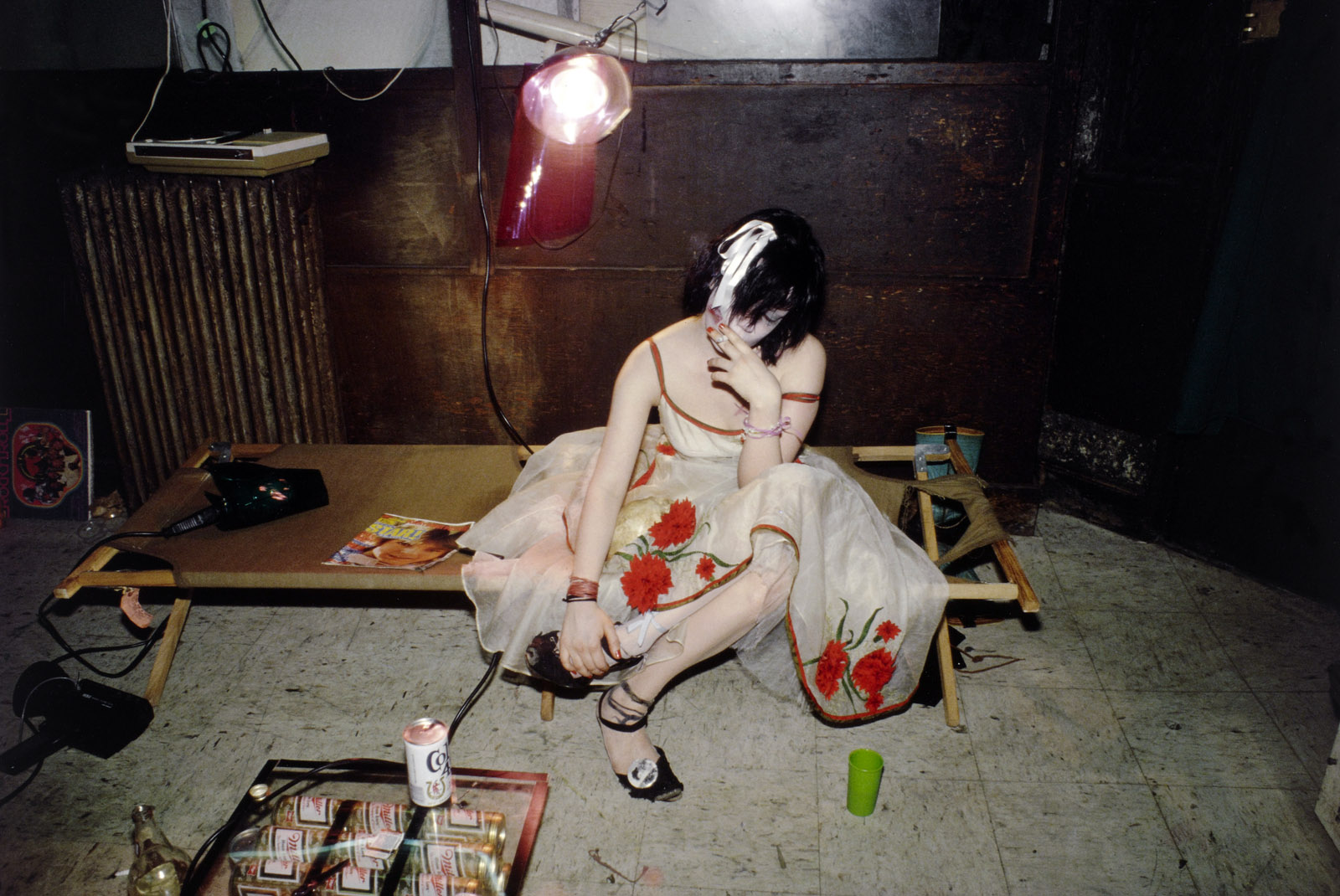
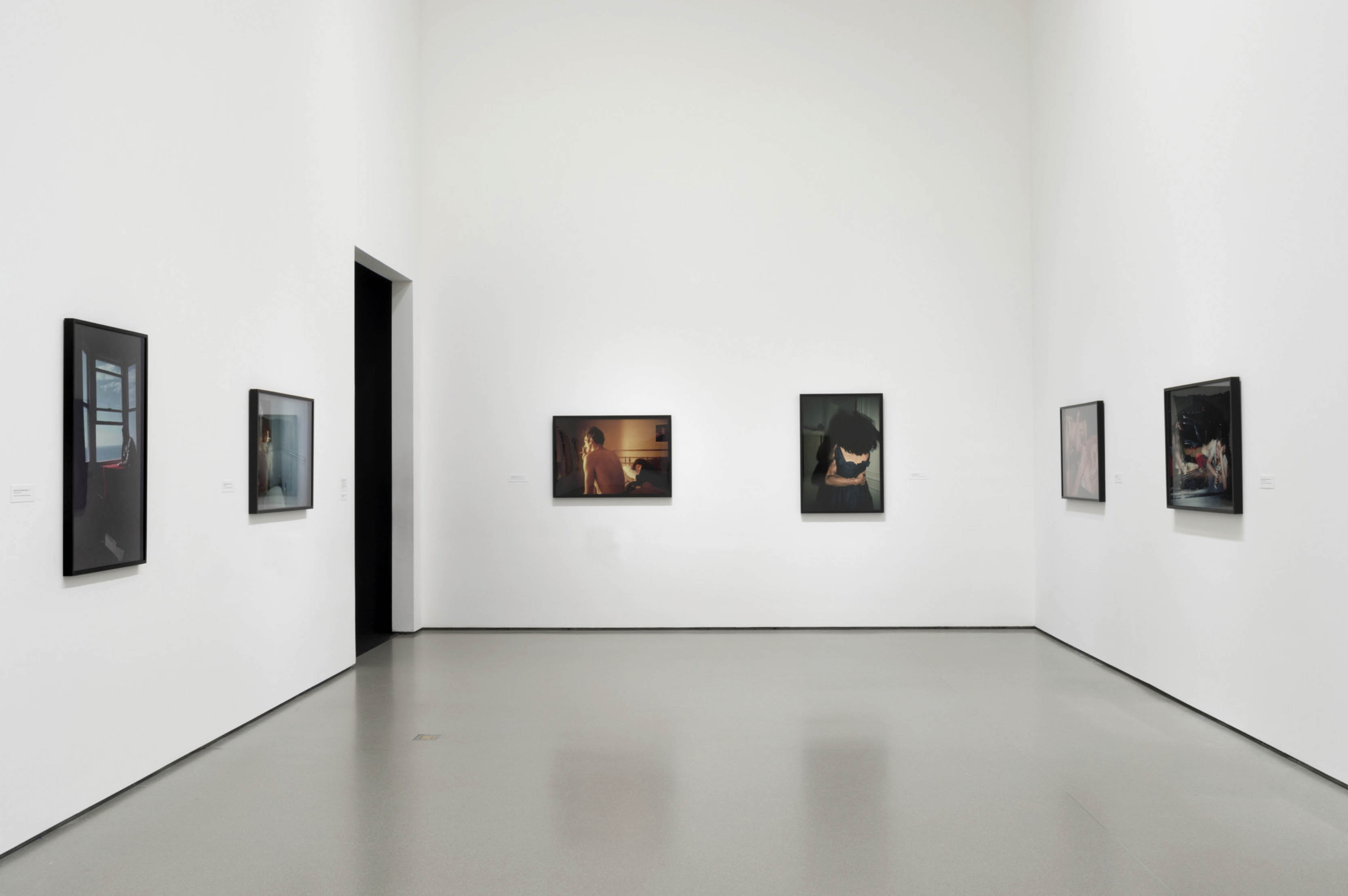
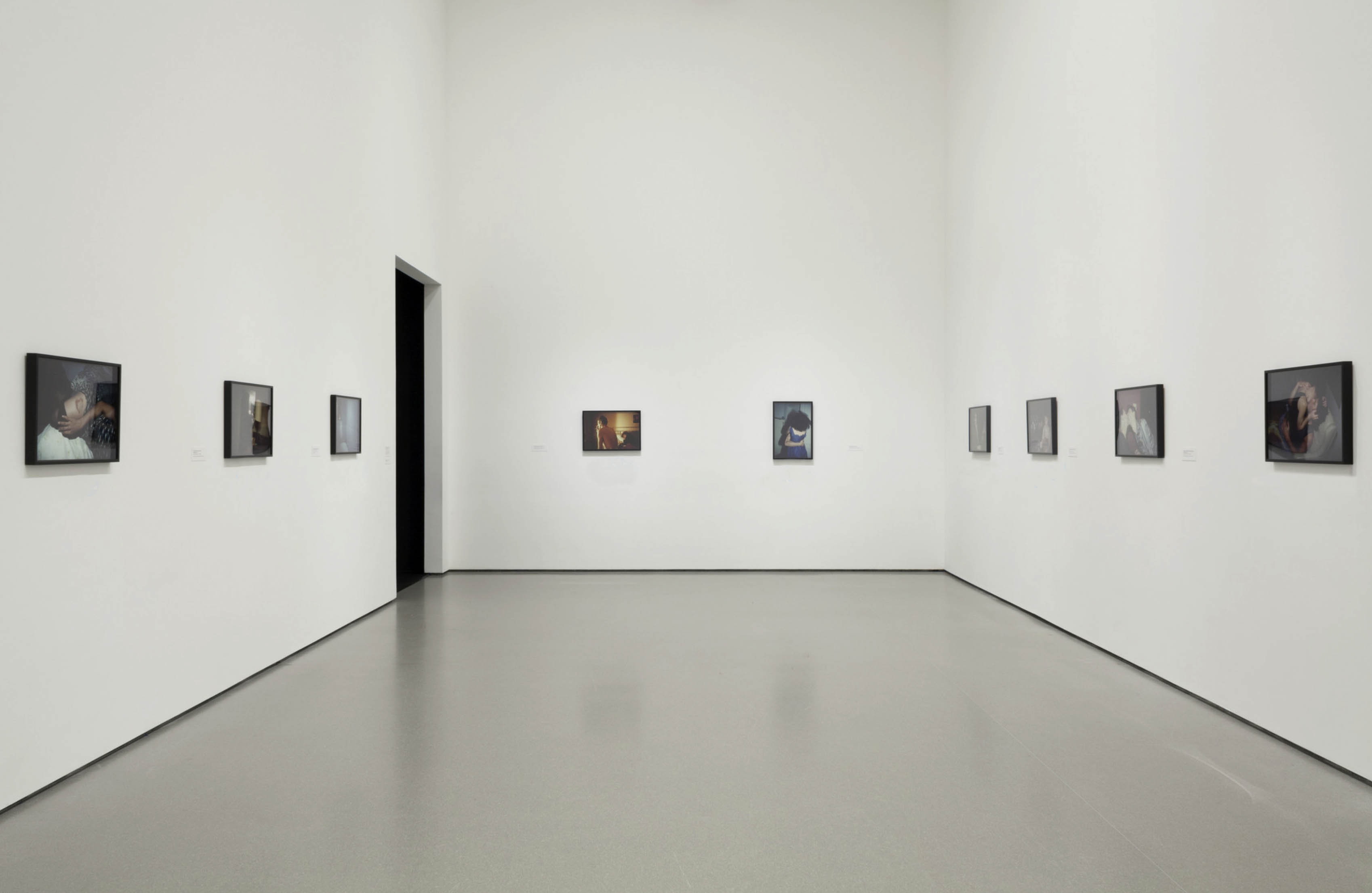
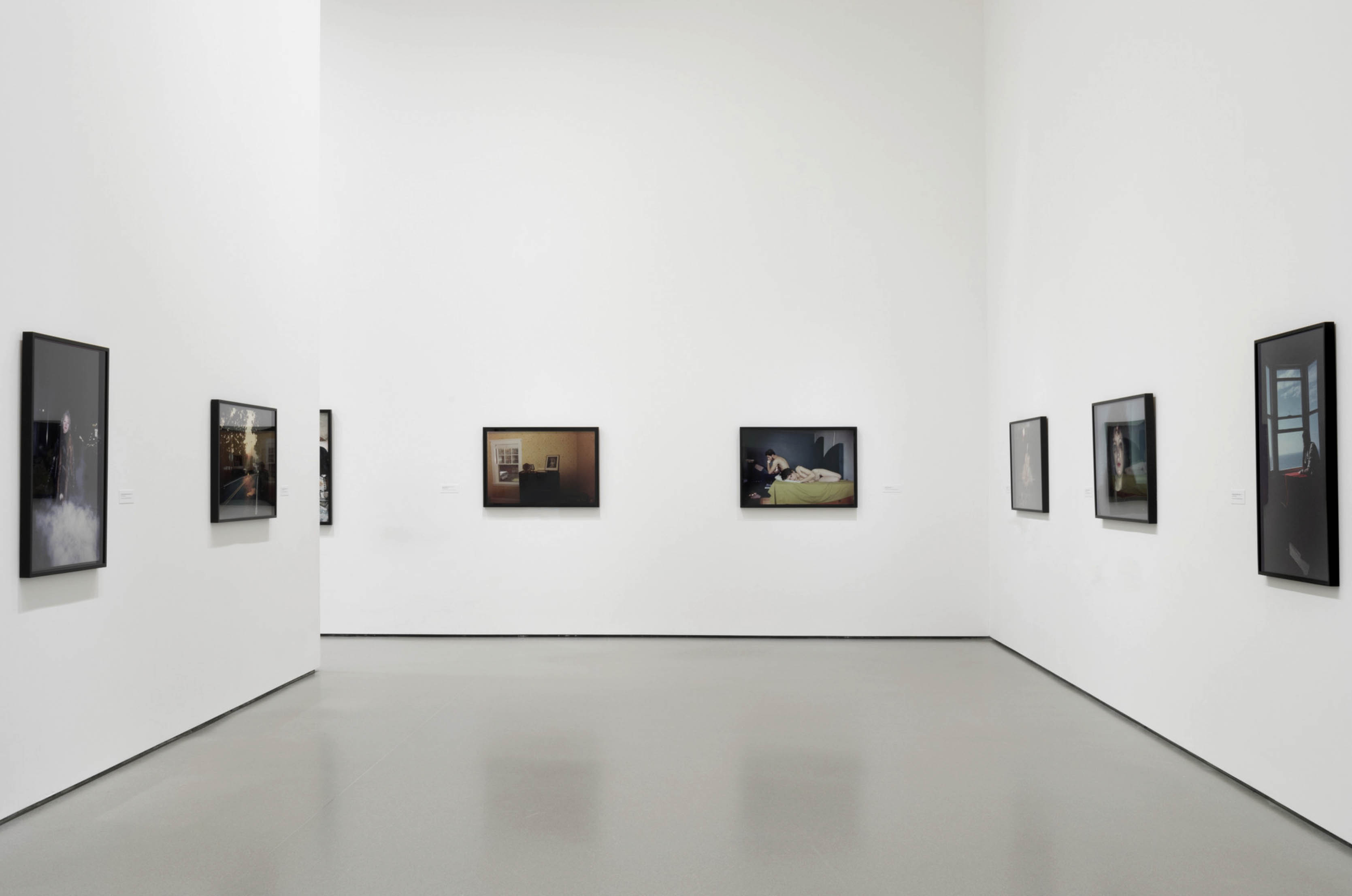

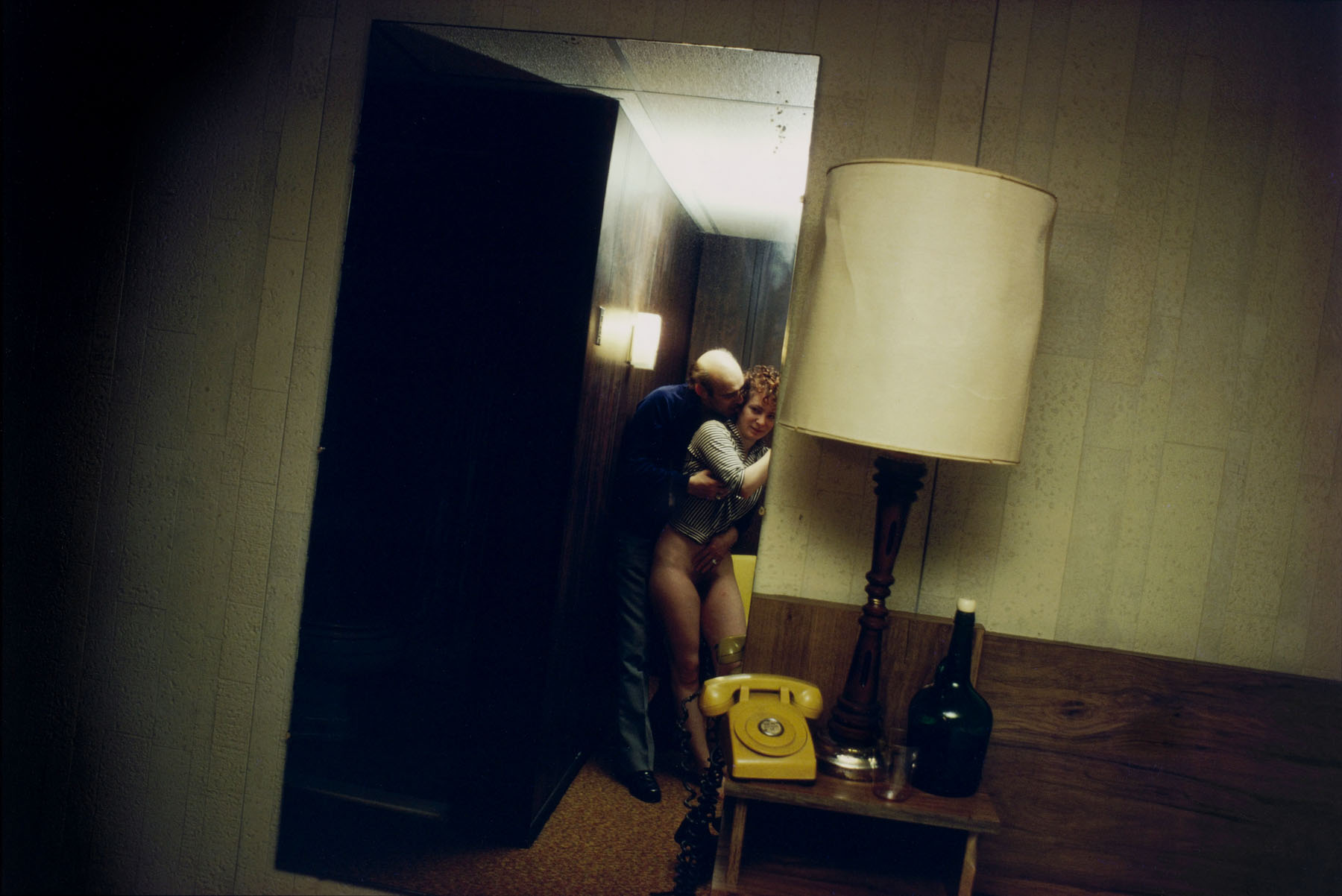
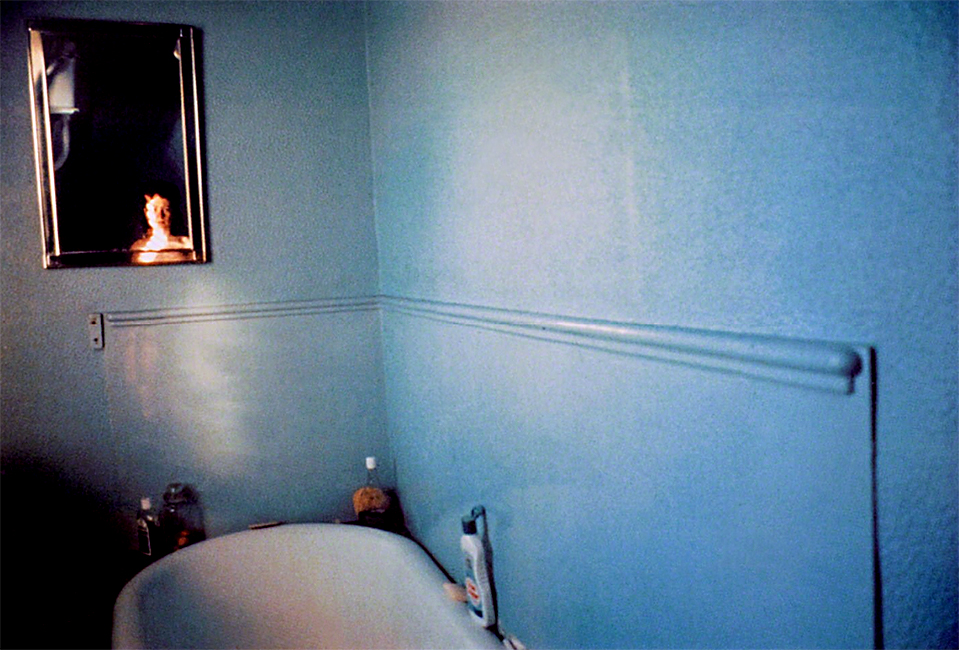
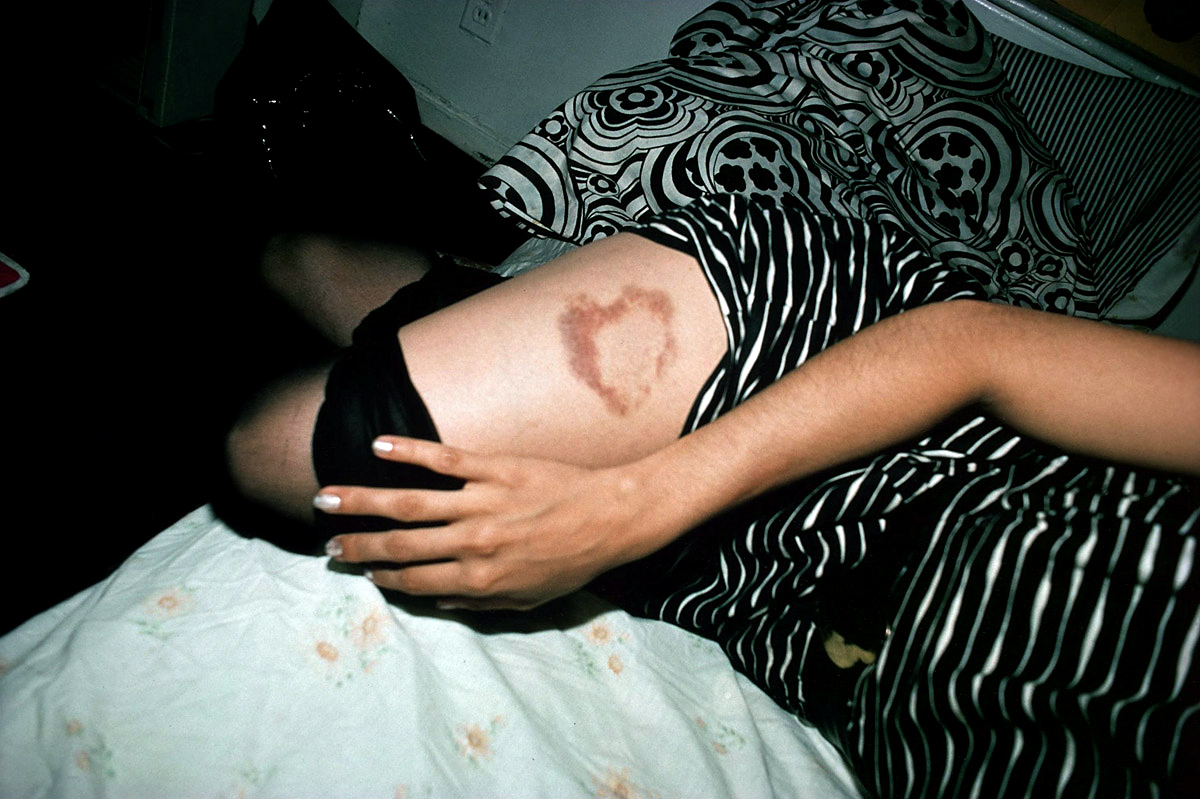
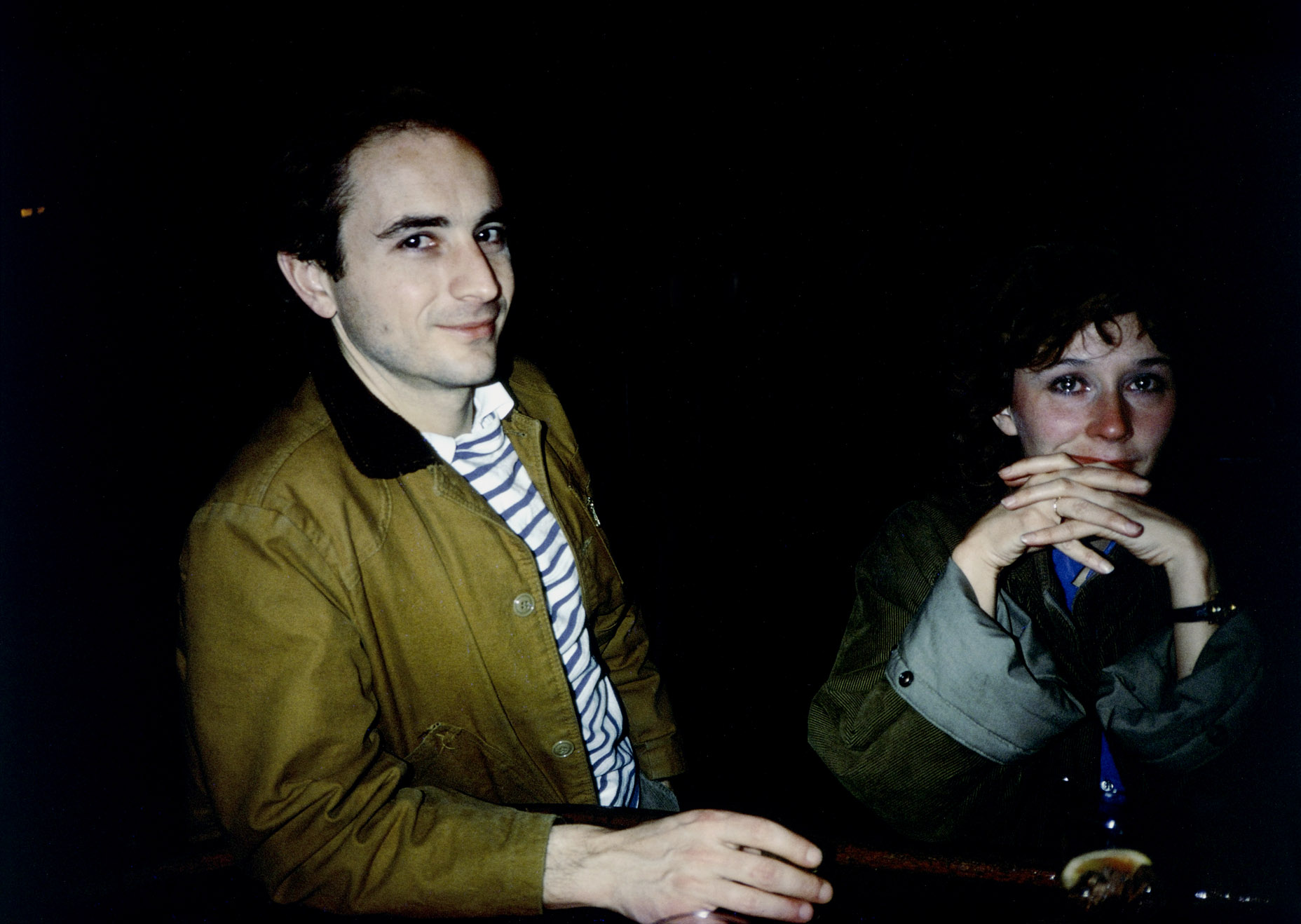
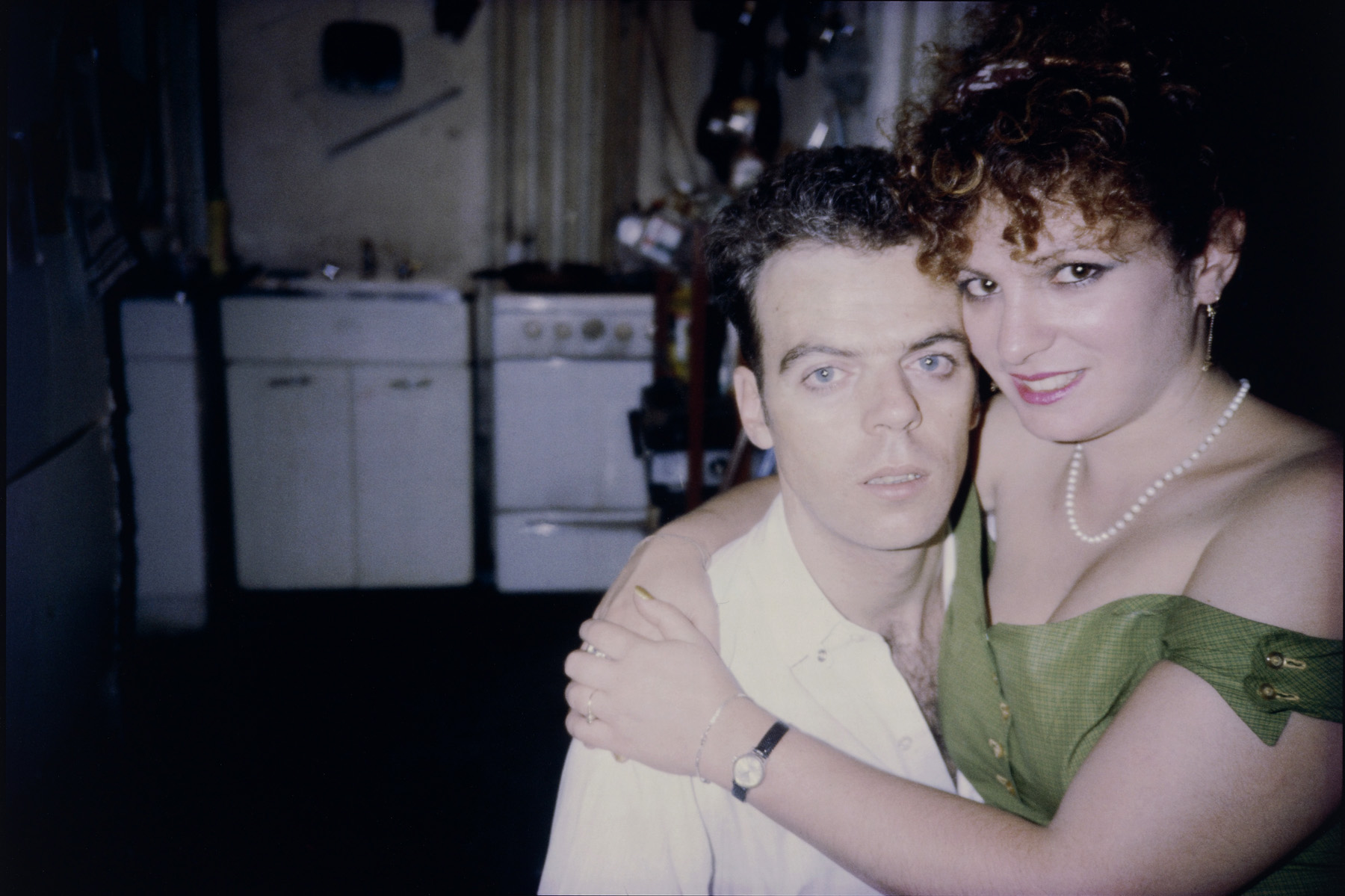

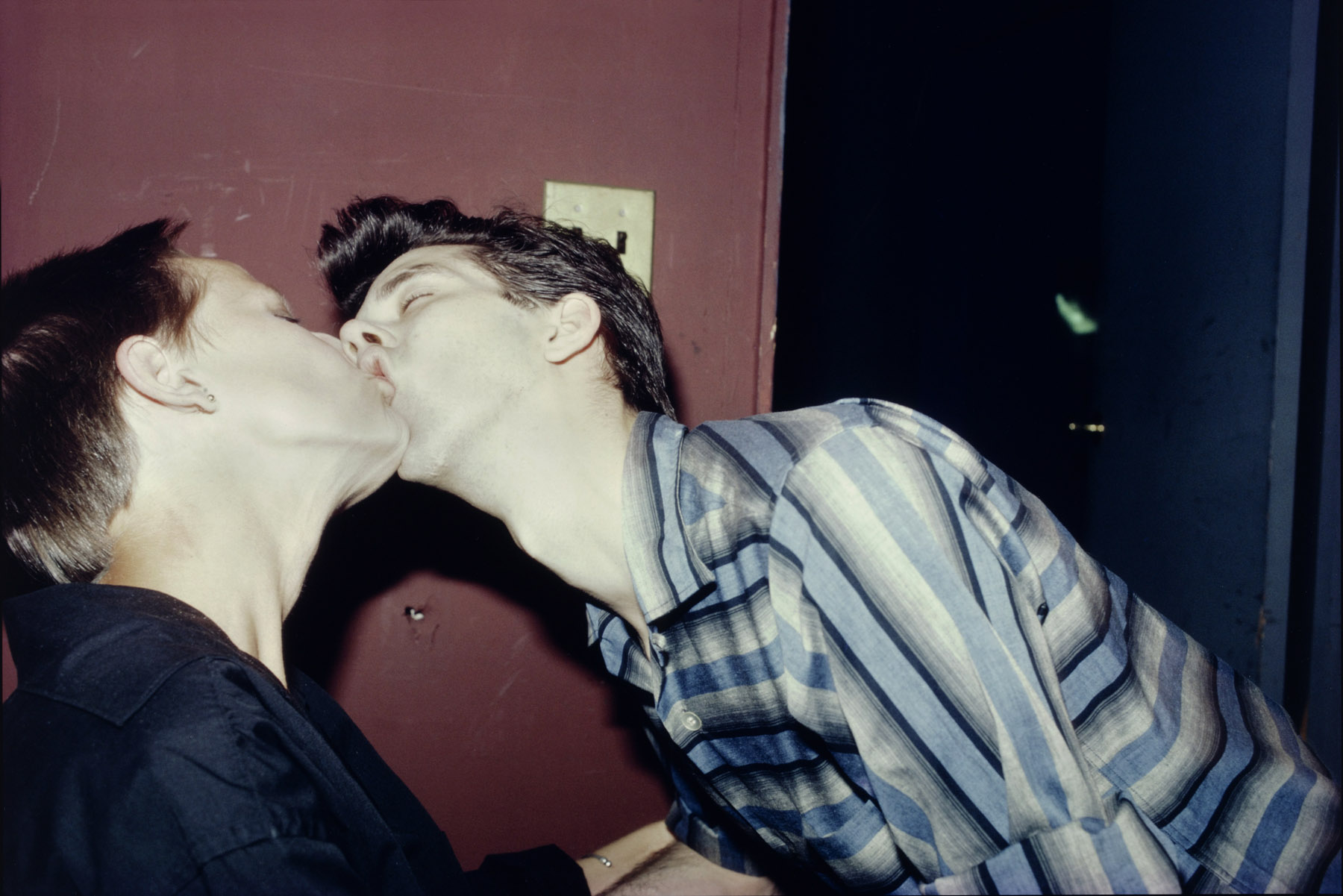
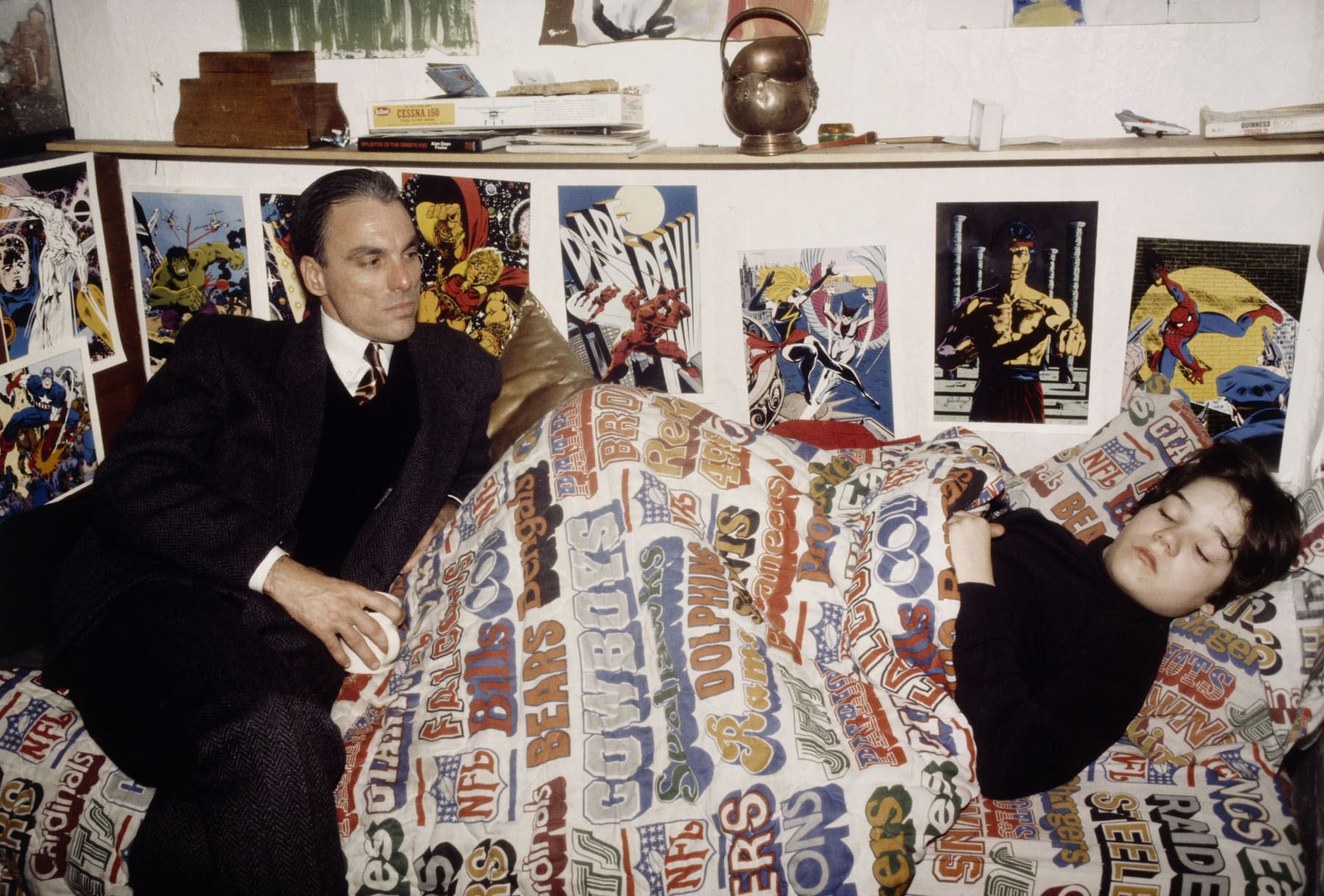

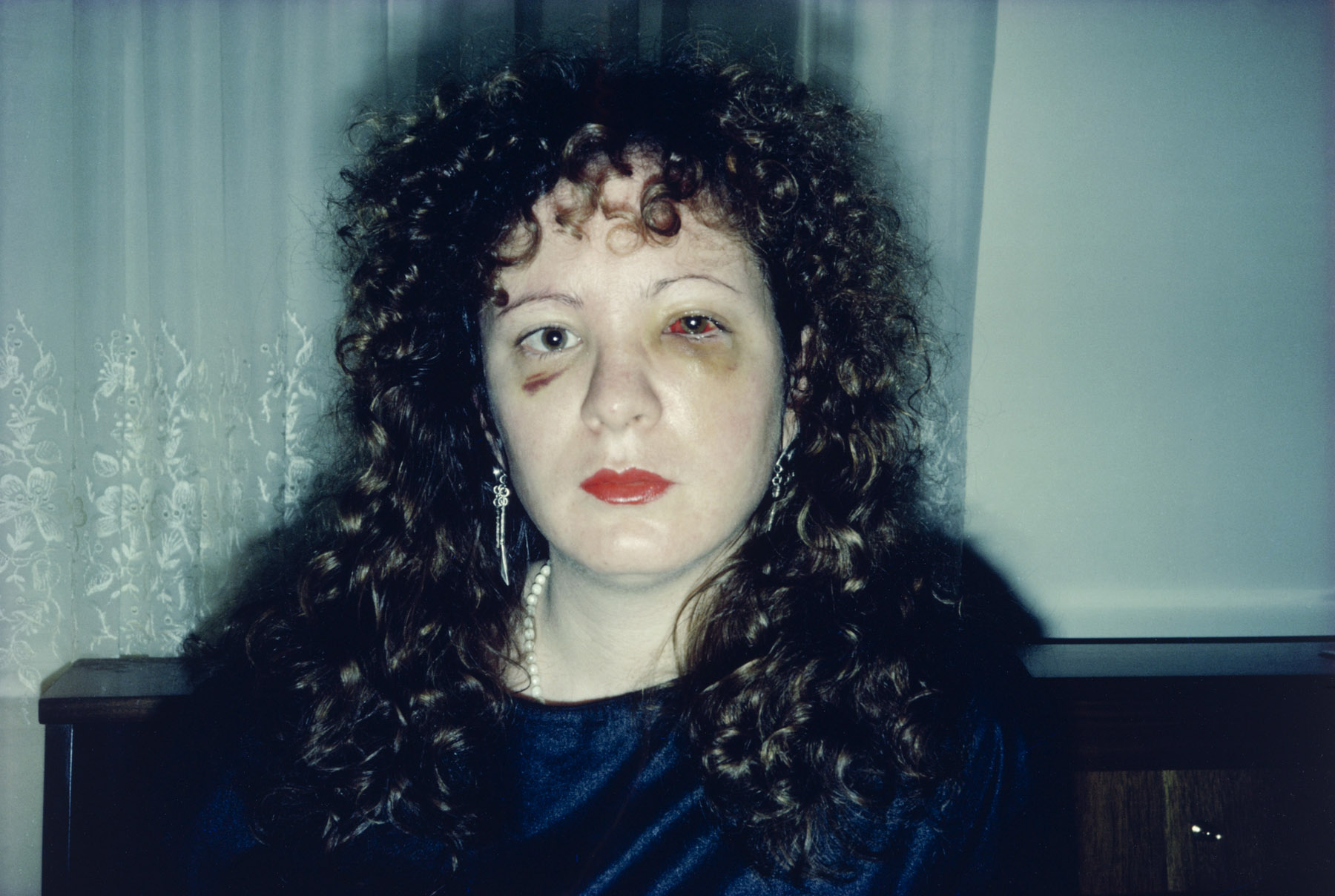
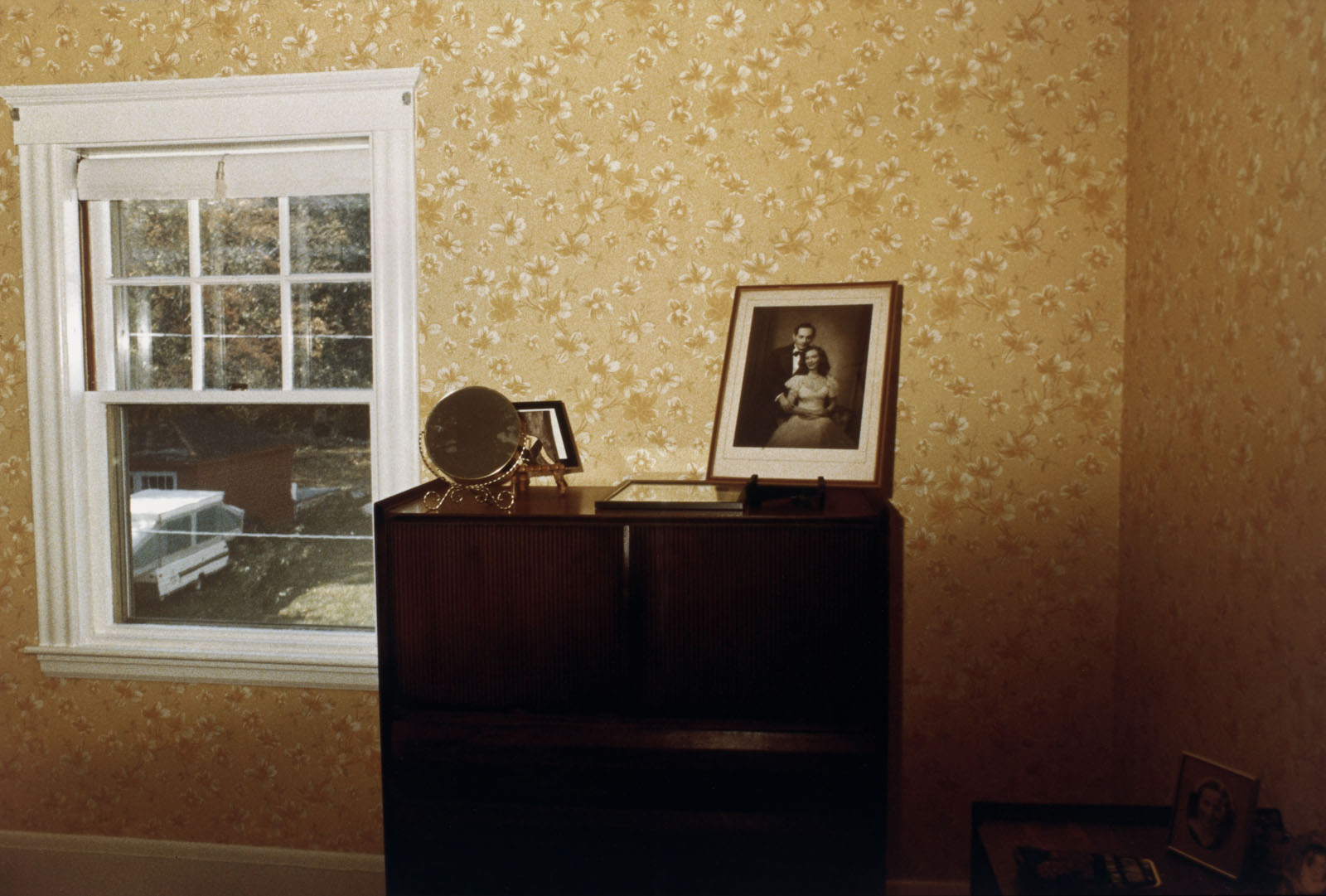
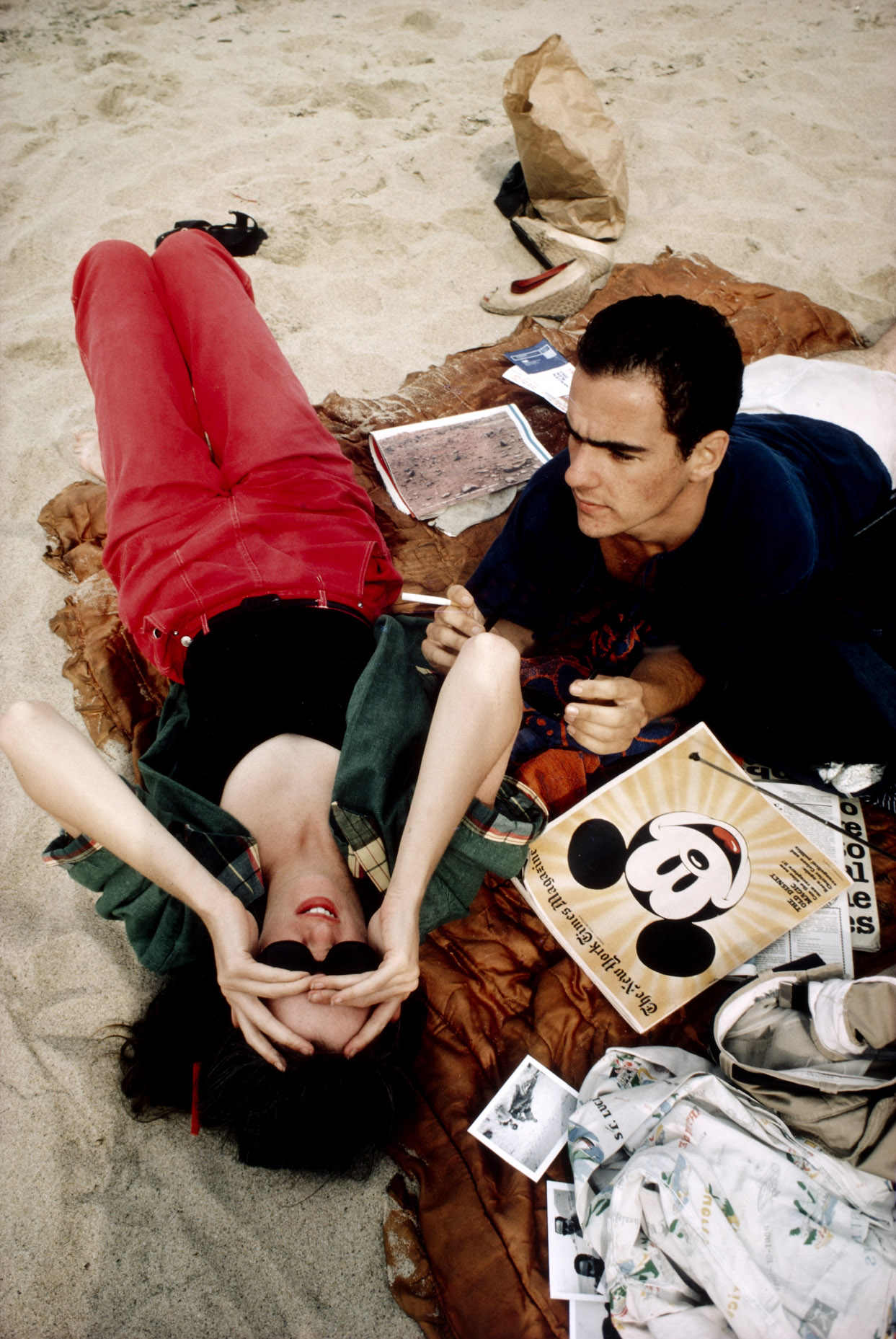
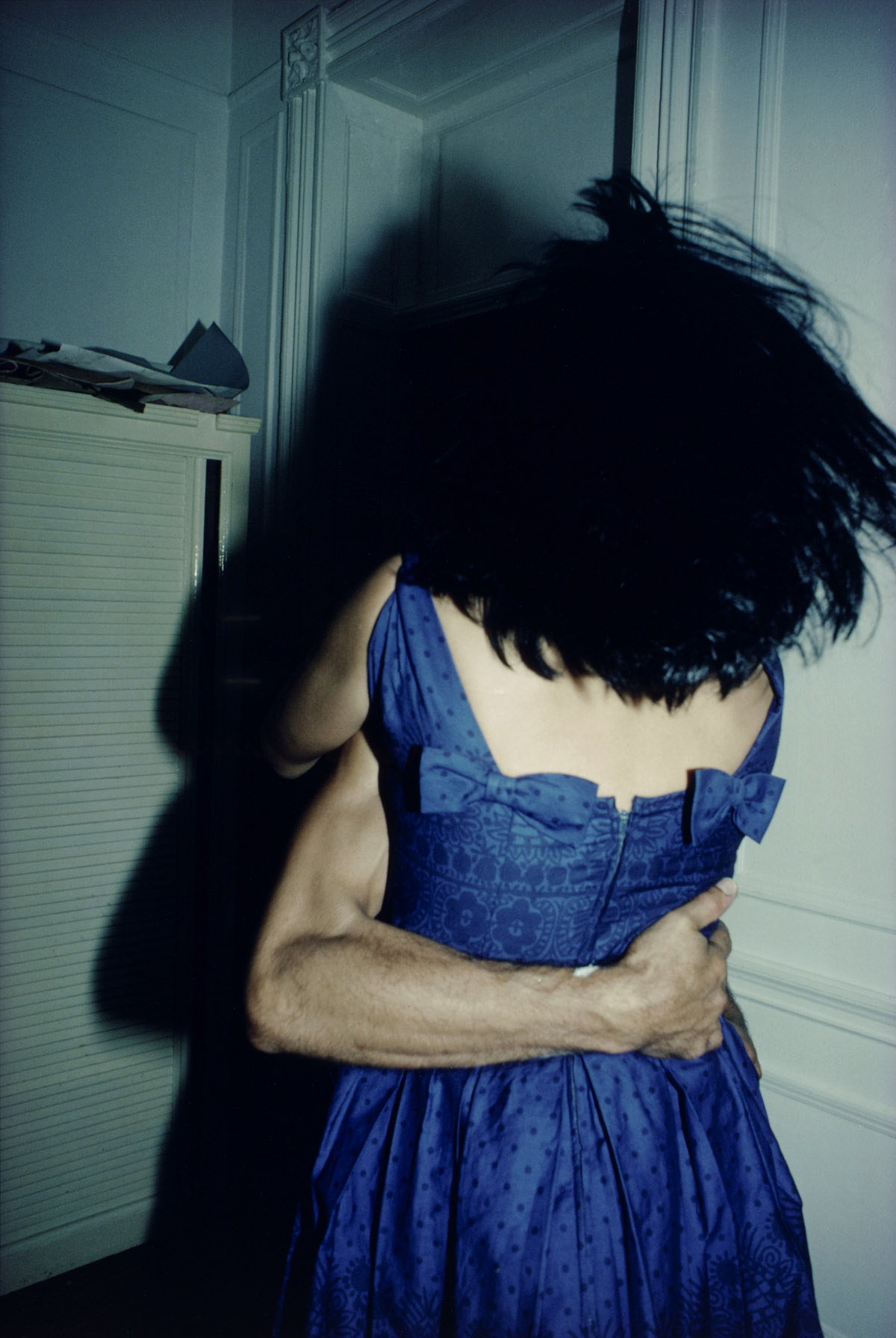
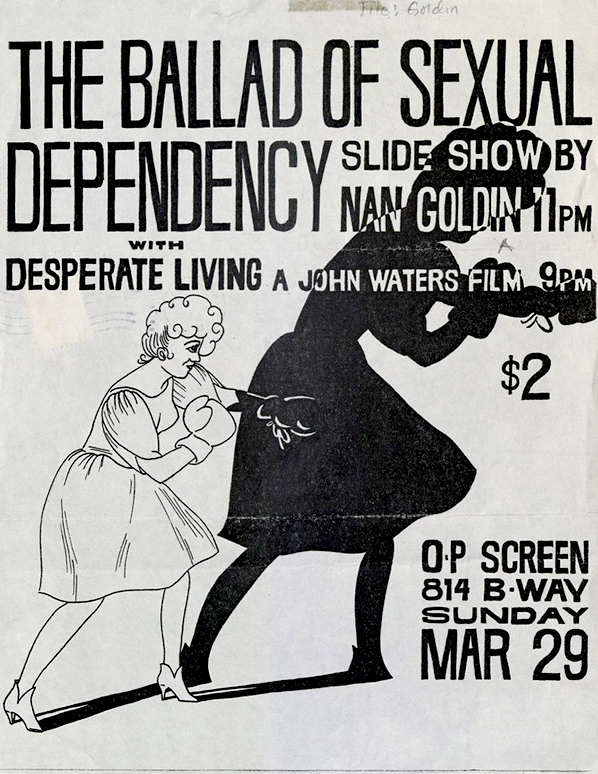
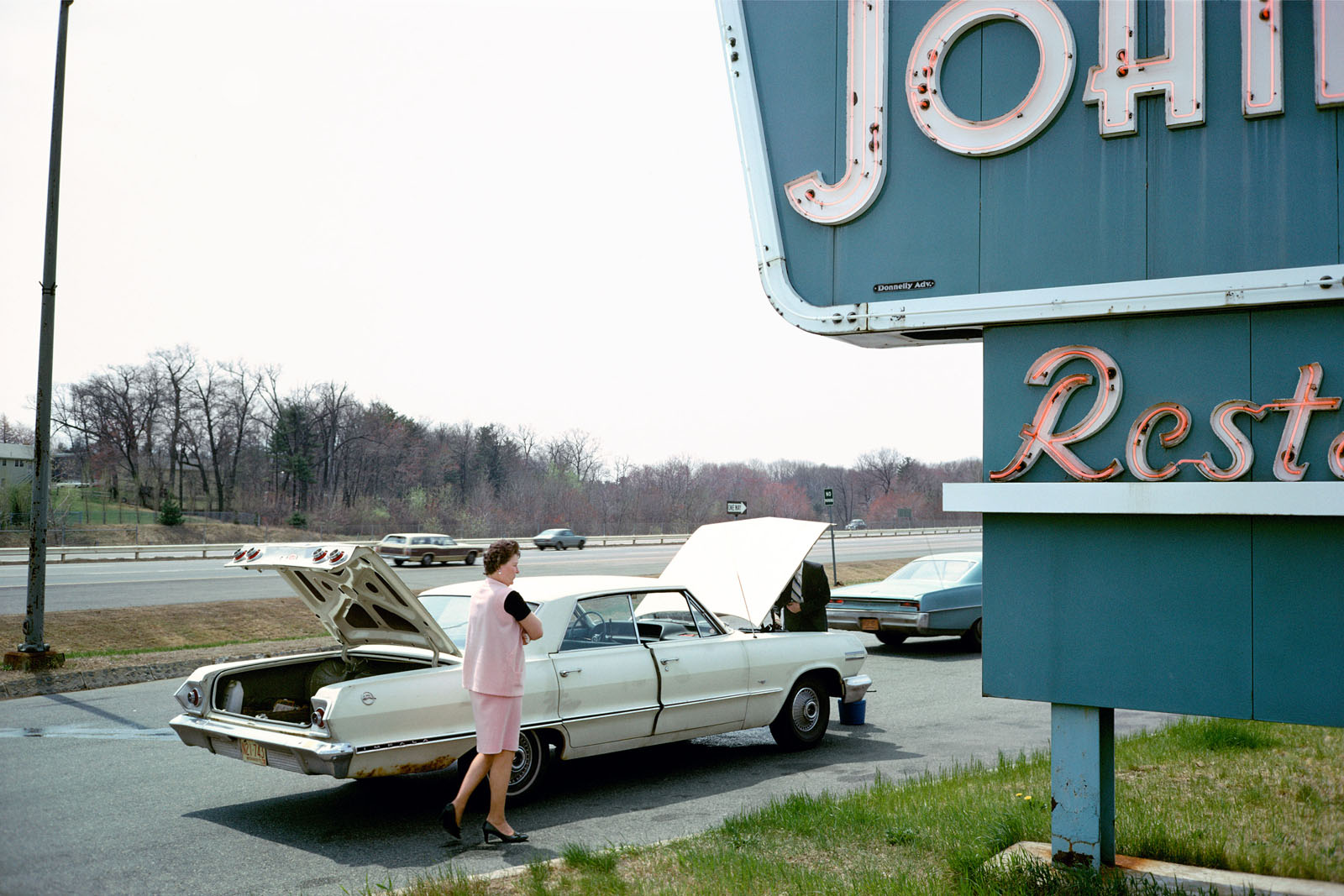

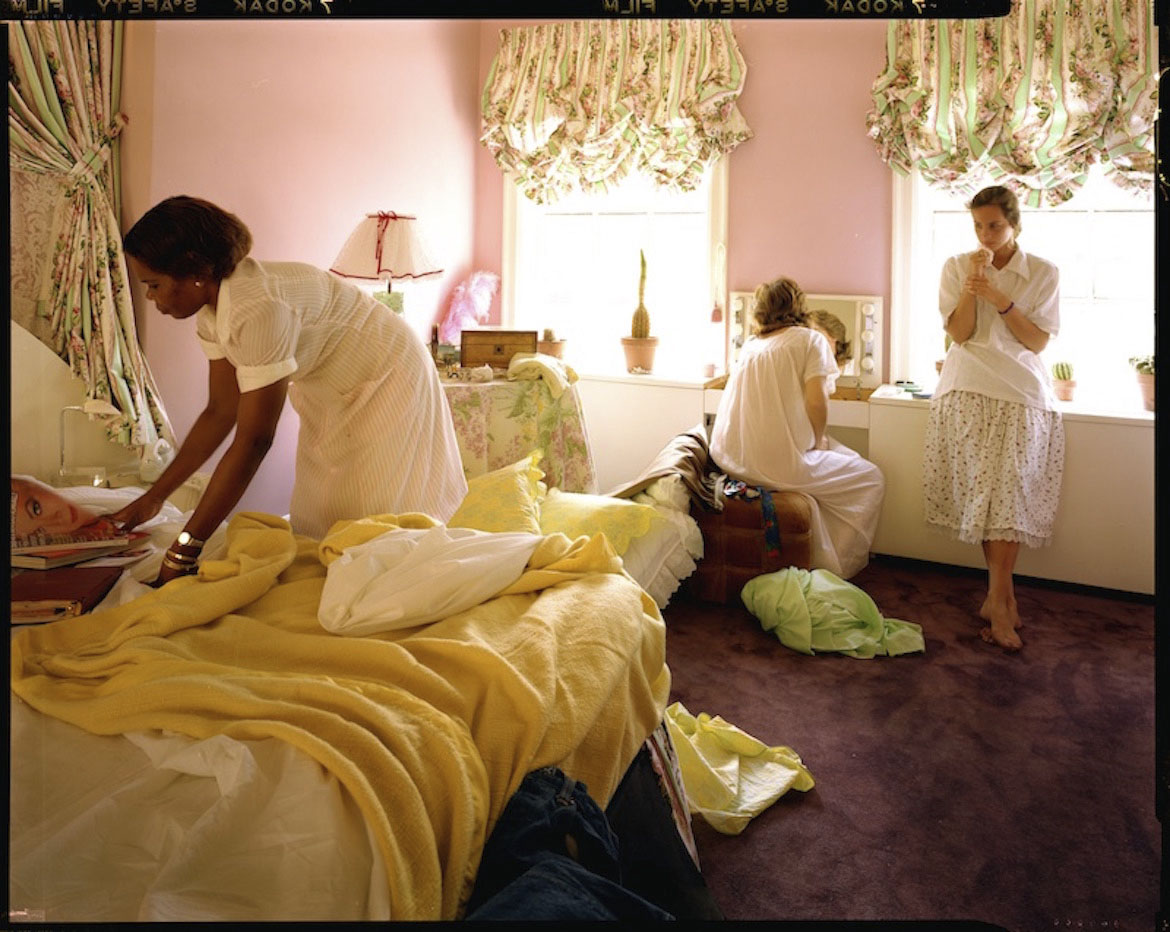

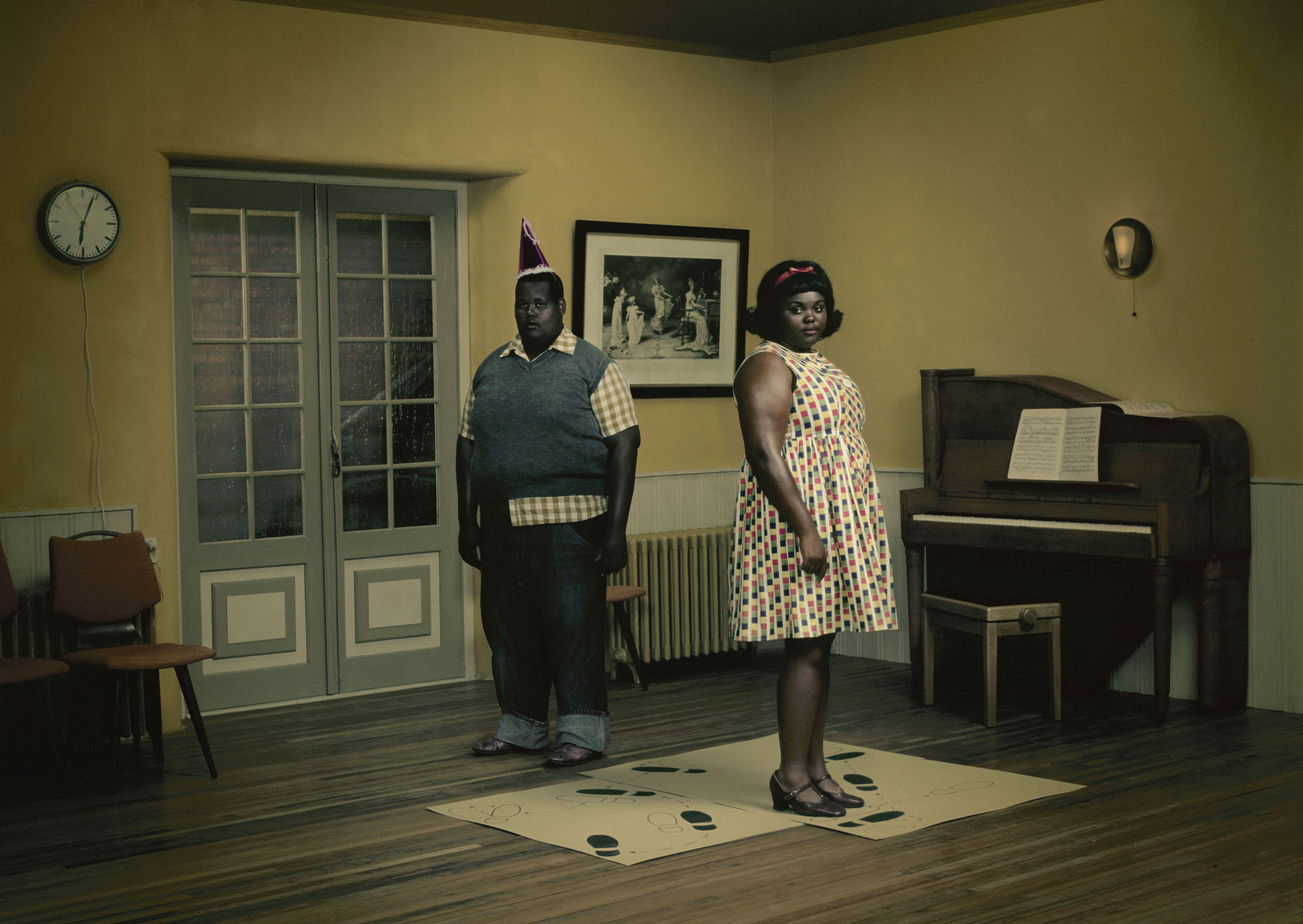
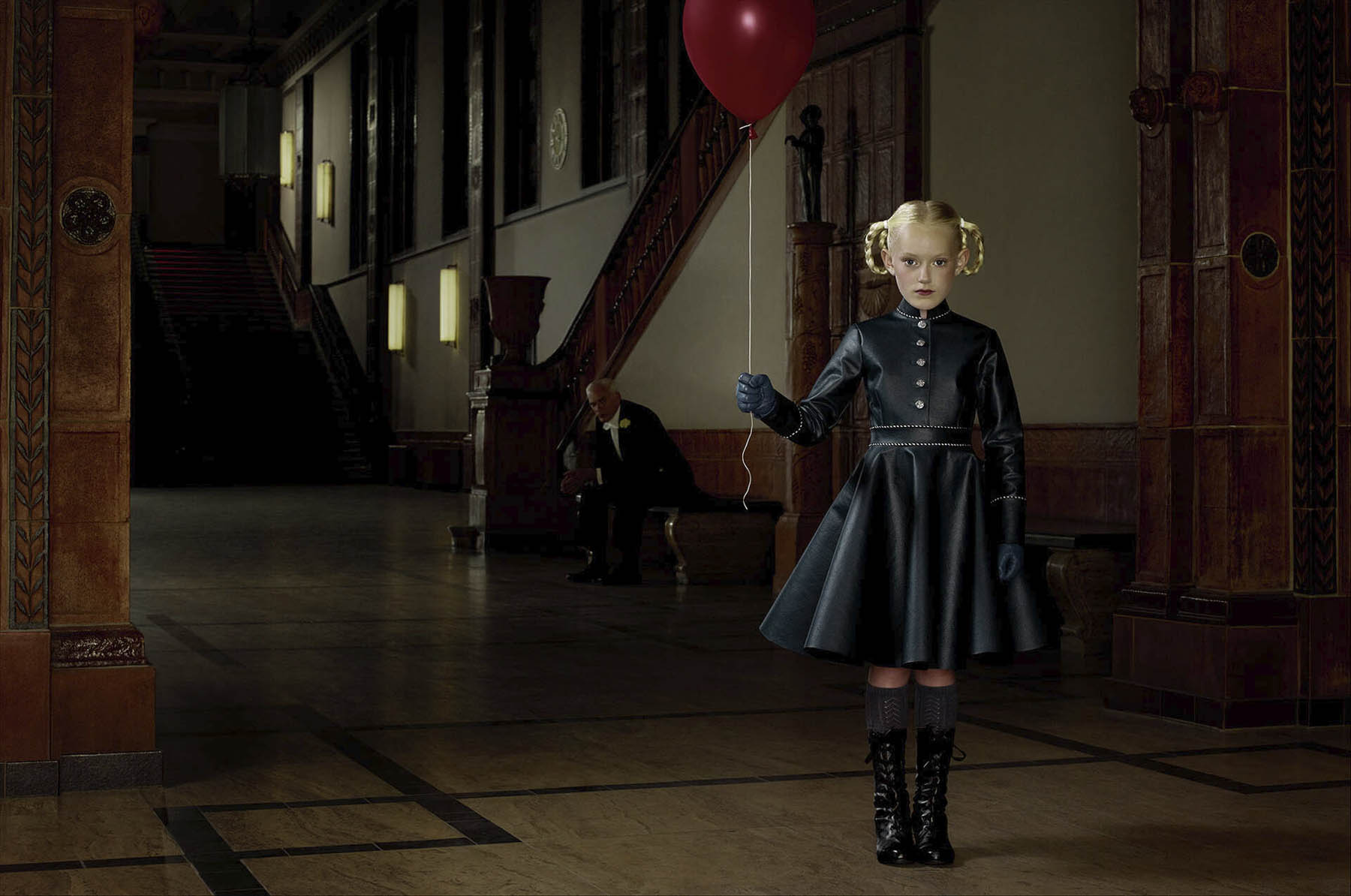

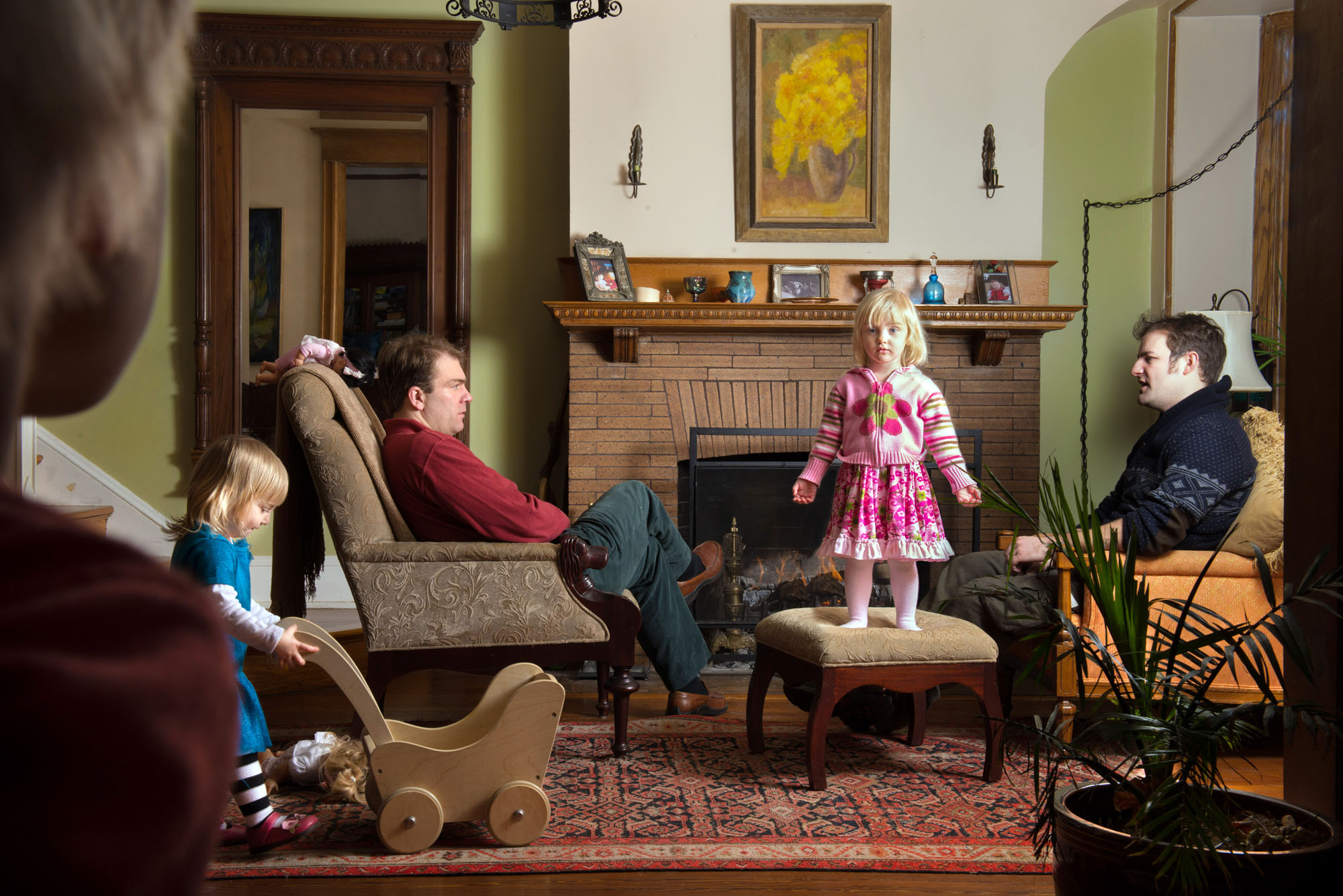

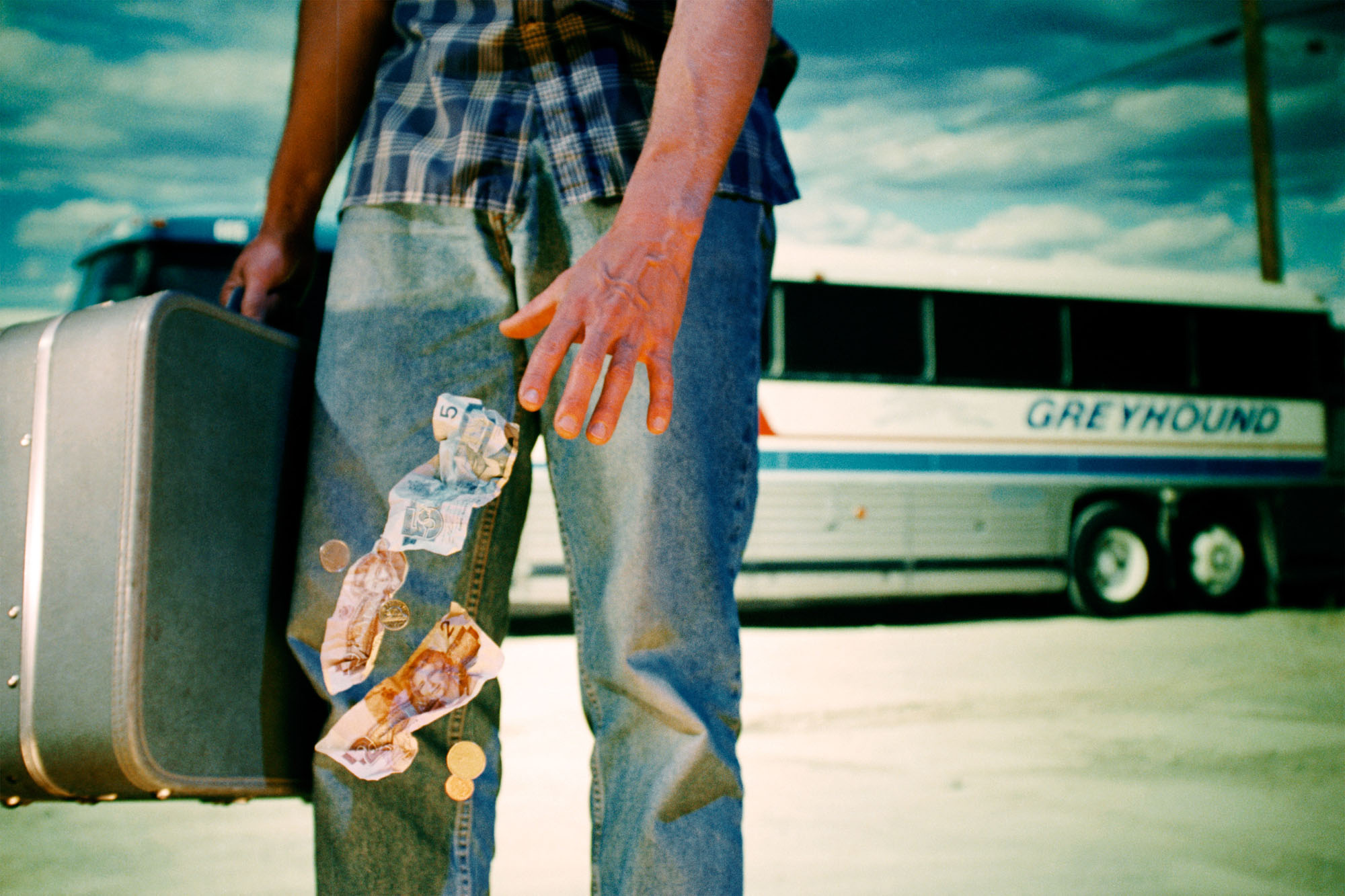


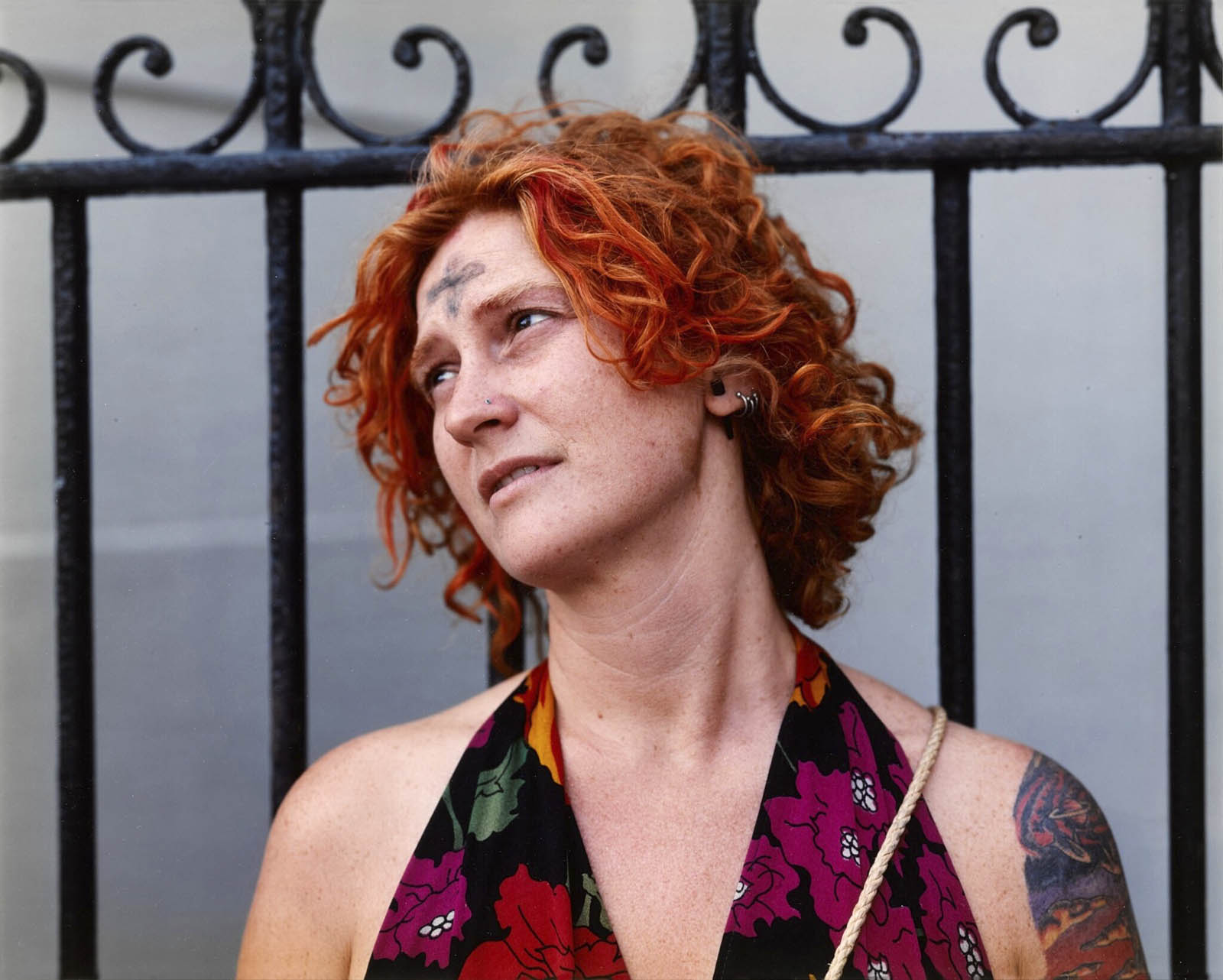
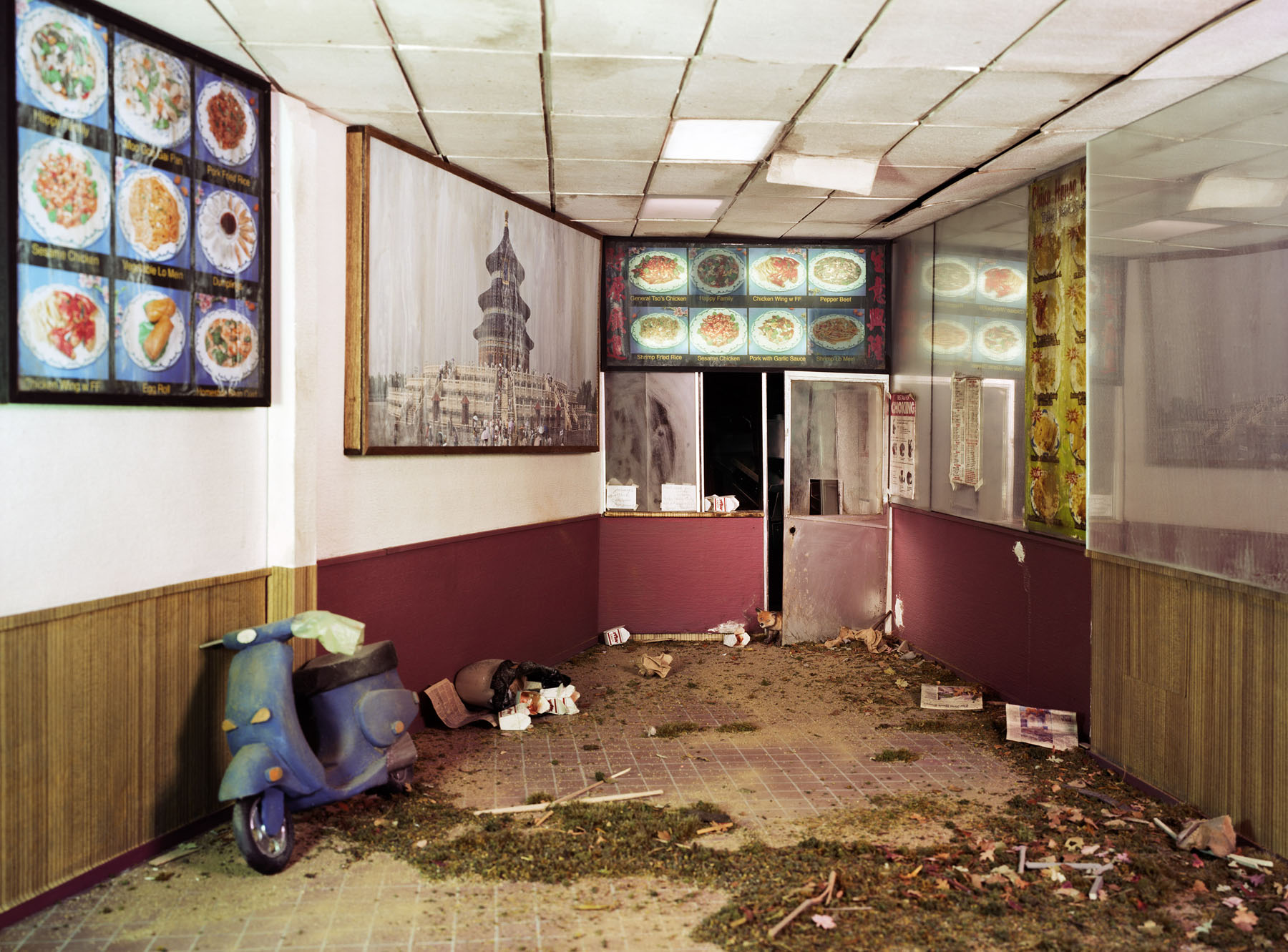
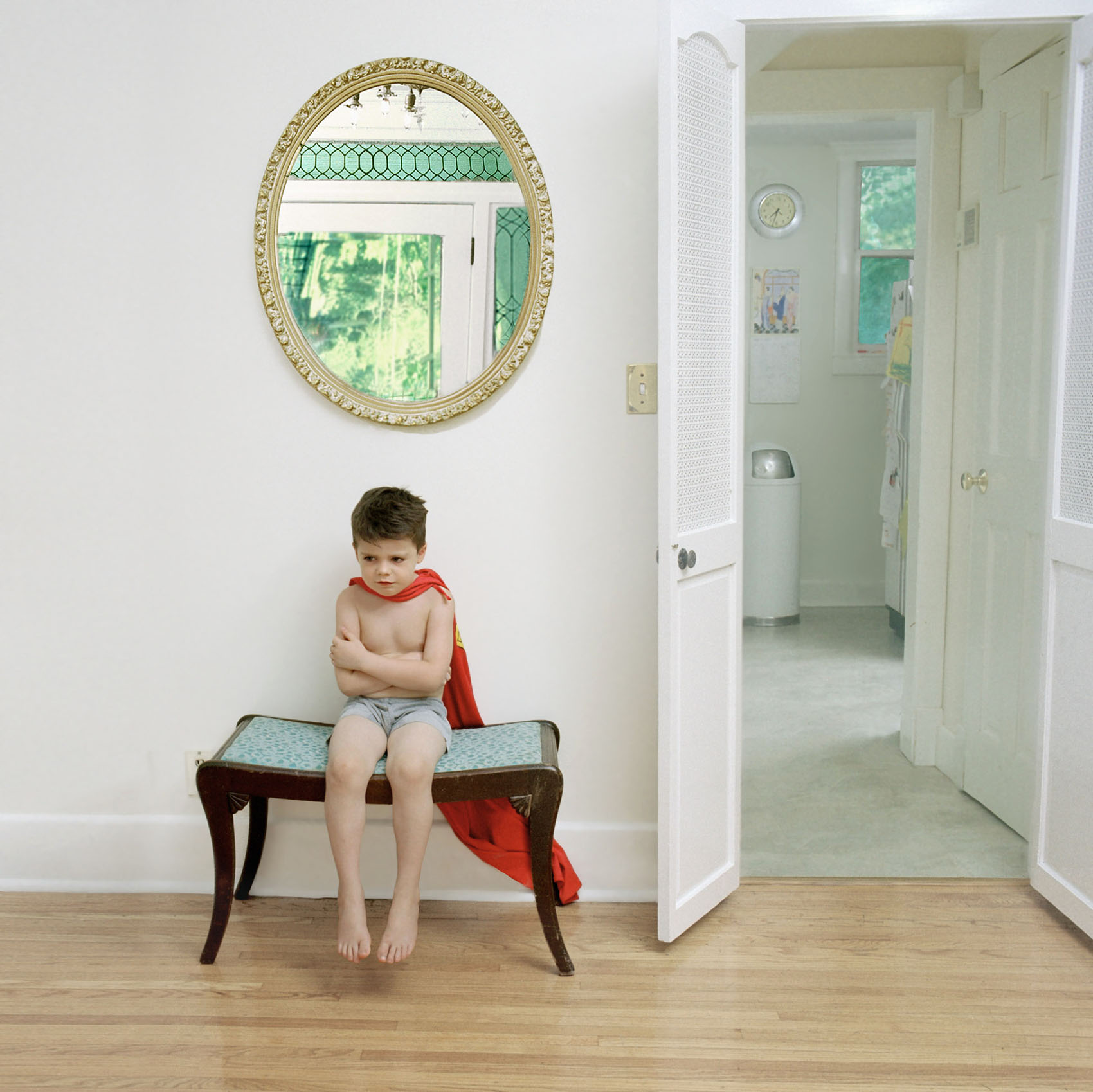
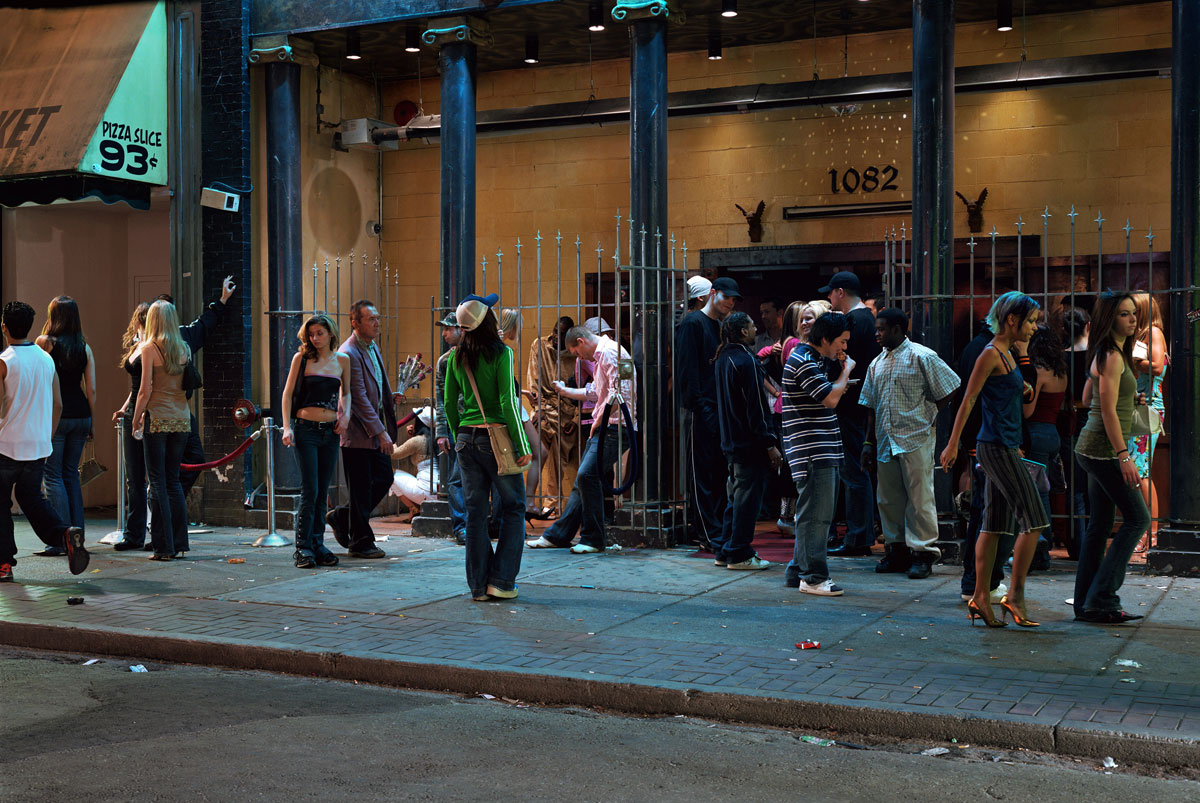

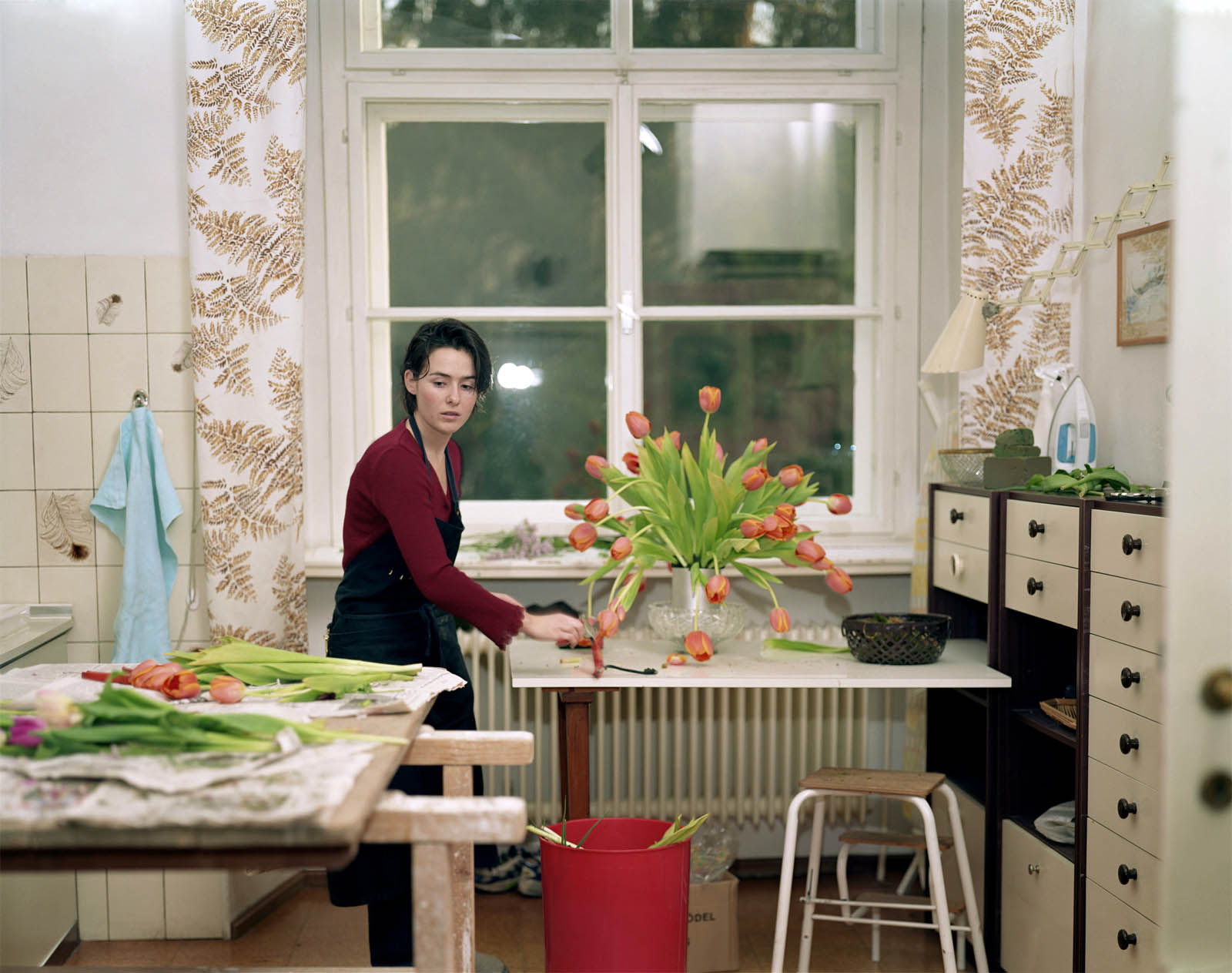


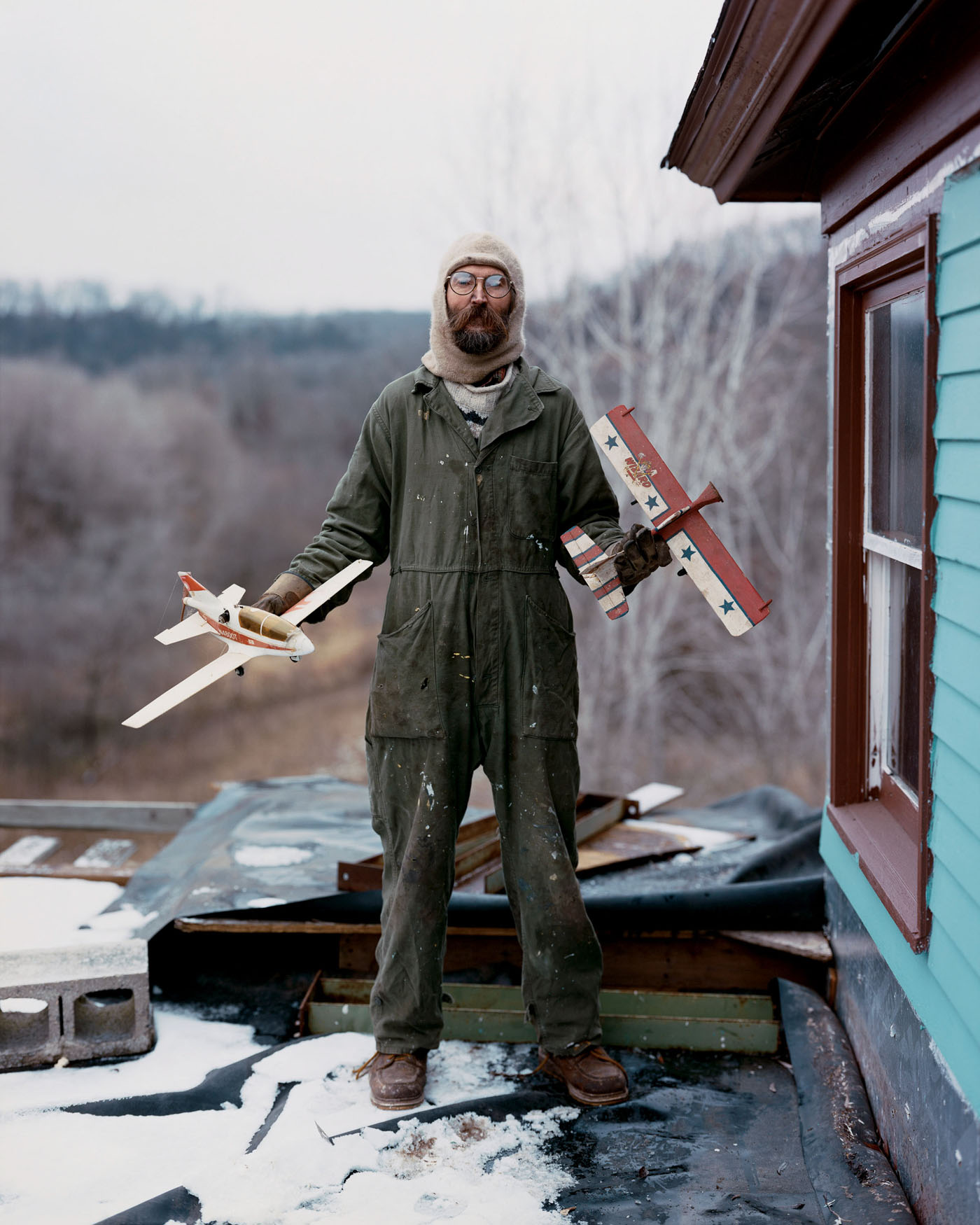


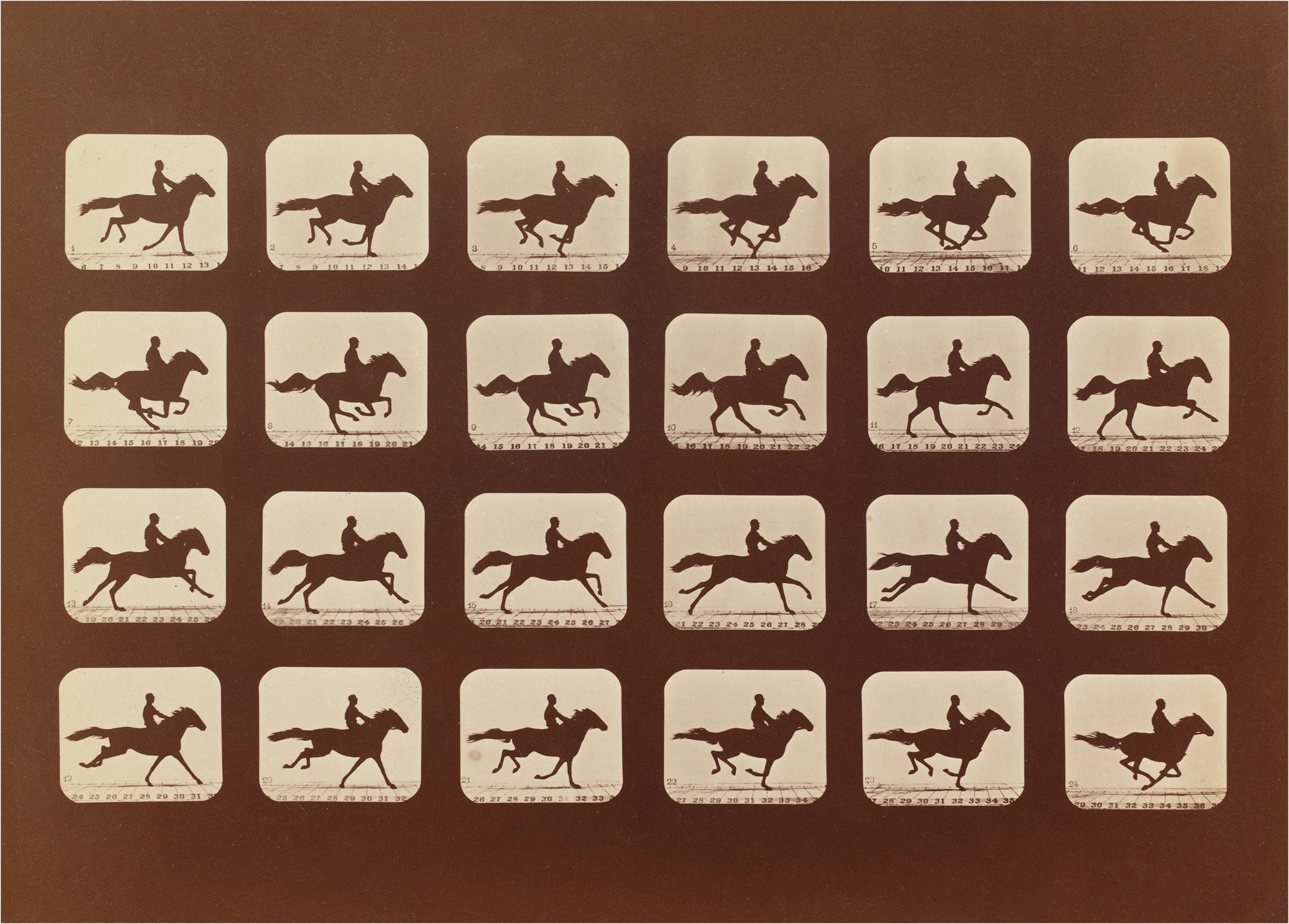
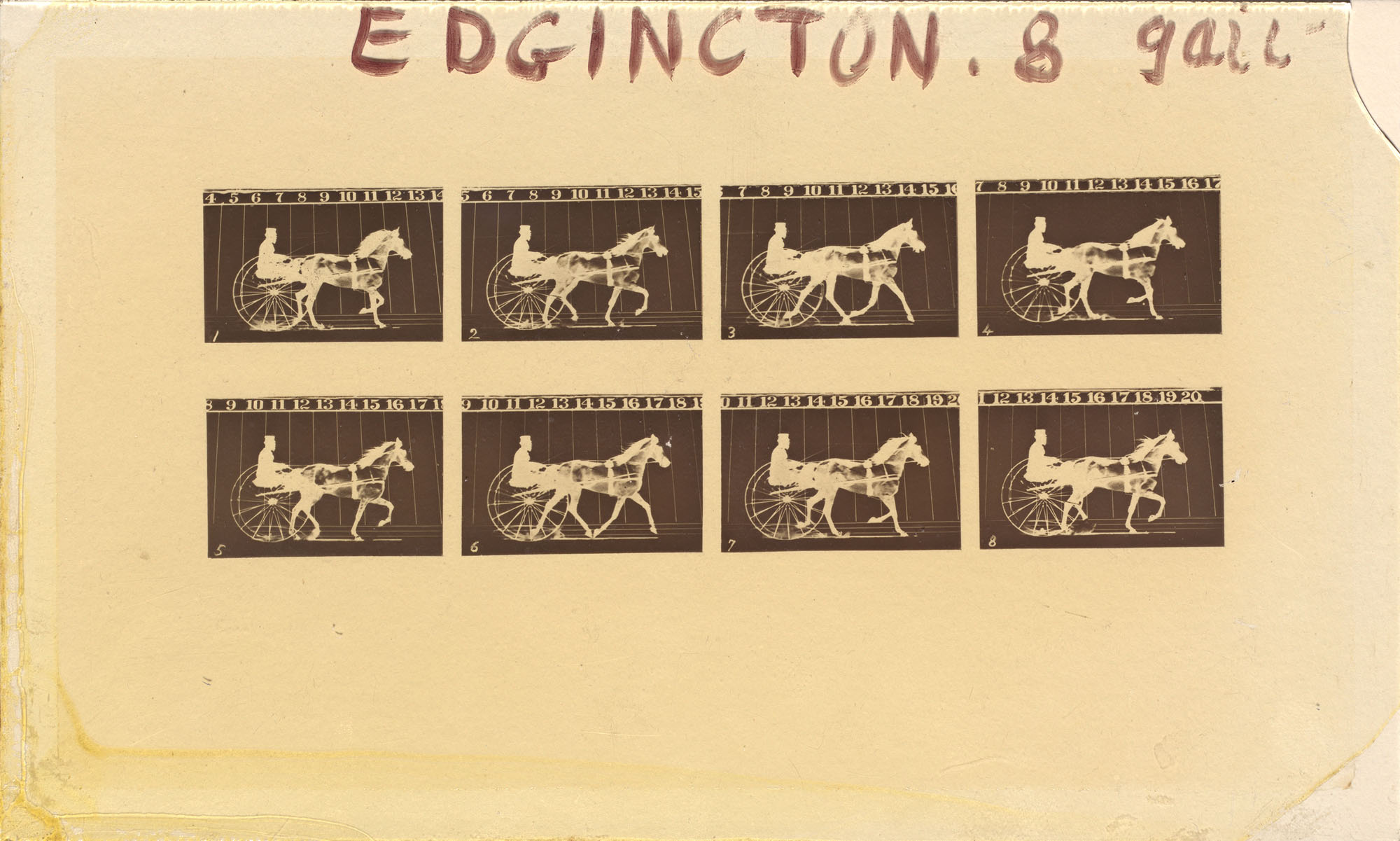
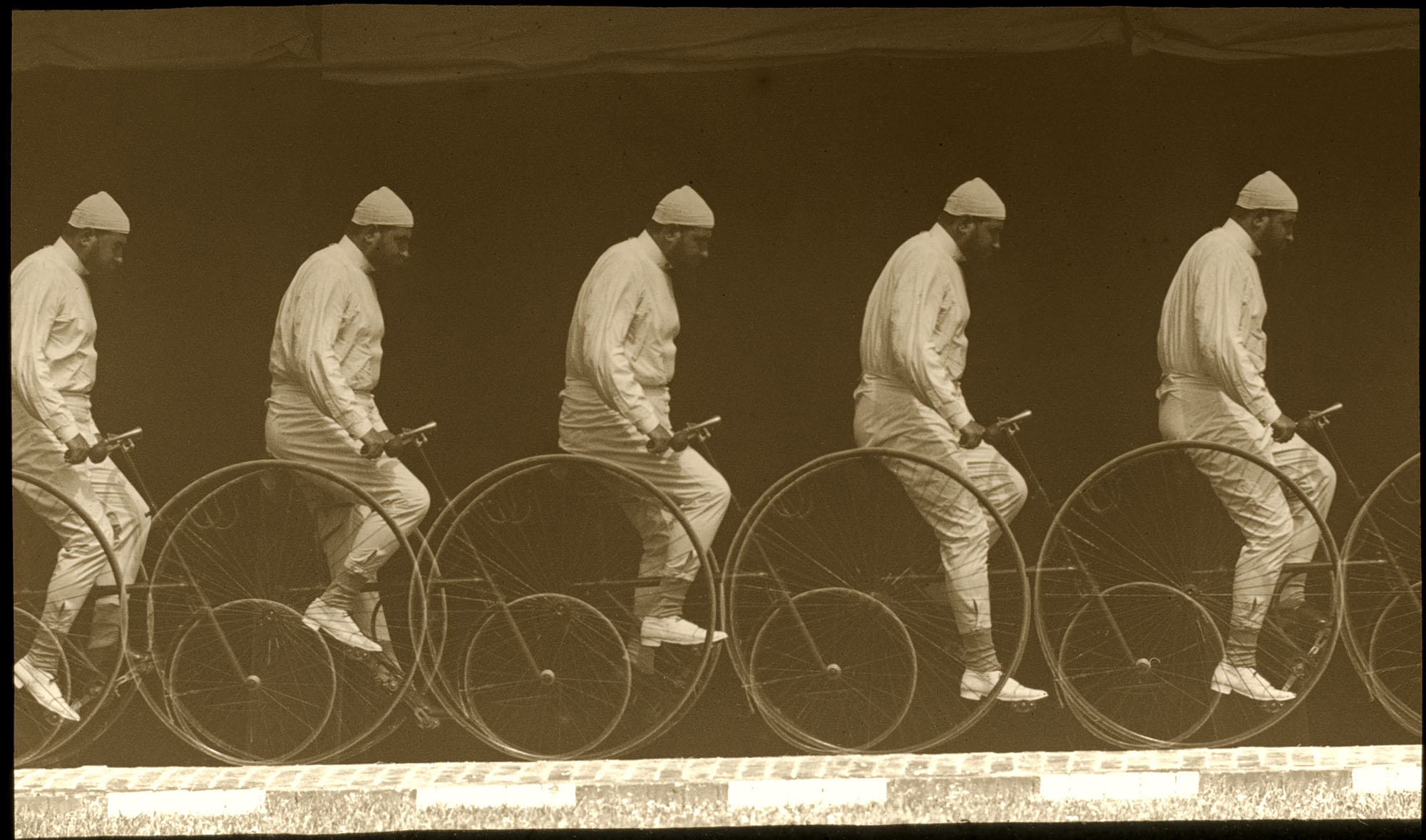
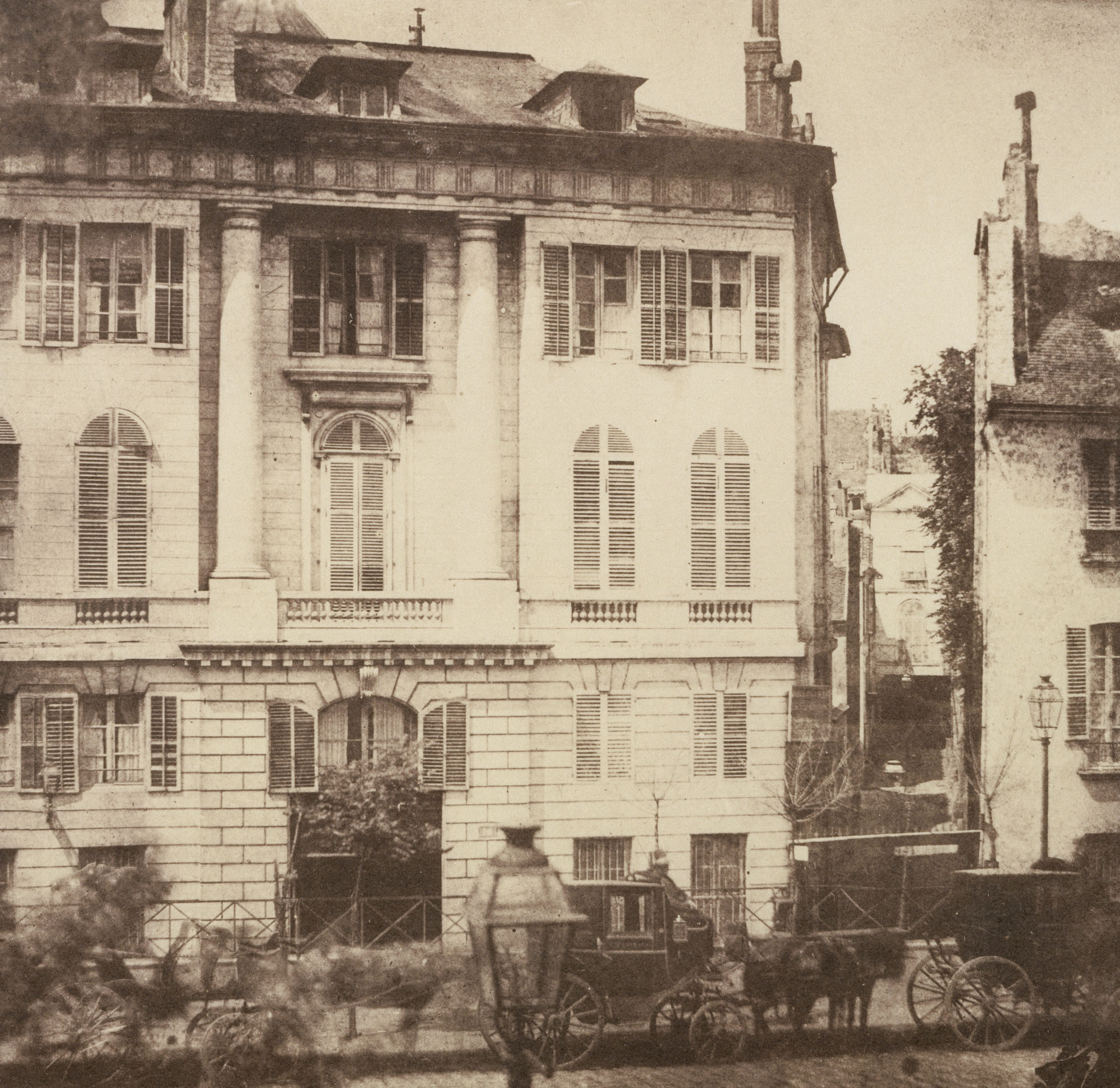


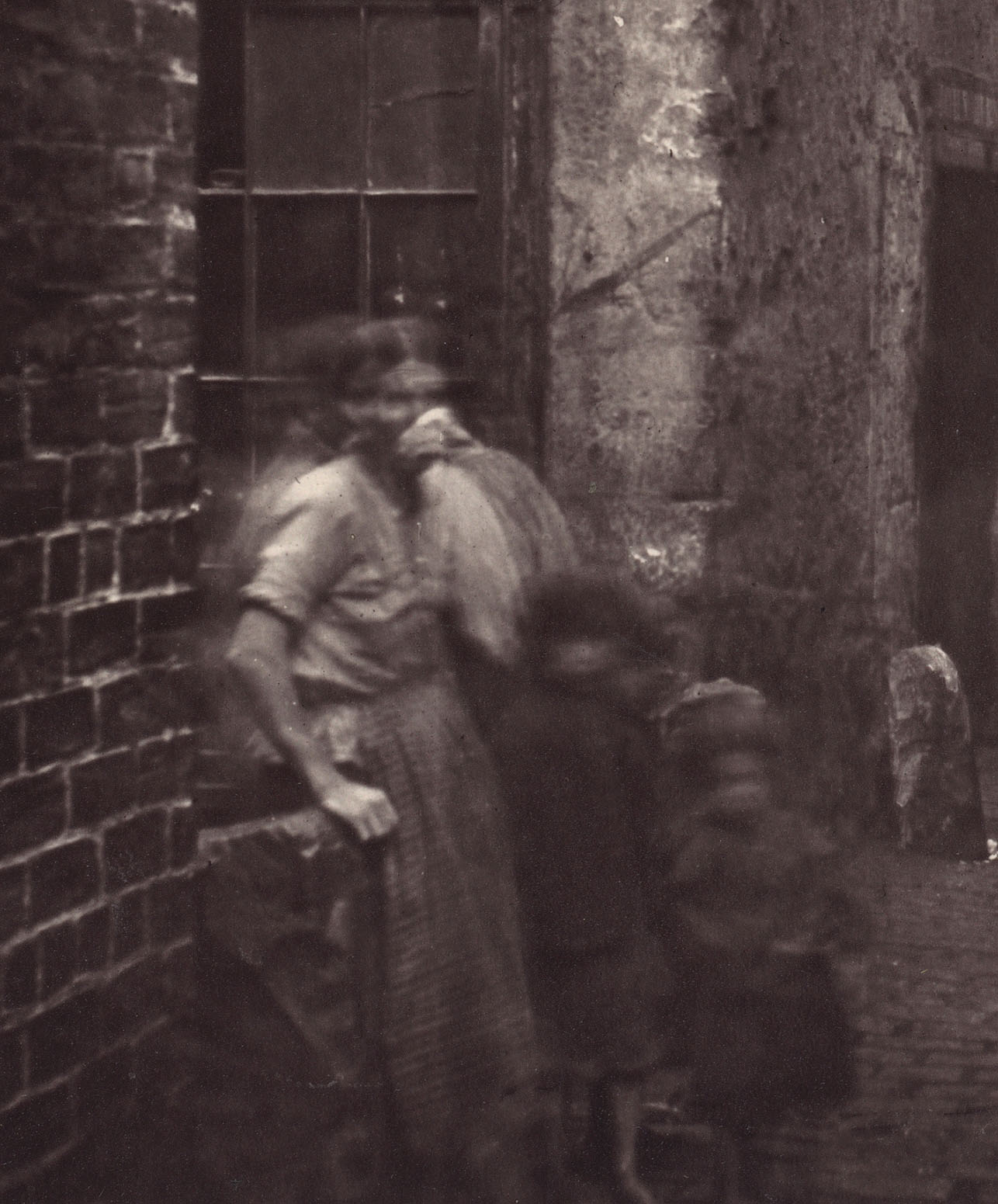
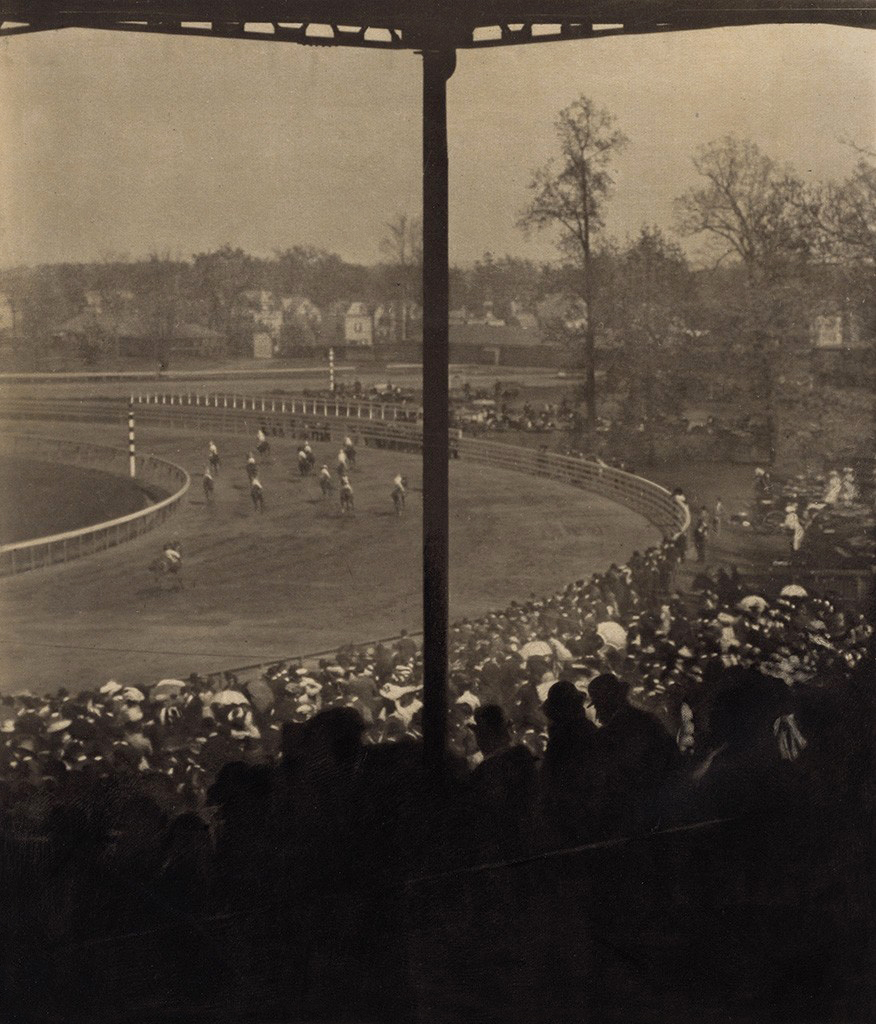

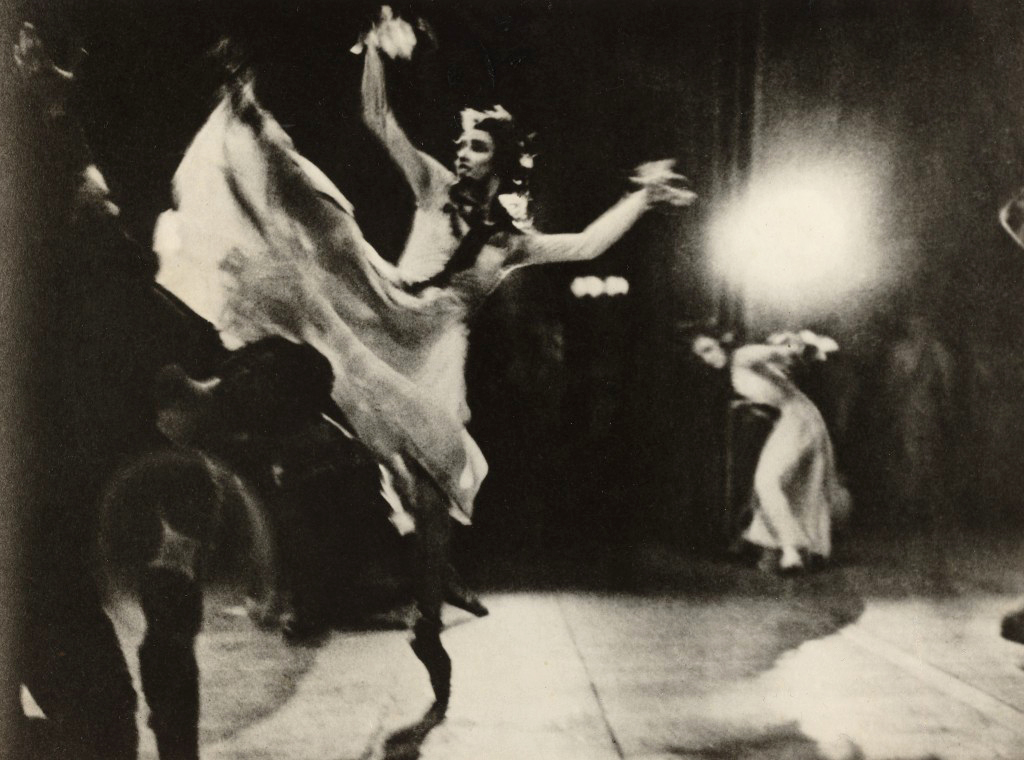
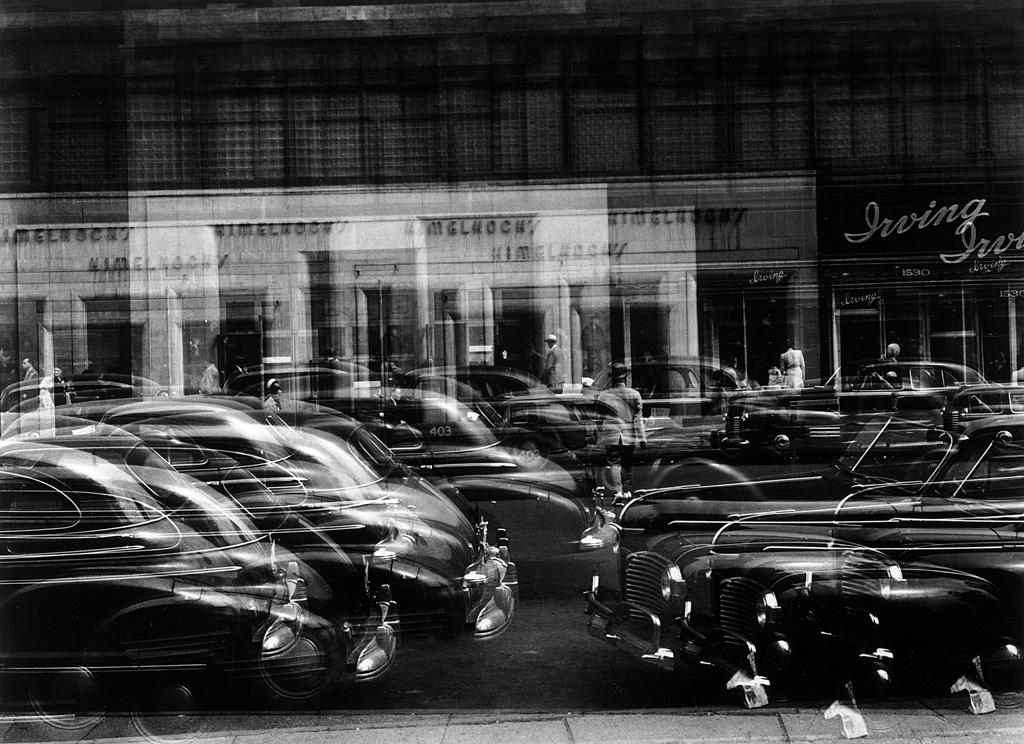
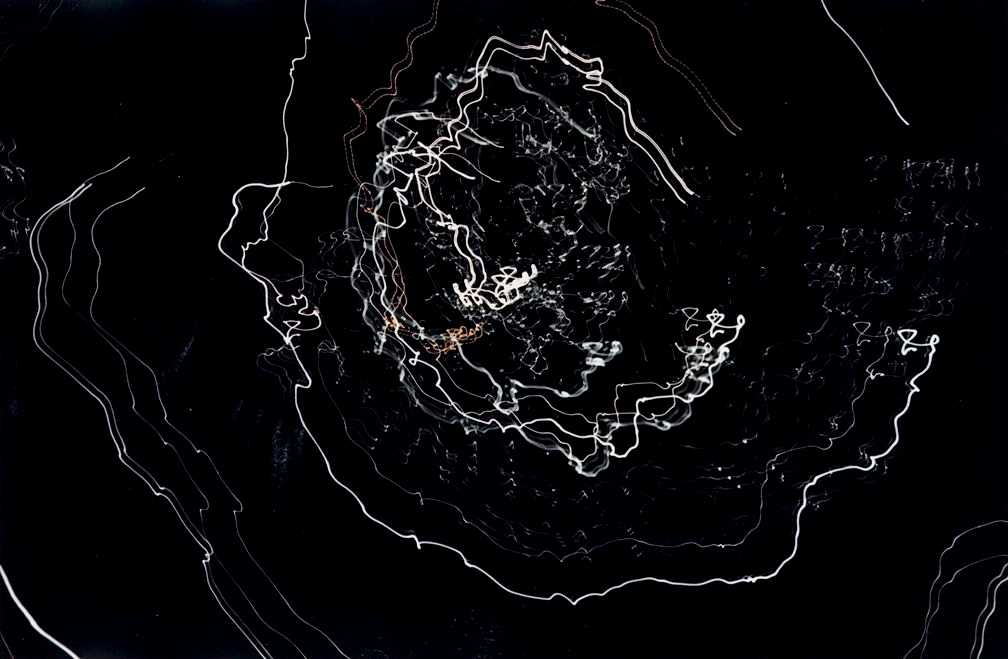
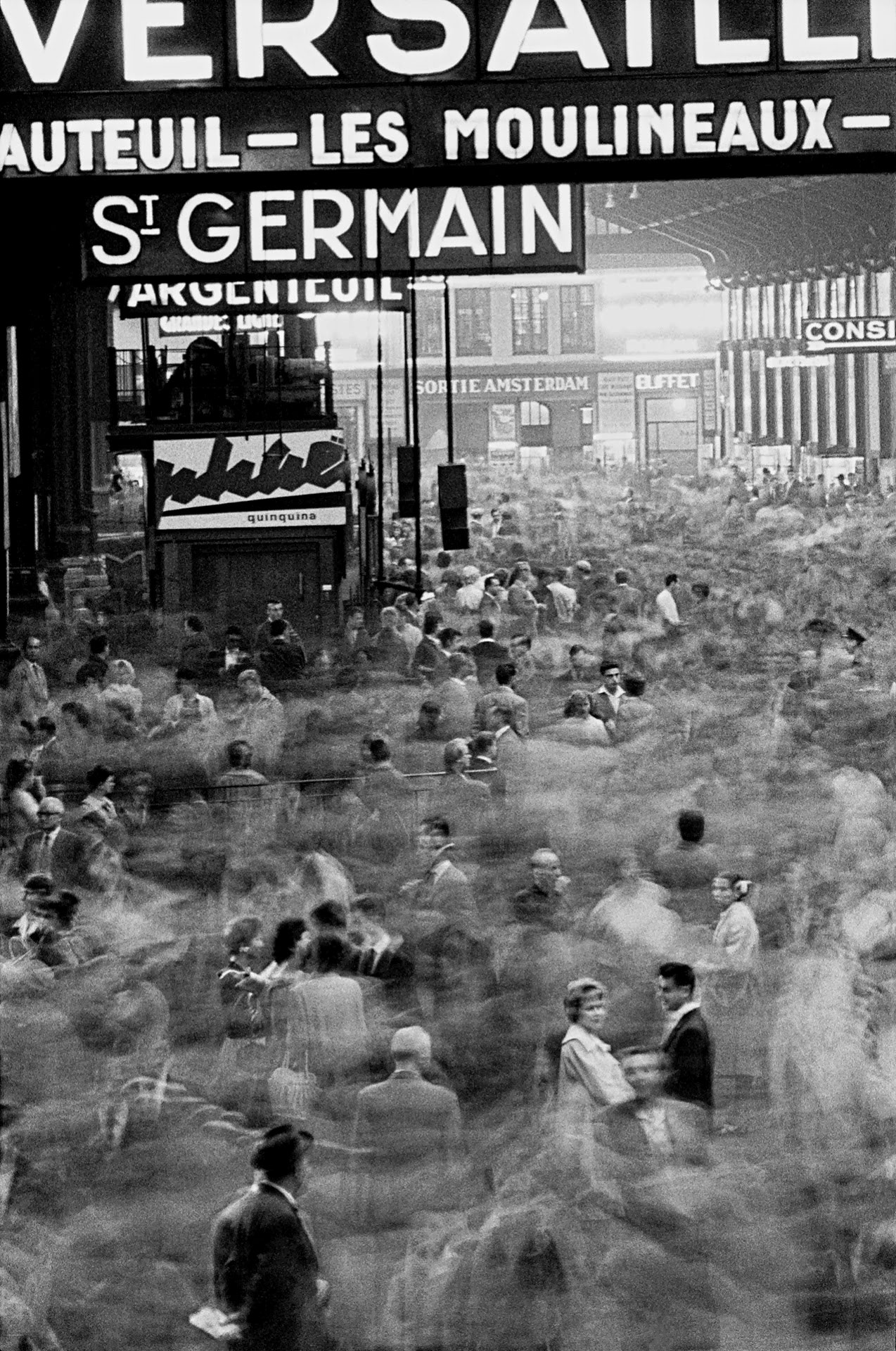
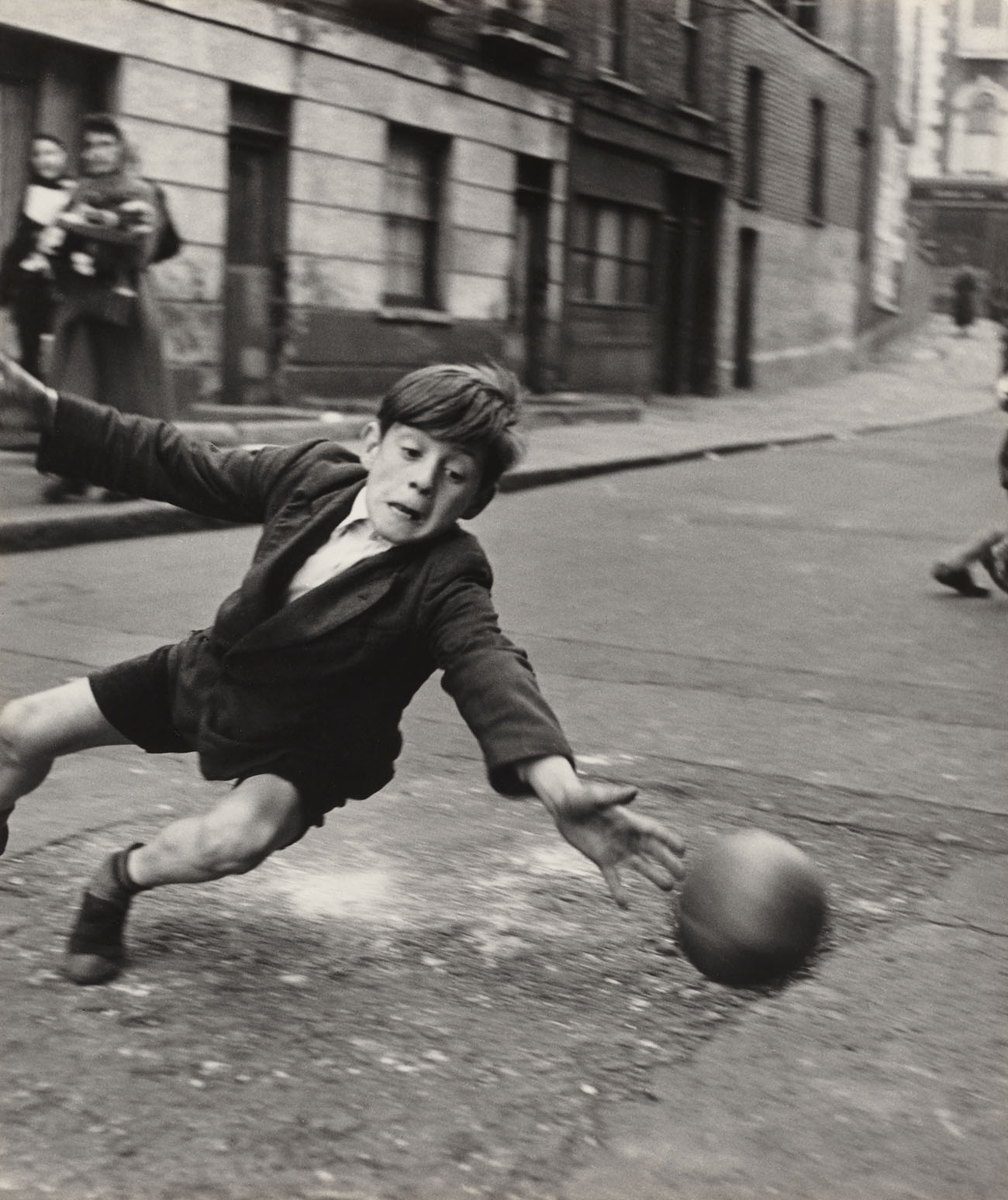
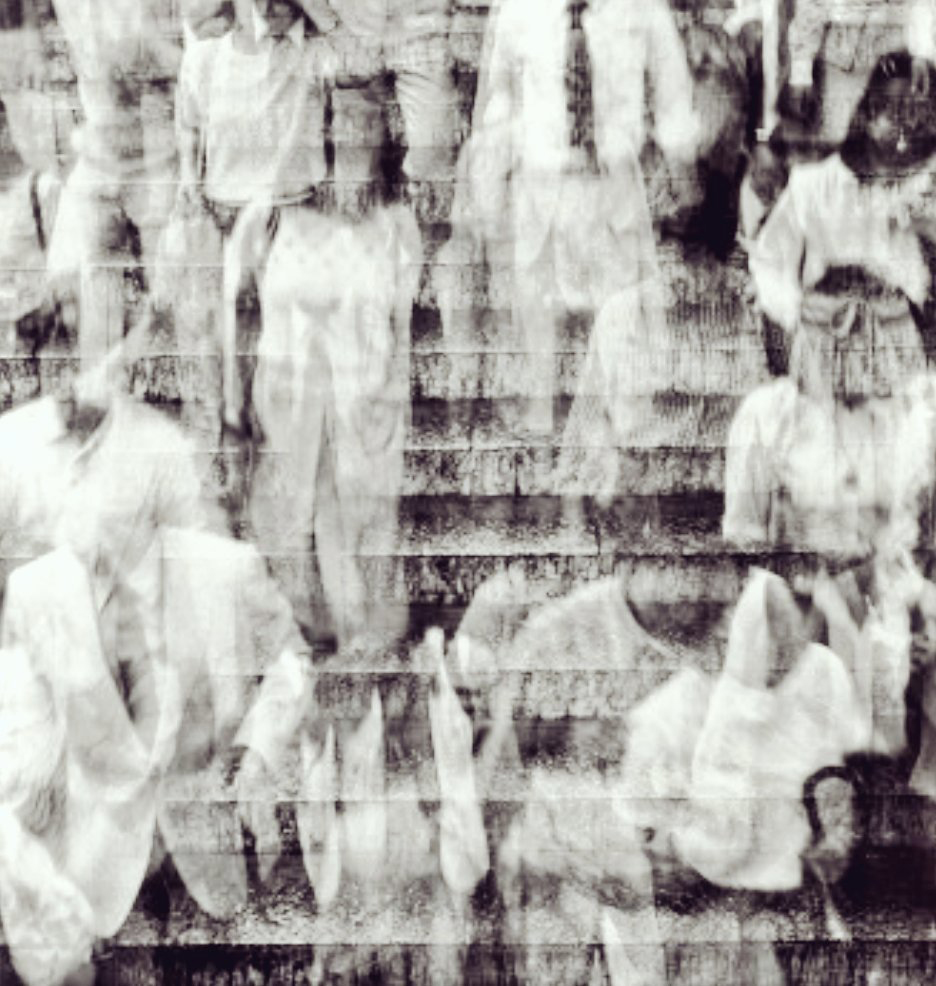


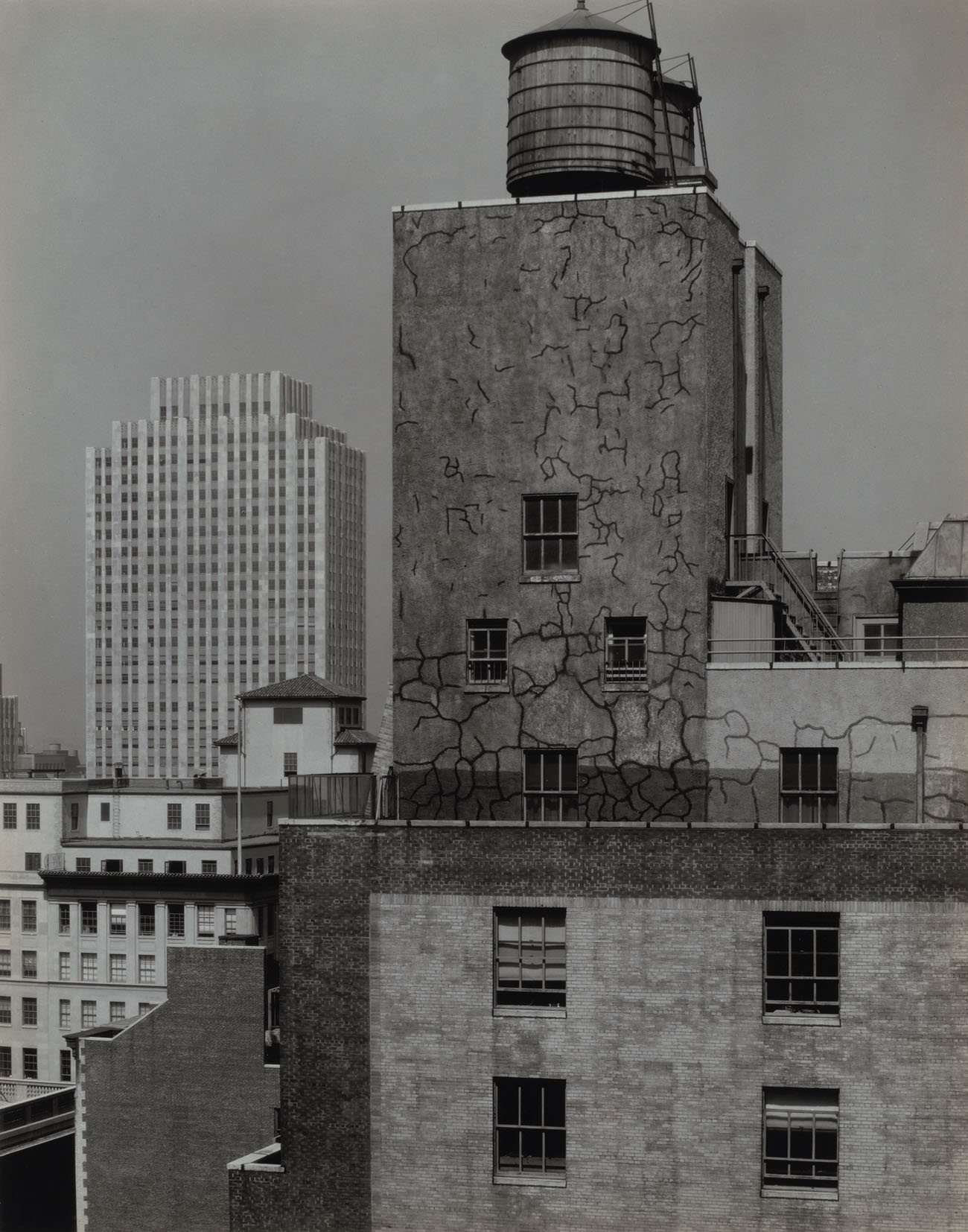
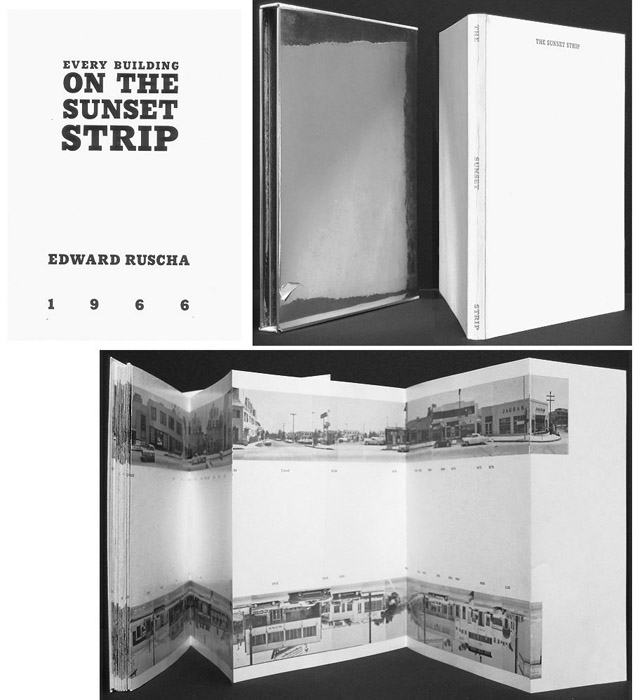
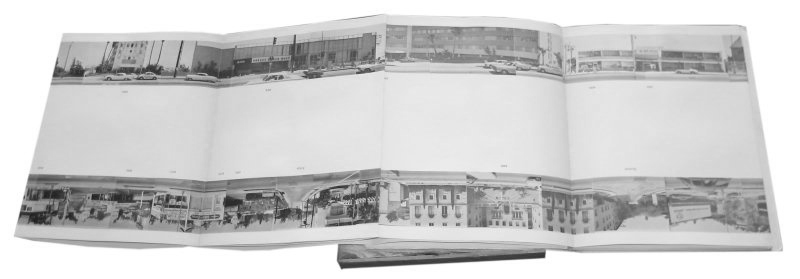

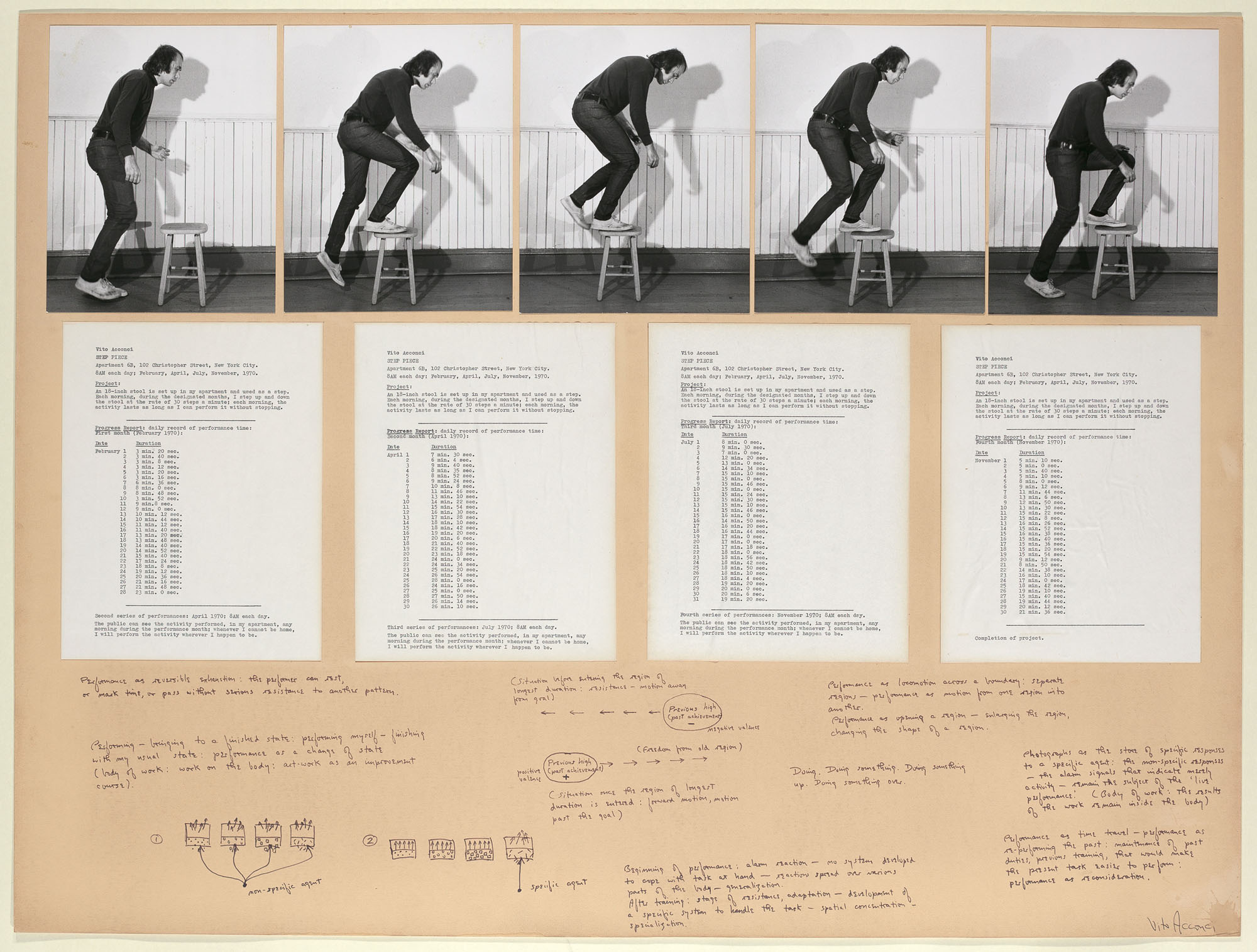

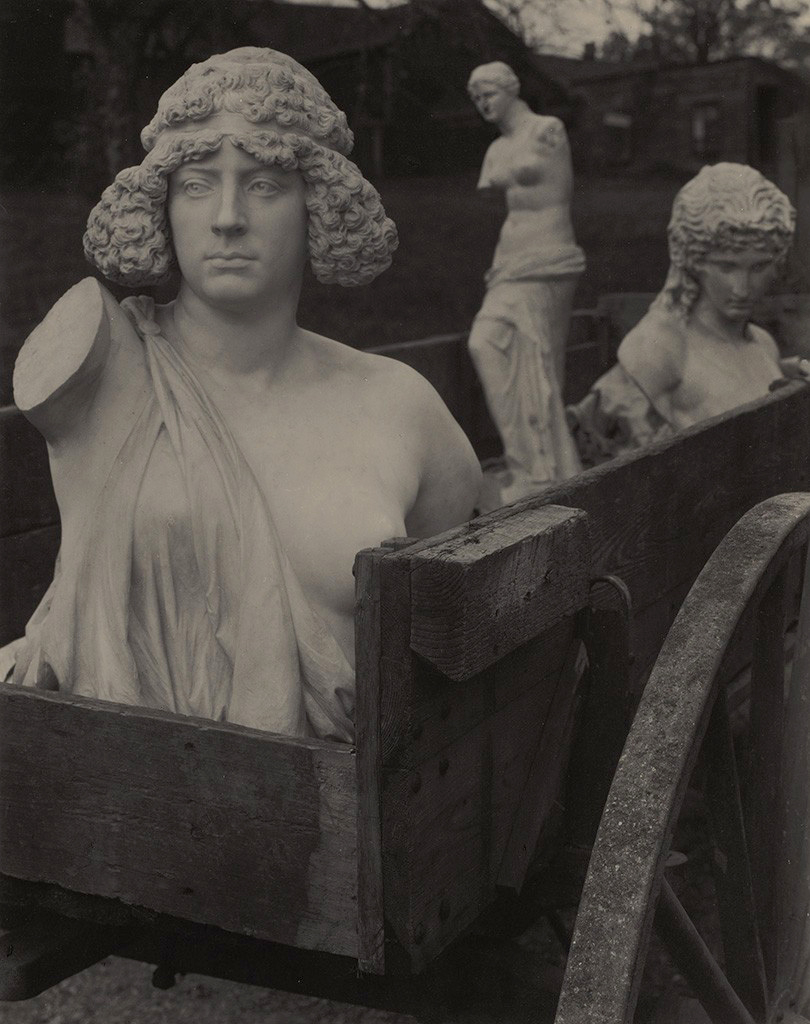
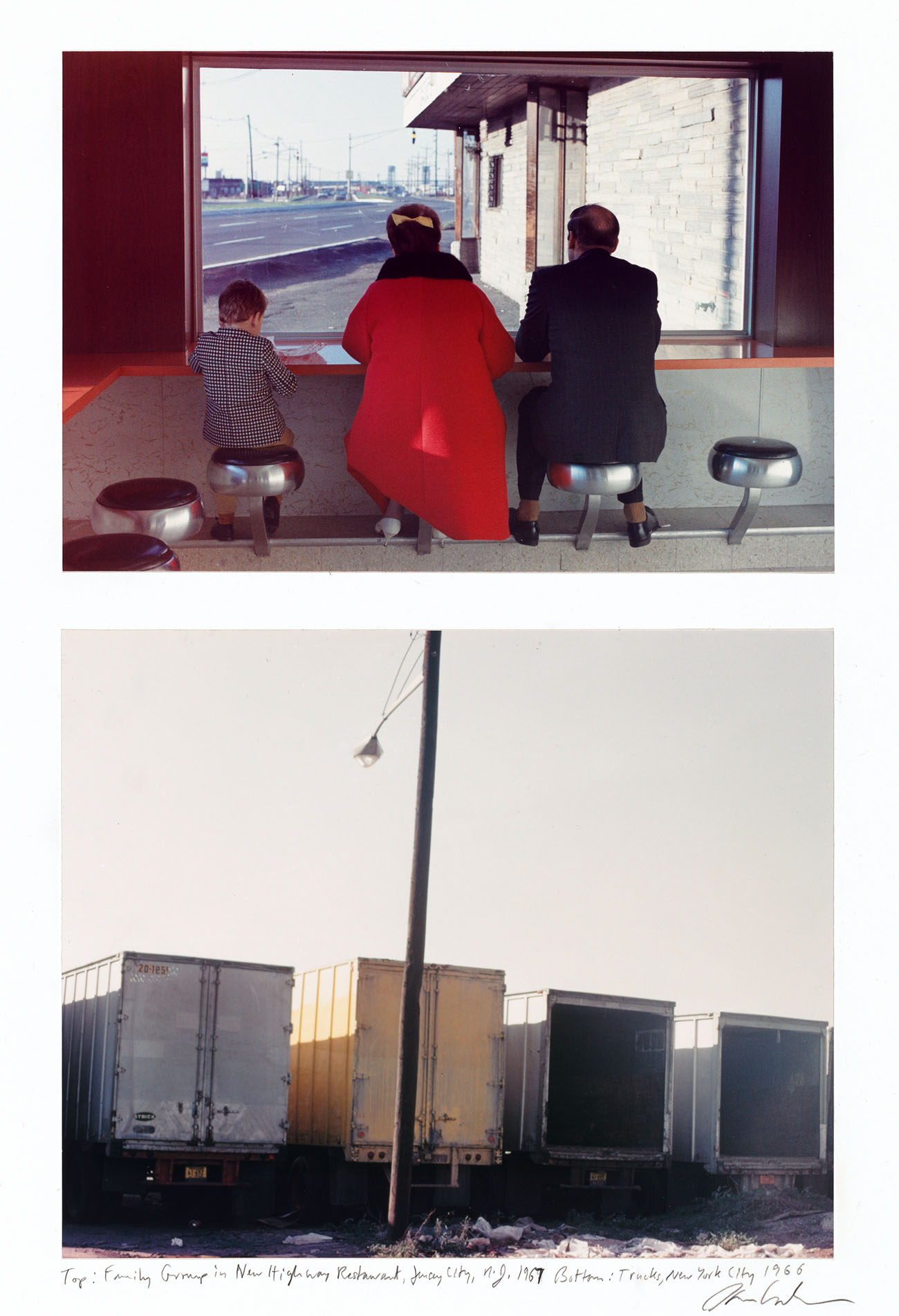
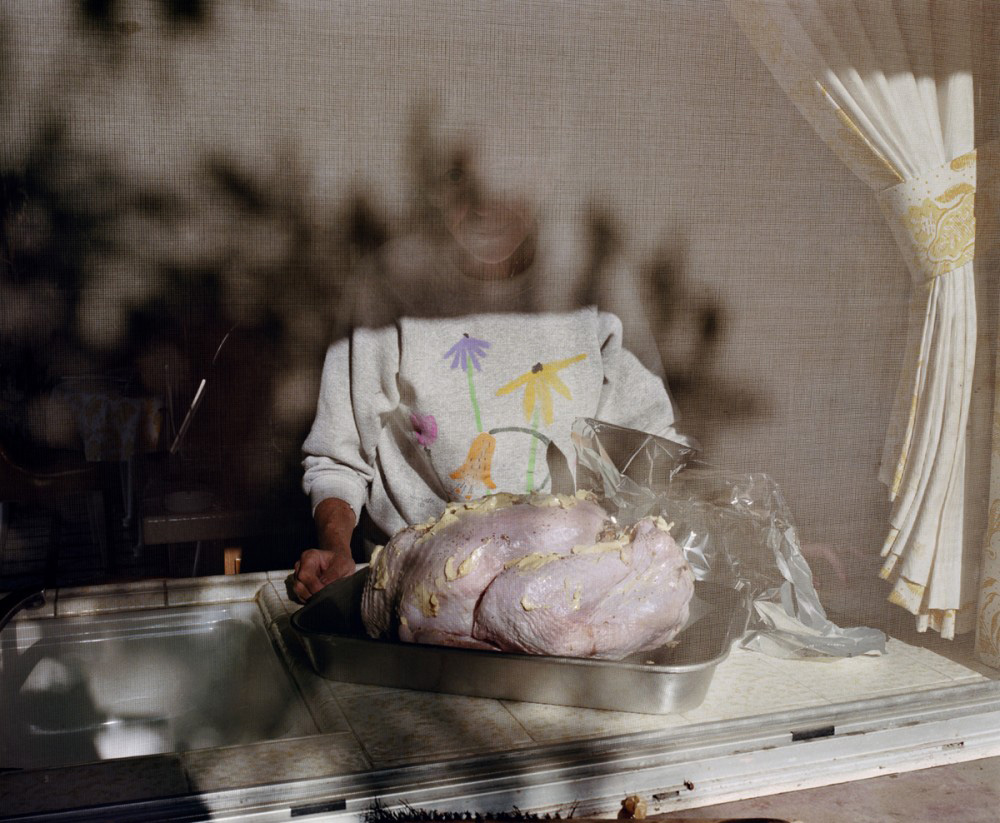
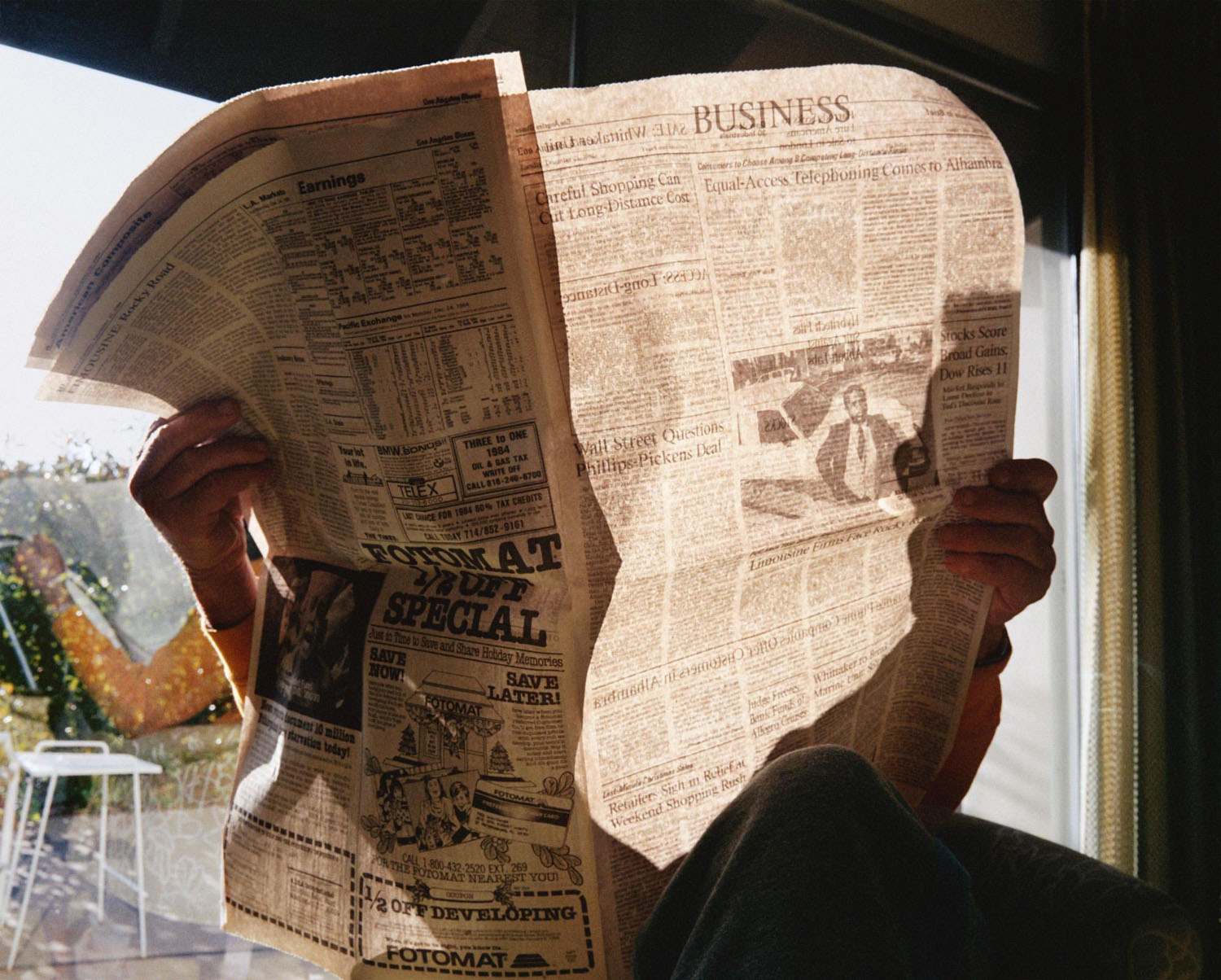
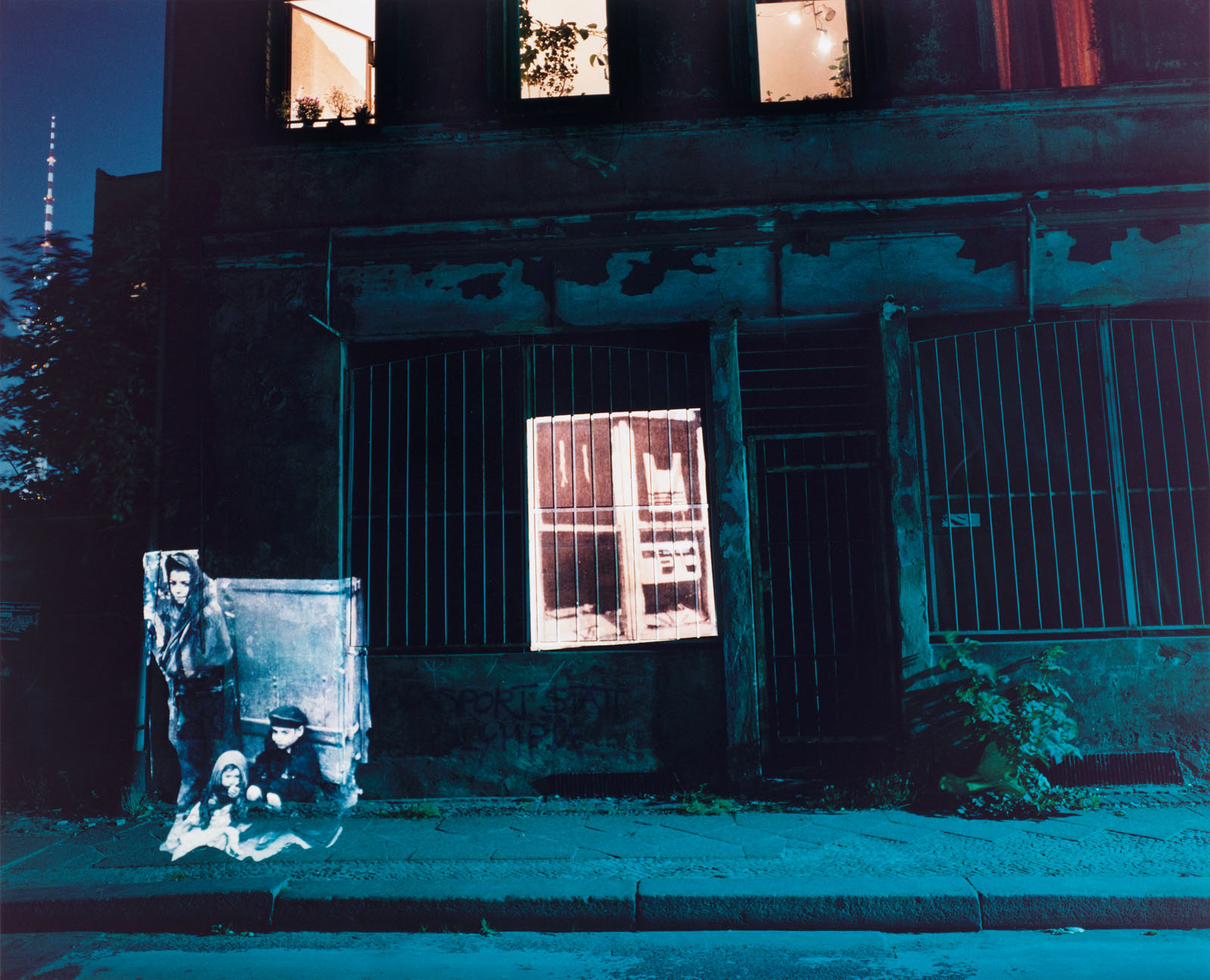
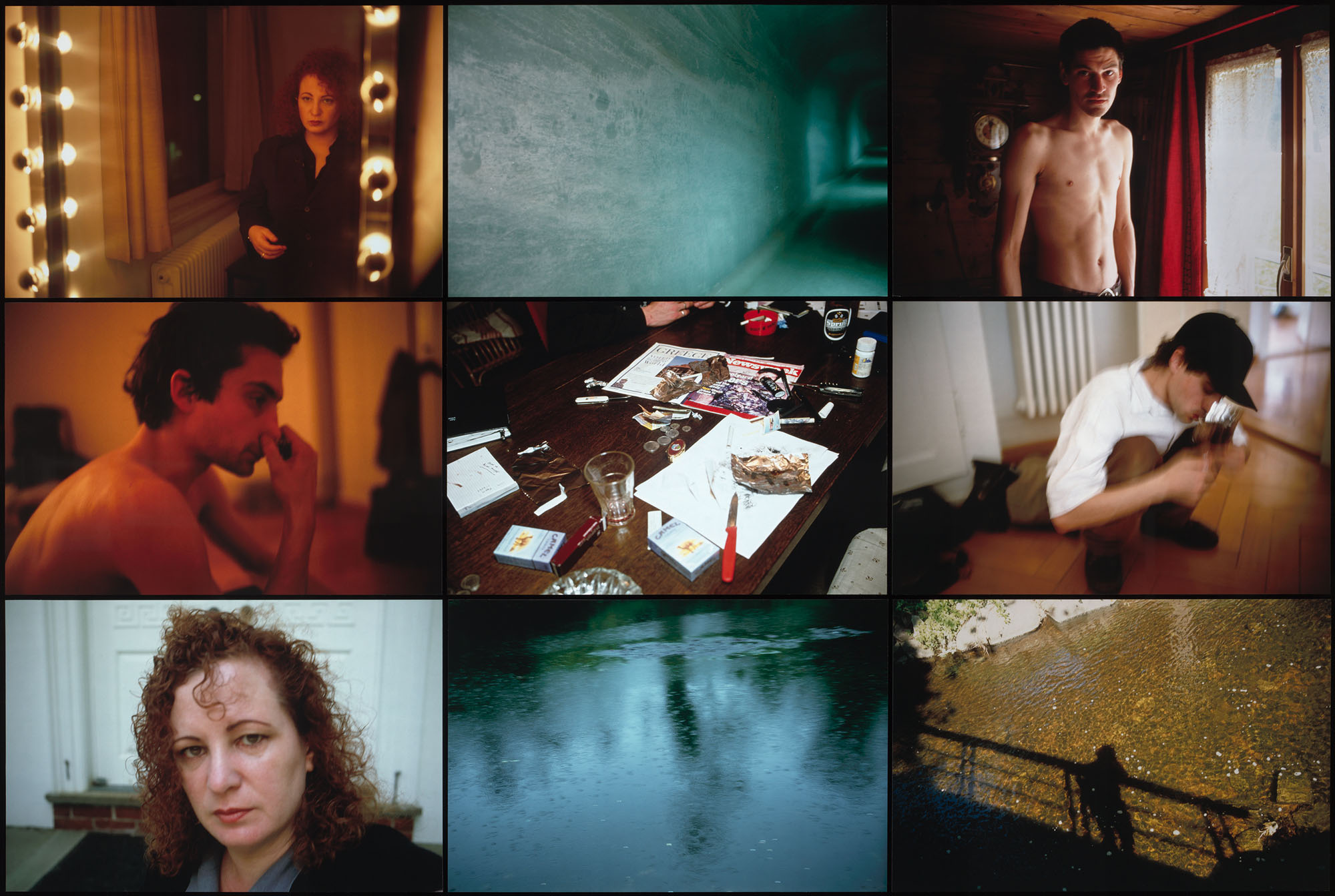
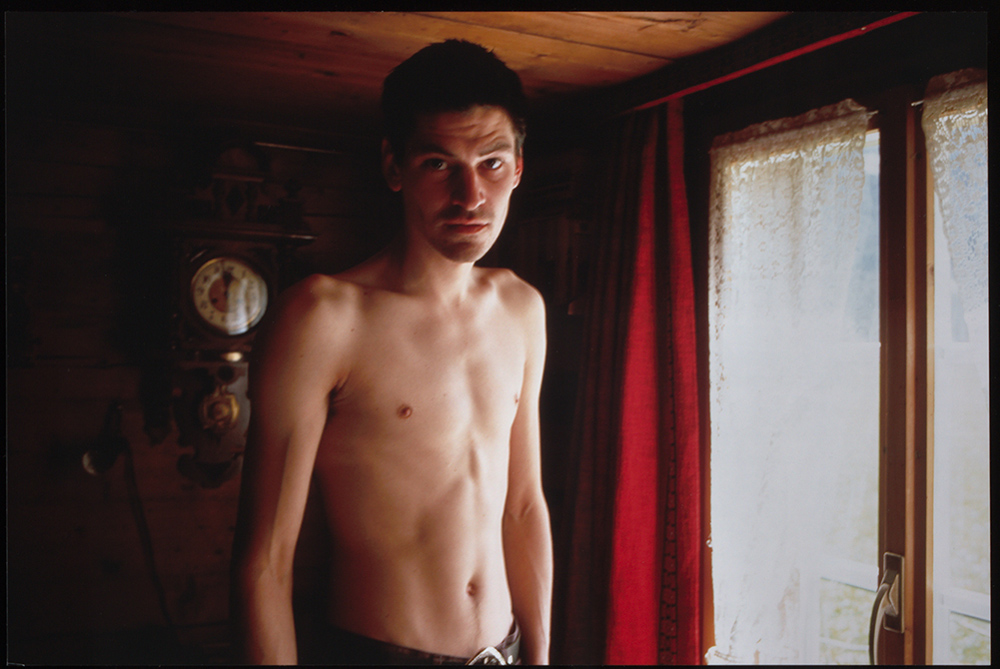
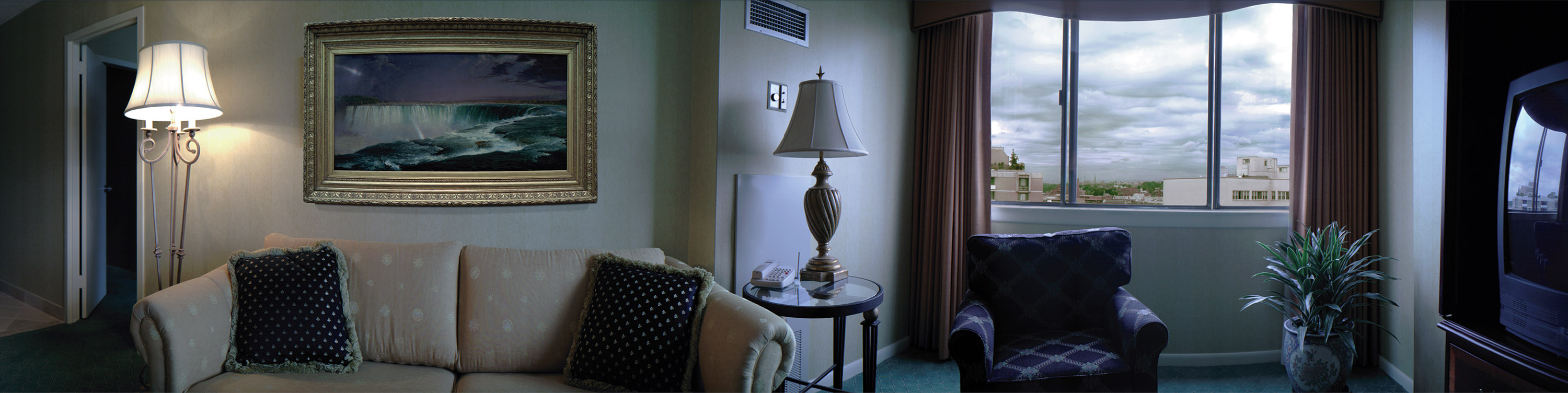
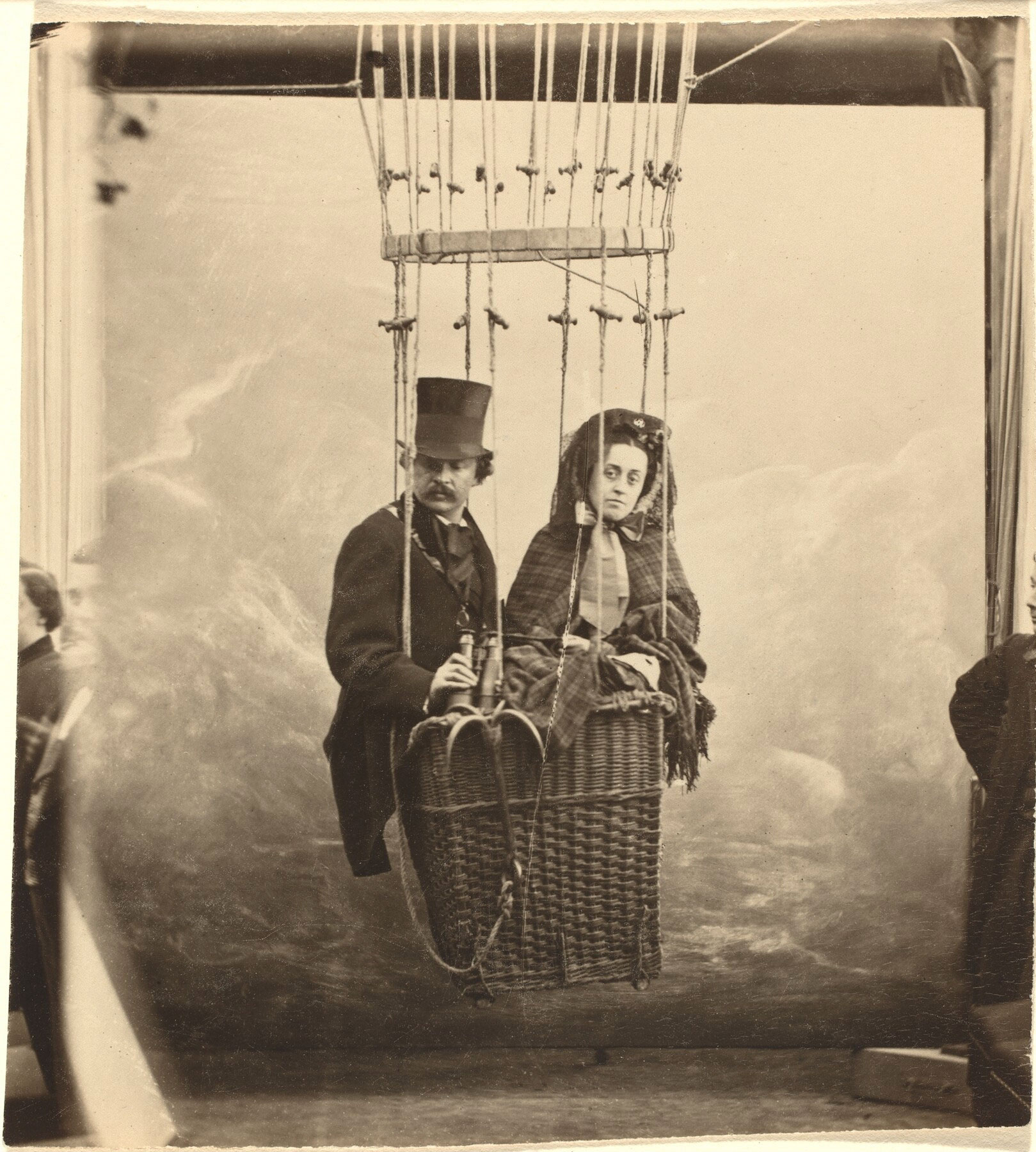

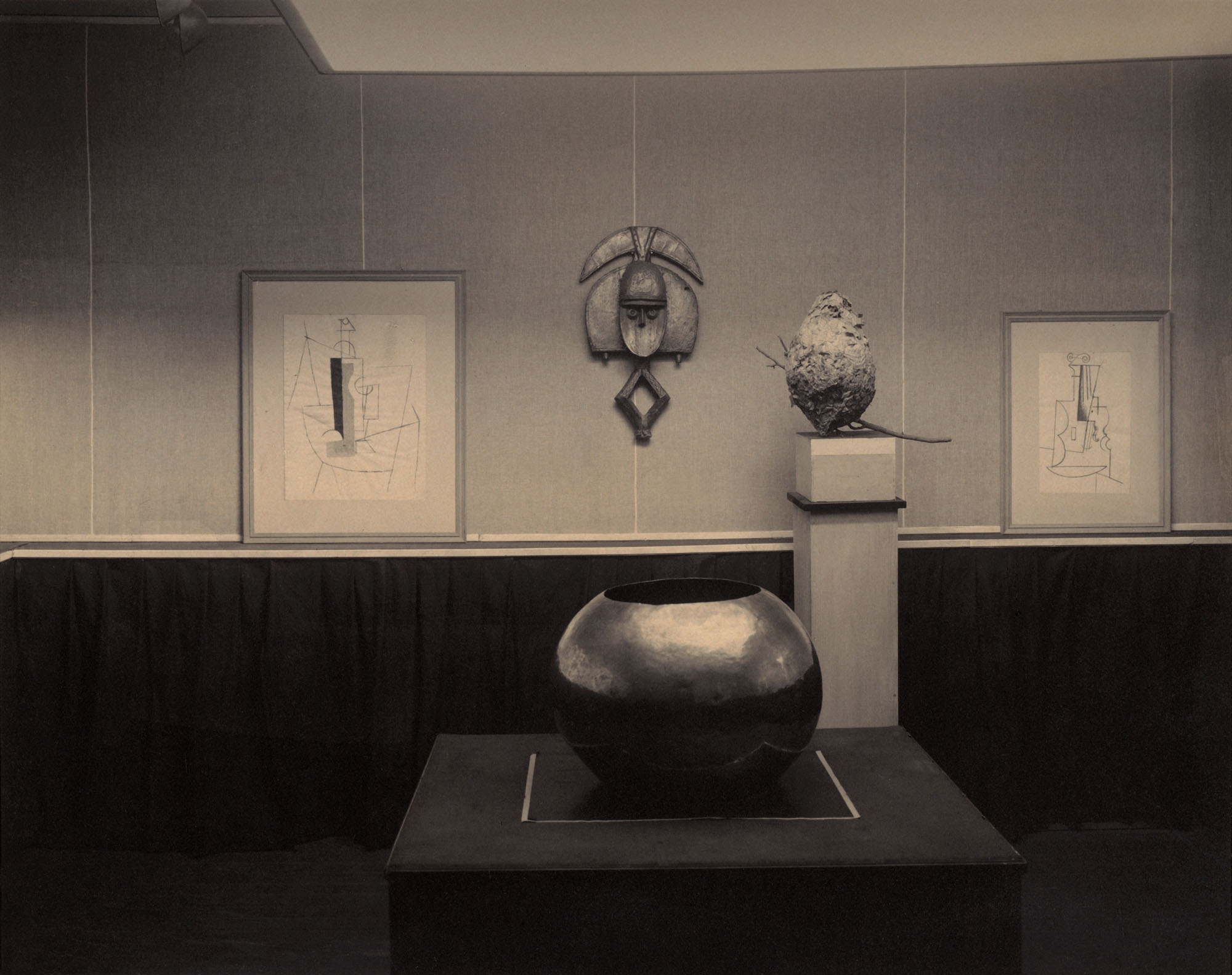
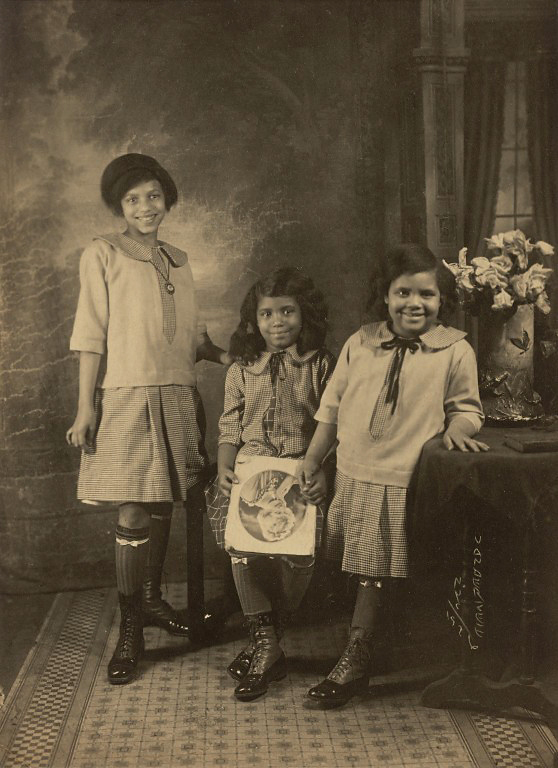
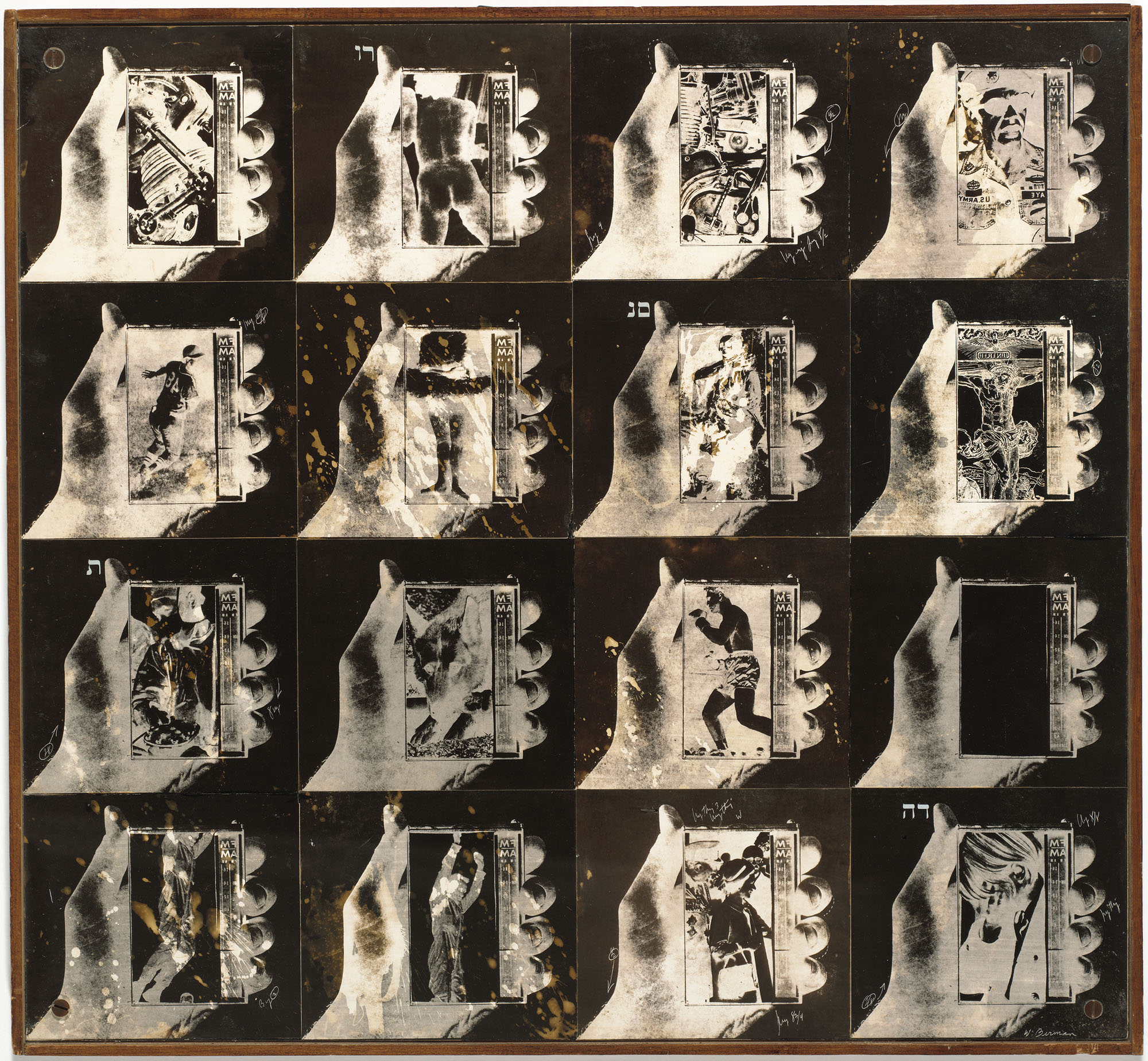
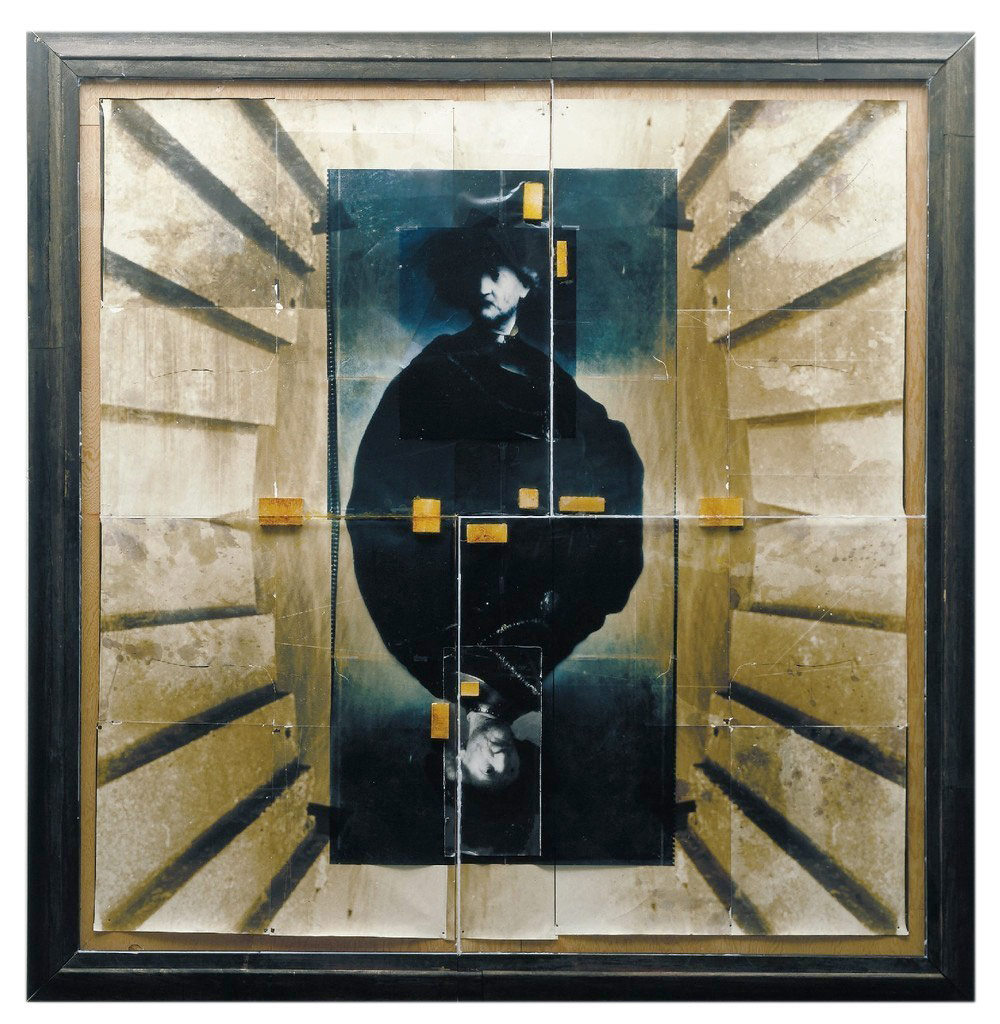
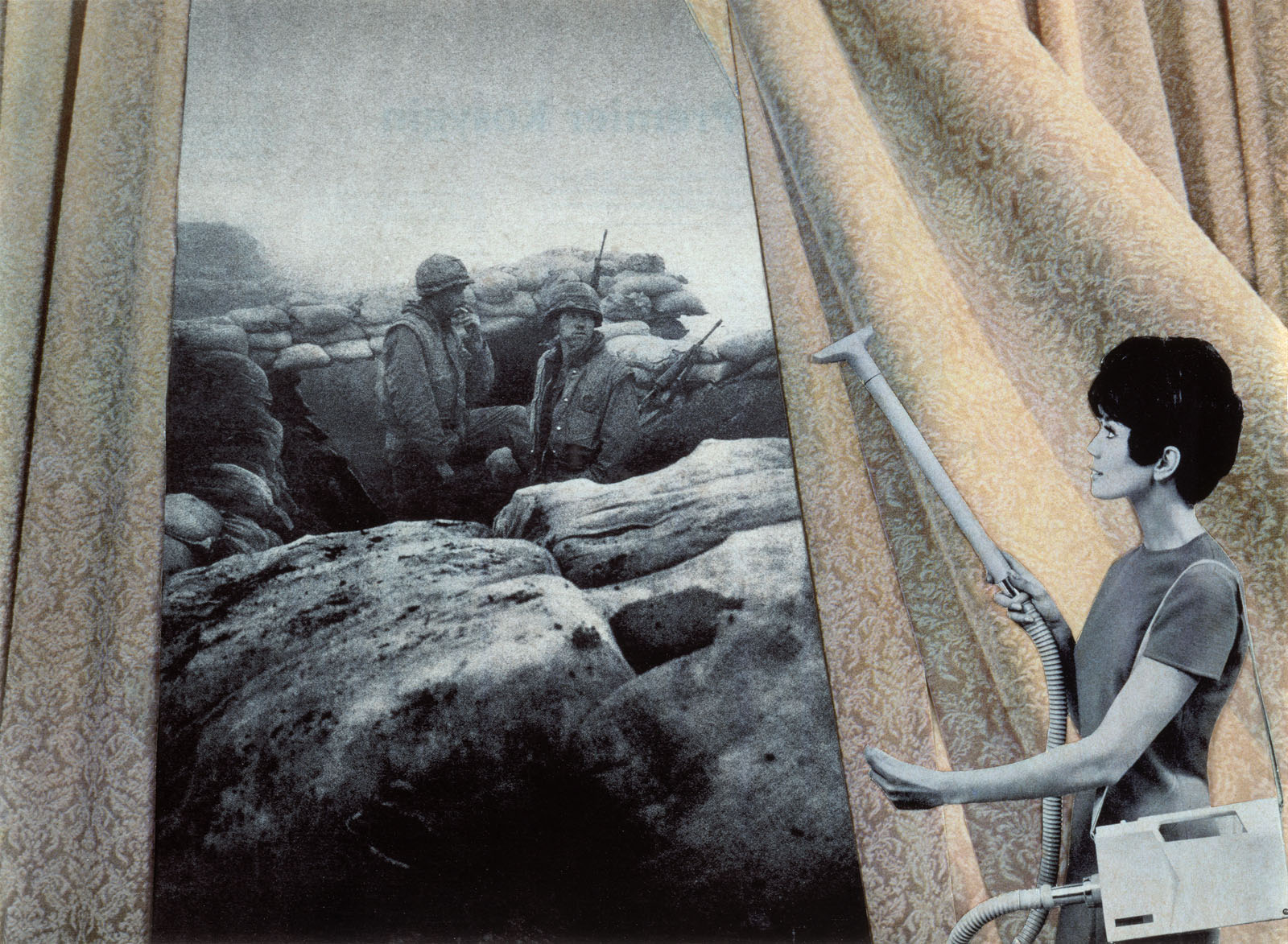

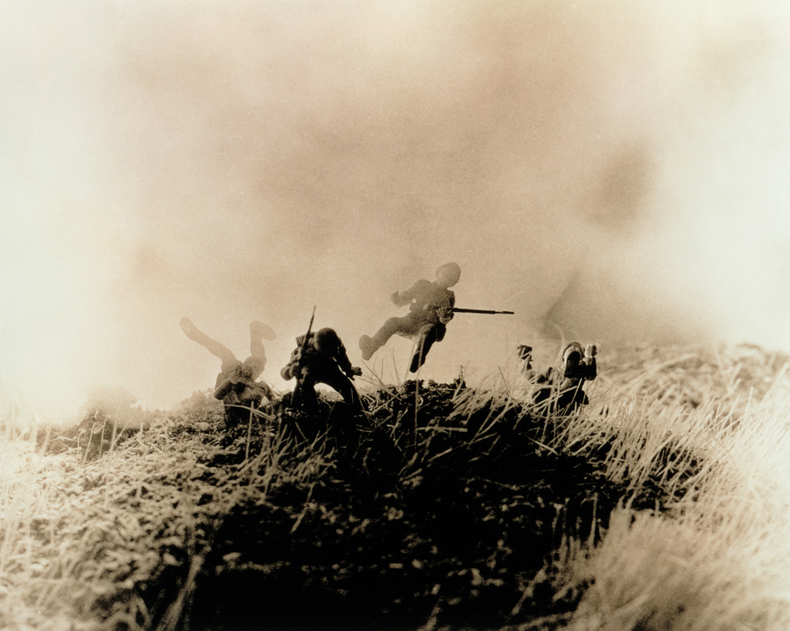


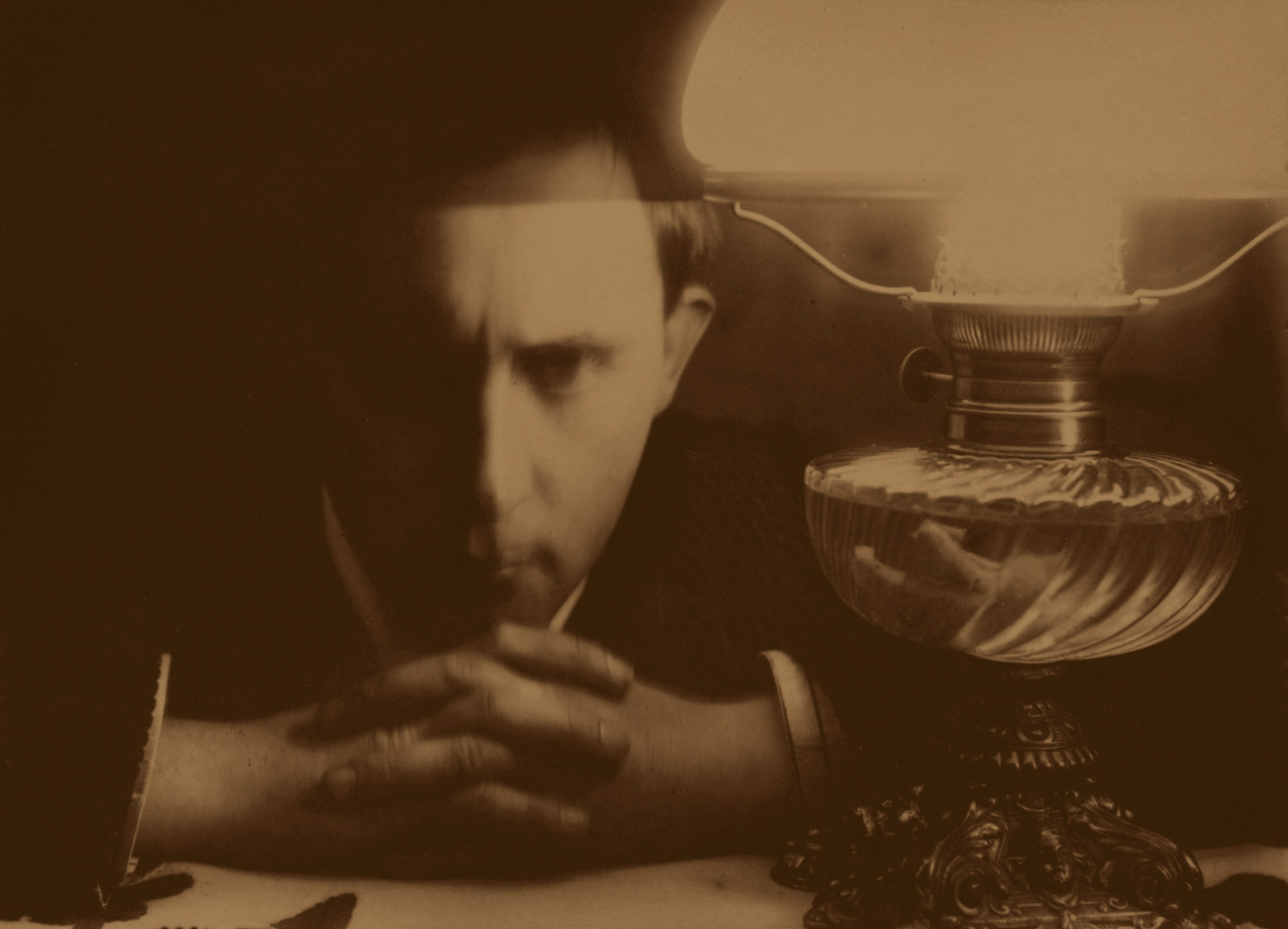


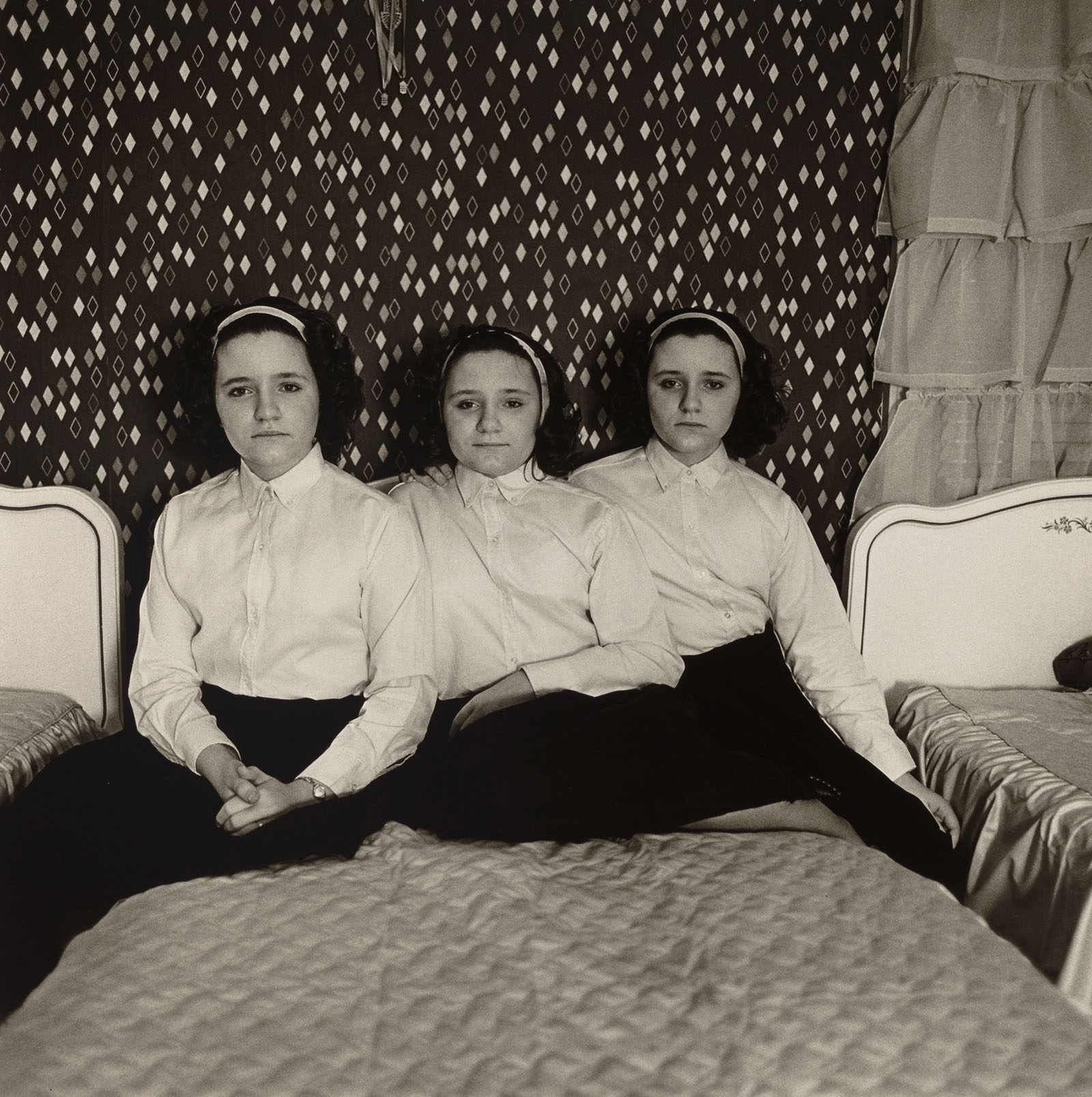
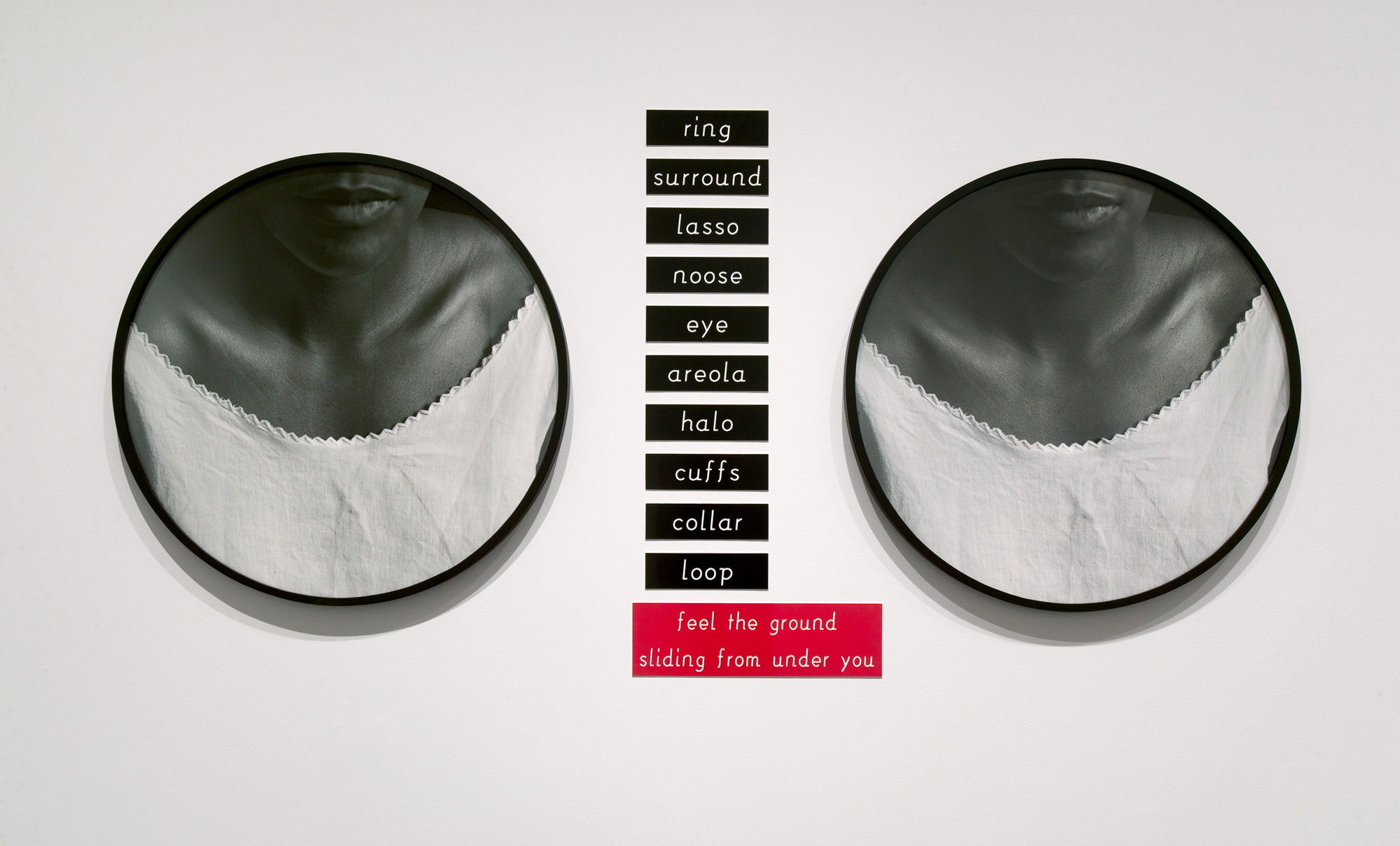
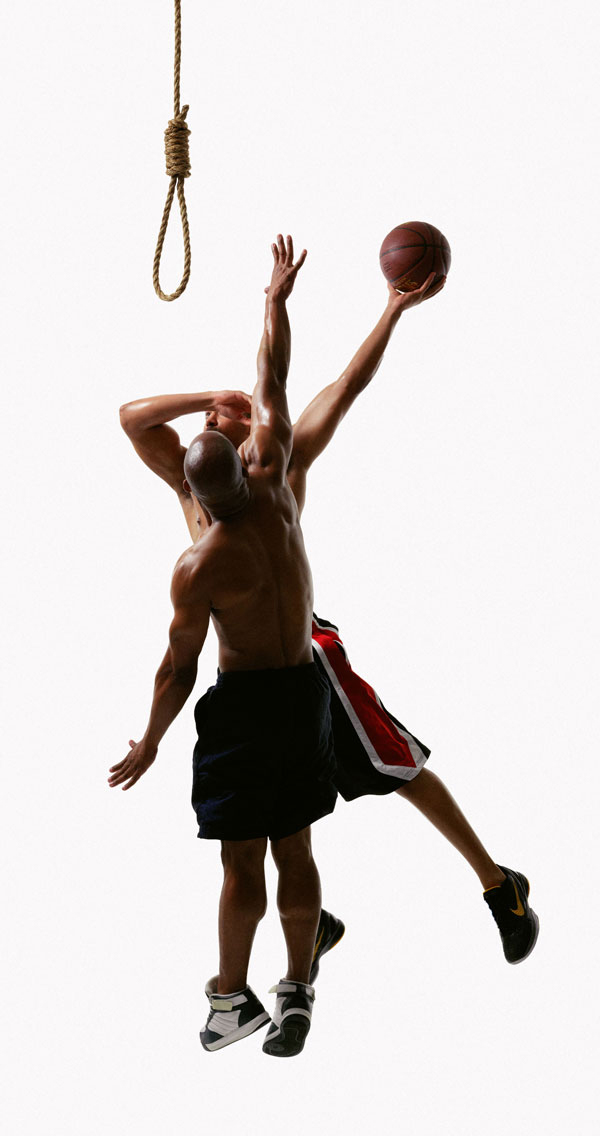
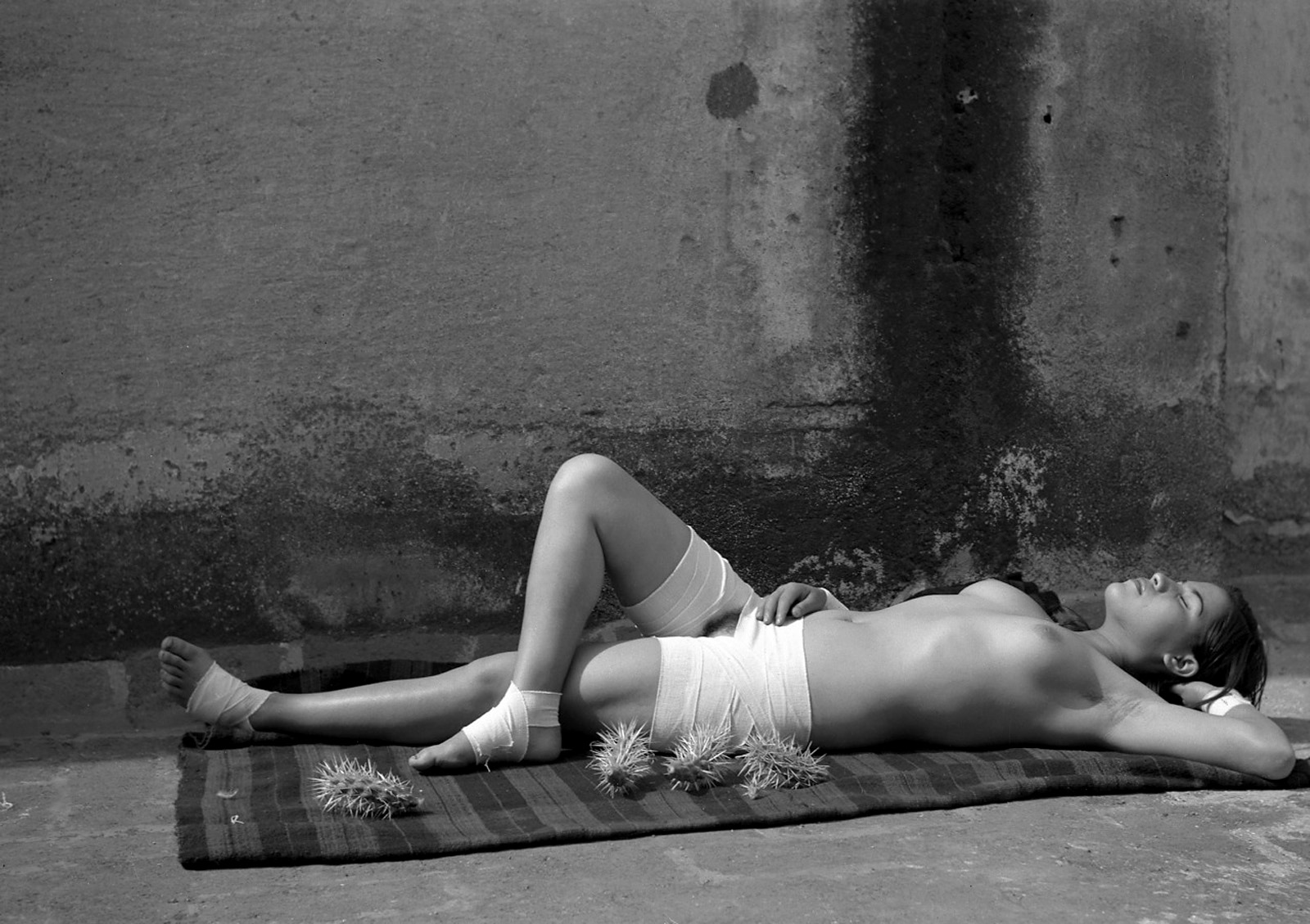

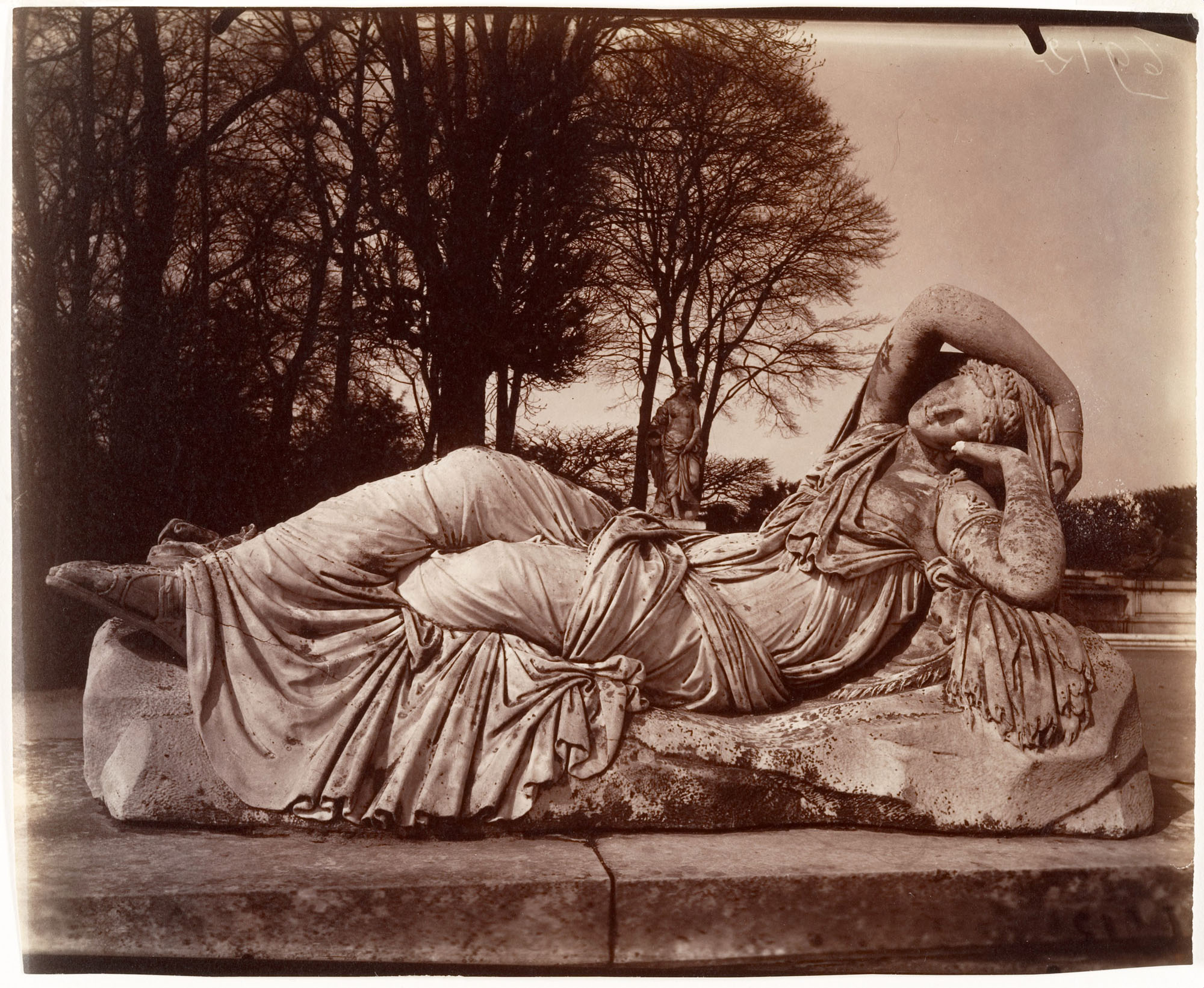
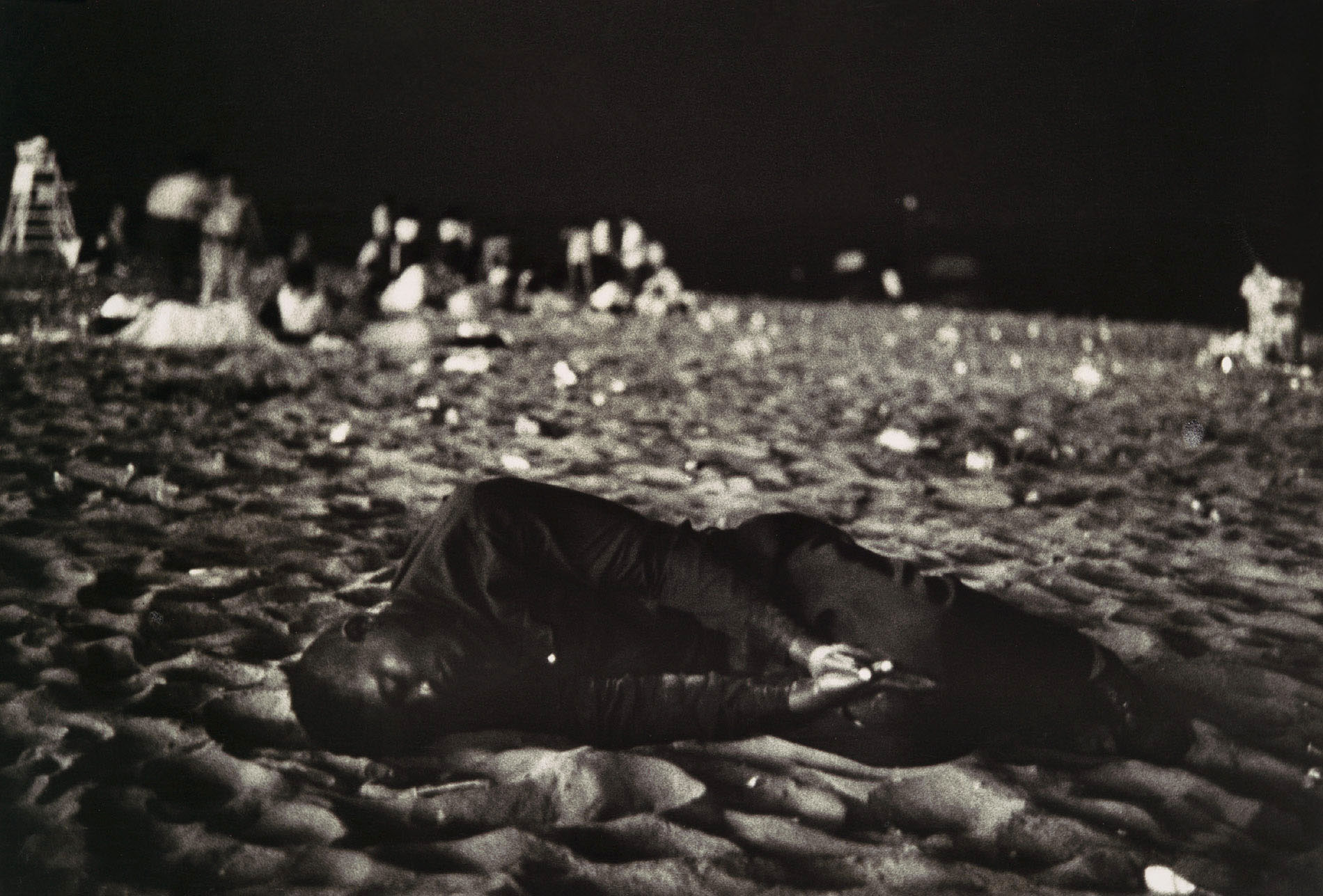


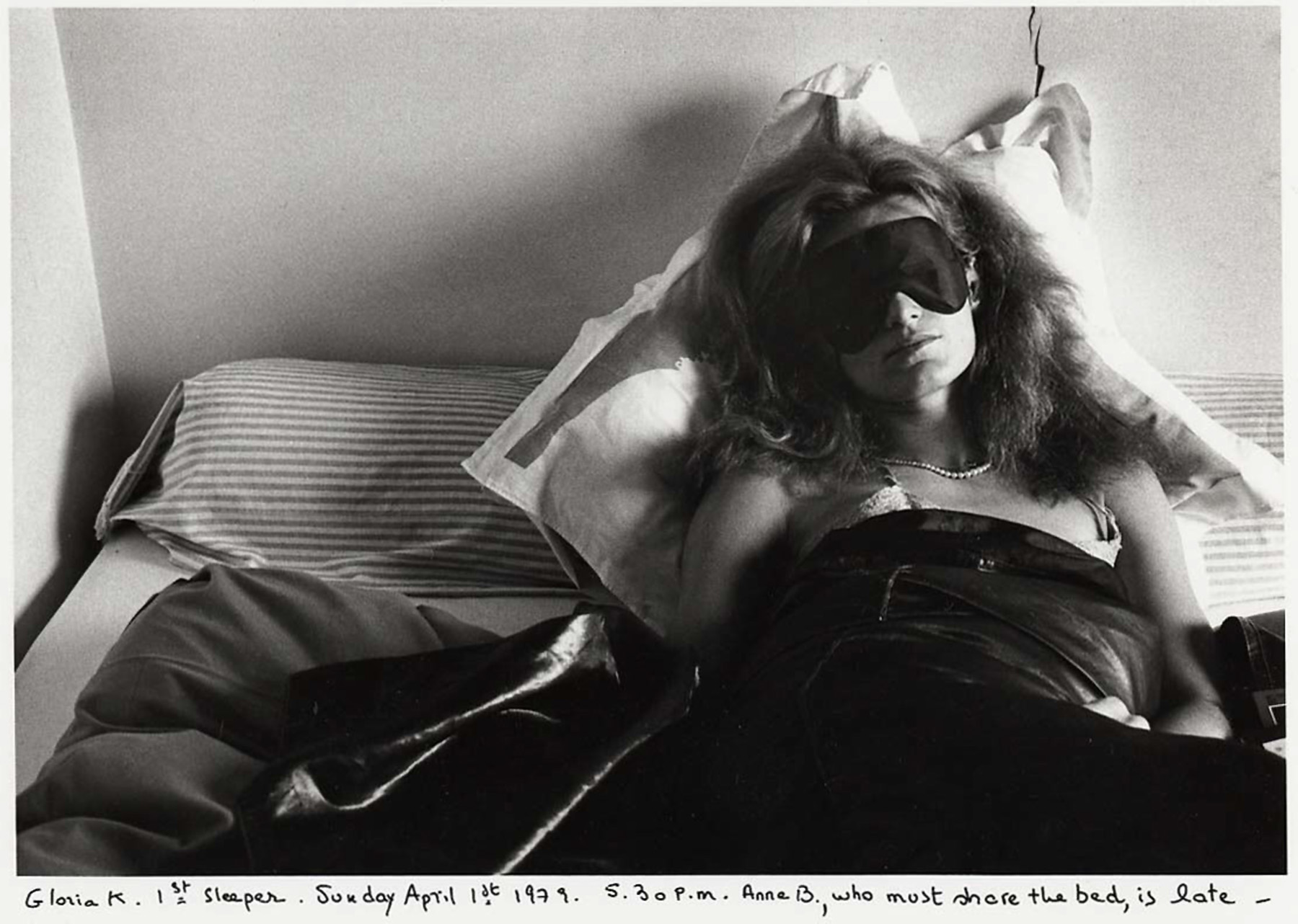
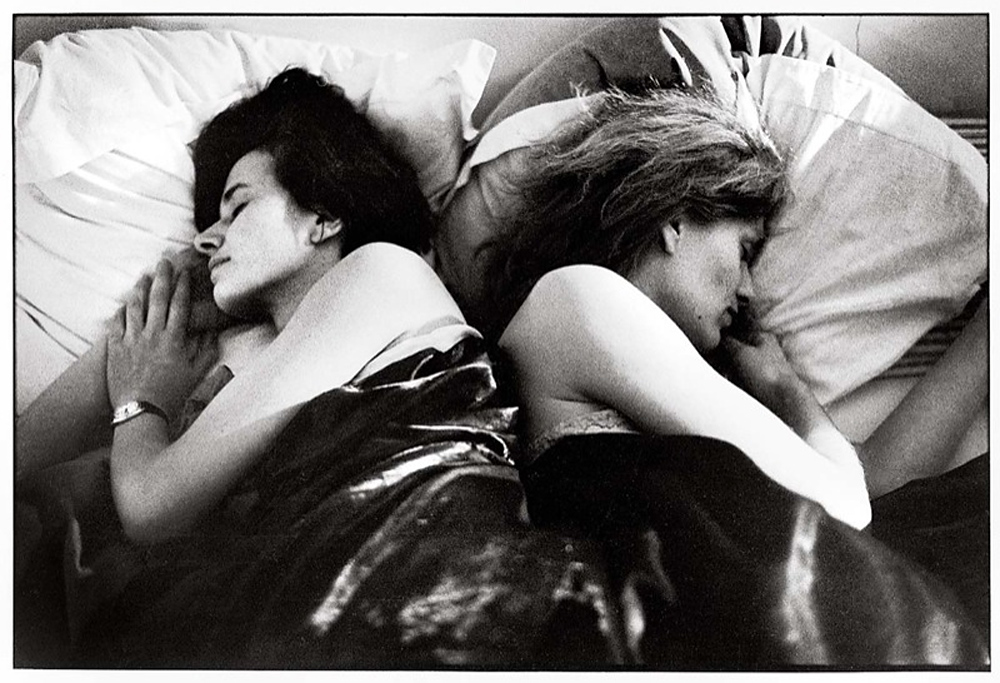


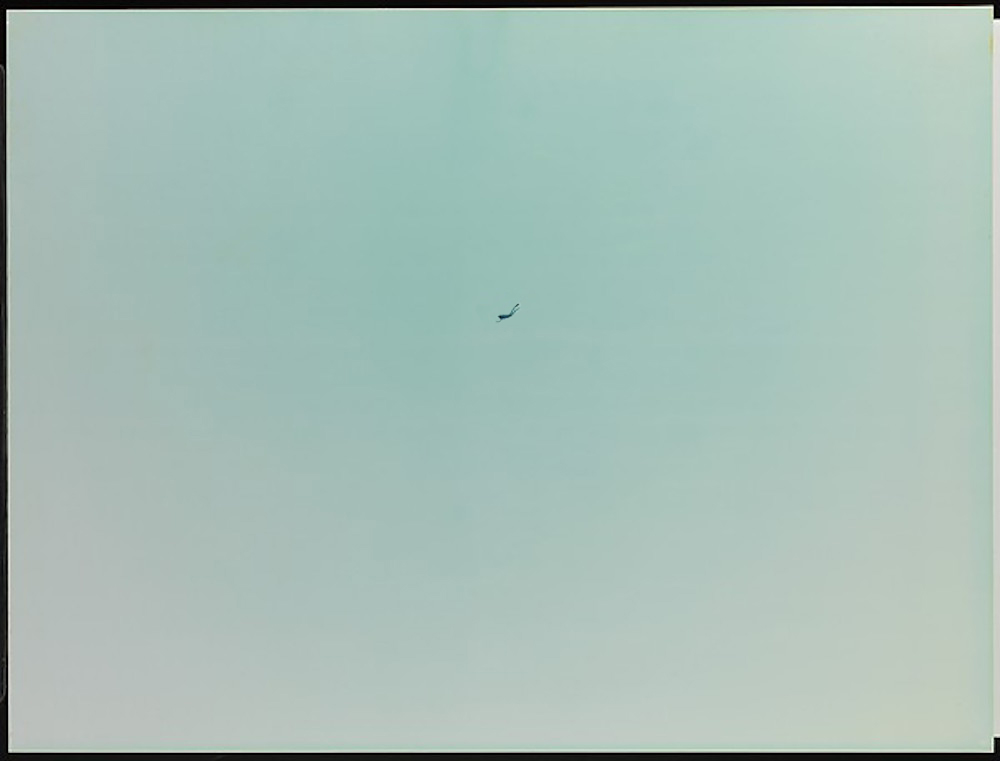
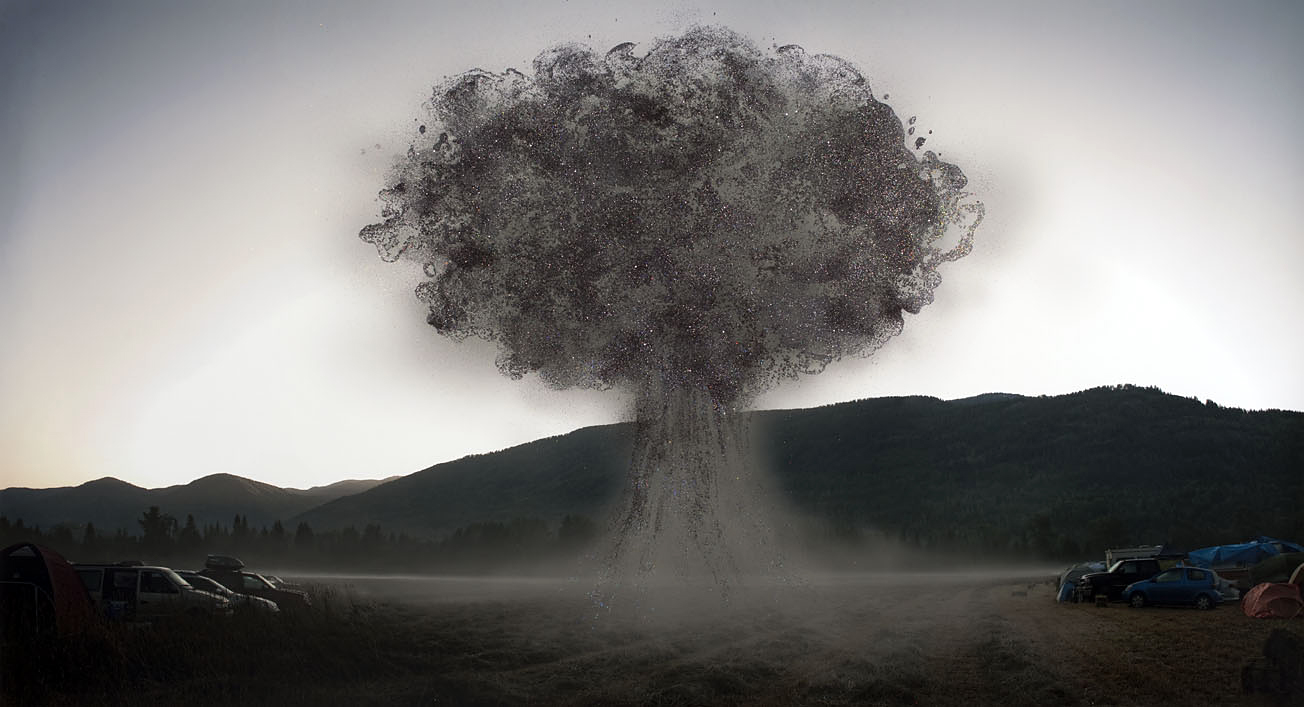


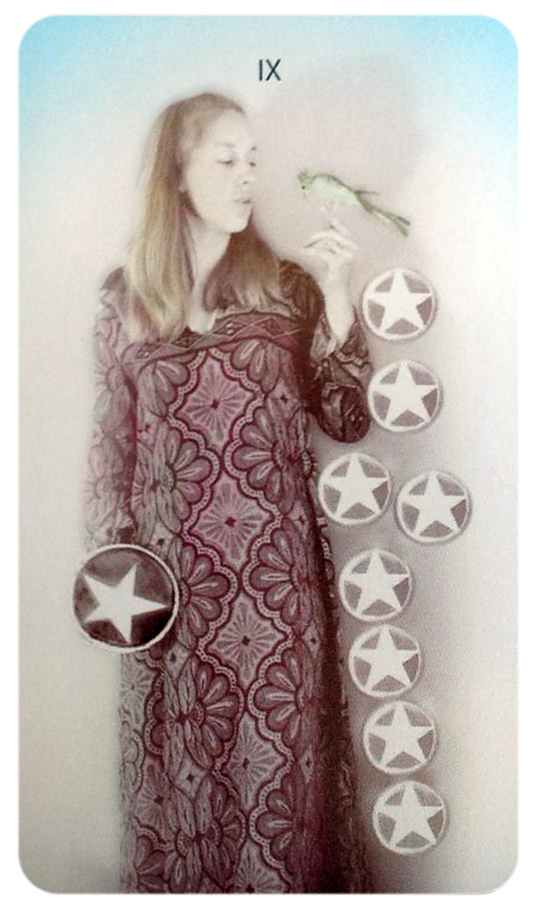

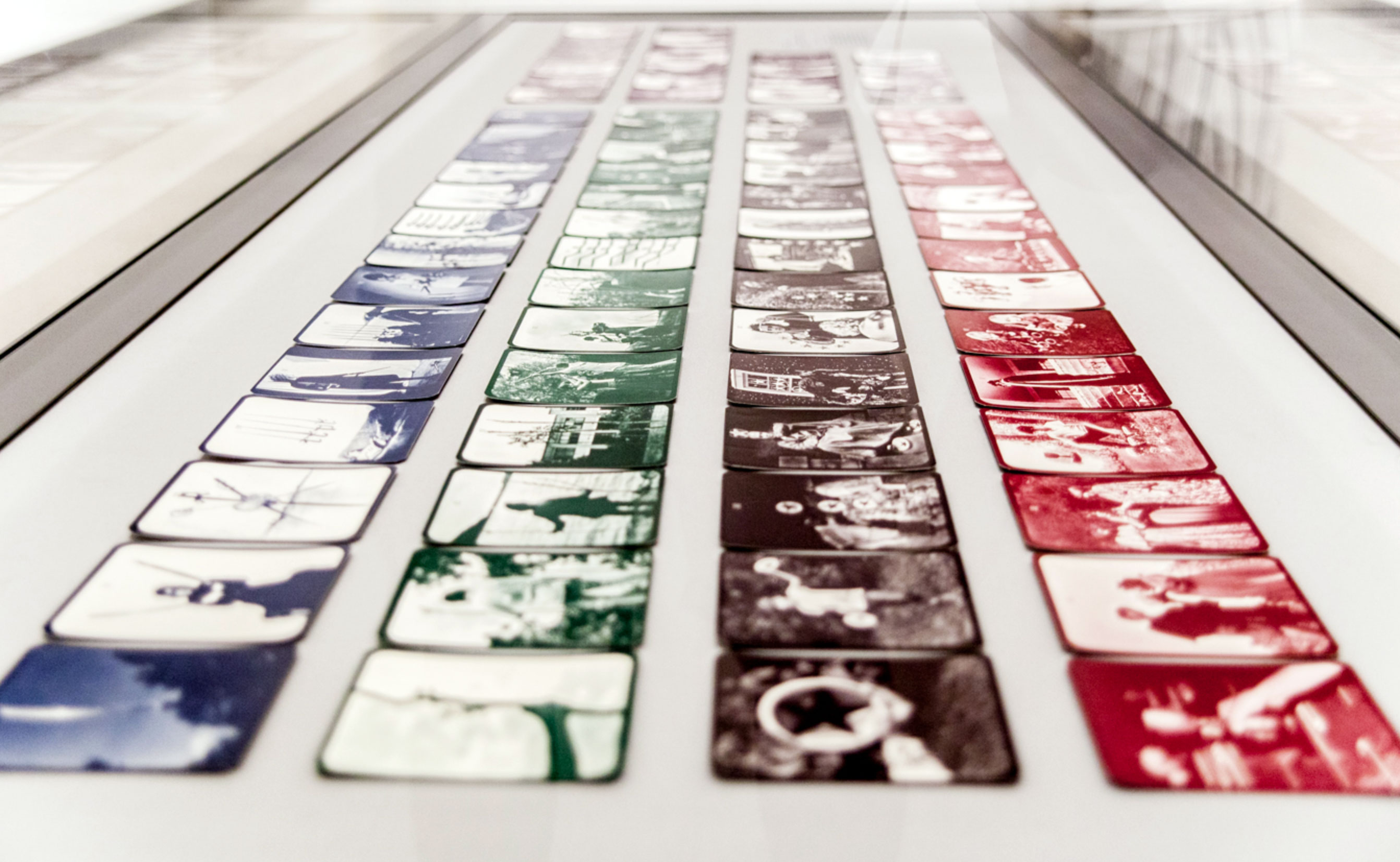
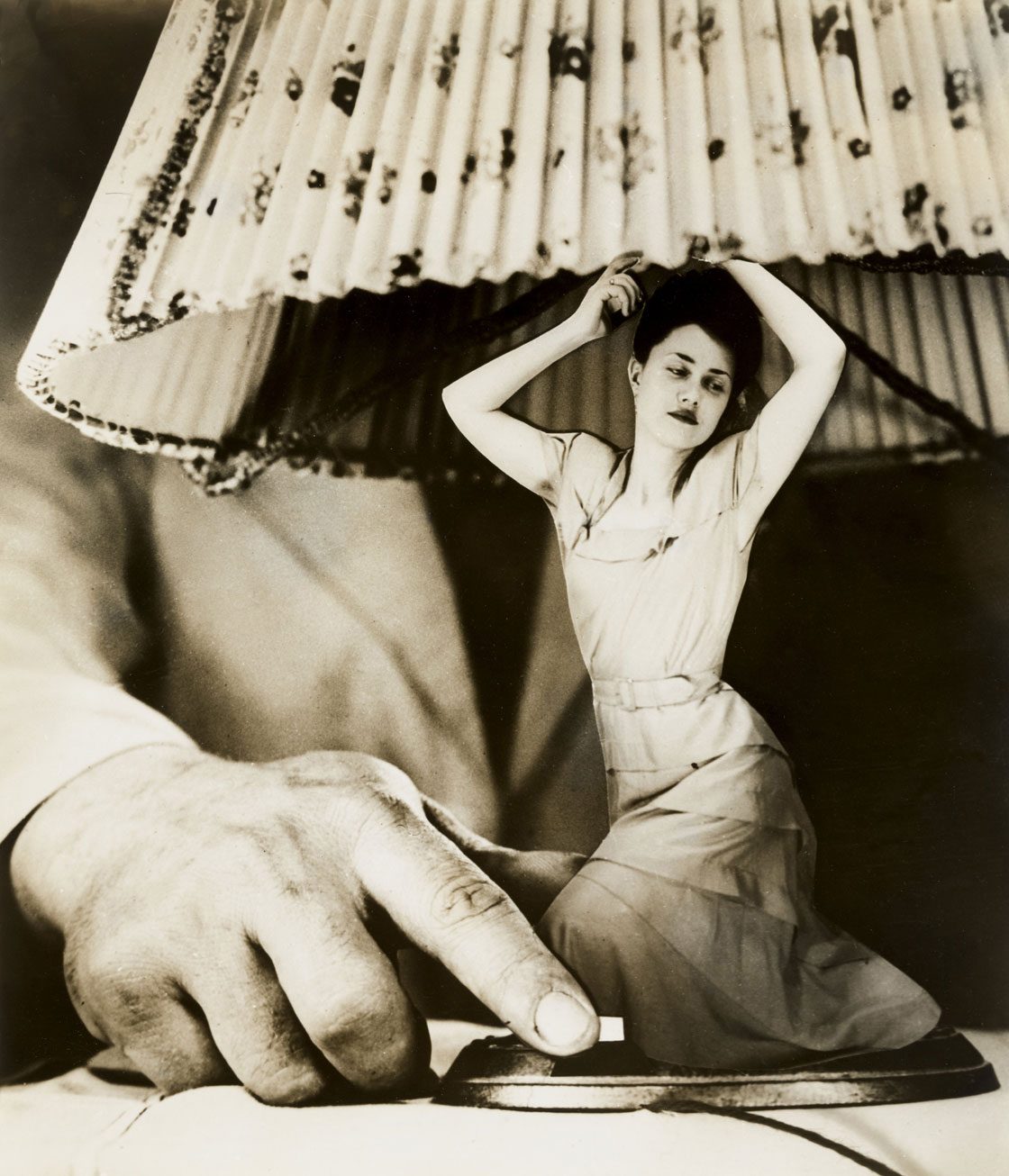


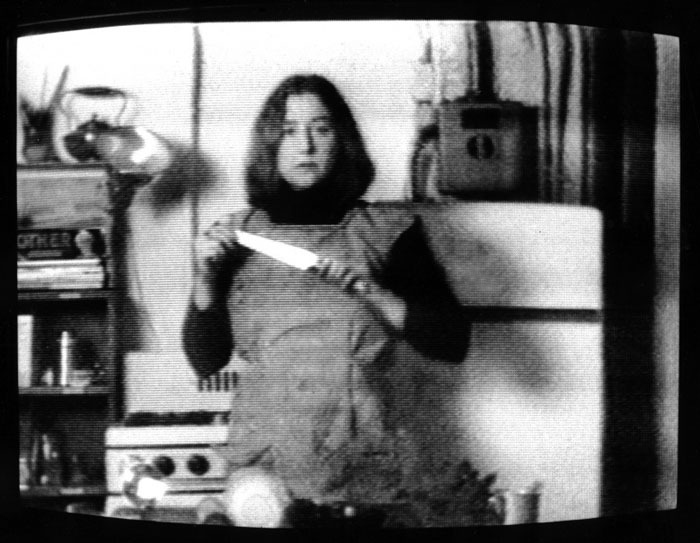
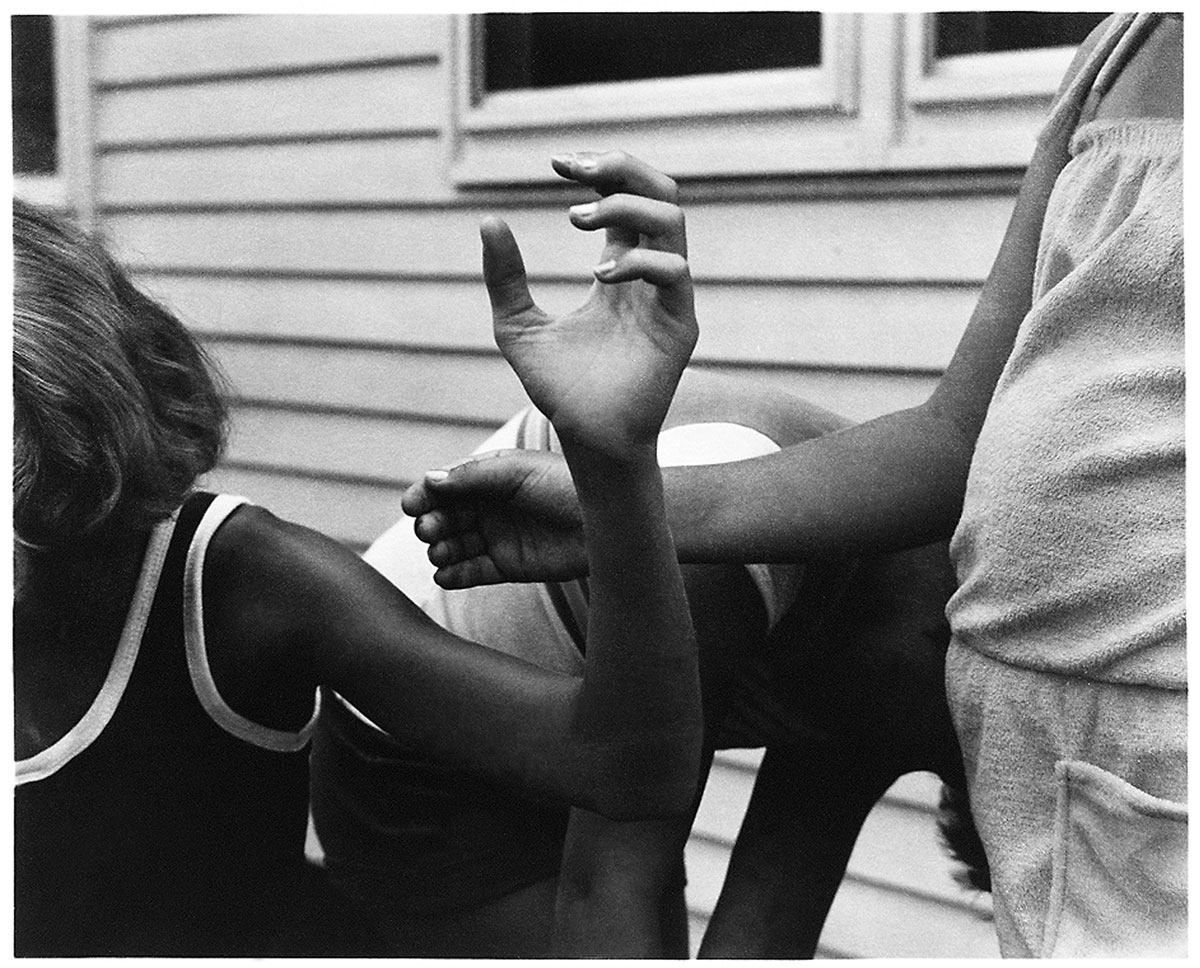
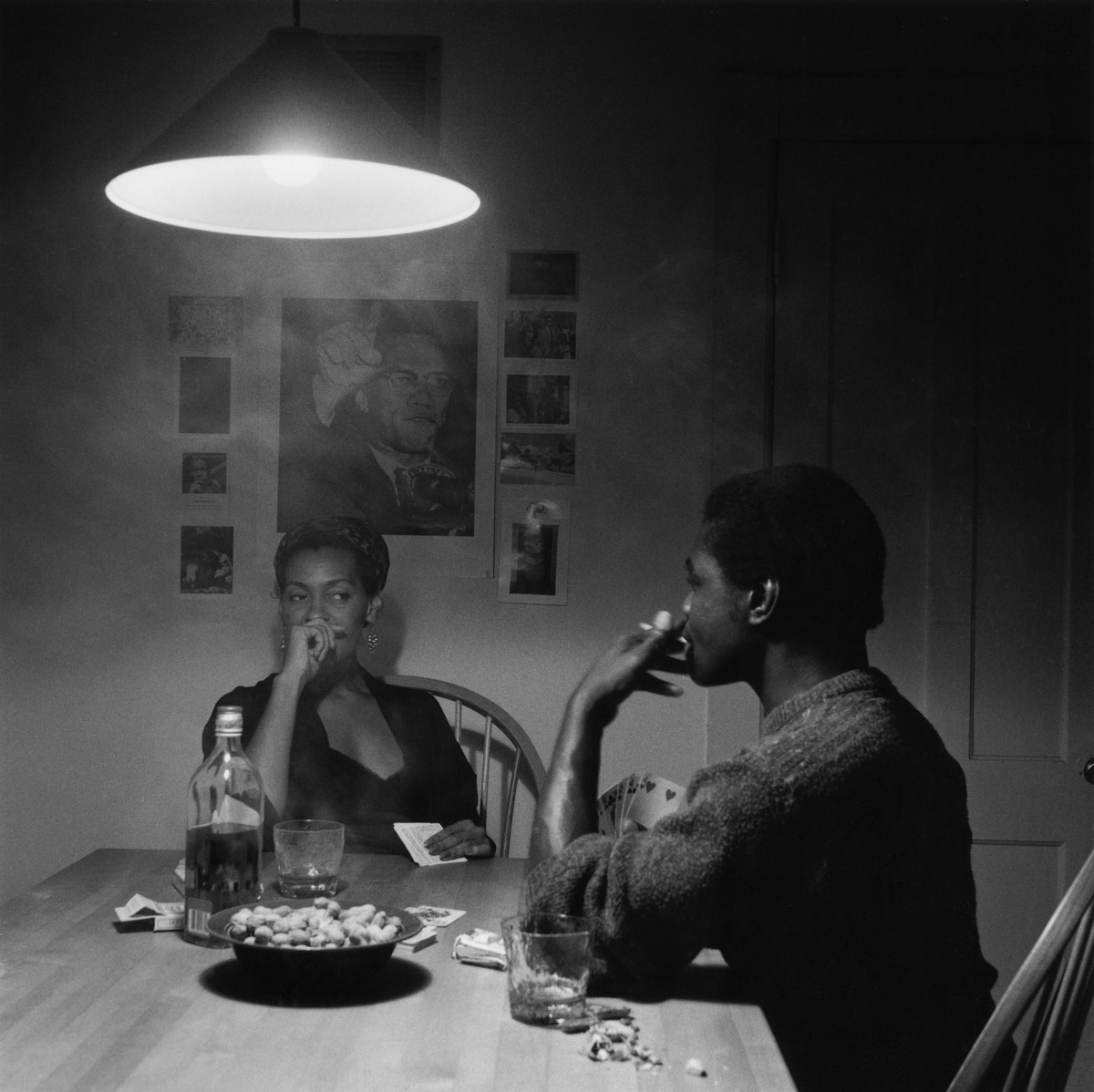
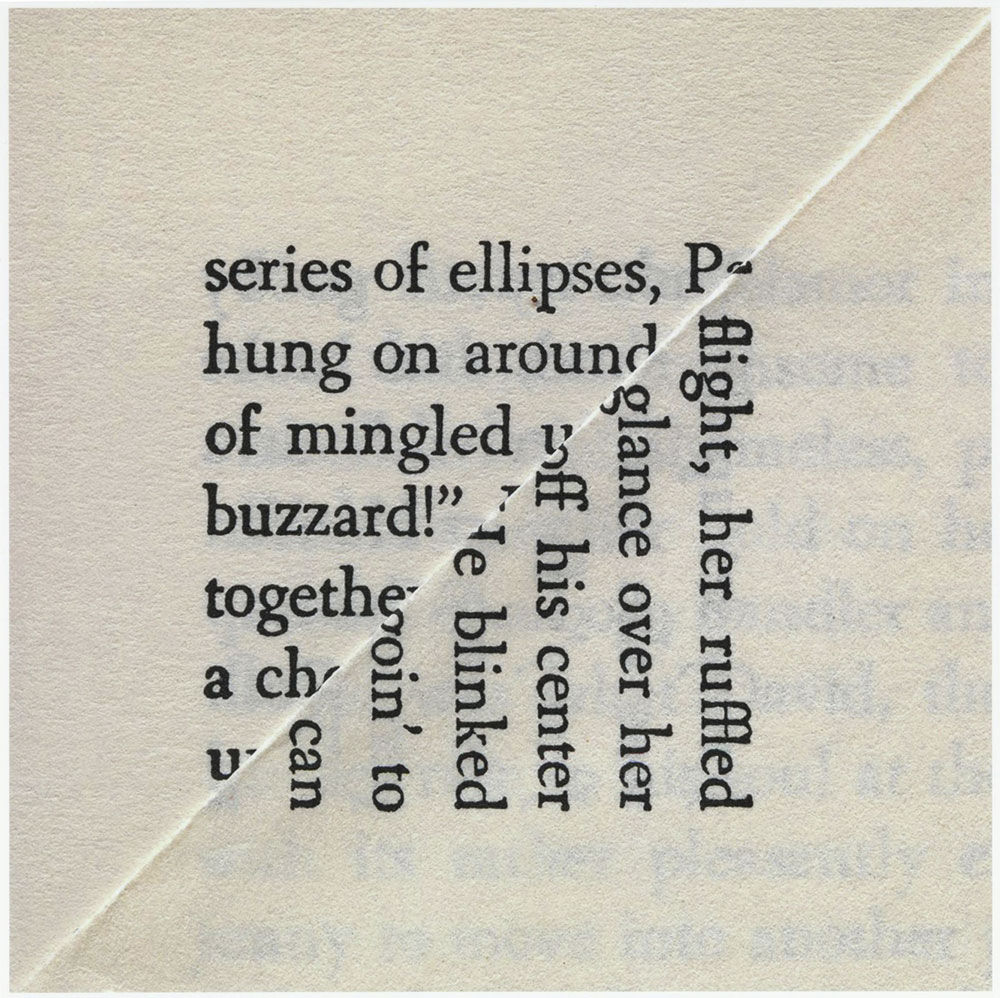

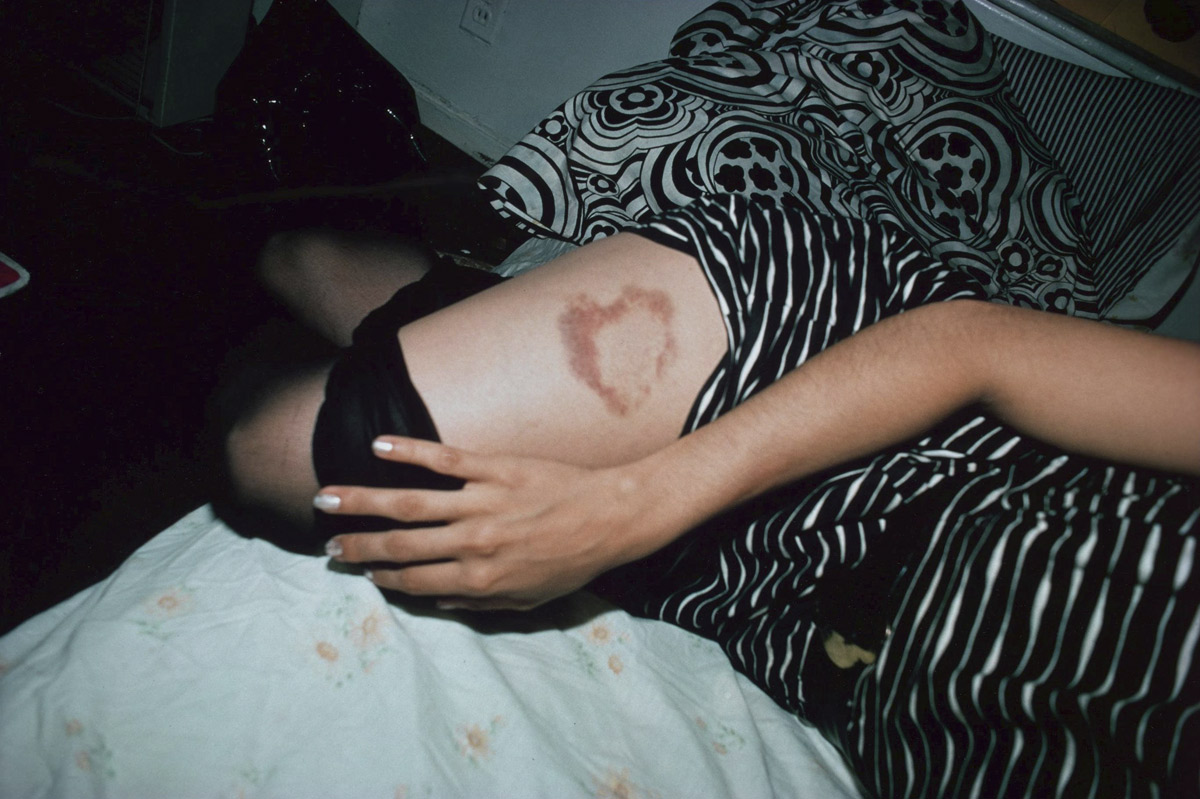

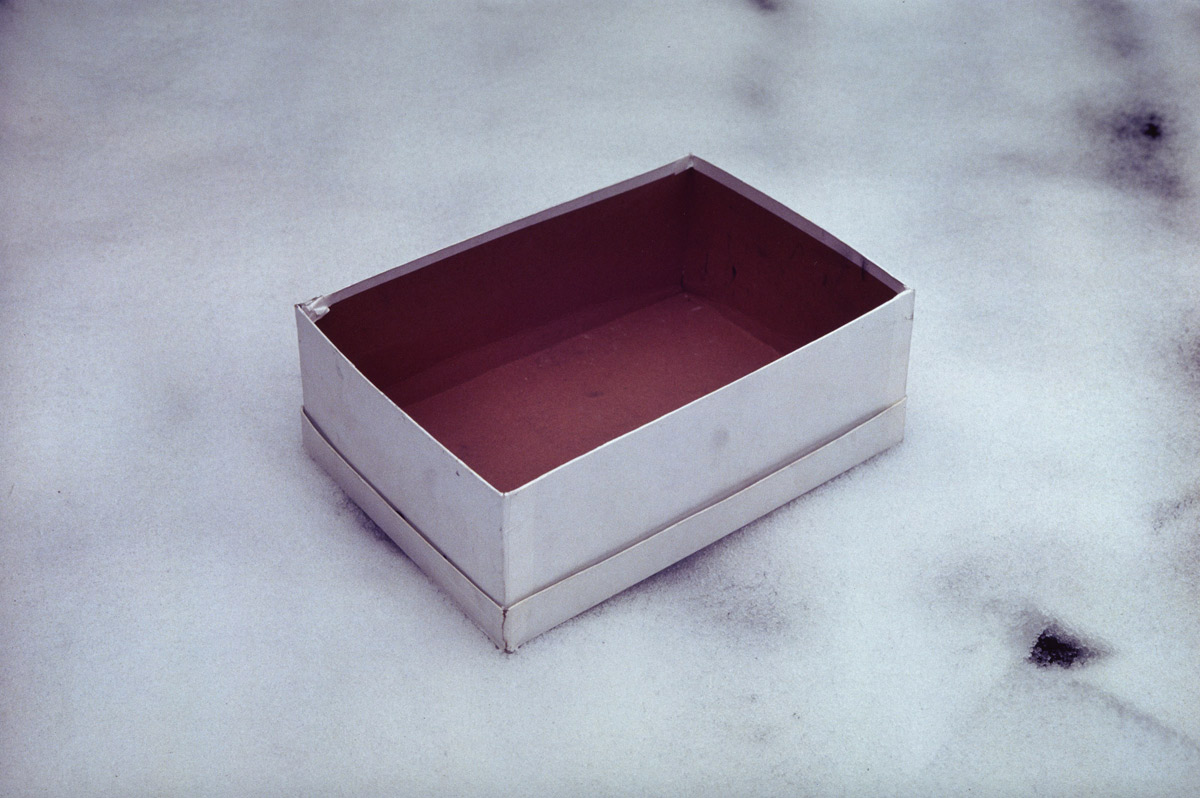


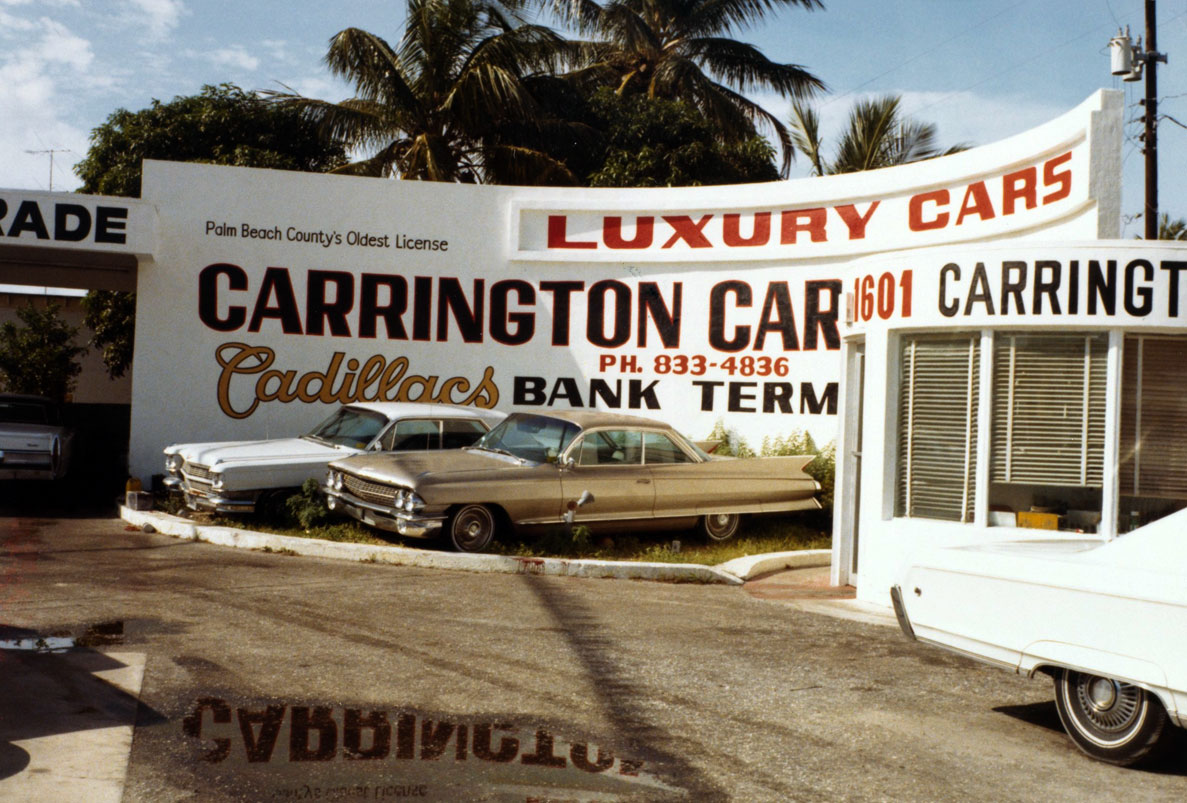
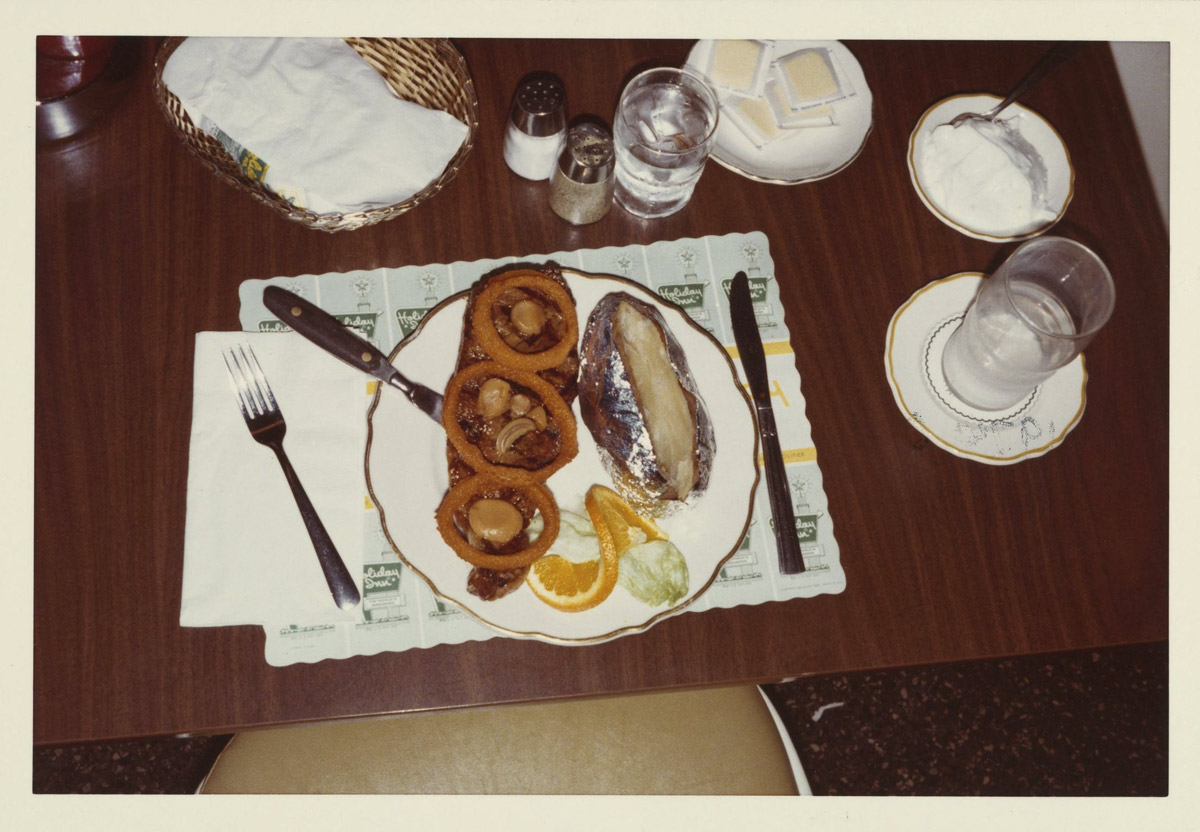




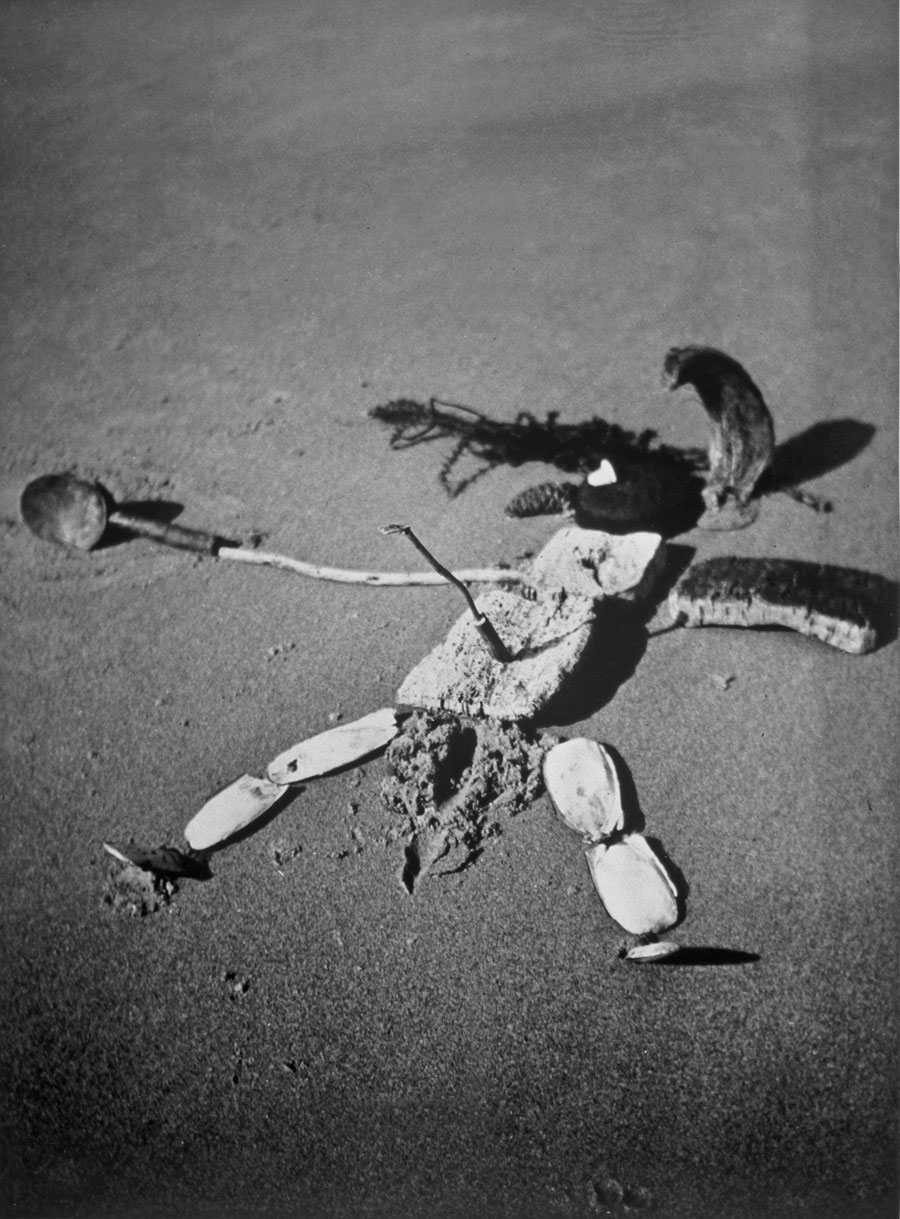
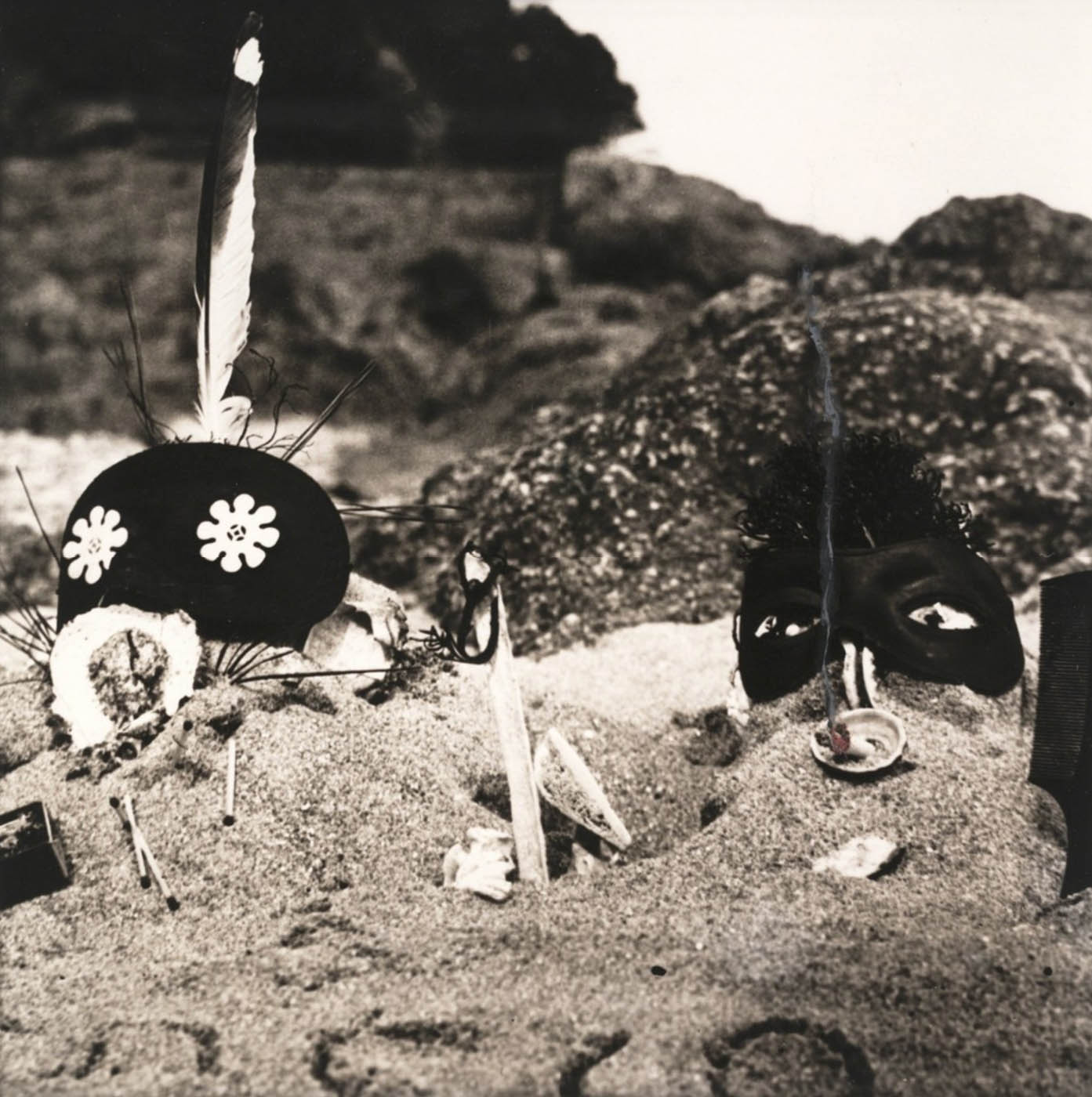

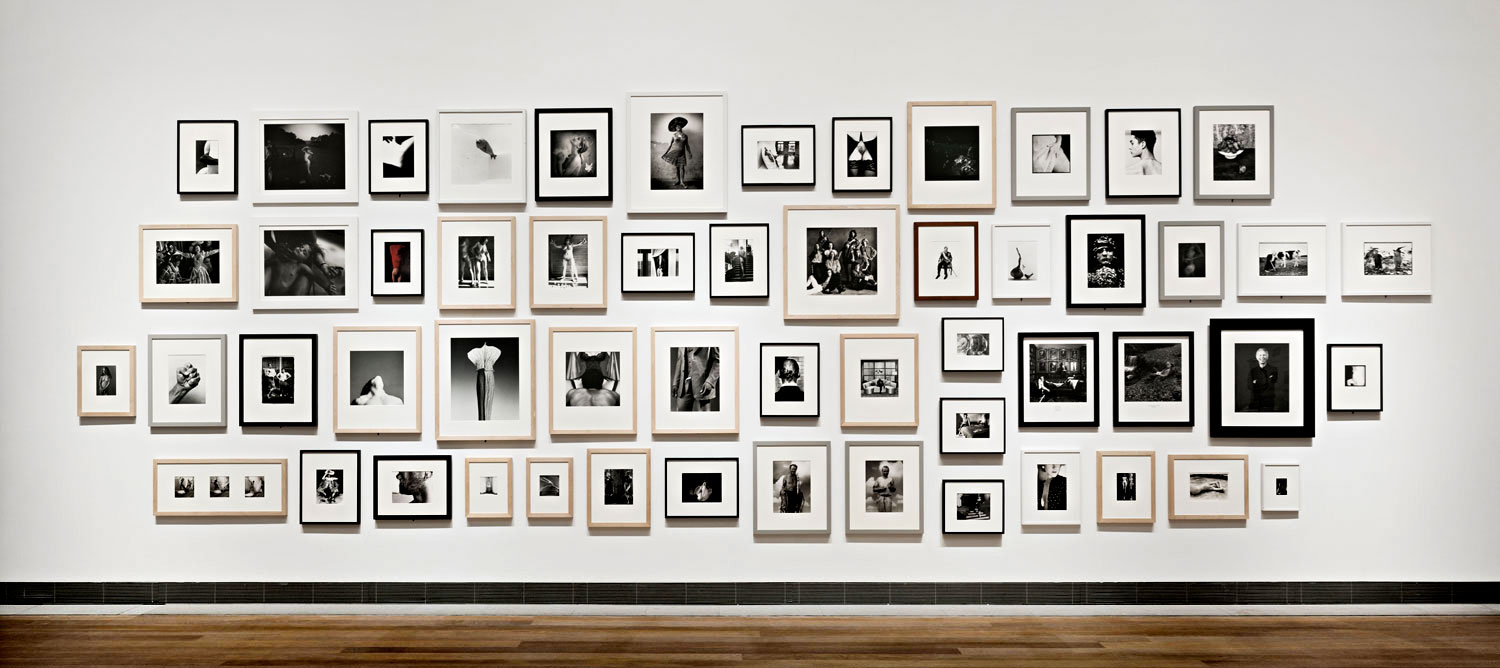


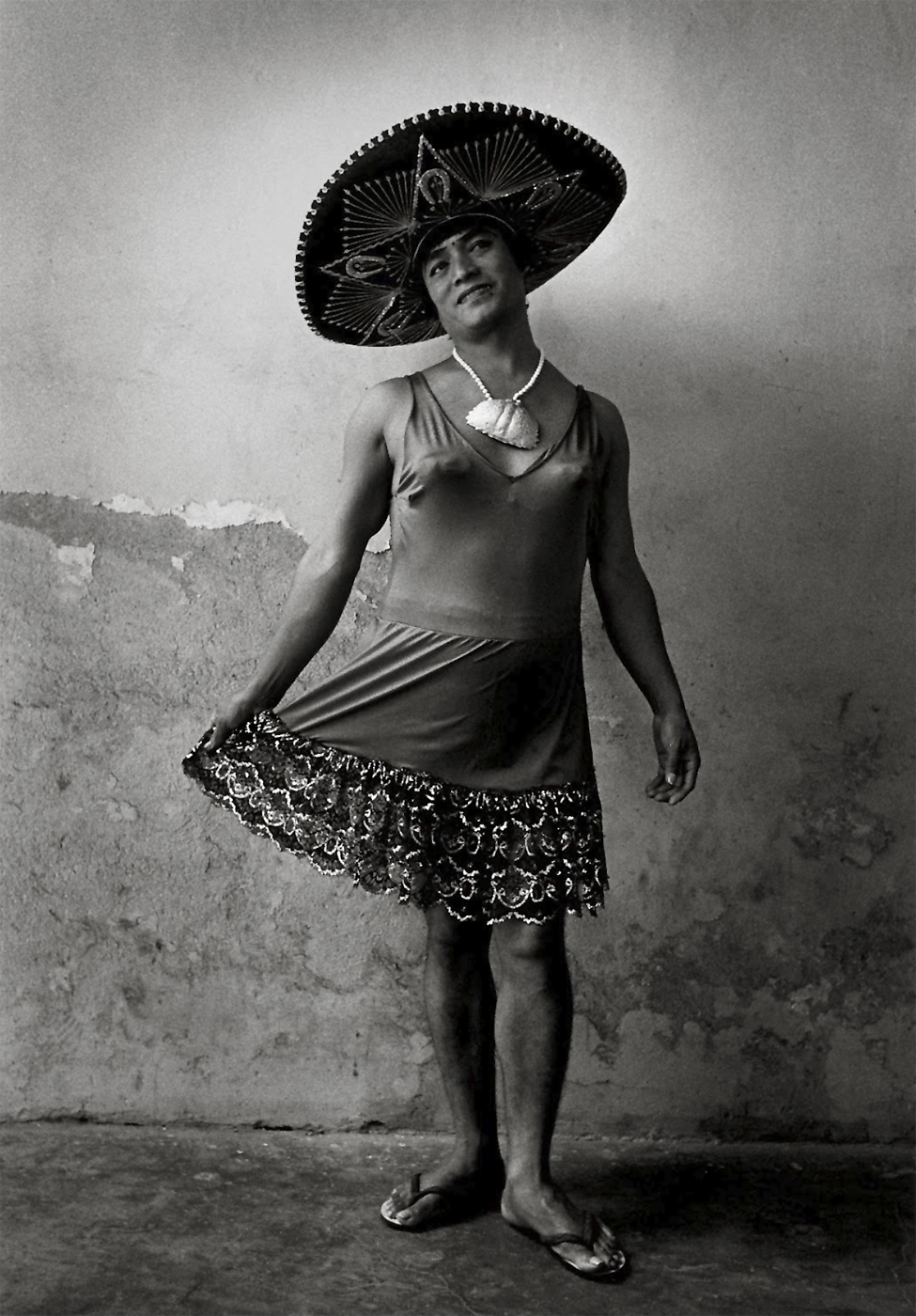
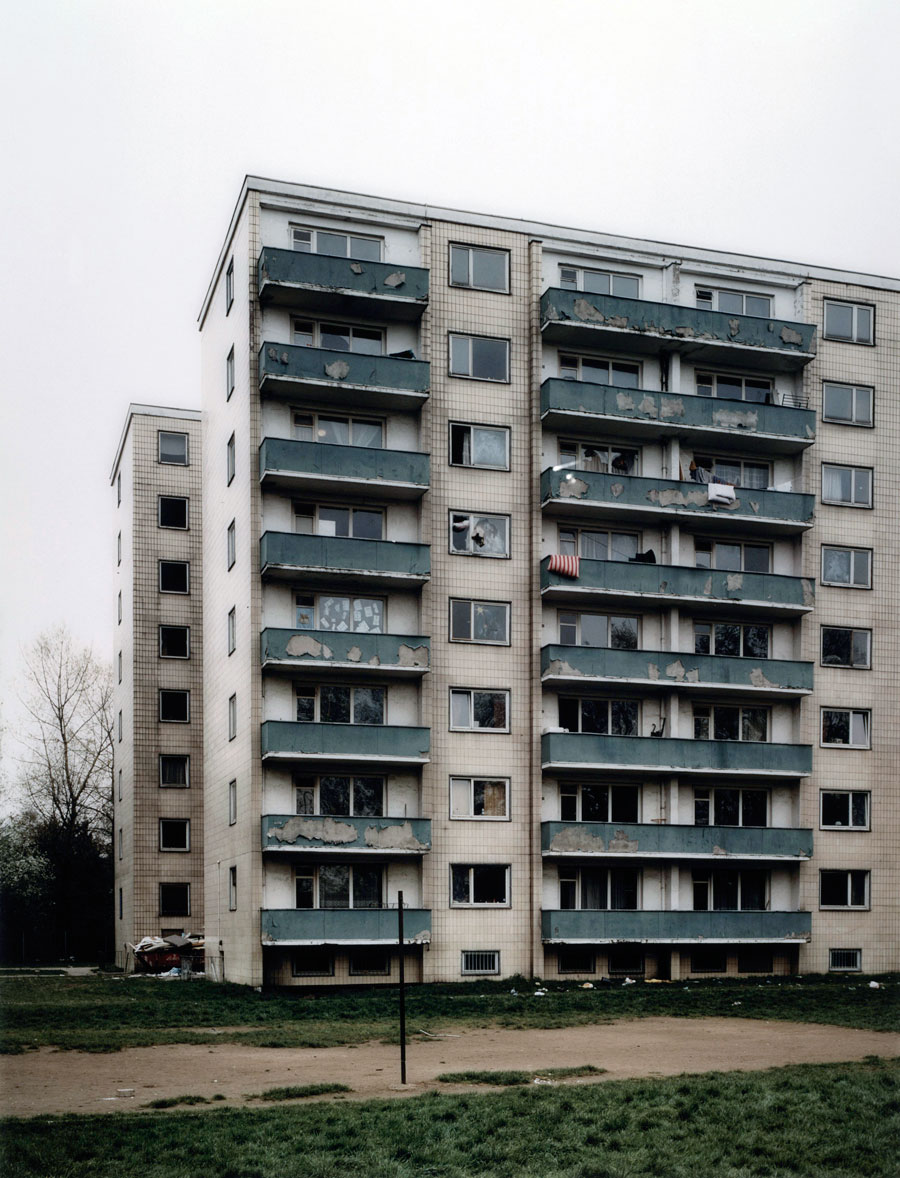


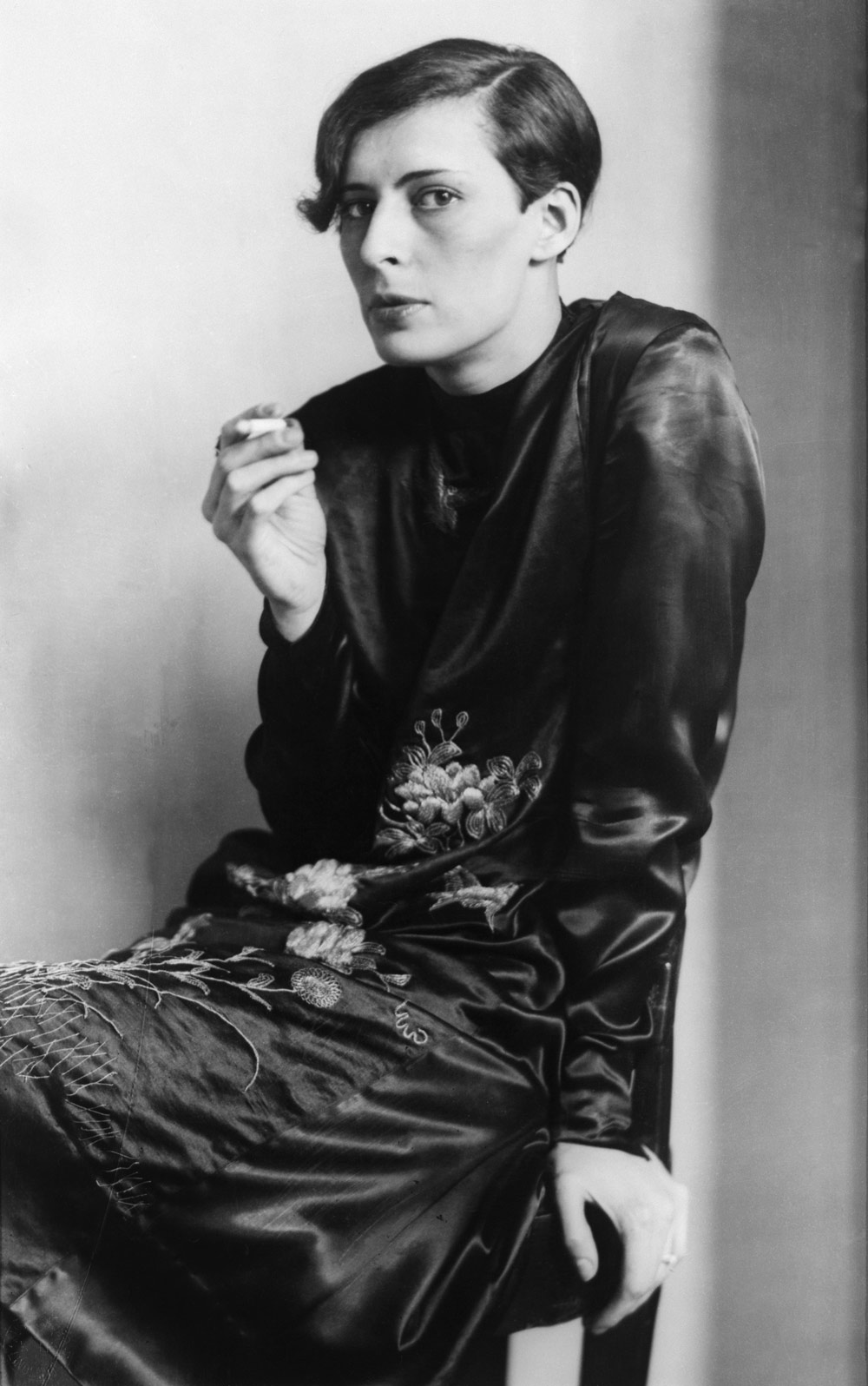
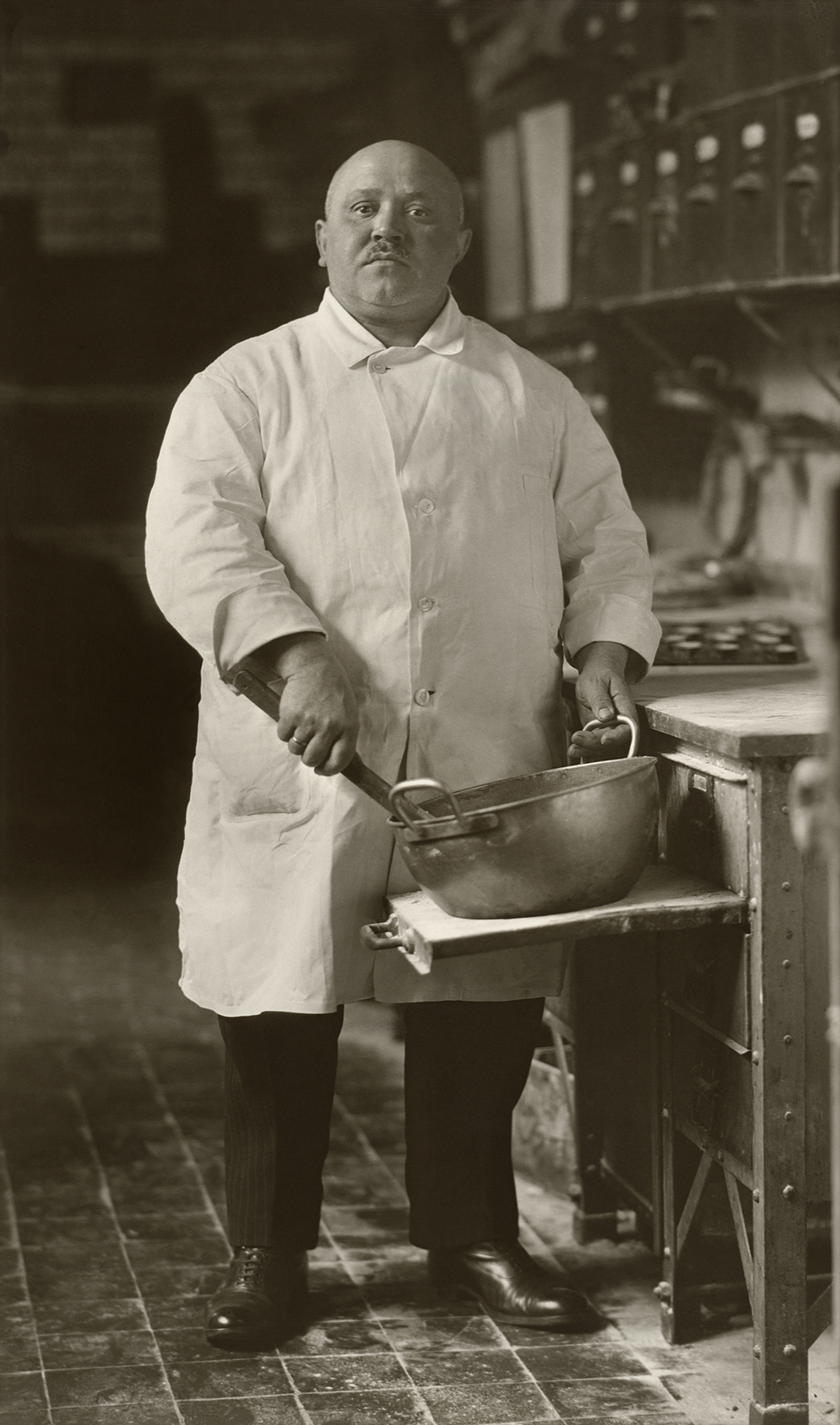
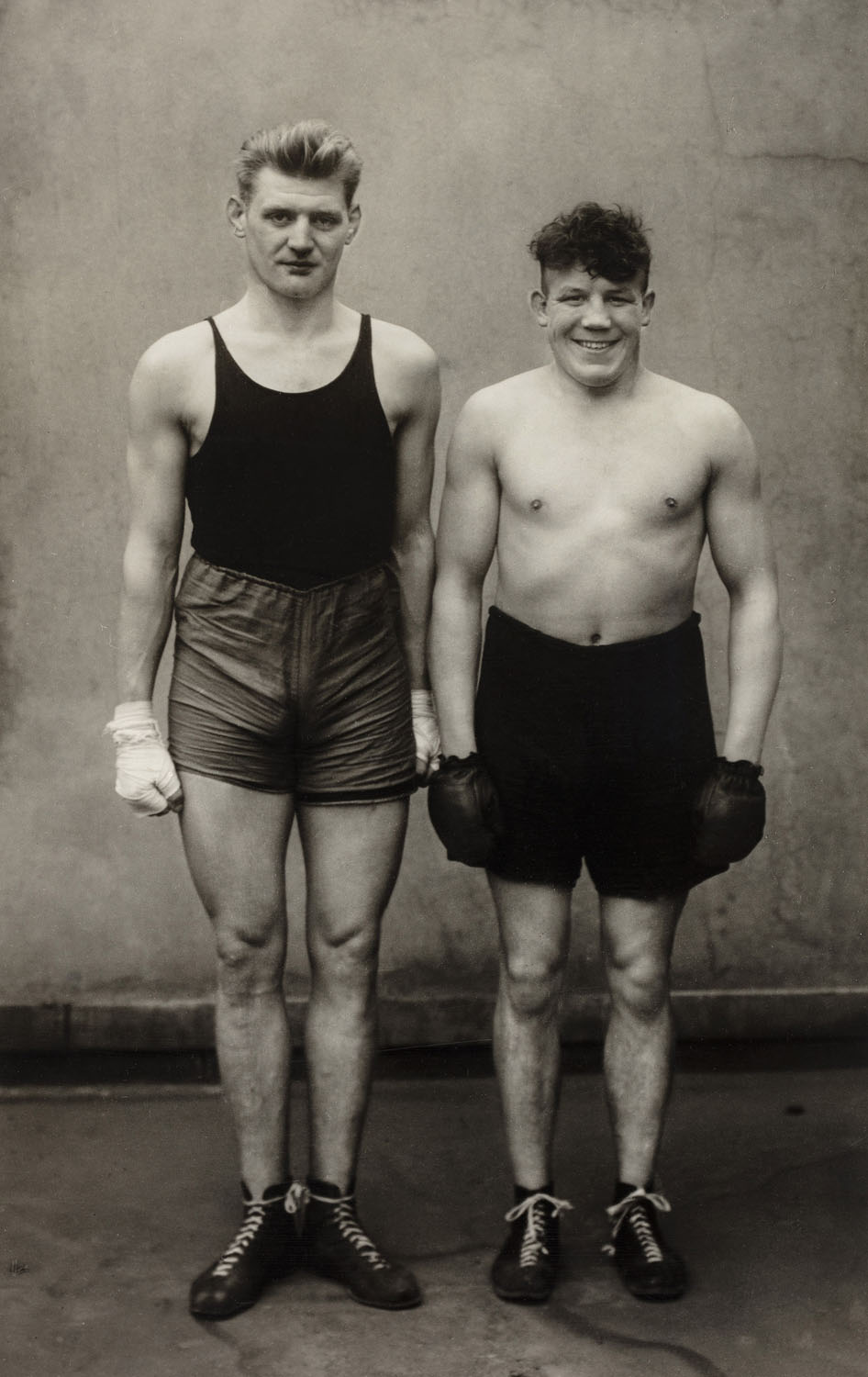

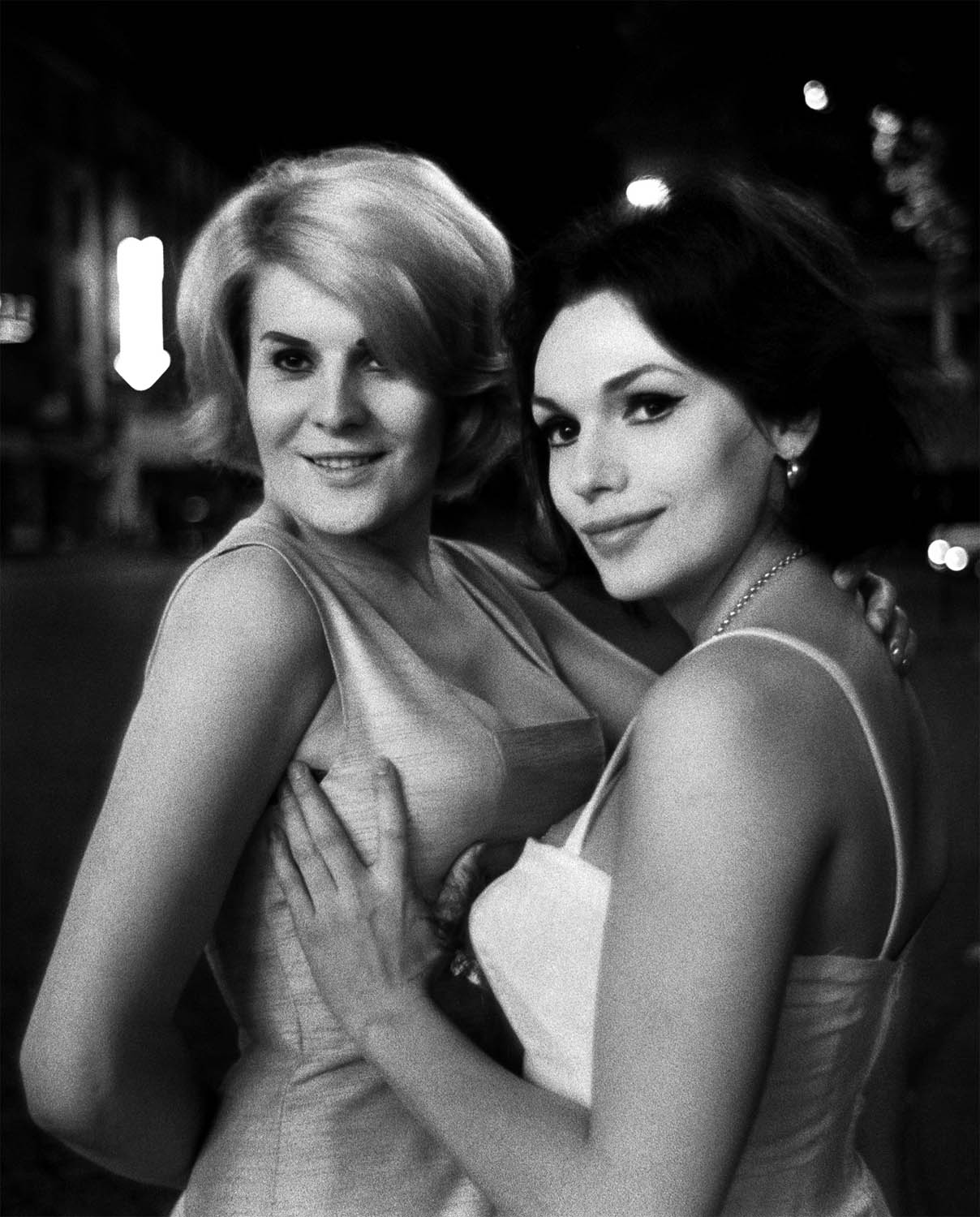

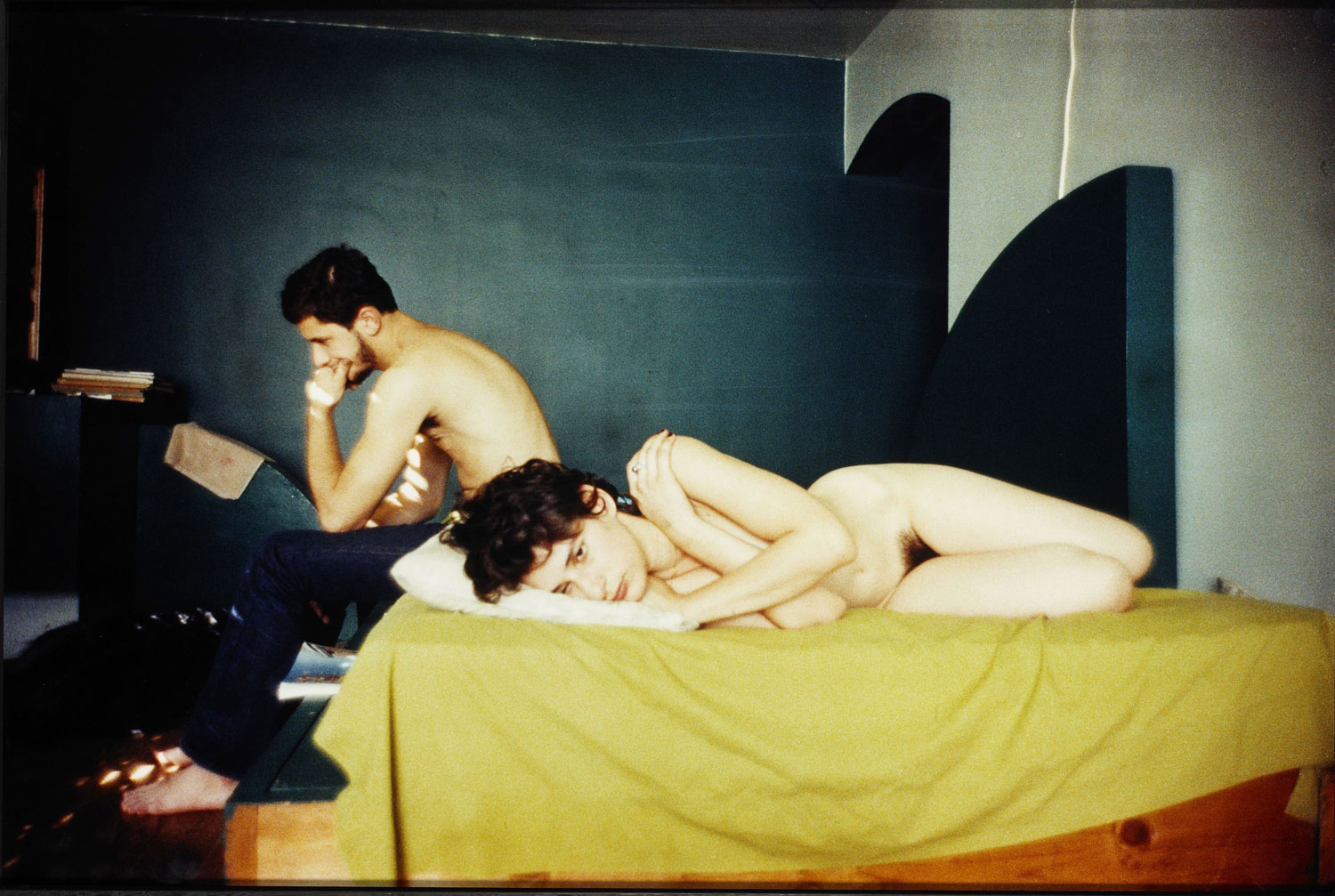


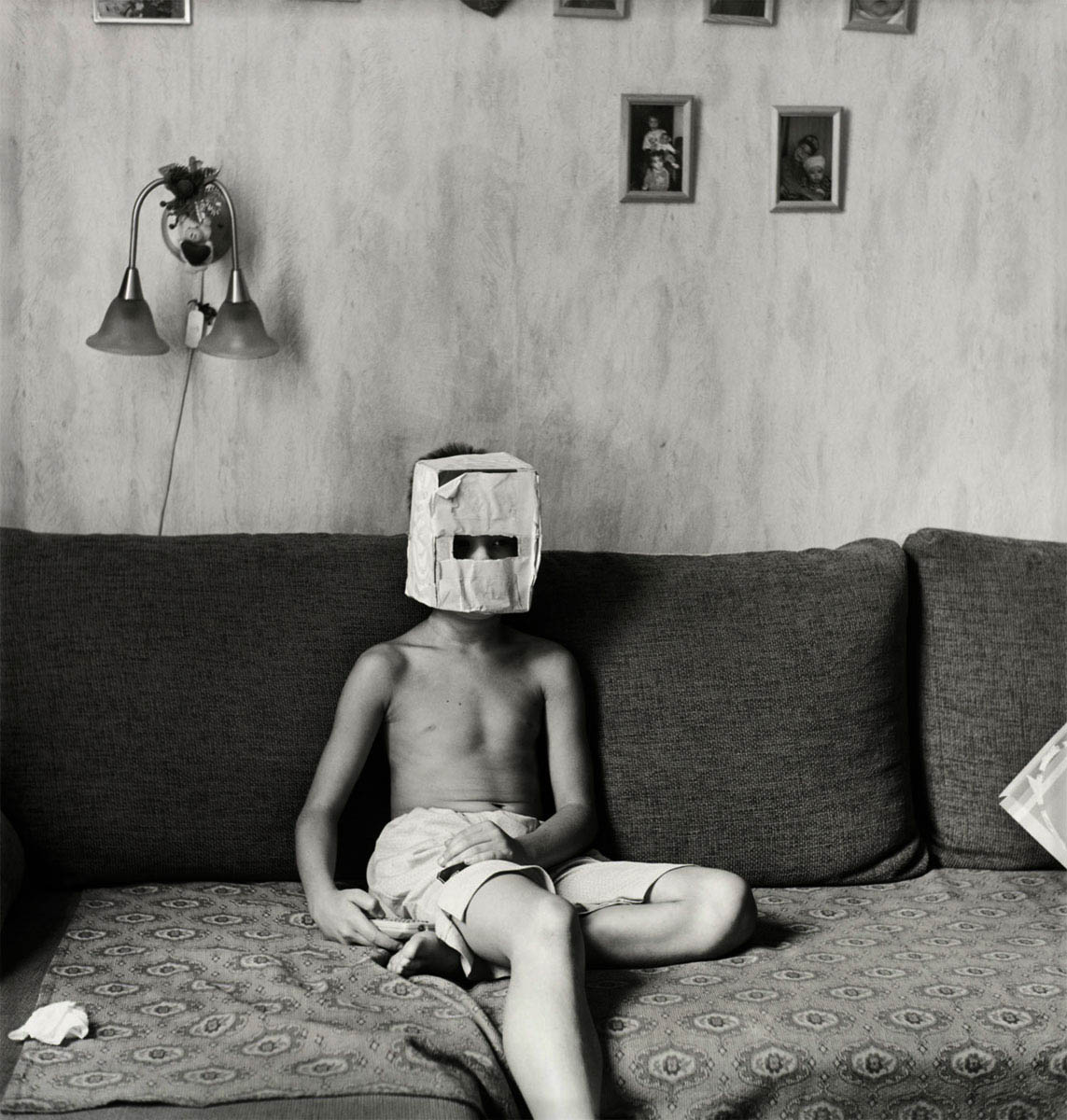

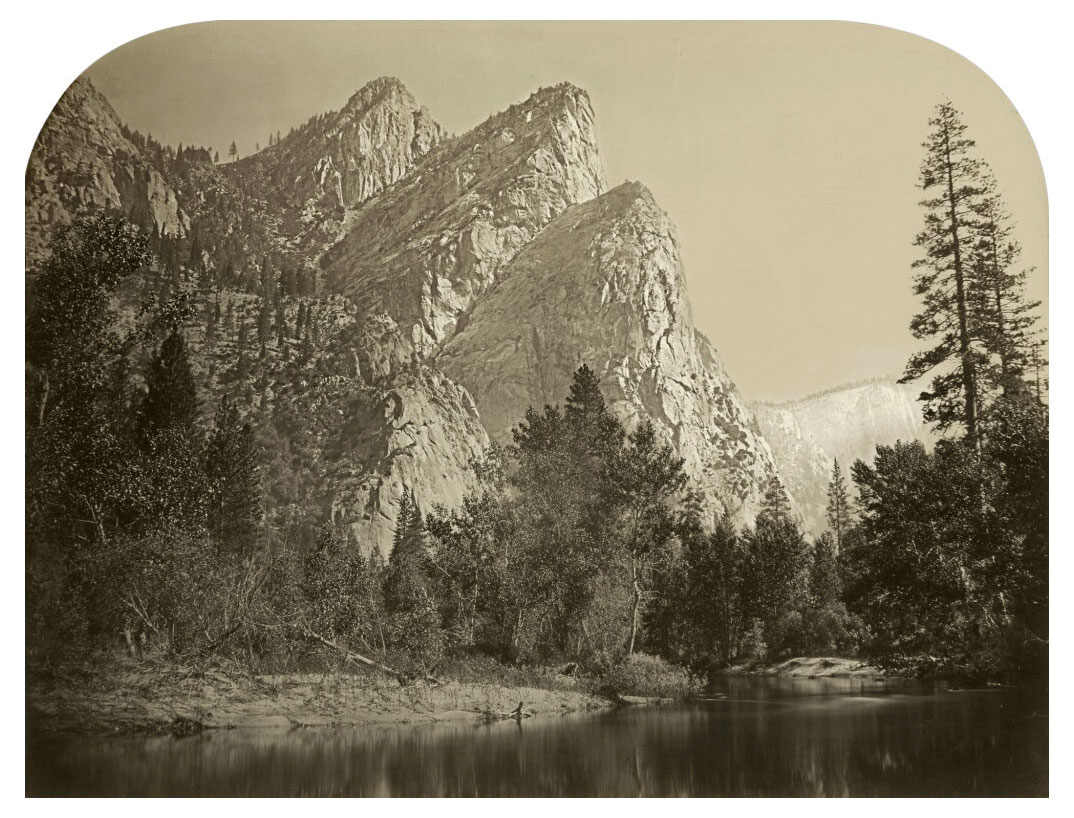
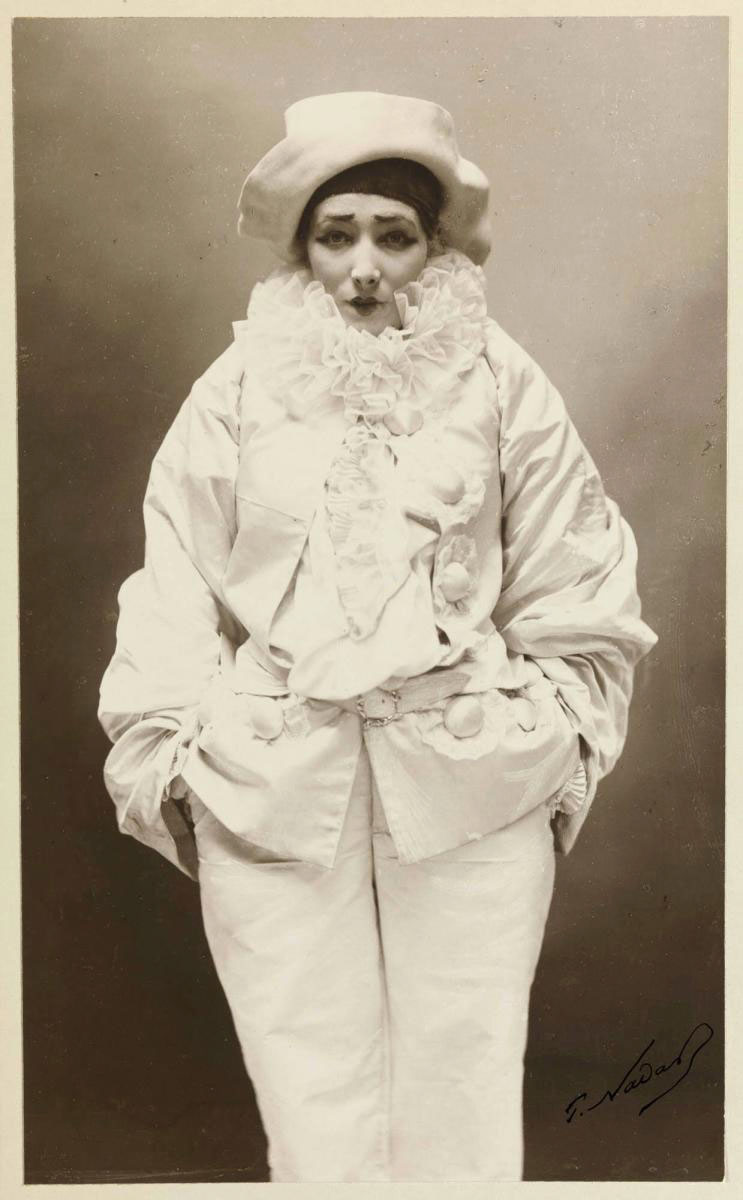


![August Sander (German, 1876-1964) [Farmer, Westerwald (Bauer, Westerwald)] 1910](https://artblart.com/wp-content/uploads/2011/06/sander-farmer.jpg "August Sander (German, 1876-1964) [Farmer, Westerwald (Bauer, Westerwald)] 1910")


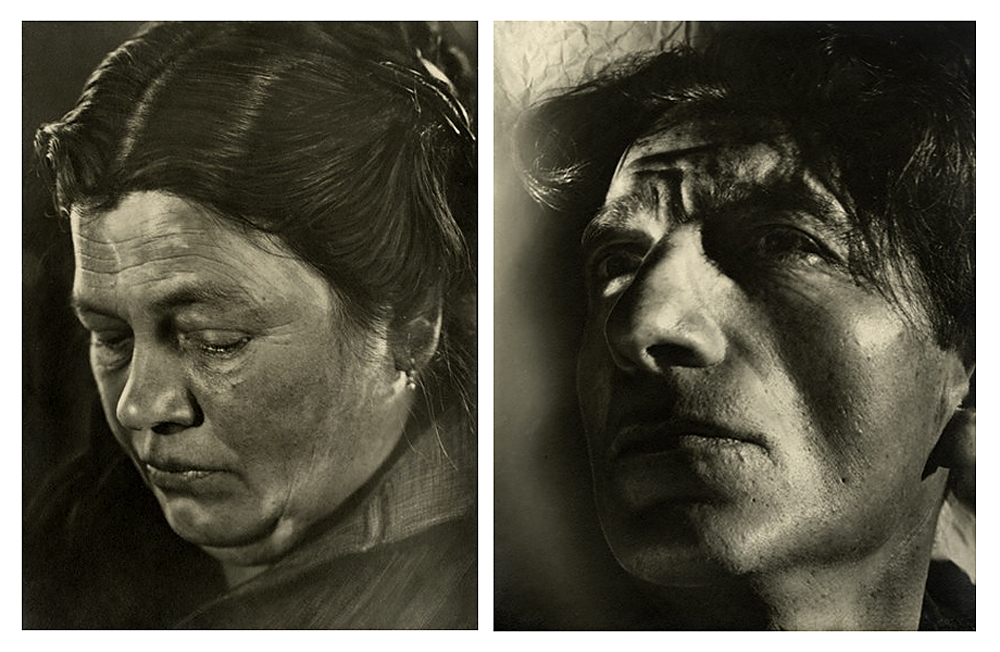
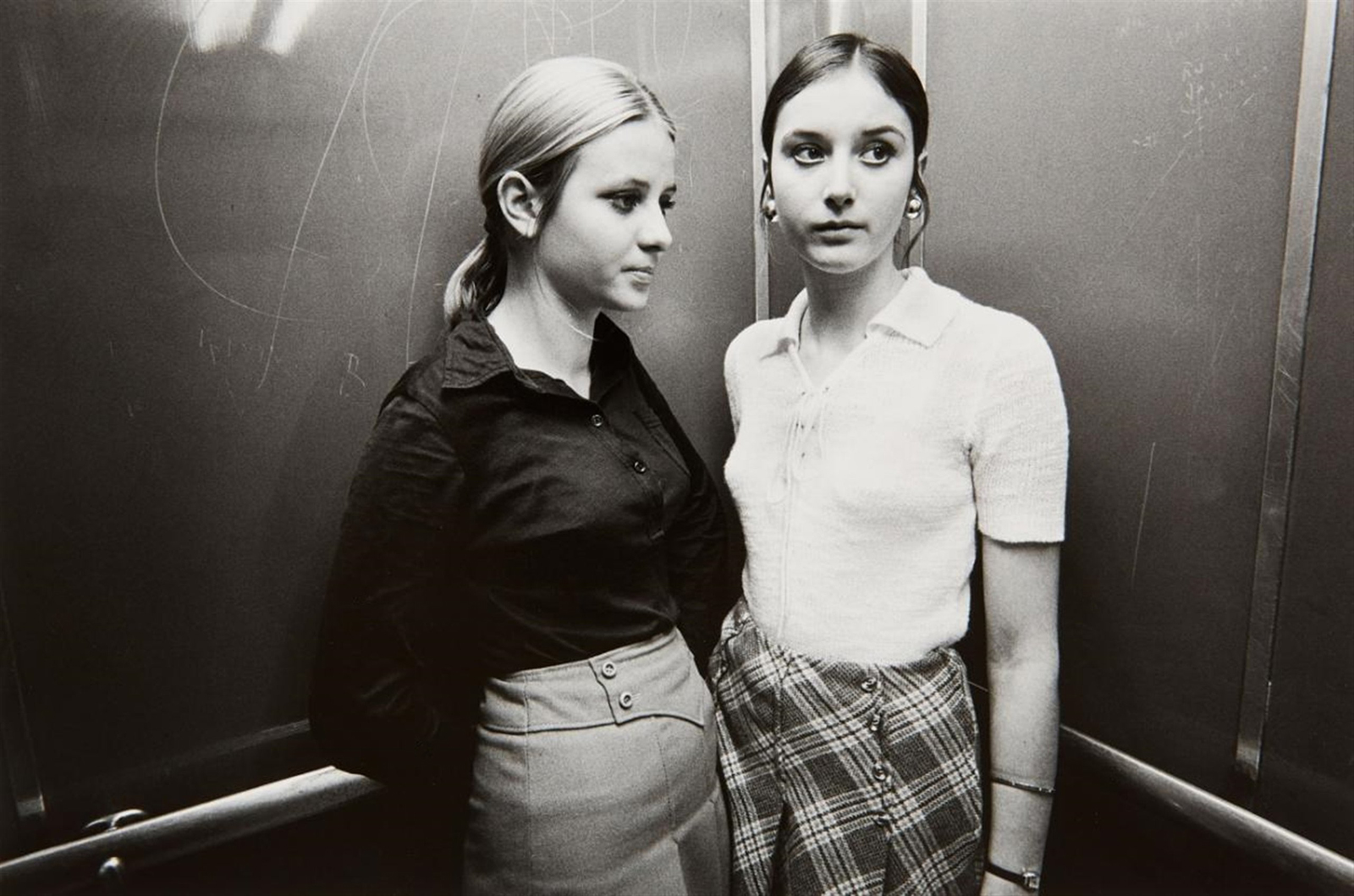


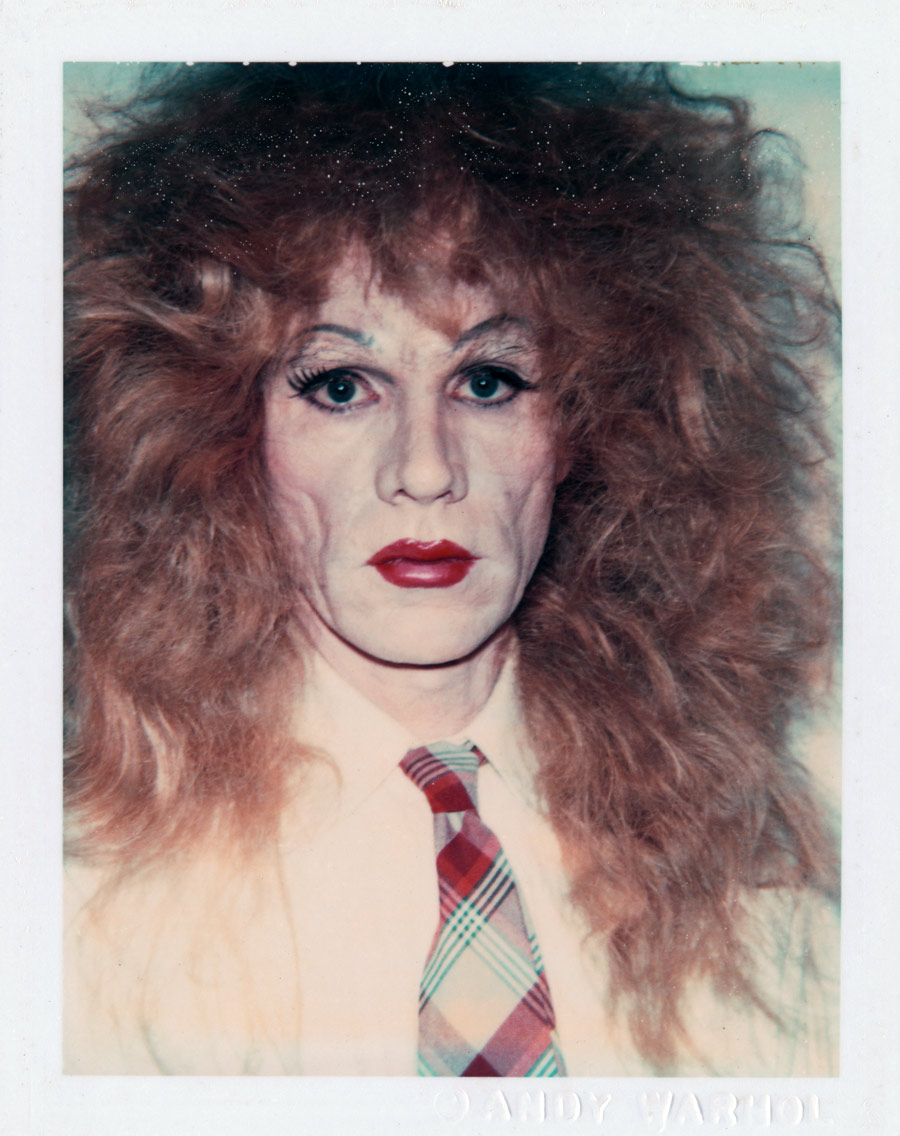
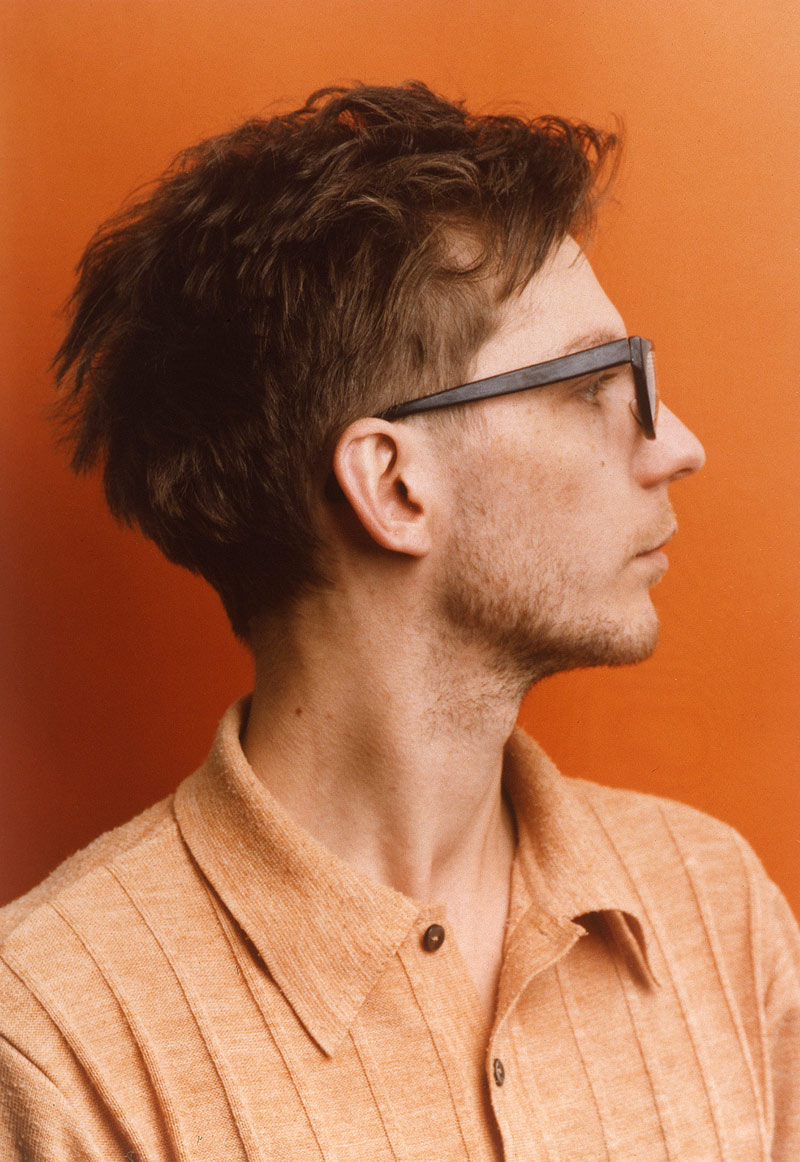

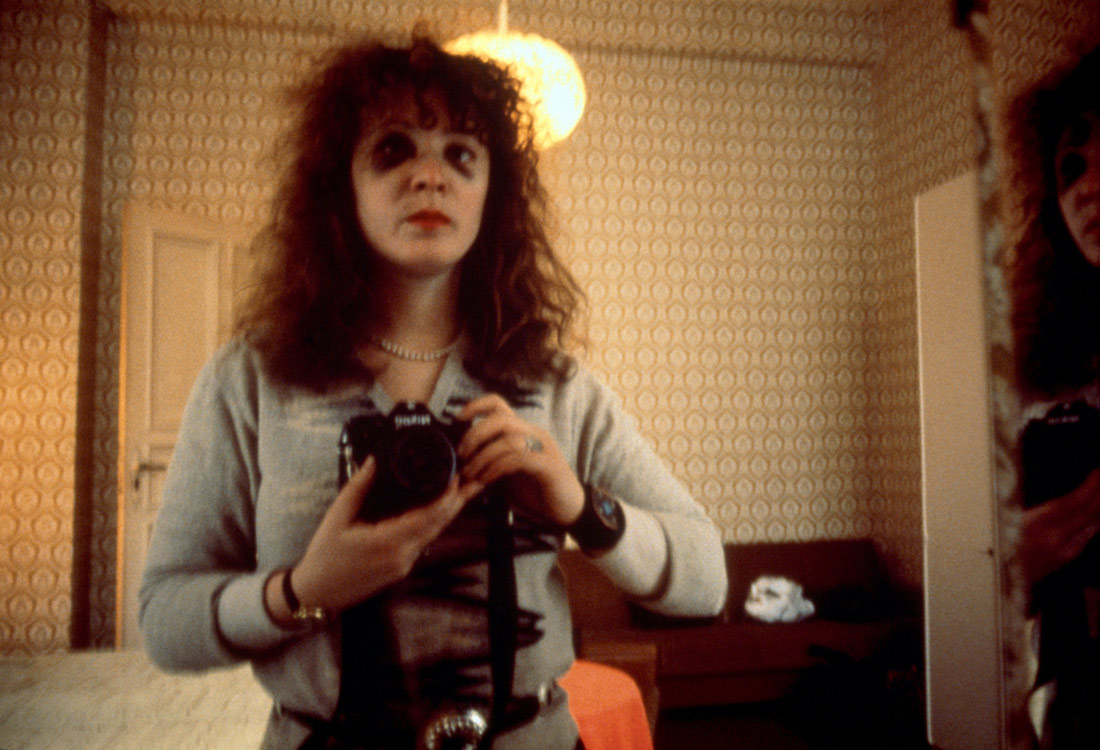
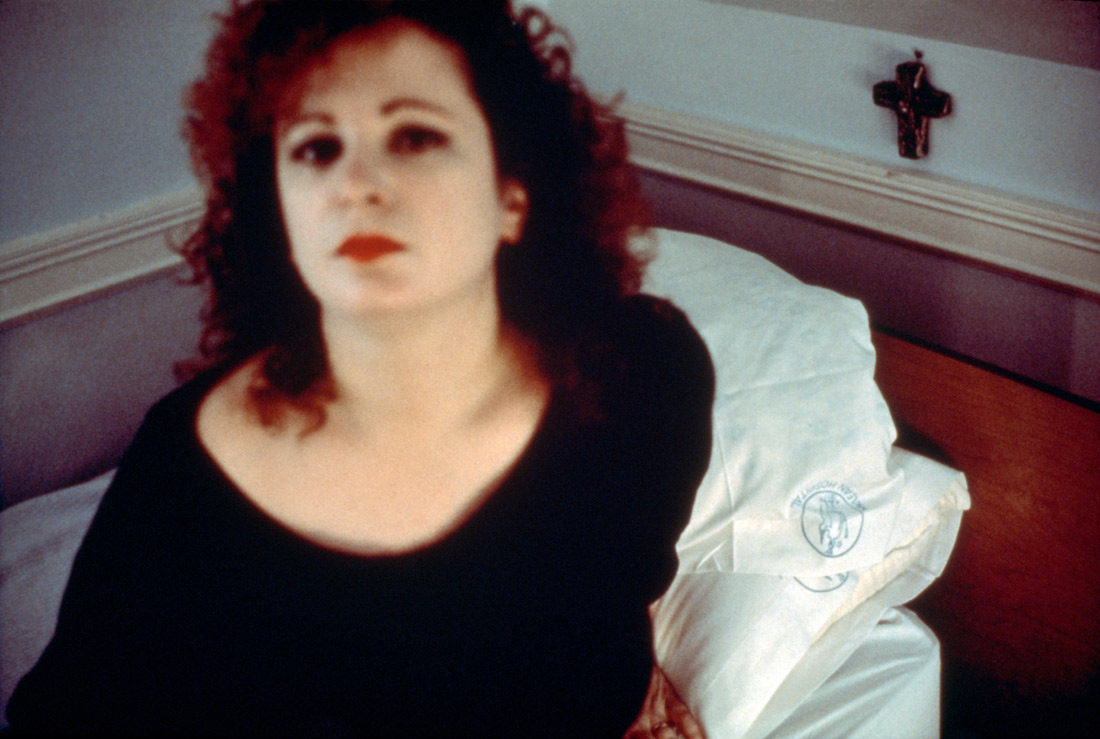

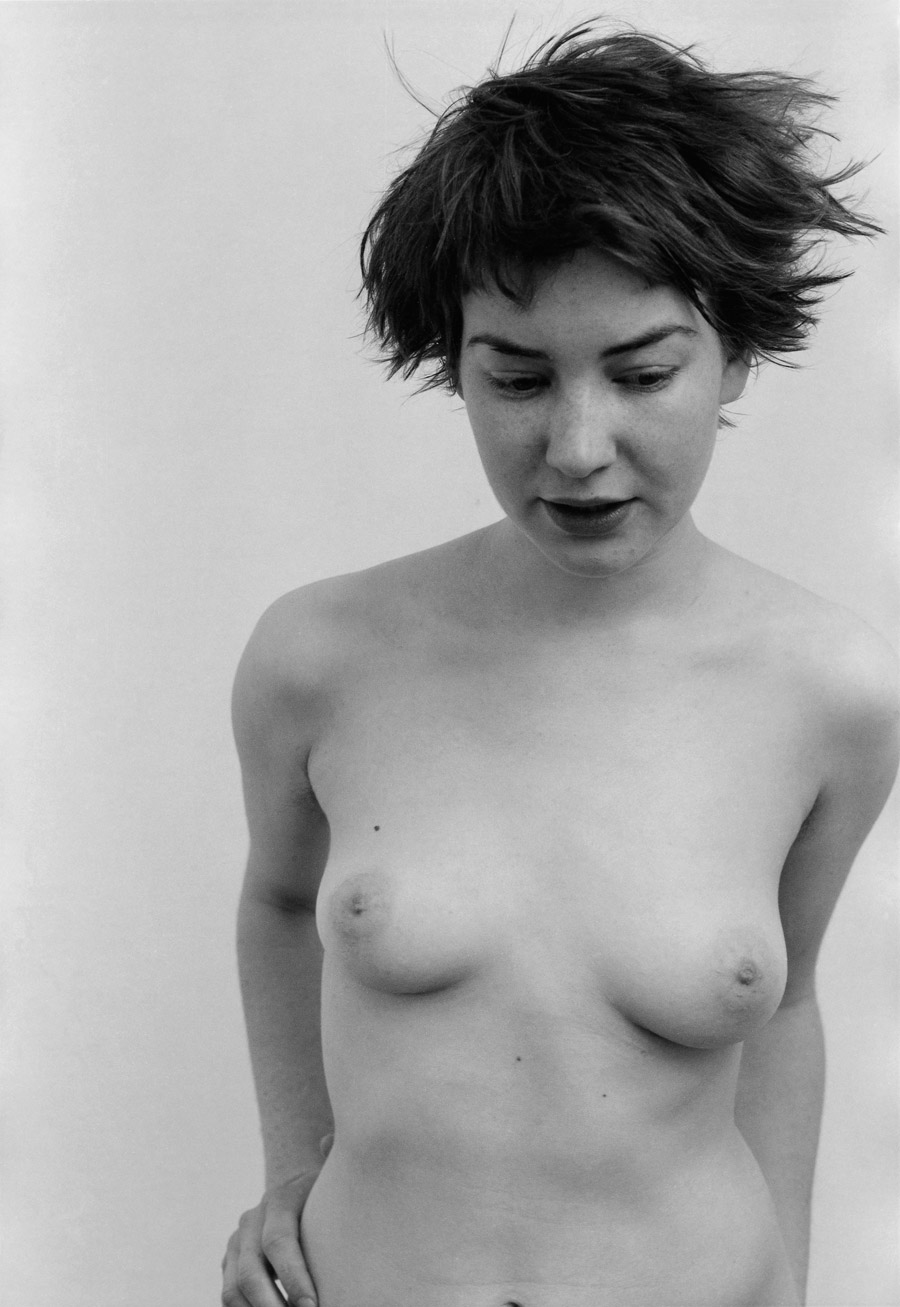
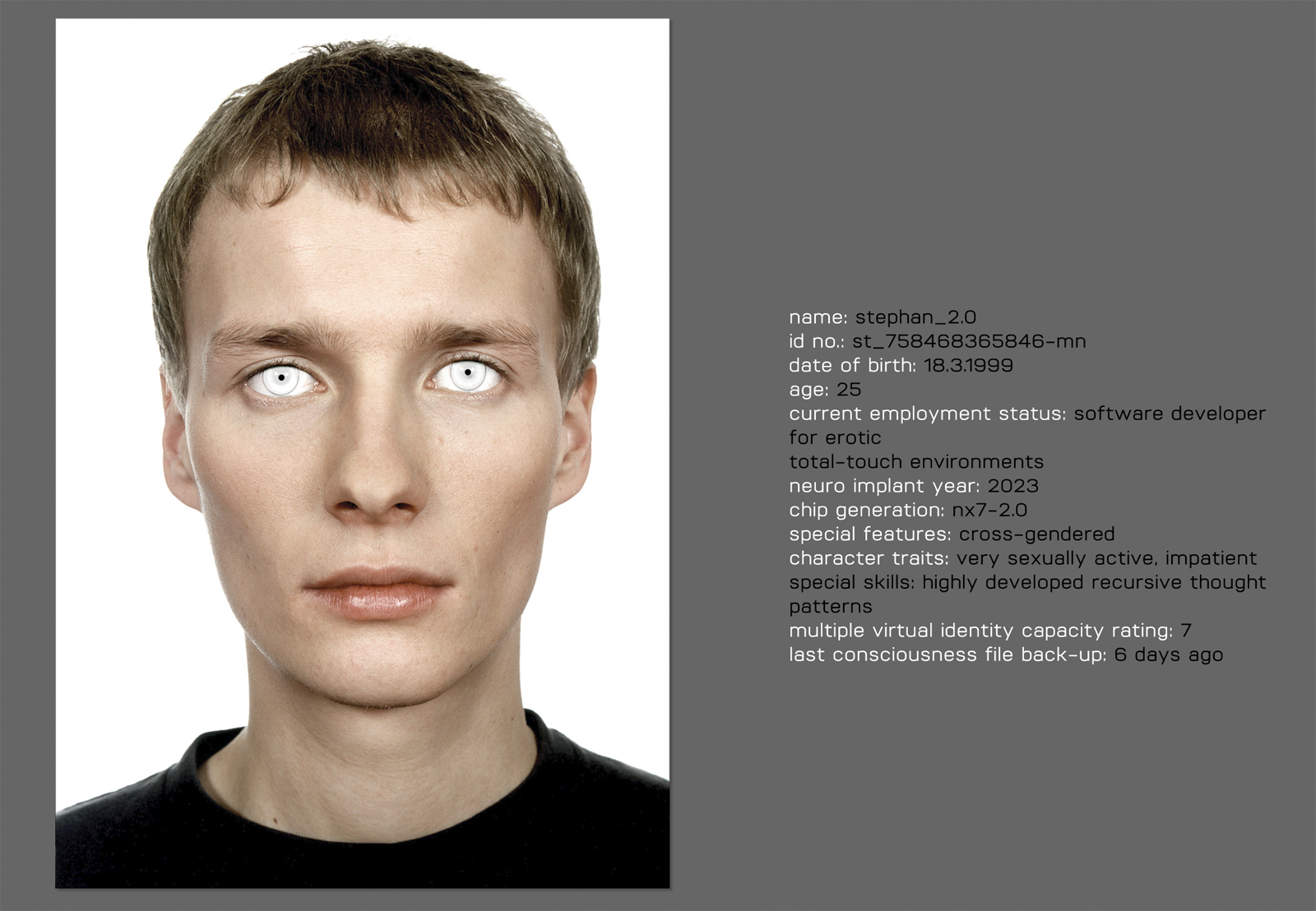




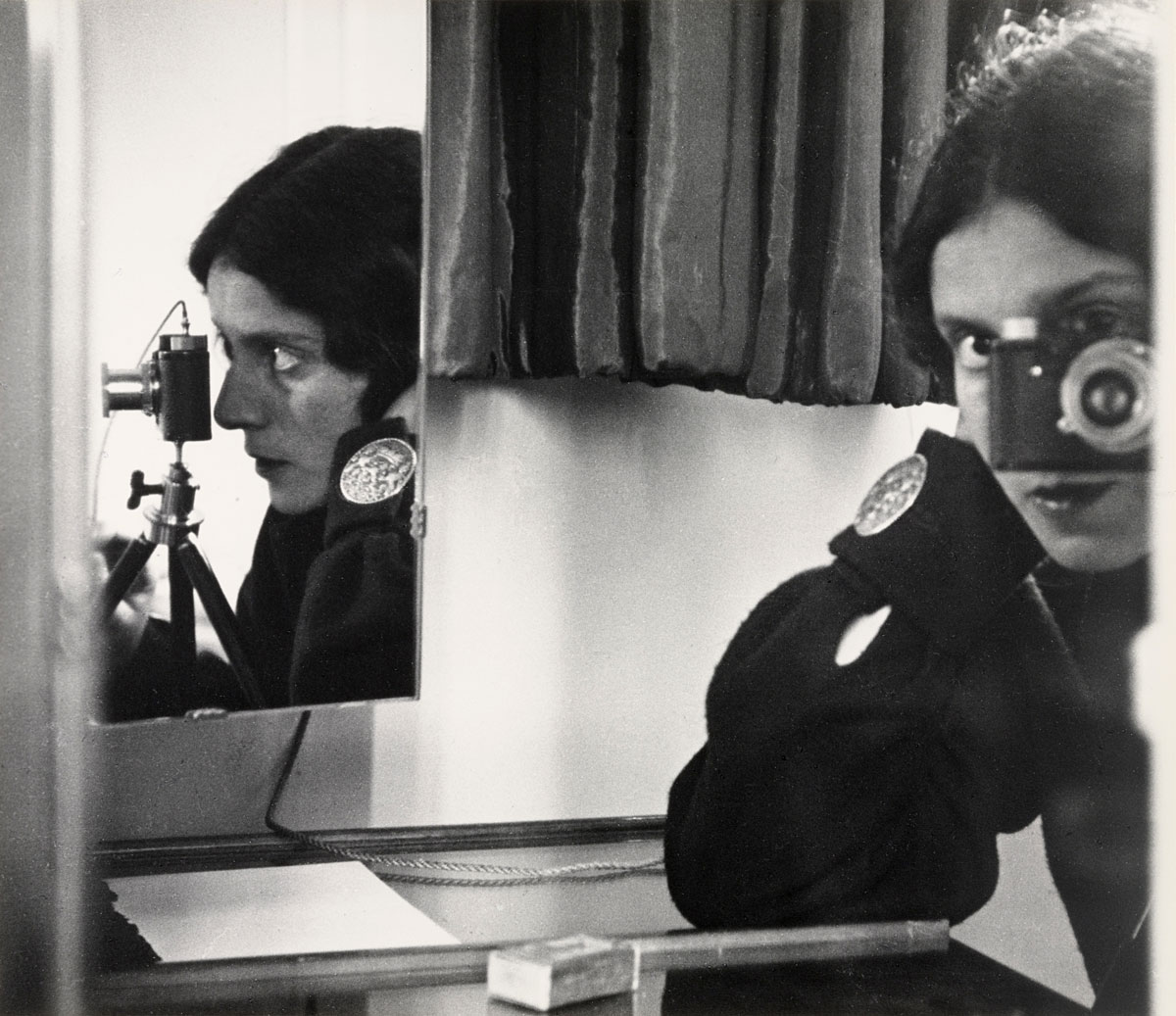
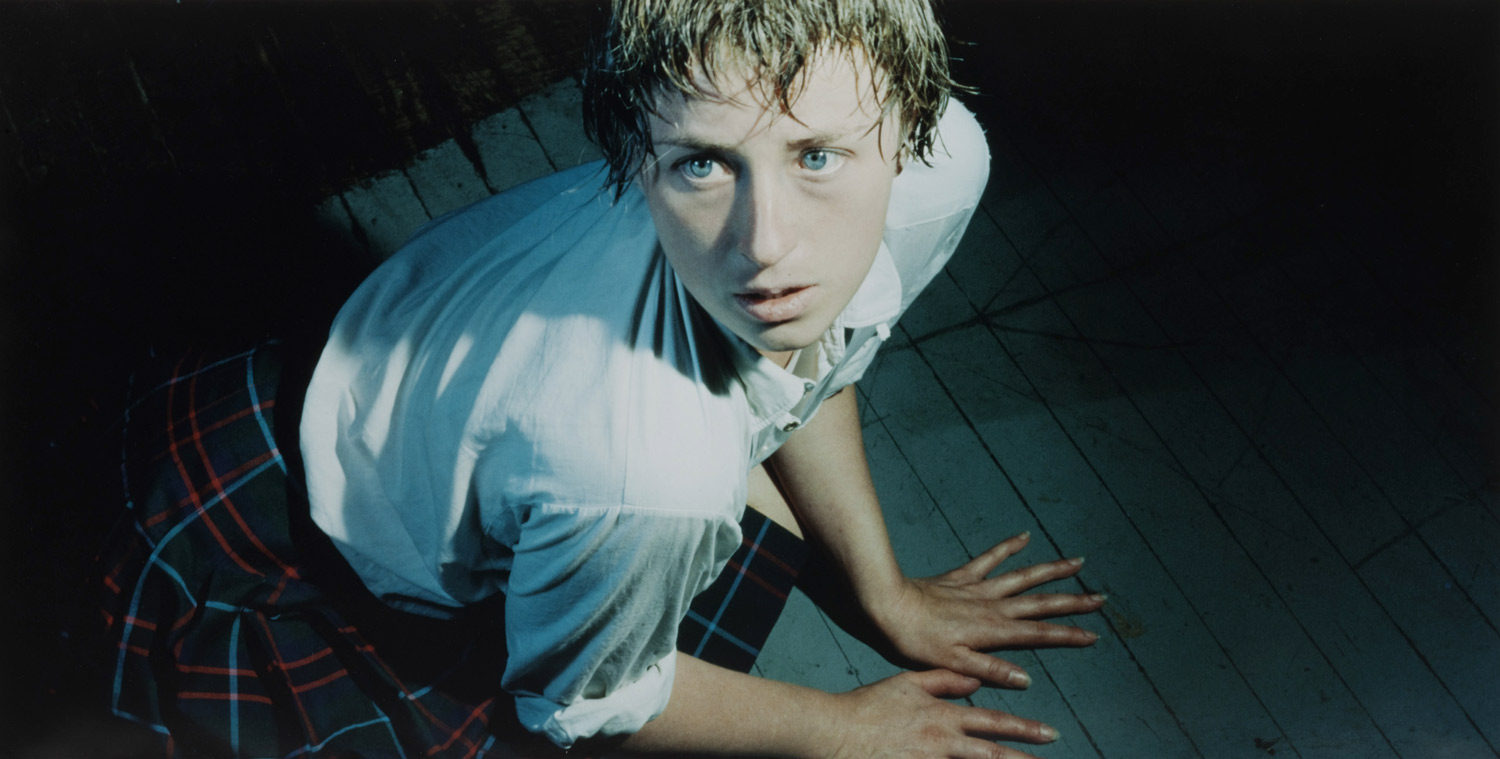

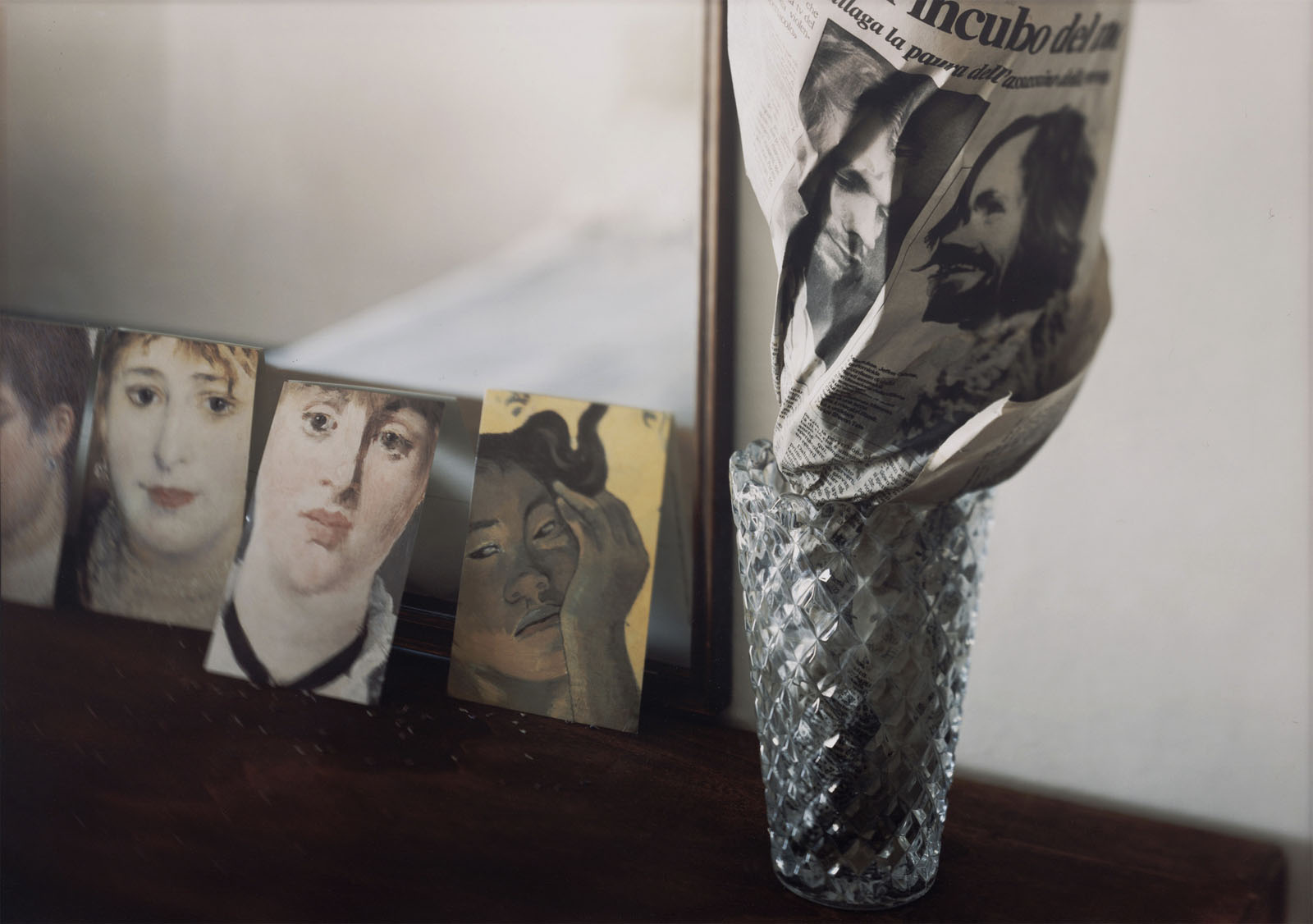
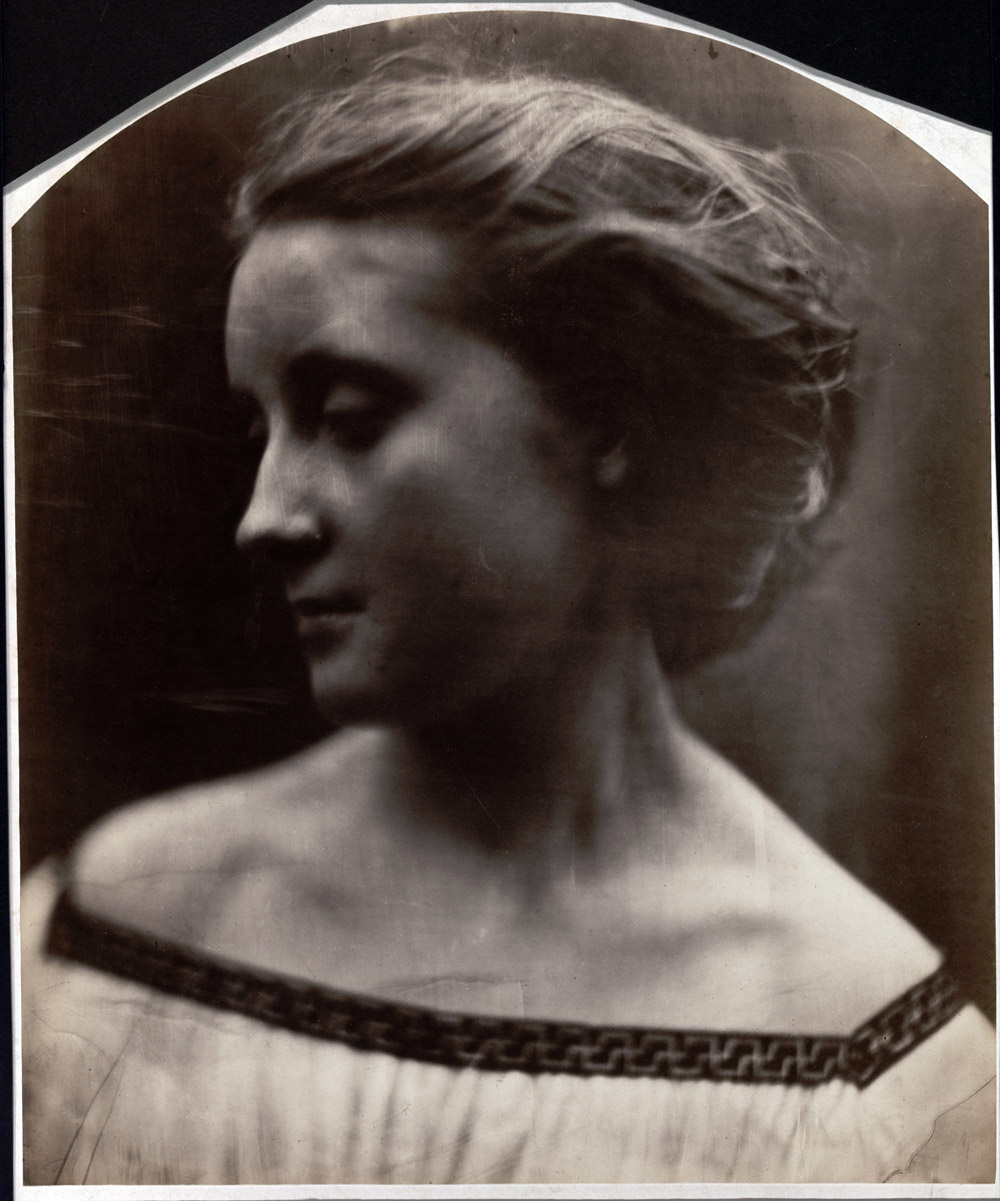
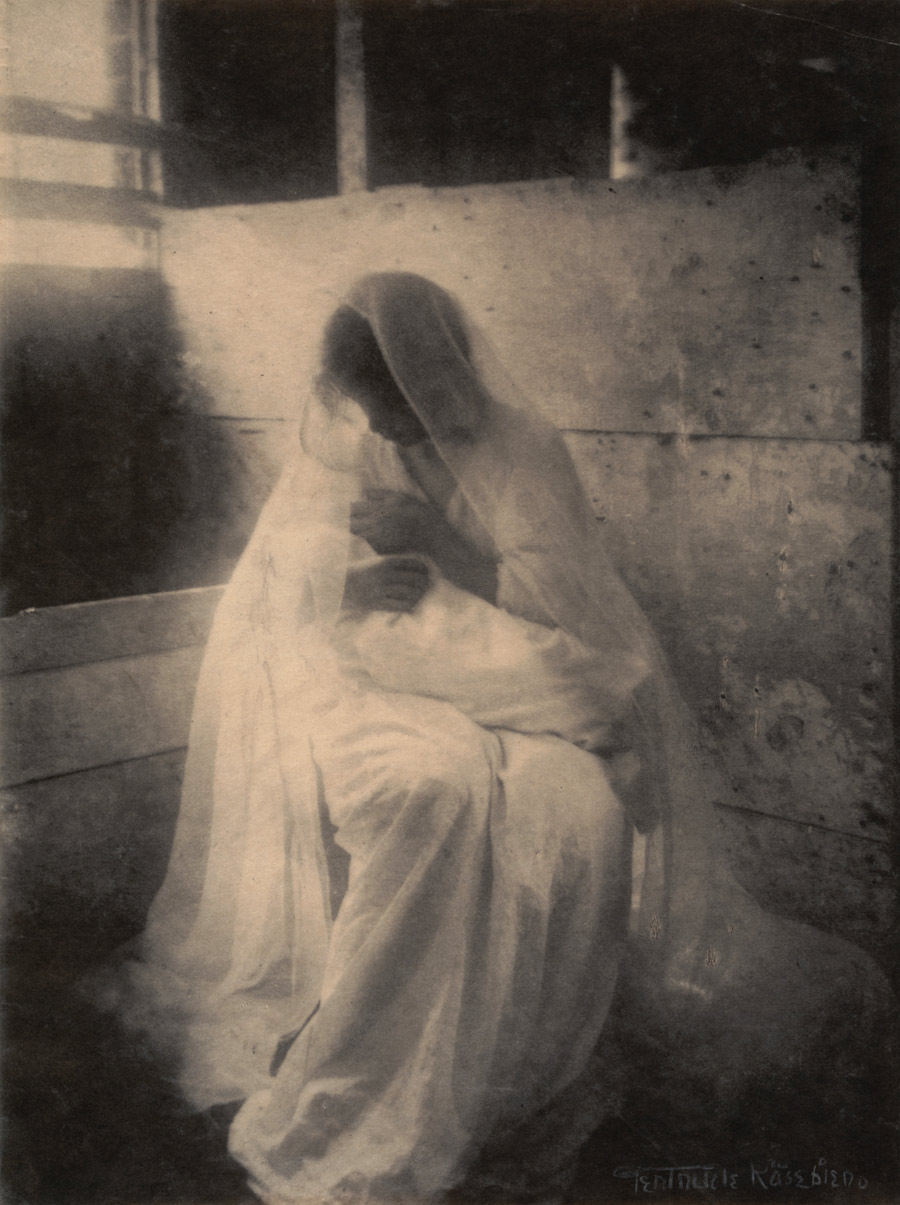

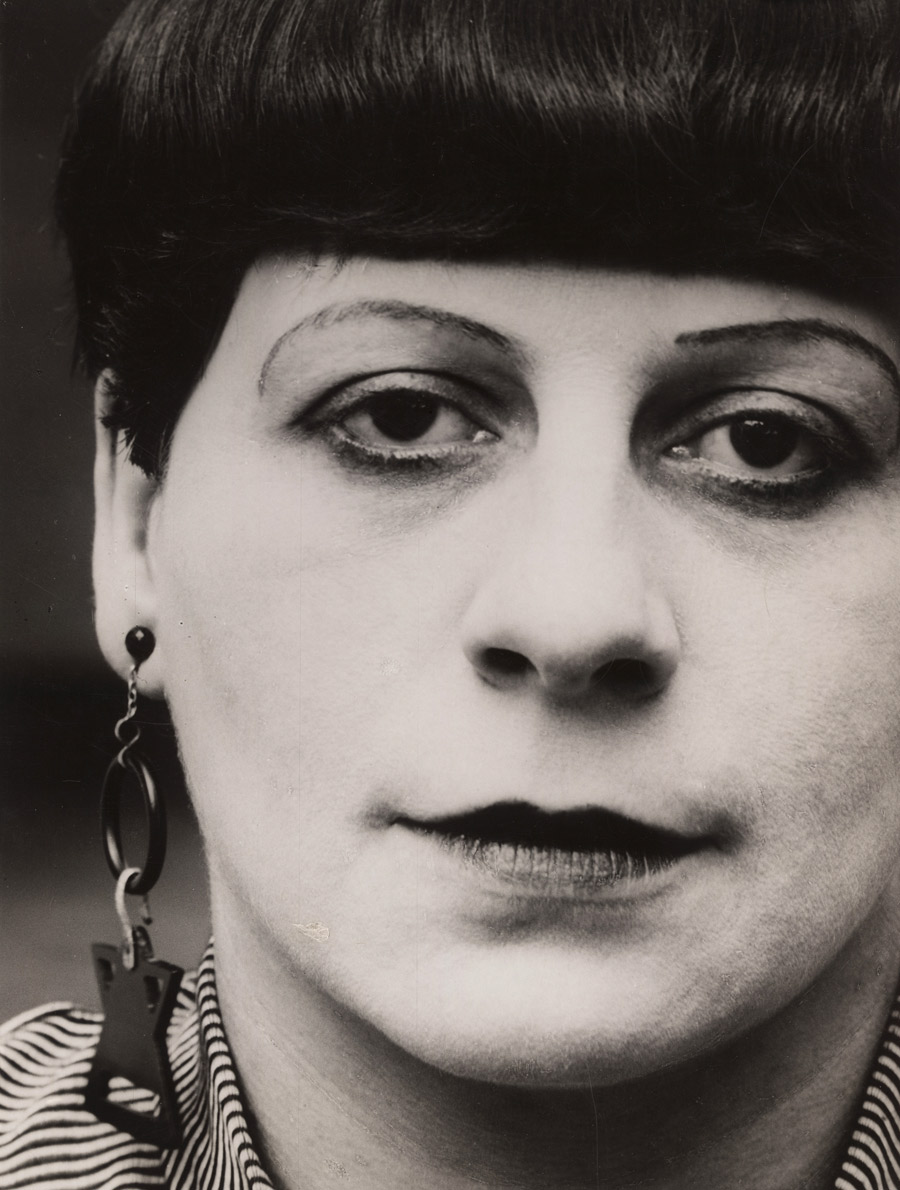
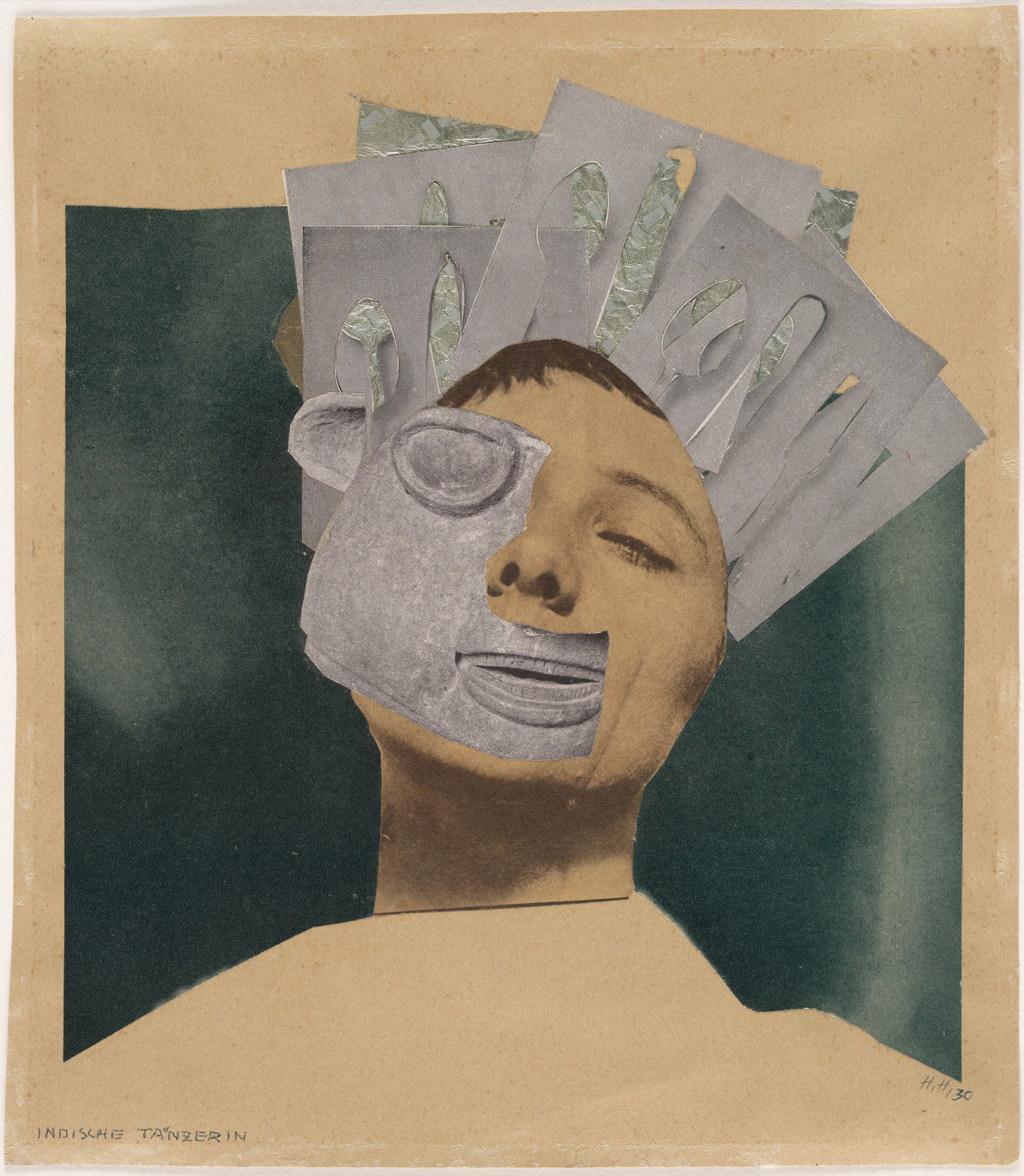


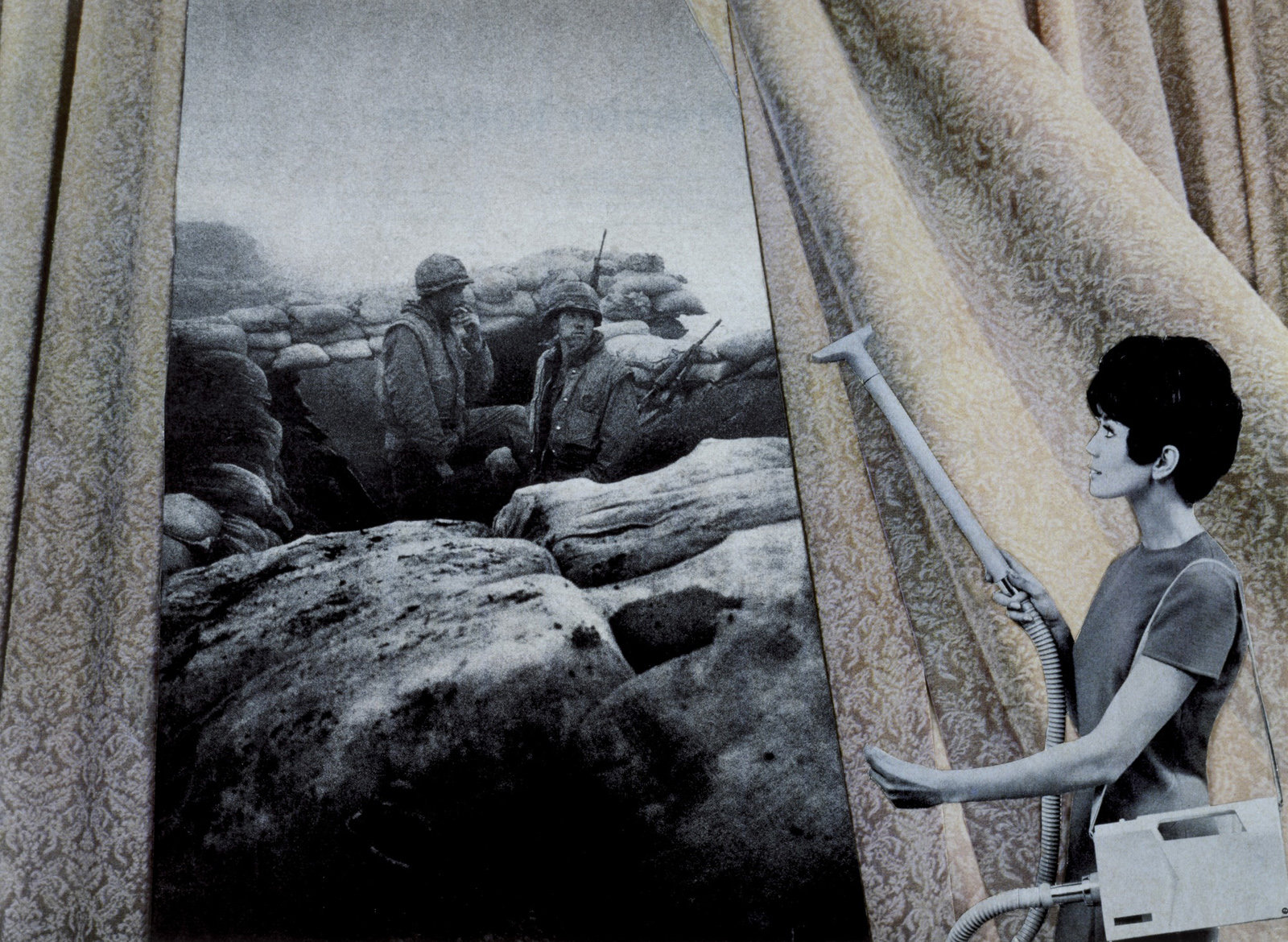
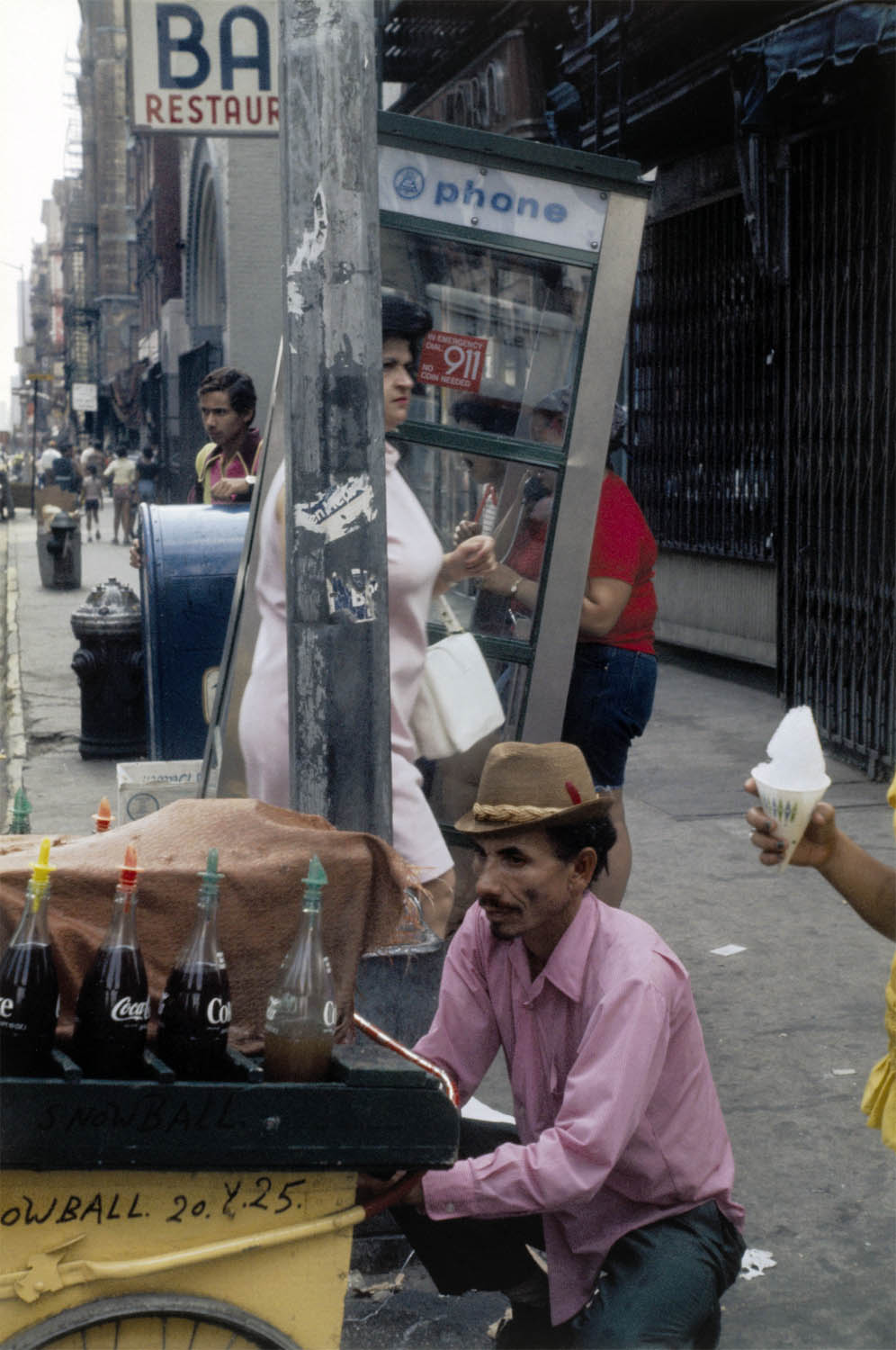

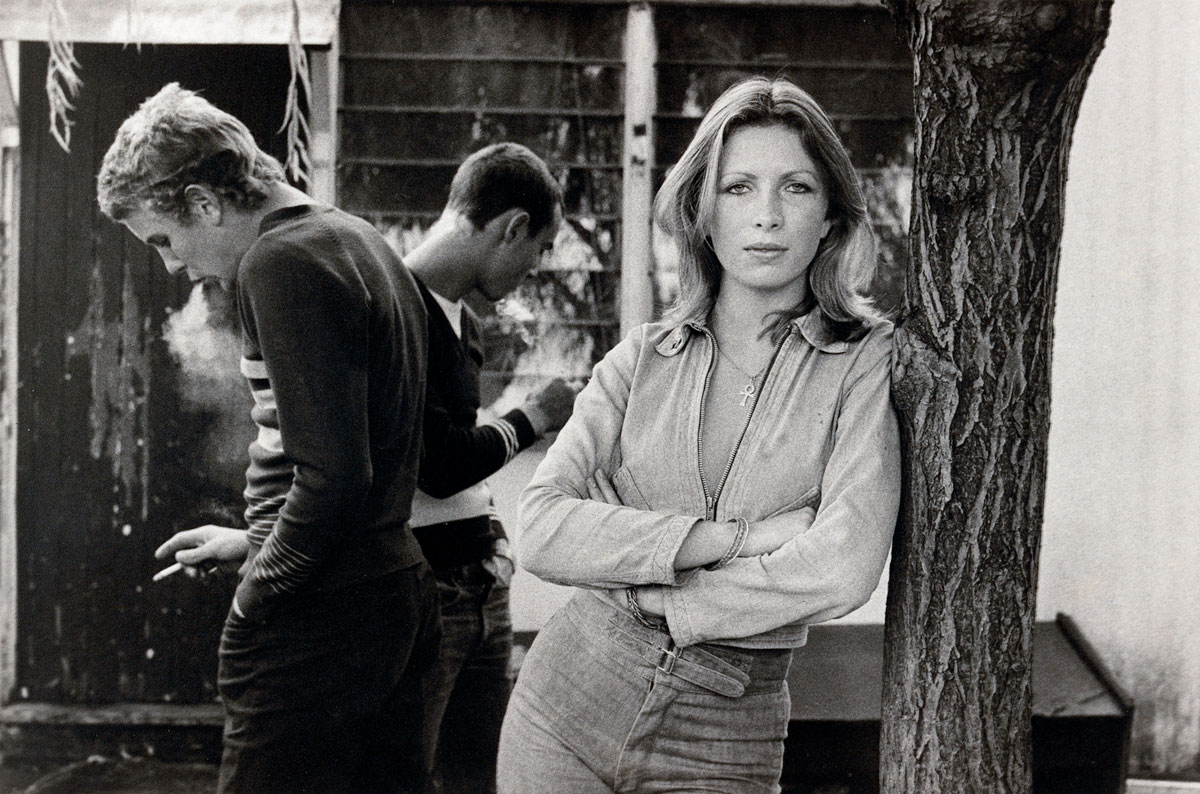

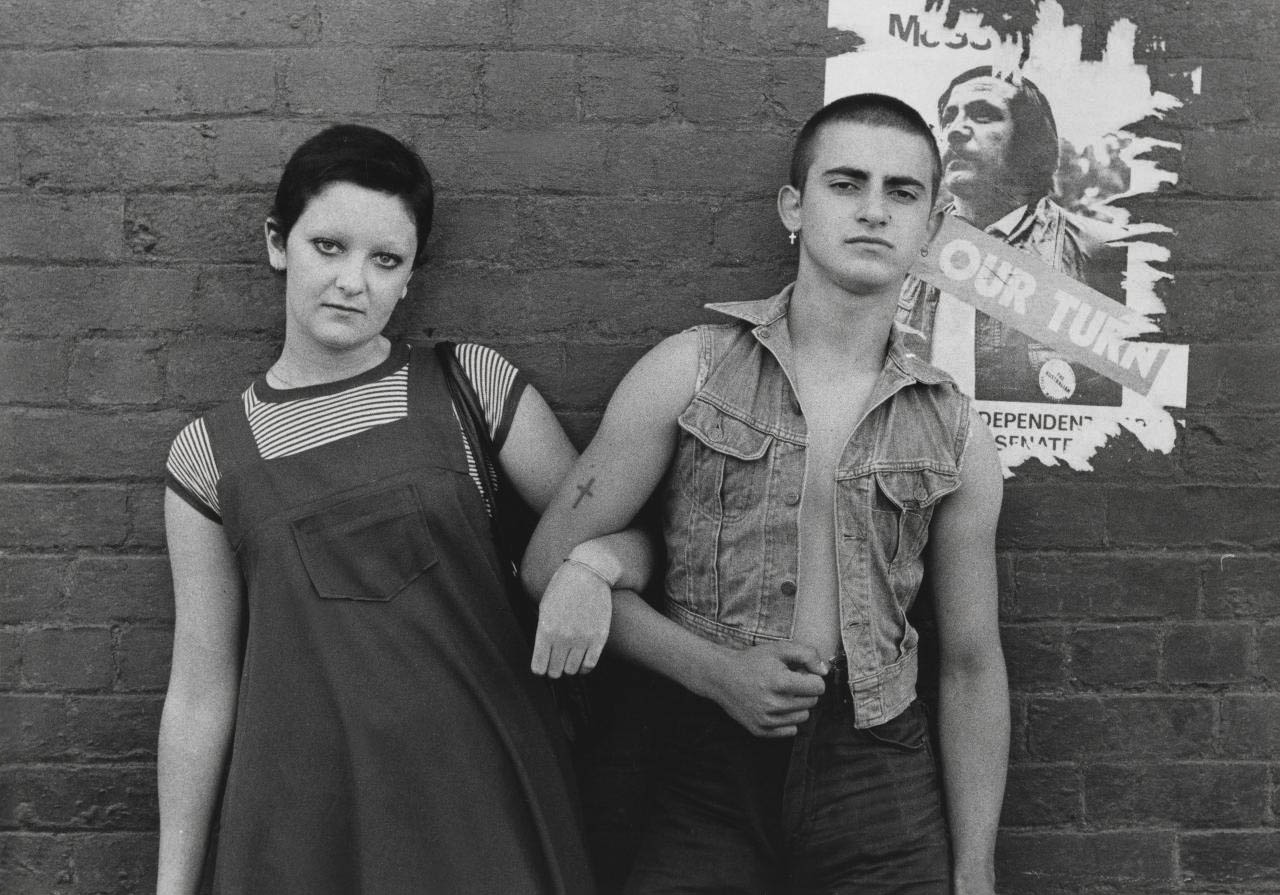


 Art Blart _ art and cultural memory archive
You must be logged in to post a comment.