Exhibition: ‘Clandestine – The Human Body in Focus’ at the Cobra Museum of Modern Art, Amstelveen

Exhibition dates: 16th October, 2021 – 27th March, 2022


Installation view of the exhibition 'Clandestine – The Human Body in Focus' at the Cobra Museum of Modern Art, Amstelveen showing from left to right, Armando Cristeto (Mexico, b. 1957) 'Apolo urbano' c. 1981; Antonio Reynoso, 'La Gorda' c. 1960; Herb Ritts, 'Wrestling Torsos, Hollywood' c. 1987


Installation view of the exhibition Clandestine – The Human Body in Focus at the Cobra Museum of Modern Art, Amstelveen showing from left to right, Armando Cristeto (Mexico, b. 1957) Apolo urbano, c. 1981; Antonio Reynoso, La Gorda, c. 1960; Herb Ritts, Wrestling Torsos, Hollywood, c. 1987


I’m working from my iPad at the moment as my computer has gone down, so this will be short and sweet.

It’s disappointing, to say the least, that in this day and age a museum provides so few media images on such an important theme that I had to spend many hours digging around trying to find images for this posting. I examined the labels on the installation photographs, and then looked at the museum’s Instagram account where there was much more information, before searching for large enough images online for the posting. Some artists are little known so this proved very difficult.

It’s good to see Arlene Gottfried’s strong, brash, direct photographs of gay icons, Jewish bodybuilders and street urchins but they are standard clubbing / street fare and there is little subtlety in her work.

While Gottfried may have survived to tell her story her own way the work only documents. For a photograph is that ever enough? Here the photographs in no way provide a fresh perspective on a clubbing street aesthetic grounded in the milieu of the mid 70s to early 80s Studio 54, pre-AIDS, groovy, disco party vibe. Nostalgia, history and memory are their appeal today.

Tastes have changed. Personally I find more power and sensitivity in Kike Arnal’s Untitled (Emmanuel, trans man and tattoo artist) (2018, below) than most of Gottfried’s graphic photographs – her subjects caught as if the lights had come up in the club at 6am (believe me this has happened many times, all of us looking like startled rabbits). Strike a pose!

Dr Marcus Bunyan


Many thankx to the Cobra Museum of Modern Art for allowing me to publish the photographs in the posting. Please click on the photographs for a larger version of the image.


Installation view of the exhibition 'Clandestine – The Human Body in Focus' at the Cobra Museum of Modern Art, Amstelveen showing from left to right, Shohei Miyachi, 'Untitled' c. 2018; Leonard Freed, 'Handcuffed, New York City' from 'Police Work' series, c. 1978; Larry Clark, 'Chuck' c. 1981


Installation view of the exhibition Clandestine – The Human Body in Focus at the Cobra Museum of Modern Art, Amstelveen showing from left to right, Shohei Miyachi, Untitled, c. 2018; Leonard Freed, Handcuffed, New York City, from Police Work series, c. 1978; Larry Clark, Chuck, c. 1981


Arlene Gottfried (American, 1960-2017) 'Angel and Woman on Boardwalk, Brighton Beach' 1976 from the exhibition Exhibition: 'Clandestine – The Human Body in Focus' at the Cobra Museum of Modern Art, Amstelveen, Oct 2021 - March 2022


Arlene Gottfried (American, 1950-2017)
Angel and Woman on Boardwalk, Brighton Beach
1976
Vintage gelatin silver print
Framework: 59.5 x 46.5cm
Photo: 27.9 x 35.5cm
Pedro Slim Collection


How does your gender impact your work as an artist? The candid photographs of Arlene Gottfried have become everlasting memories of New York’s fast-evolving culture(s). For over 40 years, Gottfried photographed the intimate stories of the American domestic life, as well intrepid snapshots of the Puerto Rican community or the wild nights inside Studio 54.

She emphasised that being a female photographer back in the 70s was very different than now:

‘A lot of the male photographers [in the past] felt threatened and didn’t like it. […] It’s changed so much with women working. They’re more visible now. I don’t know the statistics on museums and how many are being collected. But on an everyday level, you see women in jobs that used to be male – bus driver, train conductor – typically male jobs that now have female employees and photography was the same. It used to be only guys, really. And actually, in my first photography class, I was the only young woman in the class and I had a lump in my throat, like I wanted to cry, only guys there. But it wound up being a very supportive environment and I learned a lot.

Unless you’re doing something that’s a very feminine kind of a topic, I don’t think gender is really all that visible.’

Anonymous text from the Cobra Museum of Modern Art Instagram page


Arlene Gottfried (American, 1960-2017) 'Guy With Radio, East 7th Street' 1977 from the exhibition Exhibition: 'Clandestine – The Human Body in Focus' at the Cobra Museum of Modern Art, Amstelveen, Oct 2021 - March 2022


Arlene Gottfried (American, 1950-2017)
Guy With Radio, East 7th Street
1977
Vintage gelatin silver print
Framework: 59.5 x 46.5cm
Photo: 35.5 x 27.9cm
Pedro Slim Collection


Arlene Gottfried (American, 1960-2017) 'Pituka at Bethesda Fountain, Central Park' 1977


Arlene Gottfried (American, 1950-2017)
Pituka at Bethesda Fountain, Central Park
1977
Vintage gelatin silver print
Framework: 59.5 x 46.5cm
Photo: 35.5 x 27.9cm
Pedro Slim Collection


The legendary street photographer who captured more than neutral subjects, but also the living faces and bodies of people along with their memories. Arlene Harriet Gottfried photographs preserve cultural heritage of the urban atmosphere.

One of the most quintessential projects Gottfried produced was a black-and-white series of street photography from the 1970s and 80s in New York. Her work will form part of our exhibition Clandestine. This is a photo exhibition about the human body. One of the most dominant themes in the exhibition is the constant dialogue between culture and bodies. This is something Arlene Gottfried captures particularly well. Arlene Gottfried documented scenes of ordinary daily life. The everyday life from the past that still lives vividly in her photographs. Her work embodied stories and memories of people who although you will never get to know, you can easily feel familiarised.

Anonymous text from the Cobra Museum of Modern Art Instagram page


Arlene Gottfried (American, 1960-2017) 'Disco Sally at Studio 54' 1979


Arlene Gottfried (American, 1950-2017)
Disco Sally at Studio 54
1979
Vintage gelatin silver print
Pedro Slim Collection


Arlene Gottfried (American, 1960-2017) 'Pose' Early 1980s


Arlene Gottfried (American, 1950-2017)
Pose
Early 1980s
Vintage gelatin silver print
Pedro Slim Collection
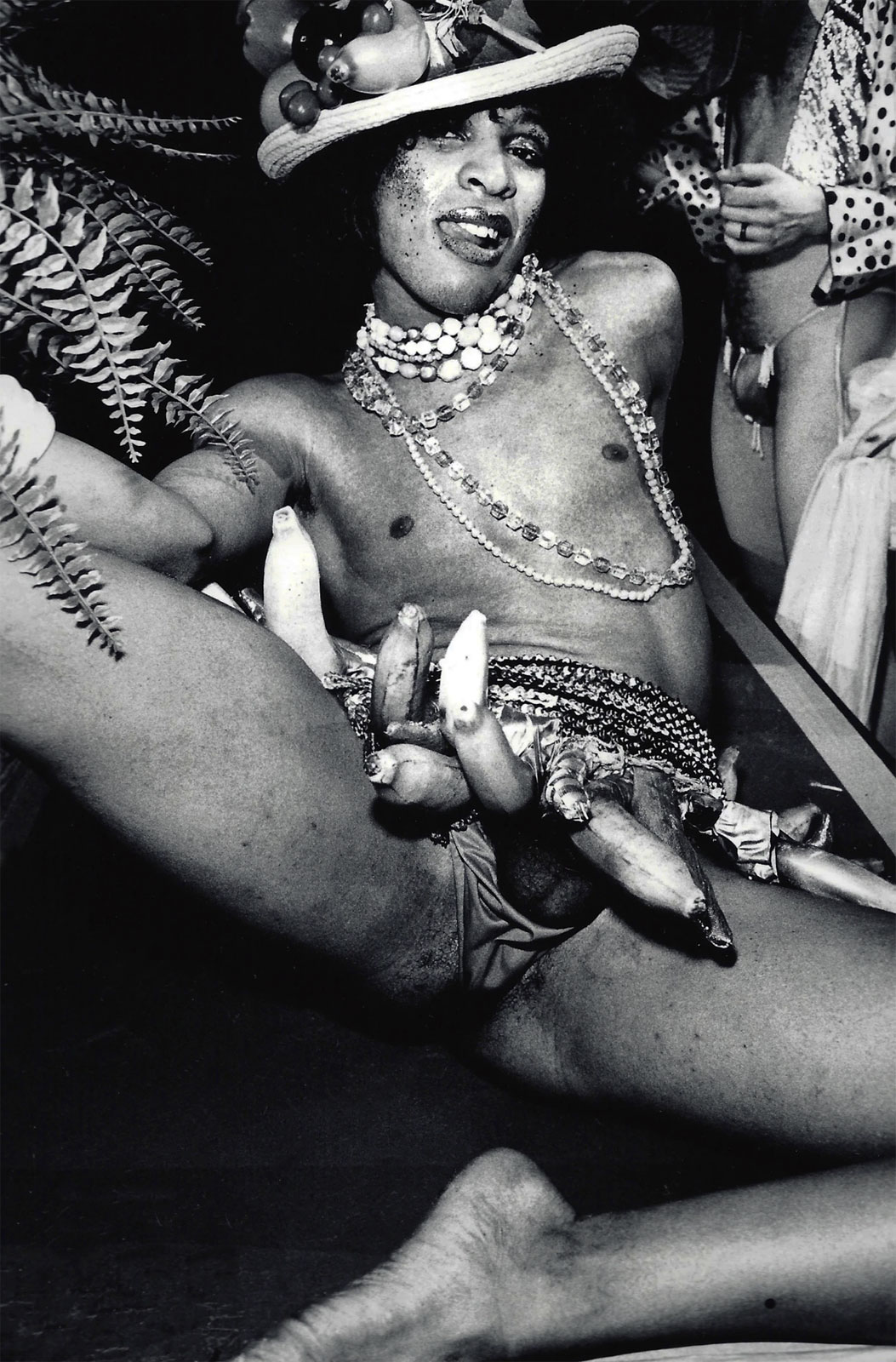
 

Arlene Gottfried (American, 1960-2017) 'Le Clique' Early 1980s


Arlene Gottfried (American, 1950-2017)
Le Clique
Early 1980s
Vintage gelatin silver print
Pedro Slim Collection


Installation view of the exhibition 'Clandestine – The Human Body in Focus' at the Cobra Museum of Modern Art, Amstelveen showing Arlene Gottfried's portrait 'Marsha P. Johnson' c. 1983


Installation view of the exhibition Clandestine – The Human Body in Focus at the Cobra Museum of Modern Art, Amstelveen showing Arlene Gottfried’s portrait Marsha P. Johnson c. 1983


Arlene Gottfried (American, 1960-2017) 'Marsha P. Johnson' c. 1983


Arlene Gottfried (American, 1950-2017)
Marsha P. Johnson
c. 1983
Vintage gelatin silver print
Pedro Slim Collection


Marsha P. Johnson was an African-American trans woman who lived in New York and is celebrated for her contribution to the LGBTQI+ movement. She was often referred to as ‘Saint Marsha’ for serving as a “drag mother” aiding and welcoming homeless people as well as young members of the LGBTQ movement.

Marsha P. Johnson was the Rosa Parks of the LGBT+ movement. She was a devoted activist, drag performer, sex worker and at some point she even modelled for Andy Warhol. She established safe spaces for transgender people and was thoroughly dedicated to defending the rights of trans people, sex workers, people with HIV/AIDS and prisoners.

‘You never completely have your rights, one person, until you all have your rights.’ ~ Marsha P. Johnson

Our exhibition, Clandestine – The Human Body in Focus presents stories in black and white photographs about people who have not been recognised yet for their bravery. Today, Marsha lives in the hearts of brave activists as well as many transgender people.


The human body is the central theme of the Clandestine photo exhibition. About a hundred black-and-white photographs express an unreserved love of the body in all its manifestations: perfect, imperfect, elegant, erotic, proud or, on the contrary, very vulnerable. The works come from the extensive collection of photographer and collector Pedro Slim (Beirut, Lebanon, 1950) and are shown in the Netherlands for the first time.

Clandestine showcases photography by some 60 artists, including Diane Arbus, Horst P. Horst, Arlene Gottfried, Graciela Iturbide, Robert Mapplethorpe, Diana Blok, Helmut Newton and Man Ray. The exhibition presents original and contemporary prints (including silver on gelatine, photogravure), collages and photomontages. These photographs are placed in the context of New York in the 1970s and 1980s, where many were taken. Pedro Slim’s photo collection holds a unique place in the field of photography. In 1985, Slim started collecting photographs in which the human body plays a central role. With his collection, Slim highlights the power of images and seeks to transform and break open the paradigm that dictates what is feminine, masculine, non-binary or trans. Pedro Slim’s collection consists of more than 300 vintage prints and has rarely been exhibited.

The beauty of the photographs lies especially in the personal expression of those portrayed. The artists seek to go beyond the prevailing standards and ideals of beauty, and make a plea to appreciate the body in all its manifestations. The photographs are thus an ode to diversity and are still very relevant today.

Three themes

The exhibition revolves around three themes. The first part of the exhibition focuses on past and present ideals of beauty. The photographs show a diversity of body types and invite us to transcend judgements such as ‘beautiful’ and ‘ugly’. The photographs within the second theme show people living on the fringes of society,  many of the recorded scenes are raw, everyday situations. The visitor sees sex work, drug use and indecency. There are painful stories behind the provocative looks and poses.

The third part of the exhibition is entirely devoted to the work of Arlene Gottfried (1915-2017). Gottfried specialised in the genre known as street photography, recording life in the less well-to-do neighbourhoods of New York.  Her themes included gospel, schizophrenia, the Puerto Rican community, and the women in her family. Pedro Slim owns more than twenty original prints by Gottfried. This makes him the most important collector of her work.

About the collector

Photographer and collector Pedro Slim was born in Beirut, Lebanon, in 1950. He studied architecture and photography in Mexico and New York. Since the early 1990s, he has exhibited in various museums and galleries. His most recent exhibition was in 2017 at the Museo de Arte Moderno in Mexico City. His passion for photography led him to start a collection.


Arlene Gottfried (American, 1960-2017) 'Brothers with their Vines, Coney Island, NY' 1976


Arlene Gottfried (American, 1950-2017)
Brothers with their Vines, Coney Island, NY
1976
Vintage gelatin silver print
Pedro Slim Collection


Arlene Gottfried (American, 1960-2017) 'Third Avenue Shopping, El Barrio' 1978


Arlene Gottfried (American, 1950-2017)
Third Avenue Shopping, El Barrio
1978
Vintage gelatin silver print
Pedro Slim Collection


Arlene Gottfried (American, 1960-2017) 'Men's Room at Disco' 1978


Arlene Gottfried (American, 1950-2017)
Men’s Room at Disco
1978
Vintage gelatin silver print
Pedro Slim Collection


Arlene Gottfried (American, 1960-2017) 'Doorway in Soho, NY' 1980


Arlene Gottfried (American, 1950-2017)
Doorway in Soho, NY
1980
Vintage gelatin silver print
Pedro Slim Collection


Arlene Gottfried (American, 1960-2017) 'Savage Riders at The Puertican Day Parade' 1980


Arlene Gottfried (American, 1950-2017)
Savage Riders at The Puertican Day Parade
1980
Vintage gelatin silver print
Pedro Slim Collection


Arlene Gottfried (American, 1960-2017) 'Hassid and Jewish Bodybuilder' 1980


Arlene Gottfried (American, 1950-2017)
Hassid and Jewish Bodybuilder
1980
Vintage gelatin silver print
Pedro Slim Collection


Arlene Gottfried (American, 1960-2017) 'Riis, Nude Bay, Queens' 1980


Arlene Gottfried (American, 1950-2017)
Riis, Nude Bay, Queens
1980
Vintage gelatin silver print
Pedro Slim Collection


After completing a two-year photography program at FIT, Arlene moved to Greenwich Village in 1972, when the community was still an affordable outpost for artists, musicians and bohemians. She took a job as an assistant with an advertising agency. “I did everything: printing, processing, lighting, studio work, on location, a lot of it was for comps and sometimes it was for the ad itself, for sales promotion and point of purchase,” Arlene revealed in her final book, Mommie. “I didn’t always love what it was about but I always took photographs on the weekend and used their fantastic darkroom.”

“It’s nice to be young and be able to run across the beach like wild and be able to meet people and take their picture,” she continued. “That’s what I remember about it: Having a great time, and having a job so I could pay for things, and having a darkroom where I could print everything. You couldn’t ask for anything better. It was like a little grant at a little job, you know, a moderate income but just enough.”

Arlene made “just enough” to carry her through the next 45 years of her life, transforming her home in the West Village’s famed Westbeth Artists Housing into a bohemian palace. Above her kitchen table, she hung her photographs in a plastic carousel designed to air-dry intimate apparel. She entertained visitors, serving cherries and chocolate-covered espresso beans with a bottle of seltzer at the ready. When her cancer treatments stole her brunette curls in the years before her death, Arlene donned a burgundy velvet turban for her nights out.

Although she disliked hustle culture before it was named as such, Arlene maintained resolute faith in the importance of her work and the vitality of her gifts. Where other photographers sought to be a fly on the wall, Arlene was a butterfly in the mix, always aligned with the energy so that her presence only added to the beauty of the images she made. She loved to laugh, to sing, to dance and to celebrate the extraordinary stars in her orbit. In Mommie, Arlene remembers, “The clubs were very provocative then: People putting on these shows, taking their clothes off, acting things out. There’d be a theme and they’d be doing all kinds of crazy things like giving birth to dolls, simulating sex in public. I went in with my camera, took photographs and it was great.”

After the party, Arlene described the feeling of a glorious high that comes from a night on the town, surrounded by people doing what they love. She walked out of the club into the crisp winter air as snowflakes floated down from the sky like confetti in a parade. She then began strolling down Fifth Avenue, heading home, like the final scene of a Hollywood film.

Extract from Miss Rosen. “Sex clubs, Studio 54, Central Park: A portrait of NYC in the 70s & 80s,” on the i-D website 15 October 2021 [Online] Cited 16/10/2021. No longer available online


Arlene Gottfried (American, 1960-2017) 'Giant Dildo, Les Mouches Party, NY' 1979


Arlene Gottfried (American, 1950-2017)
Giant Dildo, Les Mouches Party, NY
1979
Vintage gelatin silver print
Pedro Slim Collection


Arlene Gottfried (American, 1960-2017) 'Miguel Pinero and Friend' 1980


Arlene Gottfried (American, 1950-2017)
Miguel Pinero and Friend
1980
Vintage gelatin silver print
Pedro Slim Collection


As an insider, Gottfried was able to tell the story on her own terms, capturing a slice of life that has vanished forevermore. “Now the only way to know what New York was like is from fleeting glimpses in movies made years ago like Taxi Driver, Death Wish, or Midnight Cowboy,” Gilbert Gottfried observes. “I remember there were neighbourhoods you didn’t want to be in and we lived in a few of those. Arlene had already been living on her own when me, my mother, and my other sister Karen moved to Avenue A. People were saying, ‘You’re nuts.'”

Arlene Gottfried flourished amongst her own, whether palling around with poet Miguel Piñero at the Nuyorican Poets Café, kicking it at Brooklyn’s famed Empire Roller Skating Center, or trooping uptown to the streets of El Barrio. Wherever she went, there she was, ready for whatever would come her way.

“I met Miguel Piñero at the Poet’s Café. I loved to dance and you could really dance over there!” she told me in 2014, roaring with laughter at the memory of her youth. “Salsa. R&B. There was a lot of good energy there. It was rough and raw. Not trendy. And that’s an amazing thing – that the Poet’s Café has lasted so long. I loved it. I stayed there until the sun came up, literally. That doesn’t last forever, these moments in time.”

Though Gottfried and many she photographed have passed, their legacies live on in her warm and loving photographs. Gottfried followed her heart and went with the flow, documenting everything from her years singing gospel with the Eternal Light Community Singers to her long-standing relationship with Midnight, a man suffering from paranoid schizophrenia.

For Gottfried, the camera was her diary and confidant. “I don’t know exactly when Arlene started taking pictures, but I know she got into it and then it was all the time,” her brother says with a laugh. “Sometimes we were both on the bus with my mother. I would be helping my mother off and Arlene was taking pictures. I was thinking, ‘Put down the camera and help me help her out of the bus!'”

Gottfried’s archive holds vast treasures of New York at a time when everyone was a character yet no one would stare because that would suggest you were a tourist, unfit to make it here. Her photographs are a tribute to Old New York, to a city of myth, magic, and madness that many did not survive. Yet in her pictures, their lives are restored to the pantheon of grit, glamour, and glory.

It is a city the lingers like wafts of weed smoke on a warm summer day, a city that still exists if you look for it. Gilbert Gottfried remembers, “A year or two ago I was walking with my wife and we saw these two homeless men. One was fixing the other guy’s hair with his hand, and my wife said, ‘Ahh. That’s an Arlene picture.'”

Extract from Miss Rosen. “Arlene Gottfried photographed the magic and madness of Old New York,” on the Document Journal website June 28, 2019 [Online] Cited 16/10/2021


George Hoyningen-Huene (American-Russian, 1900-1968) 'A.E. Sudan' c. 1935


George Hoyningen-Huene (American-Russian, 1900-1968)
A.E. Sudan
c. 1935
Gelatin silver print
George Hoyningen-Huene Estate Archives


Let’s talk about representation. A Russian man takes a photo of a Sudanese man. Superficially, this might seem problematic, but why?

In our exhibition, Clandestine – The Human Body in Focus, the portrait by the Russian photographer George Hoyningen-Huene, titled A.E. Sudan presents a naked Sudanese.

In a traditional setting, material items like clothes and jewellery help people express their values and beliefs. In this photo, the Sudanese man is alien from any form of expression. In addition, presented in front of a white wall strips the subject away from his situational contexts – such as time and place. This photo shows a person in a blank state, disconnected from any form of cultural or individual expression.

Despite these characteristics (or lack of characteristics), the photographer still opted to include the nationality of the subject in the title – Sudanese. We do not know if the artist understood the semantic power of the title, but by giving us some context, we know this person is not simply a naked model detached from his culture, but rather a ‘Sudanese’ man.

Here is where the questions that concerns representation starts gaining weight. Artists, including photographers, carry tremendous responsibility. Through their medium, they have the power to frame a subject as they please. In the creative process, it is possible that the view of the artist becomes the dominant perception understood by the audience.

For instance, in this case the Sudanese man has no voice concerning how the viewer perceives any of the characteristics that represent his identity, such as his skin colour, nationality, gender or age. It is virtually impossible to discuss all the concerns linked to cultural representation in a post, hence this conversations is far from over. Also, we do not intend to shame the way the artist framed the Sudanese man, but rather our whole aim, inspired by the Cobra movement, is to present new ways to think critically about art, ourselves and society.

Anonymous text from the Cobra Museum of Modern Art Instagram page


Edmund Teske (Chicago, Illinois, 1911 - Los Angeles, California, USA, 1996) 'Male Nude, Davenport Iowa' 1942


Edmund Teske (Chicago, Illinois, 1911 – Los Angeles, California, USA, 1996)
Male Nude, Davenport Iowa
1942
Vintage gelatin silver print
Framework: 59.2 x 48.9cm
Photo: 33 x 23.5cm
Pedro Slim Collection
© Estate of Edmund Teske, Courtesy Gitterman Gallery


Installation view of the exhibition 'Clandestine – The Human Body in Focus' at the Cobra Museum of Modern Art, Amstelveen


Installation view of the exhibition Clandestine – The Human Body in Focus at the Cobra Museum of Modern Art, Amstelveen showing from left to right, Nan Goldin’s Ivy wearing a fall Boston 1973 and Antonio Reynoso’s La Gorda (The Fat Woman) c. 1960


Antonio Reynoso (Mexican, 1919-1996) 'La Gorda' (The Fat Woman) c. 1960


Antonio Reynoso (Mexican, 1919-1996)
La Gorda (The Fat Woman)
c. 1960
Gelatin silver print
Pedro Slim Collection


Beauty lies in the eye of the beholder. This phrase stresses that beauty is thoroughly subjective and only limited by social constructs.

One would argue that beauty is different from sciences like physics or chemistry since it is not quantifiable or measurable. Nonetheless, through non-scientific agreement people still know how to distinguish what is pretty from what is not. For instance, a swampy pond is less pretty than a turquoise ocean. This is the shared opinion, of at least the majority, but is this a view shared by everyone? Even more importantly, is this our view or was it simply bestowed upon us without our prior consent?

Being critical when looking at a work of art, or more frankly when looking at anything, is an exercise to strengthen our own individuality and potential to envision a new beauty. This does not mean one should automatically discredit beauty from something or someone that is socially considered beautiful but to question it. This is a call to acknowledge that the notion of beauty can be challenged, abstracted or even reconstructed.

This is a portrait by Mexican photographer Antonio Reynoso La Gorda (The Fat Woman). It invites us to reconsider the meanings of several attributes including, beauty, sensuality and femininity.

Anonymous text from the Cobra Museum of Modern Art Instagram page
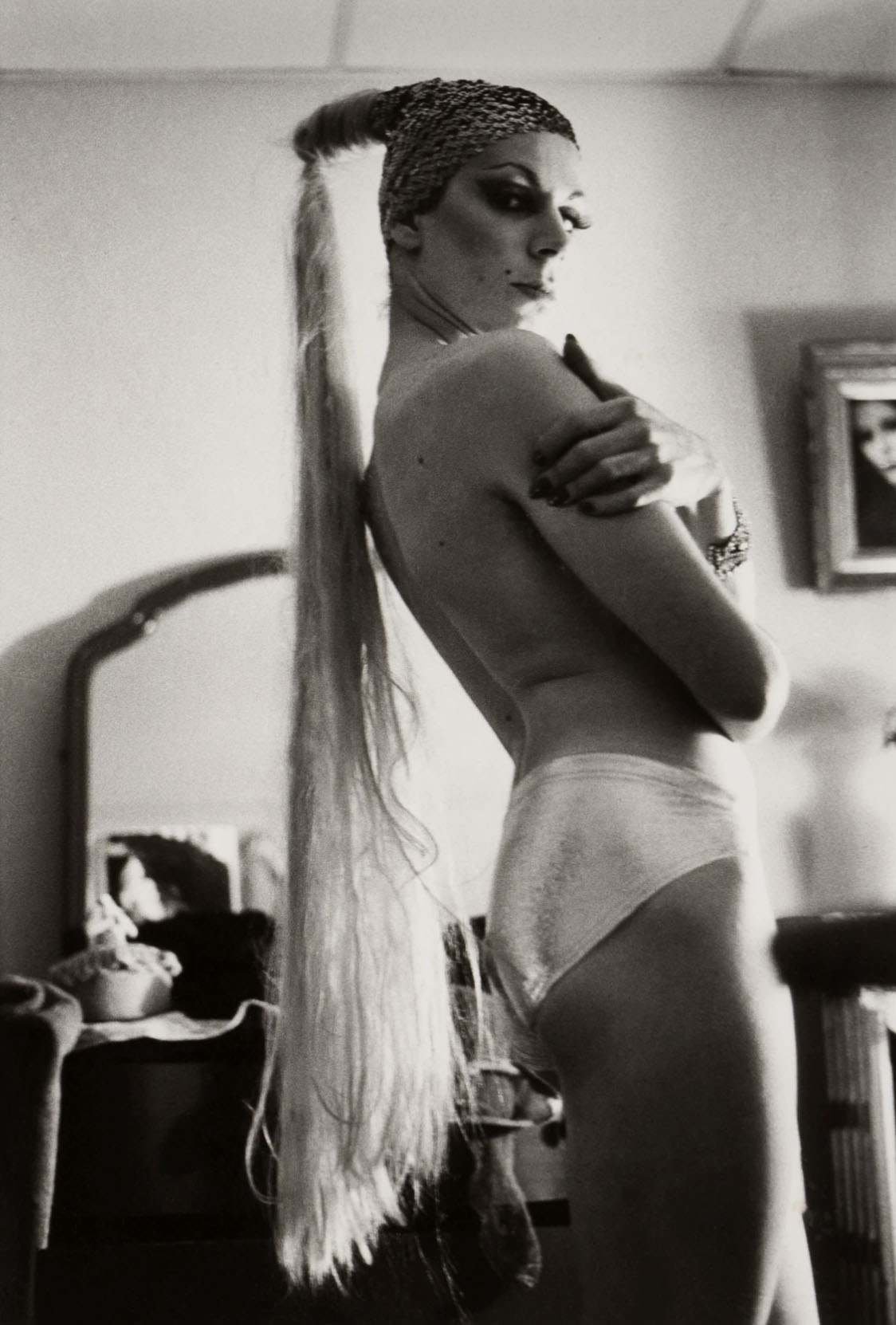
 

Nan Goldin (American, b. 1953) 'Ivy wearing a fall' Boston 1973


Nan Goldin (American, b. 1953)
Ivy wearing a fall
Boston 1973
Gelatin silver print
Pedro Slim Collection


Allen Frame (American, b. 1951) 'Young Man, New York' 1974


Allen Frame (American, b. 1951)
Young Man, New York
1974
Gelatin silver print
Framework: 40.5 x 50.5cm
Photo: 27.9 x 35.5cm
Pedro Slim Collection


Leonard Freed (American, 1929-2006) 'Handcuffed, New York City' c. 1978


Leonard Freed (American, 1929-2006)
Handcuffed, New York City
c. 1978
From Police Work series
Gelatin silver print
Pedro Slim Collection


David Wojnarowicz (American, 1954-1992) 'Arthur Rimbaud in New York' 1978-1979


David Wojnarowicz (American, 1954-1992)
Arthur Rimbaud in New York
1978-1979
Gelatin silver print
Pedro Slim Collection


Arthur Rimbaud in New York, one of David Wojnarowicz’s few incursions into photography, is the articulation of a testimony to urban, social and political change in New York.

Wojnarowicz, using the figure of the accursed poet as the only way for an artist to intervene in reality, chronicles his own life and his emotional relationship with New York City in the late 1970s. The artista portrays a number of friends with a life-size mask of the French poet Arthur Rimbaud, thereby taking on his identity and highlighting the parallels in their lives: the violence suffered in their youths, the feeling of being denied freedom, the desire to live far away from the bourgeois environment and the fact of their homosexuality. Wojnarowicz is juxtaposing the historical time of the symbolist poet with the artist’s present.

The series, taken in places that the artist used to frequent with photographer Peter Hujar, represents the emergence of identity politics and queer visibility in contemporary art, and the debates surrounding the public sphere as a space for individual non-conformity that were to shape the 1980s. The series also represents a contemplation of the end of the experimental artists’ collectives on the Lower East Side, as gentrification and urban speculation transformed the neighbourhood, and AIDS had begun to decimate the gay community, also causing the early death of the artist in 1992.

Salvador Nadales. “Arthur Rimbaud in New York,” on the Museo Reina Sofía website Nd [Online] Cited 23/02/2022


George Dureau (American, 1930-2014) 'B.J. Robinson' c. 1980


George Dureau (American, 1930-2014)
B.J. Robinson
c. 1980
Gelatin silver print
Pedro Slim Collection


What happens when people become labelled as objects of inspiration?

Popular culture often exotifies or objectifies a group of people who are slightly different from the majority. Sayings such as ‘you cannot fail if you have not tried’ accompanied by a photo of a person with a disability, portrays the subject as a source of exceptional inspiration for the viewer. This may objectify the subject in the photo.

This is something that happens in the art world too. For instance, the monumental achievements of artists with a disability, such as Frida Kahlo or Vincent van Gogh, are sometimes phrased as a direct outcome of their condition. By doing so the condition of the artist becomes bigger than the persona. This undermines the different elements that constitute the artist as a whole.

For the photographer George Dureau, whose work is displayed in our exhibition Clandestine, photography is a medium with the potential to empower people with disabilities by simply representing them, without objectifying them. By photographing people with disabilities the same way traditional photographers captured images of models, Dureau reconceptualised the standards of beauty.

The conversation revolving around objectification is far from over. Dureau’s views present an interesting way to think about the topic, but we still need more critical and engaged dialogue and we want to hear your opinion. Where is the boundary between admiration and objectification?

Anonymous text from the Cobra Museum of Modern Art Instagram page


Larry Clark (American, b. 1943) 'Chuck' c. 1981


Larry Clark (American, b. 1943)
Chuck
c. 1981
Gelatin silver print
Pedro Slim Collection


Armando Cristeto (Mexican, b. 1957) 'Apolo Urbano' (Urban Apollo) Mexico City, 1981


Armando Cristeto (Mexican, b. 1957)
Apolo Urbano (Urban Apollo)
Mexico City, 1981
Gelatin silver print
Pedro Slim Collection
© Armando Cristeto


Born in 1957 in Mexico City, photographer and historian Armando Cristeto began to study photography in 1977 at the Universidad Nacional Autónoma de Mexico. He was a member of the photography collective known as the Grupo de Fotografos Independientes, one of the numerous cooperatives of artists known as ‘Los Grupos’ proliferating during the late 1970s in Mexico.

Founded by Amando Cristeto’s brother Adolfo Patino, the Fotografos Independientes sought to reach new audiences by taking their exhibitions out onto the street, where their works could interact with the urban context and be appreciated by new classes of people. Their exhibitions were installed along the sidewalks of Mexico City, employing clothesline to hang their photographic prints, or were even paraded through the streets on wheeled carts.

Anonymous text. “Armando Cristeto,” on the ultrawolvesunderthefullmoon website June 9, 2020 [Online] Cited 23/03/2022


Duane Michals (American, b. 1932) 'The Most Beautiful Part of a Woman's Body' c. 1986


Duane Michals (American, b. 1932)
The Most Beautiful Part of a Woman’s Body
c. 1986
Gelatin silver print
Pedro Slim Collection
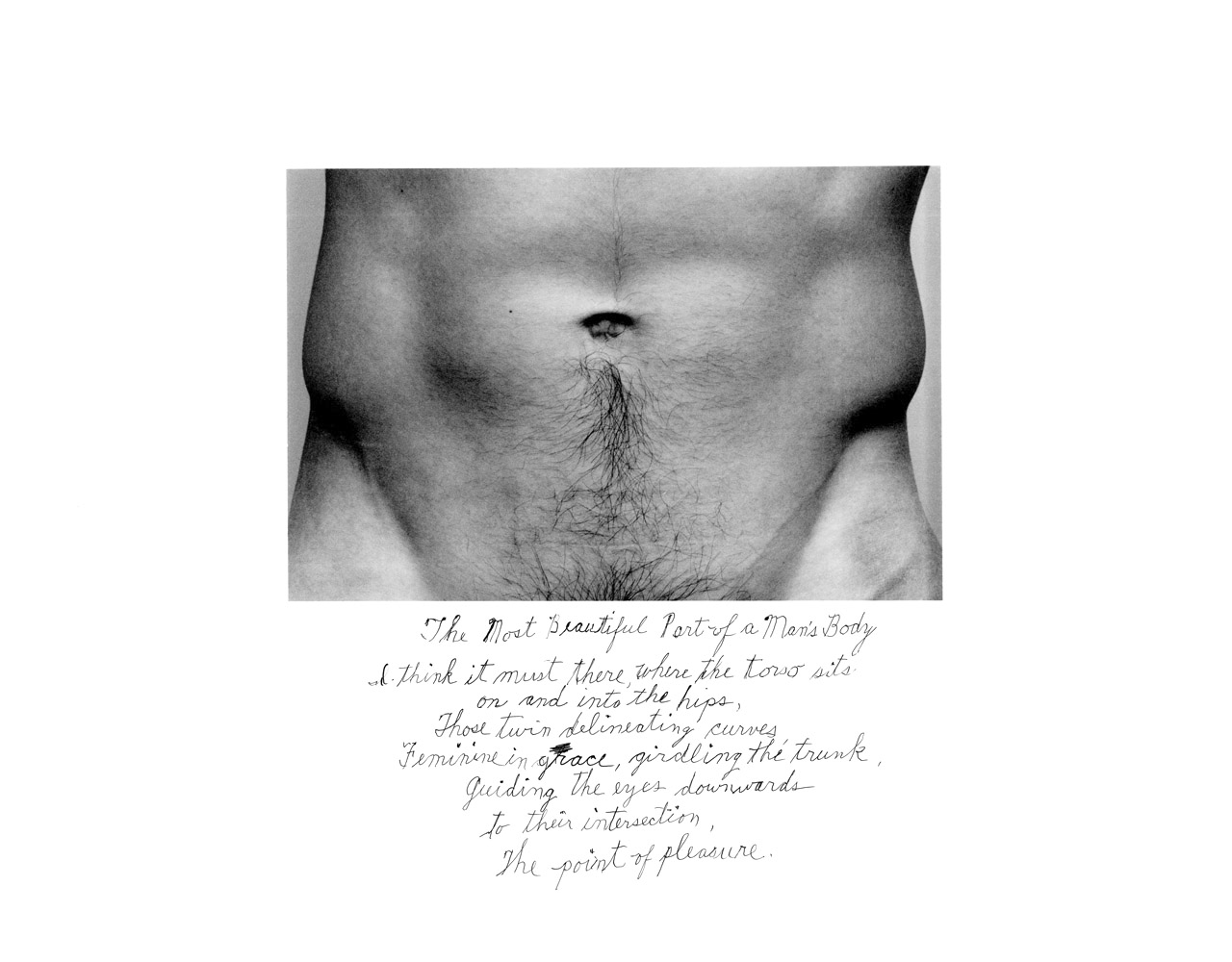
 

Duane Michals (American, b. 1932) 'The Most Beautiful Part of a Man's Body' c. 1986


Duane Michals (American, b. 1932)
The Most Beautiful Part of a Man’s Body
c. 1986
Gelatin silver print
Pedro Slim Collection


Graciela Iturbide (Mexican, b. 1942) 'Magnolia with Mirror, Juchitán, México' 1986


Graciela Iturbide (Mexican, b. 1942)
Magnolia, Juchitán, México
1986
Gelatin silver print
Pedro Slim Collection


Is symmetry more beautiful than asymmetry?

The notion of symmetry is occasionally interchanged with the one of beauty as if these would be synonyms. Artists and philosophers from different cultures and times have championed equilibrium and positioned symmetry on an untouchable pedestal, but culturally speaking, asymmetry might be more valuable.

The mathematical notion of symmetry suggests that if an object is changed – say a cube or a sphere is rotated – it stays the same as before it was moved. Aiming for symmetrical forms seems reasonable from the functional standpoint of an architect or a mathematician, but why do our cultures dismiss or shame asymmetry?

Asymmetry presupposes that something, or someone, changes after its circumstances changed. Transforming when situations demand it, is necessary to evolve. One symmetric thought or body would entail that it does not change when it is moved. That said, maybe it is time to reevaluate the way we perceive notions of beauty and reformulate our societal desires. Asymmetric bodies might be much more sexy and beautiful after all.

The exhibition, Clandestine – The Human Body in Focus, presents black and white photographs of the human body. The photographs render asymmetric human bodies.

Anonymous text from the Cobra Museum of Modern Art Instagram page


Herb Ritts (American, 1952-2002) 'Wrestling Torsos, Hollywood' c. 1987


Herb Ritts (American, 1952-2002)
Wrestling Torsos, Hollywood
c. 1987
Gelatin silver print
Pedro Slim Collection


Merry Alpern (American, b. 1955) 'Dirty Windows #16' 1994


Merry Alpern (American, b. 1955)
Dirty Windows #16
1994
Gelatin silver print
Pedro Slim Collection


Merry Alpern (American, b. 1955) 'Untitled' from the series 'Dirty Windows' 1994


Merry Alpern (American, b. 1955)
Untitled from the series Dirty Windows
1994
Gelatin silver print
Pedro Slim Collection


How to take dramatic photos of strangers? Wait, should you ask for their consent before photographing them?

In most countries, it is legal to take photos of people, including children in public. The question of whether it is morally right or wrong to take photos of strangers remains problematic. Some would say that it depends on the purpose of the photo. Judging a body of work that is intended to be used for profit, such as to promote a product, is different from photojournalism or a photo exhibition.

When seeing the photos exhibited in our exhibition Clandestine- The Human Body in Focus, one wonders if every single body was aware it would end up framed in the museum, or in the Instagram account of the museum itself.

To give this situation a context, consider Merry Alpern’s Dirty Windows series from 1994. Rather than posing her subjects, Alpern captured women (and men) crowded into the tiny bathroom of a sex club in the Wall Street district of Manhattan. Her photos were taken at night, in dim light, from a friend’s apartment, one story higher and about five meters away from the bathroom window. Her obsessive, voyeuristic, and even paranoic project as well as her overtly sexual scenes, caused a national controversy at the time.

With these images, Alpern encapsulated and reduced the identity of her subjects as ‘sex workers’. By taking a single shot of a person and framing it as the complete one, the photo runs the risk of stripping the full identity away from the subject. The women in the Dirty Windows series could be mothers, daughters, great sports players, activists and so on, but not everyone gets to see that part of the story.

Let this be a reminder that when taking a photo of a person, you should make sure the person is aware of the photo’s purpose as well as what part of the story- of their identity – is framed.

Anonymous text from the Cobra Museum of Modern Art Instagram page


Shohei Miyachi (Japanese, b. 1989) 'Untitled' c. 2018


Shohei Miyachi (Japanese, b. 1989)
Untitled
c. 2018
Gelatin silver print
Pedro Slim Collection


Kike Arnal (Venezuelan) 'Untitled' (Emmanuel, trans man and tattoo artist) 2018


Kike Arnal (Venezuelan)
Untitled (Emmanuel, trans man and tattoo artist)
2018
From the series Revealing Selves – Transgender Portraits from Argentina
Gelatin silver print
Pedro Slim Collection


When it comes to transgender rights, Argentina is a country rife with contradictions. After being subject to widespread medicalization and incarceration throughout the 20th century, Argentina’s transgender community began to see a number of windfall legal and political wins in the early 21st century that would secure them progress once only dreamed of. These included the Gender Identity Law of 2012, landmark legislation which guarantees transgender Argentinians the right to change their sex in the public record, access free gender reassignment surgery and hormone therapy that doesn’t require medical or psychological diagnoses, and enshrines transgender discrimination protections in law.

But the gulf between legislative gains and reality can be wide in many countries, and Argentina is no exception. Despite these rights, 88 percent of Argentinian trans women have never had a formal job; their average life expectancy is 35, whereas the national average is 77; and only 40 percent graduate from high school. Transgender Argentinians still face massive cultural and social stigma, which can lead to family rejection and poverty.

In Revealing Selves: Transgender Portraits from Argentina … documentary photographer Kike Arnal provides a window into the homes and lives of Argentina’s transgender community, one that captures these contradictions.

Anonymous text. “Revealing Portraits from Argentina’s Transgender Community,” on the Them website April 10, 2018 [Online] Cited 23/02/2022


Kike Arnal (Venezuelan) 'Untitled' (Emmanuel, trans man and tattoo artist) 2018


Kike Arnal (Venezuelan)
Untitled (Emmanuel, trans man and tattoo artist)
2018
From the series Revealing Selves – Transgender Portraits from Argentina
Gelatin silver print
Pedro Slim Collection


Cobra Museum of Modern Art
Sandbergplein 1, 1181 ZX Amstelveen

Opening hours:
Tuesday – Sunday 10am – 5pm
Closed Monday

Cobra Museum of Modern Art website

LIKE ART BLART ON FACEBOOK

Back to top

Exhibition: ‘Wolfgang Tillmans: 2017’ at Tate Modern, London

Exhibition dates: 15th February – 11th June, 2017

 Co-curators: Chris Dercon and Helen Sainsbury, Head of Programme Realisation, Tate Modern with Emma Lewis, Assistant Curator, Tate Modern


Wolfgang Tillmans (German, b. 1968) 'The State We're In, A' 2015 from the exhibition 'Wolfgang Tillmans: 2017' at Tate Modern, London, Feb - June, 2017


Wolfgang Tillmans (German, b. 1968)
The State We’re In, A (Room 14)
2015
Ink-jet print
Dimensions variable
© Wolfgang Tillmans


Wolfgang Tillmans (German, b. 1968) 'The Cock (Kiss)' 2002 from the exhibition 'Wolfgang Tillmans: 2017' at Tate Modern, London, Feb - June, 2017


Wolfgang Tillmans (German, b. 1968)
The Cock (Kiss)
2002
Ink-jet print
Dimensions variable
© Wolfgang Tillmans


If one thing matters, everything matters (A love letter to Wolfgang Tillmans)

I believe that Wolfgang Tillmans is the number one photo-media artist working today. I know it’s a big call, but that’s how I see it.

His whole body of work is akin to a working archive – of memories, places, contexts, identities, landscapes (both physical and imagined) and people. He experiments, engages, and imagines all different possibilities in and through art. As Adrian Searle observes in his review of the exhibition, “Tillmans’ work is all a kind of evidence – a sifting through material to find meaning.” And that meaning varies depending on the point of view one comes from, or adopts, in relation to the art. The viewer is allowed to make their own mind up, to dis/assemble or deepen relationships between things as they would like, or require, or not as the case may be. Tillmans is not didactic, but guides the viewer on that journey through intersections and nodal points of existence. The nexus of life.

Much as I admire the writing of art critic John McDonald, I disagree with his assessment of the work of Wolfgang Tillmans at Tate Modern (see quotation below). Personally, I find that there are many memorable photographs in this exhibition … as valuable and as valid a way of seeing the world in a contemporary sense, as Eggleston’s photographs are in a historic visualisation. I can recall Tillmans’ images just an intimately as I can Eggleston’s. But they are of a different nature, and this is where McDonald’s analysis is like comparing apples and pears. Eggleston’s classical modernist photographs depend on the centrality of composition where his images are perfectly self-contained, whether he is photographing a woman in a blue dress sitting on a kerb or an all green bathroom. They are of their time. Times have changed, and how we view the world has changed.

For Tillmans no subject matter is trivial (If One Thing Matters, Everything Matters – the title of a 2003 exhibition at Tate Britain), and how he approaches the subject is totally different from Eggleston. As he says of his work, his images are “calls to attentiveness.” What does he mean by this? Influenced by the work of the philosopher Jiddu Krishnamurti whom I have also studied, a call to attentiveness is a way of being open and responsive to the world around you, to its infinite inflections, and to not walk around as if in a dream, letting the world pass you by. To be open and receptive to the energies and connections of the world spirit by seeing clearly.

Krishnamurti insightfully observed that we do not need to make images out of every word, out of every vision and desire. We must be attentive to the clarity of not making images – of desire, of prejudice, of flattery – and then we might become aware of the world that surrounds us, just for what it is and nothing more.1 Then there would be less need for the absenting of self into the technological ether or the day dreams of foreign lands or the desire for a better life. But being aware is not enough, we must be attentive of that awareness and not make images just because we can or must. This is a very contemporary way of looking at the world. As Krishnamurti says,

“Now with that same attention I’m going to see that when you flatter me, or insult me, there is no image, because I’m tremendously attentive … I listen because the mind wants to find out if it is creating an image out of every word, out of every contact. I’m tremendously awake, therefore I find in myself a person who is inattentive, asleep, dull, who makes images and gets hurt – not an intelligent man. Have you understood it at least verbally? Now apply it. Then you are sensitive to every occasion, it brings its own right action. And if anybody says something to you, you are tremendously attentive, not to any prejudices, but you are attentive to your conditioning. Therefore you have established a relationship with him, which is entirely different from his relationship with you. Because if he is prejudiced, you are not; if he is unaware, you are aware. Therefore you will never create an image about him. You see the difference?”2


Then you are sensitive to every occasion, it brings its own right action. You are attentive and tremendously awake.

This is the essence of Tillmans work. He is tremendously attentive to the images he is making (“a representation of an unprivileged gaze or view” as he puts it) and to the associations that are possible between images, that we make as human beings. He is open and receptive to his conditioning and offers that gift to us through his art, if we recognise it and accept it for what it is. If you really look and understand what the artist is doing, these images are music, poetry and beauty – are time, place, belonging, voyeurism, affection, sex. They are archaic and shapeless and fluid and joy and magic and love…

They are the air between everything.

Dr Marcus Bunyan


1/ Krishnamurti. Beginnings of Learning. London: Penguin, 1975, p. 131
2/ Ibid., pp. 130-131


Many thankx to the Tate Modern for allowing me to publish the art work in the posting. Please click on the photographs for a larger version of the image.


“To look at Eggleston alongside those he has inspire [Wolfgang Tillmans and Juergen Teller for example] is to see a surprisingly old-fashioned artist. No matter how instinctive his approach or how trivial his subjects, Eggleston believes in the centrality of composition. His images are perfectly self-contained. They don’t depend on a splashy, messy installation or a political stance. …

In the current survey of Tillmans’s work at Tate Modern photos of every description are plastered across the walls in the most anarchic manner, with hardly a memorable composition. Yet this shapeless stuff is no longer reviled by the critics – it’s the height of fashion.”


John McDonald for The Sydney Morning Herald column. “William Eggleston: Portraits” on the John McDonald website June 1, 2017 [Online] Cited 17/12/2021


“For a long time in Britain, there was a deep suspicion of my work. People saw me as a commercial artist trying to get into the art world, and the work was dismissed as shallow or somehow lightweight. There are still many misconceptions about what I do – that my images are random and everyday, when they are actually neither. They are, in fact, the opposite. They are calls to attentiveness.”


Wolfgang Tillmans quoted in Sean O’Hagan. “Wolfgang Tillmans: ‘I was hit by a realisation – all I believed in was threatened’,” on The Guardian website Monday 13 February 2017 [Online] Cited 17/12/2021


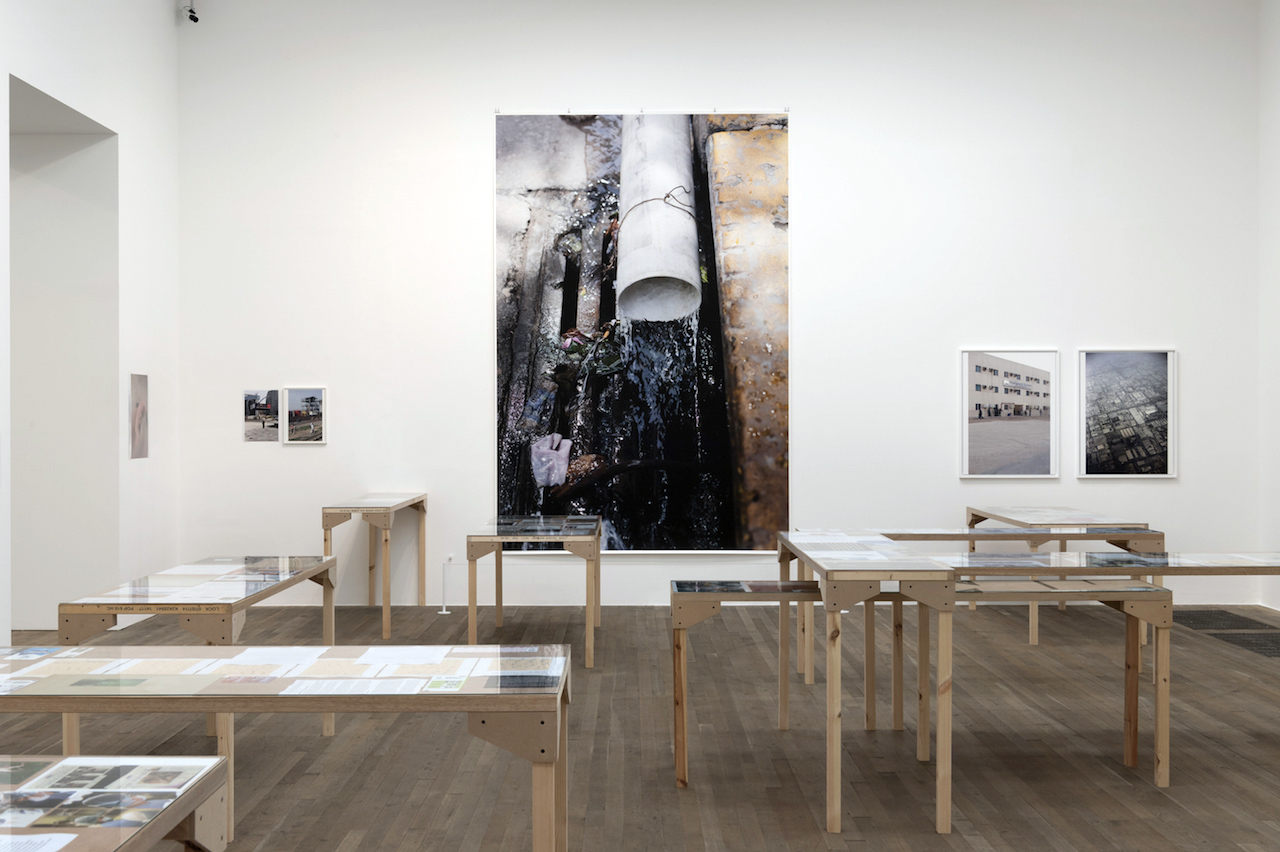
Installation view of room 4 (detail) from the exhibition 'Wolfgang Tillmans: 2017', which includes the latest iteration of the 'truth study centre' project


Installation view of room 4 (detail), which includes the latest iteration of the truth study centre project, with
Image © Tate Modern showing Wolfgang Tillmans: 2017 at Tate Modern 15 February – 11 June


The Tate show includes a room full of his “truth study centres”, which comprise often contradictory newspaper cuttings as well as photographs and pamphlets that aim to show how news is manipulated according to the political loyalties of those who produce it. As activists go, though, Tillmans is defiantly centre ground. “This is about strengthening the centre. I can understand left-wing politics from a passionate, idealistic point of view, but I do not think it is the solution to where we are now. The solution is good governance, moderation, agreement. Post-Brexit, post-Trump, the voices of reason need to be heard more than ever.”

Wolfgang Tillmans quoted in Sean O’Hagan. “Wolfgang Tillmans: ‘I was hit by a realisation – all I believed in was threatened’,” on The Guardian website Monday 13 February 2017 [Online] Cited 17/12/2021
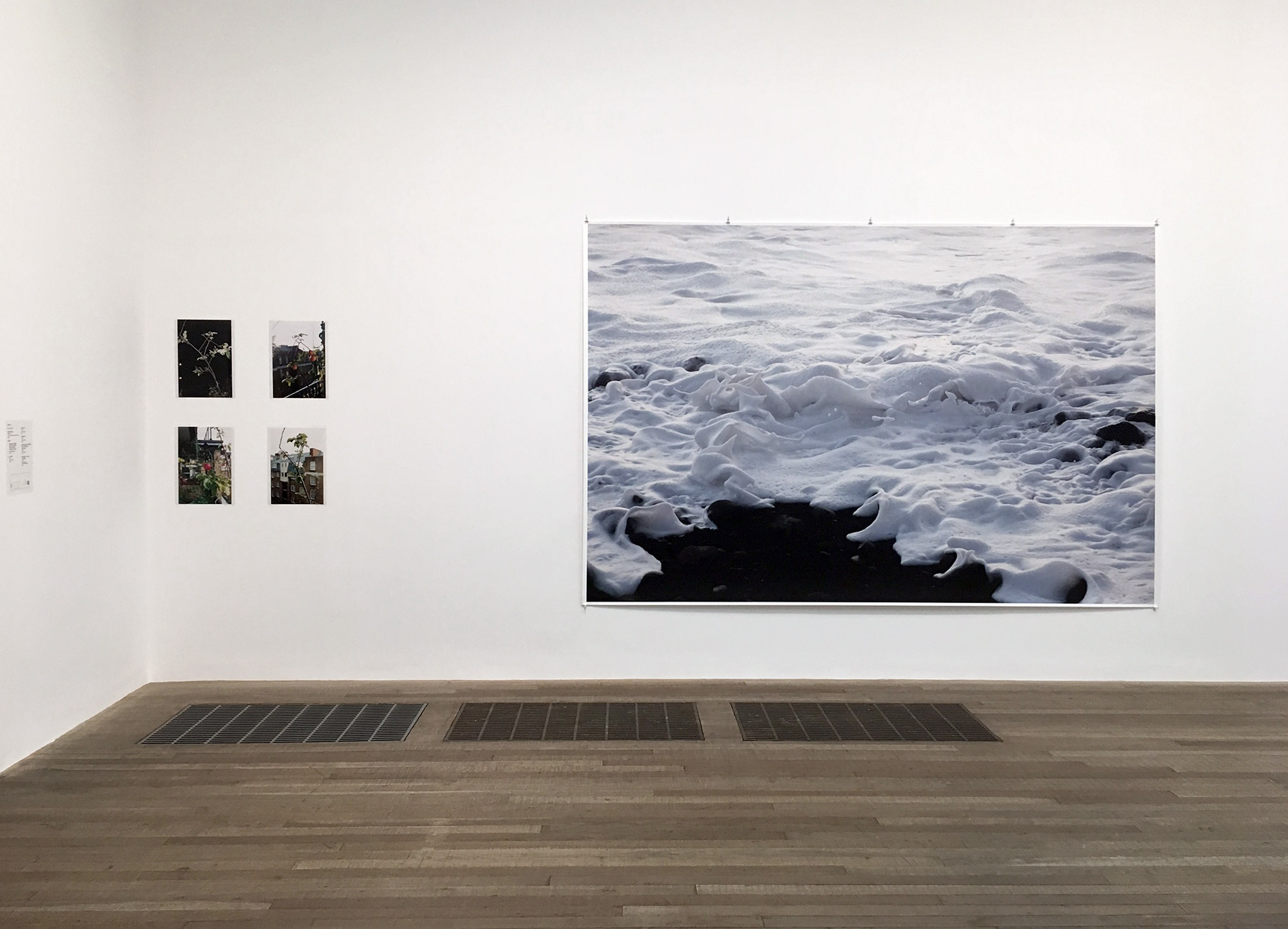
 

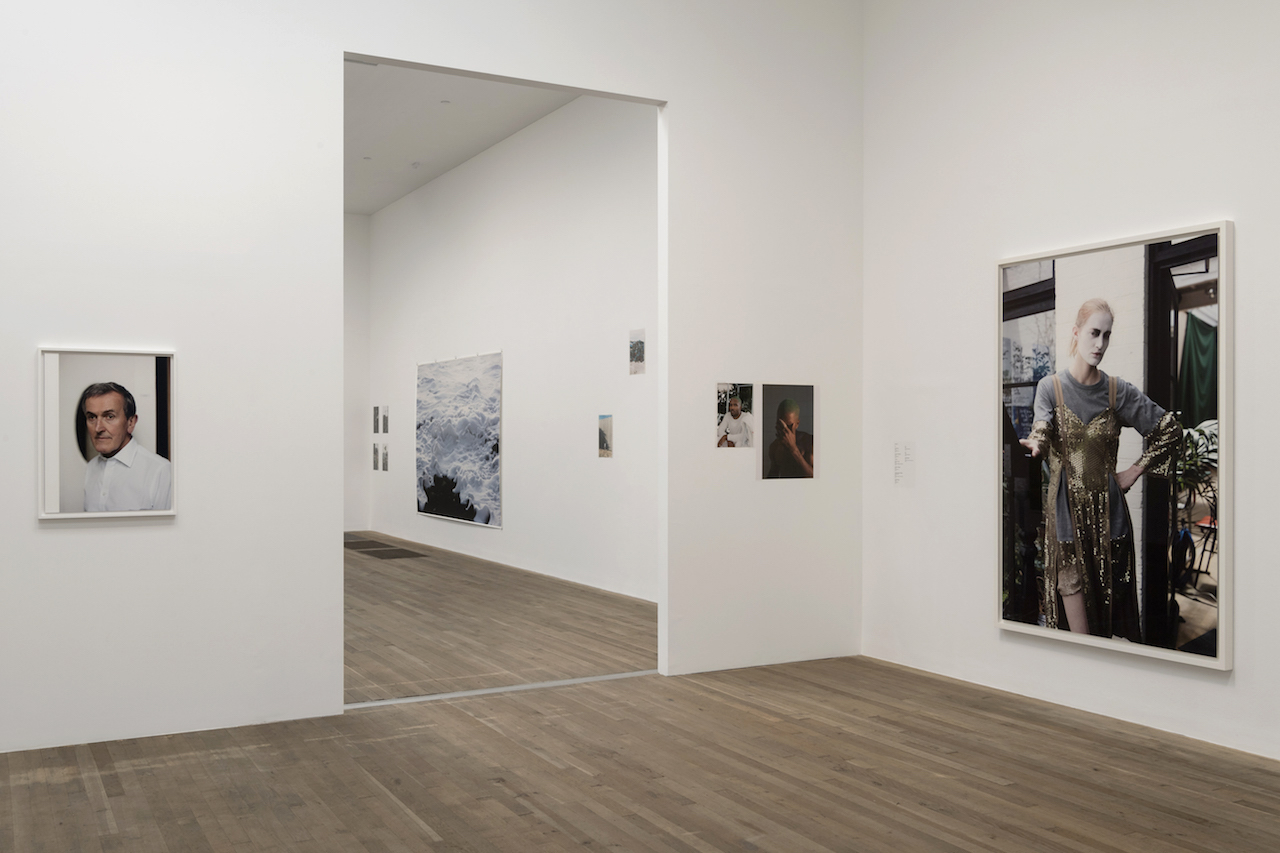
Installation view of room 13 (detail) from the exhibition 'Wolfgang Tillmans: 2017' at Tate Modern


Installation view of room 13 (detail), which focuses in on Tillmans’ portraiture with Eleanor / Lutz, a (2016) at right
Image © Tate Modern showing Wolfgang Tillmans: 2017 at Tate Modern 15 February – 11 June


Wolfgang Tillmans (German, b. 1968) 'Eleanor / Lutz, a' 2016


Wolfgang Tillmans (German, b. 1968)
Eleanor / Lutz, a
2016
Ink-jet print
Dimensions variable
© Wolfgang Tillmans


Portrait of Wolfgang Tillmans, Tate Modern Boiler House, Level 3, 14/02/2017 in front of his works, 'Transient 2', 2015 and 'Tag/Nacht II', 2010


Portrait of Wolfgang Tillmans, Tate Modern Boiler House, Level 3, 14/02/2017 in front of his works, Transient 2, 2015 and Tag/Nacht II, 2010


Wolfgang Tillmans (German, b. 1968) 'Tag/Nacht II' 2010


Wolfgang Tillmans (German, b. 1968)
Tag/Nacht II
2010
Ink-jet print
Dimensions variable
© Wolfgang Tillmans


The State We’re In, A, is part of Neue Welt [New World], the loose family of pictures I began at the end of the last decade. These had two points of departure: “What does the outside world look like to me 20 years after I began photographing?” and “What does it look like in particular with a new photographic medium?”


Wolfgang Tillmans


“This exhibition is not about politics, it’s about poetry, it’s about installation art. It’s about thinking about the world. I’ve never felt that l can be separated, because the political is only the accumulation of many people’s private lives, which constitute the body politics…”

“My work has always been motivated by talking about society, by talking about how we live together, by how we feel in our bodies. Sexuality, like beauty, is never un-political, because they relate to what’s accepted in society. Two men kissing, is that acceptable? These are all questions to do with beauty.”


Wolfgang Tillmans quoted in Lorena Muñoz-Alonso. “Inside Wolfgang Tillmans’s Superb Tate Modern Survey,” on the artnet website February 15, 2017 [Online] Cited 17/12/2021


“There is music. There is dancing. Bewilderment is part of the pleasure, as we move between images and photographic abstractions. Tillmans’ asks us to make connections of all kinds – formal, thematic, spatial, political. He asks what the limits of photography are. There are questions here about time, place, belonging, voyeurism, affection, sex. After a while it all starts to tumble through me.”


Adrian Searle. “Wolfgang Tillmans review – a rollercoaster ride around the world,” on The Guardian website Wednesday 15 February 2017 [Online] Cited 17/12/2021


What are we to make of the world in which we find ourselves today? Contemporary artist Wolfgang Tillmans offers plenty of food for thought.

This is Wolfgang Tillmans’s first ever exhibition at Tate Modern and brings together works in an exciting variety of media – photographs, of course, but also video, digital slide projections, publications, curatorial projects and recorded music – all staged by the artist in characteristically innovative style. Alongside portraiture, landscape and intimate still lifes, Tillmans pushes the boundaries of the photographic form in abstract artworks that range from the sculptural to the immersive.

The year 2003 is the exhibition’s point of departure, representing for Tillmans the moment the world changed, with the invasion of Iraq and anti-war demonstrations. The social and political form a rich vein throughout the artist’s work. German-born, international in outlook and exhibited around the world, Tillmans spent many years in the UK and is currently based in Berlin. In 2000, he was the first photographer and first non-British artist to receive the Turner Prize.

Room one

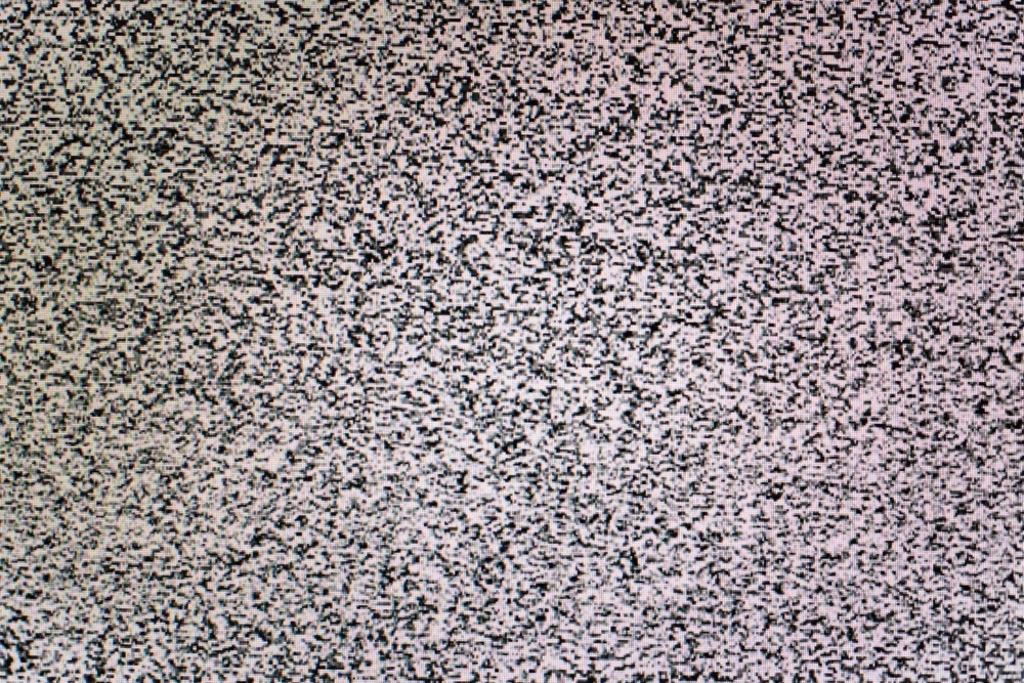
Static interference typically appears on a television screen when an analogue signal is switched off. This can occur when a station’s official programme finishes for the night or if a broadcast is censored. In Tillmans’s Sendeschluss / End of Broadcast 2014 it represents the coexistence of two different generations of technology. The chaotic analogue static was displayed on a digital television, which allowed Tillmans’s high-resolution digital camera to record the pattern as it really appeared, something that would not have been possible with a traditional cathode ray tube television. This work shows Tillmans’s interest in questioning what we believe to be true: the seemingly black-and-white image turns out to be extremely colourful when viewed very close up.

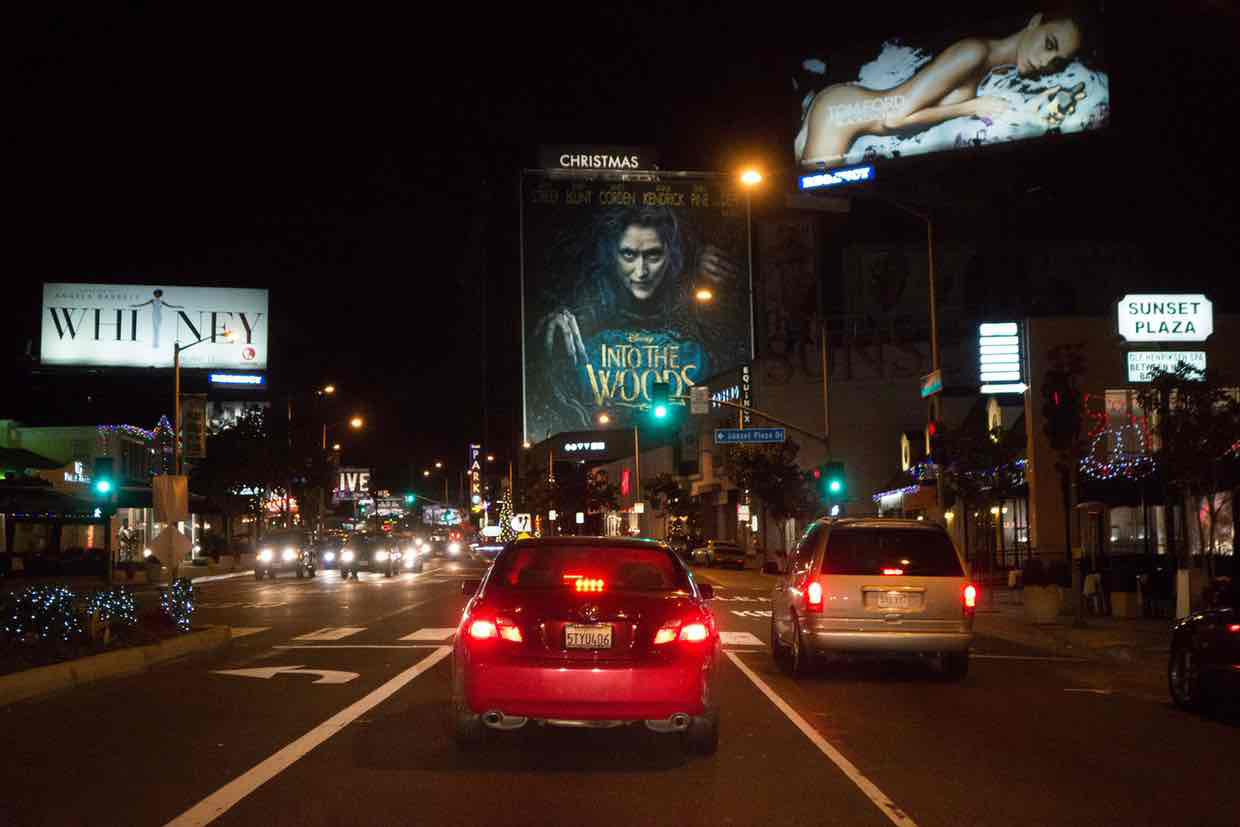
Other works in this room reflect on digital printmaking and photography today. For example, the technical ability to photograph a nightscape from a moving vehicle without blurring, as in these images of Sunset Boulevard, is unprecedented. Itself the subject of many famous art photographs, this iconic roadway appears here littered with large format inkjet prints in the form of advertising billboards. In Double Exposure 2012-2013 Tillmans juxtaposes images of two trade fairs – one for digital printers, the other for fruit and vegetables. Encounter 2014 shows a different photo-sensitive process. A pot had been left on top of a planter preventing light from reaching the sprouts underneath and leaving them white, while the surrounding growths that caught the daylight turned green.


Wolfgang Tillmans (German, b. 1968) 'Sendeschluss / End of Broadcast I' 2014


Wolfgang Tillmans (German, b. 1968)
Sendeschluss / End of Broadcast I
2014
Pigmented inkjet print
107 1/2 × 161 1/2″ (273.1 × 410.2cm)
© Wolfgang Tillmans


Television white noise that the artist photographed while in Russia. For Tillmans, the image signifies resistance on his part to making clear images, but without the text its ostensibly radical nature would not be known.


Installation view of room 1 (detail), with 'Sendeschluss / End of Broadcast I' 2014, at left


Installation view of room 1 (detail), with Sendeschluss / End of Broadcast I, 2014, at left


Wolfgang Tillmans (German, b. 1968) 'Double Exposure' 2012-2013


Wolfgang Tillmans (German, b. 1968)
Double Exposure
2012-2013
Pigmented inkjet print
© Wolfgang Tillmans


Room two

Tillmans spends much of his time in the studio, yet he only occasionally uses it as a set for taking portraits. Instead, it is where prints are made and exhibitions are planned in architectural models, and where he collects materials and generates ideas. Over the years this environment has become a subject for his photographs, presenting a radically different view of the artist’s studio to the more traditional depictions seen in paintings over the centuries.

These works made around the studio demonstrate Tillmans’s concern with the physical process of making photographs, from chemical darkroom processes and their potential to create abstract pictures without the camera, to digital technology that is vital to the production of contemporary images, and the paper onto which they are printed. Tillmans’s understanding of the material qualities of paper is fundamental to his work, and photographs can take on a sculptural quality in series such as Lighter, 2005-ongoing and paper drop, 2001-ongoing, seen later in the exhibition.

In CLC 800, dismantled 2011 Tillmans uses photography to record a temporary installation, the result of unfastening every single screw in his defunct colour photocopier. He prefers to photograph his three-dimensional staged scenarios rather than actually displaying them as sculptures. He has often described the core of his work as ‘translating the three dimensional world into two dimensional pictures’.


Wolfgang Tillmans (German, b. 1968) 'paper drop' 2014


Wolfgang Tillmans (German, b. 1968)
paper drop Prinzessinnenstrasse
2014
Pigmented inkjet print
© Wolfgang Tillmans


Perhaps as a continuation of his more textural photographs – depicting fabrics and still lifes so close up they become difficult to read – experiments in abstraction followed suit, many of them featuring what is perhaps his favourite motif: the fold, which, as the exhibition’s curator Chris Dercon kindly reminded us, was considered by the philosopher Leibniz as one of the most accurate ways to depict the complexities of the human soul.

Lorena Muñoz-Alonso. “Inside Wolfgang Tillmans’s Superb Tate Modern Survey,” on the artnet website February 15, 2017 [Online] Cited 17/12/2021


Wolfgang Tillmans (German, b. 1968) 'CLC 800, dismantled' 2011


Wolfgang Tillmans (German, b. 1968)
CLC 800, dismantled
2011
Pigmented inkjet print
© Wolfgang Tillmans


Room three

Having spent the preceding decade working largely on conceptual and abstract photographs, in 2009 Tillmans embarked on the four-year project Neue Welt. Looking at the world with fresh eyes, he aimed to depict how it has changed since he first took up the camera in 1988. He travelled to five continents to find places unknown to him and visited familiar places as if experiencing them for the first time. Interested in the surface of things as they appeared in those lucid first days of being in a new environment, he immersed himself in each location for just a brief period. Now using a high resolution digital camera, Tillmans captured images in a depth of detail that is immediately compelling, but also suggests the excess of information that is often described as a condition of contemporary life.

Communal spaces, people, animals, and still-life studies of nature or food are just some of the subjects that feature in Neue Welt. Seen together, these images offer a deliberately fragmented view. Rather than making an overarching statement about the changing character of modern life, Tillmans sought only to record, and to create a more empathetic understanding of the world. Over the course of the project, however, some shrewd observations about contemporary worldviews did emerge. One related to the changing shape of car headlights, which he noted are now very angular in shape, giving them a predatory appearance that might reflect a more competitive climate.


Wolfgang Tillmans (German, b. 1968) 'astro crusto, a' 2012


Wolfgang Tillmans (German, b. 1968)
astro crusto, a
2012
Pigmented inkjet print
© Wolfgang Tillmans


Installation shot of room 3 from the exhibition 'Wolfgang Tillmans: 2017' at Tate Modern showing 'Headlight (f)' 2012, at left; and 'Munuwata sky', 2011 at right


Installation view of room 3 (detail), with Headlight (f) 2012, at left; and Munuwata sky, 2011 at right
Image © Tate Modern showing Wolfgang Tillmans: 2017 at Tate Modern 15 February – 11 June


Wolfgang Tillmans (German, b. 1968) 'Headlight (f)' 2012


Wolfgang Tillmans (German, b. 1968)
Headlight (f)
2012
Pigmented inkjet print
© Wolfgang Tillmans


Wolfgang Tillmans (German, b. 1968) 'Munuwata sky' 2011


Wolfgang Tillmans (German, b. 1968)
Munuwata sky
2011
Pigmented inkjet print
© Wolfgang Tillmans


Room four

In the mid-2000s, prompted by global events, such as the claim that Iraq had weapons of mass destruction, Tillmans became interested in the assertions made by individuals, groups or organisations around the world that their viewpoint represented the absolute truth about a number of political and ethical questions.

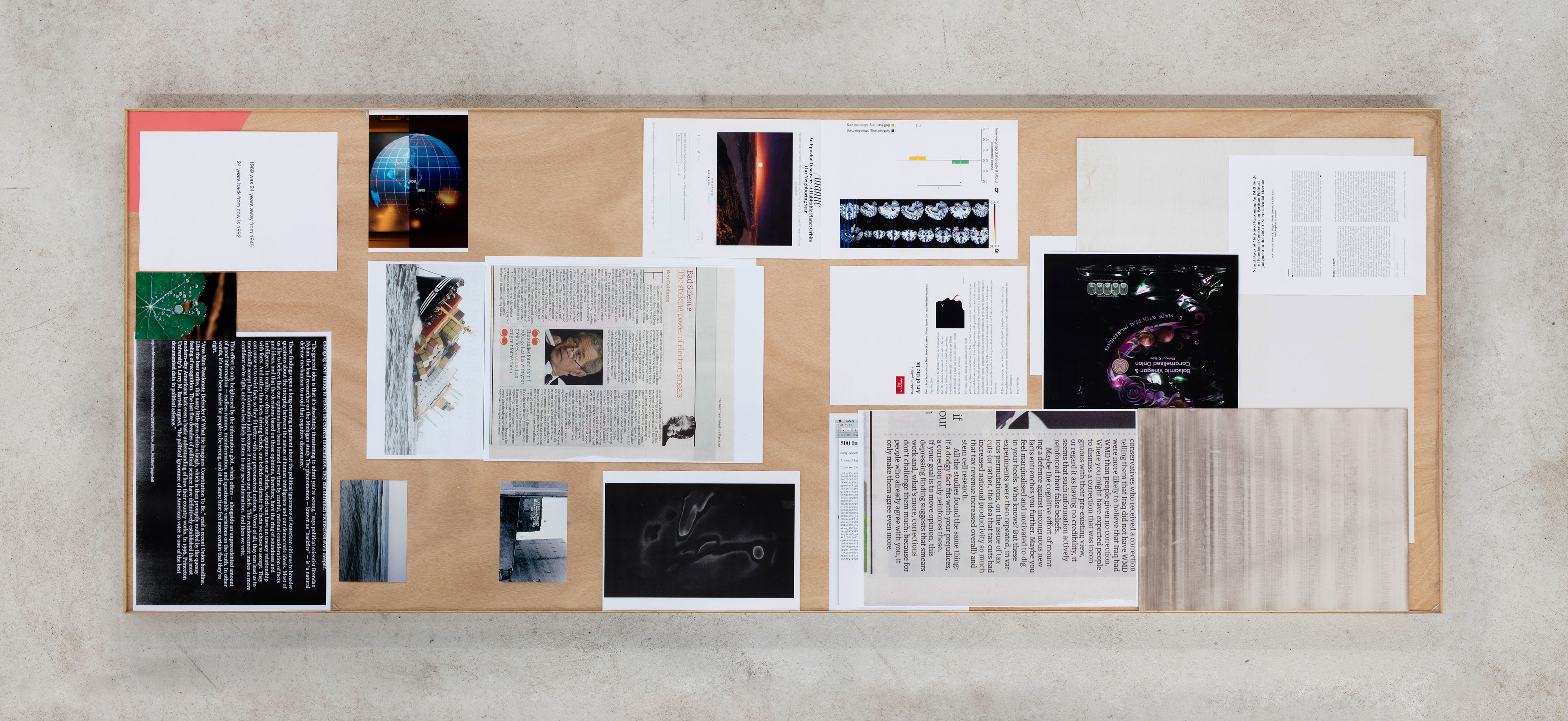
He began his wryly-named truth study center project in 2005. Photographs, clippings from newspapers and magazines, objects, drawings, and copies of his own images are laid out in deliberate – and often provocative – juxtapositions. These arrangements reflect the presentation of information by news outlets in print and online. They also draw attention to gaps in knowledge, or areas where there is room for doubt. For each installation, the material presented in the truth study centers is selected according to its topical and geographic context. In 2017, the subject of truth and fake news is at the heart of political discourse across the world. This iteration of the project focuses in particular on how constructions of truth work on a psychological and physiological level.

The Silver 1998-ongoing prints connect to reality in a different way. Made by passing monochromatically exposed photographic paper through a dirty photo-developing machine, they collect particles and residue from the rollers and liquids. This makes them, in effect, a record of the chemical and mechanical process from which they originate.


Wolfgang Tillmans (German, b. 1968) 'truth study center' 2017


Wolfgang Tillmans (German, b. 1968)
truth study center
2017
Pigmented inkjet print
© Wolfgang Tillmans


Room five

Tillmans has described how, as a photographer, he feels increasingly less obligated to reflect solely on the outside world through documentary images. In his abstract works, he looks inwards: exploring the rudiments of photographic processes and their potential to be used as a form of self-expression.

Like the Silver works in the previous room, the abstract Greifbar 2014-2015 images are made without a camera. Working in the darkroom, Tillmans traces light directly onto photographic paper. The vast swathes of colour are a record of the physical gestures involved in their construction, but also suggest aspects of the body such as hair, or pigmentation of the skin. This reference to the figurative is reflected in the title, which translates as ‘tangible’.

Tillmans has observed that even though these works are made by the artist’s hand, they look as though they could be ‘scientific’ evidence of natural processes. For him, this interpretation is important, because it disassociates the works from the traditional gestural technique of painting. That the image is read as a photographic record, and not the result of the artist’s brushstroke, is essential to its conceptual meaning.


Wolfgang Tillmans (German, b. 1968) 'Greifbar 29' 2014


Wolfgang Tillmans (German, b. 1968)
Greifbar 29
2014
Ink-jet print
© Wolfgang Tillmans


Room six

Tillmans is interested in social life in its broadest sense, encompassing our participation in society. His photographs of individuals and groups are underpinned by his conviction that we are all vulnerable, and that our well-being depends upon knowing that we are not alone in the world.

Tillmans has observed that although cultural attitudes towards race, gender and sexuality have become more open over the three decades since he began his artistic practice, there is also greater policing of nightlife, and urban social spaces are closing down. His photographs taken in clubs, for example, testify to the importance of places where people can go today to feel safe, included, and free.

This concern with freedom also extends to the ways in which people organise themselves to make their voices heard. Images of political marches and protests draw attention to the cause for which they are fighting. They also form part of a wider study of what Tillmans describes as the recent ‘re-emergence’ of activism.


Wolfgang Tillmans (German, b. 1968) 'The Blue Oyster Bar, Saint Petersburg' 2014


Wolfgang Tillmans (German, b. 1968)
The Blue Oyster Bar, Saint Petersburg
2014
Ink-jet print
© Wolfgang Tillmans


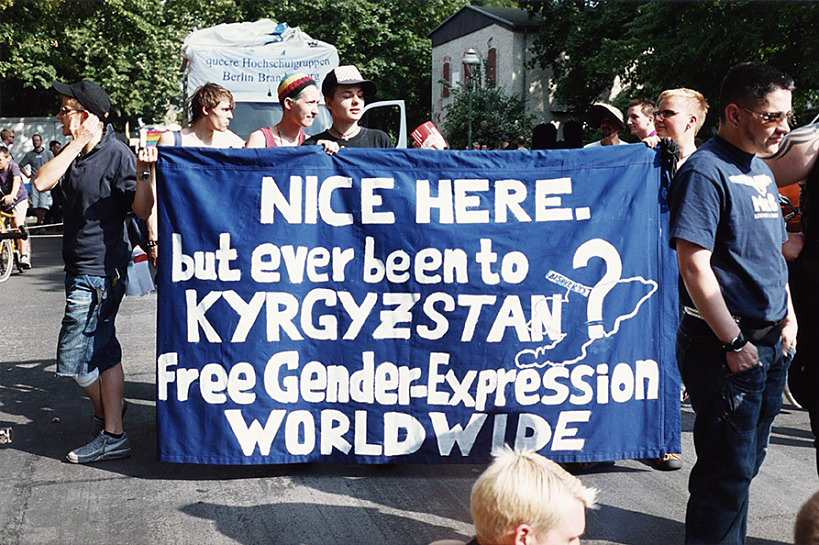
Wolfgang Tillmans (German, b. 1968) 'NICE HERE but ever been to KRYGYZSTAN free Gender Expression WORLDWIDE' 2006


Wolfgang Tillmans (German, b. 1968)
NICE HERE but ever been to KRYGYZSTAN free Gender Expression WORLDWIDE
2006
Ink-jet print
© Wolfgang Tillmans


Room seven

Playback Room is a space designed for listening to recorded music. The project first ran at Between Bridges, the non-profit exhibition space Tillmans opened in London in 2006 and has since transferred to Berlin. In three exhibition (‘Colourbox’, ‘American Producers’ ‘Bring Your Own’) that took place between September 2014 and February 2015, he invited visitors to come and listen to music at almost the same quality at which it was originally mastered.

Whereas live music can be enjoyed in concert halls and stadiums, and visual art can be enjoyed in museums, no comparable space exists for appreciating studio music. Musicians and producers spend months recording tracks at optimal quality, yet we often listen to the results through audio equipment and personal devices that are not fit for perfect sound reproduction. Playback Room is a response to this. An example of Tillmans’s curatorial practice, he has chosen to include it here to encourage others to think about how recorded music can be given prominence within the museum setting.

The three tracks you hear in this room are by Colourbox, an English band who were active between 1982 and 1987. Tillmans, a long-term fan of the band, chose their music for Playback Room because they never performed live, thus emphasising the importance of the studio recordings.

Room eight

Tillmans began experimenting with abstraction while in high school, using the powerful enlargement function of an early digital photocopier to copy and degrade his own photographs as well as those cut from newspapers. He describes the coexistence of chance and control involved in this process as an essential ingredient in most of his work.

Ever since then, he has found ways to resist the idea that the photograph is solely a direct record of reality. In 2011, this area of his practice was compiled for the first time in his book Abstract Pictures. For a special edition of 176 copies Tillmans manipulated the printing press, for example by running it without plates or pouring ink into the wrong compartments, to create random effects and overprinted pages.

Some of his abstract photographs are made with a camera and others without, through the manipulation of chemicals, light, or the paper itself. Importantly, however, Tillmans does not distinguish between the abstract and the representational. He is more interested in what they have in common. The relationship between photography, sculpture and the body, for example, is expressed in abstract photographs made by crumpling a sheet of photographic paper, but also in close-ups of draped and wrinkled clothing such as Faltenwurf (Pines) a, 2016 in Room 9.


Wolfgang Tillmans (German, b. 1968) 'Concorde L433-11' 1997


Wolfgang Tillmans (German, b. 1968)
Concorde L433-11
1997
Ink-jet print
Tate
© Wolfgang Tillmans, courtesy Maureen Paley, London


Room nine

Artist books, exhibition catalogues, newspaper supplements and magazine spreads, posters and leaflets are an integral part of Tillmans’s output. These various formats and the ways in which they are distributed or made visible in the public space allow him to present work and engage audiences in a completely different manner to exhibitions. For him the printed page is as valid a venue for artistic creation as the walls of a museum. Many such projects are vital platforms on which he can speak out about a political topic, or express his continued interest in subjects such as musicians, or portraiture in general.

Recently, the print layout has enabled Tillmans to share a more personal aspect of his visual archive. Originally designed as a sixty-six page spread for the Winter 2015/Spring 2016 edition of Arena Homme +, this grid of images looks back at Fragile, the name he gave as a teenager to his creative alter-ego. Spanning 1983 to 1989 – the year before he moved to England to study – the photographs and illustrations provide a sensitive insight into a formative period in Tillmans’s life, predating the time when he chose photography as his main medium of expression.

The layout is also an example of the intricate collaging technique that he has employed in printed matter since 2011, deliberately obscuring some images by overlapping others on top of them


Wolfgang Tillmans (German, b. 1968) 'Faltenwurf (Pines), a' 2016


Wolfgang Tillmans (German, b. 1968)
Faltenwurf (Pines), a
2016
Ink-jet print
© Wolfgang Tillmans


Wolfgang Tillmans (German, b. 1968) 'Tukan' 2010


Wolfgang Tillmans (German, b. 1968)
Tukan
2010
Ink-jet print
© Wolfgang Tillmans


Room ten

An acute awareness of fragility endures across Tillmans’s practice in all of its different forms. Often this is expressed in his attentiveness to textures and surfaces. Collum 2011 is taken from Central Nervous System 2008-2013, a group of portraits featuring only one subject, where the focus on intimate details, such as the nape of the neck or the soft skin of the outer ear, both emphasises and celebrates the frailty of the human body.

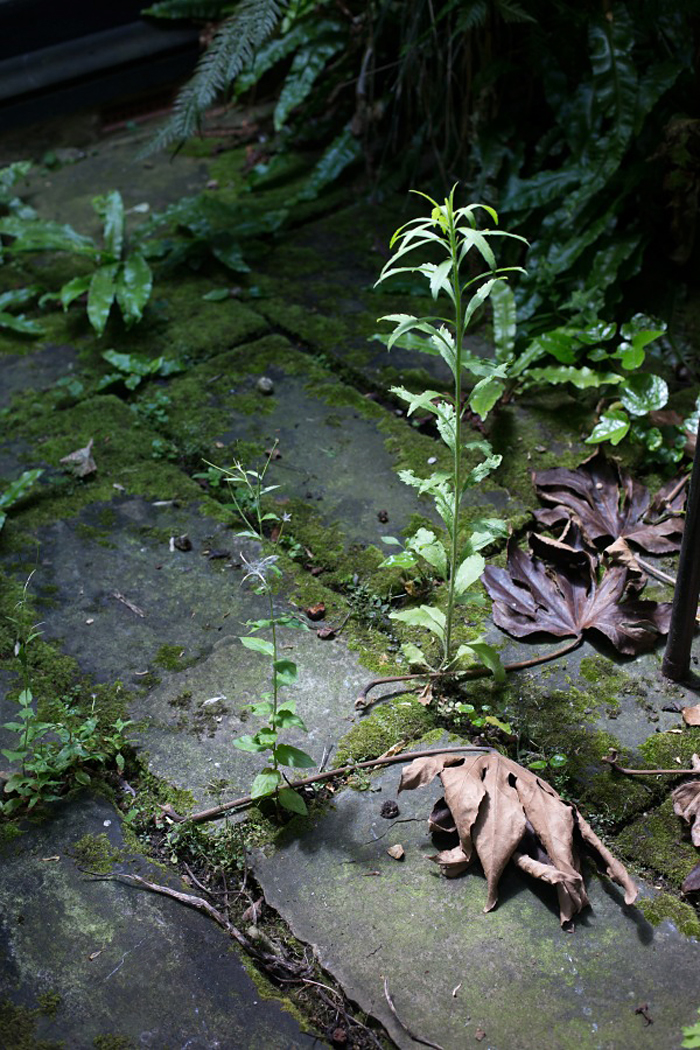
Weed 2014, a four-metre tall photograph taken in the garden of the artist’s London home, invites us to consider the beauty and complexity of a plant usually seen as a nuisance. The dead leaf of a nearby fig tree appears as both a sculptural form and a memento mori. Dusty Vehicle 2012, photographed in Jeddah, Saudi Arabia, is highly specific in its depiction of texture, yet the reasons leading to this roadside arrangement remain a mystery.

The focus on a very few works in this room serves as an example of Tillmans’s varied approaches to exhibiting his prints. Though best known for installations comprising many pictures, he always places emphasis on the strength of the individual image. By pinning and taping work to the wall, as well as using frames, Tillmans draws attention to the edges of the print, encouraging the viewer to interact with the photograph as an object, rather than a conduit for an image.


Wolfgang Tillmans (German, b. 1968) 'Dusty Vehicle' 2012


Wolfgang Tillmans (German, b. 1968)
Dusty Vehicle
2012
Ink-jet print
© Wolfgang Tillmans


Wolfgang Tillmans (German, b. 1968) 'Collum' 2011


Wolfgang Tillmans (German, b. 1968)
Collum
2011
Ink-jet print
© Wolfgang Tillmans


Wolfgang Tillmans (German, b. 1968) 'Weed' 2014


Wolfgang Tillmans (German, b. 1968)
Weed
2014
Photograph, inkjet print on paper
© Wolfgang Tillmans


Room eleven

In this room Tillmans highlights the coexistence of the personal, private, public, and political spheres in our lives. The simultaneity of a life lived as a sexual being as well as a political being, or in Tillmans’s case as a conceptual artist as well as a visually curious individual, plays out through the installation.

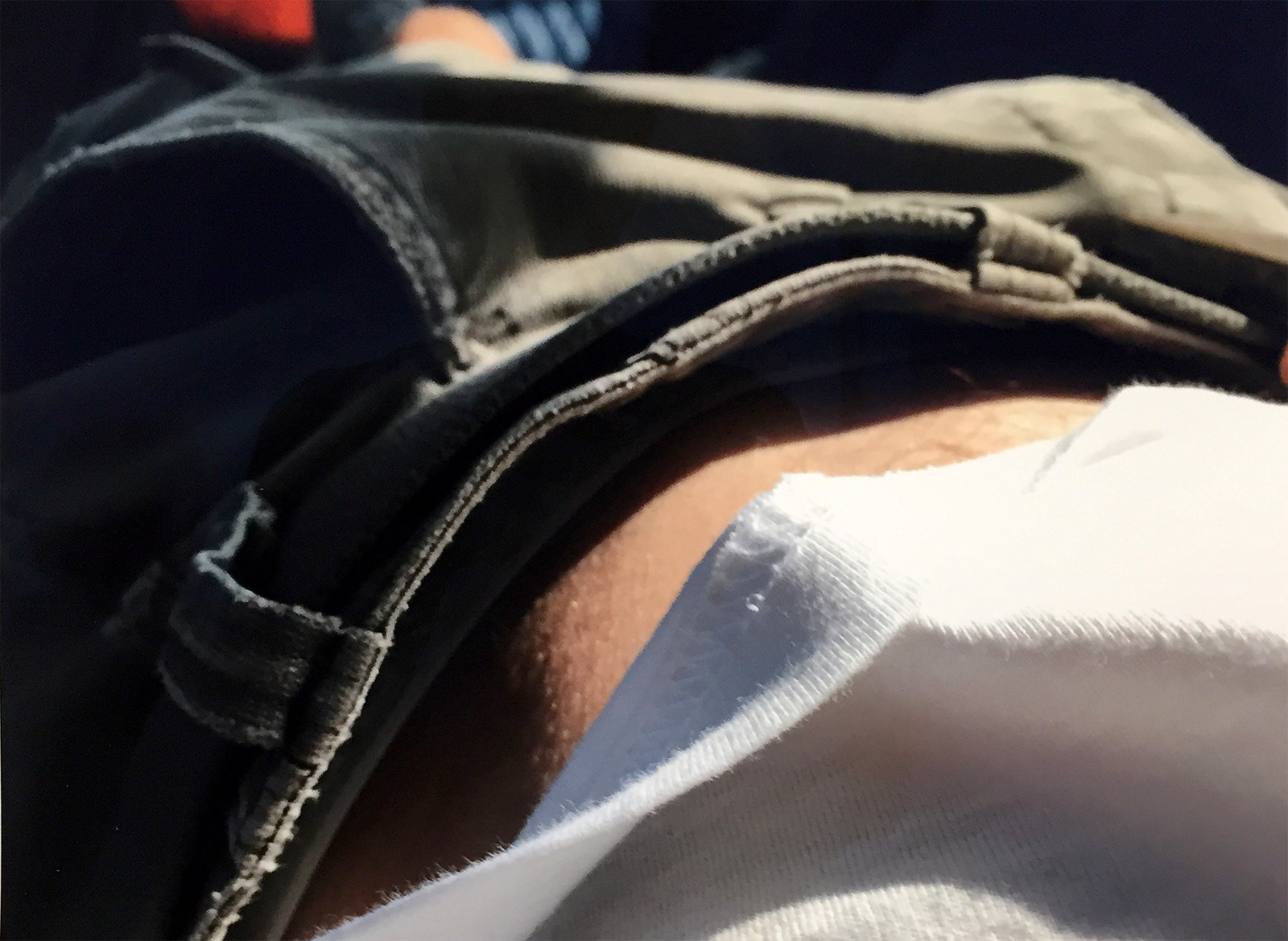
The entirely white view taken from the inside of a cloud, a word charged with multiple meanings, is presented alongside the close-up and matter-of-fact view of male buttocks and testicles. Like nackt, 2 2014, the small photograph The Air Between 2016 is the result of a lifelong interest in visually describing what it feels like to live in our bodies. Here the attention lies in photographing the air, the empty space between our skin and our clothes.

In still life, Calle Real II 2013, a severed agave chunk is placed on a German newspaper article describing the online depiction of atrocities by Islamic State. The image is as startling in its depiction of the finest green hues as it is in capturing how, simultaneously, we take in world events alongside details of our personal environment.

This room, which Tillmans considers as one work or installation in its entirety, is an example of his innovative use of different photographic prints and formats to reflect upon how we experience vastly different aspects of the world at the same time.


Wolfgang Tillmans (German, b. 1968) 'The Air Between' 2016


Wolfgang Tillmans (German, b. 1968)
The Air Between
2016
Ink-jet print
© Wolfgang Tillmans


Wolfgang Tillmans (German, b. 1968) 'Still life, Calle Real II' 2013


Wolfgang Tillmans (German, b. 1968)
Still life, Calle Real II
2013
Ink-jet print
© Wolfgang Tillmans


Wolfgang Tillmans (German, b. 1968) 'Nackt, 2 (nude, 2)' 2014


Wolfgang Tillmans (German, b. 1968)
Nackt, 2 (nude, 2)
2014
Ink-jet print
© Wolfgang Tillmans


Room twelve

Tillmans has always been sensitive to the public side of his role as an artist, acknowledging that putting images out in the public world unavoidably places himself in the picture as well. His participation in activities such as lectures and interviews has been a platform for his voice from the beginning of his career.

Since 2014 he has also allowed performance to become a more prominent strand of his practice. Filmed in a hotel room in Los Angeles and an apartment in Tehran, Instrument 2015 is the first time that Tillmans has put himself in front of the camera for a video piece. Across a split screen, we see two separate occasions on which he has filmed himself dancing. The accompanying soundtrack was created by distorting the sound of his feet hitting the floor. In the absence of any other music, his body becomes an instrument.

On one side of the screen we see his body, on the other only his shadow. Referring to the shadow, New York Times critic Roberta Smith commented that:

“Disconcertingly, this insubstantial body is slightly out of sync with the fleshly one. It is a ghost, a shade, the specter that drives us all. The ease with which we want to believe that the two images are connected, even though they were filmed separately, might also act as a reminder to question what we assume to be true.”

Room thirteen

Portraiture has been central to Tillmans’s practice for three decades. For him, it is a collaborative act that he has described as ‘a good levelling instrument’. No matter who the sitter – a stranger or someone close to him, a public figure, an unknown individual, or even the artist himself – the process is characterised by the same dynamics: of vulnerability, exposure, honesty and always, to some extent, self-consciousness. Tillmans sees every portrait as resulting from the expectations and hopes of both sitter and photographer.

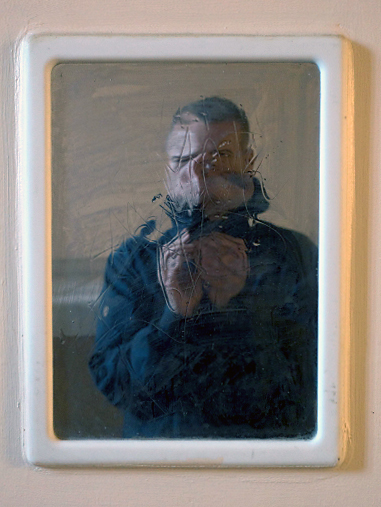
The portrait’s ability to highlight the relationship between appearance and identity is a recurring point of interest. In 2016, at HM Prison Reading, Tillmans took a distorted self-portrait in a damaged mirror once used by inmates. The disfigured result is the artist’s expression of the effects on the soul wrought by physical and psychological confinement and also censorship. Whoever looked into the reflective surface would gain a completely inaccurate impression of what they looked like, and how they are perceived by others.


Wolfgang Tillmans (German, b. 1968) 'Separate System, Reading Prison' 2016


Wolfgang Tillmans (German, b. 1968)
Separate System, Reading Prison
2016
Ink-jet print
© Wolfgang Tillmans


Wolfgang Tillmans (German, b. 1968) 'Anders pulling splinter from his foot' 2004


Wolfgang Tillmans (German, b. 1968)
Anders pulling splinter from his foot
2004
Ink-jet print
© Wolfgang Tillmans


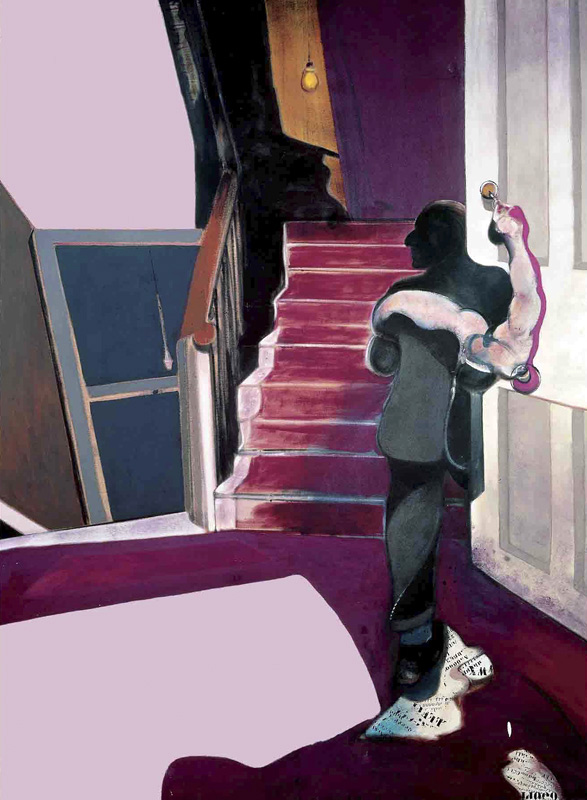
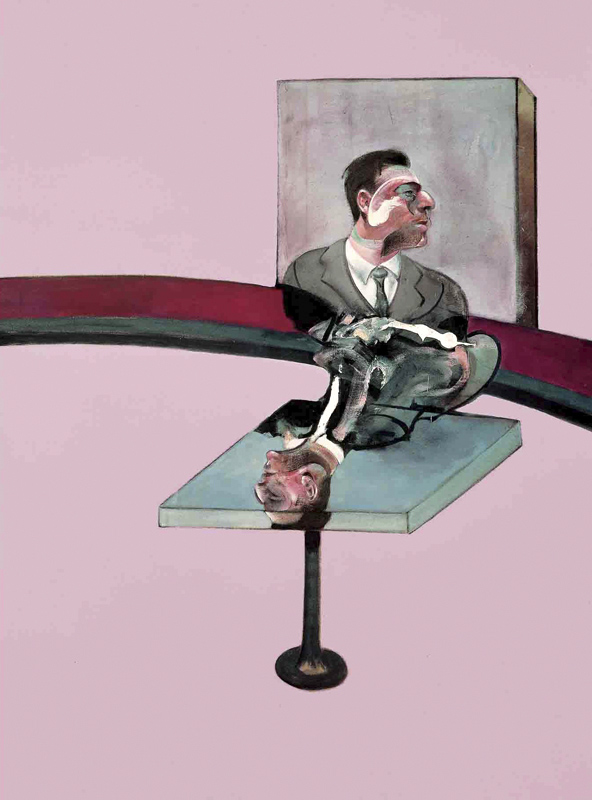
“The image’s reference to both Dorian Gray and Francis Bacon is evident. This catapults a new association: perhaps Bacon was painting Gray all along. Insistently, fearlessly, longingly.

As with much of Bacon’s oeuvre, and the very particular picture of Dorian Gray, a distorted, forward-facing male figure intimidates the viewer with his unmade face. However, Tillsman’s piece is not a picture, it is a photograph. Here, the artist (as was the case with Bacon/Wilde) is not the one dissembling what’s inside the frame, subjecting it with his brush. No. In Tillsman’s image, a piece of thick glass distorts the artist. Here, the artist is no longer the lens that is able to affect his surroundings. Here, the surroundings distort the artist.

The message Tillsman delivers is clear: things have changed. The world disfigures the subject while the artist is trapped, forced to stand there and watch.”

Text by Ana Maria Caballero on The Drugstore Notebook website [Online] Cited 07/06/2017. No longer available online


Room fourteen

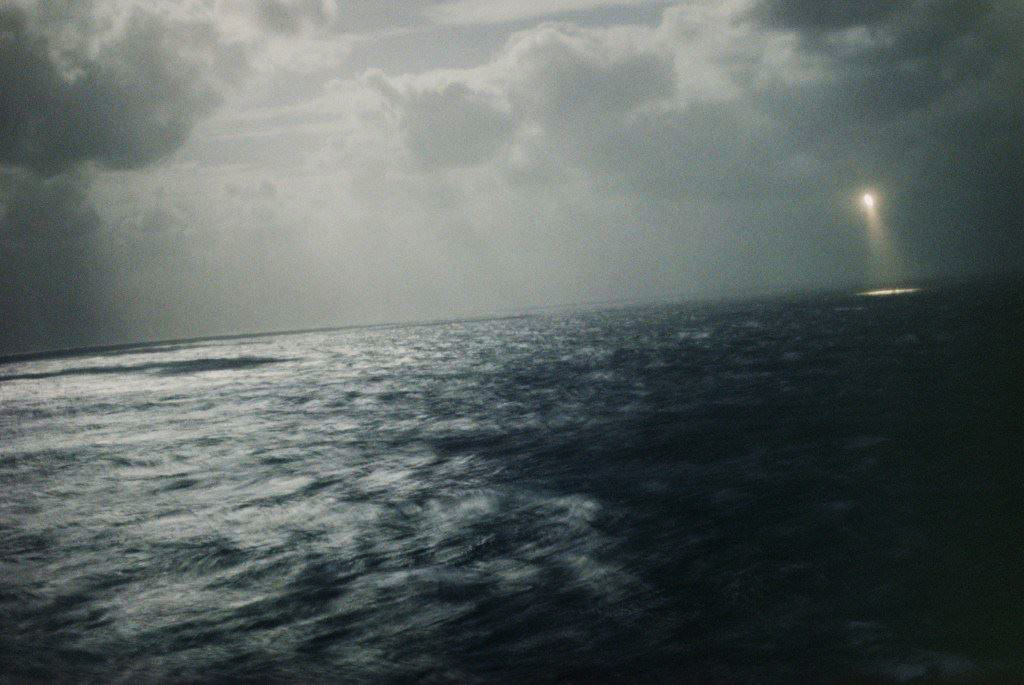
Symbol and allegory are artistic strategies Tillmans is usually keen to avoid. The State We’re In, A 2015 is a departure from this stance: the work’s title is a direct reference to current global political tensions. Depicting the Atlantic Ocean, a vast area that crosses time zones and national frontiers, it records the sea energised by opposing forces, but not yet breaking into waves. Differing energies collide, about to erupt into conflict.

The photographs in this room deal with borders and how they seem clear-cut but are actually fluid. In these images, borders are made tangible in the vapour between clouds, the horizon itself or the folds in the two Lighter photo-objects. The shipwreck left behind by refugees on the Italian island of Lampedusa, depicted in this photograph from 2008, is a reminder that borders, represented elsewhere in more poetic delineations, can mean a question of life and death.

The text and tables sculpture Time Mirrored 3 2017 represents Tillmans’s interest in connecting the time in which we live to a broader historical context. He always understands the ‘Now’ as the history of the future. Events perceived as having happened over a vast gulf of time between us and the past, become tangible when ‘mathematically mirrored’ and connected to more recent periods of time in our living memory.

In contrast to the epic themes of sea and time, the pictures of an apple tree outside the artist’s London front door, a subject he has photographed since 2002, suggest a day-to-day positive outlook.


Wolfgang Tillmans (German, b. 1968) 'Italian Coastal Guard Flying Rescue Mission off Lampedusa' 2008


Wolfgang Tillmans (German, b. 1968)
Italian Coastal Guard Flying Rescue Mission off Lampedusa
2008
Ink-jet print
© Wolfgang Tillmans


Wolfgang Tillmans (German, b. 1968) 'Lampedusa' 2008


Wolfgang Tillmans (German, b. 1968)
Lampedusa
2008
Ink-jet print
© Wolfgang Tillmans


Installation view of room 14 (detail), featuring at left, pictures of an apple tree outside the artist's London front door and at right, 'La Palma' 2014


Installation view of room 14 (detail), featuring at left, pictures of an apple tree outside the artist’s London front door and at right, La Palma 2014


Wolfgang Tillmans (German, b. 1968) 'La Palma' 2014


Wolfgang Tillmans (German, b. 1968)
La Palma
2014
Ink-jet print
© Wolfgang Tillmans


Wolfgang Tillmans (German, b. 1968) 'Apple tree' 2007


Wolfgang Tillmans (German, b. 1968)
Apple tree
2007
Ink-jet print
© Wolfgang Tillmans


Wolfgang Tillmans (German, b. 1968) 'Apple tree' Various dates


Wolfgang Tillmans (German, b. 1968)
Apple tree
Various dates
Ink-jet prints
© Wolfgang Tillmans


Book for Architects

Book for Architects 2014 is the culmination of Tillmans’s longstanding fascination with architecture. First presented at Rem Koolhaas’s 14th International Architecture Exhibition, Venice, 2013, it explores the contrast between the rationality and utopianism that inform design and the reality of how buildings and streets come to be constructed and inhabited.

In 450 images taken in 37 countries, across 5 continents, Tillmans hones in on the resourceful and ingenious ways in which people adapt their surroundings to fit their needs. These are individual and uncoordinated decisions that were not anticipated in architects’ plans, but still impact the contemporary built environment.

Across the double projection, we see examples of how buildings come to sit within a city plan, the ad-hoc ways in which they are modified, and the supposed ‘weaknesses’ of a space such as the corners where there are service doors, fire escapes, or alarm systems.


Wolfgang Tillmans (German, b. 1968) 'Shit buildings going up left, right and centre' 2014


Wolfgang Tillmans (German, b. 1968)
Shit buildings going up left, right and centre
2014
Book for Architects Plate 083 2014
© Wolfgang Tillmans


Wolfgang Tillmans (German, b. 1968) 'Untitled' 2012


Wolfgang Tillmans (German, b. 1968)
Untitled
2012
Book for Architects 2014
© Wolfgang Tillmans


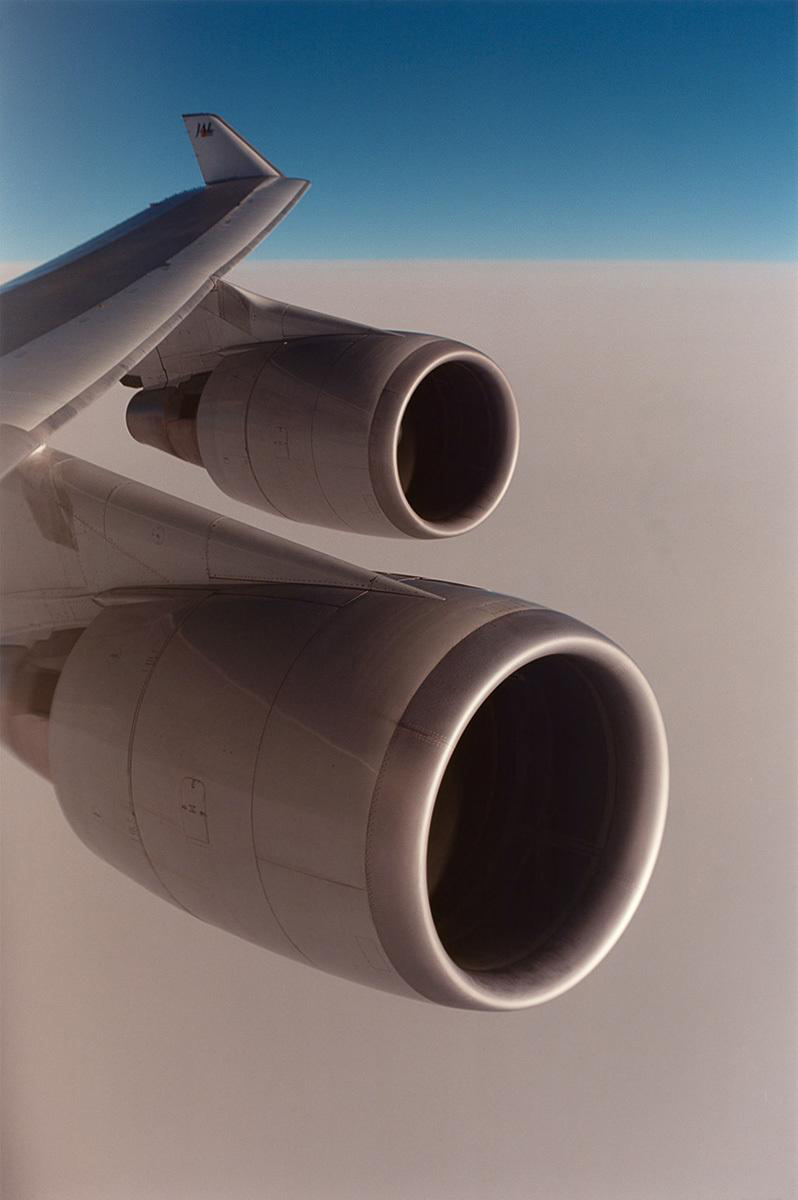
“He has said of his photographs that “they are a representation of an unprivileged gaze or view … In photography I like to assume exactly the unprivileged position, the position that everybody can take, that chooses to sit at an airplane window or chooses to climb a tower.”


Wolfgang Tillmans quoted in Peter Halley, Midori Matsui, Jan Verwoert, Wolfgang Tillmans, London 2002, p. 136


Wolfgang Tillmans has earned recognition as one of the most exciting and innovative artists working today. Tate Modern presents an exhibition concentrating on his production across different media since 2003. First rising to prominence in the 1990s for his photographs of everyday life and contemporary culture, Tillmans has gone on to work in an ever greater variety of media and has taken an increasingly innovative approach to staging exhibitions. Tate Modern brings this variety to the fore, offering a new focus on his photographs, video, digital slide projections, publications, curatorial projects and recorded music.

Social and political themes form a rich vein throughout Tillmans’s work. The destabilisation of the world has arisen as a recurring concern for the artist since 2003, an important year when he felt the world changed with the invasion of Iraq and anti-war demonstrations. In 2017, at a moment when the subject of truth and fake news is at the heart of political discourse, Tillmans presents a new configuration of his tabletop installation truth study center 2005-ongoing. This ongoing project uses an assembly of printed matter from pamphlets to newspaper cuttings to his own works on paper to highlight Tillmans’s continued interest in word events and how they are communicated in the media.

Wolfgang Tillmans: 2017 will particularly highlight the artist’s deeper engagement with abstraction, beginning with the important work Sendeschluss / End of Broadcast I 2014. Based on images the artist took of an analogue TV losing signal, this work combines two opposing technologies – the digital and the analogue. Other works such as the series Blushes 2000-ongoing, made without a camera by manipulating the effects of light directly on photographic paper, show how the artist’s work with abstraction continues to push the boundaries and definitions of the photographic form.

The exhibition includes portraiture, landscape and still lives. A nightclub scene might record the joy of a safe social space for people to be themselves, while large-scale images of the sea such as La Palma 2014 or The State We’re In, A 2015 document places where borders intersect and margins are ever shifting. At the same time, intimate portraits like Collum 2011 focus on the delicacy, fragility and beauty of the human body. In 2009, Tillmans began using digital photography and was struck by the expanded opportunities the technology offered him. He began to travel more extensively to capture images of the commonplace and the extraordinary, photographing people and places across the world for the series Neue Welt 2009-2012.

The importance of Tillmans’s interdisciplinary practice is showcased throughout the exhibition. His Playback Room project, first shown at his Berlin exhibition space Between Bridges, provides a space within the museum for visitors to experience popular music by Colourbox at the best possible quality. The video installation Instrument 2015 shows Tillmans dancing to a soundtrack made by manipulating the sound of his own footsteps, while in the Tanks Studio his slide projection Book for Architects 2014 is being shown for the first time in the UK. Featuring thirty-seven countries and five continents, it reveals the tension between architectural form and function. In March, Tillmans will also take over Tate Modern’s south Tank for ten days with a specially-commissioned installation featuring live music events.

Wolfgang Tillmans: 2017 is co-curated by Chris Dercon and Helen Sainsbury, Head of Programme Realisation, Tate Modern with Emma Lewis, Assistant Curator, Tate Modern. The exhibition is accompanied by a catalogue from Tate Publishing designed by Wolfgang Tillmans and a programme of talks and events in the gallery.

Press release from Tate Modern


Images from the exhibition


Installation view of the exhibition 'Wolfgang Tillmans: 2017' with at left, 'Sunset night drive' (2014) and at centre right, 'Young Man, Jeddah' (2012)


Installation view of the exhibition Wolfgang Tillmans: 2017 with at left, Sunset night drive (2014) and at centre right, Young Man, Jeddah (2012)


Wolfgang Tillmans (German, b. 1968) 'Sunset night drive' 2014


Wolfgang Tillmans (German, b. 1968)
Sunset night drive
2014
Ink-jet print
© Wolfgang Tillmans


Wolfgang Tillmans (German, b. 1968) 'Young Man, Jeddah' 2012


Wolfgang Tillmans (German, b. 1968)
Young Man, Jeddah
2012
Ink-jet print
© Wolfgang Tillmans


Wolfgang Tillmans (German, b. 1968) 'Young Man, Jeddah (B)' 2012


Wolfgang Tillmans (German, b. 1968)
Young Man, Jeddah (B)
2012
Ink-jet print
© Wolfgang Tillmans


Wolfgang Tillmans (German, b. 1968) '17 Years Supply' 2014


Wolfgang Tillmans (German, b. 1968)
17 Years Supply
2014
Ink-jet print
© Wolfgang Tillmans


“Now the camera is staring into a big cardboard box, half-filled with pharmacist’s tubs and packages, 17 years’ supply of antiretroviral and other medications to treat HIV/AIDS. I imagine the sound that box would make if you shook it, what that sound might say about a human life, its vulnerability and value.”

Adrian Searle. “Wolfgang Tillmans review – a rollercoaster ride around the world,” on The Guardian website Wednesday 15 February 2017 [Online] Cited 17/12/2021


Wolfgang Tillmans (German, b. 1968) 'Market I' 2012


Wolfgang Tillmans (German, b. 1968)
Market I
2012
Ink-jet print
© Wolfgang Tillmans


Wolfgang Tillmans (German, b. 1968) 'Studio still life, c' 2014


Wolfgang Tillmans (German, b. 1968)
Studio still life, c
2014
Ink-jet print
© Wolfgang Tillmans


Wolfgang Tillmans (German, b. 1968) 'Juan Pablo & Karl Chingaza' 2012


Wolfgang Tillmans (German, b. 1968)
Juan Pablo & Karl Chingaza
2012
Ink-jet print
© Wolfgang Tillmans


Wolfgang Tillmans (German, b. 1968) 'Iguazu' 2010


Wolfgang Tillmans (German, b. 1968)
Iguazu
2010
Ink-jet print
© Wolfgang Tillmans


Wolfgang Tillmans (German, b. 1968) 'Oscar Niemeyer' 2010


Wolfgang Tillmans (German, b. 1968)
Oscar Niemeyer
2010
Ink-jet print
© Wolfgang Tillmans


Wolfgang Tillmans (German, b. 1968) 'Tube escalator joint' 2009


Wolfgang Tillmans (German, b. 1968)
Tube escalator joint
2009
Ink-jet print
© Wolfgang Tillmans


Wolfgang Tillmans (German, b. 1968) 'JAL' 1997


Wolfgang Tillmans (German, b. 1968)
JAL
1997
Ink-jet print
© Wolfgang Tillmans


Wolfgang Tillmans (German, b. 1968) 'Port-au-Prince' 2010


Wolfgang Tillmans (German, b. 1968)
Port-au-Prince
2010
Ink-jet print
© Wolfgang Tillmans


Wolfgang Tillmans (German, b. 1968) 'London Olympics' 2012


Wolfgang Tillmans (German, b. 1968)
London Olympics
2012
Ink-jet print
© Wolfgang Tillmans


Wolfgang Tillmans (German, b. 1968) 'Fespa Car' 2012


Wolfgang Tillmans (German, b. 1968)
Fespa Car
2012
Ink-jet print
© Wolfgang Tillmans


Wolfgang Tillmans (German, b. 1968) 'The Spectrum Dagger' 2016


Wolfgang Tillmans (German, b. 1968)
The Spectrum Dagger
2016
Ink-jet print
© Wolfgang Tillmans


Wolfgang Tillmans (German, b. 1968) 'Gaza Wall' 2009


Wolfgang Tillmans (German, b. 1968)
Gaza Wall
2009
Ink-jet print
© Wolfgang Tillmans


Wolfgang Tillmans (German, b. 1968) 'Simon, Sebastian Street' 2013


Wolfgang Tillmans (German, b. 1968)
Simon, Sebastian Street
2013
Ink-jet print
© Wolfgang Tillmans


Wolfgang Tillmans (German, b. 1968) 'Arms and Legs' 2014


Wolfgang Tillmans (German, b. 1968)
Arms and Legs
2014
Ink-jet print
© Wolfgang Tillmans


Tate Modern
Bankside
London SE1 9TG
United Kingdom

Opening hours:
Daily 10.00 – 18.00

Tate Modern website

LIKE ART BLART ON FACEBOOK

Back to top

Exhibition: ‘Caravaggio – Bacon’ at Gallery Borghese, Rome

2nd October, 2009 – 24th January, 2010


Michelangelo Merisi da Caravaggio (Italian, 1571-1610) 'David with the Head of Goliath' c. 1610 from the exhibition 'Caravaggio – Bacon' at Gallery Borghese, Rome, Oct 2009 - January 2010


Michelangelo Merisi da Caravaggio (Italian, 1571-1610)
David with the Head of Goliath
c. 1610
Oil on canvas
125 cm × 101cm (49 in × 40 in)


Two of my favourite artists together for the first time!

Individually they are dazzling but the curatorial nous to bring these two great painters together – fantastic.

Imagine going back to the time of Caravaggio – his paintings in the churches of the powerful (not the rich, see, because the rich can never enter the kingdom of heaven) – lit by candlelight, all huge thrusting buttocks at eye level as you enter, the rich velvety colours, the drama, the dirty feet, the voluptuous forms stretched across the canvas.

Now imagine taking Bacon back to the same period. His sinuous, tortured bodies lit by candlelight – no a single electric light bulb (remember!) – innards spreading effusively, effluently along the floor. Can you imagine the gloomy interiors with Bacon’s figures looming out of the darkness? His Head VI screaming in the darkness …

Instinctively, intellectually we know how the paintings of a Baroque artist of the early 17th century affect how we look at the paintings of Bacon. This exhibition offers the reverse, in fact it rewrites how we look at Caravaggio – through the benediction of Bacon. Those rough house homosexuals sure knew a thing or two about painting, flesh, desire and the eroticism of the human body. God bless em!

PS. I have arranged the paintings below to illustrate some of the confluences and divergences between the two great artists, hopefully much as the actual exhibition will have done.

Dr Marcus Bunyan


Many thankx to the Gallery Borghese for allowing me to publish the art work in the posting. Please click on the photographs for a larger version of the image.


Michelangelo Merisi da Caravaggio. 'The Conversion of Saint Paul' c. 1600/01 from the exhibition 'Caravaggio – Bacon' at Gallery Borghese, Rome, Oct 2009 - January 2010


Michelangelo Merisi da Caravaggio (Italian, 1571-1610)
The Conversion of Saint Paul
c. 1600-1601
Oil on canvas


Francis Bacon (British 1909-1992) 'Study of George Dyer' 1969 from the exhibition 'Caravaggio – Bacon' at Gallery Borghese, Rome, Oct 2009 - January 2010


Francis Bacon (British, 1909-1992)
Study of George Dyer
1969
Oil on canvas


Michelangelo Merisi da Caravaggio (Italian, 1571-1610) 'Saint John the Baptist in the Wilderness' 1604


Michelangelo Merisi da Caravaggio (Italian, 1571-1610)
Saint John the Baptist in the Wilderness
1604
Oil on canvas


“I have always aspired to express myself in the most direct and crudest way possible, and maybe, if something is transmitted directly, people find it horrifying. Because, if you say something in the most direct way to a person, the latter sometimes takes offence, even if what you said is a fact. Because people tend to take offence at facts, or at what was once called truth.”

~ Francis Baon


This is how the Irish genius Francis Bacon justified his modus operandi, his propensity for a disquieting and sometimes grotesque distortion of the form. His works, placed next to those of another “damned” painter of the history of art, the great Caravaggio, will be exhibited from 1st October 2009 to 24th January 2010 at the Galleria Borghese in Rome. On the occasion of the fourth centenary of Caravaggio’s death, and of the centenary of Bacon’s birth, the figures of these eccentric artists, who are considered excessive – each one in their own way in their own period – are interweaved and narrated for the first time at the Galleria Borghese, which will also have prestigious loans from the most important museums in the world. By Caravaggio, already familiar with the Galleria Borghese thanks to his relation with cardinal Scipione Borghese, six masterpieces will be on view, synthesising his entire production: Boy with basket of fruit, Sick little Bacchus, Madonna and Child with St. Anne (dei Palafrenieri), David with the head of Goliath, Saint Jerome writing and Saint John the Baptist. Other key works of his artistic career will be added to these pieces of the permanent collection: Peter’s denial (Metropolitan in New York), Saul’s fall (Santa Maria del Popolo in Rome), The Martyrdom of St. Orsola (Palazzo Zevallos Stigliano in Naples) and the Portrait of Antonio Martelli, Knight of Malta (Palazzo Pitti). About twenty works by Bacon, loaned by the most prestigious museums, will be placed next to Caravaggio’s masterpieces.

The exhibition has the objective, with an unusual style and combining for the first time the two authors, not so much to immerse visitors in a historical-critical reconstruction, as much as to suggest an alternative aesthetic experience generated by the confrontation between the two expressive idioms which are so far yet so close. To tell the truth, the comparison between the two artists betrays Bacon’s grammar, as he did not love to be measured against the great masters of the past, even with those he esteemed the most: he ingeniously looked at the great “pillars” of the history of art filtering them through photography, which convulsively stimulated his perception and guided his creativity, until he conceived works that were very far from their original source of inspiration. Yet Caravaggio and Francis Bacon have something in common: in their linguistic, formal and temporal diversity they are both undisputed paladins of the human figure, they were able to seize the arcane undertones of life and art, and translate them into representations of ruthless frankness. Through the truth of flesh, what emerges are existential anxieties and a careful analysis of the human soul. In Caravaggio it happens thanks to his realism taken to obsession, in which the rigorous plasticity of bodies and theatrical illumination do not reveal only pleasant and harmonious shapes, they do not spare the spectators’ eyes from the crudeness of the distressing and deformed aspect of a subject. For Bacon physical deformation is enslaved to the ferocious narration of the human condition. Therefore, the password of this “strange couple” of artists is “truth,” of purposes and/or of means.

Therefore, the true stars of the exhibition are the spectators, it is up to them to contemplate the works and find links and discrepancies between the two artists, according to their own sensibility and regardless of the conditions originally foreseen by the painters for their creations. Those pieces live, in the museum context of Villa Borghese, an autonomous existence, free from their first generated status. The exhibition “Caravaggio – Bacon” is curated by Anna Coliva, Director of the Galleria Borghese, Claudio Strinati, Special Superintendent for the PSAE and for the Museum Pole of the city of Rome and by Michael Peppiatt, biographer and close friend who knew very well Francis Bacon, organised by MondoMostre and made possible thanks to the support of BG Italia, ENEL and Vodafone.

Press release from the Gallery Borghese website [Online] Cited 12/12/2009. No longer available online


Michelangelo Merisi da Caravaggio (Italian, 1571-1610) 'Saint Jerome Writing' c. 1605-1606


Michelangelo Merisi da Caravaggio (Italian, 1571-1610)
Saint Jerome Writing
c. 1605-1606
Oil on canvas
112 × 157cm (44 in × 62 in)


Michelangelo Merisi da Caravaggio (Italian, 1571-1610) 'Young Sick Bacchus' c. 1593


Michelangelo Merisi da Caravaggio (Italian, 1571-1610)
Young Sick Bacchus
c. 1593
Oil on canvas
67 × 53cm (26 in × 21 in)


Michelangelo Merisi da Caravaggio (Italian, 1571-1610) 'John the Baptist (John in the Wilderness)' c. 1610


Michelangelo Merisi da Caravaggio (Italian, 1571-1610)
John the Baptist (John in the Wilderness)
c. 1610
Oil on canvas
159 × 124cm (63 in × 49 in)


Francis Bacon (British 1909-1992) 'Triptych in Memory of George Dyer' 1971


Francis Bacon (British, 1909-1992)
Triptych in Memory of George Dyer
1971
Oil on canvas


Francis Bacon (British 1909-1992) Central panel of the 'Triptych in Memory of George Dyer' 1971


Francis Bacon (British, 1909-1992)
Central panel of the Triptych in Memory of George Dyer
1971
Oil on canvas


Francis Bacon (British 1909-1992) Right panel of the 'Triptych in Memory of George Dyer' 1971


Francis Bacon (British, 1909-1992)
Right panel of the Triptych in Memory of George Dyer
1971
Oil on canvas


Francis Bacon (British 1909-1992) 'Triptych' August 1972


Francis Bacon (British, 1909-1992)
Triptych
August 1972
Oil on canvas


Michelangelo Merisi da Caravaggio (Italian, 1571-1610) 'The Denial of Saint Peter' 1610


Michelangelo Merisi da Caravaggio (Italian, 1571-1610)
The Denial of Saint Peter
1610
Oil on canvas
94 × 125.4cm (37 in × 49.4 in)


Francis Bacon (British 1909-1992) 'Triptych of George Dyer' 1973


Francis Bacon (British, 1909-1992)
Triptych of George Dyer
1973
Oil on canvas


Francis Bacon (British 1909-1992) Central panel of the 'Triptych of George Dyer' 1973


Francis Bacon (British, 1909-1992)
Central panel of the Triptych of George Dyer
1973
Oil on canvas


Francis Bacon (British 1909-1992) 'Head VI' 1949


Francis Bacon (British, 1909-1992)
Head VI
1949
Oil on canvas


Michelangelo Merisi da Caravaggio (Italian, 1571-1610) 'Boy with a Basket of Fruit' c. 1593-1594


Michelangelo Merisi da Caravaggio (Italian, 1571-1610)
Boy with a Basket of Fruit
c. 1593-1594
Oil on canvas
70 × 67cm (28 in × 26 in)


Michelangelo Merisi da Caravaggio (Italian, 1571-1610) 'Madonna and Child with St. Anne (dei Palafrenieri)' 1606


Michelangelo Merisi da Caravaggio (Italian, 1571-1610)
Madonna and Child with St. Anne (dei Palafrenieri)
1606
Oil on canvas
292 × 211cm (115 in × 83 in)


Michelangelo Merisi da Caravaggio (Italian, 1571-1610) 'The portrait of Antonio Martelli, Knight of Malta' 1608-1609


Michelangelo Merisi da Caravaggio (Italian, 1571-1610)
The portrait of Antonio Martelli, Knight of Malta
1608-1609
Oil on canvas
118.5 × 95.5cm (46.7 in × 37.6 in)


Galleria Borghese
Piazzale Scipione Borghese, 5

Opening hours:
Tuesday – Sunday 9.00am – 5.00pm

Gallery Borghese website

LIKE ART BLART ON FACEBOOK

Back to top

Exhibition: ‘Francis Bacon’ at the Museo Nacional del Prado, Madrid

Exhibition dates: 3rd February – 19th April, 2009

Curator: Manuela Mena, co-curator of the exhibition at the Prado


Francis Bacon (British, 1909-1992) 'Triptych inspired by T.S. Eliot's 'Sweeney Agonistes'' 1967 from the exhibition 'Francis Bacon' at the Museo Nacional del Prado, Madrid, Feb - April, 2009


Francis Bacon (British, 1909-1992)
Triptych inspired by T.S. Eliot’s ‘Sweeney Agonistes’
1967
Oil on canvas
198 x 147.5cm (each)
Washington, D.C. Hirshhorn Museum and Sculpture Garden, Smithsonian Institution. Gift of the Joseph H. Hirshhorn Foundation, 1972


Looks like an amazing exhibition of Francis Bacon’s work, one of my favourite artists – I wish I could see it!


Many thankx to the Museo Nacional del Prado for allowing me to publish the art work in the posting. Please click on the photographs for a larger version of the image.


The exhibition is constructed in different sections:

~ Animal
~ Zone
~ Apprehension
~ Crucifixion
~ Crisis
~ Archive
~ Portrait
~ Memorial
~ Epic
~ Late


Bacon’s work demonstrates marked similarities to that of many of the Spanish artists he admired. (Manuela Mena, co-curator of the exhibition at the Prado, has written an excellent essay on this topic that can be found in the exhibition’s catalog.) The retrospective at the Prado provides a rare opportunity to compare Bacon to some of the Spanish masters that influenced him.

Start by meandering through the vast Bacon exhibition. Spread between two floors of the new wing of the Prado, the exhibition has brought together Bacon’s most important works from nearly his entire artistic production. It begins with the work that put Bacon on the map, “Three Studies for Figures at the Foot of a Crucifixion” (1944), and follows his work through the interpretations of Velázquez, crucifixion triptychs, his unique portraits and the late works through the years shortly before his death.

Text from the Prado website


Francis Bacon (British, 1909-1992) 'Three Studies for Figures at the Base of a Crucifixion' c. 1944 from the exhibition 'Francis Bacon' at the Museo Nacional del Prado, Madrid, Feb - April, 2009


Francis Bacon (British, 1909-1992)
Three Studies for Figures at the Base of a Crucifixion
c. 1944
Oil on board
94 x 73.7cm
London, Tate, presented by Eric Hall 1953


Animal

A philosophical attitude to human nature first emerges in Francis Bacon’s works of the 1940s. They reflect his belief that, without God, humans are subject to the same natural urges of violence, lust and fear as any other animal. He showed Figure in a Landscape and Three Studies for Figures at the Base of a Crucifixion in April 1945, and exhibited consistently thereafter. The bestial depiction of the human figure was combined with specific references to recent history and especially the devastating events of the Second World War. Bacon often drew his inspiration from reproductions, acquiring a large collection of books, catalogues and magazines. He repeatedly studied key images in order to probe beneath the surface appearance captured in photographs. Early concerns that would persist throughout his work include the male nude, which reveals the frailty of the human figure, and the scream or cry that expresses repressed and violent anxieties. These works are among the first in which he sought to balance psychological insights with the physical identity of flesh and paint.


Francis Bacon (British, 1909-1992) 'Study after Velázquez’s Portrait of Pope Innocent X' 1953


Francis Bacon (British, 1909-1992)
Study after Velázquez’s Portrait of Pope Innocent X
1953
Oil on canvas
153 x 118cm
Des Moines, Nathan Emory Coffin Collection of the Des Moines Arts Center, purchased with funds from the Coffin Fine Arts Trust


Zone

In his paintings from the early 1950s, Bacon engaged in complex experiments with pictorial space. He started to depict specific details in the backgrounds of these works and created a nuanced interaction between subject and setting. Figures are boxed into cage-like structures, delineated ‘space-frames’ and hexagonal ground planes, confining them within a tense psychological zone. In 1952 he described this as “opening up areas of feeling rather than merely an illustration of an object”. Through his technique of ‘shuttering’ with vertical lines of paint that merge the foreground and background, Bacon held the figure and the setting together within the picture surface, with neither taking precedence in what he called “an attempt to lift the image outside of its natural environment”.

A theme that emerged in the 1950s was the extended series of variants of Velázquez’s Portrait of Pope Innocent X, 1650 (Rome, Galleria Doria Pamphilj), a work Bacon knew only from illustrations. He used this source to expose the insecurities of the powerful – represented most often in the scream of the caged figure. Through the open mouth Bacon exposed the tension between the interior space of the body and the spaces of its location, which is explored more explicitly in the vulnerability of the ape-like nudes.


Francis Bacon (British, 1909-1992) 'Chimpanzee' 1955


Francis Bacon (British, 1909-1992)
Chimpanzee
1955
Oil on canvas
152.5 x 117cm
Stuttgart, Staatsgalerie


Apprehension

Implicit throughout Bacon’s work of the mid 1950s is a sense of dread pervading the brutality of everyday life. Not only a result of Cold War anxiety, this seems to have reflected a sense of menace at a personal level emanating from Bacon’s chaotic affair with Peter Lacy (who was prone to drunken violence) and the wider pressures associated with the continuing illegality of homosexuality. The Man in Blue series captures this atmosphere, concentrating on a single anonymous male figure in a dark suit sitting at a table or bar counter on a deep blue-black ground. Within their simple painted frames, these awkwardly posed figures appear pathetically isolated.

Bacon’s interest in situations that combine banality with acute apprehension was also evident in other contemporary works. From figures of anxious authority, his popes took on malevolent attributes and physical distortions that were directly echoed in the paintings of animals, whose actions are also both sinister and undignified. Some of these images derived from Bacon’s close scrutiny of the sequential photographs of animals and humans taken by Eadweard Muybridge (1830-1904), which he called “a dictionary” of the body in motion.


Francis Bacon (British, 1909-1992) 'Three Studies for a Crucifixion' 1962


Francis Bacon (British, 1909-1992)
Three Studies for a Crucifixion
1962
Oil on canvas
198.2 x 144.8cm
New York, Solomon R. Guggenheim Museum


Crucifixion

Bacon made paintings related to the Crucifixion at pivotal moments in his career, which is why these key works are gathered here. The paradox of an atheist choosing a subject laden with Christian significance was not lost on Bacon, but he claimed, “as a non-believer, it was just an act of man’s behaviour”. Here the instincts of brutality and fear combine with a deep fascination with the ritual of sacrifice. Bacon had already made a very individual crucifixion image in 1933 before returning to the subject with his break-through triptych Three Studies for Figures at the Base of a Crucifixion in 1944. This is a key precursor to later themes and compositions, containing the bestial distortion of human figures within the triptych format. These monstrous creatures displace the traditional saints and Bacon later related them to the Eumenides – the vengeful furies in Greek mythology. In resuming the theme in the 1960s, especially in 1962 as the culmination of his first Tate exhibition, Bacon used references to Cimabue’s 1272-1274 Crucifixion to introduce a more explicitly violent vision. Speaking after completing the third triptych in 1965 he simply stated: “Well, of course, we are meat, we are potential carcasses”.


Francis Bacon (British, 1909-1992) 'Paralytic Child Walking on All Fours (from Muybridge)' 1961


Francis Bacon (British, 1909-1992)
Paralytic Child Walking on All Fours (from Muybridge)
1961
Oil on canvas
198 x 142cm
The Hague, Collection Gemeentemuseum Den Haag


Crisis

Between 1956 and 1961, Bacon travelled widely. He spent time in places marginal to the art world, in Monaco, the South of France and Africa, and particularly with Peter Lacy in the ex-patriot community in Tangier. In this rather unsettled context, he explored new methods of production, shifting to thicker paint, violently applied and so strong in colour as to indicate an engagement with the light of North Africa. This was most extreme in his series based on a self-portrait of Van Gogh, The Painter on the Road to Tarascon (1888, destroyed), which became an emblem of the modern predicament. Despite initial acclaim, Bacon’s Van Gogh works were soon criticised for their “reckless energy” and came to be viewed as an aberration. They can now be recognised as pivotal to Bacon’s further development, however, and allow glimpses into his search for new ways of working. His innovations were perhaps in response to American Abstract Expressionism, of which he was publicly critical. Although he eventually returned to a more controlled approach to painting, the introduction of chance and the new vibrancy of colour at this moment would remain through out his career.


Montage of material from Bacon's Studio (including pictures of Velázquez's Innocent X, The Thinker by Rodin etc.) 7 Cromwell Place, c. 1950


Montage of material from Bacon’s Studio (including pictures of Velázquez’s Innocent X, The Thinker by Rodin etc.)
7 Cromwell Place
c. 1950
© Sam Hunter


Archive

The posthumous investigation of Bacon’s studio confirmed the extent to which he used and manipulated photographic imagery. This practice was already known from montages recorded in 1950 by the critic Sam Hunter. Often united by a theme of violence, the material ranges between images of conflict, big game, athletes, film stills and works of art.

An important revelation that followed the artist’s death was the discovery of lists of potential subjects and preparatory drawings, which Bacon had denied making. Throughout his life, he asserted the spontaneous nature of his work, but these materials reveal that chance was underpinned by planning.

Photography offered Bacon a dictionary of poses. Though he most frequently referred to Eadweard Muybridge’s (1830-1904) survey of human and animal locomotion, images of which he combined with the figures of Michelangelo, he remained alert to photographs of the body in a variety of positions.

A further extension of Bacon’s preparatory practices can be seen in his commissioning of photographs of his circle of friends from the photographer John Deakin (1912-1972). The results – together with self-portraits, photo booth strips, and his own photographs – became important prompts in his shift from generic representations of the human body to portrayals of specific individuals.

A matrix of images

Bacon’s use of photographic sources has been known since 1950 when the critic Sam Hunter took three photographs of material he had selected from a table in Bacon’s studio in Cromwell Place, South Kensington. Hunter observed that the diverse imagery was linked by violence, and this fascination continued throughout Bacon’s life. Images of Nazis and the North African wars of the 1950s were prominent in his large collection of sources. Films stills and reproductions of works of art, including Bacon’s own, were also common. The dismantling of Bacon’s later studio, nearby at Reece Mews, after his death confirmed that the amassing of photographic material had remained an obsession. While some images were used to generate paintings, he also seems to have collected such an archive for its own sake.

The mediated image

From the 1960s, Bacon’s accumulation of chance images began to include a more deliberate strategy of using photographs of his close circle. They became key images for the development of the portraits that dominated his paintings at this time. Snap shots and photo booth strips were augmented by the unflinching photographs taken by his friend John Deakin. Bacon specifically commissioned some of these from Deakin as records of those close to him – notably his partner from 1962, George Dyer – and they served as sources for likenesses and for poses for the rest of his career.

The Physical Body

Bacon drew more from Eadweard Muybridge’s sequential photographs of human and animal locomotion than from any other source. These isolated the naked figure in a way he clearly found stimulating. He also, however, spoke of projecting on to them Michelangelo’s figures which for him had more “ampleness” and “grandeur of form”.

His fascination in photography’s freezing of the body in motion led him to collect sports photographs, particularly boxing, cricket and bullfighting. It was not just movement but the physicality of the body that Bacon scrutinised, using found images to provoke new ways of picturing its strength and vulnerability.


Francis Bacon (British, 1909-1992) 'Portrait of Isabel Rawsthorne Standing in a Street in Soho' 1967


Francis Bacon (British, 1909-1992)
Portrait of Isabel Rawsthorne Standing in a Street in Soho
1967
Oil on canvas
198 x 147.5cm
Berlin, Staatliche Museen zu Berlin, Nationalgalerie


Portrait

During the 1960s, the larger part of Bacon’s work shifted focus to portraits and paintings of his close friends. These works centre on two broad concerns: the portrayal of the human condition and the struggle to reinvent portraiture. Bacon drew upon the lessons of Van Gogh and Velázquez, but attempted to rework their projects for a post-photographic world. His approach was to distort appearance in order to reach a deeper truth about his subjects. To this end, Bacon’s models can be seen performing different roles. In the Lying Figures series, Henrietta Moraes is naked and exposed. This unprecedented raw sexuality reinforces Bacon’s understanding of the human body simply as meat. By contrast Isabel Rawsthorne, a fellow painter, always appears in control of how she is presented. With a mixture of contempt and affection, Bacon depicted George Dyer, his lover and most frequent model, as fragile and pathetic. This is especially evident in Dyer’s first appearance in Bacon’s work, in Three Figures in a Room, in which he represents the absurdities, indignities and pathos of human existence. Everyday objects occasionally feature in these works, hollow props for lonely individuals which reinforce the sense of isolation that Bacon associated with the human condition.


Francis Bacon (British 1909-1992) 'Triptych in Memory of George Dyer' 1971


Francis Bacon (British 1909-1992)
Triptych in Memory of George Dyer
1971
Oil on canvas


Francis Bacon (British, 1909-1992) 'Triptych - August 1972' 1972


Francis Bacon (British, 1909-1992)
Triptych – August 1972
1972
Oil on canvas
198 x 147.5cm
London, Tate


Memorial

This room is dedicated to George Dyer who was Bacon’s most important and constant companion and model from the autumn of 1963. He committed suicide on 24 October 1971, two days before the opening of Bacon’s major exhibition at the Grand Palais in Paris. Influenced by loss and guilt, the painter made a number of pictures in memorial to Dyer. From this period onwards the large-scale triptych was his established means for major statements, having the advantage of simultaneously isolating and juxtaposing the participating figures, as well as guarding against narrative qualities that Bacon strove to avoid. But while evading narrative, Bacon drew more than ever from literary imagery; the first of the sequence, Triptych In Memory of George Dyer 1971, refers to a specific section of T.S. Eliot’s The Waste Land (1922). In addition to his own memory, for Triptych – August 1972 Bacon relied on photographs, taken by John Deakin, of Dyer in various poses on a chair. He confined his dense and energetic application of paint to the figures in these works. The dark openings consciously evoke the abyss of mortality that would become a recurring concern in Bacon’s later works.


Francis Bacon (British, 1909-1992) 'Triptych' 1987


Francis Bacon (British, 1909-1992)
Triptych
1987
Oil on canvas
198 x 147.5cm
London, The Estate of Francis Bacon, courtesy Faggionato Fine Art


Epic

References to poetry and drama became a central element in Bacon’s work from the second half of the 1960s. Alongside images of friends and single figures (often self-portraits), he produced a series of grand works that identified with great literature. Imbued with the inevitability and constant presence of death, the poetry of T.S. Eliot was a particular source of inspiration. The sentiments of the poet’s character Sweeney could be said to echo the painter’s perspective on life:

Birth, and copulation, and death.

That’s all the facts when you come to

brass tacks:

Birth, and copulation, and death.

The works in this room refer to and derive from literature. Some make direct references in their titles, others depict, sometimes abstractly, a certain scene or atmosphere within the narratives themselves. Bacon repeatedly stated that none of his paintings were intended as narratives, so rather than illustrations, these works should perhaps be understood as evoking the experience of reading of Eliot’s poetry or Aeschylus’s tragedies: their violence, threat or erotic charge. Thus, of the triptych created after reading Aeschylus, Bacon explained “I tried to create images of the sensations that some of the episodes created inside me”.


Francis Bacon (British, 1909-1992) 'Portrait of John Edwards' 1988


Francis Bacon (British, 1909-1992)
Portrait of John Edwards
1988
Oil on canvas
198 x 147.5cm
The Estate of Francis Bacon, courtesy of Faggionato Fine Arts, London, and Tony Shafrazi Gallery, New York


Late

When Bacon turned seventy in 1979, more than a decade of work lay ahead of him. Neither his legendarily hedonistic lifestyle nor his work pattern seemed to age him, but he was continually facing up to mortality through the deaths of those around him. This unswerving confrontation, however mitigated by youthful companions such as John Edwards, became the great theme of his late style. Constantly stimulated by new source material – for example the photographs and the poetry of Federico García Lorca which triggered his bullfight paintings – he was able to adapt them to his abiding concerns with the vulnerability of flesh. Exploring new techniques he also extended his fascination with how appropriate oil paint is for rendering the human body’s sensuality and sensitivity. A certain despairing energy may also be felt in the forceful throwing of paint that dominates some of these final works: the controlled chance as a defiant gesture. Ultimately, and appropriately, Bacon’s last triptych of 1991 returns to the key image of sexual struggle that had frequently recurred in his work. He faced death with a defiant concentration on the exquisiteness of the lived moment.


Francis Bacon (British, 1909-1992) 'Three Studies for Self-Portrait' 1979-1980


Francis Bacon (British, 1909-1992)
Three Studies for Self-Portrait
1979-1980
Oil on canvas
37.5 x 31.8cm
Nueva York, The Metropolitan Museum of Art, Jacques and Natasha Gelman collection, 1998


Francis Bacon

Francis Bacon is internationally acknowledged as among the most powerful painters of the twentieth century. His vision of the world was unflinching and entirely individual, encompassing images of sensuality and brutality, both immediate and timeless. When he first emerged to public recognition, in the aftermath of the Second World War, his paintings were greeted with horror. Shock has since been joined by a wide appreciation of Bacon’s ability to expose humanity’s frailties and drives.

This major retrospective gathers many of his most remarkable paintings and is arranged broadly chronologically. Bacon’s vision of the world has had a profound impact. It is born of a direct engagement that his paintings demand of each of us, so that, as he famously claimed, the “paint comes across directly onto the nervous system”.

As an atheist, Bacon sought to express what it was to live in a world without God or afterlife. By setting sensual abandon and physical compulsion against hopelessness and irrationality, he showed the human as simply another animal. As a response to the challenge that photography posed for painting, he developed a unique realism which could convey more about the state of existence than photography’s representation of the perceived world. In an era dominated by abstract art, he amassed and drew upon a vast array of visual imagery, including past art, photography and film. These artistic and philosophical concerns run like a spine through the present exhibition.


Museo Nacional Del Prado
Paseo del Prado, s/n,
28014 Madrid, Spain

Opening hours:
Monday – Saturday 10am – 8pm
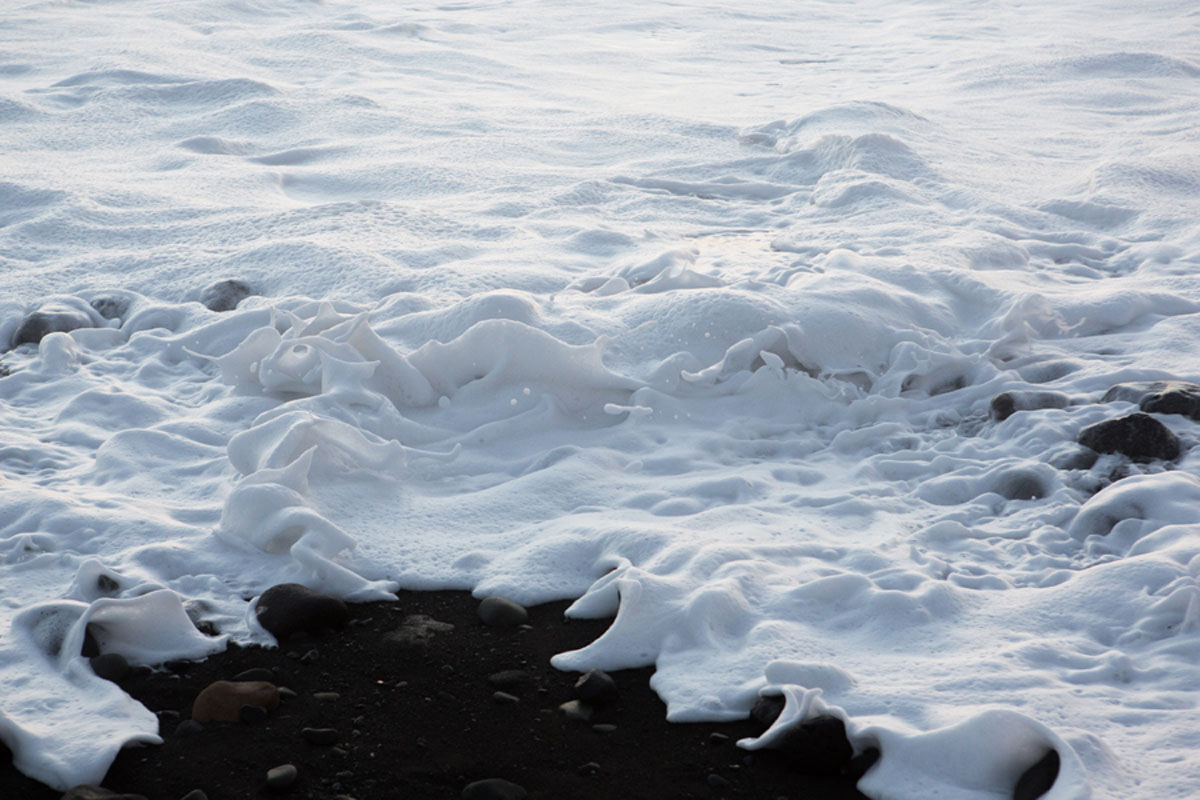
Sunday 10am – 7pm

Museo Nacional del Prado website

LIKE ART BLART ON FACEBOOK

Back to top