Exhibition dates: 10th November, 2016 – 7th May, 2017
Curators: Shoair Mavlian with Simon Baker and Newell Harbin, Director of The Sir Elton John Photography Collection
Paul Strand (American, 1890-1976) Wall Street, New York 1915 Silver gelatin print The Sir Elton John Photographic Collection
Many thankx to Tate Modern for allowing me to publish the photographs in the posting. Please click on the photographs for a larger version of the image.
“This is a once-in-a-lifetime chance to see one of the world’s greatest private collections of photography, drawn from the classic modernist period of the 1920s-50s. An incredible group of Man Ray portraits are exhibited together for the first time, having been brought together by Sir Elton John over the past twenty-five years, including portraits of Matisse, Picasso, and Breton. With over 70 artists and nearly 150 rare vintage prints on show from seminal figures including Brassai, Imogen Cunningham, André Kertész, Dorothea Lange, Tina Modotti, and Aleksandr Rodchenko, this is a chance to take a peek inside Elton John’s home and delight in seeing such masterpieces of photography.”
Text from the Tate Modern website
Edward Weston (American, 1886-1958) White Door, Hornitos, California 1940 Silver gelatin print The Sir Elton John Photographic Collection
Tate Modern presents a major new exhibition, The Radical Eye: Modernist Photography from the Sir Elton John Collection, drawn from one of the world’s greatest private collections of photography. This unrivalled selection of classic modernist images from the 1920s to the 1950s features almost 200 works from more than 60 artists, including seminal figures such as Berenice Abbott, André Kertész, Man Ray, Alexandr Rodchenko and Edward Steichen among many others. The exhibition consists entirely of rare vintage prints, all created by the artists themselves, offering a unique opportunity to see remarkable works up close. The quality and depth of the collection allows the exhibition to tell the story of modernist photography in this way for the first time in the UK. It also marks the beginning of a long term relationship between Tate and The Sir Elton John Collection, as part of which Sir Elton and David Furnish have agreed to give important works to the nation.
The Radical Eye introduces a crucial moment in the history of photography – an exciting rupture often referred to as the ‘coming of age’ of the medium, when artists used photography as a tool through which they could redefine and transform visions of the modern world. Technological advancements gave artists the freedom to experiment and test the limits of the medium and present the world through a new, distinctly modern visual language. This exhibition reveals how the timeless genres of the portrait, nude and still life were reimagined through the camera during this period, also exploring photography’s unique ability to capture street life and architecture from a new perspective.
Featuring portraits of great cultural figures of the 20th century, including Georgia O’Keeffe by Alfred Stieglitz, Edward Weston by Tina Modotti, Jean Cocteau by Berenice Abbott and Igor Stravinsky by Edward Weston, the exhibition gives insight into the relationships and inner circles of the avant-garde. An incredible group of Man Ray portraits are exhibited together for the first time, having been brought together by Sir Elton John over the past twenty-five years, depicting key surrealist figures such as Andre Breton and Max Ernst alongside artists including Henri Matisse, Pablo Picasso and Dora Maar. Ground-breaking experimentation both in the darkroom and on the surface of the print, such as Herbert Bayer’s photomontage and Maurice Tabard’s solarisation, examine how artists pushed the accepted conventions of portraiture.
As life underwent rapid changes in the 20th century, photography offered a new means to communicate and represent the world. Alexandr Rodchenko, László Moholy-Nagy and Margaret Bourke-White employed the ‘worm’s eye’ and ‘bird’s eye’ views to create new perspectives of the modern metropolis – techniques associated with constructivism and the Bauhaus. The move towards abstraction is also explored, from isolated architectural elements to camera-less photography such as Man Ray’s rayographs and Harry Callahan’s light abstractions.
A dedicated section of the exhibition looks at the new approaches that emerged in capturing the human form, highlighted in rare masterpieces such as André Kertész’s Underwater Swimmer, Hungary 1917, while Imogen Cunningham’s Magnolia Blossom, Tower of Jewels 1925 and Tina Modotti’s Bandelier, Corn and Sickle 1927 feature in a large presentation dedicated to the Still Life. The important role of documentary photography as a tool of mass communication is demonstrated in Dorothea Lange’s Migrant Mother 1936 and Walker Evans’ Floyde Burroughs, Hale County, Alabama 1936, from the Farm Security Administration project.
The Radical Eye: Modernist Photography from the Sir Elton John Collection is at Tate Modern from 10 November 2016 until 7 May 2017. It is curated by Shoair Mavlian with Simon Baker and Newell Harbin, Director of The Sir Elton John Photography Collection. The exhibition is accompanied by an exclusive audio tour of the exhibition featuring commentary from Sir Elton John, and a major new catalogue from Tate Publishing including an interview with Sir Elton John by Jane Jackson.
Press release from Tate Modern
Max Dupain (Australian, 1911-1992) Sunbaker 1937 Silver gelatin print The Sir Elton John Photographic Collection
“We possess an extraordinary instrument for reproduction. But photography is much more than that. Today it is … bringing something entirely new into the world.”
László Moholy-Nagy, 1932
Artists in the modernist period explored what the camera could do that the human eye alone could not, and how this could be harnessed to present a new modern perspective on the world. Artist and theorist László Moholy-Nagy proclaimed that photography could radically change not just what, but how we see. He called this the ‘new vision’. Rather than emulating other art forms, photography began to embrace qualities unique to itself, from its ability to reproduce the world in sharp detail to its capacity to create new realities through the manipulation of light, chemicals and paper.
This re-evaluation of photography coincided with a period of upheaval. War, revolution and economic depression led to mass movements of people and great social change. The idea of the avant-garde took hold and dada and surrealism emerged, challenging both the art and social norms that had come before. At the same time, new art schools such as the Bauhaus in Germany and Vkhutemas in Russia fostered the role of the professional artist and challenged divisions between art and design.
The Radical Eye is arranged thematically and charts a changing emphasis from the subject of an image to the visual qualities of the photograph itself, irrespective of what it represents. The many vintage prints in this exhibition – made soon after the photographs were taken – give a rare insight into the artists’ processes and creative decisions, and foreground the photograph as a physical object. All works are shown in the frames in which they are displayed in the home of Sir Elton John and David Furnish.
Together, the works in this exhibition show how photography pushed the boundaries of the possible, changing the world through the ways in which it was seen and understood. ‘Knowledge of photography is just as important as that of the alphabet. The illiterates of the future will be ignorant of the use of camera and pen alike,’ wrote Moholy-Nagy in 1927, foreseeing the cultural dominance of the photographic image. This extraordinary period still impacts how we, the photo-literate future, read and create images today.
Alfred Stieglitz (American, 1864-1946) Georgia O’Keeffe 1922 Silver gelatin print The Sir Elton John Photographic Collection
“They collect themselves. Carefully, as if tying a cravat, they compose their features. Insolent, serious and conscious of their looks they turn around to face the world.”
From ‘Men before the Mirror’, published alongside portraits by Man Ray, 1934
Portraits
Modernist portraiture harnessed photography’s capacity to render an accurate likeness in clear, sharp focus and detail. But at the same time, artists and sitters pushed the conventions of portraiture with innovations in pose, composition and cropping.
Many of the portraits in this room are of artists, writers and musicians, giving a cross section of key cultural players of the time. Issues of control and collaboration arise particularly when the subject is an artist, raising the question of who is responsible for conveying the sitter’s persona. The modernist period also saw a boom of the illustrated press. Magazines reproduced photographic portraits of well-known figures which were instrumental in shaping their public images.
Man Ray (American, 1890-1976) Nusch Éluard 1928 Silver gelatin print The Sir Elton John Photography Collection Photograph: Man Ray Trust/ADAGP, Paris and DACS, London 2016
Nusch Éluard (born Maria Benz; June 21, 1906 – November 28, 1946) was a French performer, model and surrealist artist…
Nusch arrived in France as a stage performer, variously described as a small-time actress, a traveling acrobat, and a “hypnotist’s stooge”. She met Paul Éluard in 1930 working as a model, married him in 1934, produced surrealist photomontage and other work, and is the subject of “Facile,” a collection of Éluard’s poetry published as a photogravure book, illustrated with Man Ray’s nude photographs of her.
She was also the subject of several cubist portraits and sketches by Pablo Picasso in the late 1930s, and is said to have had an affair with him. Nusch worked for the French Resistance during the Nazi occupation of France during World War II. She died in 1946 in Paris, collapsing in the street due to a massive stroke.
Adolph de Meyer (European / American, 1868-1946) For Elizabeth Arden (The Wax Head) 1931 Silver gelatin print The Sir Elton John Photography Collection
Irving Penn (American, 1917-2009) Salvador Dali in New York 1947 Silver gelatin print The Sir Elton John Photography Collection Photograph: The Irving Penn Foundation
“The enemy of photography is convention, the fixed rules ‘how to do’. The salvation of photography comes from the experiment.”
László Moholy-Nagy, c. 1940
Experiments
This was not a period of discovery but of rediscovery. Artists were rewriting the preceding century’s rules of photographic technique, harnessing ‘mistakes’ such as distortions and double exposures, or physically manipulating the printed image, cutting, marking and recombining photographs. These interventions could occur at any point in the process, from taking the image to the final print.
Used in portraiture, such experiments allowed for more psychologically charged representations. However, the transformative power of a particular technique often becomes much more important than the particular subject of the image. Above all, the rich creative possibilities of the photographic process come to the fore. While artists were seriously investigating the medium, the results are often surprising and playful.
Josef Breitenbach (German, 1896-1984) Patricia, New York c. 1942 Silver gelatin print The Sir Elton John Photography Collection Photograph: Josef and Yaye Breitenbach Charitable Foundation, Courtesy Gitterman Gallery
“The camera should be used for a recording of life, for rendering the very substance and quintessence of the thing itself, whether it be polished steel or palpitating flesh.”
Edward Weston, 1924
Bodies
Experimental approaches to shooting, cropping and framing could transform the human body into something unfamiliar. Photographers started to focus on individual parts of the body, their unconventional crops drawing attention to shape and form, accentuating curves and angles. Fragmented limbs and flesh were depersonalised and could be treated like a landscape or still life, dissolving distinctions between different genres. Thanks to faster shutter speeds and new celluloid roll film, photographers could also freeze the body in motion outside of the studio for the first time, capturing dancers and swimmers with a clarity impossible for the naked eye.
Rudolph Koppitz (Austrian, 1884-1936) Movement Study 1925 Gelatin silver print The Sir Elton John Photography Collection Photograph: ADAGP, Paris and DACS London 2016
Man Ray (American, 1890-1976) Noire et Blanche 1926 Silver gelatin print The Sir Elton John Photography Collection Photograph: Man Ray Trust/ADAGP, Paris and DACS, London 2016
Edward Weston (American, 1886-1958) Nude 1936 Silver gelatin print The Sir Elton John Photography Collection Photograph: 1981 Center for Creative Photography, Arizona Board of Regents
Man Ray (American, 1890-1976) Dora Maar 1936 Silver gelatin print The Sir Elton John Photography Collection Photograph: Man Ray Trust/ADAGP, Paris and DACS, London 2016
Nino Migliori (Italian, b. 1926) Il Tuffatore (The Diver) 1951 Silver gelatin print The Sir Elton John Photography Collection
“The documentary photographer is trying to speak to you in terms of everyone’s experience.”
Dorothea Lange, 1934
Documents
During the 1930s, photographers refined the formula for what we now know as social documentary. To compel the public to look at less palatable aspects of contemporary society they married creative manipulation with an appeal to viewers’ trust in the photograph as an objective visual record. This combination proved itself uniquely capable of eliciting empathy but is fraught with artistic and ethical complexity. These works highlight the vexed position of documentary photographs: historical evidence, instruments of propaganda and, latterly, works of art.
The development of new technology – particularly the portable camera and roll film – allowed photographers to capture spontaneous moments unfolding in the everyday world. Taking viewers into neighbourhoods where they might never set foot, street photography and documentary opened up new perspectives socially as much as visually.
Dorothea Lange (American, 1895-1965) Migrant Mother 1936 Silver gelatin print The Sir Elton John Photographic Collection
Walker Evans (American, 1903-1975) Floyde Burroughs, a cotton sharecropper, Hale County, Alabama 1936 Silver gelatin print The Sir Elton John Photography Collection
Dorothea Lange (American, 1895-1965) A young girl living in a shack town near Oklahoma City, Oklahoma 1936 Silver gelatin print The Sir Elton John Photography Collection
Walker Evans (American, 1903-1975) Christ or Chaos? 1946 Gelatin silver print The Sir Elton John Photography Collection Photograph: Walker Evans Archives, The Metropolitan Museum of Art
“Contradictions of perspective. Contrasts of light. Contrasts of form. Points of view impossible to achieve in drawing and painting.”
Aleksandr Rodchenko, 1920s
Objects, Perspectives, Abstractions
The subjects and approaches of modernist photography vary widely, but are united by a fascination with the medium itself. Every image asks what photography is capable of and how it can be pushed further. This final room brings together three interlinked approaches. It shows the still life genre reimagined by photographers who used the technical capabilities of the camera to reveal the beauty of everyday things. Objects captured at unconventional angles or extreme close-up become strange, even unrecognisable.
A similar effect of defamiliarisation was accomplished by taking photographs from radically new perspectives, positioning a camera at the point of view of the ‘worm’s eye’ or ‘bird’s eye’. This created extreme foreshortening that transformed photographs from descriptive images of things into energetic compositions hovering between abstraction and representation.
Abstraction pushes against photography’s innate ability to record objectively. Radical techniques such as cameraless image-making simplified the medium to the point of capturing the play of light on photosensitive paper. By stripping it back to its most basic components, artists celebrated photography, not as a tool for reproduction, but as a creative medium capable of producing new imagery.
Edward Steichen (American, 1879-1973) A Bee on a Sunflower c. 1920 Gelatin silver print The Sir Elton John Photography Collection
Man Ray (American, 1890-1976) “Rayograph” 1923 Silver gelatin print The Sir Elton John Photography Collection Photograph: Man Ray Trust/ADAGP, Paris and DACS, London 2016
Curators: Tanya Barson, Curator, Tate Modern with Hannah Johnston, Assistant Curator, Tate Modern
Alfred Stieglitz (American, 1864-1946) Untitled (O’Keeffe with sketchpad and watercolors) 1918 Silver gelatin print
A beautiful world
Briefly I can comment on the influence of photography, calligraphy and Japanese printmaking on the artistic practice of Georgia O’Keeffe.
With their flattened perspective, manipulation of scale, and forms shaped by light, her paintings are a synthesis, a synesthesia of interior and exterior e/motions linked to music and the modern. As Louisa Buck notes, “Texture and painterly qualities were not what was important in the depiction of her smoothed, abstracted forms… Tellingly, she once declared that “art must be a unity of expression so complete that the medium becomes unimportant.””
Important in that unity of expression is the flow of energy in time and space. Throughout a career that spanned many years O’Keeffe never lost that bravura rendition of energy that was present in her early watercolours. The concerns that were present in the first work, developed throughout her career, were still present at the very end in different form. O’Keeffe wasn’t obsessed with the power of the image but rather with insight into the condition of the image, and how it resolved and portrayed the world in its many forms. Texture was not necessary to this clear seeing… of beauty in the intricacy of nature, of Black Place / White Space, and of the faraway – “that memory or dream thing”. Far Away.
Dr Marcus Bunyan
Many thankx to Tate for allowing me to publish the art work in the posting. Please click on the artwork for a larger version of the image.
“When I started painting the pelvis bones I was most interested in the holes in the bones – what I saw through them – particularly the blue from holding them up against the sky… They were the most beautiful thing against the Blue – that Blue that will always be there as it is now after all man’s destruction is finished.”
“Whether you succeed or not is irrelevant, there is no such thing. Making your unknown known is the important thing – and keeping the unknown always beyond you.”
“Someone else’s vision will never be as good as your own vision of yourself. Live and die with it ’cause in the end it’s all you have. Lose it and you lose yourself and everything else. I should have listened to myself.”
Georgia O’Keeffe
“The radical cropping, and the use of fore- and background, but less so of a middle-ground, is clearly influenced by photography – in particular the work of her friend Paul Strand (1890-1976) – but it is disingenuous to suggest that her painting is just like photography, or that photography captures the scenery better (as has been said about some of the works in this exhibition) – since her painterly quality, despite the flatness of the surface, creates a vast sense of space in the composition, reflecting the monumentality of the landscape and a true sense of the expansive horizon. Her landscapes pulsate and, unlike photography, which captures one decisive moment, they are living and breathing. The colours she chooses reflect the atmosphere of the place – particularly the heat of the New Mexico desert – and it is this affinity to a place, this experience of a landscape, that O’Keeffe paints best…
Is it therefore correct that the first major exhibition of O’Keeffe’s work in the UK in 20 years – marking the centenary of her 1916 debut exhibition at 291 – should portray her as half of a co-dependent artistic duo? Of the 221 works in the show, from 71 lenders, only 115 are major O’Keeffes. The rest comprise works by Stieglitz, Strand, Ansel Adams (1902-84), and others – all men – from the sphere in which she was working. What male artist of this calibre would have nearly half the items in his major retrospective made up of works by women who had been working around him? …
Her initial representational painting would be done from life, out in the open air, then she would take the canvas home to her studio and work over it so that it took on an emotional resonance – something she described as: “that memory or dream thing I do that for me comes nearer reality than my objective kind of work”. She painted on canvas with a very fine weave and coated it with a special primer to make the surface extremely smooth, blending one colour into the next, making sure that the brushstrokes were invisible. Her colours remain rich and bright to this day – O’Keeffe was a painter who knew what she was doing on every level.”
Anna McNay, “Georgia O’Keeffe,” on the Studio International website 15 August 2016 [Online] Cited 17/02/2023
“The Texas country that I know is the plains. It was land like the ocean all the way around. Hardly anybody liked it, but I loved it. The wind blew too hard, the dust flew, and we had heavy dust storms. I’ve come in many times when I’d be the colour of the road. At night you could drive away from the town, right out into space. You didn’t have to drive on the road, and when the sunset was gone, you turned around and went back, lighted by the light of the town.”
Georgia O’Keeffe in the film Georgia O’Keeffe, produced and directed by Perry Miller Adato; a WNET/THIRTEEN production for Women in Art, 1977. Portrait of an Artist, no.1; series distributed by Films, Inc./Home Vision, New York.
“I was busy in the daytime and I made most of these drawings at night. I sat on the floor and worked against the closet door. Eyes can see shapes. It’s as if my mind creates shapes that I don’t know about. I get this shape in my head and sometimes I know what it comes from and sometimes I don’t. And I think with myself that there are a few shapes that I have repeated a number of times during my life and I haven’t known I was repeating them until after I had done it.”
Georgia O’Keeffe in the film Georgia O’Keeffe, produced and directed by Perry Miller Adato; a WNET/THIRTEEN production for Women in Art, 1977. Portrait of an Artist, no.1; series distributed by Films, Inc./Home Vision, New York.
Georgia O’Keeffe (American, 1887-1986) Untitled (Abstraction/Portrait of Paul Strand) 1917 Watercolour on paper
O’Keeffe was inspired by the European modernist movement and Kandinsky’s theories on how visual art can or should be pure patterns of form, colour and line as opposed to representing the material world. Blue and Green Music incorporates these ideas with O’Keeffe’s love of landscapes and the natural world.
Throughout her early work, O’Keeffe was influenced by the European modernist movement and how visual art could be pure patterns of form, colour and line as opposed to representing the material world. From the Lake No.1 clearly demonstrates these ideas, coupled with her enthusiasm for nature and her fascination with bodies of water.
O’Keeffe made many paintings during her regular trips to Lake George, New York, especially of the vibrant colours of the leaves and trees during autumn. Throughout her life she was deeply inspired by nature and was famous for painting natural objects such as flowers, shells and landscapes from areas she lived in throughout her life, or made painting trips to.
Tate Modern presents the largest retrospective of modernist painter Georgia O’Keeffe (1887-1986) ever to be shown outside of America. Marking a century since O’Keeffe’s debut in New York in 1916, it is the first UK exhibition of her work for over twenty years. This ambitious and wide-ranging survey reassesses the artist’s place in the canon of twentieth-century art and reveals her profound importance. With no works by O’Keeffe in UK public collections, the exhibition is a once-in-a-generation opportunity for European audiences to view her oeuvre in such depth.
Widely recognised as a founding figure of American modernism, O’Keeffe gained a central position in leading art circles between the 1910s and the 1970s. She was also claimed as an important pioneer by feminist artists of the 1970s. Spanning the six decades in which O’Keeffe was at her most productive and featuring over 100 major works, the exhibition charts the progression of her practice from her early abstract experiments to her late works, aiming to dispel the clichés that persist about the artist and her painting.
Opening with the moment of her first showings at ‘291’ gallery in New York in 1916 and 1917, the exhibition features O’Keeffe’s earliest mature works made while she was working as a teacher in Virginia and Texas. Charcoals such as Special No.9 1915 and Early No. 2 1915 are shown alongside a select group of highly coloured watercolours and oils, such as Sunrise 1916 and Blue and Green Music 1919. These works investigate the relationship of form to landscape, music, colour and composition, and reveal O’Keeffe’s developing understanding of synaesthesia.
A room in the exhibition considers O’Keeffe’s professional and personal relationship with Alfred Stieglitz (1864-1946); photographer, modern art promoter and the artist’s husband. While Stieglitz increased O’Keeffe’s access to the most current developments in avant-garde art, she employed these influences and opportunities to her own objectives. Her keen intellect and resolute character created a fruitful relationship that was, though sometimes conflictive, one of reciprocal influence and exchange. A selection of photography by Stieglitz is shown, including portraits and nudes of O’Keeffe as well as key figures from the avant-garde circle of the time, such as Marsden Hartley (1877-1943) and John Marin (1870-1953).
Still life formed an important investigation within O’Keeffe’s work, most notably her representations and abstractions of flowers. The exhibition explores how these works reflect the influence she took from modernist photography, such as the play with distortion in Calla Lily in Tall Glass – No. 2 1923 and close cropping in Oriental Poppies 1927. A highlight is Jimson Weed / White Flower No. 1 1932, one of O’Keeffe’s most iconic flower paintings.
O’Keeffe’s most persistent source of inspiration however was nature and the landscape; she painted both figurative works and abstractions drawn from landscape subjects. Black Mesa Landscape, New Mexico / Out of Black Marie’s II 1930 and Red and Yellow Cliffs 1940 chart O’Keeffe’s progressive immersion in New Mexico’s distinctive geography, while works such as Taos Pueblo 1929/34 indicate her complex response to the area and its layered cultures. Stylised paintings of the location she called the ‘Black Place’ are at the heart of the exhibition.
Georgia O’Keeffe is curated by Tanya Barson, Curator, Tate Modern with Hannah Johnston, Assistant Curator, Tate Modern. The exhibition is organised by Tate Modern in collaboration with Bank Austria Kunstforum, Vienna and the Art Gallery of Ontario, Toronto. It is accompanied by a catalogue from Tate Publishing and a programme of talks and events in the gallery.
While living in New York in the 1920s and 1930s O’Keefe made many paintings of the city inspired by the architecture and lifestyle. In Radiator Building – Night, New York O’Keeffe displays her keen eye for composition and uses colour sparingly, but expertly, to convey the atmosphere of the city at night.
O’Keeffe lived in New York during the 1920s and 30s and made many paintings of the city despite being told to ‘leave New York to the men’. She lived in The Shelton Hotel in Manhattan, for 11 years and this piece is a beautiful example of the studies she created of the city from above in her 30th floor apartment.
Georgia O’Keeffe (American, 1887-1986) Lake George 1922 Oil on canvas 16 1/4 in. x 22 in. Collection SFMOMA Gift of Charlotte Mack
Georgia O’Keeffe (American, 1887-1986) Black Iris 1926 Oil on canvas 91.4 x 75.9cm The Metropolitan Museum of Art, New York. Alfred Stieglitz Collection, 1969 Photo: Malcom Varon ? 2015 Image copyright The Metropolitan Museum of Art/ Art Resource/ Scala, Florence
O’Keeffe’s large close-up paintings of flowers were intended to ‘make even busy New Yorkers take time to see what I see of flowers’ who often didn’t take the time to engage with nature as she did. This detail of a black iris uses a subtle colour pallet to explore the intricacies of the flower petals and their contrasting tones.
Georgia O’Keeffe (American, 1887-1986) Abstraction Blue 1927 Oil on canvas 102.1 x 76cm The Museum of Modern Art, New York. Acquired through the Helen Acheson Bequest, 1979 ? 2015 Digital image, The Museum of Modern Art, New York / Scala, Florence
O’Keeffe experimented with abstraction in her early work, saying ‘it is only by selection, by elimination, by emphasis, that we get at the real meaning of things’. Her love of nature is evident in Abstraction Blue, which hints at flower petals, clouds, the sky and the streams, rivers and seashores she enjoyed making studies of.
O’Keeffe was fascinated with nature, and collected natural objects such as flowers, bones, shells and leaves to use as subjects in her paintings. Shell No.2 is unusual in the way O’Keeffe has arranged a collection of objects related to the sea, as her paintings typically show objects in isolation to their natural environment.
O’Keeffe was constantly inspired by nature and hoped that her paintings of enlarged flowers would draw the attention of busy New Yorkers and encourage them to appreciate the beauty in intricacy of nature that might otherwise pass them by. This piece depicts a close up of two lilies, a regularly repeated subject that earned O’Keeffe the nickname ‘The Lady of the Lily’, first coined by caricaturist Miguel Covarrubias in the New Yorker.
Georgia O’Keeffe (American, 1887-1986) Grey, Blue & Black – Pink Circle 1929 Oil on canvas 91.4 x 122cm Dallas Museum of Art, gift of The Georgia O’Keeffe Foundation
Originally painted in 1929, Grey Blue & Black – Pink Circle demonstrates O’Keeffe’s interest in the European modernist movement that concentrated on the idea that visual art could or should be purely patterns of form, colour and line. Using vivid colour palettes inspired by nature, she often abstracted natural objects such as flowers, trees and shells.
Georgia O’Keeffe (1887-1986) is widely recognised as a foundational figure within the history of modernism in the United States, and during her lifetime became an American icon. Her career spanned more than seven decades and this exhibition encompasses her most productive years, from the 1910s to the 1960s. It aims to dispel the clichés that persist about O’Keeffe’s painting, emphasising instead the pioneering nature and breadth of her career.
O’Keeffe was born in Sun Prairie, Wisconsin, the daughter of Irish and Dutch-Hungarian immigrants, and died in Santa Fe, New Mexico, at the age of 98. She decided to be an artist before she was 12 years old. She was the most prominent female artist in the avant-garde circle around the photographer and gallerist Alfred Stieglitz (1864-1946), later O’Keeffe’s husband. The first showing of her work was at Stieglitz’s New York gallery ‘291’ in 1916, now 100 years ago. Tate Modern’s exhibition therefore marks a century of O’Keeffe
The early years and ‘291’
“I have things in my head that are not like what anyone has taught me – shapes and ideas so near to me … I decided to start anew – to strip away what I had been taught… I began with charcoal and paper and decided not to use any other colour until it was impossible to do what I wanted to do in black and white.”
O’Keeffe’s earliest mature works were abstractions in charcoal, made while she was working as an art teacher in Virginia and Texas. These drawings, made on a comparatively large scale, were exhibited by Alfred Stieglitz at ‘291’ (evoked by this room) in O’Keeffe’s debut in 1916 and in her first solo exhibition in 1917. O’Keeffe had sent her drawings to Anita Pollitzer, a friend from her student days, who first showed them to Stieglitz. He exclaimed: ‘finally a woman on paper’.
This early period also reveals O’Keeffe to be a gifted colourist, skilled in watercolour. Strikingly vivid paintings of the mountain landscapes of Virginia and plains of Texas demonstrate her skilful handling of colour. Her early oil paintings also took their inspiration from the landscape and show an interest in synaesthesia, the stimulation of one sense by another, for example translating sounds such as cattle lowing into abstract forms
Abstraction and the senses
“I paint because colour is a significant language to me.”
After moving from Texas to New York in 1918, O’Keeffe turned with greater assurance to abstraction and to oil paint as a medium. Focusing on paintings from 1918 until 1930, this room shows the importance of abstraction in O’Keeffe’s work and how she took inspiration from sensory stimulation. Here, her paintings investigate the relationship of form to music, colour and composition, showing her understanding of synaesthesia and chromothesia, or as she said ‘the idea that music could be translated into something for the eye’. We also see her early flower-abstractions.
The critical response emphasised O’Keeffe’s identity as a woman artist and attributed essential feminine qualities to her work, often hinting heavily at erotic content. Stieglitz was a major source for such attitudes and supported them by introducing psychoanalytic interpretations of her paintings. Frustrated with this limited view, O’Keeffe began to transform her style and this room includes several less widely-known hard-edged or cubist-inspired abstractions.
“When people read erotic symbols into my paintings, they’re really talking about their own affairs.
O’Keeffe, Stieglitz and their circle
“I have been much photographed… I am at present prejudiced in favour of photography.”
This room takes a closer look at O’Keeffe’s creative and personal partnership with Alfred Stieglitz and the circle of artists, writers and cultural figures that congregated around him and the couple. Many of their personal acquaintances are pictured in Stieglitz’s photographs, figures who impacted on their professional and private lives. This was the generation of the ‘Progressive Era’, men and women who came of age in the late nineteenth and early twentieth century and who embodied an optimistic cultural nationalism, wanting to create a modern America.
Two major series of Stieglitz’s work are displayed here: his extended portrait of O’Keeffe, in which we can see her as both muse and collaborator, and his sky photographs titled Equivalents, several of which were also made as portraits of Georgia, linking the two series. Their personal and aesthetic exchange is continued in the painting A Celebration 1924, an image of clouds made by O’Keeffe the year they married. Other works by O’Keeffe can also be considered indirect portraits of Stieglitz.
New York cityscapes
When O’Keeffe first expressed an intention to paint New York, she said, ‘Of course, I was told it was an impossible idea – even the men hadn’t done too well with it’. She made her first painting of the city in 1925, continuing with the same subject for the rest of the decade. O’Keeffe’s paintings show views from street level, the tall buildings providing an urban parallel to her early depictions of canyons in Texas and later in New Mexico. O’Keeffe and Stieglitz lived on the 30th floor of a skyscraper, and she delighted in the vantage point it afforded of the city beneath.
“I know it is unusual for an artist to want to work way up near the roof of a big hotel, in the heart of a roaring city, but I think that’s just what the artist of today needs for stimulus… Today the city is something bigger, grander, more complex than ever before in history.”
O’Keeffe stopped painting New York not long after the Wall Street Crash of 1929, the year she made her first prolonged visit to New Mexico. With the onset of the Great Depression, the city’s utopian spirit vanished, and it no longer held her attention.
Lake George
“I wish you could see the place here – there is something so perfect about the mountains and the lake and the trees – sometimes I want to tear it all to pieces – it seems so perfect – but it is really lovely.”
The rural Northeast, through Lake George in upstate New York, as well as coastal Maine and Canada, contrasts both with New York City and, later, O’Keeffe’s travels to the Southwest. Lake George in particular, where the Stieglitz family had a summer home, enabled O’Keeffe to continue her investigation of abstraction from nature. O’Keeffe first visited Lake George as a student in 1908, but during her three-decade relationship with Stieglitz, she spent summer and autumn there. ‘Here I feel smothered with green’, she remarked, revealing her ambivalence towards the location. Nevertheless, the years she spent summering there were some of the most prolific of her career.
Lake George and the Northeast suggested a different palette to O’Keeffe. Her works made there range from soft blue and green to the red and purple of maple trees and the warm red of apples and autumn leaves. Like the images of New York, there are correlations between her works and Stieglitz’s photography – key motifs include the lake itself, trees, turbulent clouds, barns and still lifes of apples or leaves.
Flowers and still lifes
“Nobody sees a flower – really – it is so small – we haven’t time – and to see takes time… So I said to myself – I’ll paint what I see – what the flower is to me, but I’ll paint it big and they will be surprised into taking time to look at it – I will make even busy New Yorkers take time to see what I see of flowers… Well – I made you take time to look … and when you took time … you hung all your own associations with flowers on my flower and you write about my flower as if I think and see what you think and see of the flower – and I don’t.”
O’Keeffe is renowned for her flower paintings, which she made from the 1920s until the 1950s. At first her work tended towards imaginative, semi-abstract compositions inspired by flowers, or showing the entire form of the flower, as in her delicate calla lilies of the 1920s. They progressed to works with a greater photographic realism, focusing in close-up on the blooms themselves. This move to realism was partly motivated by her aim to dispel the sexual or bodily interpretations of her work made by critics, and O’Keeffe lamented that this view continued.
Black Cross with Stars and Blue demonstrates O’Keeffe’s passion for the New Mexico landscape with her talent for creating strong compositions and using a limited colour palette effectively. This early painting of New Mexico echoes her city paintings of the era, using the cross as a towering foreground for the even more monumental mountains behind.
This is one of O’Keeffe’s earliest paintings of the New Mexico landscape after she first visited the area in the summer of 1929. It’s a beautiful example of her early style of painting, with a focus on colour and contour, simplifying and refining the dessert terrain that truly inspired her.
“When I got to New Mexico, that was mine. As soon as I saw it, that was my country. I’d never seen anything like it before, but it fitted to me exactly. It’s something that’s in the air, it’s just different. The sky is different, the stars are different, the wind is different.”
Georgia O’Keeffe in the film Georgia O’Keeffe, produced and directed by Perry Miller Adato; a WNET/THIRTEEN production for Women in Art, 1977. Portrait of an Artist, no.1; series distributed by Films, Inc./Home Vision, New York.
Having made the first of many trips to New Mexico the previous year, O’Keeffe was constantly inspired by the distinctive red hills of the area, and made it her permanent home in later life. In Rust Red Hills, O’Keeffe uses a range of rich colours, exploring the natural form of the local landscape and the variation of colour within the rock formations.
Sangre de Cristo Mountains in Taos County, New Mexico, with Arroyo Hondo in the front
The arid desert terrain of New Mexico, where O’Keeffe spent many months in her Ghost Ranch house, was littered with animal bones which she often collected and painted. She frequently positioned these bones alongside flowers in her pieces to express how she felt about the desert she enjoyed so much.
The mountain Pedernal was visible from the front door of O’Keeffe’s Ghost Ranch house in New Mexico and is present in a vast amount of her paintings of the New Mexico landscape. O’Keeffe felt a deep connection with the area and described the flat top mountain as ‘my private mountain. It belongs to me’. She picked up animal skulls from the desert terrain and often used them as subjects for her paintings, which became some of her most iconic works.
“The first year I was out here I began picking up bones because there were no flowers. I wanted to take something home, something to work on… When it was time to go home I felt as if I hadn’t even started on the country and I wondered what I could take home that I could continue what I felt about the country and I couldn’t think of anything to take home but a barrel of bones. So when I got home with my barrel of bones to Lake George I stayed up there quite a while that fall and painted them. That’s where I painted my first skulls, from this barrel of bones.”
Georgia O’Keeffe in the film Georgia O’Keeffe, produced and directed by Perry Miller Adato; a WNET/THIRTEEN production for Women in Art, 1977. Portrait of an Artist, no.1; series distributed by Films, Inc./Home Vision, New York.
Georgia O’Keeffe (American, 1887-1986) From the Faraway, Nearby 1937 Oil in canvas Photograph: Georgia O’Keeffe/The Metropolitan Museum of Art/Art Resource/Scala, Florence
New Mexico: Taos and Alcalde
“When I got to New Mexico that was mine. As soon as I saw it that was my country. I’d never seen anything like it before, but it fitted to me exactly. It’s something that’s in the air – it’s different. The sky is different, the wind is different. I shouldn’t say too much about it because other people may be interested and I don’t want them interested.”
In 1929 O’Keeffe made her first prolonged visit to New Mexico in the Southwestern United States, a dry and arid high altitude desert region. Initially she was invited to stay with the socialite, art patron and writer Mabel Dodge Luhan in her house in Taos, a town already home to an established artistic community.
Over the next few years, O’Keeffe made repeated visits to New Mexico. Here she had found a landscape that was a contrast to the East coast but whose rural and expansive qualities felt familiar. O’Keeffe explored the specifics of the region, the adobe or earth-built architecture, the crosses, as well as views of the wide mesas or flat mountain plateaus, revealing its cultural complexity – the layering of Native American and Spanish colonial influences on the landscape
From the faraway, nearby: Skull Paintings
“When I found the beautiful white bones on the desert I picked them up and took them home… I have used these things to say what is to me the wideness and wonder of the world as I live in it.”
O’Keeffe began painting animal bones, principally skulls, around 1931, but had collected them since 1929. As she explained, “that first summer I spent in New Mexico I was a little surprised that there were so few flowers. There was no rain so the flowers didn’t come. Bones were easy to find so I began collecting bones.” Wanting to take something back with her she decided “the best thing I could do was to take with me a barrel of bones.”
Writers and painters at this time were searching for a specifically American iconography, or in O’Keeffe’s words ‘the Great American Thing’. In O’Keeffe’s paintings the bones, particularly when juxtaposed with the desert landscape of the Southwest, summarise the essence of America which she felt was not in New York but was the country west of the Hudson River, which symbolised what she called ‘the Faraway’
Ghost Ranch
“I wish you could see what I see out the windows – the earth pink and yellow cliffs to the north – the full pale moon about to go down in an early morning lavender sky behind a very long beautiful tree-covered mesa to the west – pink and purple hills in front and the scrubby fine dull green cedars – and a feeling of much space – It is a very beautiful world.”
O’Keeffe first discovered Ghost Ranch in 1934 – a ‘dude ranch’ for wealthy tourists to gain an experience of the ‘wild west’. Though O’Keeffe wanted nothing to do with the ranch’s patrons she stayed in an adobe house on the property from 1937, purchasing the house in 1940, her first home in New Mexico. During the later 1930s and 1940s O’Keeffe deepened her exploration of the distinctive landscape of the Southwest – the intense reds and pinks of the earth and cliffs, the desiccated trees, the Chama River and the Cerro Pedernal (‘flint hill’), which is the Spanish name for the flat-topped mesa viewed in the distance from Ghost Ranch. ‘It’s my private mountain. It belongs to me’, she said, half-jokingly. ‘God told me if I painted it enough, I could have it’.
The distinctive landscape of the New Mexico desert was a constant source of inspiration for O’Keeffe, from her first visit to the area in 1929. She discovered Ghost Ranch in 1934 where she made many painting trips and purchased a house there in 1940. O’Keeffe’s paintings of New Mexico terrain and the natural objects she found there became some of her best known works.
O’Keeffe was deeply inspired by the New Mexico landscape that she visited on painting trips from 1929 onwards. She bought a house at Ghost Ranch 1940 before moving there permanently in 1949 and never tired of the desert landscape that she made countless studies of. ‘It’s my private mountain. It belongs to me’, she said, half-jokingly ‘God told me if I painted it enough, I could have it’
The arid desert landscape of New Mexico, where O’Keeffe had a house at Ghost Ranch, was a constant inspiration for her paintings. Red Hills and Bones depicts the distinctive red hills of the local area, exaggerating their colours in contrast to the white animal bones, which in turn mirror the ridges of the landscape in the background.
“The Black Place is about one hundred and fifty miles from Ghost Ranch and as you come to it over a hill, it looks like a mile of elephants – grey hills all about the same size with almost white sand at their feet. When you get into the hills you find that all the surfaces are evenly crackled so walking and climbing are easy…
I don’t remember what I painted on my first trip over there. I have gone so many times. I always went prepared to camp. There was a fine little spot quite far off the road with thick old cedar trees with handsome trunks – not very tall but making good spots of shade…
Such a beautiful, untouched lonely-feeling place – part of what I call the Far Away.”
Georgia O’Keeffe in Georgia O’Keeffe (A Studio Book), published by Viking Press, New York, 1976
“I must have seen the Black Place first driving past on a trip into the Navajo country and, having seen it, I had to go back to paint – even in the heat of mid-summer. It became one of my favourite places to work … as you come to it over a hill, it looks like a mile of elephants – grey hills all about the same size.”
Two very specific locations recur frequently in O’Keeffe’s work. Their repetition allowed her to explore the various conditions of landscape through changing light and seasons, and its representation through degrees of abstraction. In one location, the ‘White Place’ – a site of grey-white cliffs in the Chama River valley – she explored the differing variations of light on the white limestone cliffs and contrasted this with vivid blue sky. In the more distant ‘Black Place’ – which is 150 miles west of Ghost Ranch – she progressively abstracted from observed, perceptual reality towards more intensely-coloured, non-naturalistic compositions, painted from memory.
In the ‘White Place’ and ‘Black Place’ paintings O’Keeffe also became more clearly engaged with seriality, obsessively returning to the same motif and working through it in its different permutations.
Georgia O’Keeffe (American, 1887-1986) In the Patio No IV 1948 Illustration: 2016 Georgia O’Keeffe Museum/ DACS, London
“Those little squares in the door paintings are tiles in front of the door; they’re really there, so you see the painting is not abstract. It’s quite realistic. I’m always trying to paint that door – I never quite get it… It’s a curse – the way I feel I must continually go on with that door. Once I had the idea of making the door larger and the picture smaller, but then the wall, the whole surface of that wonderful wall, would have been lost.”
Georgia O’Keeffe in Katherine Kuh, The Artist’s Voice: Talks with Seventeen Artists, published by Harper & Row, New York, 1961; quoted in Georgia O’Keeffe and Her Houses, 2012.
During her long stays in her Ghost Ranch house in New Mexico, O’Keeffe picked up bones from the desert floor and began to paint them. This piece is part of a series of paintings she made to show the sky as seen through the various holes in a pelvis bone she found.
“When I started painting the pelvis bones I was most interested in the holes in the bones – what I saw through them – particularly the blue from holding them up against the sky… They were the most beautiful thing against the Blue – that Blue that will always be there as it is now after all man’s destruction is finished.”
The series: Abiquiú Patios, pelvis bones and cottonwood trees
“When I started painting the pelvis bones I was most interested in the holes in the bones – what I saw through them – particularly the blue from holding them up in the sun against the sky… They were most beautiful against the Blue – that Blue that will always be there as it is now after all man’s destruction is finished.”
Working in series became an increasingly evident approach for O’Keeffe in the 1940s and 1950s. She developed three series simultaneously during this period, each one exploring a path towards abstraction, in parallel to developments in abstract painting in New York. They were also made against the backdrop of the Second World War (referred to in the quotation above), and of Stieglitz’s death in 1946. At the same time O’Keeffe’s work was becoming increasingly prominent, with major solo exhibitions at The Art Institute of Chicago and the Museum of Modern Art in New York.
O’Keeffe continued her investigation of bones, using pelvis bones rather than skulls, held up against the sky, or viewing a distant landscape through an aperture in the bone. Another motif was the patio of O’Keeffe’s house at Abiquiú, her second New Mexico home, with its distinctive door presented in varying degrees of naturalism and abstraction. Lastly the series of cottonwood trees reveals a more painterly approach to the serialised motif.
Tony Vaccaro (American, 1922-2022) Georgia O’Keeffe, Taos Pueblo, New Mexico 1960 1960 Gelatin silver print on paper 16.7 x 23.5cm Chrysler Museum of Art, Norfolk, VA; photo courtesy Michael A. Vaccaro Studios
“Where I was born and where and how I have lived is unimportant. It is what I have done with where I have been that should be of interest.”
O’Keeffe’s engagement with the Southwest was deep and enduring. This room includes drawings and sketches that reveal aspects of her working method as she immersed herself within the landscape or worked back in one of her two houses and their respective studios. It also includes photographs of O’Keeffe taken by Stieglitz in New York State, but with attributes that place her in the Southwest such as Native American blankets and her car – a sign of her independence. Other photographs are by her close friend Ansel Adams who shared her fascination with the Southwest, its landscape and cultures.
From her arrival in New Mexico and spanning the 1930s and 1940s, O’Keeffe also made a number of paintings of Native American ‘kachinas’ – figures of spirit beings carved in wood or modelled in clay and painted. These works make clear O’Keeffe’s awareness of the indigenous Native American cultures of the region and show her fascination with their ritual life. Painting the objects was for her a way of painting the country
Late abstracts and skyscapes
“One day when I was flying back to New Mexico, the sky below was a most beautiful solid white. It looked so secure that I thought I could walk right out on it to the horizon if the door opened. It was so wonderful I couldn’t wait to be home to paint it.”
This final room shows O’Keeffe’s late paintings of the 1950s and 1960s, focusing on two series that are inspired by aeroplane journeys she took in her later years. One series of the late 1950s takes its cue primarily from aerial views of rivers, which O’Keeffe transformed to create lyrical abstractions that hark back to her earliest works in oil, watercolour and charcoal from the 1910s. A second series of stylised near-abstractions represents the view from a plane over the clouds. Both reveal her awareness of contemporary abstract painting, particularly colour field painting, then dominating American art. O’Keeffe’s works were always rooted in a direct experience of the landscape and her emotional connection to it, and continued to be so until the end of her career.
“It is breathtaking as one rises up over the world one has been living in… It is very handsome way off into the level distance … like some marvellous rug patterns of maybe “Abstract Paintings”.”
Text from the Tate Modern website
Georgia O’Keeffe (American, 1887-1986) From the River – Pale 1959 Oil on canvas Photograph: 2016 Georgia O’Keeffe Museum/ DACS, London
Installation view of the exhibition Emanations: The Art of the Cameraless Photograph at the Govett-Brewster Art Gallery with at left, Christian Marclay and at right, Hiroshi Sugimoto
Part 2 of a posting on the wonderful exhibition Emanations: The Art of the Cameraless Photograph at the Govett-Brewster Art Gallery / Len Lye Centre, New Plymouth, New Zealand. See Part 1 of the posting.
While there is no doubt as to the quality and breadth of the work on display, nor how it has been curated or installed in these beautiful contemporary spaces, I question elements of the conceptual rationale that ground the exhibition. Curator Geoffrey Batchen correctly notes that “artists are coming back to the most basic and elemental chemistry of photography, hands on, making unique images where there is a direct relationship between the thing being imaged and then image itself” as a response to the dematerialisation of the image that occurs in a digital environment and the proliferation of reproductions of digital images, but his assertion in a Radio New Zealand interview that the cameraless photograph has a direct relationship to the world, unmediated – through the unique touch of the object on the photographic paper – is an observation that seems a little disingenuous.
Batchen observes, “it’s as if nature represents itself, completely unmediated and directly. In some ways … [this] is far more realist, far more true to the original object than any camera picture could be.” Note how he qualifies his assertion and position by the statement “in some ways”.
The reality of the situation is that every photograph is mediated to one degree or another, whether through the use of the camera, the choice of developer, photographic paper, size, perspective and so forth. The physicality of the actual print and the context of capture and display are also mediated, in each instance and on every occasion. Every photograph is mediated through the choices of the photographer, even more so in the production of cameraless photographs (what to choose to photograph, where to position the object, what to draw with the light) because the artist has the ultimate control on what is being pictured (unlike the reality of the world). To say that cameraless photographs have a more direct and unmediated relationship to the world than analogue and digital photographs could not be further from the truth – it is just that the taxonomic system of ordering “reality” is of a different order.
Batchen further states in the Radio new Zealand interview that “in these photographs the object is still there, that’s the strange thing about cameraless photographs. There is a sense of presentness to this kind of photograph. … Cameraless photographs seem to exist in a kind of eternal present, and in that sense they complicate our understanding both of photography but also to the world that is being represented here.”
This is a contentious observation that argues for some special state of being that exists within the cameraless photograph which I believe does not exist. I argue that EVERY photograph possesses the POSSIBILITY of a sense of presentness of the object being photographed (whether it be landscape, portrait, street, abstract, etc…). It just depends whether the photographer is attuned to what is present before their eyes, whether they are attuned to the mediation of the camera and whether the print reveals what has been captured in the negative. Minor White’s “revelation of spirit”.
A “hands on” process does not guarantee a more meaningful form of photographic authenticity, or cameraless photographs possess some inherent authentic reality (the appeal to the aura of the object, Benjamin), any more than analogue or digitally reproduced photographs do. They are all representations of a mediated reality in one form or another. Some photographs will simply not capture that “presence” no matter how hard you try, be they cameraless or not.
Further, every photograph exists in an eternal present, bringing past time to present and, in the process of existence, transcending time. In this regard, to claim special status for cameraless photographs is a particularly incongruous and elliptical argument, an argument which posits an obfuscation of the theoretical history of photography.
Dr Marcus Bunyan
PS. I particularly love Len Lye’s work for its visual dexterity and robustness.
Many thankx to the Govett-Brewster Art Gallery for allowing me to publish the photographs in the posting. Please click on the photographs for a larger version of the image. All images are photographed by Bryan James.
“You assume that the image caught by the camera is “the” image, but of course a camera is ultimately a device – about from the Renaissance on – in which perspective is organised within a box using a lens, based on a principle that light travels in straight lines. So what you get when you use a camera is a mediated image, an image constructed according to certain conventions developed during the Renaissance and beyond in which the world is developed … according to the rules of perspective, and we’ve learnt to accept those rules as, as reality itself. But … when you put an object directly onto a piece of paper without any mediation [of a machine], it’s as if nature represents itself, completely unmediated and directly. In some ways … [this] is far more realist, far more true to the original object than any camera picture could be.”
Geoffrey Batchen
Geoffrey Batchen: Cameraless Photography
From Standing Room Only, 2:25 pm on 17 April 2016 Radio New Zealand
Today, if you have a smartphone, you have a camera with you wherever you go. But how were the first ever photos taken? Professor of Art History at Victoria University and world-renowned historian Geoffrey Batchen is the curator of ‘Emanations: The Art of the Cameraless Photograph’ exhibition at the Govett-Brewster Art Gallery and Len Lye Centre in New Plymouth.
Installation view of Christian Marclay’s Large Cassette Grid No. 6, 2009 (left) and Allover (Rush, Barbra Streisand, Tina Turner, and Others), 2008 (right)
Christian Marclay (American, b. 1955) Large Cassette Grid No. 6 2009 Cyanotype photograph
Christian Marclay (American, b. 1955) Allover (Rush, Barbra Streisand, Tina Turner, and Others) 2008 Cyanotype photograph
Using hundreds of cassette tapes bought in thrift stores, Christian Marclay has scattered the entangled strands of the tapes across large sheets of specially prepared blueprint paper, deliberately adopting the “action painter” techniques of Jackson Pollock and similar artists. He then exposed them, sometimes multiple times, under a high-powered ultraviolet lamp. In other cases, the cassettes themselves were stacked in translucent grids to make a minimalist composition.
Installation view of the exhibition Emanations: The Art of the Cameraless Photograph at the Govett-Brewster Art Gallery with at left, Christian Marclay and at right, Hiroshi Sugimoto
Walead Beshty (American, b. 1976) Two Sided Picture (RY), January 11, 2007, Valencia, California, Fujicolor Crystal Archive, 2007 Chromogenic photograph
In the series from which this work comes American photographic artist Walead Beshty cut and folded sheets of photographic paper into three-dimensional forms and then exposed each side to a specific colour of light, facilitating the production of multi-faceted prints with the potential to exhibit every possible colour combination. The trace of this process remains visible, with the original folds transformed into a network of contours on the surface of the print.
Hiroshi Sugimoto’s photographs of static electricity were inspired by his unsuccessful efforts to banish such discharges from the surface of his negatives during the printing process. Sugimoto decided instead to try and harness such discharges for the purposes of image making. Utilising a Van der Graaf generator, he directed as many as 40,000 volts onto metal plates on which rested unexposed film. He soon changed tactics when he discovered that immersing the film in saline water during the discharge gave much better results.
Installation views of the exhibition Emanations: The Art of the Cameraless Photograph at the Govett-Brewster Art Gallery with at left, Andreas Müller-Pohle Digital Scores (after Nicéphore Niépce) 1995, and to the right in the second and third images, Susan Purdy
In 1995 the German artist Andreas Müller-Pohle took the digital code generated by a scan of the supposed “first photograph,” Nicéphore Niépce’s 1827 heliograph View from the window at Le Gras, and spread it across eight panels as a messy swarm of numbers and computer notations. Each of Müller-Pohle’s separations represents an eighth of a full byte of memory, a computer’s divided remembrance of the first photograph. The Scores are therefore less about Niépce’s photograph than about their own means of production (as the title suggests, they bear the same abstracted relation to an image as sheet music has to sound). We see here, not a photograph, but the new numerical rhetoric of digital imaging.
Installation view of Ian Burn (Australian, 1939-1993) Xerox book # 1, 1968 from the exhibition Emanations: The Art of the Cameraless Photograph at the Govett-Brewster Art Gallery
In the 1960s a number of artists sought to distil artwork from the new imaging technologies becoming commonly available. Ian Burn, an Australian artist then living in New York, made a series of Xerox Books in 1968 in which he churned out 100 copies of a blank sheet of white paper on a Xerox 660 photocopying machine, copying each copy in turn until the final sheet was filled with the speckled visual noise left by the machine’s own imperfect operations.
Installation view of the exhibition Emanations: The Art of the Cameraless Photograph at the Govett-Brewster Art Gallery
Installation views of the exhibition Emanations: The Art of the Cameraless Photograph at the Govett-Brewster Art Gallery with in foreground display case, Herbert Dobbie’s illustrated cyanotype books New Zealand Ferns (148 Varieties) 1880, 1882, 1892 and background, the cyanotypes of Anna Atkins
Herbert Dobbie, a railway station master and amateur botanist who emigrated to New Zealand from England in 1875, made cyanotype contact prints of specimens of all 148 known species of fern in his new country in 1880 and sold them in album form. Dobbie was responding to a fashion for collecting and displaying ferns among his local audience, a fashion driven in part by a nostalgia for a pre-modern style of life and in part by a developing nationalism. The end result is a group of images that hover somewhere between science and art, between popular aesthetic enjoyment and commercial profit.
Anna Atkins (English, 1799-1871) Untitled (from the disassembled album Cyanotypes of British and Foreign Flowering Plants and Ferns) c. 1854 Cyanotype photographs
The English photographer Anna Atkins issued albums of cyanotype prints of seaweed and algae from 1843, and these are often regarded as the earliest photographic books.
In the 1850s, Atkins collaborated with her friend Anne Dixon to produce at least three presentation albums of cyanotype contact prints, including Cyanotypes of British and Foreign Ferns (1853) and Cyanotypes of British and Foreign Flowering Plants and Ferns (1854). These albums included examples from places like Jamaica, New Zealand and Australia – a reminder that, for an English observer, all these places were but an extension of home, a part of the British Empire. These cyanotypes look as if they were made yesterday, offering a trace from the past that nevertheless always remains contemporary.
William Henry Fox Talbot (British, 1800-1877) Floral patterned lace c. 1845 Salted paper print 23.0 x 18.8 cm (irregular)
During the 1850s, William Henry Fox Talbot focused his energies on the invention of a way of producing photographic engravings on metal plates, so that permanent ink on paper imprints could be taken from them. In April 1858, having found a way to introduce an aquatint ground to the process, he filed a patent for a system which he called photoglyphic engraving.
Talbot described his invention in terms of an ability to make accurate photographic impressions without a camera: “The objects most easily and successfully engraved are those which can be placed in contact with the metallic plate, – such as the leaf of fern, the light feathery flowers of a grass, a piece of lace, etc. In such cases the engraving is precisely like the object; so that it would almost seem to any one, before the process was explained to him, as if the shadow of the object had itself corroded the metal, – so true is the engraving to the object.”
This photograph was made using the calotype process, patented in 1841 by its inventor, the English gentleman William Henry Fox Talbot. The increased exposure speeds allowed by the process made it easier to print positive photographs from a negative image, so that multiple versions of that image could be produced. In this case, a positive photograph has been made from a contact print of a piece of lace.
Installation views of the exhibition Emanations: The Art of the Cameraless Photograph at the Govett-Brewster Art Gallery featuring Len Lye’s cameraless photographic portraits
Len Lye (New Zealand, 1901-1980) Georgia O’Keeffe 1947 Courtesy of the Len Lye Foundation Collection Govett-Brewster Art Gallery/Len Lye Centre
Len Lye (New Zealand, 1901-1980) Le Corbusier 1947 Courtesy of the Len Lye Foundation Collection and Archive Govett-Brewster Art Gallery/Len Lye Centre
Lye’s subjects included notable artists such as Joan Miró, Hans Richter, and Georgia O’Keeffe (who brought some deer antlers to the shoot), the architect Le Corbusier, the jazz musician Baby Dodds, the scientist Nina Bull, and the writer W. H. Auden. But they also included a baby and a young woman who remain unnamed; Lye’s new partner, Ann Hindle; and Albert Bishop, a plumber who had come by to do some repairs. (Referencing the history of “silhouette” art)
Len Lye (New Zealand, 1901-1980) Marks and Spencer in a Japanese Garden (Pond People) 1930 Courtesy of the Len Lye Foundation Collection and Archive Govett-Brewster Art Gallery/Len Lye Centre
Len Lye’s earliest cameraless photographs were made around 1930 as he settled into the London art scene and before he emerged as a leading figure in experimental cinema. His practice was eclectic during this period. He exhibited paintings, batiks, photographs and sculpture as part of the Seven and Five Society, Britain’s leading avant-garde group. During a visit to Mallorca with his friends Robert Graves and Laura Riding, Lye made a number of photograms with plasticine and cellophane shapes arranged over the photographic paper. Two of these, Self-Planting at Night (Night Tree) and Watershed, were exhibited in the 1936 International Surrealist Exhibition in London.
Installation view of the exhibition Emanations: The Art of the Cameraless Photograph at the Govett-Brewster Art Gallery featuring James Cant’s Six Signed Artist’s Prints 1948
James Cant (Australian, 1911-1982) The struggle for life 1948 Cliché verre print (cyanotype blueprint from one hand-drawn glass plate) 35 x 29.6cm sheet
A number of Australian artists, some working in Melbourne and some in London, issued prints in the 1940s and early 50s using architectural blueprint (or cyanotype) paper, perhaps because, during the deprivations that attended the aftermath of World War Two, it was a cheap and available material for this purpose. James Cant, an artist interested in both Surrealism and Australian Aboriginal art, brought the two together in his designs for a portfolio of Six Signed Artist’s Prints that he issued in a print run of 150 in 1948. Each image was painted on a sheet of glass and then this glass was contact printed onto the blueprint paper to create a photograph.
In August 1834, while resident in Geneva, William Henry Fox Talbot had a friend make some drawings on sheets of varnished glass exposed to smoke, using an engraver’s needle to scratch through this darkened surface. The procedure came to be known as cliché verre.
The German artist Kilian Breier began making abstract photographs in the 1950s, some by folding his photographic paper and others by allowing rivulets of developer to flow across and stain it. A 1991 exhibition catalogue, Kilian Breier: Fotografik 1953-1990, gave the artist an opportunity to make a provocative gesture in line with his dedication to the self-generated image; he included in it a loose unfixed piece of signed photographic paper that continues to develop every time it is exposed to light. It therefore inhabits the book that protects it like a ghost, unable to be seen but nonetheless always present.
The Australian modernist photographer Max Dupain was a great admirer of the work of Man Ray. In 1935 Dupain reviewed a book of the American’s photographs for The Home magazine in Sydney, declaring that “He is alone. A pioneer of the 20th century who has crystallised a new experience in light and chemistry.” With this book as his inspiration, Dupain himself made a number of experimental cameraless photographs in the later 1930s.
Běla Kolářová (Czechoslovakia, 1923-2010) Pecky broskve (z cyklu Stopy) Peach Stones (From Traces series) 1961 Gelatin silver photograph from an artificial negative
Taking up photography in 1956 during the Cold War, the Czech artist Běla Kolářová wrote about the need to photograph things normally beneath the notice of photography, the negligible detritus of everyday life. Her initial experiments along these lines involved the making of prints from what she called “artificial negatives.” Collecting all sorts of discarded items (onion peels, peach pits), she either placed her scraps directly on celluloid or embedded them in a layer of paraffin, projecting the resulting image onto bromide paper using an enlarger. Kolářová also began to produce photographic images by placing her light-sensitive paper on a record turntable, rotating it at varying speeds, and allowing the light to produce a series of overlapping and wavy concentric circles.
Installation view of György Kepes (Hungarian, 1906-2001) Black, great and white light composition, 1949 Black and white calligraphy, 1951 Fluid patterns, 1938 (Calligraphic light), 1948 Optical transformation, 1938 Hieroglyphic body, 1942 (Magnetic pattern), 1938 Gelatin silver photographs (printed c. 1977)
The Hungarian-born artist György Kepes moved to the United States in the late 1930s, where he published a series of interdisciplinary books concerned with the “language of vision.” Informed by his study of psychological theory, Kepes particularly favoured the cameraless photograph as offering a kind of universal language, stressing the need for images that combined “transparency and interpenetration… the order of our time is to knead together the scientific and technical knowledge required, into an integrated whole on the biological and social plane.” Even when they appear to be abstractions, Kepes’s own photograms were intended as an expression of the interdependence of natural and manmade structures and as an advocacy for the interrelationship of art, science, and technology.
Installation view of the work of Herbert Matter (left), Chargesheimer (centre), and Roger Catherineau (right)
Herbert Matter (American born Switzerland, 1907-1984) Untitled c. 1939-1943 Gelatin silver photograph
Born in Switzerland, Herbert Matter studied with Fernand Léger in Paris before working there and in Switzerland as a graphic designer, incorporating photographic images into his many posters. In 1935 he moved to the United States, involving himself in the design and art world he found there, with a special interest in the work of abstract painters. He produced a number of experimental photographs in this period, deliberately designed to break with what he called “the chains of documentation.” These included a calligraphic image made in 1944 by tracing brush strokes on a wet emulsion plate charged by an electrical current and a series of sinuous, painterly photographs, perhaps made by pouring chemicals on sheets of glass already marked with a resist and then printing from them.
In 1961, the German artist Karl-Heinz Hargesheimer, who went by the single name of Chargesheimer, published a limited-edition book titled Lichtgrafik [Light Graphic]. He described the ten unique prints gathered in it as photochemische Malereien or “photo-chemical paintings,” inducing their strange combinations of gestural calligraphic marks and organic-looking surface using only developer and fixer on gelatin silver photographic paper.
Roger Catherineau (French, 1925-1962) Photogramme 1957 Gelatin silver photograph
Starting in the 1950s, French artist Roger Catherineau drew on his interest in sculpture and dance to produce sinuous, layered photograms that look more like graphics than paintings. Their ambiguous depths were made even more elusive by the addition of coloured inks to their surfaces.
Installation view of the exhibition Emanations: The Art of the Cameraless Photograph at the Govett-Brewster Art Gallery with at left, Marco Breuer and at right, Lynn Cazabon
Installation view of Danica Chappell (Australian, b. 1972) Slippery Image #1, 2014-2015 Slippery Image #2, 2014-2015 Daguerreotype
The work of Australian artist Danica Chappell brings together the formal experiments of early modernist avant-garde groups, such as the Russian Constructivists and the German Bauhaus, with some of photography’s earliest techniques, resulting in geometrically patterned daguerreotypes and tintypes. These patterns of light and shadow animate the surface of Chappell’s metallic photographs, while also recording her work in the darkroom, her negotiation of radiation, object, body and time.
Installation view of Lynn Cazabon (American, b. 1964) Diluvian 2010-2013 40 unique silver gelatin solar photographs
Diluvian, by American artist Lynn Cazabon, comprises a grid of unique contact prints, with their imagery and the means of its production both being directly generated by the work’s subject matter. Embedded in a simulated waste dump, covered with discarded cell phones and computer parts as well as organic material, expired sheets of gelatin silver paper were sprayed with baking soda, vinegar and water, sandwiched under a heavy sheet of glass, and left in direct sunlight for up to six hours, four prints at a time. The chemical reactions that ensued left visual traces – initially vividly coloured and then gradually fading when fixed – of our society’s flood of toxic consumer items, produced by the decomposing after-effects of those very items.
Installation view of Marco Breuer (German, b. 1966) Untitled (C-1378), 2013 Untitled (C-1598), 2014 Chromogenic paper, embossed/burned/scraped
Marco Breuer (German, b. 1966) Untitled (C-1526), 2014 Chromogenic paper, burned/scraped
Marco Breuer (German, b. 1966) Untitled (C-1338), 2013 Chromogenic paper, burned
By folding, scoring, burning, scouring, abrading, and/or striking his pieces of photographic paper, German-born, US-based artist Marco Breuer coaxes a wide range of colours, markings and textures from his chosen material. Both touched and tactile, Breuer’s photographs have become surrogate bodies, demonstrating the same fragility and relationship to violence as any other organism. And like any other body, they also bear the marks of time, not of a single instant from the past, like most photographs, but rather of a duration of actions that have left accumulated scars.
Installation views of the exhibition Emanations: The Art of the Cameraless Photograph at the Govett-Brewster Art Gallery with at centre, the work of Anne Noble
Anne Noble (New Zealand, b. 1954) Bruissement: Bee Wing Photograms #10 2015 Pigment print on Canson baryta paper 320 x 110cm Courtesy of the artist, Wellington
In recent times, the New Zealand artist Anne Noble has made a number of works that address the calamitous collapse of the global honeybee population. In these two cameraless photographs, cascading vertically down the wall like Chinese scroll paintings, we get to see the imprint of thousands of detached bee wings, their determined hum stilled by disease, human interference and a toxic ecology. The haunting beauty of these delicate traceries and strange shadows is also a warning. A beekeeper herself, Noble looks at bees as a living system under stress but also as a model for our own society; as she says, “what is happening to the bees we are likely doing to ourselves.”
Installation views of Alison Rossiter (American, b. 1953) Agfa Cykora, expired January 1942, processed 2013 Eastman Kodak Velox, expired March 1919a, processed 2014 Eastman Kodak Medalist E2, expired September 1956, processed 2010 Eastman Kodak Velox, expired March 1919b, processed 2014 Eastman Kodak PMC No.11, expired September 1937, processed 2013 Defender Argo, exact expiration date unknown, c. 1910, processed 2013 Velox T4, expiry date October 1, 1940, processed 2008 Unique gelatin silver photographs
Since 2007, American photographic artist Alison Rossiter has been buying old expired packets of unexposed film at auction or on the internet, some of them dating from as early as 1900. She then develops these sheets in her darkroom with no further exposure to light, never quite sure what the resulting object-image will look like. The one inscribed Velox T4, expiry date October 1, 1940, for example, was developed in 2008, and displays a Mark Rothko-like grid of pale impressions on a dark ground. These are the chemical traces left behind by the wrapping paper that once protected it from light. We’re looking, then, at an exposure – to chemicals as well as to leaked light – of approximately seventy years.
Installation view of Matt Higgins (Australia) Untitled 134-5, 2014 Untitled 254-5, 2014 Untitled 287-5, 2014 Untitled 292-5, 2014 Unique chemigram on gelatin silver photographic paper
Australian artist Matt Higgins makes what are called ‘chemigrams,’ created by the interplay of various manual and chemical processes on a single sheet of photographic paper or film. Higgins also uses resists to help create his patterned surfaces, from soft organic substances such as apple syrup to industrial compounds such as epoxy enamel. He thereby returns photography to its historical roots: the desire to coax images from a chemical reaction to light.
Installation views of the exhibition Emanations: The Art of the Cameraless Photograph at the Govett-Brewster Art Gallery
Govett-Brewster Art Gallery/Len Lye Centre Queen St, New Plymouth, New Zealand Phone: +64 6 759 6060 Email:info@govettbrewster.com
As Minor White’s artist bookThe Temptation of St. Anthony is Mirrors (1948) is a visual love poem to Tom Murphy, so my artist book The Songs of Eternity (1994) is a visual love poem to my then long-time partner Paul. Both are exceedingly rare books: there are two copies of White’s book and there is one copy of mine.
The prints are even more beautiful in the flesh (so to speak).
Marcus
I am scanning my negatives made during the years 1991-1997 to preserve them in the form of an online archive as a process of active memory, so that the images are not lost forever. These photographs were images of my life and imagination at the time of their making, the ideas I was thinking about and the people and things that surrounded me.
Photographs are available from this series for purchase. As a guide, a vintage 8″ x 10″ silver gelatin print costs $700 plus tracked and insured shipping. For more information please see my store web page.
*PLEASE NOTE THIS POSTING CONTAINS ART PHOTOGRAPHS OF MALE NUDITY – IF YOU DO NOT LIKE PLEASE DO NOT LOOK, FAIR WARNING HAS BEEN GIVEN*
The Songs of Eternity
Images and poetry by M. Bunyan 1994
I stood at the edge of the precipice / and peered in as William Blake would say
The timepiece of eternity / swung hands through all the hours
so how naive I’ve been / not to see its powers
Did I deceive / or was I led
What a rude awakening / throughout my head
Many fabulous things were said /
many a doubt was in silence bled …
Nothing is certainty but the change – I was must be strong to attain
Depth, spirit, integrity and the rest
This affirmation I will confirm – not in conformity but in my own special way
Not this way nor that but my own path / that one day will whisper gently in my ear
Be strong, for we have much to say / when the sea becomes the sky.
Strong in your arms I become your scent
Lying in my bed the sheets of flowers enfold me
Trusting in my heart I know
Today Yesterday Tomorrow
The Songs of Eternity
Marcus Bunyan (Australian, b. 1958) Shroud 1994 From the series The Songs of Eternity Silver gelatin photograph
I stood at the edge of the precipice / and peered in as William Blake would say
Marcus Bunyan (Australian, b. 1958) Paul, shadows 1994 From the series The Songs of Eternity Silver gelatin photograph
The timepiece of eternity / swung hands through all the hours
Marcus Bunyan (Australian, b. 1958) Eternal timepiece 1994 From the series The Songs of Eternity Silver gelatin photograph
so how naive I’ve been / not to see its powers
Marcus Bunyan (Australian, b. 1958) Paul, head covered 1994 From the series The Songs of Eternity Silver gelatin photograph
Did I deceive / or was I led
Marcus Bunyan (Australian, b. 1958) Pendent #1 1994 From the series The Songs of Eternity Silver gelatin photograph
What a rude awakening / throughout my head
Marcus Bunyan (Australian, b. 1958) Untitled 1994 From the series The Songs of Eternity Silver gelatin photograph
Many fabulous things were said /
Marcus Bunyan (Australian, b. 1958) Untitled 1994 From the series The Songs of Eternity Silver gelatin photograph
many a doubt was in silence bled …
Marcus Bunyan (Australian, b. 1958) Suspension #1 1994 From the series The Songs of Eternity Silver gelatin photograph
Nothing is certainty but the change – I was must be strong to attain
Marcus Bunyan (Australian, b. 1958) Chrysalis 1994 From the series The Songs of Eternity Silver gelatin photograph
Depth, spirit, integrity and the rest
Marcus Bunyan (Australian, b. 1958) Décolleté 1994 From the series The Songs of Eternity Silver gelatin photograph
This affirmation I will confirm – not in conformity but in my own special way
Marcus Bunyan (Australian, b. 1958) Paul, doorway (for Georgia O’Keeffe) 1994 From the series The Songs of Eternity Silver gelatin photograph
Not this way nor that but my own path / that one day will whisper gently in my ear
Marcus Bunyan (Australian, b. 1958) Pendent #2 1994 From the series The Songs of Eternity Silver gelatin photograph
Be strong, for we have much to say / when the sea becomes the sky.
Marcus Bunyan (Australian, b. 1958) Shadow, wreath 1994 From the series The Songs of Eternity Silver gelatin photograph
Strong in your arms I become your scent
Marcus Bunyan (Australian, b. 1958) Madonna, male 1994 From the series The Songs of Eternity Silver gelatin photograph
Lying in my bed the sheets of flowers enfold me
Marcus Bunyan (Australian, b. 1958) Suspension #2 1994 From the series The Songs of Eternity Silver gelatin photograph
Trusting in my heart I know
Marcus Bunyan (Australian, b. 1958) Paul, wreath and hands 1994 From the series The Songs of Eternity Silver gelatin photograph
Today Yesterday Tomorrow
Marcus Bunyan (Australian, b. 1958) Untitled 1994 From the series The Songs of Eternity Silver gelatin photograph
~ Alfred Stieglitz / Georgia O’Keeffe
~ Paul Strand / Rebecca Strand
~ Emmet Gowin / Edith Gowin
~ Harry Callahan / Eleanor and Barbara Callahan
~ Robert Mapplethorpe / Patti Smith
~ Nicholas Nixon / The Brown Sisters
~ Andy Warhol / Serial Photography / Photo Booth Portraits
~ Mario Testino / Kate Moss
~ Baron Adolf de Meyer / Baroness Olga de Meyer
~ Edward Weston / Charis Weston
~ Lee Friedlander / Maria Friedlander
~ Paul Caponigro / The woods of Connecticut
~ Bernd and Hilla Becher / grids
~ Gerhard Richter / Overpainted Photographs
~ Masahisa Fukase / wife and family
~ Seiichi Furuya / Christine Furuya-Gößler
~ Sally Mann / children and husband
~ William Wegman / dogs
Australia?
Nobody that I can think of except Sue Ford.
Notice how all the artists are men except two: Sally Mann and Hilla Becher.
Dr Marcus Bunyan
Many thankx to the National Gallery of Art for allowing me to publish the photographs in the posting. Please click on the photographs for a larger version of the image.
Introduction
Alfred Stieglitz, one of the most influential photographers of the twentieth century, argued that “to demand the [single] portrait… be a complete portrait of any person is as futile as to demand that a motion picture be condensed into a single still.” Stieglitz’s conviction that a person’s character could not be adequately conveyed in one image is consistent with a modern understanding of identity as constantly changing. For Stieglitz, who frequently made numerous portraits of the same sitters – including
striking photographs of his wife, the painter Georgia O’Keeffe – using the camera in a serial manner allowed him to transcend the limits of a single image.
Drawn primarily from the National Gallery of Art’s collection, the Serial Portrait exhibition features twenty artists who photographed the same subjects – primarily friends, family, or themselves – multiple times over the course of days, months, or years. This brochure presents a selection of works by seven of these artists. Like Stieglitz’s extended portrait of O’Keeffe, Emmet Gowin’s ongoing photographic study of his wife, Edith, explores her character and reveals the bonds of love and affection between the couple. Milton Rogovin’s photographs of working-class residents of Buffalo, New York, record shifts in the appearance and situation of individuals in the context of their community over several decades.
A number of photographers in the exhibition have made serial self-portraits that investigate the malleability of personal identity. Photographing themselves as shadows, blurs, or partial reflections, Lee Friedlander and Francesca Woodman have made disorienting images that hint at the instability of self-representation. Ann Hamilton has employed unusual props and materials to transform herself into a series of hybrid objects. Finally, work by Nikki S. Lee takes the idea of mutable identity to its logical conclusion as the artist photographs herself masquerading as members of different social and ethnic groups.
Emmet Gowin (born 1941) met Edith Morris in 1961 in their hometown of Danville, Virginia, just as he had decided to abandon business school to study art. Several years later at the Rhode Island School of Design, his teacher Harry Callahan, who made numerous photographs of his wife, Eleanor, encouraged Gowin to photograph the subject he knew most intimately – his family and in particular Edith, whom he married in 1964.
The Gowins’ artistic and marital collaboration has endured for half a century, yielding an extraordinary series of quiet, attentive portraits. In some photographs, such as Edith, Danville, Virginia, 1963 (fig. 4, above), Edith appears contemplative, even reserved. The somber beauty of this work stems in part from Gowin’s use of a tripod-mounted, large-format camera, which requires a lengthy exposure but produces photographs with exquisite details, such as the delicate shadow of a twig that falls across Edith’s face. To make the dramatic circular shadow that surrounds her in Edith, Danville, Virginia, 1971 (fig. 5, above), Gowin attached a lens meant for a 4 × 5 camera to a large 8 × 10 camera. This focus draws our attention to her figure, but the screen door simultaneously frames and obscures her form, resulting in a play between presence and elusiveness. While Gowin’s photographs are born of a deep intimacy, they refuse to lay bare his wife’s soul or expose the couple’s private passions.
The same delicate balance between revelation and reserve marks a group of portraits made during the couple’s travels in Central and South America. Edith and Moth Flight, 2002 (fig. 6, below), made at night using a ten-second exposure, combines Gowin’s enchantment with natural beauty and his interest in the nuances of his wife’s gestures and moods. Placing a pulsing ultraviolet light behind Edith’s head, Gowin recorded the luminous traces left by moths as they danced around her blurred face, transforming her into a ghostly and even otherworldly presence, visible yet just out of our reach.
Francesca Woodman (American, 1958-1981) House #3, Providence, Rhode Island 1976
Gelatin silver print
16.1 x 16.3cm (6 5/16 x 6 7/16 in.)
National Gallery of Art, Washington
Gift of the Heather and Tony Podesta Collection
Francesca Woodman
Francesca Woodman (1958-1981) began making photographs at age thirteen, and by the time she entered the Rhode Island School of Design in 1975, she was already a skilled photographer. Using herself as the subject of nearly all her work, Woodman put her body in the service of exploring such themes as feminine identity, sexuality, mythology, and the relationship of the body to its surroundings. Conjuring visions of a complex inner world, Woodman’s photographs are powerful for their ability to suggest psychic turmoil within images of serene, ethereal beauty.
Woodman’s interest in the emotional affect of space can be seen in House #3, Providence, Rhode Island, 1976 (fig. 14, above). Using an abandoned house as a makeshift studio, Woodman often photographed herself merging with her surroundings, including doors, walls, and windows, dissolving physical or psychic boundaries. She also frequently moved during long exposures or allowed the camera to record only part of her body in order to obscure her figure. By invoking a ghostly presence, Woodman’s photographs often present her as someone who refuses to commit to a solid image of herself.
Woodman’s lush and intimate photographs thus offer a tantalising glimpse of a mysterious, private world. Yet they are more than romantic expressions of a young woman’s subjective experience. Notes in Woodman’s diary suggest, for instance, that Untitled, Providence, Rhode Island, 1975-1978 (fig. 15, below), alludes to the Greek mythological story of Leda, who was seduced by the god Zeus in the form of a swan.
Toward the end of her brief but prolific career (Woodman committed suicide when she was twenty-two) the artist began working on a much larger scale, using her body more as a structural element. Caryatid, New York, 1980 (fig. 16, below), made as part of a monumental photo-installation called Temple Project, draws both its title and inspiration from the columns carved in the shape of women that were used in ancient Greek and Roman architecture. Although Woodman displays her figure in a more expansive and direct manner than in her earlier work, the gesture that obscures her face and leaves her partial and unknowable is typical for the artist, who always preferred suggestion over declaration.
Text from the NGA website
Francesca Woodman (American, 1958-1981) Untitled, Providence, Rhode Island 1975-1978
Gelatin silver print
10.5 x 10.5cm (4 1/8 x 4 1/8 in.)
National Gallery of Art, Washington
Gift of the Collectors
Committee and R. K. Mellon Family Foundation
Francesca Woodman (American, 1958-1981) Caryatid, New York 1980
National Gallery of Art, Washington
William and Sarah Walton Fund and Gift of the Collectors Committee
Figure 17. Ann Hamilton (American, b. 1956) body object series #13, toothpick suit/chair 1984
Gelatin silver print, printed 1993
11 x 11cm (4 5/16 x 4 5/16 in.)
National Gallery of Art, Washington
Gift of Heather and Tony Podesta Collection
Ann Hamilton
An artist known for multimedia environments, performances, and videos, Ann Hamilton (born 1956) made the first photographs in the body object series in 1984 with objects left over from an installation she had presented as an MFA student at Yale. Later images from the series were based on subsequent performances and installations, documenting both the objects used and the actions performed with them. Hamilton appears in each photograph with objects attached to or touching her body, her face only rarely visible. The results are striking, unsettling, and often witty.
Despite emerging from Hamilton’s installation and performance practice, the photographs in the series stand on their own as works of art. Paying close attention to the material qualities of familiar objects, Hamilton models creative new uses for them, changing their function and meaning. In body object series #13, toothpick suit/chair, 1984 (fig. 17, above), for example, thousands of toothpicks transform Hamilton’s clothes into a porcupine-like hide while a chair becomes a burdensome instrument of torture. The image elicits visceral emotions – alienation, hostility, fear – though it does so with a dose of absurdist humour.
As self-representations, the photographs in the body object series depart radically from any traditional notion of portraiture. Instead of insisting on Hamilton’s uniqueness as an individual, these images present her body almost as an object on a par with other objects. Some of the photographs are linked directly to her biography: Hamilton had studied textile design before getting her MFA, and the toothpick suit refers to her love of fabrics. In other photographs she makes abstract concepts more graspable through the senses. Sound is given tactile and visual form as tissue paper in body object series #14, megaphone, 1986 (fig. 18, below), while in body object series #15, honey hat, 1989 (fig. 19, below), Hamilton wrings her hands in honey to suggest the idea of washing one’s hands of guilt. Based on an installation in which the artist embedded money – 750,000 pennies – in a layer of honey, this image also gives new meaning to the phrase “sticky fingers” and highlights the connections between language, images, and objects that Hamilton explores in both her photographs and installations.
Text from the NGA website
Figure 18. Ann Hamilton (American, b. 1956) body object series #14, megaphone 1986
Gelatin silver print, printed 1993
11 x 11cm (4 5/16 x 4 5/16 in.)
National Gallery of Art, Washington
Gift of Heather and Tony Podesta Collection
Figure 19. Ann Hamilton (American, b. 1956) body object series #15, honey hat
1989
Gelatin silver print, printed 1993
11 x 11cm (4 5/16 x 4 5/16 in.)
National Gallery of Art, Washington
Gift of Heather and Tony Podesta Collection
The National Gallery of Art explores how the practice of making multiple portraits of the same subjects produced some of the most revealing and provocative photographs of our time in The Serial Portrait: Photography and Identity in the Last One Hundred Years, on view in the West Building’s Ground Floor photography galleries from September 30 through December 31, 2012. Arranged both chronologically and thematically, the exhibition features 153 works by 20 artists who photographed the same subjects – friends, family, and themselves – numerous times over days, months, or years to create compelling portrait studies that investigate the many facets of personal and social identity.
“The Gallery’s photography collection essentially began with the donation of Alfred Stieglitz’s ‘key set,’ so it is fitting that this exhibition opens with portraits by Stieglitz, who understood that a person’s character was best captured through a series of photographs taken over time,” said Earl A. Powell III, director, National Gallery of Art. “Although the exhibition is drawn largely from the Gallery’s significant collection of photographs, we are grateful to the lenders who have allowed us to present more fully the serial form of portraiture that Stieglitz championed.”
Since the introduction of photography in 1839, portraiture has been one of the most widely practiced forms of the medium. Starting in the early 20th century, however, some photographers began to question whether one image alone could adequately capture the complexity of an individual. As Alfred Stieglitz, the era’s leading champion of American fine art photography, argued: “to demand the [single] portrait that will be a complete portrait of any person is as futile as to demand that a motion picture will be condensed into a single still.”
Along with Stieglitz, some of the 20th century’s most prominent photographers – Paul Strand, Harry Callahan, and Emmet Gowin – used the camera serially to transcend the limits of a single image. Each of these photographers made numerous studies of their lovers that sought to redefine the expressive possibilities of portraiture while probing the affective bonds of love and desire. By employing the camera’s capacity to record fluctuating states of being and mark the passage of time, other photographers such as Nicholas Nixon and Milton Rogovin have documented individuals – in families or communities – over four decades. Capturing subtle and dramatic shifts in appearance, demeanour, and situation, these series are poignant and elegiac memorials that remind us of our own mortality.
Other photographers have made serial self-portraits that explore the malleability of personal identity and the possibility of reinvention afforded by the camera. By photographing themselves as shadows, blurs, or partial reflections, Ilse Bing, Lee Friedlander, and Francesca Woodman have created inventive but elusive images that hint at the instability of self-representation. Conceptual artists of the 1970s and 1980s such as Vito Acconci, Blythe Bohnen, and Ann Hamilton have explicitly combined performance and self-portraiture to stage continual self-transformations. The exhibition concludes with work from the last 15 years by artists such as Nikki S. Lee and Gillian Wearing, who take the performance of self to its limits by adopting masquerades to delve into the ways identity is inferred from external appearance.
Press release from the National Gallery of Art website
In the 1960s Lee Friedlander (born 1934) sought, by his own account, to create images of “the American social landscape and its conditions.” Other photographers in his New York circle, including Diane Arbus and Garry Winogrand, also explored the chaotic beauty and contradictions of modern life. Friedlander, however, was the only member of this group to turn repeatedly to self-portraiture in order to understand the world around him. He stalked city streets with camera in hand, recording not only the haphazard incidents of daily life but also his own presence, often as a shadow or a reflection.
In the shop window of Westport, Connecticut, 1968 (fig. 11, above), for example, a reflection of Friedlander’s legs appears to merge with the shapely limbs of a woman in a bathing suit who points a camera at the viewer. The woman is an illusion, a cutout advertisement – but she is also a stand-in for the camera-wielding Friedlander, whose torso and head also appear faintly, as a shadow cast against her legs.
By letting the reflection in a window obscure what is inside, or allowing his shadow to intrude into the frame, Friedlander violates many of the rules of “good” photography. Works such as New York City, 1966 (fig. 12, below) testify to Friedlander’s ability to transform such “mistakes” into witty, ironic juxtapositions. In this case, the startling intrusion of Friedlander’s shadow onto the back of a fellow pedestrian is visually confusing, simultaneously threatening and humorous, as Friedlander’s spiky hair merges with the woman’s fur collar. A sly commentary on the predatory nature of such street photography, the looming shadow that engulfs the subject is also an effect of Friedlander’s equipment, a 35mm Leica with a wide-angle lens. In order to fill the picture frame with his chosen subject, Friedlander had to make the picture at close range, resulting in the inclusion of his own shadow.
Even in self-portraits in which Friedlander makes himself fully visible to the camera, the artist often makes humorously self-deprecating deadpan images, appearing, for example, as a disheveled driver on a manic mission in Haverstraw, New York, 1966 (fig. 13, below). Edgy but unpretentious, brimming with pictorial detail, Friedlander’s self-portraits are visual puzzles that explore the place of the self in the chaos of contemporary urban life.
Ilse Bing (German, 1899-1998) Self-Portrait with Leica 1931
Gelatin silver print, printed c. 1988
26.7 x 29.7cm (10 1/2 x 11 11/16 in.)
National Gallery of Art, Washington
Gift of Ilse Bing Wolff
Figure 1. Alfred Stieglitz (American, 1864-1946) Georgia O’Keeffe probably 1918
Platinum print
18.4 x 23.1cm (7 1/4 x 9 1/8 in.)
National Gallery of Art, Washington
Alfred Stieglitz Collection
Alfred Stieglitz
Alfred Stieglitz (1864-1946) was already an accomplished photographer, publisher, and champion of modern art when he the first encountered the work of Georgia O’Keeffe in 1916. He made his first photographs of her in 1917 and sent them to her with the note, “I think I could do thousands
of things of you – a life work to express you.” Over the next two decades Stieglitz made more than three hundred photographs of O’Keeffe, whom he married in 1924, creating what he called a “composite portrait.” This extraordinary body of work charts the couple’s relationship and
expresses Stieglitz’s conviction that portraiture should function as a kind of “photographic diary.”
Many of the photographs Stieglitz made of O’Keeffe in the early years of their relationship, including Georgia O’Keeffe, c. 1918 (fig. 1, above), are palpably erotic, reflecting the intense passion they shared. Revealing herself to the lens with a bewitching vulnerability, O’Keeffe exudes a tenderness and seductiveness that belie the strain of holding the pose during the long exposures required by Stieglitz’s large-format camera. Often, his photographs express both his desire and admiration for O’Keeffe, at times verging on idealisation of the person he called “Nature’s child – a Woman.” Yet his portraits also look beyond her face to find eloquence in all
parts of her body, as in the print Georgia O’Keeffe – Hands and Thimble (fig. 2, below), where her hands display an almost tactile physicality. Here, Stieglitz used a printing technique that resulted in tonal reversal, causing deep shadows to print as bronze tones and creating the dark outlines that dramatise O’Keeffe’s graceful fingers and emphasise the metallic gleam of the thimble.
After Stieglitz exhibited more than forty portraits of O’Keeffe, including some provocative nudes, in 1921, the painter was dismayed to find that her own art began to be interpreted in a sexualised way, and she rarely posed unclothed after 1923. O’Keeffe’s desire to control her image, along with the increasingly attenuated nature of their relationship after 1929, when
she began spending several months a year working in New Mexico while he stayed in New York, further strained their partnership. In Georgia O’Keeffe, 1930 (fig. 3, below), the artist stands before one of the paintings she had made in New Mexico. Gazing steadily at the camera, she appears as a monumental force at one with her art, confident yet untouchable.
Text from the NGA website
Figure 2. Alfred Stieglitz (American, 1864-1946) Georgia O’Keeffe – Hands and Thimble 1919
Palladium print
24 x 19.4cm (9 7/16 x 7 5/8 in.)
National Gallery of Art, Washington
Alfred Stieglitz Collection
Figure 3. Alfred Stieglitz (American, 1864-1946) Georgia O’Keeffe 1930
Gelatin silver print
23.9 x 19.1cm (9 7/16 x 7 1/2 in.)
National Gallery of Art, Washington
Alfred Stieglitz Collection
Figure 7. Milton Rogovin (American, 1909-2011) Samuel P. “Pee Wee” West (Lower West Side series)
1974
Gelatin silver print
National Gallery of Art, Washington
Gift of Dr. J. Patrick and Patricia A. Kennedy
Milton Rogovin
Milton Rogovin (1909-2011) belongs to a rich photographic tradition of documenting the social and personal histories of people who would otherwise be forgotten. He did so serially, returning over many years to encapsulate not just single moments but entire lifetimes. Rogovin started his career as an optometrist in Buffalo, New York. In 1957, after he refused to testify before the House Committee on Un-American Activities about his association with the Communist Party, the local paper labeled him the “Top Red in Buffalo.” His optometry practice folded as a result, leaving his family of five to survive on the salary of his wife, Anne. With free time suddenly available, Rogovin turned to photography with a strong sense of purpose. “My voice was essentially silenced,” he recalled, “so I decided to speak out through photographs.”
Rogovin’s candid, powerfully direct pictures gave voice to those who traditionally had none: immigrants, minorities, and working-class people. Even though he traveled around the world making photographs of workers, his best-known work was made closer to home. In 1972 he began photographing residents of Buffalo’s Lower West Side, the city’s poorest
and most ethnically diverse neighbourhood. With his bulky twin-lens Rolleiflex camera, the photographer was sometimes suspected of working for the police or the FBI. Over time, however, Rogovin gained the trust of his sitters by visiting regularly and by giving them prints of their portraits. Dignified and occasionally tender, these photographs depict the circumstances of each subject with sober honesty.
Several times over the next three decades, Rogovin sought out and re-photographed many of his original subjects, capturing the changes wrought by time and circumstance. The series Samuel P. “Pee Wee” West (figs. 7-10) registers changes in the sitter’s situation over the course of twenty-eight years, from 1974 to 2002. In 2003 the oral historian Dave Isay, working
alongside Rogovin, interviewed West, who related the story of his decades of heavy drinking. Reflecting on a photograph Rogovin had made of him in 1985 (fig. 8), West said, “That… picture actually changed my life”; it prompted him to stop drinking for six months before relapsing. A later brush with death led to permanent recovery and the founding of a program to help local youth reject drugs and alcohol. In this and other serial portraits, Rogovin honoured the everyday lives of his subjects, offering a powerful visual legacy of a community he respected and loved.
Text from the NGA website
Figure 8. Milton Rogovin (American, 1909-2011) Samuel P. “Pee Wee” West (Lower West Side series)
1985
Gelatin silver print
National Gallery of Art, Washington
Gft of Dr. J. Patrick and Patricia A. Kennedy
Figure 9. Milton Rogovin (American, 1909-2011) Samuel P. “Pee Wee” West (Lower West Side series)
1992
Gelatin silver print
National Gallery of Art, Washington
Gft of Dr. J. Patrick and Patricia A. Kennedy
Figure 10. Milton Rogovin (American, 1909-2011) Samuel P. “Pee Wee” West (Lower West Side series)
2002
Gelatin silver print
National Gallery of Art, Washington
Gift of Dr. J. Patrick and Patricia A. Kennedy
National Gallery of Art
National Mall between 3rd and 7th Streets
Constitution Avenue NW, Washington
Alfred Stieglitz (American, 1864-1946) Ford V-8 1935 Gelatin silver photograph 19.5 x 24.3cm George Eastman House, part purchase and part gift from Georgia O’Keeffe
Many thankx to Susanne Briggs and the Art Gallery of New South Wales for allowing me to publish the photographs in the posting. Please click on the photographs for a larger version of the image.
“… much has happened in photography that is sensational, but very little that is comparable with what Stieglitz did. The body of his work, the key set – I think – is the most beautiful photographic document of our time.”
Georgia O’Keeffe 1978
The photographs Alfred Stieglitz (1864-1946) took around his summer house at Lake George, New York state, USA after 1915 are considered a major departure and dramatically influenced the course of photography. The desire to build a specifically ‘American’ art led Stieglitz to explore the essential nature of photography, released from contrivances and from intervention in print and negative. “Photography is my passion. The search for truth my obsession,” he would write in 1921.
This major exhibition is the first in Australia of Stieglitz’s photographs. 150 are included and are amongst the very best Stieglitz ever printed. They are also the rarest. One third of the exhibition is being lent by the National Gallery of Art, Washington DC, which holds ‘the key set’ – selected by his lover, muse and wife, the artist Georgia O’Keeffe, and deposited there after Stieglitz’s death.
Alfred Stieglitz (American, 1864-1946) City of ambition 1911 Photogravure 33.9 x 26.0cm George Eastman House, Museum purchase from Museum of Modern Art, New York
Alfred Stieglitz (American, 1864-1946) Ellen Koeniger 1916 Gelatin silver photograph 11.1 x 9.1cm J Paul Getty Museum, Los Angeles
Alfred Stieglitz (American, 1864-1946) Waldo Frank 1920 Palladium photograph 25.1 x 20.2cm Art Institute of Chicago, Alfred Stieglitz Collection
Waldo David Frank was an American novelist, historian, political activist, and literary critic, who wrote extensively for The New Yorker and The New Republic during the 1920s and 1930s.
Alfred Stieglitz (American, 1864-1946) Spiritual America 1923 Gelatin silver photograph 11.7 x 9.2cm Philadelphia Museum of Art: the Alfred Stieglitz Collection 1949
The photographs Alfred Stieglitz (1864-1946) took around his summer house at Lake George, New York state, USA after 1915 are considered a major departure and dramatically influenced the course of photography. The desire to build a specifically ‘American’ art led Stieglitz to explore the essential nature of photography, released from contrivances and from intervention in print and negative.
‘Stieglitz’s mature photographs from the 1910s onwards are free from any sense that photography must refer to something outside of itself in order to express meaning,’ said Judy Annear, senior curator photography, Art Gallery of New South Wales.
This major exhibition is the first in Australia of Stieglitz’s photographs. 150 are included and are amongst the very best Stieglitz ever printed. They are also the rarest. One third of the exhibition is being lent by the National Gallery of Art, Washington DC, which holds ‘the key set’ – selected by his lover, muse and wife, the artist Georgia O’Keeffe, and deposited there after Stieglitz’s death.
‘Passionate and provocative; charismatic, verbose and intellectually voracious; a self described revolutionist and iconoclast with an unwavering belief in the efficacy of radical action; competitive, egotistical, narcissistic and at times duplicitous, but also endowed with a remarkable ability to establish a deep communion with those around him – these are but some of the adjectives that can be used to describe Alfred Stieglitz,’ said Sarah Greenough, senior curator of photographs, National Gallery of Art, Washington.
Major loans are also coming from the J Paul Getty Museum, Los Angeles, Museum of Modern Art and Metropolitan Museum of Art, New York, Philadelphia Museum of Art, Art Institute of Chicago, and George Eastman House, Rochester amongst others.
The exhibition begins with a selection of Stieglitz’s photographs from the 1910s including those that he took at his gallery 291 in New York City of artists and collaborators, including O’Keeffe. Stieglitz was a superb photographic printer and dedicated to aesthetics in publishing. A number of the later editions (from 1911-1917) of his publication Camera work – described as the most beautiful journal in the world – are included.
Stieglitz’s portraits grew steadily in power in the 1910s and 20s, and continued to be a major part of his photographic practice. He would sometimes photograph his subjects over and over again and none more so than O’Keeffe, whom he met in 1916.
Stieglitz photographed O’Keeffe for the first time in 1917. He continued to photograph her from every angle, clothed and unclothed, indoors and out until his last photographs from 1936/1937. In all there are more than 300 photographs of O’Keeffe which convey all the nuances of their relationship in that 20-year period. A selection is included.
Stieglitz first visited Lake George in the 1870s with his parents. The visits slowed until the 1910s but from 1917 until his death he spent every summer there. Stieglitz’s ashes are buried at Lake George.
The photographs of people, buildings, landscapes and skies that Stieglitz took at Lake George form a collective portrait of a place which has not been rivalled in the history of photography worldwide for its subtlety of feeling expressed in the simplest of terms.
Stieglitz developed the idea for his cloud photographs in 1922 because he wanted to create images which carried the emotional impact of music and to disprove the idea being put about that he hypnotised his (human) subjects. The first title for the cloud photographs was simply Music: a sequence…; this was eventually superseded by Equivalent as Stieglitz believed that these photographs could exist as the visual equivalent to other forms of expression.
Stieglitz changed the course of photography worldwide and has influenced major figures in photography from Minor White to Robert Mapplethorpe, Max Dupain to Tracey Moffatt and Bill Henson.”
Alfred Stieglitz (American, 1864-1946) Georgia O’Keeffe: a portrait 1918 Platinum photograph 24.6 x 19.7cm The J. Paul Getty Museum Copyright J. Paul Getty Trust
Alfred Stieglitz (American, 1864-1946) Georgia O’Keeffe 1920 Gelatin silver photograph 23.5 x 19.69cm San Francisco Museum of Modern Art Alfred Stieglitz Collection. Gift of Georgia O’Keeffe
“Stieglitz is too easily bundled in amongst a rush to the reductions of modernism and cubism, the time he inhabits and the new technology he is stretching make that almost inevitable. On looking at the images here it feels like a mistake to label him that simply. We can see hints of the abstract, the grids of Mondrian or the blocks of Braque, but his work is as human and as smudged as a fingerprint. It is this sense of flaw and serendipity is what makes him so different to photographers like Man Ray for Stieglitz seems to embrace the beauty of imperfection. The memorable works here inhabit a world of infinite shining gradations between black and white, they are expansive and open rather than reductive and finished, in doing this Stieglitz’s greatest innovation might be to take a static form and make it so intensely moving.”
John Matthews on his Art Kritique blog Sunday 15 August 2010 [Online] Cited 22/12/2019
Alfred Stieglitz (American, 1864-1946) Self-portrait 1907, printed 1930 Gelatin silver photograph 24.8 x 18.4cm J. Paul Getty Museum, Los Angeles
Alfred Stieglitz (American, 1864-1946) From the Back Window – 291 1915 Platinum print 25.1 x 20.2cm (9 7/8 x 7 15/16 in.) Metropolitan Museum of Art Alfred Stieglitz Collection, 1949
From the Back Window – 291 is a black and white photograph taken by Alfred Stieglitz in 1915. The picture was taken at night from a back window of his 291 gallery in New York. Its one of the several that he took that year from that window, including at a snowy Winter.
The night photograph depicts an urban cityscape of New York. The reigning darkness is leavened by several sources of artificial light. The background building is the 105 Madison Avenue, at the southeast corner of Madison and 30th Street, while the smaller building with the advertisements is 112 Madison Avenue.
Stieglitz seems to have taken inspiration from a recent exhibition of Cubist painters Pablo Picasso and Georges Braque at the 291 gallery, which would explain his interest in the geometrical forms and lines, but also of the 19th century photographers, like David Octavius Hill. He wrote then to R. Child Bailey: “I have done quite some photography recently. It is intensely direct. Portraits. Buildings from my back window at 291, a whole series of them, a few landscapes and interiors. All interrelated. I know nothing outside of Hill’s work which I think is so direct, and quite so intensely honest.” The picture also seems still reminiscent of Pictorialism, while being more in the straight photography style.
There are prints of this photograph at several public collections, including the Metropolitan Museum of Art, in New York, the National Gallery of Art, in Washington, D.C., the Museum of Fine Arts, Boston, and at the Williams College Museum of Art, in Williamstown, Massachusetts.
Alfred Stieglitz (American, 1864-1946) The Steerage 1907 Gelatin silver print Gift of Miss Georgia O’Keeffe
Alfred Stieglitz (American, 1864-1946) Hodge Kirnon 1917 Palladium print 9 11/15 x 7 13/16 in The Metropolitan Museum of Art Alfred Stieglitz Collection, 1949
The noted West Indian scholar and historian Hodge Kirnon leaning against a doorframe.
Alfred Stieglitz (American, 1864-1946) Georgia O’Keeffe – Torso 1918 Gelatin silver print 23.6 x 18.8cm (9 5/16 x 7 3/8 in.) Metropolitan Museum of Art Gift of Mrs. Alma Wertheim, 1928
Stieglitz took dozens of pictures of O’Keeffe’s body, including her hands and her nude torso. The photograph depicts her naked torso, seen from below, with her arms only partially visible and without showing her head. The Torso, with its uplifted arms and muscular thighs, has a sculptoric quality that seems influenced by Auguste Rodin, whose work Stieglitz knew well and had shown at the Photo-Secession.
The Torso was in the Stieglitz exhibition at the Anderson Galleries in New York, where he presented pictures of several parts of the body of O’Keeffe, and which had a particular impact. Herbert Seligmann wrote that “Hands, feet, hands and breasts, torsos, all parts and attitudes of the human body seen with a passion of revelation, produced an astonishing effect on the multitudes who wandered in and out of the rooms”.
A print of this picture sold for $1,360,000 at Sotheby’s New York, on 14 February 2006, making it the second most expensive price reached by a Stieglitz photograph.
There are prints of Torso at the Metropolitan Museum of Art, New York, the National Gallery of Art, Washington, D.C., The Art Institute of Chicago, the J. Paul Getty Museum, Los Angeles, and the Museé d’Orsay, in Paris.
Georgia O’Keeffe (American, 1887-1986) Grey Blue & Black – Pink Circle 1929 Oil on canvas 36 x 48 in. (91.4 x 121.9cm) Dallas Museum of Art Gift of The Georgia O’Keeffe Foundation
Many thankx to Shira Pinsker and The Phillips Collection for allowing me to reproduce the images in the posting. Please click on the photographs for a larger version of the image.
“It is surprising to me to see how many people separate the objective from the abstract. Objective painting is not good painting unless it is good in the abstract sense. A hill or tree cannot make a good painting just because it is a hill or a tree. It is lines and colours put together so that they say something. For me that is the very basis of painting. The abstraction is often the most definite form for the intangible thing in myself that I can only clarify in paint.”
“I long ago came to the conclusion that even if I could put down accurately the thing that I saw and enjoyed, it would not give the observer the kind of feeling it gave me. I had to create an equivalent for what I felt about what I was looking at – not copy it.”
Georgia O’Keeffe (American, 1887-1986) Jack-in-the-Pulpit No. IV 1930 Oil on canvas 40 x 30 in. National Gallery of Art, Washington, D.C. Alfred Stieglitz Collection, Bequest of Georgia O’Keeffe Image courtesy of the Board of Trustees, National Gallery of Art, Washington
Georgia O’Keeffe (1887-1986) is fixed in the public imagination as a painter of places and things. She has long been recognised for her still lifes of flowers, leaves, animal bones and shells, her images of Manhattan skyscrapers, and her Lake George and New Mexico landscapes. Yet it was with abstraction that O’Keeffe entered the art world and first became celebrated as an artist. In the spring of 1916, she burst onto the New York art scene with a group of abstract charcoal drawings that were among the most radical works produced in the United States in the early twentieth century. As she expanded her repertoire in the years that followed to include watercolour and oil, she retained the fluid space and dynamic, organic motifs of these early charcoals.
Abstraction dominated O’Keeffe’s output in the early part of her career and remained a fundamental language for her thereafter. Some of her abstractions have no recognisable source in the natural world; others distill visible reality into elemental, simplified forms. For O’Keeffe, abstraction offered a way to portray what she called the “unknown” – intense thoughts and feelings she could not express in words and did not rationally understand. Her abstractions recorded an array of emotions and responses to people and places. At the heart of her practice was an affinity for the flux and sinuous rhythms of nature. Through swelling forms and sumptuous colour, O’Keeffe depicted the experience of being in nature – so enveloped by its sublime mystery and beauty that awareness of all else is suspended.
The artistic achievement of Georgia O’Keeffe is examined from a fresh perspective in Georgia O’Keeffe: Abstraction, a landmark exhibition debuting this winter at The Phillips Collection. While O’Keeffe (1887-1986) has long been recognised as one of the central figures in 20th-century art, the radical abstract work she created throughout her long career has remained less well-known than her representational art. By surveying her abstractions, Georgia O’Keeffe: Abstraction repositions O’Keeffe as one of America’s first and most daring abstract artists. The exhibition, one of the largest of O’Keeffe’s work ever assembled, goes on view February 6 – May 9, 2010.
Including more than 125 paintings, drawings, watercolours, and sculptures by O’Keeffe as well as selected examples of Alfred Stieglitz’s famous photographic portrait series of O’Keeffe, the exhibition has been many years in the making.
While it is true that O’Keeffe has entered the public imagination as a painter of sensual, feminine subjects, she is nevertheless viewed first and foremost as a painter of places and things. When one thinks of her work it is usually of her magnified images of open flowers and her iconic depictions of animal bones, her Lake George landscapes, her images of stark New Mexican cliffs, and her still lifes of fruit, leaves, shells, rocks, and bones. Even O’Keeffe’s canvasses of architecture, from the skyscrapers of Manhattan to the adobe structures of Abiquiu, come to mind more readily than the numerous works – made throughout her career – that she termed abstract.
This exhibition is the first to examine O’Keeffe’s achievement as an abstract artist. In 1915, O’Keeffe leaped into the forefront of American modernism with a group of abstract charcoal drawings that were among the most radical creations produced in the United States at that time. A year later, she added colour to her repertoire; by 1918, she was expressing the union of abstract form and colour in paint. First exhibited in 1923, O’Keeffe’s psychologically charged, brilliantly coloured abstract oils garnered immediate critical and public acclaim. For the next decade, abstraction would dominate her attention. Even after 1930, when O’Keeffe’s focus turned increasingly to representational subjects, she never abandoned abstraction, which remained the guiding principle of her art. She returned to abstraction in the mid 1940s with a new, planar vocabulary that provided a precedent for a younger generation of abstractionists.
Abstraction and representation for O’Keeffe were neither binary nor oppositional. She moved freely from one to the other, cognisant that all art is rooted in an underlying abstract formal invention. For O’Keeffe, abstraction offered a way to communicate ineffable thoughts and sensations. As she said in 1976, “The abstraction is often the most definite form for the intangible thing in myself that I can only clarify in paint.” Through her personal language of abstraction, she sought to give visual form (as she confided in a 1916 letter to Alfred Stieglitz) to “things I feel and want to say – [but] havent [sic] words for.” Abstraction allowed her to express intangible experience – be it a quality of light, colour, sound, or response to a person or place. As O’Keeffe defined it in 1923, her goal as a painter was to “make the unknown – known. By unknown I mean the thing that means so much to the person that he wants to put it down – clarify something he feels but does not clearly understand.”
This exhibition and catalogue chronicle the trajectory of O’Keeffe’s career as an abstract artist and examine the forces impacting the changes in her subject matter and style. From the beginning of her career, she was, as critic Henry McBride remarked, “a newspaper personality.” Interpretations of her art were shaped almost exclusively by Alfred Stieglitz, artist, charismatic impresario, dealer, editor, and O’Keeffe’s eventual husband, who presented her work from 1916 to 1946 at the groundbreaking galleries “291”, the Anderson Galleries, the Intimate Gallery, and An American Place. Stieglitz’s public and private statements about O’Keeffe’s early abstractions and the photographs he took of her, partially clothed or nude, led critics to interpret her work – to her great dismay – as Freudian-tinged, psychological expressions of her sexuality.
Cognisant of the public’s lack of sympathy for abstraction and seeking to direct the critics away from sexualised readings of her work, O’Keeffe self-consciously began to introduce more recognisable images into her repertoire in the mid-1920s. As she wrote to the writer Sherwood Anderson in 1924, “I suppose the reason I got down to an effort to be objective is that I didn’t like the interpretations of my other things [abstractions].” O’Keeffe’s increasing shift to representational subjects, coupled with Stieglitz’s penchant for favouring the exhibition of new, previously unseen work, meant that O’Keeffe’s abstractions rarely figured in the exhibitions Stieglitz mounted of her work after 1930, with the result that her first forays into abstraction virtually disappeared from public view.”
Georgia O’Keeffe (American, 1887-1986) Series I, No. 4 1918 Oil on canvas 20 x 16 in. (50.8 x 40.6cm) Städtische Galerie im Lenbachhaus, Munich Gift of The Georgia O’Keeffe Foundation


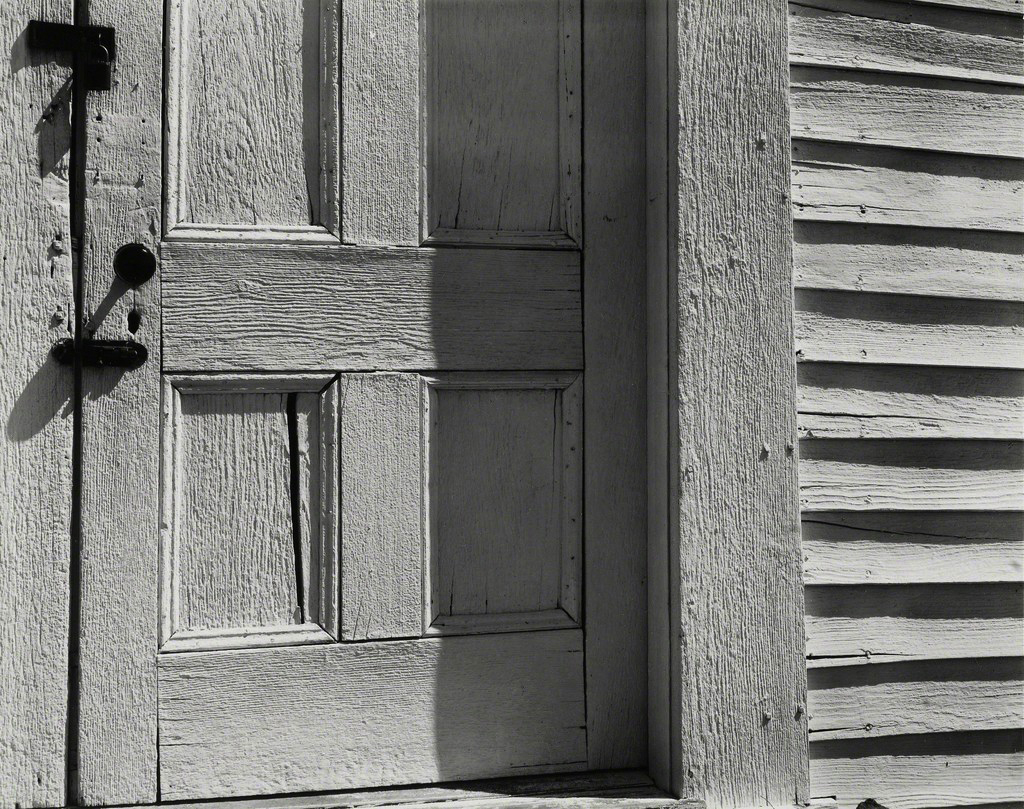
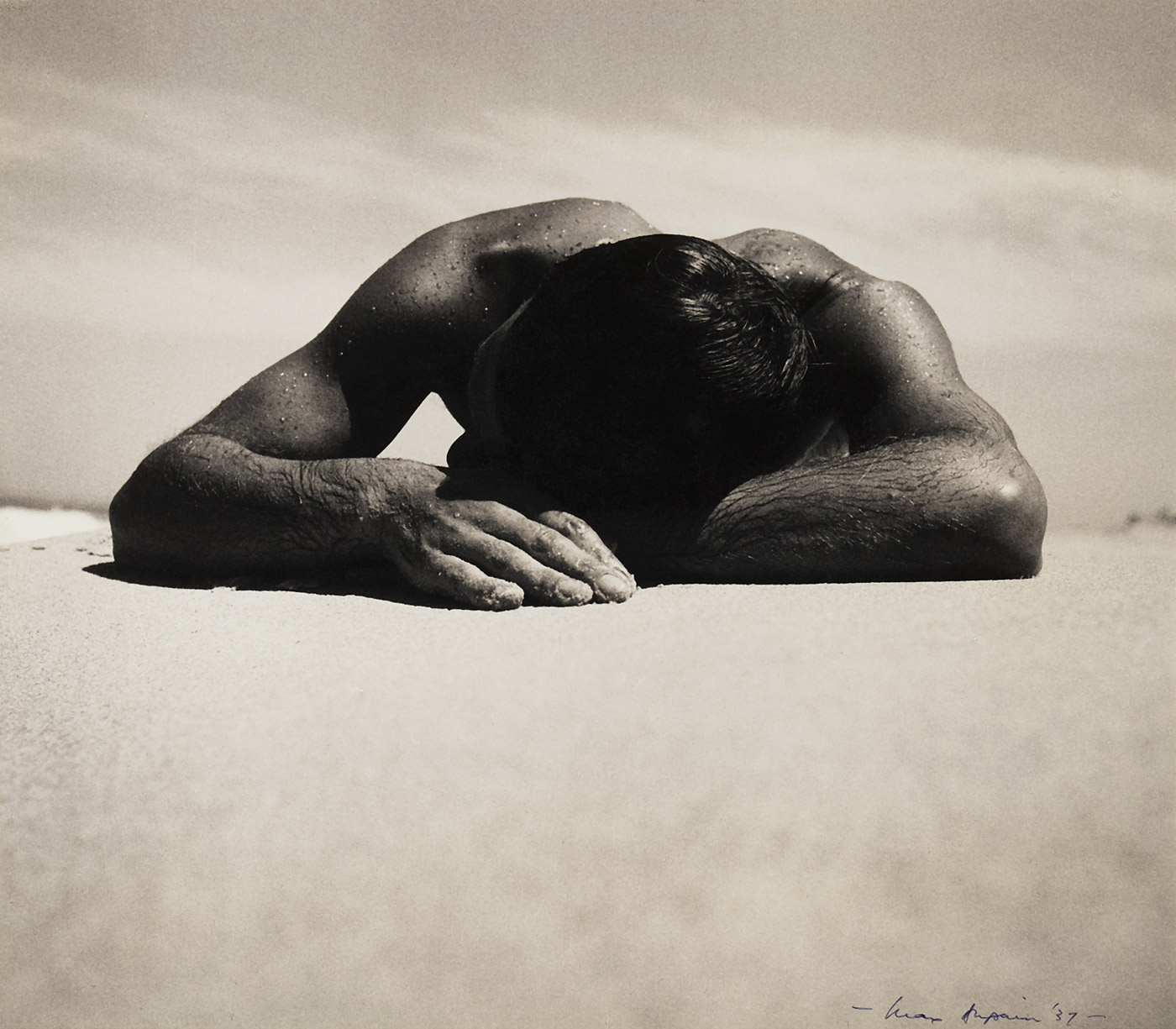


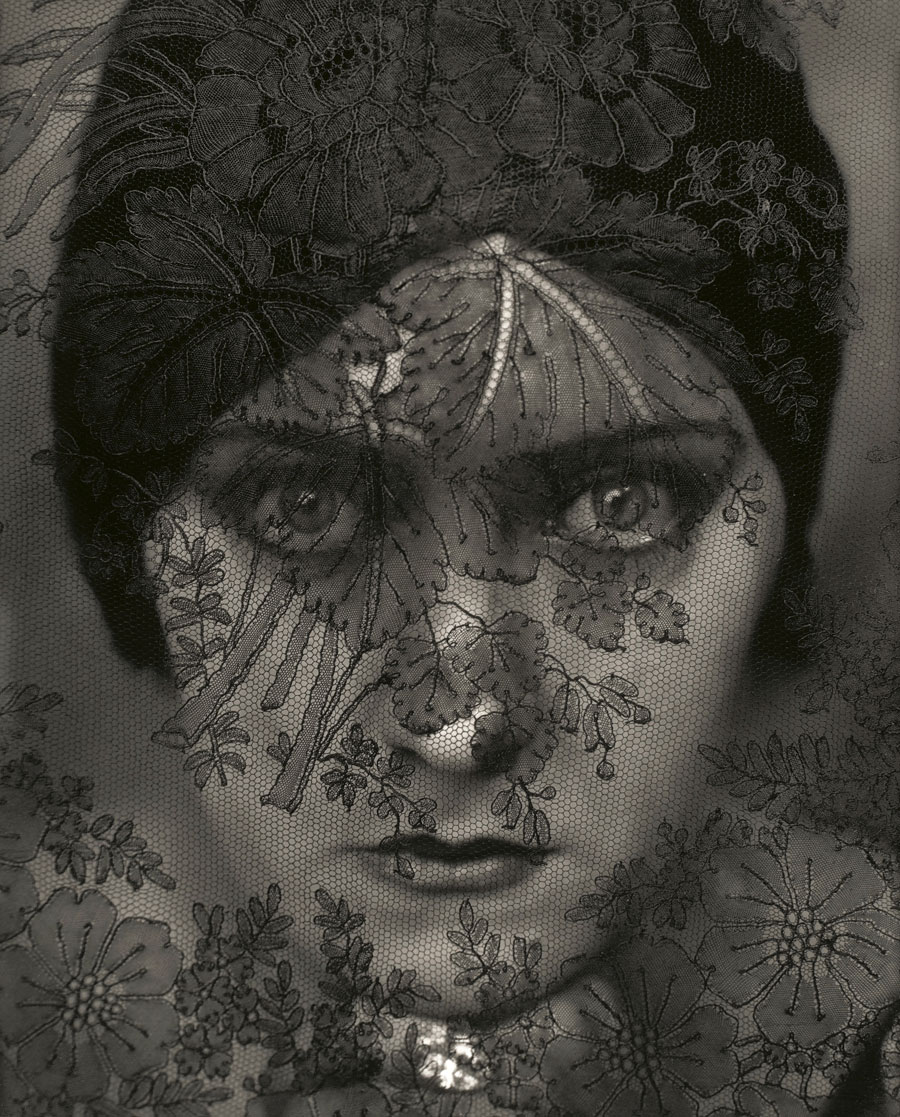
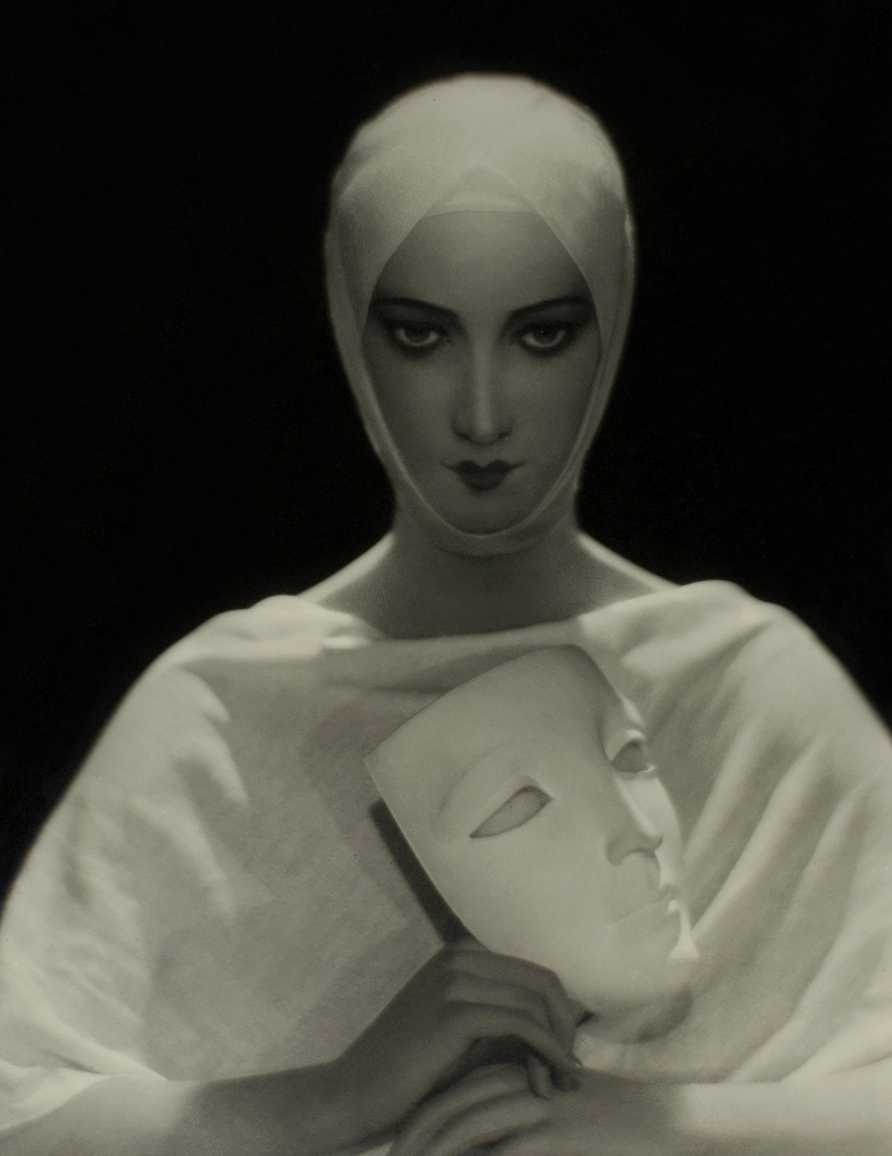
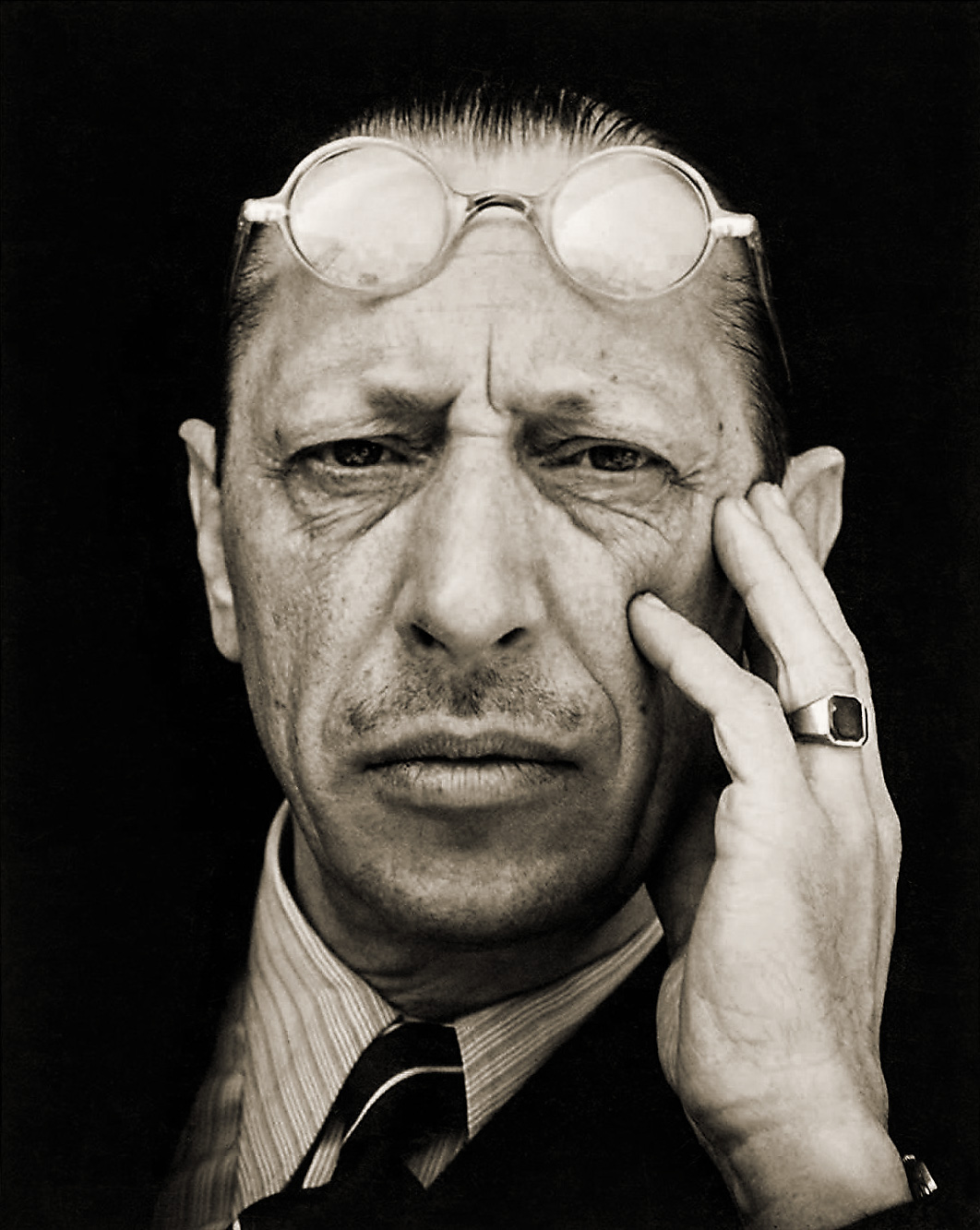


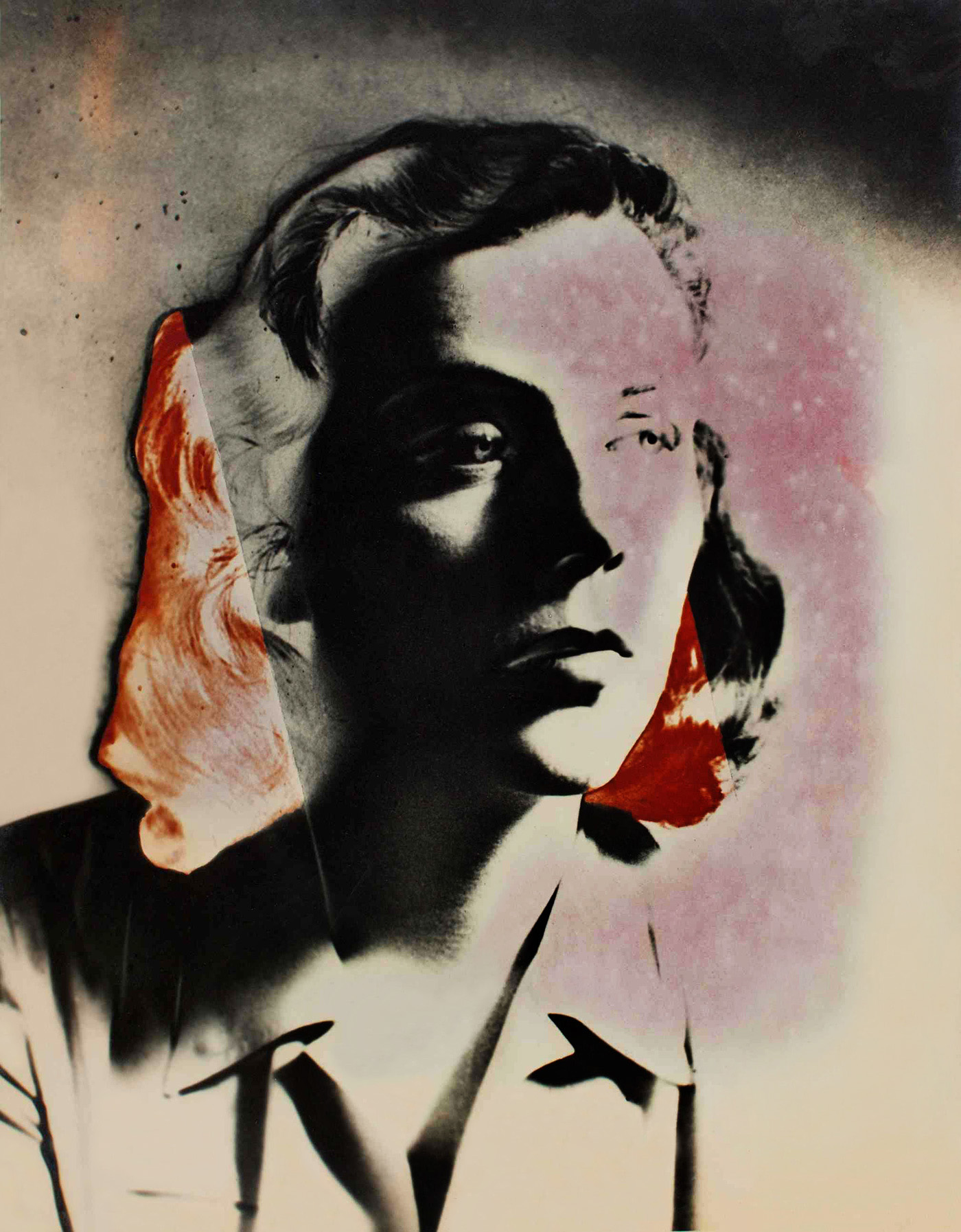


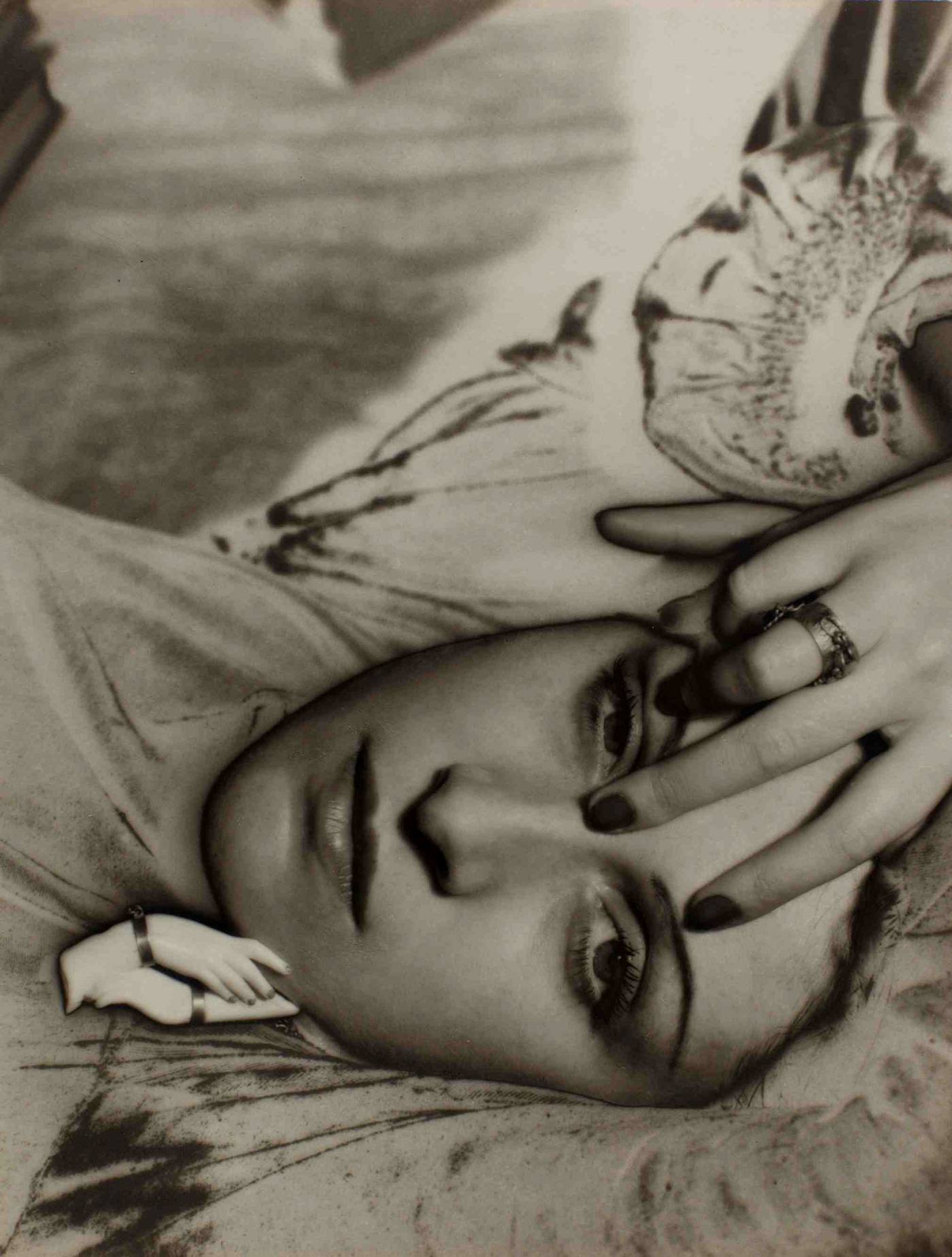

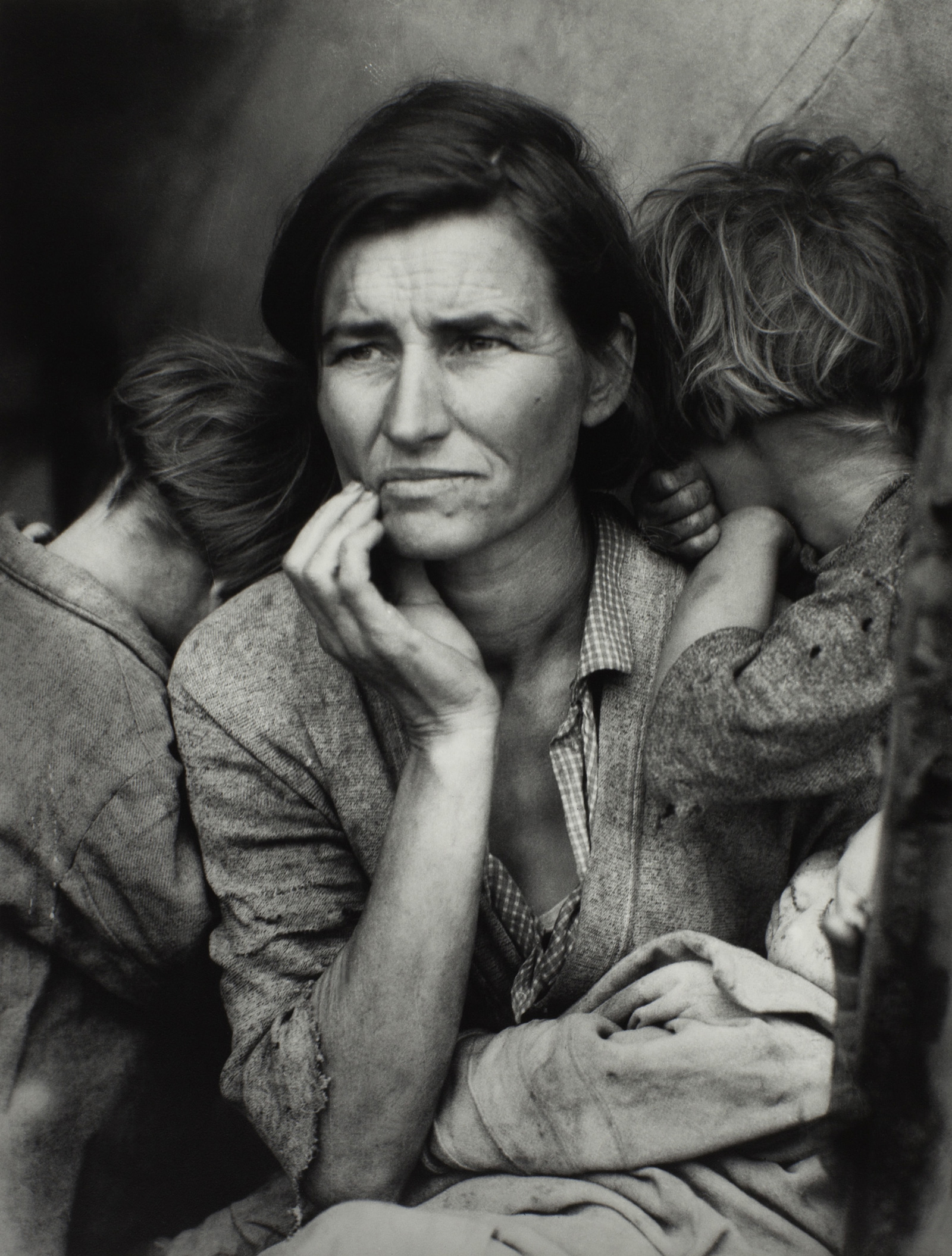
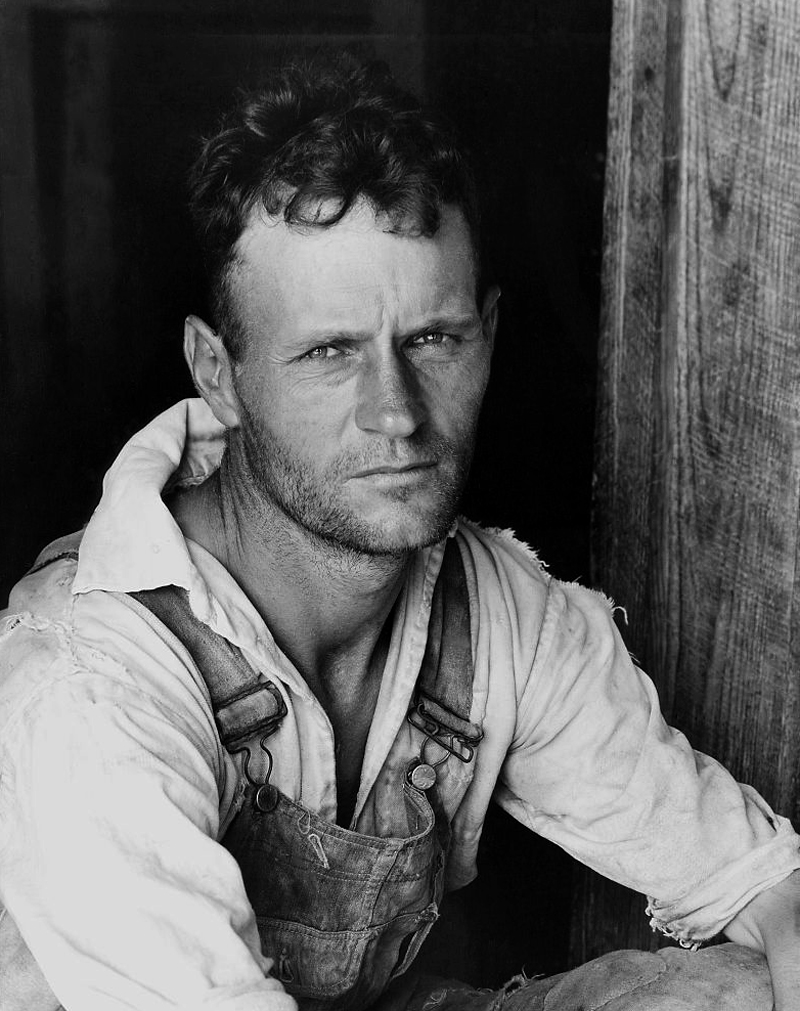


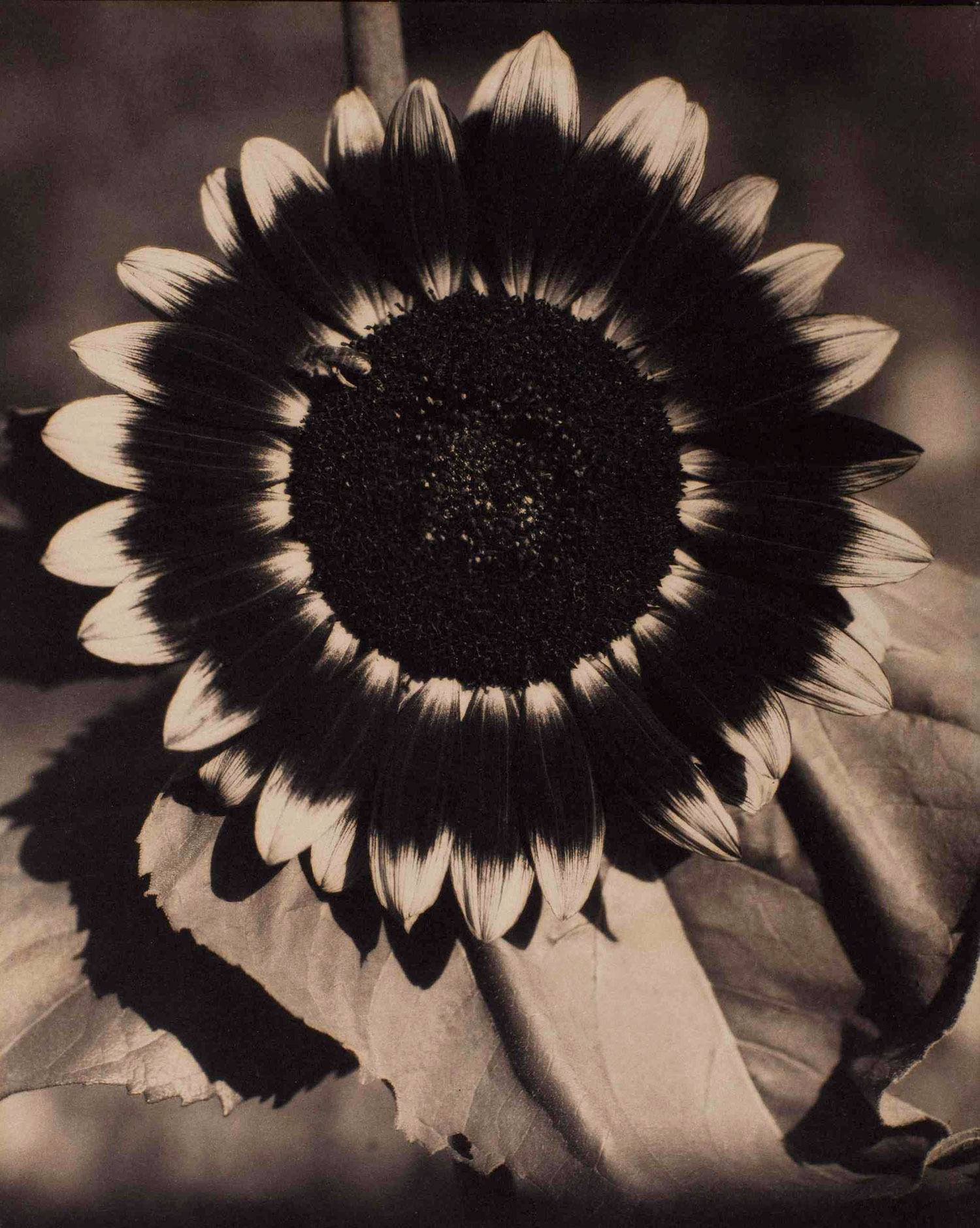


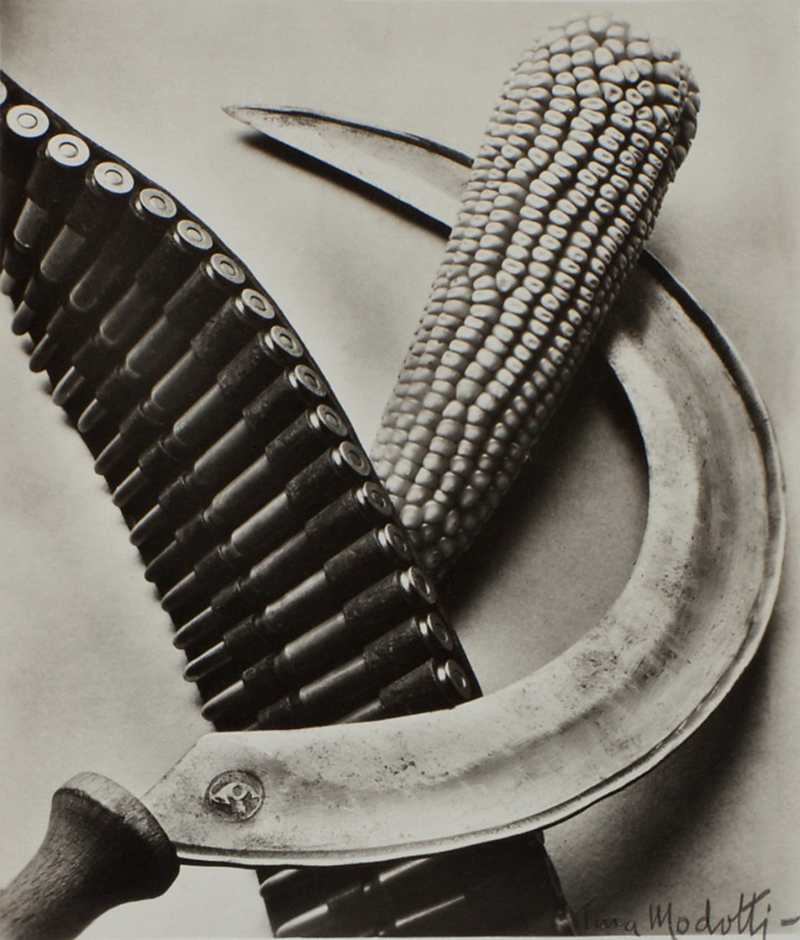


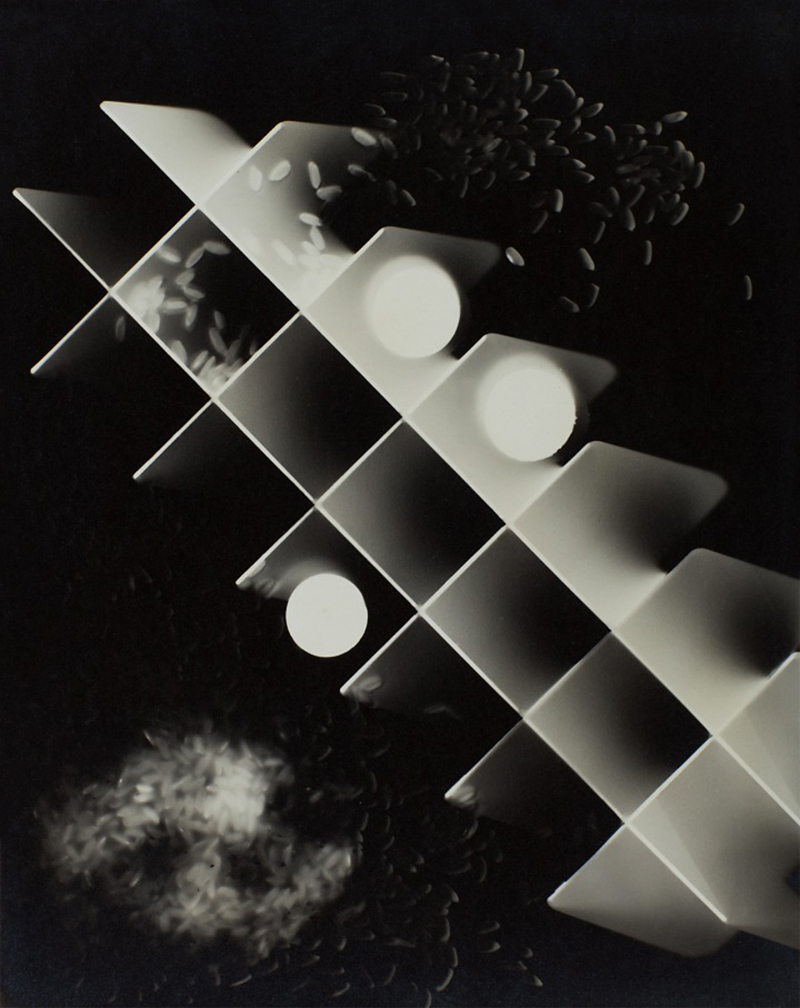
![Alfred Stieglitz (American, 1864-1946) 'Untitled [O'Keeffe with sketchpad and watercolors]' 1918 from the exhibition 'Georgia O'Keeffe' at Tate Modern, London, July - Oct, 2016](https://artblart.com/wp-content/uploads/2016/10/georgia_okeeffe_by_stieglitz_1918-web.jpg "Alfred Stieglitz (American, 1864-1946) 'Untitled [O'Keeffe with sketchpad and watercolors]' 1918 from the exhibition 'Georgia O'Keeffe' at Tate Modern, London, July - Oct, 2016")
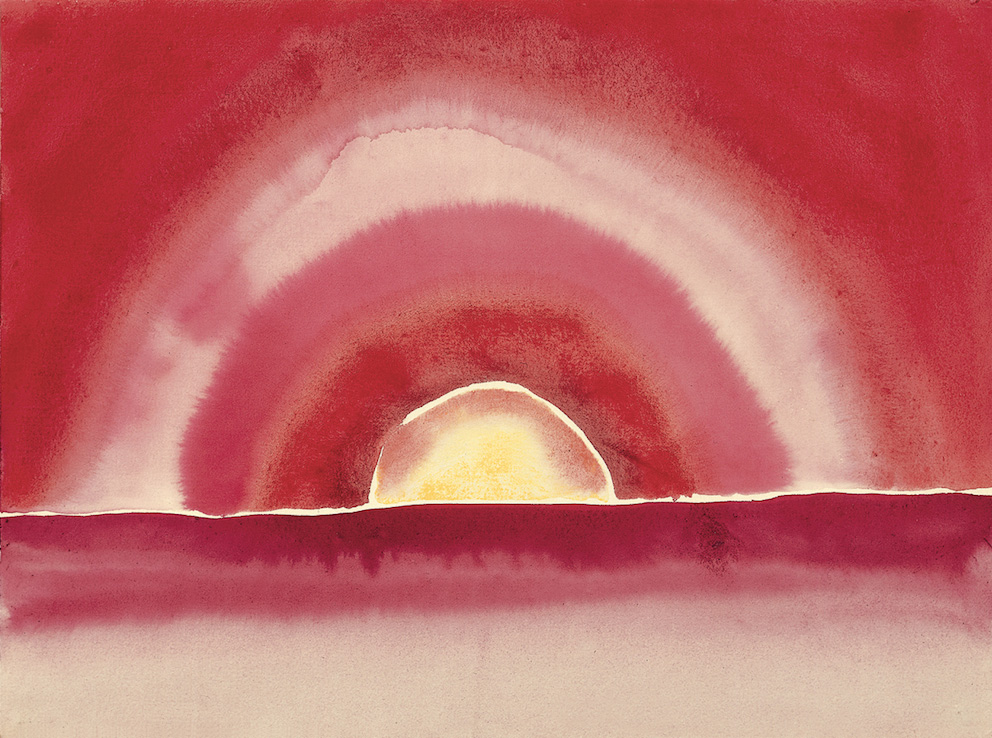

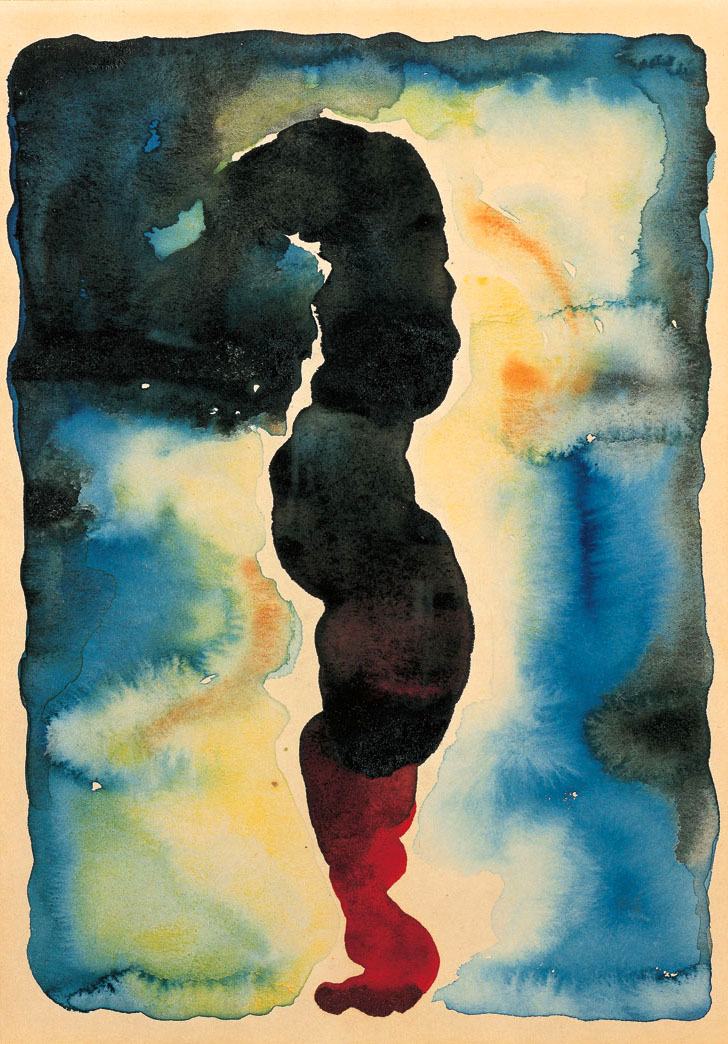
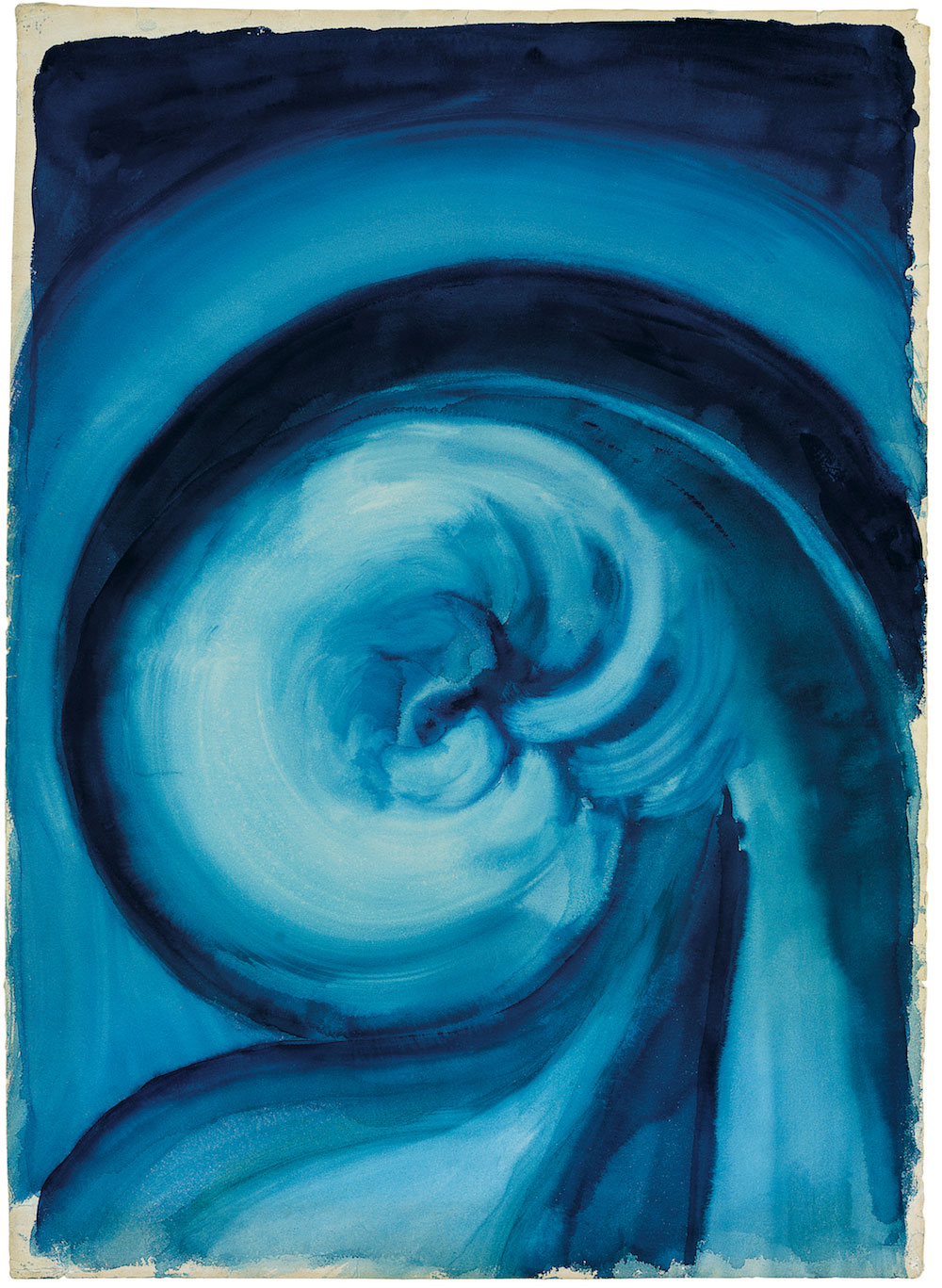


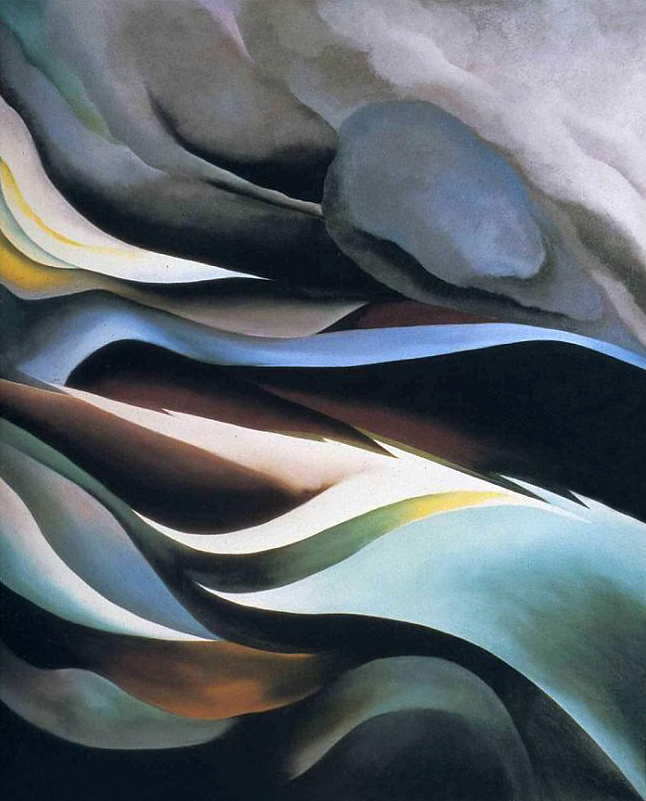

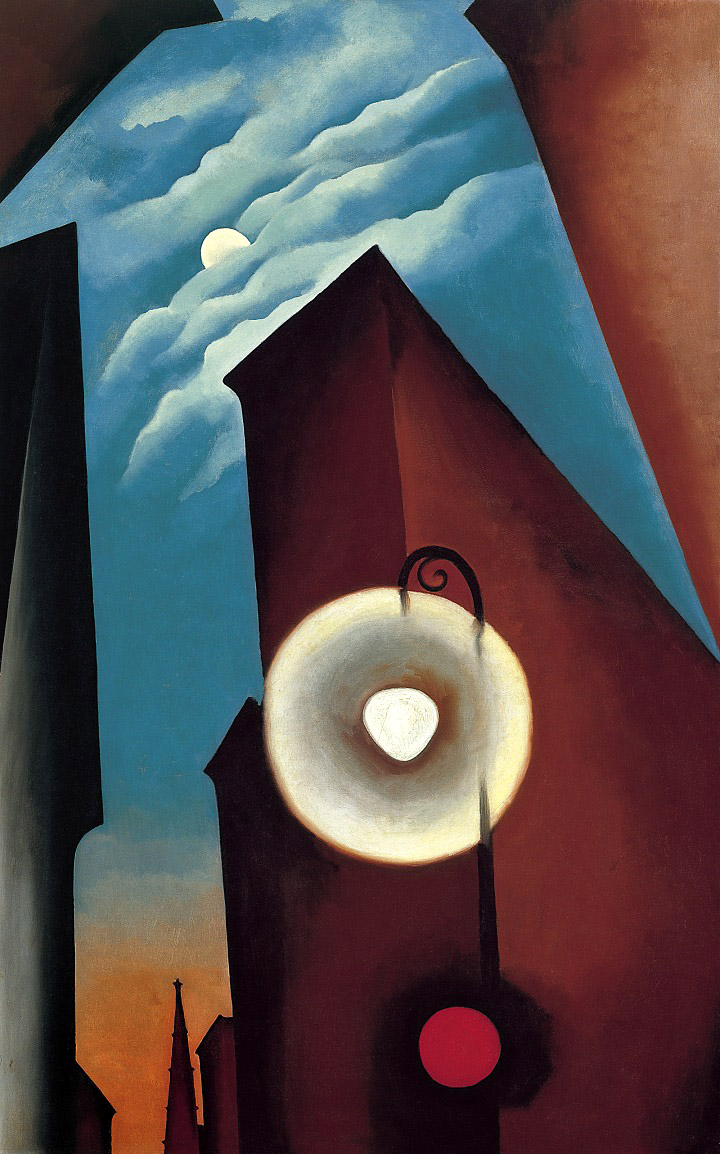
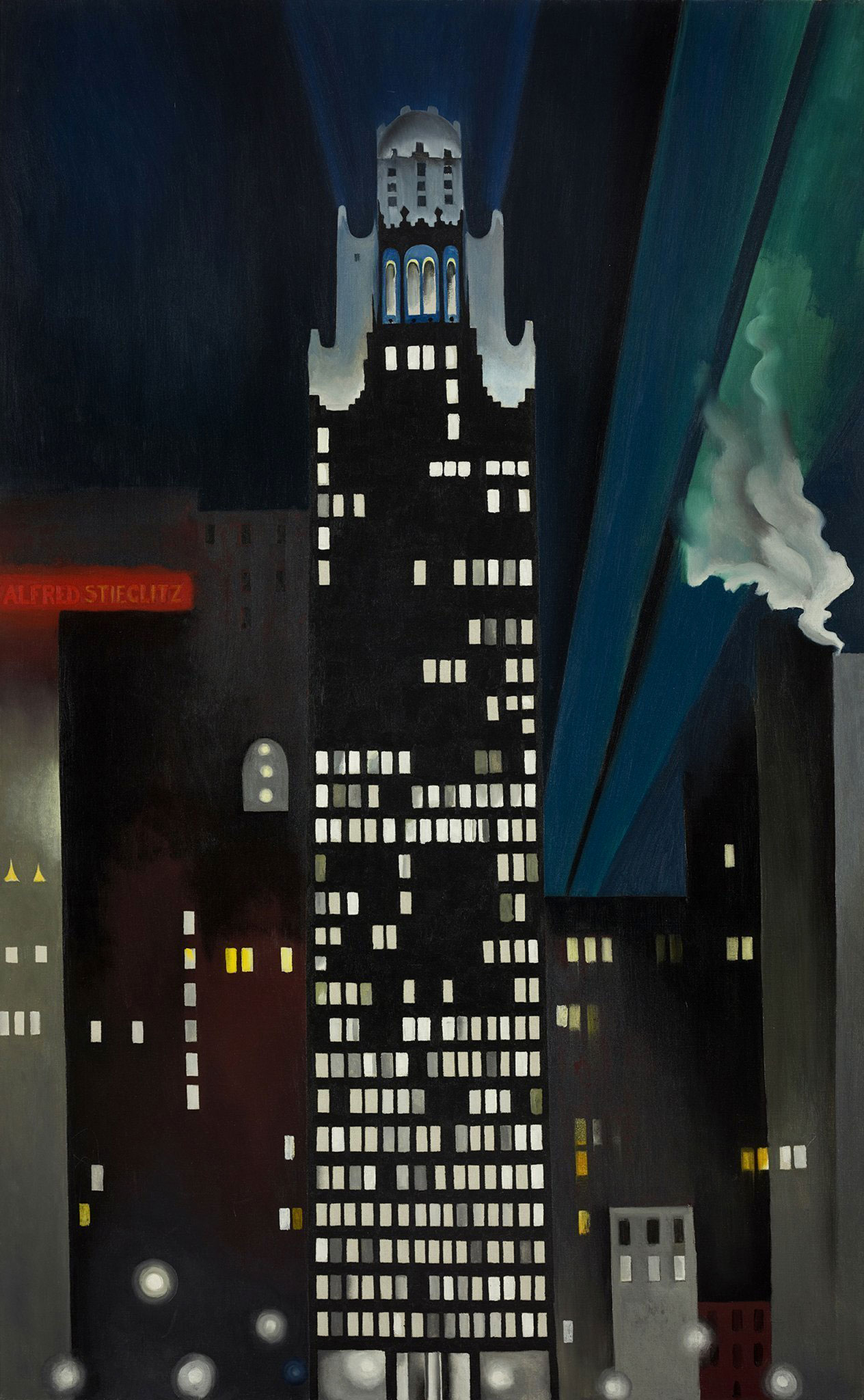

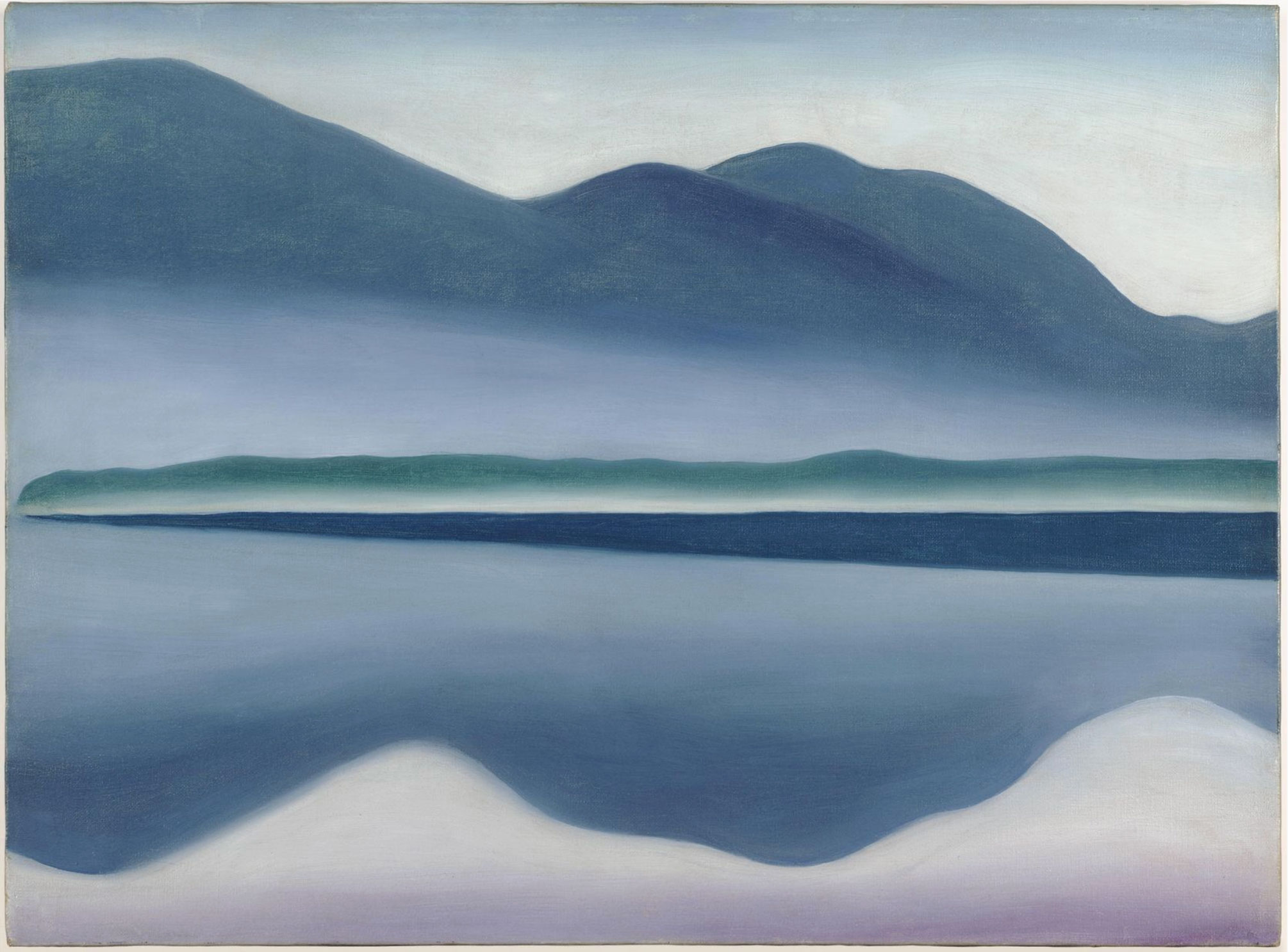
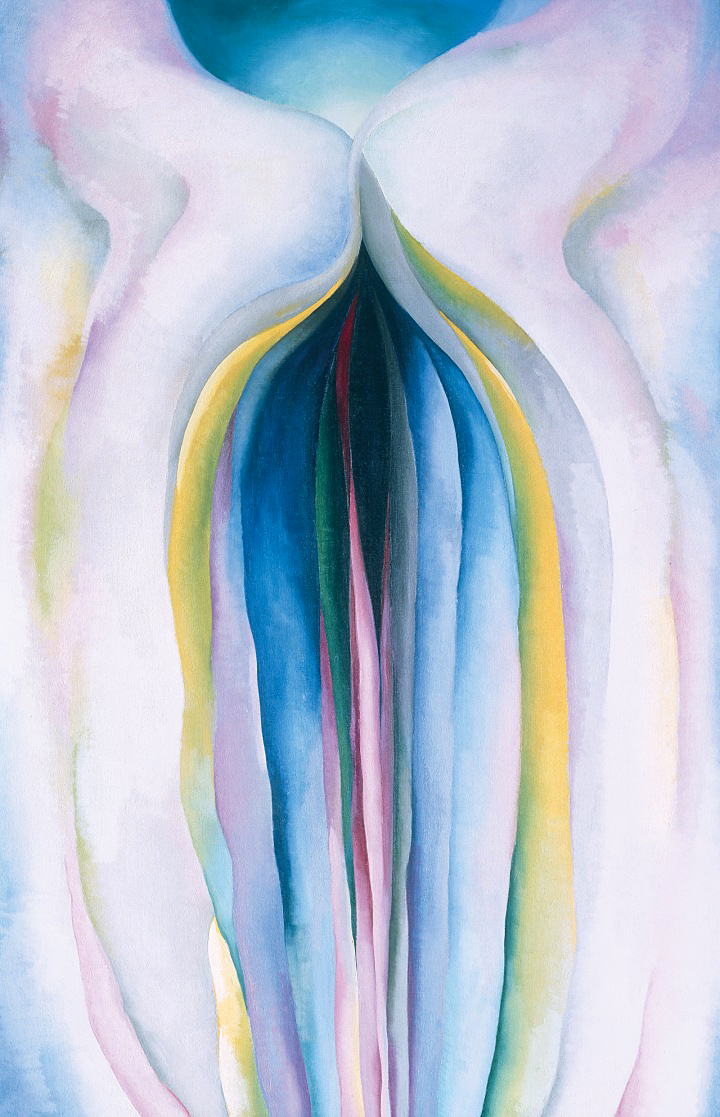

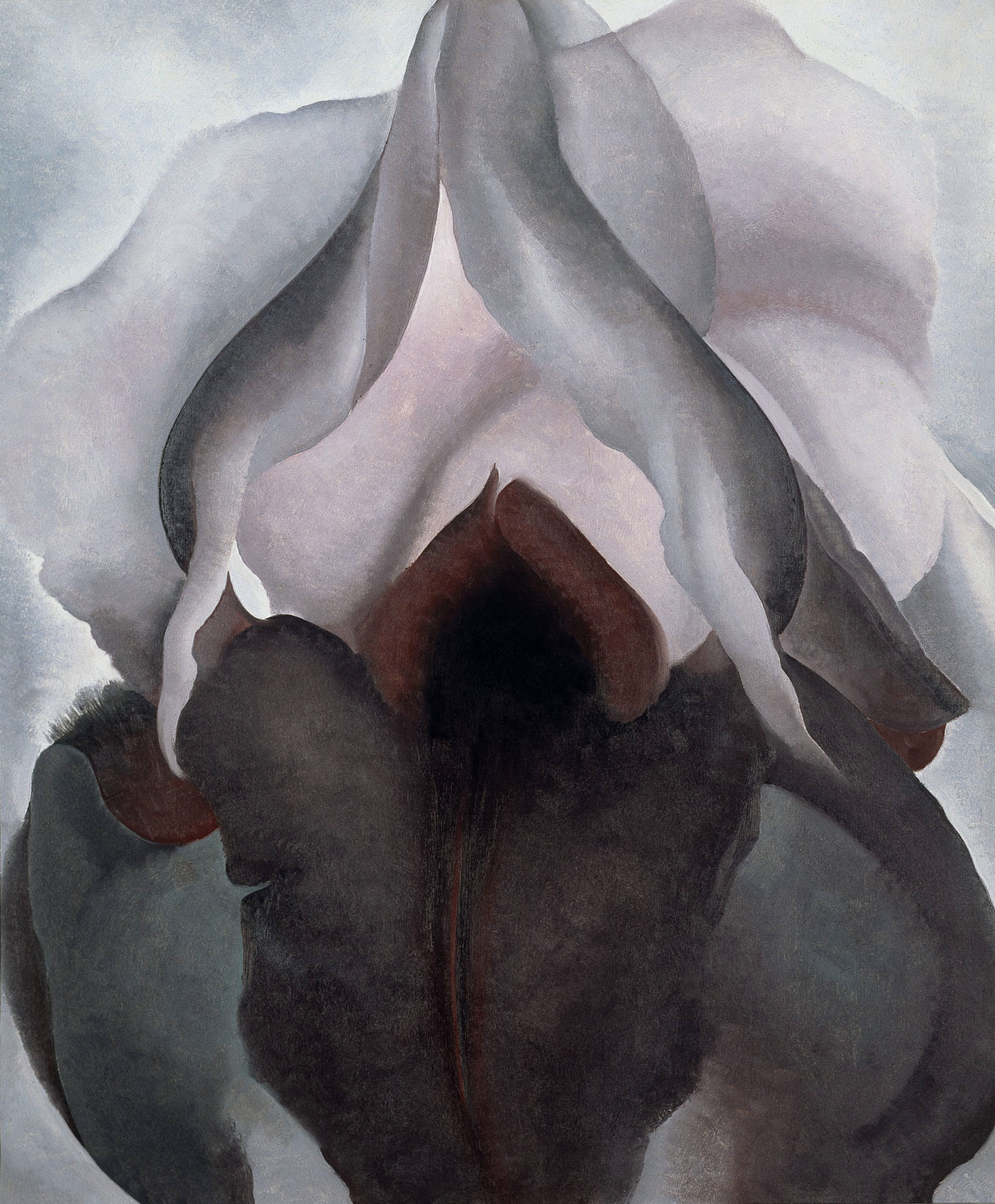
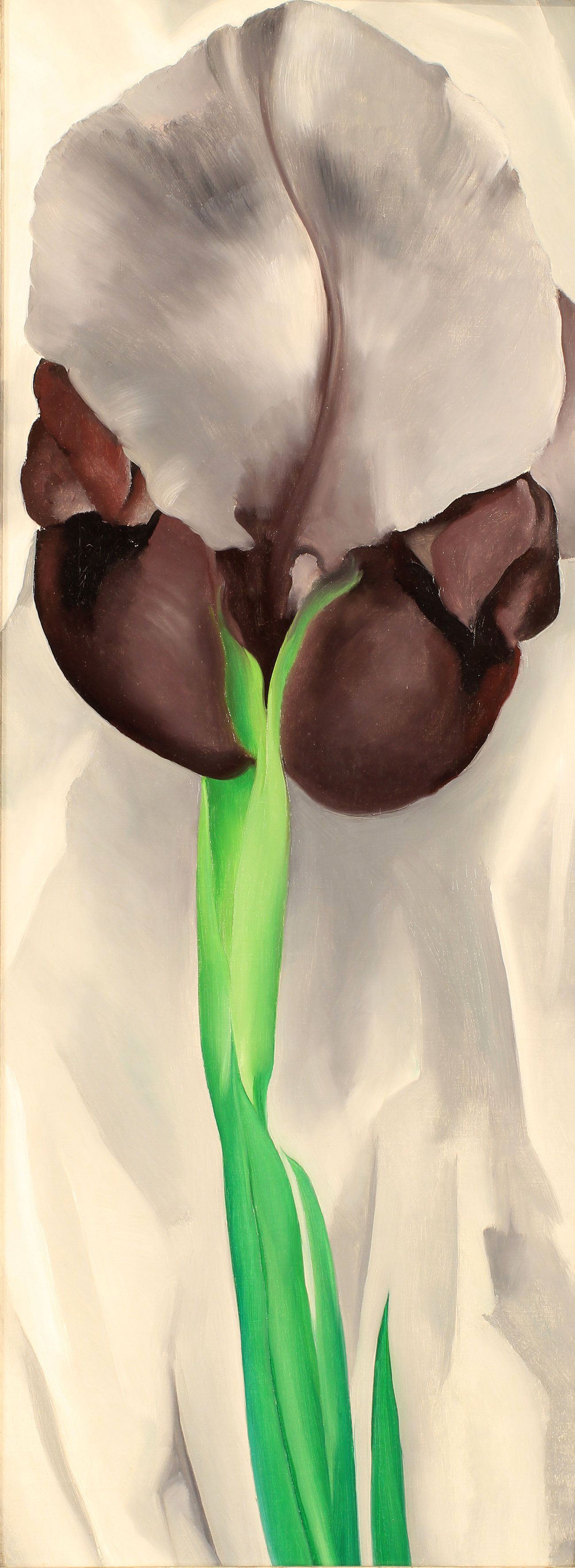

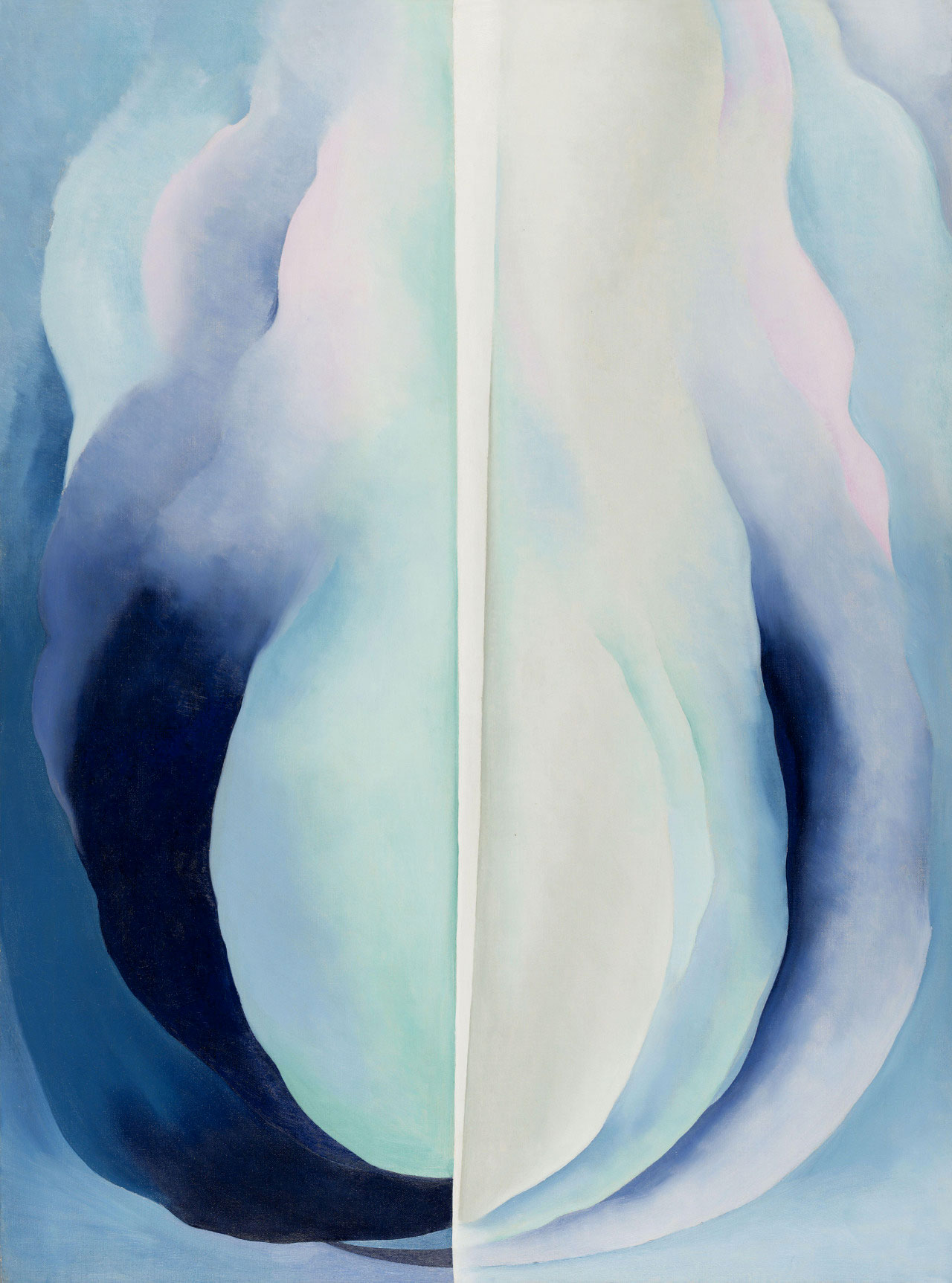

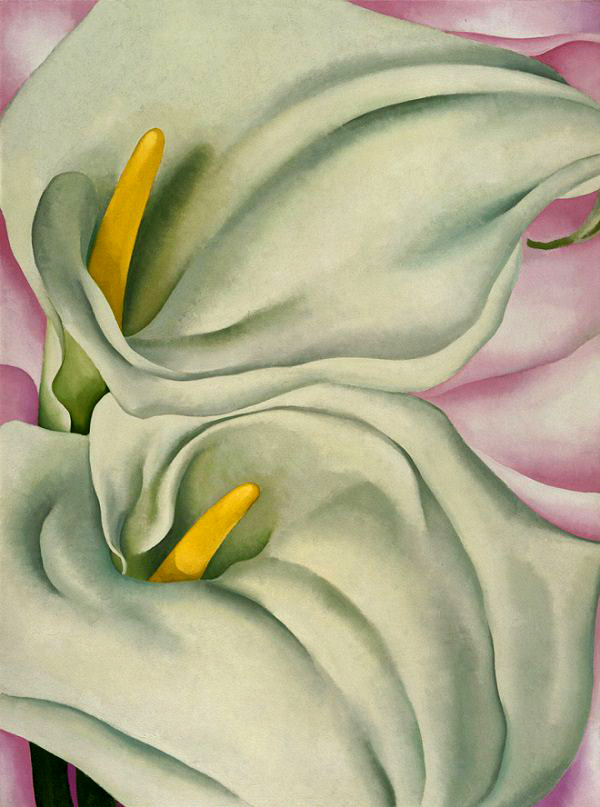

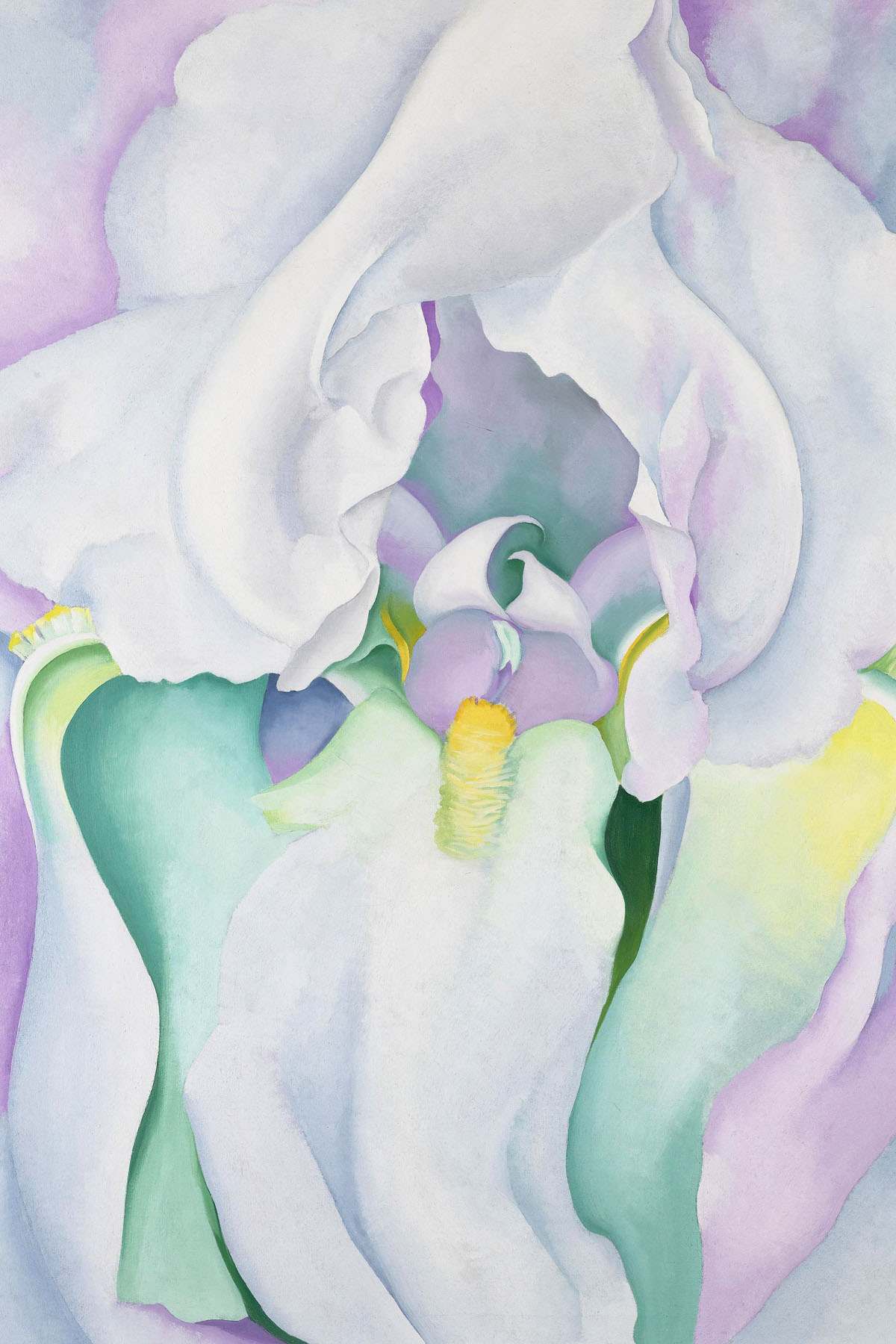
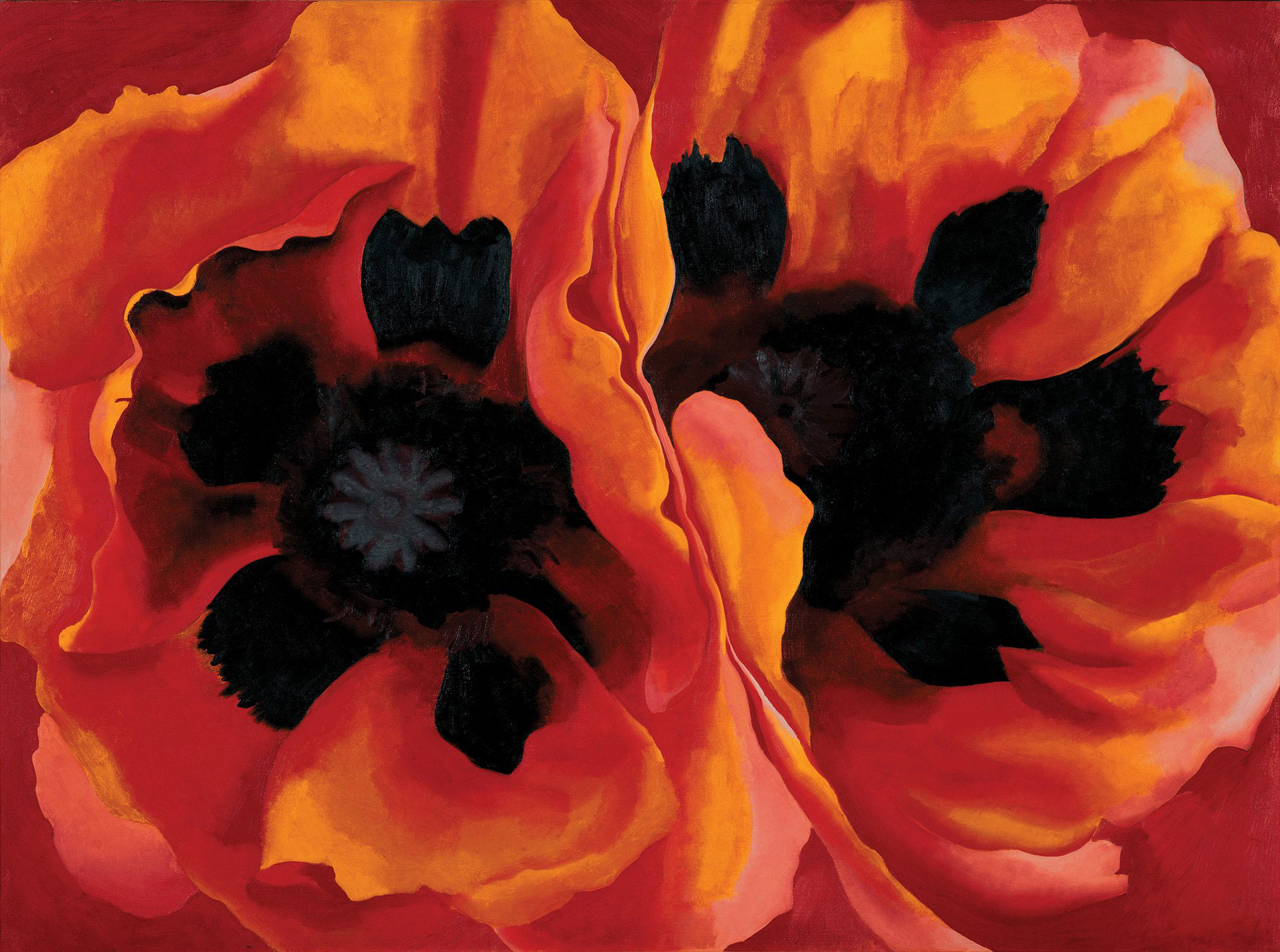
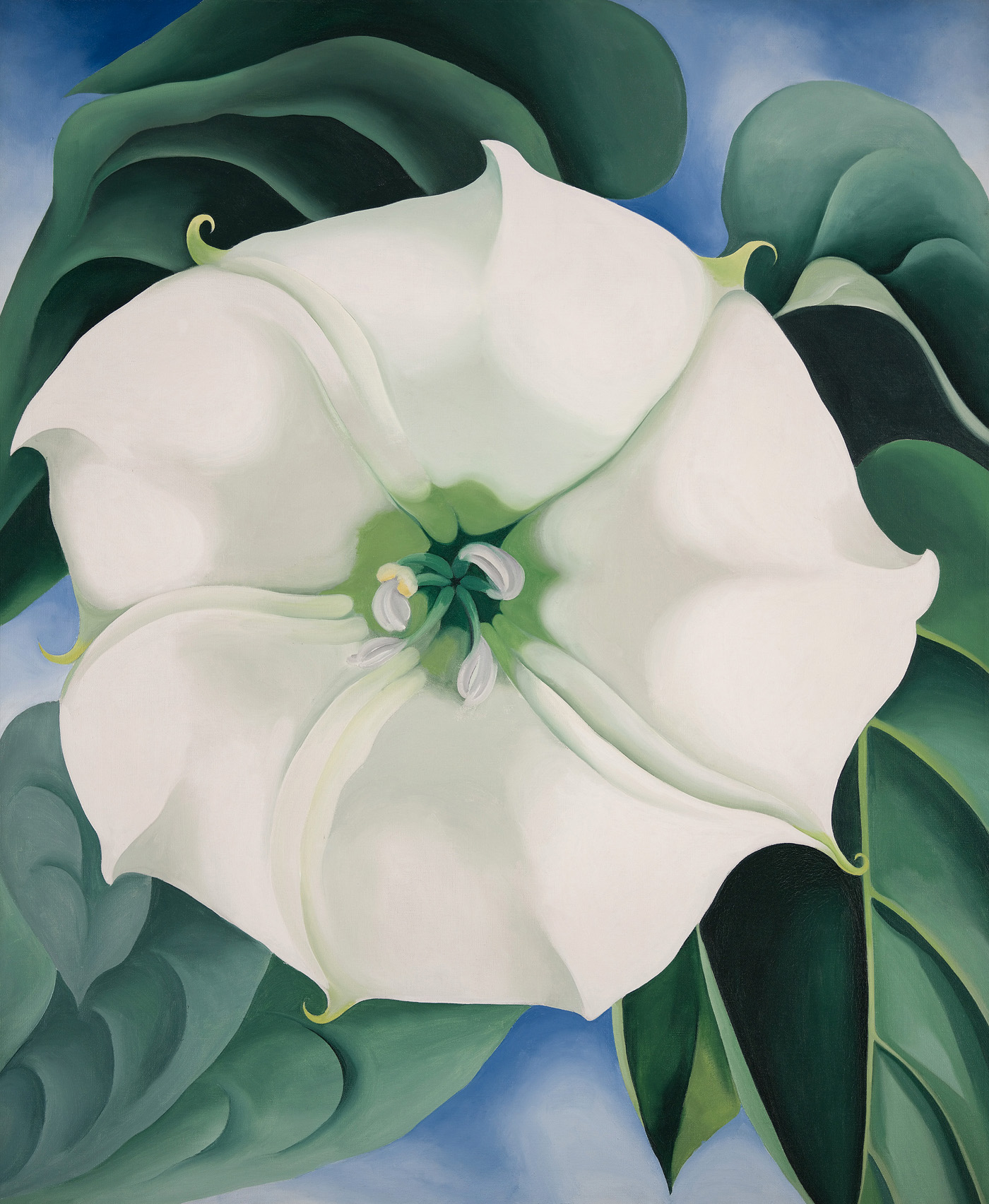
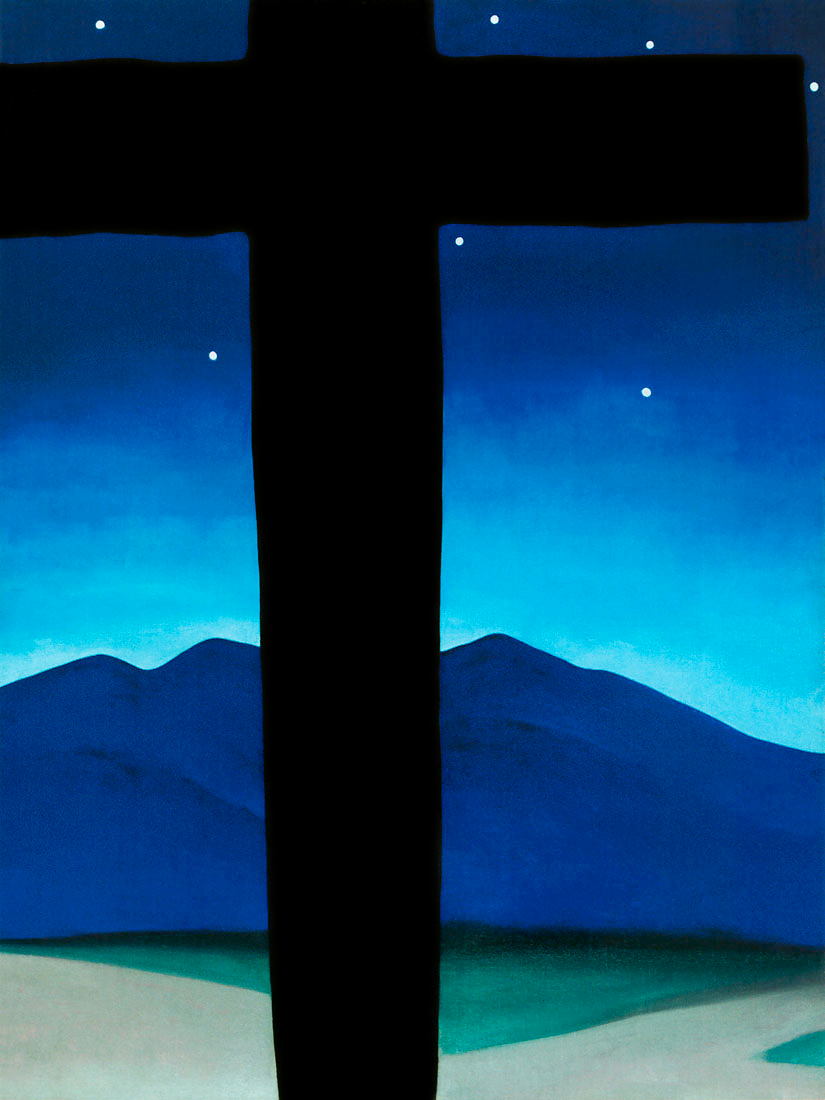
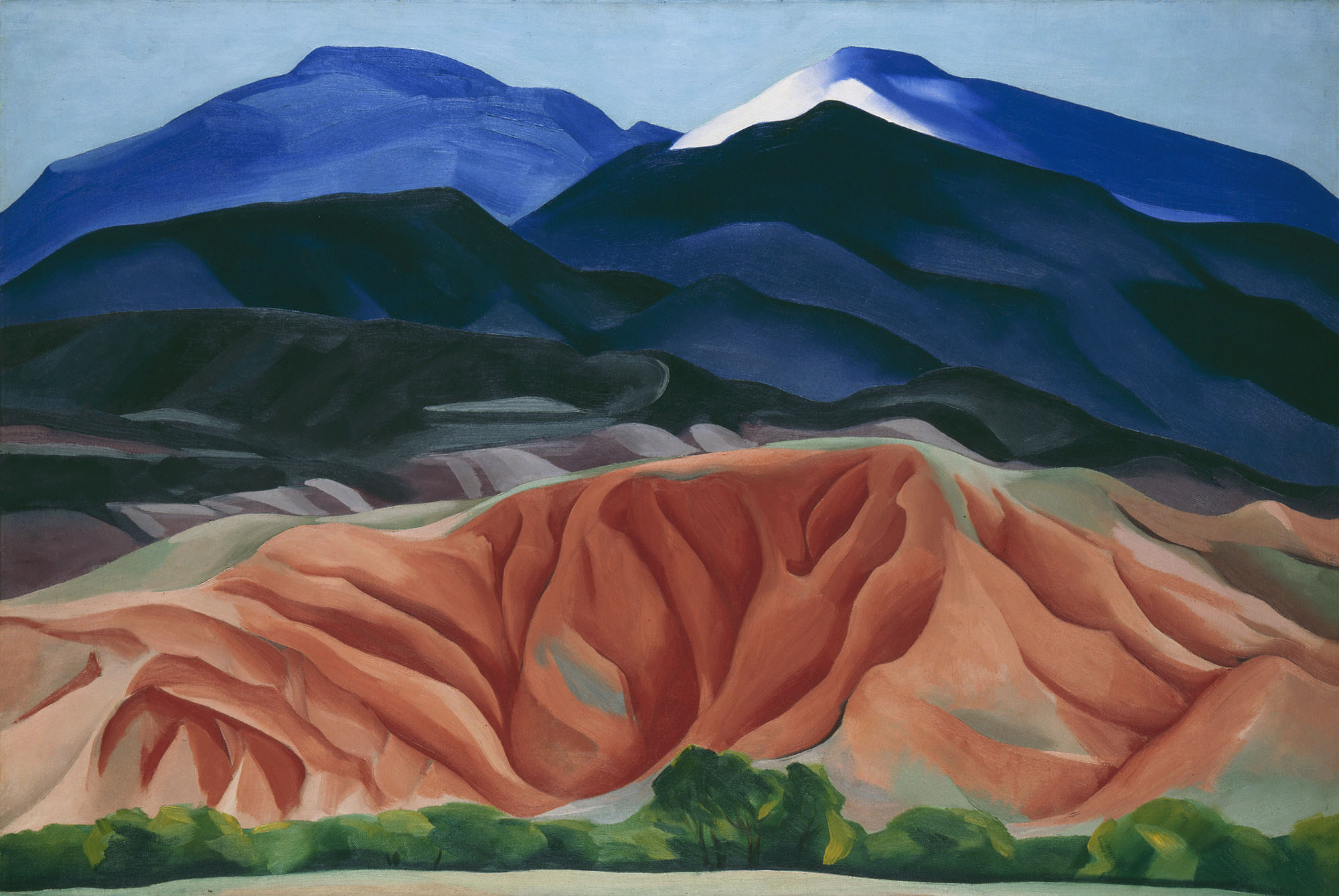
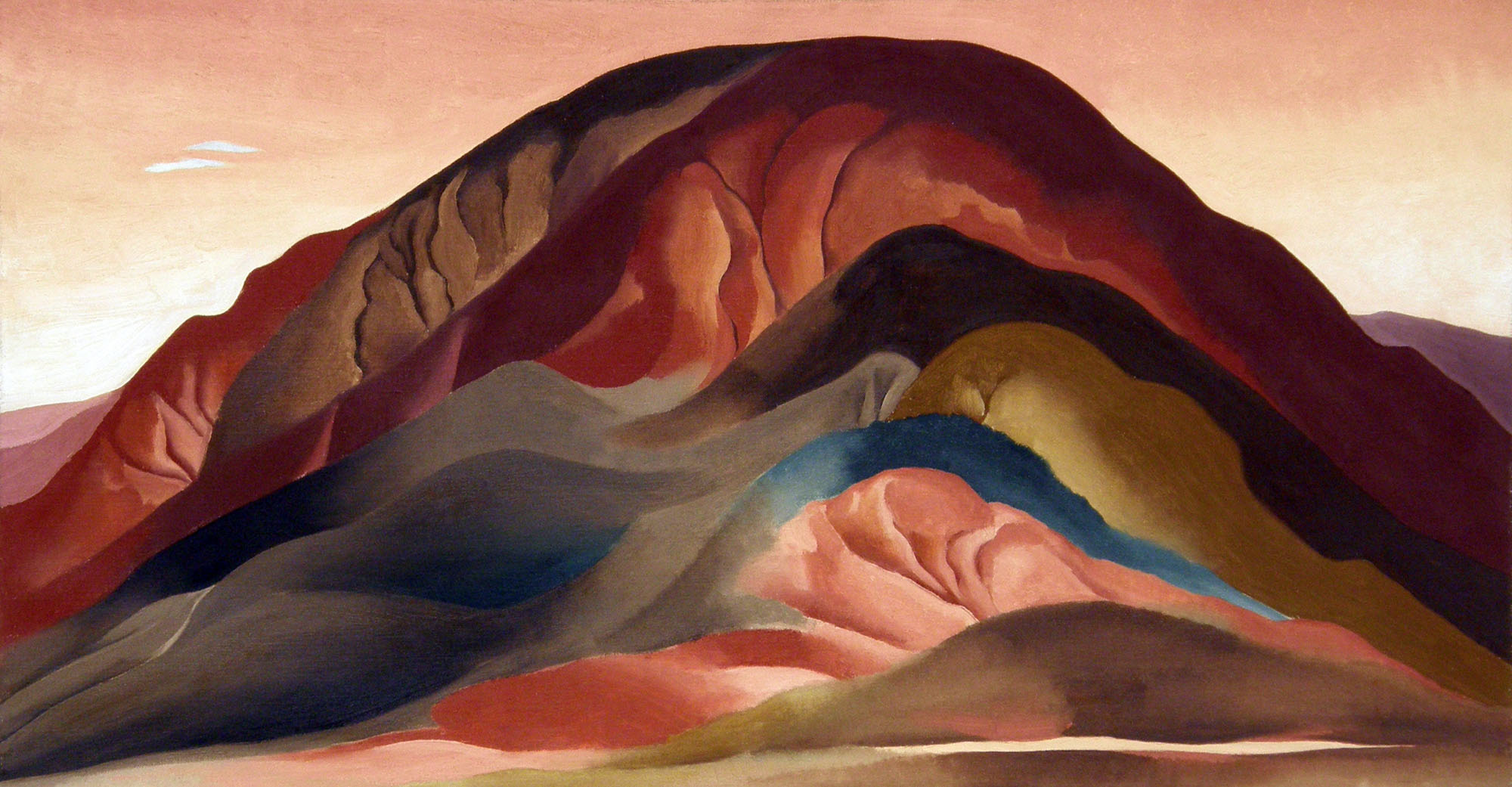
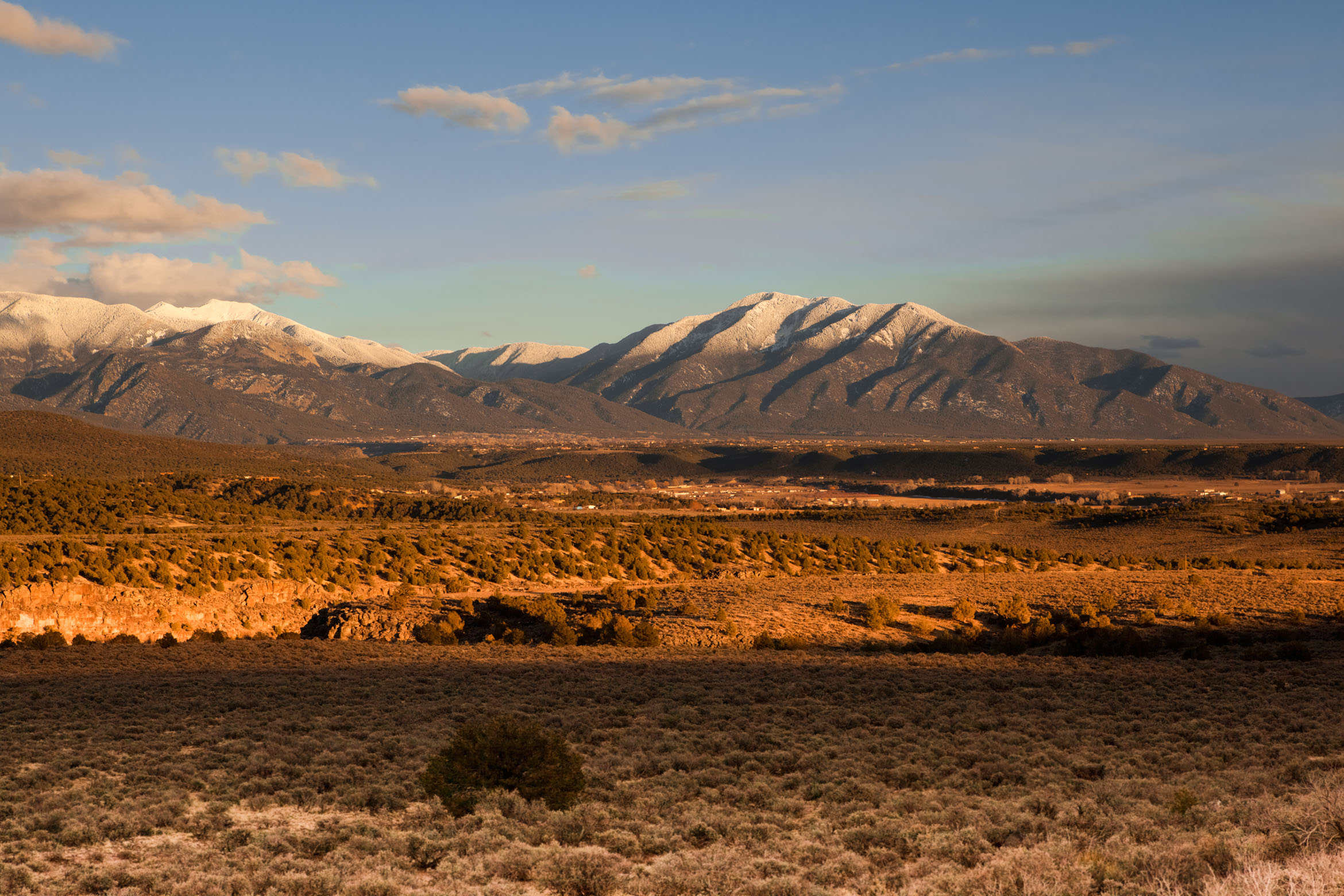
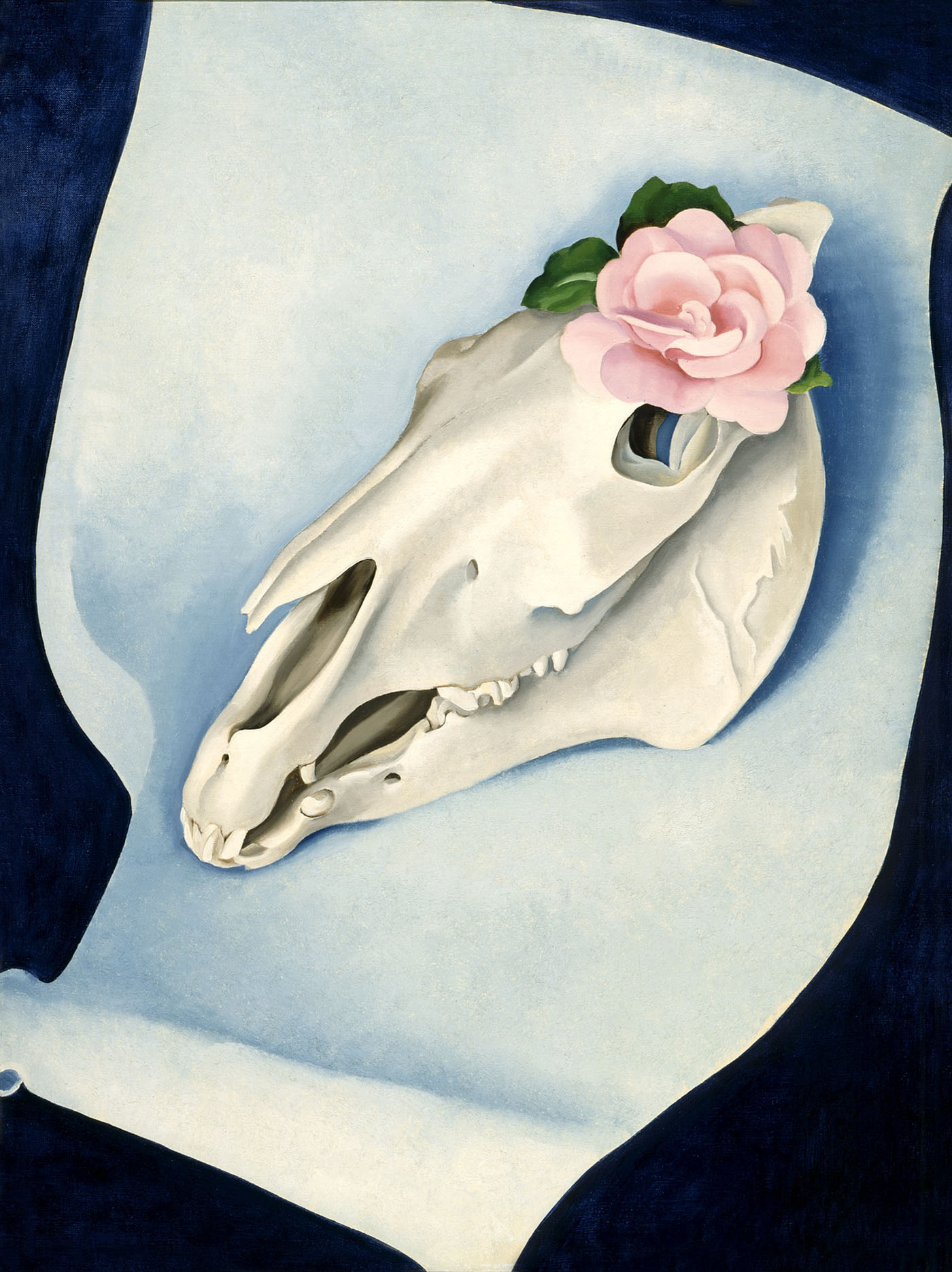
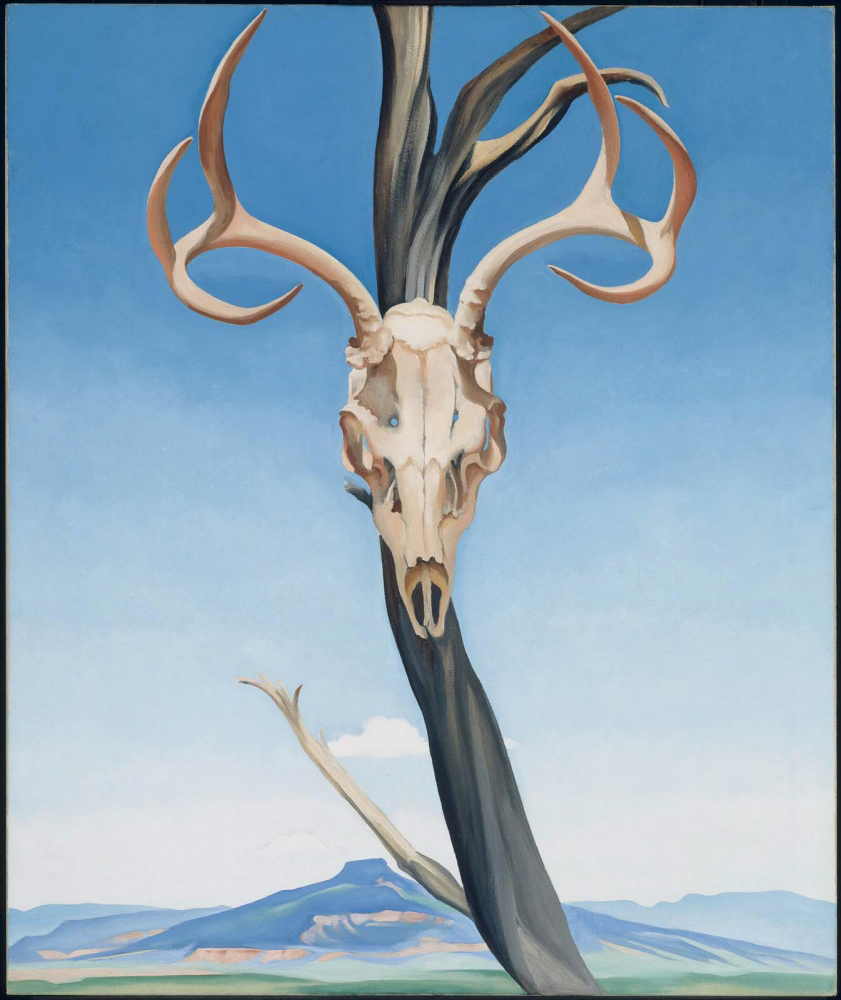
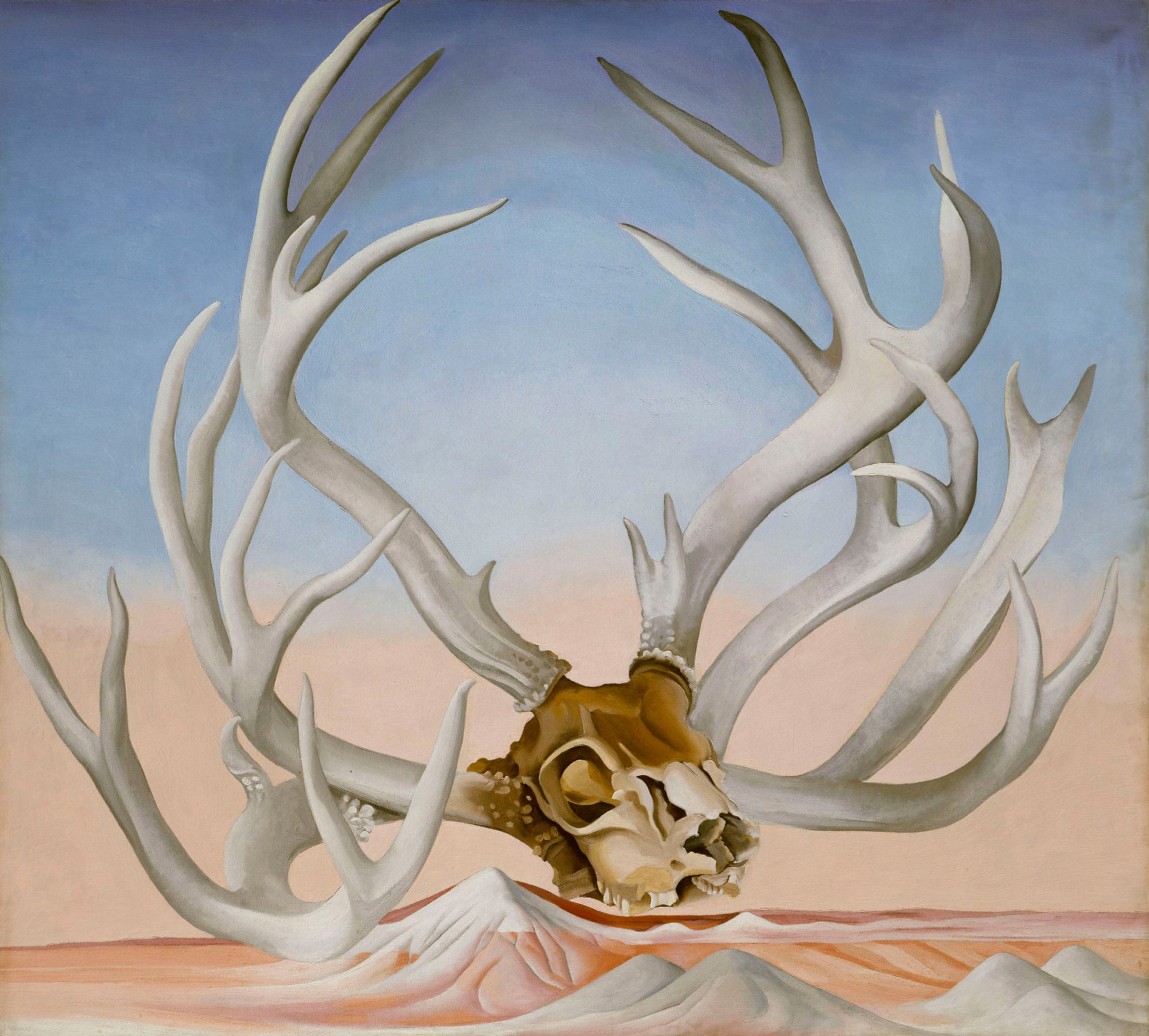
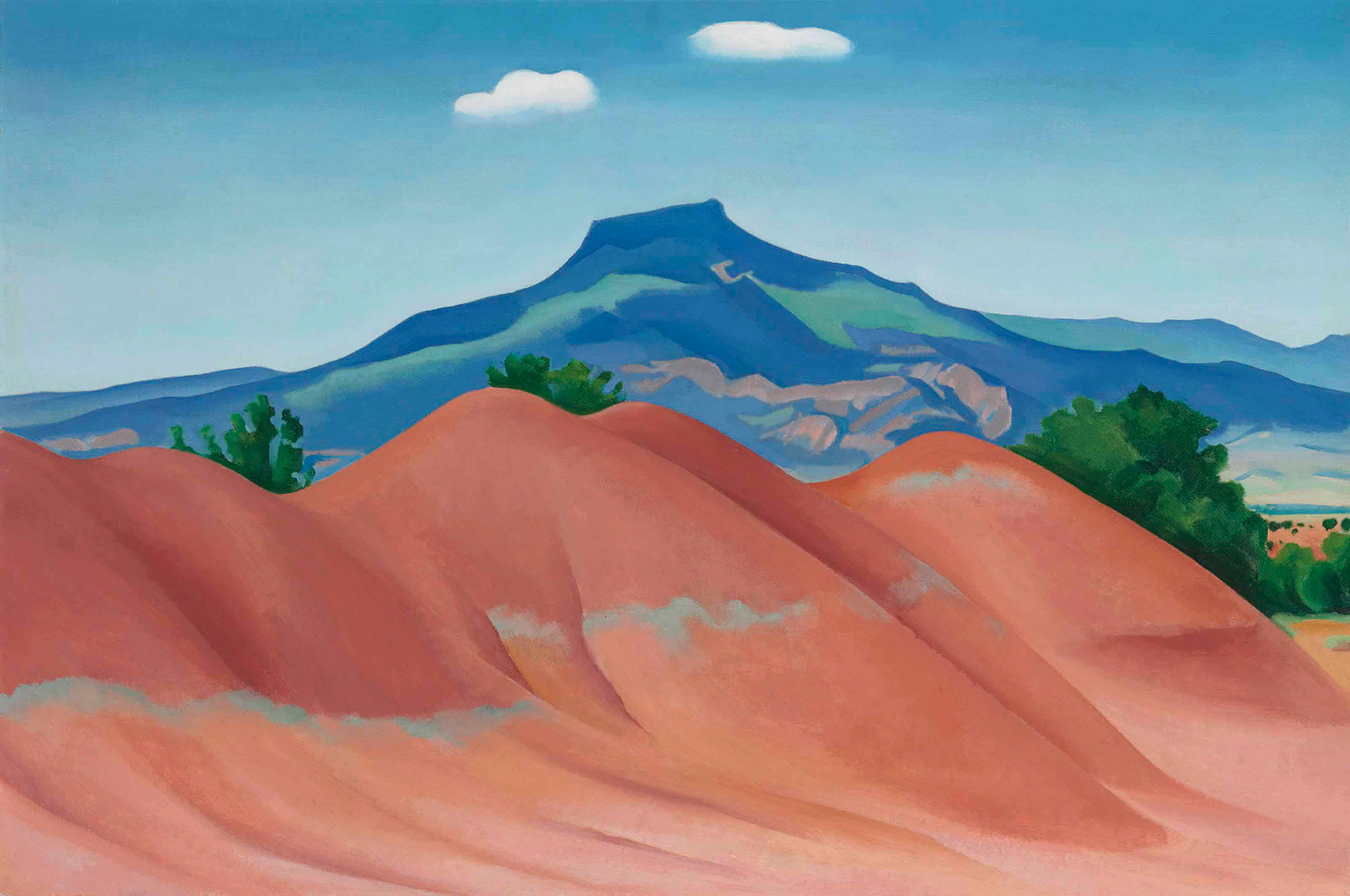
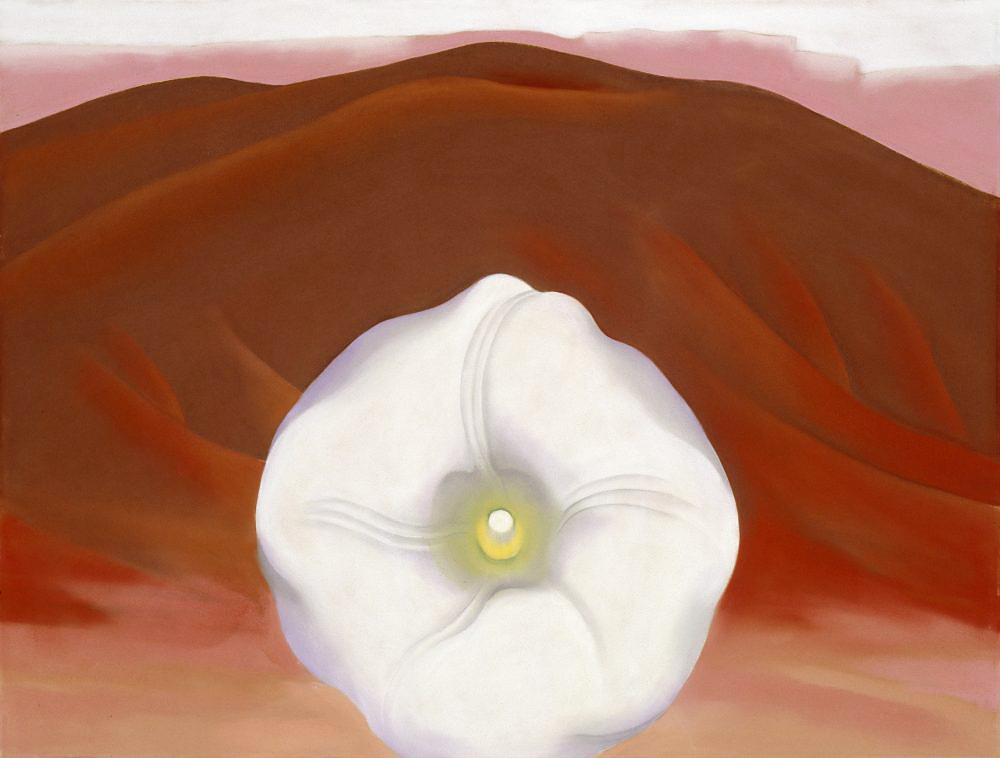
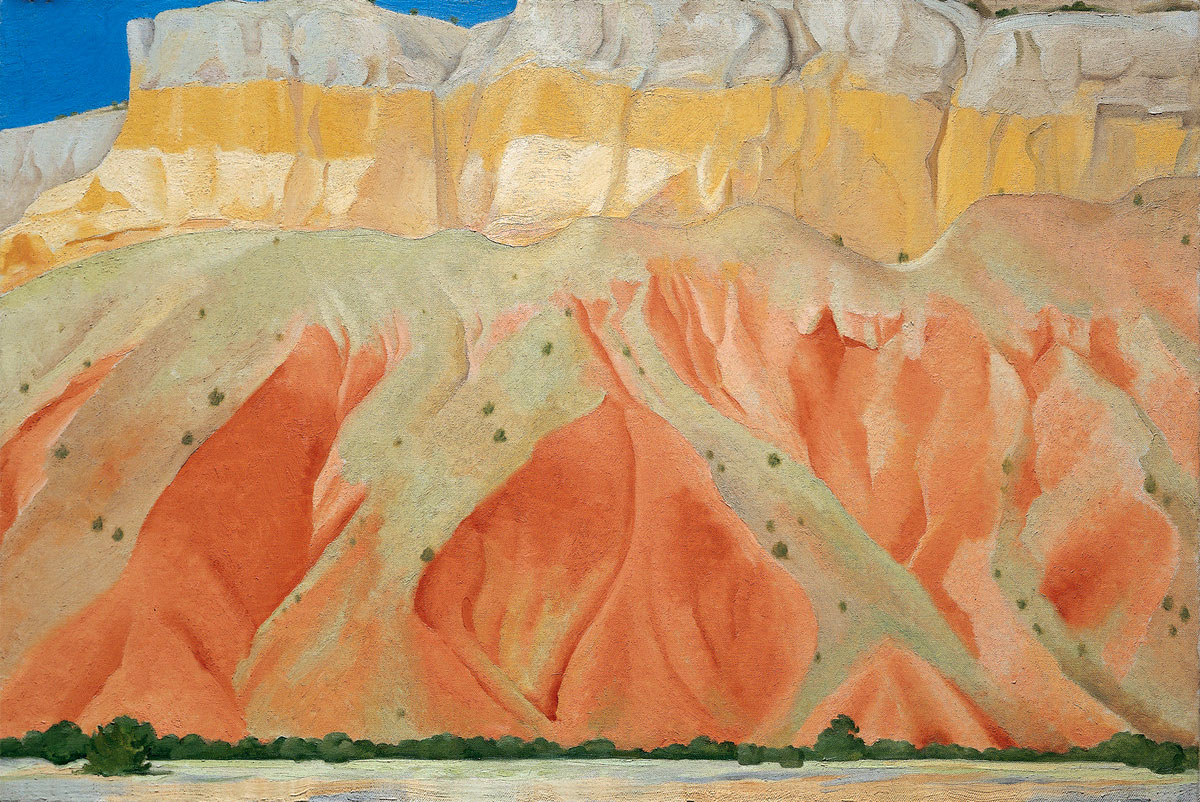
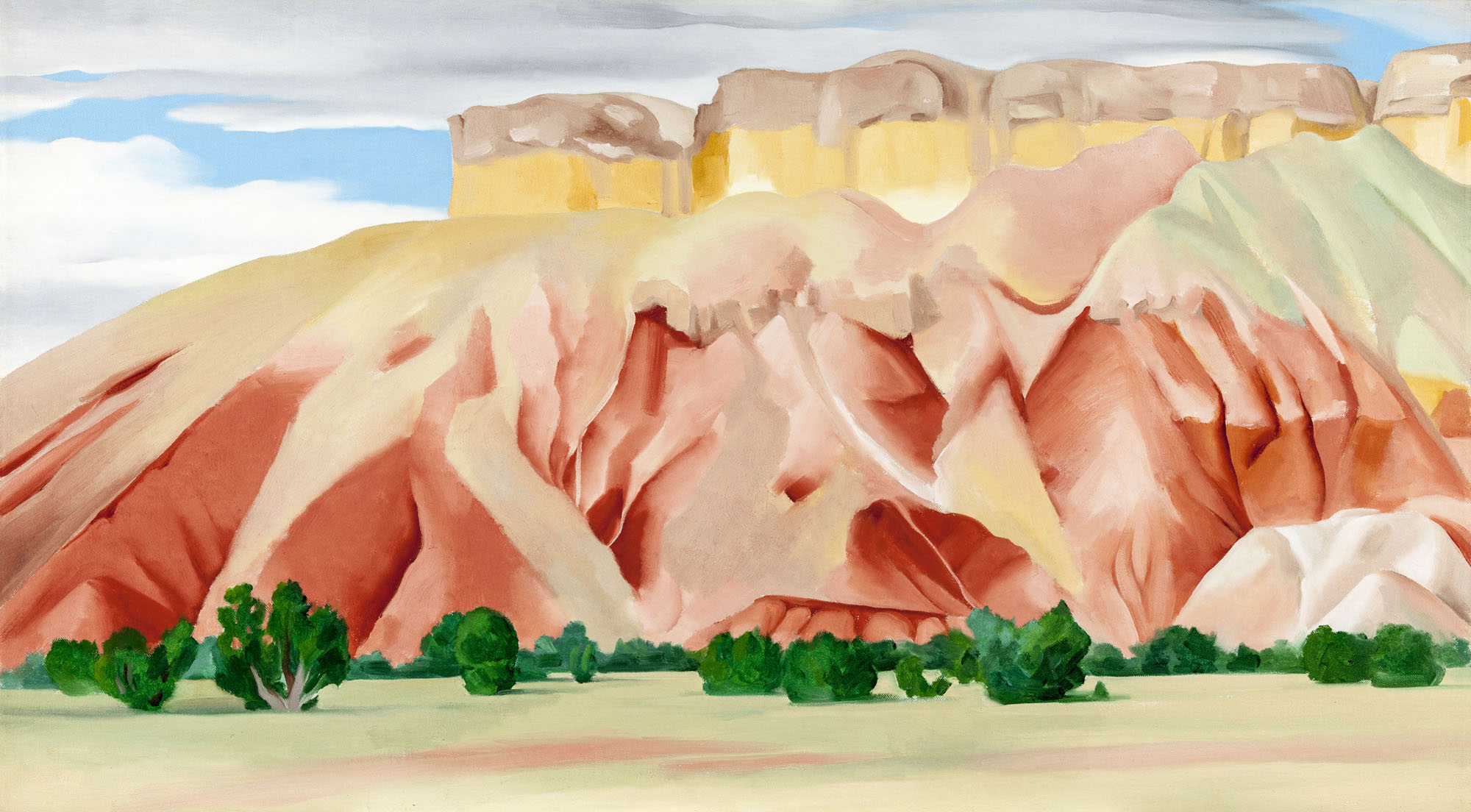
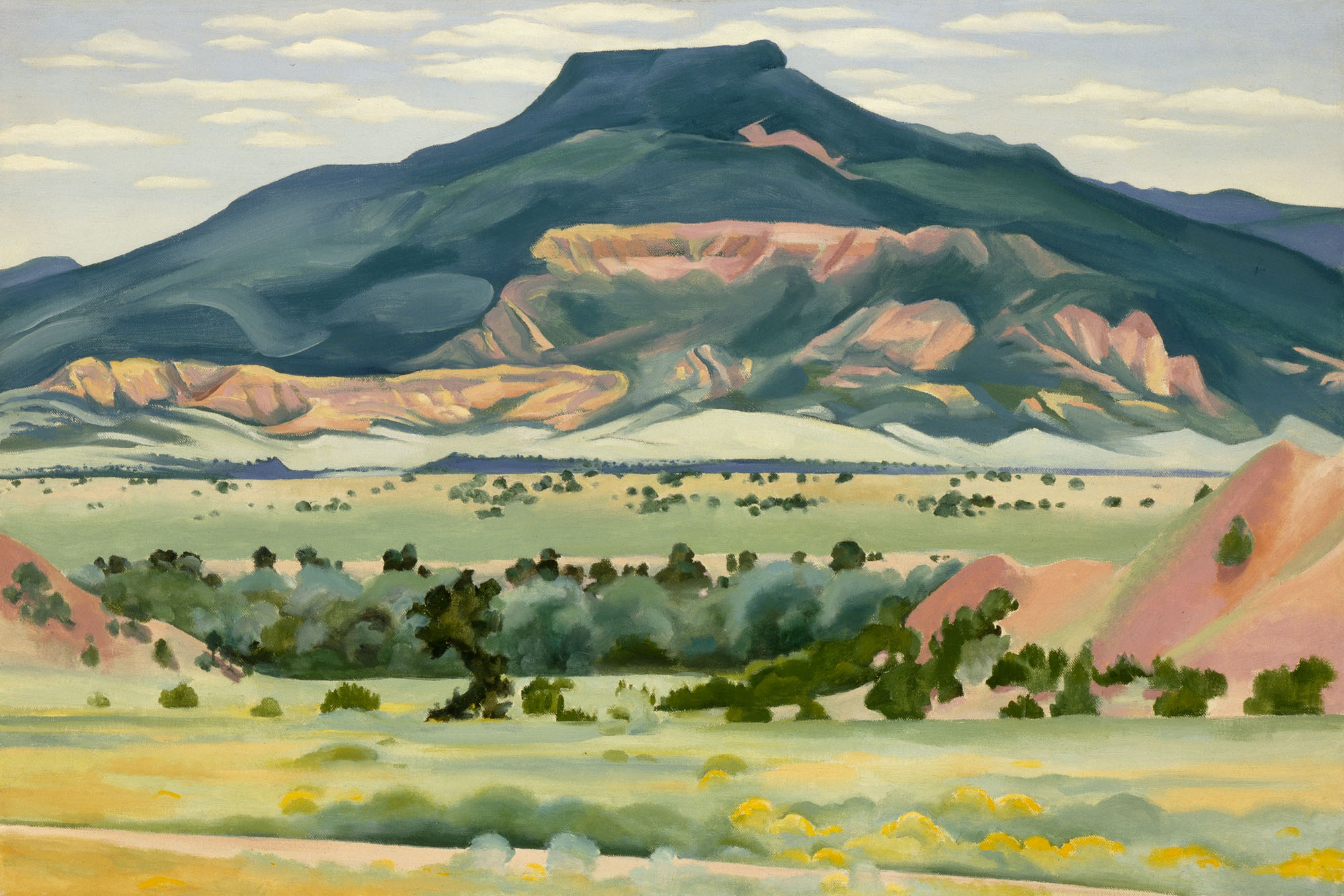
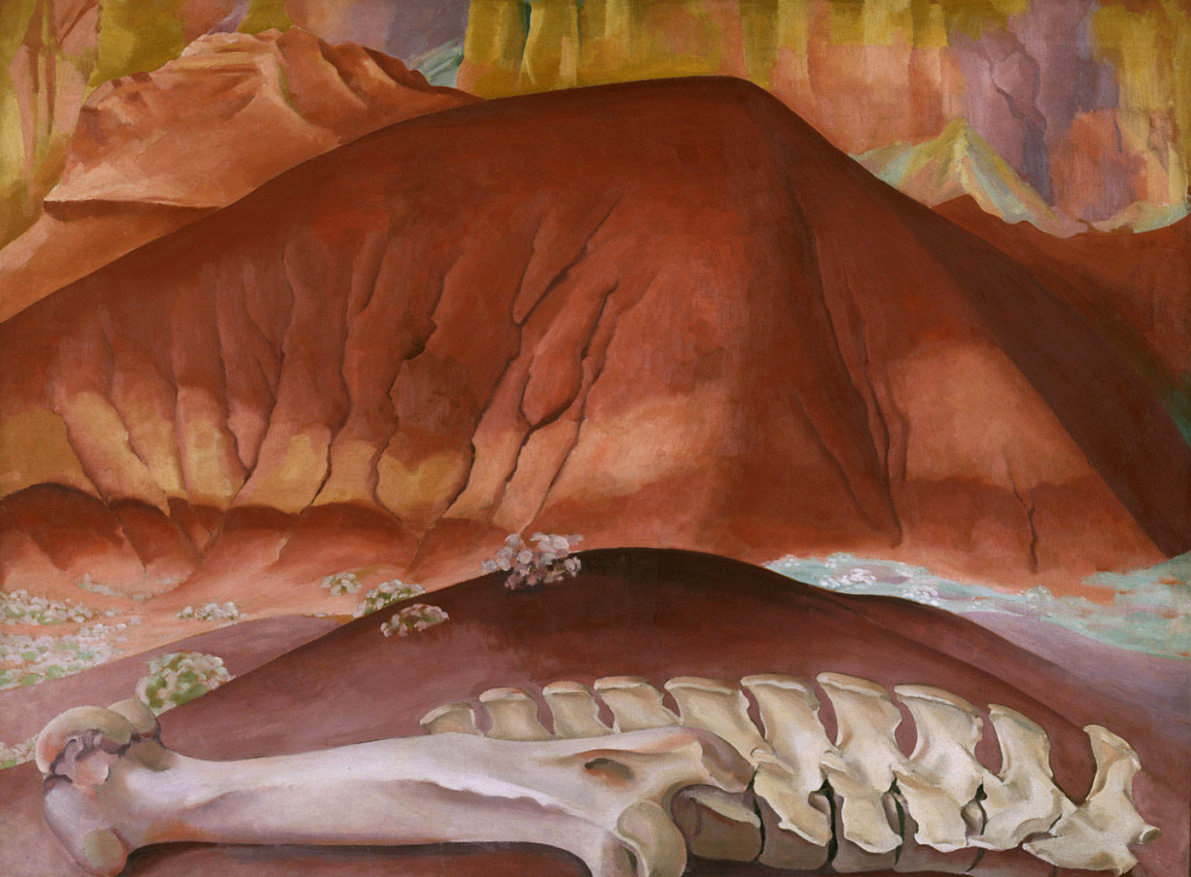

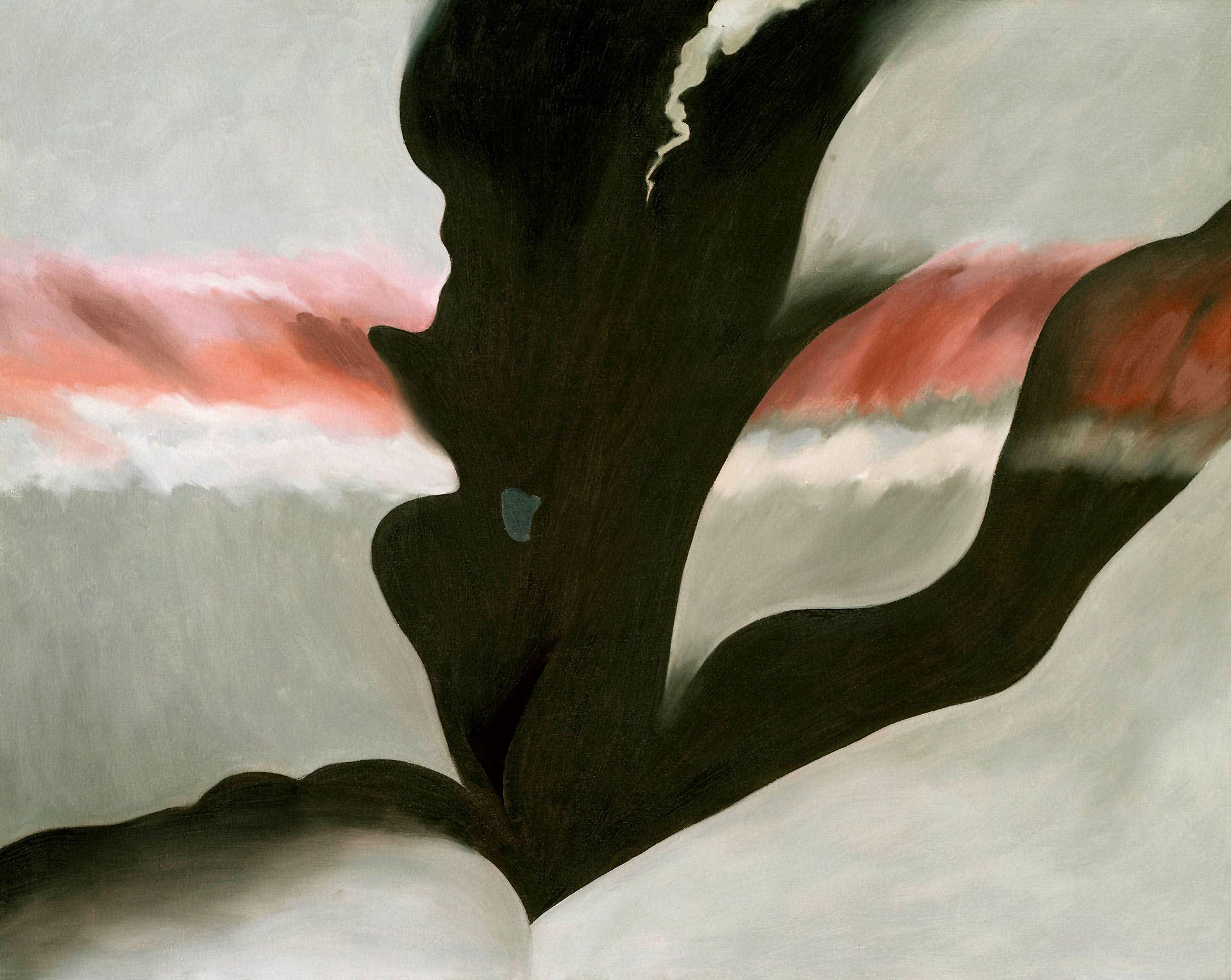


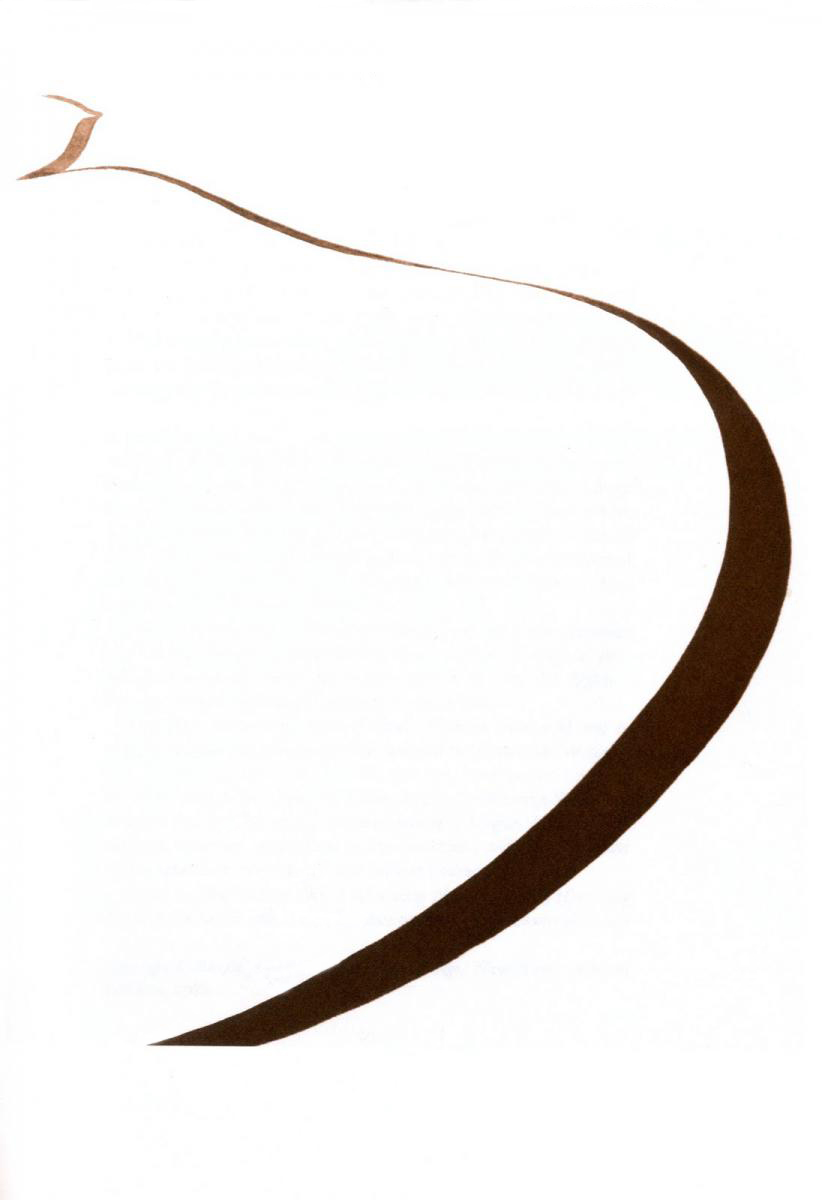
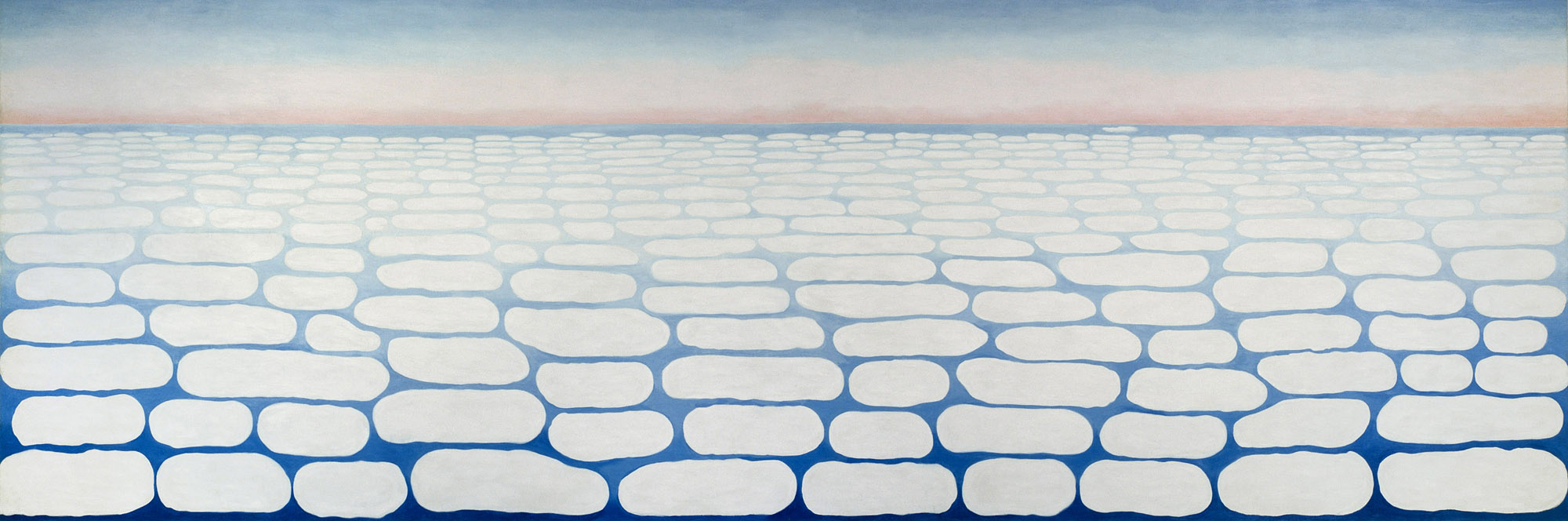

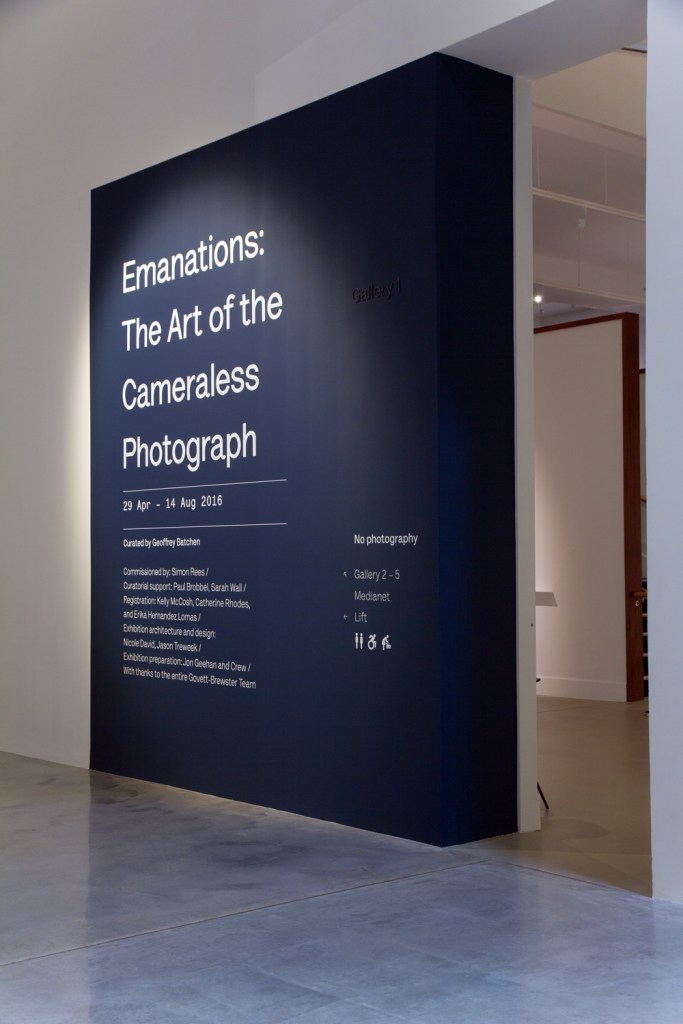
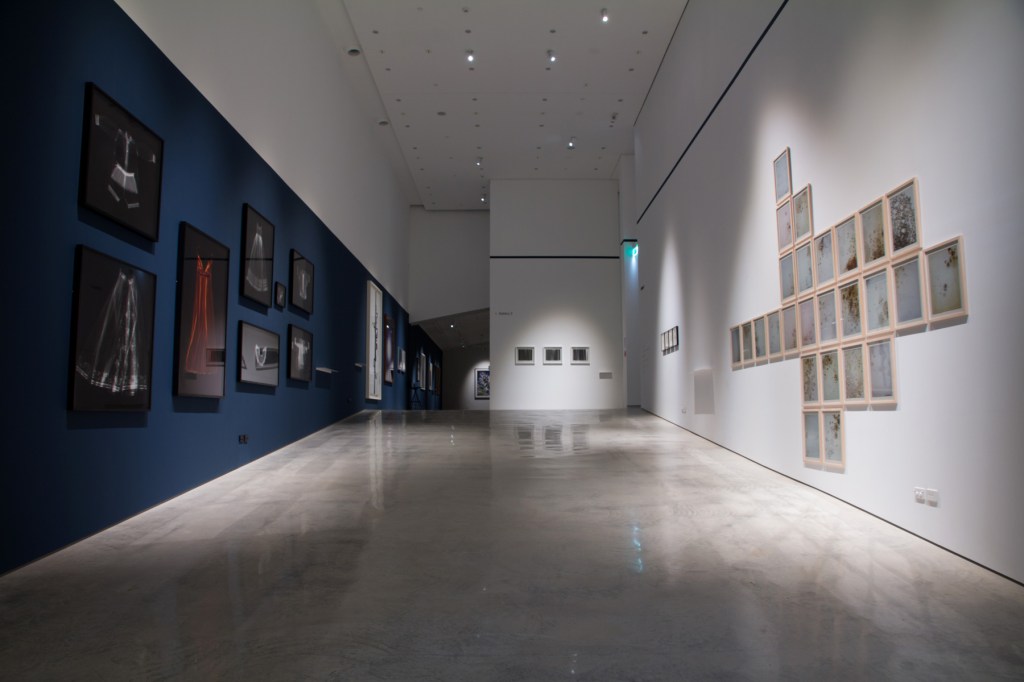
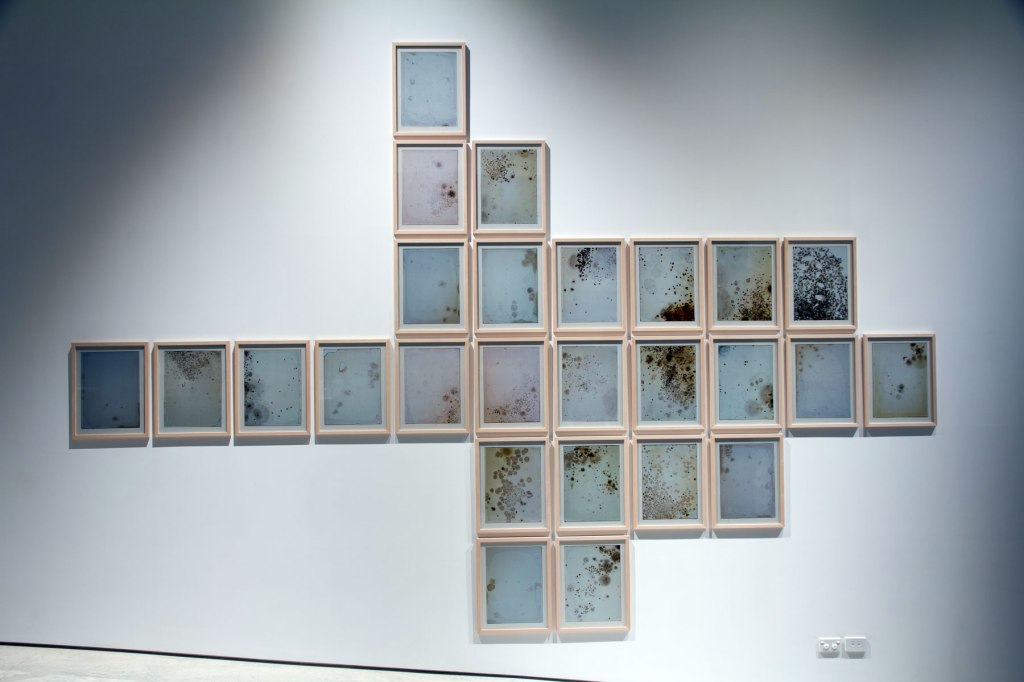
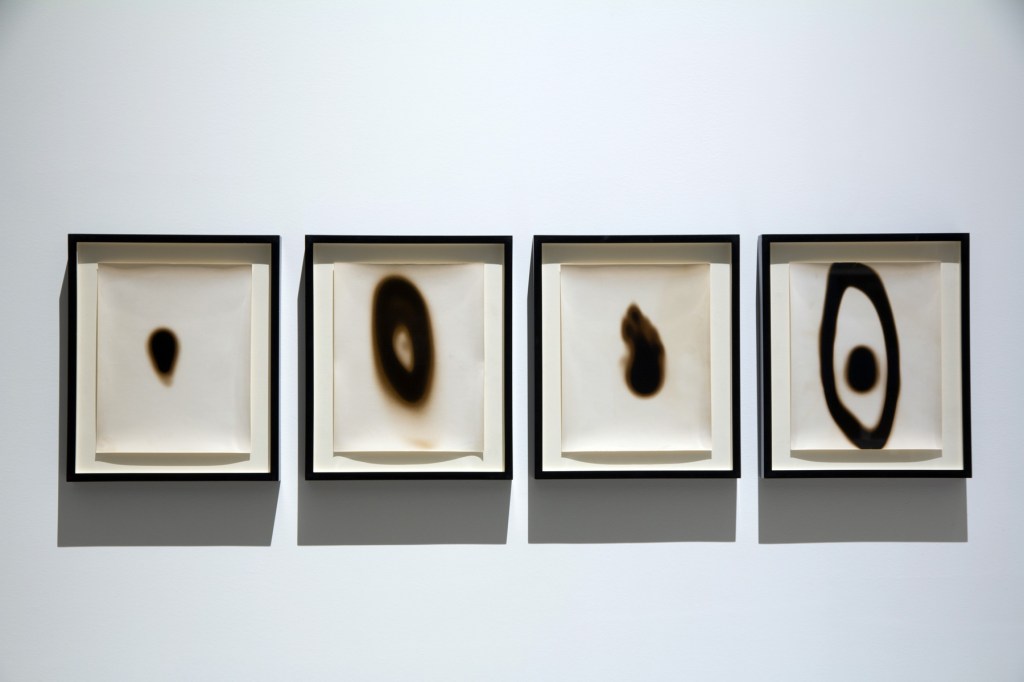
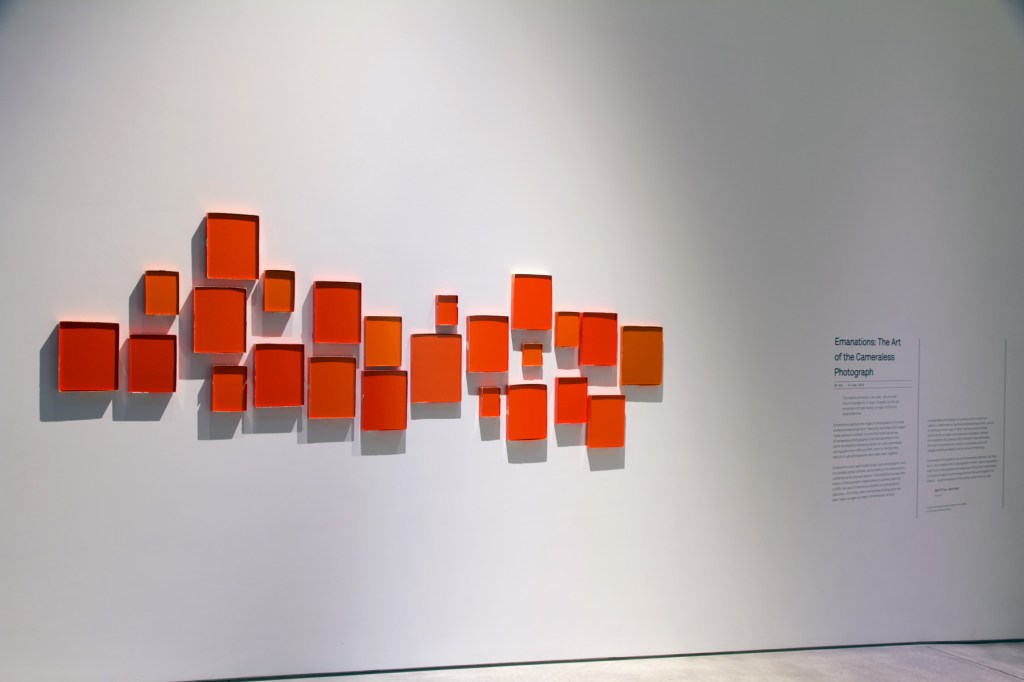
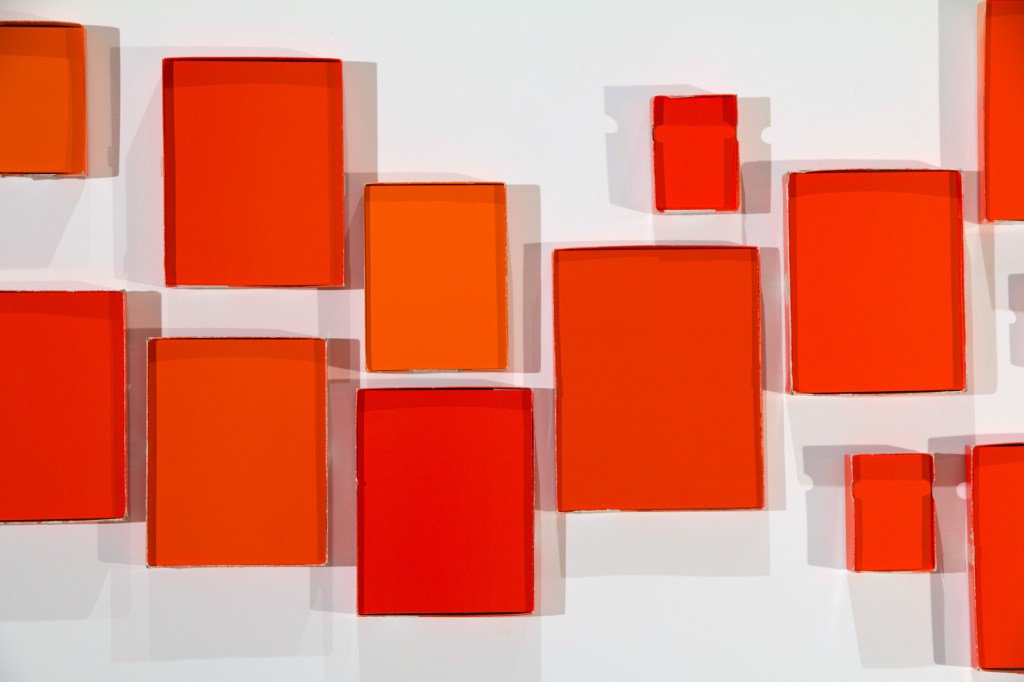
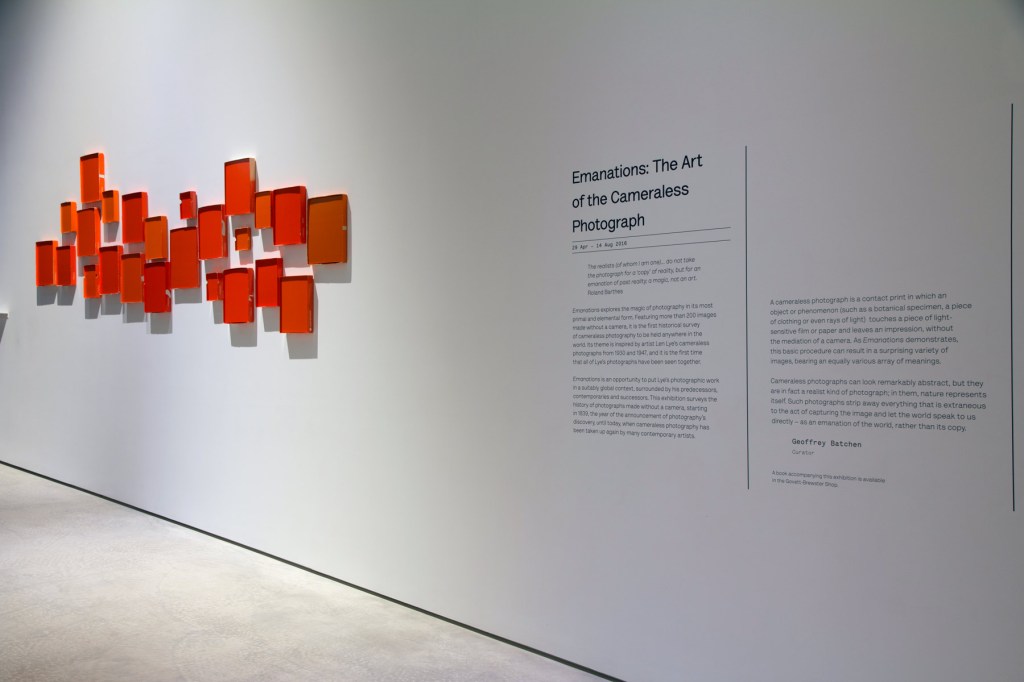
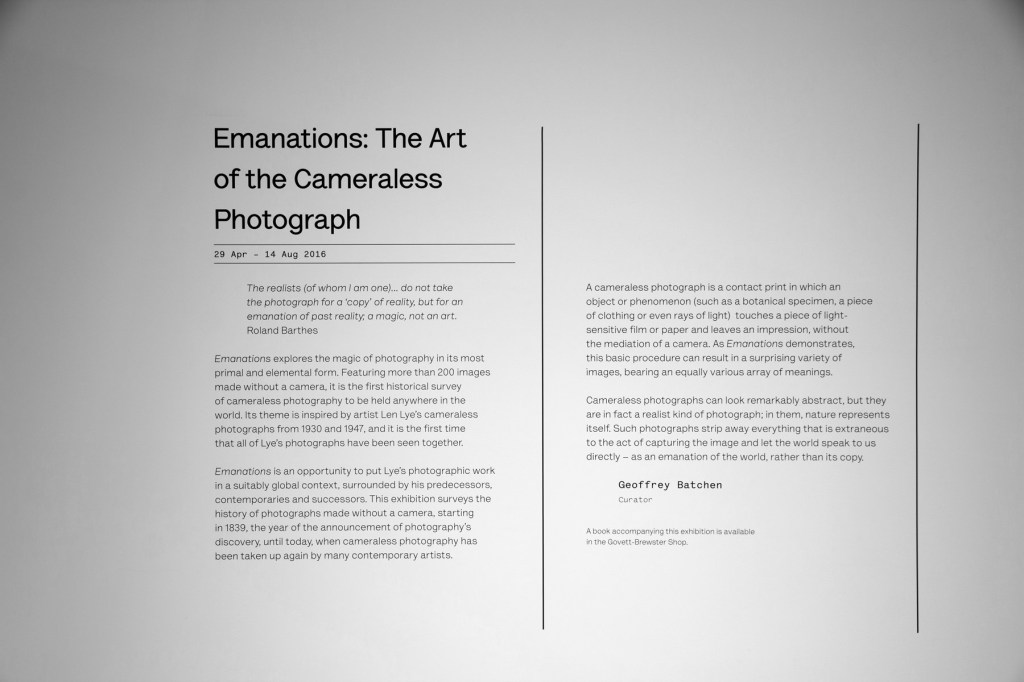
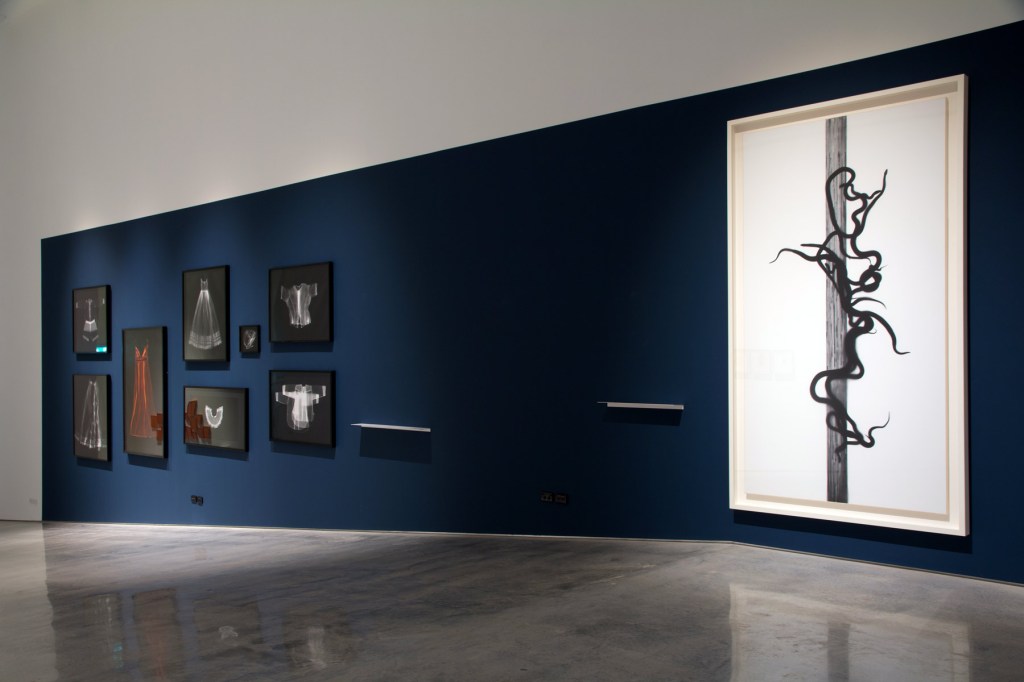
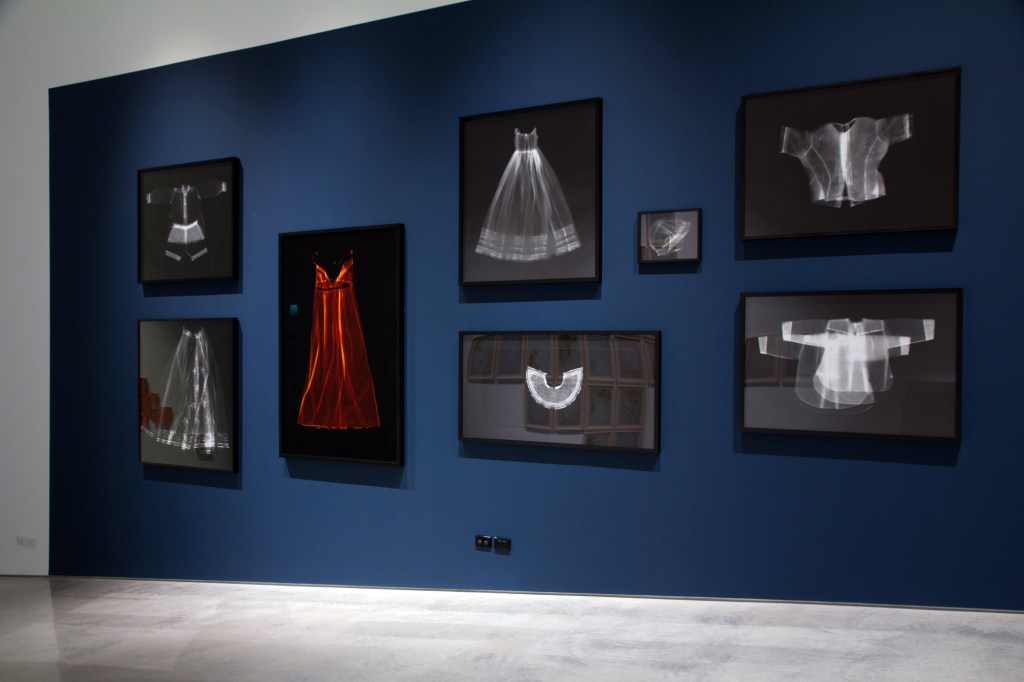
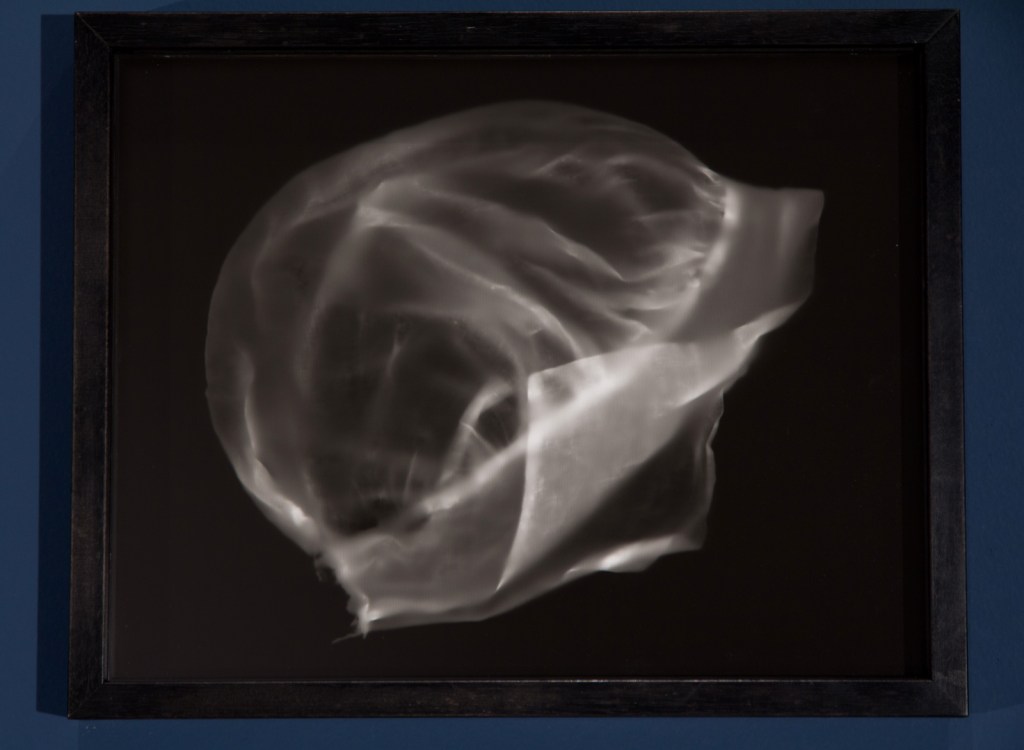
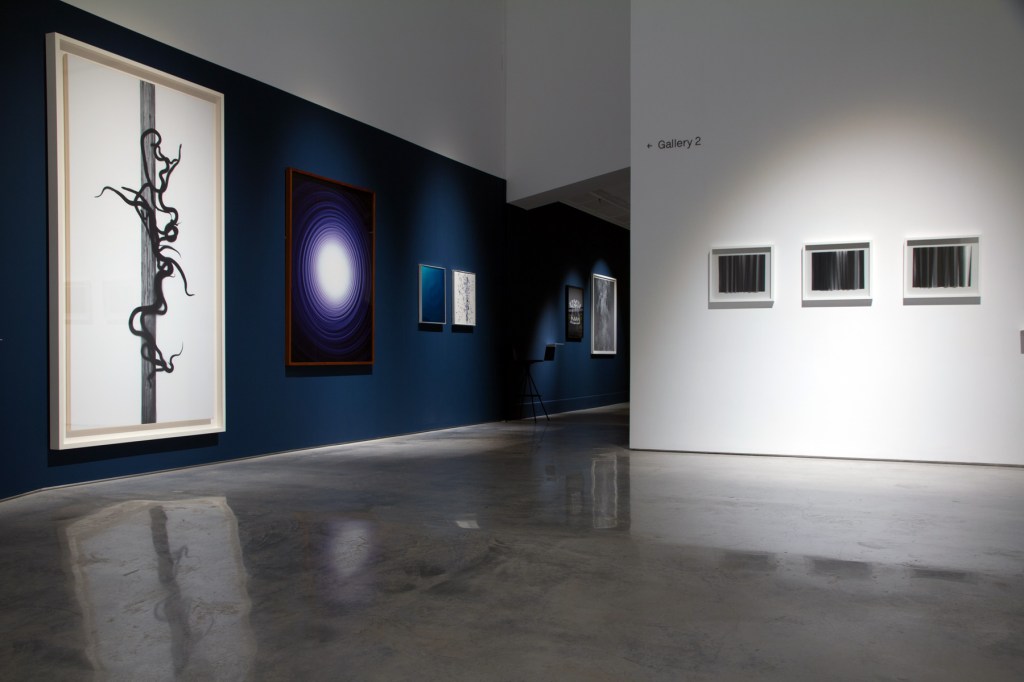
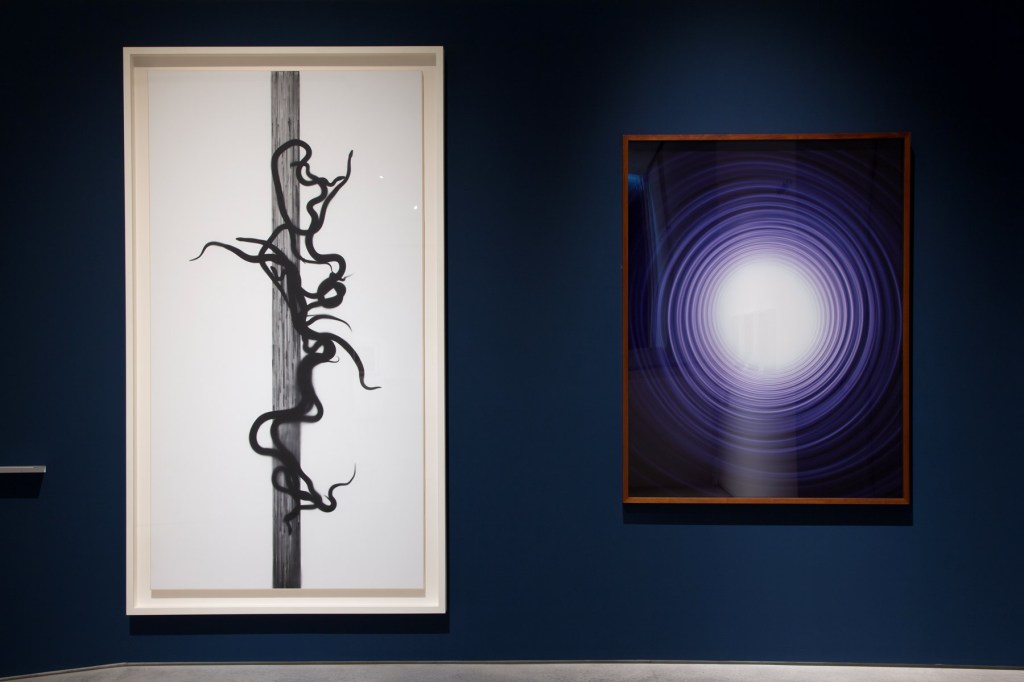
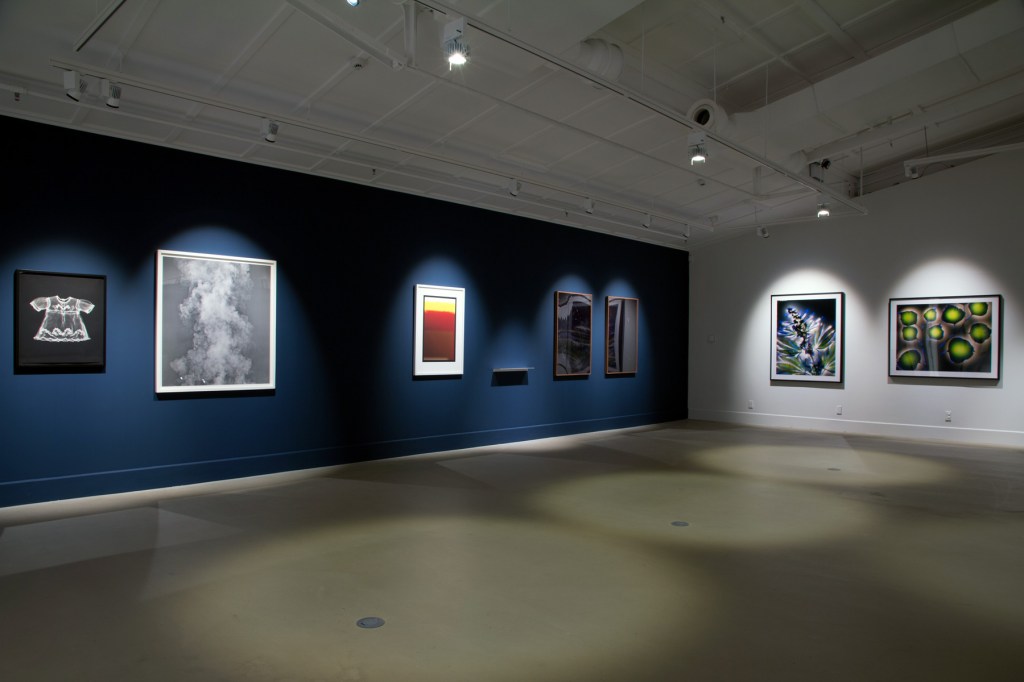
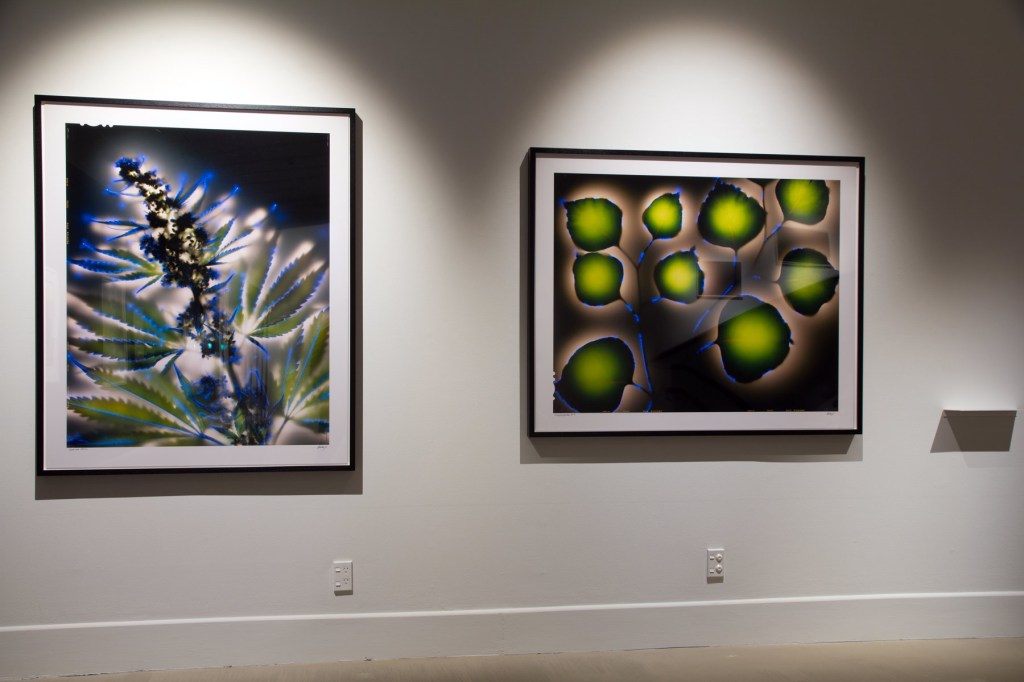

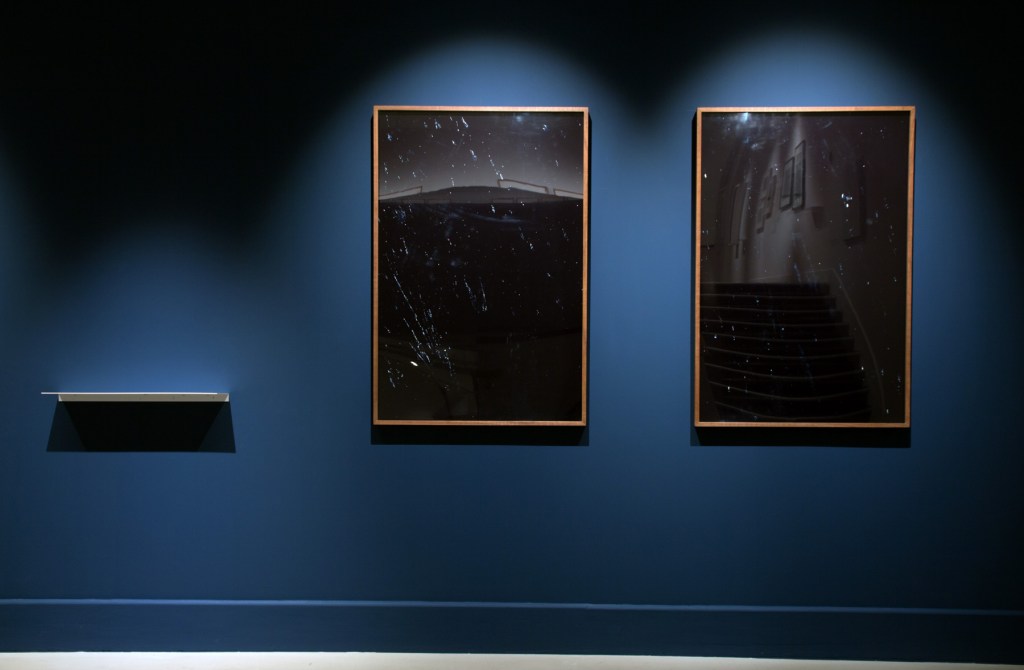
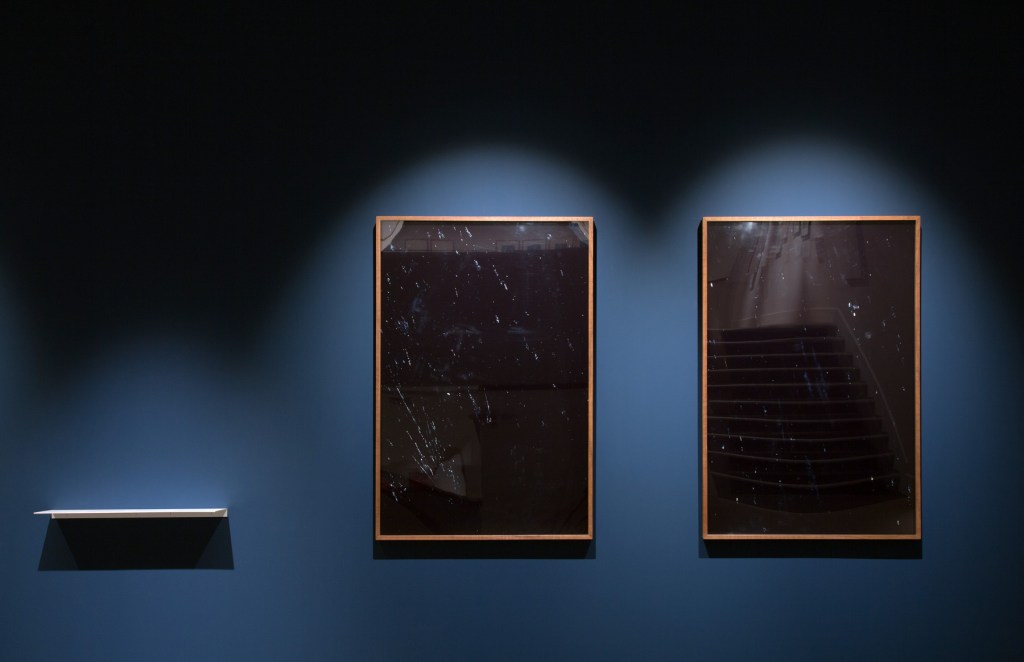
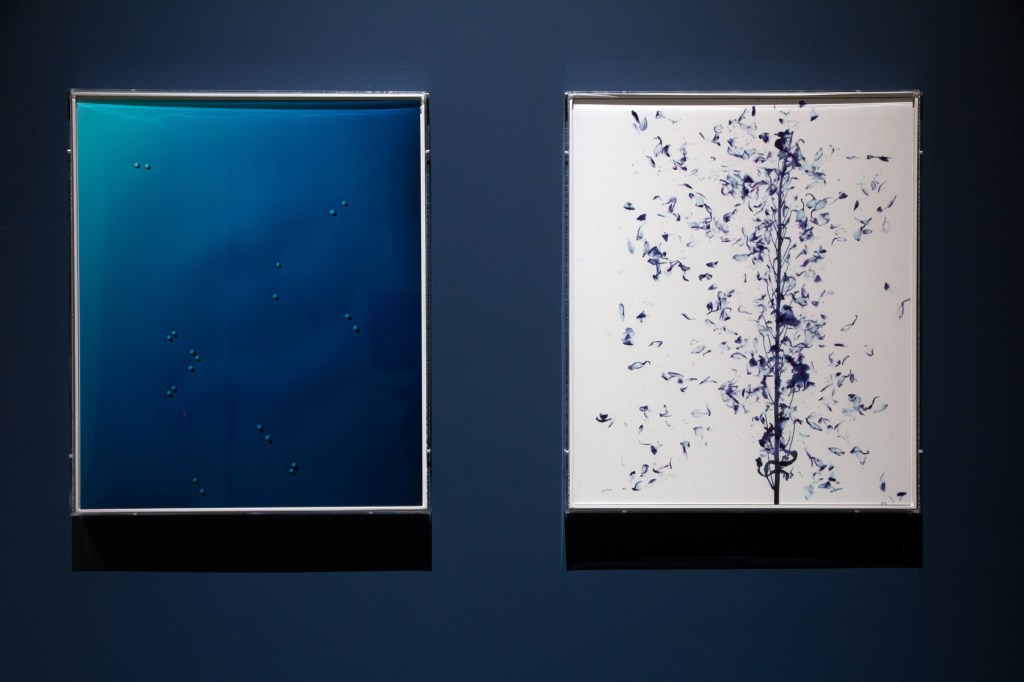
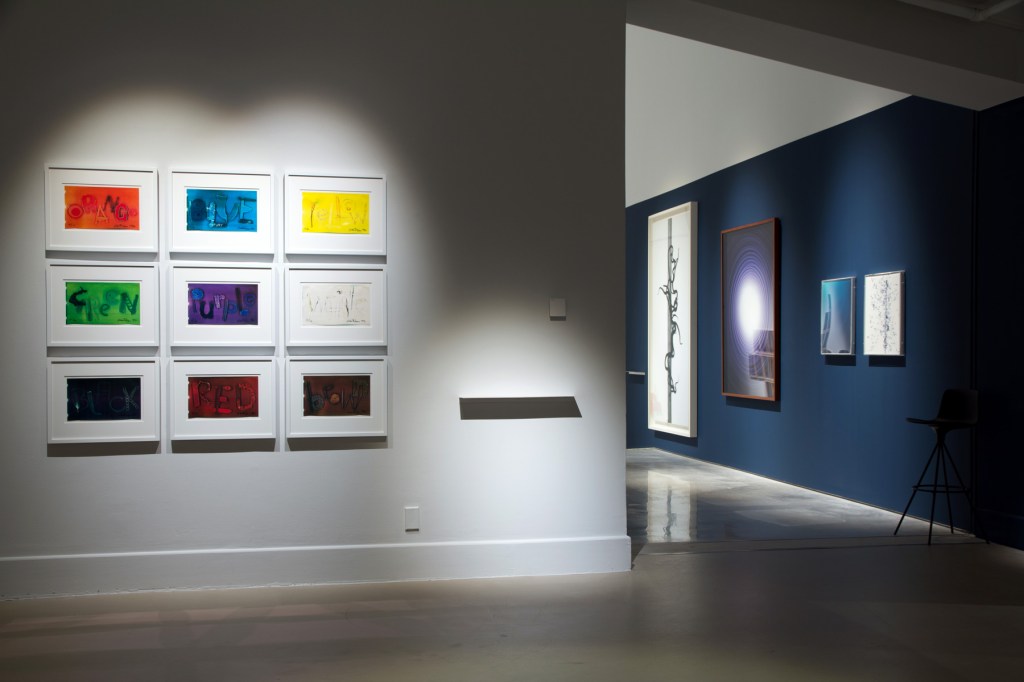
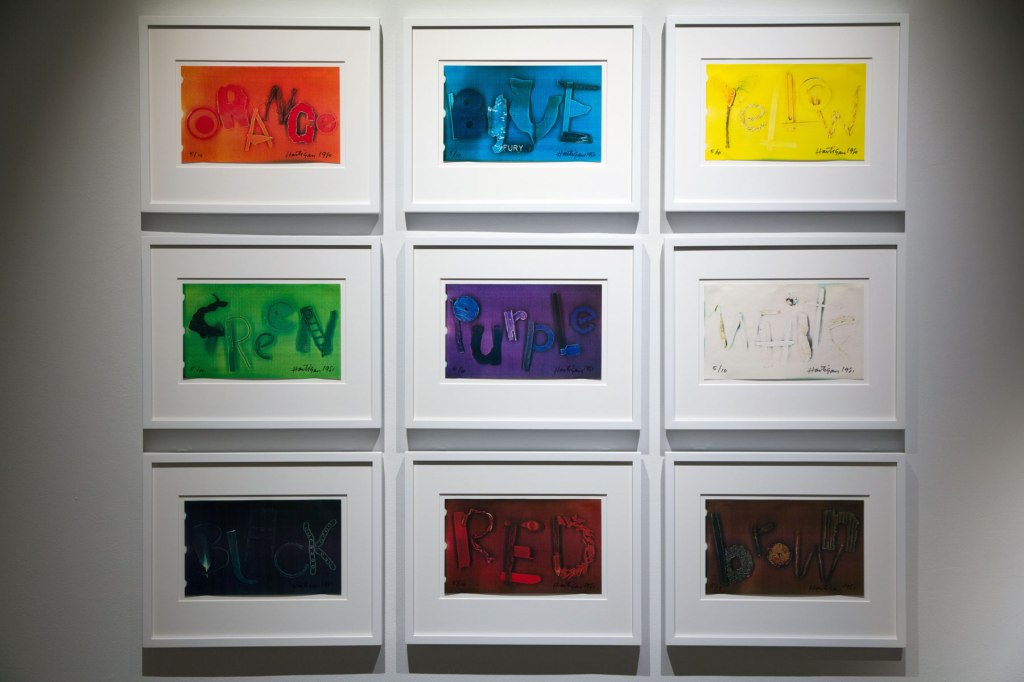

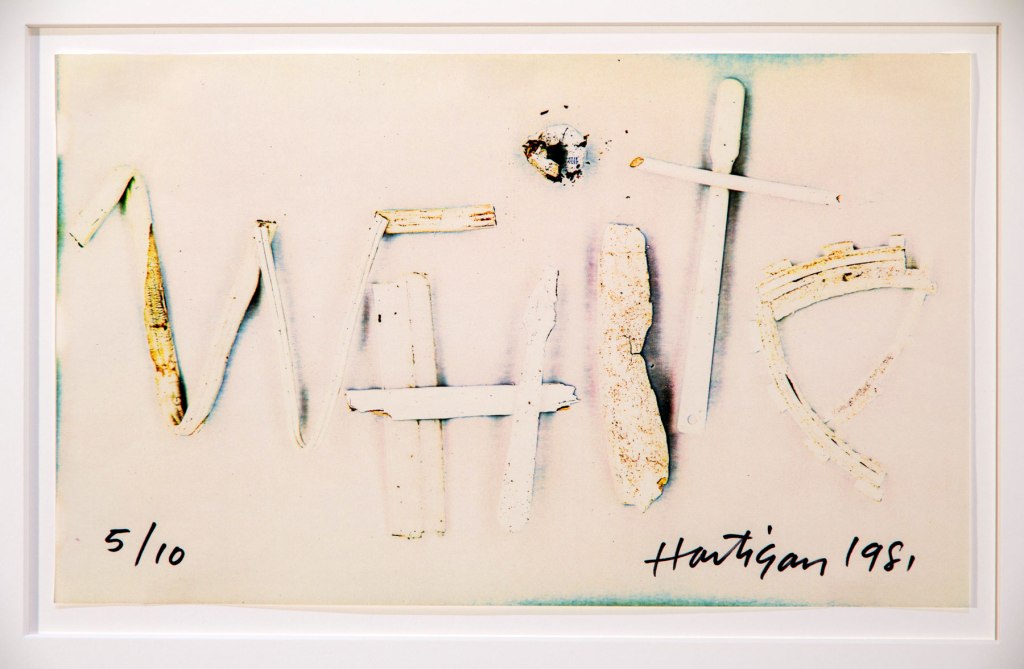
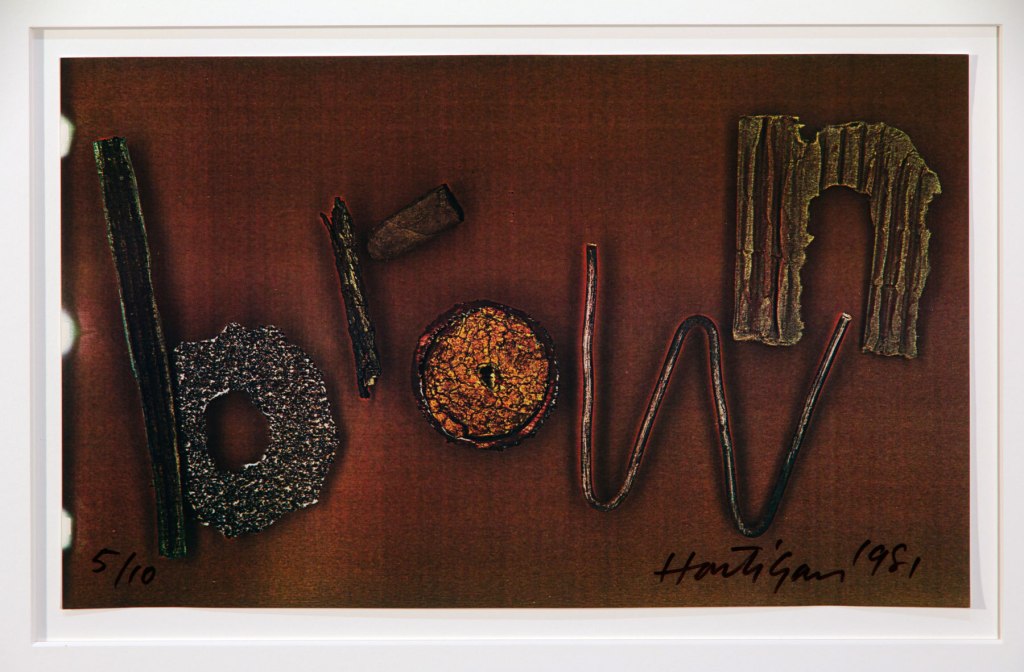
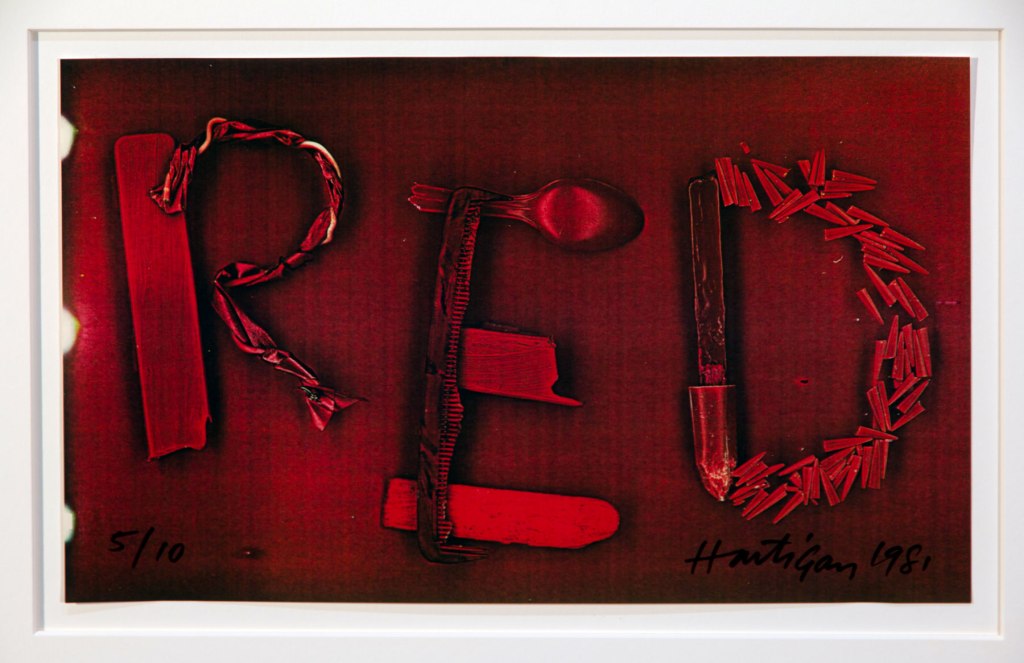
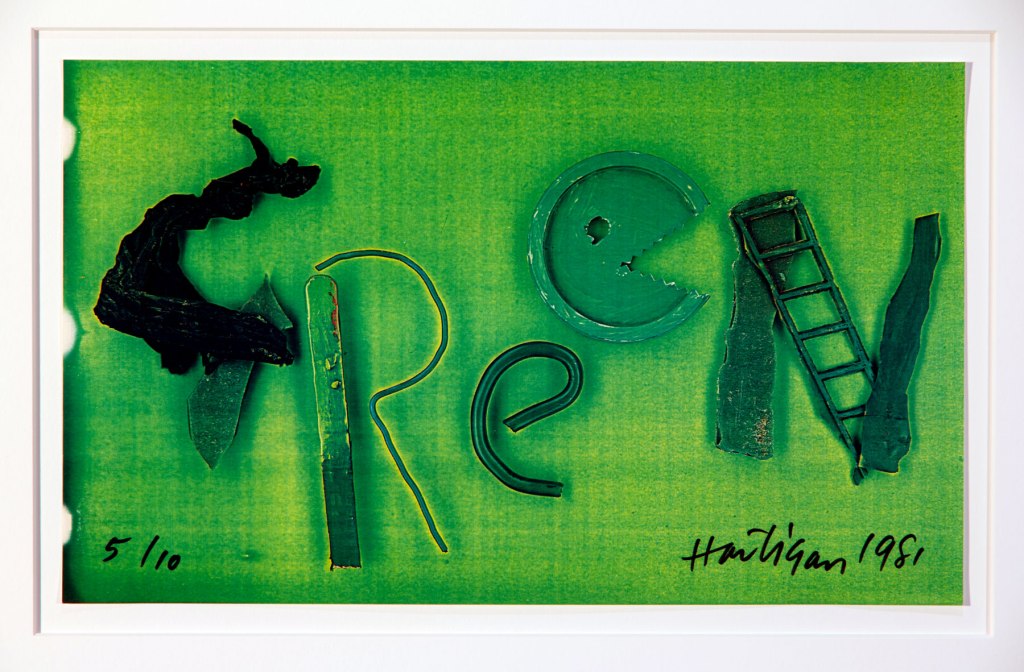
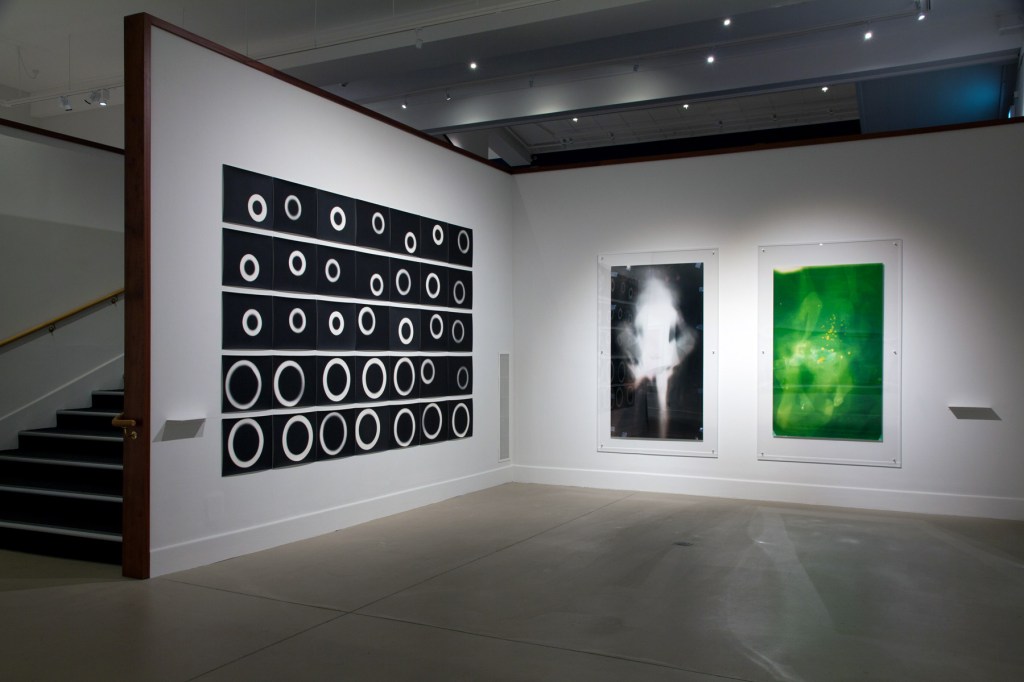
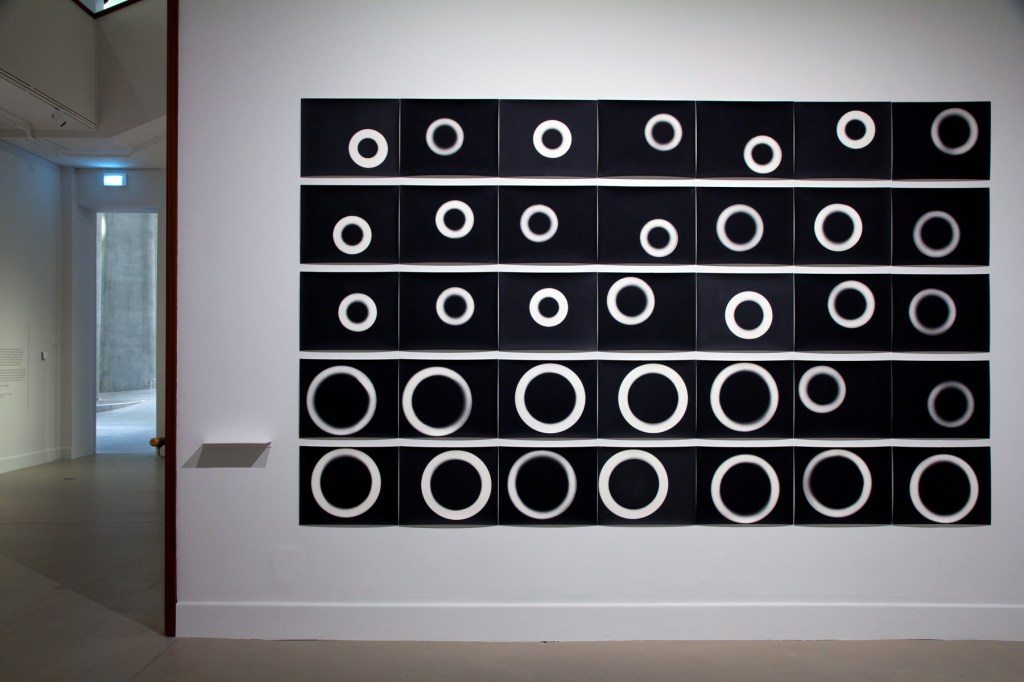
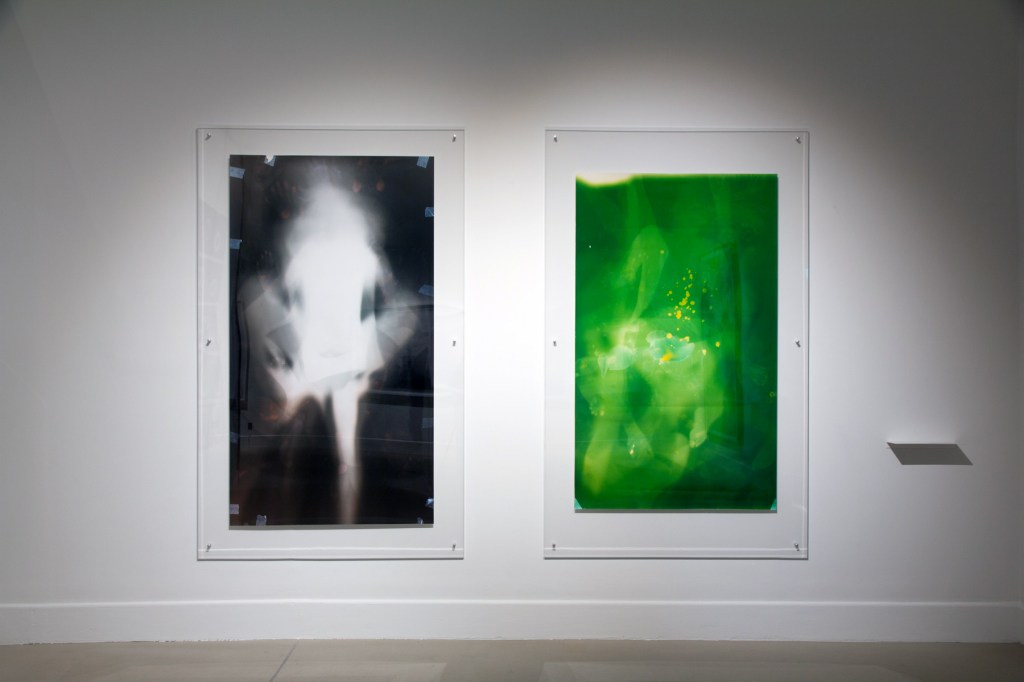
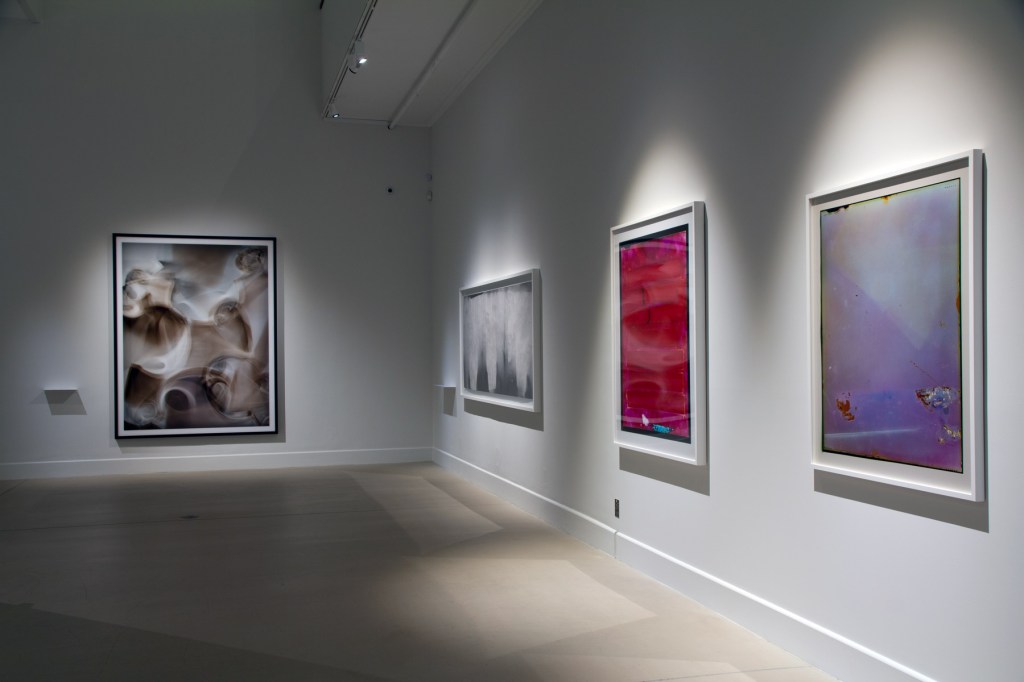
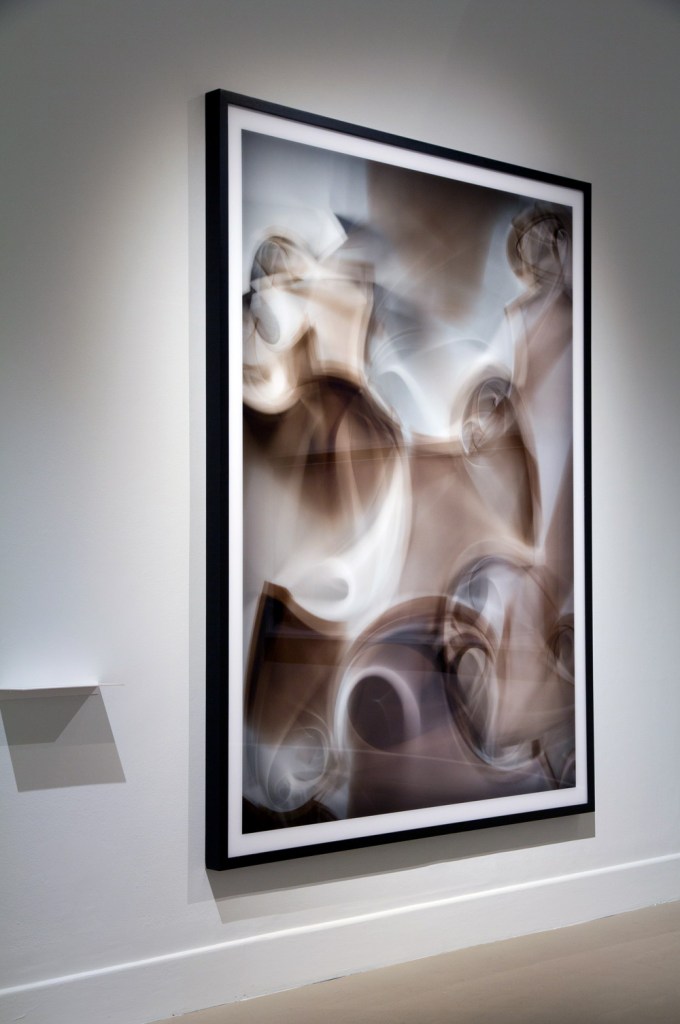
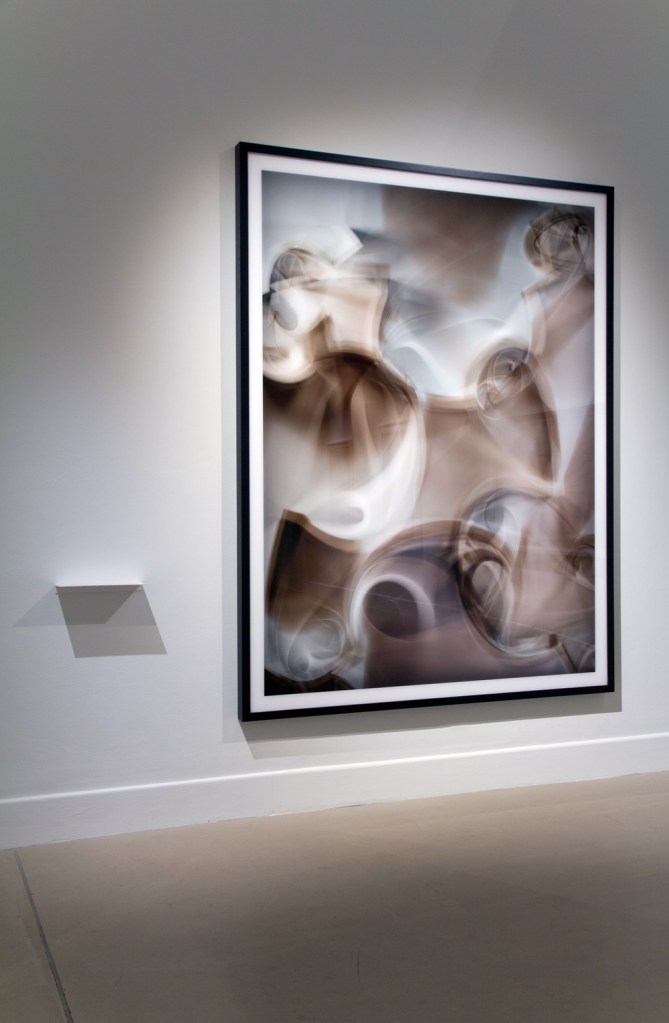
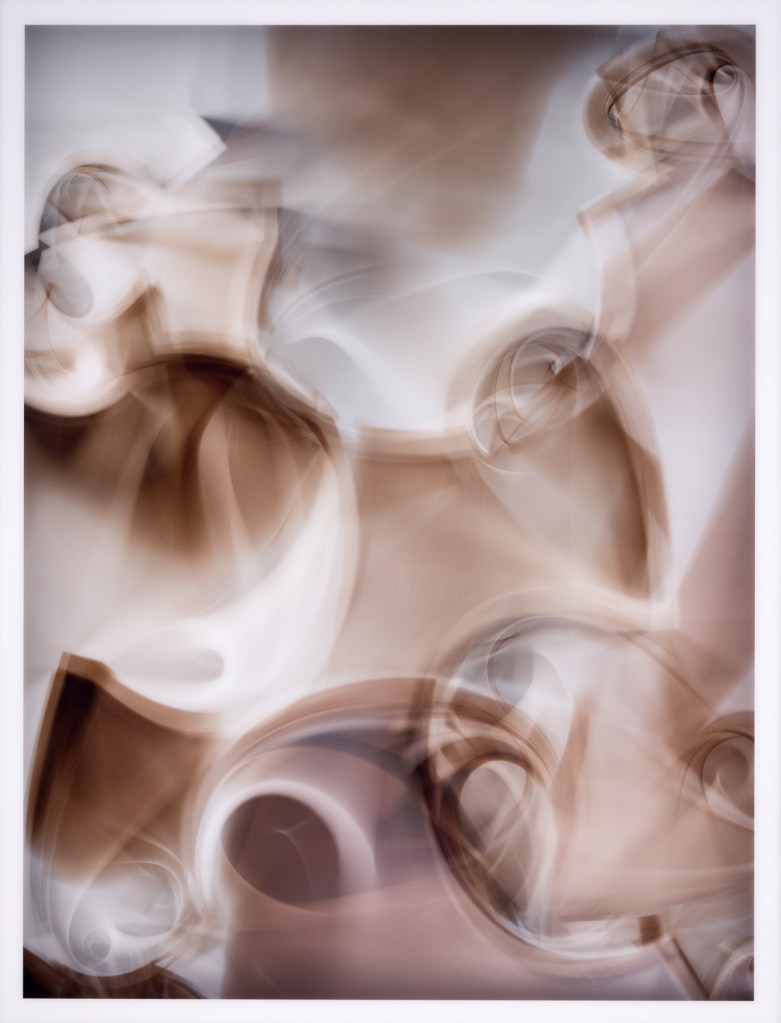
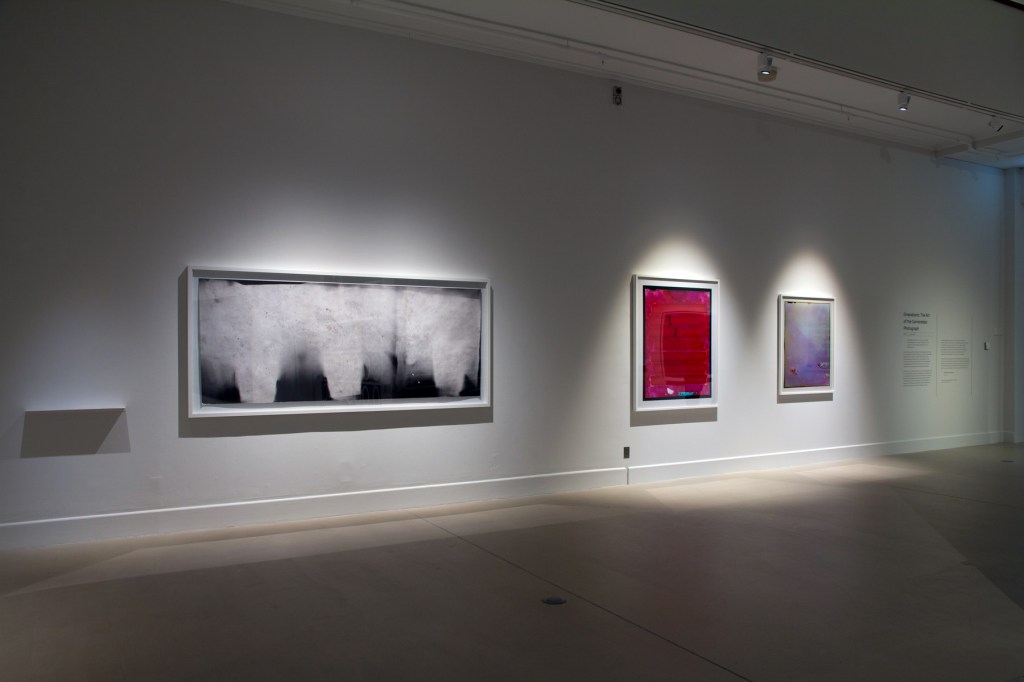
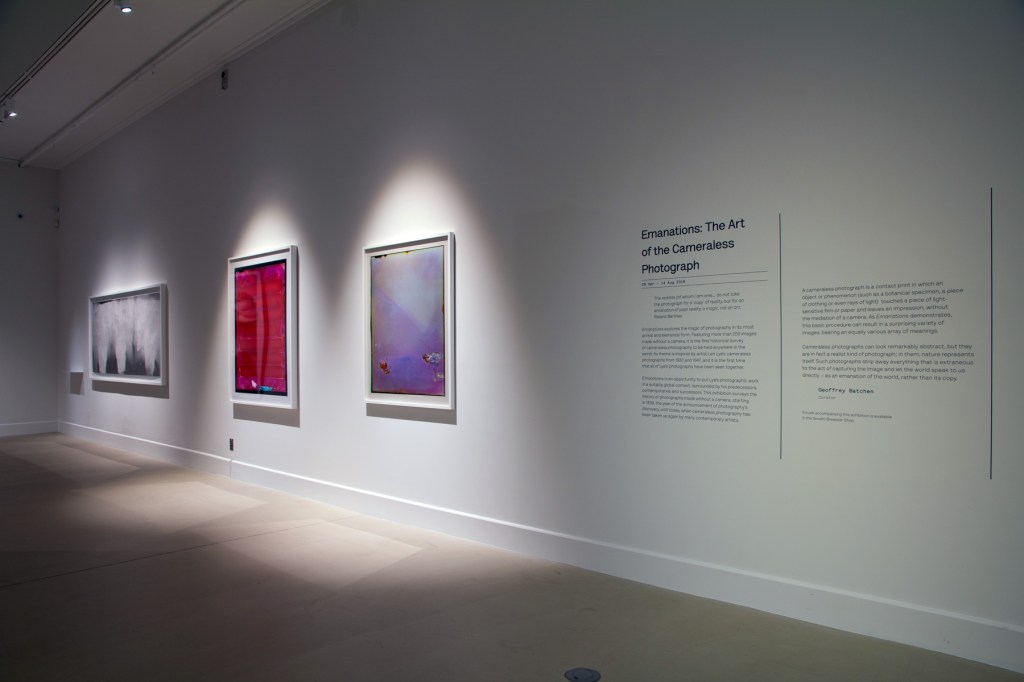
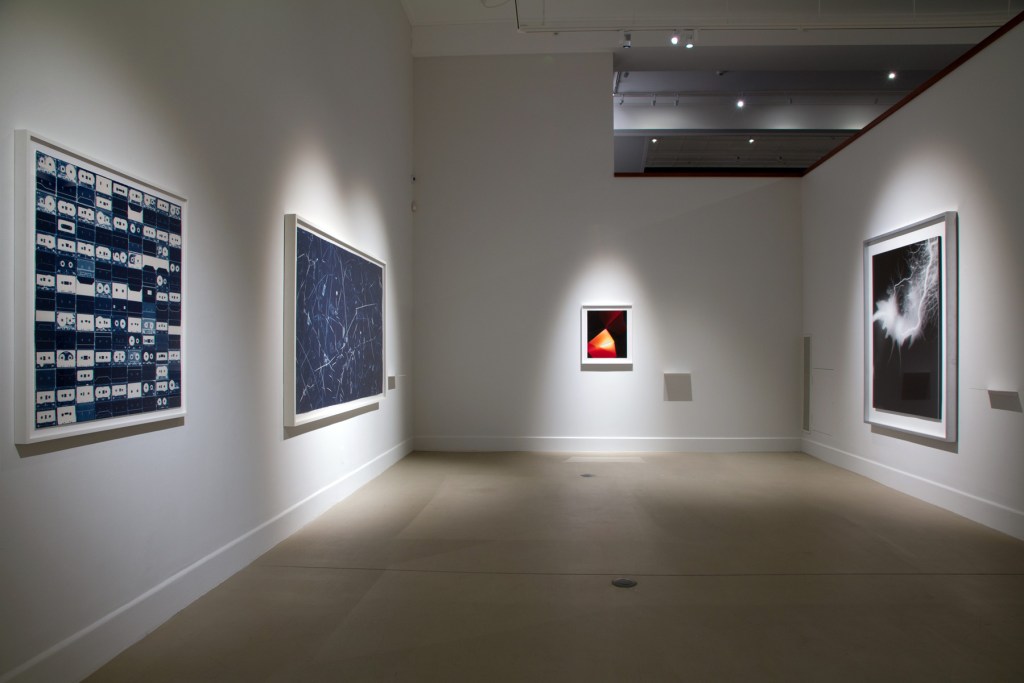
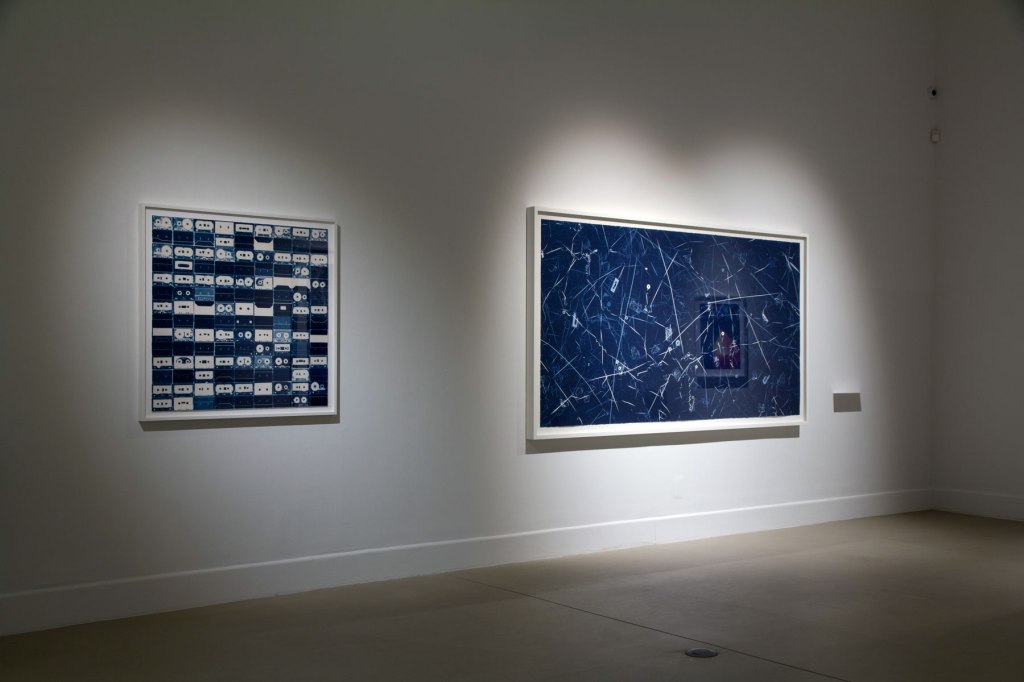


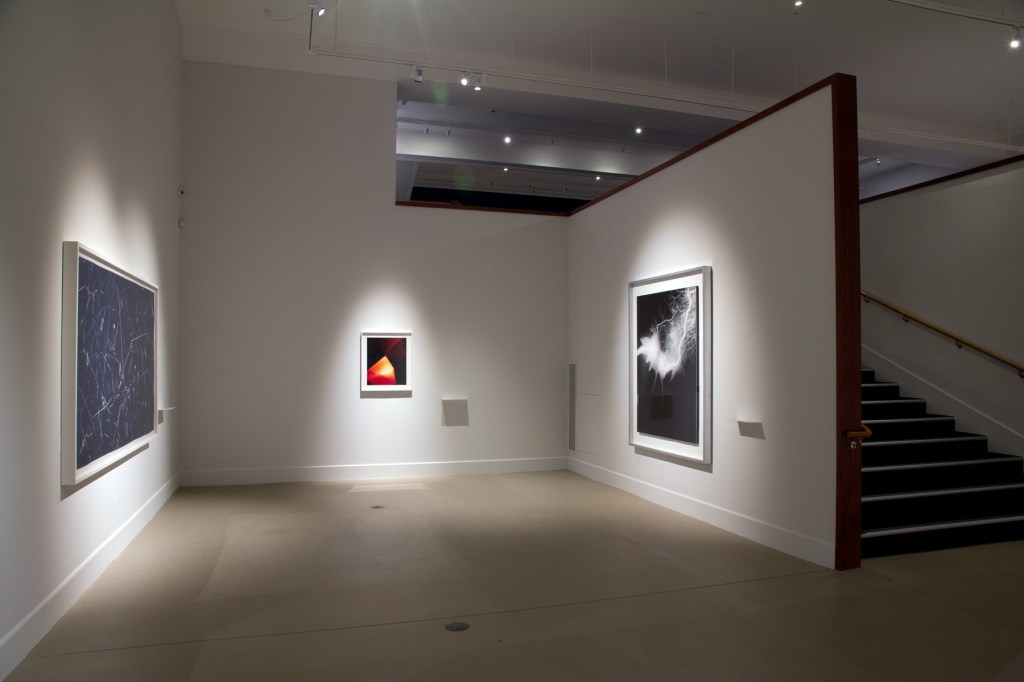
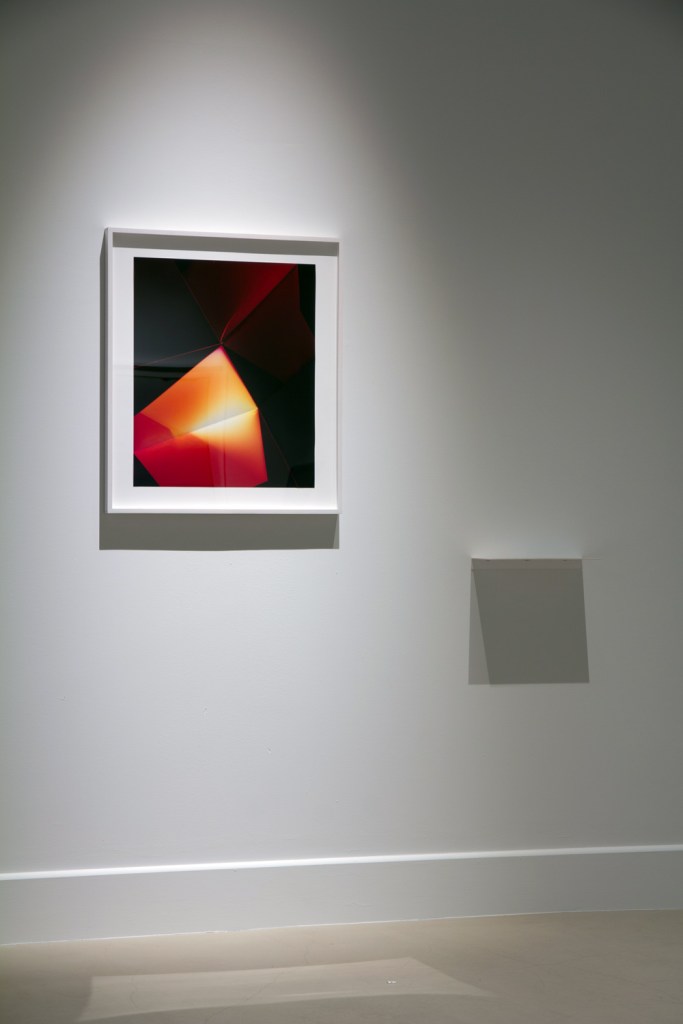
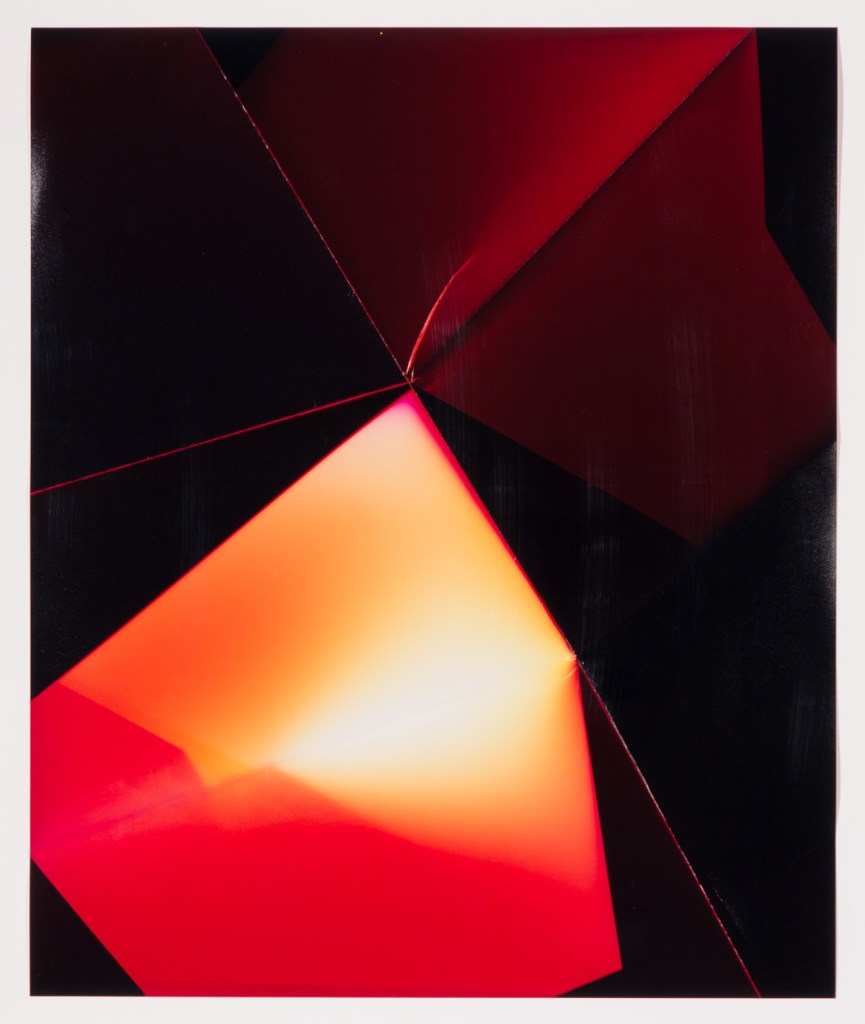
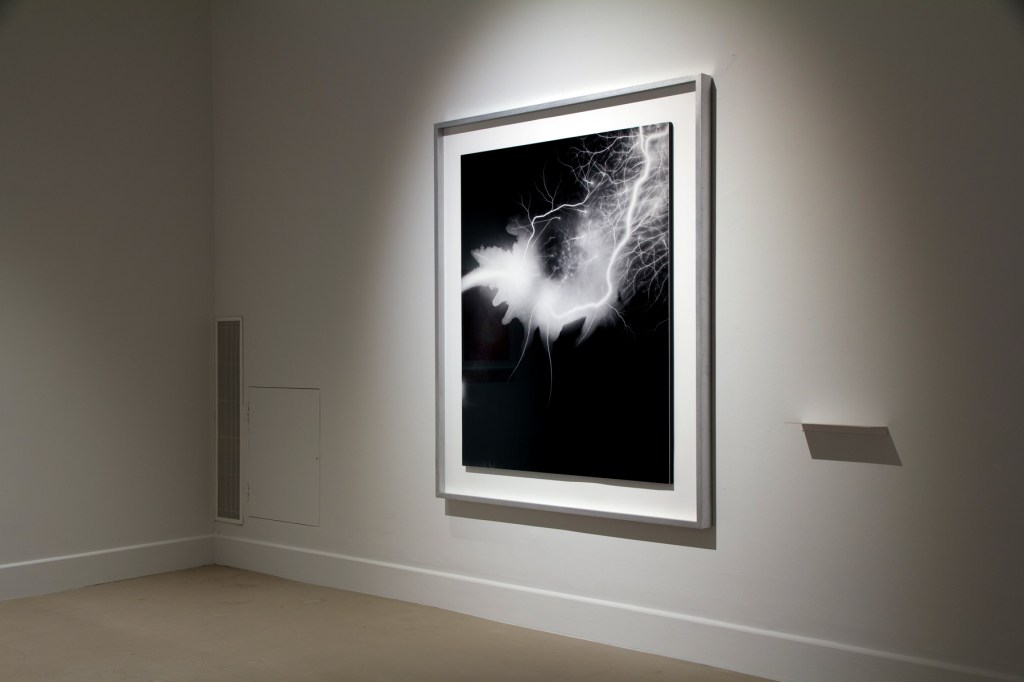
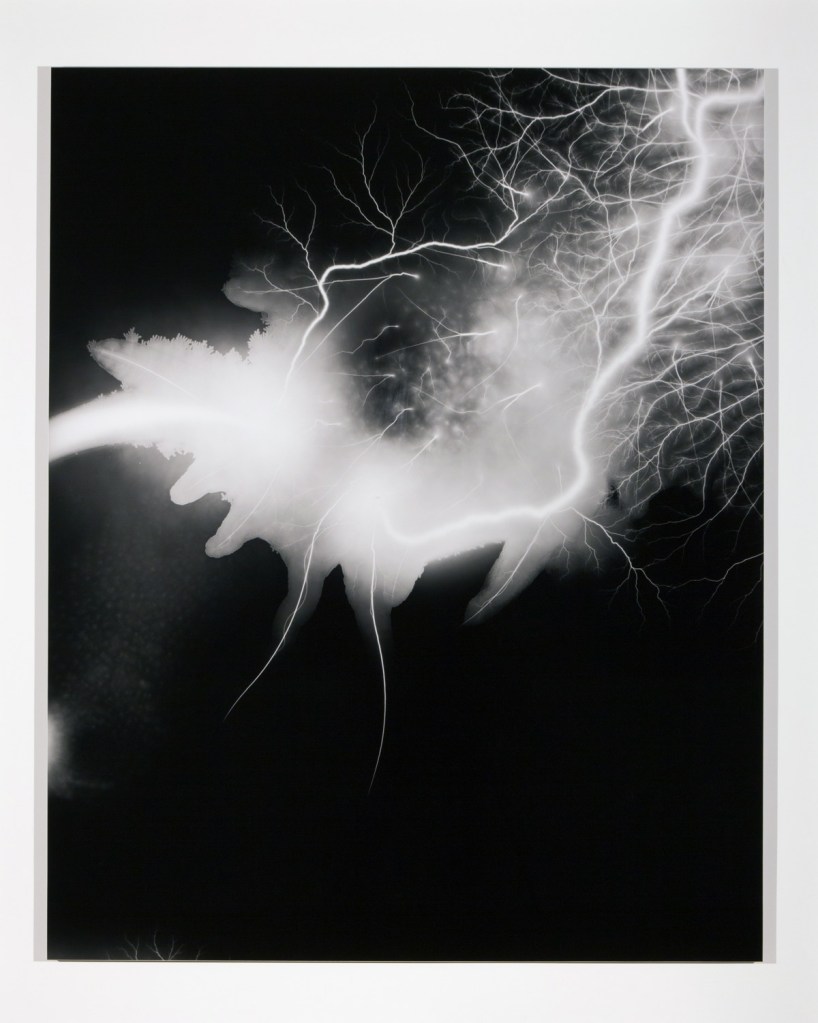
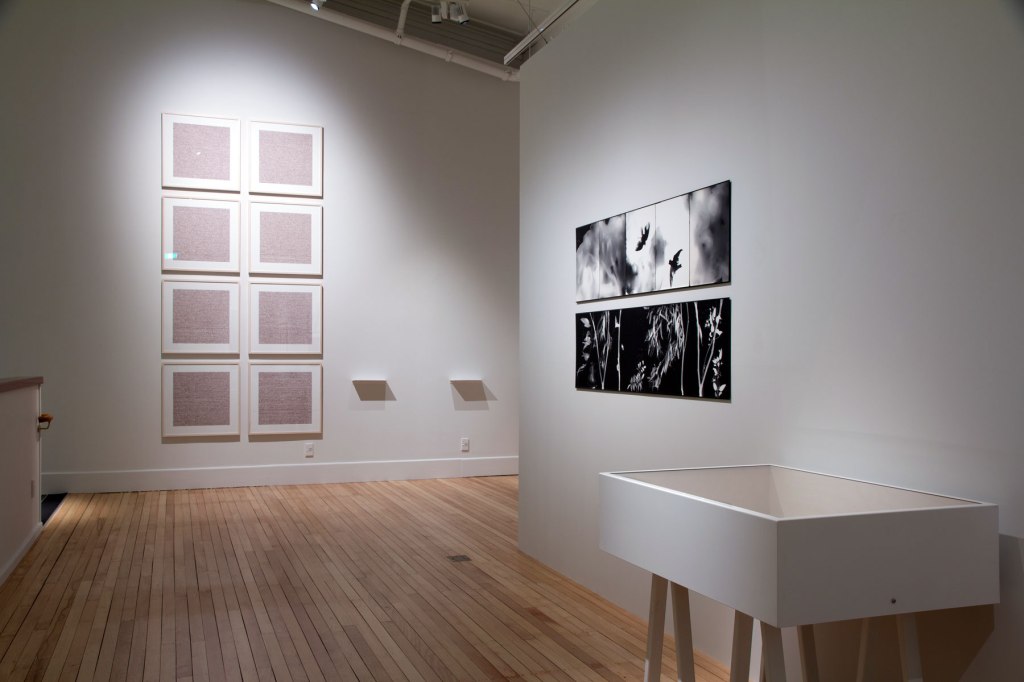
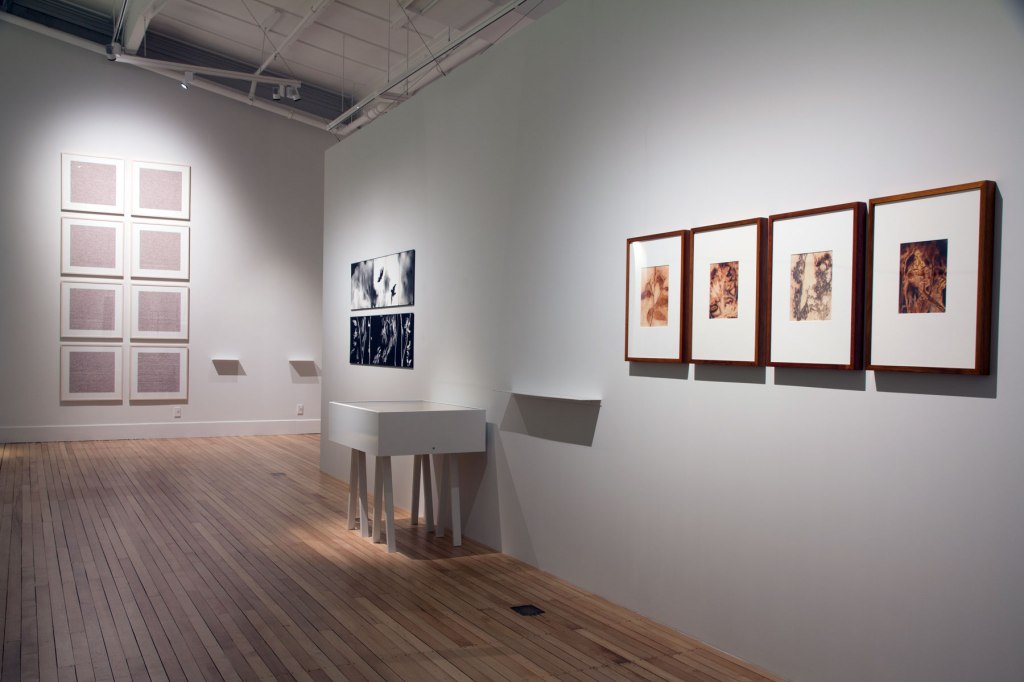
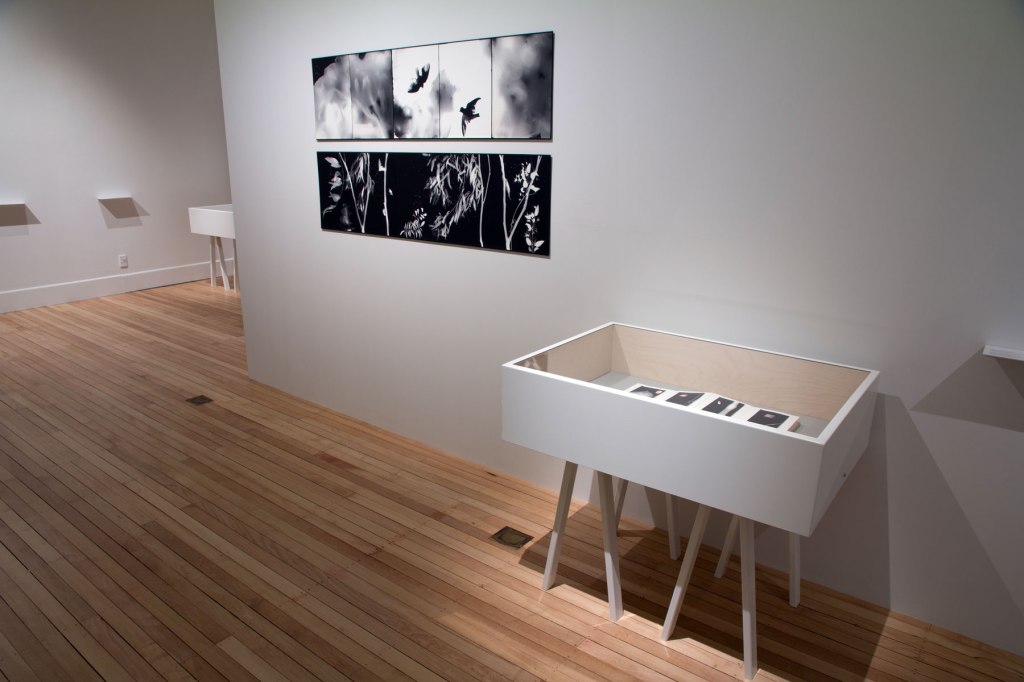
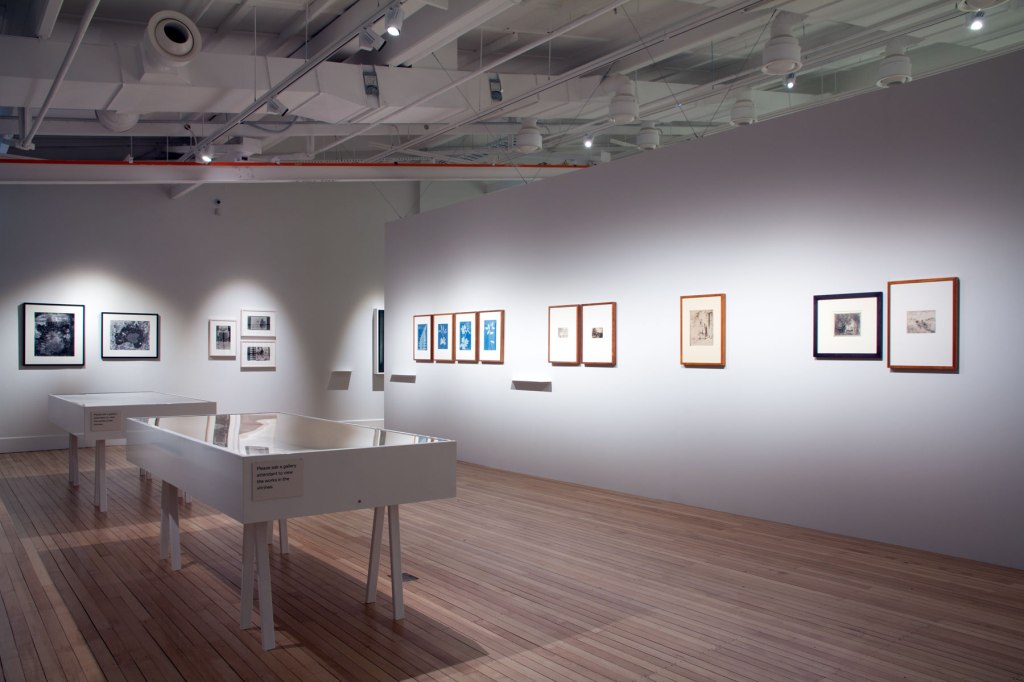
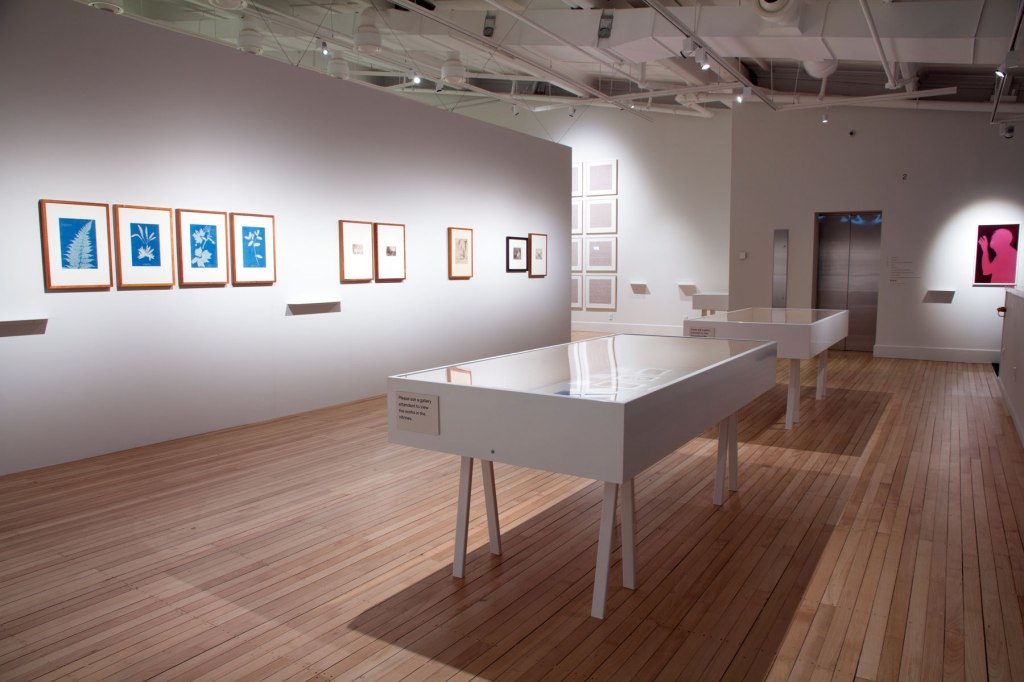

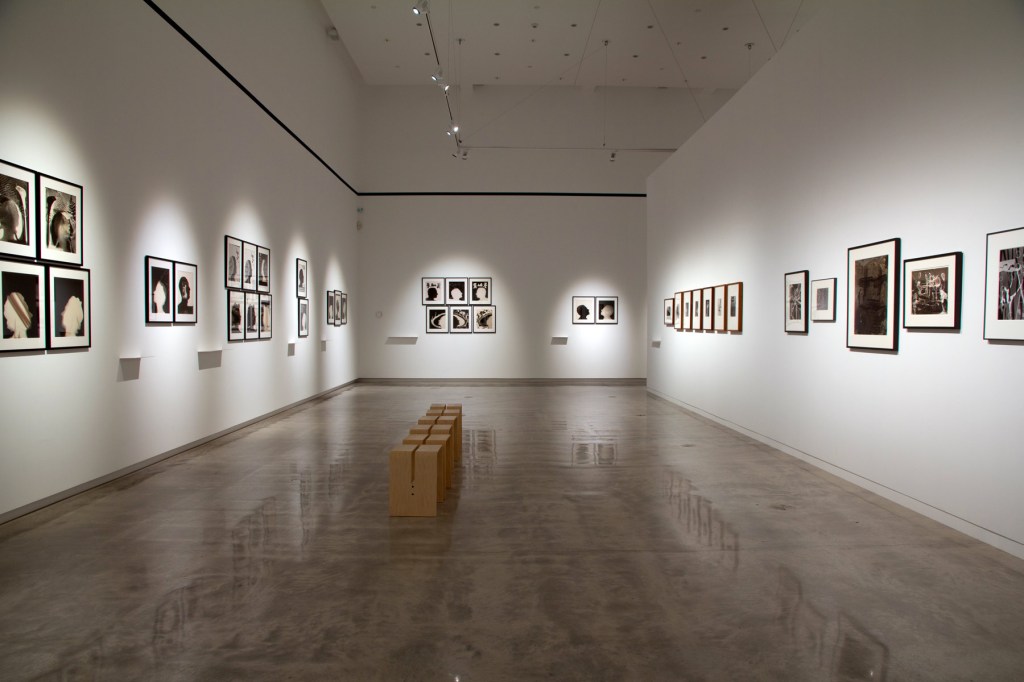
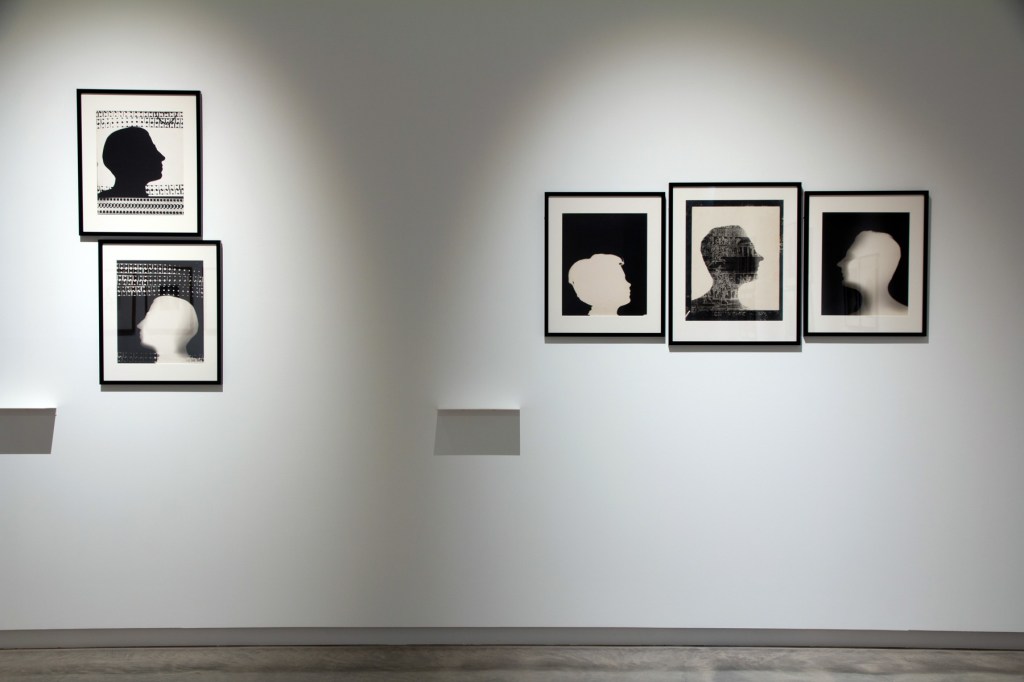
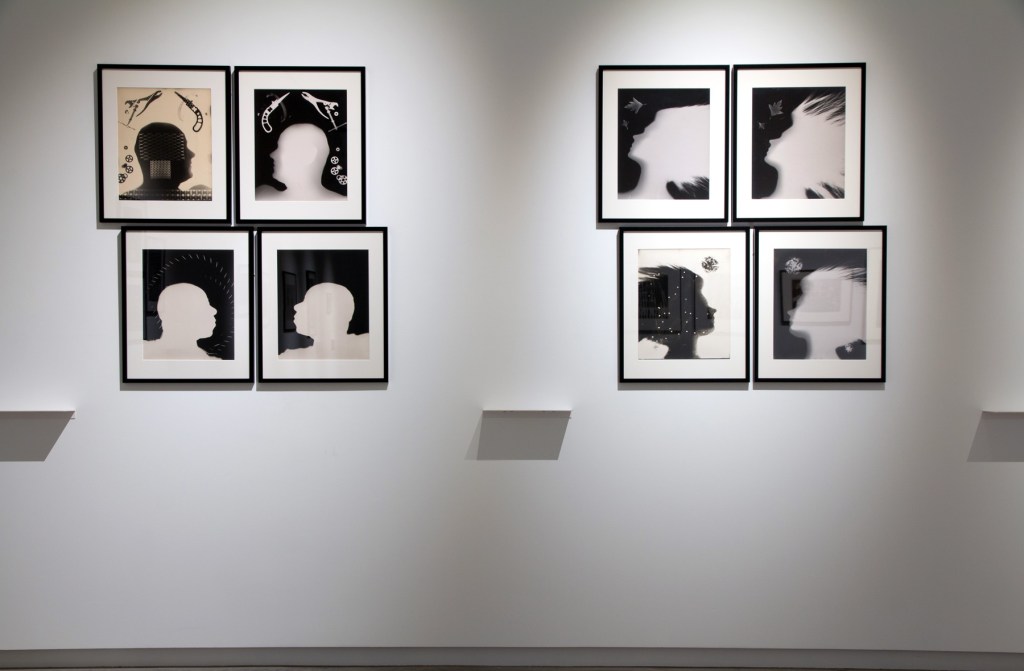
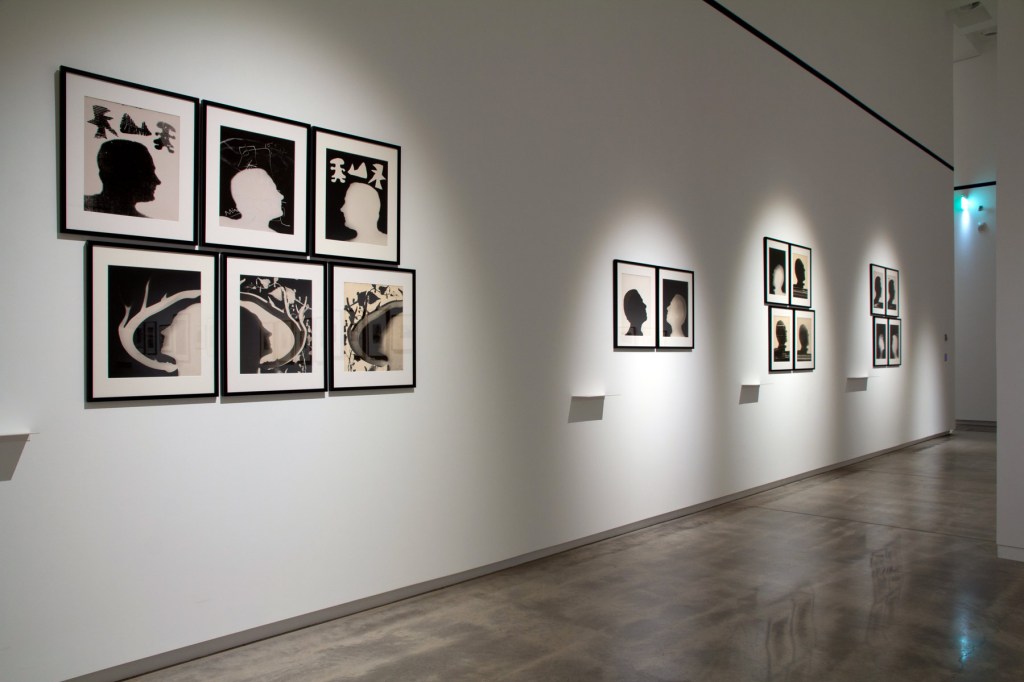
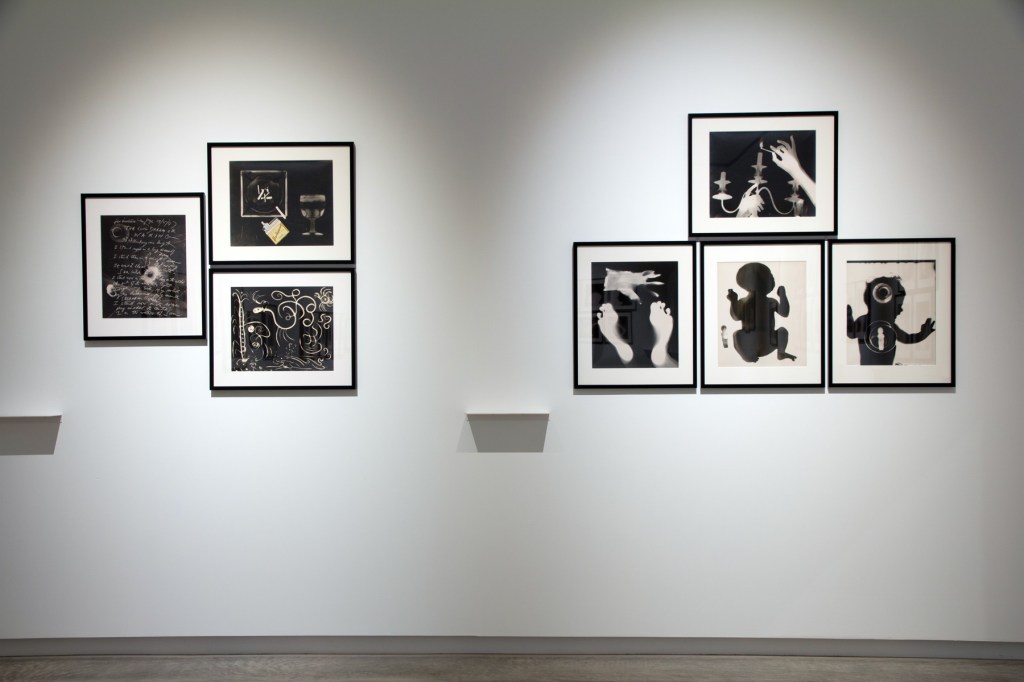


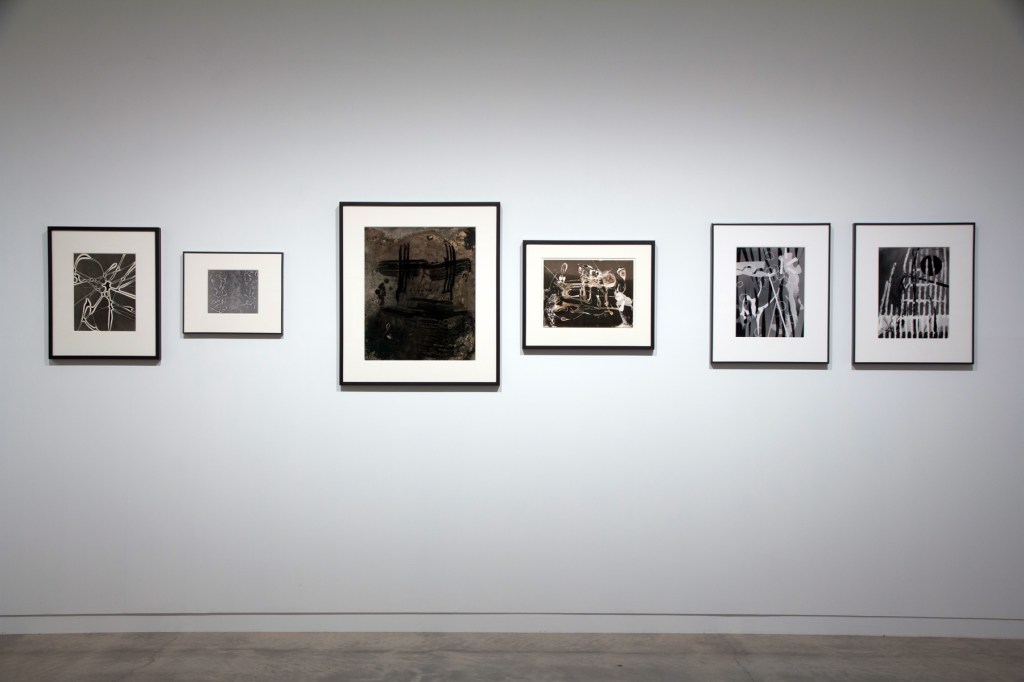
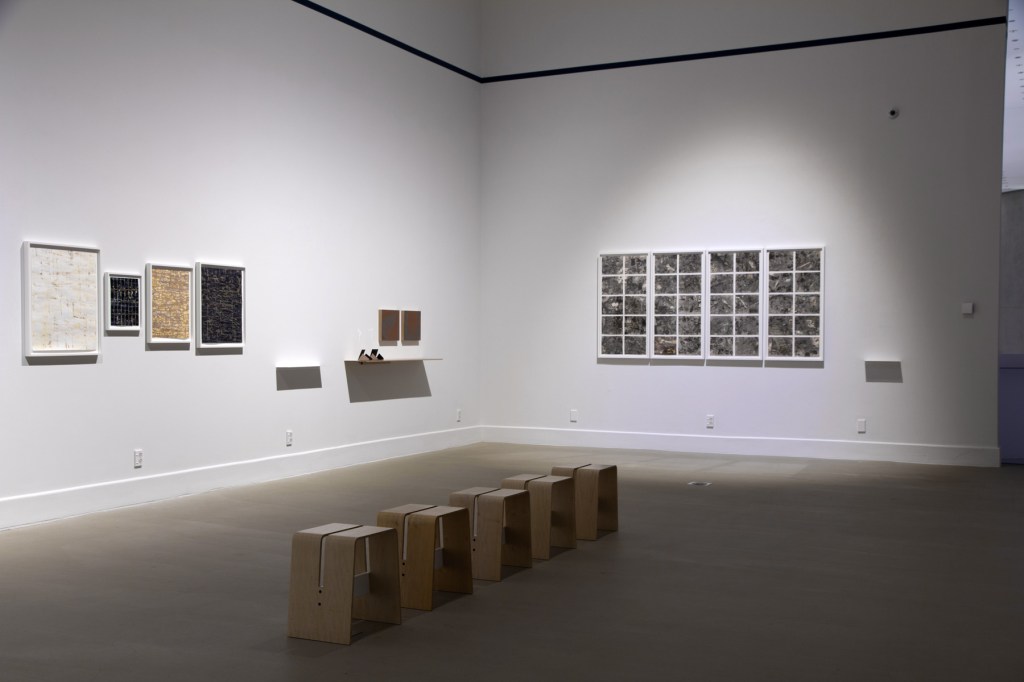
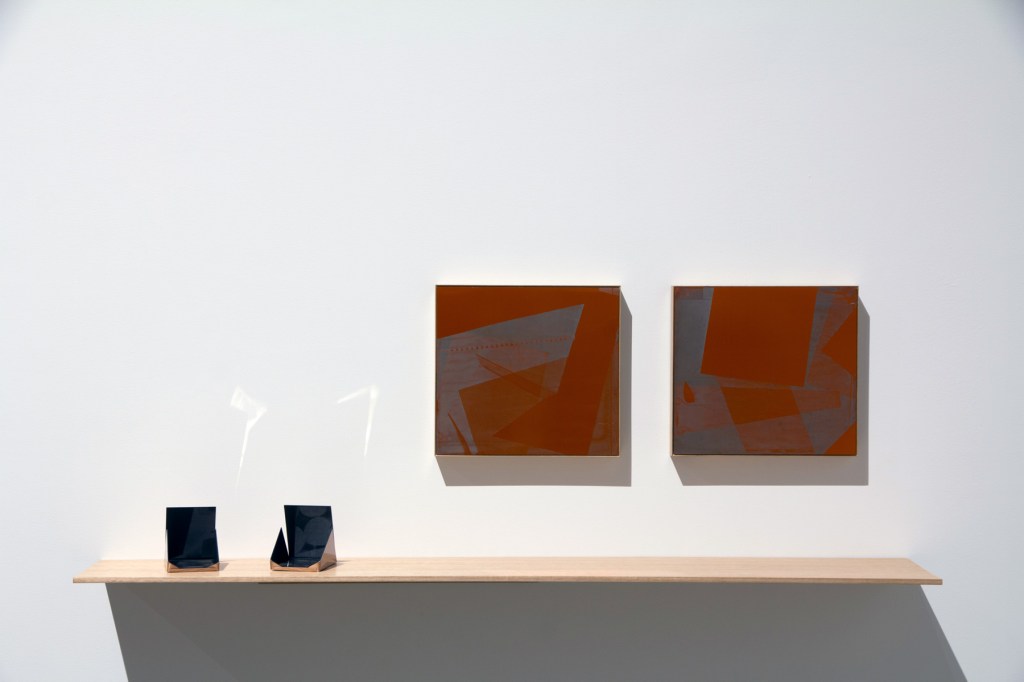
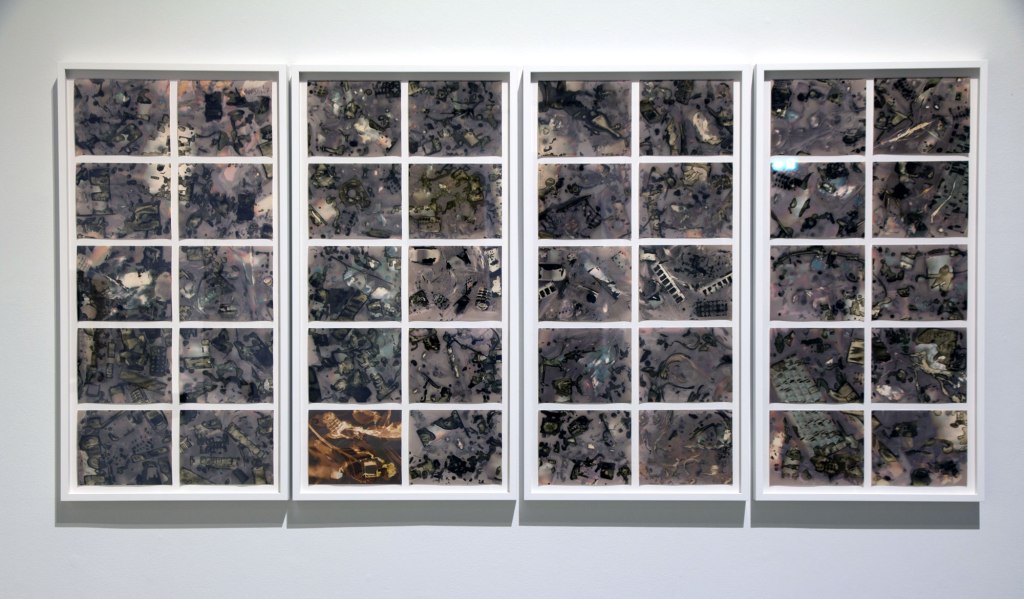

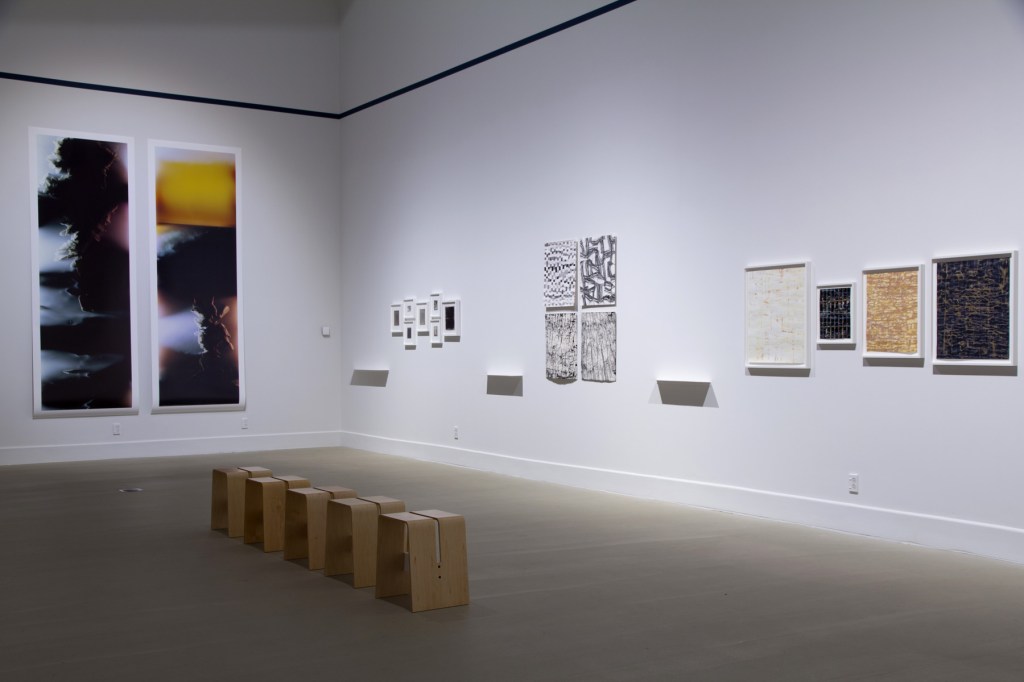
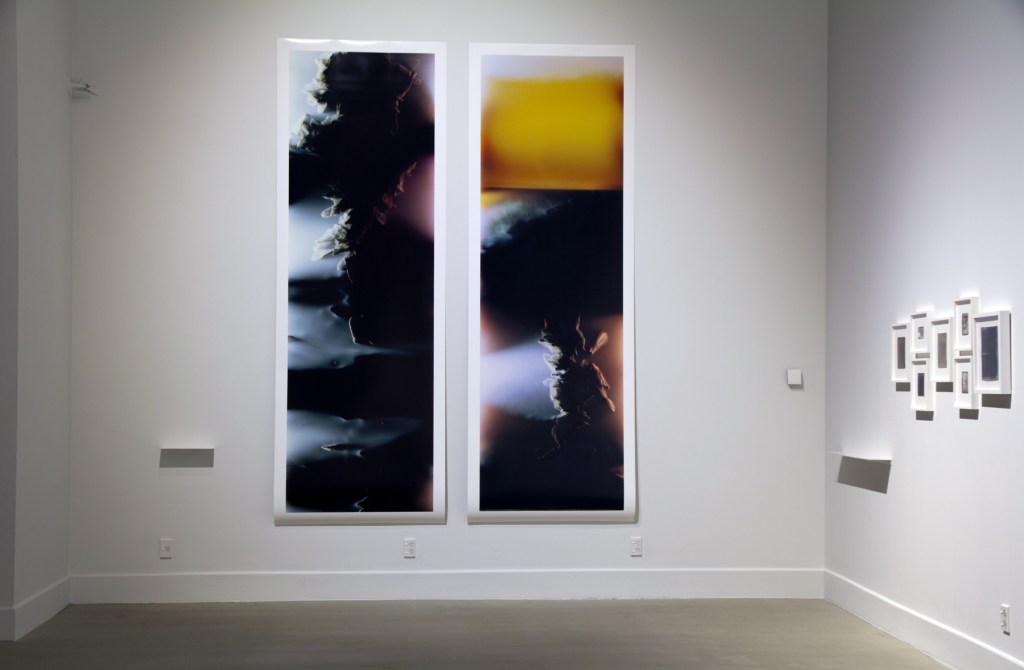
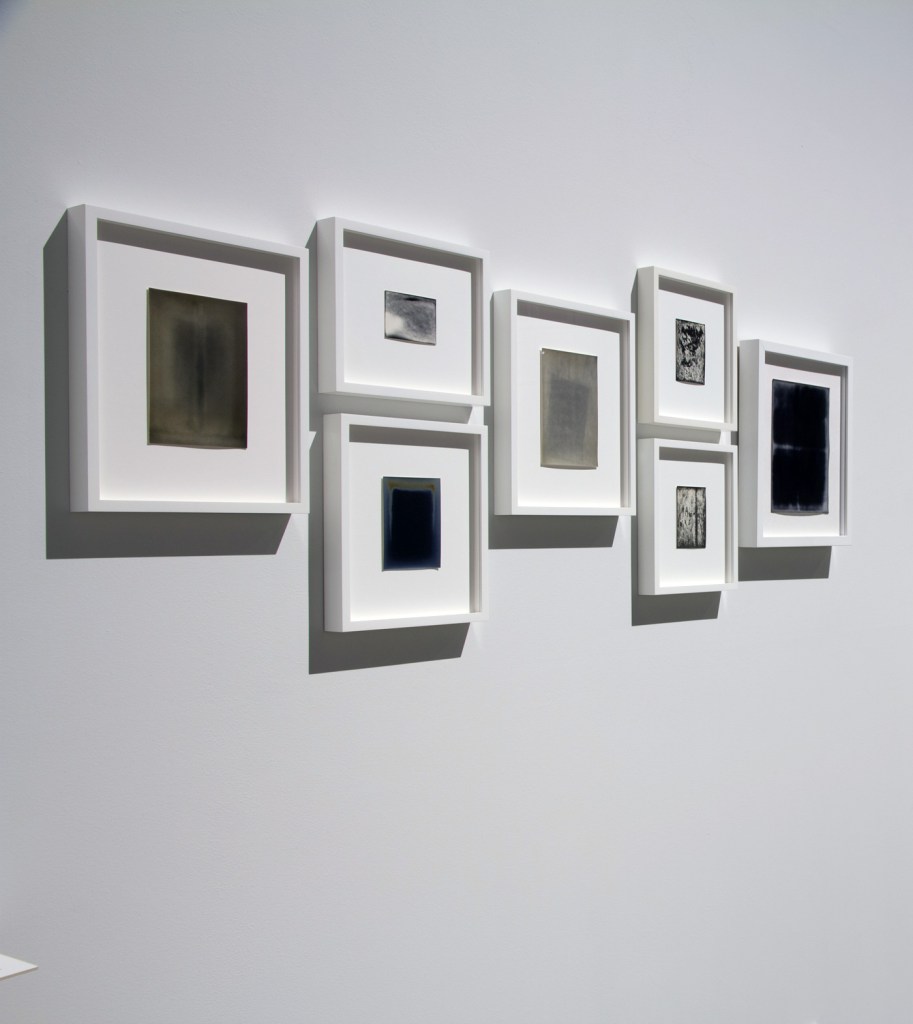
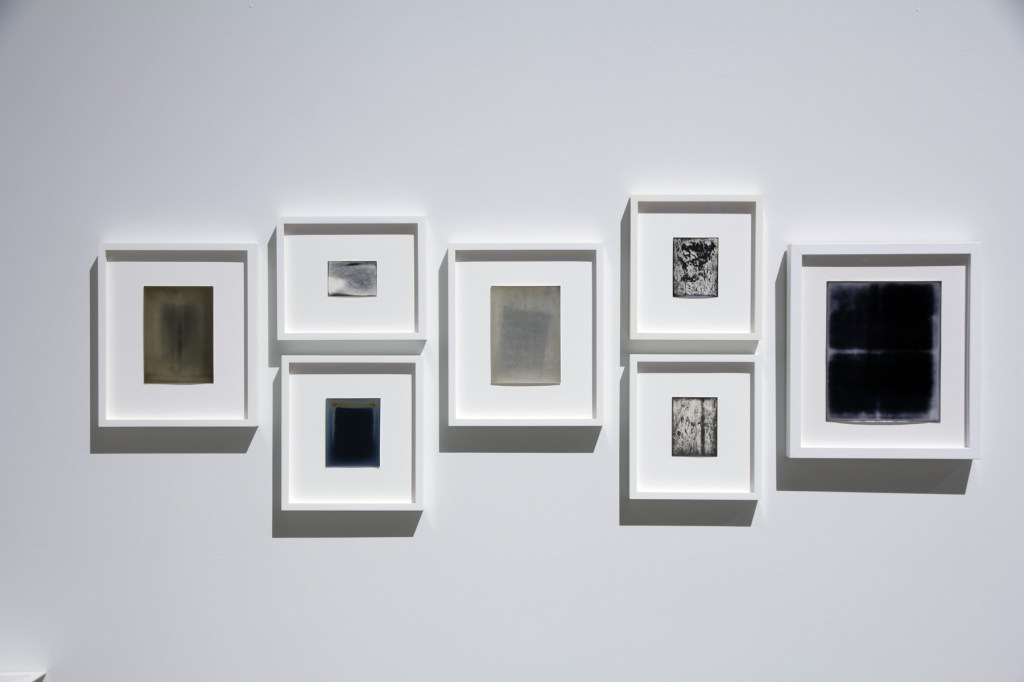
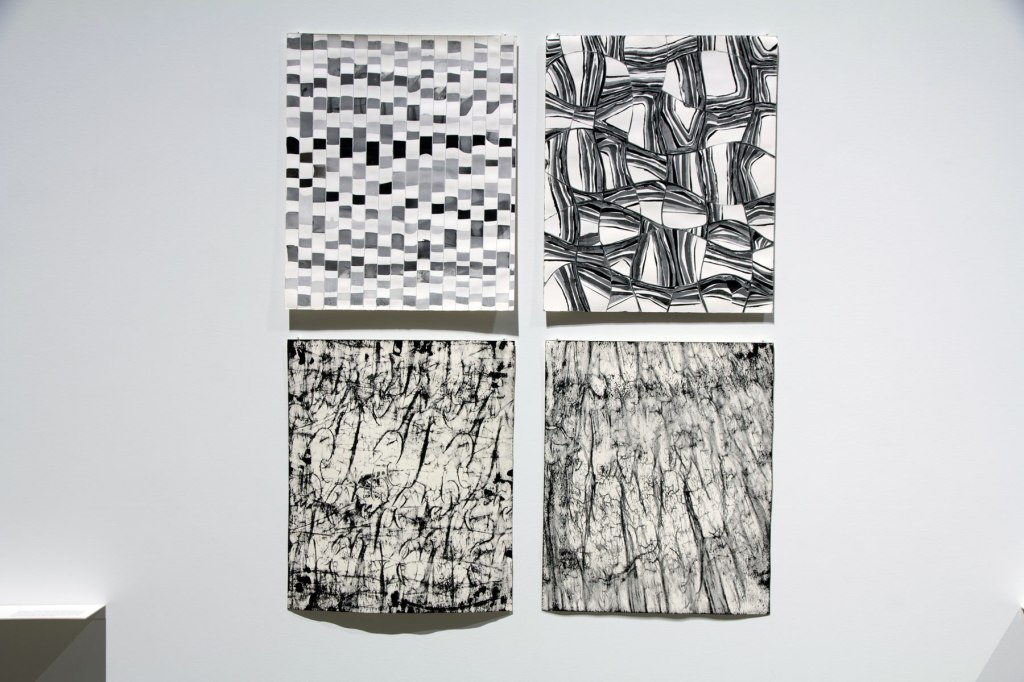

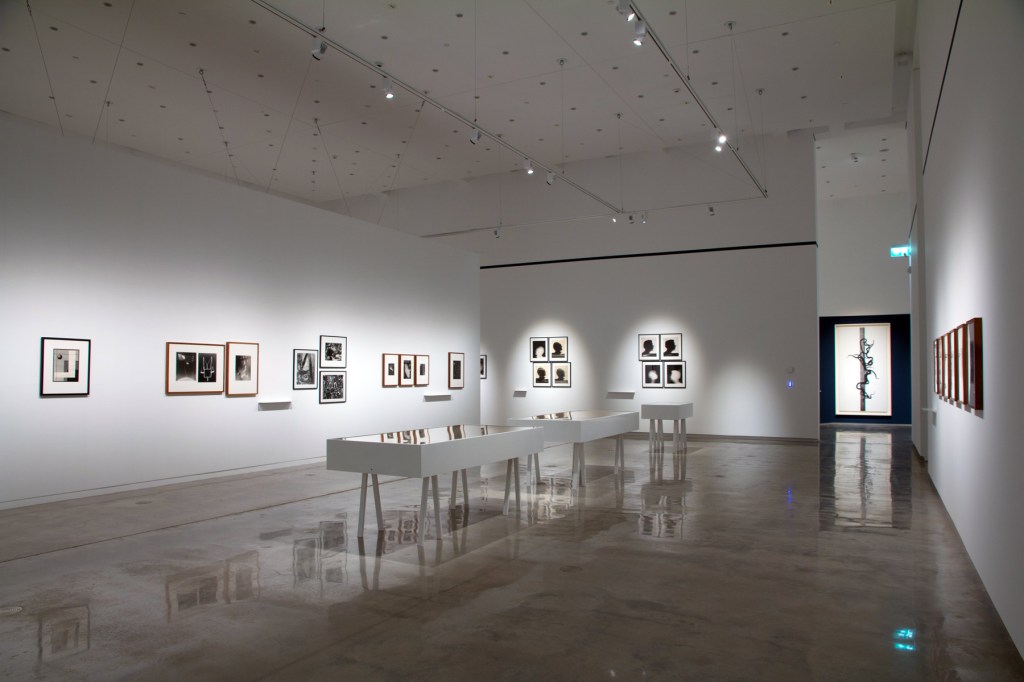
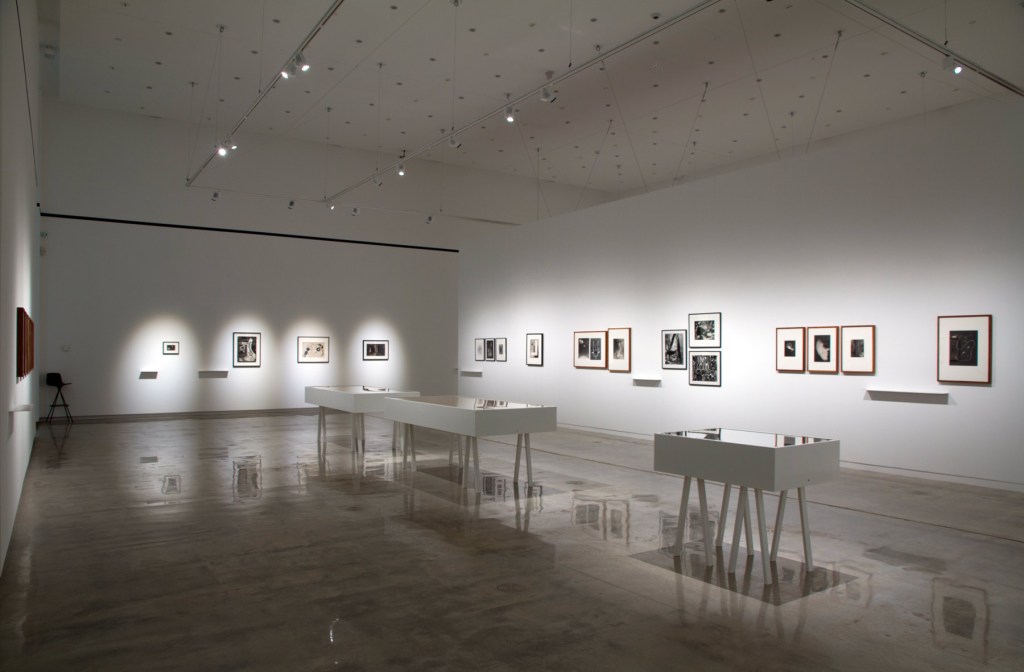
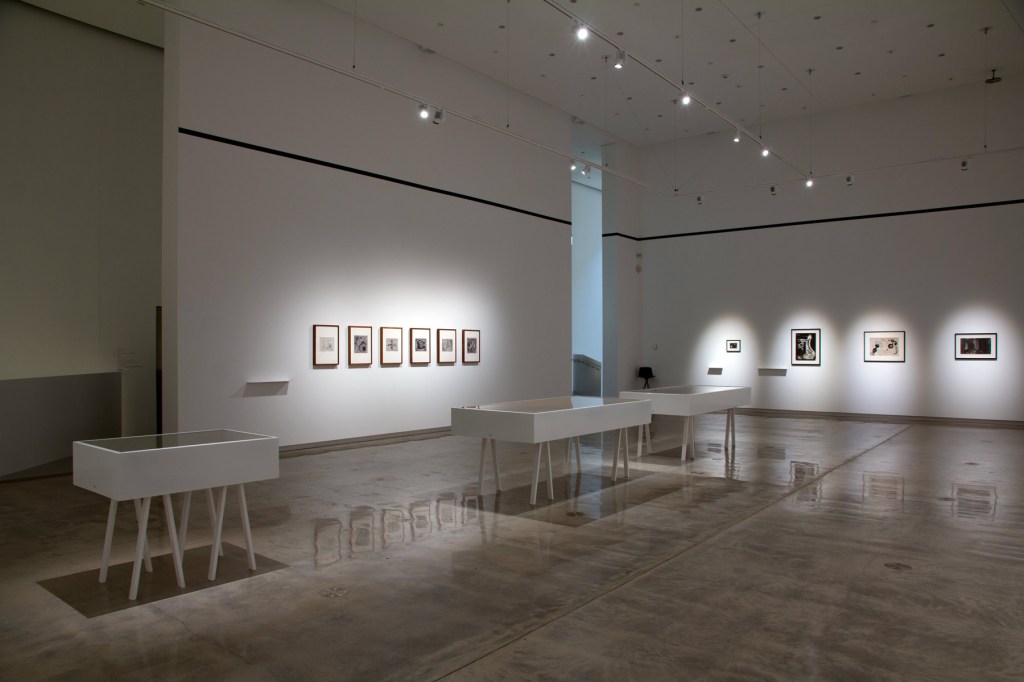
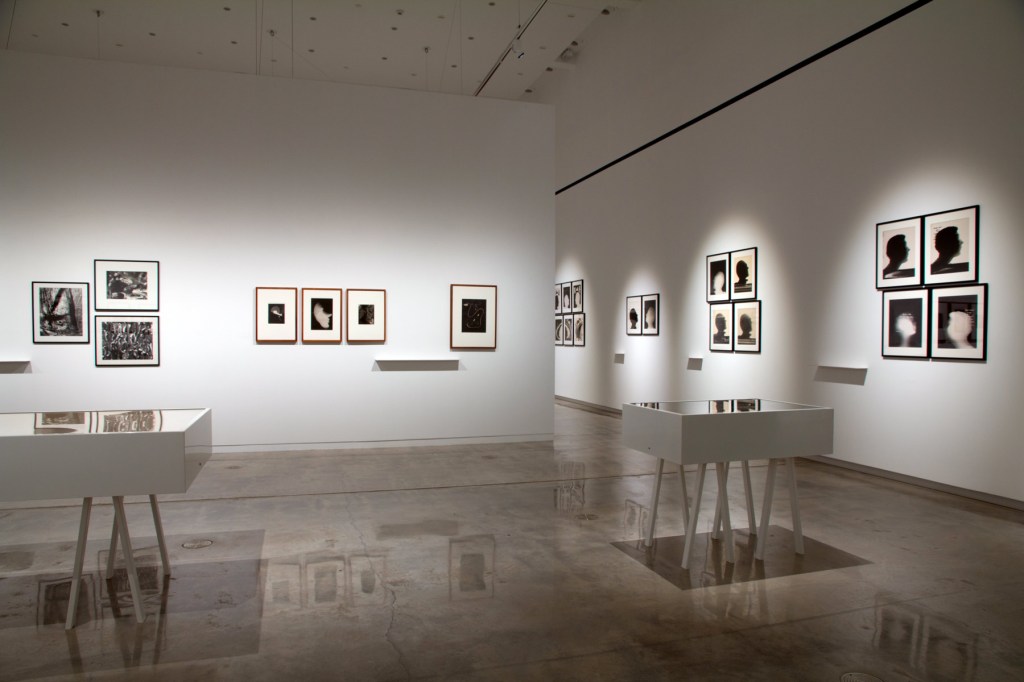
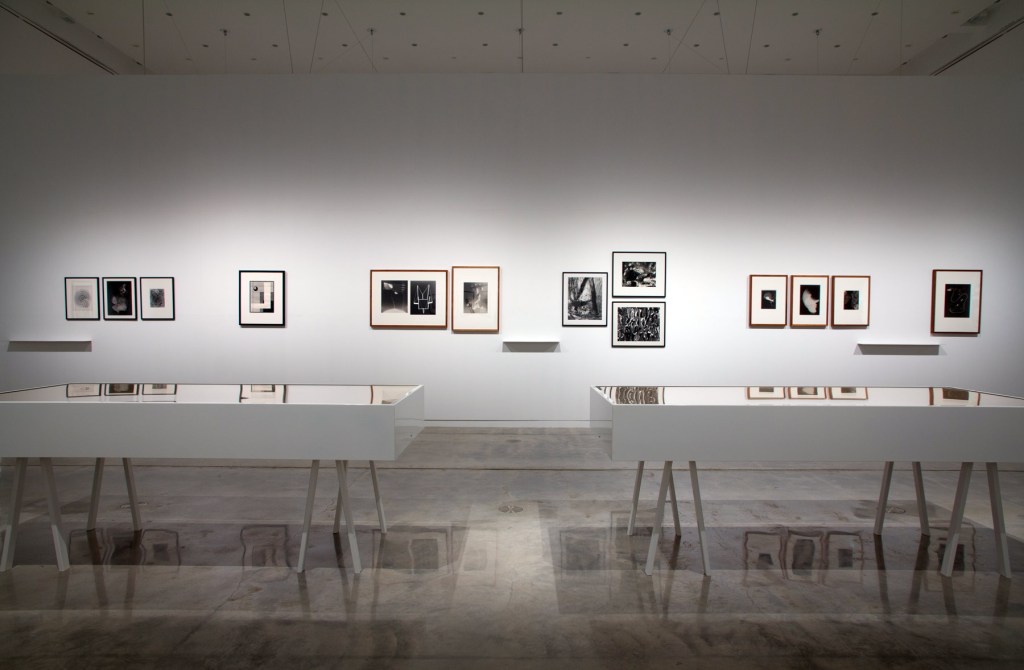

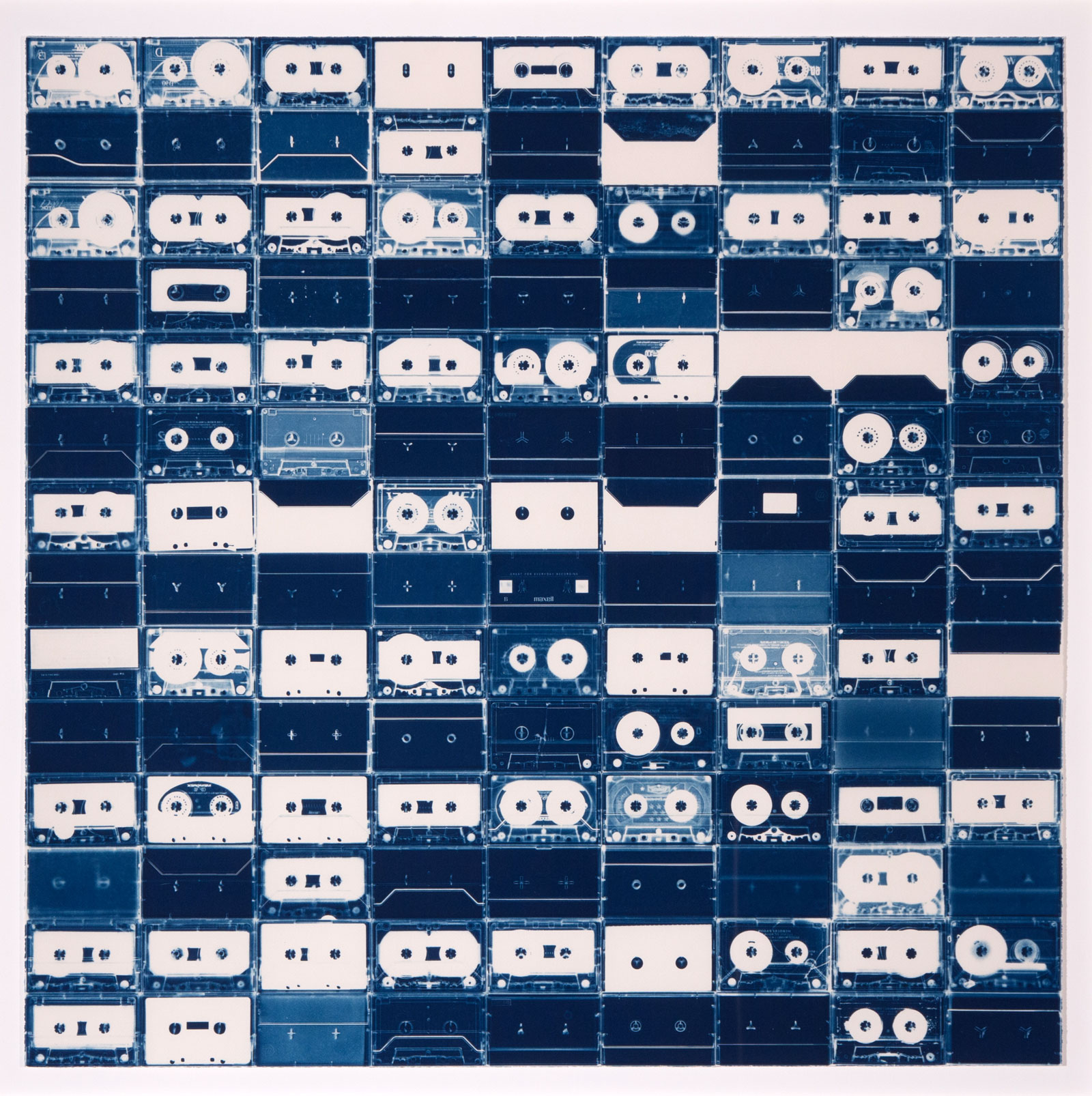
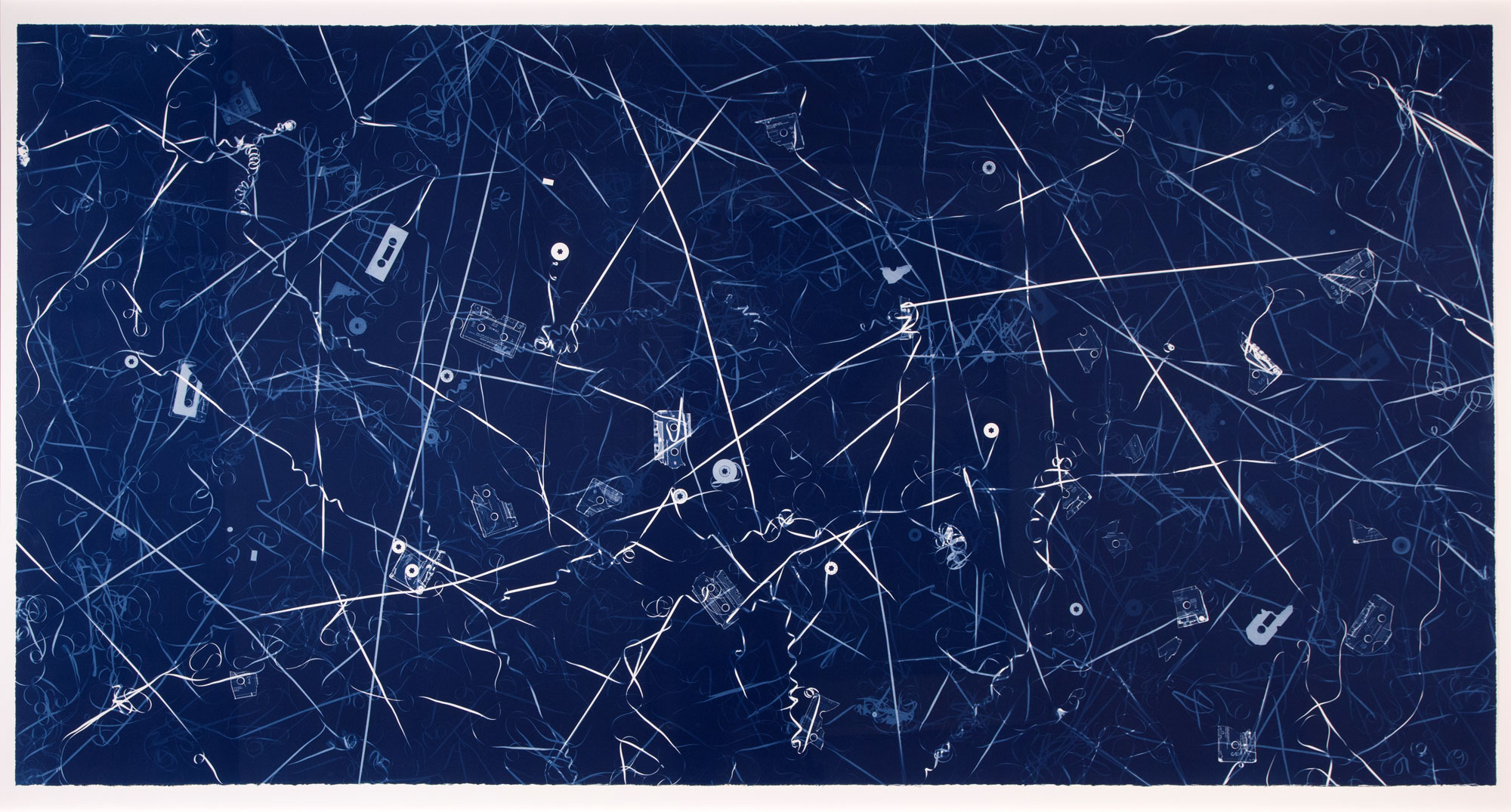

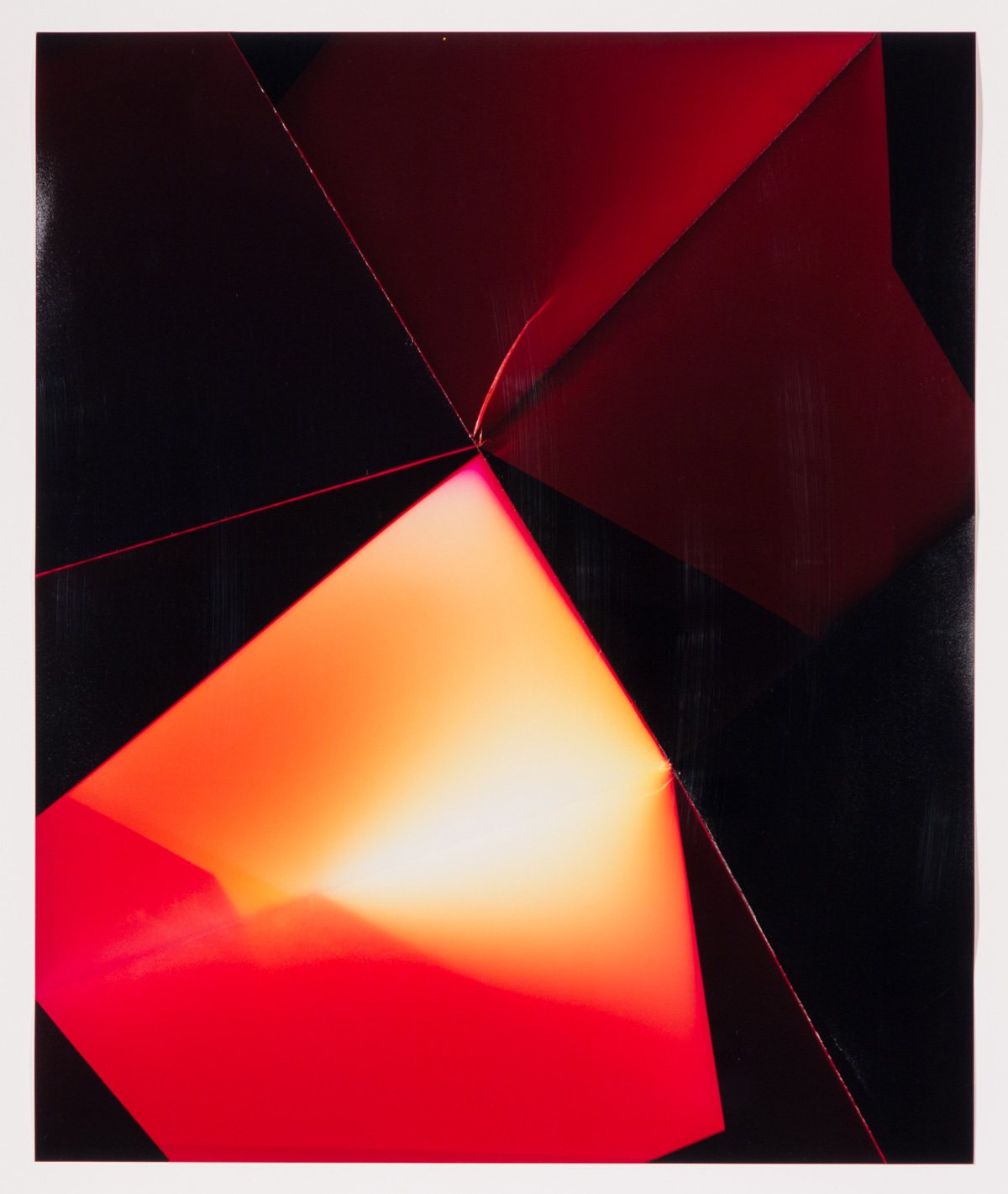
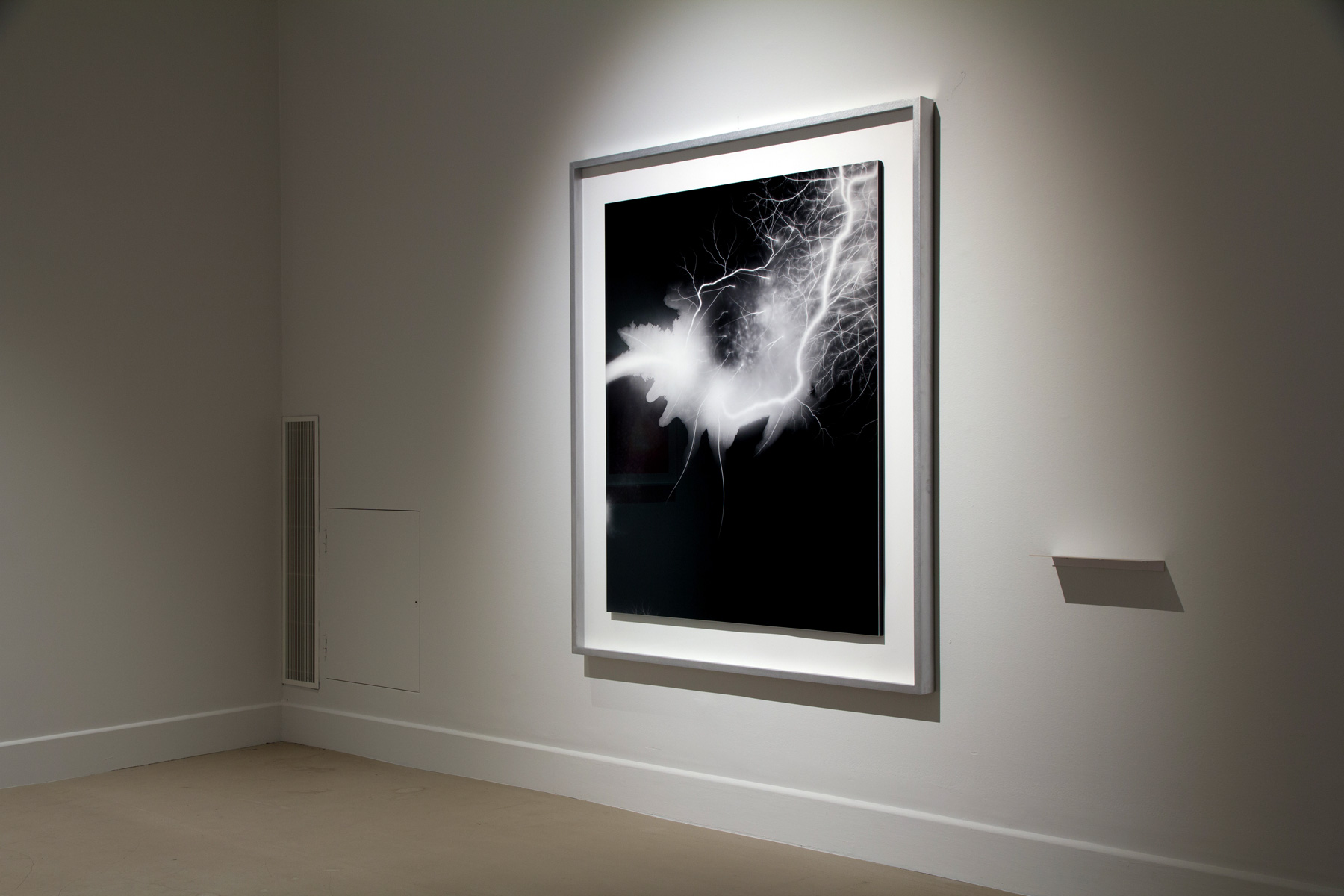


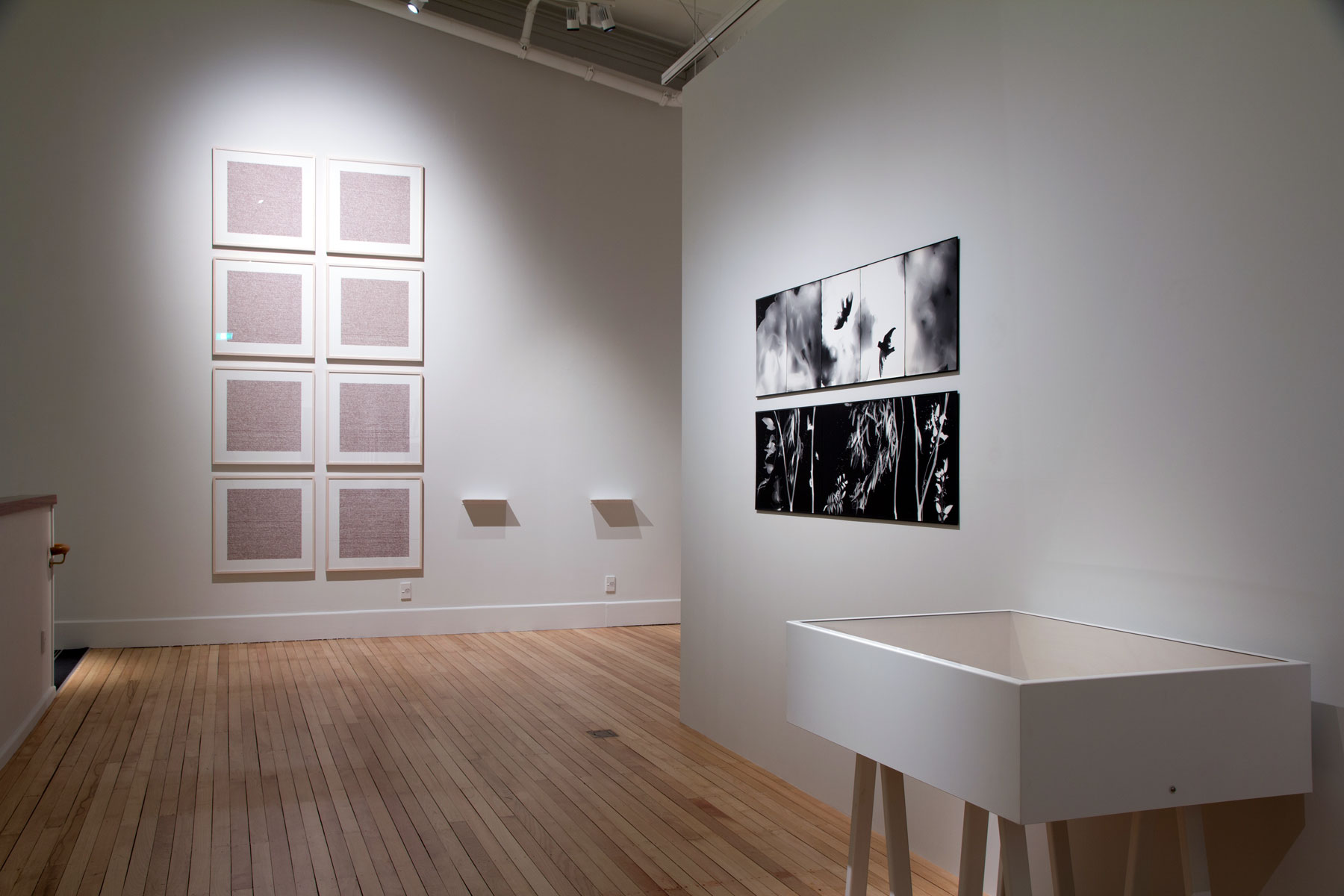
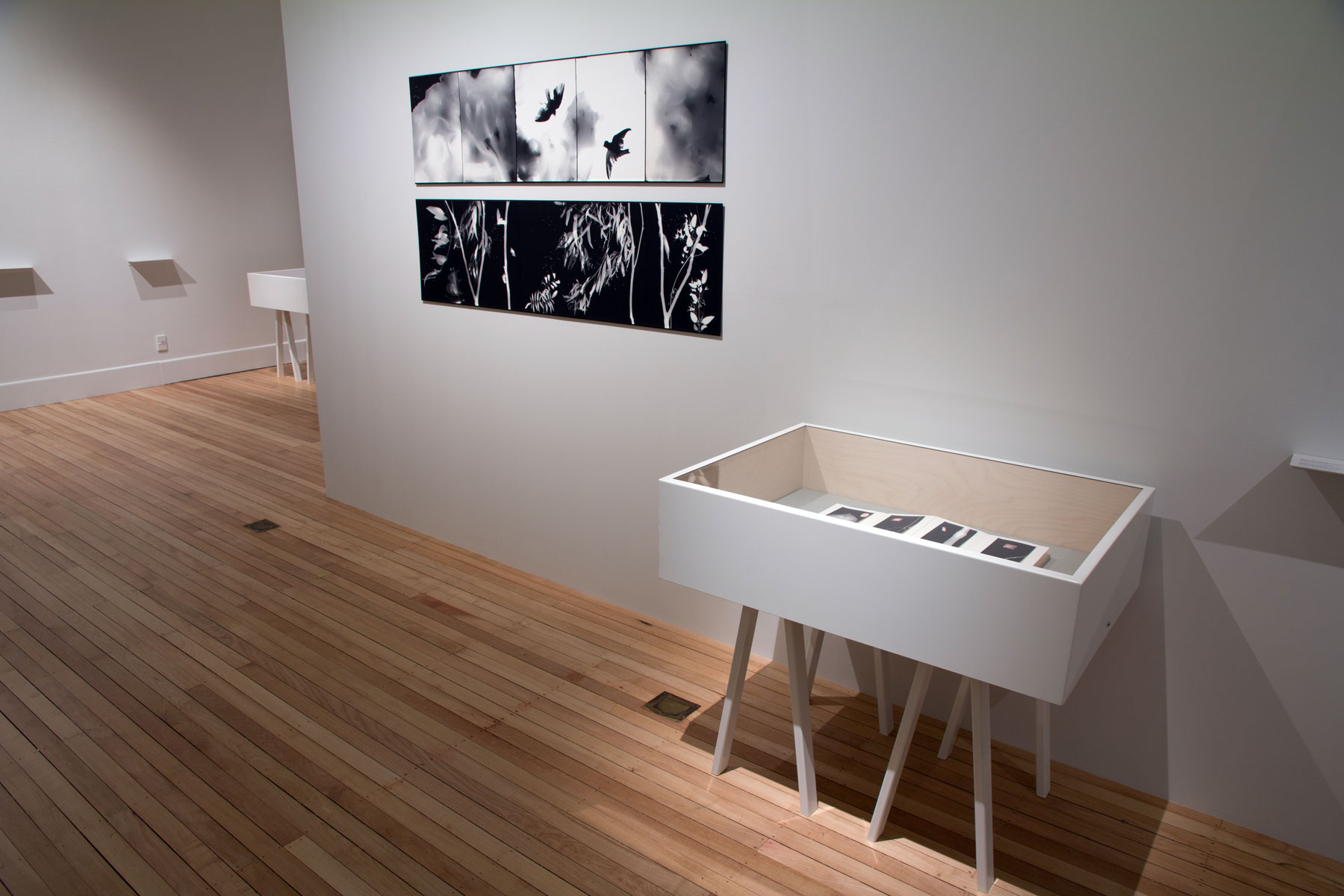

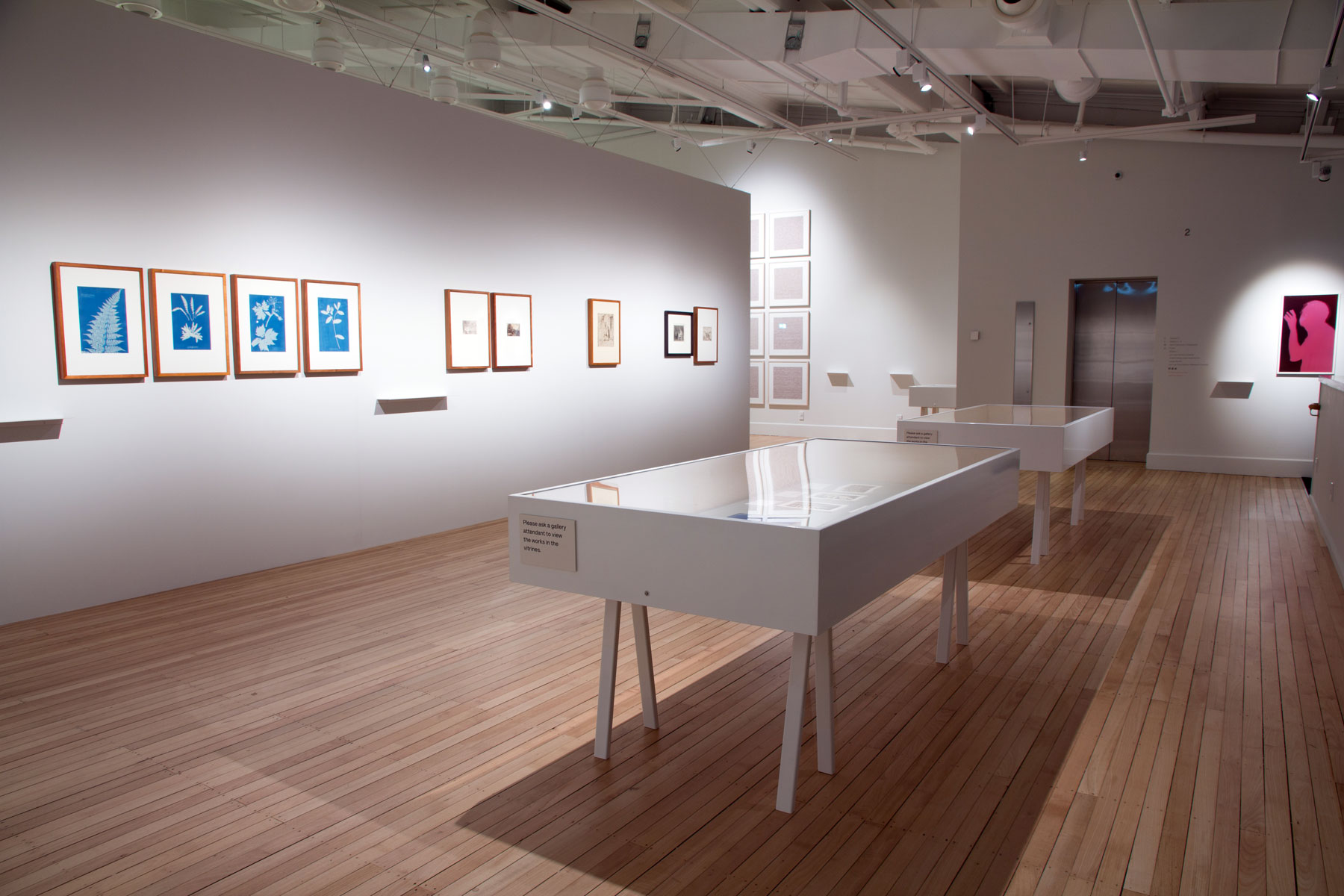

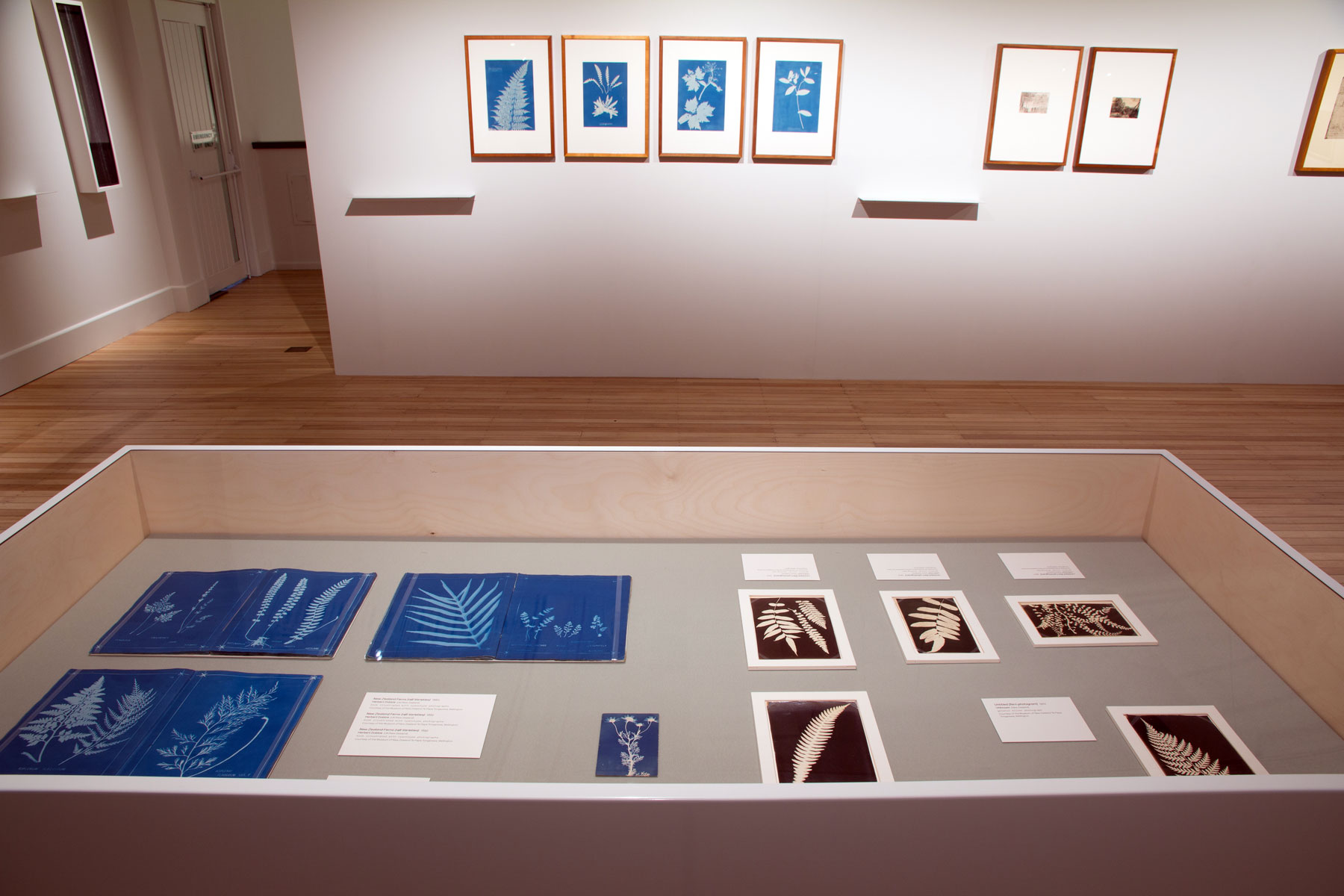
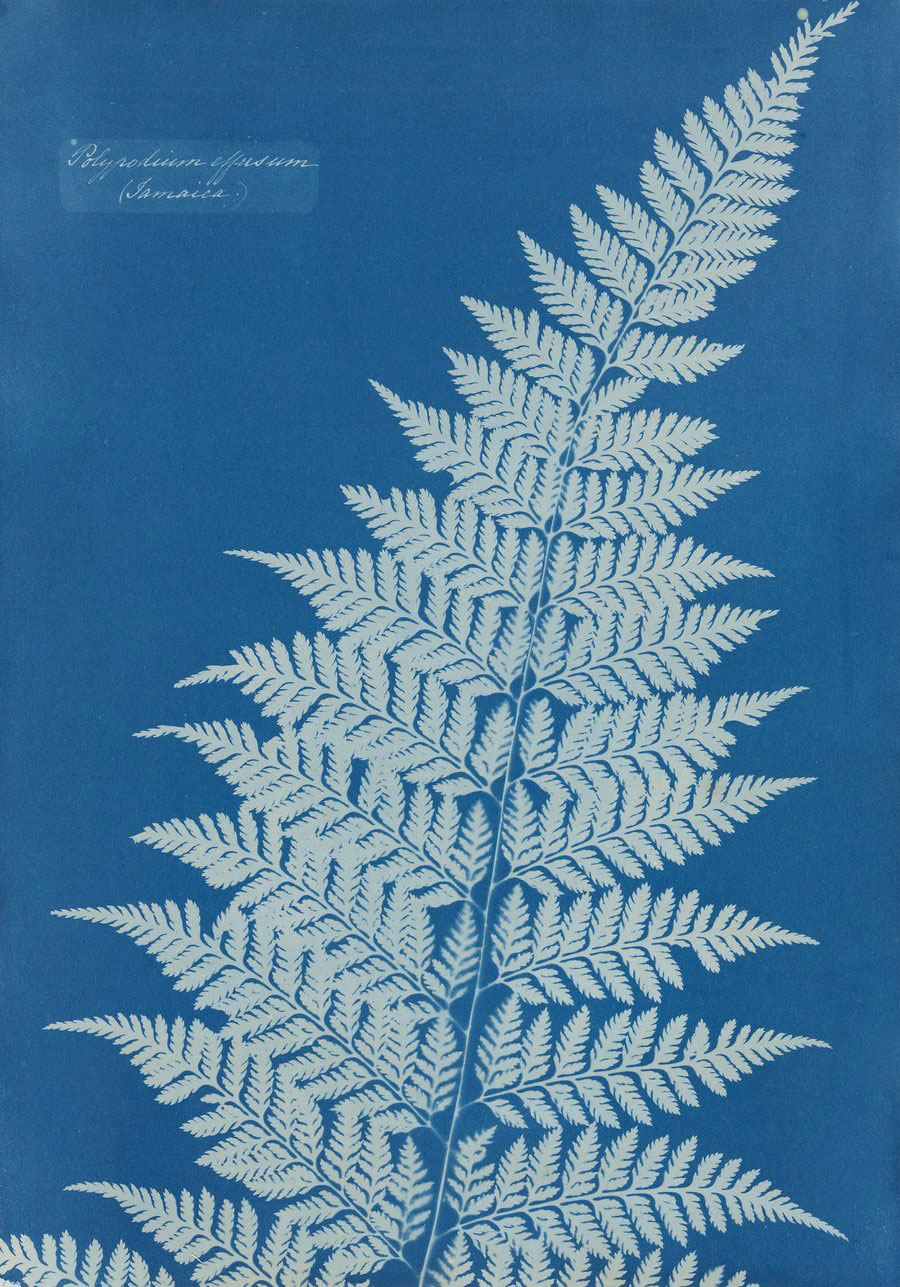


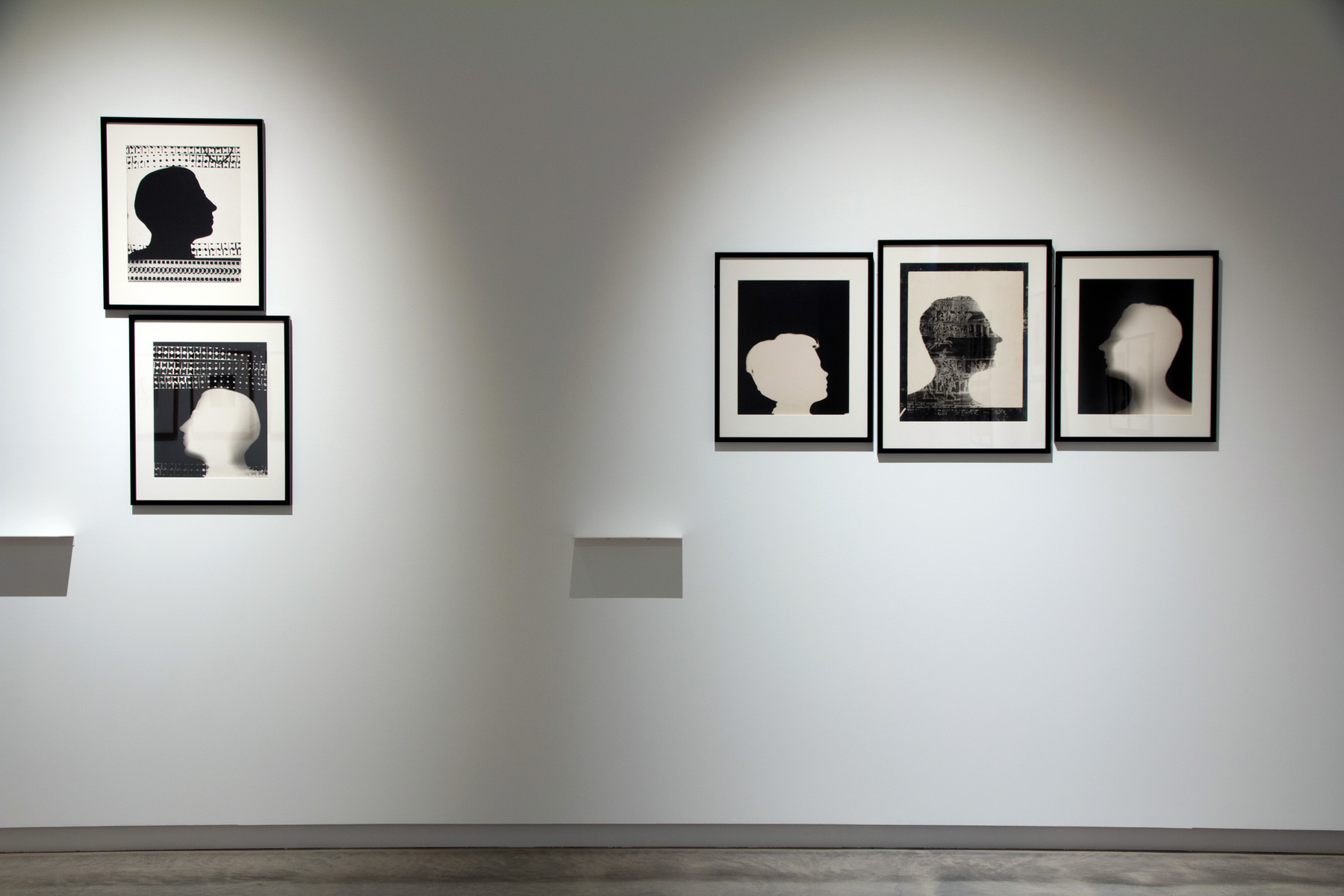


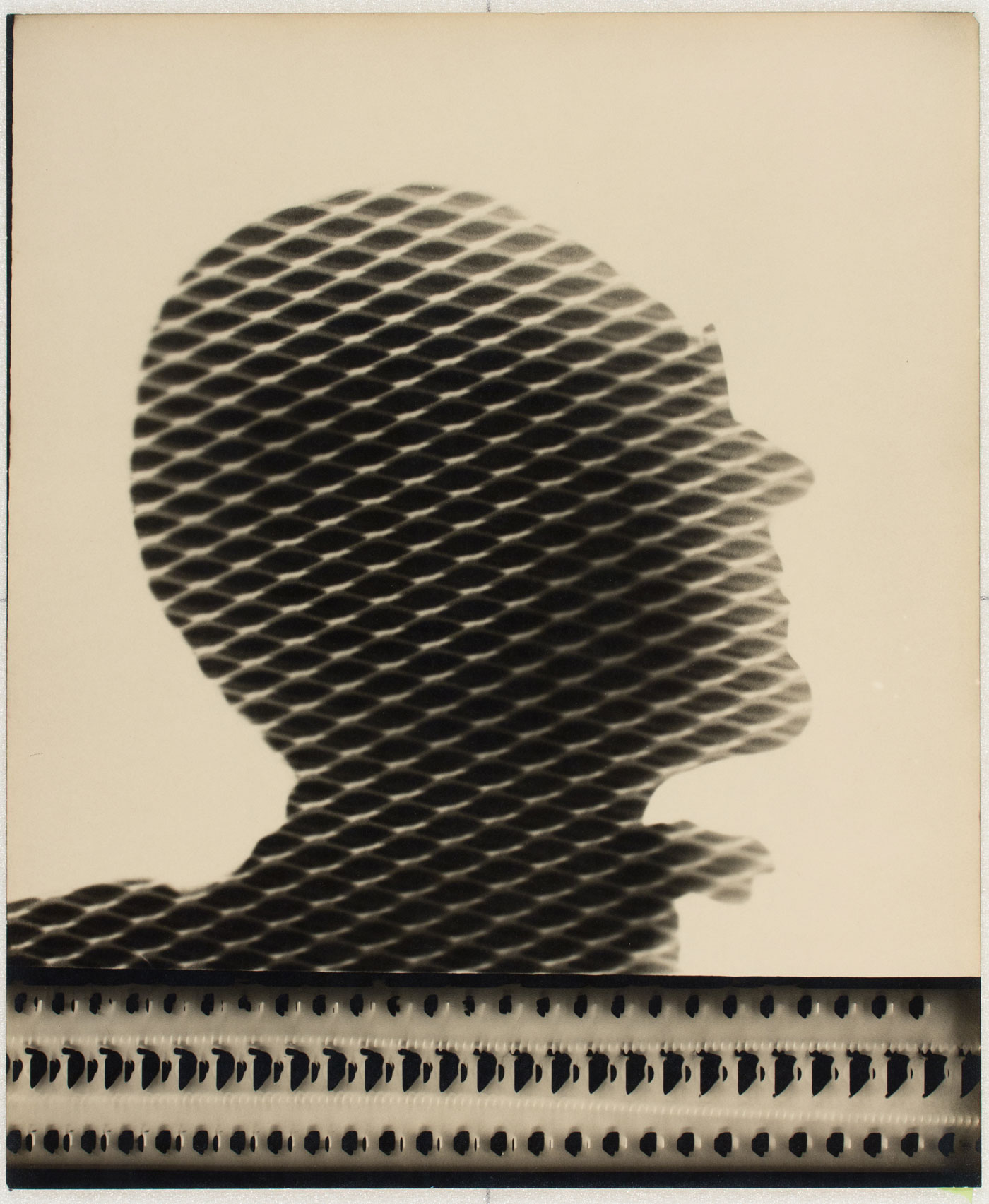

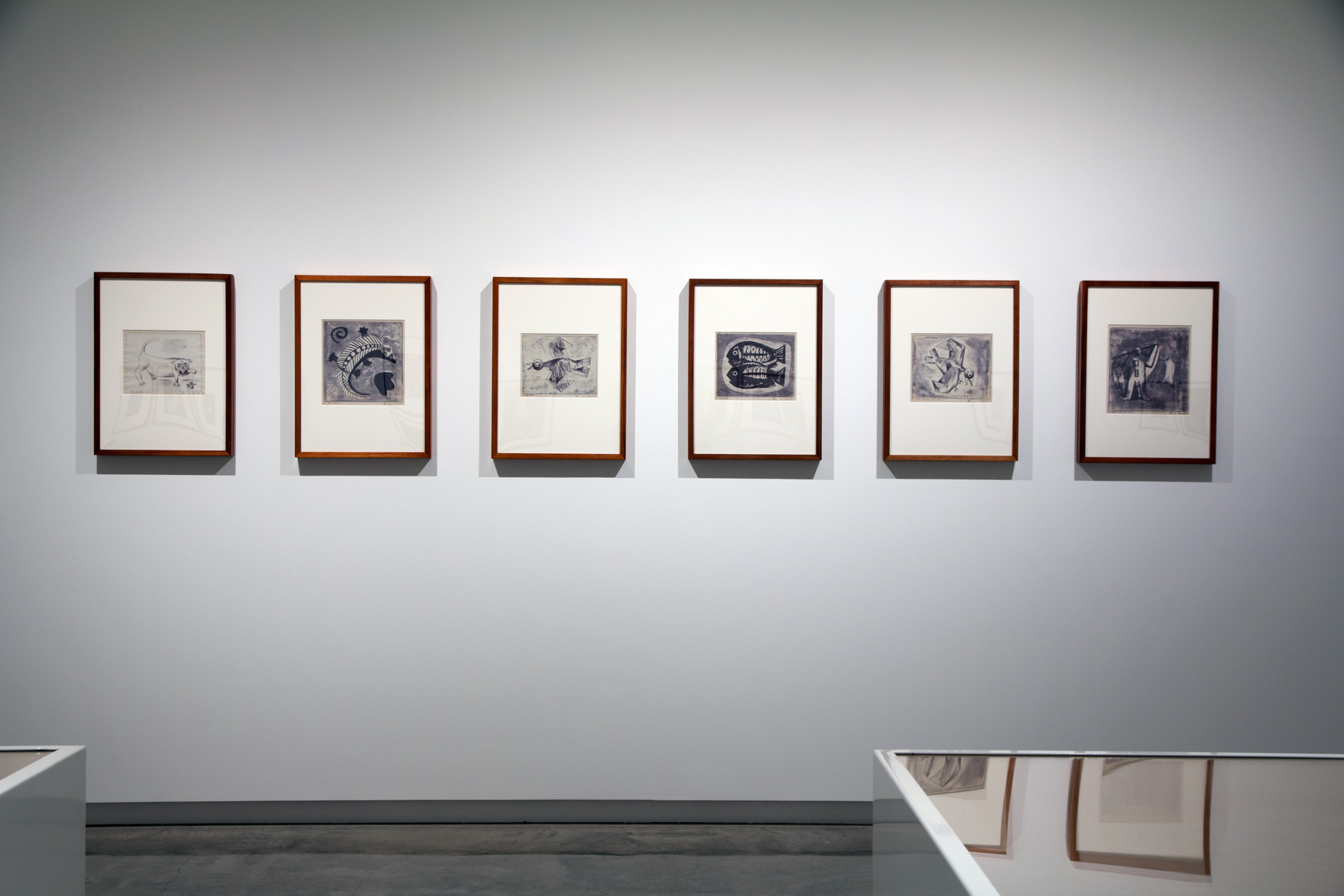
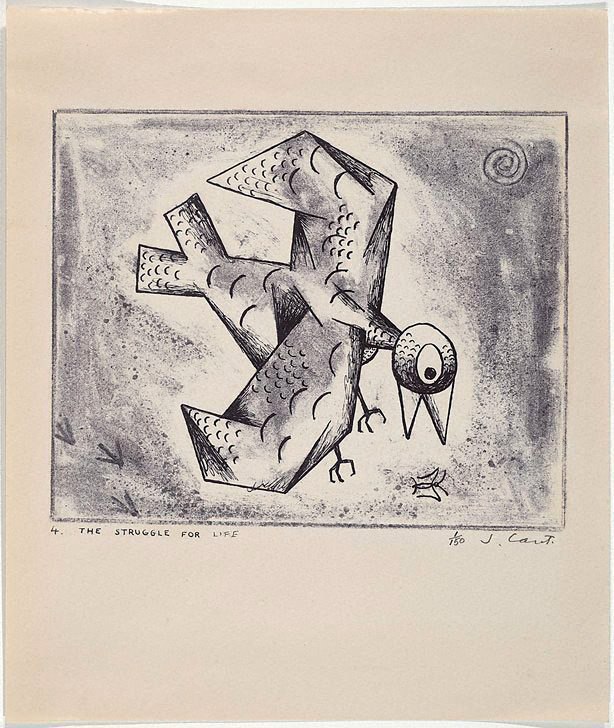

![Max Dupain (Australian, 1911-1992) 'Untitled rayograph [with water]' 1936](https://artblart.com/wp-content/uploads/2016/07/dupain-rayograph-water.jpg "Max Dupain (Australian, 1911-1992) 'Untitled rayograph [with water]' 1936")

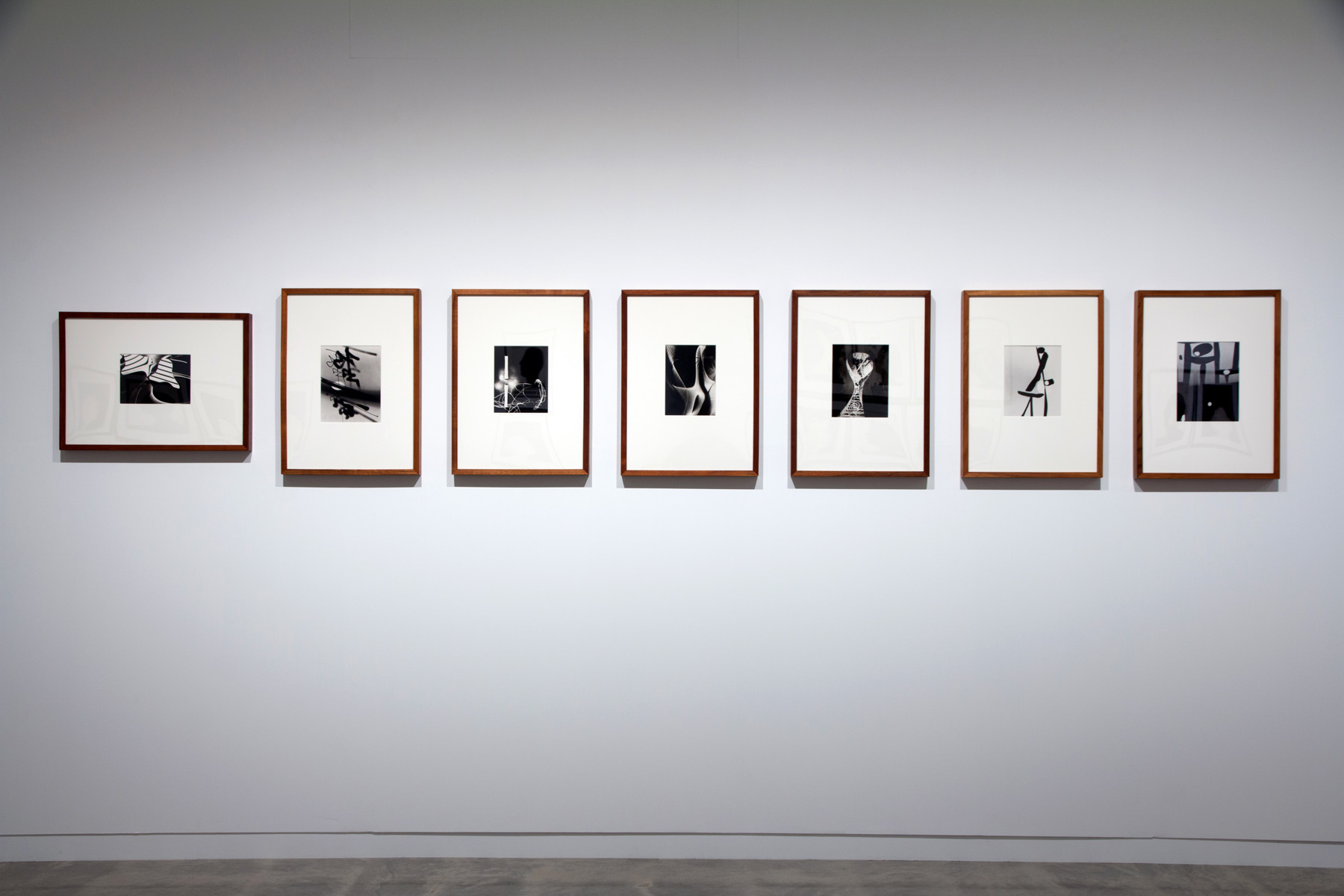

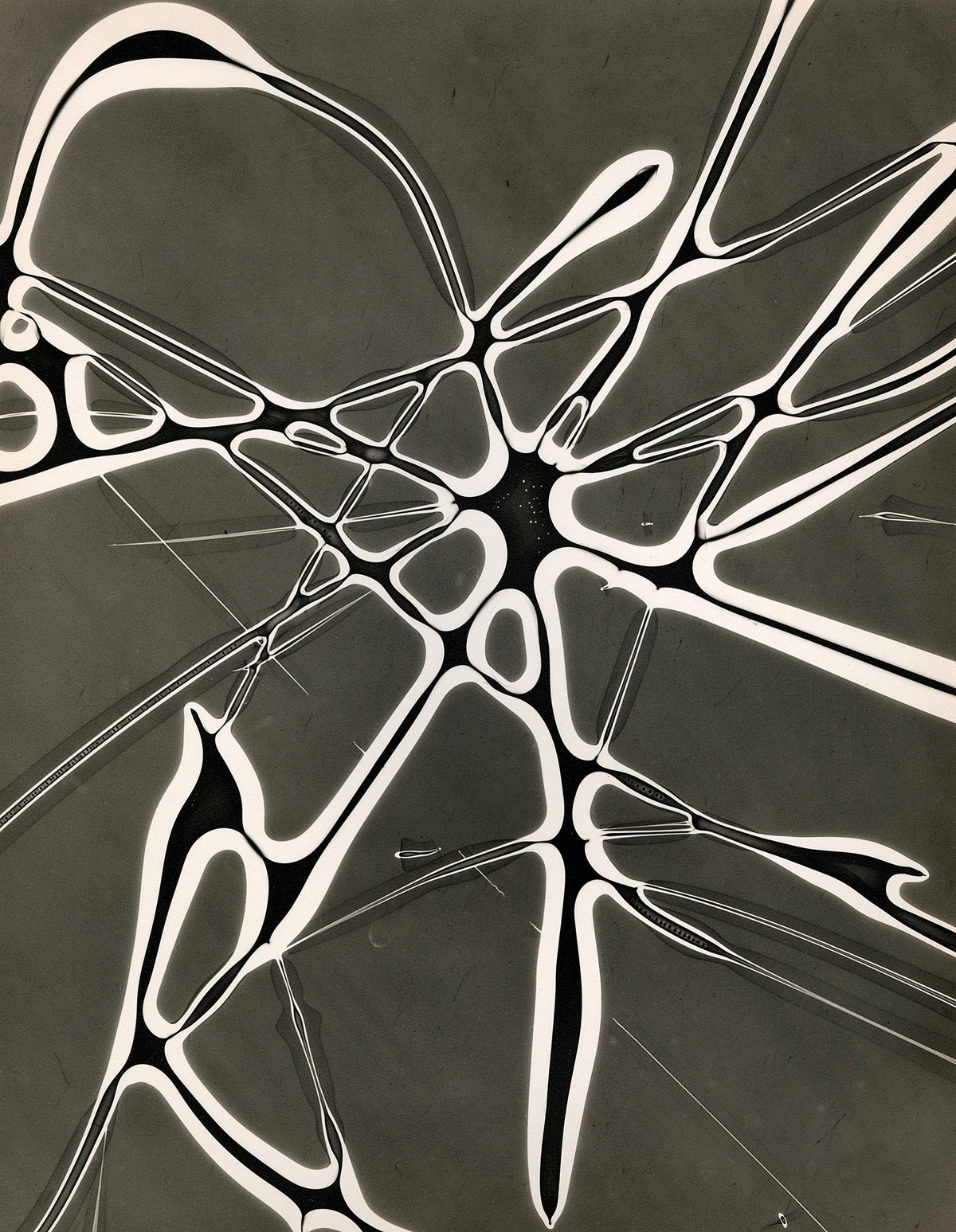


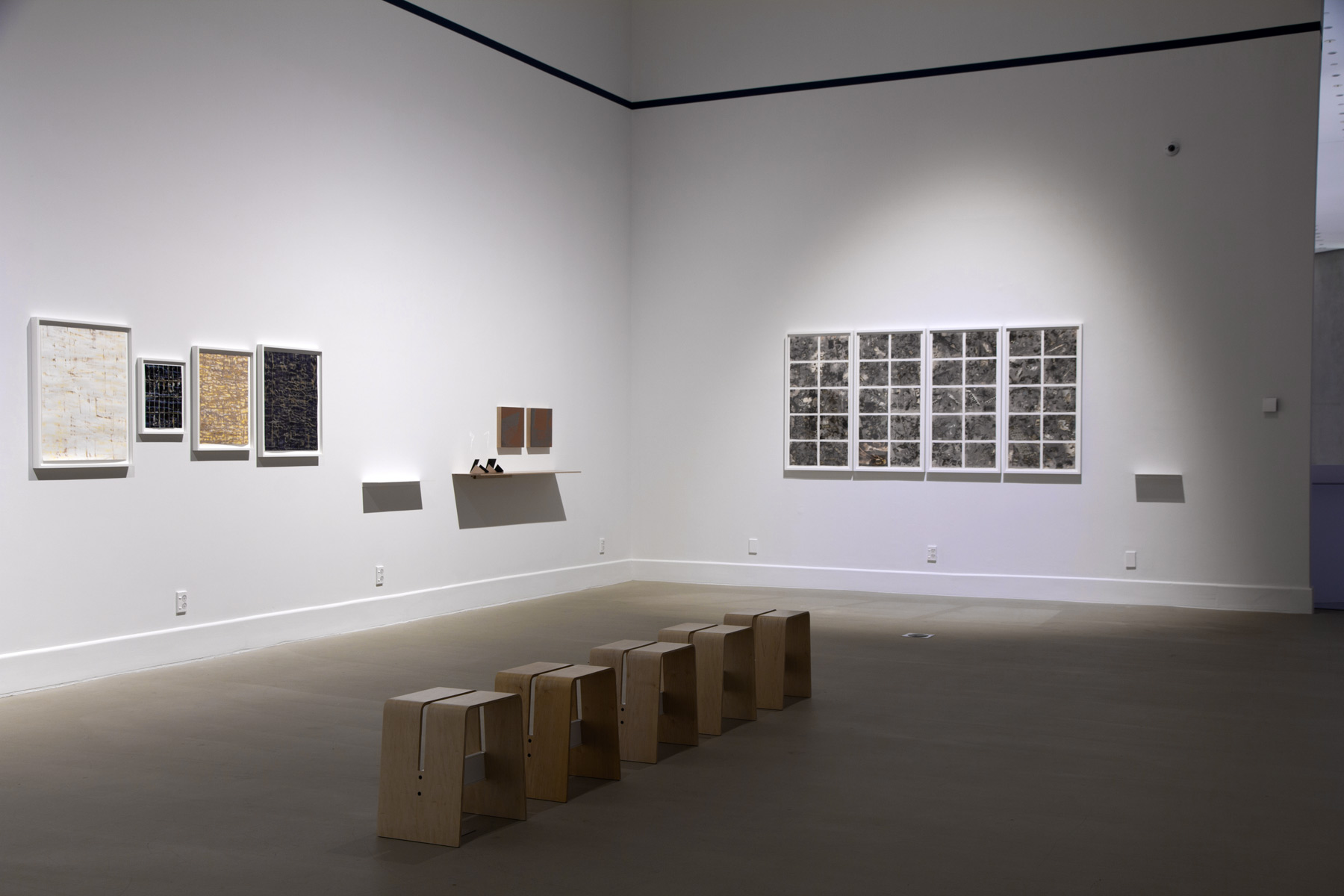

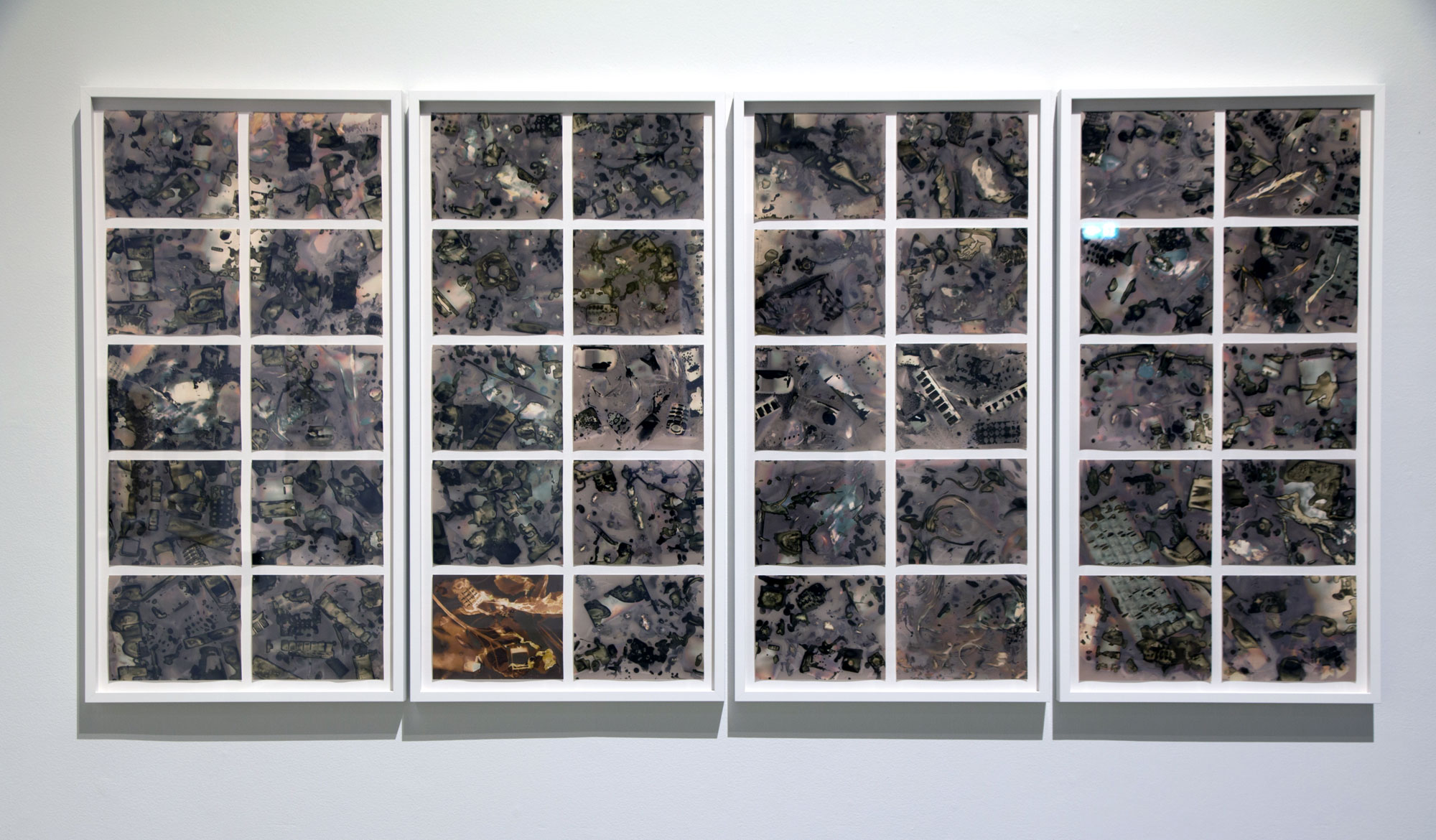

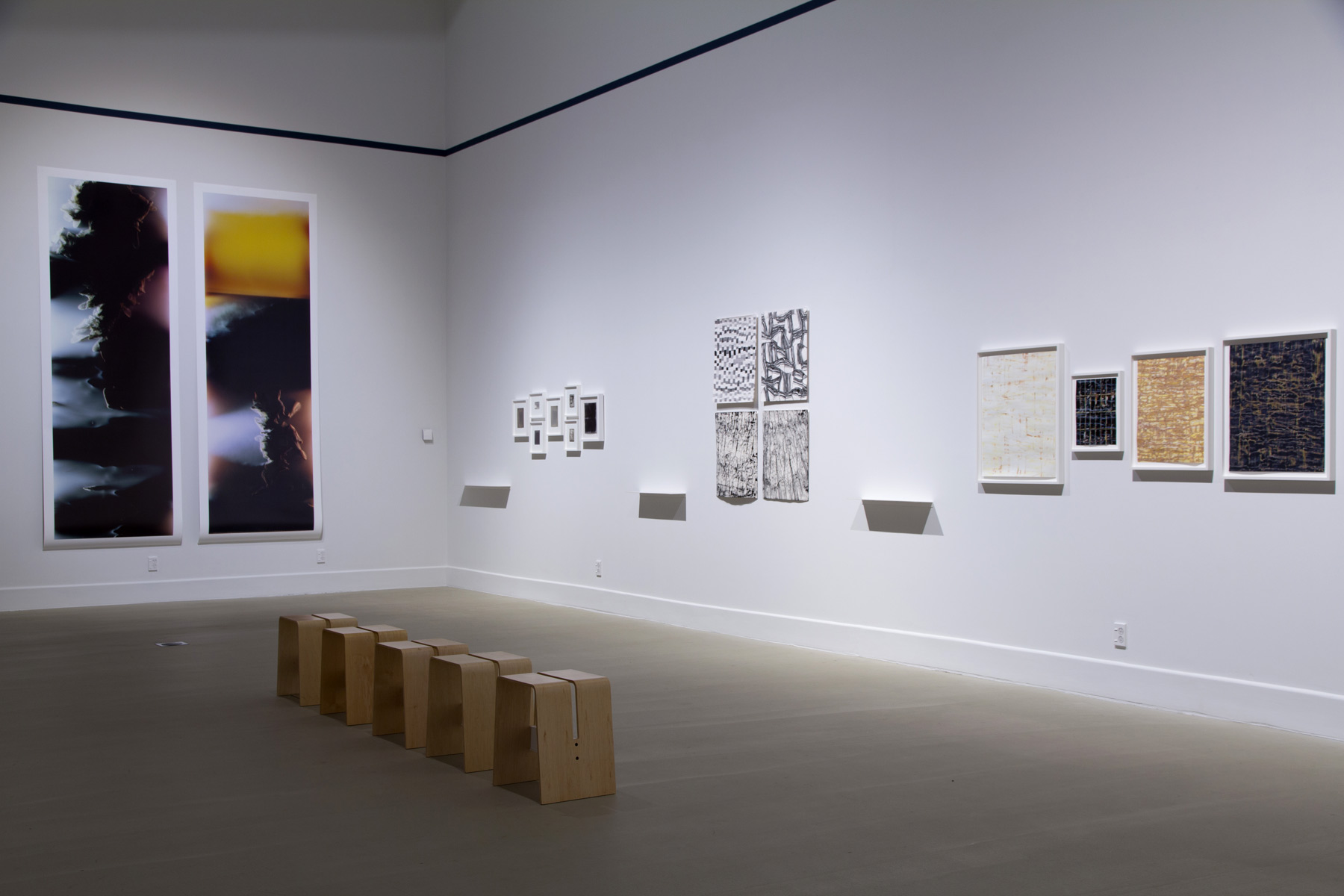

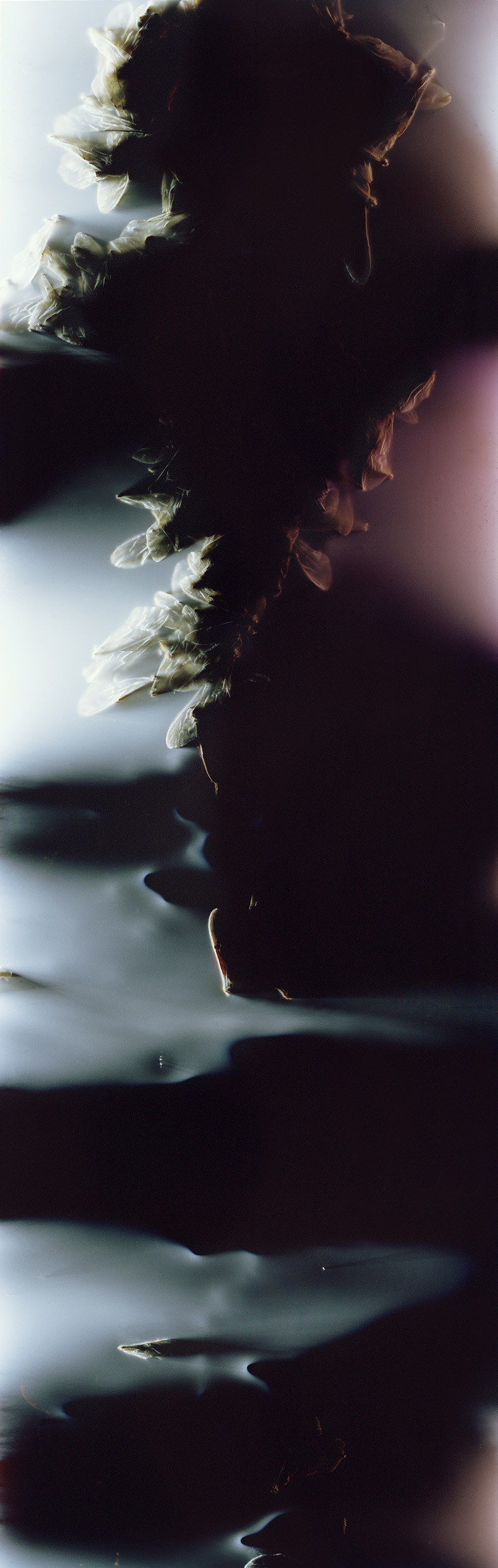
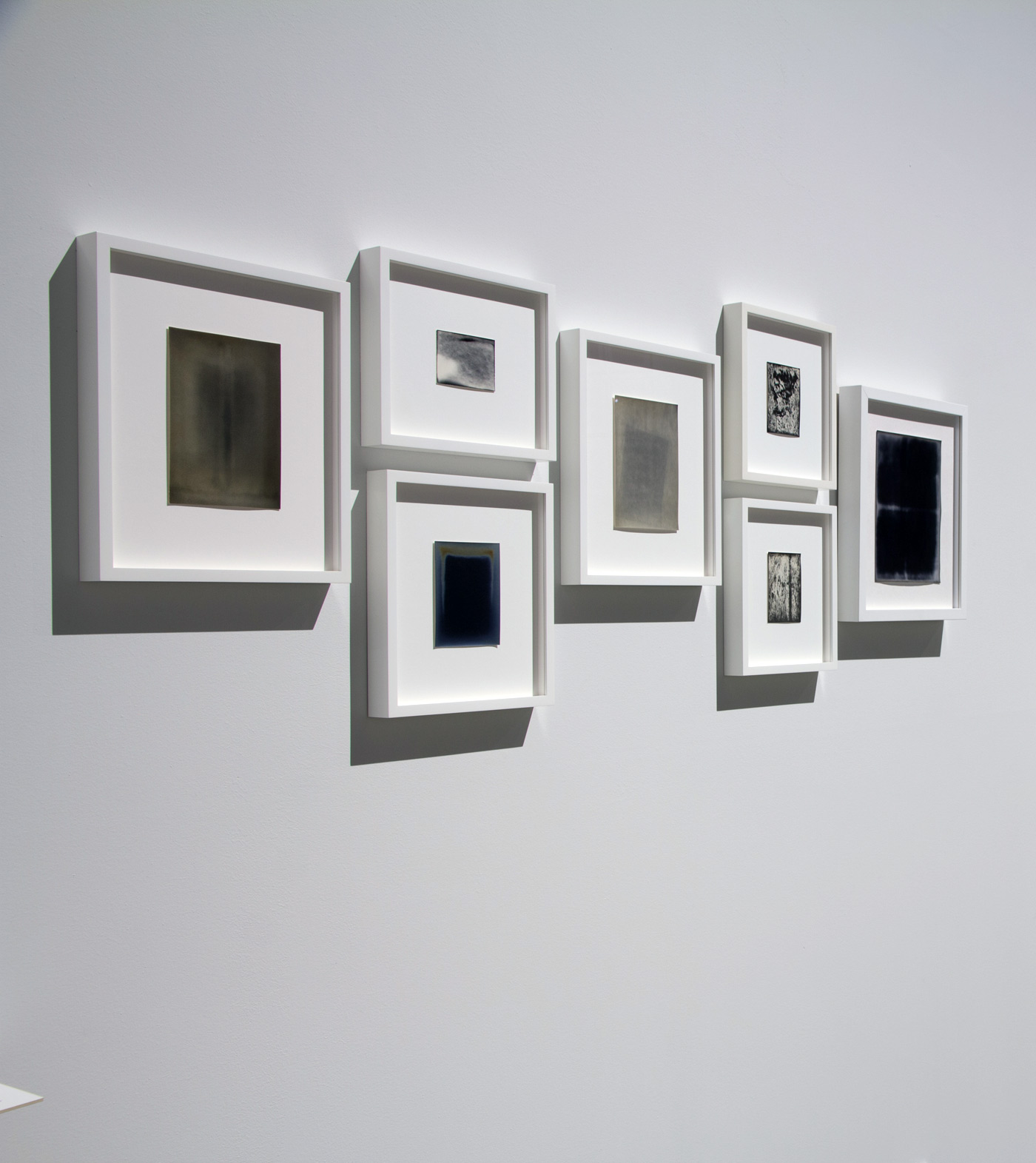


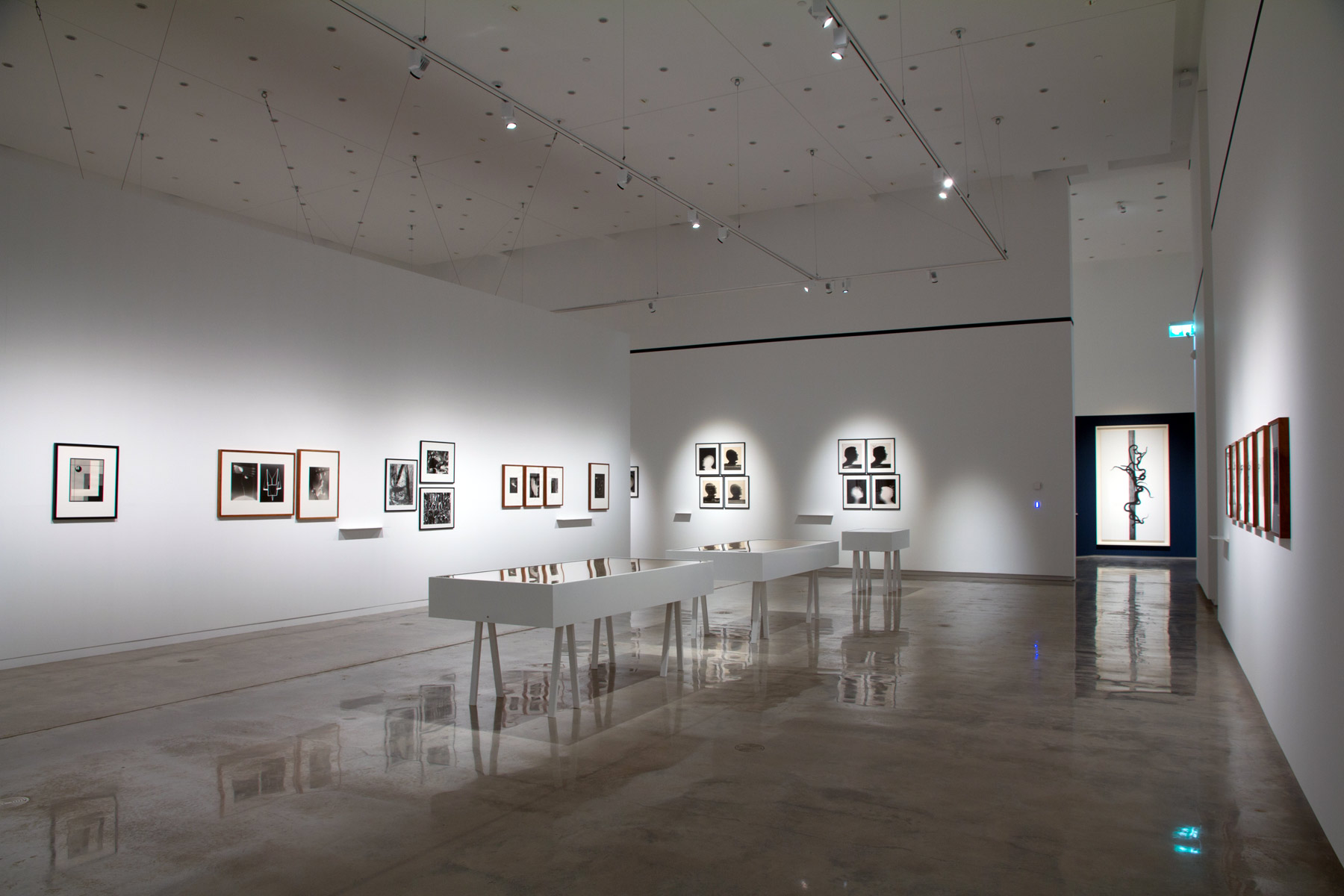
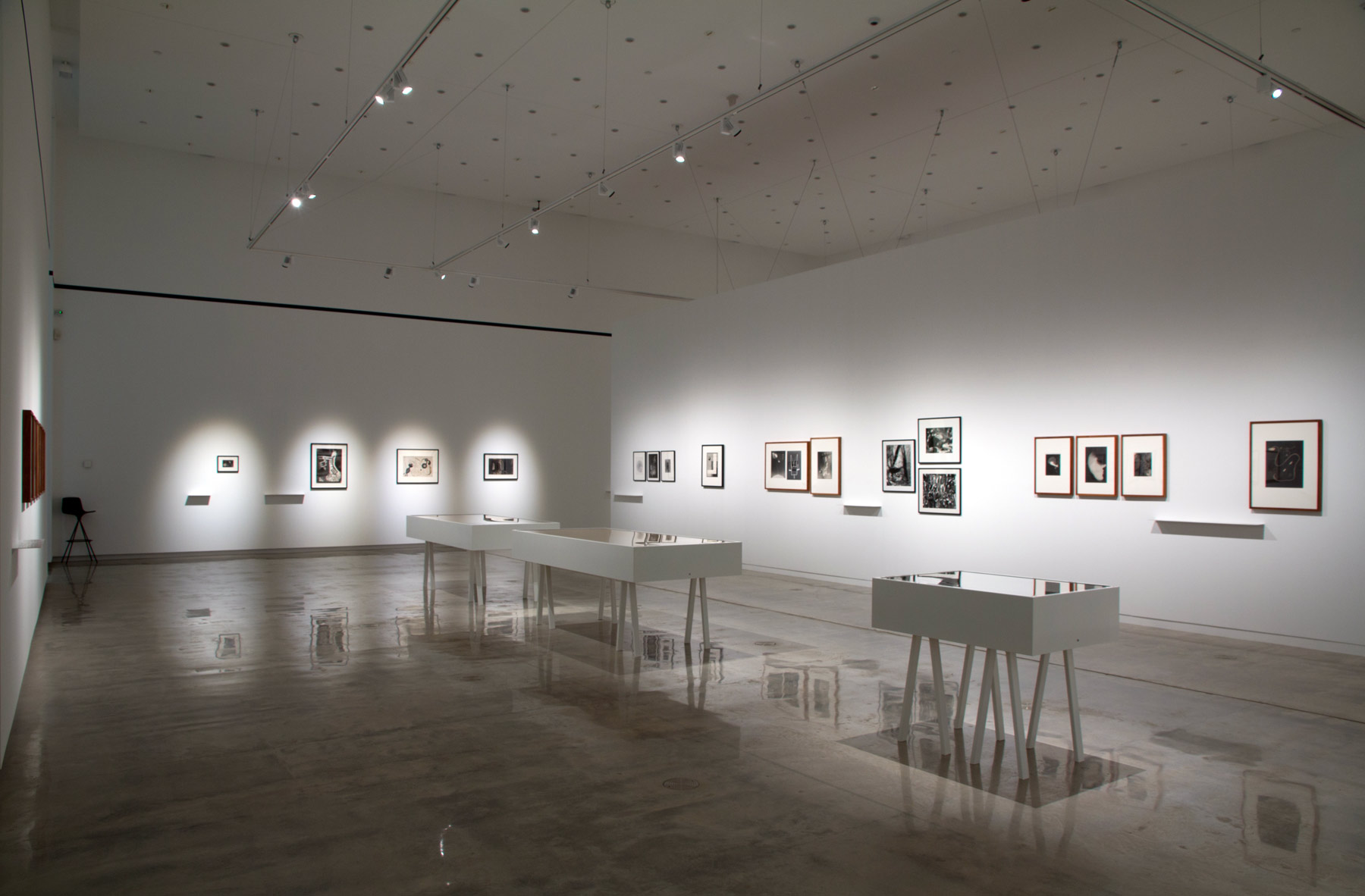
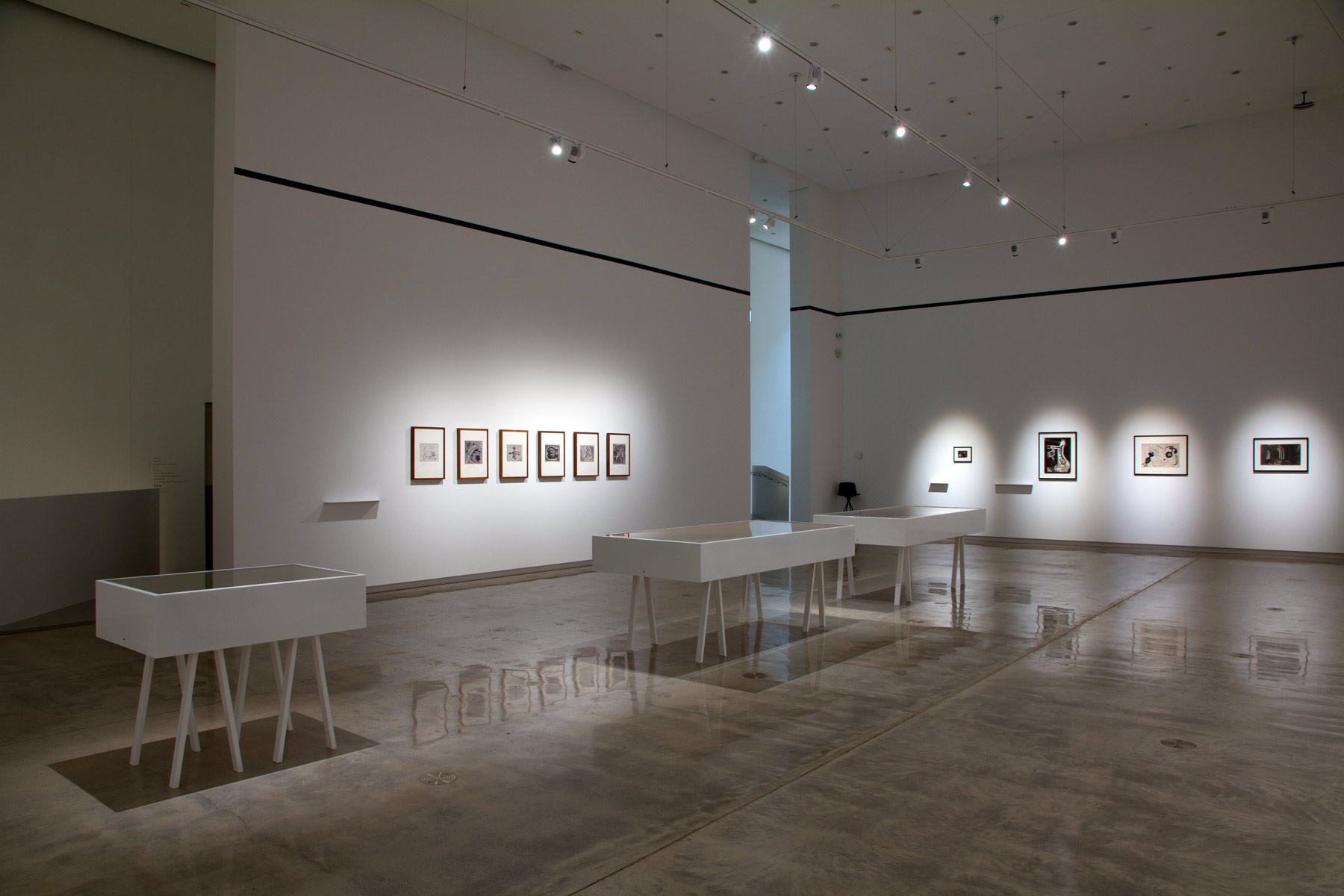
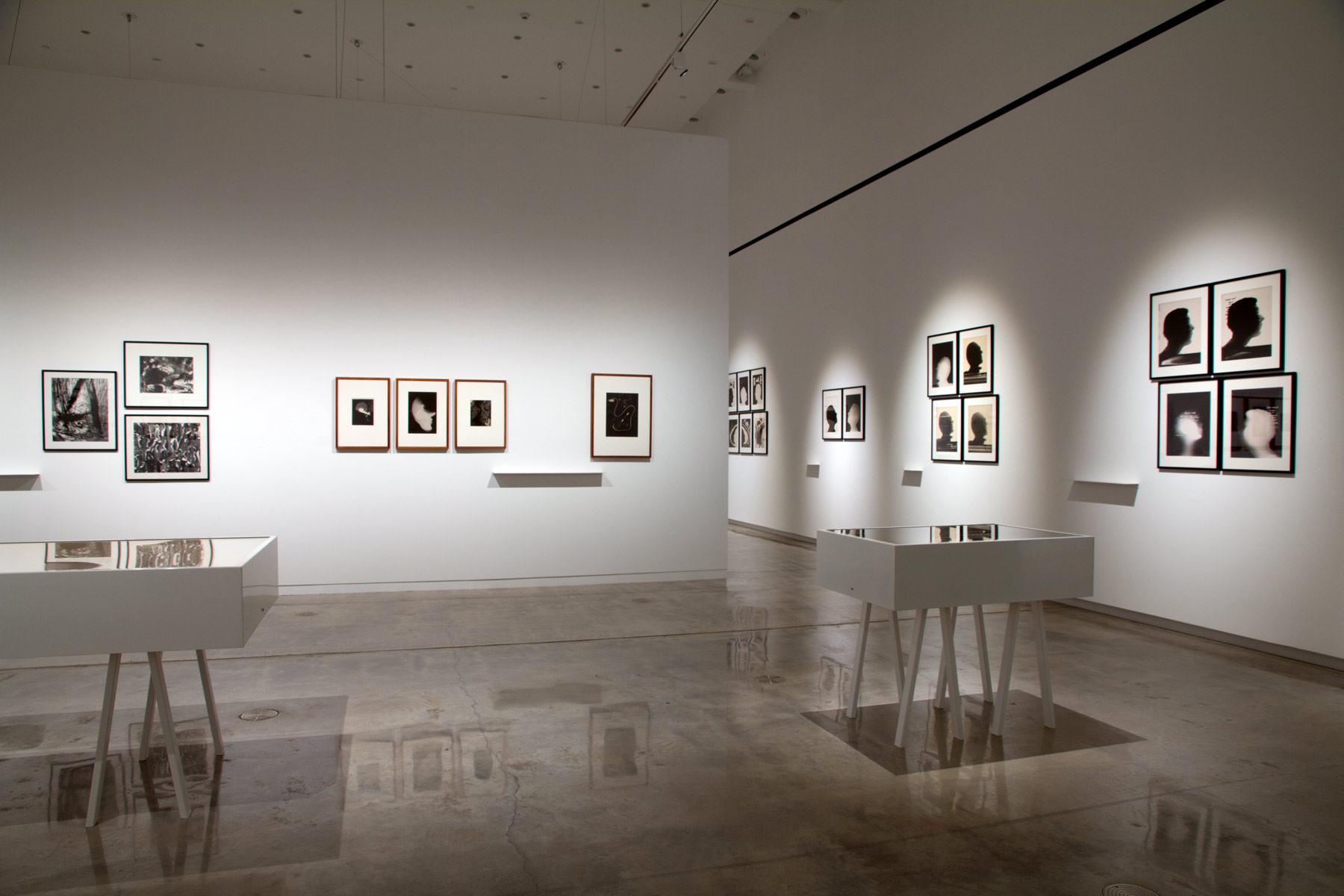
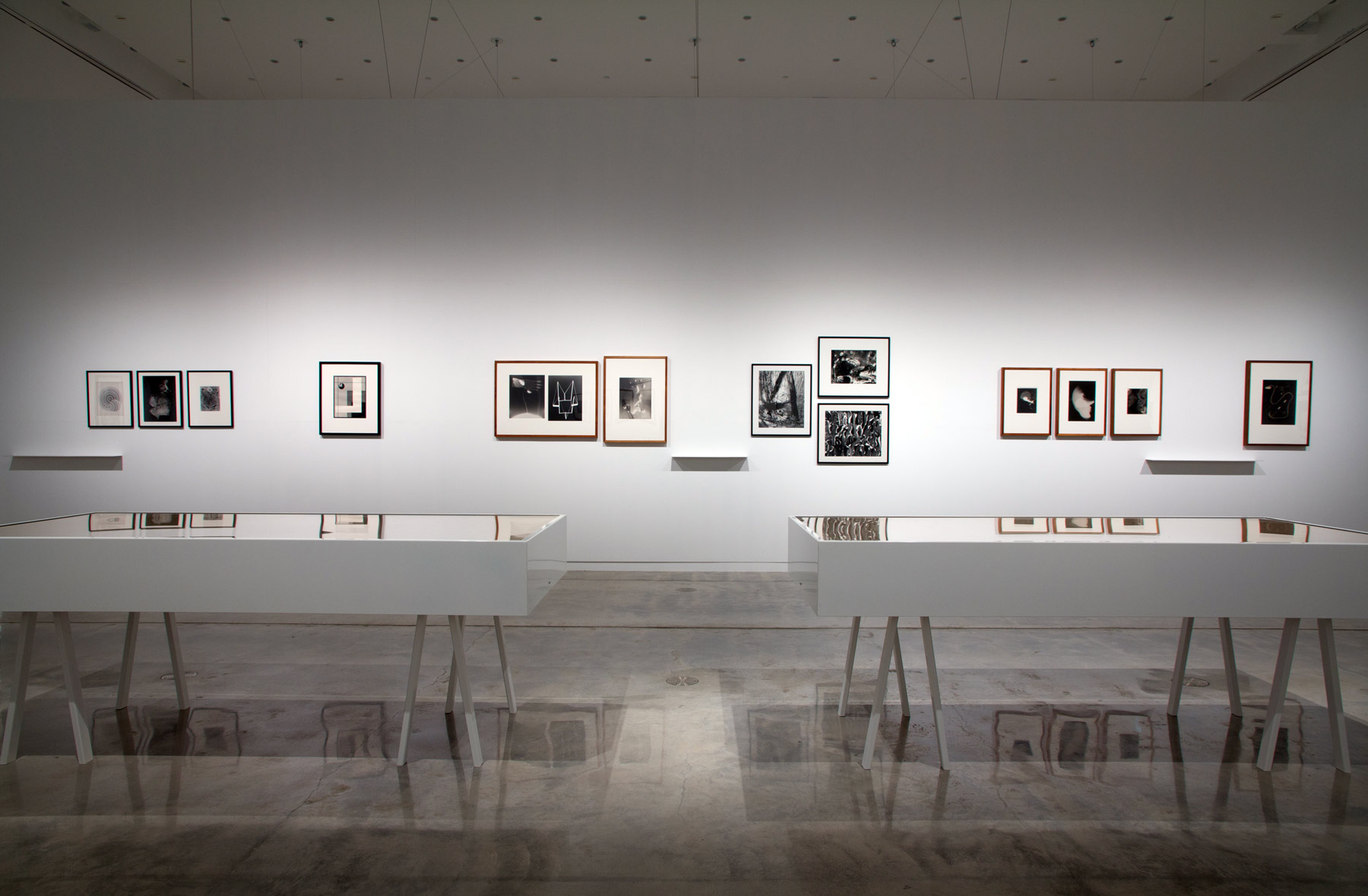
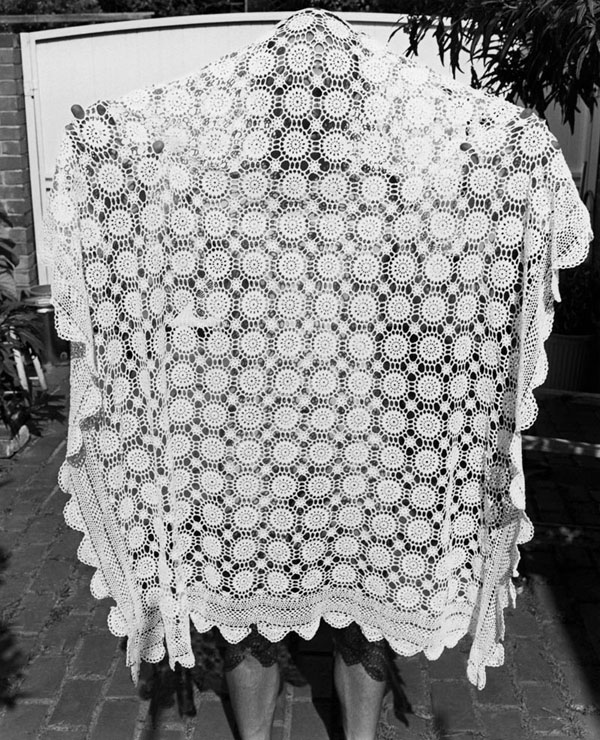






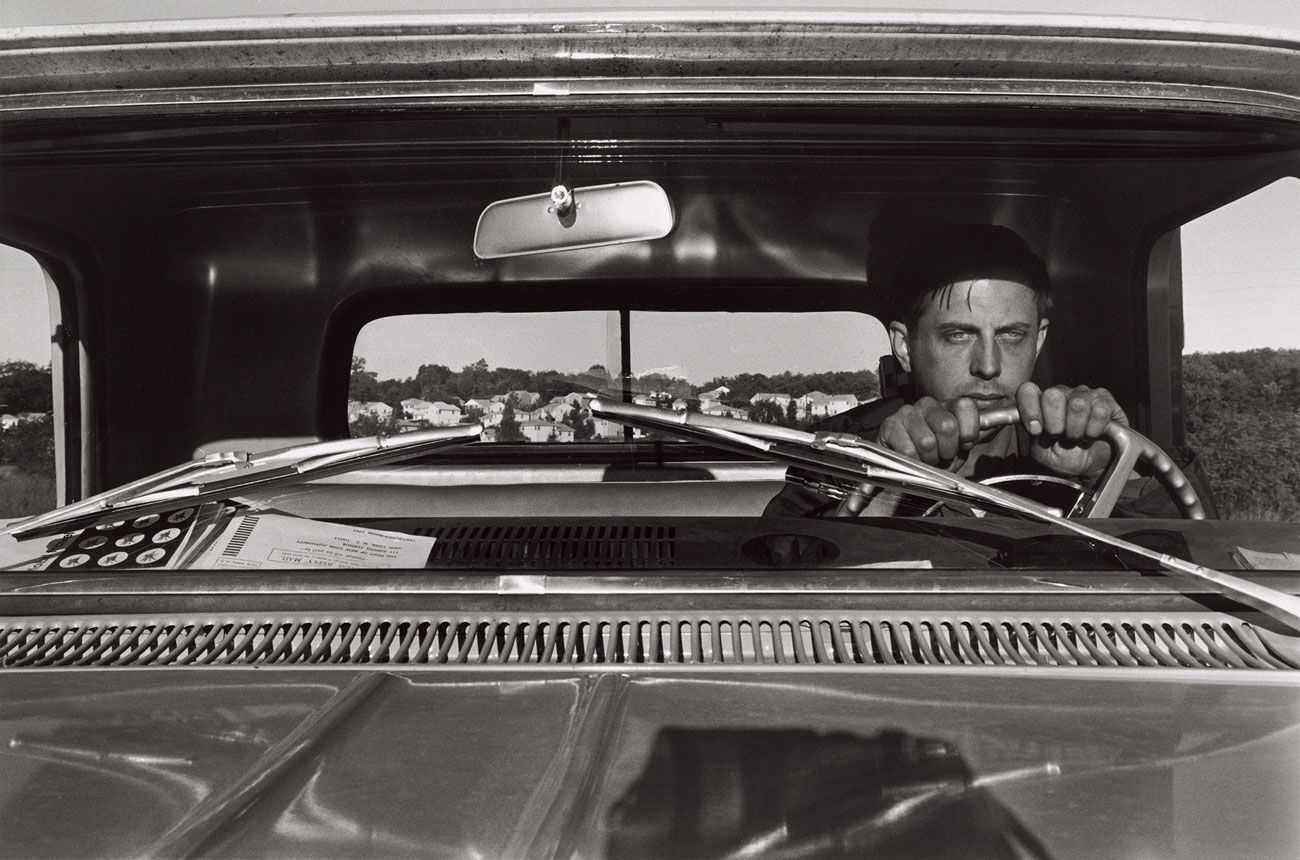

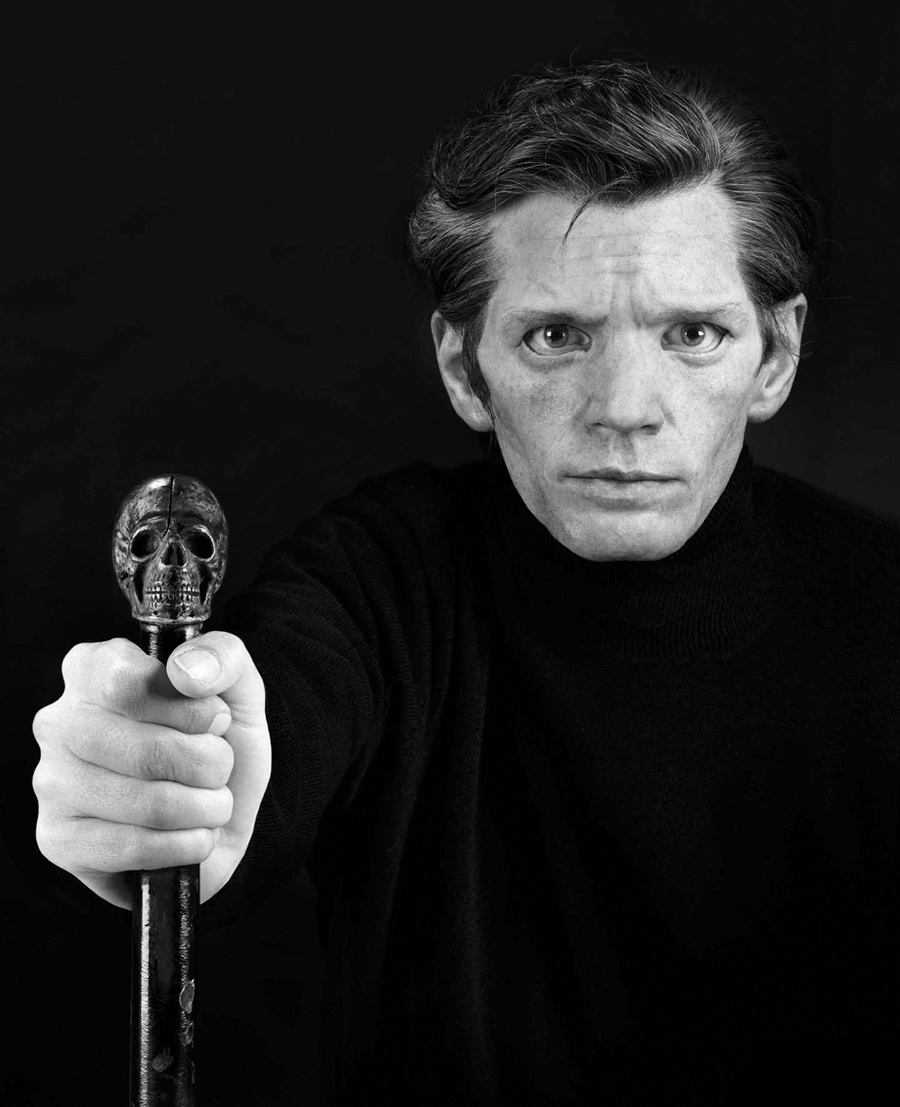

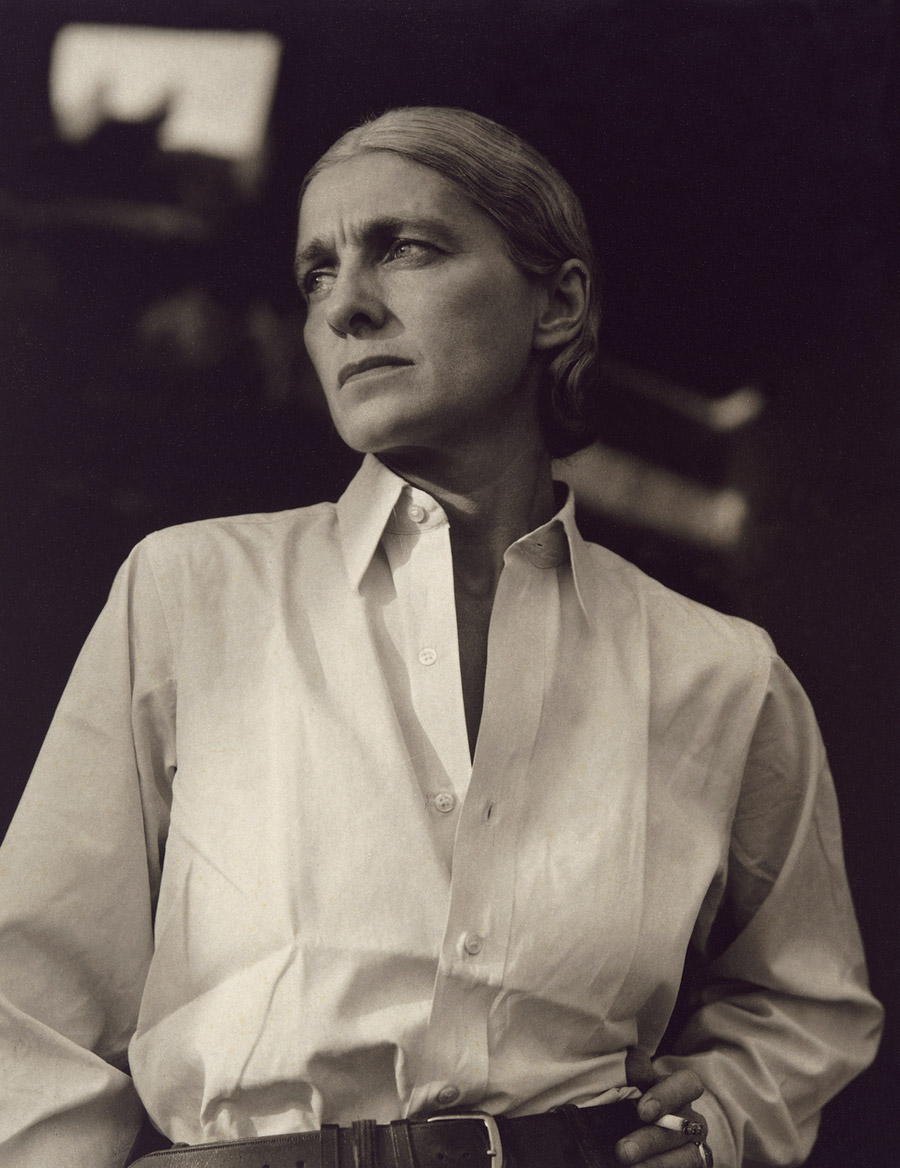





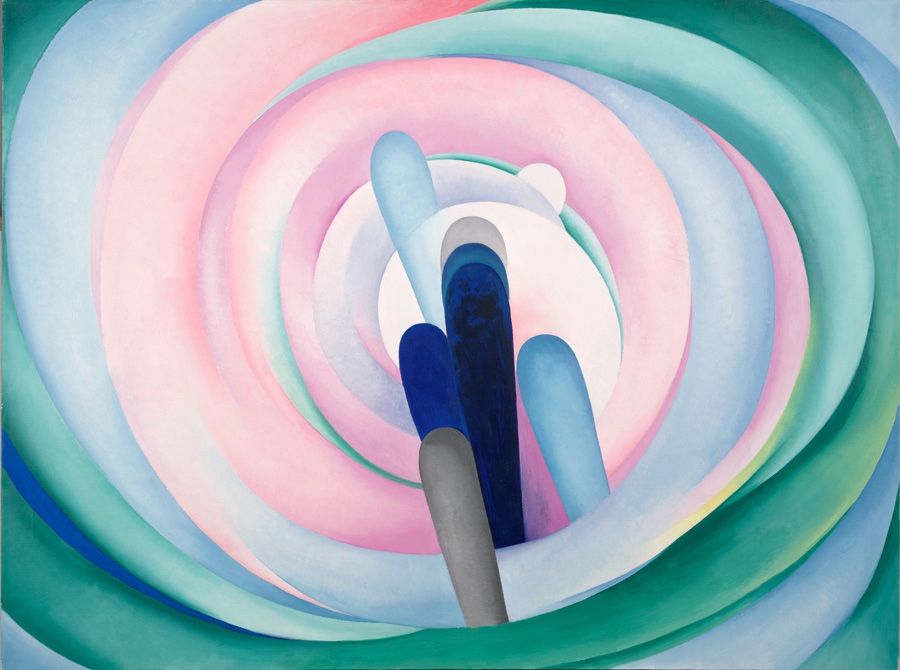

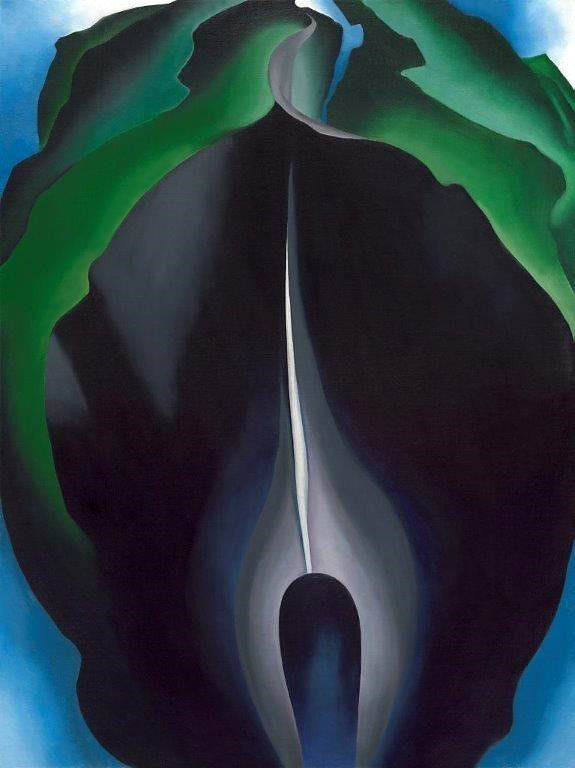
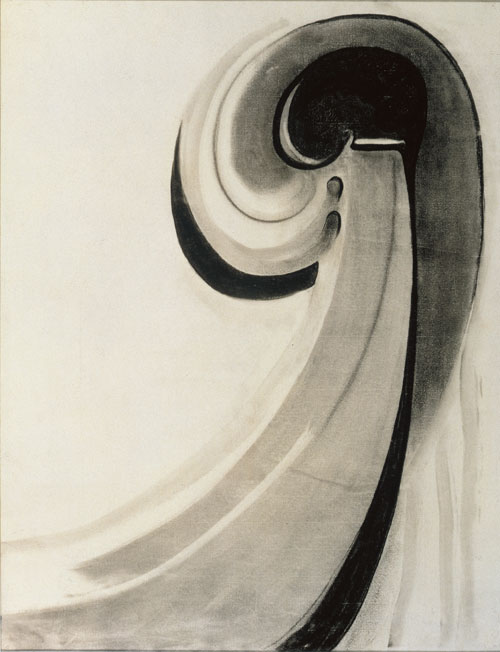

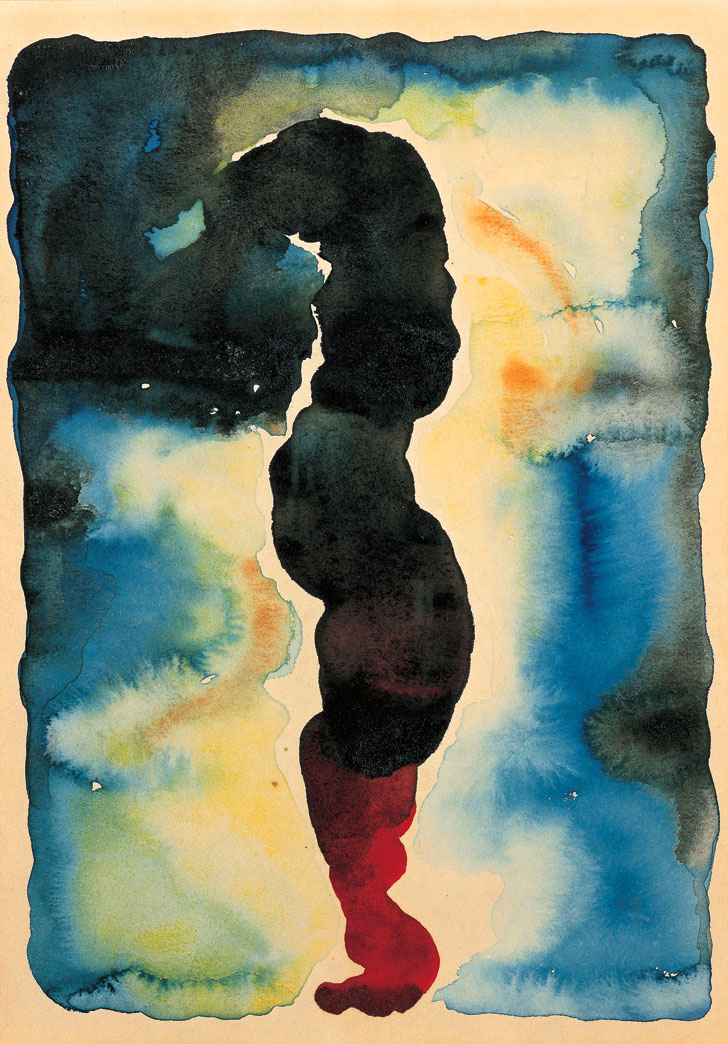
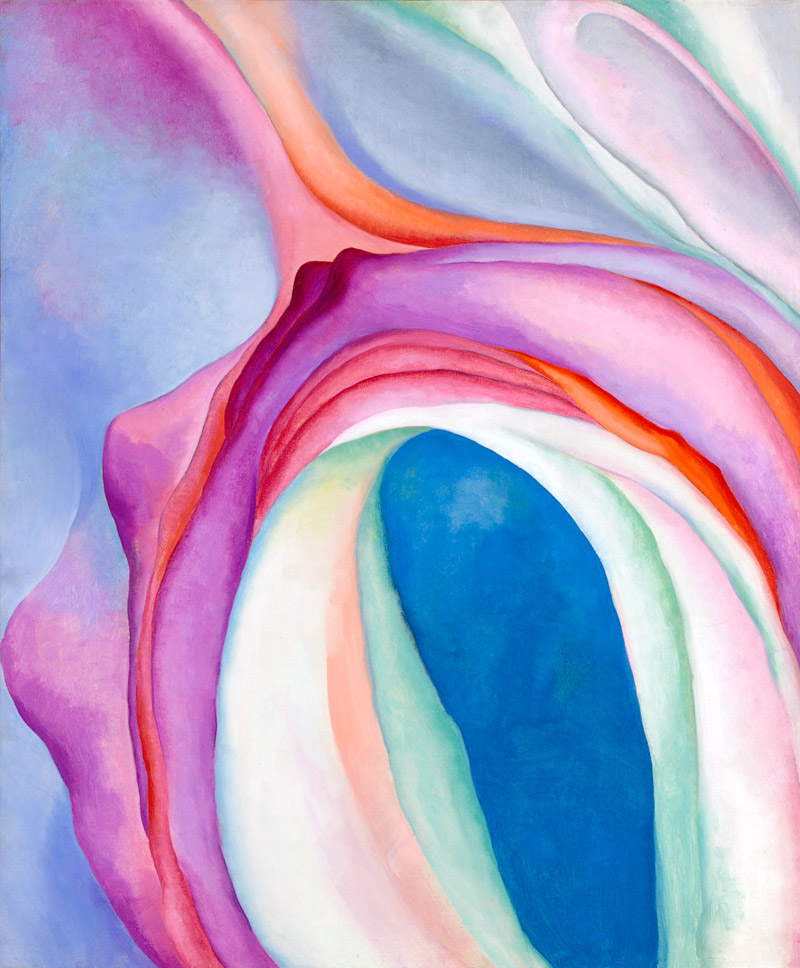
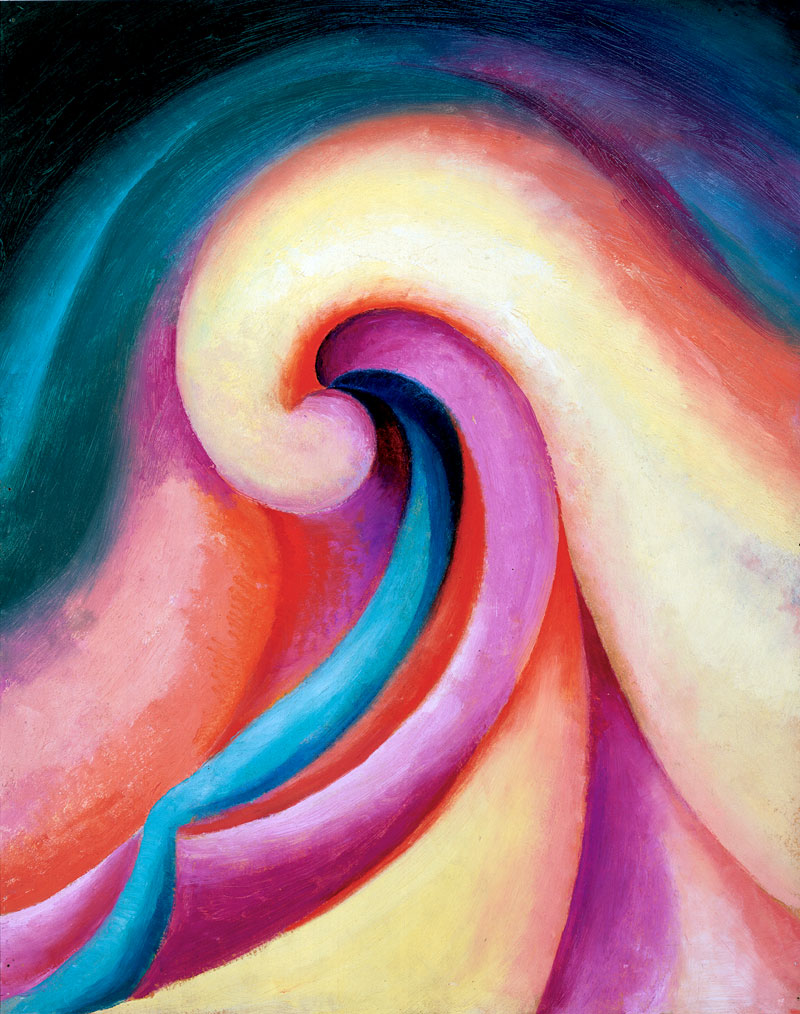


 Art Blart _ art and cultural memory archive
You must be logged in to post a comment.