I know and greatly admire the presence and directness of legendary American photographer Lee Friedlander’s photographs containing fractured planes within the image construction.
I know and appreciate (if not admire) the immediacy and in your face obstinacy (shoot at all costs!) of American photographer Garry Winogrand’s photographs.
What I didn’t know was the excellent 1980s social documentary and humanist work of the American photographer Joseph Rodríguez – for me, the unexpected hero of this exhibition.
Rodríguez’s moody, high contrast photographs of humanity and street scenes pictured from behind the wheel of his taxi in New York proffer an intuitive, empathetic and subjective view of the city and its people at a time of great economic and social upheaval.
“The photographs in the Taxi series are a significant document of the 1980s in New York, a period marked by economic and social upheaval and the AIDS crisis. On his journeys crisscrossing the city, Rodríguez does not depict despair, but rather shows people maintaining their dignity in the face of difficult and uncertain times.” (Text from Museum Ludwig)
Uncertain times, uncertain angles and perspectives, uncertain light give rise to a powerful body of work made certain by the talent of an impressive photographer. Glorious work.
Dr Marcus Bunyan
Many thankx to Museum Ludwig for allowing me to publish the photographs in the posting. Please click on the photographs for a larger version of the image.
(*1934 in Aberdeen, Washington, lives and works in New York City, New York)
Lee Friedlander began photographing at the age of fourteen and studied under Edward Kaminski at the Art Center School in Los Angeles until 1955. In 1956, he moved to New York, where he met Diane Arbus, Robert Frank, and Garry Winogrand. As early as the end of the 1950s, he made his first photographic forays into the streets of New York. His often humorous photographs reveal the complexity of American society, which he documented in thoughtful compositions.
In 1962, Friedlander photographed a parade in which American President John F. Kennedy also participated. His interest, however, was not in the event itself, but in the fleeting moments on the sidelines. One of the photographs taken that day shows a waiter and a boy attentively gazing out the window of a café. Upon closer inspection, it becomes clear that the crowd behind them is actually a reflection of the audience gathered outside for the parade. Due to the reflection, the café’s advertising signs also appear to be on the same plane as the signs on the opposite side of the street. Such interweaving of perspectives through reflections, as well as picture-in-picture constructions and unusual cropping, characterize Friedlander’s work of the 1960s. By focusing his camera on the often unnoticed details of daily life, capturing them with precise focus and exposure, he found a new way to depict contemporary America. His own presence, as a reflection or a shadow, in many of these images draws attention to the process of photography itself.
Friedlander does not create complete series. Each shot stands on its own as a “sharp and crudely amusing, bitterly comic observation” (Walker Evans). He initially used a Leica 35mm, whose wide angle he valued. In the early 1990s, he discovered the depth of field of the Hasselblad camera, which he also used to photograph the suburban towns of San Angelo, Texas. His subjects remained the same, only he continually reinvented them. In the 1990s, Friedlander created his photographs of flower stems trapped in glass containers and surrounded by a veil of condensation, transforming a sober detail of everyday life into a contemporary memento mori – a reminder of transience. The self-portraits, which unvarnishedly depict his ageing body, date from the same period.
Text from Museum Ludwig translated by Google Translate
The street life of cities has always been a fascinating subject for photographers, who have approached it in a variety of ways, from candid images documenting urban unrest to portraits that shine a spotlight on individuals. Since the nineteenth century, cities and photography have been directly linked through the idea of modernity. With the introduction of compact cameras such as the Leica, street photography developed into its own genre in the mid-twentieth century. Small-format cameras gave photographers greater flexibility and enabled them to respond quickly while remaining discrete. They explored public space without obtruding and, in contrast to staged photography, captured candid and spontaneous moments that had previously been considered unworthy photographic subjects. Influenced by Henri Cartier-Bresson’s concept of the “decisive moment,” these photographers sought to capture the fleeting instant when light, composition, and subject aligned to convey the significance of an event.
This exhibition in the Photography Rooms at the Museum Ludwig is dedicated to three protagonists from two generations of street photography: Garry Winogrand (b. 1928 in New York, d. 1984), Lee Friedlander (b. 1934 in Aberdeen, Washington, based in New York), and Joseph Rodríguez (b. 1951 in Brooklyn, based in New York). Despite all three photographers sharing the same subject matter, each one pursues a singular approach that produces distinct results. Iconic photographs from the 1960s to the 1980s are displayed alongside lesser-known examples from each photographer’s oeuvre. All of the works on display were included in donations made by the Bartenbach Family in 2015 and Volker Heinen in 2018, or have been acquired by the Museum Ludwig since 2001.
The landmark exhibition New Documents at the Museum of Modern Art in New York in 1967 helped launch the careers of Winogrand and Friedlander. Their striking photographs broke with visual conventions, such as a level horizon line or a centred main subject. Winogrand frequently tilted his viewfinder, producing skewed horizon lines that offer a new view of reality and make his images appear spontaneous, as does his purposeful use of blurriness, overexposure, underexposure, and backlighting. Friedlander, in turn, created compositions in which the viewer’s gaze is hindered by obstructions, such as shadows, signs, architectural elements, and streetlights, or is disoriented by reflections.
Winogrand and Friedlander, who are represented in the exhibition with twenty images each, both use photography in a self-reflective way that brings the formal aspects of photography to the fore. This encourages an analytical gaze, producing an emotional distance between the viewer and the subject, which often results in ambivalent images where the intention of the photographer remains unclear. Winogrand and Friedlander each developed their own distinct style, embracing originality and authorship by merging documentary photography and personal expression. While they attempted to distance themselves from photojournalism and social documentary photography, eschewing event-based, narrative-focused, and emotionally charged imagery, Rodriguez’s work deliberately engages with these genres. He aspires to give visibility to marginalised people by communicating with his subjects and attempting to tell their stories. Many of his photographs are accompanied by short commentaries that provide information about the context in which each image was created. Rodríguez’s pictures employ unusual perspectives and surprising compositions, and his use of reflections emphasises the subjectivity of the photographer’s empathic gaze beyond the momentariness of the shot. The exhibition features around twenty photographs from his Taxi series.
This is the first exhibition in the new Photography Rooms at the Museum Ludwig, centrally located on the second floor.
Text / press release from the Museum Ludwig website
Installation views of the exhibition Street Photography. Lee Friedlander, Joseph Rodríguez, Garry Winogrand at Museum Ludwig, Cologne, May – October, 2025 Photo: Historisches Archiv mit Rheinischem Bildarchiv/Vincent Quack
For many years, Garry Winogrand found his subjects right on his doorstep, on the streets of his birthplace and longtime home, New York. Whether they depict individuals or groups of people, his photographs are characterised by a special dynamism, which is also the result of the unusual perspectives of his shots. Often chaotic, sometimes surreal, the images tell stories from everyday life in the big city, but also from mass events such as sporting events or political demonstrations.
Winogrand distanced himself from both the social documentary photography popular in the 1930s and 1940s and from photojournalism, with which he himself earned his living for a long time. He was concerned with shifting the perspective from the object of the photograph to the camera: “I photograph to find out what things look like when photographed.” In his photographs, Winogrand found a formal equivalent for the diverging social forces of the 1960s. He captured passersby on the streets and public squares with a wide-angle lens in such a way that the horizons tilted and a clear center of gravity was missing. His photographs of women in public often deviated from this principle. He dedicated the book Women are Beautiful to this motif, which he returned to repeatedly throughout his career, in 1975. In another project, beginning in 1969, he focused on the media world in order to – as he put it – “study the events produced in the news.” With a distanced perspective, Winogrand captured press conferences, demonstrations, open-air festivals, and the hustle and bustle of the art world – the spectacles and pseudo-events of a society in transition.
Text from Museum Ludwig translated by Google Translate
“When I drove a cab, my taxi cab was a rolling psychology office. Everybody had something to say. Sometimes it’s just light conversation like the weather or kids. Baseball. But then you get all kinds of incredible stories. I was learning the foundations of humanism in my cab.”
Joseph Rodríguez
“To drive a cab back then, you either had to have a death wish or come to the job with a biography that inured you to the danger or graced you with such intuitive empathy/curiosity that to see and hear and sometimes engage with the cavalcade of humanity sliding in and out of your backseat trumped the nightly game of Russian roulette.”
Richard Price penned these poignant words that open photographer Joseph Rodríguez’s book, Taxi: Journey Through My Windows 1977-1987
Joseph Rodríguez
(*1951 in Brooklyn, New York City, New York, lives and works there)
Joseph Rodríguez was a teenager when street photography was celebrated in New York with exhibitions such as New Documents at the Museum of Modern Art, which also brought Friedlander and Winogrand to the fore. Rodríguez studied graphic design and photography at the School of Visual Arts in New York and the New York City Technical College. In 1985, he graduated with a degree in photojournalism and documentary photography from the International Center for Photography in New York. During his studies, he worked as a taxi driver, photographing his passengers and street scenes from behind the wheel. The exhibited works are from the Taxi series. They document, on the one hand, Rodríguez’s work as a taxi driver, who has to try to secure well-paid long-distance rides to earn a living and cover the costs of his hired taxi. During his twelve-hour shifts, Rodríguez captures city life in the various neighborhoods at different times of day, from nightlife to the busy hours of the day. His shots of passersby in the rearview mirror, of a sunrise, or of someone urinating in public who believes they are unobserved, testify to the fleeting nature of the moment. Rodríguez also engages directly with his passengers. His portraits convey the openness and respect with which he treats them. Rodríguez sees himself in the tradition of social documentary photography. He advocates the goal of giving visibility to those who are overlooked. He often adds short comments to his images that shed light on what is being photographed. He also uses unusual perspectives, surprising crops, and reflections. However, these emphasize the subjectivity of his empathetic gaze beyond the momentary nature of the moment.
The photographs in the Taxi series are a significant document of the 1980s in New York, a period marked by economic and social upheaval and the AIDS crisis. On his journeys crisscrossing the city, Rodríguez does not depict despair, but rather shows people maintaining their dignity in the face of difficult and uncertain times.
Text from Museum Ludwig translated by Google Translate
“14th Street & West Side Highway. That’s the back of the Anvil. These guys would come outside to take a leak. And of course they’re having a conversation, so who knows what happened after that.” ~ Joseph Rodríguez
The Anvil was a gay BDSM after-hours sex club located at 500 West 14th Street, Manhattan, New York City, that operated from 1974 to 1985.
Stephen Salmieri (American, b. 1945) Coney Island 1968 Vintage gelatin silver print
I love these photographs!
What’s not to like… generously sympathetic photographs that exhibit no pretension, containing interesting backgrounds and wonderful characters. The incongruity of a muscle man in leopard skin bathers in a snowy landscape at Coney Island … no worries!
“In the images, storefront booths, midway games, carnival architecture, and the shoreline provide the backdrop to Salmieri’s descriptive and engaging portraits.”
I particularly like the wonderful photograph of the large gentleman with tattoos in a white singlet sitting at a table surrounded by a halo of light bulbs. I also like how Salmieri gives some of his portraits context by including background information in his photographs.
The artist joins a rite of passage for many American photographers in taking photographs at Coney Island – that is, to capture the magic and mystique of this theatrical, carnivalesque place – one full of history, ceremony, community, tradition, fun, drama, people, sun and sand.1
Luminaries to have photographed there include Diane Arbus, Robert Frank, Weegee, Garry Winogrand, Bruce Davidson, Lisette Model, Walker Evans, Leon Levinstein, Arlene Gottfried, Harold Feinstein and Edward J. Kelty to name just a few.
Stephen Salmieri’s charismatic photographs are strong enough to join this pantheon of stars and the “vaunted tradition” of picturing Coney Island.
Dr Marcus Bunyan
1/ Bakhtin’s idea of the carnivalesque and the carnival paradigm accords to certain patterns of play where “the social hierarchies of everyday life… are profaned and overturned by normally suppressed voices and energies.”
“The carnival offers the chance to have a new outlook on the world, to realise the relative nature of all that exists, and to enter a completely new order of things.”
Bakhtin, Mikhail. Rabelais and his World (trans. Hélène Iswolsky). Bloomington: Indiana University Press, 1984, p. 34.
Many thankx to the Joseph Bellows Gallery for allowing me to publish the photographs in the posting. Please click on the photographs for a larger version of the image.
“These spare and emotional first images of a forgotten community, now lost in time, allowed me to forge a vision at a pivotal moment in my young life.”
Stephen Salmieri
Stephen Salmieri (American, b. 1945) Coney Island 1968 Vintage gelatin silver print
Stephen Salmieri (American, b. 1945) Coney Island 1971 Vintage gelatin silver print
Stephen Salmieri (American, b. 1945) Coney Island 1968 Vintage gelatin silver print
Stephen Salmieri (American, b. 1945) Coney Island 1969 Vintage gelatin silver print
Stephen Salmieri (American, b. 1945) Coney Island 1969 Vintage gelatin silver print
Stephen Salmieri (American, b. 1945) Coney Island 1969 Vintage gelatin silver print
Stephen Salmieri (American, b. 1945) Coney Island 1969 Vintage gelatin silver print
Stephen Salmieri (American, b. 1945) Coney Island 1969 Vintage gelatin silver print
Stephen Salmieri (American, b. 1945) Coney Island 1969 Vintage gelatin silver print
Stephen Salmieri (American, b. 1945) Coney Island 1969 Vintage gelatin silver print
Joseph Bellows Gallery is pleased to present an online exhibition of Stephen Salmieri’s photographs of Coney Island. Made between 1967 and 1972 with an array of cameras and black and white film, these images portray a cast of beachgoers and amusement park locals within the surrounding environment of one of America’s earliest and most illustrious seashore amusement parks.
The exhibition showcases Salmieri’s finely crafted vintage black and white prints. In the images, storefront booths, midway games, carnival architecture, and the shoreline provide the backdrop to Salmieri’s descriptive and engaging portraits. In a published statement on the photographs, the artist explains his process and motivation:
“The world of Coney Island has changed dramatically since I made these photographs. It was my first self-assigned project at twenty years of age, having just graduated from the School of Visual Arts. In choosing my subject I gravitated naturally to the familiar destination of my adolescent bike adventures.
I made the hour ride to Coney Island with all my cameras in tow all year round. I carried a 4 x 5 field camera, a 6 x 6 cm and a 35 mm format, and lots of Tri-X film.
In 1969, CAMERA magazine approached me at my first exhibition at the Underground Gallery. In my naivety, I did not realise that Coney Island was also the choice territory for such luminaries as Robert Frank, Lisette Model, Leon Levinstein, and Weegee. It wasn’t until the magazine published these photographs as part of their seminal Coney Island issue in 1971 that I realised I had become part of a vaunted tradition.
These spare and emotional first images of a forgotten community, now lost in time, allowed me to forge a vision at a pivotal moment in my young life.”
Salmieri’s photographs from this body of work were also featured in the exhibition Forever Coney: Photographs from the Brooklyn Museum Collection.
Salmieri’s work is included in the collections of the Museum of Modern Art, New York, Brooklyn Museum, New York, Smithsonian Institute, Washington D.C., Cooper-Hewitt National Design Museum, New York, Flint Institute, Michigan, the Museum of the City of New York, the Nelson-Atkins Museum, and the J. Paul Getty Museum. Publications include “American Grilles” (1978, Hartcourt-Brace) and “Cadillac: An American Icon” (1985, Rizzoli).
Text from the Joseph Bellows Gallery website
Stephen Salmieri (American, b. 1945) Coney Island 1970 Vintage gelatin silver print
Stephen Salmieri (American, b. 1945) Coney Island 1971 Vintage gelatin silver print
Stephen Salmieri (American, b. 1945) Coney Island 1971 Vintage gelatin silver print
Stephen Salmieri (American, b. 1945) Coney Island 1972 Vintage gelatin silver print
Stephen Salmieri (American, b. 1945) Coney Island 1967-1972 Vintage gelatin silver print
Robert Frank (American, 1924-2019) Coney Island 4th of July, 1958 Gelatin silver print
Edward J. Kelty (American, 1888-1967) Harlem Black Birds, Coney Island 1930
Walker Evans (American, 1903-1975) Couple at Coney Island, New York 1928 Gelatin silver print
Weegee (Arthur Fellig) (American born Ukraine, 1899-1968) Afternoon Crowd at Coney Island July 21st 1940
Garry Winogrand (American, 1928-1984) Coney Island, New York City, N.Y. 1952 Gelatin silver print
Leon Levinstein (American, 1910-1988) Coney Island 1955 Gelatin silver print
Diane Arbus (American, 1923-1971) Man in hat, trunks, socks and shoes, Coney Island, N.Y. 1960 1960 Gelatin silver print
Bruce Davidson (American, b. 1933) Two Youths, Coney Island 1958 From the series Brooklyn Gang
Joseph Bellows Gallery 7661 Girrard Avenue La Jolla, California Phone: 858 456 5620
Opening hours: Tuesday – Saturday 11am – 5pm and by appointment
I’ve posted on this exhibition once before when it was shown at the Foundation Henri Cartier-Bresson, Paris. While there some photographs that are the same in both postings there are new photographs to admire here. So, let’s have some fun with the text!
I started playing around with ideas in my head… and instead of the “autopsy of the spectacle” – an examination to discover the cause of the spectacle – I inverted that statement to make it the “spectacle of the autopsy”.
What immediately came to mind when I did this was the spectacle, the spectacular, painting that is Rembrandt’s early masterpiece The Anatomy Lesson of Dr. Nicolaes Tulp (1632, below), that tableau – French, late 17th century (in the sense ‘picture’, figuratively ‘picturesque description’) – of figures, spectators, gathered around the corpse of the “criminal Aris Kindt (alias of Adriaan Adriaanszoon), who was convicted for armed robbery and sentenced to death by hanging.”1
Fast forward a few centuries to the “Murder is my business” photographs of Arthur Fellig (alias Weegee) and I again observe spectators gathered around the body of a corpse, either physically examining it or wilfully ignoring it (Drowning victim, Coney Island c. 1940, below), where the men “examine” the drowning victim surrounded by men that stare and the women who smiles for the camera. With the crowd behind, all are physically and metaphorically drawn in to the spectacle of the autopsy and the presence of the camera. “”Spectacle is Capital to such a degree of accumulation that it becomes an image,” explained Guy Debord in 1967. Weegee understood this well.”
In other photographs such as Body of Andrew Izzo, killed by off-duty policeman Elegio Sarro (1942, below) and Body of Dominic Didato (1936, below) Weegee’s camera becomes the spectator, standing in for us as we crane our necks to get a better view of the action. Together, the camera and the viewer, perform what could be seen as a form of “necropsy” – from the Greek words nekros (meaning “corpse”) and opsis (meaning “to view”), and together they mean “to look at the dead body with naked eyes” – that is, a macroscopic examination of a dead body.
Witness, and we do stand witness in Weegee’s photographs looking at dead bodies with naked eyes, the perspectival viewpoint of the bodies of both Andrew Izzo and Dominic Didato similar to the elongated perspective in the painting by Rembrandt, the shading of the face in that painting – the umbra mortis (shadow of death) – now supplanted by the reversed body, head shaded / covered in blood, surmounted with out flung gun and boater.
While these photographs fail “to give shape to feelings of compassion, grief, horror (as if the pictorial repetition of events were a way of understanding these events, being able to live with them)”2 finally, in the derivation of the word “autopsy” – and in the spectacular images of Weegee – we may begin to understand that these photographs are as much about us, the spectator and viewer, and our discontinuous nature (we die) as they are about the pictured bodies. For the meaning of the word autopsy – early 17th century (in the sense ‘personal observation’): from modern Latin autopsia, from Greek, from autoptos ‘self-revealed’, from autos ‘self’ + optos ‘seen’ – reveals as much about ourselves as it does the object of our attention.
Looking at mortality with naked eyes, our self-revealed, our self seen, reflected back to us in the photographs of Weegee.
Many thankx to Fundación MAPFRE for allowing me to publish the photographs in the posting. Please click on the photographs for a larger version of the image.
“Weegee knew the power of imagery to speak to larger truths about human nature and society. He captured New York as it truly was: gritty, raw, and filled with contrasts. His work turned the everyday violence and chaos of the city into art, making the mundane extraordinary. In Weegee’s own words, “I picked a story that meant something.” He had an instinct for identifying moments that held deeper significance, even if they were just snapshots of daily life in a chaotic metropolis.”
Rembrandt Harmenszoon van Rijn (Dutch, 1606-1669) The Anatomy Lesson of Dr. Nicolaes Tulp 1632 Oil on canvas 216.5cm × 169.5cm (85.2 in × 66.7 in) Mauritshuis, The Hague
Installation view of the exhibition Weegee. Autopsy of the Spectacle at Fundación MAPFRE, Madrid showing at right Weegee’s Self-portrait, Distortion (1955, below)
Installation view of the exhibition Weegee. Autopsy of the Spectacle at Fundacion Mapfre, Madrid showing at left Weegee’s Body of Andrew Izzo, killed by off-duty policeman Elegio Sarro (1942, below); at second left, [Outline of a Murder Victim] (1942); and at right, Body of Dominic Didato, (1936, below)
Dominick Didato, aka Terry Burns, who you see above in a photo made by Arthur Fellig, aka Weegee, lies dead on a New York City street where he was gunned down today in 1936. He was killed for interfering with rackets run by Lucky Luciano. It was a low percentage play. Luciano was literally the most powerful mobster in the U.S. at the time, and as the saying goes, you come at the king, you best not miss.
Anonymous. “Urban Decay,” on the Pulp International website August 22, 2024 [Online] Cited 11/11/2024
The work of Arthur H. Fellig, known as Weegee (Zolochiv, Ukraine, 1899 – New York, 1968), is, in a sense, an enigma that this exhibition seeks to unravel. His photographs of the underworld and the fringe circles of New York nightlife in the 1930s and 1940s quickly gained wide international recognition. However, the same cannot be said for the photographs he took after settling in Hollywood in 1948: images of Californian high society and the social life of major film celebrities, whom he often portrayed in a markedly ironic or satirical manner, sometimes (as in the case of the “photocaricatures”) as a result of his later work in the laboratory. At the time, critics emphasised the radical opposition between the two periods, openly praising the former and dismissing the latter. In these photographs of his Californian experience (1948-1951), Weegee expressed his critical vision of society and culture from a perspective that anticipated the well-known cultural and social analyses of ‘the society of the spectacle’ (Guy Debord).
Weegee. Autopsy of the Spectacle aims to show the profound coherence that, beyond their stylistic and thematic differences, links these two stages, as well as to highlight the relevance of the critical perspective from which Weegee’s images expose the features and mechanisms of our time as a ‘society of the spectacle’.
Exhibition organised by the Fondation Henri Cartier-Bresson in collaboration with Fundación MAPFRE.
The above photo shows the murder scene of a mid-level gangster named Joseph “Little Joe” La Cava, and occurred in New York City on Mulberry Street at the Feast of San Gennaro today in 1939. We’ll go out on a limb and say the festive atmosphere took a fatal hit too. Luckily, the celebration usually went for a week, so we suppose it was salvaged. La Cava was gunned down along with Rocco “Chickee” Fagio… Also interesting, cops being cops, the flatfoot closest to La Cava looks incongruously jocular as he chats with a higher-up. If this wasn’t the most unforgettable Feast of San Gennaro in Little Italy’s history it had to be close.
Anonymous. “Urban Decay,” on the Pulp International website August 22, 2024 [Online] Cited 11/11/2024
“Distraught and pale with grief, Irma Twiss Epstein, 32-year-old nurse, whose own baby died 18 months ago, is booked on a homicide charge in the death of a baby whose crying, she said, ‘drove me crazy.’ Miss Epstein, Bronx Maternity Hospital nurse, is accused of giving a powerful drug to the 20 hour-old daughter of Mr. and Mrs. Castro Vallee, whose only other child died after birth 11 years ago. Another infant, 4 days old, was revived by nurses and doctors after Miss Epstein was found in a hallway hysterically sobbing: ‘eyedropper, baby.’ Hospital records showed she entered service there in 1940 and after nine months took a leave of absence to have a baby. Police said she had been in Bellevue’s psychopathic ward two years ago for observation after tasking an overdose of sleeping tablets. She told police at Morrisania Station she expected to be married soon.”
PM Daily, December 23, 1940 quoted on the International Center of Photography website
A pivotal figure of American photography in the first half of the twentieth century, Arthur H. Fellig, known by his pseudonym Weegee (Zolochiv, 1899 – New York, 1968) was an immensely popular artist thanks to the news photographs he took in New York in the 1930s and 1940s. This new exhibition aims to reveal a lesser-known facet of his career: the work he did between 1948 and 1951 in Hollywood, where he focused on the “society of the spectacle”.
Key themes
High-impact photographs
Some of Weegee’s photographs were veritable “visual punches”. This is true of the pictures he took of murders, corpses, fires and prisoners during the years spent covering crimes and accidents in New York, as well as of his later work, like the series showing circus artist Egle Zacchini being fired from a cannon at a speed of 100 metres per second, or his photo-caricatures of Marilyn Monroe, President Kennedy and other prominent personalities. His images almost always had a powerful impact on viewers, making them think not only about the scene they were contemplating but also about how they were looking at it.
The society of the spectacle
First published in 1967, Society of the Spectacle is one of the most important books by the philosopher Guy Debord, founding member of the Situationist International. It paints an incisive portrait of contemporary society, presumably replaced by its represented image. Throughout the work, Debord critically exposes the theory and practice of the spectacle, explaining how it governs our experience of time, history, goods, territory and happiness. In the twenty-first century, when immediacy reigns supreme, Debord’s ideas resound as the severest, most lucid assessment of the meanness and bondage of a society – the society of the spectacle – in which we all live.
Critique of the society of the spectacle
Class consciousness and empathy for the disadvantaged permeate Weegee’s work, as he never forgot his humble beginnings. Yet his most famous images are snapshots of accidents, fires and murders, in which he underscores the idea that bystanders are also spectators of the tragedies they contemplate, watching a scene in much the same way as cinema-goers watch Hollywood films (which are not all that different to the events captured by Weegee’s camera). He also used trick photography to critique the image of actors, singers, broadcasters, politicians and other public figures.
Weegee’s “satires”, as he called them, were visionary, appearing several years before the Situationist International first posited its theories. As Clement Che roux, curator of the exhibition, has pointed out, during his first period in New York, Weegee proved that the tabloids were selling news as a spectacle, and after 1945 he exposed how the media system radically spectacularised celebrities.
Biography
Weegee was born Usher Felig on 12 June 1899 to a Jewish family in Zolochiv, now in western Ukraine. At the age of ten he travelled to the United States to be reunited with his father, and immigration officers on Ellis Island registered him as Arthur Fellig. At 14, having settled into New York’s Lower East Side, a poor neighbourhood at the time, he left school and started working to help support his family. After trying several jobs, he became an itinerant photographer. He subsequently worked for the photographers Duckett & Adler and later in the ACME Newspictures agency laboratories. In 1935, he went into business for himself as a freelance photojournalist. He began using the pseudonym Weegee around 1937, and in 1941, the year he joined the Photo League (a group of freelance photographers who firmly believed in the emancipating power of images and fought for social justice), he started signing his prints as “Weegee the Famous”. In 1943, his work was included in a group exhibition at New York’s Museum of Modern Art (MoMA).
In 1945 he compiled his best photos in a book titled Naked City, which was a huge critical and commercial success. In the spring of 1948 Weegee moved to Hollywood, where he worked in cinema as a technical consultant and occasionally as an actor. In addition to photographing parties, he devised several trick photography techniques and used them to caricature celebrities. After four years on the West Coast, in December 1951 he returned to New York, although he did not resume his former practice. From that moment until his death on 26 December 1968, Weegee mainly capitalised on his fame to publish more books, do lecture tours, and widely circulate his photo-caricatures in the press.
The exhibition
There is a mystery in Weegee’s work which the exhibition now on view at Fundacio n MAPFRE aims to unravel. From very early on, the artist was internationally renowned for his photographs taken in the 1930s and 1940s and printed in the New York tabloids: corpses, fires, detainees in police wagons, etc. But Weegee had another group of works which, at first glance, might seem diametrically opposed to his reportage: the photo-caricatures of public figures created in Hollywood between 1948 and 1951. Critics highlighted the opposition between these two periods, praising the former and rejecting the latter. Weegee: Autopsy of the Spectacle attempts to reconcile both bodies of work by showing that, stylistic differences aside, they are fundamentally consistent in their portrayal of the “society of the spectacle” which was taking shape in the United States at that time.
In his early years, the artist photographed lurid, violent subjects, but those shots were often deeply ironic and exposed the “spectacular” nature of the depicted events. His images were printed in newspapers, and Weegee often included spectators or fellow photographers – individuals gawking at a traffic accident or murder scene – in the fore or background of his compositions. In a consistent manner, during the second part of his career the artist mocked the Hollywood spectacle: the short-lived fame, the adoring crowds who flocked to see “celebrities”, and the banal society scene. Weegee personally edited and altered these ironic, satirical images in the lab, anticipating the theories of the Situationist International and the critique of the society of the spectacle and its commodification, and always acted in consonance with his own political convictions.
The exhibition curated by Clement Che roux, director of Fondation Henri Cartier-Bresson, features over one hundred photographs and a variety of documentary material. With a new perspective on Weegee’s oeuvre, the itinerary is divided into three sections and offers a sweeping overview of his work.
The spectacle of news reportage
In 1935, Weegee went into business for himself as a freelance photojournalist. Thanks to a radio tuned to the police frequency which he installed in his car – basically a mobile office where he kept everything he needed to take photos – Weegee was always one of the first to arrive at the scene of a crime, fire or traffic accident. It was the Prohibition era, and gang violence was rampant in New York. Every night for ten years, Weegee covered the city’s accidents and crimes with flash photographs and, starting in 1940, did the same for the NP Daily, a newspaper with Marxist leanings. As the artist himself confessed, “Murder is my business.”
In addition to fires and crimes, during this period Weegee also took highly expressive portraits of the individuals who emerged from police wagons after a raid. At a time when it was considered criminal for a man to wear women’s clothes, some of those detainees tried to hide their faces while others basked in the attention, exiting the vehicle as if making a stage entrance. With these images, the artist emphasised the idea that social relations and the world in general were becoming pure spectacle.
At the same time, Weegee never forgot his roots as the son of poor Jewish immigrants and was keenly aware of the living conditions of the most destitute. For this reason, he also captured homeless people and acts of racial and everyday discrimination against the underprivileged, making his photographs “genuine social documents”.
The society of spectators
“The Curious Ones” is the title of a chapter in Naked City, the compilation of Weegee’s best photographs that he published in 1945. Thanks to that book, which was a huge critical and commercial success, he began to attend New York’s important society events much more frequently, photographing them exactly as he would a crime or accident scene. This is illustrated by two images taken in New York on 22 November 1943, The Critic and In the Lobby at the Metropolitan Opera, Opening Night. The artist was particularly interested in representing human emotions and tried to prevent his subjects from altering their expressions to pose for the camera. Little by little, he began to portray the witnesses to events that happened after dark in New York City, attempting to reflect the entire range of possible human reactions to a tragedy, from astonishment to nervous laughter or tears. Other photographers who came to the same scenes also caught his interest, prompting him to reflect on the very act of taking photos.
With all this repertoire, Weegee showed how ordinary individuals became voyeurs by treating the scene of the crime as a theatrical stage. Recalling the moment in 1939 when he took the photograph Balcony Seats at a Murder, he explained, “The detectives are all over […]. To me this was drama. This was like a backdrop. I stepped back about a hundred feet. I used flash powder and I got this whole scene. The people on the fire escapes, the body, everything!”
The comedy of the spectacular
In 1967, Guy Debord wrote that “the spectacle is capital to such a degree of accumulation that it becomes an image” in his book Society of the Spectacle. Weegee, who understood this very well, photographed every sight that struck him as out of the ordinary. Fascinated by the makeup of crowds, he portrayed them enjoying a peaceable Sunday afternoon at the beach on Coney Island or celebrating the end of World War II in Chinatown; but he was also drawn to carnival and circus attractions and to cinemas, where he photographed movie-goers in the dark, engrossed in the film on screen.
Tired of murders and crime scenes, in 1948 Weegee moved to Hollywood and traded the direct, documentary-style photography he had practised in New York for manipulated images that required hours in the lab. During his stint in California, he turned his lens upon actors, singers, broadcasters and society figures. His vision of these individuals was not usually very flattering, photographing them from behind or in awkward situations. In some cases he would later distort the images using a kaleidoscope, photomontage or multiple exposure. Weegee created what he called “photo-caricatures”, a tradition that started among amateur photographers in the late nineteenth century and was originally known as “photographic amusements”, although he stated in his autobiography that his photo-caricatures had never been done before. Though a celebrity himself, the artist used photography to criticise the star system.
Catalogue
The exhibition, organised by Fondation Henri Cartier-Bresson in partnership with Fundacion MAPFRE, is accompanied by a publication titled Weegee. Autopsia del espectáculo, in which the majority of the images on display are reproduced. The catalogue contains a text by Clement Che roux, the show’s curator and director of Fondation Henri Cartier-Bresson, and two more essays by Cynthia Young, a curator specialised in photojournalism, and Isabelle Bonnet, a lecturer at the Sorbonne and photography expert. The writer, curator and photography lecturer David Campany has also made an important contribution to the volume, in which he compares Weegee and Stanley Kubrick based on their collaboration on Dr. Strangelove or: How I Learned to Stop Worrying and Love the Bomb.
The original edition in French was published by Éditions Textuel with Fondation Henri Cartier-Bresson, and the Spanish-language edition has been co-published with Fundación MAPFRE.
There’s still a mystery to Weegee. The American photographer’s career seems to be split in two. First are his stories for the New York press from 1935-1945. Then, photo-caricatures of public personalities developed during his Hollywood period, between 1948 and 1951, which he continued to produce for the rest of his career. How can these diametrically opposed bodies of work coexist? Critics have enjoyed highlighting the opposition between the two periods, praising the former and disparaging the latter. This project seeks to reconcile the two parts of Weegee by showing that, beyond formal differences, the photographer’s approach is critically coherent.
The spectacle is omnipresent in Weegee’s work. In the first part of his career, coinciding with the rise of the tabloid press, he was an active participant in transforming news into spectacle. To show this, he often included spectators or other photographers in the foreground of his images. In the second half of his career, Weegee mocked the Hollywood spectacular: its ephemeral glory, adoring crowds, and social scenes. Some years before the Situationist International, his photography presented an incisive critique of the Society of the Spectacle.
The News Spectacle
“News photography is my meat.” After many years as a printer for press agencies, Weegee started his own business as a photojournalist in 1935. In order to be the first to arrive at the site of a murder, fire, or traffic accident, he set up a radio in his car, tuned to the police frequency. For a decade, using a flash, he took photographs of news in New York every night.
Weegee Himself
“I have always been a doer and not a thinker.” Weegee enjoyed putting himself in front of the camera, re-enacting circumstances he was confronted with in his daily work. In the name of pedagogy, and probably a little out of narcissism and self-advertisement, he took pictures of himself writing captions for his photographs in the back of his car, in police wagons and behind bars, never without his camera.
Murder Is My Business
“I used to be an expert on murder.” From 1935 to 1945, Weegee spent his nights roaming the city looking for shocking images. Even after Prohibition, New Yorkers’ dreams were punctuated by explosion sounds caused by rival gangs settling scores. The photographer learned to create expressive images which the booming tabloids were particularly fond of.
Off Road
“Sudden death for one…, sudden shock for the other.” American culture is fascinated by twisted metal. In the 19th century, a railroad company staged public collisions between locomotives destined for the junkyard. Weegee photographed many traffic accidents, introducing the “car crash” genre, later adopted by other figures, such as Andy Warhol, J. G. Ballard, David Cronenberg, etc.
The Tragedy of Fire
“Murders and fires (my two best sellers, my bread and butter).” In the darkness of the city, like a moth to a flame, Weegee took photographs of fires. The urban landscape of New York, with its many substandard buildings, provided him with many such opportunities. The combination of fire, smoke and gushing water offered a particularly photogenic spectacle that the press adored.
On The Spot
“The Parade never ceases as the ‘pie’ Wagons unload.” When he wasn’t in the field, Weegee waited at the entrance of the police station for the prison wagon to return with its load of offenders arrested in the night. At a time when it was a criminal act for a man to dress as a woman, some tried to hide their faces, while others took the opportunity to step out of the wagon as if onto a stage.
In Flagrante Delicto
“When criminals tried to cover their faces, it was a challenge to me. I literally uncovered not only their faces, but their black souls as well.” Faced with Weegee’s scrutinising lens, defendants often tried to conceal their identities. In his autobiography, the photographer recounts the many stratagems he developed to oblige them to reveal themselves. Clearly, they didn’t always work.
Social Documents
“The people in these photographs are real.” Coming from a Jewish family who emigrated to the United States from Ukraine at the beginning of the 20th century, experiencing extreme poverty upon their arrival, Weegee was quite aware of standards of living among the underprivileged. He took photographs of ordinary forms of discrimination, people with small trades, and the homeless. His photographs can be seen, in his own words, as “veritable social documents.”
Society of the Spectators
“The Curious ones” is a chapter title from Weegee’s best-seller: Naked City. The photographer takes an interest in people who, like himself, indulge unreservedly in the act of looking. He often includes them in the scenes he photographs, framing them in close-up to create veritable portraits of on-lookers. His work is a particularly striking testimony to the society of spectators developing in the United States at the time.
Meta Photo Co.
“I have no time for messages in my pictures.” Yet Weegee often included other photographers in his compositions as if, through this mise en abyme, he was inciting people to reflect on what it meant to take a photograph. An image from 1942, published in PM’s Weekly, is a good example. Three reporters and the words “Meta Photo Co.” on a window in the background of the photograph indicate there is something to be learned here about photography itself.
The Critic
“‘What is the best picture you ever took?’ Without hesitation I answer, ‘A picture I took at the opening of the Metropolitan Opera House. I consider this to be my masterpiece.'” The circumstances were contrived. Weegee went to a working-class neighbourhood to pick the woman up, then brought her to the entrance of this gala. The image illustrates the widening gap between the rich and the poor under American capitalism. It also reflects the critical power of a simple look.
Looking at Death
“I stepped back far enough to take in the whole scene: the puzzled detectives examining the body, the people on the fire escape, watching… it was like a stage setting.” Balcony seat at a murder: by including spectators in many of his images, Weegee imagines crime scenes as theatrical scenes, underscoring how American society transforms news into spectacle.
Spectators
“When I take a picture of a fire, I forget all about the burning building and I go out to the human element.” After years of tirelessly documenting events of the New York night, Weegee began taking photographs of the individuals who witnessed them. He was thus able to take portraits of groups expressing the full range of human reactions to tragedy, from surprise and tears to nervous laughter.
Out of Frame
“The curious […] ones always rushing by […] but always finding time to stop and look at.” On July 28, 1945, at 9:40 a.m., as a thick fog enveloped New York, a small plane crashed into the 79th floor of the Empire State Building. Weegee photographed spectators trying to catch a glimpse of it. People discovering his photographs in newspapers found themselves in the same position as these observers, a voyeuristic one.
Seeing in the Dark
“It’s hard to photograph people and get natural expressions. The minute they see the camera, they ‘freeze’ up on you.” Weegee was especially interested in depicting emotions on the faces of observers. Concerned that his presence would change their reaction, he had the ingenious idea of taking their photographs in the darkness of a theatre using infrared film. The result is a series of stunning portraits of wide-eyed spectators.
She Gestures of Art
“I used the same technique […] whether it was a murder, a pickpocket, or a society ball.” Following the success of his book Naked City, Weegee was routinely invited to high society events in New York, which he took pleasure in photographing as news items. In October 1945, at the opening of an exhibition by painter Stuart Davis at the MoMA, he captured the strange gestures of the art world.
The Theatre of the Spectacular
“Spectacle is Capital to such a degree of accumulation that it becomes an image,” explained Guy Debord in 1967. Weegee understood this well. He took photographs of all that was visually uncommon: crowds at Coney Island, fairground attractions, stars, acrobats, clowns… and finally, himself. A few years before the Situationist International, he pioneered a visual form of critique of the Society of the Spectacle.
In the Company of Crowds
“And this is Coney Island on a quiet Sunday afternoon […]. A crowd of over a MILLION is usual and attracts no attention.” On a Brooklyn beach, in Times Square or in Chinatown celebrating victory over Nazi power, Weegee never missed the opportunity to photograph crowds. Beyond “mass ornament,” theorised a few years earlier by Siegfried Kracauer, he was fascinated by the ways in which the people constitute themselves as images.
The Cannonball Woman
“Punch in Pictures.” That’s how one magazine described an article on Weegee. The scoop-hunter knows better than anyone else how to produce hard-hitting images. In 1943, Weegee photographed circus performer Egle Zacchini, nicknamed Miss Victory, or The Cannonball Woman, shot out of a cannon at 360 feet per second. As war was raging in Europe, it was a strange metaphor for the role of women in the conflict.
A Circus Community
“Someday they, too, will be stars.” Weegee especially enjoyed hanging around behind the scenes of fairgrounds in the suburbs. He photographed the way a performer at Sammy’s Bar placed her money in her stocking. Elsewhere, a dwarf with a forced smile, a melancholy clown slumped in his dressing room, what remains of the parade after the crowd passes by. Many of his photographs display the ambiance of a sad party.
Photo-caricatures
“I was tired of gangsters lying dead with their guts spewed in the gutter, of women crying at tenement-house fires, of automobile accidents […]. I was off to Hollywood.” In the City of Angels, Weegee not only photographs the celebrities he meets, he delights in making caricatures of them with what he calls his “elastic lens,” now mocking the star system.
The Spyglass
“I have used the camera to provoke good old-fashioned belly laughs.” In 1963, Weegee was invited to the set of Stanley Kubrick’s Doctor Strangelove. The director was a great fan of Weegee, and had begun his own career as a press photographer. On set, Weegee applied a new technique for the tubular distortion of faces, as if one were looking through the small end of a spyglass.
Trick Inventory
“Their originality was such that they sold like hot cakes.” This is how Weegee described his photo-caricatures, the first of which appeared in papers in 1947. For 20 years and up until his death in 1968, he would regularly publish these works. Around fifty of the publications are known today. There are most likely many more. In his daily work, the photo-caricature came to definitively replace the news item.
Weegee, Ouija
“I’m called Weegee which comes from Ouija.” The pseudonym Weegee refers to the name of a board used in seances to decipher messages from the beyond. Weegee liked to describe himself as a “psychic photographer”, able to predict in advance where a story will take place. On the scene, he said he photographed using his “third eye.” Whether clairvoyant or voyeur, Weegee was able to see, better than anyone else, transformations in American society.
This is one of my favourite photo essays of all time. The story Davidson tells of this male-orientated Brooklyn gang and its culture through his photographs is one of brotherhood, friendship, rivalry, love, longing, agony, depression and death at a time of utter poverty and rock ‘n roll rebellion. He produced “unflinchingly honest images of these American youths.” Now, all these years later, the photographs possess a powerful nostalgia for the era mixed with the desolation of destroyed lives and lost youth.
Davidson gets under the skin of his subjects, embeds himself firmly in their milieu. The subjects allow him to photograph their most intimate moments, seemingly free from worry or anxiety. There is an insouciance to their attitude, a knowing insouciance. In one photograph inside Helen’s Candy Store, Bob Powers stares directly and disarmingly at the camera while the girl playing with the yo-yo and the youth in the background also stare directly into the lens, forming a strong compositional triangle of the gaze. Powers said he was voted “most likely to die before I was 21 years old.” He lived with his seven siblings and alcoholic parents in a three-bedroom apartment that had a coal-powered cookstove and no hot water or central heating.
There is a dark undertone to the narrative. While there are moments of joy and happiness, you can sense the isolation and despair of these disaffected youths. Cathy O’Neal, seen in front of a cigarette machine at Coney Island, committed suicide by shotgun. Jimmie and his family were wiped out by drugs. Junior Rice became a heroin dealer. Lefty od’d in bed at 19. “He was the first in the group to die from a drug overdose… within a few years, drugs would claim the lives of many in the gang and in the neighbourhood.” In picturing their lives, the photographs gather moments (in time), enunciating how the gang members railed against the conformity and materialism of 1950s America whilst imbibing its rebellious iconography. Only occasionally does the artist pull back to show us the wider picture, the context of the action, with photographs of New York skyscrapers seen in the distance and the Statue of Liberty.
Davidson does not let his spontaneity slip. He is informed, aware, absent (but present) in all of these photographs waiting for that special moment. In the photograph above, a bird-like creature swoops down on something invisible on the ground. In informal yet tightly focused photographs – of sunbathing or walking the boardwalks of Coney Island, gang members fixing their hair, rolling up their sleeves, dead beat(s) in the back of the bus, making out in the back seat of a car, walking in the park or hooning around on the Metro – Davidson is there to capture the off-beat moments of gang existence and the members relationship to each other.
Through a superb eye, a feeling, a sensibility and connection towards the gang members desperation and isolation, universally acknowledged by the photographer himself, Davidson sets them all on the path to immortality. Do not forget, these photographs seem to be saying. For a few brief moments these people did exist, their lives were valuable, these rebels with a cause.
Dr Marcus Bunyan
Many thankx to the Cleveland Museum of Art for allowing me to publish the photographs in the posting. Please click on the photographs for a larger version of the image.
One of Davidson’s best-known series, Brooklyn Gang was inspired by a news story he read about a teenage gang called the Jokers.
Davidson contacted the Jokers, one of Brooklyn’s roughest gangs, through their social worker. In the summer of 1959, Davidson roamed the streets of New York with these teens, loitered in stores that the Jokers called their own, and sunbathed with them on the beach at Coney Island. Eventually they allowed him to photograph even their most intimate, private moments. He responded by producing unflinchingly honest images of these American youths.
Gang membership was exclusively male, but the members’ girlfriends appear frequently in Davidson’s photographs. Some of the pictures depict the teenagers exploring lust and love and the boys struggling to define and prove their masculinity. Looking back at the series in 1998, Davidson said that he felt “the reason that body of work has survived is that it’s about emotion. That kind of mood and tension and sexual vitality, that’s what those pictures were really about.”
The pleasures and agonies of teenage romance are captured in Bruce Davidson’s photographs of the gang’s dance parties, which were held variously in Brooklyn’s Prospect Park, at a neighbourhood school, and in members’ homes. The basement wallpaper seen here – with its fairy-tale figures, including horses, queens, knights, marionettes, and jokers – suggests a domestic setting. The event could have been a farewell party for an older gang member going off to join the army, which was a common occurrence.
This rooftop view in Park Slope, Brooklyn, was taken from a building in the gang’s “turf,” which was a block anchored by the intersection of 17th Street and 8th Avenue. Davidson spent the summer hanging out with the gang and photographing them. Describing his process, the artist said, “I stay a long time. … I am an outsider on the inside.” Park Slope, now one of New York’s most desirable neighbourhoods, was then a poor, mostly Irish area.
Davidson contacted the Jokers, one of Brooklyn’s roughest gangs, through their social worker. In the summer of 1959, Davidson roamed the streets of New York with these teens, loitered in stores that the Jokers called their own, and sunbathed with them on the beach at Coney Island. Eventually they allowed him to photograph even their most intimate, private moments. He responded by producing unflinchingly honest images of these American youths.
The pleasures and agonies of teenage romance are captured in Bruce Davidson’s photographs of the gang’s dance parties, which were held variously in Brooklyn’s Prospect Park, at a neighbourhood school, and in members’ homes.
Childhood pastimes like playing yo-yo were a thing of the distant past for 15-year-old Bob Powers, a Joker seen here leaning against a fixture in Helen’s Candy Store. He had already been in and out of the court system numerous times by 1959. Powers stabbed someone when he was 12 and had been incarcerated for bringing zip guns (homemade firearms) and chains to school, where, Powers said, he was voted “most likely to die before I was 21 years old.”
The gang members, most of whom were 15 or 16 years old, thought tattoos made them look older and might help them get served at bars. Tattoos were also a demonstration of masculinity and a rite of passage. Bob Powers, seen here at age 15 displaying his first tattoo, recalled years later that “the first time you get a tattoo it’s scary. I was sitting back with a cigarette like it’s nothing. Meanwhile, it was killing me. … I got ‘Bobby’ with stars around it. … They said, ‘Get your name.’ … I hated it forever.”
One of the gang members – Bob Powers – suggested that Davidson follow him to a rooftop on the gang’s block. “I remember thinking,” said Davidson, “‘This kid’s going to throw me off the roof and then rob me,’ but he’s pointing down at the stickball game (an informal form of baseball played in the street) and saying, ‘Get that,’ and saying: ‘Oh, there’s the Statue of Liberty. You can see it through all these television antennas.'”
The gang members were very concerned with their appearance, although they did not have much money to spend on grooming or clothes. “If you see a picture of me,” said former gang member Bob Powers, “the broken tooth, my teeth were green because I didn’t go to the dentist. We never had any money even though my father worked. … We used Vaseline petroleum jelly to make our hair stick like iron in a pompadour. We combed our hair constantly, wore sunglasses, and all thought we were Marlon Brandos.”
The Jokers’ slicked-back pompadours … and their clothing echoed the greaser style, a rebellious youth subculture that was promoted by cinematic antiheroes of the era. Role models included Marlon Brando’s portrayal of a motorcycle gang member in The Wild One (1953) and James Dean as a troubled teen in Rebel without a Cause (1955). The “bad boy” image flouted the aspirational role model of the time, the upwardly mobile white-collar worker in a business suit and short haircut.
Petey, a Jokers member who looks out the second-story window here, was injured in that fight. Petey’s best friend, fellow Jokers member Bob Powers, walks by the house. Housing in the gang’s neighbourhood, the then-impoverished Park Slope, Brooklyn, was overcrowded and rundown. Powers lived with his seven siblings and alcoholic parents in a three-bedroom apartment that had a coal-powered cookstove and no hot water or central heating.
One of the most highly respected and influential American documentary photographers of the past half century, Bruce Davidson spent several months photographing the daily lives of a teenage street gang for his 1959 series Brooklyn Gang. A new exhibition in the Cleveland Museum of Art’s Mark Schwartz and Bettina Katz Photography Gallery, Bruce Davidson: Brooklyn Gang features 50 black-and-white photographs from that series, which are part of a recent anonymous gift to the museum of extensive selections from the artist’s archives. The exhibition is on view now through February 28, 2021.
Brooklyn Gang was Davidson’s first major project after joining the distinguished photo agency Magnum and was the fruit of several months spent immersing himself in the daily lives of the Jokers, one of the many teenage street gangs worrying New York City officials at the time. He recorded the teenagers’ pleasures and frustrations as they attempted to define masculinity and mimic adult behaviour. The photographs reflect the group’s camaraderie but also their alienation from societal norms. While many officials and commentators at the time saw the gangs as evidence of social deterioration resulting from poverty, others regarded them as the most visible manifestations of a socially disengaged generation of males – rebels without a cause.
“Bruce Davidson: Brooklyn Gang presents an intimate portrayal of the teens’ lives,” said William Griswold, director of the Cleveland Museum of Art. “Davidson was an outsider, but one who spent so much time with the gang that he became, as he liked to say, ‘an outsider on the inside.’ Davidson offered an independent look at the lives of these disadvantaged youths; this view of society was quite different from the age of visual and social homogenisation of the 1950s presented in mainstream magazines such as Life and Look and predicts the social turmoil of the 1960s.”
The images reflect the time Davidson spent with the teens hanging out on street corners and in the local candy store and accompanying them to the beach at Coney Island with their girlfriends. Included are several sets of variant images, affording a rare glimpse into Davidson’s working process.
“Despite a more than ten-year age difference, Davidson describes recognising his own repression in his subjects and feeling a connection to their desperation,” said Barbara Tannenbaum, the CMA’s chair of prints, drawings, and photographs and curator of photography.
The museum owns several groups of images from the series taken during the same shoot at Coney Island. They provide a rare glimpse of the artist’s selection process (see 2018.688, 2018.696, 2018.697, 2018.701, 2018.706, and 2018.735). The size of these prints, and the fact that the artist printed them long after they were shot, suggest he considered all four images worthwhile. In an exhibition print, the white marks on the woman’s cheek here, made by dust on the negative, would have been covered up with ink or dye, a process known as spotting. This may be a work print, made to aid in decisions on exactly how to print this picture. It has become one of the better-known images from Brooklyn Gang.
In this photograph, gang member Bob Powers talks with friends in one of the many Coney Island bathhouses where people could change, shower, or swim in pools. “We’d come down on a Friday and sometimes we’d stay the whole weekend till Monday, down on the beach, me, Lefty, Junior,” Powers recalled. “The girls would stay too… We would light fires and bury all the cans of beer. I remember stealing cars and driving down there. We’d drive the car under the boardwalk and bring it right onto the bay and leave it there.”
Shown here on the Coney Island boardwalk, from left to right, are gang members Junior Rice, Bob Powers, and Lefty, who “was a pretty tough guy in the gang and then he went to jail for about a year,” according to Powers. “He came out and he just lost it. He wasn’t the same guy. Something happened and nobody knew what. … We protected him a bit, but he caught a couple of bad beatings and lost his reputation. He ate a lot of pills one night and never woke up. His mother found him dead. OD’d in bed at 19. He was the first in the group to die from a drug overdose.”
This print is vintage – made soon after the picture was shot – and its 8 x 10-inch size was typical of the period and preferred for making reproductions for magazines and books. As photography began gaining acceptance into the gallery and museum world in the 1980s, larger prints became the norm. The museum also owns an unusually large print of the same image, made in the 1990s or 2000s, which was created to be exhibited in galleries and museums. The two may look the same on the computer screen, but do not feel the same when viewed in real life.
After a day at the beach at Coney Island, the teens “would take the long bus ride back to their neighbourhood,” remembered Bruce Davidson. “As they sat in the rear of the bus, the sunlight burned through the windows, giving them an angelic glow. They would drift into their dreams and awake alert to the mean streets awaiting them.”
Bruce Davidson
Barbara Tannenbaum
Curator of Photography
A hot topic in the 1950s, gangs were avidly analysed by sociologists, the press, and artists. Gordon Parks’s photographs of a young black Harlem gang leader were published in Life magazine in 1948. The musical West Side Story, which pitted a Polish gang against a Puerto Rican one, debuted on Broadway in 1957. The following year, a seven-part series in the New York Times analysed the social, economic, and psychological causes of this juvenile delinquency.
In the summer of 1959, Bruce Davidson went to Brooklyn to meet and photograph a teenage street gang called the Jokers. Davidson’s series Brooklyn Gang provided an in-depth view into the daily activities of an Irish and Polish gang whose turf was a block in the impoverished Park Slope neighbourhood. The Jokers were teenagers who were mostly students at the neighbourhood Catholic school or dropouts. They shoplifted and fought with members of rival gangs in rumbles that involved bricks, bats, knives, and occasionally zip (homemade) guns.
At age 25, Davidson was an outsider to them. He had been raised in a Jewish family in suburban Chicago and held an MFA in photography from Yale University. His images were being published in major magazines, and he had just joined Magnum, a distinguished, artist-run photographic agency. The Jokers’ role models were the greasers, a rebellious youth subculture promoted by cinematic antiheroes such as Marlon Brando’s motorcycle gang member in The Wild One (1953) and James Dean’s troubled teen in Rebel without a Cause (1955). The gang members’ “bad boy” image, replete with Vaseline-slicked pompadours and blue-collar clothing, flouted the era’s aspirational role model of an upwardly mobile white-collar worker in a business suit and short haircut.
Davidson did not sport a pompadour, but making a living as a freelance photojournalist was itself a rebellion against the nine-to-five office world. He spent the summer with the Jokers, hanging out on street corners, in the local candy store, and on the beach at Coney Island. His images reflect their alienation and anxieties but also their camaraderie. The boys explore male bonding rituals and act out their visions of maleness and adulthood. They may roughhouse, but gang ethics dictated that they were not to hurt each other. Real violence was reserved for rival gangs and, like their criminal acts, was not shown by Davidson.
He did capture the teens’ early experiences with lust and love. The Lothario in the back seat of a car is Lefty, of whom Bob Powers, a gang member who wrote a memoir 40 years later, remarked, “We never thought he was good-looking, but all the girls loved him.” This well-known image of Lefty is joined in the exhibition by three others from that same make-out session. Together they form an almost cinematic progression. Several other groups of related images of events are also included in the exhibition. These rare glimpses into the artist’s shooting and editing processes are all drawn from the recent anonymous gift to the museum of 367 works from Davidson’s archive, selections that span his 70-year career.
Davidson was careful not to pass judgment in his Brooklyn Gang photographs. The youngsters’ hairstyles, tattoos, and underage drinking, smoking, and sex were considered ruinous behaviour at the time. The memoirs of Bob Powers and the reminiscences of other members give the Jokers’ story a dark tone. The best-known image in the series, taken in front of a cigarette machine at Coney Island, shows Artie Giammarino, who later became a transit police detective, and Cathy O’Neal, whom the boys considered “beautiful like Brigitte Bardot.” Cathy is seen here at age 13 or 14, around the time she began dating the “coolest” of the gang, Junior Rice. At 14 she got pregnant. Though they were both under the legal age, they married. They later divorced, and Junior became a heroin dealer and user; within a few years, drugs would claim the lives of many in the gang and in the neighbourhood. Years after their divorce, Cathy committed suicide by shotgun.
Davidson would always remain an outsider to the gang, but his working process allowed for intimacy and trust to grow between the gang members and the photographer. By the end of the summer, Davidson realised that he and the Jokers were all considered outsiders in the conformist, materialistic 1950s. “I could see my own repression in them, and I began to feel a connection to their desperation,” he remembered. “I began to feel their isolation and even my own.”
Although most of the gang members’ time was spent in their neighbourhood of Park Slope, Brooklyn, the Jokers sometimes took excursions. Few had access to cars, so most travel was by bus and subway. The subway fare of 15 cents – the equivalent of $1.33 today – would take them anywhere in New York City. Here a gang member and his girlfriend wait for a train on the neighbourhood subway platform. The beach at Coney Island was a favourite summer destination for the gang.
“We used to hang out in [Brooklyn’s] Prospect Park all the time,” recalled Jokers member Bob Powers. “We did a lot of drinking and sleeping overnight in the park. … The cops with their bats would push us along, tell us to move. We were very defiant. If we moved, we moved ten feet. Then they had to tell us to move another ten feet. We’d kind of like move around in a circle and come back to where we originally started. The cops were mean at that time, but then we weren’t the best of kids either.”
The Jokers roughhoused and fought among themselves but were not allowed to hurt each other. Real violence was reserved for those in other gangs or occasionally for civilians. “Did we fight with chains and pipes and knives? Yeah,” gang member Bob Powers reminisced years later. “Did people get stabbed? Yeah, people got stabbed. And people got their heads cracked open with bats.”
The gang member making out in the back seat of a car on the way home from Coney Island is Lefty, identifiable by his tattoo. “We always wondered why the girls liked him,” recalled Jokers member Bob Powers. “We never thought he was good-looking, but all the girls loved him. It was amazing.”
Jimmie, an older member of the gang, watched over the younger members with his brother Johnny. In 1998, Jokers member Bob Powers recalled, “Later, the whole family, all six of them … died, wiped out, mostly from drugs. It’s amazing because at this particular time, if you see Jimmie, he’s like the ‘Fonz,’ like James Dean – handsome. He was good-looking, he had the women, and he was always working on cars.”
Cleveland Museum of Art 11150 East Boulevard Cleveland, Ohio 44106
Edward J. Kelty (American, 1888-1967) Century Photographers Ringling Brothers and Barnum & Bailey (Combined) Circus [clowns behind Madison Square Garden] c. 1925 Cyanotype 7 3/8 × 9 1/4 inches (23.8 × 23.5cm)
There’s a quality of legend about freaks… I mean, if you’ve ever spoken to someone with two heads, you know they know something you don’t. Most people go through life dreading they’ll have a traumatic experience – freaks were born with their trauma. They’ve already passed their test in life. They’re aristocrats.
Diane Arbus
The aristocrats
During my research for this posting, someone, somewhere, said that Kelty was “not a very adventurous photographer.” What a load of rubbish.
If they meant “adventurous” by being avant-garde to that you can only answer: imagine the passion and dedication, and the skill of the photographer to compose these panoramic images for 15 years, from the mid-1920s to 1940, using a specially made “banquet” camera that produced 12-by-20-inch images.
Just imagine loading up your car with such a monster camera and travelling the roads to the site of these circus encampments, sometimes two or three different circuses a day, to record a veritable feast of difference and diversity. To give equal weight to each and every person. And to then develop the negatives in the back of your car. If this is not adventurous I don’t know what is.
And Kelty had to pay for the privilege. “Kelty was under contract to that circus, meaning he had to pay Ringling Brothers a commission for every circus picture he took. But he was not a circus employee, which had several of its own photographers who specialized in behind-the-scenes candids.”1 The photographs, these grand assemblages of multiculturalism, were not staged for free.
Kelty’s stylised images of sideshow freaks, clowns and other circus exotics are highly idiosyncratic in the world of art photography because, of course, he would not have thought of himself as an artist. Much as Eugène Atget never thought of himself as an artist, hanging a sign on his studio door saying, “Documents pour artistes” (Documents for artists), the sign declaring, “… his modest ambition of providing other artists with images to use as source material in their own work” (MoMA), so Kelty would have only thought he was recording these mise-en-scène for his own benefit, his passion, and to possibly sell a few photographs on the side.
Kelty’s day job was that of professional banquet photographer photographing weddings and the corporate world. The freedom he must have felt going to the circus and engaging with all these wonderful people would have been incredible. And he didn’t discriminate: his egalitarian photographs document the archetypes of the travelling circus, from “group portraits of clowns, sideshow attractions, bands, elephants, menageries, aerialists, equestrians, tractor and train crews, candy butchers (seen with their backs turned to show the “Baby Ruth Candy” logo on their smocks), and even everybody in the Ringling-Barnum cookhouse tent on July 4, 1935.” (Amazon)
Ellen Warren in her article “The mysterious Mr. Kelty”2 observes that Kelty’s photographs are “hopelessly politically incorrect by today’s standards”. In one sense this is true, with the camera documenting and objectifying the “Other”, with the literal naming of difference – “congress of freaks”, “colored review” – but is this objectification little different to the later, more intimate photographs of Diane Arbus documenting a dwarf in his bedroom, a Jewish giant at home with his parents, or an Albino sword swallower at a carnival? Only the archetypal scale is different. In another and perhaps a more generous sense of spirit, Kelty’s images of circus life document a “family” that lived, breathed, ate and travelled together, who looked after each other during fires and vicissitudes, who had a job and food on the table during The Great Depression … people who Kelty imaged as equal and important as each other by placing them in row after row.
Two photographs are instructive in this regard, the earlier Congress of Freaks with Ringling Brothers and Barnum & Bailey Combined Circus(1931, below) and the later “Doll Family of Midgets”, Celebrating “Ringling Golden Jubilee”, Ringling Brothers and Barnum & Bailey Combined Circus Side Show(1933, below) in which Kelty returns two years later to document more or less the same group of people in the same setting. In the first image, one of the most famous of Kelty’s photographs, two lines of people rise from the outside and then fall (using the height of the subjects) towards the woman seated centrally in the bottom row who grounds the giant, Christ-like figure in the row above, his outstretched arms offering the display to the viewer. In the elegance and placement of figures this is a masterful construction of the image plane. In the later photograph Kelty doubles down, bookending both rows with symmetrical characters (giant women with headdresses, men in black tie) instead of just the one row in the first photograph – the rows again rising and falling towards the central characters, the giants framing the composition with outstretched arms. It might seem simple but it is not.
This is not some hack at work, not some unadventurous photographer with limited imagination, but a man composing a fugue like J.S.Bach, a veritable banquet for the eyes. To suggest otherwise is to not understand the history of photography, the history of representation, and the passion needed to represent life in all its forms.
Dr Marcus Bunyan
1/ Ellen Warren. “The mysterious Mr. Kelty,” on the Chicago Tribune website February 7, 2003 [Online] Cited 23/11/2018
2/ Ibid.,
All of the photographs in this posting are published under “fair use” conditions for the purpose of educational research and academic comment. Please click on the photographs for a larger version of the image.
Going by the evidence of the photographs, Kelty seems to have had three studio addresses close to each other in Midtown New York during his 15 years photographing the circus: first 144 West 46th (1925-1930), 74 W 47th (1931-1934) and finally 110 W 46th (1935-1940). As can be seen from the map above (with one exception of a photograph in St. Louis MO), Kelty usually travelled close to home to document the circus wherever they set up camp.
Edward J. Kelty (American, 1888-1967) Century Photographers 144 W 46 N.Y.C. Ringling Brothers and Barnum & Bailey Concert Band, Merle Evans – Bandmaster 1927 Gelatin silver print
Merle Slease Evans (American, 1891-1987)
Merle Slease Evans (December 26, 1891 – December 31, 1987) was a cornet player and circus band conductor who conducted the Ringling Bros. and Barnum & Bailey Circus for fifty years. He was known as the “Toscanini of the Big Top.” Evans was inducted into the American Bandmasters Association in 1947 and the International Circus Hall of Fame in 1975. …
Evans was hired as the band director for the newly merged Ringling Bros. and Barnum & Bailey Circus in 1919. Evans held this job for fifty years, until his retirement in 1969. He only missed performances due to a musicians union strike in 1942 and the death of his first wife. He wrote eight circus marches, including Symphonia and Fredella.
Edward J. Kelty (American, 1888-1967) Century Photographers 144 W 46 N.Y.C. Ringling Brothers and Barnum & Bailey Combined Circus Jersey City, N.J. – May 27th 1929 Gelatin silver print
Edward J. Kelty (American, 1888-1967) Century Photographers 74 W 47 N.Y.C. George Denman and His Staff, Ringling Brothers and Barnum & Bailey Combined Shows Irvington, N.J. – June 9th, 1931 Gelatin silver print 11 1/4 × 19 5/8 inches (28.6 × 49.9cm)
Edward J. Kelty (American, 1888-1967) Century Photographers 74 W 47 N.Y.C. Ringling Brothers and Barnum & Bailey Circus – Greatest Show on Earth – 1931 Gelatin silver print
Ringling Bros. and Barnum & Bailey Circus, also known as the Ringling Bros. Circus, Ringling Bros. or simply Ringling was an American traveling circus company billed as The Greatest Show on Earth. It and its predecessor shows ran from 1871 to 2017. Known as Ringling Bros. and Barnum & Bailey Combined Shows, the circus started in 1919 when the Barnum & Bailey’s Greatest Show on Earth, a circus created by P. T. Barnum and James Anthony Bailey, was merged with the Ringling Bros. World’s Greatest Shows. The Ringling brothers had purchased Barnum & Bailey Ltd. following Bailey’s death in 1906, but ran the circuses separately until they were merged in 1919. …
In 1871, Dan Castello and William Cameron Coup persuaded Barnum to come out of retirement as to lend his name, know-how and financial backing to the circus they had already created in Delavan, Wisconsin. The combined show was named “P.T. Barnum’s Great Traveling Museum, Menagerie, Caravan, and Hippodrome”. As described by Barnum, Castello and Coup “had a show that was truly immense, and combined all the elements of museum, menagerie, variety performance, concert hall, and circus”, and considered it to potentially be “the Greatest Show on Earth”, which subsequently became part of the circus’s name.
Independently of Castello and Coup, James Anthony Bailey had teamed up with James E. Cooper to create the Cooper and Bailey Circus in the 1860s. The Cooper and Bailey Circus became the chief competitor to Barnum’s circus. As Bailey’s circus was outperforming his, Barnum sought to merge the circuses. The two groups agreed to combine their shows on March 28, 1881. Initially named “P.T. Barnum’s Greatest Show On Earth, And The Great London Circus, Sanger’s Royal British Menagerie and The Grand International Allied Shows United”, it was eventually shortened to “Barnum and Bailey’s Circus”. Bailey was instrumental in acquiring Jumbo, advertised as the world’s largest elephant, for the show. Barnum died in 1891 and Bailey then purchased the circus from his widow. Bailey continued touring the eastern United States until he took his circus to Europe. That tour started on December 27, 1897, and lasted until 1902.
Separately, in 1884, five of the seven Ringling brothers had started a small circus in Baraboo, Wisconsin. This was about the same time that Barnum & Bailey were at the peak of their popularity. Similar to dozens of small circuses that toured the Midwest and the Northeast at the time, the brothers moved their circus from town to town in small animal-drawn caravans. Their circus rapidly grew and they were soon able to move their circus by train, which allowed them to have the largest traveling amusement enterprise of that time. Bailey’s European tour gave the Ringling brothers an opportunity to move their show from the Midwest to the eastern seaboard. Faced with the new competition, Bailey took his show west of the Rocky Mountains for the first time in 1905. He died the next year, and the circus was sold to the Ringling Brothers.
Ringling Bros. and Barnum & Bailey Circus
The Ringlings purchased the Barnum & Bailey Greatest Show on Earth in 1907 and ran the circuses separately until 1919. By that time, Charles Edward Ringling and John Nicholas Ringling were the only remaining brothers of the five who founded the circus. They decided that it was too difficult to run the two circuses independently, and on March 29, 1919, “Ringling Bros. and Barnum & Bailey Combined Shows” debuted in New York City. The posters declared, “The Ringling Bros. World’s Greatest Shows and the Barnum & Bailey Greatest Show on Earth are now combined into one record-breaking giant of all exhibitions.” Charles E. Ringling died in 1926, but the circus flourished through the Roaring Twenties.
John Ringling had the circus move its headquarters to Sarasota, Florida in 1927. In 1929, the American Circus Corporation signed a contract to perform in New York City. John Ringling purchased American Circus, owner of five circuses, for $1.7 million…
The circus suffered during the 1930s due to the Great Depression, but managed to stay in business. After John Nicholas Ringling’s death, his nephew, John Ringling North, managed the indebted circus twice, the first from 1937 to 1943. Special dispensation was given to the circus by President Roosevelt to use the rails to operate in 1942, in spite of travel restrictions imposed as a result of World War II. Many of the most famous images from the circus that were published in magazine and posters were captured by American photographer Maxwell Frederic Coplan, who traveled the world with the circus, capturing its beauty as well as its harsh realities.
Edward J. Kelty (American, 1888-1967) Century Photographers 74 W 47 N.Y.C. Congress of the World’s Rough Riders – Celebrating Ringling Golden Jubilee, Ringling Brothers and Barnum & Bailey Combined Circus Brooklyn, N.Y. May 19th 1933 Gelatin silver print
“In the late nineteenth century, America displayed a new imperialistic mood and a heightened desire to impress her independence upon Europe when she embarked upon a number of military adventures in the Caribbean and Pacific. During the same period, there appeared a new popular hero – the “Rough Rider” – who derived from the Western frontier but expanded the field of heroic action well beyond the shores of America. The creation of this hero and the scene in which he was set demonstrates how popular culture of the period not only embodied but facilitated crucial developments in the nation’s growth.”
Christine Bold. “The Rough Riders at Home and Abroad: Cody, Roosevelt, Remington and the Imperialist hero,” in Canadian Review of American Studies Volume 18 Issue 3, September 1987, pp. 321-350
Edward J. Kelty (American, 1888-1967) Century Photographers 74 W 47 N.Y.C. Celebrating “Ringling Golden Jubilee”, Ringling Brothers and Barnum & Bailey Combined Circus Brooklyn, N.Y. May 19th 1933 Gelatin silver print 11 1/4 × 19 5/8 inches (28.6 × 49.9cm)
Edward J. Kelty (American, 1888-1967) Century Photographers 74 W 47 N.Y.C. Ringling Brothers and Barnum & Bailey Combined Menagerie Brooklyn, N.Y. May 19th 1933 Gelatin silver print
In mid-20th century America, a typical circus traveled from town to town by train, performing under a huge canvas tent commonly called a “big top”. The Ringling Brothers and Barnum & Bailey Circus was no exception: what made it stand out was that it was the largest circus in the country. Its big top could seat 9,000 spectators around its three rings; the tent’s canvas had been coated with 1,800 pounds (820 kg) of paraffin wax dissolved in 6,000 US gallons (23,000 l) of gasoline, a common waterproofing method of the time.
A menagerie is a collection of captive animals, frequently exotic, kept for display; or the place where such a collection is kept, a precursor to the modern zoological garden. The term was first used in seventeenth century France in reference to the management of household or domestic stock. Later, it came to be used primarily in reference to aristocratic or royal animal collections. The French-language Methodical Encyclopaedia of 1782 defines a menagerie as an “establishment of luxury and curiosity.” Later on, the term referred also to travelling animal collections that exhibited wild animals at fairs across Europe and the Americas.
Texts from the Wikipedia website
Edward J. Kelty (American, 1888-1967) Century Photographers 74 W 47 N.Y.C. Ringling Golden Jubilee – Ringling Brothers and Barnum & Bailey Combined Circus Newark, N.Y. June ? 1933 Gelatin silver print
Edward J. Kelty (American, 1888-1967) Century Photographers 74 W 47 N.Y.C. Congress of Freaks with Ringling Brothers and Barnum & Bailey Combined Circus 1931 Gelatin silver print
Edward J. Kelty (American, 1888-1967) Century Photographers 74 W 47 N.Y.C. “Doll Family of Midgets”, Celebrating “Ringling Golden Jubilee”, Ringling Brothers and Barnum & Bailey Combined Circus Side Show 1933 Gelatin silver print 11 1/8 × 19 1/2 inches (28.3 × 49.5cm)
Edward J. Kelty (American, 1888-1967) Century Photographers 110 W 46 NYC Col. Tim McCoy and his Congress of Rough Riders of the World Featured on the Ringling Brothers and Barnum & Bailey Circus Newark. N.J. June 11th 1935 Gelatin silver print
Timothy John Fitzgerald McCoy (American, 1891-1978)
Timothy John Fitzgerald McCoy (April 10, 1891 – January 29, 1978) was an American actor, military officer, and expert on American Indian life and customs. He was also known Colonel T.J. McCoy.
McCoy worked steadily in movies until 1936, when he left Hollywood, first to tour with the Ringling Brothers Circus and then with his own “wild west” show. The show was not a success and is reported to have lost $300,000, of which $100,000 was McCoy’s own money. It folded in Washington, D.C. and the cowboy performers were each given $5 and McCoy’s thanks. The Indians on the show were returned to their respective reservations by the Bureau of Indian Affairs. …
For his contribution to the film industry, Col. Tim McCoy was honoured with a star on the Hollywood Walk of Fame. In 1973, McCoy was inducted into the Hall of Great Western Performers of the National Cowboy and Western Heritage Museum. McCoy was inducted into the Cowboy Hall of Fame in 1974.
Edward J. Kelty (American, 1888-1967) Century Photographers 110 W 46 NYC Ringling Brothers and Barnum & Bailey Circus Jersey City, N.J. June 12, 1935 Gelatin silver print
Edward J. Kelty (American, 1888-1967) Century Photographers 110 W 46 NYC Congress of Clowns, Ringling Brothers and Barnum & Bailey Combined Circus Patterson, N. J. June 13, 1935 Gelatin silver print 11 1/8 × 19 5/8inches (28.3 × 49.9cm)
Edward J. Kelty (American, 1888-1967) Century Photographers 110 W 46 NYC World Renowned Acrobats, Ringling Brothers and Barnum & Bailey Combined Circus Patterson, N. J. June 13, 1935 Gelatin silver print
Edward J. Kelty (American, 1888-1967) Century Photographers 110 W 46 NYC “Queens of the Air”, Ringling Brothers and Barnum & Bailey Combined Circus Patterson, N. J. June 13, 1935 Gelatin silver print 11 1/4 × 19 5/8 inches (28.6 × 49.9cm)
Edward J. Kelty (American, 1888-1967) Century Photographers 110 W 46 NYC Tommy Atkins Military Riding Maids featured with Ringling Brothers and Barnum & Bailey Circus Poughkeepsie, N.Y. – June 15th 1935 Gelatin silver print
Dorothy Herbert (American, 1910-1994)
Dorothy Herbert (1910-1994) joined Ringling Bros and Barnum & Bailey in 1930 when she was only 20 years old. Over the next decade she truly became a headliner – appearing on a variety of posters, including several seen here. Like Lillian Leitzel, May Wirth and Tim McCoy, and later Lou Jacobs and Gunther Gebel-Williams – her star status led to the creation of a number of posters featuring her image.
Herbert was only 24 years old when a portrait lithograph was added to the Ringling-Barnum billposter hod during the 1934 season. Starting that spring, and for several seasons following, an image of Miss Herbert and her horse Satan appeared in hundreds of store windows as both a one-sheet and a window card, and in a much larger format on the sides of walls and barns. The same portrait was also featured on the cover of the 1934 program book, the first time an individual circus star was featured on the Ringling-Barnum “Program and Daily Review”. …
[Herbert] features in a display that she starred in titled “Miss Tommy Atkins and Her Military Maids” The depiction is of a group of girls on horses, dressed in British red-coat dress uniforms. The act consisted of military equestrian manoeuvres and the reason it carried the name “Miss Tommy Atkins” is that a British soldier of the era was often referred to as a “Tommy Atkins” much in the way that American soldiers have been known as “G.I. Joe”.
Edward J. Kelty (American, 1888-1967) Century Photographers 74 W 47 N.Y.C. Hagenbeck-Wallace Circus Executive Staff New Brunswick, N.J. – June 17th 1931 Gelatin silver print
The Hagenbeck-Wallace Circus was a circus that traveled across America in the early part of the 20th century. At its peak, it was the second-largest circus in America next to Ringling Brothers and Barnum and Bailey Circus. It was based in Peru, Indiana.
The circus began as the “Carl Hagenbeck Circus” by Carl Hagenbeck (1844-1913). Hagenbeck was an animal trainer who pioneered the use of rewards-based animal training as opposed to fear-based training.
Meanwhile, Benjamin Wallace, a livery stable owner from Peru, Indiana, and his business partner, James Anderson, bought a circus in 1884 and created “The Great Wallace Show”. The show gained some prominence when their copyright for advertising posters was upheld by the Supreme Court in Bleistein v. Donaldson Lithographing Company. Wallace bought out his partner in 1890 and formed the “B. E. Wallace Circus”.
In 1907, Wallace purchased the Carl Hagenbeck Circus and merged it with his circus. The circus became known as the Hagenbeck-Wallace circus at that time, even though Carl Hagenbeck protested. He sued to prohibit the use of his name but lost in court. …
The circus spent its winters just outside Baldwin Park, California. There, on 35 acres of land, the circus stayed with its huge parade wagons parked alongside a railroad spur. The elephants spent time hauling refuse wagons, shunting railroad cars and piling baled hay. A tent at the eastern edge of the grounds was used by aerialists to practice trapeze and high-wire acts. The circus usually remained there from late November to early spring.
The Great Depression and Ringling’s ill health caused the Ringling empire to falter. In 1935, the circus split from Ringling Brothers and Barnum & Bailey and became the Hagenbeck-Wallace and Forepaugh-Sells Bros. Circus. It finally ceased operations in 1938.
The complex near Peru that formerly housed the winter home of Hagenbeck-Wallace now serves as the home of the Circus Hall of Fame.
Edward J. Kelty (American, 1888-1967) Century Photographers 74 W 47 N.Y.C. Hagenbeck-Wallace Circus 1931 Gelatin silver print 11 1/4 × 19 5/8 inches (28.6 × 49.9 cm.)
Edward J. Kelty (American, 1888-1967)
Edward J. Kelty (1888-1967) moved to New York City following his service in the Navy during World War I, and opened up his first studio, Flashlight Photographers. Kelty was drawn to the circus and visited Coney Island often. In the summer of 1922, he transformed his truck into a mini studio, darkroom and living quarters, and traveled across America. His panoramic views captured the performers – human and animal – associated with Ringling Bros. and Barnum & Bailey, Hagenbeck-Wallace, Sells-Floto, Clyde Beatty, Cole Bros. and other train, wagon and truck shows.
A typical day for Kelty would have him waking at dawn to set up cameras and tripods, gathering bearded ladies and sword swallowers, snake charmers and giants and shooting all morning. At times he had as many as 1,000 people in a picture. Afternoons were spent processing film and making proofs, taking orders and printing well into the night. The following day, he distributed prints, most often to circus staff and performers, before returning to his New York studio to work on his wedding and banquet photography business.
Kelty was hit hard by the Depression, and by 1942 had cashed in his glass plate negatives to settle a hefty bar tab. He moved to Chicago and, as legend has it, never took another photograph. His extant negatives eventually made their way into a Tennessee collection of circus memorabilia. Since Kelty used Nitrate-based film, which is unstable when improperly housed, the negatives self-destructed and were disposed of.
After Kelty died in 1967, his estranged family found no photographs, cameras or negatives among his belongings – just one old lens and a union concession employee ID card identifying him as a vendor at Chicago’s Wrigley Field. There was no evidence of the man who, along with his custom mammoth-size banquet camera and portable studio, documented America’s greatest traveling circuses.
Anonymous. “Edward J. Kelty,” on the Swann Galleries website Nd [Online] Cited 21/11/2018. No longer available online
Edward J. Kelty (American, 1888-1967) Century Photographers 74 W 47 N.Y.C. Hagenbeck-Wallace Circus, Jess Adkins, Manager – Rex De Rosselli, Producer of Spectacle – Harry McFarlan, Equestrienne Director Brooklyn, N.J. June 11th 1932 Gelatin silver print
Edward J. Kelty (American, 1888-1967) Century Photographers 74 W 47 N.Y.C. Hagenbeck-Wallace Circus, Jess Adkins, Manager – Rex De Rosselli, Producer of Spectacle – Harry McFarlan, Equestrienne Director St. Louis, MO. – May 11th 1934 Gelatin silver print
Banquet photography
Banquet photography is the photography of large groups of people, typically in a banquet setting such as a hotel or club banquet room, with the objective of commemorating an event. Clubs, associations, unions, circuses and debutante balls have all been captured by banquet photographers.
A banquet photograph is usually taken in black and white with a large format camera, with a wide angle lens, from a high angle to ensure that each person is in focus while seated at their table. Large cameras such as a 12 × 20 view camera or a panoramic camera were used. The defining characteristic of a banquet photograph is the depth of focus and detail and clarity of the image.
Banquet photography was most popular in the 1890s, and had mostly waned by the 1970s. In part its decline is owed to the difficult technical aspects of producing quality banquet photos, the difficulty of printing such large negatives, and the expense and size of the equipment needed. Today, though hard to find, there are a handful of photographers still shooting banquet photos with flashbulbs and large format film cameras. View cameras use large format sheet film – one sheet per photograph.
Edward J. Kelty (American, 1888-1967) Century Photographers 144 W 46 N.Y.C. Christy Brothers Circus Side Show, H. Emgard – Manager 1927 Gelatin silver print
George Washington Christy was born February 22 1889 in Pottstown, Pennsylvania to parents John and Ida Christy.
The circus opened in 1919 under the title of “Christy Hippodrome Shows” (later changed to Christy Bros. Circus). The show opened as a two car show, Christy purchased many of his parade wagons from the Ringling Bros. after they discontinued their downtown parades. The circus wintered first in Galveston, Texas and then in South Houston, where Christy had built a home.
On May 25, the show’s trained wrecked just outside of Cardston Alberta, Canada.. G.W. Christy, being the showman that he was set up in a cornfield near the wreck and gave a performance while the rails were being cleared. In 1925 and 1926, Christy operated a second unit named “Lee Bros.”, but closed it after the the 1926 season.
The “Great Depression” beginning in 1929, was a difficult time for all shows on the road. The Christy Bros. Circus was no exception, not only was the economy in bad shape but weather was also a major factor. Christy and his loyal employees struggled to keep the circus on the road. On July 7, 1930 the Christy Brothers Circus gave it’s last performance in Greeley, Colorado.
After the close of the show, most of the equipment was sold in 1935 to Jess Adkins and Zack Terrell, who were framing their Cole Bros. Circus, some of the parade wagons went to the “Ken Mayner Circus”. Christy kept his elephants and horses, the elephants were used to help build Spencer Highway in South Houston, Texas.
After leaving the circus world George Christy became mayor of the City of South Houston serving from 1949 to 1951 and again from 1960 to 1964. George Washington Christy died August 07, 1975 in Houston Texas.
Anonymous text. “Christy Bros Circus,” on the Circuses and Sideshows website Nd [Online] Cited 13/03/2022
Edward J. Kelty (American, 1888-1967) Century Photographers 144 W 46 N.Y.C. Walter L. Main Circus 1927 Gelatin silver print
The Walter L. Main Circus was founded by Walter L. Main in 1886. Walter’s father “William” was a horse farmer, trainer and trader in Trumbull, Ohio. William began supplying horses to circuses, which led to him joining the “Hilliard & Skinner’s Variety and Indian show”. William toured with several shows and in the 1870s began his own, very small circus. …
1904 was the last year that the “Walter L. Main Circus” operated under Walters ownership, the circus was sold that year to William P. Hall. In 1918 Walter leased the Main title to Andrew Downie who made a small fortune operating his circus under the Main name until he sold the show to the Miller Bros. of the 101 Ranch Wild West Show in 1924. In 1925 until 1928 the Main title was used by Floyd King and his brother Howard. The Main title was used by various operators 1930-1937.
Anonymous text. “Walter L. Main Circus,” on the Circuses and Sideshows website Nd [Online] Cited 13/03/2022
Edward J. Kelty (American, 1888-1967) Century Photographers 74 W 47 N.Y.C. Sells-Floto Big Double Side Show, Jersey City, N.J. – June 19th 1931, Lew. C. Edelmore – Manager 1931 Gelatin silver print
Edward J. Kelty (American, 1888-1967) Century Photographers 74 W 47 N.Y.C. Sam B. Dill’s Circus Mineola, L.I., N.Y. – June 19th 1933 Gelatin silver print
Early Wednesday morning, July 19, 1933, a long train arrived in York and stopped near the fairgrounds. The Sam B. Dill Circus had arrived.
“Young America, having caught the infectious circus spirit is likely to be in ahead of both morning orb and circus and be on the lot along with enthusiastic adults to greet the show train on its arrival there,” The York Dispatch reported the day before the train’s arrival.
The unloading and setting up of the circus tents and shows worked smoothly. All of the performers knew their jobs. They had been doing it multiple times each week since the circus had opened its season in Dallas on April 9.
Wagons containing the menagerie were rolled down ramps. Trunks were carried off to other areas. Elephants and roustabouts worked to raise the big top as the sun rose. Within a relatively short time, the big top tent was erected, and the performers went to work preparing their equipment inside while the roustabouts set up the bleacher seating.
By the time everything was finished around 9 a.m., the cooks in the circus kitchen had breakfast ready.
The Sam B. Dill Circus was scheduled to play two performances, at 2 p.m. and 8 p.m., for York residents.
“Sam B. Dill’s Circus isn’t the biggest circus in the world, but what it lacks in size it makes up in quality,” the Amarillo Sunday News and Globe wrote about the circus.
Dill had managed the famous John Robinson Circus, but when it was sold to the American Circus Corp., Dill had struck out on his own. Though not a large circus, Dill’s circus was popular and tended to sell out its performances.
After breakfast, everyone had a short rest, and then they began to scurry around getting the menagerie wagons harnessed to horses and in a line. Performers dressed in their bright and flamboyant costumes. At noon, “a long column of red, gold and glitter, with bands playing and banners flying will move sinuously out of the Richland Avenue gate,” The York Dispatch reported.
From Richland Avenue, the parade moved east on Princess Street, then north on George Street to Continental Square. From the square, the circus moved west on Market Street and then back to Richland Avenue. Thousands of spectators lined the route to watch the performers, hear the music and marvel at the wild animals.
The first wagon was the band wagon where Shirley Pitts, the country’s only female calliope player, conducted the band. Then came the wagons pulling tigers, monkeys, seals and more. Other flat wagons featured clowns goofing off and Wild West displays.
When the parade arrived back at the fairgrounds, many of the spectators followed. Although the big top wouldn’t open until 1 p.m., spectators wandered the midway, playing games, getting an up-close look at the menagerie or viewed some of the shows in the smaller tents.
The three-ring show under the big top had dozens of animals such as Oscar the Lion, Buddy the performing sea lion, camels, zebras, horses, elephants, dogs, monkeys and ponies.
Christian Belmont swung on the trapeze, along with aerialist Rene Larue. Mary Miller performed a head-balancing act. The four Bell Brothers showed off their acrobatic skills, and Betha Owen owned the high wire. Among the clowns, young Jimmy Thomas was noted as the “youngest clown in the circus world.” He traveled with his mother, Lorette Jordan, who was also an aerialist with the show.
The circus also liked to feature a western movie star with its Wild West acts. In 1933, that performer was Buck Steel. The following year, Tom Mix joined the circus. He had been a major western movie star who had seen his popularity decline in the 1920s. In 1935, he bought the circus from Dill and renamed it the Tom Mix Circus.
Following the 8 p.m. show, the performers broke down the circus and loaded it back on the train to head out by midnight for the next city.
Edward J. Kelty (American, 1888-1967) Century Photographers 74 W 47 N.Y.C. Hunt’s Three Ring Circus Northport, L.I., N.Y. – June 26th 1931 Gelatin silver print
Edward J. Kelty (American, 1888-1967) Century Photographers 74 W 47 N.Y.C. James Whalen and His Big Top Department – Ringling Brothers and Barnum & Bailey Combined Circus Reading, P.A. – June 1st 1934 Gelatin silver print
Edward J. Kelty (American, 1888-1967) Century Photographers 110 W 46 NYC Cole Brothers – Clyde Beatty Circus Cumberland, MD July 27th 1935 Gelatin silver print 11 1/4 × 19 5/8 inches (28.6 × 49.9 cm)
Clyde Beatty Circus
Clyde Beatty (June 10, 1903 – July 19, 1965) began his circus career working as a cage boy for Louis Roth, he learned his trade quickly and soon had his own animal act. Beatty’s “fighting act” style and his showmanship propelled him to stardom.
Not only was Clyde a star of the center ring but he also starred in numerous movies, radio shows and his adventures were fictionalised in novels. The name “Clyde Beatty” became a very value asset to circus. The name was used on posters and painted on show equipment alongside the circus’ name on whatever show he was working.
In 1935 Clyde Beatty was on Jess Adkins and Zack Terrell’s “Cole Bros. Circus”, Then in 1943 he worked for Art Concello on the “Clyde Beatty-Russell Bros. Circus”. Beatty continued to be active with the show until his death in 1965.
Anonymous text. “Clyde Beatty Circus,” on the Circuses and Sideshows website Nd [Online] Cited 13/03/2022
Cole Bros. Circus
The Cole Title dates back to 1870 when William Washington Cole (1847-1915), started the W. W. Cole Circus. Cole was very successful in in the circus business and when he died in 1915, left an estate of five million dollars. He is considered to be the first circus millionaire.
in 1906 the title was purchased by Canadian showman Martin Downs and his son James and the title was changed to Cole Bros.. The circus was moved from St. Louis, Mo. to it’s new winter quarters in Birmingham, Al..
In the late 1920s the Cole Bros. titled was used by Floyd King and his brother Howard. This version of the Cole Bros. Circus operated mostly in the west, playing mining camps and boomtowns, truly a frontier circus. The new Cole Bros. Circus, 35 railroad car show first took to the road in 1935 with Jess Adkins and Zack Terrell as the circus organisers and owners.
Terrell who had managed the Sells-Floto Circus for the American Circus Corp. from 1921-1932 and in 1934 he managed a circus at the Chicago World’s Fair operated by the Standard Oil Company.
Adkins had managed the Gentry Bros. Circus for Floyd King, the 25 car John Robinson Circus and in 1931 the Hagenbeck-Wallace Circus. Jess Adkins and Zack Terrell were very capable managers however neither had ever owned a circus, however in 1934 each were quietly making plans to take out their own circuses.
Adkins and Terrell went to Lancaster, Mo. and purchased equipment left from the now defunct Robbins Bros. Circus. The purchased included 15 wagons, 6 elephants, 5 camels, school horses, and zebras. The equipment was moved to Rochester, IN where they had bought property to serve as a winter quarters.
Adkins and Terrell hired Floyd King as general agent and Arnold Maley as office manager who both assisted in the organisation of the show.
This was the beginning of the Cole Bros. Circus
Anonymous text. “Cole Bros. Circus,” on the Circuses and Sideshows website Nd [Online] Cited 13/03/2022
Edward J. Kelty (American, 1888-1967) Century Photographers 110 W 46 NYC Col. W.T. Johnson’s World Champion Cowgirls – Madison Square Garden – New York City – 1935 1935 Gelatin silver print 11 1/4 × 19 5/8 inches (28.6 × 49.9cm)
The Great Depression of the 1930s was one of the most traumatic periods in American history. The human suffering caused by the Stock Market crash, and the business failures that followed took a toll which has never been fully calculated. Yet through all of the hardships, some business did thrive… One sport which prospered during the Depression was rodeo, Its big-time circuit grew enormously during the 1930s, and incomes of contestants and producers increased as well.
Much of the credit for this must go to Col. William Taylor Johnson of San Antonio, Texas. Johnson became a rodeo producer in 1928, and by the mid-thirties had taken over the prestigious Madison Square Garden Rodeo and created a viable eastern circuit which ushered in a new era of rodeo history. The eastern contests paid excellent prizes and extended the season, so that many cowboys and cowgirls did exceptionally well for those troubled times. During the Depression, average incomes for rodeo professionals on the big-time circuit averaged from one to three thousand dollars annually, while top champions earned from ten to twelve thousand dollars a year… By 1934, every rodeo which Johnson produced had set attendance records, and the eastern circuit was an integral part of rodeo. (“The Story of The Billboard, and Col. W. T. Johnson’s Rodeos,” The Billboard, 29 October 1934, p. 75). In spite of his many contributions, Johnson is honoured by no rodeo Hall of Fame, and has never been nominated. How could such a major figure be ignored?
Extract from the abstract from Mary Lou LeCompte. “Colonel William Thomas Johnson, Premier Rodeo Producer of the 1930s.” The University of Texas at Austin
Edward J. Kelty (American, 1888-1967) Century Photographers 110 W 46 U.S.W.P.A. Federal Theatre Circus Unit New York City, Sept. 26th 1936 Gelatin silver print
United States Works Progress Administration (U.S.W.P.A.)
The Works Progress Administration (WPA; renamed in 1939 as the Work Projects Administration) was the largest and most ambitious American New Deal agency, employing millions of people (mostly unskilled men) to carry out public works projects, including the construction of public buildings and roads. In a much smaller project, Federal Project Number One, the WPA employed musicians, artists, writers, actors and directors in large arts, drama, media, and literacy projects.
The Federal Theatre Project (FTP; 1935-1939) was a New Deal program to fund theatre and other live artistic performances and entertainment programs in the United States during the Great Depression. It was one of five Federal Project Number One projects sponsored by the Works Progress Administration. It was created not as a cultural activity but as a relief measure to employ artists, writers, directors and theatre workers. It was shaped by national director Hallie Flanagan into a federation of regional theatres that created relevant art, encouraged experimentation in new forms and techniques, and made it possible for millions of Americans to see live theatre for the first time. The Federal Theatre Project ended when its funding was canceled after strong Congressional objections to the left-wing political tone of a small percentage of its productions.
Texts from the Wikipedia website
Edward J. Kelty (American, 1888-1967) Century Photographers 74 W 47 N.Y.C. Marcellus Golden Models 1933 Gelatin silver print 11 1/4 × 8 7/8 inches (28.6 × 22.5cm)
“Fortunately, we aren’t entirely bereft of a visual record of these arcane marvels. A Manhattan banquet photographer name Edward Kelty, whose usual venue was hotel ballrooms and Christmas parties, went out intermittently in the summer from the early 1920s to the mid-1940s, taking panoramic tripod pictures of circus personnel, in what could only have constituted a labor of love. He was expert, anyway, from his bread-and-butter job, at joshing smiles and camaraderie out of disparate collection of people, coaxing them to drape their arms around each other and trust the box’s eye. He had begun close to home, at Coney Island freak shows, when the subway was extended out there, and Times Square flea-circus “museums” and variety halls, and the Harlem Amusement Palace. Later, building upon contact and friendships from those places, he outfitted a truck for darkroom purposes (presumably to sleep in too) and sallied farther to photograph the tented circuses that played on vacant lots in New Jersey, Connecticut, or on Long Island, and gradually beyond. He would pose an ensemble of horse wranglers, canvasmen, ticket takers, candy butchers, teeterboard tumblers, “web-sitters” (the guys who hold the ropes for the ballet girls who climb up them and twirl), and limelight daredevils, or the bosses and moneymen. He took everybody, roustabouts as conscientiously as impresarios, and although he was not artistically very ambitious – and did hawk his prints both to the public and to the troupers, at “six for $5” – in his consuming hobby he surely aspired to document this vivid, disreputable demimonde [a group of people on the fringes of respectable society] obsessively, thoroughly: which is his gift to us.
More of these guys may have been camera-shy than publicity hounds, but Kelty’s rubber-chicken award ceremonies and industrial photo shoots must have taught him how to relax jumpy people for the few minutes required. With his Broadway pinstripes and a news-man’s bent fedora, as proprietor of Century Flashlight Photographers in the West Forties, he must have become a trusted presence in the “Backyard” and “Clown Alley.” He knew show-business and street touts, bookies and scalpers – but also how to flirt with a marquee star. Because his personal life seems to have been a bit of a train wreck, I think of him more as a hatcheck girl’s swain, yet he knew hot to let the sangfroid sing from some of these faces… These zany tribes of showboaters must have amused him, after the wintertime’s chore of recording for posterity some forty-year drudge receiving a gold watch… The ushers, the prop men and riggers, the cookhouse crew, the elephant men and cat men, the show-girls arrayed in white bathing suits in a tightly chaperoned, winsome line, the hoboes who had put the tent up and, in the wee hours, would tear it down, and the bosses whose body language, with arms akimbo and swaggering legs, tells us something of who hey were: these collective images telegraph the complexity of the circus hierarchy, with the starts at the top, winos at the bottom. …
While arranging corporate personnel in the phoney bonhomie of an office get-together, Kelty must have longed for summer, when he would be snapping “Congresses” of mugging clowns, fugue-ing freaks, rodeo sharpshooters, plus the train crews known as “razor-backs” (Raise your backs!), who loaded and unloaded the wagons from railroad flatcars at midnight and dawn… Circuses flouted convention as part of their pitch – flaunted and cashed in on the romance of outlawry, like Old World gypsies. If there hadn’t been a crime wave when the show was in town, everybody sure expected one. And the exotic physiognomies, strangely cut clothes, and oddly focused, disciplined bodies were almost as disturbing – “Near Eastern,” whatever Near Eastern meant (it somehow sounded weirder than “Middle Eastern” or “Far Eastern”), bedouin Arabs, Turks and Persians, or Pygmies, Zulus, people cicatrized, “platter-lipped,” or nose-split. That was the point. They came from all over the known world to parade on gaudy ten-hitch wagons or caparisoned [decked out in rich decorative coverings] elephants down Main Street, and then, like the animals in the cages, you wanted them to leave town.
Edward Hoagland. Sex and the River Styx. Chelsea Green Publishing, 2011, pp. 81-84
Exhibition dates: 13th July – 30th September, 2018
Curators: This exhibition is co-curated by David Kiehl, Curator Emeritus, and David Breslin, DeMartini Family Curator and Director of the Collection.
David Wojnarowicz (American, 1954-1992) with Tom Warren Self-Portrait of David Wojnarowicz 1983-1984 Acrylic and collaged paper on gelatin silver print 60 × 40 in. (152.4 × 101.6cm) Collection of Brooke Garber Neidich and Daniel Neidich Photo: Ron Amstutz
Man on fire
… and two important ones I forgot: earth and spirit!
What an unforgettable, socially aware artist.
His work, and the concepts it investigates, have lost none of their relevance. With the rise of the right, Trump, fake news, discrimination and the ongoing bigotry of religion his thoughts and ideas, his writing, and his imagination are as critical as ever to understanding the dynamics of power and oppression. As Olivia Laing observes, ” …the forces he spoke out against are as lively and malevolent as ever.”
Remember: silence is the voice of complicity.
Although in his lifetime he never achieved the grace he desired, through his art the grace of his spirit lives on. Love and respect.
Dr Marcus Bunyan
Many thankx to the Whitney Museum of American Art for allowing me to publish the photographs in the posting. Please click on the photographs for a larger version of the image.
“I want to throw up because we’re supposed to quietly and politely make house in this killing machine called America and pay taxes to support our own slow murder, and I’m amazed that we’re not running amok in the streets and that we can still be capable of gestures of loving after lifetimes of all this.”
“It is exhausting, living in a population where people don’t speak up if what they witness doesn’t directly threaten them…”
“When I was told that I’d contracted this virus it didn’t take me long to realise that I’d contracted a diseased society, as well.”
“I’ve always painted what I see, and what I experience, and what I perceive, so it naturally has a place in the work. I think not all the work I do is about AIDS or deals with AIDS, but I think the threads of it are in the other work as well.”
“I think what I really fear about death is the silencing of my voice… I feel this incredible pressure to leave something of myself behind.”
“To make the private into something public is an action that has terrific ramifications.”
“I’m beginning to believe that one of the last frontiers for radical gesture is the imagination…”
“Smell the flowers while you can.”
“All I want is some kind of grace.”
David Wojnarowicz
The image of Rimbaud as a loner bad boy – shooting up, masturbating, prowling Times Square – embodied Wojnarowicz’s early view of what an artist should be: a guerrilla infiltrator, disrupter of what he called the “pre-invented world” that we’re all told is normal, a world of fake borders, gated hierarchies and controlling insider laws. …
A salon-like central gallery is lined with large-scale pictures from the mid-1980s that are basically the equivalent of the history paintings produced by Nicolas Poussin and Thomas Cole, big-thinking panoramas that addressed contemporary politics in a classical language of mythology and landscape. …
Wojnarowicz unabashedly turned, as he said, “the private into something public.” He collapsed political, cultural and personal history in a way that he hadn’t before. He took his outsider citizenship as a subject and weaponized it. The move was strategically effective: It got a lot of attention, including a barrage of right-wing attacks that have persisted into the near-present.”
“Wojnarowicz, the writer, painter, photographer, poet, printmaker and activist, was gay himself, and in his work addressed same-sex desire, the Aids crisis, the persecution of sexual minorities and the Reagan administration’s refusal to acknowledge their existence. But his work is really about America, a place he had described in his 1991 essay collection ‘Close to the Knives’ as an “illusion”, a “killing machine”, a “tribal nation of zombies … slowly dying beyond our grasp”.
“Long before the word intersectionality was in common currency, Wojnarowicz was alert to people whose experience was erased by what he called “the pre‑invented world” or “the one-tribe nation”. Politicised by his own sexuality, by the violence and deprivation he had been subjected to, he developed a deep empathy with others, a passionate investment in diversity.”
“AIDS is not history. The AIDS crisis did not die with David Wojnarowicz,” reads a mission statement displayed by protesters at the museum. “We are here tonight to honor David’s art and activism by explicitly connecting them to the present day. When we talk about HIV/AIDS without acknowledging that there’s still an epidemic – including in the United States – the crisis goes quietly on and people continue to die… The danger is when you look right now at young people, they think AIDS is over with. They don’t think anyone is living with HIV. They go to the museum and they see it as art – they don’t see AIDS as an urgent problem…”
This exhibition will be the first major, monographic presentation of the work of David Wojnarowicz (1954-1992) in over a decade. Wojnarowicz came to prominence in the East Village art world of the 1980s, actively embracing all media and forging an expansive range of work both fiercely political and highly personal. Although largely self-taught, he worked as an artist and writer to meld a sophisticated combination of found and discarded materials with an uncanny understanding of literary influences. First displayed in raw storefront galleries, his work achieved national prominence at the same moment that the AIDS epidemic was cutting down a generation of artists, himself included. This presentation will draw upon recently-available scholarly resources and the Whitney’s extensive holdings of Wojnarowicz’s work.
David Wojnarowicz’s Untitled (Buffalo) is one of the artist’s best-known works and perhaps one of the most haunting artistic responses to the AIDS crisis of the 1980s. The work depicts a herd of buffalo falling off a cliff to their deaths. The artist provides very little context for why and how the creatures got there. The work is in reality, a photograph of a diorama from a museum in Washington, DC depicting an early Native American hunting technique. Through appropriation of this graphic image, the artist evokes feelings of doom and hopelessness, making the work extremely powerful and provocative. Made in the wake of the artist’s HIV-positive diagnosis, Wojnarowicz’s image draws a parallel between the AIDS crisis and the mass slaughter of buffalo in America in the nineteenth century, reminding viewers of the neglect and marginalisation that characterised the politics of HIV/AIDS at the time.
Anonymous text from the Paddle 8 website Nd [Online] Cited 26/09/2022. No longer available online
Beginning in the late 1970s, David Wojnarowicz (1954-1992) created a body of work that spanned photography, painting, music, film, sculpture, writing, and activism. Largely self-taught, he came to prominence in New York in the 1980s, a period marked by creative energy, financial precariousness, and profound cultural changes. Intersecting movements – graffiti, new and no wave music, conceptual photography, performance, and neo-expressionist painting – made New York a laboratory for innovation. Wojnarowicz refused a signature style, adopting a wide variety of techniques with an attitude of radical possibility. Distrustful of inherited structures – a feeling amplified by the resurgence of conservative politics – he varied his repertoire to better infiltrate the prevailing culture.
Wojnarowicz saw the outsider as his true subject. Queer and later diagnosed as HIV-positive, he became an impassioned advocate for people with AIDS when an inconceivable number of friends, lovers, and strangers were dying due to government inaction. Wojnarowicz’s work documents and illuminates a desperate period of American history: that of the AIDS crisis and culture wars of the late 1980s and early 1990s. But his rightful place is also among the raging and haunting iconoclastic voices, from Walt Whitman to William S. Burroughs, who explore American myths, their perpetuation, their repercussions, and their violence. Like theirs, his work deals directly with the timeless subjects of sex, spirituality, love, and loss. Wojnarowicz, who was thirty-seven when he died from AIDS-related complications, wrote: “To make the private into something public is an action that has terrific ramifications.”
Text from the Whitney Museum of American Art
David Wojnarowicz in 1988
David Wojnarowicz (History Keeps Me Awake at Night) Whitney Museum of American Art
Beginning in the late 1970s, David Wojnarowicz (1954-1992) created a body of work that spanned photography, painting, music, film, sculpture, writing, and activism. Largely self-taught, he came to prominence in New York in the 1980s, a period marked by creative energy, financial precariousness, and profound cultural changes. Intersecting movements – graffiti, new and no wave music, conceptual photography, performance, and neo-expressionist painting – made New York a laboratory for innovation. Wojnarowicz refused a signature style, adopting a wide variety of techniques with an attitude of radical possibility. He saw the outsider as his true subject. Queer and later diagnosed as HIV-positive, he became an impassioned advocate for people with AIDS when an inconceivable number of friends, lovers, and strangers were dying due to government inaction.
Whitney Museum of American Art
This summer, the most complete presentation to date of the work of artist, writer, and activist David Wojnarowicz will be on view in a full-scale retrospective organised by the Whitney Museum of American Art. David Wojnarowicz: History Keeps Me Awake at Night is the first major re-evaluation since 1999 of one of the most fervent and essential voices of his generation.
Beginning in the late 1970s, David Wojnarowicz (1954-1992) created a body of work that spanned photography, painting, music, film, sculpture, writing, performance, and activism. Joining a lineage of iconoclasts, Wojnarowicz (pronounced Voyna-ROW-vich) saw the outsider as his true subject. His mature period began with a series of photographs and collages that honoured – and placed himself among – consummate countercultural figures like Arthur Rimbaud, William Burroughs, and Jean Genet. Even as he became well-known in the East Village art scene for his mythological paintings, Wojnarowicz remained committed to writing personal essays. Queer and HIV-positive, Wojnarowicz became an impassioned advocate for people with AIDS at a time when an inconceivable number of friends, lovers, and strangers – disproportionately gay men – were dying from the disease and from government inaction.
Scott Rothkopf, Deputy Director for Programs and Nancy and Steve Crown Family Chief Curator, remarked, “Since his death more than twenty-five years ago, David Wojnarowicz has become an almost mythic figure, haunting, inspiring, and calling to arms subsequent generations through his inseparable artistic and political examples. This retrospective will enable so many to confront for the first time, or anew, the groundbreaking multidisciplinary body of work on which his legacy actually stands.”
David Breslin noted, “With rage and beauty, David Wojnarowicz made art that questioned power, particularly why some lives are visible and others are hidden. Wojnarowicz wrote, ‘To make the private into something public is an action that has terrific ramifications.’ Present throughout his work and this exhibition is the will to show the desires, dreams, and politics of outsiders – like him – queer, economically marginalised, sick, vulnerable, and vibrantly idiosyncratic.”
Largely self-taught, Wojnarowicz came to prominence in New York in the 1980s, a period marked by great creative energy and profound cultural changes. Intersecting movements – graffiti, new and no wave music, conceptual photography, performance, neo-expressionist painting – made New York a laboratory for innovation. Unlike many artists, Wojnarowicz refused a signature style, adopting a wide variety of techniques with an attitude of radical possibility. Distrustful of inherited structures, a feeling amplified by the resurgence of conservative politics, Wojnarowicz varied his repertoire to better infiltrate the culture.
Wojnarowicz was a poet before he was a visual artist. His mature period began with Rimbaud in New York (1978-1979), in which he photographed friends wearing a mask of the nineteenth-century French poet’s face and posing throughout New York City. He became, in the 1980s, a figure in the East Village art scene, showing his paintings, photographs, and installations at galleries like Civilian Warfare, Gracie Mansion, and P.P.O.W. During a time when AIDS was ravaging the artistic community of New York, Wojnarowicz emerged as a powerful activist and advocate for the rights of people with AIDS and the queer community, becoming deeply entangled in the culture wars.
His essay for the catalogue accompanying the exhibition Witnesses: Against Our Vanishing (curated by Nan Goldin at Artists Space in 1989-1990) came under fire for its vitriolic attack on politicians and leaders who were preventing AIDS treatment and awareness. The National Endowment for the Arts (NEA) threatened to defund the exhibition, and Wojnarowicz fought against this and for the first amendment rights of artists.
The Whitney retrospective will include an excerpt of footage shot by Phil Zwickler, a filmmaker, fellow activist, and friend of Wojnarowicz who also died of AIDS, in which Wojnarowicz is seen preparing to talk to the press in the wake of the NEA controversy. Important text-photo works from this period, which incorporated writings from Close to the Knives: A Memoir of Disintegration, a collection of essays published a year prior to Wojnarowicz’s death, will also be in the Whitney show, including When I Put My Hands on Your Body (1990), Untitled (One day this kid…) (1989), and the iconic photograph Untitled (Falling Buffalo) (1988-1989).
The Whitney exhibition begins with the artist’s early experiments in collage and photography that were contemporaneous with the Rimbaud in New York series and features three of Wojnarowicz’s original journals that he kept during the time he was living in Paris and conceiving the Rimbaud photographs. Also on view will be the original Rimbaud mask the artist had his friends wear to pose for the photographs.
Wojnarowicz’s early stencil works first appeared on the streets of downtown Manhattan. These show him developing an iconographic language that he also used on the walls of the abandoned piers on the Hudson River and would figure in the more complex studio paintings that characterise his art later in the decade. An important group of spray and collage paintings in 1982 focus on an image of the artist Peter Hujar, his great friend and mentor. A group of Hujar’s photographs of Wojnarowicz will be shown in conversation with these paintings. By the mid-1980s, Wojnarowicz’s paintings combined mythological subject matter with elements that explored urbanism, technology, religion, and industry.
His masterful suite of four paintings from 1987, each named for one of the four elements, will be shown in their own gallery both to emphasise the centrality of painting and image-making during this moment and to mark the beginning of a period of mourning, rage, and action (both aesthetic and activist) marked by the death of Hujar and others to AIDS-related complications. His never-completed film, Fire in My Belly, will be shown among other unfinished film work that later would become the source for much of his photographic work from 1988-89: the Ant Series, The Weight of the World, and Spirituality (for Paul Thek). A gallery will be devoted to a recording of Wojnarowicz reading from his own writings in 1992 at The Drawing Center in Soho.
Installation view of David Wojnarowicz: History Keeps Me Awake at Night (Whitney Museum of American Art, New York, July 13-September 30, 2018). Clockwise, from top left: Andreas Sterzing, Something Possible Everywhere: Pier 34, NYC, 1983-1984; David Wojnarowicz, Fuck You Faggot Fucker, 1984; Peter Hujar, Untitled (Pier), 1983; Peter Hujar, Canal Street Piers: Krazy Kat Comic on Wall (by David Wojnarowicz), 1983; David Wojnarowicz, Untitled, 1982; David Wojnarowicz, Untitled (Slam Click), 1983 Photograph by Ron Amstutz
Installation view of David Wojnarowicz: History Keeps Me Awake at Night (Whitney Museum of American Art, New York, July 13-September 30, 2018) Photograph by Ron Amstutz
Installation view of David Wojnarowicz: History Keeps Me Awake at Night (Whitney Museum of American Art, New York, July 13-September 30, 2018)
Installation view of David Wojnarowicz: History Keeps Me Awake at Night (Whitney Museum of American Art, New York, July 13-September 30, 2018). From left to right: He Kept Following Me, 1990; I Feel A Vague Nausea, 1990; Americans Can’t Deal with Death, 1990; We Are Born into a Preinvented Existence, 1990. Photograph by Ron Amstutz
About the Artist
After hitchhiking across the U.S. and living for several months in San Francisco, and then in Paris, David Wojnarowicz settled in New York in 1978 and soon after began to exhibit his work in East Village galleries. He was included in the 1985 and 1991 Whitney Biennials, and was shown in numerous museum and gallery exhibitions throughout the United States and Europe. Previous exhibitions to focus on Wojnarowicz include “Tongues of Flame” at the University Galleries of Illinois State University (1990) and “Fever: The Art of David Wojnarowicz” at the New Museum (1999). Wojnarowicz was the author of a number of books, including Close to the Knives: A Memoir of Disintegration (1991). His artwork is in numerous private and public collections including the Whitney Museum of American Art; the Metropolitan Museum of Art; The Museum of Modern Art, New York; The Art Institute of Chicago; the Broad Art Foundation, Los Angeles; and Museo Nacional Centro de Arte Reina Sofía, Madrid, Spain.
Press release from the Whitney Museum of American Art
Gallery 1
Wojnarowicz, who aspired to be a writer in the 1970s, immersed himself in the work of William S. Burroughs and Jean Genet – two collages here feature them – but he felt a particular kinship to the iconoclastic nineteenth-century French poet Arthur Rimbaud. In the summer of 1979, just back from a stay in Paris with his sister, the twenty-four-year-old Wojnarowicz photographed three of his friends roaming the streets of New York wearing life-size masks of Rimbaud. Using a borrowed camera, Wojnarowicz staged the images in places important to his own story: the subway, Times Square, Coney Island, all-night diners, the Hudson River piers, and the loading docks in the Meatpacking District, just steps away from the Whitney Museum. Born one hundred years, almost to the month, before Wojnarowicz, Rimbaud rejected established categories and wanted to create new and sensuous ways to participate in the world. He, like Wojnarowicz, was the forsaken son of a sailor father, made his queerness a subject of his work, and knowingly acknowledged his status as an outsider (“Je est un autre” – “I is an other” – is perhaps Rimbaud’s most famous formulation).
David Wojnarowicz (American, 1954-1992) Arthur Rimbaud in New York 1978-1979 (printed 1990) Gelatin silver print 8 × 10 in. (20.3 × 25.4cm) Collection of the Estate of David Wojnarowicz Courtesy P.P.O.W, New York
David Wojnarowicz (American, 1954-1992) Arthur Rimbaud in New York (On Subway) 1978-1979 (printed 1990) Gelatin silver print 8 × 10 in. (20.3 × 25.4cm) Collection of the Estate of David Wojnarowicz Courtesy P.P.O.W, New York
David Wojnarowicz (American, 1954-1992) Arthur Rimbaud in New York (Duchamp, Pier) 1978-1979 (printed 2004) Gelatin silver print 10 × 8 in. (25.4 × 20.3cm) Collection of Philip E. Aarons and Shelley Fox Aarons Image courtesy the Estate of David Wojnarowicz and P.P.O.W., New York
David Wojnarowicz (American, 1954-1992) Untitled (Genet after Brassaï) 1979 Collage of offset-lithographs and coloured pencil 12 × 15 in. (30.5 × 38.1cm) Private collection Photo: Carson Zullinger
At the same time as he conceived the Rimbaud series, Wojnarowicz created homages to other personal heroes, including Jean Genet (1910-1986), the French novelist, poet, and political activist. Genet resonated with Wojnarowicz for his erotic vision of the universe, his embrace of the outsider, and his frank writing on gay sex. For Untitled (Genet after Brassaï), Wojnarowicz transforms the iconoclast writer into a saint; in the background, a Christ figure appears to be shooting up with a syringe. When later criticised by religious conservatives, Wojnarowicz explained that he saw drug addiction as a contemporary struggle that an empathetic Christ would identify with and forgive.
Gallery 2
In the early 1980s Wojnarowicz had no real income. He scavenged materials like supermarket posters and trashcan lids as well as cheap printed materials available in his Lower East Side neighbourhood. Incorporating them in his art, Wojnarowicz found radical possibilities in these discarded, forgotten artefacts and in the city itself. He embraced the abandoned piers on the Hudson River, particularly Pier 34 just off Canal Street, for the freedom they offered. He cruised for sex there, and he also wrote and made art on site. He appreciated their proximity to nature and the solitude he could find there.
Wojnarowicz began using stencils out of necessity. He was a member of the band, 3 Teens Kill 4, whose album, No Motive, can be played on the website. He produced posters for their shows, and to prevent their removal started making templates to spray-paint his designs on buildings, walls, and sidewalks. These images – the burning house, a falling man, a map outline of the continental United States, a dive-bombing aircraft, a dancing figure – became signature elements in his visual vocabulary, creating an iconography of crisis and vulnerability. Wojnarowicz frequently railed against what he called the “pre-invented world”: a world colonised and corporatised to such an extent that it seems to foreclose any alternatives. For him, using found objects, working at the abandoned piers for an audience of friends and strangers, and creating a language of his own were ways to shatter the illusion of the pre-invented world and make his own reality.
David Wojnarowicz (American, 1954-1992) Diptych II 1982 Spray paint with acrylic on composition board 48 × 96 in. (121.9 × 243.8cm) Collection of Raymond J. Learsy Image courtesy Raymond J. Learsy Photo: Brian Wilcox
David Wojnarowicz (American, 1954-1992) Jean Genet Masturbating in Metteray Prison (London Broil) 1983 Screenprint on supermarket poster 34 × 25 in. (86.4 × 63.5cm) Whitney Museum of American Art, New York Purchase, with funds from the Print Committee Photo: Mark-Woods.com
David Wojnarowicz (American, 1954-1992) Fuck You Faggot Fucker 1984 Four black-and-white photographs, acrylic, and collaged paper on Masonite 48 × 48 in. (121.9 × 121.9cm) Collection of Barry Blinderman Image courtesy Barry Blinderman, Normal, Illinois Photo: Jason Judd
This work was one of Wojnarowicz’s first to directly tackle homophobia and gay bashing and to embrace same-sex love. Its title comes from a scrap of paper containing a homophobic slur that Wojnarowicz found and affixed below the central image of two men kissing. Made with one of his stencils, these anonymous men are archetypes, stand-ins for a multitude of personal stories. Using photographs taken at the piers and in an abandoned building on Avenue B, Wojnarowicz also includes himself and his friends John Hall and Brian Butterick in this constellation. Maps like those in the background here often appear in Wojnarowicz’s work; for him, they represented a version of reality that society deemed orderly and acceptable. He often cut and reconfigured the maps to gesture toward the groundlessness, chaos, and arbitrariness of both man-made borders and the divisions between “civilisation” and nature.
David Wojnarowicz (American, 1954-1992) Fuck You Faggot Fucker (details) 1984 Four black-and-white photographs, acrylic, and collaged paper on Masonite 48 × 48 in. (121.9 × 121.9cm) Collection of Barry Blinderman Image courtesy Barry Blinderman, Normal, Illinois
David Wojnarowicz (American, 1954-1992) Prison Rape 1984 Acrylic and spray paint on posters on composition board 48 × 48 in. (121.9 × 121.9cm) Private collection Image courtesy Ted Bonin Photo: Joerg Lohse
Andreas Sterzing Something Possible Everywhere: Pier 34, NYC [Wojnarowicz’s Gagging Cow at the Pier] 1983 Courtesy the artist and Hunter College Art Galleries, New York
“So simple, the appearance of night in a room full of strangers, the maze of hallways wandered as in films, the fracturing of bodies from darkness into light, sounds of plane engines easing into the distance.”
~ David Wojnarowicz
Peter Hujar (American, 1934-1992) Canal Street Piers: Krazy Kat Comic on Wall (by David Wojnarowicz) 1983 Gelatin silver print 8 x 8 inches (20.3 x 20.3cm) Peter Hujar Archive, courtesy Pace/MacGill Gallery, New York, and Fraenkel Gallery, San Francisco
David Wojnarowicz (American, 1954-1992) Untitled (Two Heads) 1984 Acrylic on commercial screenprint poster 41 × 47 1/2 in. (104.1 × 120.7cm) Collection of the Ford Foundation Image courtesy the Fales Library and Special Collections, New York University
David Wojnarowicz (American, 1954-1992) Incident #2 – Government Approved 1984 Acrylic and collaged paper on composition board 51 × 51 × 7/8 in. (129.5 × 129.5 × 2.2cm) framed Collection of Howard Bates Johnson
Gallery 3
For his exhibition at the East Village gallery Civilian Warfare in May 1984, Wojnarowicz created a group of cast-plaster heads that he individualised by applying torn maps and paint. He made twenty-three of them, a reference to the number of chromosome pairs in human DNA, and explained that the series was about “the evolution of consciousness.” At the gallery, he installed these “alien heads” on long shelves on a wall painted with a bull’s-eye. Suggesting a ring line, the installation evoked the conflicts then ravaging Central and South America, from the Contra War in Nicaragua to the Salvadoran Civil War to the Argentine Dirty War. The spectre of torture, disappearance, and human-rights abuses cast a shadow over all of the Americas.
David Wojnarowicz (American, 1954-1992) Untitled 1984 From the Metamorphosis series Collaged paper and acrylic on plaster 9 1/2 × 9 1/2 × 9 1/2 in. (24.1 × 24.1 × 24.1cm) Collection of Beth Rudin DeWoody Image courtesy Beth Rudin DeWoody Photo: Monica McGivern
Gallery 4
Wojnarowicz met Peter Hujar in 1980. They were briefly lovers, but the relationship soon transitioned and intensified into a friendship that defied categorisation. The two frequently made artworks using the other as subject. Twenty years Wojnarowicz’s senior, Hujar was a photographer and a known figure in the New York art world, esteemed for his achingly beautiful, technically flawless portraits. At the time of their meeting, Wojnarowicz was still finding his way. It was Hujar who convinced him that he was an artist and, specifically, encouraged him to paint – something Wojnarowicz had never done. After Hujar’s death in 1987 due to complications from AIDS, Wojnarowicz would claim him as “my brother, my father, my emotional link to the world.”
David Wojnarowicz (American, 1954-1992) Peter Hujar Dreaming/Yukio Mishima: Saint Sebastian 1982 Acrylic and spray paint on Masonite 48 × 48 in. (121.9 × 121.9cm) Collection of Matthijs Erdman Image courtesy the Estate of David Wojnarowicz and P.P.O.W, New York
In this painting from 1982, Wojnarowicz composes a meditation on male desire. His friend and mentor Peter Hujar stretches across the bottom, reclining with his eyes closed, apparently dreaming the scene above. An image of the Japanese author Yukio Mishima (1925-1970) masturbating dominates the centre of the composition; it is inspired by the writer’s description of his first masturbatory experience, initiated by a reproduction of a Renaissance painting of Saint Sebastian. The torso of the Christian martyr – young, statuesque, and pierced with arrows – rises above, a glowing aura linking him to the night sky and offering him up as an icon of queerness.
This photograph of Wojnarowicz with his head bowed appeared on the cover of the June 28, 1983, edition of The Village Voice. It accompanied the article “Heartsick: Fear and Loving in the Gay Community” by Richard Goldstein. At the time of publication, very little was known about HIV and AIDS, including how it spread. Goldstein wrote: “If one were to devise a course of action based on incontrovertible evidence alone, there would be no conclusion to draw. Should I screen out numbers who look like they’ve been around? Should I travel to have sex? Should I look for lesions before I leap? How do I know my partner doesn’t have the illness in its (apparently protracted) dormant stage?” By the end of 1983, there were 2,118 reported AIDS-related deaths in the United States.
Peter Hujar (American, 1934-1992) David Wojnarowicz with Hand Touching Eye 1981 Gelatin silver print 14 3/4 x 14 3/4″ (37.4 x 37.4cm) The Museum of Modern Art, New York The Fellows of Photography Fund
Peter Hujar (American, 1934-1992) David Wojnarowicz Reclining (II) 1981 Gelatin silver print 14 11/16 x 14 13/16 in. (37.3 x 37.6cm) Princeton University Art Museum, Princeton, NJ Gift of Stephen Koch
David Wojnarowicz (American, 1954-1992) Untitled (Green Head) 1982 Acrylic on composition board 48 × 96 in. (121.9 × 243.8cm) Collection of Hal Bromm and Doneley Meris
Gallery 5
In the mid-1980s Wojnarowicz began to incorporate his disparate signs and symbols into complex paintings. A fierce critic of a society he saw degrading the environment and ostracising the outsider, Wojnarowicz made compositions that were dense with markers of industrial and colonised life. These include railroad tracks and highways, sprawling cities and factory buildings, maps and currency, nuclear power diagrams and crumbling monuments. Interspersed among them are symbols that he connected to fragility, such as blood cells, animals and insects, and the natural world. Wojnarowicz used these depictions as metaphors for a culture that devalues the lives of those on the periphery of mainstream culture. He made these paintings at a time when AIDS was ravaging New York, particularly the gay community. Although AIDS was first identified in 1981, President Ronald Reagan did not mention it publicly until 1985. By the end of that year, in New York alone there already had been 3,766 AIDS-related deaths.
David Wojnarowicz (American, 1954-1992) History Keeps Me Awake at Night (For Rilo Chmielorz) 1986 Acrylic, spray paint, and collaged paper on composition board 72 x 84 in. (170.2 x 200cm) Collection of John P. Axelrod Photo: Ron Cowie
In History Keeps Me Awake at Night (for Rilo Chmielorz) Wojnarowicz presents a dystopic vision of American life. Presenting simulated American currency and bureaucratic emblems alongside symbols of crime, monstrosity, and chaos, the painting’s threatening imagery runs counter to the apparently placid sleep of the man below. If the painting is about fear, perhaps the fear of staring down AIDS, Wojnarowicz presents it as an endemic condition in which new fears are built upon historical ones.
A nightmarish allegory of violence and capitalism, Das Reingold: New York Schism makes reference to Richard Wagner’s opera Das Rheingold (1854), in which the holder of a magical ring will gain the power to rule the world should he renounce love. This narrative assumed particular power at a moment when artists were joining the group ACT UP (AIDS Coalition to Unleash Power) to protest the profiteering of pharmaceutical companies and government mismanagement of the AIDS crisis.
The Death of American Spirituality contains a number of Wojnarowicz’s recurring symbols and imagery densely layered in a single composition. With its radically juxtaposed motifs that suggest different temporalities – from geologic landforms to emblems of the American West and the Industrial Revolution – the mythical tableau depicts destruction proliferating alongside technological advancement and geographic conquest.
David Wojnarowicz (American, 1954-1992) I Use Maps Because I Don’t Know How to Paint 1984 Acrylic and collaged paper on composition board 48 x 48 in. (121.9 x 121.9cm) Rubell Family Collection, Miami
David Wojnarowicz (American, 1954-1992) The Birth of Language II 1986 Acrylic, spray paint, and collaged paper on wood 67 x 79 in. (170.2 x 200.7cm) Collection of Matthijs Erdman
David Wojnarowicz (American, 1954-1992) Earth, Wind, Fire, and Water 1986 Acrylic and spray paint on canvas 78 3/4 in. × 157 1/2 in. (200 × 400cm) Private collection Image courtesy Daniel Buchholz and Christopher Müller, Cologne Photo: Nick Ash
Gallery 6
Wojnarowicz filmed constantly during this period, bringing his Super 8 camera with him on his frequent travels. At the end of October 1986, he went to Mexico where he filmed the Day of the Dead festivities and other scenes at Teotihuacán. This footage includes fire ants climbing on objects such as clocks, currency, and a crucifix that Wojnarowicz brought with him. Wojnarowicz, who was raised Roman Catholic, would later speak of Jesus Christ as one who “took on the suffering of all people.” As the AIDS crisis intensified, he sought to find a symbolic language that encapsulated ideas of spirituality, mortality, vulnerability, and violence. He began to edit the Mexican footage into a film entitled A Fire in My Belly, but it was never finished. Ravenous for the world and its offerings, Wojnarowicz used film as form of second sight, a visual notebook, and a record for us to see the world – at least in ashes – as he did.
David Wojnarowicz (American, 1954-1992) Still from an unfinished film Super 8 film, black and white, silent, 3 minutes Courtesy the Fales Library and Special Collections, New York University
David Wojnarowicz (American, 1954-1992) Unfinished Film (A Fire in My Belly) 1986-1987 Super 8 film transferred to digital video, black-and-white and colour, silent; 20:56 min. Fales Library and Special Collections, New York University
Original Silent Version of “A Fire in My Belly” by the late David Wojnarowicz. This film was censored by The National Portrait Gallery in early December, 2010.
Gallery 7
On September 17, 1987, Gracie Mansion Gallery opened an exhibition of Wojnarowicz’s work called The Four Elements. These symbolically and technically dense paintings – allegorical representations of earth, water, fire, and wind – are Wojnarowicz’s take on a theme with a long history in European art. By linking his contemporary moment to a historical subject, he claims a lineage for his work as he suggests the particularity – and particular violence – of his time.
David Wojnarowicz (American, 1954-1992) Water 1987 Acrylic, ink, and collaged paper on composition board 72 × 96 in. (182.9 × 243.8cm) Second Ward Foundation Image courtesy the Estate of David Wojnarowicz and P.P.O.W, New York
David Wojnarowicz (American, 1954-1992) Water (details) 1987 Acrylic, ink, and collaged paper on composition board 72 × 96 in. (182.9 × 243.8cm) Second Ward Foundation Image courtesy the Estate of David Wojnarowicz and P.P.O.W, New York
David Wojnarowicz (American, 1954-1992) Earth 1987 Acrylic and collaged paper on wood, two panels 72 × 96 in. (182.9 × 243.8cm) The Museum of Modern Art, New York Gift of Agnes Gund
David Wojnarowicz (American, 1954-1992) Wind (For Peter Hujar) 1987 Acrylic and collaged paper on composition board, two panels 72 × 96 in. (182.9 × 243.8cm) Collection of the Second Ward Foundation
Wind (For Peter Hujar) is the most personal and self-referential of Wojnarowicz’s Four Elements paintings. A red line running through an open window connects a baby – based on a photograph of his brother Steven’s newborn – to a headless paratrooper. Wojnarowicz, in his only painted self-portrait, stands behind. The bird’s wing dominating the upper left quarter of the painting is a copy of one of Hujar’s favorite works – a 1512 drawing by the German artist Albrecht Dürer. Hujar would die less than two months after this painting was first exhibited and Wojnarowicz later had the wing carved into his friend’s tombstone. Three days after Hujar’s death, Wojnarowicz wrote in his journal after visiting his grave: “He sees me, I know he sees me. He’s in the wind in the air all around me.”
David Wojnarowicz (American, 1954-1992) Fire 1987 Acrylic and collaged paper on wood, two panels 72 x 96 in. (182.9 x 243.8cm) The Museum of Modern Art, New York Gift of Agnes Gund and Barbara Jakobson Fund
Gallery 8: Sound Gallery
Writing and engaging in readings was an important part of David Wojnarowicz’s practice. The transcript on the website is text from audio recordings of Wojnarowicz reading his own work in 1992 at the Drawing Center, New York, at a benefit for Needle Exchange. He read excerpts from his books Close to the Knives: A Memoir of Disintegration (1991) and Memories That Smell Like Gasoline (1992); a short work, “Spiral,” which appeared in Artforum in 1992; and another brief piece that begins with the phrase “When I put my hands on your body,” which also appears in one of his photo-based works.
Gallery 9
Wojnarowicz was in the hospital room when Peter Hujar died from complications related to AIDS. He asked the others who were there to leave so that he could film and photograph his friend for the last time. The three tender images of Hujar’s head, hands, and feet installed here come from this final encounter. While Wojnarowicz would continue to draw and paint after Hujar’s death, photography and writing would preoccupy him until the end of his life. He moved into Hujar’s loft, which had a darkroom, enabling him to reconsider – and experiment with – the vast number of negatives he had accumulated over the years.
Wojnarowicz found himself at the centre of political debates involving the National Endowment for the Arts (NEA). In a newsletter that the American Family Association distributed to criticise NEA funding of exhibitions with gay content, the religious lobby group excerpted Wojnarowicz’s work out of context. He sued for copyright infringement and won. Wojnarowicz’s hand-edited affdavit and related materials are included here. The searing essay he contributed to the catalogue for Witnesses: Against Our Vanishing, an exhibition curated by artist Nan Goldin in 1989, triggered the NEA to withdraw its funding. In it Wojnarowicz strenuously criticised – and personally demonised conservative policy-makers for failing to halt the spread of AIDS by discouraging education about safe sex practices. One of its most memorable passages is the pronouncement: “WHEN I WAS TOLD THAT I’D CONTRACTED THIS VIRUS IT DIDN’T TAKE ME LONG TO REALIZE THAT I’D CONTRACTED A DISEASED SOCIETY AS WELL.”
David Wojnarowicz (American, 1954-1992) Bad Moon Rising 1989 Four gelatin silver prints, acrylic, string, and collage on composition board 36 3/4 x 36 5/8 x 2 1/4 in. (93.3 x 93 x 5.7cm) Collection of Steven Johnson and Walter Sudol Courtesy Second Ward Foundation
Phil Zwickler (b. 1954; Alexandria, VA; d. 1991; New York, NY) Footage of Wojnarowicz speaking about the National Endowment for the Arts controversy (extract) 1989 Video transferred to digital video, color, sound; 7:23 min. Fales Library and Special Collections, New York University; courtesy the Estate of Phil Zwickler
Artist David Wojnarowicz discusses right-wing backlash against the NEA and arts funding (circa 1989).
This 1989 video by Phil Zwickler, a filmmaker, journalist, and AIDS activist, was shot in Wojnarowicz’s apartment days before the opening of Witnesses: Against Our Vanishing, an exhibition that presented artists’ responses to the AIDS crisis. John Frohnmayer, the chairman of the National Endowment for the Arts (NEA), withdrew the NEA’s $10,000 grant to the exhibition in response to the essay that Wojnarowicz wrote for the catalogue. The grant was later partially reinstated, but with the stipulation that no money was to be used to support the catalogue. Zwickler filmed Wojnarowicz while the controversy was unfolding.
David Wojnarowicz (American, 1954-1992) Untitled (Hujar Dead) 1988-1989 Black-and-white photograph, acrylic, screenprint, and collaged paper on Masonite 39 × 32 in. (99.1 × 81.3cm) Whitney Museum of American Art, New York Gift of Steven Johnson and Walter Sudol in memory of David Wojnarowicz Image courtesy the Estate of David Wojnarowicz and P.P.O.W, New York
This painting presents an urgent condemnation of systemic homophobia and government inattention to people with AIDS – including, by that point, Wojnarowicz himself – and expresses the artist’s extreme anger at being at the mercy of those in power. The nine photographs at the centre of the painting are of Peter Hujar, taken shortly after his death. The painting was included in Witnesses: Against Our Vanishing at New York’s Artists Space from November 16, 1989, to January 6, 1990. Curated by Nan Goldin, the exhibition also included work by other artists responding to the AIDS crisis: David Armstrong, Tom Chesley, Dorit Cypris, Jane Dickson, Philip-Lorca DiCorcia, Darrel Ellis, Allen Frame, Peter Hujar, Greer Lankton, Siobhan Liddel, James Nares, Perico Pastor, Margo Pelletier, Clarence Elie Rivera, Vittorio Scarpati, Jo Shane, Kiki Smith, Janet Stein, Stephen Tashjian, Shellburne Thurber, and Ken Tisa.
David Wojnarowicz (American, 1954-1992) Childhood 1988 Acrylic, watercolour, and collaged paper on canvas 42 × 47 1/2 in. (106.7 × 120.7cm) Collection of Eric Ceputis and David W. Williams Photo: Michael Tropea
David Wojnarowicz (American, 1954-1992) Something from Sleep III (For Tom Rauffenbart) 1989 Acrylic and spray paint on canvas 48 1/2 x 39 x 1 5/8 in. (123.2 x 99.1 x 4.1cm) Collection of Tom Rauffenbart
Installation view of David Wojnarowicz: History Keeps Me Awake at Night at the Whitney Museum of American Art, New York showing some of the Ant series
David Wojnarowicz (American, 1954-1992) Untitled (Time and Money) 1988-1989 From the Ant Series Gelatin silver print 16 × 20 in. (40.6 × 50.8cm) Collection of Steve Johnson and Walter Sudol Courtesy Second Ward Foundation Image courtesy the Estate of David Wojnarowicz and P.P.O.W, New York
David Wojnarowicz (American, 1954-1992) Untitled (Desire) 1988-1989 From the Ant Series Gelatin silver print 16 x 20 in. (40.6 x 50.8cm) Collection of Steven Johnson and Walter Sudol Courtesy Second Ward Foundation
David Wojnarowicz (American, 1954-1992) Untitled (Violence) 1988-1989 From the Ant Series Gelatin silver print 16 x 20 in. (40.6 x 50.8cm) Collection of Steven Johnson and Walter Sudol Courtesy Second Ward Foundation
David Wojnarowicz (American, 1954-1992) Spirituality (For Paul Thek) 1988-1989 Gelatin silver prints on museum board 41 × 32 1/2 in. (104.1 × 82.6cm) Collection of Steve Johnson and Walter Sudol Courtesy Second Ward Foundation Image courtesy the Estate of David Wojnarowicz and P.P.O.W, New York
Wojnarowicz often presented a series of photographs as a single composition, as he does with Spirituality (For Paul Thek). This method allows the images to retain their singularity as they merge into one entity, and to serve as potent metaphors for the role – and importance – of the individual in the larger society. The central image of the crucifix was taken while Wojnarwicz was in Teotihuacán, north of Mexico City. He wanted to stage an image that suggested the eternal conflict between nature and man-made culture. Wojnarowicz considered ants to be evolved beings, writing in a 1989 text that they “are the only insects to keep pets, use tools, make war, and capture slaves.” The photograph of the reclining man was taken in 1980 and depicts Wojnarowicz’s friend Iola Carew, then a coworker at the nightclub Danceteria. Carew was the first person Wojnarowicz knew to be diagnosed with AIDS. The work is dedicated to the artist Paul Thek, who died of AIDS-related complications in 1988.
David Wojnarowicz (American, 1954-1992) Spirituality (For Paul Thek) (details) 1988-1989 Gelatin silver prints on museum board 41 × 32 1/2 in. (104.1 × 82.6cm) Collection of Steve Johnson and Walter Sudol Courtesy Second Ward Foundation Image courtesy the Estate of David Wojnarowicz and P.P.O.W, New York
The works in Wojnarowicz’s Sex Series are punctuated with circular insets containing an array of cropped details, including pornographic imagery. For Wojnarowicz, these voyeuristic “peepholes” evoked surveillance photos or objects under a microscope. This was one of his first projects after Hujar’s death and Wojnarowicz’s own diagnosis with HIV. “It came out of loss,” he said. “I mean every time I opened a magazine there was the face of somebody else who died. It was so overwhelming and there was this huge backlash about sex, even within the activist community… And it essentially came out of wanting some sexy images on the wall – for me. To keep me company. To make me feel better.”
The sole survey of Wojnarowicz’s work during his lifetime, David Wojnarowicz: Tongues of Flame, was held in 1990 at Illinois State University in Normal. In the lead-up to the exhibition, he began work on the four large-scale paintings of exotic flowers. Equating the beauty of the body with its very fragility, Wojnarowicz uses the flower as an allusion to the AIDS crisis, his own illness, and a continuum of loss. Importantly, the flower also suggests the possibility and necessity of beauty. The artist Zoe Leonard recalls showing Wojnarowicz, at the height of the AIDS crisis, her small work prints of clouds. Leonard, also an activist, recalls: “I felt guilty and torn. I felt detached – my work was so subtle and abstract, so apolitical on the surface. I remember showing those pictures to David and talking things over with him and he said – I’m paraphrasing – Don’t ever give up beauty. We’re fighting so that we can have things like this, so that we can have beauty again.”
David Wojnarowicz (American, 1954-1992) Weight of the Earth I 1988 Fourteen gelatin silver prints and watercolour on paper on board 39 x 41 1/4 in. (99.1 x 104.8cm) The Museum of Modern Art, New York; The Family of Man Fund
David Wojnarowicz (American, 1954-1992) Weight of the Earth II 1988-1989 Fourteen gelatin silver prints and watercolor on paper on board 39 x 41 1/4 in. (99.1 x 104.8cm) Collection of Dunja Siegel
Through compositions like these Wojnarowicz sought to create a language out of images. To him, the combination of images described something painful but also mysterious about the experience of being alive – “about captivity in all that surrounds us,” in his words, and the “heaviness of the pre-invented experience we are thrust into.”
David Wojnarowicz (American, 1954-1992) Fever 1988-1989 Three gelatin silver prints on museum board 31 × 25 in. (78.7 × 63.5cm) Collection of Michael Hoeh Image courtesy the Estate of David Wojnarowicz and P.P.O.W, New York
David Wojnarowicz (American, 1954-1992) Something from Sleep IV (Dream) 1988-1989 Gelatin silver print, acrylic, and collaged paper on Masonite 16 × 20 1/2 in. (40.6 × 52.1cm) Collection of Luis Cruz Azaceta and Sharon Jacques Image courtesy Luis Cruz Azaceta and Sharon Jacques Photo: by Dylan Cruz Azaceta
David Wojnarowicz (American, 1954-1992) I Feel A Vague Nausea 1990 Five gelatin silver prints, acrylic, string, and screenprint on composition board 62 × 50 × 3 in. (157.5 × 127 × 7.6cm) Collection of Michael Hoeh Image courtesy the Estate of David Wojnarowicz and P.P.O.W, New York
David Wojnarowicz (American, 1954-1992) Americans Can’t Deal with Death 1990 Two black-and-white photographs, acrylic, string, and screenprint on Masonite 60 × 48 in. (152.4 × 121.9cm) Collection of Eric Ceputis and David W. Williams Image courtesy the Estate of David Wojnarowicz and P.P.O.W, New York
“Americans can’t deal with death unless they own it. If they own it they will celebrate it…”
Gallery 11
Wojnarowicz’s work concerns itself with the mechanisms, politics, and manipulations of power that make some lives visible and others not. The will to make bodies present – the compulsion to clear a space for queer representations not commonly seen through language and image – was threaded throughout his work, exacerbated by the AIDS crisis, and crystallised in his work. Untitled (One Day This Kid… ) (1990-1991) is perhaps Wojnarowicz’s best-known work. Black script shapes the boundary of a boy’s body – a boy whom we know, with his high forehead, prominent teeth, and electric eyes, is Wojnarowicz as a child. He sits for what we assume is a school picture, and he’s no older than eight. The text that surrounds him projects the child into a future scarred by abuse and homophobia. This artwork, like many by Wojnarowicz, has rightly come to embody the spirit of protest, struggle, and resistance. Wojnarowicz died on July 22, 1992. By the end of that year, 38,044 others in New York had died from AIDS-related complications. In his essay “Postcards from America: X Rays from Hell,” Wojnarowicz states what is equally true of art and protest: “With enough gestures we can deafen the satellites and lift the curtains surrounding the control room.”
David Wojnarowicz (American, 1954-1992) Sub-Species Helms Senatorius 1990 Silver dye bleach print (Cibachrome) 16 x 20 in. (40.6 x 50.8cm) Whitney Museum of American Art, New York Gift of Steven Johnson and Walter Sudol
In this work, Senator Jesse Helms of North Carolina appears as a spider with a swastika on his back. In 1989, in response to the controversy regarding his essay for the Witnesses: Against Our Vanishing catalogue, Wojnarowicz drafted a press release that included a description of Helms as one of seven particularly bad actors in the fight against AIDS. It read, in part:
‘One of the more dangerous homophobes in the continental United States… Has introduced legislation that denies federal funding for any program that mentions homosexuality… Cut out any and all AIDS education funding that relates to gays and lesbians. Introduced legislation that we must now live with that prevents any HIV-positive people or PWA’s [people with AIDS] from entering any border of the U.S.A. as well as deporting people with green cards forcibly tested and found to be HIV-positive.’
David Wojnarowicz (American, 1954-1992) Bread Sculpture 1988-1989 Bread, string, and needle with newspaper 11 1/2 × 14 1/8 in. × 6 in. (29.2 × 35.9 × 15.2cm) Collection of Gail and Tony Ganz Photo: Ed Glendinning
Wojnarowicz used red string as a material throughout his practice. From his early supermarket posters to the flower paintings, he stitched red string into the surface of his compositions to suggest the seams and irreconcilable breaks in culture. In his unfinished film A Fire in My Belly (1986-1987, see above), Wojnarowicz included footage of the stitching together of a broken loaf of bread. This sculpture is a physical manifestation of that earlier idea. The film also included footage of what appeared to be a man’s lips being sewn together. A version of that image by Andreas Sterzing – picturing Wojnarowicz himself – would become one of the most galvanising images to come out of the AIDS crisis.
David Wojnarowicz (American, 1954-1992) What Is This Little Guy’s Job in the World 1990 Gelatin silver print 13 3/4 × 19 1/8 in. (34.9 × 48.6cm) Collection of Penelope Pilkington Image courtesy the Estate of David Wojnarowicz and P.P.O.W, New York
David Wojnarowicz (American, 1954-1992) Untitled (When I Put My Hands on Your Body) 1990 Gelatin silver print and screenprint on board 26 x 38 in. (66 x 96.5cm) Collection of Eric Ceputis and David W. Williams Promised gift to the Art Institute of Chicago
Wojnarowicz visited Dickson Mounds, a museum on the site of an ancient Indigenous community in Lewistown, Illinois, around the time of his 1989 exhibition at Illinois State University. There, he photographed a burial site displaying skeletons and artefacts that had been excavated in 1927. Wojnarowicz, facing his own mortality and the deaths of many whom he loved, returned to the photograph a few years later and layered it with his own text about loss to create this work. The exhibit at Dickson Mounds closed in 1992 after years of protests by Native American activists and their supporters who objected to the public display of human remains. Activists also were fighting at the national level around this time for legislation affirming Indigenous peoples’ right to protect the graves and remains of their ancestors. Wojnarowicz, who frequently wrote and spoke out in support of those who had been forgotten and disenfranchised due to U.S. policies, including Native Americans, recorded the following in an audio journal from 1989: “If I’m making a painting about the American West and I want to talk about the railroad bringing culture – white culture – across the country and exploiting or destroying Indian culture… I see that there’s a certain amount of information that is totally ignored in this country. That all this is built on blood.”
David Wojnarowicz (American, 1954-1992) Untitled (Face in Dirt) 1991 (printed 1993) Gelatin silver print 19 × 23 in. (48.3 × 58.4cm) Collection of Ted and Maryanne Ellison Simmons Image courtesy the Estate of David Wojnarowicz and P.P.O.W, New York
This photograph was taken in late May 1991 at Chaco Canyon in New Mexico while Wojnarowicz and his friend Marion Scemama took a road trip around the American Southwest. Cynthia Carr, Wojnarowicz’s biographer, describes how the photograph came to be:
‘He had been there before and knew exactly where he wanted to stage this. “We’re going to dig a hole,” he told her, “and I’m going to lie down.” They began digging without saying a word, a hole for his upper body and a bit for the legs. They used their hands. The dirt was loose and dry. He lay down and closed his eyes. Marion put dirt around his face till it was halfway up his cheeks and then stood over him, photographing his half buried face first with his camera and then with hers.’
Whitney Museum of American Art 99 Gansevoort Street New York, NY 10014 Phone: (212) 570-3600
I’ve never liked the term ‘”vernacular” photography’ because, for me, every time someone presses the shutter of the camera they have a purpose: to capture a scene, however accidental or incidental. That context may lie outside recognised networks of production and legitimation but it does not lie outside performance and ritual. As Catherine Lumby observes, what the promiscuous flow of the contemporary image culture opens up, “is an expanded and abstracted terrain of becoming… whereby images exceed, incorporate or reverse the values that are presumed to reside within them in a patriarchal social order.”1 Pace Evans.
His art of an alternate order, his vision of a terrain of becoming is so particular, so different it has entered the lexicon of America culture.
Dr Marcus Bunyan
1/ Lumby, Catharine. “Nothing Personal: Sex, Gender and Identity in The Media Age,” in Matthews, Jill (ed.,). Sex in Public: Australian Sexual Cultures. St. Leonards: Allen and Unwin, 1997, pp. 14-15.
Walker Evans: “The passionate quest to identify the fundamental features of American vernacular culture… the term “vernacular” designates those popular or informal forms of expression used by ordinary people for everyday purposes – essentially meaning all that falls outside art, outside the recognised networks of production and legitimation, and which in the US thus serves to define a specifically American culture. It is all the little details of the everyday environment that make for “Americanness”: wooden roadside shacks, the way a shopkeeper lays out his wares in the window, the silhouette of the Ford Model T, the pseudo-cursive typography of Coca-Cola signs. It is a crucial notion for the understanding of American culture.”
Text from press release
Many thankx to the Centre Pompidou for allowing me to publish the artwork in the posting. Please click on the art work for a larger version of the image.
Walker Evans (1903-1975) was one of the most important of twentieth-century American photographers. His photographs of the Depression years of the 1930s, his assignments for Fortune magazine in the 1940s and 1950s, and his “documentary style” influenced generations of photographers and artists. His attention to everyday details and the commonplace urban scene did much to define the visual image of 20th-century American culture. Some of his photographs have become iconic.
Conceived as a retrospective of Evans’s work as a whole, the Centre Pompidou exhibition presents three hundred vintage prints in a novel and revelatory thematic organisation. It highlights the photographer’s recurrent concern with roadside buildings, window displays, signs, typography and faces, offering an opportunity to grasp what no doubt lies at the heart of Walker Evans’ work: the passionate quest to identify the fundamental features of American vernacular culture. In an interview of 1971, he explained the attraction as follows: “You don’t want your work to spring from art; you want it to commence from life, and that’s in the street now. I’m no longer comfortable in a museum. I don’t want to go to them, don’t want to be ‘taught’ anything, don’t want to see ‘accomplished’ art. I’m interested in what’s called vernacular. For example, finished, I mean educated, architecture doesn’t interest me, but I love to find American vernacular”.
In the English-speaking countries, and in America more notably, the term “vernacular” designates those popular or informal forms of expression used by ordinary people for everyday purposes – essentially meaning all that falls outside art, outside the recognised networks of production and legitimation, and which in the US thus serves to define a specifically American culture. It is all the little details of the everyday environment that make for “Americanness”: wooden roadside shacks, the way a shopkeeper lays out his wares in the window, the silhouette of the Ford Model T, the pseudo-cursive typography of Coca-Cola signs. It is a crucial notion for the understanding of American culture. It is to be found in the literature as early as the 19th century, but it is only in the late 1920s that it is first deployed in a systematic study of architecture. Its importance in American art would be theorised in the 1940s, by John Atlee Kouwenhoven, a professor of English with a particular interest in American studies who was close to Walker Evans himself.
After an introductory section that looks at Evans’s modernist beginnings, the exhibition introduces the subjects that would fascinate him throughout his career: the typography of signs, the composition of window displays, the frontages of little roadside businesses, and so on. It then goes on to show how Evans himself adopted the methods or visual forms of vernacular photography in becoming, for the time of an assignment, an architectural photographer, a catalogue photographer, an ambulant portrait photographer, while all the time explicitly maintaining the standpoint of an artist.
This exhibition is the first major museum retrospective of Evans’s work in France. Unprecedented in its ambition, it retraces the whole of his career, from his earliest photographs in the 1920s to the Polaroids of the 1970s, through more than 300 vintage prints drawn from the most important American institutions (among them the Metropolitan Museum and the Museum of Modern Art, New York, the J. Paul Getty Museum, Los Angeles, the Art Institute of Chicago, and the National Gallery of Art, Washington D.C.) and also more than a dozen private collections. It also features a hundred or so other exhibits drawn from the post cards, enamel signs, print images and other graphic ephemera that Evans collected his whole life long.
“You don’t want your work to spring from art; you want it to commence from life, and that’s in the street now. I’m no longer comfortable in a museum. I don’t want to go to them, don’t want to be ‘taught’ anything, don’t want to see ‘accomplished’ art. I’m interested in what’s called vernacular.”
Walker Evans, interviewed by Leslie Katz (1971)
Through more than 400 photographs and documents, this retrospective of the work of Walker Evans (1903-1975) explores the American photographer’s fascination with his country’s vernacular culture. Evans was one of the most important of twentieth-century American photographers. His photographs of the Depression years of the 1930s, his “documentary style” and his interest in American popular culture influenced generations of photographers and artists. Bringing together the best examples of his work, drawn from the most important private and public collections, the exhibition also accords a large place to the artefacts that Evans himself collected throughout his life, to offer a fresh approach to the work of one of the most significant figures in the history of photography.
Study of his images – from the very first photographs of the 1920s to the Polaroids of his last years – reveals a fascination with the utilitarian, the domestic and the local. This interest in popular forms and practices emerged very early, when he started to collect postcards as a teenager. More than ten thousand items he had gathered by the time of his death are now held by the Metropolitan Museum, New York. Other everyday objects from his personal collection – enamel signs, handbills and adverts – are exhibited here.
Walker Evans’s attraction to the vernacular finds expression, above all, in his choice of subjects: Victorian architecture, roadside buildings, shopfronts, cinema posters, placards, signs, etc. His pictures also feature the faces and bodies of ordinary people, whether victims of the Depression or anonymous passers-by. Something else “typically American” was the underside of progress. During the 1930s in particular, the American landscape was strewn with ruin and waste. Evans kept an eye on them ever after. Industrial waste, building debris, automobile carcases, wooden houses in ruins, Louisiana mansions fallen in the world, antiques, garbage, faded interiors, bare patches in exterior render: these were the other face of America. Just as much as the towering skyscraper or the gleaming motor car, all this was an element of the modern. This concern with decline and obsolescence gave the photographer a critical edge and reveals a profound fascination with the mechanisms of overproduction and consumption characteristic of the age.
Evans didn’t just collect the forms of the vernacular, he also borrowed its methods. In many of his images, he adopts the codes of applied photography: the shots in series, the frontality, the apparent objectivity. Waiting, camera in hand on the corner of the street or in the subway, he accumulated portraits of city-dwellers by the dozen, releasing his shutter with the mechanical regularity of a photo booth. Working like a post-card photographer or architectural photographer, Evans built up, in surprisingly systematic fashion, a catalogue of churches, doors, monuments and small-town main streets. Sculptures, wrought-iron chairs, household tools: all seem to have been selected for their unique qualities as objects. The repetitivity, the apparent objectivity and the absence of emphasis in these images are typical of commercial photographs produced to order. In 1935, the Museum of Modern Art, New York, asked Evans to photograph the six hundred sculptures of the exhibition of “African Negro Art”. The method he adopted was that of the catalogue photographer, rigorously avoiding dramatic effects by eliminating shadow; tightly framed and set against a neutral background, the pieces find a new elegance. The photographer would often have recourse to this regime in the years that followed, notably for a portfolio entitled “Beauties of the Common Tool”, published in Fortune magazine in July 1955. This adoption of the forms and procedures of non-artistic photography even as Evans laid claim to art prefigures – some decades in advance! – the practices of the conceptual artists of the 1960s.
Clément Chéroux Julie Jones in Code Couleur, No. 28, May – August 2017, pp. 14-17
This looks to be a fascinating exhibition, presenting as it does images from the first seven years of Arbus’ career as an independent artist. I wish I could see it.
What strikes one when viewing the 35mm photographs is how loose they are in terms of the framing and composition. Most of them could do with a good crop to tighten the image frame. Stripper with Bare Breasts Sitting in Her Dressing Room, Atlantic City, N.J. 1961 would have worked better if the focus had been tightened on the central figure. Similarly, Lady on a Bus, N.Y.C. 1957 works much better as a square image as seen in the feature image for the exhibition (below). Gone is the extraneous frontal detritus which adds nothing to the image. But just feel the intensity of the withering look of the women being projected out of the photograph – it’s as if she could bit your head off at any moment. She’s not a happy camper at being photographed.
This is Arbus experimenting, feeling out the medium and trying to find her signature voice as an artist. All the later, well known elements are there: keen observation; wonderful timing; a love of intimacy and a formal, visual relationship with the subject; strong central characters; a respect for outsiders; an understanding of the pain of others; and “the poignancy of a direct personal encounter … [and] a passionate interest in the individual.”
My favourite photographs in this posting are the two images Boy stepping off the curb, N.Y.C. 1957-58 and Girl with schoolbooks stepping onto the curb, N.Y.C., 1957. There is a marvellous insouciance about these photographs, “the divineness in ordinary things” embedded in the innocence of youth. We could be these people caught half-stride in their young lives, lightly stepping onto the pavement of the future. The reciprocal gaze makes us stare, and stare again… for even as those photographs are glimpses, glances of a life they become so much more, long lasting archetypes to which we can all relate. As Arthur Lubow observes citing John Szarkowski, a longtime director of photography at the Museum of Modern Art, “The reciprocal gaze that marks her early photographs would be furthered and intensified in the collaborative form of portraiture in her mature work, done with a medium-format camera. Szarkowski, for one, believed that the sharpness that larger film offered was in keeping with her aim to be both particular and mythic.”
Particular and mythic. How magical.
Not only did her work need the sharpness that medium format film offered, what a lot of people forget is that using a medium format camera like a Rollei is a totally different way of seeing the world. This is something that hardly anybody mentions. With a 35mm camera you bring the camera to your face and look through the viewfinder; with a medium format camera such as Arbus’ Rolleiflex or her Mamiya C330 (seen around her neck in a portrait of her in Central Park, below), the camera is held at waist level and you look down into the viewing prism of the camera… and everything is seen in reverse. I remember travelling around the world in 2000 and using a Mamiya C220 and thinking to myself, this is the most amazing experience staring down at the world, moving the camera left and right and the image moving the opposite way to what you think it will move, and then having to account for for parallax in the framing (where the image seen in the viewfinder is not framed the same as the image seen through the lens, because the viewfinder is in a slightly different position to the lens). Even with the one medium format image featured in this posting, I can just feel the different relationship of the camera and photographer to the world – in the format, in the cropping and in the previsualisation of the image. Looking down, back up to the subject, back down into the camera – instead of a horizontal perspective, both a horizontal, vertical and square perspective on the world. It’s all about feeling (in) her work. And you couldn’t really miss her if she wanted to take your photograph… look at all the equipment slung around her neck in her portrait in Central Park: twin lens hoods to stop glare, boom and large flash. She wanted you to know that she was there, to acknowledge her presence.
Arbus intuitively knew what she wanted – the presence of the person and the presence of the photographer acknowledged through a circular, two-way relationship. And we, the viewer, understand that process and acknowledge it. Hence, these photographs are not “apparently artless”, they are the very antithesis of that. They are both a thinking and feeling person’s photography. All of her photographs are intelligent investigations of the human condition which produce an empathic response in the viewer. They are a form of empathic vision in which the viewer is drawn into that magical and transcendent relationship. In my opinion, there has never been anyone like her, before or since: no devotees, followers or disciples (except, perhaps, Mary Ellen Mark). Arbus is one of a kind. She will always be my #1.
Dr Marcus Bunyan
Many thankx to the Metropolitan Museum of Art for allowing me to publish the photographs in the posting. Please click on the photographs for a larger version of the image.
The photographs from her early career reveal that the salient characteristics of her work – its centrality, boldness, intimacy and apparent artlessness – were present in her pictures since the very beginning. Arbus’s creative life in photography after 1962 is well documented and already the stuff of legend; now, for the first time, we can properly examine its origins.
“The camera is cruel, so I try to be as good as I can to make things even.”
“I do feel I have some slight corner on something about the quality of things. I mean it’s very subtle and a little embarrassing to me but I really believe there are things which nobody would see unless I photographed them.”
“One thing that struck me early is that you don’t put into a photograph what’s going to come out. Or, vice versa, what comes out is not what you put in.”
“…I would never choose a subject for what it means to me. I choose a subject and then what I feel about it, what it means, begins to unfold.”
Diane Arbus
“I think Arbus was suggesting that just as people are looking at us and we’re looking at them every day, the pictures made us introspective as viewers. They forced us to confront our own identity. And that’s a really beautiful switch, that switcheroo. We’re looking at somebody else but we’re mindful of our voyeurism, and we’re mindful of how we ourselves are presenting. ‘How am I different? How did I become the person I am?’ That’s one of the qualifying elements of an Arbus photograph: that you feel something about you, often something that might not be comfortable.”
“Arbus’s early photographs are wonderfully rich in achievement and perhaps as quietly riveting and ultimately controversial as the iconic images for which she is so widely known. She brings us face-to-face with what she had first glimpsed at the age of 16 – “the divineness in ordinary things” – and through her photographs we begin to see it too.”
Exhibition curator Jeff L. Rosenheim
Installation views of the exhibition diane arbus: in the beginning at the Metropolitan Museum of Art, New York
This landmark exhibition features more than 100 photographs that together redefine Diane Arbus (American, 1923-1971), one of the most influential and provocative artists of the 20th century. It focuses on the first seven years of her career, from 1956 to 1962, the period in which she developed the idiosyncratic style and approach for which she has been recognised praised, criticised, and copied the world over.
Arbus made most of her photographs in New York City, where she lived and died, and where she worked in locations such as Times Square, the Lower East Side, and Coney Island. Her photographs of children and eccentrics, couples and circus performers, female impersonators and Fifth Avenue pedestrians are among the most intimate and surprising images of the era.
The majority of the photographs in the exhibition have never before been seen and are part of the Museum’s Diane Arbus Archive, acquired in 2007 by gift and promised gift from the artist’s daughters, Doon Arbus and Amy Arbus. It was only when the archive came to The Met that this remarkable early work came to be fully explored. Arbus’s creative life in photography after 1962 is well documented and already the stuff of legend; now, for the first time, we can properly examine its origins.
“This is a shot inside a theater, of a movie called ‘Horrors of the Black Museum.’ The woman is using binoculars and when she focuses, daggers come out and blind her.”
As part of the inaugural season at The Met Breuer, diane arbus: in the beginning will open on July 12, featuring more than 100 photographs that together will redefine one of the most influential and provocative artists of the 20th century. This landmark exhibition will highlight never-before-seen early work of Diane Arbus (1923-1971), focusing on the first seven years of her career, from 1956 to 1962 – the period in which she developed the idiosyncratic style and approach for which she has been recognised, praised, criticised, and copied the world over. The exhibition is made possible by the Alfred Stieglitz Society. Additional support is provided by The Horace W. Goldsmith Foundation and the Art Mentor Foundation Lucerne.
“It is a rare privilege to present an exhibition this revelatory, on an artist of Arbus’s stature. More than two-thirds of these works have never before been exhibited or published,” said Thomas P. Campbell, Director and CEO of The Met. “We sincerely thank the Estate of Diane Arbus for entrusting us to show an unknown aspect of this remarkable artist’s legacy with the camera.”
Jeff Rosenheim, Curator in Charge of the Department of Photographs, added, “Arbus’s early photographs are wonderfully rich in achievement and perhaps as quietly riveting and ultimately controversial as the iconic images for which she is so widely known. She brings us face-to-face with what she had first glimpsed at the age of 16 – ‘the divineness in ordinary things’ – and through her photographs we begin to see it too.”
diane arbus: in the beginning focuses on seven key years that represent a crucial period of the artist’s genesis, showing Arbus as she developed her style and honed her practice. Arbus was fascinated by photography even before she received a camera in 1941 at the age of 18 as a present from her husband, Allan, and made photographs intermittently for the next 15 years while working with him as a stylist in their fashion photography business. But in 1956 she numbered a roll of 35mm film #1, as if to claim to herself that this moment would be her definitive beginning. Through the course of the next seven years (the period in which she primarily used a 35mm camera), an evolution took place – from pictures of individuals that sprang out of fortuitous chance encounters to portraits in which the chosen subjects became engaged participants, with as much stake in the outcome as the photographer. This greatly distinguishes Arbus’s practice from that of her peers, from Walker Evans and Helen Levitt to Garry Winogrand and Lee Friedlander, who believed that the only legitimate record was one in which they, themselves, appear to play little or no role. In almost complete opposition, Arbus sought the poignancy of a direct personal encounter.
Arbus made most of her photographs in New York City, where she was born and died, and where she worked in locations such as Times Square, the Lower East Side, Coney Island, and other areas. Her photographs of children and eccentrics, couples and circus performers, female impersonators and Fifth Avenue pedestrians are among the most intimate and surprising images of the era. From the beginning, Arbus believed fully that she had something special to offer the world, a glimpse of its many secrets: “I do feel I have some slight corner on something about the quality of things. I mean it’s very subtle and a little embarrassing to me but I really believe there are things which nobody would see unless I photographed them.”
Nearly half of the photographs that Arbus printed during her lifetime were made between 1956 and 1962, the period covered by this exhibition. At the time of her death in 1971, much of this work was stored in boxes in an inaccessible corner of her basement darkroom at 29 Charles Street in Greenwich Village. These prints remained undiscovered for several years thereafter and were not even inventoried until a decade after her death. The majority of the photographs included in the exhibition are part of the Museum’s vast Diane Arbus Archive, acquired in 2007 by gift and promised gift from the artist’s daughters, Doon Arbus and Amy Arbus. It was only when the archive – a treasury of photographs, negatives, notebooks, appointment books, correspondence, and collections – came to The Metropolitan Museum of Art in 2007 that this seminal early work began to be fully explored.
Among the highlights in the exhibition are lesser-known published works such as Lady on a bus, N.Y.C. 1957, Boy stepping off the curb, N.Y.C. 1957-58, The Backwards Man in his hotel room, N.Y.C. 1961, and Jack Dracula at a bar, New London, Conn. 1961, as well as completely unknown additions to her oeuvre, such as Taxicab driver at the wheel with two passengers, N.Y.C. 1956,Woman with white gloves and a pocket book, N.Y.C. 1956,Female impersonator holding long gloves, Hempstead, L.I. 1959, and Man in hat, trunks, socks and shoes, Coney Island, N.Y. 1960. Included among the selection of six square-format photographs from 1962 is the iconic Child with a toy hand grenade in Central Park, N.Y.C. 1962, a photograph that signals the moment when Arbus turned away from the 35mm camera and started working with the 2 1/4 inch square format Rolleiflex camera, a format that remained a distinctive attribute of her work for the rest of her life. The photographs from her early career reveal that the salient characteristics of her work – its centrality, boldness, intimacy, and apparent artlessness – were present in her pictures since the very beginning. Arbus’s creative life in photography after 1962 is well documented and already the stuff of legend; now, for the first time, we can properly examine its origins.
diane arbus: in the beginning is curated by Jeff L. Rosenheim, Curator in Charge of the Department of Photographs at The Met.
“We’re in the isolationist ’50s, and here’s a glamorous woman on Fifth Avenue, wearing gloves, with her pocketbook, but with this anxiety on her face.”
Jeff L. Rosenheim curator: There are many pictures from her first 50 rolls of film in the show. And you can see for yourself that she is already isolating individuals, pedestrians on Fifth Avenue. She is approaching people, and in almost every instance, it’s one image and the subject is addressing the camera. Arbus did not want to do what almost every one of her peers was doing, which she was highly aware of – she was well versed in the history of the medium; she was taking classes from Lisette Model and she had studied with Berenice Abbott and Alexey Brodovitch. What she took away from that training was this feeling that she could find her subject and they could find her in equal measure. She allowed herself to be vulnerable enough. Helen Levitt used a right-angle viewfinder so her subjects couldn’t see what she was doing. Walker Evans used the folds of his coat to hide his camera on the subway. The style of documentary photography was that you wanted to see but you didn’t want to be seen, and Arbus had a completely different method. It was to use the camera as an expressive device that allows the viewer of the photograph to be implicated by the subject looking directly at the artist.
“Arbus is not without her critics and, where some people praise her ability to celebrate the marginalized and glorify the unusual, others see her work as cruel and exploitative. Lubow, however, claims that both stances oversimplify the real complexity of her work, which is perhaps where both he and Jeff Rosenheim, the curator in charge of photography at the Met, take a stab at redefining Arbus, because if we define her solely by the people she photographed, we’re missing the point.
“I think both Jeff and I realized that from the beginning she wanted to capture a moment where she was seeing and being seen, she wanted a reciprocal look,” Lubow says. “Jeff is doing that formally, and showing you that she needed it as an artist, and I’ve tried to show that she needed it as a person. She was motivated to feel and to record the response of her subject to her. That was how she felt real, this was how she felt alive.””
“From the very beginning of her career, she was taking photographs to obtain a vital proof – a corroboration of her own existence. The pattern was set early. When she was 15, she described to a friend how she would undress at night in her lit bathroom and watch an old man across the courtyard watch her (until his wife complained). She not only wanted to see, she needed to be seen. As a street photographer, she dressed at times in something attention-grabbing, like a fake leopard-skin coat. She didn’t blend into the background, she jumped out of it. And she fascinated her subjects. “People were interested in Diane, just as interested in her as she was in them,” John Szarkowski, a longtime director of photography at the Museum of Modern Art, once told me…
Diane had a talent for friendship, and she maintained long-term connections with all sorts of people – eccentrics in rooming houses, freaks in sideshows, socialites on Park Avenue. She needed those relationships. But she also relied on filmed verification of her impact on others. The reciprocal gaze that marks her early photographs would be furthered and intensified in the collaborative form of portraiture in her mature work, done with a medium-format camera. Szarkowski, for one, believed that the sharpness that larger film offered was in keeping with her aim to be both particular and mythic.”
I think Arbus was suggesting that just as people are looking at us and we’re looking at them every day, the pictures made us introspective as viewers. They forced us to confront our own identity. And that’s a really beautiful switch, that switcheroo. We’re looking at somebody else but we’re mindful of our voyeurism, and we’re mindful of how we ourselves are presenting. ‘How am I different? How did I become the person I am?’ That’s one of the qualifying elements of an Arbus photograph: that you feel something about you, often something that might not be comfortable.
“This is the transition year, when she changed to square format. The receptionist is in a kind of diorama, not one made by the woman but by the culture.”
Diane Arbus in Central Park with her Mamiya Camera (330?) in 1967
Diane Arbus (American, 1923-1971) Child with a toy hand grenade in Central Park, N.Y.C. 1962 1962 Silver gelatin print
The Metropolitan Museum of Art 1000 Fifth Avenue at 82nd Street New York, New York 10028-0198 Phone: 212-535-7710
Opening hours: Sunday – Tuesday and Thursday: 10am – 5pm Friday and Saturday: 10am – 9pm Closed Wednesday
Curators: Mia Fineman, Associate Curator; and Beth Saunders, Curatorial Assistant in the Department of Photographs at The Metropolitan Museum of Art
Manuel Alvarez Bravo (Mexican, 1902-2002) La Buena Fama Durmiendo (The Good Reputation Sleeping) 1939, printed c. 1970s Gelatin silver print Mat: 16 × 20 in. (40.6 × 50.8cm) The Elisha Whittelsey Collection, The Elisha Whittelsey Fund, 1973
The best fun I had with this posting was putting together the first twelve images. They seem to act as ‘strange attractors’, a feeling recognised by the curators of the exhibition if you view the first installation photograph by Anders Jones, below.
Dr Marcus Bunyan
Many thankx to photographer Anders Jones and the Duggal website for allowing me to publish the installation photographs in the posting.
Artists have always turned to dreams as a source of inspiration, a retreat from reason, and a space for exploring imagination and desire. In the history of photography, dreams have been most closely associated with the Surrealists, who pushed the technical limits of the medium to transform the camera’s realist documents into fantastical compositions. Whereas their modernist explorations were often bound to psychoanalytic theories, more recently contemporary photographers have pursued the world of sleep and dreams through increasingly open-ended works that succeed through evocation rather than description.
This exhibition takes a cue from the artists it features by displaying a constellation of photographs that collectively evoke the experience of a waking dream. Here, a night sky composed of pills, a fragmented rainbow, a sleeping fairy-tale princess, and an alien underwater landscape illuminate hidden impulses and longings underlying contemporary life. Drawn entirely from The Met collection, Dream States features approximately 30 photographs and video works primarily from the 1970s to the present.
Near the end of Wagner’s second opera of the Ring Cycle, Die Walküre (The Valkyrie), the Valkyrie Brünnhilde, having attempted to help the sibling lovers Siegmund and Sieglinde against their father’s wishes, is punished for her betrayal. Wotan puts her to sleep and surrounds her with a ring of fire (she will be awakened in turn by her nephew Siegfried, the incestuous son of Siegmund and Sieglinde, in the third opera of the cycle).
Kiefer portrays the dormant Brünnhilde as French actress Catherine Deneuve in François Truffaut’s film Mississippi Mermaid, using a photograph he snapped in a movie house in 1969. In the film, Deneuve plays a deceitful mail-order bride who comes to the island of Réunion to marry a plantation owner, played by Jean-Paul Belmondo. Aside from the parallels of love and betrayal in both the Ring Cycle and Truffaut’s film, Kiefer thought the choice of Deneuve for Brünnhilde both ironic and amusing: she was for him “the contrary of Brünnhilde. Very slim, very French, very cool, very sexy,” hinting that no man would go through fire to obtain Wagner’s corpulent, armoured Valkyrie.
Eugène Atget (French, Libourne 1857-1927 Paris) Versailles 1924-25 Salted paper print from glass negative Image: 17.5 x 21.9cm (6 7/8 x 8 5/8 in.) Sheet: 18 × 21.9cm (7 1/16 × 8 5/8 in.) Mat: 40.6 × 50.8cm (16 × 20 in.) Gilman Collection, Purchase, Ann Tenenbaum and Thomas H. Lee Gift, 2005
From 1898 until his death in 1927, Atget exhaustively documented the remains of Old Paris: the city’s streets, monuments, interiors, and environs. Among the last entries in this self-directed preservationist effort was a series of images of landscapes and sculpture in the parks of Saint-Cloud and Versailles. Here, the photographer records a statue of a sleeping Ariadne, the mythical Cretan princess abandoned by her lover Theseus on the island of Naxos. Atget’s simultaneously realistic and otherworldly photographs inspired the Surrealist artist Man Ray, who reproduced four of them in a 1926 issue of the journal La Révolution Surréaliste, thus presenting the elder photographer as a modernist forerunner.
As he traveled around the country in 1955-1956 making the photographs that would constitute his landmark book, The Americans, Frank’s impression of America changed radically. He found less of the freedom and tolerance imagined by postwar Europeans, and more alienation and racial prejudice simmering beneath the happy surface. His disillusionment is poignantly embodied in this image of a disheveled African-American man disengaged from the crowd and asleep in a foetal position amid the debris of an Independence Day celebration on Coney Island.
This was one of the last still photographs Frank made before he devoted his creative energy to filmmaking in the early 1960s. As such, it may be interpreted as an elegy to still photography; the lone figure functions as a surrogate for Frank himself, as he turned his back on Life – like photojournalism to concentrate on the more personal, dreamlike imagery of his films.
This photogram – made without a camera by placing a collage of transparencies on a photosensitive sheet of paper and exposing it to light – is part of a series portraying psychoanalysts and their patients. Here, a patient on a Freudian couch is seen from above; the figure, sheathed in patterns of Maori origin, appears to come apart at the seams under the analyst’s scrutiny.
Following in the tradition of Robert Frank and Helen Levitt, Goldin is her generation’s greatest practitioner of the “snapshot aesthetic” in photography – the intimate, diaristic mode that yields images that, in the right hands, are both spontaneous and carefully seen, tossed off and irreducibly right. In this early work, the artist has captured her friend as a Chatterton of the Lower East Side, lying across the back of a blue convertible with shirt open, eyes closed, and an empty can of Schaeffer beer by his side instead of arsenic – a contemporary vision of glamorous surrender for our own time.
Arthur Tress (American, b. 1940) Boy in Flood Dream, Ocean City, New Jersey 1972 Gelatin silver print Mat: 18 × 18 in. (45.7 × 45.7cm) Gift of the artist, 1973
In the late 1960s, Tress began audio-recording children recounting their dreams and nightmares. He then collaborated with the young people, who acted out their tales for the camera, and published the resulting surreal images in the 1972 book The Dream Collector. Many of the children shared common nightmare scenarios such as falling, drowning, and being trapped, chased by monsters, or humiliated in the classroom. Here, a young boy clings to the roof of a home that has washed ashore as if after a flood. The desolate landscape evokes the sort of non-place characteristic of dreams and conveys feelings of loneliness and abandonment.
Installation view of the exhibition Dream States: Contemporary Photography and Video at the Metropolitan Museum of Art featuring at lower right, Nan Goldin’s French Chris on the Convertible, NYC (1979) Photo: Anders Jones
While obviously indebted to the deadpan photo-text combinations of Conceptualism, Calle’s art is as purely French at its core as the novels of Marguerite Duras and the films of Alain Resnais – an intimate exploration of memory, desire, and obsessive longing. The artist’s primary method involves a perfectly calibrated interplay between narrative and image, both of which steadily approach their object of desire only to find another blind spot-that which can never be captured through language or representation.
This work is the first segment of Calle’s first work, The Sleepers (1979), in which the artist invited twenty-nine friends and acquaintances to sleep in her bed consecutively between April 1 and April 9, during which time she photographed them once an hour and kept notes recording each encounter. All the elements of Calle’s art-from the voyeuristic inversion of the private sphere (rituals of the bedroom) and the public (the book or gallery wall) to the use of serial, repetitive structures-are present here in embryonic form.
Paul Graham (British, b. 1956) Senami, Christchurch, New Zealand 2011 Chromogenic print Image: 44 1/4 in. × 59 in. (112.4 × 149.9cm) Purchase, Vital Projects Fund Inc. Gift, through Joyce and Robert Menschel and Hideyuki Osawa Gift, 2015
Graham’s series, Does Yellow Run Forever?, juxtaposes three groups of photographs: rainbows arcing over the Irish countryside, the facades of pawn-and-jewellery shops in New York, and tender studies of his partner asleep. The thematic links between the images (the rainbow’s mythical pot of gold, the sparkling objects in the Harlem window display, and a sleeping dreamer) may seem obvious, even pat, but Graham’s photographs transmute those clichés into a constellation of deep feeling. These luminous vignettes evoke a sense of longing and pathos, the quest for something permanent amid the illusory and devalued.
The inevitable suggestion that the homeless, hungry man sprawled on the sidewalk might be dreaming of a finely dressed and improbably large salad links Brassaï’s photograph to the work of the Surrealists. Although he frequently depicted thugs, vagrants, and prostitutes, he did so without judgment or political motive; his were pictures meant to delight or perplex the eye and mind-not to prompt a social crusade.
Installation view of the exhibition Dream States: Contemporary Photography and Video at the Metropolitan Museum of Art showing at left, Paul Graham’s Gold Town Jewellery, East Harlem, New York (2012); and at right, Paul Graham’s Senami, Christchurch, New Zealand (2011), both from the series Does Yellow Run Forever? Photo: Anders Jones
The psychological fluidity of the medium has been noted before by the Met. In 1993, to celebrate its purchase of the Gilman Collection, the curator Maria Morris Hambourg chose to call her exhibition The Waking Dream. The title came from Keats’s “Ode to a Nightingale” and suggested, in Hambourg’s words, “the haunting power of photographs to commingle past and present, to suspend the world and the artist’s experience of it in unique distillations.”
Conceptual latitude can benefit curators, giving them plenty of room to manoeuvre in making their selections, or it can be a detriment if a loose framework has so many sides that it won’t support an argument.
Dream States suffers from the latter, even though the leeway of the title allows splendid pictures in disparate styles to be displayed together. Organised by associate curator Mia Fineman and assistant curator Beth Saunders around a theme that isn’t notably pertinent or provocative, the show has no discernible reason for being. It isn’t stocked with recent purchases – fewer than ten of the works entered the collection in this decade – and it isn’t tightly edited. To quality for inclusion here a photograph need only depict someone lying down or with eyes closed. A “dream state” seems to be loosely defined. It can be as a starry or cloudless sky; a tree-less landscape; inverted or abstract imagery; or something blurry.
Born in the postwar baby boom, Goldstein grew up surrounded by the products of the rapidly expanding media culture-movies, television, newspapers, magazines, and advertisements of all kinds. Young artists such as Goldstein went on to be educated in the rigorous and reductive principles of Minimal and Conceptual art during the 1970s but knew from personal experience that images shape our sense of the world and who we are, rather than vice versa; they made their art reflect that secondhand relationship to reality.
In this early work, Goldstein has lifted, or “appropriated,” images of a deep sea diver, a falling figure, and a spaceman from unknown printed sources – isolating them from their original contexts and setting them at a very small scale against monochromatic backgrounds (green for sea, blue for sky, and white for space), as if the viewer were seeing them from a great distance. Because the viewer is unlikely to have seen such figures firsthand, that distance is not merely spatial but also epistemological in nature-the images trigger memories based not on original encounters but on reproductions of experience. The Pull – Goldstein’s only photographic work in a career that spanned painting, performance, film, and sound recordings – was included in “Pictures,” a seminal 1977 exhibition at Artist’s Space in New York, which also introduced the public to other young artists making use of appropriation, such as Sherrie Levine, Robert Longo, and Troy Brauntuch.
Johnson works primarily with photography but also employs a variety of other media – sculpted figurines, dioramas, paint, ink, and bursts of glitter – to amplify the emotional power of her images. Glitter Bomb belongs to a series exploring the bacchanalian culture of summer music festivals. At once ominous and ecstatic, the image evokes the blissed-out mind-set of young revellers taking part in a modern-day rite of passage.
Wasow has a long-standing fascination with science fiction, apocalyptic fantasies, and documentation of unidentified flying objects. In his many pictures of mysterious floating disks and orbs, the artist courts doubt by running found images through a battery of processes, including drawing, photocopying, and superimposition, to create distortions. The resulting photographs play with the human propensity to invest form with meaning, offering just enough detail to spur the imagination.
This “portrait” of the artist’s wife, Laura, belongs to an ongoing series he calls “chemical celestial portraits of inner and outer space.” Tomaselli creates likenesses based on each sitter’s astrological sign and the star map for his or her date of birth. Placing sugar and pills on photographic paper and exposing it to light, he produces a photogram of the corresponding constellation and names the stars after the various drugs the subject remembers consuming, from cold medicine to cocaine. The result is an unconventional map of identity that cleverly weds the mystical and the pharmacological.
Bea Nettles (American, born Gainesville, Florida, 1946) Mountain Dream Tarot: A Deck of 78 Photographic Cards 1975 Photographically illustrated tarot cards Purchase, Dorothy Levitt Beskind Gift, 1977
The idea to create a set of photographic tarot cards came to Nettles in a dream during the summer of 1970, while she was on an artist’s residency in the mountains of North Carolina. She subsequently reinterpreted the ancient symbolism of the traditional tarot deck, enlisting friends and family members as models for photographs that she augmented with hand-painted additions. In 2007 the image Nettles created for the Three of Swords card was used as the disc graphic for Bruce Springsteen’s album Magic.
Installation view of the exhibition Dream States: Contemporary Photography and Video at the Metropolitan Museum of Art showing Bea Nettles’ Mountain Dream Tarot: A Deck of 78 Photographic Cards (1975) Photo: Anders Jones
Artists often turn to dreams as a source of inspiration, a retreat from reason, and a space for exploring imagination and desire. In the history of photography, dream imagery has been most closely associated with the Surrealists, who used experimental techniques to bridge the gap between the camera’s objectivity and the internal gaze of the mind’s eye. While those modernist explorations were often bound to psychoanalytic theories, other photographers have pursued the world of sleep and dreams through deliberately open-ended works that succeed through evocation rather than description. The exhibition Dream States: Contemporary Photographs and Video presents 30 photographs and one video drawn from The Met collection, all loosely tied to the subjective yet universal experience of dreaming. The exhibition is on view at the Museum from May 16 through October 30, 2016.
Many of the works take the surrender of sleep as their subject matter. In photographs by Robert Frank, Danny Lyon, and Nan Goldin, recumbent figures appear vulnerable to the wandering gaze of onlookers, yet their inner worlds remain out of reach. Images of bodies floating and falling conjure the tumultuous world of dreams, and landscapes are made strange through the camera’s selective vision. Highlights include photographs by Paul Graham from his recent series Does Yellow Run Forever (2014); images from Sophie Calle’s earliest body of work, The Sleepers (1979), in which she invited friends and acquaintances to sleep in her own bed while she watched; and Anselm Kiefer’s Brünnhilde Sleeps (1980), a hand-painted photograph featuring French actress Catherine Deneuve recast as a Wagnerian Valkyrie. Also featured are recently acquired works by Shannon Bool, Sarah Anne Johnson, Jim Shaw, and Fred Tomaselli.
Dream States: Contemporary Photographs and Video is organised by Mia Fineman, Associate Curator; and Beth Saunders, Curatorial Assistant in the Department of Photographs at The Metropolitan Museum of Art.
Text from the Metropolitan Museum of Art
Grete Stern (Argentinian born Germany, 1904-1999) Sueño No. 1: “Articulos eléctricos para el hogar” (Dream No. 1: “Electrical Household items”) c. 1950 Gelatin silver print Image: 26.6 x 22.9cm (10 1/2 x 9 in.) Frame: 63.5 x 76.2cm (25 x 30 in.) Twentieth-Century Photography Fund, 2012
In 1948 the Argentine women’s magazine Idilio introduced a weekly column called “Psychoanalysis Will Help You,” which invited readers to submit their dreams for analysis. Each week, one dream was illustrated with a photomontage by Stern, a Bauhaus-trained photographer and graphic designer who fled Berlin for Buenos Aires when the Nazis came to power. Over three years, Stern created 140 photomontages for the magazine, translating the unconscious fears and desires of its predominantly female readership into clever, compelling images. Here, a masculine hand swoops in to “turn on” a lamp whose base is a tiny, elegantly dressed woman. Rarely has female objectification been so erotically and electrically charged.
With his large-scale photograms, Fuss has breathed new life into the cameraless technique that became the hallmark of modernist photographers such as Man Ray and László Moholy-Nagy in the 1920s. He created this image by blowing thick clouds of smoke over a sheet of photographic paper and exposing it to a quick flash of light. Evoking the wizardry of a medieval alchemist, Fuss fixes a permanent image of evanescence.
The Metropolitan Museum of Art 1000 Fifth Avenue at 82nd Street New York, New York 10028-0198 Phone: 212-535-7710
Opening hours: Sunday – Tuesday and Thursday: 10am – 5pm Friday and Saturday: 10am – 9pm Closed Wednesday
Curator of Coney Island exhibition: Dr Robin Jaffee Frank
Samuel S. Carr (American, 1837-1908) Beach Scene c. 1879 Oil on canvas 12 x 20 in. (30.5 x 50.8cm) Smith College Museum of Art, Northampton, Massachusetts; Bequest of Annie Swan Coburn (Mrs. Lewis Larned Coburn)
The first posting of 2016, and it is a doozy – a multimedia extravaganza of sight and sound showcasing exhibitions that focus on that eclectic playground, Coney Island.
Featuring images supplied by the gallery – plus videos, other art work featured in the exhibitions and texts that I sourced myself – this posting documents “the luridness of the sideshow acts, the drunk sailors, the amorous couples and the scantily dressed bathers who were so much a part of the allure and menace of Coney Island.” I spent many hours scouring the internet, undertaking research and cleaning poor quality images to bring this selection to you.
The exhibition is divided into five sections, and I have attempted to keep the posting in this chronological order.
~ Down at Coney Isle, 1861-1894 ~ The World’s Greatest Playground, 1895-1929 ~ The Nickel Empire, 1930-1939 ~ A Coney Island of the Mind, 1940-1961 ~ Requiem for a Dream, 1962-2008
There are some interesting art works in both exhibitions. The correspondence between elephant / handler and mural is delightful in Edgar S. Thomson’s Coney Island (1897, below), while Joseph Stella’s Battle of Lights, Coney Island, Mardi Gras (1913-1914, below) is a revelation to me, considering the date of production and the portrayal of contemporary life which is akin to our own. Walker Evans’ Couple at Coney Island, New York (1928, below) seems staged and confused in its pictorial construction, not one of his better photographs, while Edward J. Kelty’s photographs of sideshow revues including a “coloured revue” are interesting for their social context and formalism.
Paul Cadmus’ satirical view of American vacationers Coney Island (1934, below) is a riot of colour, movement and social commentary, including references to homosexuality and Hitler, while his friend Reginald Marsh’s effusive Coney Island paintings play with “reimagined bathers and sideshow audiences in poses derived from Michelangelo and Rubens” packed into compressed, collage like spaces. Particular favourites are photographs by Garry Winograd, Bruce Davidson, Diane Arbus and Robert Frank. Surprise of the posting are the black and white photographs of Morris Engel.
Dr Marcus Bunyan
Many thankx to the Brooklyn Museum for allowing me to publish the photographs in the posting. Please click on the photographs for a larger version of the image.
Strobridge Lithographing Company The great Forepaugh & Sells Brothers shows combined. Terrific flights over ponderous elephants by a company of twenty five splendid artists in a great contest for valuable prizes, introducing high, long distance, layout, twisting, single and double somersault leapers, enlivened by mirth provoking comedy surprises. c. 1899 Promotional poster for Forepaugh & Sells Brothers circus Colour lithograph poster
“The mixed-media exhibit captures Coney Island’s campy, trippy aesthetic with a hodgepodge of photographs by the likes of Walker Evans, Weegee, Bruce Davidson, and Diane Arbus (since Coney Island was basically tailor-made for a Diane Arbus photo shoot). Also on view are pastoral seascapes from the 1800s; sideshow posters galore; a turn-of-the-century gambling wheel and carousel animals presented like sculpture; film stills from Woody Allen’s Annie Hall and Darren Aronofsky’s Requiem for a Dream; and a modernist abstract composition by Frank Stella. With red and yellow stripes around a blue square, Stella distills the sand and sea and sun into a primary-colored flag for Brooklyn’s most famous destination.
In these pictures, Coney Island serves as a microcosm of American mass culture as a whole, and the chronology of 140 art objects here chart major societal shifts, from the dawn of the Great Depression to desegregation. “The modern American mass-culture industry was born at Coney Island, and the constant novelty of the resort made it a seductively liberating subject for artists,” Dr Robin Jaffee Frank, curator of the exhibit, which Wadsworth Athenaeum helped organize, said in a statement. “What these artists saw from 1861 to 2008 at Coney Island, and the varied ways in which they chose to portray it, mirrored the aspirations and disappointments of the era and the country. Taken together, these tableaux of wonder and menace, hope and despair, dreams and nightmares become metaphors for the collective soul of a nation.”
Strobridge Lithographing Company The Barnum & Bailey Greatest Show on Earth /The Great Coney Island Water Carnival /Remarkable Head-Foremost Dives from Enormous Heights into Shallow Depths of Water 1898 Colour lithograph poster 30 1/6 x 38 3/4 in. (76.6 x 98.4 cm) Cincinnati Art Museum; Gift of the Strobridge Lithographing Company
Strobridge Lithographing Company Beach and boardwalk scenes, Coney Island c. 1898 Colour lithograph foldout poster approx. 21 feet long
George Bradford Brainerd (American, 1845-1887) Bathers, Steel Pier, Coney Island c. 1880-1885, printed 1940s Gelatin silver photograph 7 5/8 x 12 in. (19.4 x 30.5cm) Brooklyn Museum, Brooklyn Museum Collection Photo: Sarah DeSantis, Brooklyn Museum
Edgar S. Thomson (American, active 1890s-1900s) Coney Island 1897 Gelatin dry glass plate negative 4 x 5 in. (10.2 x 12.7cm) Brooklyn Museum, Brooklyn Museum/Brooklyn Public Library, Brooklyn Collection Photo: Althea Morin, Brooklyn Museum
Edgar S. Thomson (American, active 1890s-1900s) Coney Island (detail) 1897 Gelatin dry glass plate negative 4 x 5 in. (10.2 x 12.7cm) Brooklyn Museum, Brooklyn Museum/Brooklyn Public Library, Brooklyn Collection Photo: Althea Morin, Brooklyn Museum
William Merritt Chase (American, 1849-1916) Landscape, near Coney Island c. 1886 Oil on panel 8 1/8 x 12 5/8 in. (20.6 x 32cm) The Hyde Collection, Glens Falls, New York; Gift of Mary H. Beeman to the Pruyn Family Collection
Joseph Stella (American born Italy, 1877-1946) Battle of Lights, Coney Island, Mardi Gras 1913-1914 Oil on canvas 77 by 84 3/4 inches Yale University Art Gallery, New Haven, Conn.
“In 1913, to celebrate Mardi Gras, Joseph Stella took a bus ride to Coney Island that changed his life. The Italian immigrant painter remembered that up until this point he had been “struggling … working along the lines of the old masters, seeking to portray a civilization long since dead.” He continued:
“Arriving at the Island I was instantly struck by the dazzling array of lights. It seemed as if they were in conflict. I was struck with the thought that here was what I had been unconsciously seeking for so many years… On the spot was born the idea for my first truly great picture.” (Joseph Stella, “I Knew Him When (1924),” in Barbara Haskell, ed., Joseph Stella, New York, Whitney Museum of American Art, distributed by Harry N. Abrams, 1994, p. 206)
The result of Stella’s revelation, the enormous oil painting Battle of Lights, Coney Island, Mardi Gras (1913-1914), was the inspiration for the traveling exhibition Coney Island: Visions of an American Dreamland, 1861-2008…
If the broken planes and neon coloring of Stella’s painting suggest the exhilaration of contemporary life, they also express dislocation and alienation. Stella himself spoke of the “dangerous pleasures” of Coney Island, implying that its unleashing of desires could provoke anxiety (Joseph Stella, “Autobiographical Notes (1946),” in Barbara Haskell, ed., Joseph Stella, p. 213). And yet for all of the dynamism of Stella’s aesthetic, his painting’s sweeping arabesques are checked by the rectangle of the picture plane, and its decorative unity distances the disruptive power of its discordant subjects. The contained anarchy of Stella’s painting is the perfect metaphor for Coney Island’s manipulation and control of the unruly masses, who, at the end of the day, go back to their homes and their ordered existence.
Looking closely at Battle of Lights we might be able to make out fragments of actual rides and even shapes that suggest people, but Stella’s abstraction obscures the luridness of the sideshow acts, the drunk sailors, the amorous couples and the scantily dressed bathers who were so much a part of the allure and menace of Coney Island.”
Text from Jonathan Weinberg “Coney Island Forever,” on the Art in America website, October 1st 2015 [Online] Cited 14/12/2015.
Irving Underhill (American, 1872-1960) Luna Park and Surf Avenue, Coney Island 1912 Gelatin dry glass plate negative Brooklyn Museum, Brooklyn Museum/Brooklyn Public Library, Brooklyn Collection Photo: Althea Morin, Brooklyn Museum
Irving Underhill (American, 1872-1960) Luna Park and Surf Avenue, Coney Island (detail) 1912 Gelatin dry glass plate negative Brooklyn Museum, Brooklyn Museum/Brooklyn Public Library, Brooklyn Collection Photo: Althea Morin, Brooklyn Museum
Roscoe Fatty Arbuckle (director) Fatty Arbuckle and Buster Keaton (actors) Coney Island 1917 25 mins – short, comedy
The 5th film starring the duo of Buster Keaton & Fatty Arbuckle, who also directed. Taking place at the Coney Island amusement park of New York City, it’s notable as the only film where Buster Keaton is seen laughing as this is before he developed his “Great Stoneface” persona.
Gambling Wheel 1900-1920 Wood, glass, metal 65 x 14 in. (165.1 x 35.6cm) Collection of The New-York Historical Society; Purchase
Charles Carmel (American born Russia, 1865-1931) Carousel Horse with Raised Head, Coney Island, Brooklyn, New York c. 1914 Paint on wood, jewels, glass eyes, horsehair tail 62 x 58 x 14 in. (157.5 x 147.3 x 36.6cm) Collection of American Folk Art Museum, New York; Gift of Laura Harding
Born in Russia in 1865, Charles Carmel and his young bride immigrated to the U.S. in 1883 and lived in Brooklyn for most of their lives. Charles was a perfectionist in his work and a disciplinarian with his family. Their home was located close to Prospect Park and its stable of riding horses, which served as a source of inspiration for Charles’ carousel horse carving work. It is generally accepted that Charles Carmel carved carousel horses from 1905 to 1920, and sold his work to all of the major carousel manufacturers of the time including Dolle, Borelli, Murphy, and Mangels.
In 1911 Charles invested most of his money in a newly constructed carousel that he intended to operate on Coney Island. The day before the park was to open, a fire totally destroyed the amusement park along with the uninsured carousel. This was a devastating financial blow to the Carmel family. Later his health deteriorated due to diabetes and arthritis until Charles closed his shop and carved a few hours a day at home, filling orders. Charles died in 1933 of cancer, but his legacy lives on with the exquisite carousel animals that he produced throughout his life.
Text from the Gesa Carousel of Dreams website [Online] Cited 01/01/2016. No longer available online
Anonymous artist Looping the Loop, Coney Island 1901-1910 Postcard Private Collection
Walker Evans (American, 1903-1975) Couple at Coney Island, New York 1928 Gelatin silver print 8 x 5 13/16 inches The Metropolitan Museum of Art, New York, Ford Motor Company Collection. Gift of Ford Motor Company and John C. Waddell, 1987
Edward J. Kelty (American, 1888-1967) X-ray of Ajax, “The Sword Swallower” 1928 20 x 20 inches Collection of Ken Harck
Paul Cadmus (American, 1904-1999) Coney Island 1934 Oil on canvas 32 7/16 x 36 5/16 inches Los Angeles County Museum of Art. Gift of Peter Paanakker
Paul Cadmus’s “Coney Island” takes a satirical view of American vacationers. The fleshy members of the human pyramid seem carefree and frivolous in light of the ominous rise to power of the Nazi Party in Germany (Hitler’s face can be seen printed on the magazine resting on the sleeping man’s chest at the bottom of the painting).
“… Paul Cadmus, who shared Marsh’s use of old-master forms and techniques but not his heterosexuality, filled his beach painting with purposely ugly women and mostly beautiful men. The main action in Cadmus’s Coney Island (1934) is the human pyramid of men and women at its center. And yet the Adonis who lies on his stomach in the foreground has no interest in this heterosexual game. Instead, he looks off at another muscular youth farther down the beach. For Marsh, Cadmus and their fellow Coney Island artists, the chance to gaze unabashedly at the body of a stranger was one of the great pleasures of the milieu.
… traditional figuration, like that of Cadmus and Marsh, is so dominant that the exhibition arguably offers an alternate history of American art – one in which the modernist painting of Milton Avery or Frank Stella seems like a sideshow. Breaking out of the canon of modernism, “Coney Island” puts new focus on neglected realist painters like Harry Roseland, Robert Riggs, George Tooker and a particular favorite of mine, Henry Koerner.”
Text from Jonathan Weinberg “Coney Island Forever,” on the Art in America website, October 1st 2015 [Online] Cited 14/12/2015.
Curator notes
Coney Island was the first painting Cadmus made after he ceased working for the federally sponsored Public Works of Art Project. It is typical of his paintings of the period in both theme and form. Cadmus viewed the prosaic activity of bathing on a beach in devastatingly satirical terms. Poking fun at the bathers’ carefree pleasures, Cadmus accumulated an odd assortment of bulging, burnt bodies. The bathers are oblivious to their ridiculous appearance and uncouth behaviour. Swarming the beach, their bodies are strangely intertwined, their faces smiling inanely. Everything is exaggerated, the color verging on the garish to intensify their grossness. In the 1930s Cadmus used oil paint almost as if it were a graphic medium, consequently Coney Island looks more like a tinted drawing than a painting. His small, exacting brushstrokes impart a flickering quality to the surface, which intensifies the impression that the figures are in constant motion. Cadmus actually began to sketch the scene on Martha’s Vineyard, before he visited Coney Island. He was attracted to the Brooklyn beach because it offered him the opportunity to delineate the human figure with as little clothing as possible. Moreover, he considered the beach scene to be a classical subject. His treatment, however, is rather baroque.
As was his friend Reginald Marsh, Cadmus was attracted to the elaborate compositions of old master paintings. Coney Island, with its seminude figures arranged in complex groupings, their bodies twisted and in constant motion, was for Cadmus the twentieth-century version of a baroque allegorical composition. Cadmus claimed that his intent was not to be sensational, but when the painting was exhibited in the Whitney Museum of American Art’s second biennial, it suffered the same hostile reception as did his earlier The Fleet’s In!. The Coney Island Showmen’s League, a local trade group, denounced the painting as offensive and inaccurate and threatened a libel suit if the painting was not removed from the exhibition. According to the artist’s incomplete records, it seems that the painting was rejected from several annual exhibitions to which it was submitted soon after it was shown at the Whitney biennial, probably because of the controversy it stirred. In 1935 Cadmus produced an etching from a photograph of the painting in the hope that it would reach a larger public. In the etching the image is reversed but otherwise differs only in a few minor details.
Exhibition Label, 1997
Cadmus was one of the most controversial American artists of the 1930s. His satirical perspective made people uncomfortable, and consequently reviewers sometimes questioned the decency of his rollicking scenes of New York City life. Coney Island, with its amusement park and beach on the south shore of Brooklyn, was a favourite destination of working-class people. Rather than glamorise labourers enjoying their day off, Cadmus poked fun at these beachgoers and their bulging, entangled bodies. They seem oblivious to their sunburnt flesh and the silliness of their activities. Coney Island met a particularly hostile reception when it was first exhibited. A businessman organisation associated with the amusement park denounced the painting as offensive, resulting in its rejection from subsequent exhibitions. Cadmus’s meticulous painting technique – pigments applied with thin, pencil like strokes – enabled him to delineate minute detail. For example, the viewer can read the headline about Hitler in the newspaper held by the reclining man in the foreground. This subtle reference to the horrifying political developments abroad underscores the inanities of the beachgoers. Carved in wood, this simple frame was rubbed with pigment rather than gilded, a treatment that came into fashion during World War I, as gold became scarce.
Text from the LACMA website [Online] Cited 01/01/2016.
Reginald Marsh (American, 1898-1954) Pip and Flip 1932 Tempera on paper mounted on canvas 48 1/4 x 48 1/4 in. Terra Foundation for American Art, Chicago Daniel J. Terra Collection
“Such bodies were the great subjects of Reginald Marsh. Instead of Stella’s spirals of lights abstracted and seen from a distance, Marsh’s George C. Tilyou’s Steeplechase Park (1936) gives us a close-up view of the Human Roulette Wheel where young women are spun into all kinds of unladylike postures. For the Yale-educated Marsh, Coney Island was a chance to go “slumming,” to mingle with the lower classes on the beach and in the amusement parks. Hostile to modernism and abstract art, he reimagined bathers and sideshow audiences in poses derived from Michelangelo and Rubens. And yet, like Stella, Marsh overpacked his Coney Island paintings so that every inch is activated and in motion like a carnival ride. The highly compressed space of a Marsh painting like Pip and Flip (1932, above), with its collage-like play of rectangular billboards advertising human-oddity sideshows, would be unthinkable without the precedent of Cubism that he supposedly detested.”
Text from Jonathan Weinberg “Coney Island Forever,” on the Art in America website, October 1st 2015 [Online] Cited 14/12/2015.
Human Roulette Wheel at Steeplechase Park, Coney Island, early 1900s
Reginald Marsh (American, 1898-1954) George Tilyou’s Steeplechase Park 1936 Oil and egg tempera on linen mounted on fiberboard 30 1/8 x 40 1/8 in. (76.5 x 101.8cm) Smithsonian American Art Museum Gift of the Sara Roby Foundation
Steeplechase Mechanical Horse Ride at Steeplechase Park, Coney Island, early 1900s
The spirit of Coney Island comes alive with Coney Island: Visions of an American Dreamland, 1861-2008 on view at the Brooklyn Museum. The exhibition traces the evolution of the Coney Island phenomenon from tourist destination during the Civil War to the World’s Greatest Playground to a site of nostalgia. Covering a period of 150 years, the exhibition features 140 objects, including paintings, drawings, photographs, prints, posters, artefacts, carousel animals, ephemera, and film clips. Also on view is Forever Coney, 42 photographs from the Brooklyn Museum collection.
An extraordinary array of artists have viewed Coney Island as a microcosm of the American experience and used their works to investigate the area as both a place and an idea. Coney Island: Visions of an American Dreamland offers up early depictions of “the people’s beach” by Impressionists William Merritt Chase and John Henry Twachtman; modernist depictions of the amusement park by Joseph Stella; Depression-era scenes of cheap thrills by Reginald Marsh; photographs by Walker Evans, Diane Arbus, Weegee, and Bruce Davidson; and contemporary works by Daze and Swoon.
“The modern American mass-culture industry was born at Coney Island, and the constant novelty of the resort made it a seductively liberating subject for artists,” said Dr Robin Jaffee Frank, exhibition curator. “What these artists saw from 1861 to 2008 at Coney Island, and the varied ways in which they chose to portray it, mirrored the aspirations and disappointments of the era and the country. Taken together, these tableaux of wonder and menace, hope and despair, dreams and nightmares become metaphors for the collective soul of a nation.”
Coney Island: Visions of an American Dreamland, 1861-2008 is organised by the Wadsworth Atheneum Museum of Art, Hartford, Connecticut. The Brooklyn presentation is organised by Connie H. Choi, Assistant Curator, Arts of the Americas and Europe, Brooklyn Museum. A fully illustrated 304-page catalogue, co-published by Yale University Press and the Wadsworth Athenaeum, incorporates the first continuous visual analysis of great works of art about Coney Island by Dr Frank as well as essays by distinguished cultural historians.
Forever Coney
As one of America’s first seaside resorts, Coney Island has attracted adventurous visitors and undergone multiple transformations, inspiring photographers since the mid-nineteenth century. Forever Coney: Photographs from the Brooklyn Museum Collection features forty-two images that celebrate the people and places that make up Coney Island. The earliest works, taken by photographers such as George Bradford Brainerd and Irving Underhill, document the resort from the post-Civil War period through the turn of the twentieth century. Later artists such as Harry Lapow and Stephen Salmieri have photographed the many personalities that have passed through the site.
The photographers included in this exhibition are George Bradford Brainerd, Lynn Hyman Butler, Anita Chernewski, Victor Friedman, Kim Iacono, Sidney Kerner, Harry Lapow, Nathan Lerner, Jack Lessinger, H.S. Lewis, John L. Murphy, Ben Ross, Stephen Salmieri, Edgar S. Thomson, Arthur Tress, Irving Underhill, Breading G. Way, Eugene Wemlinger, and Harvey R. Zipkin. Forever Coney: Photographs from the Brooklyn Museum Collection is organized by Connie H. Choi, Assistant Curator of American Art, Brooklyn Museum. It is presented in conjunction with the exhibition Coney Island: Visions of an American Dreamland, 1861-2008.
Morris Engel (American, 1918-2005) Mother with Children 1938 Gelatin silver print 8 x 10 inches Orkin/Engel Film and Photo Archive, New York
Nieman Studios, Inc., Chicago Shackles the Great 1940 Sideshow banner 118 x 108 inches Collection of Ken Harck
Quito, Human Octopus 1940 Sideshow banner 140 x 117 inches Collection of Ken Harck
Steeplechase Funny Face Nd Painted metal 23 inches Collection of Ken Harck
Henry Koerner (American born Austria, 1915-1991) The Barker’s Booth 1948-1949 Oil on Masonite 26 x 40 1/2 in. (66 x 102.9cm) Collection of Alice A. Grossman
George Tooker (American, 1920-2011) Coney Island 1948 Egg tempera on gesso panel 19 1/4 x 26 1/4 inches Curtis Galleries, Minneapolis
George Tooker’s thought-provoking “Coney Island” places traditional beach goers in a Pietà tableau.
Weegee (Arthur Fellig) (American, 1899-1968) Coney Island Beach 1940 Gelatin silver print 8 1/8 x 10 inches The Metropolitan Museum of Art, New York. Ford Motor Company Collection, Gift of Ford Motor Company and John C. Waddell, 1987
Looking at Weegee’s photograph, it is easy to be carried away with longing for what seems like a simpler and happier time. Undoubtedly, the picture’s sense of naïve jubilation was part of its appeal for Red Grooms, who essentially copied the image in paint for Weegee 1940 (1998-1999). And yet, like much at Coney Island, Weegee’s photograph is an illusion. Taken when Europe was already at war and the Depression had not yet ended, its merriment was only a momentary respite.
Text from Jonathan Weinberg “Coney Island Forever,” on the Art in America website, October 1st 2015 [Online] Cited 14/12/2015.
Unknown artist Modern Venus of 1947 Coney Island, 1947 Gelatin silver photograph 10 3/4 x 13 7/8 in. (27.3 x 35.2cm) Brooklyn Museum, Brooklyn Museum Collection Photo: Christine Gant, Brooklyn Museum
Unknown artist Modern Venus of 1947 (detail) Coney Island, 1947 Gelatin silver photograph 10 3/4 x 13 7/8 in. (27.3 x 35.2cm) Brooklyn Museum, Brooklyn Museum Collection Photo: Christine Gant, Brooklyn Museum
Morris Engel (American, 1918-2005) Under the Boardwalk, Coney Island [Production still from Little Fugitive] 1953 Gelatin silver print 8 x 10 inches Orkin/Engel Film and Photo Archive, New York
Raymond Abrashkin (as “Ray Ashley”), Morris Engel and Ruth Orkin (directors) Little Fugitive 1953
Joey, a young boy, runs away to Coney Island after he is tricked into believing he has killed his older brother. Joey collects glass bottles and turns them into money, which he uses to ride the rides.
“Little Fugitive (1953), one of the most beautiful films featured in the exhibition, conveys the feeling of moving through the enormous crowds in Weegee’s photograph. The creation of two master still photographers, Morris Engel and Ruth Orkin, and writer Ray Ashley, the film tells the story of Joey, a seven-year-old boy who runs away to Coney Island. But if Joey initially exalts in the freedom of being lost in the crowd, he feels abandoned when the amusement park closes down. Robert Frank’s photograph from the same year of a man asleep on a deserted beach with the Parachute Tower at his back [see below] echoes the film’s invocation of the resort’s fleeting joys. When Coney Island empties out it reveals the superficiality and pathos of the fantasies it evokes. In 1894, even before the big amusement parks were built, Stephen Crane mused about how in winter the “mammoth” hotels became “gaunt and hollow, impassively and stolidly suffering from an enormous hunger for the public.” (Stephen Crane, “Coney Island’s Failing Days,” in A Coney Island Reader, p. 69).”
Text from Jonathan Weinberg “Coney Island Forever,” on the Art in America website, October 1st 2015 [Online] Cited 14/12/2015.
Installation of views of the exhibition Coney Island: Visions of an American Dreamland, 1861-2008 at the Brooklyn Museum, New York
Cyclops Head from Spook-A-Rama c. 1955 Mixed media 60 x 47 x 42 inches The Vourderis Family. Deno’s Wonder Wheel
Garry Winogrand (American, 1928-1984) Coney Island, New York City, N.Y., 1952 Silver bromide 8 1/2 x 13 inches Yale University Art Gallery, New Haven, Conn. Gift of Barbara and James L. Melcher
Bruce Davidson (American, b. 1933) Untitled (Cathy and Cigarette Machine), from the series Brooklyn Gang 1959, printed later Gelatin silver print Image: 8 3/8 x 12 5/8 Sheet: 11 x 14 inches Yale University Art Gallery, New Haven, Conn. The Heinz Family Fund
Diane Arbus (American, 1923-1971) The House of Horrors 1961 Gelatin silver print 14 1/2 x 14 inches Fraenkel Gallery, San Francisco
“As its carnival rides and sideshows became increasingly dated in the 1960s, Coney Island was unable to maintain even the phony thrills that Miller derided in the 1930s. In Diane Arbus’s The House of Horrors (1961), the fake skeleton and the cartoon ape mask aren’t as scary as the ride’s sorry state and the impression that something terrible has driven all the people away. (The 1970 low-budget slasher film Carnival of Blood, not included in the exhibition, brilliantly uses this seediness to create a sense of uncanny doom.) In Arnold Mesches’s painting Anomie 1991: Winged Victory (1991), the creaky rides mingle with images of war, turning dreamland into an apocalyptic nightmare.”
Text from Jonathan Weinberg “Coney Island Forever,” on the Art in America website, October 1st 2015 [Online] Cited 14/12/2015.
Diane Arbus (American, 1923-1971) Couple Arguing, Coney Island, N.Y., 1960 Vintage gelatin silver print Image: 8 1/2 x 6 5/8 inches Sheet: 14 x 11 inches Collection Thomas H. Lee and Ann Tenenbaum
Robert Frank (American, 1924-2019) Coney Island July 4, 1958 15 5/8 x 11 9/16 inches Gelatin silver print National Gallery of Art, Washington, D.C., Robert Frank Collection. Gift of the Richard Florsheim Art Fund and an Anonymous Donor
Frank Stella (American, b. 1936) Coney Island 1958 Oil on canvas 85 1/4 x 78 3/4 inches Yale University Art Gallery, New Haven, Conn. Gift of Larom B. Munson, B.A. 1951
Harry Lapow began frequenting Coney Island to capture quirks of the beach and boardwalk after receiving a Ciroflex camera on his forty-third birthday. He was intrigued by the camera’s ability to isolate details and fleeting moments of everyday life. Here, a toddler’s crossed legs appear above the head of a buried woman whose eyes are covered by a floral towel. In cropping this beach sighting, Lapow crafts a surprising juxtaposition, forming an unlikely dynamic between the lively child and the masked adult.
Bruce Davidson (American, b. 1933) Untitled July 4, 1962 Gelatin silver print 11 x 14 inches Howard Greenberg Gallery, New York
Daze (American, b. 1962) Coney Island Pier 1995 Oil on canvas 60 x 80 in. (152.4 x 203.2cm) Collection of the artist
Daze (American, b. 1962) Kiddyland Spirits 1995 Oil on canvas 42 x 71 inches Collection of the artist
Requiem for a Dream, production still, directed by Darren Aronofsky, 2000
Marie Roberts (American, b. 1954) A Congress of Curious Peoples 2005 Acrylic on unstretched canvas 84 x 120 in. (213.4 x 304.8cm) Collection of Liz and Marc Hartzman
Swoon Coney, Early Evening 2005 Linoleum print on Mylar Variable; overall: 213 x 39 x 113 inches Brooklyn Museum. Healy Purchase Fund B, Emily Winthrop Miles Fund, and Designated Purchase Fund
Swoon’s “Coney, Early Evening” suspends youthful figures intertwined throughout the iconic tracks of a Coney Island roller coaster.


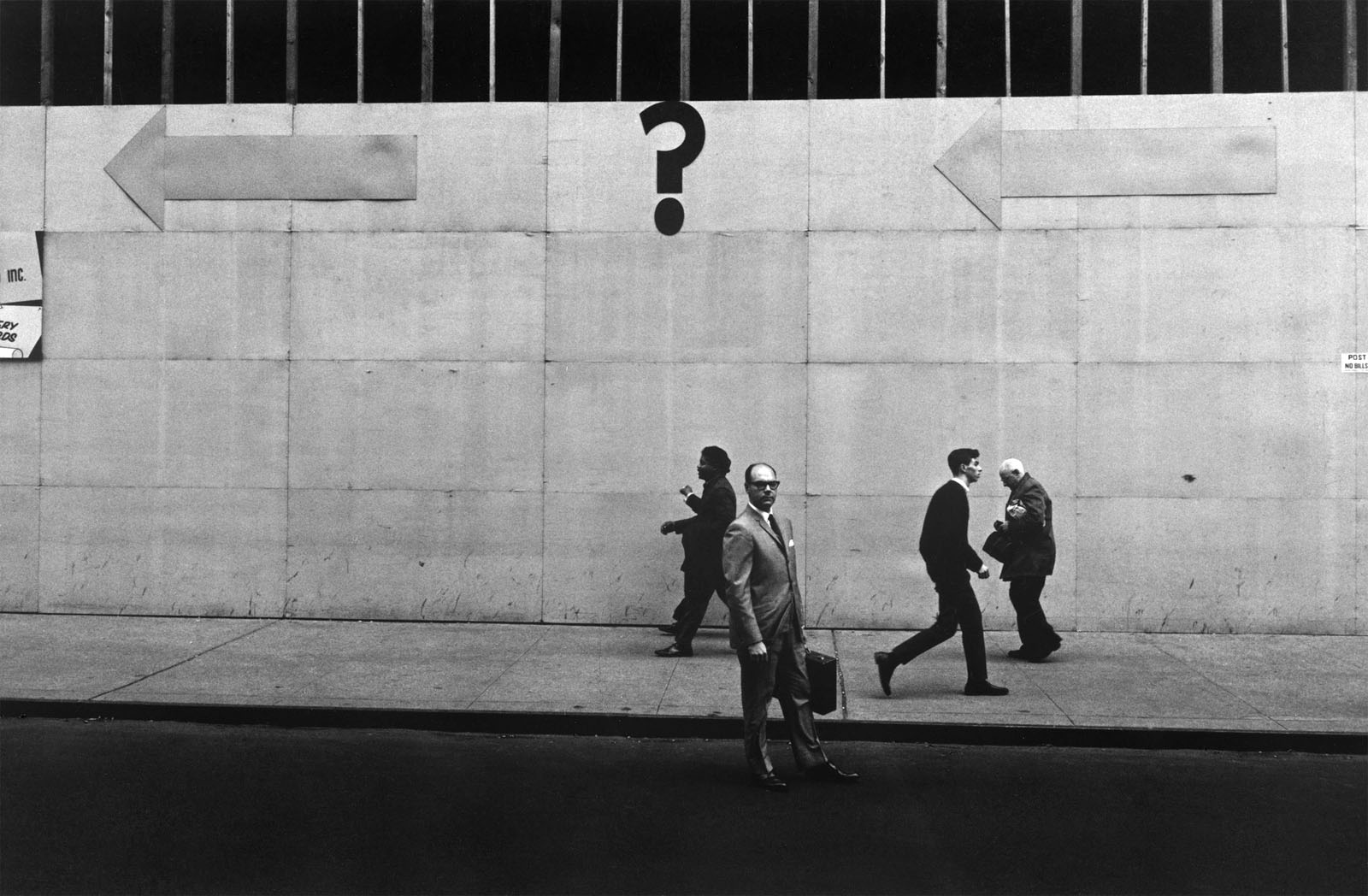

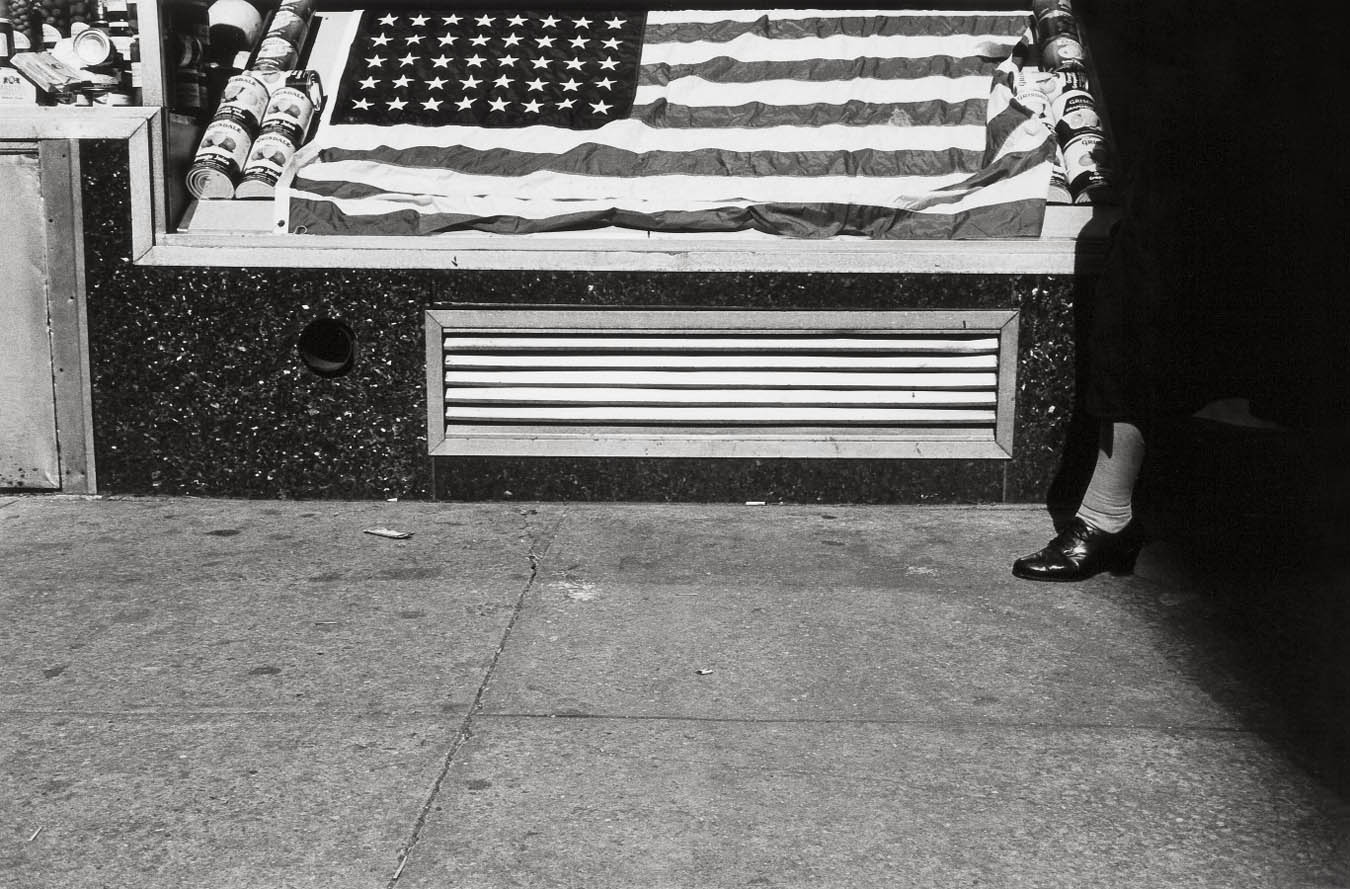

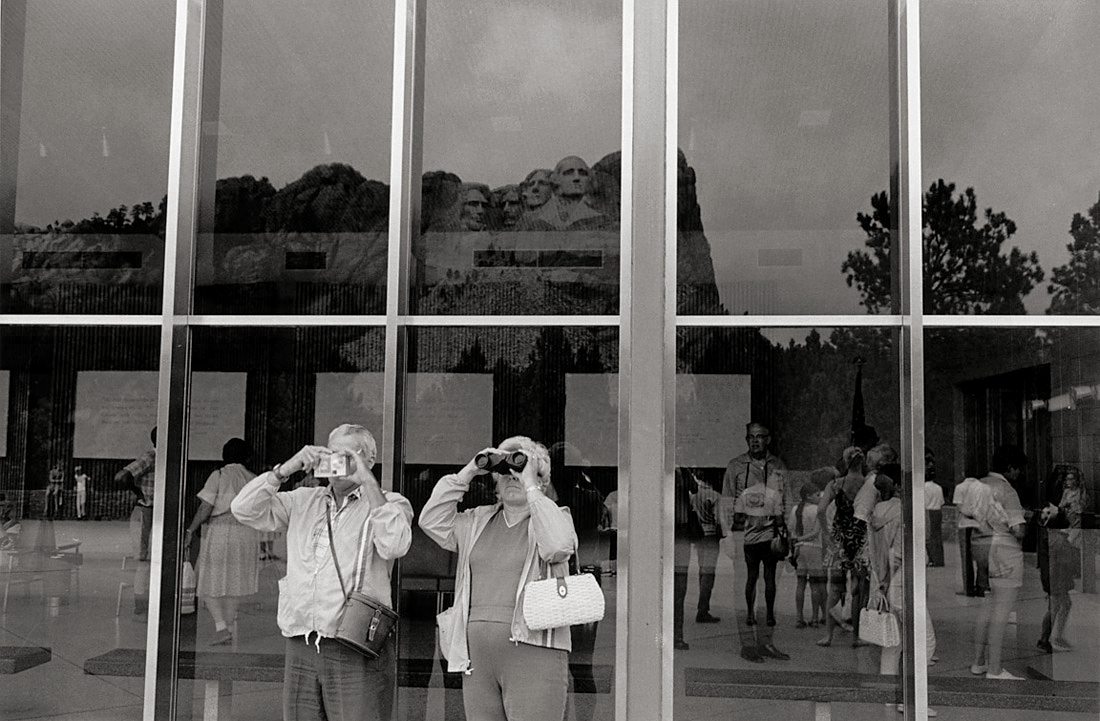
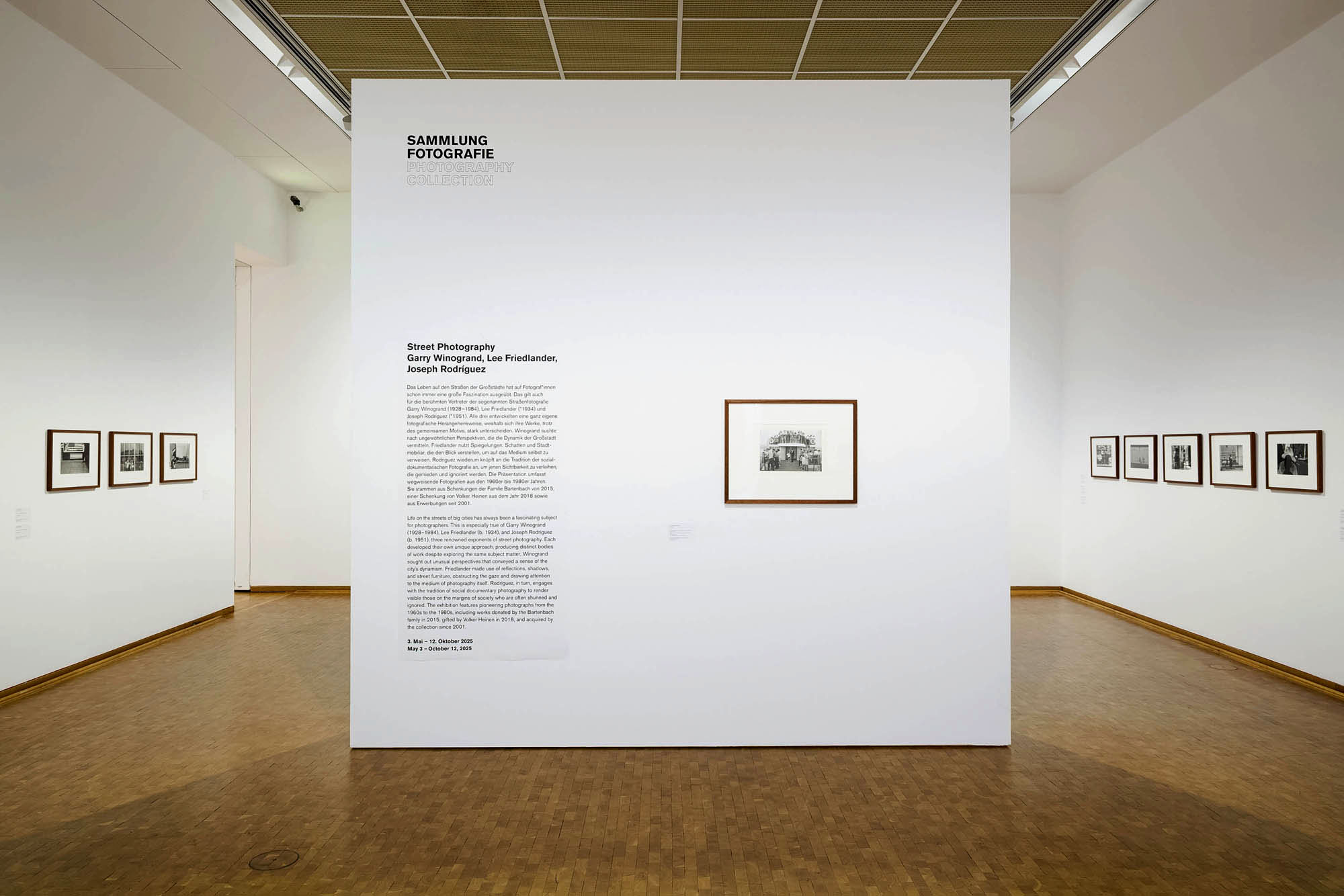
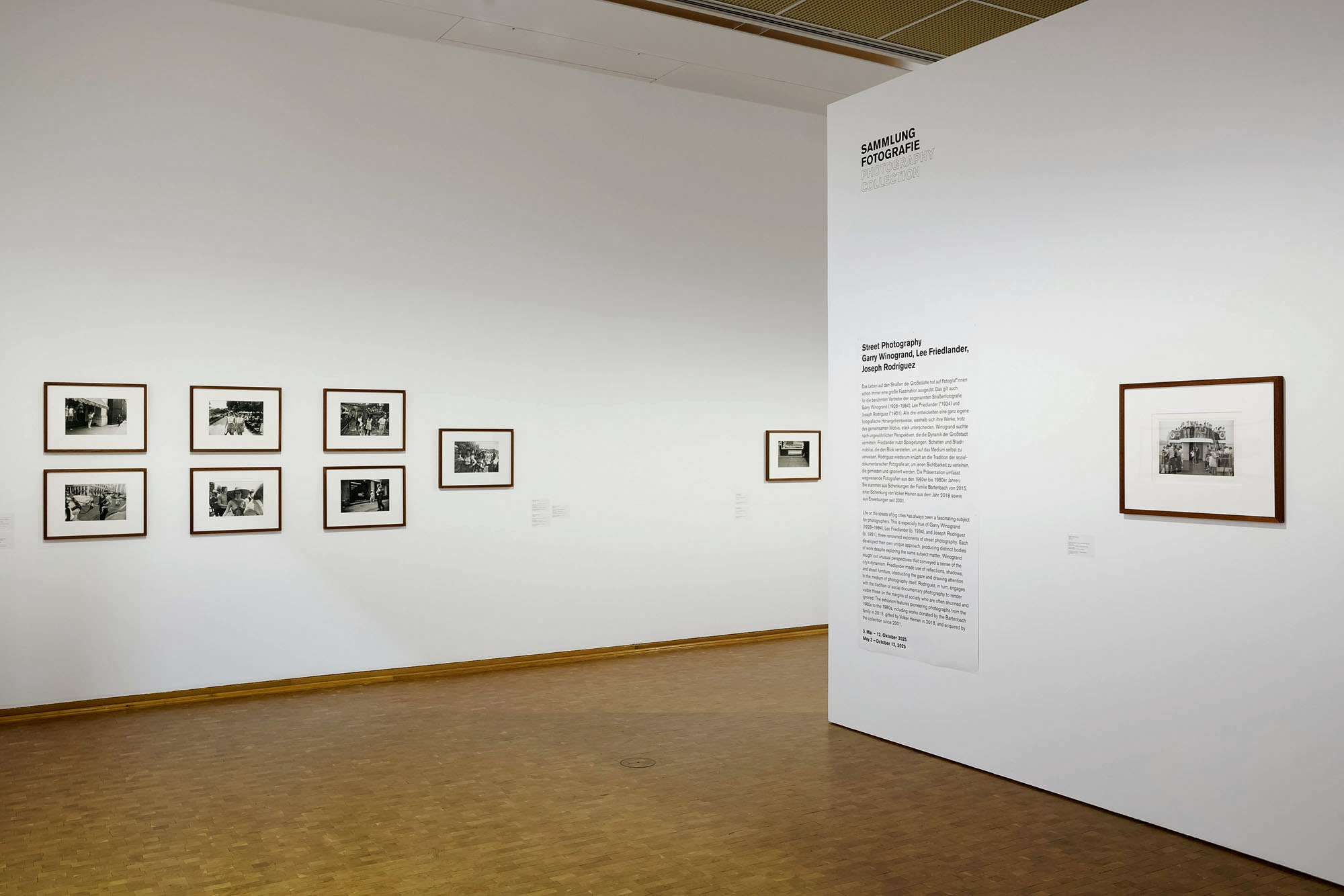
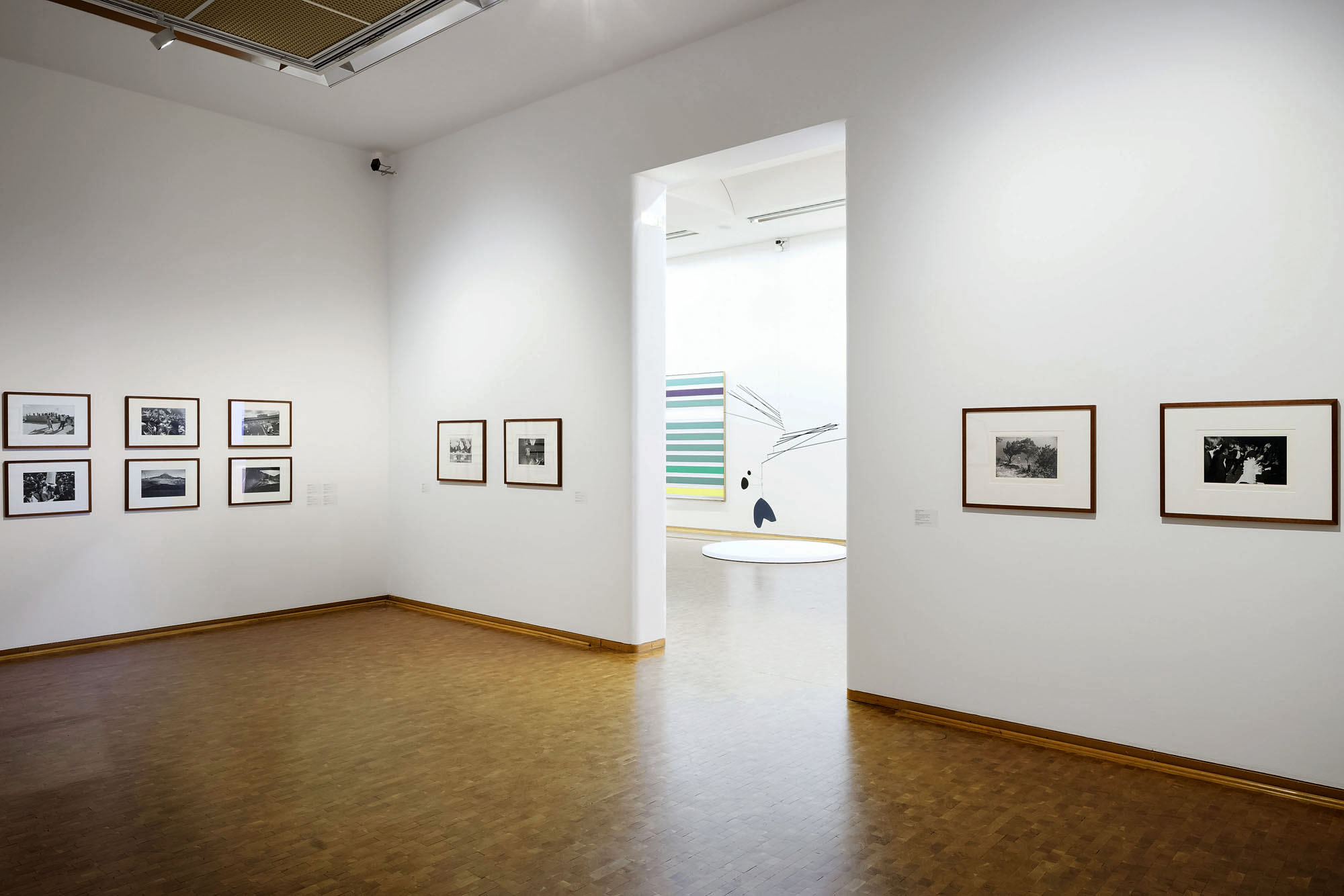
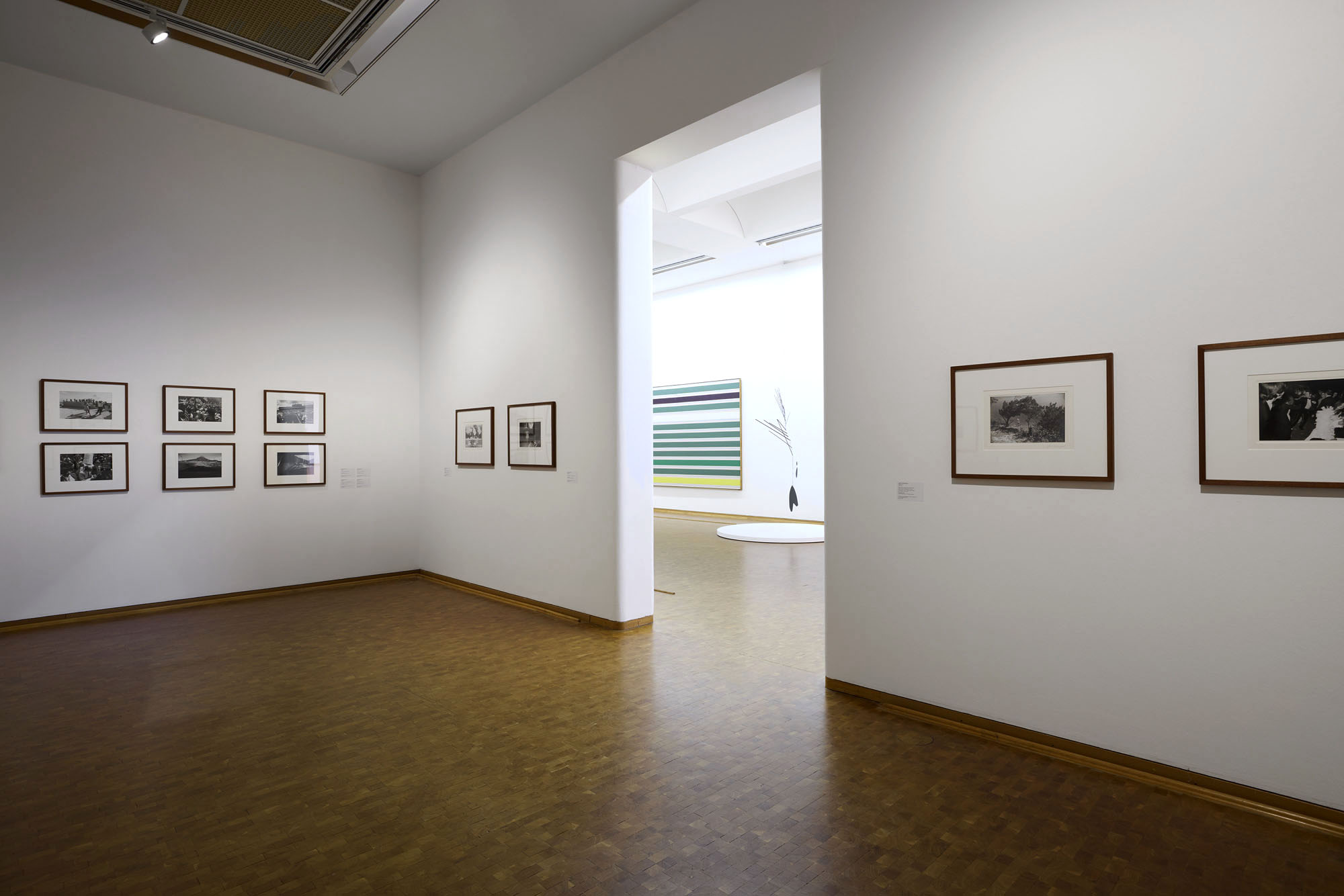
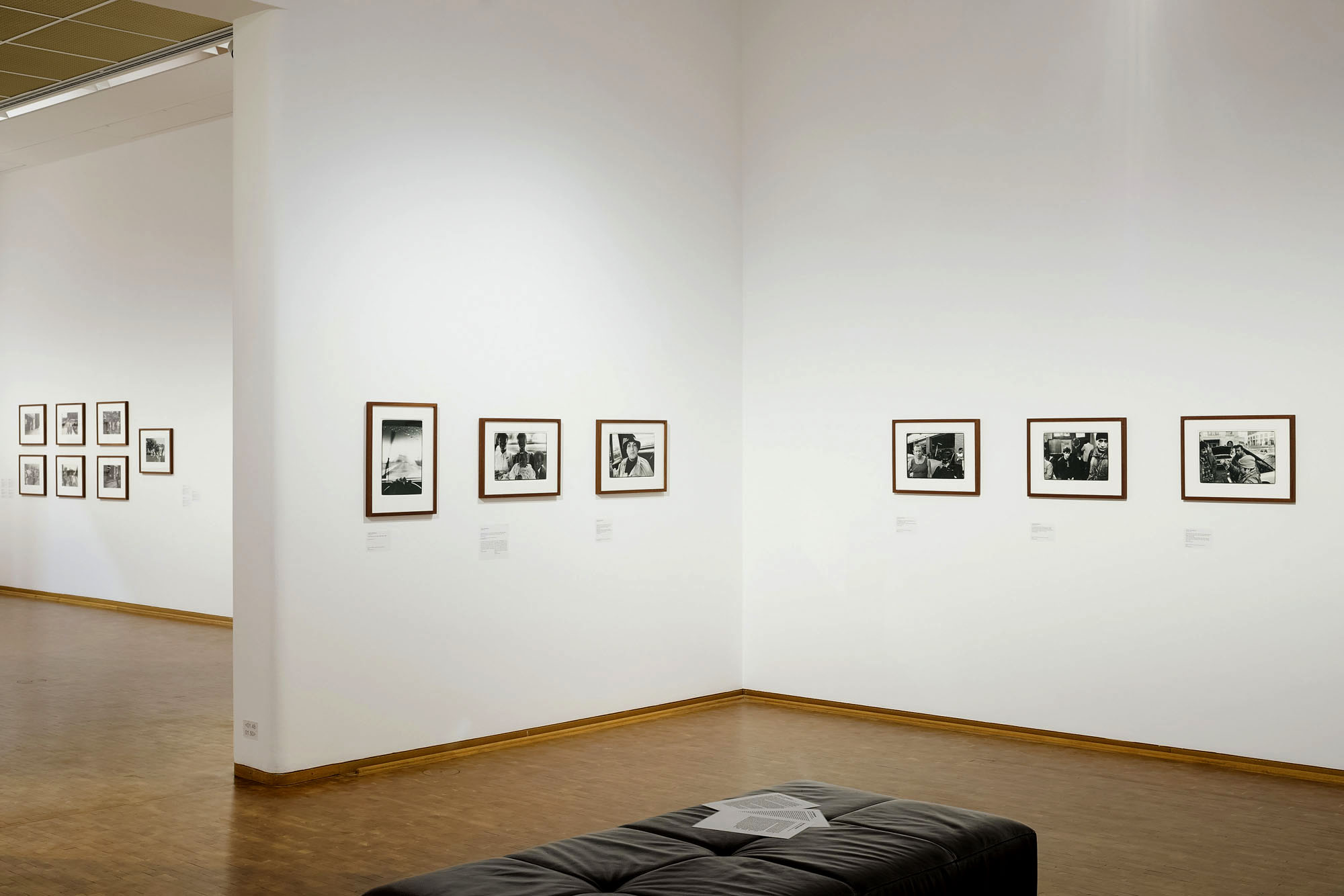
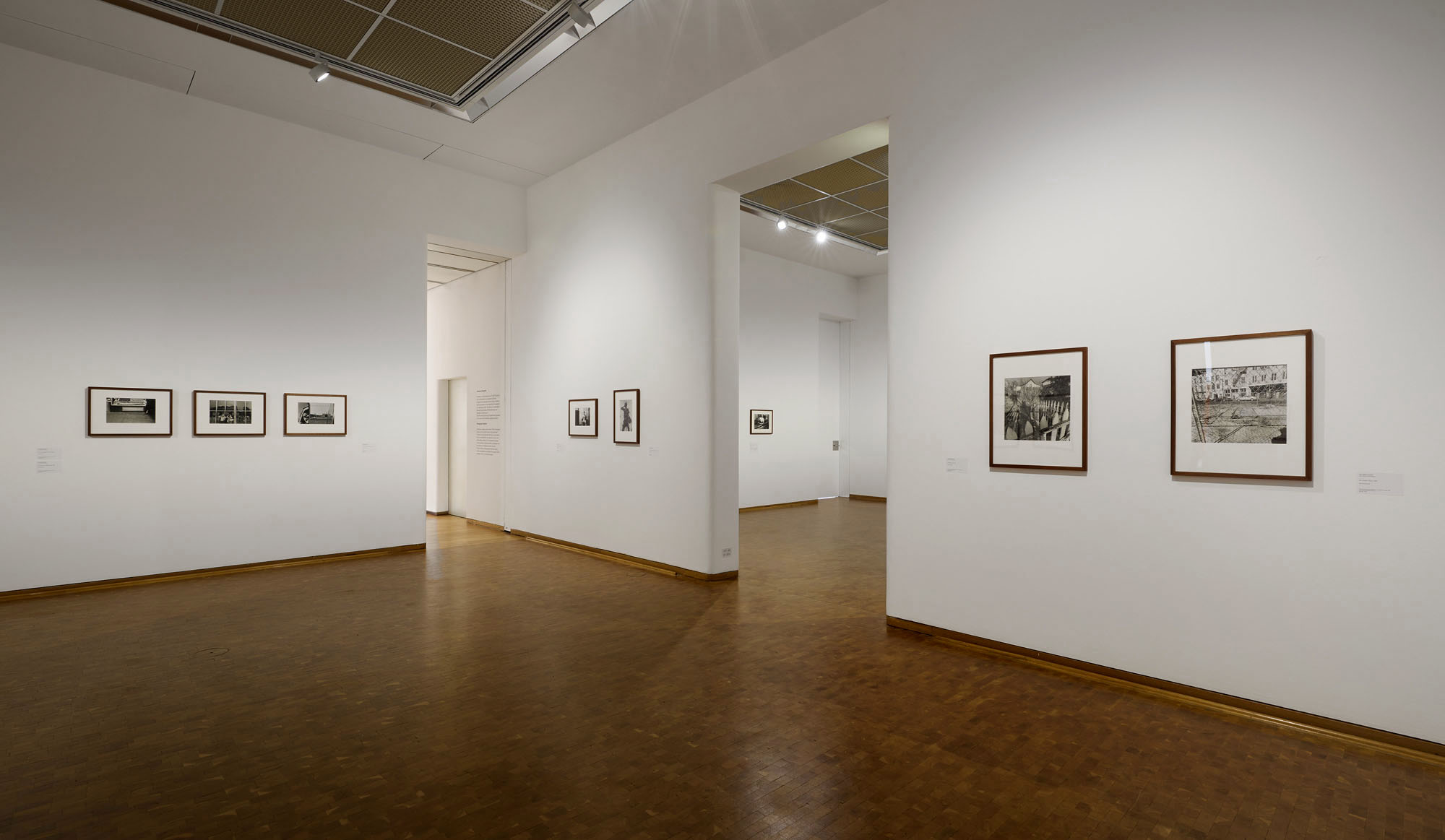
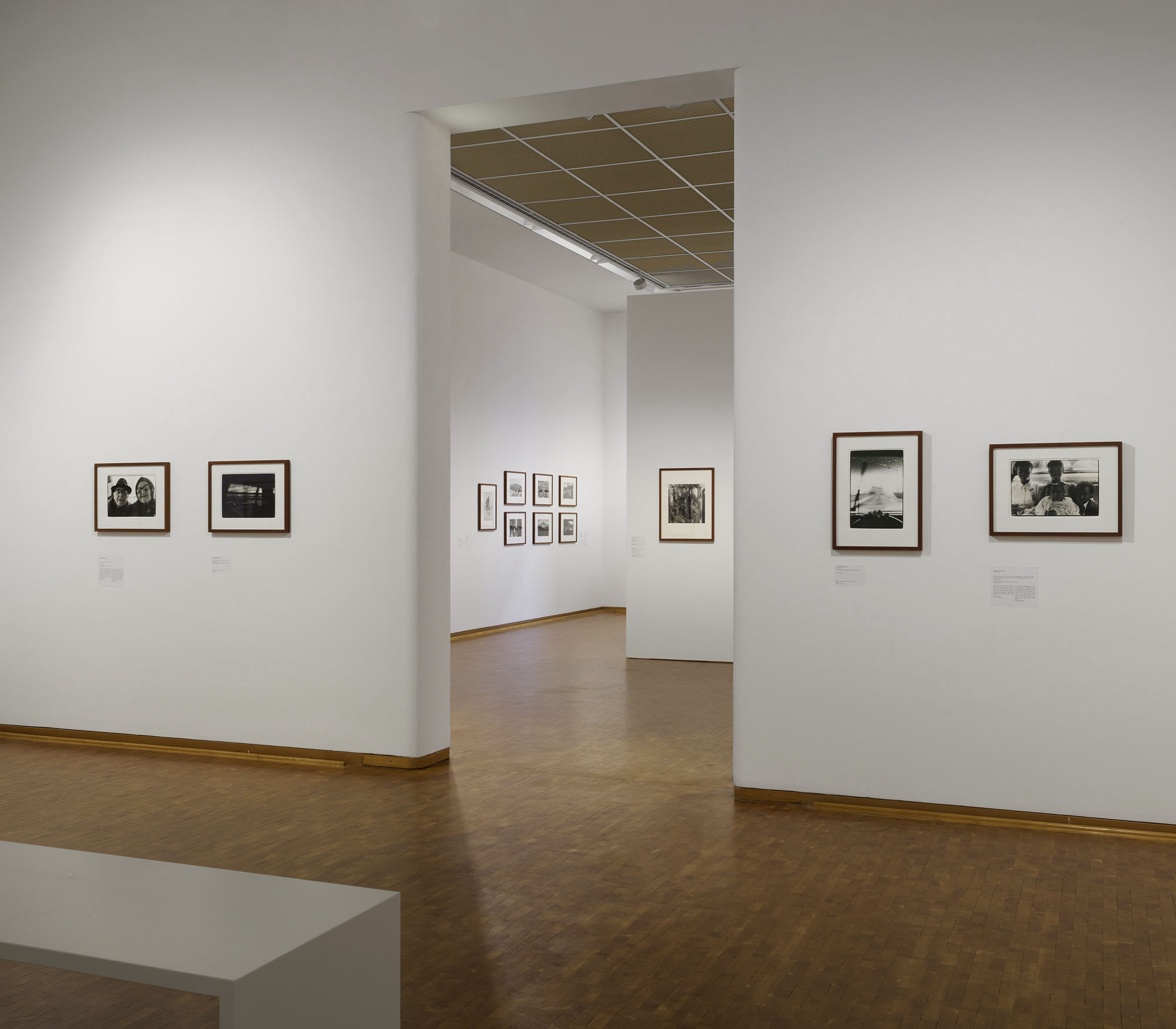
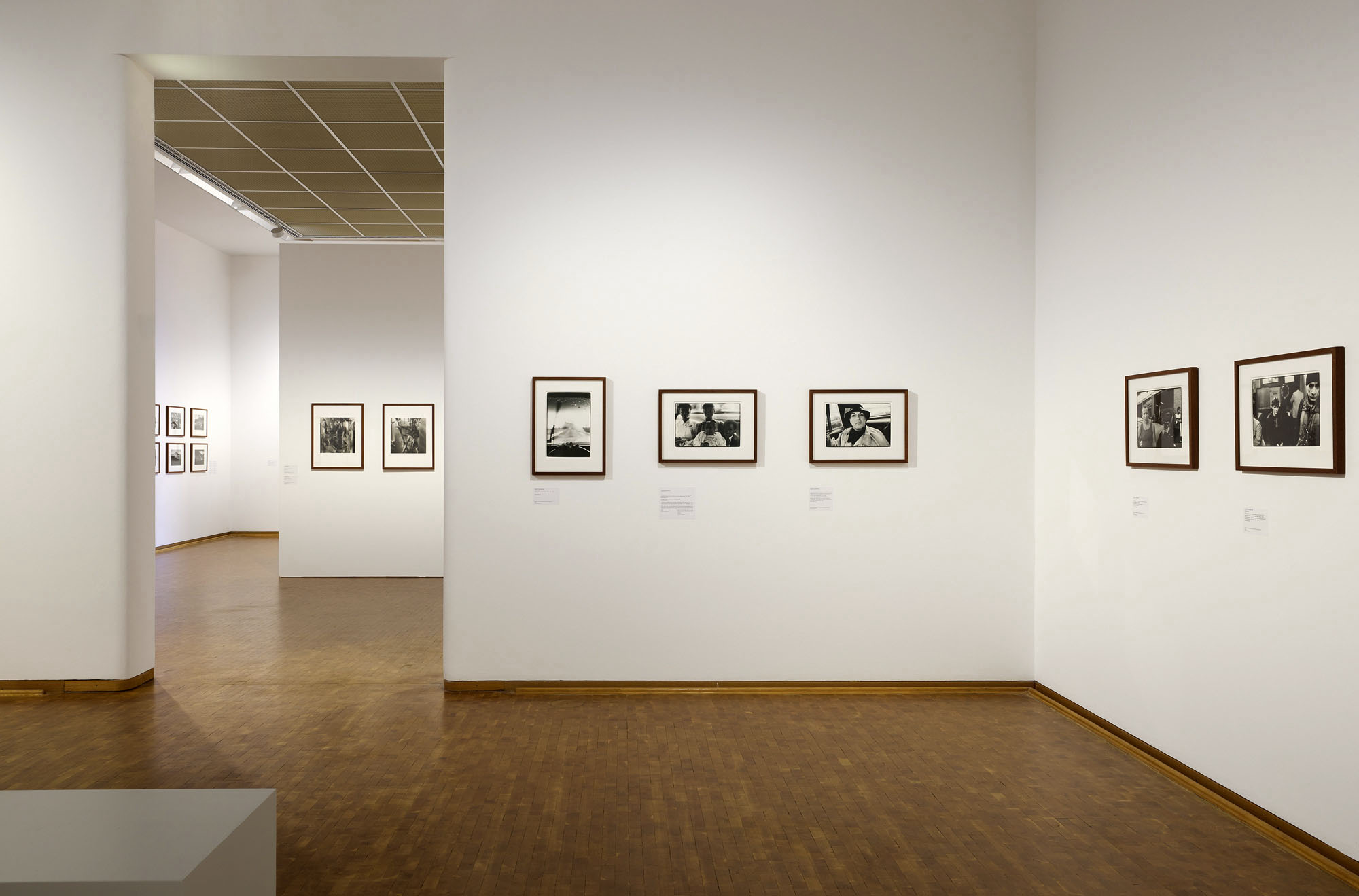
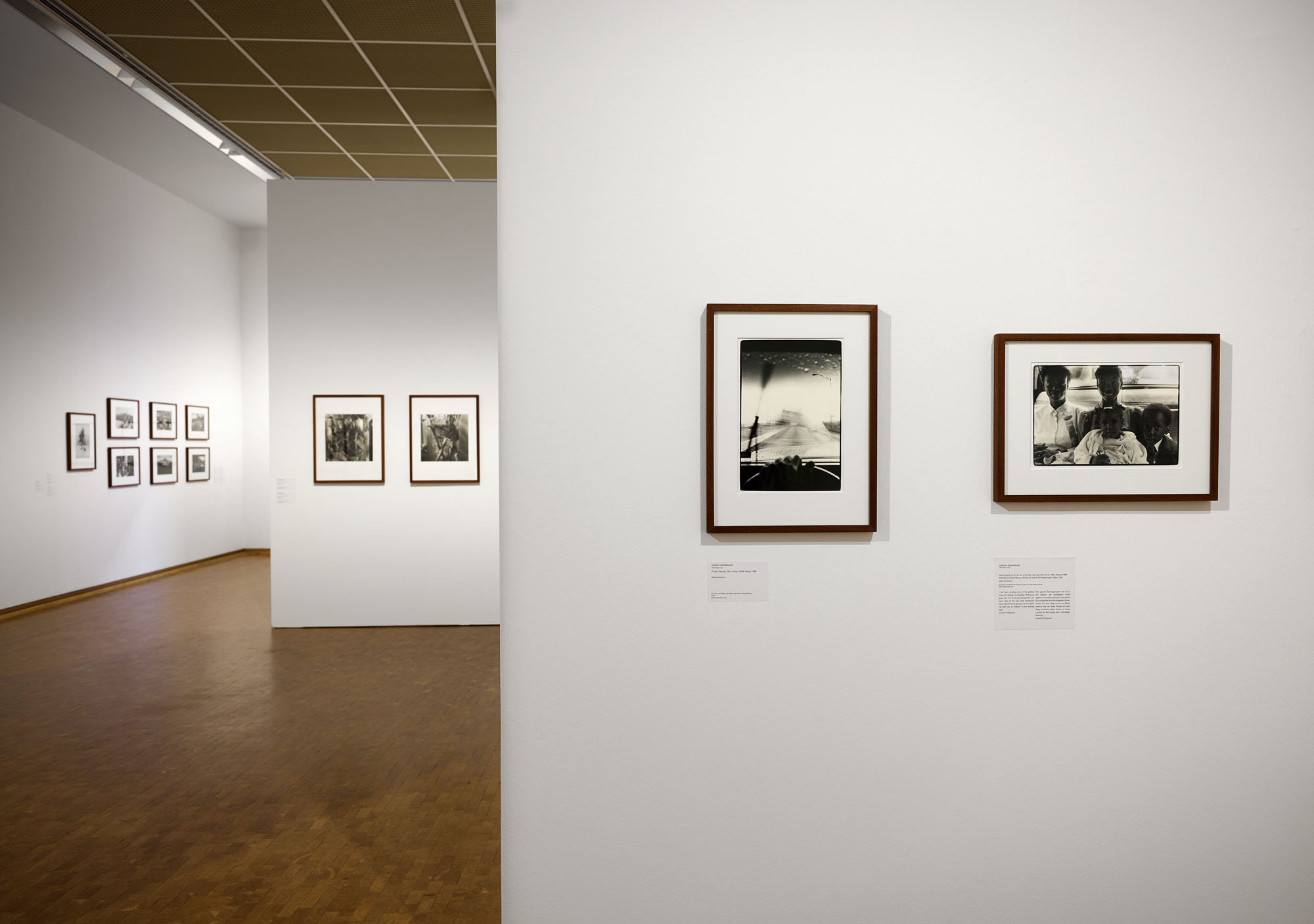
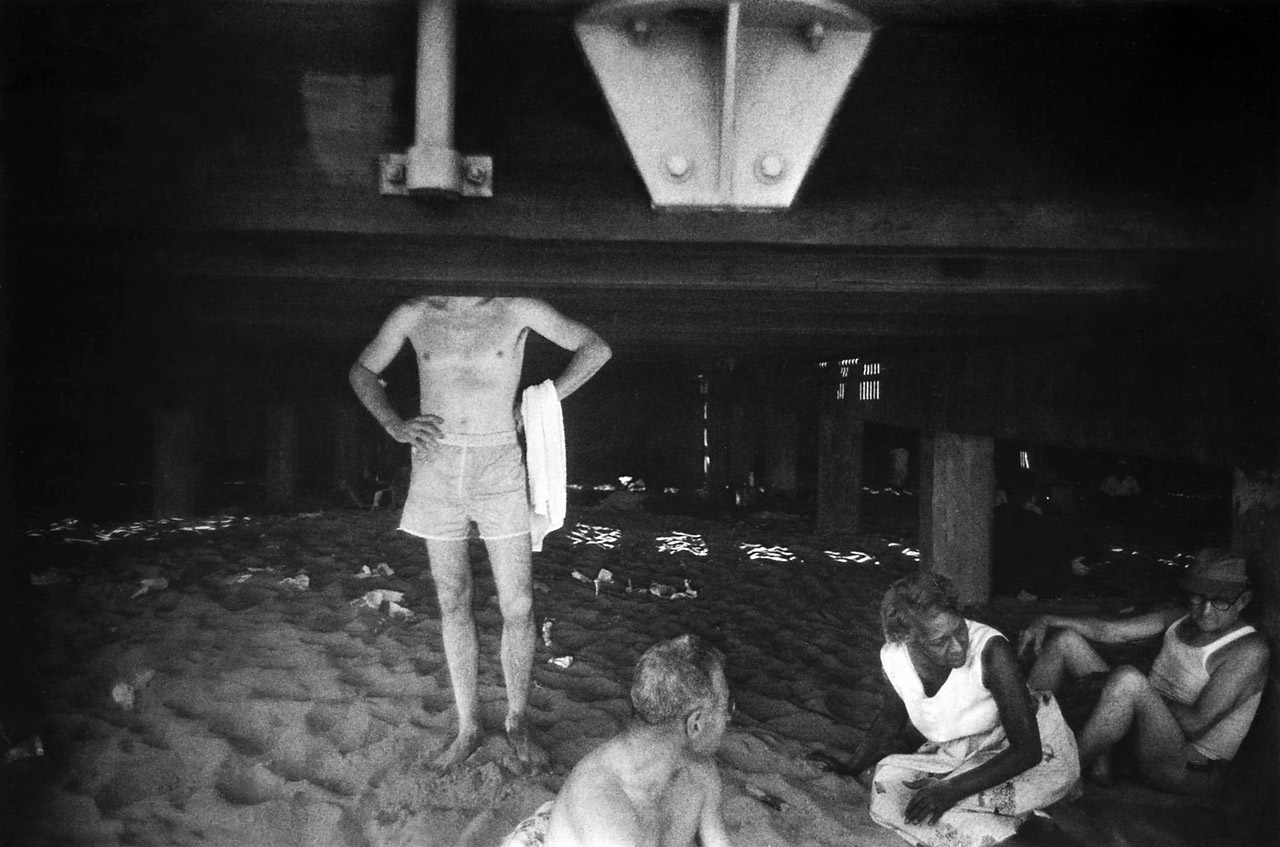

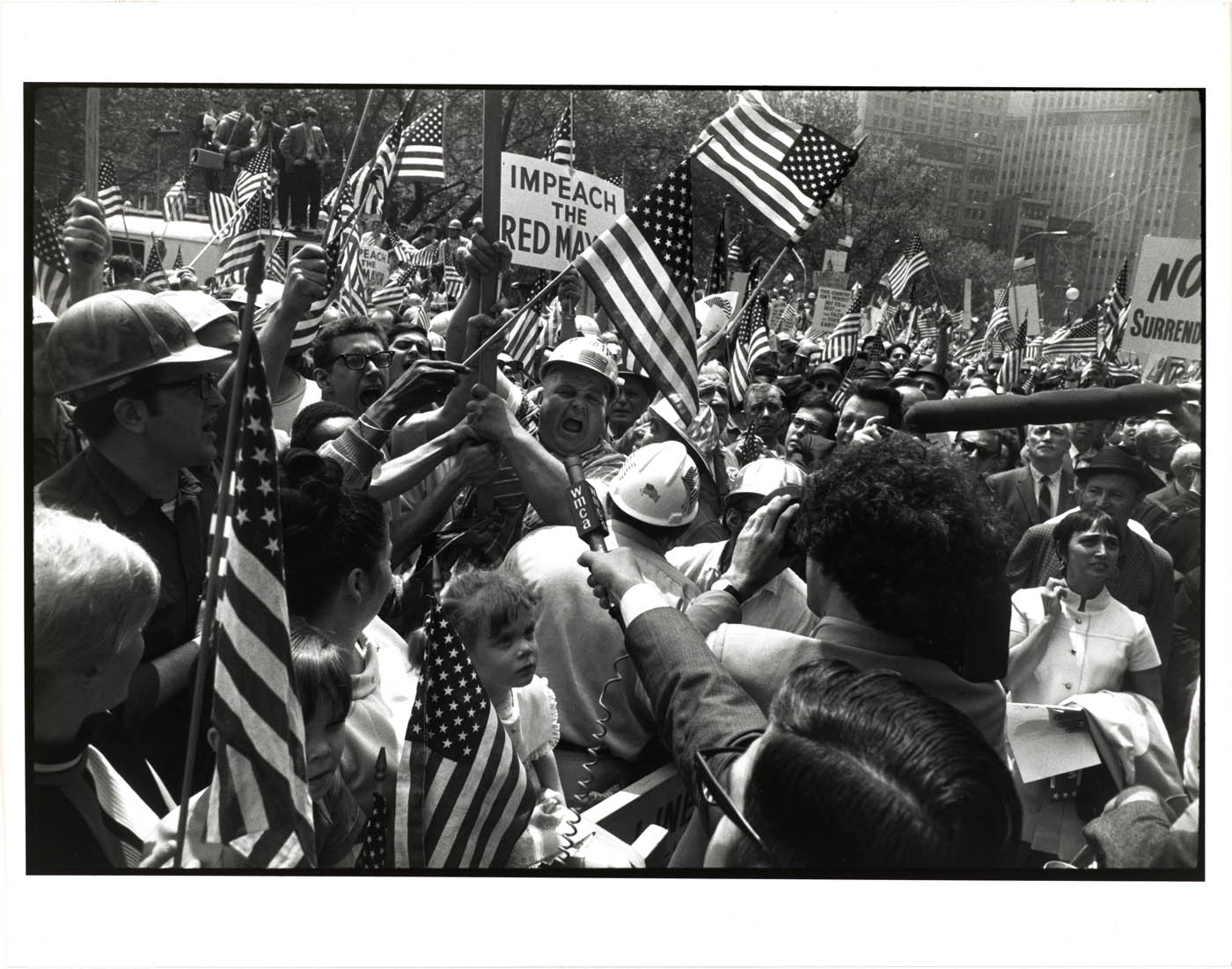
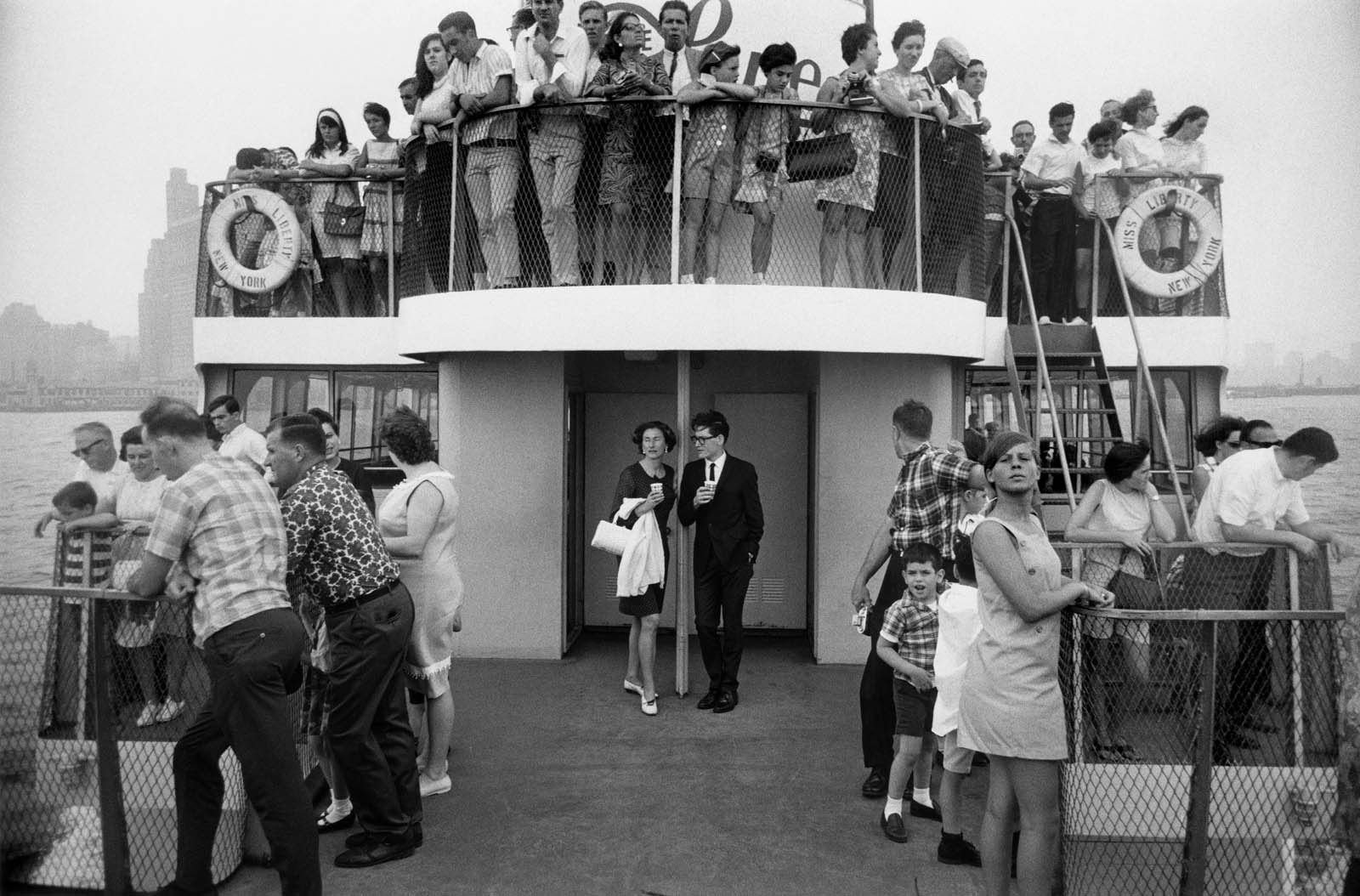
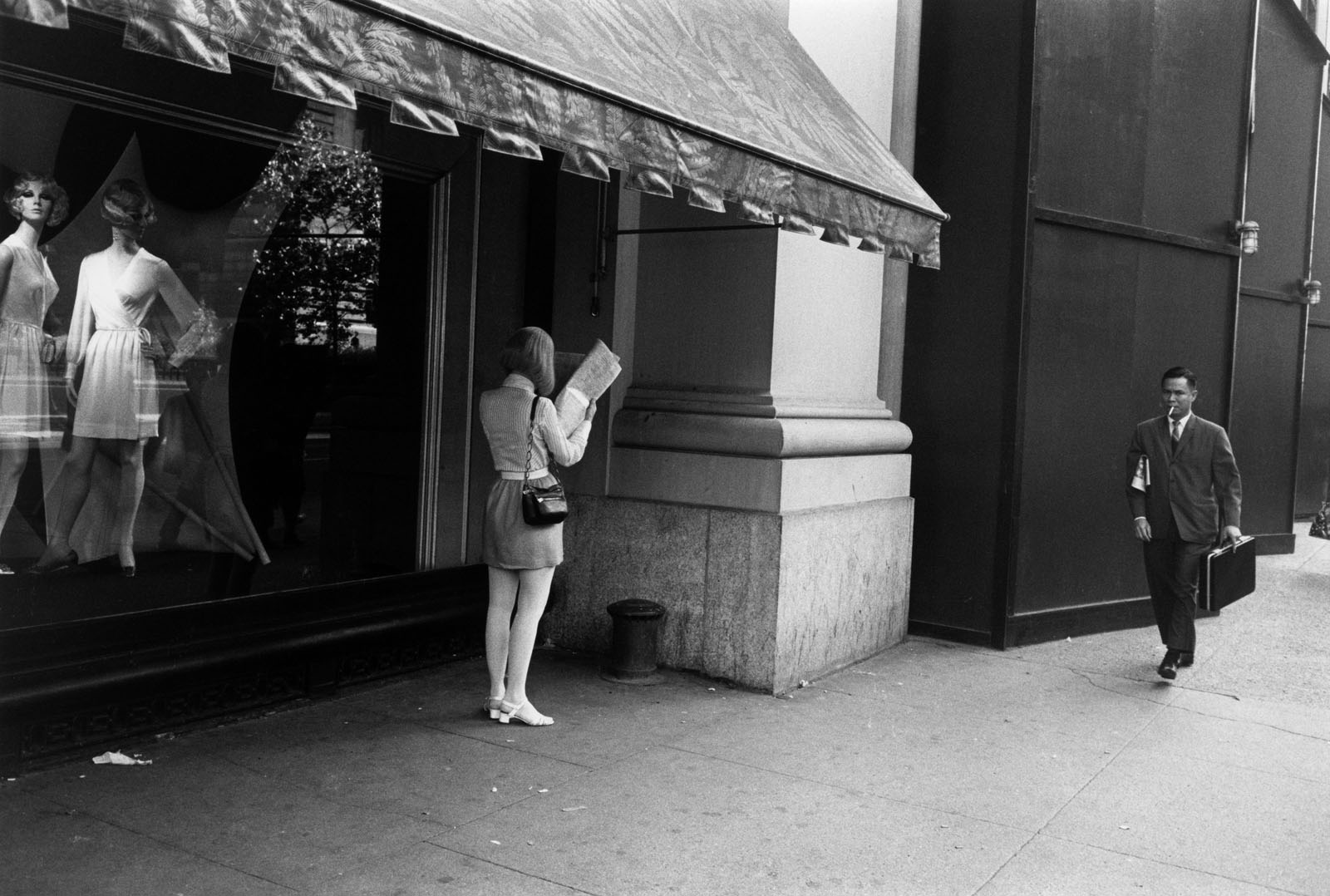
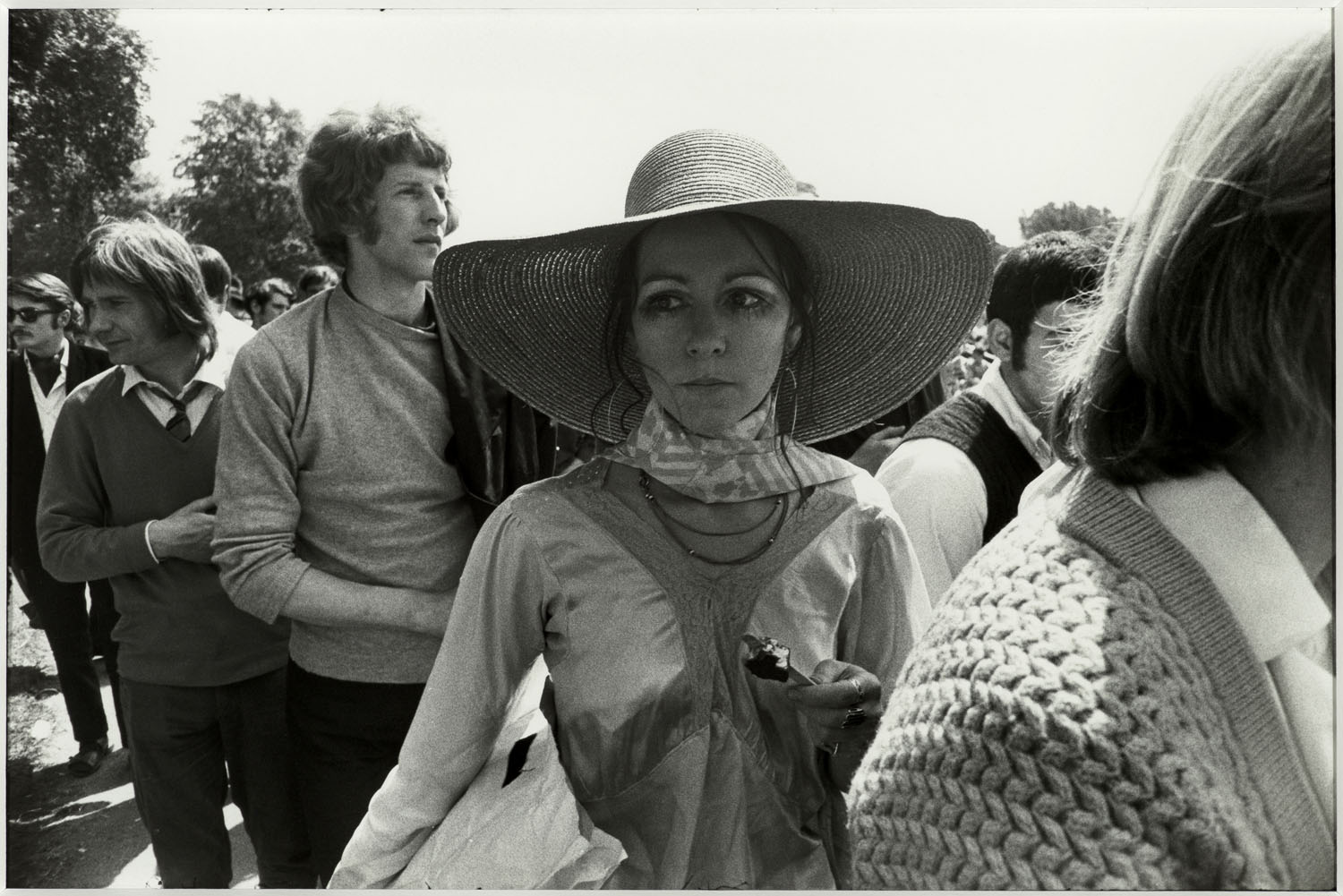
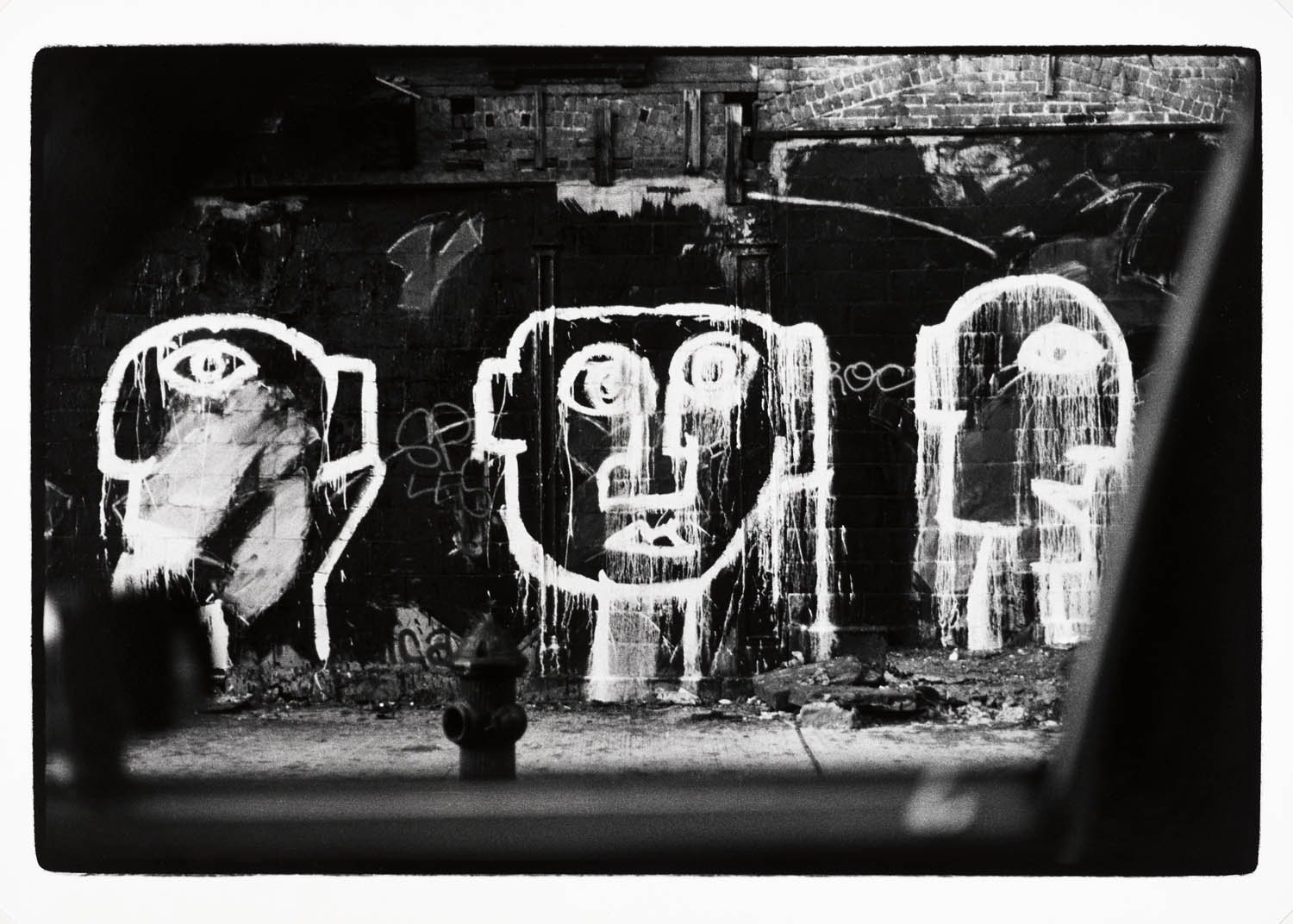
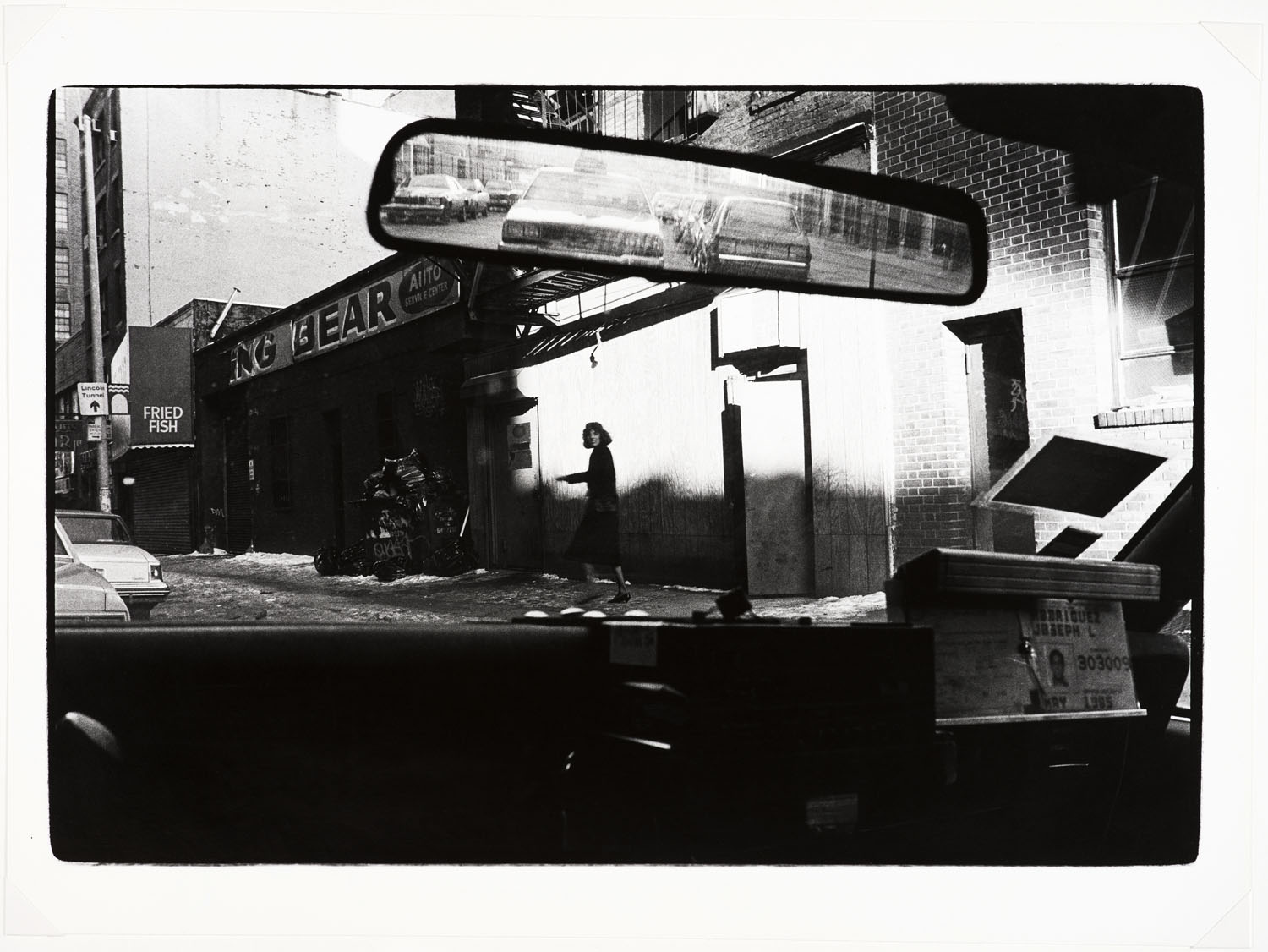
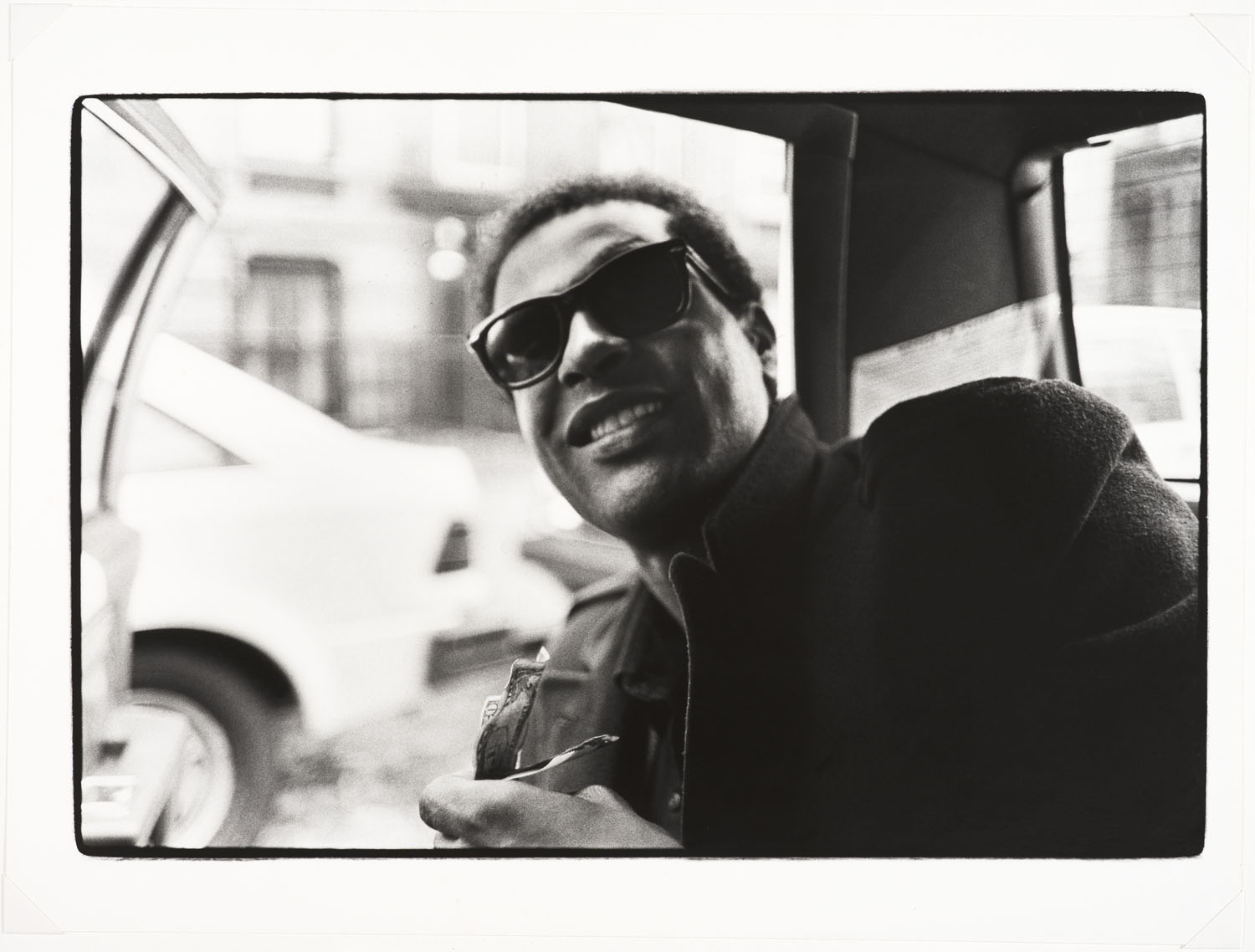

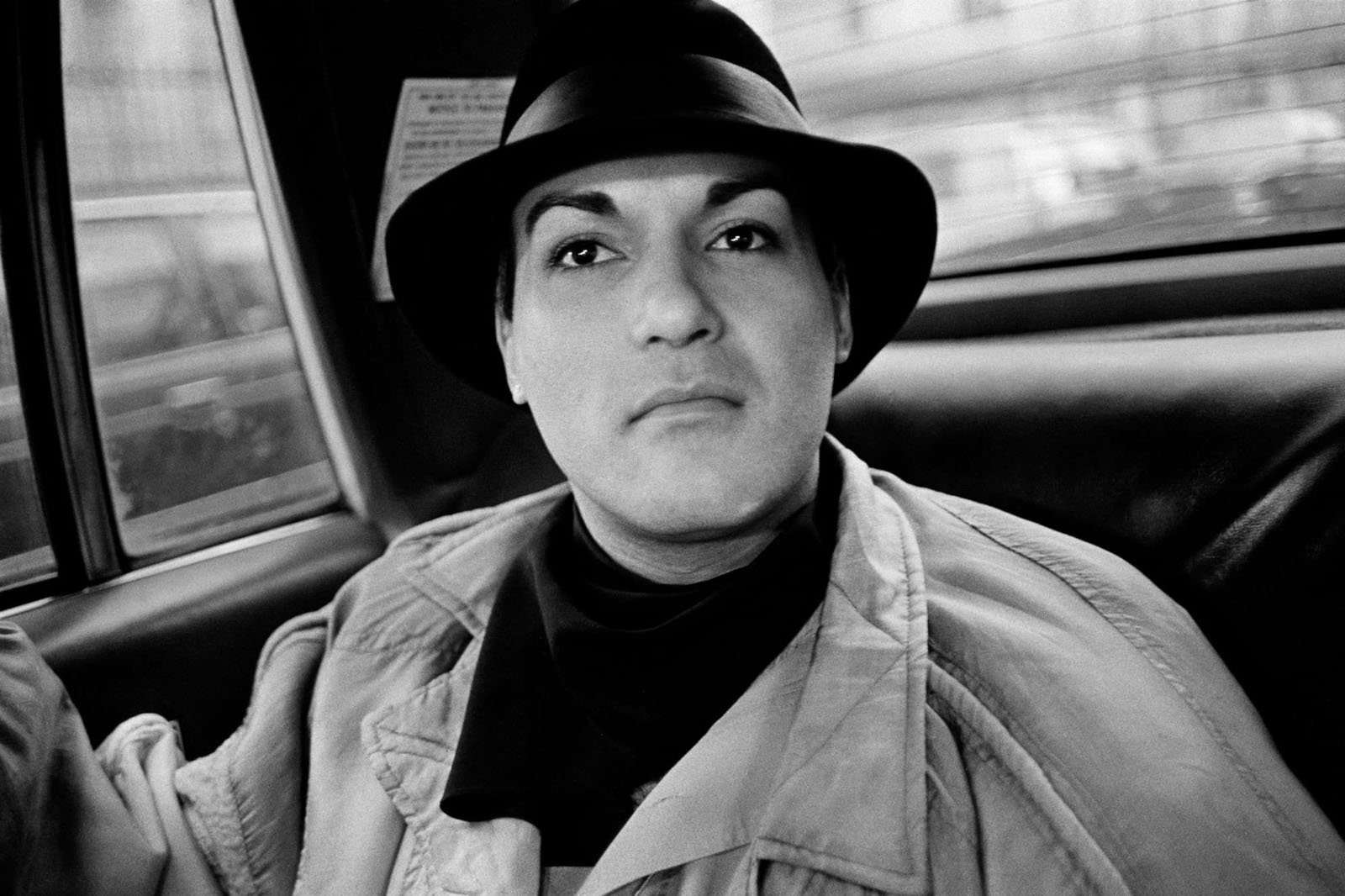
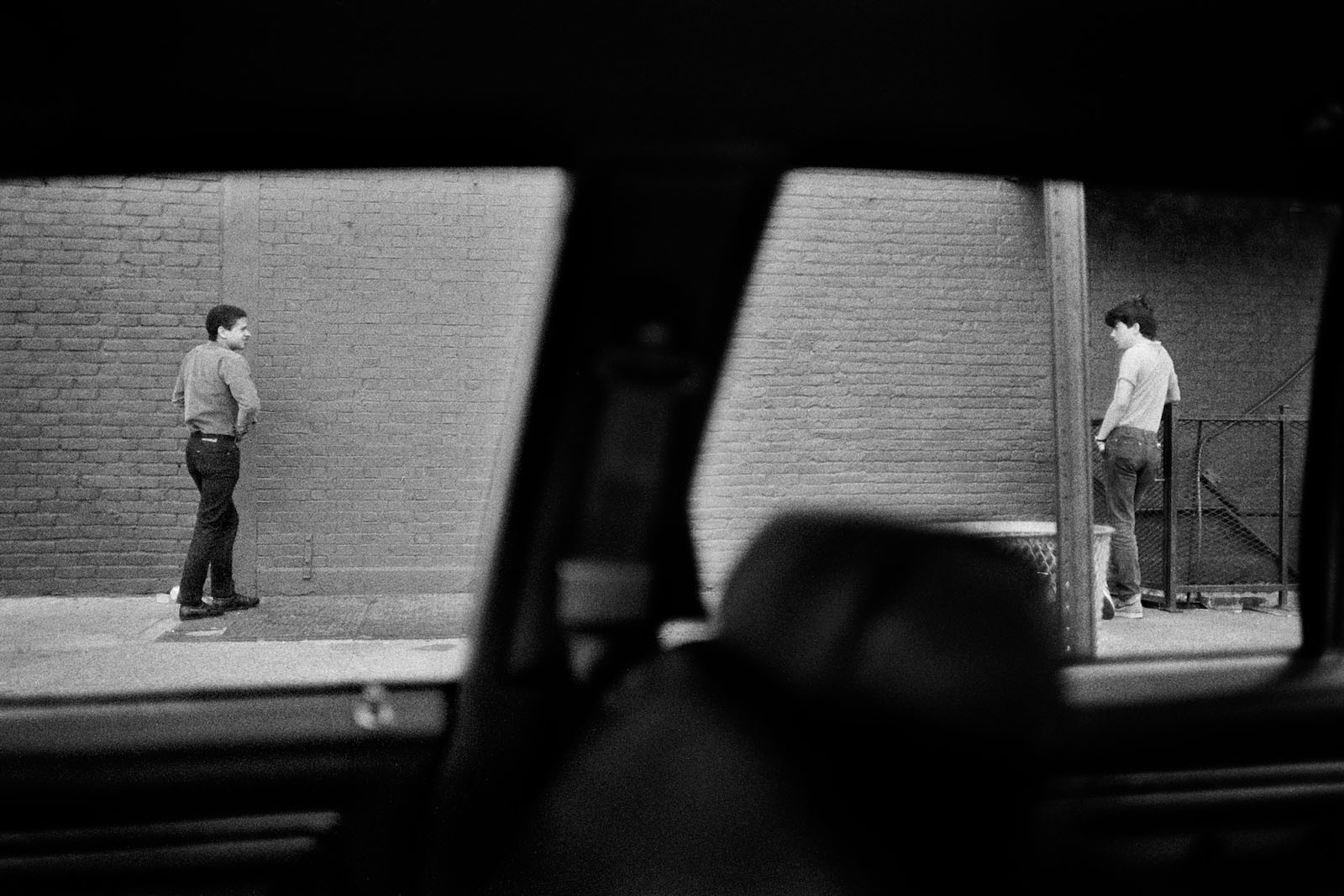


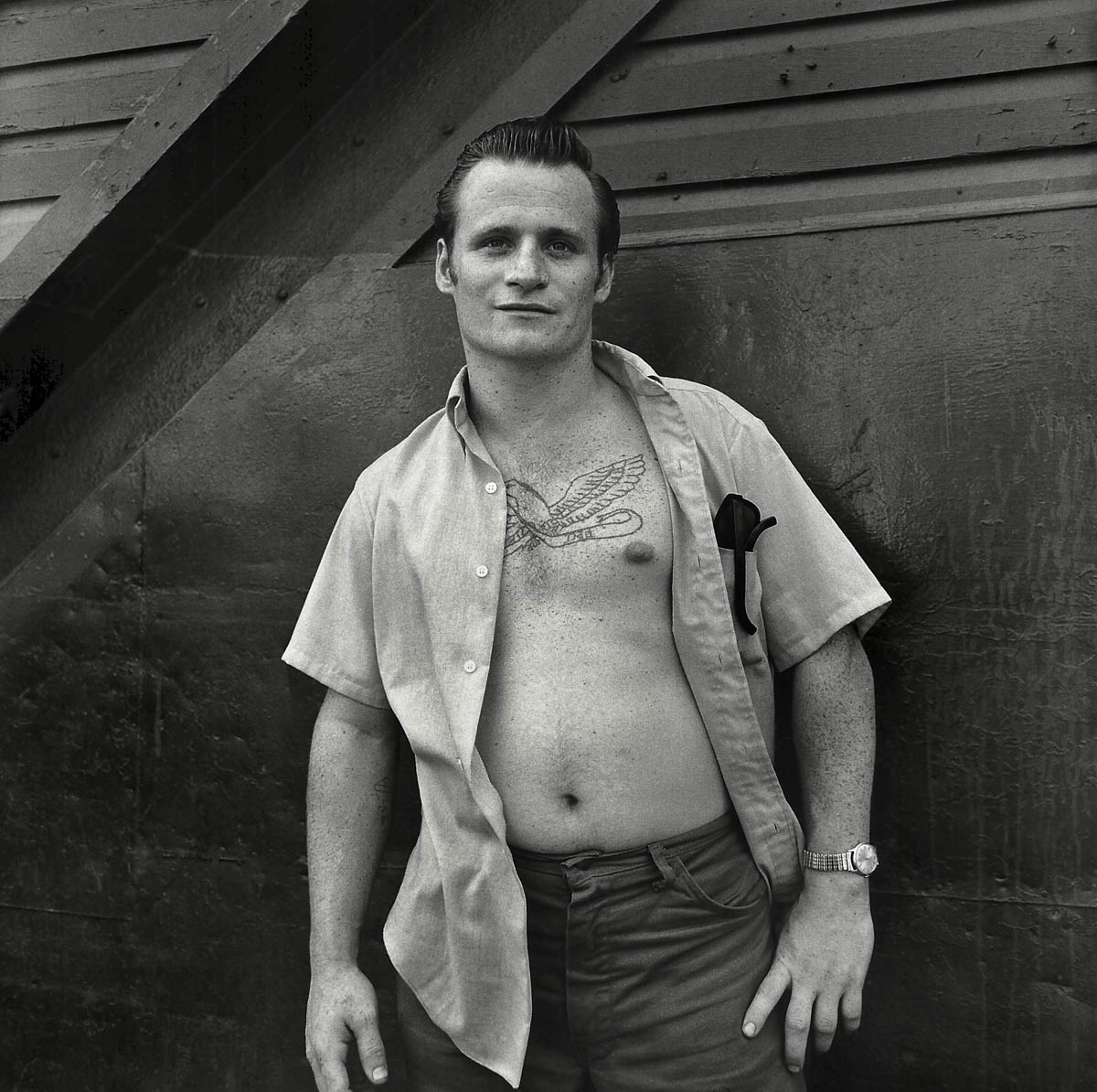


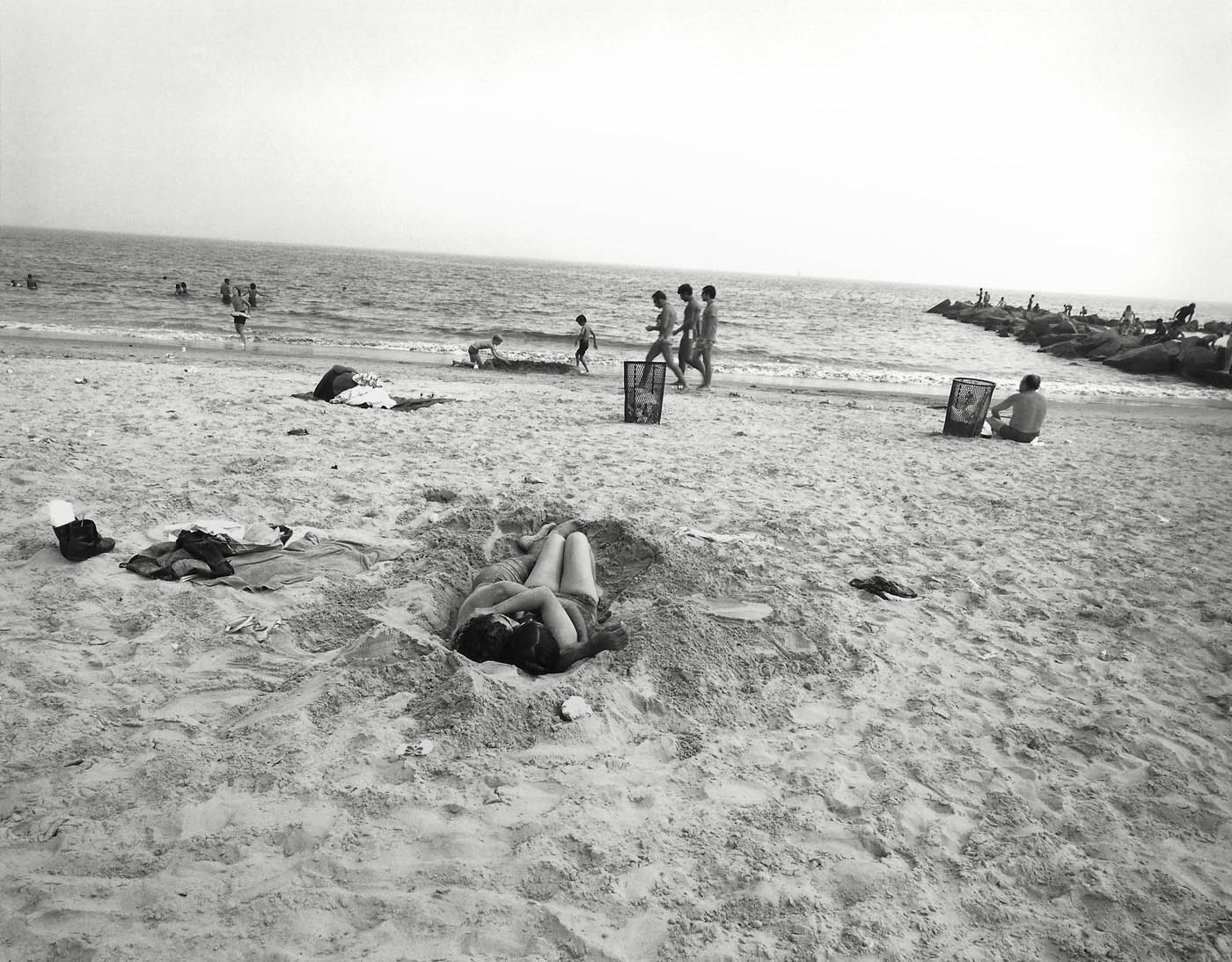


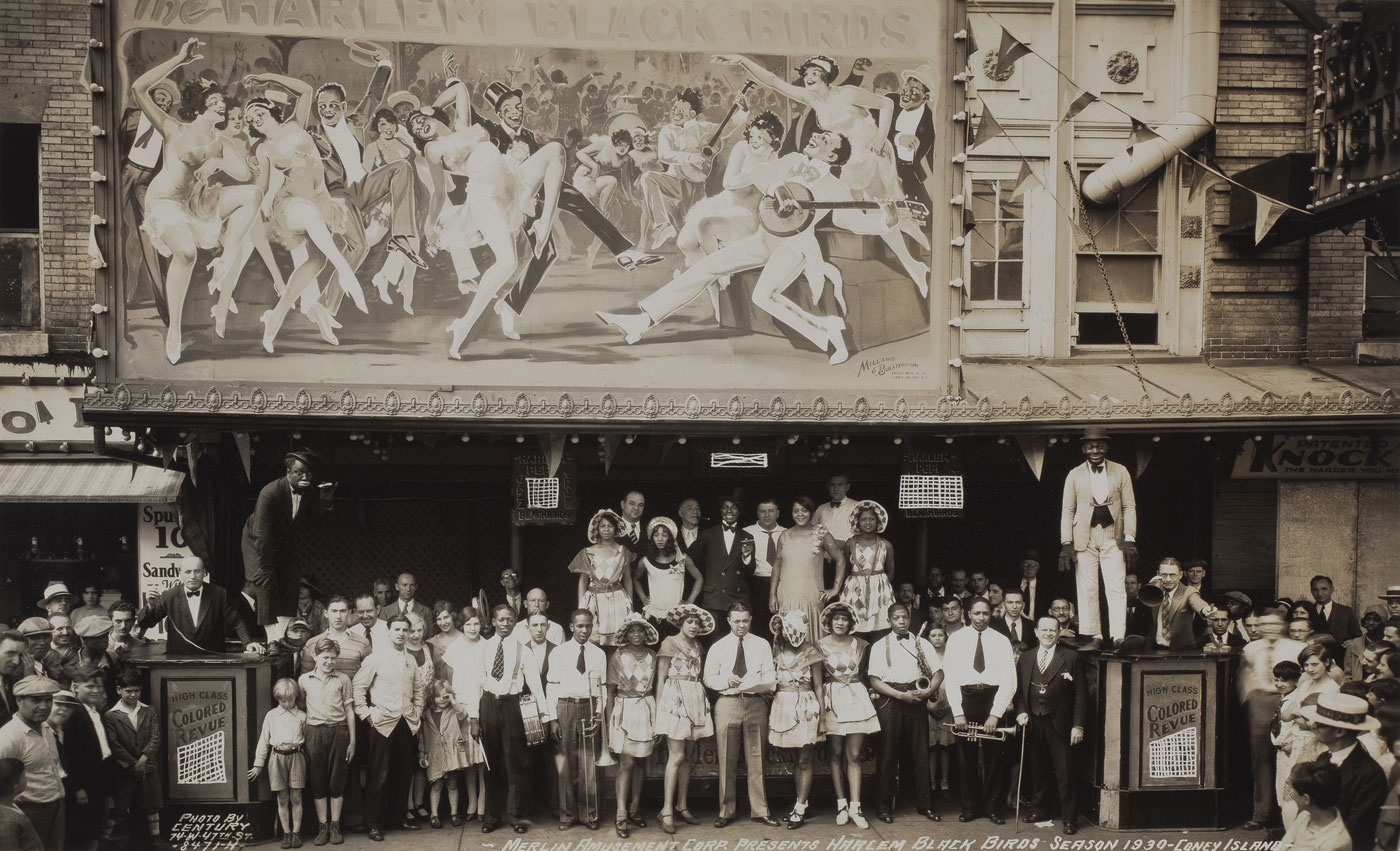
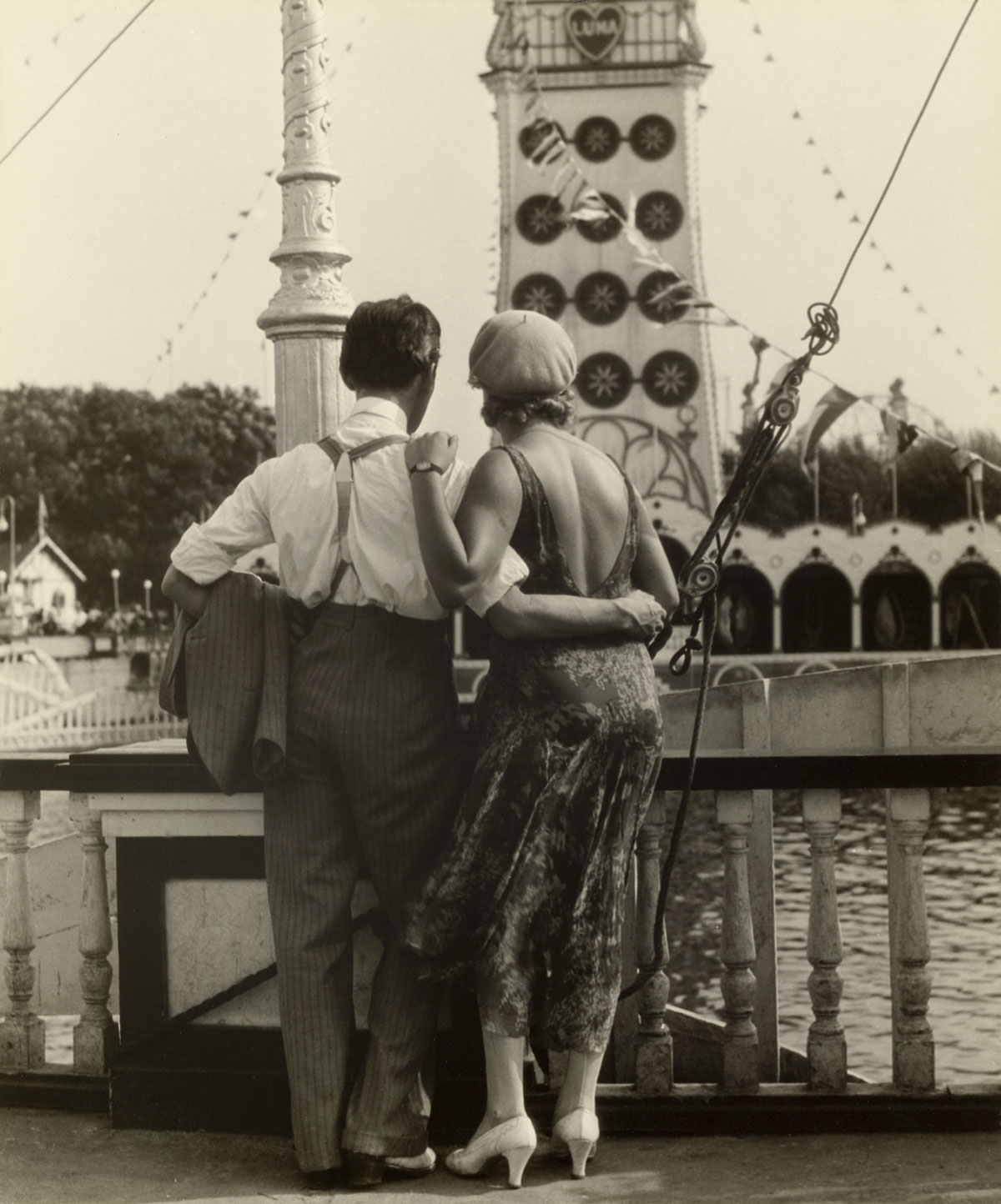

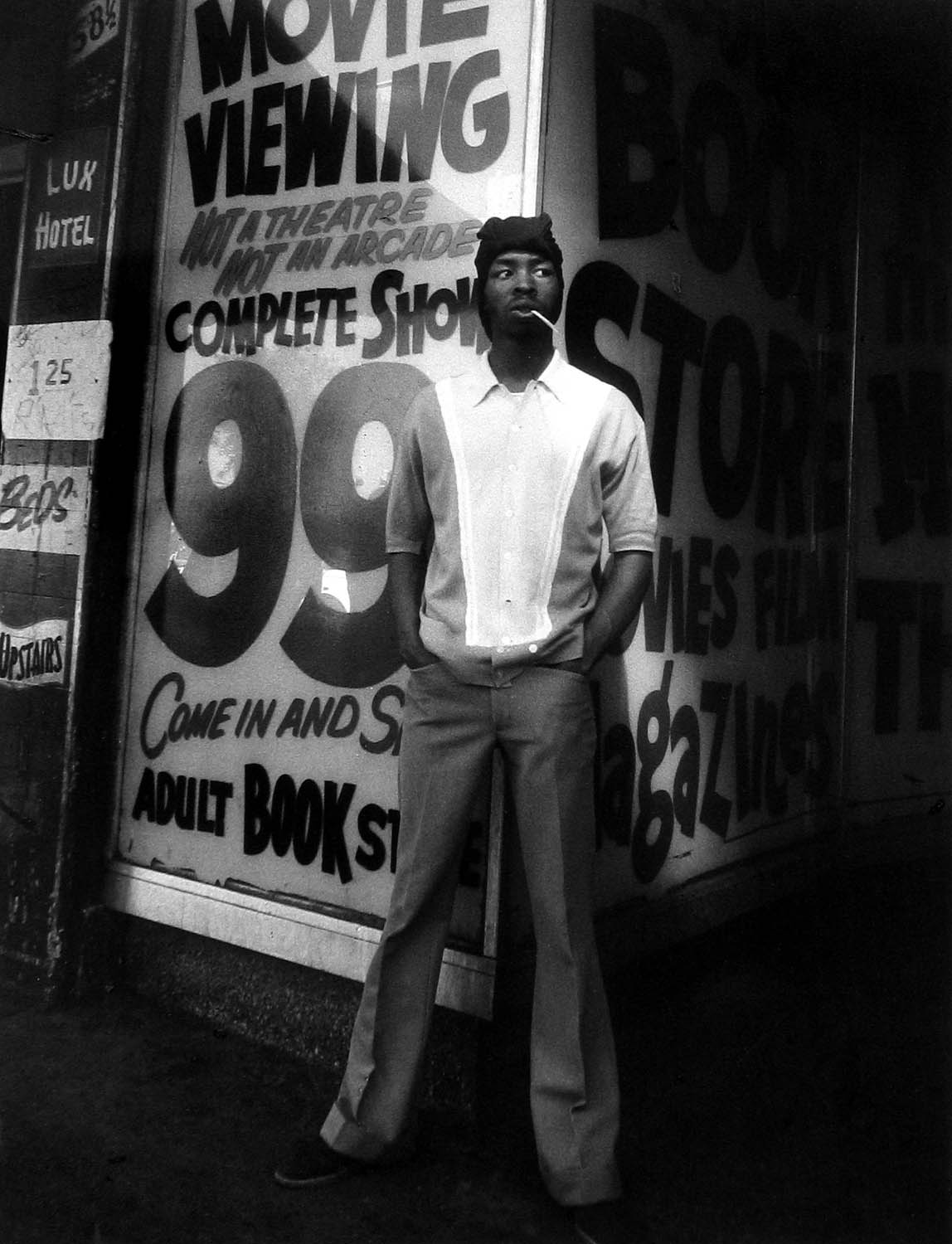
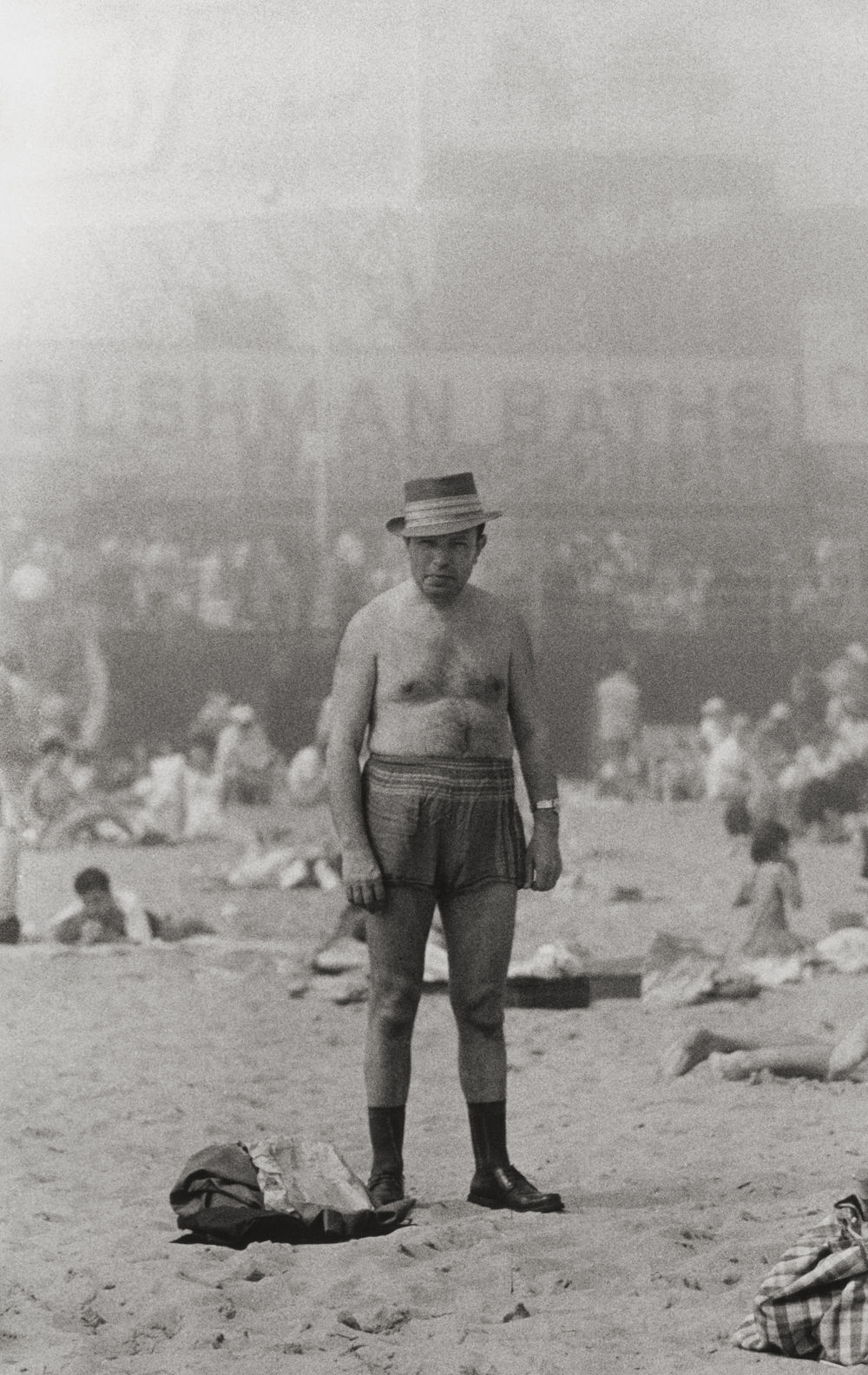
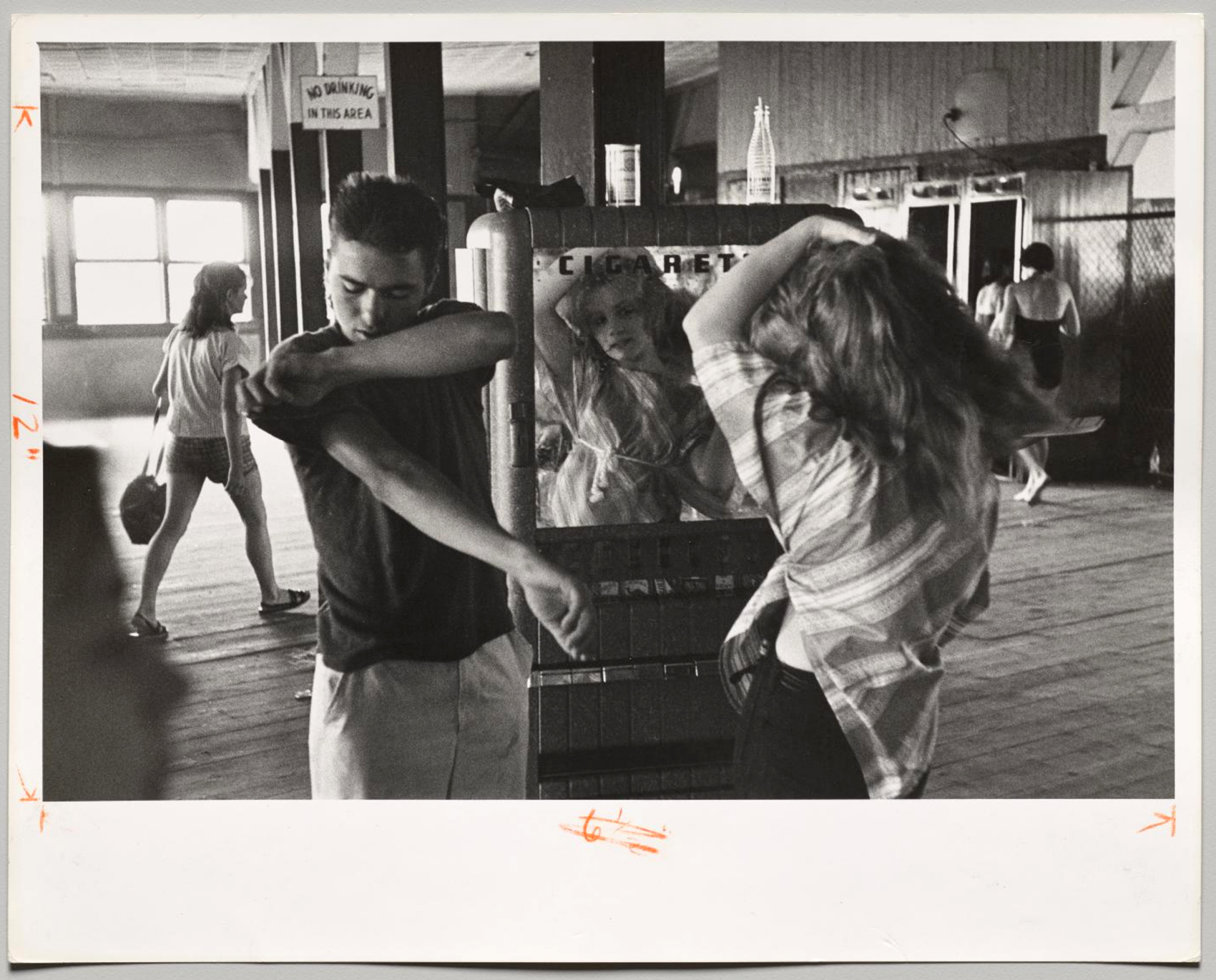

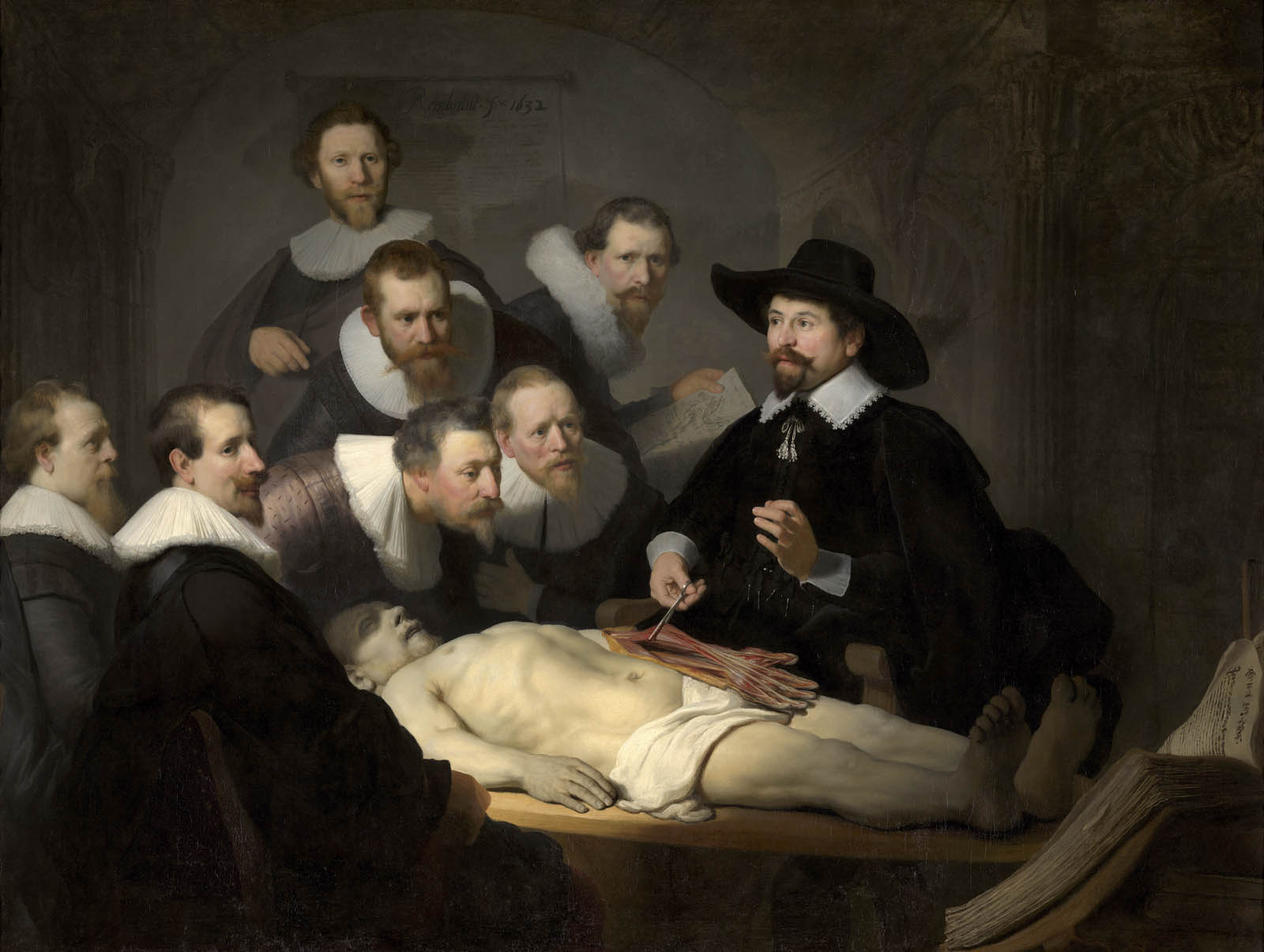
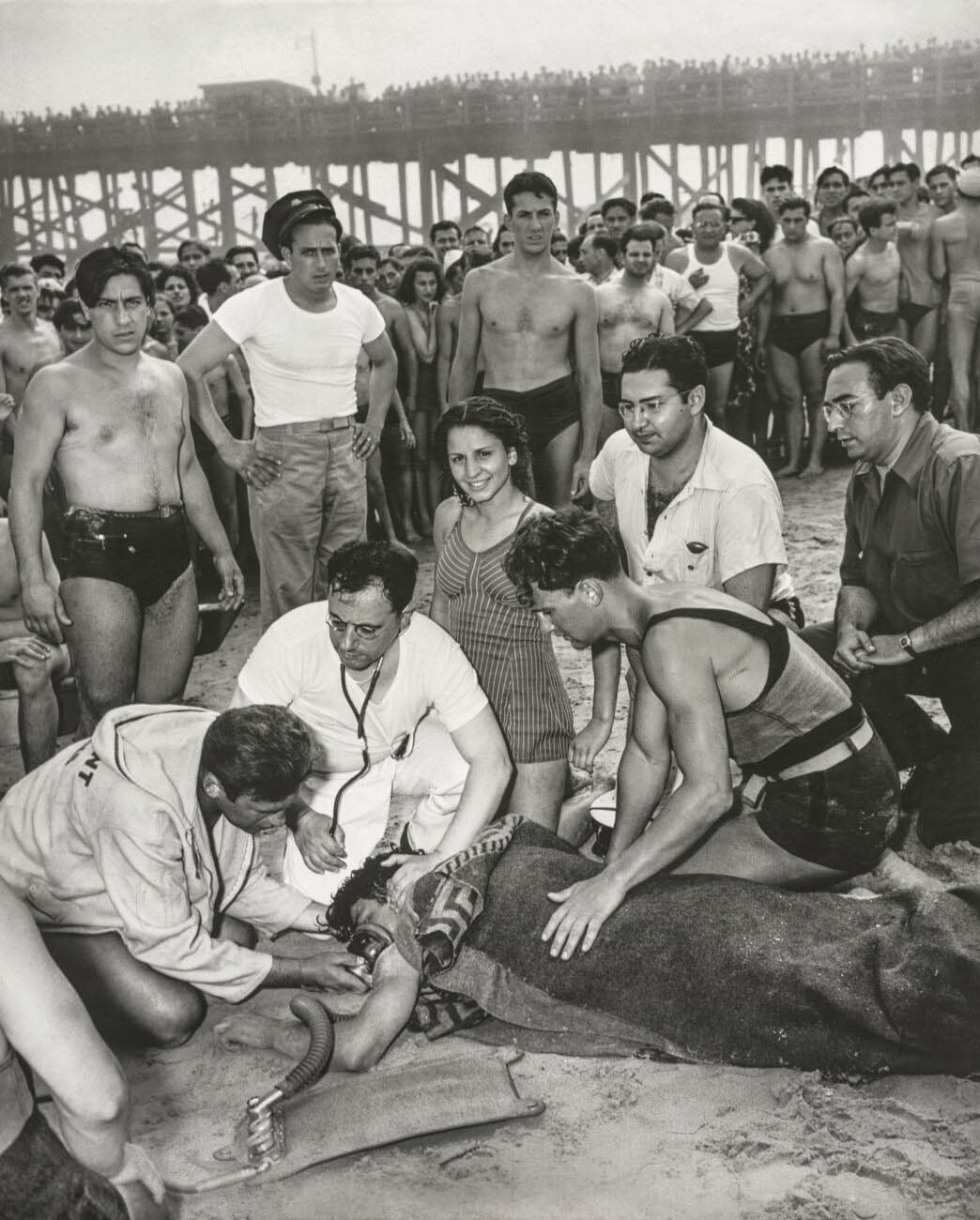
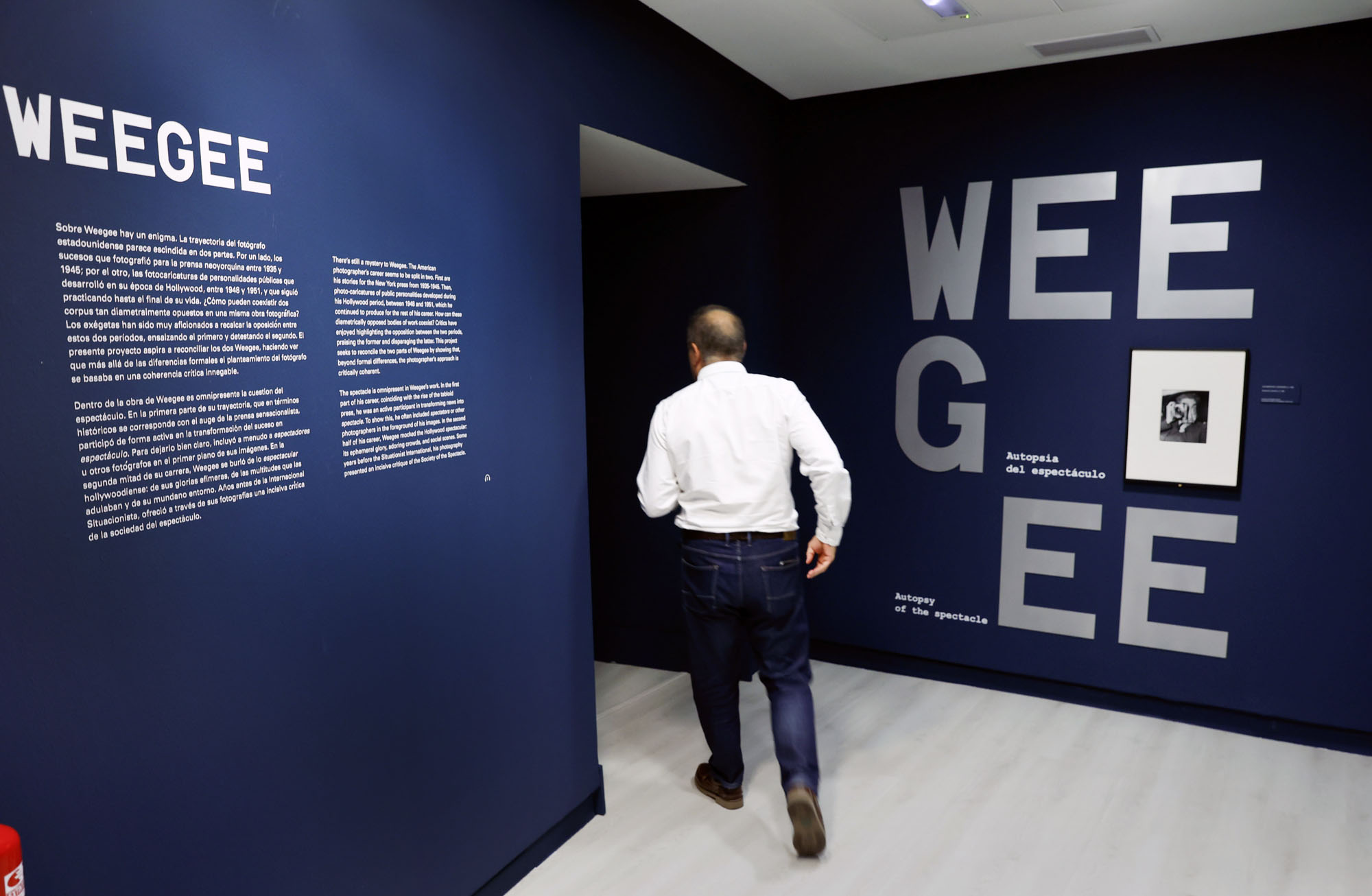

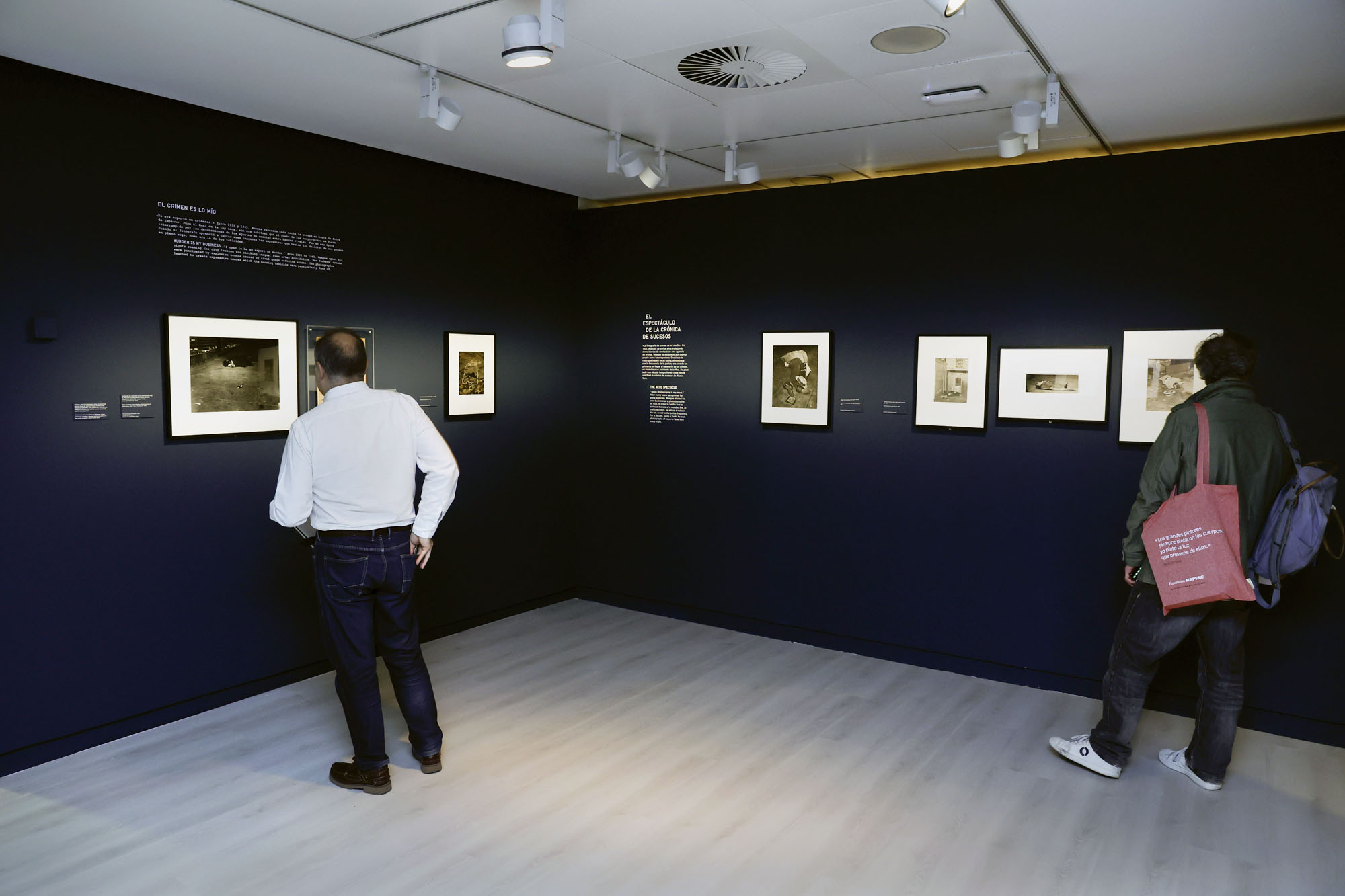
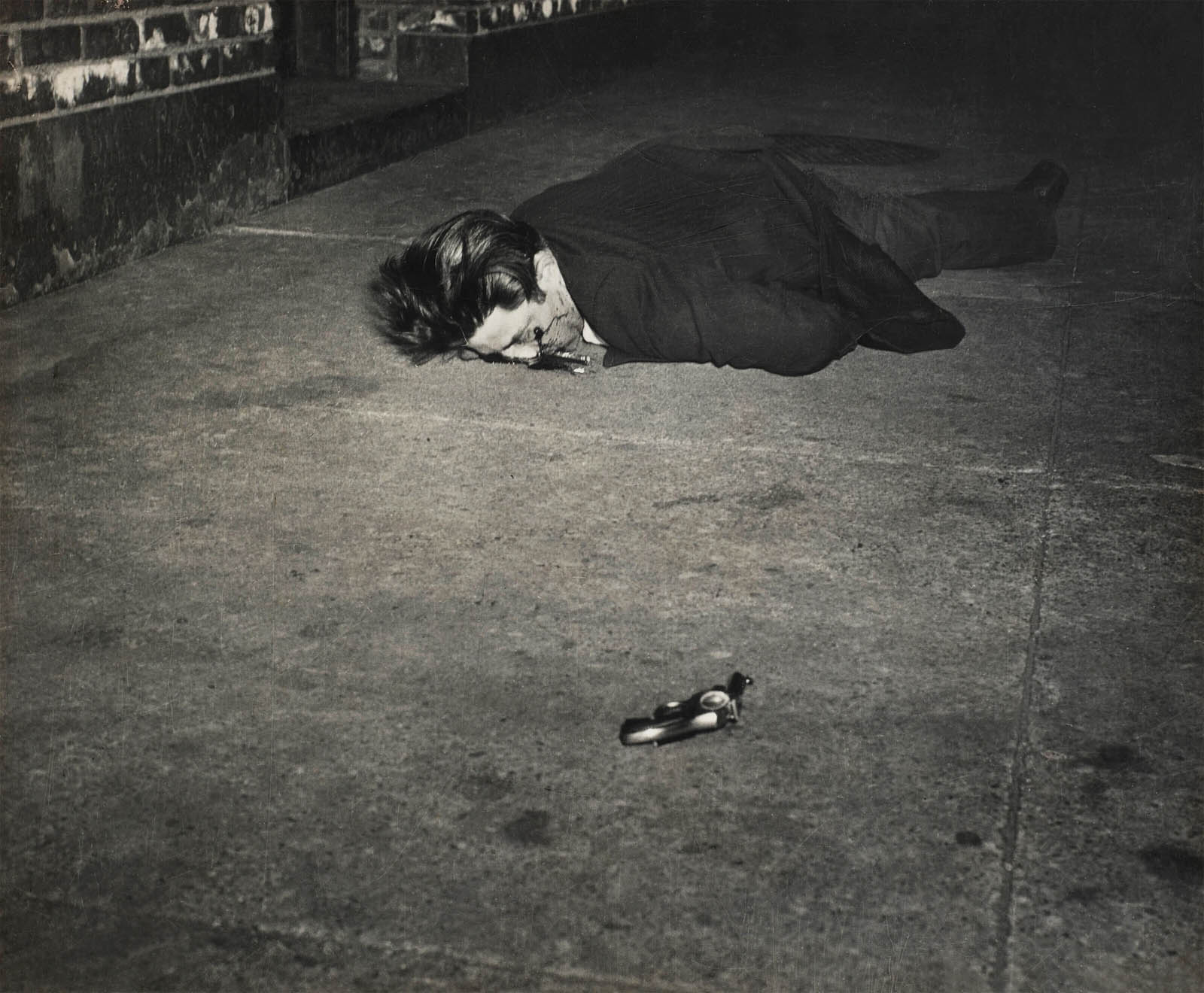
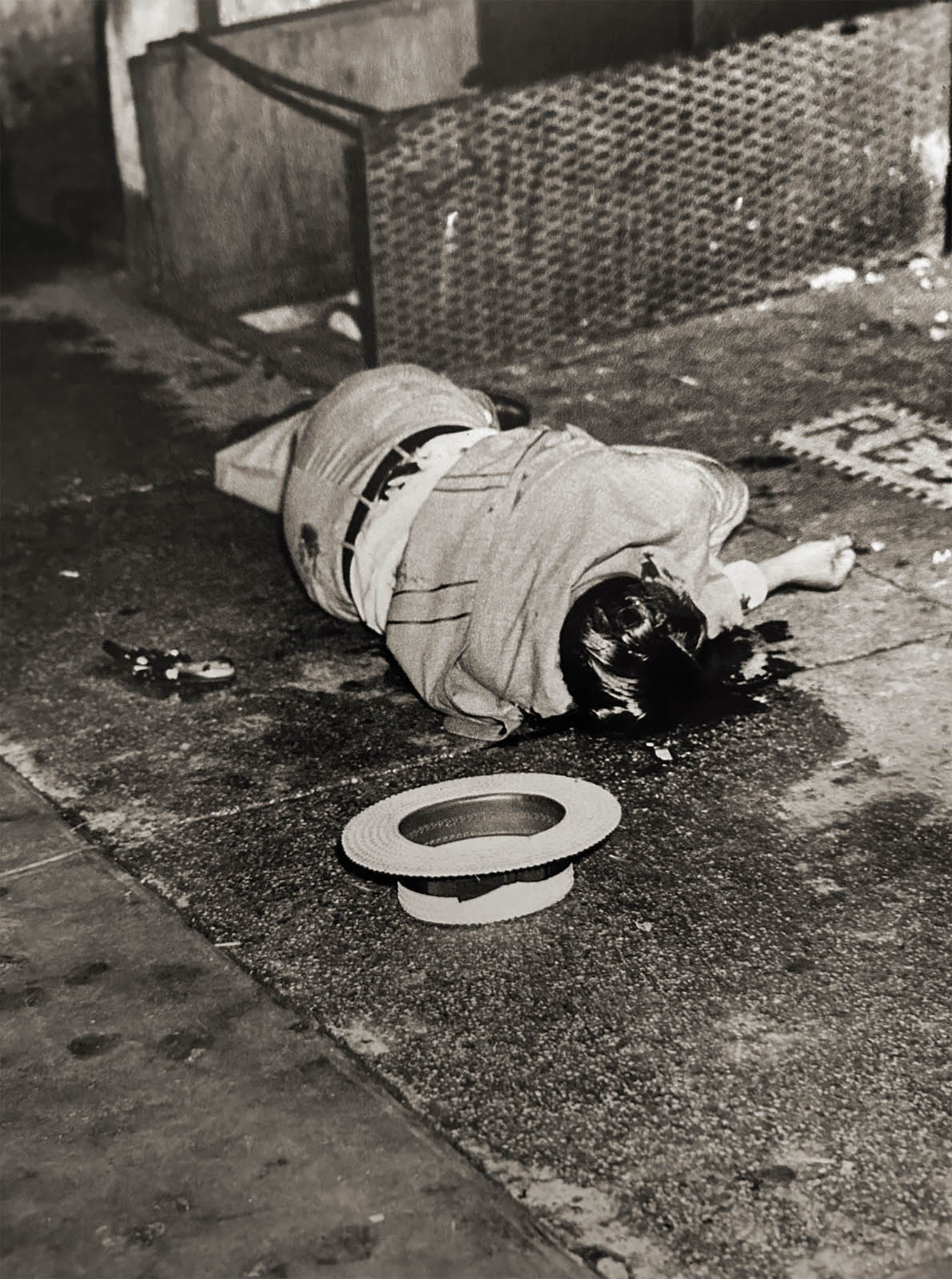
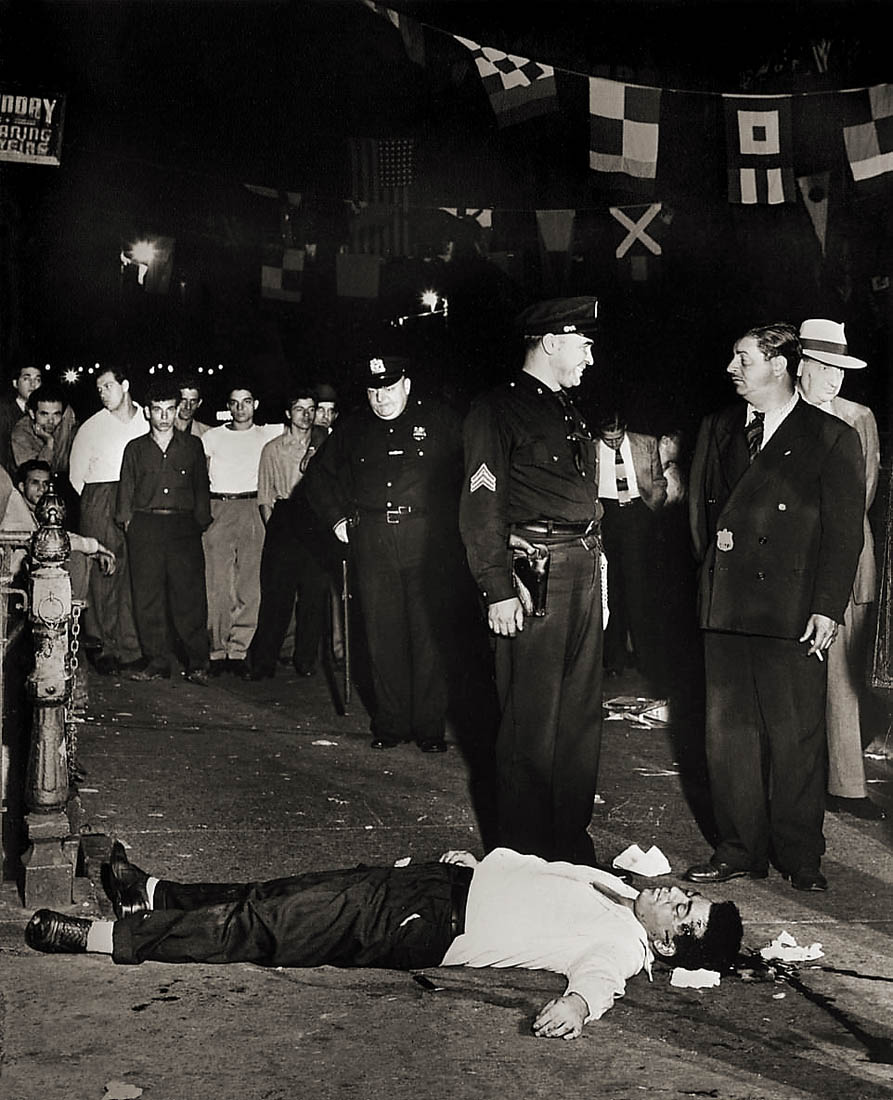


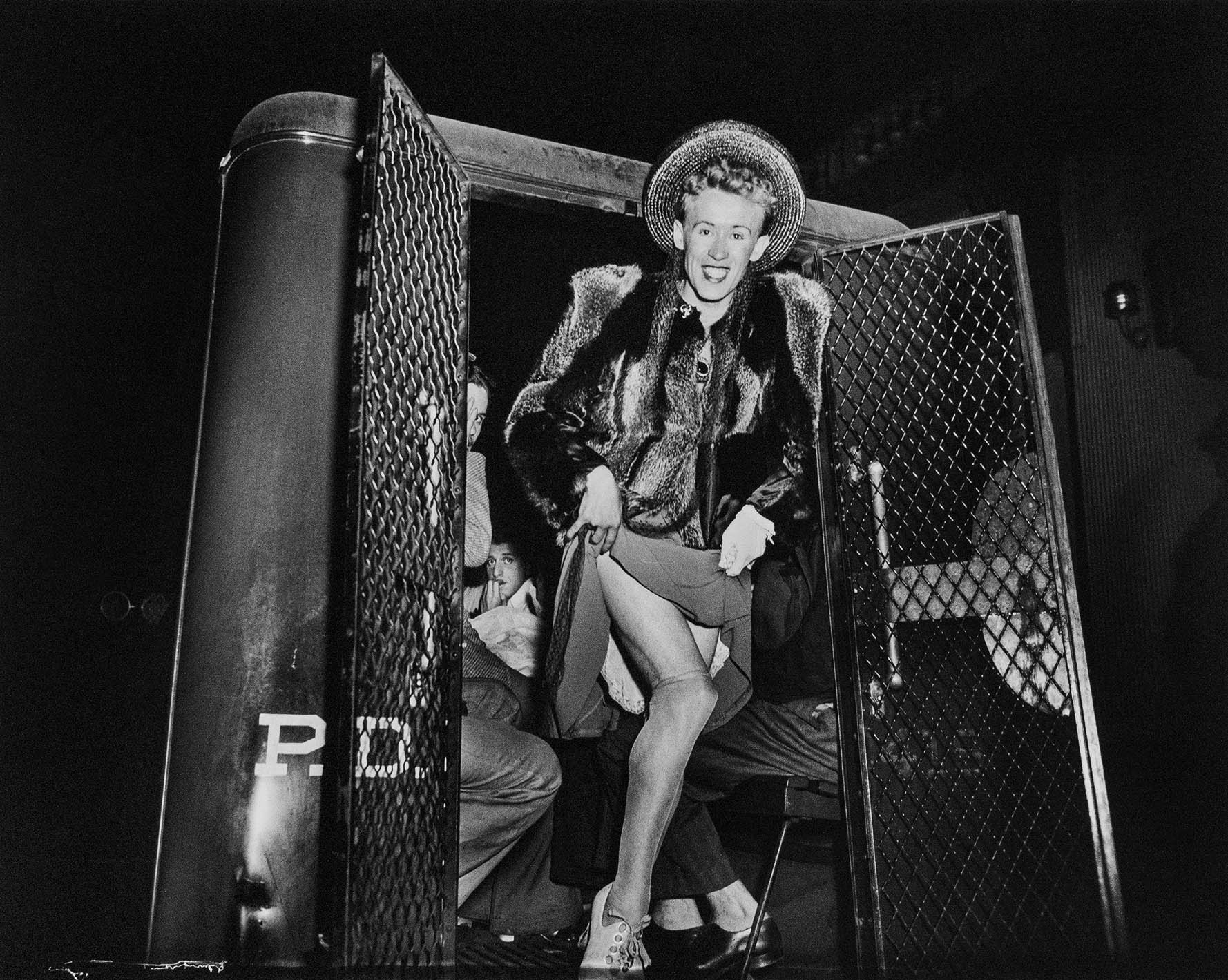
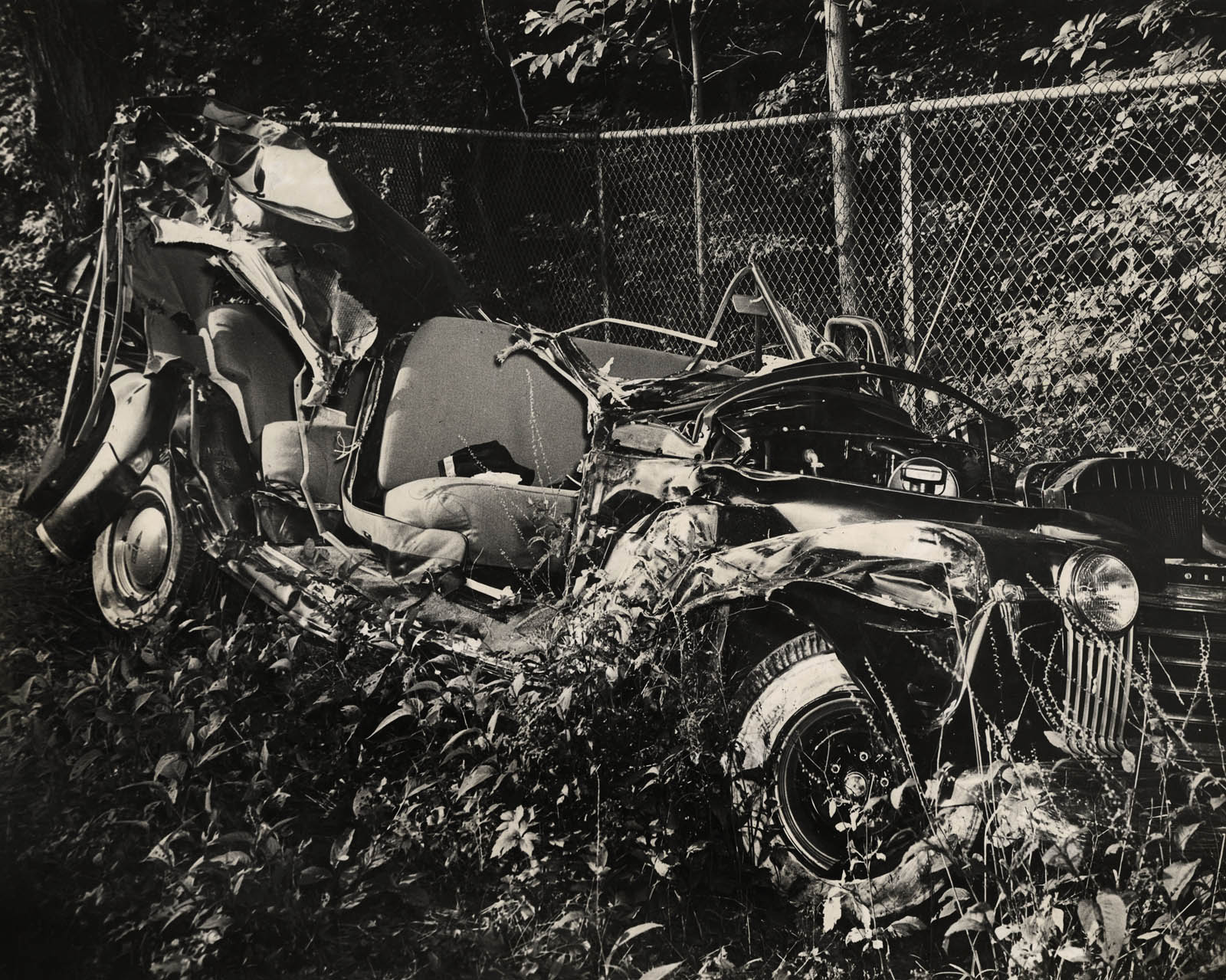
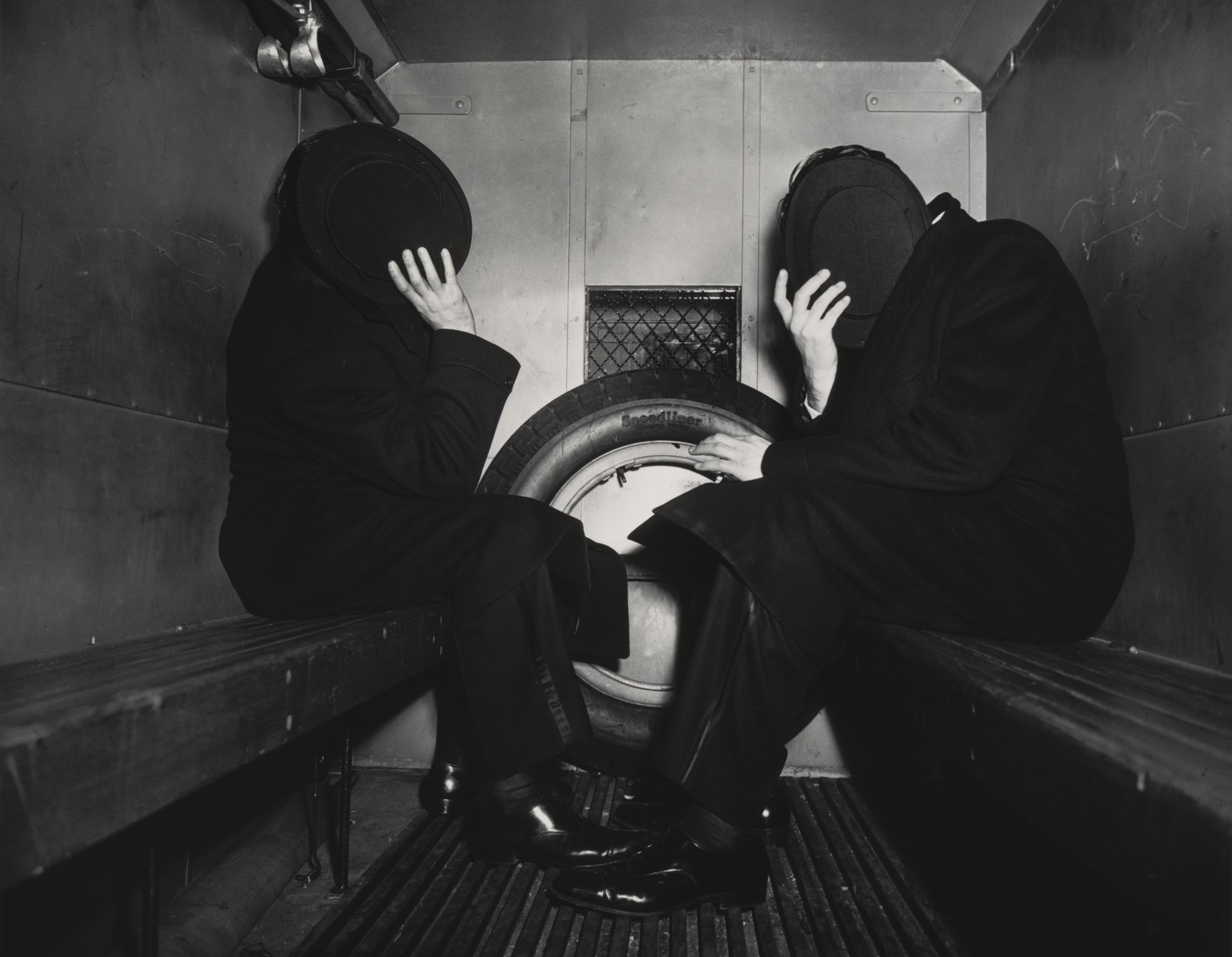

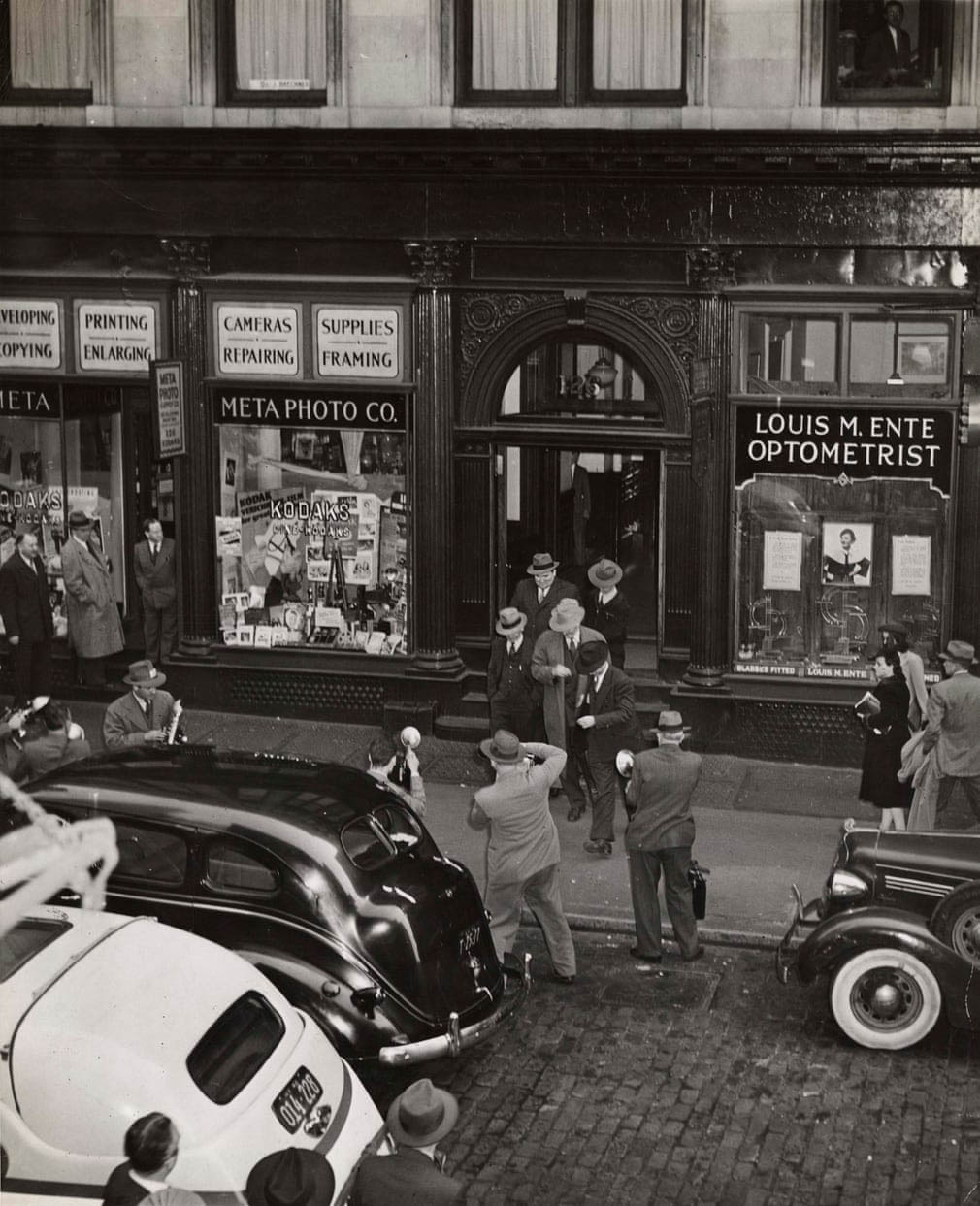

![Weegee (Arthur Fellig) (American born Ukraine, 1899-1968) 'Untitled [Fire in loft building, New York]' 1947](https://artblart.com/wp-content/uploads/2024/04/weegee-fire-in-loft-building.jpg "Weegee (Arthur Fellig) (American born Ukraine, 1899-1968) 'Untitled [Fire in loft building, New York]' 1947")
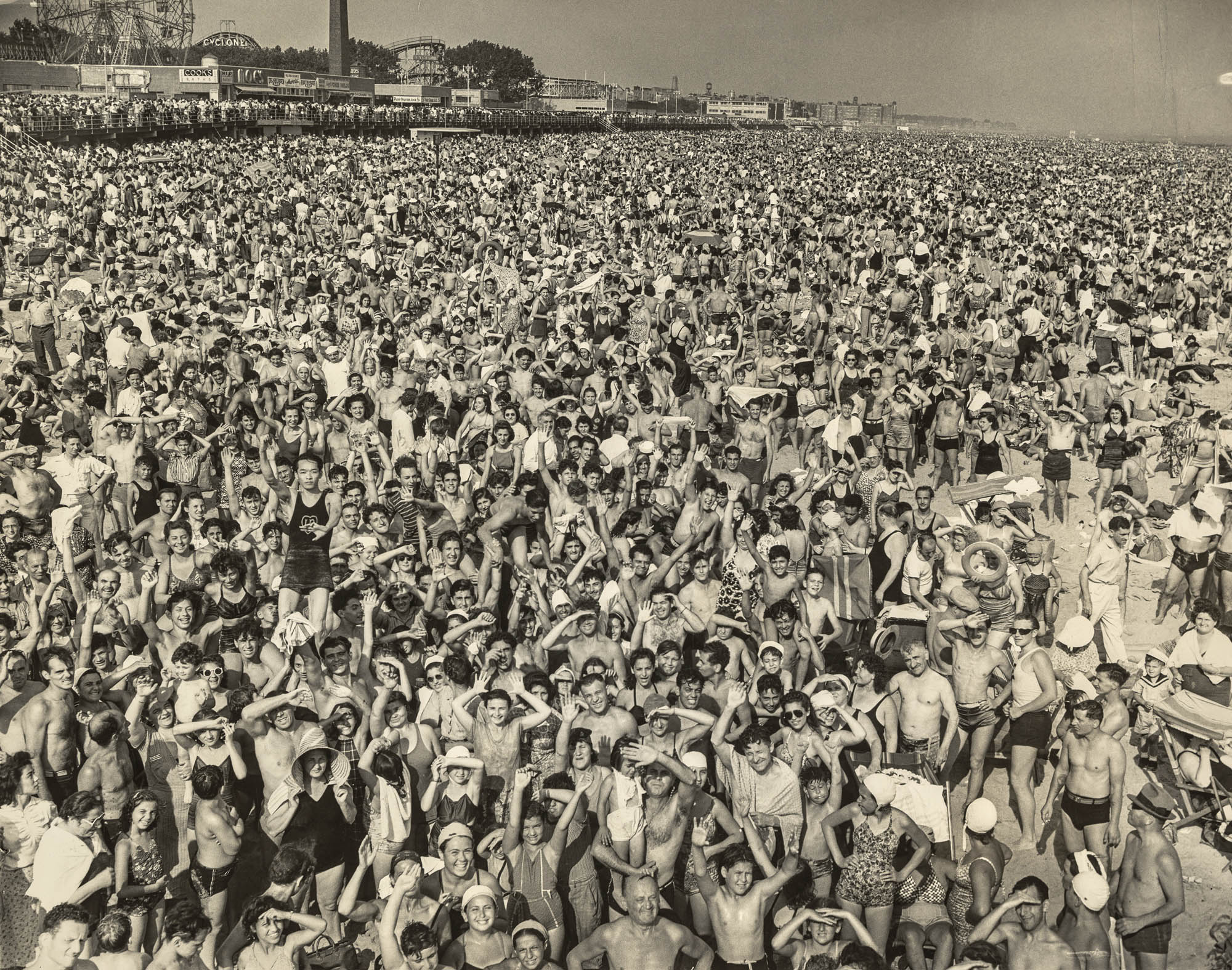

![Weegee (Arthur Fellig) (American born Ukraine, 1899-1968) '[Black Buick with dead passenger pulled out of the Harlem River, New York]' February 23, 1942](https://artblart.com/wp-content/uploads/2024/11/weegee-black-buick.jpg "Weegee (Arthur Fellig) (American born Ukraine, 1899-1968) '[Black Buick with dead passenger pulled out of the Harlem River, New York]' February 23, 1942")
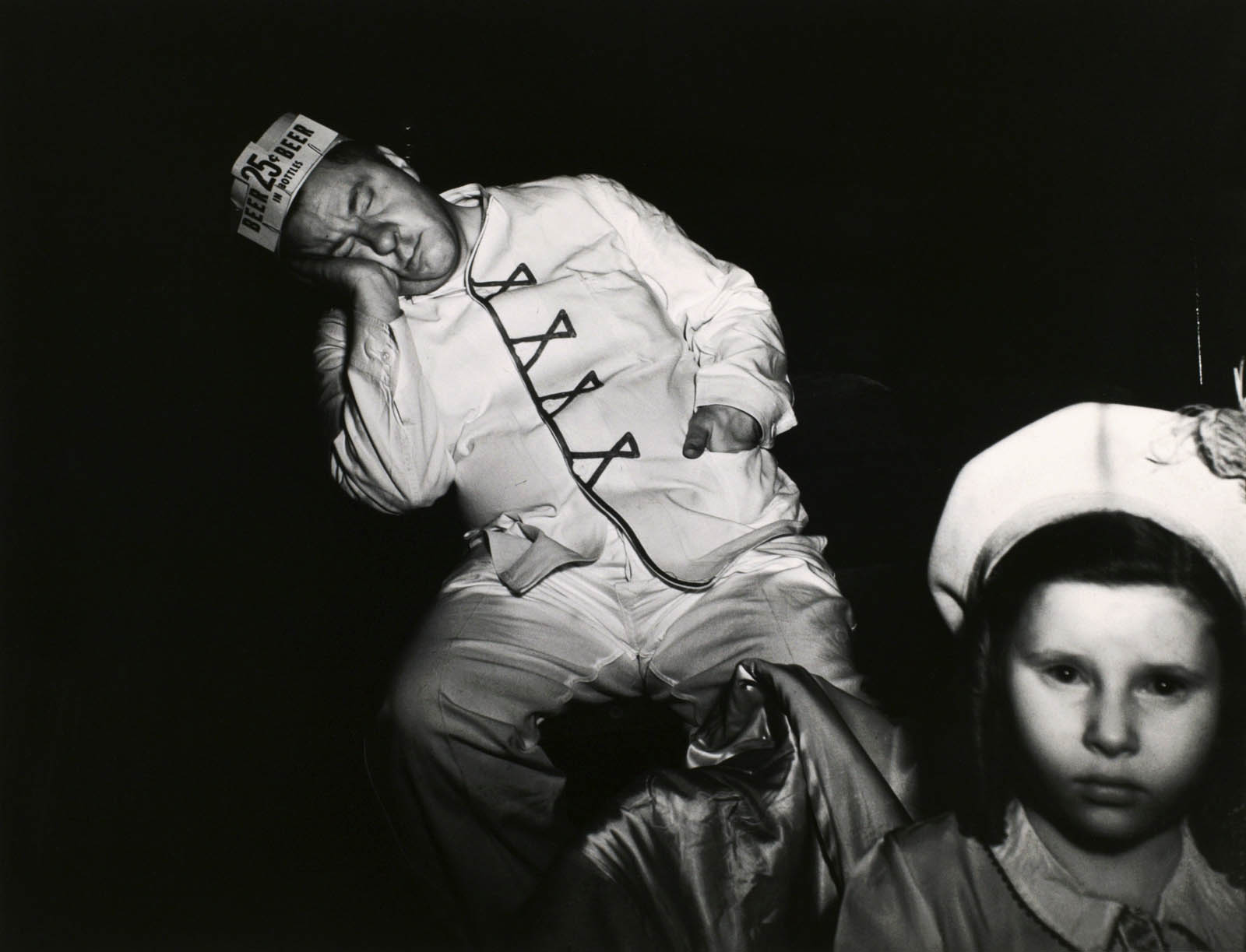

![Weegee (Arthur Fellig) (American born Ukraine, 1899-1968) '[After the opera, Sammy's on the Bowery, New York]' 1943-1945](https://artblart.com/wp-content/uploads/2024/11/weegee-after-the-opera.jpg "Weegee (Arthur Fellig) (American born Ukraine, 1899-1968) '[After the opera, Sammy's on the Bowery, New York]' 1943-1945")
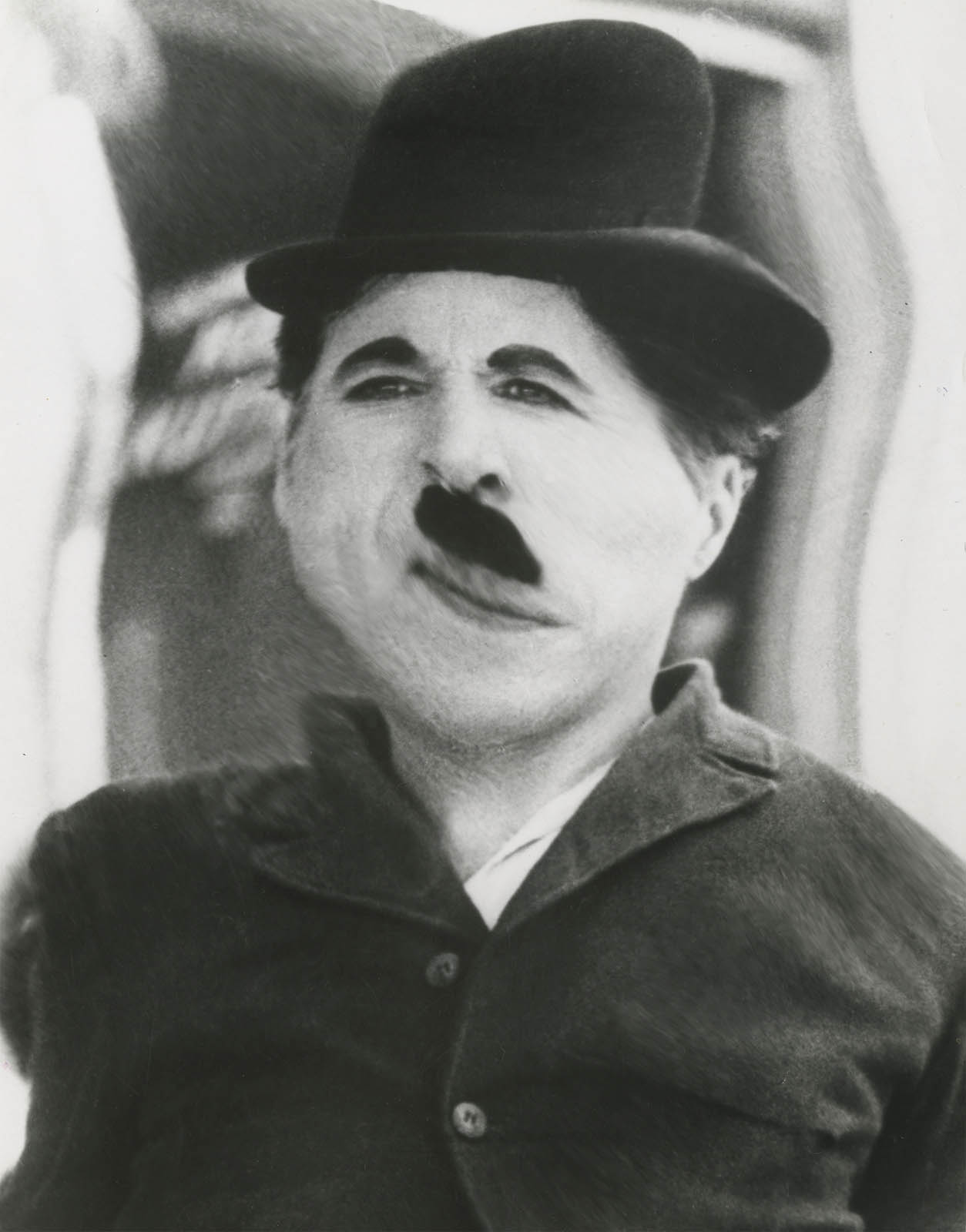
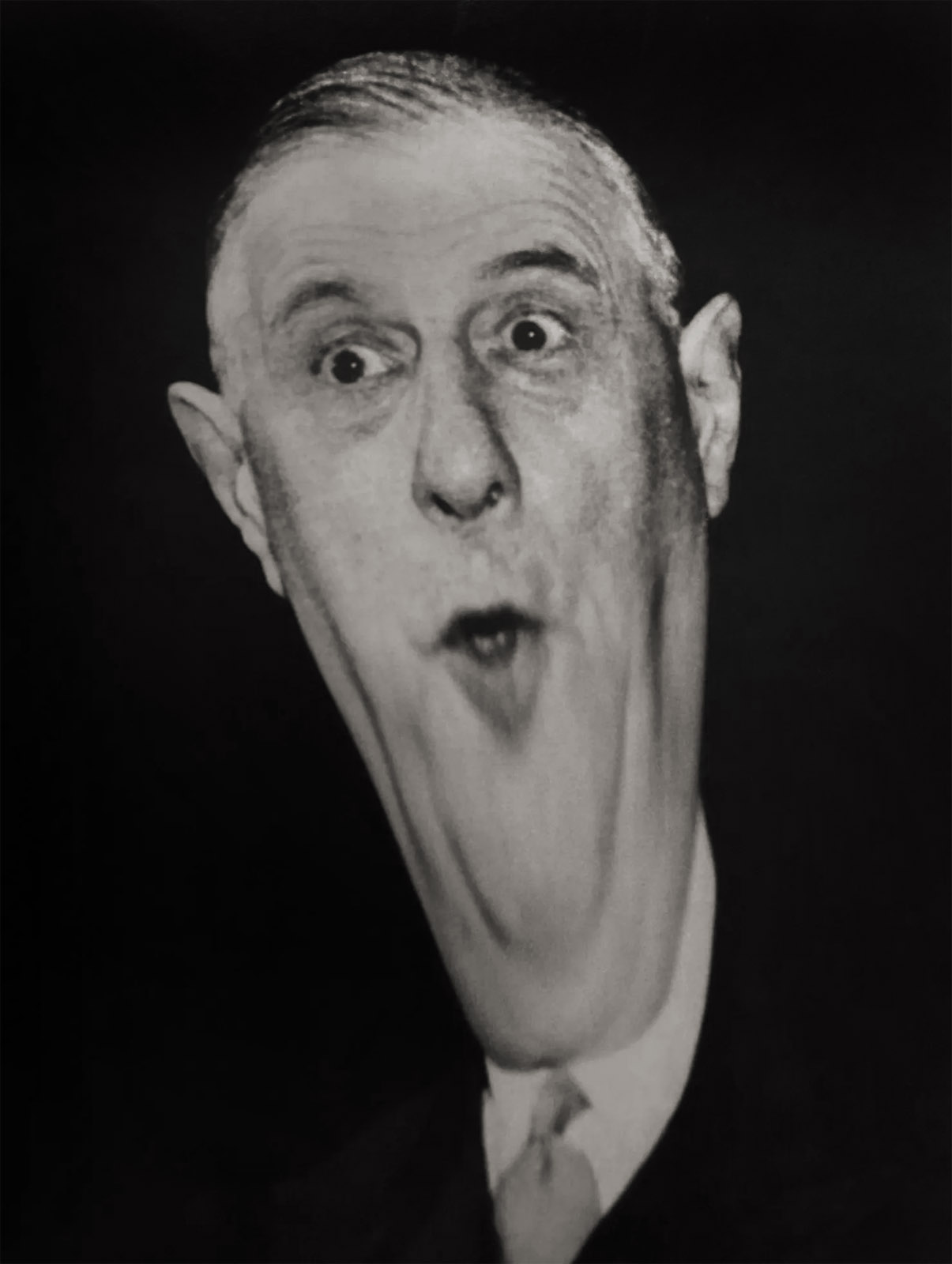
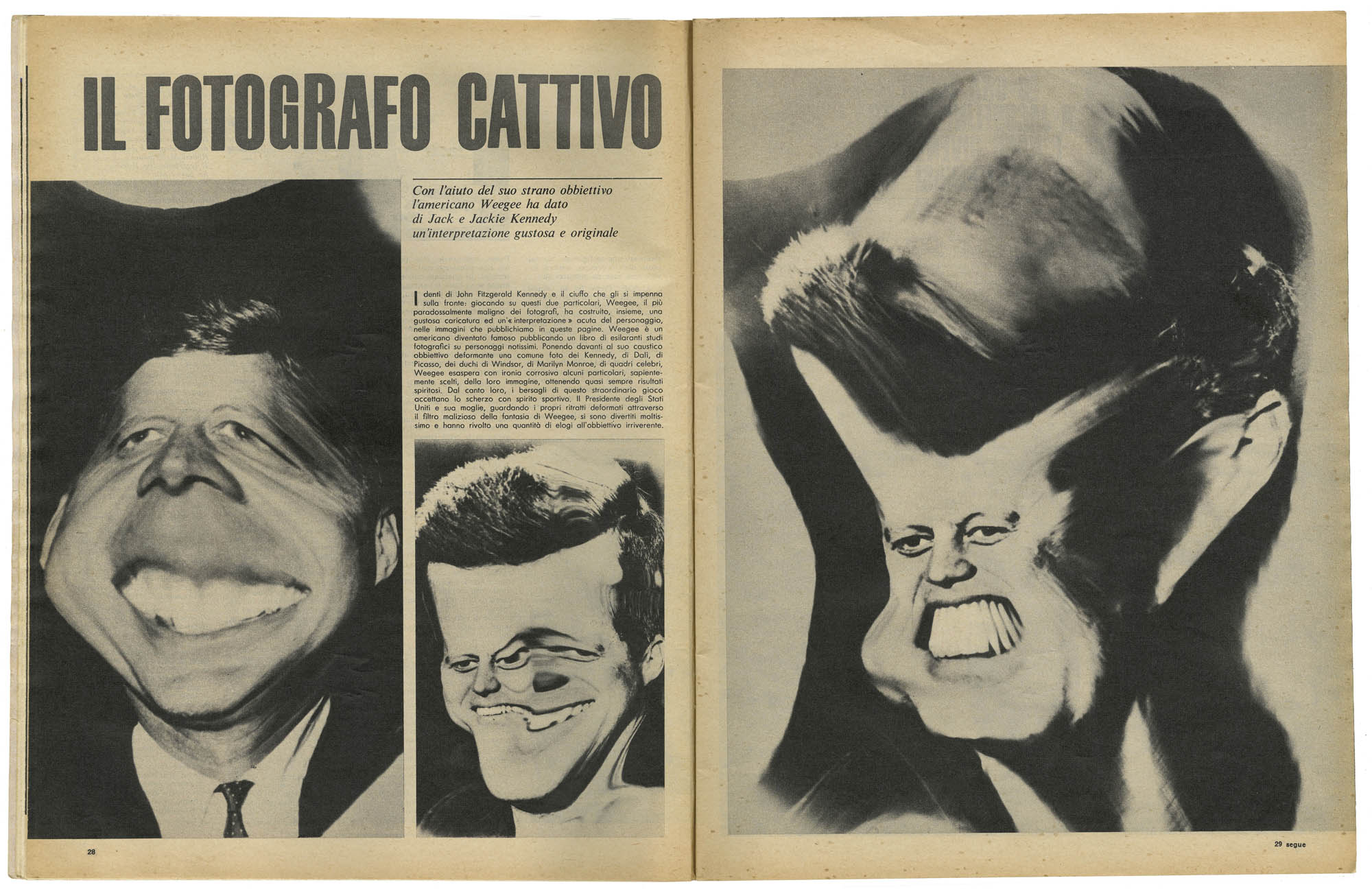
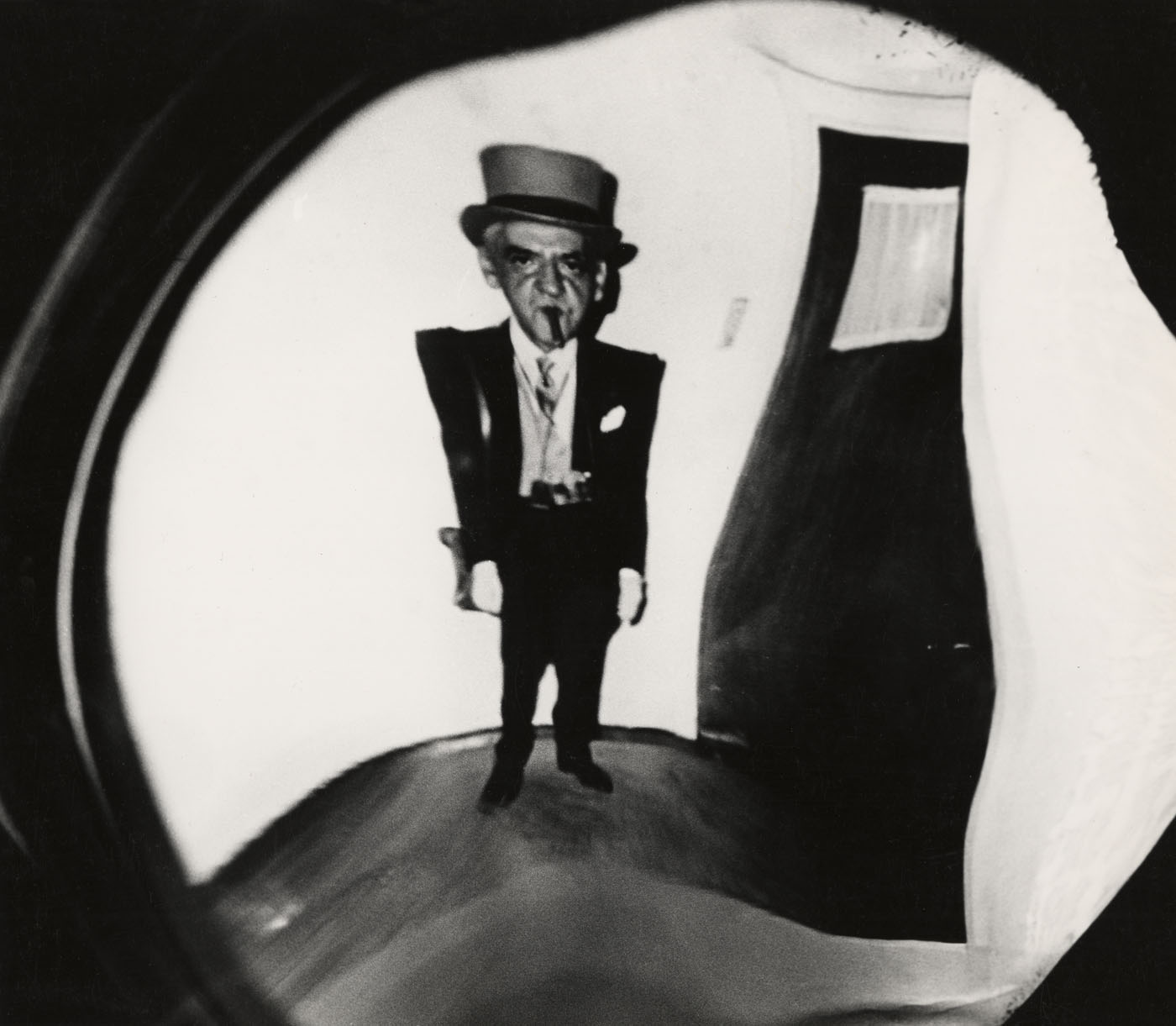
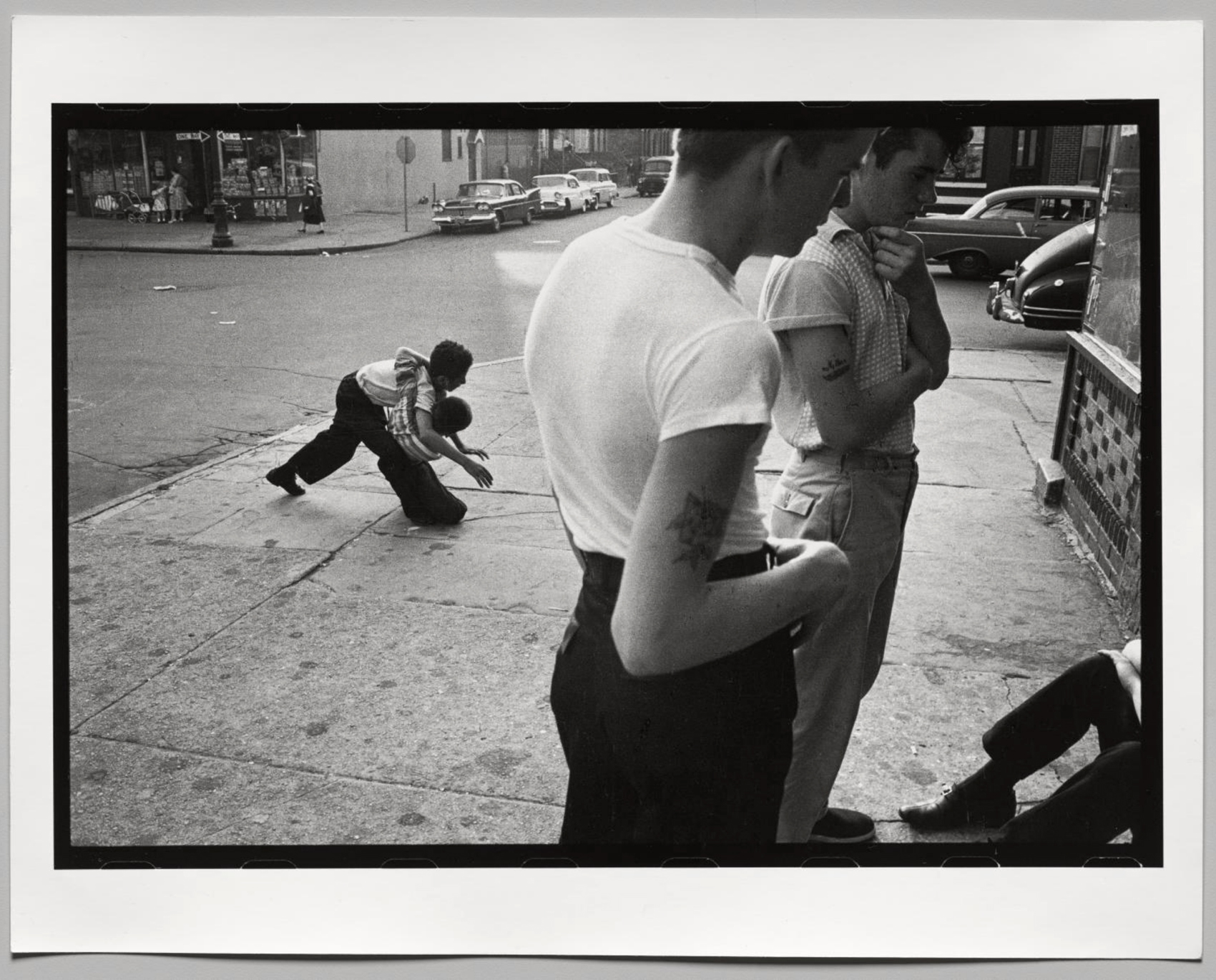
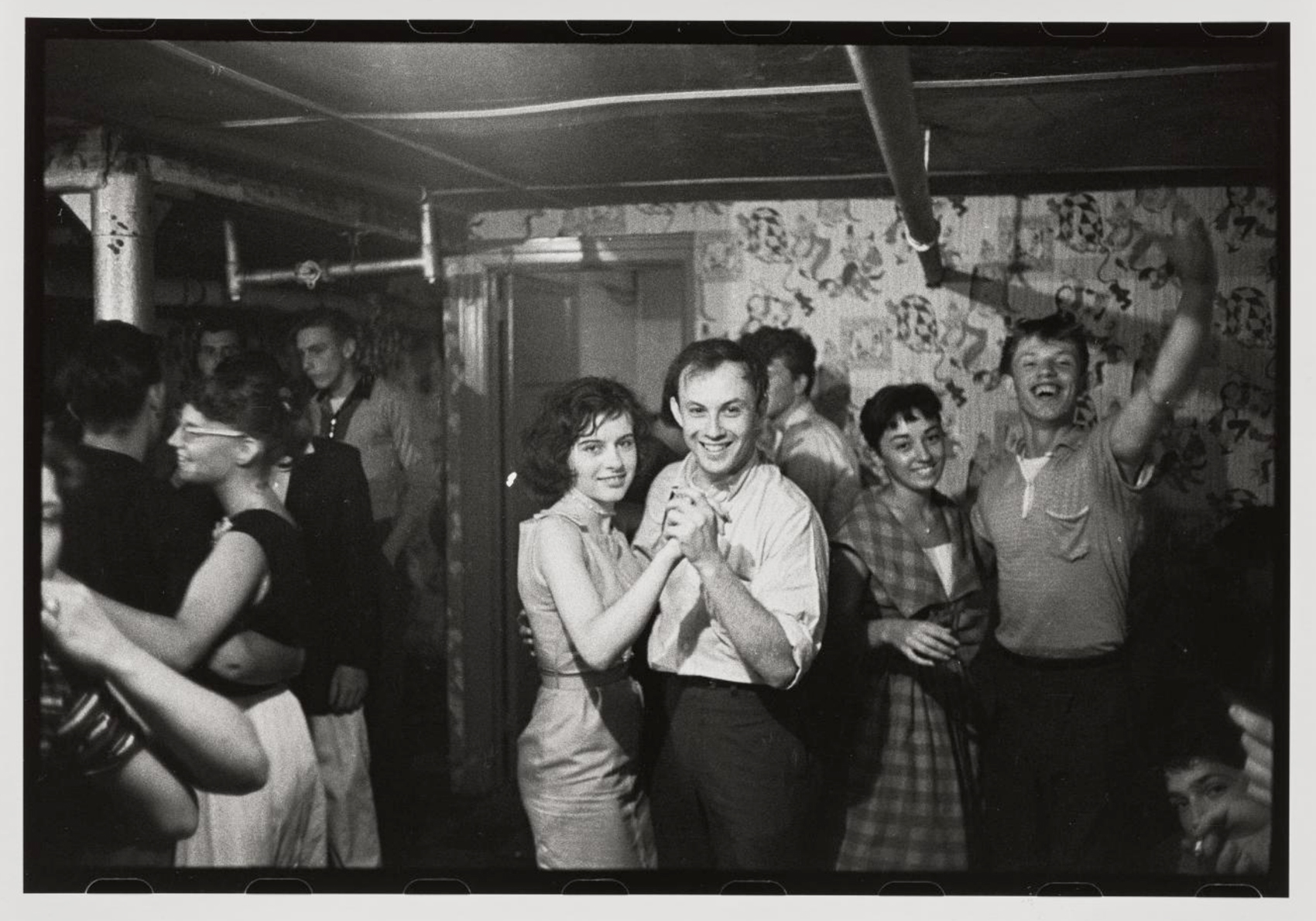
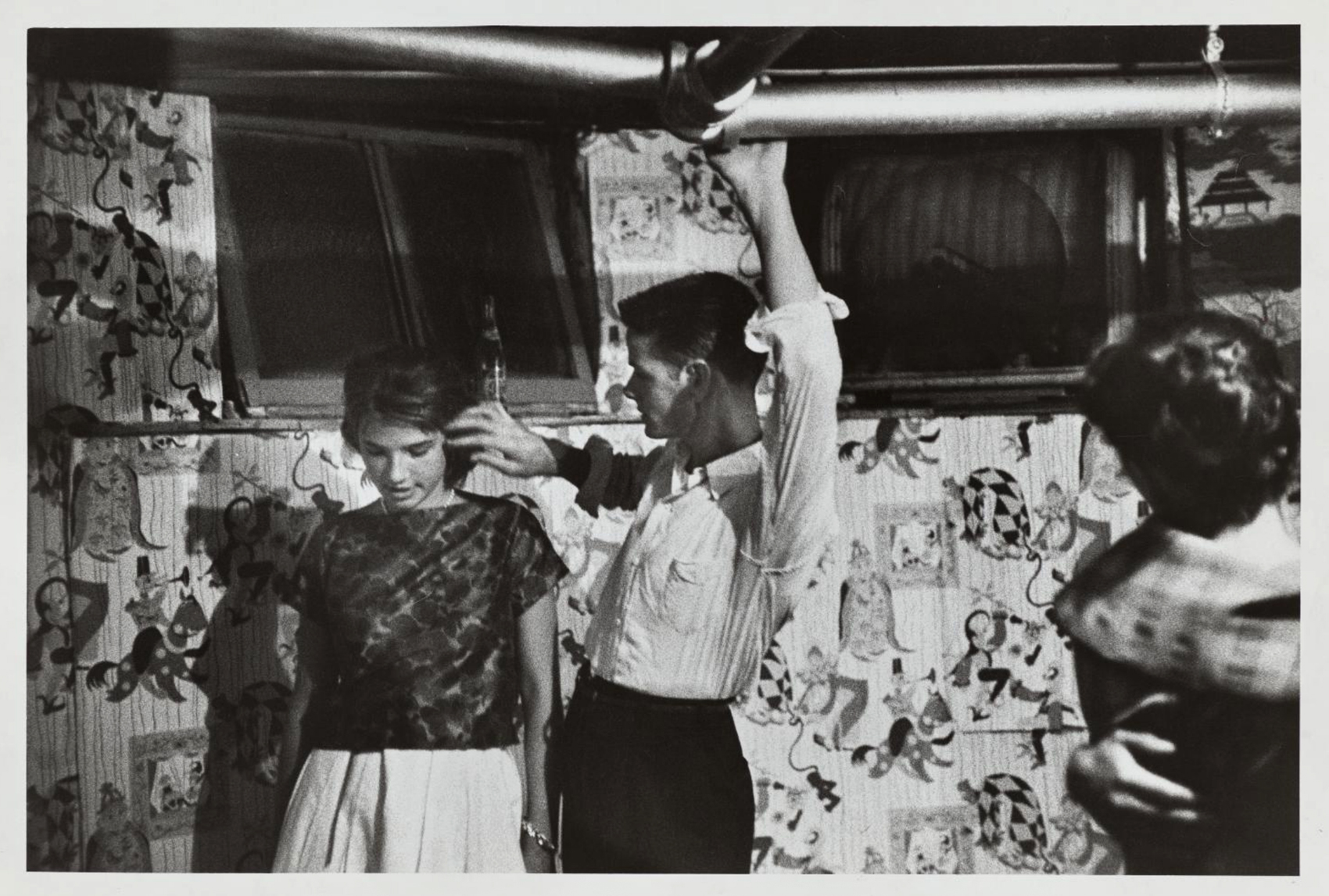
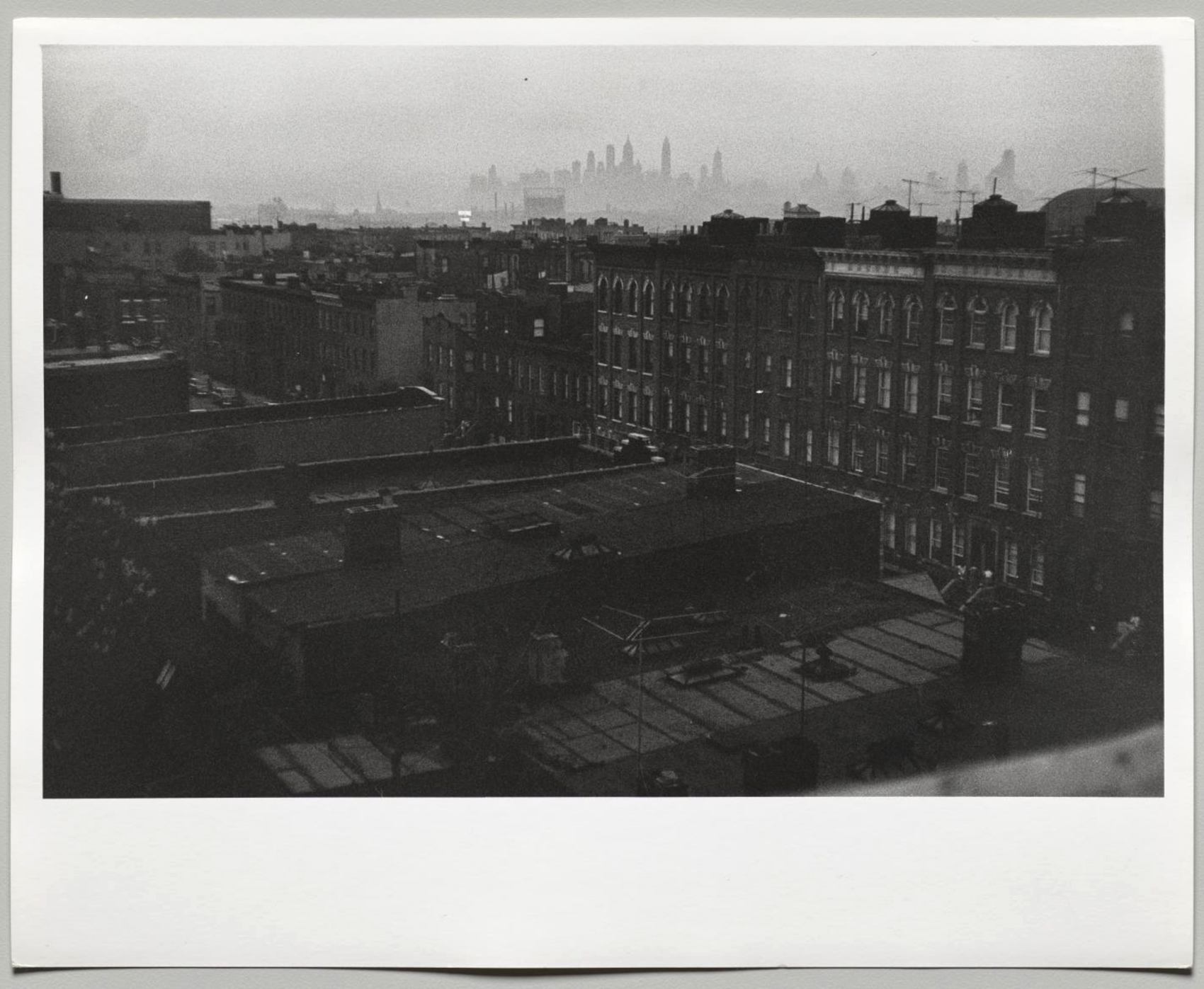
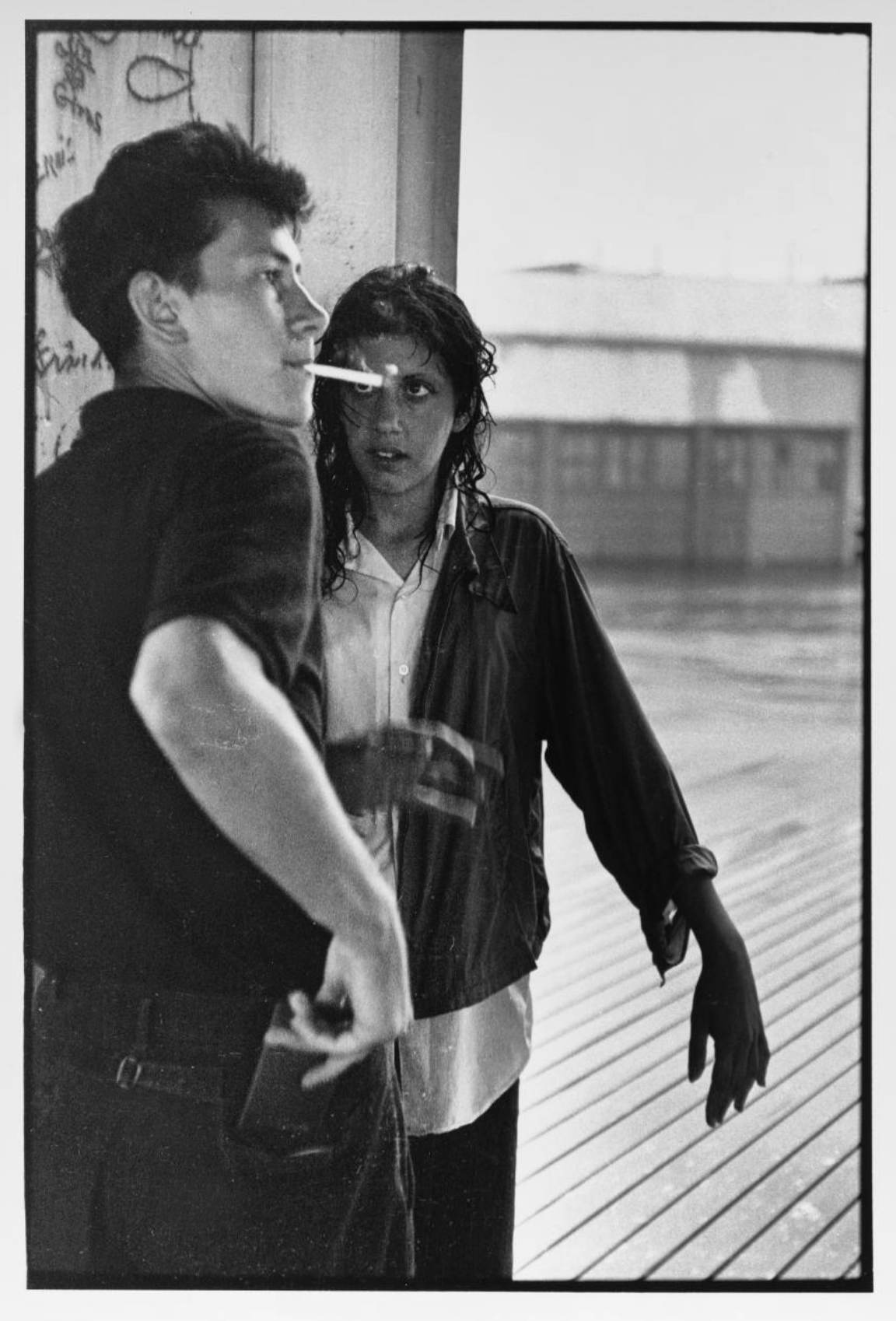
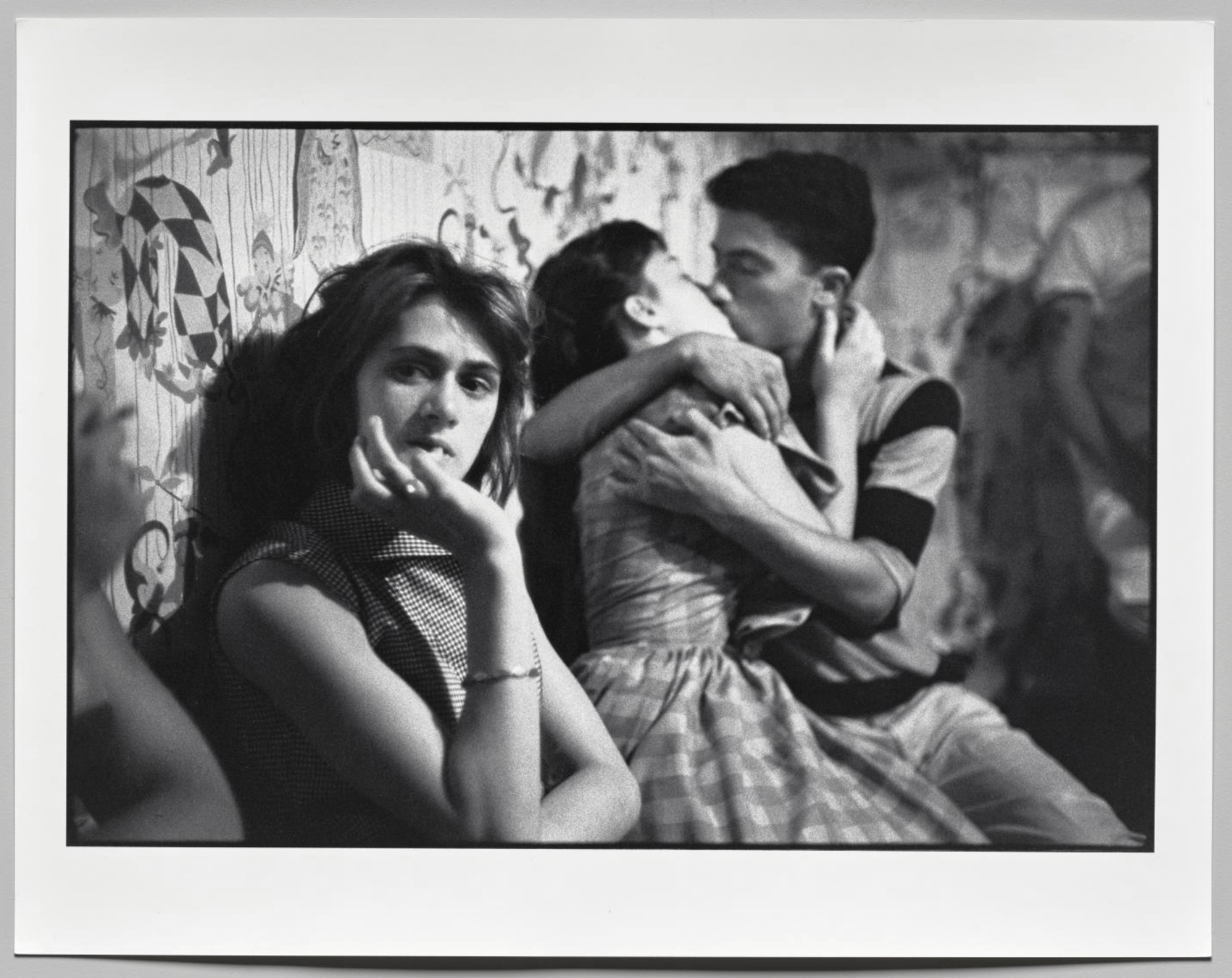
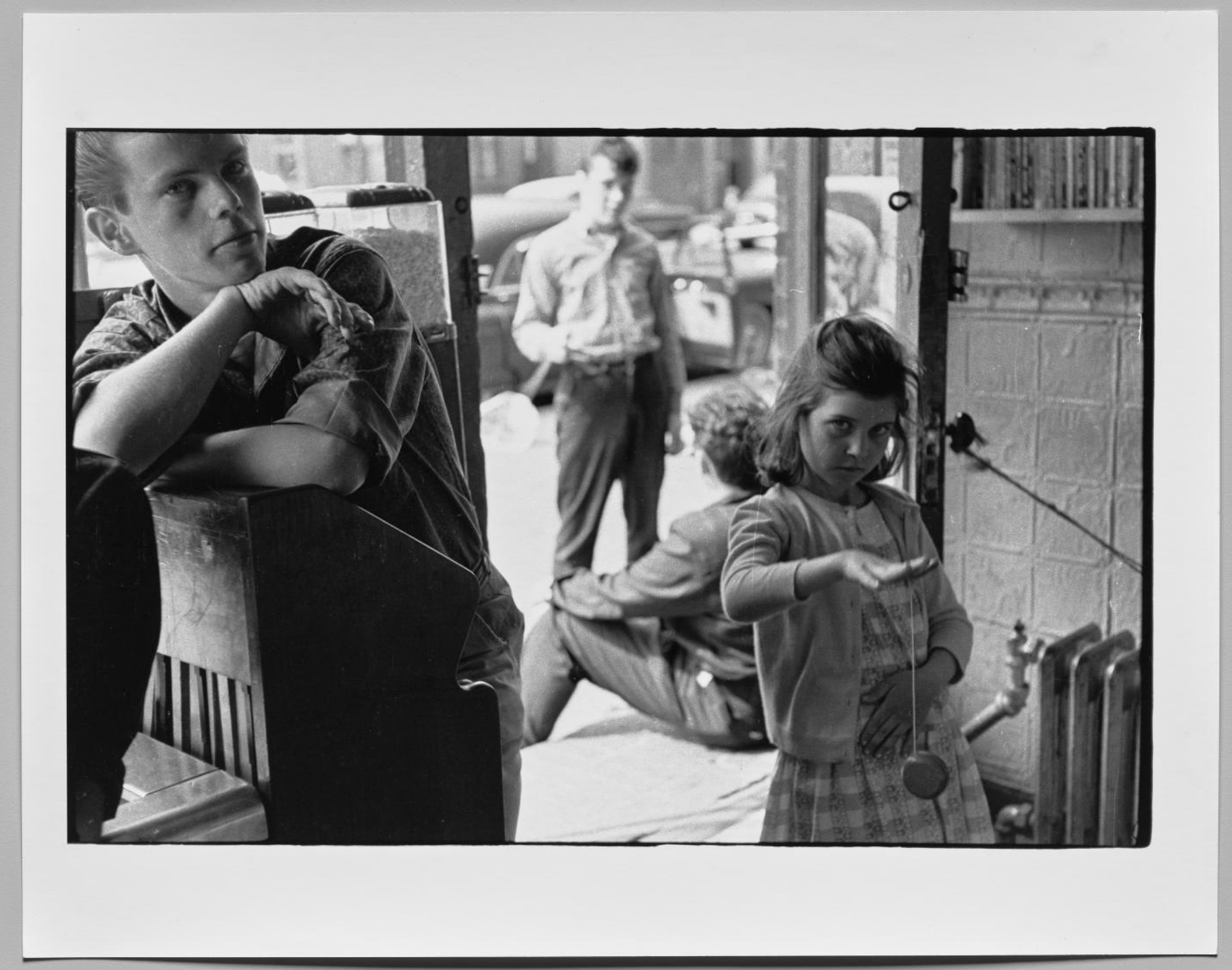
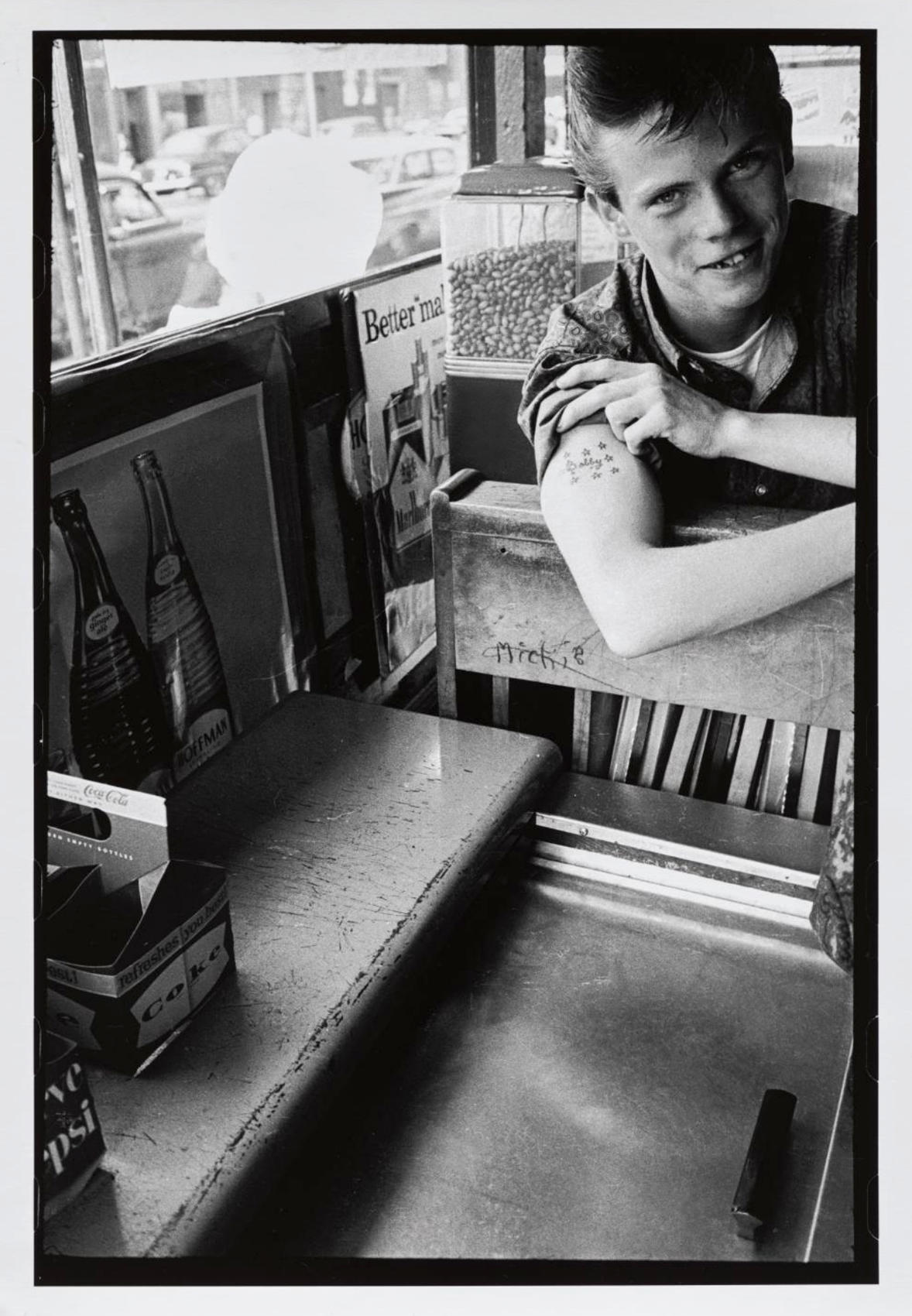
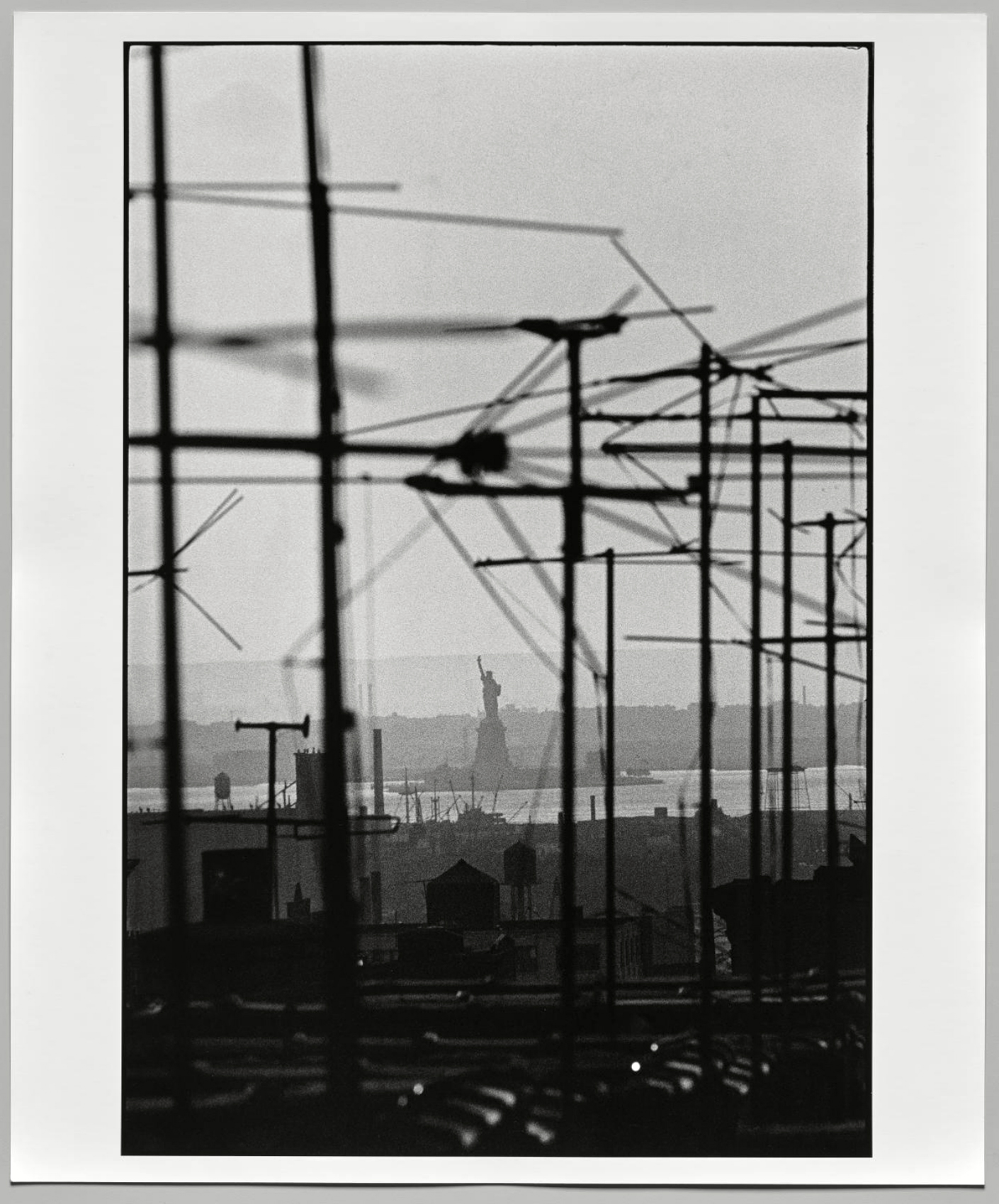
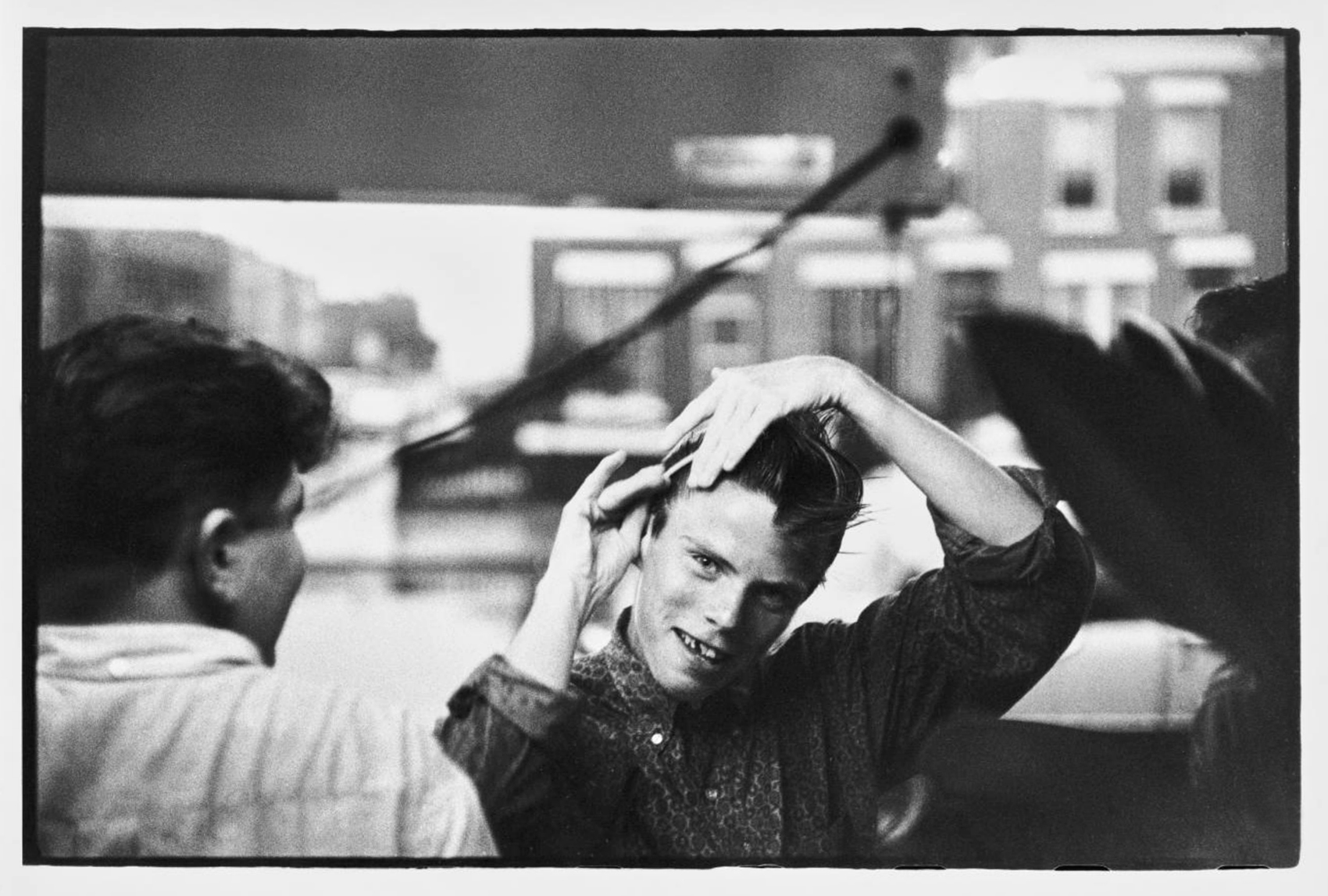
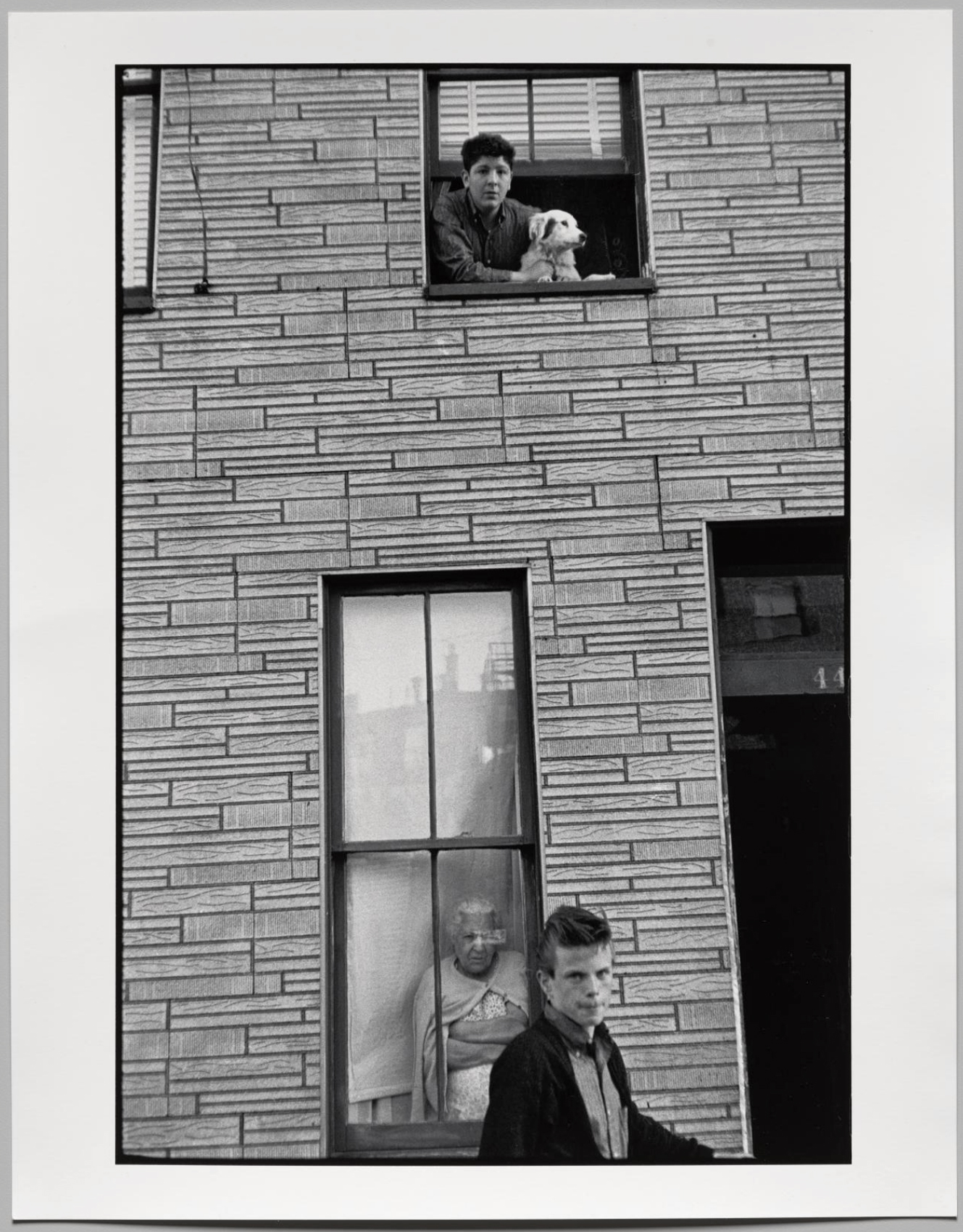
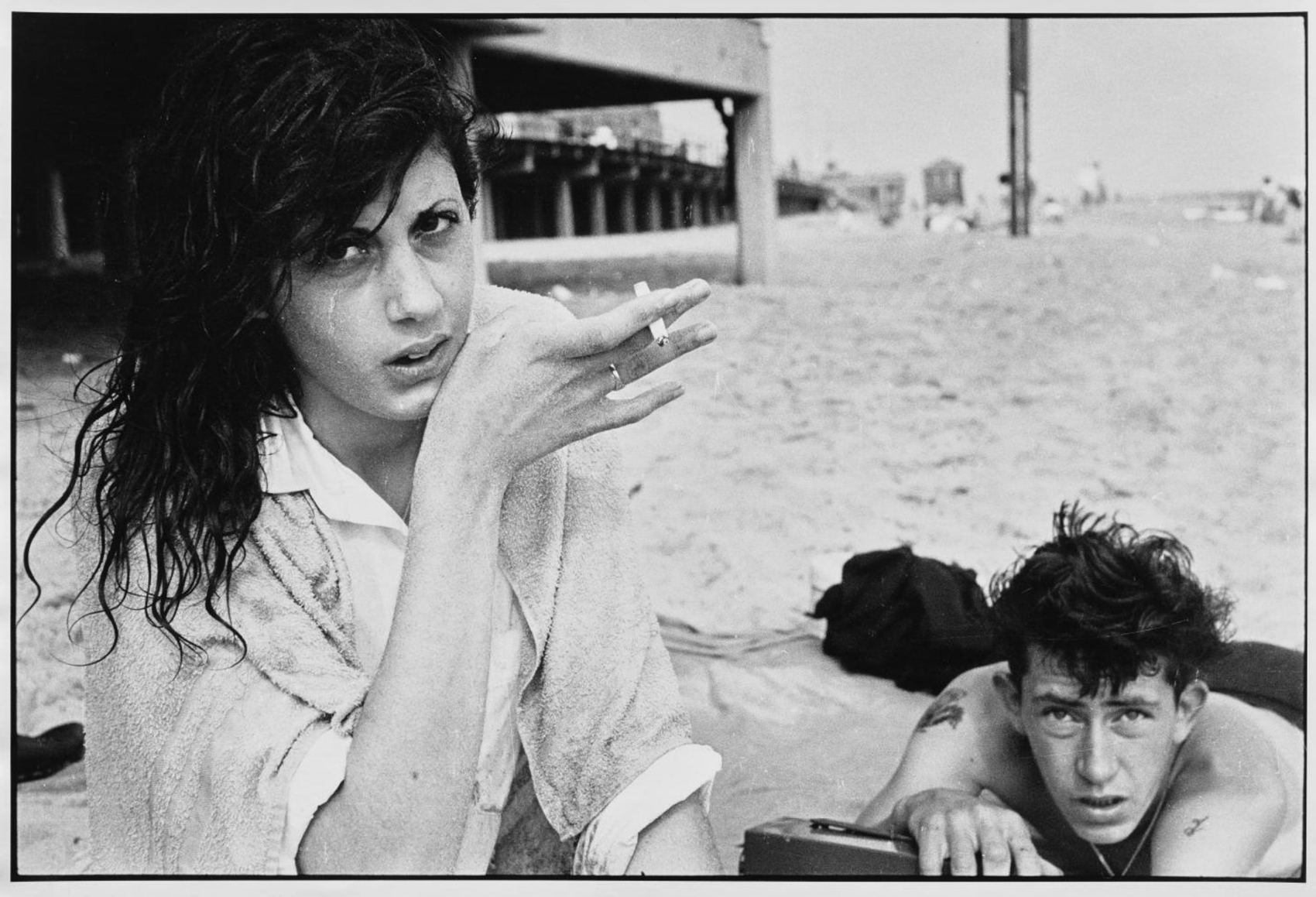
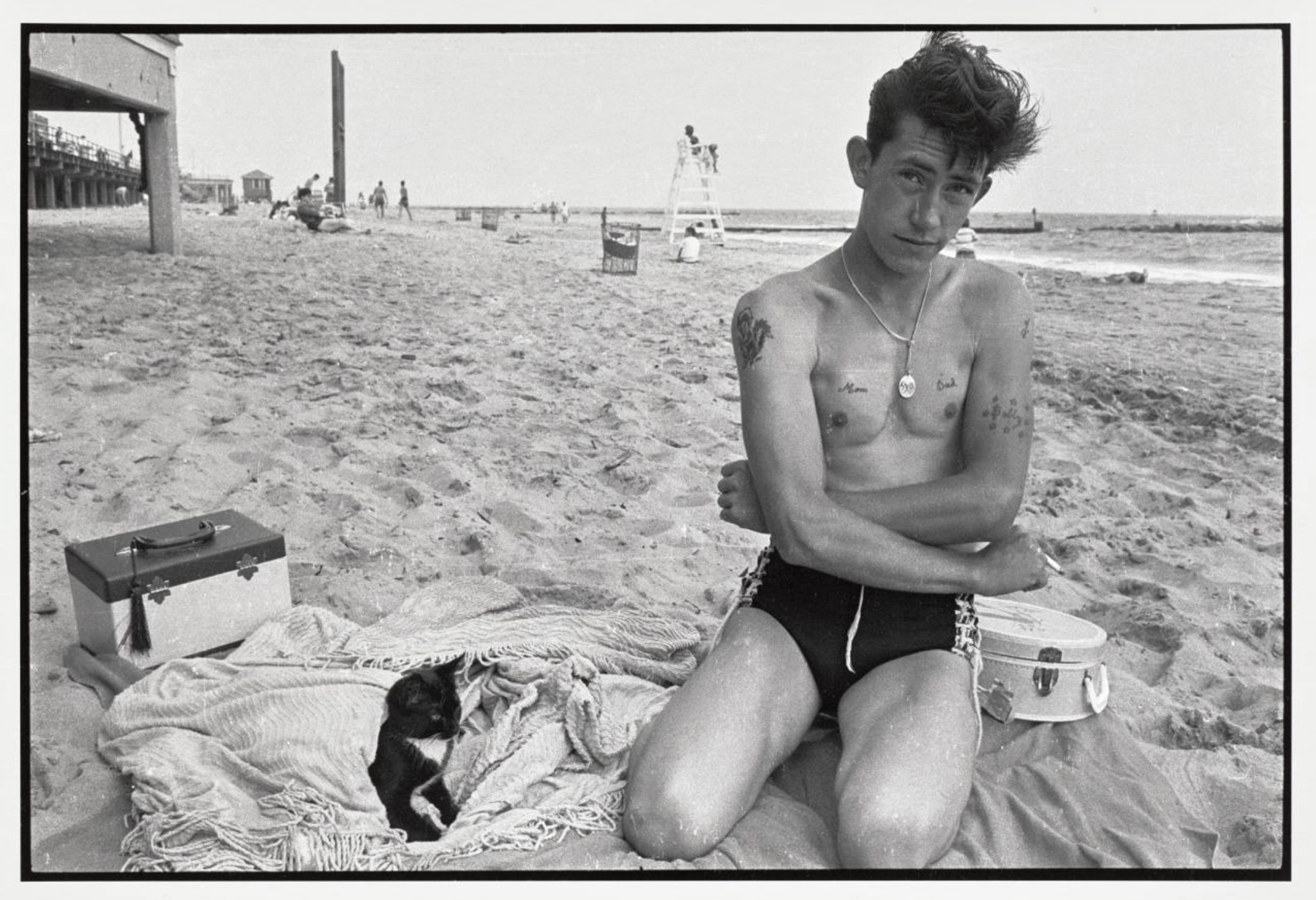
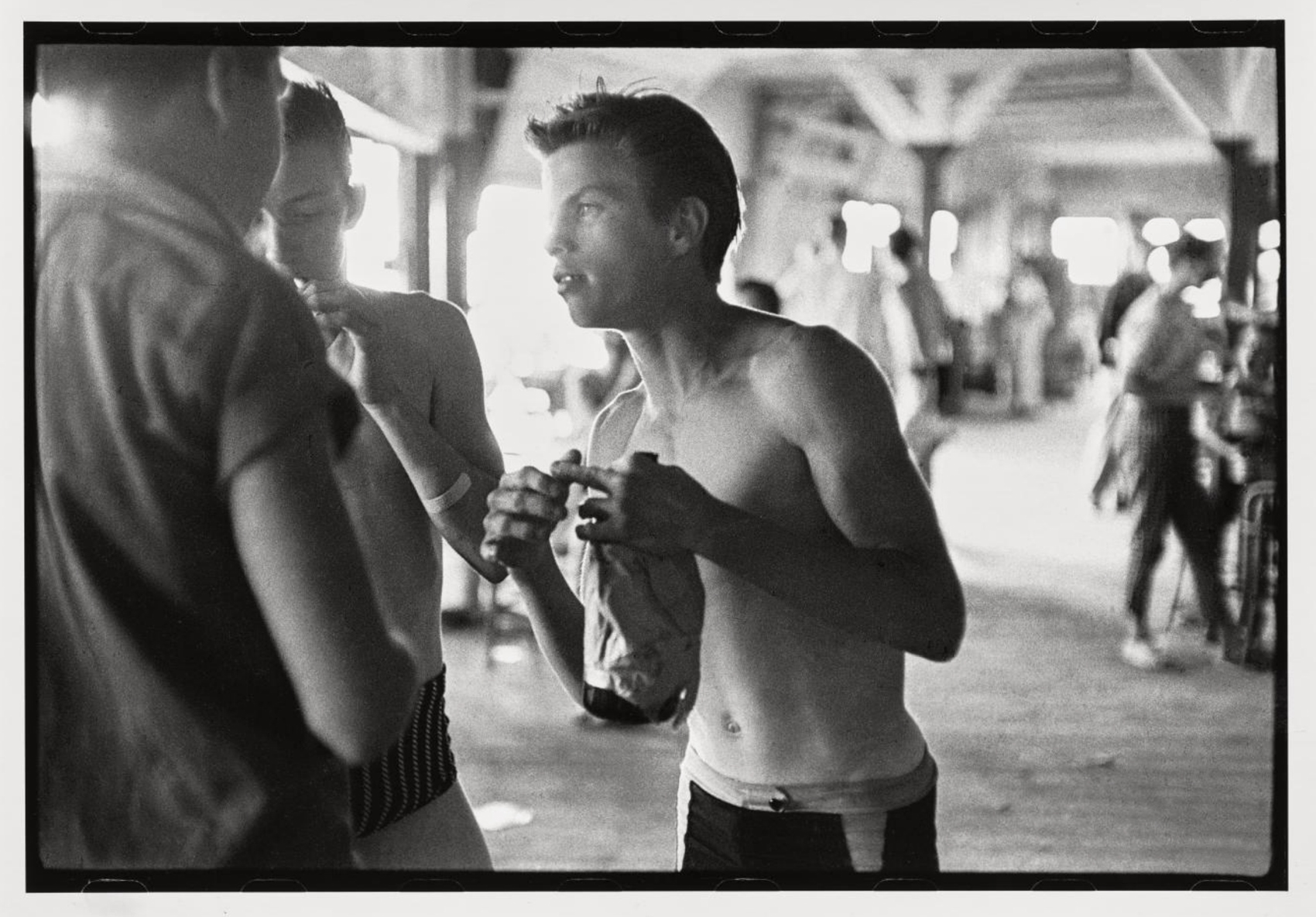
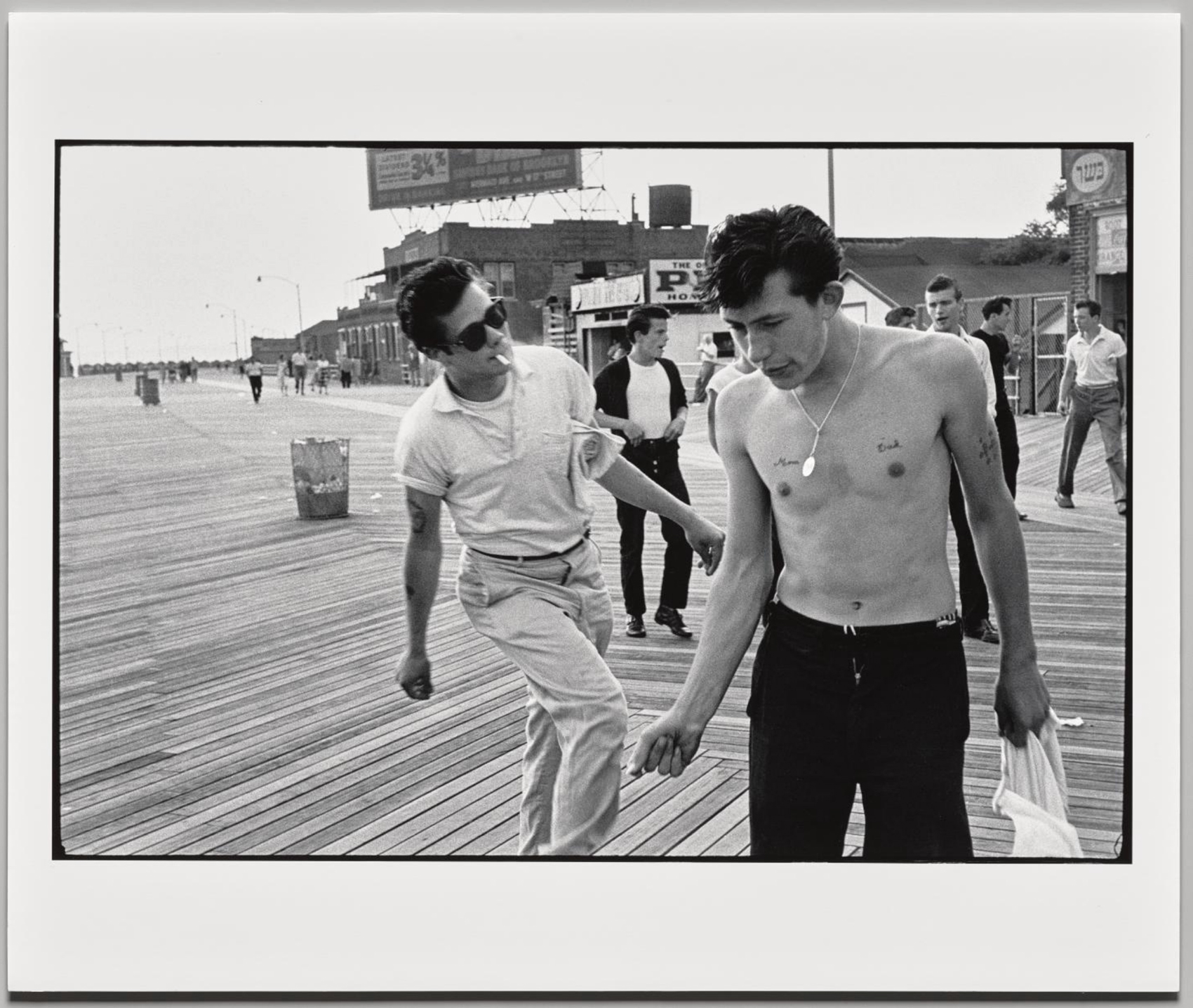
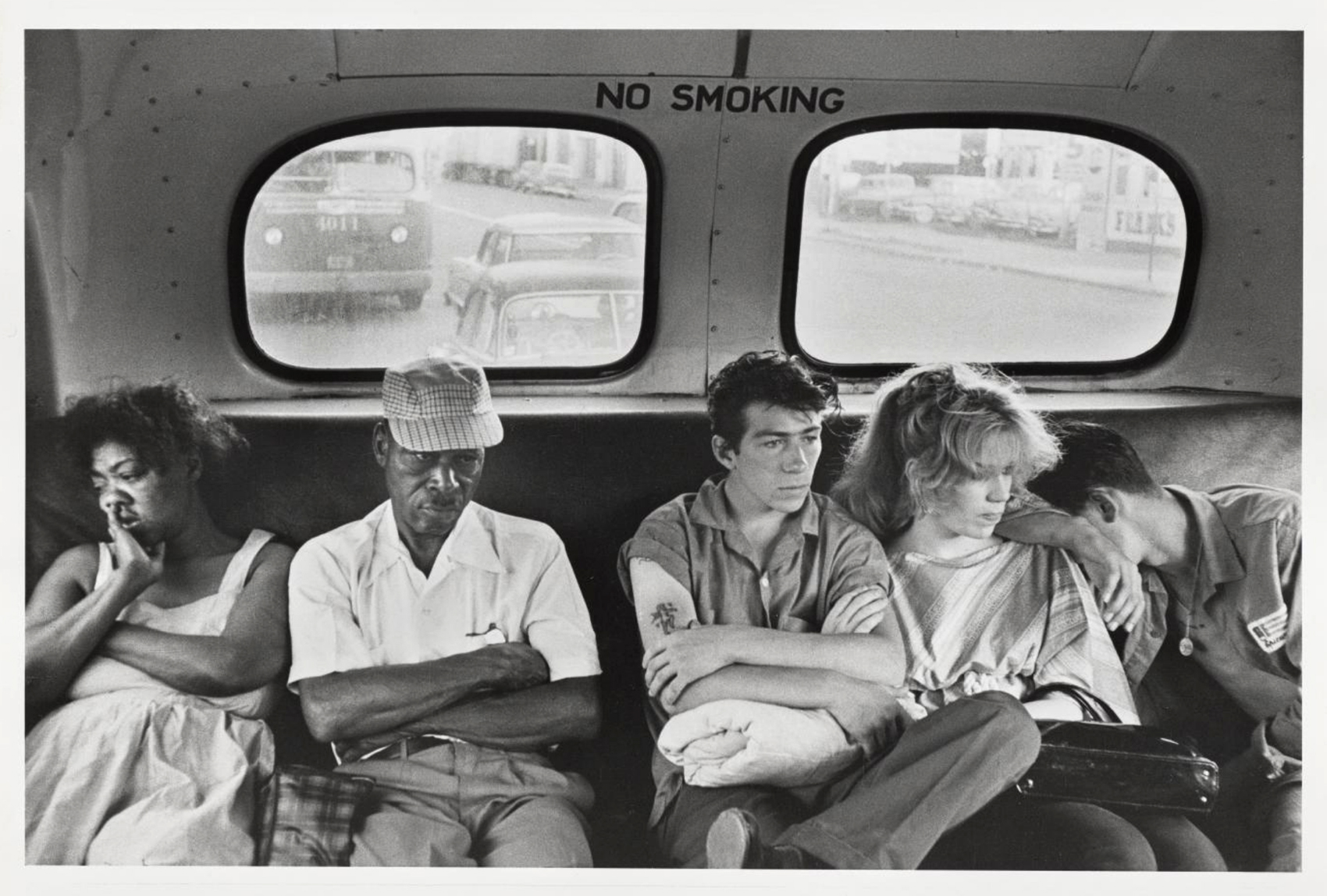
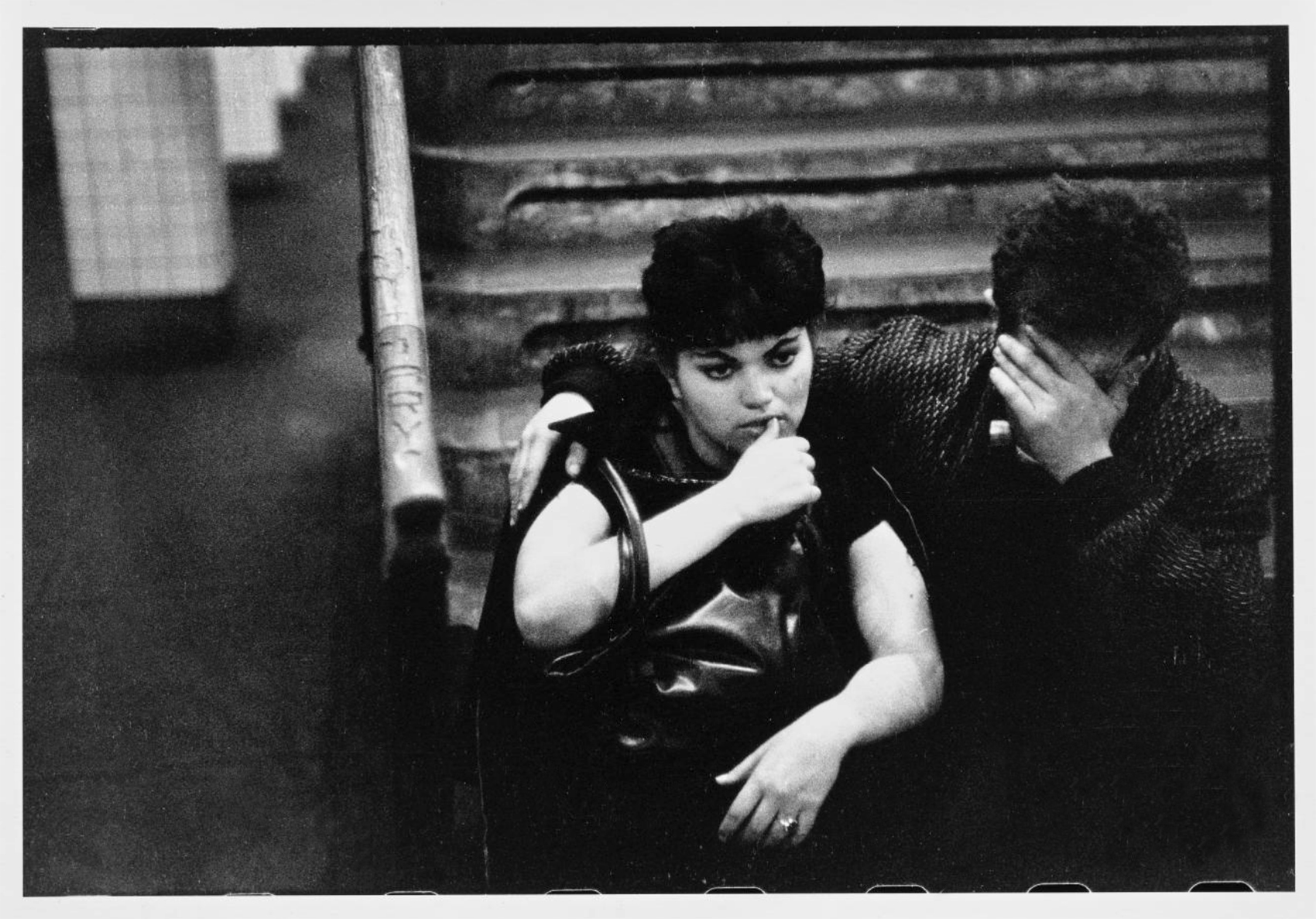
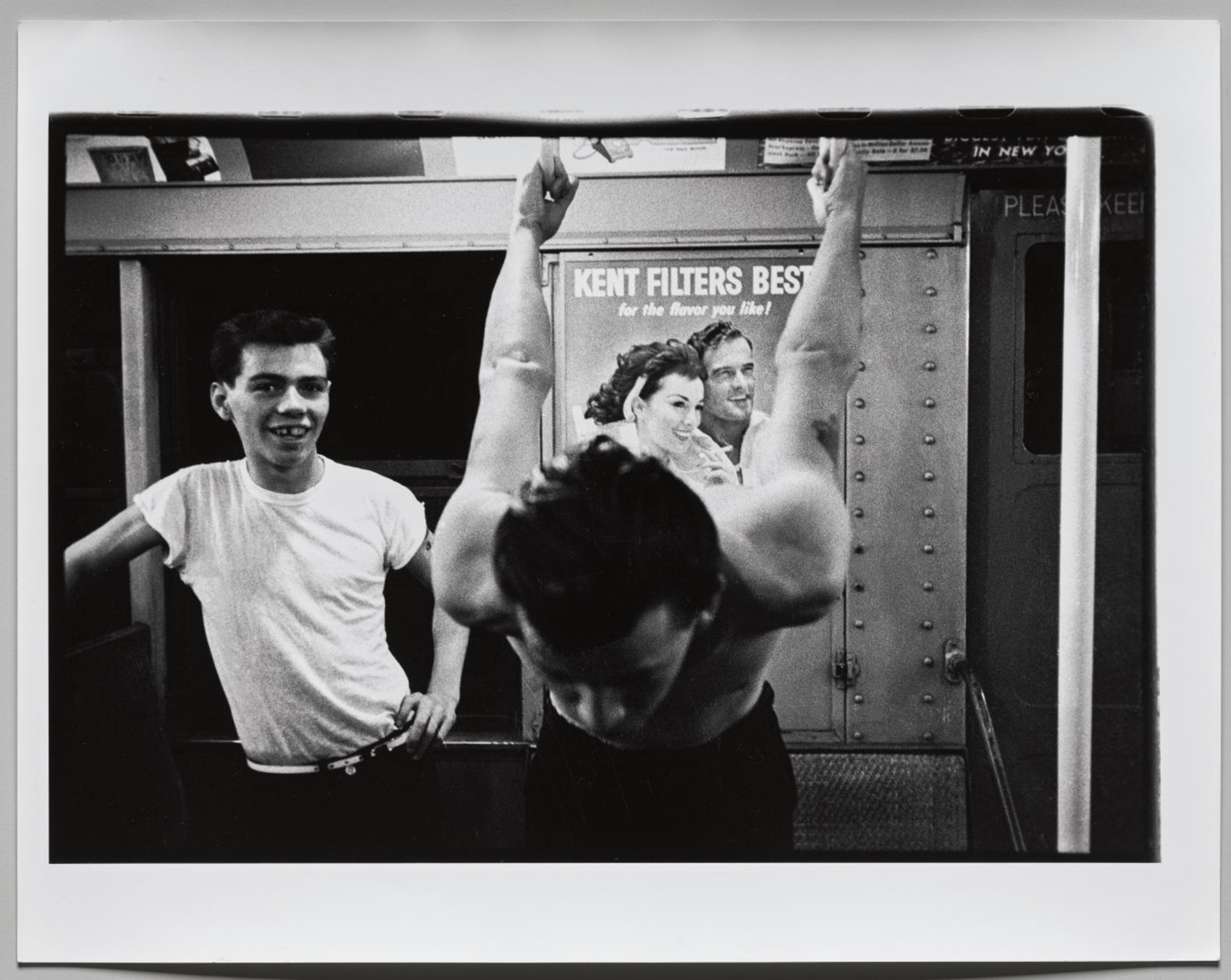
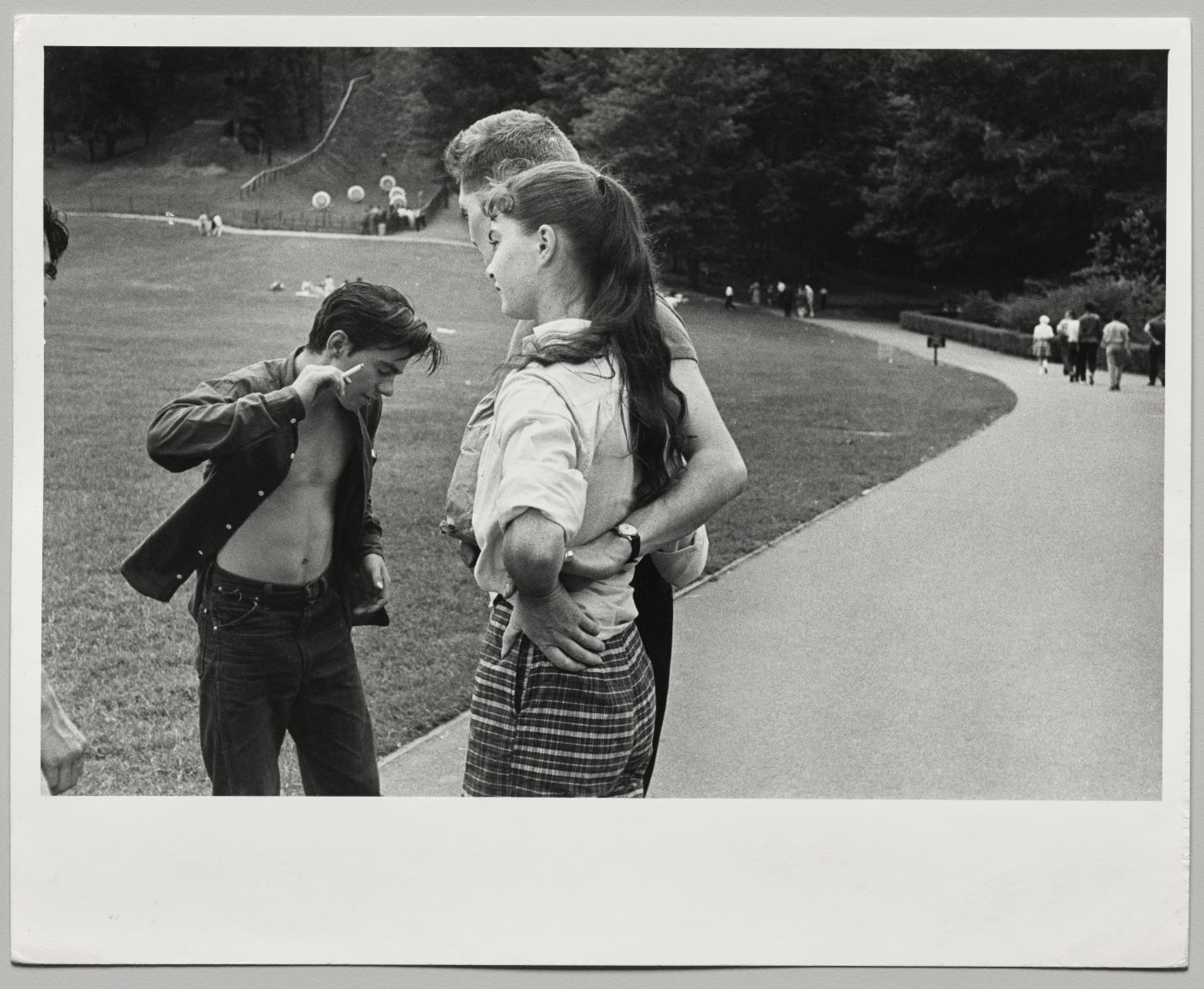
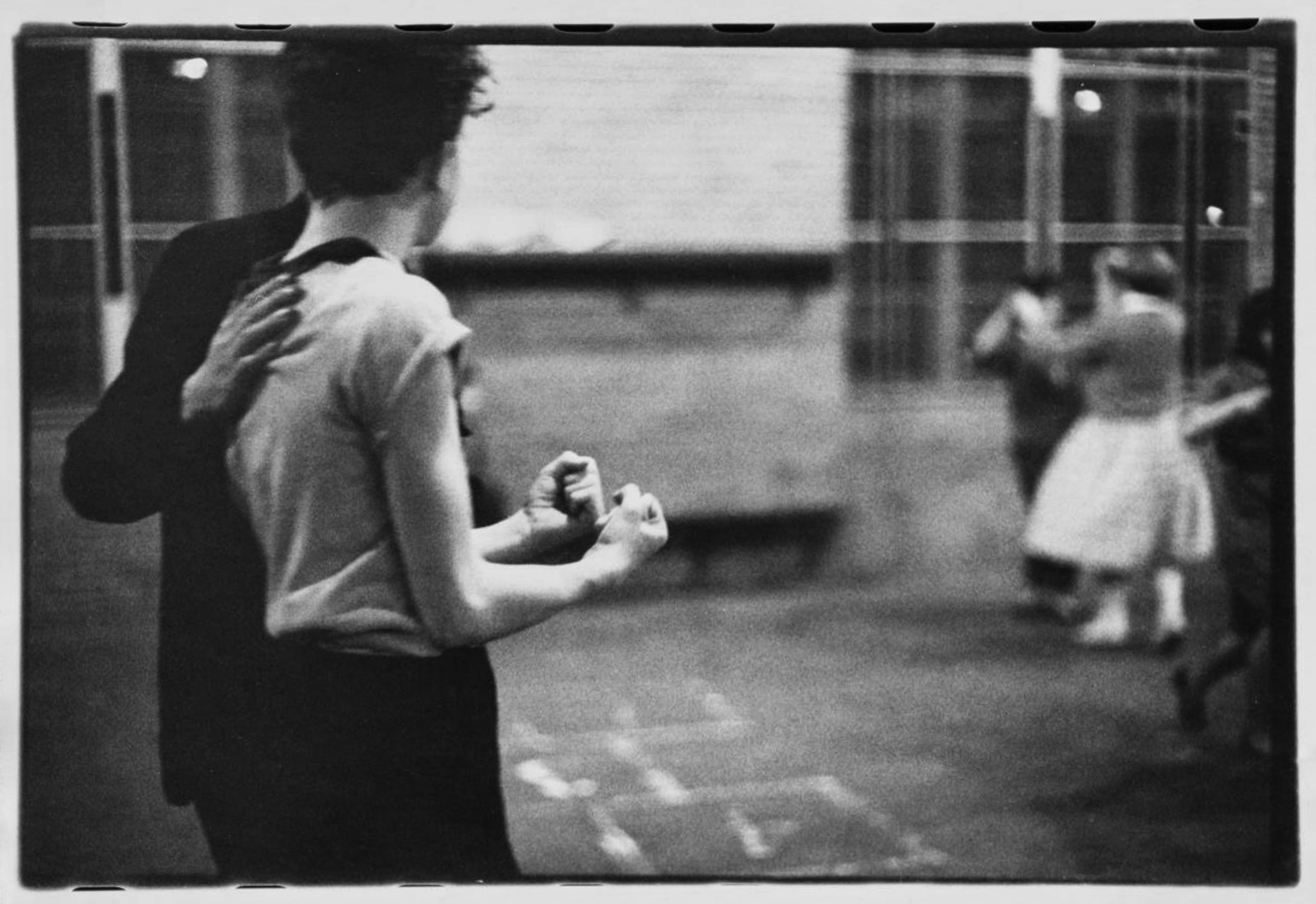
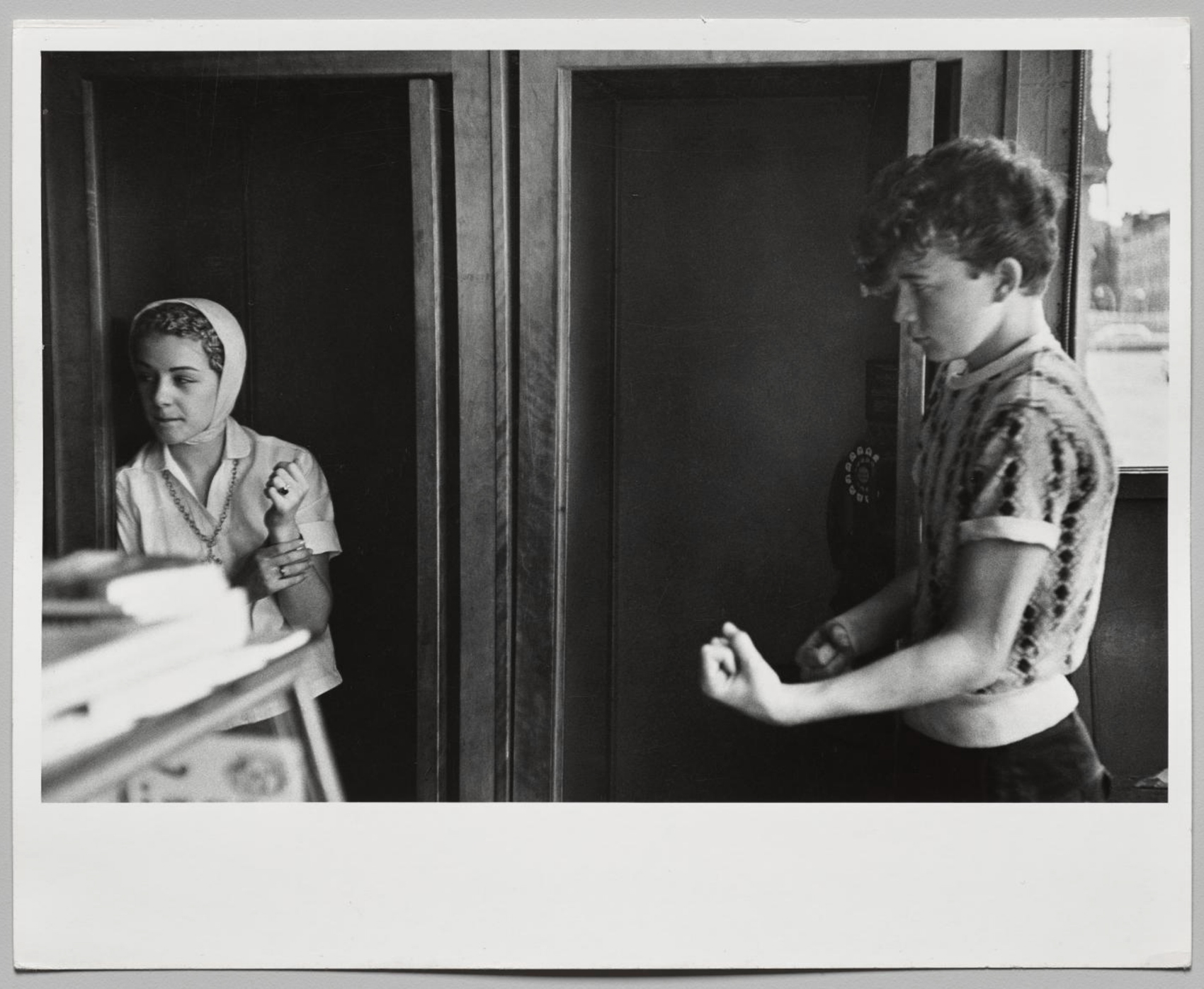
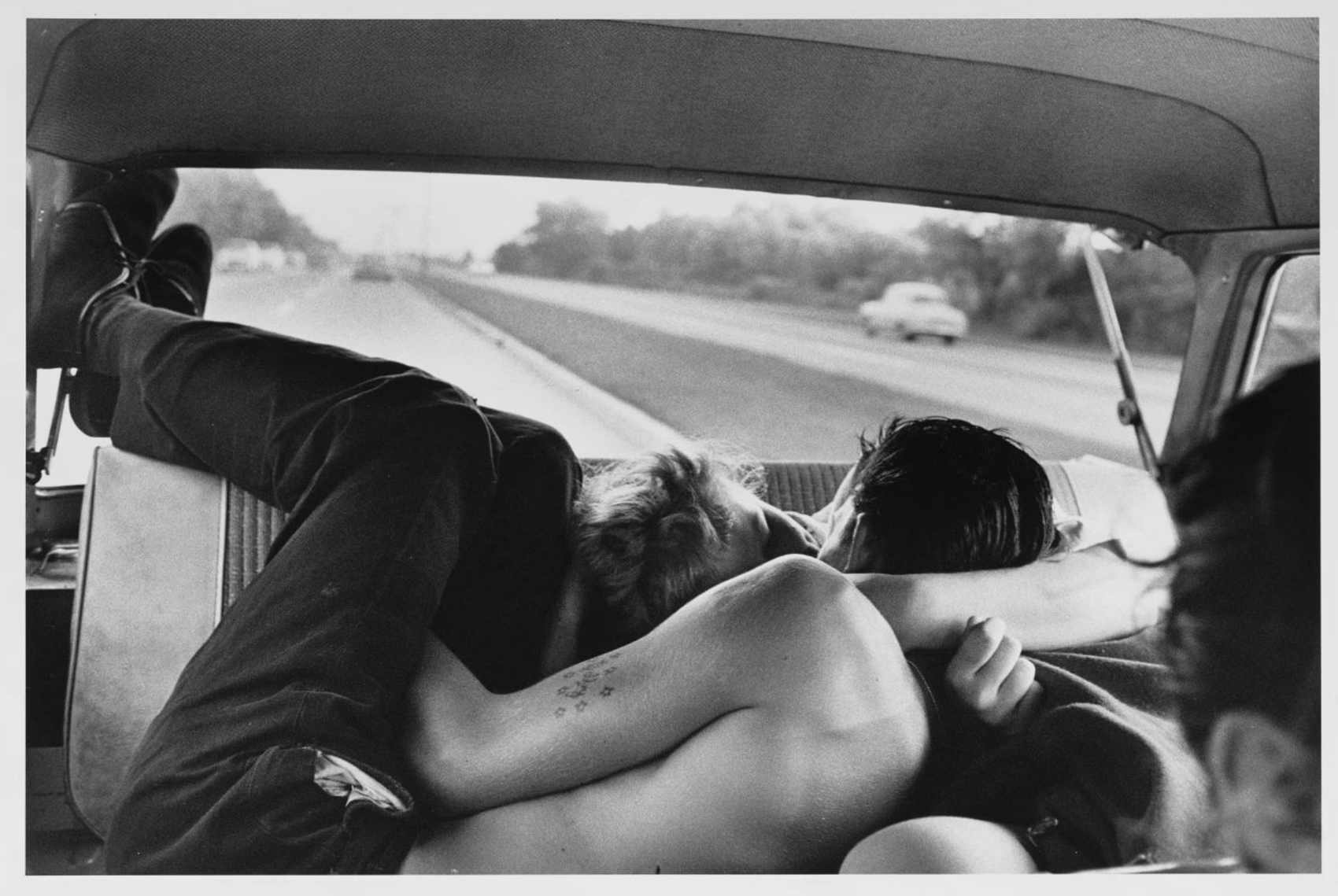


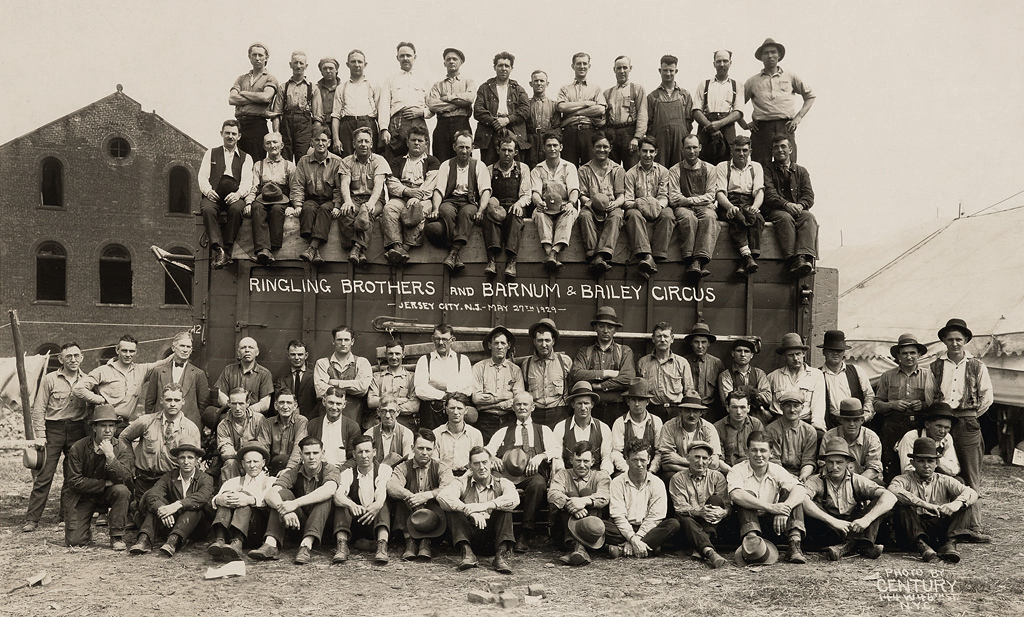


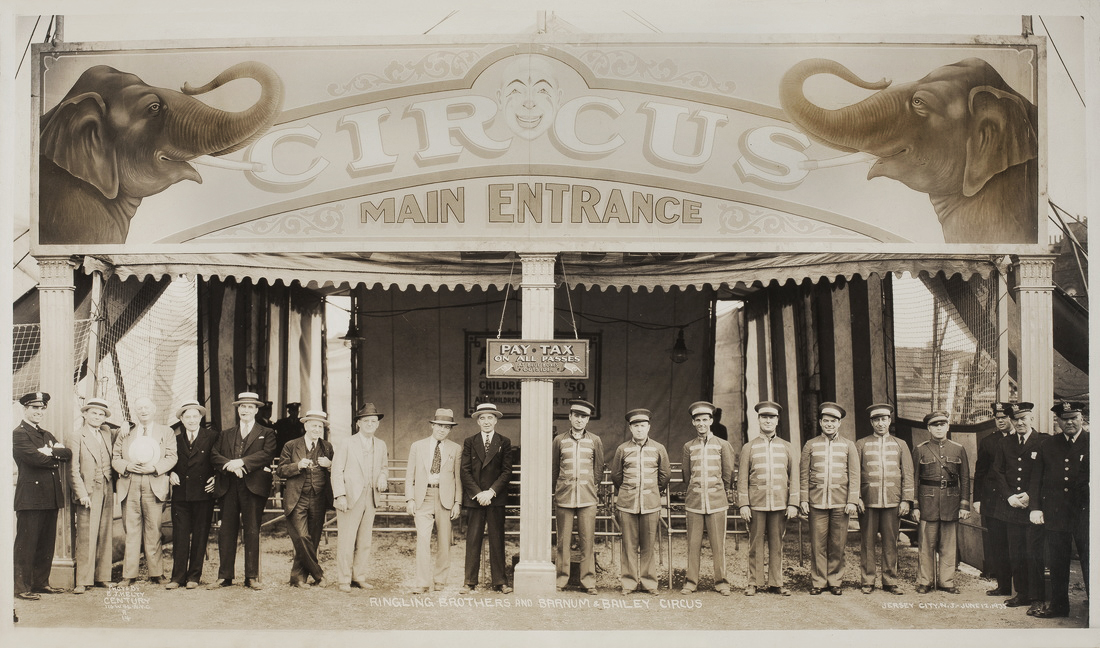

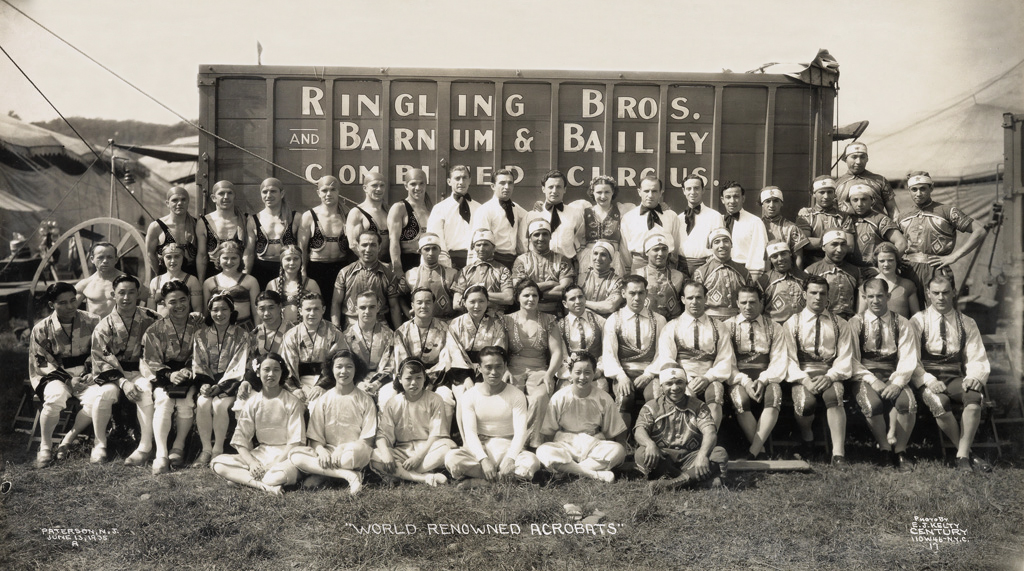


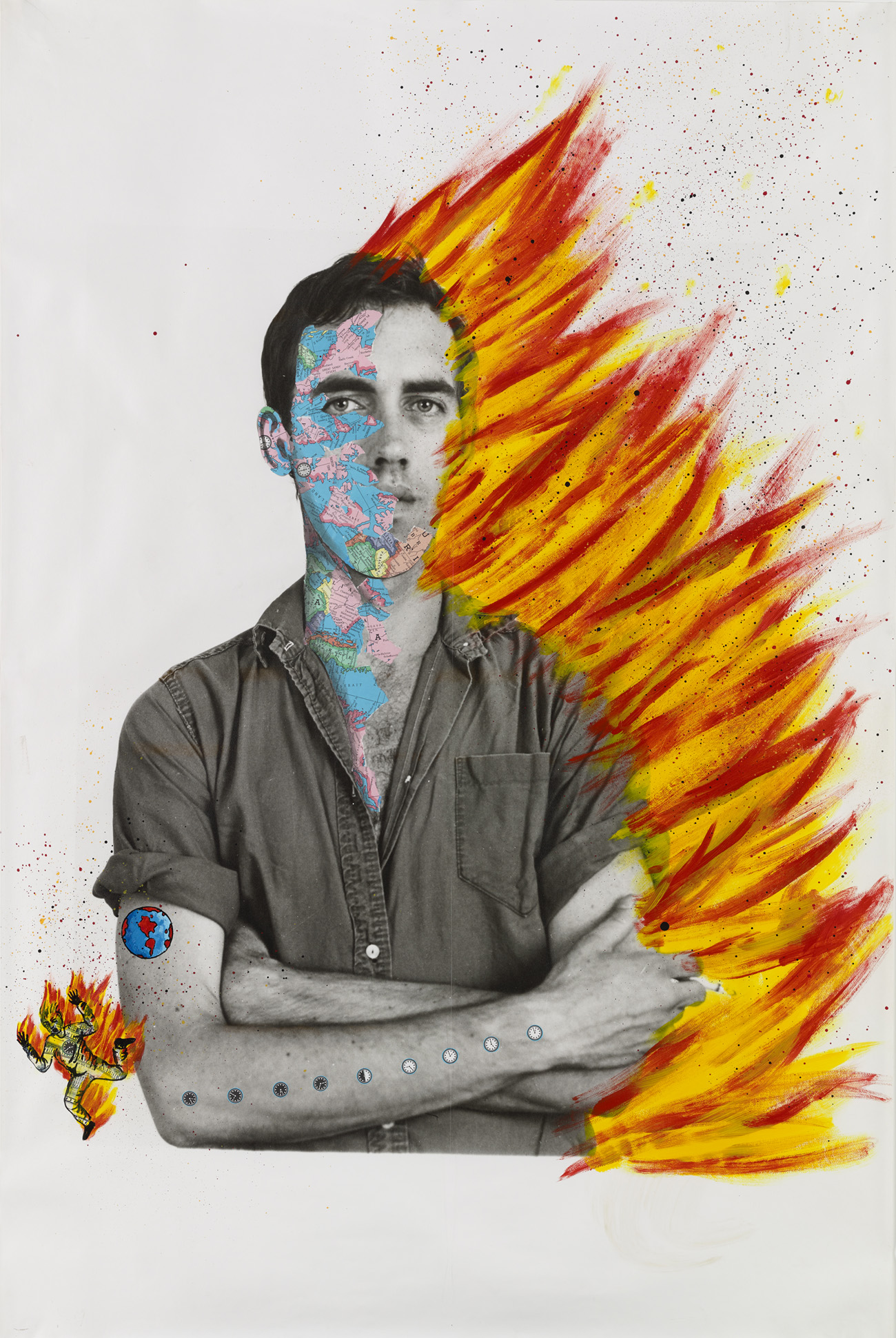








![Peter Hujar (American, 1934-1992) 'Canal Street Piers: Krazy Kat Comic on Wall [by David Wojnarowicz]' 1983](https://artblart.com/wp-content/uploads/2018/07/peter-hujar-canal-street-piers-krazy-kat-comic-on-wall-by-david-wojnarowicz-web.jpg "Peter Hujar (American, 1934-1992) 'Canal Street Piers: Krazy Kat Comic on Wall [by David Wojnarowicz]' 1983")


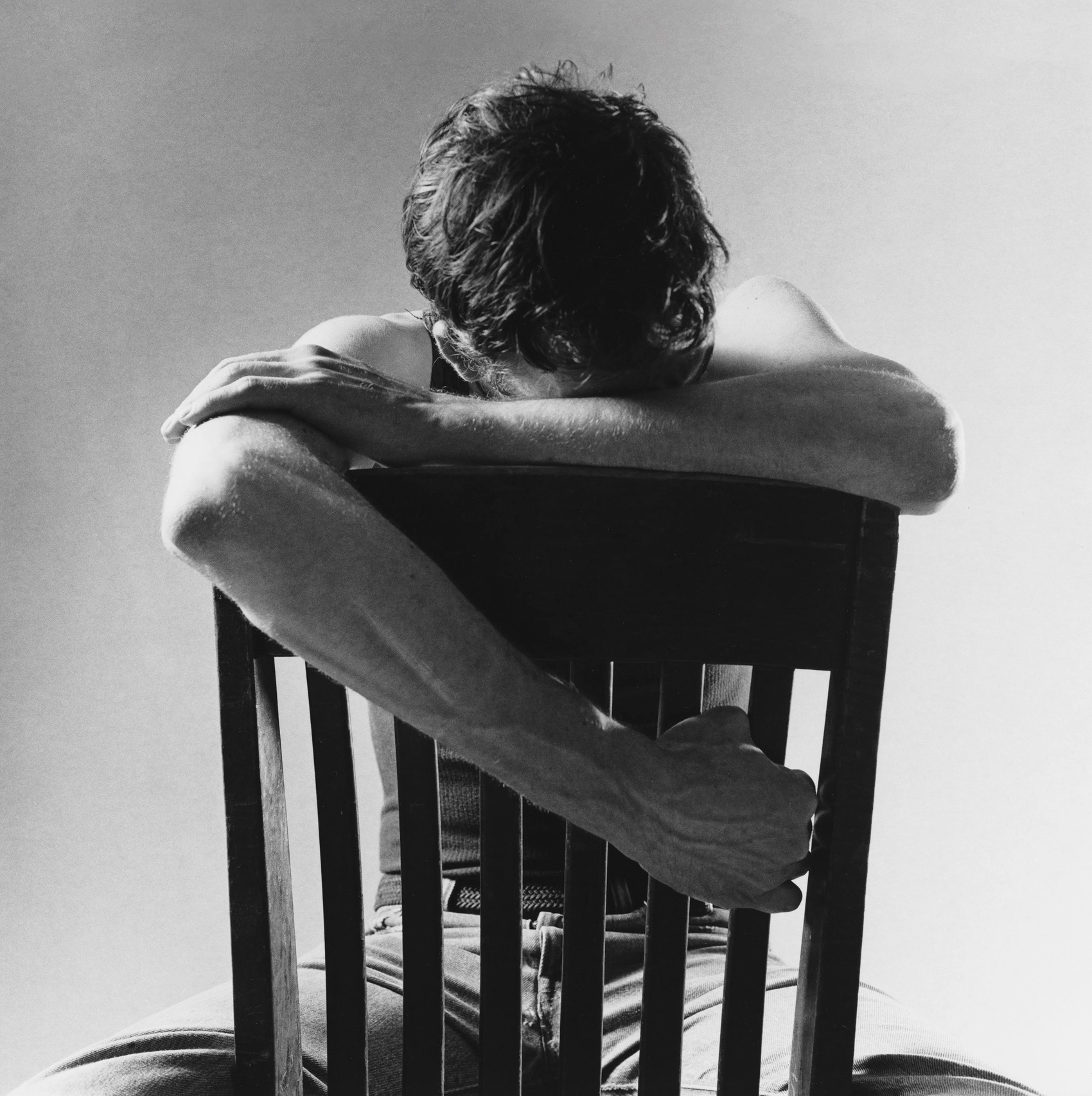

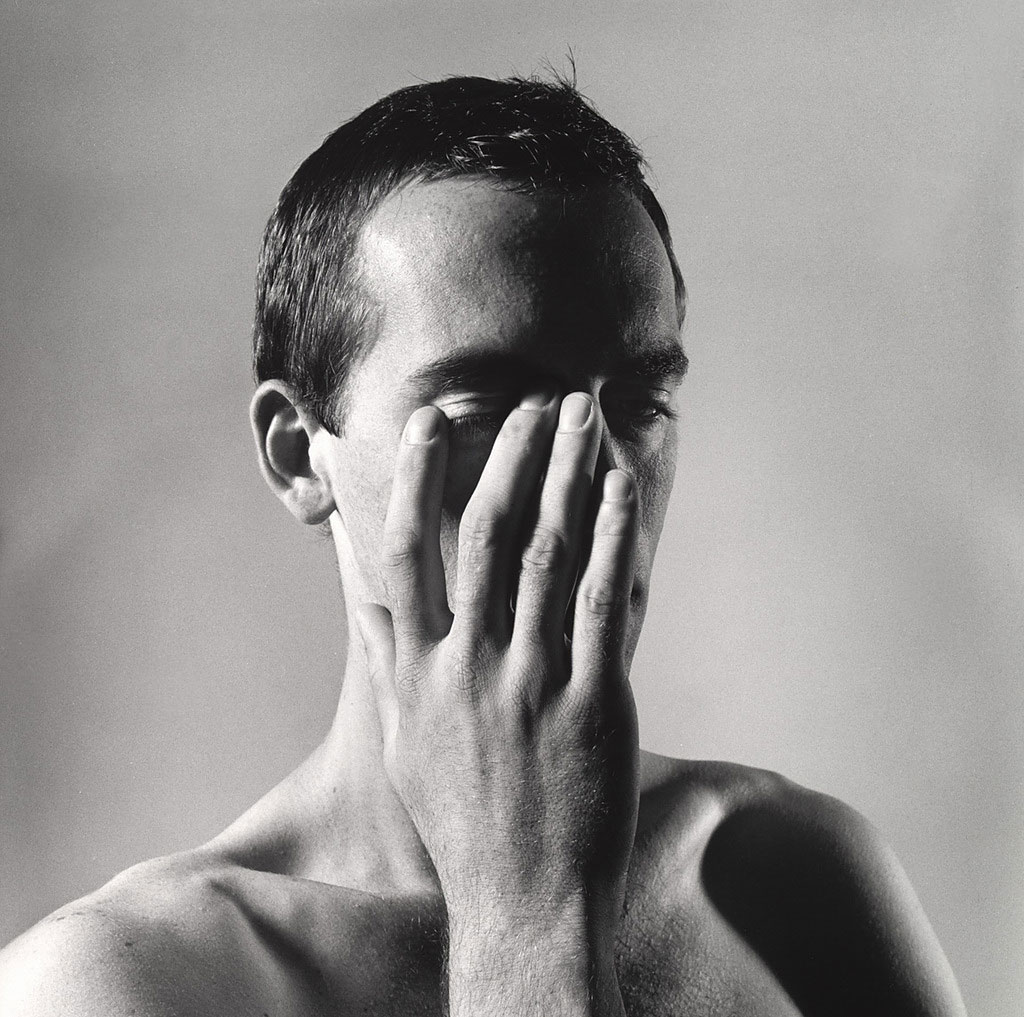

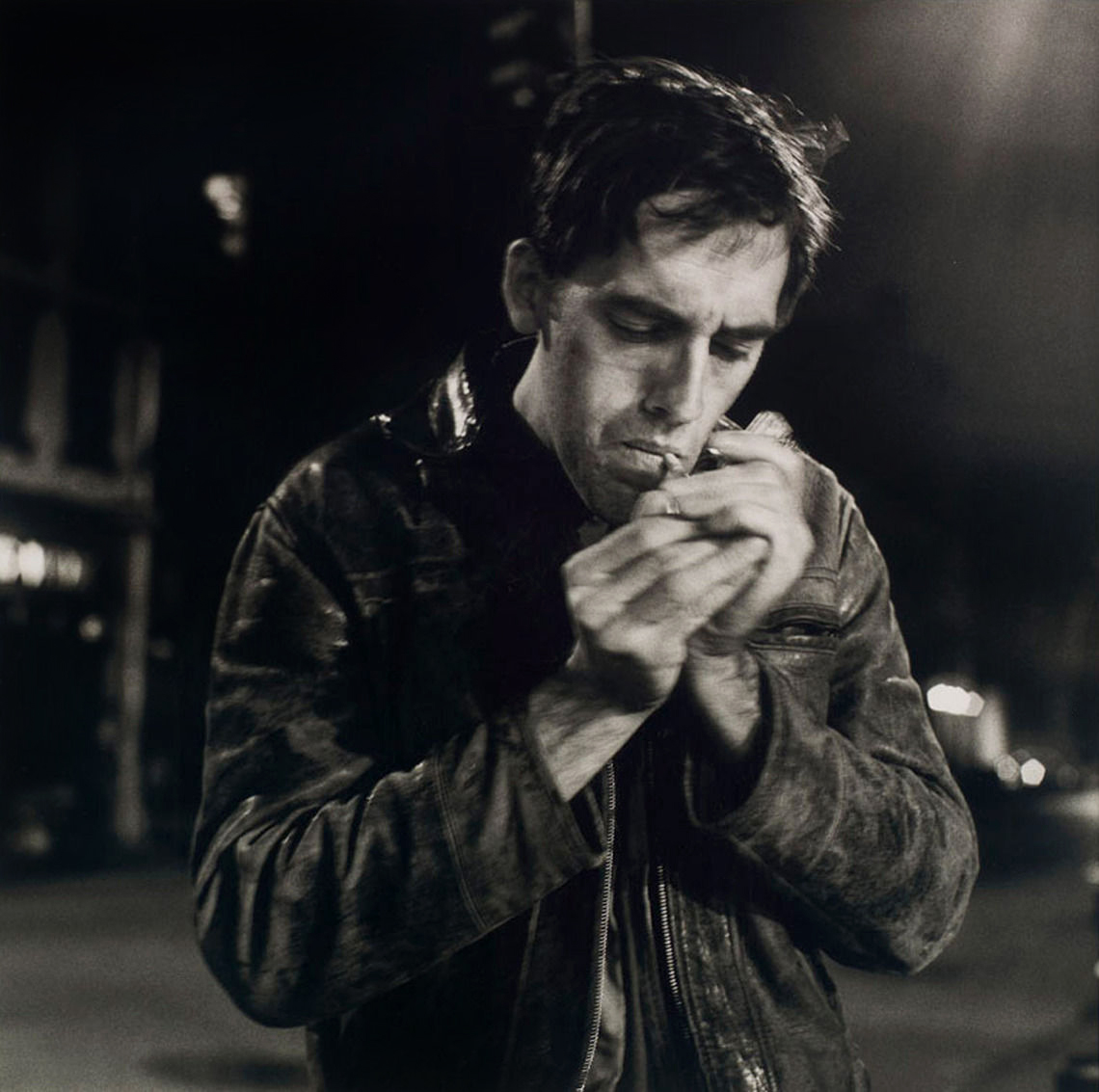

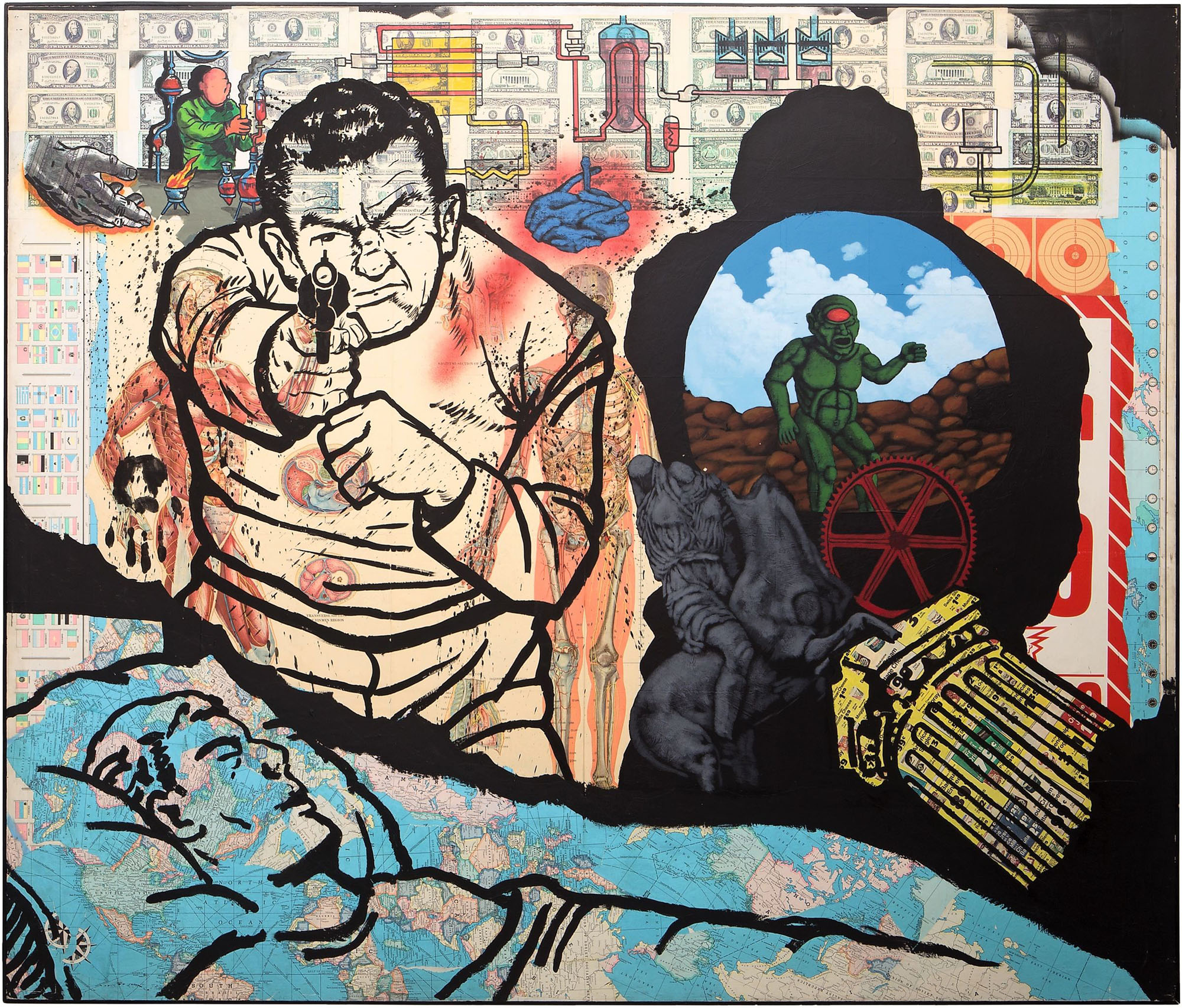




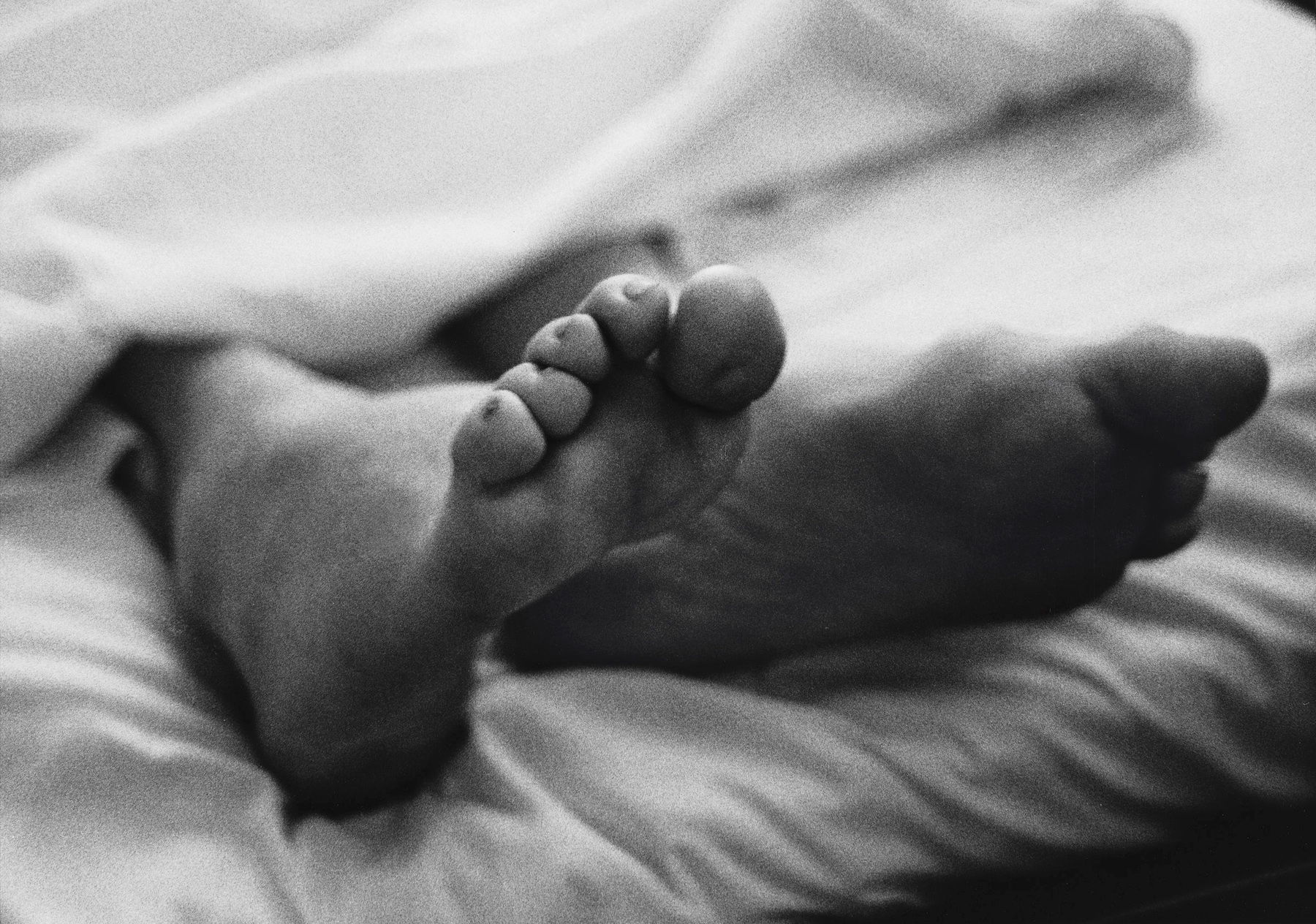
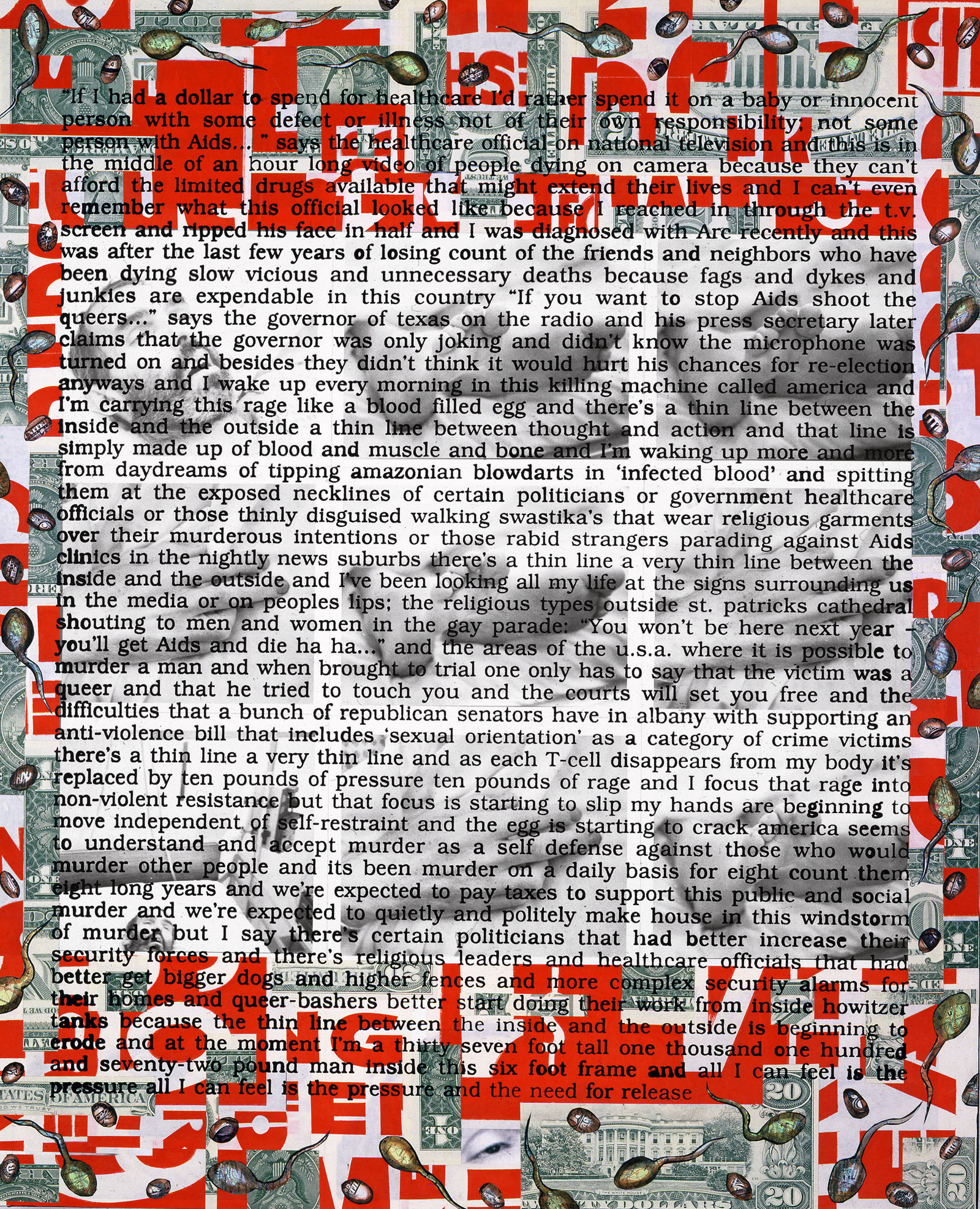
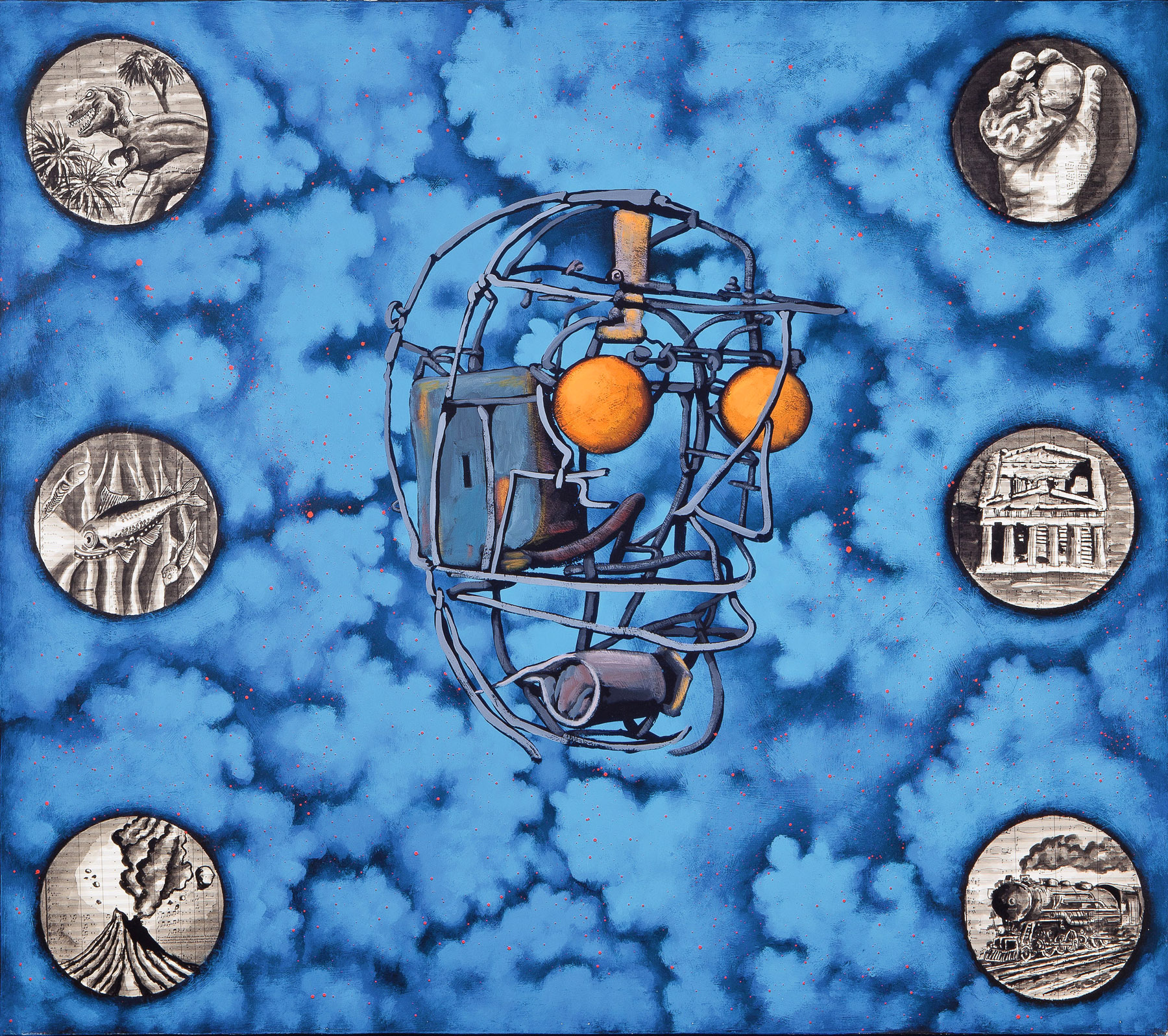

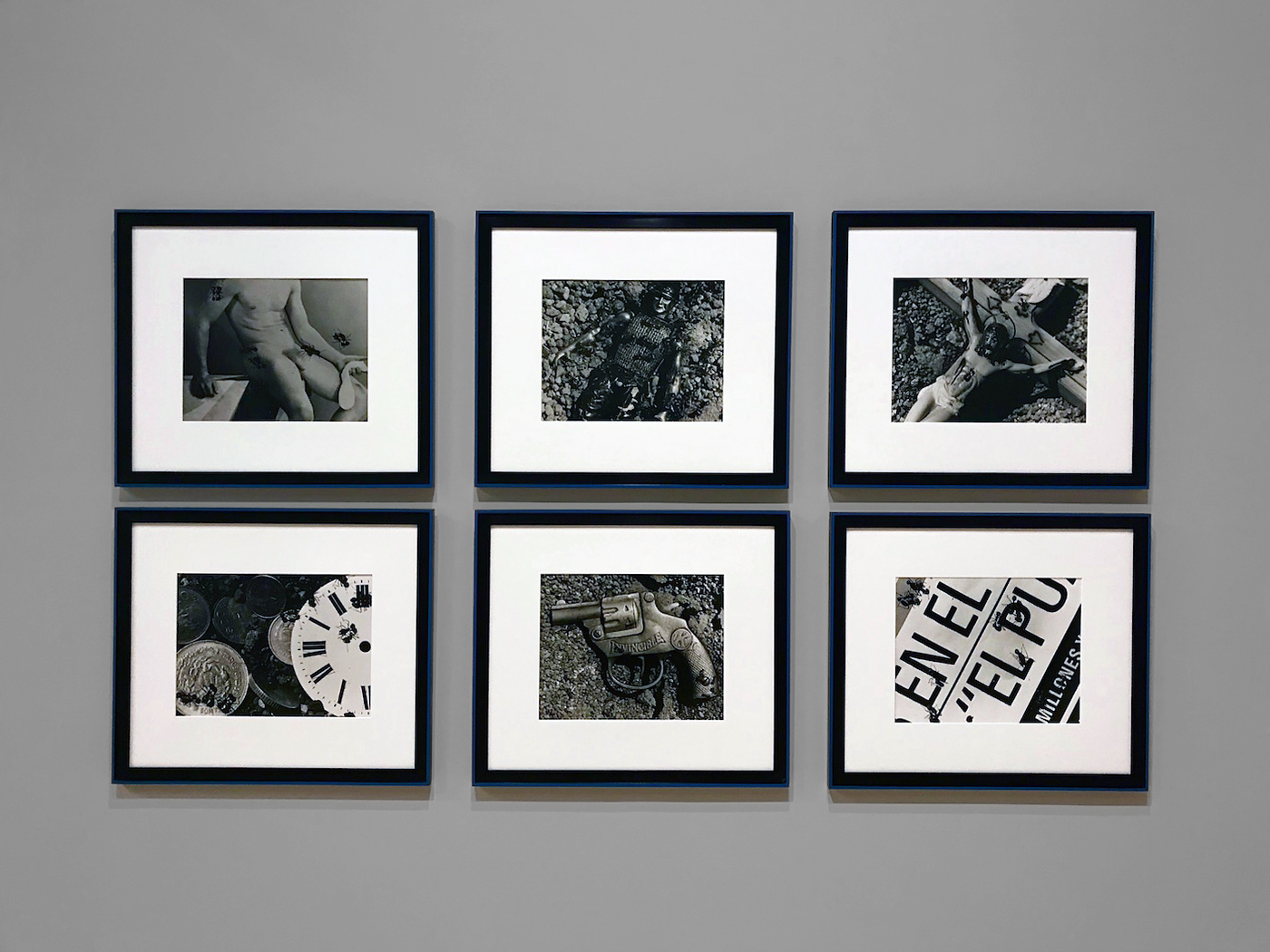








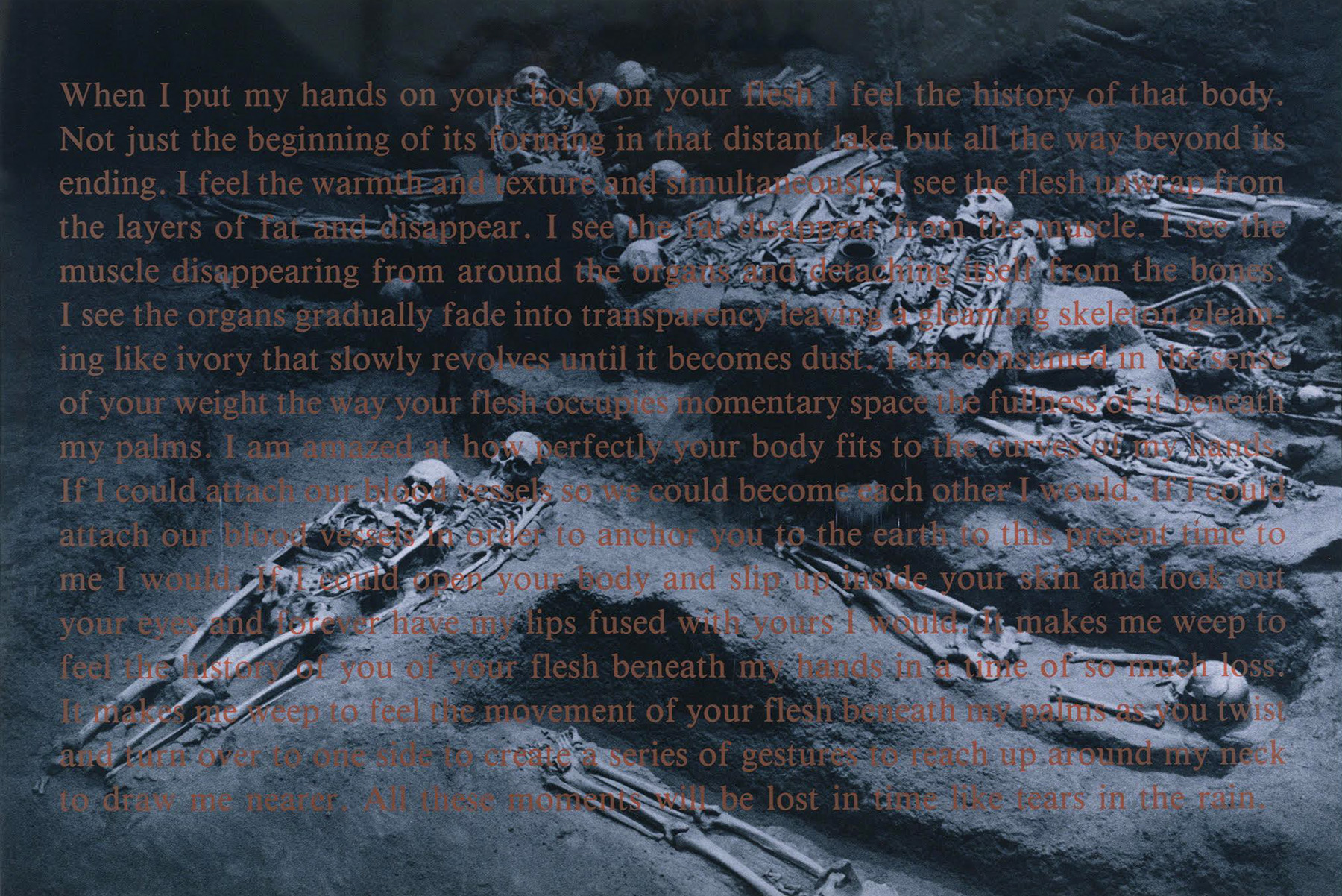
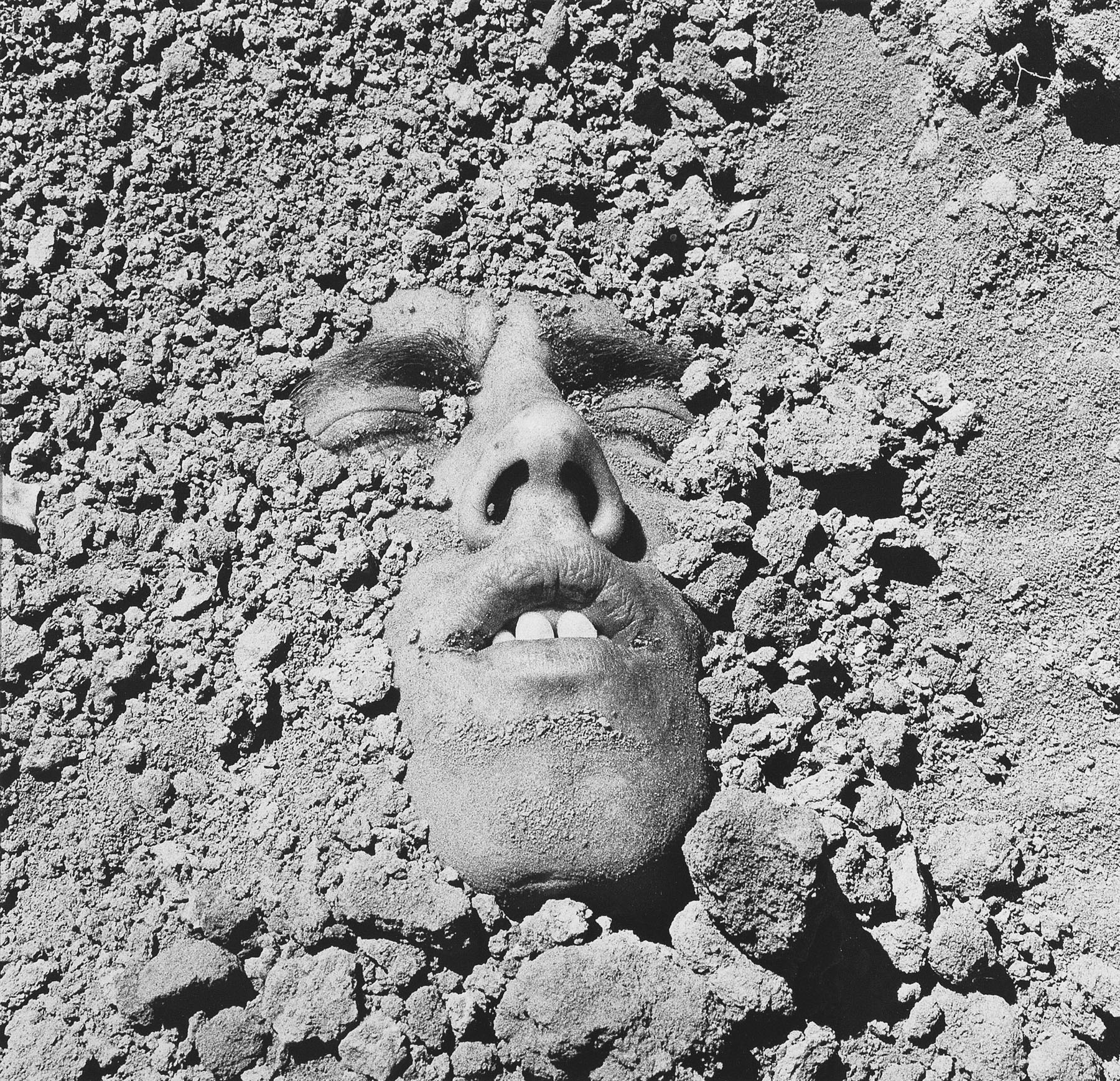
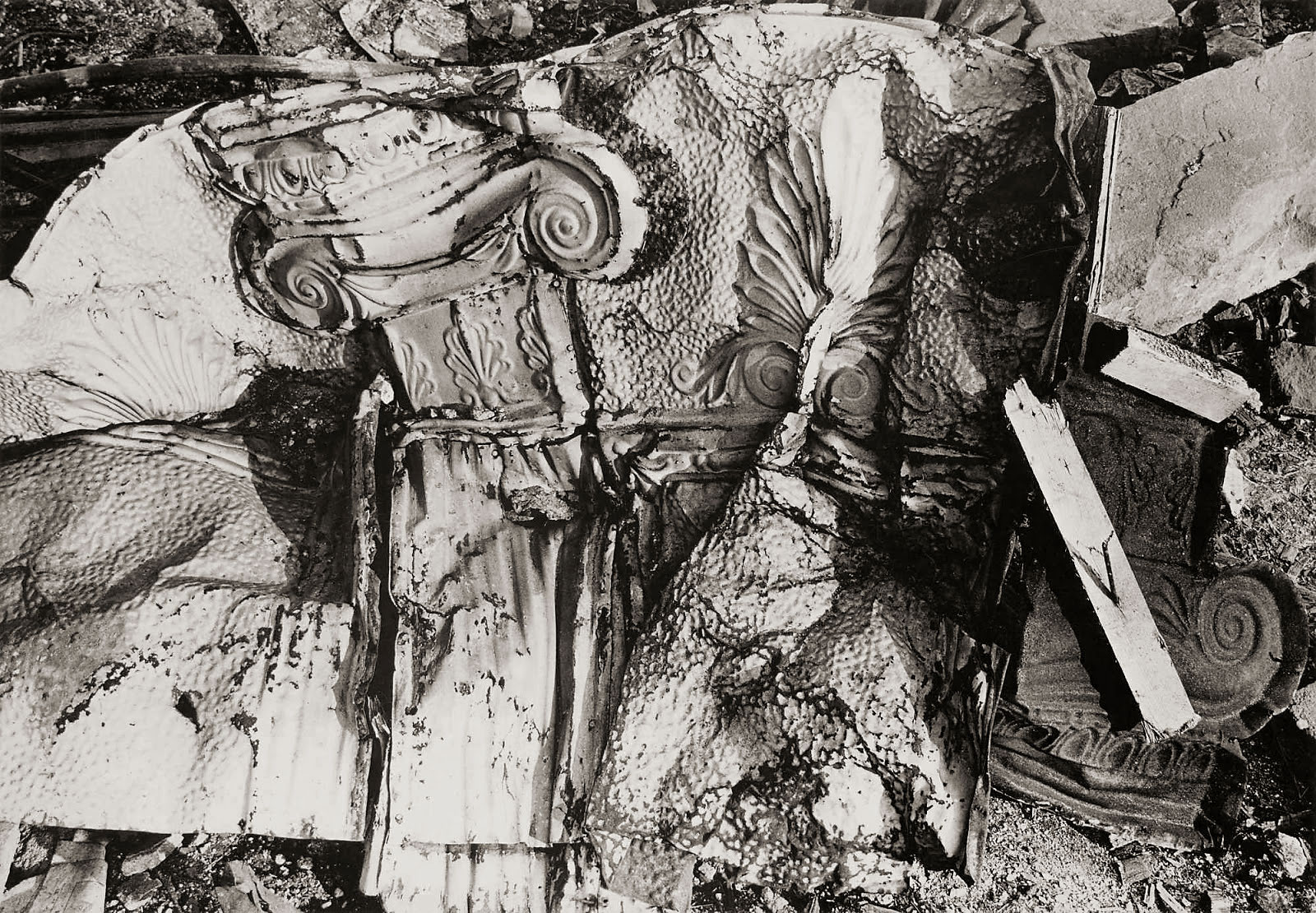
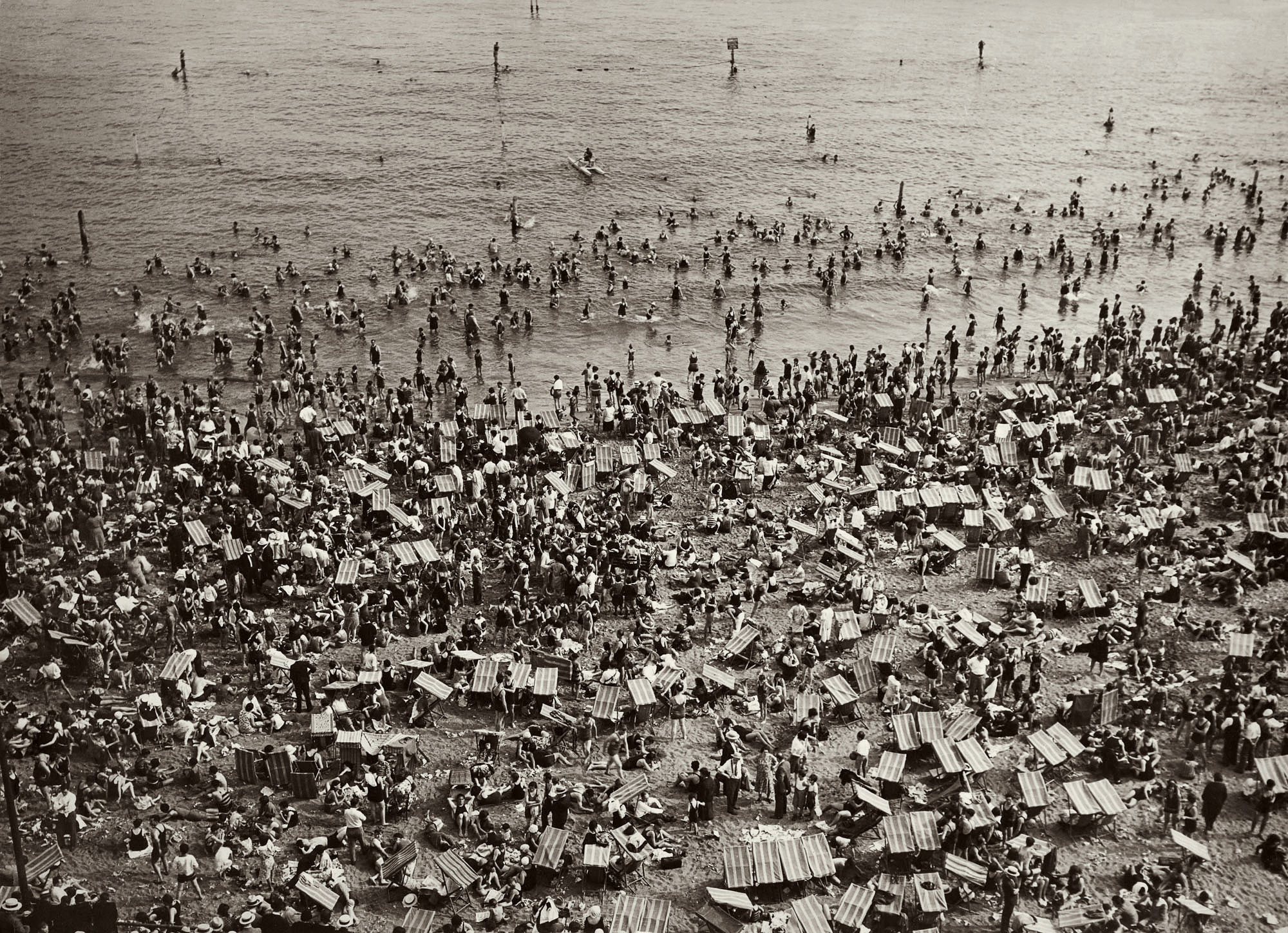
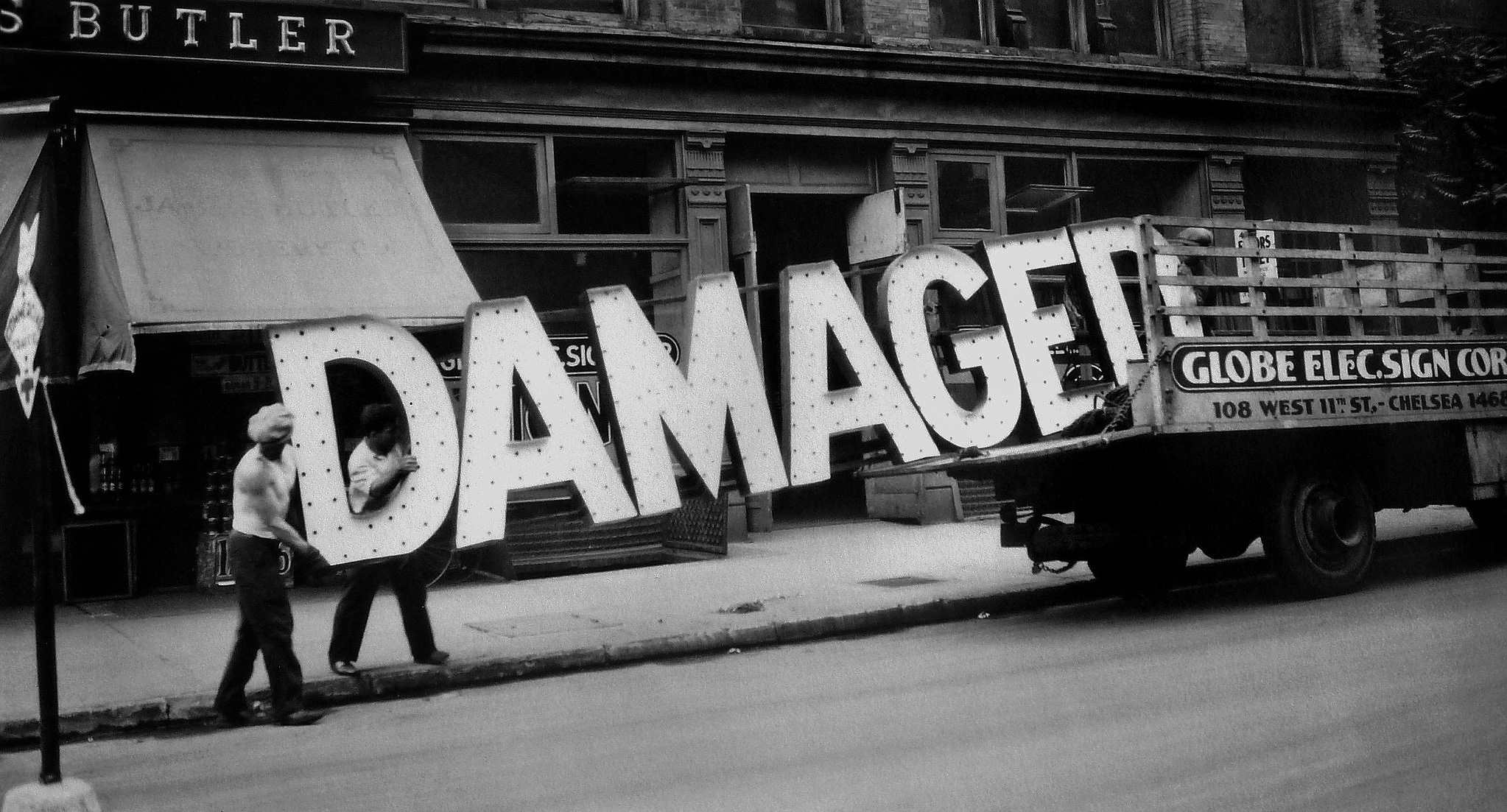
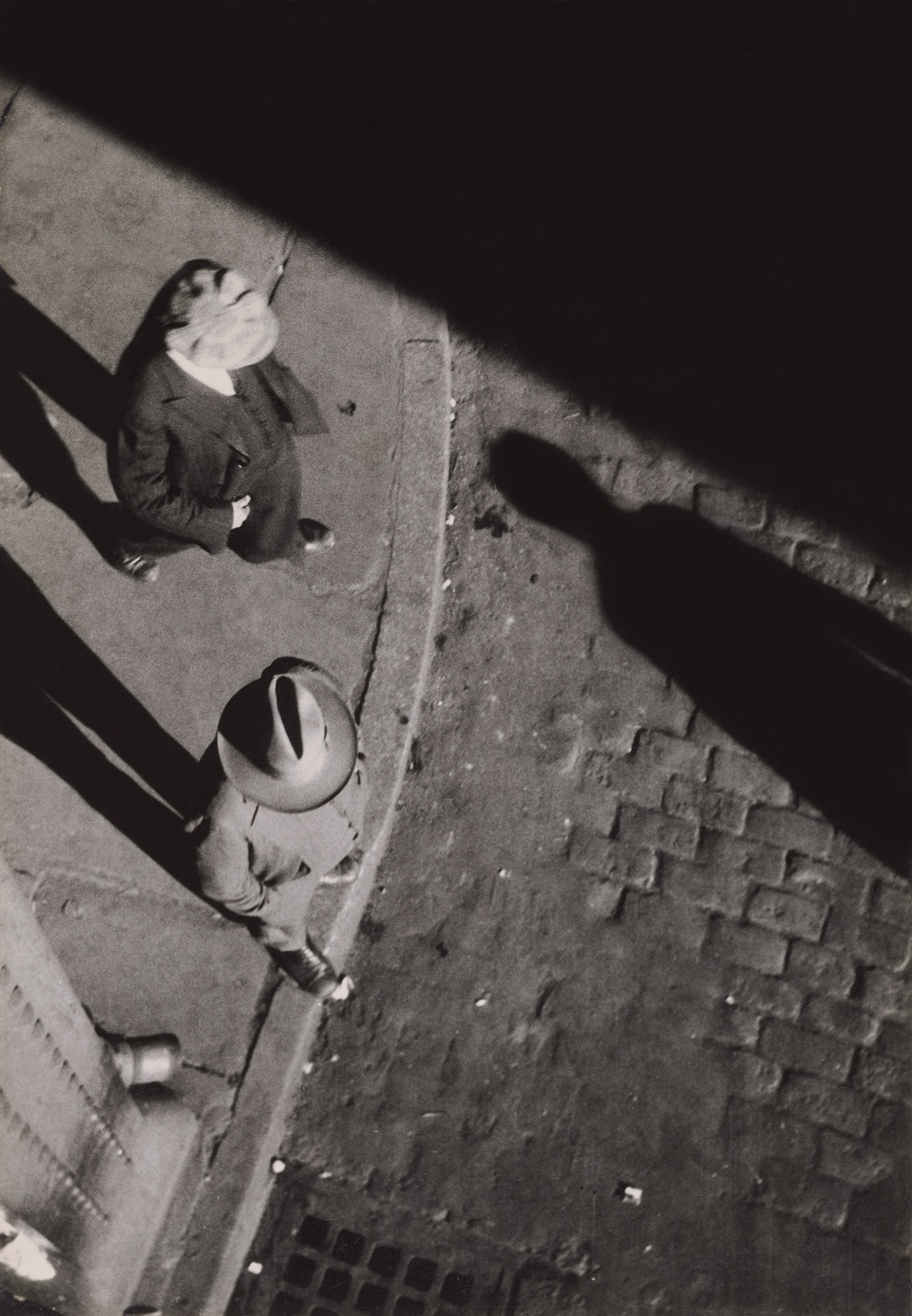
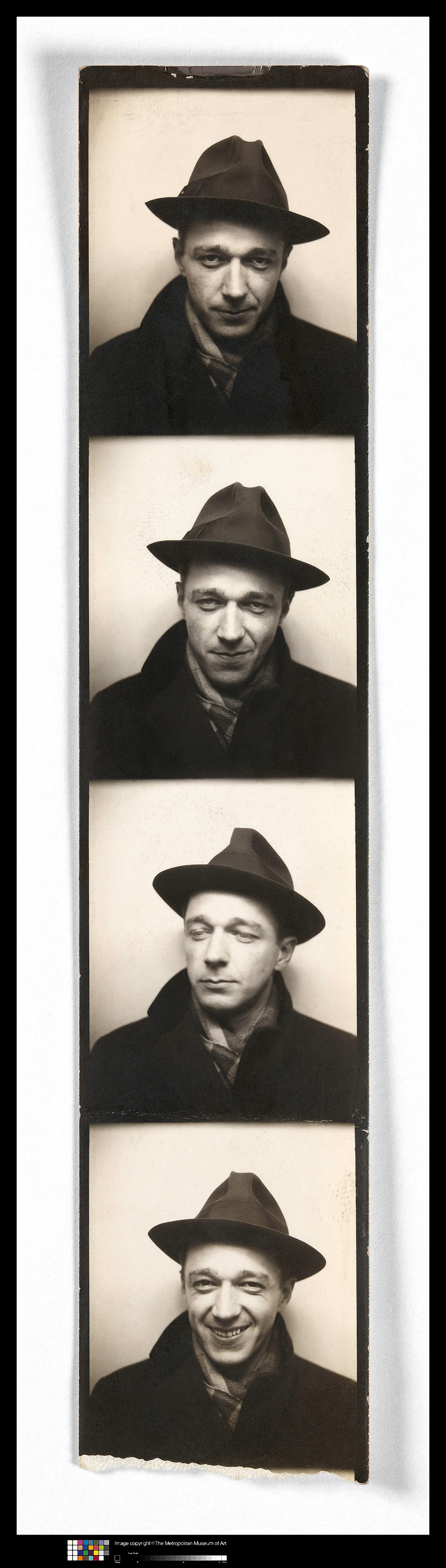





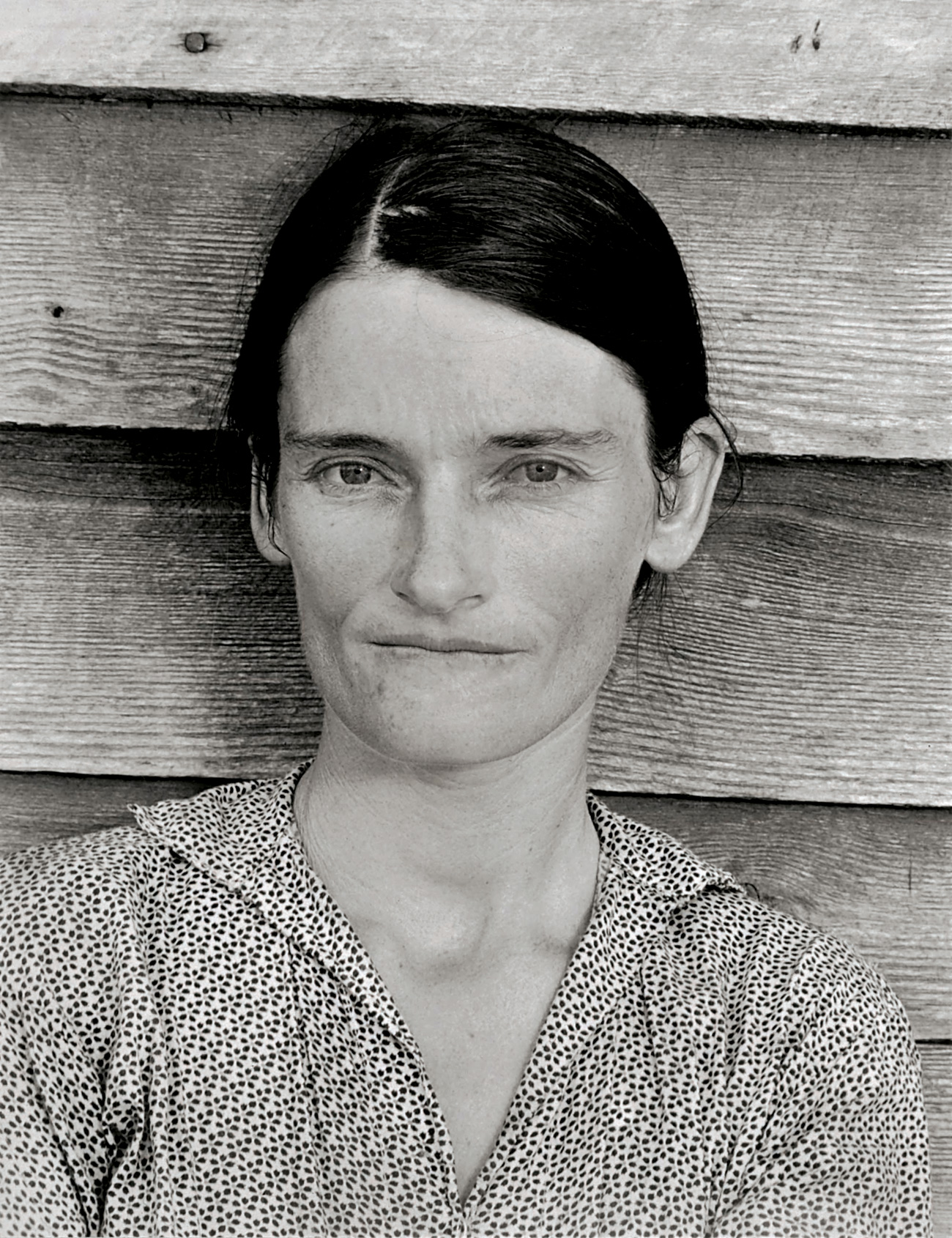

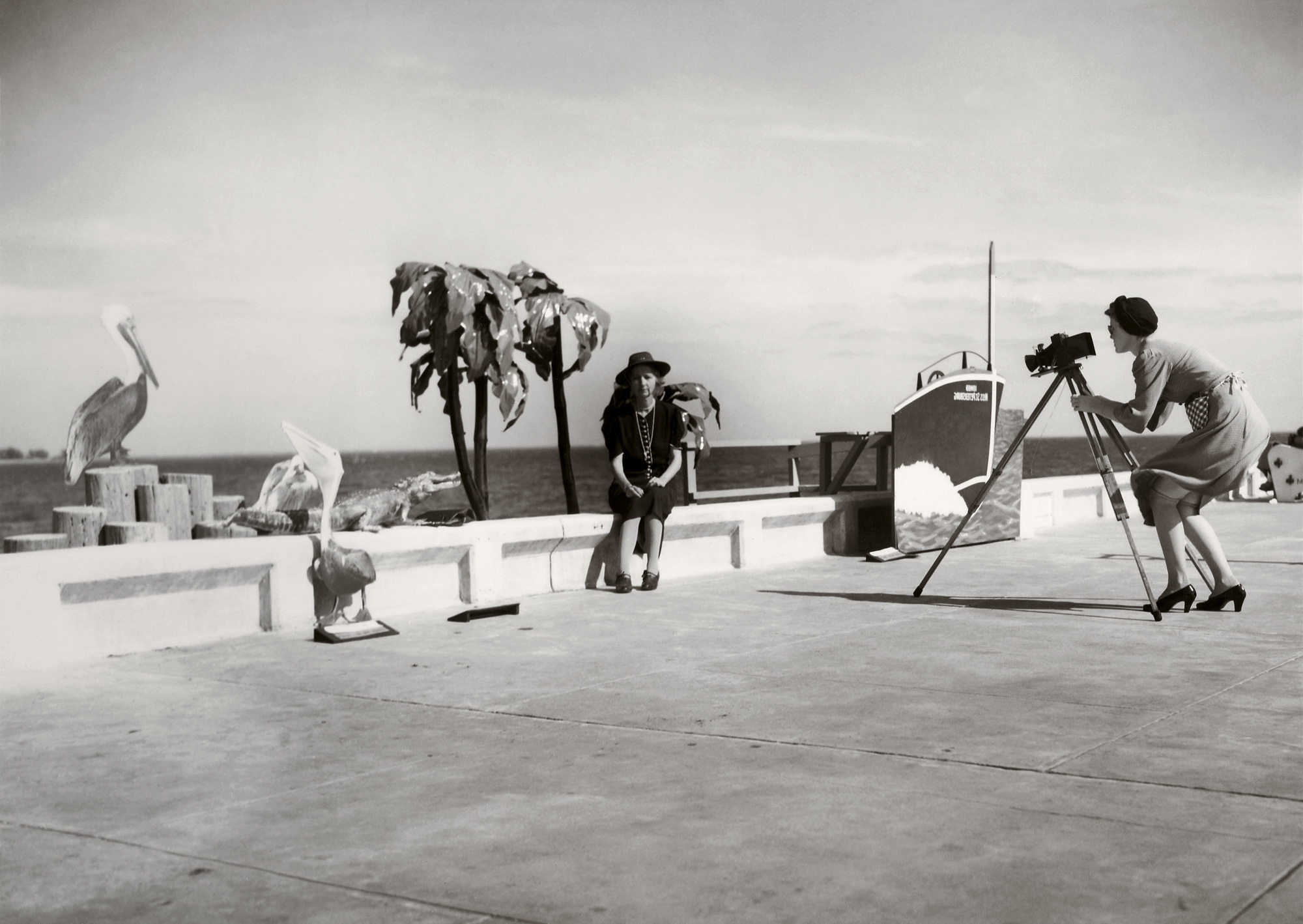
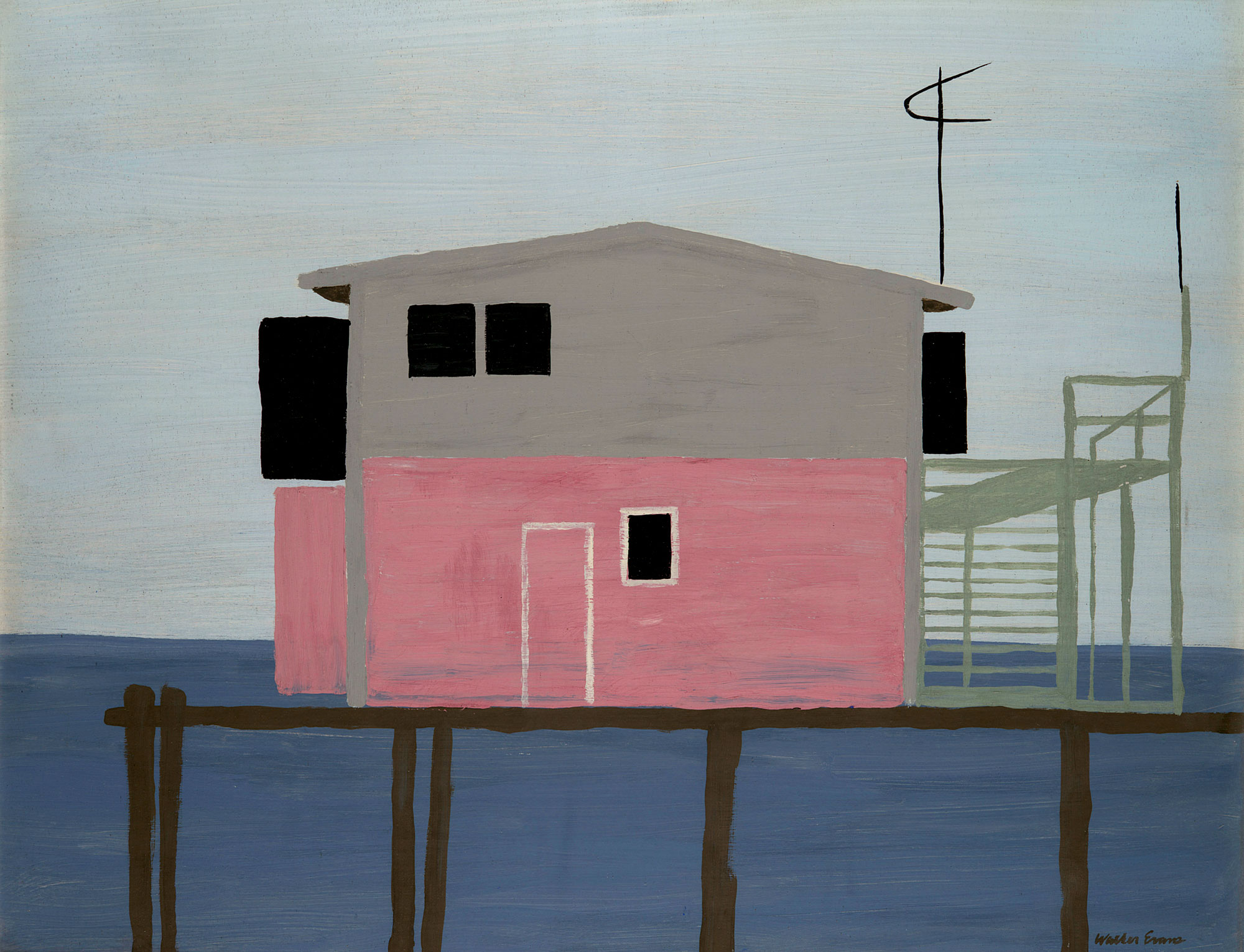


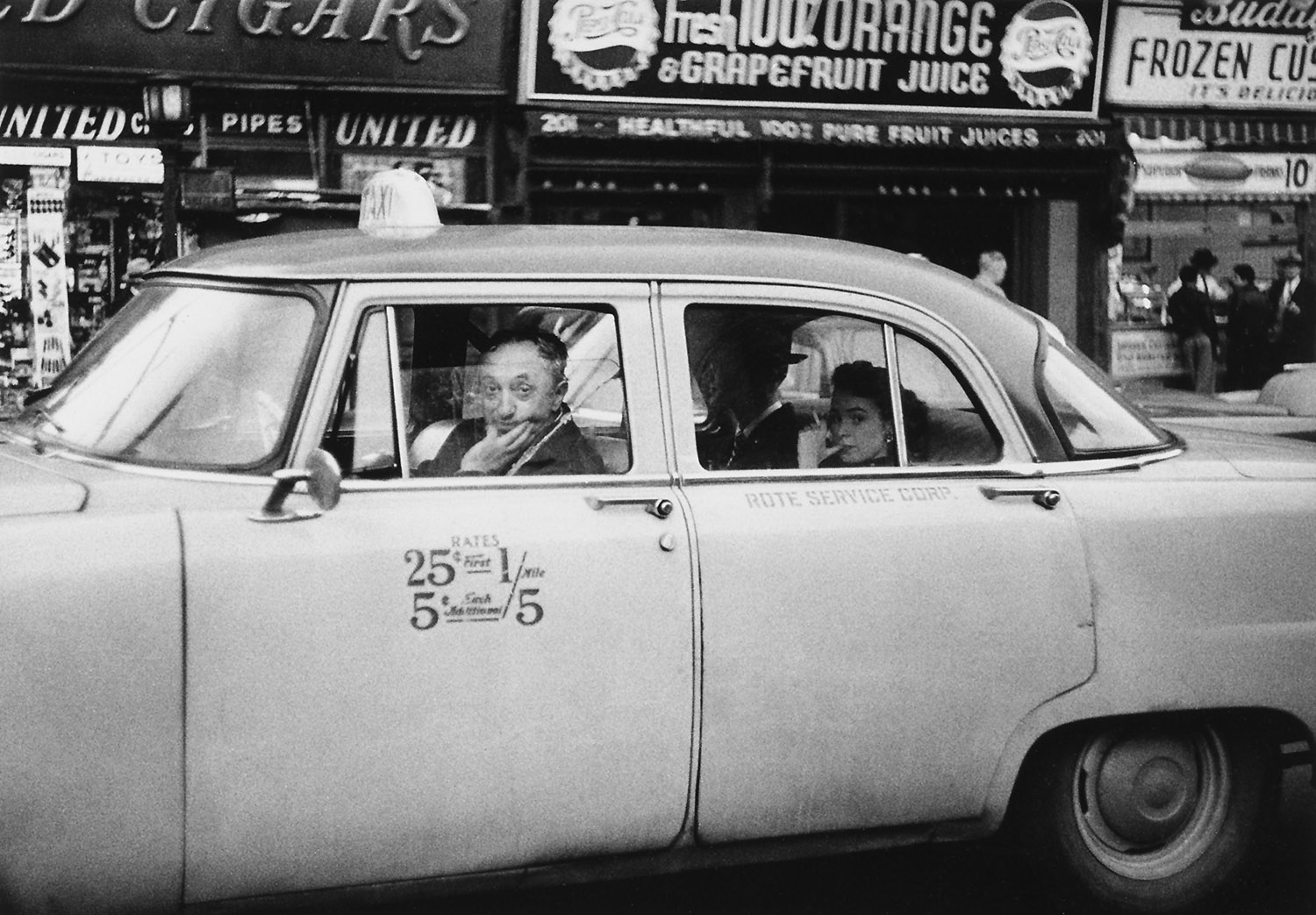
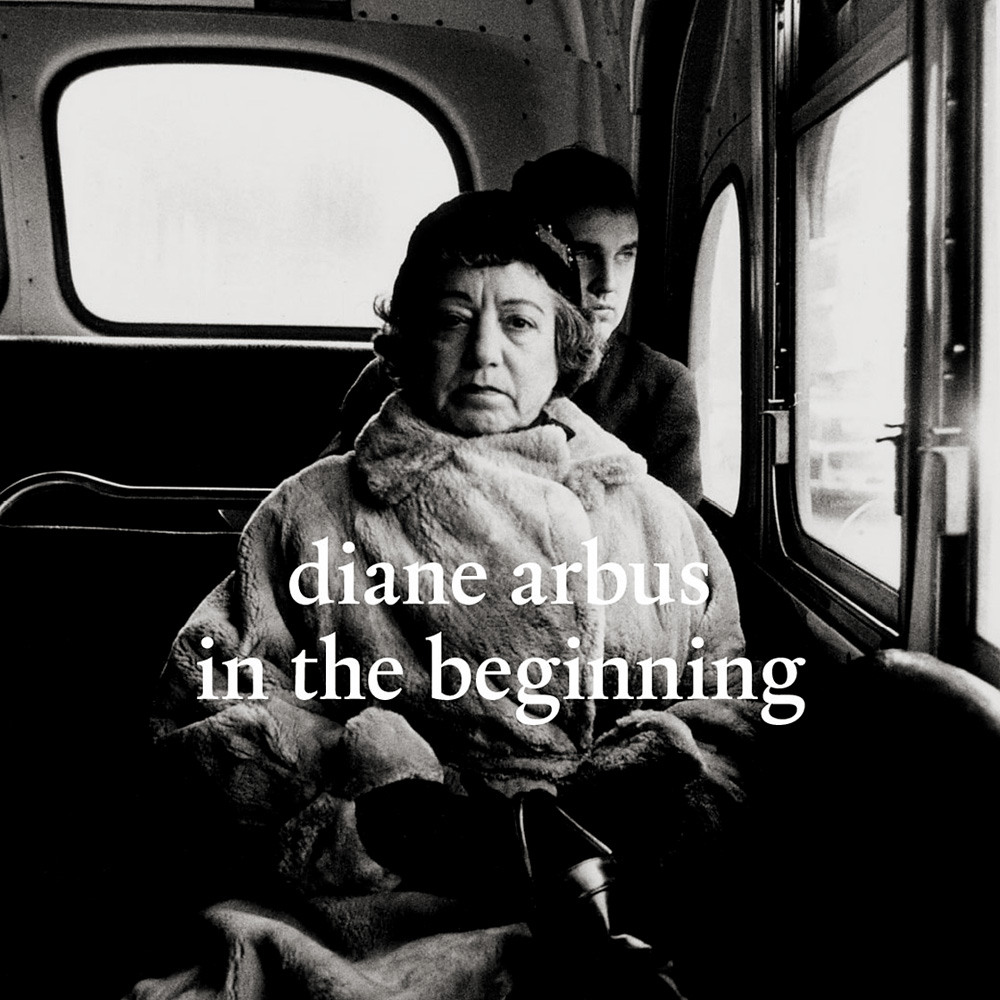
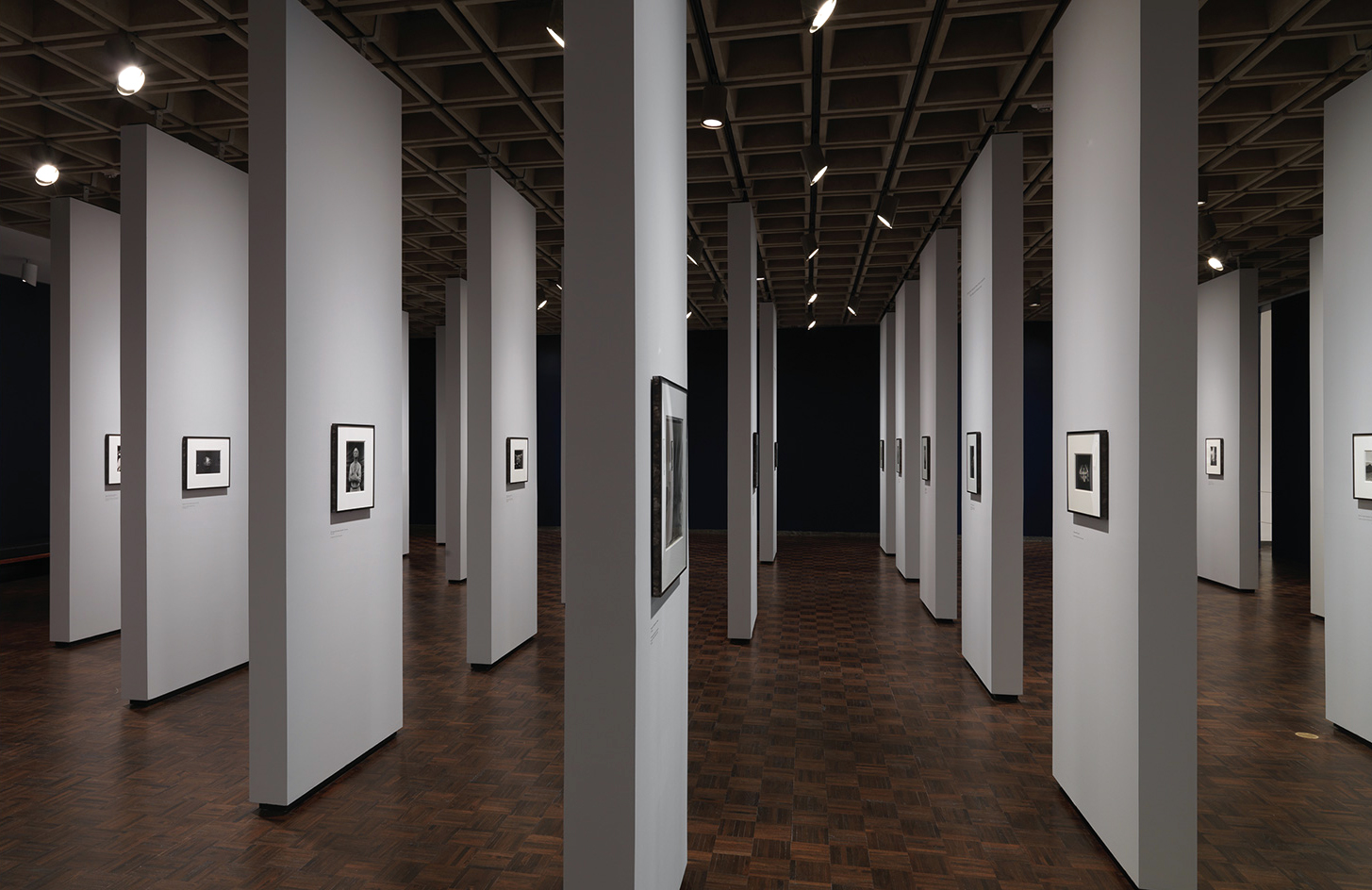
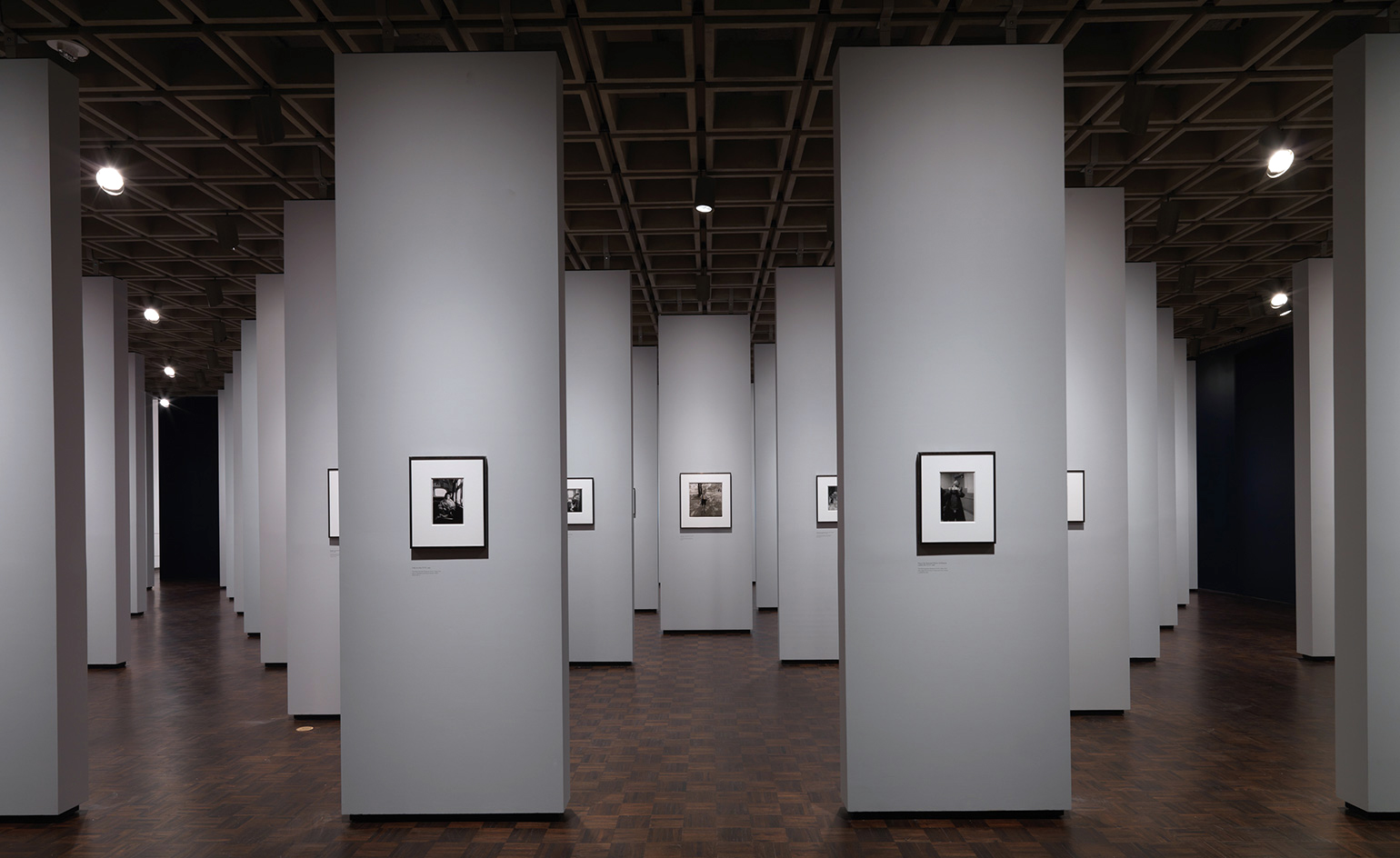

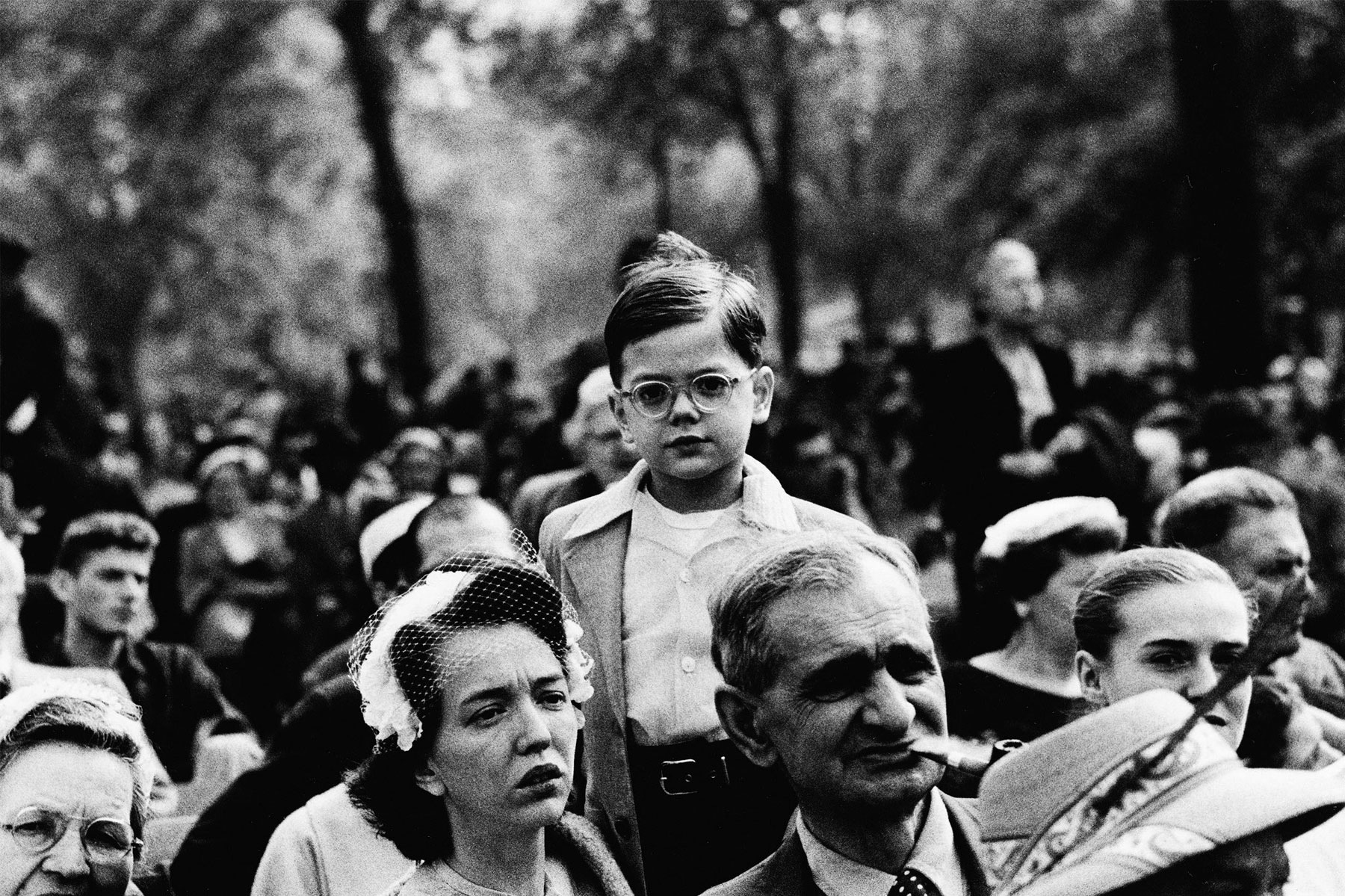
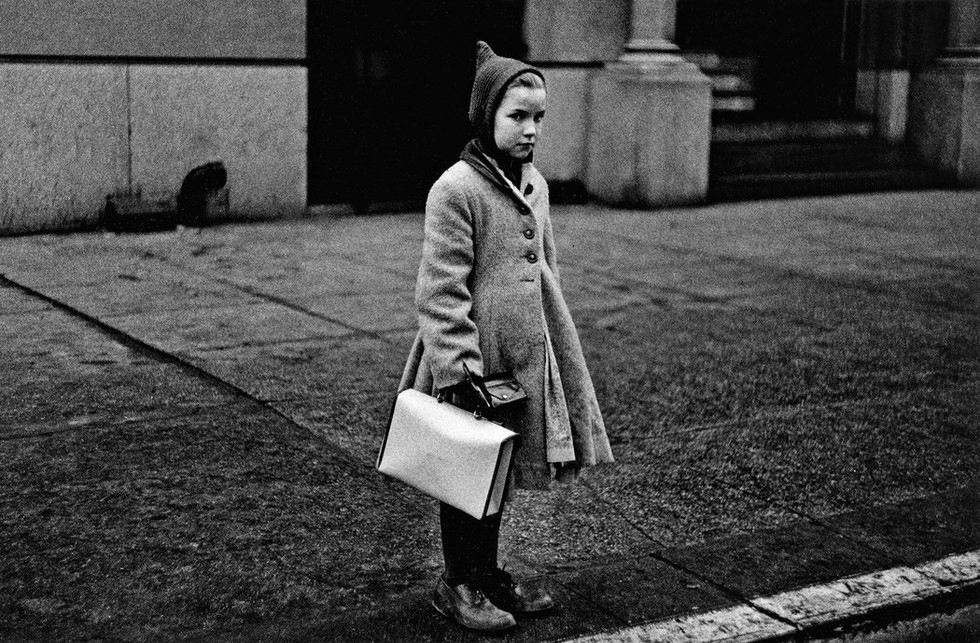

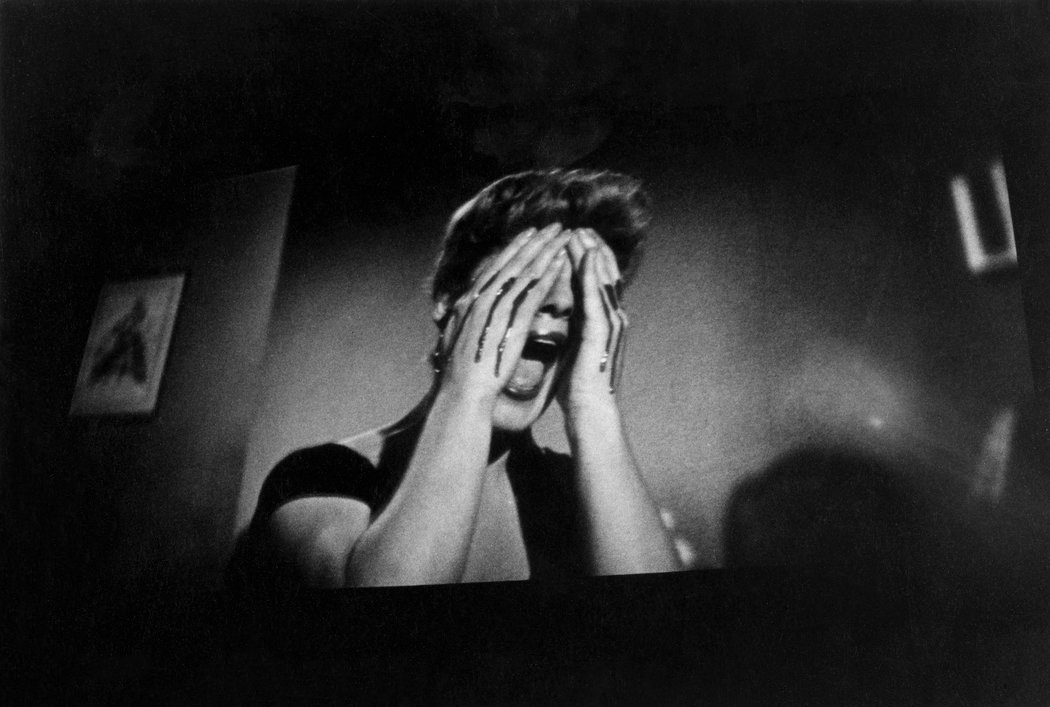
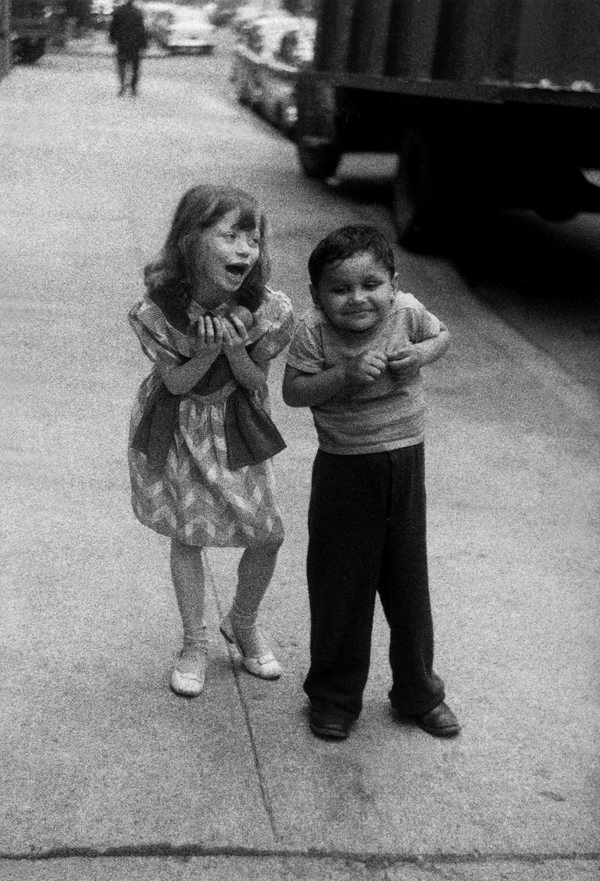
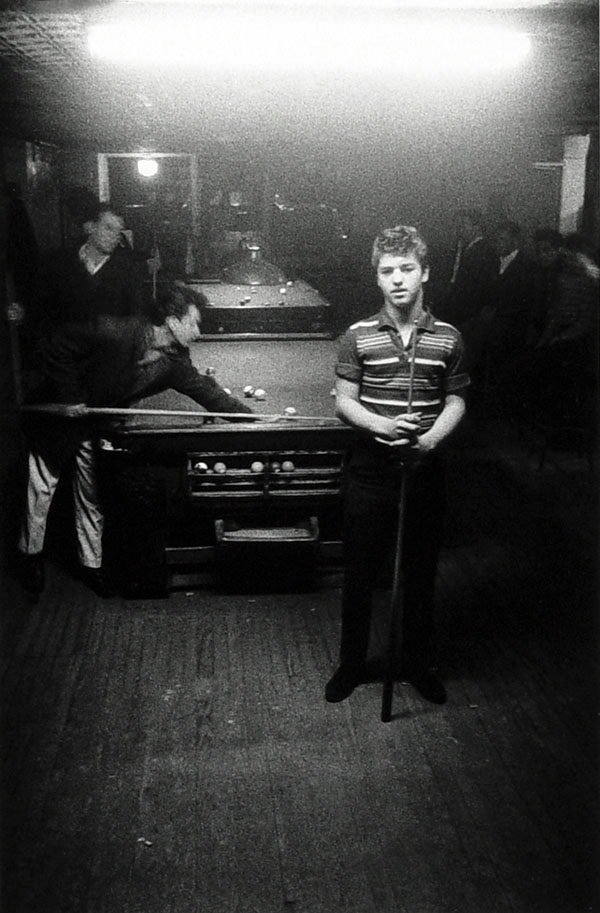
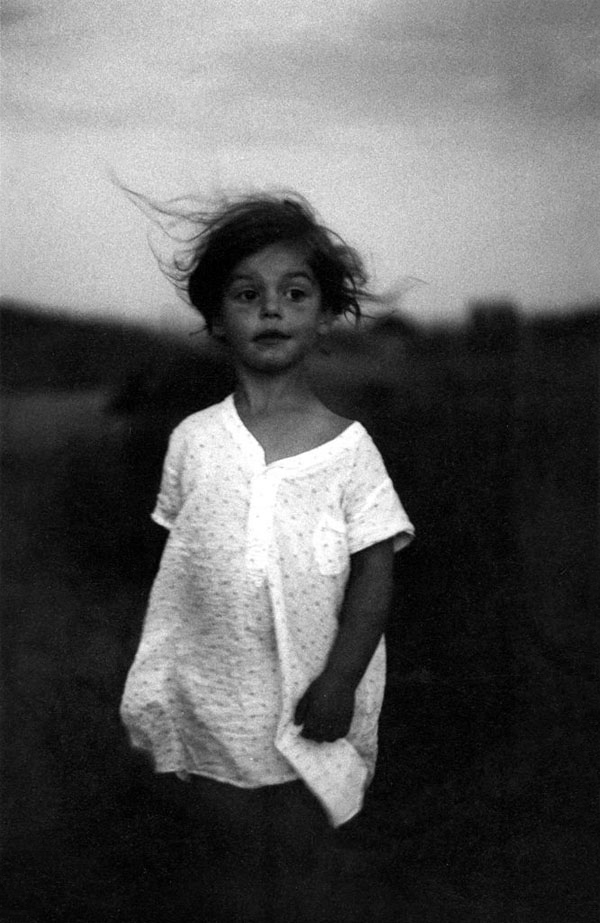
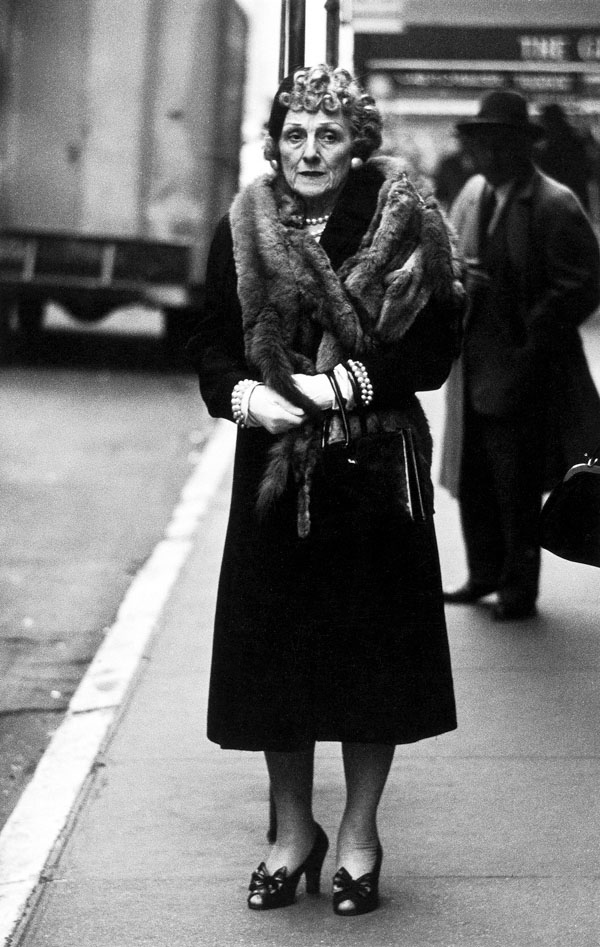
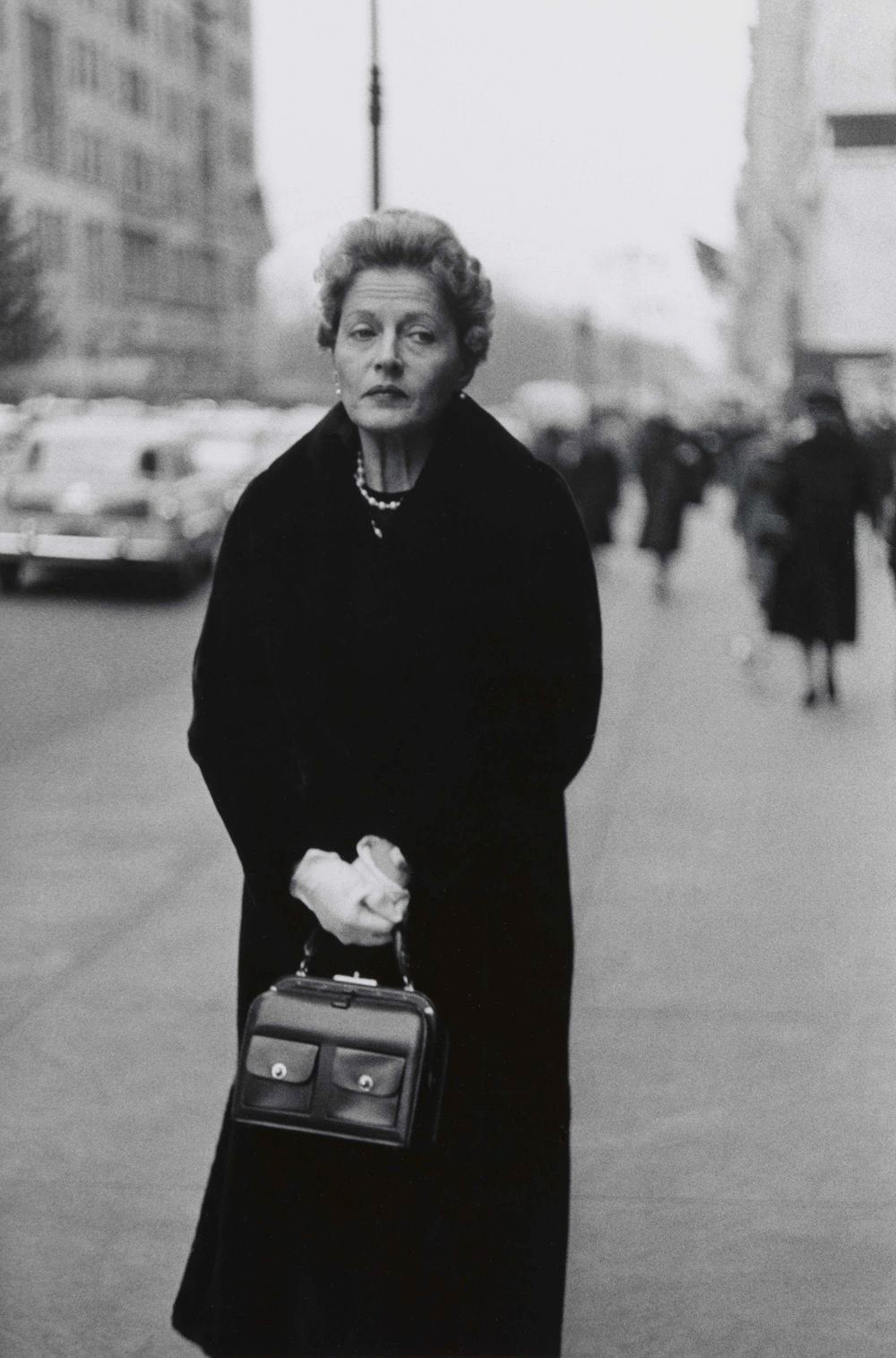
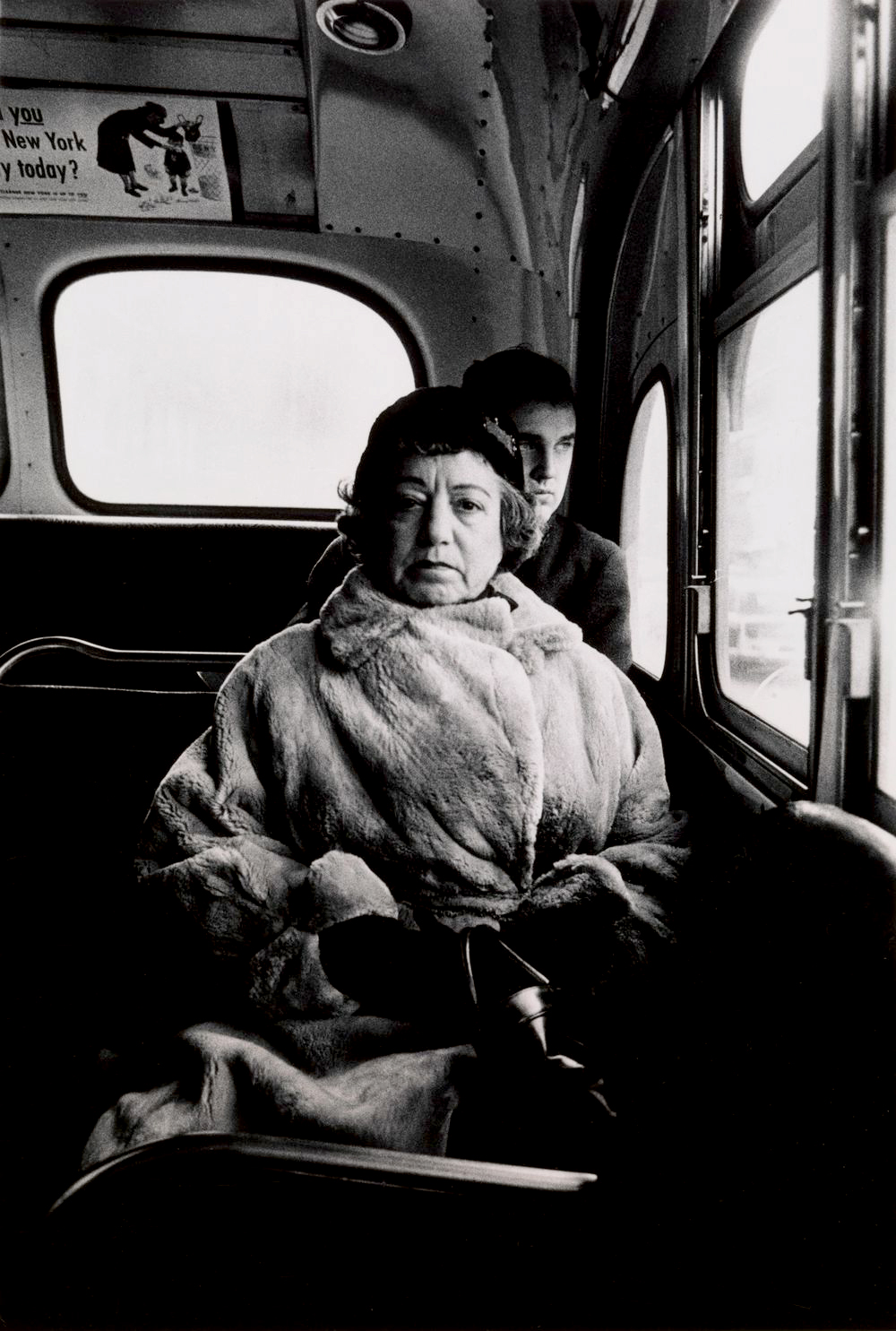
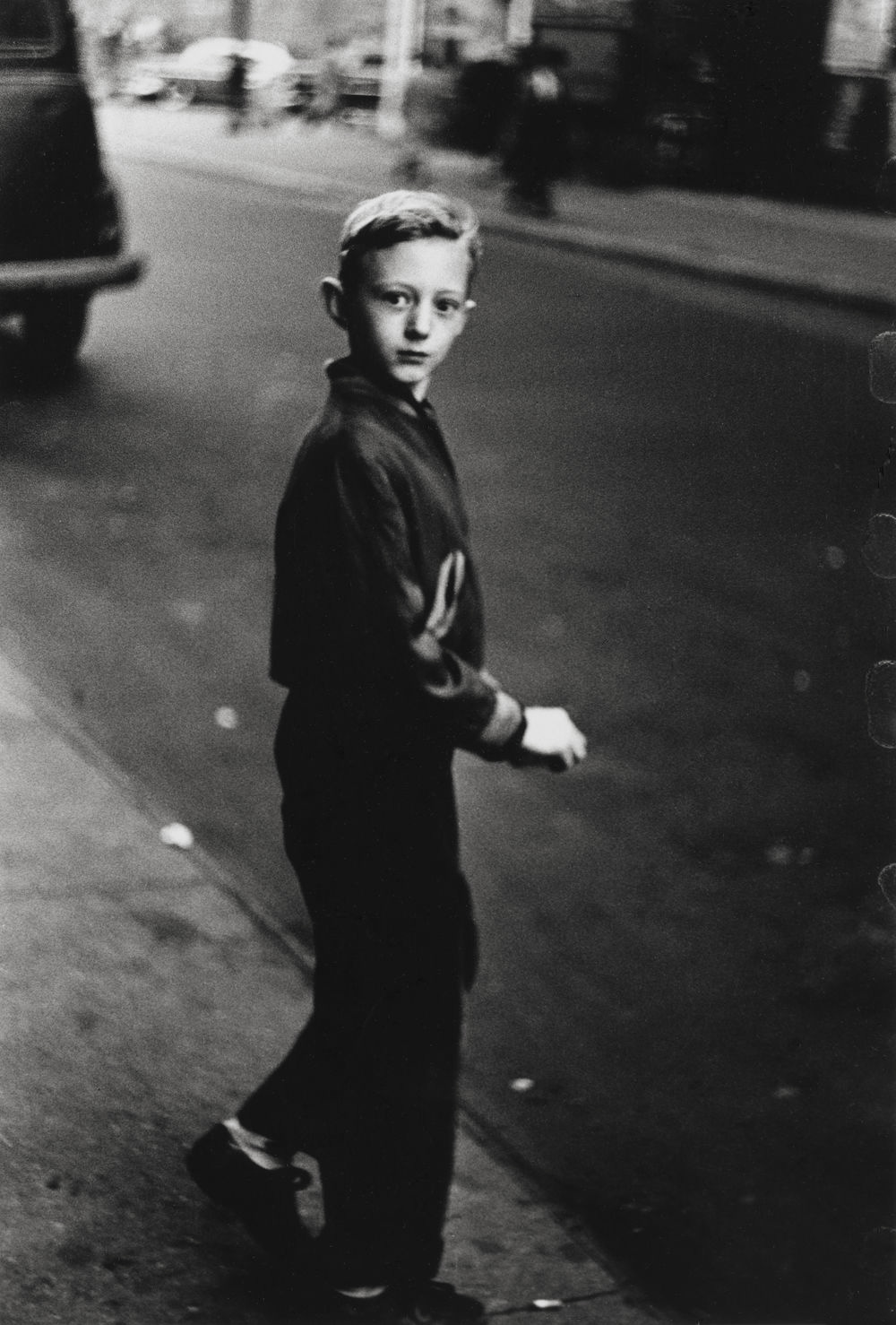
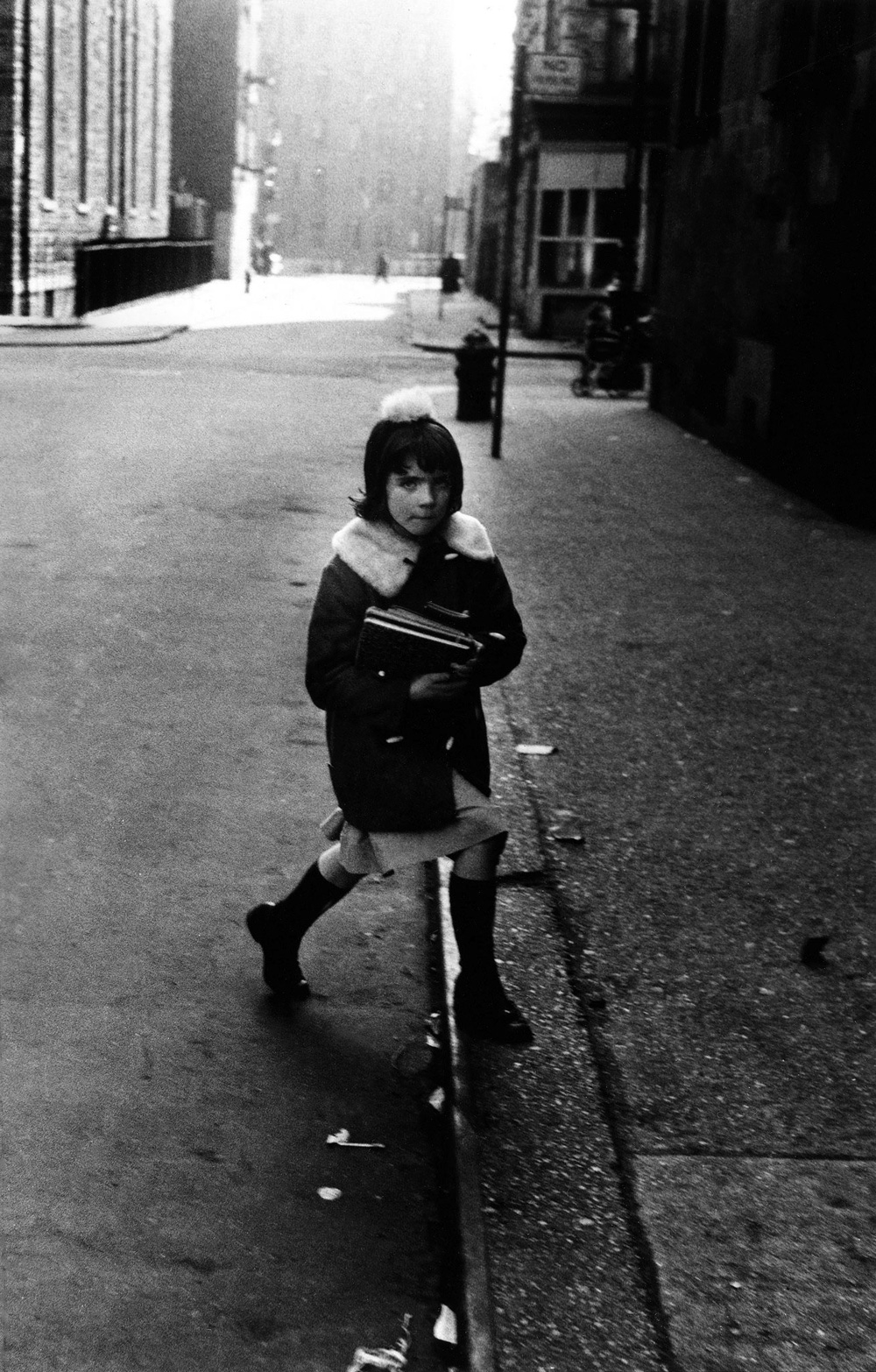
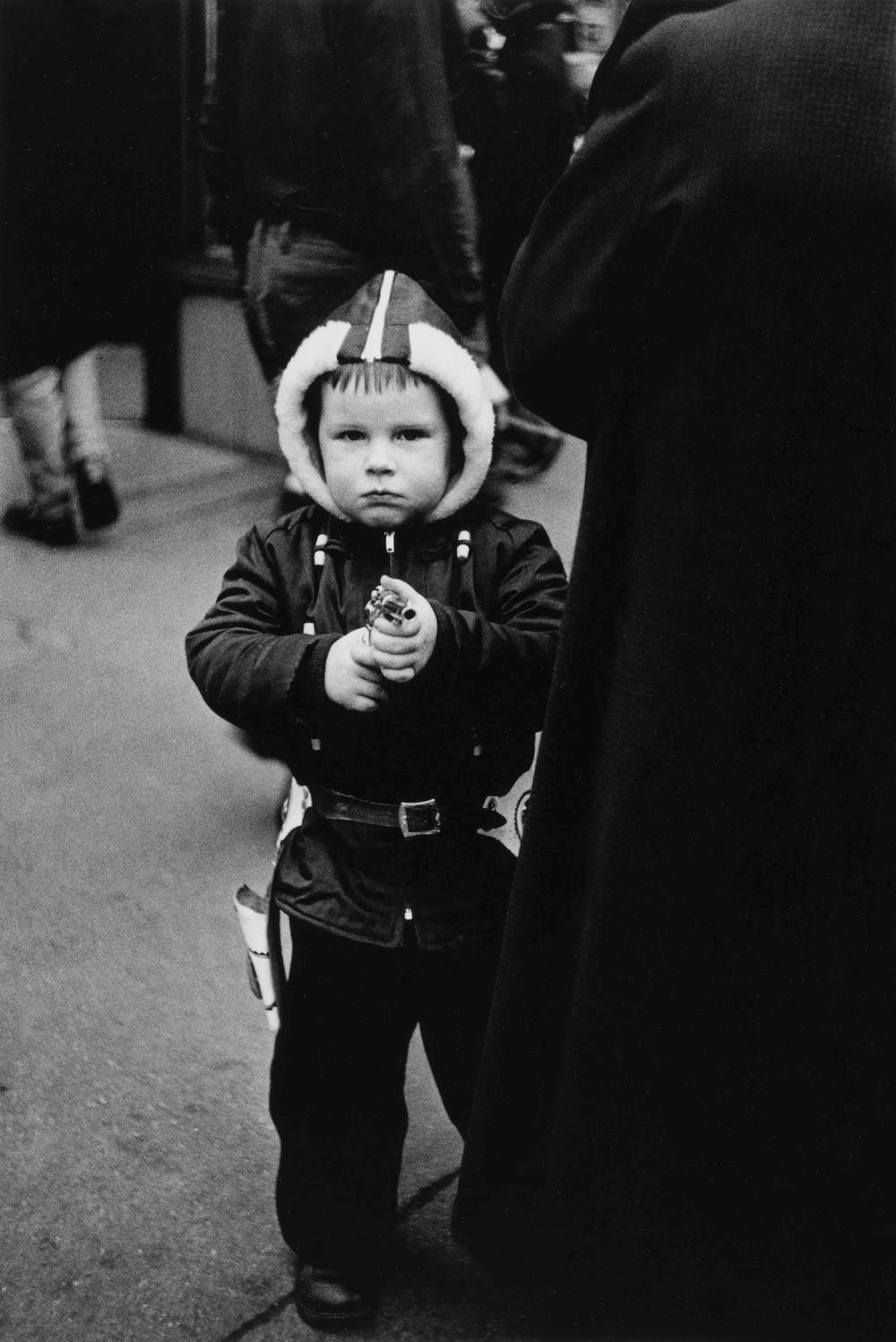
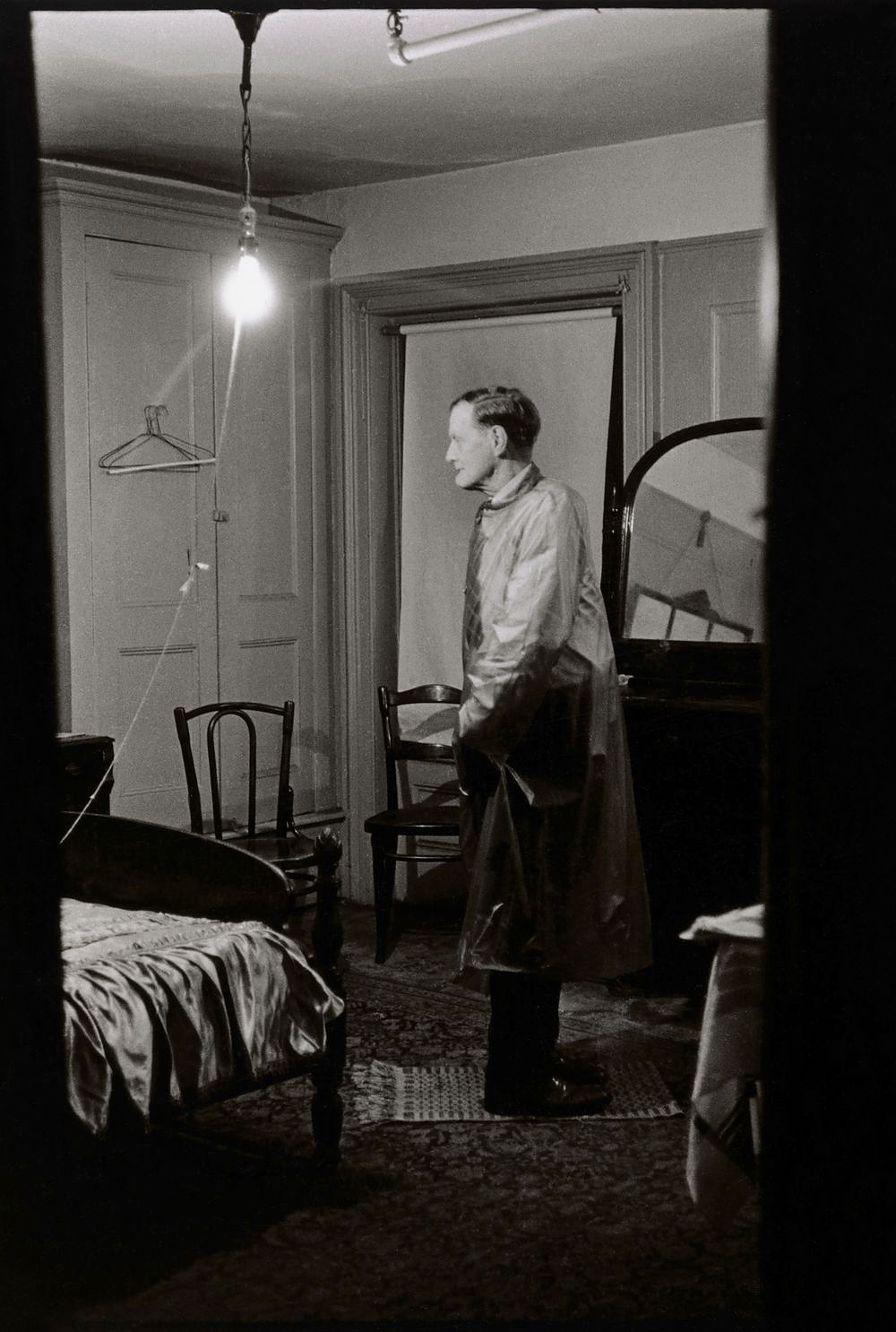
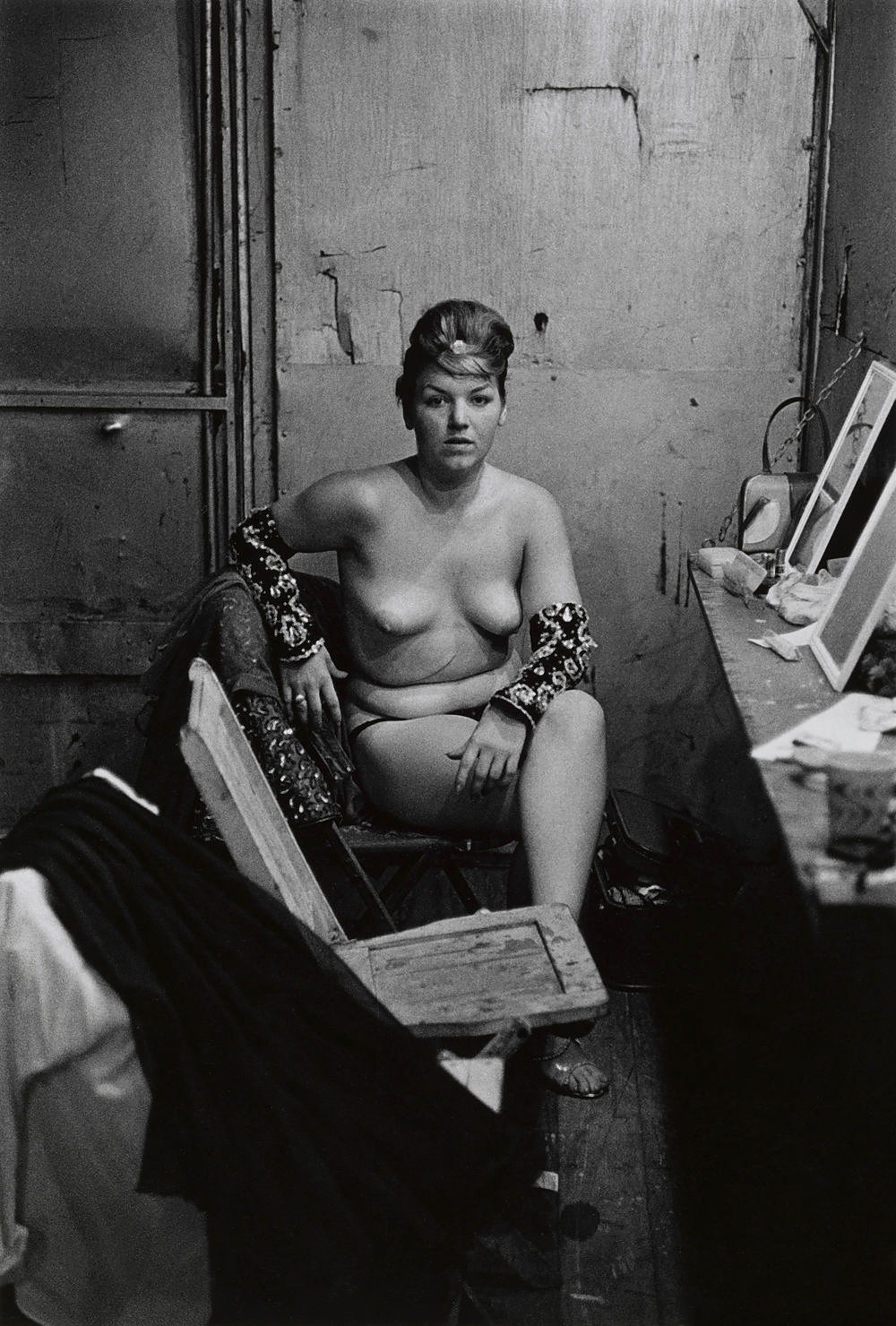
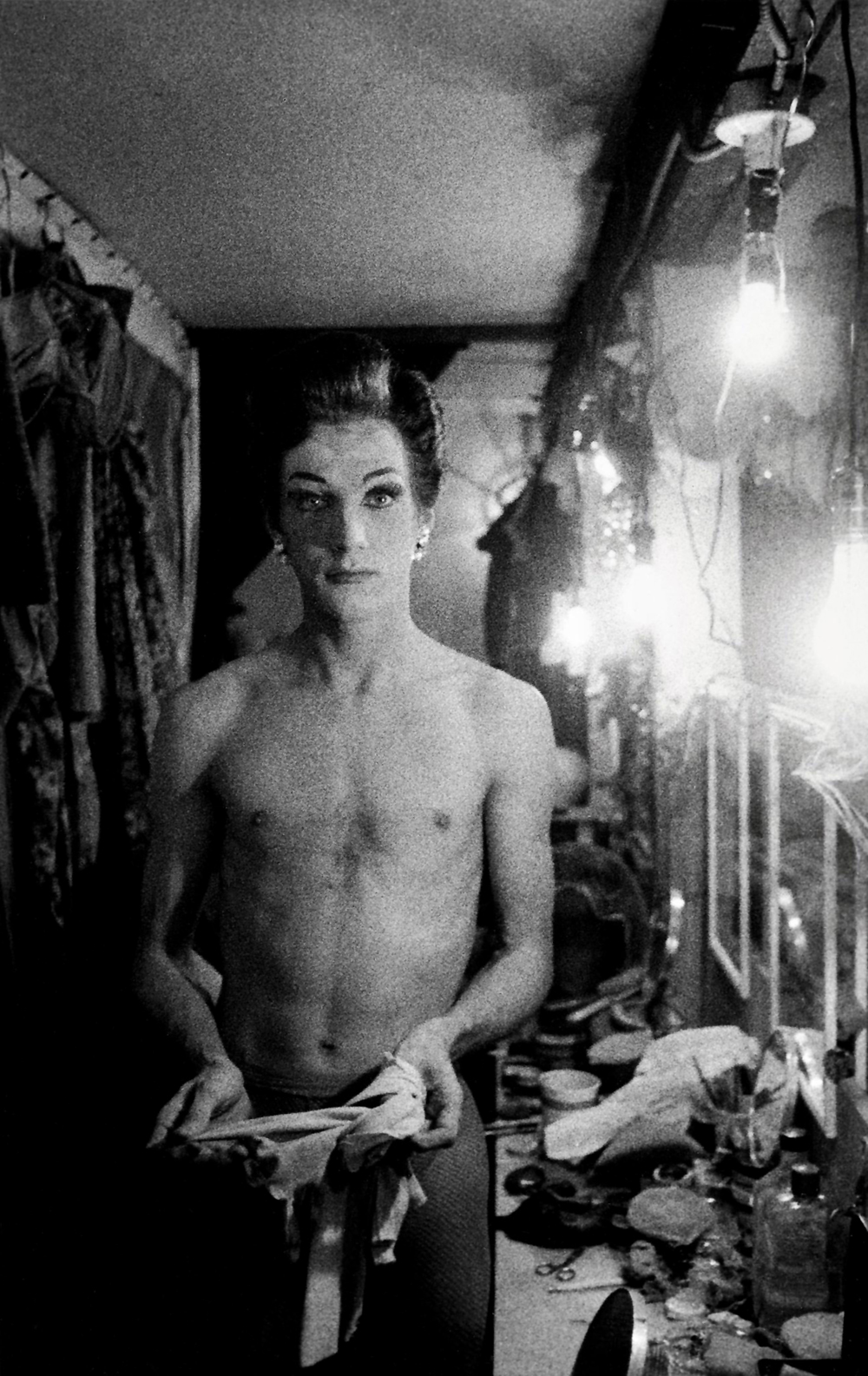
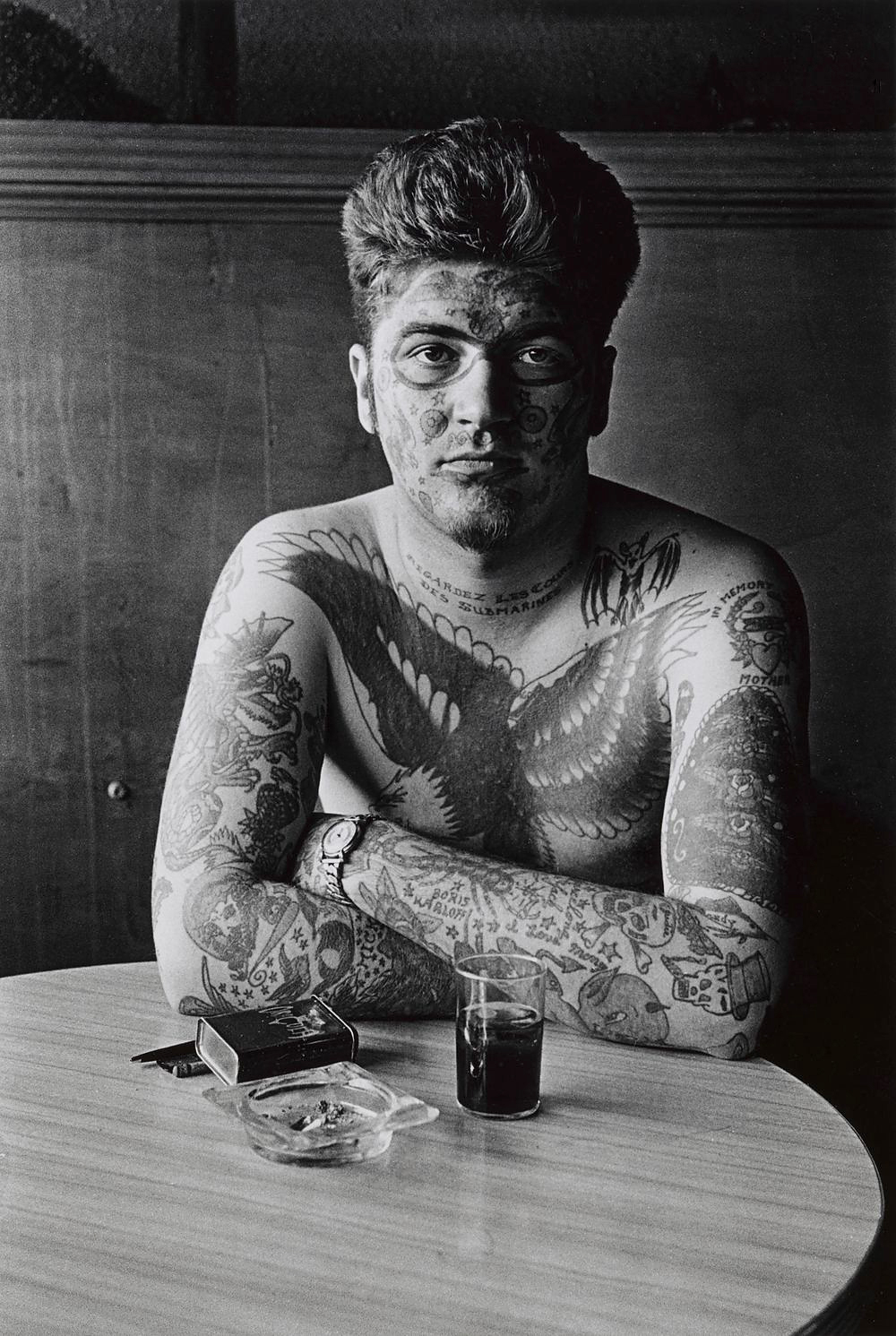
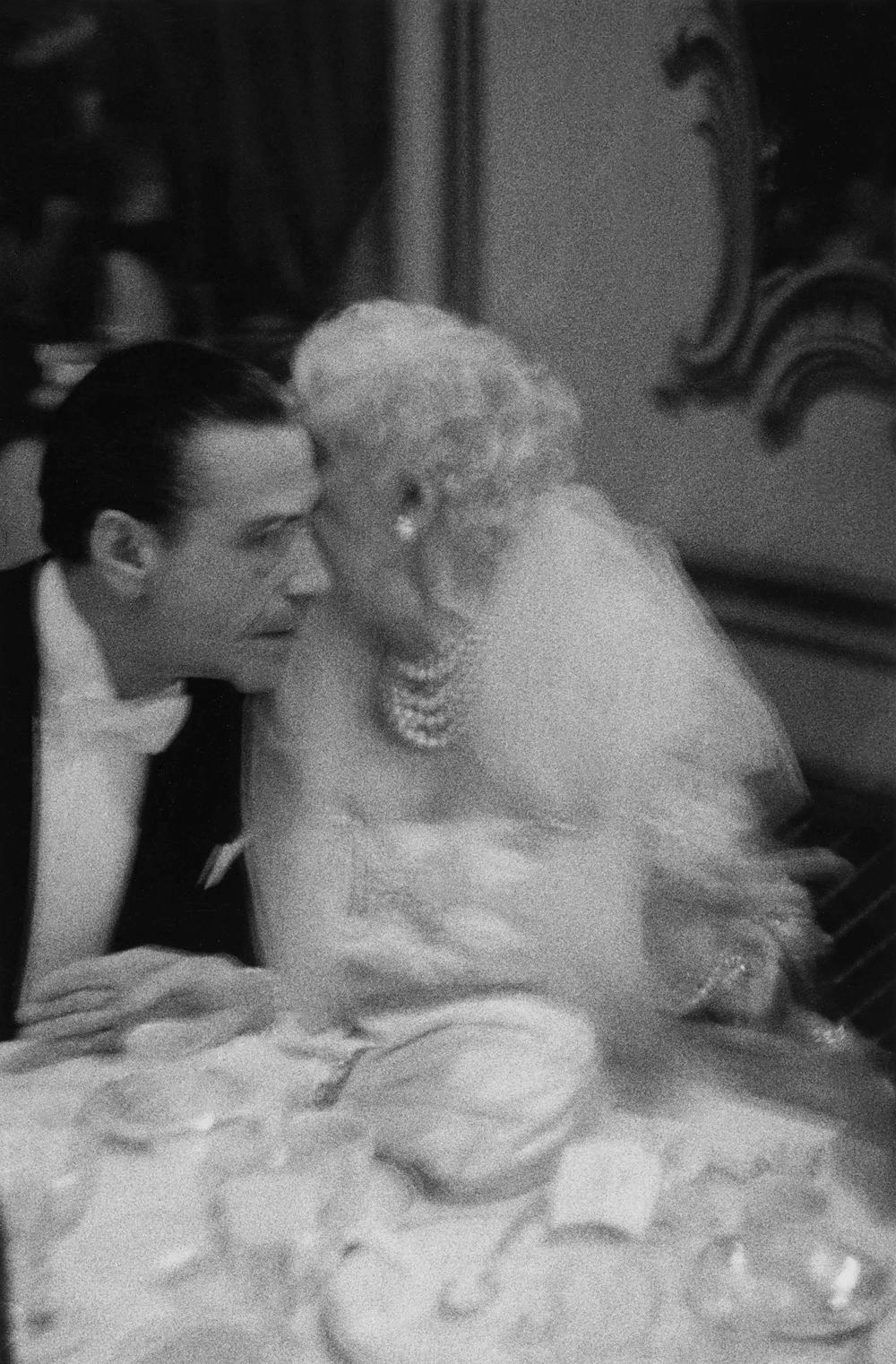
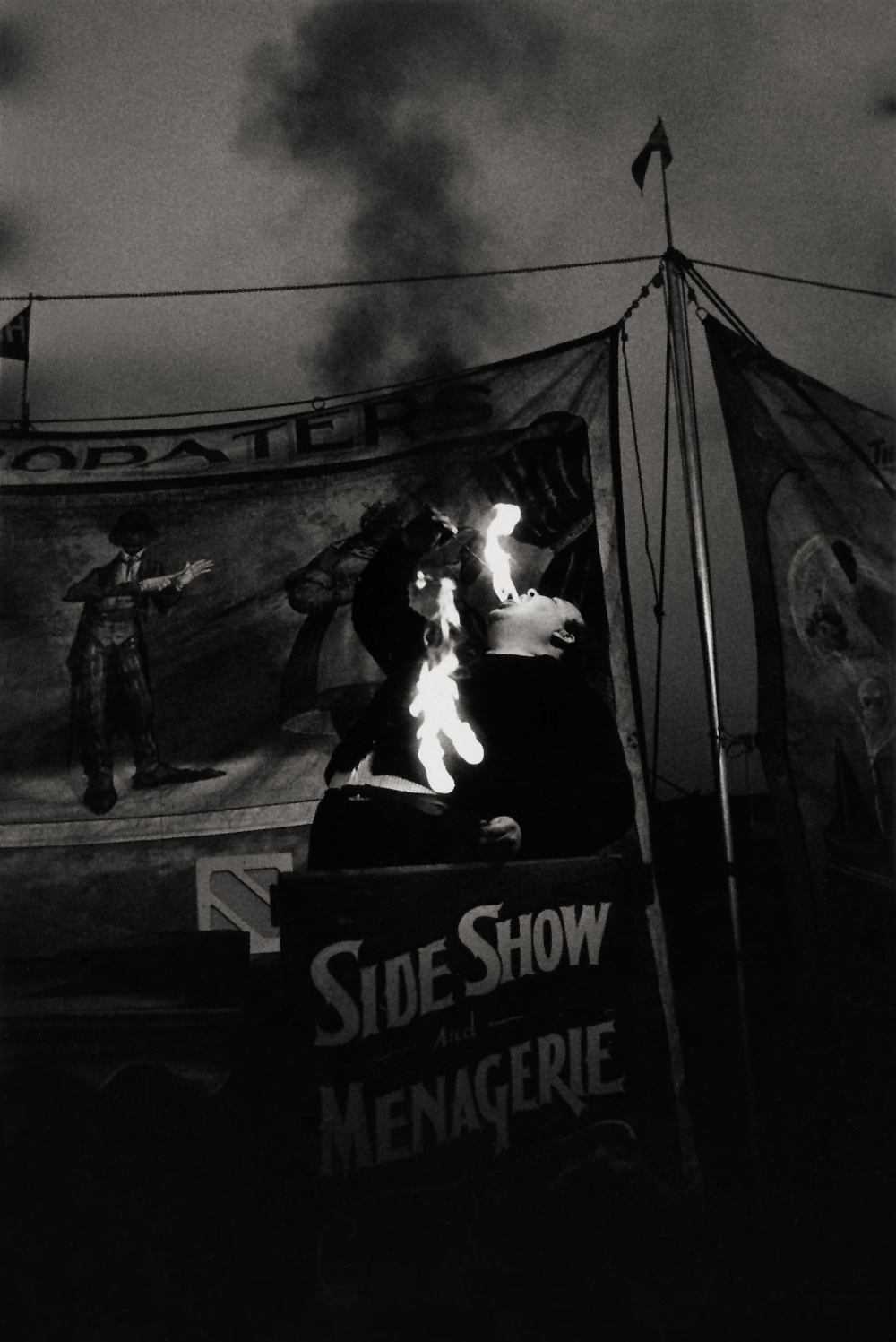

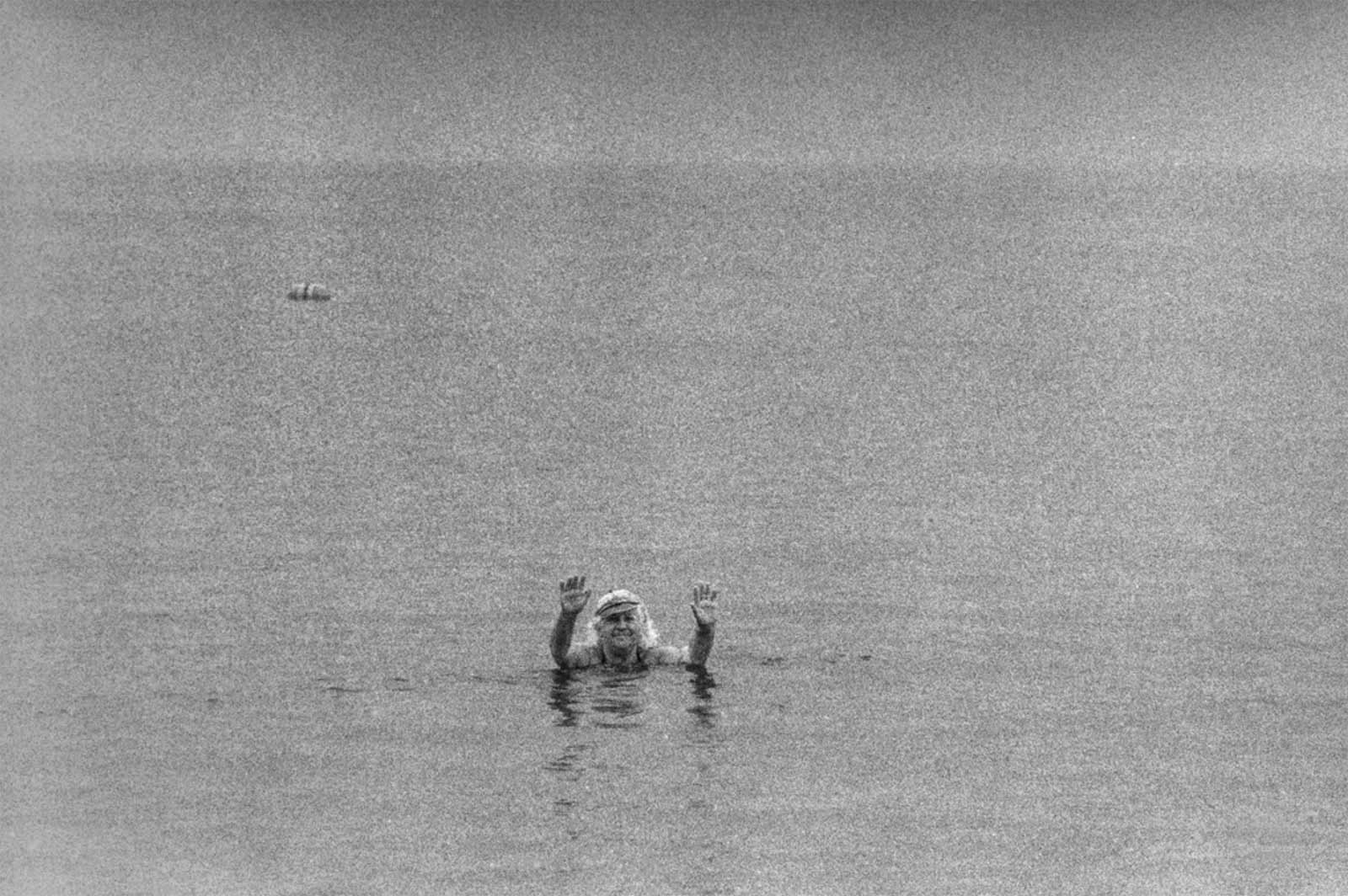

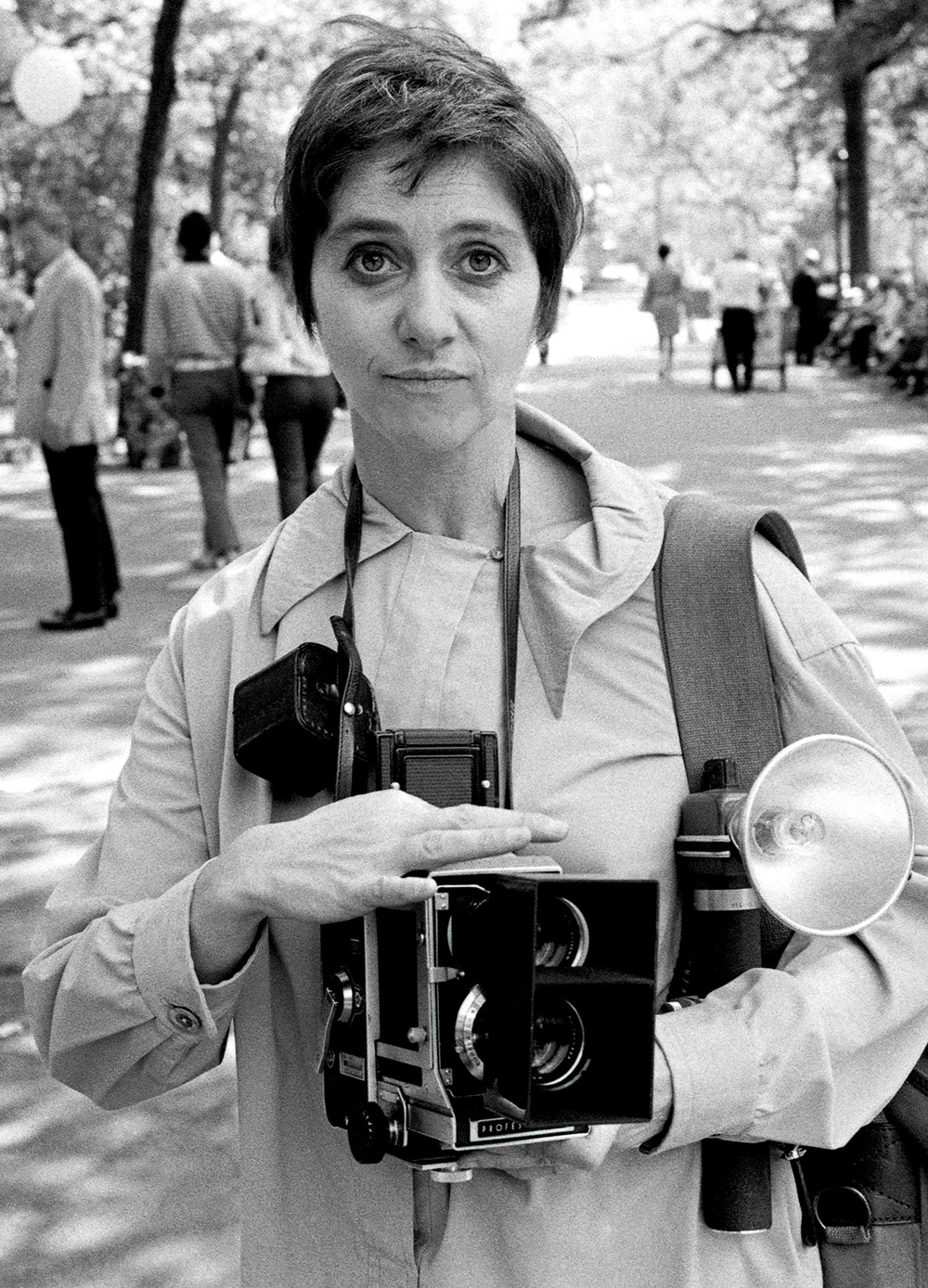

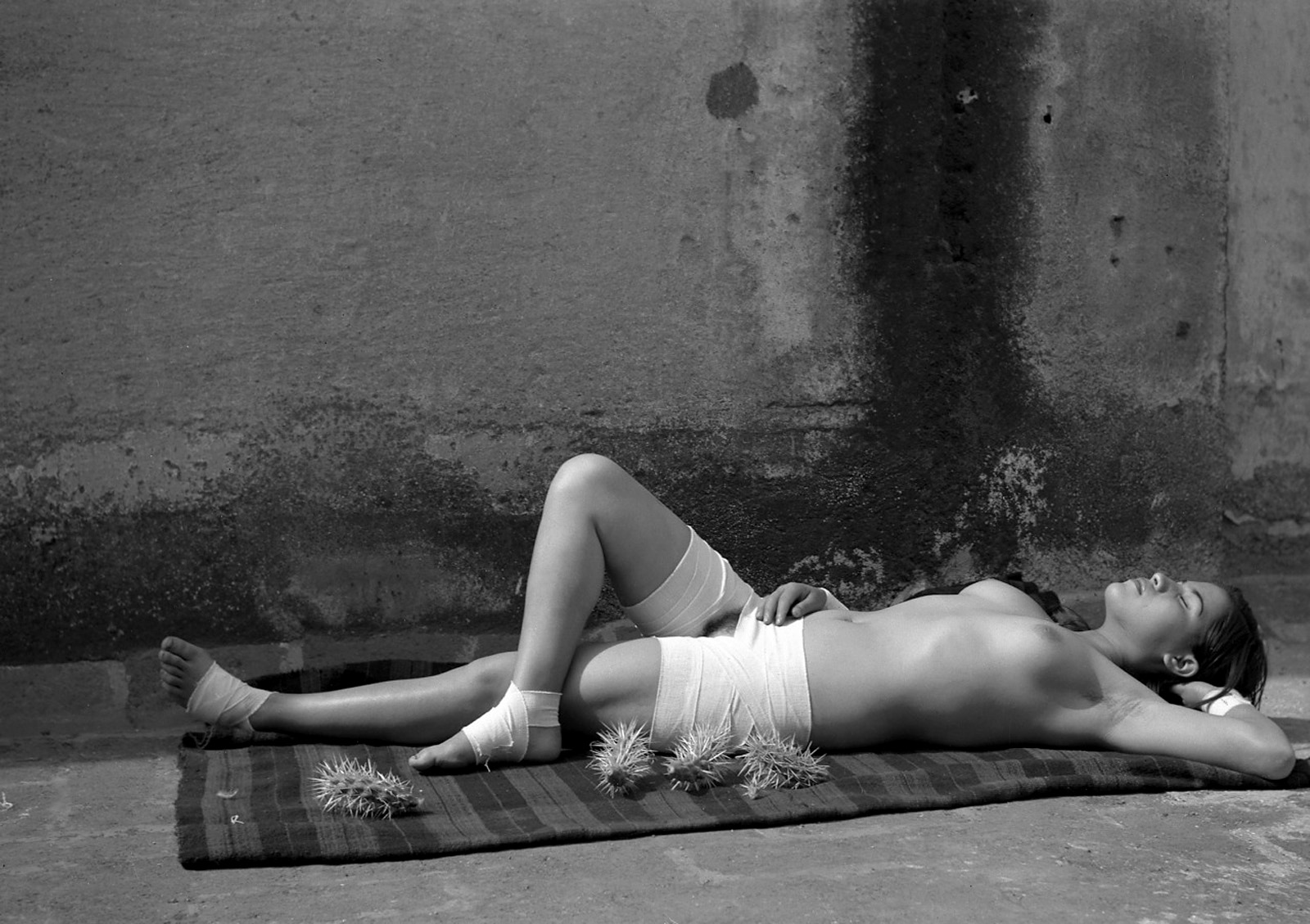

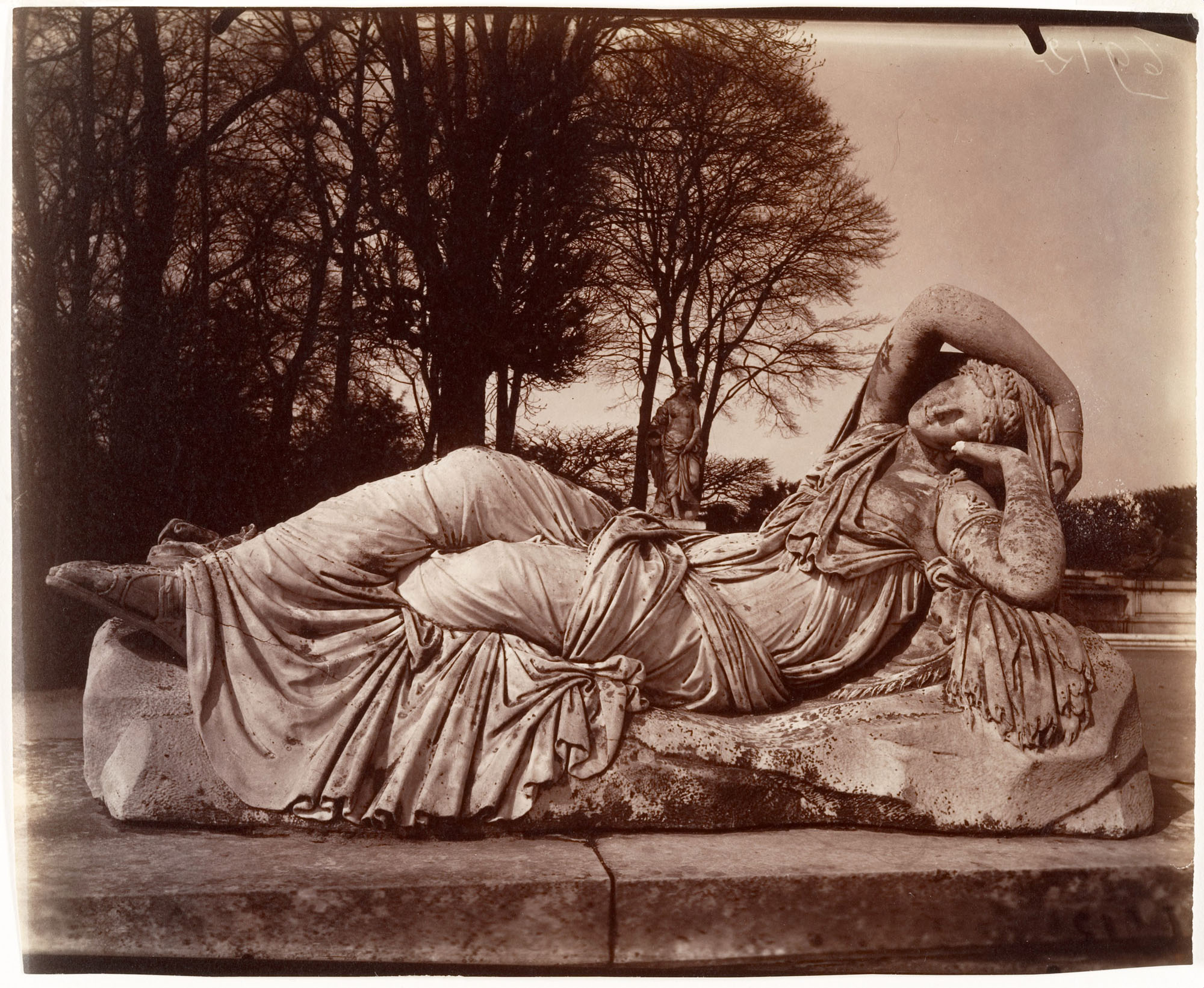
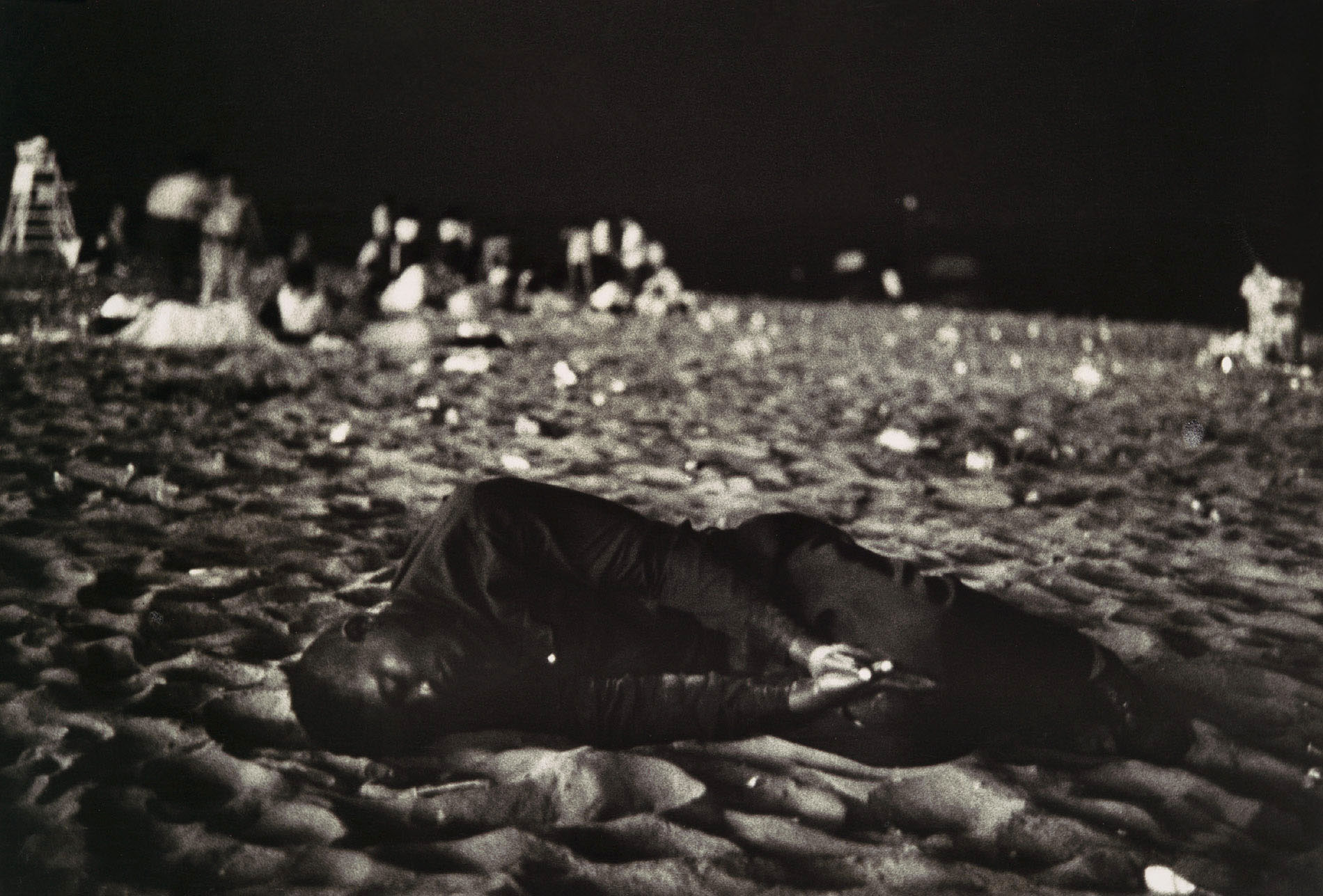


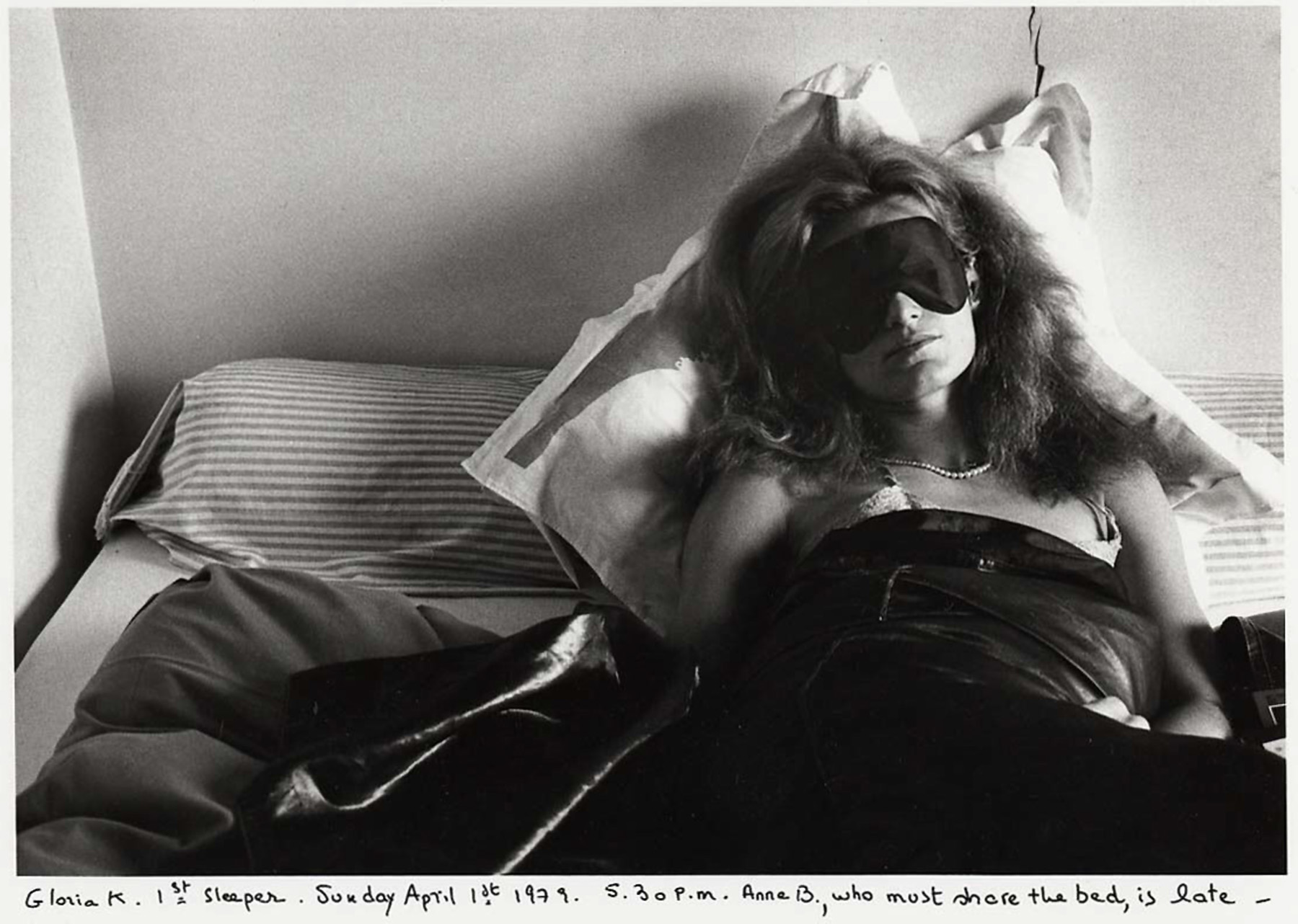
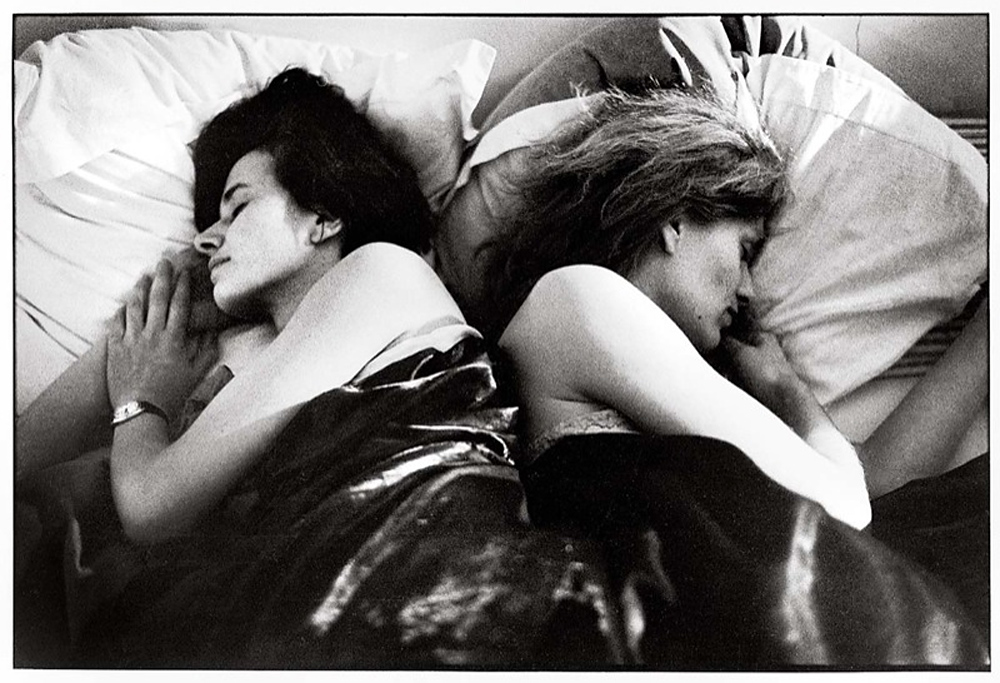


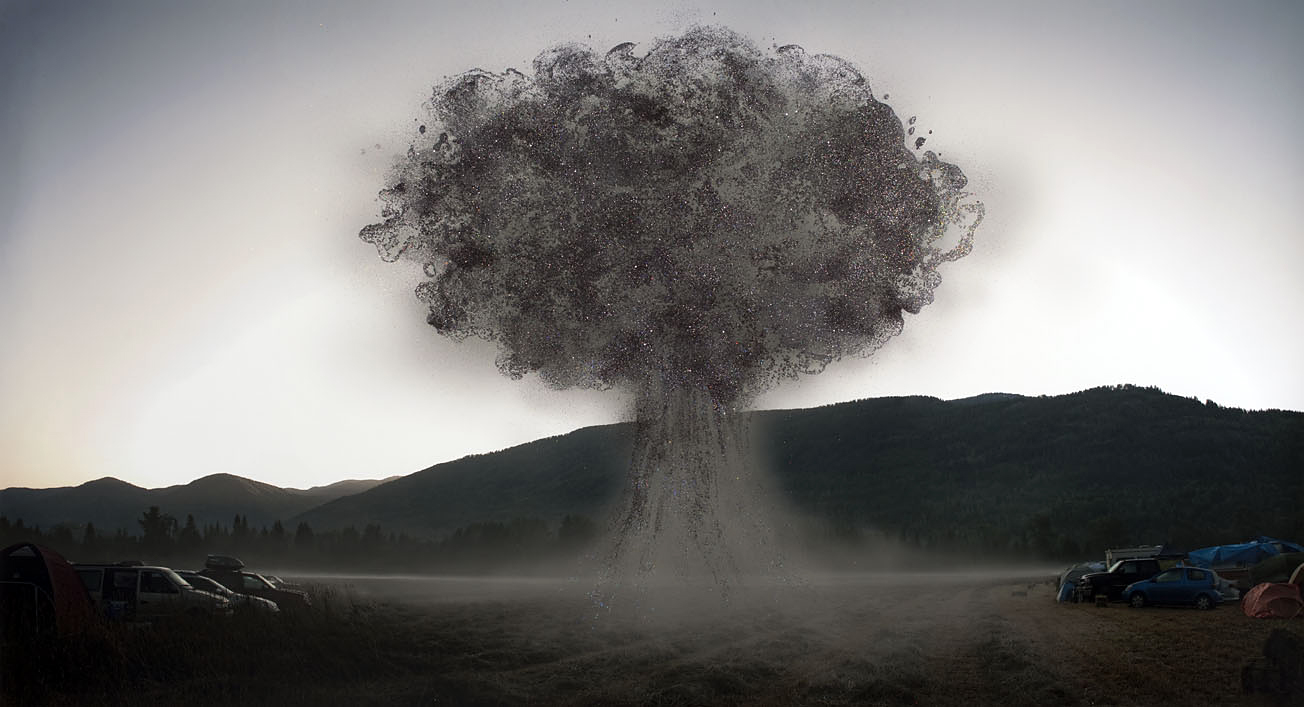


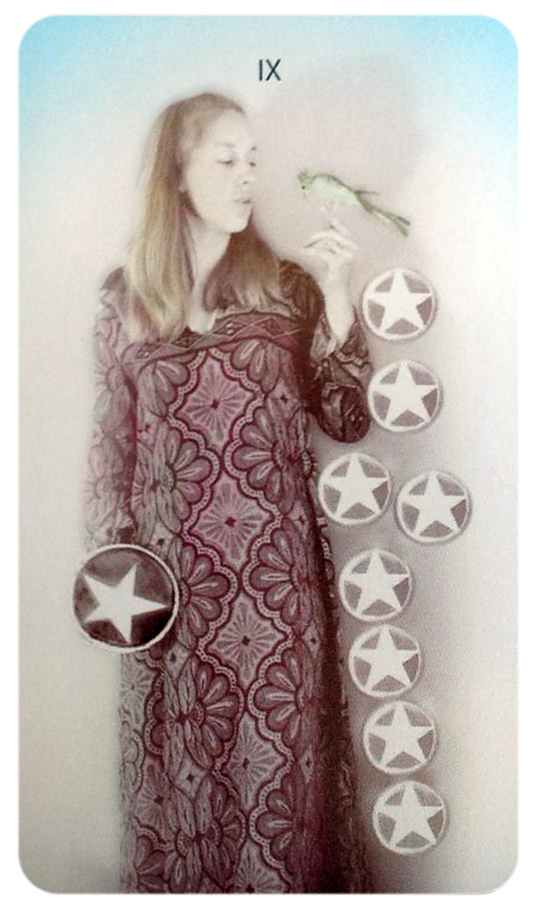

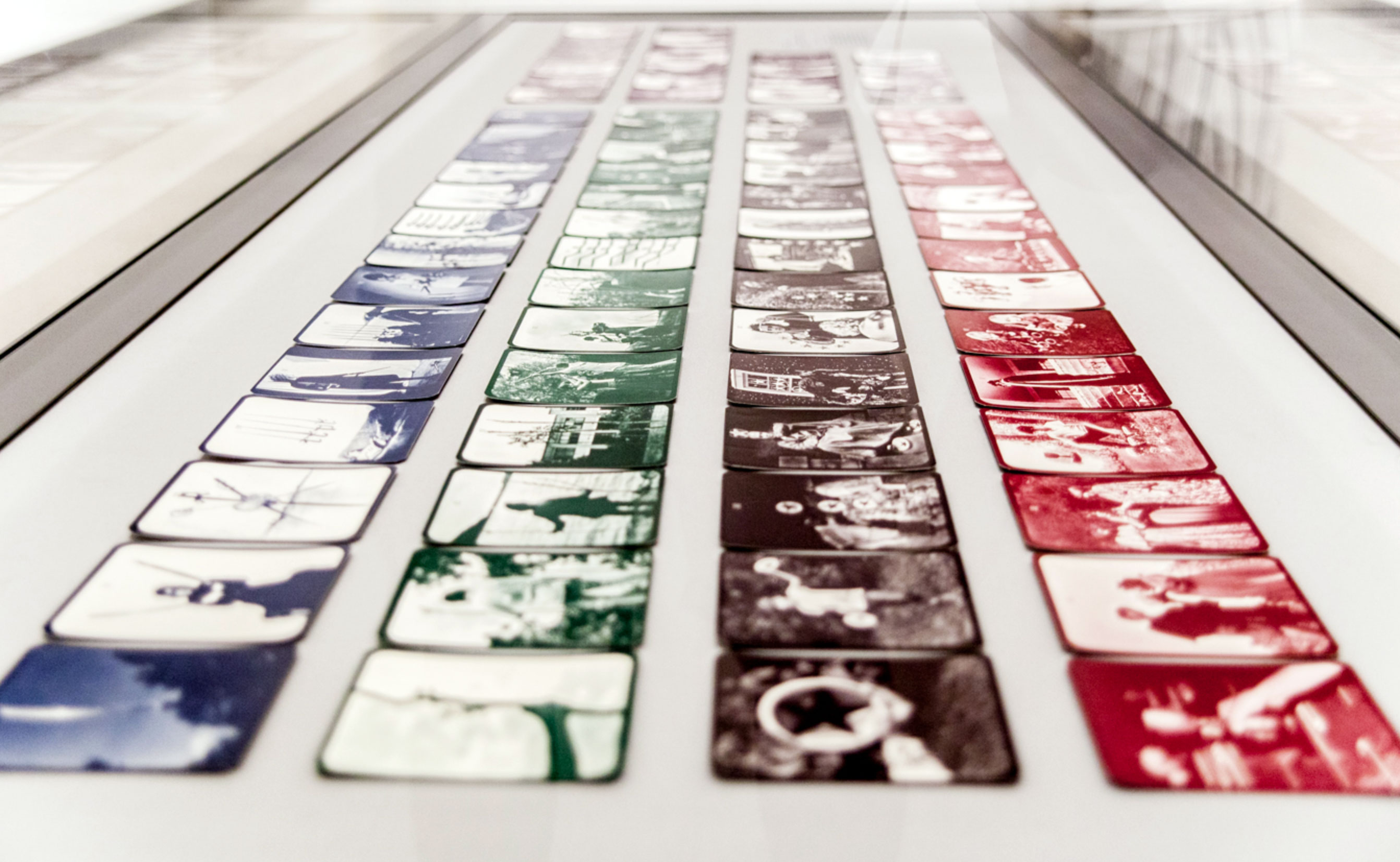
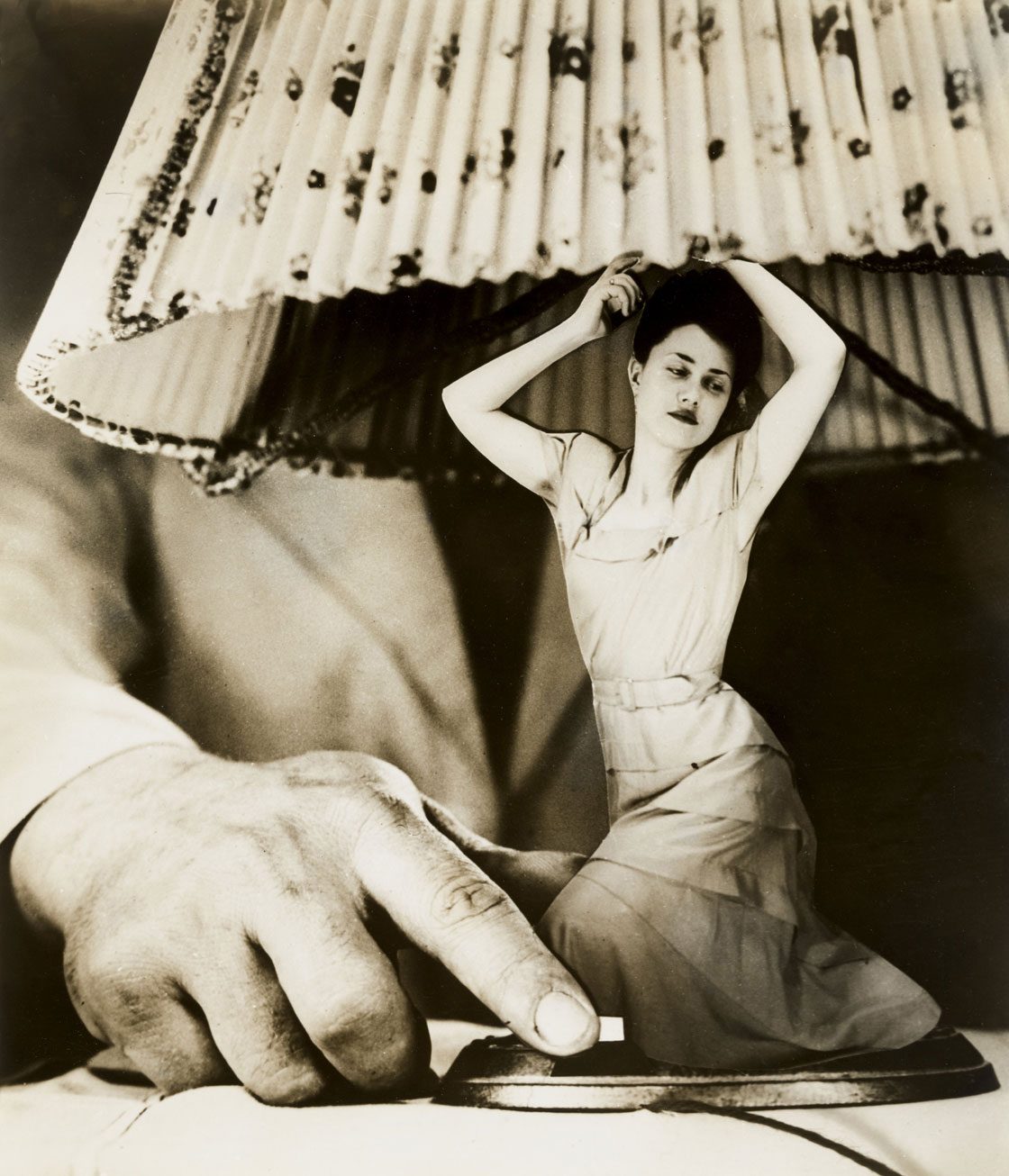


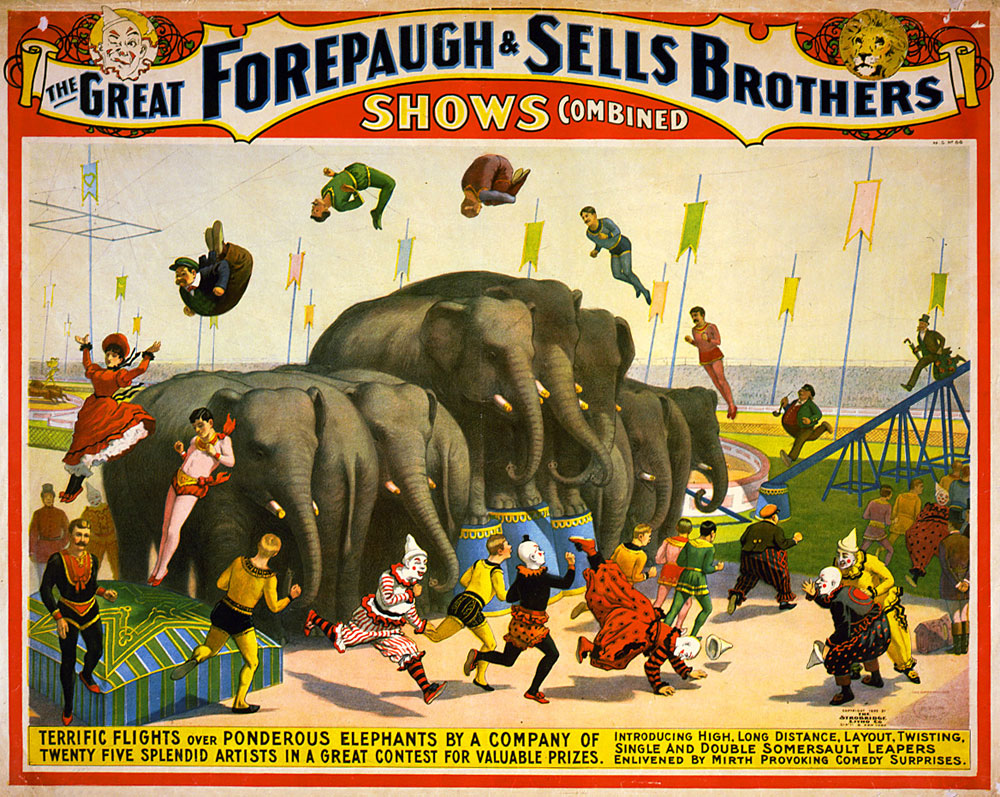

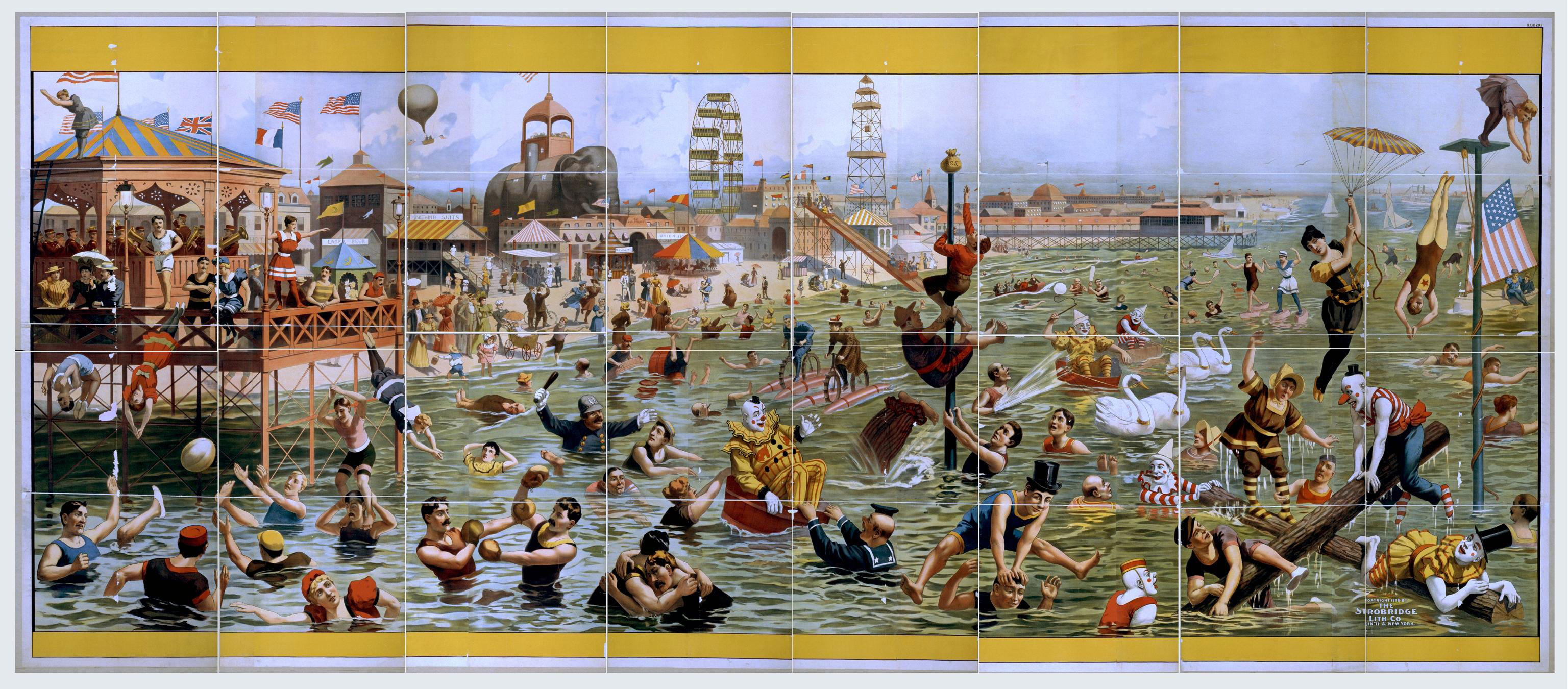

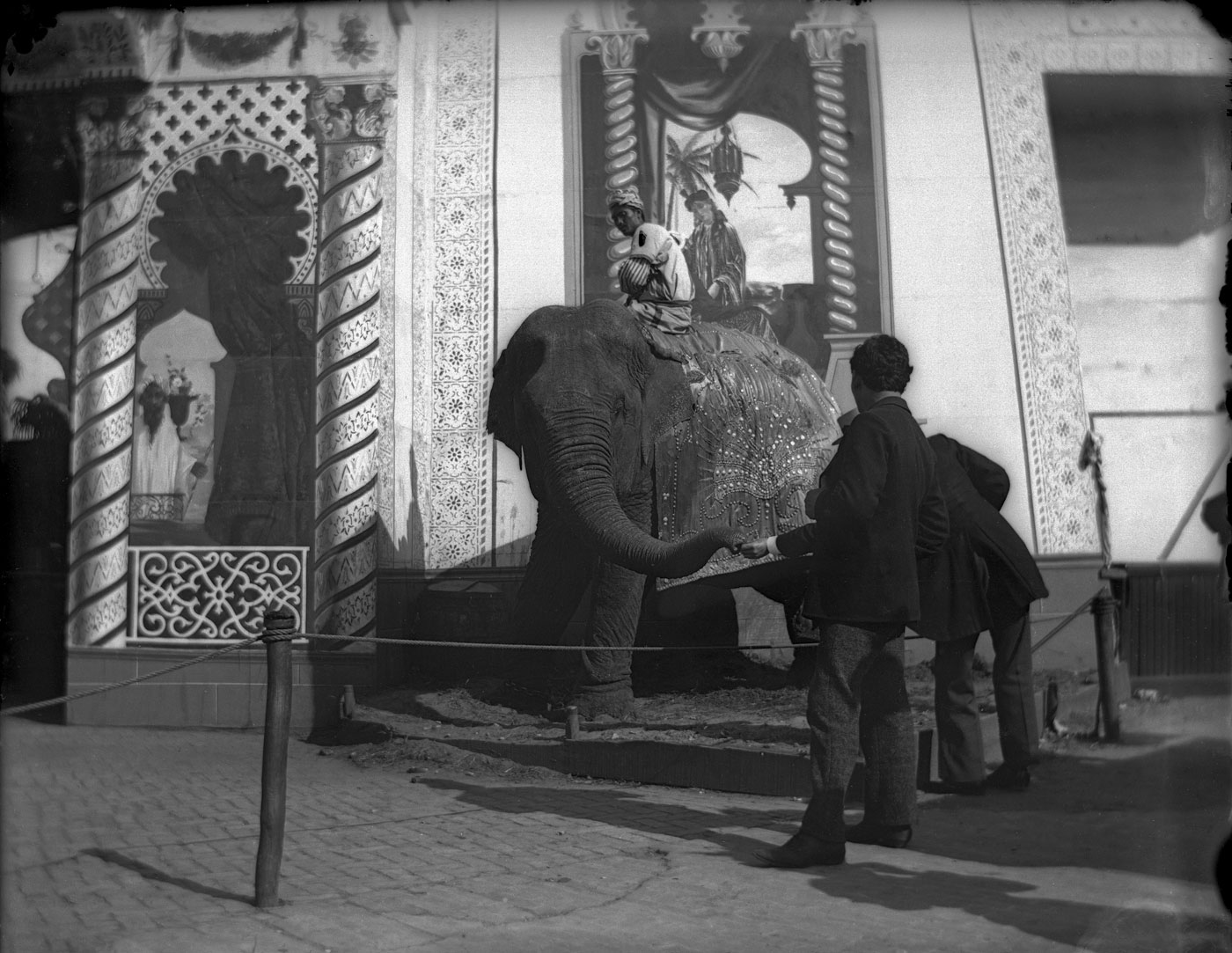
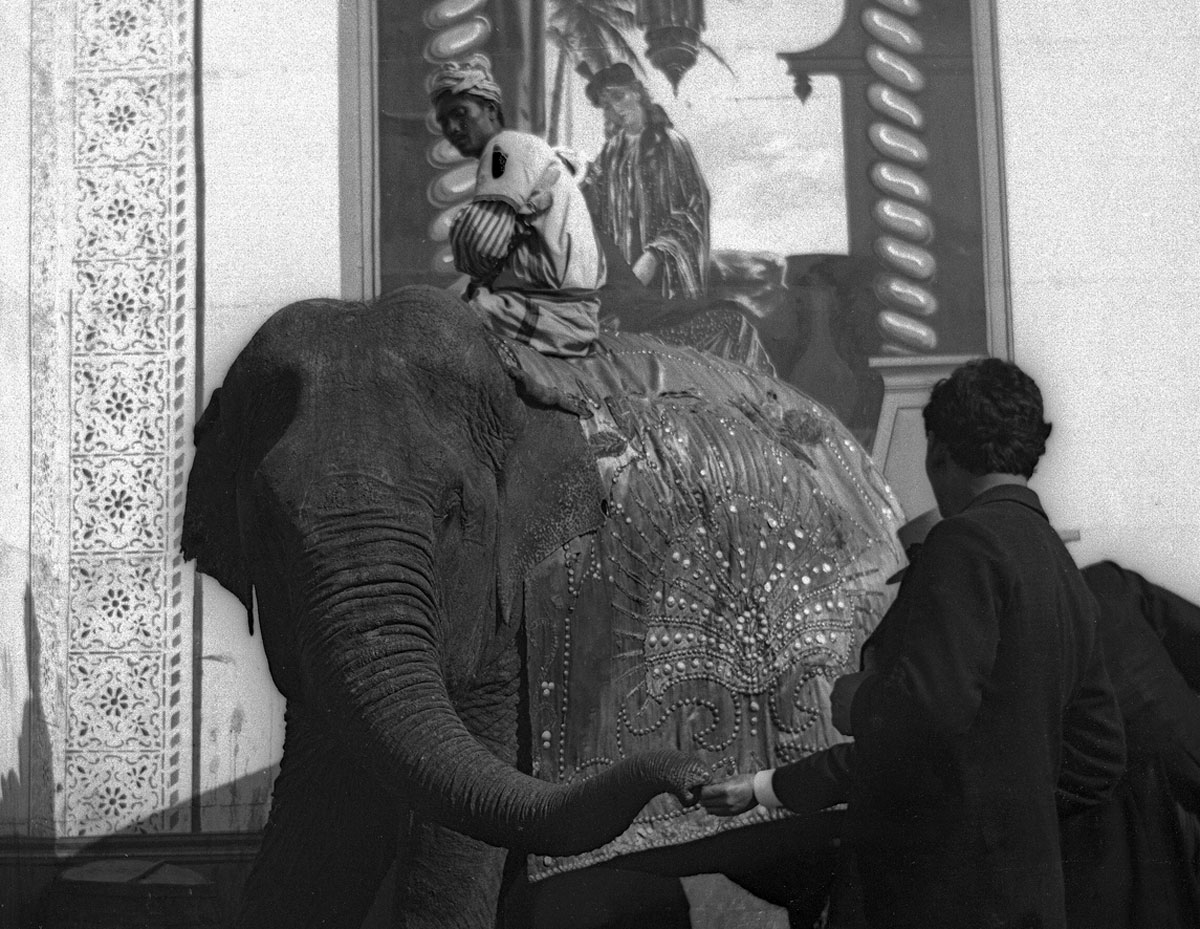

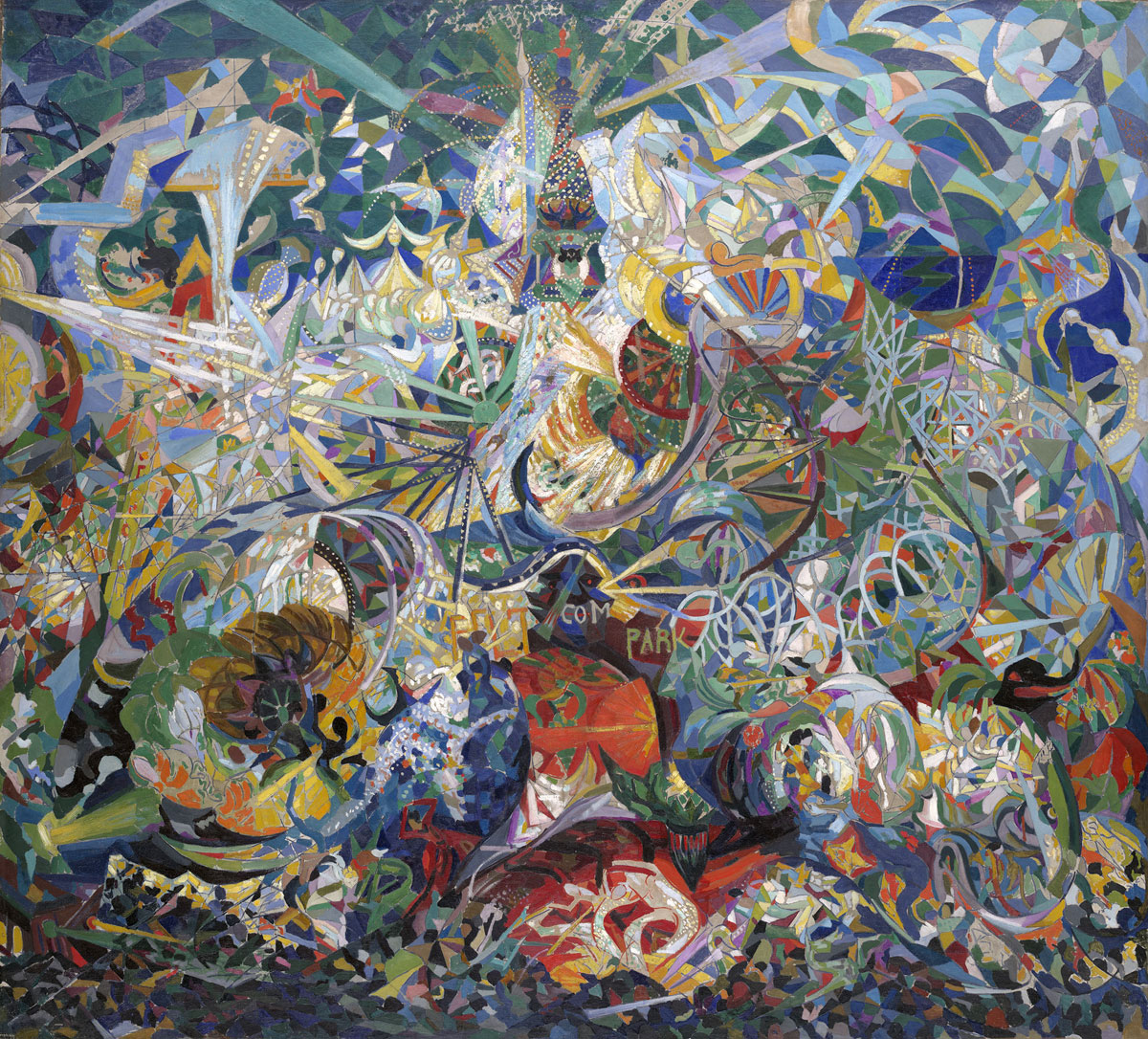

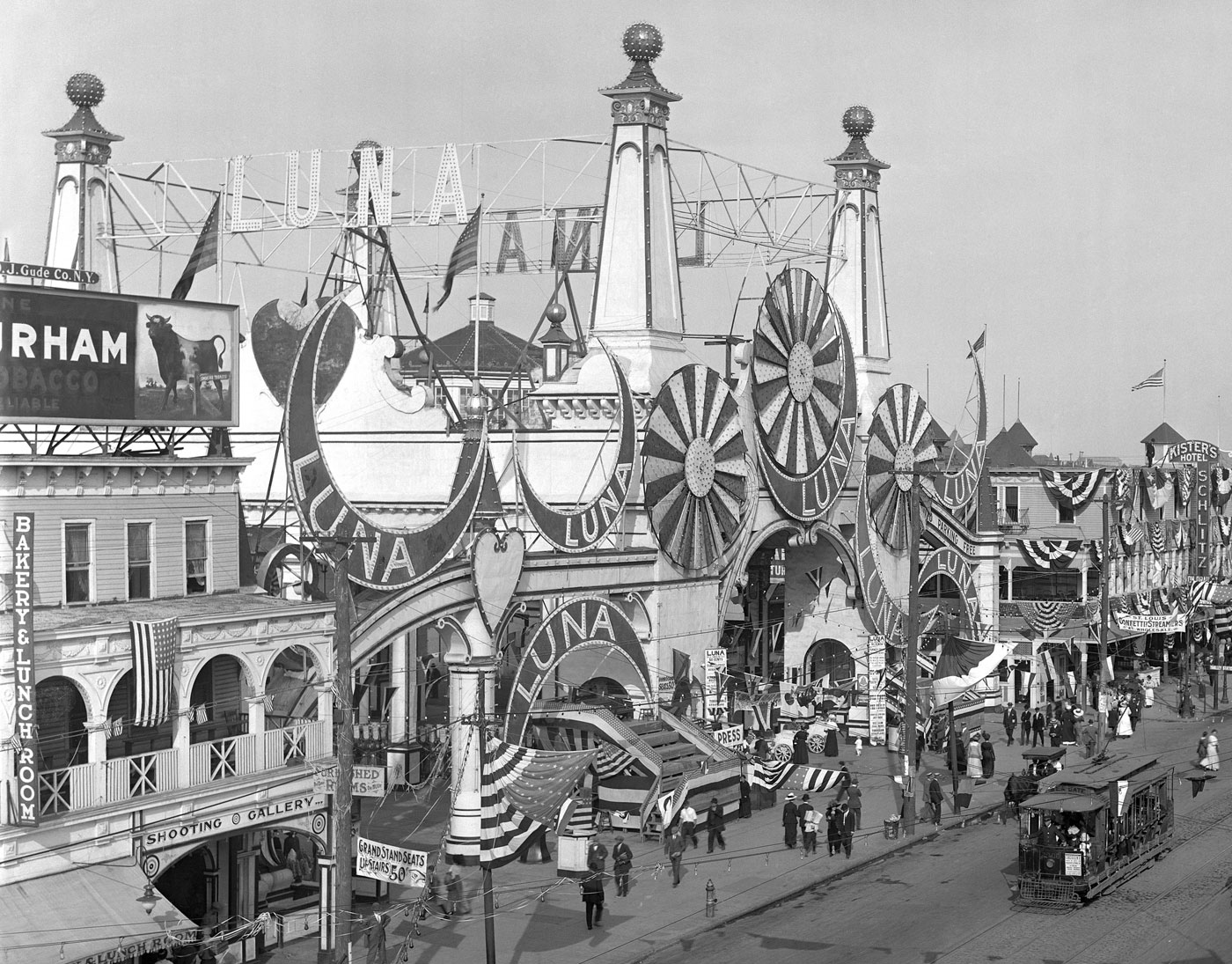

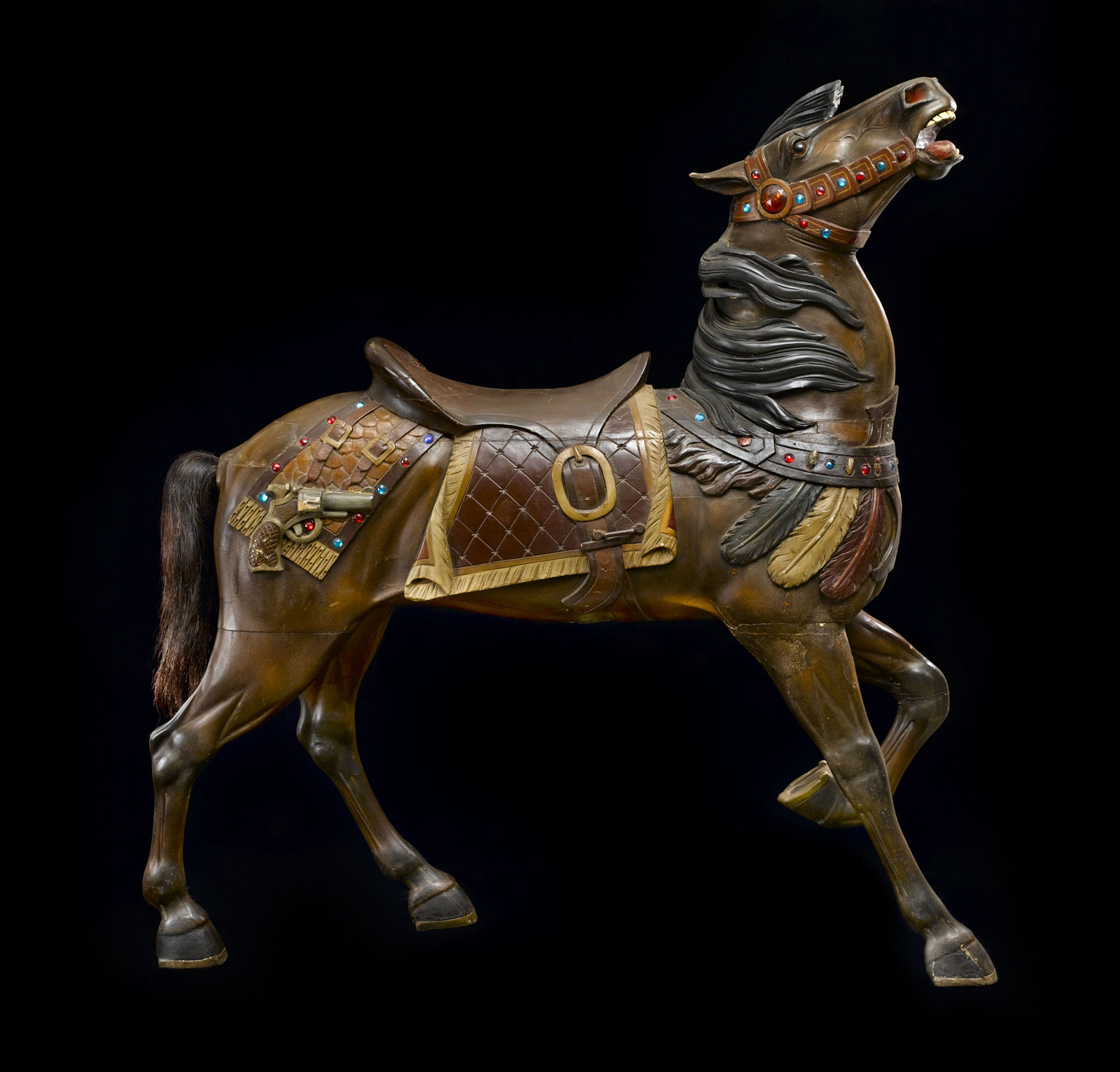
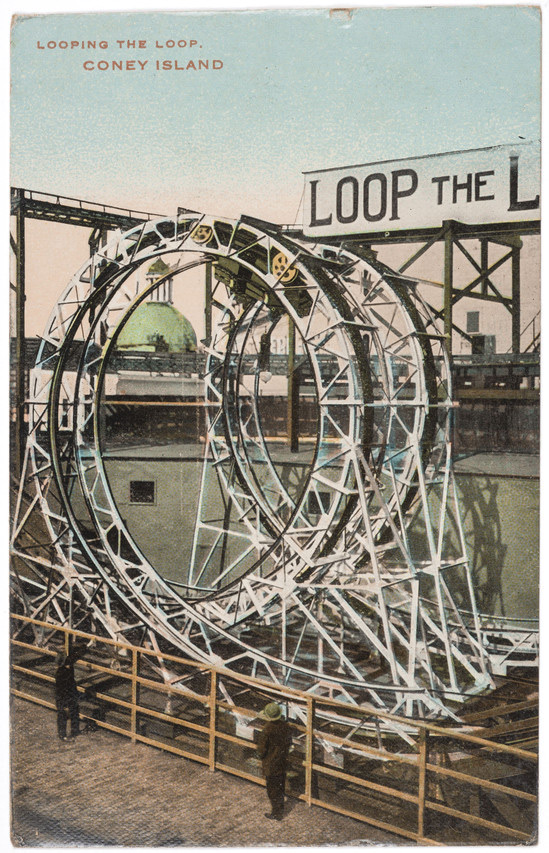
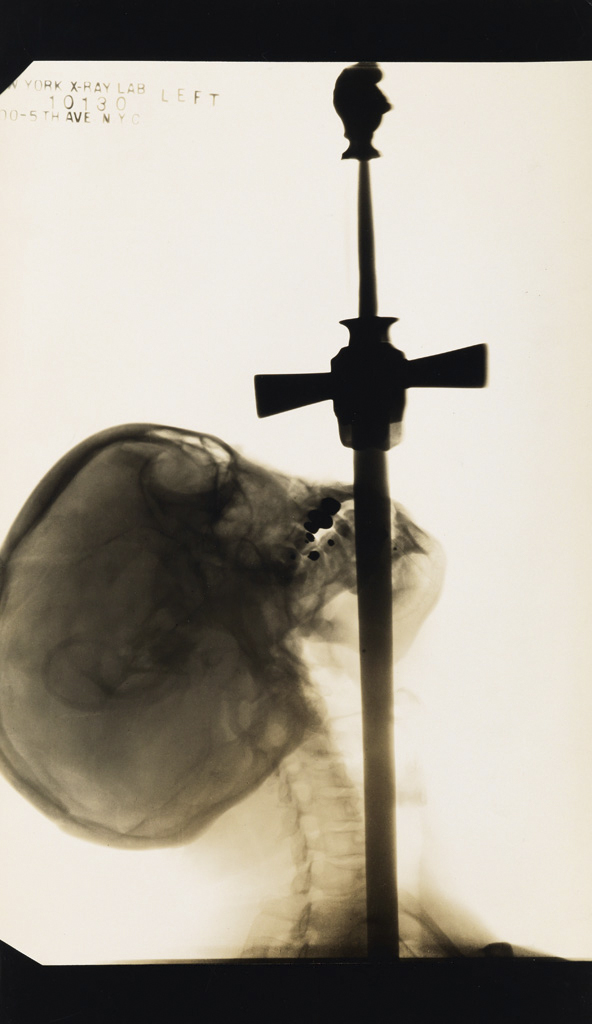


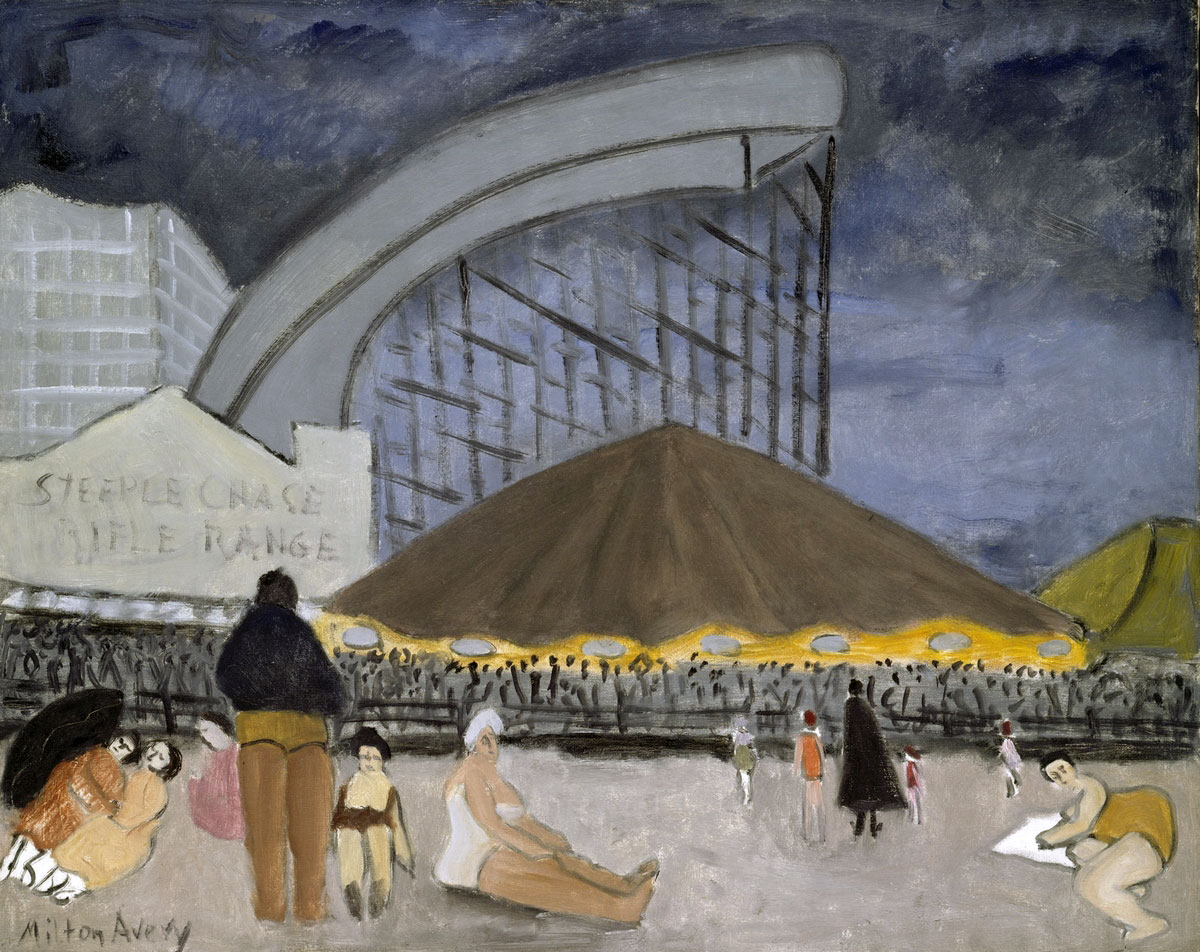
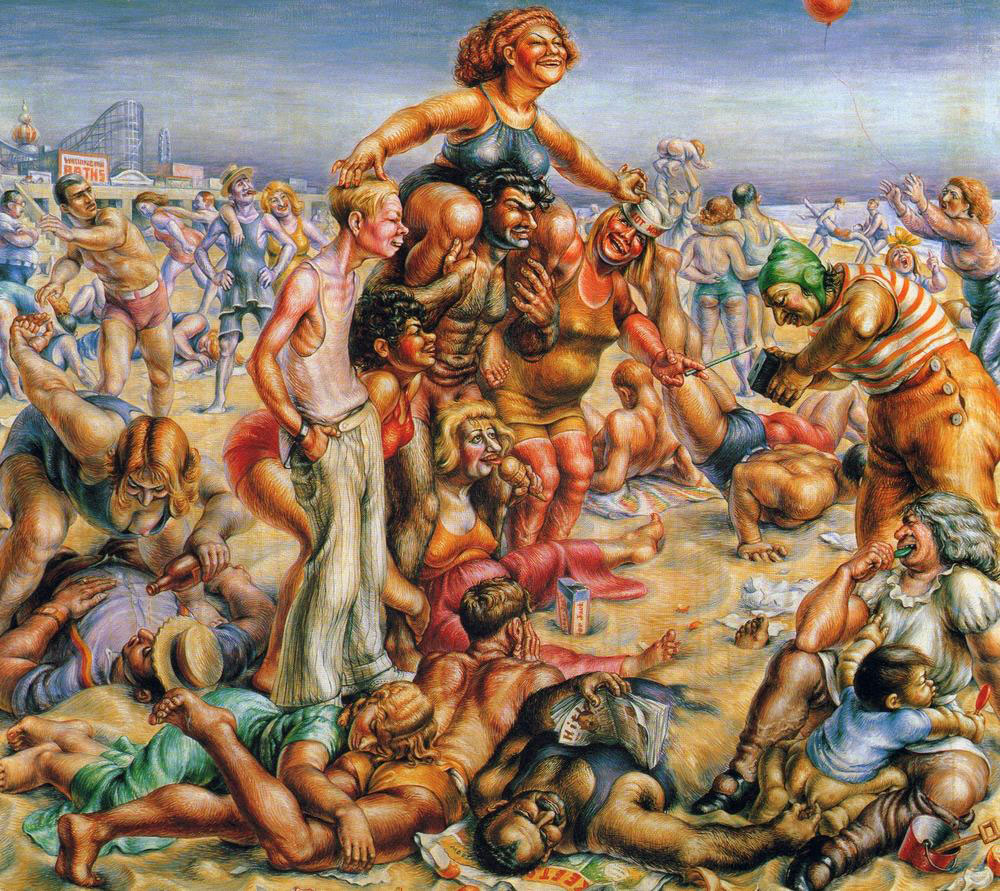
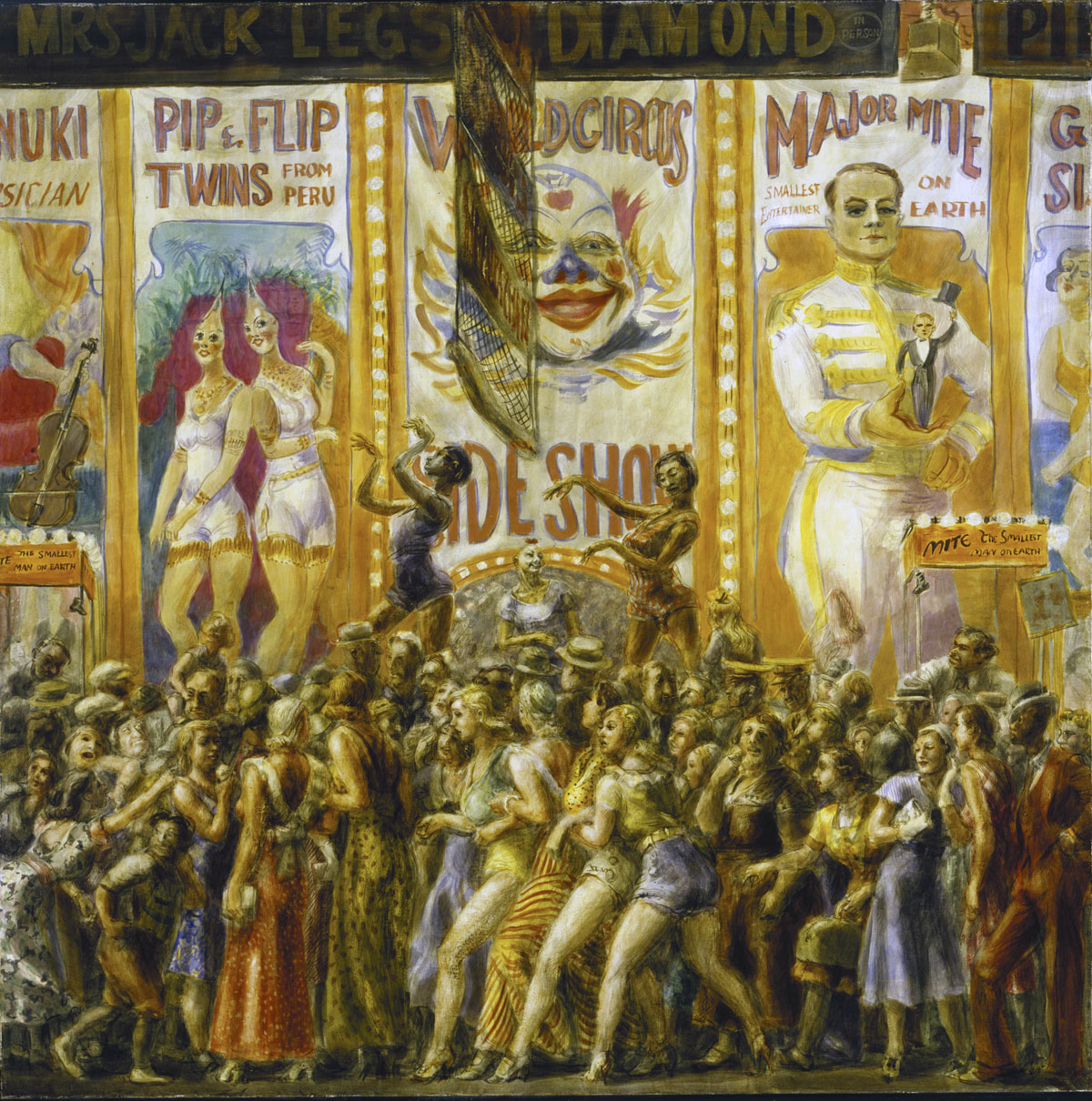

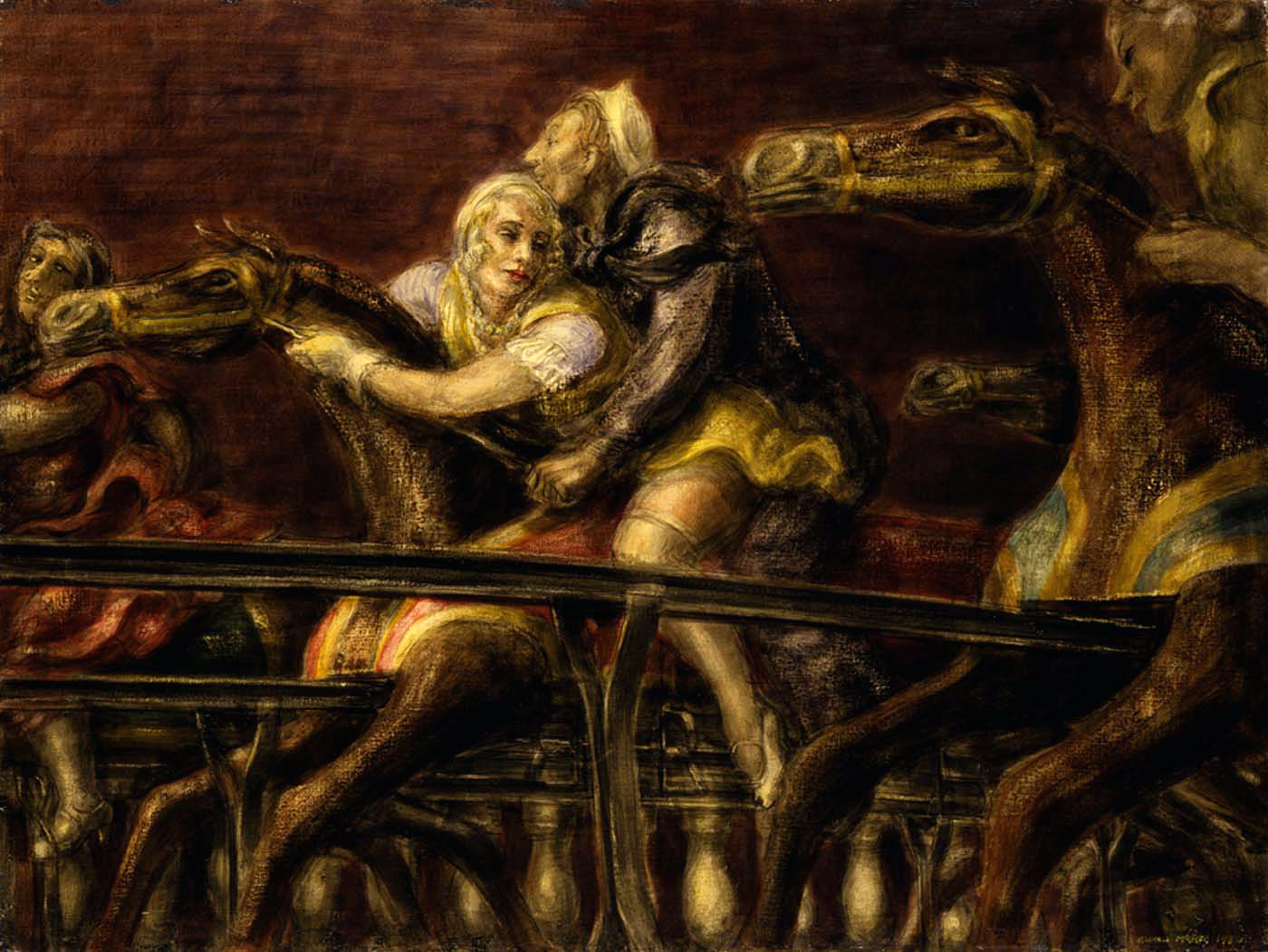


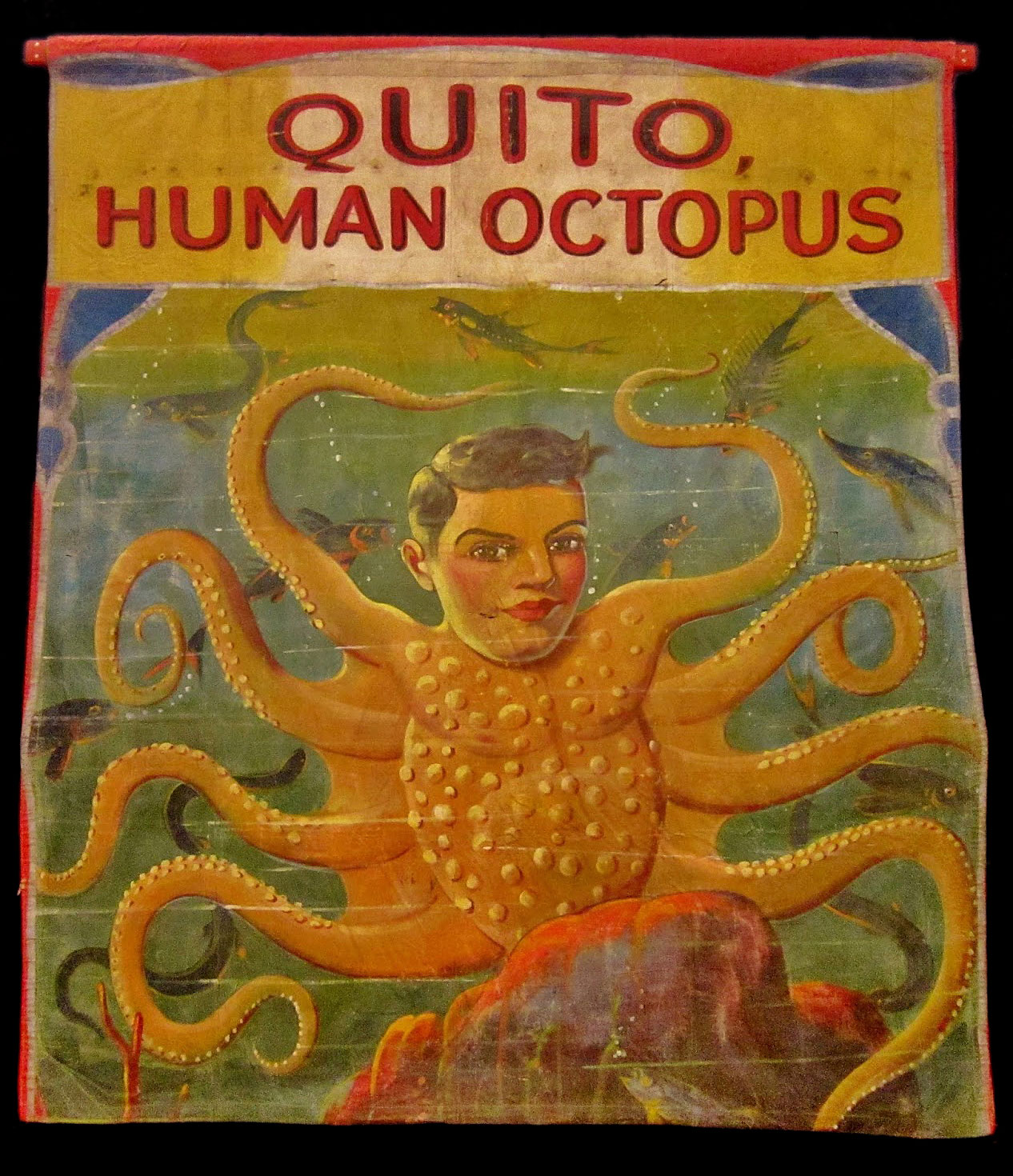


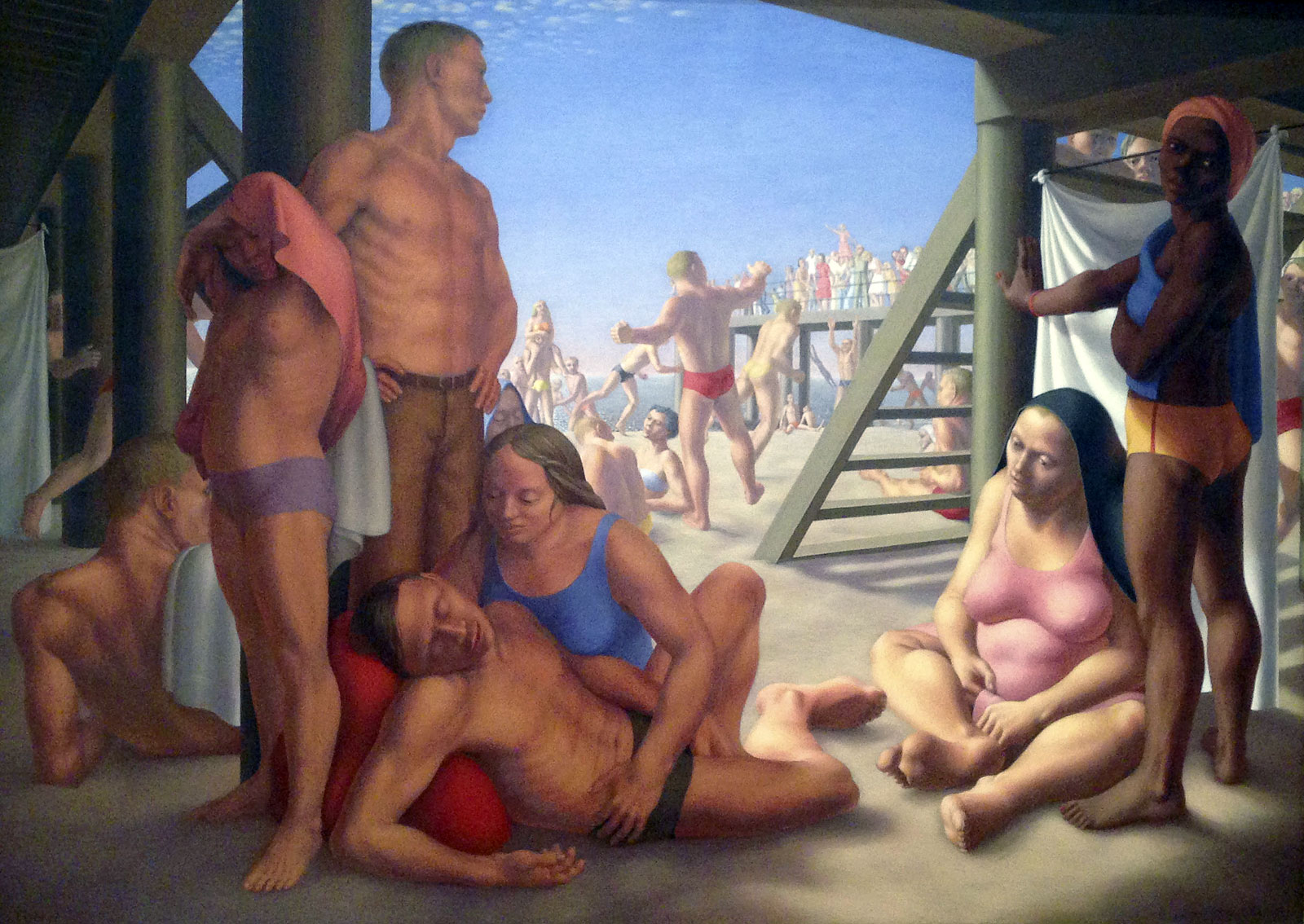
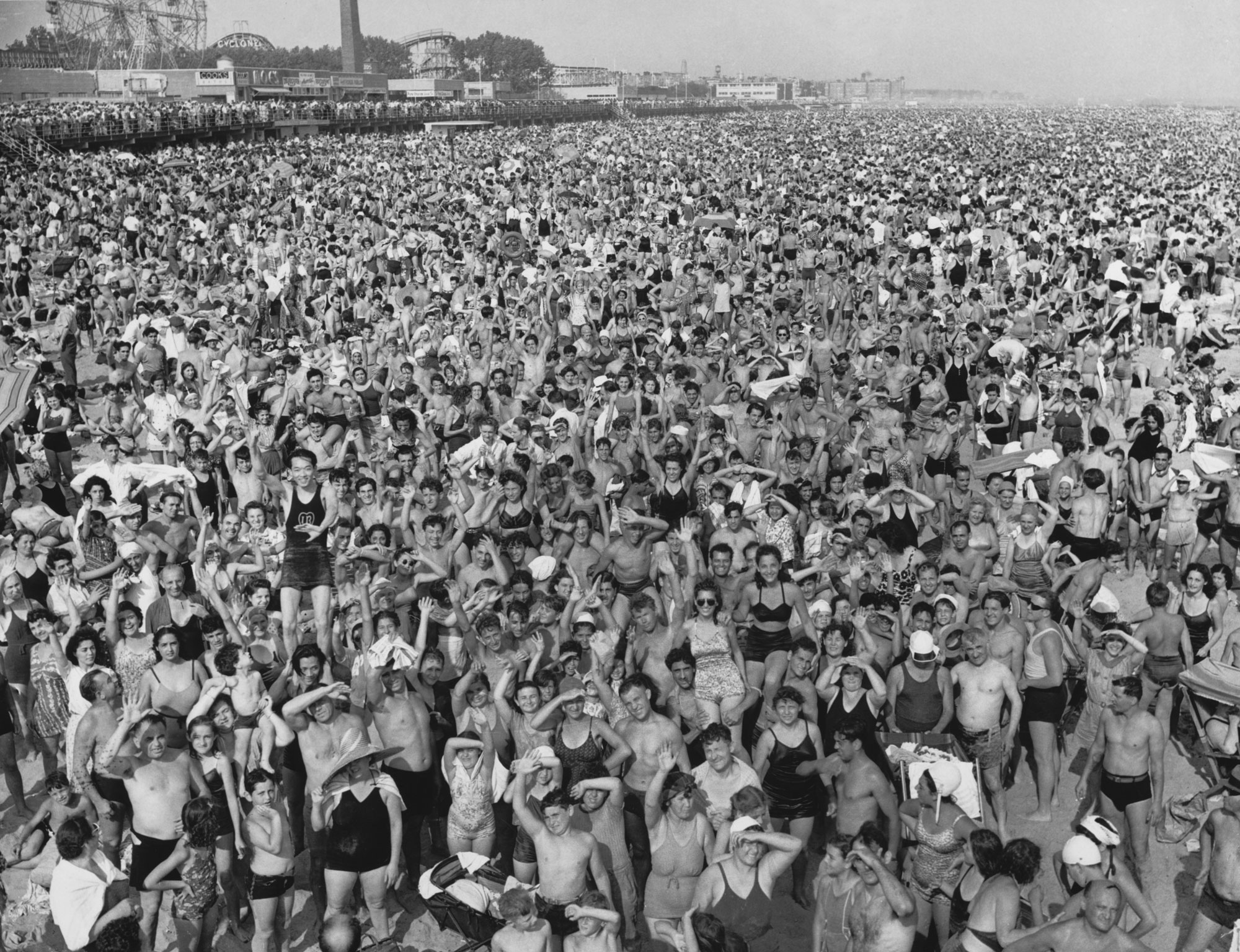

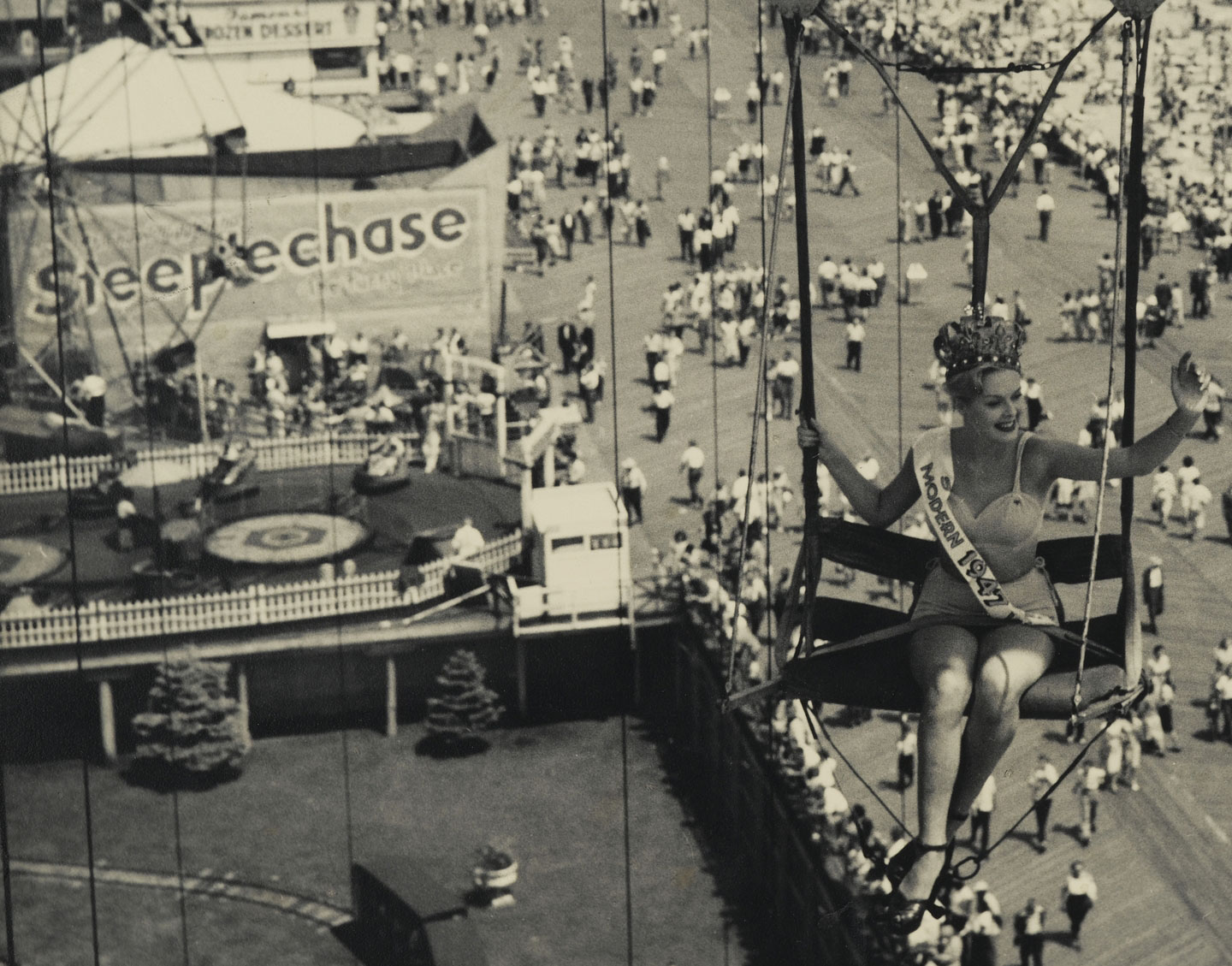
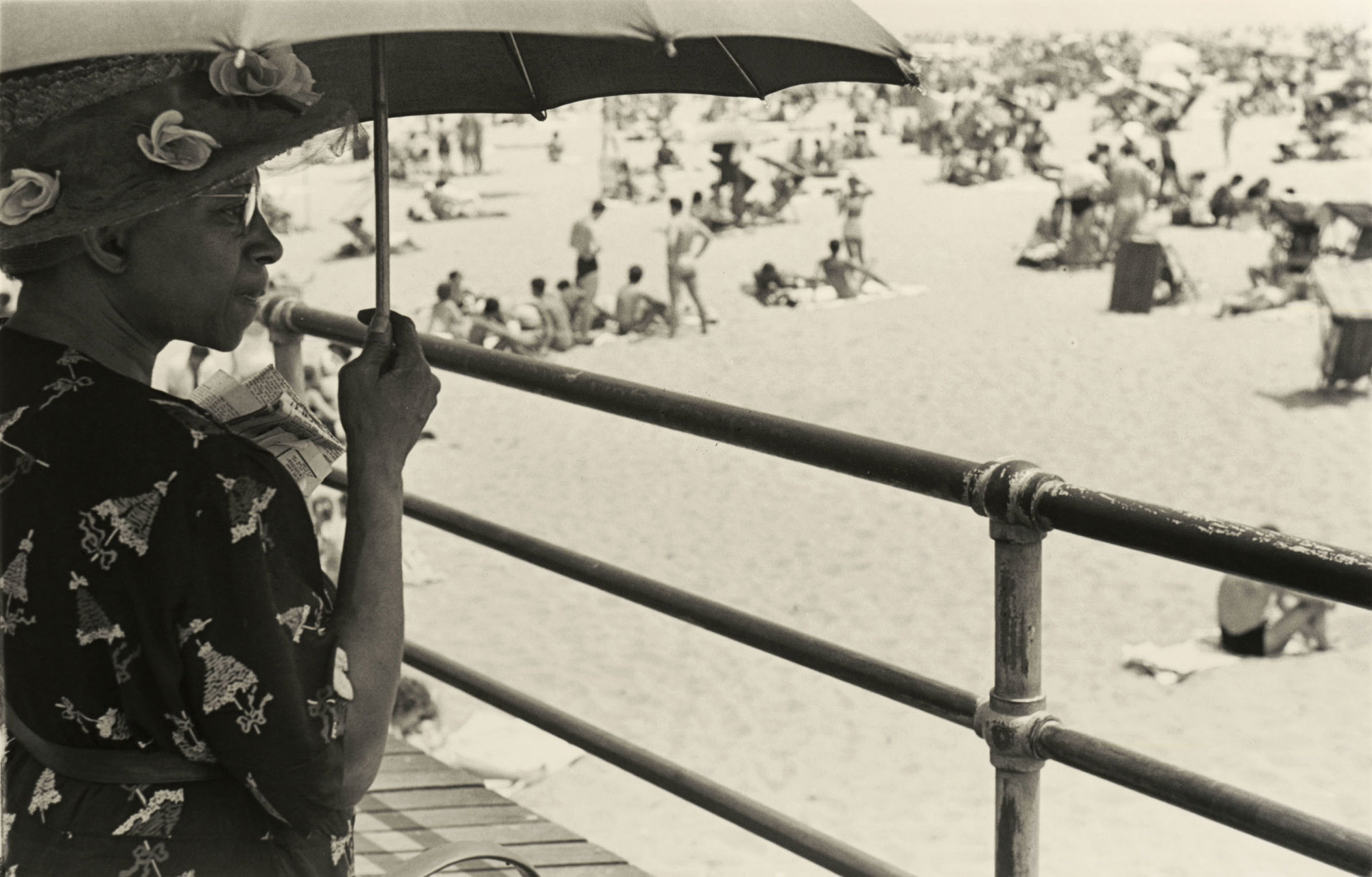
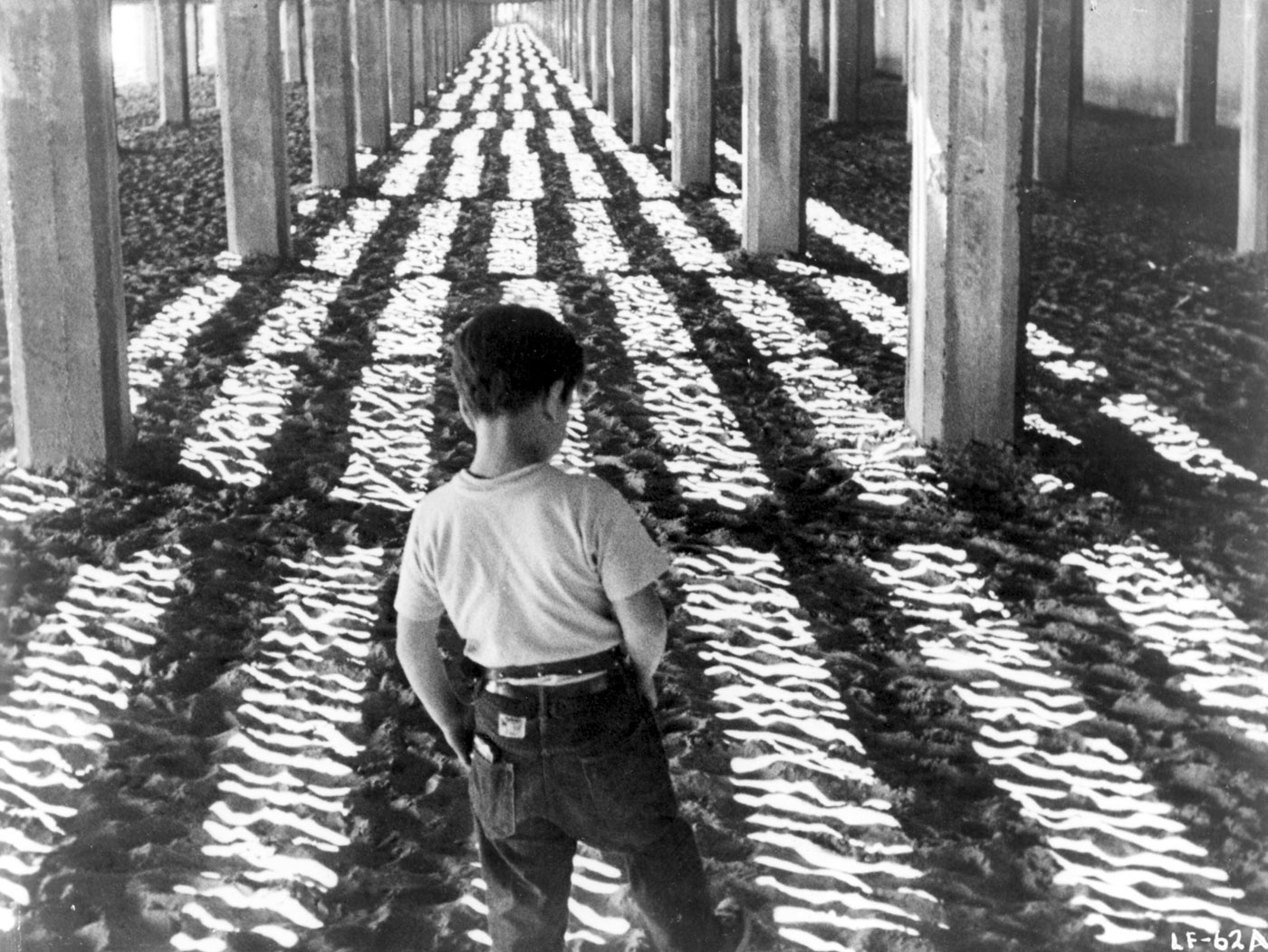
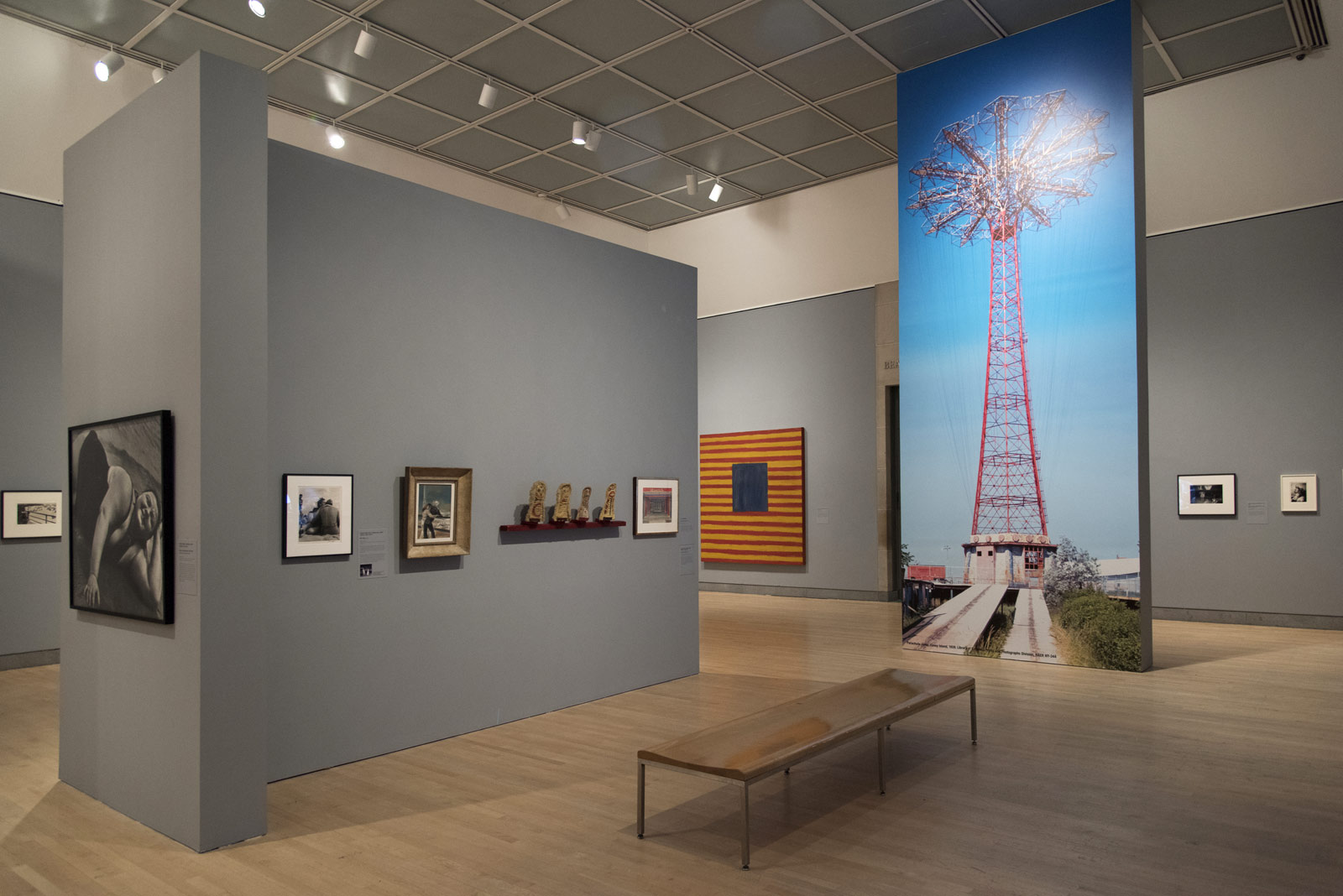
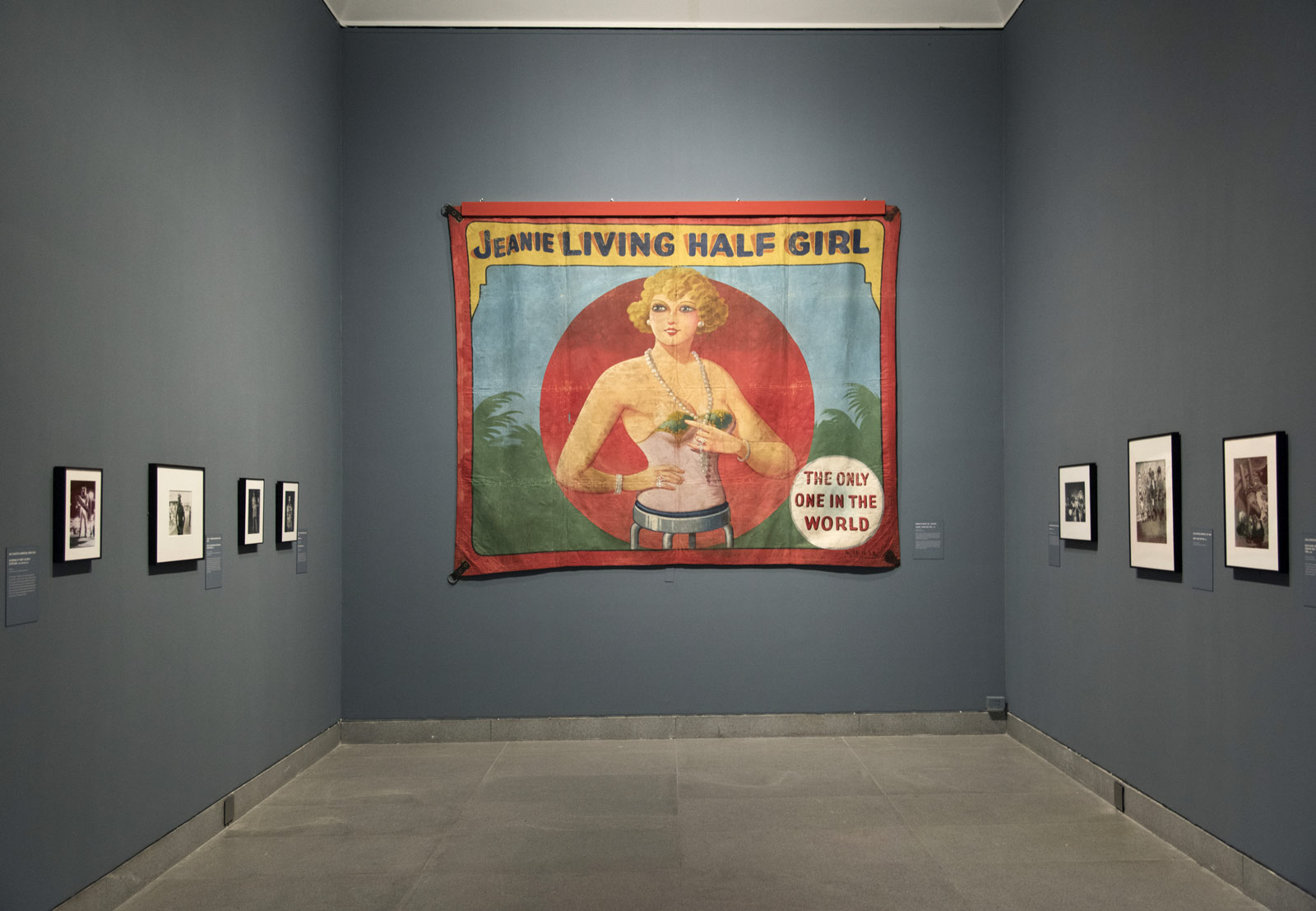
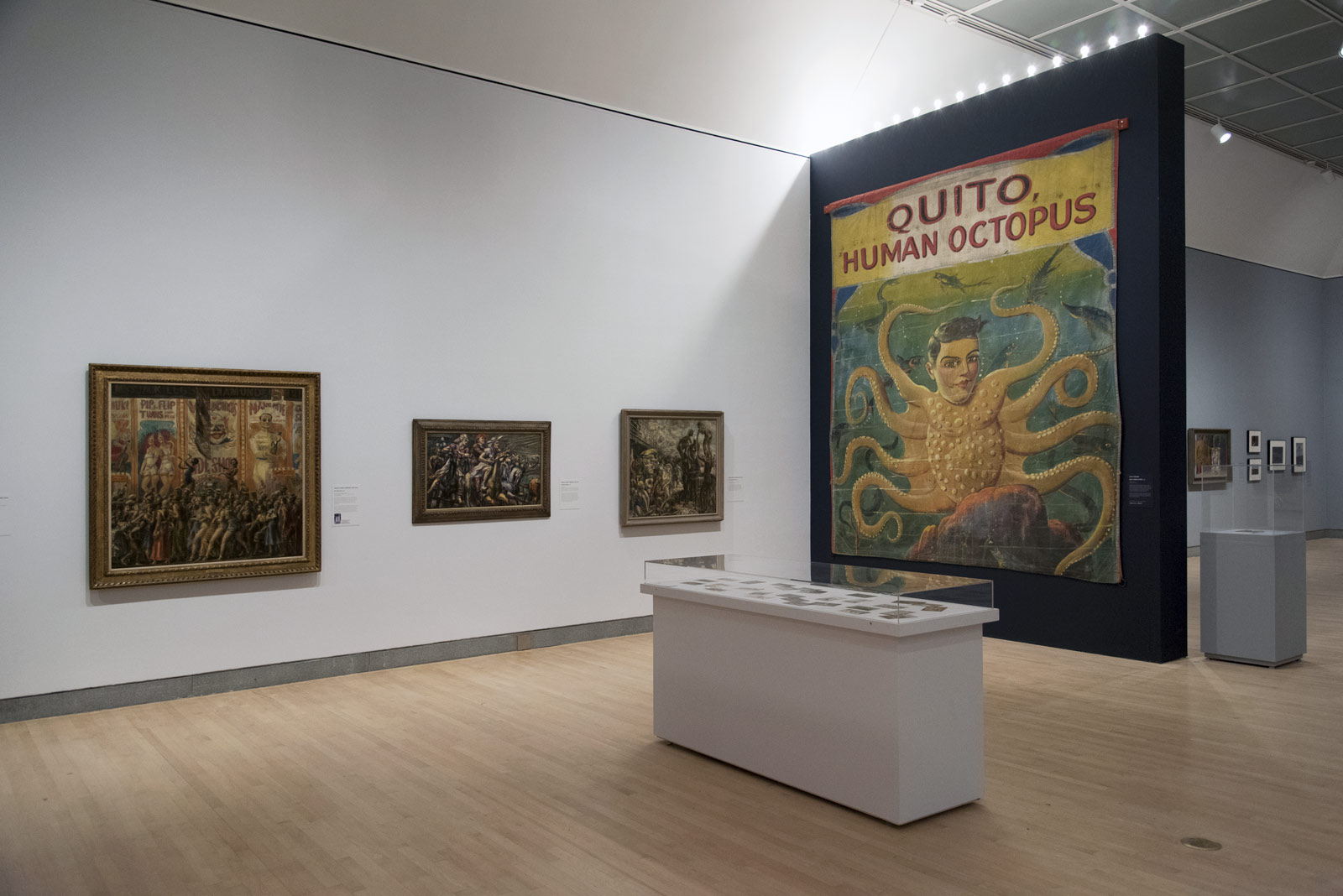

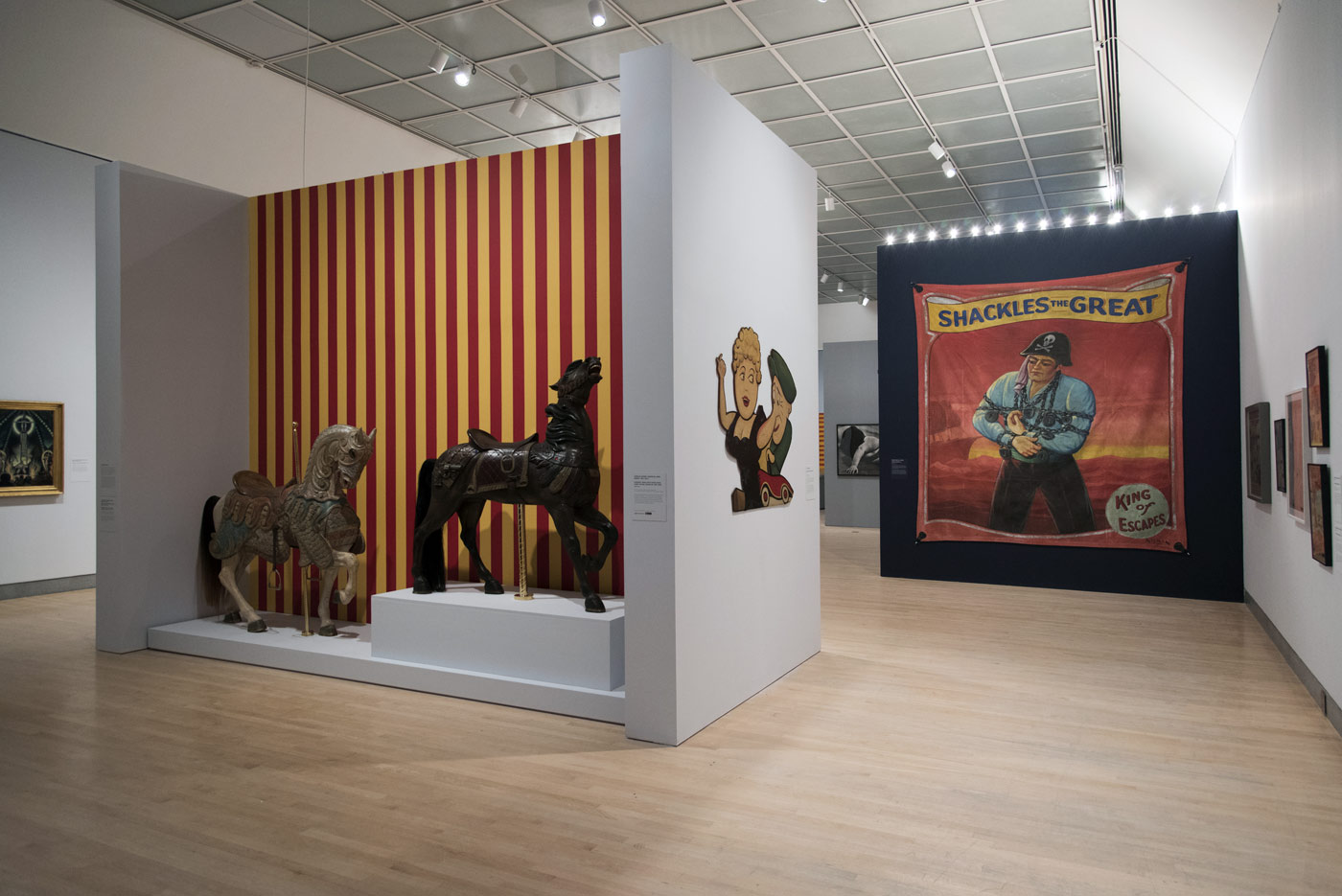

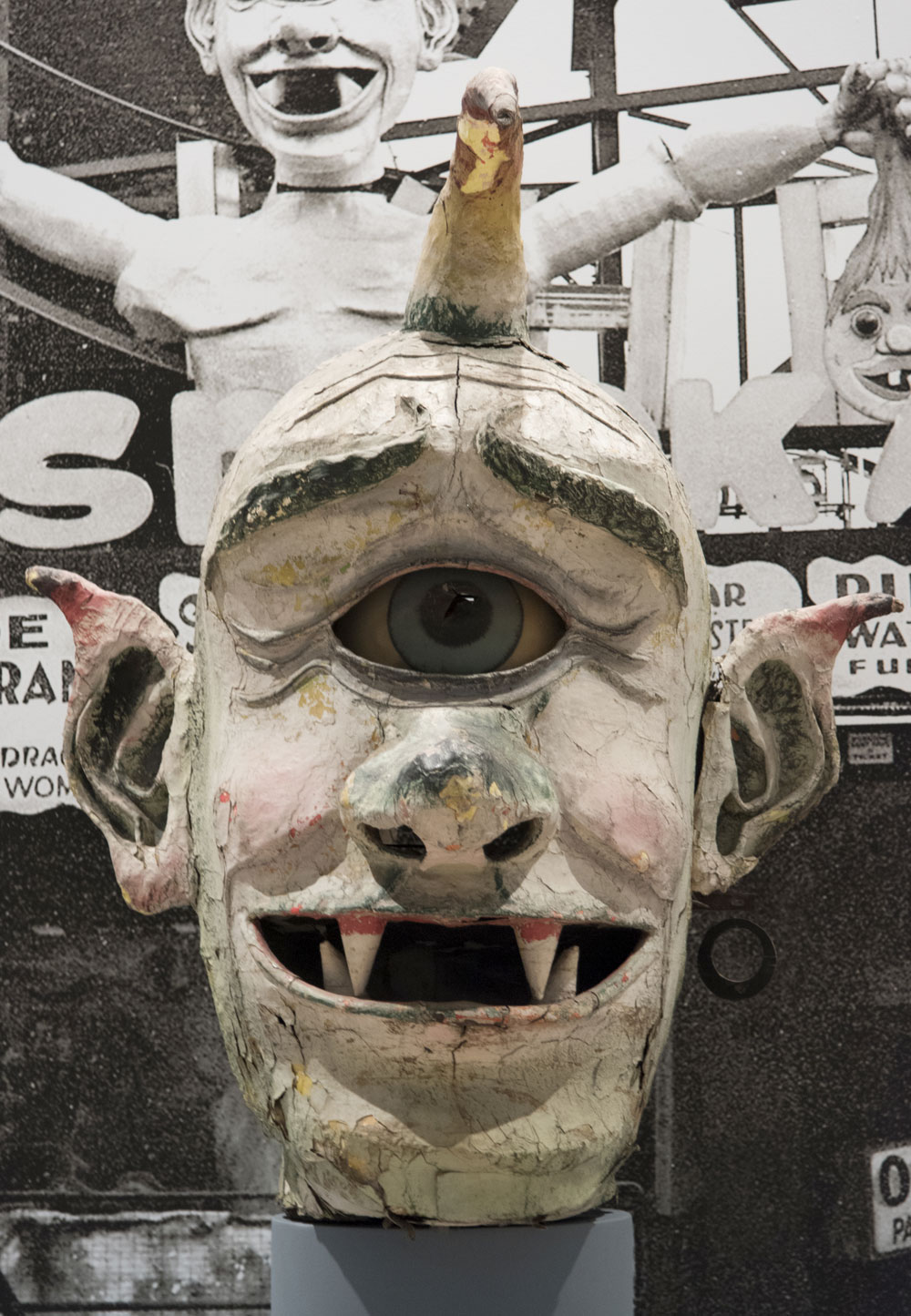

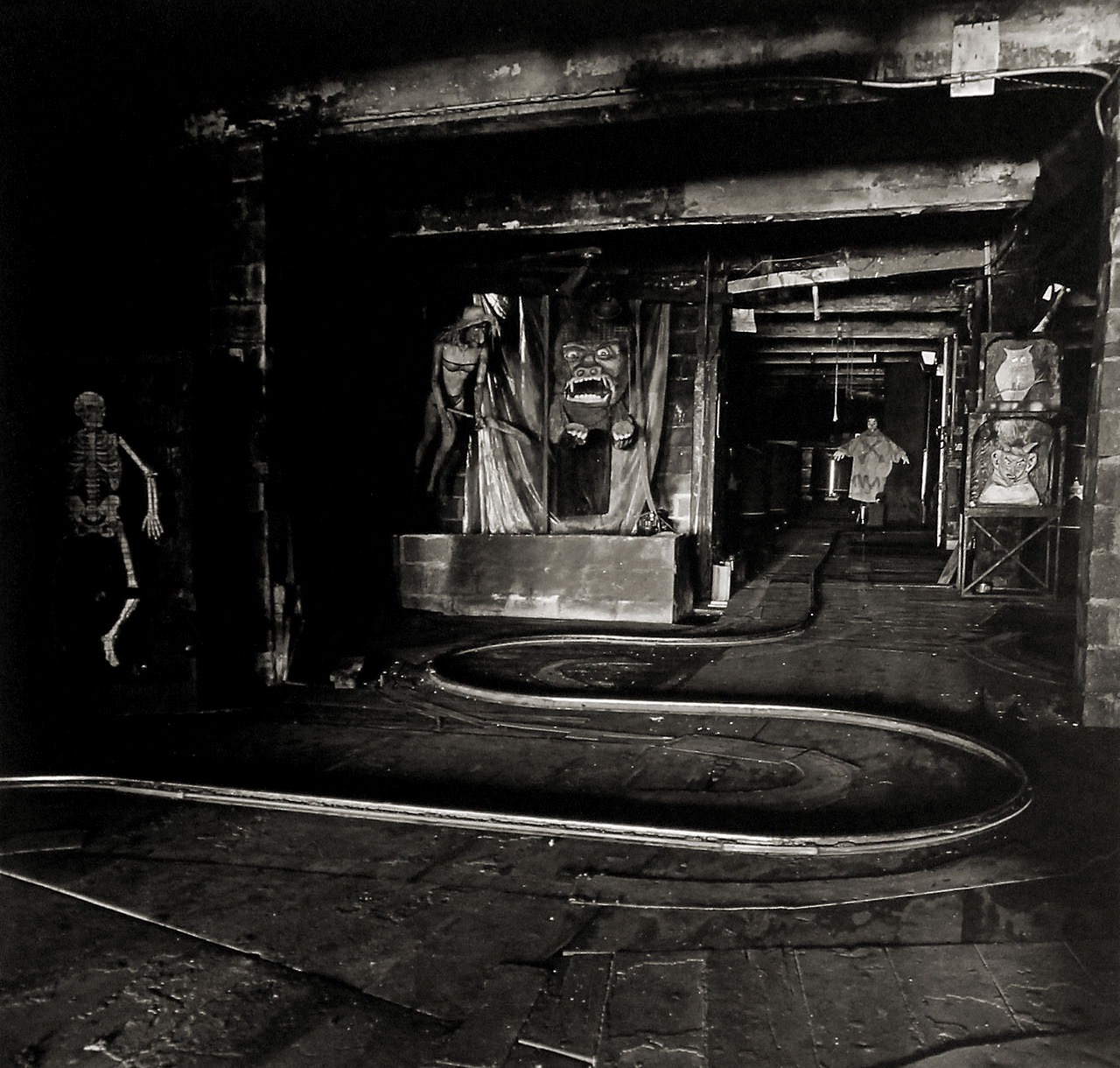
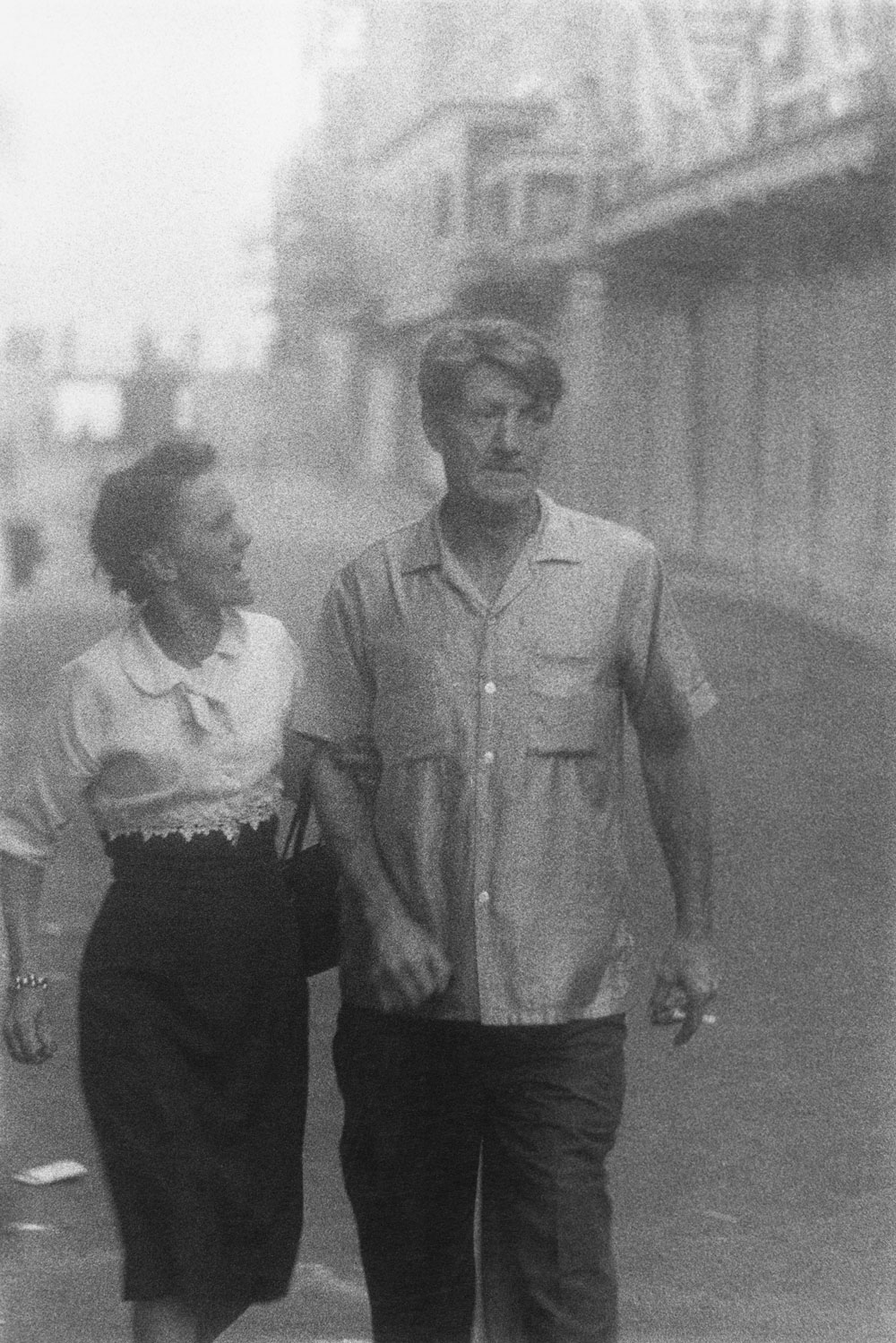
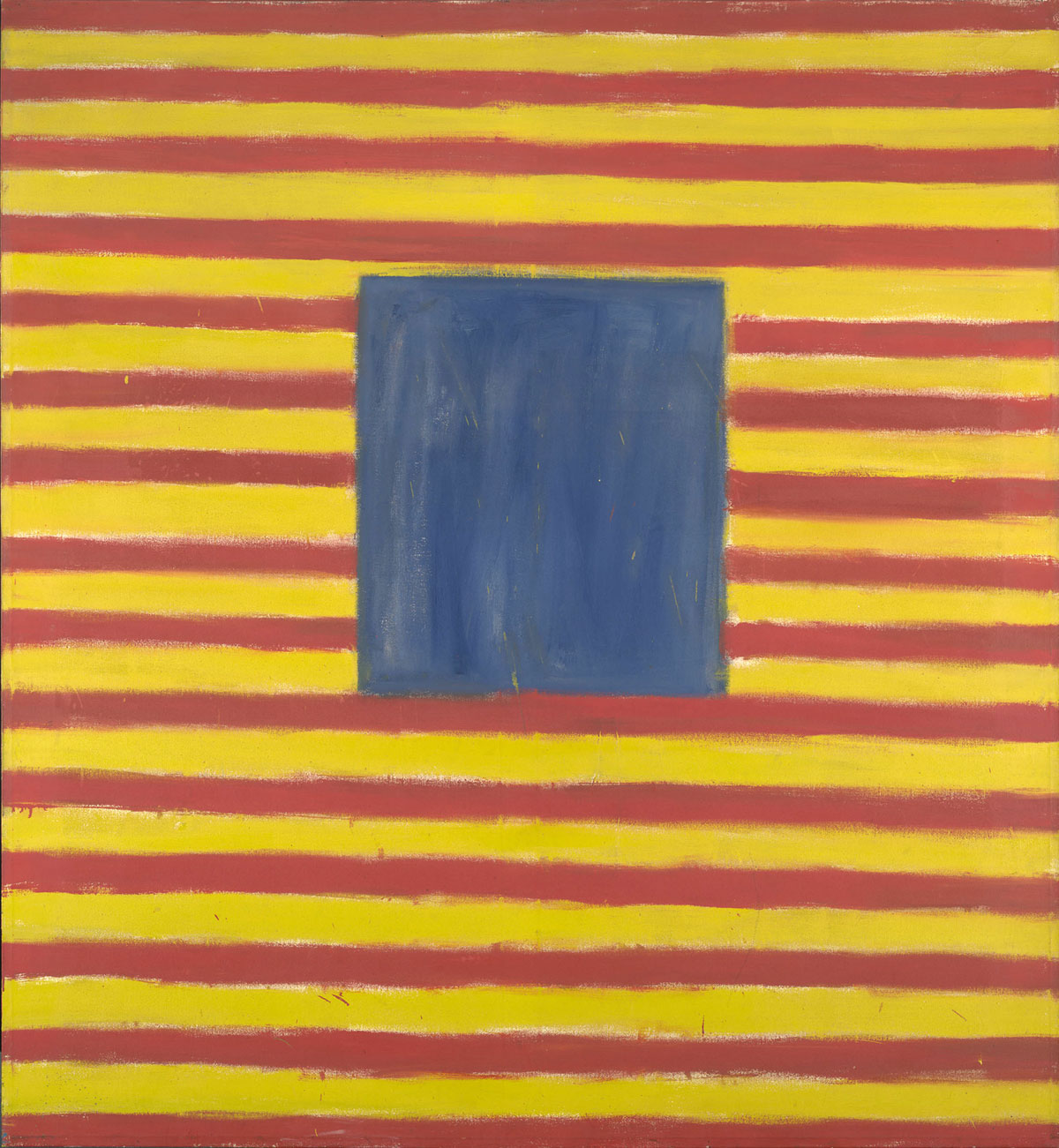
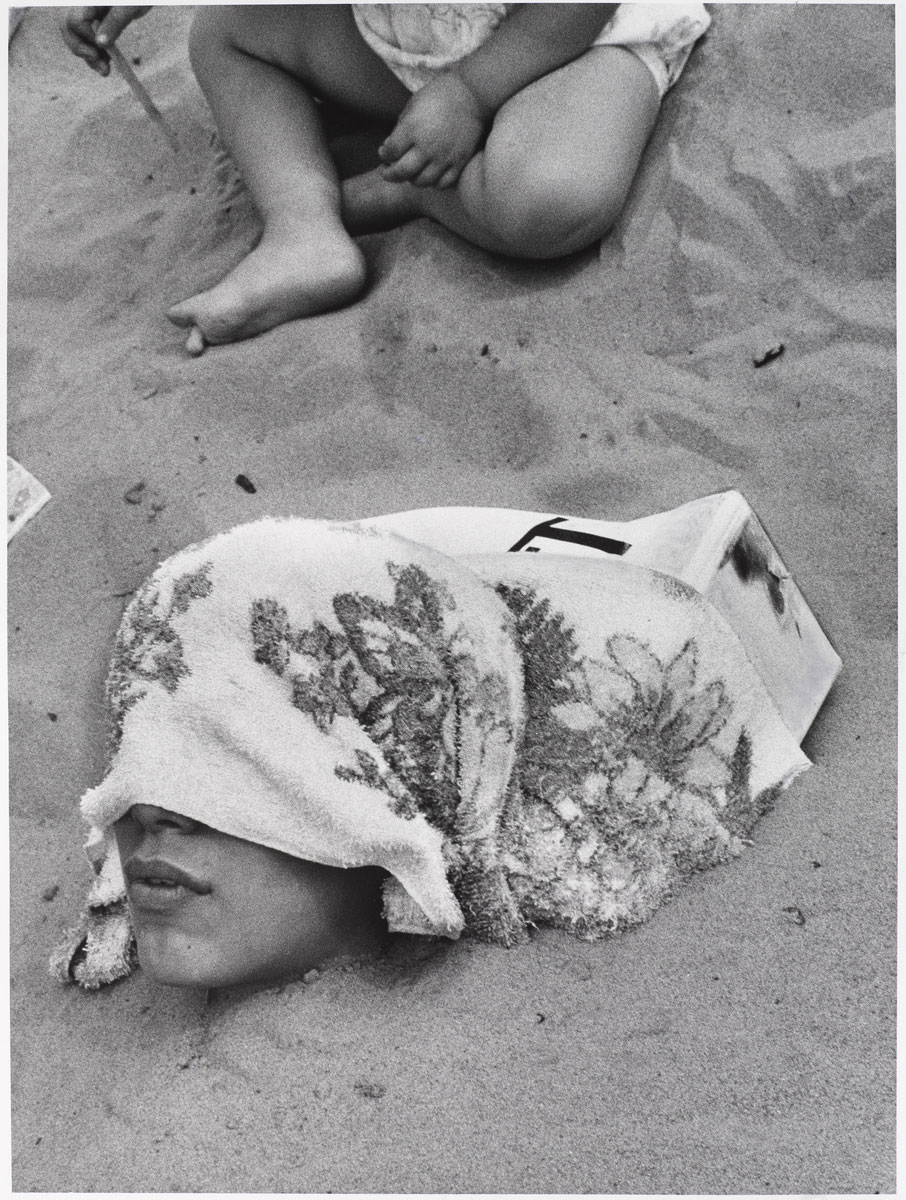
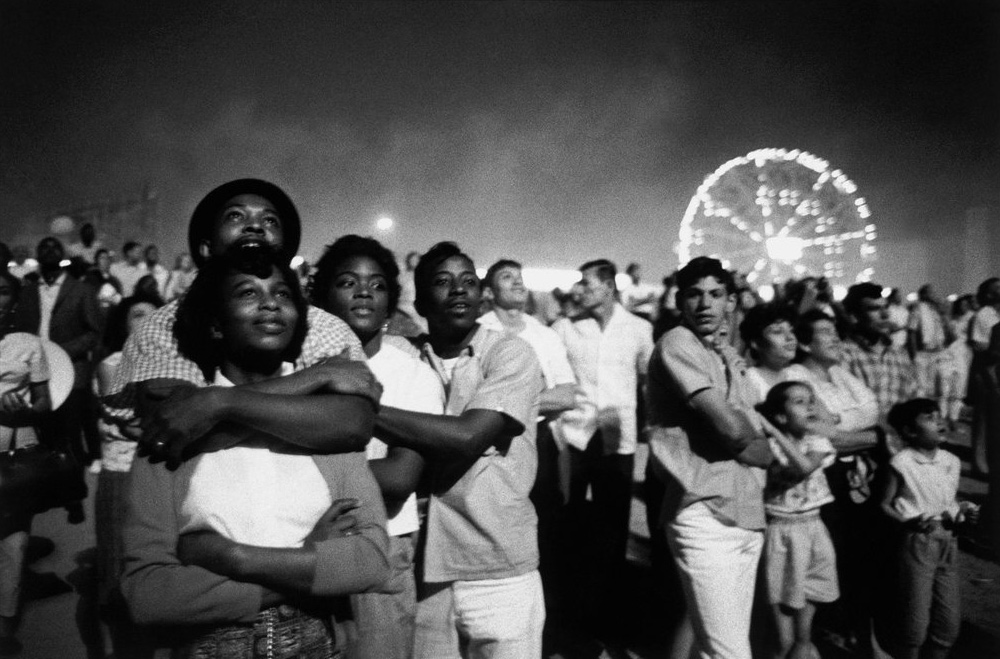

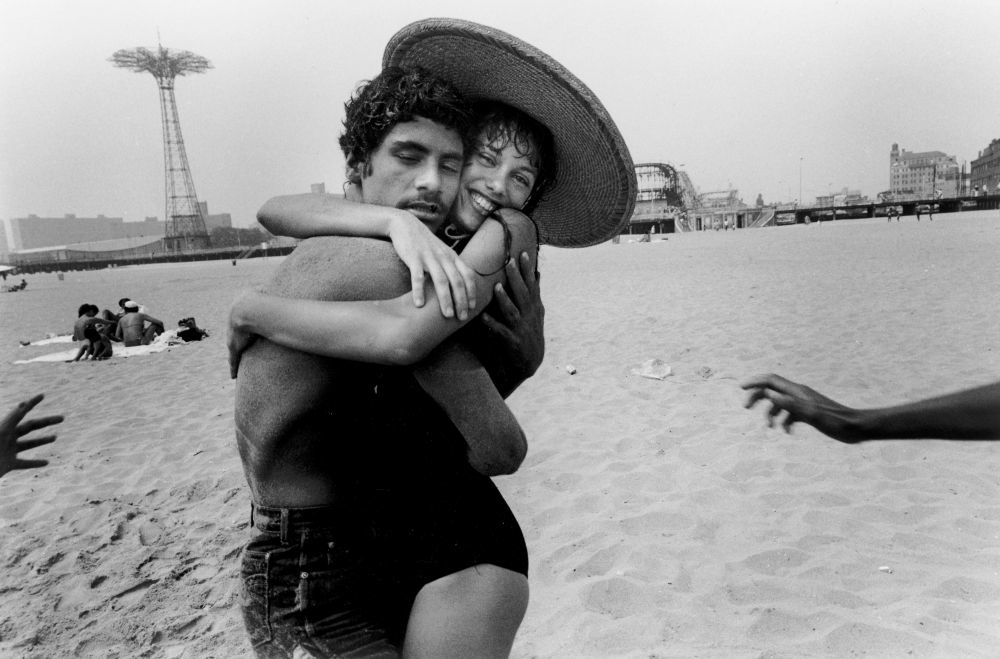

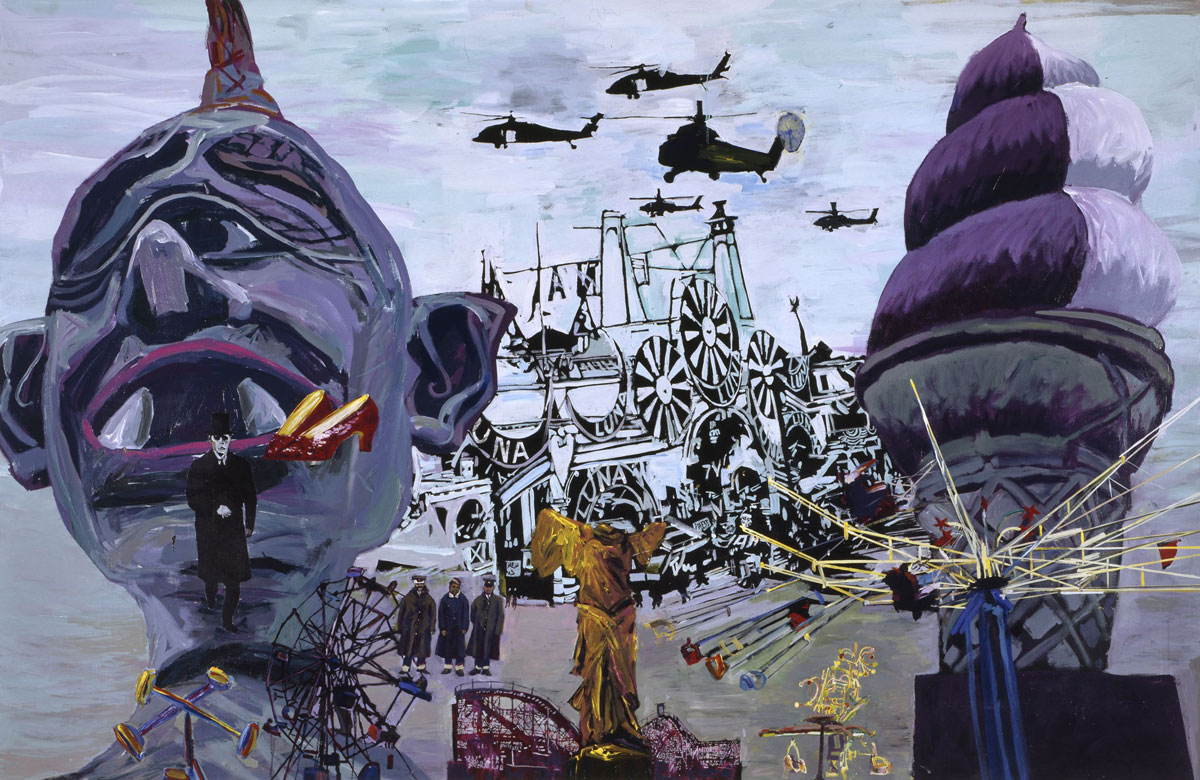

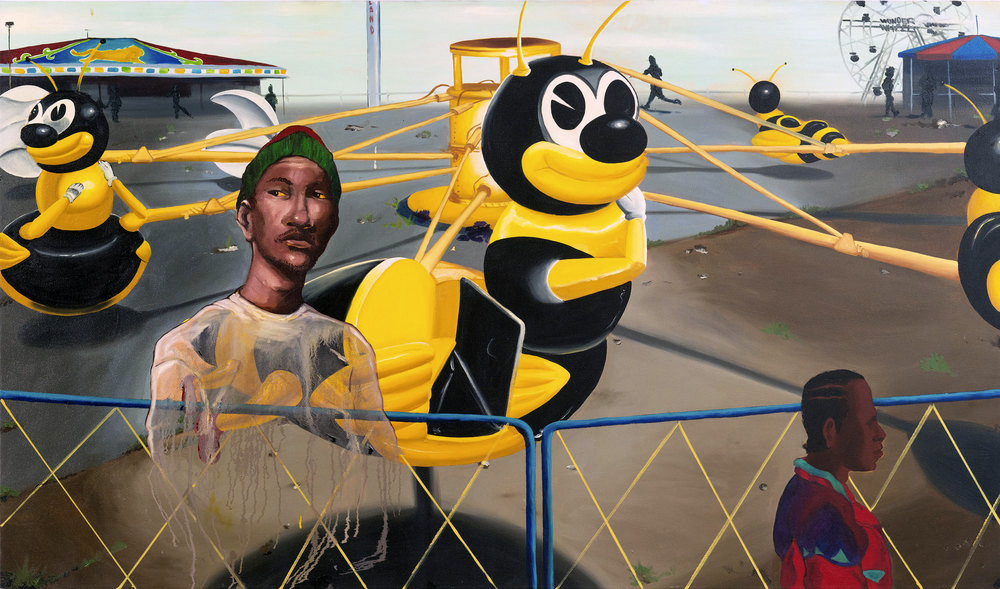
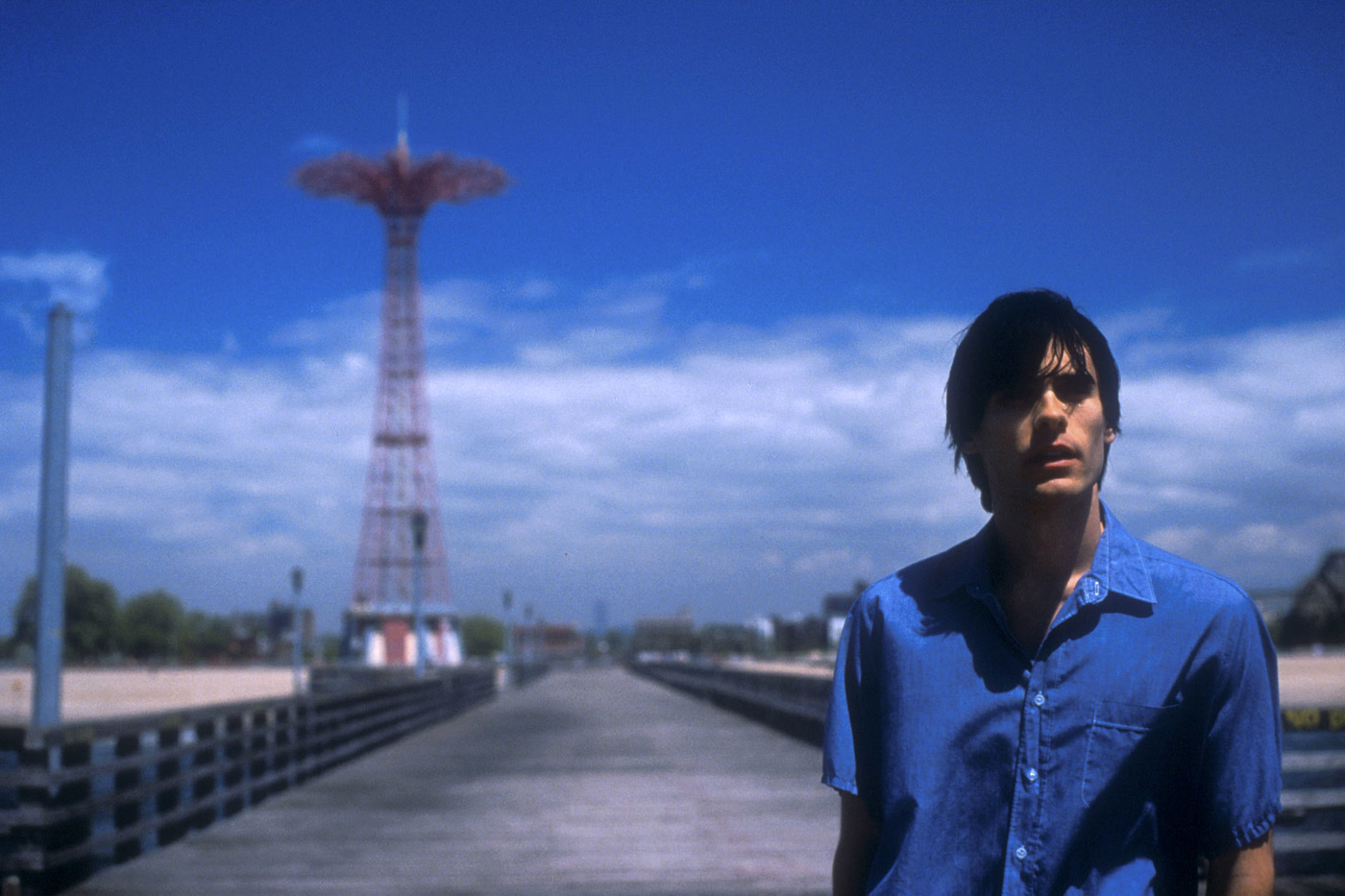

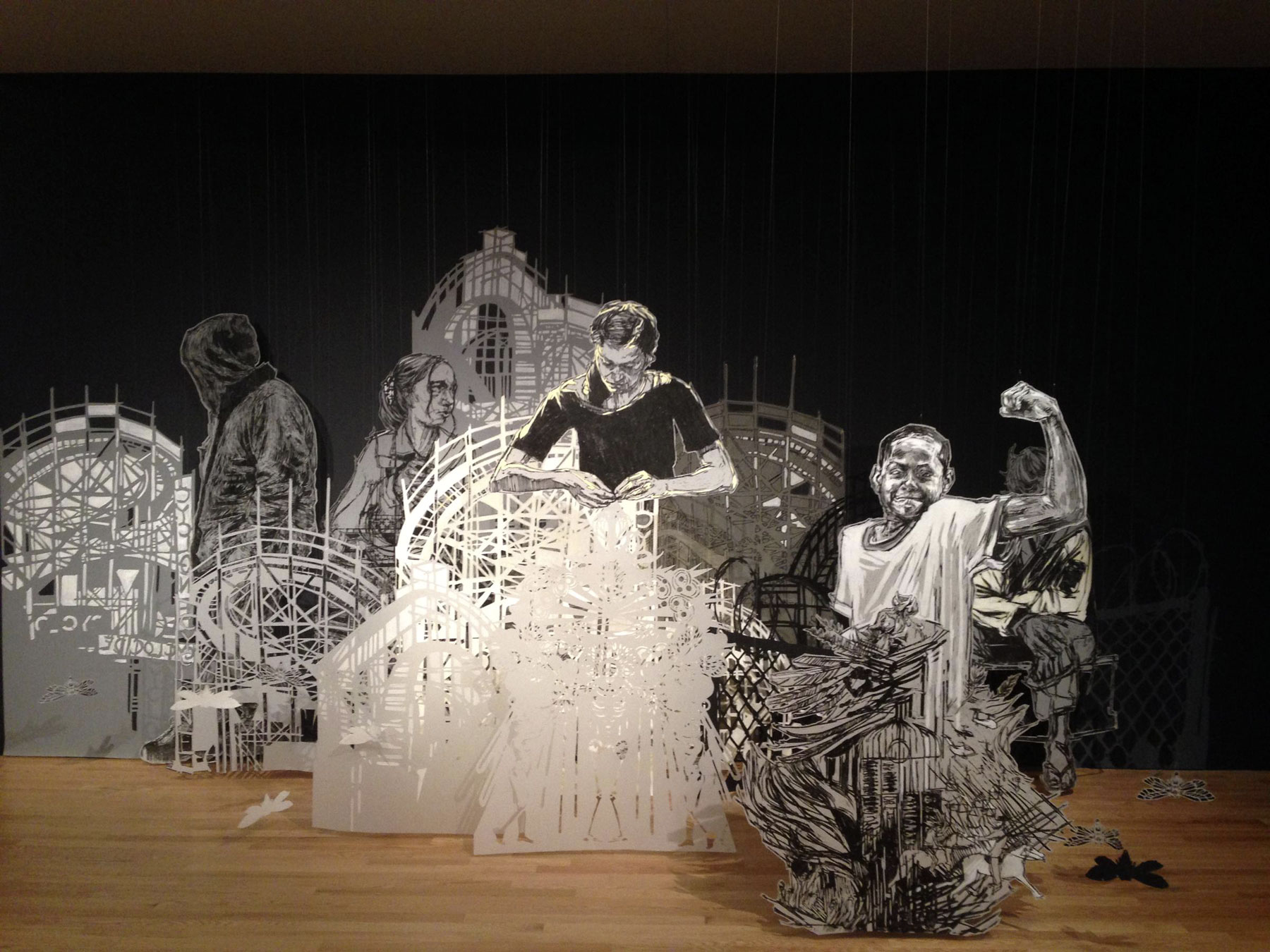
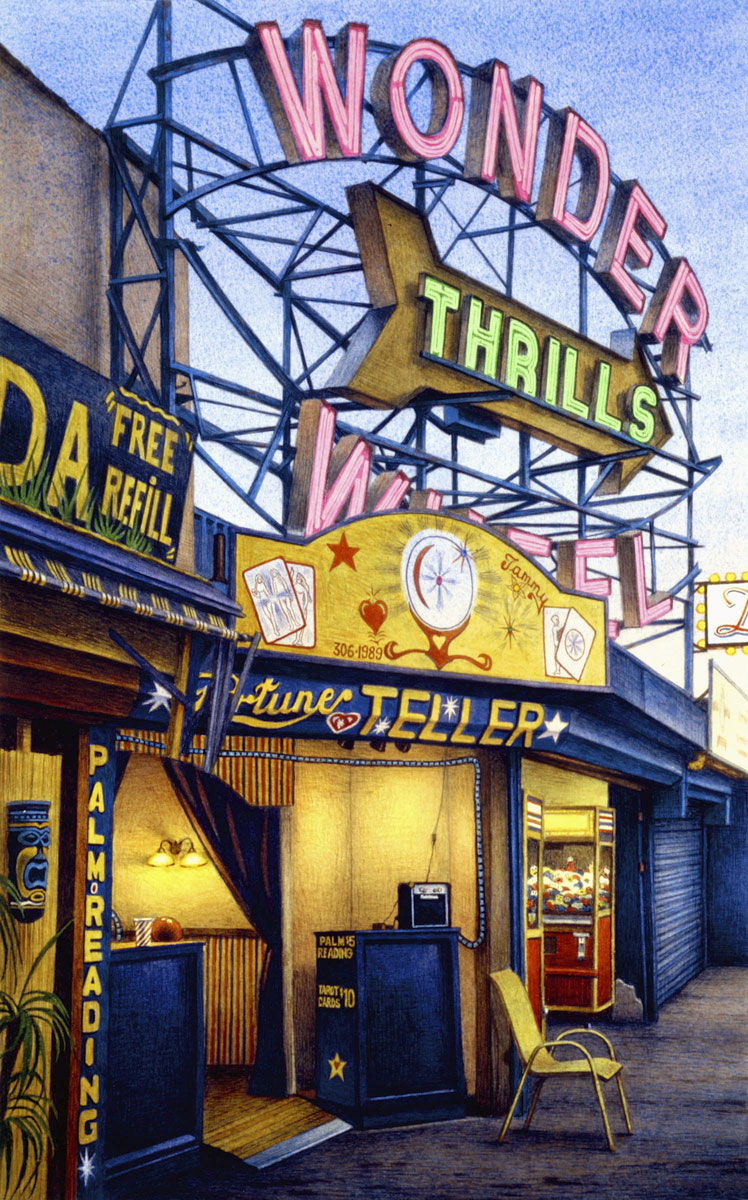
 Art Blart _ art and cultural memory archive
You must be logged in to post a comment.