Mario Giacomelli (Italian, 1925-2000) From the series Presa di coscienza sulla natura / Awareness of Nature Italy, Senigallia 1980
Mario Gaicomelli has a unique signature as an artist. His photographs could never be anyone else’s work.
The press release states, “His works, all of them conceived as series, combine elements of reportage with lyrical subjectivity and a symbolic aesthetic which seems almost calligraphic in its harsh contrasts between black and white… On the one hand, they express a personal feeling; on the other, they embody a clear, courageous and conceptually groundbreaking attitude.” It continues, “His singular style caused him to remain beyond photographic fashions. In the five decades of his work, he created a body of work that is unparalleled in its aesthetic and thematic consistency.”
To remain beyond photographic fashions. In other words, he didn’t fit in, he was an outsider, he was Other. He did not conform.
He crafted, and I use the word deliberately, a conceptual response to life and landscape, to memory and existence – his symbolic aesthetic – that also expresses an enormous respect for personal feeling, for the stuff of life. There is a consistency to his enquiry, both aesthetically and thematically, that marks him out from the pack.
The calligraphic nature of his work has links back to his training as a printer. The aerial photographs of the landscape from the series Presa di coscienza sulla natura / Awareness of Nature (below) possess the quality of an etching. Mix in an dash of surrealism, such as in the series Verrà la morte e avrà i Tuoi Occhi / Death will come and have your eyes (below)1 and the macabre, as in the series Slaughterhouse, and you have a potent mix of portrayal of the irreality of everyday life. Some photographs, such as an image below from the series Scanno Italy, Scanno even posses the 3D quality of stereoscopic cards.
Above all, there is a sense of the mysteries of life contained within the spaces of his work. Is the white cat flying in mid-air or is clinging to someone that we can’t see, who has been printed out by the photographer because of his previsualisation of the work. What is that shape hovering next to his mother? I think it looks like a moth, and the mother is a Japanese mother after Hiroshima with a withered hand. She almost looks like she is dressed in a kimono as well. We’re not supposed to know what that is – actually it’s Agfa paper, hardest possible grade, and skilled use of bleach by the artist – and that is the mystery. Its an interesting print because it is printed so that it could be any gender.
I do love artists who push the boundaries of the sensual and the symbolic. Praise be to traces of differences.
Dr Marcus Bunyan
1/ See the case of Christine Papin and Léa Papin who were two French maids who murdered their employer’s wife and daughter in Le Mans, France, on 2 February 1933. They had both been beaten to the point of being unrecognisable, and one of the daughter’s eyes was on the floor nearby. Madame Lancelin’s eyes had been gouged out and were found in the folds of the scarf around her neck.
Many thankx to Fotomuseum WestLicht for allowing me to publish the photographs in the posting. Please click on the photographs for a larger version of the image.
Mario Giacomelli (Italian, 1925-2000) From the series Presa di coscienza sulla natura / Awareness of Nature Italy, Senigallia c. 1987
Italian Neorealism (Neorealismo)
Italian Neorealism came about as World War II ended and Benito Mussolini’s government fell, causing the Italian film industry to lose its center. Neorealism was a sign of cultural change and social progress inItaly. Its films presented contemporary stories and ideas, and were often shot in the streets because the Cinecittà film studios had been damaged significantly during the war.
The neorealist style was developed by a circle of film critics that revolved around the magazine Cinema, including Luchino Visconti, Gianni Puccini, Cesare Zavattini, Giuseppe De Santis and Pietro Ingrao. Largely prevented from writing about politics (the editor-in-chief of the magazine was Vittorio Mussolini, son of Benito Mussolini), the critics attacked the white telephone films that dominated the industry at the time. As a counter to the popular mainstream films some critics felt that Italian cinema should turn to the realist writers from the turn of the 20th century.
Both Antonioni and Visconti had worked closely with Jean Renoir. In addition, many of the filmmakers involved in neorealism developed their skills working on calligraphist films (though the short-lived movement was markedly different from neorealism). Elements of neorealism are also found in the films of Alessandro Blasetti and the documentary-style films of Francesco De Robertis. Two of the most significant precursors of neorealism are Toni (Renoir, 1935) and 1860 (Blasetti, 1934). In the Spring of 1945, Mussolini was executed and Italy was liberated from German occupation. This period, known as the “Italian Spring,” was a break from old ways and an entrance to a more realistic approach when making films. Italian cinema went from utilising elaborate studio sets to shooting on location in the countryside and city streets in the realist style.
The first neorealist film is generally thought to be Ossessione by Luchino Visconti (1943). Neorealism became famous globally in 1946 with Roberto Rossellini’s Rome, Open City, when it won the Grand Prize at the Cannes Film Festival as the first major film produced in Italy after the war…
The films are generally filmed with nonprofessional actors – although, in a number of cases, well known actors were cast in leading roles, playing strongly against their normal character types in front of a background populated by local people rather than extras brought in for the film. They are shot almost exclusively on location, mostly in run-down cities as well as rural areas due to its forming during the post-war era.
The topic involves the idea of what it is like to live among the poor and the lower working class. The focus is on a simple social order of survival in rural, everyday life. Performances are mostly constructed from scenes of people performing fairly mundane and quotidian activities, devoid of the self-consciousness that amateur acting usually entails. Neorealist films often feature children in major roles, though their characters are frequently more observational than participatory…
The period between 1943 and 1950 in the history of Italian cinema is dominated by the impact of neorealism, which is properly defined as a moment or a trend in Italian film, rather than an actual school or group of theoretically motivated and like-minded directors and scriptwriters. Its impact nevertheless has been enormous, not only on Italian film but also on French New Wave cinema, the Polish Film School and ultimately on films all over the world.
Mario Giacomelli (Italian, 1925-2000) From the series The Good Earth, Italy c. 1965
Mario Giacomelli (Italian, 1925-2000) From the series Presa di coscienza sulla natura / Awareness of Nature Italy, Senigallia 1982-1992
The images by Mario Giacomelli (1925-2000), one of the most well-known Italian photographers of the post-war period, are distinctive and possessed of an almost painful intensity. Inspired by Neorealismo cinema, Giacomelli, a typesetter and printer by training who had been experimenting with painting and literature, turned to photography during the 1950s, developing a highly individual visual idiom characterised by graphic abstraction. His works, all of them conceived as series, combine elements of reportage with lyrical subjectivity and a symbolic aesthetic which seems almost calligraphic in its harsh contrasts between black and white.
Starting with the people and landscape of his native central Italy, Giacomelli’s pictures always deal with the fundamental questions of existence: life and death, faith and love, the relationship of man and his roots, the traces of time. One of his most well-known images shows a group of young priests in their cassocks dancing a round in the snow – a moment of innocence already inscribed with loss. Giacomelli’s images of the farm land around his native town of Senigallia, taken from an airplane, dissolve the fields into picturesque networks of lines, showing the landscape as a product of human toil and the passing of time. On the one hand, they express a personal feeling; on the other, they embody a clear, courageous and conceptually groundbreaking attitude.
The photographs on display are part of the Photography Collection OstLicht, curated by Rebekka Reuter and Fabian Knierim.
Text from the Fotomuseum WestLicht website
Mario Giacomelli (Italian, 1925-2000) From the series Puglia Italy, Puglia 1958
Mario Giacomelli (Italian, 1925-2000) From the series Scanno Italy, Scanno 1959
Mario Giacomelli (Italian, 1925-2000) From the series Lourdes France, Lourdes 1966
Mario Giacomelli (Italian, 1925-2000) From the series Io non ho mani che mi accarezzino il volto / I have no Hands to caress my face Italy, Senigallia 1961-1963
Among his most famous designs include the photographs of the series Io non ho mani che mi accarezzino il Volto (I have no hands that caress my face, after a poem by David Maria Turoldo), 1961-63. Giacomelli observed in a group of priest candidates at their boisterous games and silliness between the seriousness of the lessons. An image showing the young clergy, as they dance in their cassocks a dance in the snow – a moment of innocence, the loss already acknowledged. The soil is so that the seminarians seem to float as black silhouettes on nothing in the recording of a pure white surface without any drawing.
At the end of the 1950s Giacomelli photographed the street scenes of Puglia and Scanno. Both series show a largely untouched by modernity village community. The archaic rural life that still has a clearly vital undertone in Puglia (1958), turns into the black-clad figures of Scanno (1957-1959), an image of gloomy Providence.
Over several years, from 1954 to 1983, Giacomelli returned to the nursing home where his mother had worked in the days of his childhood, to photograph there. As in all his series he took, even with Verrà la morte e avrà i Tuoi Occhi (Death will come and will have your eyes on a poem by Cesare Pavese), Giacomelli builds a relationship to the place and its people. The recordings are marked by a harsh realism of human decay, the white of the deductions seem to exhaust the fragile body which possesses an almost existential quality. Simultaneously Giacomelli’s identification with the residents and his silent anger at the suffering is obvious and so the ancients always remain hidden in his eyes.
Giacomelli’s shots from the plane of farmland of his birthplace Senigallia, finally resolve the fields in picturesque interwoven lines and show the landscape as a drawn from the people and time. On one hand, an expression of a personal feeling, these images embody at the same time a clear, bold and pioneering conceptual attitude. Giacomelli’s art is always a rebellion against the impositions of human existence. The bitter irony of the transience of life, he meets by means of photography. His singular style caused him to remain beyond photographic fashions. In the five decades of his work, he created a body of work that is unparalleled in its aesthetic and thematic consistency.”
Mario Giacomelli
Mario Giacomelli was born in 1925 in Senigallia. The small town on the Italian Adriatic coast in the province of Ancona remained until his death in 2000, the centre of his life. Giacomelli grew up in poverty. His father he lost before he was nine years old, his mother worked as a laundress in a retirement home. At thirteen, he left school and began an apprenticeship as a printer. With a partner, he opened after the war in Senigallia his own printing business. Inspired by photography magazines and the neo-realist film, he discovered at the beginning of the 1950s photography for himself and bought his first camera. He successfully participated in a number of photo contests and regional exhibitions. He received an important impetus in this period by Giuseppe Cavalli, with whom he founded the Photo Group Misa in 1954. In the same year he began his work on Verrà la morte. In 1957 he undertook trips to Scanno and Lourdes, from which emerged the first images of the same series. International presentations of his photographs – the Subjective Photography 3 exhibition, 1959 organised by Otto Steinert in Brussels, at Photokina in Cologne, or the George Eastman House, Rochester (both 1963) – made Giacomelli known beyond Italy. An exhibition curated by John Szarkowski at MoMA in New York meant an international breakthrough for Giacomelli 1964.
Curators: Sarah Greenough, Senior Curator and Head of the Department of Photographs, and Diane Waggoner, Associate Curator, Department of Photographs, National Gallery of Art
Charles Nègre (French, 1820-1880) Market Scene at the Port of the Hotel de Ville, Paris before February 1852 Salted paper print 14.7 x 19.9cm National Gallery of Art, Washington, Patrons’ Permanent Fund, 2003
What a great title for an exhibition. Photography always evidences light of the past, we live in light of the past (the light of the Sun takes just over 8 minutes to reach Earth) and, for whatever reason, human beings never seem to learn from mistakes, in light of the past history of the human race.
My favourites in this postings are the 19th century photographs, to which I am becoming further attuned the more I look at them. There is almost a point when you become psychologically enmeshed with their light, with the serenity of the images, a quality that most contemporary photographs seem to have lost. There is a quietness to their presence, a contemplation on the nature of the world through the pencil of nature that is captivating. You only have to look at Gustave Le Gray’s The Pont du Carrousel, Paris: View to the West from the Pont des Arts (1856-1858, below) to understand the everlasting, transcendent charisma of these images. Light, space, time, eternity.
Dr Marcus Bunyan
Many thankx to the National Gallery of Art for allowing me to publish the photographs in the posting. Please click on the photographs for a larger version of the image.
William Henry Fox Talbot (English, 1800-1877) A Scene in York: York Minster from Lop Lane 1845 Salted paper print 16.2 x 20.4cm National Gallery of Art, Washington, Edward J. Lenkin Fund, Melvin and Thelma Lenkin Fund and Stephen G. Stein Fund, 2011
A British polymath equally adept in astronomy, chemistry, Egyptology, physics, and philosophy, Talbot spent years inventing a photographic process that created paper negatives, which were then used to make positive prints – the conceptual basis of nearly all photography until the digital age. Calotypes, as he came to call them, are softer in effect than daguerreotypes, the other process announced in 1839. Though steeped in the sciences, Talbot understood the ability of his invention to make striking works of art. Here the partially obstructed view of the cathedral rising from the confines of the city gives a sense of discovery, of having just turned the corner and encountered this scene.
Carleton E. Watkins (American, 1829-1916) Piwac, Vernal Falls, 300 feet, Yosemite 1861 Albumen print 39.9 x 52.3cm National Gallery of Art, Washington, Gift of Mary and David Robinson, 1995
The westward expansion of America opened up new opportunities for photographers such as Watkins and William Bell. Joining government survey expeditions, hired by railroad companies, or catering to tourists and the growing demand for grand views of nature, they created photographic landscapes that reached a broad audience of scientists, businessmen, and engineers, as well as curious members of the middle class. Watkins’s photographs of the sublime Yosemite Valley, which often recall landscape paintings of similar majestic subjects, helped convince Congress to pass a bill in 1864 protecting the area from development and commercial exploitation.
Eugène Cuvelier (French, 1837-1900) Belle-Croix 1860s Albumen print 25.4 x 34.3cm National Gallery of Art, Washington, Gail and Benjamin Jacobs for the Millennium Fund, 2007
In the second half of the nineteenth century, some photographers in France, hired by governmental agencies to make photographic inventories or simply catering to the growing demand for pictures of Paris, drew on the medium’s documentary abilities to record the nation’s architectural patrimony and the modernisation of Paris. Others explored the camera’s artistic potential by capturing the ephemeral moods of nature in the French countryside. Though photographers faced difficulties in carting around heavy equipment and operating in the field, they learned how to master the elements that directly affected their pictures, from securing the right vantage point to dealing with movement, light, and changing atmospheric conditions during long exposure times.
Gustave Le Gray (French, 1820-1884) The Pont du Carrousel, Paris: View to the West from the Pont des Arts 1856-1858 Albumen print 37.8 x 48.8cm National Gallery of Art, Washington, Patrons’ Permanent Fund, 1995
Édouard-Denis Baldus (French, 1813-1889) Toulon, Train Station c. 1861 Albumen print 27.4 x 43.1cm National Gallery of Art, Washington, Patrons’ Permanent Fund, 1995
In Light of the Past: Celebrating 25 Years of Photography at the National Gallery of Art, on view in the West Building from May 3 through July 26, 2015, will commemorate more than two decades of the Gallery’s robust photography program. Some 175 of the collection’s most exemplary holdings will reveal the evolution of the art of photography, from its birth in 1839 to the late 1970s. In Light of the Past is one of three stellar exhibitions that will commemorate the 25th anniversary of the National Gallery of Art’s commitment to photography acquisitions, exhibitions, scholarly catalogues, and programs.
“In Light of the Past includes some of the rarest and most compelling photographs ever created,” said Earl A. Powell III, director, National Gallery of Art, Washington. “It also honours the generous support of our donors who have enabled us to achieve this new place of prominence for photography at the Gallery.
About the exhibition
In Light of the Past begins with exceptional 19th-century salted paper prints, daguerreotypes, and albumen prints by acclaimed early practitioners such as William Henry Fox Talbot (1800-1877), Gustave Le Gray (1820-1884), Roger Fenton (1819-1869), Julia Margaret Cameron (1815-1879), Albert Sands Southworth (1811-1894), and Josiah Johnson Hawes (1808-1901). It also displays works by American expeditionary photographers, including William Bell (1830-1910) and Carleton E. Watkins (1829-1916).
The exhibition continues with late 19th- and early 20th-century American Pictorialist photographs by Alfred Stieglitz (1864-1946), Clarence H. White (1871-1925), Gertrude Käsebier (1852-1934), and Alvin Langdon Coburn (1882-1966), among others, as well as European masters such as Eugène Atget (1857-1927). The exhibition also examines the international photographic modernism of artists such as Paul Strand (1890-1976), André Kertész (1894-1985), Marianne Brandt (1893-1983), László Moholy-Nagy (1895-1946), and Ilse Bing (1899-1998) before turning to the mid-20th century, where exceptional work by Walker Evans (1903-1975), Robert Frank (b. 1924), Harry Callahan (1912-1999), Irving Penn (1917-2009), Lee Friedlander (b. 1934), and Diane Arbus (1923-1971) will be on view.
The exhibition concludes with pictures from the 1960s and 1970s, showcasing works by photographers such as Robert Adams (b. 1937), Lewis Baltz (1945-2014), and William Eggleston (b. 1939), as well as Mel Bochner (b. 1940) and Sol LeWitt (1928-2007), which demonstrate the diverse practices that invigorated photography during these decades.
Press release from the National Gallery of Art
Albert Sands Southworth (American, 1811-1894) and Josiah Johnson Hawes (American, 1808-1901) The Letter c. 1850 Daguerreotype Plate: 20.3 x 15.2cm National Gallery of Art, Washington, Patrons’ Permanent Fund, 1999
Working together in Boston, the portrait photographers Southworth and Hawes aimed to capture the character of their subjects using the daguerreotype process. Invented in France and one of the two photographic processes introduced to the public in early 1839, the daguerreotype is made by exposing a silver-coated copper plate to light and then treating it with chemicals to bring out the image. The heyday of the technique was the 1840s and 1850s, when it was used primarily for making portraits. The daguerreotype’s long exposure time usually resulted in frontal, frozen postures and stern facial expressions; this picture’s pyramidal composition and strong sentiments of friendship and companionship are characteristic of Southworth and Hawes’s innovative approach.
Clarence H. White (American, 1871-1925) The Hillside c. 1898 Gum dichromate print 20.8 x 15.88cm National Gallery of Art, Washington, Patrons’ Permanent Fund, 2008
The Photo-Secession
At the turn of the century in America, Alfred Stieglitz and his colleague Edward Steichen led the movement to establish photography’s status as a fine art. In 1902 Stieglitz founded an organisation called the Photo-Secession, consisting of young artists who shared his belief in the creative potential of the medium. Many of the photographers featured here were members of the group, including Gertrude Käsebier, Clarence White, and Alvin Langdon Coburn. Through the exhibitions Stieglitz organised in his New York gallery, called 291, and the essays he published in his influential quarterly, Camera Work, he and the Photo-Secession promoted the Pictorialist aesthetic of softly textured, painterly pictures that elicit emotion and appeal to the imagination. Occasionally the photographers’ compositions refer to other works of art, such as Steichen’s portrait of his friend Auguste Rodin, whose pose recalls one of the sculptor’s most famous works, The Thinker. Influenced by the modern European and American painting, sculpture, and drawing he exhibited at 291, Stieglitz lost interest in the Photo-Secession in the early 1910s and began to explore a more straightforward expression.
Eugène Atget (French, 1857-1927) Saint-Cloud 1926 Albumen print 22.2 x 18.1cm National Gallery of Art, Washington, Gift of Mary and Dan Solomon and Patrons’ Permanent Fund, 2006
Using a cumbersome camera mounted on a tripod, Atget recorded the myriad facets of Paris and its environs at the turn of the century. Transforming ordinary scenes into poetic evocations, he created a visual compendium of the objects, architecture, and landscapes that were expressive of French culture and its history. He sold his photographs to artists, architects, and craftsmen, as well as to libraries and museums interested in the vanishing old city. Throughout his career he returned repeatedly to certain subjects and discovered that the variations caused by changing light, atmosphere, and season provided inexhaustible subjects for the perceptive photographer.
Julia Margaret Cameron (British, 1815-1879) The Mountain Nymph, Sweet Liberty June 1866 Albumen print 36.1 x 26.7cm National Gallery of Art, Washington, New Century Fund, 1997
Ensconced in the intellectual and artistic circles of midcentury England, Cameron manipulated focus and light to create poetic pictures rich in references to literature, mythology, and history. Her monumental views of life-sized heads were unprecedented, and with them she hoped to define a new mode of photography that would rival the expressive power of painting and sculpture. The title of this work alludes to John Milton’s mid-seventeenth-century poem L’Allegro. Describing the happy life of one who finds pleasure and beauty in the countryside, the poem includes the lines:
Come, and trip it as ye go On the light fantastic toe; And in thy right hand lead with thee, The mountain nymph, sweet Liberty.
Dr Guillaume-Benjamin-Amant Duchenne (de Boulogne) (French, 1806-1875) Figure 63, “Fright” from “Mécanisme de la physionomie humaine (Mechanism of human physiognomy)” (1862) 1854-1855 Albumen print 21.5 × 16cm National Gallery of Art, Washington, Pepita Milmore Memorial Fund, 2015
A neurologist, physiologist, and photographer, Duchenne de Boulogne conducted a series of experiments in the mid-1850s in which he applied electrical currents to various facial muscles to study how they produce expressions of emotion. Convinced that these electrically-induced expressions accurately rendered internal feelings, he then photographed his subjects to establish a precise visual lexicon of human emotions, such as pain, surprise, fear, and sadness. In 1862 he included this photograph representing fright in a treatise on physiognomy (a pseudoscience that assumes a relationship between external appearance and internal character), which enjoyed broad popularity among artists and scientists.
Lewis Hine (American, 1874-1940) An Anaemic Little Spinner in a New England Cotton Mill (North Pownal, Vermont) 1910 Gelatin silver print 24.1 × 19.2cm National Gallery of Art, Washington, Pepita Milmore Memorial Fund, 2015
Trained as a sociologist and initially employed as a teacher, Hine used the camera both as a research tool and an instrument of social reform. One of the earliest and most influential social documentary photographers of his time, he made many pictures under the auspices of the National Child Labor Committee, an organisation formed in 1904 to promote better working conditions for children. Hine’s focus on the thin, frail body of this barefoot twelve-year-old spinner, who stands before rows of bobbins in the mill where she worked, was meant to illustrate the unhealthy effects of her employment. Photographs like this one were crucial to the campaign to change American child labor laws in the early twentieth century.
In Light of the Past: Twenty-Five Years of Photography at the National Gallery of Art
Georgia O’Keeffe and the Alfred Stieglitz Estate laid the foundation of the photography collection of the National Gallery of Art in 1949 with their donation of 1,650 Stieglitz photographs, an unparalleled group known as the Key Set. Yet the Gallery did not start actively acquiring photographs until 1990, when it launched an initiative to build a collection of works by European and American photographers from throughout the history of the medium and mount major exhibitions with scholarly publications. Now including nearly fifteen thousand prints, the collection encompasses the rich diversity of photographic practice from fine art to scientific and amateur photography, as well as photojournalism. It is distinguished by its large holdings of works by many of the medium’s most acclaimed masters, such as Paul Strand, Walker Evans, André Kertész, Ilse Bing, Robert Frank, Harry Callahan, Lee Friedlander, Gordon Parks, Irving Penn, and Robert Adams, among others.
In Light of the Past celebrates the twenty-fifth anniversary of the 1990 initiative by presenting some of the Gallery’s finest photographs made from the early 1840s to the late 1970s. It is divided into four sections arranged chronologically. The first traces the evolution of the art of photography during its first decades in the work of early British, French, and American practitioners. The second looks at the contributions of late nineteenth and early twentieth-century photographers, from Stieglitz and the American Pictorialists to European masters such as Eugène Atget. The third section examines the international photographic modernism of the 1920s and 1930s, and the fourth features seminal mid-twentieth-century photographers. The exhibition concludes with pictures representing the varied practices of those working in the late 1960s and 1970s.
The Nineteenth Century: The Invention of Photography
In 1839 a new means of visual representation was announced to a startled world: photography. Although the medium was immediately and enthusiastically embraced by the public at large, photographers themselves spent the ensuing decades experimenting with techniques and debating the nature of this new invention. The works in this section suggest the range of questions addressed by these earliest practitioners. Was photography best understood as an art or a science? What subjects should photographs depict, what purpose should they serve, and what should they look like? Should photographers work within the aesthetics established in other arts, such as painting, or explore characteristics that seemed unique to the medium? This first generation of photographers became part scientists as they mastered a baffling array of new processes and learned how to handle their equipment and material. Yet they also grappled with aesthetic issues, such as how to convey the tone, texture, and detail of multicoloured reality in a monochrome medium. They often explored the same subjects that had fascinated artists for centuries – portraits, landscapes, genre scenes, and still lifes – but they also discovered and exploited the distinctive ways in which the camera frames and presents the world.
Photography at the Turn of the Twentieth Century
In the late nineteenth century, improvements in technology and processing, along with the invention of small handheld cameras such as the Kodak, suddenly made it possible for anyone of middle-class means to take photographs. Many amateurs took up the camera to commemorate family, friends, and special events. Others, such as the sociologist Lewis Hine, used it as a tool for social and political change. Partially in response to the new ease of photography, more serious practitioners in America and Europe banded together to assert the artistic merit of the medium. Called Pictorialists, they sought to prove that photography was just as capable of poetic, subjective expression as painting. They freely manipulated their prints to reveal their authorial control, often resulting in painterly effects, and consciously separated themselves from amateur photographers and mechanised processes.
Photography Between the Wars
In the aftermath of World War I – the first modern, mechanised conflict – sweeping changes transformed photography. Avant-garde painters, graphic designers, and journalists turned to the medium, seeing it as the most effective tool to express the fractured, fast-paced nature of modernity and the new technological culture of the twentieth century. A wide variety of new approaches and techniques flourished during these years, especially in Europe. Photographers adopted radical cropping, unusual angles, disorienting vantage points, abstraction, collage, and darkroom alchemy to achieve what the influential Hungarian teacher László Moholy-Nagy celebrated as the “new vision.” Other photographers, such as the German August Sander or the Americans Alfred Stieglitz, Edward Weston, and Walker Evans, sought a more rigorous objectivity grounded in a precise examination of the world.
Postwar Photography
Photography thrived in the decades after World War II, invigorated by new ideas, practices, and expanding venues for circulating and displaying pictures. Immediately after the war, many photographers sought to publish their pictures in illustrated magazines, which prospered during these years. Some, such as Gordon Parks, made photographs highlighting racial, economic, and social disparities. Others, such as Louis Faurer, Sid Grossman, and Robert Frank, turned to the street to address the conditions of modern life in pictures that expose both its beauty and brutality. Using handheld cameras and available light, they focused on the random choreography of sidewalks, making pictures that are often blurred, out of focus, or off-kilter.
In the later 1950s and 1960s a number of photographers pushed these ideas further, mining the intricate social interactions of urban environments. Unlike photographers from the 1930s, these practitioners, such as Garry Winogrand, Lee Friedlander, and Diane Arbus, sought not to reform American society but to record it in all its complexity, absurdity, and chaos. By the late 1960s and 1970s, other photographers, such as Robert Adams and Lewis Baltz, looked beyond conventional notions of natural beauty to explore the despoliation of the urban and suburban landscape. Their pictures of tract houses, highways, and motels are stripped of any artistic frills, yet they are exquisitely rendered and replete with telling details. Also starting in the 1960s, many conceptual or performance artists working in a variety of media embraced what they perceived to be photography’s neutrality and turned to it as an essential part of their experiments to expand traditional notions of art. In the late 1960s, improvements in colour printing techniques led others, such as William Eggleston, to explore the artistic potential of colour photography.
Edward Steichen (American, 1879-1973) An Apple, A Boulder, A Mountain 1921 Platinum print National Gallery of Art, Washington, Patrons’ Permanent Fund, 2014
After World War I, Steichen became disillusioned with the painterly aesthetic of his earlier work and embarked on a series of experiments to study light, form, and texture. Inverting an apple, he demonstrated how a small object, when seen in a new way, can assume the monumentality and significance of a much larger one. His close-up scrutiny of a natural form closely links this photograph with works by other American modernists of the 1920s, such as Edward Weston, Paul Strand, and Georgia O’Keeffe.
Paul Strand (American, 1890-1976) People, Streets of New York, 83rd and West End Avenue 1916 Platinum print 24.2 x 33cm National Gallery of Art, Washington, Patrons’ Permanent Fund, 1990
Strand was introduced to photography in high school by his teacher Lewis Hine, who instilled in him a strong interest in social issues. In 1907, Hine took his pupil to Alfred Stieglitz’s 291 gallery in New York, which launched Strand’s desire to become a fine art photographer. By the early 1910s, influenced by Stieglitz, he began to make clearly delineated portraits, pictures of New York, and nearly abstract still lifes. Strand came to believe that photography was a gift of science to the arts, that it was an art of selection, not translation, and that objectivity was its very essence.
American 20th Century Untitled c. 1930 Gelatin silver print 5.7 x 10cm National Gallery of Art, Washington, Gift of Robert E. Jackson, 2007
Snapshots
After World War I, a parade of technological improvements transformed the practice of photography. With smaller cameras, faster shutter speeds, and more sensitive film emulsions, both amateurs and more serious practitioners could now easily record motion, investigate unexpected angles and points of view, and work in dim light and inclement weather. The amateur’s less staid, more casual approach began to play an important role in the work of modernist photographers as they explored spontaneity and instantaneity, seeking to capture the cacophony and energy of modern life. Blurriness, distorted perspectives, and seemingly haphazard cropping-once considered typical amateur mistakes-were increasingly embraced as part of the modern, vibrant way of picturing the world.
Robert Frank (Swiss, 1924-2019) City of London 1951 Gelatin silver print 23 x 33.6cm National Gallery of Art, Washington, Robert Frank Collection, Purchased as a Gift of The Howard Gilman Foundation, in Honor of the 50th Anniversary of the National Gallery of Art, 1991
Robert Frank (Swiss, 1924-2019) Woman/Paris 1952 Gelatin silver print in bound volume Image: 35.1 x 25.4cm National Gallery of Art, Washington, Robert Frank Collection, Gift (Partial and Promised) of Robert Frank, in Honor of the 50th Anniversary of the National Gallery of Art, 1990
In the late 1940s and early 1950s, Frank made several handbound volumes of photographs, exploring different ways to link his pictures through non-narrative sequences. While in Zurich in October 1952, he assembled pictures taken in Europe, South America, and the United States in a book called Black White and Things. With a brief introductory quote from Antoine de Saint-Exupéry – “it is only with the heart that one can see rightly; what is essential is invisible to the eye” – the photographs are arranged in a sophisticated sequence that uses formal repetition, conceptual contrasts, and, as here, witty juxtapositions to evoke a range of ideas …
While in Zurich in October of 1952, Frank assembled photographs taken in Europe, South America, and the United States in the preceding years into a bound book called Black White and Things. Designed by Frank’s friend Werner Zryd, and with only a brief introductory statement describing the three sections, the photographs appear in a sophisticated sequence that relies on subtle, witty juxtapositions and powerful visual formal arrangements to evoke a wide range of emotions.
Frank made three copies of this book, all identical in size, construction, and sequence. He gave one copy to his father, gave one to Edward Steichen, and kept one. The book that belonged to his father is now in a private collection; Steichen’s copy resides at the Museum of Modern Art, New York; and in 1990 Frank gave his copy to the Robert Frank Collection at the National Gallery of Art.
Robert Frank (Swiss, 1924-2019) Trolley – New Orleans 1955 Gelatin silver print Sheet: 21 x 31.6cm National Gallery of Art, Washington, Gift of Maria and Lee Friedlander, 2001
Roy DeCarava (American, 1919-2009) Mississippi Freedom Marcher, Washington, D.C. 1963 Gelatin silver print 25.5 x 33cm National Gallery of Art, Washington, Horace W. Goldsmith Foundation through Robert and Joyce Menschel, 1999
Lee Friedlander (American, b. 1934) New York City 1966 Gelatin silver print Image: 13.3 x 20.6 cm National Gallery of Art, Washington, Trellis Fund, 2001
Heir to the tradition of documentary photography established by Eugène Atget, Walker Evans, and Robert Frank, Friedlander focuses on the American social landscape in photographs that can seem absurd, comical, and even bleak. In dense, complex compositions, he frequently depicts surprising juxtapositions that make the viewer look twice. He has made numerous self-portraits, yet he appears in these pictures in oblique and unexpected ways, for example reflected in a mirror or window. The startling intrusion of Friedlander’s shadow onto the back of a pedestrian’s coat, at once threatening and humorous, slyly exposes the predatory nature of street photography.
Giovanni Anselmo (Italian, 1934-2023) Entering the Work 1971 Photographic emulsion on canvas 49 x 63.5cm National Gallery of Art, Washington, Glenstone in honor of Eileen and Michael Cohen, 2008
Conceptual Photography
In the 1960s, many painters and sculptors questioned the traditional emphasis on aesthetics and turned to creating art driven by ideas. Photography’s association with mechanical reproduction appealed to them as they sought to downplay the hand of the artist while promoting his or her role as idea maker. Some conceptual artists, such as Sol Lewitt and Mel Bochner, used photographs to explore an interest in perspective, scale, and mathematics. Others turned to photography as a tool to record performances and artistic undertakings, the resulting pictures acting as an integral part of those projects.
Anselmo was a member of the Italian Arte Povera group, which sought to break down the separation of art and life through experimental performances and the use of natural materials such as trees and leaves. To make this work, Anselmo set his camera up with a timed shutter release, and raced into view so that his running figure creates a modest yet heroic impression on the landscape.
Robert Adams (American, b. 1937) Colorado Springs, Colorado 1974 Gelatin silver print, printed 1983 15.2 x 15.2cm National Gallery of Art, Washington, Gift of Mary and Dan Solomon and Patrons’ Permanent Fund, 2006
For more than forty years, Adams has recorded the changing American landscape, especially the ongoing settlement of the West. Although he has photographed roads, tract houses, and strip malls that have utterly transformed the landscape, he has also captured the beauty that remains and indeed, that refuses to die, as in his poetic picture of morning fog over California hills. He is convinced, as he wrote in 1974, that “all land, no matter what has happened to it, has over it a grace, an absolutely persistent beauty.”
Margaret Bourke-White (American, 1904-1971) Fort Peck Dam, Montana 1936 Gelatin silver print 33.02 × 27.31cm National Gallery of Art, Washington, Patrons’ Permanent Fund, 2014
One of the most iconic photographs by the pioneering photojournalist Bourke-White, Fort Peck Dam, Montana was published on the cover of the inaugural issue of Life magazine on November 23, 1936. A striking representation of the machine age, the photograph depicts the stark, massive piers for an elevated highway over the spillway near the dam. The two men at the bottom of the print indicate the piers’ massive scale while revealing the vulnerable position of the worker in the modern industrial landscape.
György Kepes (American born Hungary, 1906-2001) Juliet with Peacock Feather and Red Leaf 1937-1938 Gelatin silver print with gouache 15.7 × 11.6cm National Gallery of Art, Washington, Pepita Milmore Memorial Fund, 2014
Trained as a painter at the Academy of Fine Arts in Budapest, Kepes was an influential designer, educator, aesthetic theorist, and photographer. In 1930 he moved to Berlin, where he worked with László Moholy-Nagy, but eventually settled in Chicago and later Cambridge, Massachusetts. Created soon after his arrival in America, this startling photograph is both an intimate depiction of Kepes’s wife and a study of visual perception. Like the red leaf that seems to float above the image, the peacock feather – its eye carefully lined up with Juliet’s – obscures not only her vision but also the viewer’s ability to see her clearly.
Irving Penn (American, 1917-2009) Woman with Roses (Lisa Fonssagrives-Penn in Lafaurie Dress), Paris 1950 Platinum/palladium print, 1977 55.1 x 37cm National Gallery of Art, Washington, Gift of Irving Penn, 2002
One of the most influential fashion and portrait photographers of his time, Penn made pictures marked by refinement, elegance, and clarity. Trained as a painter and designer, he began to photograph in the early 1940s while working at Vogue; more than 150 of his photographs appeared on the cover of the magazine during his long career. A perfectionist, Penn explored earlier printing techniques, such as a late nineteenth-century process that used paper coated with solutions of platinum or palladium rather than silver, to achieve the subtle tonal range he desired.
National Gallery of Art National Mall between 3rd and 7th Streets Constitution Avenue NW, Washington
Hal Fischer (American, b. 1950) Blue Handkerchief, Red Handkerchief 1977/2014 From Gay Semiotics 1977 Inkjet print
I remember coming out in 1975, six years after Stonewall, that seismic event that was the out and proud culmination of the resistance to oppression that had been building since the Second World War. Pre-disco, pre-Heaven night club (opened in December 1979) young gay men like me went to pubs in the Soho and Earl’s Court district of London and to places like Bang! nightclub on Tottenham Court Road (opened 1976). I used to wear an earring in my left ear, keys on the left, handkerchiefs to all the fetish nights at Heaven, and speak a queer language that secretive gay men had to speak in straight places… Polari (or alternatively Parlare, Parlary, Palare, Palarie, Palari; from Italian parlare, “to talk”).
“Polari is a form of cant slang used in Britain by actors, circus and fairground showmen, merchant navy sailors, criminals, prostitutes, and the gay subculture. There is some debate about its origins, but it can be traced back to at least the nineteenth century and possibly the sixteenth century… Polari is a mixture of Romance (Italian or Mediterranean Lingua Franca), London slang, backslang, rhyming slang, sailor slang, and thieves’ cant… It was a constantly developing form of language, with a small core lexicon of about 20 words (including bona, ajax, eek, cod, naff, lattie, nanti, omi, palone, riah, zhoosh (tjuz), TBH, trade, vada), and over 500 other lesser-known words.
Polari was used in London fishmarkets, the theatre, fairgrounds and circuses, hence the many borrowings from Romany. As many homosexual men worked in theatrical entertainment it was also used among the gay subculture, at a time when homosexual activity was illegal, to disguise homosexuals from hostile outsiders and undercover policemen. It was also used extensively in the British Merchant Navy, where many gay men joined ocean liners and cruise ships as waiters, stewards and entertainers. On one hand, it would be used as a means of cover to allow gay subjects to be discussed aloud without being understood; on the other hand, it was also used by some, particularly the most visibly camp and effeminate, as a further way of asserting their identity.” (Text from Wikipedia)
For example “vada the bona omi” was a “look at the good man”, “spark out on his palliass” was “flat out on his back”, and “he had huge lallies” which was “he had huge legs” (more terms can be found on the Polari – British gay slang web page). Another favourite was “trolling the Dilly” which means “to cruise or walk about Pica/dilly” where the rent boys (known as Dilly boys) used to line up against the railings looking for customers or “trade”. In this context “trolling” could be seen as a form of gay flâneur. Wikipedia states that Polari had begun to fall into disuse amongst the gay subculture by the late 1960s, but in my experience this is not true. Within my circle of friends it was still in constant use into the early 1980s. The language was very useful in pubs in London where sailors, ruff trade, and the theatre crowd mixed in Soho, were you could comment to a gay friend on a man that you thought attractive and anyone overhearing your conversation would not know what you were talking about.
All this must seem rather quaint now, but the archetypal images of gay men have not changed much over the intervening years. There is still the natural young gay man, the bear, the leatherman (or those that just wear leather for dance parties, just for show and not for attitude), the S/M scene, still the handkerchief code (still seen though rarely these days), the armband on the left or right for active or passive, still the gay jocks but now much more the gym preened bunnies. Everything old is new again… it’s just less heterogeneous.
Dr Marcus Bunyan
Many thankx to the Fotomuseum Winterthur for allowing me to publish the photographs in the posting. Please click on the photographs for a larger version of the image.
In 1977, Hal Fischer produced his photo-text project Gay Semiotics, first as a series of silver gelatin prints and then as a book published by NFS Press. The project explored the growing visibility of the male gay community in the Castro district of San Francisco, particularly its street style and so-called ‘hanky codes’ indicating different sexual preferences. Fisher’s series was one of the earliest attempts to explore a queer semiotics, offering a playful engagement with male self-fashioning and archetypes. Gay Semiotics is both a marker of the self-confidence and creativity of the San Francisco gay community before the emergence of HIV/AIDS and an important contribution to West Coast conceptual photography.
Hal Fischer (American, b. 1950) Keys 1977/2014 From Gay Semiotics 1977 Inkjet print
Hal Fischer (American, b. 1950) Leather Apparel 1977/2014 From Gay Semiotics 1977 Inkjet print
Hal Fischer (American, b. 1950) Gag Mask 1977/2014 From Gay Semiotics 1977 Inkjet print
Hal Fischer (American, b. 1950) Amyl Nitrite 1977/2014 From Gay Semiotics 1977 Inkjet print
Hal Fischer (American, b. 1950) Earring 1977/2014 From Gay Semiotics 1977 Inkjet print
JBW:Gay Semiotics is an attempt to map some of the discourse of structuralism onto the visual codes of male queer life in the Castro. How did you come to structuralism?
HF: Thanks to Lew Thomas, in graduate school I began reading things like Jack Burnham’s The Structure of Art and Ursula Meyer’s Conceptual Art. Those were two key texts. Of course, structuralism came late to photography, when you consider that Susan Sontag’s Against Interpretation came out in 1966. Reading Burnham, going on to read Claude Lévi-Strauss, all that was crucial. I learned about signifiers, and thought, this is going on all around me.
JBW: You’re doing several things in Gay Semiotics. On the one hand, you’re parsing a signification system that arose out of a nonverbal, erotic exchange, and you’re also deconstructing gay male self-fashioning and photographing “archetypes.” It is thus a photo-project about the history of photography and its long legacy of ethnographic typing.
HF: I can’t say I was conscious of it at the time, but one of the first photographers who influenced me was August Sander. I mean, I LOVED Sander. I still do. I probably was a fascist in an earlier life, because I’m definitely into types, and I’m definitely into archetyping. I don’t really think it’s that awful a thing to do; it can be very informative. I was also interested in the Bechers and the notion of repetition.
JBW: So the work is also about genre.
HF: Yes. It’s also about personal desire; it’s a lexicon of attraction.”
Extract from Julia Bryan-Wilson speaking with Hal Fischer. Aperture magazine #218, Spring 2015
Hal Fischer (American, b. 1950) Signifiers for a Male Response 1977/2014 From Gay Semiotics 1977 Inkjet print
Hal Fischer (American, b. 1950) Street Fashion Basic Gay 1977/2014 From Gay Semiotics 1977 Inkjet print
Hal Fischer (American, b. 1950) Street Fashion Jock 1977/2014 From Gay Semiotics 1977 Inkjet print
Hal Fischer (American, b. 1950) Street Fashion Forties Trash 1977/2014 From Gay Semiotics 1977 Inkjet print
Hal Fischer (American, b. 1950) Street Fashion Hippie 1977/2014 From Gay Semiotics 1977 Inkjet print
Hal Fischer (American, b. 1950) Street Fashion Uniform 1977/2014 From Gay Semiotics 1977 Inkjet print
Hal Fischer (American, b. 1950) Street Fashion Leather 1977/2014 From Gay Semiotics 1977 Inkjet print
Hal Fischer (American, b. 1950) Archetypal Media Image Leather 1977/2014 From Gay Semiotics 1977 Inkjet print
Hal Fischer (American, b. 1950) Archetypal Media Image Urbane 1977/2014 From Gay Semiotics 1977 Inkjet print
Hal Fischer (American, b. 1950) Archetypal Media Image Western 1977/2014 From Gay Semiotics 1977 Inkjet print
Hal Fischer (American, b. 1950) Archetypal Media Image Classical 1977/2014 From Gay Semiotics 1977 Inkjet print
Hal Fischer (American, b. 1950) Archetypal Media Image Natural 1977/2014 From Gay Semiotics 1977 Inkjet print
Hal Fischer (American, b. 1950) Dominance 1977/2014 From Gay Semiotics 1977 Inkjet print
Hal Fischer (American, b. 1950) Sadism & Masochism 1977/2014 From Gay Semiotics 1977 Inkjet print
Hal Fischer (American, b. 1950) Submission 1977/2014 From Gay Semiotics 1977 Inkjet print
Hal Fischer (American, b. 1950) Bondage Device Cross 1977/2014 From Gay Semiotics 1977 Inkjet print
Hal Fischer (American, b. 1950) Bondage Device Open End Table Rack 1977/2014 From Gay Semiotics 1977 Inkjet print
Hal Fischer (American, b. 1950) Bondage Device Meat Hoist 1977/2014 From Gay Semiotics 1977 Inkjet print
Olivo Barbieri (Italian; lives and works in Modena, Italy) Philip-Lorca diCorcia (American; lives and works in New York) Jason Evans (British; lives and works in London) Paul Graham (British; lives and works in New York) Mark Lewis (Canadian; lives and works in London) Jill Magid (American; lives and works in New York) James Nares (American; lives and works in New York) Barbara Probst (German; lives and works in New York) Jennifer West (American; lives and works in Los Angeles) Michael Wolf (German; lives and works in Paris and Hong Kong)
Installation view by Rob Deslongchamps
Watching the watcher watching…
Dr Marcus Bunyan
Many thankx to the Cincinnati Art Museum for allowing me to publish the photographs in the posting. Please click on the photographs for a larger version of the image.
“Some of the artists in ‘Eyes on the Street’ made their work at street level; others sought higher vantage points. Some sharpen our appreciation for individuals, while others underscore universal urban traits. Some work with still images, while others create films and videos. What links them, and binds them to the historical tradition of street photography, is the quality of attention they give these bustling environments. They are watchful. What distinguishes them from the twentieth-century street-photography tradition, however, is that these artists are also acutely conscious of the active roles cameras play in making urban public places today. They know they are part of a greater system of watching.”
Brian Sholis, Associate Curator of Photography, Cincinnati Art Museum
Installation view by Rob Deslongchamps
Barbara Probst (German, b. 1964) Exposure #106: N.Y.C., Broome & Crosby Streets, 04.17.13, 2:29 p.m. 2013 Ultrachrome ink on cotton paper in twelve parts Each 29 x 44 inches Courtesy of the artist and Murray Guy, New York
On January 7, 2000, Barbara Probst first deployed a photographic technique that has become her signature and which she is still fruitfully exploring. On that night she used a remote-control device to synchronise the shutters of twelve cameras, creating as many perspectives on the same scene. In that work, and the more than one hundred that have followed, Probst dissects the photographic moment. Take, for example, the twelve-panel Exposure #106, exhibited here, which combines colour and black-and-white film, multiple photographic genres, staged and unscripted elements, and a patchwork of vantage points. One can’t help but “read” these individual images sequentially, creating a false sense of narrative momentum from a collection of pictures taken in the same instant. One likewise builds, as Probst has called it, a “sculpture in the mind” by piecing together a three-dimensional scene from two-dimensional fragments. The process is never perfect, underscoring, as does all of Probst’s work, the incompleteness and partiality of any photograph.
“Probst forcefully deconstructs the notion of photographic truth, not by specifically questioning that photographic truth but merely by pointing out its necessary incompleteness.
~ Jens Erdman Rasmussen, Dutch curator.
Jason Evans (Welsh, b. 1968) Untitled from the series NYLPT 2008 Gelatin silver print 24 x 24 inches Courtesy of the photographer
Jason Evans is a street photographer who, in his words, simply likes to “walk around and look at things, follow people, and get lost.” The series exhibited here, NYLPT, was made between 2005 and 2012 in New York, London, Paris, and Tokyo. Evans would expose a roll of 35-mm black-and-white film in one of these cities, then rewind and set aside the roll until his travels brought him to another. There, he would reload the film and re-expose the frames, doing so up to five times without knowing what the results would look like. Sometimes a fragment of language or familiar landmark reveals where part of the picture was made. More often, however, the textures, shapes, and surreal combinations of built environments come together to connote urbanness as a category of experience. Aware that people consume images in myriad ways, Evans not only developed the photographs in a darkroom, but also worked closely with a book publisher and digital programmers to create versions of the series specific to different mediums.
Olivo Barbieri (Italian, b. 1954) site specific_Istanbul #4 2011 Archival pigment print 45 x 61 inches Courtesy of the artist and Yancey Richardson Gallery, New York
Between 2003 and 2013, the Italian artist Olivo Barbieri photographed more than forty of the world’s cities from low-flying helicopters. Fascinated by the expanding megalopolises, Barbieri sought a new visual language to present their shifting forms. He hit upon the idea of using a tilt-shift lens – normally used to correct the apparent convergence of parallel lines in pictures of buildings – to render sections of his images out of focus. By also slightly overexposing the photographs, Barbieri created a diorama-like effect; the people and places he captured seemed to inhabit miniature worlds. His pictures contained enormous amounts of information yet placed some of it tantalisingly out of focus.
This visual effect became so popular that Barbieri sought other ways to push photography’s language in response to the cities that inspired him. In recent years he has adopted a wide array of digital post-production techniques to modify his images, all in service of representing the dizzying state of cities today.
“Captivated by a vision of the twenty-first-century city as a kind of site-specific installation – temporary, malleable, and constantly in flux – [Barbieri] sought a photographic corollary for the radical mutations of urban form that he saw taking place.”
~ Christopher S. Phillips, curator
Installation view by Rob Deslongchamps
Cameras are an integral part of our lives, and the Cincinnati Art Museum’s new exhibition, Eyes on the Street, on view Oct. 11, 2014 – Jan. 4, 2015, examines how they can be used in public spaces. Through a collection of photographs, films and videos by 10 internationally renowned artists – most of whom have never previously exhibited in Cincinnati – the exhibition reimagines street photography and reveals how cameras shape perceptions of cities. Eyes on the Street is the Art Museum’s contribution to the region-wide FotoFocus festival and is a celebration of street photography in the twenty-first century.
“Street photography is a perennial subject of museum exhibitions, but by emphasising the role cameras’ technical capabilities play in making these artworks, I hope to broaden our understanding of the genre,” said Brian Sholis, associate curator of photography. “At the same time, it’s important to recognise that we are not merely subject to faceless surveillance, but can use cameras to amplify the invigorating aspects of city life.”
Eyes on the Street reimagines the genre of street photography and demonstrates how cameras shape our perceptions of cities. It features ten internationally renowned artists who work in photography, film, and video, each of whom deliberatively uses the camera’s technical capabilities to reveal new aspects of the urban environment. Through high-speed and high-definition lenses, multiple or simultaneous exposures, “impossible” film shots, and appropriated surveillance-camera footage, these artists breathe new life into the genre and remind us that urban public places are sites of creative and imaginative encounters.
The exhibition title comes from influential urban theorist Jane Jacobs, who wrote, in her classic treatise The Death and Life of Great American Cities, of “eyes on the street” being crucial to urban neighbourhoods’ vitality – and their ability to accommodate different people and activities. Today, discussion of cameras in public spaces often revolves around surveillance tactics or battles over first-amendment rights. Eyes on the Street reflects the diversity of urban experience and shows us how cameras can help us comprehend the complex urban environment.
The show includes artworks made in New York, San Francisco, Paris, Beirut, Tokyo, Istanbul, and elsewhere by artists who have exhibited widely and have received numerous grants, fellowships, and prizes. Most have never before exhibited in the Cincinnati area.
Press release from the Cincinnati Art Museum
Philip-Lorca diCorcia (American, b. 1951) Head #23 2001 Fujicolor Crystal Archive print 48 x 60 inches Courtesy of the artist and David Zwirner, New York/London
To make the photographs exhibited in Eyes on the Street, Philip-Lorca diCorcia affixed a powerful strobe flash to construction scaffolding above a sidewalk in Times Square. He placed his camera some distance away, so as to remain unnoticed, and photographed unwitting strangers bathed in a halo of light. This outdoor “studio” married control and chance, isolating people from their busy surroundings. Their pensive faces reveal complex interior lives it would be easy to miss if we passed them on a busy street.
The resulting series, Heads, comprises a few dozen photographs chosen from the thousands that diCorcia made between 1999 and 2001. Erno Nussenzweig, the subject of Head #13, discovered the photograph of him in 2005. He sued the photographer for using his image without permission. The case went to the New York Court of Appeals, where judges ruled that diCorcia’s images qualify as art, not as advertising, thereby exempting him from privacy protections afforded by law. The case has become an important precedent for artists who wish to take pictures in public places.
Jill Magid (American, b. 1973) Control Room 2004 Still from a two-channel digital video, ten minutes Courtesy of the artist and Galerie Yvon Lambert, Paris
For more than a decade artist Jill Magid has deliberately worked with institutions of authority to create videos, books, installations, and other artworks. For a series made in Liverpool in 2004, Magid spent thirty-one days in the English port city – the length of time footage from its Citywatch surveillance system is stored. Wearing a red trench coat, she aimed “to use the CCTV system as a film crew, to act as the protagonist, and to be saved in [its] evidence locker.”
During the project she developed relationships with the camera operators. In the video Trust, Magid closes her eyes and allows a CCTV operator to verbally guide her safely through the city’s busy streets. She has described the interaction as one of the most intimate she has experienced, and wrote the Subject Access Request Forms, used to obtain the footage, in the form of love letters. As she later said, “Only by being watched, and influencing how I was watched, could I touch the system and become vulnerable to it.”
Installation view of James Nares’s film Street. Photo by Rob Deslongchamps.
James Nares Street
James Nares moved to New York during the 1970s and joined the experimental music and art scenes as a filmmaker, painter, sculptor, musician, and performer. Today he is perhaps best known for his beautiful abstract paintings, but he has made still- and moving-image work throughout his career. His 2012 film STREET has drawn renewed attention to his work with cameras. STREET uses the remarkable clarity offered by a high-speed, high-definition camera to mesmerising effect. Shot from the window of a car, “the camera is moving in one line at a constant speed,” he has said. “I take small fragments of time and extend them. […] I just wanted to see the drama in small things that happen all the time, everywhere, the little dramas that become big along the way.”
STREET is an unscripted 61-minute high definition video filmed by artist James Nares over one week in September 2011. The final video is a mesmerising experiment in the nuance and beauty of everyday people and people-watching; providing a global view that extends beyond the streets of New York where it was filmed: from Battery Park to the furthest reaches of Upper Broadway, and West Side to East Side in Nares’ personal homage to actualité films. In Nares’ words, “I wanted the film to be about people. All it needed were magical moments, and there are enough of those happening every moment of any given day.”
The scenes are drawn from more than sixteen hours of material and accompanied by a guitar soundtrack performed by Thurston Moore of Sonic Youth.
Eyes on the Street
Brian Sholis
Associate Curator of Photography Cincinnati Art Museum
The title of this exhibition comes from the architecture writer and urban activist Jane Jacobs, who, in her classic 1961 treatise The Death and Life of Great American Cities, wrote of eyes on the street being crucial to the vitality of urban neighbourhoods, in particular their ability to accommodate different people and activities. She was celebrating her Greenwich Village neighbours, “allies whose eyes help us natives keep the peace of the street,” the “lucky possessors of a city order that makes it relatively simple to keep the peace.” She was quick to add, “there is nothing simple about that order itself, or the bewildering number of components that go into it.” Fifty years later the elements that make urban life vibrant and challenging are even greater in number, and the omnipresence of cameras is one of the greatest changes to the ways we manage a city’s order. Today, discussion of cameras in public places often concentrates on issues of surveillance, personal privacy, and first-amendment rights. As the writer Tom Vanderbilt asked in a 2002 essay that touches on Jacobs’s legacy, “Why is a police surveillance camera on a public street any more intrusive than a patrolman stationed on the corner? […] The real question in all of this is motive, not means: who’s doing the watching, and for what purpose?” The artworks brought together in Eyes on the Street offer ways to think about the social, political, legal, and architectural implications of these questions.
The photographs, films, and videos exhibited here also offer ways to reimagine the genre of street photography, which art historians typically associate with Jacobs’s mid-twentieth-century era. At the time she was drafting the ideas quoted above, photographers like Robert Frank, Henri Cartier-Bresson, and Garry Winogrand prowled Western cities, 35-mm cameras in hand, taking pictures of the daily sidewalk ballet. They worked tirelessly, often photographing rapidly and without introducing themselves to their subjects, whom they corralled into rectangular compositions that expressed some of the dynamism of the passing parade. By contrast, the artists in Eyes on the Street, all working in the twenty-first century, respond to the changed conditions of the city in part by using more deliberative strategies to capture their subjects. They recognise the pervasive influence of cameras on the urban environment by employing their own cameras’ special capabilities to show things our eyes may not see or our minds might not notice. For photographers working half a century ago, the lens was a natural extension of their hands and a relatively simple conduit of their artistic sensibilities. The artists in Eyes on the Street work more self-consciously to disclose the forces conditioning the urban environment and to acknowledge cameras’ active role in that process. In so doing, they create stunning still- and moving-image artworks that show us such places as New York, Shanghai, Beirut, Paris, Chicago, and Istanbul as we’ve never seen them before.
Faces in the Crowd
Writing more than a century ago, German sociologist Georg Simmel diagnosed the mental life of people living in rapidly modernising cities, suggesting that our psychological survival depended upon separating ourselves from the many stimulations of the urban environment. The influence of Simmel’s thinking upon the social sciences has been profound, but scholars today increasingly identify an inversion of his theory as true: for the survival of the metropolis, we must overcome narrow individualism to empathise with others who share it with us. However, one’s capacity to relate to others is necessarily limited, and this cosmopolitan ethics can be difficult to maintain. James Nares’s 2012 film Street uses the remarkable clarity offered by a high-speed, high-definition camera to offset the potentially numbing effect of so many encounters. By slowing down his footage of New York sidewalks, taken from the window of a car moving thirty miles per hour, Nares isolates small vignettes unspooling on the sidewalk. Peoples’ movements are picked out in fine detail, their individual gestures and expressions heightened into a slow-motion monumentality. A similar effect characterises the photographs in Philip-Lorca diCorcia’s series Heads (1999-2001). To make these works, diCorcia, affixed a flash strobe to construction scaffolding on a sidewalk in Times Square. Placing his camera far enough away to be unnoticed, he pre-focused his lens on the spot illuminated by the flash and captured unwitting strangers bathed in a halo of light. His improvised outdoor studio married control and chance, isolating people from their busy surroundings and catching them in moments of inwardness. Their pensive faces reveal complex interior lives it would be all too easy to ignore should we be strolling past them. The quality of attention afforded by Nares and diCorcia’s cameras results in the humanism of their work and grants the dignity we can read in these faces. As the critic Ken Johnson observed of Street, what results is an update of “Walt Whitman’s poetic embrace of humanity. The camera gazes at all with the same equanimity and finds each person, in his or her own way, dignified, loveable, and even beautiful.”
In his series NYLPT, photographer Jason Evans reverses this penchant for individuation. The acronym stands for “New York London Paris Tokyo.” Working over a period of eight years, Evans would expose a roll of 35-mm black-and-white film in one of these cities, then rewind and set aside the roll until his travels brought him to another. There, he would reload the film and re-expose the frames, sometimes doing so up to five times without knowing what the results would look like. As he has said, “The ‘decisive moment’ was no longer out there waiting to be hunted down,” as with traditional street photography. Instead, “it had moved behind the lens, onto the film plane.” Sometimes a fragment of language or familiar landmark reveals where part of the picture was made. More often, however, the textures, shapes, and surreal combinations of built environments come together to connote urbanness as a category of experience.
Jennifer West (American, b. 1966) One Mile Film (5,280 feet of 35mm film negative and print taped to the mile-long High Line walk way in New York City for 17 hours on Thursday, September 13th, 2012 with 11,500 visitors – the visitors walked, wrote, jogged, signed, drew, touched, danced, parkoured, sanded, keyed, melted popsicles, spit, scratched, stomped, left shoe prints of all kinds and put gum on the filmstrip – it was driven on by baby stroller and trash can wheels and was traced by art students – people wrote messages on the film and drew animations, etched signs, symbols and words into the film emulsion lines drawn down much of the filmstrip by visitors and Jwest with highlighters and markers – the walk way surfaces of concrete, train track steel, wood, metal gratings and fountain water impressed into the film; filmed images shot by Peter West – filmed Parkour performances by Thomas Dolan and Vertical Jimenez – running on rooftops by Deb Berman and Jwest – film taped, rolled and explained on the High Line by art students and volunteers) 2012 Still from 35-mm film transferred to high-definition video Commissioned and produced by Friends of the High Line and the New York City Department of Parks and Recreation Courtesy of the artist and Marc Foxx, Los Angeles
Jennifer West is resolutely experimental in her approach to film, and is known in particular for the ways she treats her film stock: submerging it in seawater, bathing it in chemicals, or exposing it to different types of radiation, usually to psychedelic effect. Her One Mile Film … (2012), commissioned by and for the High Line, an elevated park in New York, documents free-running practitioners – athletes who explore environments without limitations of movement – climbing, jumping, and exploring the park and its environs. Here, though, her “treatment” is an alternative method of recording people in this public space. Once she had completed filming, West affixed her film stock to the High Line’s footpaths, inviting park visitors – some 11,500 of them – to walk on, roll over, draw on, and otherwise imprint their presence upon her work. The finished film appears semi-abstract but is in fact a trace of the people who passed through that particular place on that September 2012 day, like the rubbings people make of manholes and headstones.
Michael Wolf (German, 1954-2019) Night #20 2007 Digital c-print 48 x 60 inches Courtesy of the artist and Bruce Silverstein Gallery, New York
The number of both people and buildings tucked into Hong Kong’s small landmass inspired Michael Wolf to express the verticality and compactness of that unique place. His series Architecture of Density emphasises the repetition inherent to most large-scale construction by zeroing in on building facades and eliminating the ground, the sky, and all other elements that might reveal the picture’s scale. The residential towers seem to stretch on forever; the only variation comes from small human elements, such as laundry hung out to dry. The buildings depicted in the series Transparent City, made in 2007 and 2008 in Chicago, are not quite as close together, and Wolf subsequently created looser compositions. He likewise took advantage of a 300-mm lens and the buildings’ glass curtain-wall construction to peer through the windows at the life inside. “I became acutely aware of being a voyeur,” Wolf said.
Mark Lewis (Canadian, b. 1958) Beirut 2011 Still from a high-definition video, 8 minutes 11 seconds Courtesy of the artist and Daniel Faria Gallery, Toronto
In his short films, Mark Lewis repeatedly isolates the fundamental gestures of cinema, exaggerating a zoom or a tracking shot to reveal the constructedness of a seemingly natural scene. Without sacrificing beauty or mystery, Lewis’s meticulously planned works uncover the kinds of artifice that big-budget popular movies aim to conceal. In his eight-minute film Beirut (2011), Lewis crafts a Steadicam shot to explore the multiple cultures and tangled histories represented on a Lebanese street. In a remarkable single take, the camera rounds a corner, proceeds down the street, then lifts magically into the air, floating above roofline to situate these histories in the larger urban fabric. And the end of this short film reminds us of the life that continues around us even as we focus only at street level.
Cincinnati Art Museum 953 Eden Park Drive Cincinnati, Ohio 45202 Phone: (513) 721-ARTS (2787)
Exhibition dates: 15th March – 7th September, 2014
Curators: Eva Respini, Curator, with Drew Sawyer, Beaumont and Nancy Newhall Curatorial Fellow, Department of Photography, The Museum of Modern Art
*PLEASE NOTE THIS POSTING CONTAINS ART PHOTOGRAPHS OF FEMALE NUDITY – IF YOU DO NOT LIKE PLEASE DO NOT LOOK, FAIR WARNING HAS BEEN GIVEN*
Robert Heinecken (American, 1931-2006) Figure Horizon #1 1971 Ten canvas panels with photographic emulsion Each 11 13/16 x 11 13/16″ (30 x 30cm) The Museum of Modern Art, New York Gift of Shirley C. Burden, by exchange
A bumper posting on probably the most important photo-media artist who has ever lived. This is how to successfully make conceptual photo-art.
A revolutionary artist, this para-photographer’s photo puzzles are just amazing!
Dr Marcus Bunyan
Many thank to MoMA for allowing me to publish the photographs in the posting. Please click on the photographs for a larger version of the image.
Robert Heinecken (American, 1931-2006) Le Voyeur / Robbe-Grillet #2 1972 Three canvas panels with bleached photographic emulsion and pastel chalk 14 x 40″ (35.6 x 101.6cm) George Eastman House, Rochester, New York Museum purchase with National Endowment for the Arts support
Robert Heinecken (American, 1931-2006) Child Guidance Toys 1965 Black-and-white film transparency 5 x 18 1/16″ (12.7 x 45.8cm) The Art Institute of Chicago Gift of Boardroom, Inc.
Robert Heinecken (American, 1931-2006) Lessons in Posing Subjects / Matching Facial Expressions 1981 Fifteen internal dye diffusion transfer prints (SX-70 Polaroid) and lithographic text on Rives BFK paper 15 x 20″ (38.1 x 50.8cm) Collection UCLA Grunwald Center for Graphic Art, Hammer Museum, Los Angeles Gift of Dean Valentine and Amy Adelson
Robert Heinecken (American, 1931-2006) Kodak Safety Film / Taos Church 1972 Black-and-white film transparency 40 x 56″ (101.6 x 142.2cm) The Museum of Modern Art, New York Committee on Photography Fund
Robert Heinecken (American, 1931-2006) As Long As Your Up 1965 Black-and-white film transparency 15 1/2 x 19 5/8″ (39.4 x 49.8cm) The Robert Heinecken Trust, Chicago Courtesy Petzel Gallery, New York
Robert Heinecken (American, 1931-2006) Periodical #5 1971 Offset lithography on found magazine 12 1/4 x 9″ (31.1 x 22.9cm) Collection Philip Aarons and Shelley Fox Aarons, New York
Robert Heinecken (American, 1931-2006) Six Figures/Mixed 1968 Layered Plexiglas and black-and-white film transparencies 5.75 x 9.75 x 1.5″ (14.61 x 24.77 x 3.81cm) Collection Darryl Curran, Los Angeles
Robert Heinecken (American, 1931-2006) Figure / Foliage #2 1969 Layered Plexiglas and black-and-white film transparencies 5 x 5 x 1 1/4″ (12.7 x 12.7 x 3.2cm) Collection Anton D. Segerstrom, Corona del Mar, California
Robert Heinecken (American, 1931-2006) Kaleidoscopic Hexagon #2 1965 Six gelatin silver prints on wood Diameter: 14″ (35.6cm) Black Dog Collection Promised gift to San Francisco Museum of Modern Art
Robert Heinecken (American, 1931-2006) 24 Figure Blocks 1966 Twelve gelatin silver prints on wood blocks, and twelve additional wood blocks 14 1/16 x 14 1/16 x 13/16″ (35.7 x 35.7 x 2.1cm) Whitney Museum of American Art, New York Gift of Jeanne and Richard S. Press
Robert Heinecken (American, 1931-2006) Multiple Solution Puzzle 1965 Sixteen gelatin silver prints on wood 11 1/4 x 11 1/4 x 1″ (28.6 x 28.6 x 2.5cm) Collection Maja Hoffmann/LUMA Foundation
The Museum of Modern Art presents Robert Heinecken: Object Matter, the first retrospective of the work of Robert Heinecken since his death in 2006 and the first exhibition on the East Coast to cover four decades of the artist’s unique practice, from the early 1960s through the late 1990s, on view from March 15 to September 7, 2014. Describing himself as a “para-photographer,” because his work stood “beside” or “beyond” traditional ideas associated with photography, Heinecken worked across multiple mediums, including photography, sculpture, printmaking, and collage. Culling images from newspapers, magazines, pornography, and television, he recontextualized them through collage and assemblage, photograms, darkroom experimentation, and rephotography. His works explore themes of commercialism, Americana, kitsch, sex, the body, and gender. In doing so, the works in this exhibition expose his obsession with popular culture and its effects on society, and with the relationship between the original and the copy. Robert Heinecken: Object Matter is organised by Eva Respini, Curator, with Drew Sawyer, Beaumont and Nancy Newhall Curatorial Fellow, Department of Photography, The Museum of Modern Art. The exhibition will travel to the Hammer Museum, and will be on view there from October 5, 2014 through January 17, 2015.
Heinecken dedicated his life to making art and teaching, establishing the photography program at UCLA in 1964, where he taught until 1991. He began making photographs in the early 1960s. The antithesis of the fine-print tradition exemplified by West Coast photographers Ansel Adams and Edward Weston, who photographed landscapes and objects in sharp focus and with objective clarity, Heinecken’s early work is marked by high contrast, blur, and under- or overexposure, as seen in Shadow Figure (1962) and Strip of Light (1964). In the mid-1960s he began combining and sequencing disparate pictures, as in Visual Poem/About the Sexual Education of a Young Girl (1965), which comprises seven black-and-white photographs of dolls with a portrait of his then-five-year-old daughter Karol at the centre.
The female nude is a recurring motif, featured in Refractive Hexagon (1965), one of several “photopuzzles” composed of photographs of female body parts mounted onto 24 individual “puzzle” pieces. Other three-dimensional sculptures – geometric volumes ranging in height from five to 22 inches – consist of photographs mounted onto individual blocks, which rotate independently around a central axis. In Fractured Figure Sections (1967), as in Refractive Hexagon, the female figure is never resolved as a single image – the body is always truncated, never contiguous. In contrast, a complete female figure can be reconstituted in his largest photo-object, Transitional Figure Sculpture (1965), a towering 26-layer octagon composed from photographs of a nude that have been altered using various printing techniques. At the time, viewer engagement was key to creating random configurations and relationships in the work; any number of possibilities may exist, only to be altered with the next manipulation. Today, due to the fragility of the works, these objects are displayed in Plexiglas-covered vitrines. However, the number of sculptures and puzzles gathered here offer the viewer a sense of this diversity.
Heinecken’s groundbreaking suite Are You Rea (1964-1968) is a series of 25 photograms made directly from magazine pages. Representative of a culture that was increasingly commercialised, technologically mediated, and suspicious of established truths, Are You Rea cemented Heinecken’s interest in the multiplicity of meanings inherent in existing images and situations. Culled from more than 2000 magazine pages, the work includes pictures from publications such as Life, Time, and Woman’s Day, contact-printed so that both sides are superimposed in a single image. Heinecken’s choice of pages and imagery are calculated to reveal specific relationships and meanings – ads for Coppertone juxtaposed with ads for spaghetti dinners and an article about John F. Kennedy superimposed on an ad for Wessex carpets – the portfolio’s narrative moves from relatively commonplace and alluring images of women to representations of violence and the male body.
Heinecken began altering magazines in 1969 with a series of 120 periodicals titled MANSMAG: Homage to Werkman and Cavalcade. He used the erotic men’s magazine Cavalcade as source material, making plates of every page, and randomly printing them on pages that were then reassembled into a magazine, now scrambled. In the same year, he disassembled numerous Time magazines, imprinting pornographic images taken from Cavalcade on every page, and reassembled them with the original Time covers. He circulated these reconstituted magazines by leaving them in waiting rooms or slipping them onto newsstands, allowing the work to come full circle – the source material returning to its point of origin after modification. He reprised this technique in 1989 with an altered issue of Time titled 150 Years of Photojournalism, a greatest hits of historical events seen through the lens of photography.
Robert Heinecken (American, 1931-2006) Breast / Bomb #5 1967 Gelatin silver prints, cut and reassembled 38 1/2 x 38 1/4″ (97.8 x 97.2cm) Denver Art Museum Funds From 1992 Alliance For Contemporary Art Auction
Robert Heinecken (American, 1931-2006) Then People Forget You 1965 Gelatin silver print 10 3/8 x 12 15/16″ (26.3 x 32.8cm) The Art Institute of Chicago Gift of Boardroom, Inc.
Robert Heinecken (American, 1931-2006) Cliche Vary / Autoeroticism 1974 Eleven canvas panels with photographic emulsion and pastel chalk 39 1/2 x 39 1/2 in. (100.3 x 100.3cm) Collection Susan and Peter MacGill, New York
Transparent film is also used in many of Heinecken’s works to explore different kinds of juxtapositions. In Kodak Safety Film / Christmas Mistake (1971), pornographic images are superimposed on a Christmas snapshot of Heinecken’s children with the suggestion in the title that somehow two rolls of film were mixed up at the photo lab. Kodak Safety Film / Taos Church (1972) takes photography itself as a subject, picturing an adobe church in New Mexico that was famously photographed by Ansel Adams and Paul Strand, and painted by Georgia O’Keeffe and John Marin. Presented as a negative, Heinecken’s version transforms an icon of modernism into a murky structure flanked by a pickup truck, telephone wires, and other modern-day debris.
Heinecken’s hybrid photographic paintings, created by applying photographic emulsion on canvas, are well represented in the exhibition. In Figure Horizon #1 (1971), Heinecken reprised the cut-and-reassemble techniques from his puzzles and photo-sculptures, sequencing images of sections of the nude female body, to create impossible undulating landscapes. Cliché Vary, a pun on the 19th-century cliché verre process, is comprised of three large-scale modular works, all from 1974: Autoeroticism, Fetishism, and Lesbianism. The works are comprised of separately stretched canvas panels with considerable hand-applied colour on the photographic image, invoking clichés associated with autoeroticism, fetishism, and lesbianism. Reminiscent of his cut-and-reassembled pieces, each panel features disjointed views of bodies and fetish objects that never make a whole, and increase in complexity, culminating with Lesbianism, which is made with seven or eight different negatives.
In the mid-1970s, Heinecken experimented with new materials introduced by Polaroid – specifically the SX-70 camera (which required no darkroom or technical know-how) – to produce the series He/She (1975-1980) and, later, Lessons in Posing Subjects (1981-82). Heinecken experimented with different types of instant prints, including the impressive two-panel S.S. Copyright Project: “On Photography” (1978), made the year after the publication of Susan Sontag’s collection of essays On Photography (1977). The S.S. Copyright Project consists of a magnified and doubled picture of Sontag, derived from the book’s dustcover portrait (taken by Jill Krementz). The work equates legibility with physical proximity – from afar, the portraits appear to be grainy enlargements from a negative (or, to contemporary eyes, pixilated low-resolution images), but at close range, it is apparent that the panels are composed of hundreds of small photographic scraps stapled together. The portrait on the left is composed of photographs of Sontag’s text; the right features random images taken around Heinecken’s studio by his assistant.
Heinecken’s first large-scale sculptural installation, TV/Time Environment (1970), is the earliest in a series of works that address the increasingly dominant presence of television in American culture. In the installation, a positive film transparency of a female nude is placed in front of a functioning television set in an environment that evokes a living room, complete with recliner chair, plastic plant, and rug. Continuing his work with television, Heinecken created videograms – direct captures from the television that were produced by pressing Cibachrome paper onto the screen to expose the sensitized paper. Inaugural Excerpt Videograms (1981) features a composite from the live television broadcast of Ronald Reagan’s inauguration speech and the surrounding celebrations. The work, originally in 27 parts, now in 24, includes randomly chosen excerpts of the oration and news reports of it. Surrealism on TV (1986) explores the idea of transparency and layering using found media images to produce new readings. It features a slide show comprised of more than 200 images loaded into three slide projectors and projected in random order. The images generally fit into broad categories, which include newscasters, animals, TV evangelists, aerobics, and explosions.
Text from the MoMA press release
Robert Heinecken (American, 1931-2006) Figure Cube 1965 Gelatin silver prints on Masonite 5 7/8 x 5 7/8″ (15 x 15cm) The Robert Heinecken Trust Courtesy Center for Creative Photography, University of Arizona, Tucson
Robert Heinecken (American, 1931-2006) Figure in Six Sections 1965 Gelatin silver prints on wood blocks 8 1/2 x 3 x 3″ (21.6 x 7.6 x 7.6cm) Collection Kathe Heinecken Courtesy The Robert Heinecken Trust, Chicago
Robert Heinecken (American, 1931-2006) Fractured Figure Sections 1967 Gelatin silver prints on wood blocks 8 1/4 x 3 x 3″ (21 x 7.6 x 7.6cm) The Museum of Modern Art, New York The Photography Council Fund and Committee on Photography Fund
Robert Heinecken (American, 1931-2006) The S.S. Copyright Project: “On Photography” (Part 1 of 2) 1978 Collage of black and white instant prints attached to composite board with staples 47 13/16 x 47 13/16″ (121.5 x 121.5cm) The Museum of Modern Art, New York Purchased as the partial gift of Celeste Bartos
Robert Heinecken (American, 1931-2006) Recto/Verso #2 1988 Silver dye bleach print 8 5/8 x 7 7/8″ (21.9 x 20cm) The Museum of Modern Art, New York Mr. and Mrs. Clark Winter Fund
Robert Heinecken (American, 1931-2006) Figure Parts / Hair 1967 Black-and-whtie film transparencies over magazine-page collage 16 x 12″ (40.6 x 30.5cm) Collection Karol Heinecken Mora, Los Angeles
Robert Heinecken (American, 1931-2006) V.N. Pin Up 1968 Black-and-white film transparency over magazine-page collage 12 1/2 x 10″ (31.8 x 25.4cm) Museum of Contemporary Art, Chicago Gift of Daryl Gerber Stokols
Robert Heinecken (American, 1931-2006) Typographic Nude 1965 Gelatin silver print 14 1/2 x 7″ (36.8 x 17.8cm) Collection Geofrey and and Laura Wyatt, Santa Barbara, California
Robert Heinecken (American, 1931-2006) Are You Rea #1 1968 Twenty-five gelatin silver prints Various dimensions Collection Jeffrey Leifer, San Francisco
Robert Heinecken (American, 1931-2006) Are You Rea #25 1968 Twenty-five gelatin silver prints Various dimensions Collection Jeffrey Leifer, San Francisco
Robert Heinecken (American, 1931–2006) Cybill Shepherd / Phone Sex 1992 Silver dye bleach print on foamcore 63 x 17″ (160 x 43.2cm) The Robert Heinecken Trust Courtesy of Petzel Gallery, New York
Robert Heinecken (American, 1931-2006) MANSMAG: Homage to Werkman and Cavalcade 1969 Offset lithography on bound paper 8 3/4 x 6 5/8″ (22.2 x 16.8cm) The Robert Heinecken Trust, Chicago
The Museum of Modern Art 11 West 53 Street New York, NY 10019 Phone: (212) 708-9400
Installation views of Jeff Wall: Tableaux, Pictures, Photographs, 1996-2013 at Stedelijk Museum Amsterdam Photos: Gert Jan van Rooij
What an absolutely beautiful space to show your work. Can you just imagine what you would create if you had the chance!
Dr Marcus Bunyan
Many thankx to the Stedelijk Museum for allowing me to publish the photographs in the posting. Please click on the photographs for a larger version of the image.
Jeff Wall (Canadian, b. 1946) Volunteer 1996 Gelatine silver print 221.5 x 313cm Courtesy of the artist
Jeff Wall (Canadian, b. 1946) The Flooded Grave 1998-2000 Transparency in lightbox 225.5 x 282 x 25cm Courtesy of the artist
Jeff Wall (Canadian, b. 1946) Invisible man by Ralp Ellison, The Prologue 1999-2000 Transparency in lightbox 174 x 250 x 25cm Courtesy of the artist
Jeff Wall: Tableaux, Pictures, Photographs, 1996-2013 presents recent work in colour and black and white, and features the new, previously unseen diptych Summer Afternoons (2013). It is the first major photography exhibition to be presented at the Stedelijk following its reopening in 2012.
Since the 1980s, Wall has produced critically acclaimed work in the form of colour transparencies backlit by fluorescent light strips and presented in lightboxes. He was one of the first artists to make photographs on a large scale. The standard lightbox was created for the primary purpose of outdoor advertising. In Wall’s work, this medium became a platform for his figurative tableaux, street scenes and interiors, landscapes and cityscapes. Wall explores themes such as the relationships between men and women and the boundary between metropolis and nature. He offers social commentary on violence and cultural miscommunication, and conjures seductive nightmarish fantasies and personal memories. These scenes provide the basis for photographic reconstructions of Wall’s experience. They derive their inherent suspense from a combination of extreme realism and sometimes elaborate artifice.
The exhibition hinges on the year 1996, which marked a turning point in Wall’s production: It was the first year that he produced black-and-white prints on paper. More immediately than the lightboxes, the black-and-white photographs suggest new relations of his work to documentary themes and aesthetics. But Wall also orchestrates the content of these images, employing tools borrowed from filmmaking. Wall sees photographs as autonomous, independent images and, strictly speaking, all his works are created using photographic means. At the same time, he analyses and expands the visual language of photography by adding elements from painting, cinema, theatre. In choosing his themes, Wall deconstructs common ideas and assumptions, including those relating to his own work. He has, for instance, also shot many “unstaged” images.
Curator Hripsimé Visser said: “Jeff Wall is first and foremost an ‘artist’s artist,’ he is well- known and much loved by other artists, as well as critics. With this exhibition, the Stedelijk hopes to create broader public awareness of Jeff Wall as one of the artists who uniquely and enduringly defined photography as a fine art medium. Wall’s work is classic, yet entirely contemporary at the same time. His themes are both commonplace and tension-filled. What at first seems straightforward and intelligible is also complex and enigmatic. Wall carefully selects his mode of display to be produced with an incredible eye for detail. The large scale of the images is a natural, integral feature of the work.”
Jeff Wall himself chose the title of this exhibition. It is a reference to the layers that can be found in his work. He says, “‘Tableau’ refers to the free-standing, autonomous object we look at from a distance, often when it is hanging on the wall in front of us. ‘Picture’ relates to that special and isolated image within the entire spectrum of image production available in a culture. And ‘photograph’ identifies it in the technical sense, and as medium, distinct from other ways of making tableaux or pictures.” Wall aims to present each photo as an independent, unique image, intended to be seen hanging on a wall, not as reproductions in a book. As such, Wall arranged this presentation to give each individual artwork the space it needs. The monumental scale of the work encourages viewers to experience the space that is evoked in the images. At the same time, the themes and formal and stylistic qualities of the different images prompt viewers to draw comparisons between them.
The exhibition will fan out across the Stedelijk’s former Hall of Honor, two adjacent gallery spaces in the historic building, and the Van den Ende Foundation Gallery in the new wing of the museum. Jeff Wall: Tableaux Pictures Photographs 1996-2013 was curated by Hripsimé Visser, in close collaboration with the artist and in collaboration with Kunsthaus Bregenz, Austria, and the Louisiana Museum of Modern Art, Humlebaeck, Denmark. The exhibition will travel to both museums.
Jeff Wall grew up in Vancouver and studied at the University of British Columbia and at the Courtauld Institute of Art in London. Since the late 1970s, he has been considered one of the art world’s most innovative contemporary photographers. His work has been the subject of recent solo exhibitions at the Pinakothek der Moderne, Munich (2013), the Museum of Modern Art, New York (2007), and Tate Modern, London (2005), among others. The Stedelijk Museum first presented Wall’s work in 1985.
Press release from the Stedelijk Museum Amsterdam website
Jeff Wall (Canadian, b. 1946) Overpass 2001 Transparency in lightbox 214 x 273.5 x 25cm Courtesy of the artist
Jeff Wall (Canadian, b. 1946) In Front of a Nightclub 2006 Transparency in lightbox 226 x 360 x 30cm Courtesy of the artist
Jeff Wall (Canadian, b. 1946) Knife Throw 2008 Inkjet print 195 x 267cm Courtesy of the artist
Jeff Wall (Canadian, b. 1946) Boy Falls From Tree 2010 Colour photograph 234.3 x 313.7cm Courtesy of the artist
Jeff Wall (Canadian, b. 1946) Boxing 2011 Colour photograph 222.9 x 303.5cm Courtesy of the artist
Forum: Jeff Wall – Artist Talk – 01-03-14
As part of the Public Program in conjunction with Jeff Wall: Tableaux Pictures Photographs 1996-2013 exhibition, the Stedelijk Museum is honoured to present a new stedelijk|forum afternoon with an artist talk by Jeff Wall, introduced by Hripsimé Visser (curator Photography, Stedelijk Museum Amsterdam).
FINALLY… two postings on consecutive days by conceptual artists who use photography to document their staging, performance, sculpture, body, earth-body, action art, found art, land art – WORK THAT I REALLY LIKE AND CAN REALLY CARE ABOUT.
I care about both artists work not so much because of the quality of the photography but because of their passion, insight, ideas and general human nous, their need to understand humans and the worlds we inhabit: that INTELLIGENCE necessary for understanding what is true or real, using their intuition to root out, to dig down into the human psyche.
In this posting Divola eloquently investigates the mysterious process of creation through imagination (only for the original “model” then to be destroyed); the notion of photographic authenticity and an interrogation of the human impulse to master the natural world; photography at its most deceptively naturalistic revealing hidden, dead animals; and the landscape altered by human presence and staged to serve as a theatre for creative activity through the “captured” act of running away.
Dr Marcus Bunyan
Many thankx to the Los Angeles County Museum of Art (LACMA) for allowing me to publish the photographs in the posting. Please click on the photographs for a larger version of the image.
In Divola’s words, the Polaroids feature “The photograph as an object has an relationship to that which it represents, something like the relationship the snake skin has to the snake that sheds it. The relationship of something dead to something living.” The Polapan prints especially lend themselves to this associate with skin. Their plasticity and their alchemical marks bear witness to a mysterious process of creation; their subject matter conjured up, and then discarded. Divola’s “studio constructions,” as he called them, were temporary structures made solely for the purpose of photographic depiction, including funnels, human and animal figures, and expressively painted backdrops. Divola’s photographs are themselves echo chambers: they replicate and reverberate light from objects that have long since vanished.
Divola’s process has important photo-conceptual precedents: Richard Long’s photographic records of lines made by walking, Jan Dibbets’ play with optical illusion through the camera’s lens, or Robert Smithson’s Yucatan Mirror Displacements. Divola’s work, though, is equally in conversation with the work of Jasper Johns. Johns, known for his paintings of numbers, flags, maps, and targets, focused on flat subjects as a means to conjoining the surface of subject matter with a painting’s flat picture plane. Divola has transmuted the achievements and medium-specificity of high modern painting into images that explore photography’s mimetic qualities and its sheer surface. These are images are about a recognisable reality we cannot access, dim echoes of a familiar world, yet one that has vanished.
Anonymous. “JOHN DIVOLA – Echo Chamber” on the Gallery Luisotti website [Online] Cited 01/07/2014. No longer available online. Used under fair use conditions for the purposes of education and research
Across the gallery is a series of found photographs, “Artificial Nature” (2002), made up of continuity stills (the photographs taken on film sets to make ensure uniformity from scene to scene) from mid-century films. The photographs show fabricated landscapes created in studio backlots. The images zero in on the notion of photographic truth – the idea that when you look at a photograph, what you’re seeing is an accurate representation of the world – by presenting a false natural landscape. Without outside knowledge, upon first glance, the photographs look like ordinary landscapes.
Maxwell Williams. “John Divola’s SoCal Moment,” on the Art in America website [Online] Cited 01/07/2014. No longer available online. Used under fair use conditions for the purposes of education and research
“Artificial Nature” (2002) stands out, and as with many of Divola’s series, the bluntness of the title belies the delicacy and actual locus of interest. Composed of thirty-six “continuity stills”, these black and white prints have been repurposed from movie studio archives, framed and hung in a tight grid. Ranging in provenance from the 1930s to the 1960s, each picture documents a movie set dressed as a lush, natural landscape. A clapperboard sign planted in the foreground might identify the scene as “wooded hillside” or “the beach.” At once romantic and businesslike, the series opens a delicious gap between intention and effect. To view these pictures only through the lens of nature vs. artifice would be reductive and superficial at best. Treat them instead as a peek into the cabinetry of early pop mechanics, or evidence of a peculiar temporality where worlds should be fixed with a sign because they so routinely congeal and vanish.
Kristin Posehn. “John Divola: As Far As I Could Get,” on The Miami Rail website [Online] Cited 01/07/2014. Used under fair use conditions for the purposes of education and research
With a career compromising four decades, John Divola is as distinctive for his commitment to the photographic community as for his thought-provoking work, Divola’s influence within the field of photography is widely recognised by curators, critics, scholars and photographers throughout the country; yet, his work has remained largely uncelebrated. Many of his former students have achieved illustrious careers and far more recognition, even as Divola continues to mentor and inspire both undergraduate and graduate students in contemporary practice.
As Far As I Could Get is the first over-arching presentation of Divola’s work and is a collaborative project led by the Santa Barbara Museum of Art (SBMA), shown simultaneously at SBMA, the Los Angeles County Museum of Art (LACMA), and the Pomona College Museum of Art (PCMA) in the fall of 2013. Though Divola’s photographic series are diverse in subject matter, this approach as one exhibition among three Southern California venues emphasises the consistent conceptual and performative threads that run through Divola’s entire body of work.
Divola was born in Los Angeles in 1949. After graduating with a BA from California State University, Northridge, he entered the MFA program at the University of California Los Angeles. There, under the tutelage of Robert Heineken, the artist began to develop his own unique photographic practice, one that merges photography, painting, and conceptual art. In addition to his own studio practice, he teaches contemporary art in the underserved California inland empire and writes on current photographic practice for a national audience.
John Divola’s photos of photographs range widely but the intellectual rigour from which they spring is unvarying. Whether testing the visual limits of photography by vandalising abandoned houses, interrogating the iconography of the divine through paint, flour, and film, or emphasising the distance between image and reality through the blurred figure of a running dog, Divola’s work is simultaneously fun and philosophical, visually appealing as well as intellectually stimulating.
LACMA On view: Four series of John Divola’s work in the Ahmanson Building, 2nd Floor
The series 20 x 24 Polaroids is Divola’s earliest work exhibited at LACMA, shot between 1987 and 1989. Hastily fabricated sculptures created out of impermanent materials attempt, on one level, to approximate actual physical objects in the world – branches, a rabbit, the moon, etc. At the same time, the roughly-hewn surfaces and ticky-tacky backdrops insist on the artificiality of what is depicted. These works express Divola’s ambivalence to the idea of photography as a descriptive medium with a one-to-one relationship to the real. Photography, in this case, is not employed in the service of documentary truth, but instead is held up as a crucial interlocutor in a creative exercise.
Artificial Nature (2002) offers a clear example of Divola’s interrogation of the human impulse to master the natural world. The work is a collection of 36 continuity stills from films made between the 1930s and the 1960s. These photographs, taken on film sets to establish consistency across multiple cuts (to ensure that the placement of objects remains constant from take to take), document fabricated landscapes contained within the artificial space of the film studio. Representing the diversity of natural topographies add weather patterns, the images also include accessories such as signage and clapperboards, highlighting the distance between ourselves and the natural world – a distance that is only accentuated by cinematic representation.
Seven Songbirds and a Rabbit (1995) is a series of details from the Keystone Mast collection of stereographic negatives housed at the California Museum of Photography, University of California Riverside. Stereoscopy, a three-dimensional imaging technology popular from the mid 19th to the early 20th century, exemplifies photography at its most deceptively naturalistic. When Divola began to examine the original glass-plate negatives in the Keystone collection, he found a wealth of detail, such as the birds and rabbit nestled amidst the foliage that gave the series its title.
The series As Far As I Could Get(1996-2010), five works of which are included in the LACMA exhibition, has Divola once again engaging with the natural environment, but this time in a more performative vein. Divola positioned his camera on a tripod, set the timer for ten seconds, and then ran straight into the established frame. At one level, this was a completely dispassionate endeavour. On another level, because the resulting pictures depict a man in a landscape, not in a controlled experimental setting, the viewer cannot suppress a frisson of physical and emotional tension. The works engage the viewer with the natural landscape – a landscape altered by human presence and staged to serve as a theatre for creative activity.
“Divola is a photographer who works in distinct conceptual series that span and stretch the reaches of photography as art. For instance, at LACMA, the works include a series called “As Far As I Could Get” (1996-2010), where Divola sets a 10-second timer and sprints as far from the camera as he can. It’s performative, simple, amusing and alienating – a tiny body in full physical exertion, far off in the landscape.”
Maxwell Williams. “John Divola’s SoCal Moment,” on the Art in America website [Online] Cited 01/07/2014. No longer available online.
Curator: Dr. Valerie Paley, who was then the New-York Historical Society Historian and Vice President for Scholarly Programs
Unknown artist Bill Cunningham Photographing Three Models at New York County Court House c. 1968-1976 Gelatin silver photograph New-York Historical Society, Gift of Bill Cunningham
Now this is more like it!
If you want fabulousness with flair, and a dash of savoir-faire; if you want architecture with fashion, history with panache, you need look no further. Camp, kitsch, OTT but with poise, aplomb, grace and sophistication – here is the artist for the job. Oh, what fun he and his muse Editta Sherman must have had with this project.
But behind it all is a damn good photographer, with a great eye for composition. Look at the hat, the building and the “attitude” of the hands in Guggenheim Museum (c. 1968-1976, below). This is how you make people smile and think (about the city, conservation and creativity), not with some overblown frippery like the photographs of Lagerfeld in the last posting.
It’s a pity the press images were initially so poor. I had to spend hours cleaning up the images they were so badly scratched to present them to you in a viewable state. Be that as it may, these are a joy, I love them…
Dr Marcus Bunyan
Many thankx to the New York Historical Society for allowing me to publish the photographs in the posting. Please click on the photographs for a larger version of the image.
Bill Cunningham (American, 1929-2016) Gothic bridge in Central Park (designed 1860) c. 1968-1976 Gelatin silver photograph New-York Historical Society, Gift of Bill Cunningham
Bill Cunningham (American, 1929-2016) Editta Sherman on the Train to the Brooklyn Botanic Garden c. 1972 Gelatin silver photograph New-York Historical Society, Gift of Bill Cunningham
Bill Cunningham (American, 1929-2016) Guggenheim Museum (built 1959) c. 1968-1976 Gelatin silver photograph New-York Historical Society, Gift of Bill Cunningham
This spring, the New-York Historical Society presents a special exhibition celebrating the creative intersection of fashion and architecture through the lens of a visionary photographer. Bill Cunningham: Facades, on view from March 14 through June 15, 2014, explores the legendary photographer’s project documenting the architectural riches and fashion history of New York City.
Beginning in 1968, Bill Cunningham scoured the city’s thrift stores, auctions and street fairs for vintage clothing and scouted architectural sites on his bicycle. The result was a photographic essay entitled Facades (completed in 1976), which paired models – most particularly his muse, fellow photographer Editta Sherman – posed in period costumes at historic New York settings.
Nearly four decades after Cunningham donated 88 gelatin silver prints from the series to the New-York Historical Society in 1976, approximately 80 original and enlarged images from this whimsical and bold work are being reconsidered in a special exhibition curated by Dr. Valerie Paley, New-York Historical Society Historian and Vice President for Scholarly Programs. The exhibition offers a unique perspective on both the city’s distant past and the particular time in which the images were created, examining Cunningham’s project as part of the larger cultural zeitgeist in late 1960s-70s New York City, an era when historic preservation and urban issues loomed large.
“We are thrilled to feature these important photographs by New York Times photographer Bill Cunningham, who captured an uncertain moment in our city’s history, when New York seemed on the brink of losing its place of privilege as a capital of the world. Cunningham’s vivid sense of New York’s illustrious past and his unfettered optimism about its future make the photographs among the most dramatic and important documentation of the city’s social history,” said Louise Mirrer, President and CEO of the New-York Historical Society. “The exhibition is especially timely, as Mrs. Editta Sherman, Bill Cunningham’s muse for his project and the famed ‘duchess of Carnegie Hall,’ passed away last November 2013 at the age of 101. Mrs. Sherman’s indomitable spirit, humour and creativity are powerfully felt through the photographic images. We are gratified that many of her family members will be with us for our opening exhibition event.”
Over eight years, Bill Cunningham collected more than 500 outfits and photographed more than 1,800 locations for the Facades project, jotting down historical commentary on the versos of each print. The selection of 80 images on view evoke the exuberance of Cunningham and Sherman’s treasure hunt and their pride for the city they called home. Cunningham’s images are contextualised with reproductions of original architectural drawings from New-York Historical’s collection.
During the years that Cunningham worked on Facades, New York City was in a municipal financial crisis that wreaked havoc on daily existence, with crime, drugs, and garbage seemingly taking over the city. However, the 1970s also was an era of immense creativity, when artists and musicians experimented with new forms of expression. While Cunningham’s photographs offer an unsullied version of the tough cityscape during this chaotic time, his vision was part of a larger movement towards preserving the historic heritage of the built environment to improve the quality of urban life.
Most images in Facades feel timeless, such as Gothic Bridge (designed 1860), featuring Editta Sherman strolling through a windswept Central Park, framed by the wrought-iron curves of a classic bridge. However, at least one will offer a peek behind the scenes of the project. Cunningham and Sherman often traveled to locations by public transportation to avoid wrinkling the costumes, and Editta Sherman on the Train to the Brooklyn Botanical Garden (c. 1972) captures the jarring juxtaposition of Sherman sitting primly in a graffiti-covered subway car.
Other exhibition highlights include Sherman dressed in a man’s Revolutionary War-era hat, powdered wig, overcoat and breeches at St. Paul’s Chapel and Churchyard (built c. 1766-1796), the oldest surviving church in Manhattan, where George Washington worshipped. In Federal Hall (built c. 1842), Cunningham paired the Parthenon-like architectural details of the building with a Grecian-style, 1910s pleated Fortuny gown. For Grand Central Terminal (built c. 1903-1913), Cunningham drew on his millinery background to create a voluminous feathered hat that echoes the spirit of the “crown of the Terminal,” the ornate rooftop sculpture with monumental figures of Mercury, Minerva, and Hercules.
Bill Cunningham (1929-2016) was a fashion photographer for the New York Times, known for his candid street photography. Cunningham moved to New York in 1948, initially working in advertising and soon striking out on his own to make hats under the name “William J.” After serving a tour in the U.S. Army, he returned to New York and began writing for the Chicago Tribune. While working at the Tribune and Women’s Wear Daily, he began taking photographs of fashion on the streets of New York. The Times first published a group of his impromptu pictures in December 1978, which soon became a regular series. In 2008 Cunningham was awarded the title chevalier dans l’ordre des Arts et des Lettres by the French Ministry of Culture. He is the subject of the award-winning documentary film Bill Cunningham New York (2010). Bill Cunningham and Editta Sherman were neighbours in the Carnegie Hall Studios, a legendary artists’ residence atop the concert hall, for 60 years.
Press release from the New York Historical Society website
Bill Cunningham (American, 1929-2016) St. Paul’s Chapel and Churchyard (built c. 1766-96) c. 1968-1976 Gelatin silver photograph New-York Historical Society, Gift of Bill Cunningham
Bill Cunningham (American, 1929-2016) Grand Central Terminal (built c. 1903-1913) c. 1968-1976 Gelatin silver photograph New-York Historical Society, Gift of Bill Cunningham
Bill Cunningham (American, 1929-2016) Federal Hall (built c. 1842, costume c. 1910) c. 1968-1976 Gelatin silver photograph New-York Historical Society, Gift of Bill Cunningham
Bill Cunningham (American, 1929-2016) Bowery Savings Bank (built c. 1920) c. 1968-1976 Gelatin silver photograph New-York Historical Society, Gift of Bill Cunningham
Bill Cunningham (American, 1929-2016) Club 21 (founded c. 1920s; costume c. 1940) c. 1968-1976 Gelatin silver photograph New-York Historical Society, Gift of Bill Cunningham
Bill Cunningham (American, 1929-2016) Associated Press Building at Rockefeller Center (built c. 1939) c. 1968-1976 Gelatin silver photograph New-York Historical Society, Gift of Bill Cunningham
Bill Cunningham (American, 1929-2016) Paris Theater (built 1947) c. 1968-1976 Gelatin silver photograph New-York Historical Society, Gift of Bill Cunningham
Bill Cunningham (American, 1929-2016) General Motors Building c. 1968-1976 Gelatin silver photograph New-York Historical Society, Gift of Bill Cunningham
The New York Historical Society 170 Central Park West at Richard Gilder Way (77th Street) Phone: (212) 873-3400
Curator: Anna Tellgren, curator of photography, Moderna Museet
Featured photographers: Yngve Baum, Martin Bogren, Stina Brockman, Anna Clarén, Dawid, Ann Christine Eek, Agneta Ekman, JH Engström, Nan Goldin, Neil Goldstein, Catharina Gotby, Denise Grünstein, Kenneth Gustavsson, Walter Hirsch, Gerry Johansson, Rune Jonsson, Eva Klasson, Nina Korhonen, Tuija Lindström, Anders Petersen, Håkan Pieniowski, Marco Plüss, Inta Ruka, Ulf Simonsson, Gunnar Smoliansky, Christer Strömholm, Lars Tunbjörk, Odd Uhrbom, John S. Webb.
Gustavsson’s photographs are characterised by a strong personal expression. With tireless consistency, he sought his inner visions in urban environments such as New York, Berlin and Paris. His exceptional talent for creating everyday magic makes him timeless and always topical. The eighties were Gustavsson’s most creative period. His photographs from Belfast are an extraordinary visual interpretation of conditions in a city wracked by terror and violence.
Kenneth Gustavsson grew up in a suburb north west of Stockholm. Between 1964 and 1967 he studied photography at the Fotoskolan in Stockholm, where the photographer Christer Strömholm was head, at the same time as Anders Petersen. After graduation in 1967, he and Petersen co-founded the Saftra photo agency (Saftra Reportage Fotografi).
The Swedish photo magazine Foto published Gustavsson’s work in the 1960s. Together with Anders Petersen, Gustavsson portrayed the Stockholm slums in an exhibition at the Stockholm City Museum in 1969. After not working in photography for most of the 1970s, a feature in ETC magazine in 1983 revived Gustavsson’s career and he went on to complete assignments in Belfast, Chicago, Reykjavik and New York for ETC. In 1984 he was awarded FOTO magazine’s Photographer’s Price.
The critic Gerry Badger has said of Gustavsson’s work that “it certainly is very post-war, deeply existential and luminously poetic. And, like most good photography, it is a beguiling exploration of the human condition and our relationship with the world.”
Another posting on an eclectic subject that this archive likes to promote, this time on Swedish photography… a subject that I knew very little about.
Dr Marcus Bunyan
Many thanks to the Moderna Museet Malmö for allowing me to publish the photographs in the posting. Please click on the photographs for a larger version of the image.
Tuija Lindström belongs to the great legends of Swedish photography. Her images gained great recognition when exhibited in a group show at Camera Obscura. Lindström’s work was at this time centred on a narrative with focus on a female experience where the male gaze and patriarchal structures were investigated. This theme also characterised the photographic series ‘The Girls at Bull’s Pond’ (1991), which can be counted as Tuija Lindstrom’s real breakthrough. Other subject matters in her work revolves around memories and recollections, time and social issues.
Tuija Lindström’s work is characterised by material experiments inherent to the medium and the darkroom becomes a place for meditative, alchemical operations. Here the presences of the darkroom functions as a kind of performance art. A place of evasion where the craftsmanship evoke the sometimes coarse images soft shades, deep blacks and contrasts.
In 1992 Lindström was appointed professor at the Photo Academy, now the School of Photography at the Academy of Fine Arts in Gothenburg, where she came to teach until 2002. As the first woman on record Tuija Lindström is significant for the introduction of a more artistic and theoretical photography where philosophy and art history were incorporated in the training. An achievement that meant a step away from the documentary tradition that for a long time had characterised Swedish photography.
Text from the Female Artists in History Facebook page [Online] Cited 19/03/2021. Used under fair use conditions for the purposes of education and research
In the 1990s, Martin Bogren developed a personal approach of documentary photography by following Swedish musicians and artists on stage, tour, and studio. His first book “The Cardigans – Been It”, published at the top of the group’s success in 1996 , reveals his work and launches his career. Martin Bogren however aims at going beyond assignments and music field : he focuses on more personal photographic work.
Travels encounters, (Notes, 2008, Italia, 2016), joy of first discoveries (Ocean, 2008), or teenage spleen (Lowlands, 2011, Tractors boys, 2013, Embraces, 2014) : his works reveal a vivid desire to avoid boredom and to reach an elsewhere. He gets in contact with his subjects as a silent witness, as a subtle and caring observer. Through grainy black-and-white and highly grey nuanced photographs, he succeeds in combining a documentary approach with a sensitive affirmation of his subjective vision.
Martin Bogren “manages not to disrupt the world into which he immerses himself, with decency, with attention and acuity, and with respect, without judging – holding his breath (…) One thinks, of course, of all those photographers who – from Robert Franck onwards, from Anders Petersen to Michael Ackerman – have known how to give us the gift of their way of looking, telling us that they wanted to show nothing more than what they needed to show and to say.” (Christian Caujolle, Foreword to Tractor Boys, 2013)
Text from the Vu website [Online] Cited 19/03/2021. Used under fair use conditions for the purposes of education and research
Christer Strömholm (1918-2002) is a predominant figure of Nordic photography and has inspired generations of young photographers. His images of the transsexuals of Place Blanche in Paris is some of his most known work. Included in the exhibition are photographers that have followed in the footsteps of Strömholm. Works, taken from the Moderna Museet collection, by photographers such as Yngve Baum, Agneta Ekman, Ann Christine Eek, Gunnar Smoliansky and not least Anders Petersen, who has most prominently carried on the Strömholm legacy.
“This is an exciting exhibition not only due to its extensive selection but also because we are experimenting with intersecting three separate exhibitions into one entirety,” says John Peter Nilsson, Director, Moderna Museet Malmö. The exhibition also highlights three contemporary photographers. J.H. Engström (b. 1969) has been seen as a successor to Christer Strömholm and Anders Petersen, his Tout va bien is the newest series to be featured. Anna Clarén (b. 1972) is just like Engström part of a generation of photographers that emerged in the late 1990’s. In her bright colour photos we meet people and spaces close to the photographer. Martin Bogren (b. 1967) is the third contemporary photographer, he is active in Limhamn and his series Lowlands (2011) tells a personal tale, in black and white, about a small village in the Skåne countryside.
“It’s fantastic to be able to show an important part of Swedish modern photography history using the Moderna Museet collection. Martin Bogren, Anna Clarén and J. H. Engström are all three contemporary photographers that are good examples of how strong and exciting the Nordic photography scene is right now,” says Anna Tellgren, curator of the exhibition.
The title of the exhibition comes from a quote taken from a lecture by Christer Strömholm. He explains that “… for me, working with photographic images is a way of life. When I think of it, and when I look carefully at my images, all of them, each in its particular way, are nothing but self-portraits, a part of my life.” That approach has shaped all photographers represented in the exhibition. Several self-portraits, portraits of friends and some portraits of Christer Strömholm can be found in the selection.
Press release from the Moderna Museet Malmö website
This work might be regarded as a diary documenting my life during a period when I took pictures 24/7, even in the night I let the shutter be wide open, exposing while I was asleep. The people in the pictures are persons that are close to me; parents, my sister, my closest friends, my self and also some people I only met by accident on the street.
In this work I use external, concrete attributes, things and events to describe interior associations, an imaginary reality. A reality which for me is entirely real.
The title of the book is a term derived from psychiatry, which means that each and every child should be entitled to a loving and caring environment by her or his parents. This child will enter life with the feeling of being held. Held by her parents, her self and by life itself.
The one child that for any reason grows up in a family where this love is not possible, will, as an adult, constantly find herself in an endless, desperate search for holding. And in some cases will experience a feeling of falling.
The search for somewhere to hold on to will express itself in various ways; symbiotic love affairs, destructiveness, escaping, a constant feeling of alienation, of being outside.
The book’s story is, in many ways, a self portrait, but deep down inside, human beings are very alike. In our searching, the questions, confusions, we may find a universal strand of humanity; the difference between us lies often in the answers. And therefore, this work is a self portrait with universally human questions / stories.
Anna Clarén. “Holding,” on the Josef Chladek website [Online] Cited 19/03/2021. Used under fair use conditions for the purposes of education and research
Christer Strömholm is one of the great personalities of Swedish photography. Born in Stockholm, he discovered photography via graphic art in the late 1940s. His photographs from this period are hard black-and-white compositions featuring walls, shadows and minimalist settings. During his sojourns in Paris in the 1950s and 60s, he developed a style reminiscent of street photography, and this is also where he produced his famous portraits of transsexuals at Place Blanche. Strömholm also went on numerous photographic expeditions to places around the globe in the early 1960s, including Spain, Japan, India and the USA. Early in his career, he began teaching at Kursverksamheten in Stockholm, and his classes eventually became the legendary Fotoskolan, from which some 1,200 students graduated between 1962 and 1974. Strömholm’s photographs and methods have inspired many generations of Swedish photographers, but he did not become known to the broader public until 1986, with the major exhibition 9 Seconds in My Life at Moderna Museet.
Text from the Lens Culture website [Online] Cited 19/03/2021. Used under fair use conditions for the purposes of education and research
Swedish artist JH Engström (born 1969) is an inveterate bookmaker. Most recently, his published works have explored ideas of place and home, including “Sketch of Paris” (Aperture, 2013), “La Résidence” (2010), “From Back Home” (2009) and “CDG/JHE” (2008). After more than a decade of such thematic projects, “Tout Va Bien” returns to the looser, more associative approach of Engström’s critically acclaimed volume “Trying to Dance” (2003). The source for these photographs is nevertheless strongly autobiographical, as well as vividly metaphorical; a reemphasis of the artist’s belief in photography’s potential as visual poetry. The sequencing is highly charged with contrasts: black-and-white images mix with colour; the gentle beauty of coastal rocks clashes with a flash-lit image of the bright, blood-red placentas from the birth of his twins. The book leaves it to the viewer to map his or her own network of meaning from image to image, page to page.
Text from the Aperture website [Online] Cited 19/03/2021. Used under fair use conditions for the purposes of education and research
Moderna Museet Malmö is located in the city centre of Malmö. Ten minutes walk from the Central station, five minutes walk from Gustav Adolfs torg and Stortorget.
A busy time with postings on the archive over the next week with a lot of exhibitions finishing on the 18th May 2014. The posting about this artist is one of the best of them. I have been wanting to show this artist on this site since it started, nearly 6 years ago. Finally, I get my chance!
I ask the question:
Who are the interesting photographers anywhere who are alive now?
That is – by looking at the ideas that are present in poetry, music, philosophy or even politics – who is there that is truly taking these ideas forward (or ideas that are as interesting). Or, who is arranging images with the elegance of a Sommer or an Atget or the dynamics of Arbus.
In other words whose acts am I hanging upon, so that I am waiting with great anticipation to see what they are going to do next?
Which living photographers would I walk over broken glass to see their work? = some
If I was being essential (and if you were walking over glass you would be), the list would be very short:
What both these image makers – for they are not photographers in the traditional sense – do, is problematise and reconfigure narration and visualisation in the conceptualisation of subject. Tillmans experiments with a sensory experiential backdrop against and within which the photographs are produced. Modes of perception and the regimes of emotion are inducted into the aesthetics of production and meaning so that, “the pictures communicate with each other in a way that is not bound to the pattern of a closed narrative or any particular line of argument.” The mobilisation and reversal of value and meaning are central strategies in Tillmans’ praxis, where realistic and abstract elements are never intentionally separated from each other, and where the physicality and space of the photographs is also acknowledged in the installation of the work.
A similar sensory experience can be observed in the work of Carrie Mae Weems, only this artist invites contemplation of issues surrounding race, gender, and class inequality – bringing to light the voices of marginalised and oppressed people and histories – through a multidimensional picture of history and humanity, intended to spur greater cultural awareness and compassion. As the press release observes, “Although her subjects are often African American, Weems wants “people of color to stand for the human multitudes” and for her art to resonate with audiences of all backgrounds… Weems often appropriates words and images, re-presenting them to viewers as biting reminders of the persistence of bigoted attitudes in the United States.”
This is the power of both artists work, the creation of open ended narratives, multidimensional pictures of history and humanity which allows the viewer to create a space beyond the art works.
Using ekphrasis – the structuring patterns of language, in Weems’ case emphasising the role of both spoken and written narrative – to vividly represent a wide range of perceptual experiences, she creates a complementary space outside of the art work in the reader’s mind. The author creates links, “designating the paths along which the reader may travel, and thus, in a much freer manner than modernist authors, structures the network of allusions, parallelisms, and juxtapositions that contribute to the sense of textual space.”1 This allows the viewer to create a language of personal associations and engages in them an autonomy of experience, one encouraged by the products, the texts and images that these authors create.
These thoughts come to mind. Some things we interpret and then remember that interpretation, but we are no longer involved in the actual act of interpretation – and there are other, probably fewer things that continue to involve us – where we never finish the first way of looking at them, we are always coming to them and not arriving. Unfortunately, I find a lot of things in the first group, and as much as theoreticians try to inspire me to re-interpret, the work they have done often only works as an adjunct to something that has settled.
The art of Weems and Tillmans resides, lives and breathes of the second category, for we can never be sure of the pattern of narrative, the form of aesthetic and thematic interaction and the specificity of the marginalised histories they examine. These histories apply to all of us.
Many thankx to The Solomon R. Guggenheim Museum for allowing me to publish the photographs in the posting. Please click on the photographs for a larger version of the image.
“Over the past thirty years, Carrie Mae Weems has yearned to insert marginalized peoples into the historical record. She does this not only to bring ignored or erased experiences to light but to provide a more multidimensional picture of humanity as a whole, a picture that ultimately will spur greater awareness and compassion. Weems believes deeply that “my responsibility as an artist is to … make art. beautiful and powerful, that adds and reveals; to beautify the mess of a messy world, to heal the sick and feed the helpless; to shout bravely from the roof-tops and storm barricaded doors and voice the specifics of our historic moment.””
Carrie Mae Weems quoted in Kathryn E. Delmez. “Introduction,” from Kathryn E. Delmez (ed.,). Carrie Mae Weems: Three Decades of Photography and Video. Yale University Press 2012, p. 1.
“Weems [work] exist at the intersection of photography and race, image and text.”
John Pultz
“Belying the myth that conceptual artists disdain the old-fashioned notion of aesthetics, Weems has long been consumed and galvanized by the idea of beauty. The notion of beauty encompasses and reaches beyond aesthetics. It is not a simple concept, as often there are unspoken political implications in her use. Beauty is a powerful adjective in her hands and an important tool in her work. Her work is always about beauty and purposely so. She seduces the viewer through the very process of creating luscious prints, or beautiful images, without ever using beauty purely to seduce. But no matter what one encounters within the text or within one’s own revelations about what the texts ultimately say, the religion of beauty always undergirds Weem’s vision and informs her work.”
Thelma Golden. “Some Thoughts on Carrie Mae Weems,” in Golden, T. and Piché Jr., T. Carrie Mae Weems: Recent Work, 1992-1998. New York: George Braziller, 1998, p. 32 quoted in Deborah Willis. “Photographing between the Lines: Beauty, Politics, and the Poetic Vision of Carrie Mae Weems,” in Kathryn E. Delmez (ed.,). Carrie Mae Weems: Three Decades of Photography and Video. Yale University Press 2012, p. 33.
The Solomon R. Guggenheim Museum presents Carrie Mae Weems: Three Decades of Photography and Video, the first major New York museum retrospective devoted to this socially motivated artist. Weems has long been acclaimed as one of the most eloquent and respected interpreters of African American experiences, and she continues to be an important influence for many young artists today. Featuring more than 120 works – primarily photographs, but also texts, videos, and an audio recording – as well as a range of related educational programs, this comprehensive survey offers an opportunity to experience the full breadth of the artist’s oeuvre and gain new insight into her practice.
Carrie Mae Weems: Three Decades of Photography and Video is organised by the Frist Center for the Visual Arts, Nashville, Tennessee. The exhibition has been curated by Kathryn Delmez, the Frist Center, where it opened in September 2012. The Solomon R. Guggenheim Museum presentation is organised by Jennifer Blessing, Senior Curator, Photography, with Susan Thompson, Assistant Curator. This exhibition is supported in part by The Robert Mapplethorpe Foundation. The Leadership Committee for Carrie Mae Weems: Three Decades of Photography and Video is also gratefully acknowledged for its support, including Jo Carole and Ronald S. Lauder, Robert Menschel Vital Projects, and Jack Shainman Gallery, as well as Henry Buhl, Crystal R. McCrary and Raymond J. McGuire, Beth Rudin DeWoody, Rhona Hoffman Gallery, Toby Devan Lewis, Louise and Gerald W. Puschel, and Miyoung Lee and Neil Simpkins. Additional funding is provided by the William Talbott Hillman Foundation and the New York State Council on the Arts.
The work of Carrie Mae Weems (b. 1953, Portland, Oregon) invites contemplation of issues surrounding race, gender, and class inequality. Over the past thirty years, Weems has used her art to bring to light the ignored or erased experiences of marginalised people. Her work proposes a multidimensional picture of history and humanity, intended to spur greater cultural awareness and compassion. Although her subjects are often African American, Weems wants “people of colour to stand for the human multitudes” and for her art to resonate with audiences of all backgrounds.
Organised in a loosely chronological order throughout two of the museum’s Annex Levels, the exhibition begins on Level 2 with the series Family Pictures and Stories (1978-1984). This series, like many of Weems’s early works, explores matters relating to contemporary black identity, highlighting individuals in social contexts – including in this case her own kin. Her landmark Kitchen Table Series (1990) employs text and photography to explore the range of women’s roles within a community, pointedly situating the photographs’ subject within a domestic setting. Selections from Weems’s Sea Islands Series (1991-1992), Africa (1993), and Slave Coast (1993) demonstrate her ongoing interest in language and storytelling. These works, made during the artist’s travels to the titular locales, pair images with evocative vernacular texts or etymological investigations that trace English words to African roots. The artist’s practice emphasises the role of both spoken and written narrative, reflecting her graduate studies in folklore.
Weems often appropriates words and images, re-presenting them to viewers as biting reminders of the persistence of bigoted attitudes in the United States. Her renowned series From Here I Saw What Happened and I Cried (1995-1996), presented on Annex Level 4, layers new text over found historical imagery to critique and lament prejudiced attitudes toward African Americans throughout the nineteenth and twentieth centuries. A yearning to investigate the underlying causes and effects of racism, slavery, and imperialism has spurred Weems to travel widely throughout the United States, Africa, Europe, and the Caribbean. During extended visits to these places, depicted in series such as Dreaming in Cuba (2002), The Louisiana Project (2003), and Roaming (2006), all represented in the exhibition, she looks to the surrounding land and architecture in order to foster communion with inhabitants past and present.
Video is a natural extension of Weems’s narrative photographic practice, also providing an opportunity for the artist to include music in her work. Although she worked in film during her undergraduate years at the California Institute of the Arts, Weems’s first major endeavour in the medium came in 2003-2004 with Coming Up for Air, a work comprised of series of poetic vignettes that will be screened in the New Media Theater in the Guggenheim’s Sackler Center for Arts Education. Other video works, including Italian Dreams (2006), Afro Chic (2009), and Constructing History: A Requiem to Mark the Moment (2008) will be integrated into the exhibition near related photographs.
Press release from The Solomon R. Guggenheim Museum website



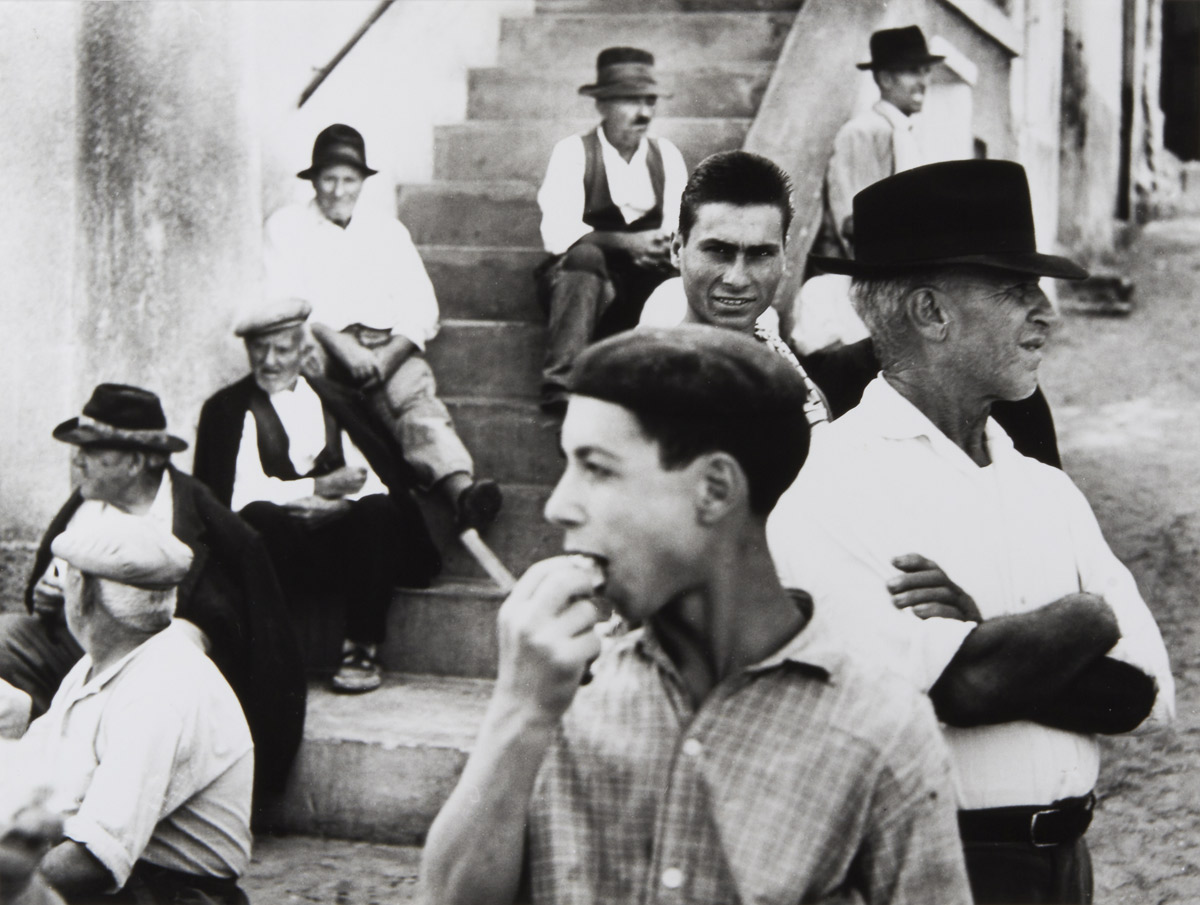


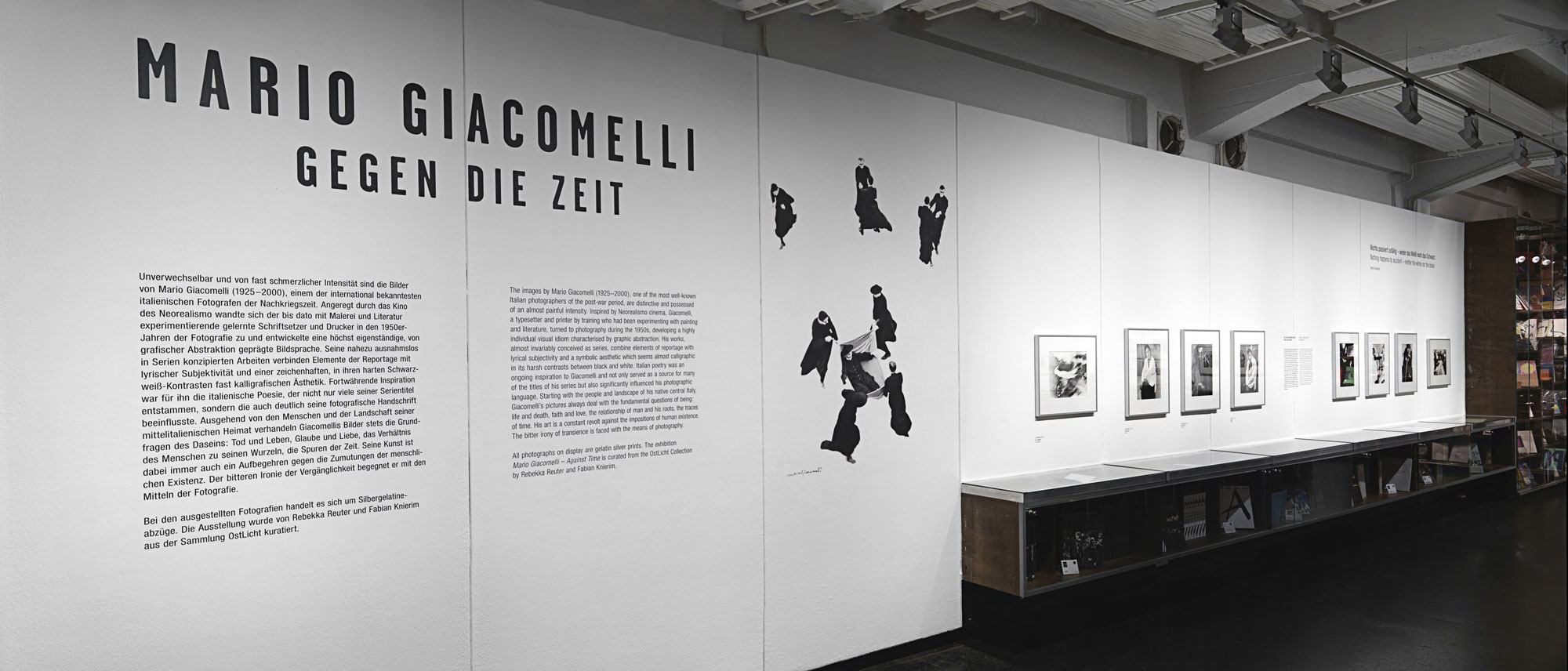


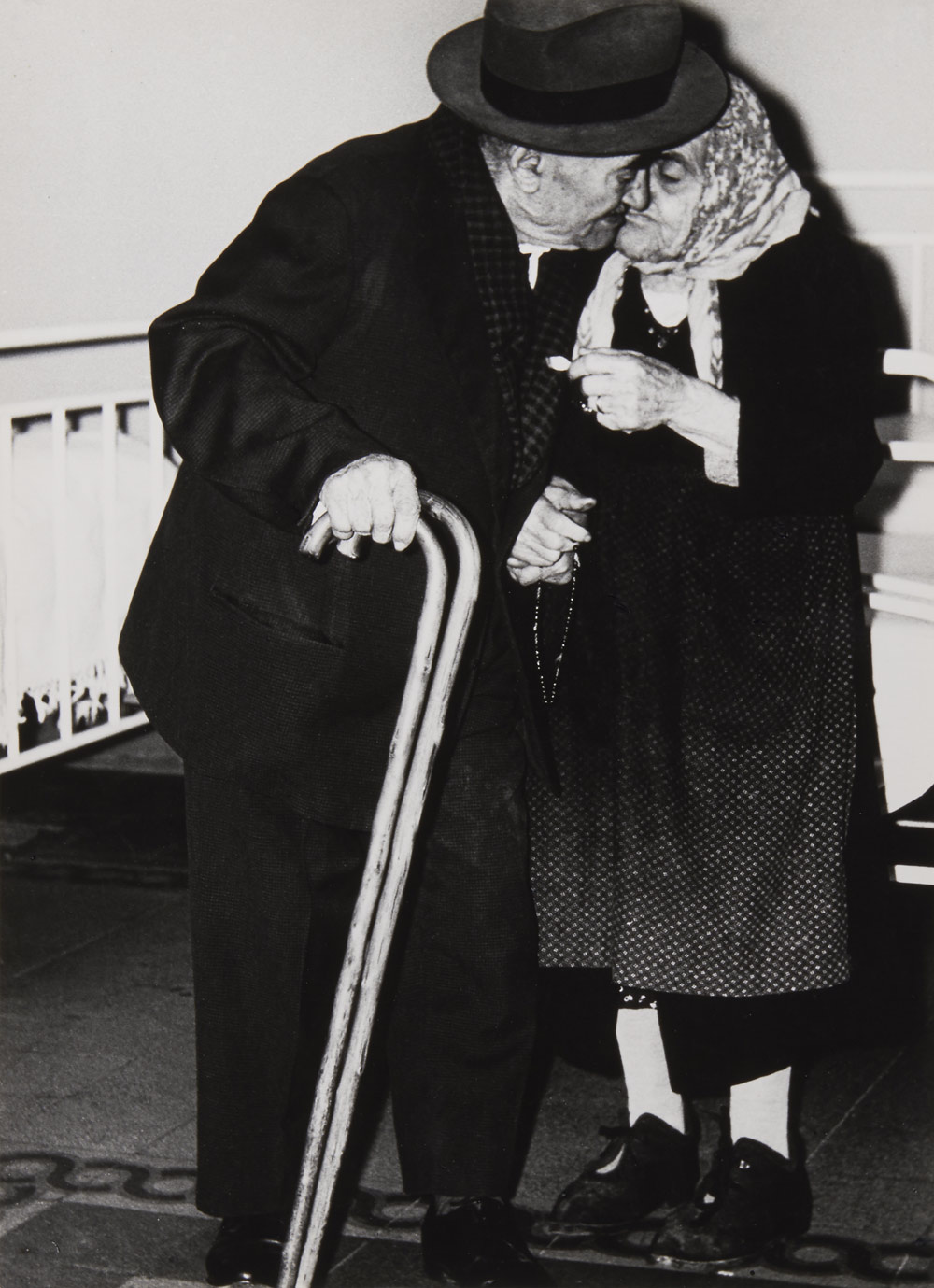


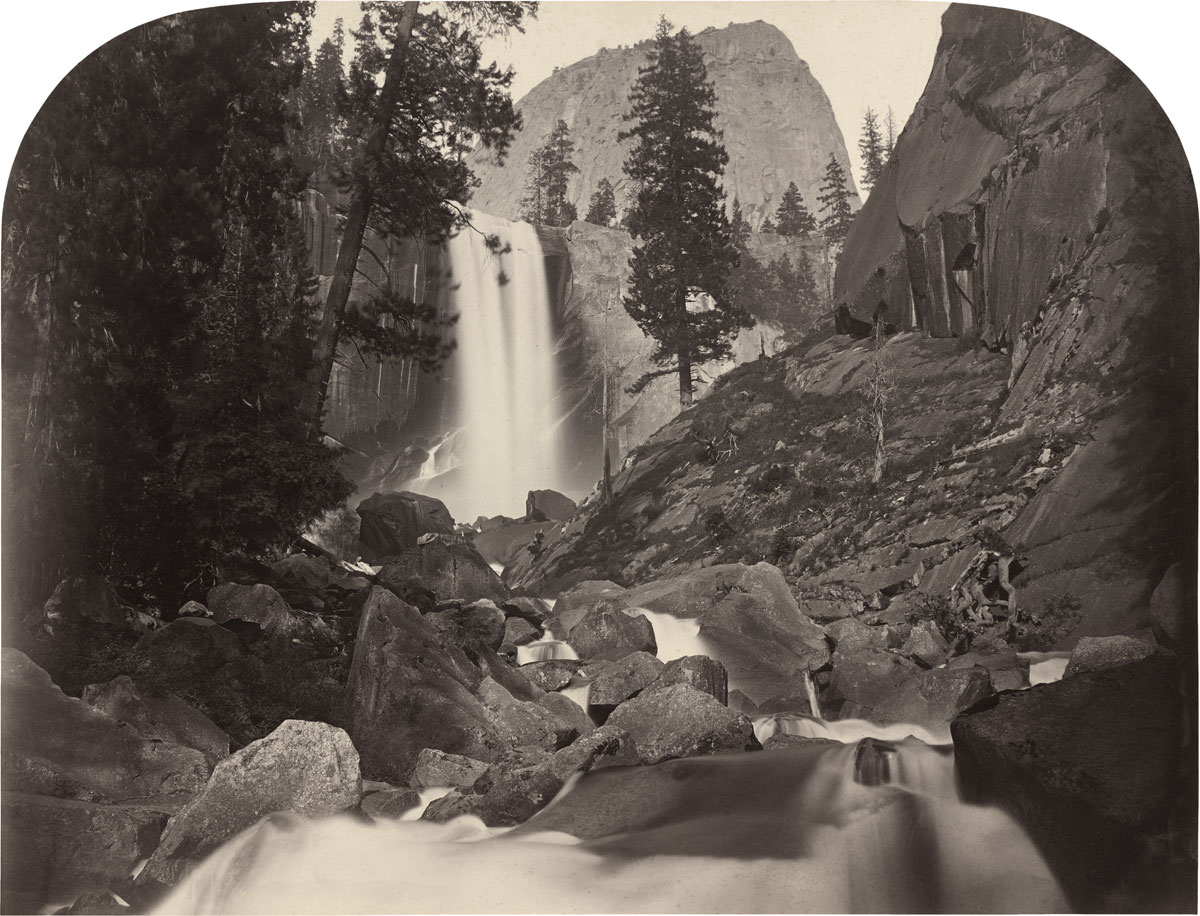
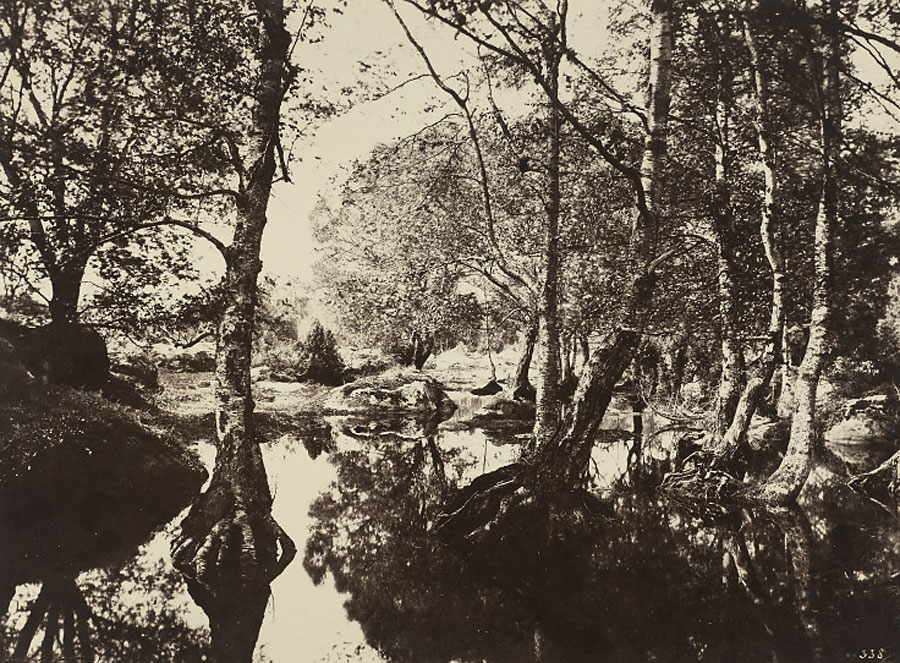


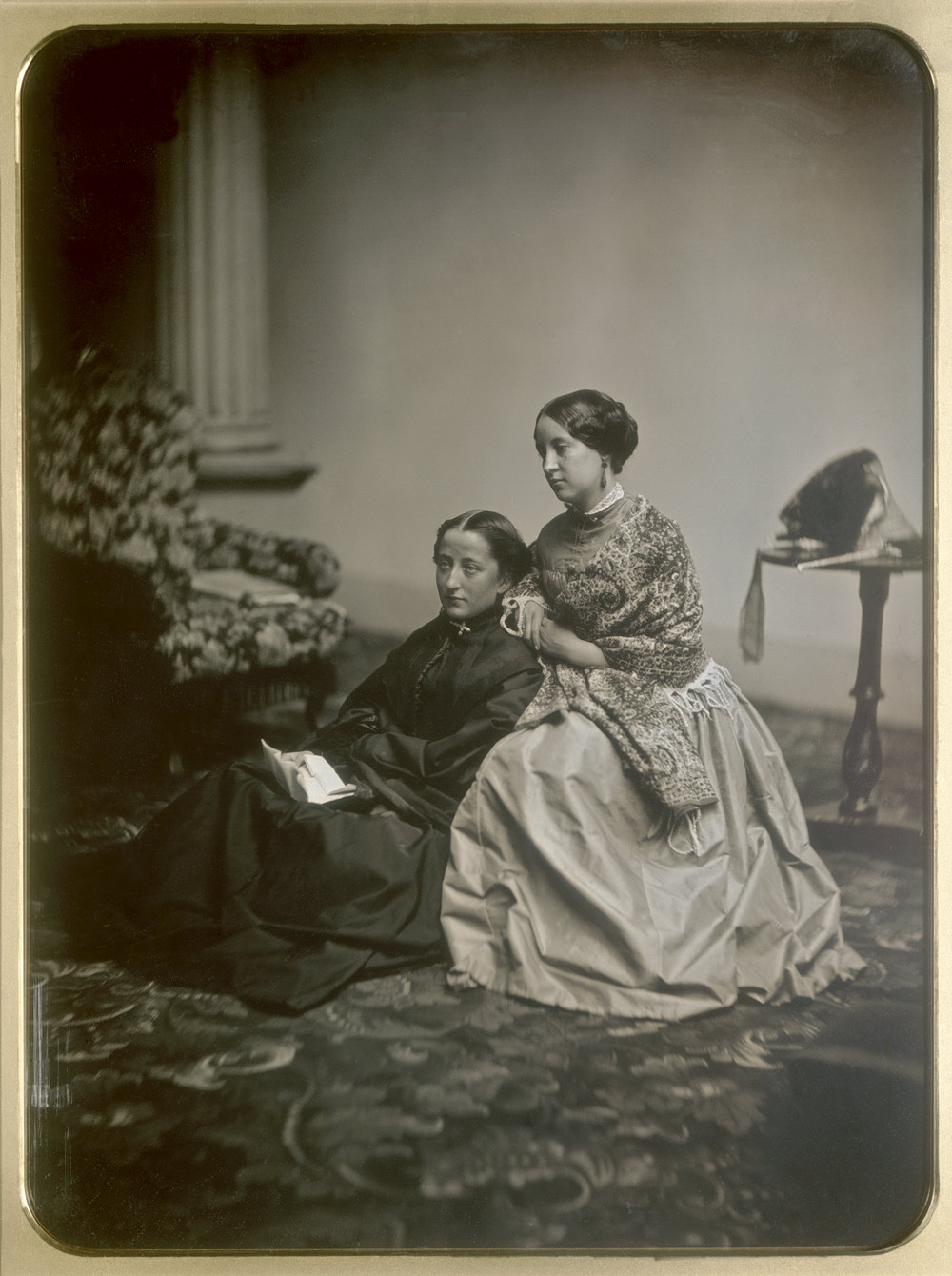

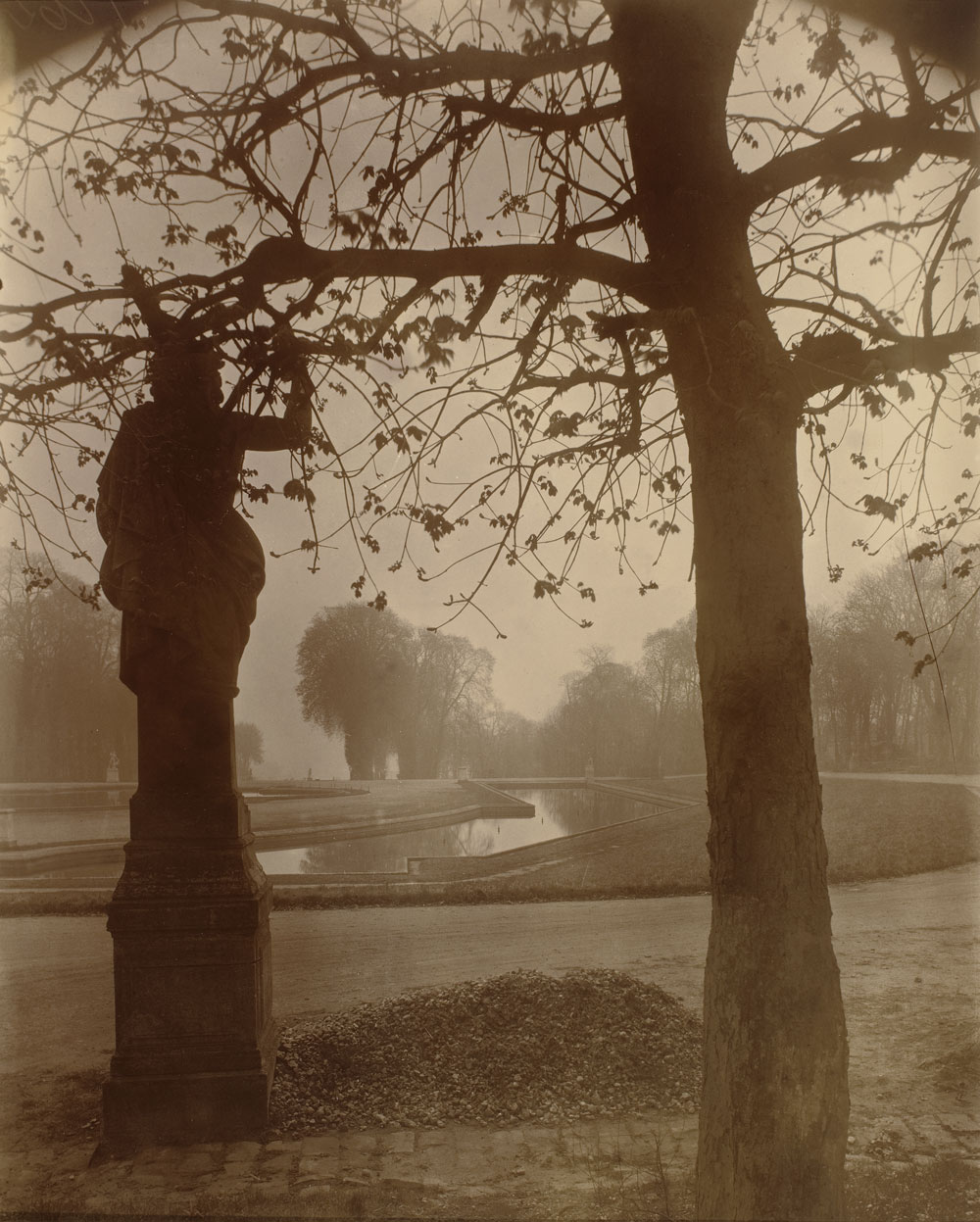
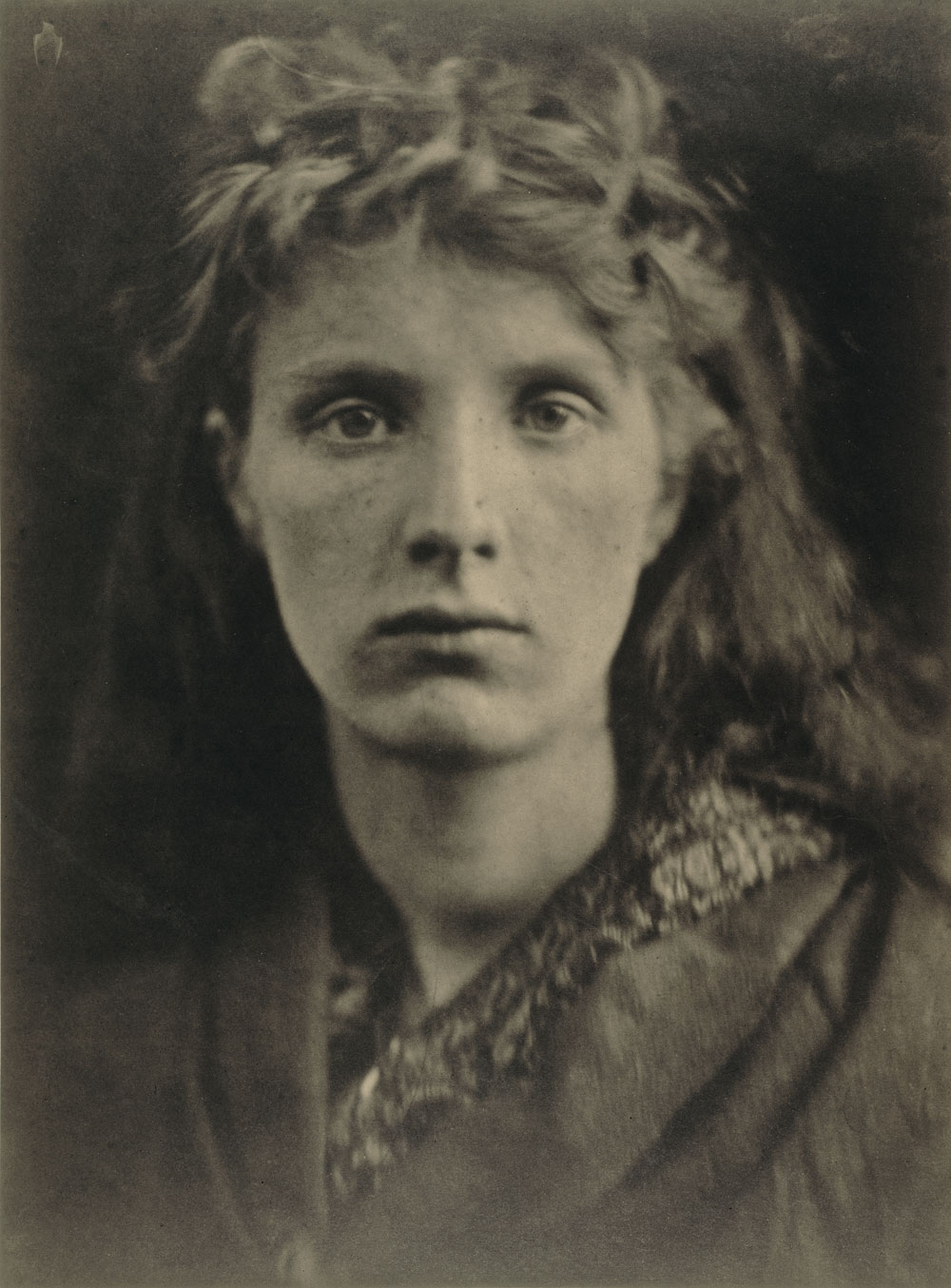
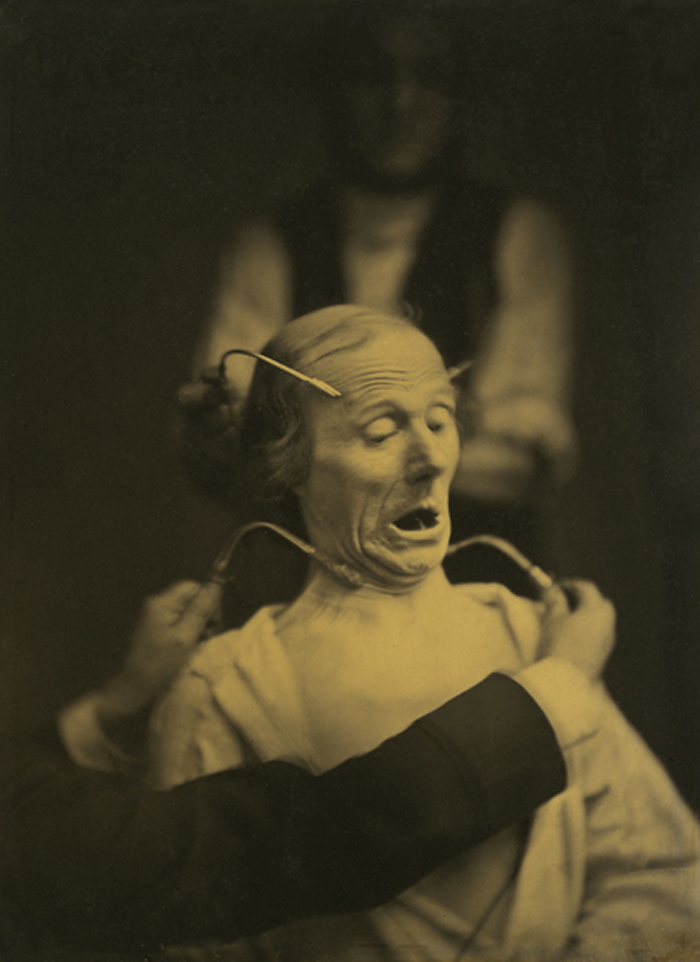
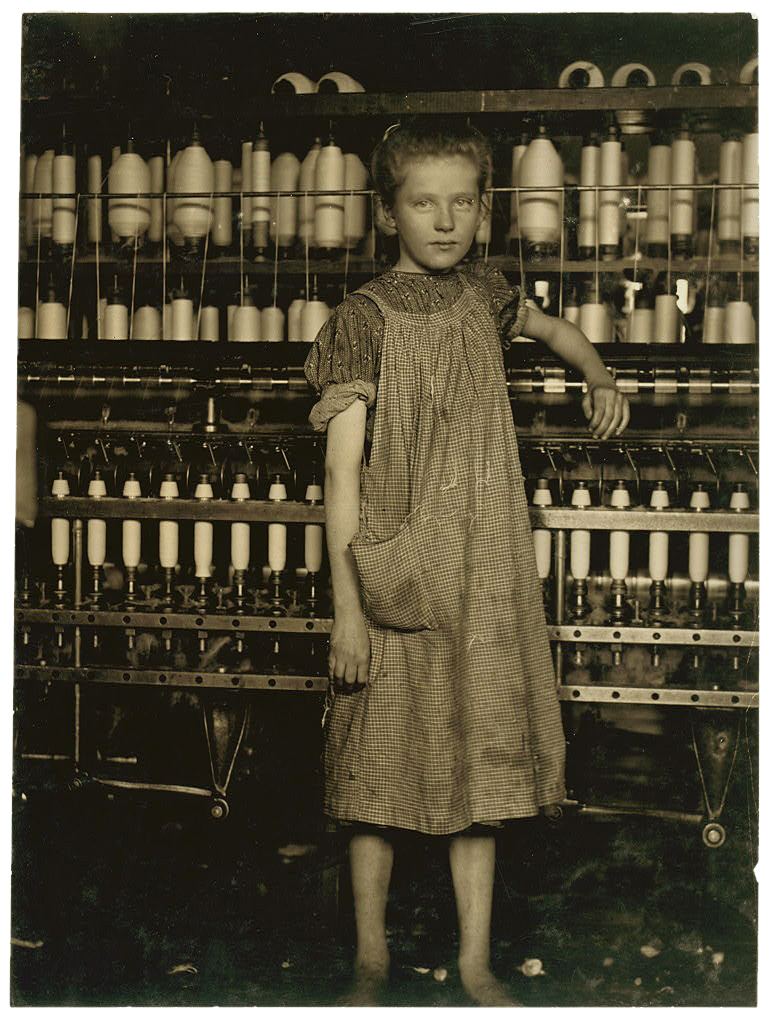

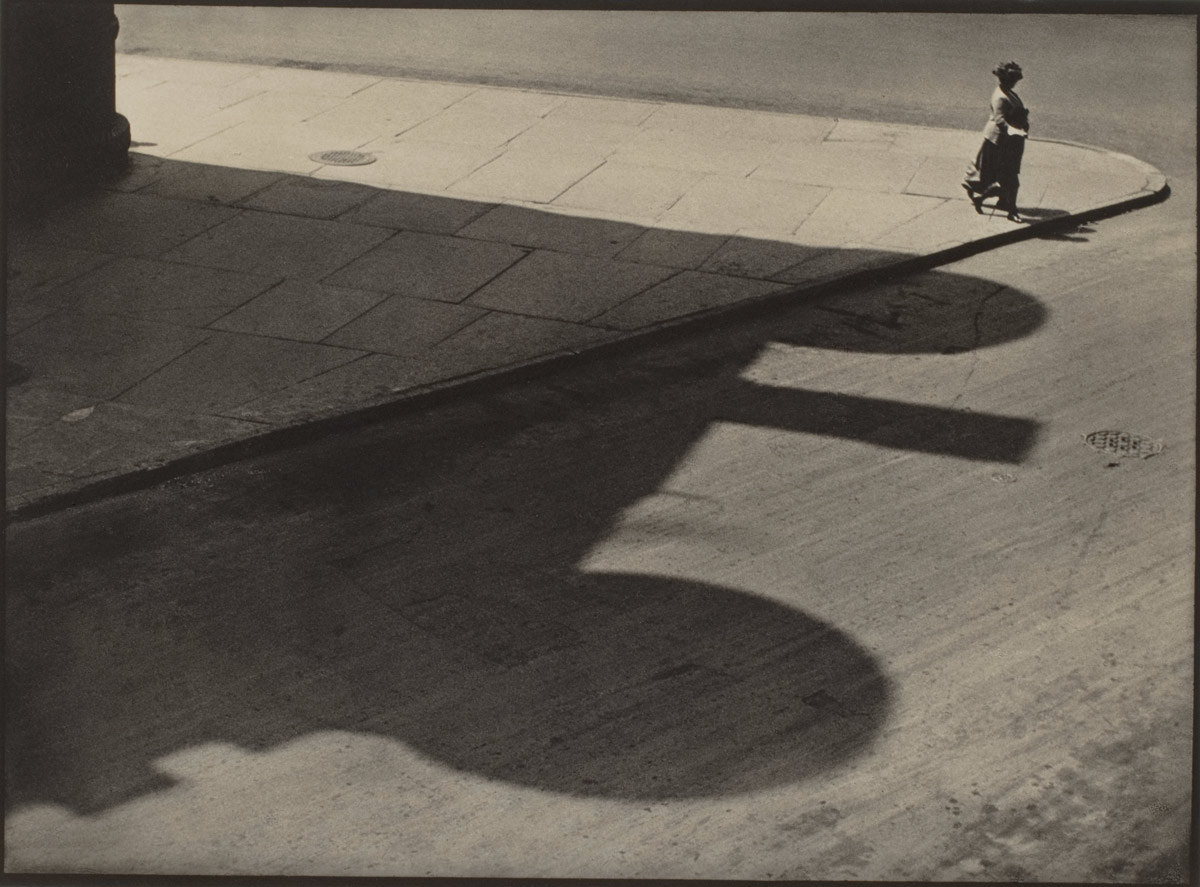
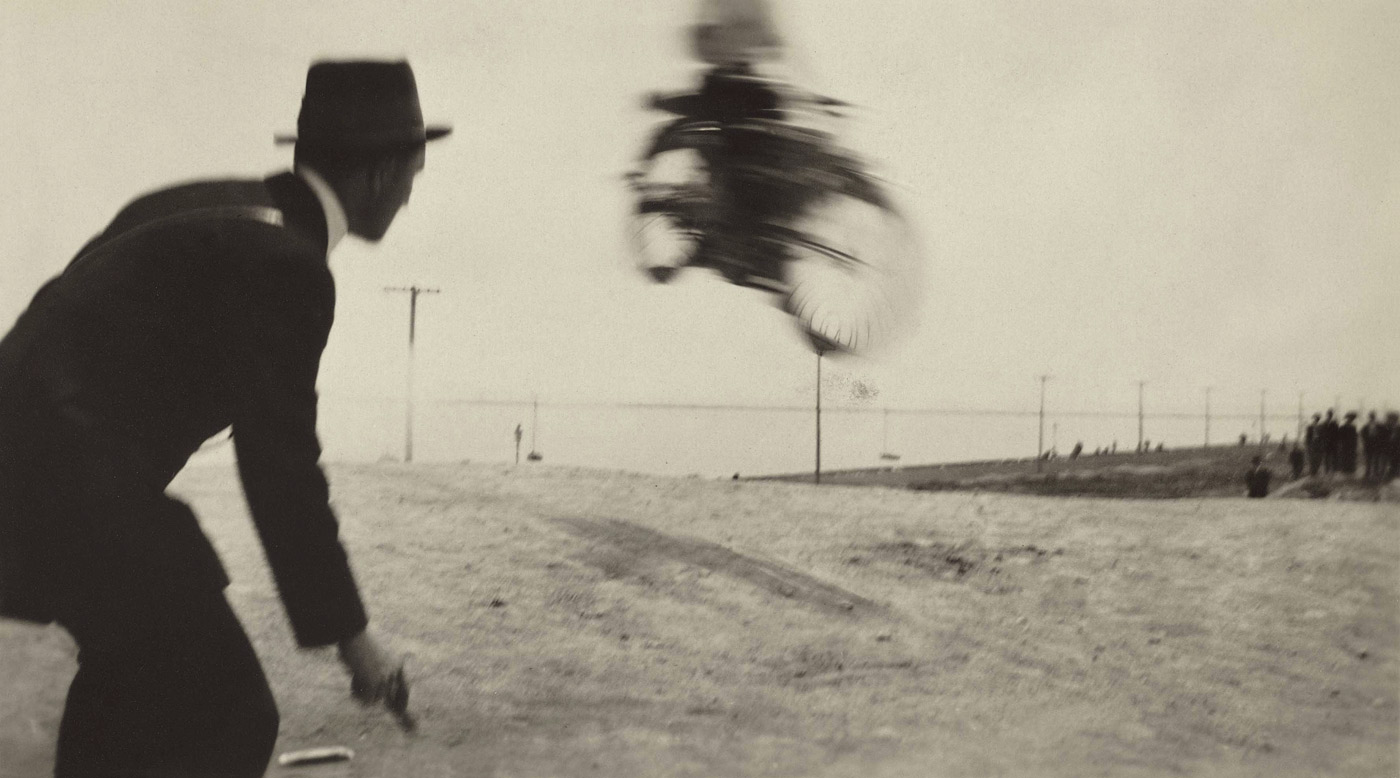
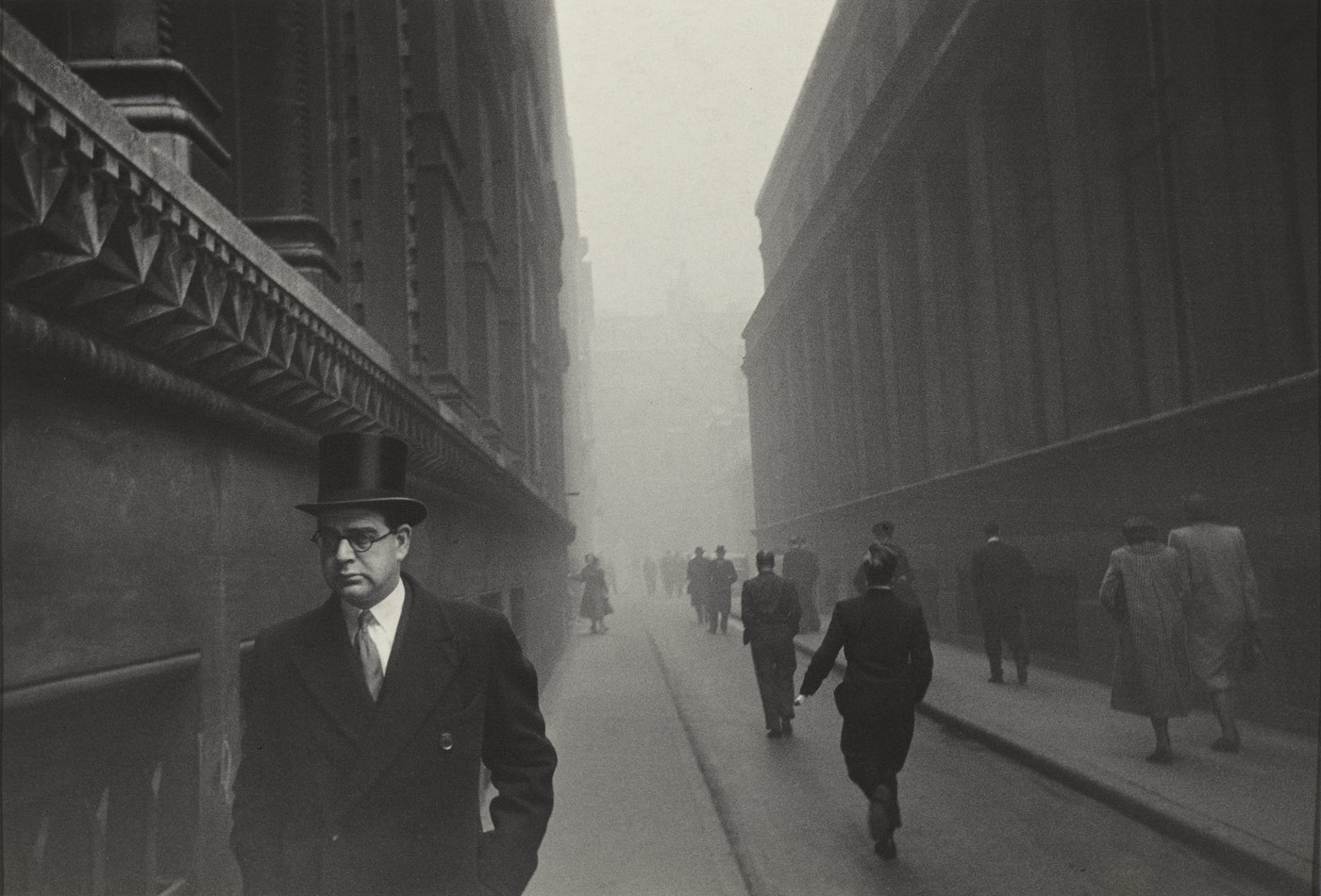
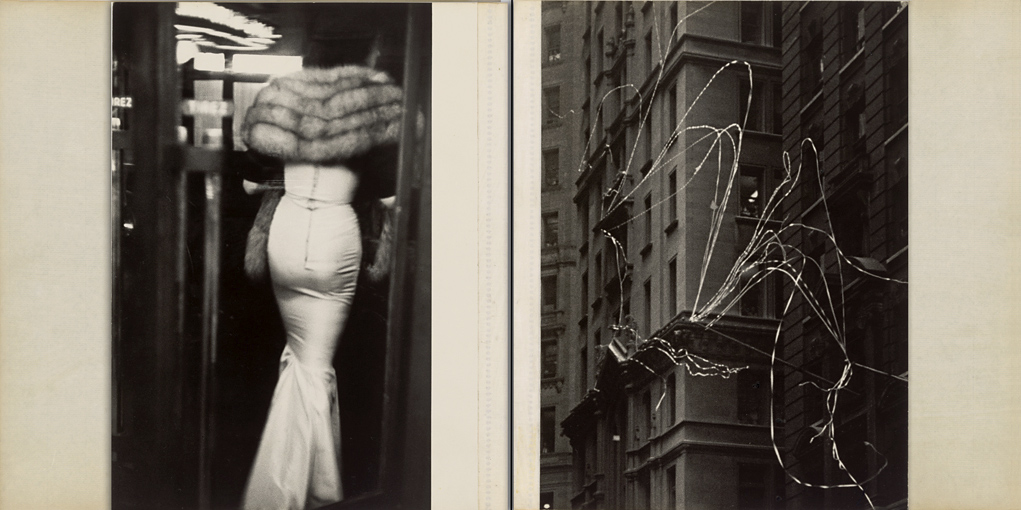
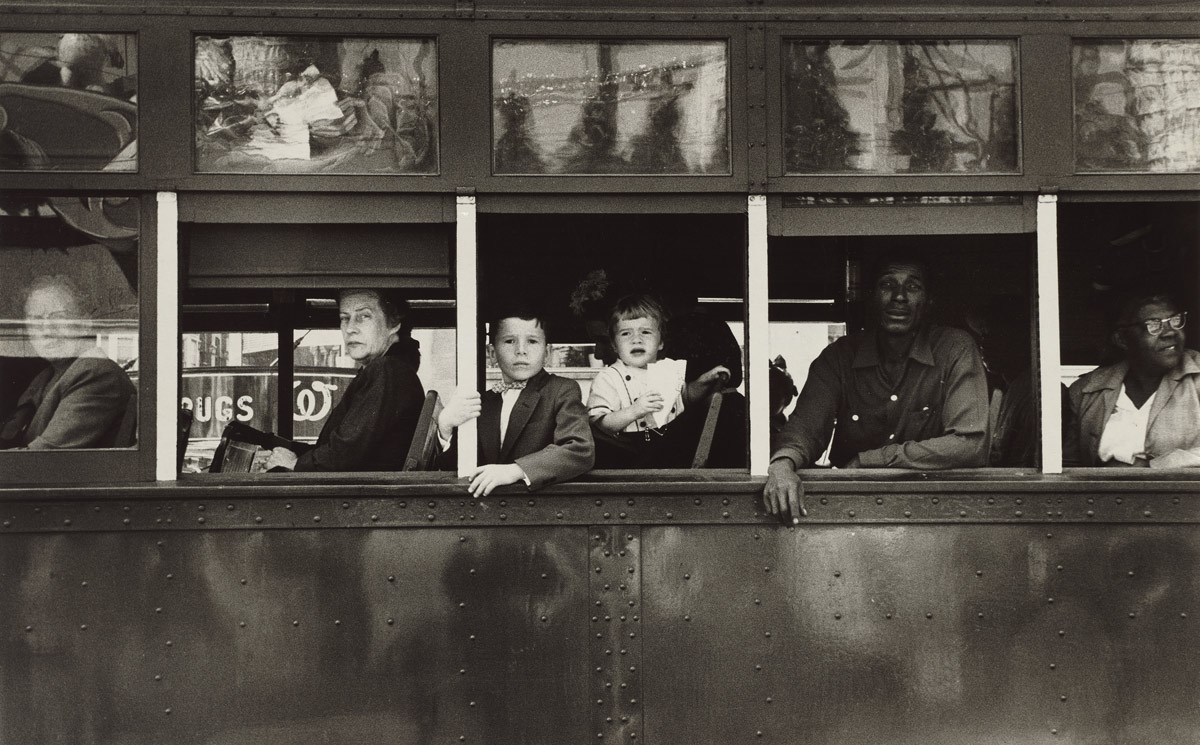
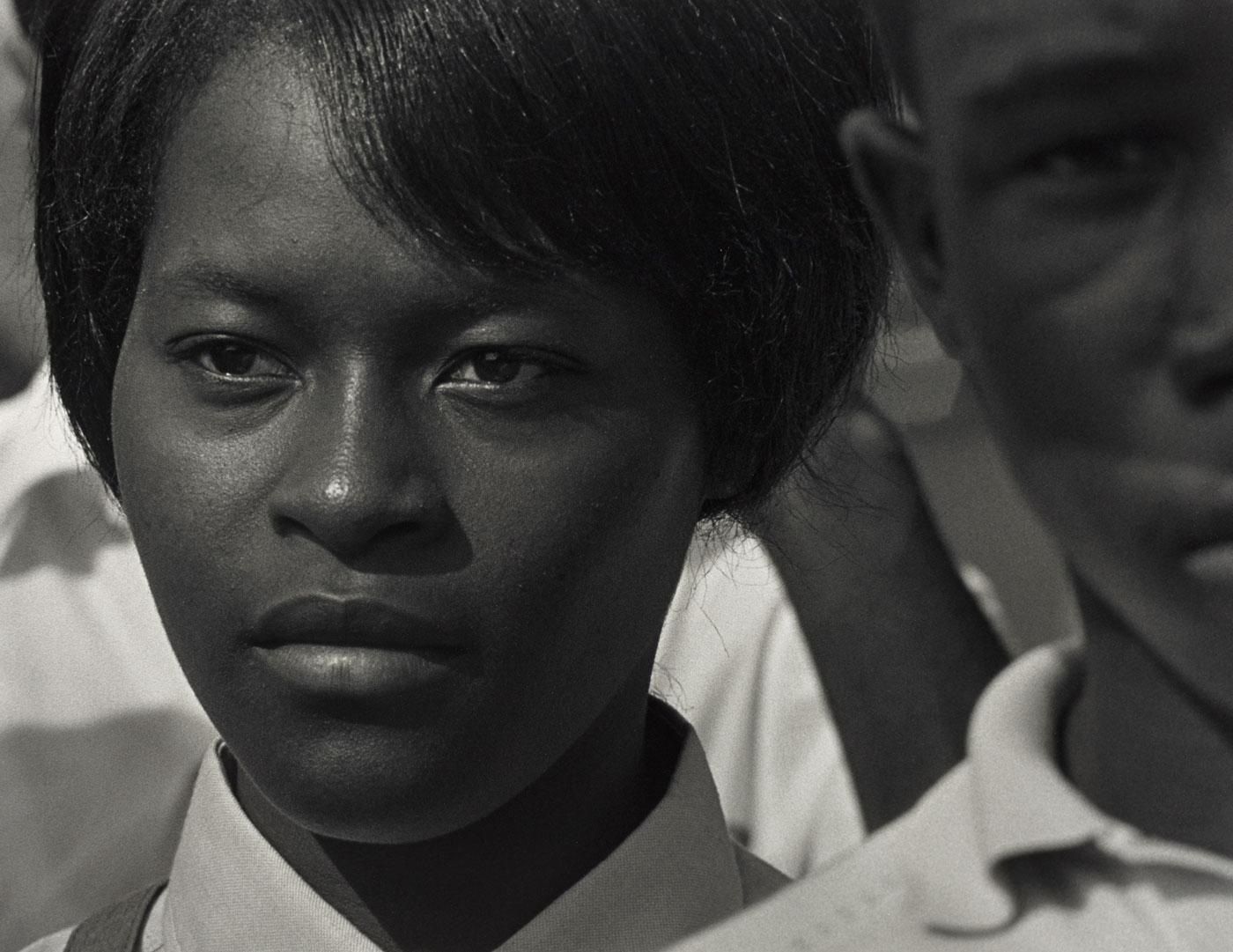


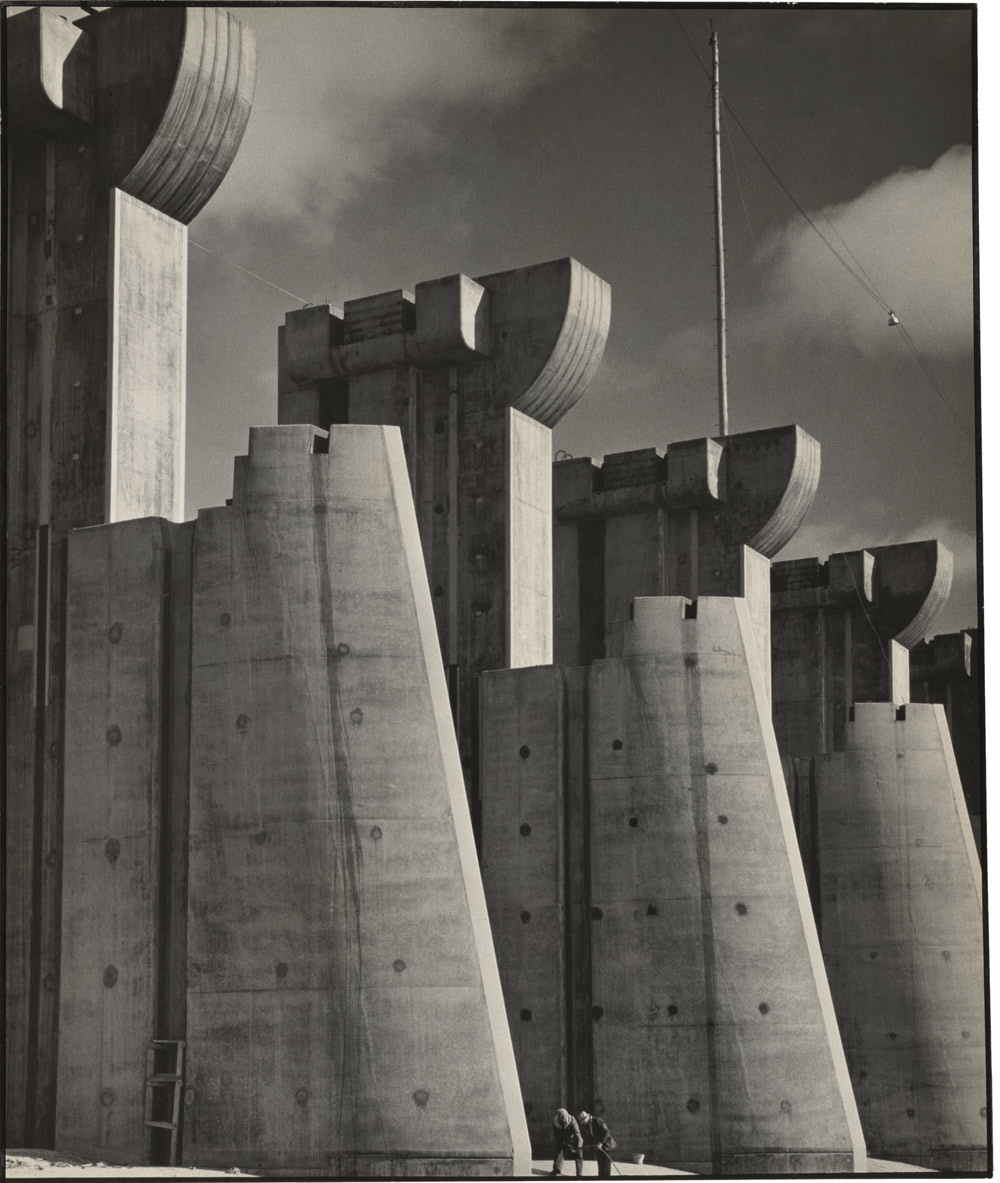
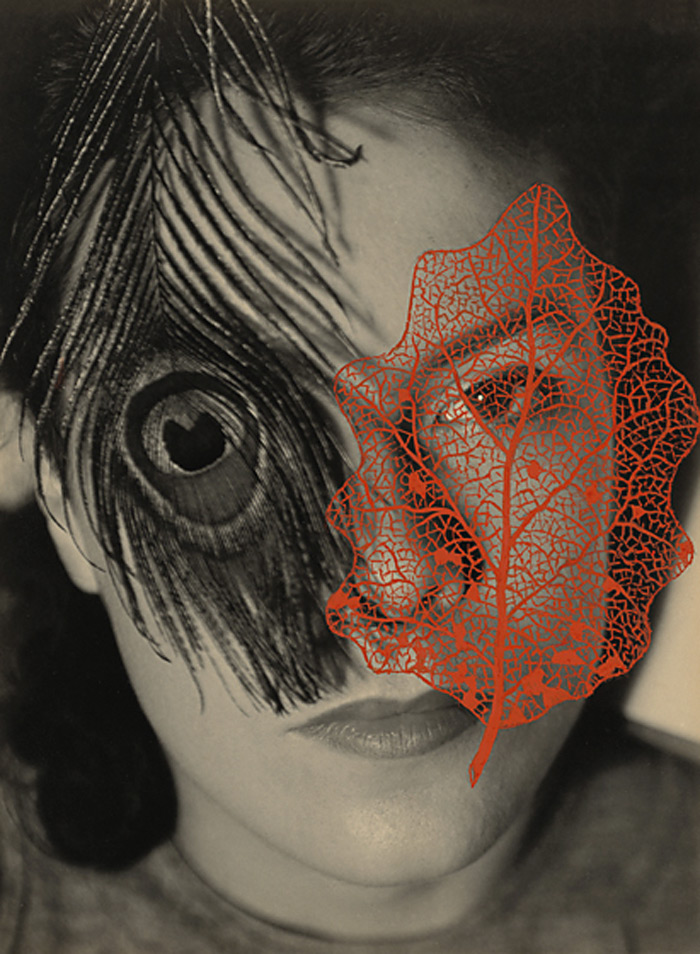
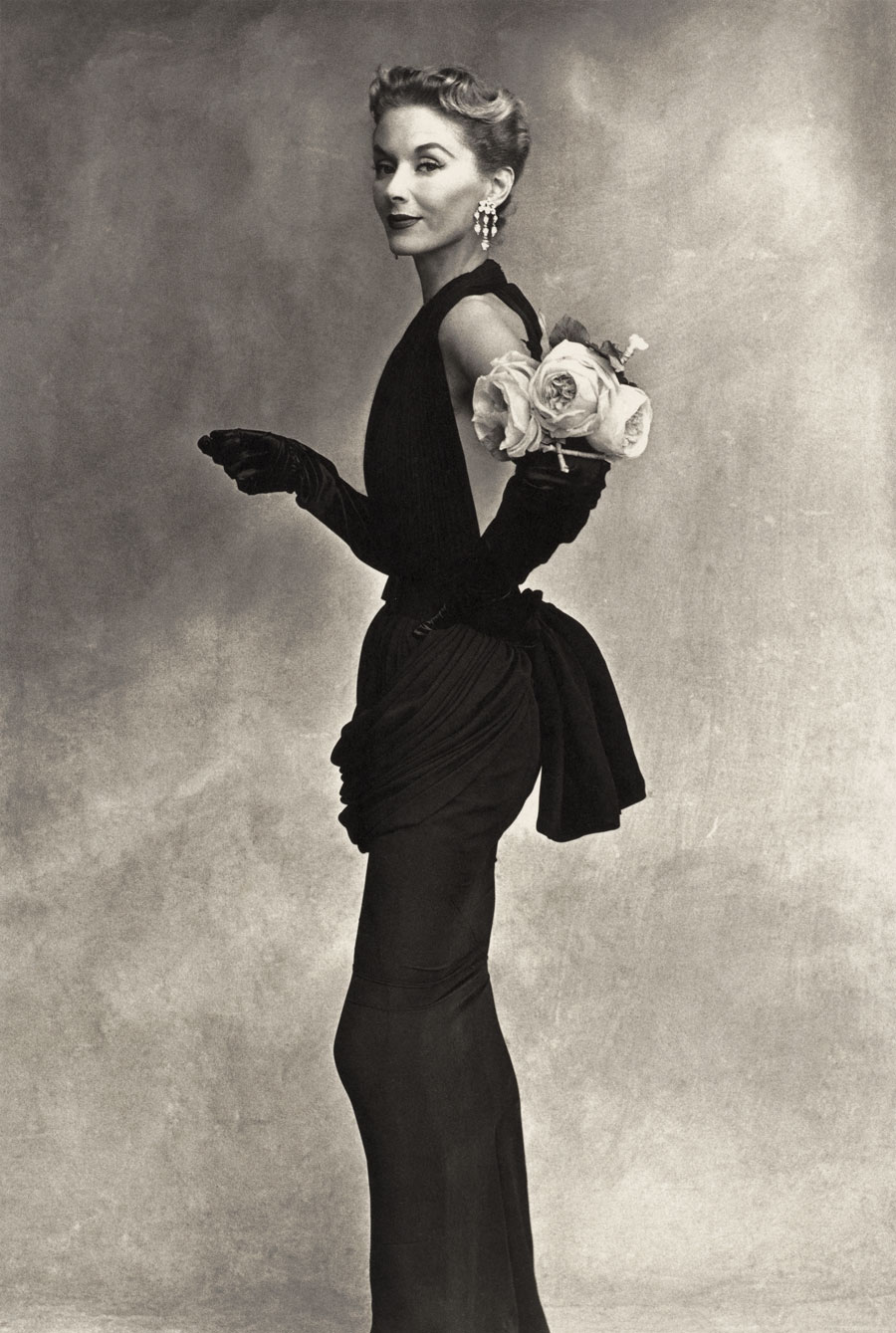
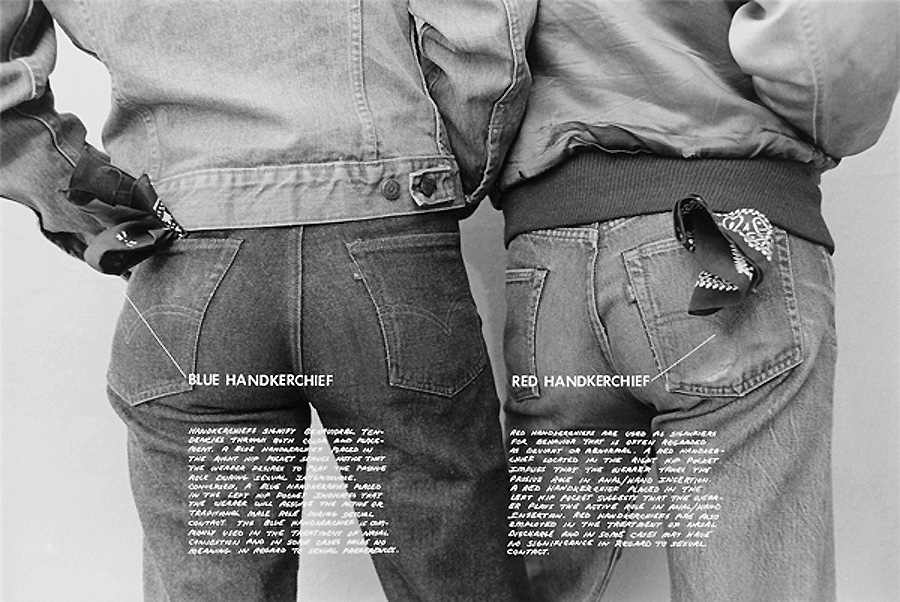
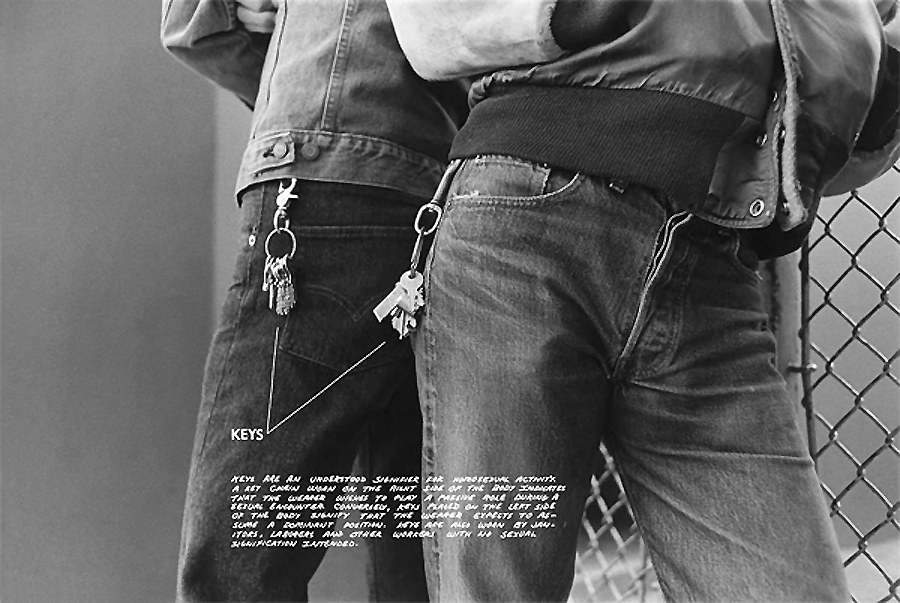
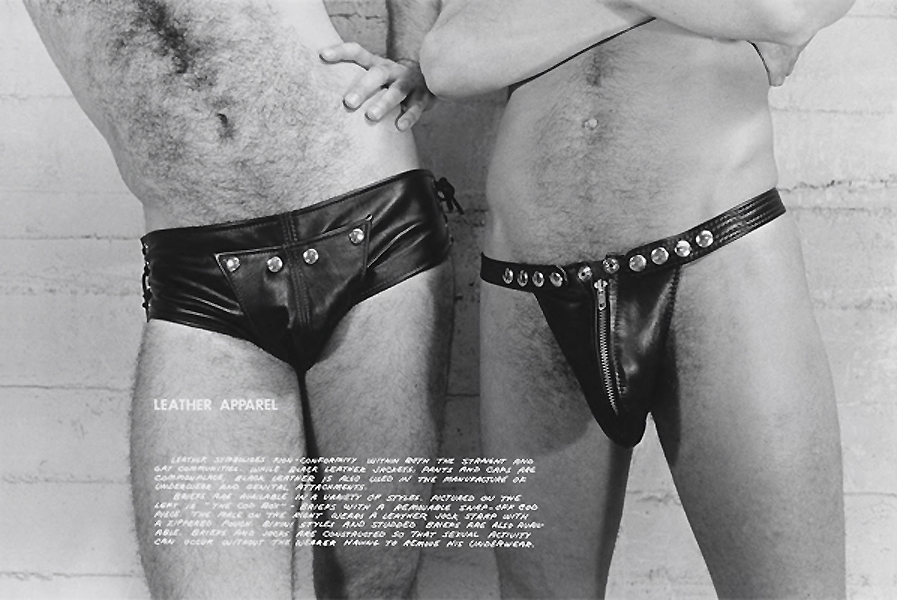

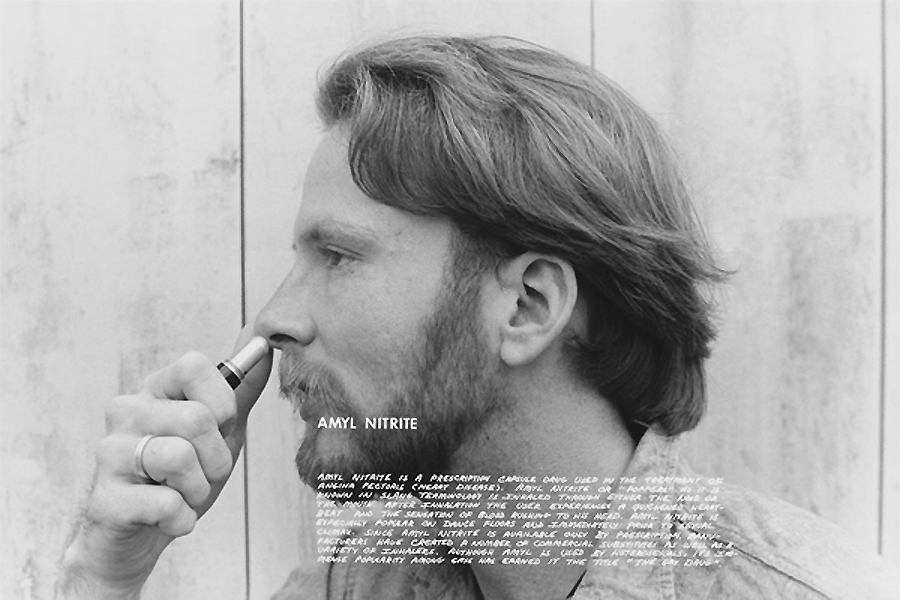

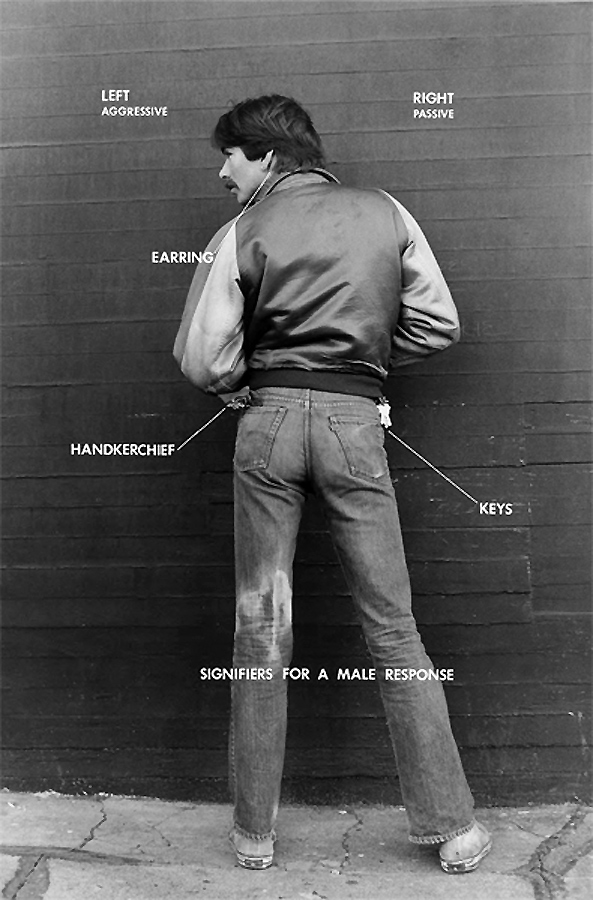
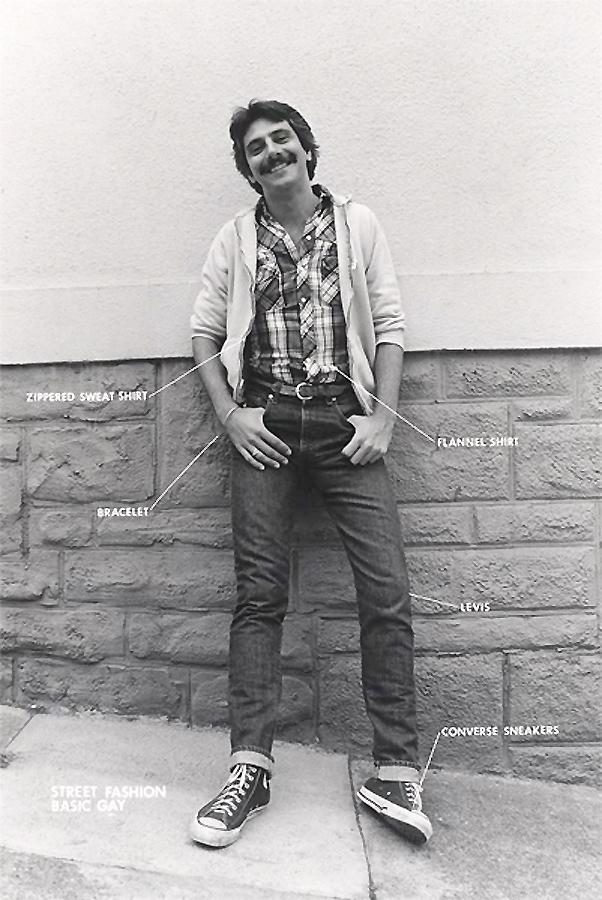
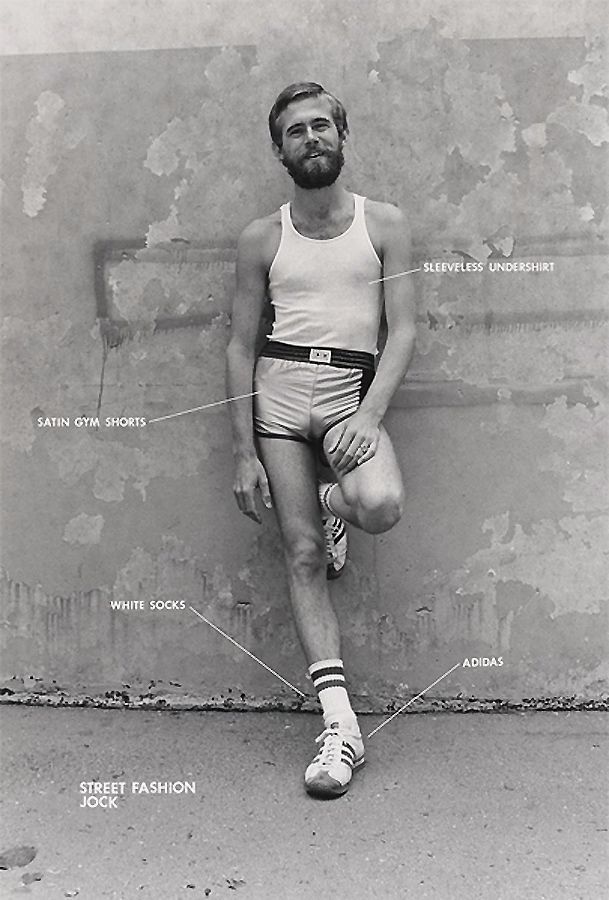

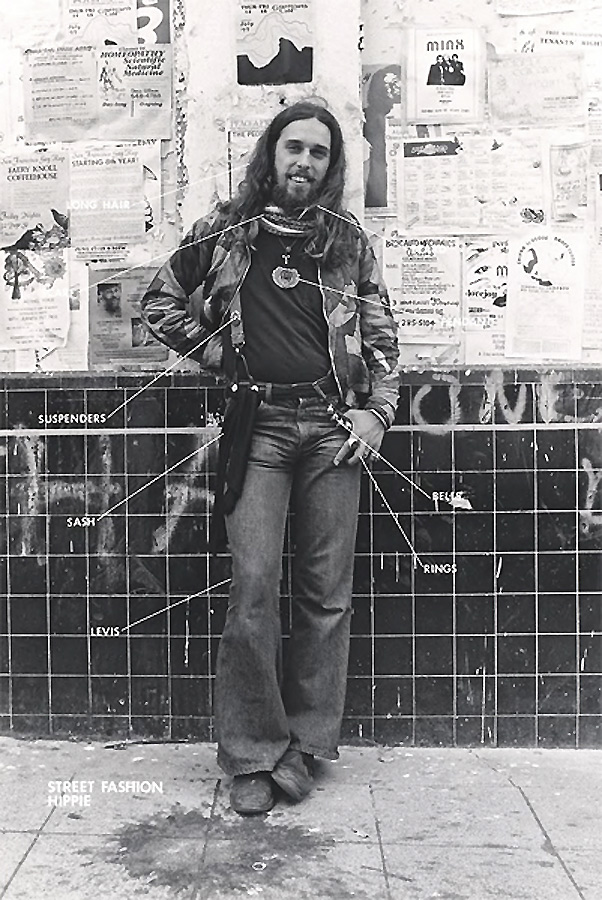

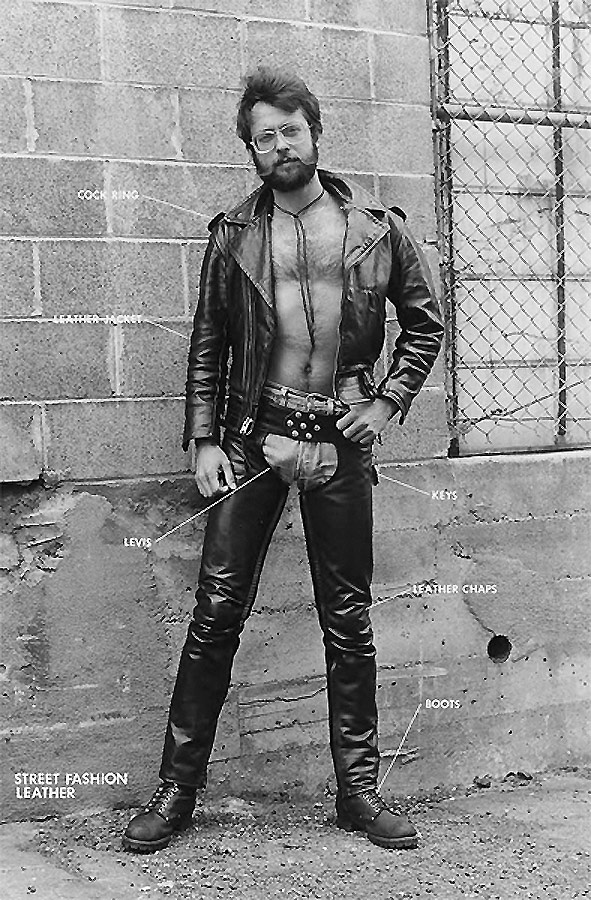
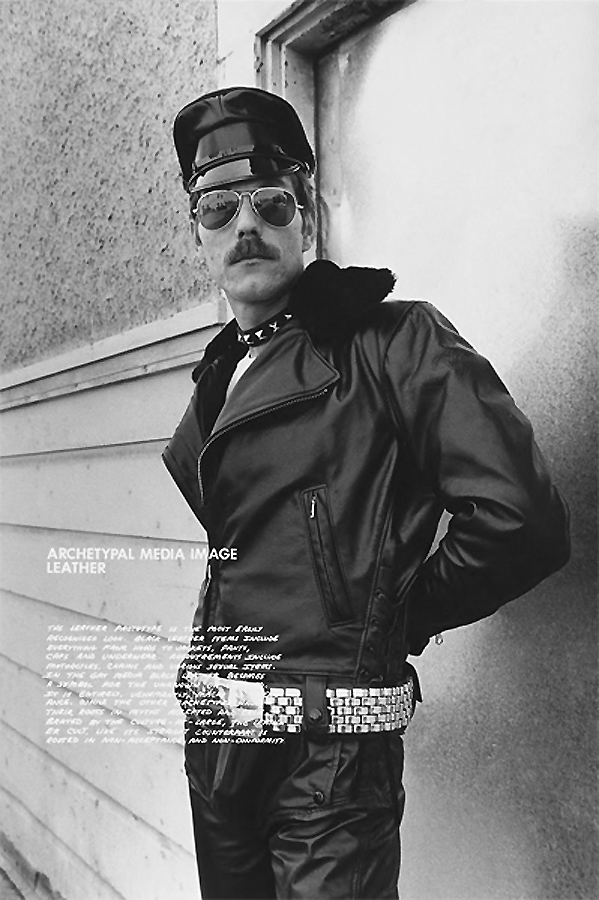
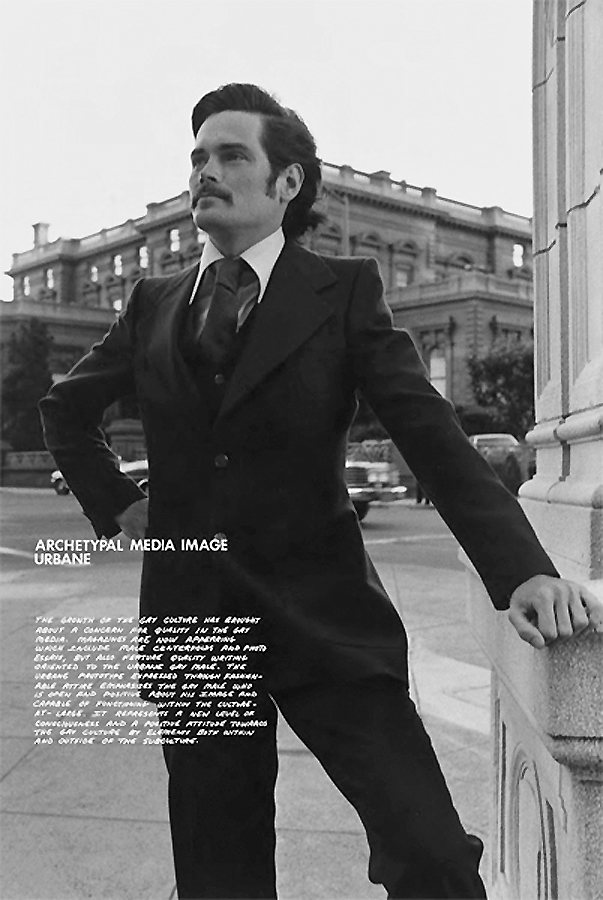
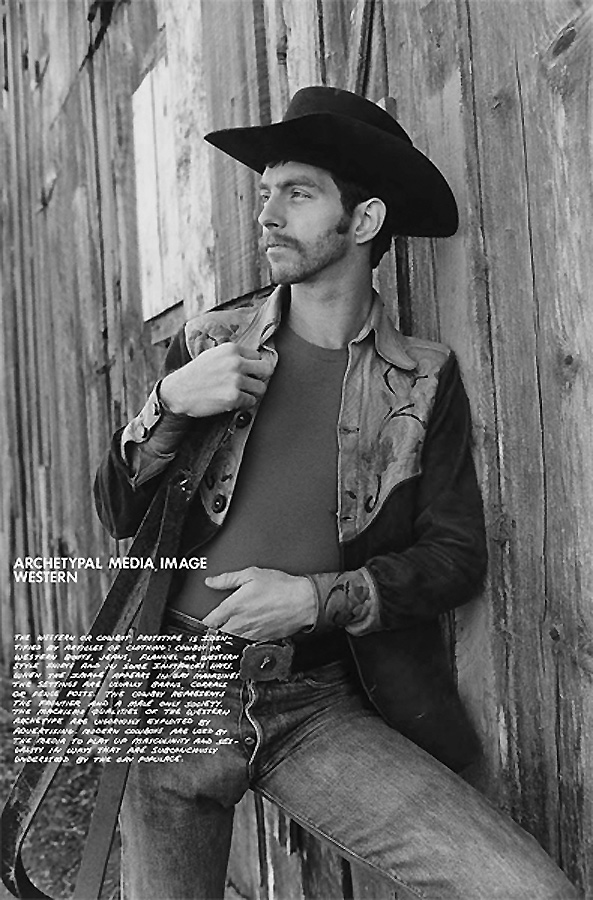
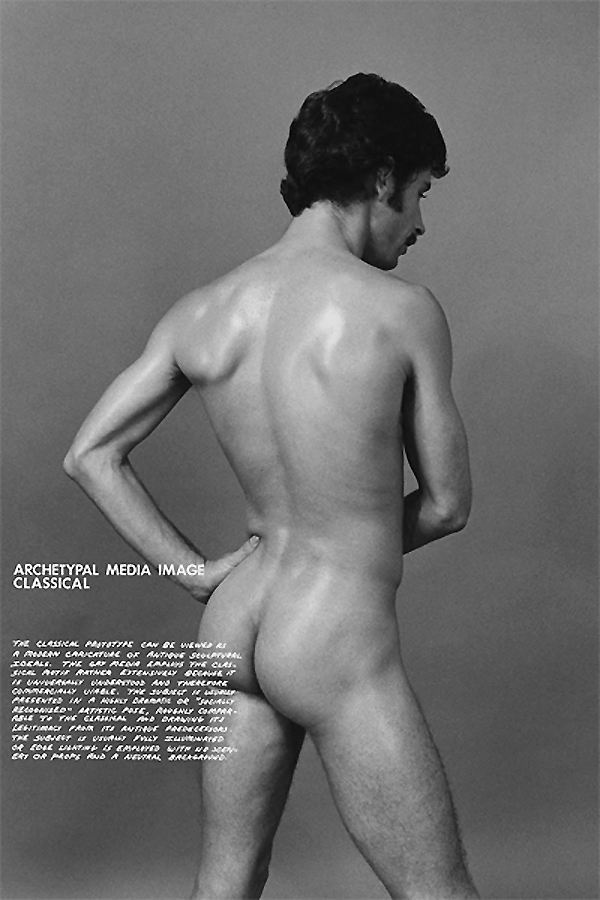
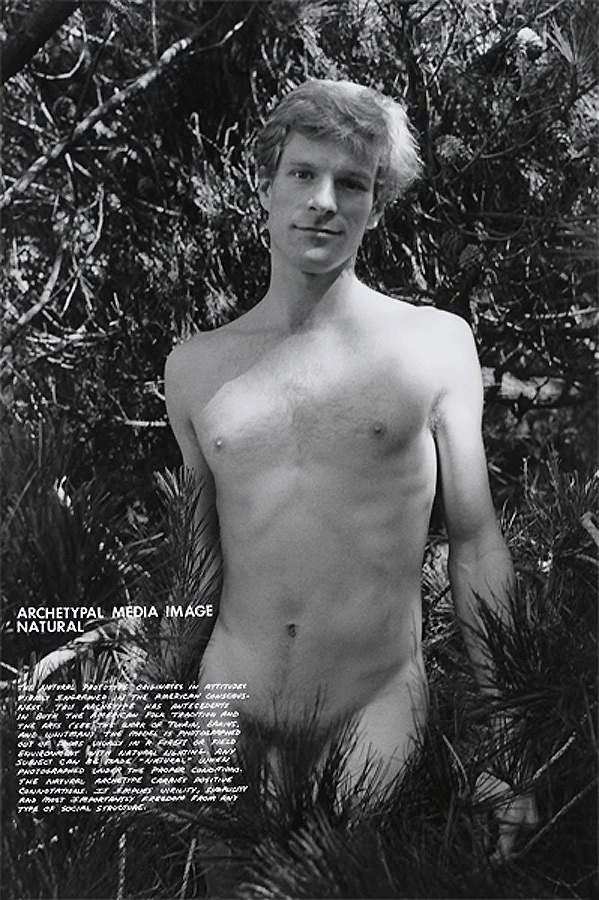
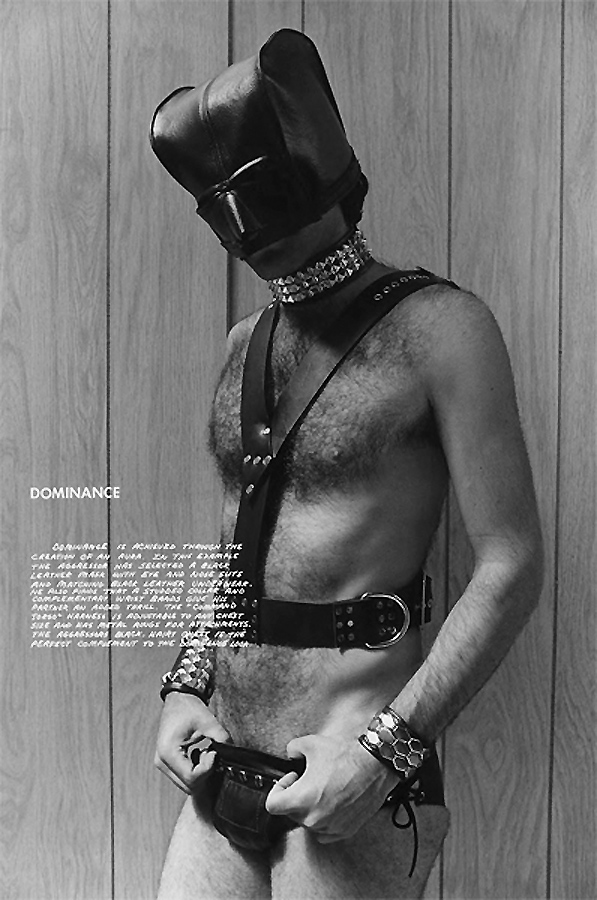
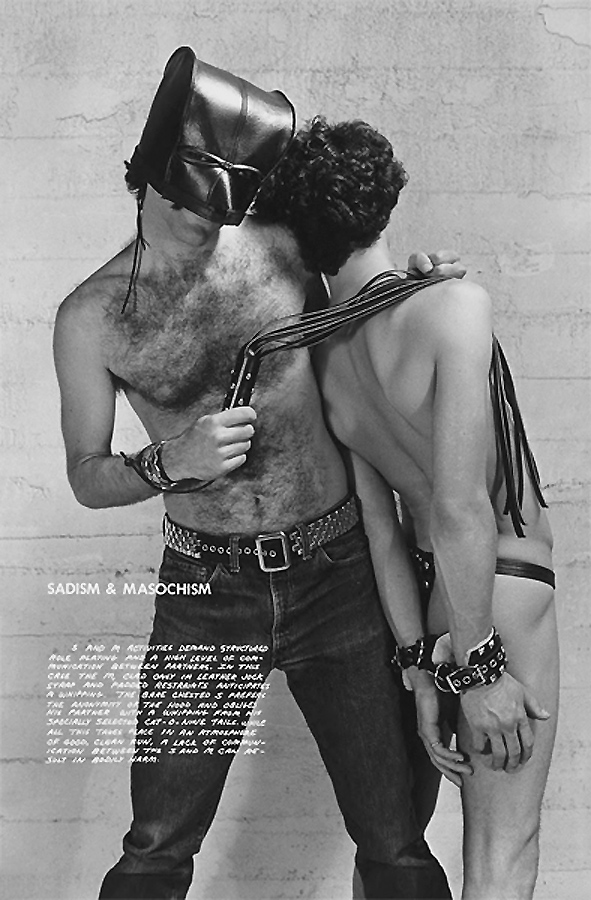
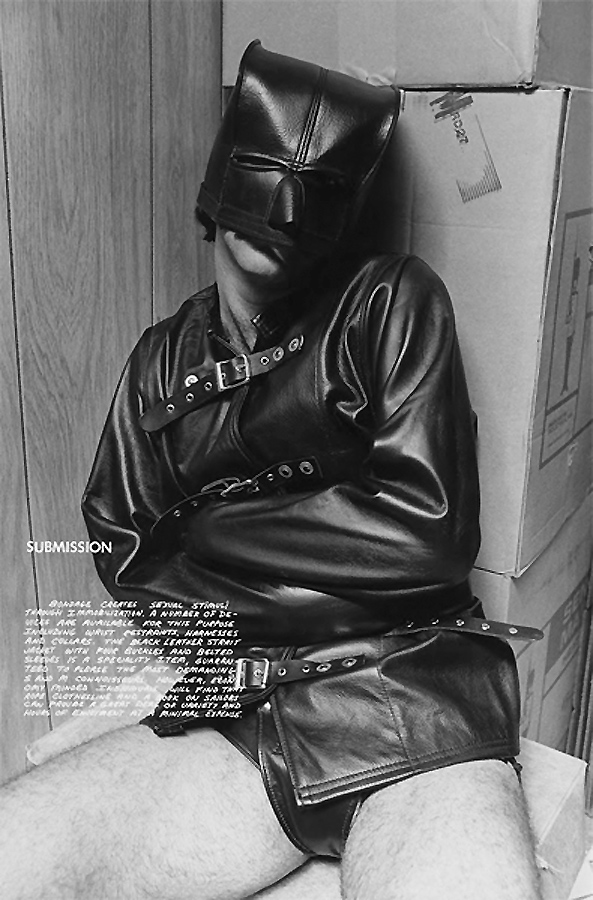
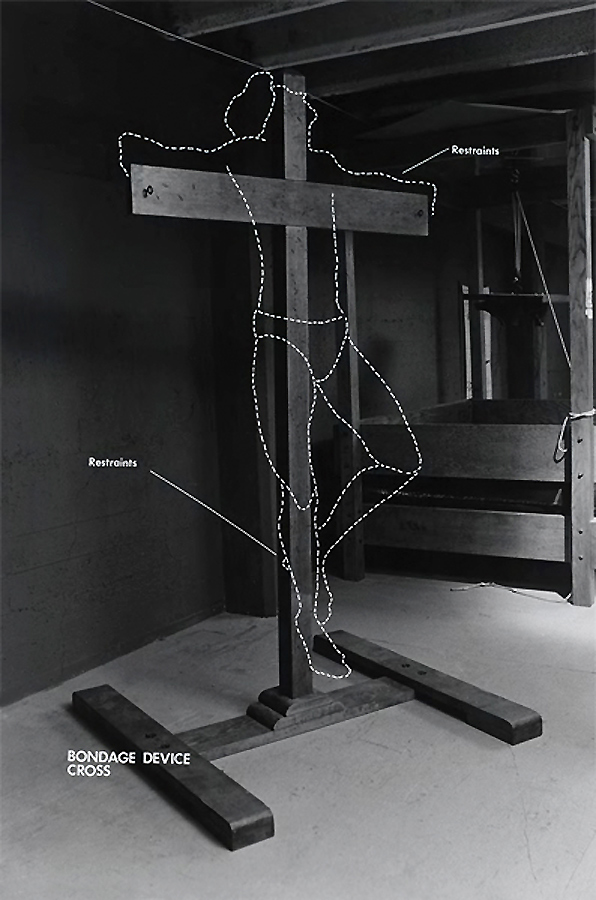
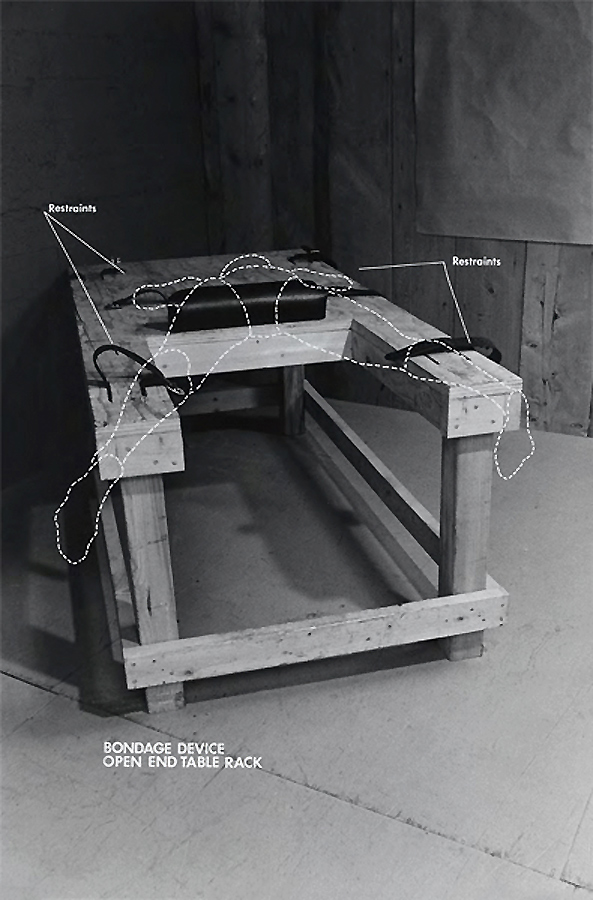
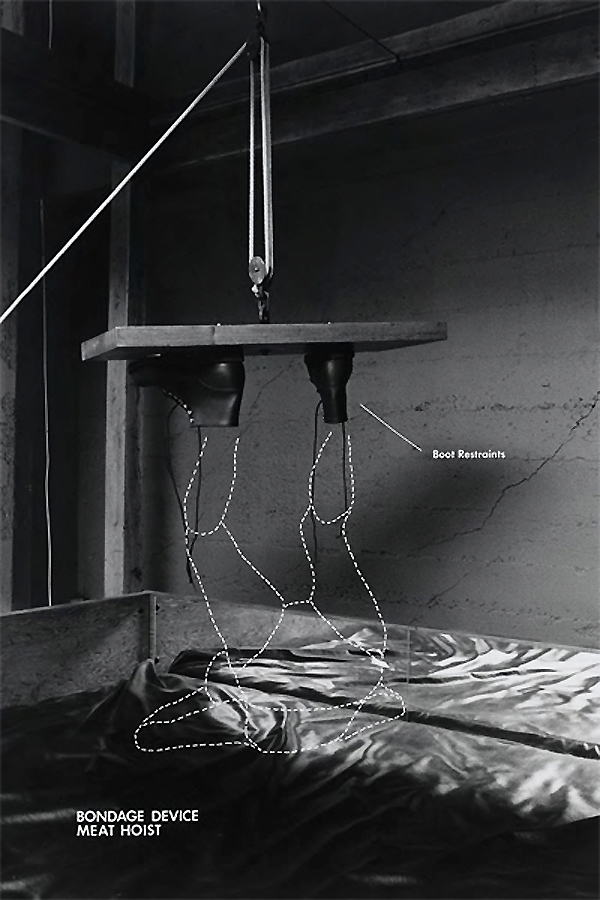

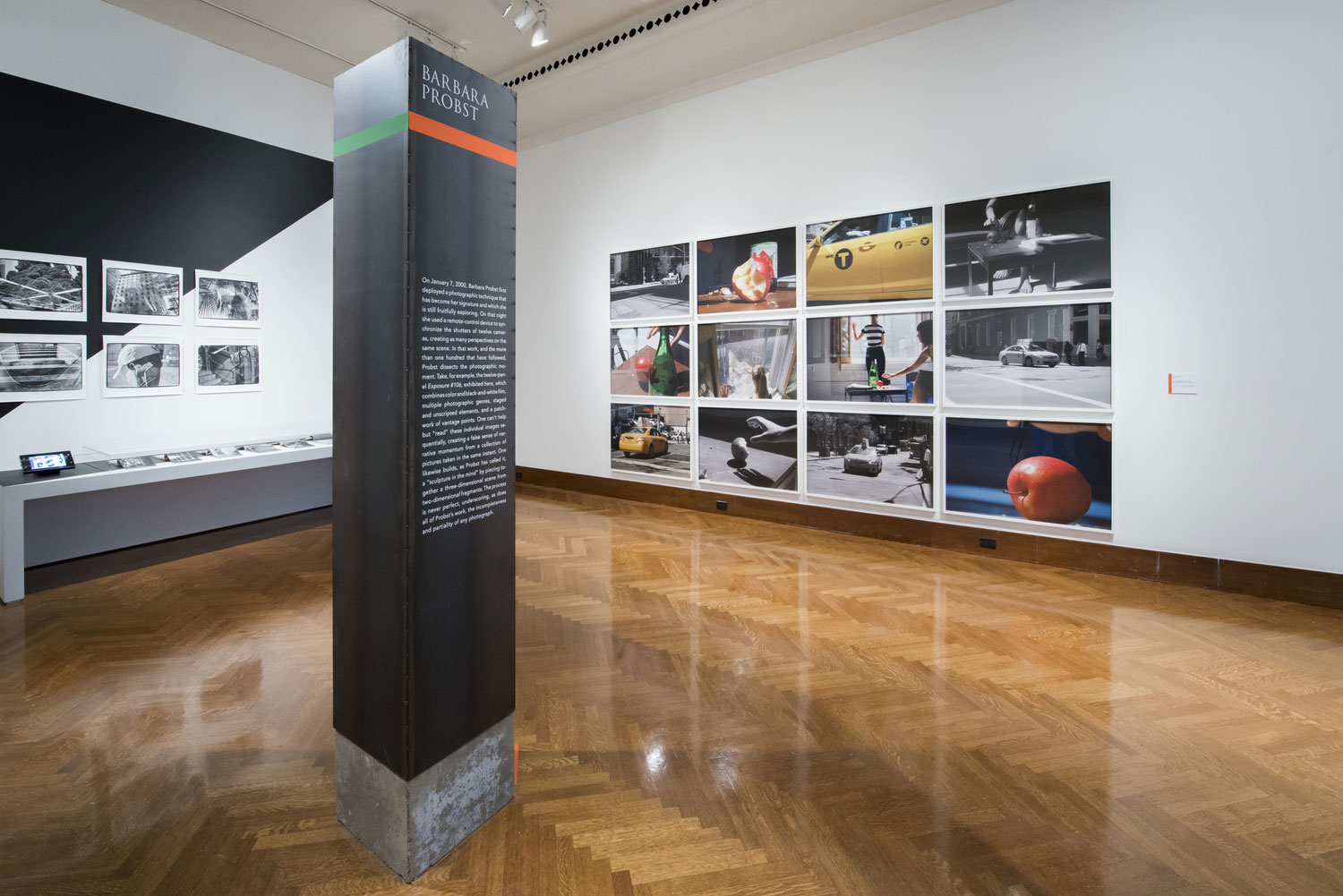

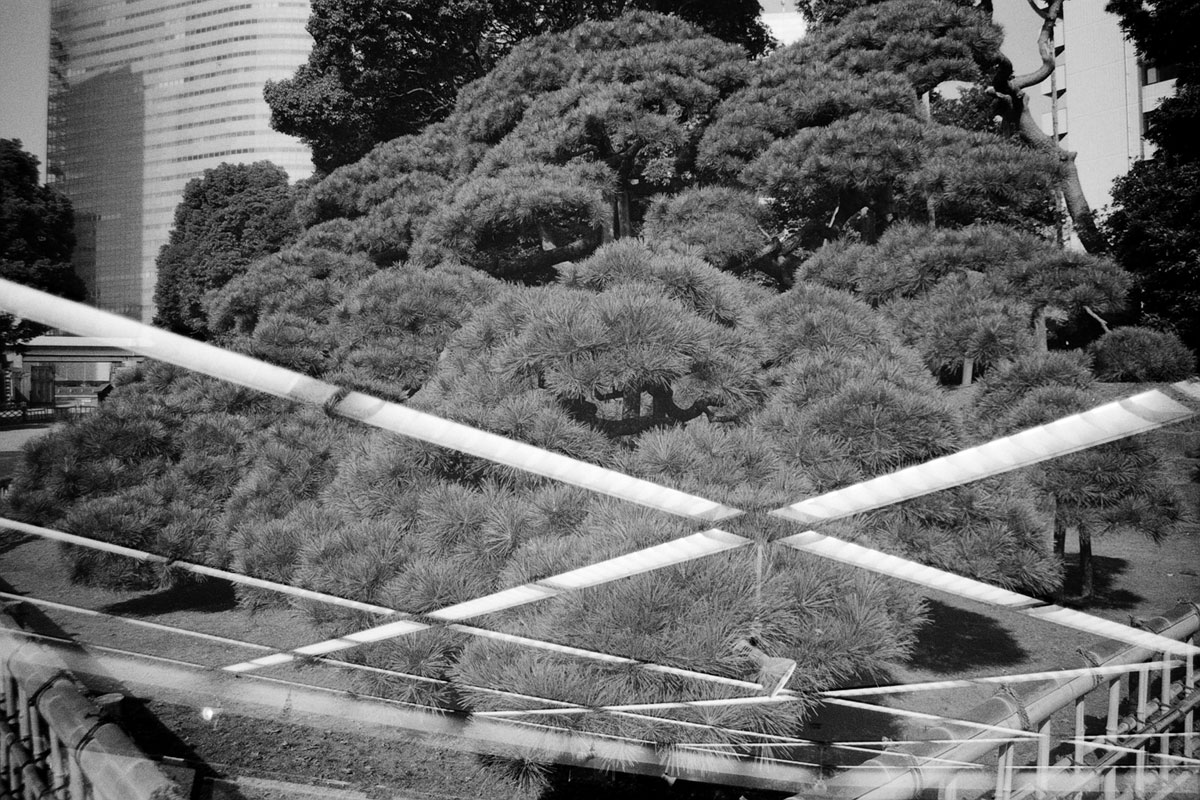

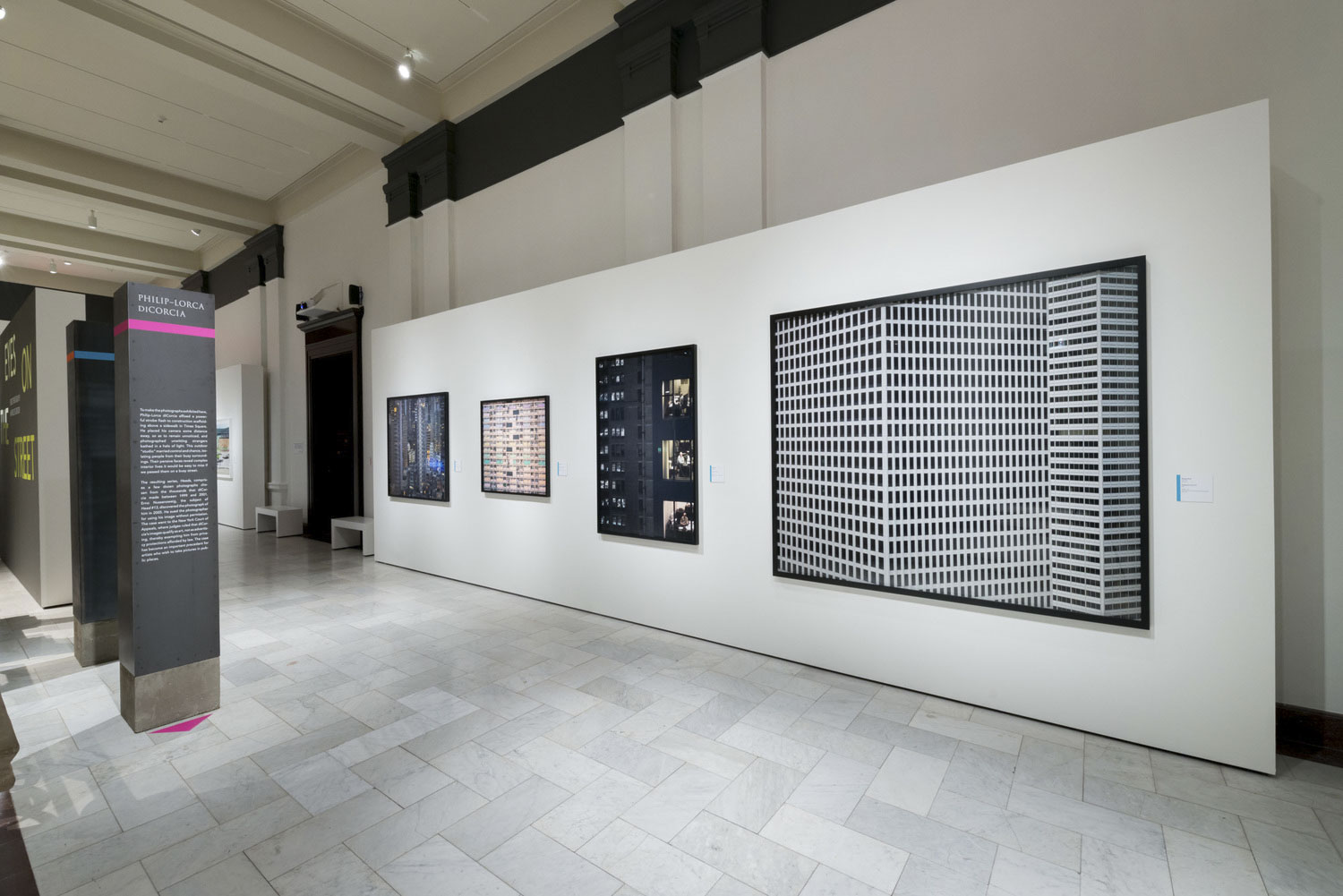

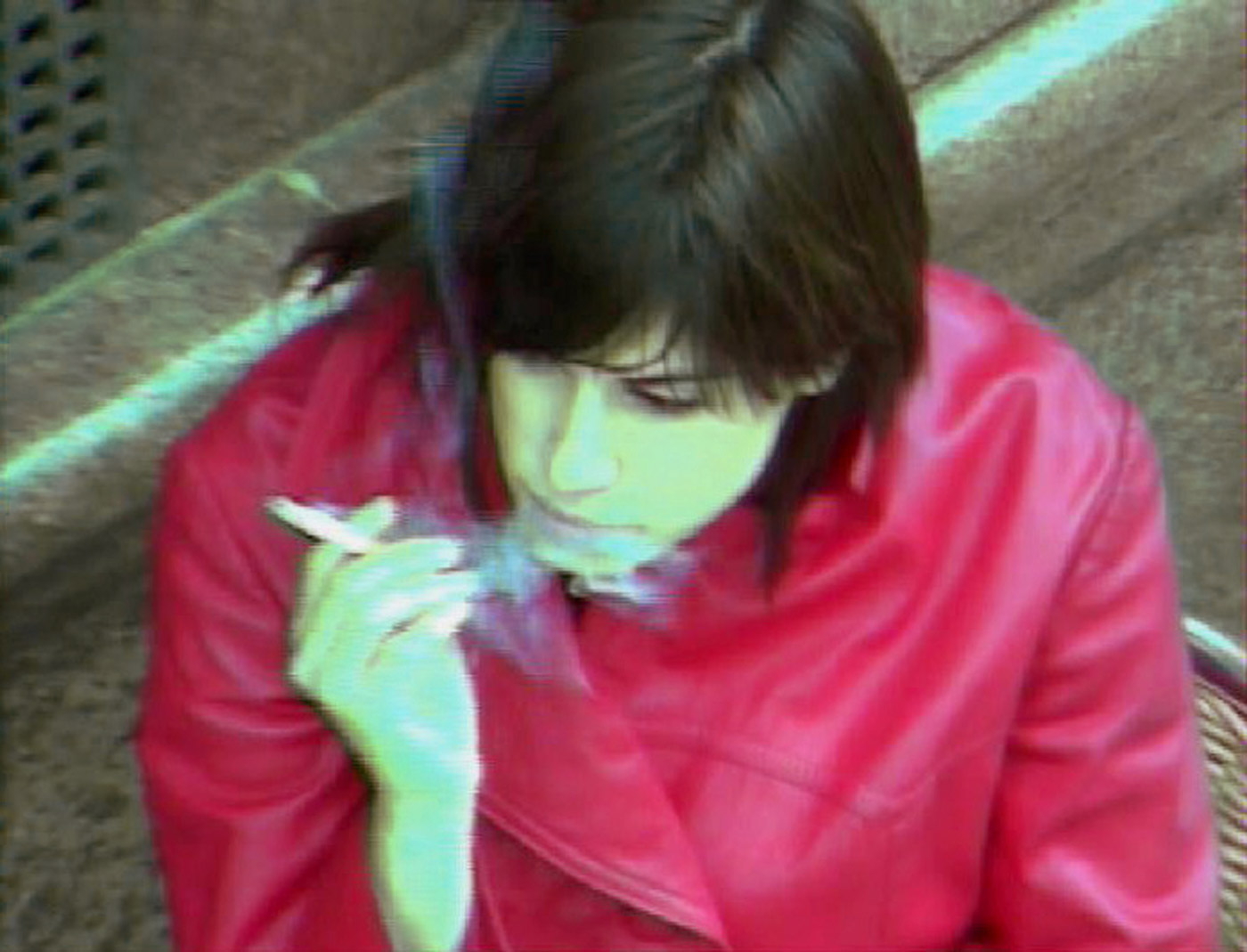
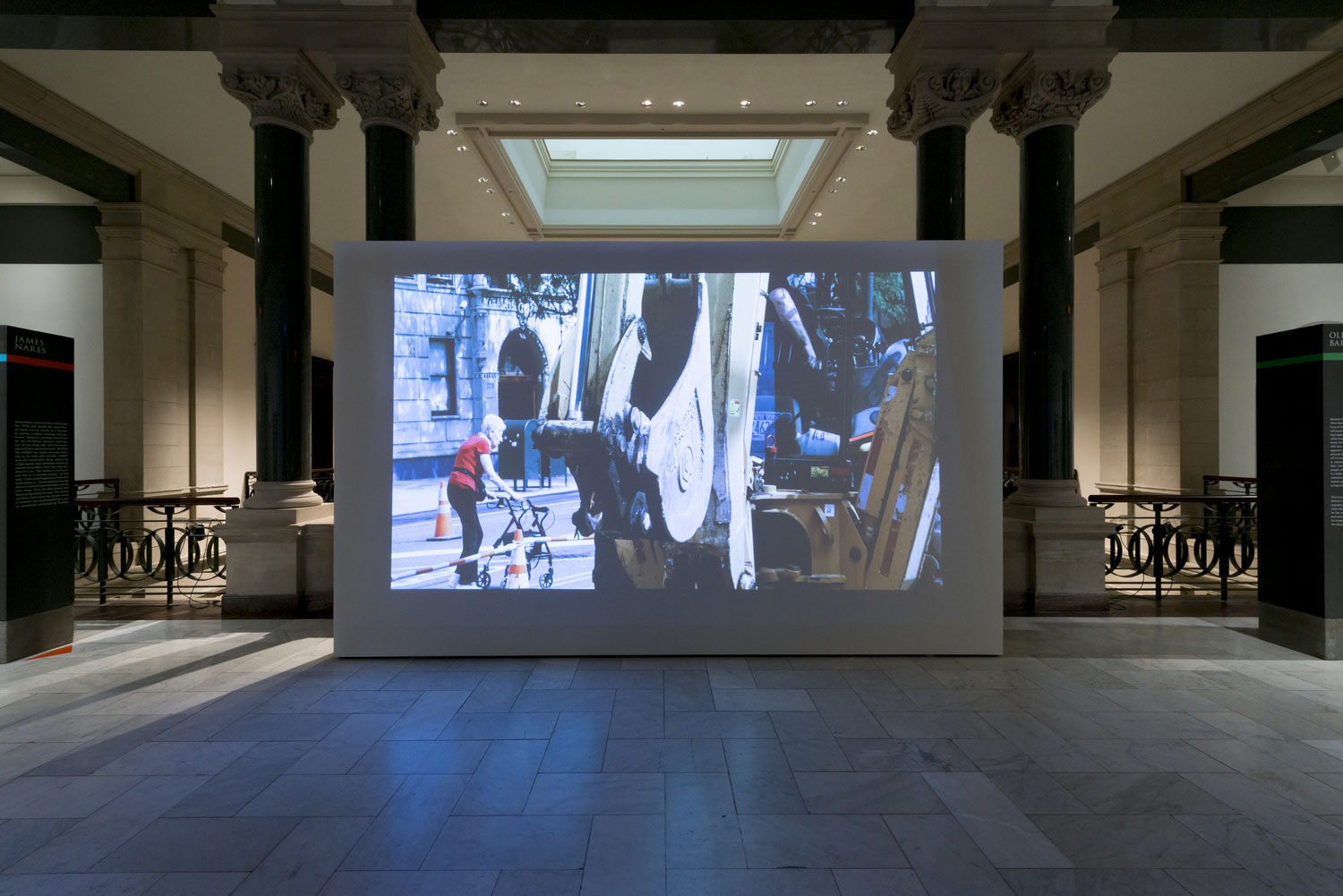
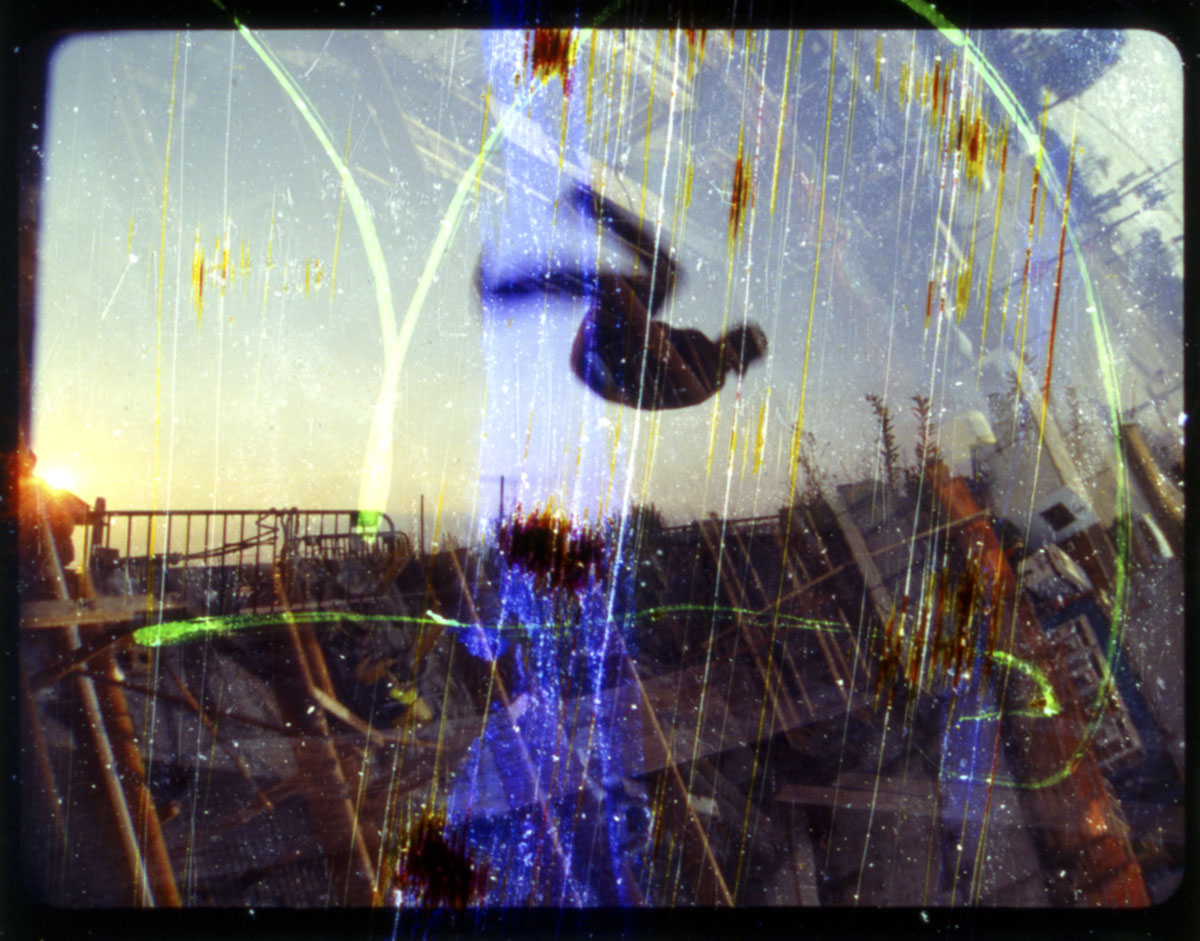
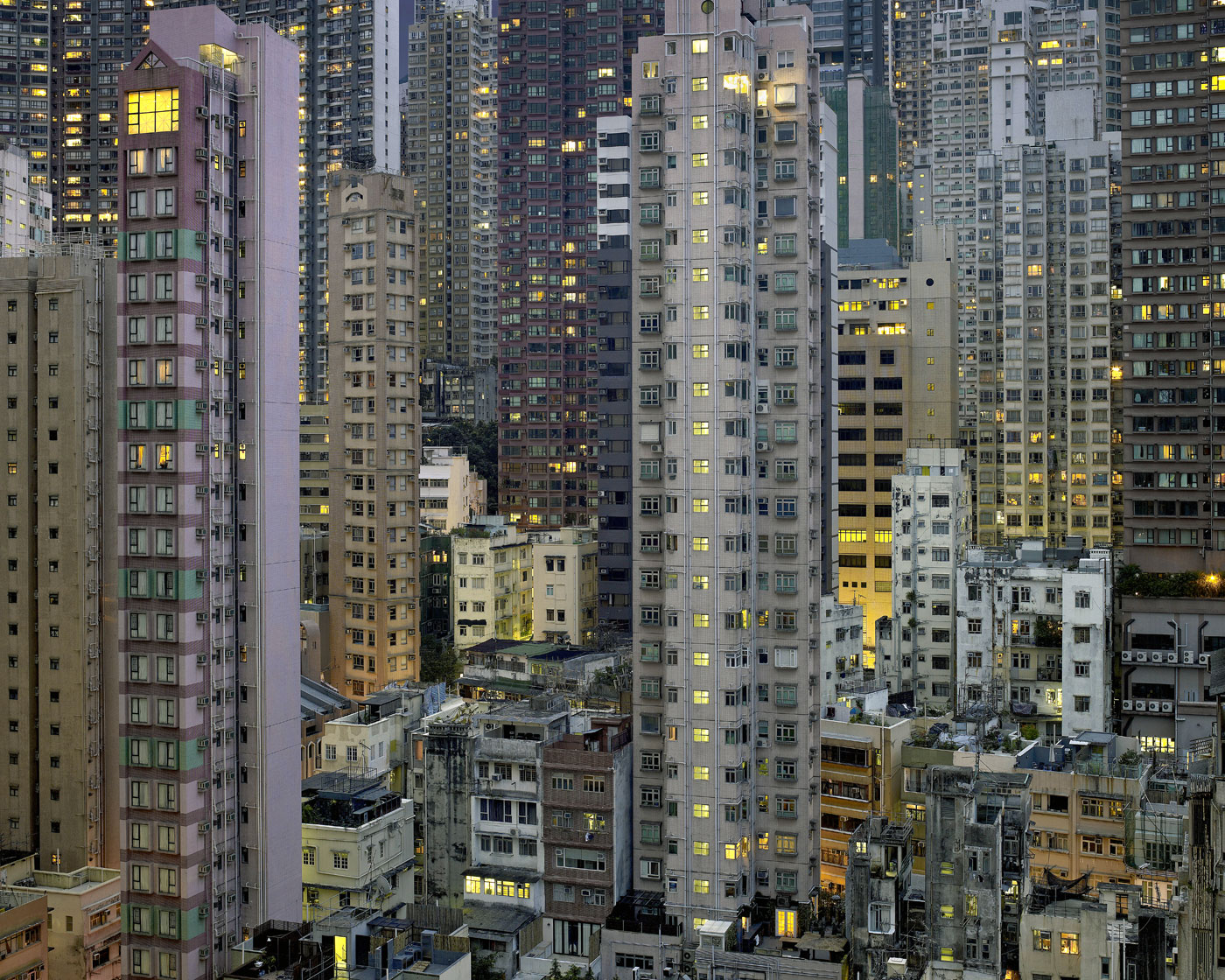


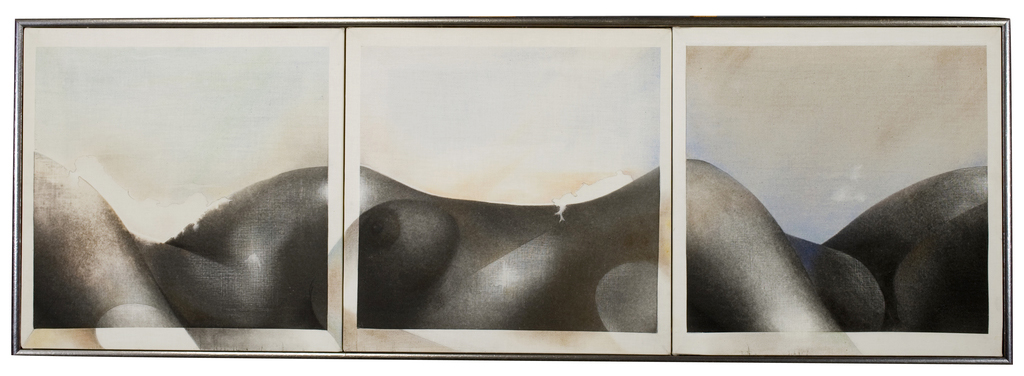
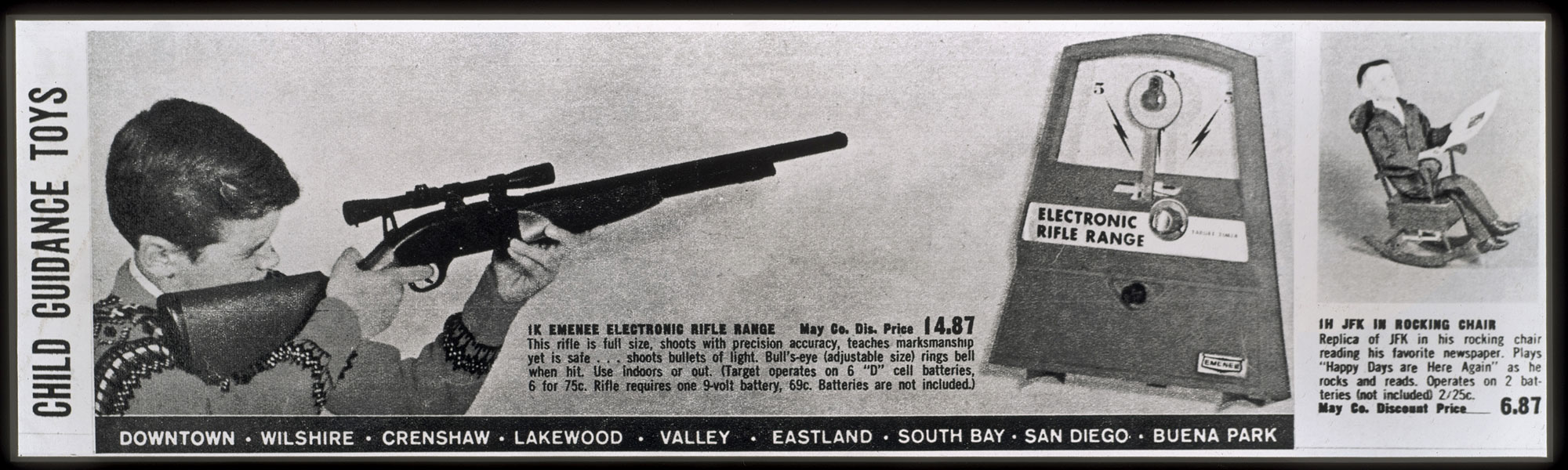
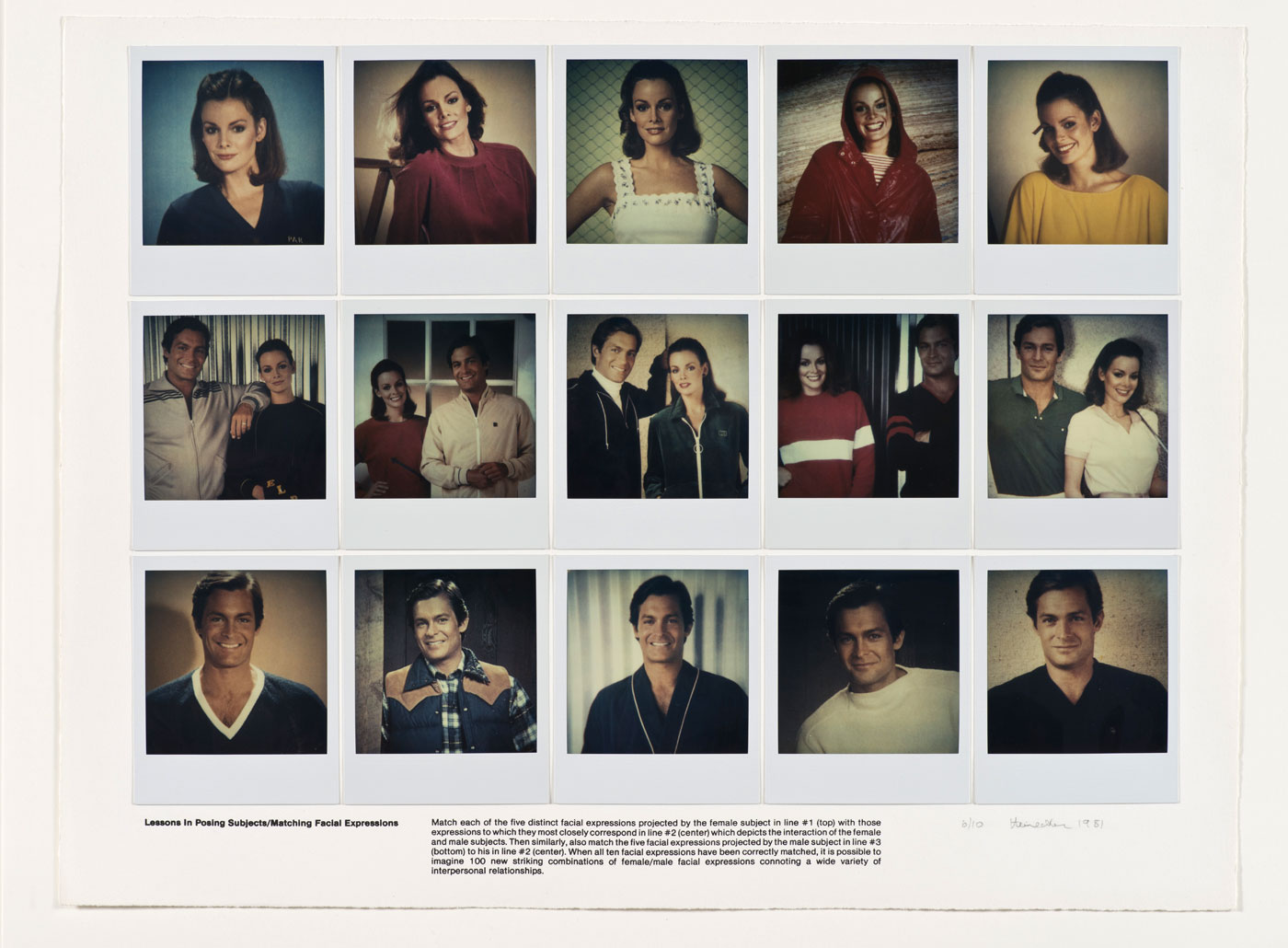
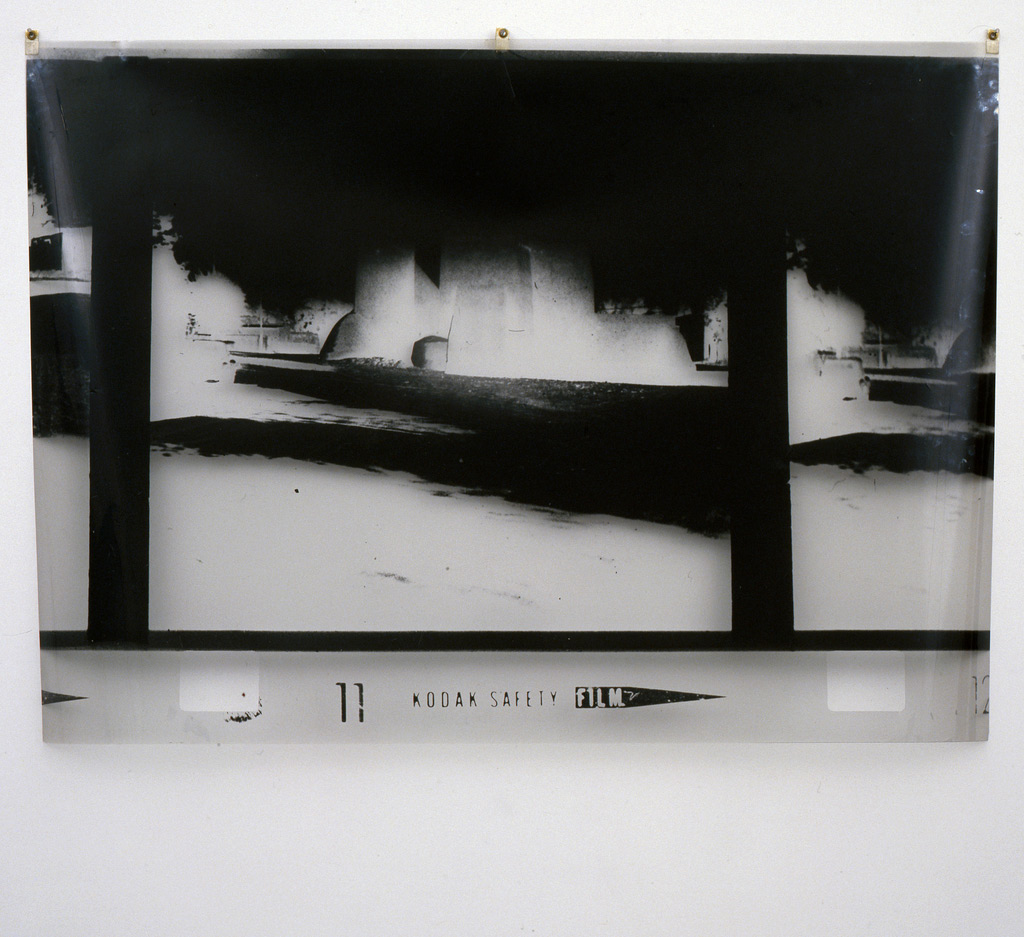
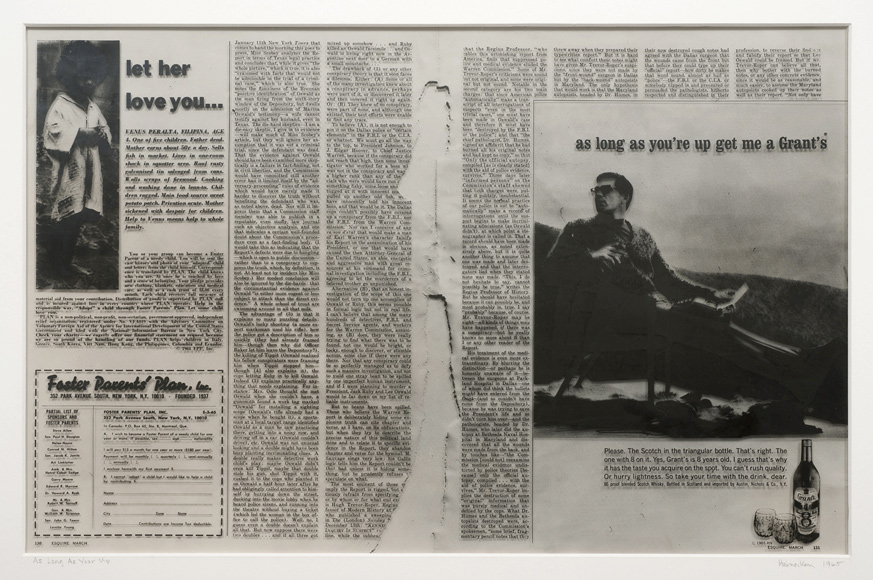
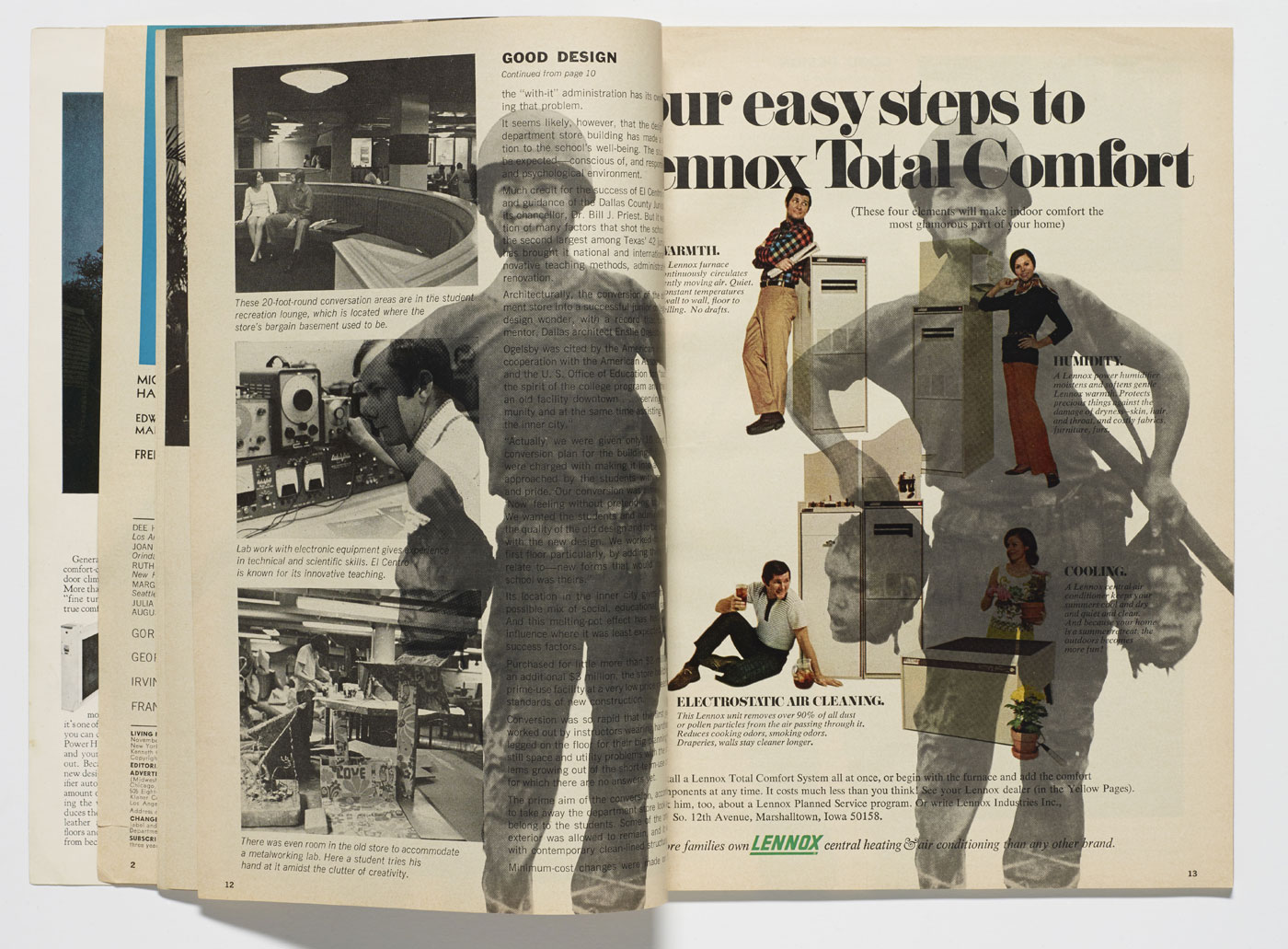
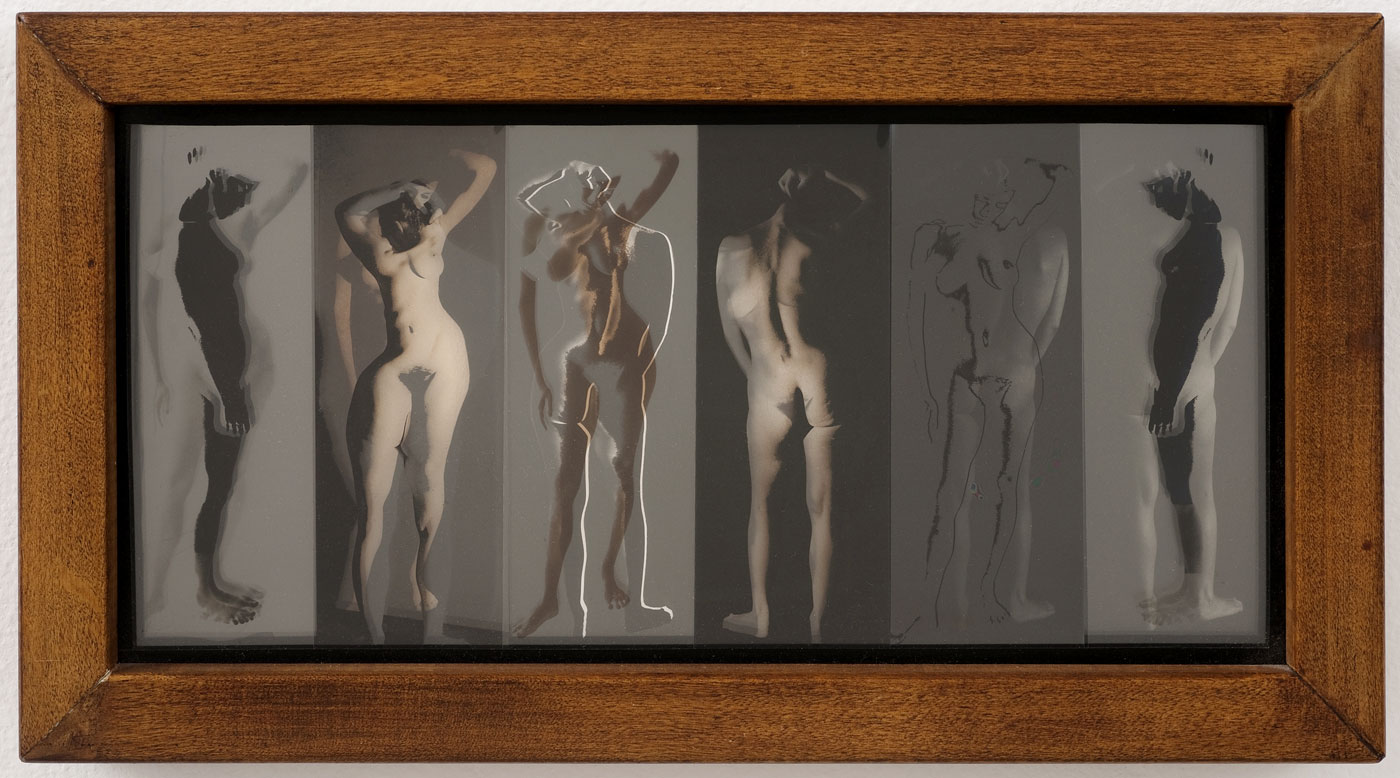
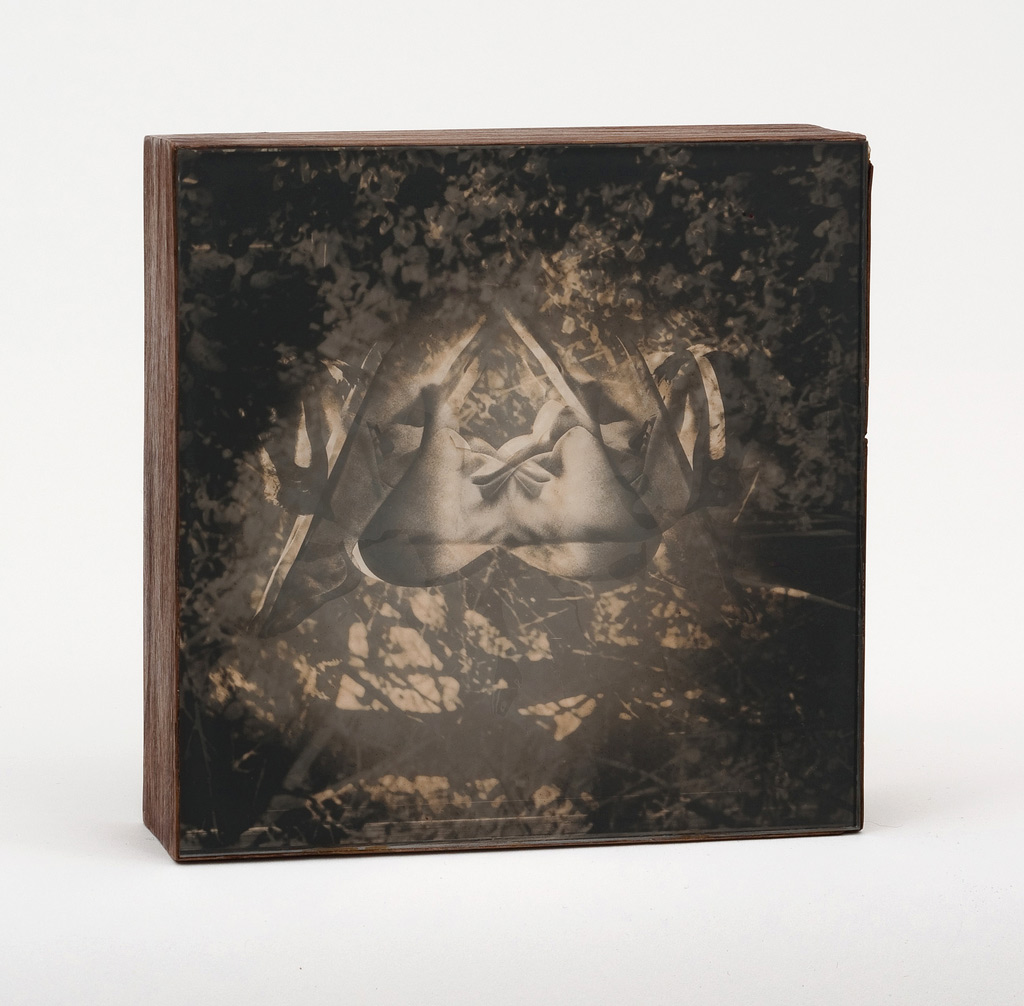
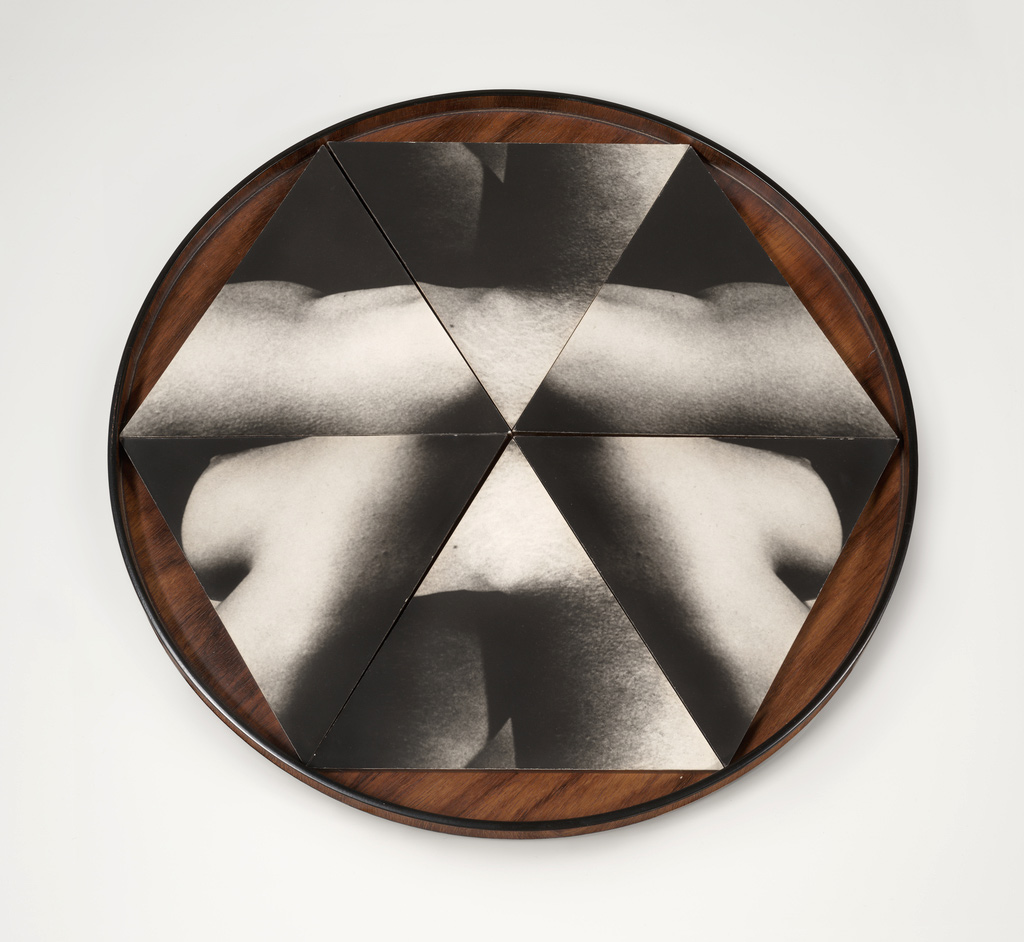
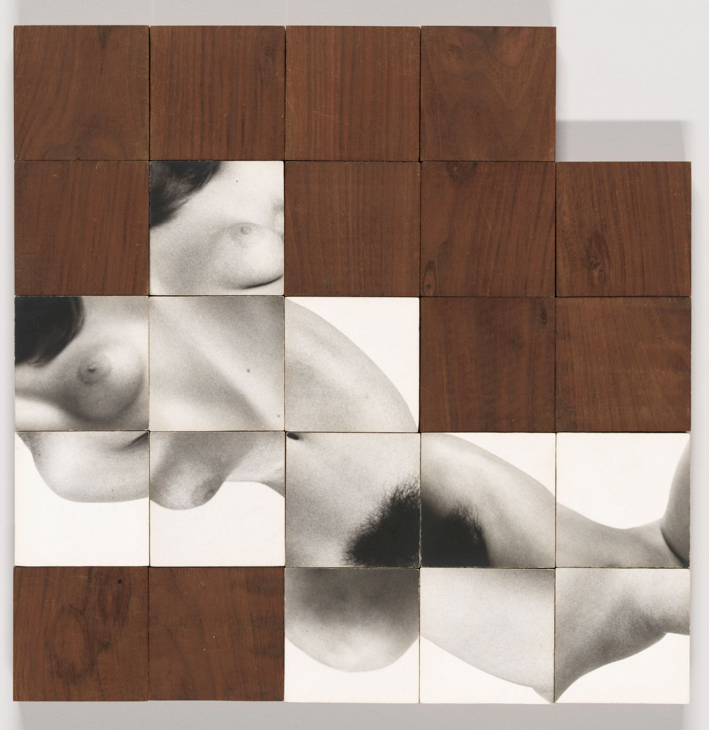
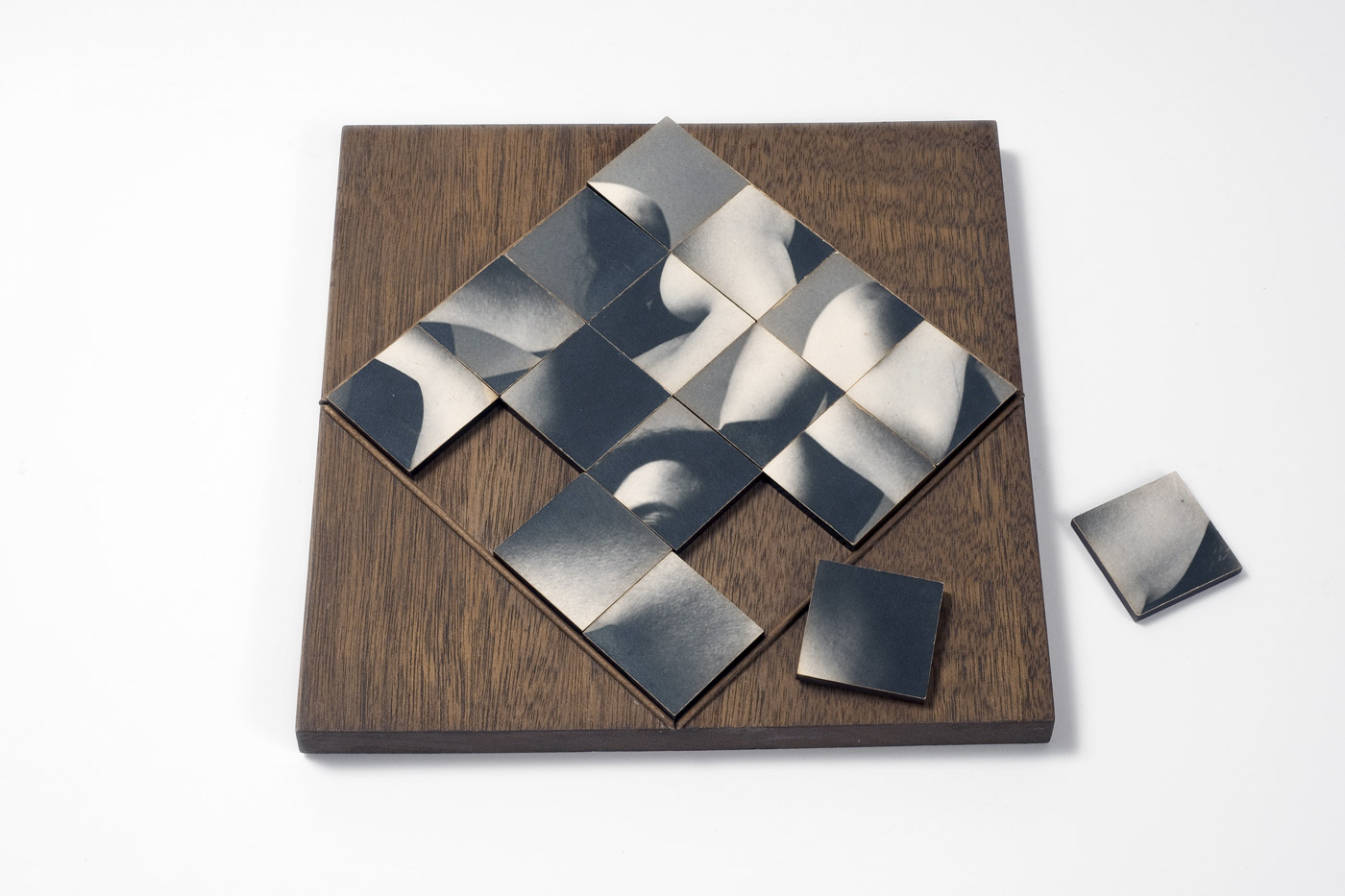
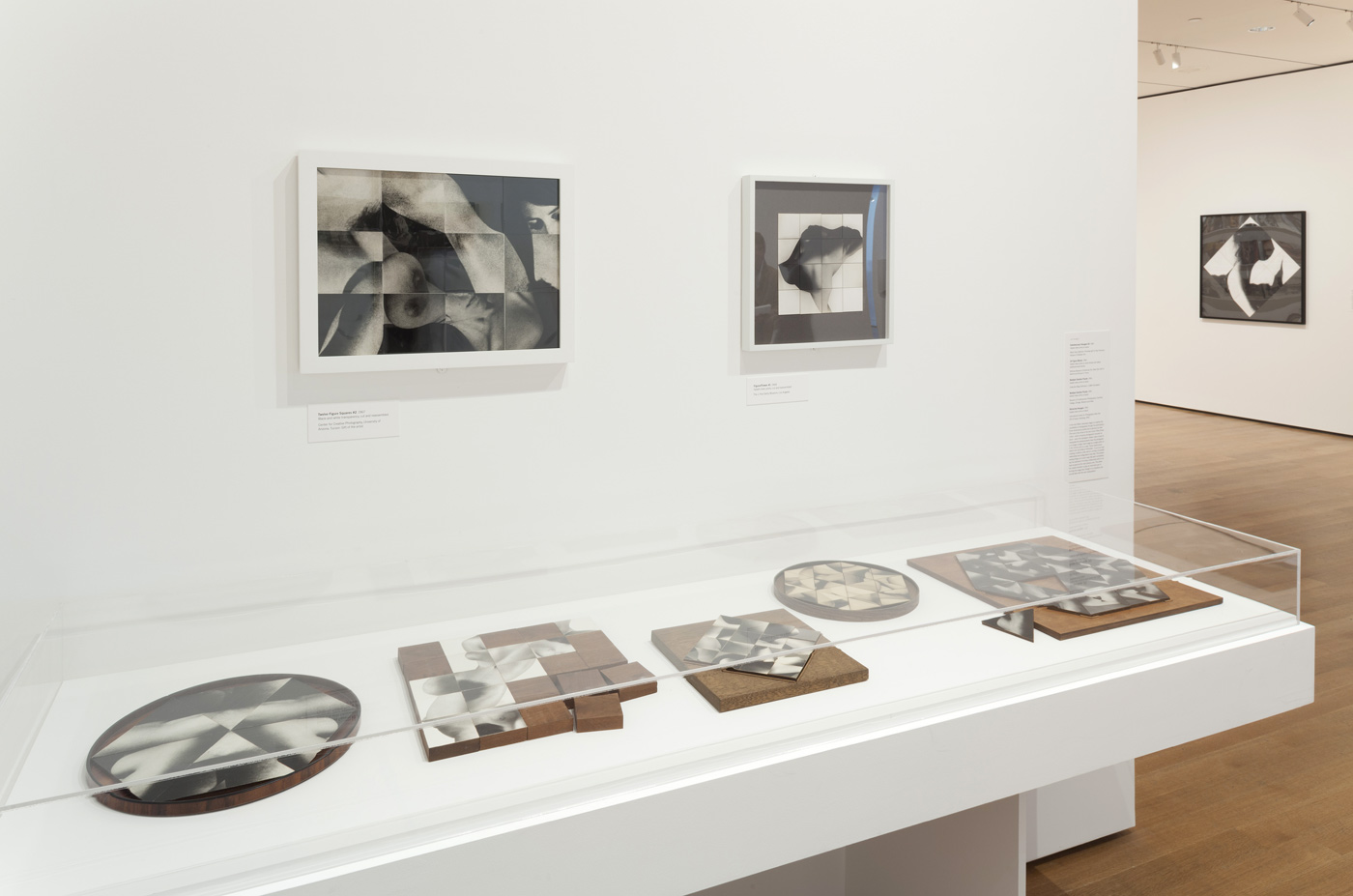
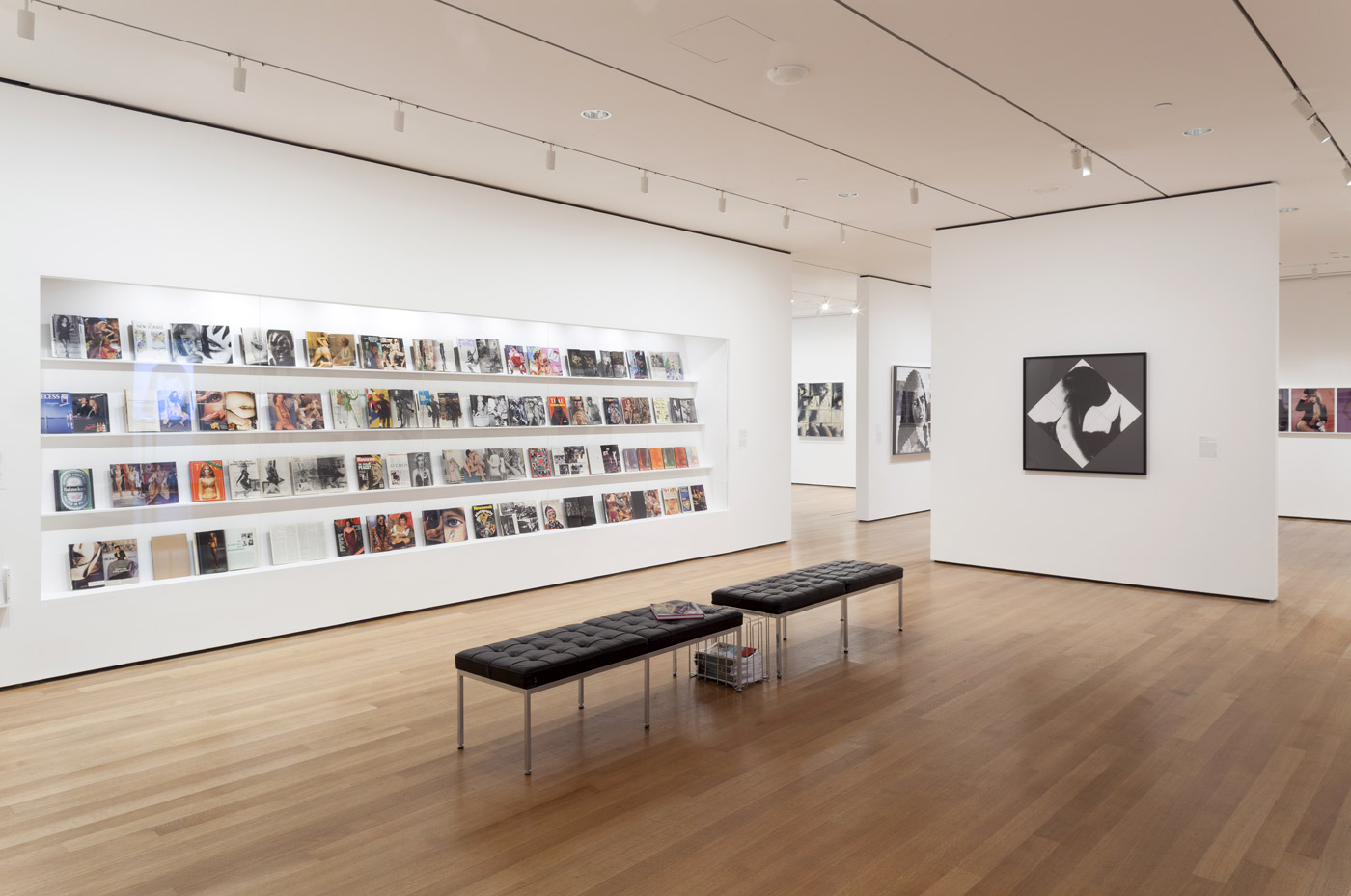
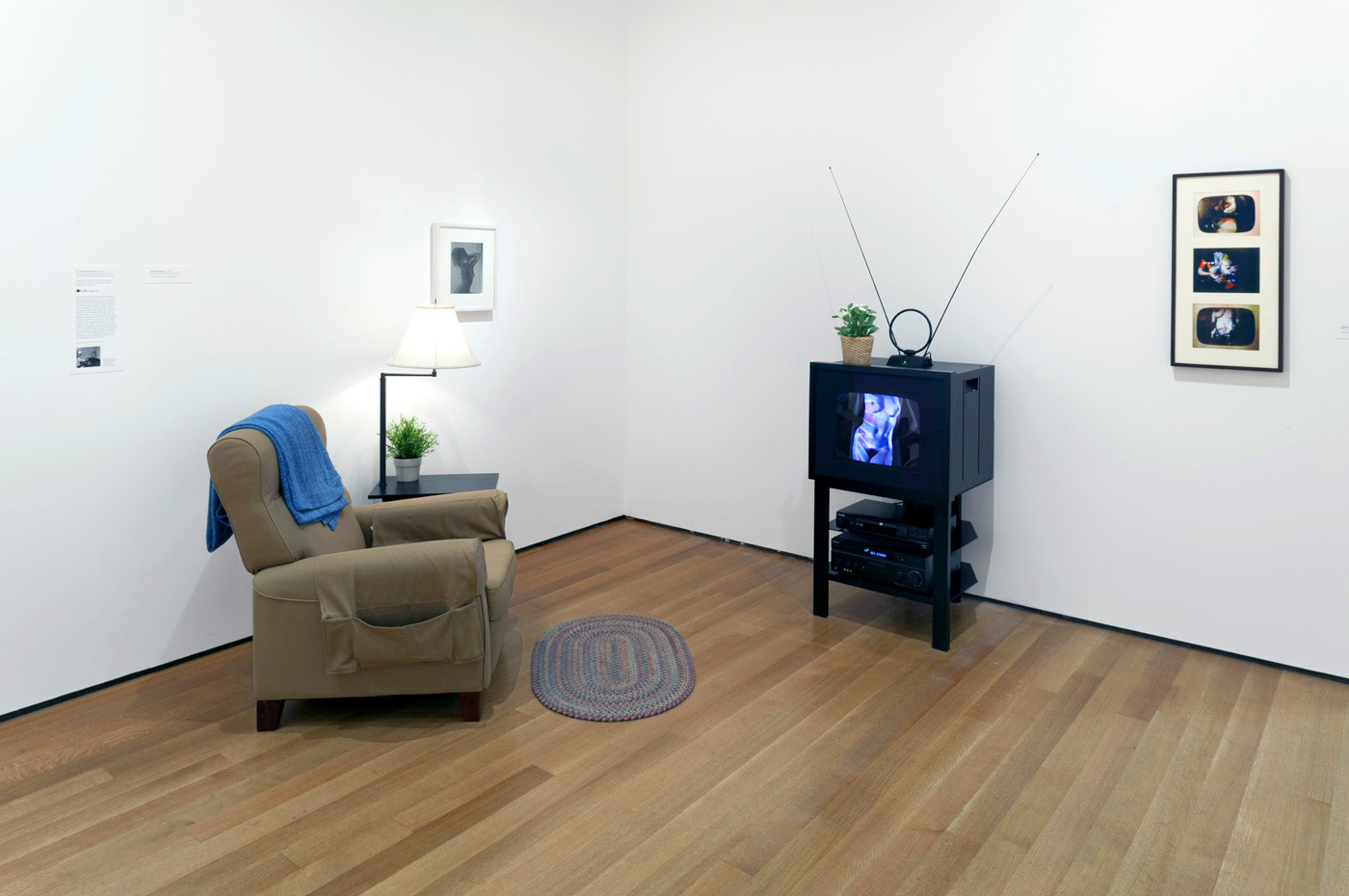
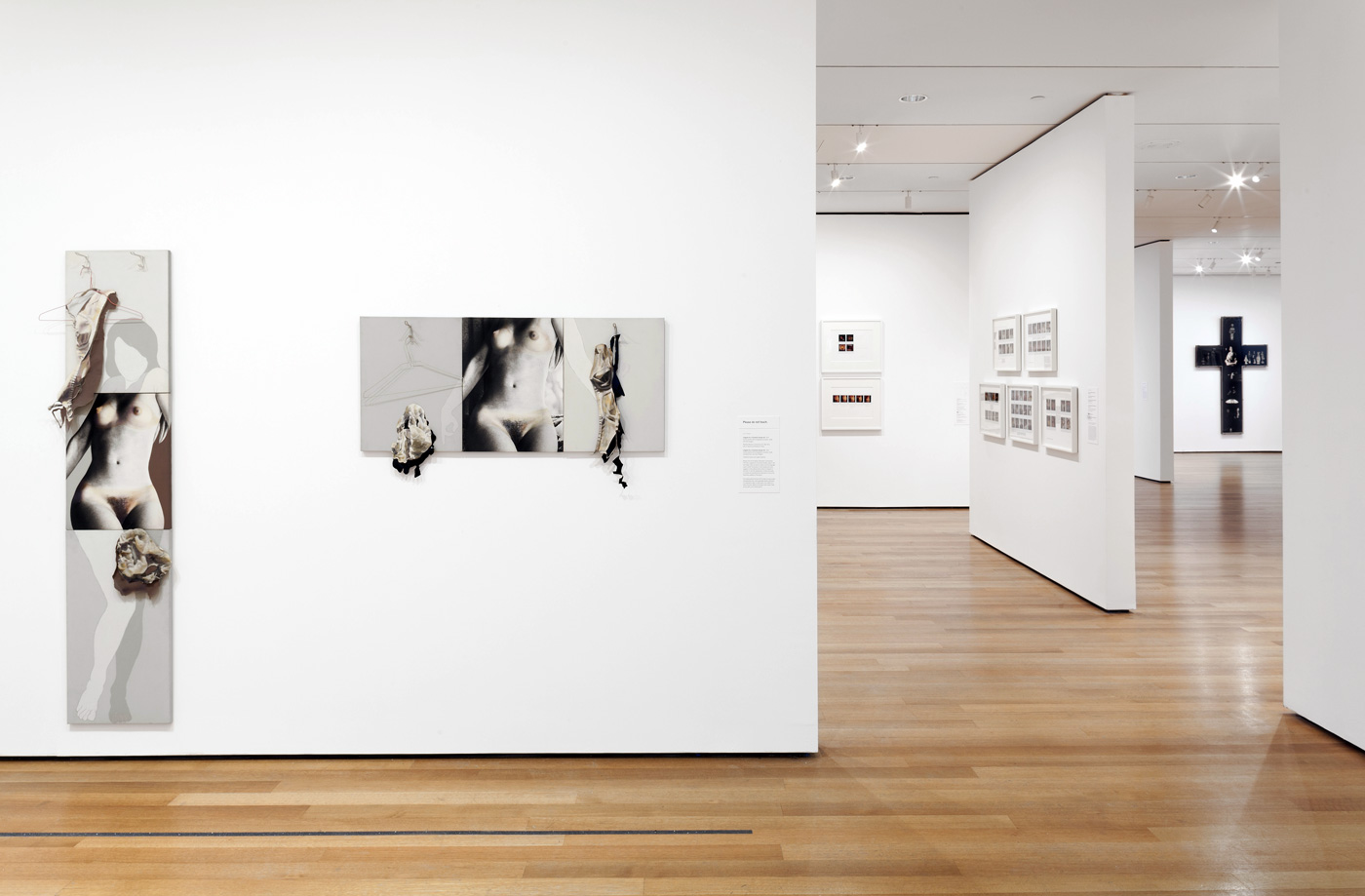
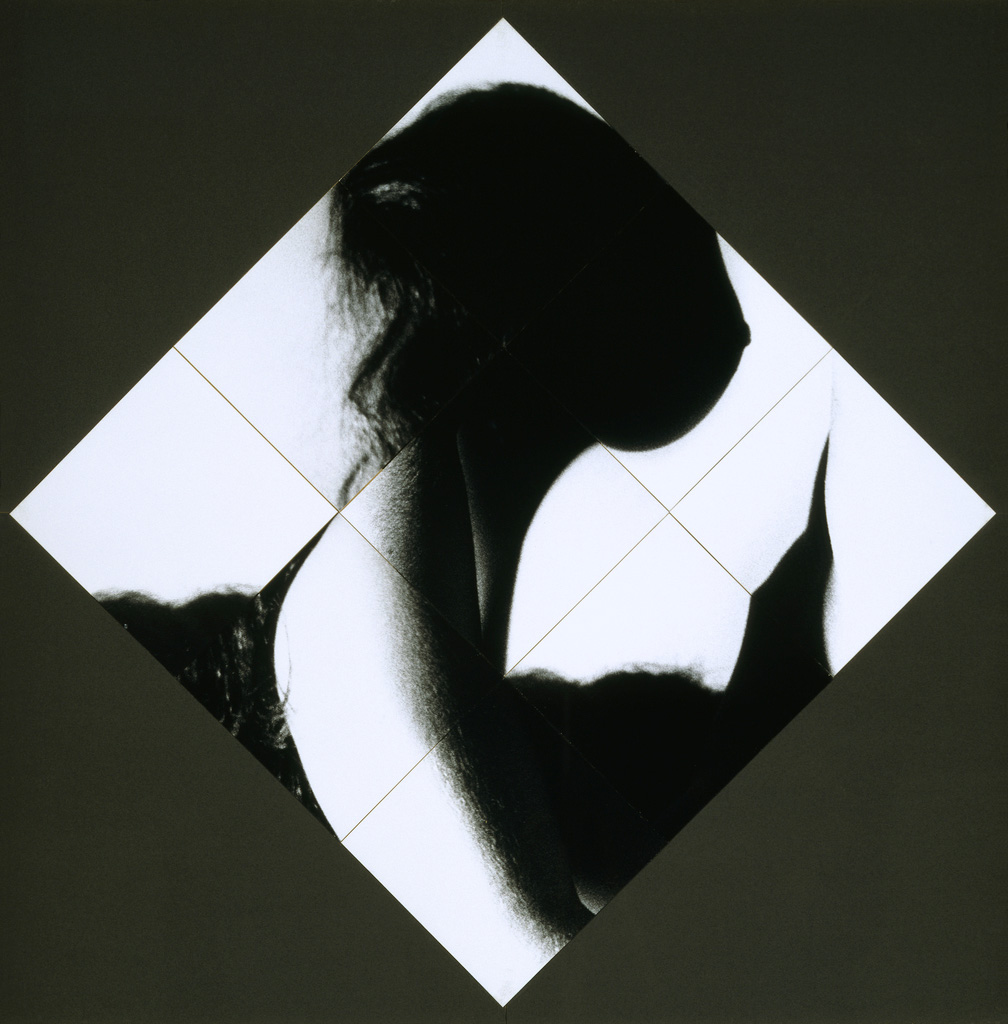
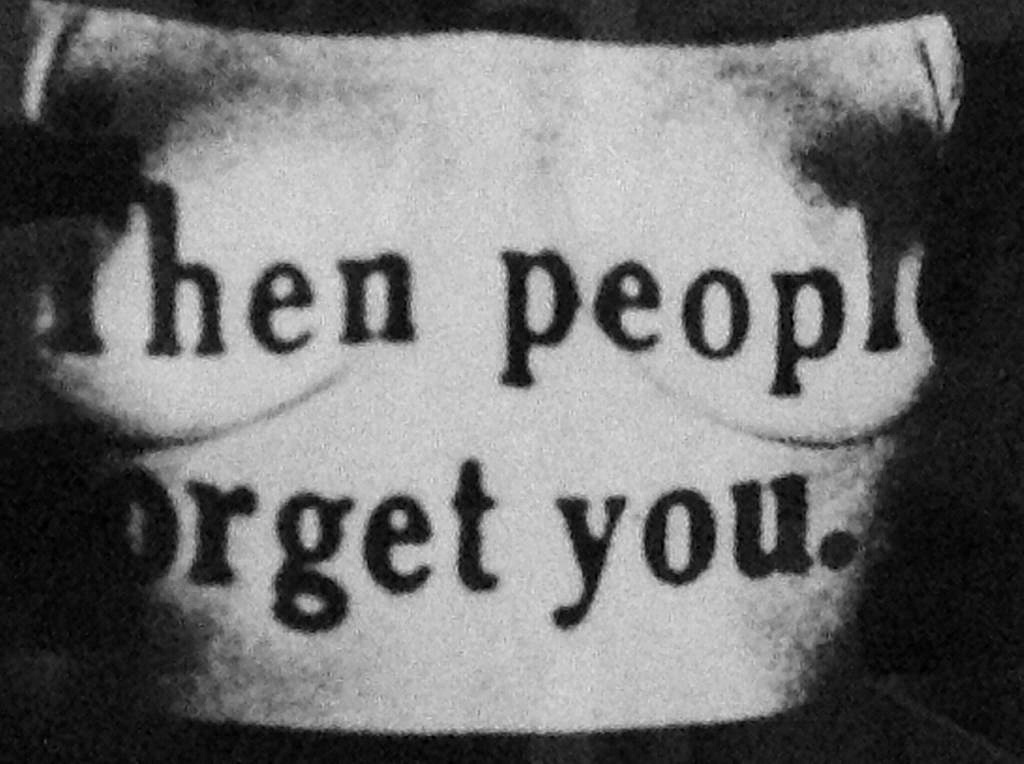
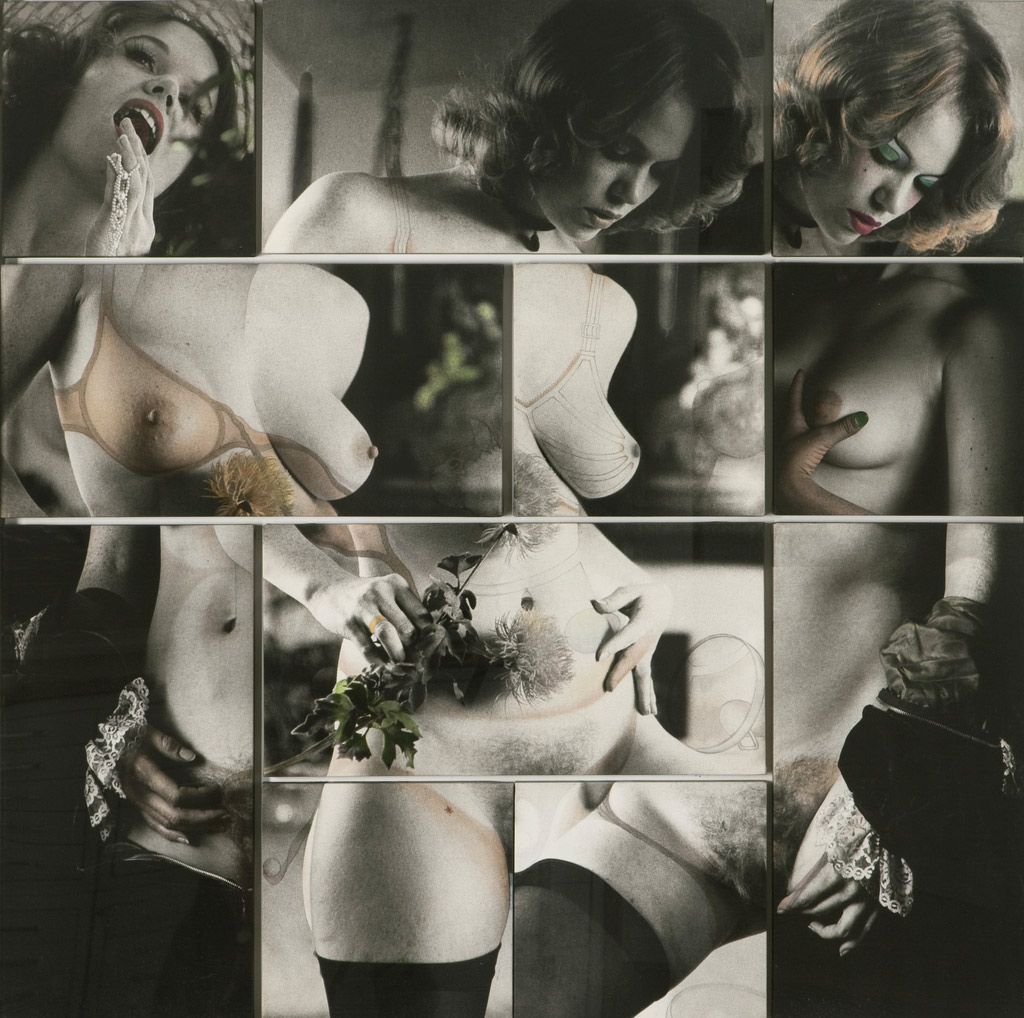
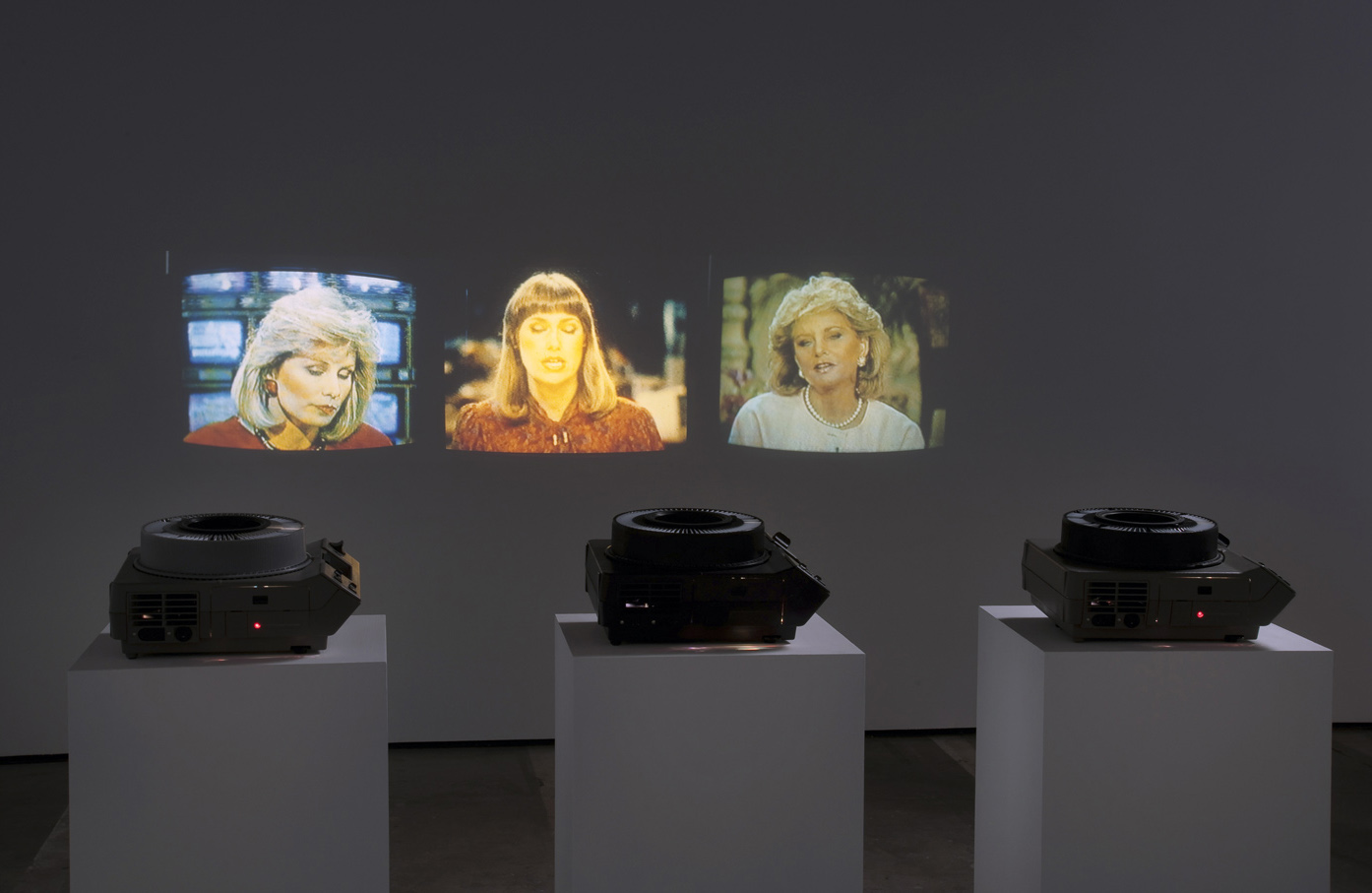
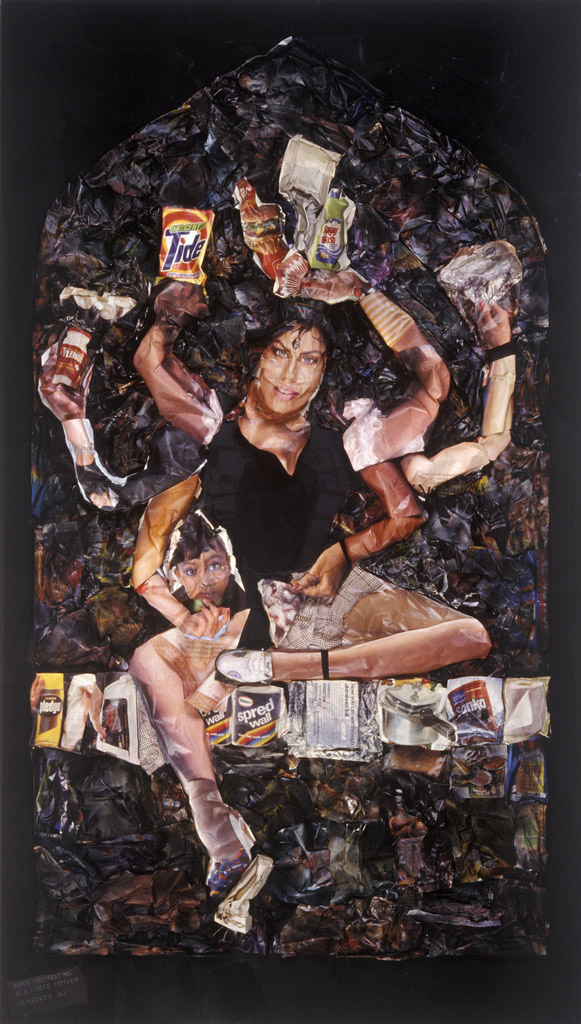
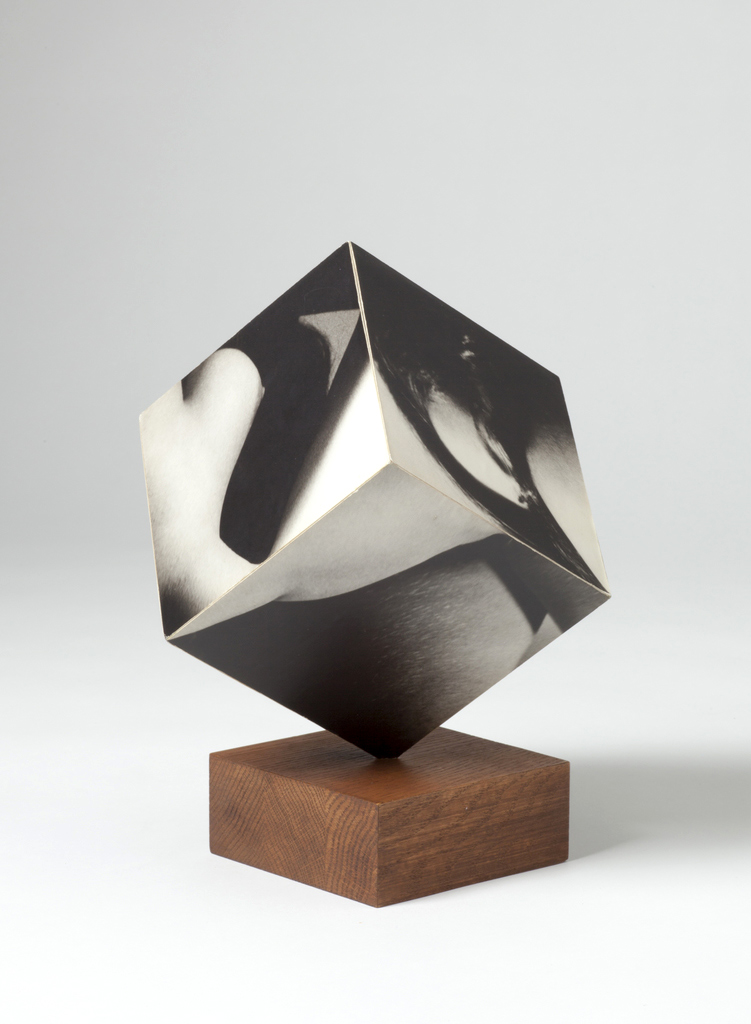
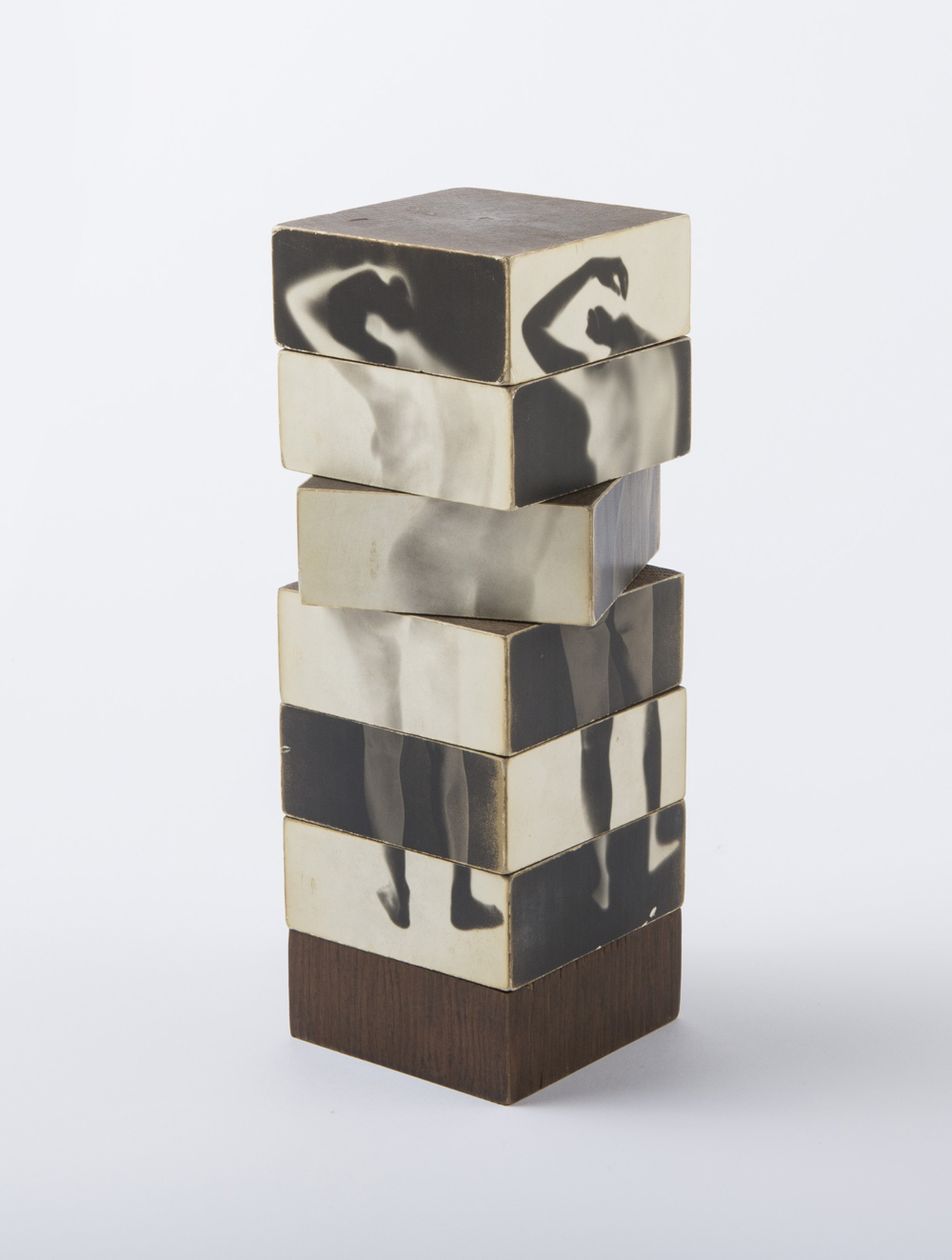
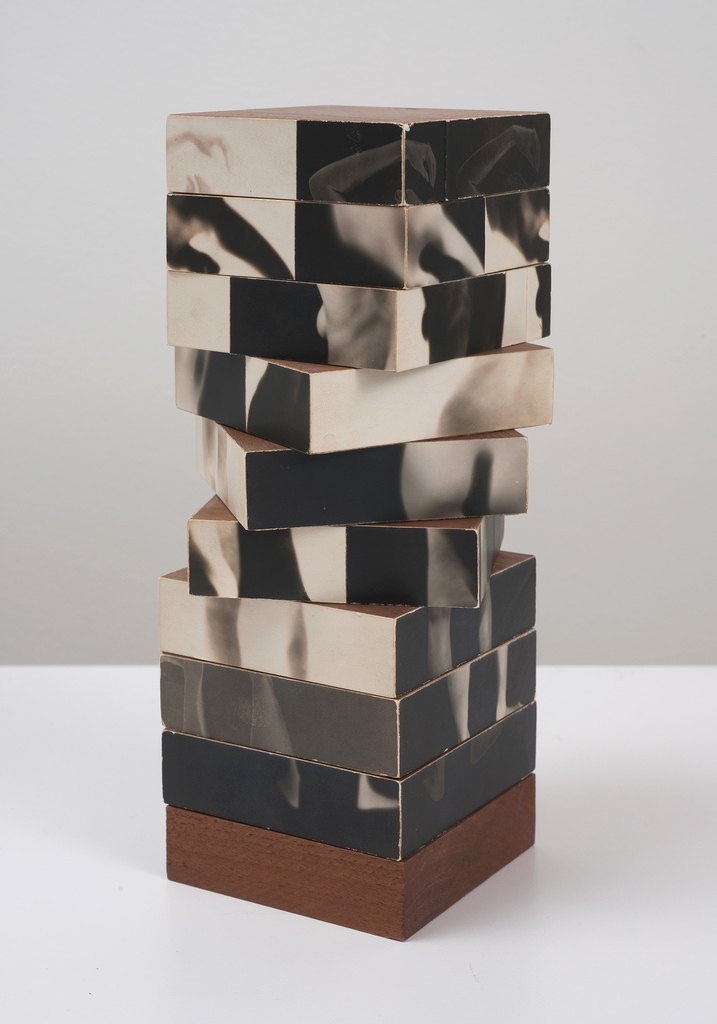
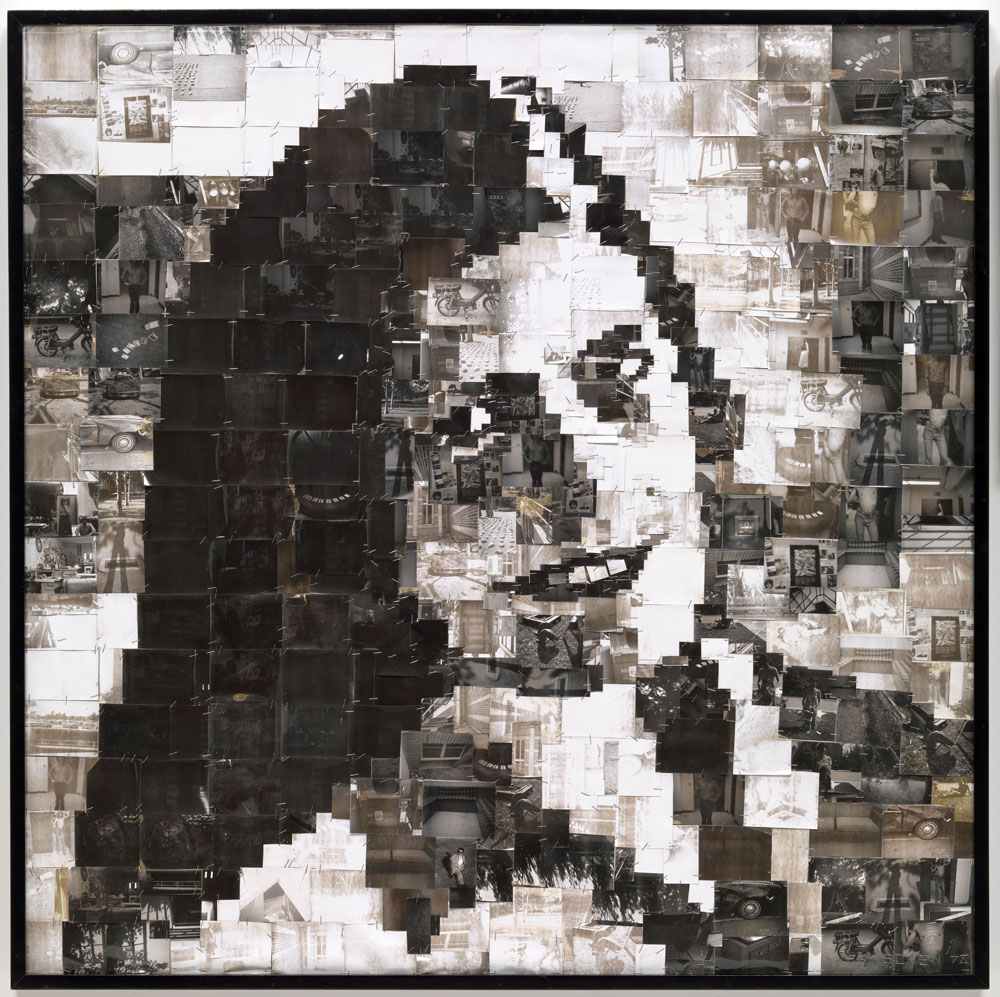
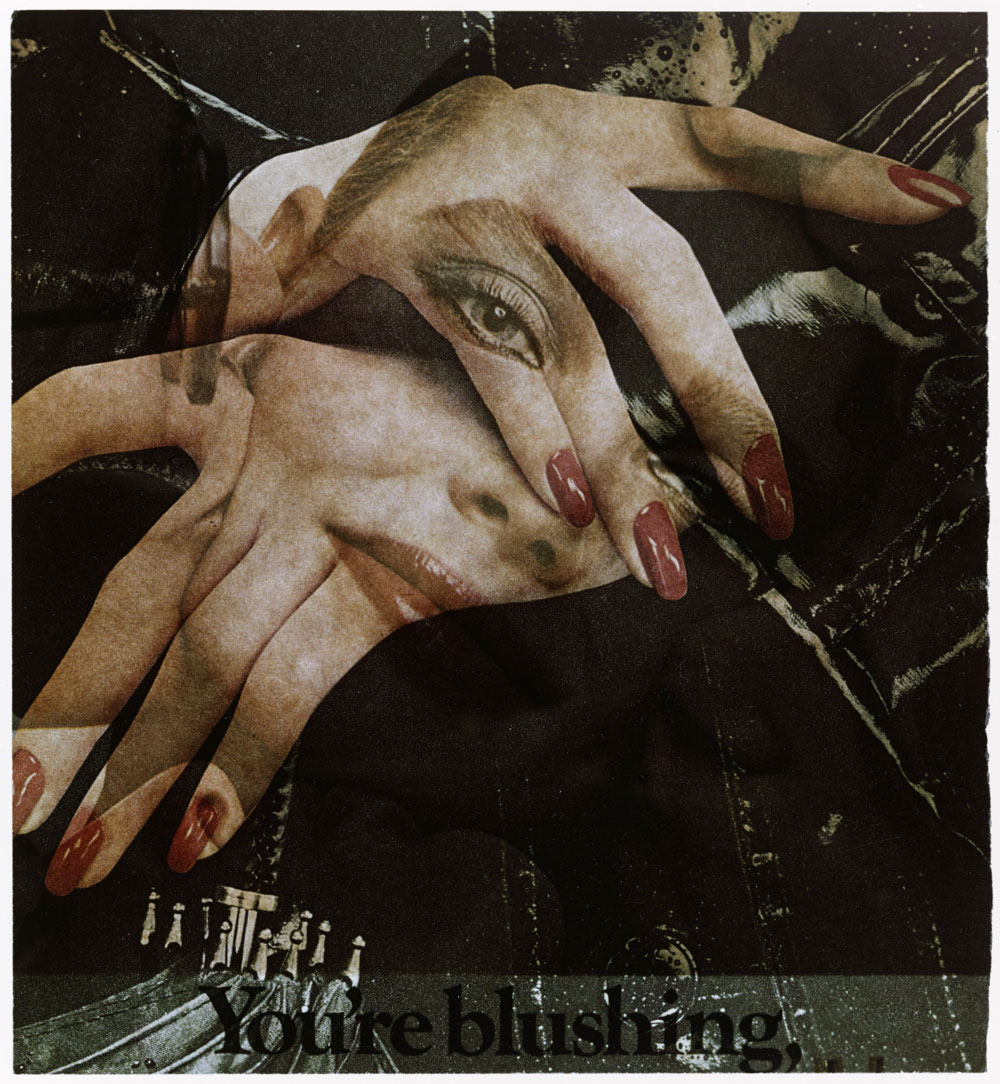
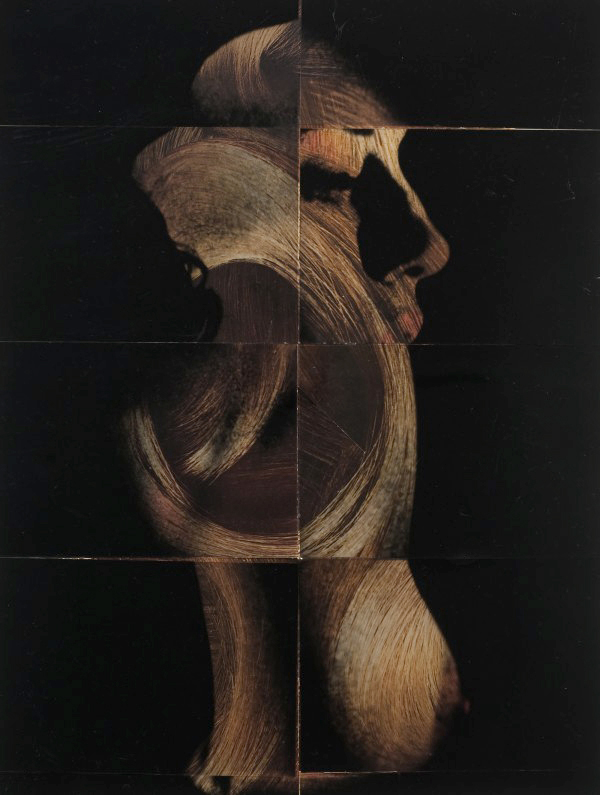
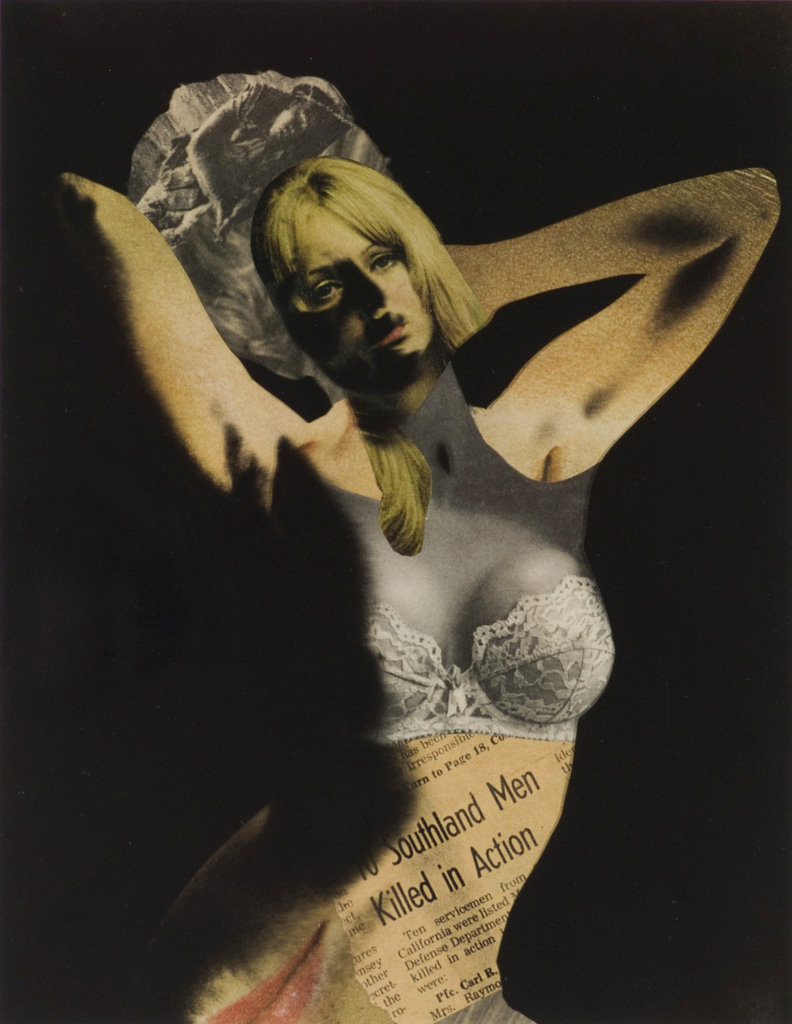
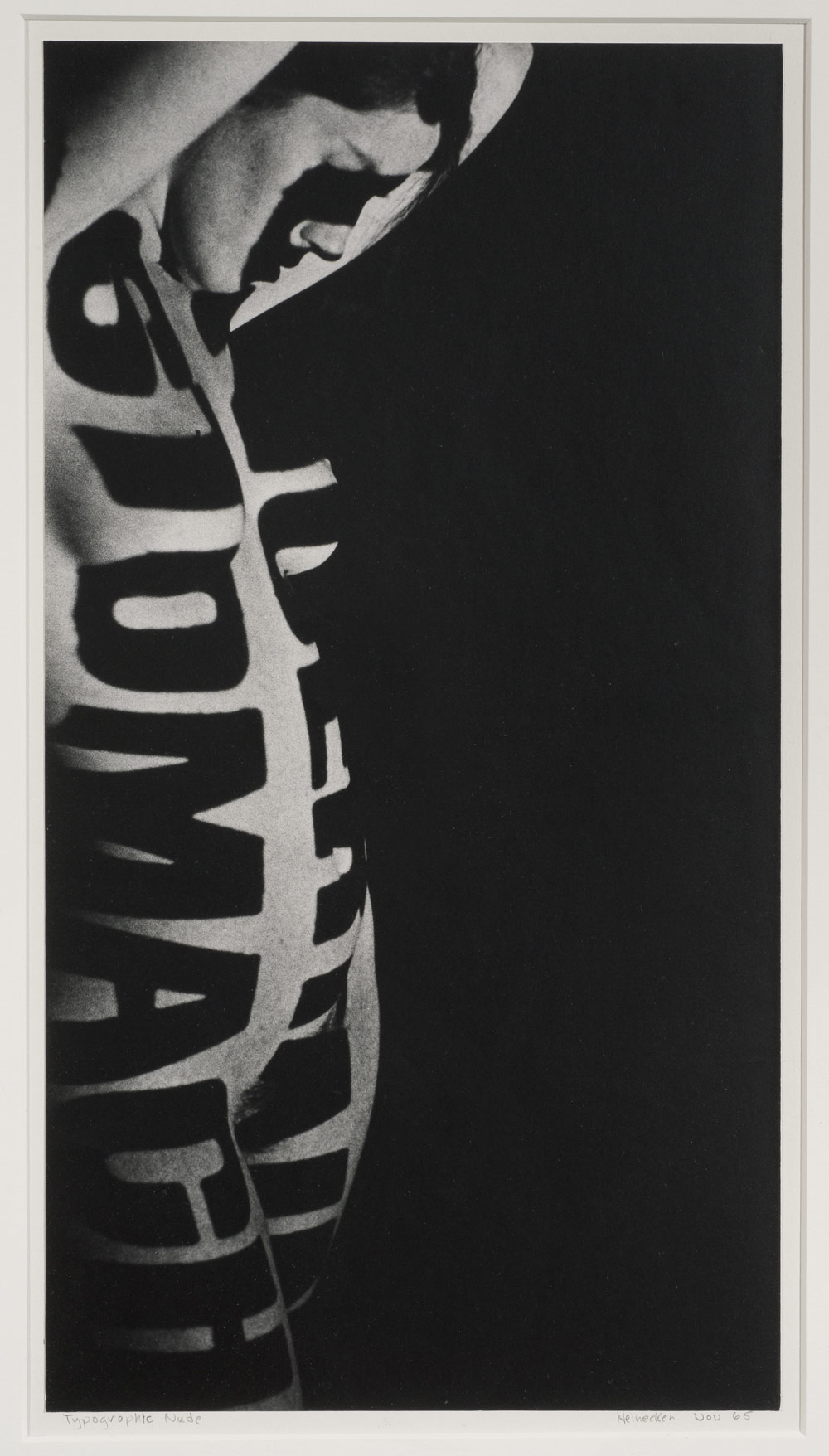
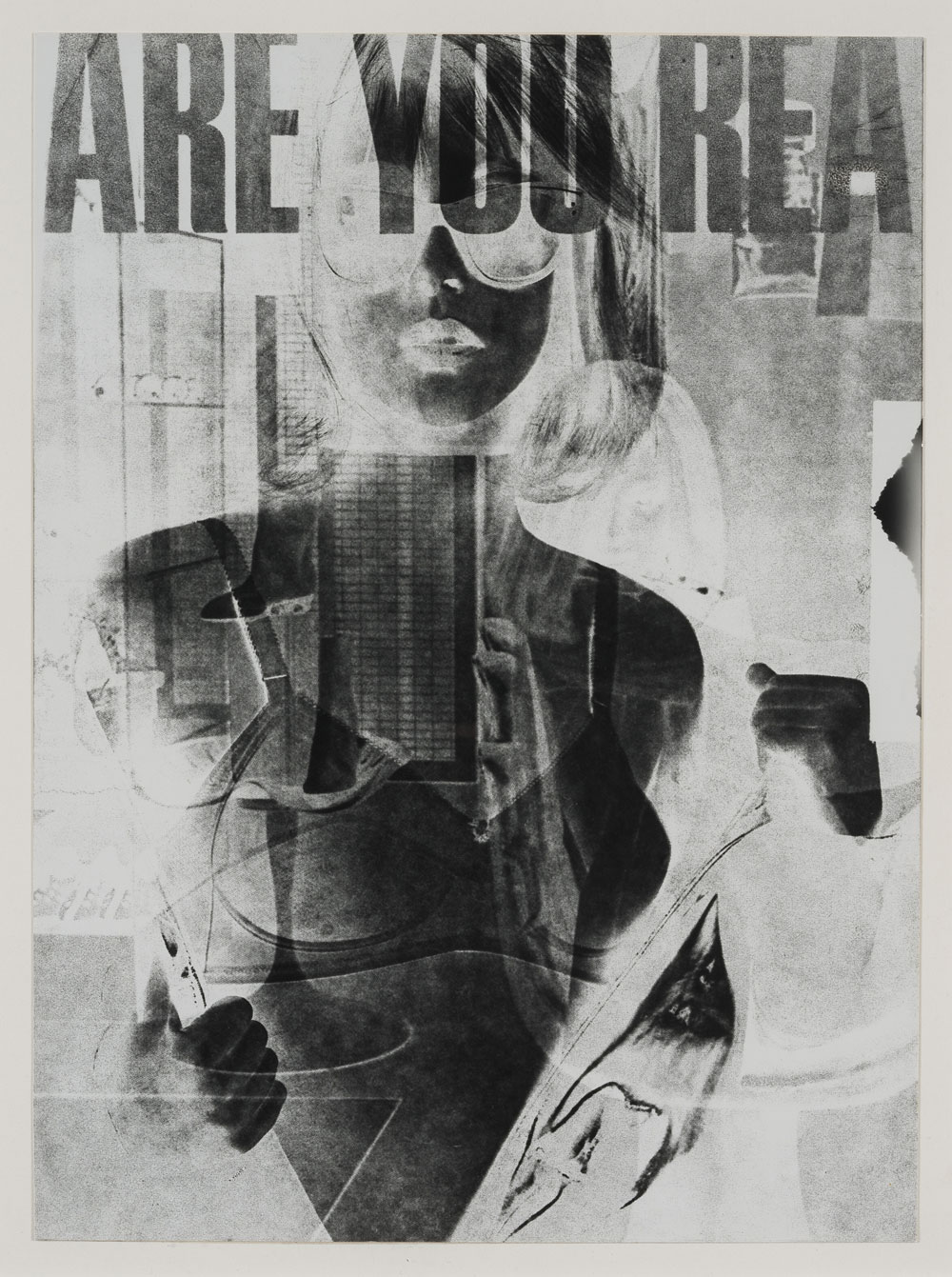
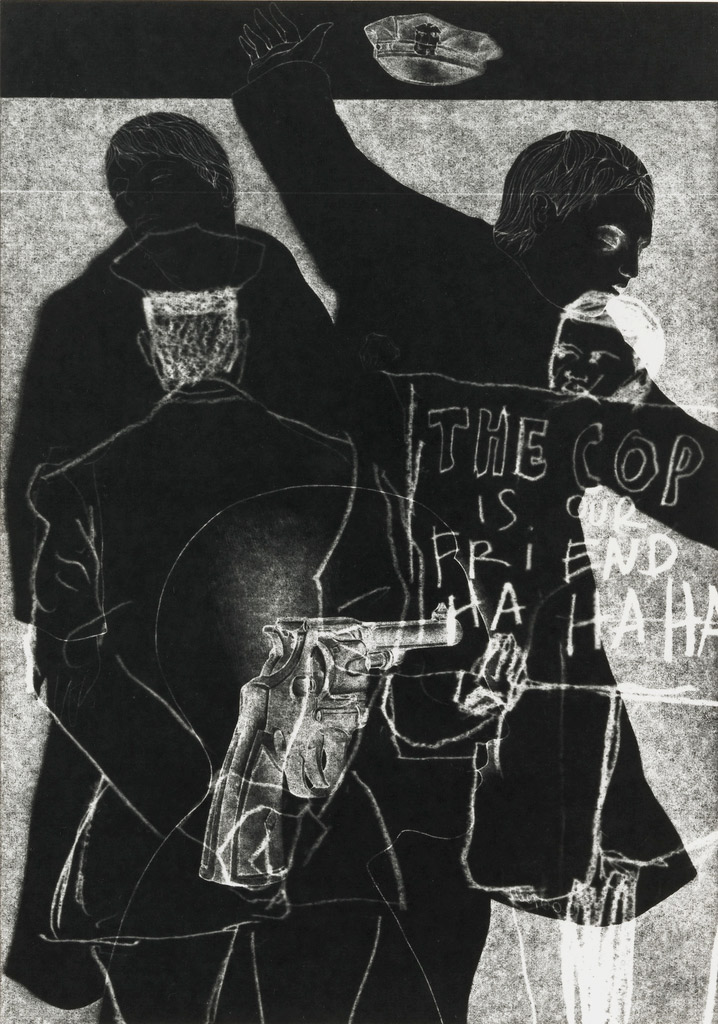
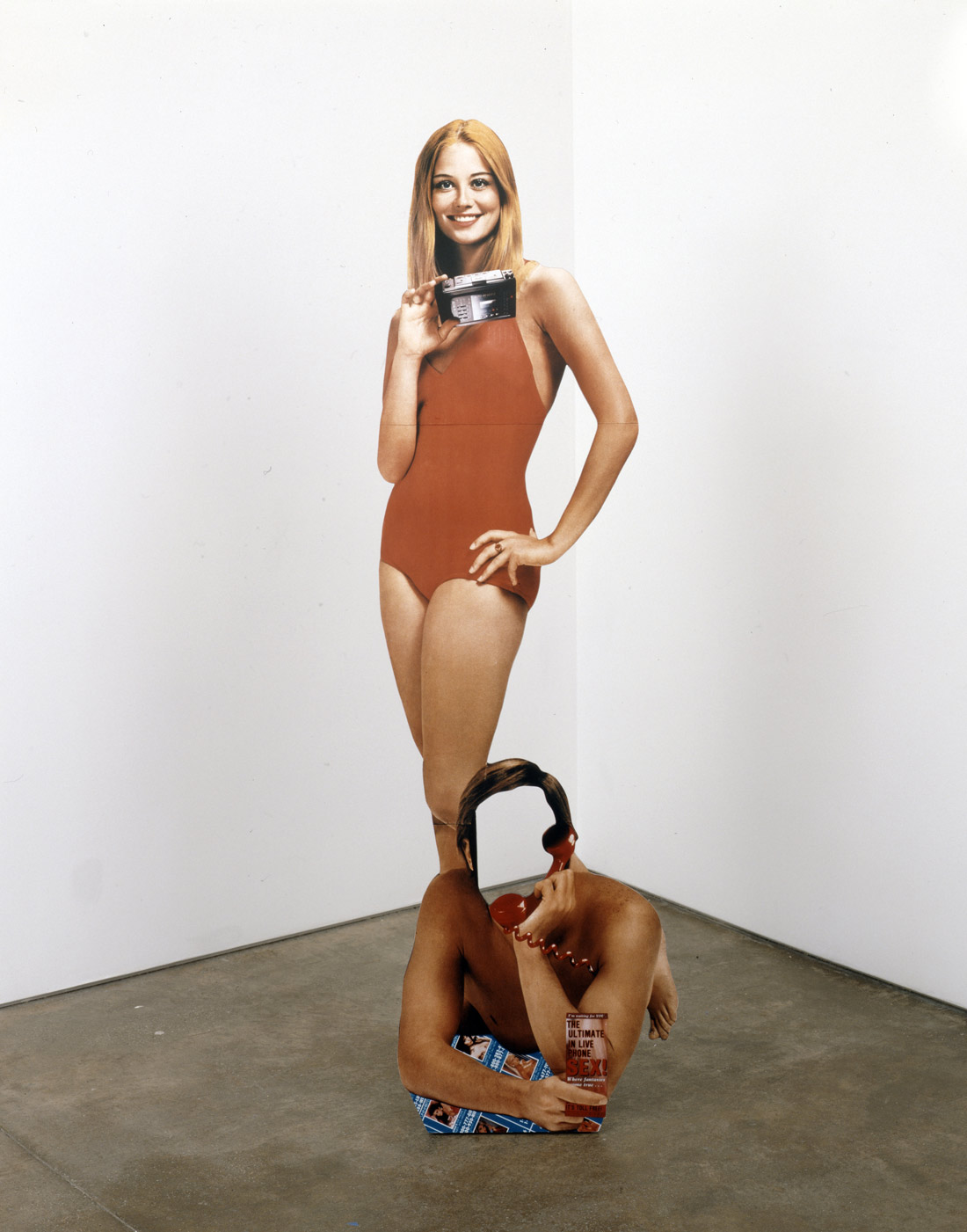
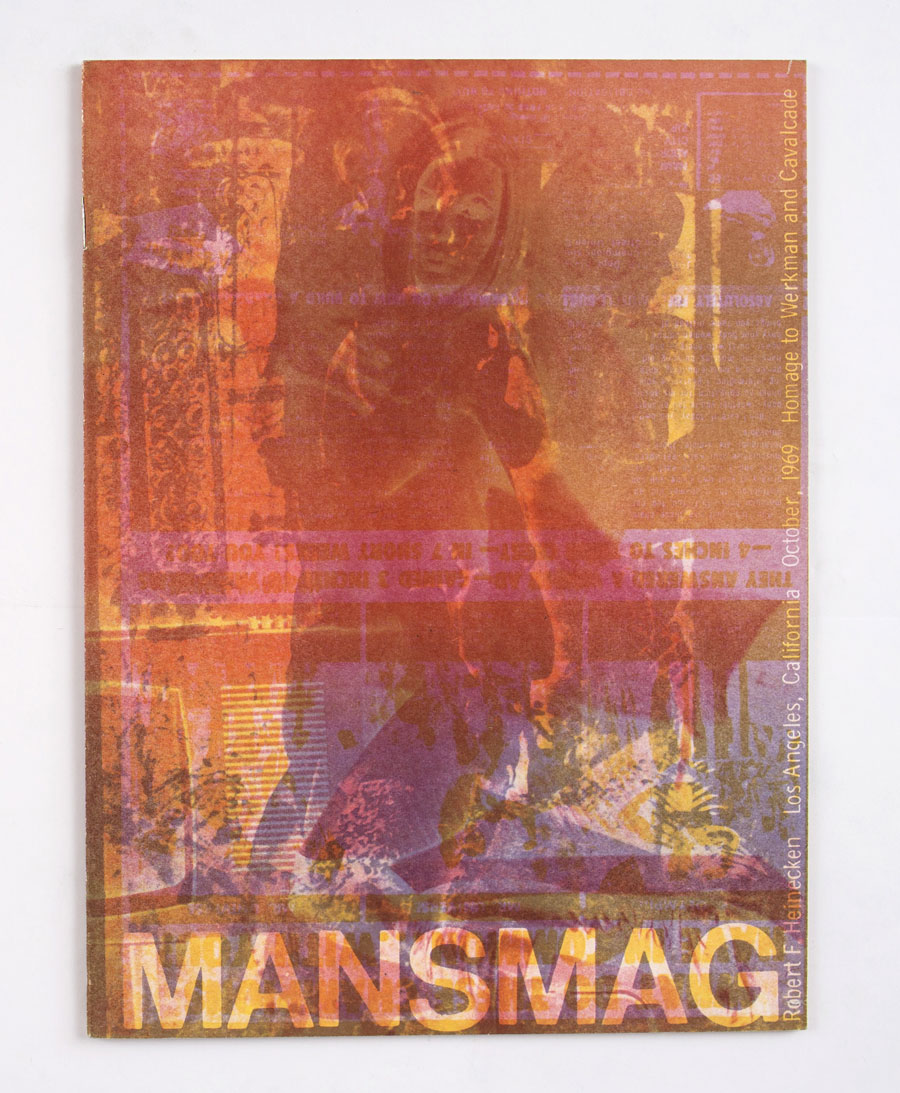
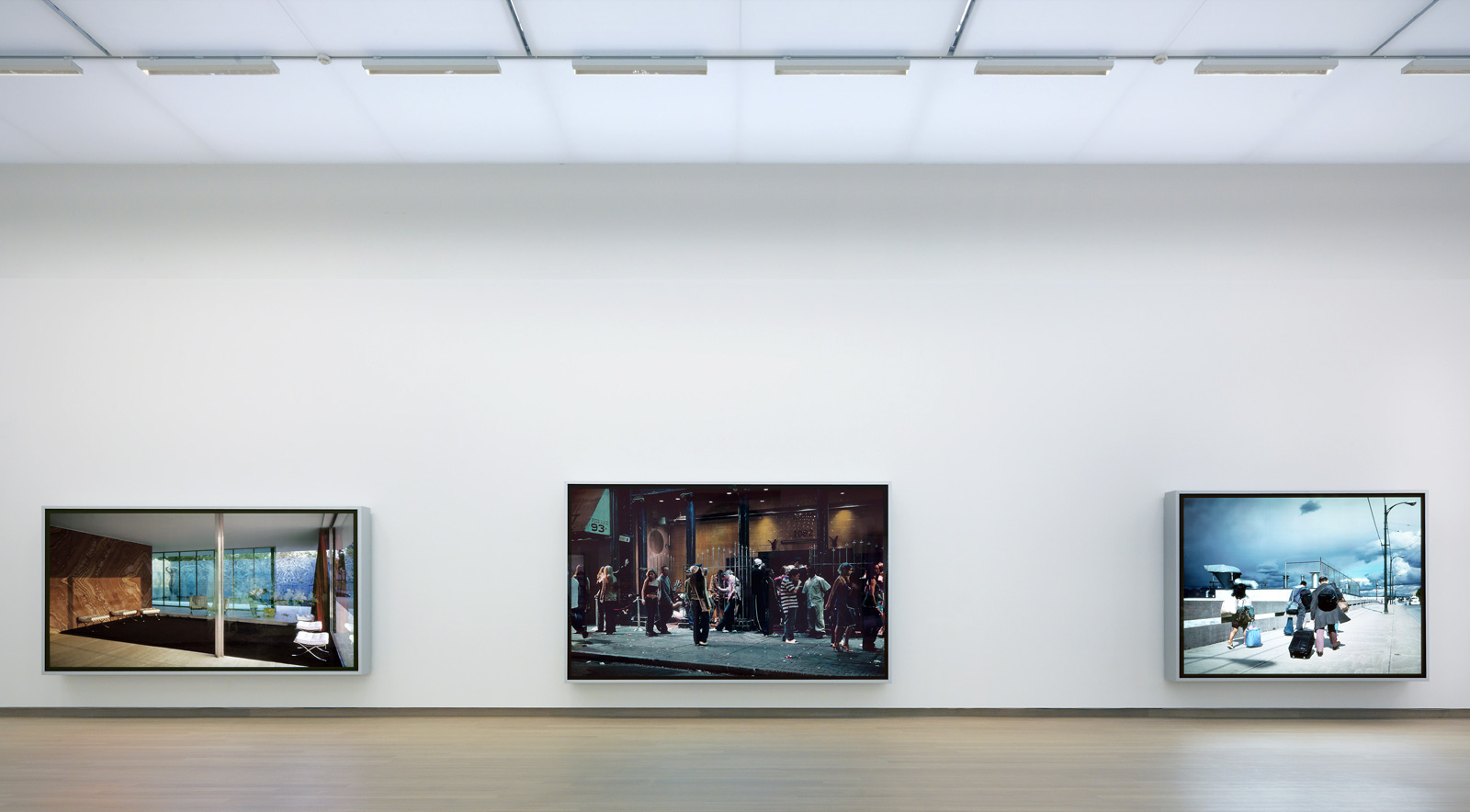
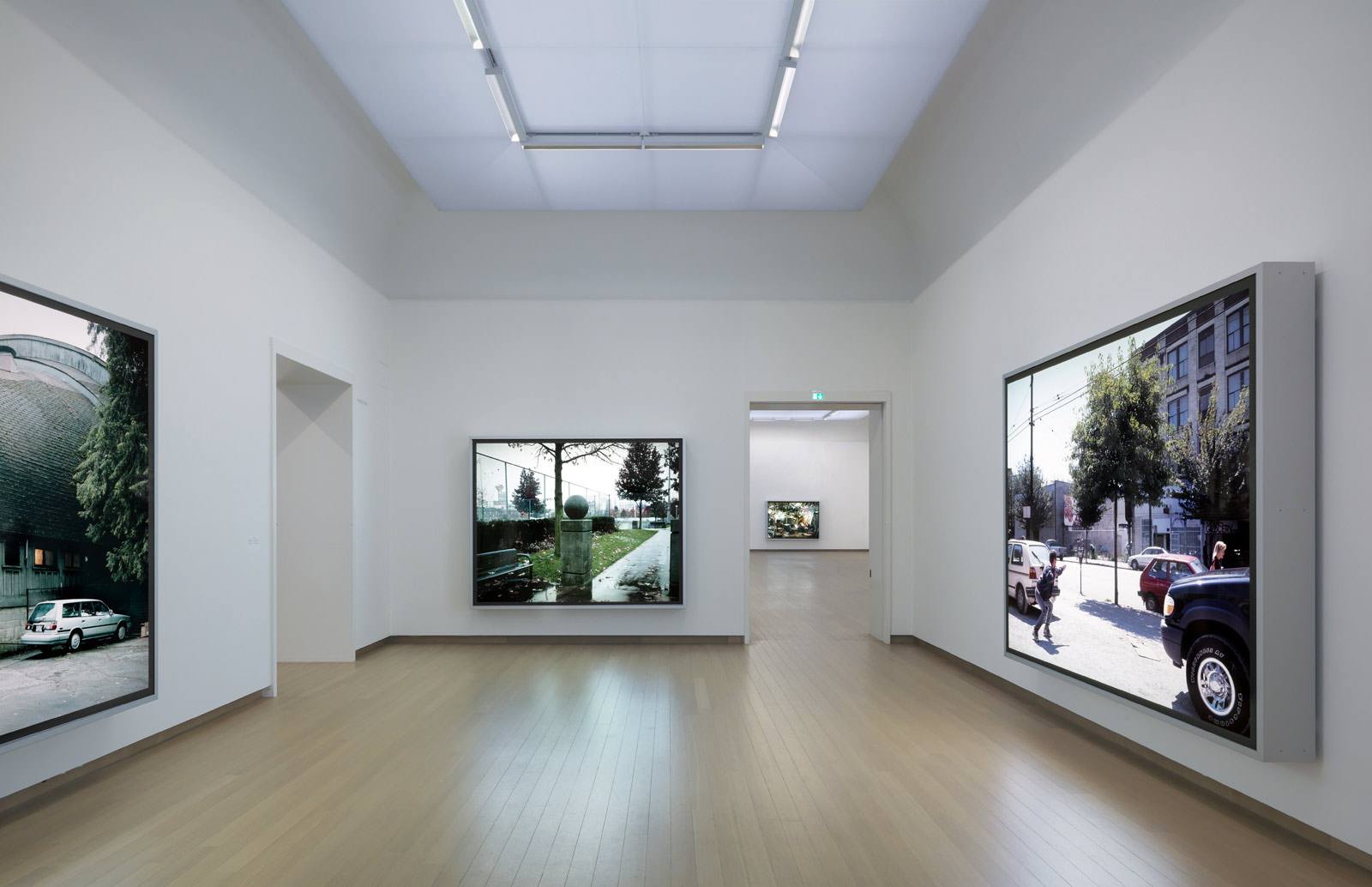
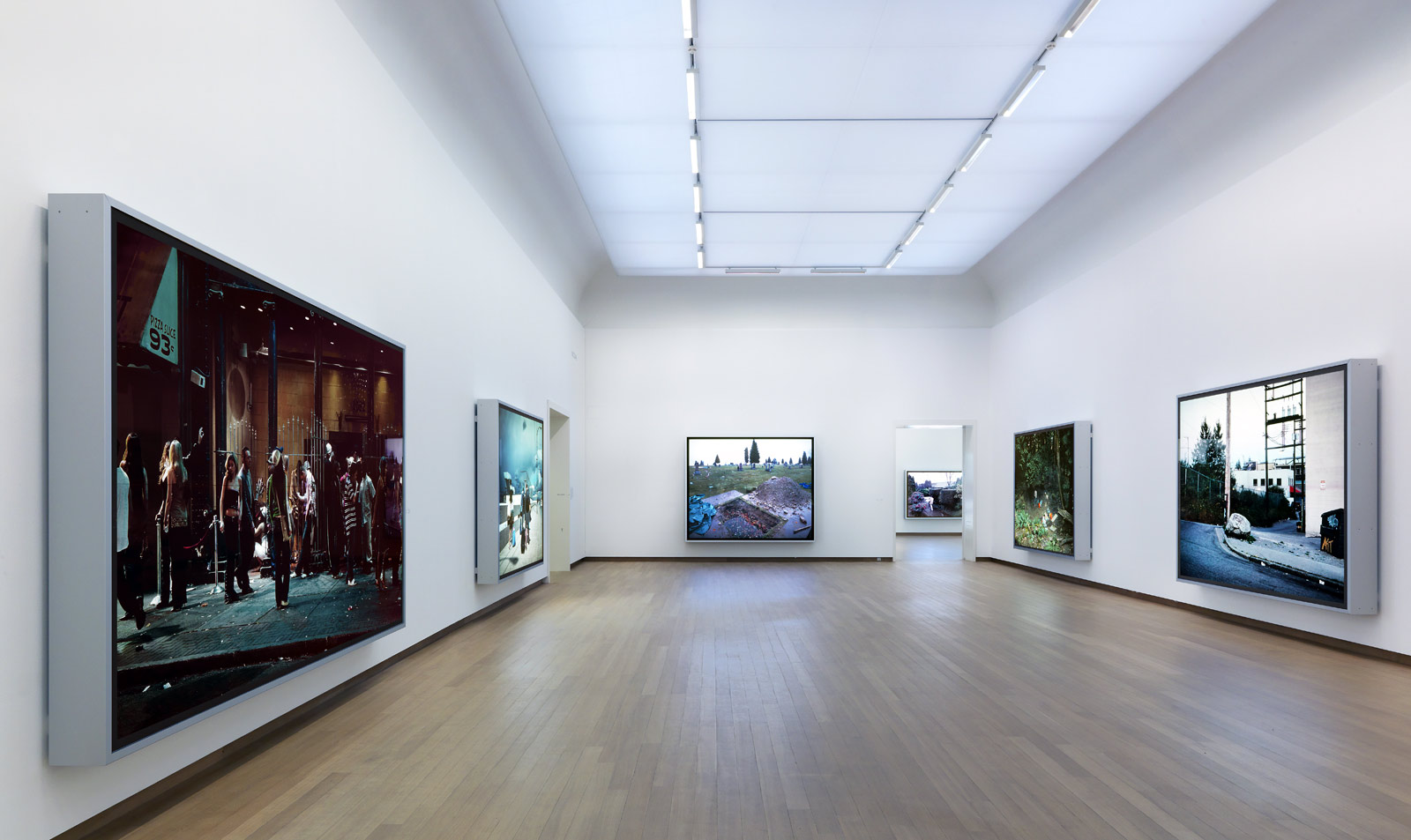
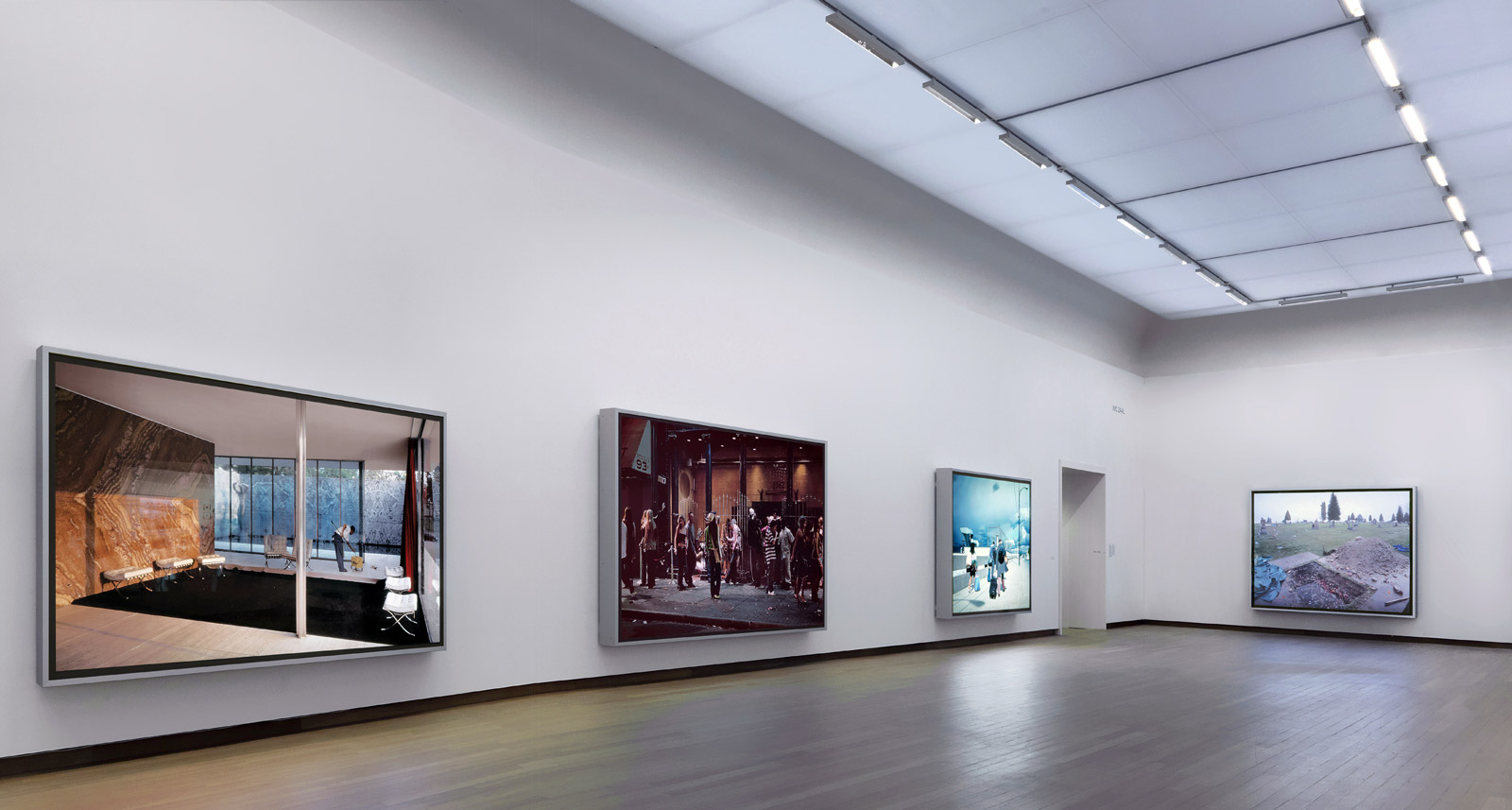
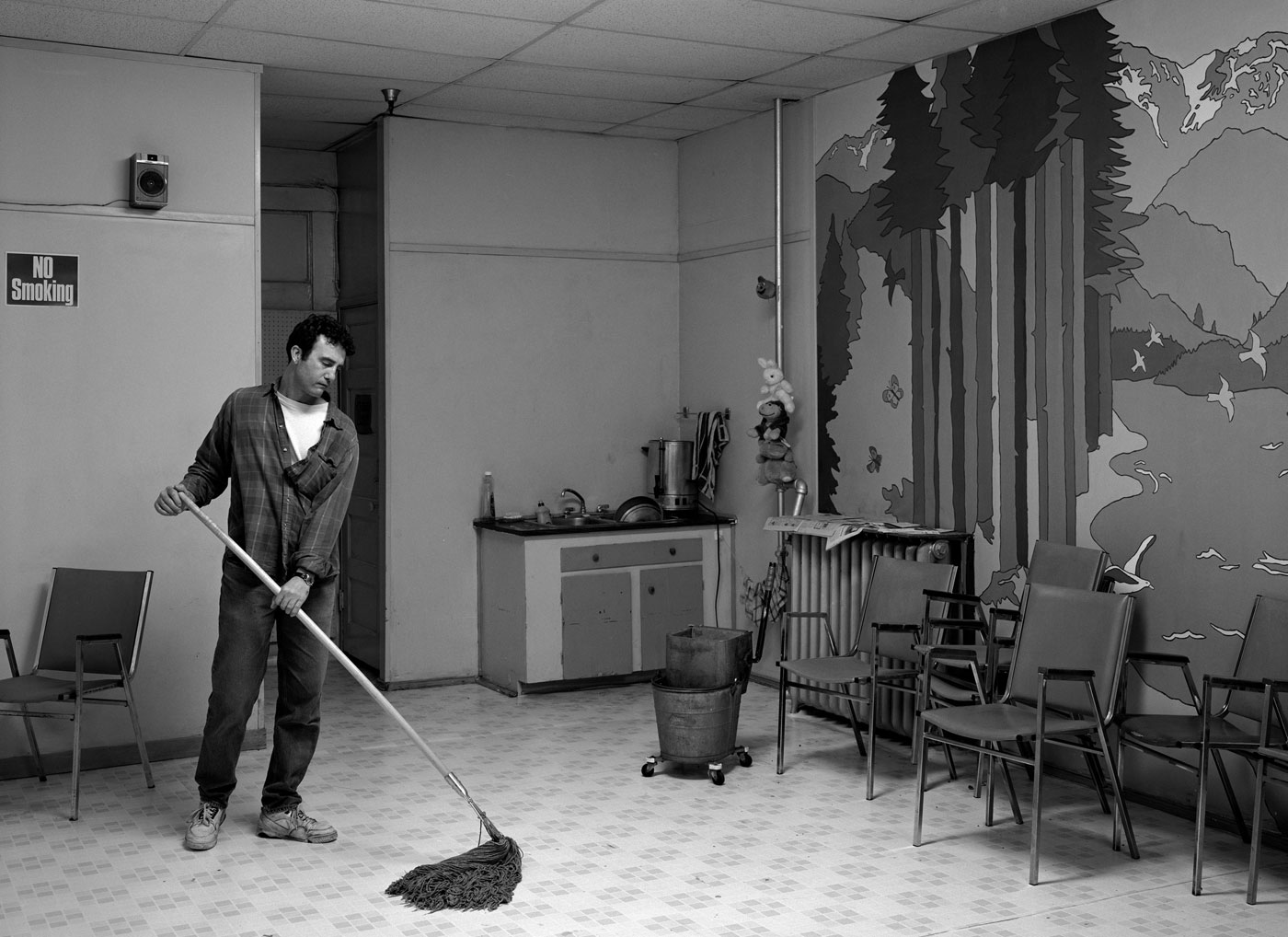
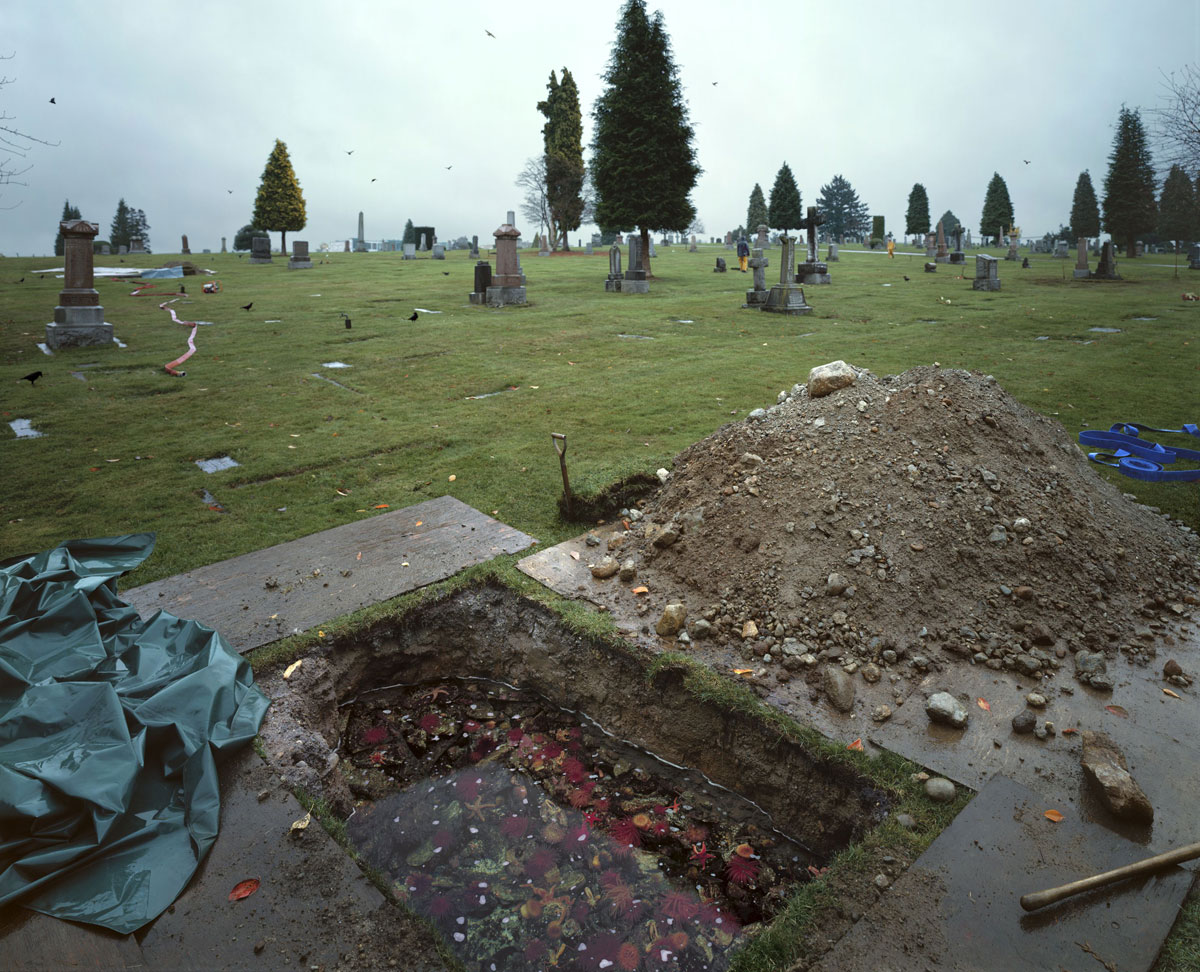
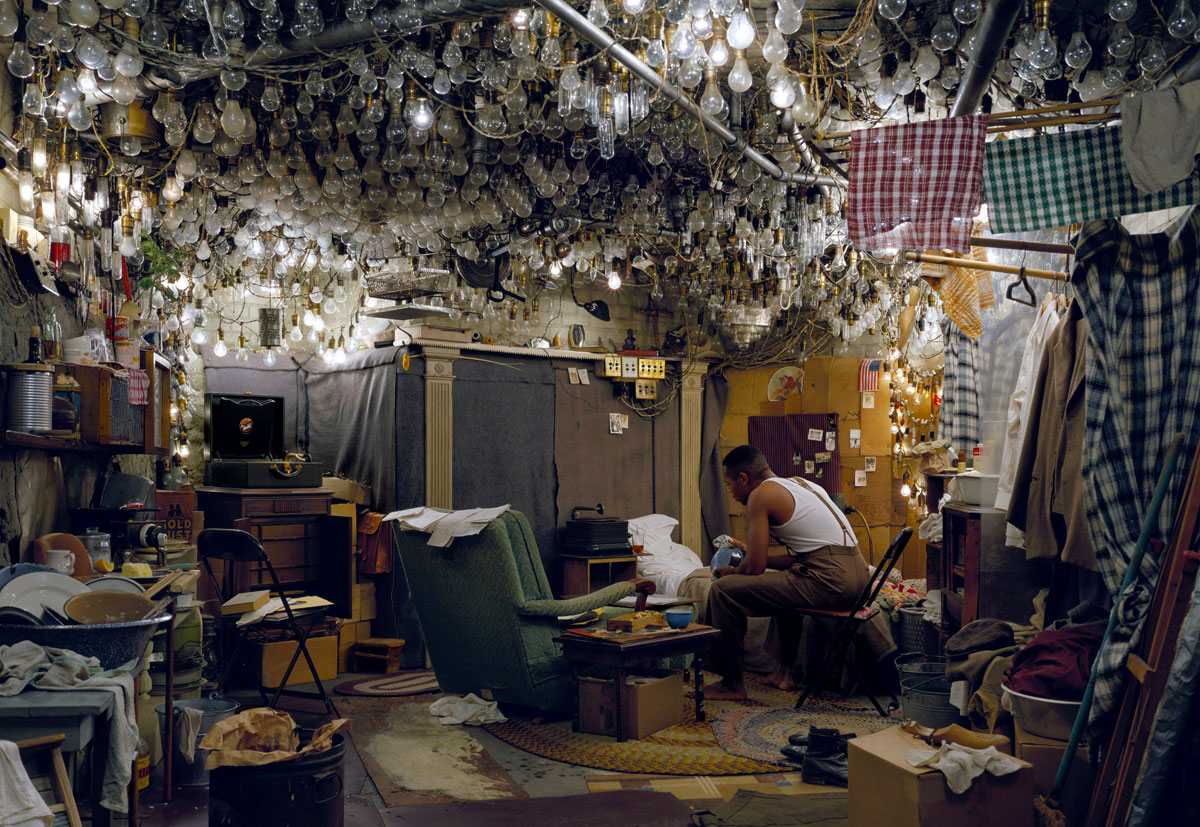
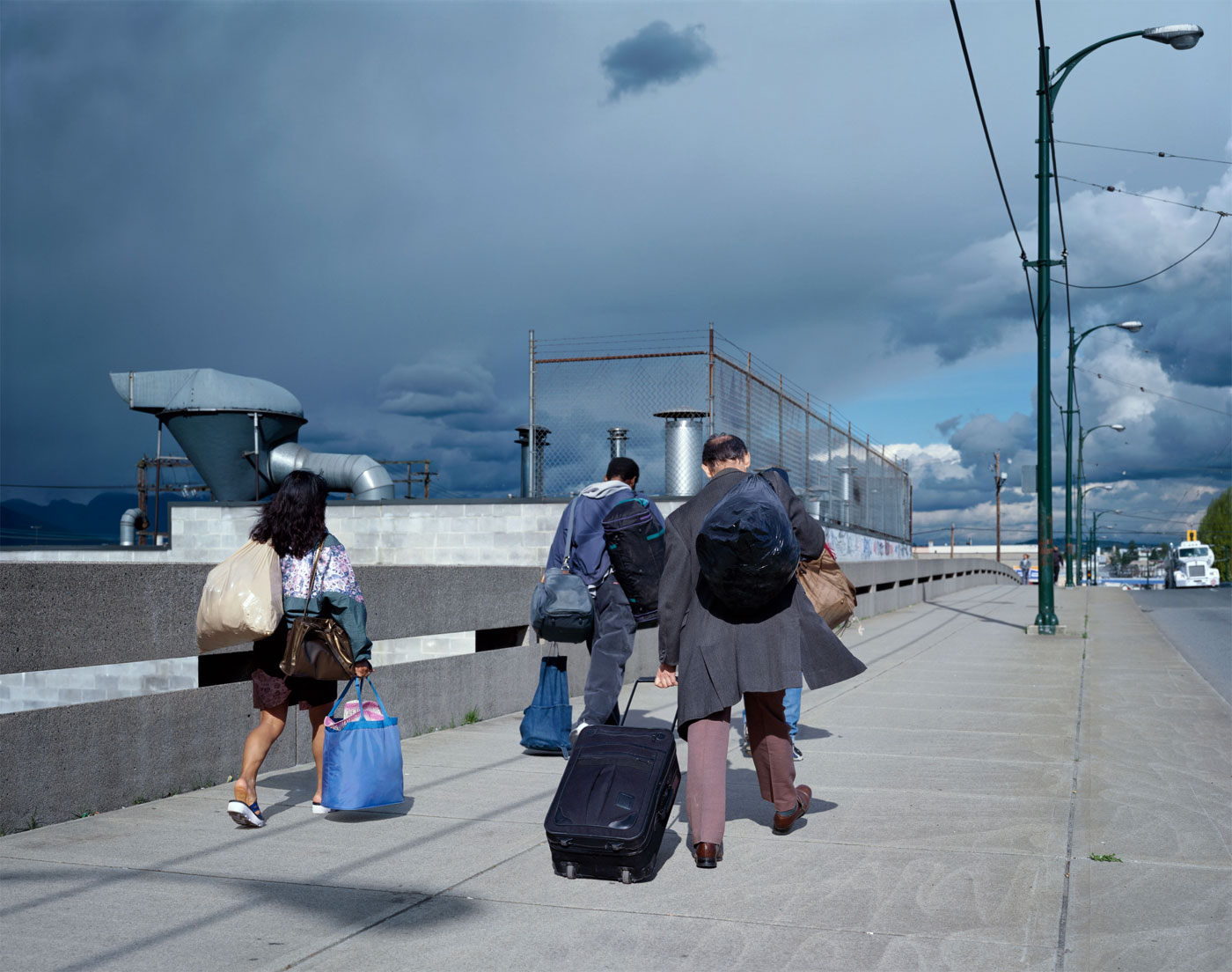
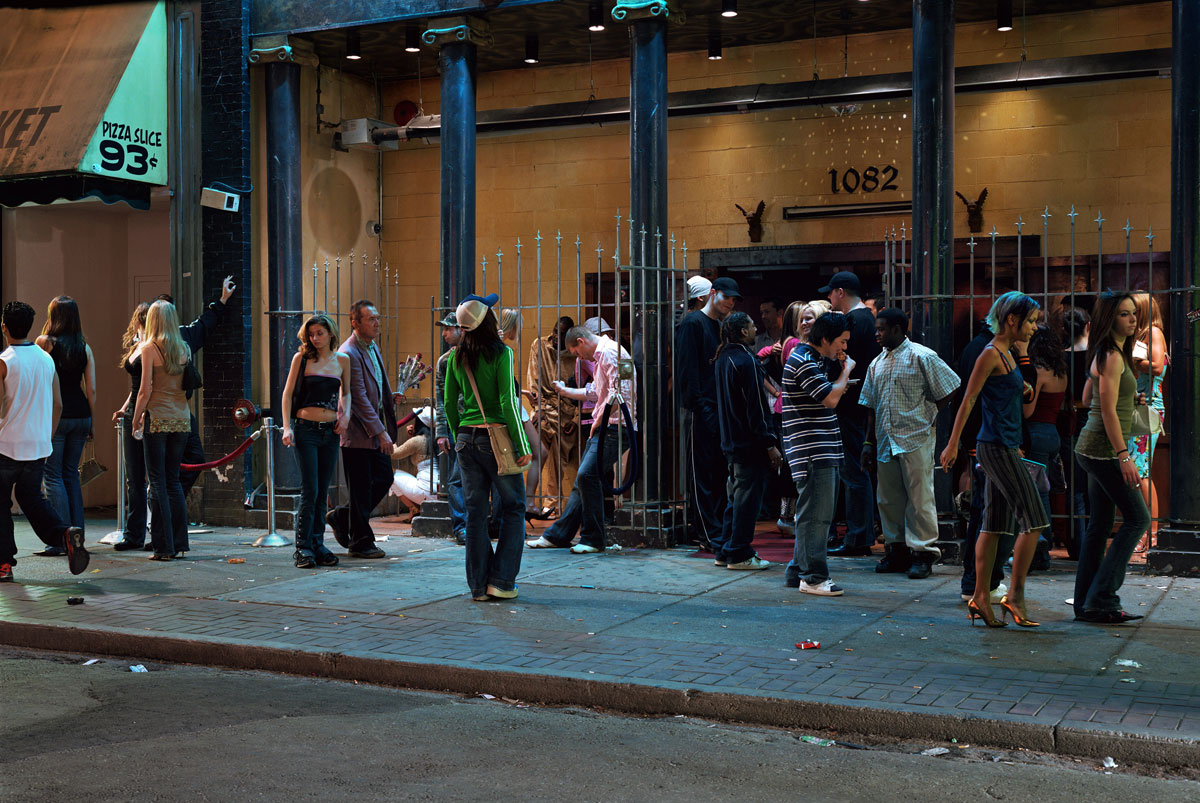
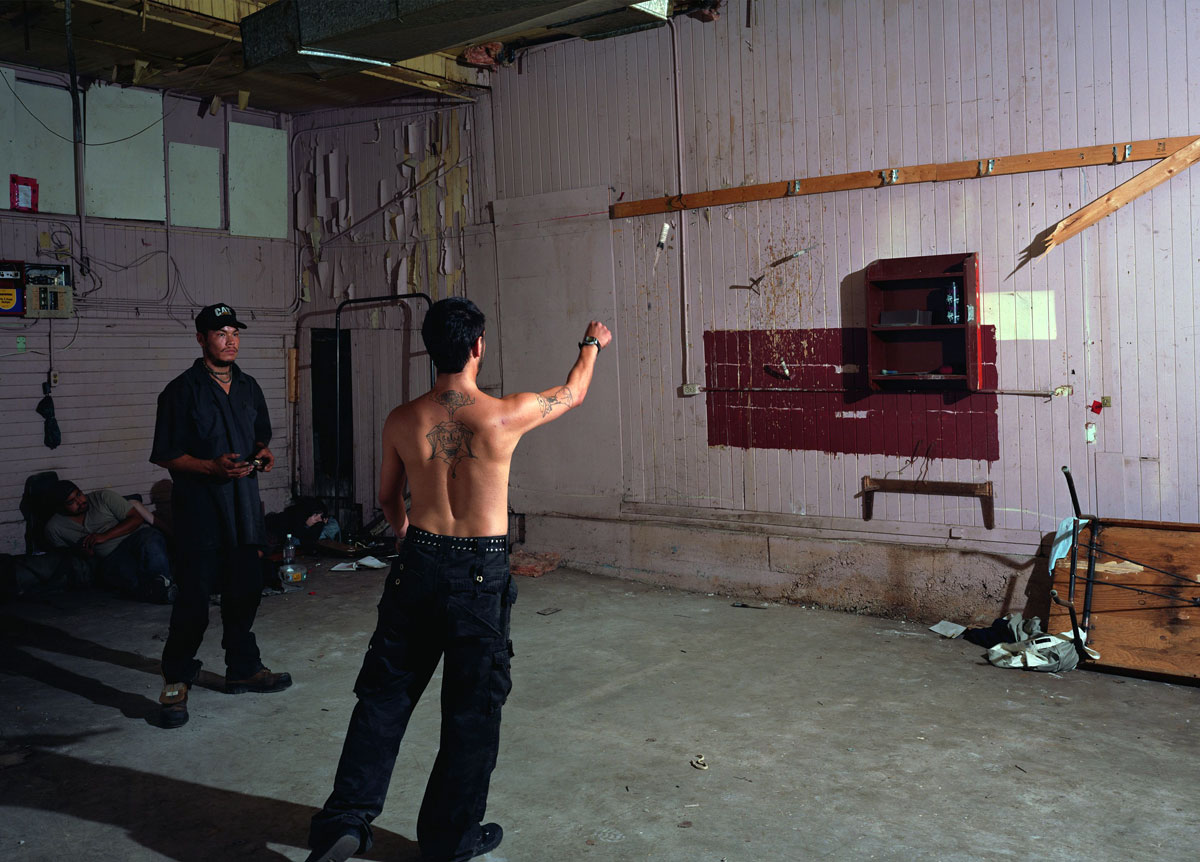
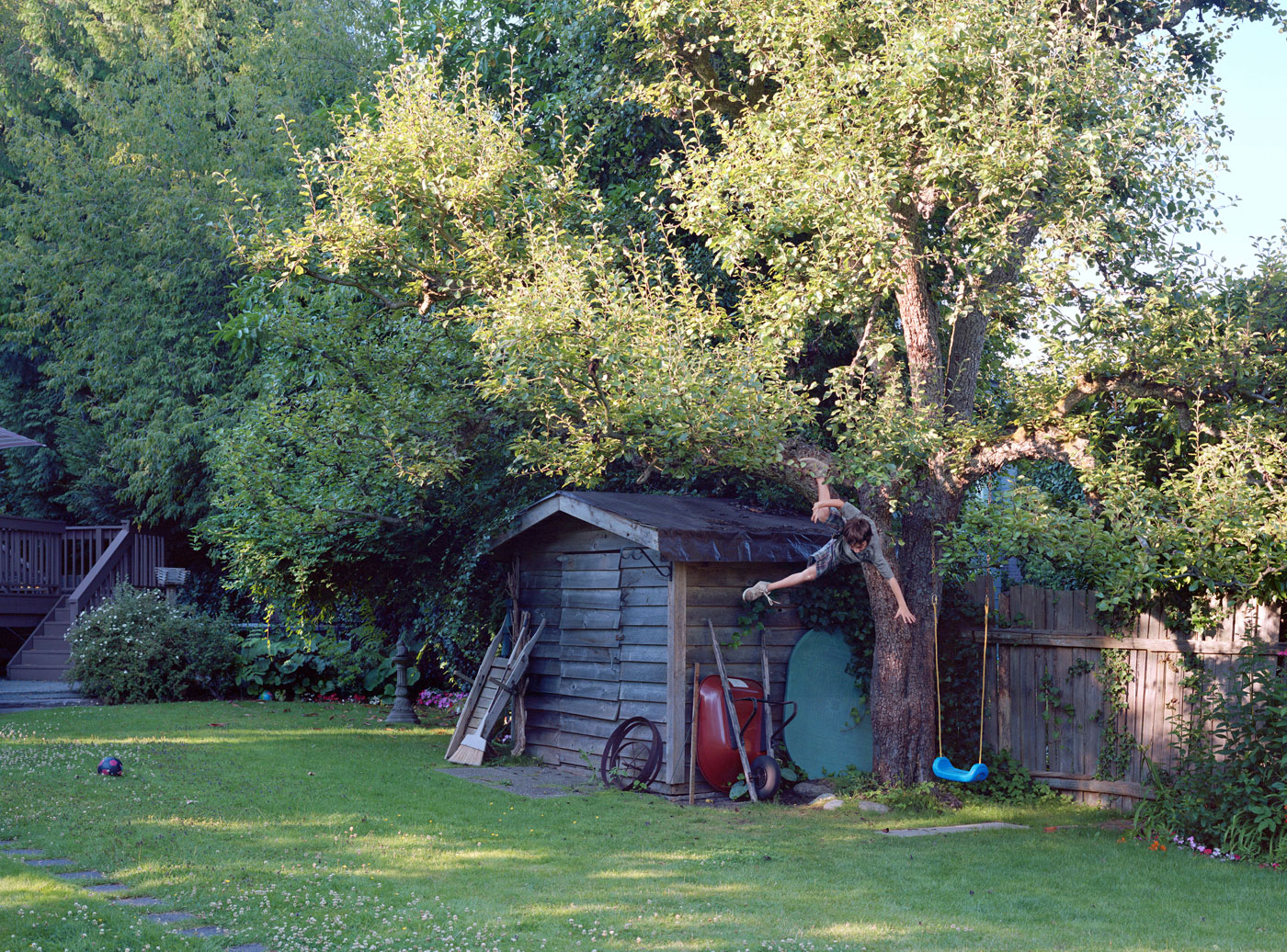

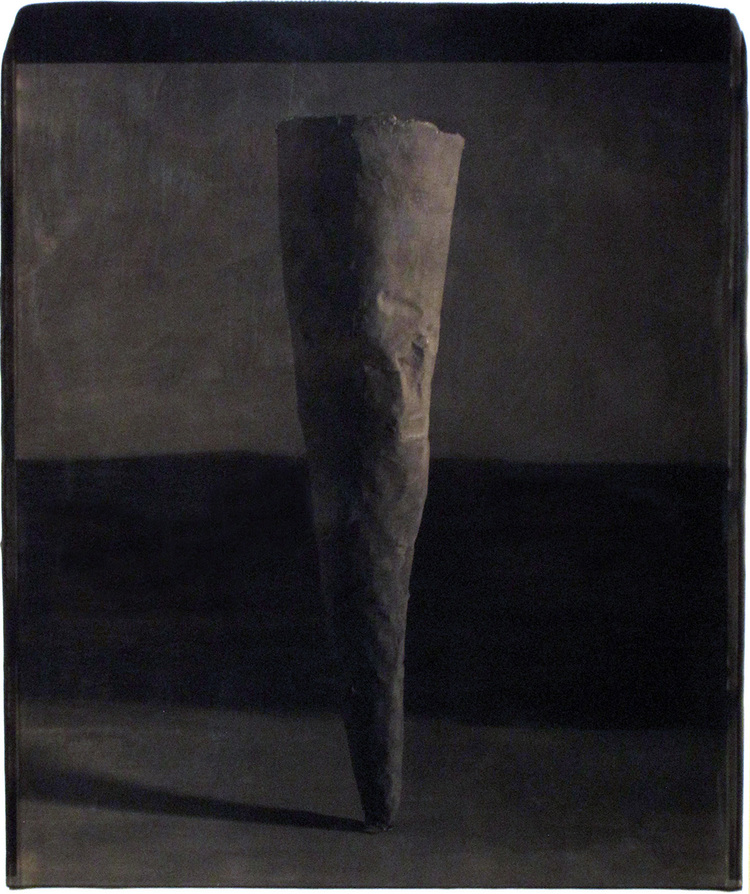
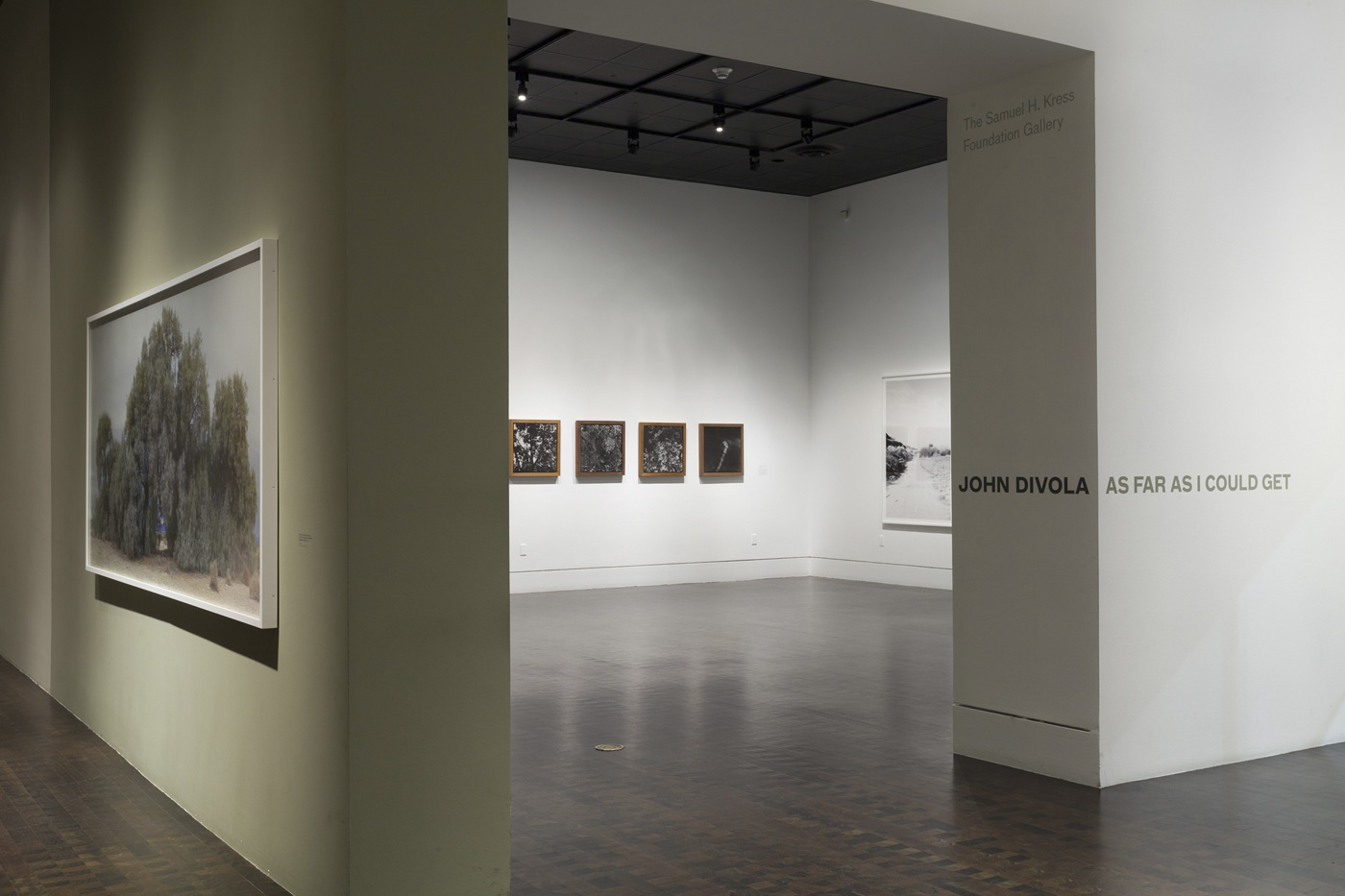
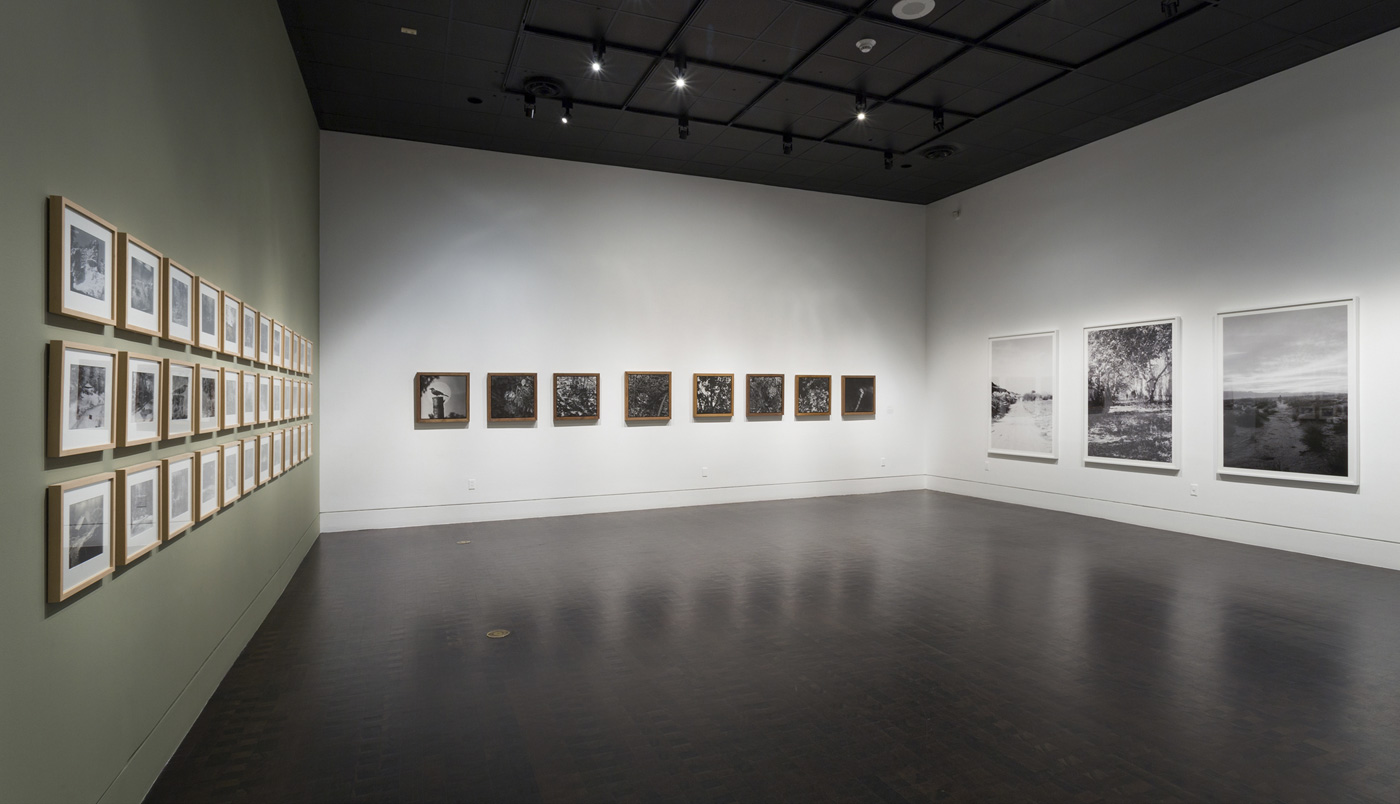
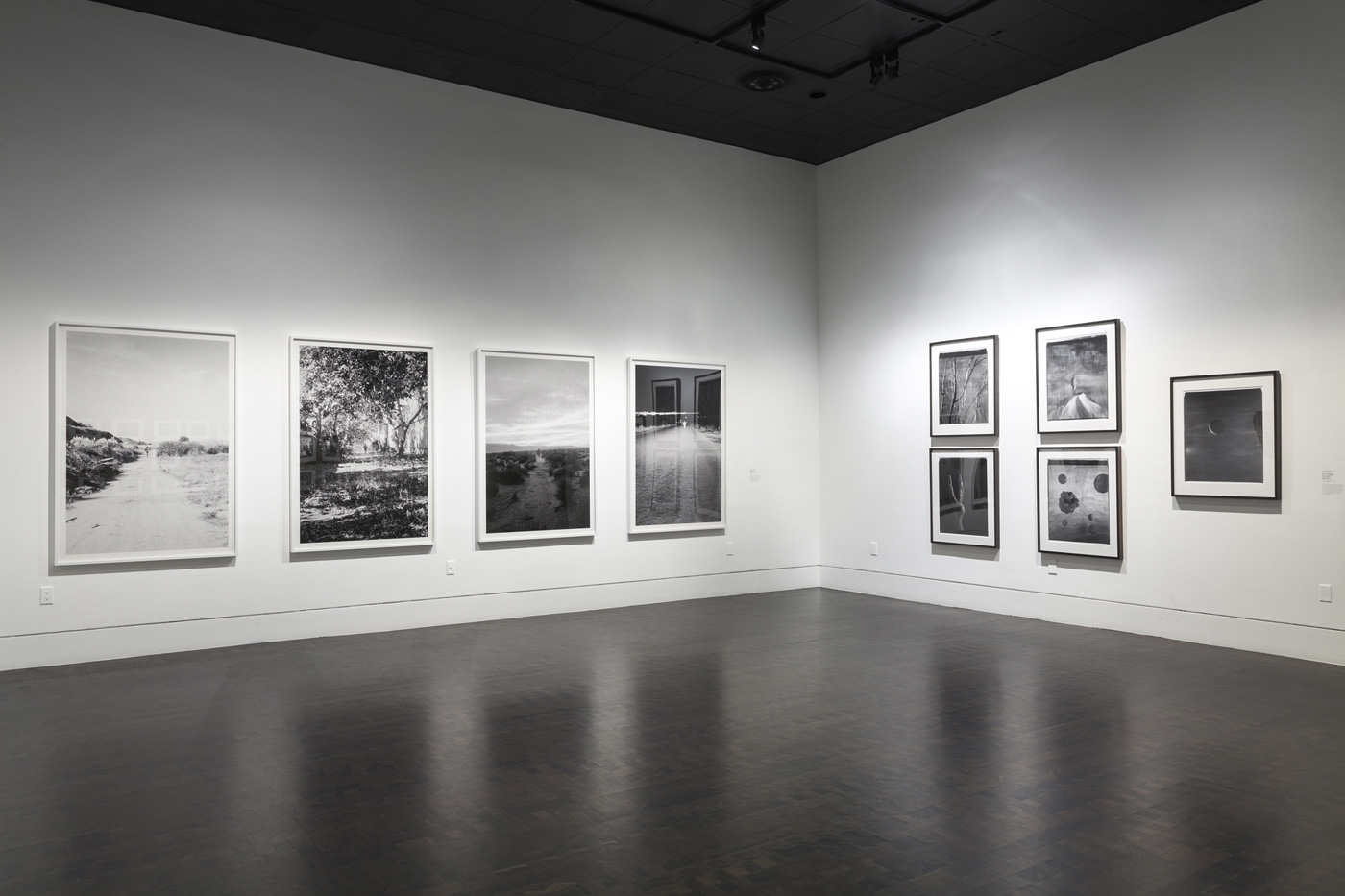
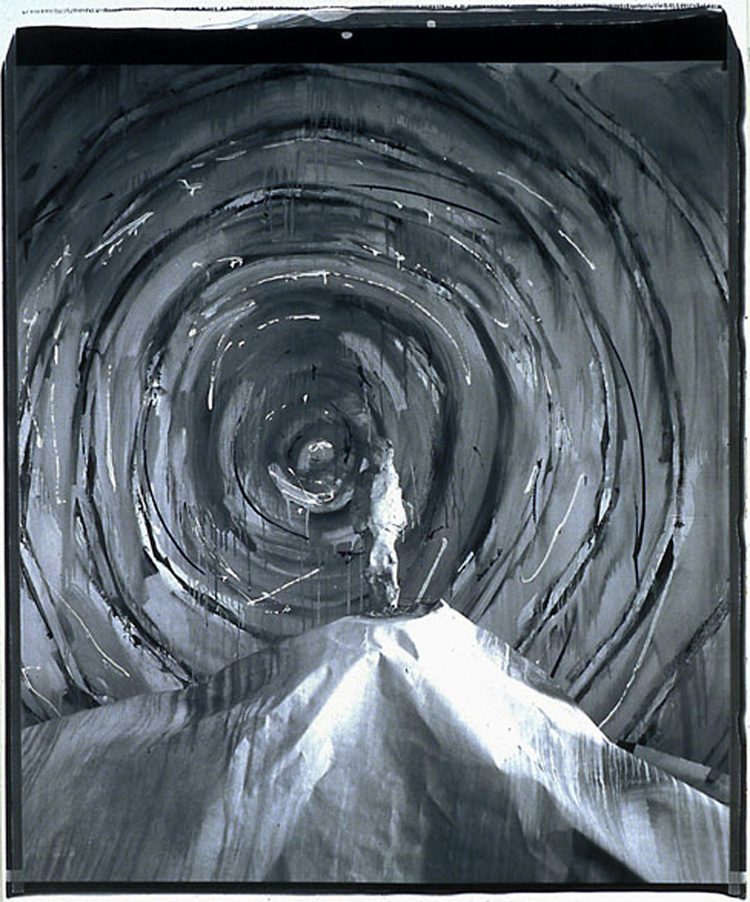
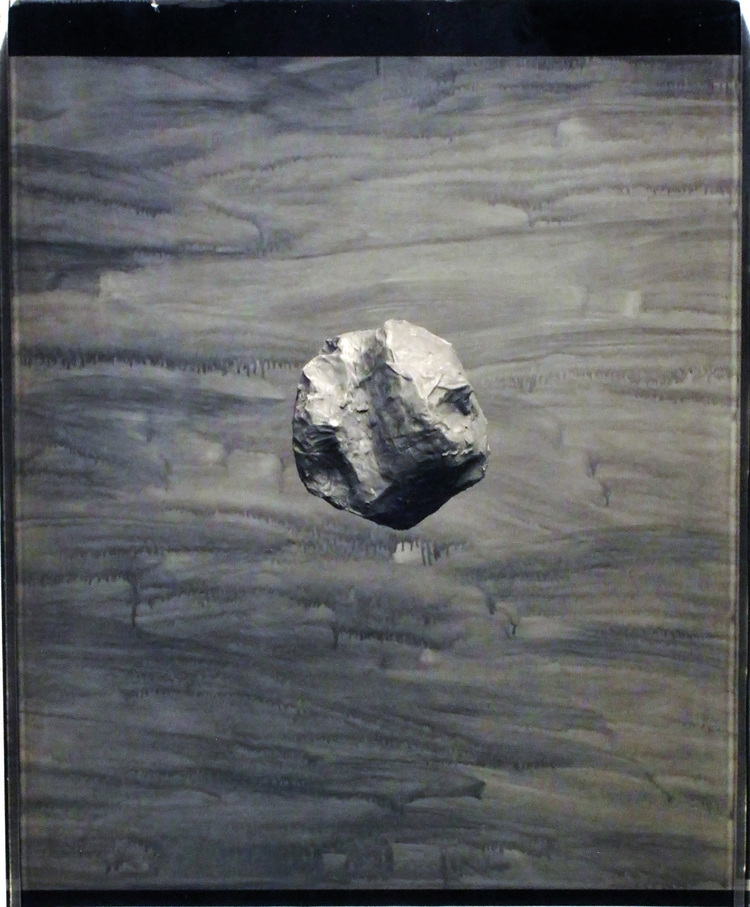
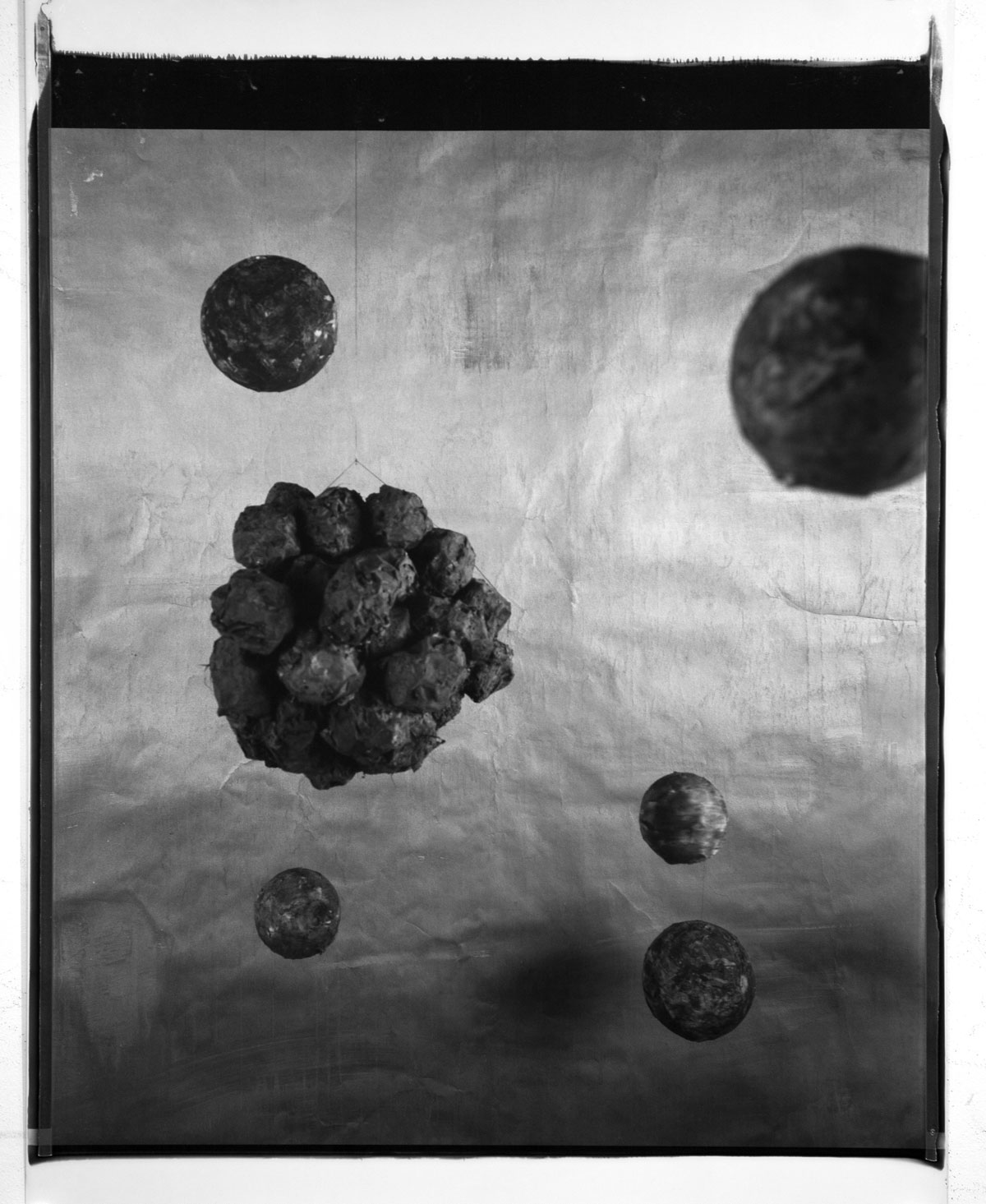
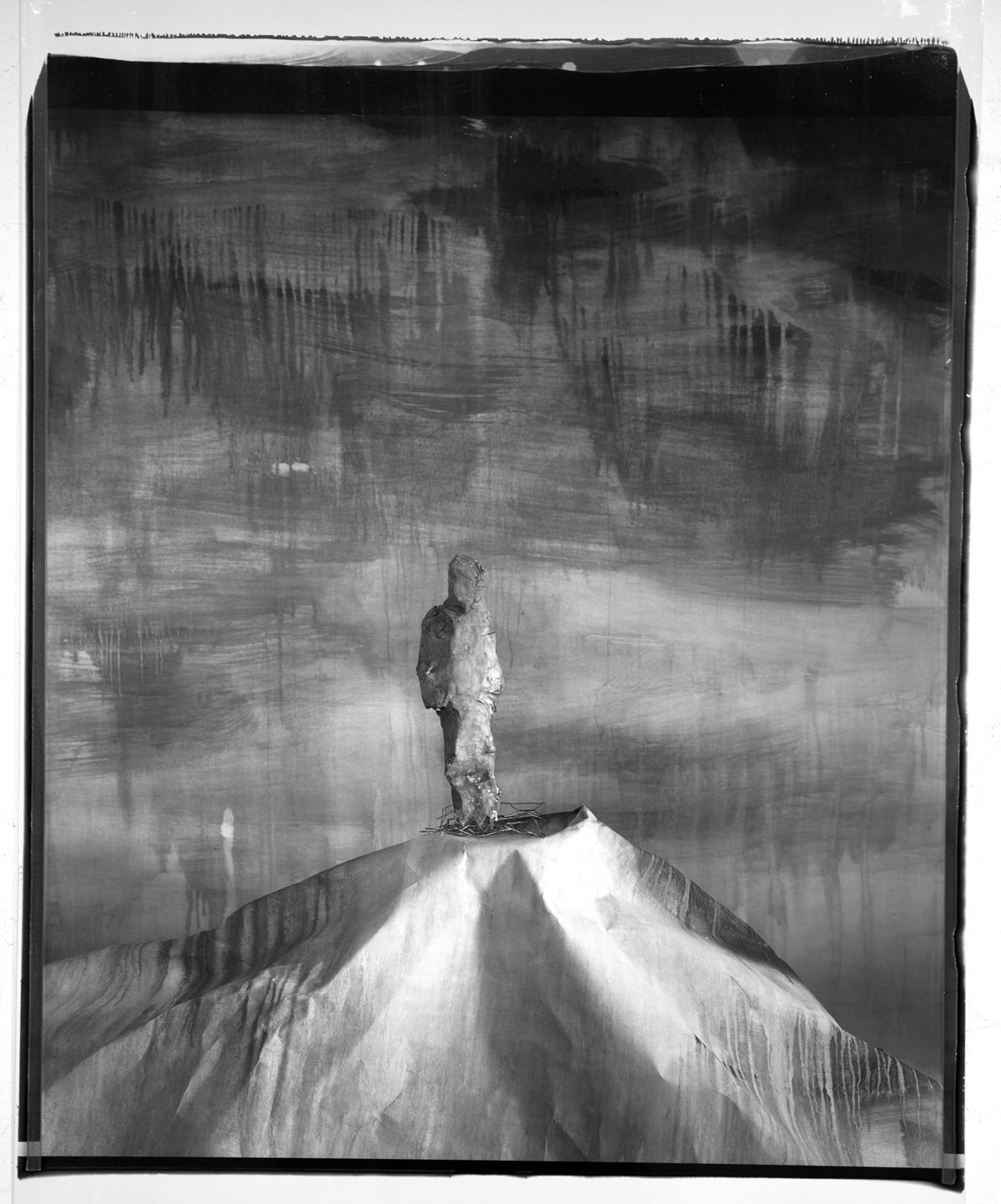
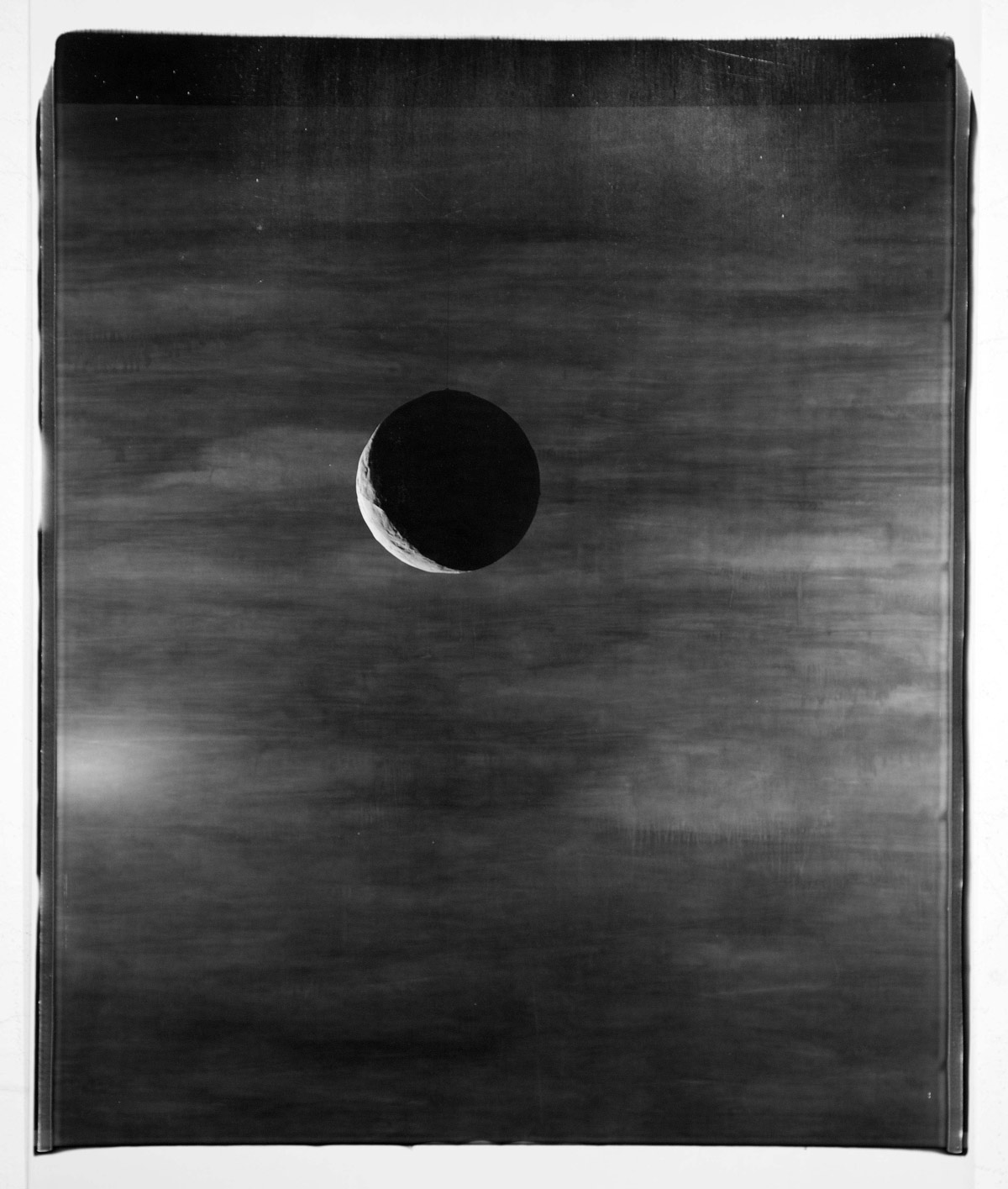
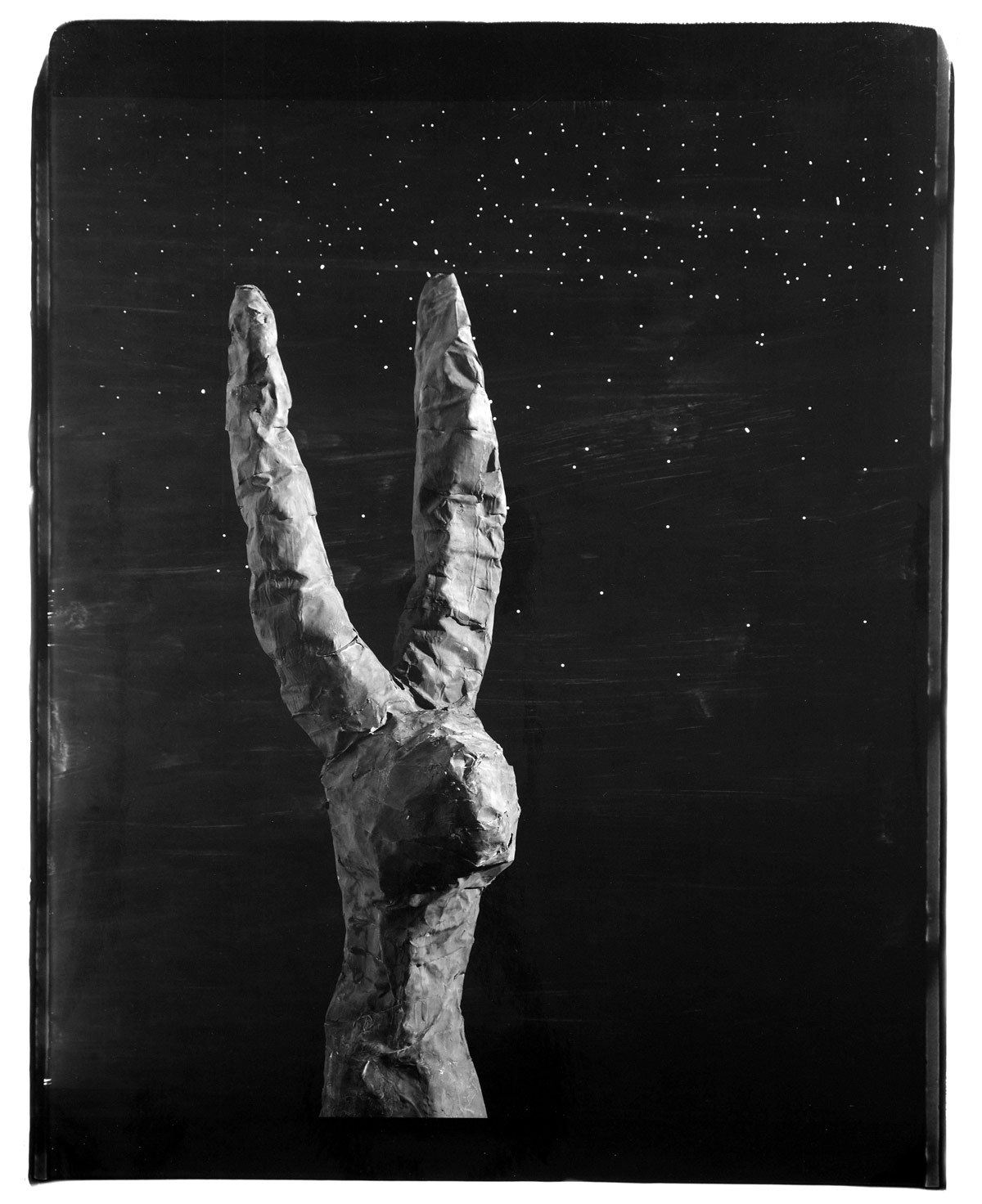
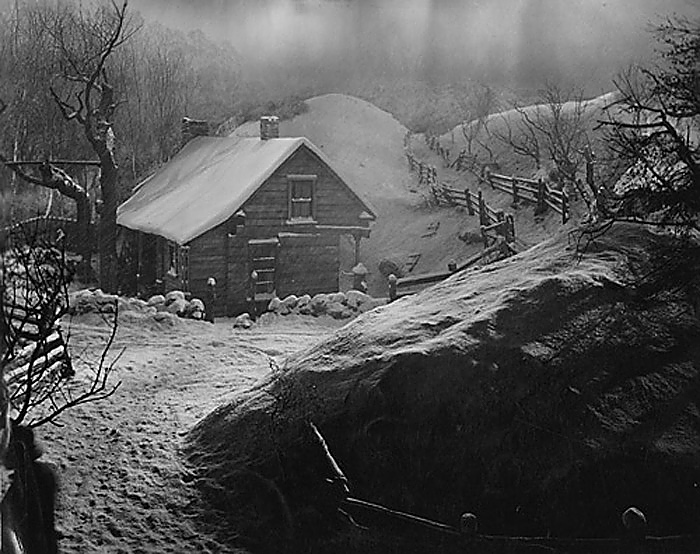
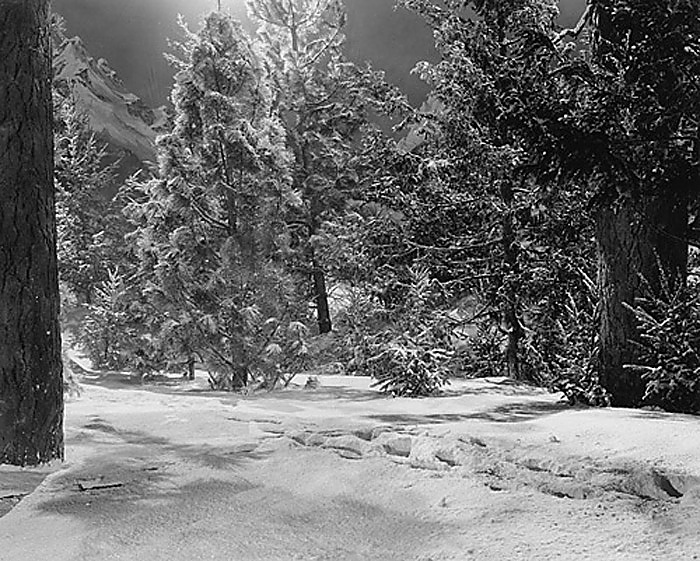
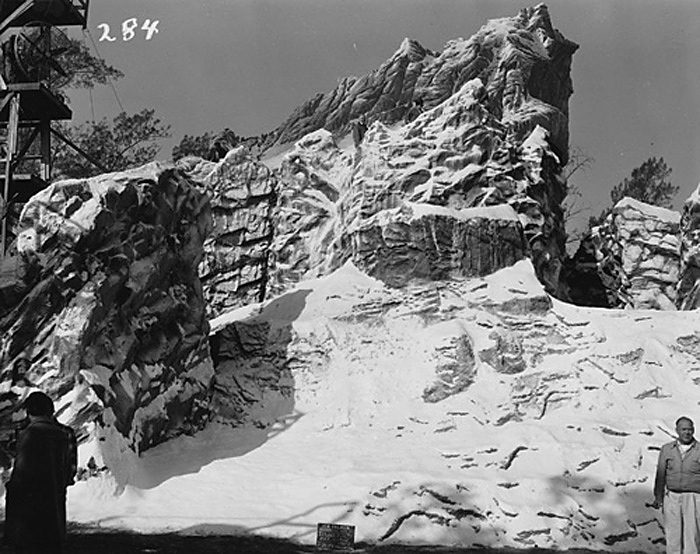
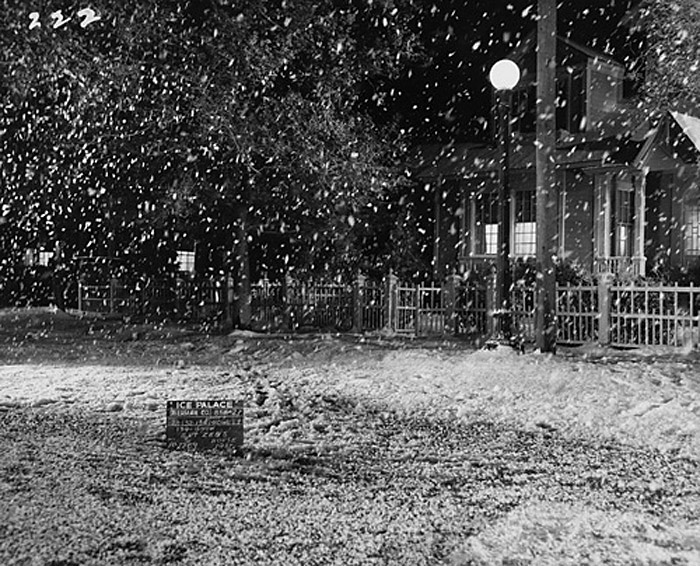
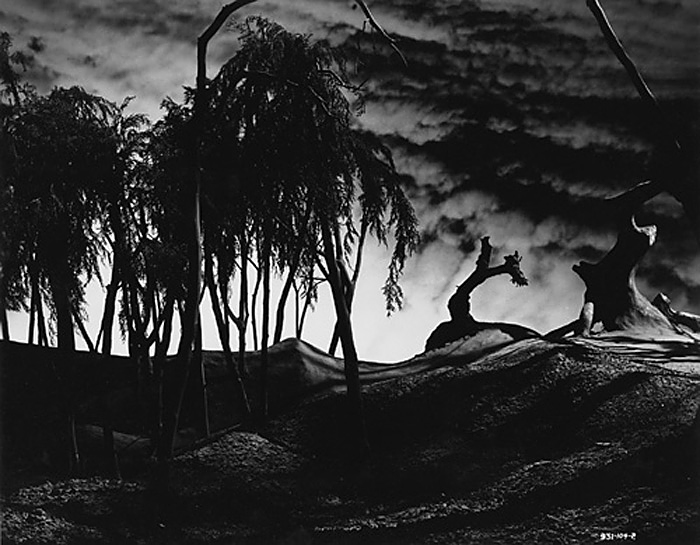
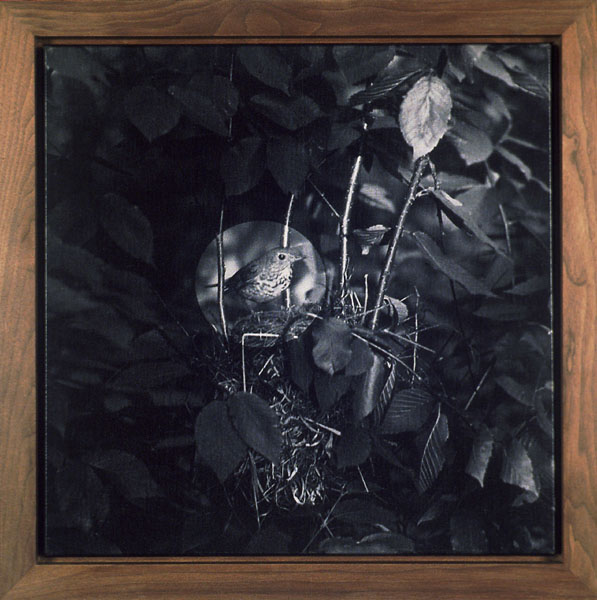
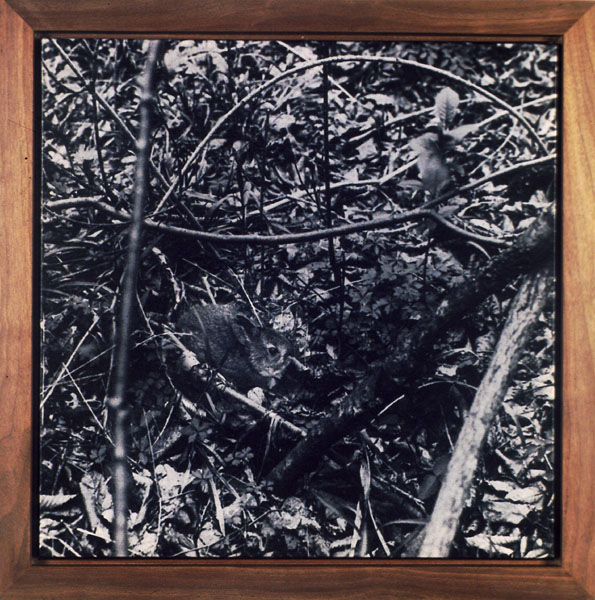
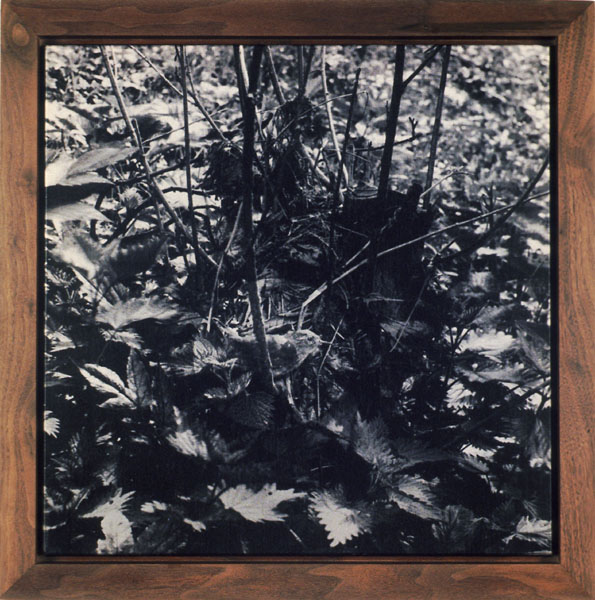
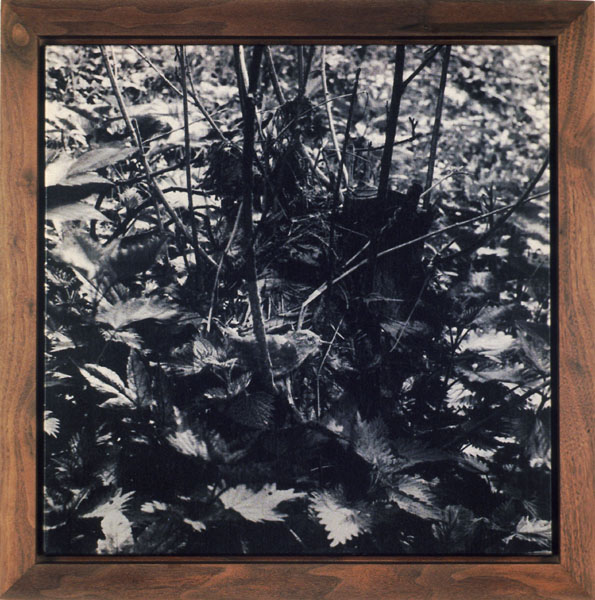
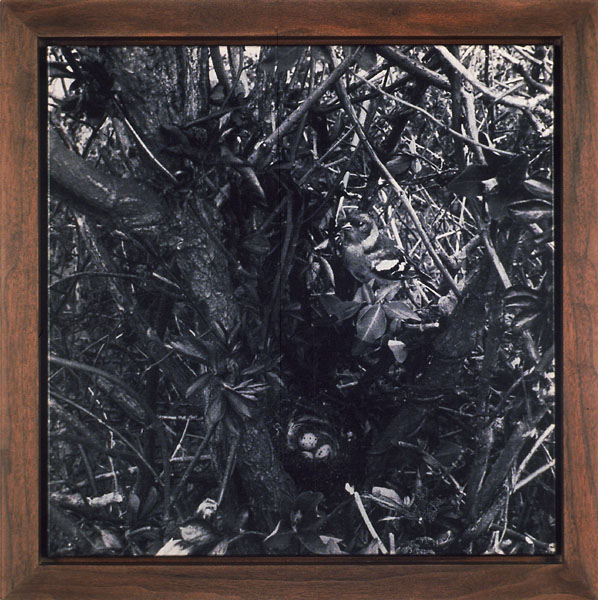
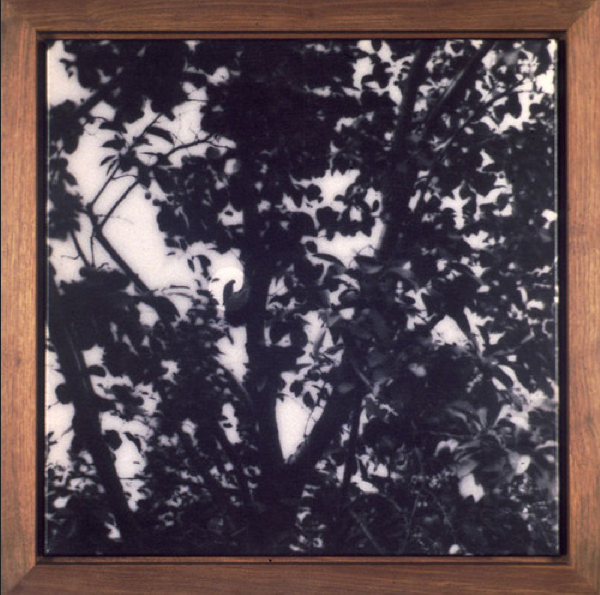
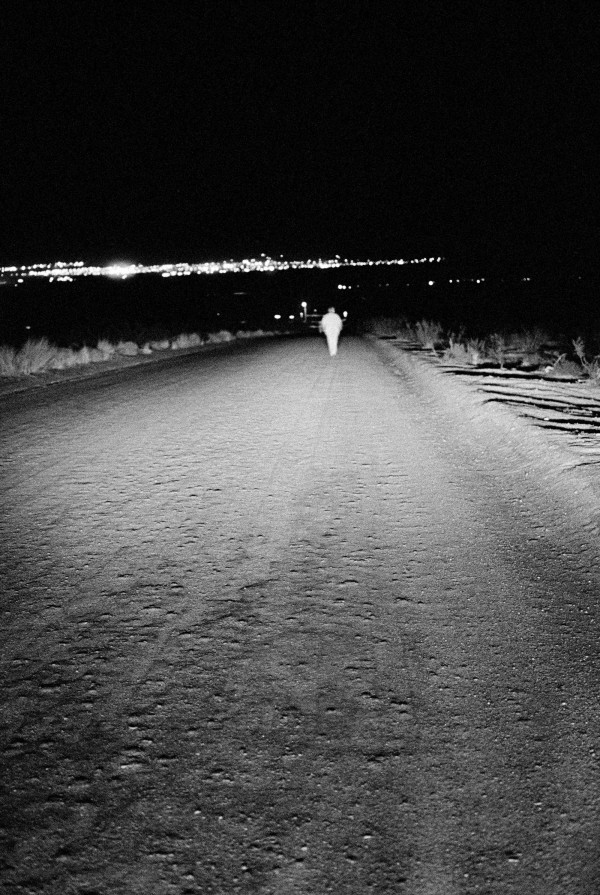
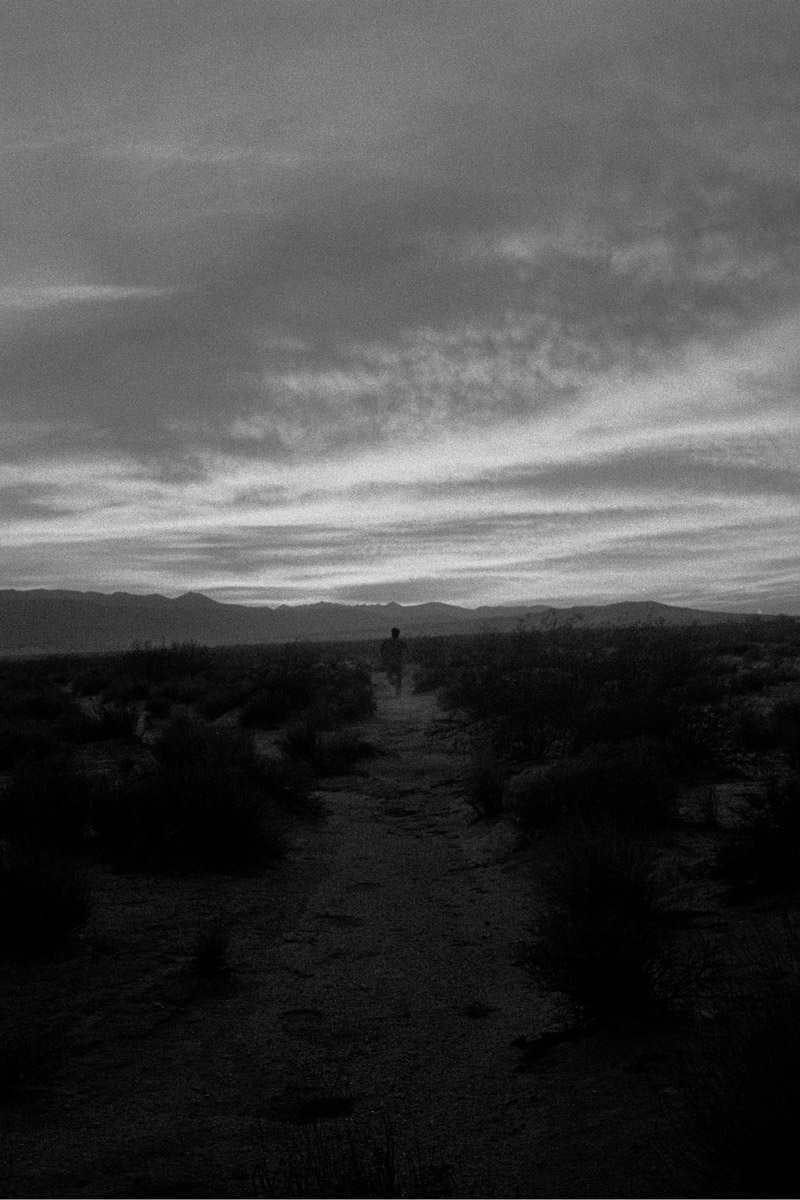
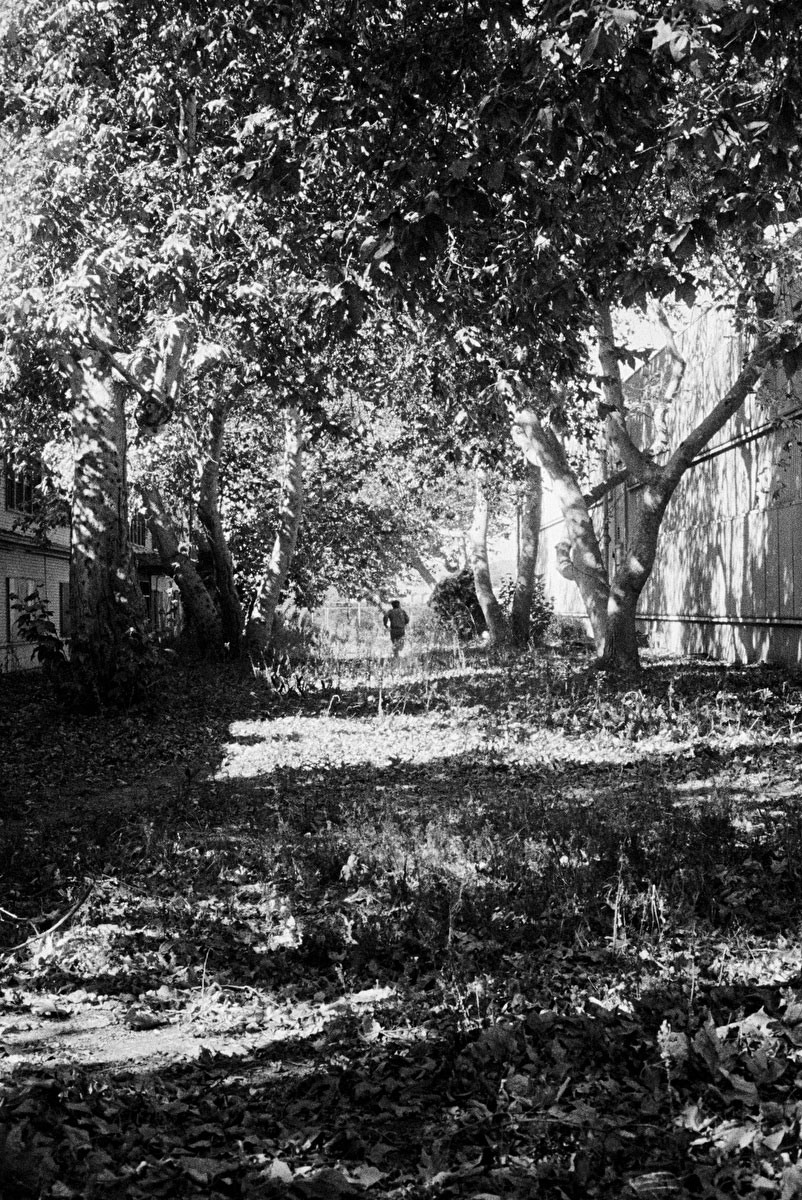
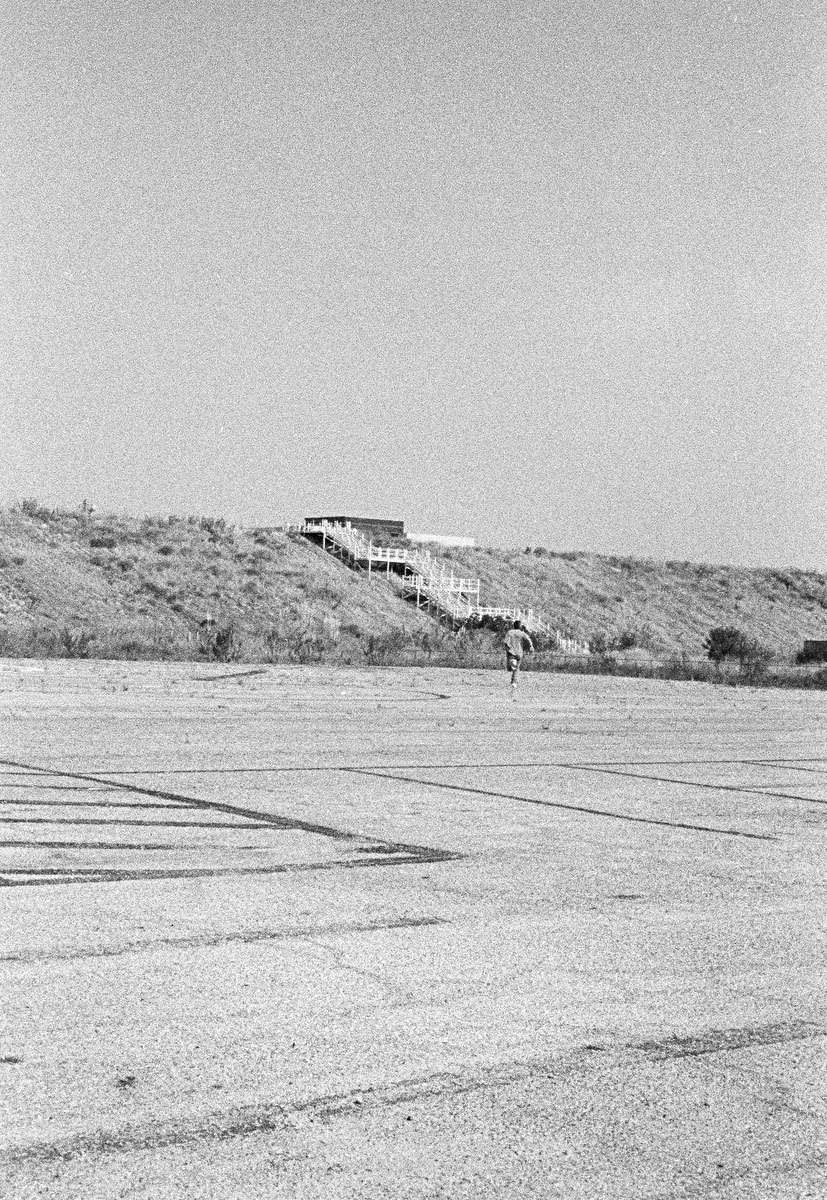
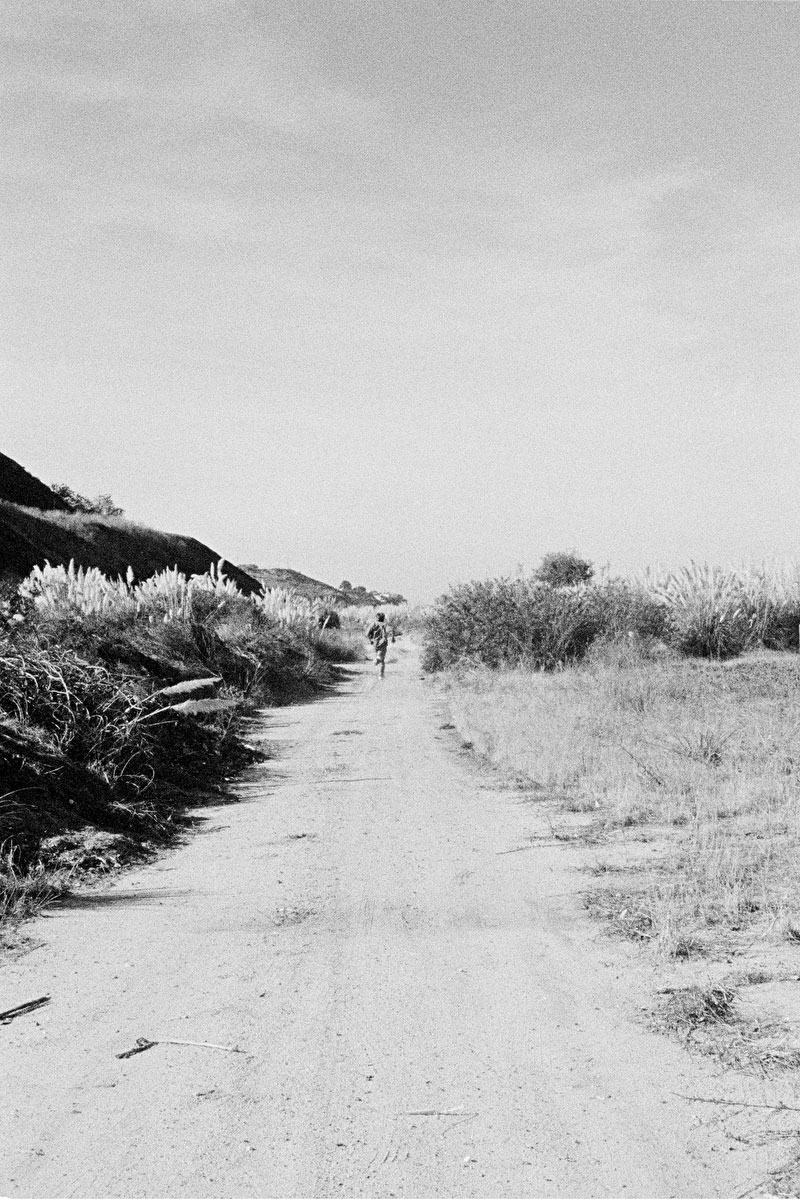
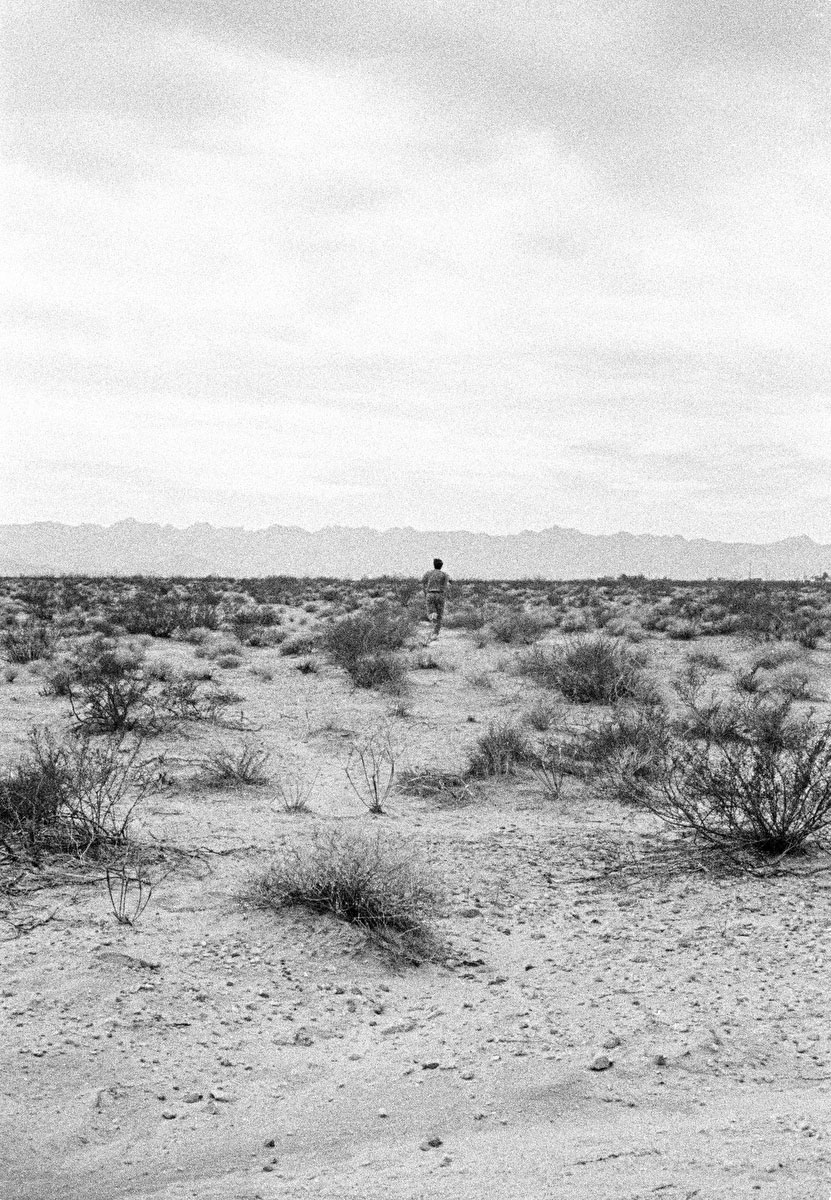








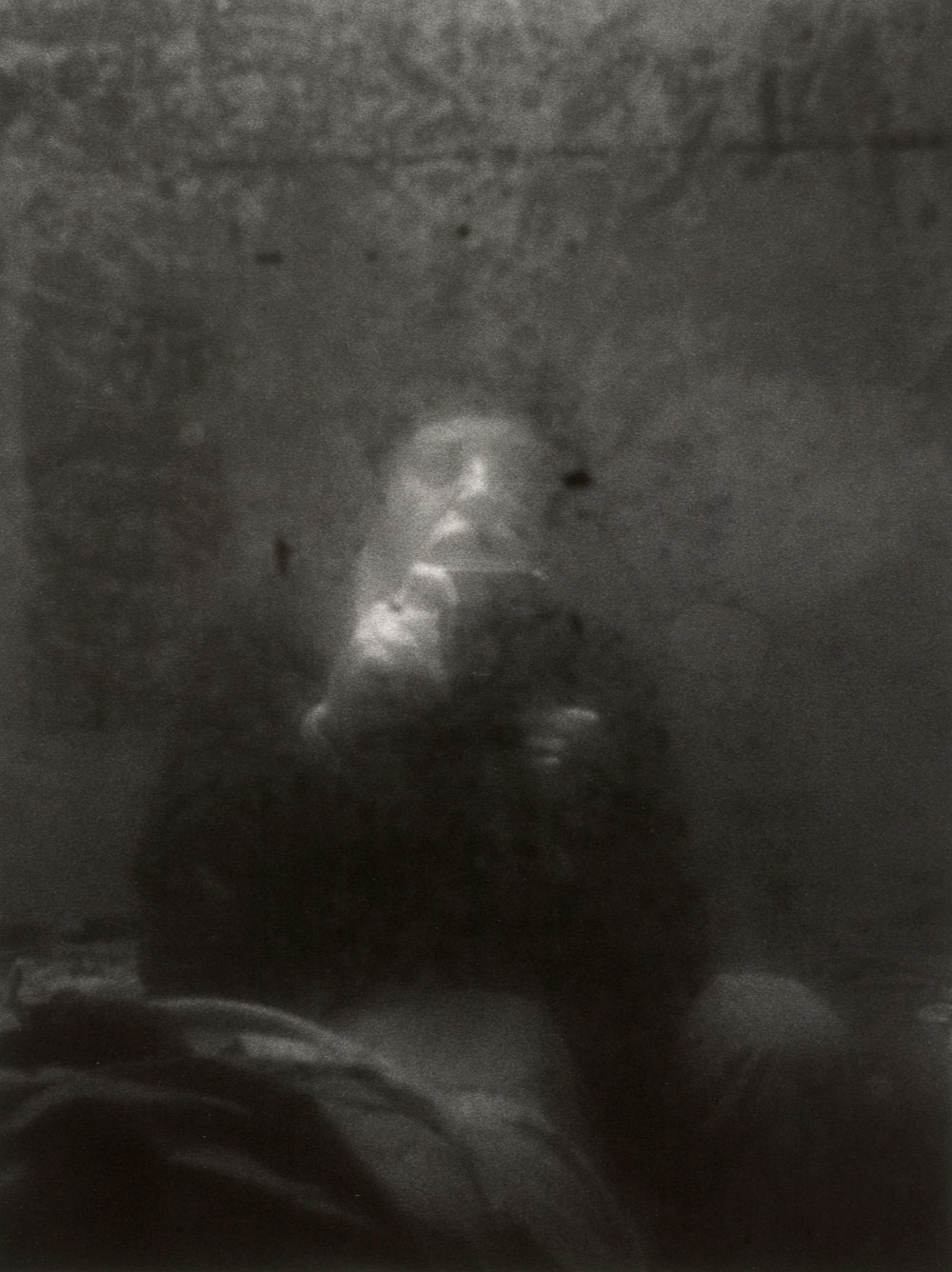
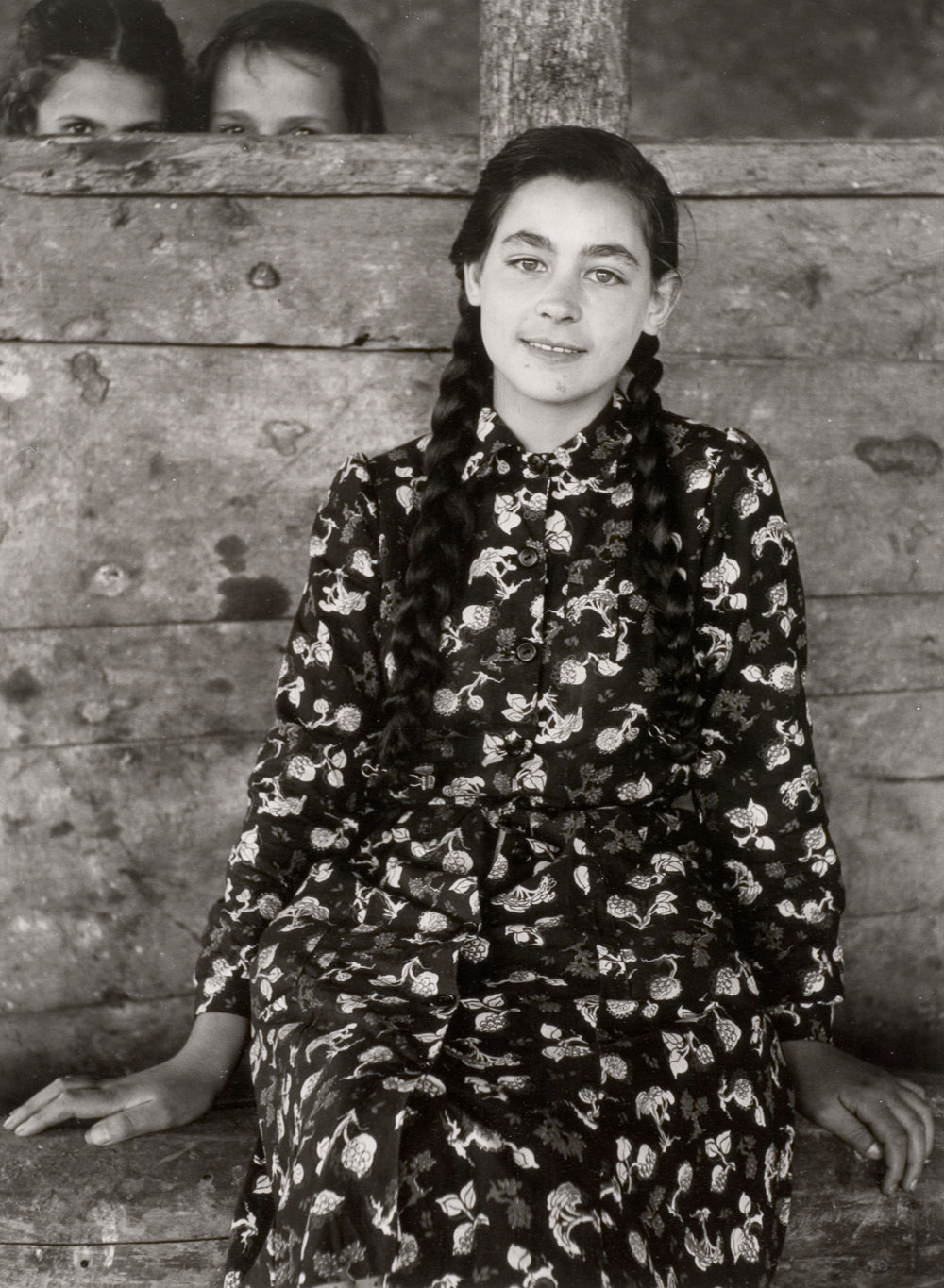


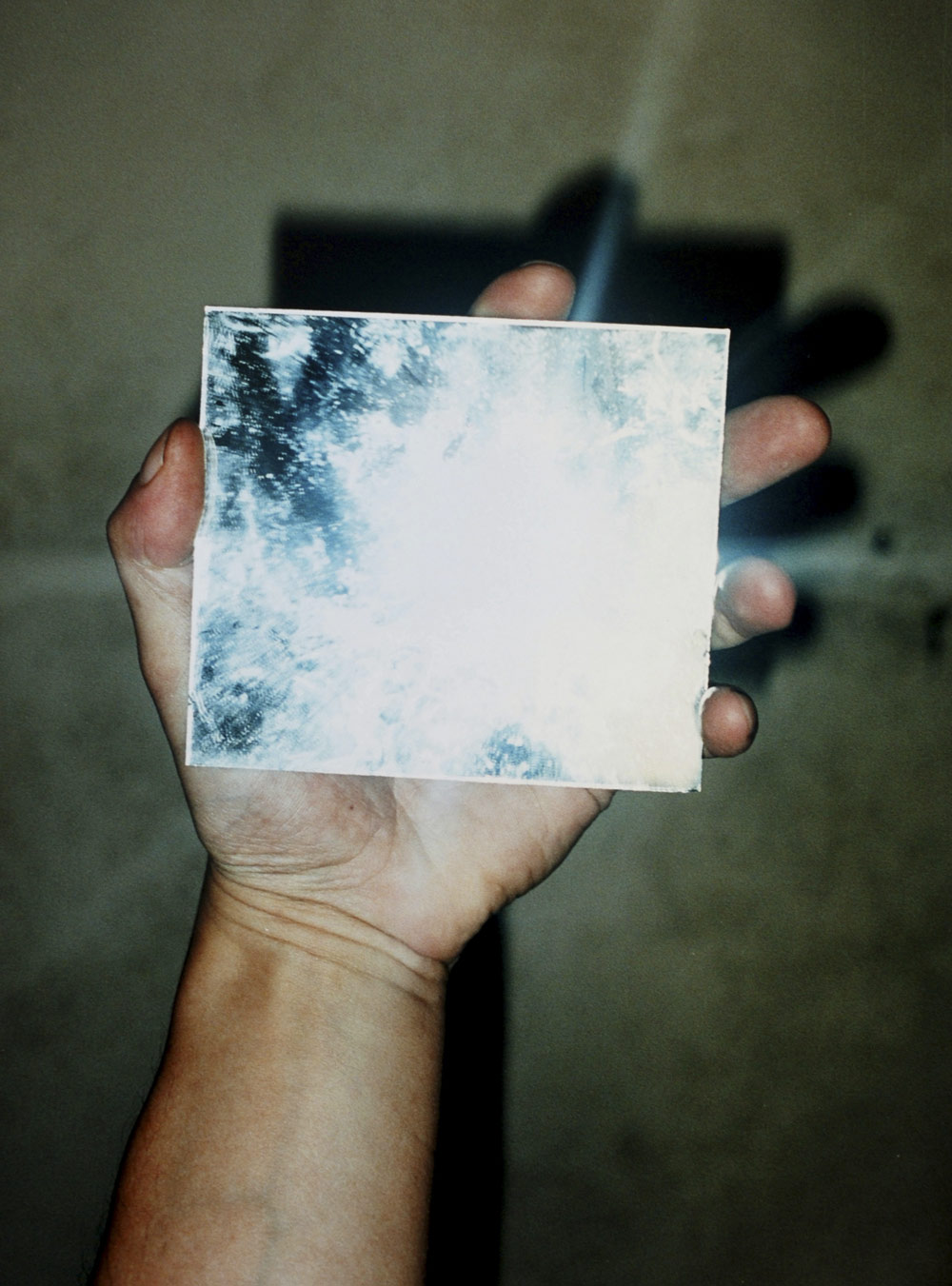
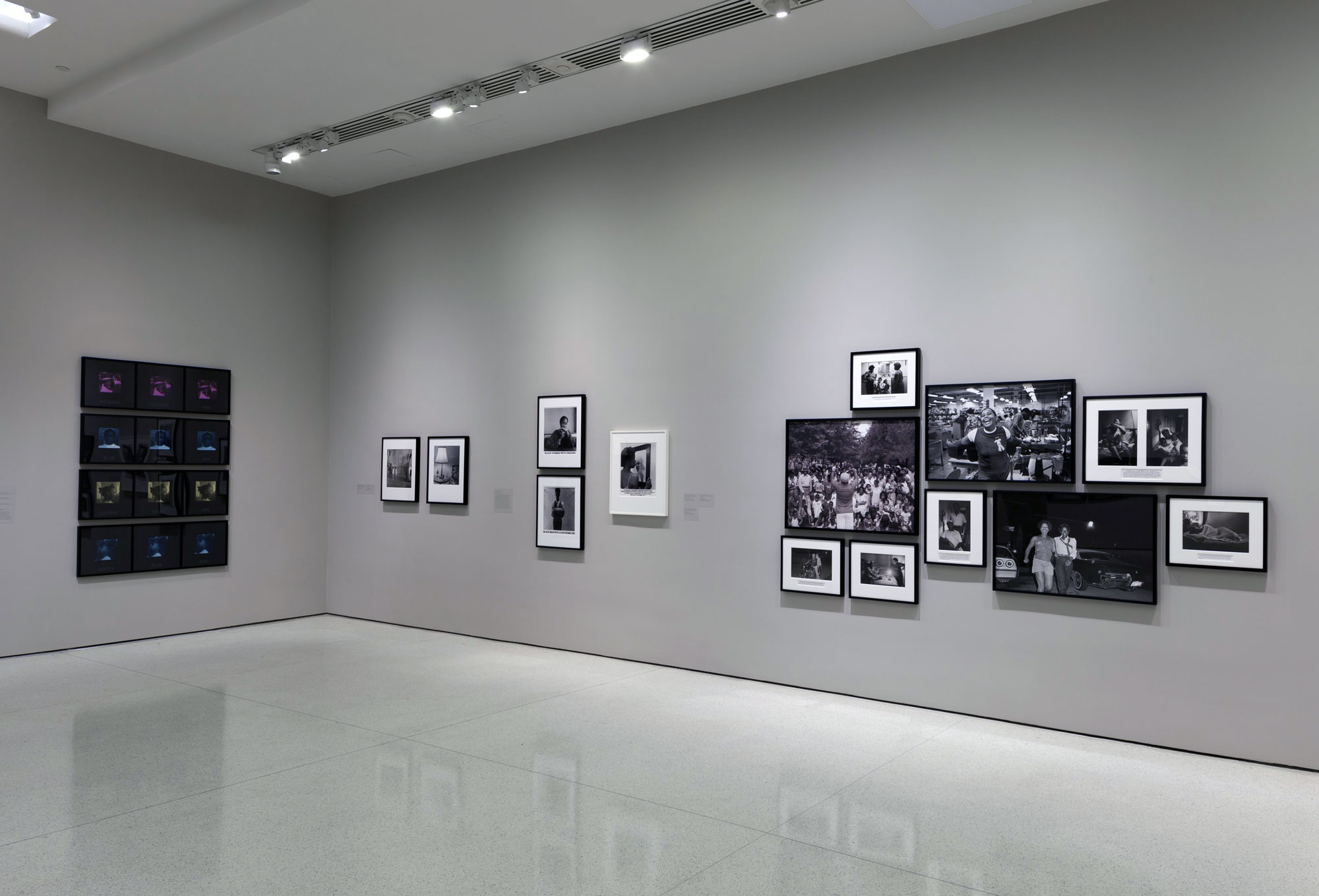
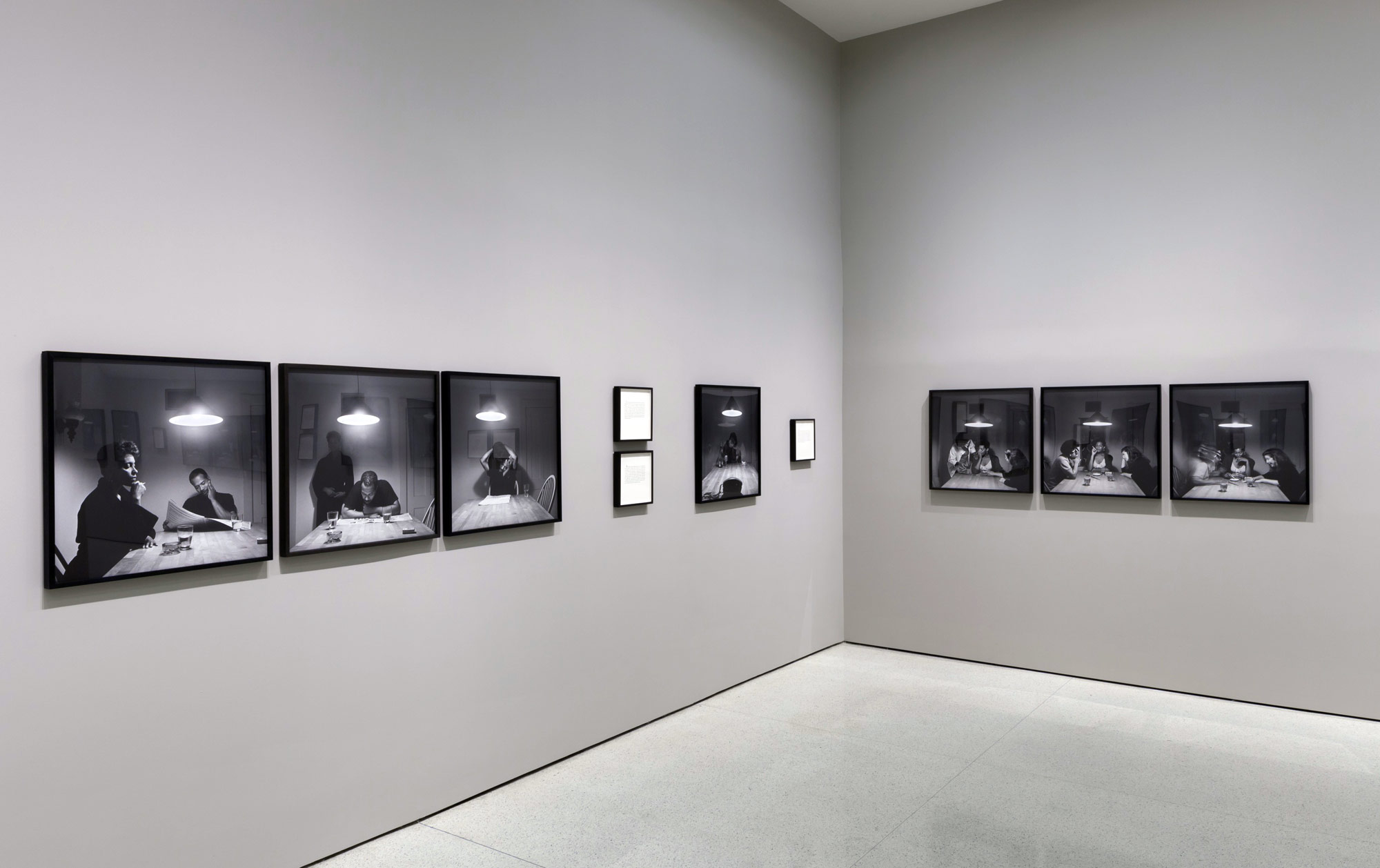
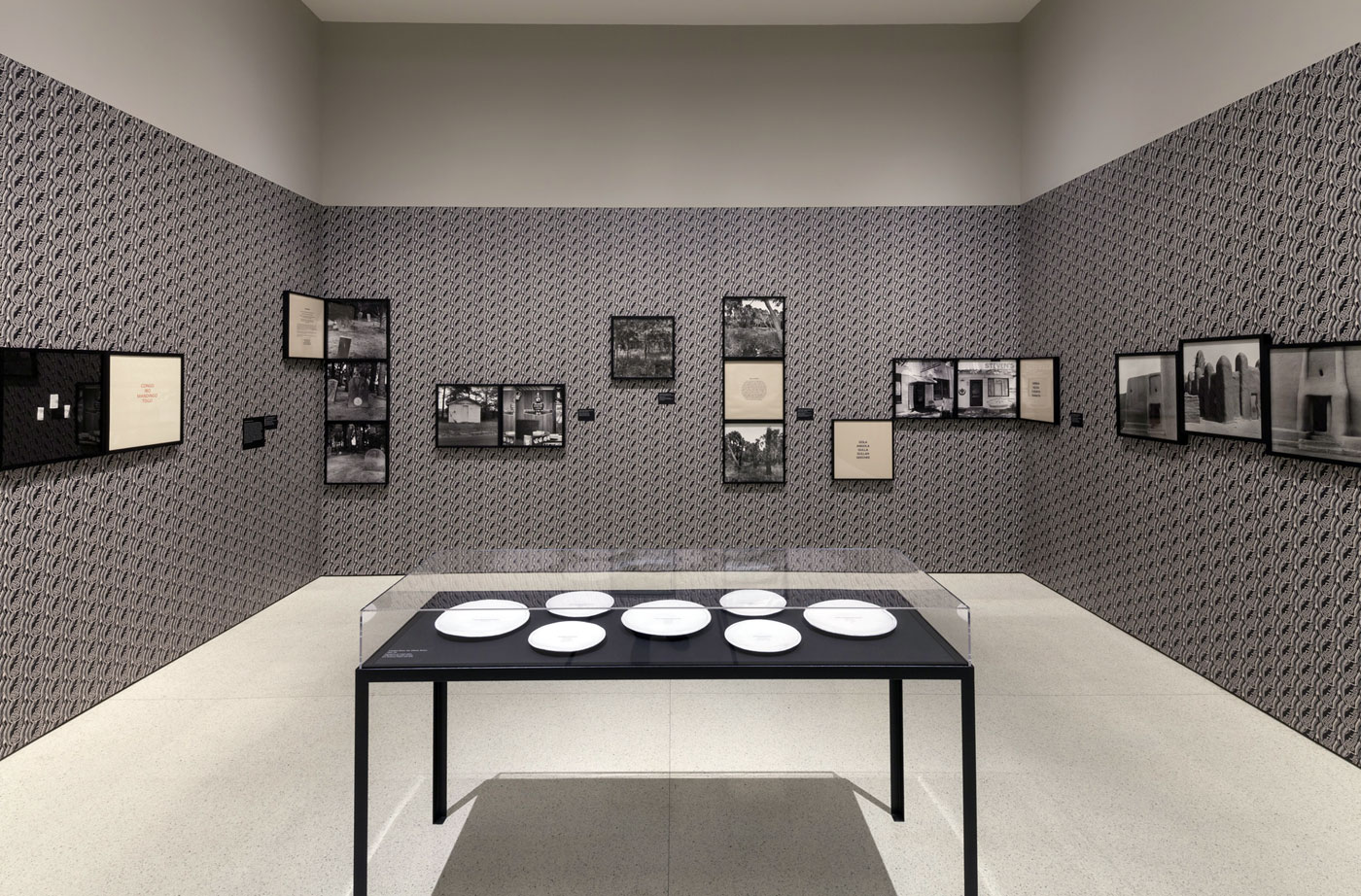
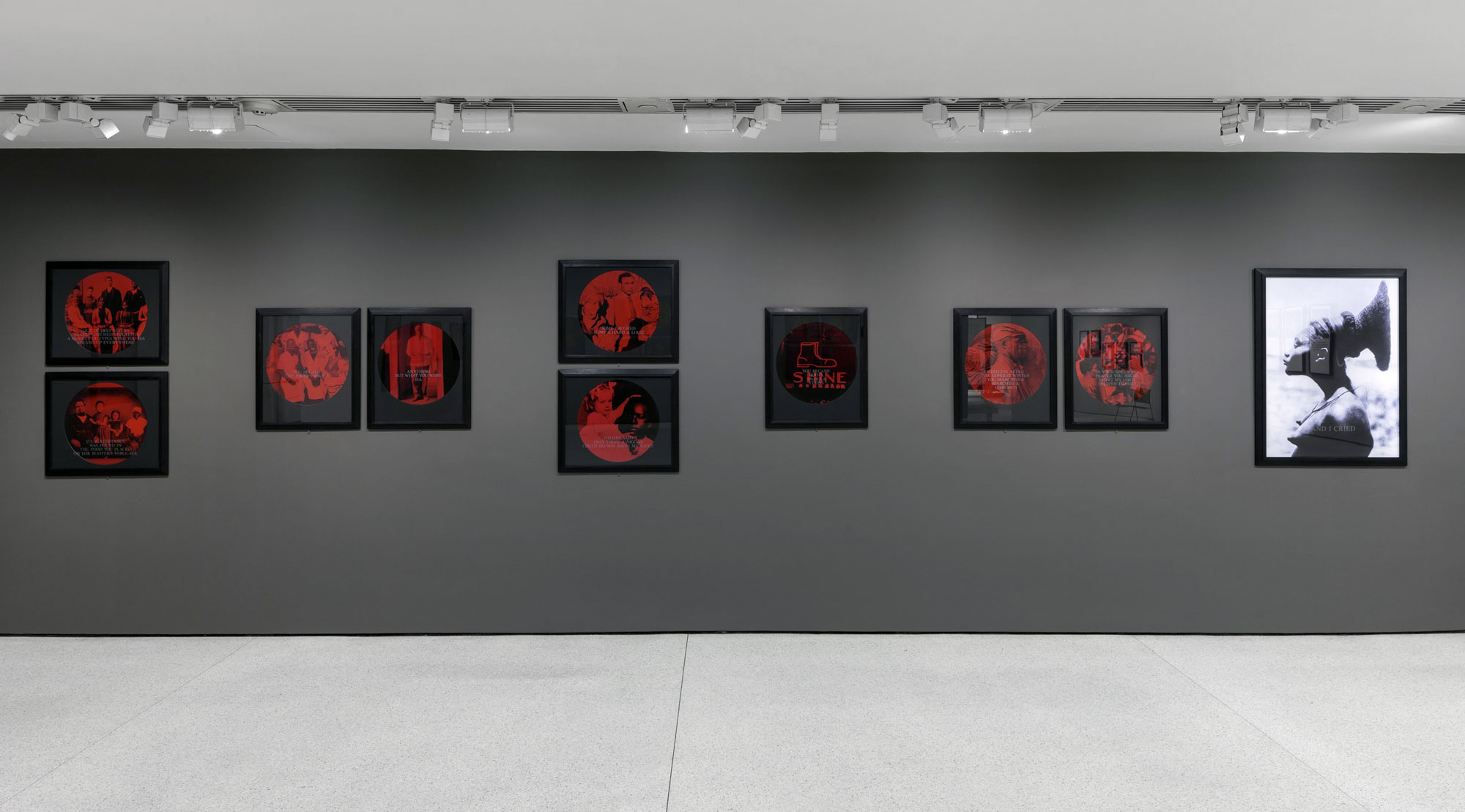
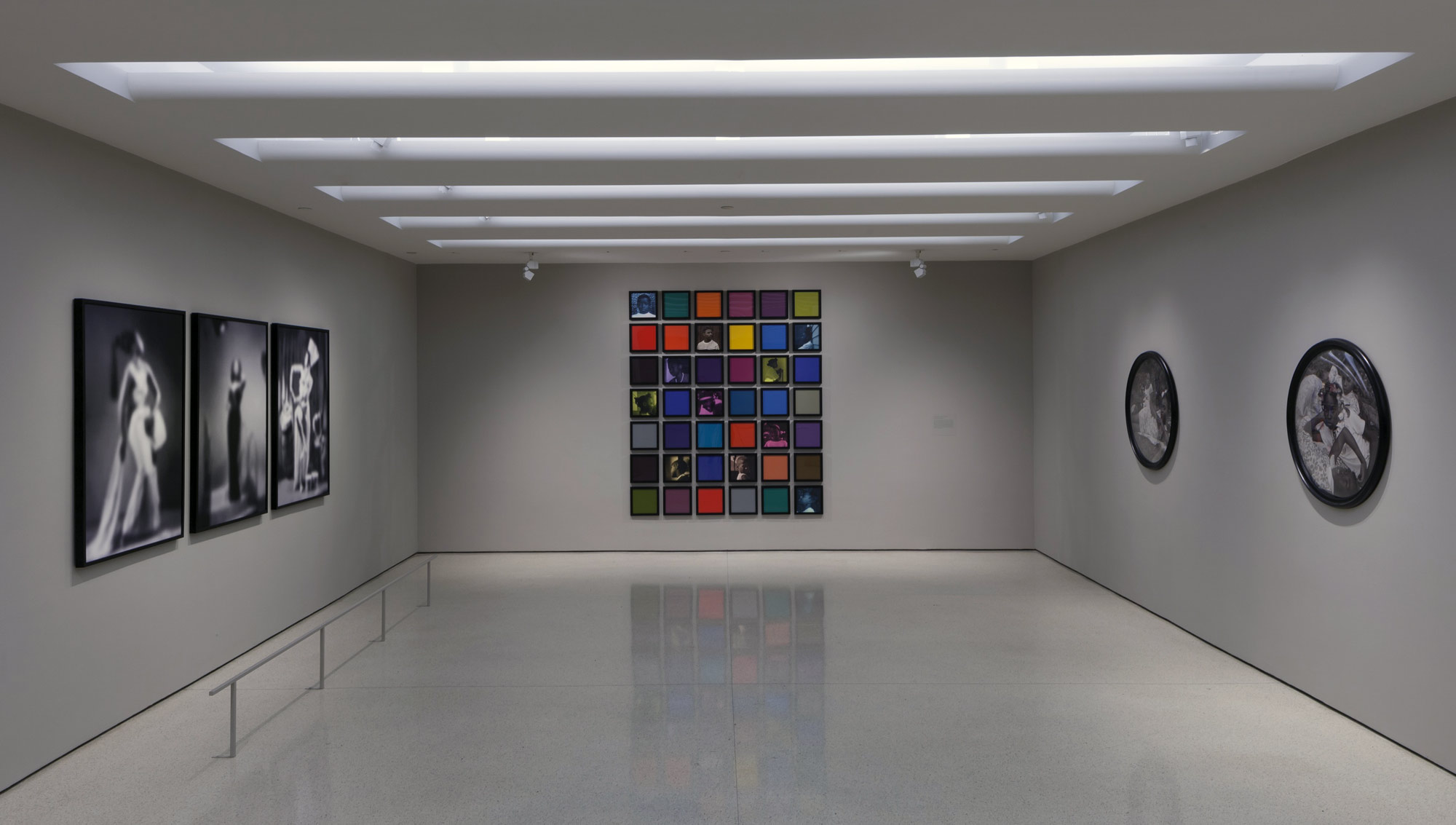
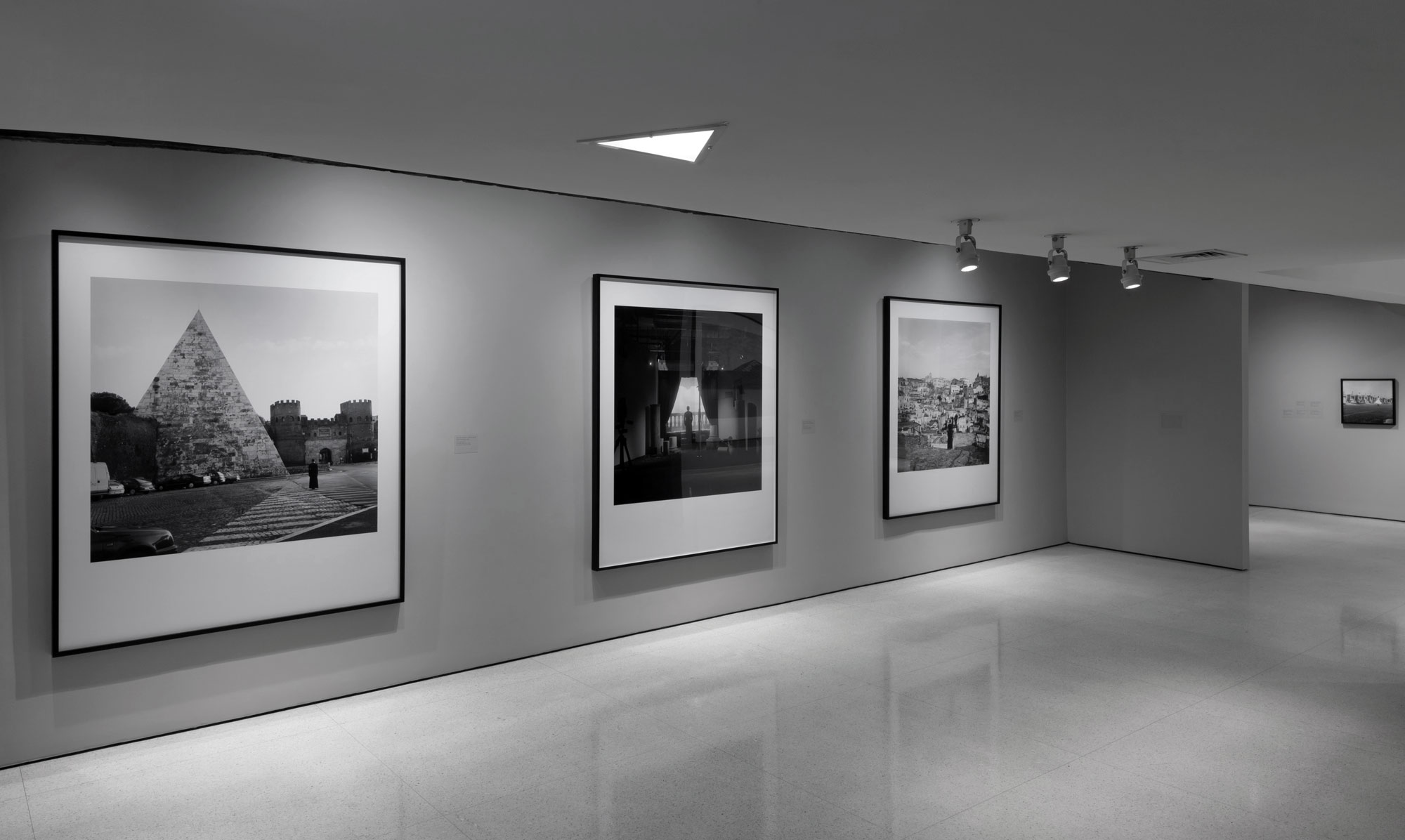
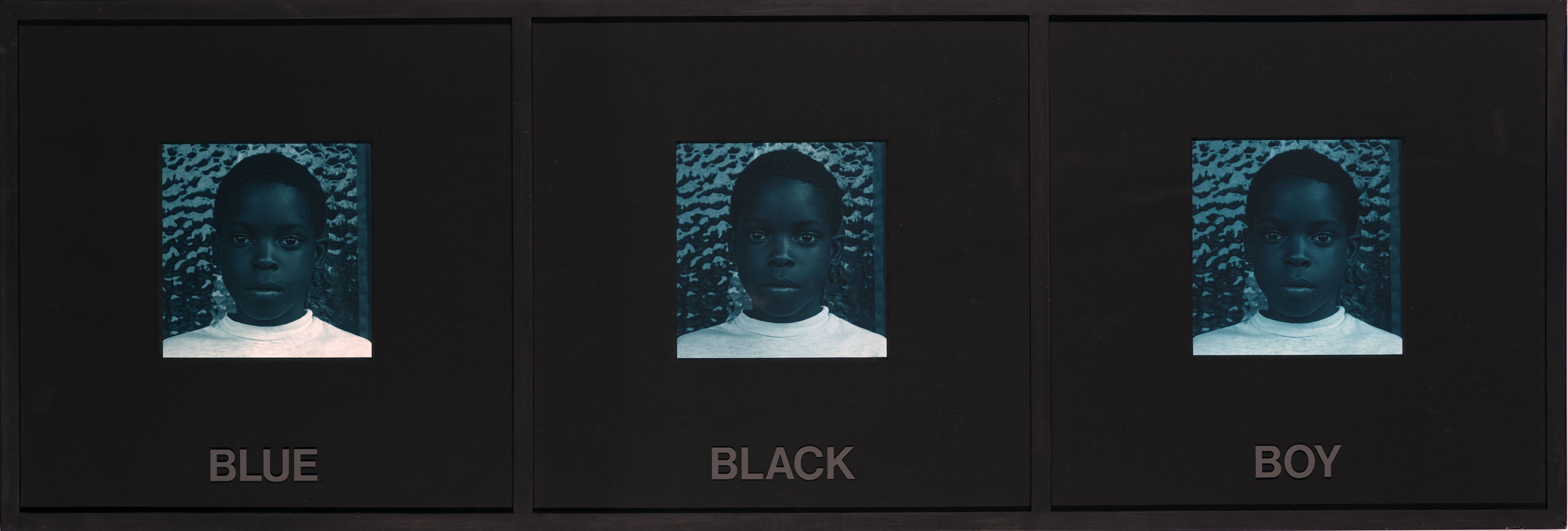
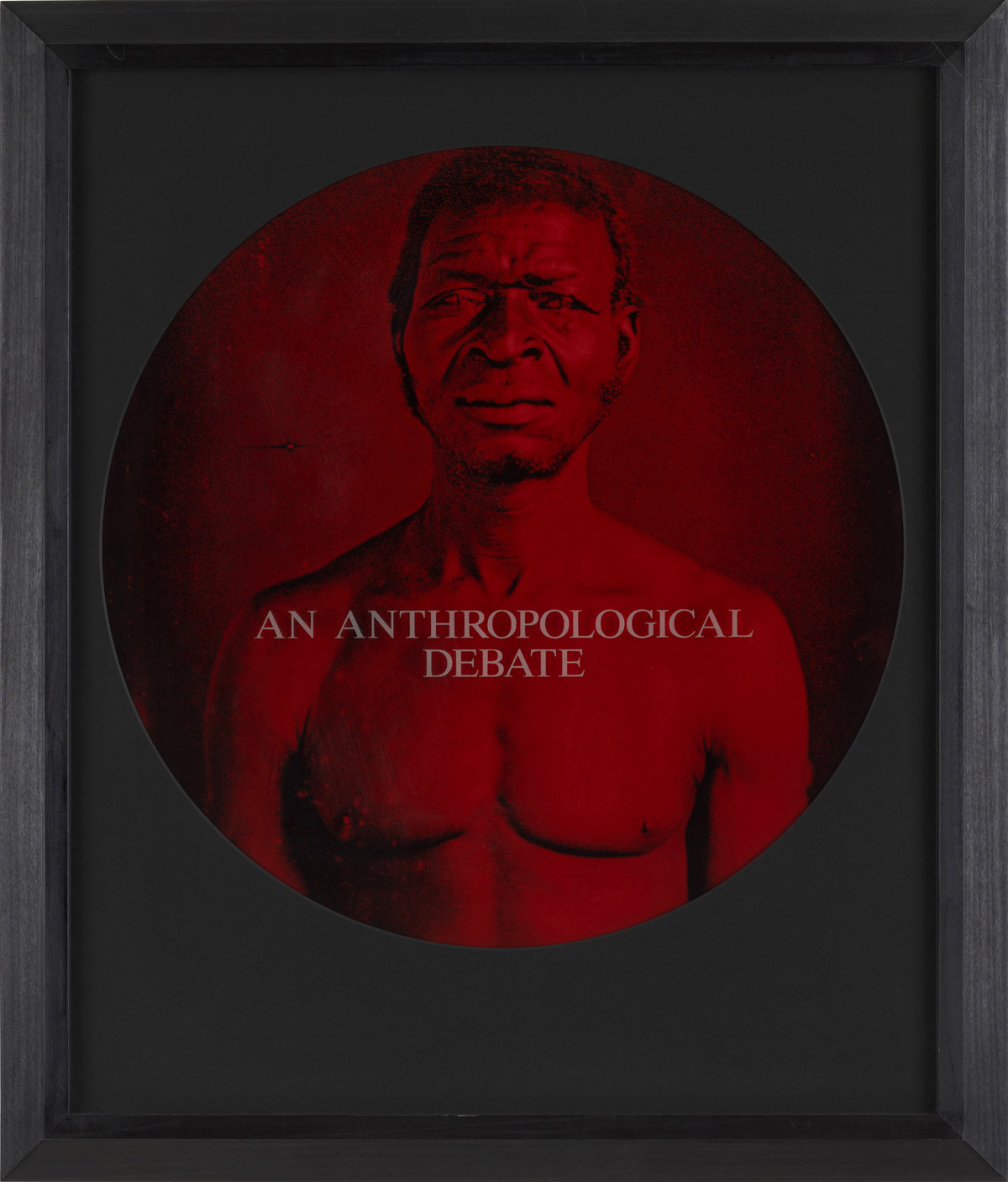
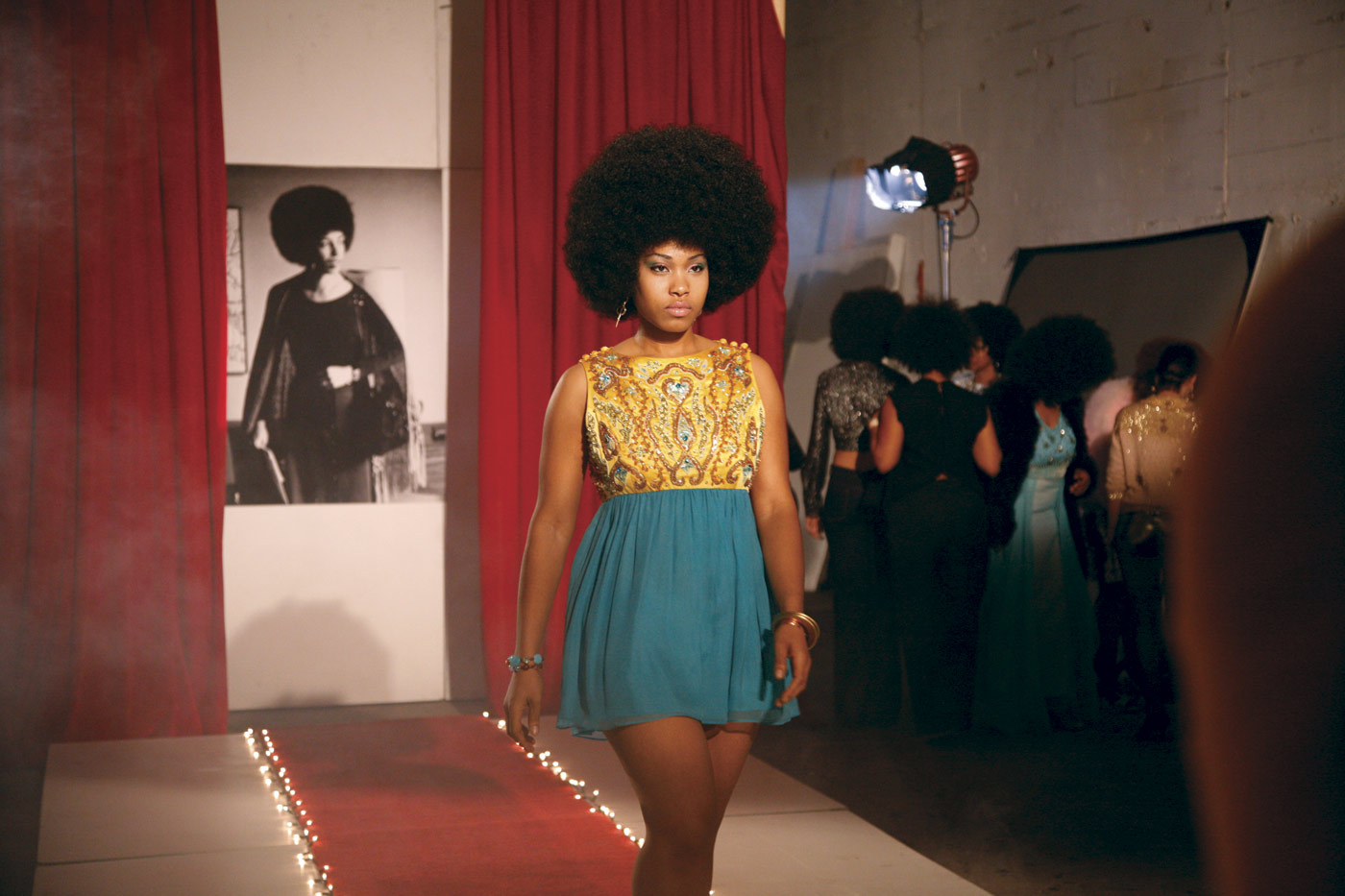
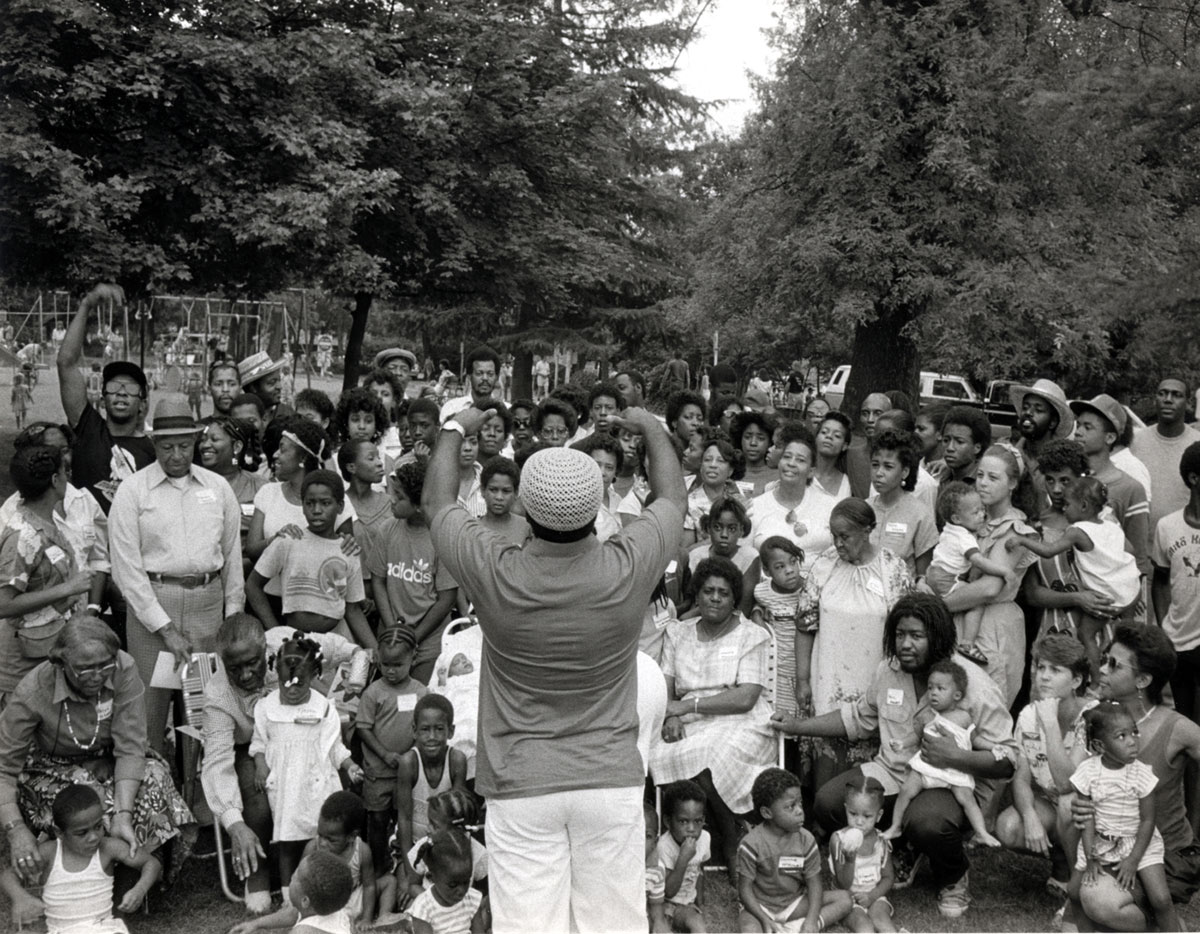
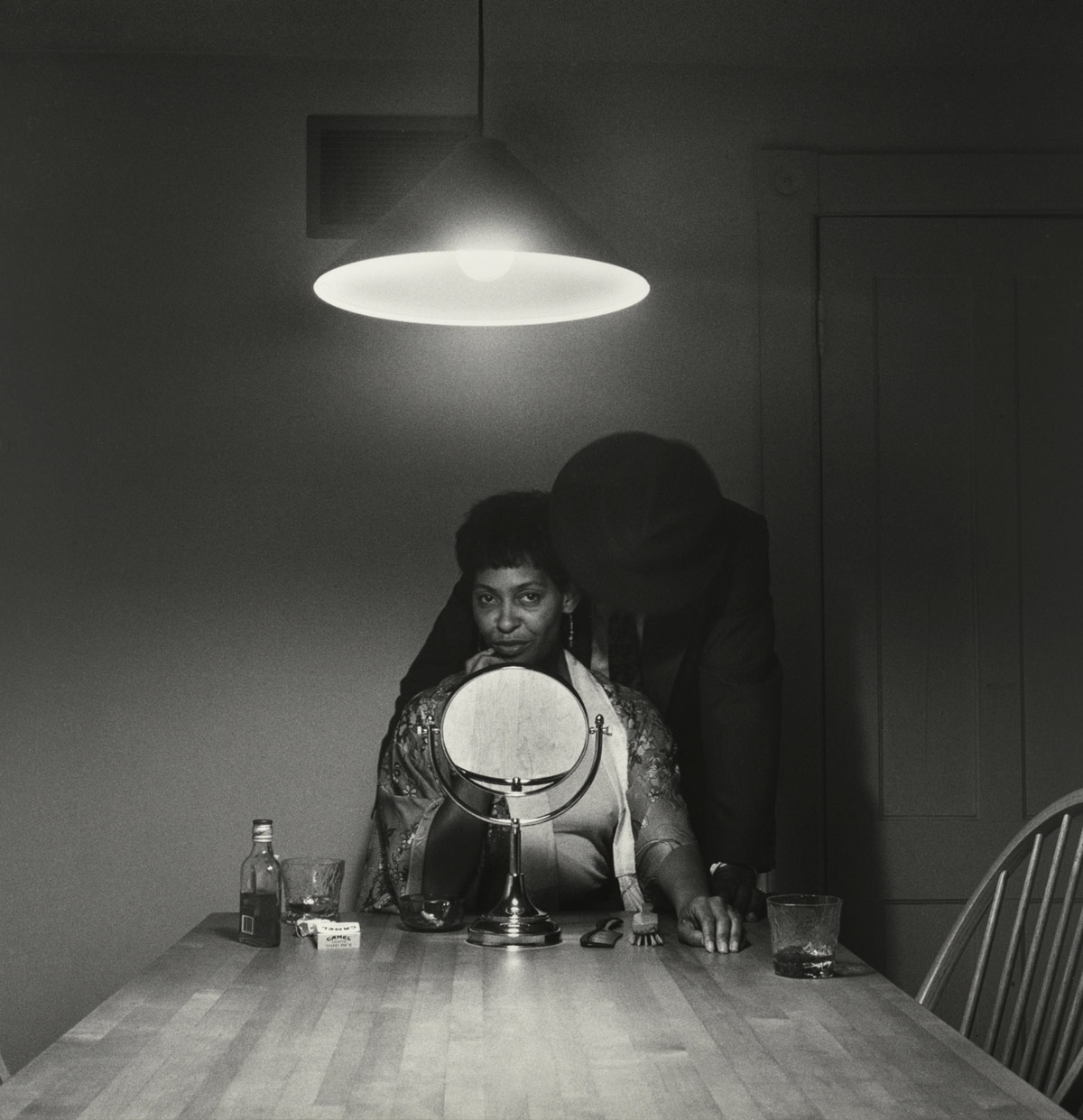
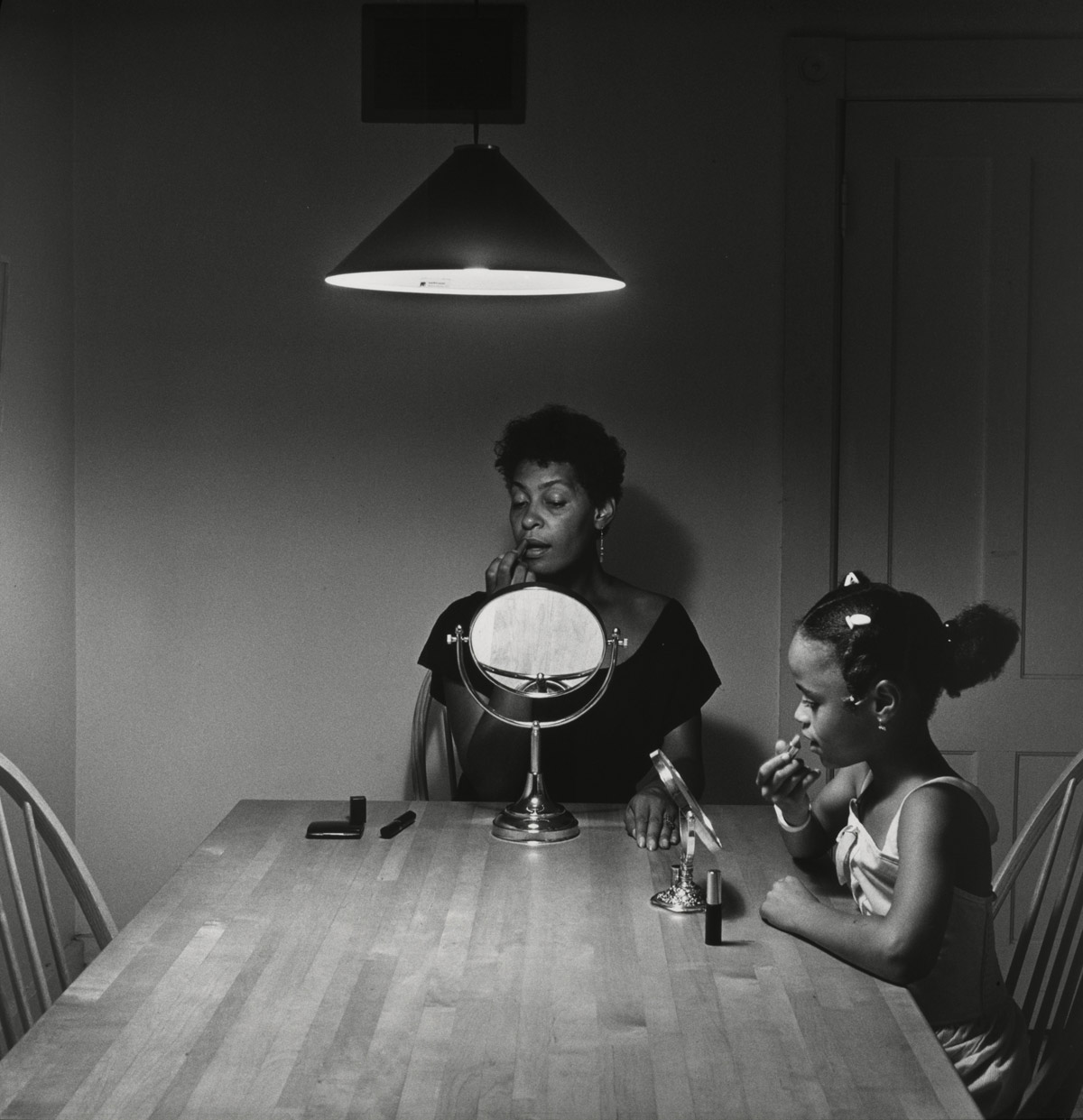
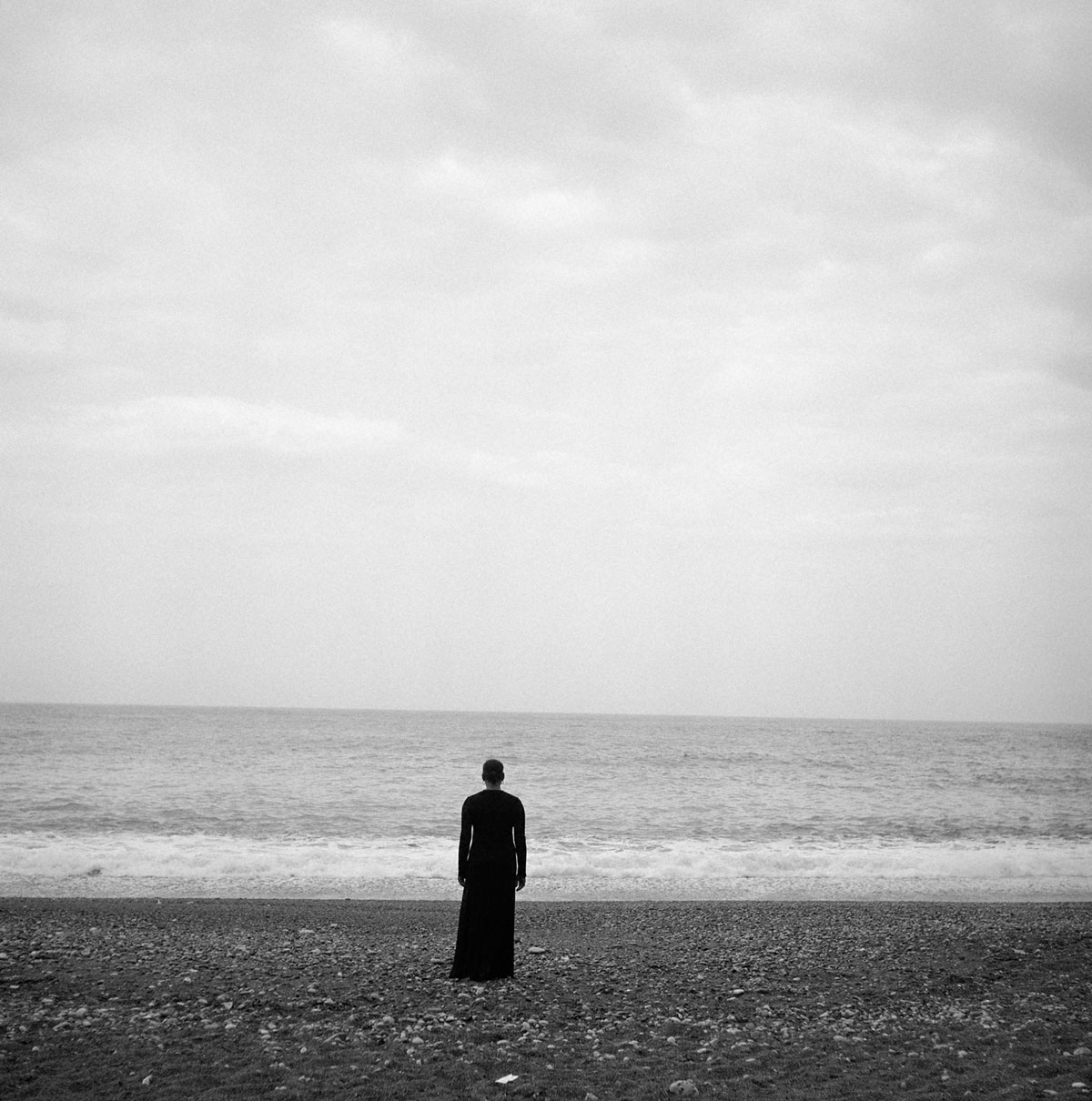
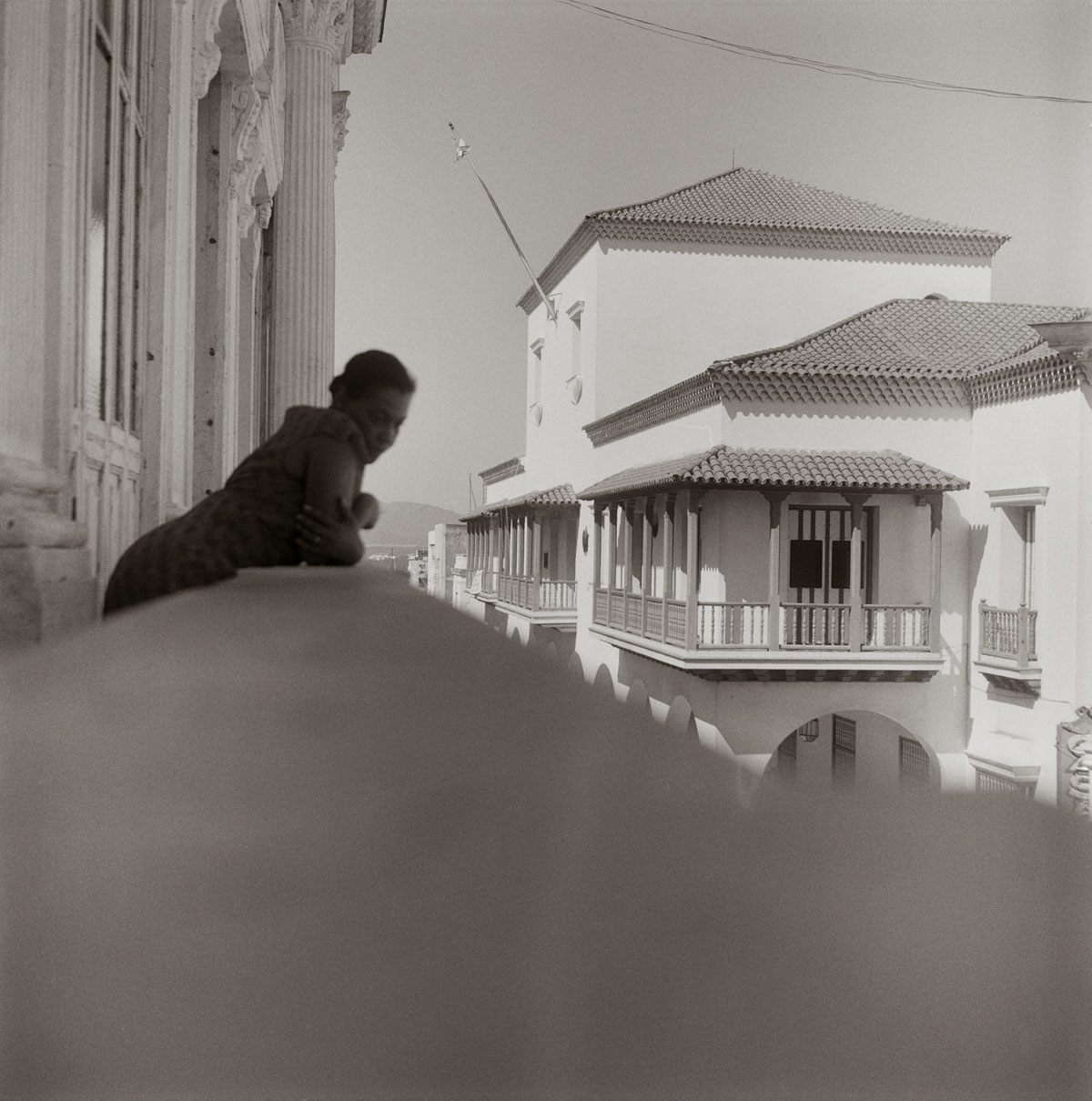
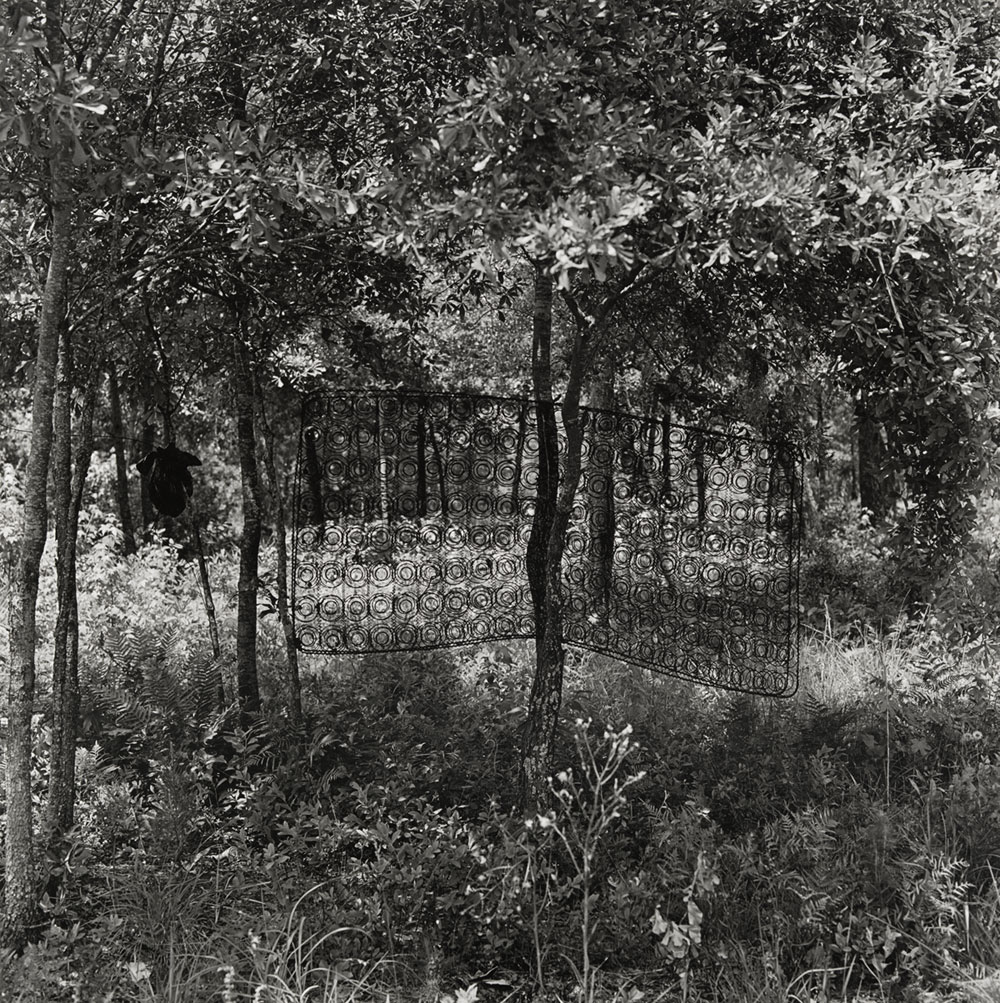
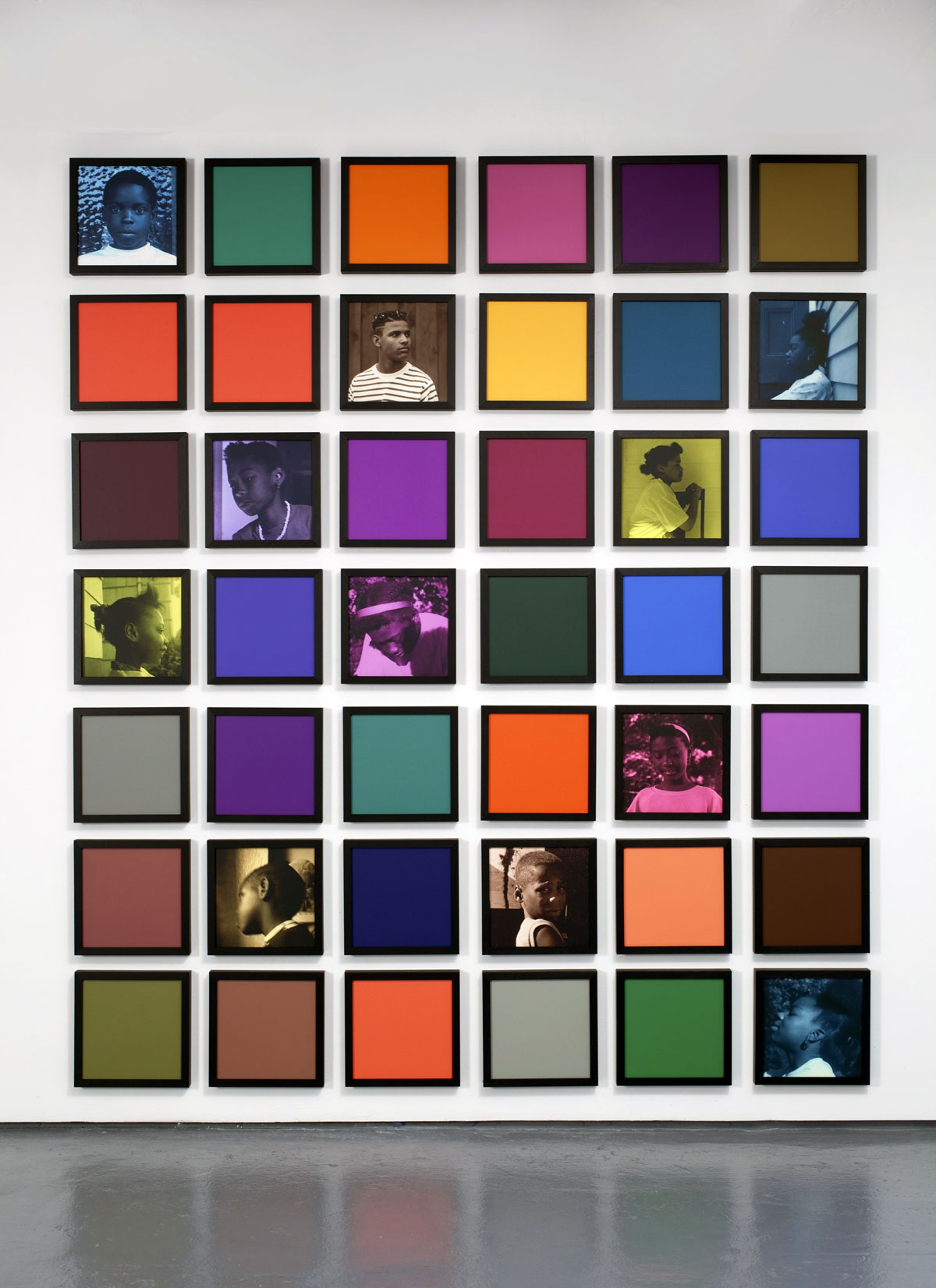
 Art Blart _ art and cultural memory archive
You must be logged in to post a comment.