It’s taken me more than a moment of reflection to write this text. The events are almost too close to write about my surrogate mother in Australia, my friend and fellow artist, Joycie. I can only write about the person I knew, not the time before I knew her – and so this will be a very personal reflection on one of the most incredible human beings that I have ever met.
Do not go gentle into that good night Rage, rage, against the dying of the light
Vale Joyce Evans.
Human, female, lover, mother, grandmother, wife, poet, publisher, writer, romantic, creative, humanist, universalist, spiritualist, bohemian, pioneer, gallery director, teacher, lecturer, collector, philanthropist, activist, artist, feminist, supporter of artists, Indigenous rights, civil rights, and the disenfranchised, exhibitor… and working photographer.
I met the force of nature that was Joyce Olga Evans (1929-2019) through a mutual friend, Alison Inglis, who knew of our love of photography. It was the start of an intense friendship that lasted just seven or eight years until Joycie, as I used to call her, passed away at Easter this year. Before she passed she knew that she had been awarded an OAM (Medal of the Order of Australia) for service to photography. This was a long overdue tribute to a pioneer and supporter of photography in Australia, one of the first women to be the director of an independent, commercial photography gallery in this country.
Joyce had an incredible passion for and knowledge about photography, whether it was historical Australian or world photographers and their prints from any era, or contemporary artists here and overseas. Her collection of both local and international photographs was almost unparalleled in private hands in this country. She had such a keen eye. When attending a local auction with her she purchased an original William Mortensen for next to nothing. Nobody else had recognised the power and presence of the image by this master artist.
This incisive vision translated into her work as an artist who was a working photographer. At heart, that’s what Joyce was – a working photographer and a storyteller. She believed in photography like photographers get photography… not like an academic or a theoretician, but like an avid fan, an enthusiast, a passionate collector, a teacher. Photography was an integral part of her life, her soul.
She said to me of being an artist, “If we can find out what we are… that is the artist. The core element of your being, and the core element of your enquiry as an artist remains the same. The concerns that you had when you started being an artist are with you until the end. If the core part of your life is the search for truth then that becomes a core part of your identity. It becomes embedded in your soul.”
In this sense, photography becomes something of you, more than just intention – it becomes your essence, your shape…. your physical shape, a tangible thing.
Photography and its spirit inhabited Joyce as Joyce lived in the world. To Joyce, photography was just as much about the world and creativity as it was about the image. The image was just a manifestation of spirit, something that you worked at, recognised, and captured for what it was and could be. As Minor White said, “There is always a dragon in the negative,” and a dragon, that symbol of power, strength, and good luck, lived inside Joyce (see my favourite photograph of her below) and in her work. Her photographs possessed a spiritual and psychological sensation of the place.
As she said, “Making photographs that are memorable requires more than just camera, light and a story. It requires a type of harmony, unity, and an indefinable something, which I can best explain as becoming emotionally attached to the subject so that the images almost make themselves.”
Joyce’s commitment to photography was legendary. She was in it for the long haul.
I was always amazed when we were out in public, going to the exhibitions that we loved to visit, that she would always be taking photographs. Whenever she saw something that interested her out would come her beloved iPhone or digital camera, and she would talk to strangers and their children and take their photos. She was a totally open spirit and had no fear about the path she took. People embraced her, talked to her, responded to her energy and spirit. I remember travelling up to Sydney with her to see an exhibition of her favourite photographer, “Our Julia”, Julia Margaret Cameron at the Art Gallery of New South Wales, and just observing that sparkle in her eyes, that unparalleled love that transcends all our pasts and futures in the simple moment of being and looking at these photographs.
Joyce was uncompromising. If she thought you were being a fuckwit she told you so in no uncertain terms. But she was a rock on which I came to depend. As someone said of her, “Joyce wasn’t into niceties and didn’t take any shit from anyone! I hope I grow up to be as tough as her. She was a visionary.” She really did not stand fools gladly (thank god), and had little truck for fine art photographers who didn’t understand the medium, its history or their small place within the grand scheme of things. As the playwright Edward Albee commented at the American painter Lee Krasner’s memorial at the Metropolitan Museum of Art, in both her life and her work, ‘… she looked you straight in the eye, and you dared not flinch’. It was the same with Joycie. She could see deep inside you to the core of your being.
Joyce loved helping people. She was so generous of her time and energy, of her wisdom and knowledge. Some of the best times of my life were spent in her kitchen talking about art, love and life. People were drawn to her. As Julie Moss has observed, she was “such a strong, creative and vibrant role model for so many female photographers” in a sea of male prejudice and ambivalence. What Joyce did not do is live on her memories… she was ever active, ever inquiring. She stood up for what she believed. A couple of weeks before she passed she said to me, “I don’t want to go yet, I still have so much that I want to do.” She was still raging against the dying of the light, not going gently into that good night.
But what she achieved in her truly remarkable life is a testament to her unquenchable spirit. In a journey full of determination, intelligence, exploration and love she achieved so much and touched so many. I miss her terribly.
I am the (sublime) space where I am, that surrounds me with countless presences.
This photograph, showing students smoking and drinking outside the pub at Largs Bay, was published in an Adelaide newspaper. At the time this was considered to be immoral behaviour. Note the man in the background with his fingers up in a derogatory manner.
The names of the three women who have been identified are from left to right: Joyce Evans (nee Zerfas) photographer, Jill Warwick, deceased, (producer of TV programme “It Could Be You”) Val Groves, psychologist. I have been unable to identify the men. ~ Joyce Evans
“Making photographs that are memorable requires more than just camera, light and a story. It requires a type of harmony, unity, and an indefinable something, which I can best explain as becoming emotionally attached to the subject so that the images almost make themselves.”
Joyce Evans
“Photography for me is a type of communion with my subject. Like everybody else I take photographs which have little meaning. But sometimes I sense an underlying value in the land, a group of people, a location, and then I make photograph, which is satisfying to myself. I think I would like to call that the way in which the quintessential spirit of what I am seeing has stirred me to need to make a photograph of it.
To me, I am alive, and my life and the life of everything in the world is connected. For me it is that universality that is the basis of my idea of the spiritual. I feel uncomfortable about formal organised religion and am perhaps more than a humanist, a universalist.”
Joyce Evans
“Aesthetically, I enjoy the camera’s capacity to record relationships and detail, which my subconscious may perceive, but I may not fully see.
My appreciation of aesthetics goes back to when I studied painting with John Olsen at the Bakery Art School, Sydney in 1967-1968. Olsen made me aware of the power of the edge of the image to relate to what was not shown in the image. My formal education was further enhanced when I did a degree in fine arts at Sydney University 1969-1971. There, Dr Anton Wilhelm taught me how to read an image. My understanding of the limits and potentials of two-dimensional imagery was expounded by Professor Bernard Smith.
Informally, my knowledge of photography and my practice was refined through formative conversations with a wide range of great photographers such as Andre Kertesz, Max Dupain, Ansel Adams and Bill Henson, Julie Millowick and Linda Connor.
Each of these relationships helped me to clarify my photographic position, which is based on a search for the essence of a subject.”
Joyce Evans
Joyce Evans (Australian, 1929-2019) Rain Dreaming, Yuendumu, NT 2005
Joyce Evans (Australian, 1929-2019) Rain Dreaming, Yuendumu, NT 2005
Joyce Evans (Australian, 1929-2019) Rain Dreaming, Yuendumu, NT 2005
Joyce Evans (Australian, 1929-2019) Rain Dreaming, Yuendumu, NT 2005
Joyce Evans (Australian, 1929-2019) Rain Dreaming, Yuendumu, NT 2005
Joyce Evans short biography
Joyce Olga Evans is well known in Australian photography. In 1976 Joyce opened Church Street Photographic Centre, a pioneer Australian commercial gallery devoted to Photography. It showcased the best of Australian and International photographers. Joyce exhibited works by Frank Hurley, Imogen Cunningham, Bill Henson, Henri Cartier-Bresson, Julia Margret Cameron, Max Dupain and many other renowned photographers – she says that they were her teachers.
Passionately dedicated to photography, she has had many solo exhibitions of both her landscapes (she photographed in the Dandenongs and Mt Martha regions in the outer Melbourne; along the Hume Highway; in the Central Desert and outback Australia, most notably Oodnadatta, Oodlawirra, Menindee, and Lake Mungo; vineyards and rural villages in the South of France; the old Jewish cemetery in the centre of Prague; and numerous others) and her portraits (she photographed Australian intelligentsia and personalities, including Marianne Baillieu; Barbara Blackman; Baron Avid von Blumenthal; Tim Burstall; Dur-e Dara; Robert Dessaix; Germaine Greer; Elena Kats-Chernin; Joan Kerr; Ellen Koshland; David Malouf; Dame Elisabeth Murdoch; Lin Onus; Jill Reichstein; Chris Wallace-Crabbe; and innumerable others) throughout Australia and Europe.
Joyce has spent two decades documenting Australia for the National Library of Australia, who are acquiring her life’s work for their permanent collection. When this acquisition is complete the Library will hold over 30,000 analogue images and 80,000 digital files. Also included are diaries and other relevant documents and files. Much of this work is destined for display on Trove, the library’s online viewing resource. She has exhibited extensively in Australia and in France and her photographs are held in many major collections. Joyce has been published widely. Her monograph Only One Kilometre was published in 2003 by Lothian Press. It detailed her many years of studying the unique qualities of the Balcombe Estuary Reserve, at Mount Martha as well as poems and articles by distinguished writers. Her work is held in many collections both locally and internationally.
Joyce Evans also plays an important educational role in Australian photography. She taught history of photography at Melbourne’s RMIT University; appointed inaugural assistant director of Waverley City Gallery (now Monash Gallery of Art), 1990-1991, the first municipal public collection in Melbourne to specialise in photography; established and inaugurated a course on the History of Photography and appointed Research Fellow at the University of Melbourne, 1997-2010.
Evans worked as an honorary photographer for the Department of Aboriginal Affairs in Central Australia and for over ten years documented Australian country towns and events for the National Library of Australia. Important publications on Joyce Evans include a monograph Only One Kilometre (Melbourne: Lothian Press, 2003), and exhibition catalogues with essays by Alison Inglis, Eugene Barilo von Reisberg, Tim Page, Victoria Hammond, and many others.
Anonymous text from the Joyce Evans Photographer website Nd [Online] Cited 16th June 2019. No longer available online
William Yang (Australian, b. 1943) Marcus and Joyce 2018
Being two photographers, the only photograph of Joyce and Marcus together, taken by another photographer William Yang.
Michael Silver (Australian) Joyce Evans 2013
Marcus Bunyan (Australian, b. 1958) Joyce Evans standing in front of Max Dupain’s ‘Sunbaker’ 1937 2018
Marcus Bunyan (Australian, b. 1958) Joyce and the dragon 2016
Joyce standing in front of the fireplace at Jacques Reymond’s restaurant for the birthday of her friend Marcus Bunyan. In Chinese mythology the dragon traditionally symbolises potent and auspicious powers and also is a symbol of power, strength, and good luck for people who are worthy of it.
Julia Margaret Cameron (British, 1815-1879) Beatrice 1866 Albumen silver print
Exhibition dates: 8th November, 2018 – 22nd April, 2019
Curator: Jo Gilmour
The Photographic Society of Victoria, Melbourne Thomas Pearce (age 18 in 1878) c. 1878 Albumen paper carte de visite Support: 10.2 x 6.5cm Image: 9.1 x 5.6cm National Portrait Gallery, Canberra Purchased 2010
A friend of mine is really ill at the moment in hospital. At 87 years old, she is a fiercely independent woman, possessing amazing intelligence and insight, a wicked sense of humour, stubborn, opinionated, passionate… and one of the most incredible human beings I have met during my life. If I had not met her, my life would have been so much poorer. It is a privilege to know her.
These Australian cartes des visite and cabinet cards give small insight into now largely forgotten lives, of both photographer and sitter. If only for a brief instant, we can pull back the curtain of time and enquire into their lives and existence. In a small way, we can reanimate their earthly spirit.
“Each photograph is like a miniature world of its own with an incredible story embedded in it. The poses, the props and the fashions throw an intriguing light onto the world of the nineteenth-century studio, while the stories of the photographers and their subjects combine to create a rich and vivid archive of Australian society at a precise moment in time. Rich or poor, male or female, famous or infamous, powerful or anonymous: everyone was captured in these tiny photographs.”
It is such a pity that we have to loose the knowledge that age brings, the powerful sages full of wisdom that could stop the human race repeating the mistakes of the past over and over again.
Dr Marcus Bunyan
PS. What is unsaid in these stories and images, is that most riches are built on the back of oppression, built on the bones of the Indigenous people of Australia. Rich whites, buying up land, pastoralists, sending their children to school in the Old Country… just because they can.
Many thankx to the National Portrait Gallery for allowing me to publish the photographs in the posting. All text unless otherwise noted from the National Portrait Gallery, Canberra. Please click on the photographs for a larger version of the image.
The Photographic Society of Victoria, Melbourne Thomas Pearce (age 18 in 1878) (detail) c. 1878 Albumen paper carte de visite Support: 10.2 x 6.5cm Image: 9.1 x 5.6cm National Portrait Gallery, Canberra Purchased 2010
Thomas Pearce (c. 1860-1909) was a young apprentice on board the English merchant vessel the Loch Ard, which departed chilly Gravesend, England, for warmer climes in Australia in March 1878. There were 37 crew and sixteen passengers aboard. In stormy weather on 1 June 1878, just days from completing the three-month voyage, the captain of the magnificent iron-hulled clipper mistakenly thought the ship was 50 miles from the coastline when she was dashed by heavy surf onto the rocks of Muttonbird Island. Only two survived the wreckage: eighteen-year-old Pearce and eighteen-year-old Irish emigrant, Eva Carmichael. Supported by the upturned hull of a lifeboat, Pearce was washed ashore in a small cove, now known as Loch Ard Gorge. When he heard Eva Carmichael’s cries and saw her clinging to wreckage, ‘he at once divested himself of his unnecessary clothing, plunged in the sea, swan out to her, and brought her safely to the beach’. Lauded for his brave and gallant act, Pearce was presented with a valuable gold watch and chain by governor George Ferguson Bowen as a ‘slight token of the respect and admiration in which your noble conduct is held by all classes in this colony’. He was also presented with the first gold medal issued by the Royal Humane Society of Victoria. Popular sentiment was for a permanent union; but Eva returned to Ireland having lost her parents and siblings in the wreck. Pearce became a ship’s captain. According to an ‘interview’ published in the Argus in 1934, Carmichael returned Pearce’s favour some years later when, ‘living on the Irish coast’, she and her husband Captain Townsend were called on to help survivors from wrecks and that ‘on one occasion who should fall into her care but Tom Pearce!’.
As sole survivors of the wreck, Tom Pearce and Eva Carmichael experienced a period of celebrity during which the sensational story of the Loch Ard created much fodder for newspapers. The 6 July issue of the Australasian Sketcher featured wood engravings of the scene of the sinking, an engraved portrait of Eva, ‘drawn from life’, and one of Tom based on this carte de visite, which was captioned as being ‘from a photograph by Mr Burman’. There were four photographers named Burman in Melbourne in 1878: brothers Frederick, William and Arthur Burman, and their father, William Insull Burman, all of whom took photographs of Pearce and Carmichael. The Burmans were among the photographers later contracted to produce photographs relating to Ned Kelly’s activities, and many souvenir photos of him, his gang, his captors and the Glenrowan incident bear the Burman stamp. The Photographic Society of Victoria was formed in 1876 to ‘bring photographers together in a friendly spirit, in order to advance the art and science of photography in the colony’. At the time of the first annual meeting on 9 March 1877 there were 61 members, five whom were ladies. Members included well-known Melbourne photographers Charles Hewitt and Charles Nettleton as well as Joseph Turner of Geelong.
The Photographic Society of Victoria was formed in 1876 to ‘bring photographers together in a friendly spirit, in order to advance the art and science of photography in the colony, without any attempt at binding or dictating to members any special trading rules, such as charges for photographs or hours or days for closing or opening their respective establishments.’ At the time of the first annual meeting on 9 March 1877 there were 61 members, five whom were ladies. Members included well-known Melbourne photographers George William Perry, William Hall, Charles Hewitt, Charles Nettleton, and David Wood as well as Joseph Turner of Geelong.
Thomas Pearce (1860-1909)
Thomas Pearce (1860?-1909) was an apprentice on the English merchant vessel the Loch Ard, which embarked for Victoria in March 1878 carrying 37 crew and 16 passengers, many from the Carmichael family. In stormy weather on 1 June 1878, just days from completing the three-month voyage, the Loch Ard wrecked against Muttonbird Island. Supported by an upturned lifeboat, the teenaged Pearce was washed ashore in a small bay, now known as Loch Ard Gorge; but when he spotted eighteen-year-old Eva Carmichael clinging to wreckage in the ocean, he swam out and struggled back to shore with her. As sole survivors of the wreck, Tom Pearce and Eva Carmichael became celebrities and posed for a number of Melbourne photographers after their recuperation. Pearce was presented with the first gold medal of the Royal Humane Society of Victoria. Popular sentiment was for a permanent union; but Eva returned to Ireland, and Pearce became a ship’s captain. Several drowned members of Eva’s family are buried in a clifftop cemetery above Loch Ard Gorge. A porcelain figure of a peacock, made by English pottery Minton, was washed up from the wreck intact. Now on display at Warrnambool’s Flagstaff Hill Maritime Museum, the ‘Loch Ard Peacock’ is Australia’s most valuable shipwreck artefact, valued at $4 million.
Thomas Foster Chuck (Australian born London, 1826-1898) The Burke and Wills Monument 1869 Albumen paper photograph on carte de visite Support: 10.1 x 6.4cm Image: 9.3 x 6.2cm National Portrait Gallery, Canberra Purchased 2001
From its outset, the Victorian Exploring Expedition (later renamed the Burke and Wills Expedition) provided much material for artists. William Strutt, for example, made portraits of expedition members and depictions of its preparations at Royal Park, while Burke and Wills both sat for the Melbourne photographer Thomas Adams Hill shortly before their departure in August 1860. Their deaths less than a year later, however, generated a plethora of portraits in a variety of formats. Sculptor Charles Summers (1825-1878) created waxworks of Burke and Wills soon after news of their lamentable deaths became known and was subsequently awarded the commission to create their official memorial. The monument was installed at the intersection of Collins and Russell Streets in 1865 and was the largest bronze casting carried out in Australia to that date. Thomas Foster Chuck, photographer and entrepreneur, also sought to cash in on the epic failure of the expedition. In early 1862, he and several others – including artist William Pitt, a scene painter for George Selth Coppin’s Theatre Royal – devised a ‘Grand Moving Diorama’ which toured south-eastern Australia in 1862 and 1863. Based on first-hand accounts and sketches by Strutt and others, the diorama consisted of sixteen painted scenes – one of which featured ‘Novel and Dioramic Automaton Effects’ in the form of mechanical camels ‘ and was billed as ‘the most interesting and superior Entertainment ever exhibited in Australia’.
Thomas Foster Chuck had studios in Melbourne and Daylesford from the mid-1860s and exhibited examples of his work at the Intercolonial Exhibition in 1866. In Melbourne, he traded as the ‘London Portrait Gallery’ from this address on Collins Street and later from the Royal Arcade on Bourke Street. In 1870, he commenced work on his mammoth Historical Picture of The Explorers and Early Colonists of Victoria, a photographic mosaic of over 700 individual portraits. It was completed in 1872 and was something of a money-spinner for Chuck, who sold individual cartes de visite of the sitters as well as prints of the composite image. A selection of Chuck’s portraits received an honourable mention in the photographic section of the Victorian Intercolonial Exhibition of 1873, and were awarded a gold medal at the London International Exhibition in 1874. In 1876 he moved to Ballarat where he opened his ‘Gallery of Art’ and continued to produce various types of photographic works, including hand-coloured ‘chromatypes’ (he was one of several photographers who claimed to have invented this process) and his much-admired composite portraits.
Thomas Foster Chuck (Australian, 1826-1898)
Thomas Foster Chuck (1826-1898), photographer and entrepreneur, was born in London and arrived in Victoria in 1861. The following year he produced and toured a ‘Grand Moving Diorama’ of dramatic painted scenes from the Burke and Wills expedition. By 1866 he had established a studio in Daylesford and examples of his work were shown at the Melbourne Intercolonial Exhibition that year. Returning to Melbourne, he occupied a series of studios before opening the ‘London Portrait Gallery’ in rooms in the Royal Arcade on Bourke Street. There, in 1870, he commenced work on his mammoth Historical Picture of The Explorers and Early Colonists of Victoria, a photographic mosaic composed of over 700 individual photographs of prominent citizens. The work was finally completed in 1872 and is said to have been quite a boon for its creator, with Chuck selling individual cartes de visite and enlarged prints of many of the portraits as well as reduced prints of the composite image. Chuck submitted hand-coloured enlargements of his portraits of Justices Redmond Barry and Edward Eyre Williams to the Intercolonial Exhibition; in January 1873, the Argus reported that ‘Photographic portraits, finished in oil, watercolours, and mezzotints’, and an ‘untouched solar enlargement’ by Chuck received an honourable mention in the photographic section of the Victorian Intercolonial Exhibition. Chuck forwarded the same works and a selection of smaller plain and coloured photographs to the London International Exhibition in 1874, winning a gold medal there. In 1872, he was awarded a contract to photograph the National Gallery’s collections; this resulted in eighteen photographs which were issued between 1873 and 1874 and published as Photographs of the Pictures in the National Gallery of Melbourne. In 1876 Chuck sold his Melbourne studio and moved to Ballarat where he opened his ‘Gallery of Art’ and continued to produce various types of photographic works, including hand-coloured ‘chromatypes’ (a process he claimed to have invented) and his much-admired composite portraits.
W & D Downey (William Downey (1829-1915) and Daniel Downey, British photographers) Lillie Langtry (age 32 in 1885) c. 1885 Albumen silver carte de visite Support: 10.3 x 6.2cm Image: 9.8 x 5.1cm National Portrait Gallery, Ca Donated through the Australian Government’s Cultural Gifts Program by Malcolm Robertson inberran memory of William Thomas Robertson 2018
Lillie Langtry (American, 1853-1929)
Lillie Langtry (1853-1929) was born Emilie Charlotte Le Breton in Jersey in 1853. Aged nineteen she married the son of a Belfast shipowner with whom she moved to London. There, she rose to prominence as a professional beauty and style-setter whose acquaintances included various members of the social and cultural elite. She thus came within the orbit of Albert Edward, Prince of Wales (known as Bertie to his family), Queen Victoria’s eldest son and heir to the throne, whose dalliance with the Irish actress Nellie Clifden in 1861 had already created scandal. His liaison with Langtry commenced in 1877 and lasted three years. It was an open secret, generating notoriety and cachet for Langtry in equal measure. Around 1880 she began a relationship with Prince Louis of Battenberg (Louis Mountbatten), with whom she had a daughter. This precipitated the deterioration of her marriage which ended in 1881. Being without a conventional means of support she decided to earn a living as an actress and made her professional stage debut in London in December 1881. Capitalising on her beauty and reputation, she then formed her own theatre company with which she toured to the United States several times between 1882 and 1889. That year, having established independent wealth through investments in racehorses and real estate, she returned permanently to England. In 1899 she married the heir to an English baronetcy who was eighteen years her junior. She retired to Monaco after World War One and published her memoir The days I knew in 1925.
William Downey (1829-1915) and Daniel Downey, British photographers
Brothers William Downey (1829-1915) and Daniel Downey opened their first photographic studio in 1863 in Newcastle-on-Tyne. In 1872 the business expanded to London, William running the new studio in Belgravia while Daniel maintained the business in Newcastle. The firm became known for carte de visite and cabinet card portraits of celebrities and the aristocracy and is said to have been particularly favoured by Queen Victoria, whom they photographed on many occasions from the late 1860s until the 1890s. The Prince of Wales, later King Edward VII, was also a significant patron. W & D Downey’s 1868 carte-de-visite of his wife the Princess of Wales (later Queen Alexandra) piggy-backing her baby daughter Princess Louise was extraordinarily popular, selling some 300,000 copies. William’s son William Edward Downey (1855-1908) also became a photographer.
William H. Bardwell (Australian) Self portrait (age 34 in 1870) 1870 albumen silver carte de visite photograph Support: 10.6 x 6.3cm Image: 9.4 x 6.0cm National Portrait Gallery, Canberra Purchased 2015
William H. Bardwell
Photographer William H. Bardwell (life dates unknown), worked at various studios in Ballarat from 1858 until 1895. In 1859, he was in partnership with Saul Solomon; they specialised in portraiture and providing photographs of the town from unusual vantage points, some of which were lithographed for The Ballarat Album (1859). Together, he and Solomon exhibited portraits at the 1862 Geelong Industrial Exhibition, where they received special commendation for their ‘sennotype’ process, a process consisting of two albumen prints, one waxed and one hand-coloured, mounted with glass plate. The two also exhibited their portraits in the 1863 Ballarat Mechanics’ Institute Exhibition. The same year, the Argus reported that Bardwell had captured the laying of the foundation stone of the Sturt Street Burke and Wills memorial from the roof of the Post Office. In the late 1860s he photographed a visiting troupe of Japanese gymnasts, and in 1871 he took photographs of Chang the Chinese Giant and his entourage. Bardwell exhibited photographs of Ballarat at the Intercolonial Exhibition in Sydney in 1870, offering prints at the substantial price of £6 each, and had a photographic panorama of Ballarat among his views of its buildings and streets in the Victorian section of the London International Exhibition of 1873. From his studio at 11 Royal Arcade, Melbourne, William Bardwell exhibited photographs at the Melbourne Centennial International Exhibition 1888-1889. In this self-portrait we see Bardwell in standing pose, dressed in stately attire, his frock coat with lowered waistline and three-piece suit characteristic of the period. Supported by a chair and his walking cane, Bardwell projects a stately figure with his hat tidily atop his head.
In 1866, William Bardwell established the Royal Photographic Studio independently of Solomon, an advertisement in the Clunes Gazette announcing, ‘The studio is every way replete with suitable accommodation for the preparation of toilet and rooms are provided for both ladies and gentlemen. Mr Bardwell’s long and practical example will entitle him to the claim to the first position in Ballarat as a photographer’. Bardwell took advantage of his studio’s close proximity to the Theatre Royal, producing photographs for visiting theatre groups and operatic companies. Along with actresses and actors coming and going, Bardwell catered for the upper echelons of Ballarat society. Boasting the ‘best appointed Studio in the colonies’, one could imagine Bardwell’s studio was flooded with natural light, his darkroom in complete darkness for the meticulous preparation of plates, paper and photographic chemicals used to render surfaces sensitive to light. Bardwell went into partnership with John Beauchamp at Ballarat for some part of 1878, before relocating to open his studio in Melbourne later that year. Bardwell’s Royal Studios at Ballarat remained active throughout the 1880s under the operation of Mr Williams while William Bardwell remained in Melbourne.
Timothy Noble (Australian, active 1871-1888) Charles Blondin (age 50 in 1874) 1874 Albumen photograph on carte de visite Support: 10.2 x 6.2cm Image: 9.3 x 5.6cm National Portrait Gallery, Canberra Purchased 2018
Charles Blondin (French, 1824-1897)
The famed nineteenth century French tightrope walker and aerial acrobat, Charles Blondin, born Jean Francoix Gravelet (1824-1897), was known for thrilling audiences world-wide with his acrobatic feats. The ‘crazy, bearded little Frenchman’ is said to have crossed Niagara Gorge on over 300 occasions, at first performing simple crossings then amazing onlookers with increasingly bizarre and challenging stunts. Encouraged by Australian entrepreneur and agent Harry (HP) Lyons, ‘The Great Blondin’ followed his North American tour with a visit to Australia in 1874, performing for enthralled onlookers in Brisbane, Sydney and Melbourne. On 25 July he made his first appearance in Australia, thrilling over 3,500 onlookers when he crossed the Brisbane Botanic Gardens on a tightrope measuring 76 metres in length and suspended 24 metres above the ground. He first danced across the tightrope in knight’s armour before performing several acrobatic stunts including balancing on his head for ten seconds, cooking an omelette on a stove while drinking a glass of champagne, balancing on two legs of a wooden chair, and carrying his assistant, Mr Niaud, pick-a’-back from one end to the other. Blondin’s performance captivated the audience for one hour and 45 minutes, during which time he would consistently toy with the crowd, pretending to stumble and fall to heighten the drama. The Maryborough Chronicle reported that Blondin’s appearance ‘produced the curious effect known as bringing the heart into the mouth’. Blondin’s popularity in Australia was such that to ‘blond’ on the back of the fence was the ambition of every kiddie. He inspired at least five Australians to emulate his feats, the most famed being the funambulist and aeronautical balloonist, Henri L’Estrange, commonly known as ‘the Australian Blondin’.
Timothy Noble (Australian, active 1871-1888)
Photographer Timothy Noble worked from a number of addresses in Melbourne between 1871 and 1884 before relocating to Sydney. At the time of Charles Blondin’s visit to Melbourne in 1874, Noble’s studio was at 135 Bourke Street, not far from George Selth Coppin’s Theatre Royal. It was there that Blondin made his inaugural Victorian appearance, the Age advising readers on 20 October 1874 that ‘Chevalier Blondin, The Hero of Niagara’ would be visiting the Theatre the following evening, and advising that ‘Early application should be made for seats and tickets’. In early November the paper reported that ‘We have received from Mr. Noble, photographer, of Bourke-street, a very good likeness of M. Blondin, with all his honours. The medals shown in the photograph have quite a history attached to them. Among them is the order of her Catholic Majesty the Queen of Spain’. Blondin’s pose likewise suggests his courageous spirit, while the pair of binoculars at his side is perhaps an allusion to the means by which some witnessed his thrilling and spectacular performances. The State Library of Victoria has 30 of Noble’s photographs, including portraits of actresses Hattie Shepparde and Maggie Moore, and impresario J.C. Williamson.
About the exhibition
Drawn from the NPG’s burgeoning collection of cartes de visite, Carte-o-mania! celebrates the wit, style and substance of the pocket-sized portraits that were taken and collected like crazy in post-goldrush Australia.
In May 1860 Queen Victoria and Prince Albert and their children sat for the London photographer John Jabez Edwin Mayall. With Her Majesty’s approval, the resultant photographs were made available to the public as a series of cartes de visite titled ‘The Royal Album’. Sales went crazy, netting Mayall £35,000 and propelling the carte de visite from relative obscurity to fervent, widespread popularity.
The diminutive-format albumen photographs, mounted on cards measuring ten by six centimetres, had been conceived of in Paris in 1854. Yet in the English-speaking world it wasn’t until the Queen saw fit to have herself documented in this way – and in relatable semblances and settings – that the populace began to embrace cartes as a novel, affordable way of collecting images, whether of royals and other luminaries or, increasingly, of themselves.
Cartes enabled people from various strata of society to acquire multiple portraits for a matter of shillings, providing ‘the opportunity of distributing yourself among your friends, and letting them see you in your favourite attitude, and with your favourite expression’.
Occupying a mid-point between the invention of the daguerreotype in 1839 and the advent of the Kodak camera in the 1880s, the carte de visite was the first truly democratic form of portraiture. Collections of cartes, and the outputs of their exponents, thus often constitute the most inclusive of portrait galleries and the most comprehensive archives of a nation’s faces.
Text from the National Portrait Gallery website [Online] Cited 20/03/2019
Unknown artist Thomas Wentworth Wills (age 21 in 1857) c.1857 or c.1864 (printed c. 1905-1910) Gelatin silver photograph on grey paper support on card Support: 11 x 9cm Image: 9.6 x 7.4cm National Portrait Gallery, Canberra Gift of T S Wills Cooke 2014 Donated through the Australian Government’s Cultural Gifts Program
Thomas Wentworth (Tom) Wills (Australian, 1836-1880)
Thomas Wentworth (Tom) Wills (1836-1880), is popularly thought of as the ‘inventor’ of Australian Rules football. Born in Sydney and named for his father’s good friend (and lawyer), William Charles Wentworth, Tom was not yet four when he took part in the journey by which his father, Horatio Spencer Wills, relocated from New South Wales to the Port Phillip district in 1839. Tom received some of his schooling in Melbourne before, at fourteen, being sent ‘home’ to be educated at Rugby, where he proved an adept sportsman but not much of a scholar. He then attended Cambridge but did not matriculate, once again earning greater distinction for his on-field prowess, particularly in cricket. He later played for Kent and the Marylebone Cricket Club, continuing his cricket career on returning to Victoria in late 1856. In all, between 1857 and 1876, in addition to playing for Richmond, the Melbourne Cricket Club, and several other teams, he represented Victoria in twelve matches against New South Wales, scoring a total of 319 runs and taking 72 wickets at the impressive average of ten for 23. His significance to Australian sporting history, however, arguably resides primarily in his instigating a local code of football as a means of keeping cricketers fit during winter. In 1858, Wills helped establish the Melbourne Football Club; in 1859, he led the group that set down the code of laws for what became known as Victorian or Australian Rules football – elements of which, some historians have argued, may have their origins in marngrook, a traditional game involving a possum-skin ball played by the Aboriginal people of the Western District, and which Wills may have witnessed and played as a boy.
In 1861, Tom along with at least 25 of his father’s employees (and 10,500 sheep), overlanded from Brisbane to Cullin-la-ringo, a property Horatio Wills had leased near Emerald in Queensland. Sent on an errand to another station soon after the party had arrived, Tom was absent from Cullin-la-ringo when a group of Aboriginal people camped nearby mounted a violent raid on the property, killing nineteen people, his father included. Tom remained at Cullin-la-ringo nevertheless, initially making an attempt to run it while resorting increasingly to alcohol as a method of quelling the demons occasioned by the circumstances of his father’s death. Back in Victoria permanently by 1864, he returned to sport, playing football for both Melbourne and Geelong, representing his state again in inter-colonial cricket, and serving in administrative capacities in both sports. In 1866, he was engaged as the captain-coach of a team of Aboriginal players that subsequently played a number of fixtures in Victoria and New South Wales but which disbanded prior to a planned tour to England in 1867. By the mid-1870s, however, the career of the so-called ‘Grace of Australia’ was unravelling, his performances routinely blighted by drunkenness. In his final years, he lived at Heidelberg with his partner, Sarah Barber (whom his family never recognised). Fearful that he would harm himself, in April 1880 Sarah had Tom admitted to the Melbourne Hospital for restraint. He absconded and died soon afterwards, having stabbed himself with a pair of scissors while in a state of delirium tremens.
William Edward Kilburn (British, 1818-1891) William Robertson 1863 Albumen paper carte de visite Support: 10.2 x 6.5cm Image: 8.6 x 5.5cm National Portrait Gallery, Canberra Donated through the Australian Government’s Cultural Gifts Program by Malcolm Robertson in memory of William Thomas Robertson 2018
William Robertson (Australian, 1839-1892)
William Robertson (1839-1892), lawyer, politician and pastoralist, was the second eldest son and third child of merchant and landowner William Robertson and his wife Margaret. William senior had emigrated to Van Diemen’s Land in the 1820s, building a successful business in Hobart before relocating to Victoria. William junior was educated in Hobart and then at Wadham College, Oxford. While there ‘he entered with zest into the athletics of the place, and he rowed in the Oxford and Cambridge annual boat race on the Thames in 1861’. He graduated in 1862 and the following year, in Tunbridge Wells, he married Martha Mary Murphy (1844-1909). On returning home William and Martha settled initially in Hobart before William was admitted to the bar in Victoria. He his brothers John, George and James each inherited property on their father’s death in 1874, William acquiring The Hill, ‘a stretch of very rich agricultural and grazing land’ near Colac. As Robertson Brothers the four managed the family’s various pastoral concerns, developing a reputation for their shorthorn cattle. William was a member of the Victorian Legislative Assembly in the 1870s and 1880s, ‘but his interest in politics was not very keen’. ‘He was much better fitted to shine in social life’, his obituary said, ‘being a man of amiable disposition and high private character’. He died while undergoing surgery for cancer in 1892.
William Edward Kilburn (British, 1818-1891)
William Edward Kilburn (1818-1891) was one of London’s earliest exponents of the daguerreotype. He opened his first studio on Regent Street, London, in 1847 and in 1848 Prince Albert acquired Kilburn’s daguerreotypes showing a large Chartist gathering at Kennington. This led to Kilburn being appointed ‘Her Majesty’s Daguerreotypist’ and began an association with the Royal Family that resulted in a number of portraits over the next several years. Leading members of society admired Kilburn’s work, which was often finely hand-coloured or engraved for publication in illustrated newspapers. Kilburn adapted easily to the waning popularity of the daguerreotype and the advent of paper photographs, his studio becoming a leading London supplier of cartes de visite in the late 1850s, and sitters such as Florence Nightingale and Benjamin Disraeli had cartes de visite taken by him. He is perhaps of especial interest to historians of Australian photography as the brother of Douglas Kilburn, who is considered Melbourne’s first professional photographer. Douglas’s early advertisements state that ‘Mr Kilburn, having just received materials and the latest information from his brother, in London (Photographic Artist to the Queen), will be ready next week to TAKE LIKENESSES by the Daguerreotype Process’.
S. Milbourn Jnr (Australian, 1863-1897) Adam Lindsay Gordon 1890-1894 Albumen silver photograph on cabinet card Support: 16.5 x 10.7cm Image: 13.1 x 10.6cm National Portrait Gallery, Canberra Purchased 2008
Adam Lindsay Gordon (Australian, 1833-1870)
Adam Lindsay Gordon (1833-1870), poet and horseman, arrived in Adelaide in 1853 and joined the South Australian Mounted Police. After two years he resigned and found work as a horse-breaker and also began establishing himself as a steeplechase rider at country race meetings. On his mother’s death in 1859 he came into a £7,000 inheritance, much of which was later squandered in various imprudent investments. Meanwhile, he’d married, served a term in the South Australian parliament, and started writing. Gordon’s poems began appearing in newspapers in 1864 and in 1867 he published his first two volumes of verse. He then moved to Ballarat and joined the Light Horse but suffered a serious horse-riding accident in early 1868 which compounded other misfortunes: the failure of yet another business venture and the death of his infant daughter. He nevertheless built on his reputation for hunting and horsemanship; and continued to publish and garner praise for his poetry, a third volume of which, Bush Ballads and Galloping Rhymes, appeared in 1870. Very shortly after its publication, however, and having failed to secure another inheritance that would have assuaged some of his financial worries, Gordon committed suicide, shooting himself on the beach at Brighton. ‘The bold resolute man, the accomplished scholar in whose heart burned true poetic fire, and the warm-hearted friend’ was buried in the Brighton cemetery, his grave becoming a site of pilgrimage for his admirers for many years to come.
S. Milbourn Jnr (Australian, 1863-1897)
S. Milbourn Junior is listed as operating as a photographer in Glenelg, South Australia, from 1890 to 1894, though there are scant details of his practice in existing texts on Australian photography. Over the course of the 1890s S. Milbourn Junior wrote various pieces of music, including ‘The Broken Hill Schottische’, ‘Eden-love’, ‘Friends no Longer’, ‘Love’s Guardian’, ‘Love’s Memories’ and the ‘Yacht Club Mazurka’. Milbourn’s music is advertised for sale on the reverse of these photographs, but the music advertised was written many years after the death of the writers depicted. Milbourn is unlikely to have taken the original photographs of Kendall and Gordon, but it is possible that he composed and fabricated the images on offer, using photographs taken many years before.
About the exhibition
The National Portrait Gallery is bringing the Victorian era back to life in a special exhibition exploring the colour and character of post-goldrush Australia.
Opening on Thursday 8 November, Carte-o-mania! celebrates the cute, quirky, intimate medium of the carte de visite – a diminutive style of studio photograph that took portraiture by storm in the 1860s.
Exhibition Curator Jo Gilmour says the National Portrait Gallery has never had an exhibition like this before. ‘When the Portrait Gallery first began, we had very few carte de visite photographs in the collection – but in recent years our collection of them has grown to over 100.
Each photograph is like a miniature world of its own with an incredible story embedded in it. The poses, the props and the fashions throw an intriguing light onto the world of the nineteenth-century studio, while the stories of the photographers and their subjects combine to create a rich and vivid archive of Australian society at a precise moment in time. Rich or poor, male or female, famous or infamous, powerful or anonymous: everyone was captured in these tiny photographs.
What I love about Carte-o-mania! is its wit and its fun factor. All of the portraits in the show will be displayed in showcases and albums, giving viewers the opportunity to get up close and immerse themselves in the photographs, which became part of a widespread collecting fad’.
Text from the National Portrait Gallery website [Online] Cited 20/03/2019
Batchelder and O’Neill (Australian firm active 1857-1863) Lady Anne Maria Barkly (age 25 in 1863) 1863 Albumen silver carte de visite Support: 10.7 x 6.2cm Image: 9.0 x 5.7cm National Portrait Gallery, Canberra Purchased 2014
Anne Maria Barkly (British, c. 1838-1932)
British botanist, Anne Maria Barkly née Pratt (c. 1838-1932) collected and drew plant specimens while accompanying her husband, Sir Henry Barkly, on his governing duties abroad. Following Sir Henry’s time as Governor of Victoria from 1856 to 1863, Lady Barkly accompanied her husband and his daughter by his first wife, Emily, to South Africa to assume the position of Governor of Mauritius (1863-1870). It was here that Lady Barkly corresponded with Sir Joseph Dalton Hooker at Kew Gardens about the plants of the island. In 1870, she journeyed to South Africa to join her husband in his newly appointed position as the Governor of the Cape of Good Hope. During their seven year stay on the Cape, Lady Barkly along with step daughter Emily Blanche Barkly made drawings of the plants that Sir Henry collected. Copies of their drawings of Stapeliae (odoriferous succulents in which her husband was very interested) were sent with Sir Henry’s descriptions of the living plants to Kew Gardens. Lady Barkly also collected plants herself, mainly pteridophyta. In 1875, she compiled and published A Revised List of the Ferns of South Africa. A set of her ferns was arranged at the Albany Museum in 1890. She is listed in the Dictionary of British and Irish Botanists, as is her step-daughter. In 1860, Nicholas Chevalier designed a fancy-dress costume for the new Lady Barkly, trimmed with sheepskin and gemstone nuggets, appliquéd with fern motifs and accessorised with a lyrebird-inspired fan. In this carte de visite, Lady Barkly is depicted in day dress with double-puff bishop sleeves, her small, elegant hat with frill detail perched on top of her head. The detailing of her fur-trimmed shawl is reflected in the mirror behind, while her hands rest gently on a lace shawl with leaf motif.
Batchelder & O’Neill (Australian firm active 1857-1863)
The preeminent Melbourne photographic firm Batchelder & O’Neill had its origins in the studio founded on Collins Street in 1854 by the Massachusetts-born photographer Perez Mann Batchelder (1818-1873), who had come to Victoria after several years in California. Batchelder’s brothers Benjamin (1826-1891), Nathaniel (1827-1860) and Freeman (life dates unknown) joined him in Melbourne in February 1856. The firm promised ‘Portraits taken on Glass and Silver Plates by the Collodion and Daguerreotype Process, in the highest perfection of the art’ and ‘in a style surpassed by none in the colonies’. The studio also offered tuition in photography and ‘supplied [the trade] with apparatus and materials of every description’. Perez Batchelder left Victoria in 1857 and another American, Daniel O’Neill, joined the business. By late 1864, Batchelder & O’Neill – with O’Neill as sole partner – had relocated to Swanston Street. O’Neill later moved to Sydney, where in April 1868 he advertised the availability of his carte de visite of the Duke of Edinburgh’s would-be assassin Henry O’Farrell a week before his execution. Meanwhile, Perez Batchelder had returned to Boston, where he died in 1873. By 1866 the old firm no longer existed, but other photographers traded under the names ‘Batchelder’s Portrait Rooms’ and ‘Batchelder & Co.’ from 1866 to 1895.
Johnstone O’Shannessy & Co (Henry James Johnstone and Emily Florence Kate O’Shaughnessy) (Melbourne, active c. 1865 to 1905) Martha M. Robertson (age 22 in 1866) 1866 Albumen photograph on carte de visite Support: 10.5 x 6.2cm Image: 9.7 x 6.0cm National Portrait Gallery, Canberra Donated through the Australian Government’s Cultural Gifts Program by Malcolm Robertson in memory of William Thomas Robertson 2018
Martha Mary Robertson (née Murphy, Australian, 1844-1909)
Martha Mary Robertson (née Murphy, 1844-1909) married barrister William Robertson (1839-1892) in England in 1863. Like her husband, Martha was from a fabulously successful colonial family. Her father, John Robert Murphy (1806-1891), was your archetypical self-made man, a brewer by profession, who had emigrated to Van Diemen’s Land and then – like William’s father – availed himself of the opportunities presented by expansion to the Port Phillip district in the 1830s. Murphy, according to his obituary, initially took up land at Warrnambool before moving to Melbourne, opening a brewery, and investing ‘in the purchase of city and suburban lands, all of which proved to be investments of the first class’. By 1850 Murphy was in position to take his children to England to be educated, and it was presumably through their Tasmanian / Victorian connections that Martha and William met there, William having graduated from Oxford in 1862. Their first child, a son, was born in England in 1864. Another four children, three girls and one boy, were born after they’d returned to Victoria. In 1874 the family moved to The Hill, near Colac, one of a number of properties William and his brothers inherited on their father’s death and which they managed in partnership until the early 1890s. William was a keen amateur photographer and his images include those of family life at The Hill, where he died in 1892. Martha outlived him by seventeen years, spending the latter part of her life in Armadale.
Johnstone O’Shannessy & Co (Melbourne, active c. 1865 to 1905)
Henry James Johnstone was born in Birmingham in 1835 and studied at the Birmingham School of Design before joining his father’s photographic firm. He arrived in Victoria in 1853 and spent three years on the goldfields before returning to Melbourne and opening a studio in Bourke Street with Emily Florence Kate O’Shaughnessy in 1862. Initially trading as Johnstone & Co, it became Johnstone, O’Shannessy & Co in 1864. They operated in premises next door to the GPO until 1886 and were awarded a medal at the 1866 Intercolonial Exhibition. Johnstone meanwhile continued his art studies, taking lessons from Charles Summers and Louis Buvelot, and later under Thomas Clark at the National Gallery School. According to one historian, Johnstone toured Victoria with HRH Prince Alfred The Duke of Edinburgh during his visit in 1867-1868, by which stage Johnstone, O’Shannessy & Co. was one of Melbourne’s most fashionable photographic studios. O’Shaughnessy – whose name appears always to have been misspelt – is believed to have left the business around 1870, although the studio continued to trade under the Johnstone O’Shannessy name. From 1872 Johnstone exhibited paintings with the Victorian Academy of Arts. He left Melbourne in the late 1870s and was reported to be living in California when four of his paintings were shown at the Victorian Academy of Arts exhibition in 1879. By 1881 he was in England, exhibiting regularly at the Royal Academy until 1900. He died in 1907.
Davies & Co (William Davies, English active Melbourne, 1855-1882) Julia Matthews (age 20 in 1862) c. 1862 Albumen paper carte de visite Support: 10.5 x 6.4 cm Image: 9.0 x 5.7 cm National Portrait Gallery, Canberra Purchased 2010
Julia Matthews (English, 1842-1876)
Legend has it that Julia Matthews (1842-1876) was one of the main reasons why Robert O’Hara Burke signed up for the ill-fated expedition he led to the Gulf of Carpentaria in 1860-1861. An actress and singer twenty-one years his junior, Matthews first encountered Burke in 1858 when she toured to Beechworth, where Burke was police inspector. He reportedly saw all of her performances there and was so enamoured that he asked her to marry him. She refused. Undeterred – and purportedly thinking that the glory he expected to achieve by the expedition would make him an irresistible prospect – he proposed again on evening of the expedition’s departure from Melbourne in August 1860. She declined to give him a definitive answer, but Burke had sufficient inducement to give her a miniature portrait of himself regardless, having two days earlier made her his sole beneficiary in the event of his death. Matthews is said to have urged a search party once rumours of the expedition’s failure began to circulate in Melbourne, and soon after news of her would-be suitor’s demise was confirmed she placed a notice in the newspapers offering a reward to anyone who recovered the portrait of Burke she claimed to have lost while walking in the Botanic Gardens. Whether this was a publicity stunt or arose out of genuine sadness at losing the memento is unclear. Following the end of a six-year marriage to a faithless drunkard husband, Matthews toured the UK and the United States to support her three children. She died in Missouri in May 1876.
Davies & Co (William Davies, English active Melbourne, 1855-1882)
English photographer William Davies had arrived in Melbourne by 1855. He is said to have worked with his friend Walter Woodbury and for the local outpost of the New York firm Meade Brothers before establishing his own business in 1858. By the middle of 1862, ‘Davies & Co’ had rooms at 91 and 94 Bourke Street, from where patrons could procure ‘CARTE de VISITE and ALBUM PORTRAITS, in superior style’. Like several of his contemporaries and competitors, Davies appears to have made the most of his location ‘opposite the Theatre Royal’, subjects of Davies & Co cartes de visite including leading actors such as Barry Sullivan and Gustavus Vaughan Brooke, and comedian Harry Rickards. Examples of the firm’s work – portraits and views – were included in the 1861 Victorian Exhibition and the London International Exhibition of 1862; and at the 1866 Intercolonial Exhibition the firm exhibited ‘Portraits, Plain and Coloured, in Oils and Water Colours’ alongside a selection of views for which they received an honourable mention.
Arthur William Burman (Australian, 1851-1915) Clara Crosbie c. 1885 Albumen photograph on carte de visite Support: 10.1 x 6.1 cm Image: 8.9 x 5.6 cm Courtesy of John McPhee
Clara Harriet Crosbie (Australian, b. 1873)
Clara Harriet Crosbie was twelve years old when she went missing in the bush near Yellingbo in the Yarra Valley in May 1885. ‘The child had been sent on a visit to a neighbour about a mile from her mother’s house’, reported the Argus, but ‘as a town-bred girl, of warm affections and quick impulses … she resolved to find her way home, although she did not know the way’. Faced with the perilous wilds, Clara took shelter in the hollow of a tree for three weeks, crawling to a nearby creek to drink and trying to cooee her way to safety. Her cries for help were eventually heard – by chance – by two men named Cowan and Smith while they were in the vicinity searching for horses. A low sound, ‘like a young blackbird’s whistle’, had caught the acute ear of the two experienced bushmen and they followed the ‘wailing note borne softly on the breeze’ to its source. With the return of each low and piercing cooee, the men at last caught sight of the little girl, frail and woebegone. ‘The little creature was tottering towards us, in her ulster, without shoes or stockings on, but quite sensible’, they recounted. Following her convalescence in the Melbourne Hospital, Clara’s father leased her to Maximilian Kreitmayer, the proprietor of the waxworks on Bourke Street. From August to November 1885, ‘The Latest Attraction, CLARA CROSBIE’, performed to hordes of intrigued onlookers, explaining ‘How To Live For Three Weeks in the Bush Without Food’. In December 1885 she proceeded to Sydney to repeat the spectacle.
Throughout the nineteenth century there were several accounts of young children from settlements around Melbourne wandering off into the bewildering bush, never to be found again. Several painters of the period, including Frederick McCubbin, William Strutt and S.T. Gill, were inspired by these dramatic, melancholic tales of lost children. The theme also resonated deeply with the populace and became something of a mainstay of nineteenth-century Australian culture. McCubbin’s depiction of a young girl enveloped by bush in Lost (1886) is said to have been inspired by Clara’s story of survival, which McCubbin may well have heard first-hand at Kreitmayer’s Waxworks. In Arthur William Burman’s portrait of Clara, the studio is set up to simulate forbidding bushland, with the lost little girl’s bewildered eyes peering towards the lens. Burman was one of four siblings who followed their father into the photography profession. The various Burmans, and the several studios they operated either individually or in partnership, often sought to cash in on persons of ephemeral celebrity. Among the numerous other subjects of Burman cartes are Eva Carmichael and Tom Pearce, the survivors of the 1878 sinking of the Loch Ard, for example, and Dominick Sonsee, ‘the Smallest Man in the World’, who was exhibiting himself at the Eastern Arcade on Bourke Street in 1880.
Arthur William Burman (Australian, 1851-1915)
Arthur William Burman was one of the nine children of photographer William Insull Burman (1814-1890), who came to Victoria in 1853. Burman senior worked as a painter and decorator before establishing his own photography business in Carlton around 1863. Arthur and his older brother, Frederick, worked in the family business which, by 1869, operated a number of studios around Melbourne. Arthur is listed as operating businesses under his own name from addresses in East Melbourne, Carlton, Windsor, Fitzroy and Richmond between 1878 and his death in 1890.
Archibald McDonald (Australian born Nova Scotia, 1831-1873) Chang the Chinese Giant with his wife Kin Foo and manager Edward Parlett c. 1871 Albumen photograph on carte de visite Support: 10.2 x 6.2cm Image: 9.3 x 5.9cm National Portrait Gallery, Canberra Purchased 2010
Chang Woo Gow (Chinese, c. 1846-1893)
Chang Woo Gow (c. 1846-1893), aka ‘Chang the Chinese Giant’, is believed to have been born in either Fuzhou or Beijing and claimed to be from a line of scholarly, similarly proportioned forbears. He first exhibited himself in London in 1865 at the Egyptian Hall, Piccadilly, which functioned as ‘a cluster of speculative showcases for the miscellaneous entertainers who worked the London circuit’. A woman described as his wife, Kin Foo, and a dwarf were part of the spectacle. Hordes of people were reported to have attended Chang’s levées, readily paying for the privilege of looking upon ‘this most splendid specimen of a man’, dressed in his traditional Chinese robes and diverting his audiences with samples of the several languages he spoke fluently. Having fulfilled further engagements in the UK and Paris, Chang travelled to the USA, appearing in New York, Detroit, Boston, Philadelphia, Chicago and San Francisco among other cities before making his way to Melbourne in January 1871. Chang’s inaugural Australian levée was conducted at St. George’s Hall, formerly known as Weston’s Opera House. Like the Egyptian Hall, it was a venue that hosted a diverse assortment of ‘attractions’, such as the mesmerist Madame Sibly, who was ‘manipulating heads’ for packed houses nightly in early March 1871. Chang and his party then proceeded throughout country Victoria. By May they were in Sydney, appearing at the School of Arts with the Australian Tom Thumb, and they subsequently appeared in Maitland, Singleton, Scone, Muswellbrook and Newcastle. In November 1871 Chang married Catherine ‘Kitty’ Santley, a native of Liverpool, England, whom he had met in Geelong. In December it was reported that Chang, his ‘sister’ Kin Foo, and his wife had sailed from Auckland for Shanghai. After a stint with Barnum and Bailey’s ‘Greatest Show on Earth’, Chang retired with his family to Bournemouth, where he opened a tearoom with a sideline in Chinese curios and fabrics.
Portraits had a role to play not just in the marketing but in the performances of those in the live exhibit profession, with accounts of Chang’s receptions indicating that the issuing of cartes de visite was part of the whole experience. In Chang’s case, and in keeping with the civility characterising his ‘levees’, the photographs may have been intended to function equally as a memento of having been in his ‘Celestial presence’ and as a miniature conversation piece or quirky, curious souvenir. Among the St George’s Hall tenants when Chang was appearing there in early 1871 was Archibald McDonald (1831-1873), a Canadian-born photographer who had first come to Australia in the late 1840s, working in Melbourne, Geelong, Tasmania and then Melbourne again, and establishing his gallery and studio in St. George’s Hall around 1864. McDonald was consequently among the various photographers to produce cartes of Chang and his entourage. It seems to have been standard to photograph him in either Chinese or English mode; and alongside those of average or dramatically different proportions so as to throw his own into greater relief. Both methods are in evidence in two photographs of Chang bearing McDonald’s studio stamp: one shows Chang and Kin Foo in traditional robes alongside his manager, Edward Partlett – seated atop a pedestal; and the second sees Chang in European clothes, seated, and flanked by four others including a Chinese boy. In April 1871 the Ballarat photographer William Bardwell created a number of cartes of Chang, one of which depicted him with Partlett tucked comfortably underneath his arm.
Batchelder and O’Neill (Australian firm active 1857-1863) John Pascoe Fawkner (age 75 in 1867) c. 1867 Albumen silver carte de visite Support: 10.5 x 6.3cm National Portrait Gallery, Canberra Purchased 2008
John Pascoe Fawkner (Australian, 1792-1869)
John Pascoe Fawkner (1792-1869), sometimes called the ‘Founder of Melbourne’ was a pioneer and adventurer. The self-educated son of a convict, he spent his early years in Van Diemen’s Land, pursuing a variety of occupations from baker to builder to bush lawyer, often finding himself in trouble with the law largely because of debts but in 1814 for abetting an attempted escape by convicts. He launched the Launceston Advertiser in 1828 and edited it for the next two years, championing the emancipist class and attacking officialdom. In 1835 he organised an expedition to what is now Melbourne. Landing in Hobson’s Bay, Fawkner soon became a man of property and influence, acquired substantial lots of land, running a hotel and establishing the Port Phillip Patriot and Melbourne Advertiser. A member of the Legislative Council from its introduction in 1851 until his death, Fawkner railed in his Port Phillip Patriot against the privileged squattocracy and was known as ‘the tribune of the people’.
Batchelder & O’Neill (Australian firm active 1857-1863)
The American brothers Perez Mann, Benjamin and Nathaniel Batchelder worked in Victoria and New South Wales in the 1850s and 1860s. Perez Batchelder had come to the colony from the Californian goldfields, which he had traversed making daguerreotypes. He and Benjamin Batchelder set up the Melbourne studio of PM Batchelder in 1852; the family also opened short-lived enterprises in Sydney in 1858 and Bendigo in 1866. Perez’s business, Batchelder and O’Neill, not only took photographs, but sold ‘photographic materials of every description’ which were illustrated in their free catalogues. The inaugural meeting of the Photographic Society of Victoria took place in Batchelder and O’Neill’s rooms in 1860.
Batchelder & Co. Photo (active 1854 – 1890s) Richard Henry Horne (age 58 in 1860) mid 1860s Albumen paper carte de visite Support: 10.5 x 6.3cm Image: 9.4 x 6.2cm National Portrait Gallery, Canberra Purchased with funds provided by Graham Smith 2009
Richard Henry Horne (English, 1802-1884)
Poet Richard Henry Horne (1802-1884) arrived in Melbourne in 1852 hoping to make money on the goldfields but ended up instead in a variety of less remunerative prospects. Initially he was appointed to the command of a private gold escort; in 1853 he became assistant gold commissioner for Heathcote and Waranga but by the end of 1854 had been dismissed. In December that year, in the wake of the Eureka rebellion, he published an article defending miners’ grievances with the licensing system and alleging corruption on the part of some goldfields police, ‘especially in relation with sly-grog tents’. Though not exactly a model of propriety in his own life, Horne saw fit to decry colonial society and ‘social evils’ on a number of other occasions. In Australian Facts and Prospects (1859), for instance, he wrote that ‘with regard to drunkenness and prostitution [Melbourne] is far worse than Sydney, or any other city in the world’, citing the bar at the Theatre Royal as a case in point. ‘Between every act it is the custom of the audience to rush out to the bars for a nobbler of brandy, or other drinks. They all think they need it, whatever the weather may be’. Between 1855 and his return to England, disillusioned, in 1869, Horne stood for election to parliament (unsuccessfully); wrote plays, essays, articles and verse; was a member of the Garrick Club; and helped establish the Tahbilk Winery.
Batchelder & Co. (Australian firm active 1854-1890s)
Batchelder & Co. was the last in a series of names applied to a photography business on Collins Street, Melbourne, that had been established in 1854. Its founder, Perez Mann Batchelder, came to Victoria having run a number of studios – including travelling ones – in California with his brother Benjamin. He and another two Batchelder brothers, Nathaniel and Freeman, came to Melbourne in 1856 to work in the business. Nathaniel Batchelder subsequently opened a branch in Sydney. The Melbourne business became Batchelder & O’Neill when Daniel O’Neill became a partner in 1857. By early 1865 John Botterill, Frederick Dunn and John Wilson had acquired the studio along with ‘all the negatives and other portraits, the accumulation of over 11 years of Batchelder and O’Neill’s business’. They traded as ‘Batchelder’s Portrait Rooms’ until 1867, after which it became known as Batchelder & Co. and continued until the mid-1890s.
National Portrait Gallery King Edward Terrace Parkes, Canberra
Presented in conjunction with the exhibition Colony: Frontier Wars (15 March – 2 September, 2018) which presents a powerful response to colonisation through a range of historical and contemporary works by Indigenous and non-Indigenous artists dating from pre-contact times to present day.
Warning: Aboriginal and Torres Strait Islander readers should be aware that this posting contains images and names of people who may have since passed away.
This is an ambitious double exhibition from the National Gallery of Victoria: historical with a contemporary response. I didn’t have time to take installation photographs of the contemporary exhibition on Level 3 during the media call, concentrating instead on Colony: Australia 1770-1861, the historical exhibition on the ground floor of NGV Australia at Federation Square, Melbourne.
A review, along with the installation photographs of the many early photographs present in the exhibition, will be presented in Part 2 of the posting.
Suffice to say that his exhibition should not be missed by any Australian.
Aboriginal people have occupied the Australian continent for more than 65,000 years. The arrival and settlement of Europeans, from 1788, affected them profoundly. This proud massing of nineteenth-century shields at the entrance to this exhibition serves as both a reminder of the resilience of Aboriginal people in the face of colonisation, and a representation of the first chapter in Australian art.
The painted and incised designs on the shields are signifiers of the identities and places of these artists whose names, language groups and precise locations were not recorded by European collectors.
There are two kinds of shields traditional to south-east Australia. The first type is narrow and fashioned from a single piece of hardwood, designed to block the forceful blows of clubs, usually in individual combat, and is called a parrying shield. The second is broad and thin with a convex outer face and concave under-surface, and is fashioned from the outer bark or cambium. It is known as a broad or spear shield. This type of shield deflects sharply barbed spears thrown in general fights and also has a ceremonial purpose. These precious cultural objects are of inestimable value to Aboriginal people today.
Text from the NGV website
Melchisédec Thévenot (cartographer, French c. 1620-1692) New Holland, revealed 1644: Terra Australis, discovered 1644 (Hollandia Nova detecta 1644: Terre Australe decouverte l’an 1644) 1644 Ink on paper 50 x 37cm Published in De l’imprimerie de Iaqves Langlois, 1663 National Library of Australia, Canberra Photo: National Library of Australia
Included in Melchisédec Thévenot’s travel account of 1663, this is the first published large-scale map of Australia. It shows how much of the continent’s coastline was known to Europeans 100 years before James Cook’s Pacific voyages, which would substantially complete European cartographic knowledge about both Australia and New Zealand. Thévenot’s map was published when French colonial aspirations were expanding and it divides the continent along the 135-degree meridian, which marked the western limit of Spain’s imperial claim in the South Pacific. Designating the eastern, undescribed expanse in French (‘Terre Australe’), the map signals French interest in the land east of New Holland.
Exhibition text
European exploration before 1770
The notion that James Cook ‘discovered’ Australia denies the presence of Aboriginal people for 65,000 years and overlooks other European and regional visitors to the Australian coast. The existence of a great southern land, Terra Australis, had long exercised Europeans’ imaginings about the world and began to take a more realistic shape on maps in the early seventeenth century because of maritime exploration. The earliest documented European contact was that of Willem Janszoon and his crew aboard the Dutch ship Duyken, which landed on the west coast of Cape York Peninsula in 1606.
Subsequently, a number of navigators on Dutch and English ships charted the west coast of the continent. Dutch explorer and trader Abel Tasman mapped the west and southern coasts of Van Diemen’s Land in 1642. Two years later, on his second voyage, he reached the north and west coast of Australia, which he named New Holland. The British privateer William Dampier reached the west coast in 1688, and trade between Aboriginal people and the Makassans (from modern-day Indonesia) is documented from around 1720. The Dutch charts of the western coast of Australia were known to the British for more than a century before Cook set sail on his first Pacific voyage.
Thirty years after the Batavia was wrecked off the Australian west coast, the VOC ship Vergulde Draeck was destroyed on a reef 100 kilometres north of current-day Perth. More than 300 years later, in 1963, the submerged wreck was discovered by fisherman, and a large quantity of gold and silver bullion and German beardman or bellarmine jugs retrieved from within. The latter name is popularly associated with late sixteenth- to early seventeenth-century cardinal Robert Bellarmine, an opponent of Protestantism who was known for his fierce anti-alcohol stance. These potbellied, anthropomorphic jugs were certainly intended to ridicule him; they were regularly used to store wine.
Isaac Gilsemans (cartographer) (Dutch, 1606-1646) Coastal profiles of Van Diemen’s Land, 4-5 December 1642 1642 Bound into Extract from the Journal of the Skipper Commander Abel Janssen Tasman kept by himself in discovering the unknown Southland 1642-43, compiled c. 1643-1647 Pen and ink 23.5 x 37.6cm State Library of New South Wales, Sydney Acquired from Martinus Nijhoff, 1926
Victor Victorszoon (draughtsman) (Dutch, b. 1653) Johannes van Keulen II Amsterdam Island, St Paul Island, Black swans near Rottnest Island c. 1724-1726 Plate from Oud en Nieuw Oost-Indien (The Old and New East Indies) by François Valentijn, vol. 3, part 2, published by Johannes von Braam and Gerard Onder de Linden, Dordrect and Amsterdam, 1724-1726 Engraving 30.4 x 18.5cm (plate) 34.7 x 22.1cm (sheet) Art Gallery of South Australia, Adelaide J.C. Earl Bequest Fund 2011
William Ellis (England 1751 – Belgium 1785, Australia 1777) View of Adventure Bay, Van Diemen’s Land, New Holland 1777 Watercolour and brush and ink 20.0 x 47.3cm National Library of Australia, Canberra
William Ellis served as surgeon’s mate on Cook’s Third Voyage and doubled his duties as unofficial natural history draughtsman, producing numerous sketches and watercolours. In these two watercolours he documents the Discovery and the Resolution harboured in the calm waters of Adventure Bay on Bruny Island, and the distinctive geological features of Fluted Cape at the southern end of the bay.
Exhibition text
William Bradley (England c. 1757 – France 1833, Australia 1788-1791) Botany Bay. Sirius & Convoy going in: Supply & Agents Division in the Bay. 21 Janry 1788 opposite p. 56 in his A Voyage to New South Wales 1786-92, compiled 1802 Watercolour and pen and ink 19.0 x 24.3cm (sheet) Mitchell Library, State Library of New South Wales, Sydney
William Bradley sailed with the First Fleet as first lieutenant on board HMS Sirius and remained in the colony until 1792. Like many officers he kept a journal, illustrating key events. This work shows the First Fleet’s second contingent of ships sailing in to Botany Bay to join the advance party already anchored there. Signed and dated 21 January 1788, this and other Bradley images are significant eyewitness accounts of history in the making. Bradley compiled this journal after 1802, and may have made copies of earlier drawings.
Exhibition text
Landing and settlement at Sydney Cove 1788
Although Botany Bay had been chosen as the site for the establishment of the new penal colony, within days of arriving in January 1788, Governor Arthur Phillip relocated the First Fleet north to Sydney Cove in Port Jackson. Here the ships could be safely anchored and a freshwater stream provided a crucial water supply around which the first rudimentary settlement of tents, huts and the governor’s residence was established. The early years were extremely difficult and the colony faced starvation as the crops failed due to the lack of skilled farmers, unfamiliar climate and poor soil. But as farming pushed into more arable lands during the 1790s, settlement expanded and new townships were laid out, competing for resources with the Aboriginal inhabitants and dispossessing them of their lands.
No official artists accompanied the First Fleet and the colony’s earliest works of art were drawings made by officers trained in draughtsmanship and convicts with artistic skills. These drawings largely comprised ethnographic records of local people, natural history images of flora and fauna, charts and coastal views of the harbour’s topography. By the early years of the nineteenth century views of Sydney emphasised its growth, as urban development symbolised for the colonists the progress of Empire.
Francis Fowkes (draughtsman) (active c. 1788 – c. 1800) Samuel John Neele (etcher) Sketch and description of the settlement at Sydney Cove Port Jackson in the County of Cumberland 1788 Hand-coloured etching and engraving published by R. Cribb, London, 24 July 1789 19.6 x 31.7cm (image) 26.8 x 38.7cm (sheet) National Library of Australia, Canberra
Dated 16 April 1788, this extremely rare map (there are only three known copies) was drawn by former navy midshipman and convict, Francis Fowkes, some three months after the First Fleet arrived in New South Wales. Published in London in July 1789, it presents a schematised view of the infant settlement with buildings, tents, sawpits, workshops, storehouses, quarries and gardens identified in the key. The eleven ships of the First Fleet are shown at anchor and the Governor’s ‘mansion’ is clearly identified on the eastern side of the cove.
Exhibition text
Port Jackson Painter View of the entrance into Port Jackson taken from a boat lying under the North Head c. 1790 Watercolour 11.7 x 24.2cm Rex Nan Kivell Collection: National Library of Australia and National Gallery of Australia, Canberra
Sarah Stone (British, c. 1760 – 1844) Shells 1781 Watercolour over black pencil 43 x 58cm National Gallery of Australia, Canberra Purchased 2016
Sarah Stone (British, c. 1760 – 1844)
Sarah Stone (c. 1760 – 1844), later known as Sarah Smith, was a British natural history illustrator and painter. Her works included many studies of specimens brought back to England from expeditions in Australia and the Pacific. Her illustrations are amongst the first studies of many species and are as scientifically significant.
Stone was the daughter of a fan painter. She worked as a draftsman, natural history and scientific illustrator, and painter between 1777 and 1820. She was commissioned by Sir Ashton Lever in the 1770s to sketch and paint images of objects in his Leverian Museum, which included specimens brought back by British expeditions to Australia, the Americas, Africa and the Far East in the 1780s and 1790s. She exhibited as an “Honorary Exhibitor” at the Royal Academy of Arts in 1781, 1785 and 1786. Stone created numerous watercolour paintings of specimens sent by John White, the First Surgeon General of the Australian colony, between 1789 and 1790. These paintings were used to produce engravings for White’s A Journal of a Voyage to New South Wales (1790). Although beautiful and skilfully drawn the drawings were sometimes compromised by the fact that she was working from skins collected in Australia and reconstructed by a taxidermist in London to reproduce an animal or bird that had never been seen. Her collection of more than a thousand water colours based on specimens from the Leverian Museum were dispersed along with the museum items auctioned in 1806. Some of her paintings were acquired by the Natural History Museum, London while others went into private collections. They may be valuable in resolving some species described by J.F. Gmelin, the specimens of which are now untraceable.
Unknown artist (England) Thomas Watling (after) (British, 1762-1814?) View of the town of Sydney in the colony of New South Wales c. 1799 Oil on canvas 65 x 133cm Art Gallery of South Australia, Adelaide Gift of M.J.M. Carter AO through the Art Gallery of South Australia Foundation in recognition of the abilities of James Bennett to promote public awareness and appreciation of Asian art and culture 2015 Donated through the Australian Government’s Cultural Gifts Program
Transportation to New South Wales
The favourable accounts of New South Wales by James Cook and Joseph Banks were influential in the government’s selection of Botany Bay as the site for a new penal colony. Britain’s loss of the American colonies in 1783 ended convict transportation across the Atlantic and increased the pressure for new solutions to the rising rates of crime and incarceration experienced in late eighteenth-century Britain. The founding of a penal settlement in New South Wales was perceived not only as providing a solution to domestic, social and political problems but also as holding the key to territorial expansion in the South Pacific and the promotion of imperial trade.
The lengthy preparation for the First Fleet raised huge public interest. For most people at that time it was a journey of unimaginable length to a place as remote and unknown as the moon. The eleven ships comprising the First Fleet left Portsmouth in May 1787 with more than 1300 men, women and children on board. Although most were British, there were also African, American and French convicts. After a voyage of eight months the First Fleet arrived in Botany Bay in January 1788.
This printed linen handkerchief shows five men popularly known as the ‘Scottish martyrs’. In 1794 they were sentenced to transportation to New South Wales for terms of up to fourteen years for the crime of sedition – inciting rebellion against the government of Britain. When published, or printed on paper, images such as this were also considered seditious and censored. Printed handkerchiefs, however, were not subjected to the same sanctions. They had the added advantage of being easily concealed and, when safe to do so, were displayed to show the owner’s political affiliation.
Exhibition text
Juan Ravenet (Italy 1766 – Spain c. 1821) Convicts in New Holland (Convictos en la Nueva Olanda) 1789-1794 From an album of drawings made on the Spanish Scientific Expedition to Australia and the Pacific in the ships Descubierta and Atrevida under the command of Alessandro Malaspina, 1789-1794 Brush and ink and wash 19.5 x 12.5cm Mitchell Library, State Library of New South Wales, Sydney
Juan Ravenet (Italy 1766 – Spain c. 1821) English in New Holland (Ingleses en la Nueva Olanda) 1789-1794 From an album of drawings made on the Spanish Scientific Expedition to Australia and the Pacific in the ships Descubierta and Atrevida under the command of Alessandro Malaspina, 1789-1794 Brush and ink and wash 19.5 x 12.5cm Mitchell Library, State Library of New South Wales, Sydney
Extremely few realistic depictions of convicts in Australia are known. These rare portraits, showing garments worn by male and female convicts and by officials, were painted by one of two artists on board the Spanish expedition (1789-1794), led by Alessandro Malaspina, that visited Sydney in 1793. A major scientific expedition, like Cook’s and La Pérouse’s, the visit also had political implications, as Sydney formed a strategic British base in the Pacific that could threaten Spanish interests in the Americas and Philippines.
Port Jackson Painter Half-length portrait of Gna-na-gna-na c. 1790 Gouache 29.4 x 24.0cm National Library of Australia, Canberra Rex Nan Kivell Collection
Indigenous representation
In the early years of settlement there was little contact with the Eora, the Traditional Owners of the area around Sydney Cove, who actively avoided the new arrivals, but as the colony grew, communication, and occasionally friendships, developed. The English had little understanding of the deep relationship between the Eora and their lands, and their careful management of resources, which were soon overstretched by the colonists. Famine and introduced diseases also devastated numerous communities. As the nineteenth century progressed, traditional life along the east coast of Australia was irrevocably changed.
Early images of Aboriginal people reflect the curiosity of the early colonists. Studies of the material culture of Indigenous people, and attempts to record everyday activities ranging from ceremonial gatherings to fishing and hunting, reveal the Europeans’ desire to understand Aboriginal people and culture through ethnographic documentation. Importantly, a number of these portraits include the names of the people depicted – they are not generic representations. The European artists who made these images were fascinated by the appearance of the individuals they encountered, sometimes producing finely detailed drawings and watercolours showing the particulars of hairstyles, ornamentation and scarification.
Text from the NGV website
Jean Piron (draughtsman, Belgium 1767/1771 – south-east Asia after 1795) Jacques Louis Copia (engraver, Germany 1764-1799) Natives of Cape Diemen fishing (Pêche des sauvages du Cap de Diemen) 1800 Plate 4 from the Atlas pour servir à relation du Voyage à la Recherche de La Pérouse (Atlas of the voyage in search of La Pérouse), by J-J. H. de Labillardière, published by Chez Dabo, Paris 1817 Etching and engraving National Gallery of Victoria, Melbourne Purchased NGV Foundation, 2017
Jean Piron was an artist trained in the Neoclassical tradition who accompanied the expedition led by Admiral Joseph-Antoine Raymond Bruni D’Entrecasteaux during 1791-1794. His drawings from this expedition are the earliest surviving visual observations of the Aboriginal people of Tasmania by French explorers. Prints, engraved after his death, show Piron’s idealised vision of Tasmanian Aboriginal people living in tranquil harmony with their surroundings. However, apart from the spear-throwing man and the accurately depicted fibre and kelp baskets, there is little to indicate Tasmania in the classicised representation of the landscape and its people.
Exhibition text
Unknown artist (draughtsman, active in England early 19th century) Samuel John Neele (etcher, England 1758-1825) Pimbloy [Pemuluwuy], native of New Holland in a canoe of that country 1804 Following p. 170 in The Narrative of a Voyage of Discovery in his Majesty’s vessel the Lady Nelson by James Grant, published by Thomas Egerton, London, 1803 Etching Special Collections, Deakin University, Melbourne
Pemuluwuy was an important man and warrior of the Eora nation. In December 1790 he gained notoriety after spearing, and killing, Governor Phillip’s gamekeeper. He then went on to lead raids on many of the settlements in the Sydney area, including Parramatta. David Collins, the lieutenant-governor, acknowledged that he was ‘a most active enemy’; however, he also noted that Pemuluwuy’s attacks were precipitated by the vicious ‘misconduct’ of the colonisers. In 1801 Governor King issued a proclamation that Indigenous people could be shot on sight, and placed a bounty on Pemuluwuy. He was murdered by a settler in 1802 and his body was subsequently desecrated.
Field Sports &c. &c. of the Native Inhabitants of New South Wales was the first publication to focus on the representation of Indigenous Australian life. The set of ten colour aquatints was part of a much larger series called Foreign Field Sports, which depicted sporting and hunting pursuits from around the world. These prints contain accurate details, such as the spear thrower, however, the plants and animals are inaccurate and were clearly unfamiliar to the London artists who made them, neither of whom came to Australia.
Between 1801 and 1804, skilled British navigator Matthew Flinders and his crew aboard the Investigator circumnavigated Australia, funded by the Royal Society and its president Sir Joseph Banks. Their directive was to chart the final stretch of southern coastline that remained unknown on European maps, and learn more about the continent’s extraordinary natural history. A similar French expedition led by Nicolas Baudin on the Géographe and the Naturaliste had already commenced (1800-1804). Sent by the Marine Ministry and Napoleon Bonaparte, the expedition sought to map and explore the unfamiliar land and its inhabitants; however, the British feared that it was a reconnaissance mission with a view to founding a French base in New Holland or Van Diemen’s Land.
The most dazzling record of both voyages’ scientific achievement was produced by the artists on board. Travelling with Baudin on the Géographe was Charles-Alexandre Lesueur, who delineated thousands of animal specimens, and Nicolas-Martin Petit, who represented the Aboriginal people encountered on the voyage. Their drawings were the basis for the engravings published in the official account of the expedition, Voyage of Discovery to the Southern Lands (1807-1811). Aboard the Investigator was the mature natural history artist Ferdinand Bauer and the talented young landscape painter William Westall.
Text from the NGV website
Charles-Alexandre Lesueur (draughtsman, France 1778-1846) Victor Pillement (engraver, France 1767-1814) Marie-Alexandre Duparc (engraver, active in France 18th century – 19th century) New Holland: New South Wales. View of the southern part of the town of Sydney (Nouvelle-Hollande: Nouvelle Galles du Sud. Vue de la partie meridionale de la Ville de Sydney) Plate 38 from Voyage de Découvertes aux Terres Australes (Voyage of Discovery to the Southern Lands) atlas, by François Peron and Louis de Freycinet, published by L’Imprimerie Impèriale, Paris, 1807-1816 Etching and engraving National Gallery of Victoria, Melbourne Presented through the NGV Foundation by John Baird, Member, 2005
Following their lengthy voyage and exploration of the south-east coastline of Australia, the Géographe and Naturaliste struggled into Port Jackson in June 1802. The French crew remained there for five months to recover and repair their ships. The surveying and scientific parties continued with their work, to some British suspicion, and Charles-Alexandre Lesueur drew scenes of Sydney and its surrounds, as well as exquisite natural history records. Taken from their camp on Bennelong Point (where the Sydney Opera House now stands) this view looks across Sydney Cove to where The Rocks and the southern end of the Harbour Bridge are now.
Ferdinand Bauer (Austria 1760-1826, England 1787-1801, 1805-1814, Australia 1801-1805) Banksia coccinea 1806-1813, published 1813 Plate 3 from Illustrationes florae Novae Hollandiae, sive icones generum quae in Prodromo Novae Hollandiae et insulae van Diemen decripsit Robertus Brown, published London 1813 Colour engraving with hand-colouring 36.2 x 24.3cm irreg. (image) 39 x 25.2cm (plate) 51 x 34cm (sheet) National Gallery of Australia, Canberra Purchased 2004
Austrian-born Ferdinand Bauer is recognised as one of the most accomplished natural history artists who did much of his art while travelling, both in the Mediterranean and then as an official artist on Matthew Flinders’ circumnavigation of Australia (1801-1803). Working closely with botanist Robert Brown, Bauer produced over 2000 drawings and watercolours, and continued with his meticulous work upon his return to London. This engraving exemplifies his skill: it is engraved, printed in colour and then carefully hand-painted, all by Bauer himself. Regrettably his intended botanical publication ran to only fifteen plates.
Exhibition text
Barthélemy Roger (engraver, France 1767-1841) Nicolas-Martin Petit (after) (draughtsman, France 1777-1804) Y-erran-gou-la-ga, a native of the environs of Port Jackson (Y-erran-gou-la-ga, suavage des environs du port Jackson) 1824 Plate 24 in the Voyage de Découvertes aux Terres Australes (Voyage of Discovery to the Southern Lands) atlas Arthus Bertrand, Paris, 1824, 2nd edition Hand-coloured engraving, etching and stipple engraving printed in black and brown ink 31.5 x 24.1cm (plate) 36.5 x 27.6cm (sheet) National Gallery of Victoria, Melbourne Joe White Bequest, 2010
William Westall (England 1781-1850, Australia 1801-1803) Chasm Island, native cave painting 1803 Watercolour 26.7 x 36.6cm National Library of Australia, Canberra
William Westall (England 1781-1850, Australia 1801-1803) A view of King George’s Sound 1802 Watercolour and pen and brown ink 27.9 x 42.9cm National Gallery of Victoria, Melbourne Purchased, 1978
William Westall was one of two artists who accompanied Matthew Flinders on the Investigator as it circumnavigated Australia between 1801 and 1803. This highly finished watercolour of King George’s Sound in south-western Australia is not a topographical study, but a romantic vision of a vast, silent and forbidding land. Two generic Aboriginal people figures are included in the foreground in the guise of the noble savage. Their classicised robes and the lack of a European presence, particularly the explorers encountering them, shows Westall casting the scene in an Arcadian period prior to British encounter.
Mary Bowman (attributed to) (active in Australia early 19th century) Bowman flag 1806 Oil on silk State Library of New South Wales, Sydney Presented by John Bowman’s great grandchildren to Richmond Superior Public School, 1905; transferred to the Mitchell Library by the Dept. of Public Instruction, 1916
Made to commemorate Lord Nelson’s naval victory at Trafalgar, this remarkable flag was flown at Scottish free settler John Bowman’s farm in 1806. The first Australian-made flag, it features the earliest recorded image of a kangaroo and emu supporting a shield, one hundred years prior to the implementation of the current coat of arms. According to family members, the Bowman flag was made from the silk of Honor Bowman’s wedding dress and sewn by her daughter Mary Bowman; however, more recent analysis suggests the design was most likely commissioned from a professional sign painter.
Surprisingly, koalas were not captured by colonists until 1803, although their existence had been known of for several years, and they were described as cullawine or colo, the names used by Aboriginal hunters. In August 1803 a female and two joeys were taken to Sydney, where they were reported in the recently founded Sydney Gazette. After one joey died, the mother and surviving joey were painted, proficiently by the Sydney-based artist John Lewin, and exquisitely by expedition artist Ferdinand Bauer. Bauer was unable to complete his watercolour in time to be sent on a departing ship, and thus Lewin’s was the first visual record of this animal to reach England.
Exhibition text
John Lewin (England 1770 – Australia 1819, Australia from 1800) The gigantic lyllie of New South Wales 1810 Watercolour 54.1x 43.6cm Art Gallery of New South Wales, Sydney Purchased 1968
Natural history
In the late eighteenth and nineteenth centuries, the world was being studied and described by Europeans on a scale never seen before. Exploration in the Pacific revealed unanticipated communities and environments and the vast quantities of material brought back – objects, artefacts, specimens, maps, records, descriptions – were regarded with awe and astonishment. Enlightenment ambitions to understand the world through empirical observation led to intense scientific scrutiny, as people sought to comprehend and to classify this exciting, bemusing abundance. In this period, visual imagery became increasingly important, far exceeding a written description and surpassing dried or dead specimens in its ability to depict form, texture, colour, oddity and beauty.
From the time of the British landing in 1770, the people of Britain and Europe were astounded by what they saw in the colony. Captain (later Governor) John Hunter wrote ‘it would require the pencil of an able limner [artist] to give a stranger an idea of [the colourful birds], for it is impossible by words to describe them’. John Lewin was the first professional artist to arrive in New South Wales. Trained in natural history illustration and printmaking, Lewin promptly began drawing and making etchings of local moths and birds perched on Australian plants.
Text from the NGV website
George Stubbs after (England 1724-1806) Unknown (etcher active in England 1770s) The kanguroo, an animal found on the coast of New Holland 1773 Plate in An Account of the Voyages undertaken … for making Discoveries in the Southern Hemisphere by John Hawkesworth, printed for W. Strahan and T. Cadell, London, 1773 Etching Rare Books Collection, State Library Victoria, Melbourne
Of all the ‘discoveries’ made in Australia by the crew of the Endeavour, one completely unexpected creature captured European imaginations; an animal, Cook wrote, like a greyhound except that ‘it jump’d like a Hare or Deer’. Several of these were caught in northern Queensland where they were called gangurru by the local Guugu Yimithirr. In London, Banks commissioned leading animal painter George Stubbs to paint the kangaroo, although he had only skins, skulls and sketches by Parkinson as his guide. This painting was reproduced in the official account of the voyage, published in 1773, two years after the Endeavour returned home.
James Sowerby (England 1757 – France 1822) Embothrium speciosissimum (now Telopea speciosissima) 1793 Plate 7 from A Specimen of the Botany of New Holland, part 2, by James Edward Smith, published by James Sowerby, London 1793 Hand-coloured etching and gum arabic 23.6 x 16cm (image and plate) 30 x 23.2cm (sheet) National Gallery of Victoria, Melbourne Joe White Bequest, 2015
A Specimen of the Botany of New Holland by the preeminent English botanist James Edward Smith was the first book dedicated to the study of Australia’s flora. The publication was illustrated by one of England’s leading botanical artists, James Sowerby, who was working from drawings made by John White, surgeon-general of New South Wales, as well as from dried specimens. The detailed illustrations and use of proper Latin names in Smith and Sowerby’s publication follows the authors’ intention to publish a scientific book that also reached a lay audience.
Exhibition text
Richard Browne (illustrator, Ireland 1776 – Australia 1824, Australia from 1811) Insects 1813 Page 52 in Select Specimens from Nature of the Birds Animals &c &c of New South Wales collected and arranged by Thomas Skottowe 1813 Watercolour 18.7 x 30.0cm (page) Mitchell Library, State Library of New South Wales, Sydney Bequeathed by D.S. Mitchell, 1907
Convicts with artistic talent were often put to work by their overseers. This was the case for convict Richard Browne who was assigned to Newcastle commandant Thomas Skottowe. Browne hand-painted the illustrations in Skottowe’s 1813 book, Select Specimens from Nature. Upon his release, Browne returned to Sydney, where he continued to paint stylised images of emus, lyrebirds and other animals. He also made portraits of Awabakal and Eora individuals, with the intention of selling these drawings to the developing local market, or as souvenirs to people aboard visiting ships.
John Lewin (England 1770 – Australia 1819, Australia from 1800) Fish catch and Dawes Point, Sydney Harbour c. 1813 Oil on canvas 86.5 x 113cm Art Gallery of South Australia, Adelaide Gift of the Art Gallery of South Australia Foundation and South Australian Brewing Holdings Limited 1989 Given to mark the occasion of the Company’s 1988 Centenary
In 1812, John Lewin wrote to a friend that he had two oil paintings underway, one of which is believed to be this unusual composition of a haul of fish caught in Sydney Harbour set against the background of Dawes Point (now The Rocks, Sydney). It is thus the earliest oil painting known to have been produced in Australia. Pictured in the composition are various identifiable fish varieties, including a crimson squirrelfish, estuary perch, rainbow wrasse, sea mullet and hammerhead shark, later named the Zygaena lewini (now Sphyrna lewini) after the artist.
Sydney Bird Painter Black Swan c. 1790 Watercolour and ink 48.1 x 29.2cm Kerry Stokes Collection, Perth
Images of the black swan, as well as living birds and skins, were sent back to a fascinated Europe. One depiction became the pose de rigueur – a swan afloat, shown in profile like a heraldic symbol, with wings raised to show the white flight feathers. Like the Stubbs kangaroo, this black swan appeared in numerous forms. This beautiful watercolour was painted by an unidentified artist, possibly a member of the First Fleet, whose hand has also been identified in a volume of watercolours depicting birds held in the Mitchell Library, Sydney. Two or three artists made these drawings, and they are now collectively referred to as the Sydney Bird Painter.
Exhibition text
Peter Brown (active in England 1758-1799) Blue-bellied parrot 1776 Plate VII in New Illustrations of Zoology: Containing Fifty Coloured Plates of New, Curious, and Non-Descript Birds, with a Few Quadrupeds, Reptiles and Insects, published by B. White, London 1776 Hand coloured etching 19 x 24.6cm (image and plate) 24 x 30.5cm (sheet) Special Collections, Deakin University, Melbourne
It is unusual to know about an individual bird but this rainbow lorikeet (as it is now known) was captured at Botany Bay by Tupaia, the skilled Polynesian navigator and arioi (priest) who joined the Endeavour in Tahiti. The bird was taken back alive to London, and presented by Joseph Banks to the wealthy collector Marmaduke Tunstall. A watercolour of it was painted in 1772, and this print was published in 1776, carefully hand-coloured to show the bird’s distinctive plumage.
Joseph Lycett (England c. 1775-1828, Australia 1814-1822) Inner view of Newcastle c. 1818 Oil on canvas 59.6 x 90cm Newcastle Art Gallery, Newcastle Purchased with assistance from the National Art Collections Fund, London UK 1961
Forger Joseph Lycett was sent to the secondary penal settlement in Newcastle in 1815 after reoffending. His artistic skills soon attracted the patronage of Commandant Captain James Wallis, and under his direction he produced several paintings and drawings for etchings of birds and the landscape, as well as keenly observed watercolours of the local Awabakal people. This view shows the unmistakable profile of Newcastle’s Nobby’s Island, a site which is, according to the Awabakal people, the home of a giant kangaroo that was banished from its kin. The crashing of his great tail against the ground is said to be the cause of earthquakes and tremors in the area.
Exhibition text
Newcastle 1804
A penal settlement was established in Newcastle in 1804 as a place of secondary punishment for convicts. The area was rich in natural resources, including timber in the hinterland, large deposits of coal in the cliffs at the entrance to the harbour and shell middens for lime burning. Reoffenders sent to Newcastle experienced gruelling physical labour extracting these materials and desertion occurred frequently.
Yet, from this brutal setting, a rich body of work was born which represents the first local art movement by settlers within the Australian colonies. Over a decade, two commandants overseeing the settlement, Lieutenant Thomas Skottowe (1811-1818) and Captain James Wallis (1816-1822), both of whom were appointed by Governor Lachlan Macquarie, used convicts with artistic skills on a range of projects and capital works programs. They set artists to work documenting the Newcastle region and the local flora and fauna in drawings, paintings and prints. Others interacted with the local Awabakal people and produced important visual documents recording specific individuals and their way of life. Convicted forger Joseph Lycett was sent to Newcastle in 1815, and was the most significant artist involved in these projects, executing a group of major oil paintings, numerous watercolours, and drawings for subsequent etchings.
This image is one of a number of watercolours painted by Captain James Wallis that were bound into his personal copy of this publication. This naive image shows Awabakal people from the Newcastle region, whose figures have been cut out and collaged over the coastal scene behind. This presents a harmonious relationship between the Awabakal, colonisers and the military. Such a suggestion is at odds with earlier events of April 1816 when Wallis, under the direction of Governor Macquarie, led an armed regiment against Dharawal and Gandangara people south of Sydney, in what is now acknowledged as the first officially sanctioned massacre of Indigenous people in Australia.
William Temple (cabinetmaker) (Australian born England, 1779-1839) Patrick Riley (cabinetmaker) (Australian born Ireland, 1786-1841) John Webster (cabinetmaker) Joseph Lycett (attributed to) (decorator) (British active Australia, c. 1774 – 1828) James Wallis (after) William Westall (after) Dixson collector’s chest c. 1818-1820 Australian Rose Mahogany (Dysoxylum fraserianum), Red Cedar (Toona ciliata), brass, oil, natural history specimens 56 x 71.3 x 46.5cm (closed) Dixson Galleries, State Library of New South Wales, Sydney Presented by Sir William Dixson, 1937
The Dixson collector’s chest
The Dixson collector’s chest, c. 1818-1820, and its close relation, the Macquarie collector’s chest, c. 1818, are rare examples of colonial ‘cabinets of curiosity’ and among the most fascinating and complex objects of the colonial period. The Macquarie collector’s chest was commissioned and likely designed by Captain James Wallis, commandant of Newcastle, to present to Governor Lachlan Macquarie. It is debated whether the Dixson collector’s chest, on display here, was produced as its prototype or subsequently as a second version.
Crafted by expert convict cabinet-makers from local Australian timbers, the cabinet opens to reveal painted panels by convict artist Joseph Lycett. Several show the Newcastle region, while others are painted after views by exploration artist William Westall. The drawers contain shells and originally would have also held other natural history specimens including birds, insects, coral and seaweed, tagged and arranged fastidiously by shape, colour and/or type. It is believed these specimens were collected with the assistance of the local Awabakal people, as Wallis had an amicable relationship with their kinsman Burigon.
Both of these chests were only discovered in the twentieth century; the example owned by Macquarie was found in a Scottish castle in the late 1970s, while the Dixson collector’s chest was acquired by Sir William Dixson, benefactor of the State Library of New South Wales, from a London dealer in 1937.
In the three years he spent in the colonies, Augustus Earle established himself as one of its leading artists, specialising in portraiture. He was commissioned to produce several portraits of prominent officials including surveyor George Evans, also on display; the departing governor, Sir Thomas Brisbane; and this pair of canvases depicting Captain John Piper and his family. Dressed in a uniform of his own design, Piper is portrayed as a man at the height of his power. The accompanying portrait of Mary Ann with four of their thirteen children depicts the family at home. Her gentility is emphasised by her fashionable dress, banishing all trace of her origins as the daughter of First Fleet convicts.
Unknown, England / Australia (maker) Firmin & Sons, London (button maker England est. 1677) Dress uniform worn by Sir Edward Deas Thomson, Colonial Secretary of New South Wales 1832-1842 Wool, silver brocade (appliqué), metal (buttons) Museum of Applied Arts and Sciences, Sydney Purchased 1966
Worn by Sir Edward Deas Thomson, Colonial Secretary of New South Wales between 1837 and 1856, this dress coat and trousers formed part of Thomson’s official livery. Loosely based on the Windsor uniform, introduced by King George III, the outfit’s striking red collar and cuffs with oak leaf and acorn hand embroidery impart splendour. In the nascent colony, uniforms were a way to differentiate status, easing anxieties about social mobility and instilling discipline and obedience.
The intrepid artist and adventurer Augustus Earle arrived in Australia in January 1825 at a time when the economic and social hierarchies of the new colony were still in flux. An accidental émigré, rescued from the tiny island of Tristan da Cunha, where he had been marooned, Earle’s enterprising nature and versatile talents saw him build up a rich visual record of the colonial encounter for local and international audiences. These large oils were produced in England, several years after his return from the colony, and are among the first to evoke the scale and grandeur of the Australian wilderness.
Exhibition text
Augustus Earle (England 1793-1838, Brazil 1820-1824, Australia 1825-1828) A bivouac of travellers in Australia in a cabbage-tree forest, day break (see installation photograph below at left) c. 1838 Oil on canvas 118 x 82cm Rex Nan Kivell Collection: National Library of Australia and National Gallery of Australia, Canberra
Bungaree, or Boongaree, (1775 – 24 November 1830) was an Aboriginal Australian from the Kuringgai people of the Broken Bay area, who was known as an explorer, entertainer, and Aboriginal community leader. He is significant in that he was the first person to be recorded in print as an Australian.
By the end of his life, he had become a familiar sight in colonial Sydney, dressed in a succession of military and naval uniforms that had been given to him. His distinctive outfits and notoriety within colonial society, as well as his gift for humour and mimicry, especially his impressions of past and present governors, made him a popular subject for portrait painters.
Bungaree first came to prominence in 1798, when he accompanied Matthew Flinders on a coastal survey as an interpreter, guide and negotiator with local indigenous groups. He later accompanied Flinders on his circumnavigation of Australia between 1801 and 1803 in the Investigator. Flinders was the cartographer of the first complete map of Australia, filling in the gaps from previous cartographic expeditions, and was the most prominent advocate for naming the continent “Australia”. Flinders noted that Bungaree was “a worthy and brave fellow” who, on multiple occasions, saved the expedition. Bungaree continued his association with exploratory voyages when he accompanied Phillip Parker King to north-western Australia in 1817 in the Mermaid.
In 1815, Governor Lachlan Macquarie dubbed Bungaree “Chief of the Broken Bay Tribe” and presented him with 15 acres (61,000 m2) of land on George’s Head. He also received a breastplate inscribed “BOONGAREE – Chief of the Broken Bay Tribe – 1815”. Bungaree was also known by the titles “King of Port Jackson” and “King of the Blacks”. Bungaree spent the rest of his life ceremonially welcoming visitors to Australia, educating people about Aboriginal culture (especially boomerang throwing), and soliciting tribute, especially from ships visiting Sydney. In 1828, he and his clan moved to the Governor’s Domain, and were given rations, with Bungaree described as ‘in the last stages of human infirmity’. He died at Garden Island on 24 November 1830 and was buried in Rose Bay. Obituaries of him were carried in the Sydney Gazette and The Australian.
Augustus Earle (England 1793-1838, Brazil 1820-1824, Australia 1825-1828) Portrait of Bungaree, a native of New South Wales c. 1826 Oil on canvas 68.5 x 50.5cm Rex Nan Kivell Collection: National Library of Australia and National Gallery of Australia, Canberra
Sydney 1810s-1850s
The 1810s through to the 1850s was an era of expansion for the colonists who had settled in New South Wales and a time of continuing dispossession for Aboriginal people. Transportation ended in 1840, but convict labour continued to be assigned to assist with building roads and clearing land for pastoralists. The settler population grew and continued to occupy land further inland, north and south of Sydney. Emigration commissioners in London, and advocates within the colony, worked to encourage the arrival of free settlers, particularly women.
Throughout this period Sydney was the local centre of political power, and social and cultural sophistication. Artistic patronage was fostered. This is reflected in the proliferation of images in which nature and civilisation are pleasantly unified; the newly tamed wilderness placed against views of newly constructed Georgian buildings, demonstrating the colony’s ability to create order and flourish. Portraits were also in demand, and not only reflected the material success of prominent families but were commissioned by the expanding middle class. A print industry was established and expanded as the demand for locally produced prints increased. Images of colonial subjects, including portraits of Aboriginal people, account for a significant proportion of the art market at this time.
Text from the NGV website
Edward Charles Close (Bengal (Bangladesh) 1790 – Australia 1866, Australia from 1817) The costume of the Australasians c. 1817 In his New South Wales Sketchbook: Sea Voyage, Sydney, Illawarra, Newcastle, Morpeth c. 1817-1840 Watercolour Mitchell Library, State Library of New South Wales, Sydney Purchased 2009
Unknown artist Elizabeth Macquarie c. 1819 Watercolour on ivory State Library of New South Wales, Sydney Presented by F. W. Lawson, 1928
Unknown artist Governor Lachlan Macquarie c. 1819 Watercolour on ivory State Library of New South Wales, Sydney Presented by Miss M. Bather Moore and Mr T. C. Bather Moore, 1965
Unknown artist Lachlan Macquarie junior c. 1817-1818 Watercolour on ivory State Library of New South Wales, Sydney Presented by Miss M. Bather Moore and Mr T. C. Bather Moore, 1965
Portrait miniatures were produced in England from the sixteenth century, with the first example on ivory painted in 1707. They remained a popular form of portraiture, as they were both intimate and easy to carry, until photography gradually took over all but the high end of the market. In Australia miniatures were similarly popular with the more affluent colonists. Lachlan Macquarie was the governor of New South Wales from 1810 to 1821. This suite of miniatures, painted in Australia by a skilled but now unknown artist, show Macquarie, his wife Elizabeth and their young son. They were presented to Captain John Cliffe Watts, Macquarie’s aide-de-camp, as a gift and memento of friendship, prior to Cliffe’s return to England in April 1819.
Hobart’s Mount Wellington was a landmark of such majestic beauty that for many it rivalled the magnificent natural harbour of Sydney. The site naturally attracted the pen and brush of many colonial artists including John Glover, Knud Bull and Eugene von Guérard. Henry Gritten, who lived in Hobart from 1856 until at least 1858, painted it many times, and it is almost as common in his oeuvre as his views of Melbourne from the Botanic Gardens of the 1860s. Most artists painted the view from the same vantage point adopted by Gritten, looking across the Derwent River towards the settlement nestled at the foot of the rising mountain.
Exhibition text
Van Diemen’s Land 1803
In 1803, 160 years after the Dutch explorer Abel Tasman named and charted Van Diemen’s Land, the British laid claim to the island by relocating convicts and officers from New South Wales to forestall any incursion by the French. Convict transports continued to arrive intermittently in Van Diemen’s Land, mostly bringing prisoners from Britain and Ireland, until 1856, by which time more than 72,000 convicts had been sent there. There were several penal settlements established in Van Diemen’s Land, the most notorious of which were at Macquarie Harbour and Port Arthur.
In 1804, a year after the arrival of the first transports of convicts, Hobart Town was founded on the banks of the Derwent River and it quickly became an important southern trading port.
Over the next twenty years the settlement developed into a cultured, albeit provincial, Georgian township. Local sandstone was widely used to build fine buildings, including places of worship and civic and commercial buildings, and in turn the cultural life of the colony developed. In 1822 fifty-eight per cent of the population of Van Diemen’s Land were convicts, and consequently the majority of artists and artisans came from their ranks.
Unknown Tasmania Jacket Mid 19th century Wool, linen, cotton, bone Collection of Port Arthur Historic Site Management Authority, Hobart
Unknown, Tasmania Indoor cap Mid 19th century Wool Collection of Port Arthur Historic Site Management Authority, Hobart
All convicts transported to Australia were issued with a set of clothing designed to differentiate between them and to facilitate identification should they attempt to escape. Although most convicts wore what became known as ‘slops’ in plain greys, dark browns and blues – like this jacket – the lowest class of convicts, particularly those with life sentences, were made to wear yellow. Colloquial terms soon emerged to describe these uniforms: a partly coloured black and buff uniform that demarcated reoffenders became known as a ‘magpie’, while the yellow-suited convicts were called ‘canaries’.
Unknown, Tasmania Lion’s head Mid 19th century Iron Collection of Port Arthur Historic Site Management Authority, Port Arthur
Unknown, Tasmania Book-shaped puzzle box Mid 19th century wood Queen Victoria Museum and Art Gallery, Launceston Beattie Collection
Unknown, Tasmania Bell Mid 19th century Wood, brass, iron, bronze Collection of Port Arthur Historic Site Management Authority, Hobart
Unknown, Tasmania Fork Mid 19th century Wood Collection of Port Arthur Historic Site Management Authority, Port Arthur
NGV Australia will host two complementary exhibitions that explore Australia’s complex colonial history and the art that emerged during and in response to this period. Presented concurrently, these two ambitious and large-scale exhibitions, Colony: Australia 1770-1861 and Colony: Frontier Wars, offer differing perspectives on the colonisation of Australia.
Featuring an unprecedented assemblage of loans from major public institutions around Australia, Colony: Australia 1770-1861 is the most comprehensive survey of Australian colonial art to date. The exhibition explores the rich diversity of art, craft and design produced between 1770, the arrival of Lieutenant James Cook and the Endeavour, and 1861, the year the NGV was established.
The counterpoint to Colony: Australia 1770-1861, Colony: Frontier Wars presents a powerful response to colonisation through a range of historical and contemporary works by Indigenous and non-Indigenous artists dating from pre-contact times to present day. From nineteenth-century drawings by esteemed Wurundjeri artist and leader, William Barak, to the iridescent LED light boxes of Jonathan Jones, this exhibition reveals how Aboriginal people have responded to the arrival of Europeans with art that is diverse, powerful and compelling.
Tony Ellwood, Director, NGV said: ‘Cook’s landing marks the beginning of a history that still has repercussions today. This two-part exhibition presents different perspectives of a shared history with unprecedented depth and scope, featuring a breadth of works never-before-seen in Victoria. In order to realise this ambitious project, we have drawn upon the expertise and scholarship of many individuals from both within and outside the NGV. We are extremely grateful to the Aboriginal Elders and advisory groups who have offered their guidance, expertise and support,’ said Ellwood.
Joy Murphy-Wandin, Senior Wurundjeri Elder, said: ‘I am overwhelmed at the magnitude and integrity of this display: such work and vision is a credit to the curatorial team. The NGV is to be congratulated for providing a visual truth that will enable the public to see, and hopefully understand, First Peoples’ heartache, pain and anger. Colony: Australia 1770-1861 / Frontier Wars is a must see for all if we are to realise and action true reconciliation.’
Charting key moments of history, life and culture in the colonies, Colony: Australia 1770-1861 includes over 600 diverse and significant works, including examples of historical Aboriginal cultural objects, early watercolours, illustrated books, drawings, prints, paintings, sculpture and photographs, to a selection of furniture, fashion, textiles, decorative arts, and even taxidermy specimens.
Highlights from the exhibition include a wondrous ‘cabinet of curiosities’ showcasing the earliest European images of Australian flowers and animals, including the first Western image of a kangaroo and illustrations by the talented young water colourist Sarah Stone. Examples of early colonial cabinetmaking also feature, including the convict made and decorated Dixson chest containing shells and natural history specimens, as well as a rarely seen panorama of Melbourne in 1841 will also be on display.
Following the development of Western art and culture, the exhibition includes early drawings and paintings by convict artists such as convicted forgers Thomas Watling and Joseph Lycett; the first oil painting produced in the colonies by professional artist John Lewin; work by the earliest professional female artists, Mary Morton Allport, Martha Berkeley and Theresa Walker; landscapes by John Glover and Eugene von Guérard; photographs by the first professional photographer in Australia, George Goodman, and a set of Douglas Kilburn’s silver-plated daguerreotypes, which are the earliest extant photographs of Indigenous peoples.
Colony: Frontier Wars attests to the resilience of culture and Community, and addresses difficult aspects of Australia’s shared history, including dispossession and the stolen generation, through the works of Julie Gough, Brook Andrew, Maree Clarke, Ricky Maynard, Marlene Gilson, Julie Dowling, S. T. Gill, J. W. Lindt, Gordon Bennett, Arthur Boyd, Tommy McRae, Christian Thompson, and many more.
Giving presence to the countless makers whose identities have been lost as a consequence of colonialism, Colony: Frontier Wars also includes a collection of anonymous photographic portraits and historical cultural objects, including shields, clubs, spear throwers and spears, by makers whose names, language groups and Countries were not recorded at the time of collection. Challenging global museum conventions, the exhibition will credit the subjects and makers of these cultural objects as ‘once known’ rather than ‘unknown’.
Press release from the National Gallery of Victoria
Andreas Fritsch (Germany 1808 – Australia 1896, Australia from 1849) Teapot c. 1850 Earthenware National Gallery of Victoria, Melbourne Gift of W. G. Tuck, 1972
Middle
Andreas Fritsch (Germany 1808 – Australia 1896, Australia from 1849) Coffee pot c. 1850 Earthenware National Gallery of Victoria, Melbourne Gift of W. G. Tuck, 1972
Right
Trewenack, Magill, South Australia (pottery 1853-1928) John Henry Trewenack (potter England 1853 – Australia 1883, Australia from 1849) Lidded storage jar c. 1855 Stoneware National Museum of Australian Pottery, Holbrook, New South Wales
This sharply waisted coffee pot, with its flat lid and nipped-in knob, is of a traditional German type. Fritsch arrived in Melbourne from Schwarzenbek in northern Germany in 1849, accompanied by his wife and four children. He showed eight earthenware objects (which may have included this coffee pot and teapot) at the Victoria Industrial Society exhibition in Melbourne in 1851. The Argus commented on 30 January that Fritsch’s exhibits, which earned him a large silver medal, ‘shewed [sic] how little necessity there is for Victoria being dependent in this article on any other portion of the globe’.
Edward Robert Mickleburgh was navigator on the whaling vessel Terror, and like many sailors practised the art of scrimshaw. Scrimshaw entails engraving or incising into bone, teeth or ivory and rubbing ink, or other pigments, into the lines to reveal the image. This particularly fine example illustrates both the art of the whaler and the industry of whaling. Mickleburgh has use the pantone, or lower jawbone of the sperm whale, to incise an image of the ship under full sail during the chase, lookouts atop its masts, boiling-down furnace fired up.
Lieutenant Robert Dale (draughtsman England 1810-1853, Australia 1829-1833) Robert Havell junior (engraver England 1793-1878, United States 1839-1878) Panoramic view of King George’s Sound, part of the colony of Swan River 1834 Engraving, colour aquatint and watercolour on 3 joined sheets National Gallery of Victoria, Melbourne Purchased, 1958
This lengthy and detailed print shows the distinctive coastline viewed from the rocky summit of Mount Clarence, with the recently established government farm at Strawberry Hill and what later became Albany below. Drawn by surveyor Lieutenant Robert Dale and translated into print by Robert Havell in London, it depicts Nyungar and European figures in friendly contact, surrounded by native vegetation and animals. The spectacular view may have enticed prospective investors or settlers, promoting an idyllic vision with its abundance of fertile land and peaceful relations with the Traditional Owners.
John Glover (England 1767 – Australia 1849, Australia from 1831) View of Mills Plains, Van Diemen’s Land 1833 Oil on canvas 76.2 x 114.6cm Art Gallery of South Australia, Adelaide Morgan Thomas Bequest Fund 1951
John Glover was a mature and well-established artist by the time he immigrated to Van Diemen’s Land in 1831. He had enjoyed a long and mostly successful career as a painter in England and had exhibited at London’s Royal Academy on several occasions. He took to the bright light and colour of Van Diemen’s Land easily, depicting the distinctive terrain and vegetation with unerring naturalism and the selective, idealising eye of the picturesque painter. He established a farm named Patterdale in Deddington, outside of Launceston, with his sons. The property and surrounding Mills Plains countryside often feature as a subject in his paintings.
Exhibition text
Van Diemen’s Land 1820s-1850s
The increased arrival of free settlers from the 1820s onwards saw the colony of Van Diemen’s Land evolve from a brutal penal settlement into an economically sound and vibrant cultural centre. With its pleasant climate, few droughts and floods, and open grassland, which seemed pre-prepared for aspiring pastoralists, Van Diemen’s Land became the preferred destination for immigrants. By 1830, almost a third of the arrivals to Australia settled in the south, and the small island experienced economic prosperity.
Colonial society was increasingly able to support a vibrant artistic community, composed of amateurs and professionals, free settlers, highly skilled convicts and emancipists who found patronage despite their unsavoury backgrounds. In August 1837 the colony asserted its cultural superiority when Hobart hosted the first exhibition of art to be held in Australia, under the patronage of Lieutenant-Governor John Franklin and his wife, Jane. The Franklins had arrived in Hobart earlier that year, and during their tenure (1837-43) enthusiastically fostered the development of intellectual life, regarding the visual arts as an outward signifier of culture in the colony. The Vandemonian art, decorative arts and design produced from the 1830s to the early 1850s are among the most sophisticated and diverse of the colonial era.
John Glover (England 1767 – Australia 1849, Australia from 1831) The River Nile, Van Diemen’s Land, from Mr Glover’s farm 1837 Oil on canvas 76.4 x 114.6cm National Gallery of Victoria, Melbourne Felton Bequest, 1956
John Glover’s colonial landscapes can be divided into two groups: pastoral scenes of the land surrounding his own property, and pre-contact Aboriginal Arcadias. Although the Aboriginal figures are at times generic, they are shown as active participants in the landscape. Such scenes were, however, entirely imagined, as Glover encountered very few Tasmanian Aboriginal people while in the colony. Glover had not experienced the conflict or witnessed the violence between Tasmanian Aboriginal resistance fighters and white settlers during the 1820s. By the time of his arrival in 1831, the Tasmanian Aboriginal survivors had been forced to leave Country and relocate to Flinders Island.
Unknown (Tasmanian Aboriginal active late 19th century) Necklace Late 19th century Maireener shells (Phasianotrochus sp.) Tasmanian Museum and Art Gallery, Hobart
Shell necklace-making represents the most significant cultural tradition of Tasmanian Aboriginal women, one of few customary practices that has continued without interruption from long before British colonisation of Van Diemen’s Land in 1803. This necklace is strung from the rarest and most highly prized of shells, the maireneer (Phasianotrochus sp.). Seasonally gathered directly from the sea, maireneer shells are painstakingly processed to remove the outer brown casing and reveal their pearlescent lustre before being pierced and strung. Eighteenth-century French explorers remarked on the iridescent beauty of maireneer shell necklaces, and the esteem in which they were held by their skilled makers.
Sentenced to transportation for fourteen years, Thomas Bock arrived in Hobart in 1824. He was already successful as an engraver in Birmingham so was put to work by government officials, engraving bank notes for the Bank of Van Diemen’s Land, stationery and illustrations for locally printed publications. Following his pardon, he was kept busy with painting commissions. His elegant and flattering portraits, executed in the grand Georgian manner fashionable in England, were greatly prized by colonists. In addition to painting these likenesses, Bock is believed to have photographed Captain Robertson, his wife and their son William junior in the early 1850s.
Unknown, (Tasmania) Hamilton Inn Sofa c. 1825 Red Cedar (Toona ciliata), Eucalyptus (Eucalyptus sp.), pearwood, Mahogany, metal (steel and brass fittings), horsehair, wool, cotton Tasmanian Museum and Art Gallery, Hobart Purchased for the Tasmanian Museum and Art Gallery by Federal Group with the assistance of the Art Foundation of Tasmania, 2005
This sofa is believed to be one of the earliest pieces of Tasmanian-made furniture. It is characteristically austere and reflects the Greek Revival taste popular in Britain during the Regency period, relying on the discipline of its refined line and silhouette for effect with ornamentation restricted to geometric motifs. Significantly, it has only been subject to repairs to stabilise the upholstery and framework, meaning it is in near original condition, rare for colonial furniture of this type. Usually, upholstery of this age has been replaced multiple times due to daily wear and tear and changing tastes in home furnishings.
Exhibition text
Little is known of the sofa’s provenance before the late 19th century, when it entered the Sonners family of Hamilton – residents of the original Hamilton Inn from 1912 until the 1990s. Its earliest confirmed owner was Albert Sonners (1860-1935). The sofa’s maker, their client and the circumstances of production – including the date of manufacture – remain the subject of ongoing research.
However, it appears likely that the sofa was made during the 1820s, when wealthy colonists started to build large houses of the kind implied by the scale of the Hamilton Inn sofa. The sofa’s ambitious design would have been the height of fashion in the first decade of the 19th century, and is typical of the then fashionable, Greek-revival style. Pattern books became increasingly important as sources of ideas and promulgators of fashions from the late eighteenth century.
Thomas Hope’s (1769-1831) Household Furniture and Interior Decoration, published in 1807, was the first to promote the Greek-revival style and may have indirectly influenced the design of the Hamilton Inn sofa. The double-ended sofa – with scrolled arms and ‘sabre’ legs – displays an aesthetic that is restrained and geometric, consisting of shaped and relieved panels, reeding and tablets of decorative veneers.
The apparent simplicity emphasises the sofa’s elegant, curved and sweeping profile. Structural components made in Tasmanian hardwoods are disguised by either the upholstery or by cedar panels that also serve to disguise the attaching points for the upholstery. Ultimately, the design and scale of the sofa records the rapid transmission of British fashions to the new island colony, as well as the early presence of highly skilled furniture makers in Tasmania.
Tasmanian Museum and Art Gallery. “Hamilton Inn sofa: c. 1825,” on the ABC website 15 February, 2013 [Online] Cited 16/02/2022
In November 2005, an unrestored red cedar couch discovered in a Tasmanian shed came up for auction in Hobart. The owner of the couch only wanted to make enough money to mend a fence. Instead, the couch sold at a drama-fuelled auction for more than $310,000.
At the auction, the couch was initially knocked down for $48,000 but a bidder protested and the auctioneer was forced to reopen the bidding. When the new round of bidding finally ceased, the sale was one of the highest prices ever paid for a piece of Australian furniture.
The couch was purchased by the Federal Group, a local Tasmanian hospitality and tourism group, with the assistance of the Art Foundation of Tasmania. It donated it to Hobart’s Tasmanian Museum and Art Gallery. …
When the gallery received the couch it faced a dilemma. The timber finish and upholstery were in poor condition and there was discussion over whether it should be restored or left untouched. After much consultation with experts, it was decided to improve the appearance without compromising the historical significance.
“It has the original upholstery, which is very unusual for this age,” says Hughes. “The finish and the wood are also pretty much original. So this makes it an extremely rare historical document, as well as a fantastic object.
“It has survived with more information than almost any other piece of colonial furniture. It has much to tell us about craftsmanship, materials and design in the early years of the Australian colonies.”
Bronwyn Watson. “Public works: Hamilton Inn couch,” on The Australian website 15/7/2011 [Online] Cited 16/02/2022
Mary Morton Allport (England 1806 – Australia 1895, Australia from 1830) John Glover c. 1832 Watercolour on ivory, Huon Pine veneer, gilt 11.8 x 9.3cm Allport Library and Museum of Fine Arts, Hobart
Between the establishment of the settlement of Hobart in 1804 and the early 1820s the British government granted to settlers just over 100,000 acres of land already occupied by Tasmanian Aboriginal people. By the beginning of the 1830s more than fourteen times this acreage had been taken over by Europeans. During these decades, Tasmanian Aboriginal communities were ravaged by introduced diseases and famine as their hunting grounds disappeared, and were involved in violent clashes with the settler population. These conflicts escalated during the 1820s and came to be known as the Black War.
In 1830, George Augustus Robinson was engaged in the so-called Friendly Mission, which sought to make peaceful contact with the Tasmanian Aboriginal people remaining on Country. With the assistance of groups of Aboriginal individuals, he persuaded those still living freely on the land to relocate to the Wybalenna settlement on Flinders Island. By 1835, many of the Tasmanian Aboriginal population lived permanently on Flinders Island, waiting to return to Country as they had been promised. Their numbers dwindled rapidly and in 1847 the remaining forty-seven individuals were forced to move to a former penal settlement at Oyster Cove, until the site was closed in 1874. Their traditions have lived on through Tasmanian Aboriginal people living outside of the official Wybalenna settlement in other coloniser and fishing communities.
Benjamin Duterrau arrived in Van Diemen’s Land at the age of sixty-five as a free settler. He had planned to take up the position of drawing and music master at Ellinthrop Hall in Hobart, a fashionable school for ladies; however, this post was instead taken up by Henry Mundy. He lectured often on the importance of the fine arts in the developing colony after his arrival. Working predominantly in portraiture and occasionally in landscape, he is best known for producing the first Australian history paintings, which recorded the so-called ‘conciliation’ between Chief Protector of the Aborigines George Augustus Robinson and the Tasmanian Aboriginal people.
Exhibition text
Thomas Bock (England 1790 – Australia 1855, Australia from 1824) Woureddy (Wurati): Native of Bruné Island, Van Diemen’s Land c. 1837 From the album Sketches in New South Wales and Tasmania by John Thompson, 1827-1832 watercolour 28.3 x 21cm Dixson Library, State Library of New South Wales, Sydney Bequeathed by Sir William Dixson, 1952
Between 1830 and 1834 Thomas Bock completed several watercolour portraits of Tasmanian Aboriginal people, many of whom were associated with George Augustus Robinson’s so-called ‘friendly mission’. Commissioned by Robinson himself, these sensitively rendered images were so admired for their accuracy that Bock was asked to make several duplicate copies by patrons Lady Jane Franklin and Reverend Henry Dowling. This group derives from one of these subsequent sets. The subject, Wurati of Bruny Island, was the husband of Trukanini and accompanied Robinson throughout Van Diemen’s Land in the early 1830s, and through Port Phillip between 1839 and 1842. He died just prior to returning to Flinders Island in 1842.
Ludwig Becker (Germany 1808 – Australia 1861, Australia from 1851) Aborigines of Tasmania: Woannadie, young woman 1852 Watercolour Pictures Collection, State Library Victoria, Melbourne Purchased 1960
Ludwig Becker (Germany 1808 – Australia 1861, Australia from 1851) Aborigines of Tasmania: Naplomata, grandmother 1852 Watercolour Pictures Collection, State Library Victoria, Melbourne Purchased 1960
Ludwig Becker arrived in Launceston in 1851 and remained in Van Diemen’s Land for a year before relocating to Melbourne. During this time he produced small but poignant portraits of Tasmanian Aboriginal women living at Oyster Cove, south of Hobart. In 1847, the survivors of Wybalenna had returned to the mainland. Of the some 200 who were removed to Bass Strait, only forty-seven returned. By the time of Becker’s visit, close to a third of their population had died, and by the end of the decade approximately twelve people remained.
Exhibition text
Douglas T. Kilburn (English-Australian, 1811-1871) No title (Group of Koori men) c. 1847 Daguerreotype; leather, wood, velvet, brass 7.5 x 6.5cm (image) 9.2 x 7.9 x 1.7cm (case)(closed) National Gallery of Victoria, Melbourne Purchased from Admission Funds, 1983
Douglas T. Kilburn (English-Australian, 1811-1871) No title (Group of Koori men) (detail) c. 1847 Daguerreotype; leather, wood, velvet, brass 7.5 x 6.5 cm (image) 9.2 x 7.9 x 1.7 cm (case)(closed) National Gallery of Victoria, Melbourne Purchased from Admission Funds, 1983
As a way of attracting attention to his newly opened business Douglas Kilburn took at least eight daguerreotypes of Aboriginal people in the lands of the Kulin nation. As a result of the nineteenth-century belief that the Aboriginal people were doomed to annihilation, Kilburn intended the images as ethnographic studies rather than individual portraits; nevertheless, his unnamed sitters project a proud and dignified presence. His photographs were popular with local artists such as Eugene von Guérard and John Skinner Prout, who copied them, and they also reached an international audience when they were used as the basis for wood engravings in William Westgarth’s Australia Felix in 1848, Nordisk Penning-Magazin in 1849 and the Illustrated London News in 1850.
Exhibition text
The Port Phillip District
In 1835, Melbourne was established on the Country of the Kulin nation on the northern bank of Birrarung, the ‘river of mists and shadows’. Contact between Indigenous peoples and European explorers and raiding groups of sealers had begun prior to the arrival of hopeful colonists from Van Diemen’s Land. They were soon followed by John Pascoe Fawkner and John Batman, each leading separate parties of settlers keen to secure acreage on the fertile lands found in what was soon to be known as the Port Phillip District.
In the early years Melbourne went through a period of rapid development, quickly becoming a progressive provincial town. In 1839 a visitor noted: ‘When I was here three years ago there were but two houses of any note whatever … Now I find a town occupying an area of nearly a mile square, on which are some hundreds of houses, and many of them spacious and well-built edifices’. In tandem with the settlement of Melbourne, pastoral expansion devastated Aboriginal communities already severely affected by disease. Dispossessed of their traditional lands and forced from Country and the food sources that had long sustained them, the remaining populations faced starvation.
Douglas T. Kilburn (English-Australian, 1811-1871) No title (Group of Koori women) 1847 Daguerreotype; glass, brass, gold 6.6 x 5.4cm (image) National Gallery of Victoria, Melbourne Purchased, 1999
Douglas T. Kilburn (English-Australian, 1811-1871) No title (Group of Koori women) (detail) 1847 Daguerreotype; glass, brass, gold 6.6 x 5.4 cm (image) National Gallery of Victoria, Melbourne Purchased, 1999
Henry Gritten (England 1818 – Australia 1873, Australia from 1853) Melbourne from the south bank of the Yarra 1856 Watercolour over traces of pencil (25.6 x 35.8cm) (image) National Gallery of Victoria, Melbourne Gift of John H. Connell, 1914
Ludwig Becker (Germany 1808 – Australia 1861, Australia from 1851) Melbourne from across the Yarra 1854 Tempera and watercolour on gesso on cardboard Art Gallery of South Australia, Adelaide V. K. Burmeister Bequest Fund and South Australian Government Grant 1990
Jane Sceales and her daughters lived at Merrang, the pastoral run next to Minjah, owned by Joseph Ware. This is one of two known mourning portraits commissioned by Jane after the death of her husband Adolphus Sceales in 1855, produced while Robert Dowling was staying and working at Minjah. Scottish-born Jane is depicted in mourning dress, a teal and black tartan bow knotted elegantly at her collar. The skirt of her elder daughter, Mary Jane, is trimmed in the same fabric. By the close of 1856, Jane had remarried Robin Hood, becoming the matriarch of one of the most prominent families of the Western District.
Robert Dowling (England 1827-1886, Australia 1834-1857, 1884-1886) Masters George, William and Miss Harriet Ware with the Aborigine Jamie Ware 1856 Oil on canvas National Gallery of Australia, Canberra Eleanor M. Borrow Bequest, 2007
In the late 1830s the young brothers Jeremiah, Joseph and John Ware, the eldest just twenty years of age, had played a major role in the settlement of the Western District in Victoria. By 1856 they were established and notable figures in the colony and had become significant patrons of the fine arts.
Robert Dowling’s family portrait Masters George, William, and Miss Harriet Ware and the Aborigine Jamie Ware is set in the grounds of pastoralist Joseph Ware’s property, Minjah. The group is headed by the eldest son, George, who bears a staff, the Biblical symbol of leadership often associated with Moses. To the right sits his younger brother, William, on the left is their sister Harriet and the Mopor youth from Spring Creek who took the family name, Jamie Ware. The portrait has remained with the descendants of the Ware family since its commission and is a poignant depiction of interracial accord.
There is an obvious affection between Jamie and Harriet: he reclines comfortably while the young girl drapes her arm casually over his leg. The absence of Jamie’s employers – the children’s parents, John and Barbara Ware, gives added resonance to the work, revealing the trust and intimate position Jamie held in the family. The depiction of the youth in European dress rather than as an anthropological study expresses the family’s concern for harmonious relations with Indigenous people.
Jamie’s inclusion is also symbolic of the Ware family’s awareness of the traumatic post-contact history experienced by Indigenous Australians, an understanding that was not generally shared in mid-nineteenth-century Victoria. By the 1850s it was reported that Tasmania’s Indigenous population had been decimated, which would have been a significant issue for Dowling and the Wares who had all migrated from the southern-most colony. Dowling painted a number of works that were intended as memorials, such as the NGV’s Tasmanian Aborigines, 1856, and Warrnambool Art Gallery’s Minjah in the old time, 1856. While these works look to the past and convey a sense of mourning, the Ware family portrait looks positively towards a more harmonious future and therefore is a transformative work to enter the NGV’s nineteenth-century Australian collection.
Masters George, William, and Miss Harriet Ware and the Aborigine Jamie Ware joins a number of works in the NGV collection that share a Ware family provenance. Joseph Ware commissioned six works from Dowling between 1855 and 1856, and the NGV collection contains works acquired by his younger brother, John Ware, that were donated in 2004 as part of the Joseph Brown Collection. These include Eugène von Guérard’s Spring in the valley of the Mitta Mitta with the Bogong Ranges in the distance, 1863, and the homestead portrait of John Ware’s Yalla-y-Poora, 1864.
Dowling continued to receive Ware family patronage after he left Australia in 1857; his portrait Miss Annie Ware, 1882, the daughter of John Ware, being commissioned during the sitter’s European travels.
Humphrey Clegg, Assistant Curator, Australian Art, NGV (in 2007)
As early as 1829 the development of a convict‑free colony, home to settlers and migrants from Britain, was mooted. Seven years later, with regal approval, the Province of South Australia was officially proclaimed. Nine ships carrying free settlers to the colony set sail from England in 1836. They landed at Kangaroo Island and Holdfast Bay and finally settled on the banks of the Torrens River, where the township of Adelaide was established. With a number of trained artists among the early colonists, South Australia rapidly secured a position comparable to that of Hobart as a sophisticated centre for the visual arts.
These artists documented the earliest years of the colony and the first settlers. In 1845, Australia’s first solo exhibition was held by George French Angas, and two years later Adelaide artists held a group exhibition in the new colony. The discovery of gold in Victoria led to an exodus to the eastern colonies, slowing but not halting activity in South Australia.
The Province of South Australia was established on the land of the Kaurna people; the South Australia Act of 1834 included a guarantee of the rights of ‘any Aboriginal Natives’ and their descendants to lands they ‘now actually enjoy’. Despite these worthy ambitions, colonial expansion did ultimately dispossess and marginalise Aboriginal people.
Martha Berkeley (England 1813 – Australia 1899, Australia from 1837) Georgina, Emily and Augusta Rose c. 1848 Oil on metal 36.4 x 39.5cm Art Gallery of South Australia, Adelaide M.J.M. Carter AO Collection 2007 Given in memory of Di Townsend, Betty McIlwham and fellow Gallery Guides’ education programs for children
Martha Berkeley’s painting practice encompassed landscapes and views of the infant settlement, flower studies and portraiture. She depicted her family on several occasions and her portraits of her husband Charles, sister Theresa, brother-in-law and children are among her finest paintings. This charming group portrait presents her three daughters against the backdrop of their home in Adelaide. Berkeley adopts a format typical of Regency depictions of children; the youthful trio are happily engaged in the wholesome activity of posy-making, with the eldest, Augusta Rose, looking towards the viewer, as though appealing to them to join in.
Exhibition text
S.T. Gill (England 1819 – Australia 1880, Australia from 1839) Port Adelaide looking north along Commercial Road 1847 Watercolour 20.3 x 32cm Art Gallery of South Australia, Adelaide Morgan Thomas Bequest Fund 1923
S.T. Gill (England 1819 – Australia 1880, Australia from 1839) Country NW of tableland, Aug. 22 1846 1846 Watercolour 19 x 30.7cm National Library of Australia, Canberra Gift of her Majesty Queen Elizabeth II to the Australian Government, 1956
Along with government-supported expeditions, individuals also sought to discover new stock routes and pastures. In 1846 John Ainsworth Horrocks organised one such venture to explore beyond Lake Torrens, and S. T. Gill volunteered to accompany the party, with goats for food and a pack camel, named Harry. The trip ended abruptly when Horrocks accidentally shot himself at a desolate salt lake – he died later at his property in the Clare Valley. Gill subsequently painted a series of ‘faithful scenic representations’ documenting their tragic journey and exhibited them in Adelaide in 1847, providing the public with an accurate indication of South Australia’s dry interior.
Exhibition text
George French Angas (England 1822-1886, Australia 1844-1845, 1850-1863) Encounter Bay looking south 1844 Watercolour 26.2 x 35.9cm Art Gallery of South Australia, Adelaide Bequest of J. Angas Johnson 1902
George French Angas was the eldest son of one of the founding members of the South Australian Land Company, formed to develop a settlement in South Australia, and came to Australia as an experienced naturalist, artist and author. He travelled widely throughout South Australia, to the Murray River and down to Lake Coorong, sketching the countryside, and the customs and dwellings of the Aboriginal people he met, as well as spending time in New Zealand. Angas exhibited his watercolours in Adelaide and Sydney and upon his return to London, where his book South Australia Illustrated, with impressive full-page coloured lithographs, was published.
Exhibition text
Melbourne 1851-1861
The township of Melbourne grew steadily as migrants from Britain and other European countries sought economic opportunities and political and religious freedom. In 1851, the Port Phillip District became an independent colony and was named Victoria in honour of the Queen. The town’s fortunes were further transformed that year when gold was discovered. Victoria was the richest source of gold in Australia, and consequently experienced the greatest levels of growth and change. The population exploded as enthusiastic and optimistic prospectors poured in from around the world with the hope of making their fortunes. Despite enormous social turmoil and environmental destruction, gold propelled Melbourne into an unprecedented phase of expansion and prosperity.
This had a profound impact on the arts and cultural life in colonial Australia. The desire to replicate the cultural institutions of European capitals reached new heights and wealth from gold enabled these aspirations to be realised, with the establishment of a university, library and museum. In 1861, in a moment of great significance and pride, the Museum of Art – Australia’s first art museum, later known as the National Gallery of Victoria – opened at the Melbourne Public Library on Swanston Street.
From the establishment of Melbourne in 1835, its colonial inhabitants campaigned for it to be a separate colony, rather than a distant district within New South Wales, controlled by the Sydney-based governor and legislative council. A public campaign began in 1839 and petitions were repeatedly sent to London. After many delays, on 11 November 1850 news was received that independence was to be granted. A jubilant population celebrated with fireworks, parades, balls and a three-day public holiday. Further festivities were held when the colony was formally proclaimed on 1 July 1851, and the first parliament sat in November of that year.
Exhibition text
Henry Burn (England c. 1807 – Australia 1884, Australia from 1853, died 1884) Swanston Street from the Bridge 1861 Oil on canvas 71.8 x 92.2cm National Gallery of Victoria, Melbourne Gift of John H. Connell, 1914
Painted just twenty-six years after foundation, Henry Burn’s view of young Melbourne looks north from the Yarra towards the centre of the city. It reveals a number of identifiable landmarks including the original St Paul’s Church; the coroner’s office and Registry of Births, Deaths and Marriages, at what is now Federation Square; and Johnson’s Bridge Hotel, now the Young & Jackson Hotel.
Exhibition text
Unknown, Australia Dress (see installation photo below right) c. 1855 Cotton, silk, metal, mother-of-pearl, baleen 152.0cm (centre back) 34.5cm (waist, flat) National Gallery of Victoria, Melbourne Gift of Mrs Michael Parker, 1983
Eugene von Guérard (Austria 1811 – England 1901, Italy 1830-1838, Australia 1852-1882, Germany 1838-1852, 1882-1891, England from 1891) Ferntree Gully in the Dandenong Ranges 1857 Oil on canvas 92 x 138cm National Gallery of Australia, Canberra Gift of Dr Joseph Brown AO OBE 1975
Within five years of arriving in Victoria to try his luck on the Ballarat goldfields, Eugene von Guérard had undertaken several trips to sketch remote wilderness regions of Victoria, Tasmania and South Australia. These meticulous studies were translated into sublime panoramic vistas of volcanic plains and mountain ranges, and primordial bushland views, which melded his romantic European sensibility with scientific intensity. In early 1857 he returned a second time to the Dandenong Ranges east of Melbourne and later completed this scene in his studio. This celebration of nature was an immediate local success and became an important image that was reproduced in subsequent drawings and engravings.
Exhibition text
Daniel Thomas discusses Eugene Von Guérard’s Ferntree Gully in the Dandenong Ranges
Unknown (Victoria / South Australia) Sofa 1840s Red Cedar (Toona ciliata), upholstery, (other materials) National Gallery of Victoria, Melbourne Gift of Michael and Traudl Moon, 1996
The success of German immigrants in South Australia saw the establishment of the German Immigration Committee in Melbourne in 1849 to encourage their settlement in Victoria. By the close of the decade, German immigrants had settled near Geelong, establishing Germantown, now the suburb of Grovedale, and by the 1850s were expanding into the Western District. It is likely this sofa was produced by German makers in either of these South Australian or Victorian communities. Its sweeping curves recall the architectural forms of the German Biedermeier style, but its lines and elaborate carved ornamentation reveal more Classical influences.
Exhibition text
Further images
Tommy McRae (Kwat Kwat/Wiradjuri) (c. 1836-1901) Ceremony; hunting and fishing 1860 Pen and ink on blue paper Pictures Collection, State Library Victoria, Melbourne Accessioned c. 1931
As a consequence of colonisation Tommy McRae created cross-cultural pen and ink drawings on paper as a dialogue with the colonisers and a means of recording a culture often subjected to change and silencing. On a single sheet, McRae creates a holistic picture of his rich culture, which includes two distinct corroborees, a eucalypt with bird perched atop its foliage and a hunting story of four emus being stalked by men in camouflage while another spears a large fish. Two lines of male dancers are freely sketched in silhouette upon Country, indicated by a light tangle of lines.
Exhibition text
Tommy McRae (Kwat Kwat/Wiradjuri) (c. 1836-1901) Pages from Sketchbook c. 1891 Sketchbook: pen and blue ink, 26 pages, paper and cardboard cover, stitched binding 24.4 x 31.2cm (image and sheet) 24.4 x 31.2cm (page) 24.4 x 31.2 x 1cm (closed) 24.4 x 62.4 x 0.5cm (open) National Gallery of Victoria, Melbourne Purchased, 2001 Purchased with the assistance of Ian Hicks AM, John Higgins and two anonymous donors, 2008
The Ian Potter Centre: NGV Australia
Federation Square Corner of Russell and Flinders Streets, Melbourne
There is nothing that I need to add about the themes, re-sources and beauty of the photographs in this exhibition, than has not been commented on in Christopher Allen’s erudite piece of writing “Bill Henson images reflect the dark past at NGV” posted on The Australian website. It is all there for the reader:
“Figurative works like these, which invite an intense engagement because of our imaginative and affective response to beauty, are punctuated with landscapes that offer intervals of another kind of contemplation, a distant rather than close focus, an impersonal rather than a personal response, a meditation on time and space. …
Henson’s pictorial world is an intensely, almost hypnotically imaginative one, whose secret lies in a unique combination of closeness and distance. He draws on the deep affective power of physical beauty, and particularly the sexually ambiguous, often almost androgynous beauty of the young body, filled with a kind of potential energy, but not yet fully actualised. Yet these bodies are distanced and abstracted by their sculptural, nearly monochrome treatment, and transformed by a kind of alchemical synthesis with the ideal, poetic bodies of art. …
The figures are bewitching but withdraw like mirages, disembodied at the sensual level, only to be merged with the images of memory, the echoes of great works of the past, and to be reborn from the imagination as if some ancient sculpture were arising from darkness into the light of a new life.”
What I can add are some further observations. Henson is not so serious as to miss sharing a joke with his audience, as when the elbow of the classical statue in Untitled 2008/09 is mimicked in the background by the elbow of a figure. Henson is also a masterful storyteller, something that is rarely mentioned in comment upon his work. When you physically see this exhibition – the flow of the images, the juxtaposition of landscape and figurative works, the lighting of the work as the photographs emerge out of the darkness – all this produces such a sensation in the viewer that you are taken upon a journey into your soul. I was intensely moved by this work, by the bruised and battered bodies so much in love, that they almost took my breath away.
Another point of interest is the relationship between the philanthropist, the artist and the gallery. Due to the extraordinary generosity of Bill Bowness, whose gift of twenty-one photographs by Henson makes the NGV’s collection of his work the most significant of any public institution, the gallery was able to stage this exhibition. This is how art philanthropy should work: a private collector passionate about an artist’s work donating to an important institution to benefit both the artist, the institution and the art viewing public.
But then all this good work is undone in the promotion of the exhibition. I was supplied with the media images: five landscape images supplemented by five installation images of the same photographs. Despite requests for images of the figurative works they were not forthcoming. So I took my own.
We all know of the sensitivity around the work of Henson after his brush with the law in 2008, but if you are going to welcome 21 photographs into your collection, and stage a major exhibition of the donated work… then please have the courage of your convictions and provide media images of the ALL the work for people to see. For fear of offending the prurient right, the obsequiousness of the gallery belittles the whole enterprise.
If this artist was living in New York, London or Paris he would be having major retrospectives of his work, for I believe that Bill Henson is one of the greatest living photographers of his generation.
Dr Marcus Bunyan in front of Bill Henson’s Untitled 2009/10 which features Rembrandt’s The return of the prodigal son c. 1662 which is in the Hermitage, St. Petersburg Photo: Jeff Whitehead
The solo exhibition, Bill Henson, will showcase recent works by the Australian photographer, who is celebrated for his powerful images that sensitively explore the complexities of the human condition.
The exhibition brings together twenty-three photographs selected by the artist, traversing the key themes in the artist’s oeuvre, including sublime landscapes, portraiture, as well as classical sculpture captured in museum settings.
Inviting contemplation, Henson’s works present open-ended narratives and capture an intriguing sense of the transitory. Henson’s portraits show his subjects as introspective, focused on internal thoughts and dreams; his landscapes are photographed during the transitional moment of twilight; and the images shot on location inside museums juxtapose graceful marble statues against the transfixed visitors observing them.
Henson’s work is renowned for creating a powerful sense of mystery and ambiguity through the use of velvet-like blackness in the shadows. This is achieved through the striking use of chiaroscuro, an effect of contrasting light and shadow, which is used to selectively obscure and reveal the form of the human body, sculptures and the landscape itself.
“Henson’s photographs have a palpable sense of the cinematic and together they form a powerful and enigmatic visual statement,” said Tony Ellwood, Director, NGV. “The NGV mounted Bill Henson’s first solo exhibition in 1975 when Henson was only 19. Over forty years later, audiences to the NGV will be captivated by the beauty of Henson’s images once more,” said Ellwood.
On display at the National Gallery of Victoria as part of the inaugural NGV Festival of Photography, the exhibition has been made possible by the extraordinary generosity of Bill Bowness, whose gift of twenty-one photographs by Henson makes the NGV’s collection of his work the most significant of any public institution.
Press release from the National Gallery of Victoria
Installation view of the exhibition Bill Henson at the National Gallery of Victoria. Presented as part of the NGV Festival of Photography Photo: Sean Fennessy
Installation view of the exhibition Bill Henson at the National Gallery of Victoria. Presented as part of the NGV Festival of Photography Photo: Wayne Taylor
Installation view of the exhibition Bill Henson at the National Gallery of Victoria. Presented as part of the NGV Festival of Photography Photo: Sean Fennessy
Pictorialism, Surrealism and Modernism: Light, geometry and atmosphere
This is the quintessential hung “on the line” exhibition from the National Gallery of Australia which features the work of two well respected Australian photographers, Max Dupain and Olive Cotton, showing over three gallery spaces at The Ian Potter Museum of Art, Melbourne. Of its type, it is a superb exhibition which rewards repeated viewing and contemplation of the many superb photographs it contains.
While Dupain may be the more illustrious of the two featured artists – notable for taking the most famous photograph in Australian photographic history (Sunbaker, 1937, below); for being the first Australian photographer to embrace Modernism; and for bringing a distinctly Australian style to photography (sun, sea, sand) – it is the artist Olive Cotton’s work that steals almost every facet of this exhibition through her atmospheric images.
Dupain’s importance in the history of Australian photography cannot be underestimated. He dragged Australian photography from Pictorialism to Modernism in a few short years and met fierce resistance from the conservative camera clubs, stuck in the age of Pictorialism, because of it. He was the first to understand what Modernism meant for the medium in Australia, and how photographers would in future picture the country. He wanted to see the world through ‘modern’ eyes. As he observed, ‘(photography) belongs to the new age … it is part and parcel of the terrific and thrilling panorama opening out before us today – of clean concrete buildings, steel radio masts, and the wings of the air line. But its beauty is only for those who themselves are aware of the ‘zeitgeist’ – who belong consciously and proudly to this age, and have not their eyes forever wistfully fixed on the past.’ Dupain’s awareness of the ‘zeitgeist’ of modernity was coupled with a keen eye for composition, light and form (what Dupain later termed ‘passing movement and changing form’), and an understanding of photography’s expressive potential. Over the next 50 years he captured many memorable images, some of the most famous images ever taken of this sun burnt country.
Dupain started to hit his straps with his early cross-over images which contained elements of both Pictorialism and Modernism. His 1930s series of three photographs of Fire Stairs at Bond Street Studio (one of which is feature in the exhibition), and images such as Design – suburbia (1933, below) and Still life (1935, below) still possess that soft, raking light that was so beloved by Pictorialists, coupled with an implicit understanding of form, geometry and light. As fellow photographer David Moore observes, by the time of photographs such as Pyrmont silos (1935, below) and Through the Windscreen (1935), ‘any return to sentimental Pictorialism was precluded’. That sense of the European avant-garde, the aesthetics of contemporary European photography, the strength of industrial forms, imbues Dupain’s photographs with a crisp, clean decisiveness, that ‘symphony of forms and textures’. Whether it be the monumentalism of silos, or the monumentalism of bodies (such as in the classic Bondi, 1939), Dupain relished the opportunity to merge aesthetics with representation, pushing the boundaries of what was thought possible within the medium, believing that both representation and aesthetics could exist within the same frame. Evidence of this merging of can be seen in photographs such as Untitled [Factory chimney stacks] (1940, below) and Backyard, Forster, New South Wales (1940, below). These images are silent in their formalism… they are very quiet, and still, and rather haunting, beautiful in their tonality (with lots of yellow in the 8 x 10 and perhaps even small prints).
Dupain and Cotton both revel “in photography’s great capacity to make sense of the relations of light, texture and form as they exist in the present,” and evidence “a modernist concern with line, form and space; documentary photography’s interest in realism and ‘the living moment’; and the pictorial and formal attributes of commercial photography.” But as the press release insightfully observes, “Comparisons articulate and make apparent Dupain’s more structured – even abstracted – approach to art and to the world; similarly, comparisons highlight Cotton’s more immersive relationship to place, with a particularly deep and instinctual love of light and its ephemeral effects.” And this is where the photographs of Olive Cotton are so much more engaging, and alive, than those of Max Dupain.
While Dupain was busy running a commercial studio (with Cotton his assistant and for a couple of years his wife), Olive seems to have had more freedom to experiment, to express herself in a less structured way than her erstwhile husband. Walking around this exhibition my initial thoughts were wow, Olive Cotton, you are an absolute star. Photographs such as The way through the trees (1938, below), while not possessing the technical brilliance of a Dupain, possess something inherently more appealing – a sensitivity and feeling for subject that nearly overwhelms the senses. Truly here is a symphony of texture, light and form. The composition is a subtle paean, a song of praise to the natural and modern world – a world of geometry, textures, light and form. The rendition of this image, a performance of interpretation, is simply magnificent in its sensitivity to subject matter. The print is also glorious in its delicacy and colour. For me, this is what is so appealing about the work of Olive Cotton, an innate sensitivity that all of her photographs seem to possess – in composition, in proportion, in printing and in colour. Cotton maintained an independent vision forged out of experimentation, creating spaces for erotic imaginings, spaces for action and spaces for quiet contemplation. Her use of light and shade, of body and shadow, of classical and modernist motifs … is superlative. While Dupain’s photographs are more structured and more dazzling in a technical sense, Cotton’s photographs possess more “atmosphere”, a complex and insightful way of seeing and imaging the world which has few equals in the annals of Australian photography.
Below is a short transcription of a voice memo I made on my phone as I toured around the exhibition for the third time:
“What a great show this is, the photographs of Max Dupain and Olive Cotton. But it is the photographs of Olive Cotton that are the wonder of this exhibition. Photographs such as Orchestration in light (1937, below), Sky submerged (c. 1937) and especially The way through the trees (1938, below) are just masterpieces of complex seeing. A sort of… mmmm … an intimate previsualisation where there are hints of Pictorialism – dappled light, moss on the trees – and yet there is a geometric form to the composition that marks it as definitively Modernist. As the wall text states, “this exceptional landscape appears at first glance like a classic Pictorialist view of the Australian bush but typical of Cotton’s best pictures, this landscape merges Pictorialism’s stylistic and formal codes with those of a cosmopolitan modernist sensibility. Cotton pays particular attention to the similarly angled tree trunks, as well as the all over pattern of the spotted gums and the dapples of light, not bound or hemmed in dogma, Cotton created a view of being completely immersed in the landscape.” The colour of the print, there are hints of pinks and greens and beiges. When was it taken and printed, it must have been an early one, 1938 … and then again the beautiful tonality of it. Wow!
As with all of her best work Cotton is constructing her environment – through music, through geometry, through light. Over the city (1940, below), the light over the city, the shadow of the city, the silhouette of the city in outline, followed by Grass at sundown (1939, below) shooting contre jour, into the light. In Max after surfing (1937, below) there is evidence of Cotton’s understanding of the play of form, of light, of shadow and the composition of the pictorial plane into triangles, horizontals and verticals. This creates a sense of mystery within the four walls of the photograph. As art historian Tim Bonyhady observes, it ‘is not just one of the most erotic Australian photographs, but possibly the first sexually charged Australian photograph by a woman of a man’. The sensuality and atmosphere of the Cotton’s are just gorgeous. Olive Cotton just has such a marvellous grasp of the construction of the picture plane using form, texture and shadow… and feeling. If had a choice I would take away most of the Cotton’s (laughs), because I think they are just amazing…”
There are so many great images in this exhibition, from both Cotton and Dupain, that is hard to know where to start. I haven’t even mentioned images such as Dupain’s sensual but commercial Jean with wire mesh (c. 1935, below), his seminal Street at Central (1939, below) with its raking light and abstraction, or Cotton’s most famous image Teacup ballet (1935, below). I could go on and on. The only disappointment with the exhibition is that, for the uninitiated, there is little to place both photographers works in the context of their time and place, other than a few The Home magazines in a couple of display cases and the wall text. There is little sense of what a tumultuous period this was in Australian history – between two world wars, during a depression, with the advent of modernity, freedom of movement through cars, White Australia policy in full swing, meat and four veg on the table, women’s place in the home, the rise of vitalism and the cult of the bronzed Aussie body and the worship of nature and the outdoors, mateship and the beach as a place of socialisation. But that is the nature of such a classic, hung “on the line” exhibition. It would have been great to see some large photographs, floor to ceiling, of the environment from which all these nearly contextless (as in a particular time and place) images emerged but this is a minor quibble. In the end, I restate that this is a stunning exhibition that is a must see for any aficionado of great Australian photography. Go see it before it closes.
“I like few people … to go into a room of strangers is a chore for me … I can effect a relationship, but afterwards, I think: was it worth it?”
Max Dupain
“Looking at the work of these two great Australian photographers together is enlightening; they were often shooting the same subjects, or pursuing subjects and pictorial effects in similar ways. Rarely do we get to see two great Australian artists working side-by-side in this way. And while Max Dupain’s reputation might now stand well above most other Australian photographers, this exhibition shows that Olive Cotton had a significant role to play in his development as a photographer, and was in many ways his equal.”
Olive Cotton (1911-2003) and Max Dupain OBE (1911-1992) were pioneering modernist photographers. Cotton’s lifelong obsession with photography began at age eleven with the gift of a Kodak Box Brownie. She was a childhood friend of Dupain’s and in 1934 she joined his fledgling photographic studio, where she made her best-known work, Teacup Ballet, in about 1935. Throughout the 1930s, Dupain established his reputation with portraiture and advertising work and gained exposure in the lifestyle magazine The Home. Between 1939 and 1941, Dupain and Cotton were married and she photographed him often; her Max After Surfing is frequently cited as one of the most sensuous Australian portrait photographs. While Dupain was on service during World War II Cotton ran his studio, one of very few professional women photographers in Australia. Cotton remarried in 1944 and moved to her husband’s property near Cowra, New South Wales. Although busy with a farm, a family, and a teaching position at the local high school, Cotton continued to take photographs and opened a studio in Cowra in 1964. In the 1950s, Dupain turned increasingly to architectural photography, collaborating with architects and recording projects such as the construction of the Sydney Opera House. Dupain continued to operate his studio on Sydney’s Lower North Shore until he died at the age of 81. Cotton was in her seventies when her work again became the subject of attention. In 1983, she was awarded a Visual Arts Board grant to reprint negatives that she had taken over a period of forty years or more. The resulting retrospective exhibition in Sydney in 1985 drew critical acclaim and has since assured her reputation.
Olive Cotton (Australian, 1911-2003) Only to taste the warmth, the light, the wind c. 1939 Gelatin silver photograph
PHOTOGRAPH NOT IN EXHIBITION
Only to taste the warmth, the light, the wind appears to have been the only print Cotton made of this image. It was found in the late 1990s and has been shown only once, in an exhibition at the AGNSW in 2000 where it was also used on the catalogue cover. It was unusual for Cotton to print so large, yet it is entirely fitting that this monumental head and shoulder shot of a beautiful young woman should be presented in this way. The subject was a model on a fashion shoot at which Cotton was probably assisting. Cotton often took her own photographs while on such shoots and used them for her private portfolio. The photograph transcends portraiture, fashion and time to become a remarkable image of harmony with the elements.
Cotton took the title for this photograph from an 1895 poem by English poet Laurence Binyon, ‘O summer sun’:
O summer sun, O moving trees! O cheerful human noise, O busy glittering street! What hour shall Fate in all the future find, Or what delights, ever to equal these: Only to taste the warmth, the light, the wind, Only to be alive, and feel that life is sweet?1
A photographer whose work straddles pictorialism, modernism and documentary, Cotton maintained an independent vision throughout her working life, based on the close observation of nature. Her understanding of the medium of photography was not to do with capture, but rather ‘drawing with light’.
1. 1915, ‘Poems of today’, English Association, London p 96
Olive Cotton (Australian, 1911-2003) Max c. 1935 Gelatin silver photograph 14.8 x 14.5cm National Gallery of Australia, Canberra Purchased 1998
In this highly abstracted portrait, Cotton seems to present Dupain as an athlete – perhaps, with his strangely extended arms, a hammer thrower, in an image that predates by at least two years Dupain’s own photographs of athletes outdoors. It is likely that Cotton photographed her friend in this way because of the graphic pictorial effect she wished to achieve. Cotton exploits the shape of the Rolleiflex camera’s square-format film: Dupain’s body cuts across the right-hand corner of the picture, from which his overstretched forearms (the shape and tone of which were the result of much dodging and burning in the darkroom) create a diagonal oblique angle that is classically modernist. A similar conflation of diagonal lines, which was common to the ways that modern life in Australia at the time was represented in advertising and architectural photography, can also be seen in pictures such as Surf’s edge and Teacup ballet.
Max Dupain put his lack of clannishness down to a temperament which inclined to the stoic and an early life as an only child. He relished the solitude of his darkroom, familiar places and routines and the early morning calm of Sydney Harbour, where he rowed his scull until prevented by ill health in the early 1990s. He was not a joiner or follower of teams; he was republican in politics and agnostic. Philosophically, Dupain mixed rationalism and a less defined alliance with the passionate exhortation to live directly in one’s environment, body and heart. This philosophy was espoused by poets and writers such as D.H Lawrence, from the movement known in the 1920s and 1930s as Vitalism.
Although he acknowledged that he was a bit of a loner by temperament, portraiture was a significant part of Max Dupain’s personal and professional work. He included some dozen or so portraits in his selection for his 1948 monograph, fifty plates showing ‘my best work since 1935’. Dupain’s images, including many portraits especially of the 1930s to 1960s, have stamped the public image of this era of rapid progress and increasing cultural sophistication in Australia. Portraiture was at the top stratum of Dupain’s first three decades of work but volume decreased markedly from the 1960s, when Max Dupain and Associates, his business, began to specialise in architectural and industrial commissions.
‘Vintage Max’ by Gael Newton, 1 June 2003
Max Dupain (Australian, 1911-1992) Sunbaker 1937 Gelatin silver photograph 37.7 x 43.2cm National Gallery of Australia, Canberra Gift of the Philip Morris Arts Grant 1982
Olive Cotton (Australian, 1911-2003) The photographer’s shadow (Olive Cotton and Max Dupain) c. 1935 Gelatin silver photograph 16.6 x 15.2cm National Gallery of Australia, Canberra
Olive Cotton (Australian, 1911-2003) The sleeper 1939 Gelatin silver photograph 29.2 x 25.0cm National Gallery of Australia, Canberra Purchased 1987
The sleeper 1939, Olive Cotton’s graceful study of her friend Olga Sharp resting while on a bush picnic, made around the same time as Max Dupain’s Sunbaker, presents a different take upon the enjoyment of life in Australia. The woman is relaxed, nestled within the environment. The mood is one of secluded reverie.
Max Dupain (Australian, 1911-1992) Untitled [Olive Cotton in Wheat Fields] Nd (probably late 1930s) Gelatin silver photograph
PHOTOGRAPH NOT IN EXHIBITION
Olive Cotton (Australian, 1911-2003) Max 1939 Gelatin silver photograph National Gallery of Australia, Canberra
Cotton shot this portrait of fellow Australian photographer, Max Dupain during their brief marriage at their home in Longueville on Sydney’s lower north shore. Dupain is captured affectionately in the portrait, represented as at once casual through pose and, as industrious on account of his rolled up sleeves and the Rolleiflex TLR camera which hangs from his neck. It is indicative of the combination of a working and personal relationship Cotton and Dupain shared during the late 1930s when they operated a commercial studio together. The couple separated in 1941 but Cotton went on to manage the Dupain Studio while Max was away serving as a camouflage officer during the Second World War 1.
1. Ennis H 2005, ‘Olive Cotton: photographer’, National Library of Australia, p. 6
Olive Cotton (Australian, 1911-2003) Max after surfing 1937 Gelatin silver photograph National Gallery of Australia, Canberra Purchased 2006
This intimate study of Dupain, who Cotton was romantically involved with at the time, first appeared in the mid-1990s; Cotton did not include it in her reassessment of her oeuvre in the mid-1980s that involved making prints of her best images. For many commentators, this remains a radical image in the history of Australian photography. For the art historian Tim Bonyhady, it ‘is not just one of the most erotic Australian photographs, but possibly the first sexually charged Australian photograph by a woman of a man’. This is the only known vintage print of the image, which inexplicably carries the signature and a message from the fashion photographer George Hoyningen‑Huene, who visited Sydney in December 1937 and spent time with Dupain. It suggests perhaps that Hoyningen-Huene was present when Cotton made the print.
Max after surfing is a portrait of Dupain taken in 1939, around the time of their brief marriage. While the photograph was taken indoors, the sharply delineated contrast and the dramatic interplay between light and shade evoke harsh sunlight. The work is loaded with suggestion and emotional intimacy. As art historian and curator Helen Ennis noted in 2000, the close vantage point and the tension between visible form and dense shadow ‘creates a space for erotic imaginings’.
A photographer whose work straddles Pictorialism, modernism and documentary, Cotton maintained an independent vision throughout her working life, based on the close observation of nature. Her understanding of the medium of photography was not to do with capture, but rather ‘drawing with light’.
Max Dupain (Australian, 1911-1992) Jean with wire mesh c. 1935 Gelatin silver photograph 46.0 x 34.5cm National Gallery of Australia, Canberra Purchased 2006
This portrait of Jean Lorraine, a close friend of Cotton, was one of many taken of her by Cotton and Dupain. This photograph is notable for its technical virtuosity – Dupain’s control of the variegated light across Jean’s body, beautifully lyrical and sensuous, is masterful. It also reflects Dupain’s active interest in the work of Man Ray, whose earlier Shadow patterns on Lee Miller’s torso (1930) was no doubt an influence. Like Man Ray’s image of his lover, Dupain’s portrait of Jean is also notable for its eroticism. While Dupain might have argued that this photograph was a study of light falling on surfaces, the light and shade take particular pleasure in the form of Jean’s naked torso. This eroticism has been underplayed throughout the history of the picture, not surprising given the nature of the relationships involved: when it was published in The Home in February 1936, Jean with wire mesh was known simply as a Photographic study. Dupain printed at least two versions of this shot, another with Jean’s eyes open.
Olive Cotton (Australian, 1911-2003) Girl with mirror 1938 Gelatin silver photograph Image 31.7 x 29.9cm Sheet 32.6 x 30.6cm Purchased 1987
The photographs Cotton took while attending Dupain’s fashion shoots often focussed on the graphic effects created by light rather than fashion or the dynamics of the shoot itself. Cotton’s role as assistant left her free to explore personal interests, without the imperative of getting a shot for the assignment. This image of a model attending to her make-up, seemingly absorbed in her own image, is primarily concerned with the patterns created by light falling on sand dunes and the way they contrast with the decorative print of her clothing. It is notable that the image we see in the mirror is not the model’s face, but the patterns created by light hitting the sand. As Cotton later remembered, ‘I took it mostly because I really liked the pattern in the sand and the contrasting pattern in the left-hand corner’, which includes a series of diagonal shadows cast by Dupain’s tripod.
Max Dupain (Australian, 1911-1992) The floater 1939 Gelatin silver photograph National Gallery of Australia Purchased 1976
Two versions of this image of a woman floating in water were printed by Dupain, so like Sunbaker it held particular interest for him. It acknowledges one of the great moments in avant-garde photography, André Kertész’s iconic study of underwater distortion Underwater swimmer (1917). As with Kertész, Dupain’s interest was with the visual effects created by light hitting the water and the impact of this on the contours of the swimmer. In his personal copy of the anthology Modern Photography (1931), Dupain highlighted the writer G.H. Saxon Mills’ claim that photography’s value existed in both its capacity to record the world and the optical effects it found or created – ‘its … symphony of forms and textures.’
Wall text
Olive Cotton (Australian, 1911-2003) Fashion shot, Cronulla sandhills (Max Dupain photographing model) 1937 Cronulla, Sydney, New South Wales, Australia Gelatin silver photograph Image 30.4 x 38.5cm Sheet 40.2 x 48.7cm National Gallery of Australia, Canberra Purchased 1988
As the studio assistant, Cotton accompanied Dupain on fashion shoots to attend to models, doing their make-up and helping with costume changes. She often used these opportunities to take her own photographs, including this wonderful image of Dupain photographing the model Noreen Hallard for David Jones. As well as producing a striking image of Dupain and Hallard at work, Cotton was interested in the landscape in which they operated, paying particular attention to the pattern created by their footsteps in the sand.
Olive Cotton and Max Dupain are key figures in Australian visual culture. They shared a long and close personal and professional relationship. This exhibition looks at their work made between 1934 and 1945, the period of their professional association; this was an exciting period of experimentation and growth in Australian photography, and Cotton and Dupain were at the centre of these developments.
This is the first exhibition to look at the work of these two photographers as they shared their lives, studio and professional practice. Looking at their work together is instructive; they were often shooting the same subjects, or pursuing subjects and pictorial effects in similar ways. Comparisons articulate and make apparent Dupain’s more structured – even abstracted – approach to art and to the world; similarly, comparisons highlight Cotton’s more immersive relationship to place, with a particularly deep and instinctual love of light and its ephemeral effects.
This exhibition focuses on the key period in each of their careers, when they made many of their most memorable images. Keenly aware of international developments in photography, Cotton and Dupain experimented with the forms and strategies of modernist photography, especially Surrealism and the Bauhaus, and drew upon the sophisticated lighting and compositions of contemporary advertising and Hollywood glamour photography.
They brought to these influences their own, close association with the rich context of Australian life and culture during the 1930s and ’40s. Their achievement can be characterised, borrowing terms they used in discussions of their work, as the development of a ‘contemporary Australian photography’: a modern photographic practice that reflected their own, very particular relationships to the world and to each other.
Lives
Cotton and Dupain’s friendship stretched back to childhood summers spent at Newport Beach, NSW, where their families spent summer holidays. They were both given their first cameras – Kodak Box Brownies – by relatives as young teenagers, and spent days together wandering around taking photographs. They shared a similar commitment to photography as teenagers and young adults: both made and published or exhibited photographs while at school, and in 1929 they became members of the Photographic Society of New South Wales. But their approach to achieving the ‘professional life’ of a photographer took different paths: Dupain undertook a formal apprenticeship with the Pictorialist master Cecil Bostock between 1930-33, while Cotton studied arts at Sydney University with the idea of becoming a teacher and photographed after hours.
Cotton and Dupain became romantically involved in 1928 and married in 1939; they separated in 1941 and eventually divorced in 1944. In spite of these personal vicissitudes, Cotton and Dupain remained professionally connected. Cotton managed the Dupain studio from late 1941-45, while he worked with the Department of Home Security’s Camouflage Unit during the Second World War. On his return, Cotton left Sydney and spent the rest of her life in relative isolation near Cowra, NSW, where she raised her family of two with husband Ross McInerney and, between 1964 and 1983, operated a small studio. And while Dupain returned from the war to develop his reputation and significance as Australia’s most recognised twentieth-century photographer, his work was deeply affected by his experience of the war and took on a completely different complexion to his work from the previous decade.
Studio
In 1934, Dupain opened a studio in a rented room at 24 Bond Street, Sydney; Cotton joined him as his assistant soon after. By 1936, the Dupain studio’s business had expanded to the extent that it moved into larger premises in the same building, before relocating in early 1941 to a whole floor of a building at 49 Clarence Street.
Their positions at the Dupain studio were clearly defined – he was the photographer, she the studio assistant. Even so, Cotton and Dupain each maintained distinct but in some ways closely aligned practices, both in and out of the studio. Cotton did not tend to take photographs commercially until after she took over the management of the Dupain studio in late 1941, when photographs were circulated in her name. Before then, she made use of the studio’s equipment after hours, including Dupain’s large Thornton Pickard camera; her work was exhibited and published on occasion, both locally and internationally.
At the same time, Dupain’s photographs became increasingly widely-seen and influential. Sydney Ure Smith’s iconic monthly magazine The Home regularly published Dupain’s portraits, documentary work, social photographs (often actually taken by Cotton), and fashion and product photographs made for clients such as David Jones. When Dupain went to war, the studio continued to operate successfully under Cotton’s management. While some long-standing clients such as David Jones took their business elsewhere, Cotton took some of her most important pictures in the early 1940s, and her increasing confidence at this time can be identified across images of the city, industry and labour.
Dialogue
Cotton and Dupain were active members of Sydney’s network of young artists and photographers, of which the Dupain studio was a centre. Along with their contemporaries, including figures like Geoffrey Powell, Damien Parer and Lawrence Le Guay, they staked a claim for photography as a vital part of contemporary culture, exhibiting photographs alongside other artworks at venues like Sydney’s David Jones Gallery.
Their networks included members of Sydney’s progressive architectural, design, publishing and advertising communities, with whom they often collaborated. The threads of influence within this complex network of making, exhibiting, publishing and commissions were intricate. It is possible, for example, to see Dupain’s strong visual style affect those around him. His interest in surrealist style, which really took hold in 1935, can be identified in work by other, often lesser photographers working at the time, and indeed in the design of The Home, which published his work in editorial and advertisements. There were also times when Cotton indicated certain directions for Dupain. For example, her images of bodies outdoors, which cleverly pulled together classical and modernist motifs, predate similar images by Dupain.
It is clear also that Cotton and Dupain were engaging in dialogue within their own work. Their shared interest in photographing form, texture and shadow is seen across many pictures throughout the mid- to late 1930s. Their pictures also engage critically with photography as a medium, in images that draw attention to the photograph as a double of its subject, and in pictures that seem to play with photograph’s stillness. As Dupain later remembered, together they ‘shared the problems of photography’.
Contemporary Australian Photography
What were ‘the problems of photography’ that Dupain and Cotton sought to settle? In the most straightforward sense, they involved the assumption that Australian photographers were yet to completely embrace or realise the medium’s potential, which rested in careful attention to its aesthetic possibilities, recognition of its mechanical origins, and negotiation of the particular way the medium engaged notions of objectivity and subjectivity. Their solution to these problems involved a progressive photographic practice that intended to release photography from the shackles of history and orthodoxy, and to revel in photography’s great capacity to make sense of the relations of light, texture and form as they exist in the present.
Cotton’s and Dupain’s solution to ‘the problems of photography’ was to make work that made a feature of the medium’s modernity, and the strange way that mechanics, physics and aesthetics come together in modern photography to look at the world and to find beauty in it. They did this in a way that remained firmly footed in their own, very particular place in the world and history. In terms of style, their solution integrated legacies of Pictorialism – especially its interest in the atmospheric effects found in landscape – with a range of other, often competing modes and styles: a modernist concern with line, form and space; documentary photography’s interest in realism and ‘the living moment’; and the pictorial and formal attributes of commercial photography.
It is possible that, for the first time, Australian photography found in the work of Cotton and Dupain a contemporary expression: a photographic practice that emerged from, responded to and expressed the mood, ambitions and sensibility of its time.
Press release from The Ian Potter Museum of Art
Max Dupain (Australian, 1911-1992) Street at Central 1939 Gelatin silver photograph 45.6 x 37.5cm National Gallery of Australia, Canberra Purchased 1976
Max Dupain (Australian, 1911-1992) Street at Central 1939 Gelatin silver photograph 45.6 x 37.5cm National Gallery of Australia, Canberra Purchased 1976
Two different versions of this photograph. Notice the different cropping and colour of each image, and how it adds emphasis to the light and to the shadows of the people.
Olive Cotton (Australian, 1911-2003) Teacup ballet 1935 Gelatin silver photograph 37.5 x 29.5cm National Gallery of Australia, Canberra Purchased 1983
‘This picture evolved after I had bought some inexpensive cups and saucers from Woolworths for our studio coffee breaks to replace our rather worn old mugs. The angular handles reminded me of arms akimbo, and that led to the idea of making a photograph to express a dance theme.
When the day’s work was over I tried several arrangements of the cups and saucers to convey this idea, without success, until I used a spotlight and realised how important the shadows were. Using the studio camera, which had a 6 ½ x 4 ½ inch ground glass focusing screen, I moved the cups about until they and their shadows made a ballet-like composition and then photographed them on a cut film negative. The title of the photograph suggested itself.
This was my first photograph to be shown overseas, being exhibited, to my delight, in the London Salon of Photography in 1935.’ Olive Cotton 1995 1
Olive Cotton and Max Dupain were childhood friends and, although she graduated in English and mathematics from the University of Sydney in 1934, her interest in photography led her to work in Dupain’s studio from this year. Cotton was employed as a photographer’s assistant in the studio, however she worked assiduously on her own work and continued to exhibit in photography salon exhibitions. Tea cup ballet is one of Cotton’s most well-known photographs and yet it is somewhat eccentric to her main practice, being at first glance typically modernist with its dramatic lighting and angular shapes. Her longstanding interest in organic forms provides a deeper reading. The abstraction of form by the lighting and the placement of the cups and saucers enables the relationship to dancers on a stage to become clear.
1. Ennis H 1995, ‘Olive Cotton: photographer’, National Library of Australia, Canberra p. 25
Among Cotton’s most famous photographs, Teacup ballet has very humble origins. It was taken after hours in the Dupain studio and used a set of cheap cups and saucers Cotton had earlier bought from a Woolworths store for use around the studio. As she later recounted: ‘Their angular handles suggested to me the position of “arms akimbo” and that led to the idea of a dance pattern’. The picture uses a range of formal devices that became common to Cotton’s work, especially the strong backlighting used to create dramatic tonal contrasts and shadows. The picture achieved instant success, and was selected for exhibition in the London Salon of Photography for 1935.
Olive Cotton (Australian, 1911-2003) Shasta daisies 1937 Gelatin silver photograph National Gallery of Australia, Canberra Purchased 1987
Celebrated Australian photographer Olive Cotton was given her first Box Brownie by her family for her eleventh birthday (1922) and continued to experiment with taking and developing pictures throughout the 1920s. By the early 1930s Cotton had mastered the Pictorialist style so popular at the time and was on her way to establishing her own approach which also incorporated Modernist principles. The recurrent themes of landscape and plant-life are important to the photographer’s approach, which photography scholar Helen Ennis describes as Cotton’s concern for the ‘potential for pattern-making’.
Shasta daisies is an interesting and rare combination of natural form and a highly-constructed scenario, the flowers having been photographed in Cotton’s studio and carefully arranged for the camera. Cotton, in the 1995 book, wrote of the photograph: “I chose to photograph these in the studio because out of doors I would have had less control of the lighting and background. I examined the composition very carefully through the studio camera’s large ground glass focussing screen and – the view from the camera’s position being slightly different to my own – made as many rearrangements to the flowers as seemed necessary. I then used (apart from a background light) one source of light to try and convey a feeling of outdoors.” Shasta daisies is important within Cotton’s oeuvre for uniting her interest in plants in their natural ‘outdoors’ environment with her enquiry into photographic form and space.
Text from the Art Gallery of New South Wales website
Max Dupain (Australian, 1911-1992) Homage to D.H. Lawrence 1937 Gelatin silver photograph 45.8 x 33.9cm National Gallery of Australia, Canberra Purchased 1982
Dupain admired vitalist philosophies, which argued that modern identity had become fragmented and asserted the importance of the integration of body and emotion, of sensual and emotional experience. He was attracted to the work of British writer D.H. Lawrence, especially his insistence on the ‘thingness’ of things as a way of embodying a properly integrated mind and body. This photograph uses surrealist juxtaposition to draw together a copy of Lawrence’s Selected poems, a flywheel (representing the modern world) and a classical bust, recalling the idealised relationship of natural and sensual worlds in ancient Greece and Rome. Other images incorporating classical busts appeared in the pages of the Modern Photography annuals, but Dupain makes them his own, lifted above mere pastiche.
Olive Cotton (Australian, 1911 – 2003) Orchestration in light 1937 Gelatin silver photograph Image 24.1 x 27.4cm Sheet 25.4 x 28.2cm Purchased with assistance from the Helen Ennis Fund National Gallery of Australia, Canberra
Cotton took this landscape early one morning at Wullumbi Gorge in the New England tablelands, during a camping trip with Dupain. It is remarkable for both the way the light transforms the landscape into quivering energy and the way Cotton makes sense of that enigmatic experience in pictorial form. As its title suggests, the photograph recalled for Cotton – who trained as a musician as a girl – a musical composition, particularly ‘the beautiful graduation in tone going from a bass tone to a high treble at the top of the picture’.
Olive Cotton (Australian, 1911-2003) The patterned road 1938 Gelatin silver photograph 24.6 x 28.8cm National Gallery of Australia, Canberra Purchased 1983
Max Dupain (Australian, 1911-1992) Bawley Point landscape 1938 Gelatin silver photograph 29 x 26.6cm National Gallery of Australia, Canberra Purchased 1982
This landscape, one of many taken by Dupain on the south coast of New South Wales, was made in the same year as Cotton’s similar study of shadow and landscape, The patterned road (above). These two landscapes share an interest in what Dupain later termed ‘passing movement and changing form’. Although Dupain rarely published or circulated his landscapes at this time, pictures such as Bawley Point landscape certainly relate to a broad range of other images, perhaps most notably still lifes and nudes, that articulated an Australian modernist photography through the interplay of light passing through openings. These images find monumental stillness in movement and strong shadows, which quite literally ‘double’ their subject.
Olive Cotton (Australian, 1911-2003) Over the city 1940 Gelatin silver photograph 32.2 x 30.3cm National Gallery of Australia, Canberra Purchased 1987
Olive Cotton (Australian, 1911-2003) Grass at sundown 1939 Gelatin silver photograph Primary Insc: Signed and dated l.l. pencil, “Olive Cotton ’39”. Titled l.r. pencil, “Grass at sundown”. Printed image 28.9 x 30.8cm Sheet 30.0 x 31.6cm National Gallery of Australia, Canberra Gift of the artist 1987
Max Dupain (Australia, 1911-1992) Design – suburbia 1933 Gelatin silver photograph 29.4 x 23.6cm National Gallery of Australia, Canberra Purchased 1982
This early image proudly displays the influence of the work of pictorialist photographers that Dupain knew well, most notably the Sydney-based photographer, Harold Cazneaux. At the time Dupain made this image, he was serving an apprenticeship in the commercial studio of Cecil Bostock, a Pictorialist and founding member with Cazneaux of the Sydney Camera Circle in 1916. Dupain’s interest in the pictorial effects created by light passing through apertures (here, the posts and beams of a suburban fence) seems to remember similar images of light streaming through blinds and pergolas by Cazneaux, who Dupain called ‘the father of modern Australian photography’. The fascination with capturing light as it passes through openings will stay with Dupain throughout his life, though the focus will sharpen as he moves away from the diffused effects favoured by art photographers in the early decades of the century.
Max Dupain (Australia, 1911-1992) Still life 1935 Gelatin silver photograph 29.0 x 20.8cm Purchased 1982
While the subject of this photograph seems to be a simple, lidded pail (which featured in a number of Dupain’s still lifes) seen in morning light, it is actually an exercise in abstraction. Of most interest to Dupain is the complex network of diagonal lines created by light, shadow and timber boards. The picture reflects the pleasure Dupain took in the pictorial effects created by light (he was fond of quoting the Belgian photographer Léonard Misonne’s dictum, ‘the subject is nothing, light is everything’), and at the same time expresses the fundamental principle upon which his photographic practice was always based. While the image of light passing through apertures is an analogy for the way the camera operates, the still life also embodies photography’s expressive potential. As Dupain later stated, ‘with still-life you can arrange or rearrange or do what you like, it becomes a very, very personal exercise that you have total control over’.
Max Dupain (Australian, 1911-1992) Pyrmont silos 1935 Gelatin silver photograph Printed image 25.2 x 19.2cm Sheet 31.2 x 26.2cm Mount 42.4 x 32.0 National Gallery of Australia, Canberra Purchased 1976
Max Dupain was the first Australian photographer to embrace Modernism, and took a number of photographs of Pyrmont silos in the 1930s. There were no skyscrapers in Sydney until the late 1930s so the silos, Walter Burley Griffin’s incinerators and the Sydney Harbour Bridge were the major points of reference for those interested in depicting modern expressions of engineering and industrial power. Olive Cotton’s Drainpipes 1937 shows the precisely formed circles and curves of the pipes, interspersed with slivers of light and long shadows.
In almost text-book fashion, this image reflects Dupain’s assimilation of the aesthetics of contemporary European photography, which he encountered in publications such as the Das Deutsche Lichtbild [The German photograph] and Modern Photography annuals, the 1932 edition of which was edited by Man Ray. While Dupain’s relationship to the contemporary world was complicated, he nonetheless advocated for the latest photographic trends out of Europe and America, and for photographing modern, industrial subjects; as he asserted in 1938, ‘great art has always been contemporary in spirit’. Writing in 1975 about this image for Dupain’s retrospective at the Australian Centre for Photography, fellow photographer David Moore, who had worked with Dupain in the late 1940s, saw it as a turning point in Dupain’s career, believing that here ‘his awareness of the strength of industrial forms was confirmed with confident authority … From this moment any return to sentimental Pictorialism was precluded’.
Pyrmont silos is one of a number of photographs that Dupain took of these constructions in the 1930s. In all cases Dupain examined the silos from a modernist perspective, emphasising their monumentality from low viewpoints under a bright cloudless sky. Additionally, his use of strong shadows to emphasise the forms of the silos and the lack of human figures celebrates the built structure as well as providing no sense of scale. Another photograph by Dupain in the AGNSW collection was taken through a car windscreen so that the machinery of transport merges explicitly with industrialisation into a complex hard-edge image of views and mirror reflections. There were no skyscrapers in Sydney until the late 1930s so the silos, Walter Burley Griffin’s incinerators and the Sydney Harbour Bridge were the major points of reference for those interested in depicting modern expressions of engineering and industrial power.
Dupain was the first Australian photographer to embrace modernism. One of his photographs of the silos was roundly criticised when shown to the New South Wales Photographic Society but Dupain forged on regardless with his reading, thinking and experimentation. Some Australian painting and writing had embraced modernist principles in the 1920s, but as late as 1938 Dupain was writing to the Sydney Morning Herald:
“Great art has always been contemporary in spirit. Today we feel the surge of aesthetic exploration along abstract lines, the social economic order impinging itself on art, the repudiation of the ‘truth to nature criterion’ … We sadly need the creative courage of Man Ray, the original thought of Moholy-Nagy, and the dynamic realism of Edouard [sic] Steichen.”1
1. Dupain, M 1938, “Letter to the editor,” in Sydney Morning Herald, 30 March
Max Dupain (Australian, 1911-1992) Backyard, Forster, New South Wales 1940 Gelatin silver photograph 30.5 x 30.5cm National Gallery of Australia, Canberra Purchased 1983
This highly formal view of the backyard of a hotel in the coastal town of Forster embodies Dupain’s sense of Australian modernist photography. The picture’s frontalism and overriding use of horizontals and verticals acknowledge that the camera faced its subject face-to-face and that the view has been consciously framed. But as the title of the photograph makes clear, it is also a record of a particular place. In his personal copy of G.H. Saxon Mills’ essay ‘Modern photography’, which greatly assisted Dupain to conceptualise his own sense of a contemporary photographic practice, Dupain highlighted and annotated with a question mark the following statement: ‘”modern” photography means photography whose aim is partly or wholly aesthetic, as opposed to photography which is merely documentary or representational.’ Dupain believed that both were possible within the same frame.
Max Dupain (Australian, 1911-1992) [Factory chimney stacks] 1940 Gelatin silver photograph 49.0 x 38.4cm National Gallery of Australia, Canberra Purchased 1983
Dupain highlighted the writer G.H. Saxon Mills’ claim that photography’s value existed in both its capacity to record the world and the optical effects it found or created – ‘its … symphony of forms and textures.’
These factory chimney stacks are reduced to their most simple and direct form, which is shown free of any distraction. As Dupain noted, borrowing from the great American architectural historian Lewis Mumford, the ‘mission of the photograph is to clarify the subject’. The choice of subject matter was influenced by an essay by the English journalist, G.H. Saxon Mills, written in 1931 and read by Dupain soon after: ‘(photography) belongs to the new age … it is part and parcel of the terrific and thrilling panorama opening out before us today – of clean concrete buildings, steel radio masts, and the wings of the air line. But its beauty is only for those who themselves are aware of the ‘zeitgeist’ – who belong consciously and proudly to this age, and have not their eyes forever wistfully fixed on the past.’
Olive Cotton (Australian, 1911-2003) The way through the trees 1938 Gelatin silver photograph 29.6 x 29.0cm National Gallery of Australia, Canberra Gift of the artist 1987
Max Dupain (Australian, 1911-1992) An old country homestead, Western Australia 1946 Gelatin silver photograph
PHOTOGRAPH NOT IN EXHIBITION
The Ian Potter Museum of Art The University of Melbourne, Corner Swanston Street and Masson Road Parkville, Victoria 3010
Exhibition dates: 28th June – 21st September, 2014
Curator: Louise Tegart
Crown Street Studios New South Wales officers and men of the Australian Imperial Force (A.I.F.) Reginald Gardiner c. 1918 Date of Birth: 20.9.1898 Date of Enlistment: 17.5.1918 Trade or Calling: Book keeper Born in or near what Town: Orange
Reginald Gardiner was born on the 21st of September 1898, and was recognised as a trade book keeper. Besides that, not much is known about him.
They were so young to die under the Rising Sun
Marcus
Many thankx to the State Library of New South Wales for allowing me to publish the photographs in the posting. Please click on the photographs for a larger version of the image.
Crown Street Studios New South Wales officers and men of the Australian Imperial Force (A.I.F.) Eric Hughes c. 1918 Date of Birth: 4.5.1900 Date of Enlistment: 5.8.1918 Trade or Calling: Labourer Born in or near what Town: Newtown
Crown Street Studios New South Wales officers and men of the Australian Imperial Force (A.I.F.) Alfred Duroux c. 1918 Date of Birth: 11.8.1892 Date of Enlistment: 12.6.1918 Born in or near what Town: Cangai via Copmanhurst
Crown Street Studios New South Wales officers and men of the Australian Imperial Force (A.I.F.) Jack Hodgson Nd
Jack Hodgson was left blind after he was wounded in Gallipoli around 1915. He served in the 4th Battalion and is pictured here showing his service medals to his son.
Crown Street Studios New South Wales officers and men of the Australian Imperial Force (A.I.F.) William Joseph Langworthy c. 1918 Date of Birth: unknown Date of Enlistment: 19.2.1918 Trade or Calling: Driver Born in or near what Town: Canley Vale Address prior to Enlistment: Prospect Rd Canley Vale
William Joseph Langworthy from Canley Vale returned to Australia on July 7, 1919. He served as a private in the 34th Battalion after enlisting on February 19, 1918.
For the first time in nearly a century an extraordinary and haunting collection of over 230 photographic portraits of WWI soldiers from NSW will go on show in a free exhibition at the State Library of NSW, from 28 June 2014. Produced as part of the Library’s WWI centenary program, Portraits of War: The Crown Studios Project reveals the fascinating story behind the creation of the portraits and delivers a moving experience that bears witness to the individual faces of Aussie soldiers who served their country and faced a hostile and deadly conflict far from home.
The pocket-sized images on show are drawn from the Library’s collection of some 1,600 portraits taken in 1918 – prior to the soldiers heading overseas – by Sydney’s largest photographic studio at the time, the Crown Street Studios, as part of an ambitious WWI collecting project. According to NSW State Librarian & Chief Executive, Alex Byrne: “When the project began it encountered a storm of newspaper criticism and monopoly accusations by Sydney photographers however, thanks to the tenacity and support of the Principal Librarian at the time, William Ifould, the project continued and he secured the portraits for future generations.”
The project was initiated through a generous proposal made by Sydney’s Crown Studio’s proprietor Mark Blow in 1918. Blow’s idea was to compile a portrait collection of all WWI soldiers from NSW by photographing the men in his studio or by asking relatives of soldiers to forward existing images for copying. The entire collection would be donated ‘free of charge’ to the Mitchell Library [now part of the State Library]. Ifould addressed the monopoly concerns by inviting all photographers to supply photo-portraits as long as they met the required size and quality conditions. Unfortunately, the project was never completed.
A damaging fire at the Studio in December 1918 hindered the collection process and while copies of the portraits were protected in a fireproof safe, the Studio did not re-open again until 1 July 1919. Exhibition curator Louise Tegart says “the information on the back of each print is just as compelling as the portraits themselves with personal details handwritten, including whether soldiers made it home or not.”
“The exhibition features a portrait of Sgt Gates, a Sydney-based plumber before enlisting in 1917 and who was killed in action in 1918, aged 24. His only brother, Private Frank Gates, was killed in action just the day before,” says Ms Tegart. “The portraits capture the faces of men of all ages set against different backgrounds and sadly, it could be the only photograph families had of their sons, brothers or uncles.”
Press release from The State Library of New South Wales
“They’re very intimate photographs,” says the exhibition’s curator, Louise Tegart. “What really strikes me is the diversity of the soldiers… You get a wide variety of ages, backgrounds, and religions.” The photos were taken by Mark Blow at Sydney’s Crown Street Studios from June 1918, after he approached the NSW Premier wanting to document the soldiers from across the state that were going off to war. His only condition in doing this was that the photos were kept at the Mitchell Library (now the NSW State Library).
“Photography had been around for probably 70 or 80 years at that stage, but not a lot of people could afford their own cameras,’ says Louise. “Going in and having your photo taken in a studio context was still a very special and quite expensive experience. “Another part of the project was if people couldn’t come in to the studio to have their photo taken, or if they’d been part of the war prior to 1918, family members sent in their photographs and had them copied.”
In December 1918, a fire ravaged the studios, bringing an end to the project. “It’s really only a small sample of what could’ve been a much larger project.”
Robert Virtue. “Release of war hero’s portrait triggers hunt for information,” on the ABC Central West NSW website, 25th June 2014 [Online] Cited 16/06/2021. No longer available online. Used under fair use conditions for the purposes of education and research
Crown Street Studios New South Wales officers and men of the Australian Imperial Force (A.I.F.) Claude James Hunt c. 1918 Date of Birth: 8.3.1899 Date of Enlistment: 3.7.1918 Trade or Calling: Grazier Born in or near what Town: Inverell Address prior to Enlistment: “Como” Frazer St West Narrabri
Crown Street Studios New South Wales officers and men of the Australian Imperial Force (A.I.F.) Roy Henderson Robertson c. 1914-15 Date of Birth: c. Feb 1899 at Scarborough NSW School: Clifton NSW Other military training: Compulsory cadets Date of Enlistment: 14.6.1915 at Scarborough NSW Trade or Calling: Grocer’s assistant Born in or near what Town: Scarborough NSW Address prior to Enlistment: Scarborough NSW
He was just a fresh-faced 16-year-old when he was killed fighting with Australian troops in Gallipoli on November 7, 1915. Roy Henderson Robertson, from Scarborough in NSW, enlisted with the Australian Imperial Force’s 20th Infantry Battalion just four months before he was killed. A portrait of the grocer’s assistant, who rests at Gallipoli’s Walker’s Ridge Cemetery, has been in a collection owned by the State Library of NSW for almost a century.
Crown Street Studios New South Wales officers and men of the Australian Imperial Force (A.I.F.) Louis Robert Bromham c. 1918 Date of Birth: 9.8.1899 Date of Enlistment: 2.2.1918 Trade or Calling: Schoolteacher Born in or near what Town: Coolamon Address prior to Enlistment: Tooyal Nth, Coolamon
Crown Street Studios New South Wales officers and men of the Australian Imperial Force (A.I.F.) Roy Wilfred Williams c. 1918 Date of Birth: 18.3.1900 Date of Enlistment: 24.4.1918 Trade or Calling: Carter Born in or near what Town: Lithgow Address prior to Enlistment: Pottery Estate Lithgow
Crown Street Studios New South Wales officers and men of the Australian Imperial Force (A.I.F.) Lancelot Thomas Crane 1918-1919 Date of Birth: 1.8.1896 Date of Enlistment: 5.11.1917 Trade or Calling: Warehouseman Born in or near what Town: Balmain Address prior to Enlistment: “Highgate” 100 Elliott St, Balmain
Crown Street Studios New South Wales officers and men of the Australian Imperial Force (A.I.F.) Stanley Clarence Pateman 1918 Date of Birth: 27.11.1898 Date of Enlistment: 24.5.1918 Trade or Calling: Blacksmith Born in or near what Town: Mudgee Address prior to Enlistment: Church St Mudgee
Crown Street Studios New South Wales officers and men of the Australian Imperial Force (A.I.F.) Joseph James Baker 1918 Date of Enlistment: 22.7 [no year] Trade or Calling: Grocer Born in or near what Town: North Sydney Address prior to Enlistment: Brooklyn, Hawkesbury River
Crown Street Studios New South Wales officers and men of the Australian Imperial Force (A.I.F.) William Hugh Gilmour 1918 Date of Birth: 6.6.1899 Date of Enlistment: 20.5.1918 Trade or Calling: Clerk Born in or near what Town: Newcastle Address prior to Enlistment: 31 Challis Ave Marrickville
Crown Street Studios New South Wales officers and men of the Australian Imperial Force (A.I.F.) Albert Thomas 1918 Date of Birth: 11.4.1881 Date of Enlistment: 20.5.[1918 ?] Trade or Calling: Cook Born in or near what Town: Ceylon [Sri Lanka] Address prior to Enlistment: Sydney
Crown Street Studios New South Wales officers and men of the Australian Imperial Force (A.I.F.) Mark Richard Wortley 1918 Date of Birth: 13.8.1893 Date of Enlistment: 9.7.1918 Trade or Calling: Labourer Born in or near what Town: Narrabri NSW Address prior to Enlistment: Baradine NSW
State Library of New South Wales Macquarie Street, Sydney NSW 2000 Australia Phone: +61 2 9273 1414
“Through a process of materialisation, using the technique of assemblage, Ou weaves a lack of fixity into her photographs. She creates a tapestry in the surfaces of her images, a play of pattern / randomness that redefines the significations of the body in the fold of inscription.” Dr Marcus Bunyan
Exhibition dates: 25th October – 19th November, 2011
Curator: the artist and gallery director
Selina Ou (Australian born Malaysia, b. 1977) Tim, Hair Stylist, Lower East Side, New York
2011
C-type print
100 x 100cm
A strong, nuanced body of work by Selina Au at Sophie Gannon Gallery in Richmond. In the flesh these large colour photographs have a wonderful, polyvocal presence. The solo portraits are stronger in terms of composition and intertextuality than the double portraits.
Derived from the Latin intertexto, meaning to intermingle while weaving, intertextuality is a term first introduced by French semiotician Julia Kristeva in the late sixties.1 Intertextuality “is always an iteration which is also a re-iteration, a re-writing which foregrounds the trace of the various texts it both knowingly and unknowingly places and dis-places.”2 Intertexuality is how a text is constituted. It fragments singular readings. The reader’s own previous readings, experiences and position within the cultural formation influences these re-inscriptions.
Reminding me of a contemporary redefinition of the work of Diane Arbus, Ou’s reconceptualisations of space “produce a plurality of meanings and signifying / interpretive gestures that escape the reduction of knowledge to fixed, monological re-presentations, or presences.”3 Through a process of materialisation, using the technique of assemblage, Ou weaves a lack of fixity into her photographs. She creates a tapestry in the surfaces of her images, a play of pattern / randomness that redefines the significations of the body in the fold of inscription.
Take the first three portraits in this posting, for example.
The photograph Tim, Hair Stylist, Lower East Side, New York weaves space, time and memory within the pictorial frame. The physical space between the portrait on the wall at rear, Tim and the clock at right is crucial to a reading of this photograph, as is the disjuncture between the appearance of the man in the framed photograph (in jacket and tie) and the casual attire of Tim. Just as important is the memorialisation of both men within the same space (where both presumably work/ed), the collapsing of past and present into a fluid space that is neither here nor there (the past of the man in the framed photograph, the moment of passing of Tim when the photograph was ‘taken’ and the present of the photograph being looked at). There is no fixed, monological representation here: the reading of this photograph hovers between past and present, between memory and reality and haunts the body of the subject, Tim.
Similarly, Raquel, Waitress and Fashion Designer, Nolita, New York and Jerome, Retail Assistant and Fashion Designer, Soho, New York offer radical re-iterations of space, this time with less temporal associations. In Raquel, two red chevrons at top left and right frame the face of the subject, playing off the colour-changing hair of the waitress/fashion designer, the title of the photograph an ironic comment on the intertextual nature of contemporary life: a waitress (low paid, menial labourer) and a fashion designer (famous, highly visible entrepreneur). The nonchalantly limp-wristed, ringed hand and over large glasses, coupled with the bedraggled threads of the black shorts – echoing the tousled nature of the subjects hair – also belies the statement “fashion designer.” The word Cervesas (beer) offers a dichotomy with the coloured bottles of flavoured water that surround the lower half of the subject while the reflection in the window behind Raquel provides a metaphorical vista into this distorted world view.
In Jerome, the same problem in a person’s relationship with self and others is evident: the context of Jerome as both a retail assistant (low paid, menial labourer) and a fashion designer (famous, highly visible entrepreneur). The narcissistic, self-importance of Jerome is beautifully portrayed by Ou as she balances the context of his body in space – his polka-dot shirt reflecting the dotted neon of the shops name, his logo emblazoned necklace doing the same, while the reflections in the shop window again hint at outside forces (the car and consumerism) and other worlds. The defiant, could not give a shit gaze of the subject into the camera lens hints at years of subjugation and unrequited ambition for this is not his shop, these are not his clothes despite the label “fashion designer.” He is just a retail assistant, the subject of his own con(text).
The strength of these photographs is that they blur the outlines of the fixed image dispersing an image of totality, “into an unbounded, illimitable tissue of connections and associations, paraphrases and fragments, texts and con-texts.”4 In this sense the solo portraits are much more successful than the rest of the work as Ou magically weaves the tapestry of life into her compositions, ready for the reader to bring their own experiences to these re-inscriptions.
In a word these photographs are, literally, breath-taking.
Dr Marcus Bunyan
Many thankx to Sophie Gannon Gallery for allowing me to publish the photographs in the posting. Please click on the photographs for a larger version of the image.
Endnotes
1/ Keep, Christopher, McLaughlin, Tim and Parmar, Robin. “Intertextuality,” on The Electronic Labyrinth website [Online] Cited 13/11/2011. No longer available online
2/ Ibid.,
3/ Thumlert, Kurt. Intervisuality, Visual Culture, and Education. [Online] Cited 10/08/2006. No longer available online
4/ Keep Op cit.,
Selina Ou (Australian born Malaysia, b. 1977) Raquel, Waitress and Fashion Designer, Nolita, New York 2011 C-type print 100 x 100cm
Selina Ou (Australian born Malaysia, b. 1977) Jerome, Retail Assistant and Fashion Designer, Soho, New York 2011 C-type print 100 x 100cm
Selina Ou (Australian born Malaysia, b. 1977) Darren, Model and Carlito, Artist, Soho, New York 2011 C-type print 100 x 100cm
Selina Ou (Australian born Malaysia, b. 1977) Carolyn and Jane, Lolitas, Brooklyn Botanical Garden, New York 2011 C-type print 100 x 100cm
Selina Ou (Australian born Malaysia, b. 1977) Issa and Lamine, Taxi Mechanics, Upper West Side, New York 2011 C-type print 100 x 100cm
Selina Ou (Australian born Malaysia, b. 1977) Clementine, Liz and Billy Bob, Mercer-Houston Dog Run, Greenwich Village, New York 2011 C-type print 100 x 100cm
Selina Ou (Australian born Malaysia, b. 1977) Derek, Student, Chrystie st, New York 2011 Chromogenic photograph 100 x 100cm
Sophie Gannon Gallery 2, Albert Street Richmond, Melbourne
Marcus Bunyan (Australian, b. 1958) Andrea with long hair 1991-1992 Gelatin silver print
Portraits, South Yarra, Melbourne
I am scanning my negatives made during the years 1991-1997 to preserve them in the form of an online archive as a process of active memory, so that the images are not lost forever. These photographs were images of my life and imagination at the time of their making, the ideas I was thinking about and the people and things that surrounded me.
Photographs are available from this series for purchase. As a guide, a vintage 8″ x 10″ silver gelatin print costs $700 plus tracked and insured shipping. For more information please see my Store web page.
Marcus Bunyan (Australian, b. 1958) Andy in the flat, Punt Road, South Yarra 1991-1992 Gelatin silver print
Marcus Bunyan (Australian, b. 1958) Fredrick White, Weapon-Maker 1991-1992 Gelatin silver print
Marcus Bunyan (Australian, b. 1958) Fredrick White 1991-1992 Gelatin silver print
Marcus Bunyan (Australian, b. 1958) Fred smiling in the flat, Punt Road, South Yarra 1991-1992 Gelatin silver print
Marcus Bunyan (Australian, b. 1958) Fred’s hands 1991-1992 Gelatin silver print
Marcus Bunyan (Australian, b. 1958) Jerry, Bent Metal, Punt Road, South Yarra 1991-1992 Gelatin silver print
Marcus Bunyan (Australian, b. 1958) Jerry, Bent Metal, Punt Road, South Yarra 1991-1992 Gelatin silver print
Marcus Bunyan (Australian, b. 1958) Brent in the backyard 1991-1992 Gelatin silver print
Marcus Bunyan (Australian, b. 1958) Lawrence in the kitchen, Punt Road, South Yarra 1991-1992 Gelatin silver print
Marcus Bunyan (Australian, b. 1958) Lawrence with strainer 1991-1992 Gelatin silver print
Marcus Bunyan (Australian, b. 1958) Portrait of Lawrence 1991-1992 Gelatin silver print
Marcus Bunyan (Australian, b. 1958) Fredrick White 1991-1992 Gelatin silver print
Marcus Bunyan (Australian, b. 1958) Yvonne Kendall 1991-1992 Gelatin silver print
Marcus Bunyan (Australian, b. 1958) Lawrence sleeping 1991-1992 Gelatin silver print
Marcus Bunyan (Australian, b. 1958) Untitled (Lawrence clasping his arms to his back) 1991-1992 Gelatin silver print
Sue Ford (Australian, 1943-2009) Self-portrait 1968 1968, printed 2011 From the series Self-portrait with camera (1960-2006) Selenium toned gelatin silver 22.8 x 24 cm Courtesy Sue Ford Archive
“Choosing to photograph oneself, one’s life and one’s time exemplified the now well-worn slogan ‘the person is political’. Ford’s self-examination across the decades is unflinching and exacting. As Janine Burke wrote in 1980, her ‘psychological history [is] etched in her face for everyone to see’. Burke concluded that Ford’s self-portraits are ‘as honest as one can ever be about oneself’.”
Helen Ennis. Faces are Maps: Sue Ford and Portraiture.1
“The search for the self is a journey into a mental labyrinth that takes random courses and ultimately ends at impasses. The memory fragments recovered along the way cannot provide us with a basis for interpreting the overall meaning of the journey. The meanings that we derive from our memories are only partial truths, and their value is ephemeral. For Foucault, the psyche is not an archive but only a mirror. To search the psyche for the truth about ourselves is a futile task because the psyche can only reflect the images we have conjured up to describe ourselves. Looking into the psyche, therefore, is like looking into the mirror image of a mirror. One sees oneself reflected in an image of infinite regress. Our gaze is led not toward the substance of our beginnings but rather into the meaninglessness of previously discarded images of the self.”
Patrick Hutton. Foucault, Freud, andthe Technologies of the Self.2
This is a solid exhibition of the work of beloved Australian photographer Sue Ford, essential looking for anyone wanting to have an overview of Australian photography.
The beautifully hung exhibition flows like music, interweaving up and down, the photographs framed in thin, black wood frames. It features examples of Ford’s black and white fashion and street photography; a selection of work from the famous black and white Time series (being bought for their collection by the Art Gallery of New South Wales) – small, snapshot size double portraits, the first portraits taken during the 1960’s, the second around 1974, formalist portraits in which the sitter is closely cropped around head and shoulders with the photographer using the camera as objectively as possible, the double portrait used to display changes in identity over time; a selection of Photographs of Women – modern prints from the Sue Ford archive that are wonderfully composed photographs with deep blacks that portray strong, independent, vulnerable, joyous women (see last four photographs below); and the most interesting work in the exhibition, the posthumous new series Self-portrait with camera (1960-2006) that evidence, through a 47 part investigation using colour prints from Polaroids, silver gelatin prints printed by the artist, prints made from original negatives and prints from scanned images where there was no negative available, a self-portrait of the artist in the process of ageing (see the two photographs above and below this review).
One of my favourite photographs in the exhibition was Margaret with Emma, Redcliffs, Queensland, 1971. The black and white photograph features a grandmother with her granddaughter, close to each other, both wearing floral dresses of different pattern, both staring intently out of the image at what is possibly a television with a weatherboard backdrop. A dark form hovers at the upper left of the photograph adding a disturbing note to the image but it is the look on the grandmother’s face – a look of shock, enthralment, blankness with eyes wide, that is matched by the intensity on the granddaughter’s face as she stares intently – that transcends the distance between photograph and viewer, between grandmother and granddaughter across time and space. The process of looking and ageing captured by the ‘time machine’, the camera, in one single image. The viewer understands this photograph for we all experience the evidence of our bodies, our mortality. We relate intimately to how the photograph reanimates in the present this moment from the past, the momenti mori of the photograph, the little death becoming our future death.
This notion is particularly poignant in the series Self-portrait with camera (1960-2006), a work that Sue Ford was actively engaged with before her death. Smaller colour prints from negatives and Polaroids are here interspersed with black and white photographs up to about 8″ x 10″ in size: the series contains 12 chromogenic photographs, 7 silver gelatin photographs, 6 dye fusion photographs and 22 selenium-toned photographs (printed 2011). In dark, contrasty prints the artist has photographed herself looking down into the camera shooting into a mirror, looking directly into the mirror with camera, with the camera on a timer, with the camera in/visible, being shot by other people with the camera pointed directly at her, with the camera perpendicular to the artist shot by someone else, with Ford behind a movie camera, with multiple refractions in mirrors. Sometimes Ford even becomes the camera (as in the 1986 self-portrait below: I am the camera, the camera is me).
Ford becomes the “one who looks” knowingly at herself, sometimes the author of that observation, sometimes oblivious to it (until later when she has collected these images). As Burke and Ennis note, these photographs of self-examination across the decades are as honest as one can ever be about oneself. This a deeply political but also deeply psychoanalytical investigation: not to “take care of yourself” as a form of knowing as in Greco-Roman antiquity but “knowing yourself” as the fundamental principle of understanding yourself: a procedure of objectification and subjection in which the photograph ‘marks’ our status and the passage of time, that makes us who we are – photographs as vital techniques in the constitution of the self as subject.3
The mirror is frequently used in these photographs to portray the self. While it is true that these are strong, intimate, unflinching and exacting images, in the use of the mirror the im(pose)tures of life are singled / doubled / tripled – a reflection of the psyche that lead to discarded images of the self that are of little use in understanding the substance of our beginnings … or the overall interpretation of the journey. What they do offer is cumulative evidence of a deep, personal conviction into the inquiry: who am I?
Rembrandt famously painted, drew and etched himself hundreds of times in the process of ageing; Ford has likewise done the same. If, as Victor Burgin observes, “An identity implies not only a location but a duration, a history,”4 then the nature of photography (including Ford’s self-reflexive project), concerned as it is with space and time, becomes the mirror in a search for identity. Photography as a mirror on the world constantly repeats moments of illumination in a re/vision of eternal recurrence, a performance that is a hybrid site: both a homogenous (the same “I”) and heterogenous (a different “I”) site of self-representation, different every time we look. To that end I would like you to look at the self-portrait from 1976 (below). The artist is completely absent, her silhouette, her dark shadow swallowed whole by the blank photographic plate on the left hand side of the image as though Ford, the camera and an image of infinite regress have become one, eternally engulfed by space-time but open to re/view at any time.
Whether looking down, looking toward or looking inward these fantastic photographs show a strong, independent women with a vital mind, an élan vital, a critical self-organisation and an understanding of the morphogenesis of things that will engage us for years to come. Essential looking.
Dr Marcus Bunyan
1/ Burke, Janine. Self-portrait/self-image 1980-1981. Melbourne: Australian Directors’ Council, 1981. p. 4 quoted in Ennis, Helen. “Faces are Maps: Sue Ford and Portraiture,” in Lakin, Shaune (ed.,). Sue Ford: Self-portrait with camera (1960-2006). Melbourne: Monash Gallery of Art, 2011, np.
2/ Hutton, Patrick. “Foucault, Freud, and the Technologies of the Self,” in Martin, Luther and Gutman, Huck and Hutton, Patrick (eds.,). Technologies of the Self: A Seminar with Michel Foucault. London: Tavistock Publications, 1988, p. 139
3/ Foucault, Michel. Discipline and Punish, quoted in Gutman, Huck. “Rousseau’s Confessions: A Technology of the Self,” in Martin, Luther and Gutman, Huck and Hutton, Patrick (eds.,). Technologies of the Self: A Seminar with Michel Foucault. London: Tavistock Publications, 1988, p. 99
4/ Burgin, Victor. In/Different Spaces: Place and Memory in Visual Culture. Berkeley: University of California Press, 1995, p. 36
Many thankx to Mark Hislop for his help and the Monash Gallery of Art for allowing me to publish the photographs in the posting. Please click on the photographs for a larger version of the image.
Sue Ford (Australian, 1943-2009) Self-portrait 1986 1986 From the series Self-portrait with camera (1960-2006) Gelatin silver print, printed 2011 8.4 x 6.5cm Courtesy Sue Ford Archive
Sue Ford (Australian, 1943-2009) Self-portrait 1976 1976, printed 2011 From the series Self-portrait with camera (1960-2006) Selenium toned gelatin silver print 24 x 18cm Courtesy Sue Ford Archive
Sue Ford (Australian, 1943-2009) Self-portrait 1974 1974, printed 2011 From the series Self-portrait with camera (1960-2006) Selenium toned gelatin silver print 19.9 x 18cm Courtesy Sue Ford Archive
On 16 April 2011, the first major exhibition of the work of the late Sue Ford for two decades will open at Monash Gallery of Art.
Sue Ford (1943-2010) was one of Australia’s most important photographers and filmmakers. Ford studied photography at RMIT and in 1974 was the first Australian photographer to be given a solo exhibition at the National Gallery of Victoria.
Ford passed away in 2009. Before her death, she was working with Monash Gallery of Art on an exhibition of her work which would feature her final major project Self-portrait with camera (1960-2006). This series of 47 photographs has never been shown before, and presents a compelling self-portrait of an artist. It underscores the central role the camera played in Ford’s life. Self-portrait with camera will be shown alongside a survey of Ford’s black-and-white photographs from the 1960s and 70s and examples of her most iconic work, Time series (1960s-1970s).
The exhibition describes a period when photography was charged with political and personal meaning. As photographic historian and contributor to the publication accompanying the exhibition Helen Ennis states: “Ford’s approach to art making has always been straightforward … She does not cultivate a mysterious artistic persona [since] … her art practice is purposeful; it is the outcome of her view of art as a political activity that is democratic, liberating and relevant to contemporary society.”
As MGA Director and curator of the exhibition Shaune Lakin states: “This exhibition provides a great opportunity for Australian audiences to reassess the work of this important photographer, whose work was always at once political, beautiful and elegiac. In an era when the photograph has become a highly disposable thing, it is important to acknowledge its role as an agent of change and memory.”
Press release from the Monash Gallery of Art
Sue Ford (Australian, 1943-2009) Helen, 1962; Helen, 1974 1974 From the series Time series Gelatin silver prints 11.0 x 8.0cm; 11.5 x 8.3cm Museum of Australian Photography, City of Monash Collection Acquired with assistance from the Robert Salzer Foundation and the Friends of MGA Inc 2020
Sue Ford (1943-2009) was one of Australia’s most important twentieth-century photographers, and Time series is her most iconic body of work, widely recognised as a key moment in the history of Australian photography. First exhibited at the NGV and Brummels Gallery of Photography in 1974, the series highlights Ford’s interest in the camera’s ability to record the effects of time and history. To create this series, Ford made portraits of her friends and acquaintances during the early to mid-1960s then rephotographed the sitters around a decade later, showing the second portraits beside the first. In some cases Ford later added third and fourth portraits to create Time series II, which she made for exhibition at the 1982 Sydney Biennale. Ford described the camera as a ‘time machine’ and the works in these series bracket periods in the lives of her subjects. With a tender pathos, they evoke the inevitability of time’s passing along with the processes of human ageing and constant change.
Sue Ford (Australian, 1943-2009) Annette 1962; Annette 1974 1974 From the Time series Gelatin silver prints 11.1 x 20.1cm National Gallery of Victoria, Melbourne Purchased with the assistance of the Visual Arts Board and the KODAK (Australasia) Pty Ltd Fund, 1974
Sue Ford (Australian, 1943-2009) Jim, 1964; Jim, 1969; Jim, 1974; Jim, 1979 1982 From the series Time series Gelatin silver prints 11.0 x 7.6cm (each) Museum of Australian Photography, City of Monash Collection donated by the Sue Ford Archive 2020
Sue Ford (Australian, 1943-2009) Lynne and Carol 1962, printed 2011 Selenium toned gelatin silver print 38.0 x 38.0cm Courtesy Sue Ford Archive
Sue Ford (Australian, 1943-2009) Carol, Little Collins St studio 1962, printed 2011 Selenium toned gelatin silver print 37.9 x 38.1cm Courtesy Sue Ford Archive
Sue Ford (Australian, 1943-2009) St Kilda 1963, printed 2011 Selenium toned gelatin silver print 38.0 x 38.0cm Courtesy Sue Ford Archive
Sue Ford (Australian, 1943-2009) Untitled [Bliss at Yellow House, King’s Cross, Sydney] c. 1972-3, printed 2011 Selenium toned gelatin silver print 47.9 x 34.2cm Courtesy Sue Ford Archive
Monash Gallery of Art 860 Ferntree Gully Road, Wheelers Hill Victoria 3150 Australia phone: + 61 3 8544 0500
Opening hours: Tue – Fri 10am – 5pm Sat – Sun 10pm – 4pm Mon/public holidays closed

![Joyce Evans (Australian, 1929-2019) 'Untitled [Joyce with camera]' 1951](https://artblart.com/wp-content/uploads/2019/08/joyce-evans-joyce-with-camera-web.jpg "Joyce Evans. 'Untitled [Joyce with camera]' 1951")
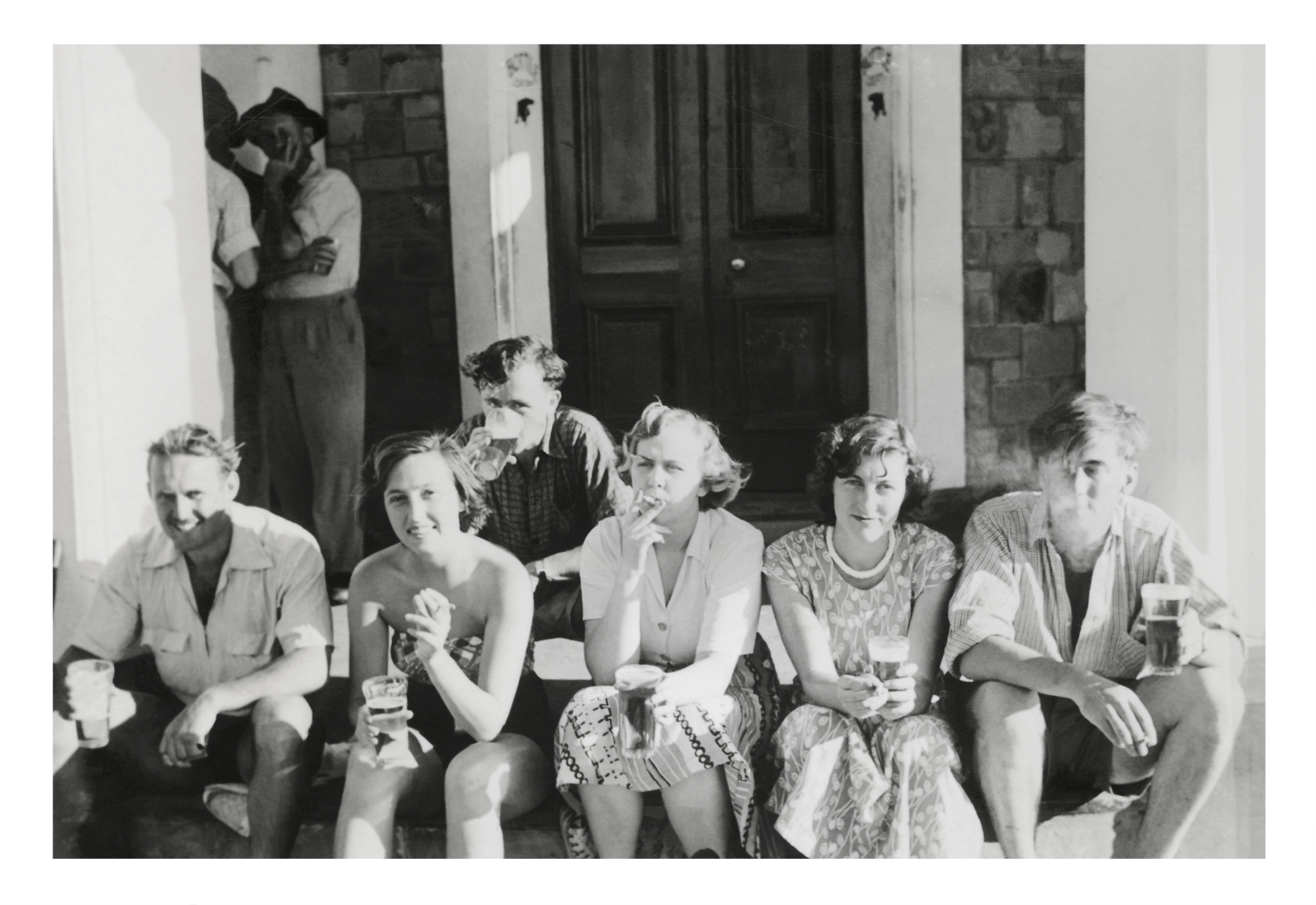
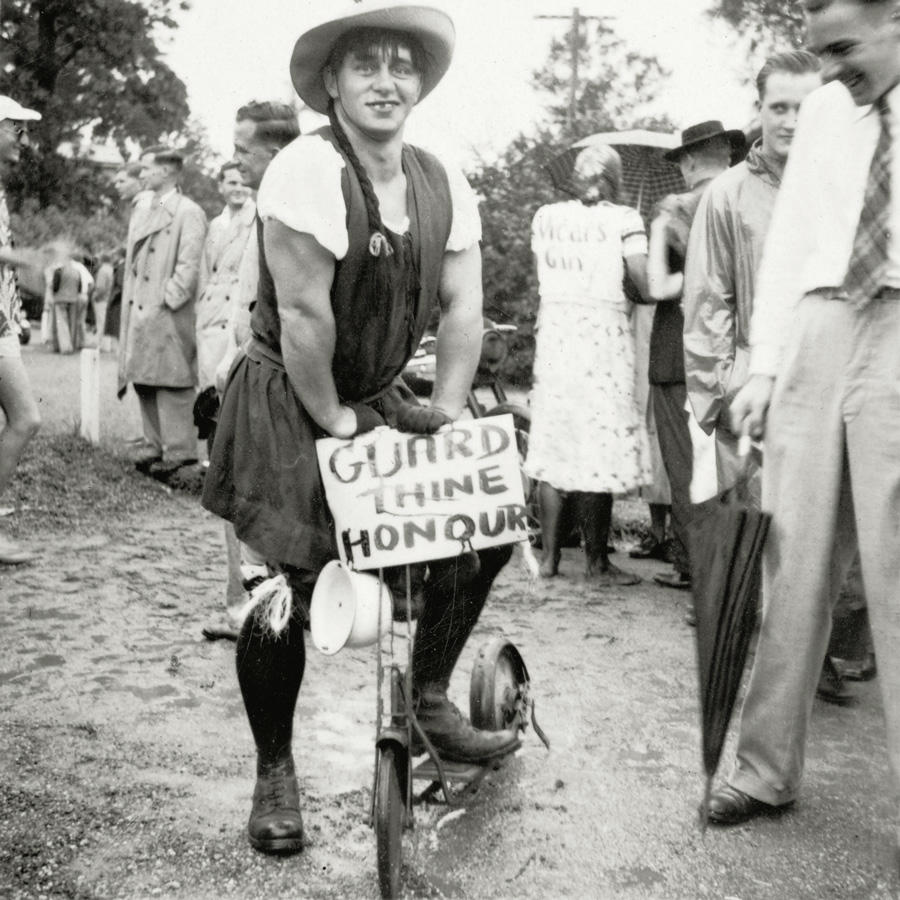
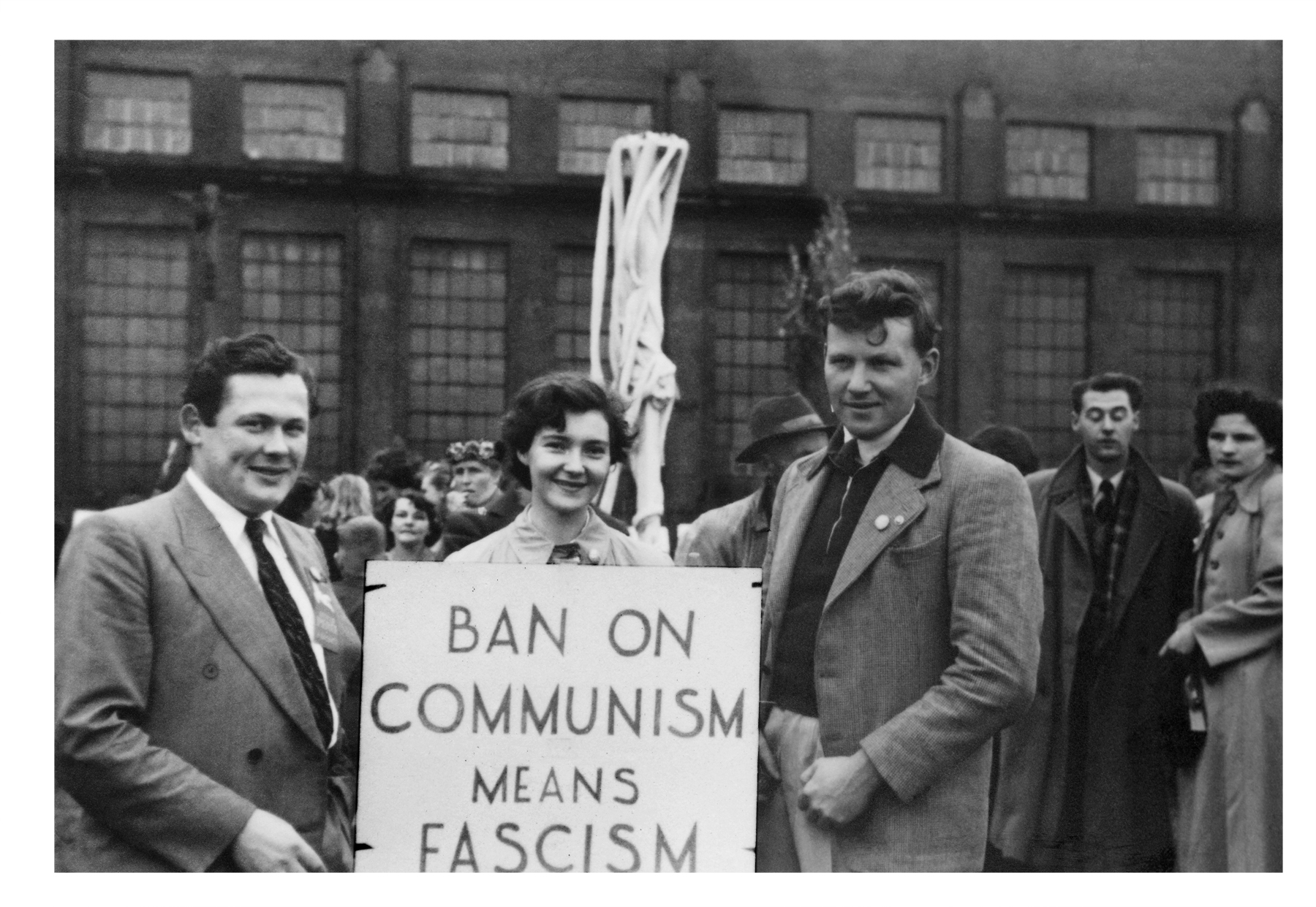
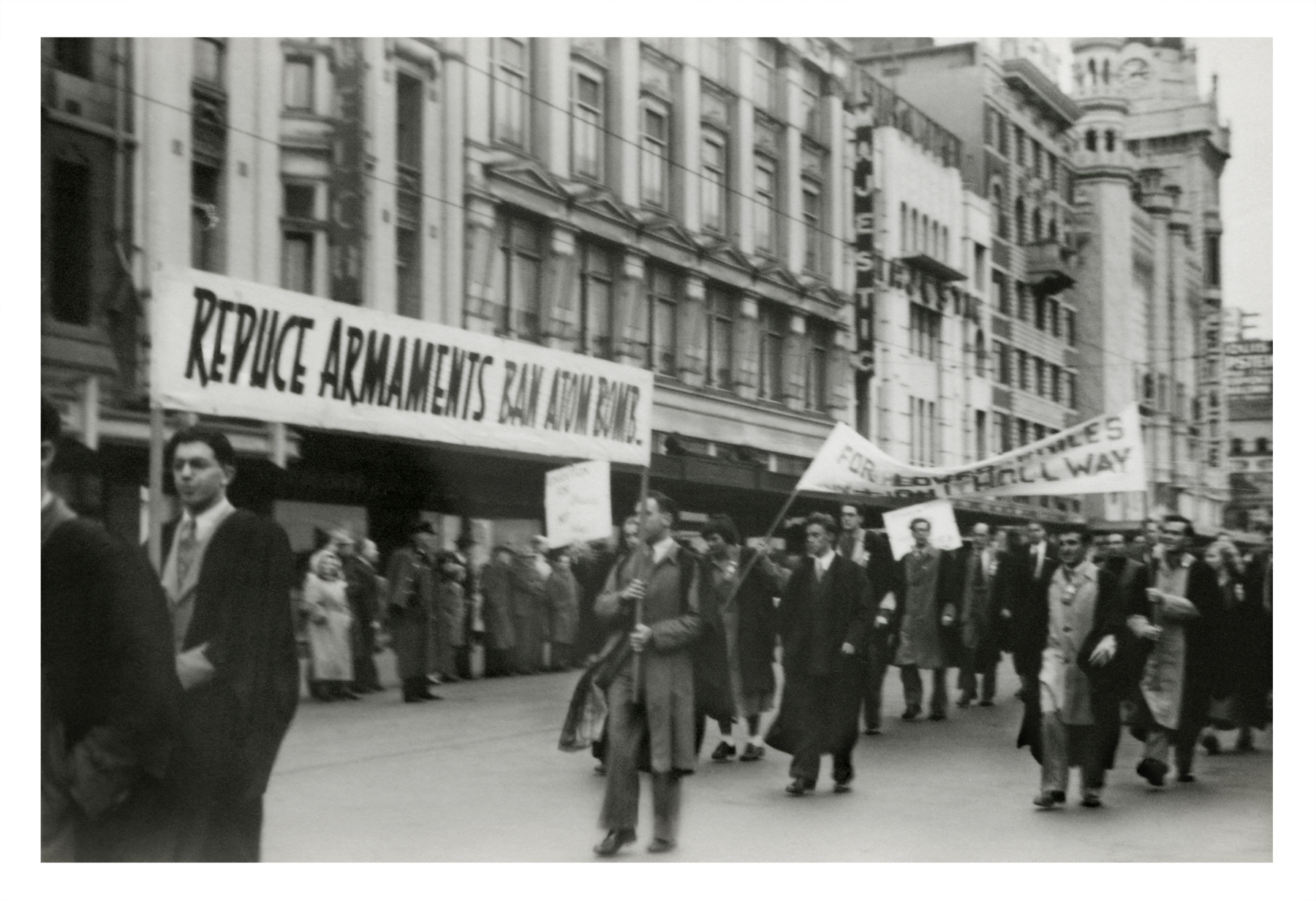
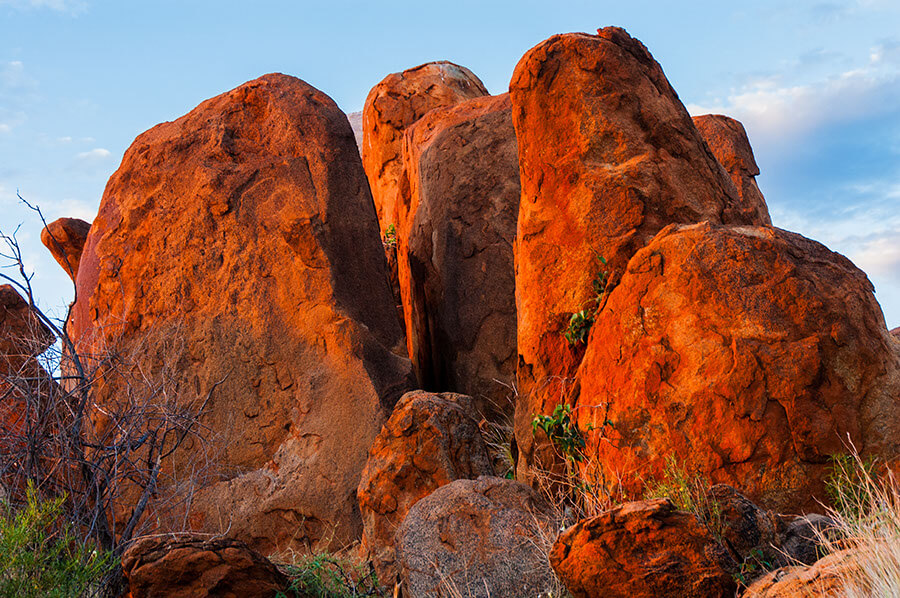
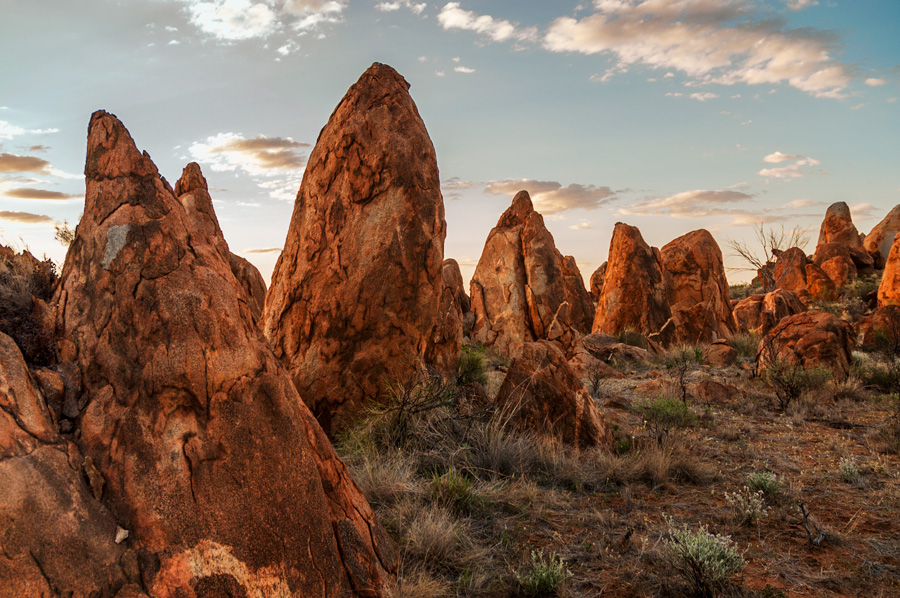
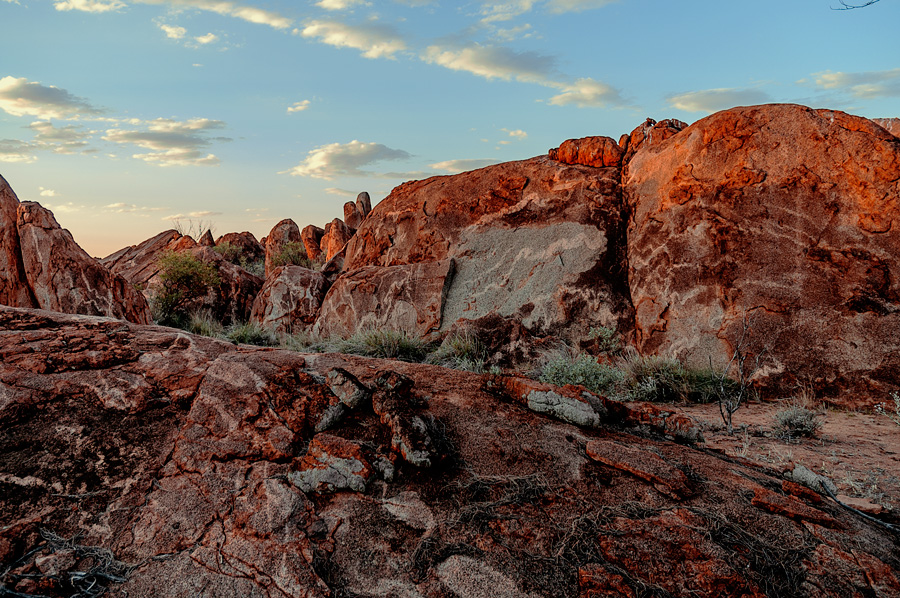
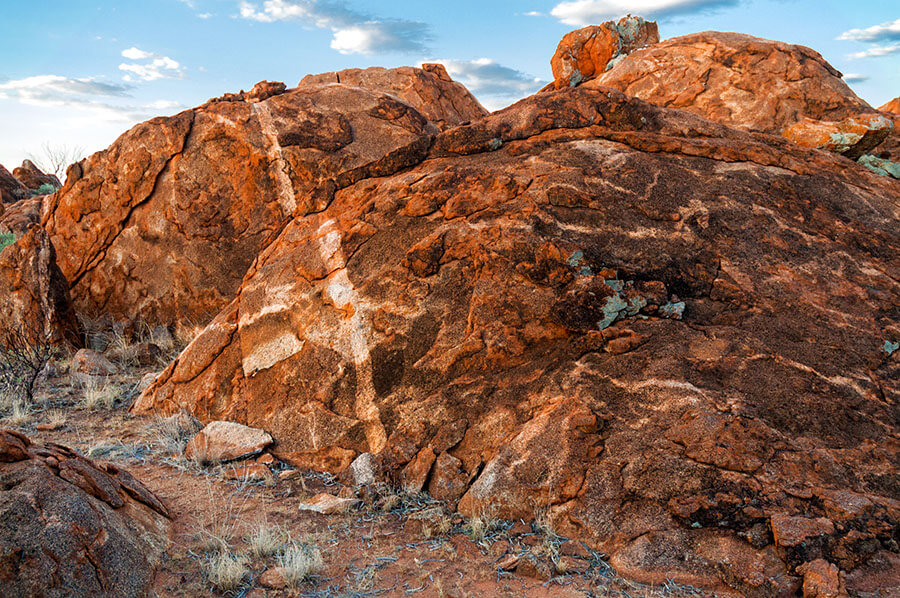
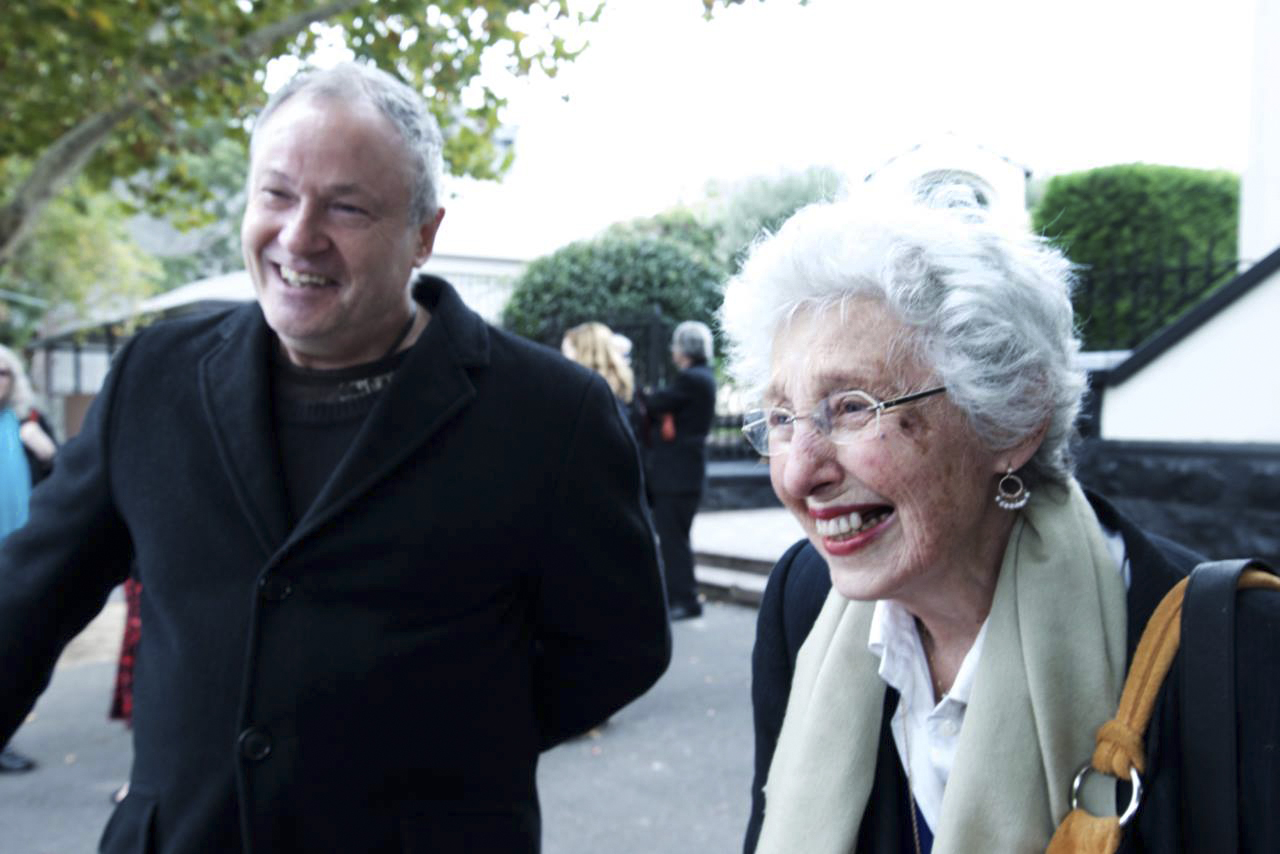
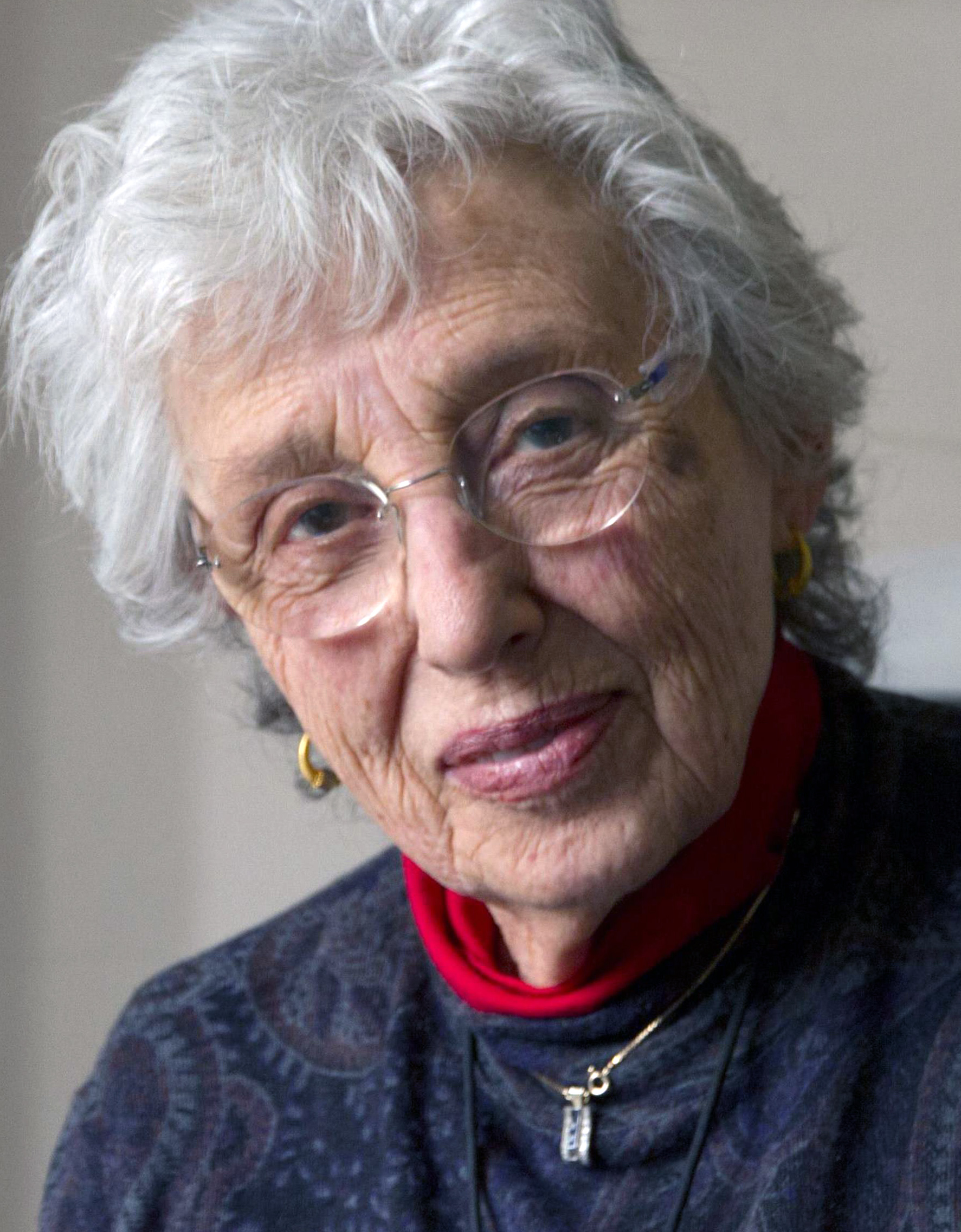
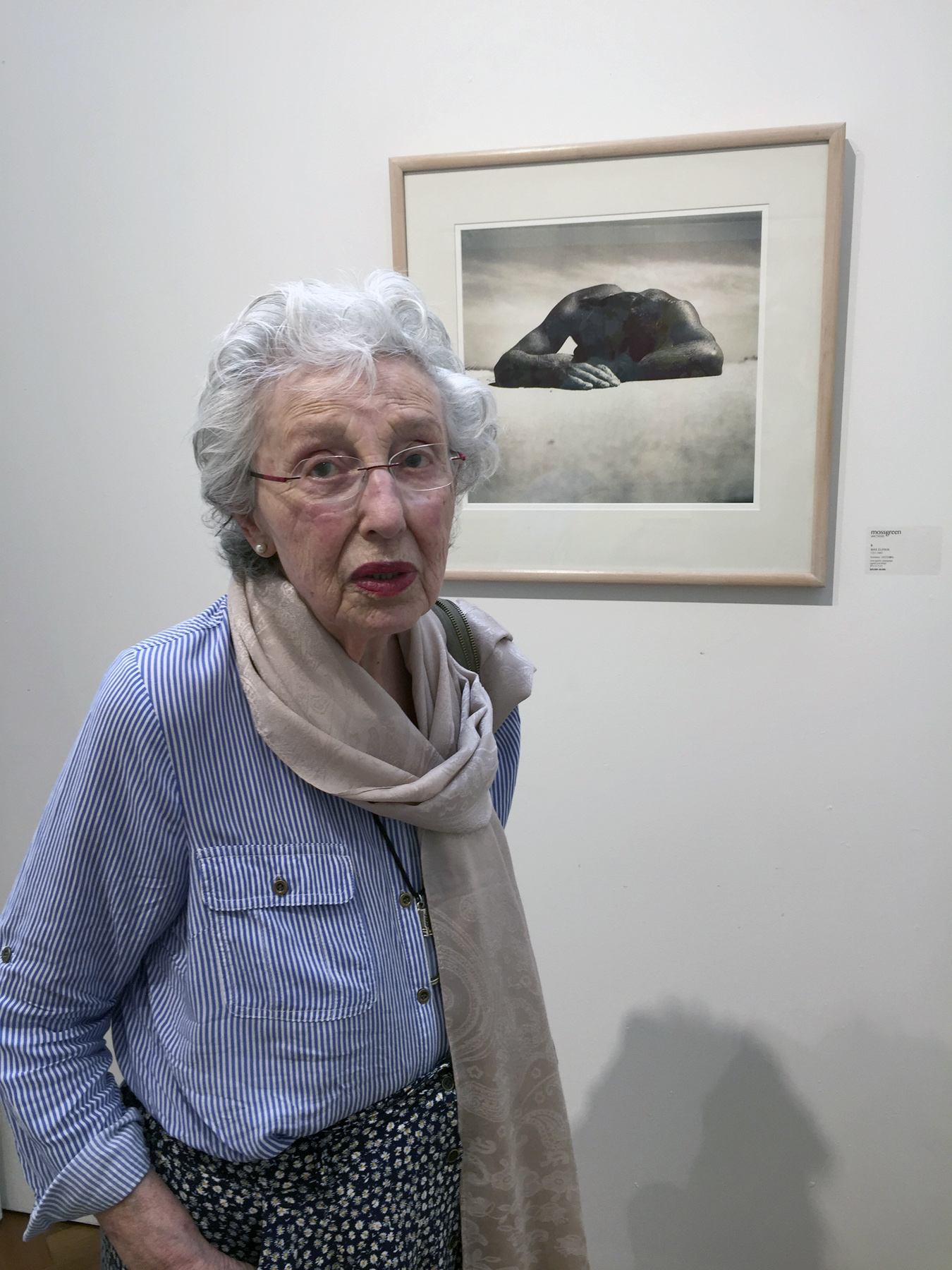
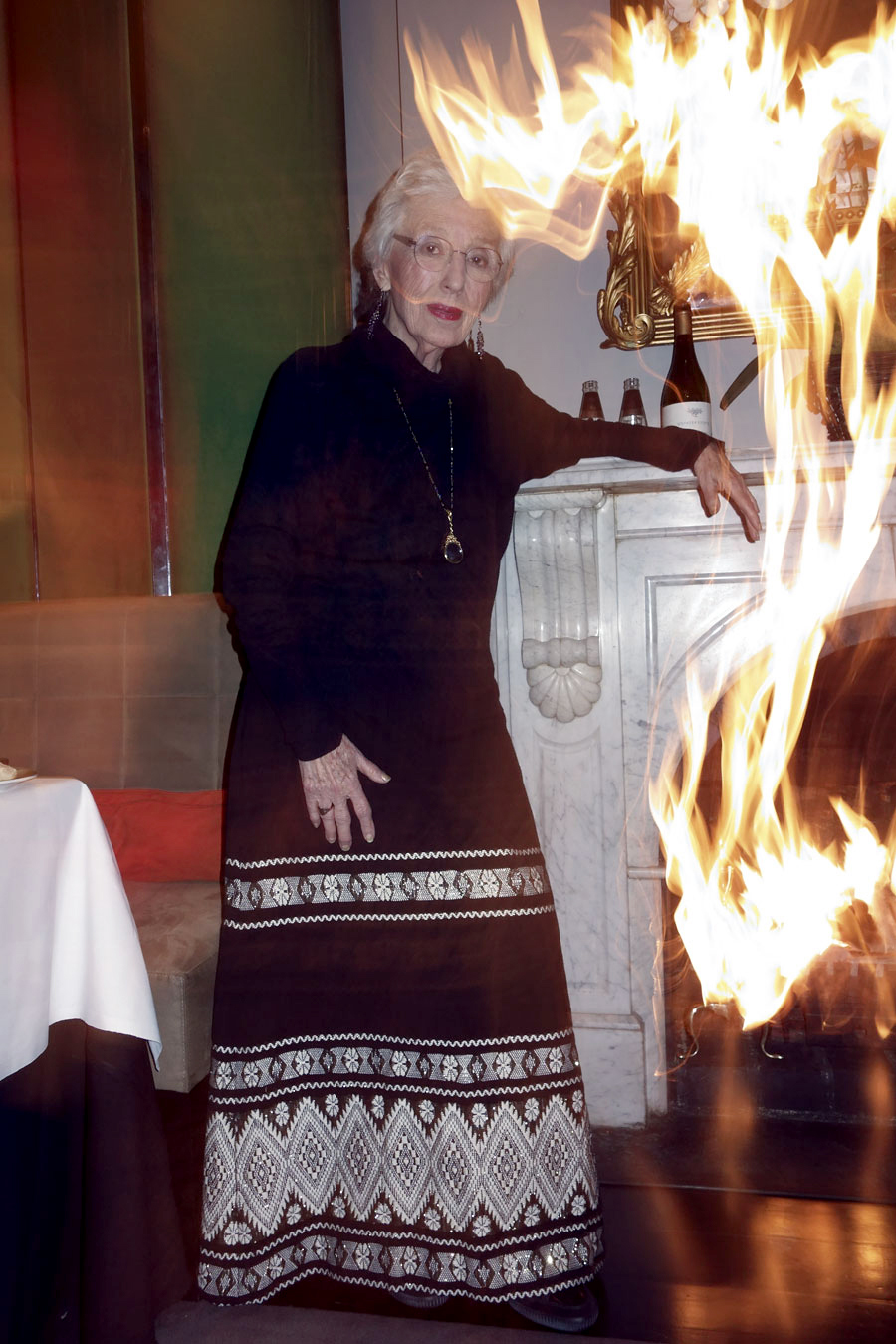
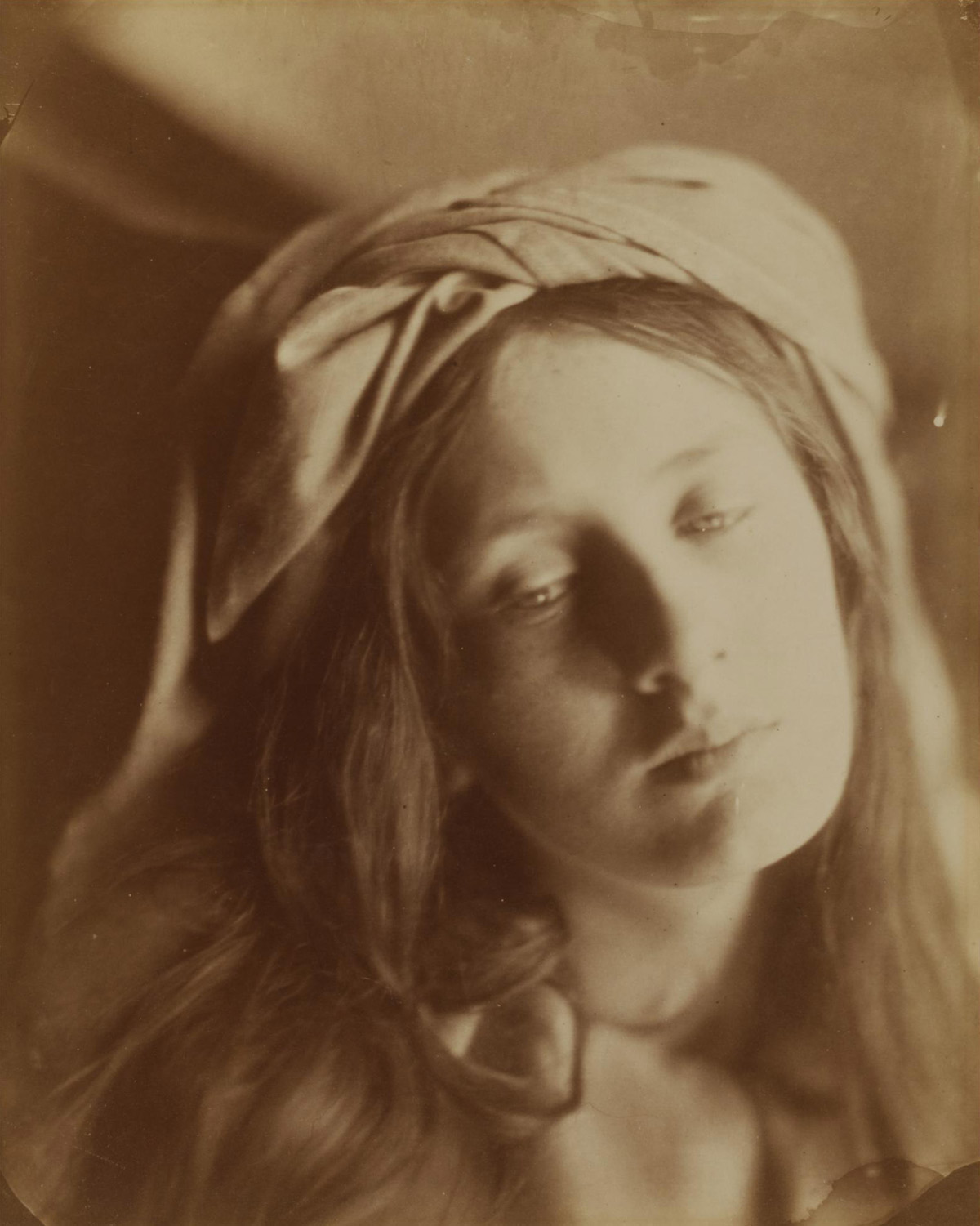


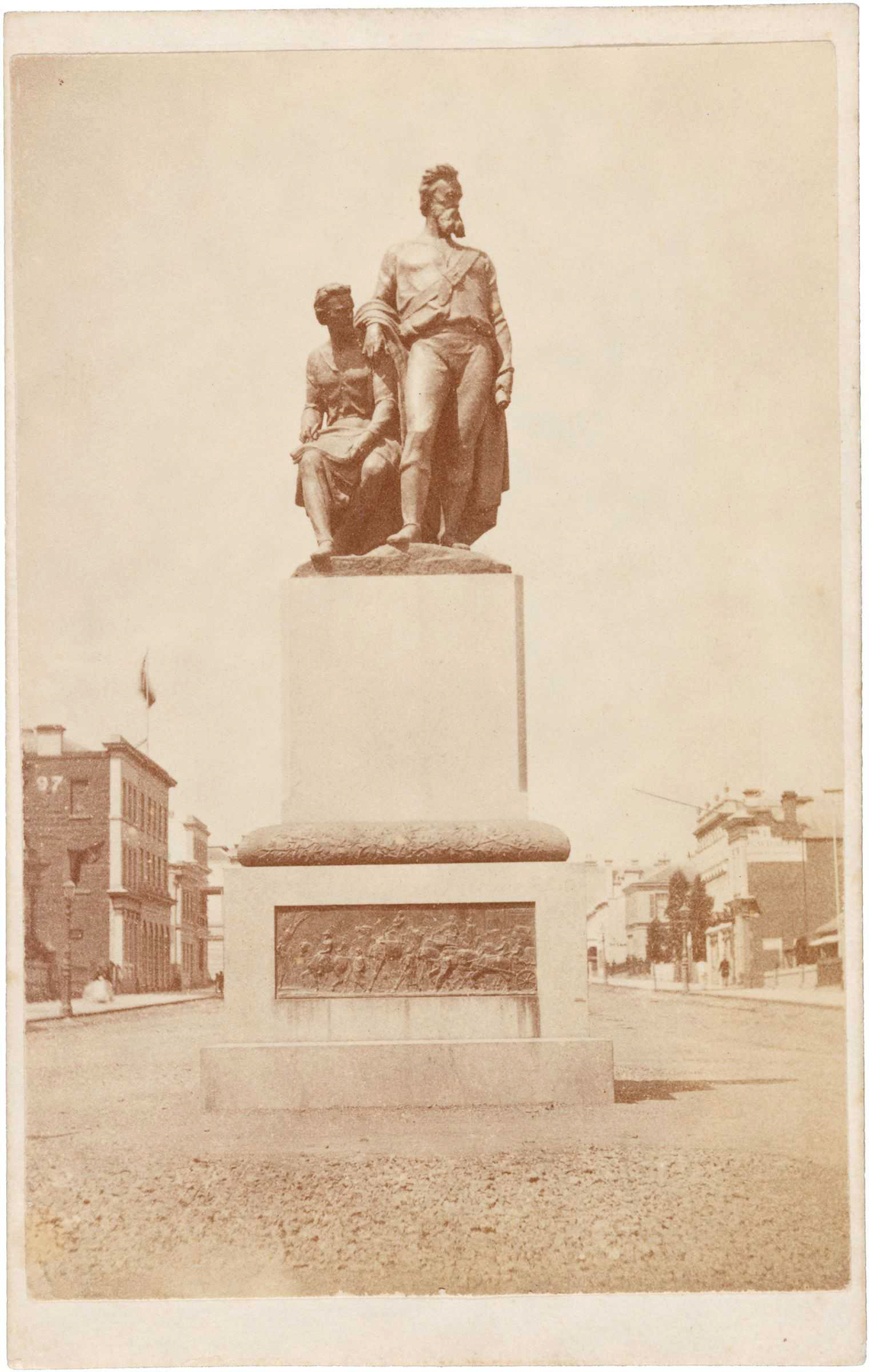

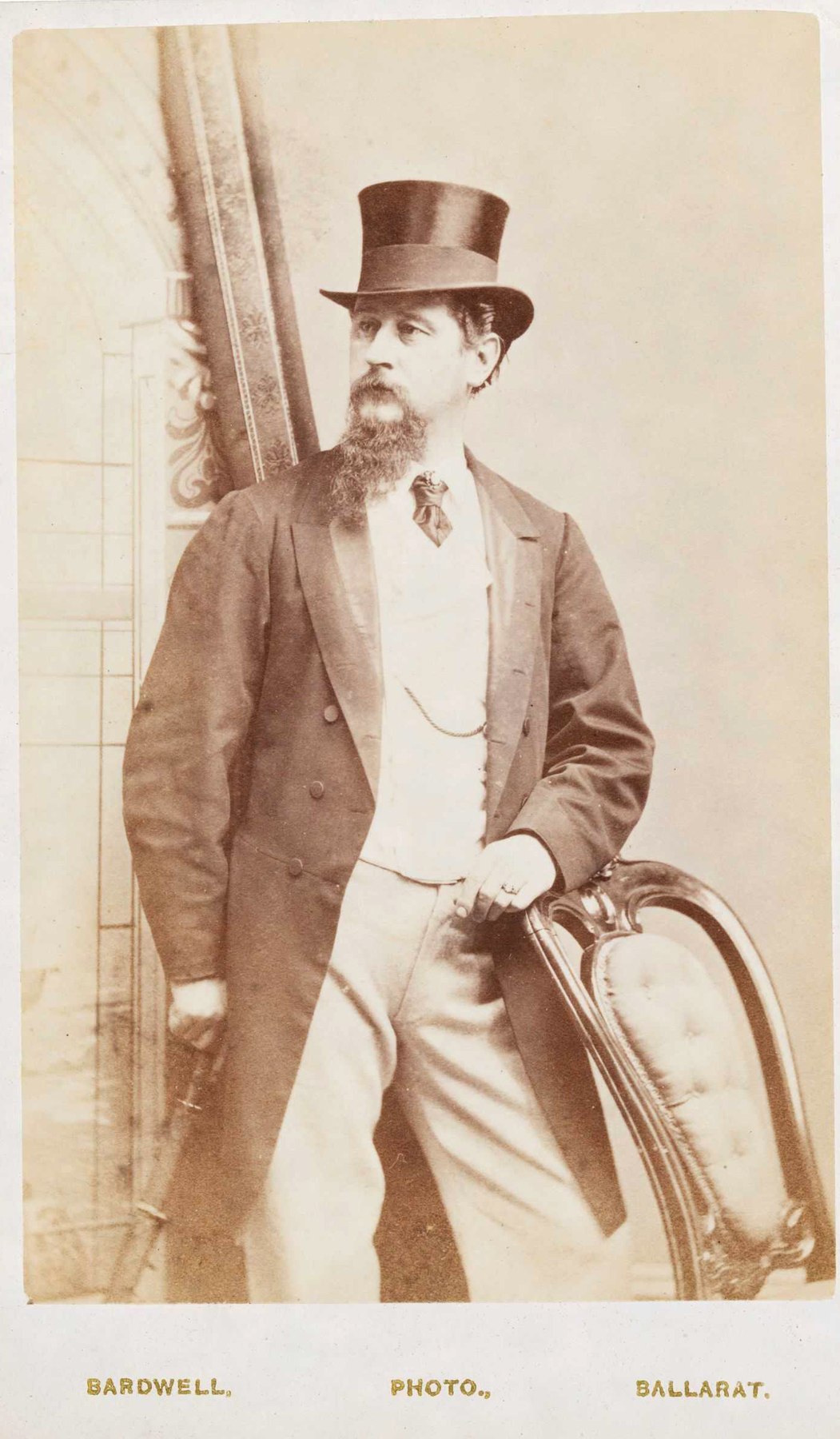


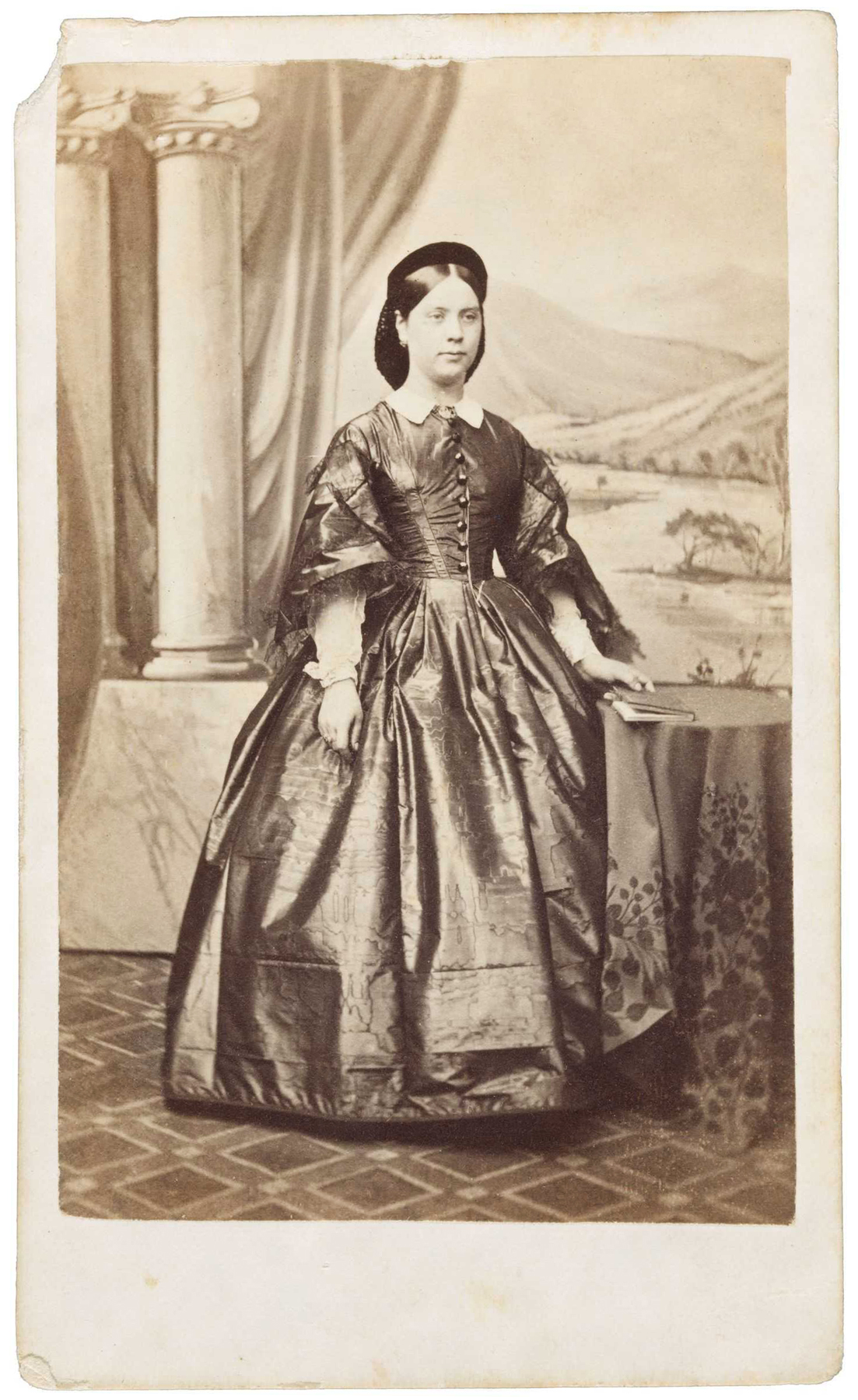


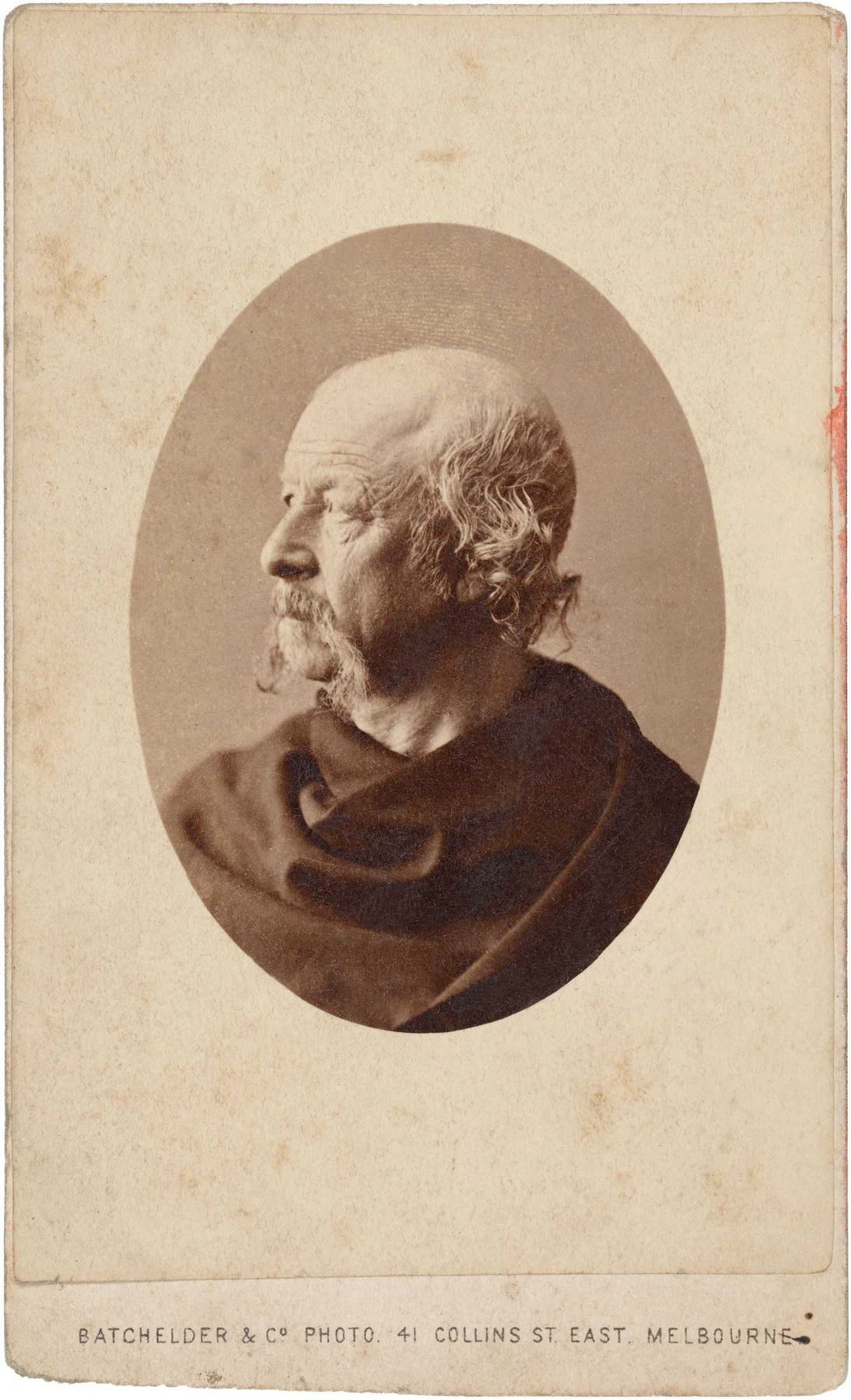


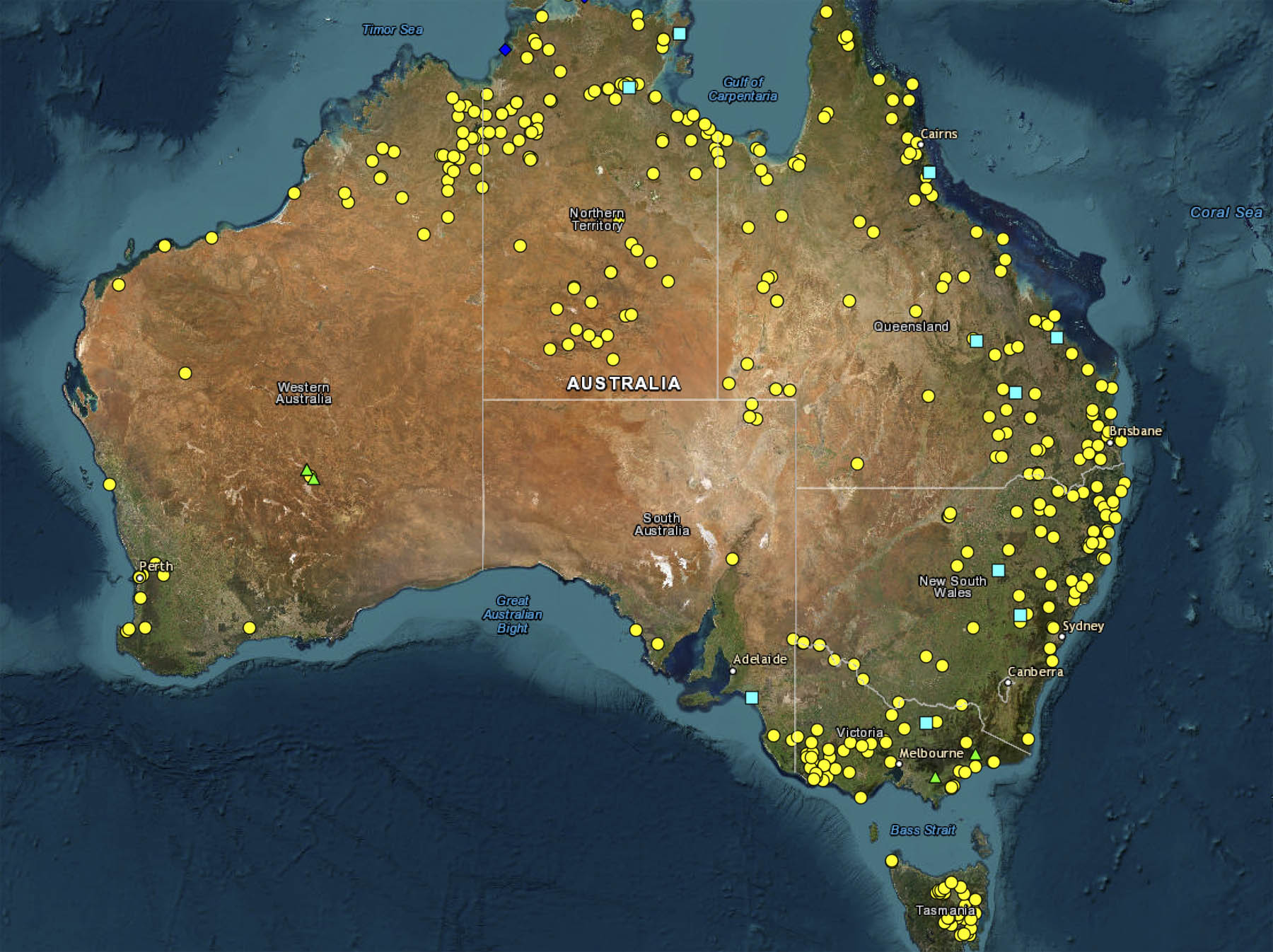


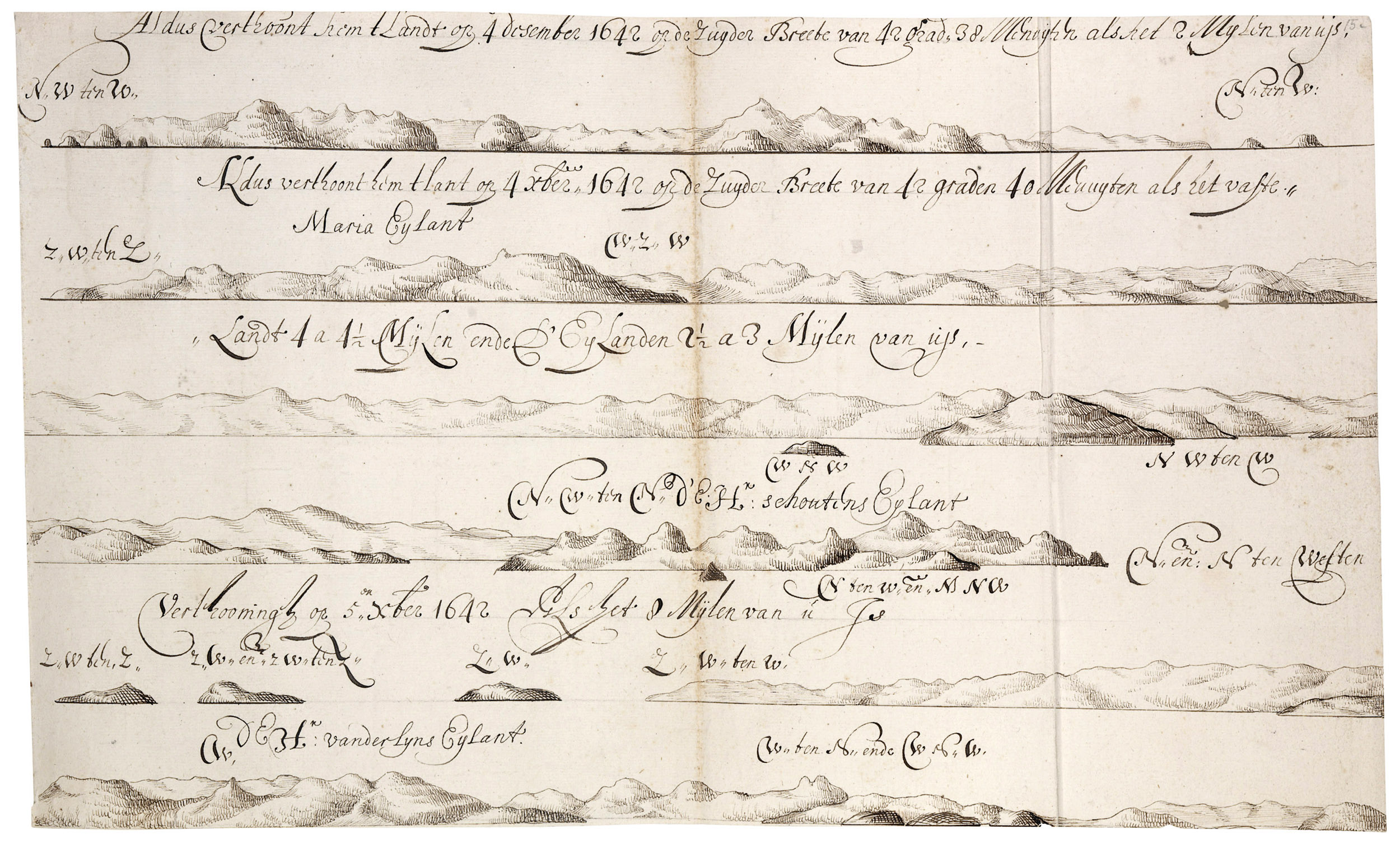


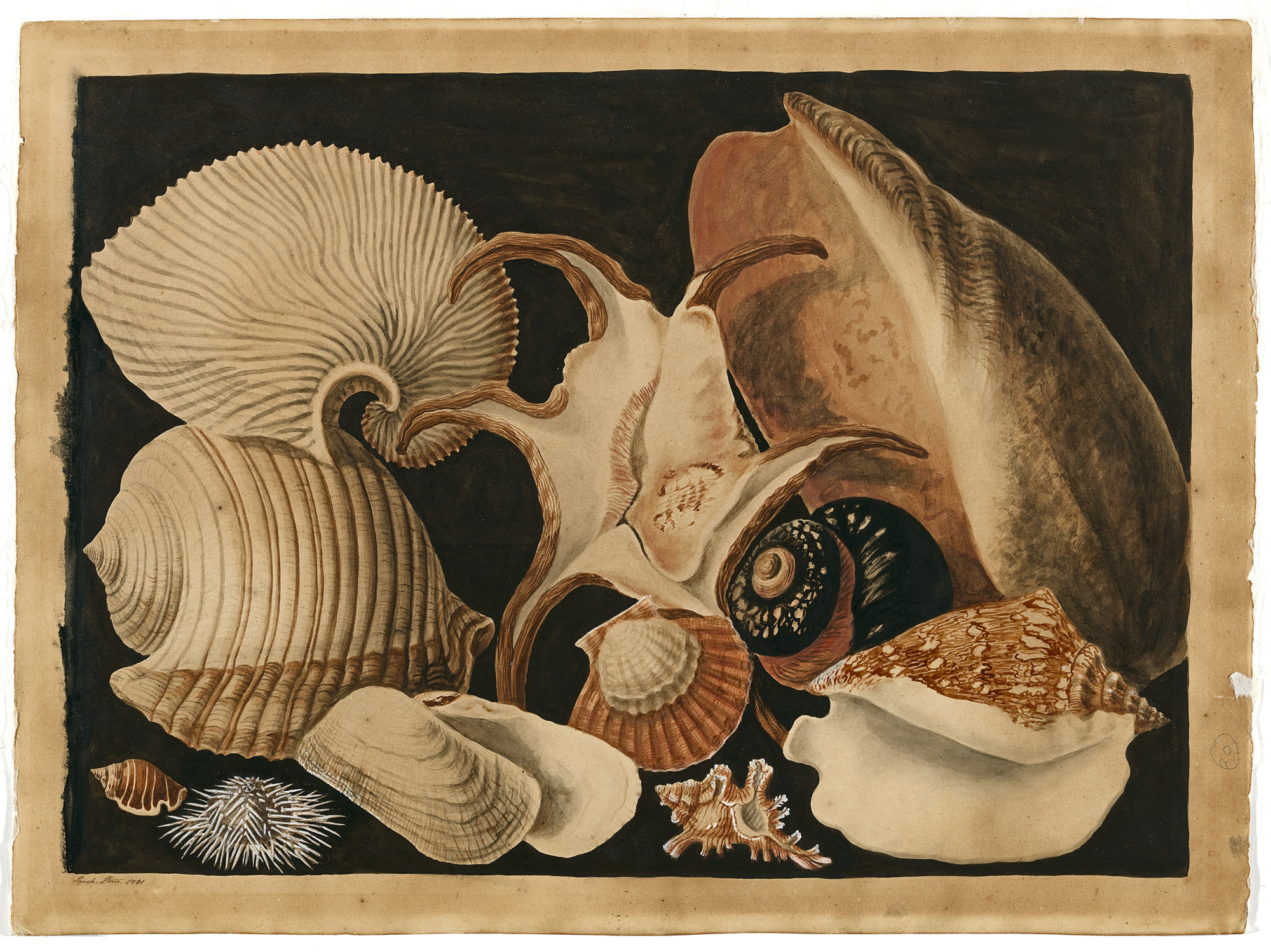


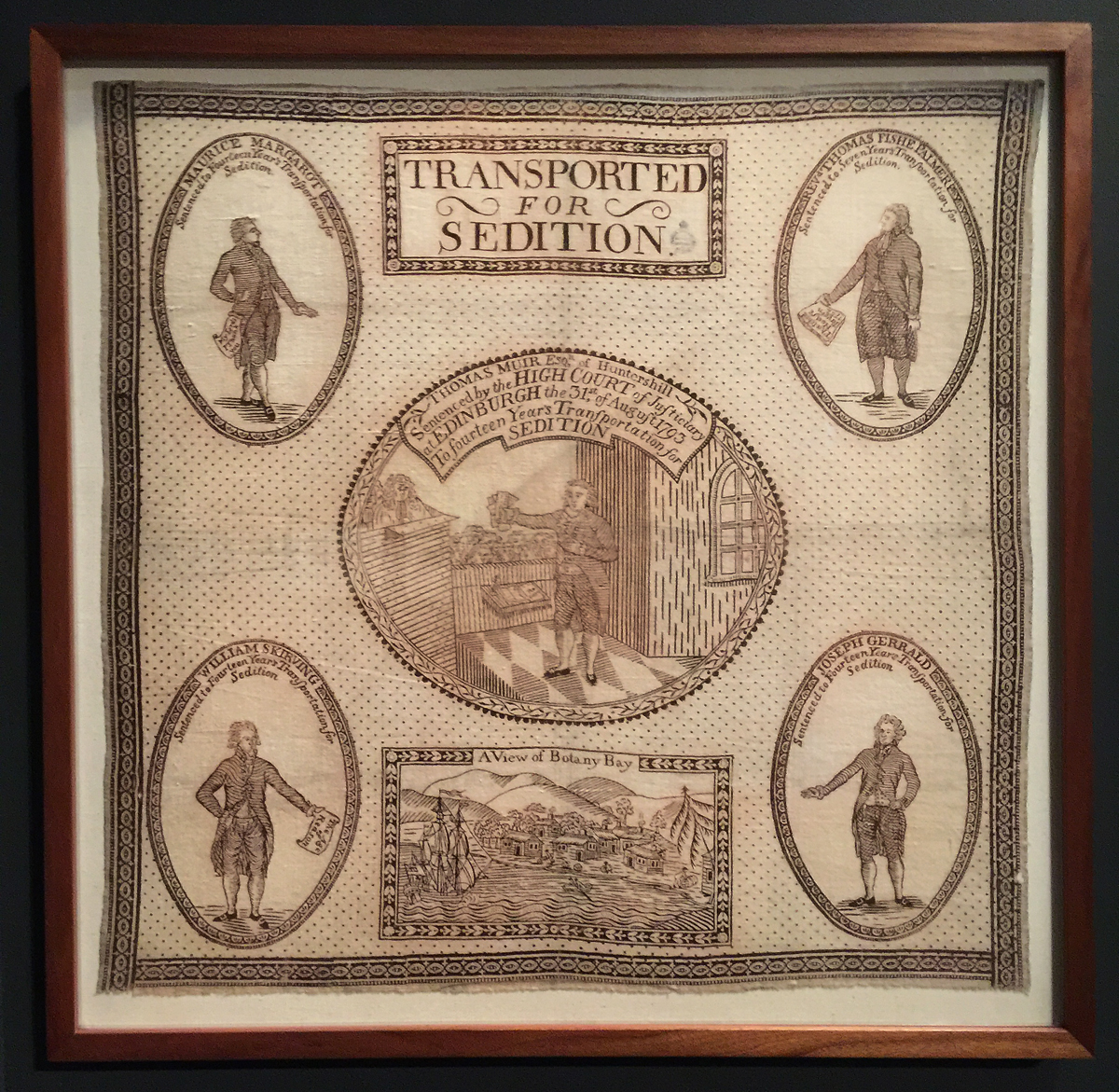
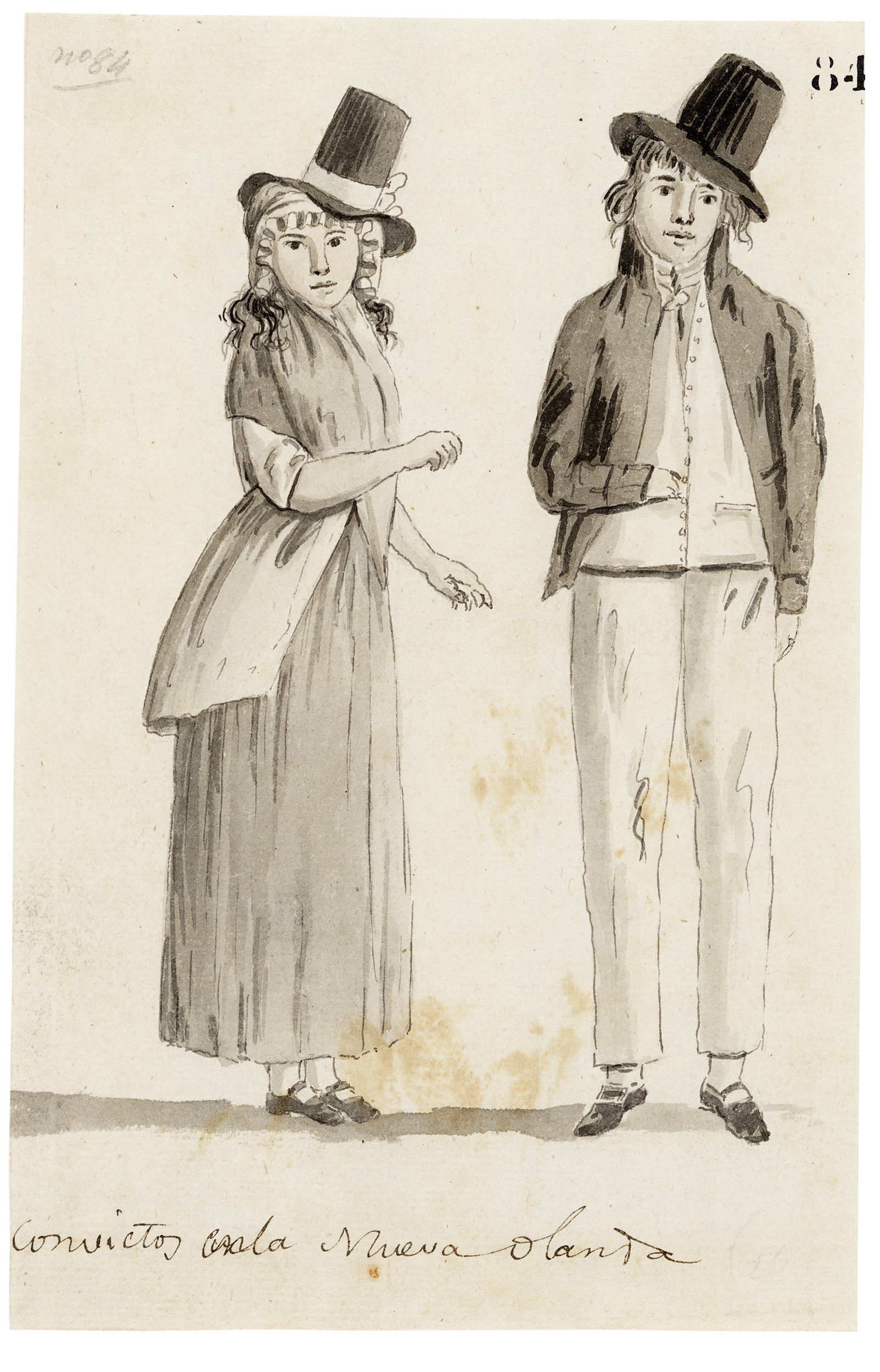


![Unknown artist (draughtsman, active in England early 19th century) Samuel John Neele (etcher, England 1758-1825) 'Pimbloy [Pemuluwuy], native of New Holland in a canoe of that country' 1804](https://artblart.com/wp-content/uploads/2018/03/neele-pimbloy-web.jpg "Unknown artist (draughtsman, active in England early 19th century) Samuel John Neele (etcher, England 1758-1825) 'Pimbloy [Pemuluwuy], native of New Holland in a canoe of that country' 1804")
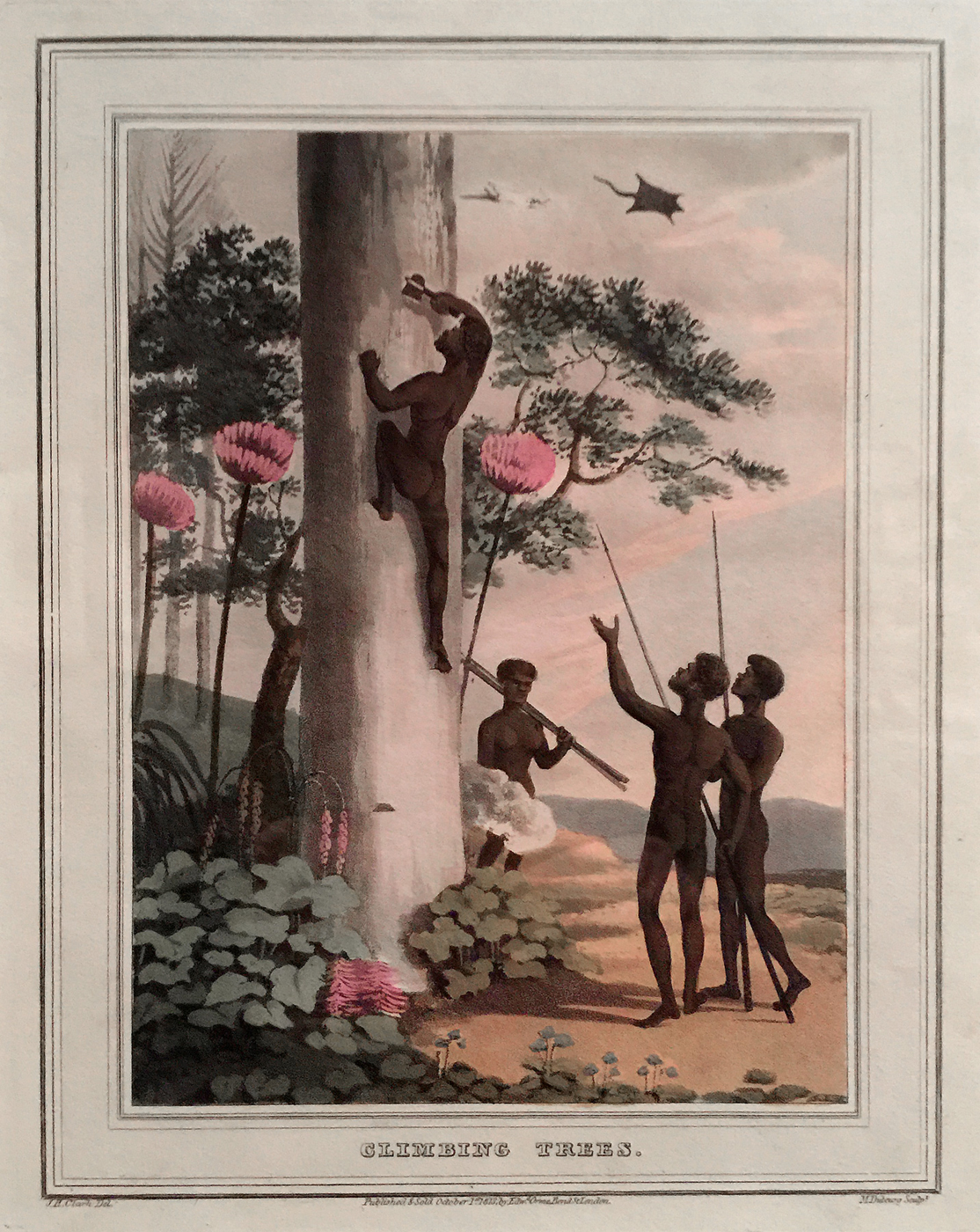
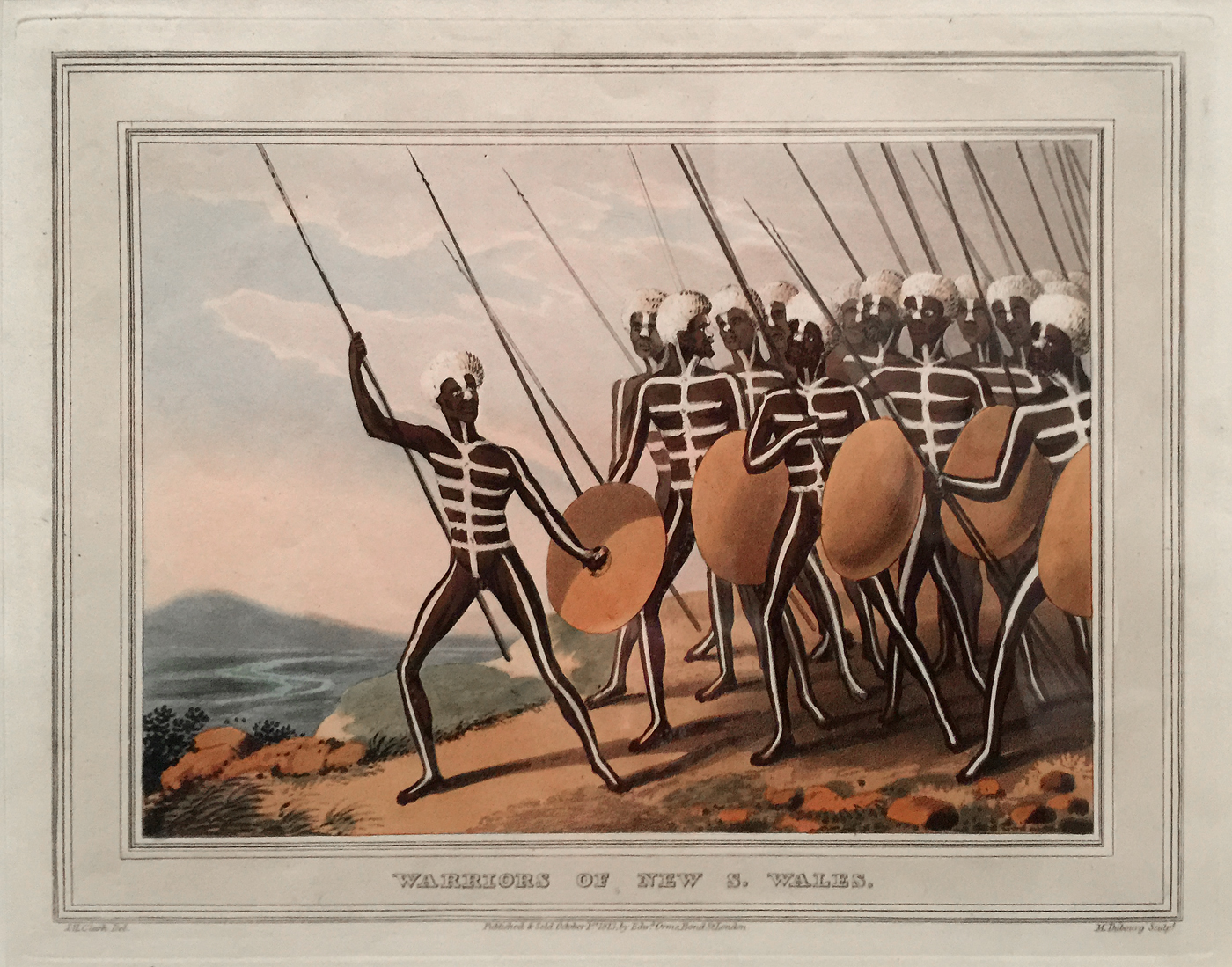
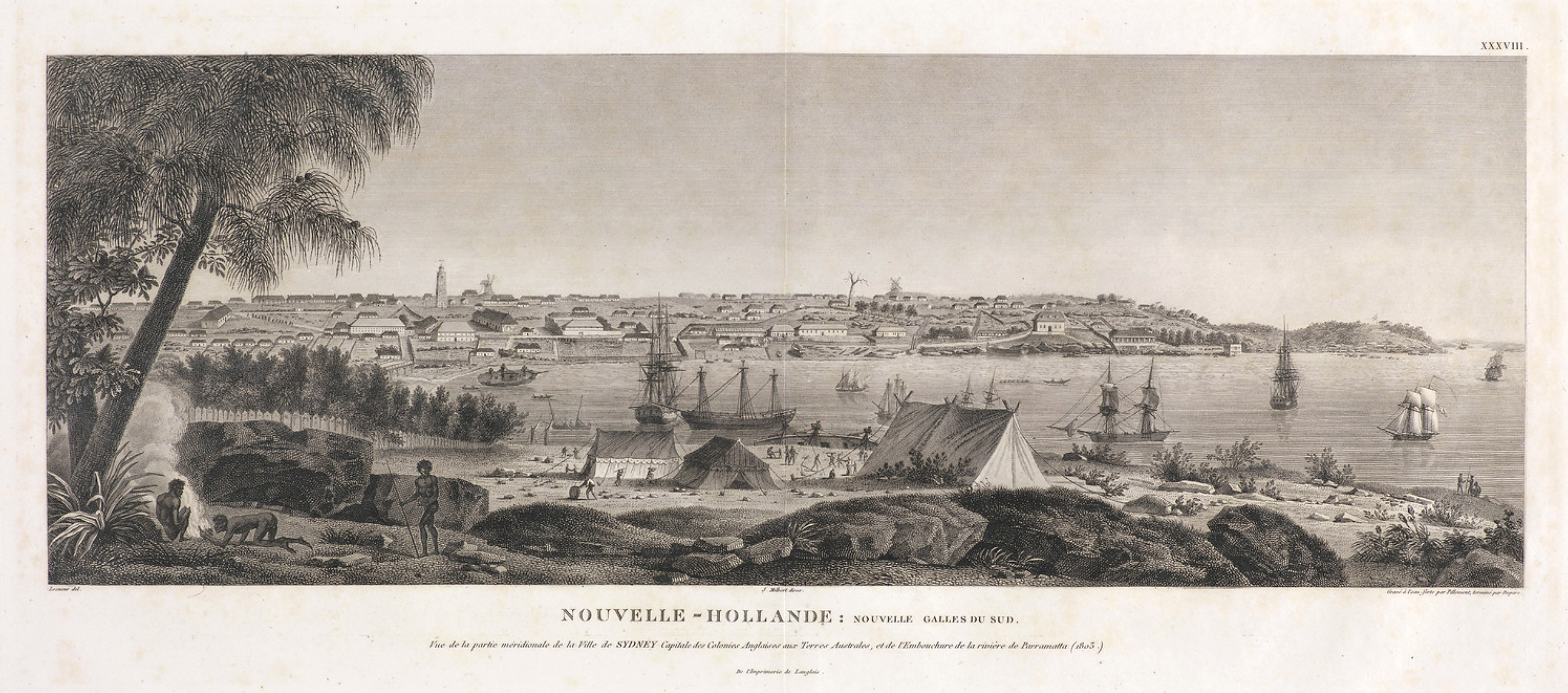

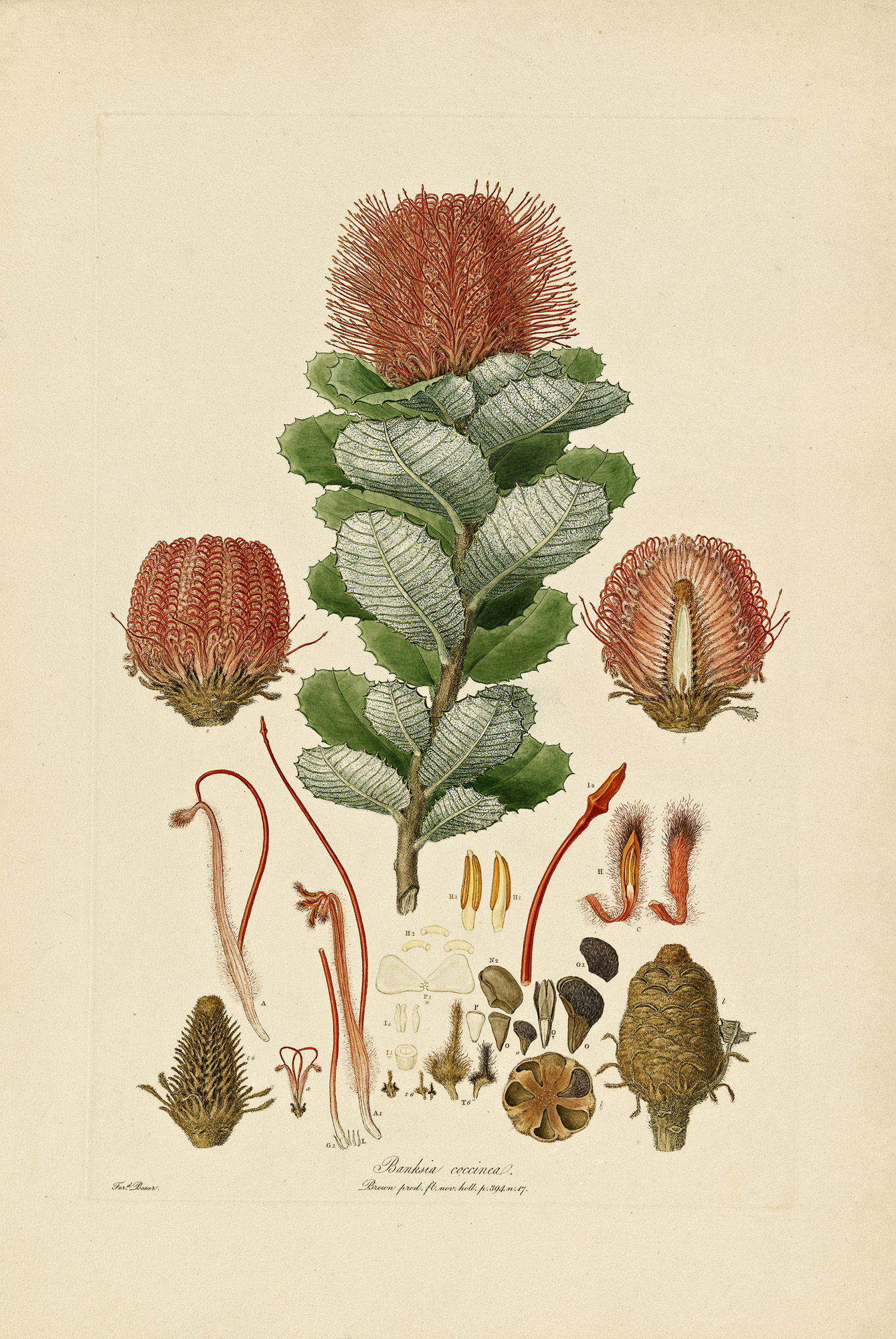
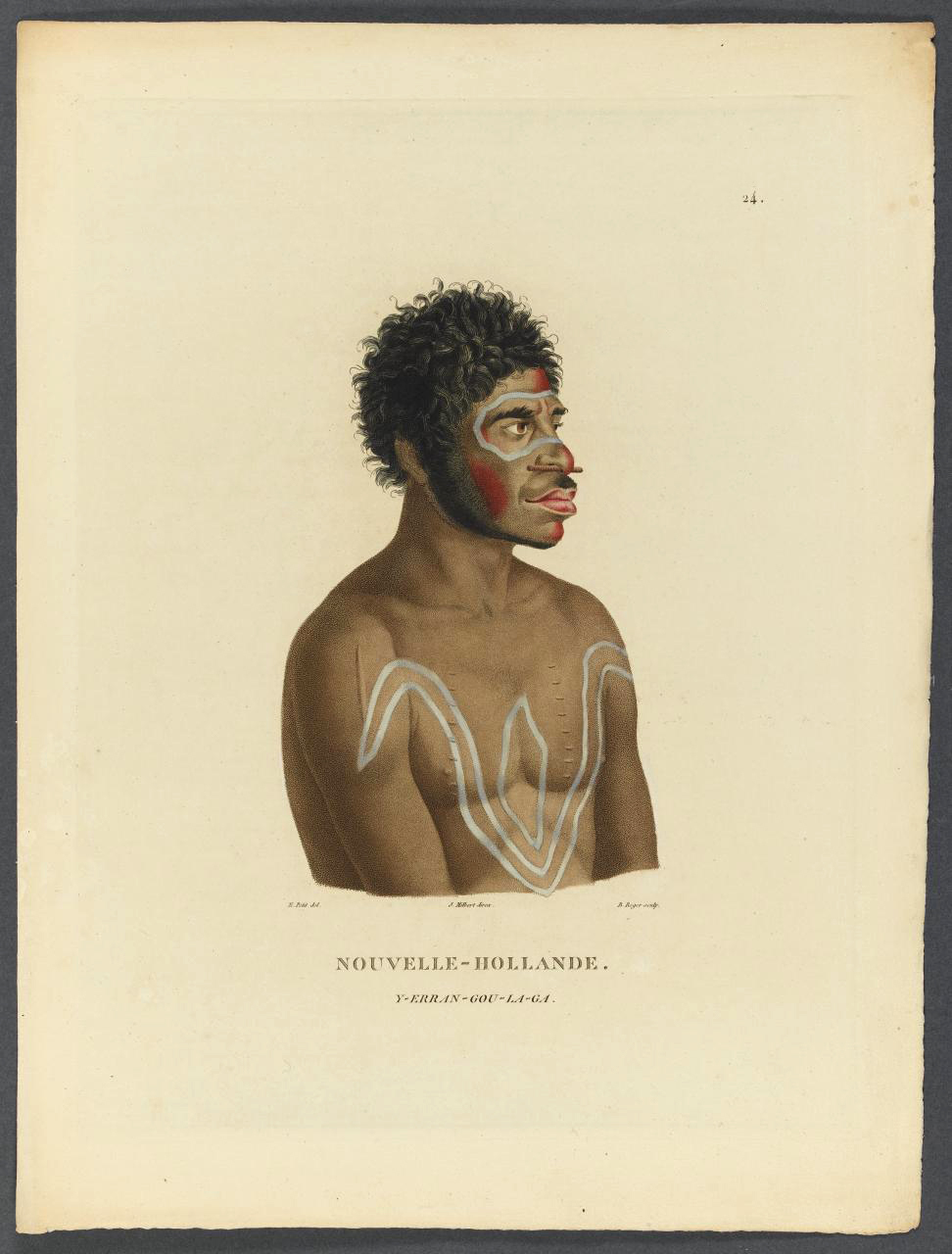


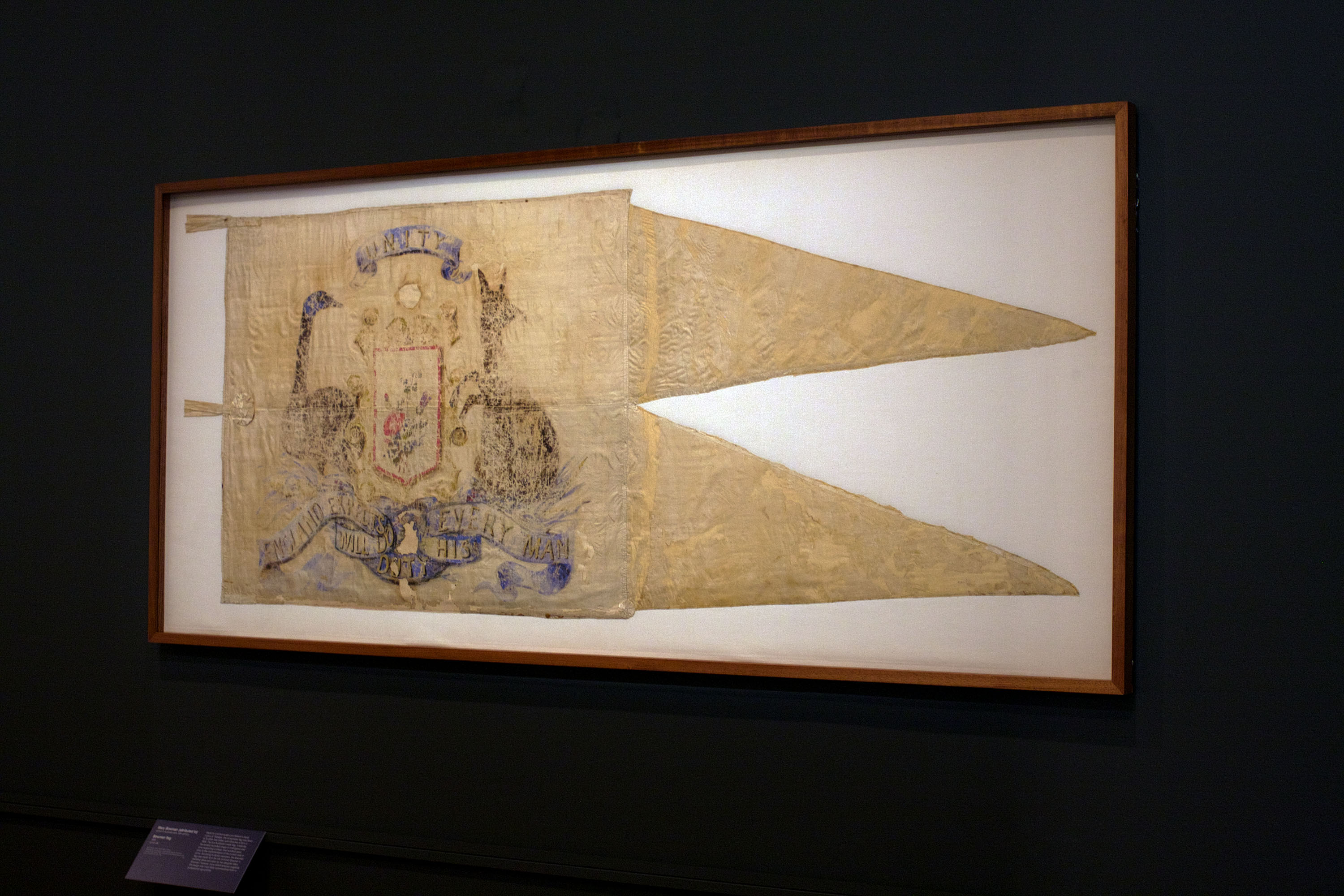


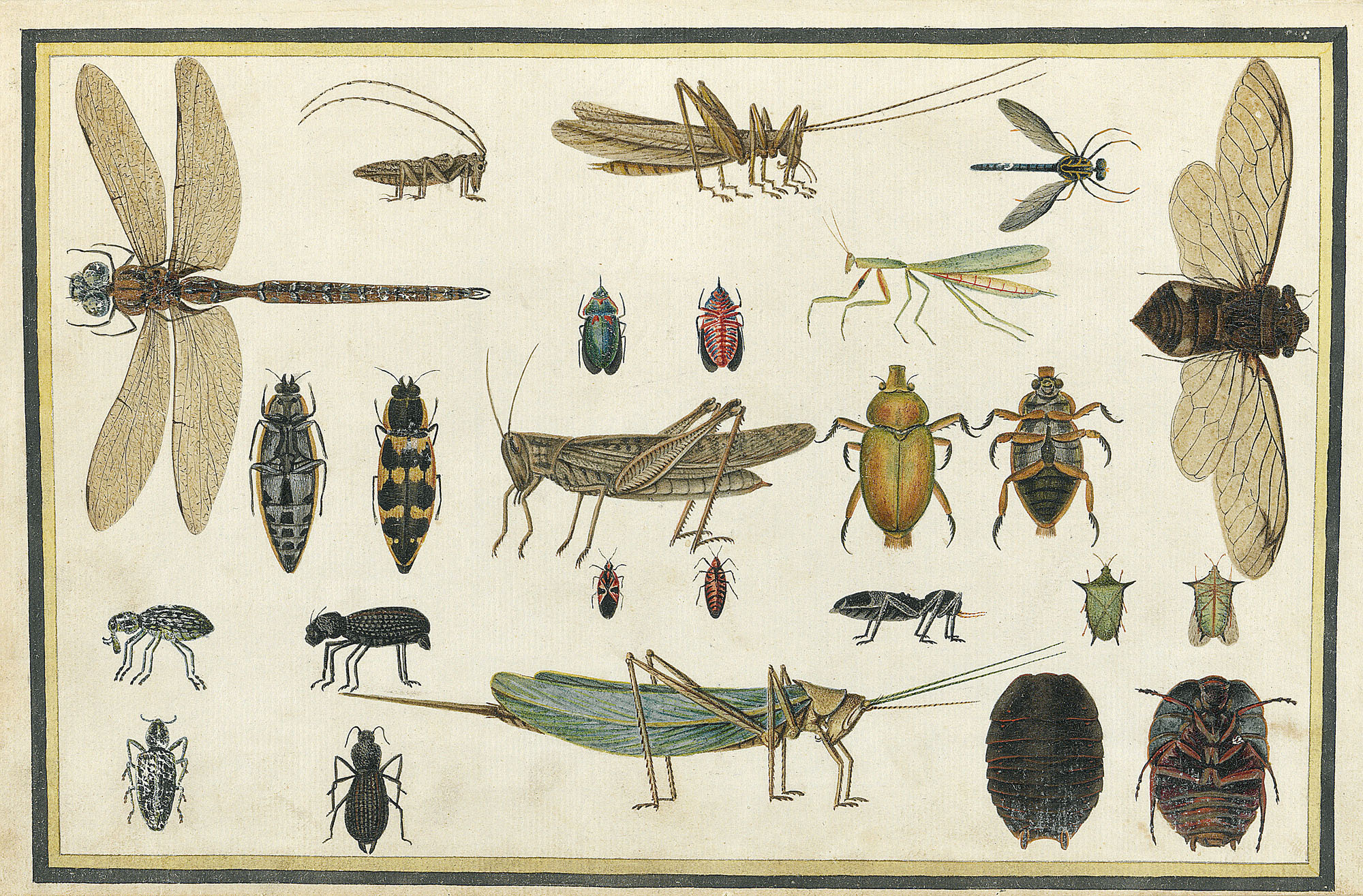


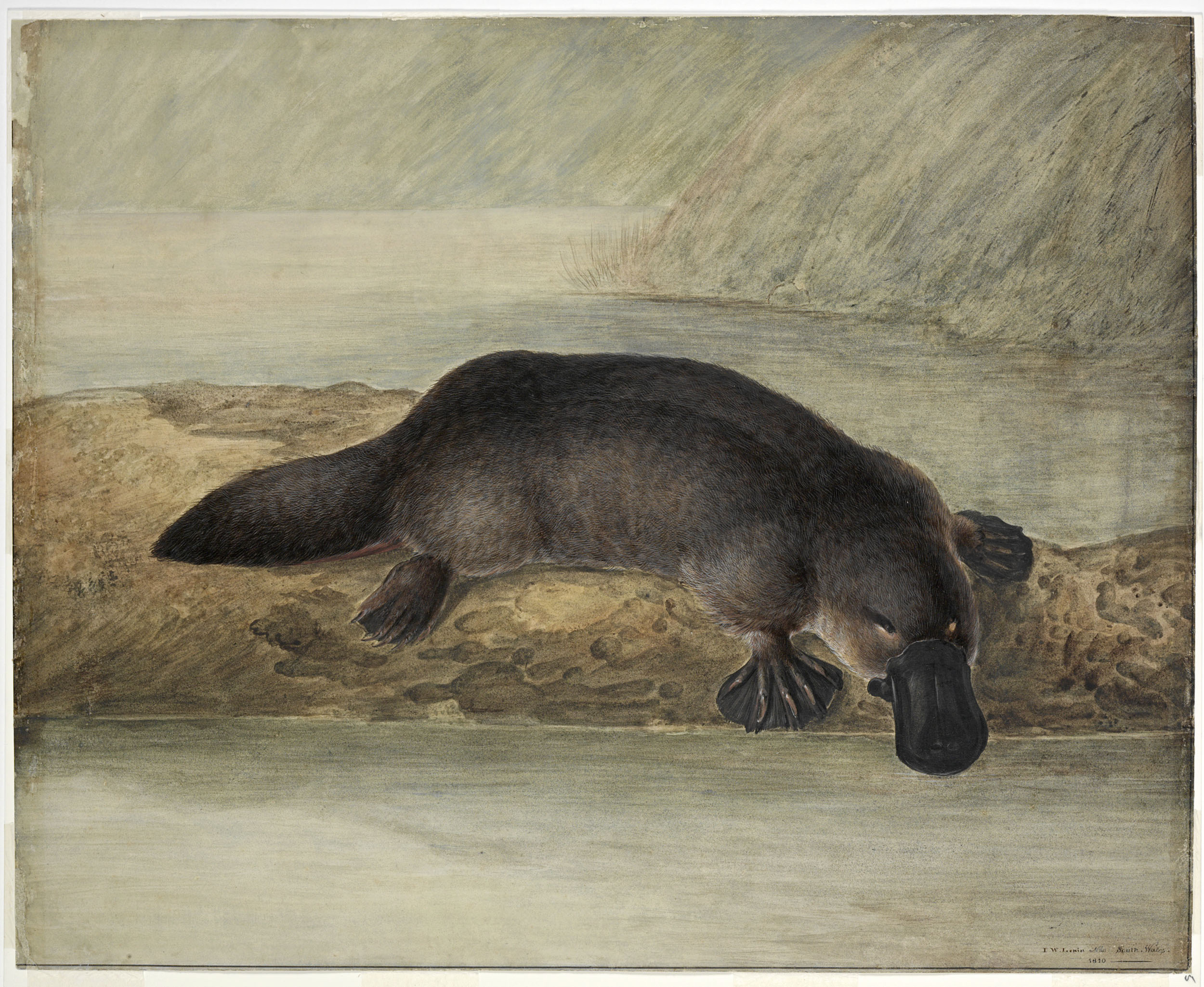


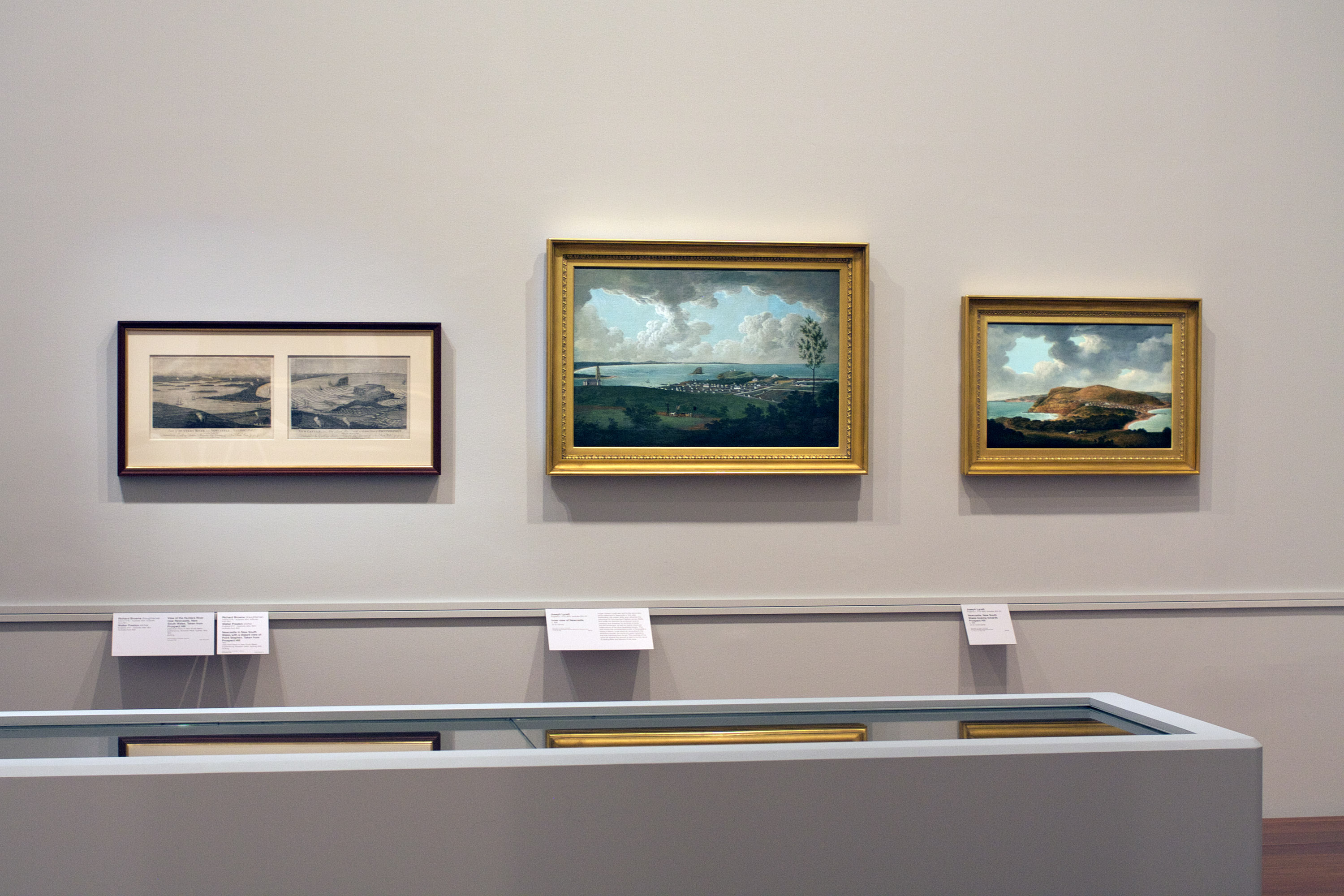
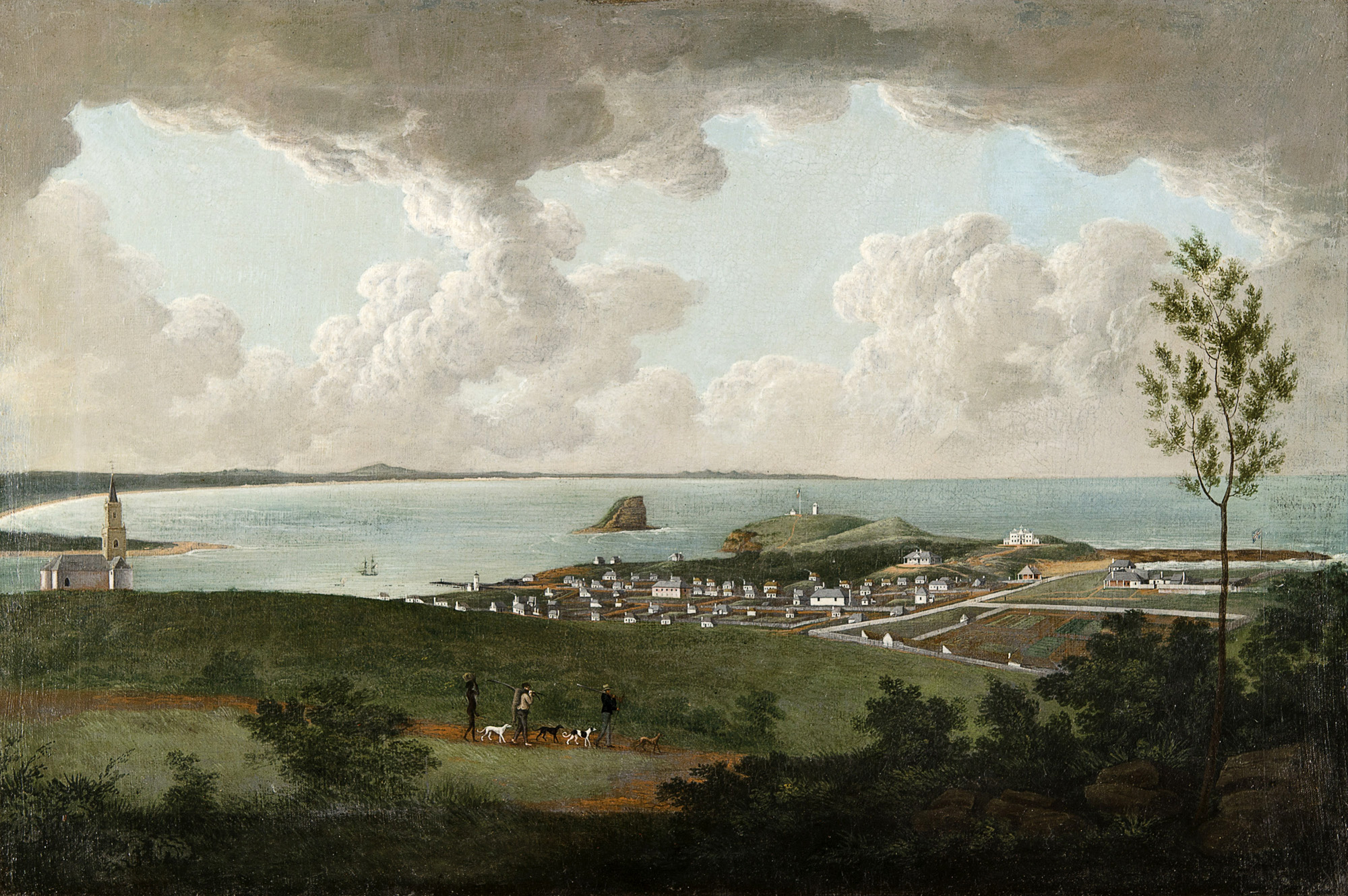
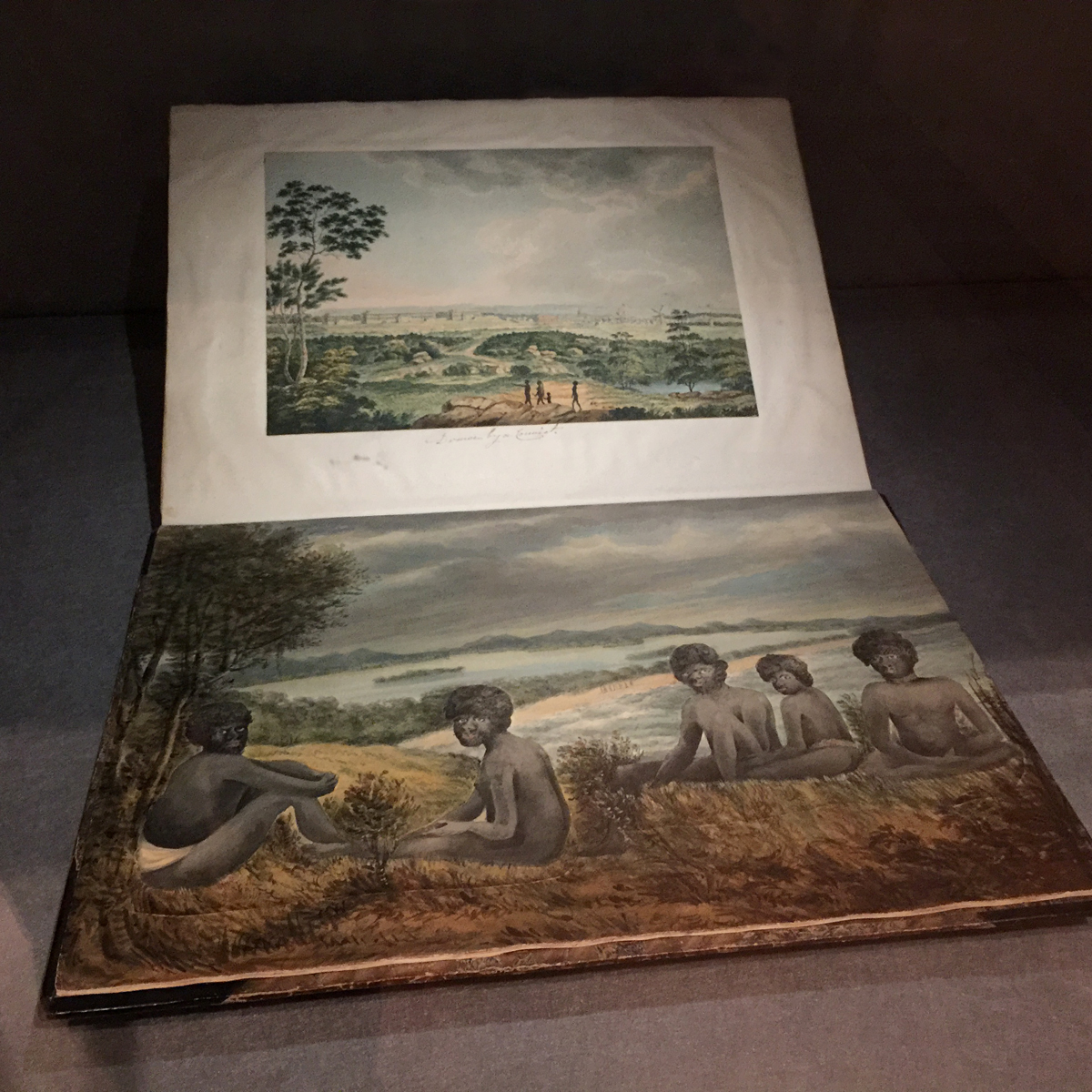


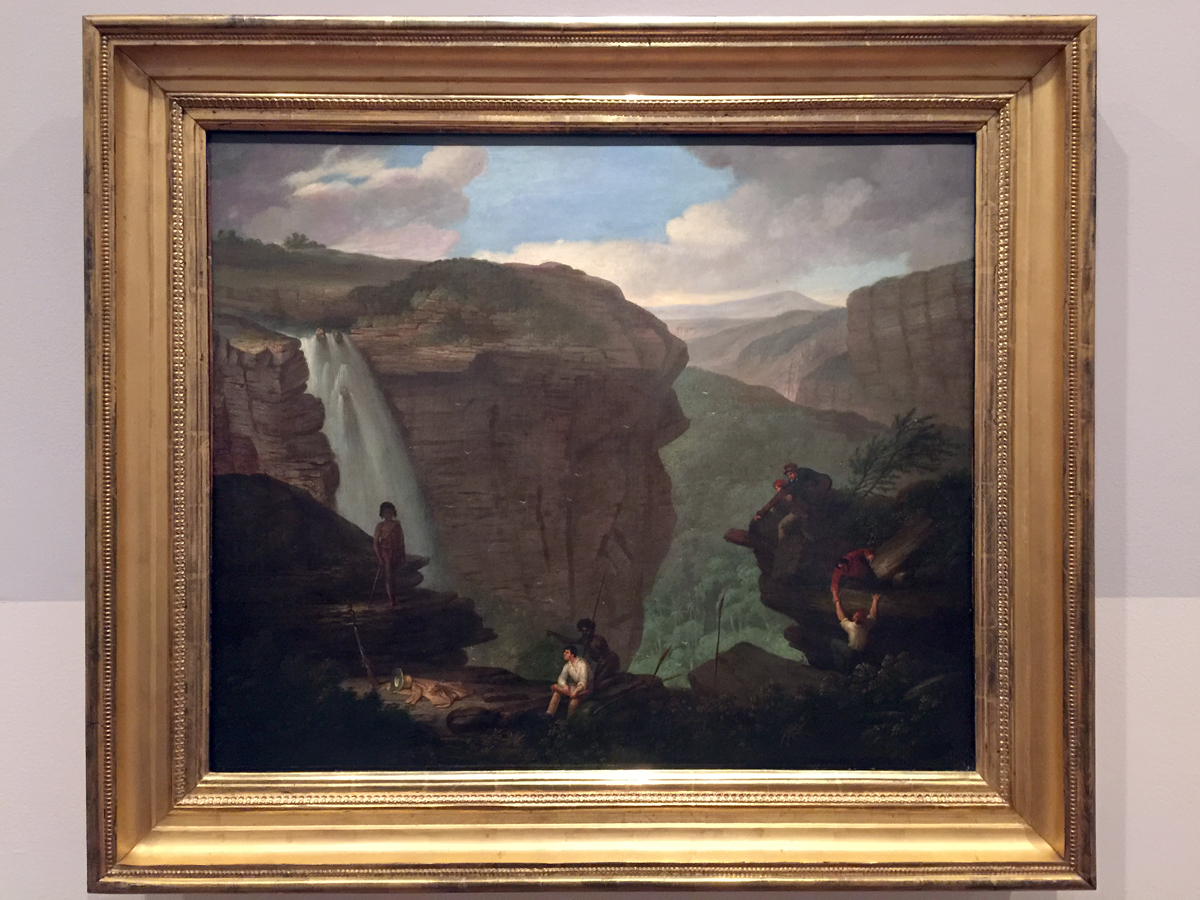

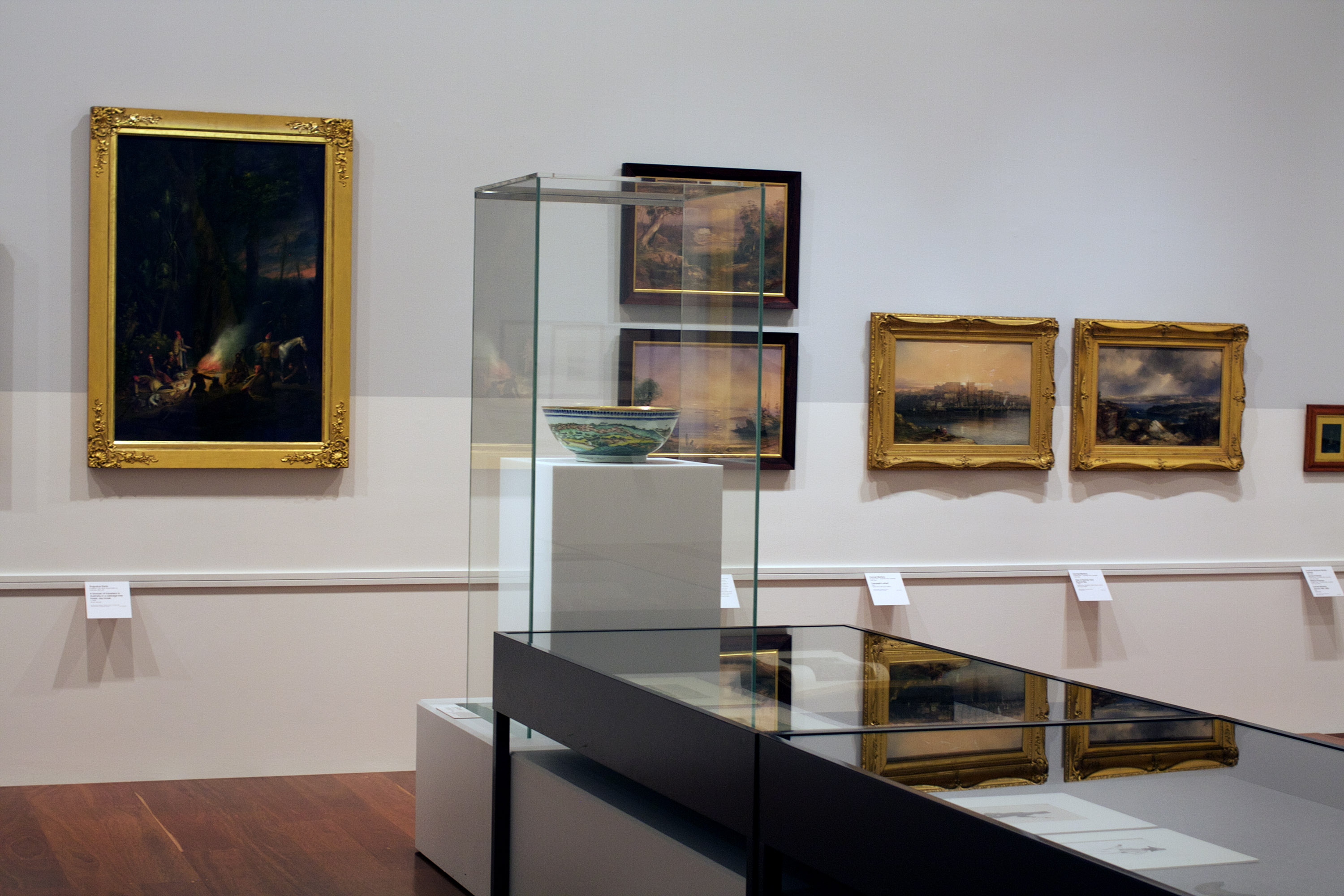


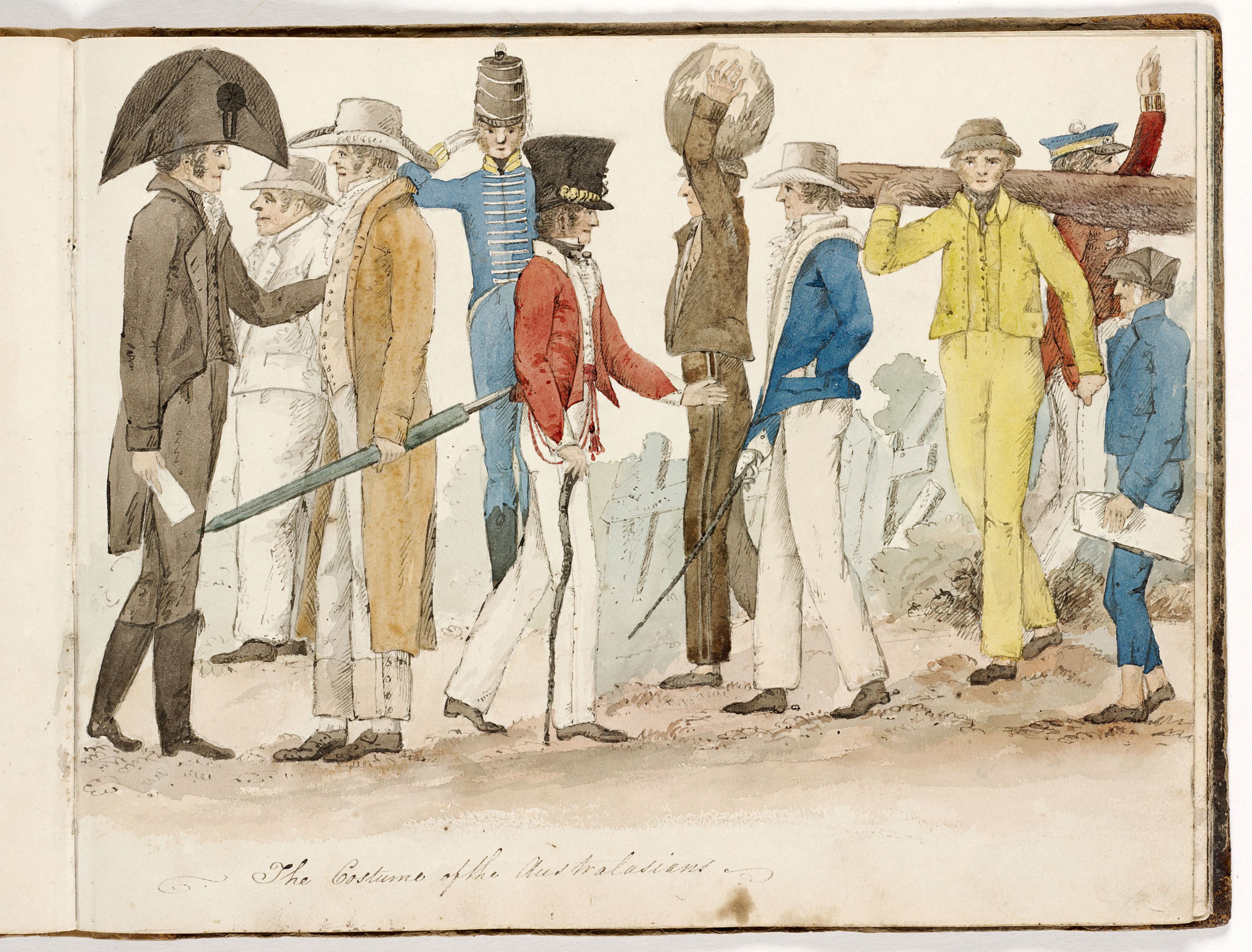


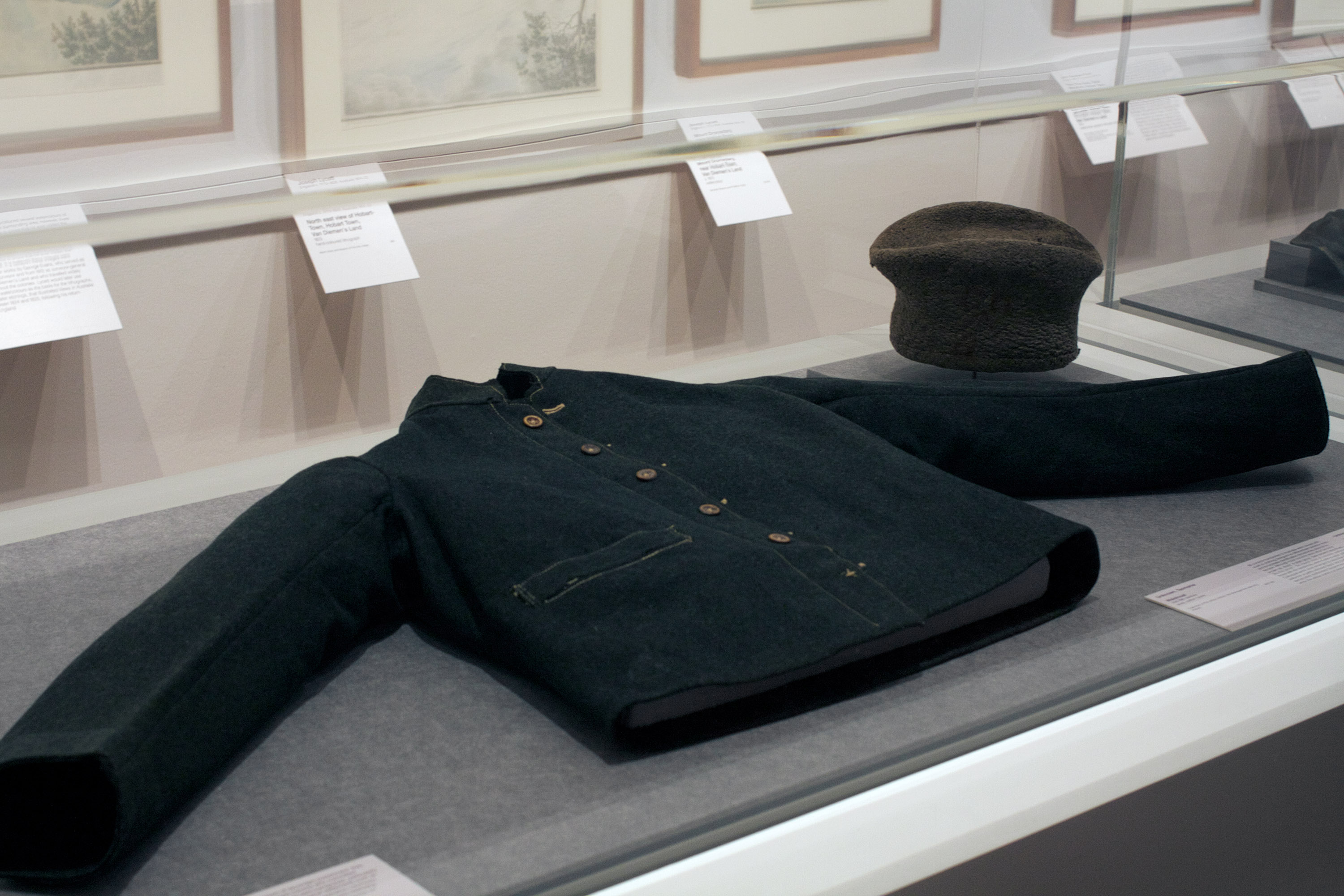


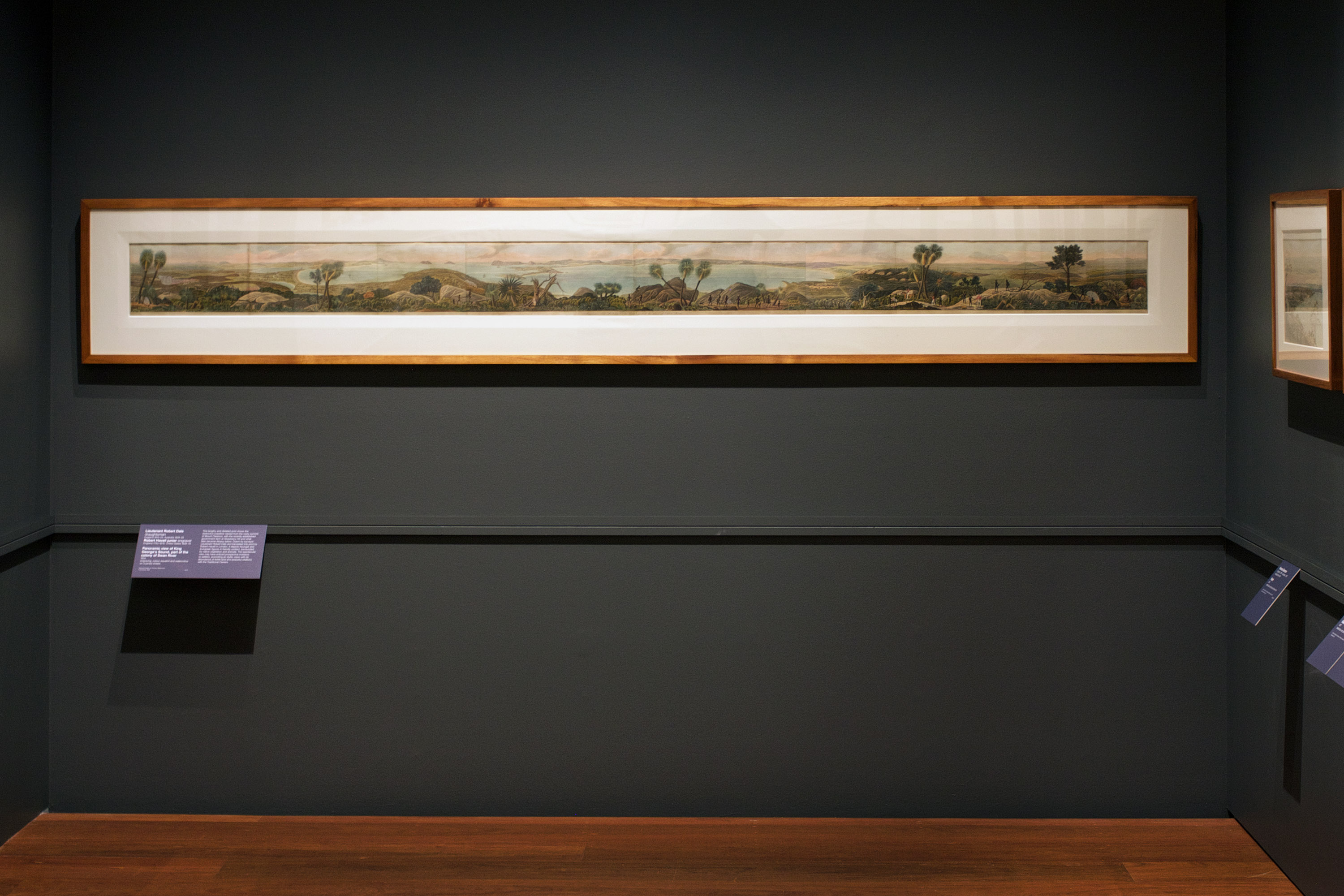

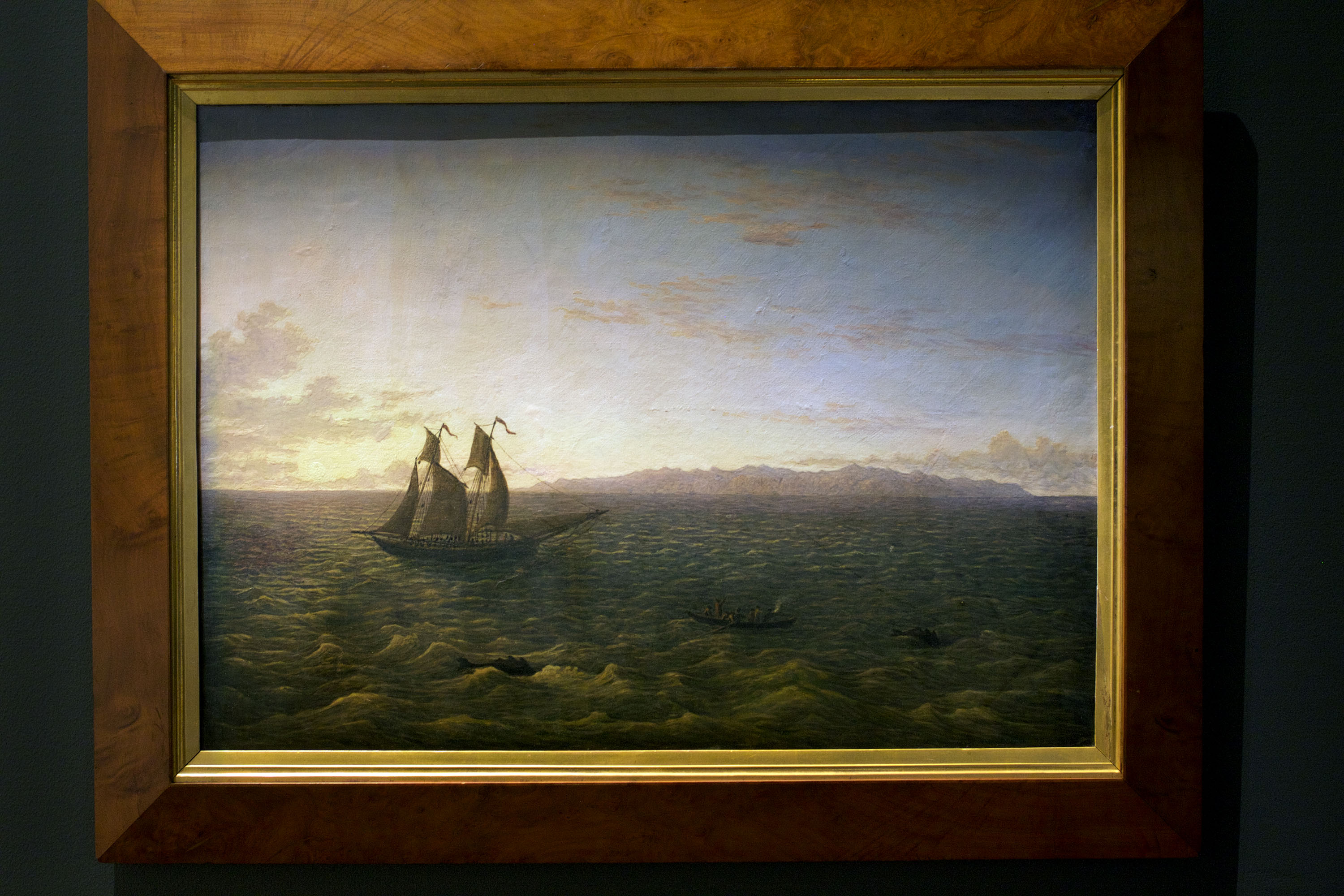
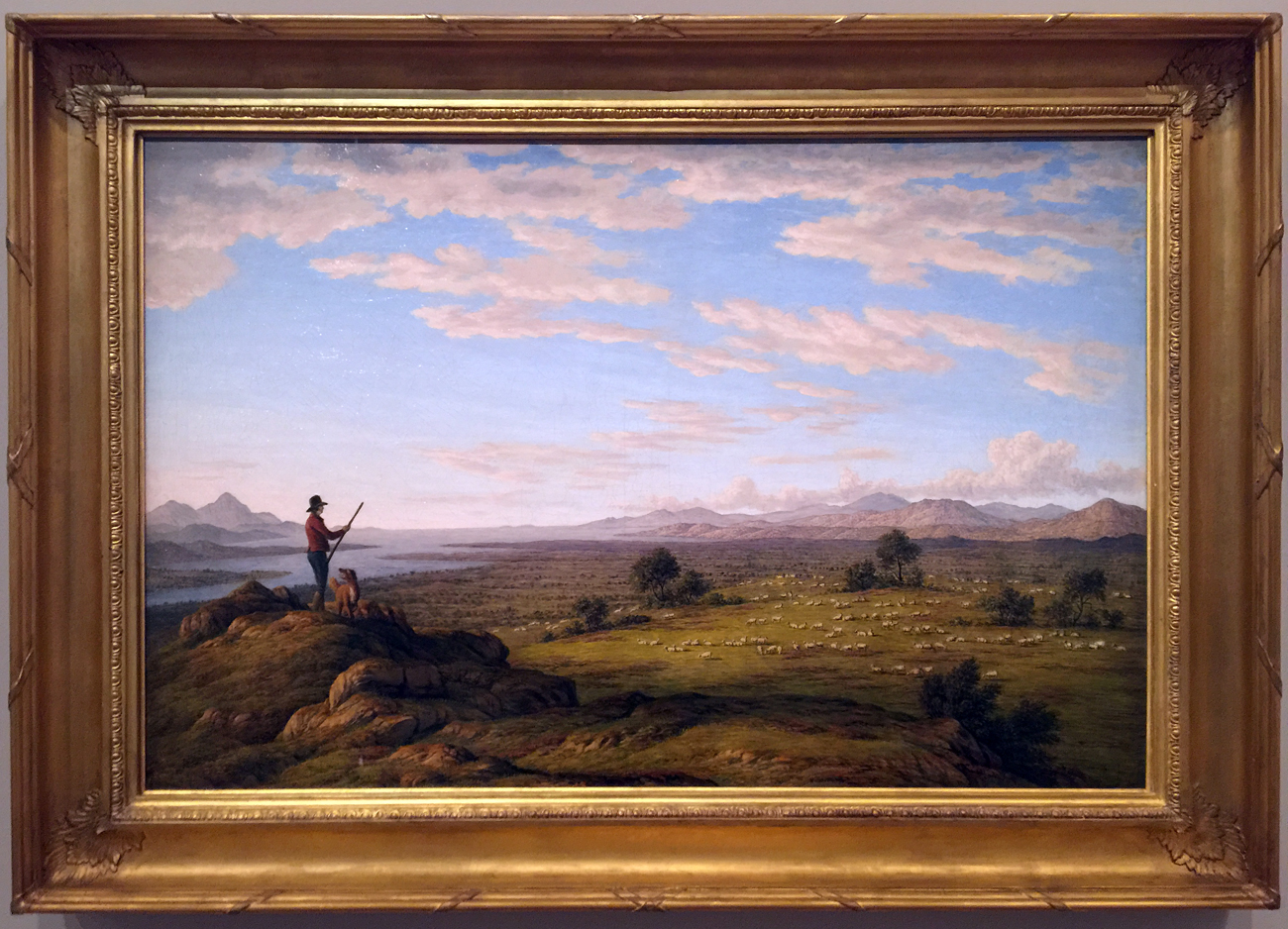


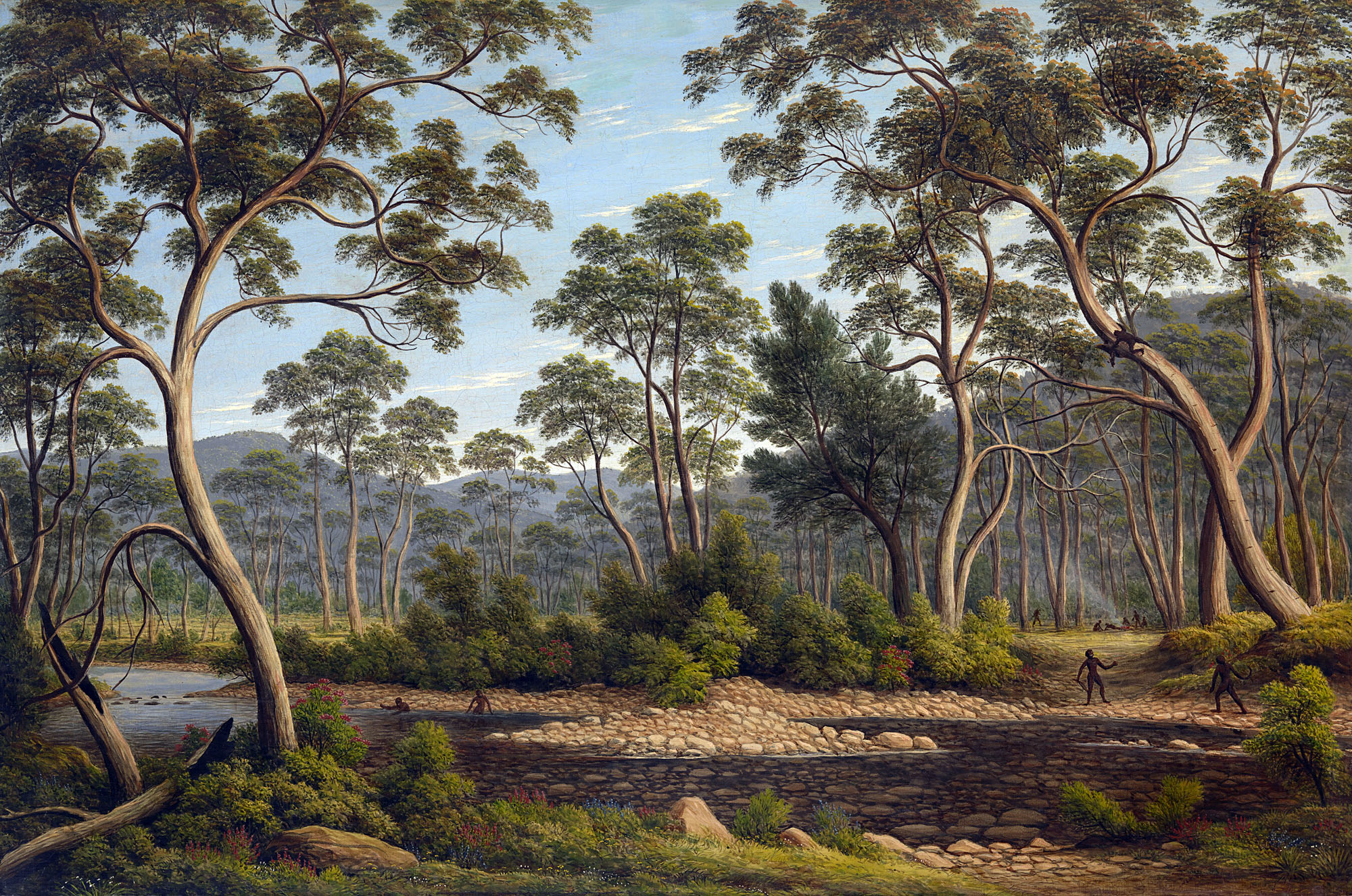

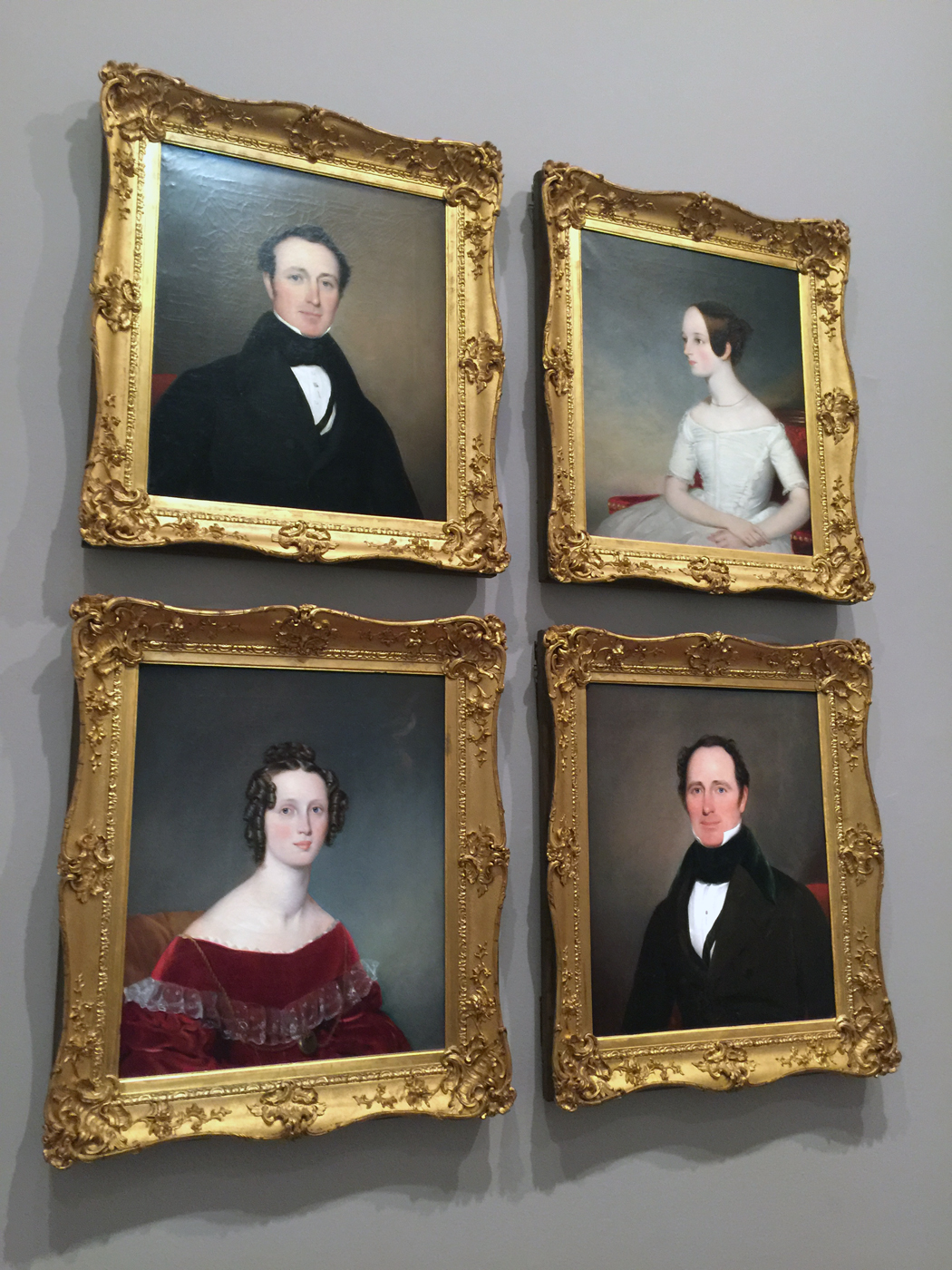


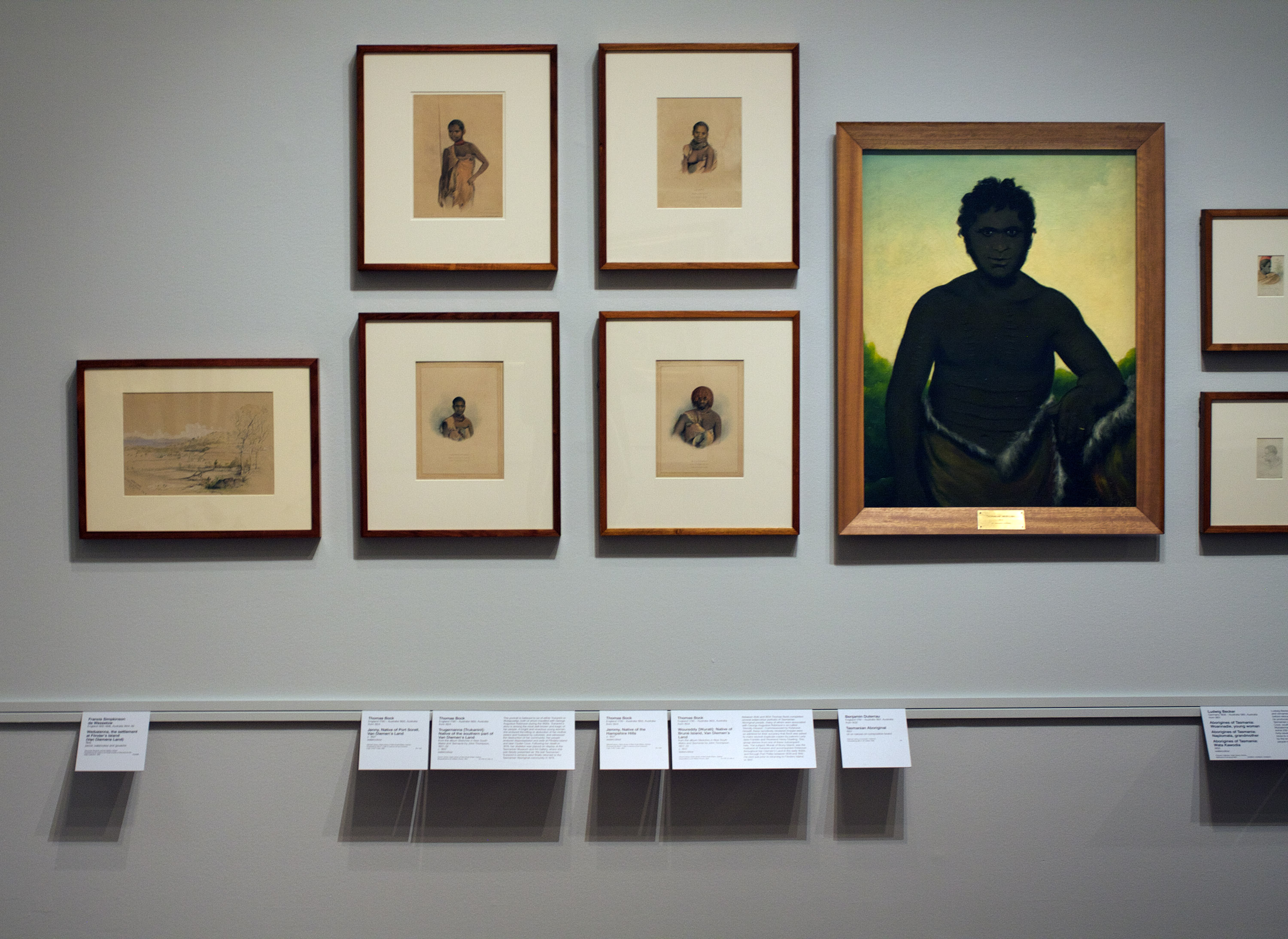
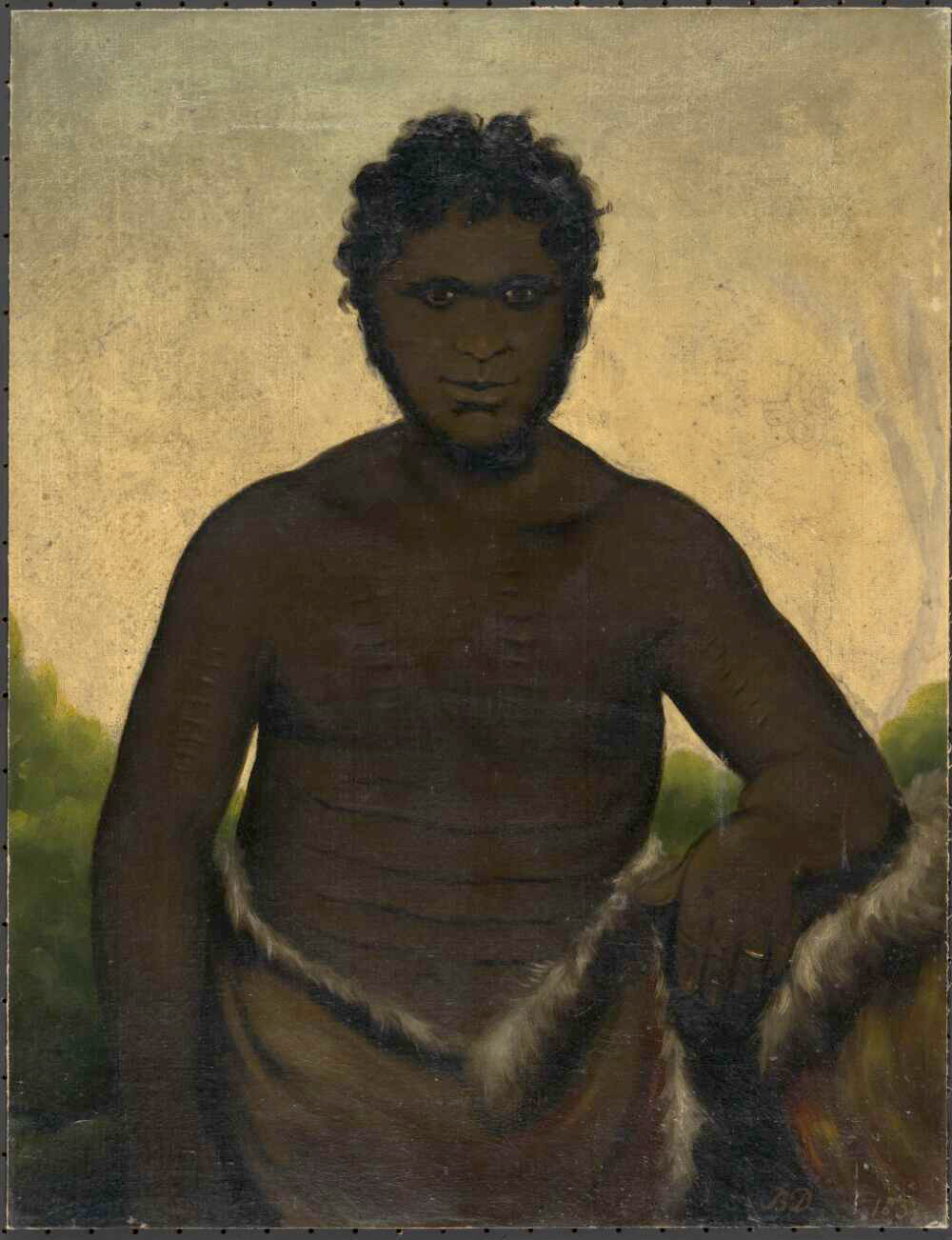
![Thomas Bock (England 1790 - Australia 1855, Australia from 1824) 'Woureddy [Wurati]: Native of Bruné Island, Van Diemen's Land' c. 1837](https://artblart.com/wp-content/uploads/2018/03/bock-woureddy-web.jpg "Thomas Bock (England 1790 - Australia 1855, Australia from 1824) 'Woureddy [Wurati]: Native of Bruné Island, Van Diemen's Land' c. 1837")
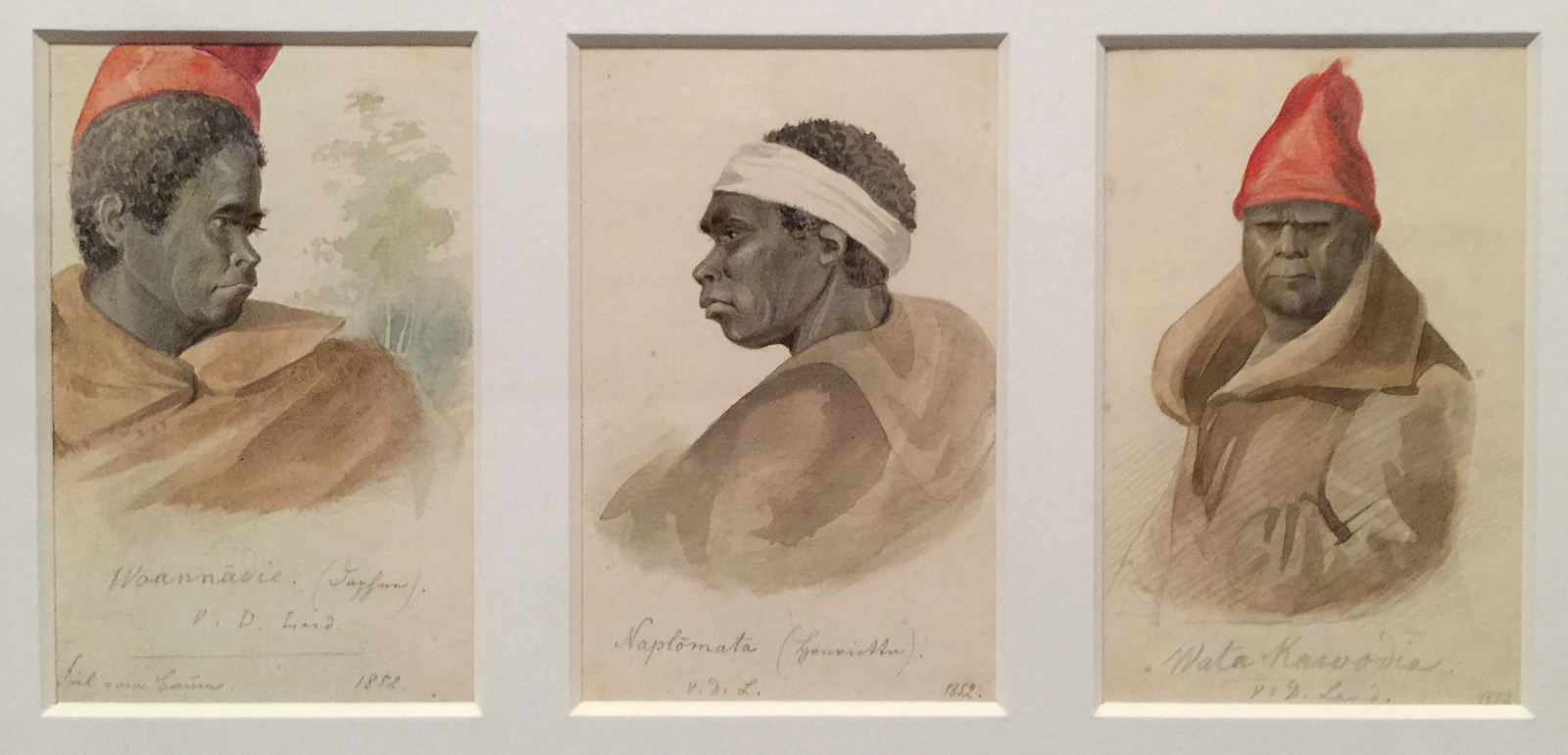


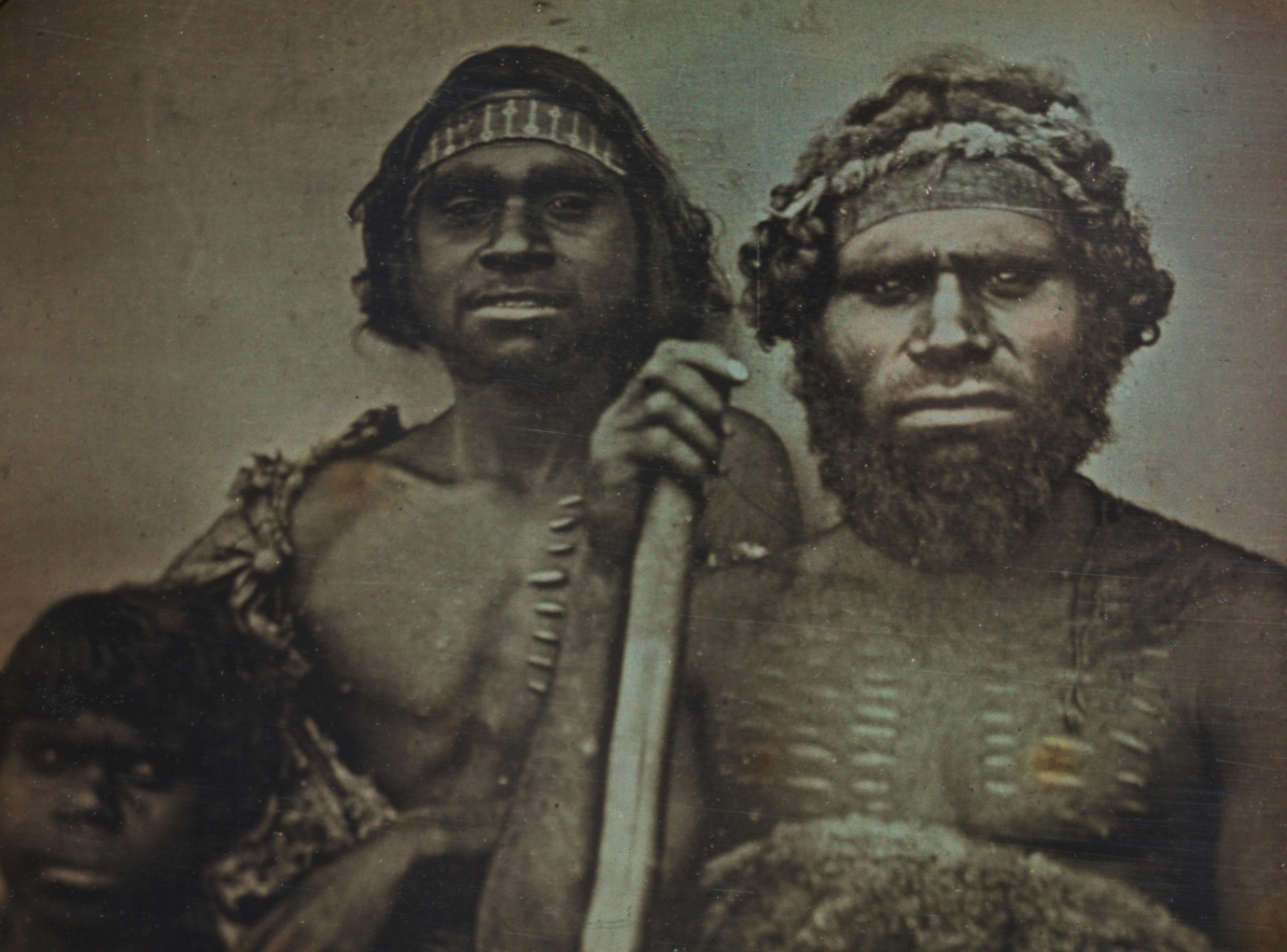


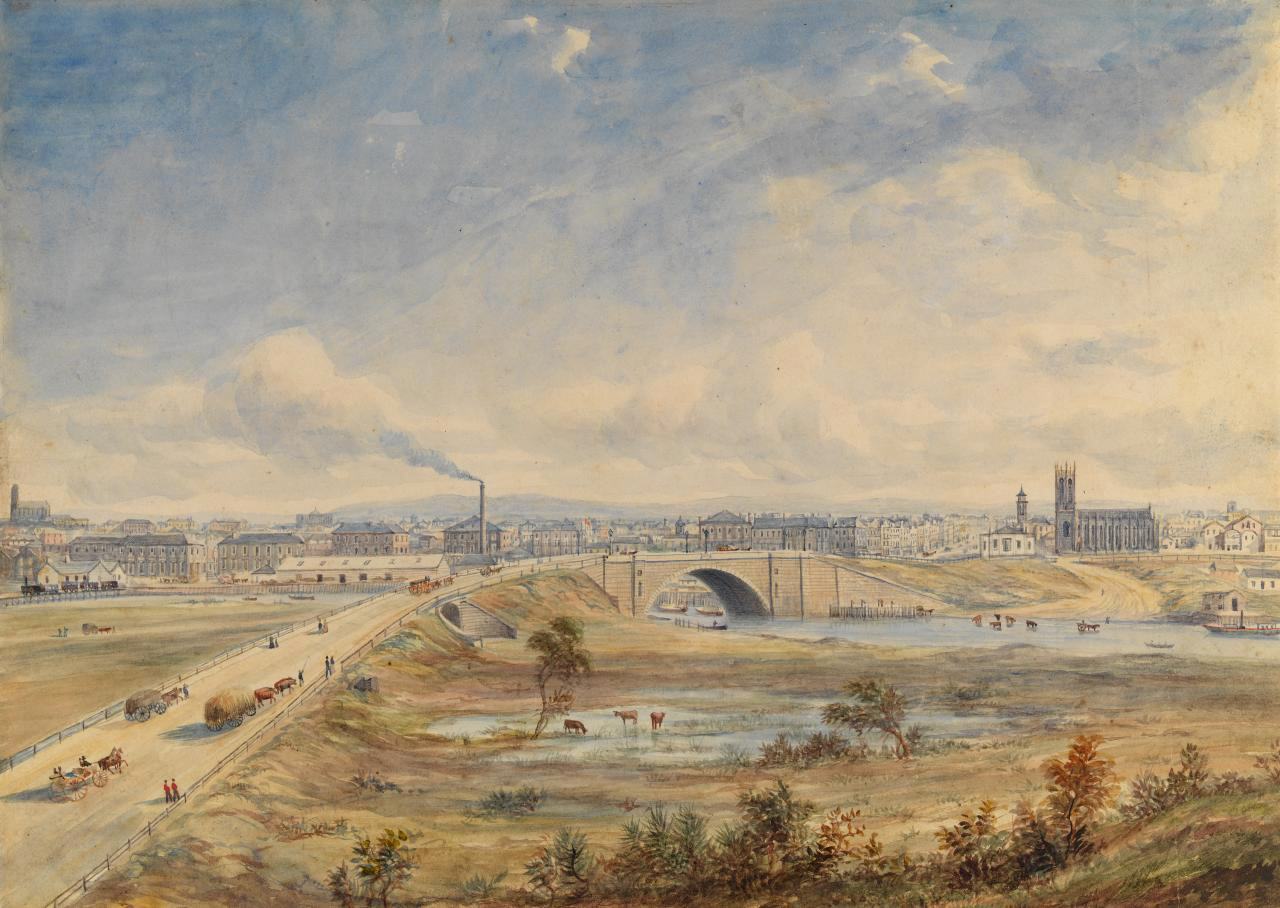
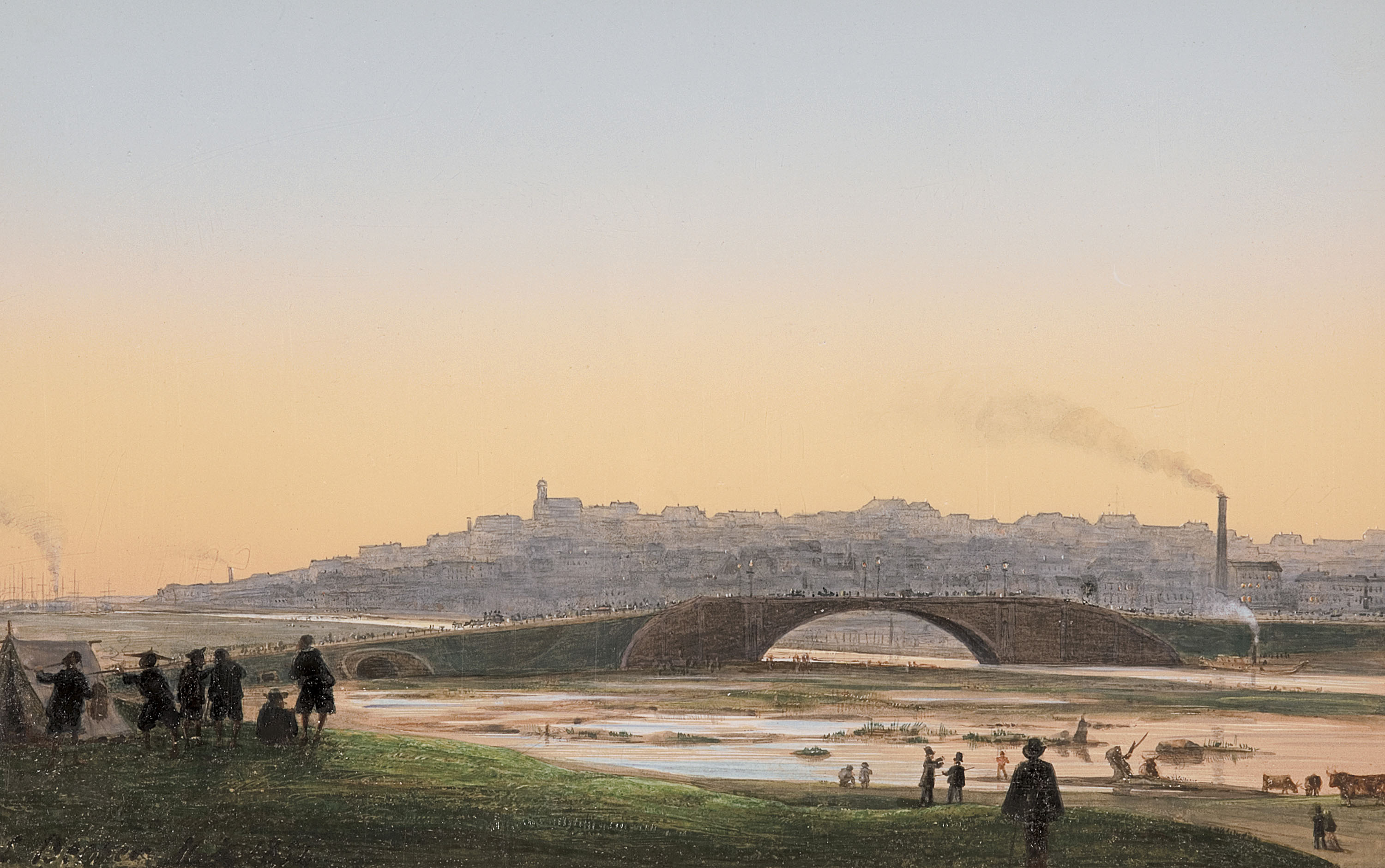

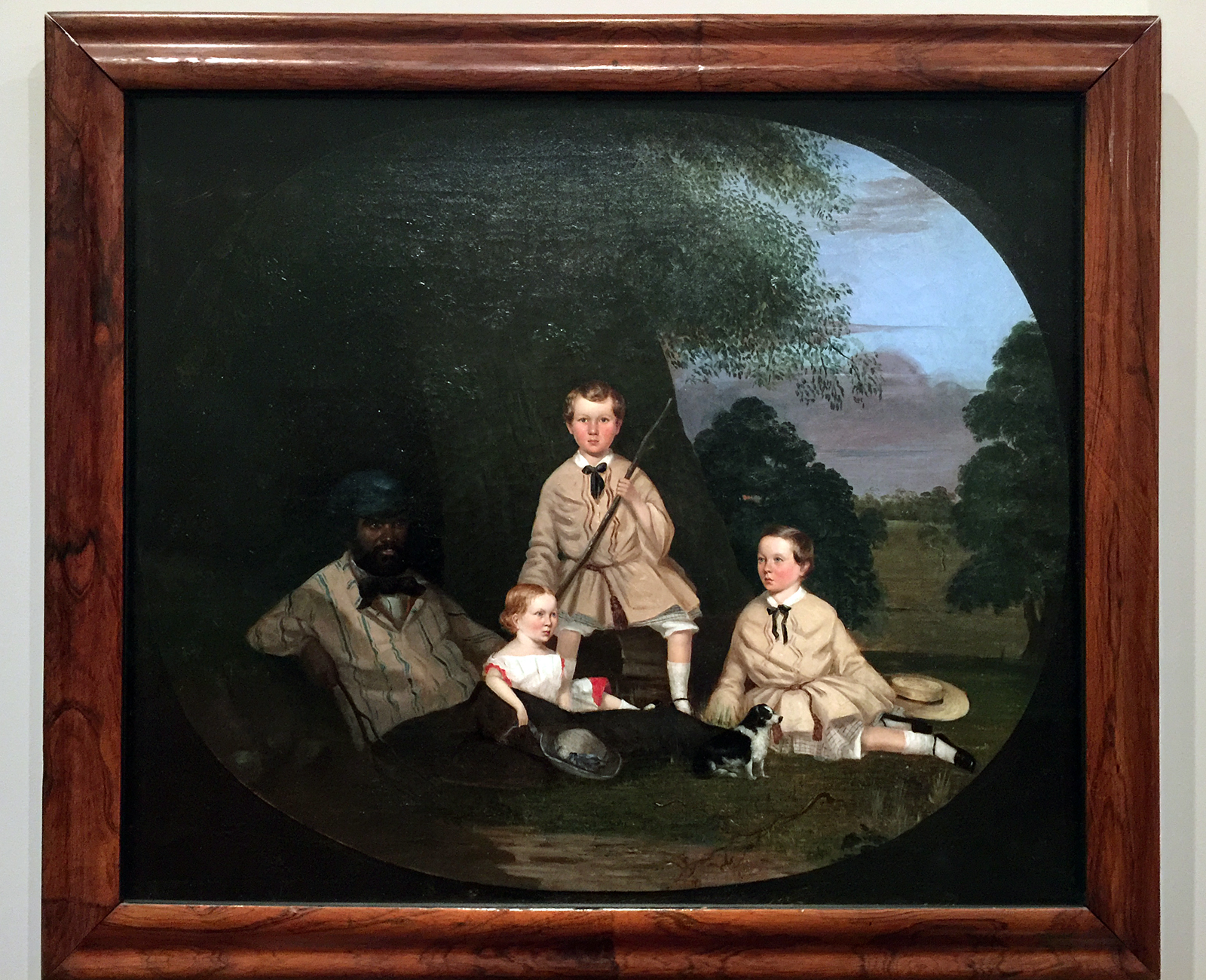


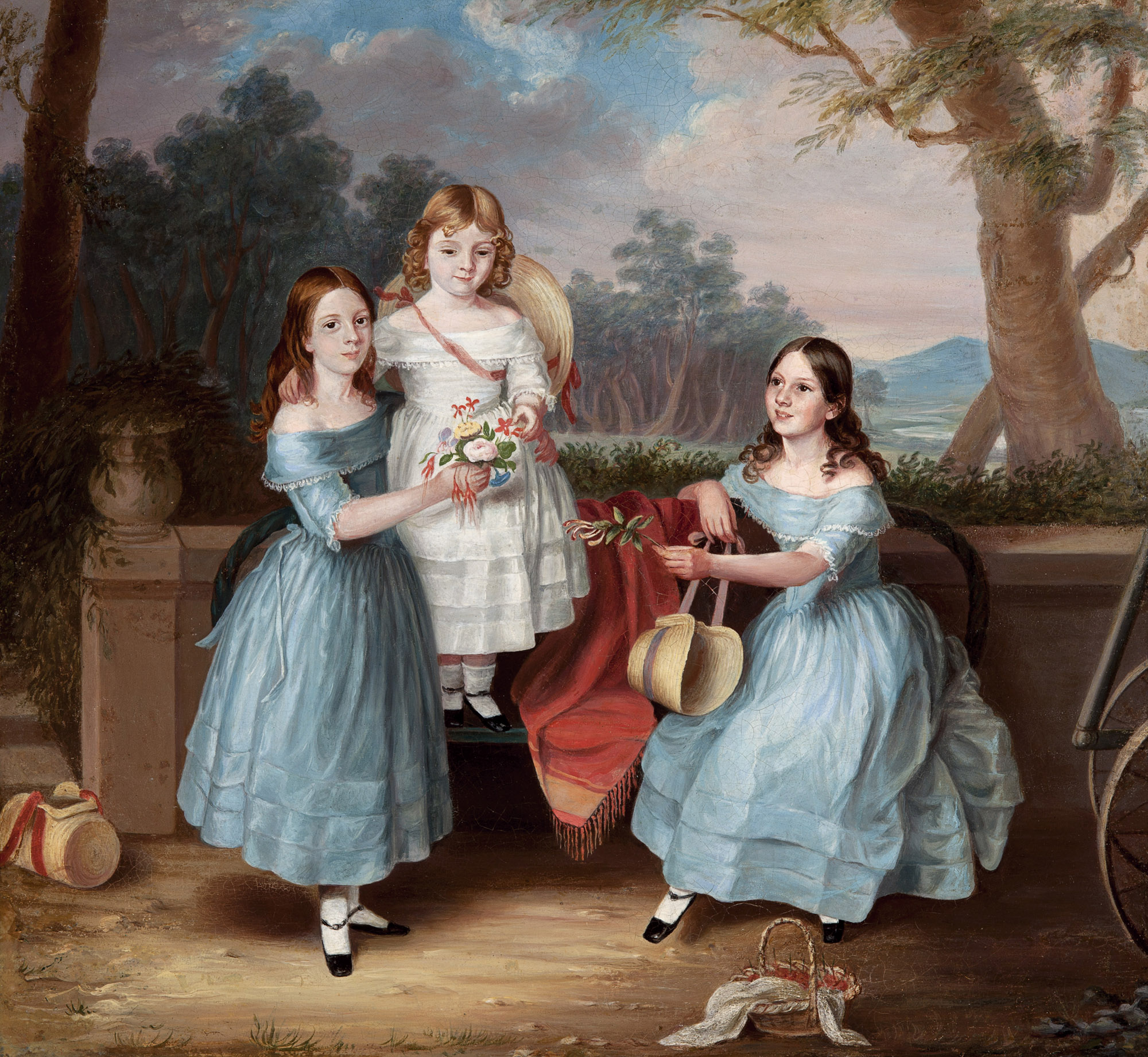


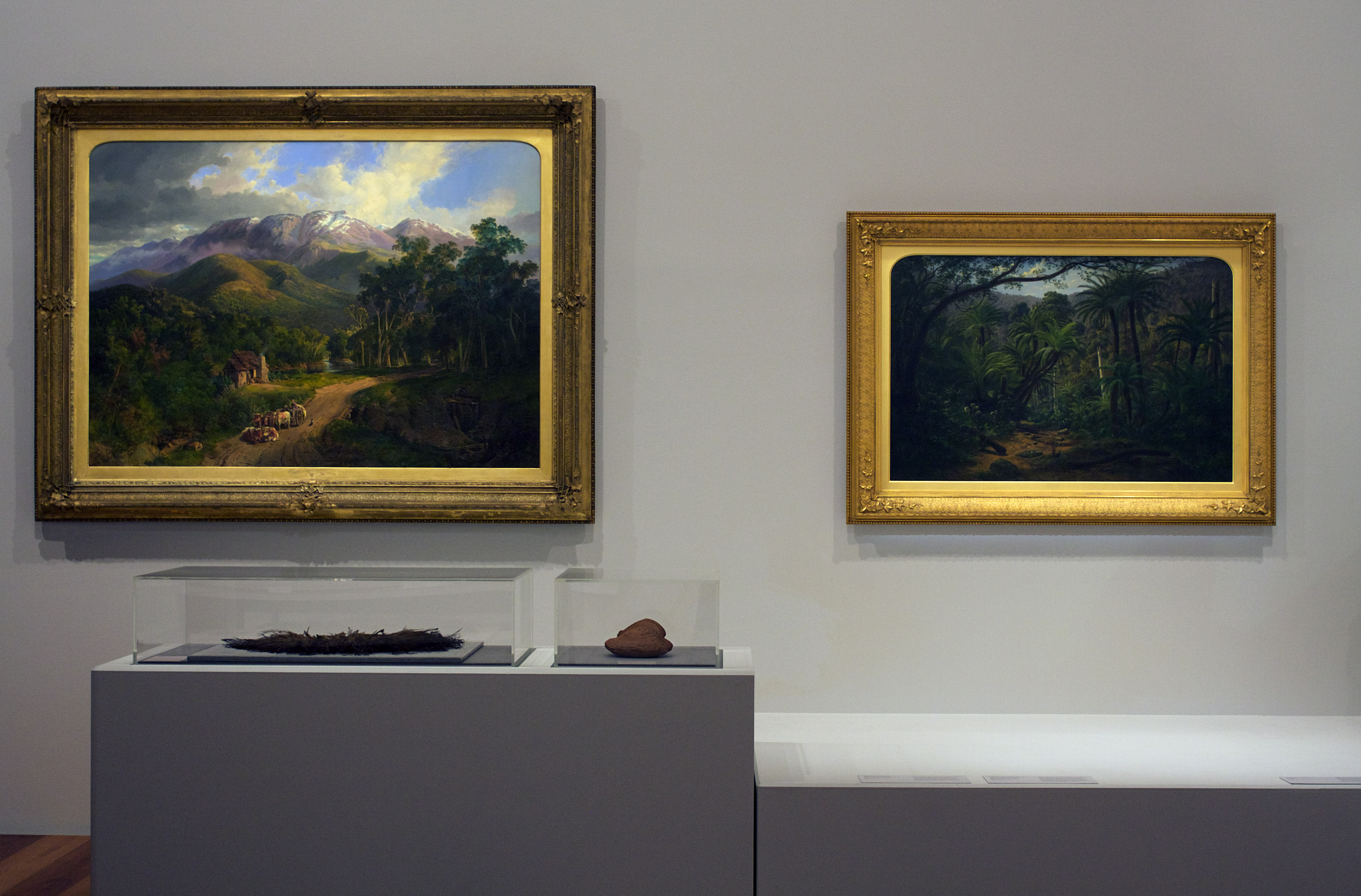

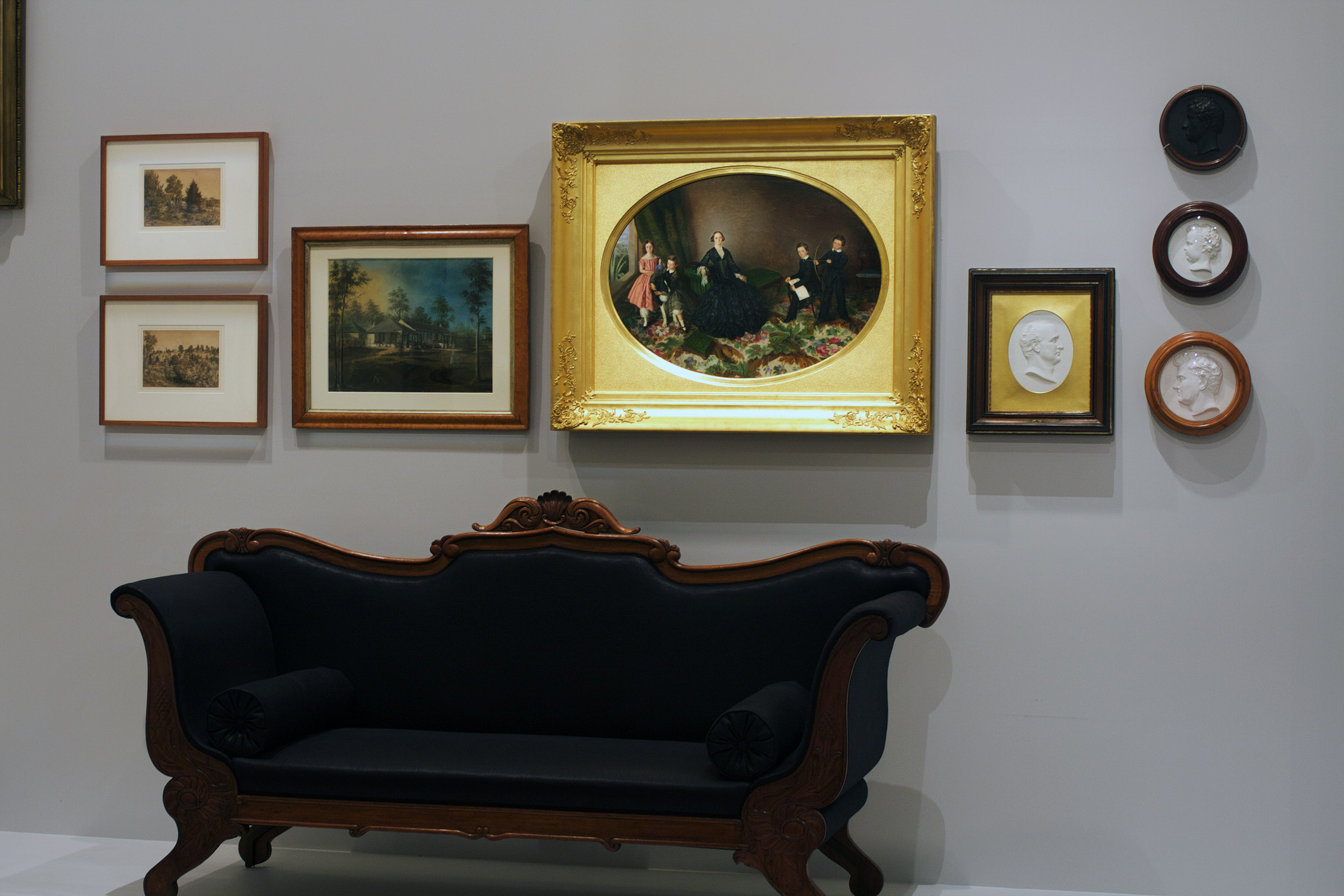


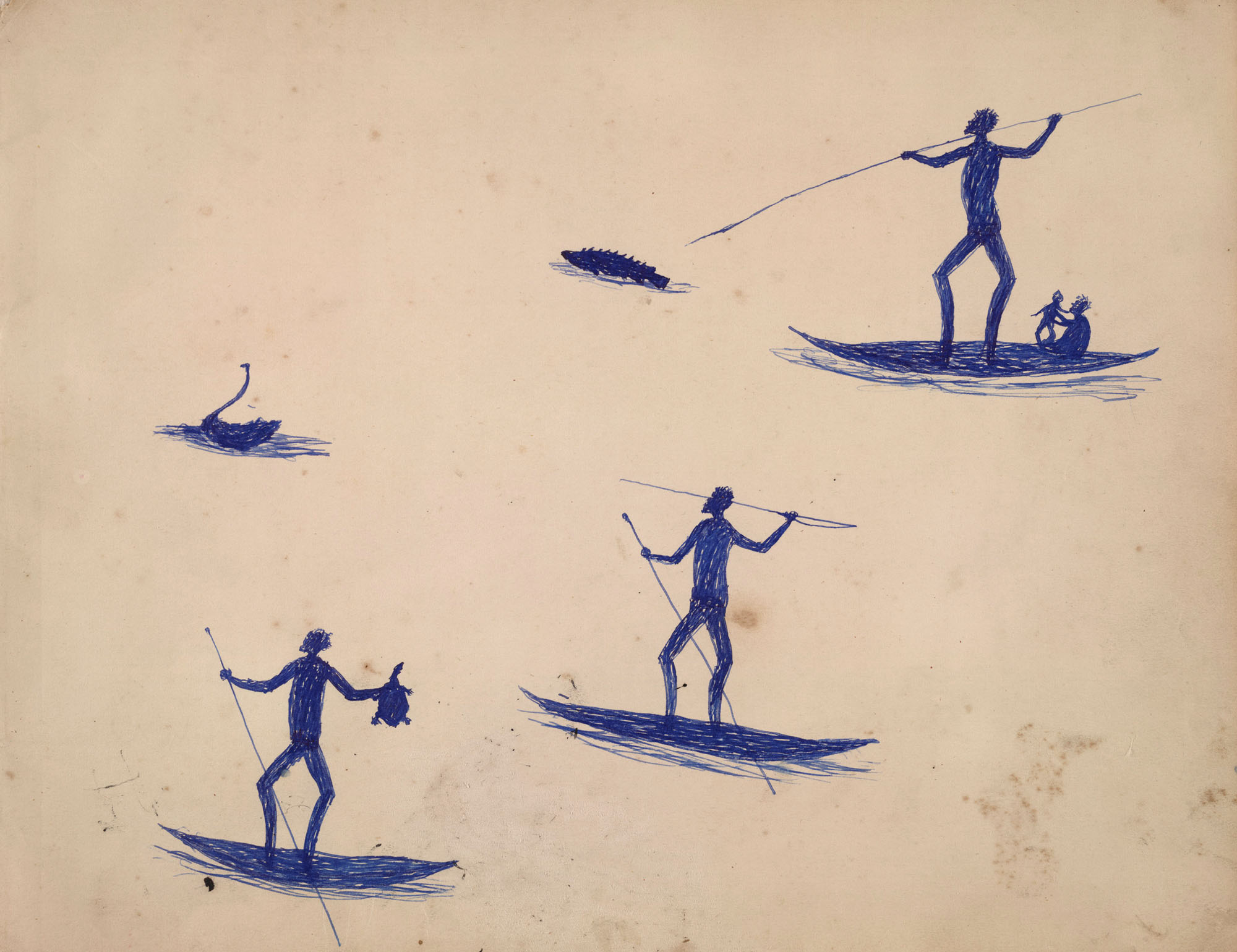


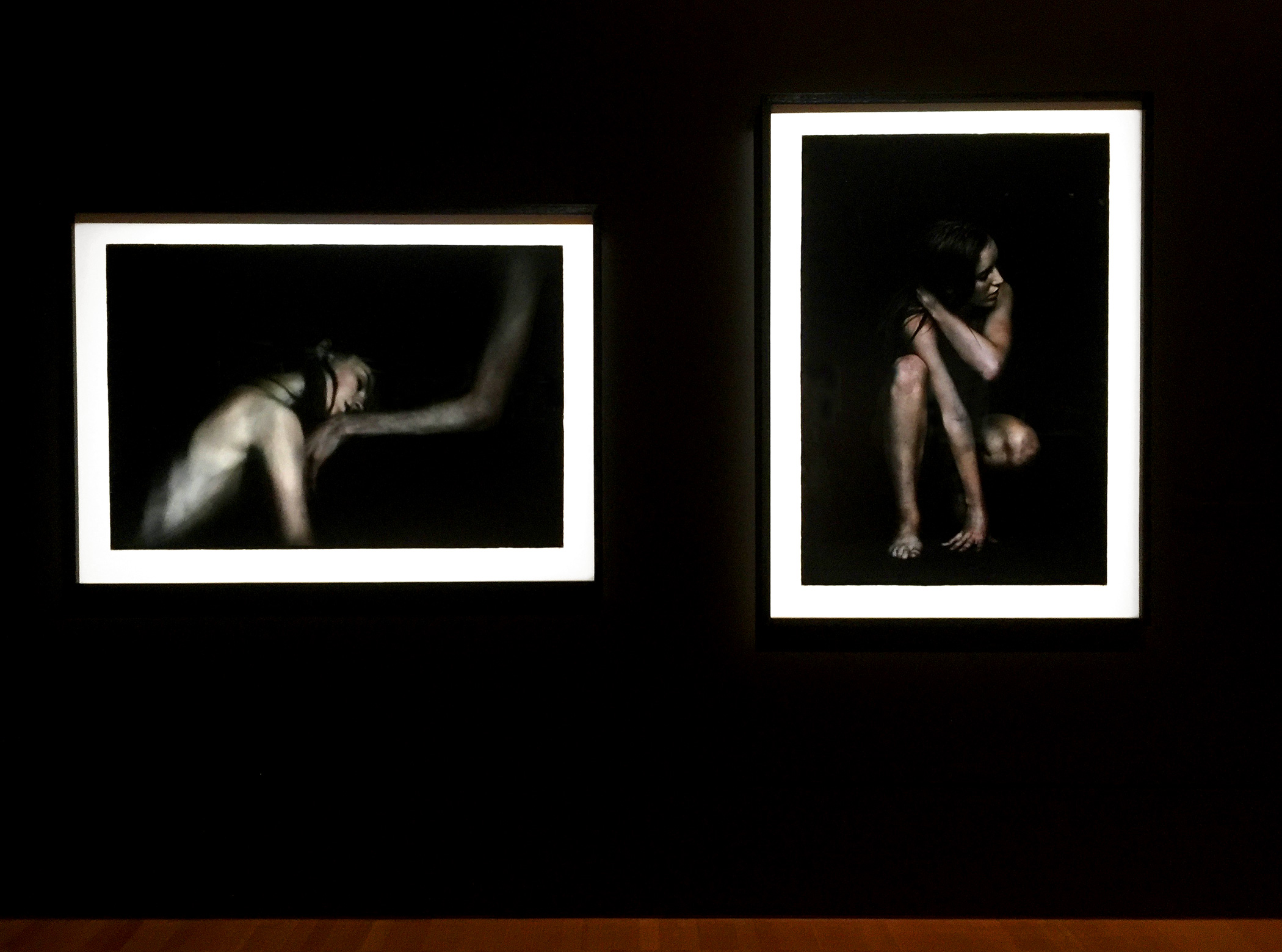
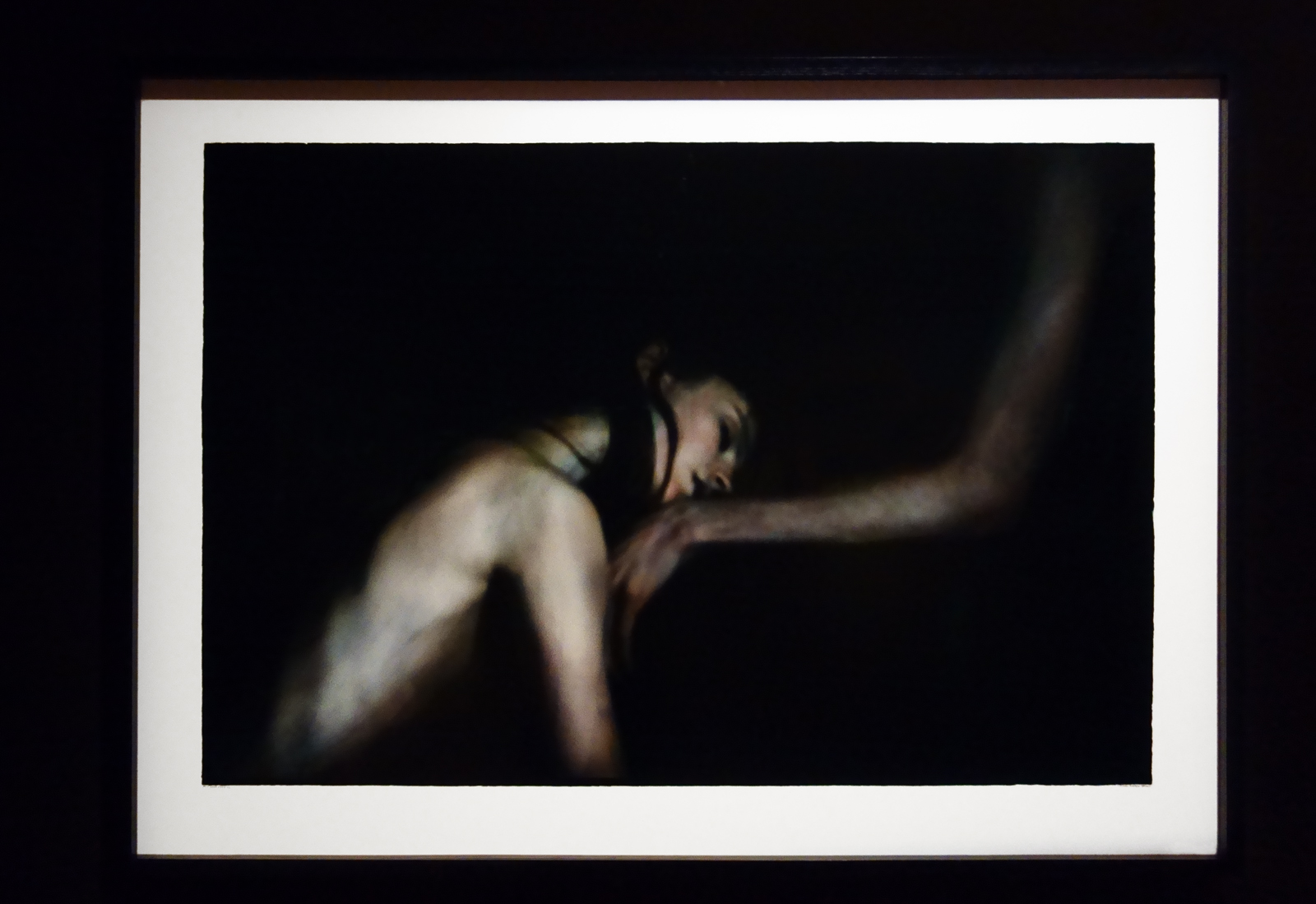













![Installation view of the exhibition 'Max and Olive: The photographic life of Olive Cotton and Max Dupain' at The Ian Potter Museum of Art, Melbourne showing at left, Max Dupain's 'Bawley Point landscape' (1938) and at middle, Dupain's 'Untitled [Factory chimney stacks]', 1940](https://artblart.com/wp-content/uploads/2016/07/installation-h.jpg "Installation view of the exhibition 'Max and Olive: The photographic life of Olive Cotton and Max Dupain' at The Ian Potter Museum of Art, Melbourne showing at left, Max Dupain's 'Bawley Point landscape' (1938) and at middle, Dupain's 'Untitled [Factory chimney stacks]', 1940")


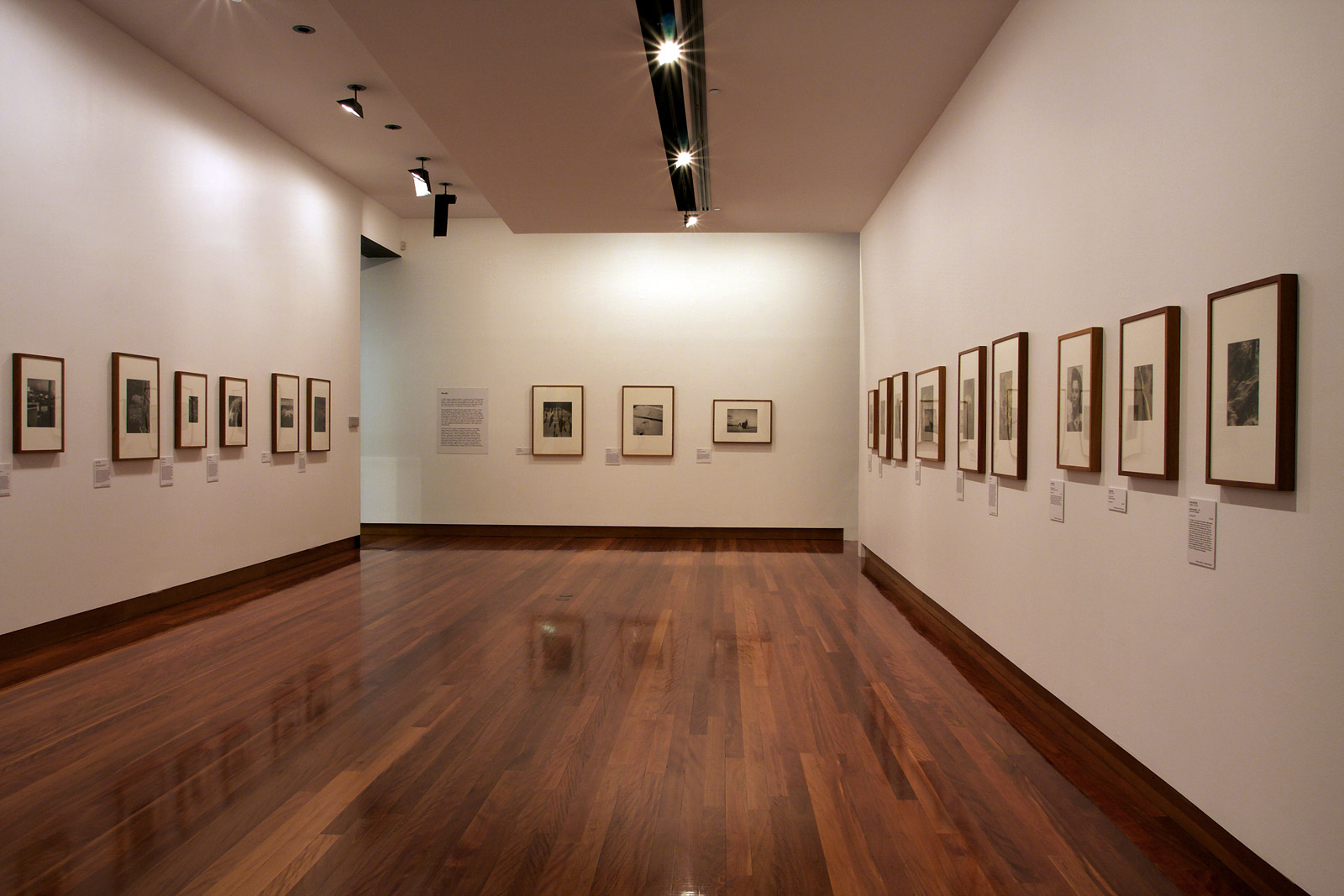


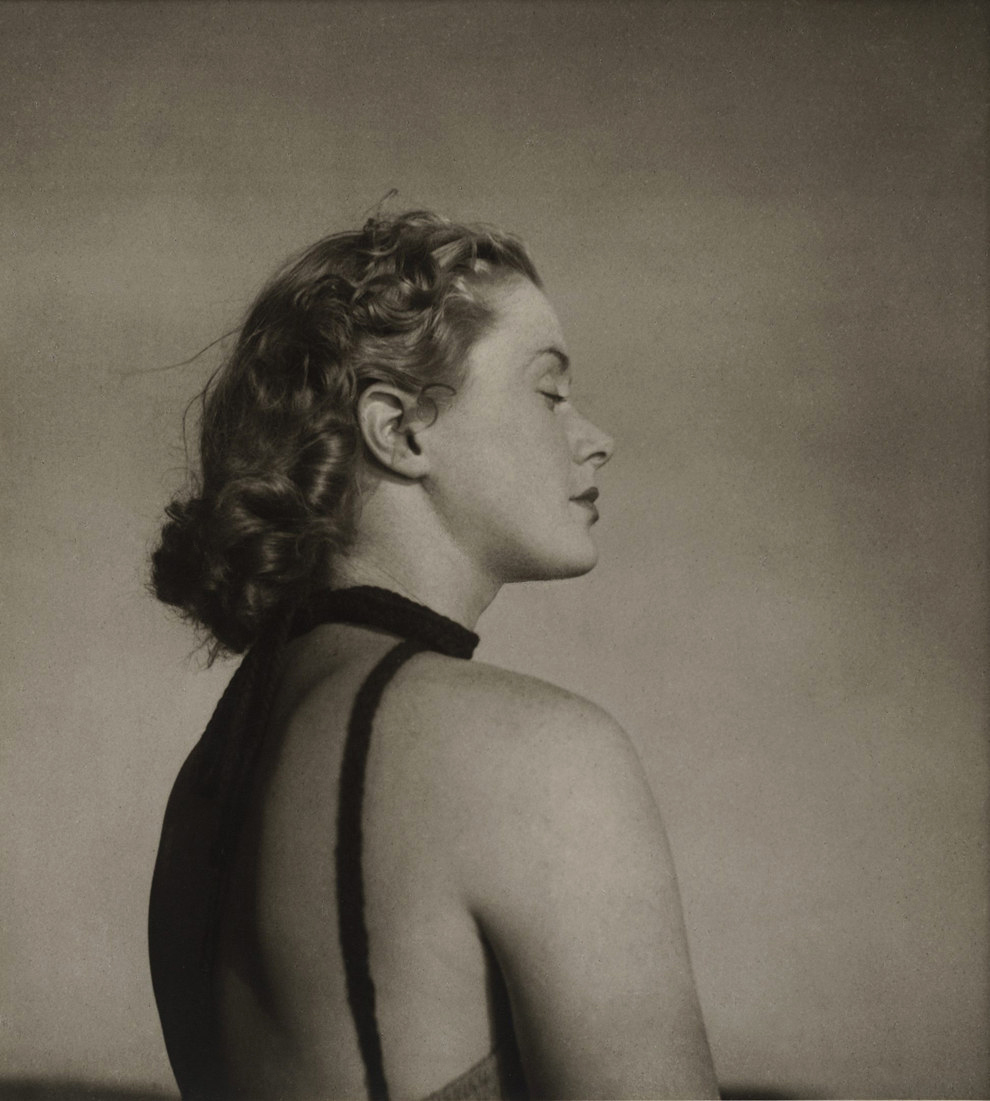
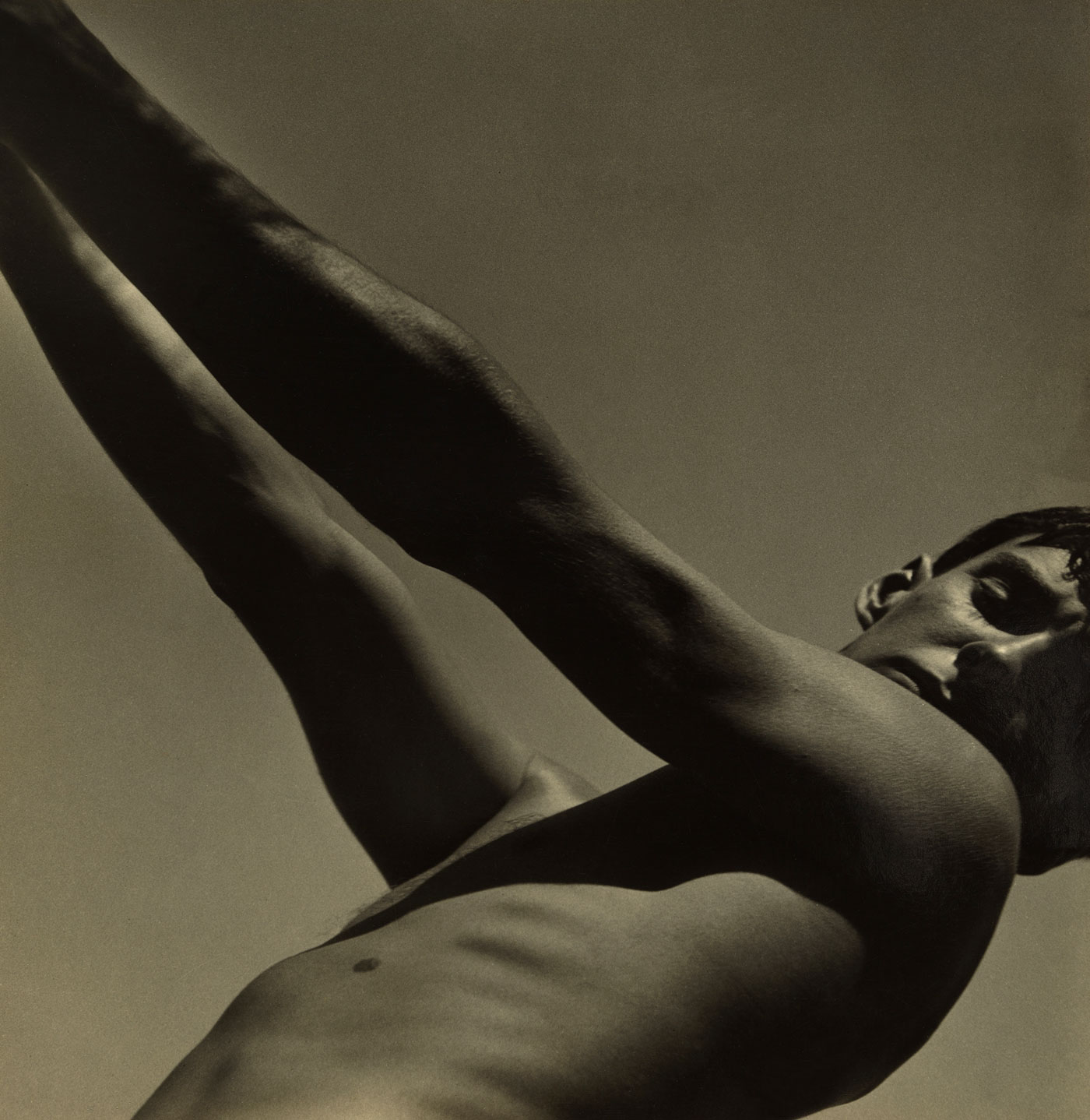
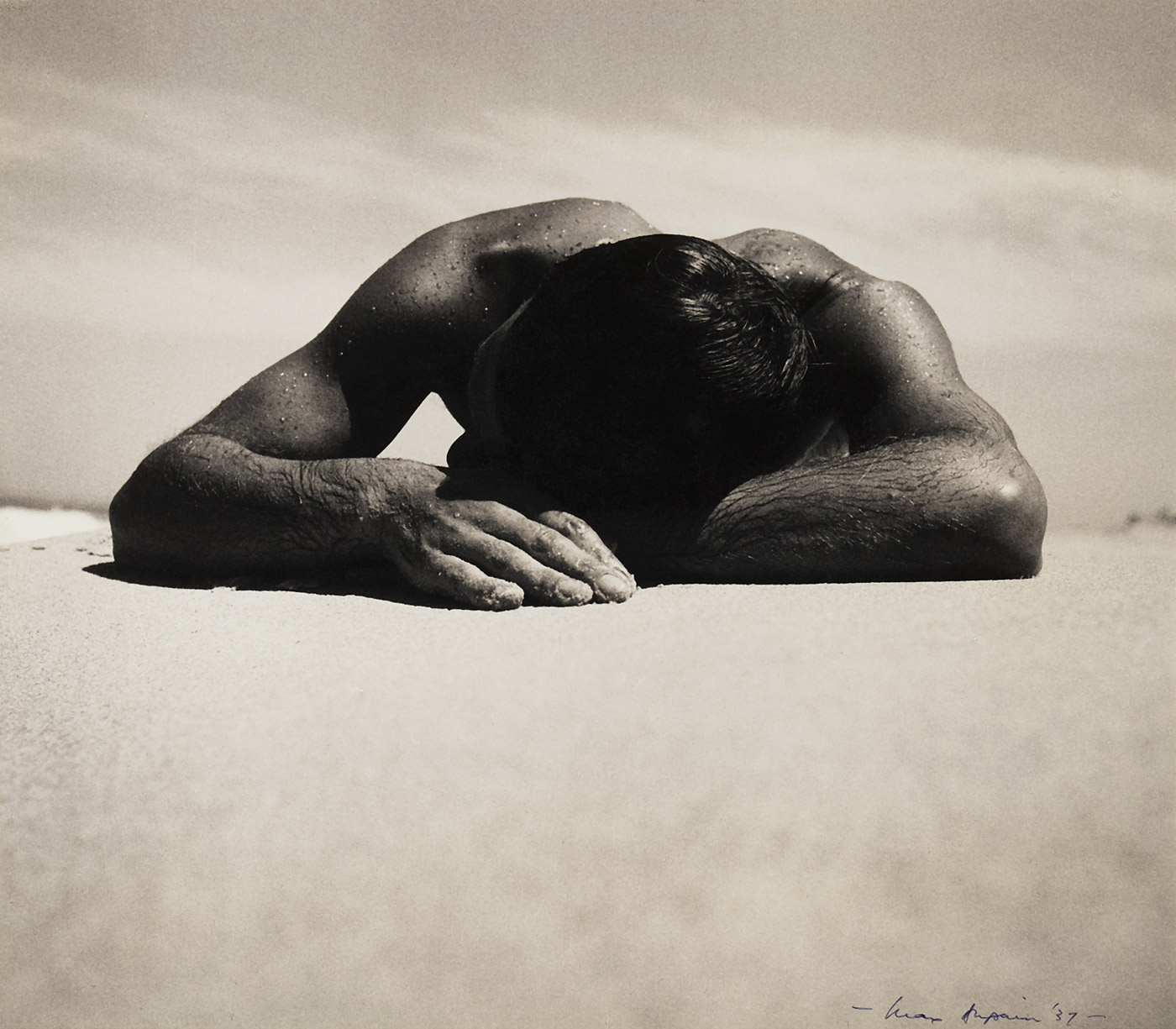

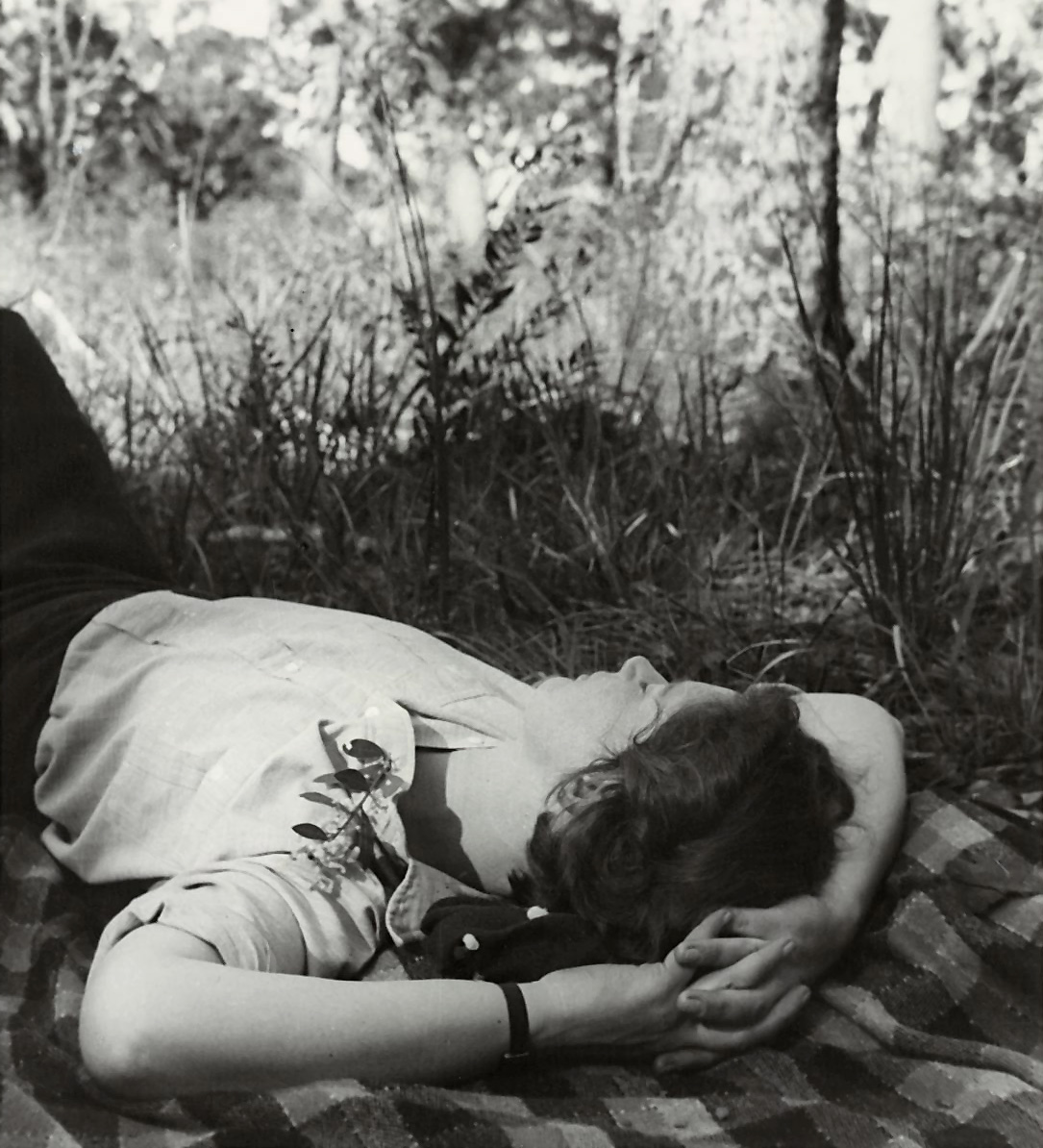
![Max Dupain (Australian, 1911-1992) 'Untitled [Olive Cotton in Wheat Fields]' Nd (probably late 1930s)](https://artblart.com/wp-content/uploads/2016/07/dupain-olive-cotton-in-wheat-fields-nd-web.jpg "Max Dupain (Australian, 1911-1992) 'Untitled [Olive Cotton in Wheat Fields]' Nd (probably late 1930s)")


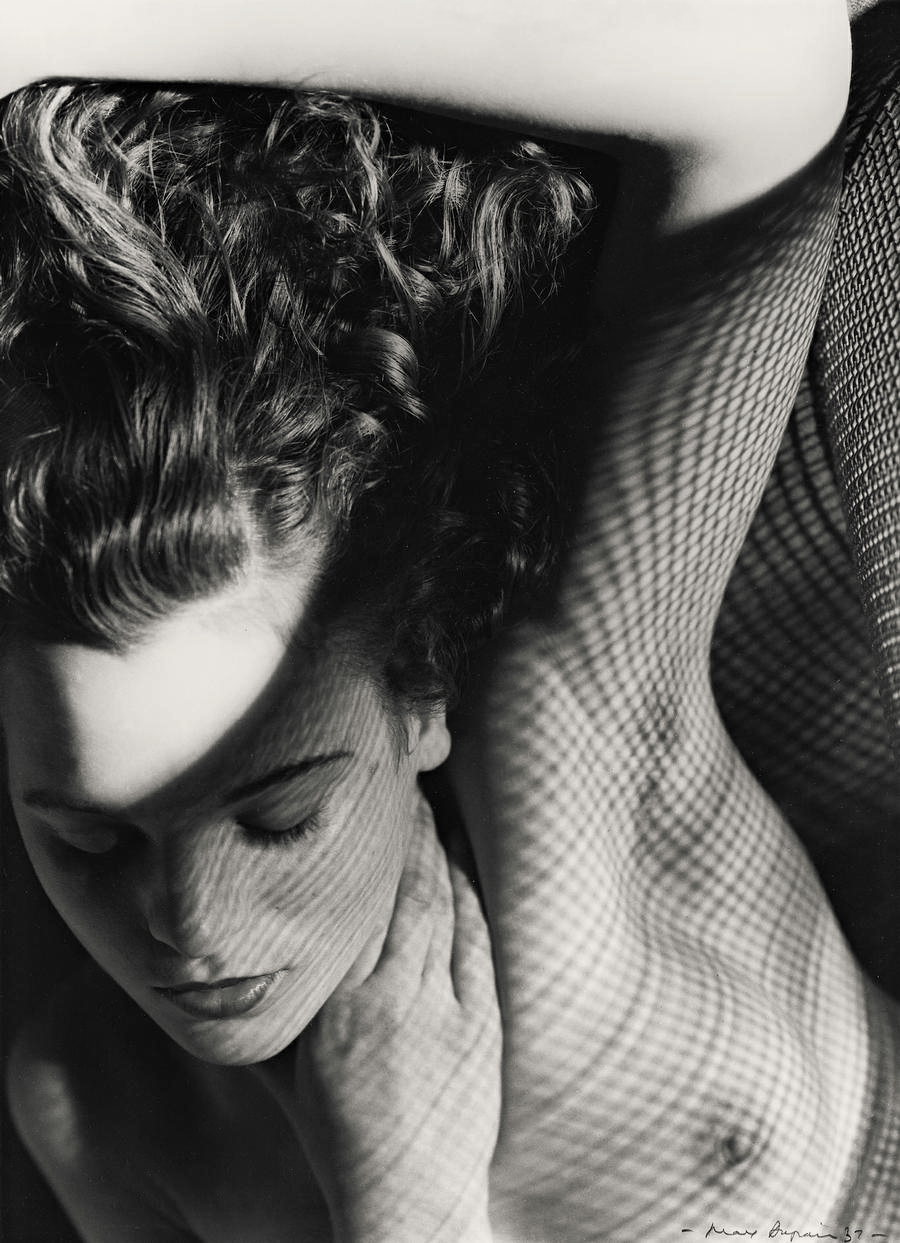
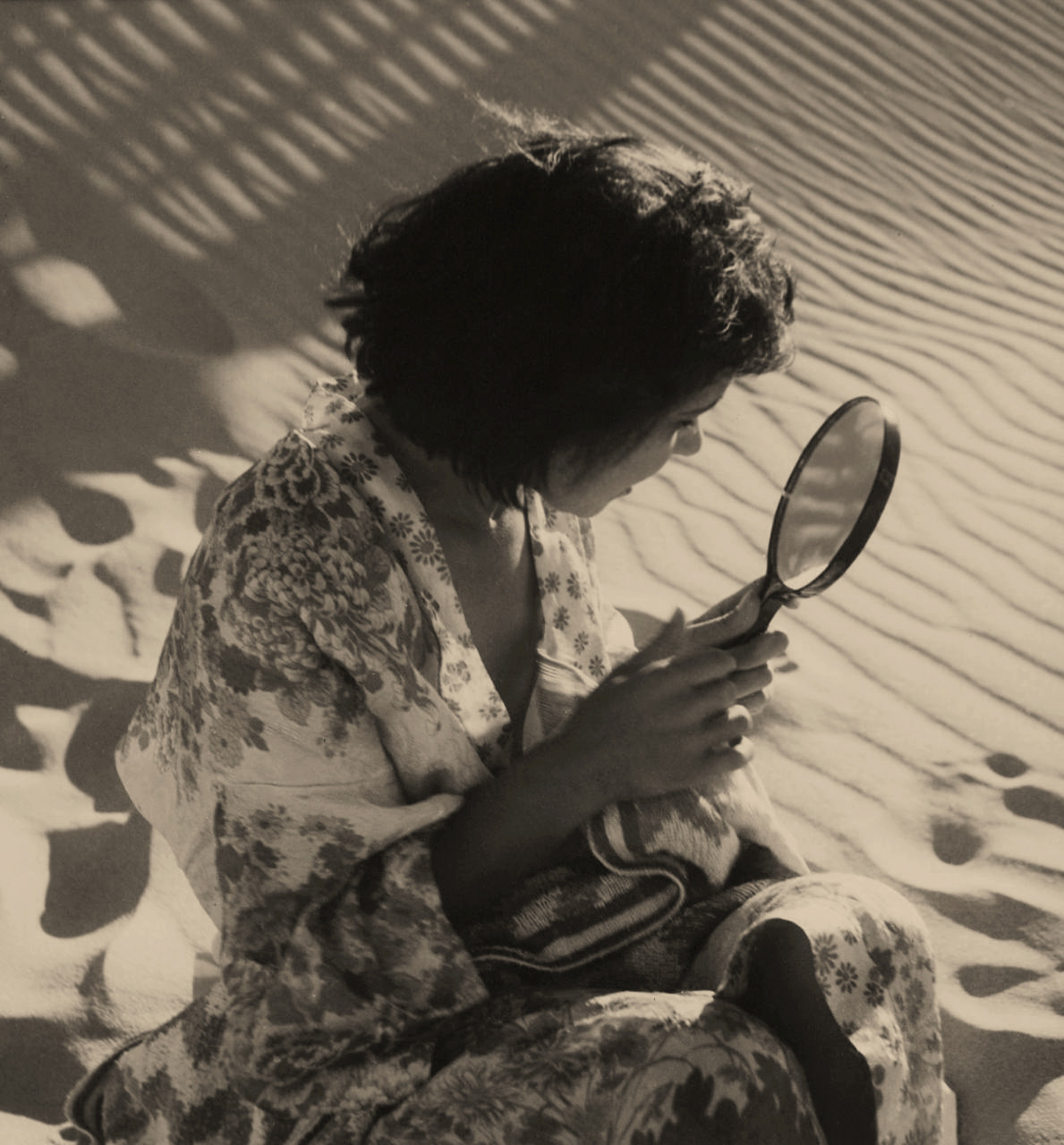

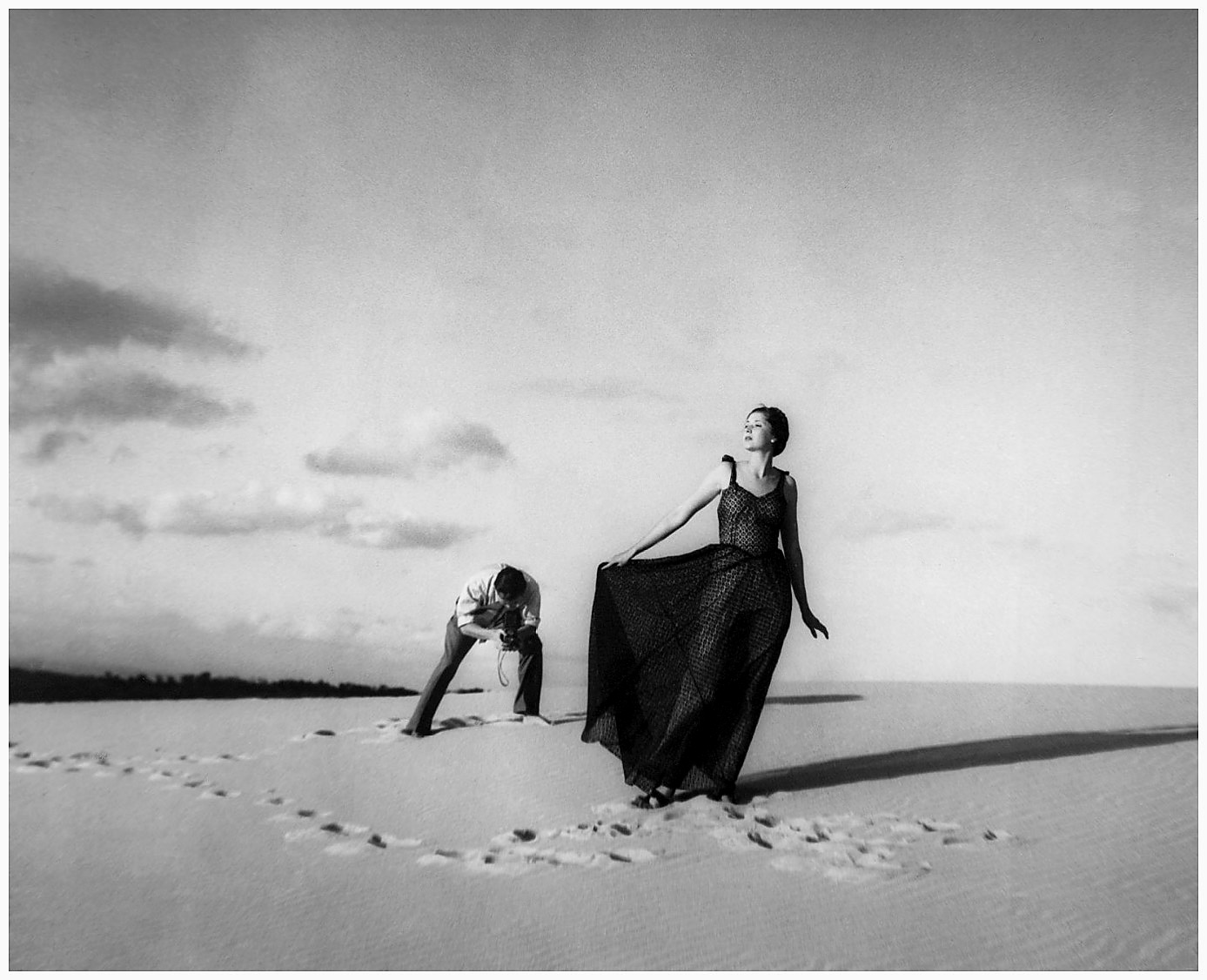
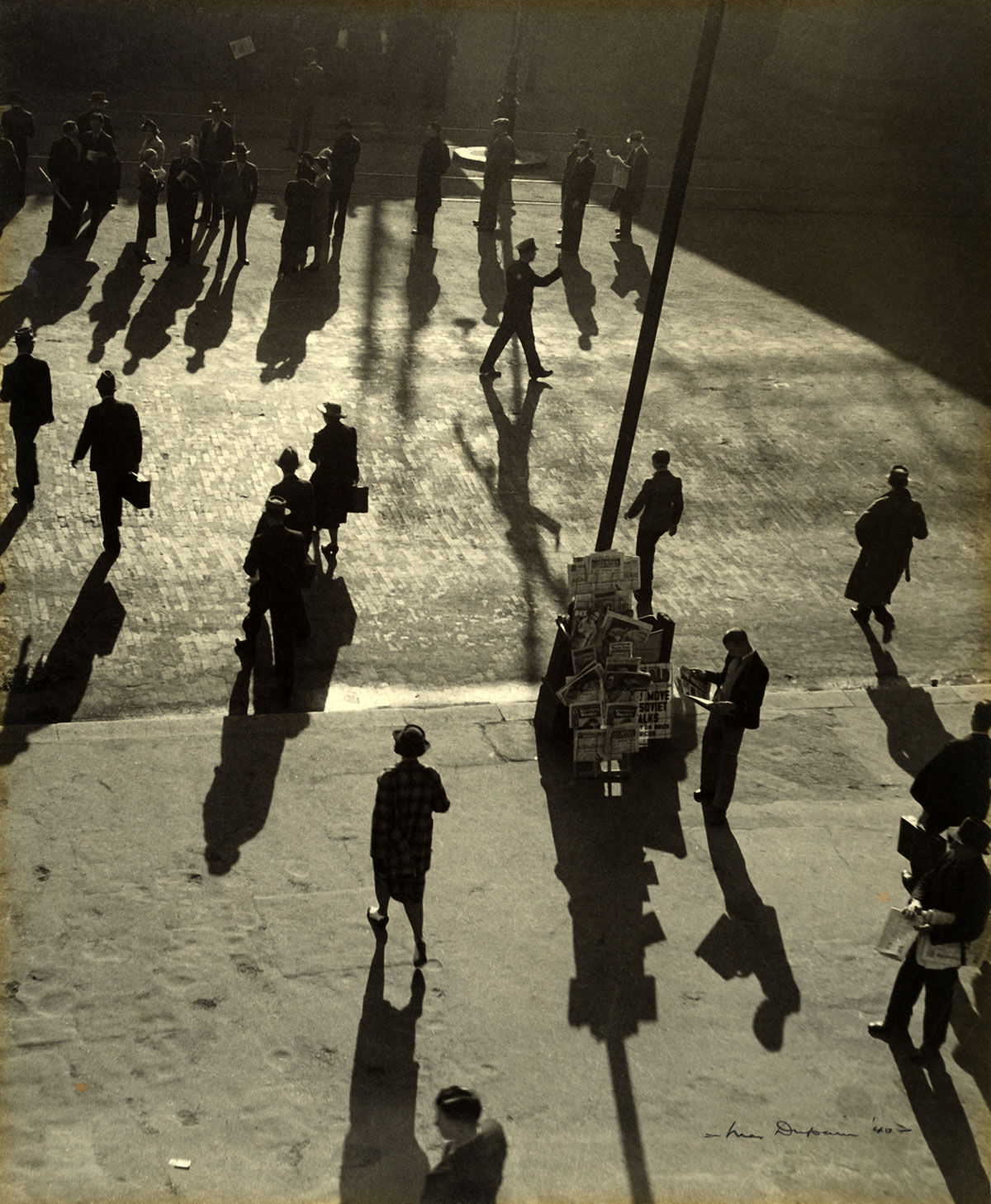


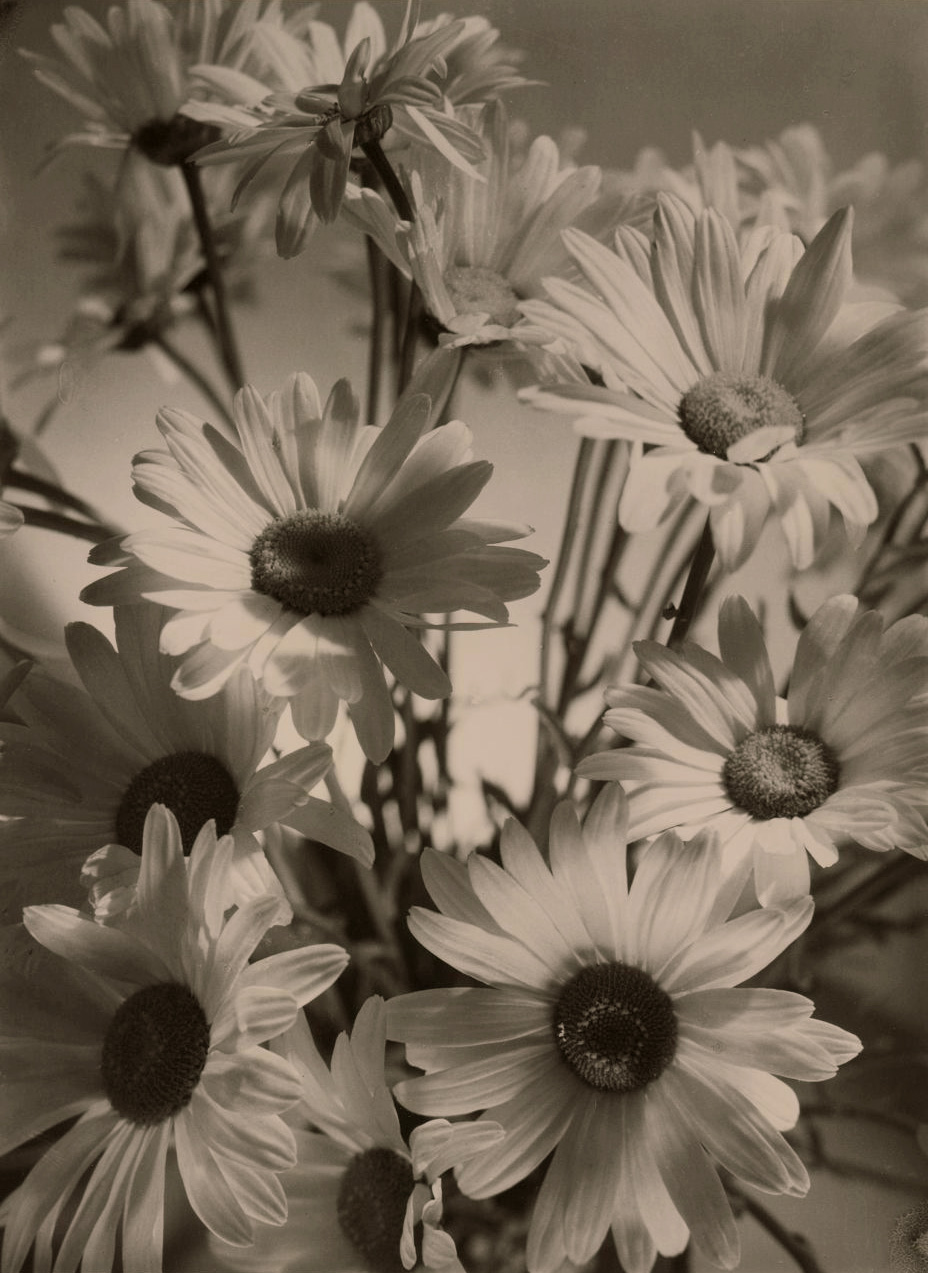
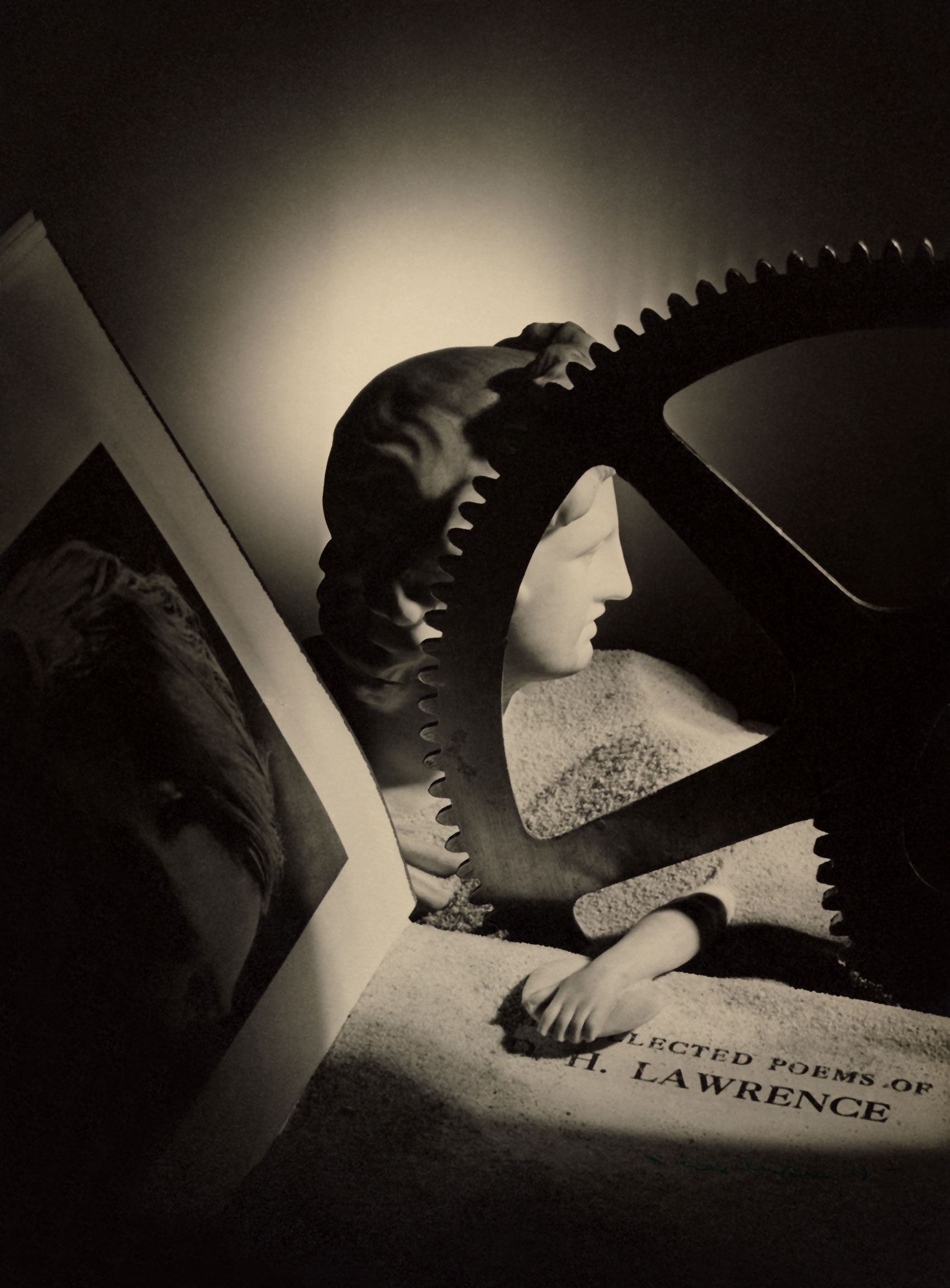

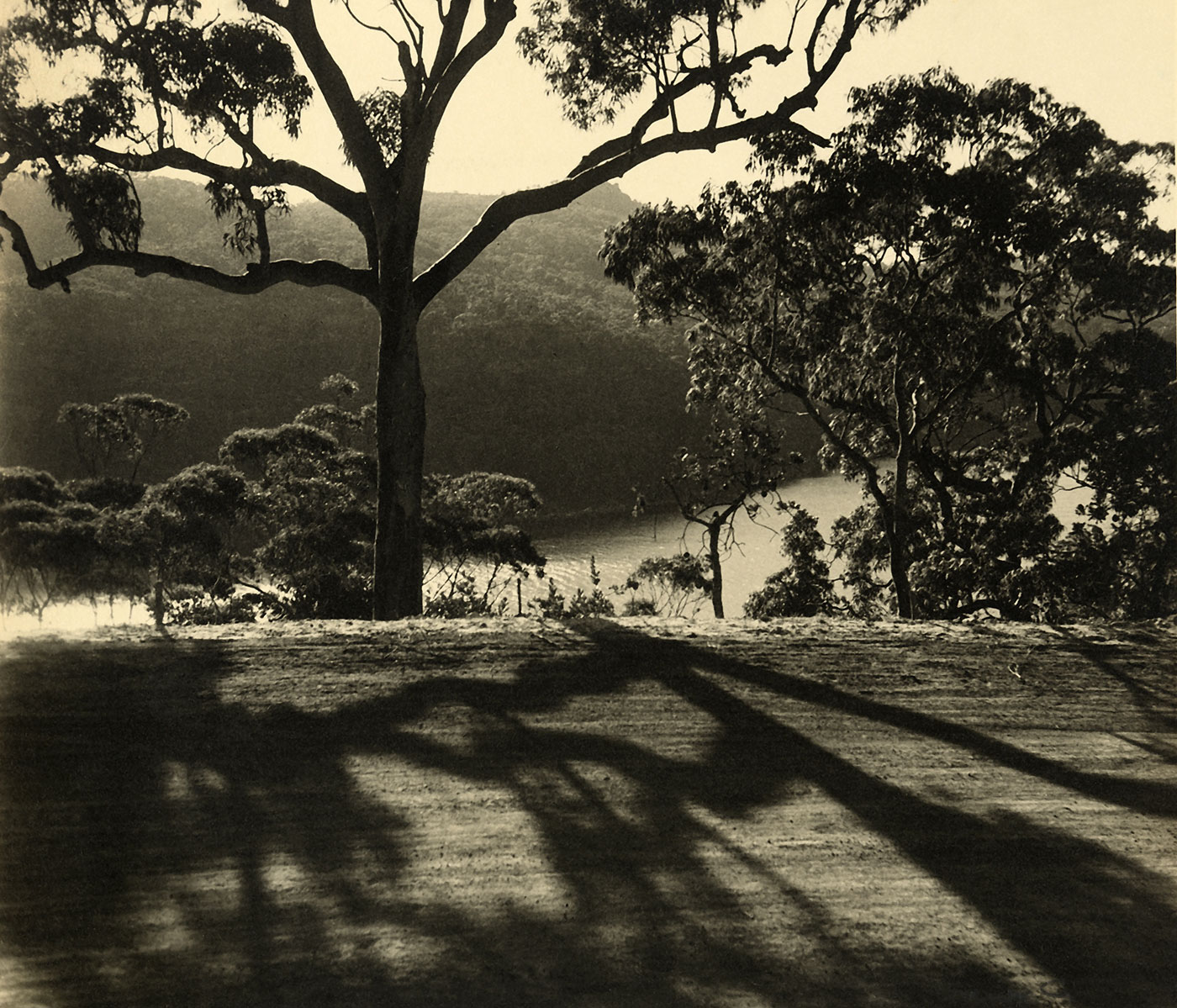
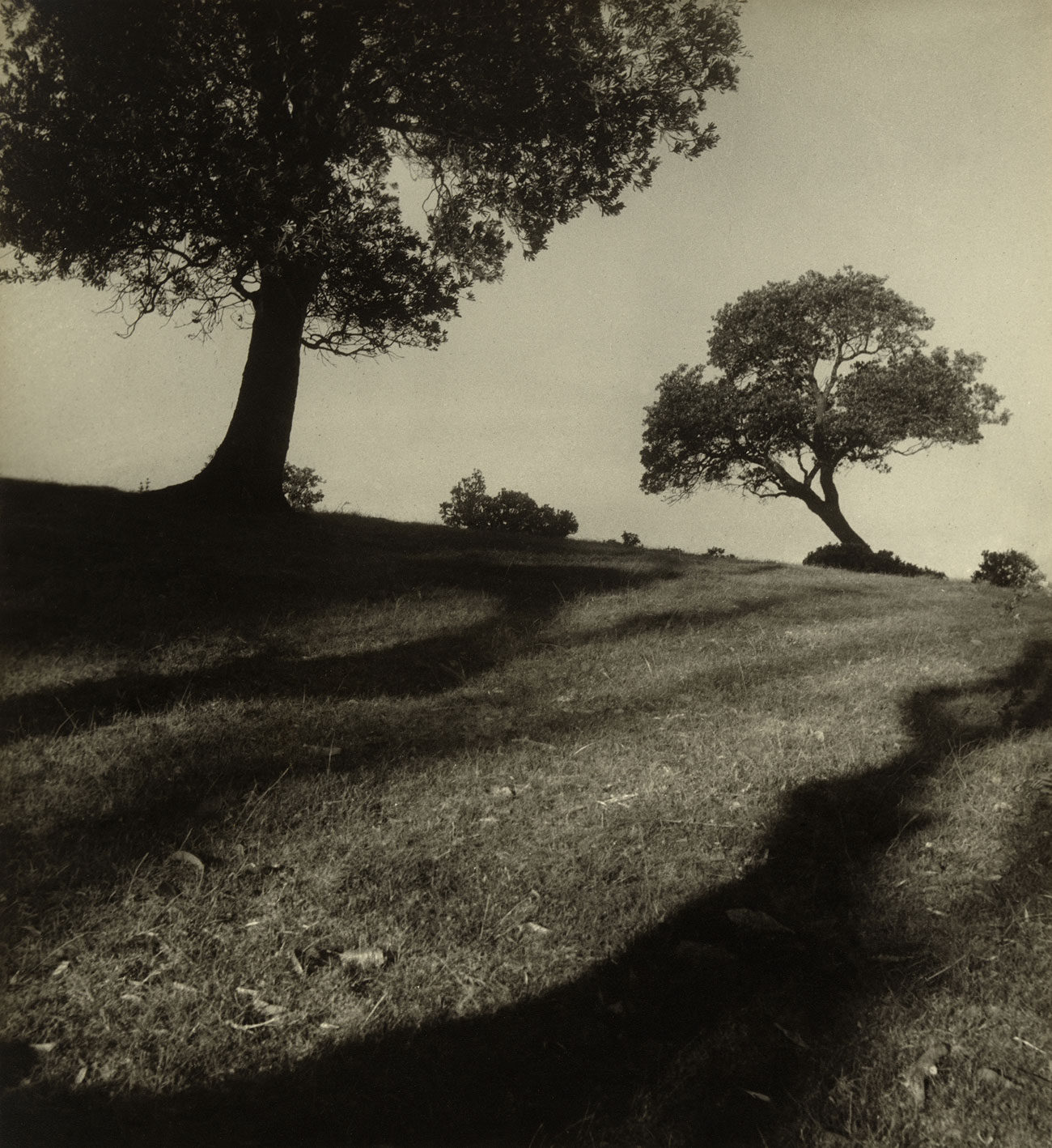


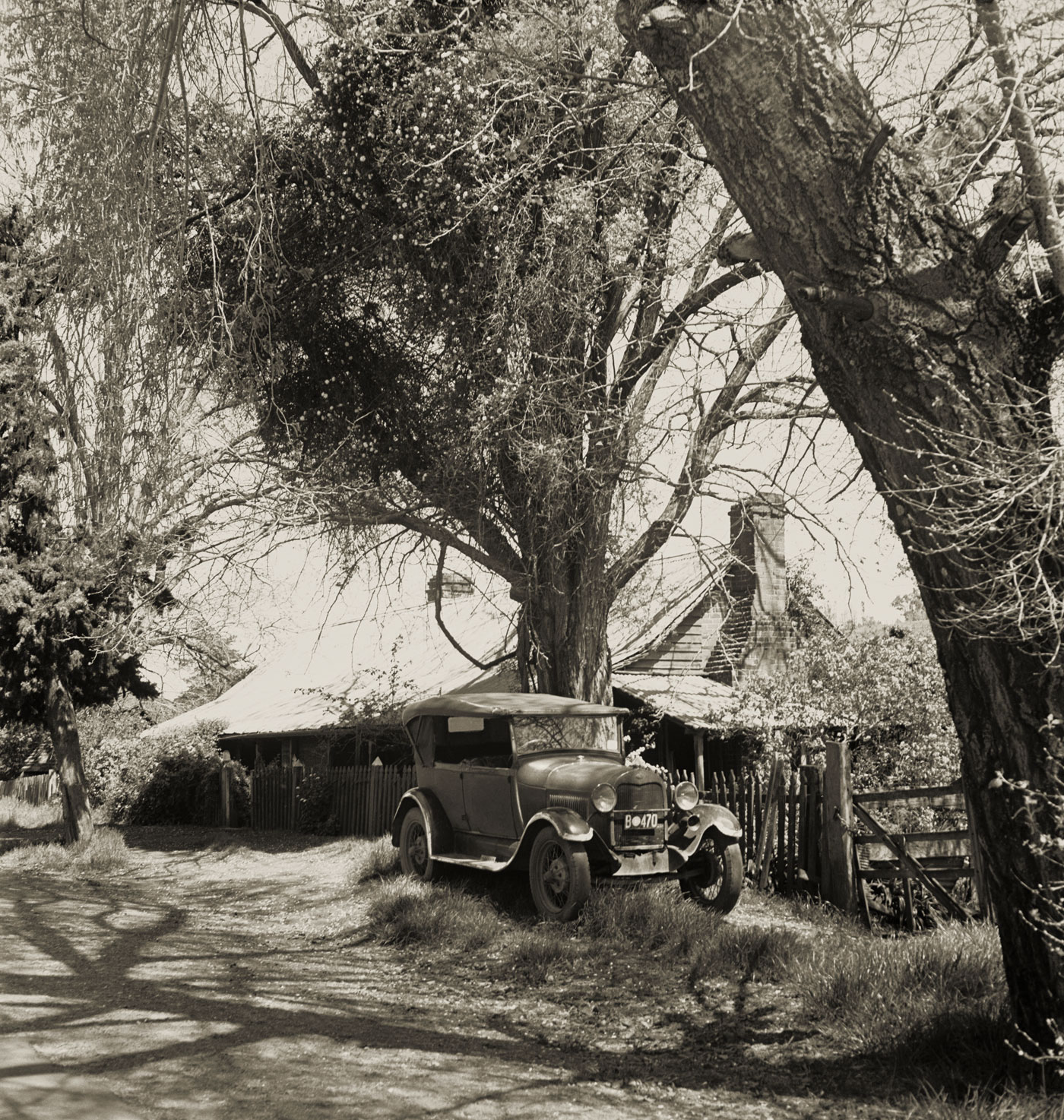
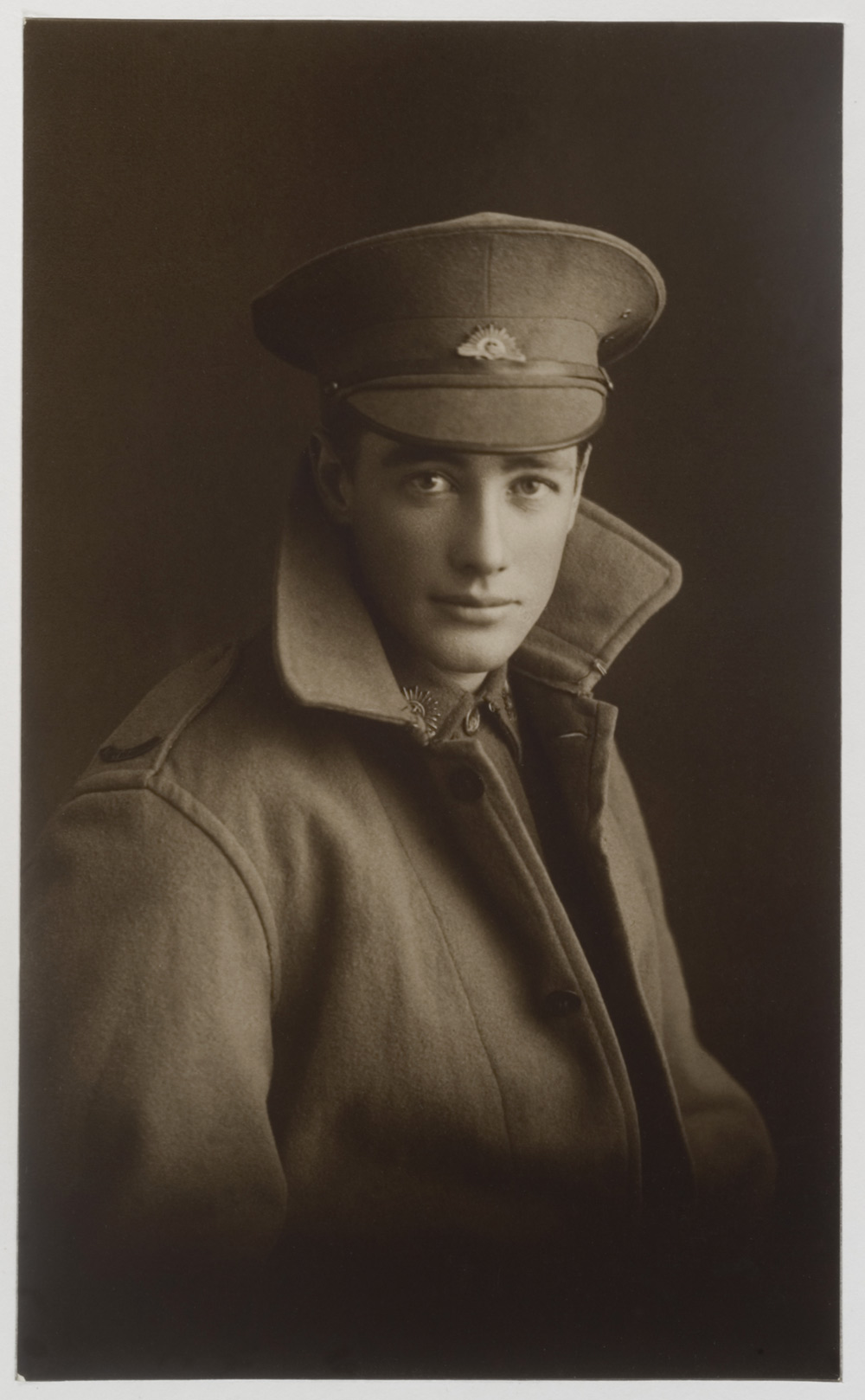

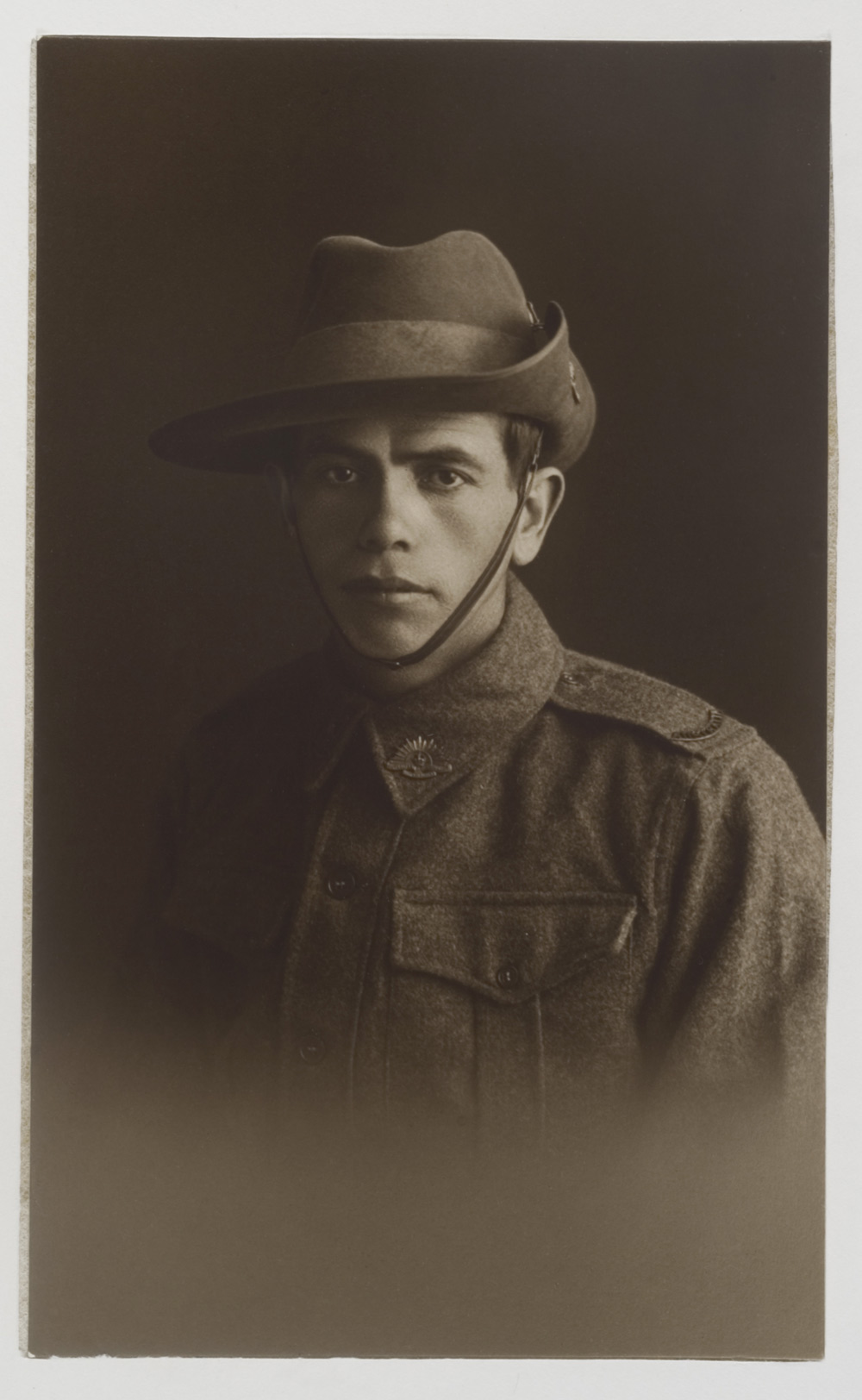


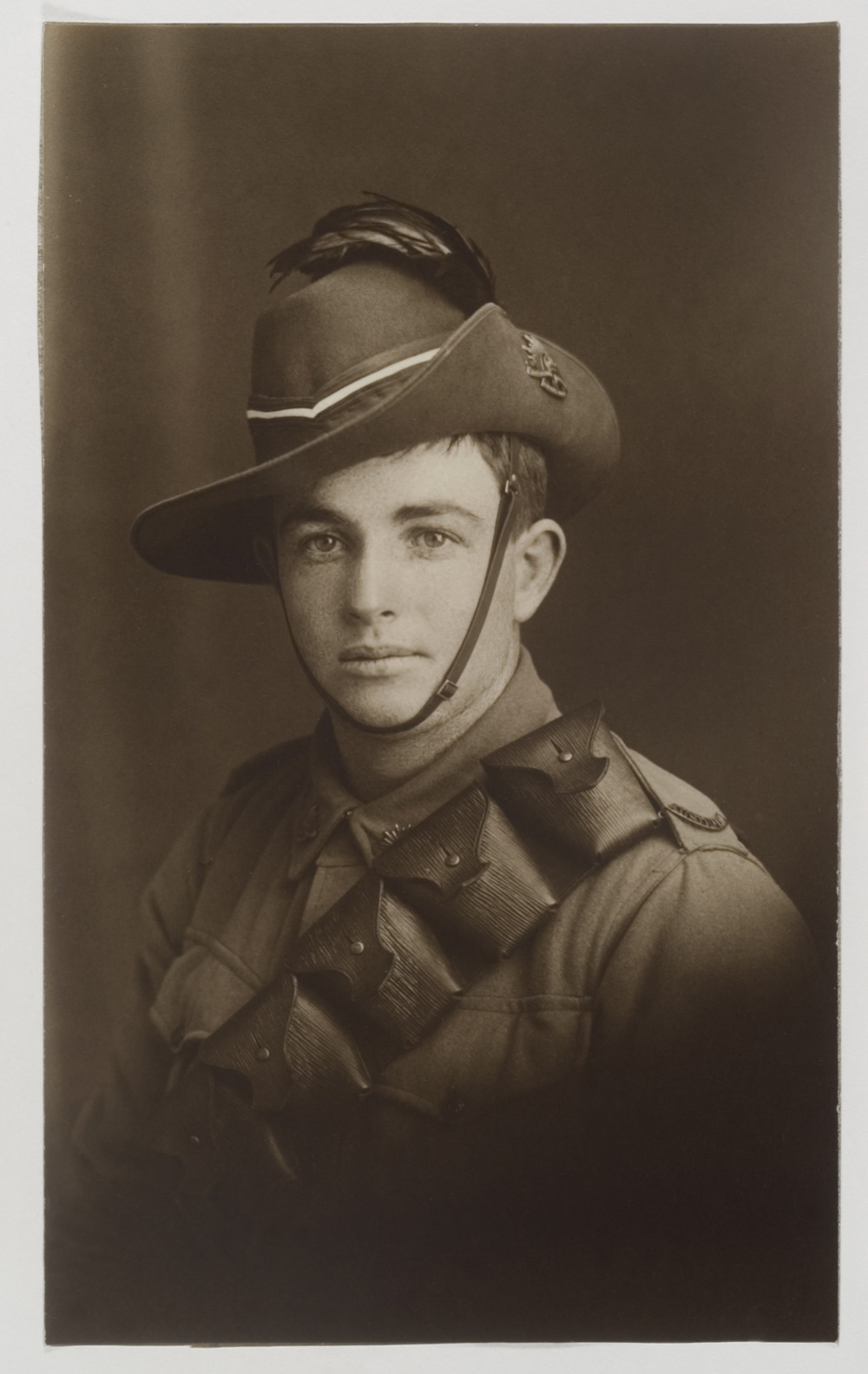





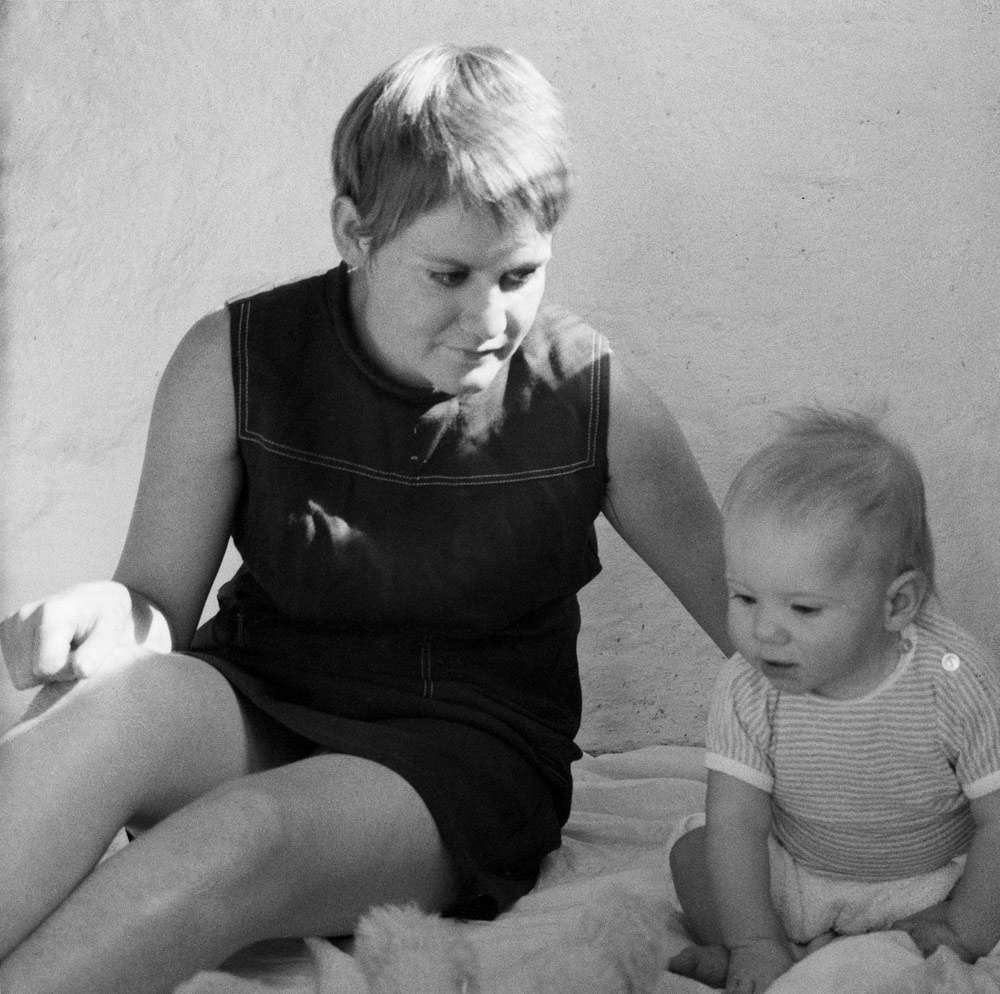
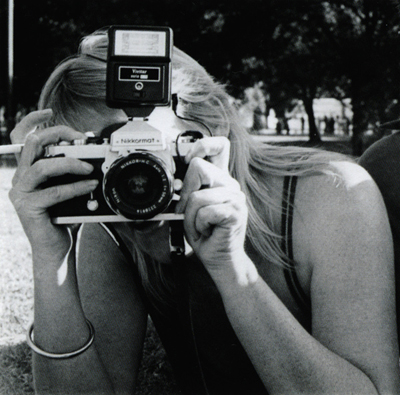
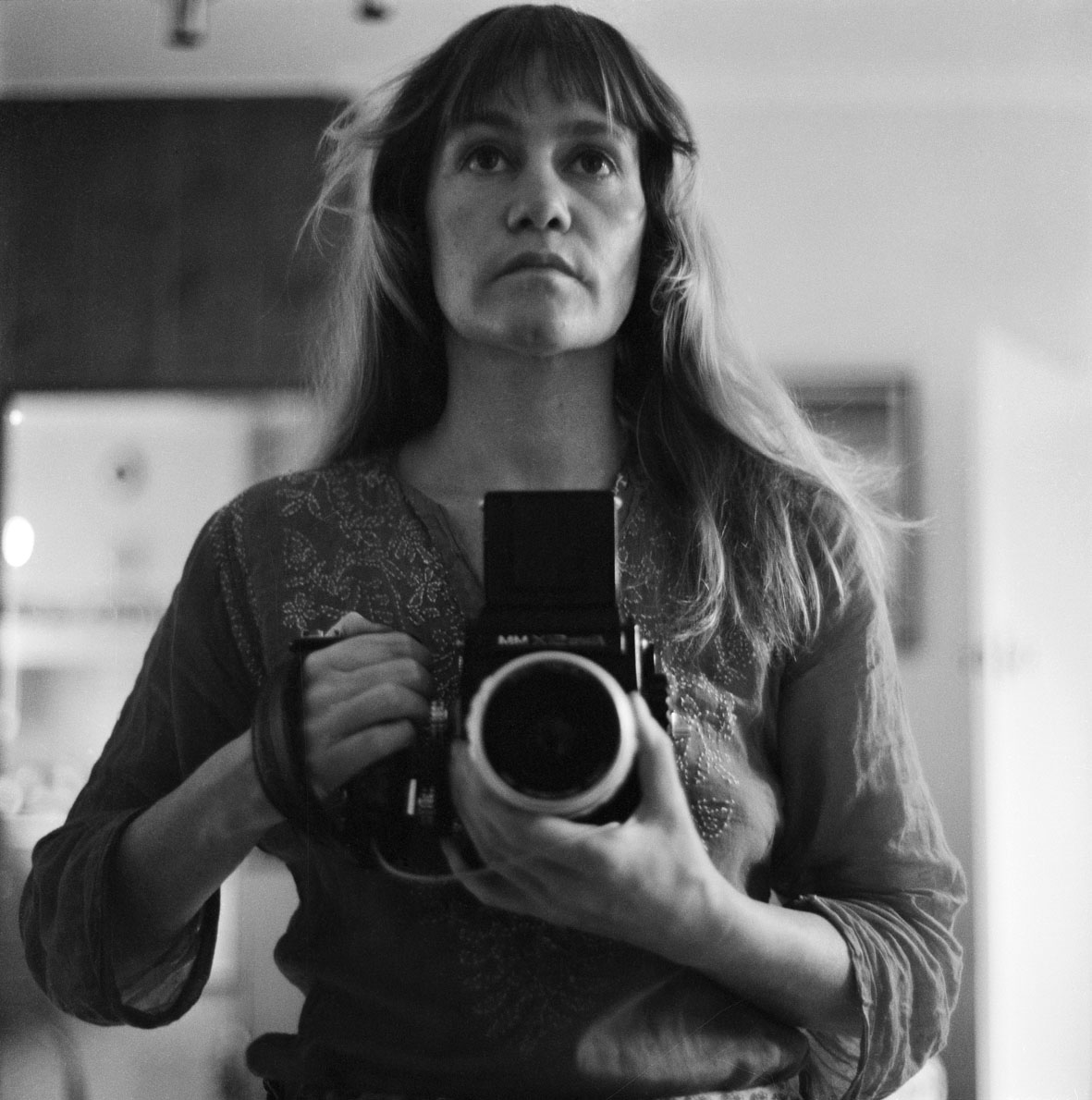


![Sue Ford (1943-2009) 'Untitled [Bliss at Yellow House, King's Cross, Sydney]' c. 1972–1973](https://artblart.com/wp-content/uploads/2011/06/008.jpg "Sue Ford (1943-2009) 'Untitled [Bliss at Yellow House, King's Cross, Sydney]' c. 1972–1973")


You must be logged in to post a comment.