Exhibition dates: 3rd September – 1st October, 2016
Polixeni Papapetrou (Australian, 1960-2018) Drag queen wearing cut out dress 1993 Gelatin silver photograph 28.5 x 28.5cm Courtesy the artist and Nellie Castan Gallery, Melbourne and Stills Gallery, Sydney
This end of (life) cycle is the last body of work that Polixeni Papapetrou will make. It is the completion of an imaginative, bold and strong body of work that stretches from the late 1980s through to this series, Eden. Papapetrou has remained true to her vision as an artist, one that documents performative identities within constructed landscapes.
In the series Eden Papapetrou again cleverly stitches together space and time: flowers stitched together in wreaths; prints of period dresses; and further prints in the backdrop made from postwar backcloth. This “fabrication” of the picture plane has been a constant throughout the artistic life of Papapetrou. If we look at the formal construction of an early work, Drag queen wearing cut out dress (1993, below), we can still see the same concerns for flattened perspective in this new series. The wrapping up of space (fabric, dress, flowers, body) in an intricately overlapping, planar field of view with no vanishing point.
The work desires to celebrate the beauty of nature and honour its transience through the symbology of beauty and death associated with flowers. But for me, the use of facsimiles or simulacra – prints of flowers on dresses and repeated patterns of flowers on cloth – diminishes the relationship between the sitters and the flowers, thus undermining the conceptualisation of the series. The sitter is no longer embedded in the cycles of life and, on this level, the work fails to engage with the idea of, how we are nature. The sitters exist in a masked reality (like the wreaths in front of the girls faces), which is a masquerade or act, a disguise which takes us away from our true being. As in much of Papapetrou’s work, camouflage – to hide or disguise the presence of (a person, animal, or object) – is to the fore, but this time these photographs fail to transcend their origins as studio set pieces.
Further, I have never been a great fan of “dead pan” photography and what I find curious here is the closed nature of the girls. They are stiff, focused inwards, looking off into nowhere. They don’t feel that they are in a state of reflection. For a series that seeks to show “the condition of becoming from childhood to adolescence to adulthood”, the photographs seem to lack the energy vital for such a journey. The exuberance of nature doesn’t seem to extend beyond the prints and flowers. As I said of her work in an earlier posting, “what springs to mind, with the use of masks to disguise youth positioned within the decorous landscape, is the notion of “passing”. Passing on (as in dying), passing through (as in travelling), in passing (as in an aside) and just “passing” (passing yourself off as someone or something else) to hide your true character or feelings.” Like a bower bird collecting colourful things for its nest, there are bits of all of that and more in this new series.
This is not my favourite body of Papapetrou’s work. No matter. What we should do is honour this talented and determined artist for creating memorable images over the years, for following her passion and her heart with courage and conviction. For the rest of my life I will always remember the spaces, the ambiguous vistas, the fantastical archetypes, the fables of her work. Images of drag queens and Dreamkeepers, Ghillies and goblins are etched in my memory. I will always remember them. You can’t ask much more from the work of an artist than that.
Dr Marcus Bunyan
Many thankx to Poli and Stills Gallery for allowing me to publish the photographs in the posting. Please click on the photographs for a larger version of the image.
“If I do live again I would like it to be as a flower – no soul but perfectly beautiful. Perhaps for my sins I shall be made a red geranium!”
Oscar Wilde
The loss of Eden is personally experienced by every one of us as we leave the wonder and magic and also the pain and terrors of childhood.
Dennis Potter
Polixeni Papapetrou (Australian, 1960-2018) Blinded 2016 From the series Eden Pigment print 127.3 x 85cm Courtesy of the artist and STILLS Gallery, Sydney
Polixeni stitches space together in the same way that flowers are stitched together in a wreath – the one wand entwined within the space of the other – or vines or branches are woven on a trellis. The very word bower derives from a knot, a bow (as Shakespeare acknowledges with his ‘pleached bower’),[1] a tying together around an armature, where strands are interwoven, locked in, both strengthened and encumbered with their unity. They are ‘Together intertwin’d and trammel’d fresh’,[2] as the romantic poet Keats expressed it in his Endymion, a heady poem itself enmeshed with flowers and vine. In Polixeni’s photographs, however, the trammelled armature is the human herself…
In Eden, Polixeni weaves together much more than space but metaphor, metaphors of growth, nature, life-cycles, the sacred, the ideal; and even the all-over aesthetic field constitutes a kind of metaphor, the rhapsodic, the imaginary, the connected. The space that she has created is almost nothing but a metaphor, ‘her close and consecrated bower’;[13]…
Polixeni’s bower is fantastic in old and new ways: old, because it has forms of painting and sculpture within it where blooms and other plant-matter are brought together; and new because they gesture to a place so far beyond the studio…
This exclusivity along gender lines, like the image of the unicorn in the garden of a virgin, is also metaphoric: it stands for the preserve of the individual, the quintessentially safe place that is the interior, the inner realm of thought, the preserve of an unaffected psyche, an emotional haven, a bower of immanence. It has love in it, but deferred, otherworldly, imaginary and eternal.
Polixeni Papapetrou (Australian, 1960-2018) Delphi 2016 From the series Eden Pigment print 127.3 x 85cm Courtesy of the artist and STILLS Gallery, Sydney
The name Delphoi comes from the same root as δελφύς delphys, “womb” and may indicate archaic veneration of Gaia… In Greek mythology, Gaia (/ˈɡeɪ.ə/ or /ˈɡaɪ.ə/ from Ancient Greek Γαῖα, a poetical form of Γῆ Gē, “land” or “earth”) also spelled Gaea, is the personification of the Earthand one of the Greek primordial deities. Gaia is the ancestral mother of all life: the primal Mother Earthgoddess.
Polixeni Papapetrou (Australian, 1960-2018) Heart 2016 From the series Eden Pigment print 127.3 x 85cm Courtesy of the artist and STILLS Gallery, Sydney
Polixeni Papapetrou (Australian, 1960-2018) Flora 2016 From the series Eden Pigment print 127.3 x 85cm Courtesy of the artist and STILLS Gallery, Sydney
In Roman mythology, Flora (Latin: Flōra) was a Sabine-derived goddess of flowersand of the season of spring – a symbol for nature and flowers (especially the may-flower). While she was otherwise a relatively minor figure in Roman mythology, being one among several fertility goddesses, her association with the spring gave her particular importance at the coming of springtime,as did her role as goddess of youth. Her name is derived from the Latin word “flos” which means “flower”. In modern English, “Flora” also means the plants of a particular region or period.
Polixeni Papapetrou (Australian, 1960-2018) Psyche 2016 From the series Eden Pigment print 127.3 x 85cm Courtesy of the artist and STILLS Gallery, Sydney
Psyche (/ˈsaɪkiː/, Greek: Ψυχή, “Soul” or “Breath of Life”). The basic meaning of the Greek word ψυχή (psūkhē) was “life” in the sense of “breath”, formed from the verb ψύχω (psukhō, “to blow”). Derived meanings included “spirit”, “soul”, “ghost”, and ultimately “self” in the sense of “conscious personality” or “psyche … Portrayals of Psyche alone are often not confined to illustrating a scene from Apuleius, but may draw on the broader Platonic tradition in which Love was a force that shaped the self.
Colourful, abundant and compelling, Polixeni Papapetrou’s new series Eden arose out of a commission by the Centre for Contemporary Photography (CCP) in Melbourne to create works in response to the Melbourne General Cemetery. Papapetrou, photographed flowers obtained from the cemetery against a black backdrop to invoke ideas about mourning and remembrance. For Papapetrou, whose own plot is in the cemetery, and who, through illness, has faced her own mortality, it was a challenging and thought provoking assignment.
The commission led Papapetrou to delve into the language of flowers. The history of art is replete with images of flowers and they have a rich metaphorical resonance. In true Papapetrou spirit, what she has created in Eden, following on from the CCP work, is positive, philosophical and beautiful. Eden invites us to celebrate the beauty of nature and honour its transience. We, like flowers, are subject to seasons of growth, blossoming, and wilting. The young women in the photographs, in the Springtime of their lives, are surrounded by flowers; on backdrops, on dresses; held or worn, they adorn and overrun them. The lush colours and patterns are interrupted only by the faces and arms of the sitters, their expressions solemn and thoughtful, in contrast to the extravagance of the blooms.
Papapetrou has returned to photograph these subjects, including her daughter Olympia, at different stages of their lives. Eden uses the language of flowers to explore life itself, reflecting on the young womens’ metamorphosis from child to adolescent and adolescent to adult, and a oneness with the world, fertility and the cycles of life. They are enclosed in a floral embrace that symbolises their unity and acceptance of this miraculous thing we call life.
In addition to Eden, we will also exhibit a small selection of Papapetrou’s early Phantomwise works. These large-scale black and white photographs feature her young daughter Olympia between the ages of four and six wearing Victorian masks and performing various identities. As with Eden, these early works consider the potential for metamorphosis and the ambiguity between the ‘real’ and the ‘imaginary’, an ambiguity inherent in photography itself.
Press release from Stills Gallery
Polixeni Papapetrou (Australian, 1960-2018) Amaranthine 2016 From the series Eden Pigment print 127.3 x 85cm Courtesy of the artist and STILLS Gallery, Sydney
The word is taken from ancient Greek and means everlasting or immortal (the same as the amaranth flower)
Polixeni Papapetrou (Australian, 1960-2018) Amaryllus 2016 From the series Eden Pigment print 127.3 x 85cm Courtesy of the artist and STILLS Gallery, Sydney
Polixeni Papapetrou (Australian, 1960-2018) Eden 2016 From the series Eden Pigment print 127.3 x 85cm Courtesy of the artist and STILLS Gallery, Sydney
Traditionally, the favoured derivation of the name “Eden” was from the Akkadian edinnu, derived from a Sumerian word meaning “plain” or “steppe”. Eden is now believed to be more closely related to an Aramaic root word meaning “fruitful, well-watered.” The Hebrew term is translated as “pleasure” in Sarah’s secret saying in Genesis 18:12
Polixeni Papapetrou (Australian, 1960-2018) Rhodora 2016 From the series Eden Pigment print 127.3 x 85cm Courtesy of the artist and STILLS Gallery, Sydney
Ralph Waldo Emerson (American, 1803-1882) “The Rhodora” from Poems 1847
Polixeni Papapetrou (Australian, 1960-2018) Spring 2016 From the series Eden Pigment print 127.3 x 85cm Courtesy of the artist and STILLS Gallery, Sydney
To be frank, this handsomely installed exhibition of the work of Australian fashion photographer Henry Talbot is a bit of a let down. The images look terribly dated, and while historically they have some significance in terms of the time and context from which they emerged – the movement towards en plein air photography, taking the model from the studio to the street – most of the photographs are not very good. The prints are either commercial vintage prints with all their faults (dust, scratches, poor printing, over exposure, lack of burning in etc.) evidencing a lack of care and attention to detail, or modern inkjet reproductions from original negatives and even then some of the printing is poor: for example, the hair of the model in Fashion illustration for Blunden Wool, models Joan Crellin and Bruce Anderson (1961, below) is completely blown out with no detail retained in the highlights. Some of the angles in his images (the positioning of the figure) are just off, the cropping of the negatives (the space above and below the figure) often does not work and framing of the prints is also less than exemplary. But we must remember Talbot was a commercial photographer from the 1960s and that’s just what these photographs are: commercial fashion photographs that fulfil a client brief.
Talbot was no experimenter. Too often his images are really basic, a basic visualisation, and he has a fixed idea for a shot and goes with that idea and variations of it, even when it is evident that the photograph is not working. Any photographer worth their salt would recognise such a situation and be flexible enough to change it up but with Talbot this does not happen. Positioning his model centrally, he usually uses low depth of field so that everything falls out of focus behind. In this sense he still seems to possess a studio mindset. While professing his love of free-moving fashion, his photographs seem stilted and conformist, even as they are taken out of doors. His proof sheets are evidence of a “team” oriented focus in order to fulfil a client brief, but in these very proof sheets we see uneven exposures and severe cropping into the frame to get the final image. And while he was more romantic than the hard edged Helmut Newton, his photographs only ever project a surface and rarely show any true emotion. Without doubt his best two photographs are Fashion illustration for Fibremakers, model Maggi Eckardt (1966, below) taken at the Altona Petrochemical Company. The photographs are a symphony of form, movement and light. They possess a “feeling” a lot of his other photographs simply cannot, and do not, contain.
There is no catalogue to the exhibition so this posting will have to serve historically to document the exhibition and Talbot’s work. Thus, there is an in depth interview included with Australian curator, artist and photography collector Joyce Evans who ran Church Street Photographic Centre in Melbourne from 1976 and who showed Talbot’s work in her gallery. It is all very well that I have an opinion on the work but what I write needs to be an informed opinion, and the interview with Joyce provides valuable background with regard to the people, the era and the context from which these photographs emerged. One thing noted in the conversation is that Talbot photographed strong, independent women like Janice Wakeley and Maggie Taberer… something that is not mentioned at all in the wall text and press release that accompanies the exhibition. I would have thought it vital that a curator would have linked the presence of these independent women in fashion photography to the work of art photographers such as Australian artist Carol Jerrems who published her seminal book A Book About Australian Women in 1975.
Another insight into the times is provided by a friend Ian Lobb who knew Talbot:
“People said he was good, and he charged enough, but he just thought he was having fun, fun with a certain quality. I don’t think he had any grand ideas about his talent, but he was quite prepared to sell a print or sell his time if someone wanted to pay. Henry knew the fun he was having wasn’t going to last beyond his life. And now, it is weird and very country town that his work should be regurgitated. His work looks poor because people are making him into something he wasn’t.
There is a seminal incident that can help with the context of the Henry Talbot, Athol Shmith and Helmut Newton generation. Athol Shmith was giving a print critique at Prahran, and someone had left a glass of fixer on the shelf of the room. Athol finished his critique and drank it. Rushed to hospital of course. But think of that from all its angles. The world in which these photographers worked and the stories from those times reveal a world that was flying by the seat of its pants – just.”
Talbot is a solid photographer, no more. While the exhibition gives some sense of depth to the quality of work that was coming out of Melbourne at that time, perhaps it would have been best to let sleeping dogs lie.
In conversation with Australian curator, artist and photography collector Joyce Evans about the Australian photographer Henry Talbot
17/07/2016
MB: Just before we started this conversation you said to me Joyce that Talbot was a gentle man. Can you explain what you meant by that please?
JE: I use the word gentle in comparison to his one-time partner Helmut Newton, who I found to be an aggressive man.
MB: So they were in partnership together before Newton left for Europe
JE: Yes
MB: So Talbot was intelligent, he knew his field and understood the history of the genre that he was working in, he could speak well, and was well liked both by clients, models and the society in which he worked.
JE: Well, he was not a superficial person. When he spoke he researched things properly, he had the depth of knowledge which came from a sort of European intellect. This intellect was broadly read, and he was also a person that listened.
MB: And he was also a good teacher as well…
JE: In his commercial work, Henry photographed his women (as far as I could see), with the idea of having a client, and he was displaying clothes on the women, which was part of the old tradition. In an environment where, if you wanted to make a living, that’s what you had to do. If he had been, however, in a place like New York – which was avant-garde as compared to Melbourne, which was not avant-garde – he may well have gone the same way as Helmut Newton. The very big difference, though, is in the personality of the two men.
Helmut Newton went out and he was an aggressive man. He had charm, but it was an aggressive charm, it wasn’t a gentle charm. He had intelligence and he knew how to handle his women so that he got aggression out of his women, that’s what he wanted.
MB: Whereas Talbot was doing it for a job?
JE: Talbot A was doing it for a job and B, he had a gentle nature. He was not an aggressive man and actually if you look at those photographs you can see that he liked the women that he photographed and he lived in an environment where fashion was still, fairly soft, in many ways. You can see in things like the swimwear industry and the sports industry there was quite a lot of Australian independence, but he, combined with Athol Shmith in Melbourne, took his models out into the street, they interacted with the environment, and he did not depend on the studio.
MB: When I look at his photographs they are quite modernist, they are quite clean, but his vision seems to me to be quite limited… in the sense that he uses a central female figure (sometimes two central figures), low depth of field, out of focus background. And then you look at the proof sheets and you can see that he is not an experimenter. From shot to shot there is a slight change in angle of a hand or the tilt of a head but he really doesn’t push the boundaries of what he is trying to say with the image. He has his set idea (for the shot, for the location) and then he does slight variants in the proof sheet towards that idea. Very rarely do you get a feeling, a sense of atmosphere in his images – of the outdoors in the sense of the outdoors enveloping the model. The models seem to be isolated within their environment…
JE: But who does what is asked of him, at that time? You can compare him to Avedon or Athol Shmith, but you cannot compare him to today. You cannot ask someone to work outside of his own time. You can ask him to lead in his own time and the leading that occurred at that time, by both Shmith and Talbot, was that they took models out into the city and the environment and away from the studio. This was something that Avedon did and these two photographers did also. The big argument is, did Talbot do it effectively? Who chose his proofs? Which ones got published?
MB: But also, a quite organised and restricted view of the world, even though he was pushing the boundaries by taking fashion photography outdoors, he still seems to be in a studio mindset when he was outside.
JE: What you did in those days, is that you would do the shoot, you would come in with your proof sheets, and the art director would go over it with the red crayon with the team – it tended often to be team work. So he’s working to a brief …. and you are the instrument of the team. The art director sets everything up and you do the shoot. Now, when you get a name like Talbot had, you could start to begin to influence what the art director was doing. Now, how much and when and at what time and what effect – I really don’t know.
MB: Did he photograph strong women? You mentioned Maggie Taberer and Janice Wakeley.
JE: Maggie Taberer and Janice Wakeley – both educated women, well read women – Talbot would have chosen his own models and they were two of his favourites. Or been offered models, depending on the control of the art director and what they desired.
MB: Today, all we can do is try and understand the history of these photographs, and the time and context from which they emerged. From today’s standpoint they look rather dated and stilted.
JE: You have to see them from a decade earlier, looking at fashion photography in Australia from the 1930s and 1940s to see what was happening. The 1930s fashion stuff was very very largely in the studio. Very little of it was en plein air.
MB: But that doesn’t negate his aesthetic choices to shoot with so low a depth of field that the context of the outdoors becomes more or less irrelevant. Yes, you have the images of the oil refinery behind with the movement of the women, in my opinion some of his best photographs, that are more romantic in feel… and these tend to work better than other more prosaic shots.
JE: He was more of a romantic than Newton was. Newton was very hard edged and he managed to get that extra particular something out of his women…
MB: Even in his Melbourne images?
JE: Well, we don’t know Newton’s Melbourne images, because he has denied them all.
MB: Yes exactly, that’s the thing.
JE: Thinking about Talbot, he was part of a movement. He wasn’t the leader of it or the only one, but he was part of the early evolution of the movement.
MB: Does that mean his photographs stand up to scrutiny today?
JE: I have this feeling that when you only look at the top of the cake, you don’t know what the cake is all about. I don’t know whether I would put him as the fairy on top of the cake or one of the really nice pieces of icing. I think that Athol Shmith is a stronger photographer.
MB: What about the Australian photographer Bruno Benini? I find him incredibly strong in terms of his style, his lighting.
JE: My understanding of Bruno is that he is a decade younger that Talbot…
MB: So 1950s?
JE: Yes I think so
MB: So he has a more classical influence…
JE: It’s not that, he’s like John Eaton is to Pictorialism, he’s a very good photographer – but he’s not a groundbreaker, he’s not of the beginning of Pictorialism. I think Benini is a very good fashion photographer and I think he is working on other people’s shoulders. I think Athol Shmith is stronger and if I had a choice about having to show one, but I like the fact that we have shown Talbot, because it gives some sense of depth to the quality of work that was coming out of Melbourne. Places like Sportscraft were exceptionally good at encouraging talent, both in design and in photography.
MB: All I can do is understand the history and the context and what was going on at the time and then, as I was thinking the other day, all I can write is what I see.
JE: Compare this… Athol Shmith had Bambi. Bambi was the most exquisite women you would ever find in your whole life. I remember her when I was a teenager, me and my girlfriend were both sitting in a room and she was there, both in our late teens / early 20s, and I remember saying to my friend that I feel as though I have ten feet – and I am so clumsy when I look at her. She is so beautiful. Now Janice Wakeley was also a stunning looking women as was Maggie Taberer. But the number one model with Athol was Bambi and then there were really other top people that he had. And he, I think, had a much broader base to work with – not only his models, but his clientele was broader. Talbot was predominantly clothing as compared to Shmith who did a whole stack of things other than fashion. His love of music, he did a lot of musicians, he did some amazing portraiture. Shmith did H.G. Wells etc…
MB: His breadth was greater than Talbot. My concern with Talbot is 1/ the dating of the images, and 2/ his aesthetic choices when taking those photographs which may be a team decision but, the fact that he didn’t experiment that much. When looking at his proof sheets there are only slight changes to the positioning of the model…
JE: He’s got an idea and he goes for it.
MB: And that just really shows a lack of flexibility in his vision.
JE: No, I don’t think so I just think that it shows that he knows what he wants and that’s it.
MB: I think that is where we differ.
JE: He is very professional. How many shots of a person do you make at a time?
MB: I work on a ratio of 10 to 1, so if you take 10 shots you will get one, possibly two excellent shots. Talbot must have been thinking I need one good shot and he kept shooting and shooting, even though some of his exposures are poor, even though he radically crops the full frame image to get the final shot. It shows he was not as confident as you think about getting the shot, because he is hedging his bets with his in camera framing, relying on cropping later.
JE: He knows he wants her getting this feeling, and he goes bang, bang, bang, head turned slightly, arm down slightly and that’s it… and he knew what he wanted at the beginning and then he just saw the variations to fine tune it. And that’s what every photographer tends to do.
MB: And that’s where I really think there is a problem with his photography. Most of his images don’t really work – and yet he never recognised that fact at the time, when he was taking or setting up the shot, that it was not working. Any good photographer worth his salt, worth his previsualisation of the shot, must know how to adapt and be flexible enough to change on the run. He didn’t recognise that they weren’t working and change the idea. That’s the problem I have with him. It shows a fixed mindset in terms of not being able to see through the viewfinder when a shot is not working.
JE: That’s another story…
MB: Let’s leave it there. Thank you Joyce so very much for your thoughts.
“Well man, this is 1966 and in this game you have to be open to, and live, contemporary influences to a certain degree. The younger generation is very strong in fashion – very much in command. They’re spending a great deal of money in the garment industry, so fashion is geared to the young. There is, of course, in this “with it” idea itself, certain conformity to non-conformity, to a non-conformity standard. But, as a photographer, you must accept this idea as far as you can and that probably reflects to some extent in your own behaviour and dress.”
Henry Talbot, 1966
“I always tried to show models in a free-moving fashion. I avoided stiff poses and I tried to keep up with what the great fashion photographers overseas were doing”
Henry Talbot (Germany 1920 – Australia 1999, Australia from 1940) No title (Fashion illustration for Blunden Wool, models Joan Crellin and Bruce Anderson) (installation view) 1961, printed 2016 Photographed on location at the National Gallery of Victoria Inkjet print Henry Talbot Fashion Photography Archive
Henry Talbot (Germany 1920 – Australia 1999, Australia from 1940) No title (Fashion illustration for Blunden Wool, models Joan Crellin and Bruce Anderson) (installation view) 1961, printed 2016 Photographed on location at the National Gallery of Victoria Inkjet print Henry Talbot Fashion Photography Archive
Henry Talbot (Germany 1920 – Australia 1999, Australia from 1940) No title (Fashion illustration for Blunden Wool, models Joan Crellin and Bruce Anderson) (installation view) 1961, printed 2016 Photographed on location at the National Gallery of Victoria Inkjet print Henry Talbot Fashion Photography Archive
Henry Talbot (Germany 1920 – Australia 1999, Australia from 1940) No title (Fashion illustration for Watersun ski wear) (installation view) 1970, printed 2016 Inkjet print Henry Talbot Fashion Photography Archive
Henry Talbot (Germany 1920 – Australia 1999, Australia from 1940) No title (Fashion illustration for Watersun ski wear) (installation view) 1970, printed 2016 Inkjet print Henry Talbot Fashion Photography Archive
Henry Talbot (Germany 1920 – Australia 1999, Australia from 1940) No title (Fashion illustration for Watersun ski wear) (installation view) 1970, printed 2016 Inkjet print Henry Talbot Fashion Photography Archive
“There is little an Australian fashion photographer can do that has not been done overseas, and often better. But one thing they do not have is our Australian environment. I use it a great deal because the idea makes it possible to come up with something uniquely different.”
Henry Talbot 1966
“The striking and youthful fashion of 1960s Melbourne is the starring subject of more than eighty photographs by fashion photographer Henry Talbot, many of which have never been exhibited before. Showcasing the shifting face of fashion from a time that has captured popular imagination, many of the images have never been seen since their original publication 50 years ago and offer an insight into the styles and attitudes of the 1960s. The photographs on display have been carefully selected from an extraordinary archive of 35,000 negatives that Talbot gifted to the NGV in the 1980s.
“Henry Talbot’s photography captures the exuberance and changing times of a generation. His modern photographs depict an emerging youth culture and offer an insider’s look into a thriving cultural scene during the 1960s,” said Tony Ellwood, Director, NGV.
A European émigré artist from Germany, Talbot brought an invigorating internationalism to Australian photography and partnered with Helmut Newton. Their Flinders Lane studio was very successful enterprise and secured major clients including the Australian Wool Board and Sportscraft. It was during the 1960s that Talbot established his place as a dynamic force in Australian fashion photography and his work was regularly published in Australian Vogue.
The exhibition includes some of Talbot’s beautiful fashion spreads from 1960s Australian Vogue, providing a visual history that chronicles the magazine’s first decade in Australia. The photographs will be presented alongside a display of early edition Australian Vogue magazines, including those in which Talbot’s photographs originally appeared, offering an insight into the aspirational fashion and lifestyle choices of Australians living in this era. Talbot’s photography also highlights the public’s affinity with uniquely Australian brands, such as Qantas and Holden. Fast cars and air travel were aspirational luxury experiences in the 1960s and, as a result, airports, planes and brand new cars were the glamorous setting for many of Talbot’s photographs, demonstrating his astute understanding of current trends and consumer culture.
From an outback sheep station, to lamp-lit streets of Melbourne, Australian cityscapes and landscapes also provided the backdrop to some of Talbot’s most arresting photographs. Shot on location around Melbourne, these photographs showcase Talbot’s adventurous style and ability to transform 1960s Melbourne into scenes that looked like Paris, London, New York – a testament to his ‘international eye’. A photographer with an astute vision, Talbot also ingeniously transformed Altona Petrochemical Company into an intergalactic, futuristic setting that captured the public’s fascination with space travel during the ‘space race’ of the 1960s. This exciting suite of images demonstrates the ways in which space travel permeated popular culture, including space-age fashion trends.
The exhibition will open during the NGV’s landmark 200 Years of Australian Fashion exhibition and together, these two exhibitions will offer a comprehensive and fresh new look at Australian fashion in the 1960s.”
Press release from the National Gallery of Victoria
Henry Talbot (Australian born Germany, 1920-1999)
Henry Talbot was born in Germany in 1920. As a young man he studied graphic design and photography in Berlin and Birmingham. After leaving Germany in 1939, he arrived in Australia in 1940. Following a period of internment, Talbot then served in the Australian army. In the postwar years he left Australia, travelling to South America and Europe, before returning to Melbourne in 1950. At the time Melbourne was the most important centre of fashion in Australia because of the abundance of textile and garment manufacturing in Flinders Lane; boutiques in the Paris End of Collins Street, and major department stores around the city.
Talbot worked in some of the leading Melbourne photographic studios and quickly established a reputation as a major fashion photographer in Melbourne. In 1956 he was invited to go into partnership with Helmut Newton. Newton was already renowned for his innovate fashion images and this partnership offered Talbot recognition for his talent in this field. In 1973 Talbot closed his studio, and ten years later presented the NGV with what is now known as the Henry Talbot Fashion Photography Archive. Works in this exhibition at taken from this remarkable collection, comprising 35,000 black-and-white negatives, photographs and contact prints.
Wall text
Installation view of the National Gallery of Victoria’s Henry Talbot: 1960s Fashion Photographer exhibition at NGV Australia at Federation Square with at left, No title (Fashion illustration, model Janice Wakely) (1961, below) (installation view) Photo: Brooke Holm
Working with the right model was as important to the success of Talbot’s images as choosing the right location. Like most photographers he had his favourite models, and often worked with Janice Wakely, Maggie Tabberer, Helen Homewood, Maggi Eckardt and Margot McKendry.
Talbot’s philosophy was simple, as he explained it in 1995: “I’ve always held that if you can establish a definite emotional rapport with a model you’re halfway toward producing good photographs. My own favourite method of fashion working is to explain roughly what I am after then leave the model more or less free to interpret the garment she’s to show. A good model will absorb and become part of what she is wearing almost completely. Whilst shooting away I may suggest minor changes, the model senses what I’m after, and then really good shots happen.”
‘Forsaking city airs for cool country breezes, she previews the three day event at Oaklands Hunt Club which will finish the Melbourne Cup season, wearing a three-quarter oat of palest blue pearl lamb.’
Descriptive caption, 1966
Installation view of the National Gallery of Victoria’s Henry Talbot: 1960s Fashion Photographer exhibition at NGV Australia at Federation Square
The locations used by Talbot were an important aspect of his image making; they played a significant role in the implicit narratives he constructed in his fashion photography. Talbot’s work, like most fashion photographs, presents an aspirational ideal. In his case a picture of the modern woman – at an opening night; arriving at the airport; on the streets of London; visiting an art gallery; or in a beatnik coffee bar – who looks effortlessly up to date and glamorous because she has bought the perfect garment.
Despite Talbot’s assertion that using Australian settings gave his work an edge, some of his most successful photographs artfully disguise the familiar streets of Melbourne. The streets of the city are transformed in Talbot’s photographs to look like Fifth Avenue, New York or Hyde Park in London.
The 1960s was a period of social turbulence, when youth-led movements changed the world. In Australia it was a time of prosperity: employment rates were high and, for many, the opportunities seemed boundless. The fashions of the day, including mini skirts and hipster pants, reflected the “youthquake” that was shaking up the status quo. Photography studios made the transition to the 1960s by creating images with a fresh, contemporary edge, and increasingly worked on location rather than in the studio.
Henry Talbot began to work in fashion photography in the 1950s, but it was in the 1960s that he established himself as a leading force in Melbourne’s fashion industry. He worked for designers and manufacturers, department stores and boutiques, as well as on the job for the Australian Wool Bureau, taking photographs that showed Australian fashion to the world.
‘The magic carpet revisited: Classweave takes to the air. Classweave deny weaving the magic carpet, but [the] chic three disagree, find Classweave fabrics magic. Feel like flying,and choose Qantas.’
Advertising copy, Australian Vogue, 1963
Installation view of the National Gallery of Victoria’s Henry Talbot: 1960s Fashion Photographer exhibition at NGV Australia at Federation Square Photo: Brooke Holm
‘They’re going places, the Pelaco Pair – and riding the crest all the way. They live their life with a style and carefree assurance that many envy. They know and demand the best this modern world has to offer, a personal formula for success that shows in everything they do. You can see it in the clothes they wear (he doesn’t own a shirt that isn’t Pelaco; she collects Lady Pelaco, secretly feels they were created especially for her). You can see it in the cars they drive – always, a trim, taut, terrific Falcon.’
Advertising copy, Vogue Australia, April/May 1963
Murray Rose (Australian, 1939-2012)
Iain Murray Rose, AM (6 January 1939 – 15 April 2012) was an Australian swimmer, actor, sports commentator and marketing executive. He was a six-time Olympic medalist (four gold, one silver, one bronze), and at one time held the world records in the 400-metre, 800-metre, and 1500-metre freestyle (long course). He made his Olympic debut at the 1956 Summer Olympics as a 17-year-old and won three Olympic medals, all gold. Four years later, as a 21-year-old, he won three Olympic medals (one gold, one silver, one bronze) at the 1960 Summer Olympics.
At the age of 17, Rose participated in the 1956 Summer Olympics in Melbourne. He won the 400-metre and 1500-metre freestyle races and was a member of the winning team in the 4×200-metre freestyle relay. Winning three gold medals in his home country immediately made him a national hero. He was the youngest Olympian to be awarded three gold medals in one Olympic Games. Afterwards, Rose moved to the United States to accept an athletic scholarship at the University of Southern California where he received a Bachelor of Arts degree in Business/Communications.
He continued competing while at USC, and graduated in 1962. At the 1960 Summer Olympics in Rome, Italy, Rose again won an Olympic gold medal in the 400m freestyle, as well as a silver in the 1500m freestyle and a bronze in the 4 x 200m freestyle relay, bringing his haul to six Olympic medals. In addition to his Olympic medals, he won four gold medals at the 1962 Commonwealth Games in Perth, Australia. He eventually set 15 world records, including the world record in the 800-metre freestyle in 1962, which was not broken until Semyon Belits-Geiman set a new record in 1966. Rose continued to compete as a masters swimmer. During the 1960s, he also pursued an acting career, starring in two Hollywood films and making guest appearances on television shows.
In addition, Rose worked as an Australian sports commentator for the Nine Network, plus each of the major US networks, participating in seven consecutive Olympic Games.
Installation views of the National Gallery of Victoria’s Henry Talbot: 1960s Fashion Photographer exhibition at NGV Australia at Federation Square Photos: Brooke Holm
Maggie Tabberer AM (also known as Maggie T; born 11 December 1936 – died 6 December 2024) is a dual Gold Logie-winning Australian fashion, publishing and media / television personality. Maggie’s first modelling job was a one-off assignment at the age of 14, after a photographer spotted her at her sister’s wedding. She attended a modelling school in her early twenties, and at the age of 23 was discovered by photographer Helmut Newton, who mentored her and launched a highly successful modelling career. While living in Melbourne in 1960, she won ‘Model of the Year’, and moved to Sydney to take advantage of the modelling opportunities there, but she chose to end her modelling career at the age of 25 after she began to lose her slim figure.
Tabberer stayed well connected to the fashion industry, however. In 1967 she started a public relations company, Maggie Tabberer & Associates, which took on many fashion-related clients and assignments. In 1981, she launched a plus-size clothing label called Maggie T. A portrait of her by Australian artist Paul Newton was a finalist in the 1999 Archibald Prize.
Publishing work
Tabberer began working in publishing when she wrote a fashion column, “Maggie Says”, for Sydney’s Daily Mirror newspaper in 1963. She remained with the paper for sixteen years, until billionaire Kerry Packer asked her to become fashion editor of Australian Women’s Weekly magazine in 1981, and she soon became the public face of the magazine, frequently appearing on its cover and television advertising. Tabberer stayed with Women’s Weekly for fifteen years until 1996.
Television work
Tabberer began appearing on television in 1964, as the “beauty” on panel talk show Beauty and the Beast (the “beast” being the show’s host: Eric Baume until 1965, and then Stuart Wagstaff). Tabberer’s appearances on Beauty and the Beast made her a household name, and she began hosting her own daily chat show, Maggie, for which she won two consecutive Gold Logies, in 1970 and 1971. She was the first person to win back-to-back awards, although Graham Kennedy had already won three non-consecutive Gold Logies by 1970.
Since 2005, she has hosted her own television interview show, Maggie… At Home With on Australian pay TV channel Bio. (formerly The Biography Channel). On her show she “visits the homes of various Australian celebrities and elites to discuss their lives, careers, tragedies, and triumphs.”
“Fibres for fashions future. Its theme was fibres for the present and the future … pictures taken by Melbourne photographer Henry Talbot – a man who is as sophisticated as James Bond and always a jump ahead of ‘now’. The visiting ‘Venusians’ in Mr Talbot’s photographs (Maggi Eckardt and Jackie Holme) are gyrating at the Altona Petrochemical Company in Victoria.”
Maggi had been brought up on Sydney’s northern beaches and went to a ladies’ college in Manly. She had the proud, sultry looks of a flamenco dancer. Her distinctive appearance limited her potential in Australian modelling but she was heaven-sent for elegant Parisian designers such as Balenciaga and Givenchy and was transformed through the worshipping lens of American photographer Richard Avedon into an international icon. After seven years overseas, Maggi returned to Sydney in 1972 to be embraced as a TV personality and high-profile fashion adviser to David Jones.
Text from Gerald Stone. “The six wives of Singo,” on The Sydney Morning Herald website July 27, 2002 [Online] Cited 09/10/2021
During the 1960s Maggi Eckhardt was one of the world’s most sought after models. Her modelling career began in 1958 when she was selected to model for celebrated British designer Norman Hartnell. He offered her a job in his London salon and she never looked back. The brunette beauty rapidly shot to international fame modelling top designer brands including Dior and Balenciaga. She posed for a string of famous photographers such as Richard Avedon and Helmut Newton and graced the covers of Australian and French Vogue.
Text from “Australia’s 25 top models named” on the News.com.au website [Online] Cited 17/08/2016. No longer available online
Henry Talbot (Germany 1920 – Australia 1999, Australia from 1940) No title (Fashion illustration for Blunden Wool, models Joan Crellin and Bruce Anderson) (installation view) 1961, printed 2016 Photographed on location at the National Gallery of Victoria Inkjet print Henry Talbot Fashion Photography Archive
Henry Talbot (Germany 1920 – Australia 1999, Australia from 1940) No title (Fashion illustration for Blunden Wool, models Joan Crellin and Bruce Anderson) (installation view) 1961, printed 2016 Photographed on location at the National Gallery of Victoria Inkjet print Henry Talbot Fashion Photography Archive
Henry Talbot (Germany 1920 – Australia 1999, Australia from 1940) No title (Fashion illustration for Blunden Wool, models Joan Crellin and Bruce Anderson) (installation view) 1961, printed 2016 Photographed on location at the National Gallery of Victoria Inkjet print Henry Talbot Fashion Photography Archive
‘Discovering the hidden charms of New Guinea in the obvious attributes of Swiss cotton… she wears a cropped top and lean slack in sunny yellow, embroidered in diamond panels of white.’ Descriptive caption, 1966
‘Town and country, sport and travel are words enough to place this American style coat in the all-purpose group, and its colour is the outstanding feature – honey bamboo saddle stitched with white. Loose and casual it has fly-away cuffs on sleeves, hip, and breast pockets, and a tailored revere collar. By Stella Ricks.’ Descriptive caption, 1960s
Janice Wakely, fashion model and photographer, graduated from Sydney’s Mannequin Academy in 1952 and began her modelling career in Melbourne two years later. Dismissed as ‘too thin’ by various Australian agencies after working on a Department of Trade-sponsored fashion tour to New Zealand in 1956, she decamped for London. Within ten days, Wakely snared a shoot with Marie Claire in Paris and St Tropez; soon, she was dubbed ‘The Girl of the Moment’ with ‘The Look of 1958’.
The Australian Women’s Weekly reported that, in the competitive English market, her “fragile but tough and oh, so carefully casual” look had set her apart – for the time being – from “the thousands from Commonwealth countries who invade Britain each year to see something of the world before they settle down to marriage and the building of a home and family.”
Returning to Australia in 1958, Wakely commandeered the camera herself, proceeding to capture photographers such as Helmut Newton, Athol Shmith and Henry Talbot while they worked with models on location. During this time, Wakely maintained a strong presence in front of the camera. Photographed by Terence Donovan in London in 1960, in 1961 and 1962, she starred in the All-Australian Fashion Parades, was featured on the cover of The Women’s Weekly, was Model of the Year and wore the Gown of the Year.
Then, in 1963, she stepped down from the catwalk, establishing the Penthouse modelling agency and photographic studio in Flinders Lane, Melbourne with co-model Helen Homewood. After an overseas tour in 1965, Wakely returned to Melbourne and set up a studio with fashion photographer Bruno Benini, who, according to People magazine, had “given many other girls a helping hand up the ladder to success”.
Wakely commented in 1968 that “the Australian sense of fashion is appalling”.
Extract from “Treasure Trove: Janice Wakely, fashion icon,” on the ABC Canberra website 11 October, 2012 [Online] Cited 30/07/2016. No longer available online
The Ian Potter Centre: NGV Australia Federation Square Corner of Russell and Flinders Streets, Melbourne
Installation view of the exhibition Emanations: The Art of the Cameraless Photograph at the Govett-Brewster Art Gallery
This is how best a contemporary art exhibition can show the work to advantage. Just gorgeous!
The well curated, comprehensive content is complemented by a beautifully paced hang nestled within stunning contemporary art spaces. Labels are not just plonked on the wall, but are discretely displayed on horizontal shelves next to the work – accessible but so as not to interrupt the flow of the work. Coloured walls add to the ambience of the installation and act as an adjunct to the colours of the art. Beautiful modernist contemporary display cabinets keep the spaces fresh and vibrant.
Many thankx to the Govett-Brewster Art Gallery for allowing me to publish the photographs in the posting. Please click on the photographs for a larger version of the image. All images are photographed by Bryan James.
“Exploring the art of cameraless photography, encompassing historical, modern and contemporary works. Emanations: The Art of the Cameraless Photograph is the first comprehensive survey of cameraless photography held anywhere in the world, presenting more than 200 examples, from 1839 – when photography’s invention was announced – through to contemporary artists. We present the most complete study of cameraless photography to date, focusing on the cameraless mode from the 1830s through to today and offering a global perspective on this way of working.
The theme of the exhibition is inspired by artist Len Lye’s cameraless photographs from 1930 and 1947, and it’s the first time all 52 of Lye’s photograms have been seen together. Emanations is an opportunity to put Lye’s photographic work in a suitably global context, surrounded by his predecessors, contemporaries and successors. Emanations includes many masterpieces of photographic art and showcases the talents of some of the world’s leading contemporary photographic artists.
The exhibition has work by photographic pioneers William Henry Fox Talbot and Anna Atkins, important modernist photographers Man Ray and László Moholy-Nagy, and many of today’s most significant photographic artists including Walead Beshty, Marco Breuer, Liz Deschenes, Joan Fontcuberta, Christian Marclay, Thomas Ruff, and Hiroshi Sugimoto. Emanations also includes work by both senior and emerging Australian and New Zealand artists, from Anne Noble and Anne Ferran to Andrew Beck and Justine Varga.
The exhibition presents artwork by more than 50 artists hailing from New Zealand, Australia, Japan, Poland, Czechoslovakia, Hungary, France, Germany, Italy, England, Canada and the United States. Almost every photographic process is included in the exhibition – photogenic drawings, calotypes, daguerreotypes, and tintypes, as well as gelatin silver, chromogenic and ink-jet photographic prints, photocopies, verifax and thermal prints.
The exhibition is accompanied by a major book by the same name and on the same theme, co-published by the Govett-Brewster Art Gallery and DelMonico Books/Prestel, based in New York and Munich. The book contains 184 full-page colour plates and a 25,000 word essay by Geoffrey Batchen. The Govett-Brewster is also publishing another book reproducing all the cameraless photographs by Len Lye, along with an essay by Wystan Curnow.
Emanations is curated by Geoffrey Batchen, Professor of Art History at Victoria University of Wellington, and a world-renowned historian and curator of photography.”
Text from the Govett-Brewster Art Gallery website
Installation views of Andrew Beck (New Zealand, b. 1987) Double Screen 2016 Glass, acrylic paint, gelatin silver photographs
In the 1930s, László Moholy-Nagy made art that combined a cameraless photograph, plexiglass and paint. New Zealand artist Andrew Beck works in a similar way to produce sculptural installations that complicate our expectations of the relationship between light and shadow, the natural and the artificial, images and objects, art and reality. He forces us to look very closely at what we are seeing, and even to critically reflect on the act of seeing itself.
Installation view of the exhibition Emanations: The Art of the Cameraless Photograph at the Govett-Brewster Art Gallery with at left, Anne Ferran and at right, Joyce Campbell
Installation view of Joyce Campbell (New Zealand, b. 1971) LA Bloom 2002 Cibachrome photographs Courtesy of the artist, Auckland
In 2002 the New Zealand photographer Joyce Campbell decided to conduct a microbial survey of Los Angeles, a city in which she lives for part of each year. She swabbed the surfaces of plants and soil from twenty-seven locations chosen out of her Thomas Guide to the city. She then transferred each sample onto a sterilised plexiglass plate of agar and allowed it to grow as a living culture. The Cibachrome positive colour contact prints she subsequently made from these plates resemble abstract paintings and yet also offer a critical mapping of the relative fertility of this particular urban landscape, revealing its dependence on the politics of water distribution.
Although raised in Italy, Aldo Tambellini was working in New York in 1969 when he manipulated the cathode ray tube of a TV set into the shape of a spiral (for this artist, a universal sign of energy) and exposed sheets of light-sensitive paper by laying them over its screen. The calligraphic inscriptions that resulted made his paper look as if it had been scorched from the inside out. These ‘videograms,’ as Tambellini called them, highlight the chaos and chance operations that lurk just beneath the surface of technology’s apparent rationality.
Installation views of Shaun Waugh (New Zealand, b. 1982) ΔE2000 1.1 2014 24 Agfa boxes with mounted solid colour inkjet photographs
This work by New Zealand artist Shaun Waugh began with the purchase of empty boxes that once held Agfa photographic paper. Waugh then took readings of all four sides of the inside lip of each box lid using a spectrophotometer, employing this data and Photoshop to generate a solid orange-red inkjet print. The box lid is used to frame a two-dimensional version of itself, bringing analogue and digital printing into an uncomfortably close proximity to create a memorial to a kind of photography that is now defunct. Hung salon style, like so many small paintings, Waugh’s work manages to turn the photograph inside out, and thus into something other than itself.
Wall text from the exhibition Emanations: The Art of the Cameraless Photograph at the Govett-Brewster Art Gallery
Installation view of the exhibition Emanations: The Art of the Cameraless Photograph at the Govett-Brewster Art Gallery with at left, Anne Ferran and at right, Adam Fuss
In 1998 Australian artist Anne Ferran was offered an artist-in-resident’s position at an historic homestead not far from Sydney that had been occupied by successive generations of the same family since 1813. Ferran spent six months systematically making contact prints using the dresses, bodices, skirts, petticoats, and collars still contained in the house. Hovering in a surrounding darkness, softly radiating an inner light, the ghostly traces of these translucent garments now act as residual filaments for a century of absorbed sunshine. Many of them have been patched over the years and their signs of wear and repair are made clear. This allows us to witness a history of the use of each piece of clothing, seeing inside them to those small and skilful acts of home economy – the labour of women – usually kept hidden from a public gaze.
Anne Ferran (Australian, b. 1949) Untitled (baby’s bonnet) 1998 Unique gelatin silver photograph
Installation view of the exhibition Emanations: The Art of the Cameraless Photograph at the Govett-Brewster Art Gallery with at left, Adam Fuss and at right, Lisa Clunie
Installation view of Adam Fuss (UK/Australia/US) Caduceus 2010 (left) and Untitled 1991 (right)
Born in England, raised in Australia, and resident in New York, Adam Fuss has produced a diverse range of large cameraless photographs since the 1980s, asking his light-sensitive paper to respond to the physical presence of such phenomena as light, water, a slithering snake, flocks of birds, and sunflowers.
Adam Fuss (British, b. 1961) Untitled 1991 Type C photograph
Lisa Clunie (New Zealand) Fold I 2014 Silver gelatin photograph
The work of New Zealand artist Lisa Clunie looks back to the work of pioneer modernist László Moholy-Nagy in order to manifest the idea that our lives are shaped by a continual play of forces. Like Moholy, she wets her photographic paper and then tightly folds it, before moving the paper back and forth under her enlarger, selectively exposing these folds to the ‘force’ of light. The resulting work reminds us that a photograph has weight, surface, texture, tension and edges.
Installation view of the exhibition Emanations: The Art of the Cameraless Photograph at the Govett-Brewster Art Gallery with at right, the work of Robert L. Buelteman
Installation view of Robert L. Buelteman (American, b. 1954) Cannabis sativa (left) 2002 Digital chromogenic development photograph
Robert L. Buelteman (American, b. 1954) Eucalyptus polyanthemos (right) 2002 Digital chromogenic development photograph
The San-Franciscan artist Robert Buelteman takes his leaves and other botanical specimens and slices them into paper-thin sections, before charging them, in a complicated and dangerous process, with a pulse of 40,000 volts of electricity. This leaves behind a colorised trace on his photographic paper, a photogram in which these plants appear to be aflame, as if emitting an energy all their own. Hovering between life and death, this is a nature that seems to be on the cusp of its transmutation into something else entirely.
Installation view of the exhibition Emanations: The Art of the Cameraless Photograph at the Govett-Brewster Art Gallery with at centre, Robert Owen and at right, Joan Fontcuberta
Robert Owen (Australian, b. 1937) Endings (Rothko died today) – Kodachrome 64, No. 21, 26/02/1970 2009 Pigment ink-jet print
The photographic work of Australian artist Robert Owen is part of a broader tendency on the part of contemporary artists to reflect in morbid terms on aspects of photography’s past. Owen has been collecting film stubs since 1968. Although better known as a painter and sculptor, he recently decided to print these end strips of film as a series of large colour photographs, paying homage to this residue of the Kodak era in a chronological sequence of readymade chromatic fields. This one was collected on the day that the American abstract painter Mark Rothko killed himself.
Adam Fuss (British, b. 1961) Untitled (from the series My Ghost) 2001 Unique gelatin silver photograph
In his series, titled My Ghost, Adam Fuss put together a body of contact photographs of such things as plumes of smoke, patterns of light, a butterfly, a swan and a baptism dress. As his title suggests, Fuss’s work aims to evoke rather than describe; for all their evident tactility, these photographs are meant as metaphors, as prayers, perhaps even as poems.
Installation view of Adam Fuss (British, b. 1961) Untitled 1989 Cibachrome photograph
Adam Fuss (British, b. 1961) Untitled 1989 Cibachrome photograph
Installation views of Joan Fontcuberta (Spanish, b. 1955) MN 62: OPHIUCUS (NGC 6266), AR 17 h. 01,2 min. / D -30º 07′ (left) LAMBDA CORONAE AUSTRALIS (Mags 5,1/9,7 Sepn 29,2″ AP 214º), AR 18 h 43,8 min. / D -38º 19′ (right) both 1993 From the Constellations series Cibachrome photographs
Photographs from the Constellations series by Spanish artist Joan Fontcuberta come filled with fields of sparkling blackness, their speckled surfaces redolent of infinite space and twinkling stars. Their titles imply we are looking upwards towards the heavens. But this artist’s prints actually record dust, crushed insects and other debris deposited on the windscreen of his car, a trace of the evidence of his own rapid passage through terrestrial space and time. The artist applied sheets of 8-by-10-inch film directly onto the glass windscreen and shone a light through, creating photograms which were then made into glossy Cibachrome prints.
Installation views and detail of Paul Hartigan (New Zealand, b. 1939) Colourwords 1980-1981 Colour photocopy
Consistently defined by a subversive edge and a darkly witty humour, the work of New Zealand artist Paul Hartigan is often subtly permeated by astute social and political perceptions. Shortly after they were introduced into New Zealand in 1980, Hartigan explored the creative possibilities of a colour photocopying machine, making a series of images in which words and found objects ironically refer to each other in an endless loop. With the objects arranged to spell out their own colour, each picture offers an oscillation of word and meaning, flatness and dimension, art and detritus.
Installation view of Gavin Hipkins (left) and Lucinda Eva-May (right) as part of the exhibition Emanations: The Art of the Cameraless Photograph at the Govett-Brewster Art Gallery
Installation view of Gavin Hipkins (New Zealand, b. 1968) The Coil 1998 Silver gelatin photographs
Inspired by the kinetic films of Len Lye, in the 1990s Gavin Hipkins made a series of cameraless photographs that play with sequence and implied movement. The 32 images that make up The Coil were made by resting polystyrene rings on sheets of photographic paper and then exposing them to light.
Installation view of Lucinda Eva-May (Australia) Unity in light #6, 2012 (left) Unity in light #9, 2012 (right) C-type prints
Australian artist Lucinda Kennedy has sought to capture a phenomenological representation of the feelings and sensations of sexual intercourse through the direct imprint on sheets of photographic paper of this most primal of human interactions. Turned into a single blurred organism by the extended duration of the exposure, the artist and her partner become an abstraction, thereby aptly conjuring an experience that has always been beyond the capacity of mere description.
Installation view of the exhibition Emanations: The Art of the Cameraless Photograph at the Govett-Brewster Art Gallery with at left, Thomas Ruff, and at right, Justine Varga
Installation views of Thomas Ruff (Germany, b. 1958) r.phg.07_II 2013 Chromogenic print
Thomas Ruff (Germany, b. 1958) r.phg.07_II 2013 Chromogenic print
German artist Thomas Ruff uses his computers to construct virtual objects with simulated surfaces and to calculate the lights and shadows they might cast in different compositions. He then prints the results, in colour and at very large scale. Combining variations of spheres, curves, zig-zags and sharp edges, all set within richly coloured surrounds, Ruff’s images are both untethered abstractions and historical ciphers. Although referred to by the artist as photograms, the final prints are perhaps better conceived as being about the photogram, studiously replaying an analogue process in digital terms so as to make a spectacle of its logic.
Installation view of the exhibition Emanations: The Art of the Cameraless Photograph at the Govett-Brewster Art Gallery with at left, Shimpei Takeda and at right, Justine Varga
Justine Varga (Australian, b. 1984) Desklamp 2011-2012 Chromogenic photograph
Australian artist Justine Varga creates photographic works from an intimate and often prolonged exchange between a strip of film and the world that comes to be inscribed on it. Desklamp involved the year-long exposure of a large format negative placed on top of the artist’s desk lamp. Exit was derived from a similar piece of film that was scarred and weathered during a three-month exposure on her windowsill during a residency in London. Both were then turned into luscious colour photographs in the darkroom via various printing procedures.
Govett-Brewster Art Gallery/Len Lye Centre Queen St, New Plymouth, New Zealand Phone: +64 6 759 6060 Email:info@govettbrewster.com
Blackwood’s Panorama of Sydney & Harbour from Government House 1858 front cover
We can only imagine the impact viewing this immense panorama (over 3m long) of eleven imperial size, wet plate photographs had on the populace of Sydney. They would have seen little like it before, and of such clarity and quality.
I have included text, additional photographs and paintings to help the viewer and researcher position the panorama historically within the context of time and place.
For example, note how illustriously and romantically the artist captures every detail in a painting such as Conrad Martens Campbell’s Wharf (1857, below), then notice how rough and ready the sections of this photographic panorama are even as they pertain to the veracity of the occasion. The length of each exposure can be estimated by the movement of the large sailing ship in the centre of section 7 of the panorama – at a guess probably just under a minute.
While larger individual images of the panorama can be found on the State Library of New South Wales website, the whole panorama photograph on that site is very small and gives little idea of how the individual sections concertina out. Some of the images also seem denuded, drained of their colour, probably due to the poor condition of the images (notably sections 2, 8, 9 and 11) .
Hopefully these images – which can be reproduced without getting permission from institutions – more fully reflect the beauty and sensitivity of the panorama.
It was a great pleasure to meet collector Dennis Joachim, the owner of this panorama, up at Mossgreen in Armadale, Victoria recently. What a remarkable man and such great energy!
Dr Marcus Bunyan
Please click on the long small image below to see the full panorama. Click again to enlarge and scroll from left to right.
William Blackwood (Australian, 1824-1897) Panorama of Sydney & Harbour from Government House 1858 12 albumen photoprints (comprising 1 panorama in 11 sections – 1 photoprint) in a leather and gold embossed album Images 19 x 29cm Panorama length 324.5cm
Olaf William Blackwood, also known as William Blackwood, was a portrait painter of Swedish and Scottish descent. It was, however as a professional photographer of panoramic Sydney views that he achieved the greatest success. By 1858, he had established a photographic studio in Woolloomooloo and began photographing surrounding street scenes, using the collodion wet-plate process. He took eleven imperial size, wet plate photographs from the roof of Government House which he then combined to form a large scale Panorama of Sydney Harbour, the first and largest produced in the colony. His panoramic views were met with critical acclaim, and were praised by The Sydney Morning Herald as ‘faultless’, ‘super-excellent’ and the ‘largest yet seen’1
By August, his 180 degree panorama of Sydney Harbour was again praised as ‘superior to anything of the kind we have seen. Nothing dim or smoky appears … no muddled trees – no hazy outlines – no hard sheets of glaring white for water’2 This was the most sophisticated and extensive panorama photography ever produced in Australia. Blackwood published another album that same year consisting of some of the earliest Australian architectural studies, and photographs of Sydney’s nine banks. From a technical point of view, Blackwood’s albums were an extraordinary achievement.
Large format views required extreme skill on the part of the photographer, and he coated his plates and processed them while still wet. In the early 1860s Blackwood worked in partnership with Henry Goodes and they created eight photographic views which were submitted to the New South Wales section of the 1862 London International Exhibition. Between 1862 and 1864, Blackwood worked with James Walker at Walker’s Pitt Street studio. Despite his early, energetic and entrepreneurial projects, little is known of Blackwood’s output after 1859 and he seems to have left photography after 1864.
1/ Sydney Morning Herald, 26 March 1858 2/ Sydney Morning Herald, 4 August 1858
Text from the Mossgreen website [Online] Cited 01/07/2016. No longer available online
Blackwood’s Panorama of Sydney & Harbour from Government House 1858 section 1
Entrance to Government House, Macquarie Street, city view including Customs House, Sydney Cove
Blackwood’s Panorama of Sydney & Harbour from Government House 1858 section 2
Entrance to Government House, Macquarie Street, city view including Customs House, Sydney Cove.
(The Customs House is horizontally left of the tall ship’s mast with the row of double windows)
Charles Percy Pickering (Australian, 1825-1908) Customs House 1872 New South Wales. Government Printing Office Collection of the State Library of New South Wales
Customs House
The Customs House is an historic Sydney landmark located in the city’s Circular Quay area. Constructed initially in 1844-1845, the building served as the headquarters of the Customs Service until 1990. The driving force behind the construction of the original sandstone edifice on Circular Quay was Colonel John George Nathaniel Gibbes, the Collector of Customs for New South Wales for a record term of 25 years from 1834 to 1859. Colonel Gibbes persuaded the Governor of New South Wales, Sir George Gipps, to begin construction of the Customs House in 1844 in response to Sydney’s growing volume of maritime trade. The building project also doubled as an unemployment relief measure for stonemasons and labourers during an economic depression which was afflicting the colony at the time.
The two-storey Georgian structure was designed by Mortimer Lewis and featured 13 large and expensive windows in the facade to afford a clear view of shipping activity in Sydney Cove. Colonel Gibbes, who dwelt opposite Circular Quay on Kirribilli Point, was able to watch progress on the Customs House’s construction from the verandah of his private residence, Wotonga House (now Admiralty House). The Customs House opened for business in 1845 and replaced cramped premises at The Rocks. It was partially dismantled and expanded to three levels under the supervision of the then Colonial Architect, James Barnet, in 1887. Various additions were made over the next century, particularly during the period of the First World War, but some significant vestiges of the original Gibbes-Lewis building remain.
Blackwood’s Panorama of Sydney & Harbour from Government House 1858 section 3
City view, Sydney Cove, The Rocks, Campbell’s Wharf and Dawes Point
Conrad Martens (England 1801 – Australia 1878; Australia from 1835) Campbell’s Wharf 1857 Watercolour with highlights in gum arabic Image: 46 x 66cm National Gallery of Australia
Campbell’s Wharf
From his arrival in 1835 until his death in 1878, Conrad Martens was the most celebrated artist in Sydney. Although a skilled painter in oils, his greatest works were executed in watercolour, and Campbell’s Wharf is among his most ambitious compositions. Commissioned by John Campbell in 1857, the work portrays the income source of the Campbell family, whose eighteenth and nineteenth century business interests encompassed wharfing, storing and merchant shipping.
On the right is Campbell’s Wharf and warehouses that stretched along the west side of Sydney Cove. To their left are the old Campbell residence and the new Mariners Church. In the centre of the painting rises the four-storied Miles Building, and to its left juts the Cumberland Place buildings along the skyline. All this is viewed through a jumble of trading vessels, the source of the Campbell family wealth. The painting is, however, more than a depiction of maritime industry and family property. Martens was well acquainted with the work of the British painter JMW Turner, whose romantic landscapes are suffused with delicate evocations of light. Silhouetted against a soft pink sky, Martens transforms an industrial setting into a picturesque landscape awash with luminous colour.
Blackwood’s Panorama of Sydney & Harbour from Government House 1858 section 4
City view, Sydney Cove, The Rocks, Campbell’s Wharf & Dawes Point
Dawes Point, New South Wales
By the 1840s the people of Dawes Point and Millers Point were a maritime community in which rich and poor mixed more than elsewhere in Sydney. Wharf owners and traders lived and worked beside those who worked on the wharves and bond stores, as well as those who arrived and left on ships. Only two of the merchant houses, built by and for the early wharf owners, survive. One is Walker’s 50-foot wide villa built around 1825 and now part of Milton Terrace at 7-9 Lower Fort Street; the other is the home and offices of Edwards and Hunter, built in 1833 above their wharves which is where the Wharf Theatre now stands.
The fortunes of Dawes Point and Millers Point fluctuated more than elsewhere in Sydney. Mostly prosperous in its early years, the area was less desirable by the 1890s, and in 1900 there was a catastrophic event that led to a complete reshaping of Millers Point. At the beginning of the 20th century the government compulsorily acquired all private wharves, homes and commercial properties in the Rocks, Dawes Point and Millers Point. Modern and efficient wharves with dual level access were built, as well as new accommodation for workers, such as the Workers Flats of Lower Fort Street designed by Government Architect Vernon.
Most people still believe this redevelopment can be attributed entirely to an outbreak of plague in 1900, with the government acting benevolently as it demolished homes as well as wharves, and not for the last time decimated a community, while presenting their actions as ‘slum clearance’. In the 1960s and ’70s the government tried again to clear the area and build high-rise offices, but this was thwarted by the Green Bans, supported community and unions. In 2016, the NSW Government is again ‘relocating’ the long-term community of Dawes Point, Millers Point and The Rocks, and only a handful of these residents remain, while the majority of houses and flats along Lower Fort Street and Trinity Avenue are vacant.
Blackwood’s Panorama of Sydney & Harbour from Government House 1858 section 5
Sydney Harbour, Fort Macquarie, views to the North Shore
North Shore
Before British settlement, the Lower North Shore was home to the Gorualgal (Mosman and southern Willoughby) and Cammeraygal (North Sydney and Eastern Lane Cove). After the establishment of Sydney in 1788, settlement of the North Shore of the harbour was quite limited. One of the first settlers was James Milson who lived in the vicinity of Jeffrey Street in Kirribilli, directly opposite Sydney Cove. The north shore was more rugged than the southern shore and western areas of the harbour and had limited agricultural potential. The early activities in the area included tree felling, boatbuilding and some orchard farming in the limited areas of good soil. The North Shore railway line was built in the 1890s. Access to the Sydney CBD, located on the southern shore of the harbour remained difficult until the completion of the Sydney Harbour Bridge in 1932. This led to commencement the development of suburbs on the North Shore.
Blackwood’s Panorama of Sydney & Harbour from Government House 1858 section 6
Sydney Harbour, Fort Macquarie (Bennelong Point/Opera House), views to the North Shore
Fort Macquarie (Bennelong Point/Opera House)
Fort Macquarie was a square castellated battlement fort built at Bennelong Point, Sydney, New South Wales, Australia, where the Sydney Opera House now stands. A half moon battery on the east point of Bennelong Point was constructed in May 1798 when the ship HMS Supply was withdrawn from service, Lieutenant William Kent and crew were assigned to man the battery. The battery consisted of some of the guns taken from HMS Supply.
Governor Lachlan Macquarie directed that a fort be built between December 1817 to February 1821 under the direction of Francis Greenway. The fort was named after Governor Lachlan Macquarie. It was a square fort with circular bastions at each corner and a castellated square tower. The battery consisted of fifteen pieces of ordnance: ten 24-pounders and five 6-pounders. Three sides of the fort abutted Sydney Harbour. The two-storey tower in the middle of the fort, housed a guardroom and storehouse. The tower was 27.4 m (90 ft) in circumference. A powder magazine capable of storing 350 barrels of gunpowder was constructed underneath and the tower could provide accommodation for a small military detachment of 1 officer and 18 men, with stores for the battery. A drawbridge, on the landward side, over a small channel leading to a gate beneath the tower provided entry to the fort.
Fort Macquarie was demolished in 1901 to make way for new electric tramway sheds named Fort Macquarie Tram Depot.
The point was originally a small tidal island, Bennelong Island, that largely consisted of rocks with a small beach on the western side. The island was located on the tip of the eastern arm of Sydney Cove and was apparently separated from the mainland at high tide. For a brief period in 1788, this relatively isolated protrusion into Port Jackson (Sydney’s natural harbour) was called Cattle Point as it was used to confine the few cattle and horses that had been brought from Cape Town by Governor Phillip with the First Fleet.
The area at that time was also strewn with discarded oyster shells from many long years of gathering by the local aboriginal women. Those shells were regathered by the newly arrived convict women and burnt to make lime for cement mortar. The point was called Limeburners’ Point for that reason, though those shells only furnished enough lime to make a single building, the two-storey government house. In the early 1790s, the Aborigine Bennelong – employed as a cultural interlocutor by the British – persuaded New South Wales Governor Arthur Phillip to build a brick hut for him on the point, giving it its name.
In the period from 1818 to 1821, the tidal area between Bennelong Island and the mainland was filled with rocks excavated from the Bennelong Point peninsula. The entire area was levelled to create a low platform and to provide suitable stone for the construction of Fort Macquarie. While the fort was being built, a large portion of the rocky escarpment at Bennelong Point was also cut away to allow a road to be built around the point from Sydney Cove to Farm Cove. This was known as Tarpeian Way. The existence of the original tidal island and its rubble fill were largely forgotten until the late 1950s when both were rediscovered during the excavations related to the construction of the Sydney Opera House. Prior to the Opera House’s construction, Bennelong Point had housed Fort Macquarie Tram Depot.
Kerry & Co. Fort Macquarie 1870 Albumen photograph From the collections of the Mitchell Library, State Library of New South Wales
Fort Macquarie was built on the end of Bennelong Point, where the Sydney Opera House now stands. Completed by convict labour in 1821 using stone from the Domain, the fort had 15 guns and housed a small garrison. The powder magazine beneath the tower was capable of storing 350 barrels of gunpowder. The fort was demolished in 1901 to make way for the tramway sheds that occupied the site until the construction of the Utzon masterpiece
Kerry & Co. Fort Macquarie 1870 Albumen photograph From the collections of the Mitchell Library, State Library of New South Wales
Anonymous photographer The tram shed at Bennelong Point before the Sydney Opera House was built 1952
Blackwood’s Panorama of Sydney & Harbour from Government House 1858 section 7
Sydney Harbour view, sailing ships, Fort Denison (to the far right in the distance), Garden Island, Lady Macquarie’s Chair
Anonymous photographer SS Nieuw Holland passing Fort Denison, Sydney Harbour c. 1930 Australian National Maritime Museum collection
Fort Denison was built on an island that was known to Indigenous people in the area as Muddawahnyuh, meaning ‘rocky island’. After European settlement in 1788 the island was called Pinchgut by convicts who were marooned there with meagre rations of bread and water as punishment for serious breaches of the peace. The island was originally a 15 metre sandstone rock, but during the 1800s it was excavated to provide sandstone to build Circular Quay, at that time the centre of shipping in Sydney.
Anonymous photographer Fort Denison c. 1930 Glass negative, quarter plate Tom Lennon Photographic Collection from the Powerhouse Museum
Fort Denison
In 1839, two American warships entered the harbour at night and circled Pinchgut Island. Concern with the threat of foreign attack caused the government to review the harbour’s inner defences. Barney, who had earlier reported that Sydney’s defences were inadequate, recommended that the government establish a fort on Pinchgut Island to help protect Sydney Harbour from attack by foreign vessels. Fortification of the island began in 1841 but was not completed. Construction resumed in 1855 because of fear of a Russian naval attack during the Crimean War, and was completed on 14 November 1857. The newly built fort then took its current name from Sir William Thomas Denison, the Governor of New South Wales from 1855 to 1861.
The fortress features a distinctive Martello tower, the only one ever built in Australia and the last one ever constructed in the British Empire. It was constructed using 8,000 tonnes (7,900 long tons) of sandstone from nearby Kurraba Point, Neutral Bay. The tower’s walls are between 3.3-6.7 metres (11-22 ft) thick at the base and 2.7 metres (8 ft 10 in) thick at the top. However, developments in artillery rendered the fort largely obsolete by the time it was completed. The tower itself had quarters for a garrison of 24 soldiers and one officer. Fort Denison’s armament included three 8-inch (200 mm) muzzle loaders in the tower, two 10-inch (250 mm) guns, one on a 360-degree traverse on the top of the tower and one in a bastion at the other end of the island, and twelve 32-pound (15 kg) cannons in a battery between the base of the tower and the flanking bastion. Eventually all the guns were removed, except for the three 8-inch (200 mm) muzzle-loading cannons in the gun room in the tower, which were installed before construction was complete.
George Roberts (Australian born United Kingdom, c. 1800-1865) [Mrs Macquarie’s chair] c. 1843-1865 Watercolour Mitchell Library, State Library of New South Wales
American & Australasian Photographic Company Mrs Macquarie’s Chair, Sydney (B. O. Holtermann seated at centre) c. 1870-1875 State Library of New South Wales
Bernhardt Otto Holtermann (Australian born Germany, 1838-1885)
Bernhardt Otto Holtermann (29 April 1838 – 29 April 1885) was a successful gold miner, businessman, sponsor of photography for the encouragement of immigration and member of parliament. Perhaps his greatest claim to fame is his association with the Holtermann Nugget, the largest gold specimen ever found, 1.5 meters (59 inches) long, weighing 286 kg (630 pounds), in Hill End, near Bathurst, and with an estimated gold content of 3000 troy ounces (93 kg).
Holtermann financed and possibly participated in photographer Beaufoy Merlin’s project to photograph New South Wales and exhibit the results abroad to encourage immigration. The work was taken up after Merlin’s death in 1873 by his assistant, Charles Bayliss. In 1875, Holtermann and Bayliss produced the Holtermann panorama, a series of “23 albumen silver photographs which join together to form a continuous 978-centimetre view of Sydney Harbour and its suburbs.”Some of the photographs, including the panorama, were displayed at the Philadelphia Centennial Exhibition, where they won a bronze medal.The panorama was also displayed at the 1878 Exposition Universelle Internationale in Paris.
Almost seventy years after Holtermann’s death, more than 3,000 of the glass negatives created by Merlin and Bayliss were retrieved from a garden shed in the Sydney suburb of Chatswood. The UNESCO-listed collection of negatives, known as The Holtermann Collection, is housed in the State Library of New South Wales.
Mrs Macquarie’s Chair (also known as Lady Macquarie’s Chair) is an exposed sandstone rock cut into the shape of a bench, on a peninsula in Sydney Harbour, hand carved by convicts from sandstone in 1810 for Governor Macquarie’s wife Elizabeth. The peninsula itself is named Mrs Macquarie’s Point, and is part of the The Domain, near the Royal Botanic Gardens. Mrs Macquarie was the wife of Major-General Lachlan Macquarie, Governor of New South Wales from 1810 to 1821. Folklore has it that she used to sit on the rock and watch for ships from Great Britain sailing into the harbour. She was known to visit the area and sit enjoying the panoramic views of the harbour.
Above the chair is a stone inscription referring to Mrs Macquarie’s Road. That road was built between 1813 and 1818, and ran from the original Government House (now the Museum of Sydney) to Mrs Macquarie’s Point. It was built on the instruction of Governor Macquarie for the benefit of his wife.There is no remaining evidence of the original road, other than a culvert over which the road ran.
Blackwood’s Panorama of Sydney & Harbour from Government House 1858 section 8
Sydney Harbour view, sailing ships, Fort Denison, Garden Island, Lady Macquarie’s Chair
Blackwood’s Panorama of Sydney & Harbour from Government House 1858 section 9
Farm Cove, views to Potts Point and Darlinghurst
Blackwood’s Panorama of Sydney & Harbour from Government House 1858 section 10
Farm Cove, views to Potts Point and Darlinghurst
Potts Point
Potts Point is named for Joseph Hyde Potts, who was employed by the Bank of New South Wales. He purchased six-and-a-half acres of harbourside land in an area then known as Woolloomooloo Hill – which he renamed Potts Point. Much of the area that today comprises Potts Point and the adjacent suburb of Elizabeth Bay, originally constituted part of a land grant to Alexander Macleay, who was the New South Wales Colonial Secretary from 1826 to 1837, and for whom Macleay Street is named. NSW Judge Advocate, John Wylde (for whom Wylde Street is named) was another 19th-century public servant who owned land in the area.
Blackwood’s Panorama of Sydney & Harbour from Government House 1858 section 11
The Government Domain, Government House Stables
Blackwood’s Panorama of Sydney & Harbour from Government House 1858
Government House with porte cochère
Government House
In 1845 the British government agreed that a new Government House in Sydney had become a necessity, and the royal architect, Edward Blore, was instructed to draw up plans. Construction commenced in 1837 and was supervised by colonial architect Mortimer Lewis and Colonel Barney of the Royal Engineers. Stone, cedar, and marble for the construction were obtained from various areas of New South Wales. A ball in honour of the birthday of Queen Victoria was held in the new building in 1843, although construction was not complete. The first resident, Governor George Gipps, did not move in until 1845.
Government House, with its setting on Sydney Harbour, has a garden area of 5 hectares and is located south of the Sydney Opera House, overlooking Farm Cove. It was designed in a romantic Gothic revival style – castellated, crenellated, turreted and is decorated with oil portraits and the coats of arms of its successive occupants. Additions have included a front portico in 1873, an eastern verandah in 1879 and extensions to the ballroom and governor’s study in 1900-01.
Definition of porte cochère. 1: a passageway through a building or screen wall designed to let vehicles pass from the street to an interior courtyard. 2: a roofed structure extending from the entrance of a building over an adjacent driveway and sheltering those getting in or out of vehicles.
John Paine (Australian born England, 1833-1908) The entrance gates of Government House, Sydney c. 1878 Albumen print 15 x 20.4cm Caroline Simpson Library & Research Collection
The Government House entrance gates and guardhouse, completed in 1848, are shown here in their original location on Macquarie Street. The elaborate iron gates were supported by six sandstone piers: in the centre was the ceremonial entrance, marked by metalwork lanterns complete with crowns, and this was flanked by two carriage gates and a pair of pedestrian gates. The design of the gates and guardhouse is attributed to the Colonial Architect Mortimer Lewis, the gatehouse being identical to the ‘Forest Gate Keeper’s Lodge’ illustrated in H B Zeigler’s ‘The Royal Lodges in Windsor Great Park’ (1839) The Gothic Revival guardhouse consisted of four rooms to accommodate the guard, with open verandahs on two sides, and it was to also serve the Treasury, completed on the opposite side of Macquarie Street c. 1850 (also designed by Lewis). The entrance gates and guardhouse, as a Gothic style entrance lodge, were consistent with Picturesque ideals for the entrance to a large estate and formed an appropriately imposing entrance to the vice regal residence.
Blackwood’s Panorama of Sydney & Harbour from Government House 1858 back cover
A magnificent installation from one of the world’s great photographers.
Why this artist is not having sell out retrospectives at MoMA New York, Centre Georges Pompidou Paris or the Tate in London is beyond me. Is it because of continuing cultural cringe, or the fact that he’s not as well known in Europe and America?
Their loss is our gain.
The darkened room contains only eight images beautifully lit to create a wondrous, enveloping atmosphere. Henson’s night photographs emit light as though a result of the excitation of atoms by energy – the energy of the mind transferred to the light of place. A luminescence of thought is imaged in the photograph through the emission of light … produced not so much by physiological or electromagnetic processes as much as by a culturally informed mind that seems to bring forth its own light. And behold there is light.
As that eminent photographer Minor White used to opine when asked for technical information on his photographs in the back of popular American photography monthlies: for technical information the camera was creatively used.
For me, these are not images of ethereal malevolence or Australian anxiety about our environment and the ominous ordinary. They do not possess that feeling at all. These pictures are about an understanding and contemplation of light and place, a process which is in balance one with the other. Yes, the transient nature of earthly existence but more than that. The soft details of flowers in the grass, or the spatter of rain on water, not noticed until you really look at the image; or the shadow of a truck on a bridge underpass. In my mind I know where this is, in Gipps Street, Abbottsford near the train bridge… or so I believe in my imagination. All of these photographs have a feeling of a subtle vibration of energy in the universe. There is no malevolence here.
My only criticism of this, the first photographic exhibition at Castlemaine Art Gallery, is that there is not enough of it. There needed to be more of the work. It just felt a little light on. Another gallery was needed to make the installation experience fully enveloping. Having said that, congratulations must go to the artist and to gallery who are putting on some amazing exhibitions in the heart of regional Victoria.
Bill Henson (Australian, b. 1955) Untitled #9 2005/2006 2005-2006 CL SH541 N2 Type C photograph 127 x 180cm (sheet) Courtesy of the artist and Roslyn Oxley9 Gallery, Sydney
Bill Henson (Australian, b. 1955) Untitled #9 2005/2006 (detail) 2005-2006 CL SH541 N2 Type C photograph 127 x 180cm (sheet) Courtesy of the artist and Roslyn Oxley9 Gallery, Sydney
Bill Henson (Australian, b. 1955) Untitled #21 2005-2006 (detail) 2005-2006 CL SH541 N2 Type C photograph 127 x 180cm
Bill Henson (Australian, b. 1955) Untitled 1999-2000 1999-2000 Type C photograph 103.8 x 154.0cm (image) 126.8 x 179.9cm (sheet) National Gallery of Victoria, Melbourne Purchased with funds from the Victorian Foundation for Living Australian Artists, 2005 (2005.501) Courtesy of the artist and Roslyn Oxley9 Gallery, Sydney
“Our current exhibition, Bill Henson: Landscapes captures the haunting convergence of opposites; two worlds, darkness and light.
These dreamlike pictures pursue the Romantic project by engulfing the viewer in the urban or semi-rural sublime. Through these landscapes, we are immersed in a realm which offers an otherworldly view of the transient nature of earthly existence. The inky depths of the encroaching natural environment suggest a dark abyss, an ethereal malevolence that relates to both the artistic conventions of Renaissance landscape painting and, a uniquely Australian anxiety about our environment and the ominous ordinary.”
Text from the Castlemaine Art Gallery Facebook page
Bill Henson (Australian, b. 1955) Untitled #28 (detail) 1998 Type C photograph 104 × 154cm
Bill Henson (Australian, b. 1955) Untitled #48 (detail) 1998/1999/2000 Type C photograph 127 × 180cm
Castlemaine Art Gallery and Historical Museum 14 Lyttleton Street (PO Box 248) Castlemaine, Vic 3450 Australia Phone: (03) 5472 2292 Email:info@castlemainegallery.com
I finally got around to scanning some more of my black and white archive, this time further photographs from a trip to England in 1994 forming a new sequence. The photographs picture my now ageing mother (these were taken over 20 years ago), an English fair, medieval tiles and Highgate Cemetery, among other subjects.
The image of my mother plays off against a land that is noting an absence – maybe an absence of a certain type of yang force… even the “strong draught horse” seems to come from another time.
My friend and mentor Ian Lobb said of the sequence: “Wow – that is really good Marcus”. Praise I value highly indeed.
The photographs form a sequence and should be viewed horizontally. Please click on the long small image below to see them in this format, and then click again to enlarge the images.
Unfortunately, WordPress only allows vertical presentations of images in this blog format that I am using – but I have still presented them for you to see in the posting below in horizontal form.
Please click on the first image below to see the spacing of the sequence, and click again to enlarge the sequence.
Dr Marcus Bunyan
I am scanning my negatives made during the years 1991-1997 to preserve them in the form of an online archive as a process of active memory, so that the images are not lost forever. These photographs were images of my life and imagination at the time of their making, the ideas I was thinking about and the people and things that surrounded me.
Photographs are available from this series for purchase. As a guide, a vintage 8″ x 10″ silver gelatin print costs $700 plus tracked and insured shipping. For more information please see my store web page.
Marcus Bunyan (Australian, b. 1958) England 1994 Second sequence
Marcus Bunyan (Australian, b. 1958) Maman 1994 Gelatin silver print
Marcus Bunyan (Australian, b. 1958) Bridge, Chatsworth House 1994 Gelatin silver print
Marcus Bunyan (Australian, b. 1958) Covered figure with graves 1994 Gelatin silver print
Marcus Bunyan (Australian, b. 1958) IOTA, 1893, Napoli, Cantanese Domenico, age 14 with gravestones 1994 Gelatin silver print
December 20th 1893, a mounted messenger galloped into Boscastle with news that a large ship was driving ashore, but by 4 pm the 1000-ton iron barque IOTA of Naples had crashed under the great Lye rock off Bossiney Cove. Her crew leapt for the rocks, but two fell and were crushed under the barque’s bilges, while Domenico Cantanese, aged fourteen, was swept away… Only the body of the young cabin boy was recovered from the sea, he’s buried in the windswept graveyard of St Materiana Church Tintagel, where a wooden cross and a lifebuoy bearing his name and ‘Iota, Napoli, 1893’ still marks his grave.
Marcus Bunyan (Australian, b. 1958) An English fair 1994 Gelatin silver print
Marcus Bunyan (Australian, b. 1958) Medieval tiles 1994 Gelatin silver print
Marcus Bunyan (Australian, b. 1958) Esther 1994 Gelatin silver print
Marcus Bunyan (Australian, b. 1958) Three crosses four graves, Highgate Cemetery 1994 Gelatin silver print
Marcus Bunyan (Australian, b. 1958) An English fair 1994 Gelatin silver print
Marcus Bunyan (Australian, b. 1958) Death’s pathway 1994 Gelatin silver print
Marcus Bunyan (Australian, b. 1958) Descending 1994 Gelatin silver print
Marcus Bunyan (Australian, b. 1958) Landscape, Chatsworth House 1994 Gelatin silver print
Marcus Bunyan (Australian, b. 1958) An English fair 1994 Gelatin silver print
Marcus Bunyan (Australian, b. 1958) Two graves, Highgate Cemetery 1994 Gelatin silver print
Marcus Bunyan (Australian, b. 1958) Five angels 1994 Gelatin silver print
Marcus Bunyan (Australian, b. 1958) An English fair 1994 Gelatin silver print
Marcus Bunyan (Australian, b. 1958) Medieval tiles 1994 Gelatin silver print
Marcus Bunyan (Australian, b. 1958) Covered figure with flowers 1994 Gelatin silver print
Marcus Bunyan (Australian, b. 1958) An English fair 1994 Gelatin silver print
Marcus Bunyan (Australian, b. 1958) Tree, Highgate Cemetery 1994 Gelatin silver print
Andrew Follows (Australian, d. 2019) Two 1930s Chevrolet hotrods 2016 From the series Carmania 2 Digital photograph
Australian vernacular
Hats off to my photographer friend Andrew Follows for another stunning set of Australian automobile photographs.
These photographs were taken at a fund raising display for brain injury in Epping, Melbourne, Australia.
Great job Andrew… with a little digital clean, retouch and colour balance from me!
Dr Marcus Bunyan
PS. Don’t forget Andrew is a vision impaired photographer, with only 10% vision in one eye and no vision at all in the other eye. All the more remarkable…
** Please make sure you enlarge these images to see them to best advantage. **
Unknown photographer (Australian) Hobart Town – from Kangaroo Point 1891 1891 Albumen photograph 34.5 x 22.2cm
This albumen photograph of Hobart, Tasmania was taken in 1891 by an unknown photographer. Mount Wellington is behind the city. The photograph is one that is possibly not known before of this place. Kangaroo Point is now known as Kangaroo Bluff. I have scanned and lightly cleaned the image.
A memory of a different time and place.
Dr Marcus Bunyan
Many thankx to Nick Henderson for allowing me to scan this wonderful image.
Darron Davies (Australian) Voyager 2016 From the series The Travellers Pigment print
I opened this exhibition for Darron Davies at the Centre for Theology and Ministry, Melbourne. I can’t remember exactly what I said but it went something like this…
When artists find themselves on a path to new ways of seeing the world, to new forms of enlightenment, then that is a magical and energising place to be. And so it is with this new body of work by Darron Davies. A path of many patterns and possibilities.
I spoke of synaesthesia – the production of a sense impression relating to one sense or part of the body by stimulation of another sense or part of the body. Here, colour and form produce music. As in Messiaen’s music, rather than being a decorative element Davies shows that colour can be a structural, a fundamental element which is the material of the music itself. Little vibrations of energy (in the universe), are caught in time and space and brought forth into consciousness through colour.
I extemporised on the question – is the [origami] model immanent in the paper, or is the paper a blank slate to be written on by the creator? – by asking, are these images already in Davies’ mind before he creates them as a kind of subconscious previsualisation, before he looks through the camera lens, before he relies on the serendipity and happenstance to capture what emerges out of the ether. Does the artist’s consciousness bring forth what he needs to see as an artist so that he can recognise it as such, forms that are already buried in the structure of the cosmos itself.
Perhaps this recognition does allow the artist (and subsequently the viewer) to go on a journey, to travel into other realms of being, of existence, to probe the boundaries of what is possible and what is probable. This work is about just that – being in the world and transcending it, and recognising that we can exist between the phenomenal and the noumenal. As has been said of Joseph Cornell’s boxes, “They partake of both dream and reality, and of something else that doesn’t have a name. They tempt the viewer in two opposite directions. One is to look and admire… and the other is to make up stories about what one sees… Neither (way) by itself is sufficient. It’s the mingling of the two that makes up the third image.”1
The Thirdspace – in which “everything comes together… subjectivity and objectivity, the abstract and the concrete, the real and the imagined, the knowable and the unimaginable, the repetitive and the differential, structure and agency, mind and body, consciousness and the unconscious, the disciplined and the transdisciplinary, everyday life and unending history”2 – allows that none of these couples, such as the phenomenal and the noumenal, can be divided by an either-or attitude. “This… does not mean differences are denied, instead, it most of all means the inevitable reciprocity of any pair of definitions. In such a case both leave a mark on the other. It is a question of both-and – how each of the pair influences the other.”3 In the case of Davies’ work, this reciprocity allows the images to possess a multivalent narrative, which is neither here nor there. It allows the work to be accessible to different interpretations, meanings, and values: a new door or path opens up on the basis of very diverse needs and objectives. For the artist the possibilities are endless.
Dr Marcus Bunyan
Footnotes
1/ Simic, Charles. “First, there are,” in Dime Store Alchemy. New York: The Ecco Press, 1992, p. 60 quoted in Heaney, Seamus. The Redress of Poetry. Faber and Faber, London, 1995, p. 181.
2/ Soja, Edward W. Thirdspace. Malden (Mass.): Blackwell, 1996, p. 57 quoted in “Edward Soja” on the Wikipedia website [Online] Cited 01/05/2016.
3/ Hannula, Mika. “Third space – a merry-go-round of opportunity,” on the Kiasma Magazine website No 12 Vol 4, 2001 [Online] Cited 01/05/2016. No longer available online
Many thankx to Darron Davies for allowing me to publish the photographs in the posting. Please click on the photographs for a larger version of the image.
Darron Davies (Australian) Horizon 2016 From the series The Travellers Pigment print
Darron Davies (Australian) Unbridle 2016 From the series The Travellers Pigment print
Darron Davies (Australian) Emanation 2016 From the series The Travellers Pigment print
Darron Davies (Australian) The Break 2016 From the series The Travellers Pigment print
The Travellers is a series exploring light, in particular its abstractions as it passes through glass. Utilising a framework that supports glass sheets, a light, filters, and all manner of glass ranging from old ash trays to vases, I use a macro lens to focus on patterns created by the interaction of light. The prismatic effects are extraordinary. The narrow depth of field allows patterns to be further discovered within the glass.
Based on the experiments of photographers such as Wynn Bullock – his much under-recognised light abstraction work from 1959 to 1965 utilising similar experimentation – this project uses a digital camera to create fascinating landscapes. These landscapes in their variety of forms, at times volcanic, primordial, celestial, or atomic, are a metaphor for the ancient and current travellers – perhaps the subatomic world – that shape and have shaped our world.
Apart from slightly adjusting the blowing out of light caused by the delicate uneveneness of light within the macro image none of these images are highly photoshopped. What is captured is pretty much true to what is seen through the lens – an extraordinary world at play within light and colour fields. I have a heard the story that the experimental filmmaker Stan Brakhage once changed a film about the interior of a house to a pure focus of patterns that he found in ashtrays lying on a table. Fantastic! See the film The Text of Light. This is an interesting tradition embracing the likes of Brakhage, Bullock , Len Lye and the Cantrills.
At the discussion session after the premiere of his film The Text of Light at the Carnegie Institute, Pittsburgh in 1974, he (Brakhage) paraphrased the later English ‘Light Philosopher’ Robert Grosseteste: “all that sense can comprehend, is Light: because it partakes of that which it is. To comprehend dark, or a shape, it must withdraw from its own nature – it must withdraw or turn against its own electrical illuminating nature in order to comprehend a shape”.
Courtesy Cantrill’s Filmnotes, 21/22, (April 1975) photography. (Arthur was my lecturer at Melb State College in the early 80s and he and Corinne live now in Castlemaine, where I live, so have discussed these ideas on many occasions, as well as assisted them with their screenings).
Extract from the artist’s statement
Darron Davies (Australian) Horizon 2016 From the series The Travellers Pigment print
Darron Davies (Australian) Embodiment 2016 From the series The Travellers Pigment print
Darron Davies (Australian) Guise 2016 From the series The Travellers Pigment print
Darron Davies (Australian) Frame 2016 From the series The Travellers Pigment print
Darron Davies (Australian) The Self Returning 2016 From the series The Travellers Pigment print
Darron Davies (Australian) Advent 2016 From the series The Travellers Pigment print
Darron Davies (Australian) The Mainspring 2016 From the series The Travellers Pigment print
Darron Davies (Australian) Designer 2016 From the series The Travellers Pigment print
The Centre for Theology and Ministry 29 College Crescent, Parkville, Melbourne, Victoria Phone: (03) 9340 8800
Gallery hours: Monday to Friday 9am – 5pm (not weekends)
Unknown photographer (Australian) Port Arthur, Tasmania 1891 Albumen photograph 34.5 x 22.2cm
In memory of all those that lost their lives 20 years ago today at Port Arthur, Tasmania.
This albumen photograph of Port Arthur, Tasmania was taken in 1891 by an unknown photographer. I have scanned and lightly cleaned the image. The photograph is one that is possibly not known before of this place.
Looking down on St. David’s Anglican Church with Mason Cove in the distance, with rowing boats in the river and sailing boats hidden at left behind the trees.
In front of the church a man and boy pose for the camera, the man with his hands on his hips head topped with pork pie hat, the boy wearing an oversized hat, possibly a boater, with his hands hanging limply by his side.
To the left, washing hangs on the line to dry with, behind, weeping willows and an ornamental, circular stone fountain in the middle of a sparse garden paddock.
To the right is Settlement Road with The Commandant’s Garden in the distance.
A memory of a different time and place.
Dr Marcus Bunyan
Many thankx to Nick Henderson for allowing me to scan this wonderful image.



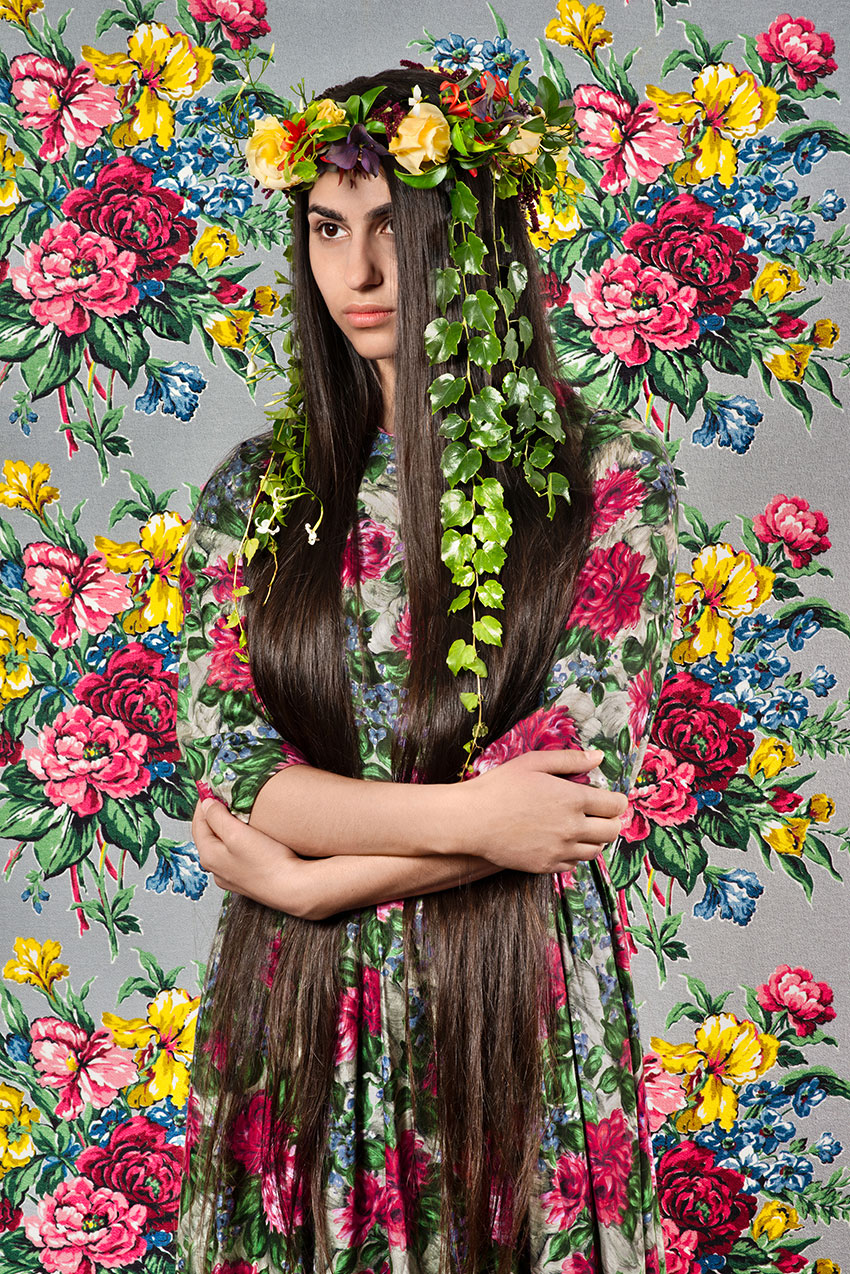
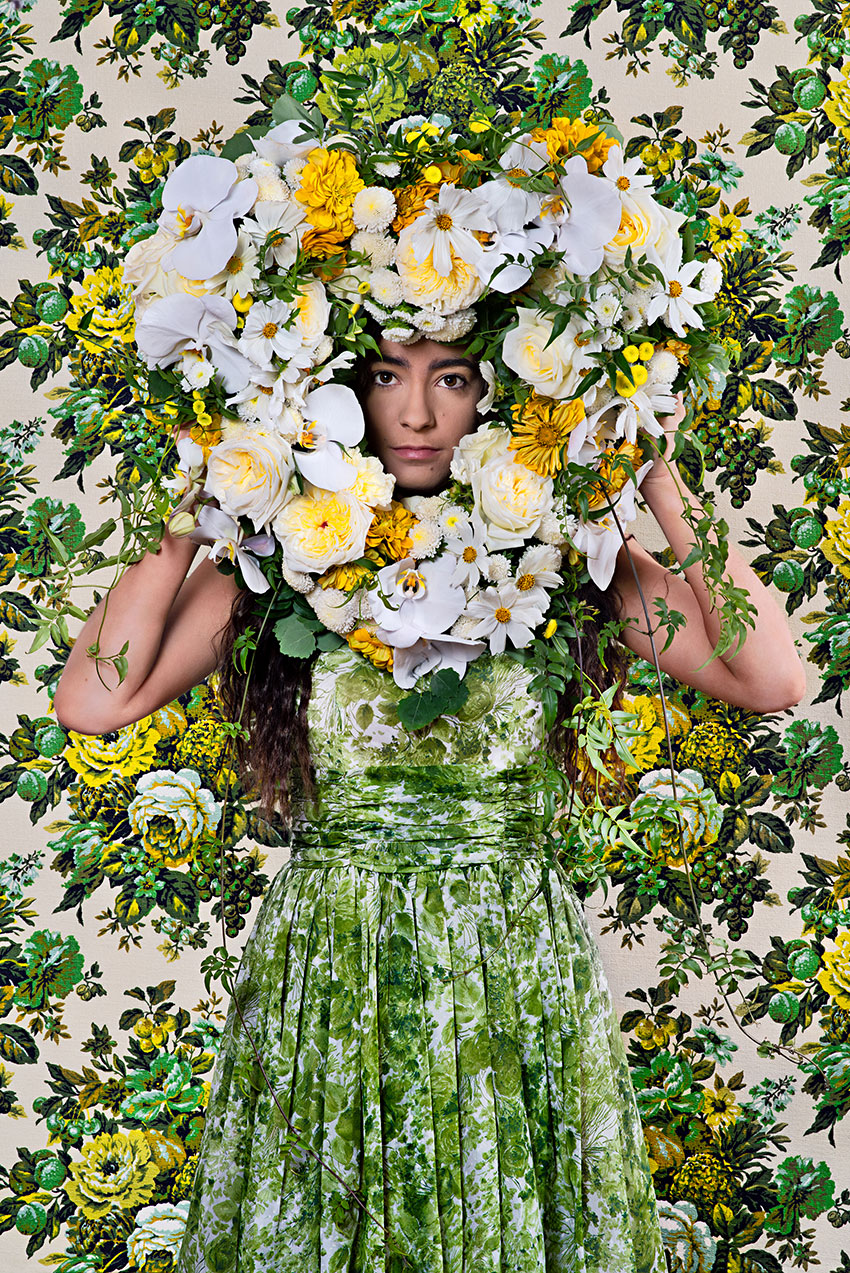
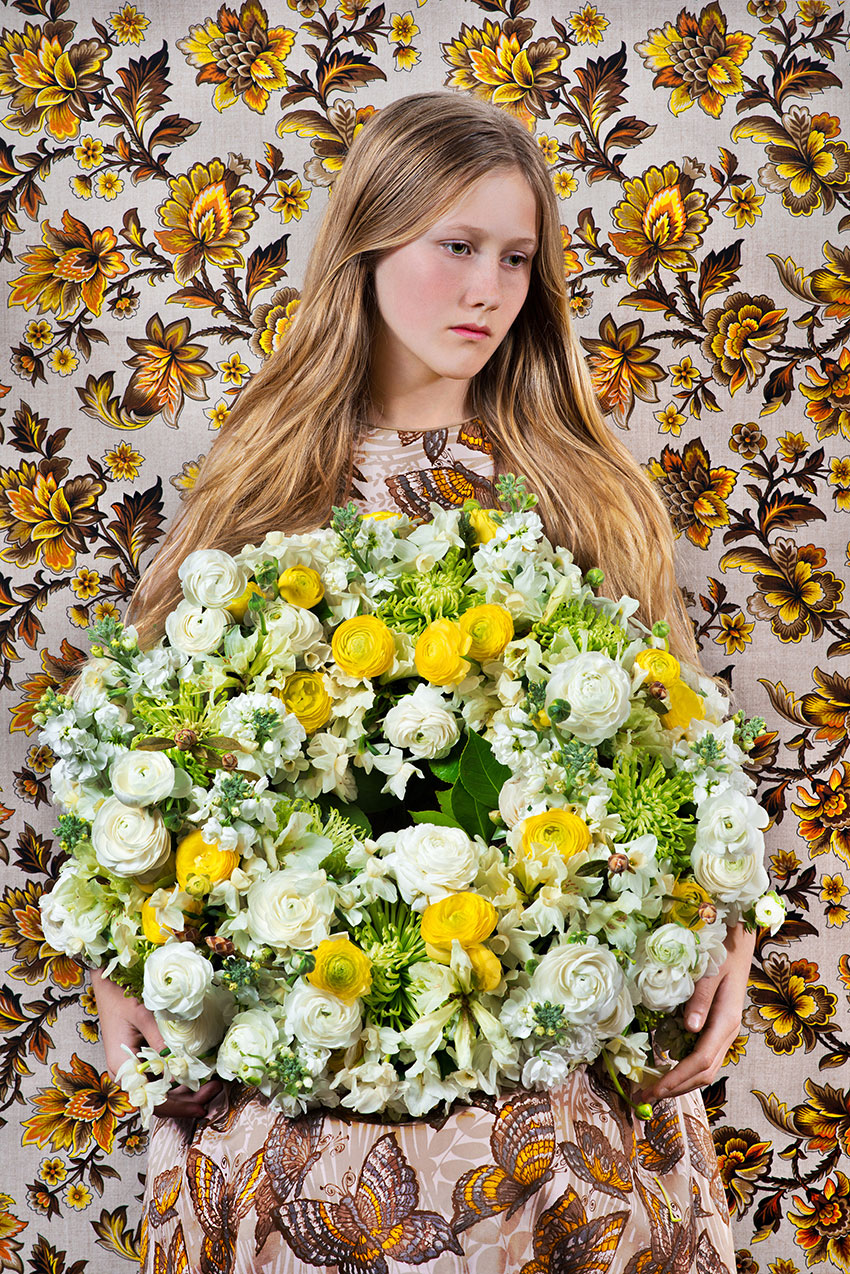
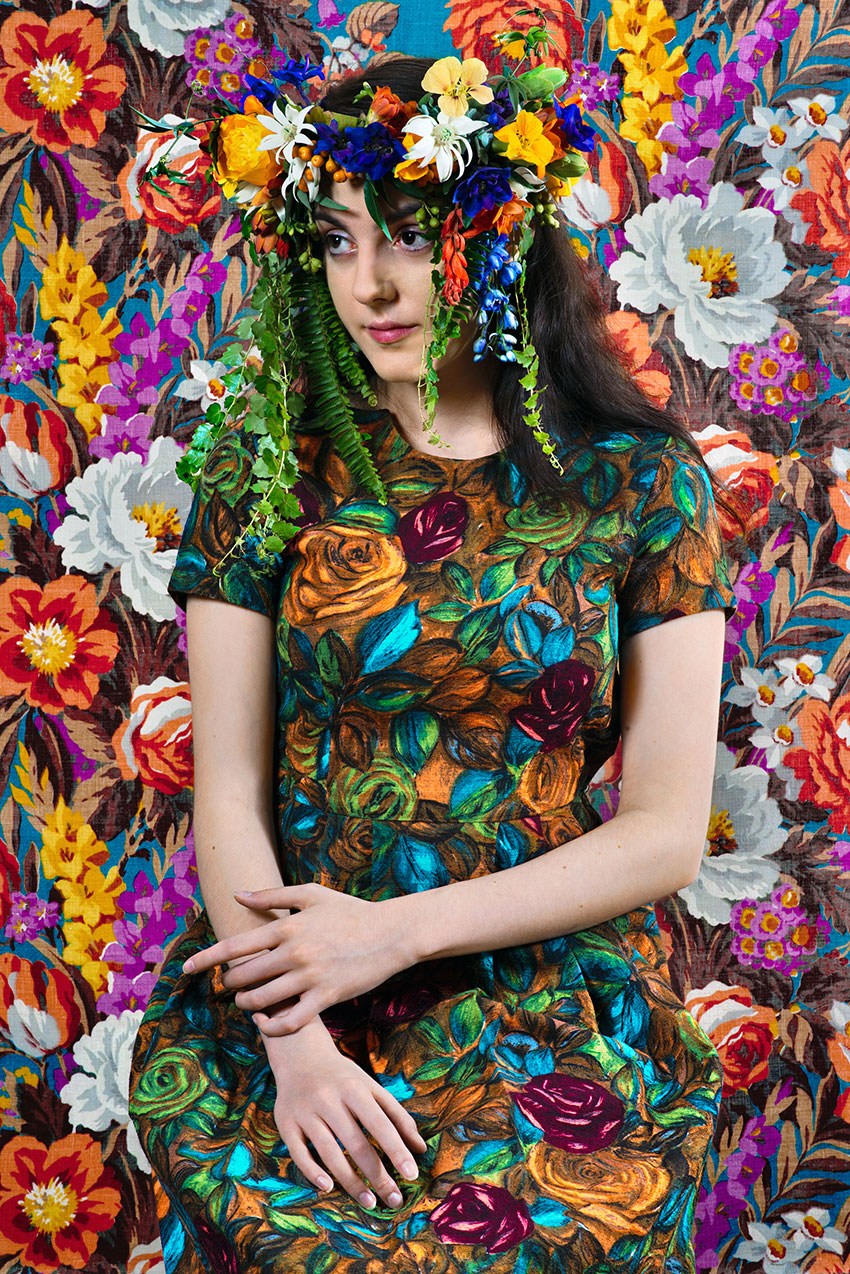
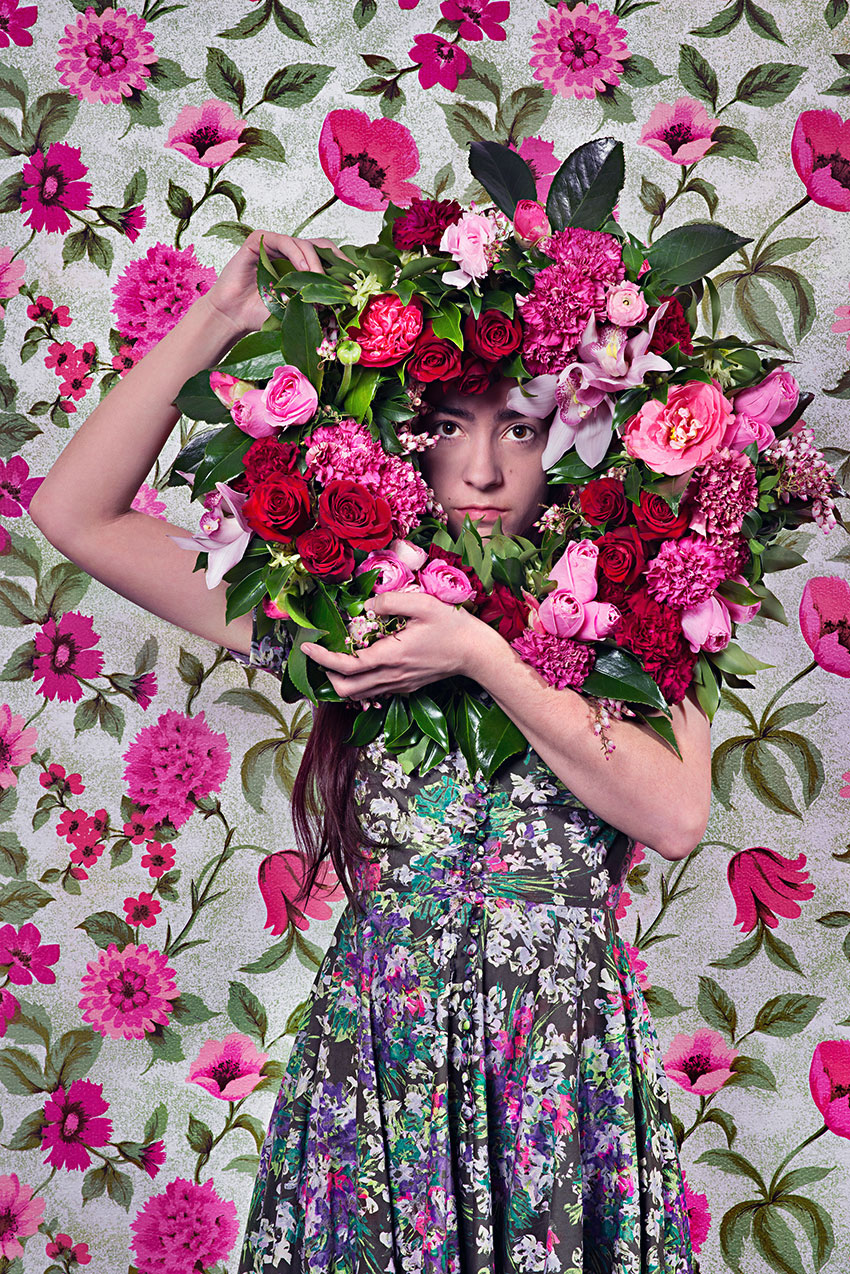
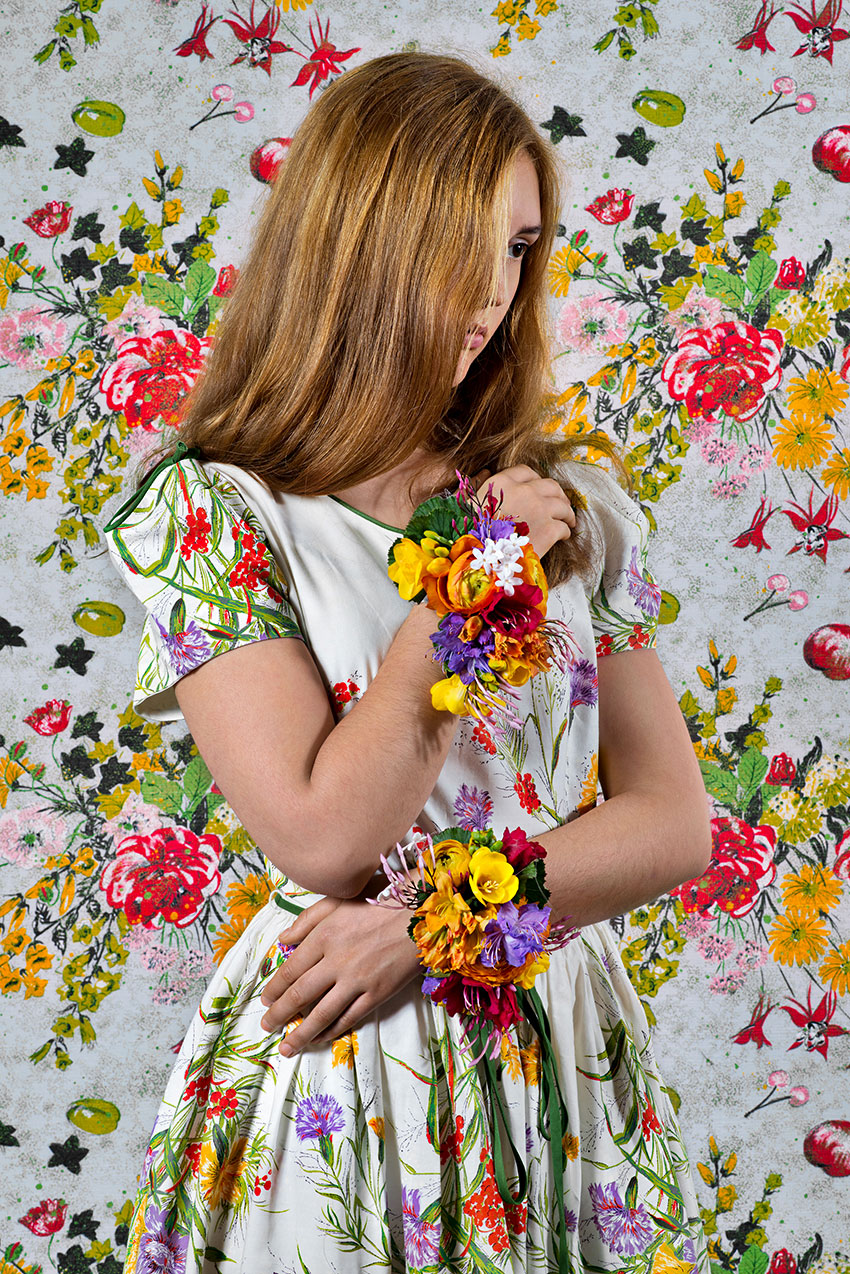

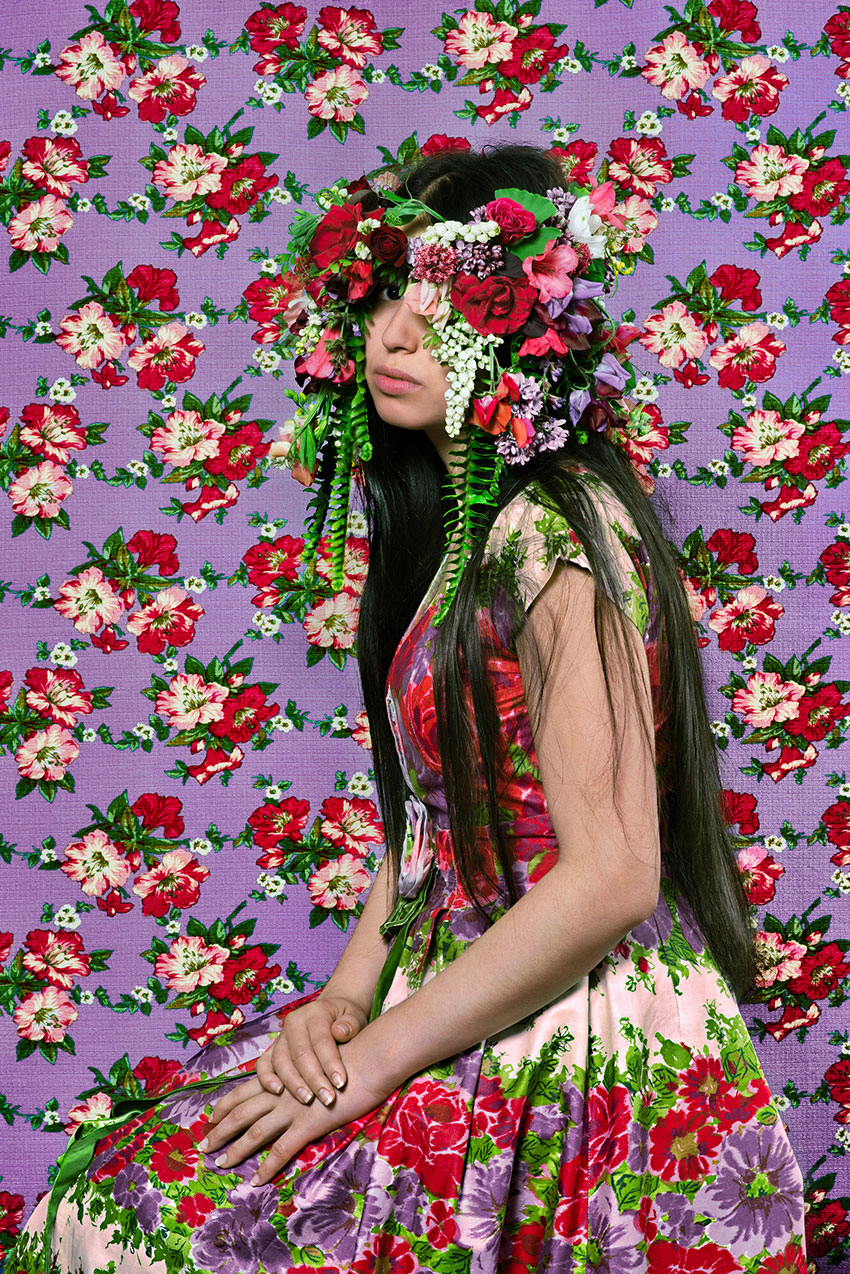
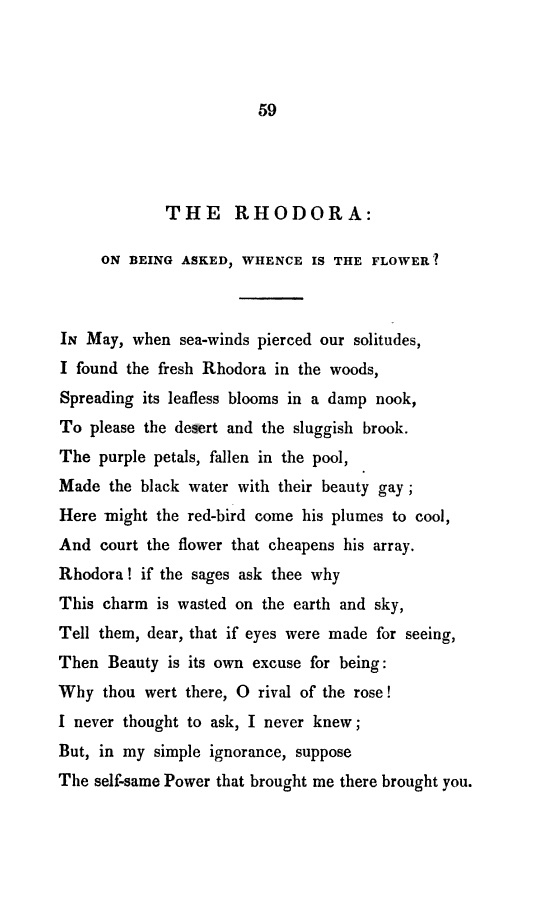
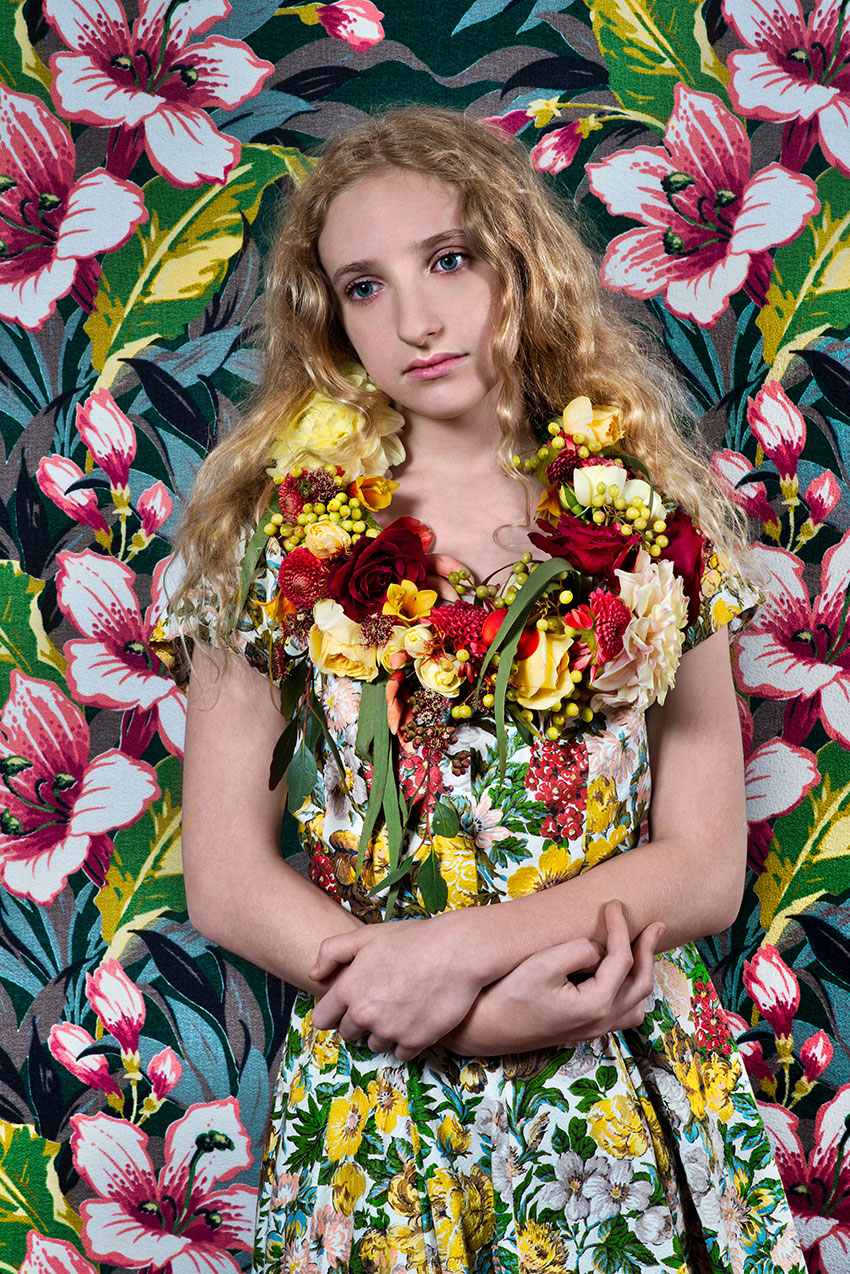
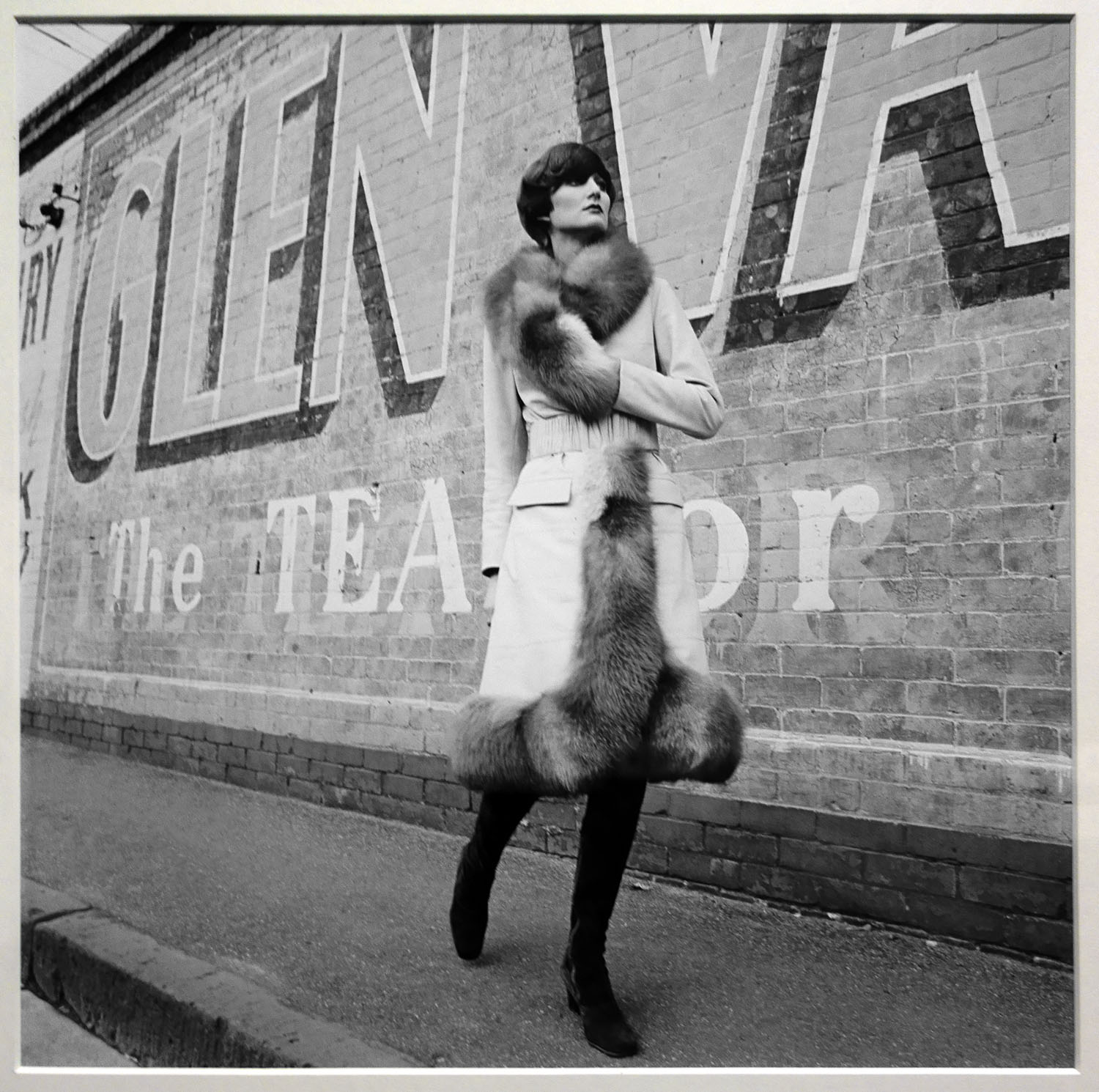


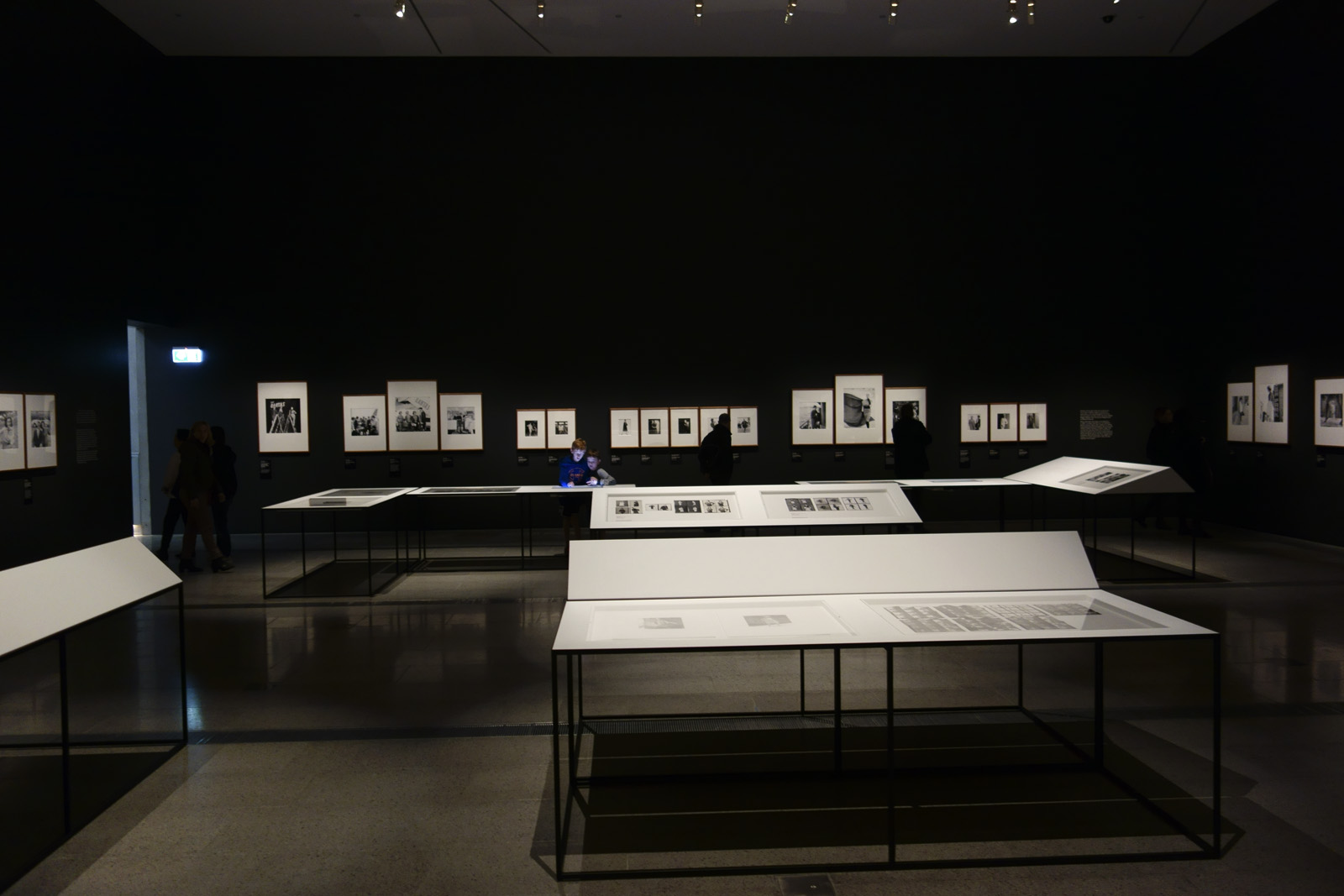


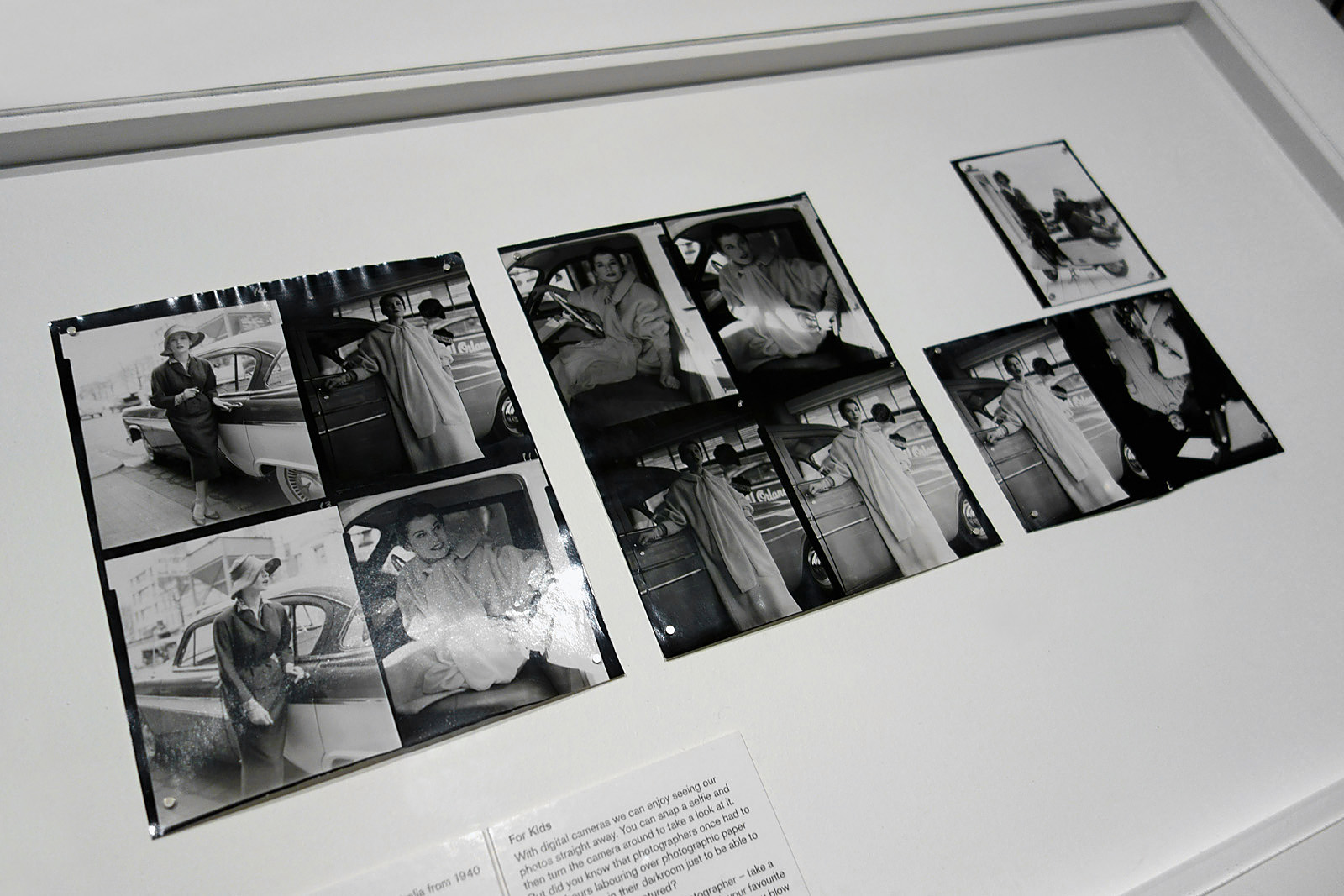


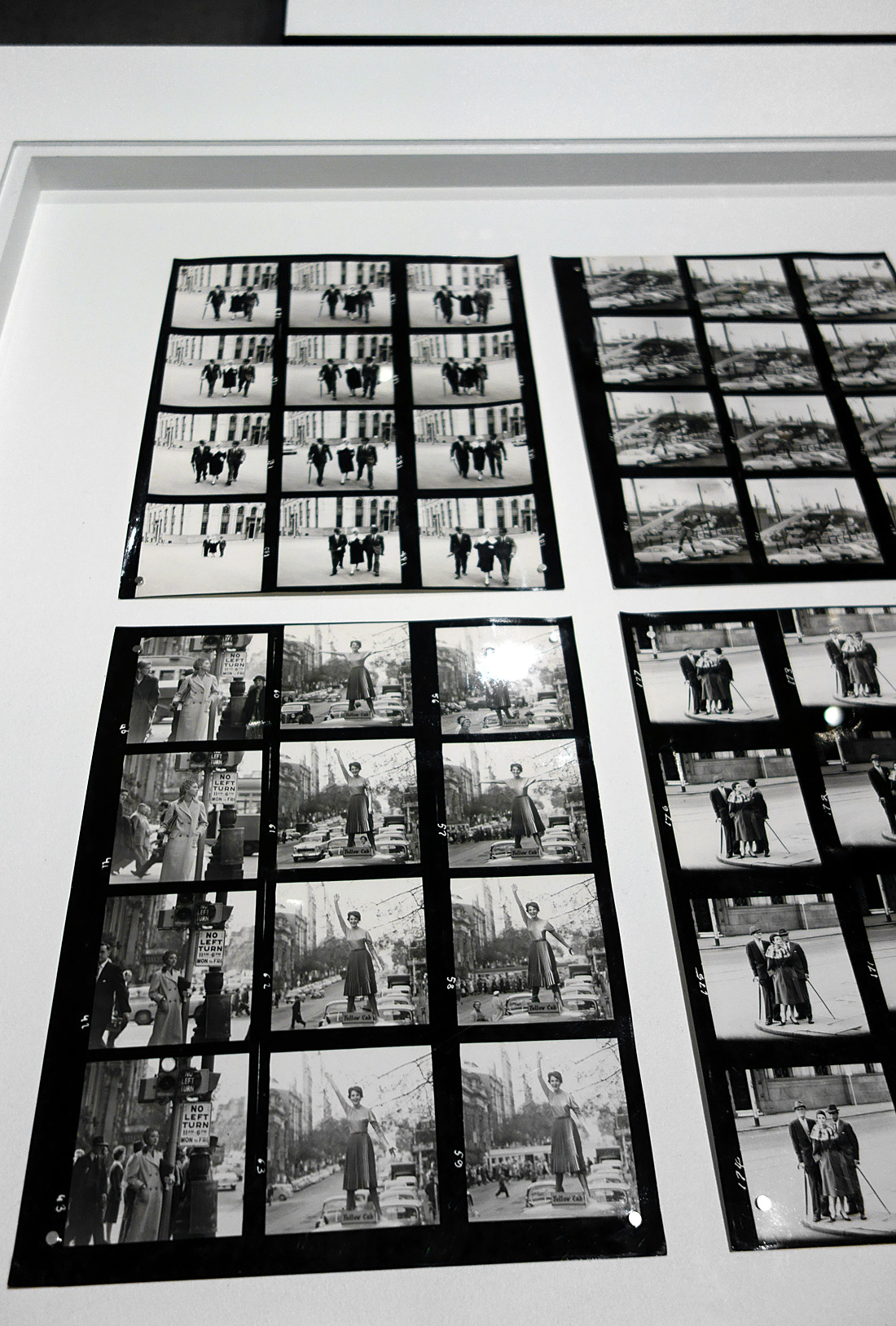

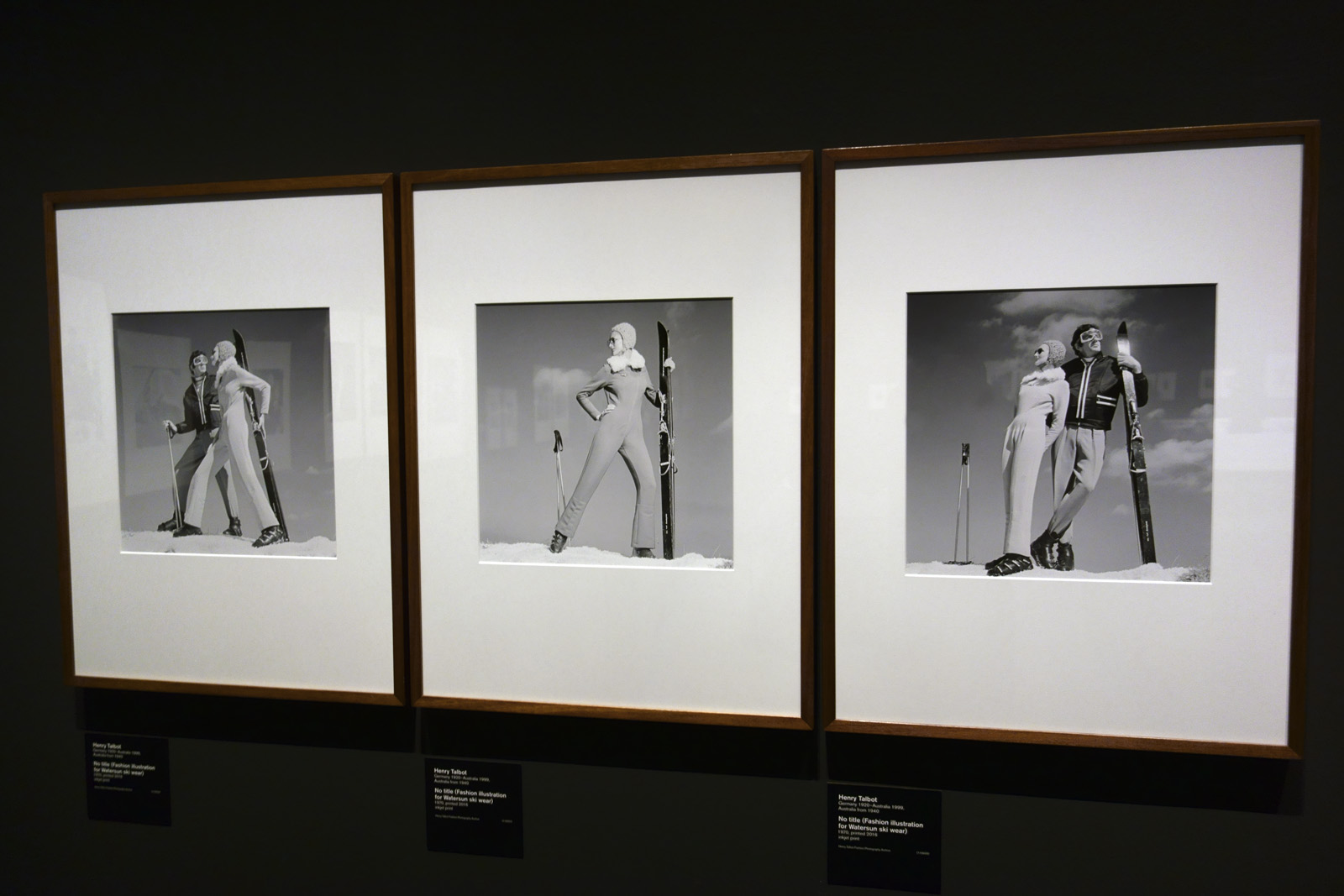
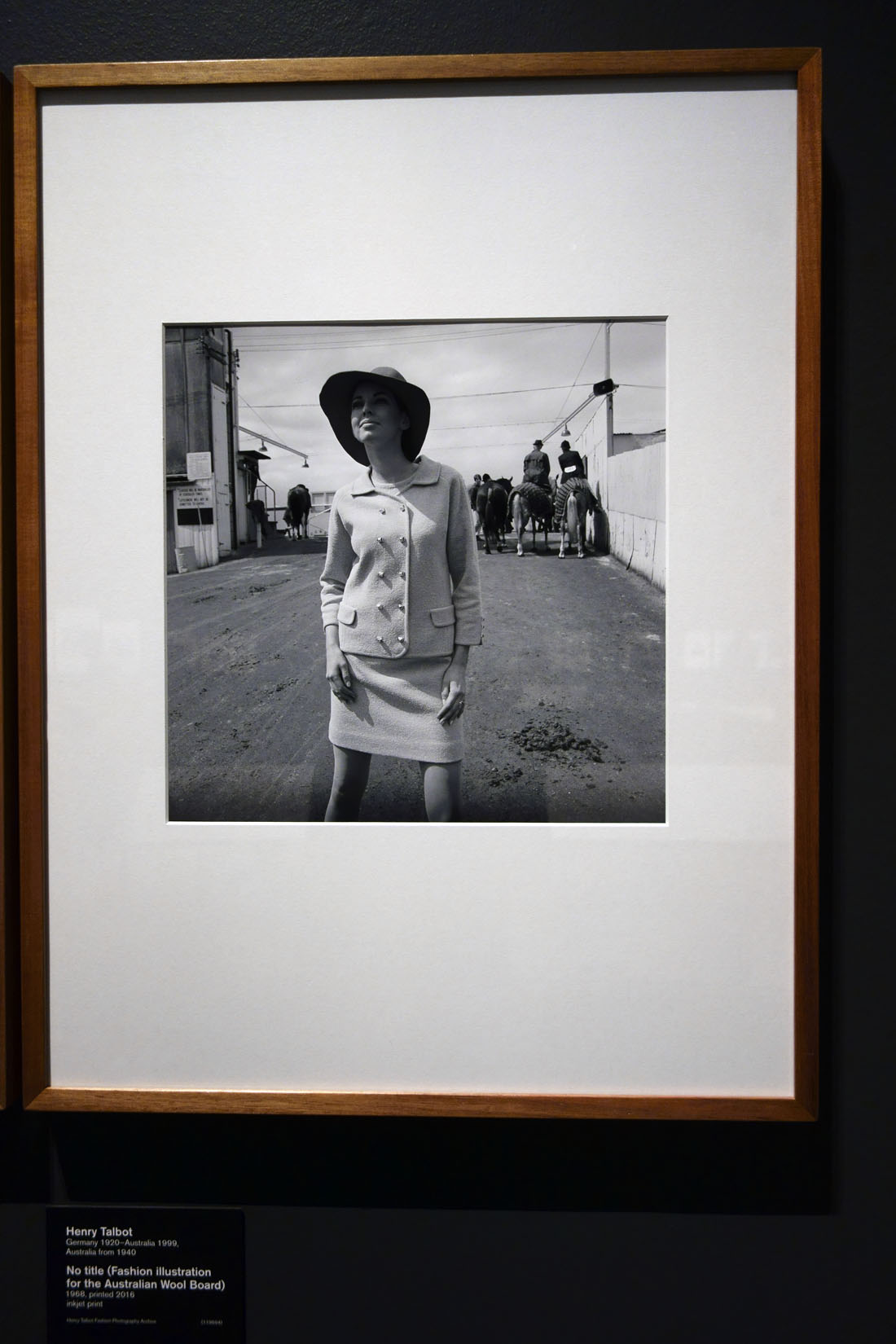

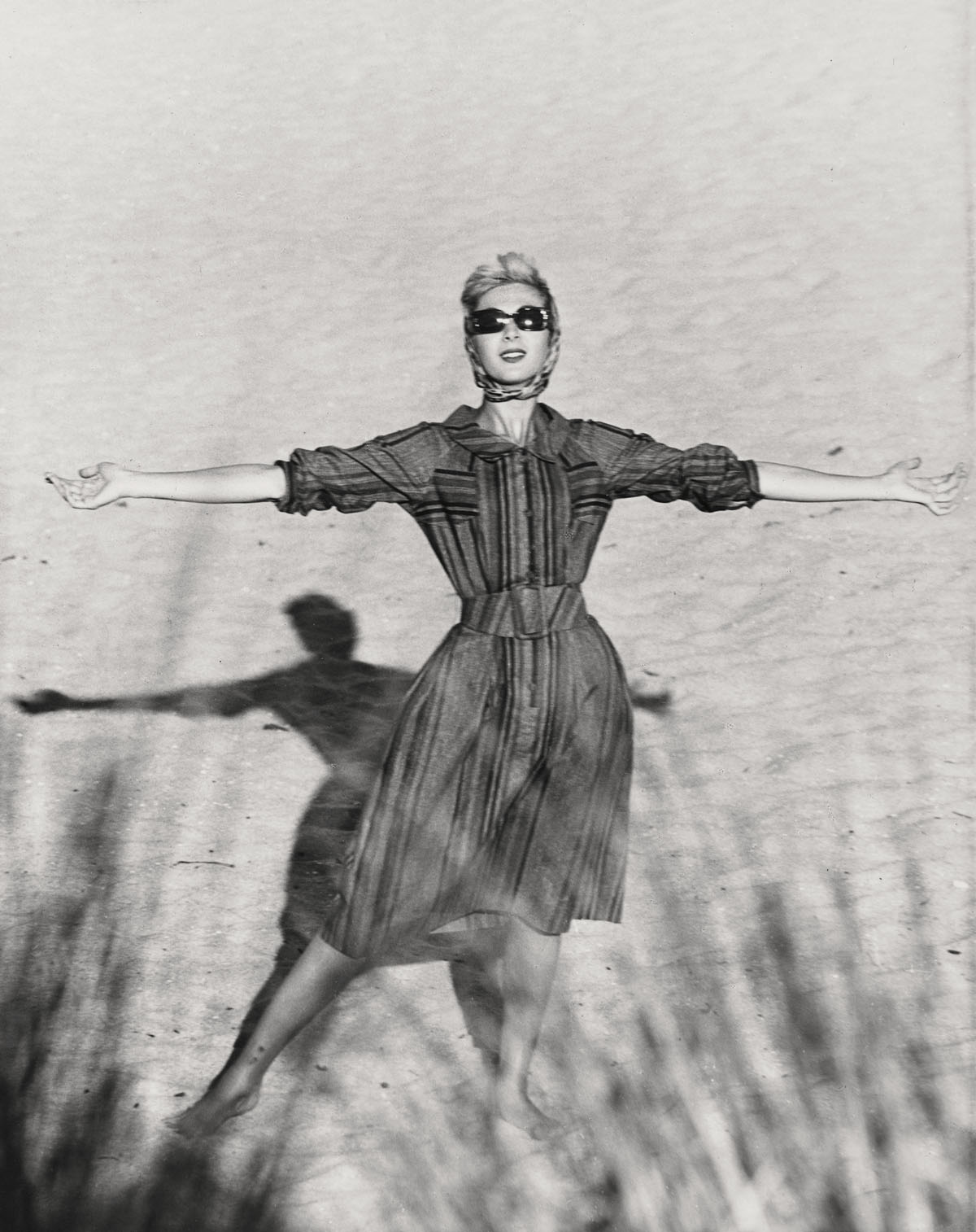
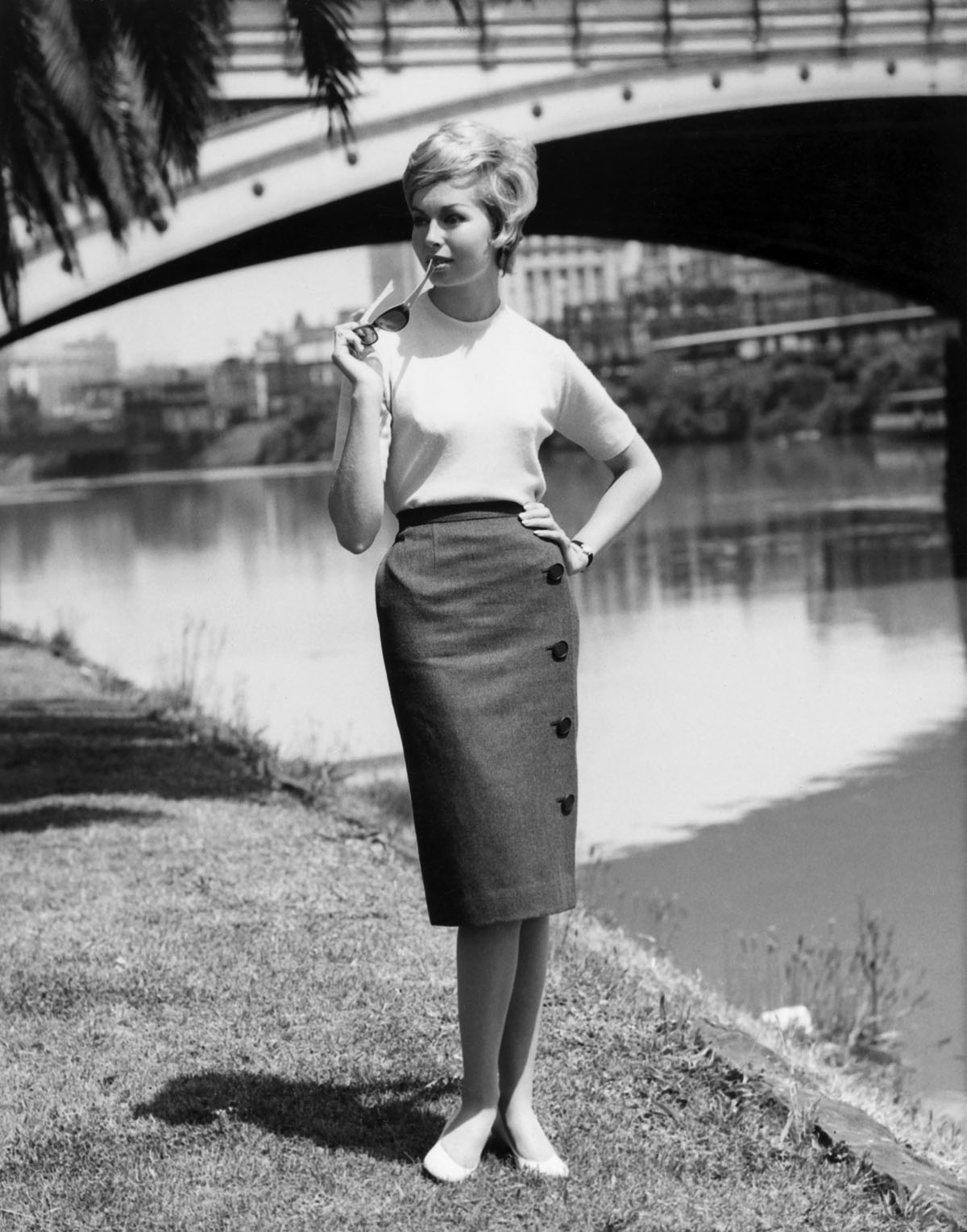
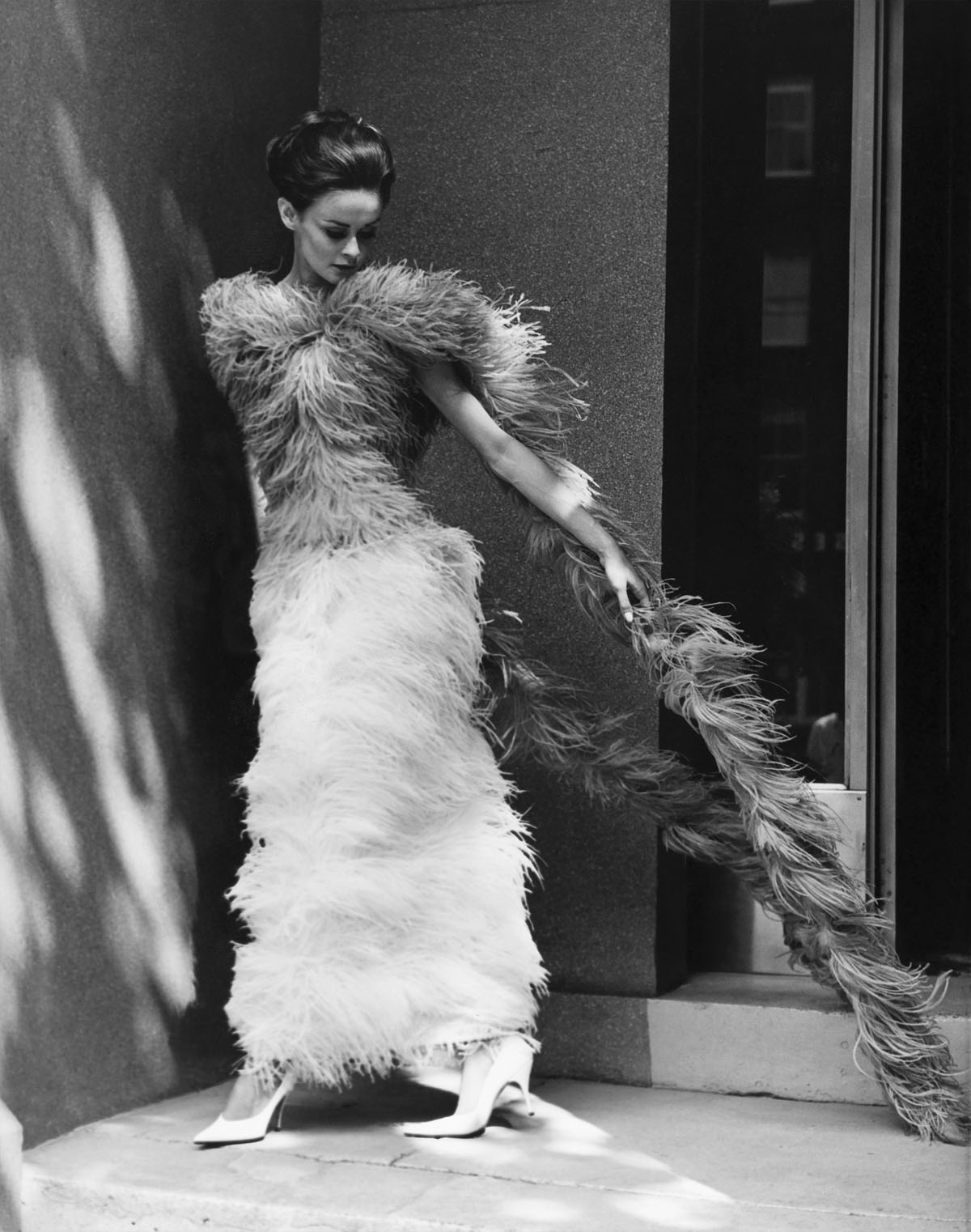
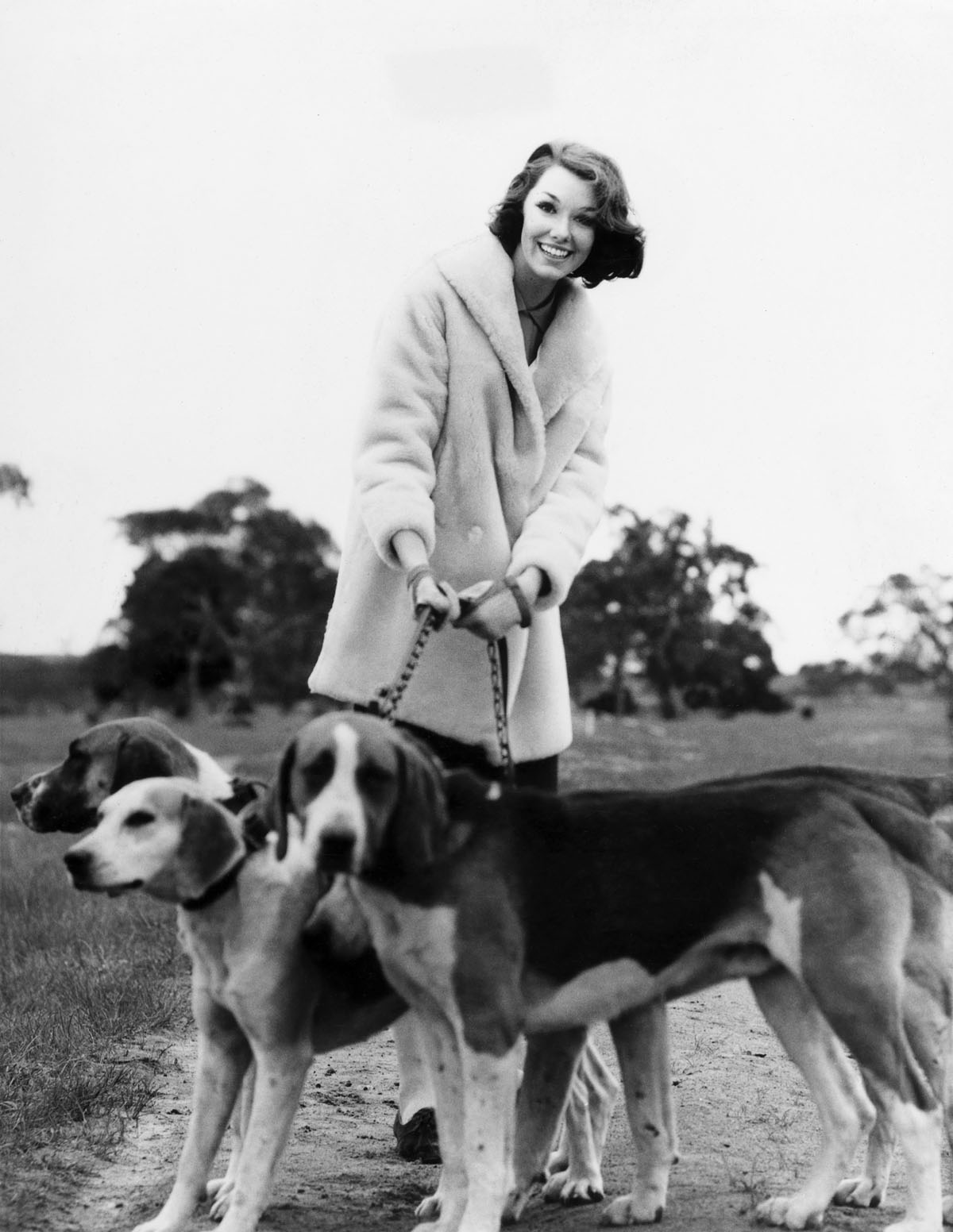

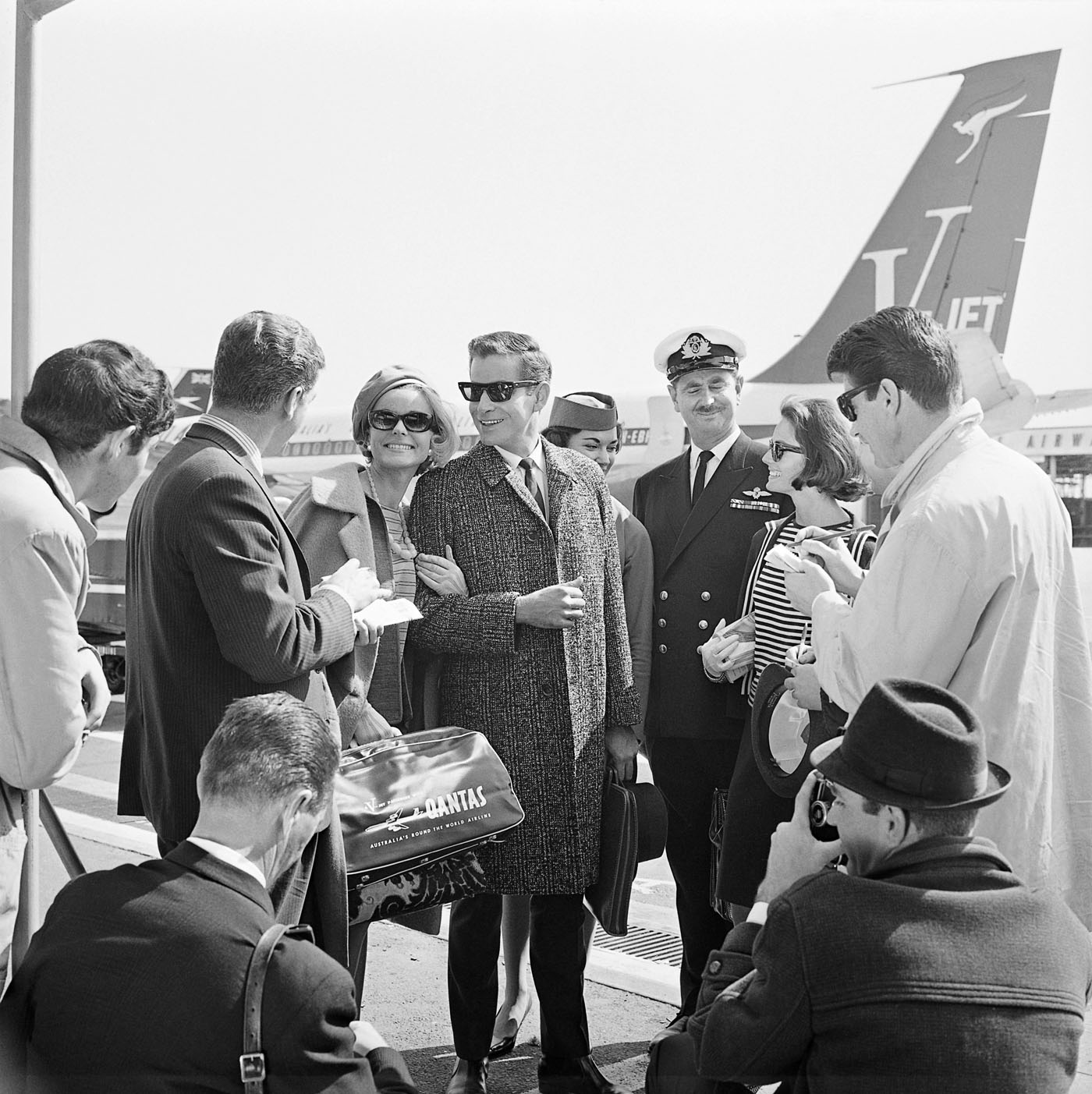
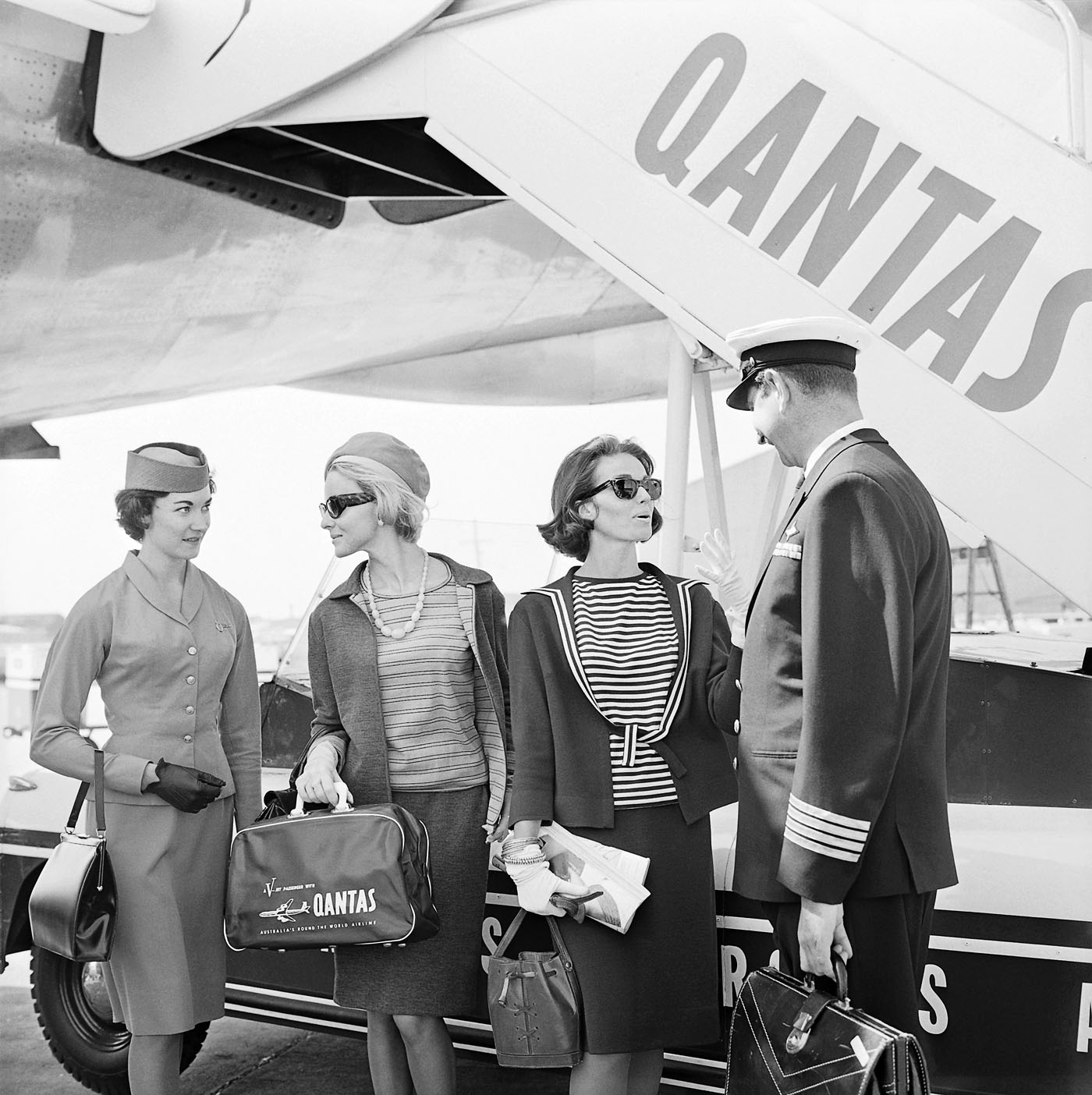
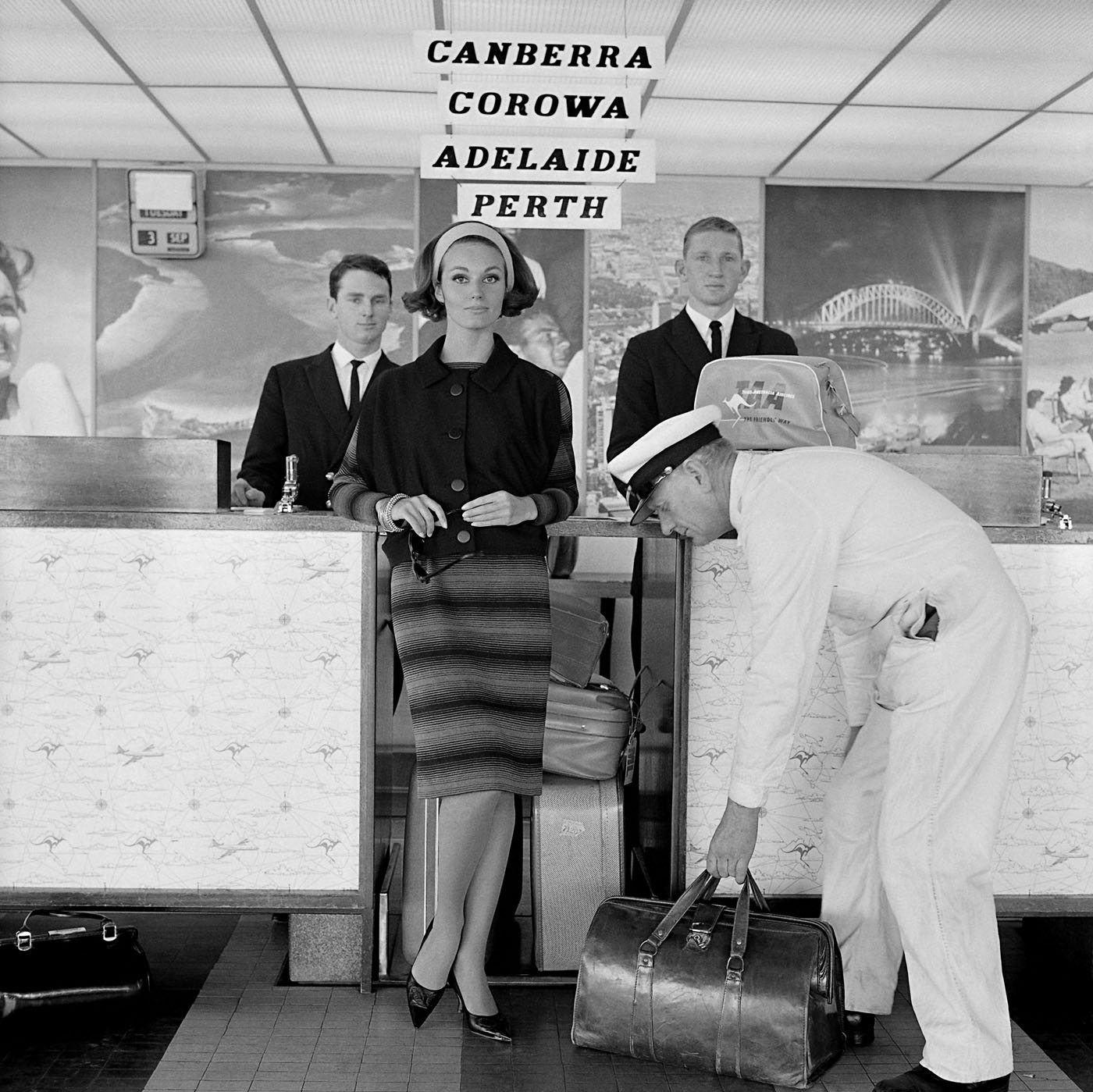
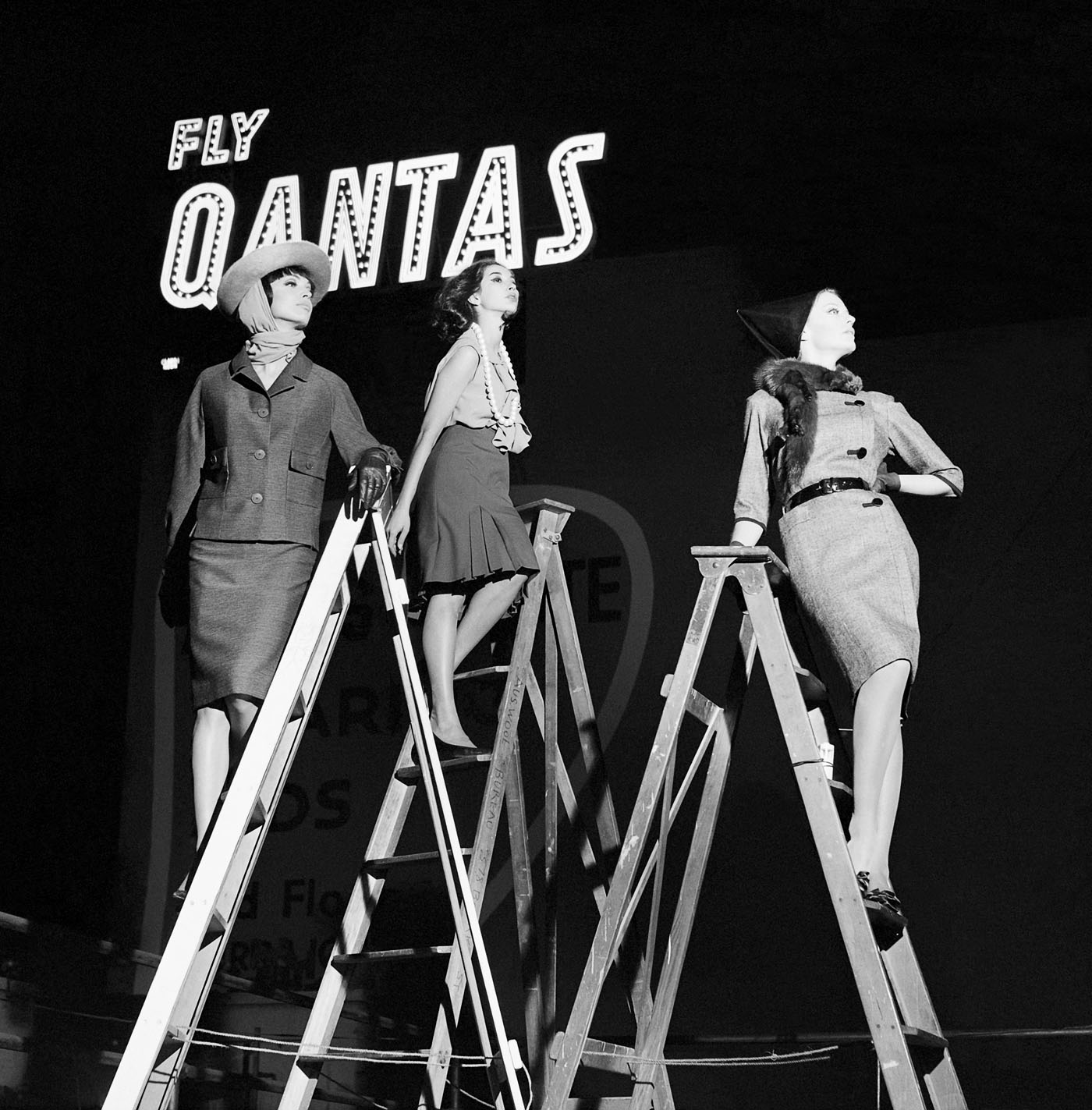
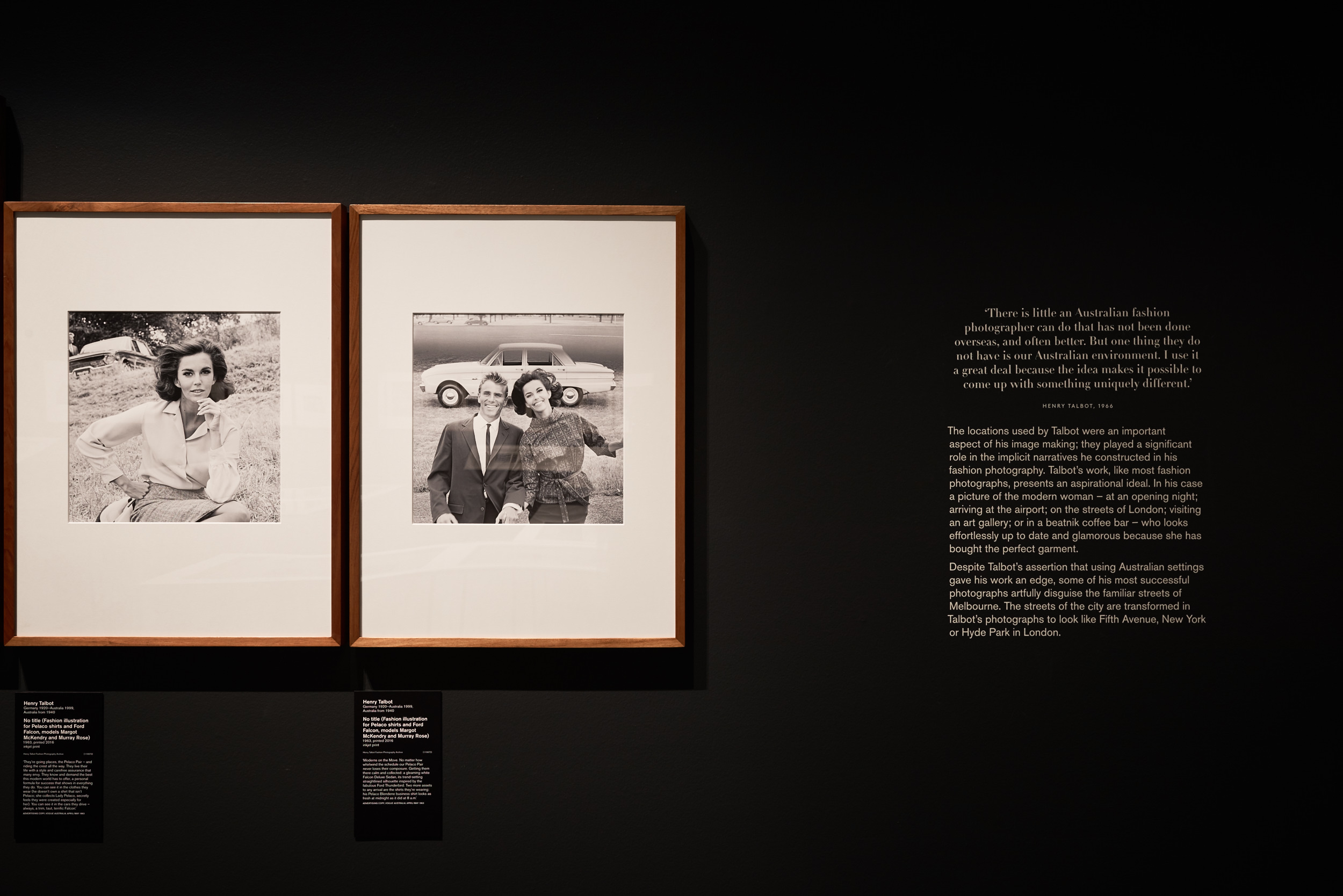
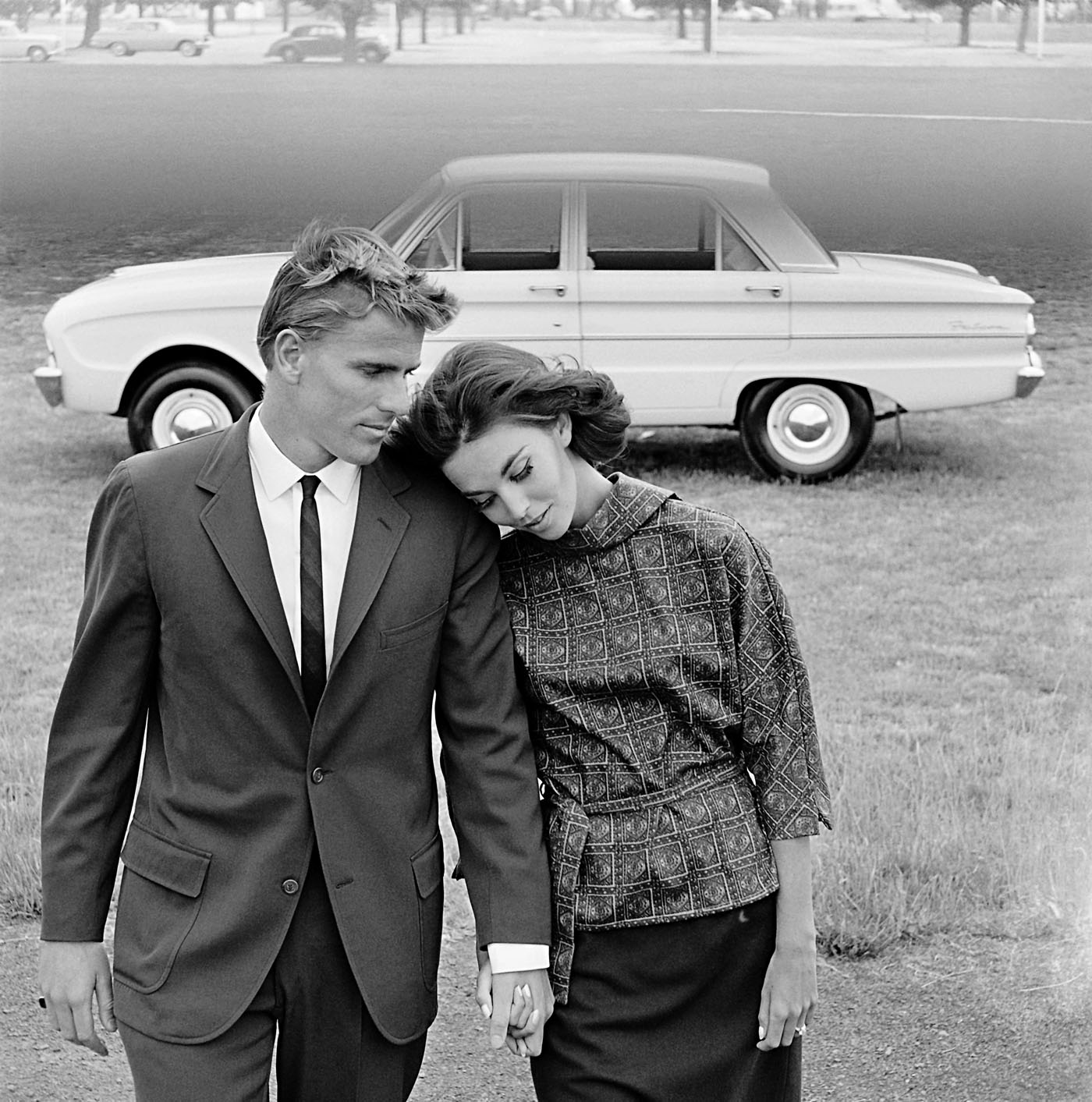


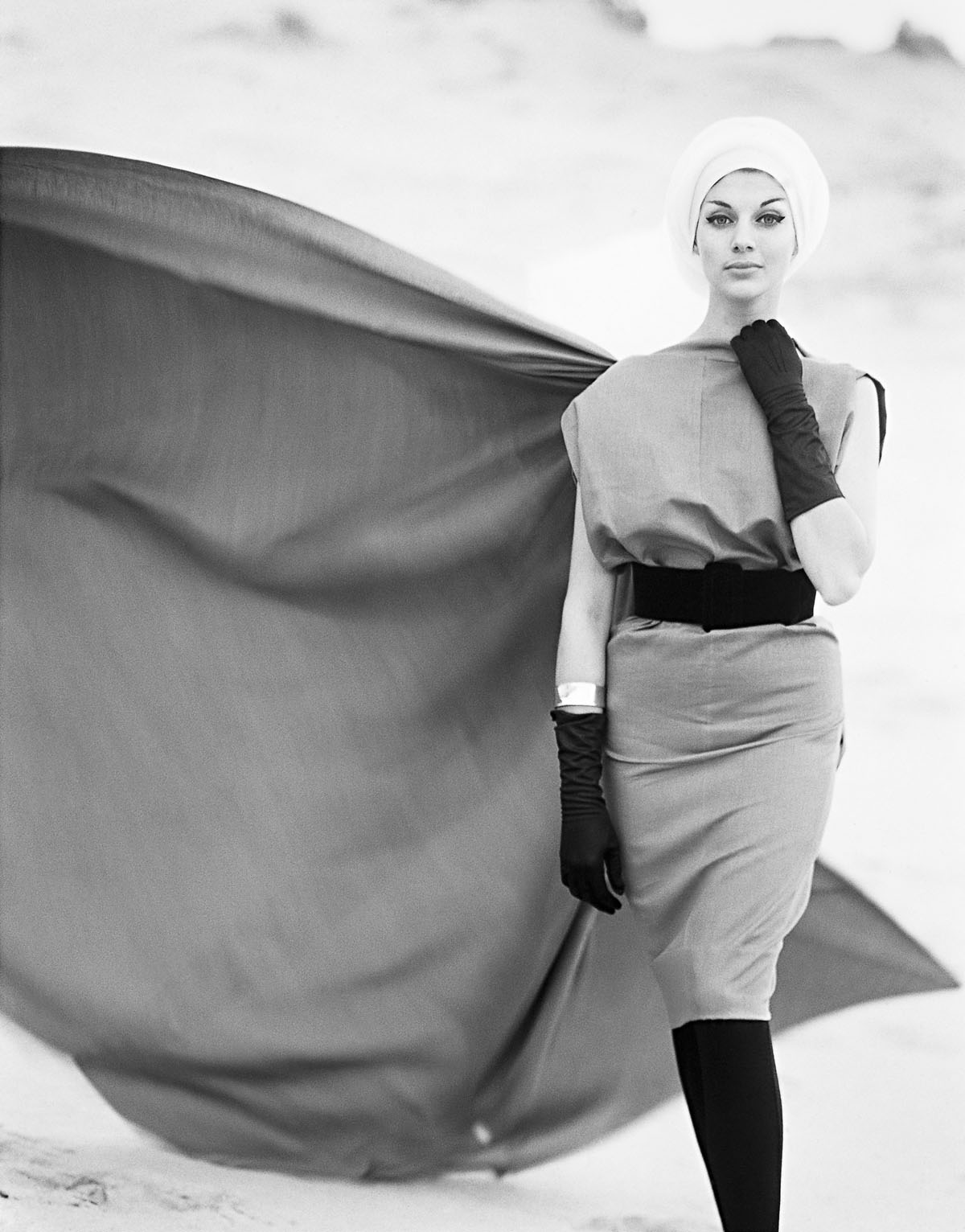
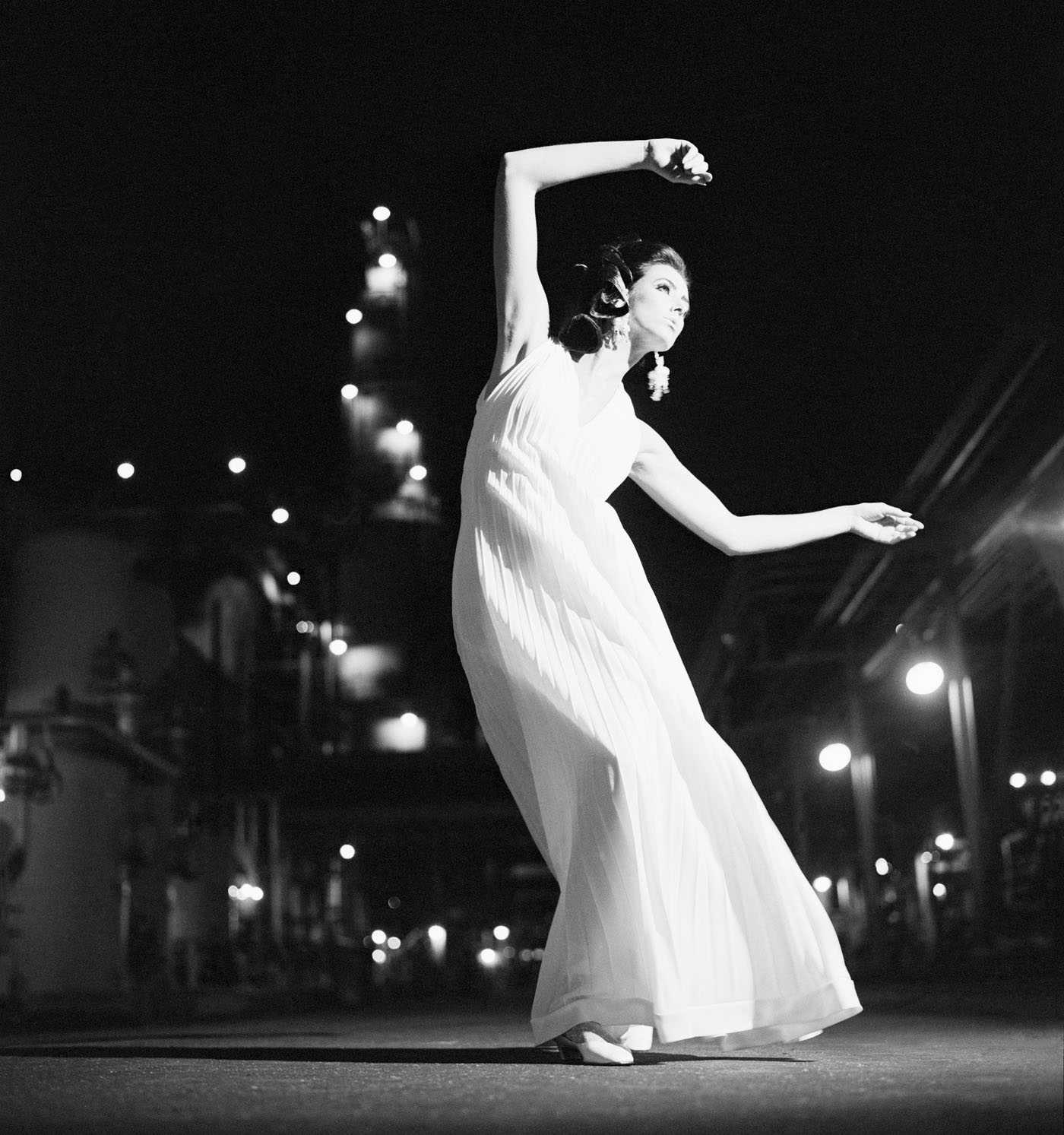
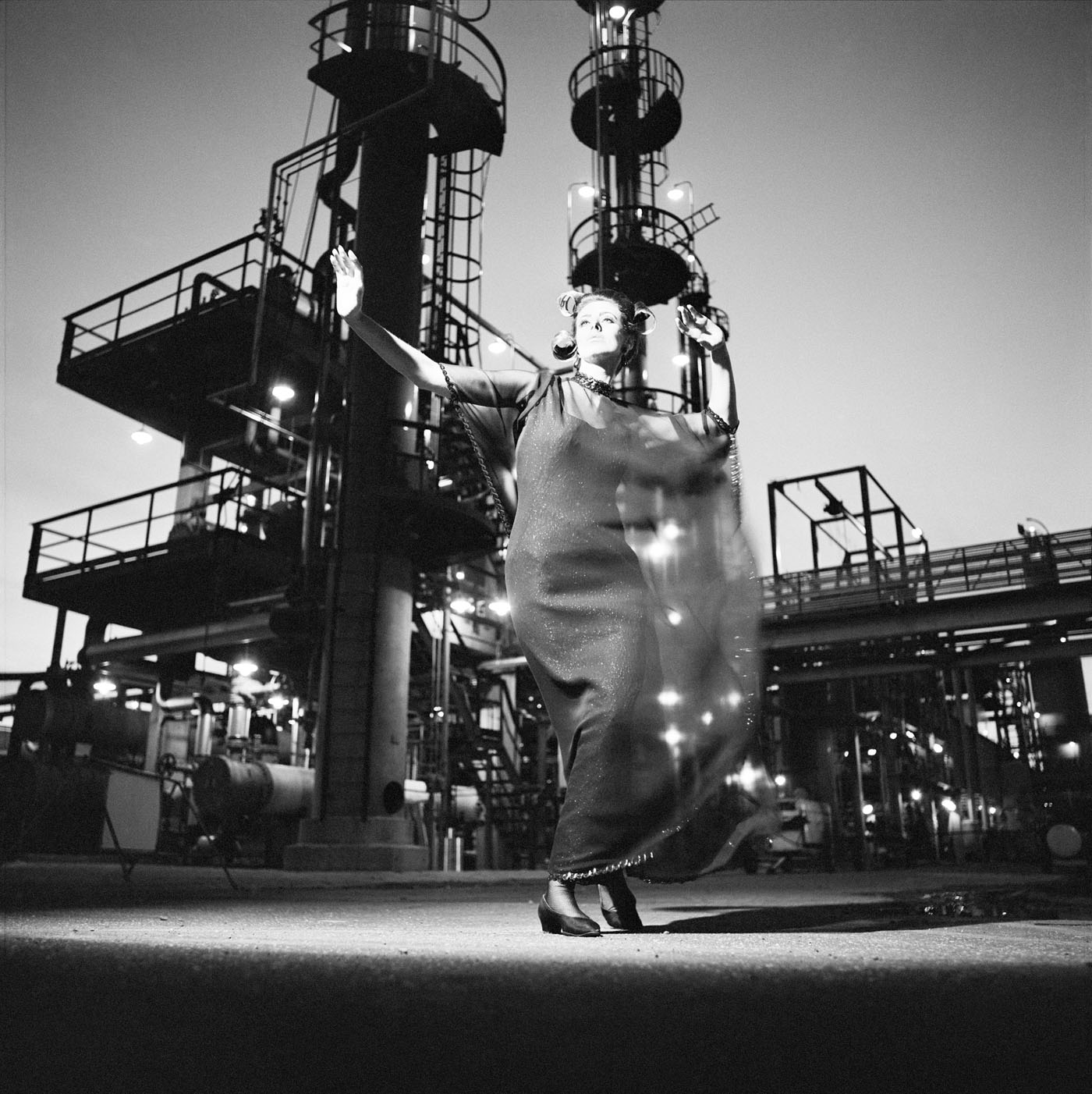


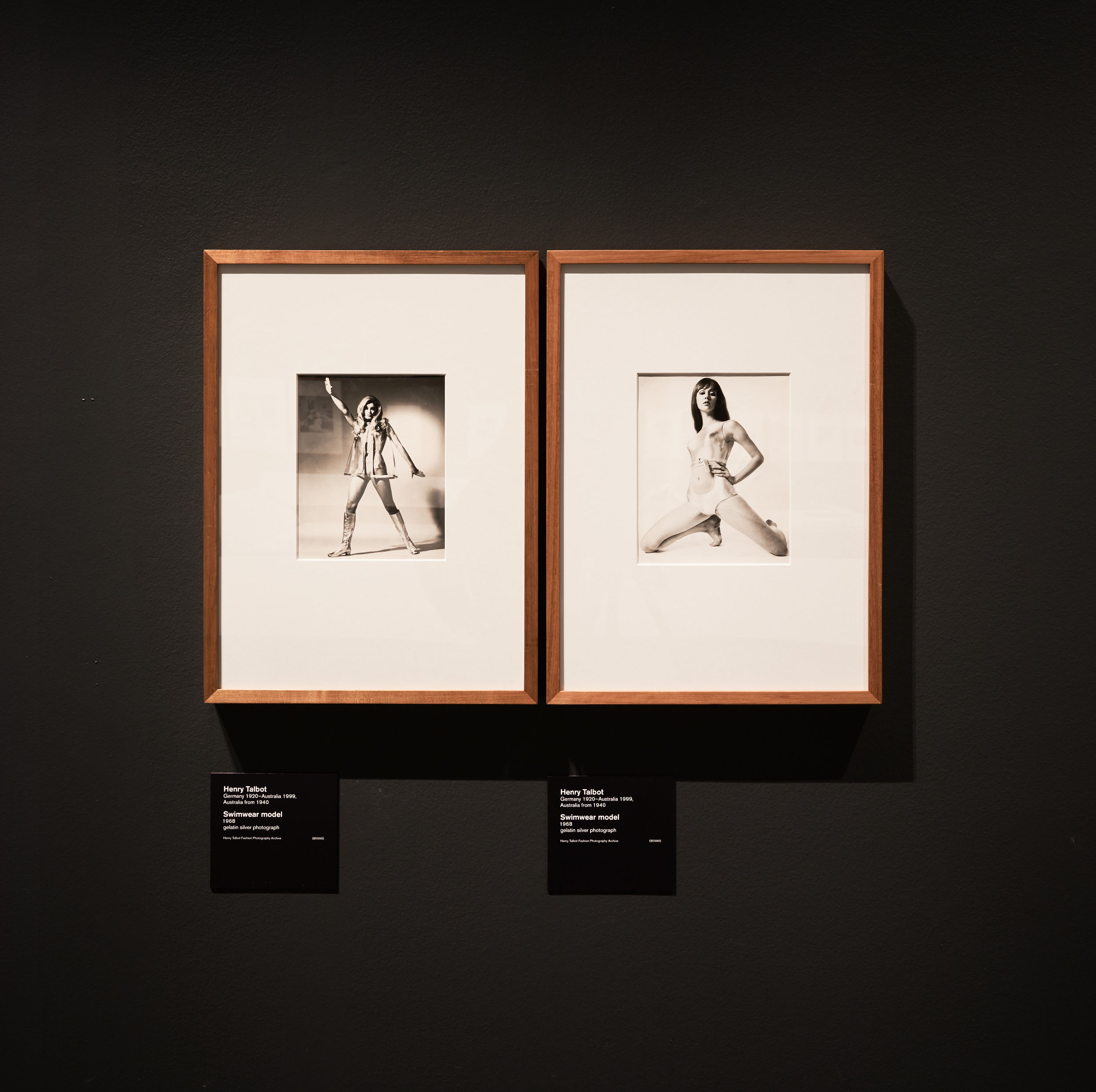
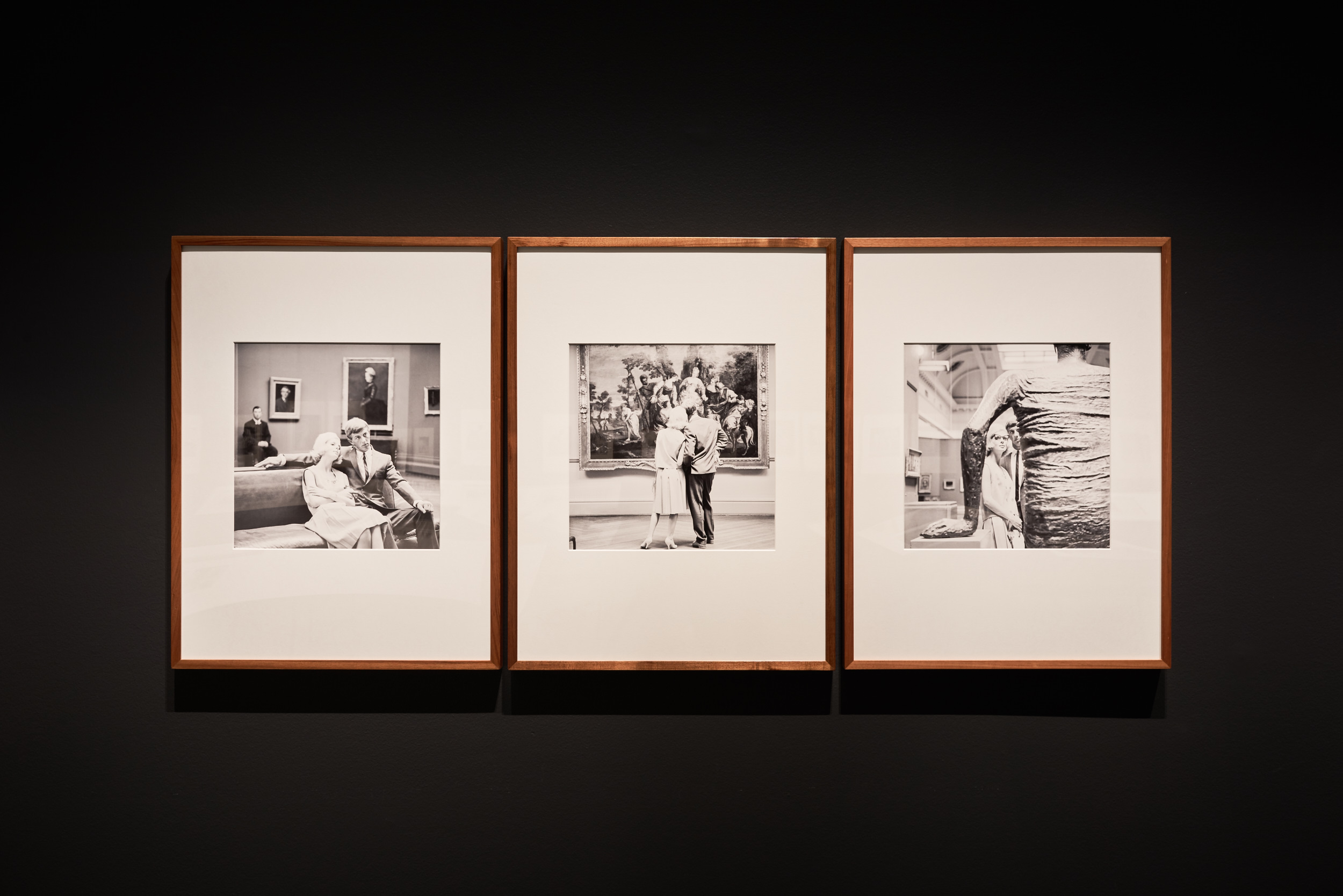
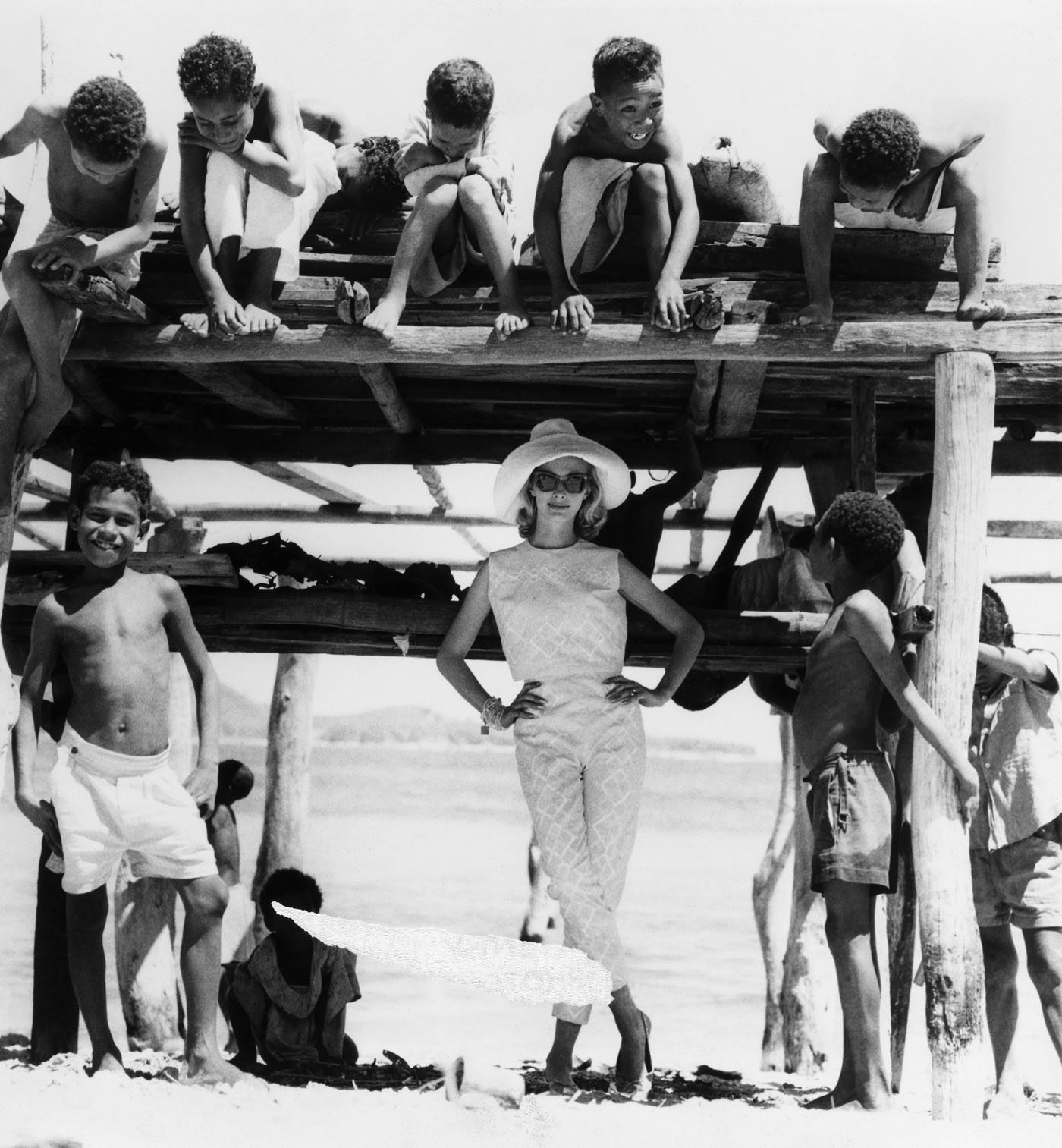
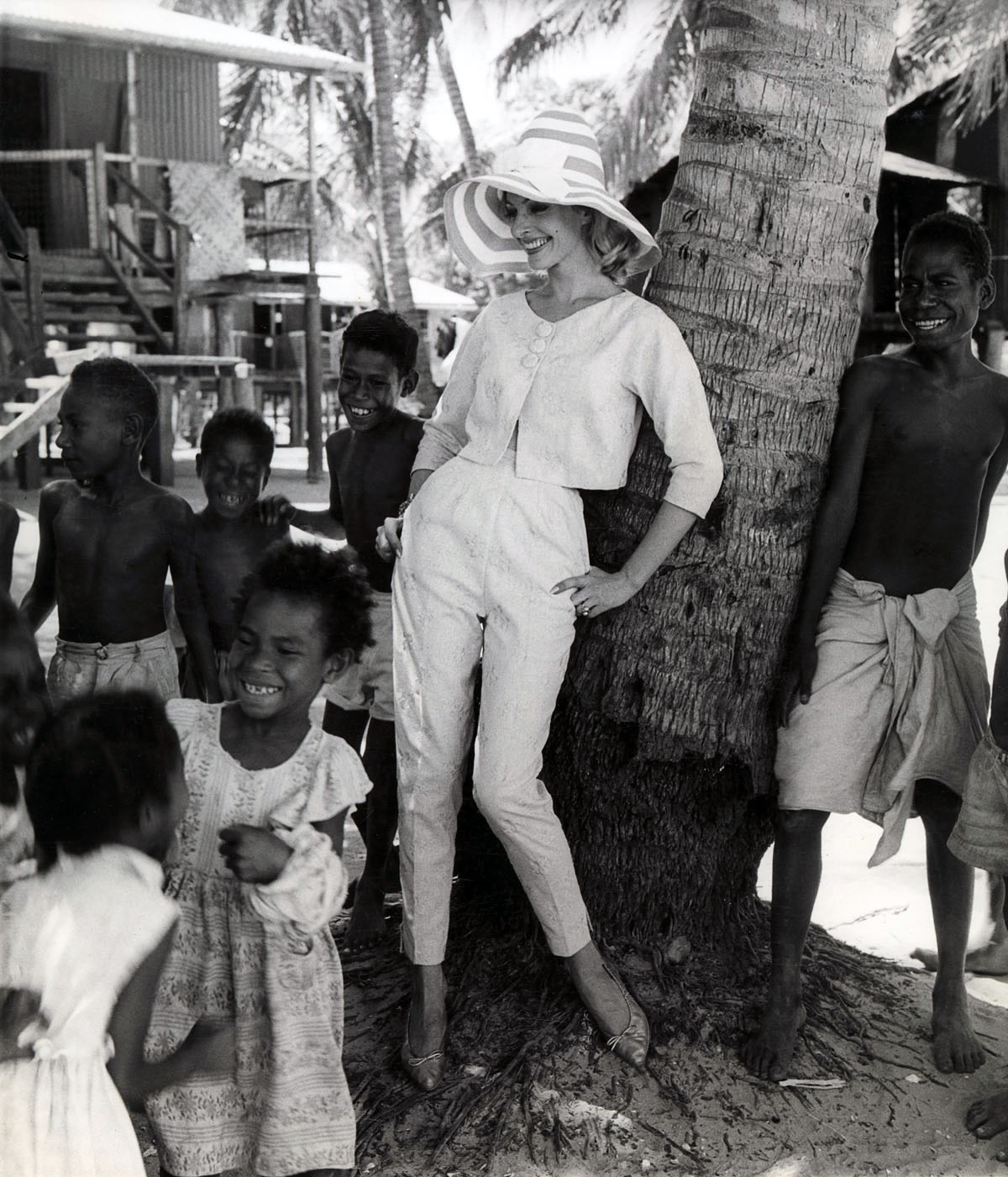
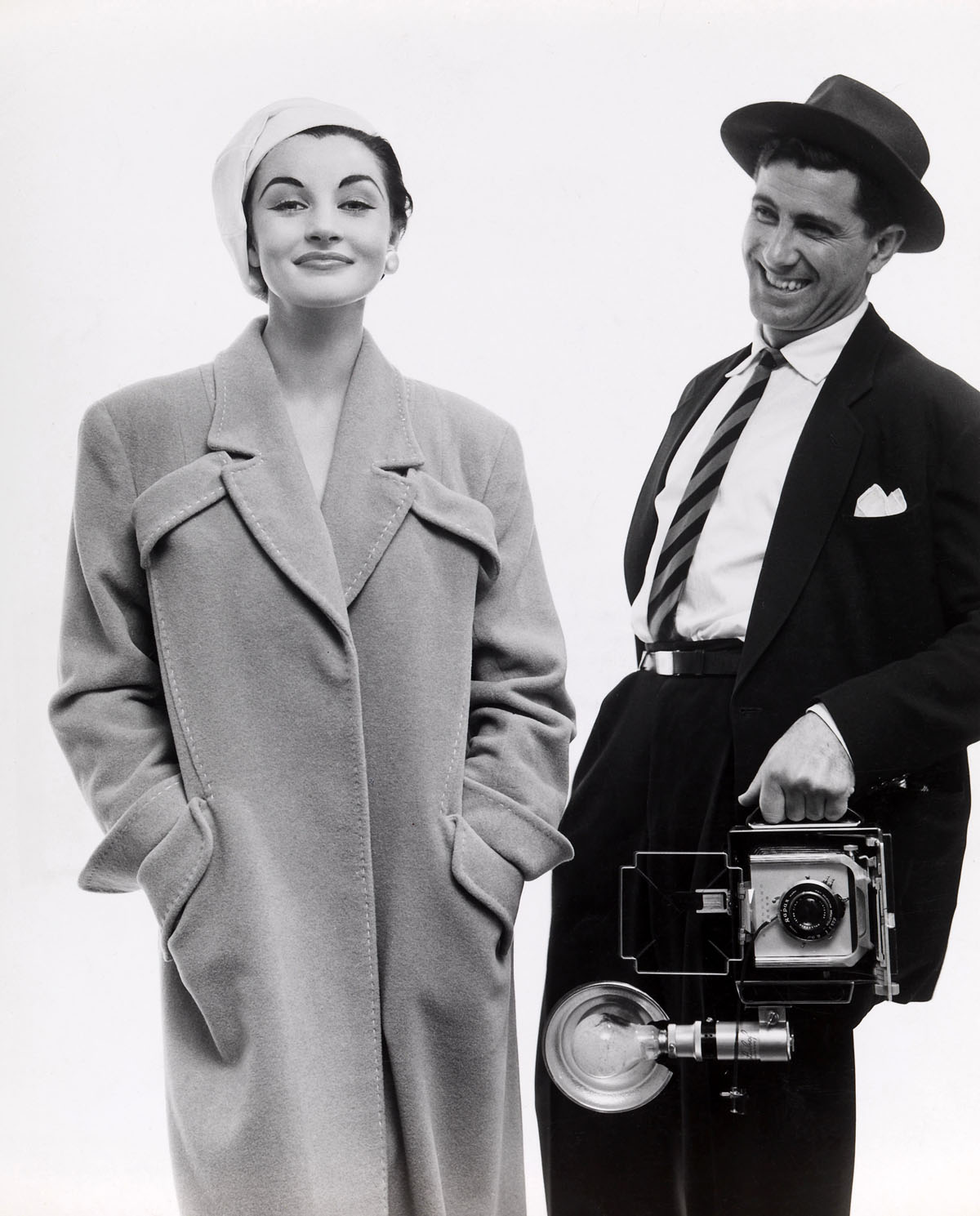
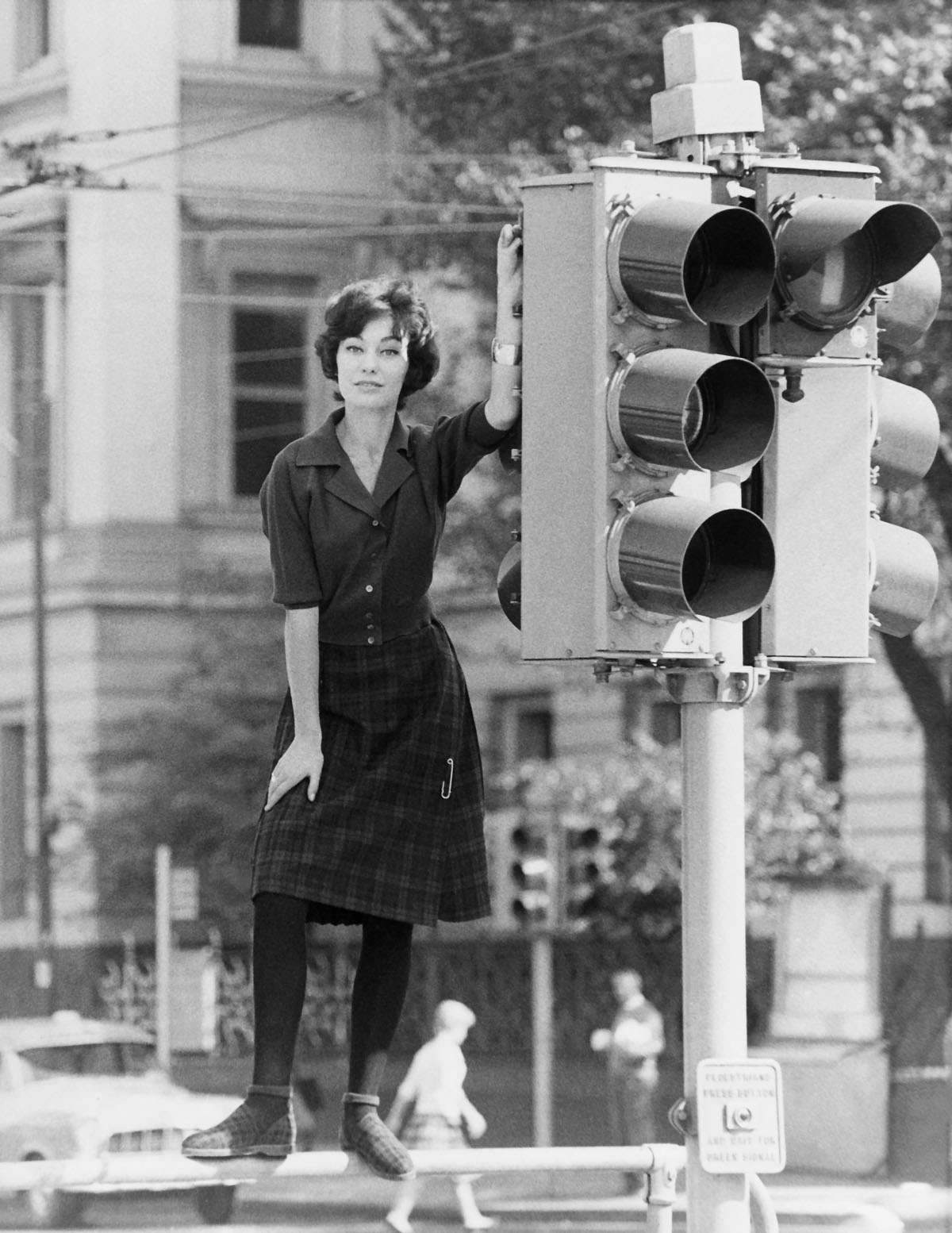
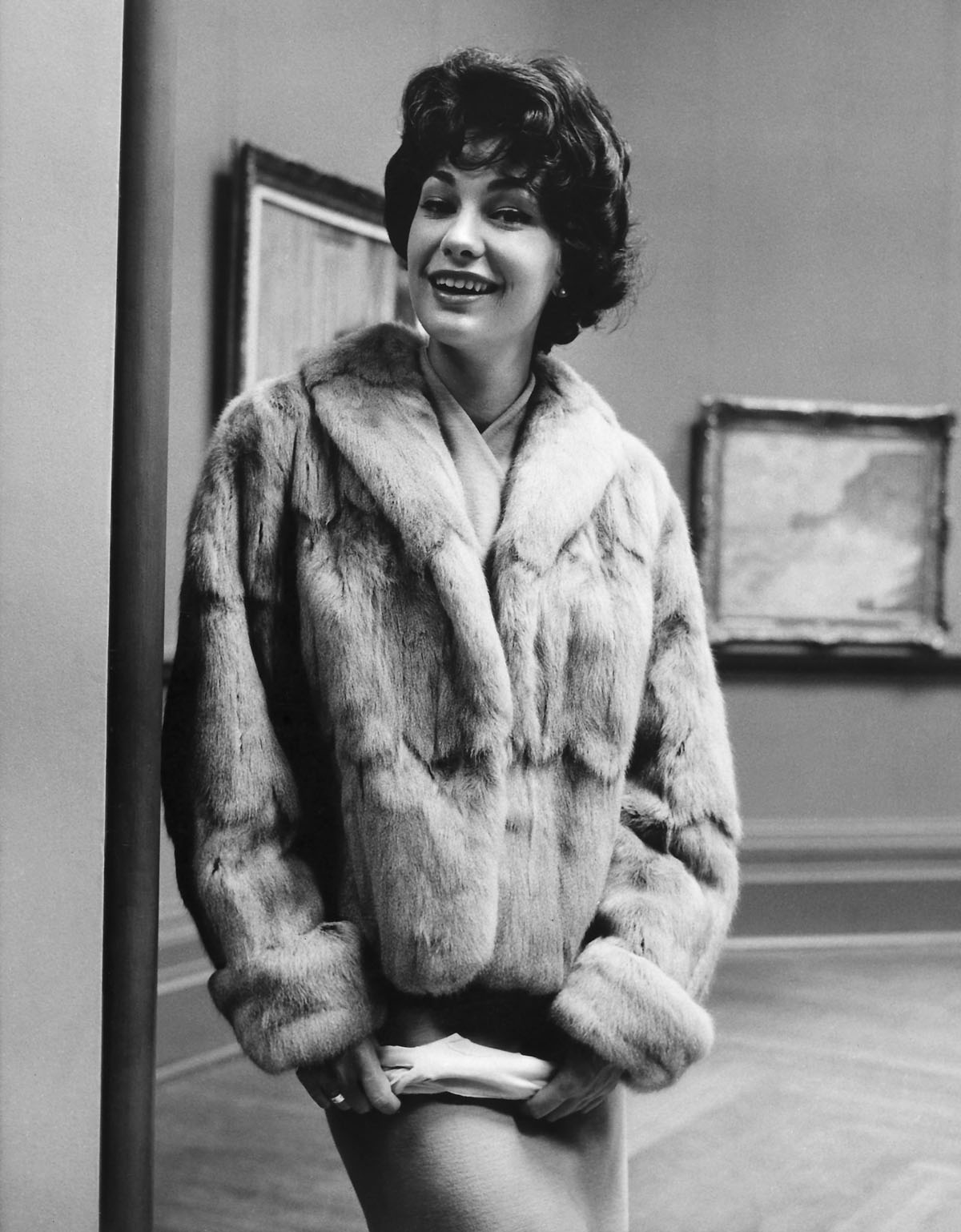
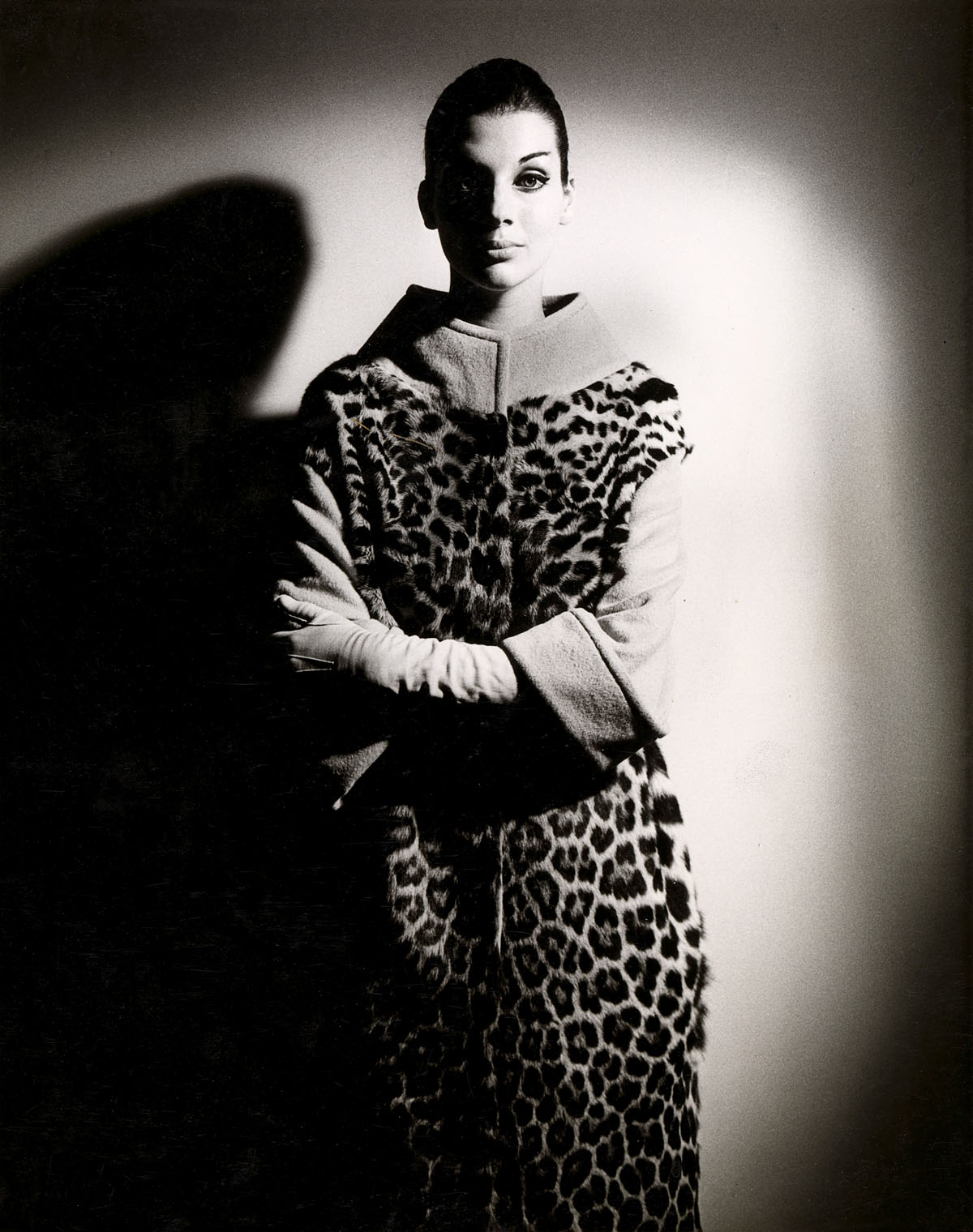
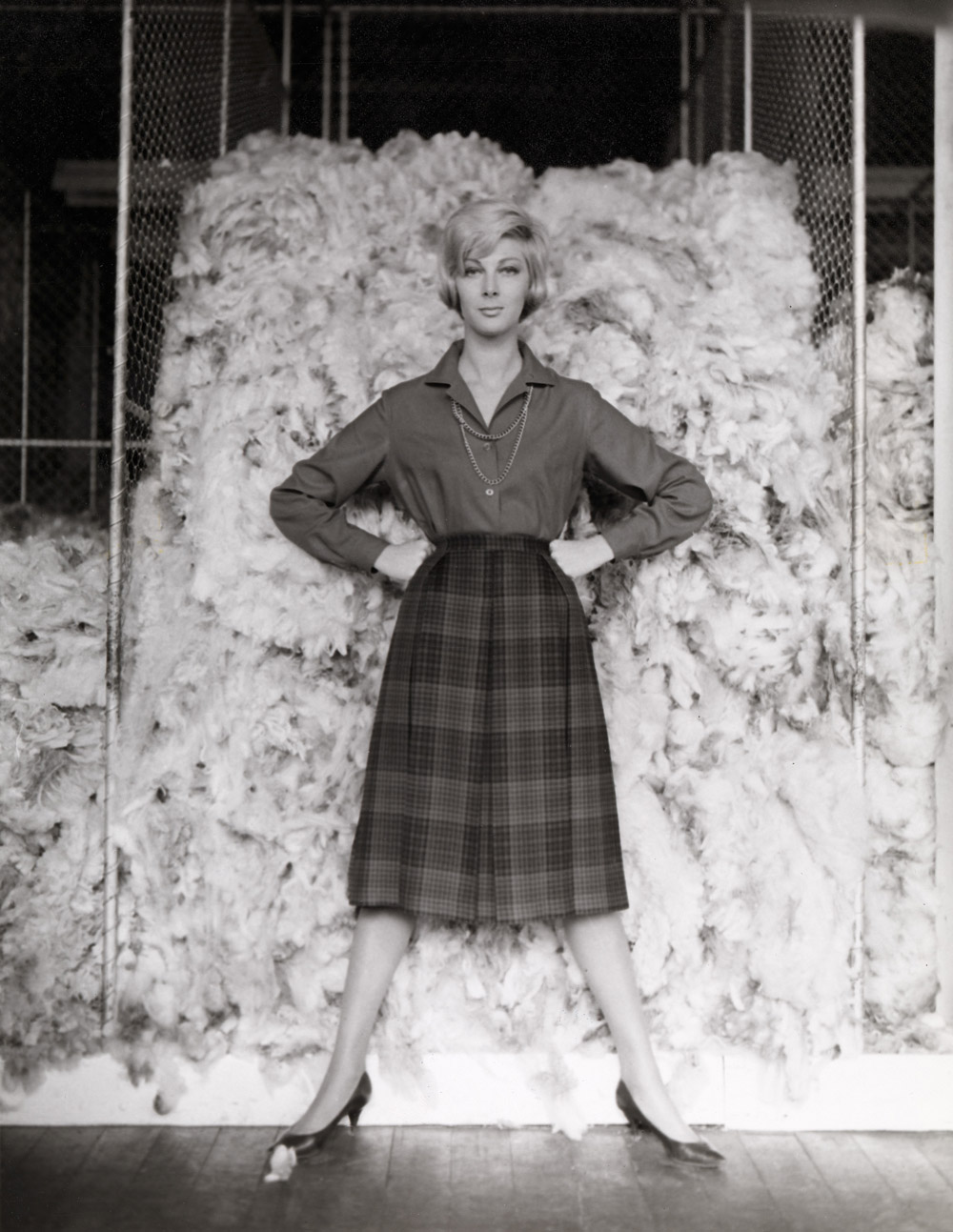
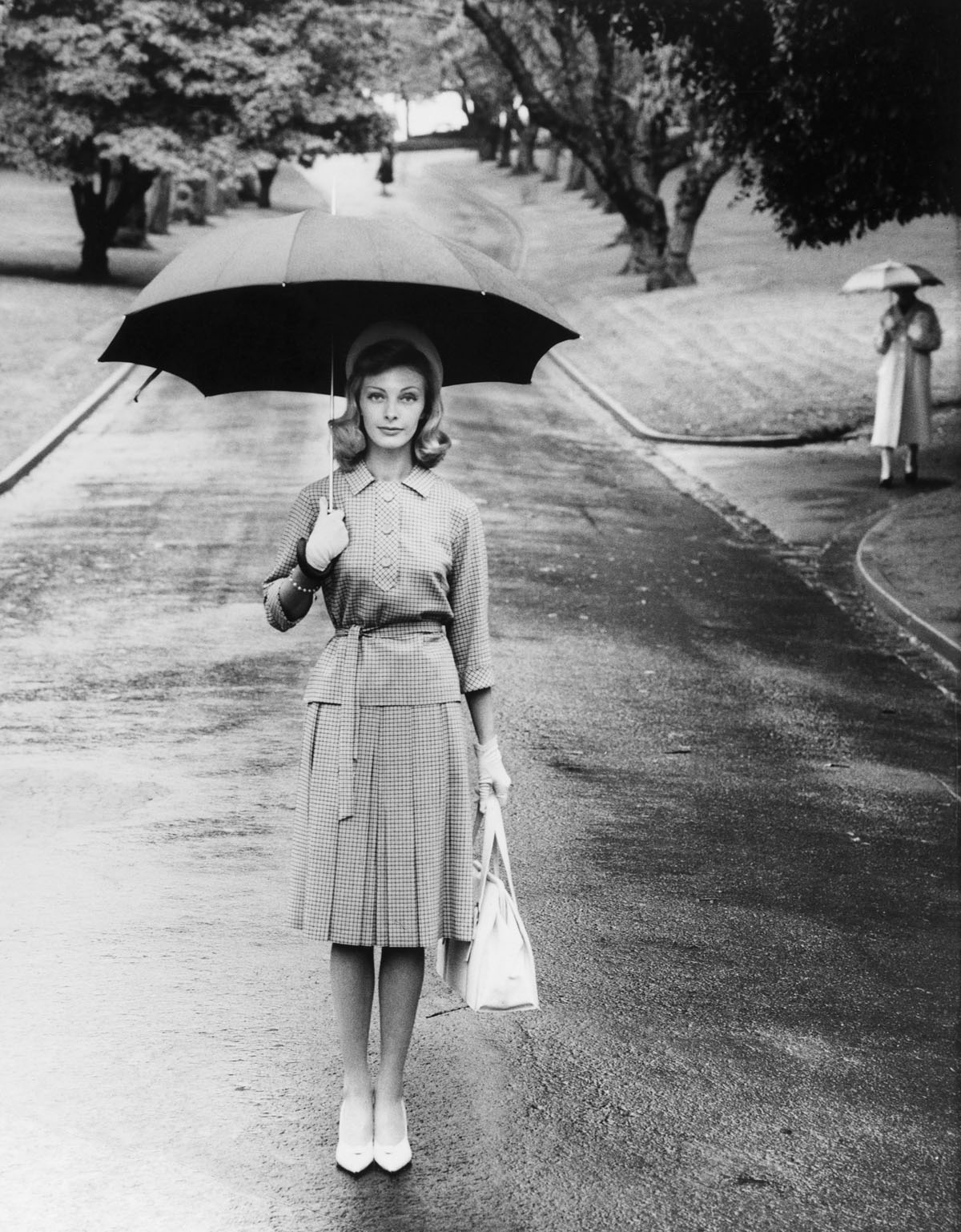
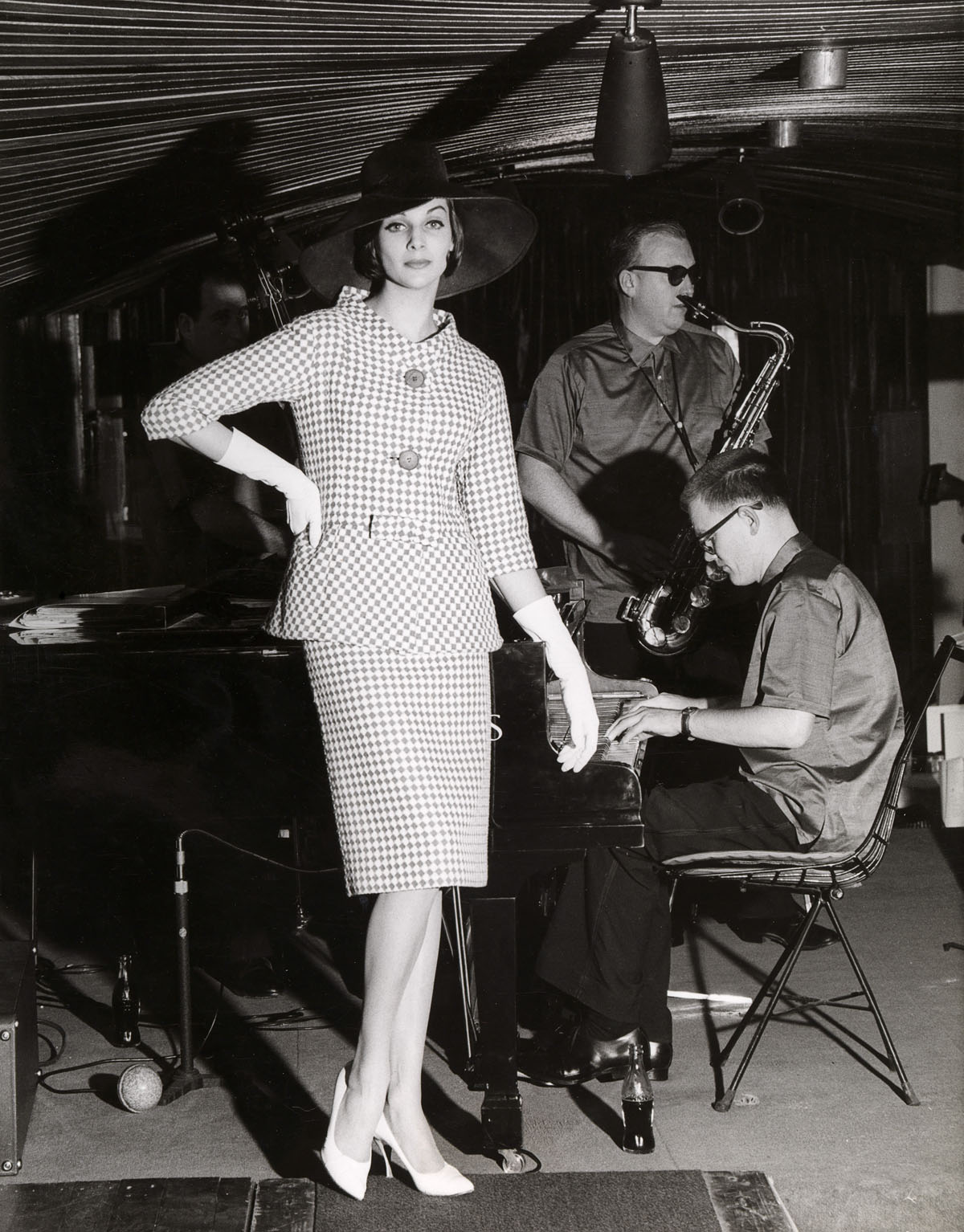
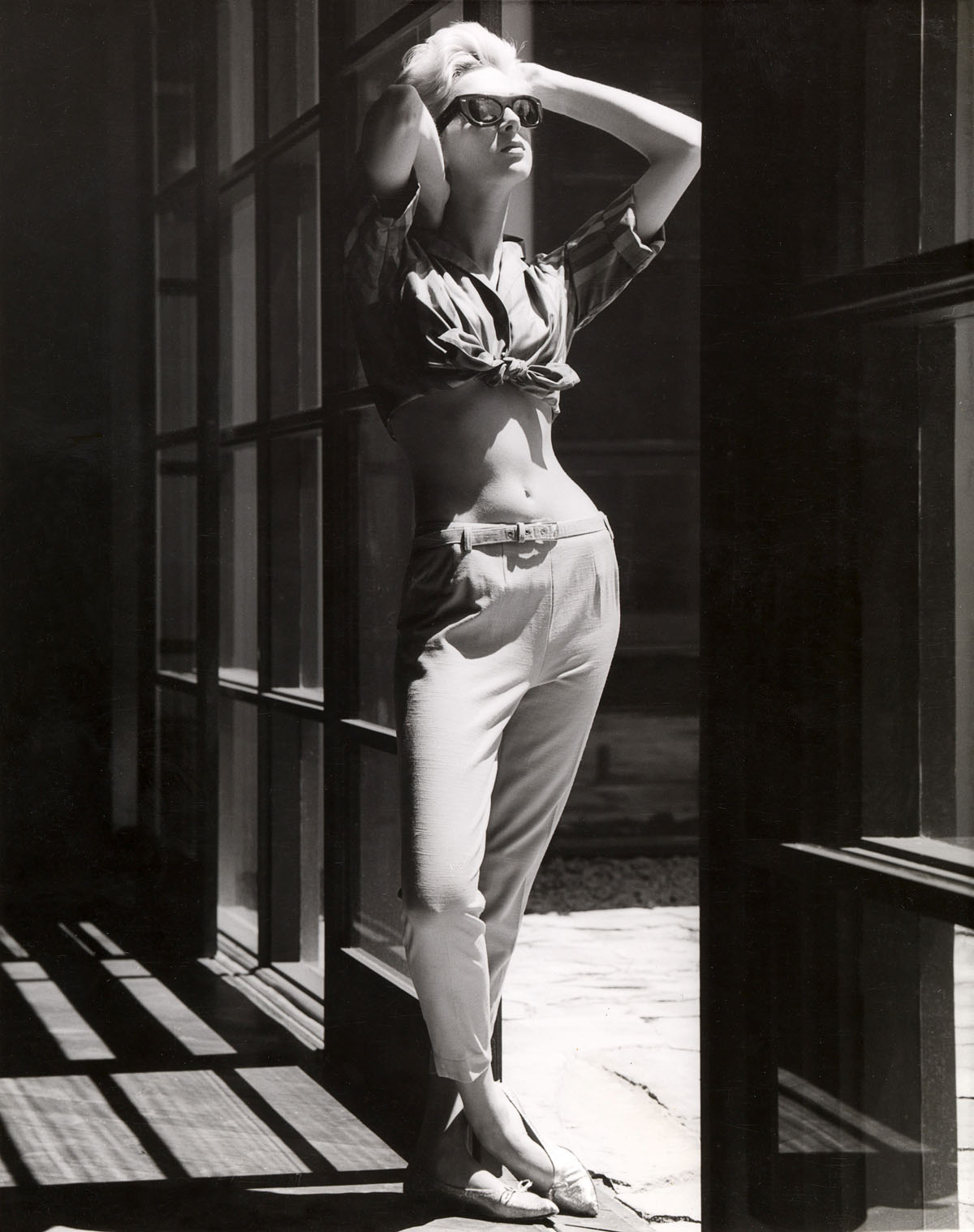

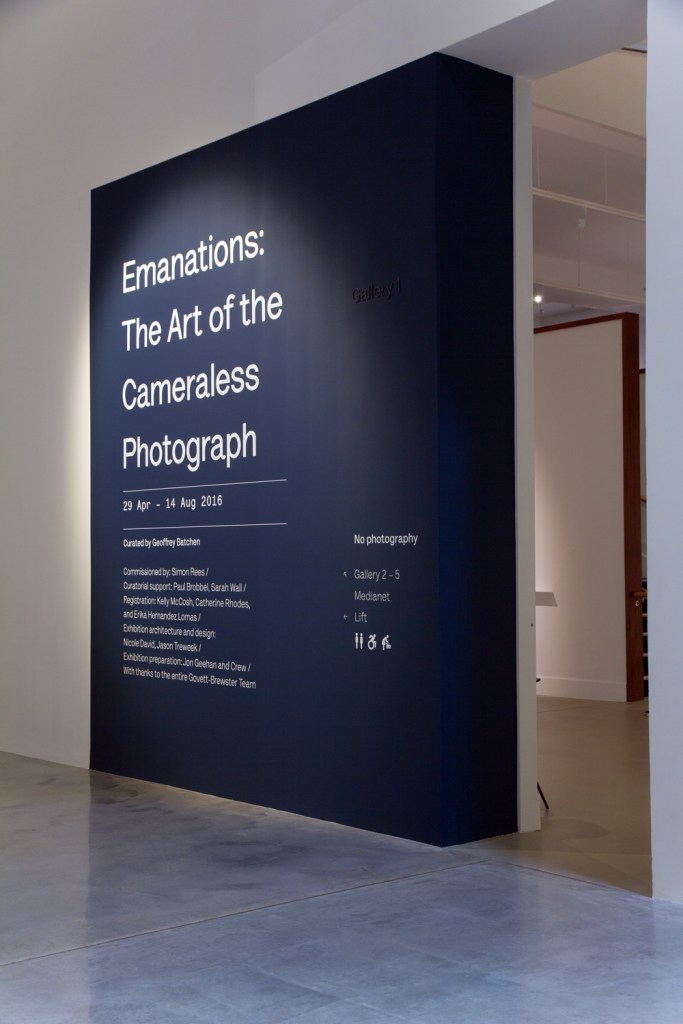
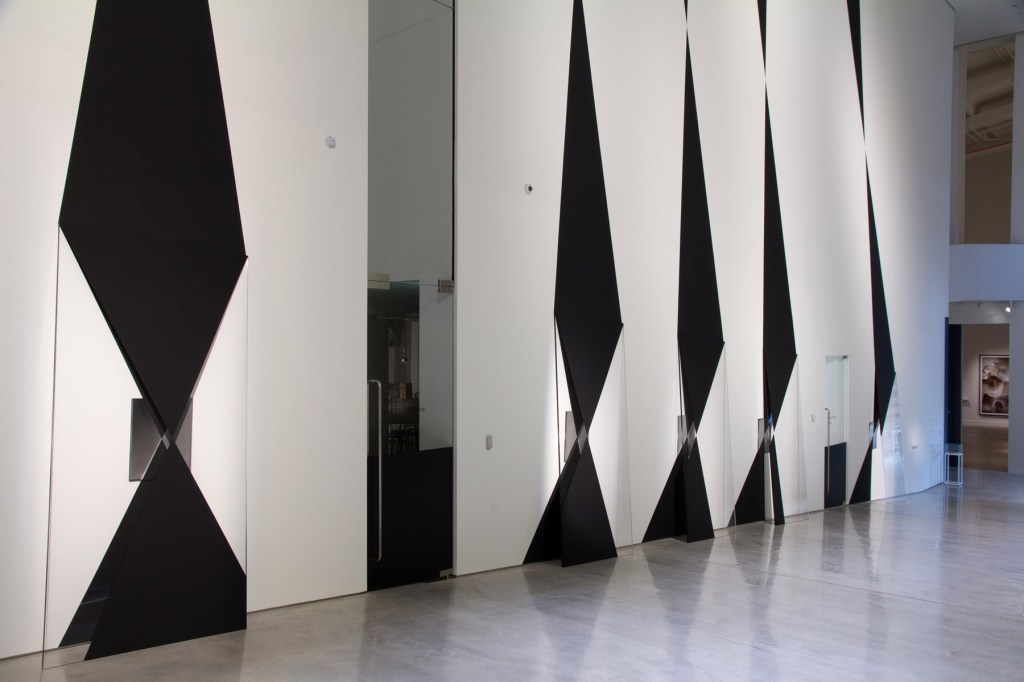
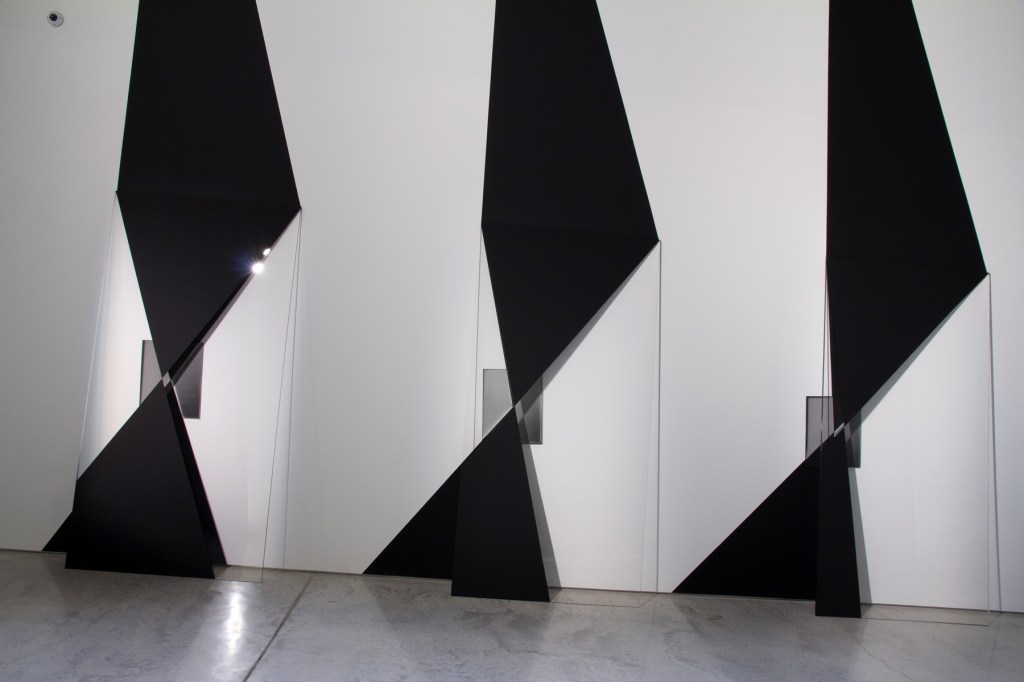
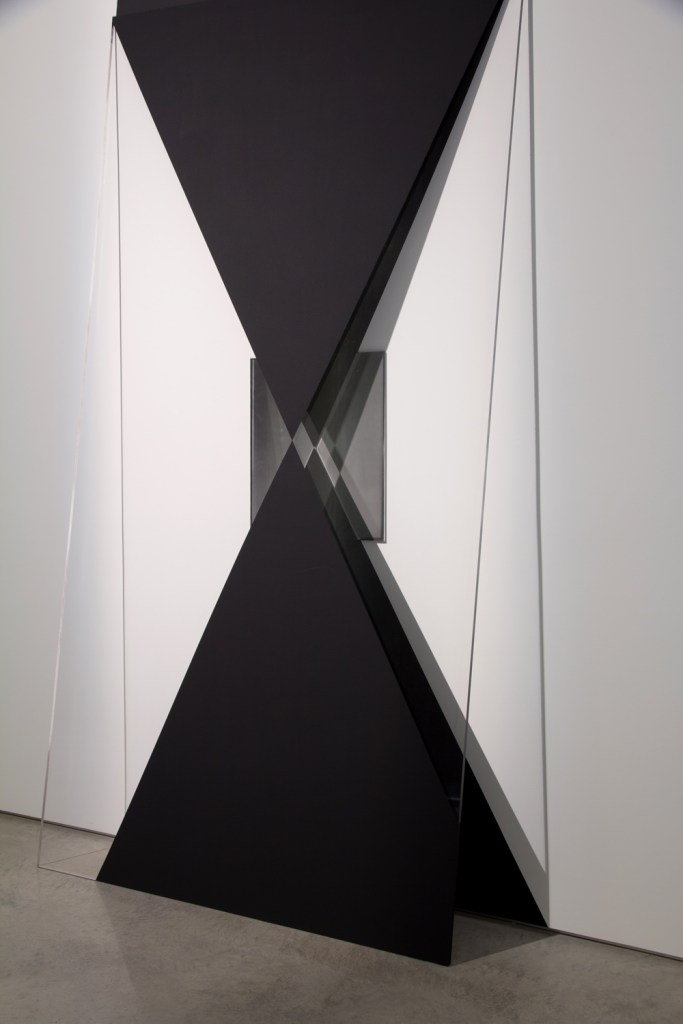
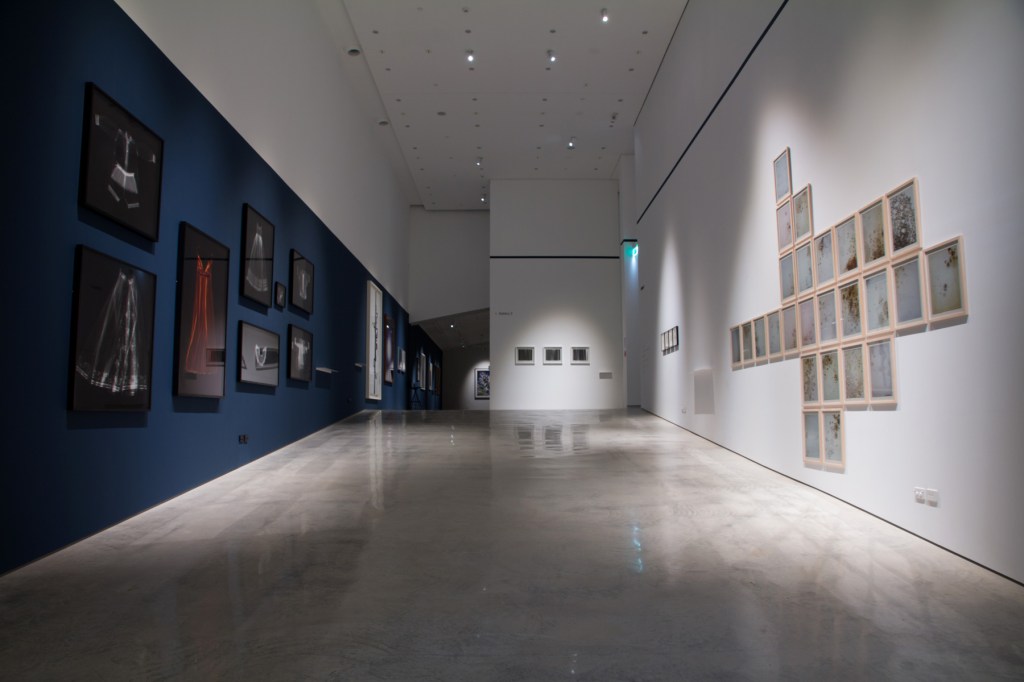
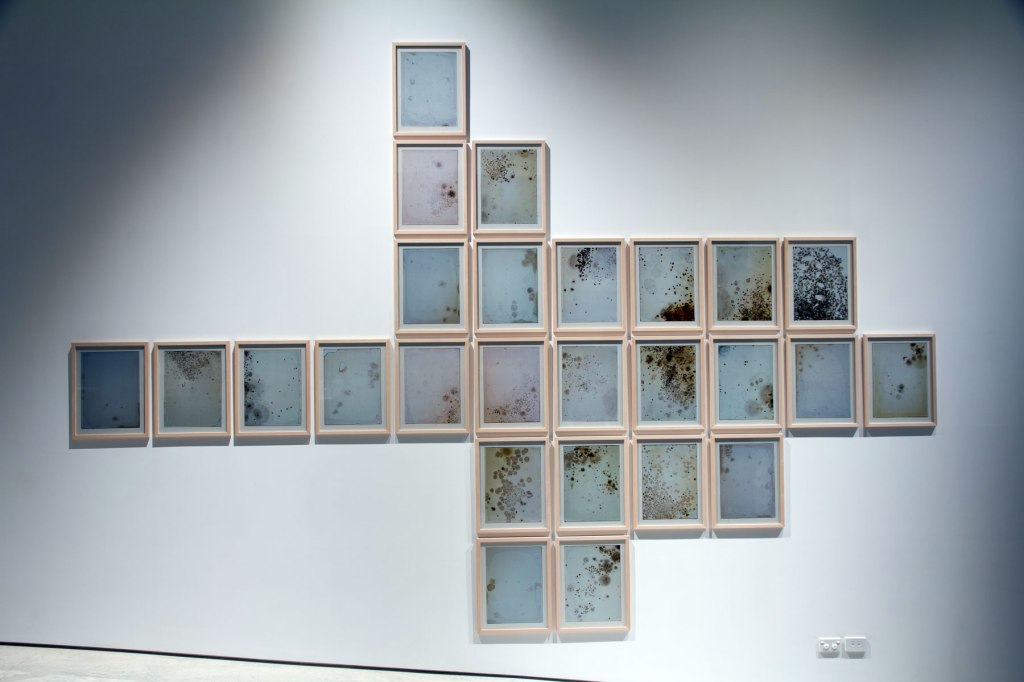
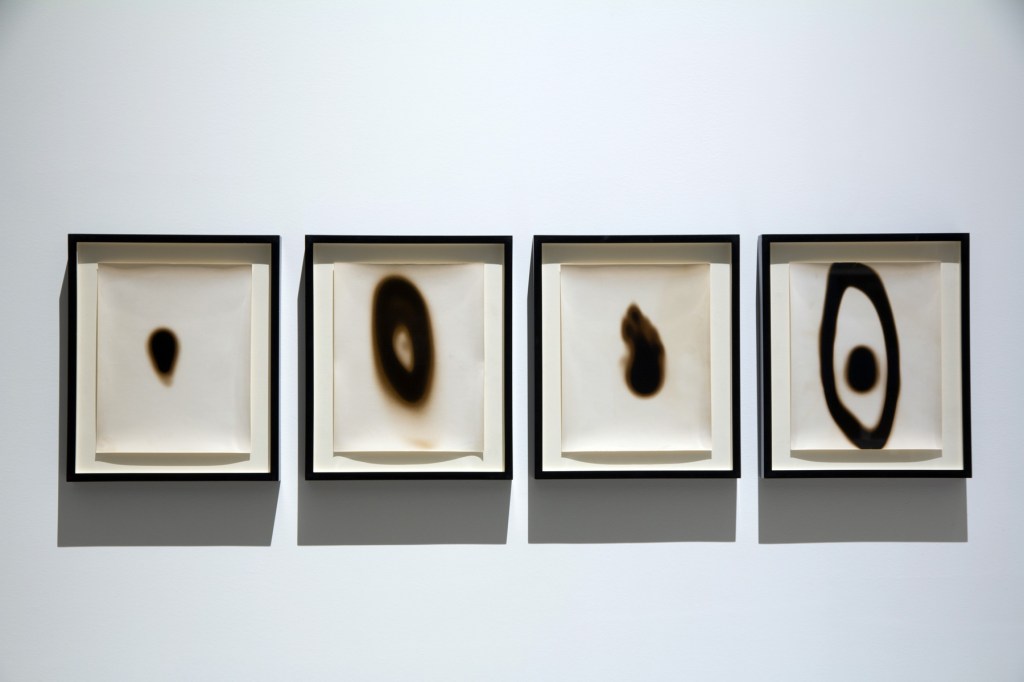
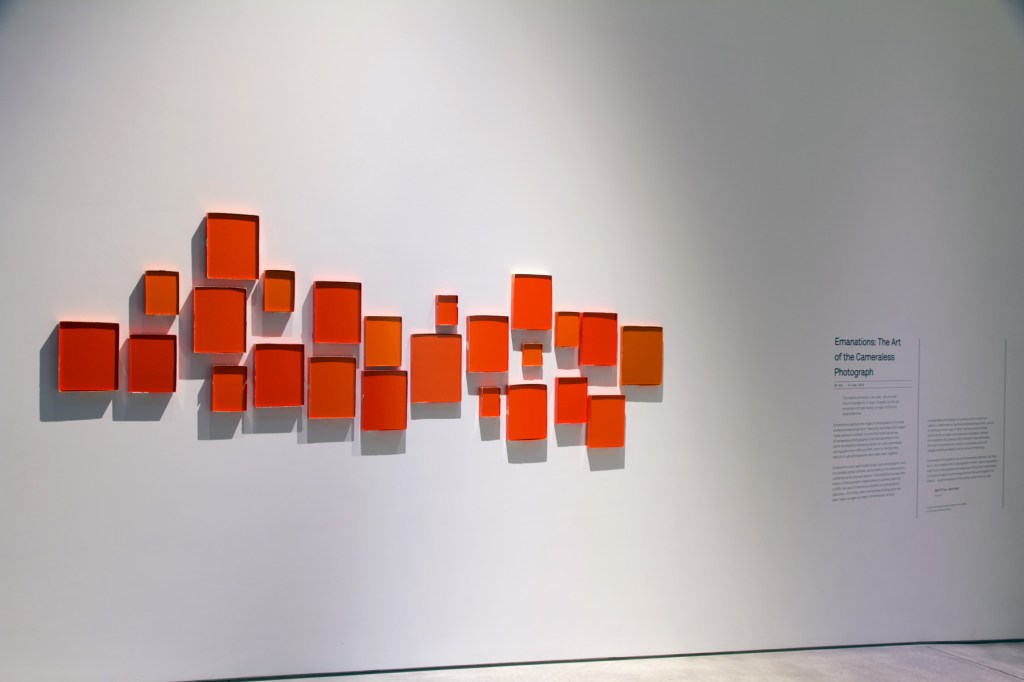
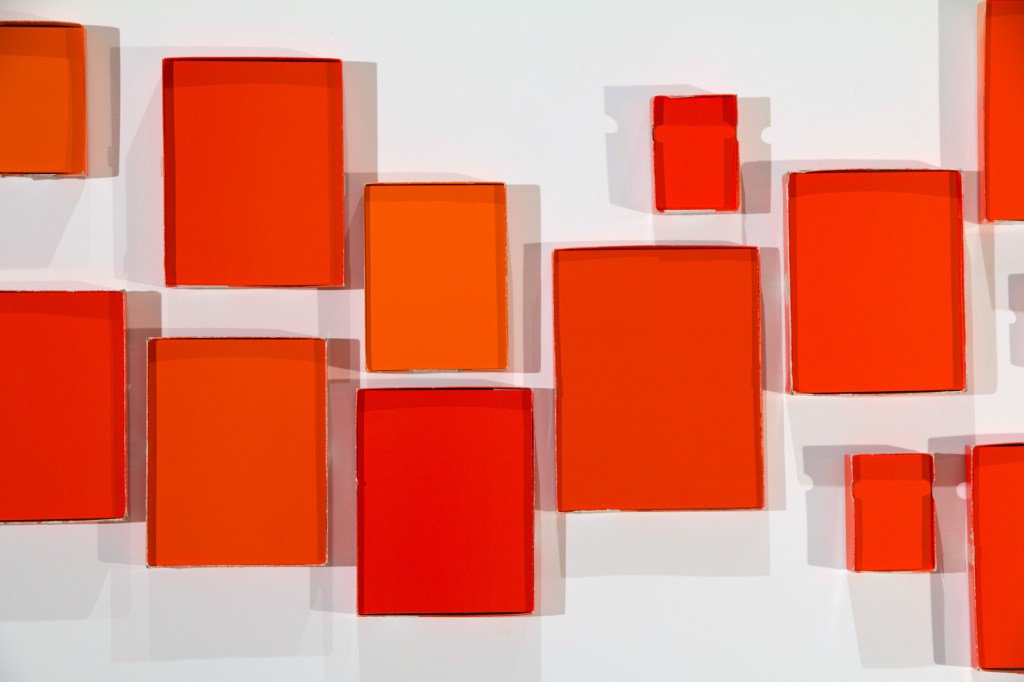
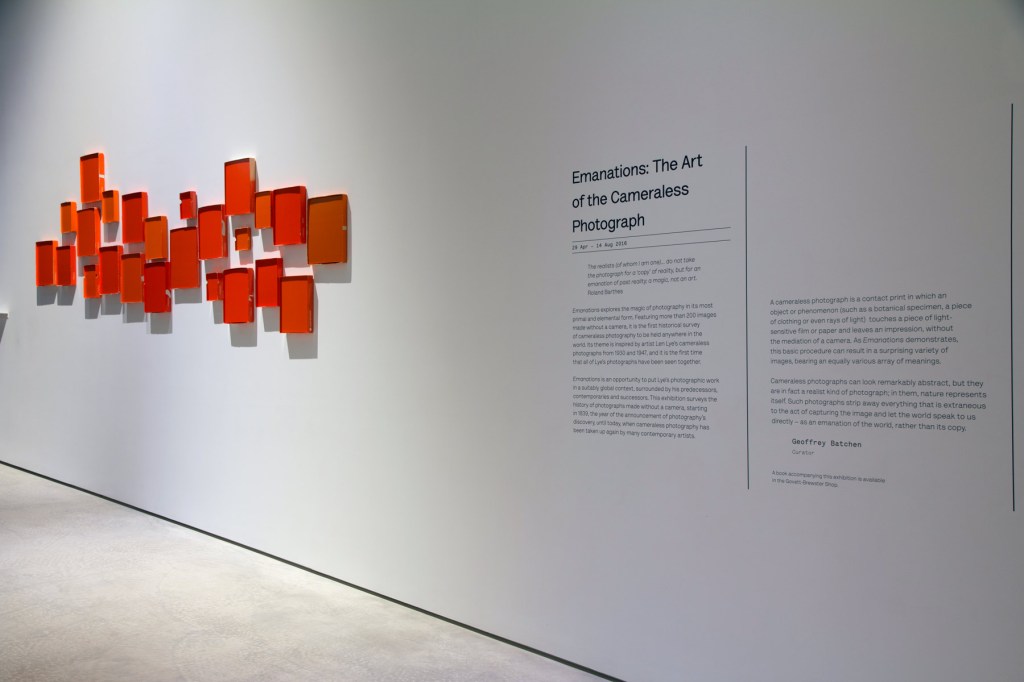
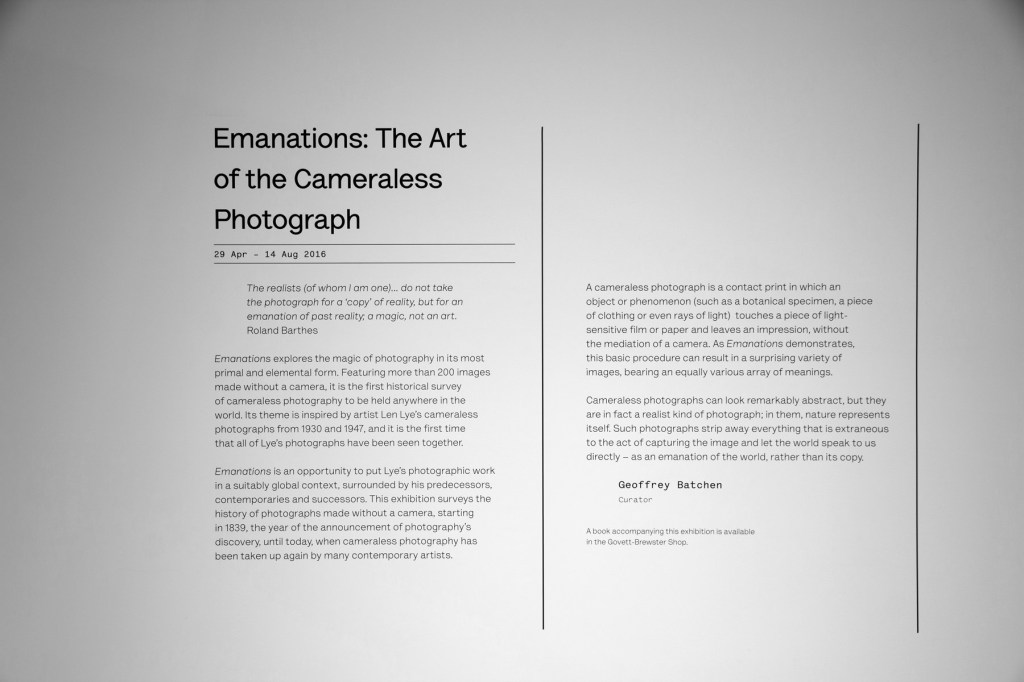
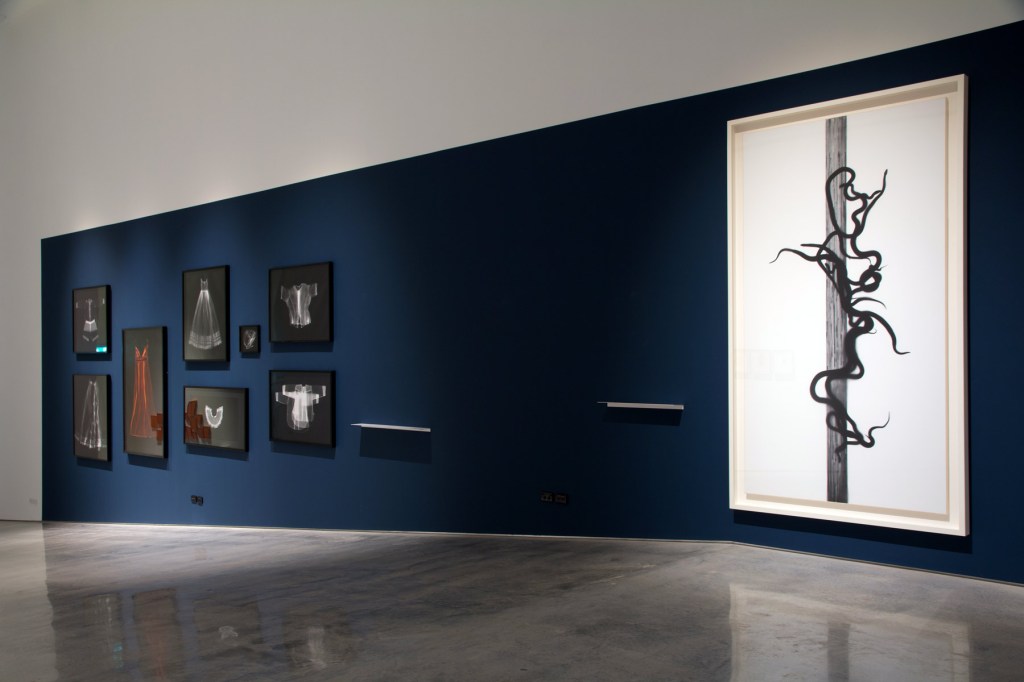
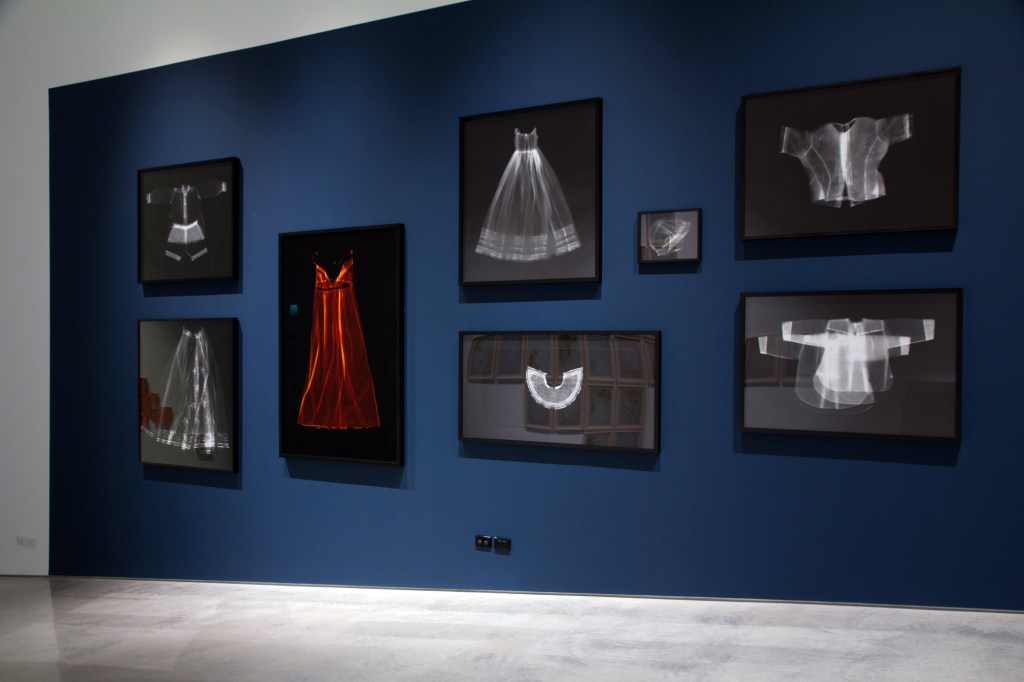
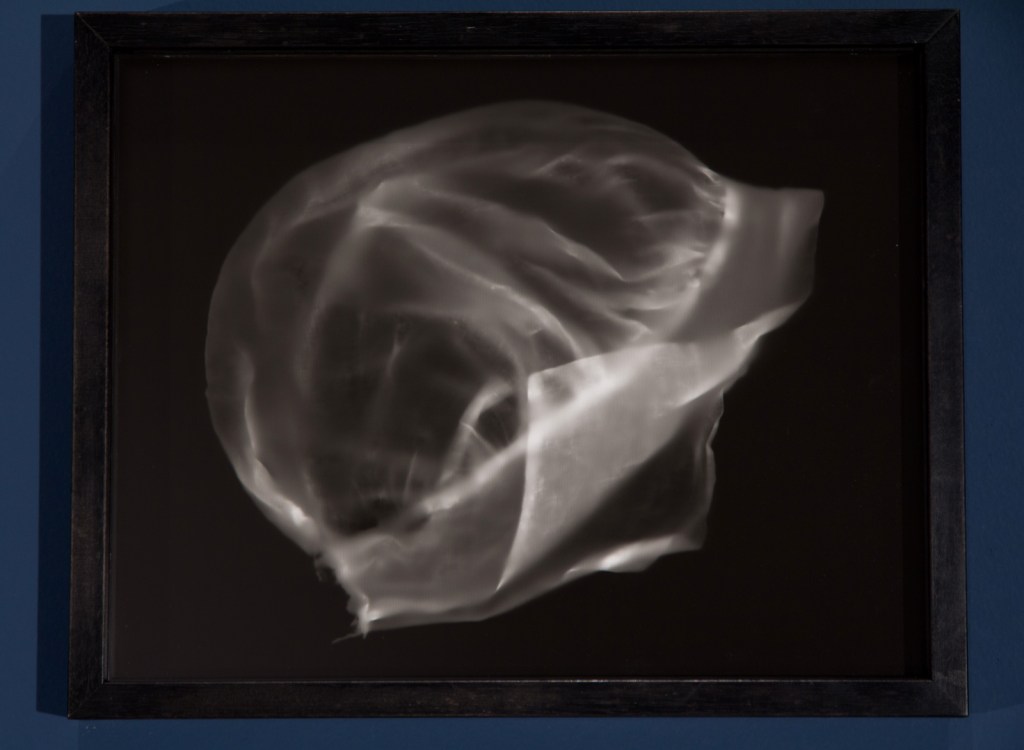
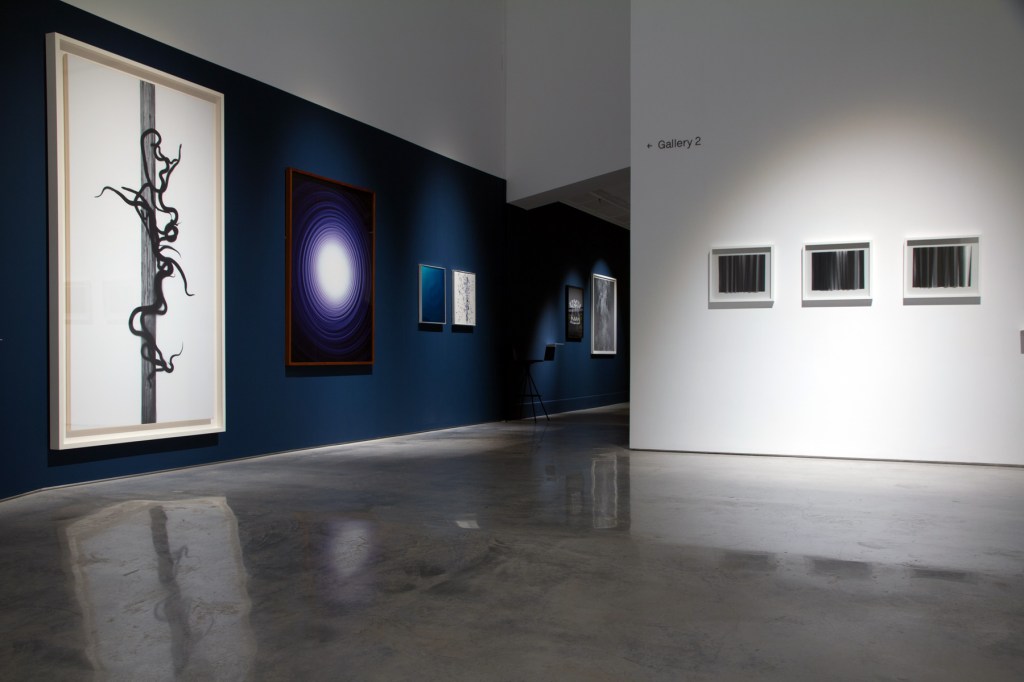
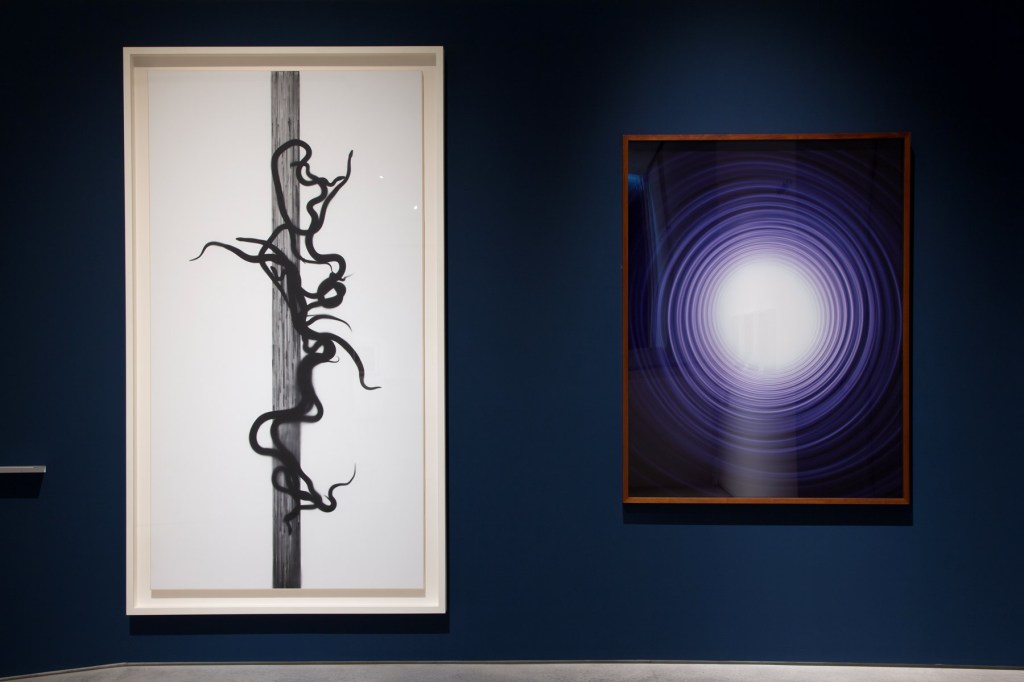
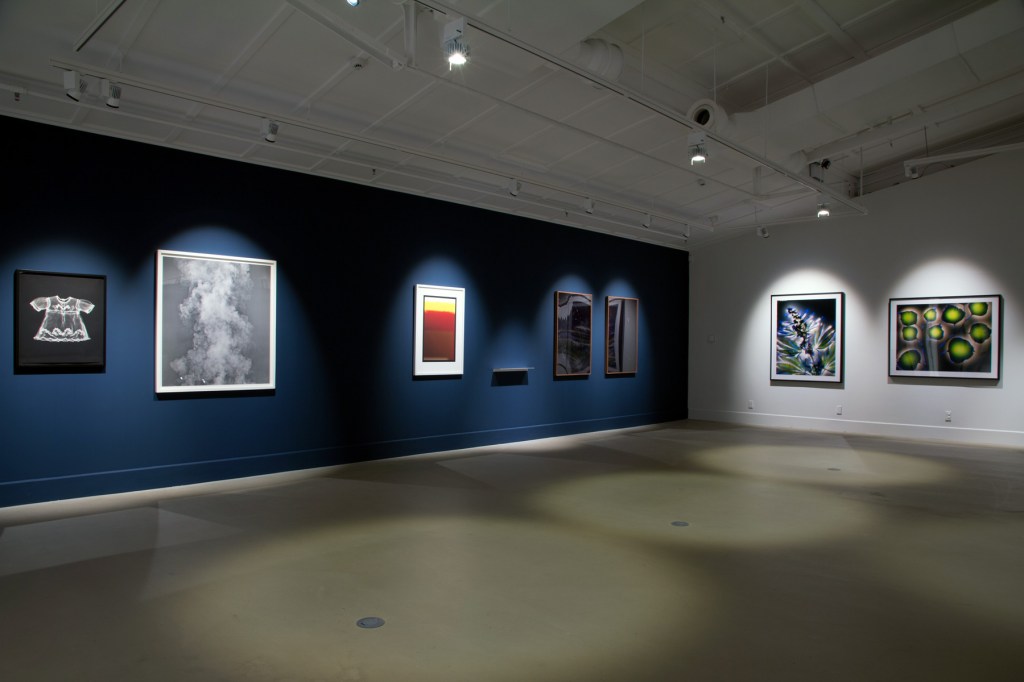
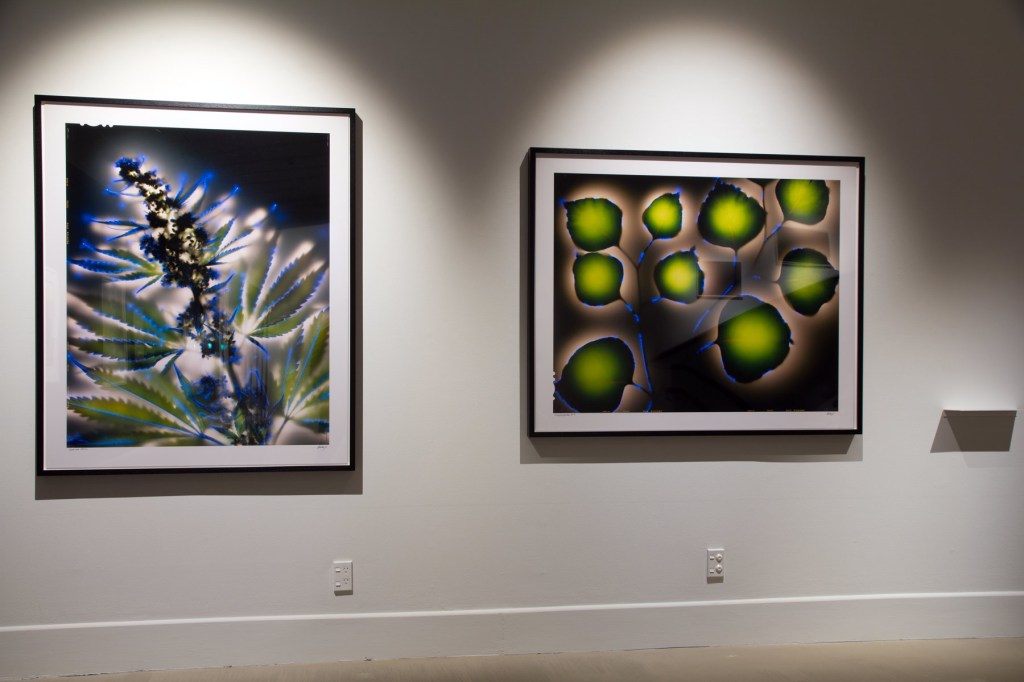

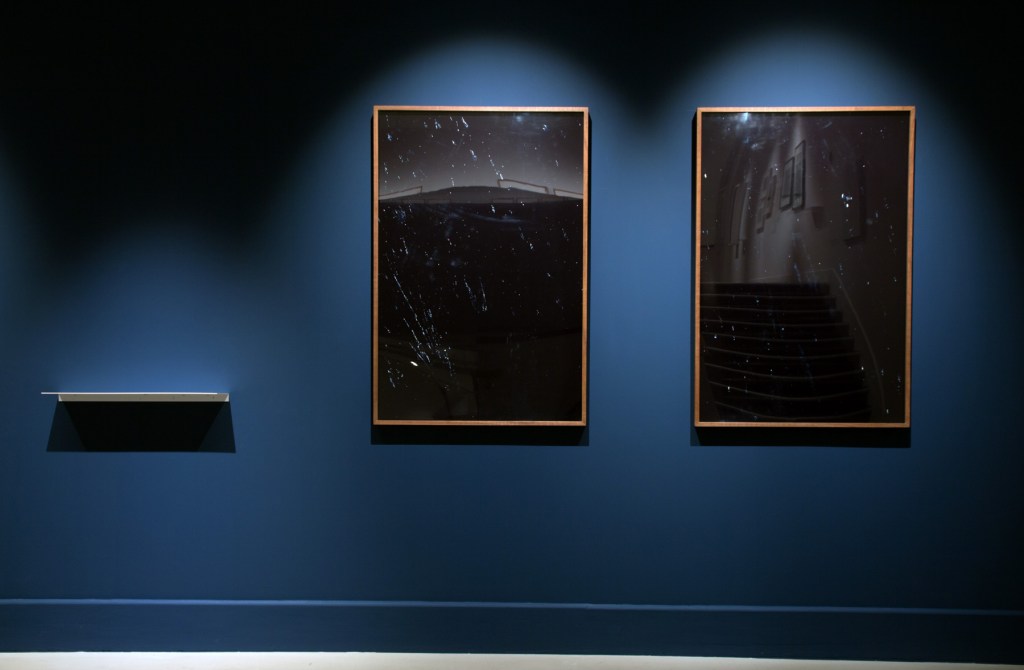
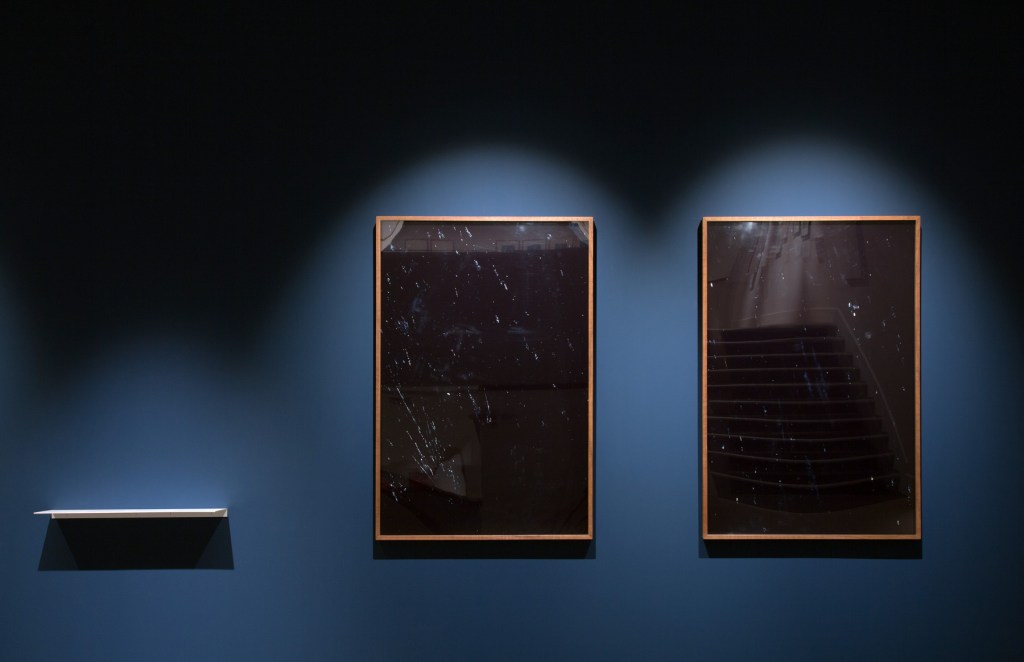
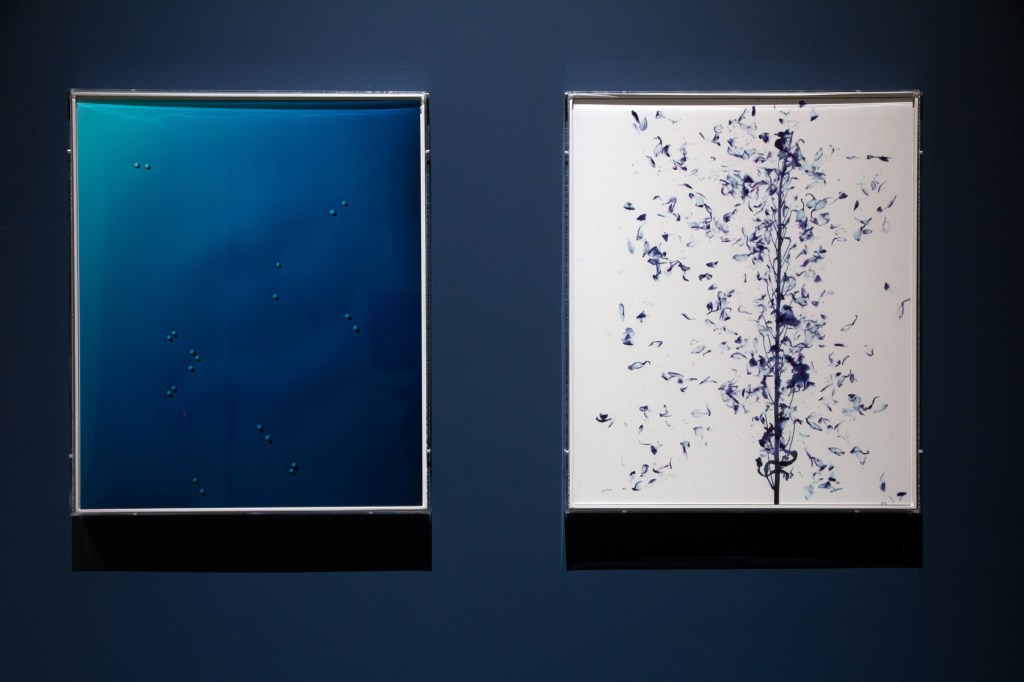
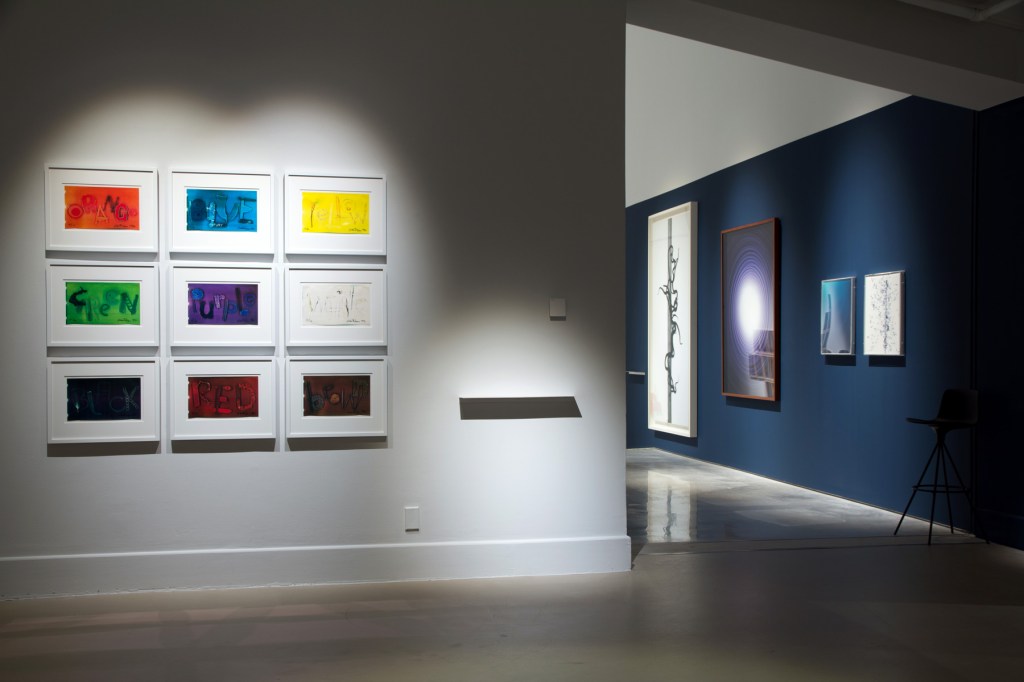
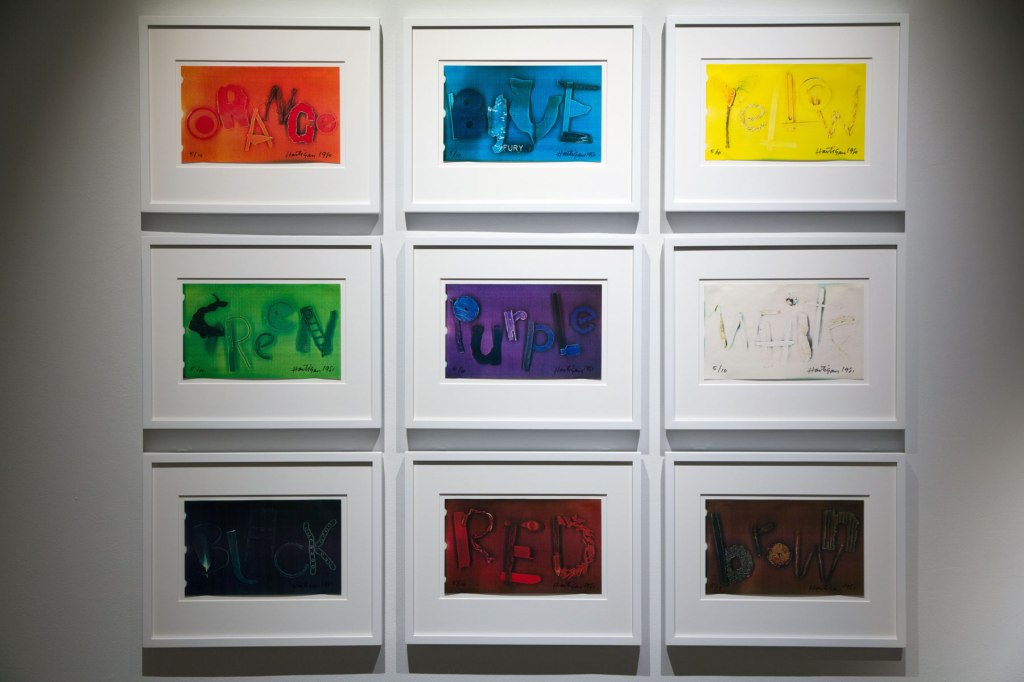

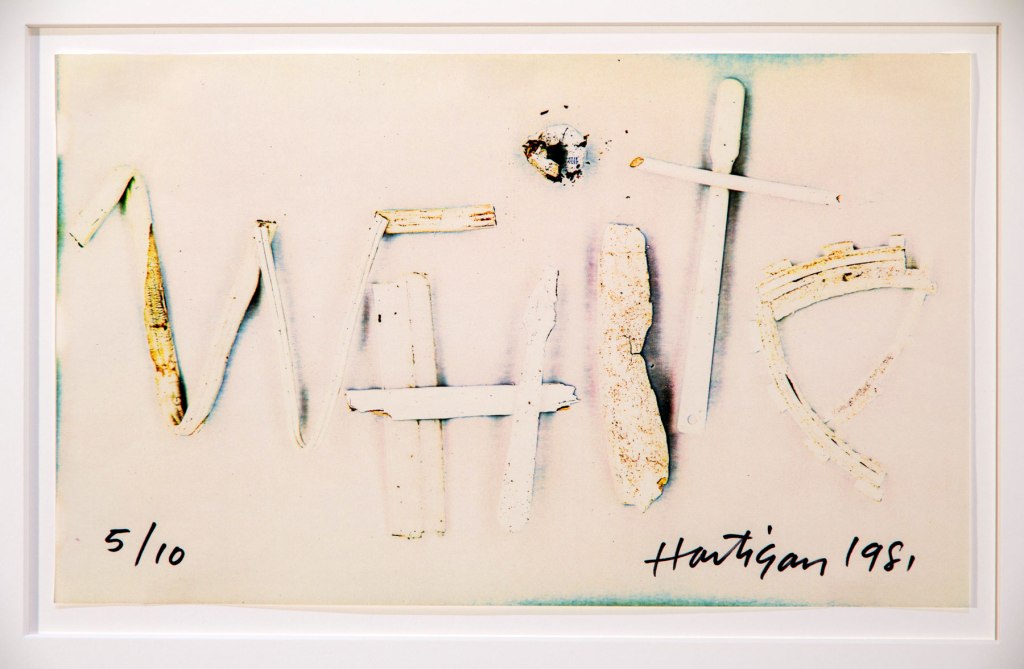
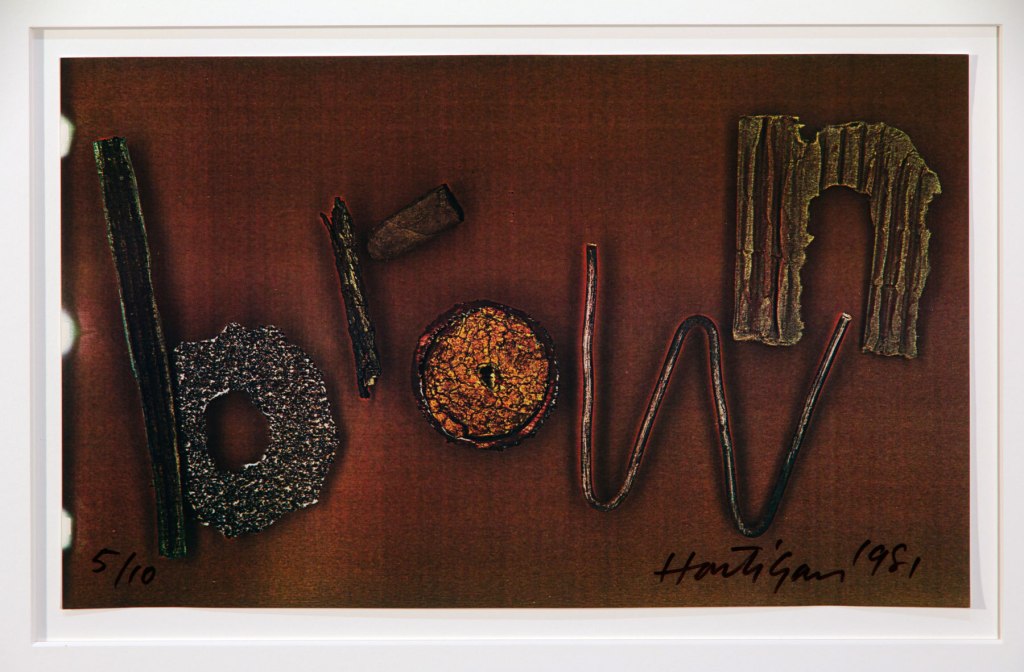
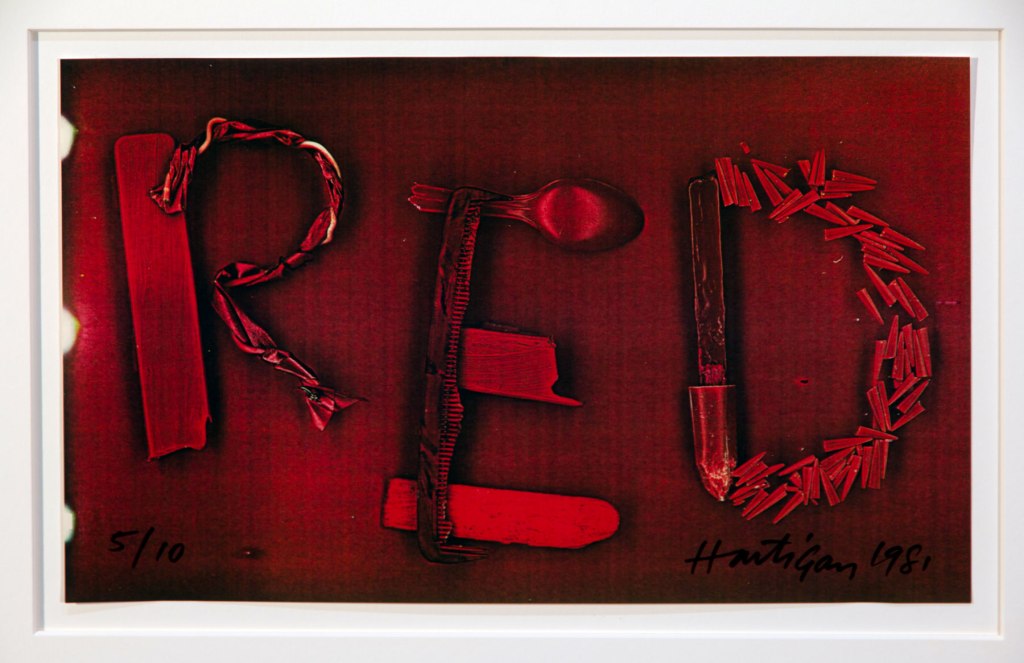
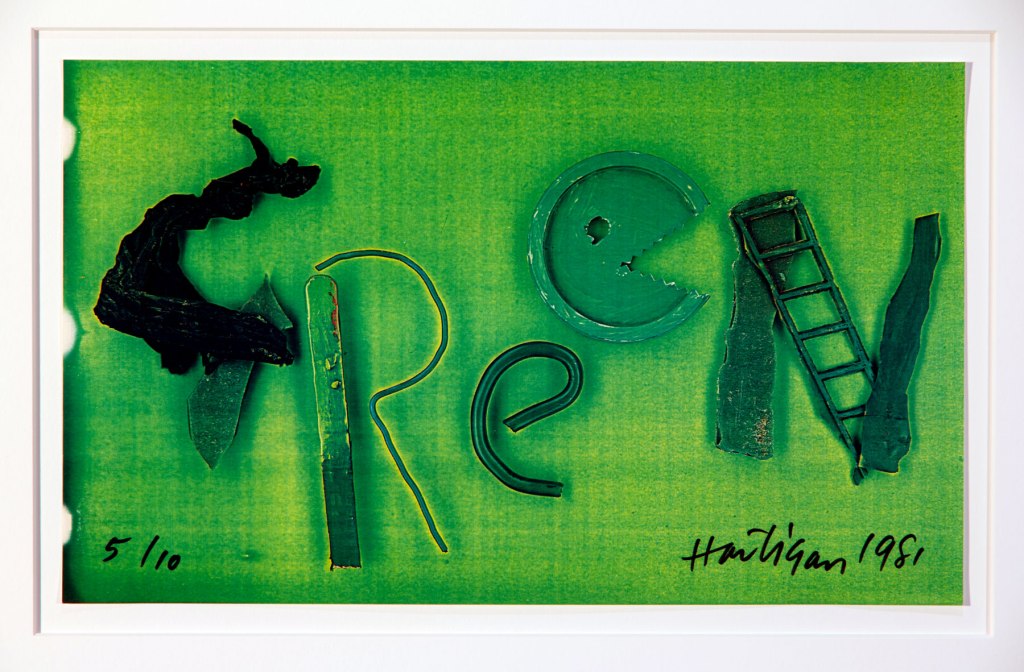
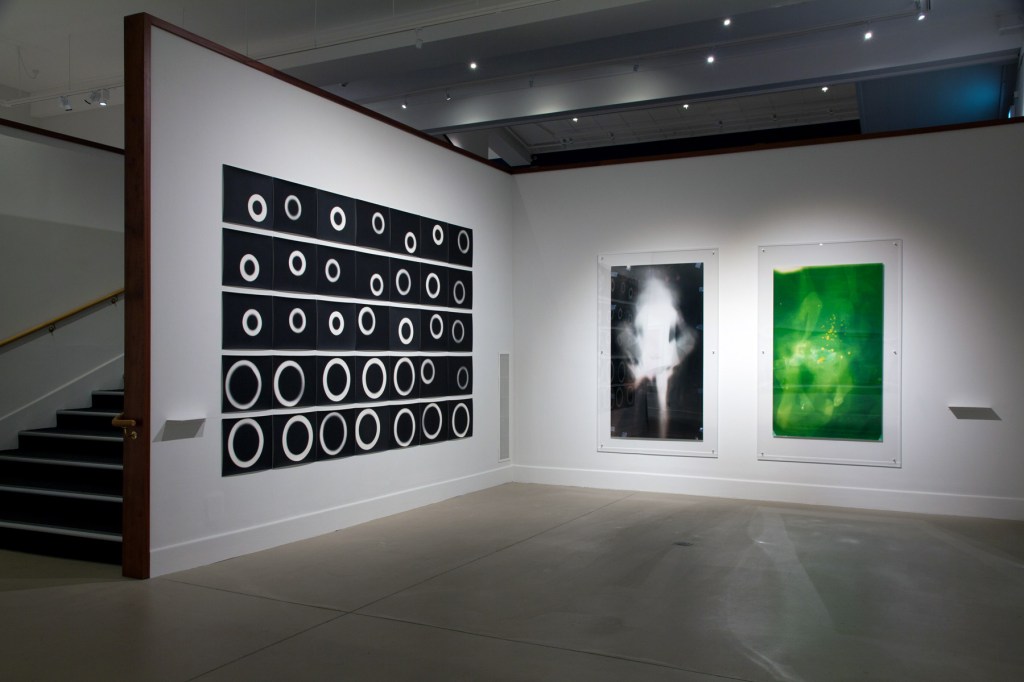
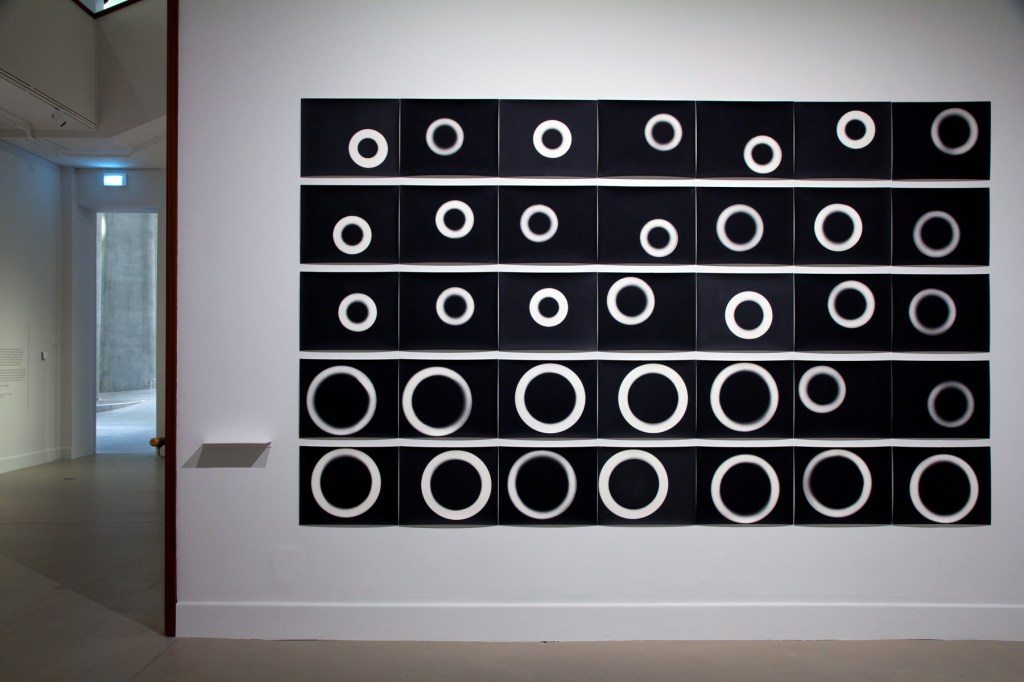
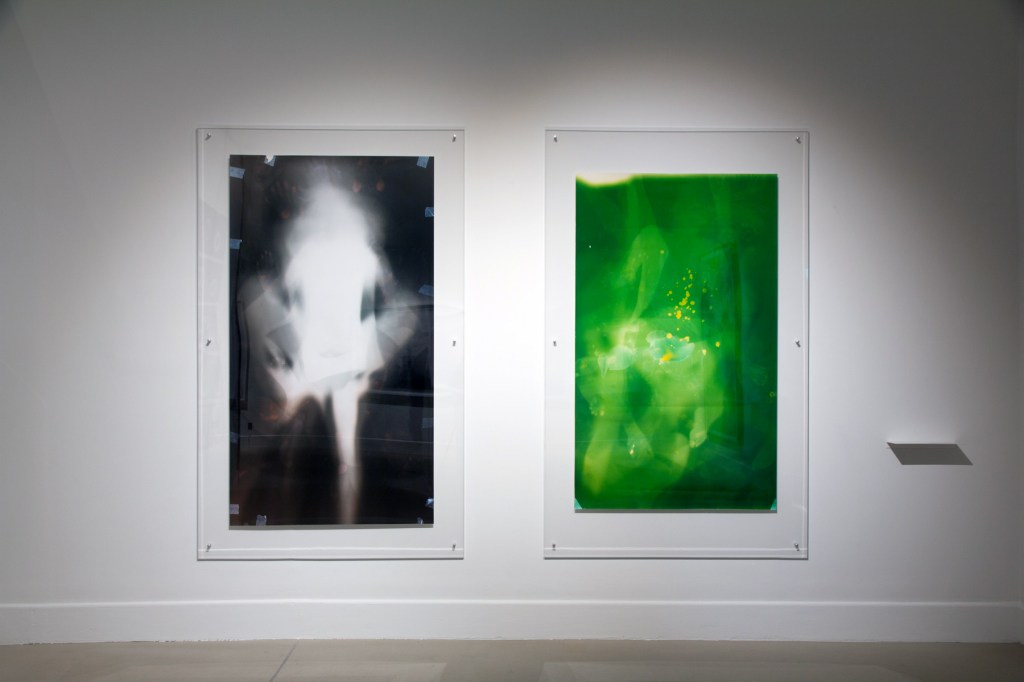
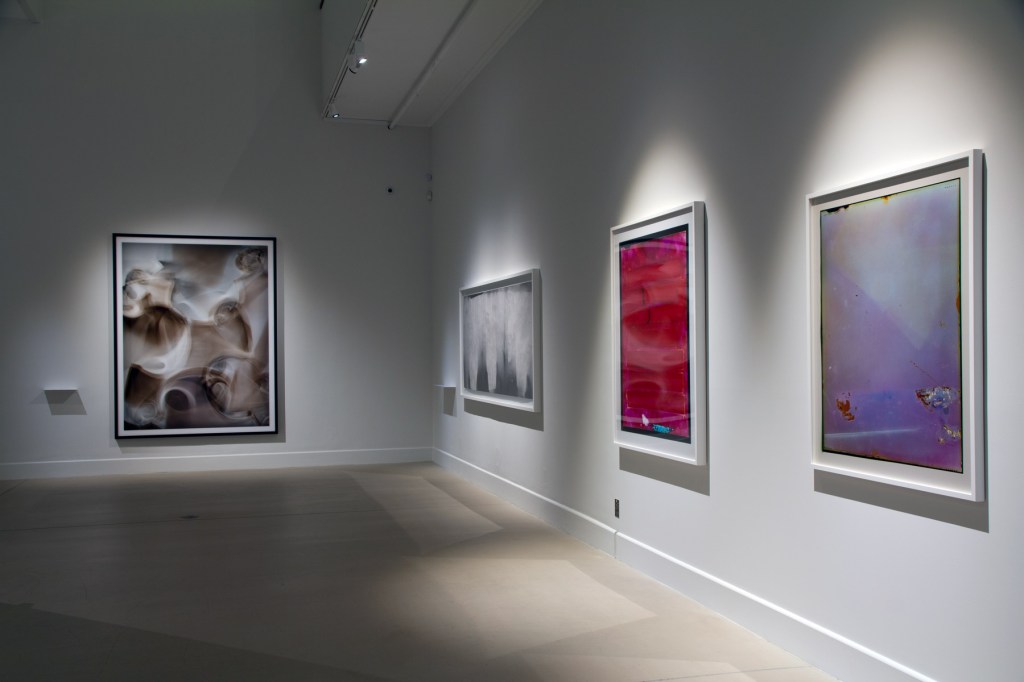
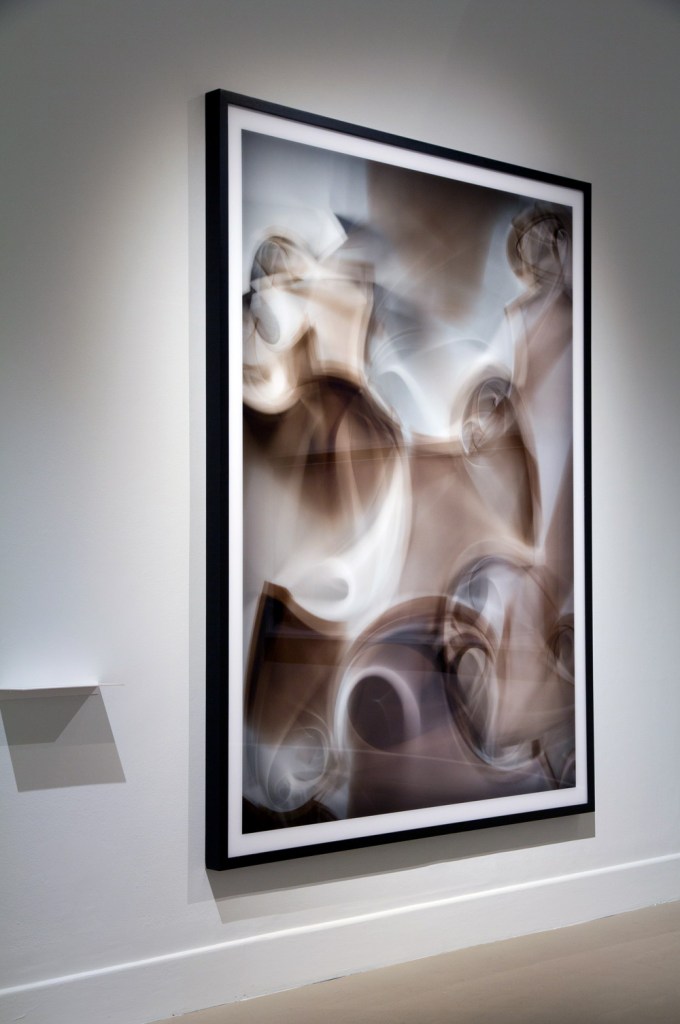
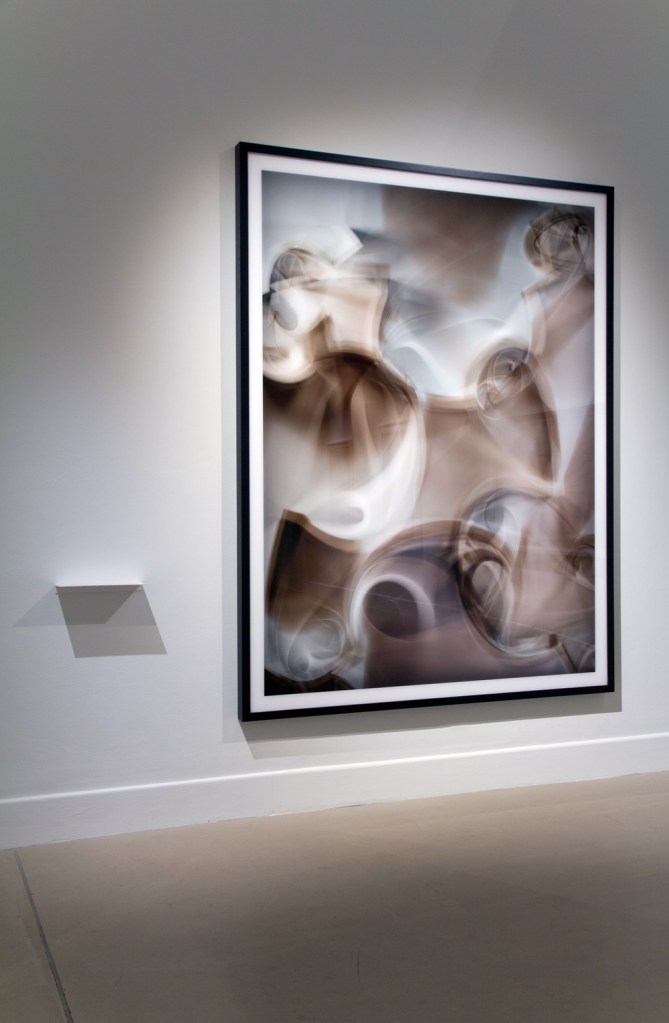
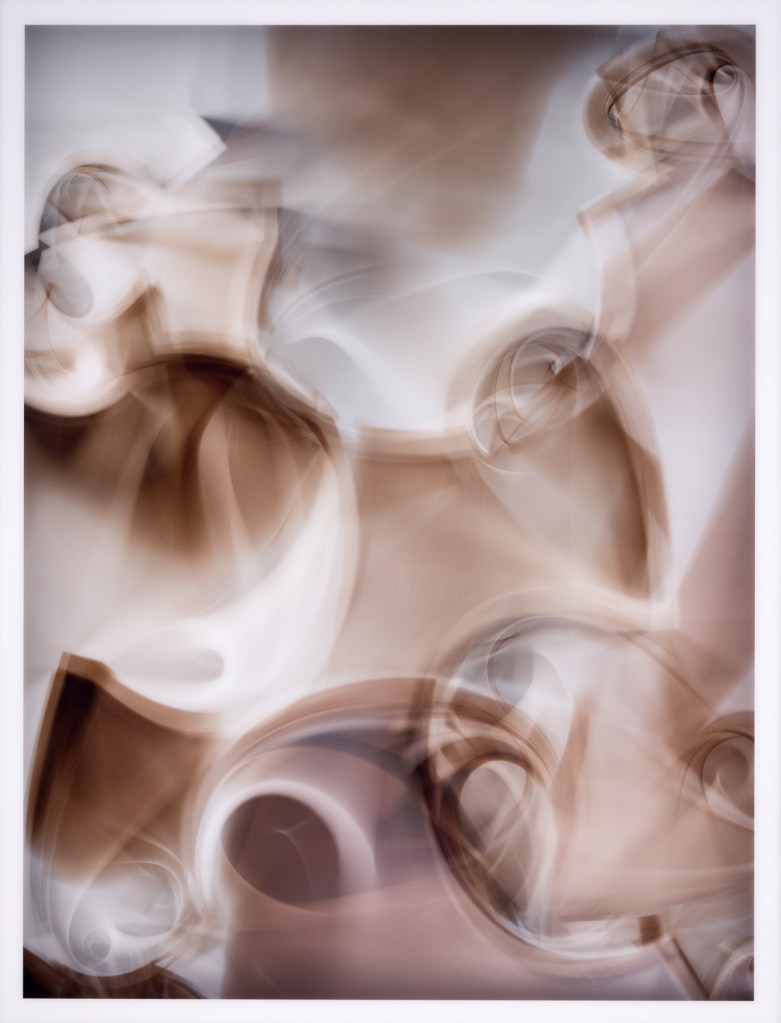
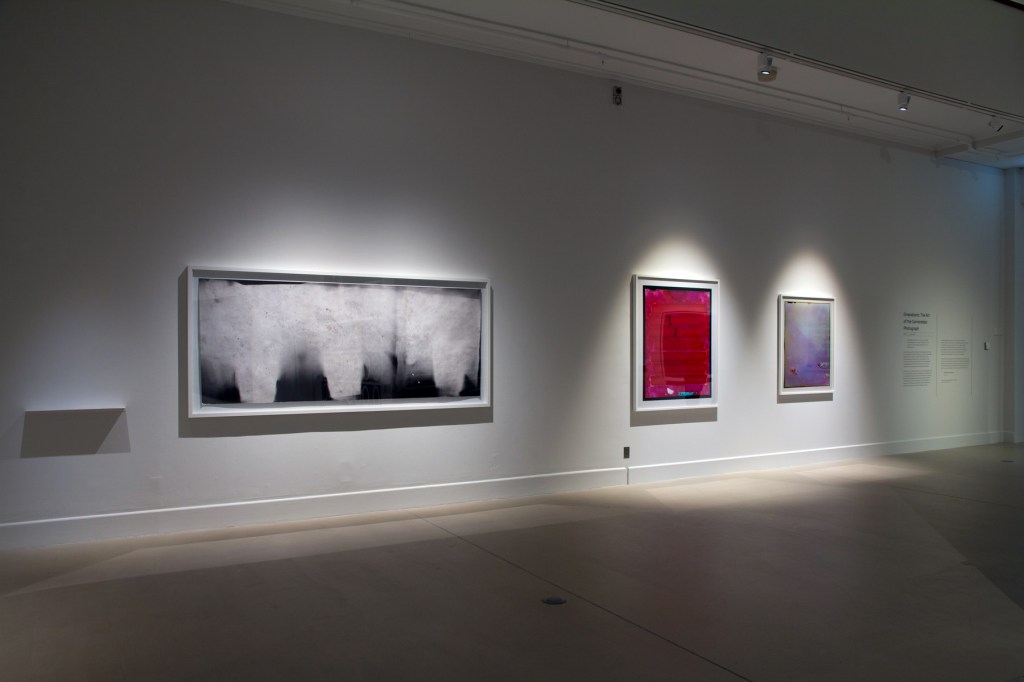
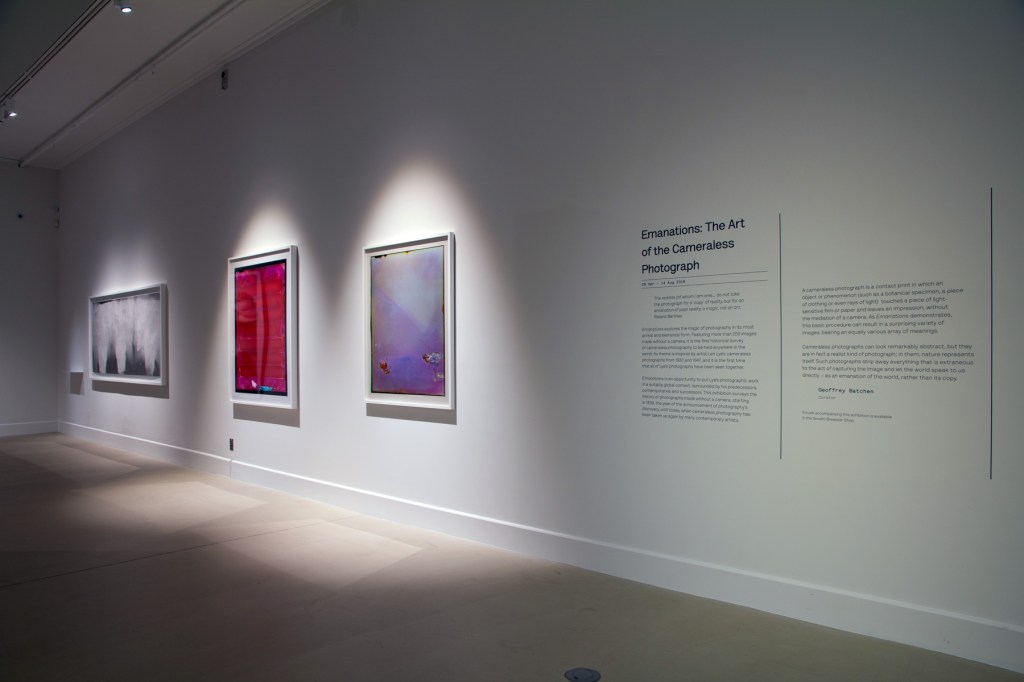
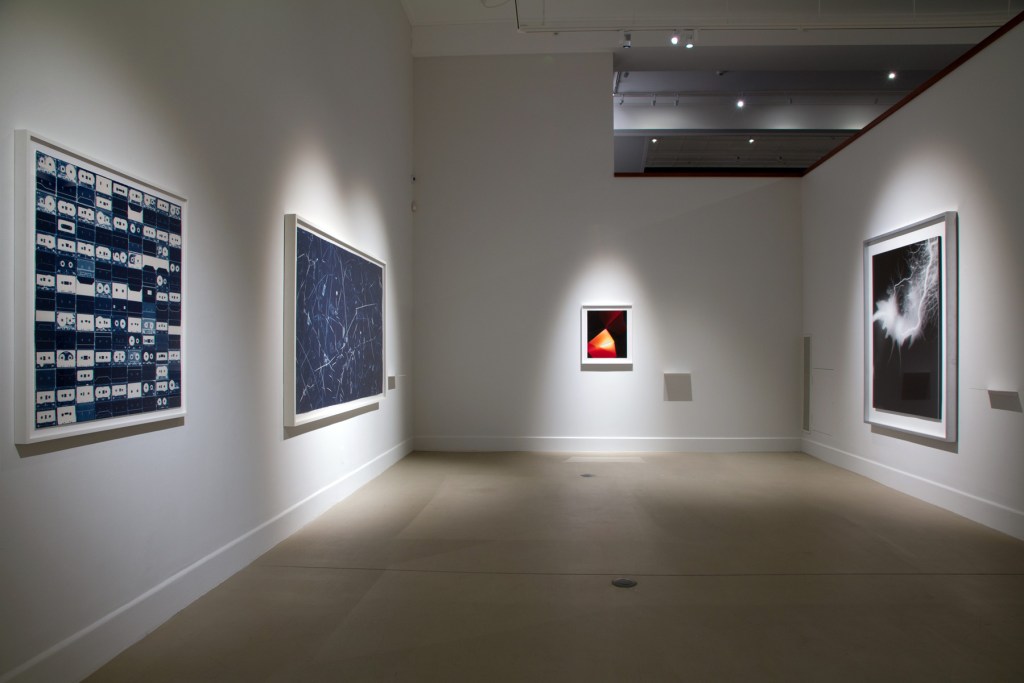
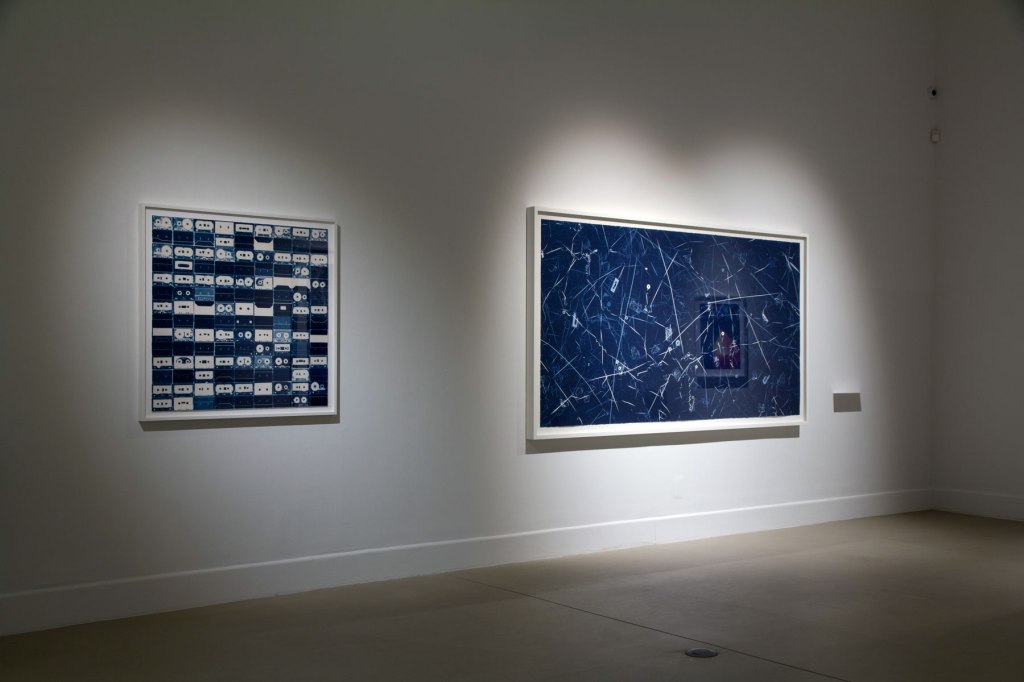


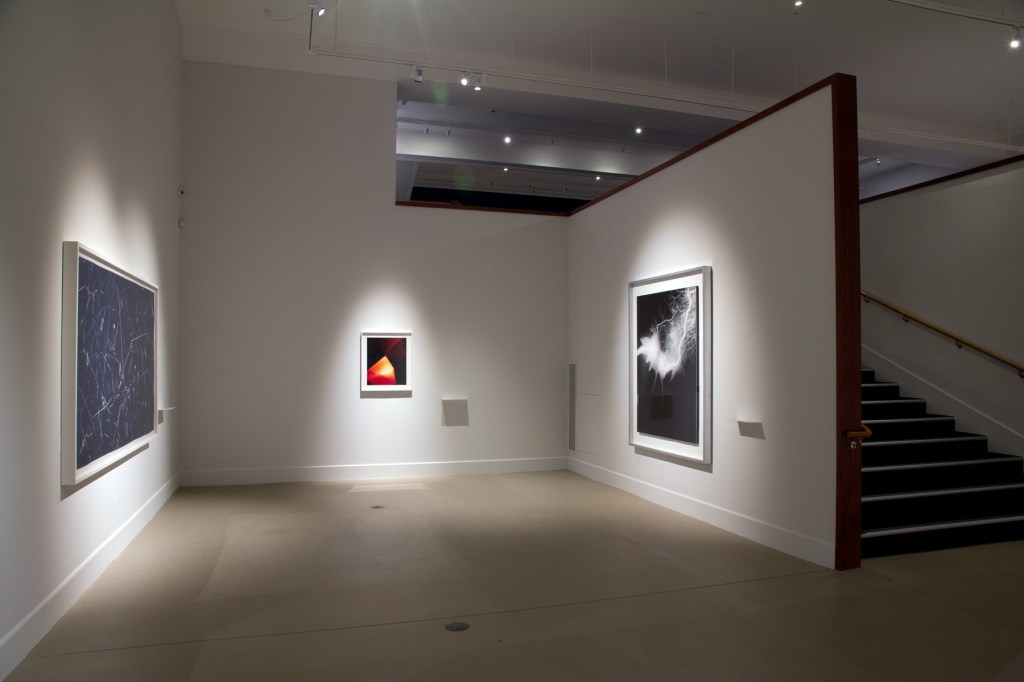
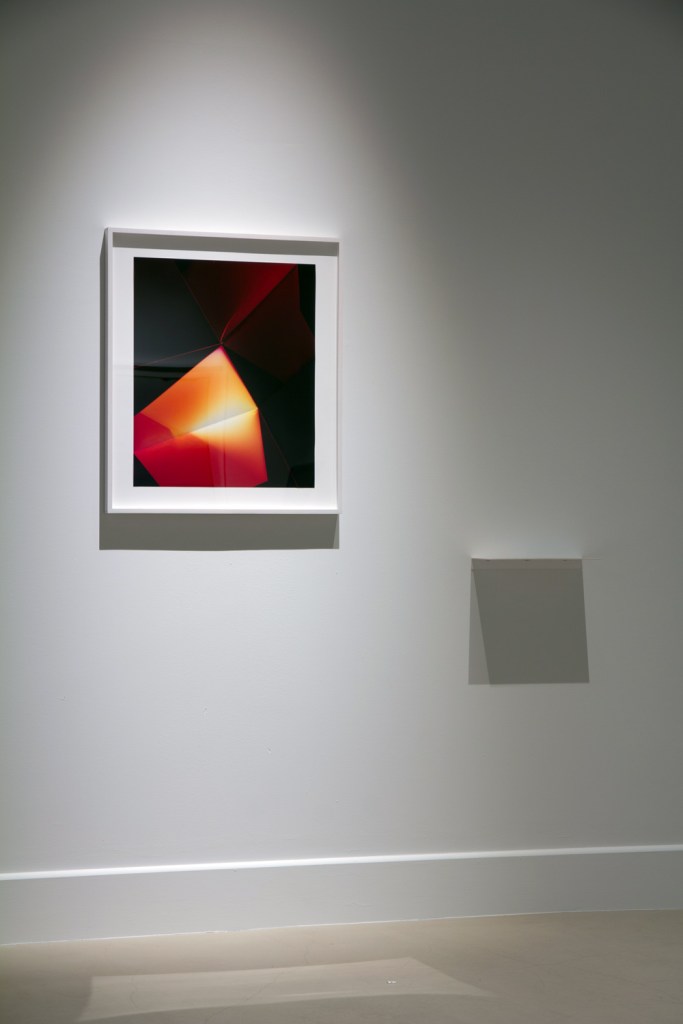
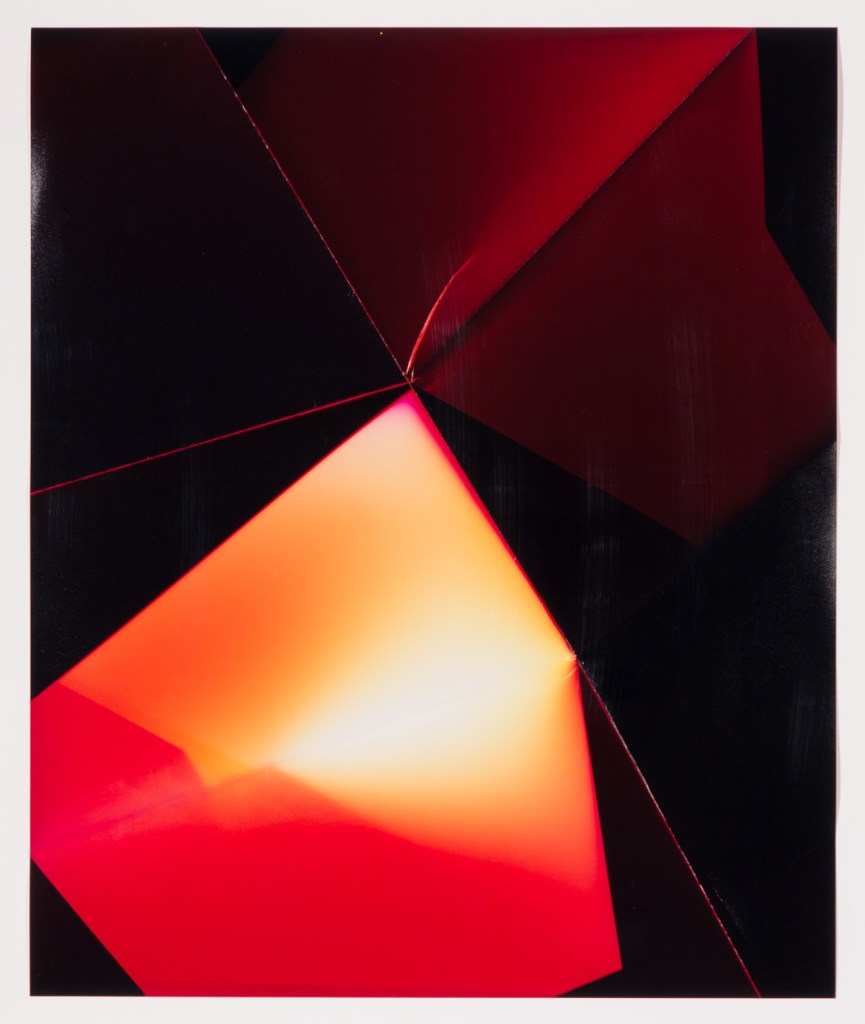
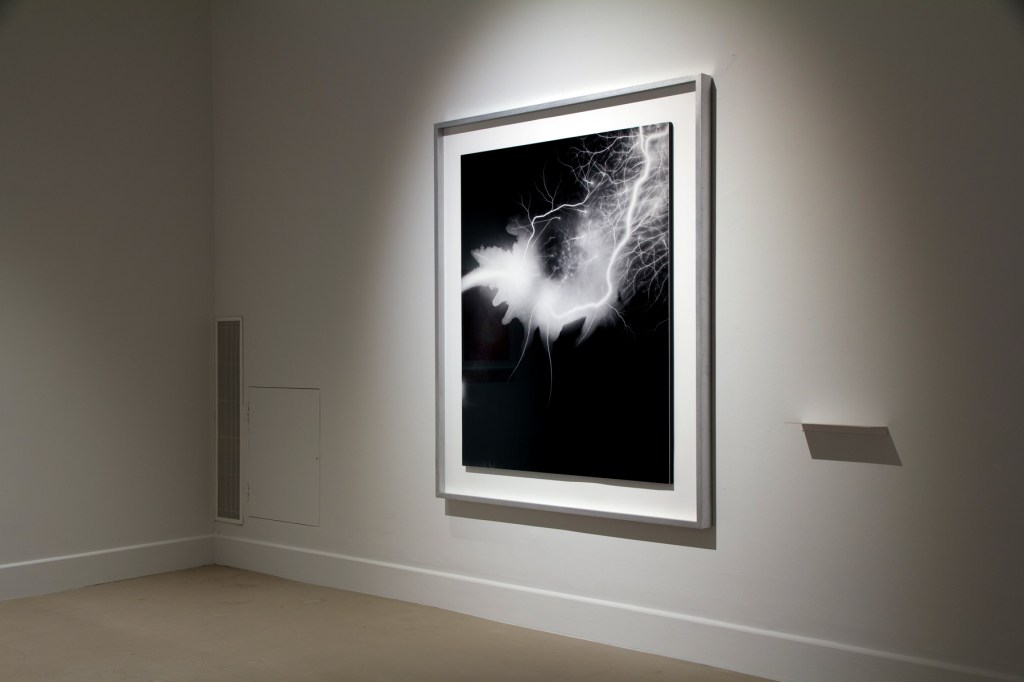
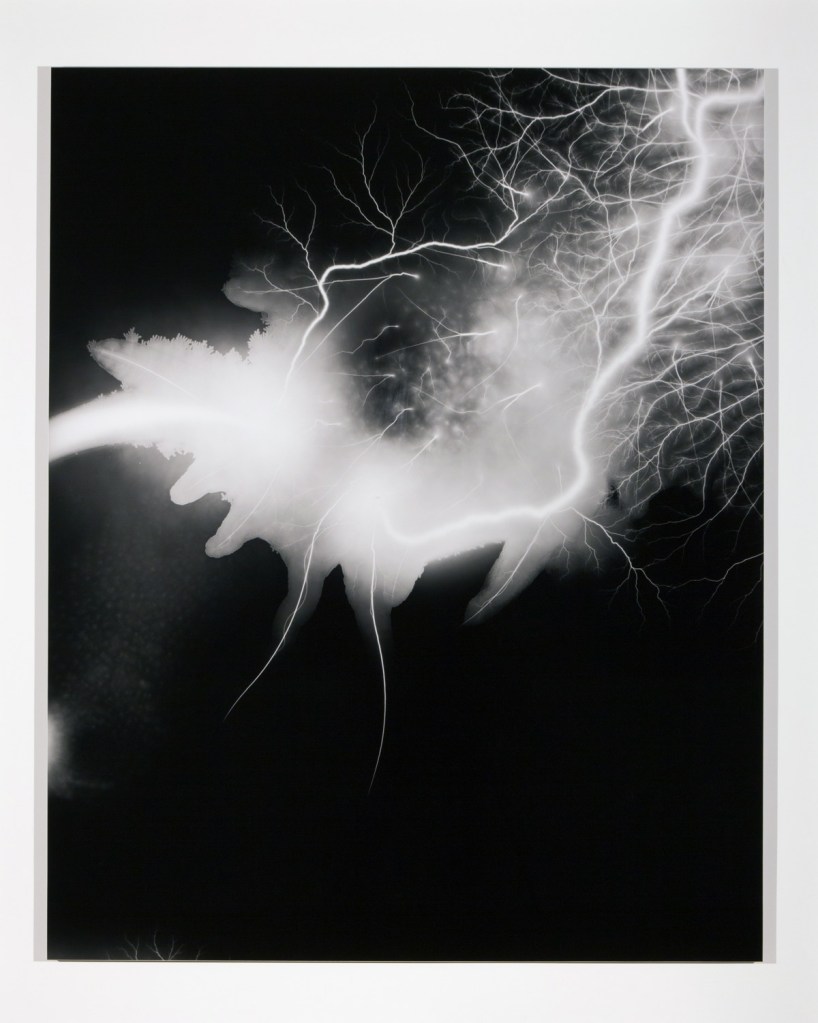
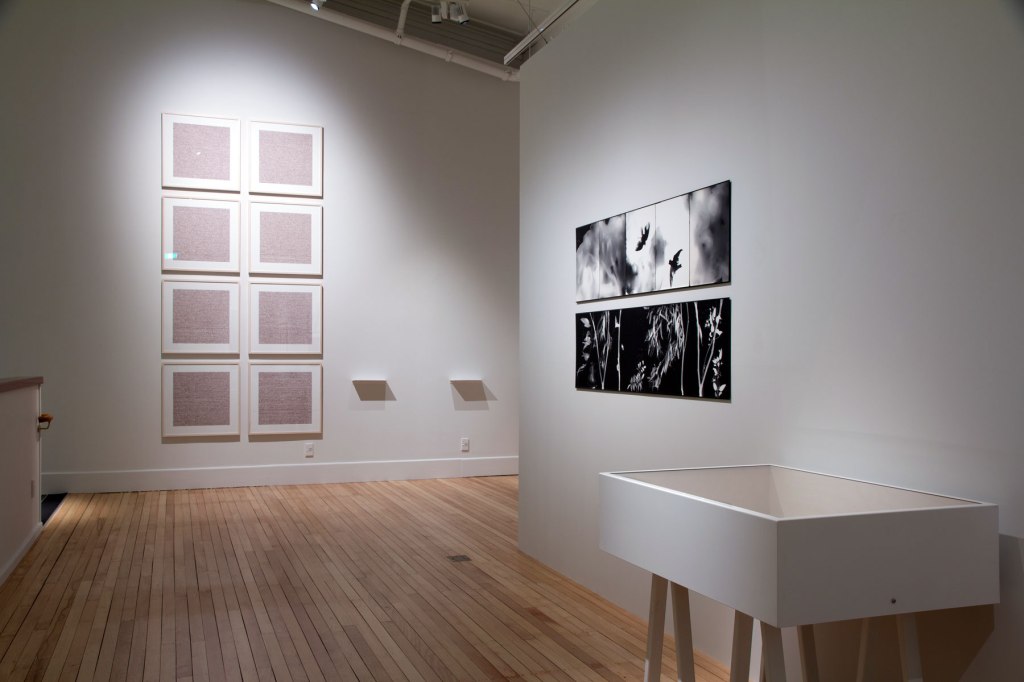
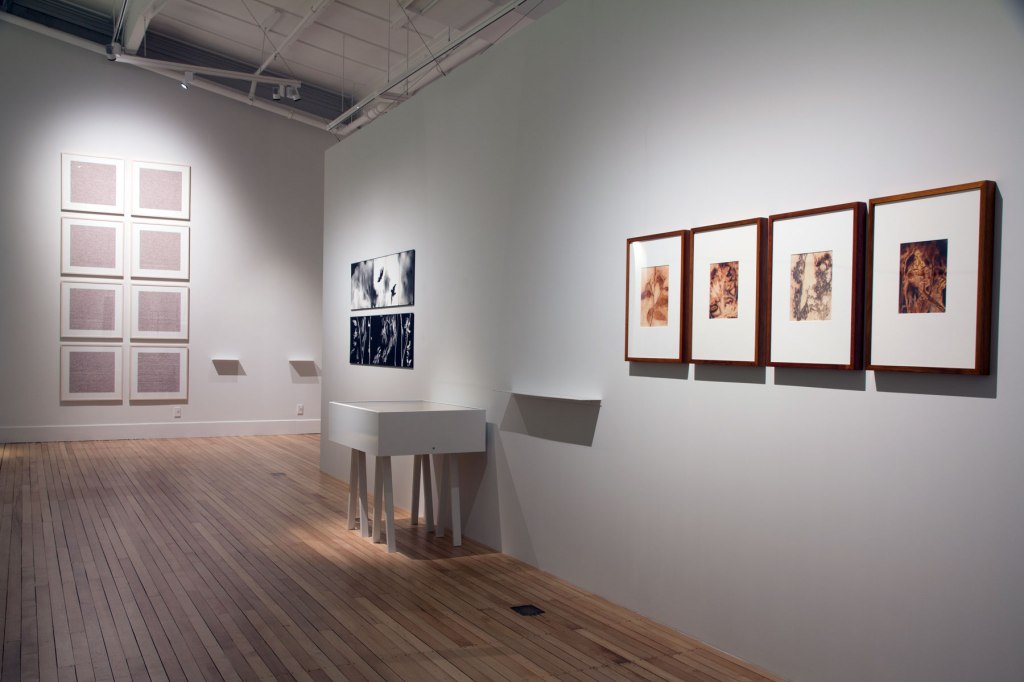
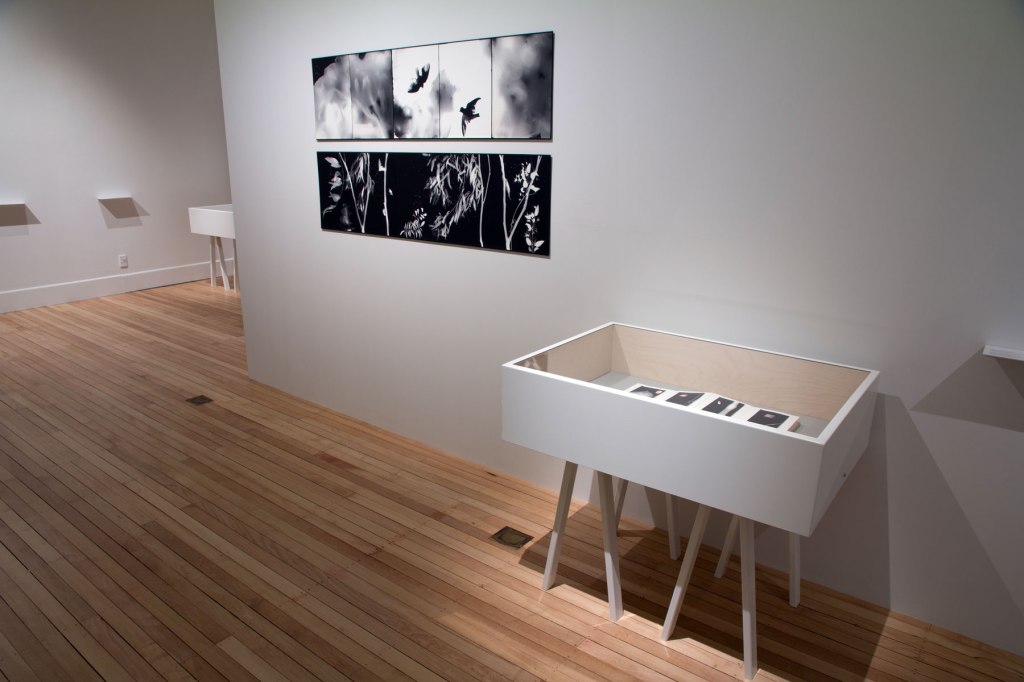
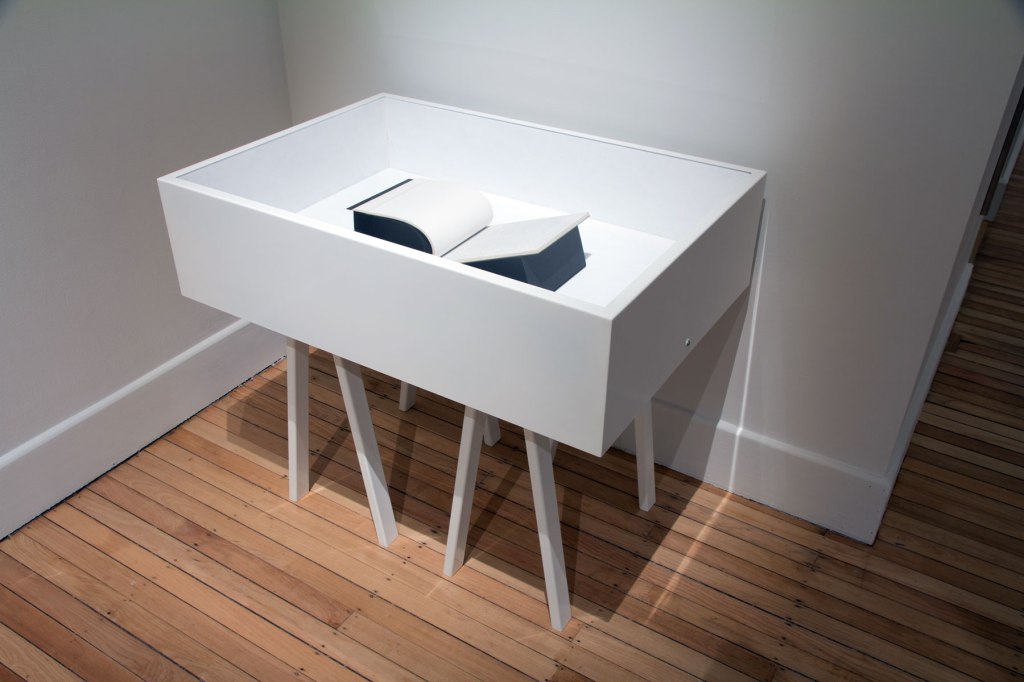
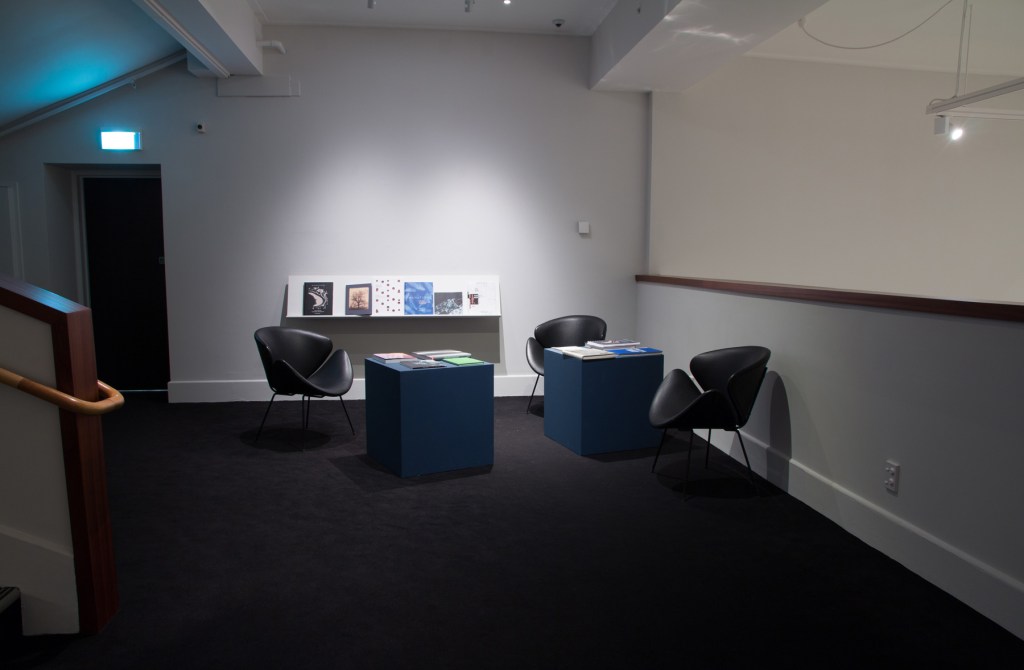
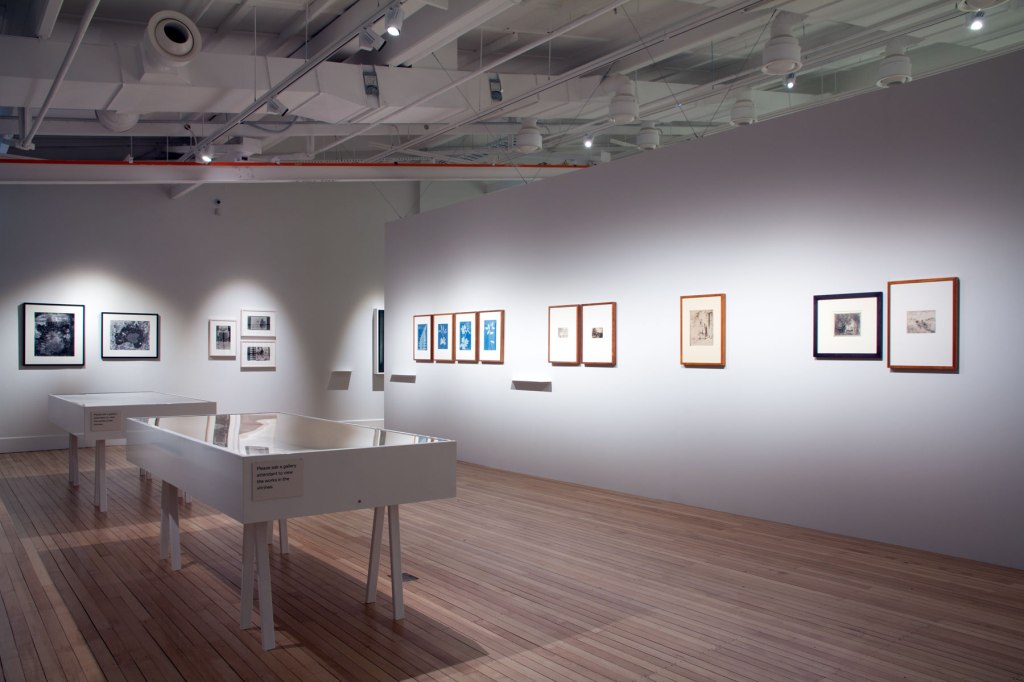
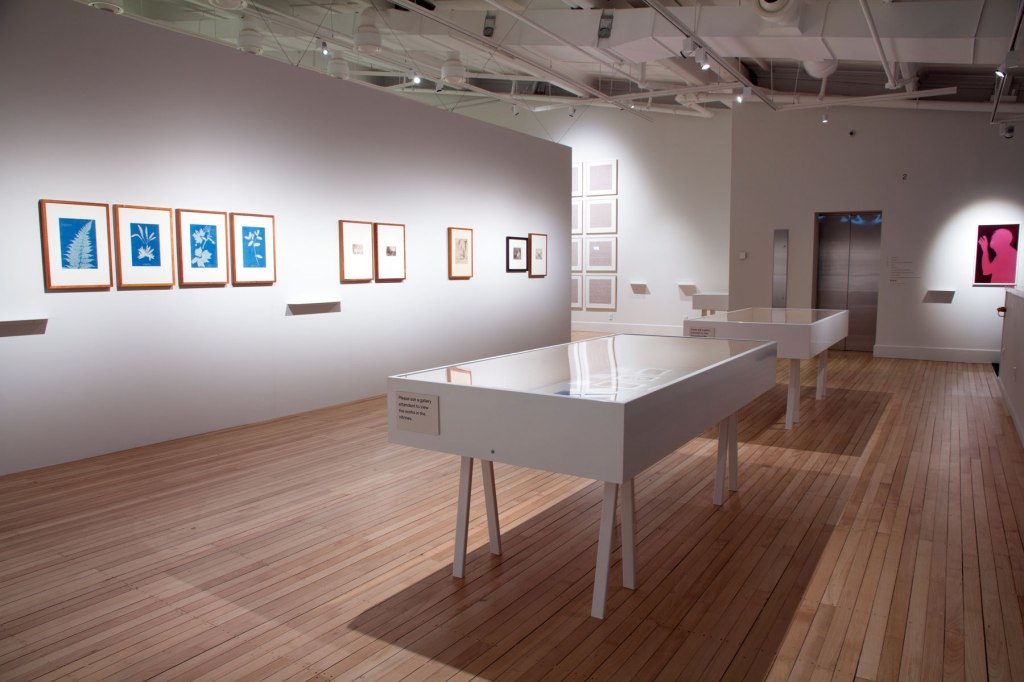

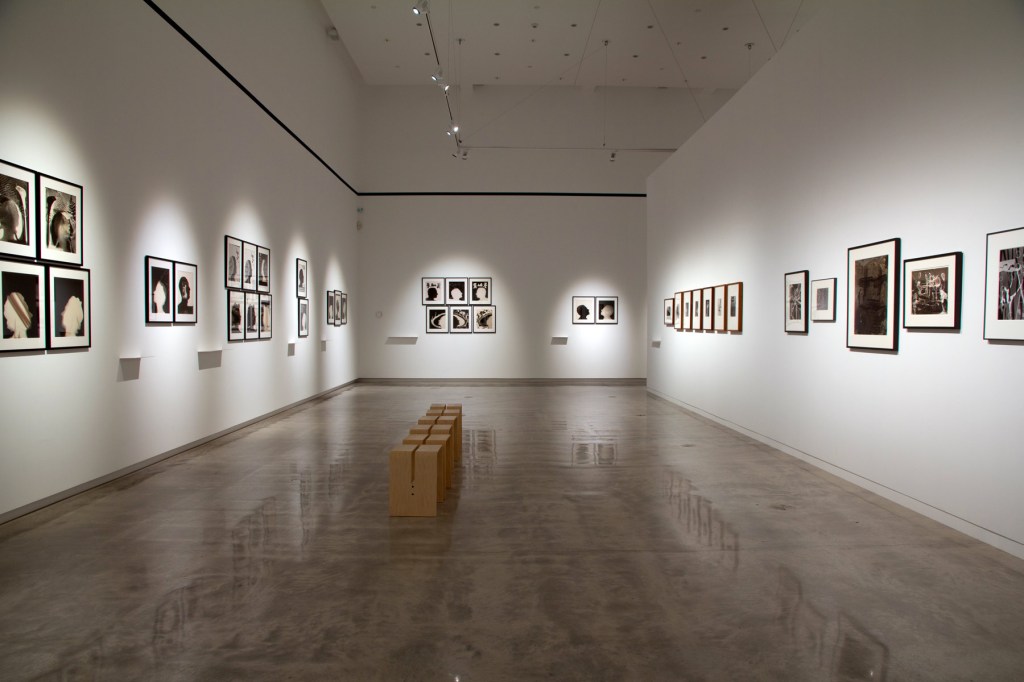
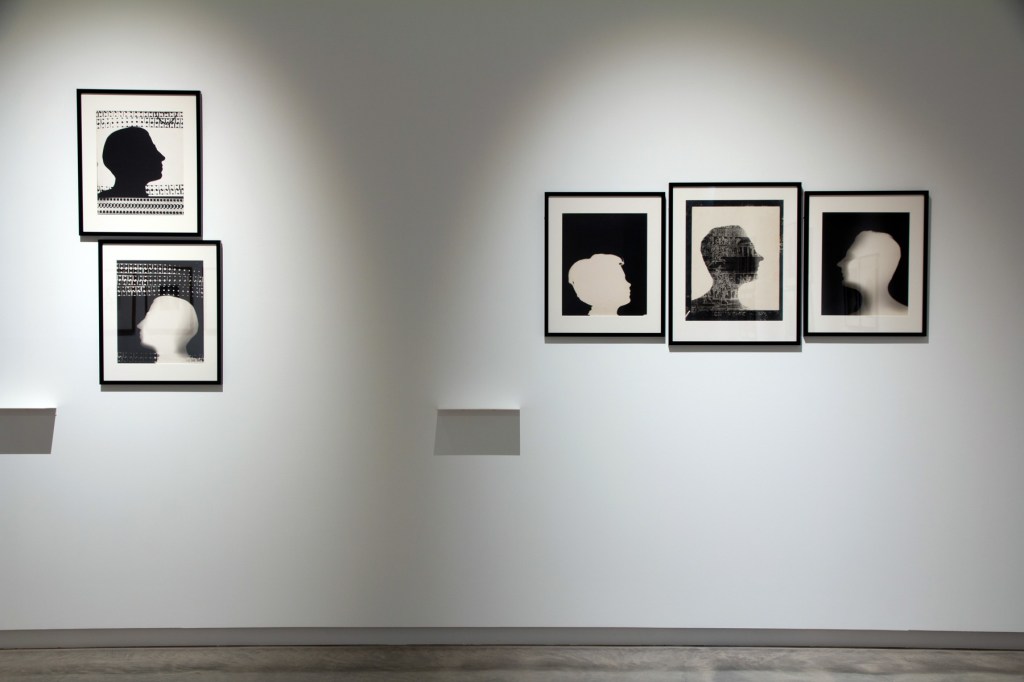
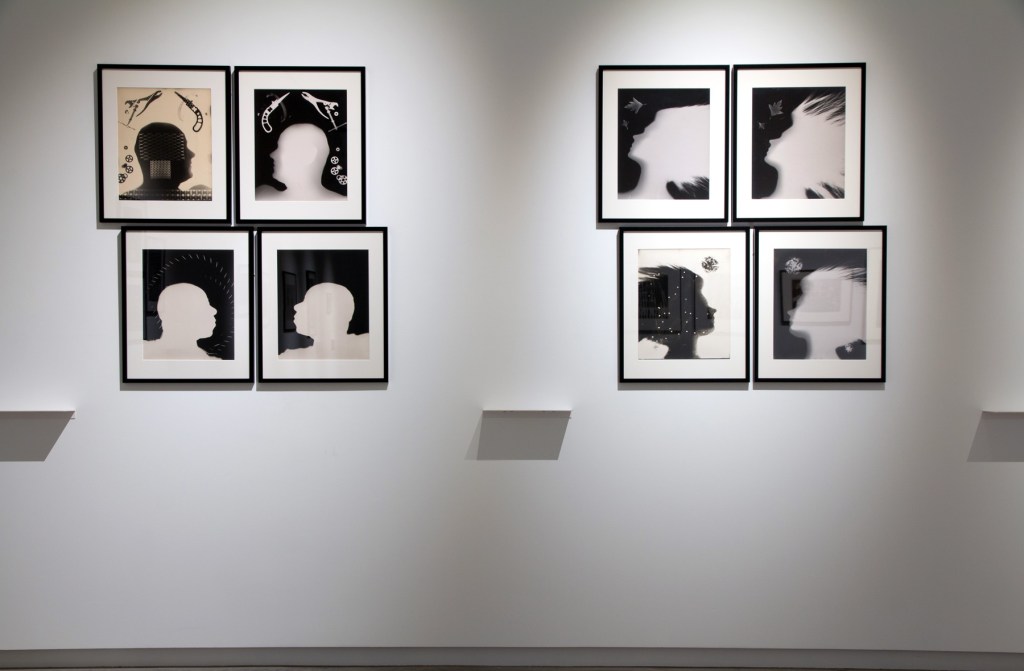
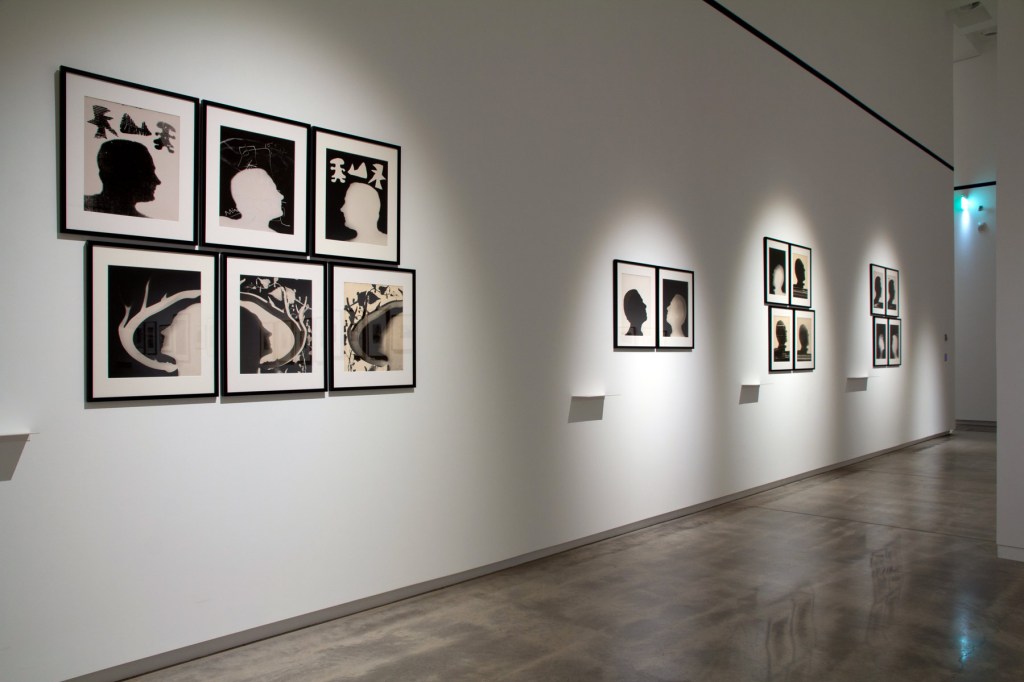
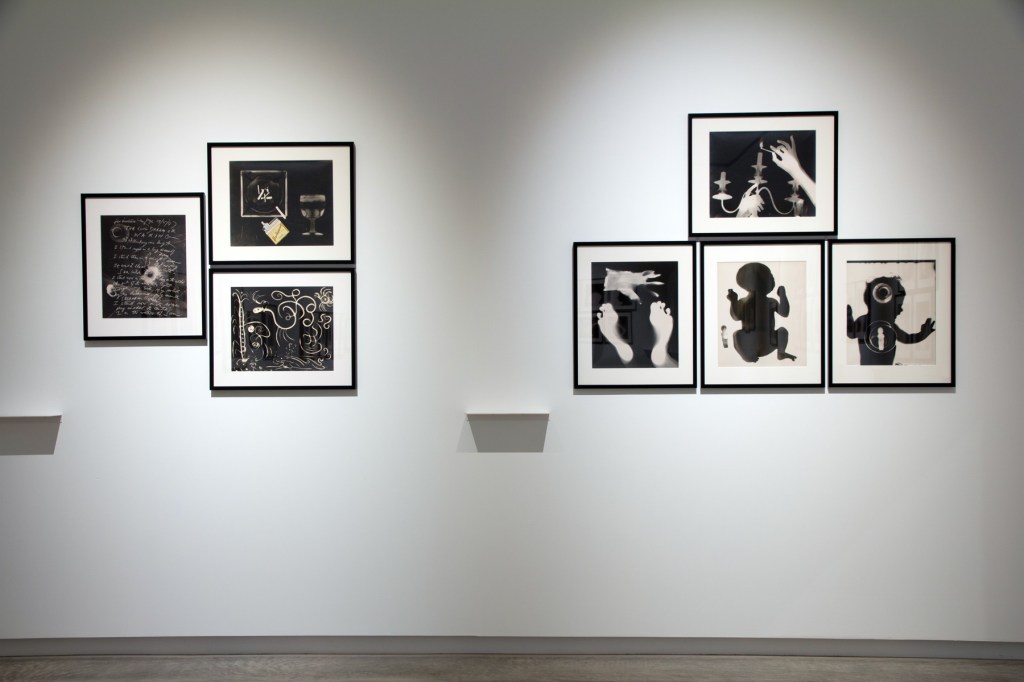


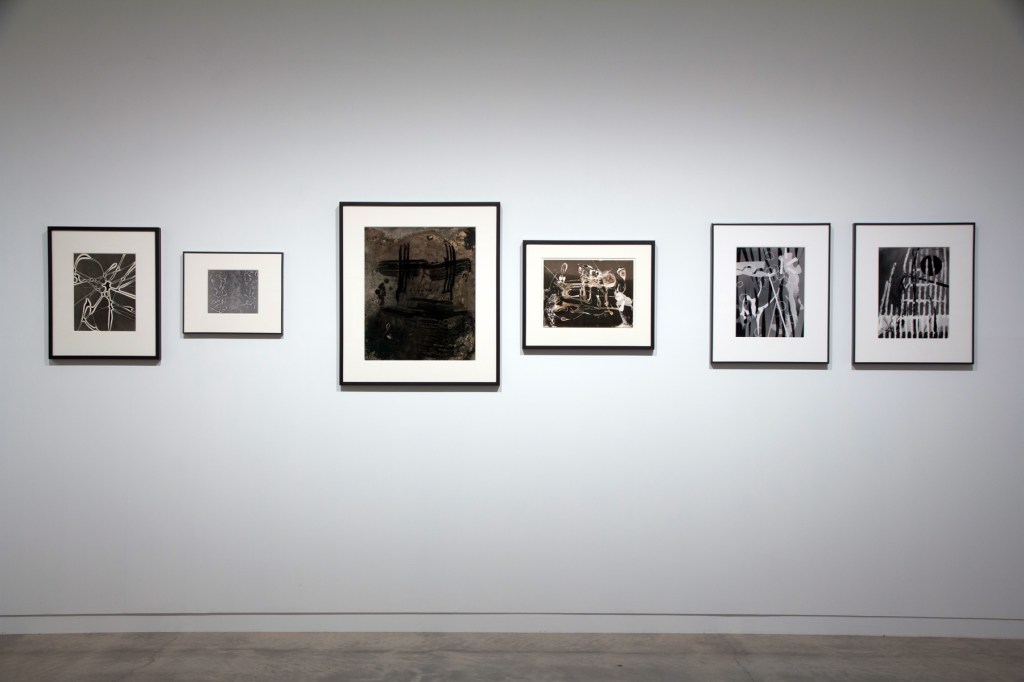
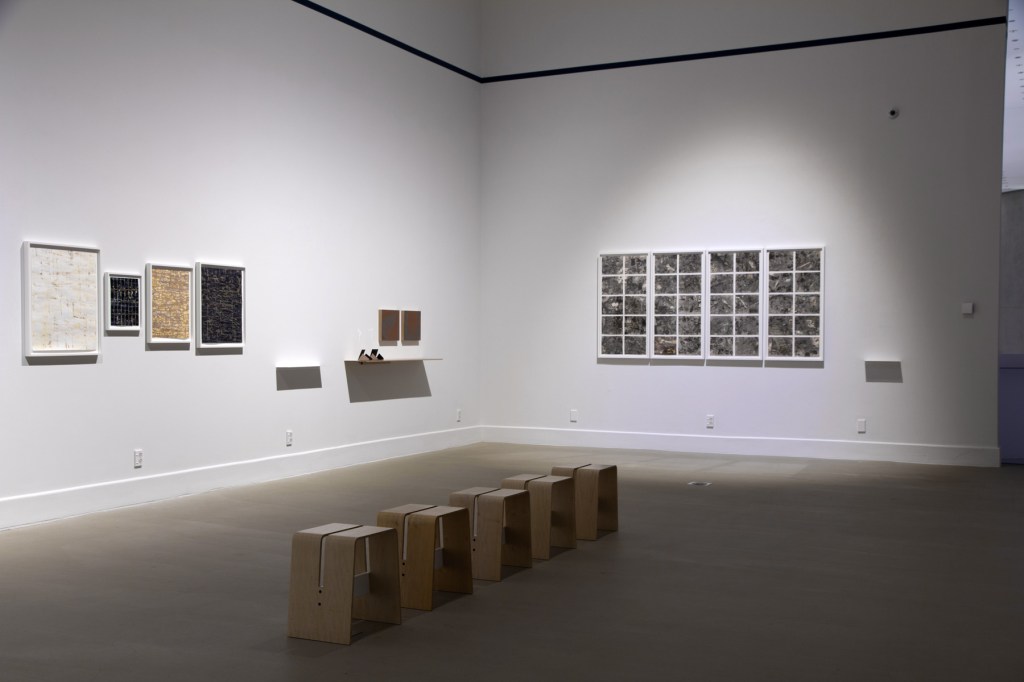
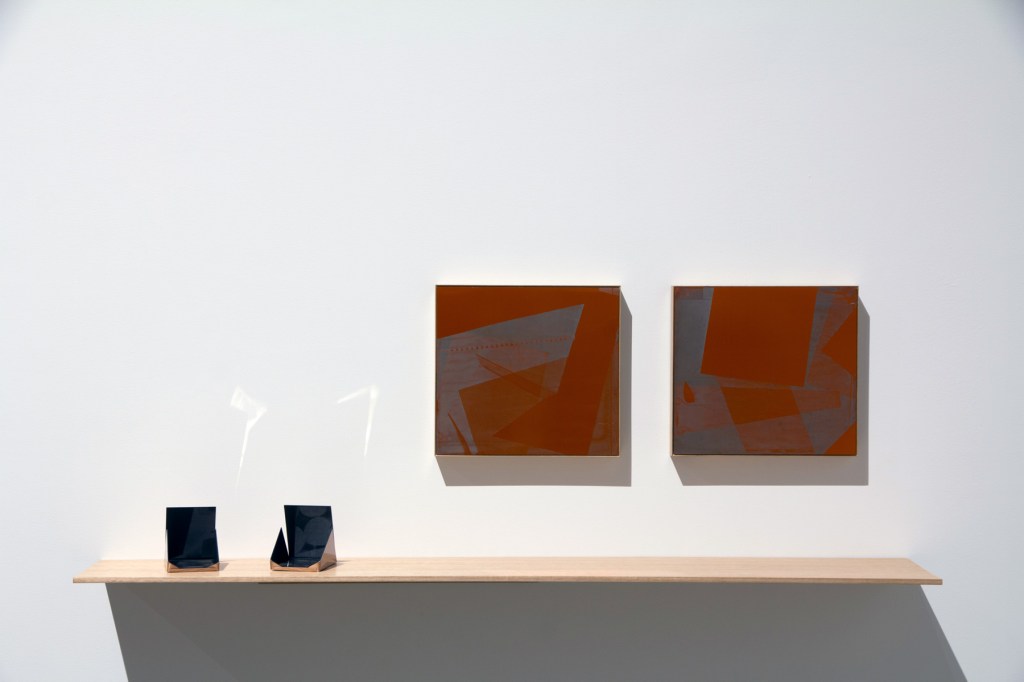
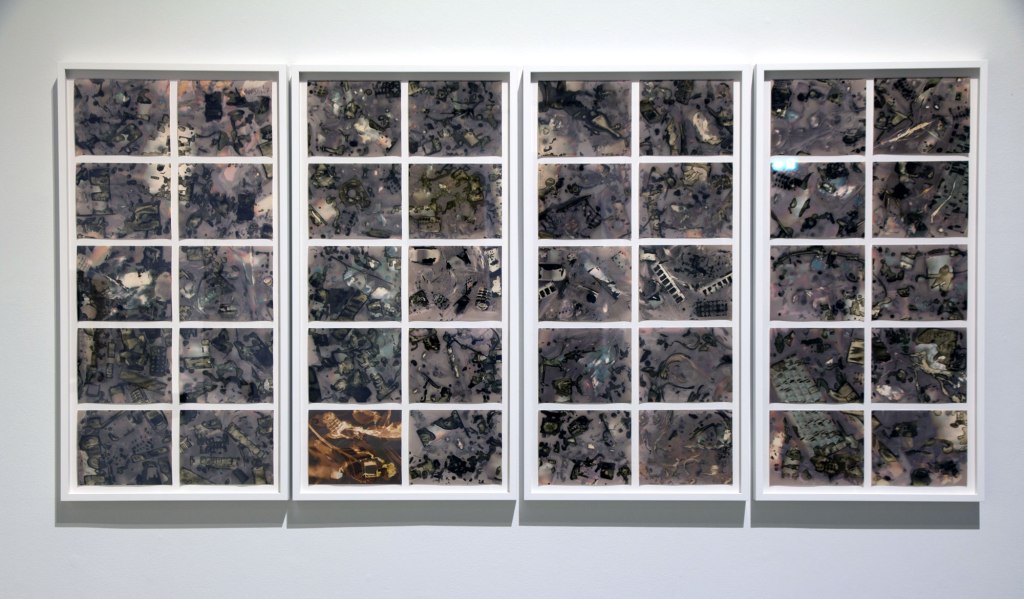

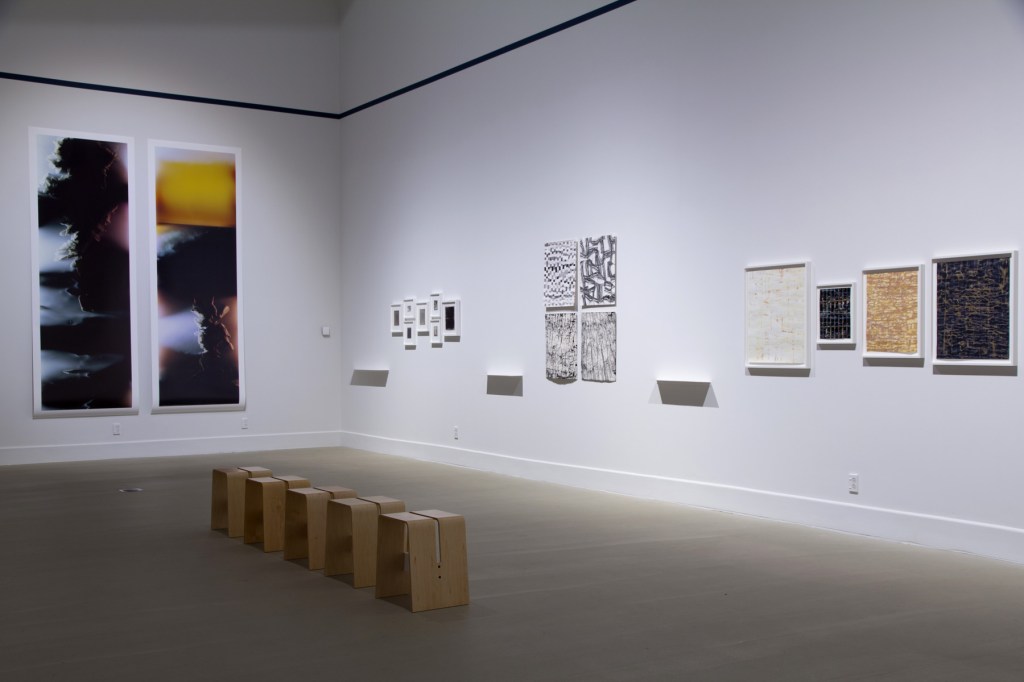
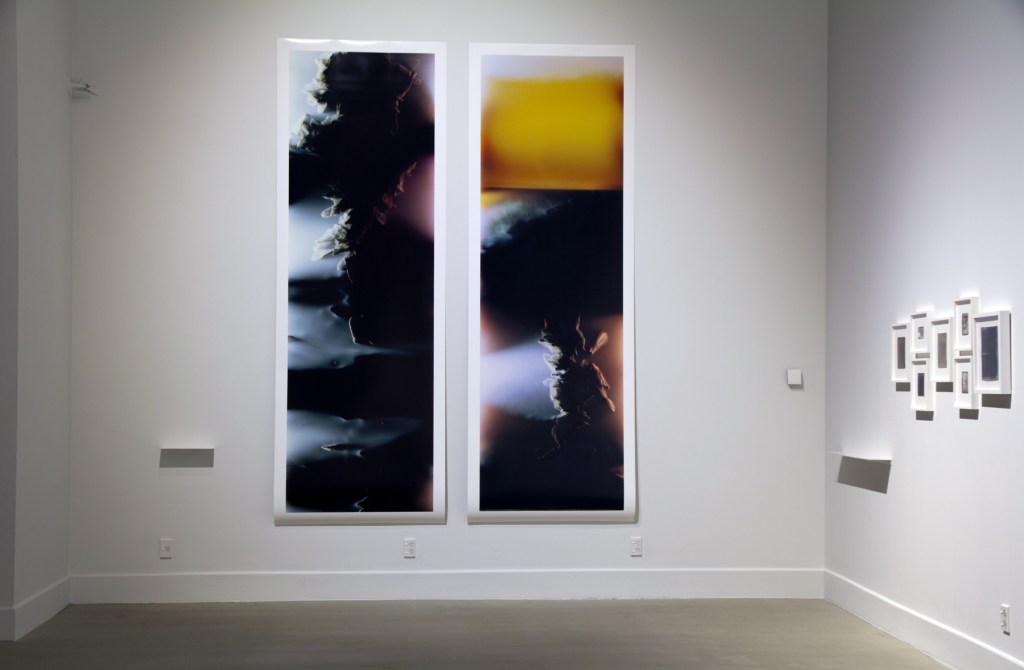
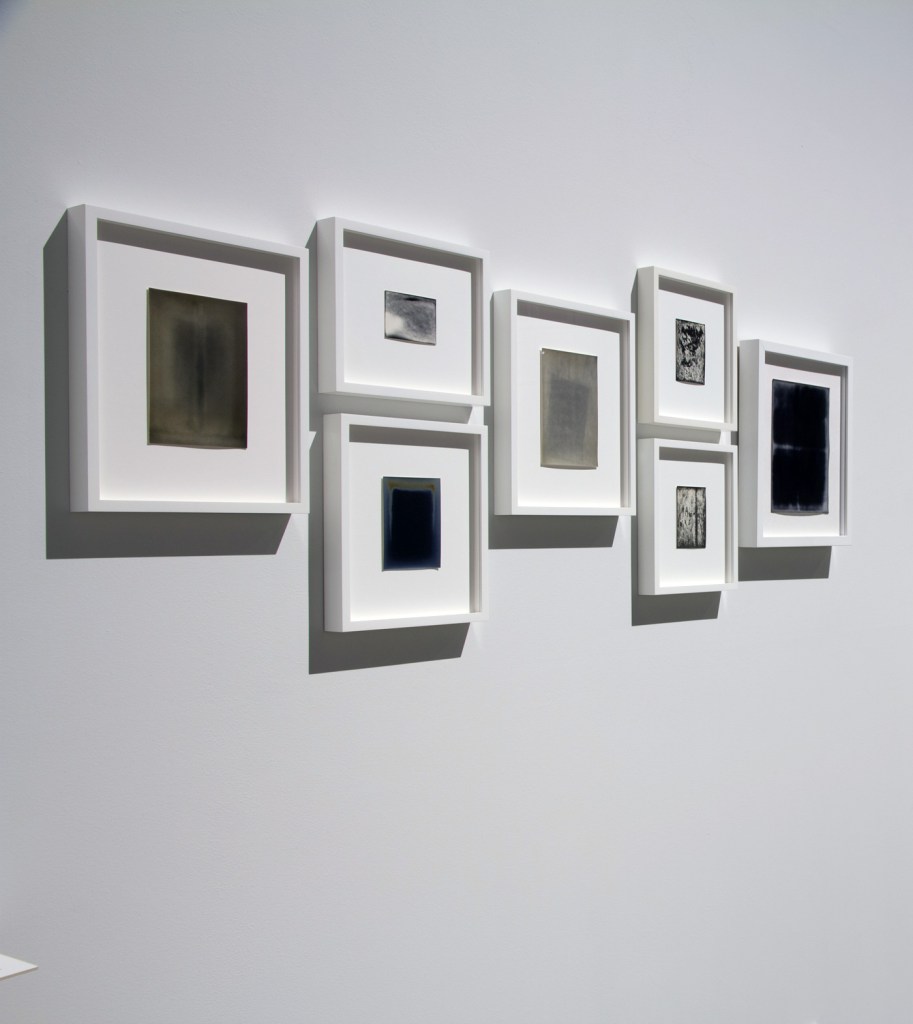
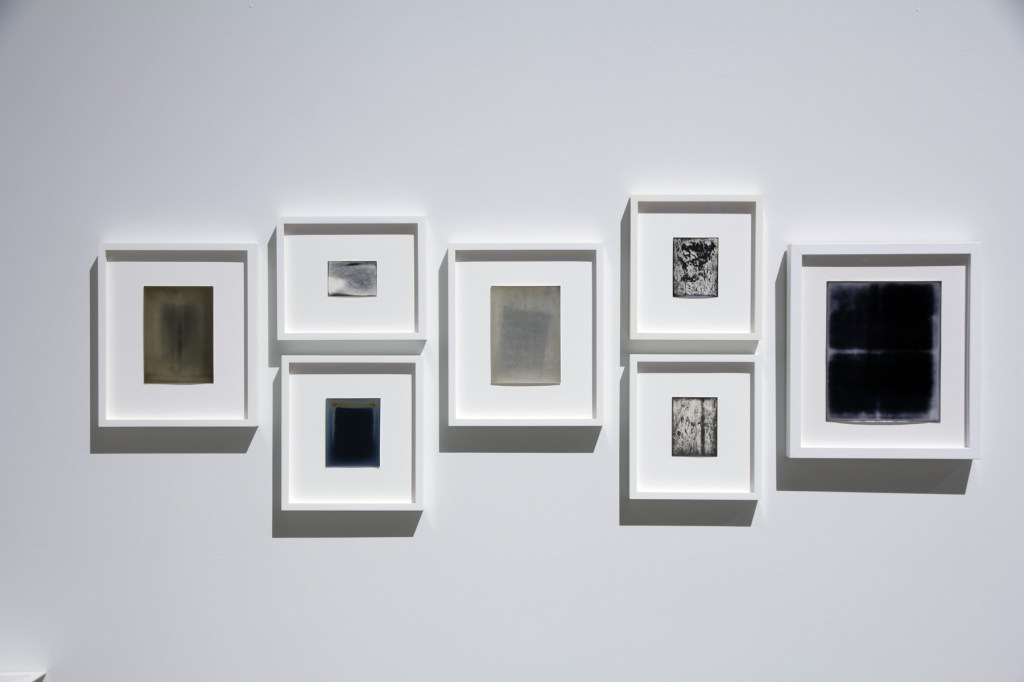
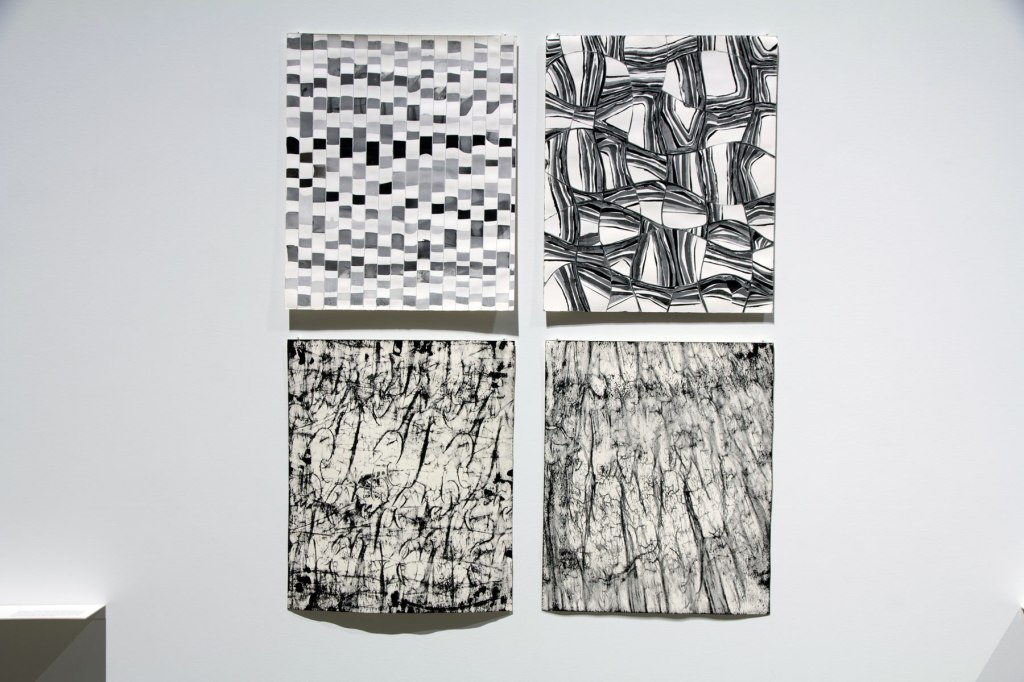
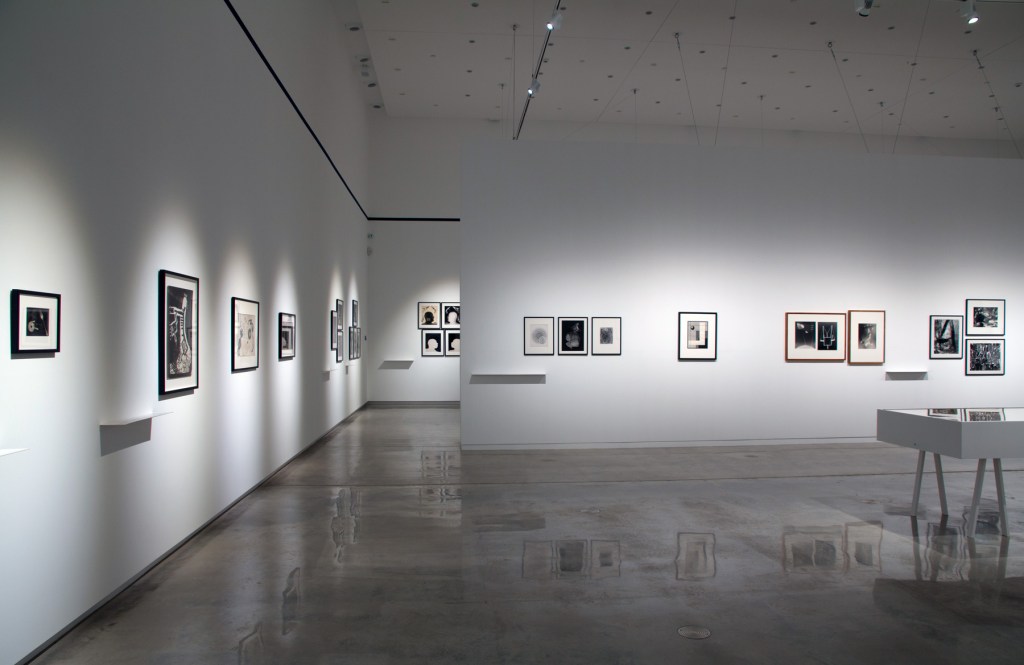

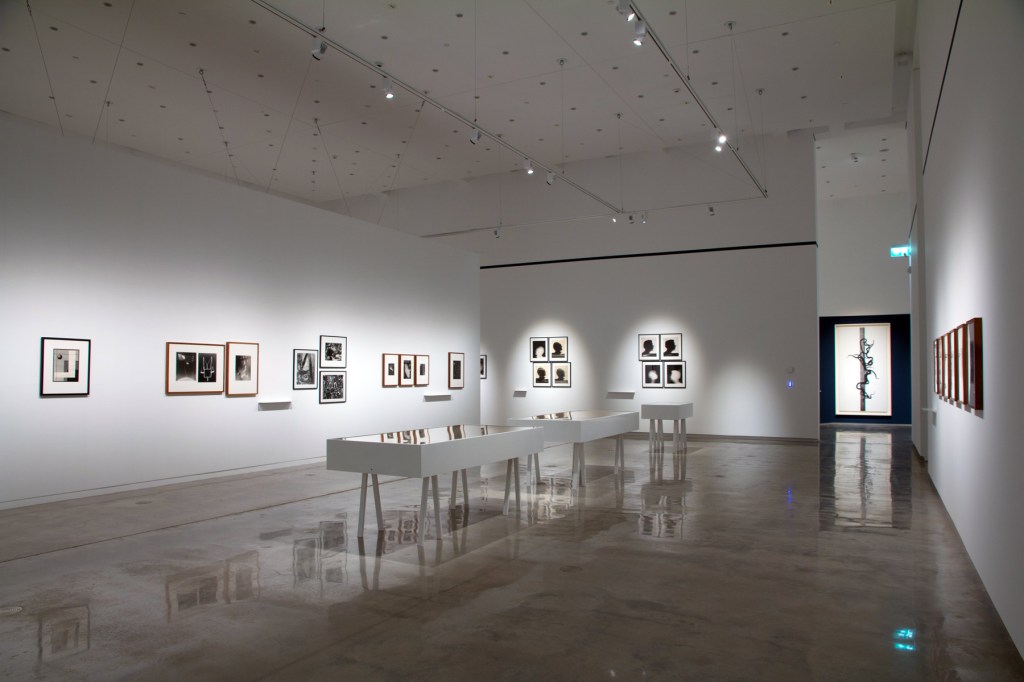
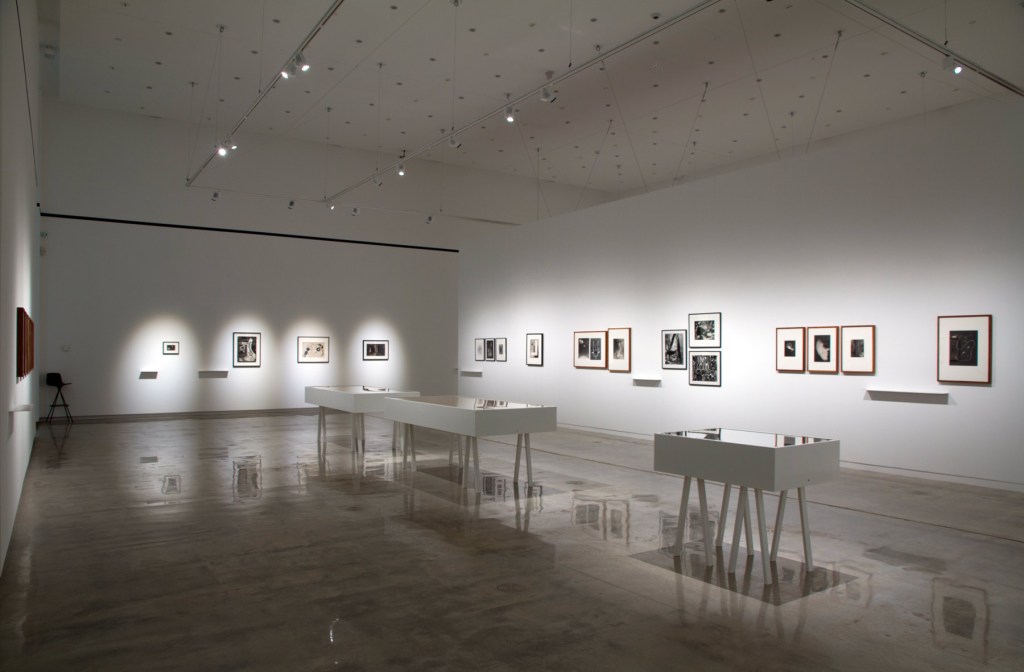
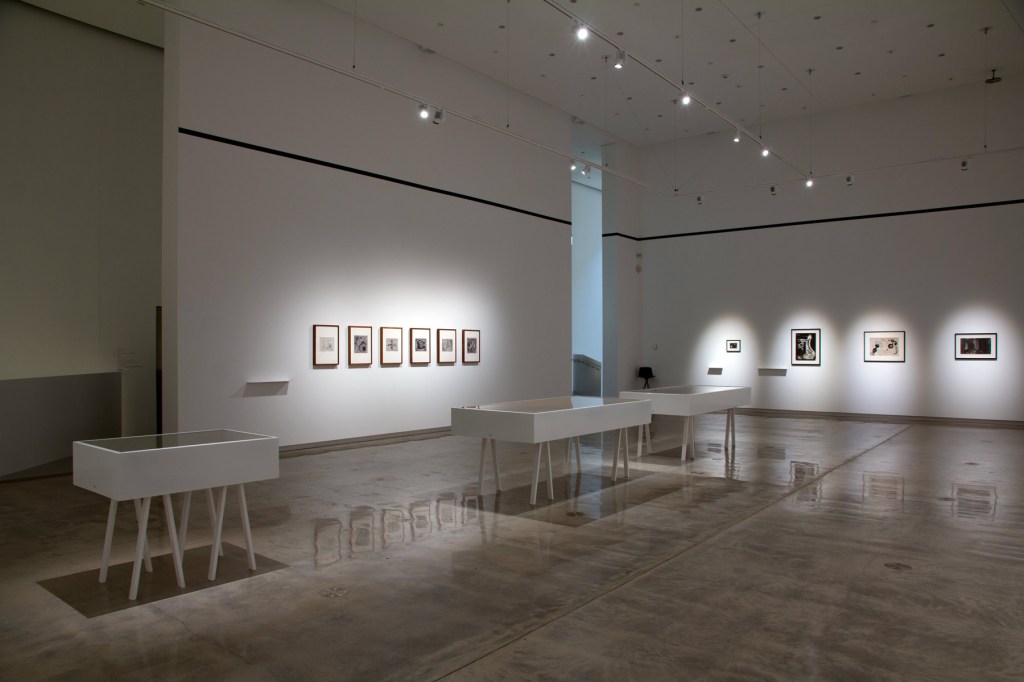
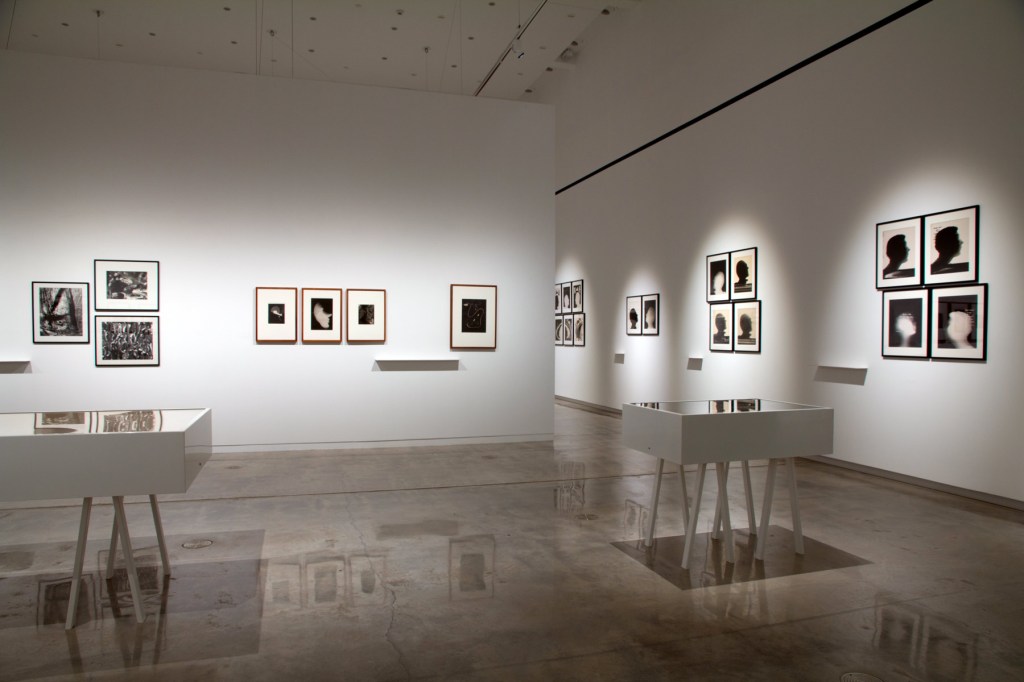
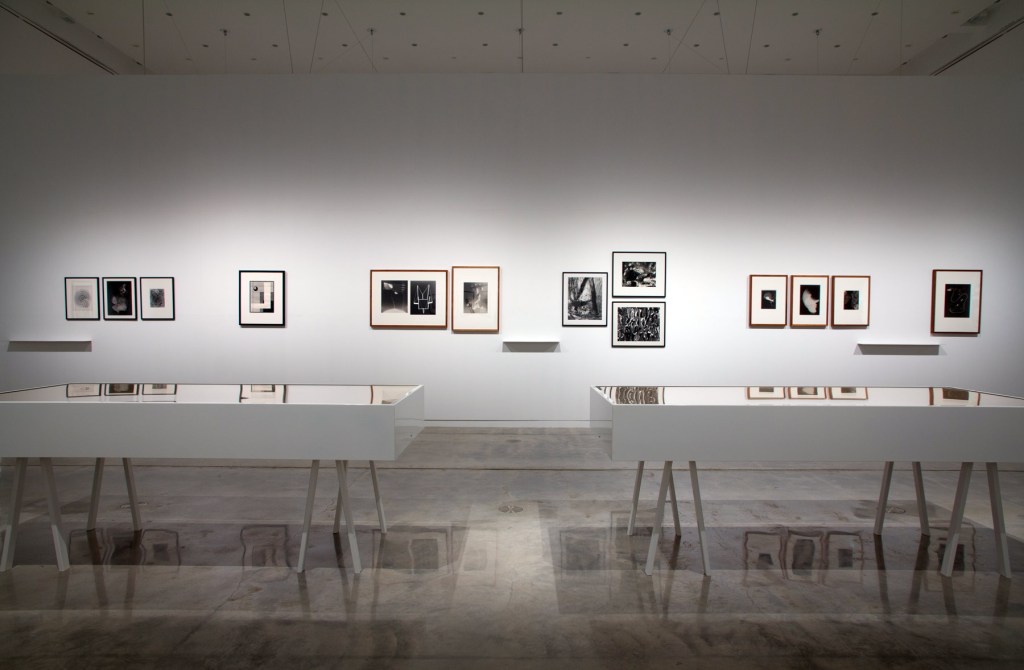


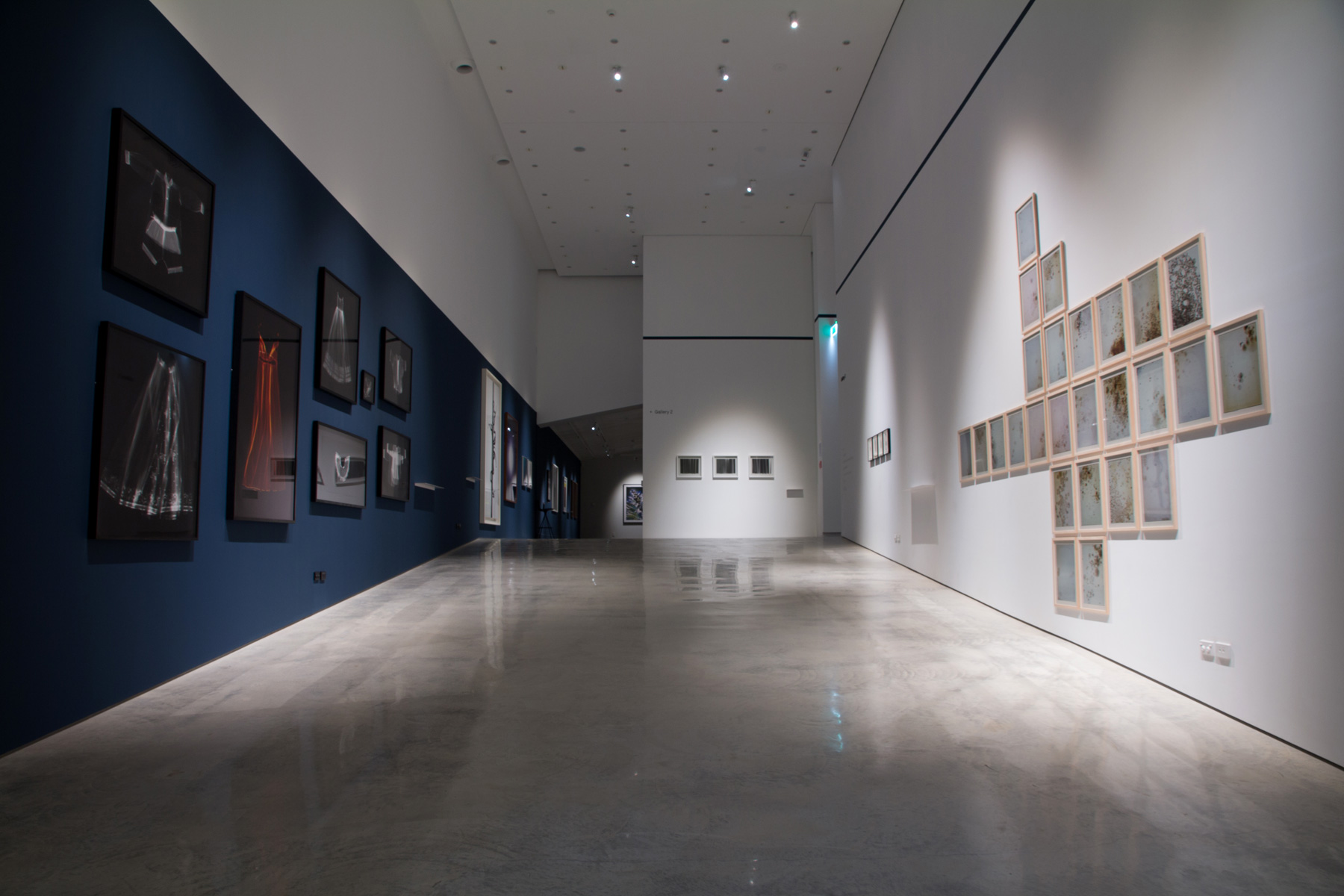


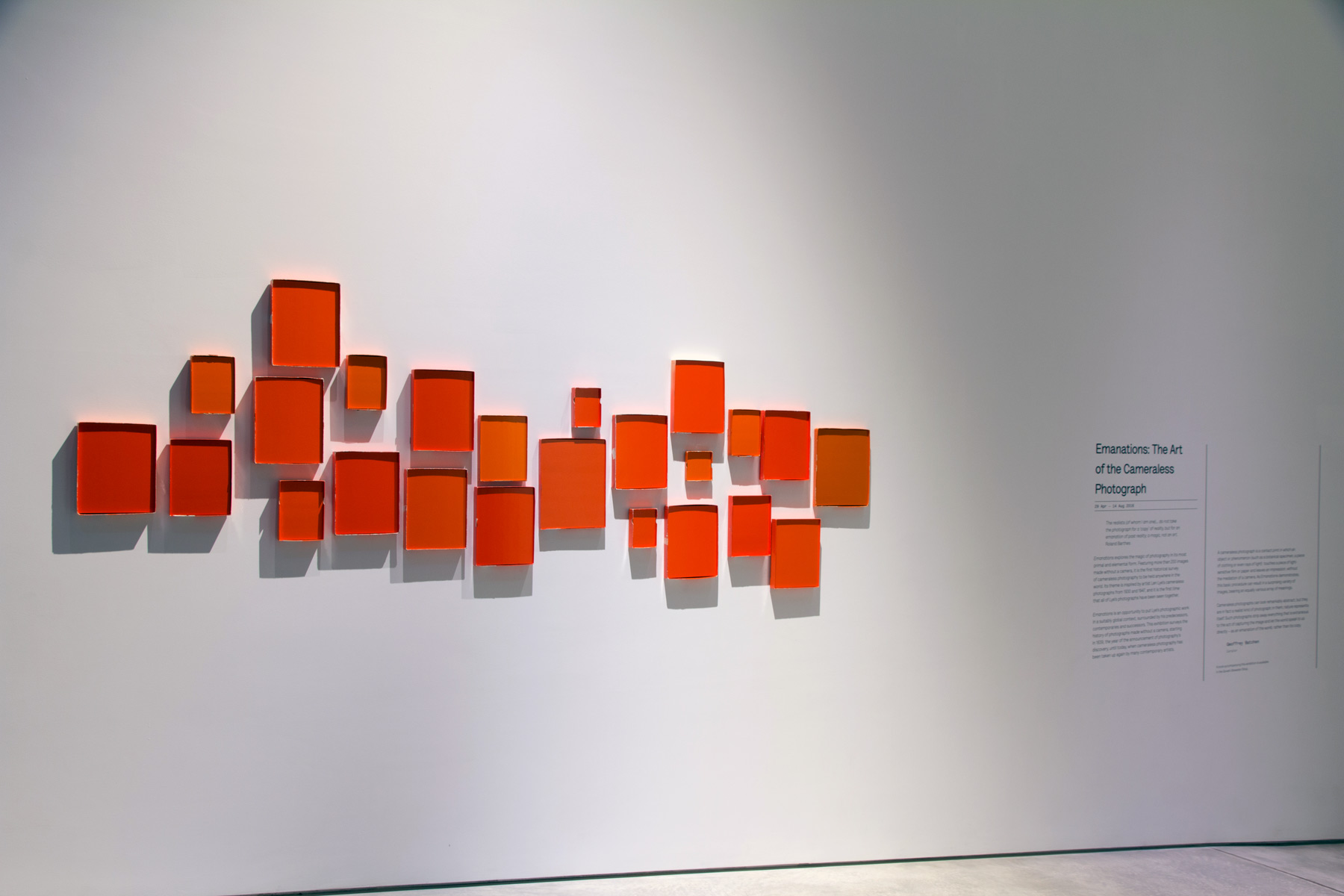


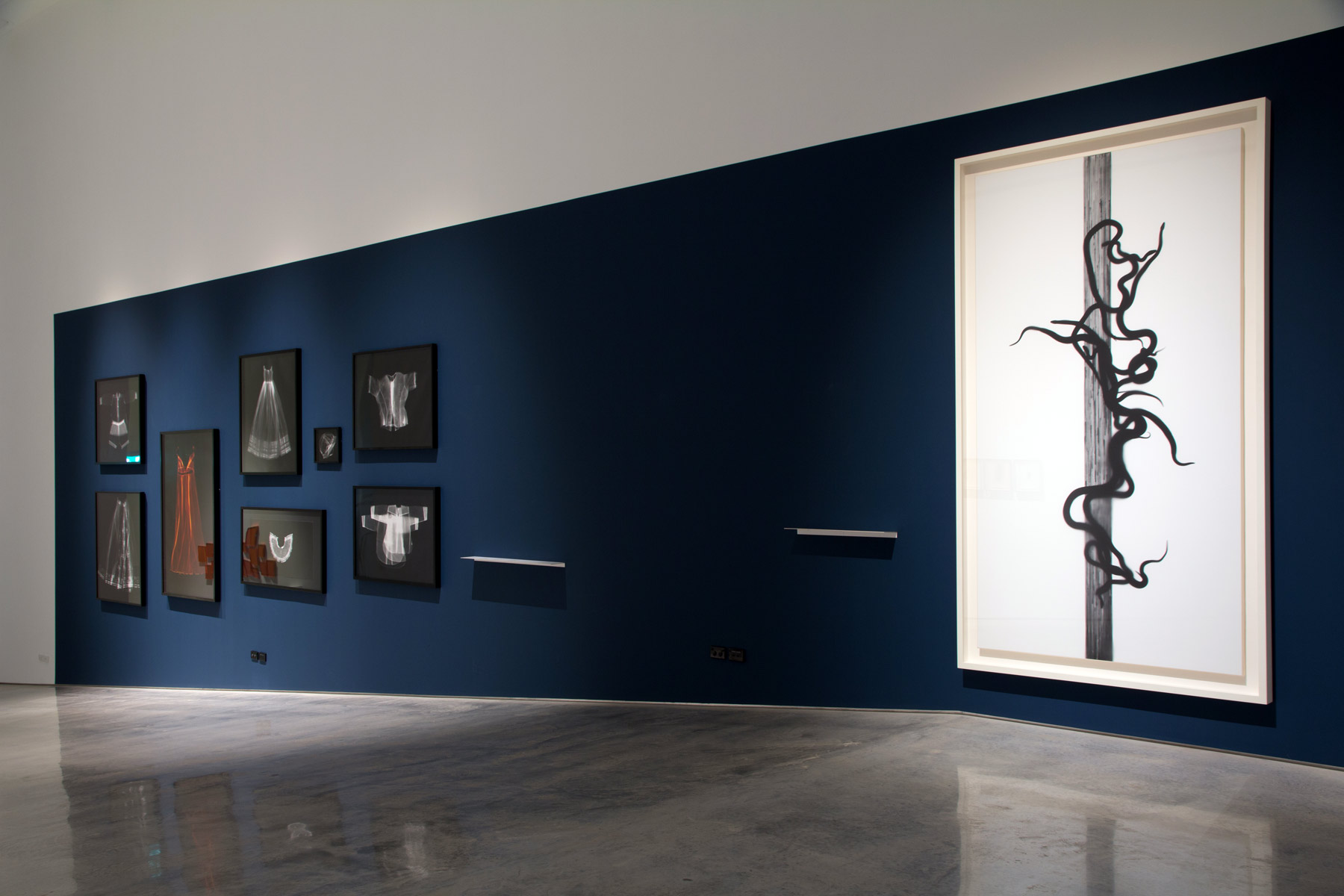


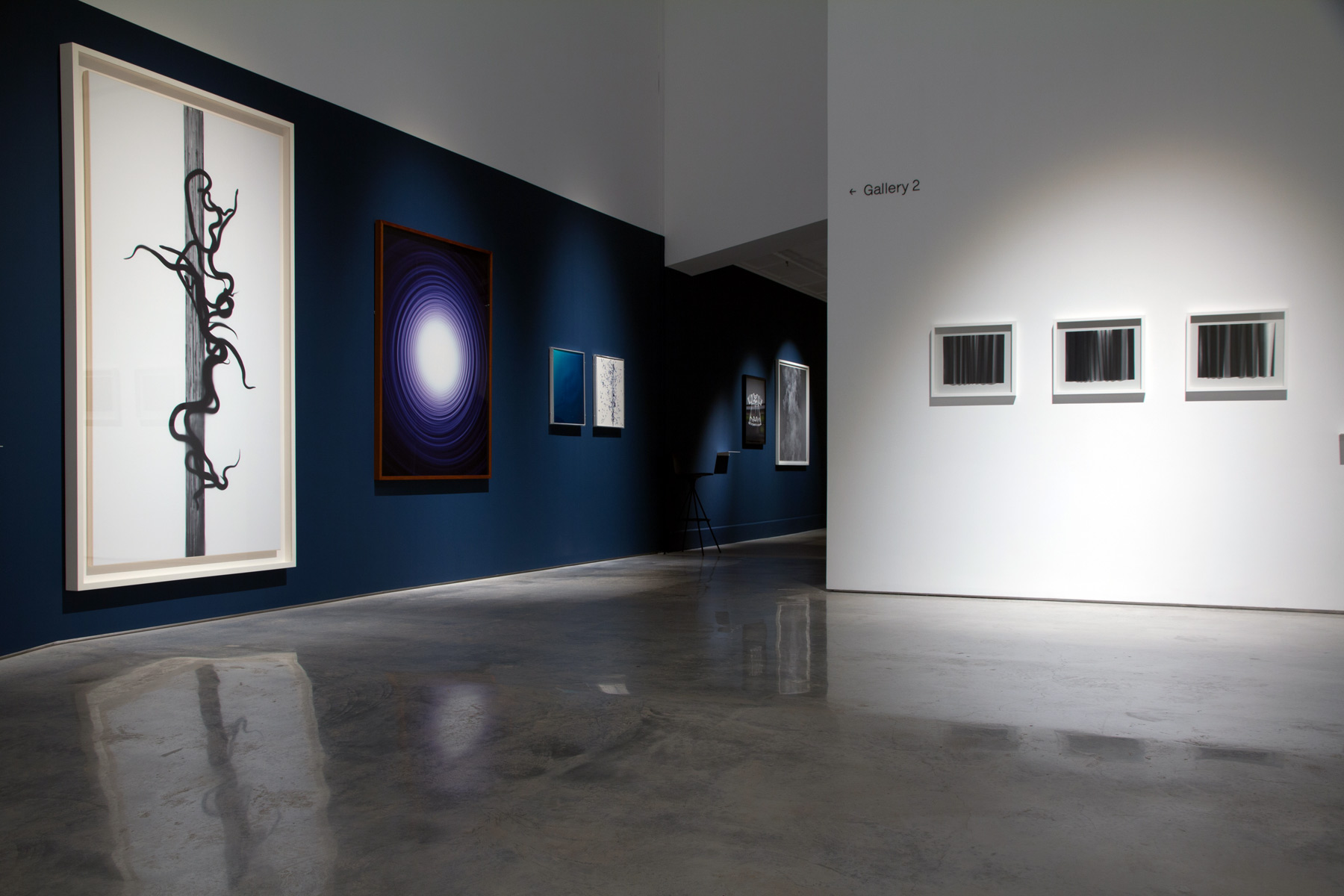


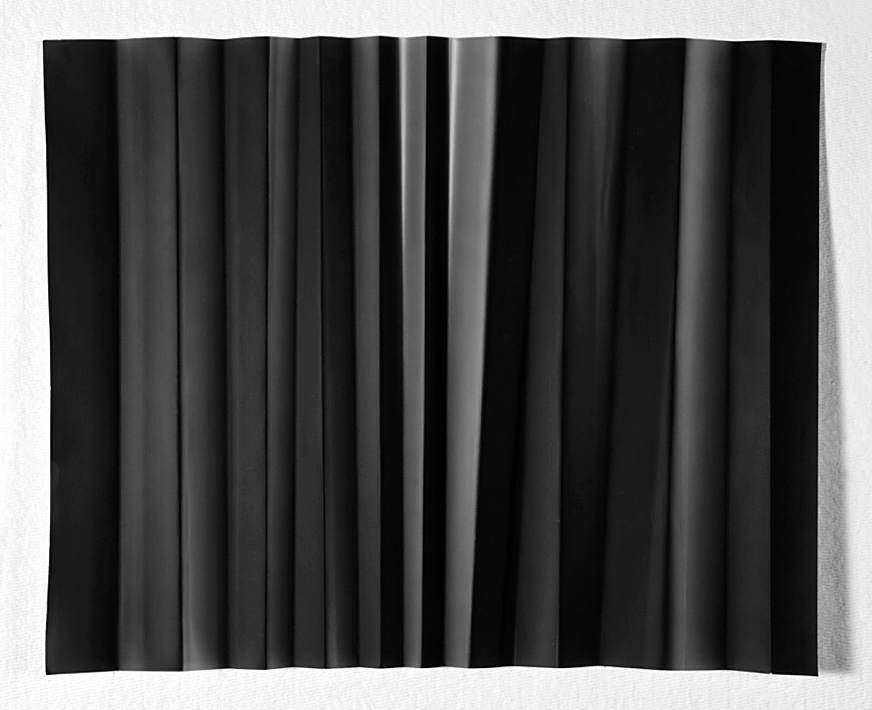

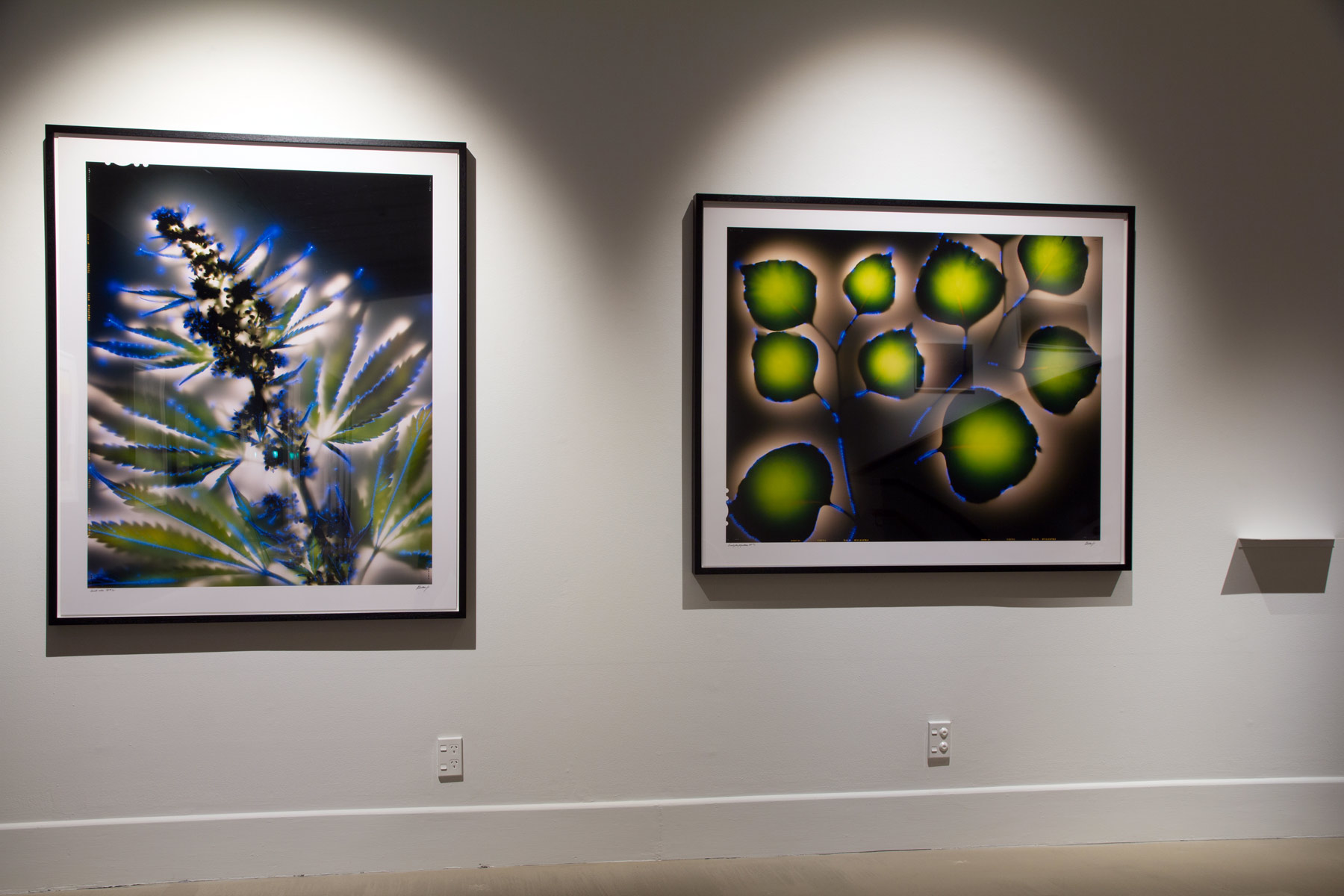
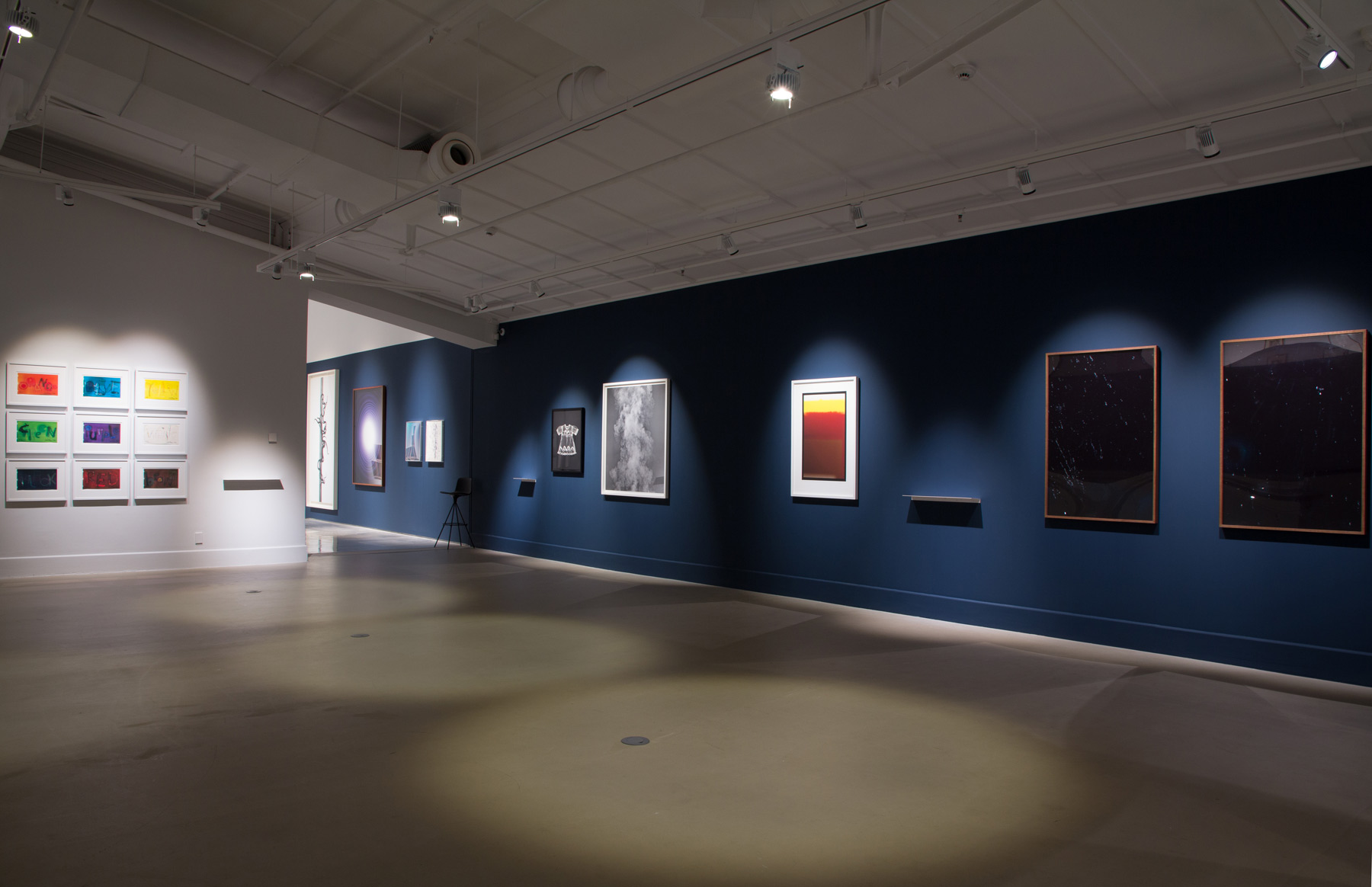

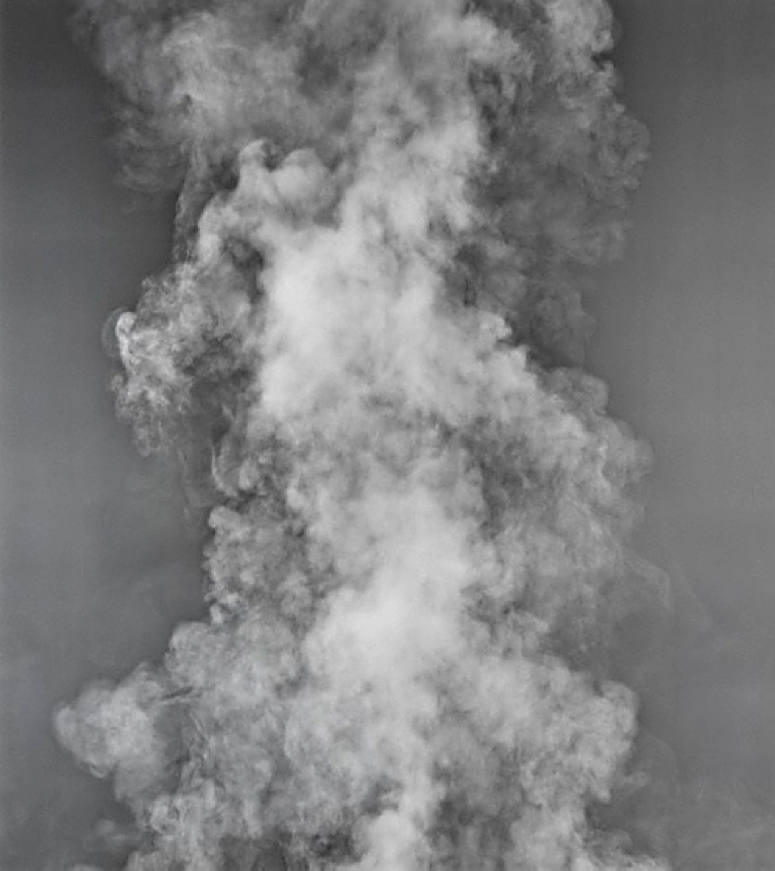

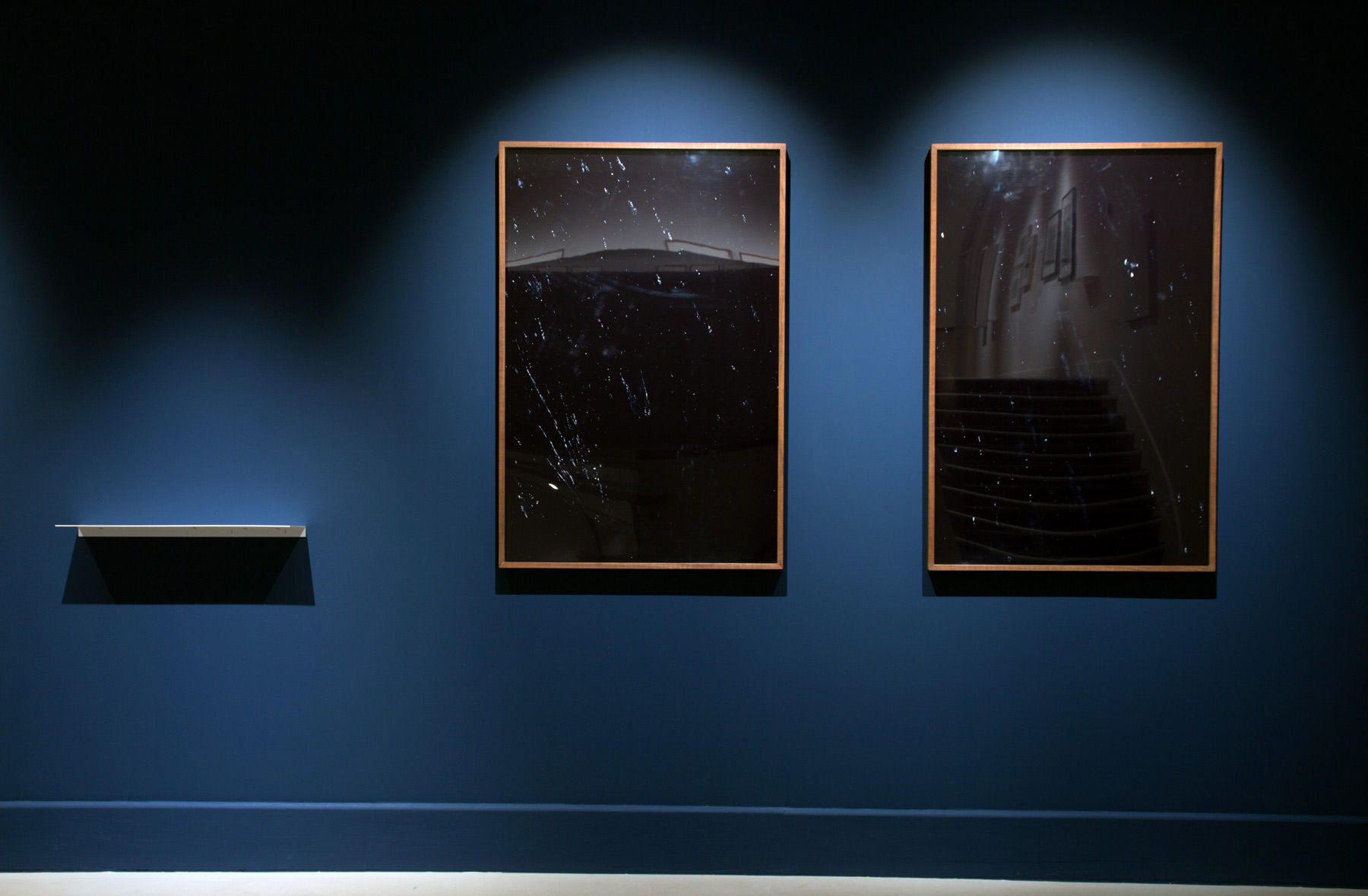


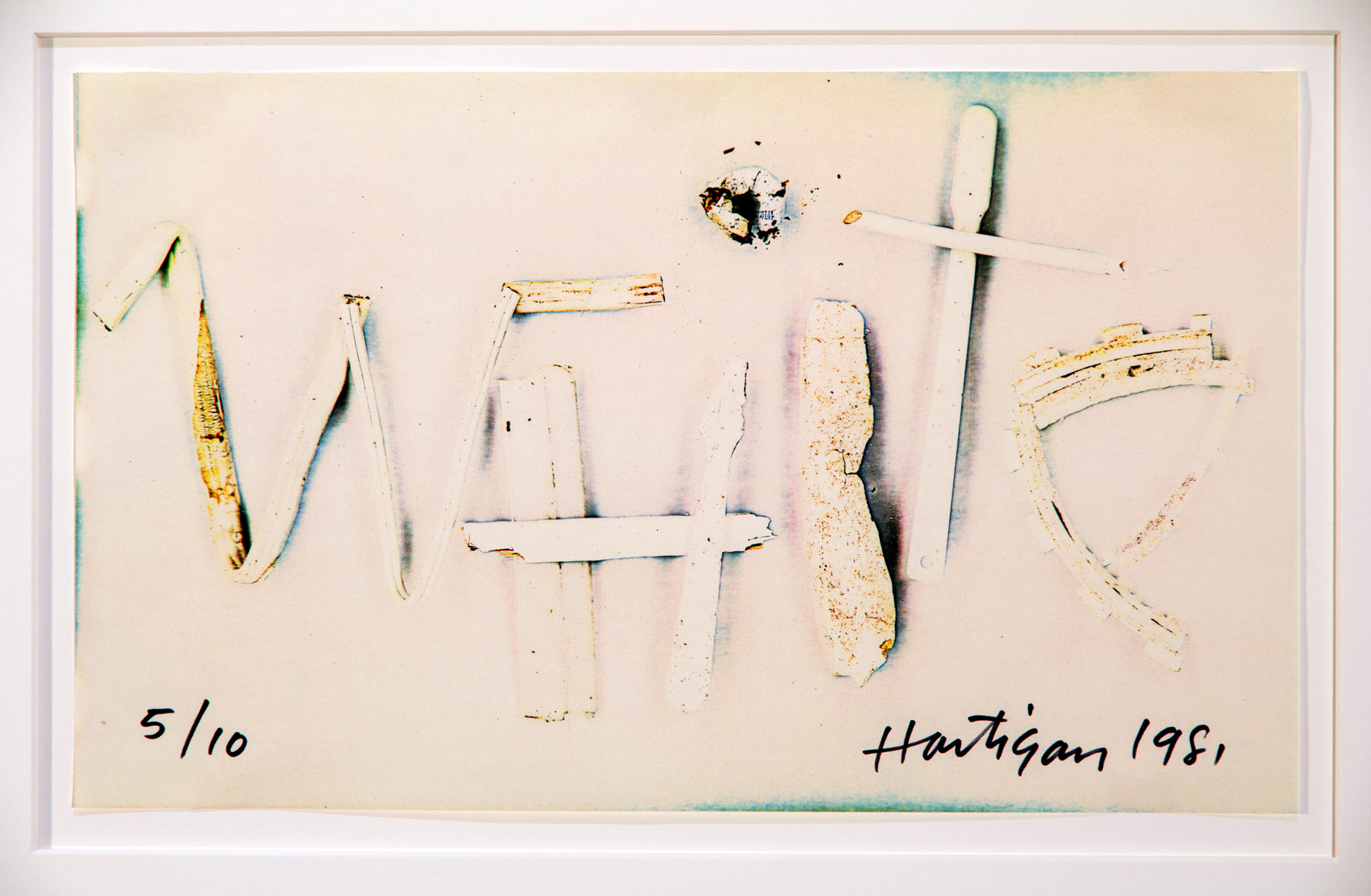


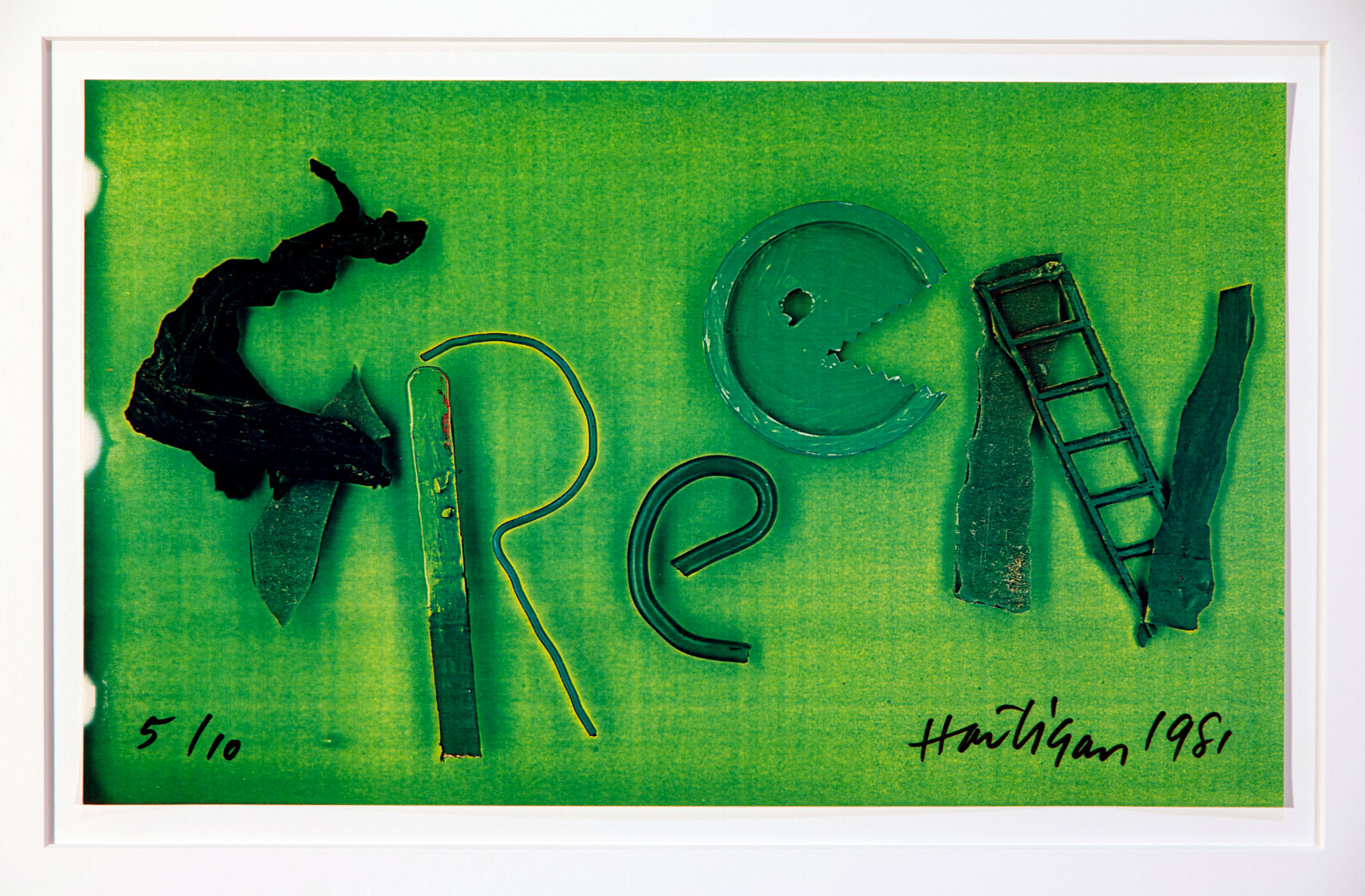
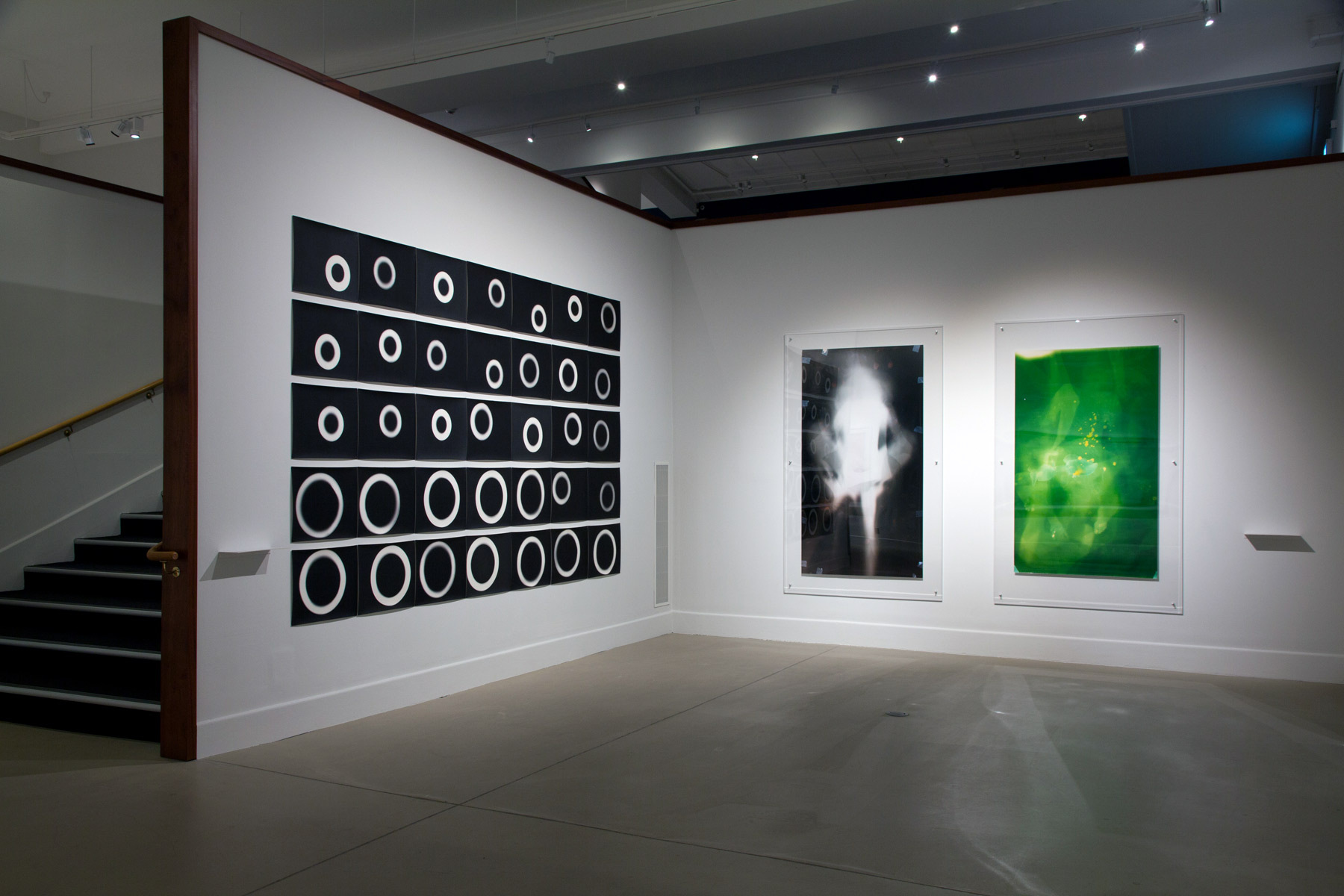
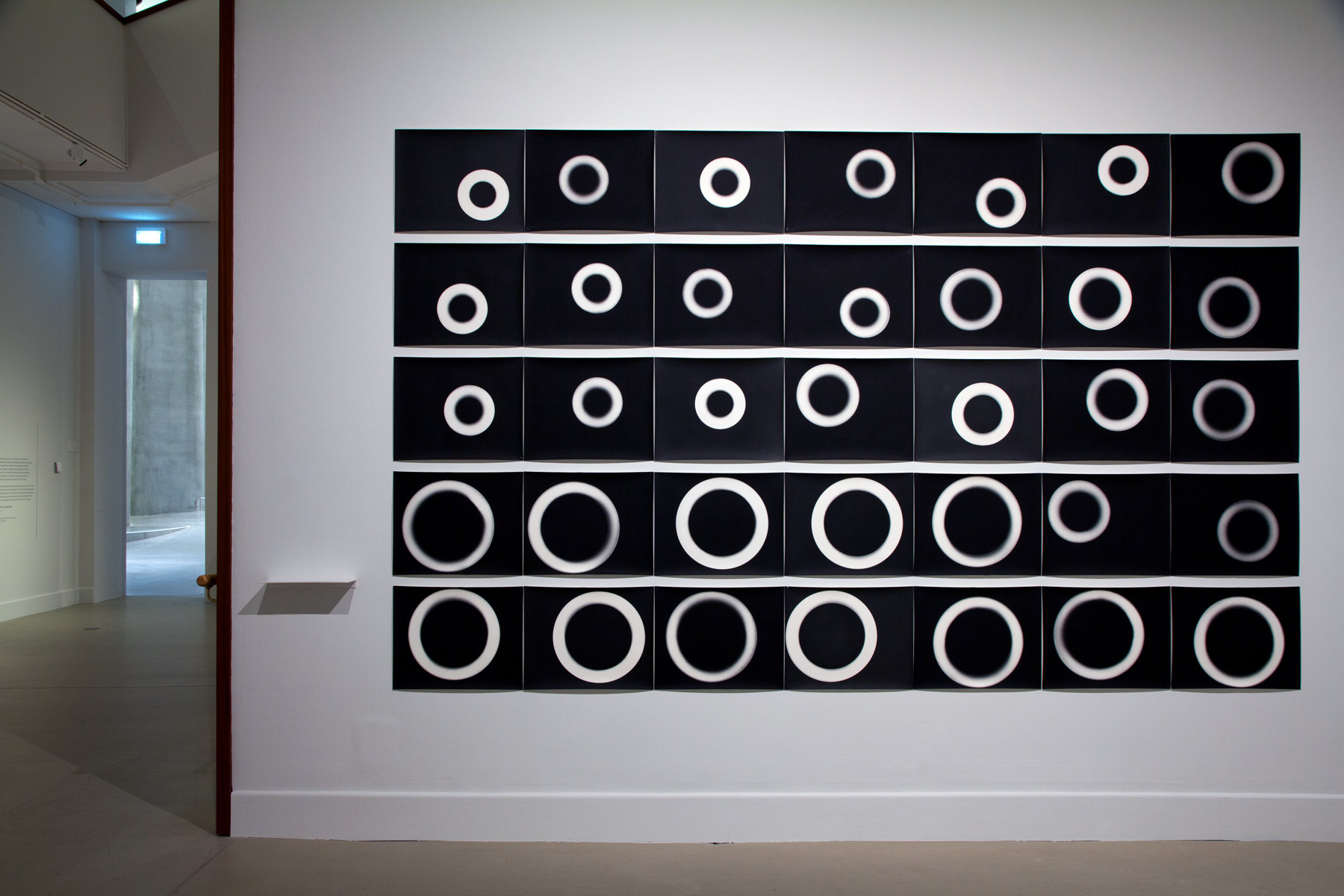


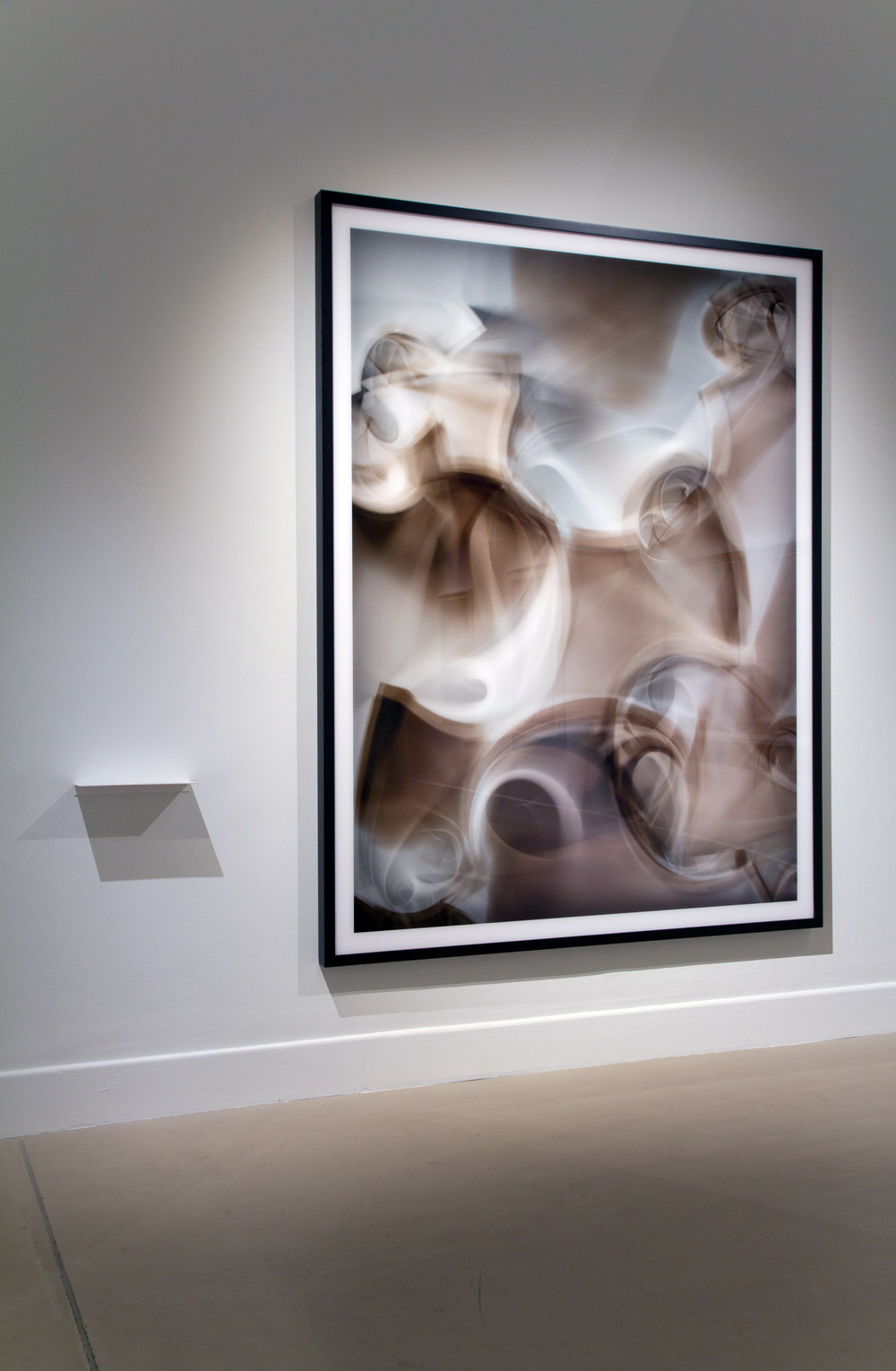

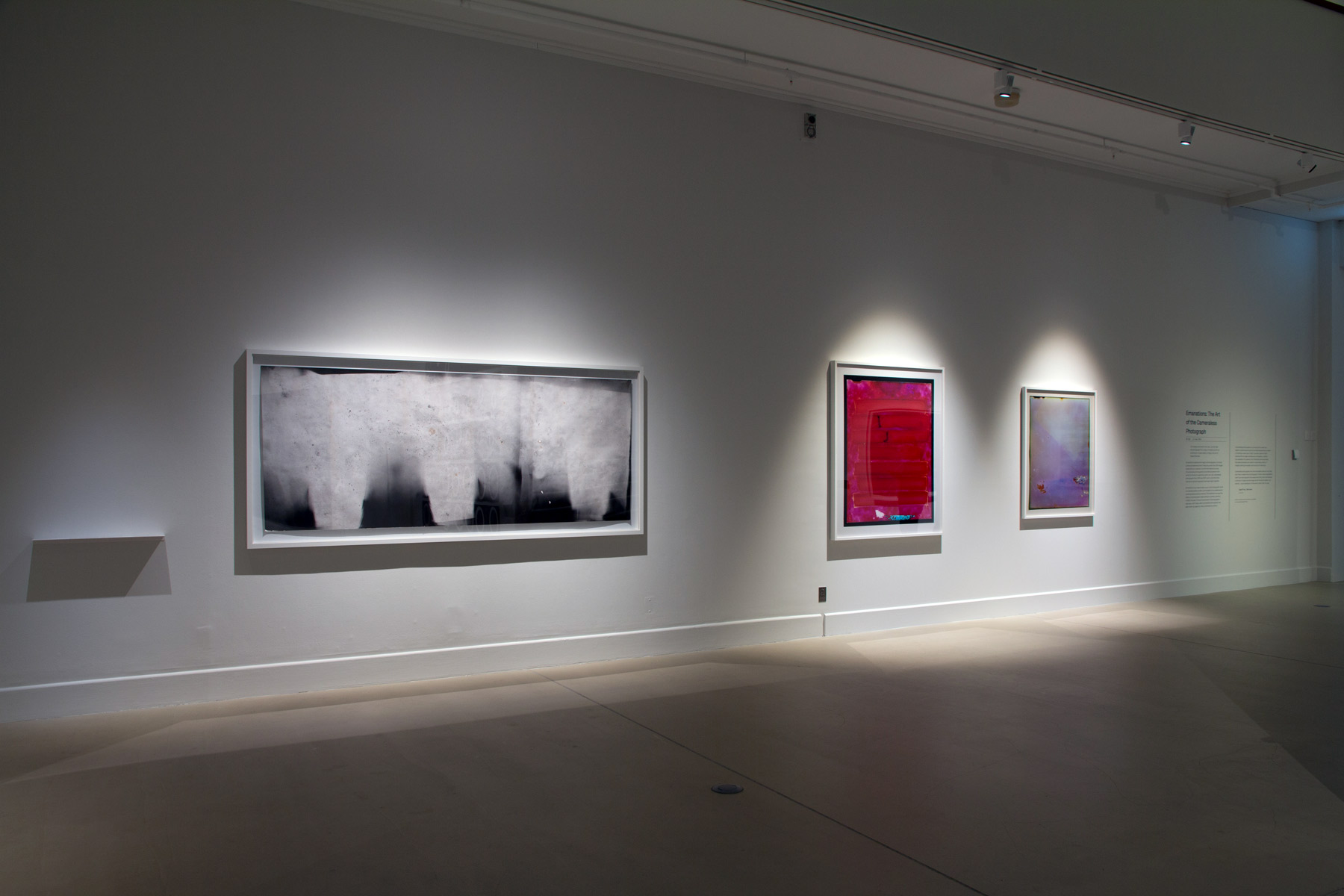

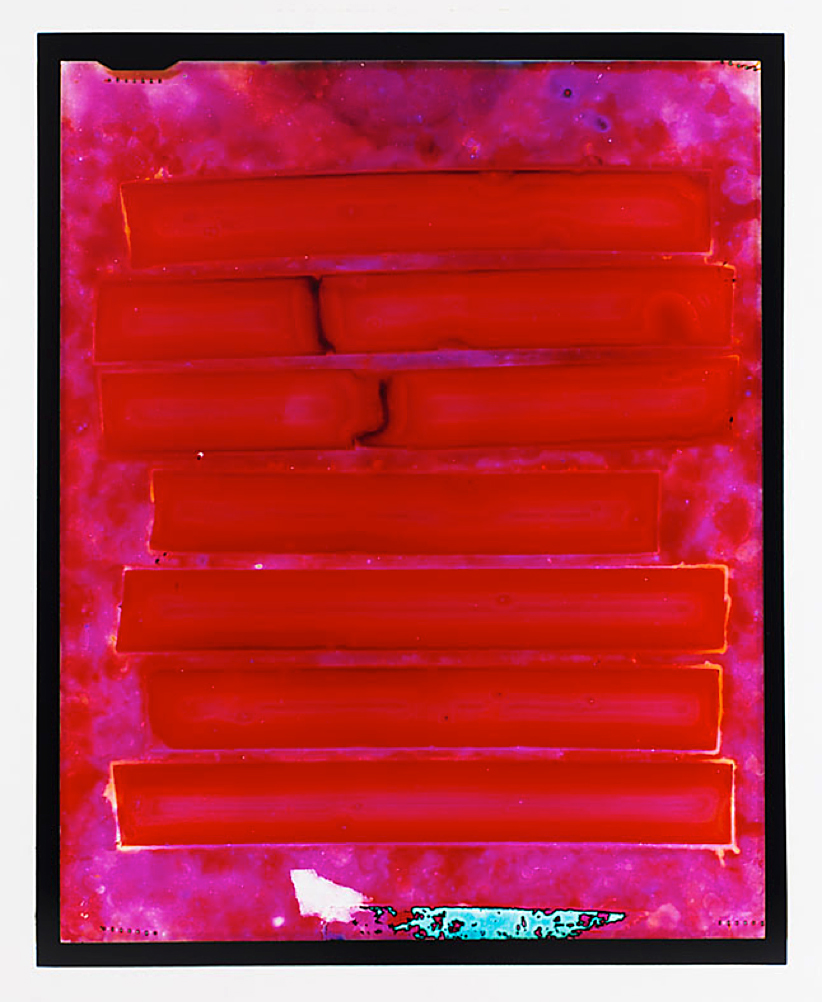
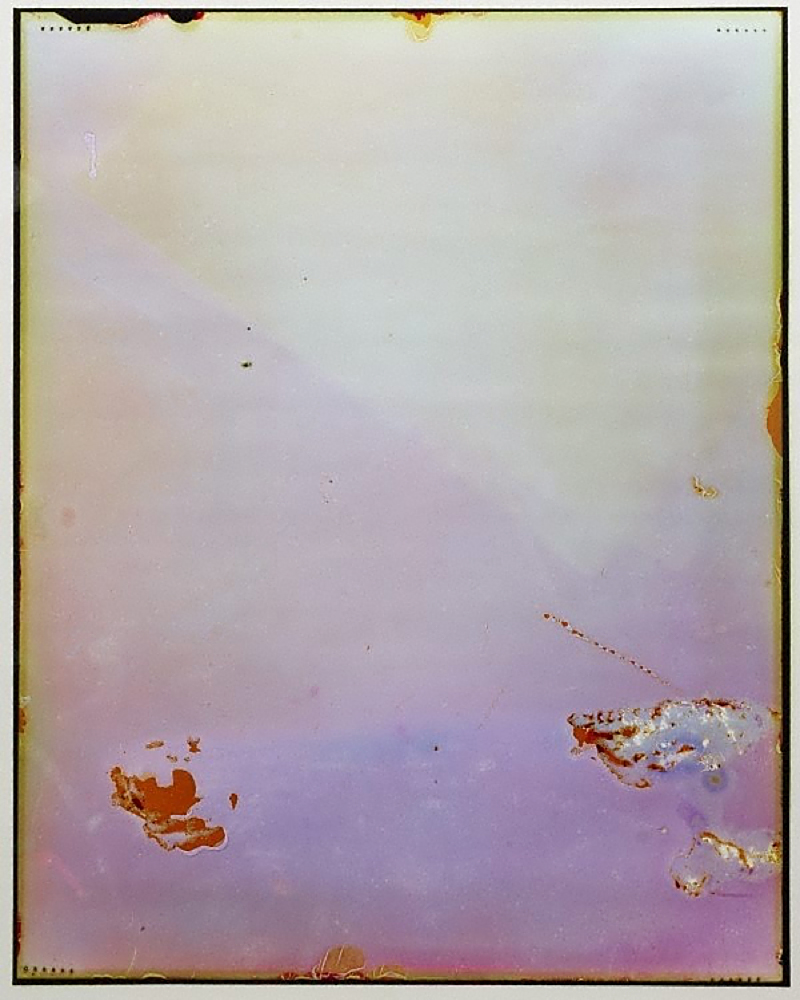


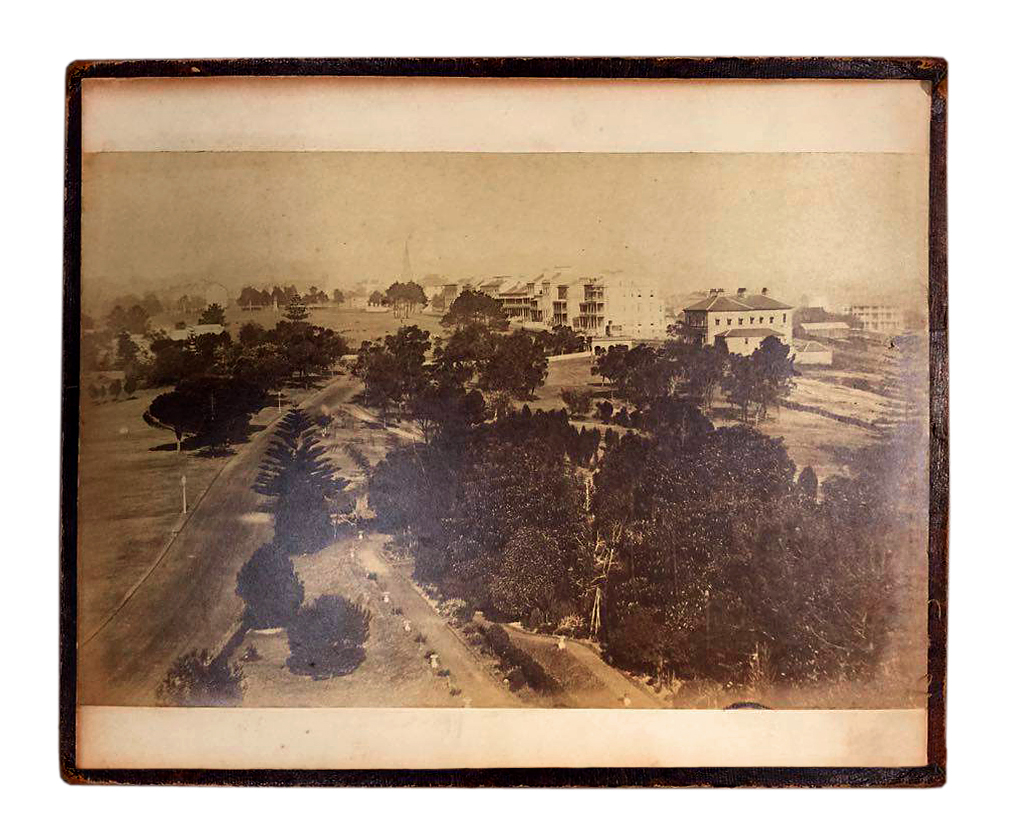


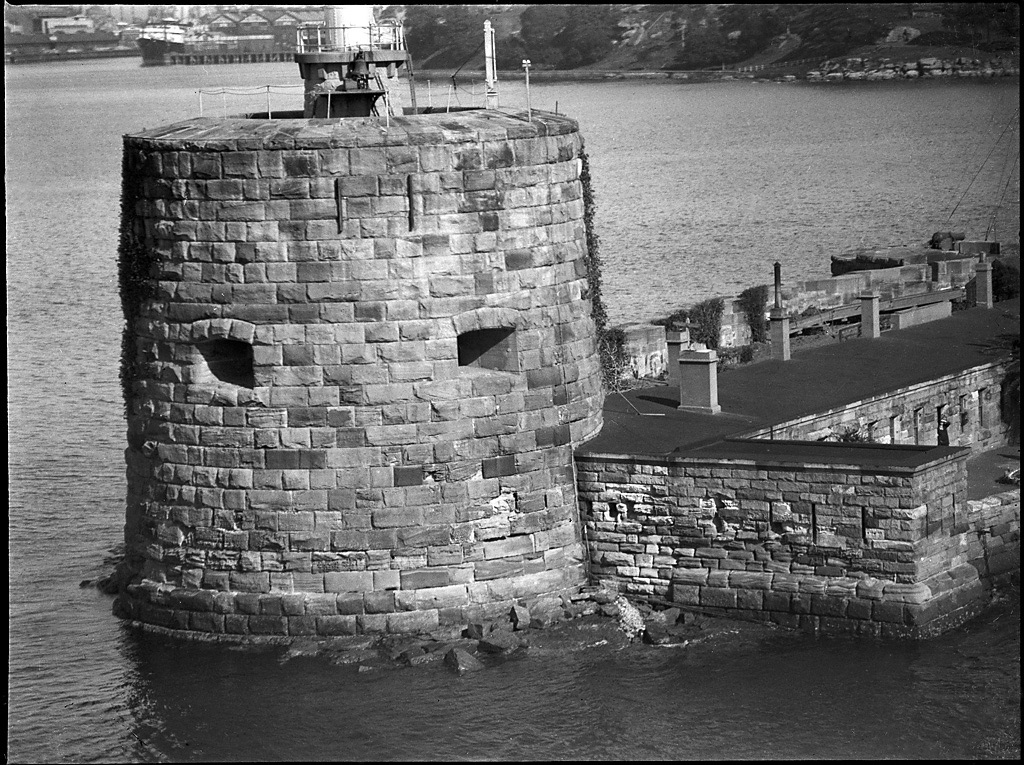
![George Roberts (Australian born United Kingdom, c. 1800-1865) '[Mrs Macquarie's chair]' c. 1843-1865](https://artblart.com/wp-content/uploads/2016/07/mrs-macquaries-chair-web.jpg "George Roberts (Australian born United Kingdom, c. 1800-1865) '[Mrs Macquarie's chair]' c. 1843-1865")


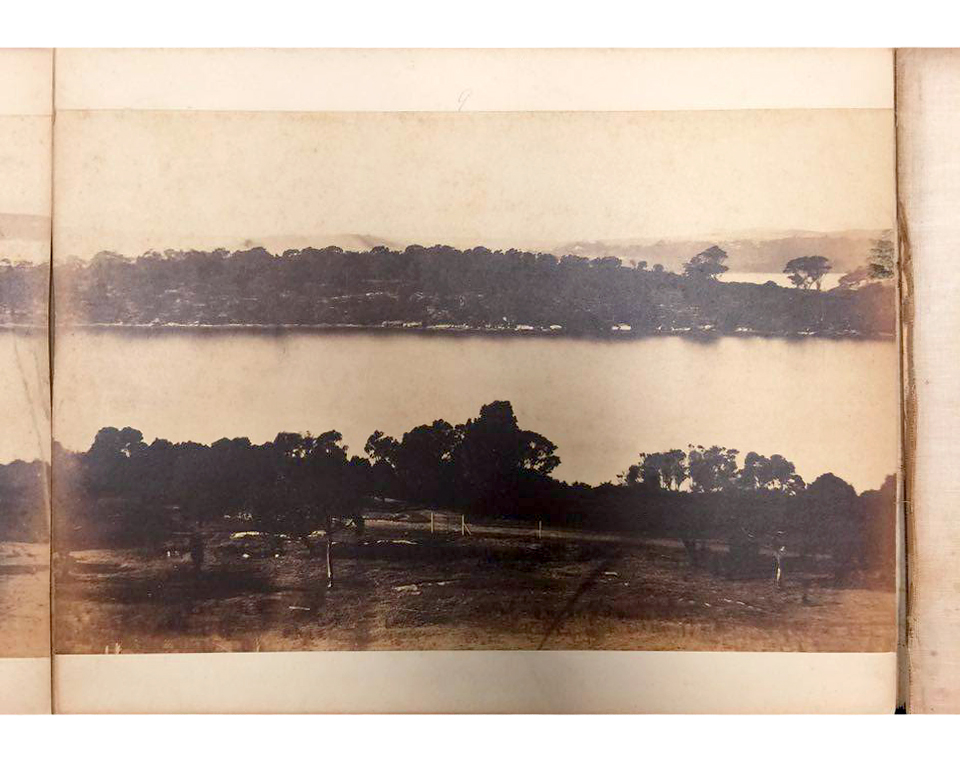


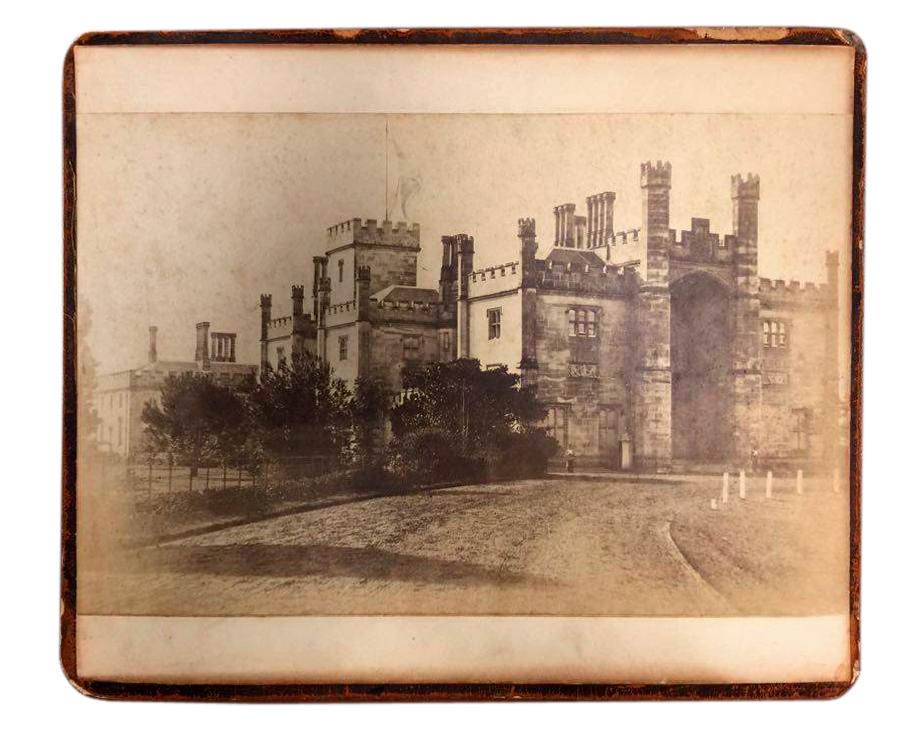









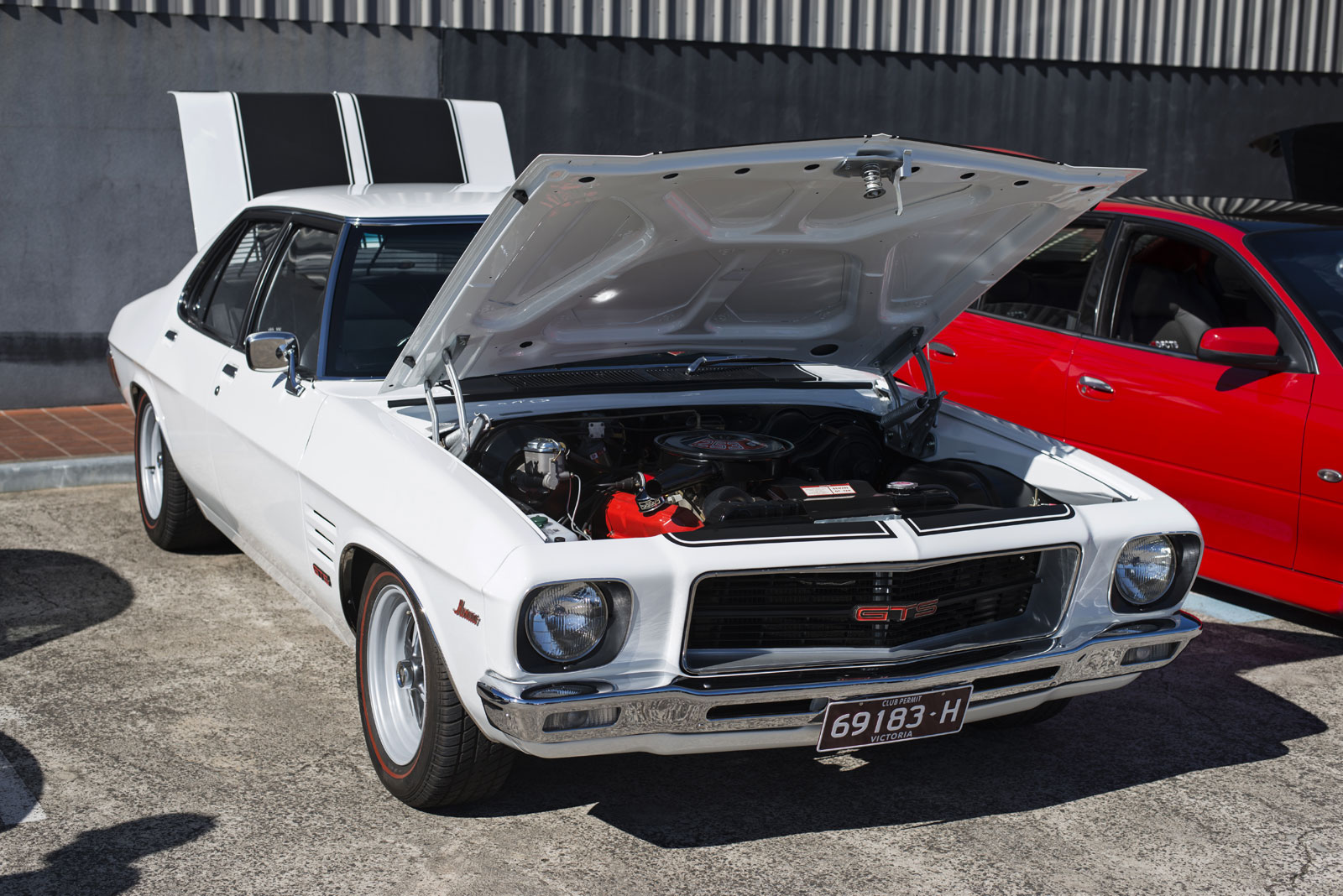
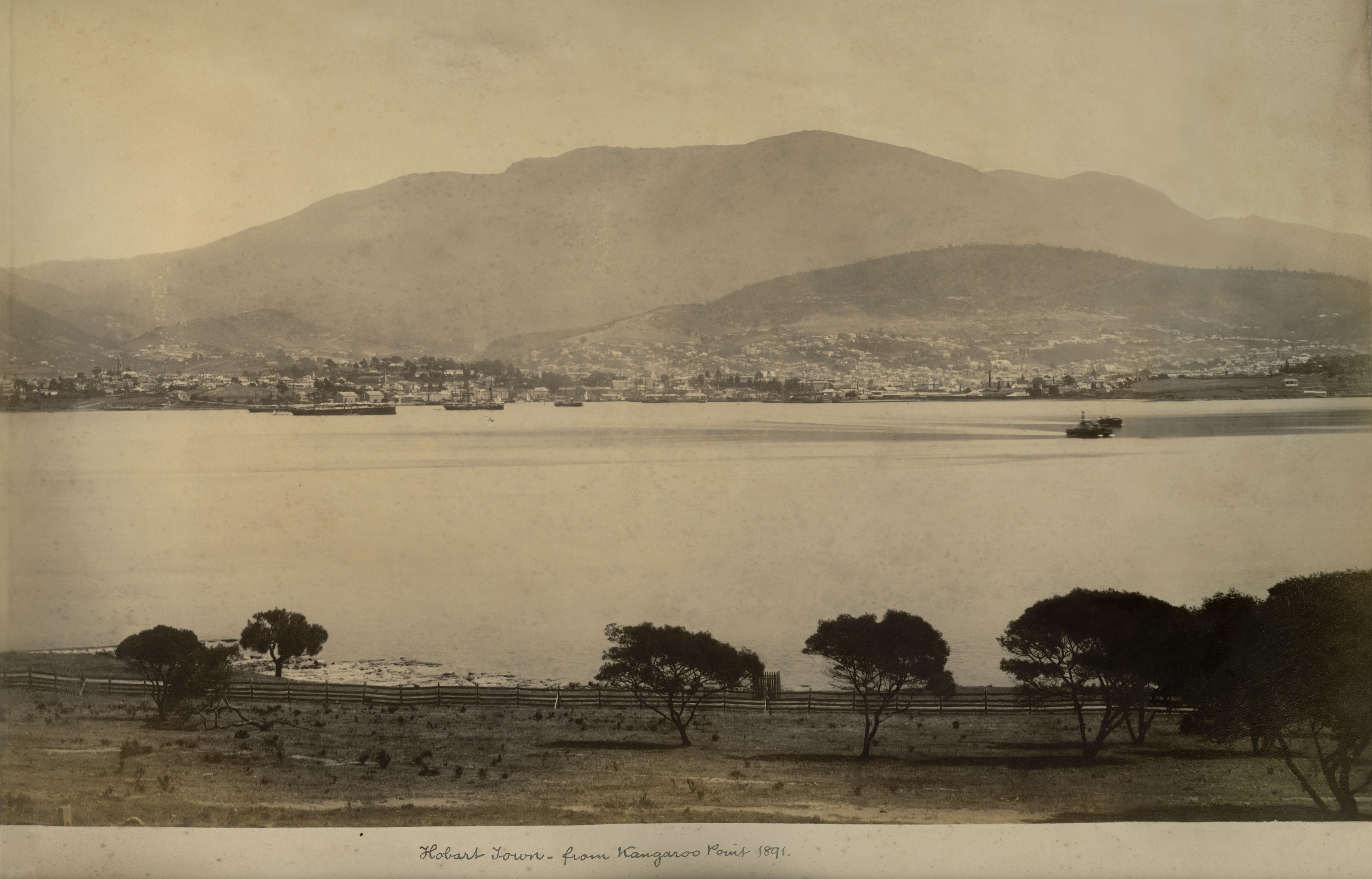
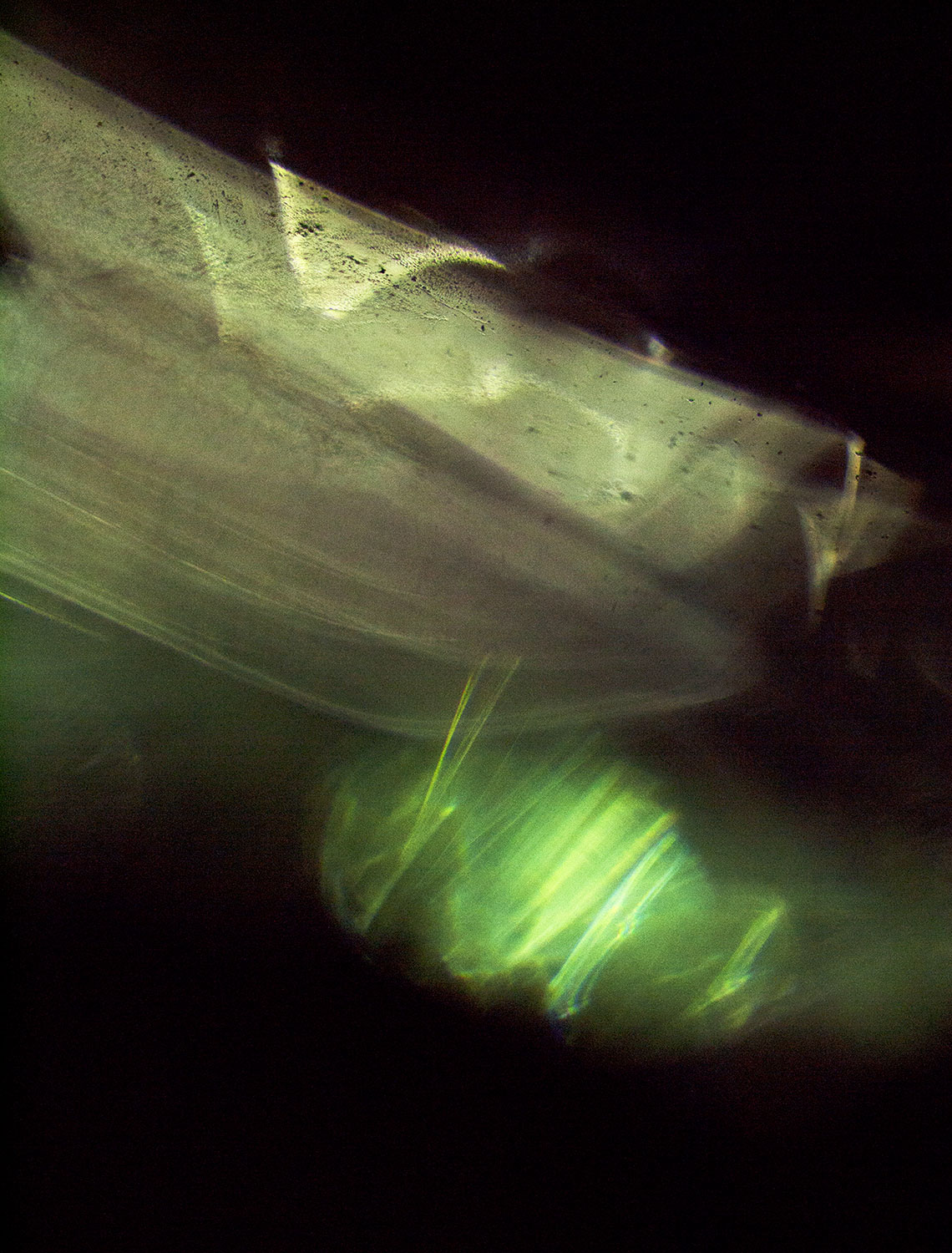


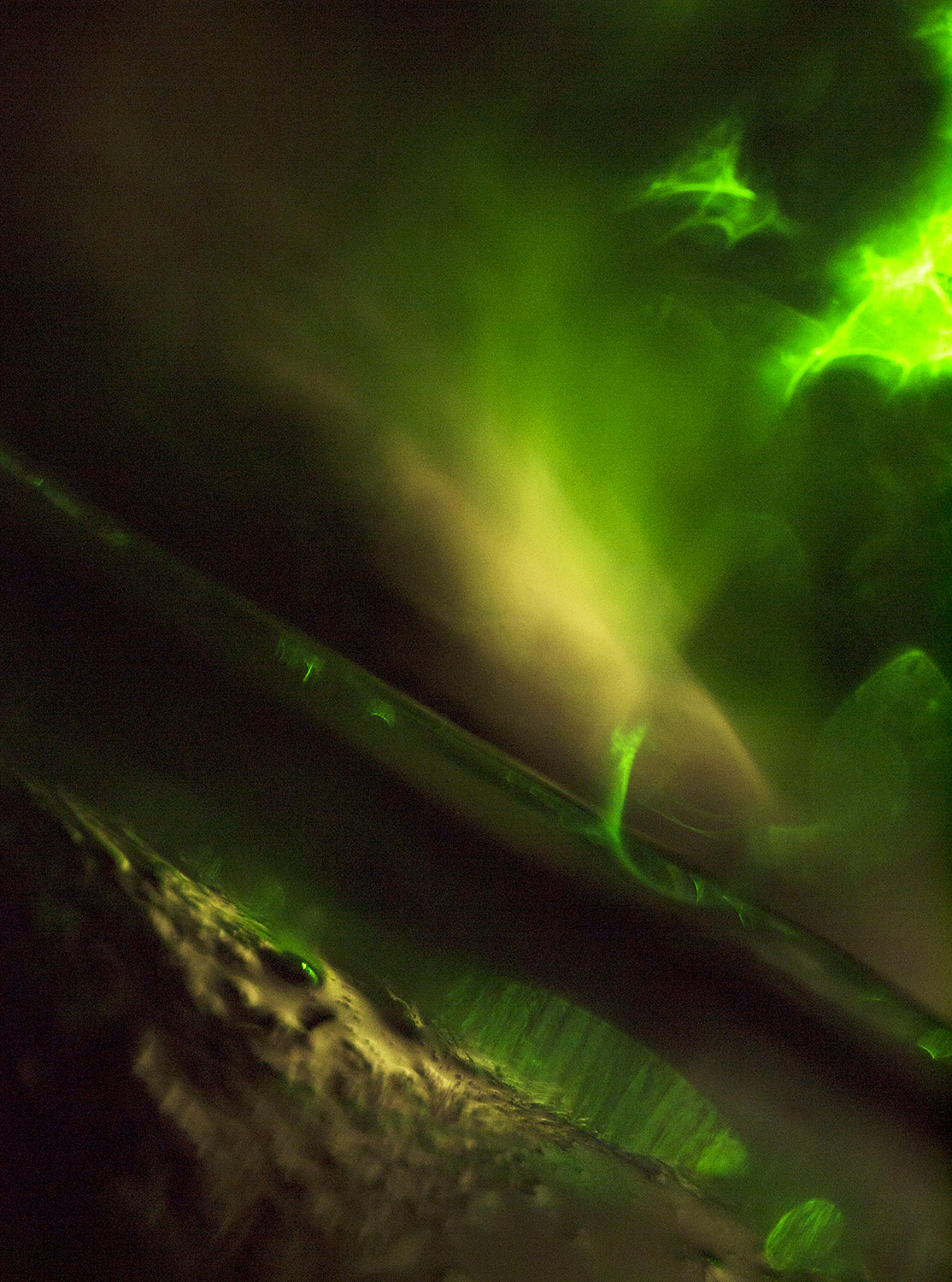

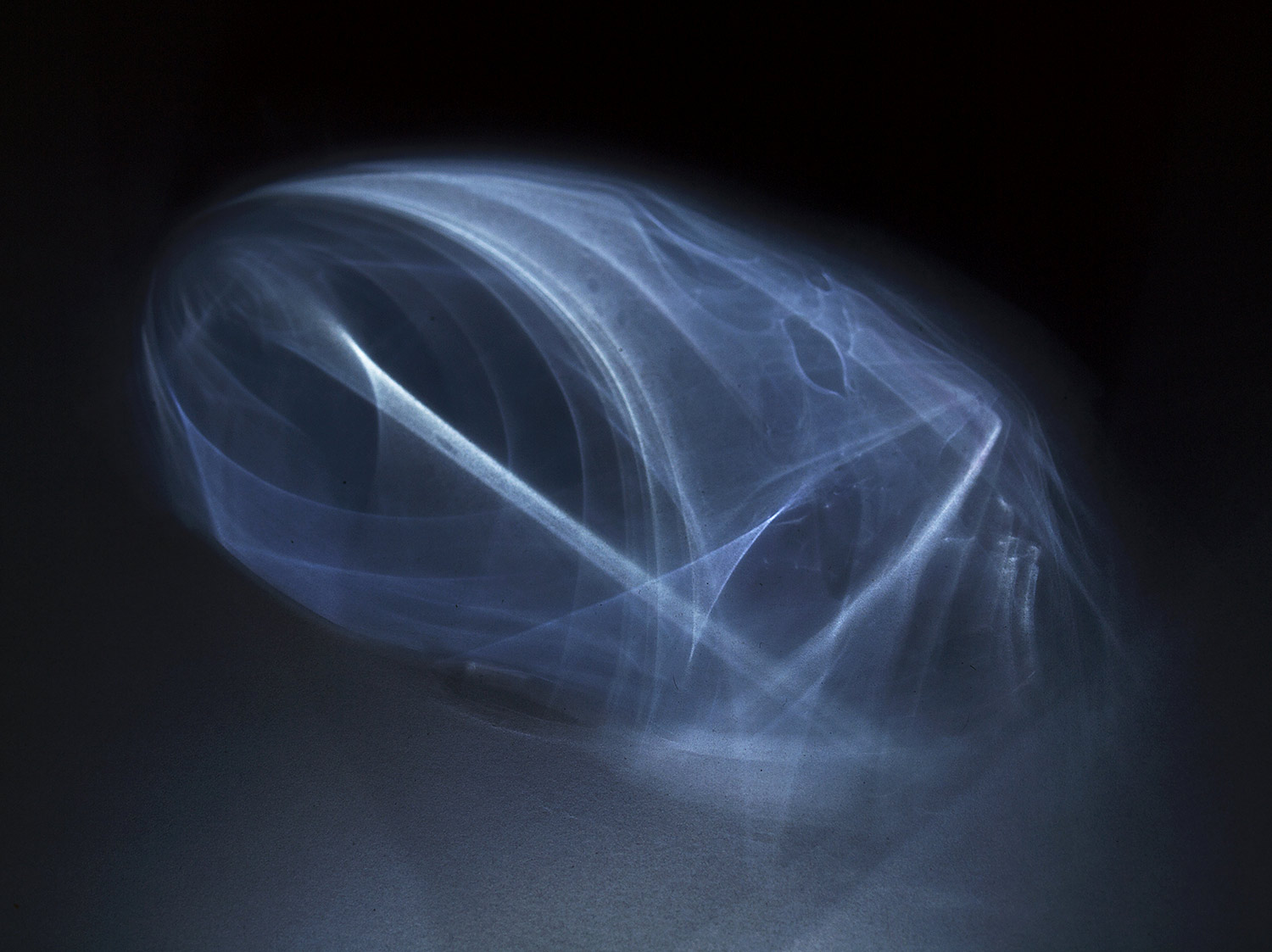

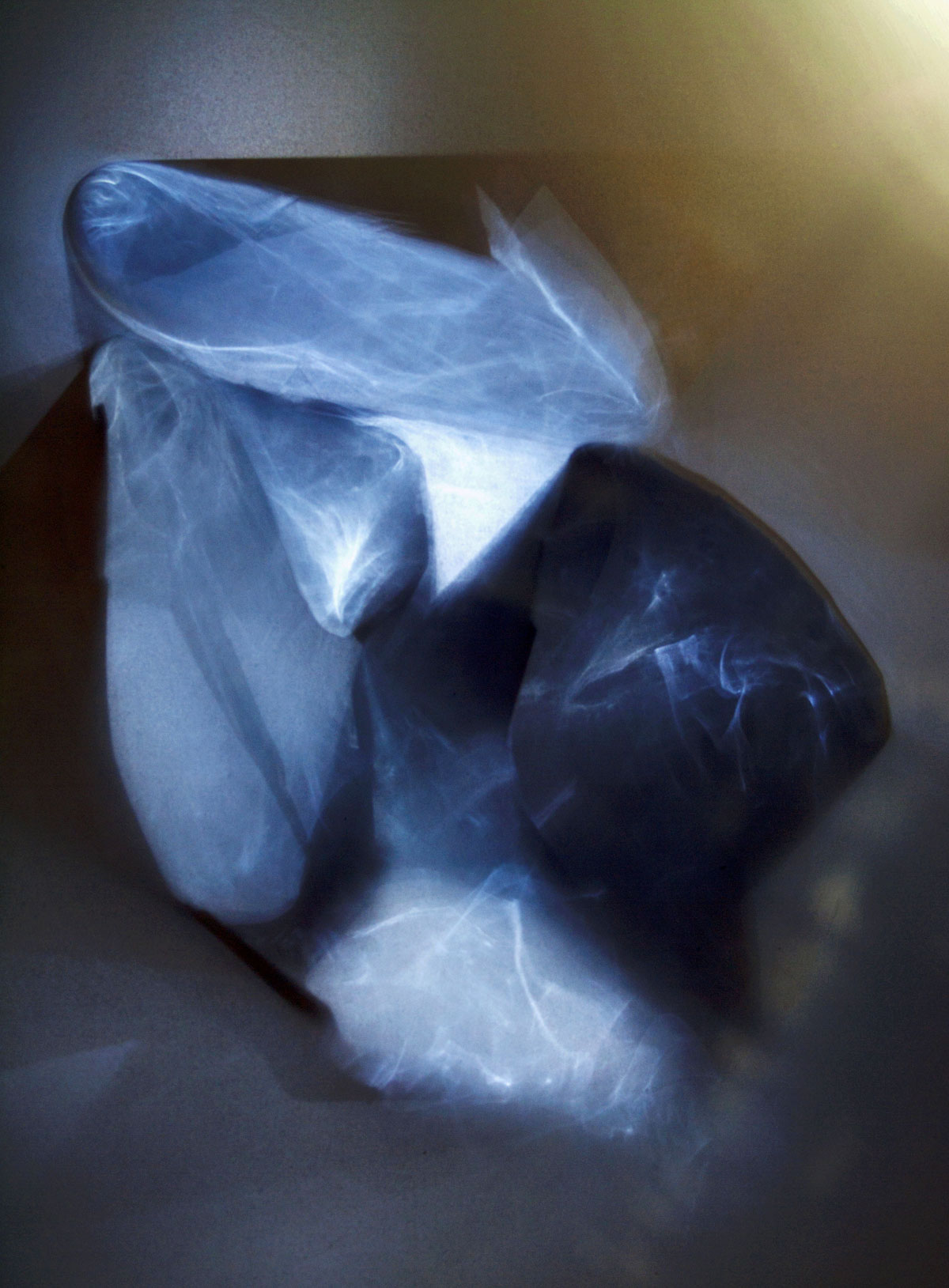


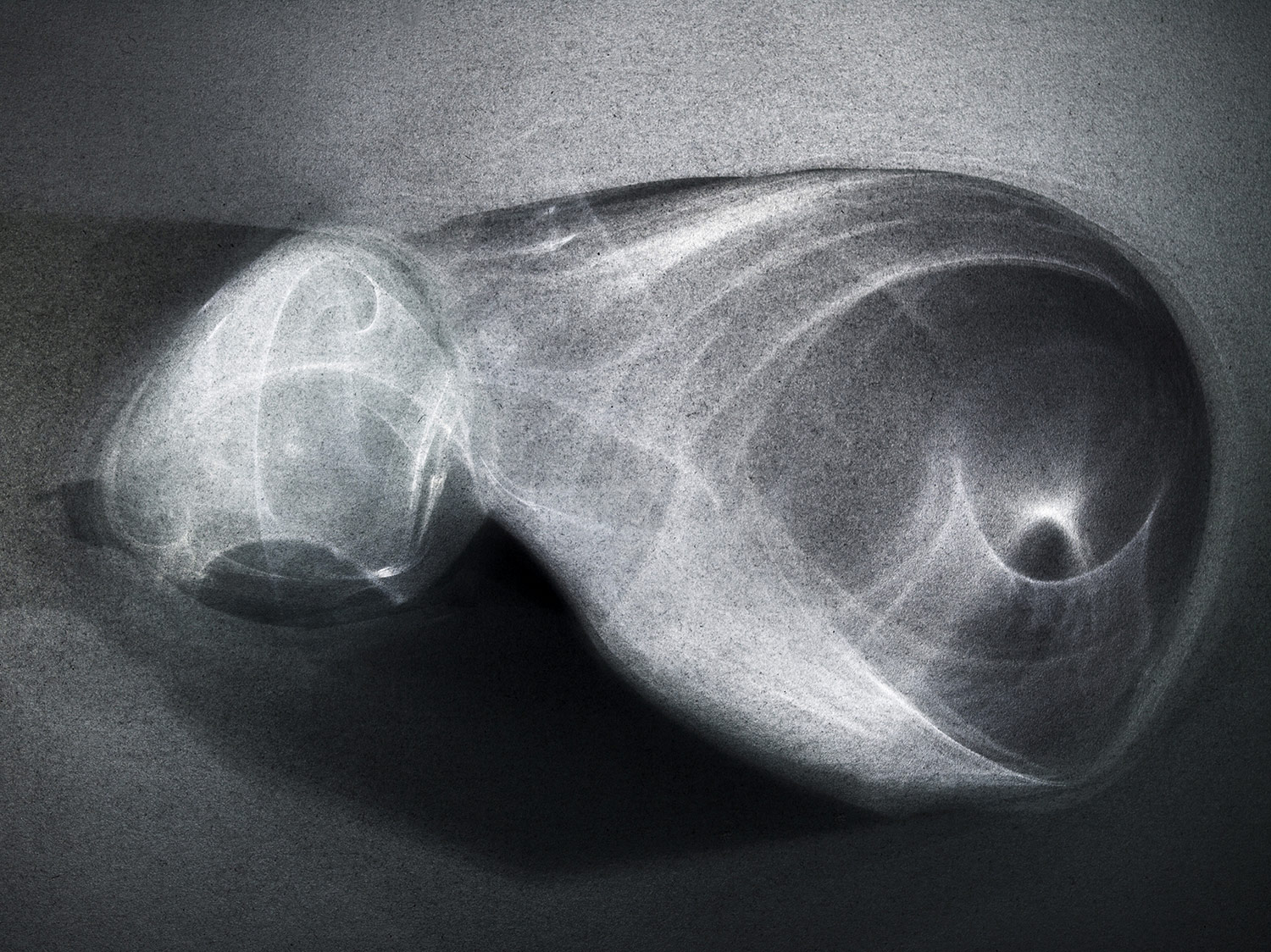
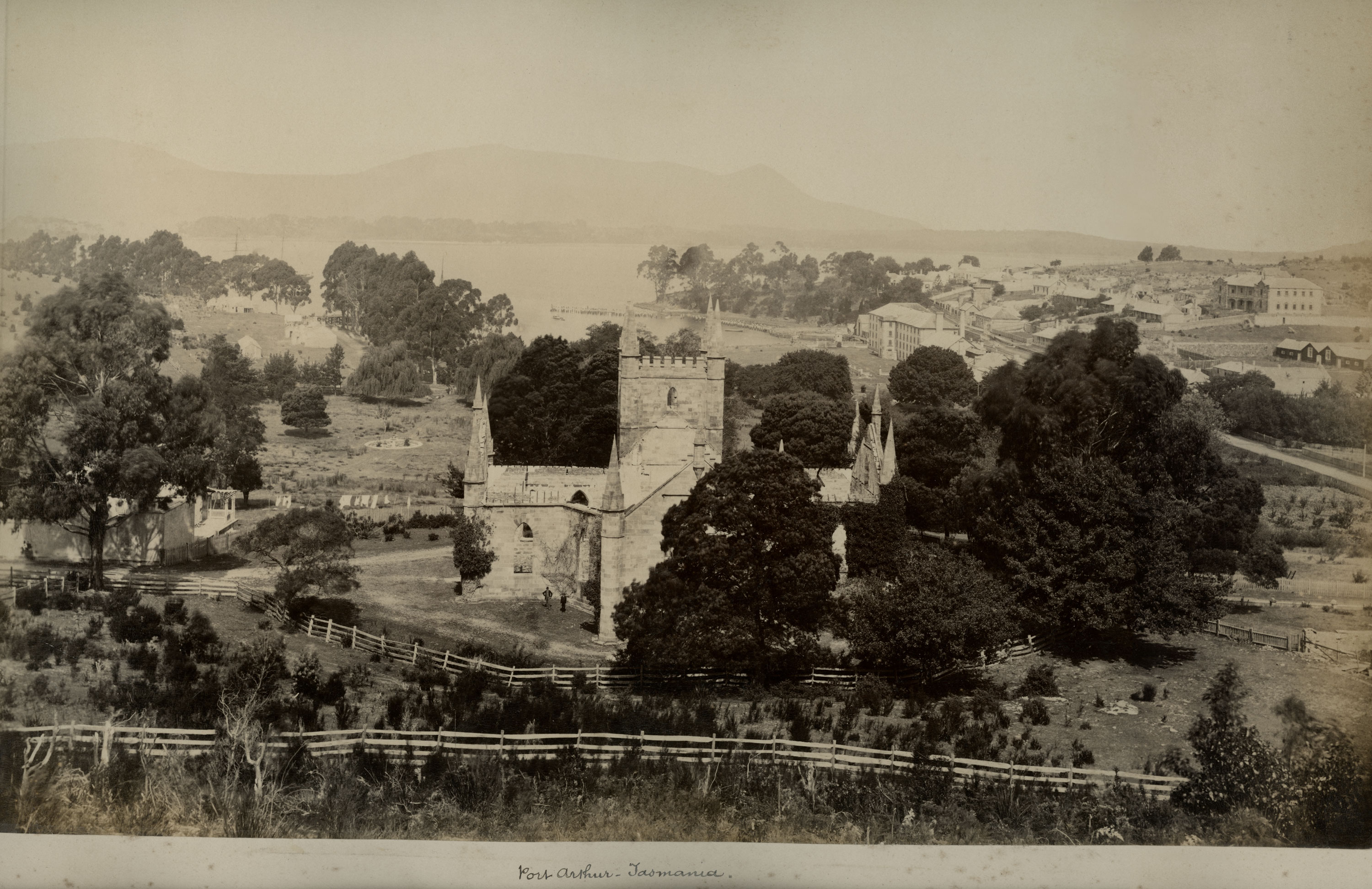


You must be logged in to post a comment.