EG: Just saw your most recent Art Blart and your work. It’s very beautiful. Congratulations. At first I didn’t know whose they were. Then I went through them one by one, and only after responding to them ‘unknown’ I saw it was your work. SO BEAUTIFUL, so potent and yet, within the ambivalence and questioning there was space for great stillness and contemplation. Powerful and so poetic. The one of the children, close up is dazzling, but so are the open fields, mountains, roadways and minute images of flight.
MB: Thank you so much Elizabeth. Yes, my work would you believe. I can now believe after 4 years hard work. A poem to the uncertainty of human dreams. It’s a conceptual series in the vein of my hero Minor White – contemplative, poetic as always with me, but with an edge under the poetry as you so correctly observe EG – you are caught in the dream in the end image, suspended in time and space, in your imagination. You are always so spot on with your observations.
EG: Your own tendency is also closely linked to language and ideas?
MB: This is very true. The basis for all my work is body, time, space, environment and their link to language and ideas… and how conceptual work can be spiritual as well.
EG: I’m with you on that one, and political as well.
MB: Indeed – all my work, including this series, is very anti-war.
EG: What is unseen, invisible in these images is definitely the dark quiet hole of hell that war is. Or at least those that invest in it.
MB: The key image in this regard is the one of the explosion.
EG: But the ones of the distant and misdirected aerial machines also…
MB: Indeed, and the second one, where all the men are looking away while the cloud expands in the background.
EG: Yes, the casual indifference and banality of it.
MB: You have it perfectly Elizabeth!
EG: But the children, oh those children, and the innocent implacability of the natural world.
MB: To find these images on Ebay and then spend four years of my life cleaning and saving them was an incredible experience. It was almost like I was breathing these images as I was saving them, looking into each one and being immersed in them. Thus, the art demands contemplation from the viewer in order to begin to understand its resonances.
Many thankx to Elizabeth Gertsakis for her wisdom, knowledge, friendship and advice throughout the year. These observations of my work mean a great deal to me.
Photographs are available from this series for purchase. As a guide, a digital colour 16″ x 20″ costs $1000 plus tracked and insured shipping. For more information please see my Store web page.
A Christmas present to myself… my most complex and enigmatic sequence to date.
Shot in Japan, all of the images come from two 1950s photography albums, one of which has a large drawing of a USAF bomber on it’s cover. The images were almost lost they were so dirty, scratched and deteriorated. It has taken me four long years to scan, digitally clean and restore the images, heightening the colour already present in the original photographs.
Sometimes the work flowed, sometimes it was like pulling teeth. Many times I nearly gave up, asking myself why I was spending my life cleaning dirt and scratches from these images. The only answer is… that I wanted to use these images so that they told a different story.
Then to sequence the work in such a way that there is an enigmatic quality, a mystery in that narrative journey. Part auteur, part cinema – a poem to the uncertainty of human dreams.
Photographs are available from this series for purchase. As a guide, a digital colour 16″ x 20″ costs $1000 plus tracked and insured shipping. For more information please see my Store web page.
A selection of individual images from the sequence
Exhibition dates: 14th October – 3rd December, 2017
Curator: Richard Perram OAM
Warning: this posting contains male nudity. If you don’t want to see please do not look.
Todd Fuller (Australian, b. 1988) and Amy Hill (Australian, b. 1988) They’re Only Words (video still) 2009 Film, sound duration: 2:42 mins Courtesy the artists and May Space, Sydney
I must congratulate curator and gallery Director, Richard Perram OAM and the Bathurst Regional Art Gallery for putting on such a fine exhibition, worthy of many a large gallery in a capital city. An incredible achievement, coming at the same time as Latrobe Regional Art Gallery put on the recent René Magritte exhibition. All power to these regional galleries. Now on with the show…
Show and tell
The male body. The female body. The trans body. The gay body. Etc. etc. etc. … The male gaze. The female gaze. The trans gaze. The gay gaze. Etc. etc. etc. …
I did my Doctor of Philosophy, all four and a half years of it, on the history of photography and its depiction of the male body so I know this subject intimately. It is such a complicated subject that after all of time, nothing is ever certain, everything is changeable and fluid.
To start, the definition of masculinity that I used as a determination for the term in my PhD is included as the first quotation below. The quotation is followed by others – on the optic experience and the creation of body image; on body image and our relation to other people; on the anxiety caused by the crisis of looking as it intersects with the crisis of the body; and how we can overcome the passivity of objective truth (accepting dominant images in this case, as they are presented to us) through an active struggle for subjective truth, or an acceptance of difference. A further, longer quote in the posting by Chris Schilling examines Ernst Goffman’s theories of body, image and society in which Goffman states that the body is characterised by three main features: firstly, that the body as material property of individuals; secondly, that meanings attributed to the body are determined by ‘shared vocabularies of body idiom’ such as dress, bearing, movements and position, sound level, physical gestures such as waving and saluting, facial decorations, and broad emotional expressions; and thirdly; that the body plays an important role in mediating the relationship between people’s self-identity and their social identity. These quotations just start to scratch the surface of this very complicated, negotiated social area.
What we can say is this: that masculinity is always and forever a construct; that male body image is always and forever a further construct built on the first construct; and that photo media images of the male body are a construct, in fact a double or triple construct as they seek to capture the surface representation of the previous two conditions.
What strikes me with most of the photographs in this posting is that they are about a constructed “performance” of masculinity, performances that challenge cultural signifiers of mainstream and marginalised aspects of Western patriarchal culture. In most the masculine subject position is challenged through complex projections of masculinity, doubled through the construction of images. In fact, spectatorship is no longer male and controlling but polymorphous and not organised along normative gender lines.
Thus, these artists respond to four defined action problems in terms of representation of body usage: “… control (involving the predicability of performance); desire (whether the body is lacking or producing desire); the body’s relation to others (whether the body is monadic and closed in on itself or dyadic and constituted through either communicative or dominating relations with others); and the self-relatedness of the body (whether the body associates and ‘feels at home’ in itself, or dissociates itself from its corporeality).”1 Further, four ideal types of body usage can be defined in terms of these action problems: the disciplined body where the medium is regimentation, the model of which is the rationalisation of the monastic order; the mirroring body where the medium is consumption, the model of which is the department store; the dominating body where the medium is force, the model of which is war; and the communicative body where the medium is recognition, the model of which could be shared narratives, communal rituals (such as sex) and caring relationships.2
As Chris Schilling observes, “The boundaries of the body have shifted away from the natural and on to the social, and the body now has ‘a thoroughly permeable “outer layer” through which the reflexive project of the self and externally formed abstract systems enter.” In other words, masculinity and male figure can be anything to any body and any time in any context. The male body can be prefigured by social conditions. But the paradox is, the more we know masculinity and the male body, the more knowledge we have, the more we can alter and shape these terms, the less certain we are as to what masculinity and the male body is, and how or if it should be controlled. Taking this a step further, Schilling notes that the photographic image of the body itself has become an abstract system/symbolic token which is traded without question, much as money is, without the author or participants being present.3 You only have to look into some of the gay chats rooms to know this to be true!
The most difficult question I had to ask myself in relation to this exhibition was, what is it to be male? Such a question is almost impossible to answer…
Is being male about sex, a penis, homosociality, homosexuality, heterosexuality, friendship, braveness, dominance, perversity, fantasy, love, attraction, desire, pleasure, Ockerism, respect, loyality, spirituality, joy, happiness etc. etc. It is all of these and more besides. And this is where I find some most of these images to be just surface representations of deeper feelings: I just like dressing in drag; I like pulling a gun on someone; I like holding a knife next to my penis to make my phallus and my armoured body look “butch”. It’s as though the “other”, our difference from ourselves (and others), has been normalised and found wanting. I want to strip them away from this performative, normalising aspect. Most of these photographs are male figures dressed up to the nines, projecting an image, a surface, to the outside world (even though the performative tells us a great deal about the peculiarities of the human imagination). I want them to be more essential, not just a large penis dressed up for show. Only in the image Untitled (Auschwitz victim) (Nd, below), where the performance for the camera and the clothing the man is wearing is controlled by others – does some sense of an inner strength of a male come through. In times of unknown horror and dire circumstances, this man stares you straight in the eye with a calm presence and inner composure.
For me personally, being male is about a spiritual connection – to myself, to the earth and to the cosmos. I hope it is about respect for myself and others. Of course I use the systems above as a projection of myself into the world, as to who I am and who I want people to see through my image. But there is so much more to being male than these defined, representational personas. This is not some appeal to, as David Smail puts it, “a simple relativity of ‘truths'” (anything to anybody at anytime in any context), nor a essentialist reductionism to a “single truth” about our sense of being, but an appeal for a ‘non-finality’ of truth, neither fixed nor certain, that changes according to our values and what we understand of ourselves, what it is to be male. This understanding requires intense, ongoing inner work, something many males have no desire to undertake…
Dr Marcus Bunyan
Word count: 1,230
Footnotes
1/ Chris Schilling, The Body and Social Theory, Sage Publications, London, 1993, p.95.
2/ Ibid., p. 95.
3/ Ibid., p. 183.
Many thankx to Director Richard Perram, Assistant Curator Julian Woods and the Bathurst Regional Art Gallery for allowing me to publish the photographs in the posting. Please click on the photographs for a larger version of the image.
“The category of “masculinity” should be seen as always ambivalent, always complicated, always dependent on the exigencies (necessary conditions and requirements) of personal and institutional power … [masculinity is] an interplay of emotional and intellectual factors – an interplay that directly implicates women as well as men, and is mediated by other social factors, including race, sexuality, nationality, and class … Far from being just about men, the idea of masculinity engages, inflects, and shapes everyone.”
Berger, Maurice; Wallis, Brian and Watson, Simon. Constructing Masculinity. Introduction. New York: Routledge, 1995, pp. 3-7.
“We choose and reject by action … Nietzsche calls the body ‘Herrschaftsgebilde’ (creation of the dominating will). We may say the same about body-image. Since optic experience plays such an enormous part in our relation to the world, it will also play a dominating role in the creation of the body-image. But optic experience is also experience by action. By actions and determinations we give the final shape to our bodily self. It is a process of continual active development.” (My underline)
Schilder, Paul. The Image and Appearance of The Human Body. New York: International Universities Press, 1950, pp. 104-105.
“Body images should not exist in isolation. We desire the relation of our body-images to the body-images of all other persons, and we want it especially concerning all sexual activities and their expression in the body-image. Masturbation is specifically social. It is an act by which we attempt to draw the body-images of others, especially in their genital region, nearer to us.”
Schilder, Paul. The Image and Appearance of The Human Body. New York: International Universities Press, 1950, p. 237.
“As the French critic Maurice Blanchot wrote, “The image has nothing to do with signification, meaning, as implied by the existence of the world, the effort of truth, the law and the brightness of the day. Not only is the image of an object not the meaning of that object and of no help in comprehending it, but it tends to withdraw it from its meaning by maintaining it in the immobility of a resemblance that it has nothing to resemble” … It is this severance of meaning and its object, this resemblance of nothing, that the crisis of looking intersects with the crisis of the body. In contemporary culture we promote the body as infinitely extendable and manageable. Indeed, we mediate this concept through the permeation of the photographic image in popular culture – through advertising and dominant discourse that place the young, beautiful, erotic body as the desirable object of social attention. This is a body apparently conditioned by personal control (moral concern). But the splitting apart of image and meaning pointed to by Blanchot suggests that such control is illusory. There is no single truth; there are only competing narratives and interpretations of a world that cannot be wholly, accurately described.” (My underline)
Blanchot, Maurice. The Gaze of Orpheus. New York: Barrytown, 1981, p. 85, quoted in Townsend, Chris. Vile Bodies: Photography and the Crisis of Looking. Munich: Prestel, 1998, p. 10.
“Where objective knowing is passive, subjective knowing is active – rather than giving allegiance to a set of methodological rules which are designed to deliver up truth through some kind of automatic process [in this case the construction of the male figure through the image], the subjective knower takes a personal risk in entering into the meaning of the phenomena to be known … Those who have some time for the validity of subjective experience but intellectual qualms about any kind of ‘truth’ which is not ‘objective’, are apt to solve their problem by appealing to some kind of relativity. For example, it might be felt that we all have our own versions of the truth about which we must tolerantly agree to differ. While in some ways this kind of approach represents an advance on the brute domination of ‘objective truth’, it in fact undercuts and betrays the reality of the world given to our subjectivity. Subjective truth has to be actively struggled for: we need the courage to differ until we can agree. Though the truth is not just a matter of personal perspective, neither is it fixed and certain, objectively ‘out there’ and independent of human knowing. ‘The truth’ changes according to, among other things, developments and alterations in our values and understandings … the ‘non-finality’ of truth is not to be confused with a simple relativity of ‘truths’.” (My underline).
Smail, David. Illusion and Reality: The Meaning of Anxiety. London: J.M. Dent & Sons, 1984, pp. 152-153.
The Unflinching Gaze: photo media & the male figure
The Unflinching Gaze: photo media & the male figure surveys how the male figure has been depicted by Australian and international artists in photo media over the last 140 years. It includes historic and contemporary fine art photography and film, fashion photography, pop videos and homoerotic art. Images range from the beautiful to the banal to the confounding.
The Unflinching Gaze: photo media & the male figure is a Bathurst Regional Art Gallery exhibition in partnership with Leslie-Lohman Museum of Gay and Lesbian Art, New York. Curated by Richard Perram OAM. This exhibition is supported by the Dobell Exhibition Grant, funded by the Sir William Dobell Art Foundation and managed by Museums & Galleries of NSW.
Installation views of the exhibition The Unflinching Gaze: photo media and the male figure at the Bathurst Regional Art Gallery, New South Wales Photos: Sharon Hickey Photography
In line with current thinking the exhibition posits masculinity, and gender itself, as a kind of performance – a social construct that is acquired rather than biologically determined.
This idea has its limits, with most people happy to accept anatomy as destiny. Nevertheless, there is much we view as ‘natural’ that might be more accurately described as ‘cultural’. In an exceptional catalogue essay, Peter McNeil refers to Jonathan Ned Katz’s book, The Invention of Heterosexuality, which notes that the term “heterosexual” was first published in the United States in 1892. This is a remarkably late entry for a concept often viewed as a cornerstone of social orthodoxy.
A condition doesn’t require a word to make it a reality but it sure helps. Wittgenstein’s famous dictum: “The limits of my language are the limits of my world,” reminds us of the power of naming and categorisation.
To establish anything as an unquestionable norm is to stigmatise other views as abnormal. From the perception of abnormality comes the fear and hatred that surfaced during a same-sex marriage postal survey that revealed more about political cowardice than it did about Australian social attitudes. Although Perram has no qualms about celebrating gay sexuality his chief concern is to encourage a broader, more inclusive understanding of masculinity. …
One of the most striking moments in Perram’s show is a juxtaposition of Mapplethorpe’s 1983 portrait of gay porn star, Roger Koch, aka Frank Vickers, wearing a wig, bra and fishnets, his hands clasped demurely over his groin. The feminine coyness is at odds with Vickers’s musclebound torso and biceps which are fully on display in his self-portrait of the same year, along with his semi-erect penis.
The photos may be two versions of camp but the comparison shows how an individual’s sexual identity can be reconfigured with the appropriate props and body language. In the case of performance artist, Leigh Bowery, captured in a series of photos by Fergus Greer, the play of fantasy transcended the simple binary opposition of male and female, to create monstrous hybrids that question the limits of what it is to be human.”
Tony Albert (Australian, b. 1981) Brother (Our Past) 2013 Brother (Our Present) 2013 Brother (Our Future) 2013 Pigment on paper, edition of 3 150 x 100cm each Courtesy UTS Art, Corrigan Collection
Blow Job is a silent film directed by Andy Warhol. It depicts the face of an uncredited DeVeren Bookwalter as he apparently receives fellatio from an unseen partner. While shot at 24 frames per second, Warhol specified that it should be projected at 16 frames per second, slowing it down by a third.
Whether it is a male or a female performing the act is not stated, and the viewer must assume that fellatio is occurring. The salaciousness has also been speculated to be entirely in the title with no fellatio actually being performed. The identity of the person performing the act is disputed. Warhol states in his book Popism: The Warhol Sixties (1980) that five different boys performed the fellatio. In this book, Warhol writes that he originally asked Charles Rydell, the boyfriend of filmmaker Jerome Hill, to star in the film, promising that there would be “five beautiful boys” to perform the act.
However, when Warhol set up the film shoot at The Factory on a Sunday, Rydell failed to show up. Warhol phoned Rydell at Hill’s suite at the Algonquin Hotel and asked where Rydell was. Rydell replied that he thought Warhol was kidding and had no intention of appearing in such a film. When he declined Andy used “a good-looking kid that happened to be hanging around the Factory that day”, who was later identified as Bookwalter. According to Peter Gidal, the film distances the viewer from the experience it purportedly depicts, “Sometimes the young actor looks bored, sometimes as if he is thinking, sometimes as if he is aware of the camera, sometimes as if he is not.” Douglas Crimp states that after a few minutes, “it becomes clear that we will see nothing more than the repetition, with slight variations, of what we’ve already seen”. This frees the mind to look in a different way. Likewise, the sexual act has the effect of distracting the actor from the presence of the camera, creating a unique kind of unselfconsciousness.
Critic Roy Grundmann argues that “Blow Job‘s self-reflexive devices create a new kind of spectatorial address that dislodges audiences from their contemplative positions in a number of ways. Blow Job‘s reflexivity makes spectators intensely aware that seeing a film makes projecting onto and investing into an image a part of oneself which is also a socialized acculturated act”. Grundmann further claims that “viewers oscillate between an awareness of their contingency on the larger scheme and the promise of ocular centric mastery of the image”.
Text from the YouTube website
Robert Wilson (American, b. 1941) Brad Pitt 2004 Video portrait, looped Dimensions variable Courtesy the artist and the Byrd Hoffman Water Mill Foundation, New York
Robert Wilson (American, b. 1941) Brad Pitt video portrait 2004
Nikki Johnson (American, b. 1972) David Amputation Fetishist 2007 Digital print (from a set of images) Courtesy the artist
Luke Parker (Australian, b. 1975) Double hanging 2005 Photograph, cotton thread, pins 15 x 40cm Courtesy the artist and 55 Sydenham Rd
Gregory Collection Mr Cullen & Mr Gornall Date unknown Digital copy from scanned negative Courtesy the Bathurst Historical Society
Two hundred photos and videos by sixty two leading artists (twenty four Australian and thirty eight international) will be exhibited at Bathurst Regional Art Gallery (BRAG) from Saturday 14 October until Sunday 3 December 2017.
Curated by BRAG Director Richard Perram OAM, an openly gay man, The Unflinching Gaze: photo media and the male figure surveys how the male figure has been depicted by Australian and international artists in photo media over the last 140 years. It includes historic and contemporary fine art photography and film, fashion photography, pop videos and homoerotic art. Images range from the beautiful to the banal to the confounding.
Key artists in the exhibition include iconic American artists Robert Mapplethorpe, Andy Warhol, and avant-garde theatre director Robert Wilson with a video portrait of Brad Pitt; European artists such as Eadweard Muybridge, and Baron Wilhelm Von Gloeden; and historic and contemporary Australian artists including Beaufoy Merlin and Charles Bayliss, Max Dupain, Deborah Kelly, William Yang, Gary Carsley, Owen Leong and Liam Benson. Works have been sourced from Australian and international collections, including a major loan of 60 works from the Leslie-Lohman Museum of Gay and Lesbian Art, New York.
The exhibition brings an unflinching gaze to how concepts of humanity and the male figure are intertwined and challenged. Themes include the Pink Triangle, which deals with the persecution, torture and genocide of homosexuals in concentration camps during World War II to those in Chechyna today; and the AIDS crisis in the 1980s.
The Unflinching Gaze exhibition is a unique opportunity for audiences in the Bathurst Region to access a world class photo-media exhibition, says Richard Perram OAM. The Unflinching Gaze not only deals with aesthetic concerns but also engages the community in a discussion around social issues. BRAG is working with local Bathurst LGBTI community groups to ensure that one of the most important outcomes of the exhibition will be to inform and educate the general Bathurst community and support and affirm the Bathurst LGBTI community.
The Unflinching Gaze: photo media and the male figure is a Bathurst Regional Art Gallery exhibition in partnership with Leslie Lohman Museum of Gay and Lesbian Art, New York. Curated by Richard Perram OAM. This exhibition is supported by the Dobell Exhibition Grant, funded by the Sir William Dobell Art Foundation and managed by Museums & Galleries of NSW.
Press release from the Bathurst Regional Art Gallery (BRAG)
American & Australian Photographic Company (Beaufoy Merlin and Charles Bayliss) Mssrs. Bushley & Young Nd Digital reproductions from glass photo negatives, quarter plate From the Collections of the State Library of NSW
Horst P. Horst (Germany; United States, 1906-1996) Male Nude I NY 1952 Silver gelatin print 25.4 x 20.3cm Leslie-Lohman Museum of Gay & Lesbian Art, gift of Ricky Horst
Liam Benson (Australian, b. 1980) The Crusader 2015 The Executioner 2015 The Terrorist 2015 Inkjet print on cotton rag paper, edition of 5 90 x 134cm Photograph by Alex Wisser Courtesy of the artist and Artereal Gallery
George Platt Lynes (American, 1907-1955) Blanchard Kennedy 1936 Gelatin silver photograph 23 x 18.2cm National Gallery of Australia, Canberra. Purchased 1981
Christopher Makos (American, b. 1948) Altered Image: One Photograph of Andy Warhol 1982 Gelatin silver photograph 50.6 x 40.8cm each National Gallery of Australia, Canberra. Purchased 1982
Goffman’s approach to the body is characterised by three main features. First, there is a view of the body as material property of individuals. In contrast to naturalistic views … Goffman argues that individuals usually have the ability to control and monitor their bodily performances in order to facilitate social interaction. Here, the body is associated with the exercise of human agency, and it appears in Goffman’s work as a resource which both requires and enables people to manage their movements and appearances.
Second, while the body is not actually produced by social forces, as in Foucault’s work, the meanings attributed to it are determined by ‘shared vocabularies of body idiom’ which are not under the immediate control of individuals (E. Goffman, Behaviour In Public Places: Notes on the Social Organisation of Gatherings, The Free Press, New York, 1963, p.35). Body idiom is a conventionalized form of non-verbal communication which is by far the most important component of behaviour in public. It is used by Goffman in a general sense to refer to ‘dress, bearing, movements and position, sound level, physical gestures such as waving and saluting, facial decorations, and broad emotional expressions’ (Goffman, 1963:33). As well as allowing us to classify information given off by bodies, shared vocabularies of body idiom provide categories which label and grade hierarchically people according to this information. Consequently, these classifications exert a profound influence over ways in which individuals seek to manage and present their bodies.
The first two features of Goffman’s approach suggest that human bodies have a dual location. Bodies are the property of individuals, yet are defined as significant and meaningful by society. This formulation lies at the core of the third main feature of Goffman’s approach to the body. In Goffman’s work, the body plays an important role in mediating the relationship between people’s self-identity and their social identity. The social meanings which are attached to particular bodily forms and performances tend to become internalized and exert a powerful influence on an individuals sense of self and feelings of inner worth.
Goffman’s general approach to the body is revealed through his more specific analyses of the procedures involved in what he terms the ‘interaction order’. Goffman conceptualises the interaction order as somehow autonomous sphere of social life (others include the economic sphere) which should not be seen as ‘somehow prior, fundamental, or constitutive of the shape of macroscopic phenomena’ (Goffman, 1983:4). His analysis of this sphere of life demonstrates that intervening successfully in daily life, and maintaining a single definition in the face of possible disruptions, requires a high degree of competence in controlling the expressions, movements and communications of the body.” (Goffman, 1969).
Schilling, Chris. The Body and Social Theory. London: Sage Publications, 1993, pp. 82-83.
Owen Leong (Australian, b. 1979) Resistance Training 2017 Archival pigment print on cotton paper, edition of 5 + 2 AP 120 x 120cm Courtesy the artist and Artereal Gallery, Sydney Commissioned by BRAG for The Unflinching Gaze: photo media & the male figure with funds from BRAGS Inc. (Bathurst Regional Art Gallery Society Inc.)
Owen Leong (Australian, b. 1979) Milk Teeth 2014 Archival pigment print on cotton paper, edition of 5 + 2Ap 120 x 120cm Courtesy of the artists and Artereal Gallery Sydney
Samuel J Hood (Australian, 1872-1953) The 9th Field Brigade (four images) 24/2/1938 (Liverpool, NSW) Photo negative (copied from original nitrate photograph) 35mm From the Collections of the State Library of NSW
Anthony Sansone (Italy; United States, 1905-1987) Untitled 1935 Bromide print 24.1 x 18.9cm Leslie-Lohman Museum of Gay & Lesbian Art, gift of David Aden Gallery
Fergus Greer (United Kingdom, 1961-1994) Leigh Bowery, Session V Look 27 February 1992 Digital reproduction Courtesy Fergus Greer
Fergus Greer (United Kingdom, 1961-1994) Leigh Bowery, Session VII Look 34, June 1994 Digital reproduction Courtesy Fergus Greer
Unknown American photographer Vintage photograph from the Closeted History/Wunderkamera Nd Tintypes, paper photographs Collection of Luke Roberts
Frank Vickers (American, 1948-1991) Untitled (self-portrait) 1983 Silver gelatin print 17.8 x 12.4cm Leslie-Lohman Museum of Gay & Lesbian Art, Founders’ gift
Baron Wilhelm von Gloeden (Germany; Italy, 1856-1931) Untitled c. 1910 Albumen silver print 20.3 x 15.2cm Leslie-Lohman Museum of Gay and Lesbian Art, Founders’ gift
Andy Warhol (American, 1928-1987) Untitled (Victor Hugo’s Penis) Date unknown Polaroid 8.5 x 10.5cm Collection of Byrd Hoffman Water Mill Foundation
Gary Carsley (Australian, b. 1957) YOWL [still] 2017 Single Channel HD Video on Layered A3 Photocopy substrate 360 x 247cm Duration 4.32 min Videography Ysia Song, Soundscape Tarun Suresh, Art Direction Shahmen Suku
Royale Hussar (Basil Clavering and John Parkhurst) Queens Guard 3 1959-1960 Digital print from original negative
William Yang (Australian-Chinese, b. 1943) ‘Allan’ from the monologue ‘Sadness’ 1992 19 gelatin silver photographs in the monologue 51.0 x 41.0cm each sheet Photograph: William Yang/Bathurst Regional Art Gallery
A photograph from the Sadness series, which depicts the slow death of his sometime lover, Allan Booth, from AIDS.
This prisoner was sent to Auschwitz under Section 175 of the German Criminal Code, which criminalised homosexuality.
The picture may have been taken by Wilhelm Brasse who was born on this date, 3 December in 1917, who became known as the “photographer of Auschwitz concentration camp”, though he was one of several, including Alfred Woycicki , Tadeusz Myszkowski, Józef Pysz, Józef Światłoch, Eugeniusz Dembek, Bronisław Jureczek, Tadeusz Krzysica, Stanisław Trałka, and Zdzisław Pazio whom the Camp Gestapo kept alive for the job of recording thousands of photographs of their fellow prisoners, supervised by Bernhard Walter, the head of Erkenundienst.
The photographs themselves present a transgression of the subject’s own self-image. The carte-de-visite format forces a confrontation of the victim (which in this situation, they are) with themselves in a visual interrogation, by placing a profile and a three-quarter view either side of a frontal mug shot. The final image seems to depict the subject beholden to a higher authority.
Brasse had been arrested in 1940, at age 23, for trying to leave German-occupied Poland and sent to KL Auschwitz-Birkenau where because he had been a Polish professional photographer in his aunt’s studio his skills were useful. Brasse has estimated that he took 40,000 to 50,000 “identity pictures” from 1940 until 1945.
Brasse and another prisoner Bronisław Jureczek preserved the photographs when in January 1945, during the evacuation of the camp, they were ordered to burn all of the photographs. They put wet photo paper in the furnace first and followed by such a great number of photos and negatives that the fire was suffocated. When the SS-Hauptscharfürer Walter left the laboratory, Brasse and Jureczek swept undestroyed photographs from the furnace, scattering them in the rooms of the laboratory and boarding up the door to the laboratory. 38,916 photographs were saved.
James McCardle. “Ghosts,” on the On This Day in Photography website 03/12/2017
M. P. Rice (American) American poet Walt Whitman and his ‘rebel soldier friend’, Pete Doyle Walt Whitman and Peter Doyle, Washington DC. c. 1865 Charles E. Feinberg Collection, Library of Congress Photograph: Library of Congress/Library of Congress/Bathurst Regional Art Gallery
The first extant photo of Whitman with anyone else, here Peter Doyle, Whitman’s close friend and companion in Washington. Doyle was a horsecar driver and met Whitman one stormy night in 1865 when Whitman, looking (as Doyle said) “like an old sea-captain,” remained the only passenger on Doyle’s car. They were inseparable for the next eight years.
Christopher Makos (American, b. 1982) Altered Image: Five Photographs of Andy Warhol 1982 Portfolio of five gelatin silver prints Each sheet: 20 x 16 in. (50.8 x 40.6cm) Each image: 18 x 12 3/4 in. (45.7 x 32.3cm)
Bathurst Regional Art Gallery (BRAG) 70 -78 Keppel St Bathurst NSW 2795
Opening hours: Tues to Sat 10am – 5pm Sundays 11am – 2pm
Exhibition dates: 30th September – 12th November, 2017
Curators: Naomi Cass and Pippa Milne
Living artists include: Laurence Aberhart, Brook Andrew, Rushdi Anwar, Warwick Baker, Paul Batt, Robert Billington, Christian Boltanski, Pat Brassington, Jane Brown, Daniel Bushaway, Sophie Calle, Murray Cammick, Christian Capurro, Steve Carr, Mohini Chandra, Miriam Charlie, Maree Clarke, Michael Cook, Bill Culbert, Christopher Day, Luc Delahaye, Ian Dodd, William Eggleston, Joyce Evans, Cherine Fahd, Fiona Foley, Juno Gemes, Simryn Gill, John Gollings, Helen Grace, Janina Green, Andy Guérif, Siri Hayes, Andrew Hazewinkel, Lisa Hilli, Eliza Hutchison, Therese Keogh, Leah King-Smith, Katrin Koenning, O Philip Korczynski, Mac Lawrence, Kirsten Lyttle, Jack Mannix, Jesse Marlow, Georgie Mattingley, Tracey Moffatt, Daido Moriyama, Harry Nankin, Jan Nelson, Phuong Ngo.
Historic photographers: Hippolyte Bayard (French, 1801-1887), Charles Bayliss (Australian born England, 1850-1897), Bernd and Hilla Becher (German; Bernd Becher 1931-2007, Hilla Becher 1934-2015), Lisa Bellear (Australian / Goernpil, 1962-2006), James E. Bray (Australian, 1832-1891), Jeff Carter (Australian, 1928-2010), Harold Cazneaux (Australian, 1878-1953), Olive Cotton (Australian, 1911-2003), Peter Dombrovskis (Australian, 1995-1996), Max Dupain (Australian, 1911-1992), Joyce Evans (Australian, 1929-2019), Walker Evans (American, 1903-1975), Sue Ford (Australian, 1943-2009), Marti Friedlander (New Zealand born Britain, 1928-2016), Kate Gollings (Australian, 1943-2017), André Kertész (Hungarian, 1894-1985), J. W. Lindt (Australian born Germany, 1845-1926), W. H. Moffitt (Australian, 1888-1948), David Moore (Australian, 1927-2003), Michael Riley (Australian / Wiradjuri/Kamilaroi, 1960-2004), Robert Rooney (Australian, 1937-2017), Joe Rosenthal (American, 1911-2006), Mark Strizic (Australian, 1928 -2012), Ingeborg Tyssen (Australian, 1945-2002), Aby Warburg (German, 1866-1929), Charles Woolley (Australian, 1834-1922).
(1) J W Lindt (Australian, 1845-1926) Body of Joe Byrne, member of the Kelly Gang, hung up for photography, Benalla 1880 Courtesy State Library Victoria, Pictures Collection
Thought to be the first press photograph in Australia, this shows Joe Byrne, a member of the Kelly Gang, strung up for documentation days after his death, which followed the siege at Glenrowan. Byrne is displayed for an unknown photographer and the painter Julian Ashton who is standing to the left with possibly a sketchbook under his arm. Lindt’s photograph captures not only the spectacle of Byrne’s body but the contingent of documentarians who arrived from Melbourne to record and widely disseminate the event for public edification.
Double take
I was a curatorial interlocutor for this exhibition so it was very interesting to see this exhibition in the flesh.
An unorthodox flow of images is a strong exhibition, splendidly brought to fruition by curators Naomi Cass and Pippa Milne at the Centre for Contemporary Photography (CCP), Melbourne. To be able to bring so many themes, images, ideas and people together through a network of enabling, and a network of images, is an impressive achievement.
The exhibition explores the notion of connectivity between images in our media saturated world – across context, time and space. “With a nod to networked image viewing behaviour and image sharing – in one long line – the flow also impersonates the form of a sentence.” While the viewer makes their own flows through the works on view, they must interpret the interpolation of images (much like a remark interjected in a conversation) in order to understand their underlying patterns of connection. Like Deleuze and Guattari’s horizontal rhizome theory1 – where the viewer is offered a new way of seeing: that of infinite plateaus, nomadic thought and multiple choices – here the relationship between the photograph and its beholder as a confrontation between self and other, and the dynamic relation between time, subjectivity, memory and loss is investigated … with the viewer becoming an intermediary in an endless flow of non-hierarchical images/consciousness.
In this throng of dialects, the exhibition meanders through different “sections” which are undefined in terms of their beginning and end. The starting point for this flow is the public demonstration of trauma for the edification of society (the photographs of the aftermath of the siege of Ned Kelly and his gang at Glenrowan), notably what is thought to be the first press photograph in Australia, J W Lindt’s Body of Joe Byrne, member of the Kelly Gang, hung up for photography, Benalla (1880, above), and the flow then gathers its associations through concepts such as studio work, the gaze, disruption, truth, performance and traces, to name just a few. The exhibition ceaselessly establishes connections between semiotic chains, organisations of power and contextual circumstances, moving forward and backwards in time and space, jumping across the gallery walls, linking any point to any point if the beholder so desires. In this sense (that of an expanded way of thinking laterally to create a democracy of sight and understanding), the exhibition succeeds in fostering connections, offering multiple entryways into the flow of images that proposes a new cultural norm.
For Deleuze and Guattari these assemblages (of images in this case), “… are the processes by which various configurations of linked components function in an intersection with each other, a process that can be both productive and disruptive. Any such process involves a territorialization; there is a double movement where something accumulates meanings (re-territorialization), but does so co-extensively with a de-territorialization where the same thing is disinvested of meanings.”2 Now here’s the rub (or the trade-off if you like) of this exhibition, for everything in life is a trade-off: the accumulation of new meaning that such a flow of images creates is balanced by what has been lost. Both an accumulation and disinvestment of meaning.
I have a feeling that in such a flow of images the emotion and presence of the subject has been lost, subsumed into a networked, hypermedia flow where, “images become more and more layered until they are architectural in design, until their relationship to the context from which they have grown cannot be talked about through the simple models offered by referentiality, or by attributions of cause and effect.”3 The linear perspective developed during the Renaissance and its attendant evidence of truth / objective reality (the logic of immediacy) is disrupted. It is no longer about being there, about the desire for presence, but about a logic of hypermediacy that privileges fragmentation, process, and performance. Of course, immediacy / hypermediacy are part of a whole and are not exclusionary to each other. But here contemporary art, and in particular contemporary photography, keeps coming back to the surface, redefining conceptual and aesthetic spaces.
This is where I was plainly unmoved by the whole exhibition. Conceptually and intellectually the exhibition is very strong but sequentially and, more importantly, emotionally – the flow of images failed to engage me. The dissociative association proposed – like a dissociative identity disorder – ultimately becomes a form of ill/literation, in which the images seem drained of their passion, a degenerative illness in which all images loose their presence and power. In a media saturated world what does it mean to pluck these images from a variable spatio-temporal dimensionality and sequence them together and hope they give meaning to each other? Ultimately, it’s a mental exercise of identity organisation that is pure construct.
Further, this (re)iteration is a repetition that is supposed to bring you successively closer to the solution of a problem: what is the relevance of the stream of image consciousness in contemporary society? What happens to the referentiality and presence of the individual image?
With this in mind, let us return to the first image in the flow of images, J W Lindt’s Body of Joe Byrne, member of the Kelly Gang, hung up for photography, Benalla (1880, above). Here Byrne is displayed for an unknown photographer and the painter Julian Ashton who is standing to the left with possibly a sketchbook under his arm. Amongst other things, the image is by a photographer taking a photograph of another photographer taking a photograph of the body of Joe Byrne. Immediately, the triangular relationship of camera / subject / viewer (cause and effect) is disrupted with the addition of the second photographer. There is a doubling of space and time within this one image, as we imagine the image the photographer in the photograph would have taken. And then we can see two variations of that internal photograph: Photographer unknown Joe Byrne’s Body, Benalla Gaol, 29 June 1880 (below) and William J. Burman’s Joe Byrne’s Body, Benalla Gaol, 29 June 1880 (1880, below) which 1/ appears to solve who the “photographer unknown” is (unless Burman purchase the rights to use another’s photographers’ negatives); and 2/ is a more tightly framed image than the first iteration. If you look at the top of the head in the second image the hair goes over the metal hinge of the door behind… so the photographer (the same one) has moved closer and dropped the height of the camera, so that the camera looks up more, at the body.
Other details fascinate. The ring on the left finger of Joe Byrne; his stripped shirt; the rope under his arms used to help support his weight; the rope disappearing out of picture to help string him up; and questions such as, how did they get his left hand to stay in that position? This is also, “an image of an audience as much as a portrait of the deceased … Members of the public are also documented; children, men – trackers perhaps, bearing witness to the public display of retribution that was intended to restore social order.” To the left we have what is presumably the photographers’ coat hung on a tree; a man wiping his nose with his thumb; and Aboriginal man; and a boy looking at the camera. Through his silhouette the Aboriginal man can probably be identified as Tracker Johnny, one of five trackers who helped track Ned Kelly, and we can see a portrait of him in an albumen photograph held by the Queensland Police Museum (1880, below). A picture of the ‘Other’, both outsiders, the outlaw and the Aboriginal, detailing the social order. The blurred image of the boy looking at the camera shows the length of the time exposure for the glass plate, but it is his “Janus-faced” visage that I am fascinated with… as he both looks forwards and backwards in time. Whilst most images within An unorthodox flow of images are conceptually grounded, they also evidence only one direct meaning in relationship to themselves within that network, “each one connected to those on either side,” – from point to point to point. Conversely, in this image the interpretation is open-ended, WITHIN THE ONE IMAGE. It is a network all of its own. I also remember, emotionally, the other images of the burnt out Glenrowan Inn, the place where the rails were taken up (I was there!), the bodies in the coffins, the preparation for the photograph of the Kelly Gang Armour laid out in a muddy field for documentation, and the burnt to a cinder, charred remains rescued from the ashes of the Glenrowan Inn laid out on a piece of wood. There is a physicality to these photographs, and an emotional charge, that no other photograph in this exhibition matches. I think, then, not of Joe Bryne’s lifeless body and its/the photographs morbidity, but of him as a younger man – standing legs crossed, one hand on hip, the other resting on the surface of a table, imagining his touch on that table in reality – a son, an outlaw, a living being.
I wish the curators had been braver. I wish that they had given these images more chance to breathe. I wish they had cut the number of images and sequenced them so that the space between them (what Minor White calls ice/fire, that frisson of space between two images that adds to their juxtaposed meaning) provided opportunity for a more emotional engagement with what was being presented. Yes, this is a strong exhibition but it could have been so much more powerful if the flow had not just meandered through the sentence, but cried out, and declaimed, and was quiet. Where was the punctum? Where was the life blood of the party, if only disappearing in a contiguous flow of images.
Dr Marcus Bunyan
Word count: 1,642
Footnotes
1/ Deleuze, Gilles and Guattari, Felix. A Thousand Plateaus: Capitalism and Schizophrenia. Minneapolis and London: University of Minneapolis Press, 1987
2/ Wood, Aylish. “Fresh Kill: Information technologies as sites of resistance,” in Munt, Sally (ed.,). Technospaces: Inside the New Media. London: Continuum, 2001, p. 166
3/ Burnett, Ron. Cultures of Vision: Images, Media, & the Imaginary. Bloomington: Indiana University Press, 1995, pp. 137-138.
Many thankx to the CCP for allowing me to publish the photographs in the posting. Please click on the photographs for a larger version of the image. The numbers in brackets refer to the number of the image in the field guide. The text is taken from the field guide to the exhibition [Online] Cited 01/11/2017. No longer available online.
J W Lindt (Australian, 1845-1926) Body of Joe Byrne, member of the Kelly Gang, hung up for photography, Benalla (details) 1880 Courtesy State Library Victoria, Pictures Collection
An unorthodox flow of images commences with what is known as the first press photograph in Australia and unfurls through historic, press, portraiture, popular and art photography, some in their intended material form and others as reproductions. An unbroken thread connects this line of still and moving images, each tied to those on either side through visual, conceptual, temporal, material or circumstantial links.
This is a proposition about photography now. Relationships between images are sometimes real, and sometimes promiscuous. Unorthodox brings new contexts to existing artworks whilst celebrating the materiality of real photographs, in real time and critically, honouring the shared democratic experience of the public gallery space.
This image appears to the one of the images taken by the photographer in J. W. Lindt’s Body of Joe Byrne, member of the Kelly Gang, hung up for photography, Benalla 1880(above)
William J. Burman (Australian born England, 1814-1890) Joe Byrne’s Body, Benalla Gaol, 29 June 1880 1880 At 209 Bourke Street, East Melbourne 1878-1888 Albumen carte de visite 6.5 × 10.5cm
This image appears to the one of the images taken by the photographer in J. W. Lindt’s Body of Joe Byrne, member of the Kelly Gang, hung up for photography, Benalla 1880.
Unknown photographer Untitled [Portrait of Tracker Johnny from Maryborough District one of five trackers who helped track Ned Kelly] (detail, not in exhibition) c. 1880 Albumen photograph Queensland Police Museum Non-commercial – Share Alike (cc)
“As objects of contemplation, images of the atrocious can answer to several different needs. To steel oneself against weakness. To make oneself more numb. To acknowledge the existence of the incorrigible.”
~ Susan Sontag, Regarding the Pain of Others (2003)
In her comments on a related photograph by Bray, Helen Ennis writes, “What you see pictured, presumably as part of the official documentation are the thoroughly blackened remains of either Dan Kelly or Steve Hart… Relatives raked what remained of the bodies… from the ashes of the Glenrowan Inn. These were then photographed before family members took them home on horseback and buried them. … [These photographs] also underscore the brutality and barbarism of the post-mortem photographs – the violence physically enacted on the body in the first instance and then visually in terms of the photographic representation.”
Helen Ennis. “Portraiture in extremis” in Photogenic Essays / Photography / CCP 2000-2004, Daniel Palmer (ed.), 2005, CCP, pp. 23-39, p. 34
W. E. (William Edward) Barnes (Australian, 1841-1916) Steve Hart (1859-1880) (not in exhibition) c. 1878 Albumen carte de visite State Library of Victoria
(9) Piero della Francesca (Italian, 1415-1492) Flagellation of Christ 1455-1460 Oil and tempera on wood, reproduced as digital print on wallpaper 58.4 × 81.5 cm, reproduced at 20 × 30 cm
The meaning of della Francesca’s Flagellation and exact identity of the three foreground figures in fifteenth century dress, is widely contested. In the context of this flow of images, the painting represents the pubic display of suffering as punishment, for the edification of society. In both J.W. Lindt’s documentary photograph and the possibly allegorical Flagellation, the broken body of Joe Byrne and that of Christ are isolated from other figures and subject of conversation and debate by gathered figures. Other formal similarities include framing of the tableau into shallow and deep space the organising role of architecture in signifying the key subject.
(10) Joosep Martinson Police Hostage Situation Developing at the Lindt Café in Sydney 2014 Digital print on wallpaper 20 × 30cm
The scene outside the Lindt Cafe siege, caught by the photojournalist in a moment of public trauma. This bears formal resemblance to J.W. Lindt’s photograph of Joe Byrne, and even further back to Piero della Francesca.
(13) Tracey Moffatt (Australian, b. 1960) I made a camera 2003 photolithograph 38 × 43cm, edition 201 of 750 Private collection
Returning to J.W. Lindt’s photograph in particular the hooded central figure photographing Joe Byrne – Tracey Moffatt’s picturing of children role-playing calls to mind the colonial photographer’s anthropological gesture.
(14) Siri Hayes (Australian, b. 1977) In the far reaches of the familiar 2011 C-type print 88 × 70 cm, exhibition print Courtesy the artist
The photographer’s hood is the photographer.
(15) Janina Green (Australian born Germany, b. 1944) Self Portrait 1996 Digital version of a hand-coloured work in early Photoshop 44 × 60cm Courtesy the artist and M.33, Melbourne
(16) Georgie Mattingly Portrait IV (After Arthroplasty) 2016 Hand-tinted silver gelatin print 36 × 26cm Unique hand print Courtesy the artist
The photographer’s hood has become a meat-worker’s protective gear, tenderly hand-coloured. [And spattered with blood ~ Marcus]
(17) Lisa Hilli (Makurategete Vunatarai (clan) Gunantuna / Tolai People, Papua New Guinea) In a Bind 2015 Pigment print on cotton rag 76 × 51.5cm Courtesy the artist
‘The woven material that hoods the artist’s identity is a reference to collected Pacific artefacts, which are usually of a practical nature. Magimagi is a plaited coconut fibre used for reinforcing architectural structures and body adornment within the Pacific. Here it emphasises the artist’s feeling of being bound by derogatory Western and anthropological labels used by museums and the erasure of Pacific bodies and narratives within public displays of Pacific materiality.’ ~ Lisa Hilli 2017, in an email to the curator
In an era of ‘tumbling’ images, An unorthodox flow of images presents visual culture in a novel way: commencing with Australia’s first press photograph, 150 images unfurl in flowing, a-historical sequences throughout the gallery. Each work is connected to the one before through formal, conceptual or material links.
An unorthodox flow of images draws upon the photographic image in its many forms, from significant historical photographs by major Australian artists, such as J.W. Lindt, Olive Cotton and Max Dupain, through to contemporary international and Australian artists, such as Tracey Moffatt, Michael Parekowhai, Christian Boltanski and Daido Moriyama. This exhibition brings early career artists into the flow, including Georgie Mattingley, Jack Mannix and James Tylor.
Celebrating the breadth of photographic technologies from analogue through to digital, including hand made prints, a hand-held stereoscope, early use of Photoshop, iPhone videos and holography, An unorthodox flow of images propels the viewer through a novel encounter with technology, art, and the act of looking. Rather than a definitive narrative, this exhibition is a proposition about relationships between images: sometimes real and sometimes promiscuous, and is inevitably open to alternative readings. Contemporary culture necessitates quick, networked visual literacy. So viewers are invited to make their own readings of this unorthodox flow.
Akin to how images are experienced in our personal lives and perhaps to how artists are influenced by the multiverse of photography, this extraordinary gathering also includes spirited incursions from other kinds of images – rare prints of grizzly 19th century photojournalism abuts contemporary video first shared on Instagram, and surrealist French cinema nestles in with Australian image-makers.
This exhibition aims to bring new contexts to existing artworks to highlight networked image-viewing behaviour, whilst honouring the materiality of real photographs, in real time and critically, honouring the shared democratic experience of the public gallery space. An unorthodox flow of images is presented as part of the 2017 Melbourne Festival.
Press release from the CCP
(30)Siri Hayes (Australian, b. 1977) Plein air explorers 2008 C-type print 108 × 135cm, edition 4 of 6 Collection of Jason Smith
An artist’s studio in the landscape.
(31) Robyn Stacey (Australian, b. 1952) Wendy and Brett Whiteley’s Library 2016 From the series Dark Wonder C-type print 110 × 159cm, edition of 5 + 3 artist proofs Courtesy the artist and Jan Manton Gallery, Brisbane
The landscape brought into the studio by a camera obscura. Robyn Stacey captures the perfect moment of light and clarity, in this instance, also turning the egg-object into an orb of light.
(37) Pat Brassington (Australian, b. 1942) Vedette 2015 Pigment print 75 × 60cm, edition of 8, Courtesy the artist and ARC ONE Gallery, Melbourne and Bett Gallery, Hobart
Two orbs, a positive and a negative space.
(38) Anne Noble (New Zealand, b. 1954) Ruby’s Room 10 1998-2004 Courtesy the artist and Two Rooms Gallery Auckland
(43) Leah King-Smith (Australian / Bigambul, b. 1957) Untitled #3 1991 From the series Patterns of connection C-type print 102 × 102cm, edition 6 of 25 Private collection
‘I was seeing the old photographs as both sacred family documents on one hand, and testaments of the early brutal days of white settlement on the other. I was thus wrestling with anger, resentment, powerlessness and guilt while at the same time encountering a sense of deep connectedness, of belonging and power in working with images of my fellow Indigenous human beings.’ ~ L King-Smith, White apron, black hands, Brisbane City Hall Gallery, 1994, p. 7. In this series, the artist superimposes the colonial portrait onto images of the subject’s own landscape, returning the dispossessed to country.
Unorthodox: a field guide
We could have started anywhere. Perhaps every image ever made connects with another image in some way. But, we have begun with what is known as the first press photograph in Australia – a grisly depiction of Kelly Gang member Joe Byrne, strung up some days after his execution, for a group of onlookers, including a group of documentarians who came in by train to record the event: a painter and several photographers. This is an image of an audience as much as a portrait of the deceased. A hooded photographer bends to his tripod, and a painter waits in line. Perhaps a seminal moment between competing technologies of record, magnificently captured by colonial photographer, J. W. Lindt (1845-1926): this is as decisive a moment as current technology permitted. Members of the public are also documented; children, men – trackers perhaps, bearing witness to the public display of retribution that was intended to restore social order.
From here, Unorthodox draws a thread of images together, each one connected to those on either side, whether through visual, conceptual, temporal, material or circumstantial ties, or by something even more diffuse and smoky – some images just conjure others, without a concrete reason for their bond. Spanning the entire gallery space, nearly 150 images unfurl with links that move through historic, press, portraiture, popular and art photography.
You are invited to wander through CCPs nautilus galleries, and make what you will of this flow because unlike a chain of custody, there is no singular narrative or forensic link: you are invited to explore not just connections between works but to see individual works in a new light.
At the core of this exhibition is an attempt to lay bare the way that images inform and seep into everyday life, underpinning the way that we see, interpret and understand the world. With a nod to networked image viewing behaviour and image sharing – in one long line – the flow also impersonates the form of a sentence.
The act of looking. Looking is a process, informed by context – where and when we see something, and what surrounds it. Here, images are unbuckled from their original context, indeed there are no museum labels on the wall. But this is often the way when viewing images on the internet, or reproduced in books, referenced in ads, reenacted in fashion shoots, or reinterpreted by artists. The notion of reproductions within photography is slippery, made more so by the rapid circulation of images whereby we sometimes only know certain originals through their reproductions. In this exhibition, sometimes we have the original images, at others we proffer ‘reproductions’, setting out a swathe of contemporary and historical approaches to the craft of photography and video, unhampered by traditional constraints of what we can or cannot show within a non-collecting contemporary art space.
This exhibition moves through a number of notional chapters, for example visual connections can be made between orbs made by soap bubbles (no. 32, 34) and moons (no. 33); eyes (no. 40, 41, 42), gaping mouths (no. 37), the balletic body in space (no. 45); and light from orbs (no. 44, 46) and then moonlight on the ocean (no. 47), which tumbles into salty connections, with photographs exposed by the light of the moon through seawater (no. 48) connecting to an image of salt mines (no. 50), and on to salt prints (no. 51).
We have been influenced by observing how audiences view exhibitions, traversing the space, seemingly drawing connections, making their own flows through works on view. In spite of its indexicality to the world, photography is particularly open to multiple readings due to its reproducibility and its vulnerability to manipulation. A key to this permeability is the intention of the photographer, which can become opaque over time. For example, installation artist Christian Boltanski’s found photograph (no. 137) has been taken out of its time and context so as to mean something quite different from what the photographer intended.
Importantly, due to their multiple readings, many works could be equally effective if placed in other sections of the exhibition. For example, of the many places to position Leah King-Smith’s Untitled #3 (no. 43), we have elected to locate it amongst compositions that include orbs. However, it is also a staged work; a constructed or collaged photograph; it embodies an Indigenous artist returning the colonial gaze and, due to the age of her source photograph, it represents a deceased person. And, in her own words King-Smith is responding to the trauma of settlement. ‘I was thus wrestling with anger, resentment, powerlessness… while at the same time encountering a sense of deep connectedness, of belonging and power in working with images of my fellow Indigenous human beings.’
A curious process indeed, we have been open to many repositories of images while gathering this flow – from our work with artists at CCP; to childhood memories of images and personal encounters with photography and video; to our trawling of the Internet and books; as well as conversations with writers, artists and collectors. From these stores, we have also considered which works were available in their material form, as opposed to reproductions on wallpaper, postcards and record covers. While we exhibit a broad timespan and multiple technologies, our primary desire as a contemporary art space is to create new contexts for the exhibition of contemporary photography and video.
Unorthodox is a proposition about relationships between images: sometimes real and sometimes promiscuous, and is inevitably open to alternative readings. It brings new contexts to existing artworks whilst celebrating the materiality of real photographs, in real time and critically, honouring the shared democratic experience of the public gallery space.
Naomi Cass and Pippa Milne
(62) Brook Andrew (Australian, b. 1970) I Split Your Gaze 1997, printed 2005 Silver gelatin print 160 × 127cm Private collection Courtesy the artist and Tolarno Galleries, Melbourne; Roslyn Oxley9 Gallery, Sydney; and Galerie Nathalie Obadia, Paris and Brussels
(63) Brassaï (French, 1899-1984) Young couple wearing a two-in-one suit at Bal De La Montagne Saint-Genevieve c. 1931 Gelatin silver print Reproduced as digital print on wallpaper 23.2 × 15.9cm, reproduced at 24.5 × 19cm
(64) William Yang (Australian, b. 1943) Alter Ego 2000 from the series Self Portraits Inkjet print, edition 2 of 30 68 × 88cm Courtesy the artist
(65) Sue Ford (Australian, 1943-2009) Lyn and Carol 1961 Silver gelatin print, edition 3 of 5 44 × 38cm Courtesy Sue Ford Archive
(76) Harold Cazneaux (Australian, 1878-1953) Spirit of Endurance 1937 Silver gelatin print 16.8 × 20.4cm Private collection
In the following two works, a critical change of title by the artist reveals what, alone, the eye cannot see. This photograph had already achieved iconic status as a symbol of the noble Australian landscape when, following the loss of his son who died aged 21 at Tobruk in 1941, Cazneaux flipped the negative and presented the image under the new title Spirit of Endurance. The tree is now classified on the National Trust of South Australia’s Register of Significant Trees.
(77) Jeff Carter (Australian, 1928-2010) The Eunuch, Marree, South Australia 1964 Silver gelatin print 37.5 × 27.2cm Private collection
Changing a title can dramatically alter the meaning of an image. This work has had several titles:
Morning Break 1964; Dreaming in the sun at Marree, outside the towns single store 1966; At times there is not too much to do except just sit in the sun… 1968; ‘Pompey’ a well known resident of Marree; and finally The Eunuch, Marree, South Australia 2000
Under early titles, the photograph appeared to be a simple portrait of “Pompey”, a local Aboriginal man in Marree who worked at the town’s bakery. The final title draws viewers’ attention away from what might have seemed to be the man’s relaxed approach to life, and towards the violence enacted on Aboriginal communities in castrating young boys.
(82) Photographer undisclosed Persons Of Interest – ASIO surveillance images 1949 -1980 ‘Frank Hardy under awning Caption: Author Frank Hardy shelters under an awning, in the doorway of the Building Workers Industrial Union, 535 George St, Sydney, August 1955’ C-type prints 22 × 29cm each Private collection
The Australian Security and Intelligence Organisation (ASIO) employed photographers to spy on Australian citizens. The photographs which were annotated to indicate persons of interest, were retained by ASIO along with other forms of material gathered through espionage.
(85) Luc Delahaye (French, b. 1962) L’Autre (detail) 1999 Book published by Phaidon Press, London 17 × 22cm Private collection
In the footsteps of Walker Evans’ classic candid series, Rapid Transit 1956
(94) David Moore (Australian, 1927-2003) Migrants arriving in Sydney 1966 Silver gelatin print 35.7 × 47cm Private collection
In 2015, Judy Annear said of this famous photograph: “It’s great to consider that it’s not actually what it seems.” Years after the photo was published, it emerged that four of the passengers in it were not migrants but Sydneysiders returning home from holiday.
(95) Joe Rosenthal (American, 1911-2006) Raising the Flag on Iwo Jima 1945 Digital print on wallpaper, reproduced at 20 × 25cm
While not present at the the raising of the first flag over Iwo Jima, Rosenthal witnessed the raising of the replacement flag. Some maintain that this Pulitzer Prize winning photograph was staged, while others hold that it depicts the replacement of the first flag with a larger one.
(103) Charles Kerry (Australian, 1857-1928) Aboriginal Chief c. 1901-1907 Carte de visite 13.7 × 8.5 cm Private collection
No name or details are recorded of this sitter from Barron River, QLD. He was a member of the touring Wild West Aboriginal troupe, which staged corroborees, weapon skills and tableaux of notorious encounters between armed Native Police and unarmed local communities.
(104) Brook Andrew (Australian, b. 1970) Sexy and Dangerous 1996 Computer-generated colour transparency on transparent synthetic polymer resin, included here as postcard of artwork original 146.0 × 95.6cm, included here at 15.3 × 10.5cm The artist is represented by Tolarno Galleries, Melbourne; Roslyn Oxley9 Gallery, Sydney; and Galerie Nathalie Obadia, Paris and Brussels
(116) William Eggleston (American, b. 1939) Untitled (glass on plane) 1965-1974 C-type print 41 × 56cm Private collection
(117) Bill Culbert (New Zealand, b. 1935) Small glass pouring Light, France 1997 Silver gelatin print, edition of 25 40.5 × 40.5cm Courtesy the artist and Roslyn Oxley9 Gallery, Sydney and Hopkinson Mossman Gallery, Auckland
(118) Olive Cotton (Australian, 1911-2003) Teacup Ballet 1935 Silver gelatin print 35.5 × 28cm Courtesy Tony Lee
(119) David Moore (Australian, 1927-2003) Sisters of Charity 1956 Silver gelatin print 40.5 × 27.1cm Private collection
(123) Max Dupain (Australian, 1911-1992) Backyard, Forster, New South Wales 1940 Silver gelatin print 44 × 39cm Private collection
(138) Joyce Evans (Australian, 1929-2019) Budapest Festival 1949 Inkjet print 7.6 × 7.6cm Courtesy the artist
(145) Jeff Wall (Canadian, b. 1946) A sudden gust of wind (after Hokusai) 1993 Transparency on lightbox, included here as postcard of artwork 250 × 397 × 34cm, included here at 15.3 × 10.5cm Artist is represented by Marian Goodman Gallery; Gagosian; and White Cube Gallery
(147) Masayoshi Sukita (Japanese, b. 1938) David Bowie – Heroes 1977 Record cover 31 × 31cm
Sukita: In gesture and gaze, Sukita’s photograph for David Bowie’s 1977 cover harks back 60 years to Weimar Republic artist, Erich Heckel’s 1917 painting, Roquairol, which is in Bowie’s art collection.
(148) Francis Alÿs (Belgian based Mexico, b. 1959) Railings (Fitzroy square) London, 2004 4.03 min. Francis Alÿs website
We posit Fitzroy Square at this point; in honour of your journey through this unorthodox flow of images.
Exhibition dates: 30th September – 12th November, 2017
Curators: Naomi Cass and Pippa Milne
Living artists include: Laurence Aberhart, Brook Andrew, Rushdi Anwar, Warwick Baker, Paul Batt, Robert Billington, Christian Boltanski, Pat Brassington, Jane Brown, Daniel Bushaway, Sophie Calle, Murray Cammick, Christian Capurro, Steve Carr, Mohini Chandra, Miriam Charlie, Maree Clarke, Michael Cook, Bill Culbert, Christopher Day, Luc Delahaye, Ian Dodd, William Eggleston, Cherine Fahd, Fiona Foley, Juno Gemes, Simryn Gill, John Gollings, Helen Grace, Janina Green, Andy Guérif, Siri Hayes, Andrew Hazewinkel, Lisa Hilli, Eliza Hutchison, Therese Keogh, Leah King-Smith, Katrin Koenning, O Philip Korczynski, Mac Lawrence, Kirsten Lyttle, Jack Mannix, Jesse Marlow, Georgie Mattingley, Tracey Moffatt, Daido Moriyama, Harry Nankin, Jan Nelson, Phuong Ngo.
Historic photographers: Hippolyte Bayard (French, 1801-1887), Charles Bayliss (Australian born England, 1850-1897), Bernd and Hilla Becher (German; Bernd Becher 1931-2007, Hilla Becher 1934-2015), Lisa Bellear (Australian / Goernpil, 1962-2006), James E. Bray (Australian, 1832-1891), Jeff Carter (Australian, 1928-2010), Harold Cazneaux (Australian, 1878-1953), Olive Cotton (Australian, 1911-2003), Peter Dombrovskis (Australian, 1995-1996), Max Dupain (Australian, 1911-1992), Joyce Evans (Australian, 1929-2019), Walker Evans (American, 1903-1975), Sue Ford (Australian, 1943-2009), Marti Friedlander (New Zealand born Britain, 1928-2016), Kate Gollings (Australian, 1943-2017), André Kertész (Hungarian, 1894-1985), J. W. Lindt (Australian born Germany, 1845-1926), W. H. Moffitt (Australian, 1888-1948), David Moore (Australian, 1927-2003), Michael Riley (Australian / Wiradjuri/Kamilaroi, 1960-2004), Robert Rooney (Australian, 1937-2017), Joe Rosenthal (American, 1911-2006), Mark Strizic (Australian, 1928 -2012), Ingeborg Tyssen (Australian, 1945-2002), Aby Warburg (German, 1866-1929), Charles Woolley (Australian, 1834-1922).
Installation photographs of the exhibition
The installation photographs (some of the 148 images in the exhibition) proceed in spatial order, in the flow that they appear in the gallery spaces. The numbers in brackets refer to the number of the image in the field guide. The text is taken from the field guide to the exhibition (Online cited 01/11/2017. No longer available online).
An unorthodox flow of images commences with what is known as the first press photograph in Australia and unfurls through historic, press, portraiture, popular and art photography, some in their intended material form and others as reproductions. An unbroken thread connects this line of still and moving images, each tied to those on either side through visual, conceptual, temporal, material or circumstantial links.
This is a proposition about photography now. Relationships between images are sometimes real, and sometimes promiscuous. Unorthodox brings new contexts to existing artworks whilst celebrating the materiality of real photographs, in real time and critically, honouring the shared democratic experience of the public gallery space.
Text from the CCP website
Installation view of the exhibition An Unorthodox Flow of Images at the CCP, Melbourne with at right, wallpaper of J. W. Lindt’s Body of Joe Byrne, member of the Kelly Gang, hung up for photography, Benalla 1880, to open the exhibition Photo: Marcus Bunyan
(1) J W Lindt (Australian, 1845-1926) Body of Joe Byrne, member of the Kelly Gang, hung up for photography, Benalla 1880 Courtesy State Library Victoria, Pictures Collection
J W Lindt: Thought to be the first press photograph in Australia, this shows Joe Byrne, a member of the Kelly Gang, strung up for documentation days after his death, which followed the siege at Glenrowan. Byrne is displayed for an unknown photographer and the painter Julian Ashton who is standing to the left with possibly a sketchbook under his arm. Lindt’s photograph captures not only the spectacle of Byrne’s body but the contingent of documentarians who arrived from Melbourne to record and widely disseminate the event for public edification.
J. E. Bray: “As objects of contemplation, images of the atrocious can answer to several different needs. To steel oneself against weakness. To make oneself more numb. To acknowledge the existence of the incorrigible.”
~ Susan Sontag, Regarding the Pain of Others (2003)
Installation view of the exhibition An Unorthodox Flow of Images at the CCP, Melbourne showing (7) J. E. Bray’s Untitled [“McDonnell’s Tavern opposite Railway Station, remains of Dan Kelly and Hart in coffins”] 1880 cabinet card (right) and (8) a photograph by an unknown photographer Hunters of Ned Kelly 1880 (left) Photo: Marcus Bunyan
Installation views of the exhibition An Unorthodox Flow of Images at the CCP, Melbourne showing (13) Tracey Moffatt’s I Made a Camera 2003 Photos: Marcus Bunyan
Moffatt: Returning to J.W. Lindt’s photograph – in particular the hooded central figure photographing Joe Byrne – Tracey Moffatt’s picturing of children role-playing calls to mind the colonial photographer’s anthropological gesture.
Installation view of the exhibition An Unorthodox Flow of Images at the CCP, Melbourne showing (14) Siri Hayes’ In the far reaches of the familiar 2011 (right) and (15) Janina Green’s Self Portrait 1996 (left) Photo: Marcus Bunyan
Installation view of the exhibition An Unorthodox Flow of Images at the CCP, Melbourne showing (15) Janina Green’s Self Portrait 1996 Photo: Marcus Bunyan
Green: Although celebrated for her hand coloured prints, this is in fact made with the second version of Photoshop.
Installation view of the exhibition An Unorthodox Flow of Images at the CCP, Melbourne showing (16) Georgie Mattingley’s Portrait IV (After Arthroplasty) 2016 (right) and (17) Lisa Hilli’s In a Bind 2015 (middle) Photo: Marcus Bunyan
Mattingley: The photographer’s hood has become a meat-worker’s protective gear, tenderly hand-coloured.
Hilli: ‘The woven material that hoods the artist’s identity is a reference to collected Pacific artefacts, which are usually of a practical nature. Magimagi is a plaited coconut fibre used for reinforcing architectural structures and body adornment within the Pacific. Here it emphasises the artist’s feeling of being bound by derogatory Western and anthropological labels used by museums and the erasure of Pacific bodies and narratives within public displays of Pacific materiality.’ ~ Lisa Hilli 2017, in an email to the curator
Installation view of the exhibition An Unorthodox Flow of Images at the CCP, Melbourne showing (18) Fiona Pardington’s Saul 1986 (right), (19) Fiona MacDonald’s 12 Artists 1987 (postcard, middle), and (20) Jack Mannix’s Still Life, Footscray 2013 (left) Photo: Marcus Bunyan
Pardington: A portrait of Joe Makea in his beekeeper’s helmet.
MacDonald: A vintage Victorian Centre for Photography (VCP) postcard, prior to its change of name to CCP.
Mannix: A vanitas is a still life artwork which includes various symbolic objects designed to remind the viewer of their mortality and of the worthlessness of worldly goods and pleasures.
Installation view of the exhibition An Unorthodox Flow of Images at the CCP, Melbourne showing (27) Wolfgang Sievers’ The writer Jean Campbell, in her flat in East Melbourne 1950 (right); (26) André Kertész’s Chez Mondrian, Paris 1926 (middle top); (28) Gisèle Freund’s Vita Sackville-West 1938 (middle bottom); and (29) Anne Zahalka’s Home #3 (mirror) 1998 (left) Photo: Marcus Bunyan
Sievers: Wolfgang’s inscription on the back of this particular print reads: The writer Jean Campbell in her near-eastern flat with her portrait by Lina Bryans.
Kertész: A studio is site for the artist’s gathering of images.
Freund: Vita Sackville-West’s writing studio was in an Elizabethan tower at Sissinghurst in Kent, overlooking her famous white garden. It remains, exactly as she left it.
Zahalka: The boundary between home and studio is often blurred when an artist has a small child.
Installation views of the exhibition An Unorthodox Flow of Images at the CCP, Melbourne showing in the bottom image (30) Siri Hayes’ Plein air explorers 2008 Photos: Marcus Bunyan
Hayes: An artist’s studio in the landscape.
Installation view of the exhibition An Unorthodox Flow of Images at the CCP, Melbourne showing (31) Robyn Stacey’s Wendy and Brett Whiteley’s Library from the series Dark Wonder 2016 Photo: Marcus Bunyan
Stacey: The landscape brought into the studio by a camera obscura. Robyn Stacey captures the perfect moment of light and clarity, in this instance, also turning the egg-object into an orb of light.
Installation view of the exhibition An Unorthodox Flow of Images at the CCP, Melbourne showing (33) NASA Images’ A lunar disc as seen from the Apollo 15 spacecraft 1971 (top); (34) Steve Carr’s Smoke Bubble No. 30 2010 (right); and (35) National Geographic Vol. 174, No. 6, December 1988 (left) Photo: Marcus Bunyan
Carr: Smoke filled soap orb, reminiscent of a planet.
National Geographic: The subtitle to this special 1988 issue of National Geographic, which has a holographic front and back cover is: “As We Begin Our Second Century, the Geographic Asks: Can Man Save this Fragile Earth?”
Installation view of the exhibition An Unorthodox Flow of Images at the CCP, Melbourne showing (39) Jesse Marlow’s Santa 2002 Photo: Marcus Bunyan
Installation view of the exhibition An Unorthodox Flow of Images at the CCP, Melbourne showing (44) Susan Fereday’s Köln 2016 Photo: Marcus Bunyan
Installation view of the exhibition An Unorthodox Flow of Images at the CCP, Melbourne showing (49) W. H. Moffitt’s Beach Scene, Collard #3 c. 1944 Photo: Marcus Bunyan
W. H. Moffitt: The bromoil process was invented in 1907 by Englishman C. Wellbourne Piper. A bromoil print is simply a black and white photograph printed on a suitable photographic paper from which the silver image is removed and lithography inks applied.
Installation view of the exhibition An Unorthodox Flow of Images at the CCP, Melbourne showing (51) Sarah Brown’s Quietly 2017 (right); (52) Robert Billington’s Narrabeen Baths 1994 (middle bottom); and (53) Trent Parke’s Untitled #92 1999-2000 (middle top) Photo: Marcus Bunyan
Brown: The salted paper technique was created in the mid-1830s by Henry Fox Talbot. He made what he called “sensitive paper for “photogenic drawing” by wetting a sheet of writing paper with a weak solution of ordinary table salt, blotting and drying it, then brushing one side with a strong solution of silver nitrate.
Installation view of the exhibition An Unorthodox Flow of Images at the CCP, Melbourne showing (55) Charles Bayliss’ Ngarrindjeri people, Chowilla Station, Lower Murray River, South Australia 1886 (right) and (56) Anne Noble’s Antarctic diorama, Polaria Centre, Tromso, Norway 2005 (left) Photos: Marcus Bunyan
Bayliss: Water looks like glass in this colonial photograph where the subjects perform for Bayliss. “Bayliss here re-creates a ‘native fishing scene’ tableau, reminiscent of a museum diorama.”
Noble: Water is glass in this diorama; photographed as if it were from nature.
Installation view of the exhibition An Unorthodox Flow of Images at the CCP, Melbourne showing (55) Charles Bayliss’ Ngarrindjeri people, Chowilla Station, Lower Murray River, South Australia 1886 Photo: Marcus Bunyan
Installation view of the exhibition An Unorthodox Flow of Images at the CCP, Melbourne showing (58) Andrew Hazewinkel’s Staring together at the stars, #1 2013 (right); (59) Ian Dodd’s Wet Hair 1974 (second right); (60) Juno Gemes’ One with the Land 1978 (middle); (61) David Rosetzky’s Milo 2017 (upper left); and (62) Brook Andrew’s I Split Your Gaze 1997 (left) Photo: Marcus Bunyan
Gemes: The subtitle to this photograph in some collections reads: ‘waiting for the sacred fish the Dunya and Wanra to come in, Mornington Island, Queensland’.
Installation views of the exhibition An Unorthodox Flow of Images at the CCP, Melbourne showing at centre right in the bottom image (64) William Yang’s Alter Ego 2000 and at right, Brook Andrew’s I Split Your Gaze 1997 Photos: Marcus Bunyan
Brook Andrew (Australian, b. 1970) I Split Your Gaze 1997 Gelatin silver print
Installation view of the exhibition An Unorthodox Flow of Images at the CCP, Melbourne showing (65) Sue Ford’s Lyn and Carol 1961 (right) Photo: Marcus Bunyan
Sue Ford (Australian, 1943-2009) Lyn and Carol 1961 Gelatin silver print
Installation view of the exhibition An Unorthodox Flow of Images at the CCP, Melbourne showing (67) a stereoscope by an unknown photographer titled Affection c. 1882 Photo: Marcus Bunyan
Kilburn Brothers, Littleton, N. H. (publisher): In the stereoscope, the double image combines to create the illusion of three-dimensional space. Compelled to make meaning from disrupted information, the brain merges two slightly different images into a seemingly single three-dimensional image.
Installation view of the exhibition An Unorthodox Flow of Images at the CCP, Melbourne showing (68) a photograph by an unknown photographer (Courret Hermanos Fotografía – Eugenio Courret 1841 – c. 1900) titled Lima Tapadas c. 1887 Photo: Marcus Bunyan
Installation view of the exhibition An Unorthodox Flow of Images at the CCP, Melbourne showing (76) Harold Cazneaux’s Spirit of Endurance 1937 Photo: Marcus Bunyan
Cazneaux: In the following two works, a critical change of title by the artist reveals what, alone, the eye cannot see. This photograph had already achieved iconic status as a symbol of the noble Australian landscape when, following the loss of his son who died aged 21 at Tobruk in 1941, Cazneaux flipped the negative and presented the image under the new title Spirit of Endurance. The tree is now classified on the National Trust of South Australia’s Register of Significant Trees.
Harold Cazneaux (Australian born New Zealand, 1878-1953) Spirit of endurance 1937 Gelatin silver print
Installation view of the exhibition An Unorthodox Flow of Images at the CCP, Melbourne showing (77) Jeff Carter’s The Eunuch, Marree, South Australia 1964 (NB. note reflections in the image from the gallery) Photo: Marcus Bunyan
Carter: Changing a title can dramatically alter the meaning of an image. This work has had several titles:
Morning Break 1964; Dreaming in the sun at Marree, outside the towns single store 1966; At times there is not too much to do except just sit in the sun… 1968; ‘Pompey’ a well known resident of Marree; and finally The Eunuch, Marree, South Australia 2000
Under early titles, the photograph appeared to be a simple portrait of “Pompey”, a local Aboriginal man in Marree who worked at the town’s bakery. The final title draws viewers’ attention away from what might have seemed to be the man’s relaxed approach to life, and towards the violence enacted on Aboriginal communities in castrating young boys.
Jeff Carter (Australian 1928-2010) Morning Break, Marnee SA 1964 Silver gelatin print
Installation view of the exhibition An Unorthodox Flow of Images at the CCP, Melbourne showing (78) Lisa Bellear’s The Black GST Protest at Camp Sovereignty 2006 Photo: Marcus Bunyan
Bellear (Minjungbul/Goernpil/Noonuccal/Kanak): Is the demonstrator leading the policeman? Is the policeman arresting this demonstrator? Or is this tenderness between two men? This is a photograph of a photograph. As was her practice, Lisa Bellear always gave the original to her subject.
Installation views of the exhibition An Unorthodox Flow of Images at the CCP, Melbourne showing (82) photographer undisclosed ASIO surveillance images 1949-1980 Photos: Marcus Bunyan
ASIO: The Australian Security and Intelligence Organisation (ASIO) employed photographers to spy on Australian citizens. The photographs which were annotated to indicate persons of interest, were retained by ASIO along with other forms of material gathered through espionage.
Installation view of the exhibition An Unorthodox Flow of Images at the CCP, Melbourne showing (83) O. Philip Korczynski’s Unwanted Witness and Run 1980s Photo: Marcus Bunyan
Installation views of the exhibition An Unorthodox Flow of Images at the CCP, Melbourne showing (85) pages from Luc Delahaye’s book L’Autre 1999 Photos: Marcus Bunyan
Delahaye: In the footsteps of Walker Evans’ classic candid series, Rapid Transit 1956.
Installation view of the exhibition An Unorthodox Flow of Images at the CCP, Melbourne showing (88) Tracey Lamb’s Surveillance Image #3 2015 Photo: Marcus Bunyan
Installation view of the exhibition An Unorthodox Flow of Images at the CCP, Melbourne showing (89) Walker Evans’ Family Snapshots on Farmhouse Wall 1936 (right) with (91) Photographer unknown Lee family portrait before the funeral c. 1920 (top left); and (92) Photographer unknown Lee family portrait with portrait of dead father added c. 1920 (bottom left) Photo: Marcus Bunyan
Evans: During his celebrated work for the Farm Security Administration documenting the effects of the Great Depression, Walker Evans secretly removed these photographs from the home of his subject, and seemingly hurriedly pinned them to the exterior wall of the house, and photographed them without permission.
Installation view of the exhibition An Unorthodox Flow of Images at the CCP, Melbourne showing (90) photographer unknown In memoriam album 1991 Photo: Marcus Bunyan
Memoriam: Double exposure enables the impossible in this personal memorial album.
Installation view of the exhibition An Unorthodox Flow of Images at the CCP, Melbourne showing (91) Photographer unknown Lee family portrait before the funeral c. 1920 (top) and (92) photographer unknown Lee family portrait with portrait of dead father added c. 1920 (bottom) Photo: Marcus Bunyan
Funeral: When the family photographer arrived at the Lee home – the day of grandfather’s funeral – he asked them to pose with smiles so that, in the absence of a family portrait, he could create a composite portrait, which was given to the family some days later.
Installation view of the exhibition An Unorthodox Flow of Images at the CCP, Melbourne showing (93) Kate Gollings’ Lee family portrait 1986 (right) and (94) David Moore’s Migrants arriving in Sydney 1966 (left) Photo: Marcus Bunyan
Gollings: A studio portrait of the Lee family, some 60 years following the previous two photographs. The young man is now grandfather. Still the photographer continues to craft the family, in this case through positioning the subjects, in ways which may or may not reflect actual family relationships.
Moore: In 2015, Judy Annear said of this famous photograph: “It’s great to consider that it’s not actually what it seems.” Years after the photo was published, it emerged that four of the passengers in it were not migrants but Sydneysiders returning home from holiday.
Installation view of the exhibition An Unorthodox Flow of Images at the CCP, Melbourne showing (98) Hippolyte Bayard’s Self-portrait as a Drowned Man 1840 (right); (99) J. W. Lindt’s Untitled (Seated Aboriginal man holding Boomerangs) c. 1874 (top middle); (100) J. W. Lindt’s Untitled (Aboriginal man with Snake) c. 1875 (bottom middle); and (101) Charles Woolley’s Truccanini, last female Aborigine of Tasmania with shell necklace 1886 (left) Photo: Marcus Bunyan
Bayard: With its telling title, this staged image is the first instance of intentional photographic fakery, made in protest by Bayard because he felt aggrieved that his role in the invention of photography was unrecognised.
Lindt: For white colonialists, photography became “a vehicle for recording new and exotic lands and informing the ‘unexotic’ Europe of the strange landscape, flora, fauna, and people. In the case of the postcard print fashion from around 1900; to entice tourists to cruise to [exotic] places … Ultimately and blatantly however, photography became another tool of colonialism, to label, control, dehumanise and disempower their subjects who could only reply in defiant gaze at the lens controlled by someone else.” ~ Djon Mundine from Fiona Foley: River of Corn, exh. cat. University of South Florida Contemporary Art Museum, Tampa, USA, 2001
Installation view of the exhibition An Unorthodox Flow of Images at the CCP, Melbourne showing (101) Charles Woolley’s Truccanini, last female Aborigine of Tasmania with shell necklace 1886 (right); (102) Christian Thompson’s (Bidjara) Untitled (self portrait) Image No 1 from Emotional Striptease 2003 (middle); (103) Charles Kerry’s Aboriginal Chief c. 1901-1907 (top left); and (104) Brook Andrew’s Sexy and Dangerous 1996 (bottom left) Photo: Marcus Bunyan
Thompson: Contemporary Indigenous artists return the colonial photographer’s gaze. “For Indigenous people the camera’s central role has been in transforming but really stereotyping our cultures.” In more recent times, “Indigenous people have moved behind the camera, firstly replacing the documenter, then creatively reinterpreting their photographic history.” ~ Djon Mundine from Fiona Foley: River of Corn, exh. cat. University of South Florida Contemporary Art Museum, Tampa, USA, 2001
Kerry: No name or details are recorded of this sitter from Barron River, QLD. He was a member of the touring Wild West Aboriginal troupe, which staged corroborees, weapon skills and tableaux of notorious encounters between armed Native Police and unarmed local communities.
Installation view of the exhibition An Unorthodox Flow of Images at the CCP, Melbourne showing (105) Fiona Foley’s (Badtjala) Wild Times Call 2 2001 (right); (106) Murray Cammick’s Bob Marley p owhiri, White Heron Hotel, April 1979 1979 (second right); and (107) Kirsten Lyttle’s (Waikato, Tainui A Whiro, Ngāti Tahinga) Twilled Work 2013 (middle left) Photo: Marcus Bunyan
Foley: Referencing Hollywood’s representation of the Wild West, Fiona Foley stands with Seminole Indians.
Lyttle: This is woven using the Maori raranga (plaiting) technique for making kete whakario (decorated baskets). According to Mick Pendergrast, the pattern is not named, but attributed to Te Hikapuhi, (Ngati Pikiao), late 19th Century. ~ Pendergrast, M (1984), Raranga Whakairo, Coromandel Press, NZ, pattern 19.
Installation view of the exhibition An Unorthodox Flow of Images at the CCP, Melbourne showing (107) Kirsten Lyttle’s (Waikato, Tainui A Whiro, Ngāti Tahinga) Twilled Work 2013 (right) and (108) Michael Riley’s (Wiradjuri/Kamilaroi) Maria 1985 (left) Photo: Marcus Bunyan
Installation view of the exhibition An Unorthodox Flow of Images at the CCP, Melbourne showing (109) Maree Clarke’s (Mutti Mutti, Yorta Yorta, BoonWurrung) Nan’s House (detail of installation) 2017 (right); (110) photographer unknown Writer, Andre Malraux poses in his house of the Boulogne near Paris working at his book Le Musee Imaginaire or Imaginary Museum 2nd volume 1953 (middle top); and (111) Clare Rae’s Law Library 2016 (bottom left) Photo: Marcus Bunyan
Clarke: This work is currently on display at the National Gallery of Australia, Canberra, as a hologram of the artist’s grandmother’s house, as remembered by the artist.
Unknown: ‘The imaginary museum’ or ‘the museum without walls’ (as it is often translated) is a collection reflecting Andre Malraux’s eurocentric conception of art history.
Installation view of the exhibition An Unorthodox Flow of Images at the CCP, Melbourne showing (117) Bill Culbert’s Small glass pouring Light, France 1997 (right) and (119) David Moore’s Sisters of Charity 1956 (left) Photo: Marcus Bunyan
David Moore (Australian, 1927-2003) Sisters of Charity 1956 Gelatin silver print
Installation view of the exhibition An Unorthodox Flow of Images at the CCP, Melbourne showing (119) David Moore’s Sisters of Charity 1956 (bottom right); (118) Olive Cotton’s Teacup Ballet c. 1935 (top right); and (120) Bernd and Hilla Becher’s Kies-und Schotterwerke (Gravel Plants) 2006 (left) Photo: Marcus Bunyan
Installation view of the exhibition An Unorthodox Flow of Images at the CCP, Melbourne showing (120) Bernd and Hilla Becher’s Kies-und Schotterwerke (Gravel Plants) 2006 Photo: Marcus Bunyan
Installation view of the exhibition An Unorthodox Flow of Images at the CCP, Melbourne showing (120) Bernd and Hilla Becher’s Kies-und Schotterwerke (Gravel Plants) 2006 (right) and (121) Robert Rooney’s Garments: 3 December – 19 March 1973 1973 (left) Photo: Marcus Bunyan
Installation view of the exhibition An Unorthodox Flow of Images at the CCP, Melbourne showing (122) Helen Grace’s Time and motion study #1 ‘Women seem to adapt to repetitive-type tasks…’ 1980, printed 2011 (detail) Photo: Marcus Bunyan
Installation view of the exhibition An Unorthodox Flow of Images at the CCP, Melbourne showing (122) Helen Grace’s Time and motion study #1 ‘Women seem to adapt to repetitive-type tasks…’ 1980, printed 2011 (detail, right) and (123) Max Dupain’s Backyard, Forster 1940 (left) Photo: Marcus Bunyan
Max Dupain (Australian, 1911-1992) Backyard, Forster, New South Wales 1940 Gelatin silver print
Installation view of the exhibition An Unorthodox Flow of Images at the CCP, Melbourne showing (123) Max Dupain’s Backyard Forster 1940 (right) and (124) Marie Shannon’s Pussy 2016 (left) Photo: Marcus Bunyan
Shannon: Also a trace of the cat.
Installation view of the exhibition An Unorthodox Flow of Images at the CCP, Melbourne showing (127) Mac Lawrence’s Five raised fingers 2016 Photo: Marcus Bunyan
Lawrence: Watery trace.
Installation view of the exhibition An Unorthodox Flow of Images at the CCP, Melbourne showing (136) Simon Terrill’s Arsenal vs Fenerbahce 2009
Terrill: The long exposure leaves only a trace of the football crowd, that has disappeared for the day.
Installation view of the exhibition An Unorthodox Flow of Images at the CCP, Melbourne showing (137) Christian Boltanski’s L’ecole de la Große Hamburger Straße, Berlin 1938 1993 Photo: Marcus Bunyan
Boltanski: Photography records the passing or death of a particular moment. This is a photograph of a Jewish School in Berlin in 1938.
Installation view of the exhibition An Unorthodox Flow of Images at the CCP, Melbourne showing (138) Joyce Evans’ Budapest Festival 1949 (top) and (139) photographer unknown Nina Dumbadze, Honoured Master of Sports of the USSR, world champion in discus throwing from the series Women of the Soviet Georgia c. 1953 (bottom) Photo: Marcus Bunyan
Installation view of the exhibition An Unorthodox Flow of Images at the CCP, Melbourne showing (139) photographer unknown Nina Dumbadze, Honoured Master of Sports of the USSR, world champion in discus throwing from the series Women of the Soviet Georgia c. 1953 Photo: Marcus Bunyan
Installation view of the exhibition An Unorthodox Flow of Images at the CCP, Melbourne showing (141) Harry Burrell’s Thylacine or Tasmanian Tiger, cover image for The Australian Magazine 1958, September, Vol 12, No 11 1958 Photo: Marcus Bunyan
Burrell: Published in this museum journal, there is now some contention as to whether Burrell’s series of photographs of the extinct thylacine were made from life, or staged using a taxidermied animal.
Installation view of the exhibition An Unorthodox Flow of Images at the CCP, Melbourne showing (148) Francis Alÿs’ Fitzroy Square 2004 (video stills) Photos: Marcus Bunyan
(148) Francis Alÿs Railings (Fitzroy square) London, 2004 4.03 min. Francis Alÿs website
We posit Fitzroy Square at this point; in honour of your journey through this unorthodox flow of images.
Elizabeth Gertsakis (Australian, b. 1954) Children Playing (detail) 2017 Digital prints on metallic silver acrylic 39 x 163cm
Conquering Orientalism
A beautiful, sensitive, sensual even, exhibition by the wonderful Elizabeth Gertsakis at William Mora Galleries. The artist forms a living relationship with early images of women and children from the Prefecture of Florina – mostly taken from that most vernacular form of photograph, the postcard – something that was sold as souvenir to the tourist trade, or posted to loved ones overseas.
Gertsakis identifies with their ethnicities and beliefs and physical appearances, transmuting their identities and narratives by printing these ephemeral objects on steel, that most durable of substances, which makes them shine under the gallery lights. The photographs both transcend time and transcend the physicality of the actual photograph… making their hidden histories a precious, and contemporary, thing. Like their protagonists, the steel makes the images and the people in them hardy enough to survive the vicissitudes thrust upon these communal people.
Gertsakis observes, “My voice is in placing myself between the present and the past as it has been generated by the cameras of others.” Beautifully enunciated. With her deep familial roots in the area – one that endured nearly five hundred years of Islamic rule and culture, as well as multiple ethnic communities and religions; Christian Greeks, Slavs, Bulgarians, Jews, Turkic and Albanian Moslems, Vlachs and Gypsies – Gertsakis creates witness and testament to her own communal familial past.
The rare and unique costumes come from the artists personal collection and when I was in the gallery space there seemed to be this electricity flowing between the images and the cloth. It was almost as though the people in the photographs were dancing again, were speaking to us today of their trials and tribulations, of their energy to survive the turmoil of the first decades of the 20th century.
Elizabeth is first generation… her father and grandfather and grandmothers… were those people…. exactly as they appear. They survived the yoke of the oppressor and conquered Orientalism. These are their valuable, inspiring stories, beautifully told.
Installation view of the exhibition Girls In Our Town: Women in the Shadow of ‘The Magnificent Empire’ Florina Prefecture & Region, Macedonia Greece 1900-1917, 2017 by Elizabeth Gertsakis at William Mora Galleries, Richmond Photo: Marcus Bunyan
Elizabeth Gertsakis (Australian, b. 1954) Florina 2017 Digital prints on metallic silver acrylic 39 x 174cm
Elizabeth Gertsakis (Australian, b. 1954) Dancing Macedonian Girls 2017 Digital prints on metallic silver acrylic 39 x 136cm
Installation view of the exhibition Girls In Our Town: Women in the Shadow of ‘The Magnificent Empire’ Florina Prefecture & Region, Macedonia Greece 1900-1917, 2017 by Elizabeth Gertsakis at William Mora Galleries, Richmond Photo: Marcus Bunyan
Installation view of the exhibition Girls In Our Town: Women in the Shadow of ‘The Magnificent Empire’ Florina Prefecture & Region, Macedonia Greece 1900-1917, 2017 by Elizabeth Gertsakis at William Mora Galleries, Richmond Photo: Marcus Bunyan
I was born in the town of Florina, Macedonia, Greece. This town is in the top north western part of Greece adjacent to Albania, FYROM and Bulgaria. My family migrated to Australia in 1954 and I was educated in Australia
Florina was an oriental (ανατολικό) town belonging to the Ottoman Empire which controlled Greece from 1453 to 1922; the people of Florina were a mesh of multiple ethnic communities and religions; Christian Greeks, Slavs, Bulgarians, Jews, Turkic and Albanian Moslems, Vlachs and Gypsies. These religious groups lived and worked together in close proximity. Florina was a typical Balkan town in the later stages of the decline of Ottoman rule in the Balkans.
From 1903-1918, and including World War One (1914) and the Greco-Turkish War of 1919-1922 the entire northern territories of the Graeco-Balkan Peninsula (including Serbia) suffered great population losses through wars, cataclysmic population displacements (ethnic cleansing) and population exchanges. Refugee diaspora was moving in all directions, across from east to west in both directions. This vast political re-construction of Europe and the Balkans may have initially started from wars of revolutionary independence from the Ottomans, and subsequent internal Balkan expansionist claims to new territory, but it was the conflagration of the First World War that irreversibly rocked its cultural foundations for the future, beyond any political value in the creation of new national states in the Balkans and Asia Minor.
This history of diaspora and displacement laid down a new pattern for the twentieth century and into the twenty first century; a set of historical problems that had and continue to have irreversible impact on the function of community memory in relation to identity experienced by each succeeding wave of refugees and migrants who abandon everything in the simple need to escape and to survive.
I have chosen to highlight the consequences of cultural uprooting on memory and identity through the images of women from Florina, taken by various known and unknown photographers in the period from 1900-1918. These photographs were taken by people who may have had commercial or political intentions in the first instance but the resulting image does not always remain in the control of its original maker. Gender is important in this exhibition because it has been traditionally the female that carries the symbolic function of ritual and memory in relation to culture and identity, and ultimately, the idea and meaning of where belonging and home is. In other words the responsibility falls on the refugee and migrant woman if there is any question or ambivalence or sense of lack. This responsibility remains a constant memorial and cognitive challenge to the psyche of the female survivor, refugee and migrant.
I have used archival photographic images and reconfigured them to create a narrative representing difference. They have been extracted from their solitary sources from commercial photography, press photography and the archives of the Photographic Section of the French Army (Campaign d’Orient 1916-1918).
The installations invite entry into unknown individual histories and emphasis shared past communal lives even though there were multiple political differences and historical consequences. The original images were the result of various kinds of personal and spatial exploitation, both desired and undesired. Photography as a commercial technology played a profound role in the identification and changing of the global meaning of identity that resulted from death during war, disruption and the re-allocation of populations.
Today this usage of images of diaspora continues in the same way via 24/7 news and the internet. I feel it is important to examine female representation during times of crisis and trauma. My desire is that this exhibition encourages multiple narratives and a focus on recognition and justice for minorities internationally and in Australia, as well as the recognition and diversity of individual authenticity. Within the stereotype I look for authenticity, not for any kind of ethnic purity; and I know this is the case both within multicultural as well as the liberal concerns for justice and human rights issues in regard to minorities in contemporary art. As a woman it is the moment when, through my life in art, history and photography, that I accepted the bequest of my own historically difficult position as being the reality of my own identity.
Elizabeth Gertsakis, July 2017
Elizabeth Gertsakis (Australian, b. 1954) Lerinki 2017 Digital prints on metallic silver acrylic 39 x 72cm
Elizabeth Gertsakis (Australian, b. 1954) Beautiful Macedonians 2017 Digital prints on metallic silver acrylic 39 x 68cm
Elizabeth Gertsakis (Australian, b. 1954) Noli Me Tangere (Don’t Touch Me) 2017 Digital prints on metallic silver acrylic 60 x 91cm
William Mora Galleries 60 Tanner St, Richmond VIC 3121, Australia Phone: +61 3 9429 1199
Opening hours: Wednesday – Friday 10am – 4pm or by appointment
Exhibition dates: 3rd September – 1st October, 2016
Polixeni Papapetrou (Australian, 1960-2018) Drag queen wearing cut out dress 1993 Gelatin silver photograph 28.5 x 28.5cm Courtesy the artist and Nellie Castan Gallery, Melbourne and Stills Gallery, Sydney
This end of (life) cycle is the last body of work that Polixeni Papapetrou will make. It is the completion of an imaginative, bold and strong body of work that stretches from the late 1980s through to this series, Eden. Papapetrou has remained true to her vision as an artist, one that documents performative identities within constructed landscapes.
In the series Eden Papapetrou again cleverly stitches together space and time: flowers stitched together in wreaths; prints of period dresses; and further prints in the backdrop made from postwar backcloth. This “fabrication” of the picture plane has been a constant throughout the artistic life of Papapetrou. If we look at the formal construction of an early work, Drag queen wearing cut out dress (1993, below), we can still see the same concerns for flattened perspective in this new series. The wrapping up of space (fabric, dress, flowers, body) in an intricately overlapping, planar field of view with no vanishing point.
The work desires to celebrate the beauty of nature and honour its transience through the symbology of beauty and death associated with flowers. But for me, the use of facsimiles or simulacra – prints of flowers on dresses and repeated patterns of flowers on cloth – diminishes the relationship between the sitters and the flowers, thus undermining the conceptualisation of the series. The sitter is no longer embedded in the cycles of life and, on this level, the work fails to engage with the idea of, how we are nature. The sitters exist in a masked reality (like the wreaths in front of the girls faces), which is a masquerade or act, a disguise which takes us away from our true being. As in much of Papapetrou’s work, camouflage – to hide or disguise the presence of (a person, animal, or object) – is to the fore, but this time these photographs fail to transcend their origins as studio set pieces.
Further, I have never been a great fan of “dead pan” photography and what I find curious here is the closed nature of the girls. They are stiff, focused inwards, looking off into nowhere. They don’t feel that they are in a state of reflection. For a series that seeks to show “the condition of becoming from childhood to adolescence to adulthood”, the photographs seem to lack the energy vital for such a journey. The exuberance of nature doesn’t seem to extend beyond the prints and flowers. As I said of her work in an earlier posting, “what springs to mind, with the use of masks to disguise youth positioned within the decorous landscape, is the notion of “passing”. Passing on (as in dying), passing through (as in travelling), in passing (as in an aside) and just “passing” (passing yourself off as someone or something else) to hide your true character or feelings.” Like a bower bird collecting colourful things for its nest, there are bits of all of that and more in this new series.
This is not my favourite body of Papapetrou’s work. No matter. What we should do is honour this talented and determined artist for creating memorable images over the years, for following her passion and her heart with courage and conviction. For the rest of my life I will always remember the spaces, the ambiguous vistas, the fantastical archetypes, the fables of her work. Images of drag queens and Dreamkeepers, Ghillies and goblins are etched in my memory. I will always remember them. You can’t ask much more from the work of an artist than that.
Dr Marcus Bunyan
Many thankx to Poli and Stills Gallery for allowing me to publish the photographs in the posting. Please click on the photographs for a larger version of the image.
“If I do live again I would like it to be as a flower – no soul but perfectly beautiful. Perhaps for my sins I shall be made a red geranium!”
Oscar Wilde
The loss of Eden is personally experienced by every one of us as we leave the wonder and magic and also the pain and terrors of childhood.
Dennis Potter
Polixeni Papapetrou (Australian, 1960-2018) Blinded 2016 From the series Eden Pigment print 127.3 x 85cm Courtesy of the artist and STILLS Gallery, Sydney
Polixeni stitches space together in the same way that flowers are stitched together in a wreath – the one wand entwined within the space of the other – or vines or branches are woven on a trellis. The very word bower derives from a knot, a bow (as Shakespeare acknowledges with his ‘pleached bower’),[1] a tying together around an armature, where strands are interwoven, locked in, both strengthened and encumbered with their unity. They are ‘Together intertwin’d and trammel’d fresh’,[2] as the romantic poet Keats expressed it in his Endymion, a heady poem itself enmeshed with flowers and vine. In Polixeni’s photographs, however, the trammelled armature is the human herself…
In Eden, Polixeni weaves together much more than space but metaphor, metaphors of growth, nature, life-cycles, the sacred, the ideal; and even the all-over aesthetic field constitutes a kind of metaphor, the rhapsodic, the imaginary, the connected. The space that she has created is almost nothing but a metaphor, ‘her close and consecrated bower’;[13]…
Polixeni’s bower is fantastic in old and new ways: old, because it has forms of painting and sculpture within it where blooms and other plant-matter are brought together; and new because they gesture to a place so far beyond the studio…
This exclusivity along gender lines, like the image of the unicorn in the garden of a virgin, is also metaphoric: it stands for the preserve of the individual, the quintessentially safe place that is the interior, the inner realm of thought, the preserve of an unaffected psyche, an emotional haven, a bower of immanence. It has love in it, but deferred, otherworldly, imaginary and eternal.
Polixeni Papapetrou (Australian, 1960-2018) Delphi 2016 From the series Eden Pigment print 127.3 x 85cm Courtesy of the artist and STILLS Gallery, Sydney
The name Delphoi comes from the same root as δελφύς delphys, “womb” and may indicate archaic veneration of Gaia… In Greek mythology, Gaia (/ˈɡeɪ.ə/ or /ˈɡaɪ.ə/ from Ancient Greek Γαῖα, a poetical form of Γῆ Gē, “land” or “earth”) also spelled Gaea, is the personification of the Earthand one of the Greek primordial deities. Gaia is the ancestral mother of all life: the primal Mother Earthgoddess.
Polixeni Papapetrou (Australian, 1960-2018) Heart 2016 From the series Eden Pigment print 127.3 x 85cm Courtesy of the artist and STILLS Gallery, Sydney
Polixeni Papapetrou (Australian, 1960-2018) Flora 2016 From the series Eden Pigment print 127.3 x 85cm Courtesy of the artist and STILLS Gallery, Sydney
In Roman mythology, Flora (Latin: Flōra) was a Sabine-derived goddess of flowersand of the season of spring – a symbol for nature and flowers (especially the may-flower). While she was otherwise a relatively minor figure in Roman mythology, being one among several fertility goddesses, her association with the spring gave her particular importance at the coming of springtime,as did her role as goddess of youth. Her name is derived from the Latin word “flos” which means “flower”. In modern English, “Flora” also means the plants of a particular region or period.
Polixeni Papapetrou (Australian, 1960-2018) Psyche 2016 From the series Eden Pigment print 127.3 x 85cm Courtesy of the artist and STILLS Gallery, Sydney
Psyche (/ˈsaɪkiː/, Greek: Ψυχή, “Soul” or “Breath of Life”). The basic meaning of the Greek word ψυχή (psūkhē) was “life” in the sense of “breath”, formed from the verb ψύχω (psukhō, “to blow”). Derived meanings included “spirit”, “soul”, “ghost”, and ultimately “self” in the sense of “conscious personality” or “psyche … Portrayals of Psyche alone are often not confined to illustrating a scene from Apuleius, but may draw on the broader Platonic tradition in which Love was a force that shaped the self.
Colourful, abundant and compelling, Polixeni Papapetrou’s new series Eden arose out of a commission by the Centre for Contemporary Photography (CCP) in Melbourne to create works in response to the Melbourne General Cemetery. Papapetrou, photographed flowers obtained from the cemetery against a black backdrop to invoke ideas about mourning and remembrance. For Papapetrou, whose own plot is in the cemetery, and who, through illness, has faced her own mortality, it was a challenging and thought provoking assignment.
The commission led Papapetrou to delve into the language of flowers. The history of art is replete with images of flowers and they have a rich metaphorical resonance. In true Papapetrou spirit, what she has created in Eden, following on from the CCP work, is positive, philosophical and beautiful. Eden invites us to celebrate the beauty of nature and honour its transience. We, like flowers, are subject to seasons of growth, blossoming, and wilting. The young women in the photographs, in the Springtime of their lives, are surrounded by flowers; on backdrops, on dresses; held or worn, they adorn and overrun them. The lush colours and patterns are interrupted only by the faces and arms of the sitters, their expressions solemn and thoughtful, in contrast to the extravagance of the blooms.
Papapetrou has returned to photograph these subjects, including her daughter Olympia, at different stages of their lives. Eden uses the language of flowers to explore life itself, reflecting on the young womens’ metamorphosis from child to adolescent and adolescent to adult, and a oneness with the world, fertility and the cycles of life. They are enclosed in a floral embrace that symbolises their unity and acceptance of this miraculous thing we call life.
In addition to Eden, we will also exhibit a small selection of Papapetrou’s early Phantomwise works. These large-scale black and white photographs feature her young daughter Olympia between the ages of four and six wearing Victorian masks and performing various identities. As with Eden, these early works consider the potential for metamorphosis and the ambiguity between the ‘real’ and the ‘imaginary’, an ambiguity inherent in photography itself.
Press release from Stills Gallery
Polixeni Papapetrou (Australian, 1960-2018) Amaranthine 2016 From the series Eden Pigment print 127.3 x 85cm Courtesy of the artist and STILLS Gallery, Sydney
The word is taken from ancient Greek and means everlasting or immortal (the same as the amaranth flower)
Polixeni Papapetrou (Australian, 1960-2018) Amaryllus 2016 From the series Eden Pigment print 127.3 x 85cm Courtesy of the artist and STILLS Gallery, Sydney
Polixeni Papapetrou (Australian, 1960-2018) Eden 2016 From the series Eden Pigment print 127.3 x 85cm Courtesy of the artist and STILLS Gallery, Sydney
Traditionally, the favoured derivation of the name “Eden” was from the Akkadian edinnu, derived from a Sumerian word meaning “plain” or “steppe”. Eden is now believed to be more closely related to an Aramaic root word meaning “fruitful, well-watered.” The Hebrew term is translated as “pleasure” in Sarah’s secret saying in Genesis 18:12
Polixeni Papapetrou (Australian, 1960-2018) Rhodora 2016 From the series Eden Pigment print 127.3 x 85cm Courtesy of the artist and STILLS Gallery, Sydney
Ralph Waldo Emerson (American, 1803-1882) “The Rhodora” from Poems 1847
Polixeni Papapetrou (Australian, 1960-2018) Spring 2016 From the series Eden Pigment print 127.3 x 85cm Courtesy of the artist and STILLS Gallery, Sydney
Installation view of the exhibition Emanations: The Art of the Cameraless Photograph at the Govett-Brewster Art Gallery
This is how best a contemporary art exhibition can show the work to advantage. Just gorgeous!
The well curated, comprehensive content is complemented by a beautifully paced hang nestled within stunning contemporary art spaces. Labels are not just plonked on the wall, but are discretely displayed on horizontal shelves next to the work – accessible but so as not to interrupt the flow of the work. Coloured walls add to the ambience of the installation and act as an adjunct to the colours of the art. Beautiful modernist contemporary display cabinets keep the spaces fresh and vibrant.
Many thankx to the Govett-Brewster Art Gallery for allowing me to publish the photographs in the posting. Please click on the photographs for a larger version of the image. All images are photographed by Bryan James.
“Exploring the art of cameraless photography, encompassing historical, modern and contemporary works. Emanations: The Art of the Cameraless Photograph is the first comprehensive survey of cameraless photography held anywhere in the world, presenting more than 200 examples, from 1839 – when photography’s invention was announced – through to contemporary artists. We present the most complete study of cameraless photography to date, focusing on the cameraless mode from the 1830s through to today and offering a global perspective on this way of working.
The theme of the exhibition is inspired by artist Len Lye’s cameraless photographs from 1930 and 1947, and it’s the first time all 52 of Lye’s photograms have been seen together. Emanations is an opportunity to put Lye’s photographic work in a suitably global context, surrounded by his predecessors, contemporaries and successors. Emanations includes many masterpieces of photographic art and showcases the talents of some of the world’s leading contemporary photographic artists.
The exhibition has work by photographic pioneers William Henry Fox Talbot and Anna Atkins, important modernist photographers Man Ray and László Moholy-Nagy, and many of today’s most significant photographic artists including Walead Beshty, Marco Breuer, Liz Deschenes, Joan Fontcuberta, Christian Marclay, Thomas Ruff, and Hiroshi Sugimoto. Emanations also includes work by both senior and emerging Australian and New Zealand artists, from Anne Noble and Anne Ferran to Andrew Beck and Justine Varga.
The exhibition presents artwork by more than 50 artists hailing from New Zealand, Australia, Japan, Poland, Czechoslovakia, Hungary, France, Germany, Italy, England, Canada and the United States. Almost every photographic process is included in the exhibition – photogenic drawings, calotypes, daguerreotypes, and tintypes, as well as gelatin silver, chromogenic and ink-jet photographic prints, photocopies, verifax and thermal prints.
The exhibition is accompanied by a major book by the same name and on the same theme, co-published by the Govett-Brewster Art Gallery and DelMonico Books/Prestel, based in New York and Munich. The book contains 184 full-page colour plates and a 25,000 word essay by Geoffrey Batchen. The Govett-Brewster is also publishing another book reproducing all the cameraless photographs by Len Lye, along with an essay by Wystan Curnow.
Emanations is curated by Geoffrey Batchen, Professor of Art History at Victoria University of Wellington, and a world-renowned historian and curator of photography.”
Text from the Govett-Brewster Art Gallery website
Installation views of Andrew Beck (New Zealand, b. 1987) Double Screen 2016 Glass, acrylic paint, gelatin silver photographs
In the 1930s, László Moholy-Nagy made art that combined a cameraless photograph, plexiglass and paint. New Zealand artist Andrew Beck works in a similar way to produce sculptural installations that complicate our expectations of the relationship between light and shadow, the natural and the artificial, images and objects, art and reality. He forces us to look very closely at what we are seeing, and even to critically reflect on the act of seeing itself.
Installation view of the exhibition Emanations: The Art of the Cameraless Photograph at the Govett-Brewster Art Gallery with at left, Anne Ferran and at right, Joyce Campbell
Installation view of Joyce Campbell (New Zealand, b. 1971) LA Bloom 2002 Cibachrome photographs Courtesy of the artist, Auckland
In 2002 the New Zealand photographer Joyce Campbell decided to conduct a microbial survey of Los Angeles, a city in which she lives for part of each year. She swabbed the surfaces of plants and soil from twenty-seven locations chosen out of her Thomas Guide to the city. She then transferred each sample onto a sterilised plexiglass plate of agar and allowed it to grow as a living culture. The Cibachrome positive colour contact prints she subsequently made from these plates resemble abstract paintings and yet also offer a critical mapping of the relative fertility of this particular urban landscape, revealing its dependence on the politics of water distribution.
Although raised in Italy, Aldo Tambellini was working in New York in 1969 when he manipulated the cathode ray tube of a TV set into the shape of a spiral (for this artist, a universal sign of energy) and exposed sheets of light-sensitive paper by laying them over its screen. The calligraphic inscriptions that resulted made his paper look as if it had been scorched from the inside out. These ‘videograms,’ as Tambellini called them, highlight the chaos and chance operations that lurk just beneath the surface of technology’s apparent rationality.
Installation views of Shaun Waugh (New Zealand, b. 1982) ΔE2000 1.1 2014 24 Agfa boxes with mounted solid colour inkjet photographs
This work by New Zealand artist Shaun Waugh began with the purchase of empty boxes that once held Agfa photographic paper. Waugh then took readings of all four sides of the inside lip of each box lid using a spectrophotometer, employing this data and Photoshop to generate a solid orange-red inkjet print. The box lid is used to frame a two-dimensional version of itself, bringing analogue and digital printing into an uncomfortably close proximity to create a memorial to a kind of photography that is now defunct. Hung salon style, like so many small paintings, Waugh’s work manages to turn the photograph inside out, and thus into something other than itself.
Wall text from the exhibition Emanations: The Art of the Cameraless Photograph at the Govett-Brewster Art Gallery
Installation view of the exhibition Emanations: The Art of the Cameraless Photograph at the Govett-Brewster Art Gallery with at left, Anne Ferran and at right, Adam Fuss
In 1998 Australian artist Anne Ferran was offered an artist-in-resident’s position at an historic homestead not far from Sydney that had been occupied by successive generations of the same family since 1813. Ferran spent six months systematically making contact prints using the dresses, bodices, skirts, petticoats, and collars still contained in the house. Hovering in a surrounding darkness, softly radiating an inner light, the ghostly traces of these translucent garments now act as residual filaments for a century of absorbed sunshine. Many of them have been patched over the years and their signs of wear and repair are made clear. This allows us to witness a history of the use of each piece of clothing, seeing inside them to those small and skilful acts of home economy – the labour of women – usually kept hidden from a public gaze.
Anne Ferran (Australian, b. 1949) Untitled (baby’s bonnet) 1998 Unique gelatin silver photograph
Installation view of the exhibition Emanations: The Art of the Cameraless Photograph at the Govett-Brewster Art Gallery with at left, Adam Fuss and at right, Lisa Clunie
Installation view of Adam Fuss (UK/Australia/US) Caduceus 2010 (left) and Untitled 1991 (right)
Born in England, raised in Australia, and resident in New York, Adam Fuss has produced a diverse range of large cameraless photographs since the 1980s, asking his light-sensitive paper to respond to the physical presence of such phenomena as light, water, a slithering snake, flocks of birds, and sunflowers.
Adam Fuss (British, b. 1961) Untitled 1991 Type C photograph
Lisa Clunie (New Zealand) Fold I 2014 Silver gelatin photograph
The work of New Zealand artist Lisa Clunie looks back to the work of pioneer modernist László Moholy-Nagy in order to manifest the idea that our lives are shaped by a continual play of forces. Like Moholy, she wets her photographic paper and then tightly folds it, before moving the paper back and forth under her enlarger, selectively exposing these folds to the ‘force’ of light. The resulting work reminds us that a photograph has weight, surface, texture, tension and edges.
Installation view of the exhibition Emanations: The Art of the Cameraless Photograph at the Govett-Brewster Art Gallery with at right, the work of Robert L. Buelteman
Installation view of Robert L. Buelteman (American, b. 1954) Cannabis sativa (left) 2002 Digital chromogenic development photograph
Robert L. Buelteman (American, b. 1954) Eucalyptus polyanthemos (right) 2002 Digital chromogenic development photograph
The San-Franciscan artist Robert Buelteman takes his leaves and other botanical specimens and slices them into paper-thin sections, before charging them, in a complicated and dangerous process, with a pulse of 40,000 volts of electricity. This leaves behind a colorised trace on his photographic paper, a photogram in which these plants appear to be aflame, as if emitting an energy all their own. Hovering between life and death, this is a nature that seems to be on the cusp of its transmutation into something else entirely.
Installation view of the exhibition Emanations: The Art of the Cameraless Photograph at the Govett-Brewster Art Gallery with at centre, Robert Owen and at right, Joan Fontcuberta
Robert Owen (Australian, b. 1937) Endings (Rothko died today) – Kodachrome 64, No. 21, 26/02/1970 2009 Pigment ink-jet print
The photographic work of Australian artist Robert Owen is part of a broader tendency on the part of contemporary artists to reflect in morbid terms on aspects of photography’s past. Owen has been collecting film stubs since 1968. Although better known as a painter and sculptor, he recently decided to print these end strips of film as a series of large colour photographs, paying homage to this residue of the Kodak era in a chronological sequence of readymade chromatic fields. This one was collected on the day that the American abstract painter Mark Rothko killed himself.
Adam Fuss (British, b. 1961) Untitled (from the series My Ghost) 2001 Unique gelatin silver photograph
In his series, titled My Ghost, Adam Fuss put together a body of contact photographs of such things as plumes of smoke, patterns of light, a butterfly, a swan and a baptism dress. As his title suggests, Fuss’s work aims to evoke rather than describe; for all their evident tactility, these photographs are meant as metaphors, as prayers, perhaps even as poems.
Installation view of Adam Fuss (British, b. 1961) Untitled 1989 Cibachrome photograph
Adam Fuss (British, b. 1961) Untitled 1989 Cibachrome photograph
Installation views of Joan Fontcuberta (Spanish, b. 1955) MN 62: OPHIUCUS (NGC 6266), AR 17 h. 01,2 min. / D -30º 07′ (left) LAMBDA CORONAE AUSTRALIS (Mags 5,1/9,7 Sepn 29,2″ AP 214º), AR 18 h 43,8 min. / D -38º 19′ (right) both 1993 From the Constellations series Cibachrome photographs
Photographs from the Constellations series by Spanish artist Joan Fontcuberta come filled with fields of sparkling blackness, their speckled surfaces redolent of infinite space and twinkling stars. Their titles imply we are looking upwards towards the heavens. But this artist’s prints actually record dust, crushed insects and other debris deposited on the windscreen of his car, a trace of the evidence of his own rapid passage through terrestrial space and time. The artist applied sheets of 8-by-10-inch film directly onto the glass windscreen and shone a light through, creating photograms which were then made into glossy Cibachrome prints.
Installation views and detail of Paul Hartigan (New Zealand, b. 1939) Colourwords 1980-1981 Colour photocopy
Consistently defined by a subversive edge and a darkly witty humour, the work of New Zealand artist Paul Hartigan is often subtly permeated by astute social and political perceptions. Shortly after they were introduced into New Zealand in 1980, Hartigan explored the creative possibilities of a colour photocopying machine, making a series of images in which words and found objects ironically refer to each other in an endless loop. With the objects arranged to spell out their own colour, each picture offers an oscillation of word and meaning, flatness and dimension, art and detritus.
Installation view of Gavin Hipkins (left) and Lucinda Eva-May (right) as part of the exhibition Emanations: The Art of the Cameraless Photograph at the Govett-Brewster Art Gallery
Installation view of Gavin Hipkins (New Zealand, b. 1968) The Coil 1998 Silver gelatin photographs
Inspired by the kinetic films of Len Lye, in the 1990s Gavin Hipkins made a series of cameraless photographs that play with sequence and implied movement. The 32 images that make up The Coil were made by resting polystyrene rings on sheets of photographic paper and then exposing them to light.
Installation view of Lucinda Eva-May (Australia) Unity in light #6, 2012 (left) Unity in light #9, 2012 (right) C-type prints
Australian artist Lucinda Kennedy has sought to capture a phenomenological representation of the feelings and sensations of sexual intercourse through the direct imprint on sheets of photographic paper of this most primal of human interactions. Turned into a single blurred organism by the extended duration of the exposure, the artist and her partner become an abstraction, thereby aptly conjuring an experience that has always been beyond the capacity of mere description.
Installation view of the exhibition Emanations: The Art of the Cameraless Photograph at the Govett-Brewster Art Gallery with at left, Thomas Ruff, and at right, Justine Varga
Installation views of Thomas Ruff (Germany, b. 1958) r.phg.07_II 2013 Chromogenic print
Thomas Ruff (Germany, b. 1958) r.phg.07_II 2013 Chromogenic print
German artist Thomas Ruff uses his computers to construct virtual objects with simulated surfaces and to calculate the lights and shadows they might cast in different compositions. He then prints the results, in colour and at very large scale. Combining variations of spheres, curves, zig-zags and sharp edges, all set within richly coloured surrounds, Ruff’s images are both untethered abstractions and historical ciphers. Although referred to by the artist as photograms, the final prints are perhaps better conceived as being about the photogram, studiously replaying an analogue process in digital terms so as to make a spectacle of its logic.
Installation view of the exhibition Emanations: The Art of the Cameraless Photograph at the Govett-Brewster Art Gallery with at left, Shimpei Takeda and at right, Justine Varga
Justine Varga (Australian, b. 1984) Desklamp 2011-2012 Chromogenic photograph
Australian artist Justine Varga creates photographic works from an intimate and often prolonged exchange between a strip of film and the world that comes to be inscribed on it. Desklamp involved the year-long exposure of a large format negative placed on top of the artist’s desk lamp. Exit was derived from a similar piece of film that was scarred and weathered during a three-month exposure on her windowsill during a residency in London. Both were then turned into luscious colour photographs in the darkroom via various printing procedures.
Govett-Brewster Art Gallery/Len Lye Centre Queen St, New Plymouth, New Zealand Phone: +64 6 759 6060 Email:info@govettbrewster.com
Andrew Follows (Australian, d. 2019) Two 1930s Chevrolet hotrods 2016 From the series Carmania 2 Digital photograph
Australian vernacular
Hats off to my photographer friend Andrew Follows for another stunning set of Australian automobile photographs.
These photographs were taken at a fund raising display for brain injury in Epping, Melbourne, Australia.
Great job Andrew… with a little digital clean, retouch and colour balance from me!
Dr Marcus Bunyan
PS. Don’t forget Andrew is a vision impaired photographer, with only 10% vision in one eye and no vision at all in the other eye. All the more remarkable…
** Please make sure you enlarge these images to see them to best advantage. **
Darron Davies (Australian) Voyager 2016 From the series The Travellers Pigment print
I opened this exhibition for Darron Davies at the Centre for Theology and Ministry, Melbourne. I can’t remember exactly what I said but it went something like this…
When artists find themselves on a path to new ways of seeing the world, to new forms of enlightenment, then that is a magical and energising place to be. And so it is with this new body of work by Darron Davies. A path of many patterns and possibilities.
I spoke of synaesthesia – the production of a sense impression relating to one sense or part of the body by stimulation of another sense or part of the body. Here, colour and form produce music. As in Messiaen’s music, rather than being a decorative element Davies shows that colour can be a structural, a fundamental element which is the material of the music itself. Little vibrations of energy (in the universe), are caught in time and space and brought forth into consciousness through colour.
I extemporised on the question – is the [origami] model immanent in the paper, or is the paper a blank slate to be written on by the creator? – by asking, are these images already in Davies’ mind before he creates them as a kind of subconscious previsualisation, before he looks through the camera lens, before he relies on the serendipity and happenstance to capture what emerges out of the ether. Does the artist’s consciousness bring forth what he needs to see as an artist so that he can recognise it as such, forms that are already buried in the structure of the cosmos itself.
Perhaps this recognition does allow the artist (and subsequently the viewer) to go on a journey, to travel into other realms of being, of existence, to probe the boundaries of what is possible and what is probable. This work is about just that – being in the world and transcending it, and recognising that we can exist between the phenomenal and the noumenal. As has been said of Joseph Cornell’s boxes, “They partake of both dream and reality, and of something else that doesn’t have a name. They tempt the viewer in two opposite directions. One is to look and admire… and the other is to make up stories about what one sees… Neither (way) by itself is sufficient. It’s the mingling of the two that makes up the third image.”1
The Thirdspace – in which “everything comes together… subjectivity and objectivity, the abstract and the concrete, the real and the imagined, the knowable and the unimaginable, the repetitive and the differential, structure and agency, mind and body, consciousness and the unconscious, the disciplined and the transdisciplinary, everyday life and unending history”2 – allows that none of these couples, such as the phenomenal and the noumenal, can be divided by an either-or attitude. “This… does not mean differences are denied, instead, it most of all means the inevitable reciprocity of any pair of definitions. In such a case both leave a mark on the other. It is a question of both-and – how each of the pair influences the other.”3 In the case of Davies’ work, this reciprocity allows the images to possess a multivalent narrative, which is neither here nor there. It allows the work to be accessible to different interpretations, meanings, and values: a new door or path opens up on the basis of very diverse needs and objectives. For the artist the possibilities are endless.
Dr Marcus Bunyan
Footnotes
1/ Simic, Charles. “First, there are,” in Dime Store Alchemy. New York: The Ecco Press, 1992, p. 60 quoted in Heaney, Seamus. The Redress of Poetry. Faber and Faber, London, 1995, p. 181.
2/ Soja, Edward W. Thirdspace. Malden (Mass.): Blackwell, 1996, p. 57 quoted in “Edward Soja” on the Wikipedia website [Online] Cited 01/05/2016.
3/ Hannula, Mika. “Third space – a merry-go-round of opportunity,” on the Kiasma Magazine website No 12 Vol 4, 2001 [Online] Cited 01/05/2016. No longer available online
Many thankx to Darron Davies for allowing me to publish the photographs in the posting. Please click on the photographs for a larger version of the image.
Darron Davies (Australian) Horizon 2016 From the series The Travellers Pigment print
Darron Davies (Australian) Unbridle 2016 From the series The Travellers Pigment print
Darron Davies (Australian) Emanation 2016 From the series The Travellers Pigment print
Darron Davies (Australian) The Break 2016 From the series The Travellers Pigment print
The Travellers is a series exploring light, in particular its abstractions as it passes through glass. Utilising a framework that supports glass sheets, a light, filters, and all manner of glass ranging from old ash trays to vases, I use a macro lens to focus on patterns created by the interaction of light. The prismatic effects are extraordinary. The narrow depth of field allows patterns to be further discovered within the glass.
Based on the experiments of photographers such as Wynn Bullock – his much under-recognised light abstraction work from 1959 to 1965 utilising similar experimentation – this project uses a digital camera to create fascinating landscapes. These landscapes in their variety of forms, at times volcanic, primordial, celestial, or atomic, are a metaphor for the ancient and current travellers – perhaps the subatomic world – that shape and have shaped our world.
Apart from slightly adjusting the blowing out of light caused by the delicate uneveneness of light within the macro image none of these images are highly photoshopped. What is captured is pretty much true to what is seen through the lens – an extraordinary world at play within light and colour fields. I have a heard the story that the experimental filmmaker Stan Brakhage once changed a film about the interior of a house to a pure focus of patterns that he found in ashtrays lying on a table. Fantastic! See the film The Text of Light. This is an interesting tradition embracing the likes of Brakhage, Bullock , Len Lye and the Cantrills.
At the discussion session after the premiere of his film The Text of Light at the Carnegie Institute, Pittsburgh in 1974, he (Brakhage) paraphrased the later English ‘Light Philosopher’ Robert Grosseteste: “all that sense can comprehend, is Light: because it partakes of that which it is. To comprehend dark, or a shape, it must withdraw from its own nature – it must withdraw or turn against its own electrical illuminating nature in order to comprehend a shape”.
Courtesy Cantrill’s Filmnotes, 21/22, (April 1975) photography. (Arthur was my lecturer at Melb State College in the early 80s and he and Corinne live now in Castlemaine, where I live, so have discussed these ideas on many occasions, as well as assisted them with their screenings).
Extract from the artist’s statement
Darron Davies (Australian) Horizon 2016 From the series The Travellers Pigment print
Darron Davies (Australian) Embodiment 2016 From the series The Travellers Pigment print
Darron Davies (Australian) Guise 2016 From the series The Travellers Pigment print
Darron Davies (Australian) Frame 2016 From the series The Travellers Pigment print
Darron Davies (Australian) The Self Returning 2016 From the series The Travellers Pigment print
Darron Davies (Australian) Advent 2016 From the series The Travellers Pigment print
Darron Davies (Australian) The Mainspring 2016 From the series The Travellers Pigment print
Darron Davies (Australian) Designer 2016 From the series The Travellers Pigment print
The Centre for Theology and Ministry 29 College Crescent, Parkville, Melbourne, Victoria Phone: (03) 9340 8800
Gallery hours: Monday to Friday 9am – 5pm (not weekends)



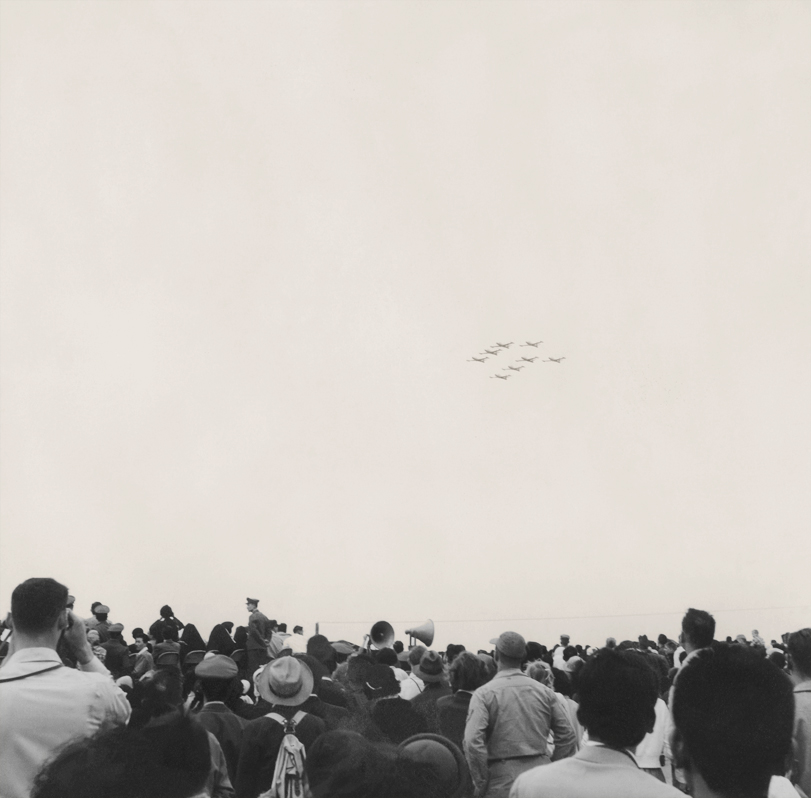


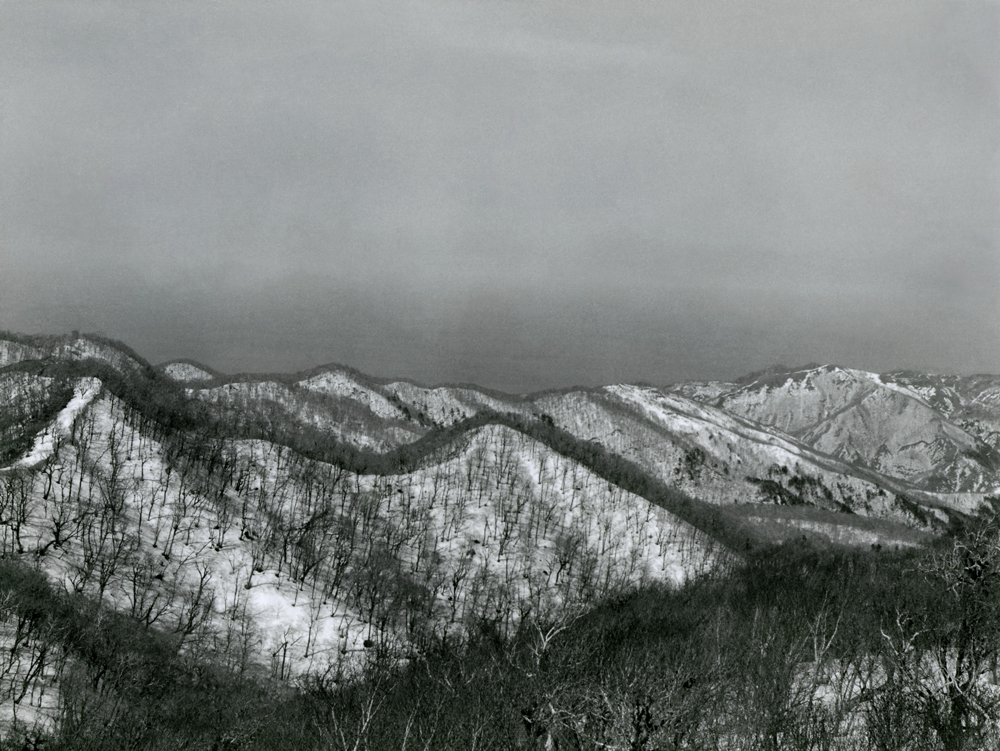
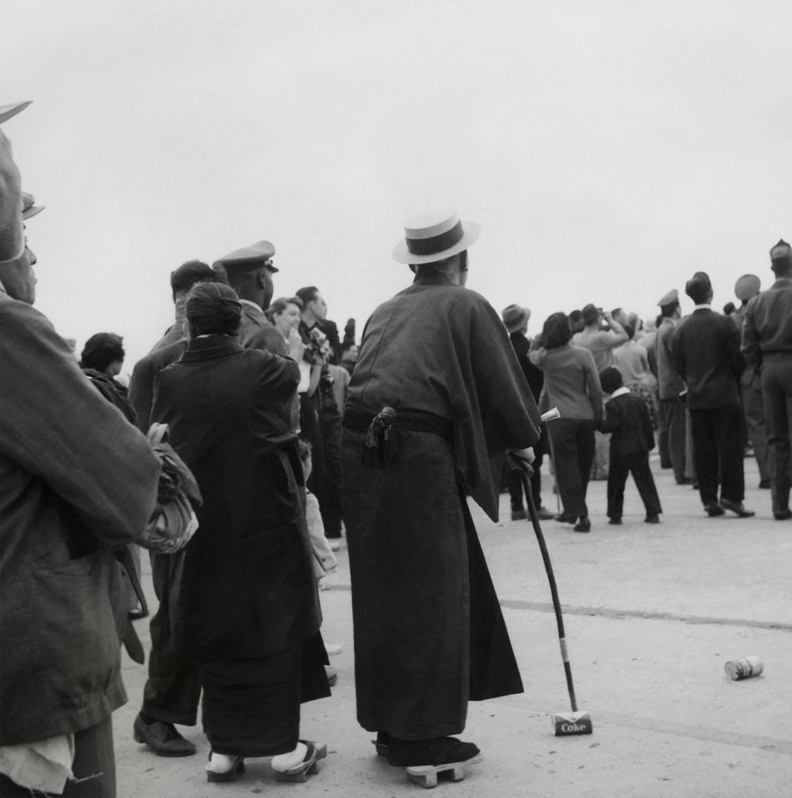
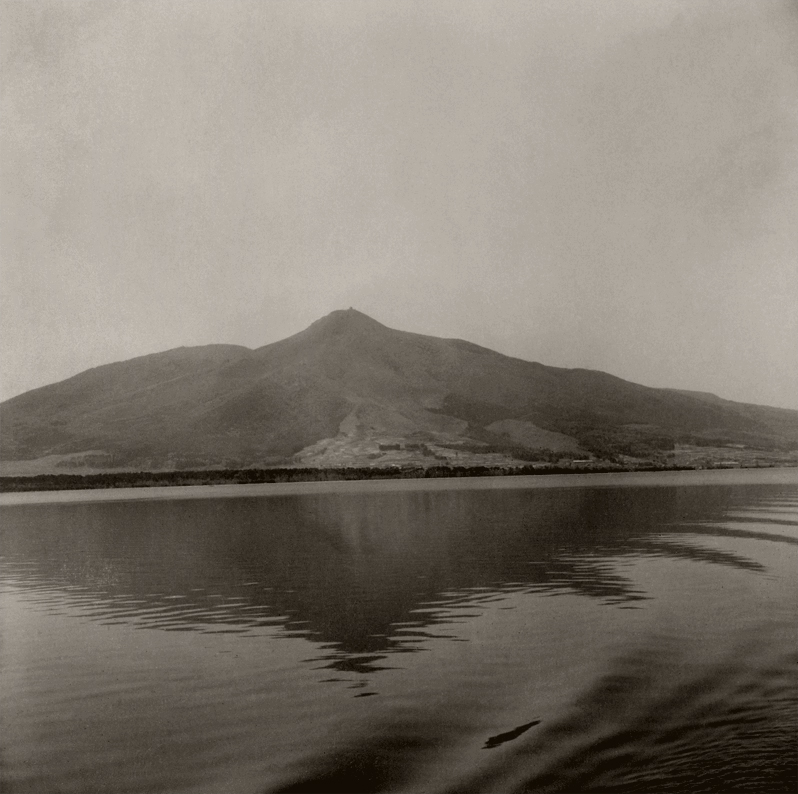
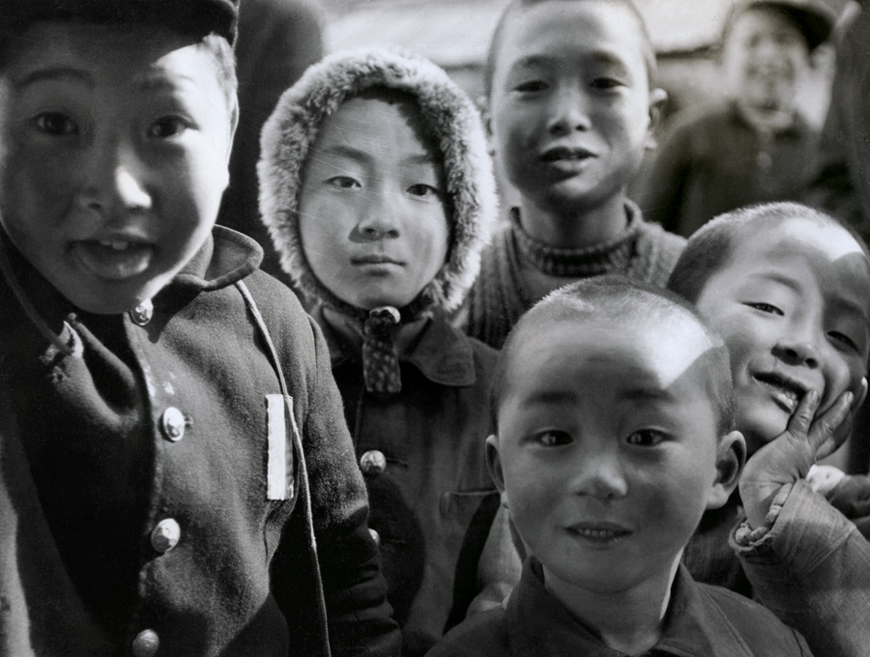
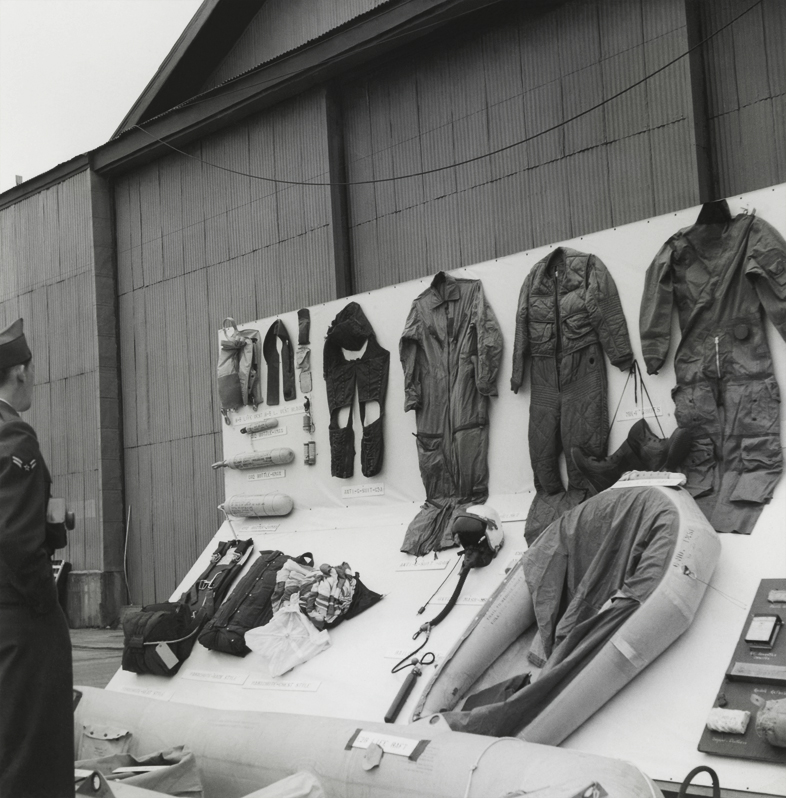
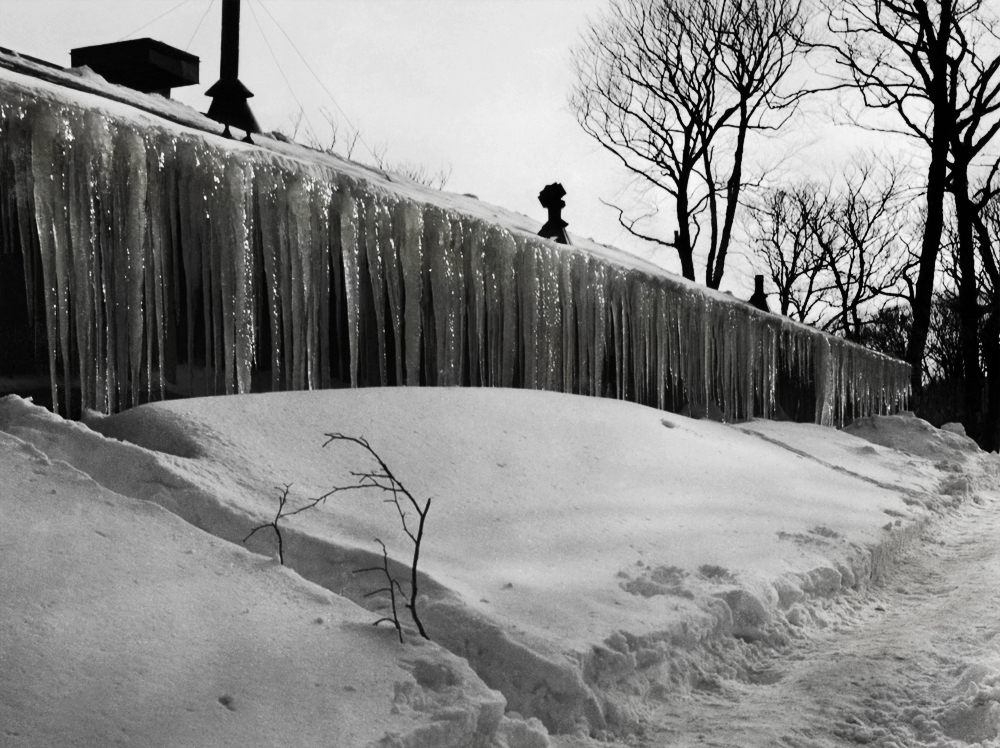
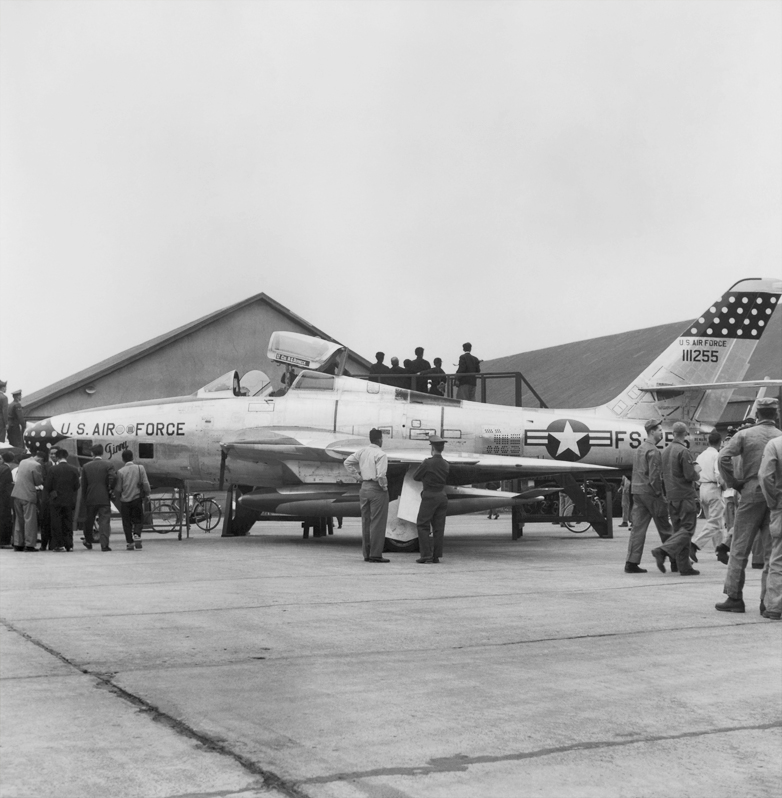
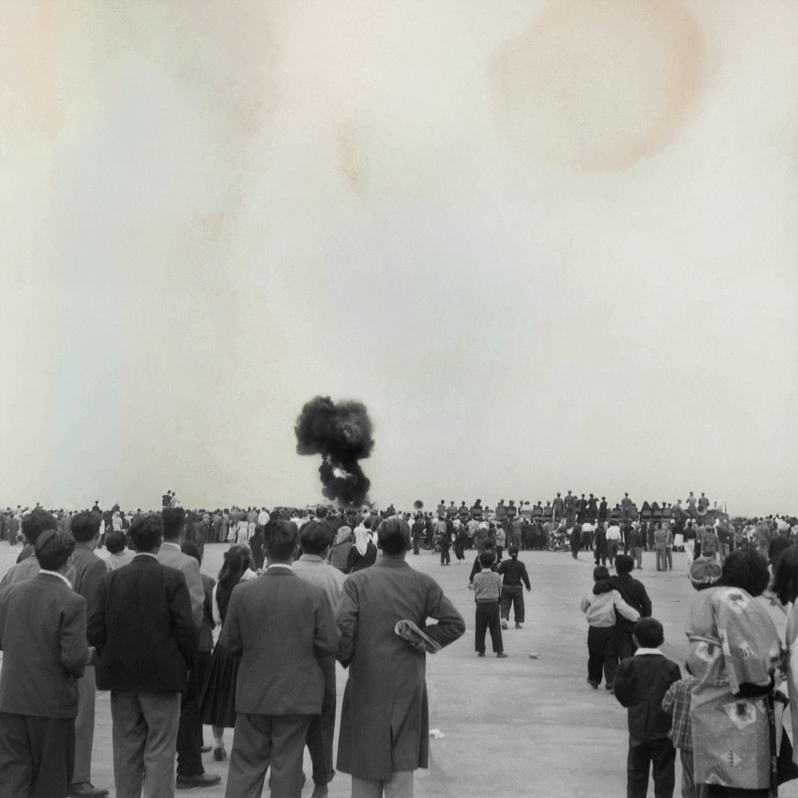

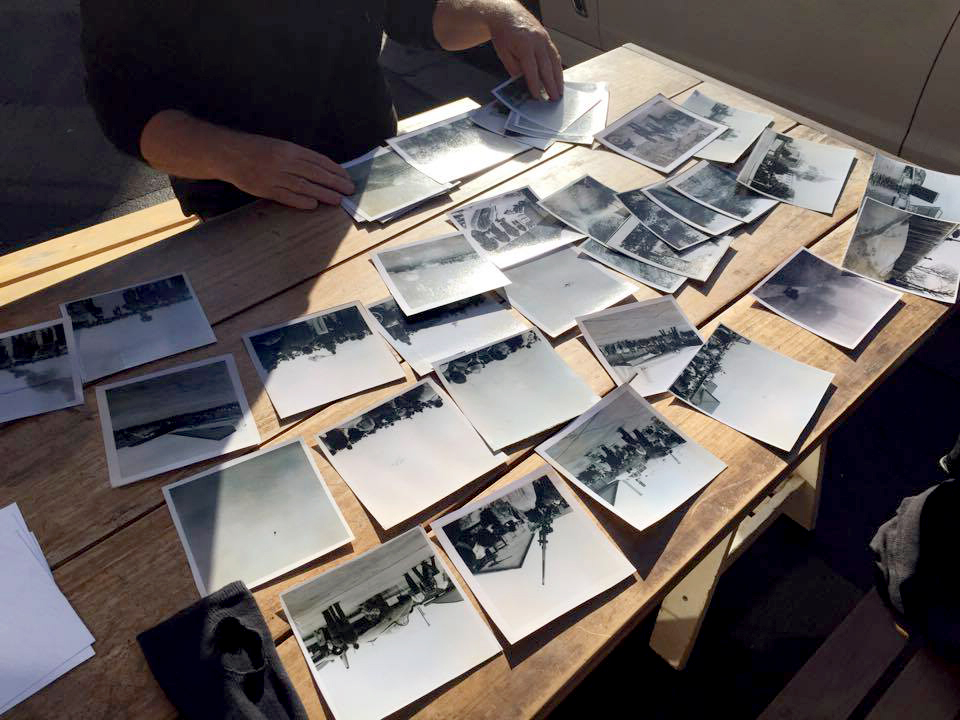
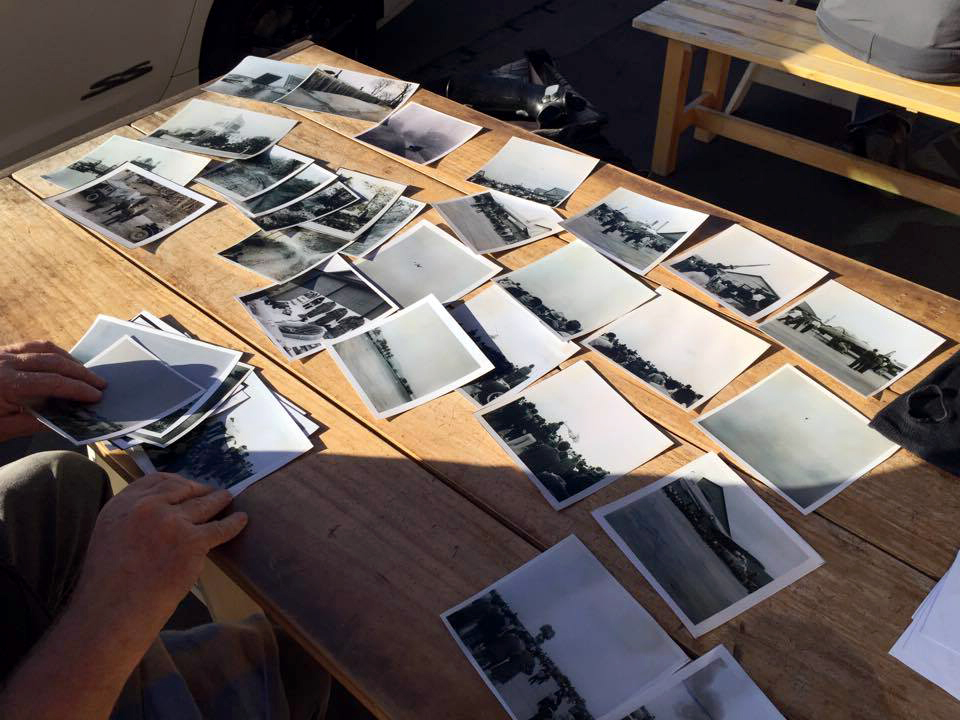
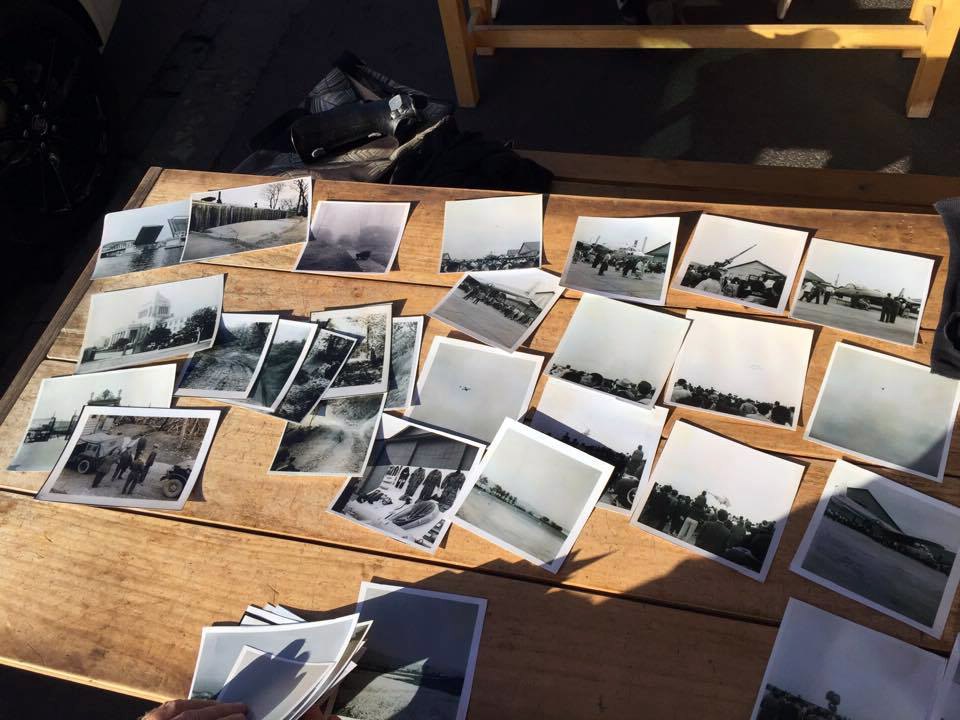
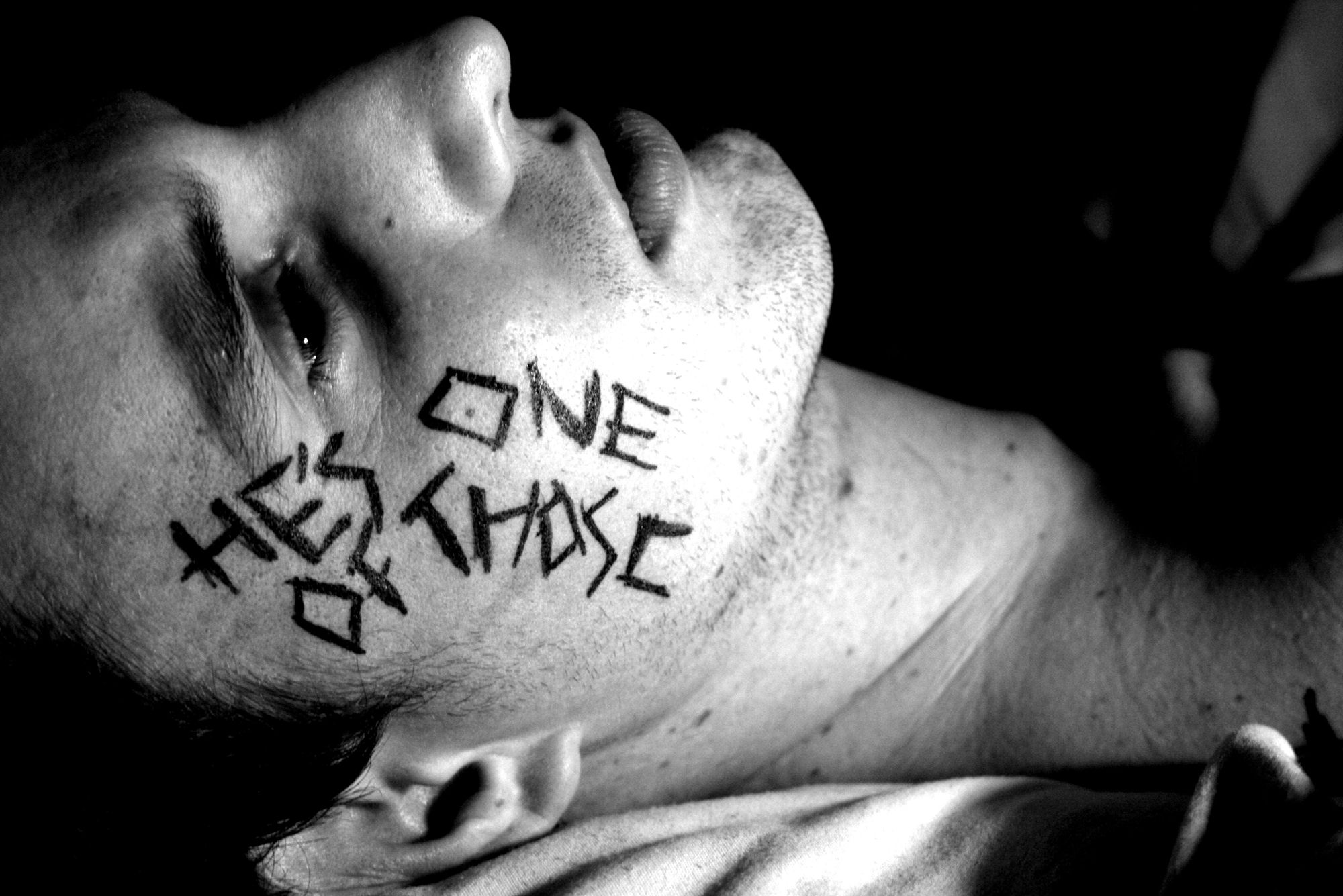
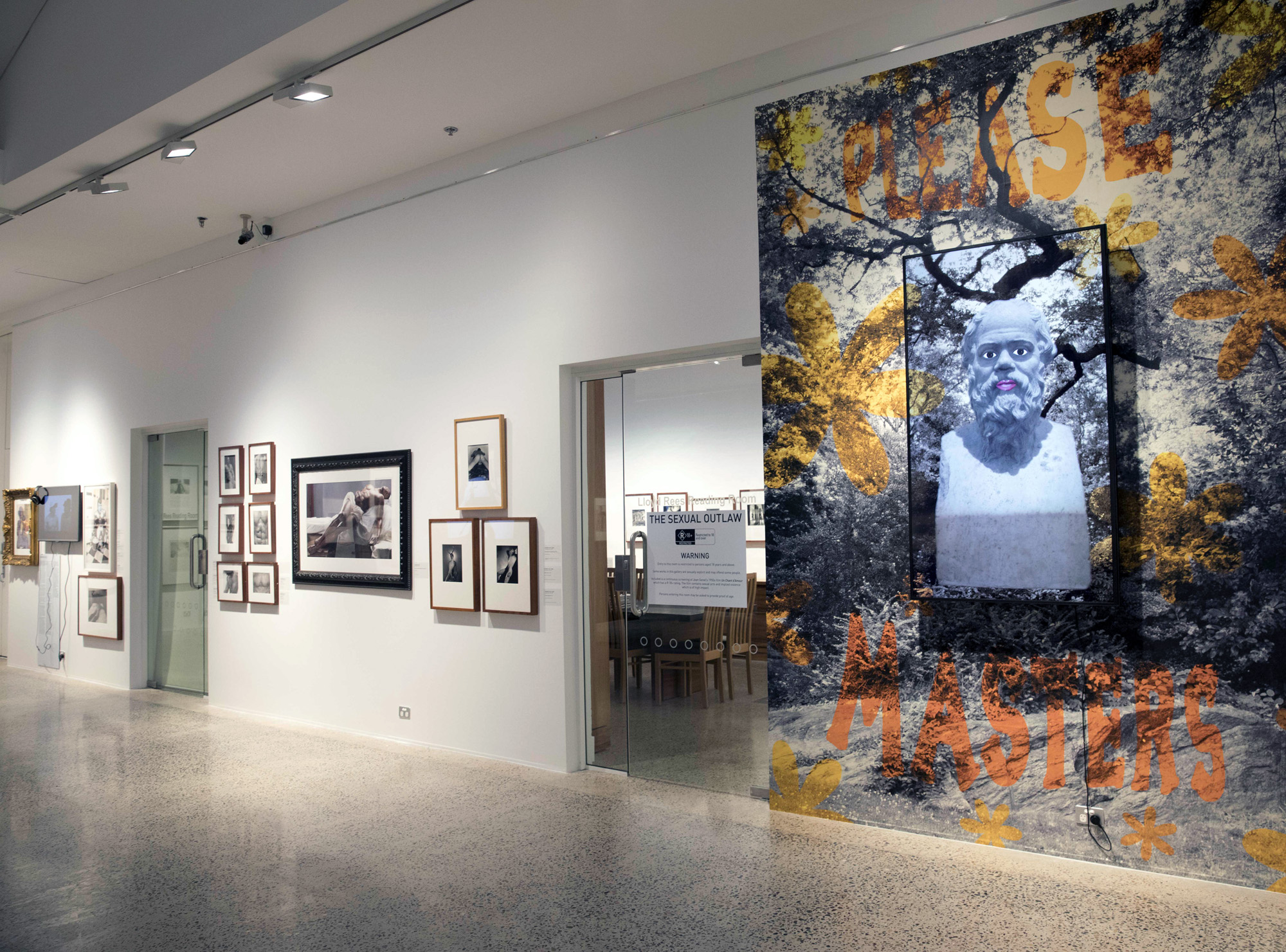
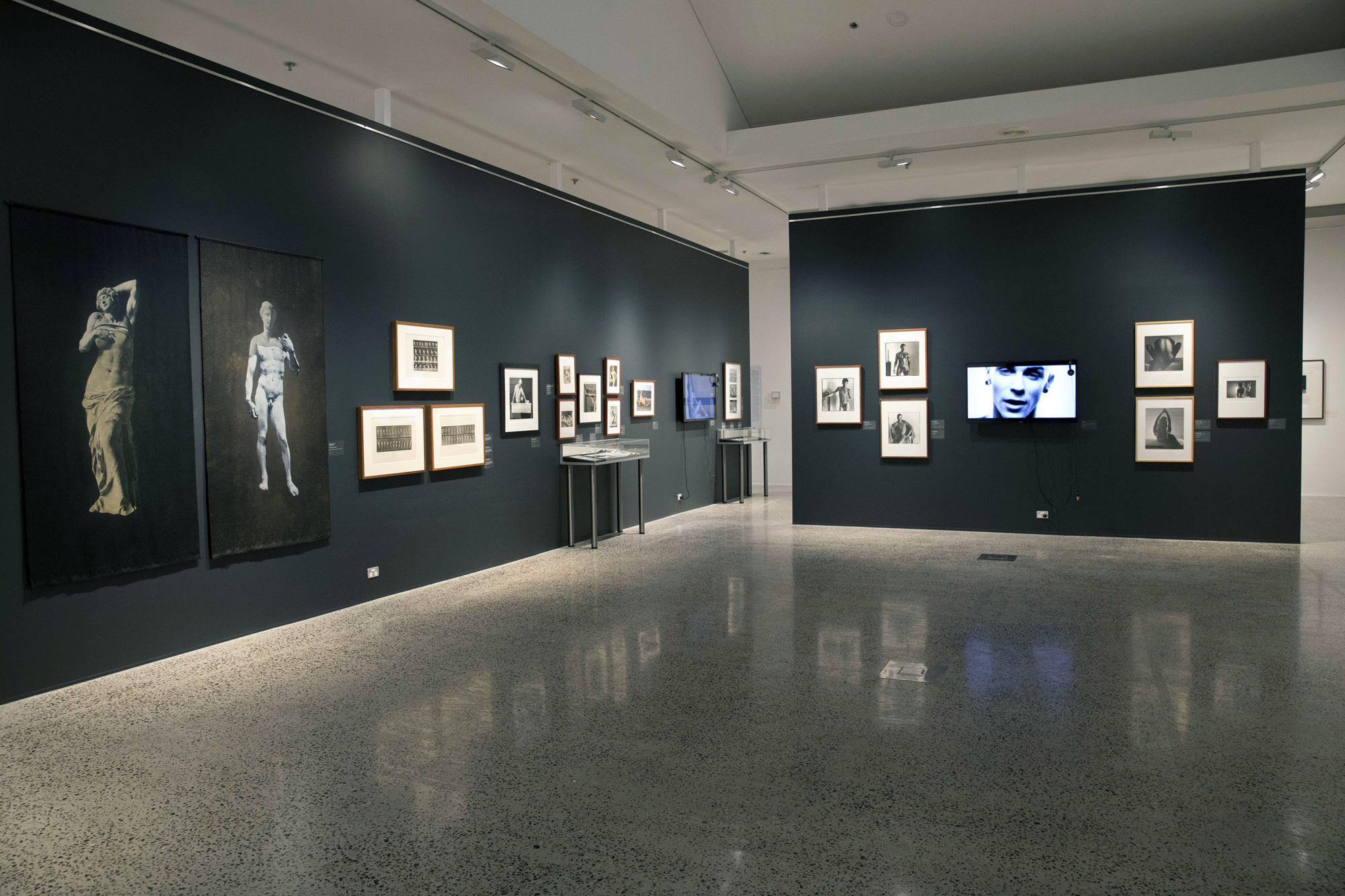
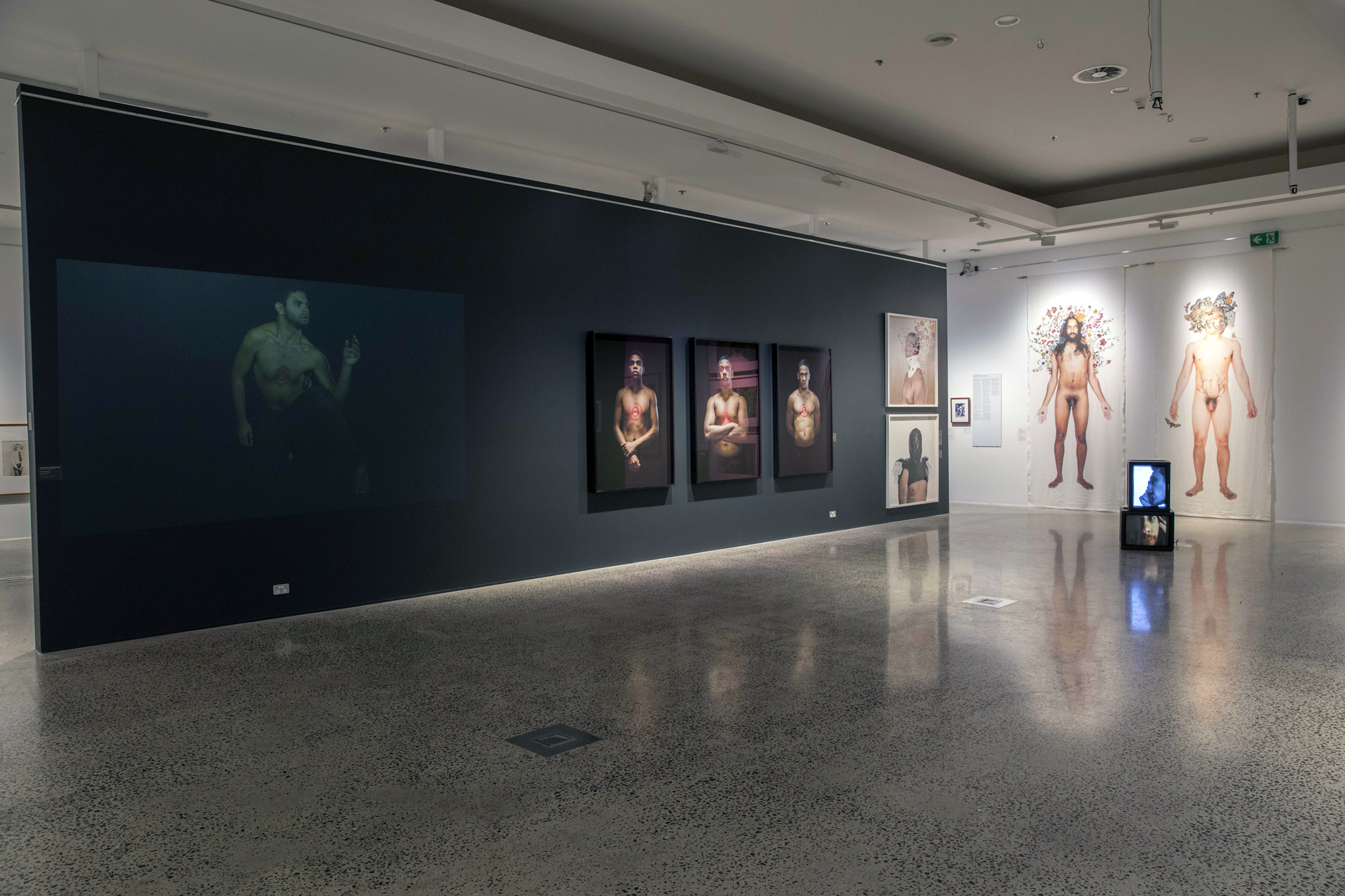
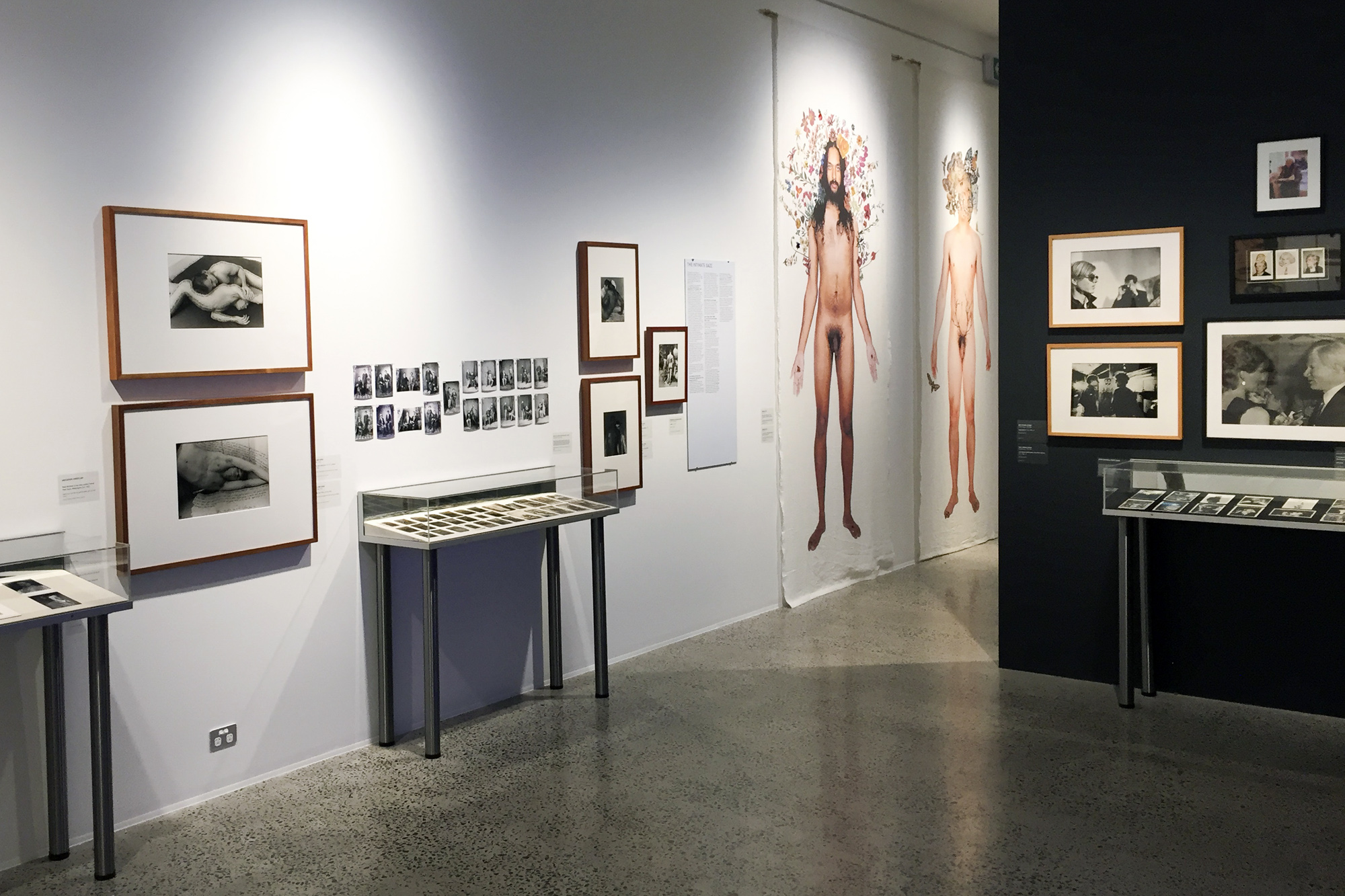
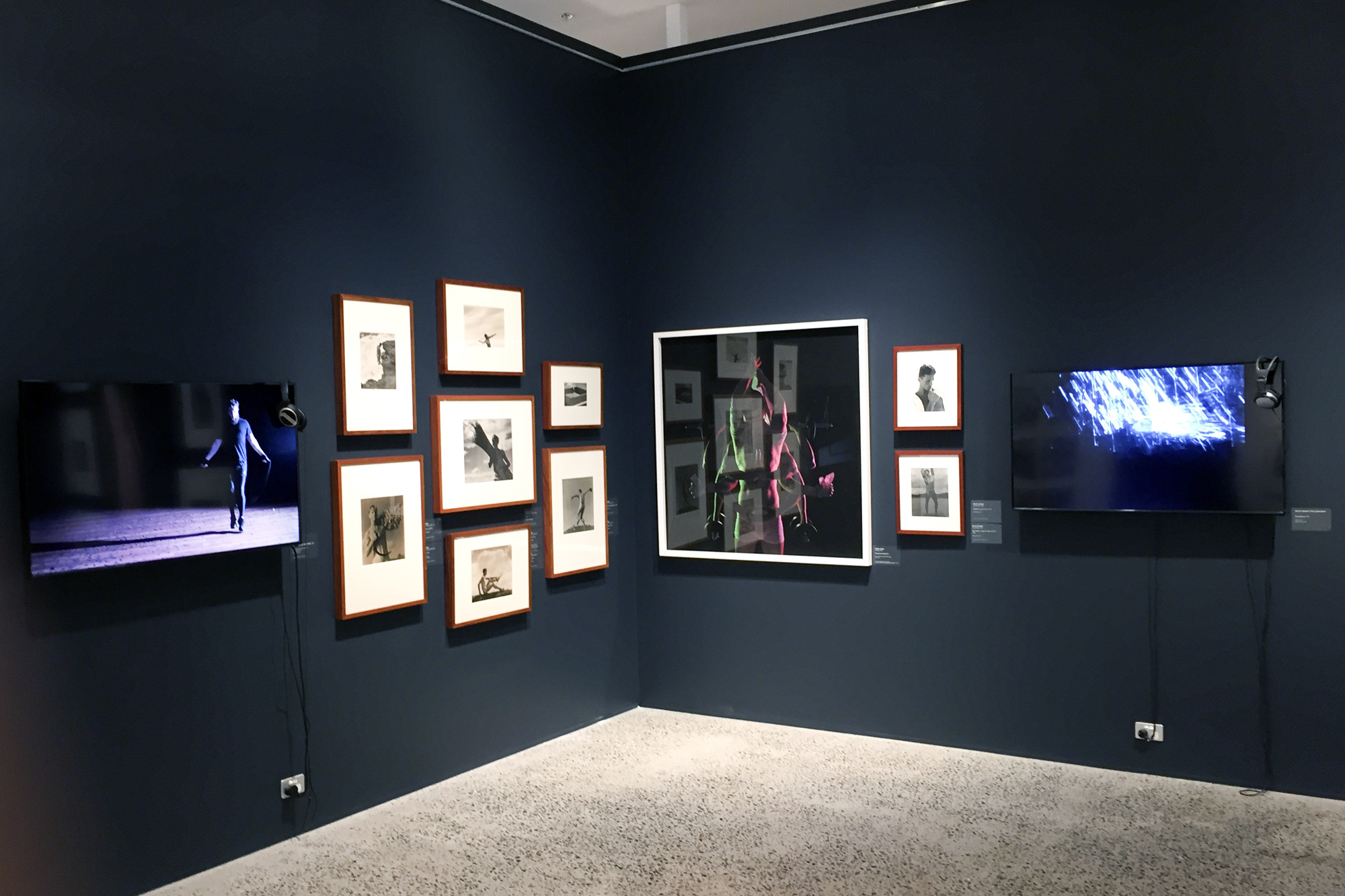
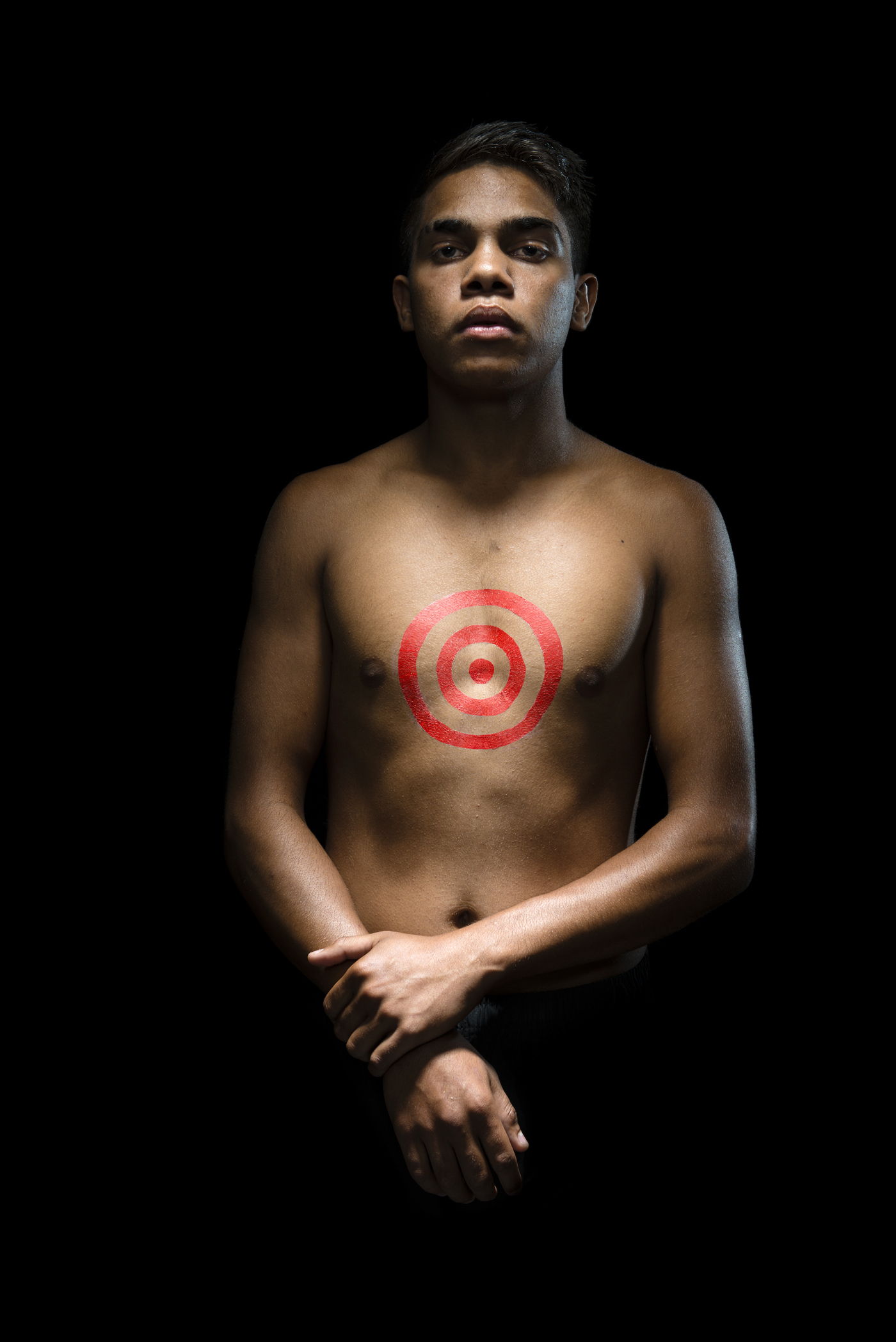
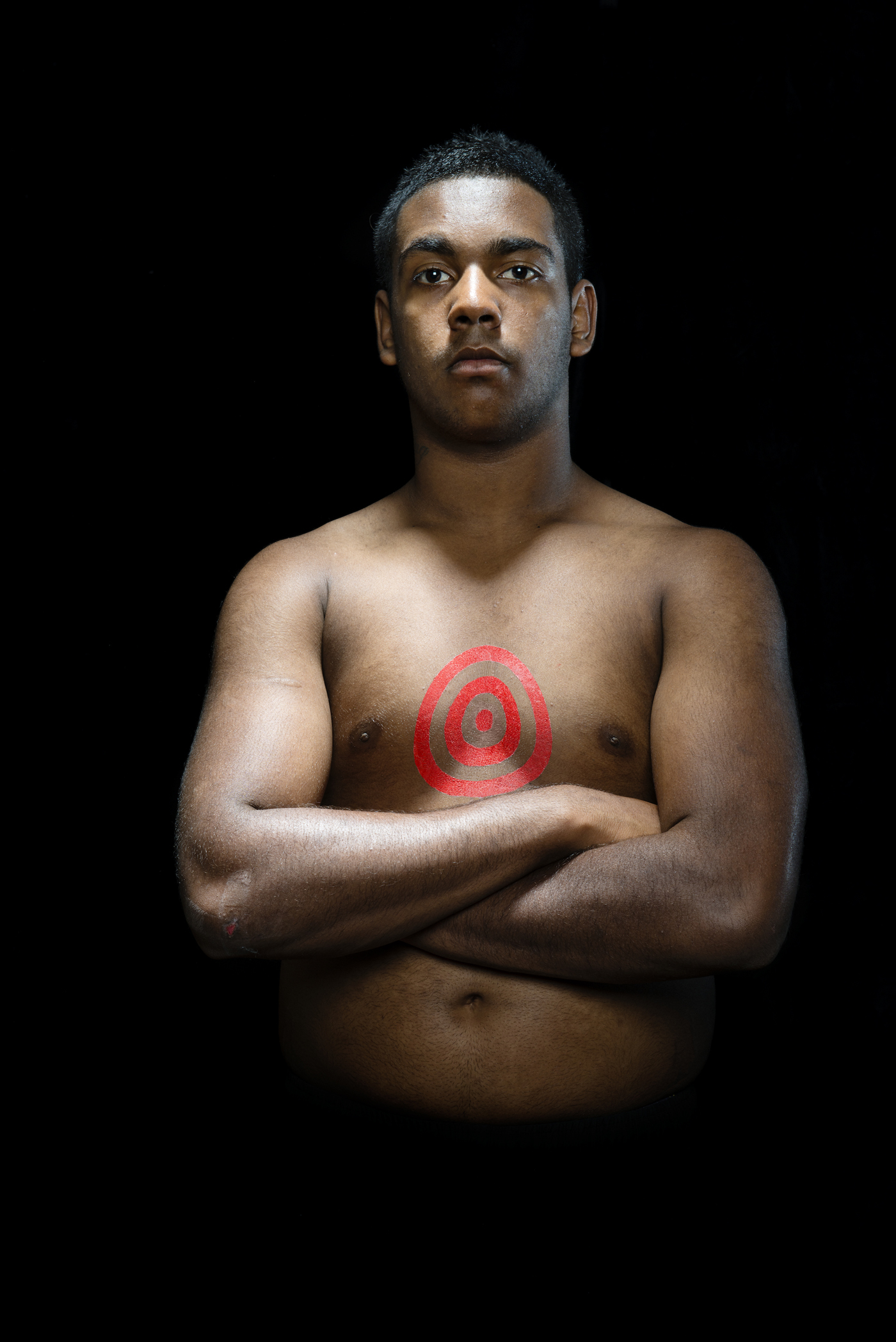
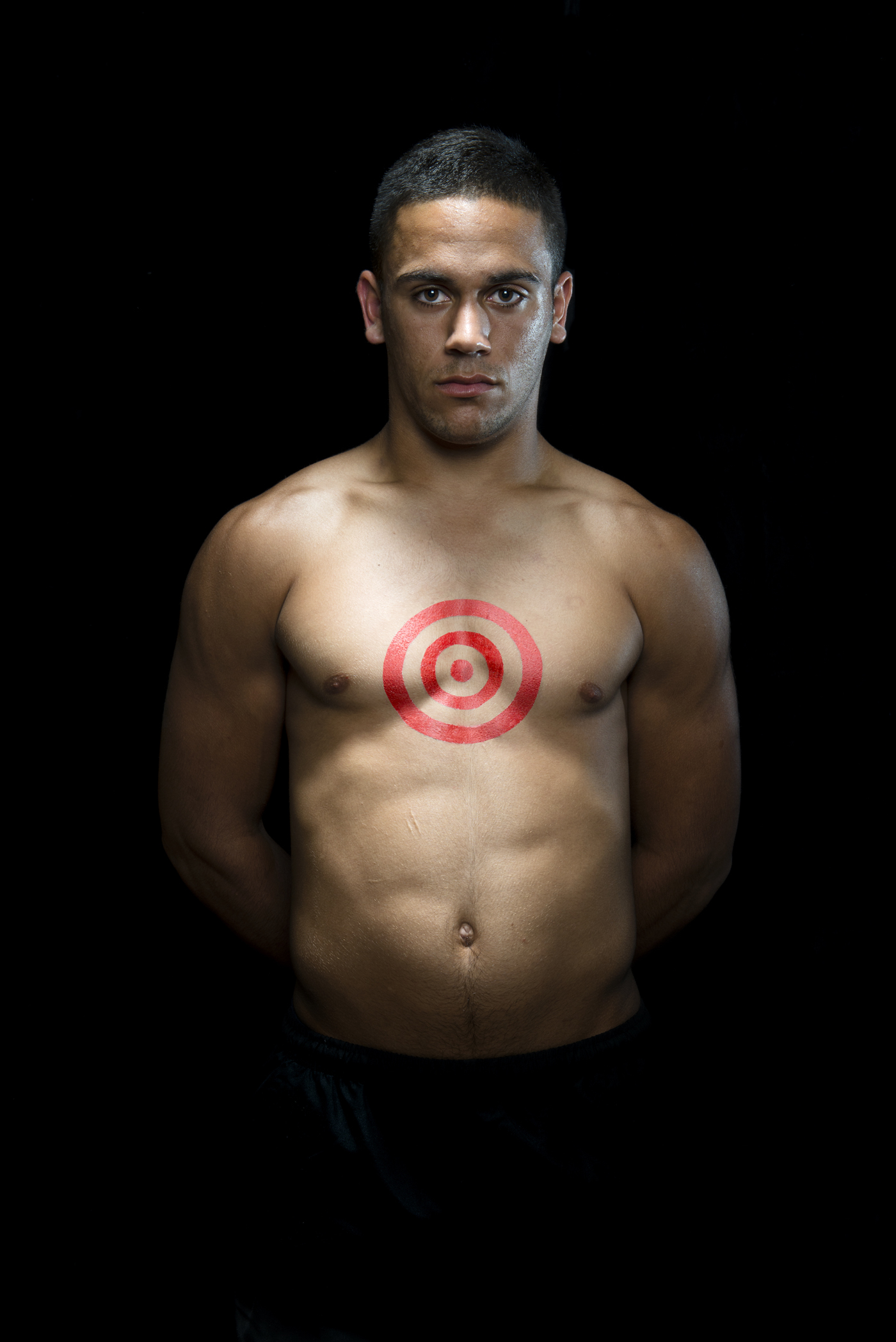
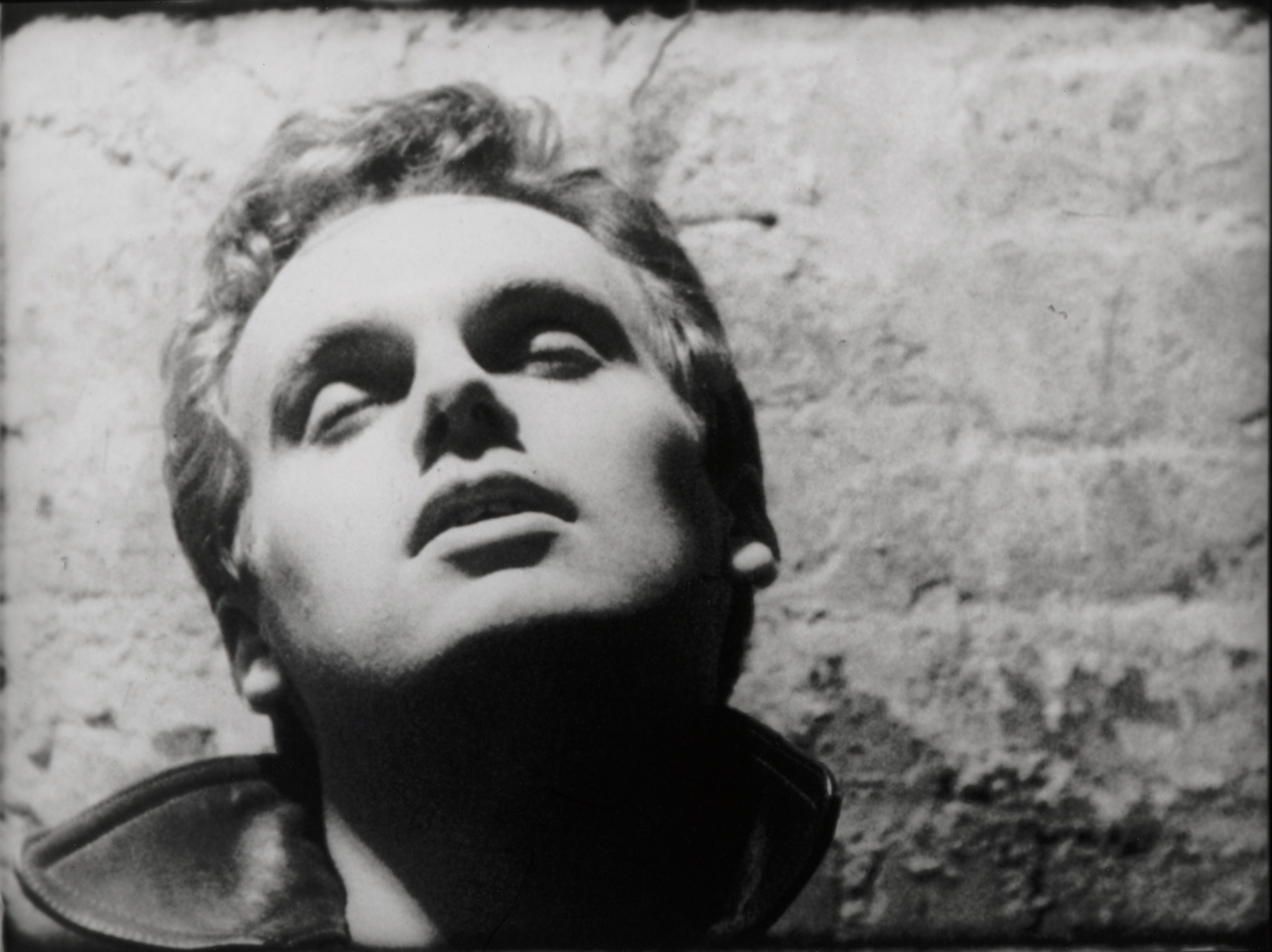
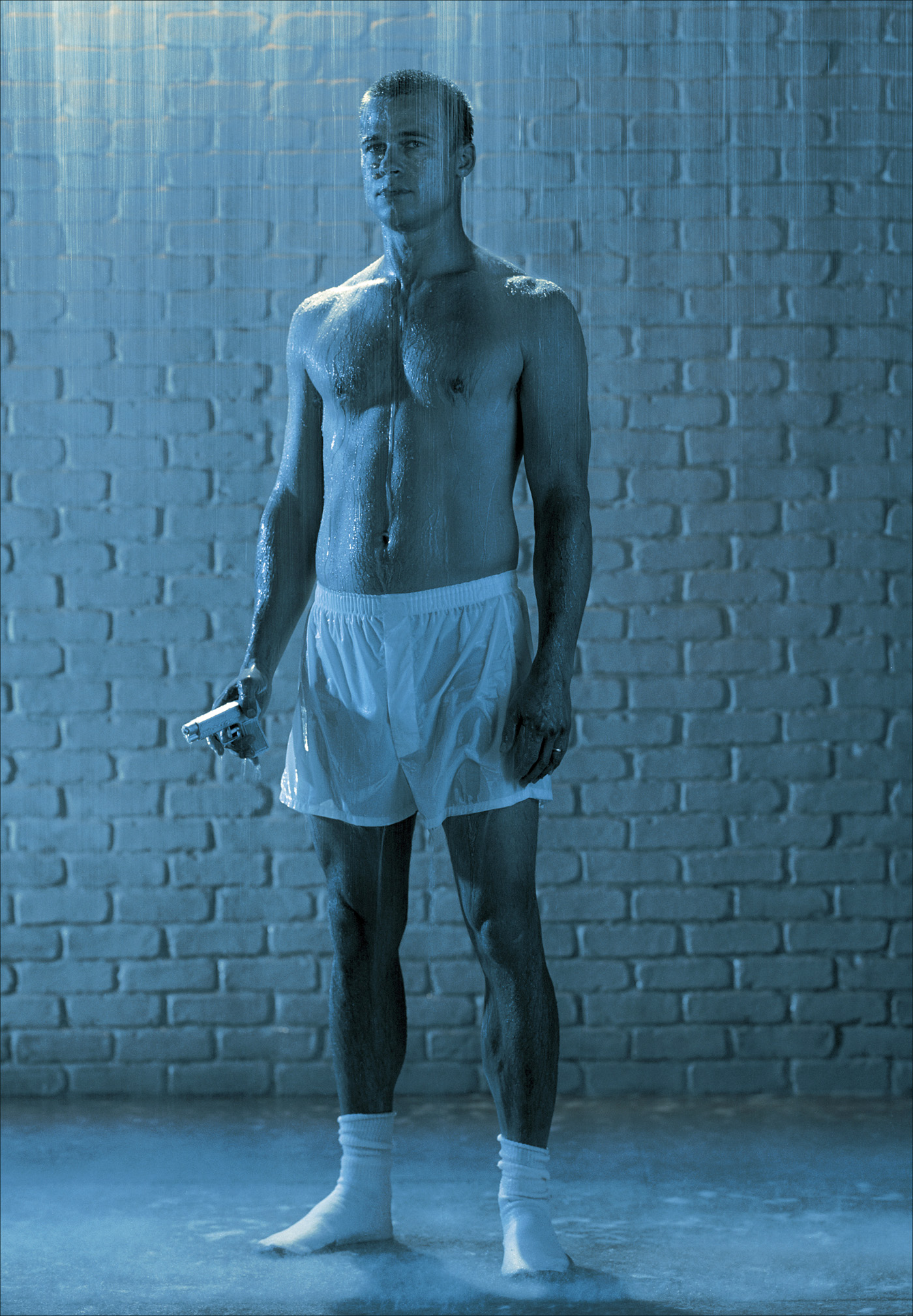
![Peter Elfes (Australia, b. 1961) 'Brenton [Heath-Kerr] as Tom of Finland' 1992](https://artblart.com/wp-content/uploads/2017/11/elfes-brenton-heath-kerr-web.jpg "Peter Elfes (Australia, b. 1961) 'Brenton [Heath-Kerr] as Tom of Finland' 1992")

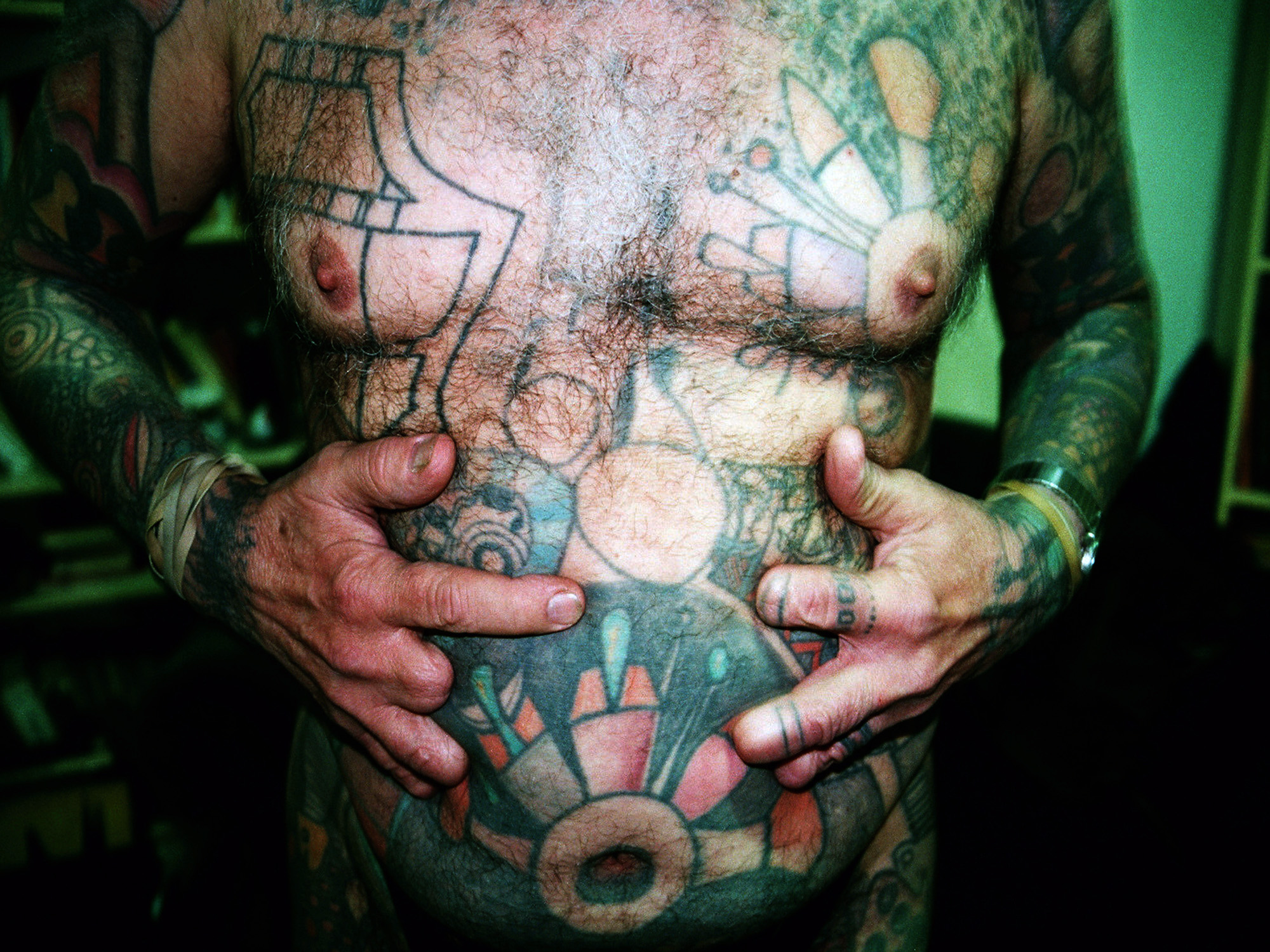
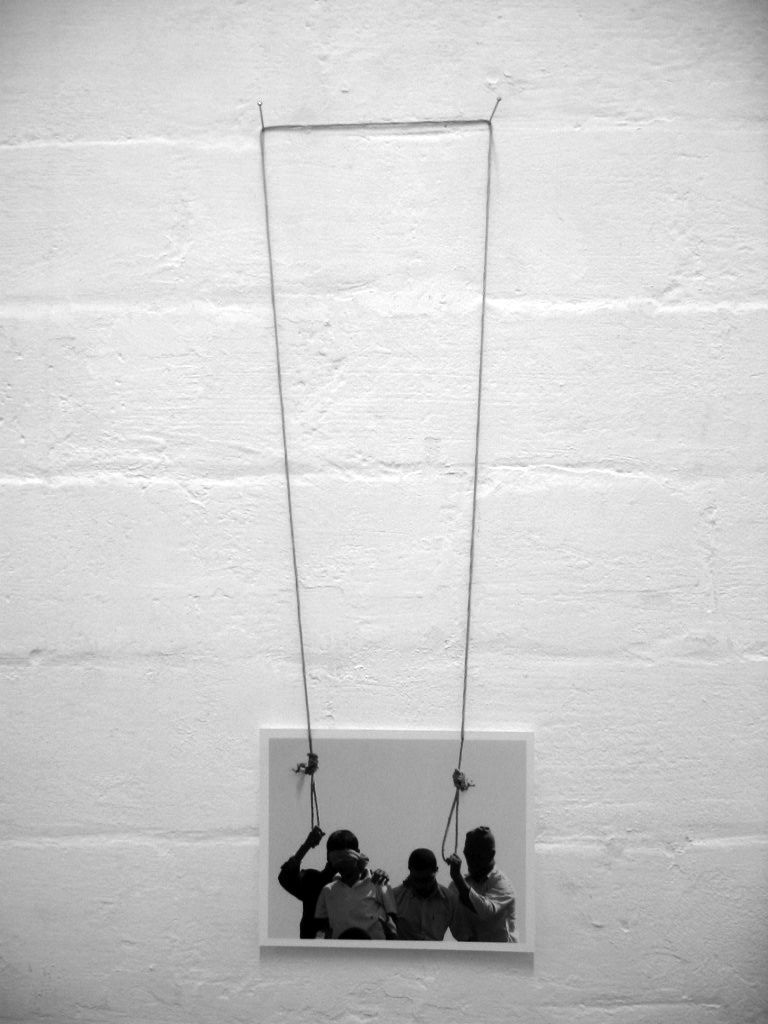
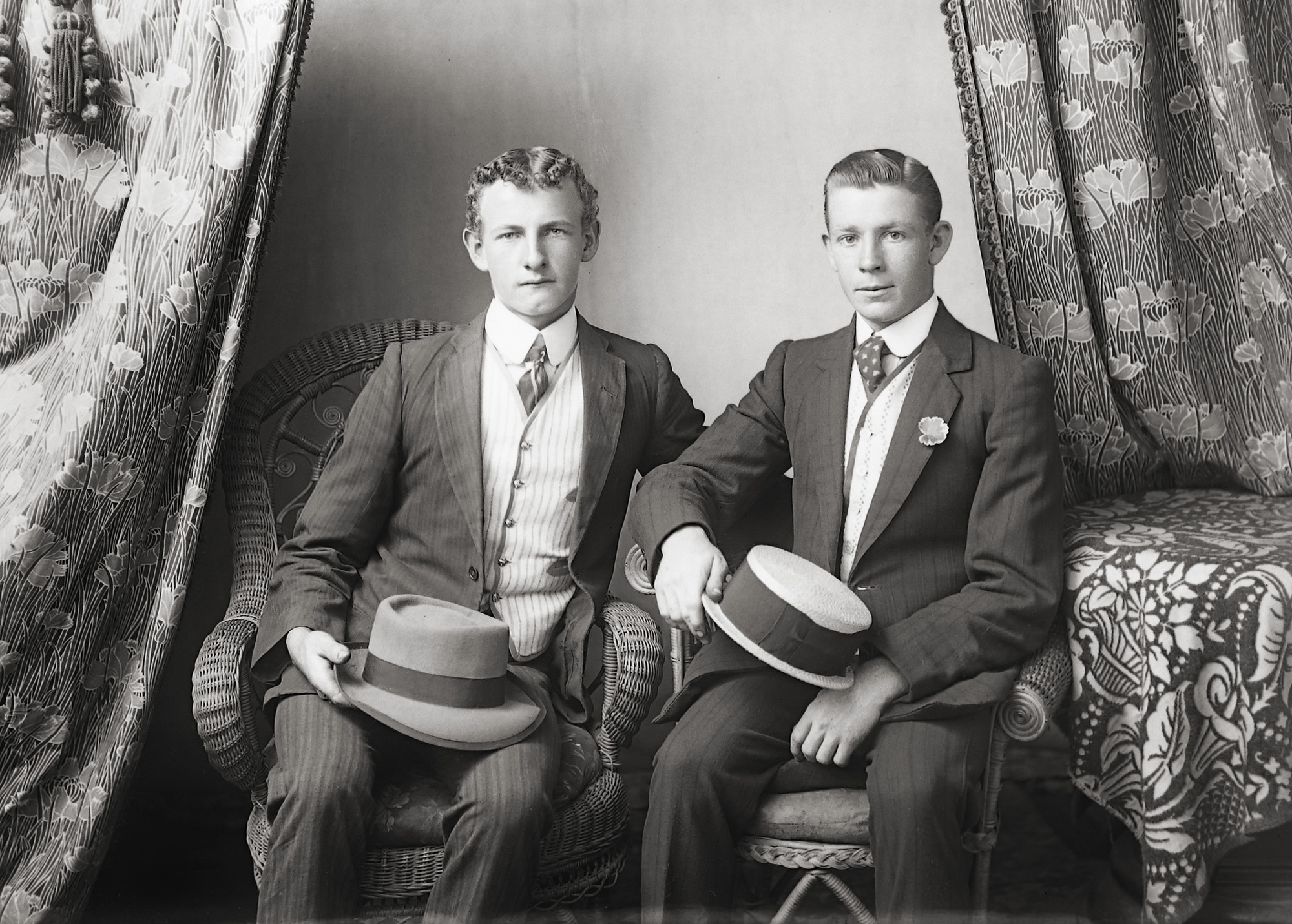
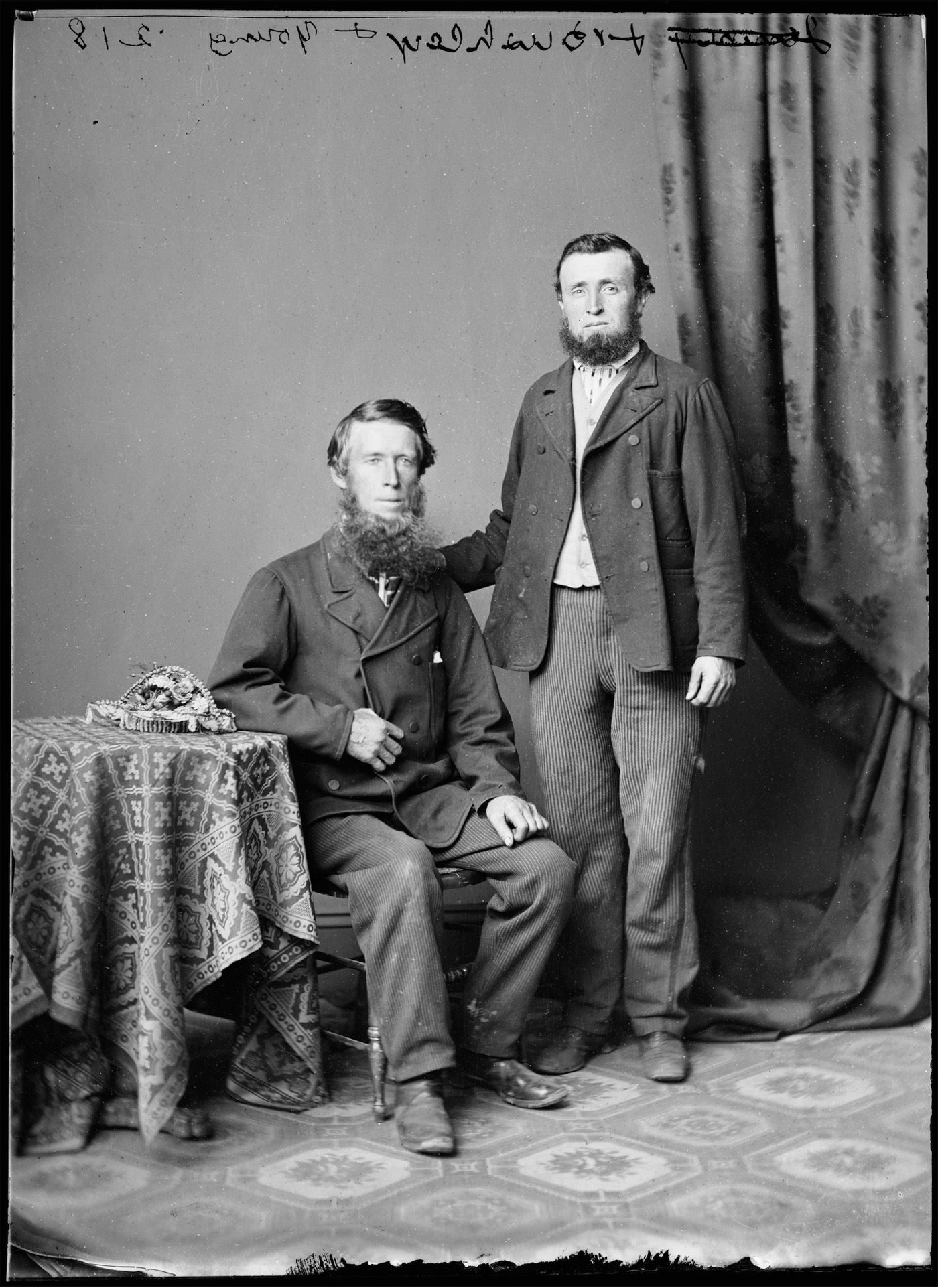
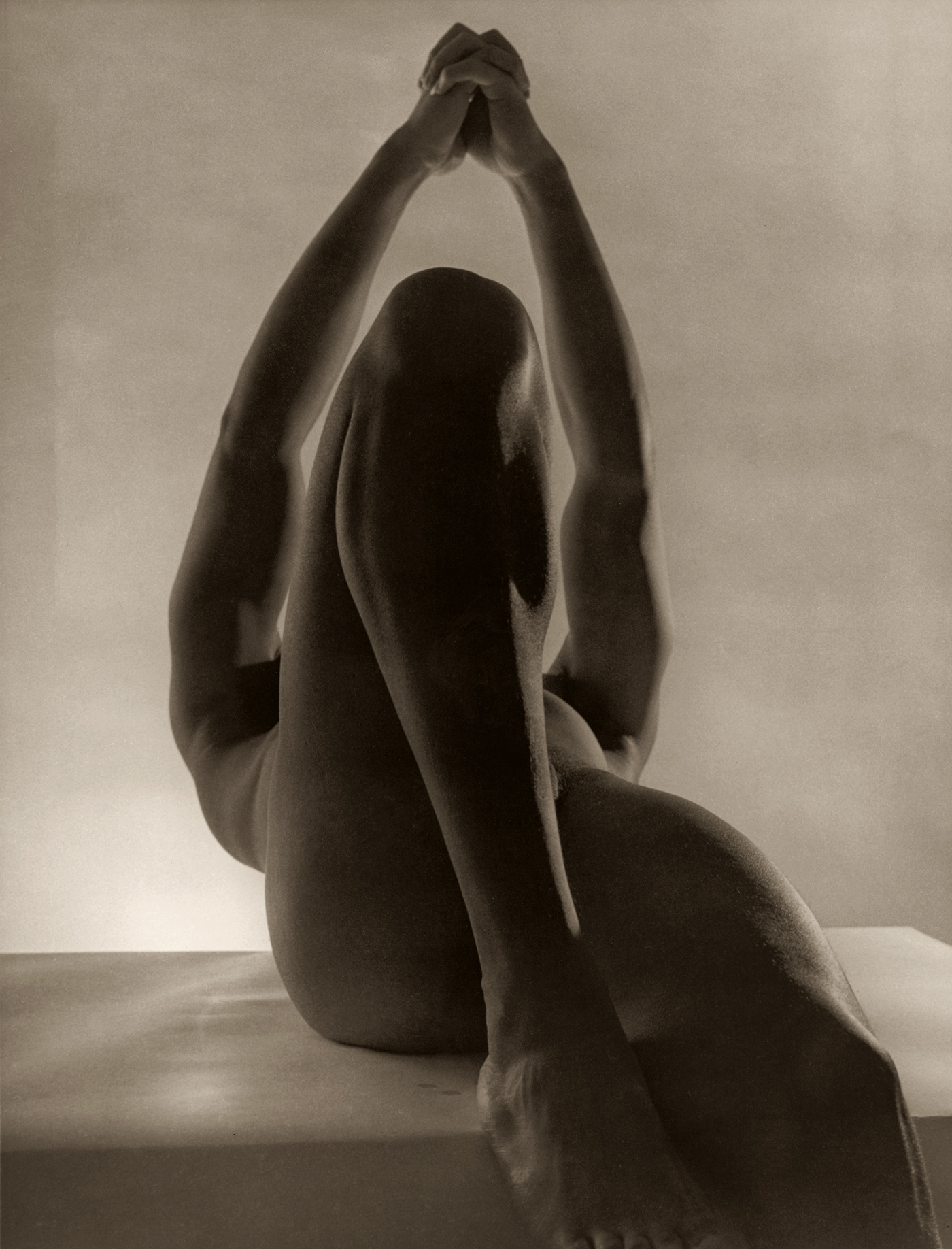
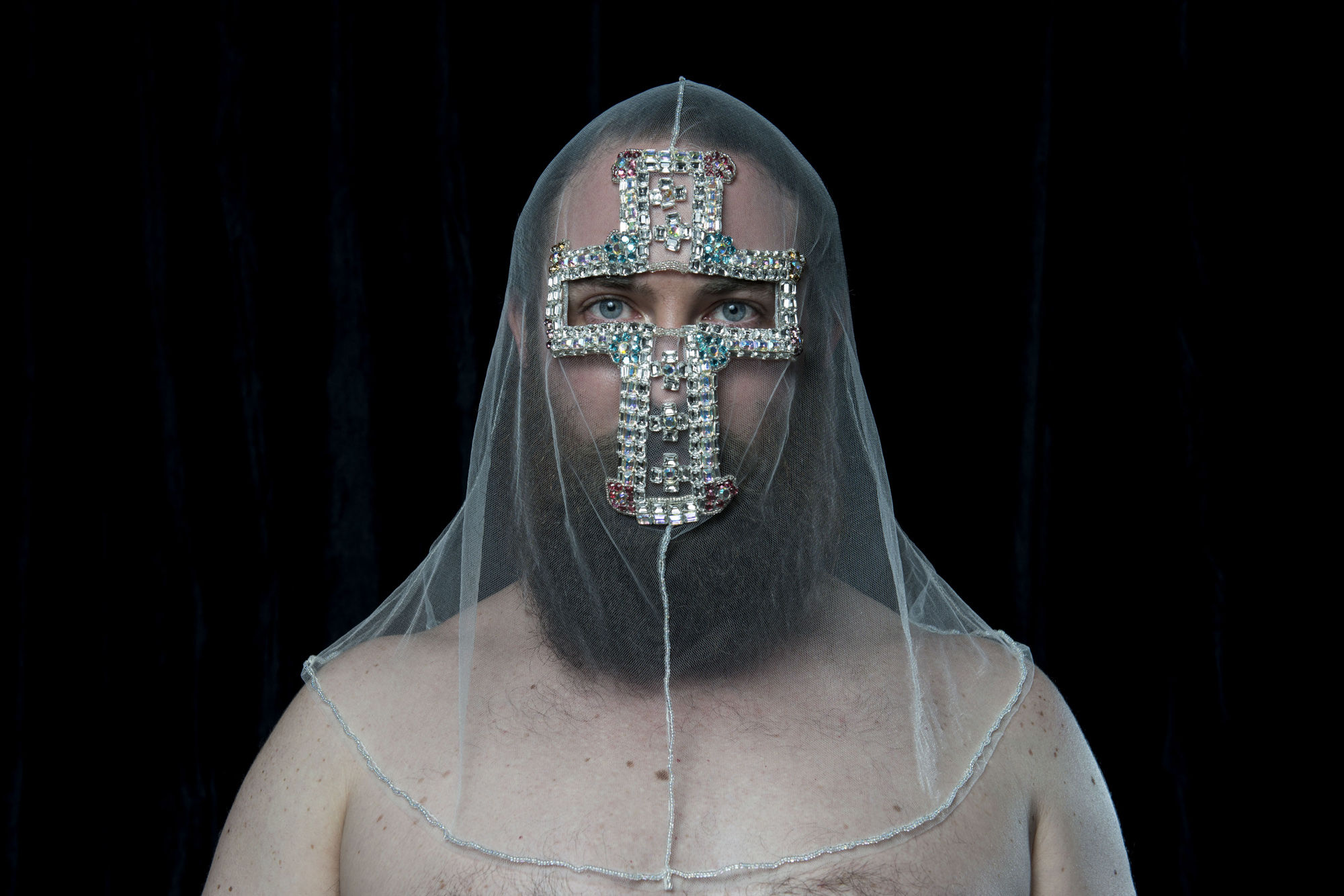
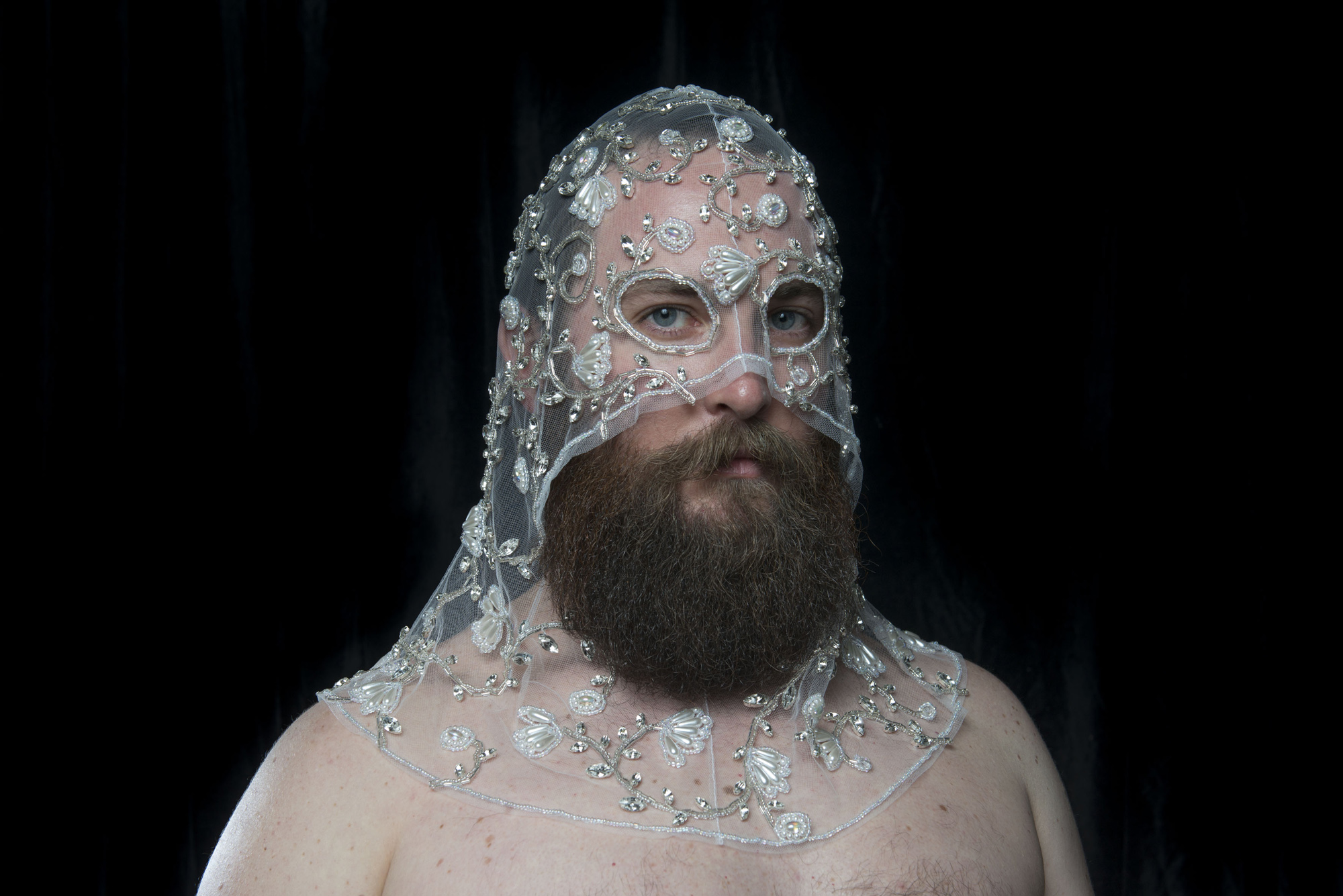
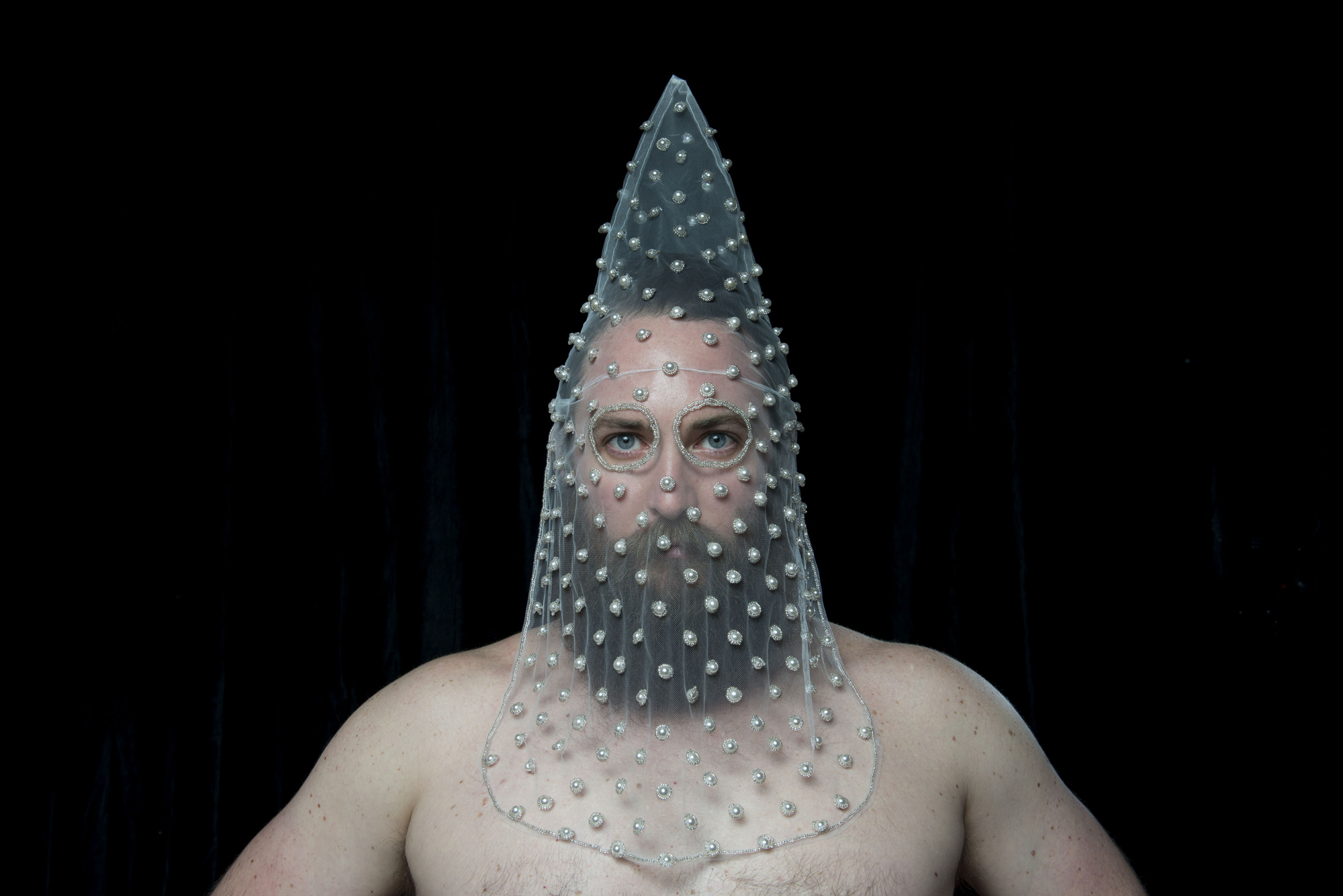
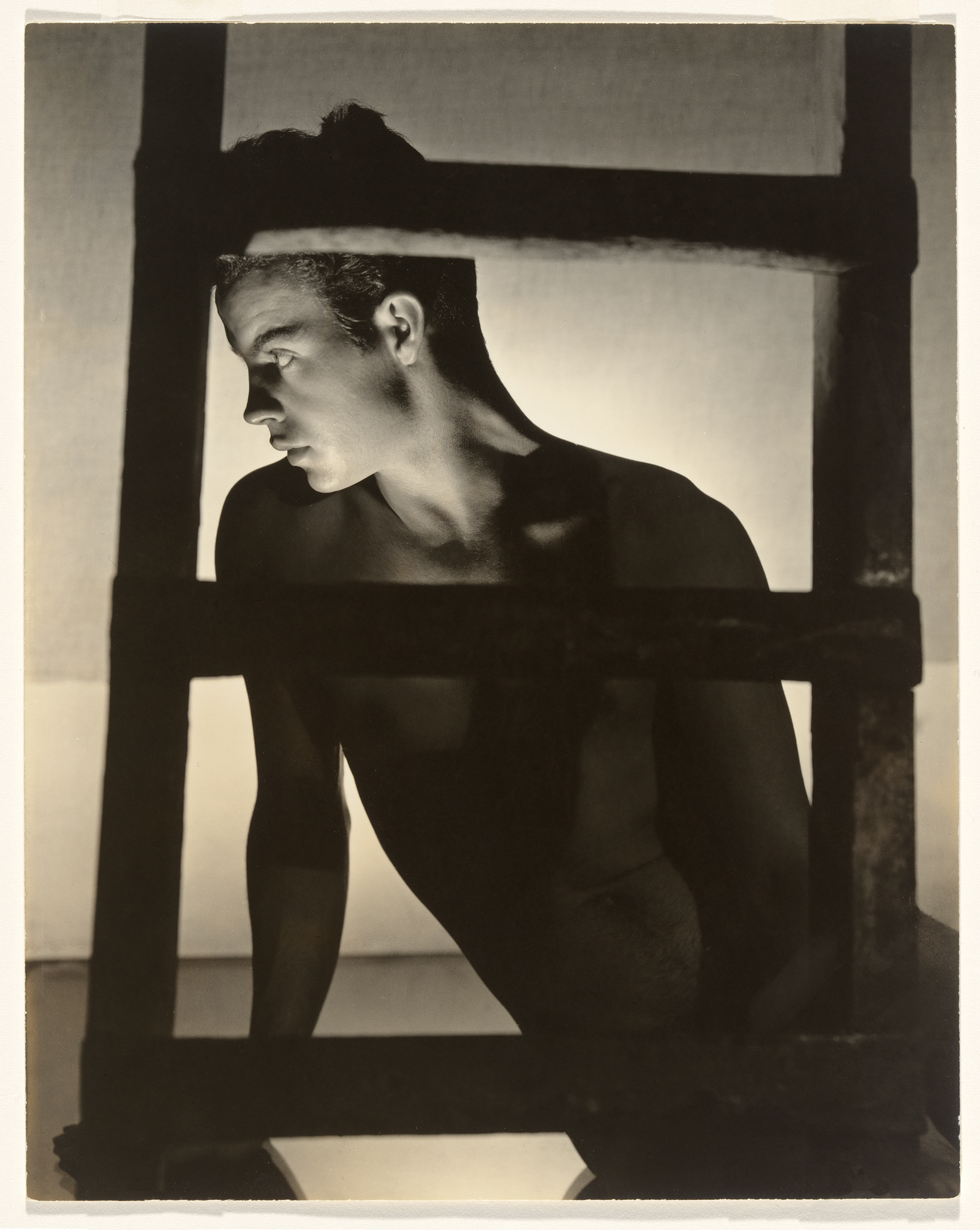
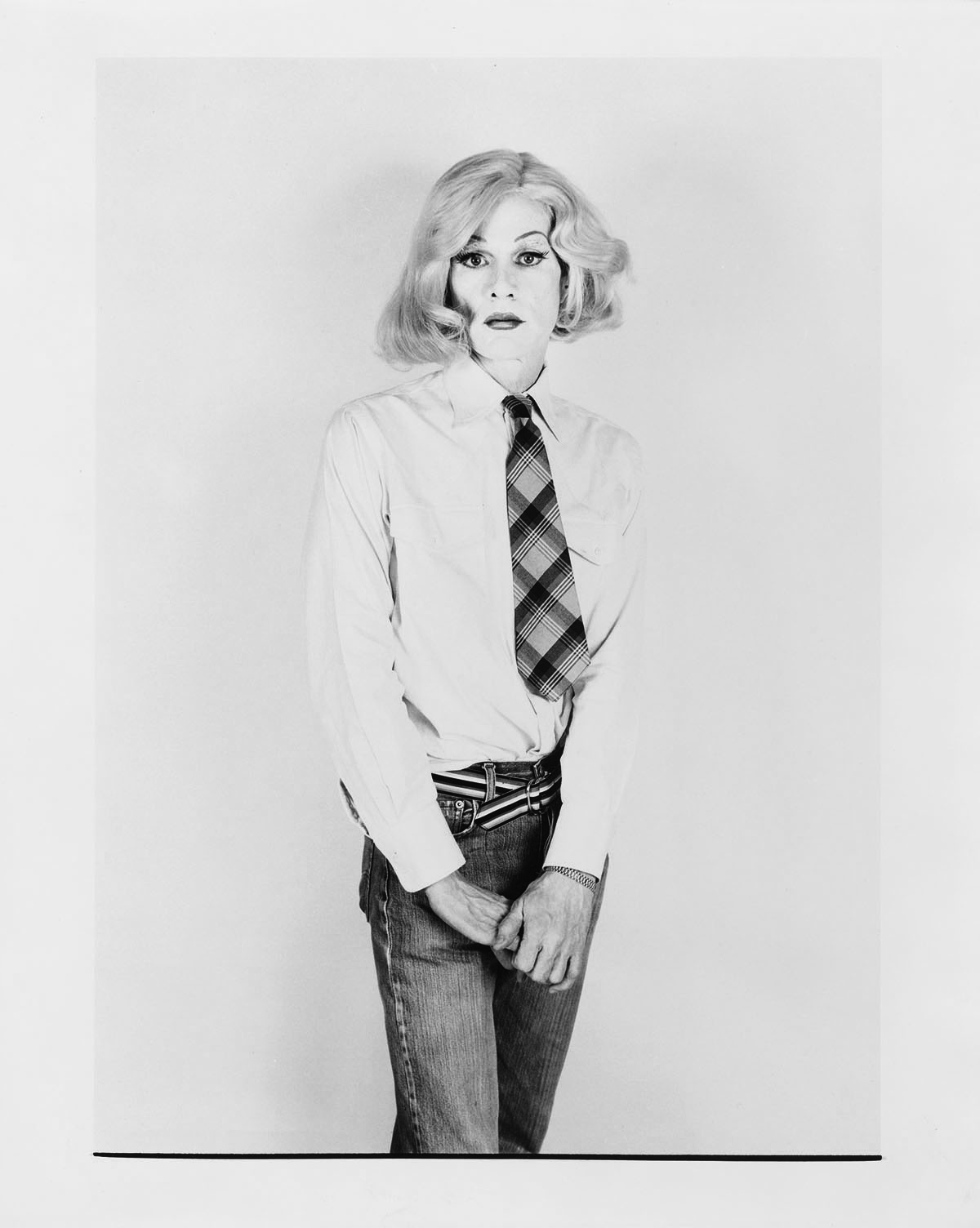
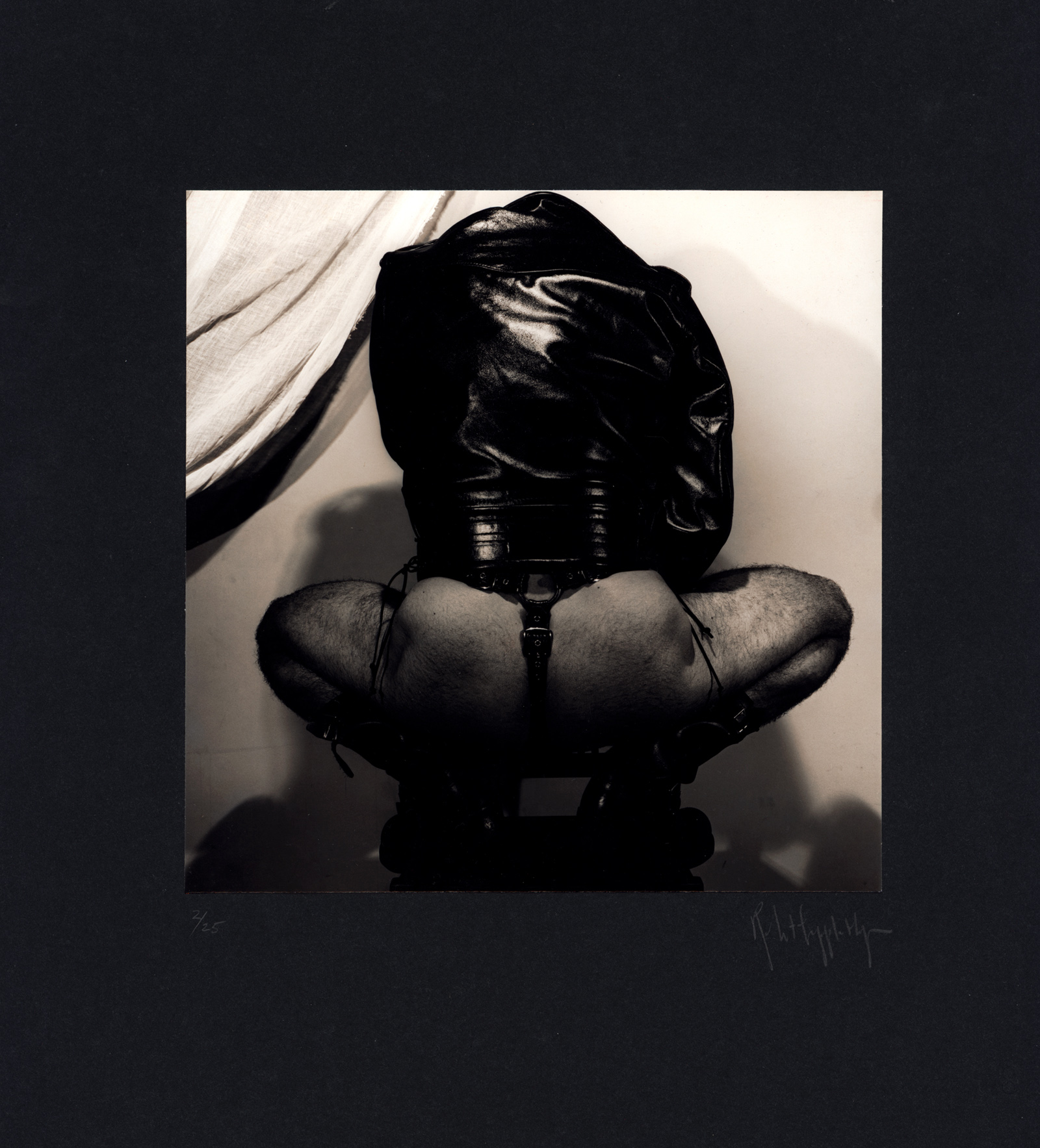
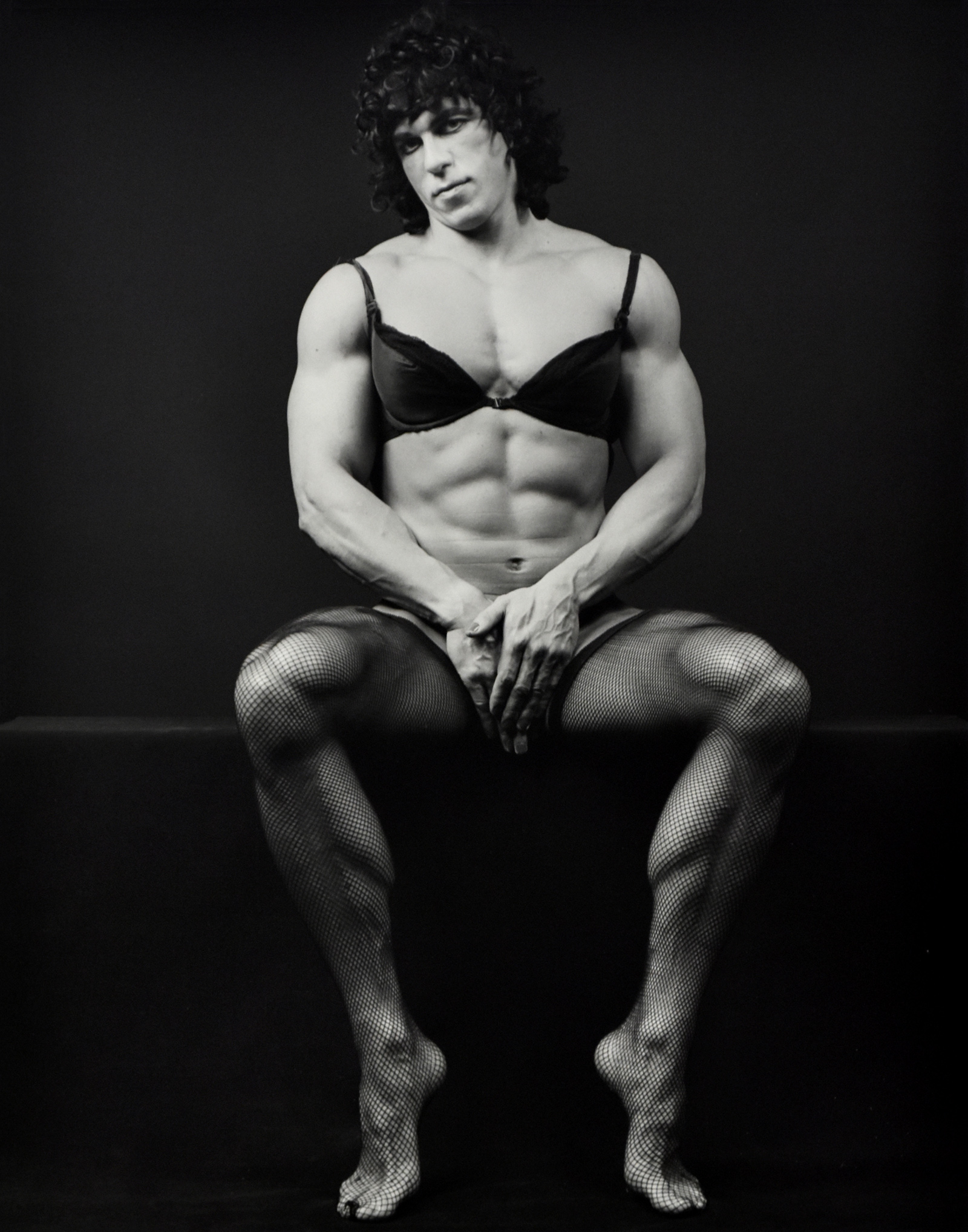
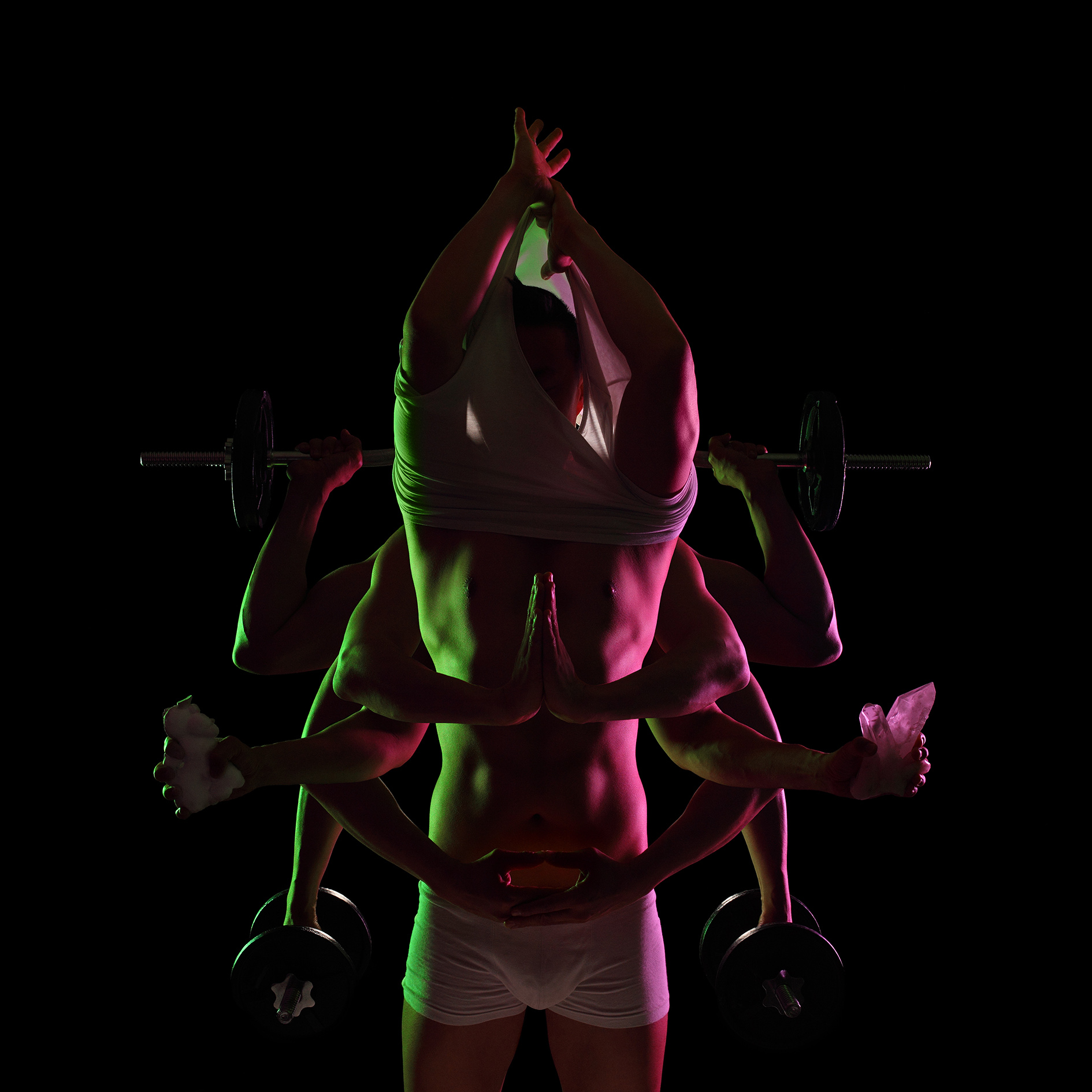
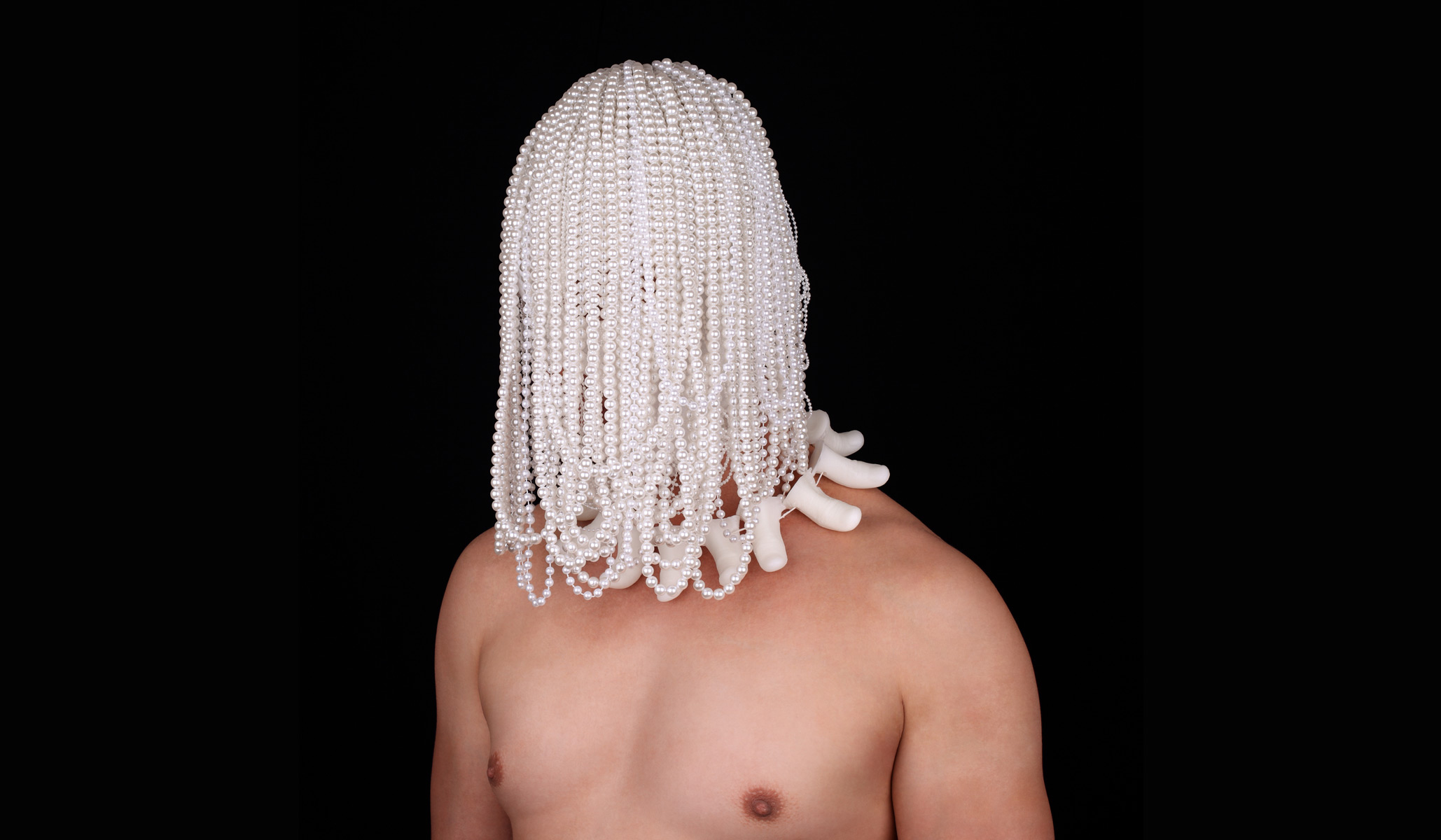
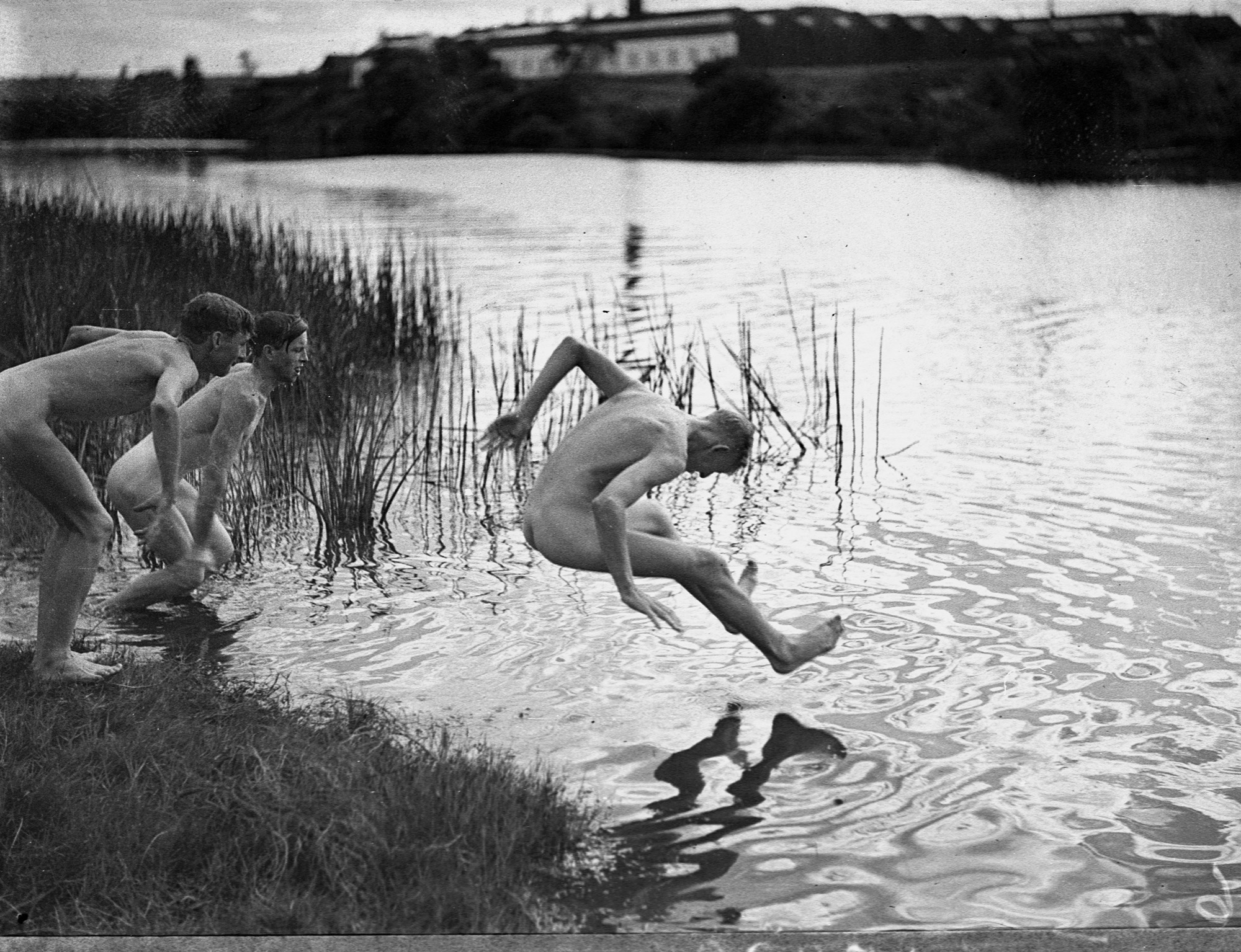
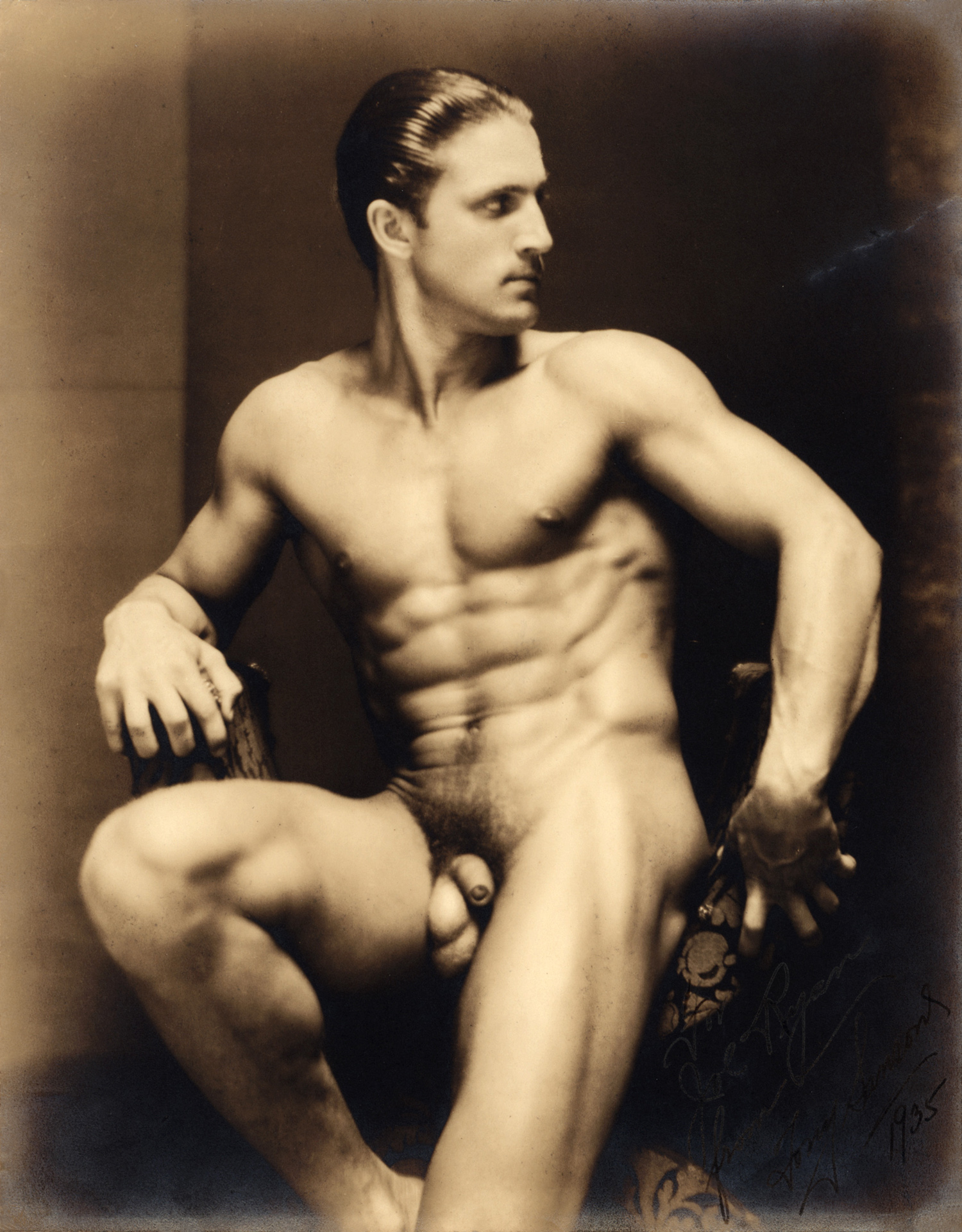
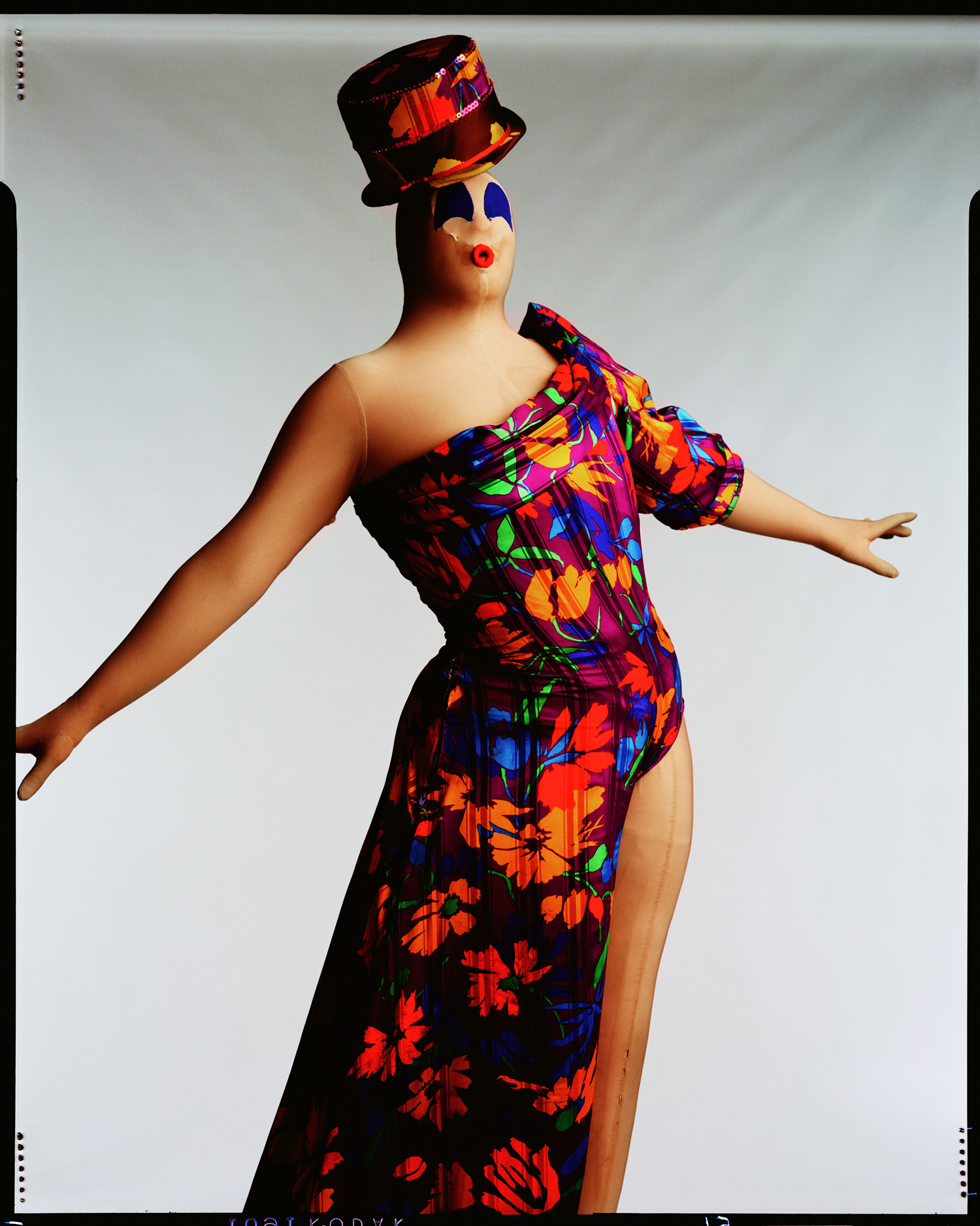
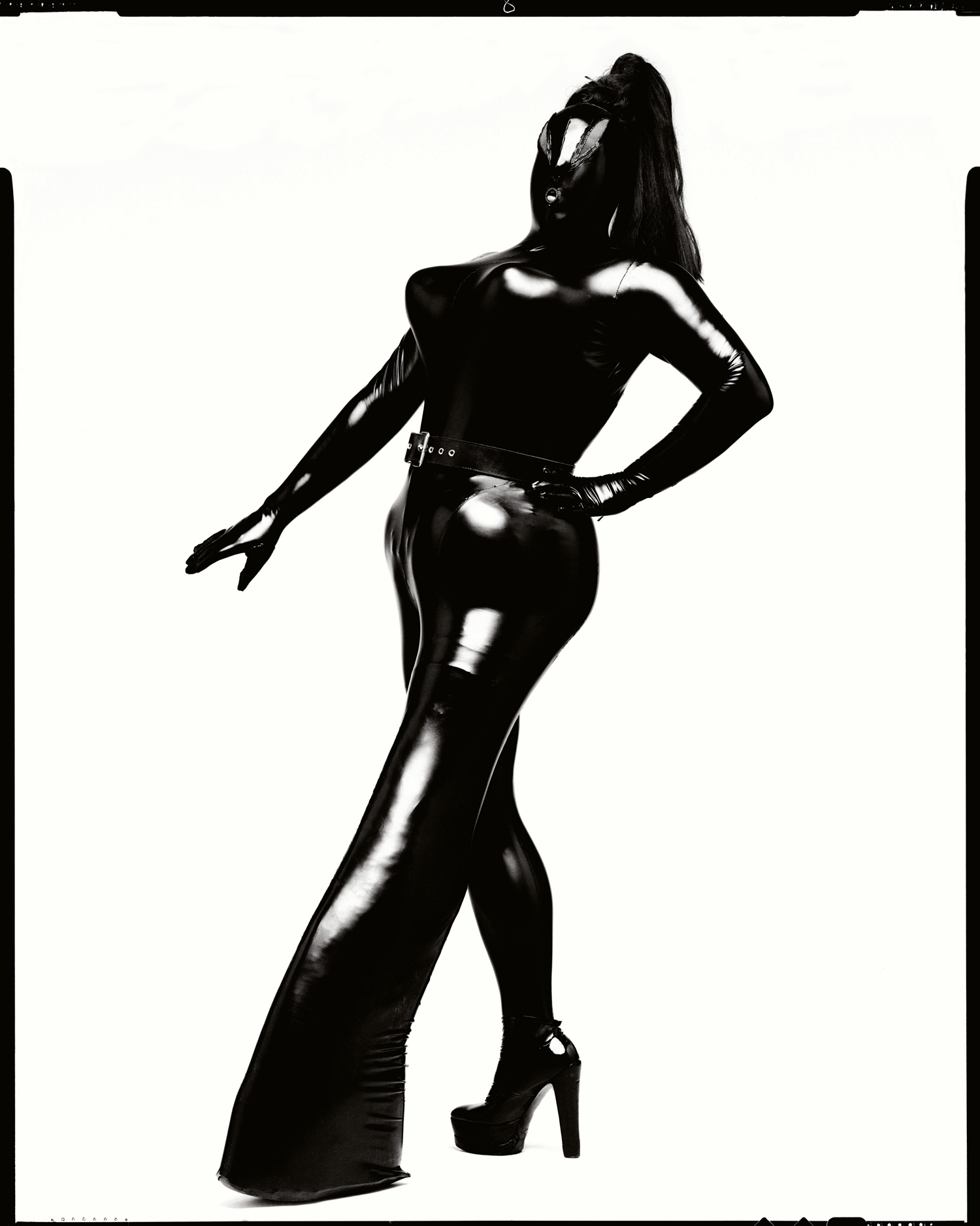
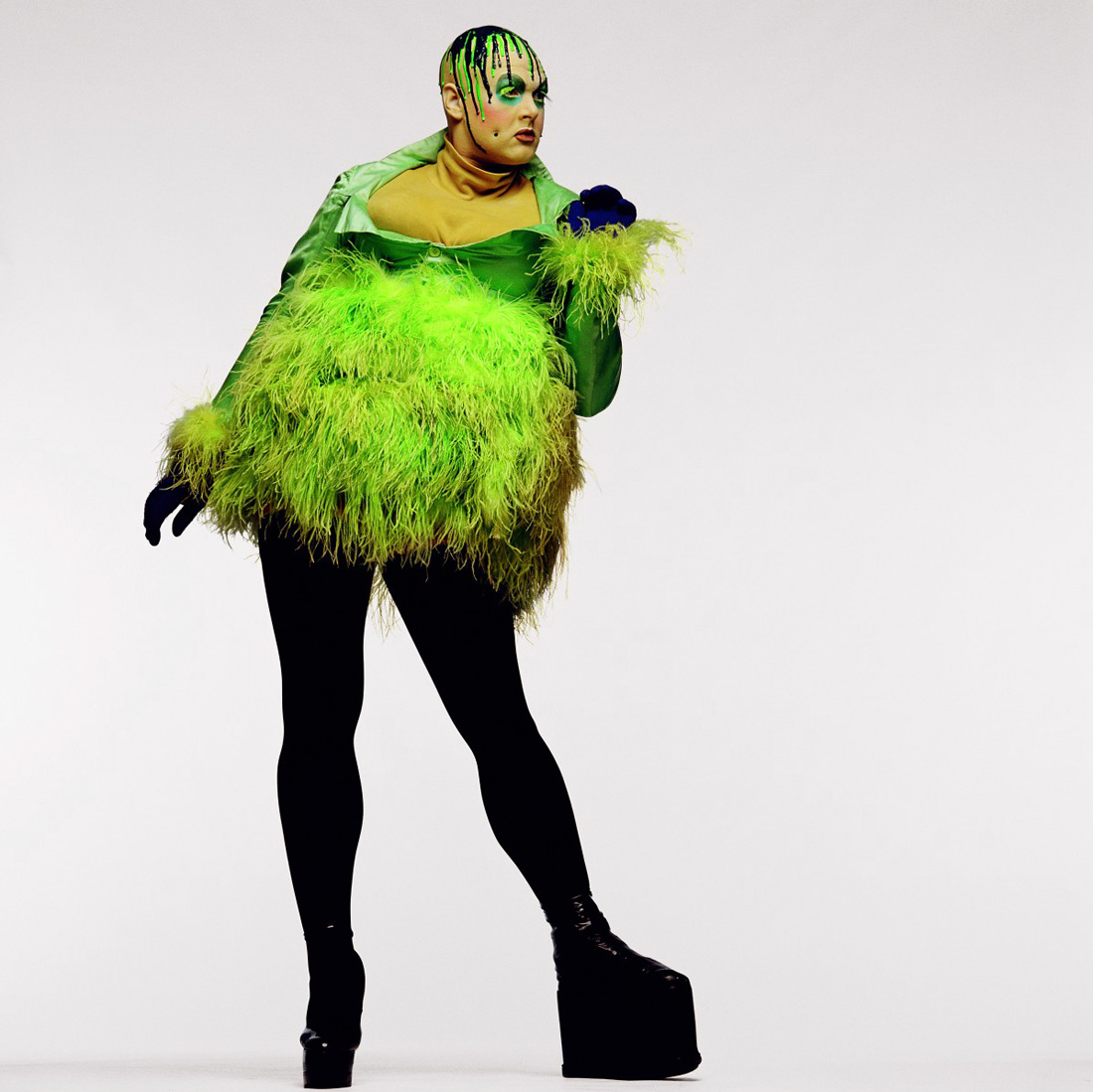
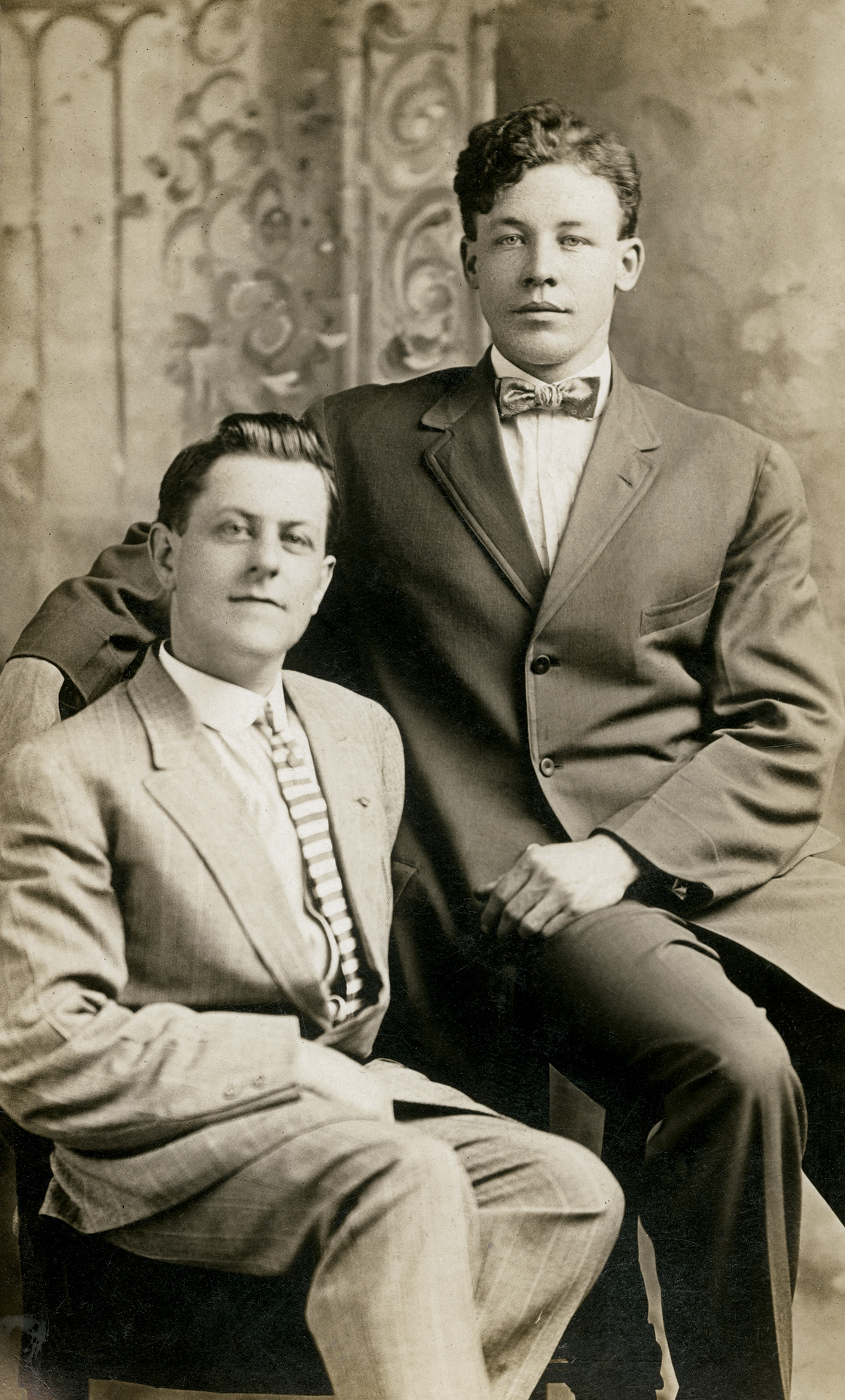
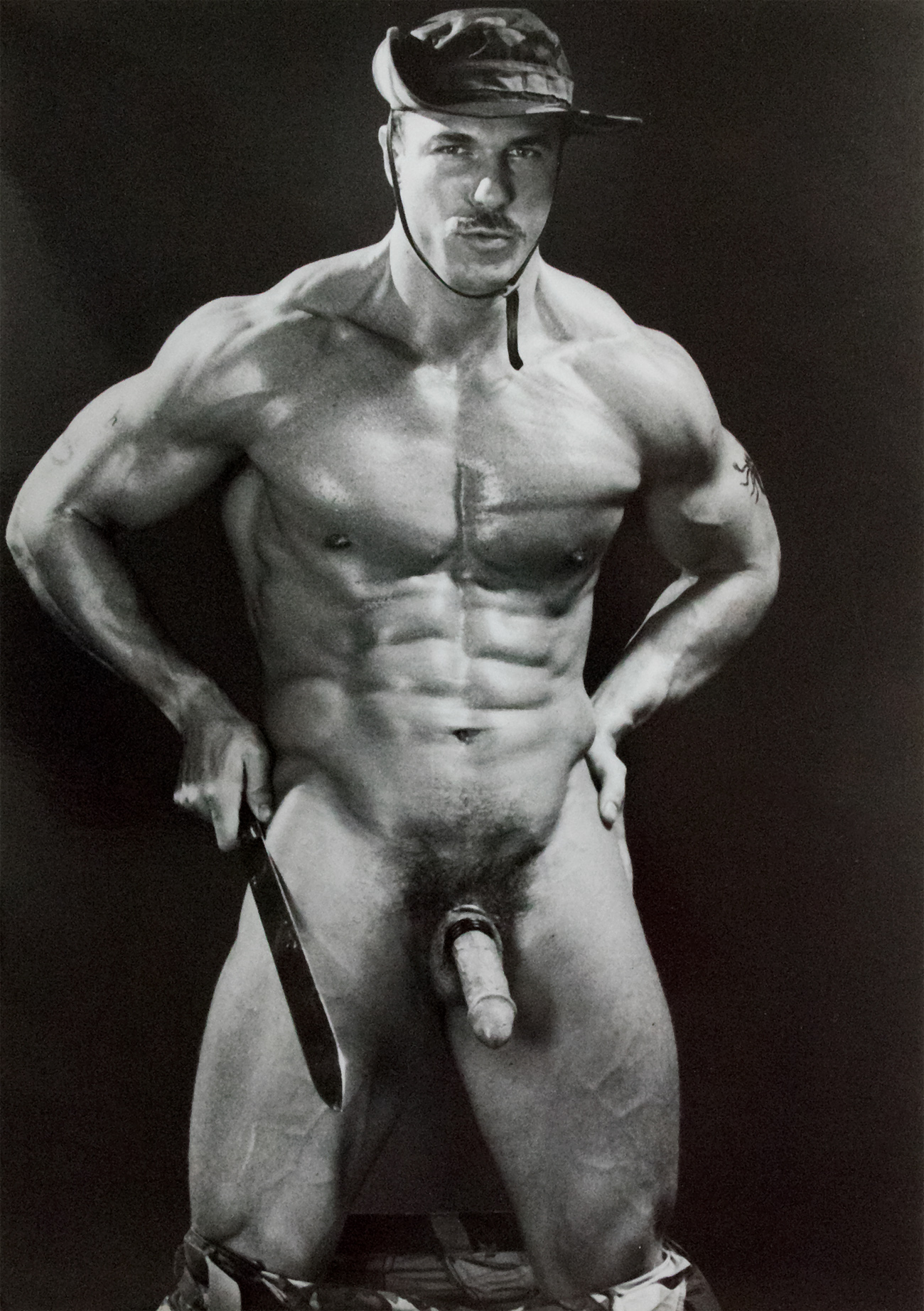
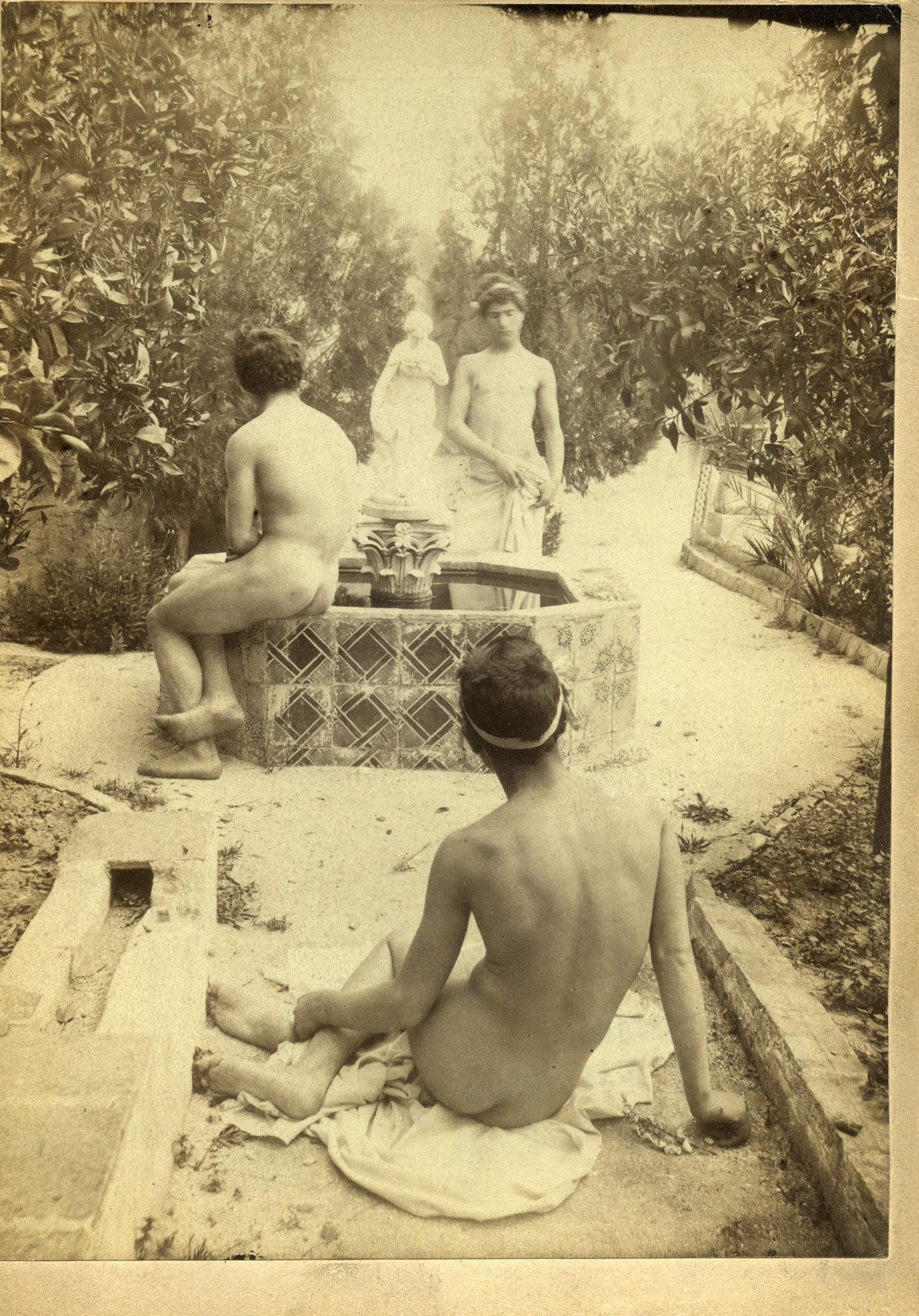
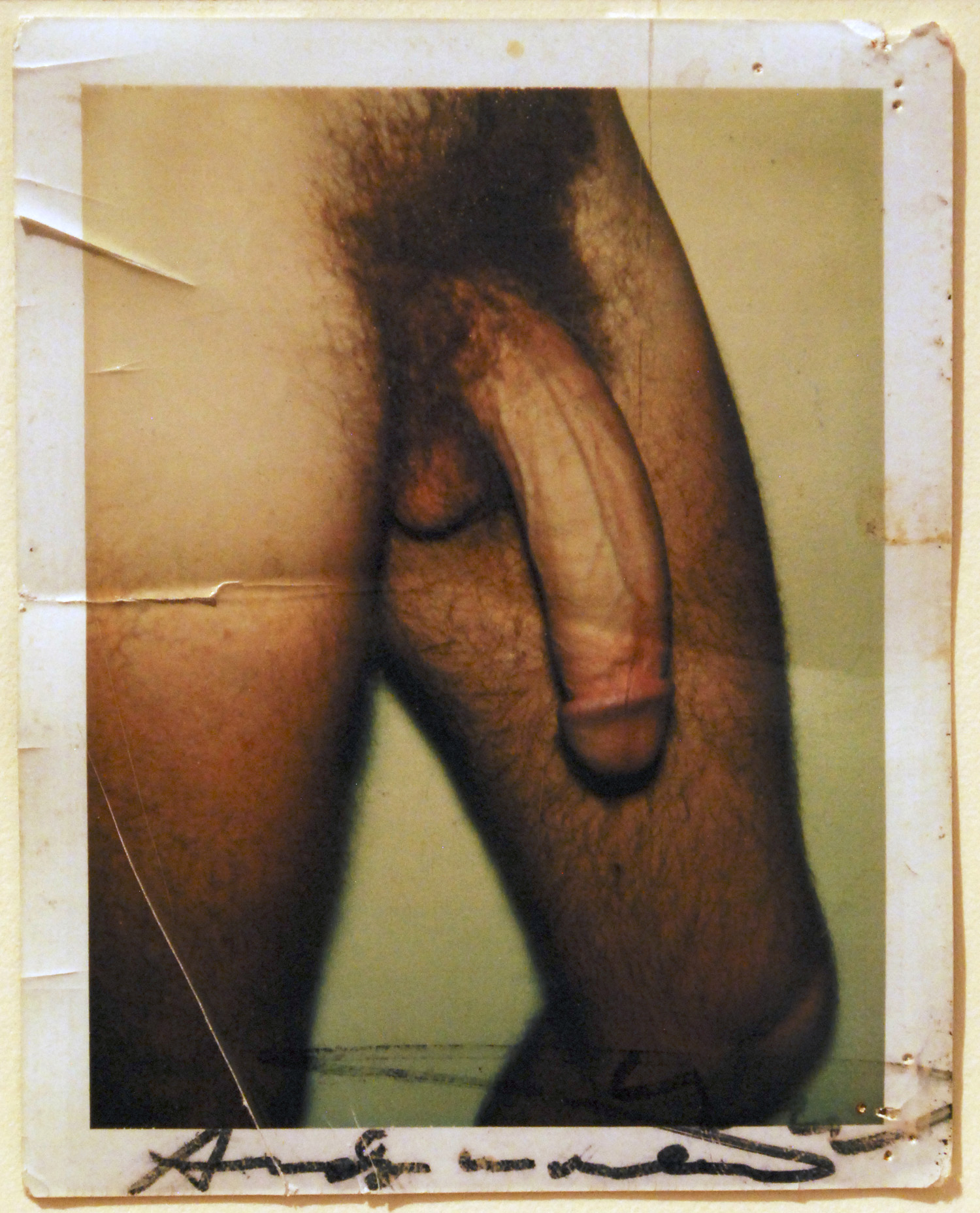
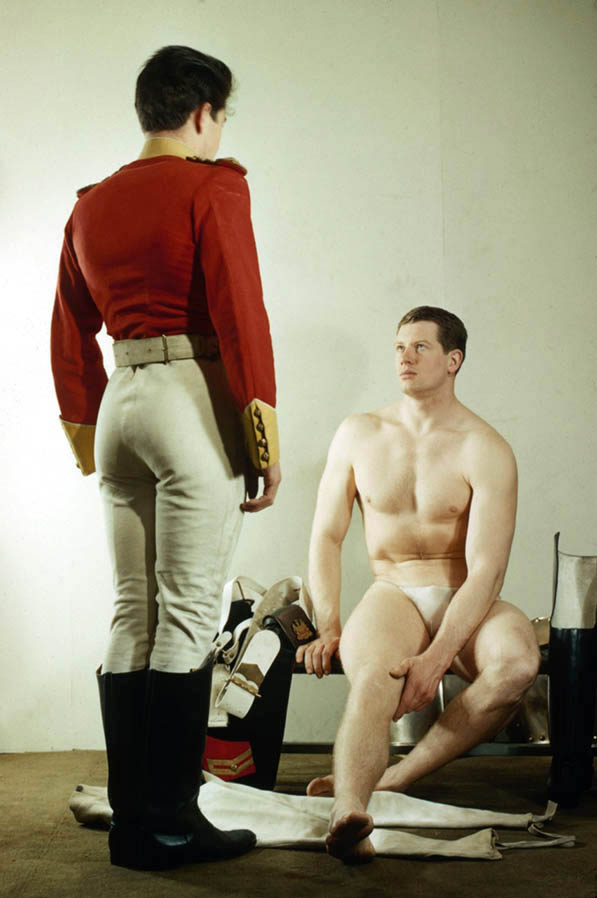
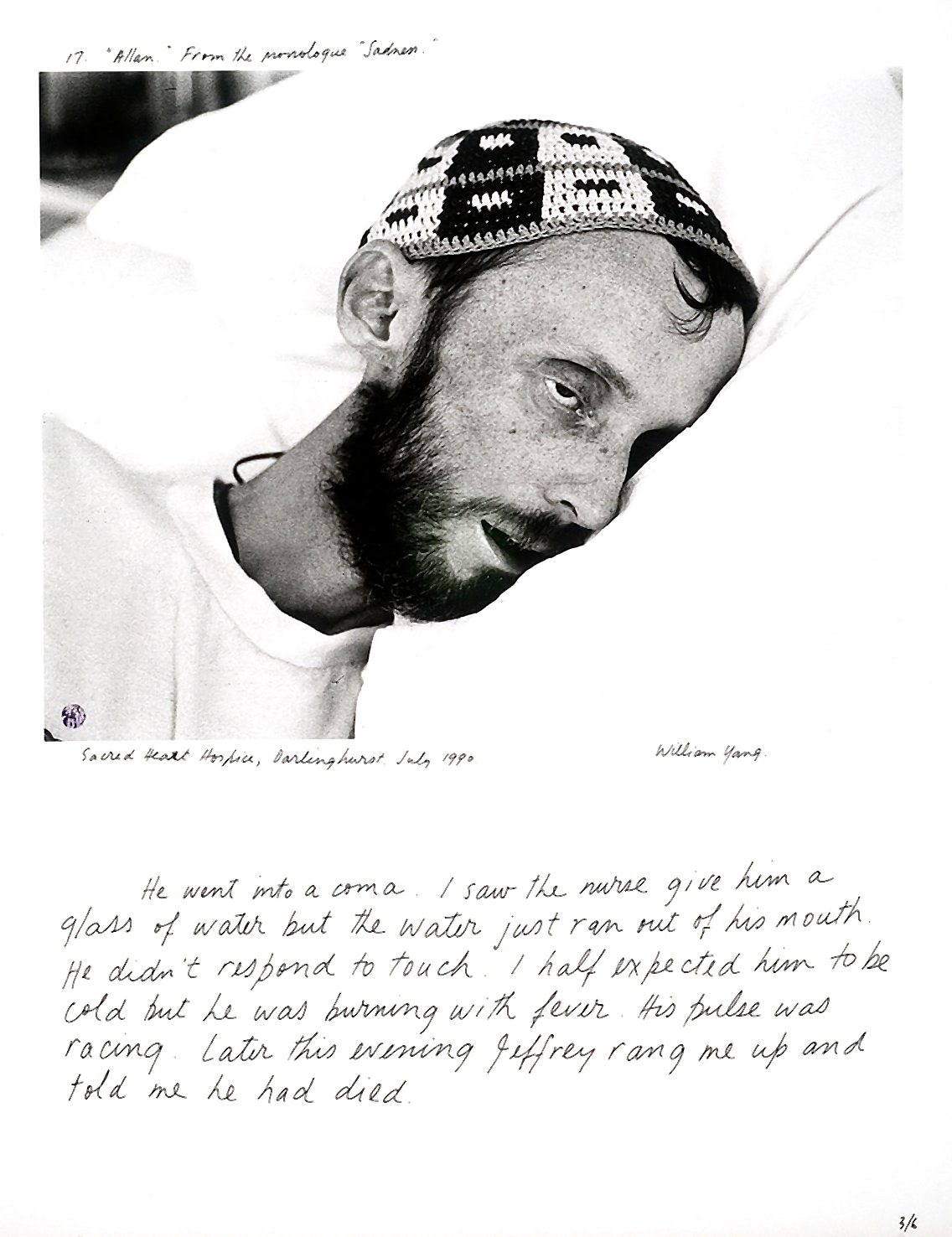
![Unknown photographer. 'Untitled [Auschwitz victim]' Nd](https://artblart.com/wp-content/uploads/2017/11/unknown-photographer-untitled-auschwitz-victim-nd-web.jpg "Unknown photographer. 'Untitled [Auschwitz victim]' N")
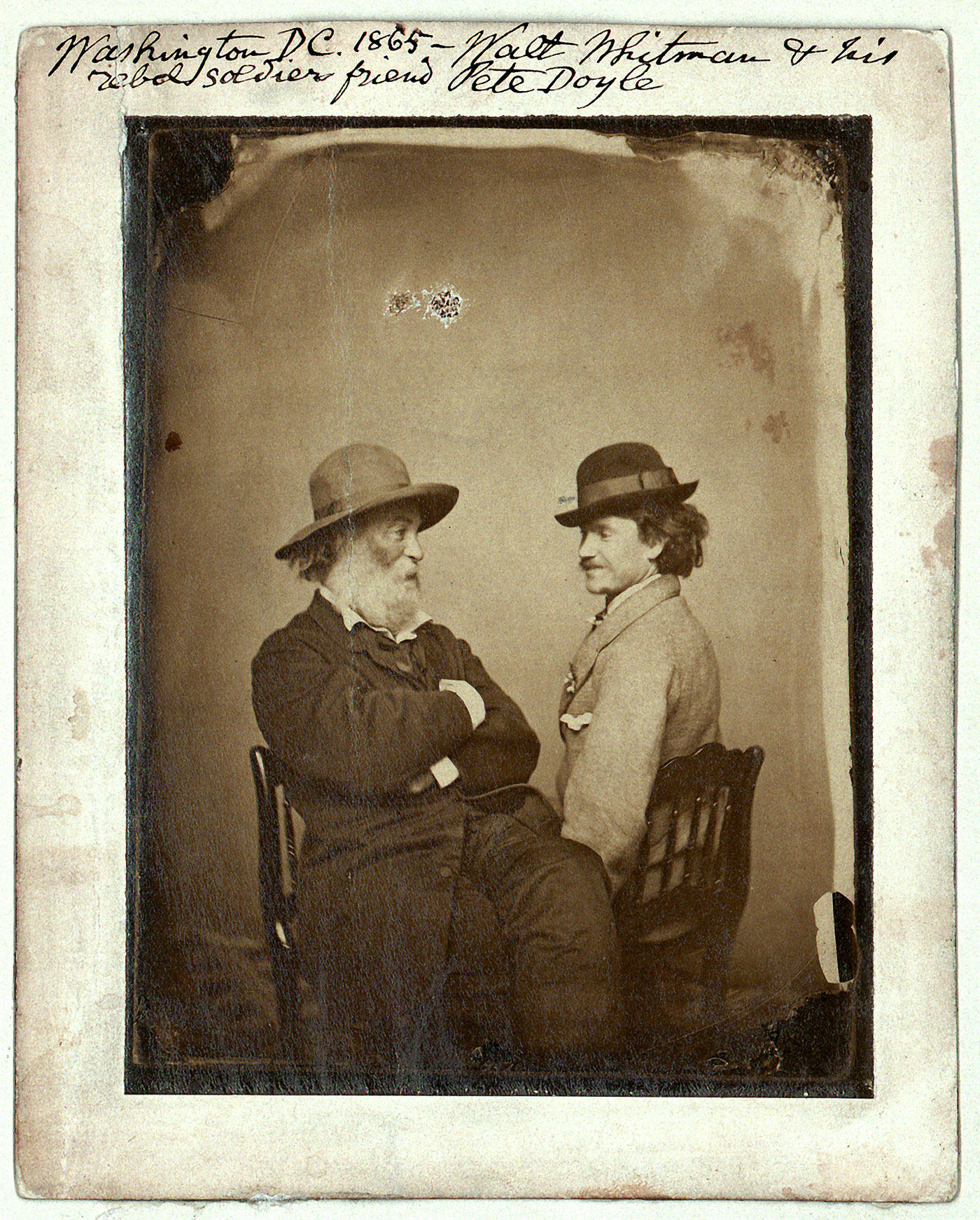
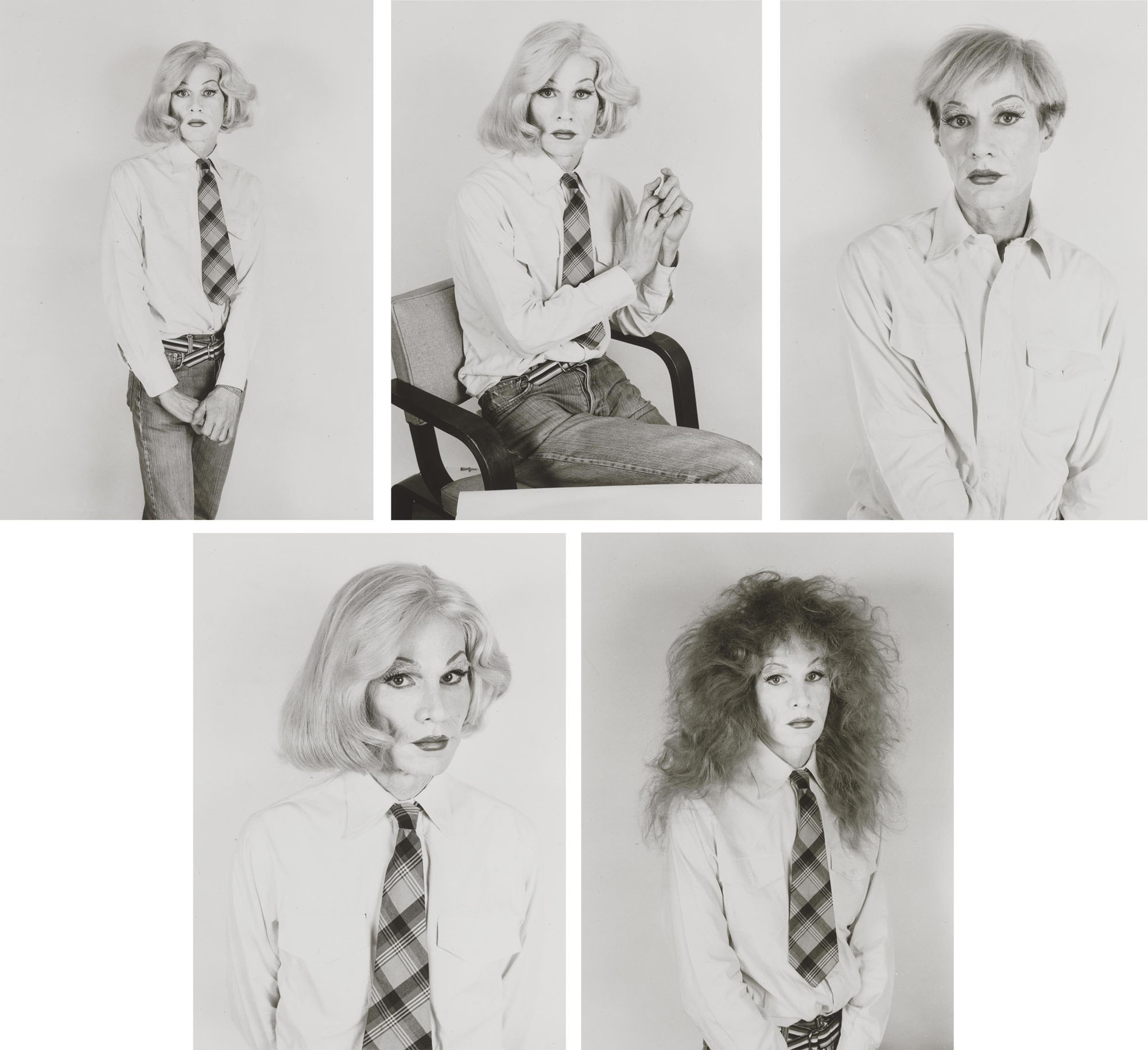


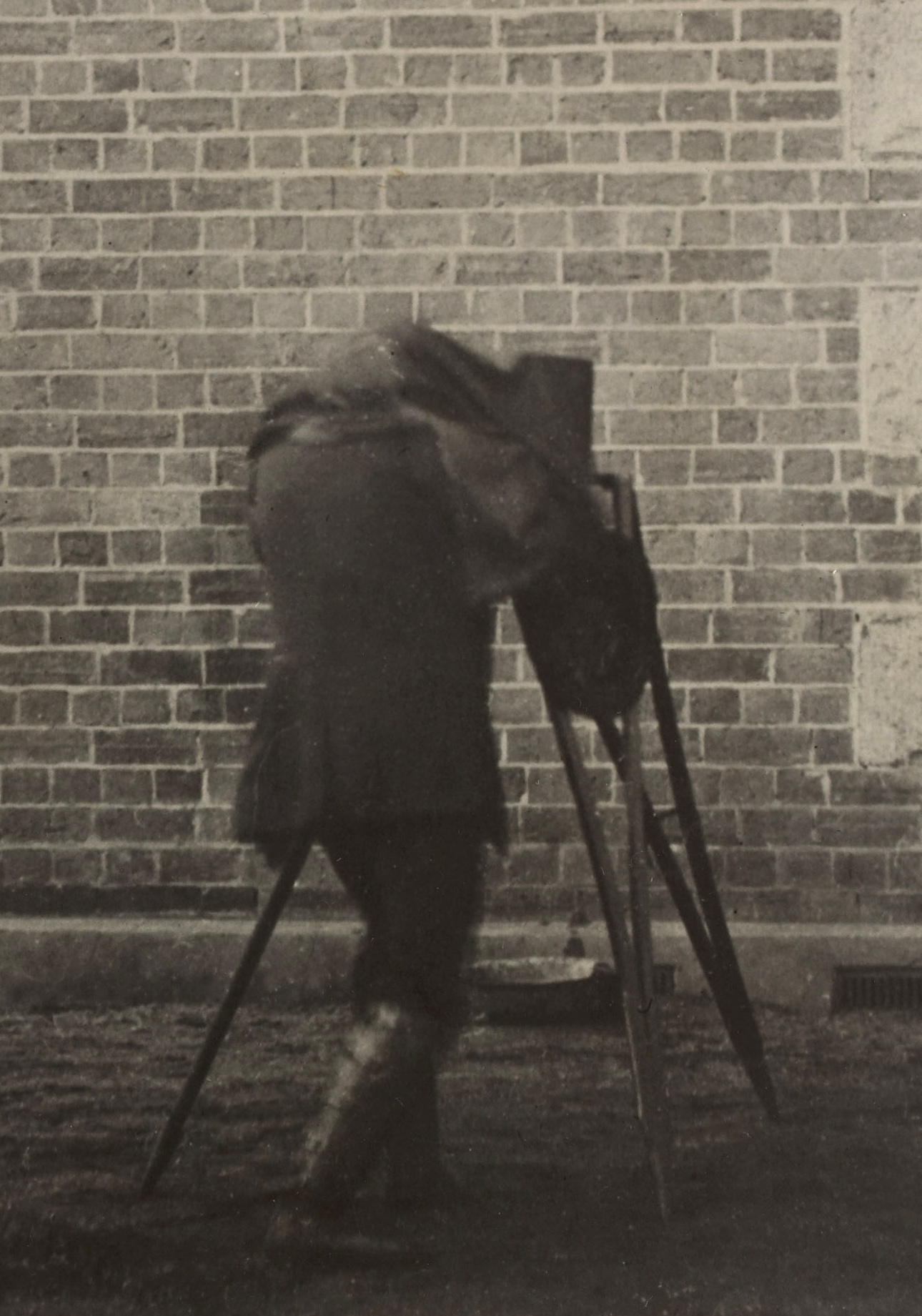

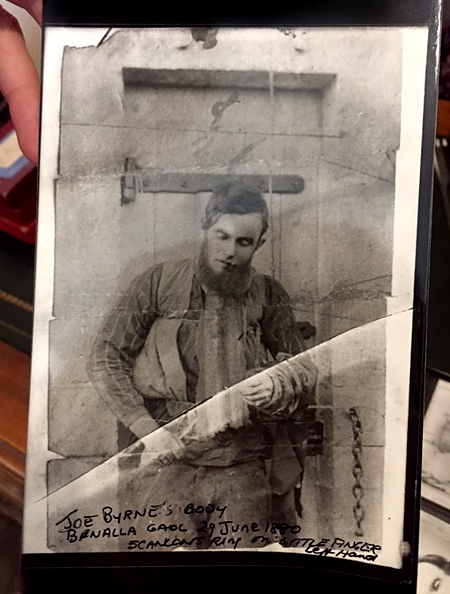

![Unknown photographer. 'Untitled [Portrait of Tracker Johnny from Maryborough District one of five trackers who helped track Ned Kelly]' c. 1880](https://artblart.com/wp-content/uploads/2017/10/portrait-of-tracker-johnny-from-maryborough-district-web.jpg "Unknown photographer. 'Untitled [Portrait of Tracker Johnny from Maryborough District one of five trackers who helped track Ned Kelly]' c. 1880")


![J. E. Bray (Australian, 1832-1891) 'Untitled ["McDonnell's Tavern opposite Railway Station, remains of Dan Kelly and Hart in coffins"]' 1880](https://artblart.com/wp-content/uploads/2017/10/bray-je-mcdonnells-railway-tavern-web.jpg "J. E. Bray (Australian, 1832-1891) 'Untitled [\"McDonnell's Tavern opposite Railway Station, remains of Dan Kelly and Hart in coffins\"]' 1880")
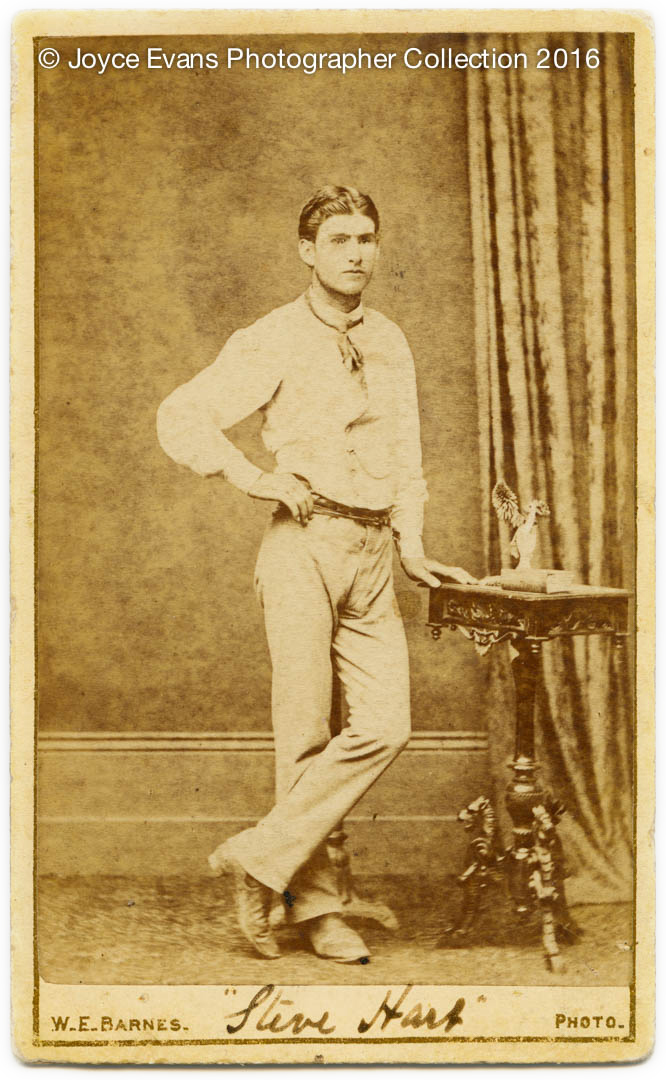


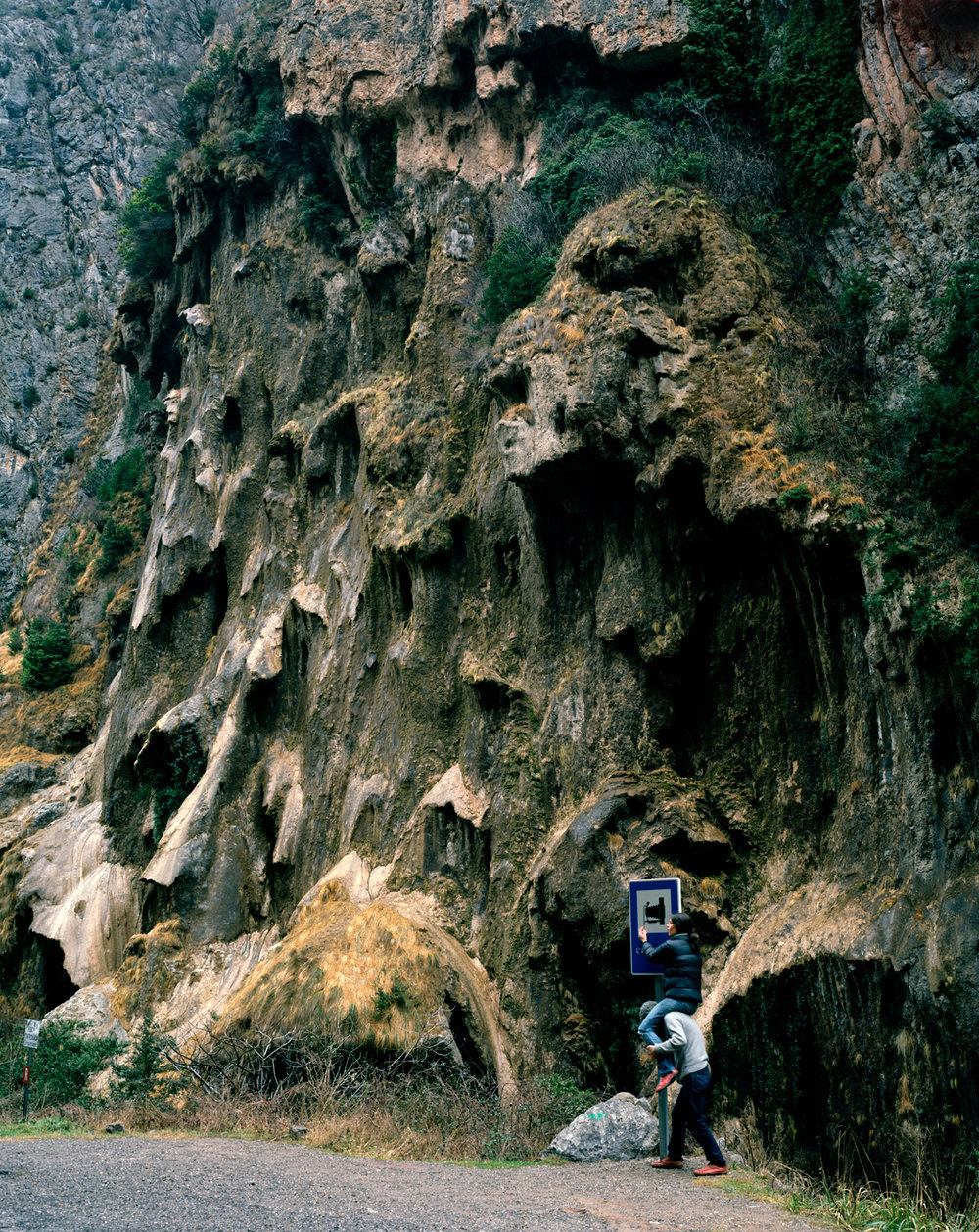


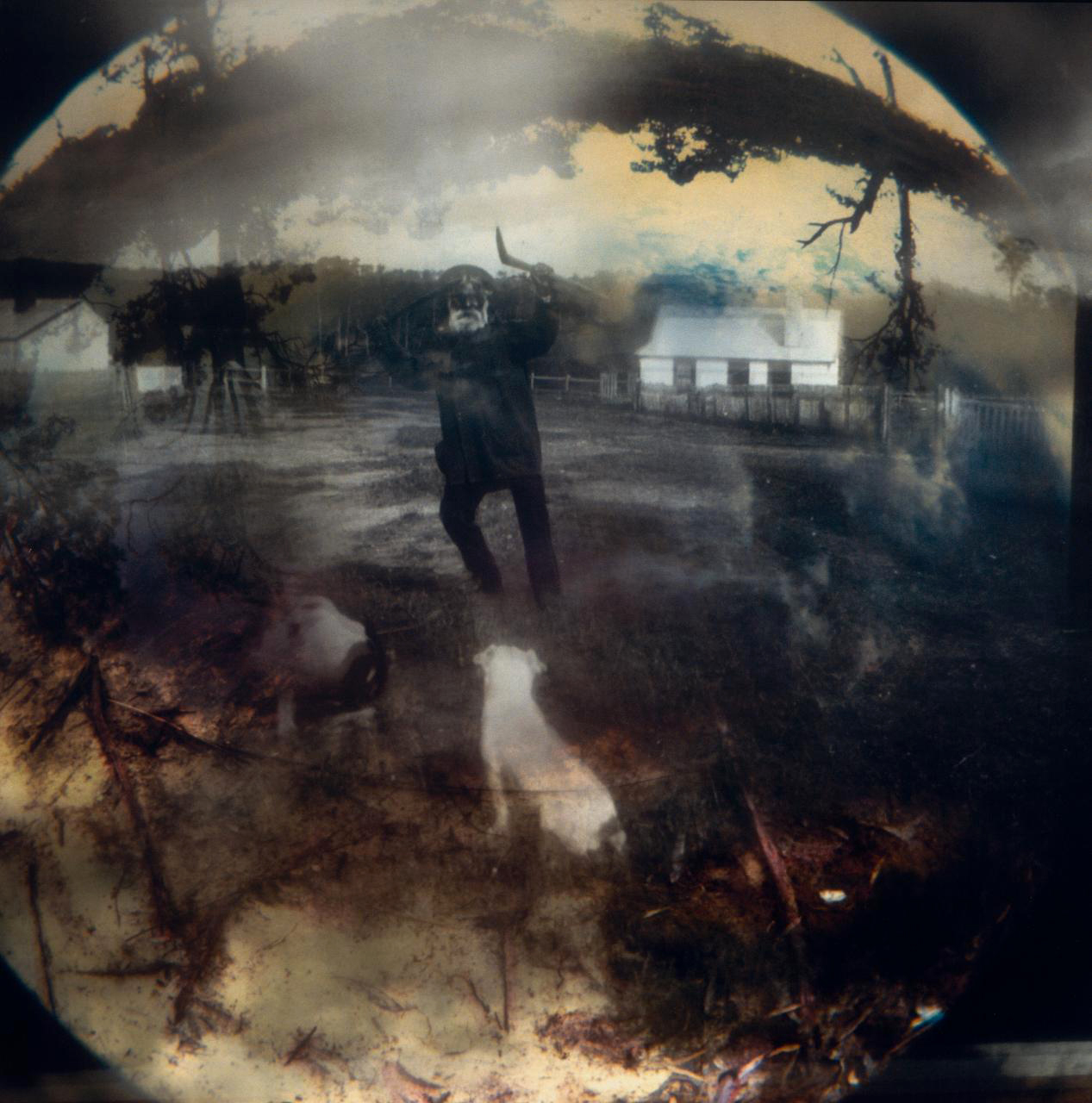

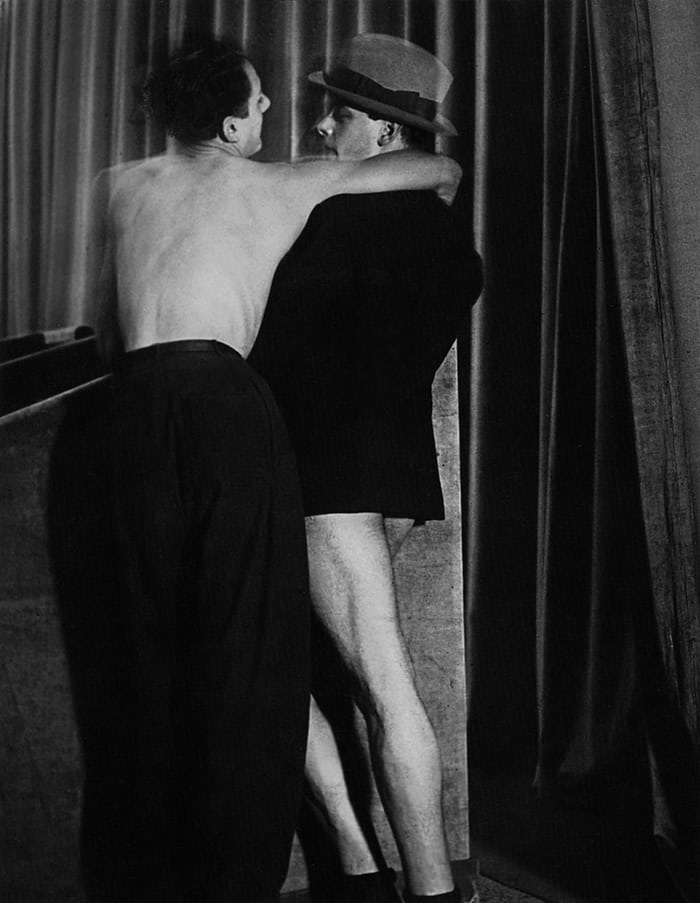


![Installation view of the exhibition 'An Unorthodox Flow of Images' at the Centre for Contemporary Photography (CCP), Melbourne, September - November 2017 showing (7) J. E. Bray's 'Untitled ["McDonnell's Tavern opposite Railway Station, remains of Dan Kelly and Hart in coffins"]' 1880 cabinet card (right) and (8) a photograph by an unknown photographer Hunters of Ned Kelly 1880 (left)](https://artblart.com/wp-content/uploads/2017/10/installation-d-web.jpg "Installation view of the exhibition 'An Unorthodox Flow of Images' at the Centre for Contemporary Photography (CCP), Melbourne, September - November 2017 showing (7) J. E. Bray's 'Untitled [\"McDonnell's Tavern opposite Railway Station, remains of Dan Kelly and Hart in coffins\"]' 1880 cabinet card (right) and (8) a photograph by an unknown photographer Hunters of Ned Kelly 1880 (left)")


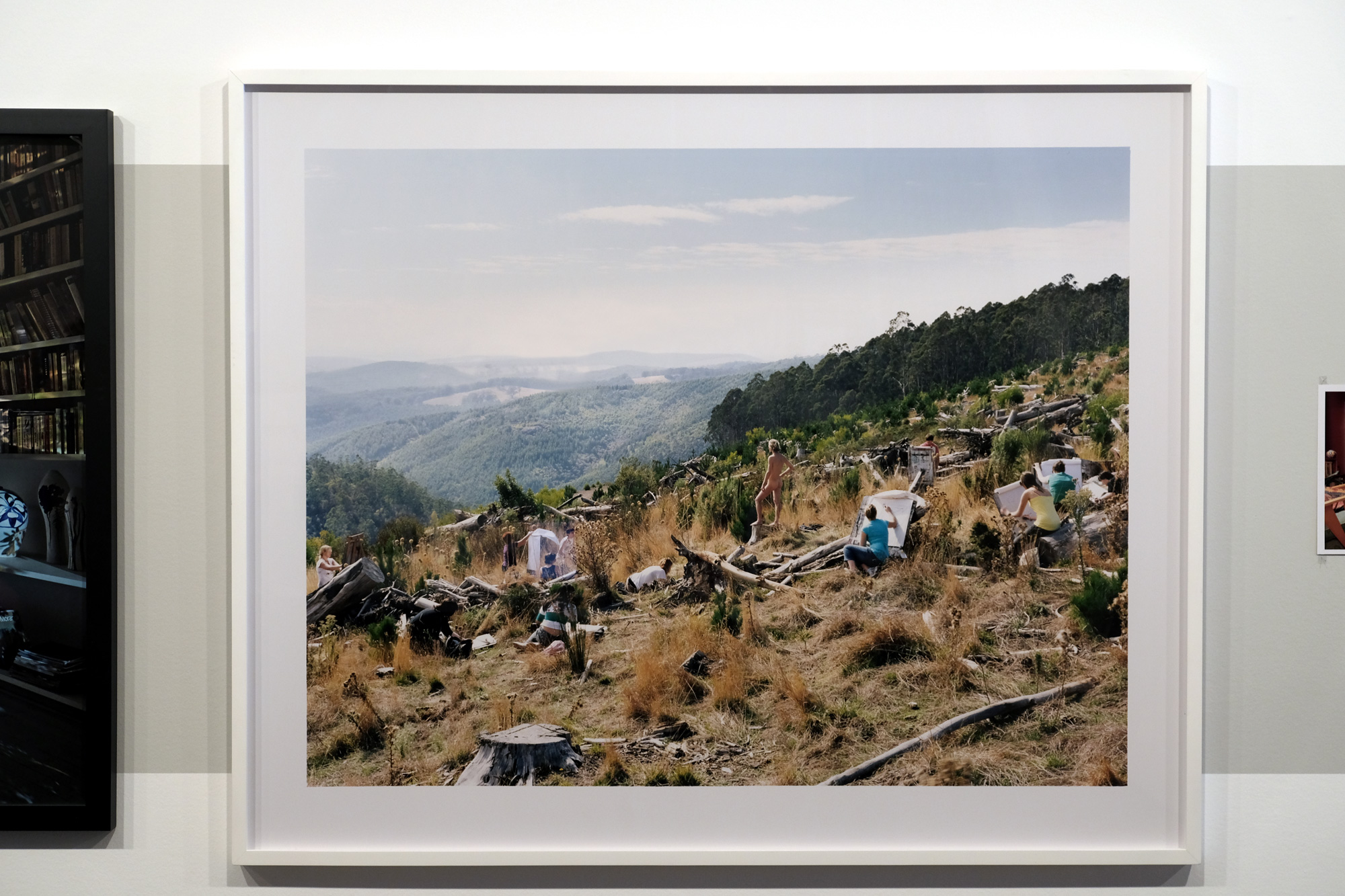


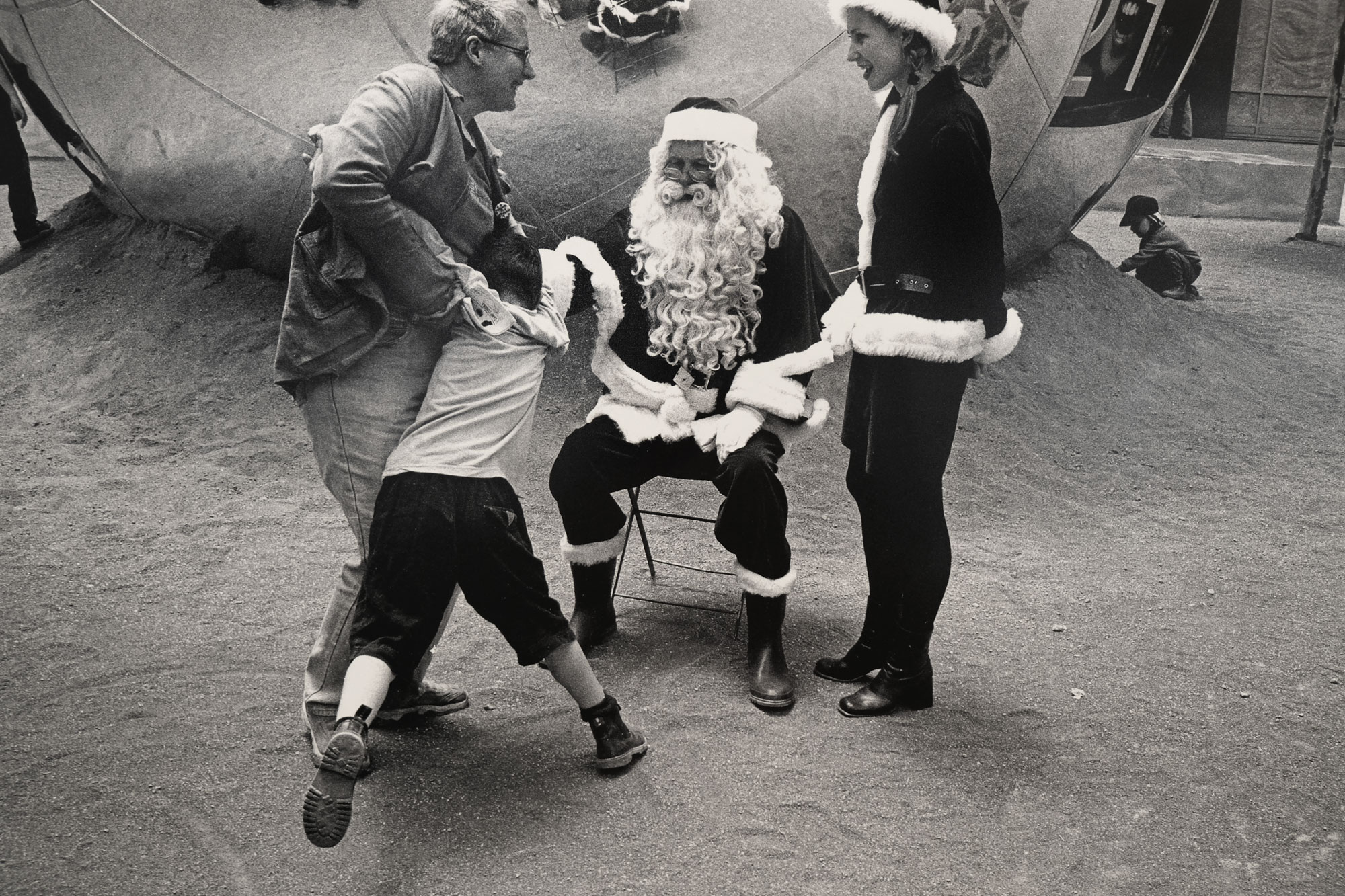
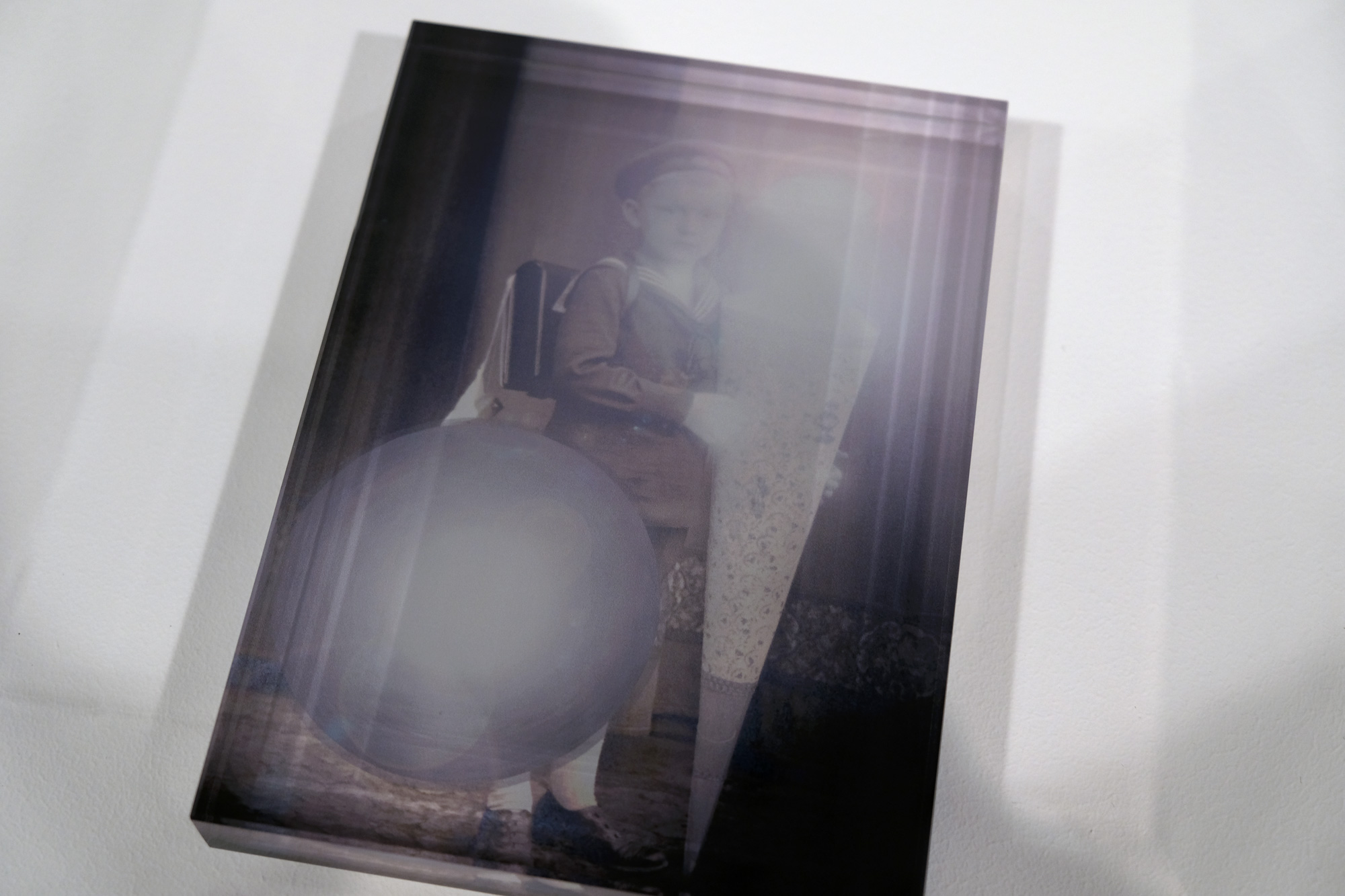


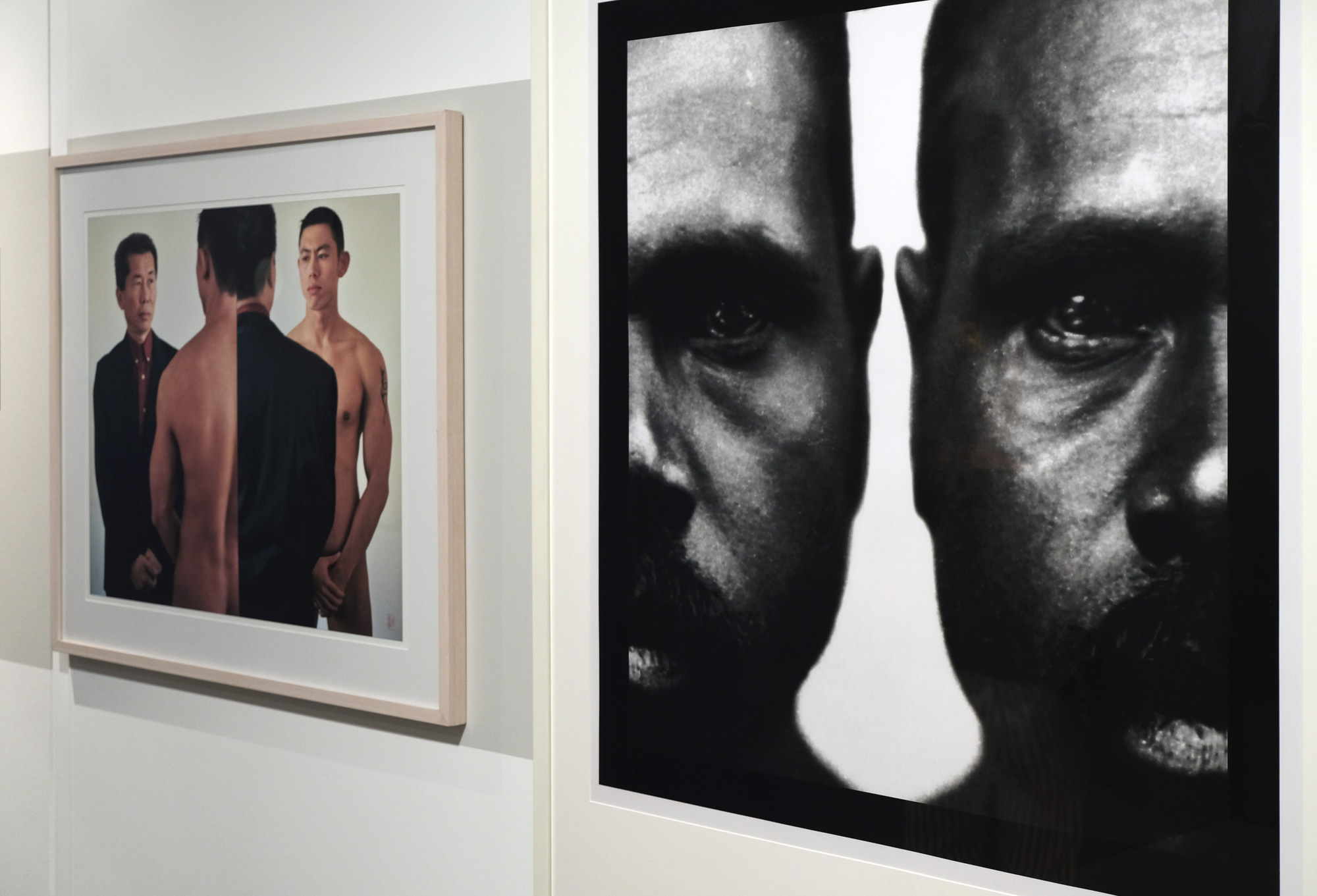


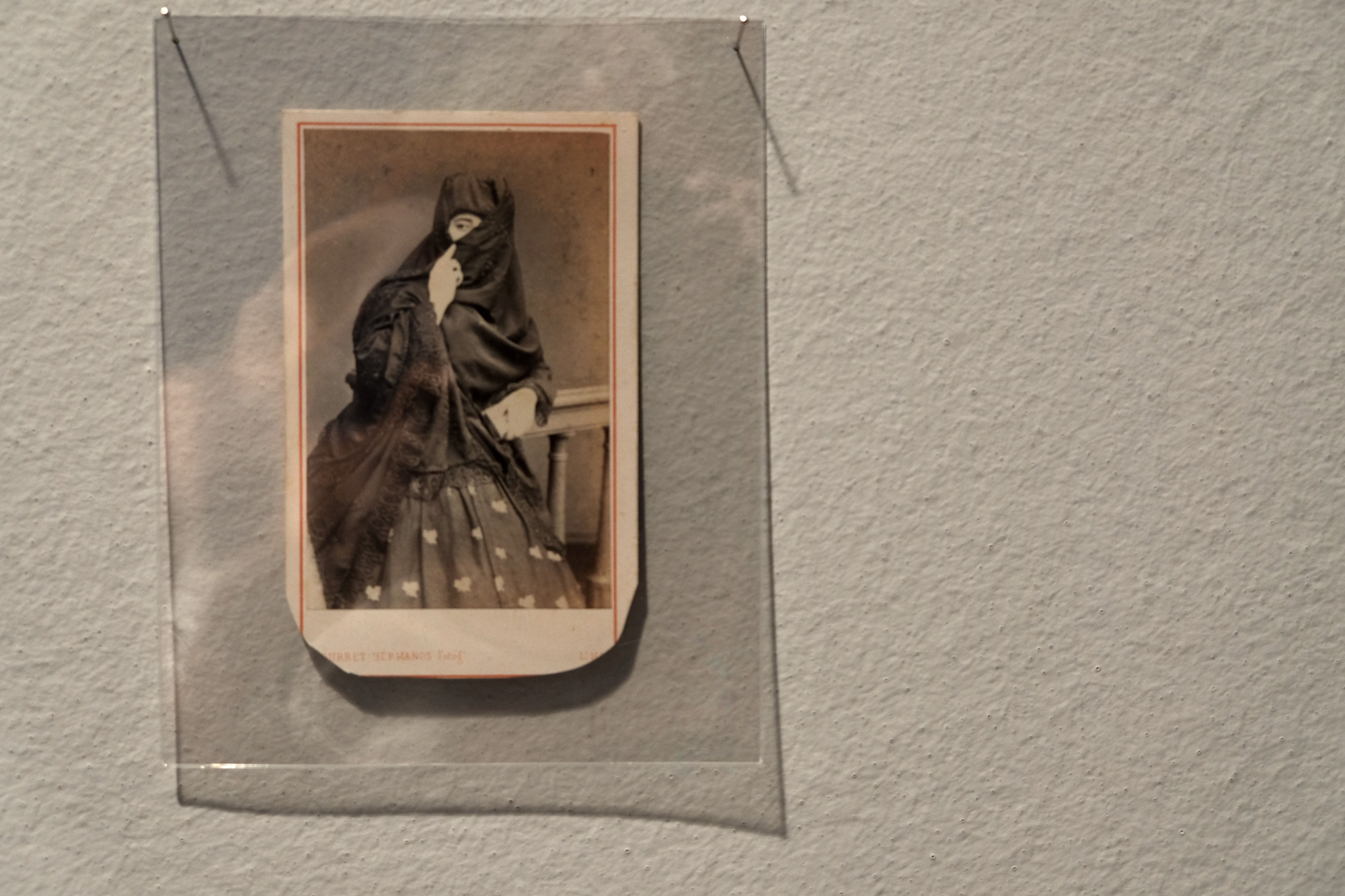


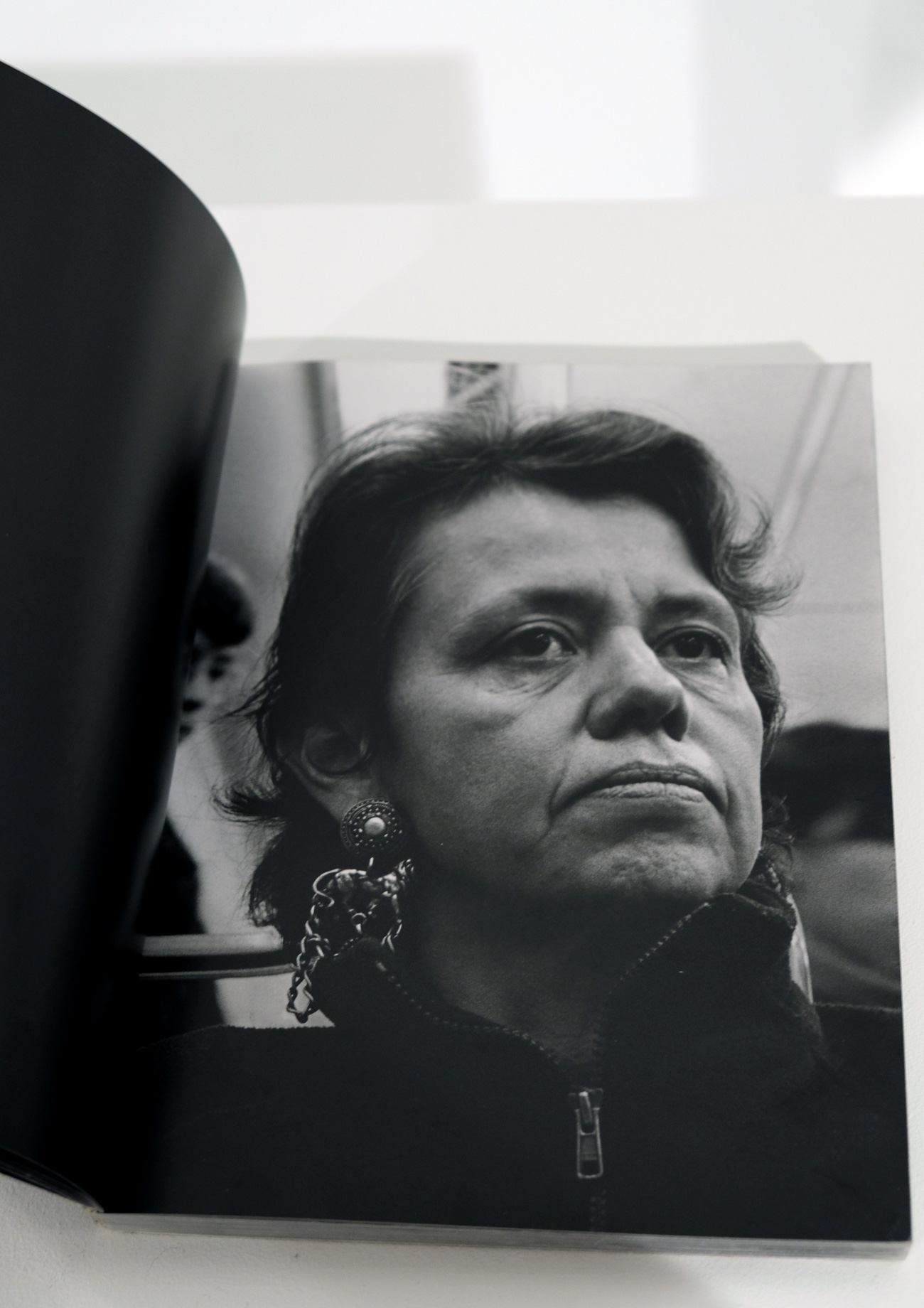


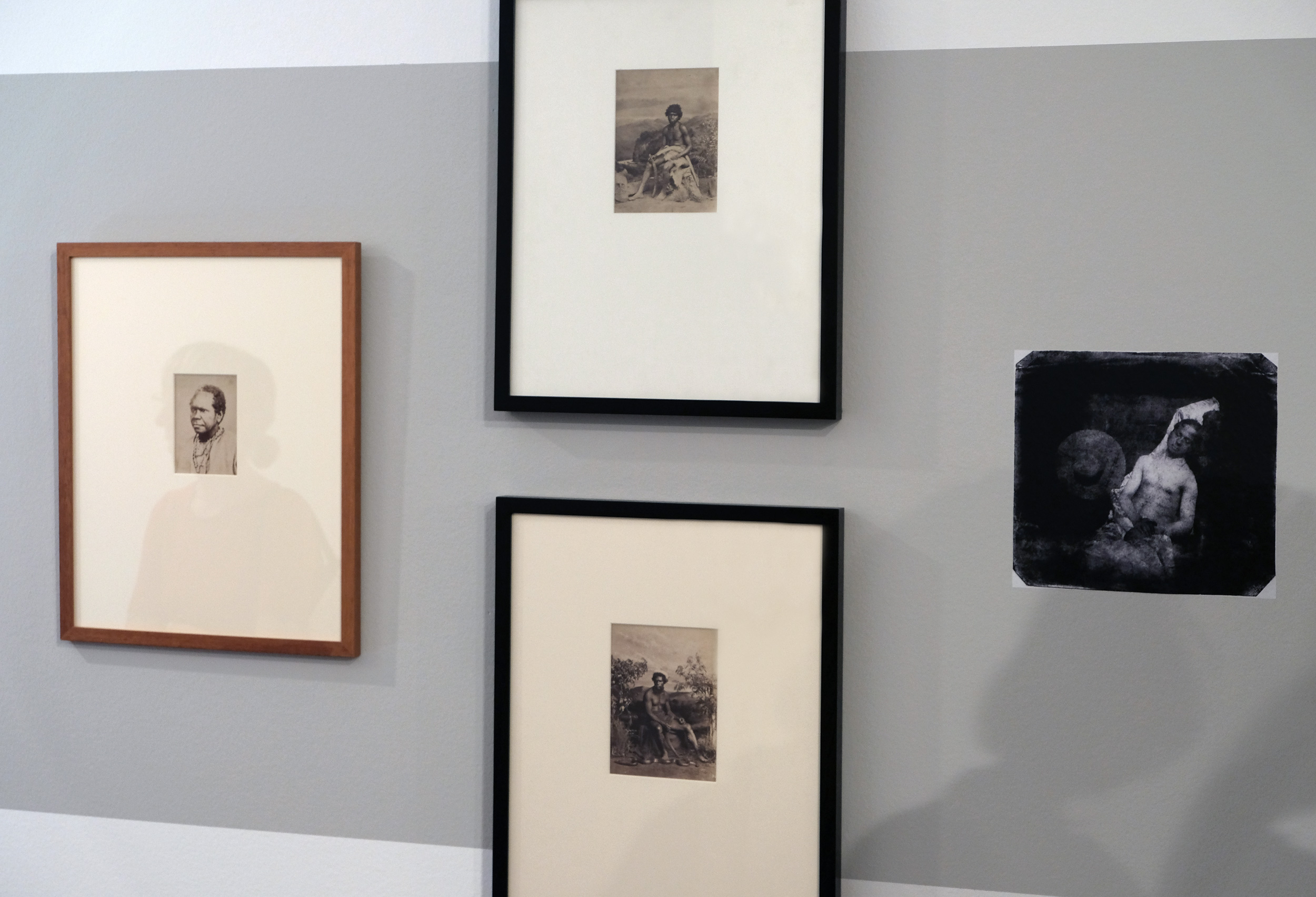


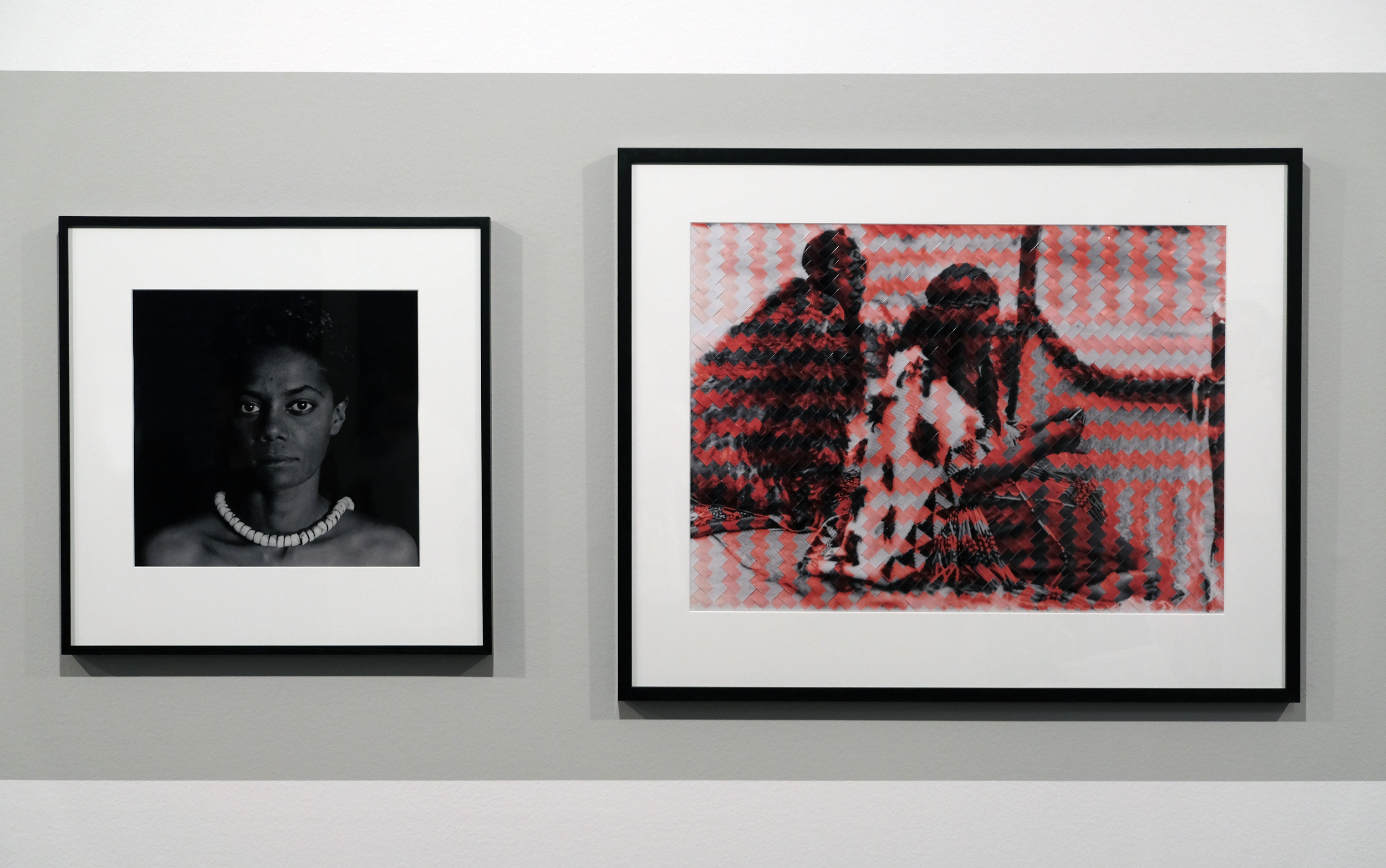


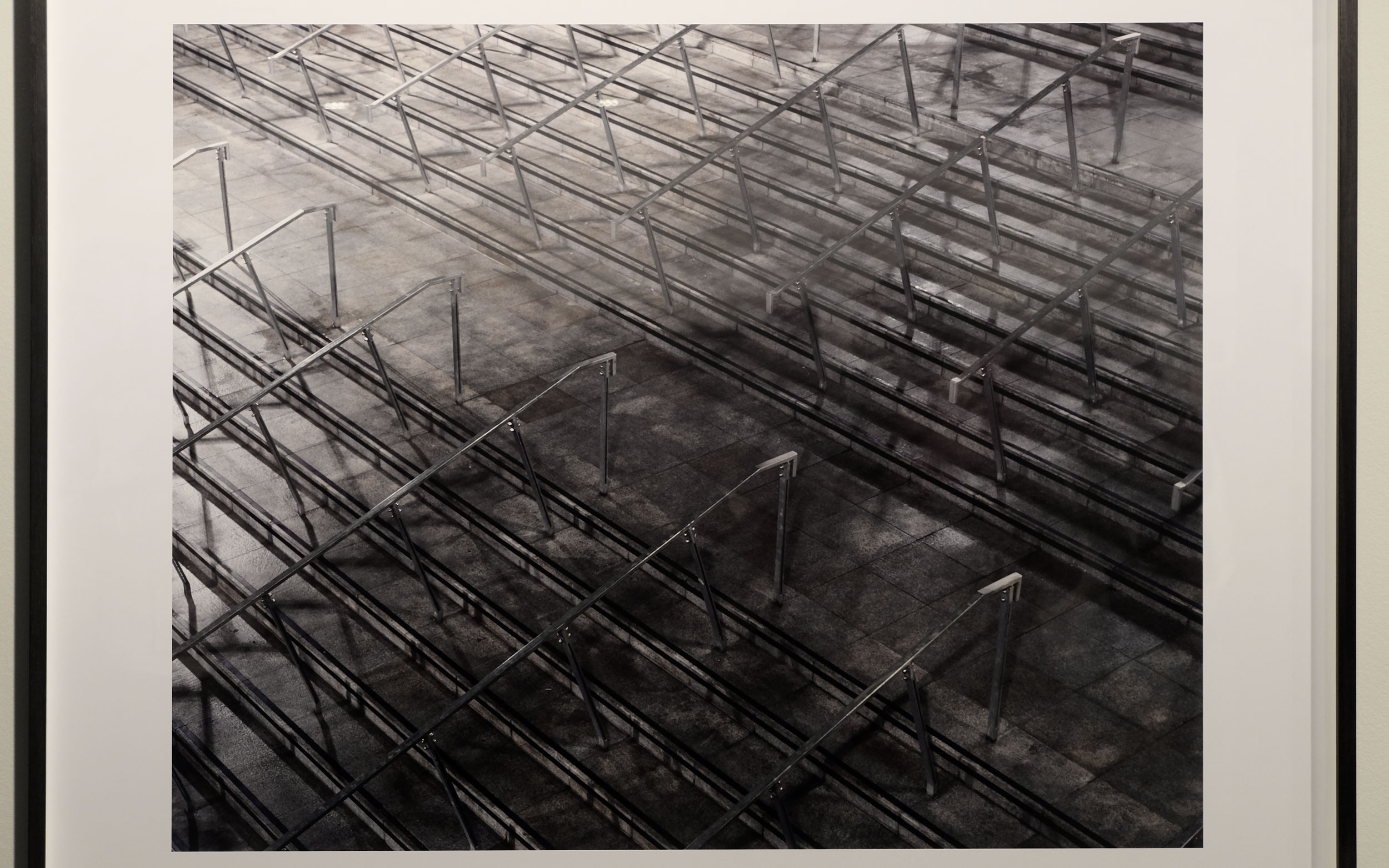
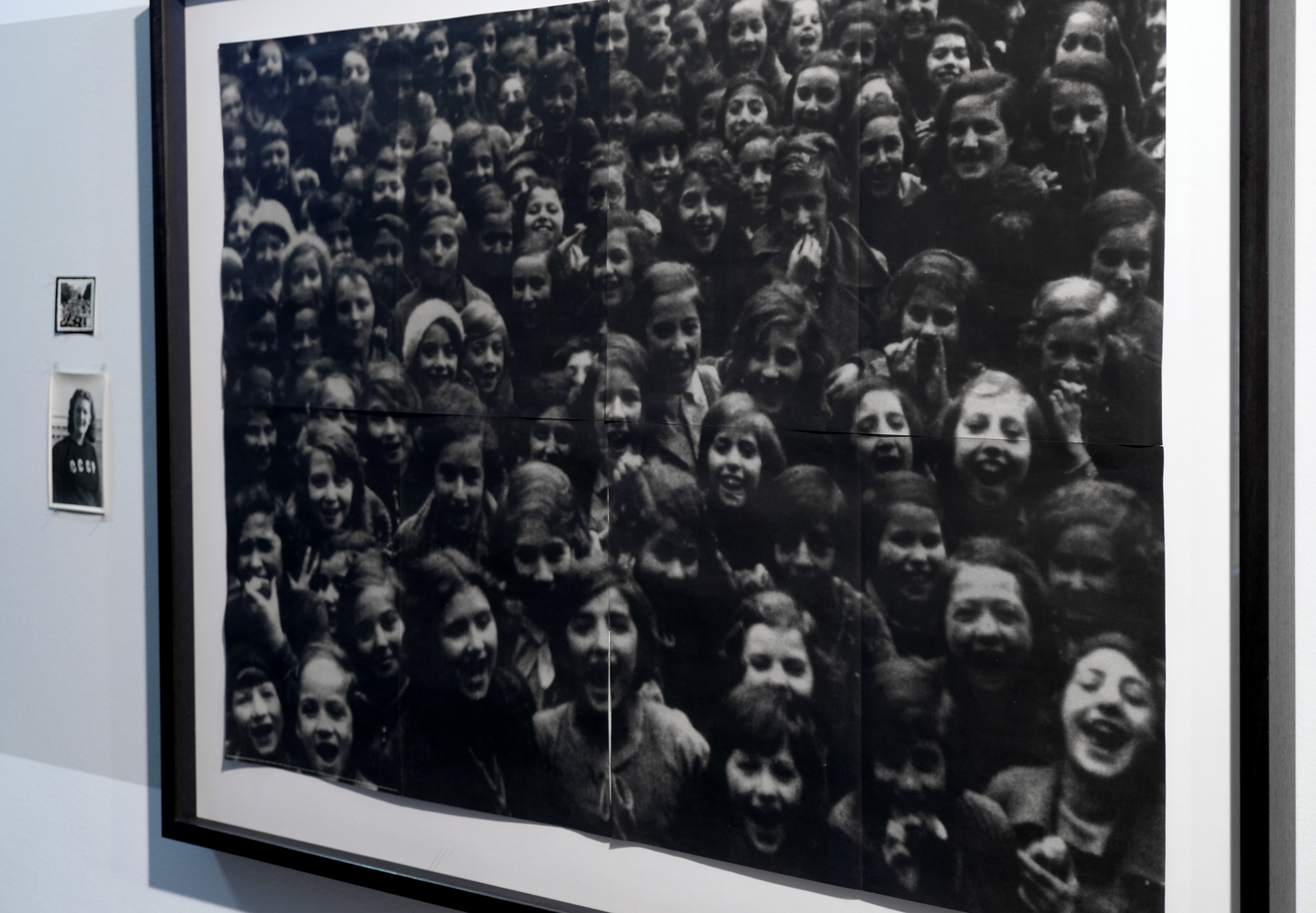


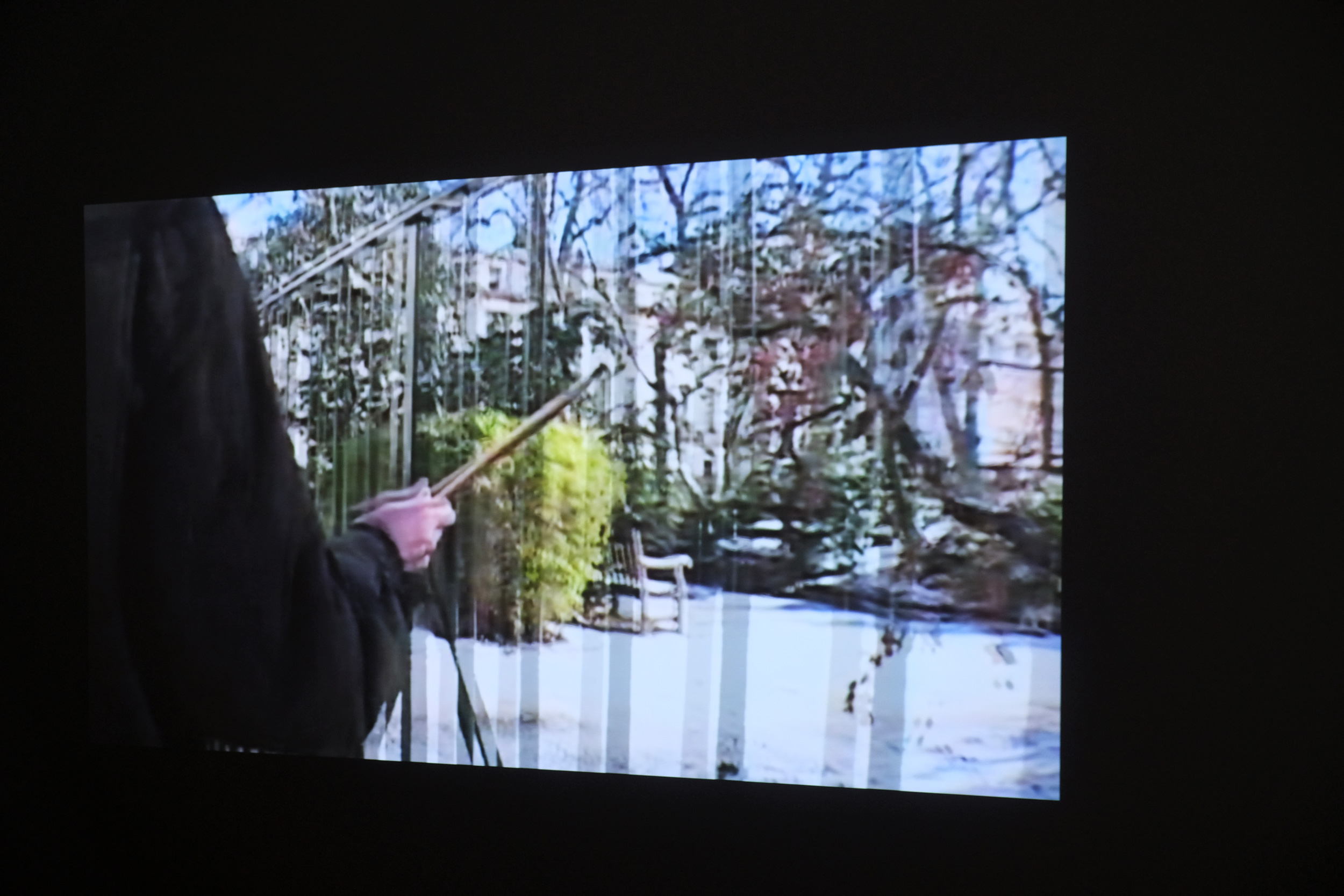







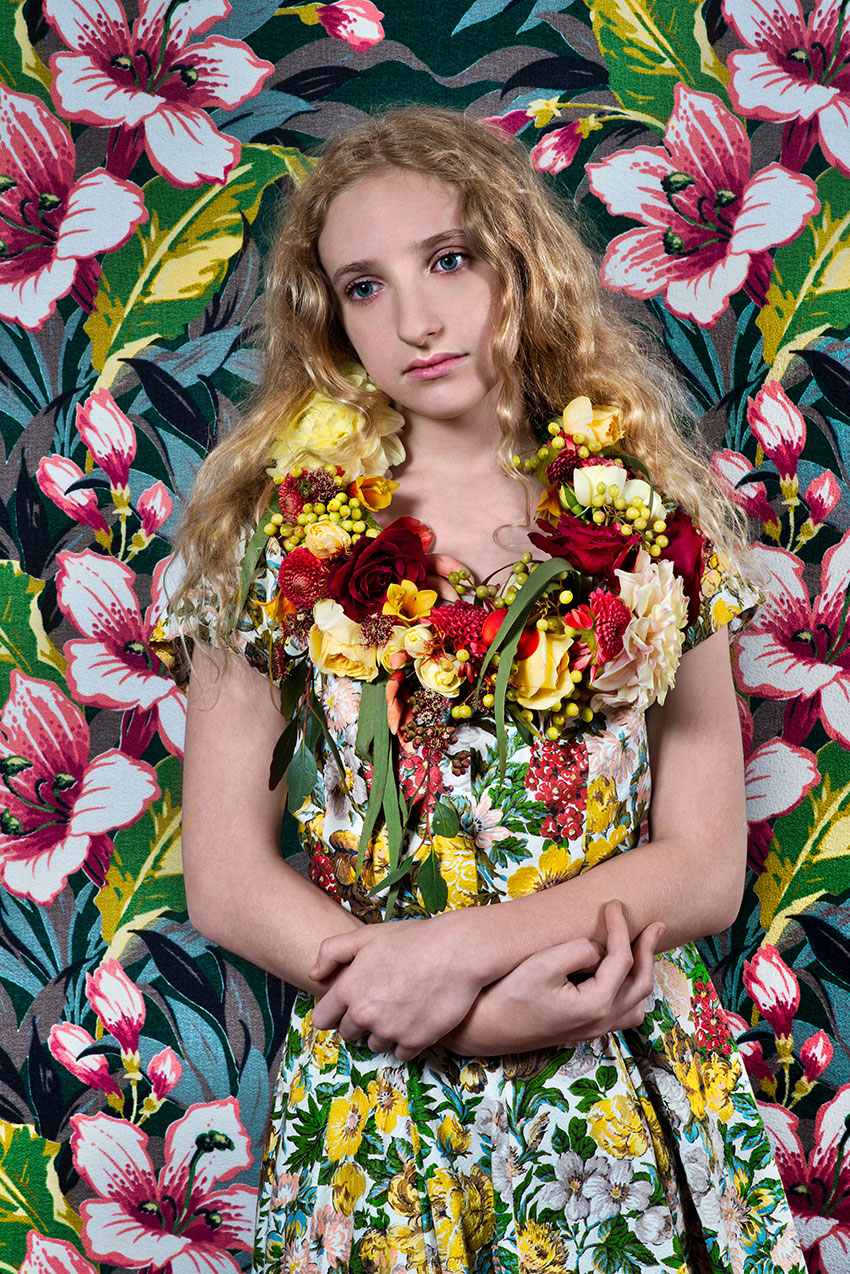

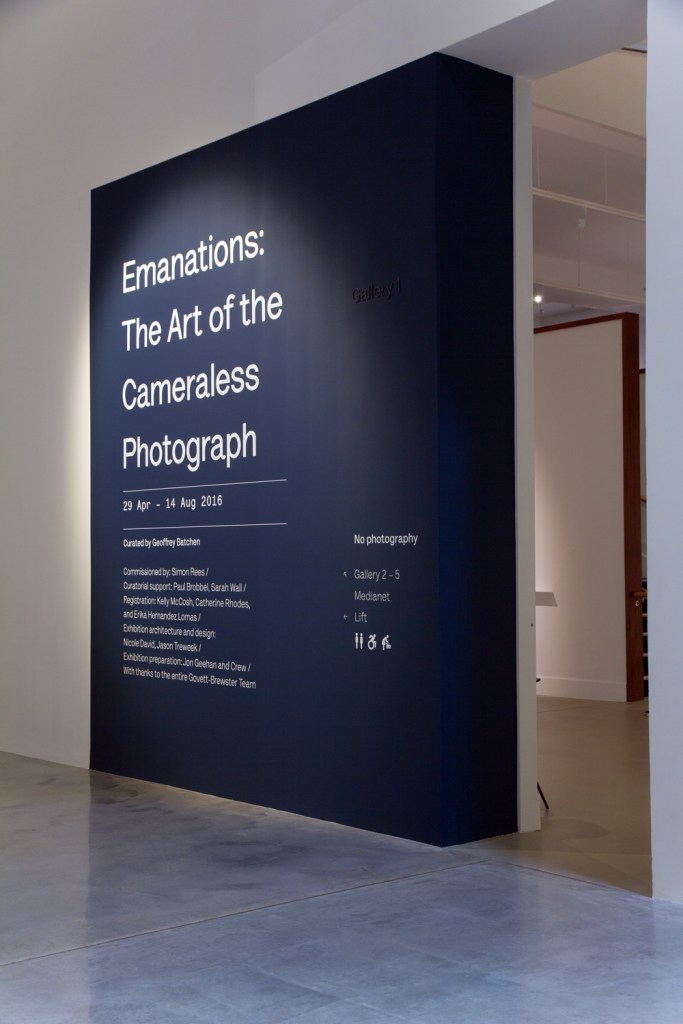
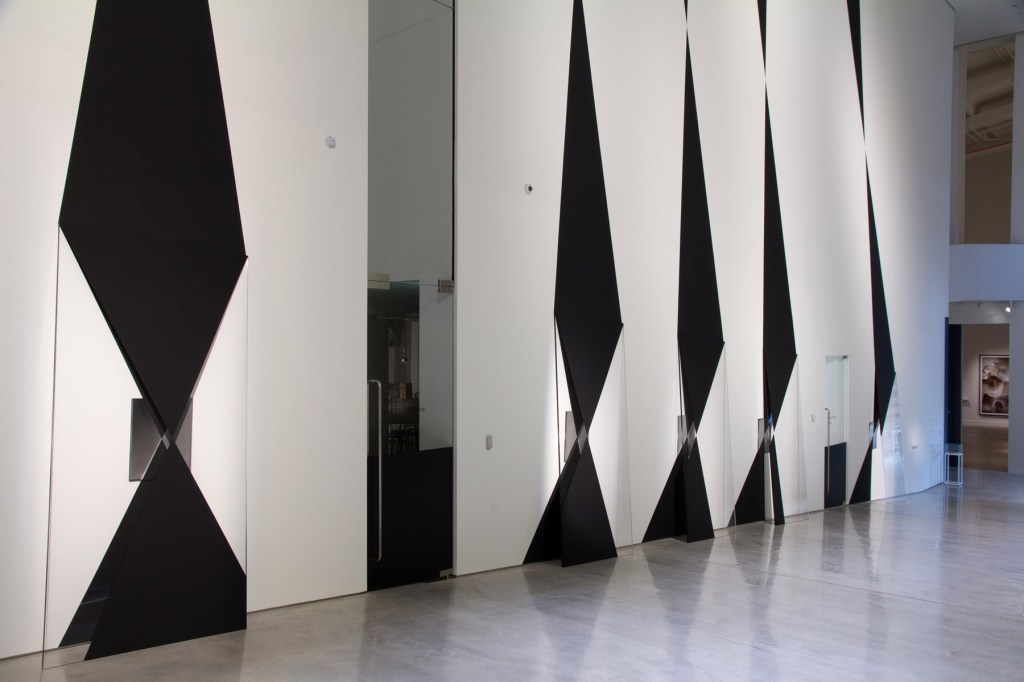
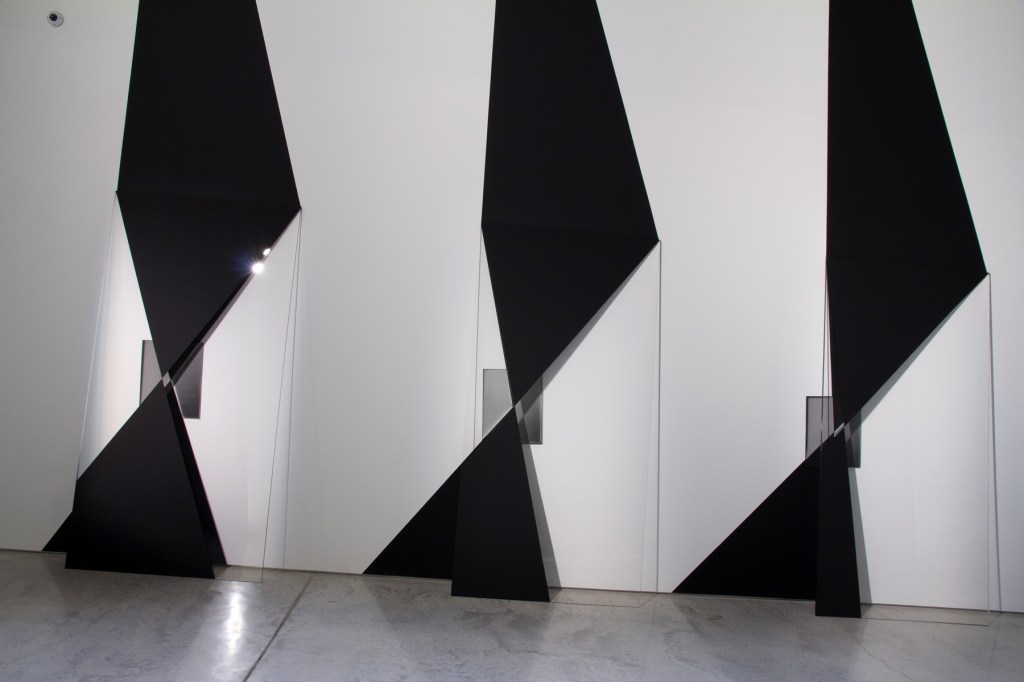
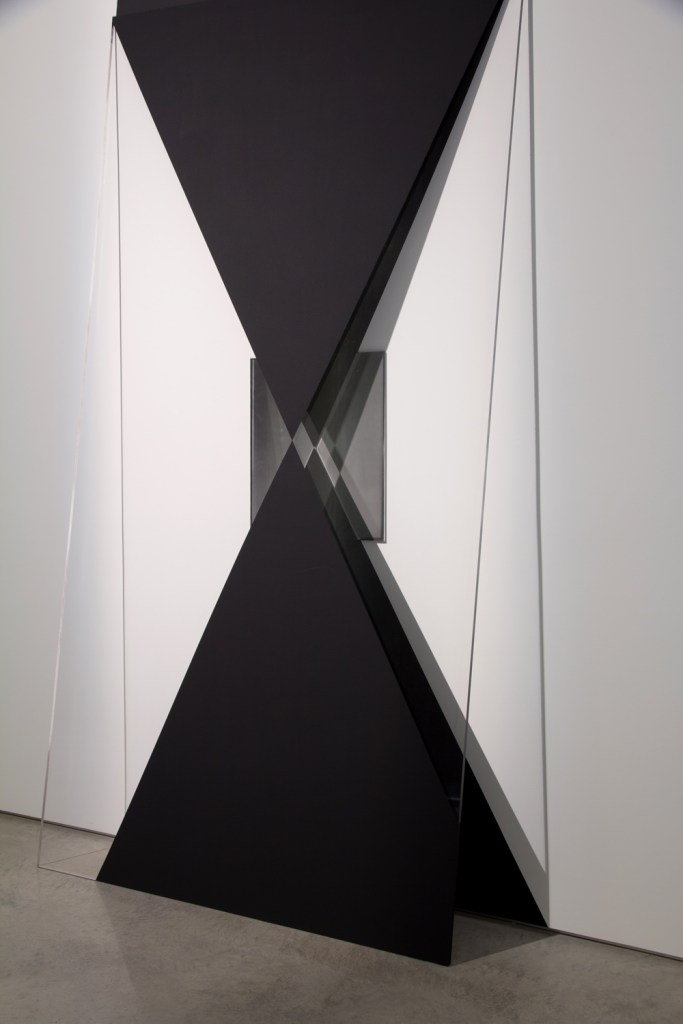
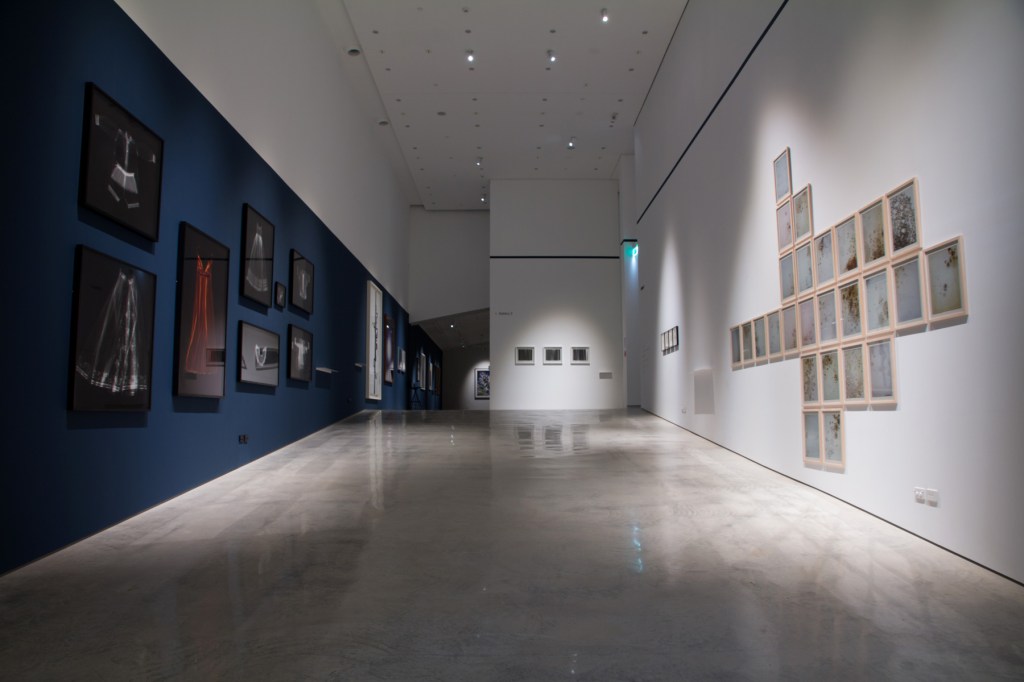
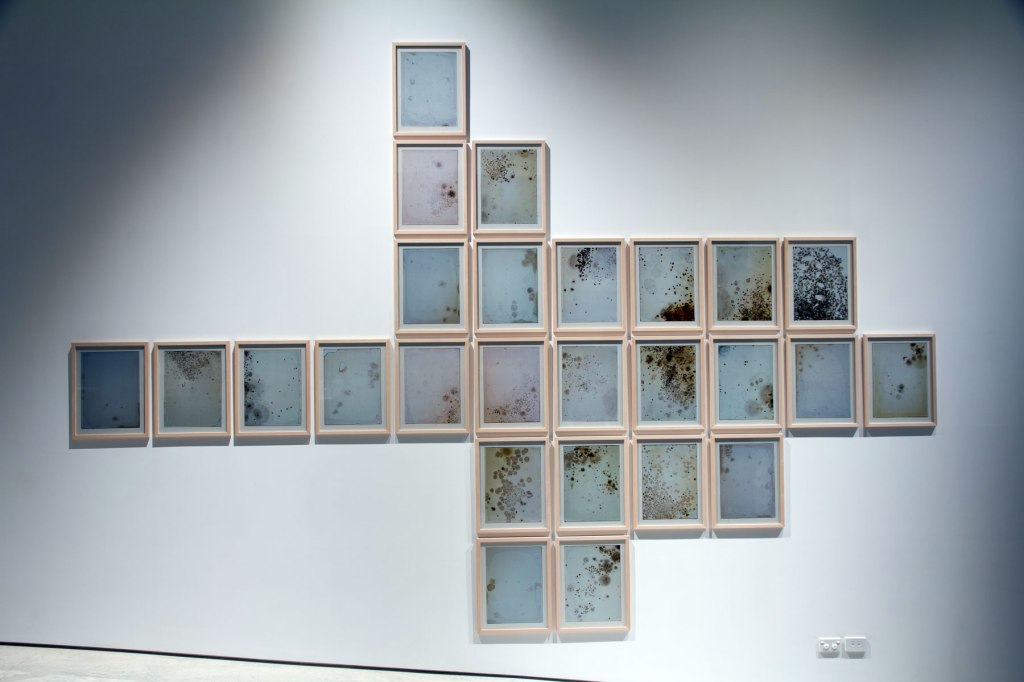
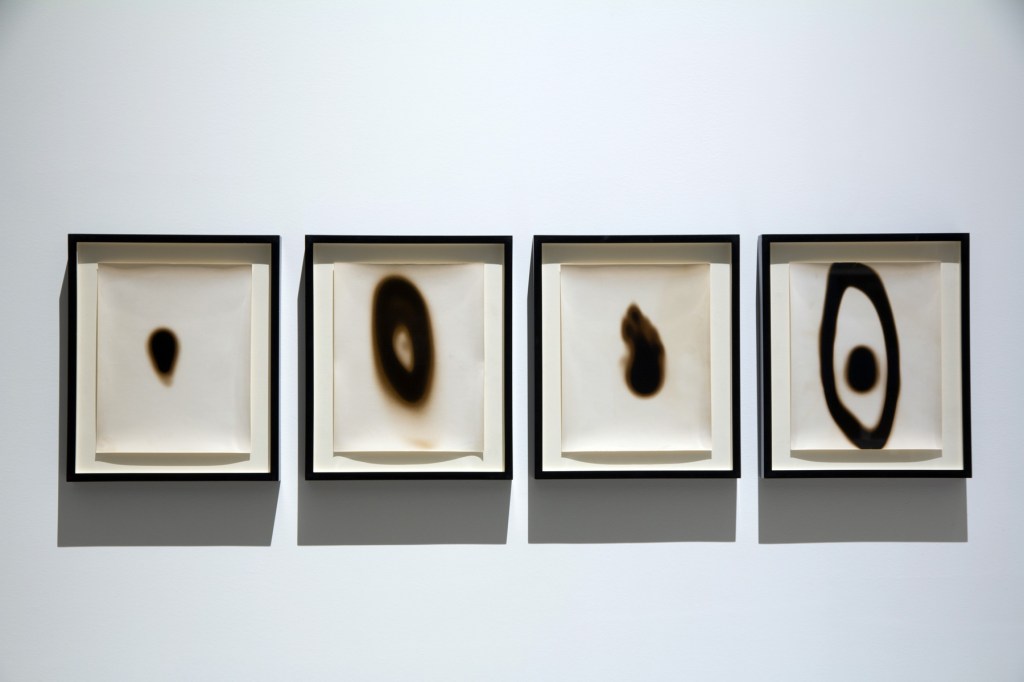
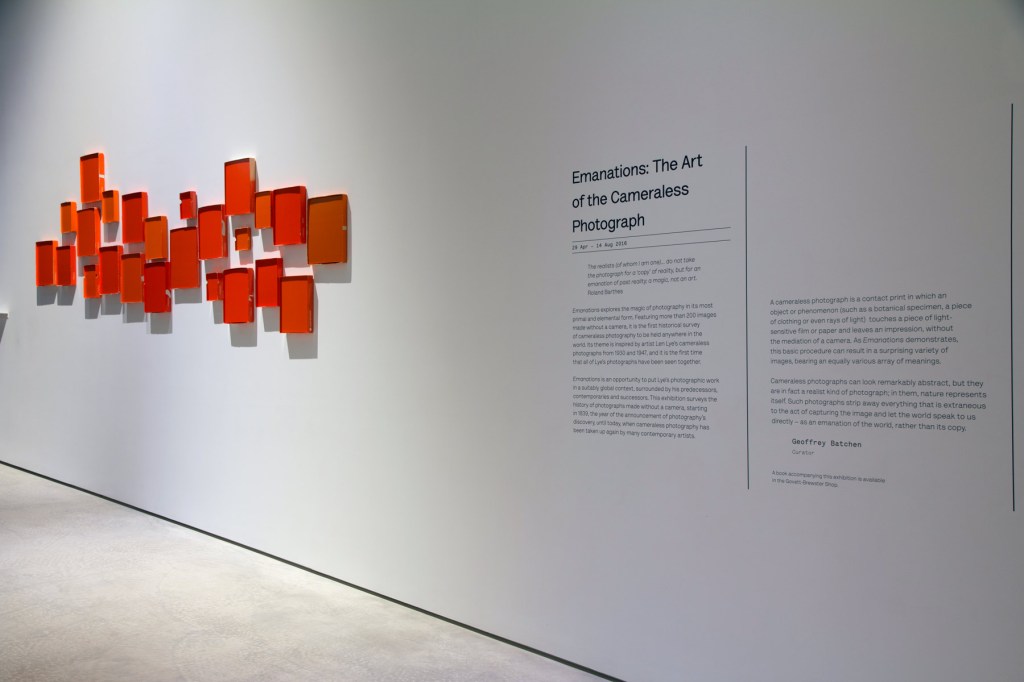
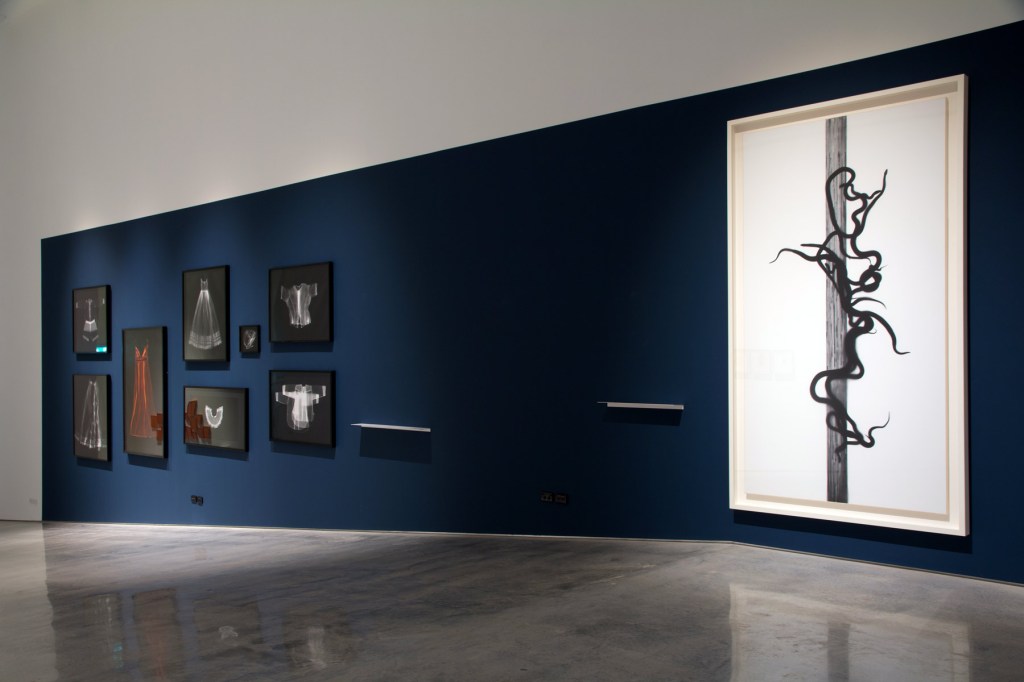
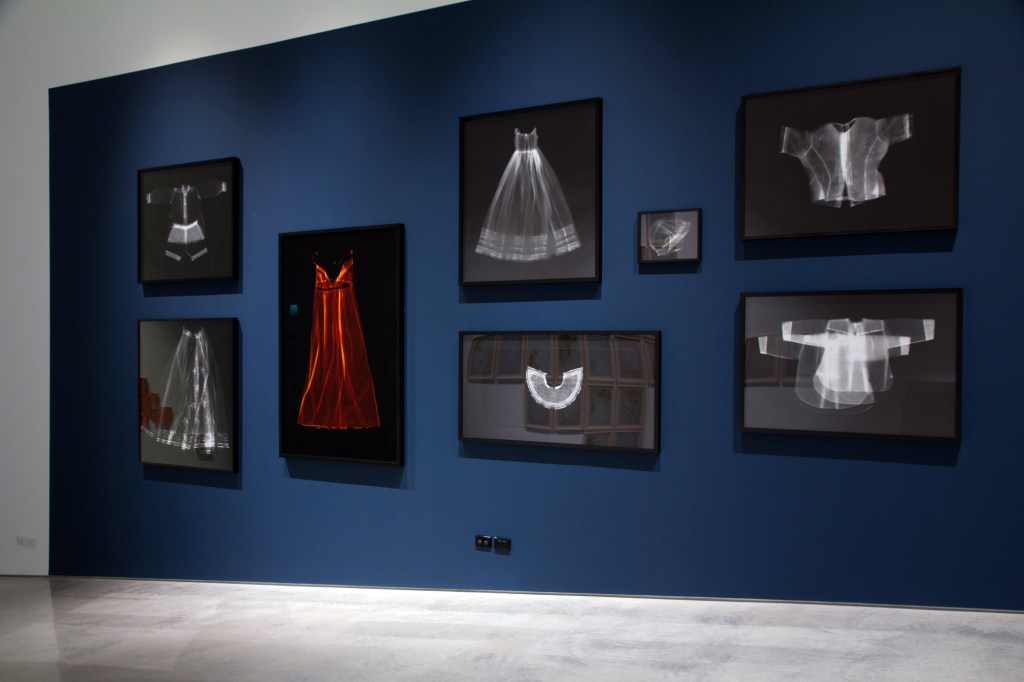
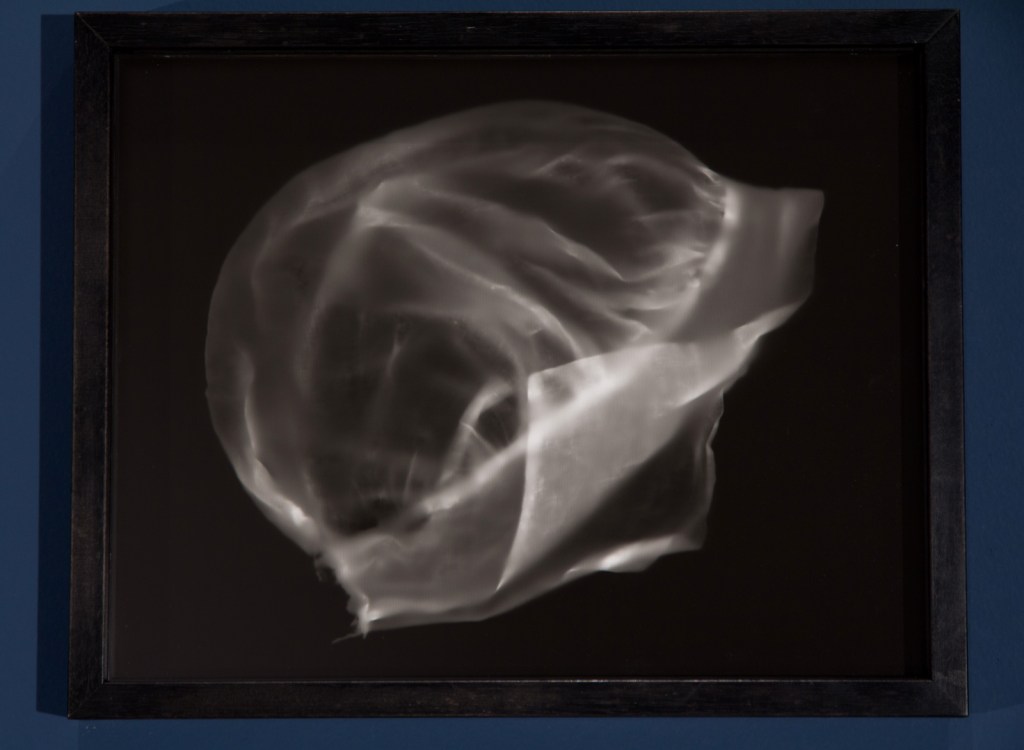
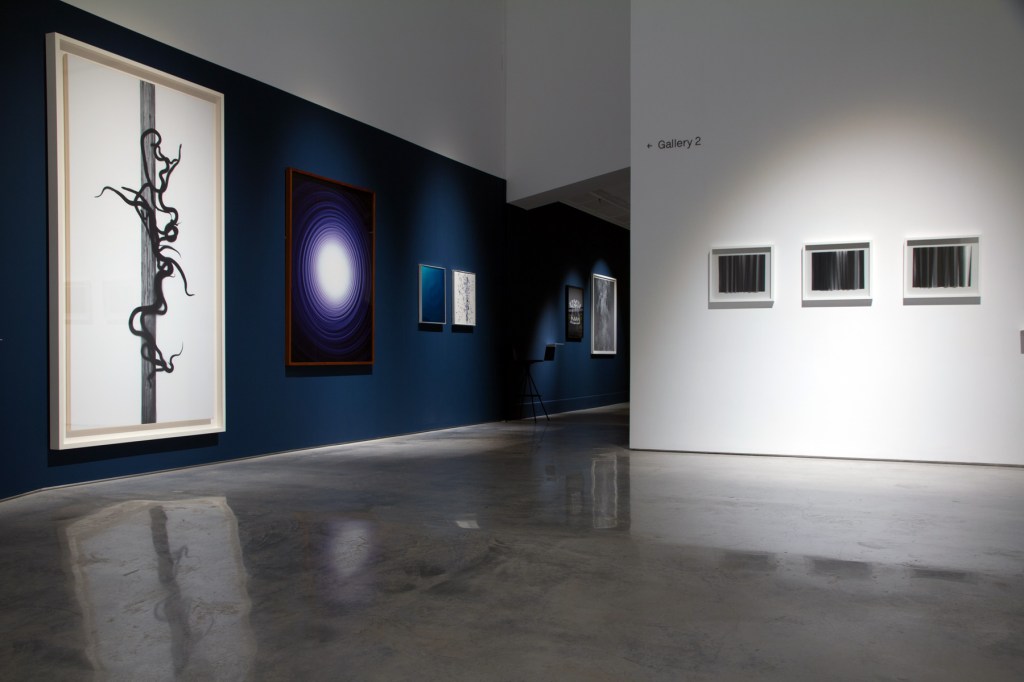
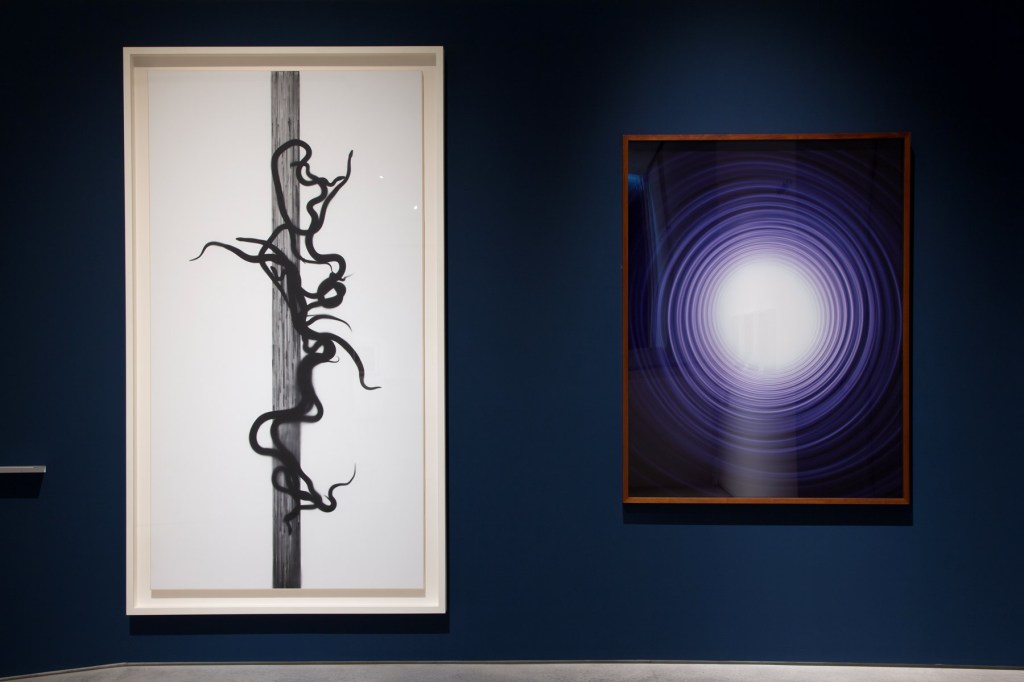
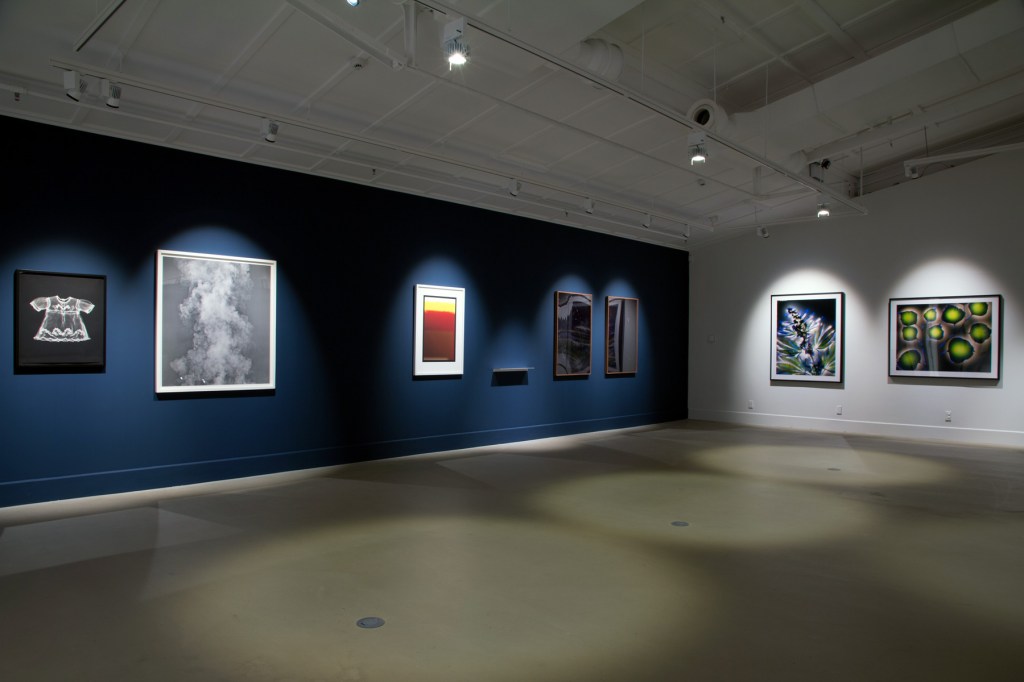
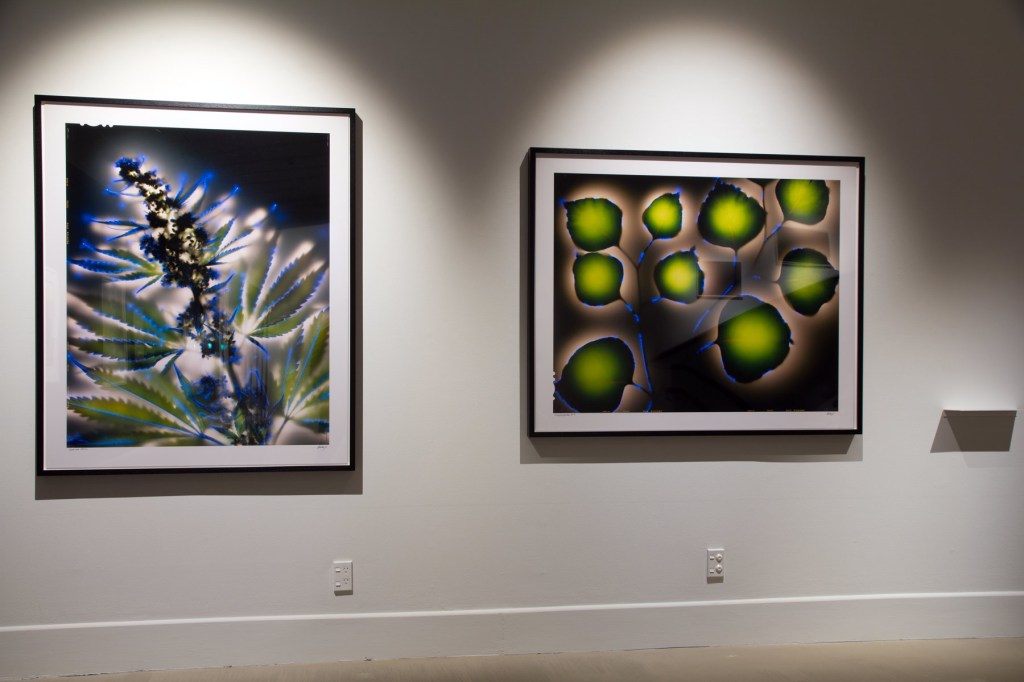

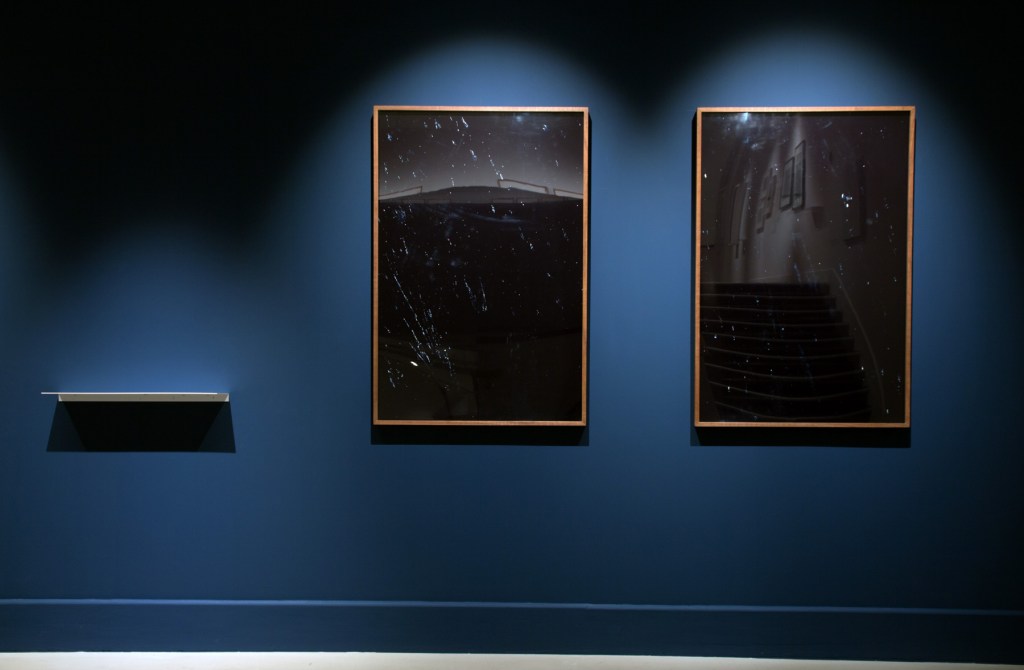
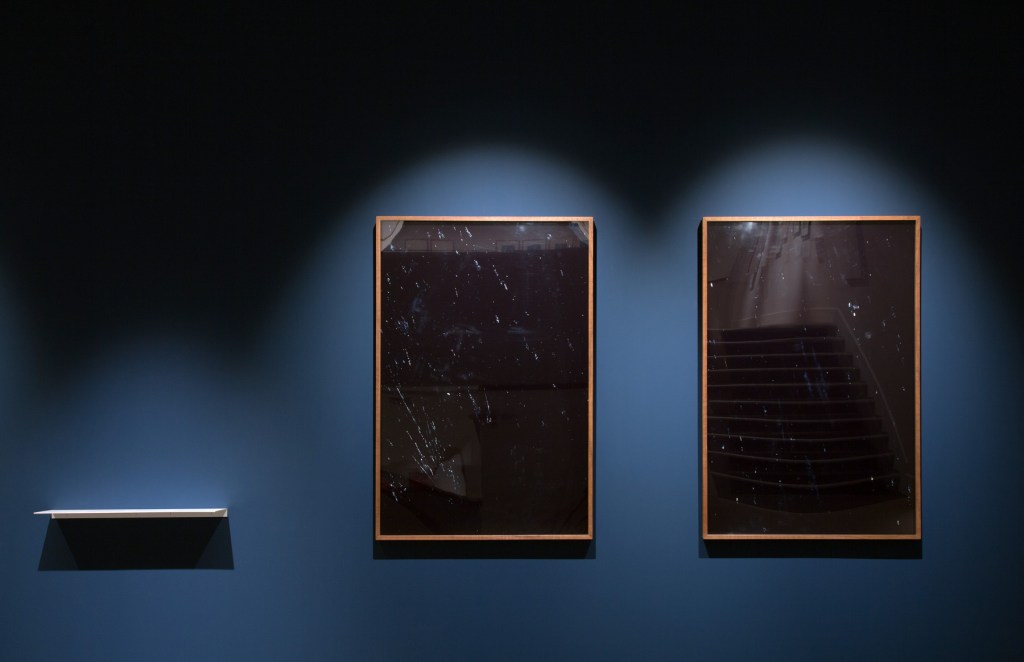
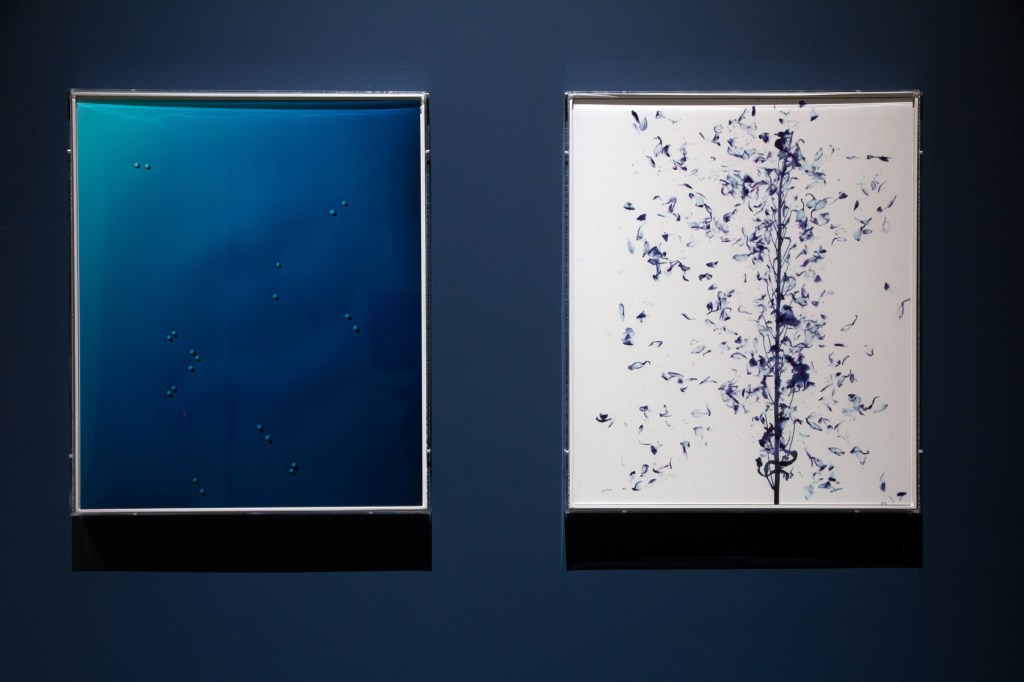
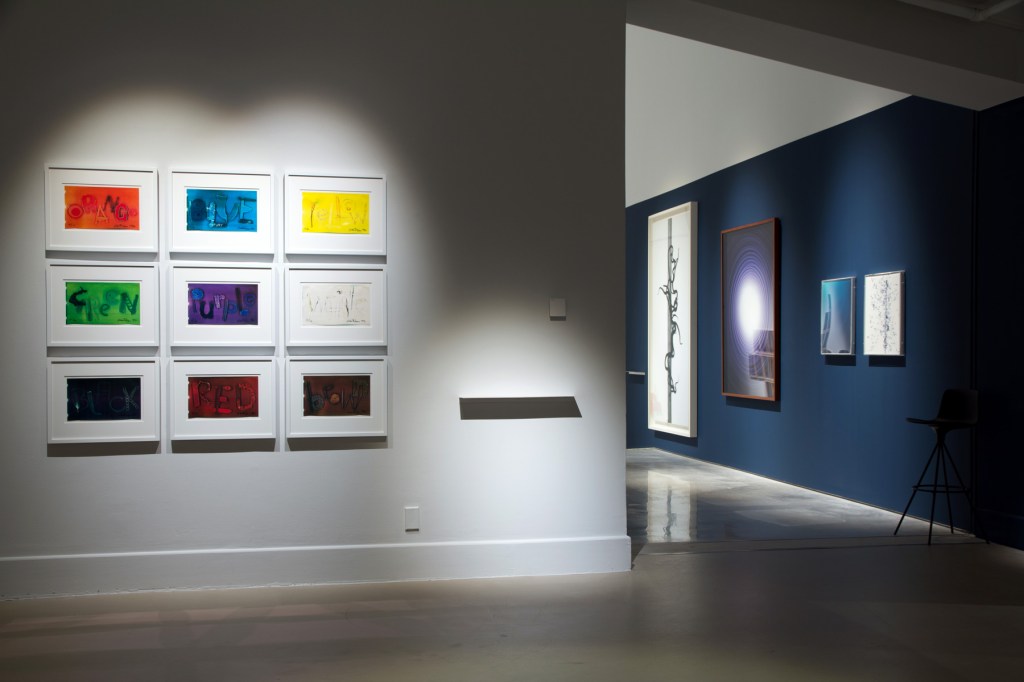
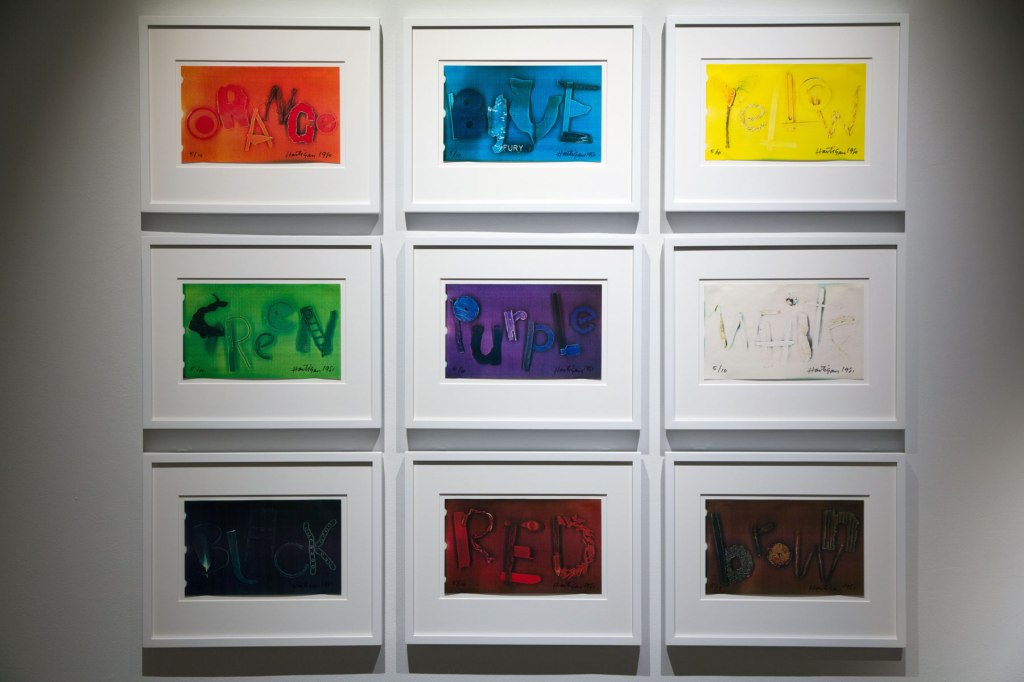

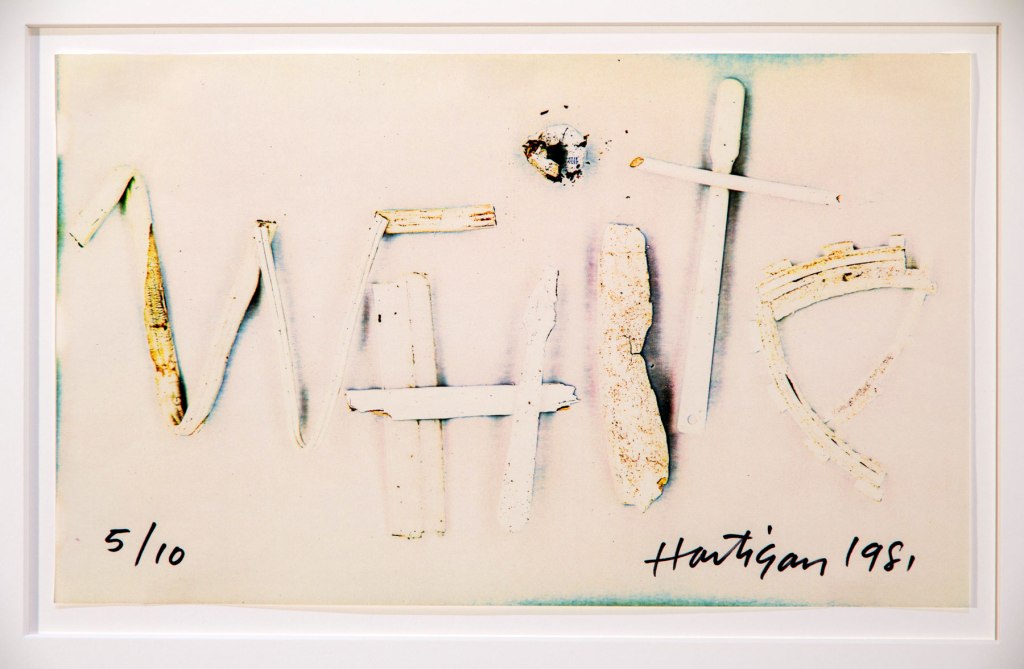
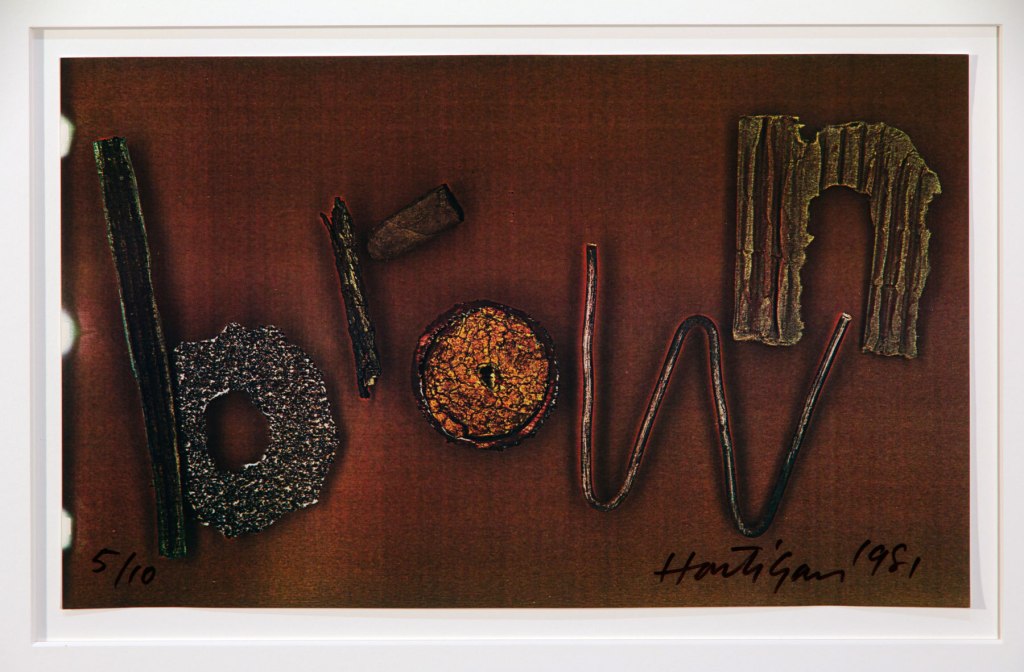
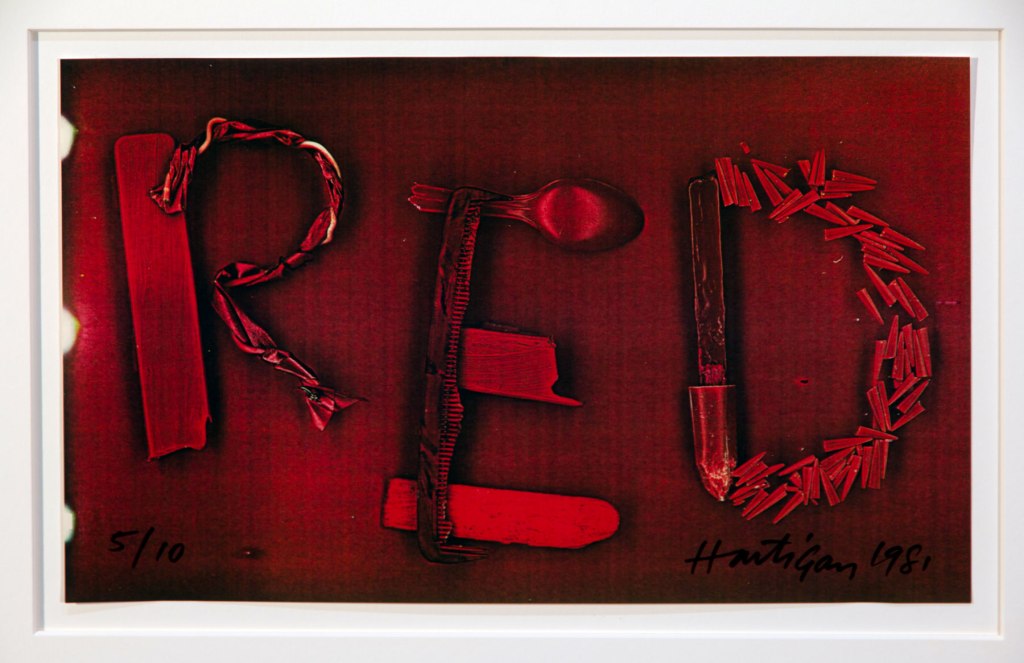
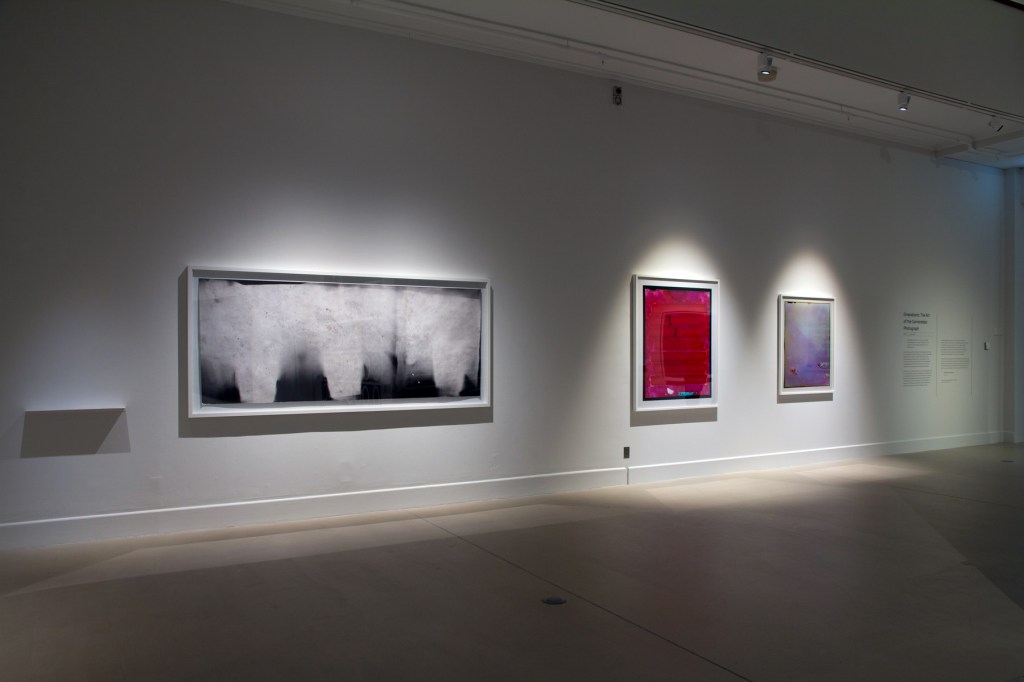
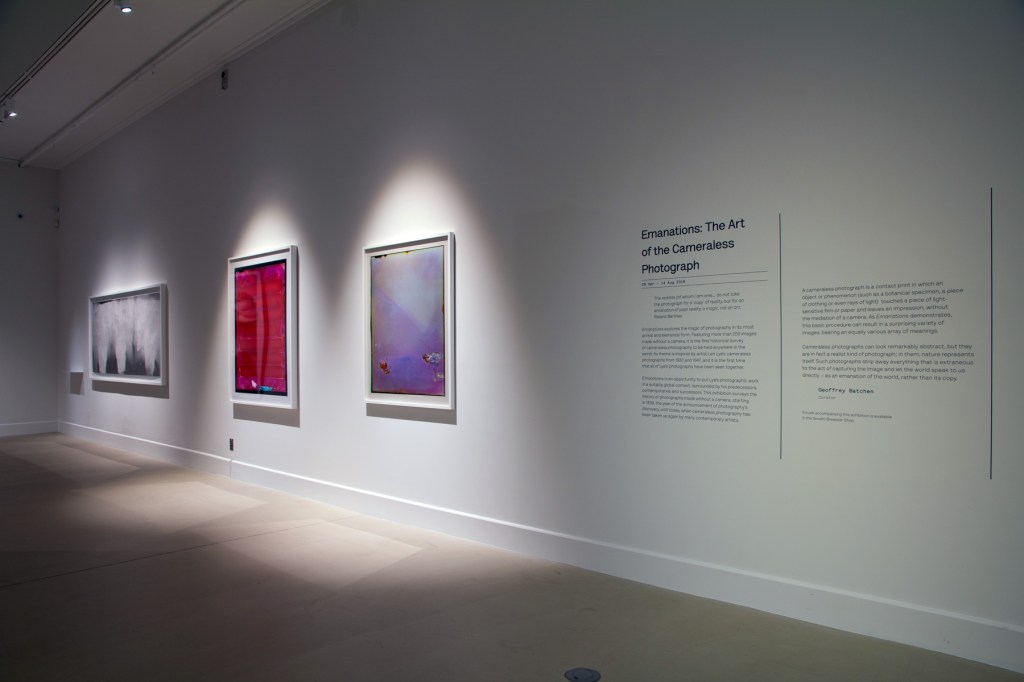
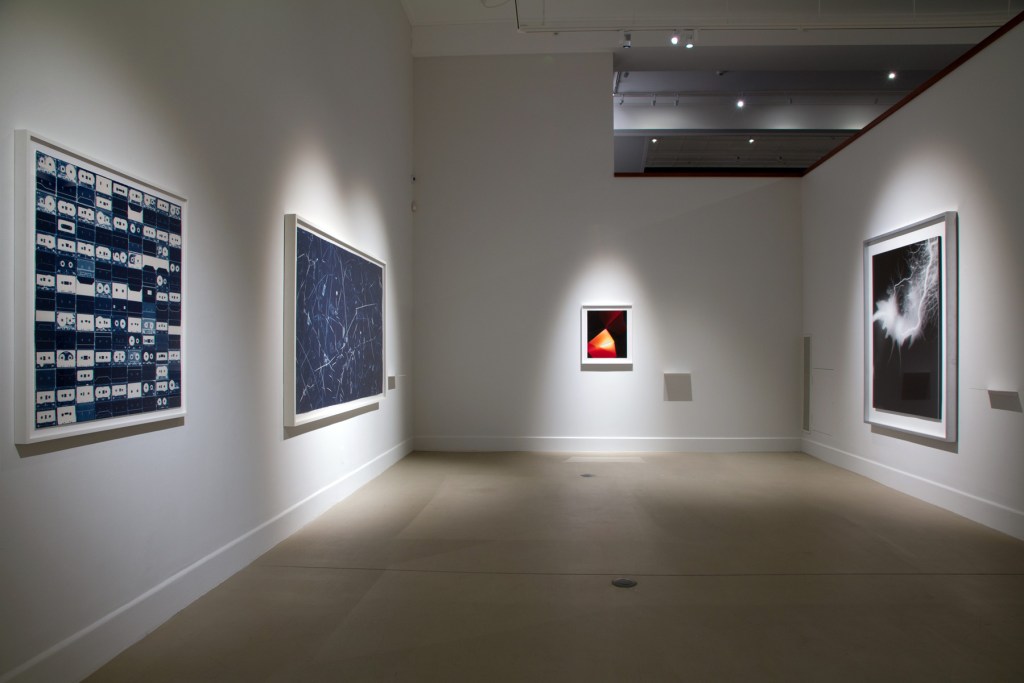
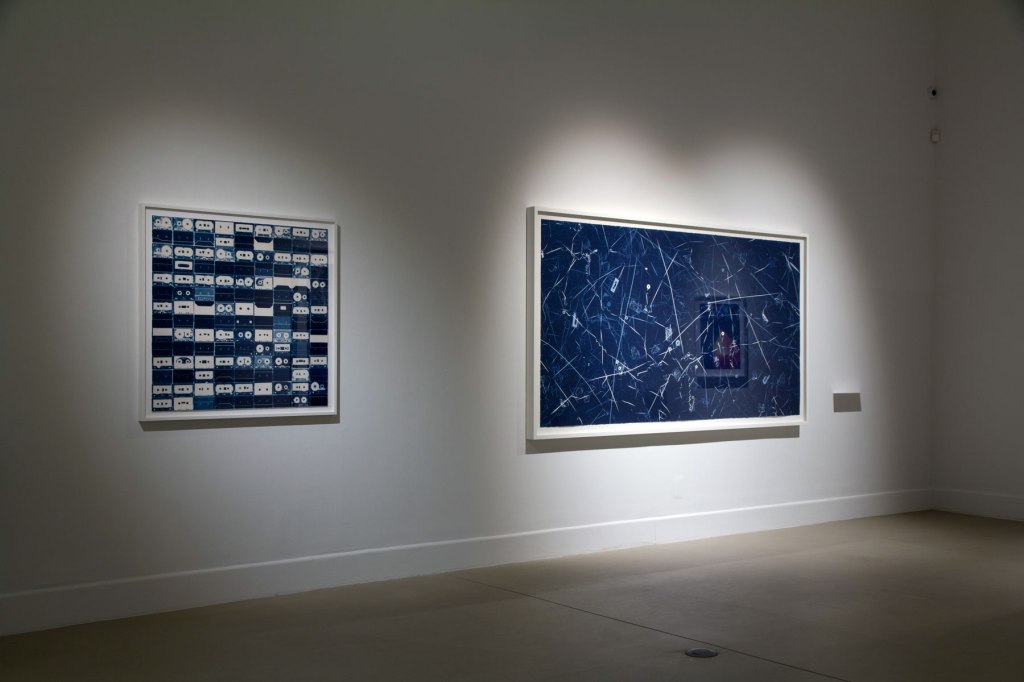


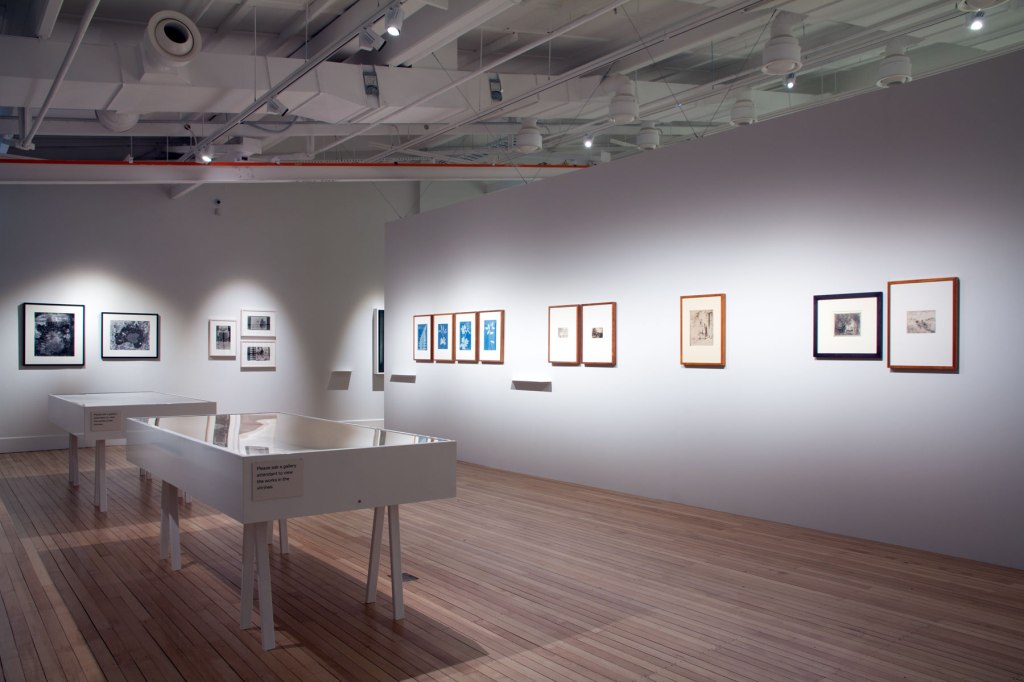
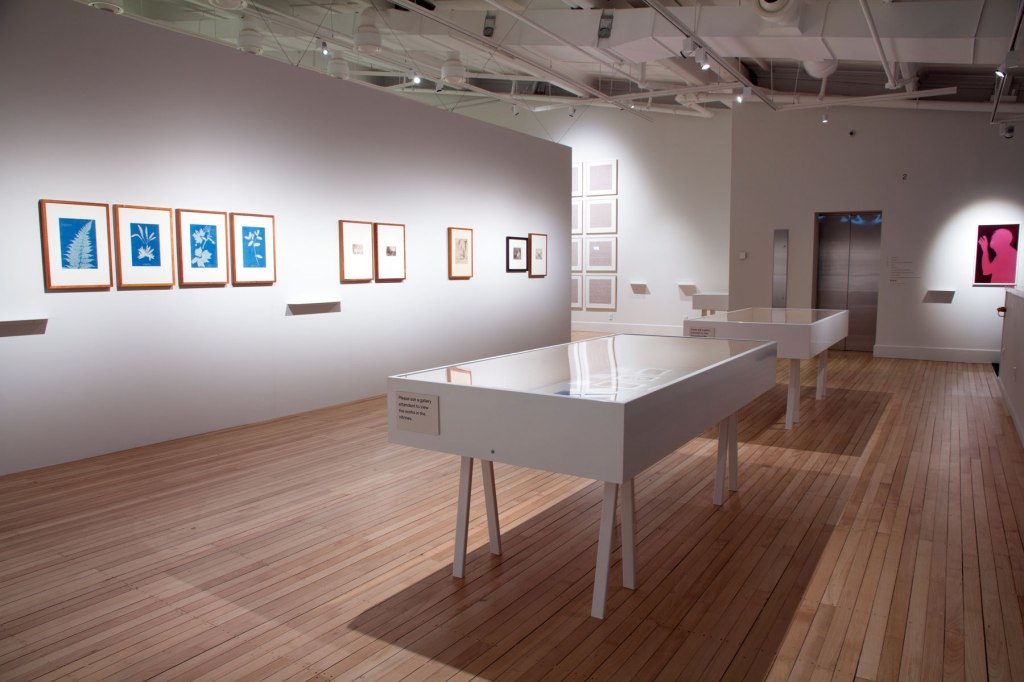

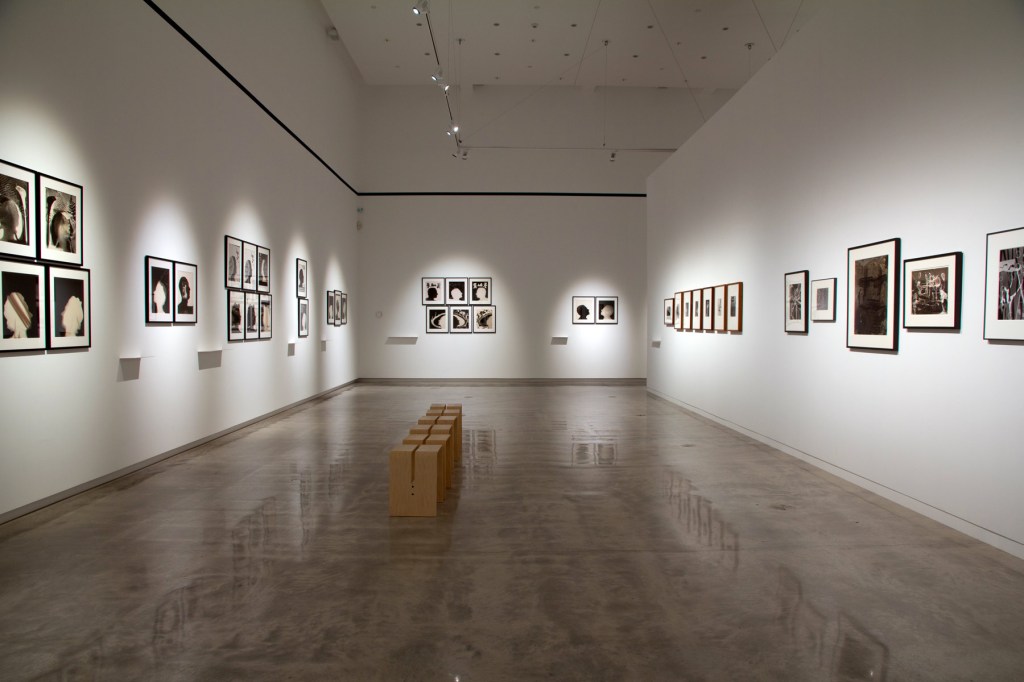
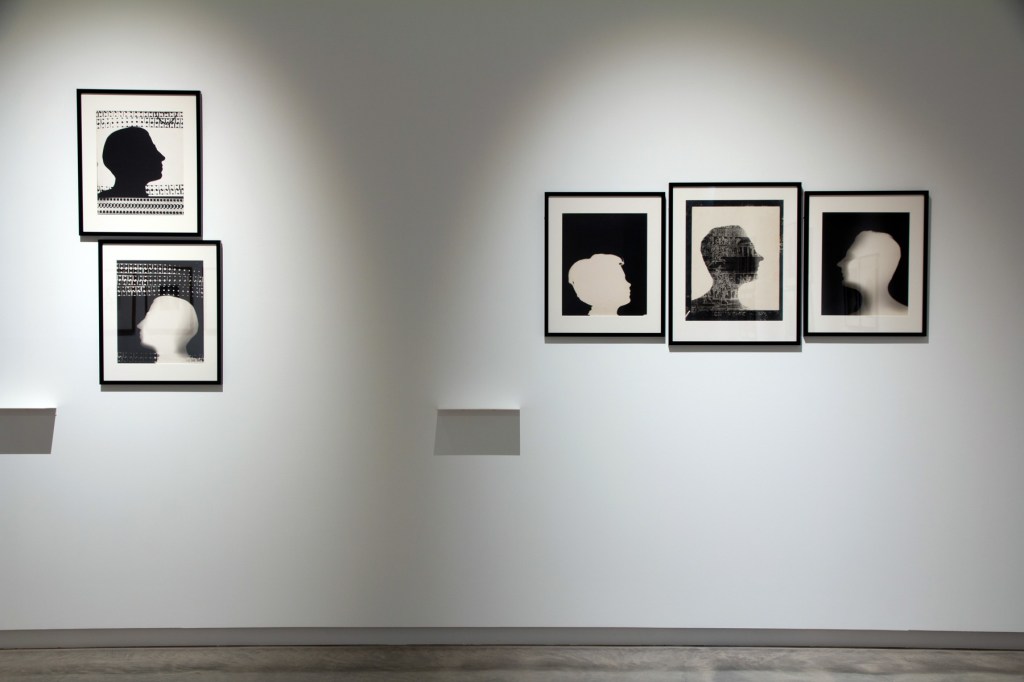
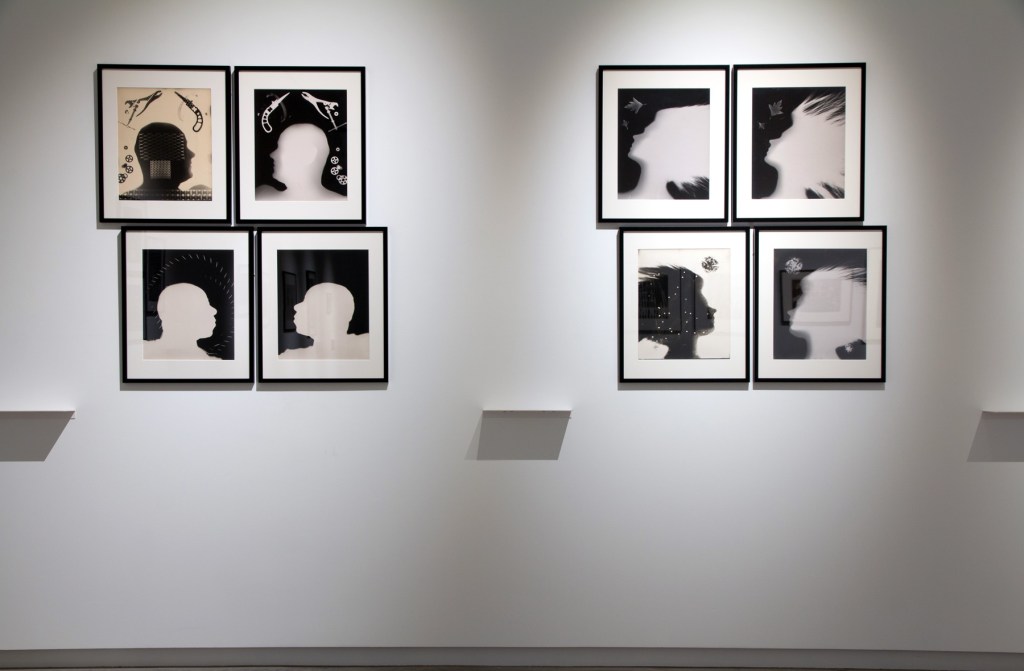
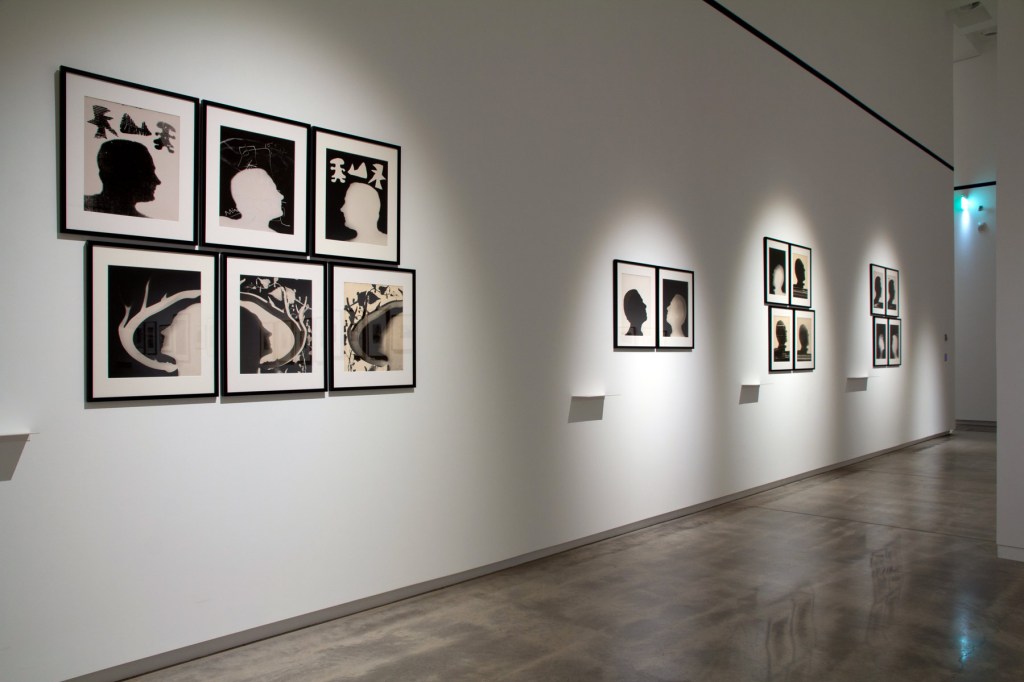
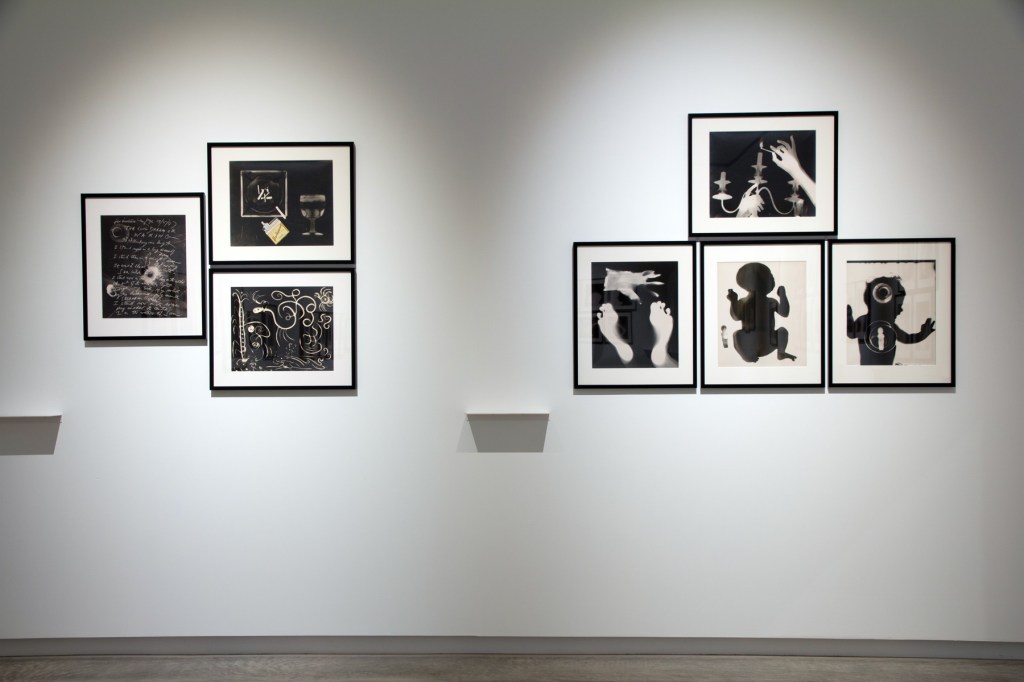


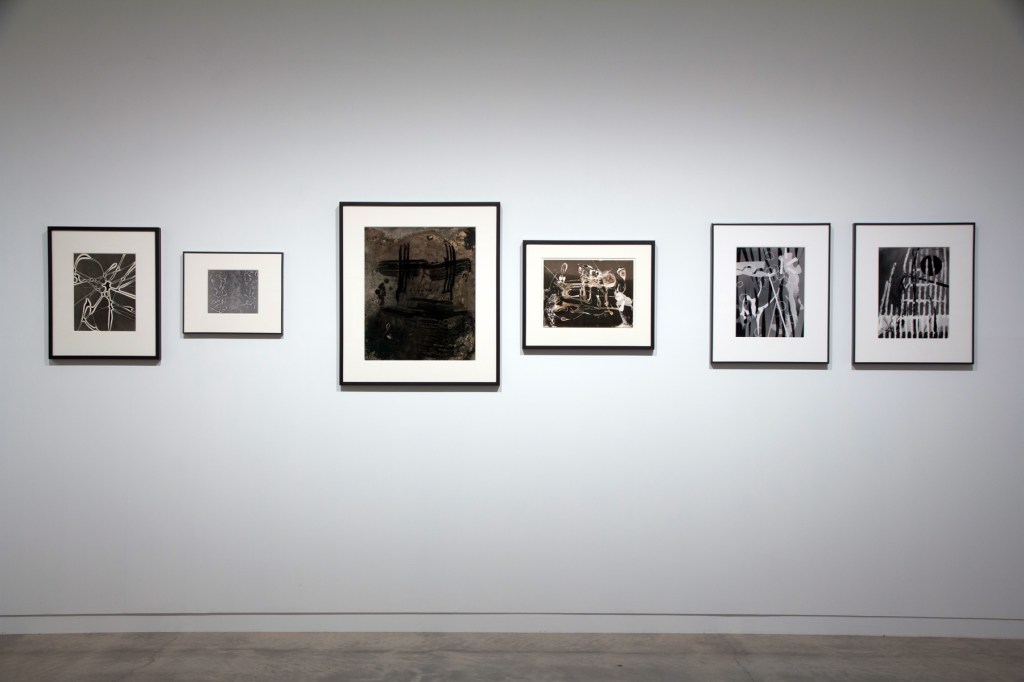
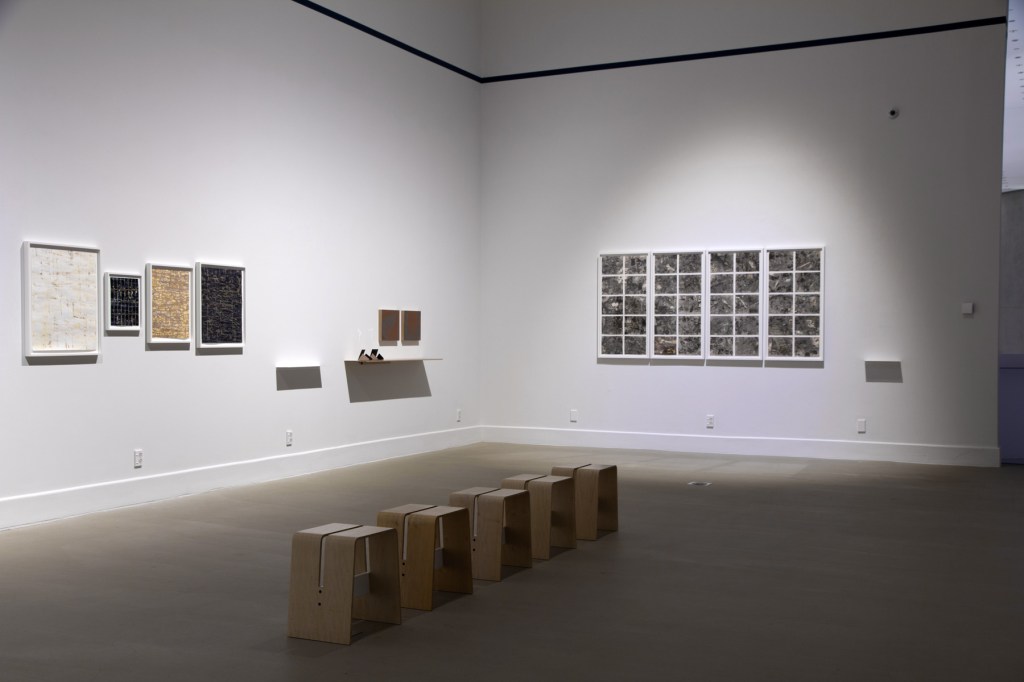
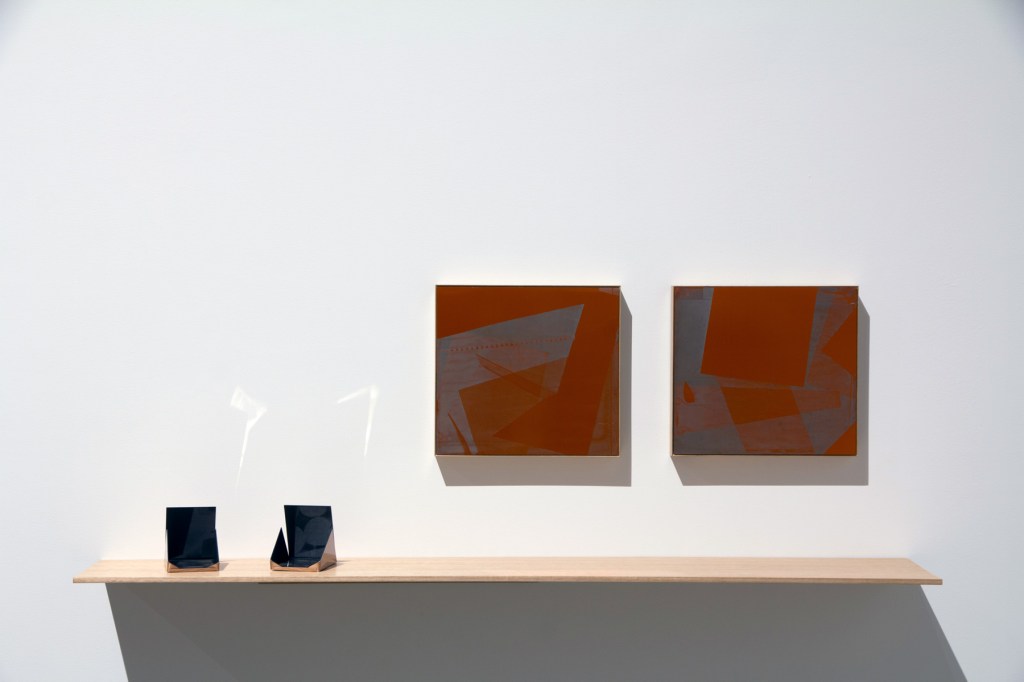
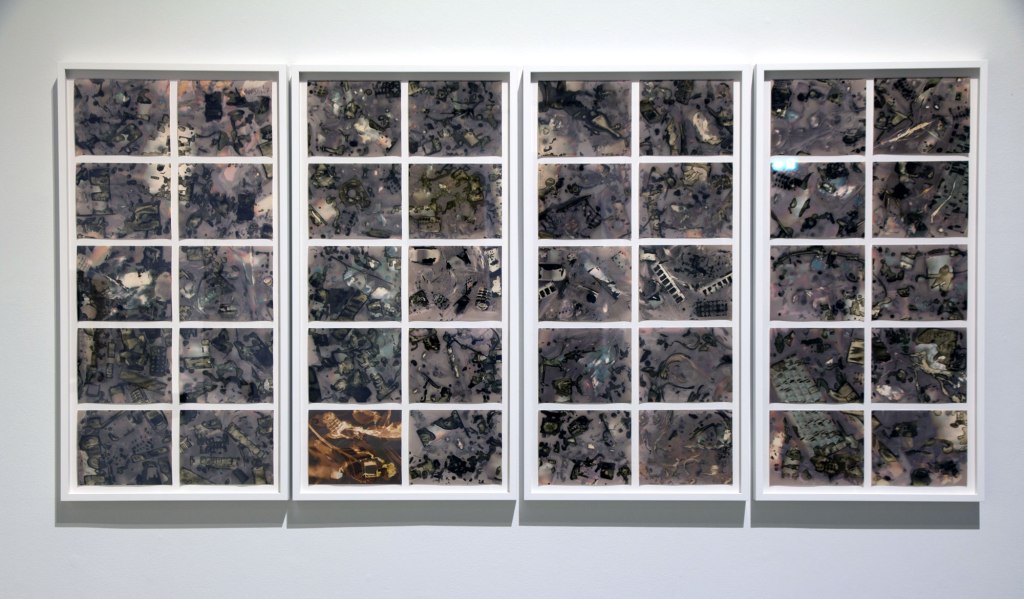

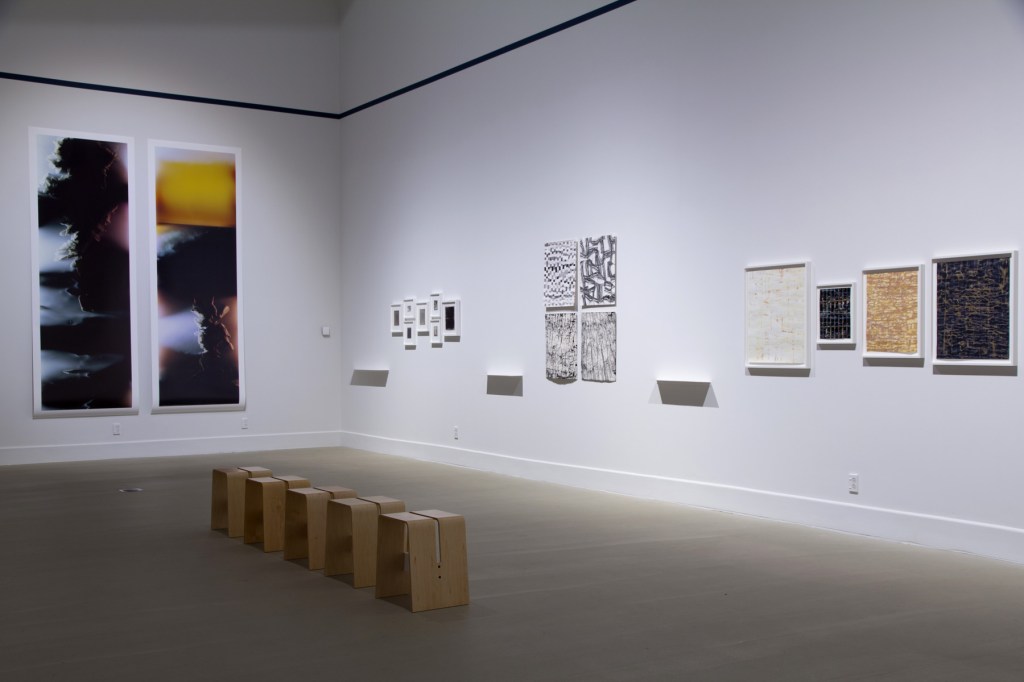
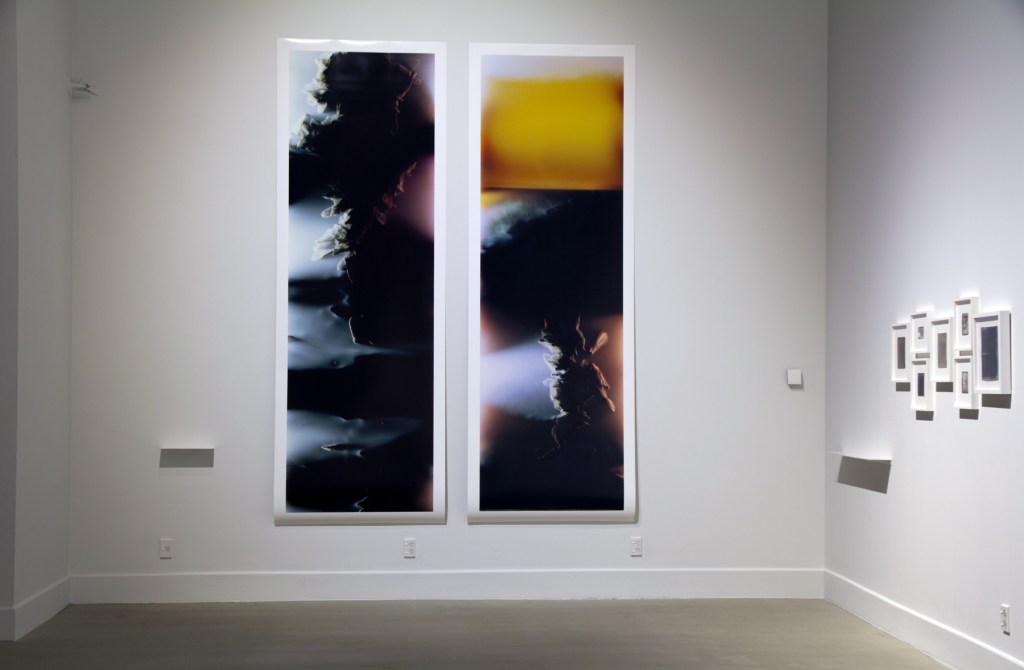
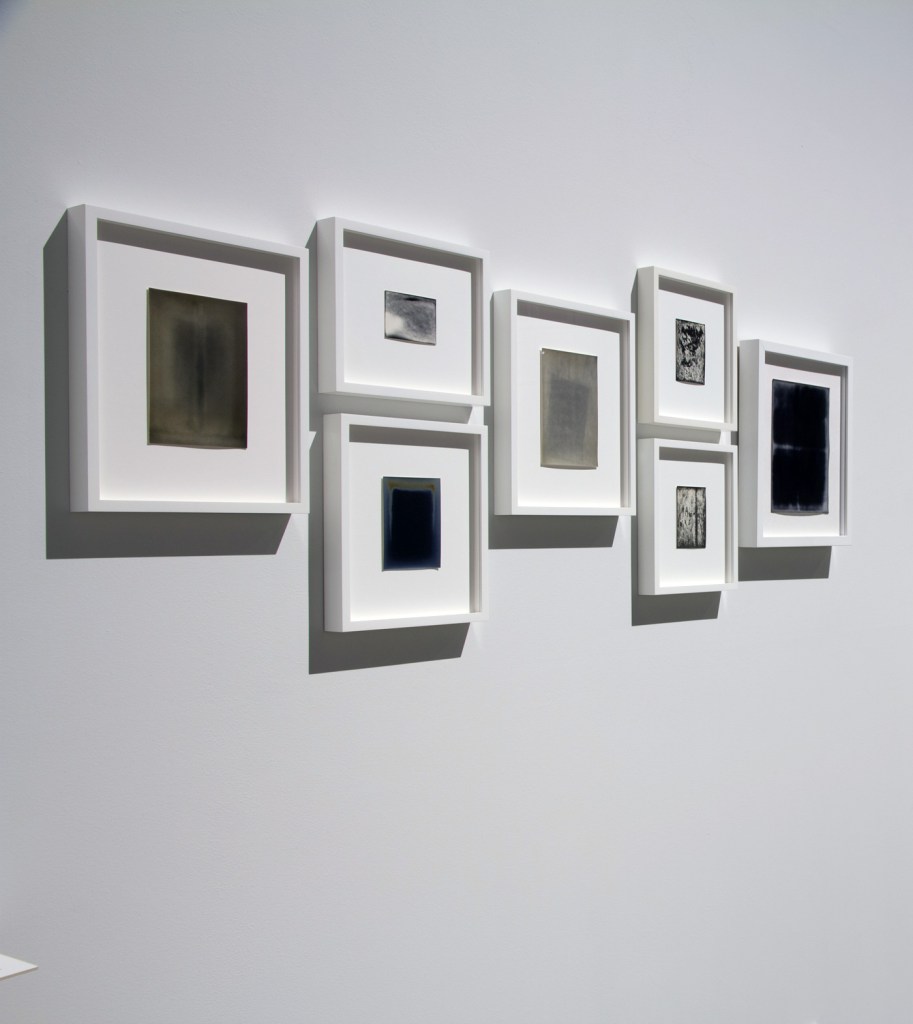

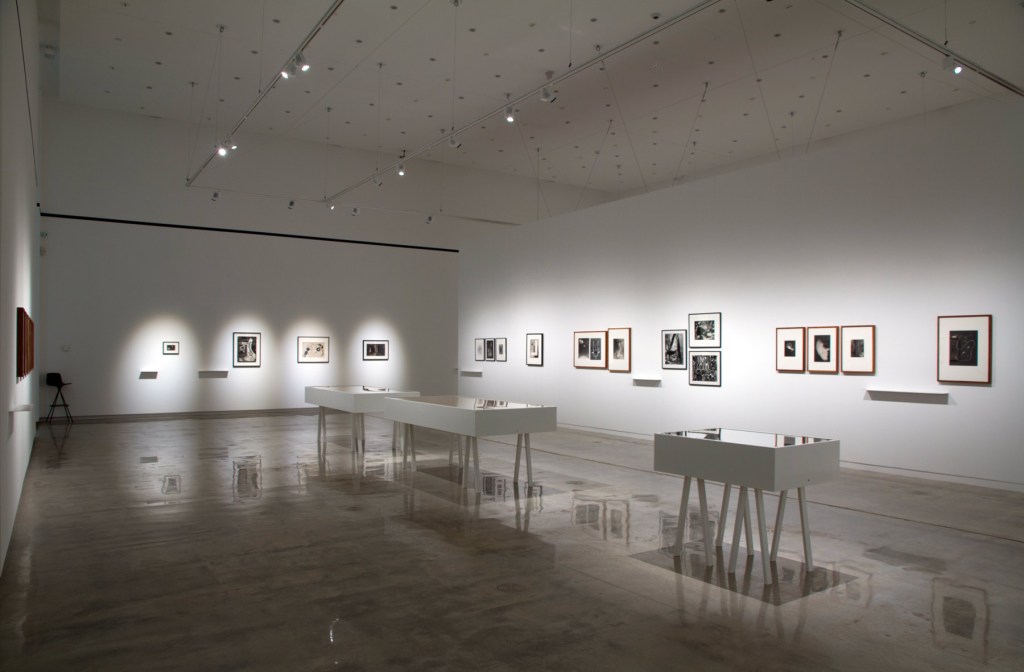
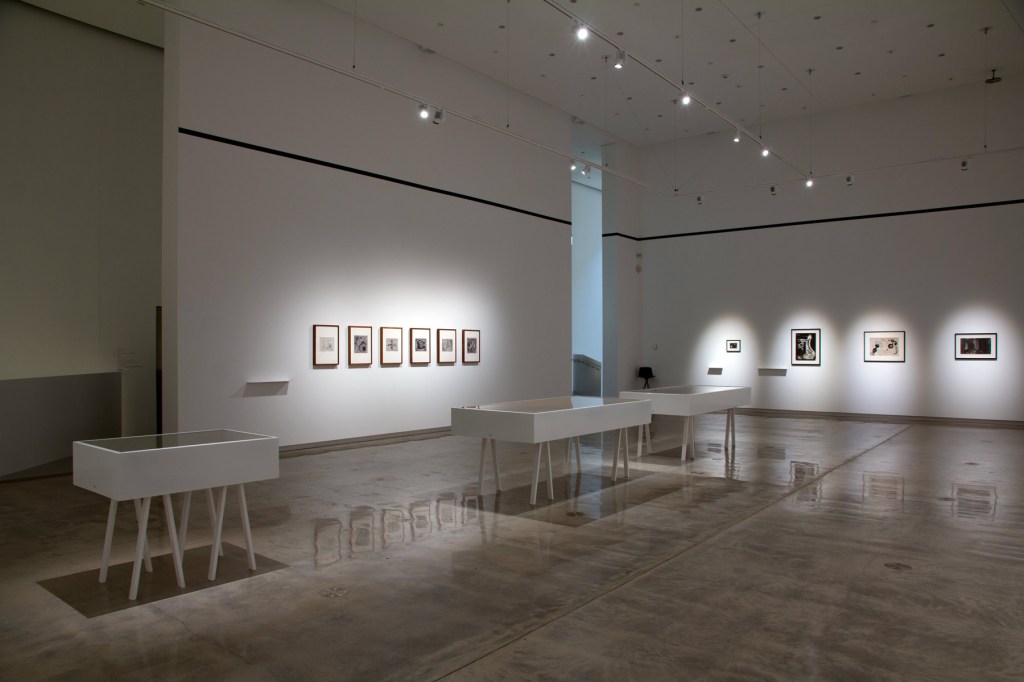
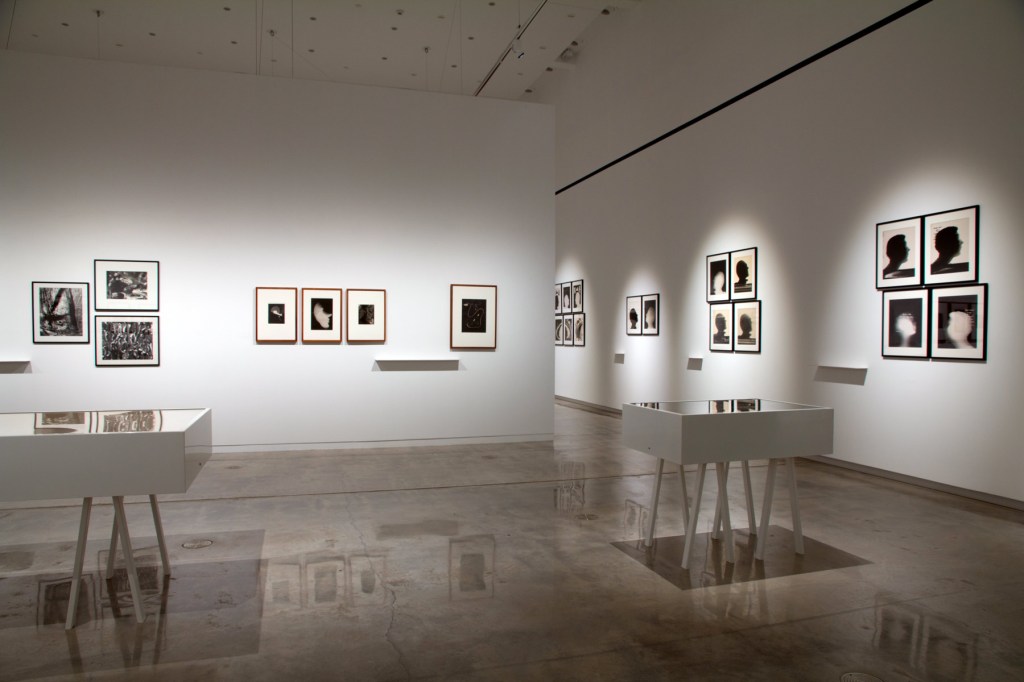
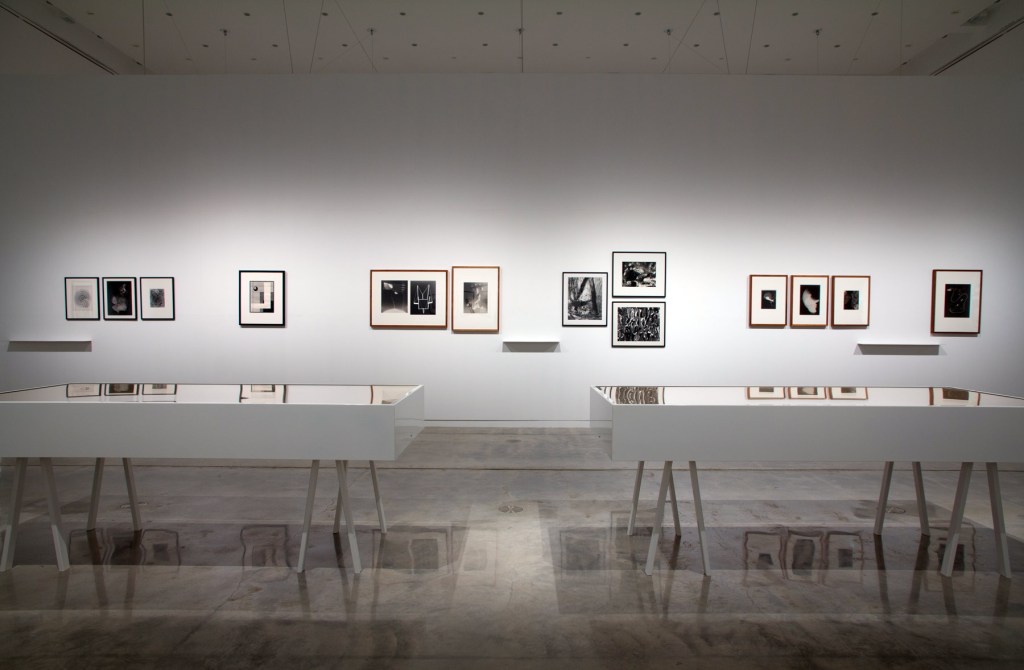


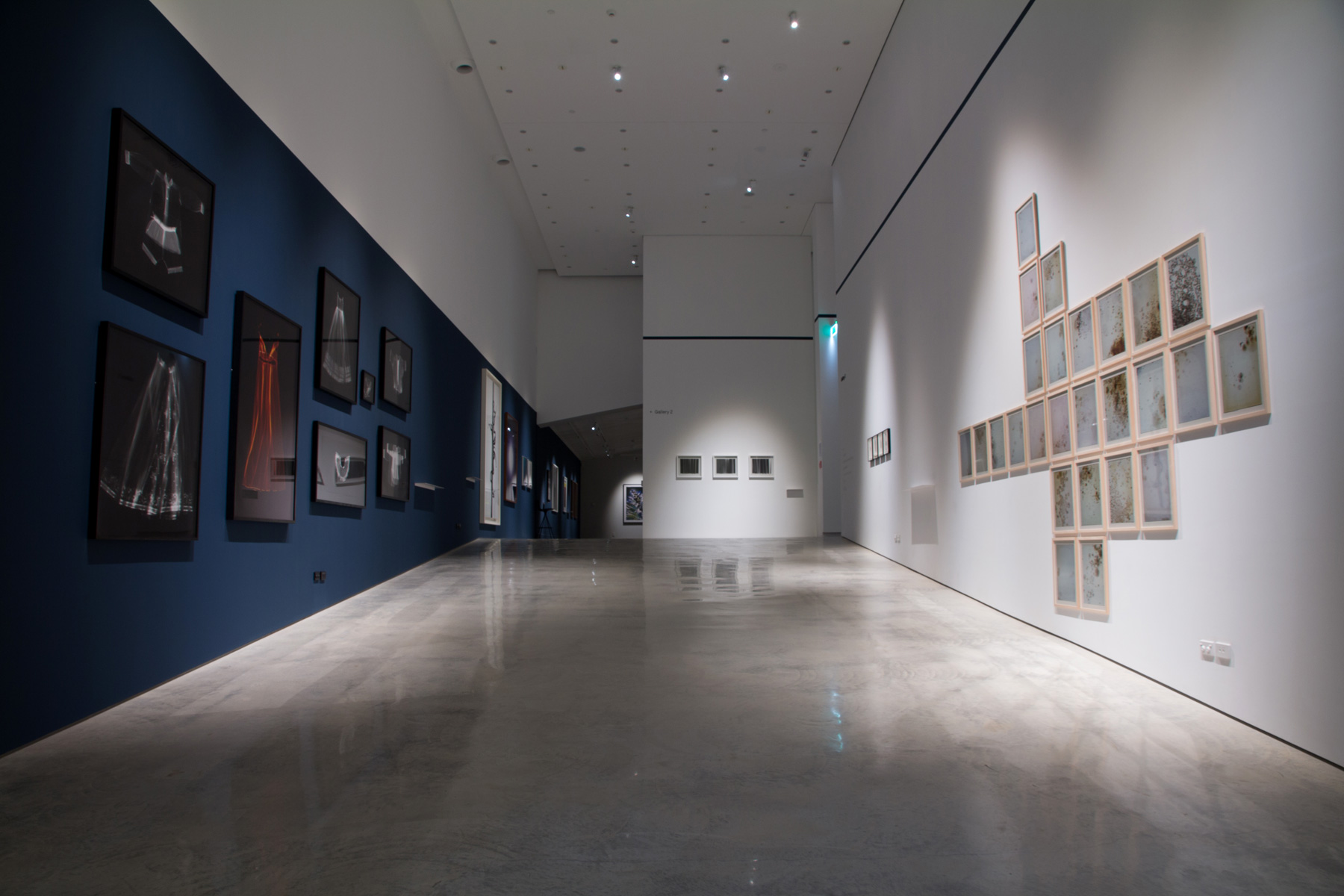




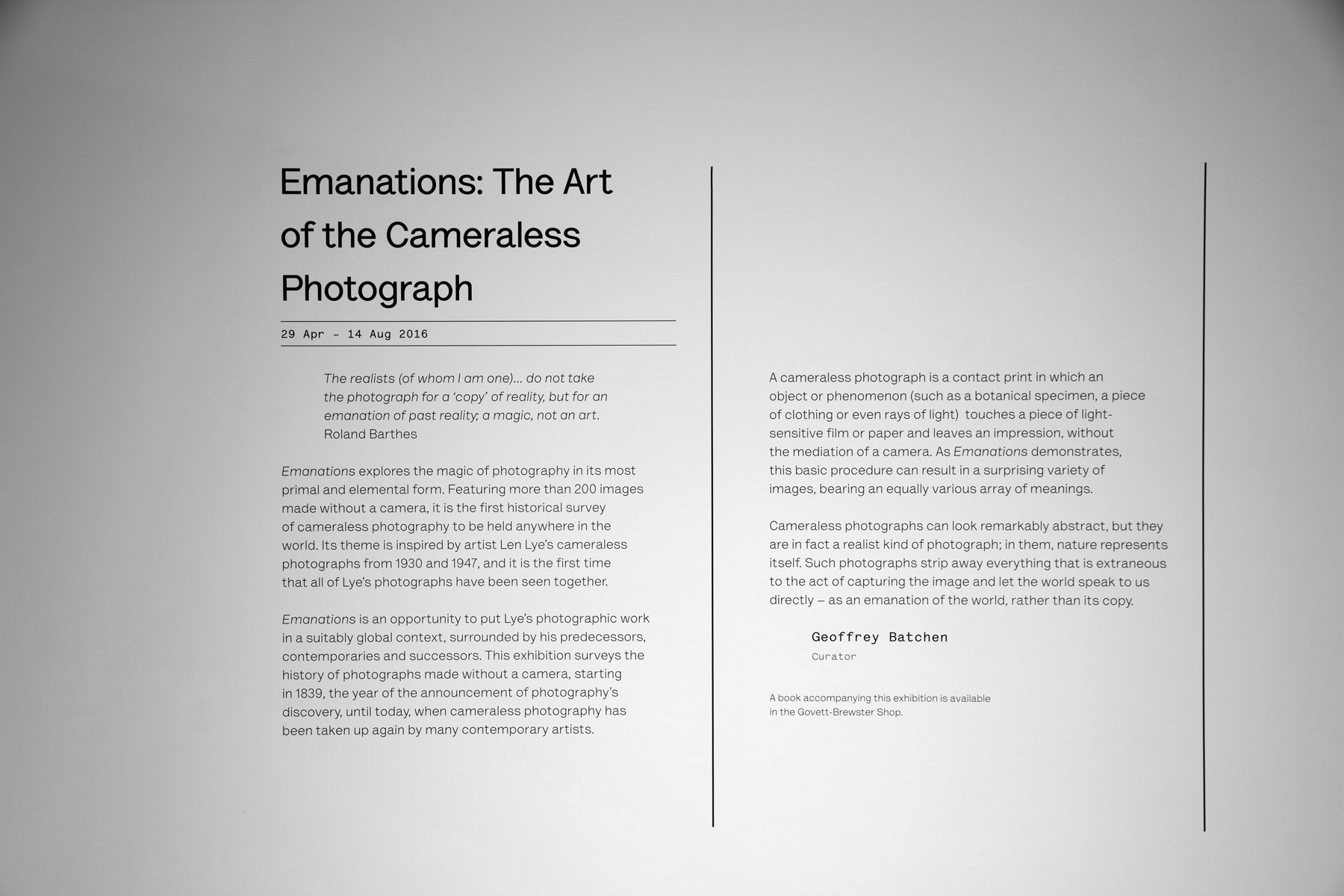
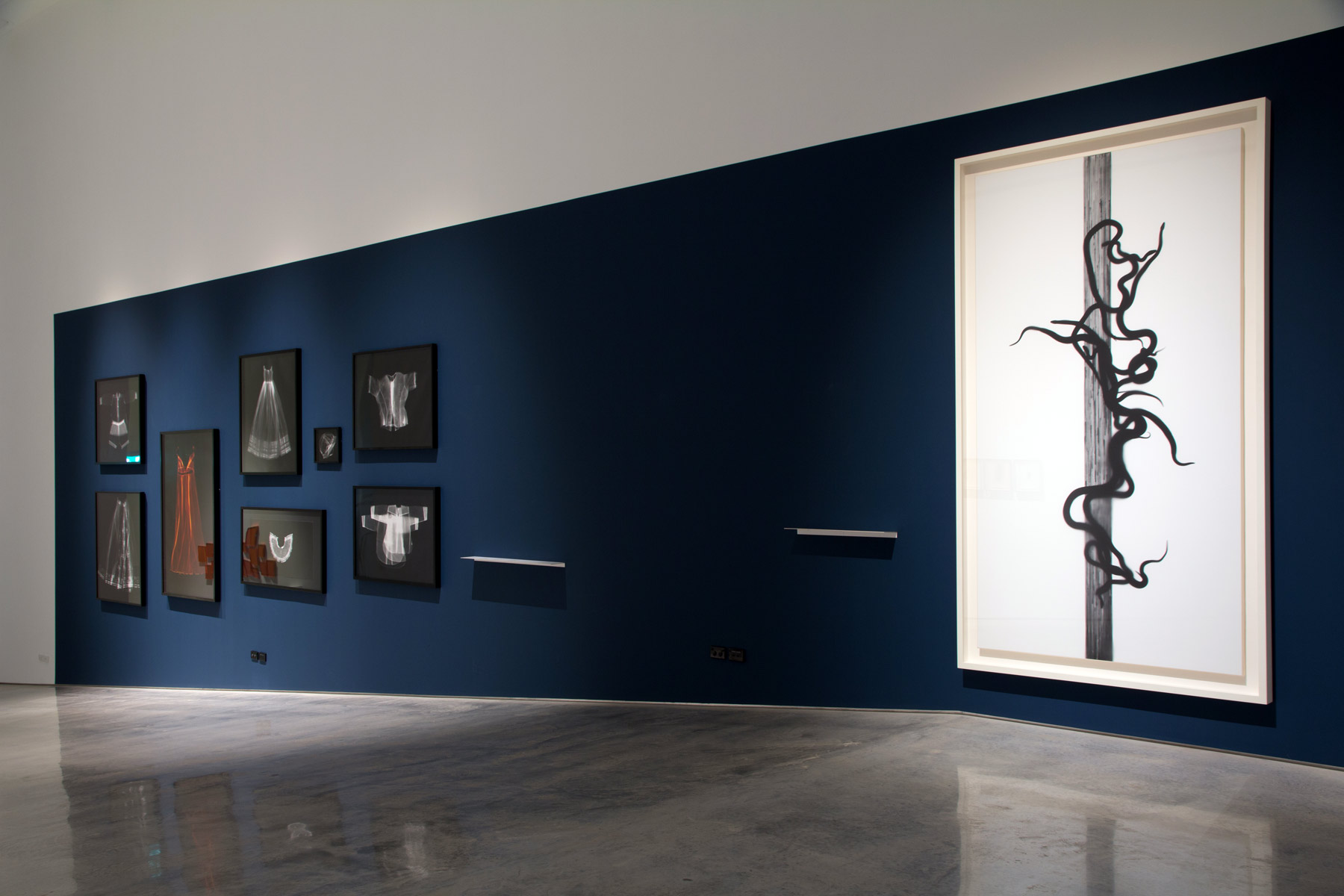






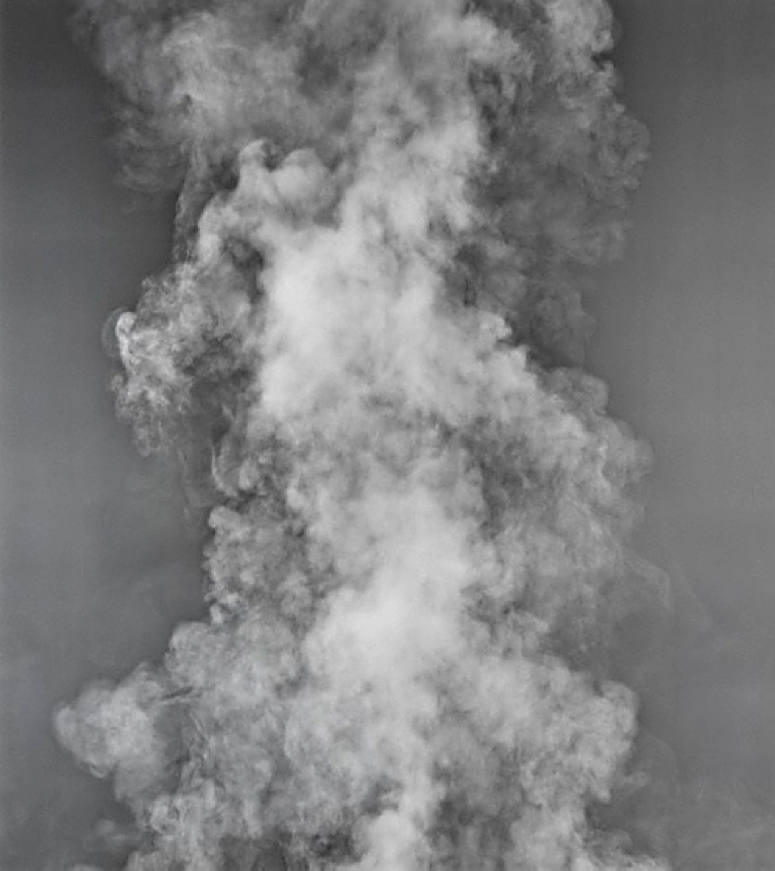

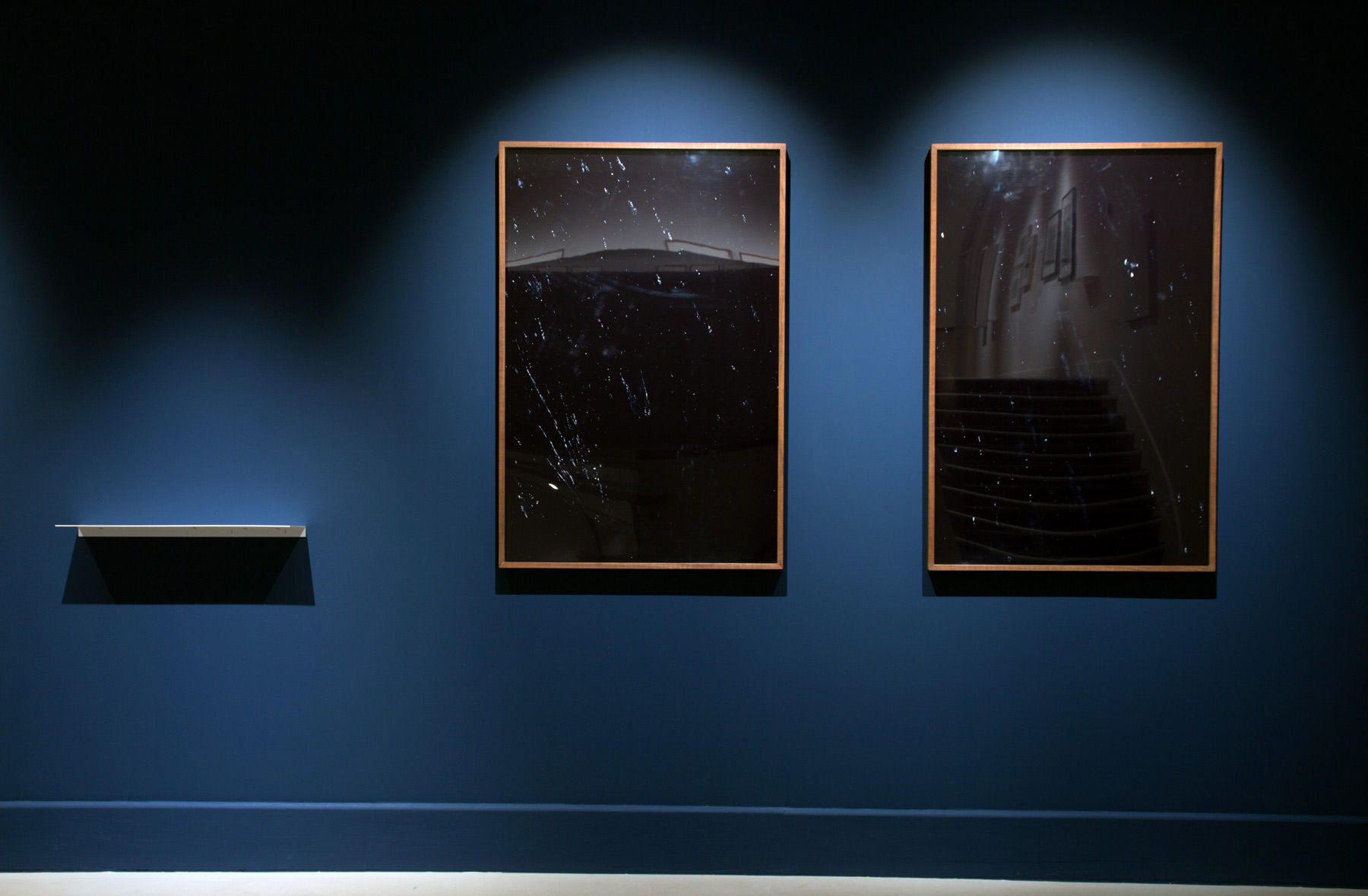


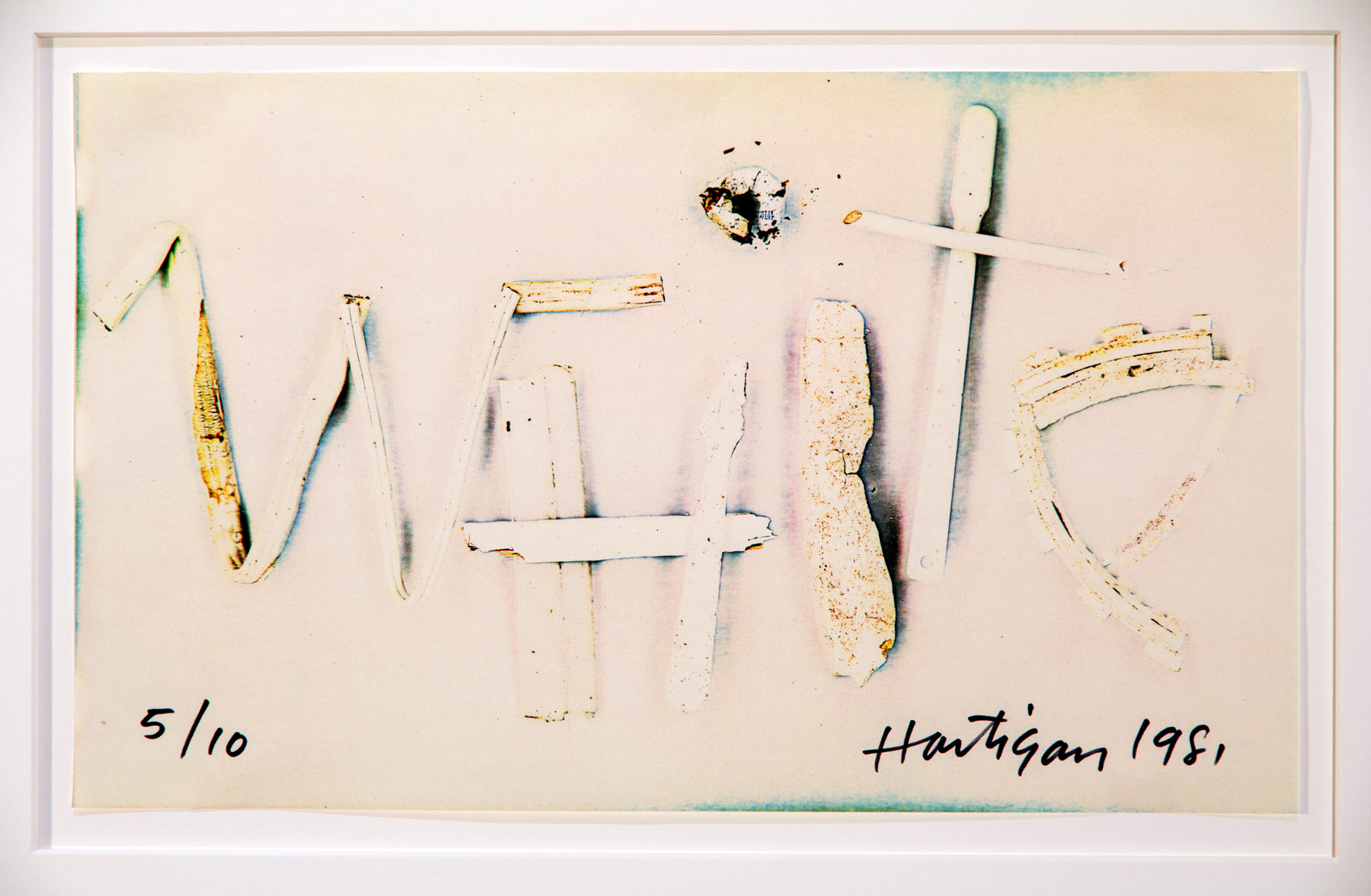


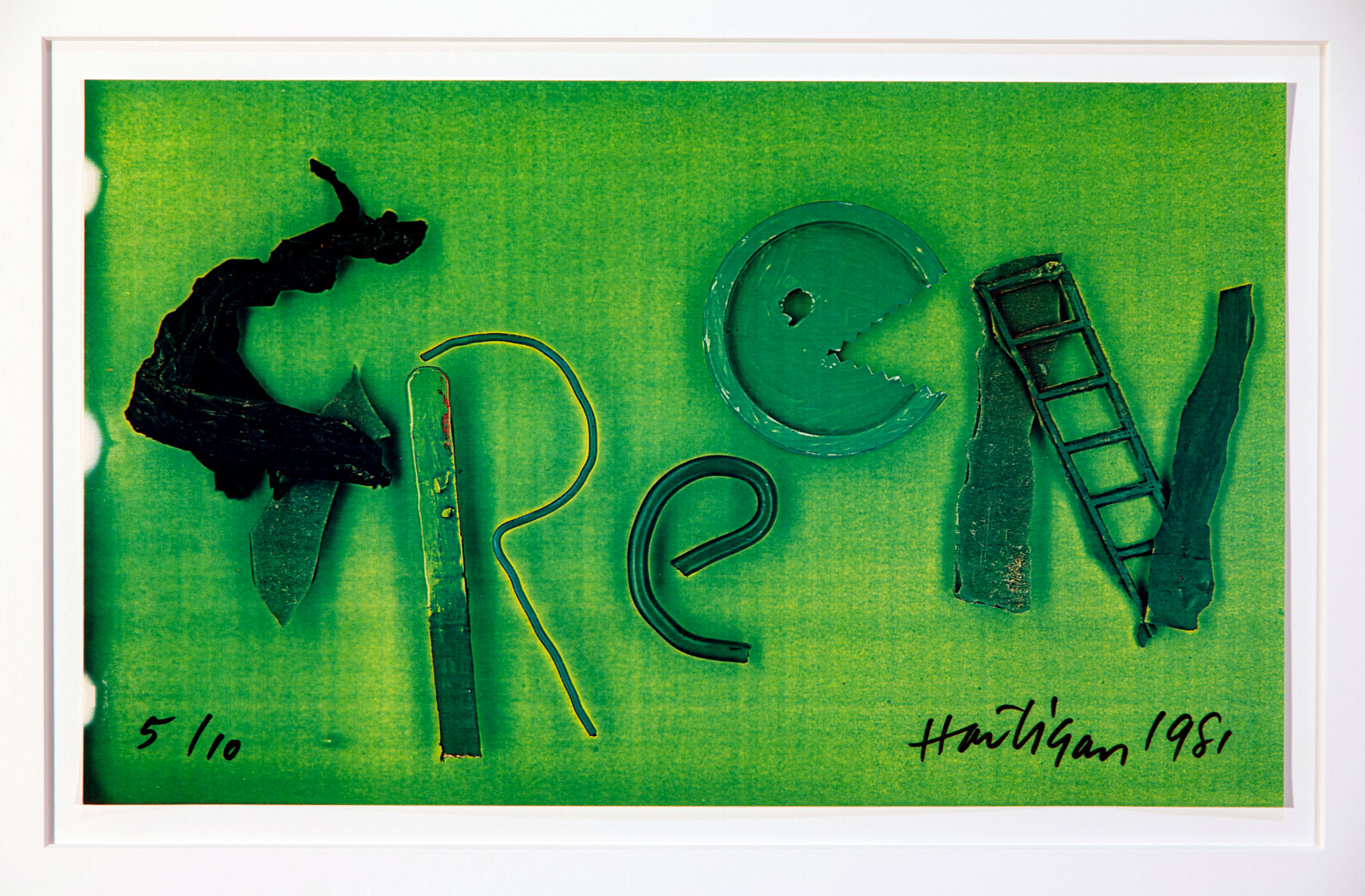
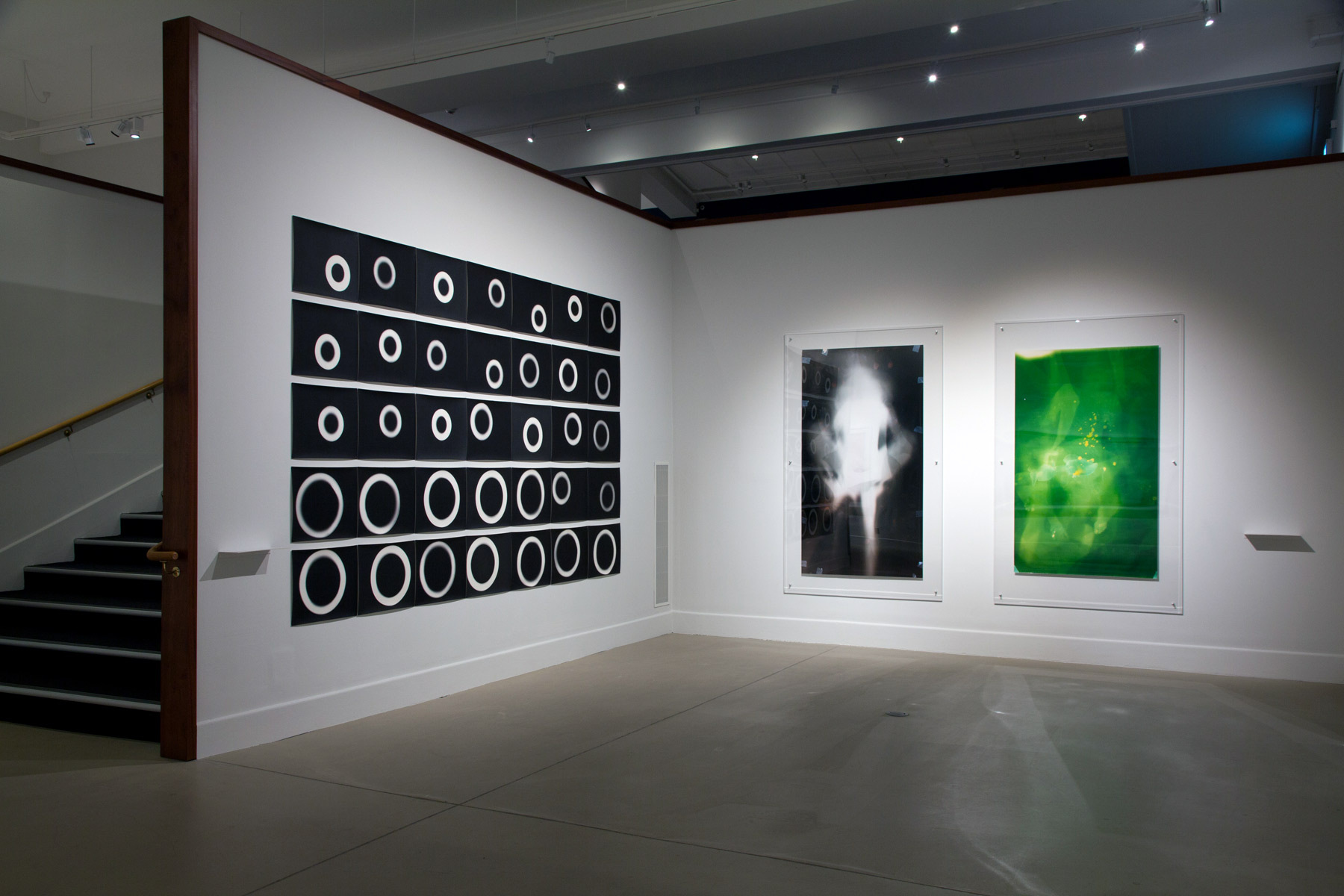
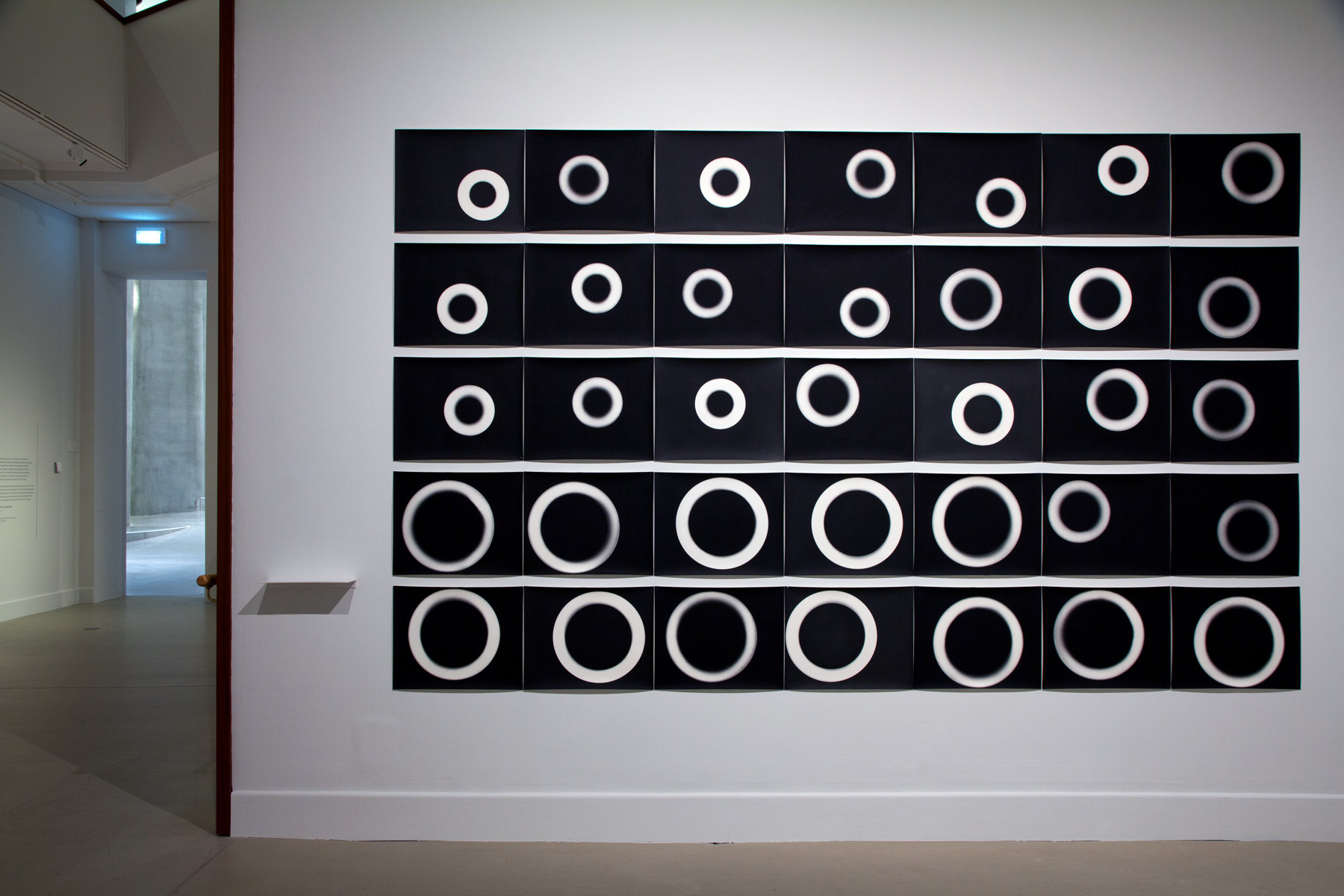


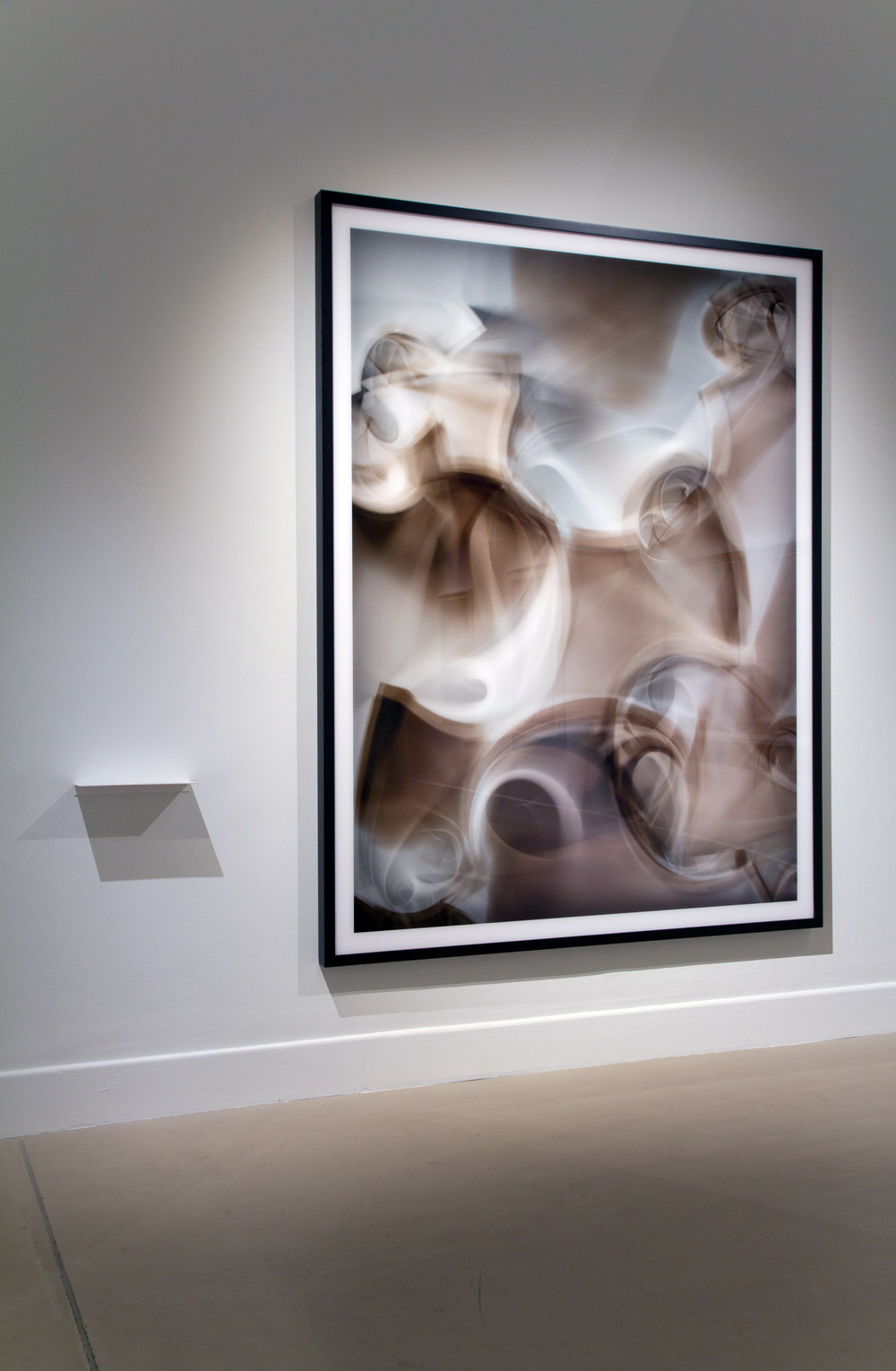

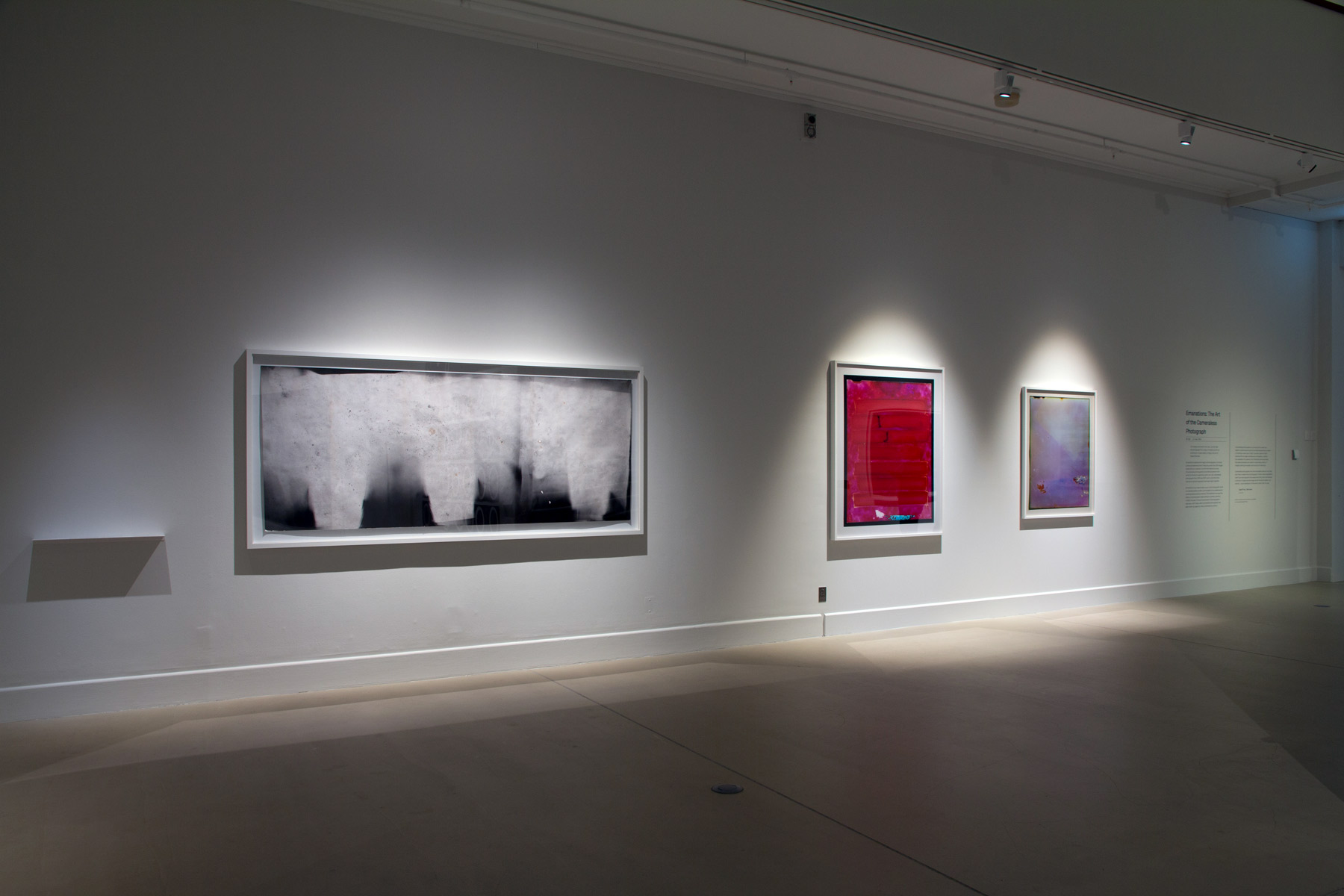

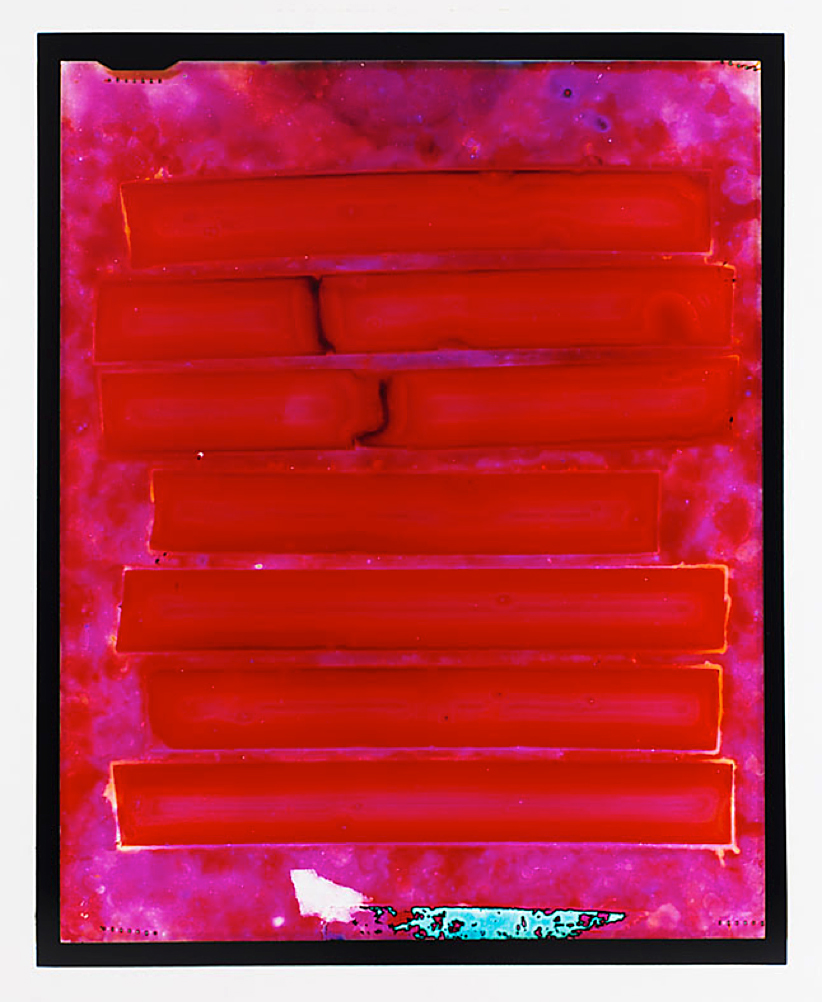
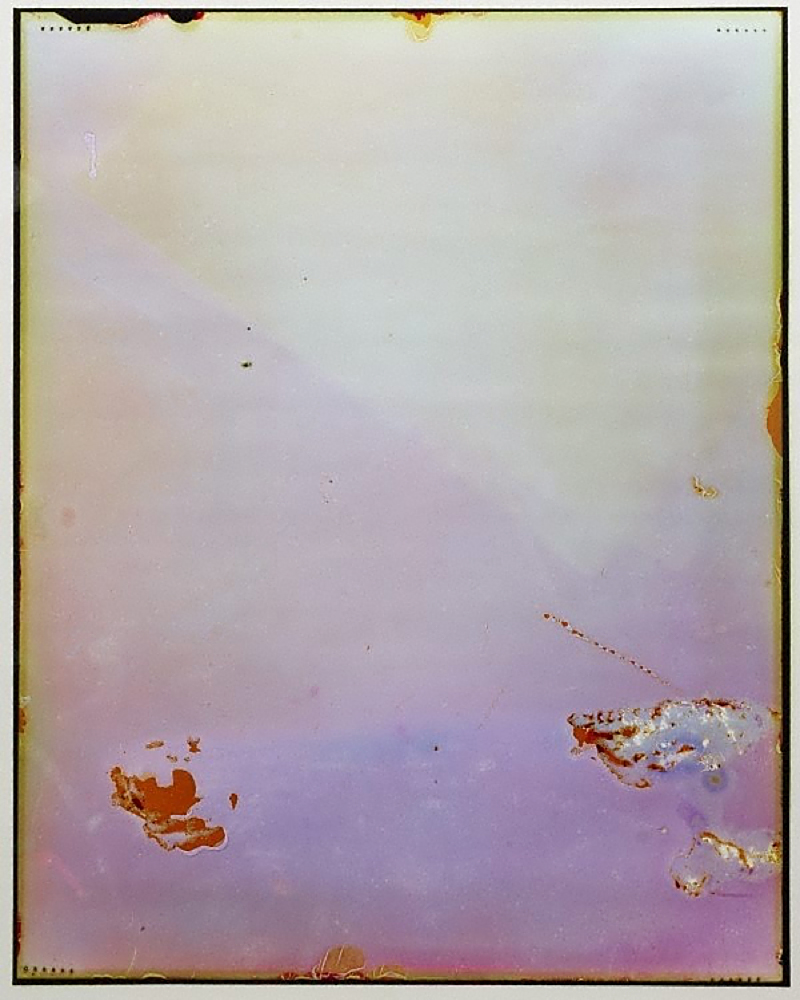






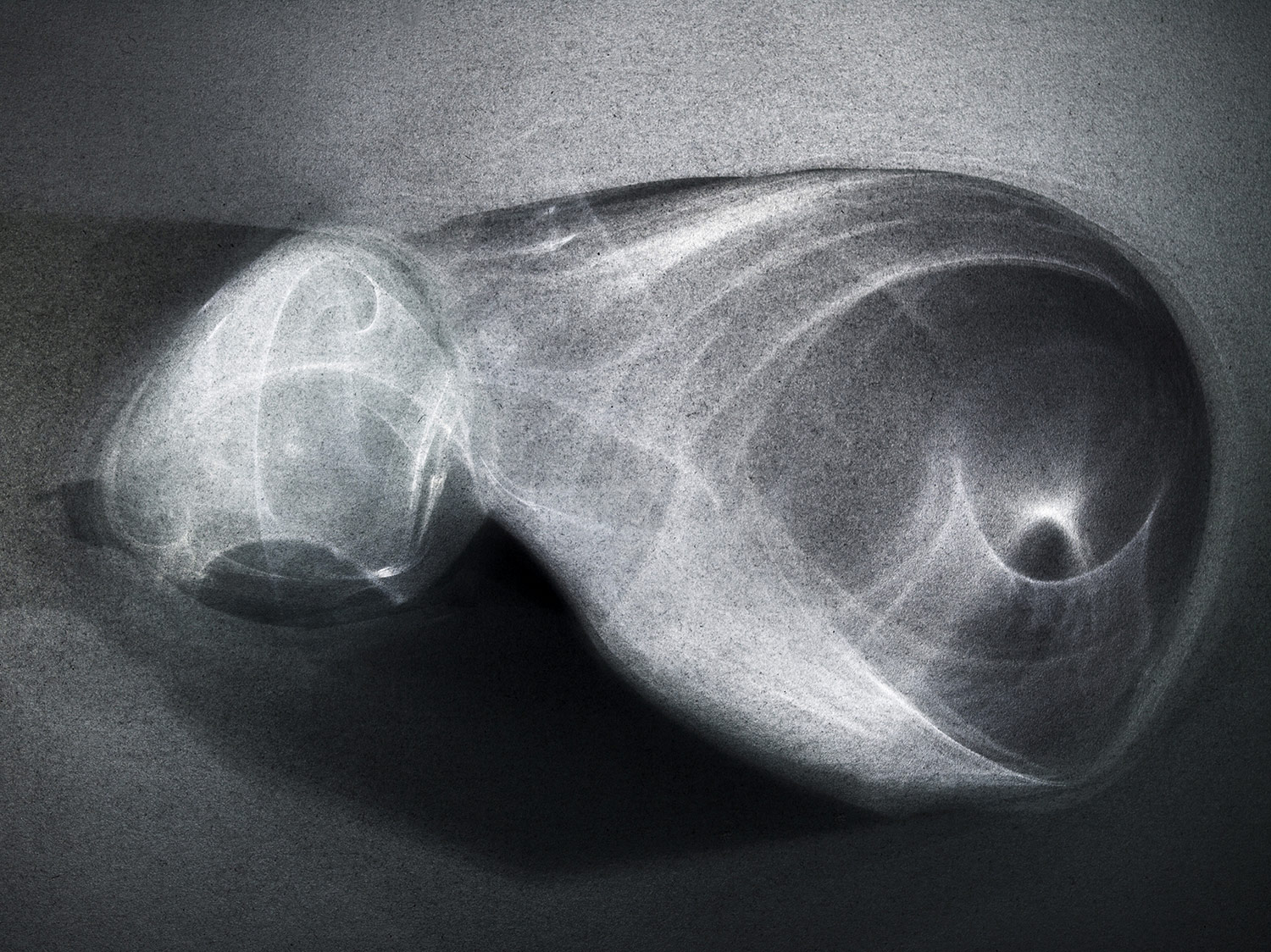
 Art Blart _ art and cultural memory archive
You must be logged in to post a comment.