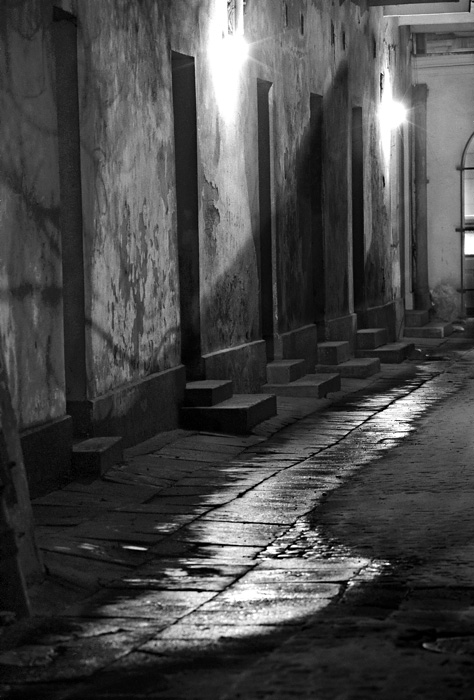
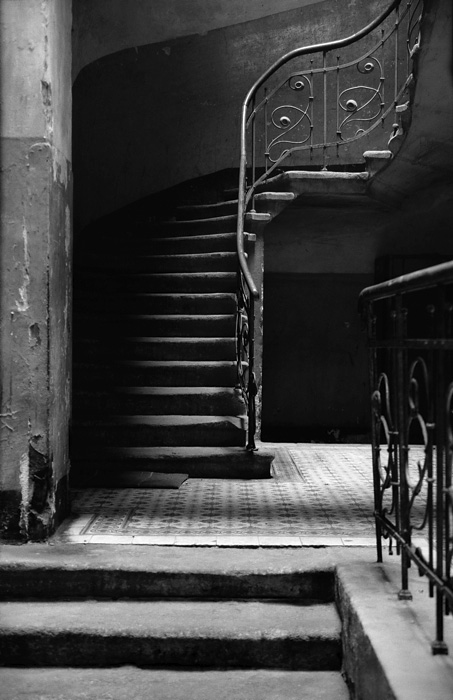
Jeff Gusky (American) Corridor in Kazimierz (Former Jewish District) Cracow, Poland 1996
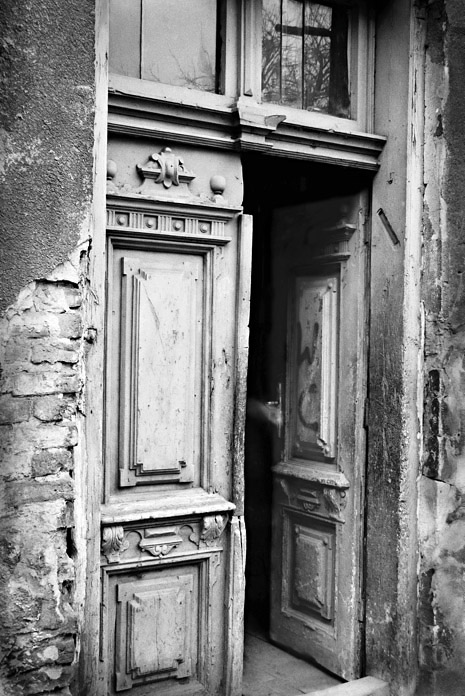
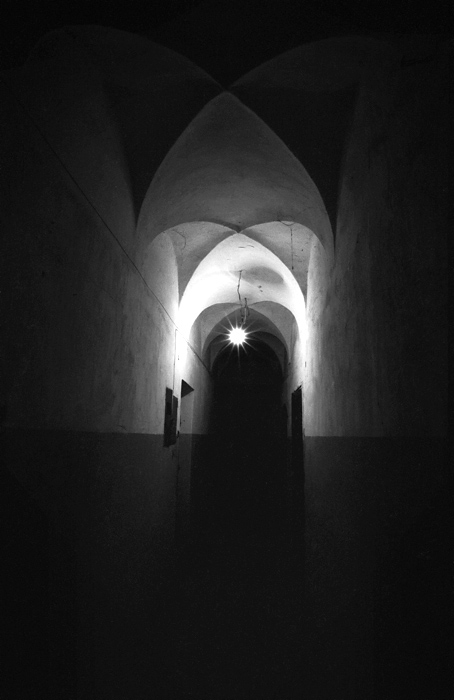
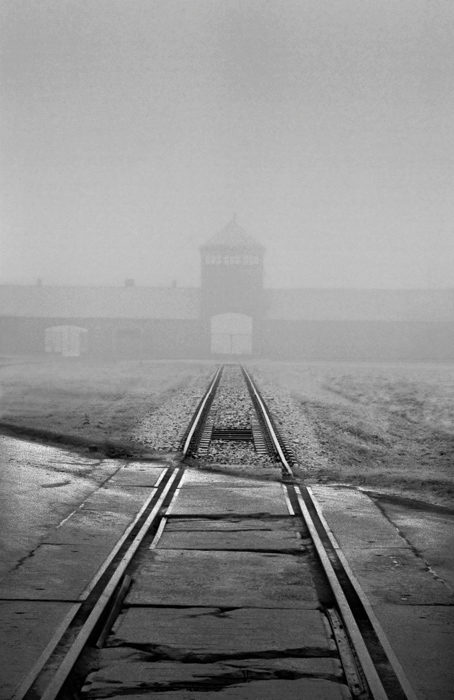
As promised photographs by Jeff Gusky from the exhibition Of Life and Loss: The Polish Photographs of Roman Vishniac and Jeffrey Gusky. Many thanks to Jeff for making them available to me. I have tried to form a small narrative from some of the photographs that Jeff sent me, like a piece of music. The flow through passageways and doorways forming rivers of light and dark ends in the ascending stairs that hold the possibility of deliverance and redemption. The image is reminiscent of photographs by Eugene Atget.
The most beautiful video and music (see below) is entirely appropriate for this post: Gorecki Symphony No. 3 “Sorrowful Songs” – Lento e Largo.
Dr Marcus Bunyan
Jeff Gusky (American) Former Jewish Home in Use as a Public Toilet Dzialoszyce, Poland 1996
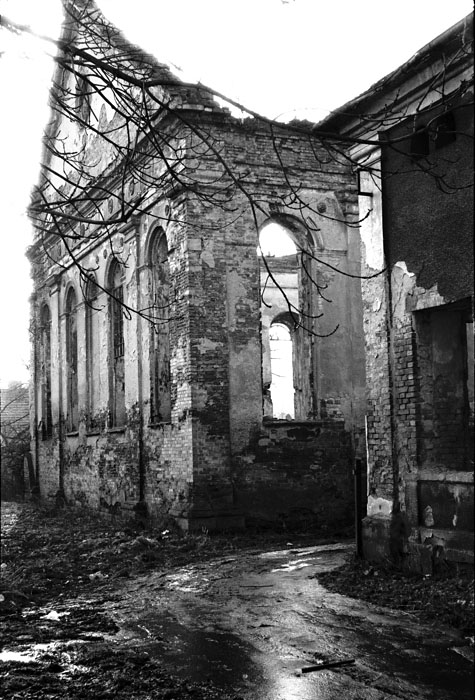
Jeff Gusky (American) Desecrated Synagogue and Jewish School Dzialoszyce, Poland 1999
Jeff Gusky (American) Lublin Corridor #1 Lublin, Poland 1999
Jeff Gusky (American) Birkenau Silhouette Auschwitz, Poland 1996
Jeff Gusky (American) Where They Lived #4 Cracow, Poland 2001
Gorecki Symphony No. 3 “Sorrowful Songs” – Lento e Largo
Detroit Institute of Arts 5200 Woodward Avenue Detroit, Michigan 48202 Phone: 313.833.7900
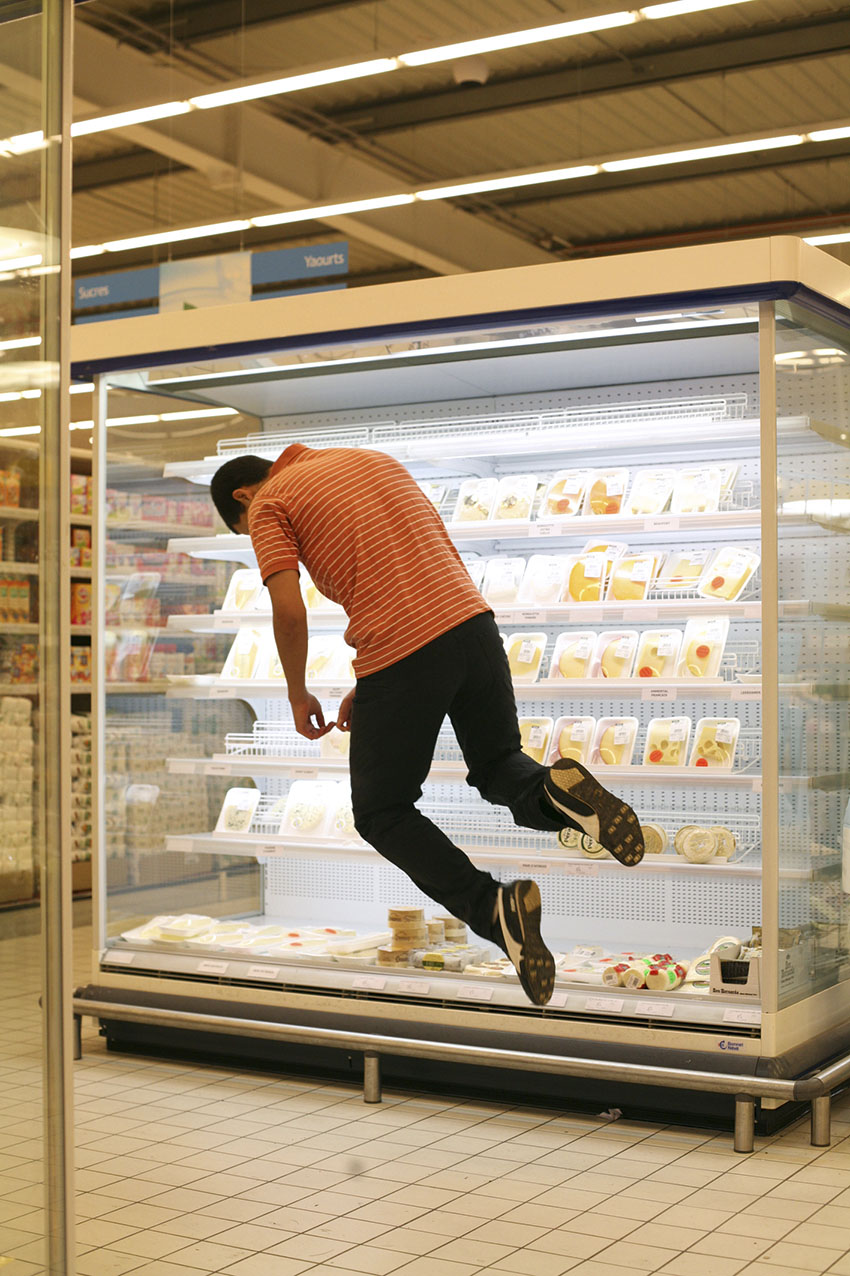
These images form an interesting body of work: levitating bodies suspended between heaven and earth, neither here nor there, form a hyper-real image grounded in the context of the fluorescent isles of French supermarkets. The mainly anonymous humans look like mannequins in their inertness, frozen at the moment of throwing themselves/being thrown into the consumer environment. After his brilliant series La Chute (The Fall) Darzacq has taken people gathered in a casting call from around the town of Rouen and made their frozen bodies complicit in the mass production of the supermarket and the mass consumption of the image as tableaux vivant: the mise en scène directed by the photographer to limited effect. There is something unsettling about these images but ultimately they are unrewarding, as surface as the environment the bodies are suspended in, and perhaps this is the point.
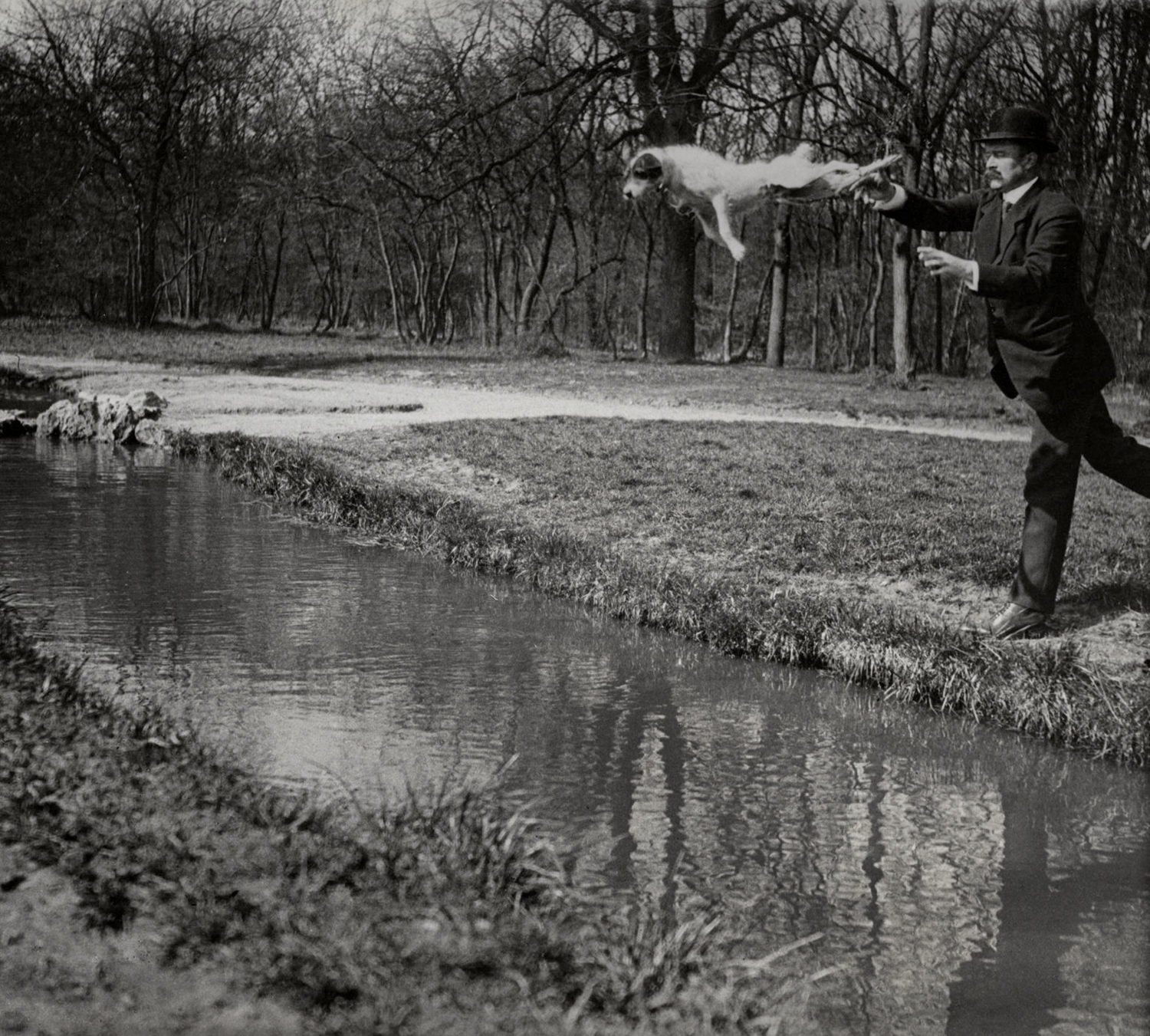
Suspension of bodies is not a new idea in photography. Jacques Henri Lartigue used the freeze frame to good effect long before Henri Cartier-Bresson came up with his ‘decisive moment’: playing with the effect of speed and gravity in an era of Futurism, Lartigue used the arrested movement of instant photography then afforded by smaller cameras and faster film to capture the spirit of liberation in the ‘Belle Epoque’ period before the First World War.
“All the jumping and flying in Lartigue’s photographs, it looks like the whole world at the turn of the century is on springs or something. There’s a kind of spirit of liberation that’s happening at the time and Lartigue matches that up with what stop action photography can do at the time, so you get these really dynamic pictures. And for Lartigue part of the joke, most of the time, is that these people look elegant but they are doing these crazy stunts.”1
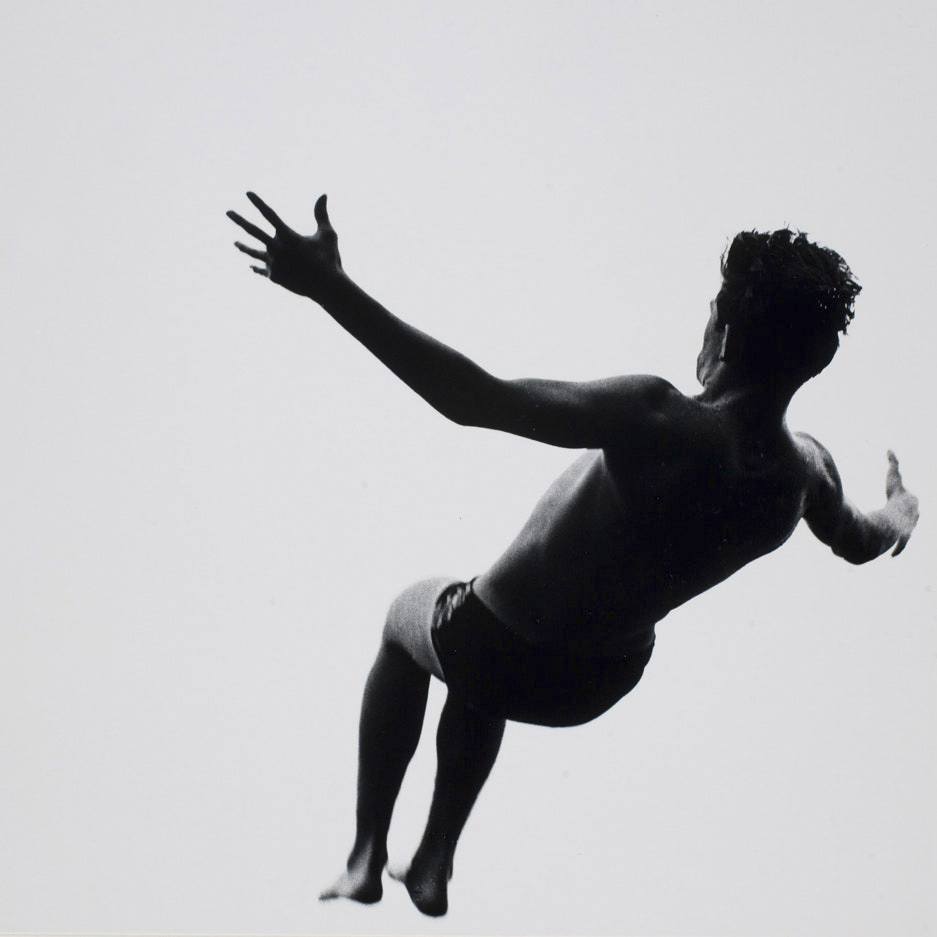
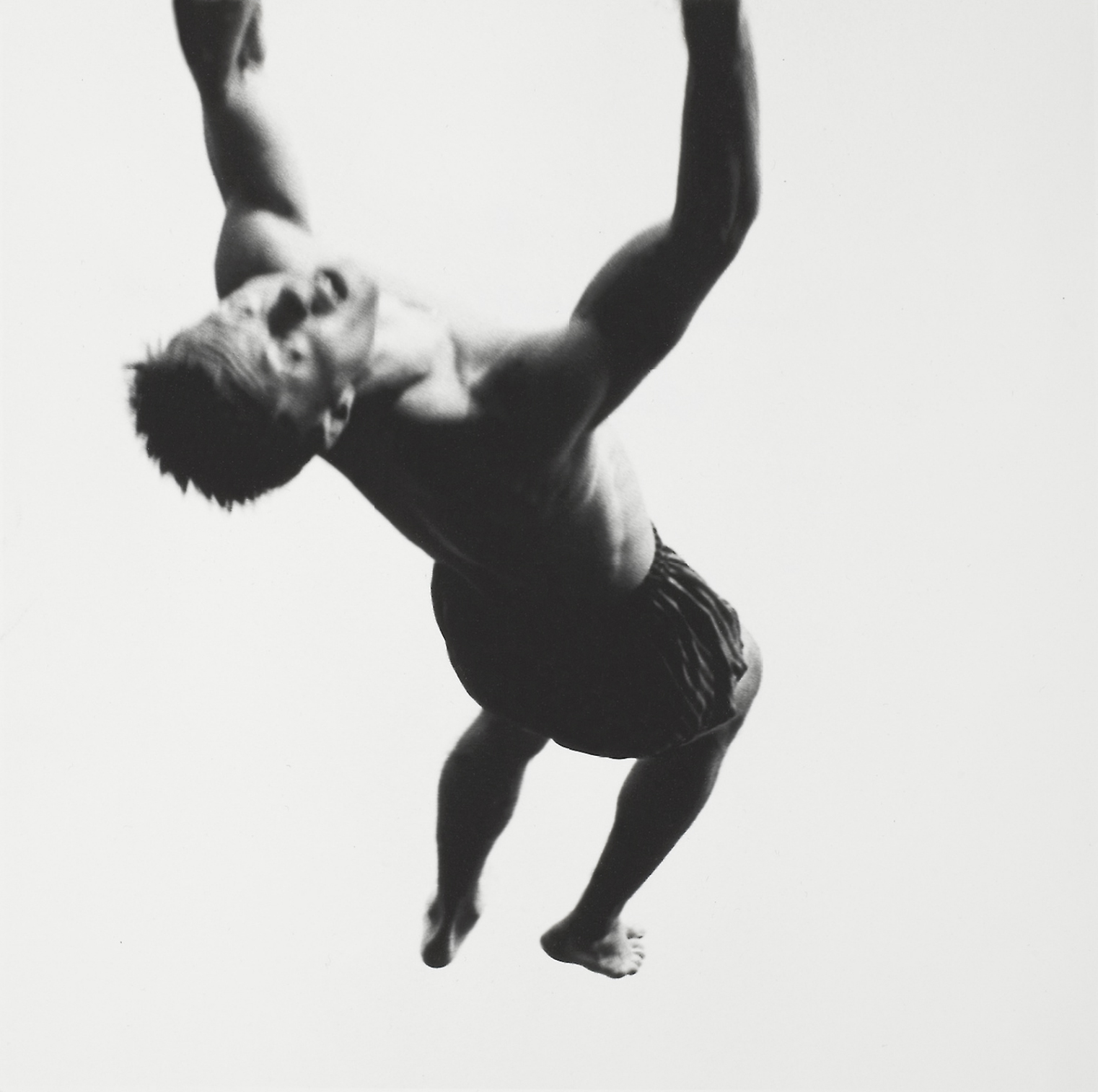
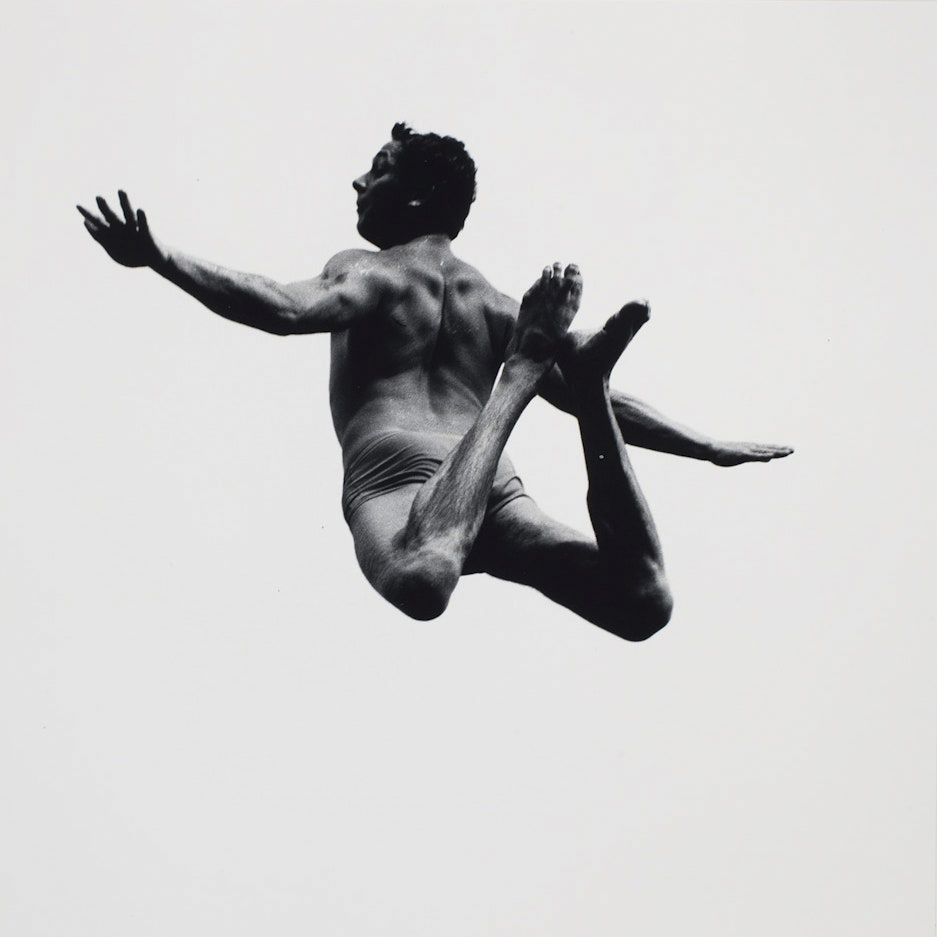
One of the greatest, if not the greatest ever, series of photographs of levitating bodies is that by American photographer Aaron Siskind. Called Pleasures and Terrors of Levitation (sometimes reversed as Terrors and Pleasures of Levitation as on the George Eastman House website) the images feature divers suspended in mid-air with the sky as their blank, background canvas. The images formal construction makes the viewer concentrate on the state of the body, its positioning in the air, and the look on the face of some of the divers caught between joy and fear.
“Highly formal, yet concerned with their subject as well as the idea they communicate, the ‘Pleasures and Terrors of Levitation’ photographs depict the dark shapes of divers suspended mid-leap against a blank white sky. Shot with a hand-held twin-lens reflex camera at the edge of Lake Michigan in Chicago, the balance and conflict suggested by the series’ title is evident in the divers’ sublime contortions.”2
Perhaps because of their air of balance and conflict we can return to these vibrant images again and again and they never loose their freshness, intensity and wonder. The same cannot be said of Denis Darzacq’s Hyper photographs. Slick and surface like the consumer society on which they comment the somnambulistic bodies are more like floating helium balloons, perhaps even tortured souls leaving the earth. Reminiscent of the magicians trick where the girl is suspended and a hoop passed around her body to prove the suspension is real these photographs really are more smoke and mirrors than any comment on the binary between being and having as some commentators (such as Amy Barrett-Lennard, Director Perth Institute of Contemporary Arts) have suggested. There is no spirit of liberation here, no sublime revelation as the seemingly lifeless bodies are trapped between the supermarket shelves, as oblivious to and as anonymous as the products that surround them. The well shot images perhaps possess a sense of fun, if I am being generous, as Darzacq plays with our understanding of reality… but are they more than that or is the Emperor just wearing very thin consumer clothing?
Dr Marcus Bunyan
1/ Kevin Moore (Lartigue biographer) quoted in “Genius of Photography,” on the BBC website [Online] Cited 15/03/2009
2/ Text from the Museum of Contemporary Photography website [Online] Cited 15/03/2009 (no longer available)
Many thankx to the Australian Centre for Photography for allowing me to publish the Darzacq photographs in the posting. Please click on the photographs for a larger version of the image. All other images are used under “fair use” for the purpose of education, research and critical discourse.
Denis Darzacq (French, b. 1961) Hyper #8 2007
“The astonishing photographs that make up Hyper involve no digital manipulation, just close collaboration between young dancers and sportspeople as they jump for the camera to form strange, exaggerated poses and body gestures. Denis Darzacq was drawn to the trashy, consumerist nature of the French Hypermarkets (the equivalent of our supermarkets) and the hyper coloured backgrounds they provided. These supermarkets offered a sharp juxtaposition to the sublime, almost-spiritual bodies that appear to float in their aisles.
Hyper is the latest series of works by French photographer Denis Darzacq, who continues to explore the place of the individual in society, a theme which has been crucial to his work in the last few years.”
Text from the ACP website [Online] Cited 15/03/2009. No longer available online
Jacques Henri Lartigue (French, 1894-1986) Bichonnade, 40, Rue Cortambert, Paris 1905 Gelatin silver print
Jacques Henri Lartigue (French, 1894-1986) Mr Folletete (Plitt) et Tupy, Paris, March 1912 1912 Gelatin silver print
Jacques Henri Lartigue (French, 1894-1986) Fuborg 1929 Gelatin silver print
Herni Cartier-Bresson (French, 1908-2004) Behind Saint Lazare Station, Paris, France 1932 Gelatin silver print
Aaron Siskind (American, 1903-1991) Pleasures and Terrors of Levitation #37 1956 Gelatin silver print
Aaron Siskind (American, 1903-1991) Pleasures and Terrors of Levitation #47 1954 Gelatin silver print
Aaron Siskind (American, 1903-1991) Pleasures and Terrors of Levitation #93 1961 Gelatin silver print
Aaron Siskind (American, 1903-1991) Pleasures and Terrors of Levitation #99 1956 Gelatin silver print
Aaron Siskind (American, 1903-1991) Pleasures and Terrors of Levitation #491 1956 Gelatin silver print
Denis Darzacq (French, b. 1961) Hyper #3 2007
Hyper picks up on La Chute while explicitly focusing the artist’s message on the consumerism which hovered in the background of several previous series. In Casques de Thouars Darzacq explored the connecting power and the limits of a consumer product; here the critique is more biting. Hyper opposes bodies in movement and the saturated, standardised space of mass distribution outlets. In this totally commercial setting, the body’s leap expresses the freedom and unhampered choice of its movement. It is a clear challenge to the marketing strategies which seek to control our behaviour. Some of the figures, glowing with an aura, impose glory and give off a sense of spirituality in total contrast with the temples of consumption in which they are found.
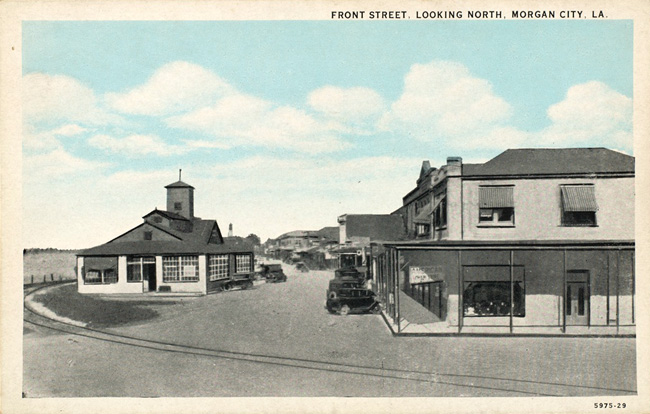
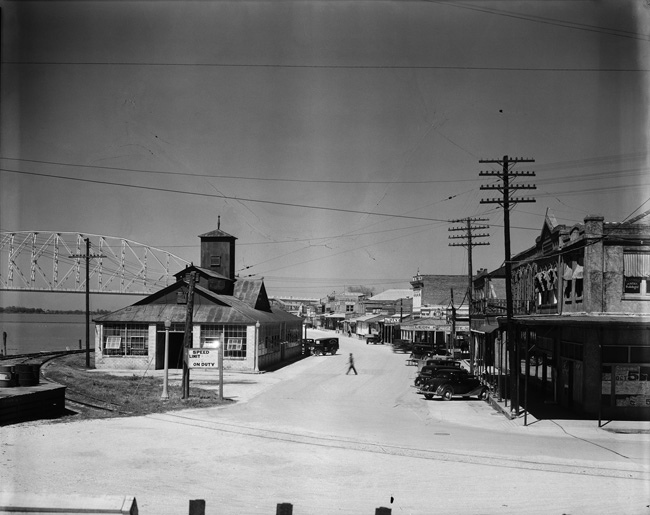
Unknown artist (American) Front Street, Looking North, Morgan City, LA 1929 Postcard, Photomechanical reproduction 3 1/2 x 5 1/2 in. (8.9 x 14 cm) The Metropolitan Museum of Art, New York, Walker Evans Archive, 1994
This looks a very interesting exhibition – I wish I could see the actual thing!
Many thankx to The Metropolitan Museum of Art for allowing me to publish the photographs and art work in the posting. Please click on the photographs for a larger version of the image.
This exhibition will focus on a collection of 9,000 picture postcards amassed and classified by the American photographer Walker Evans (1903-1975), now part of the Metropolitan’s Walker Evans Archive. The picture postcard represented a powerful strain of indigenous American realism that directly influenced Evans’s artistic development. The dynamic installation of hundreds of American postcards drawn from Evans’s collection will reveal the symbiotic relationship between Evans’s own art and his interest in the style of the postcard. This will also be demonstrated with a selection of about a dozen of his own photographs printed in 1936 on postcard format photographic paper.
Text from The Metropolitan Museum of Art website
Walker Evans (American, 1903-1975) Street Scene, Morgan City, Louisiana 1935 Film negative 8 x 10 in. (20.3 x 25.4cm) The Metropolitan Museum of Art, New York, Walker Evans Archive, 1994
“Sold in five-and-dime stores in every small town in America, postcards satisfied the country’s need for human connection in the age of the railroad and Model T when, for the first time, many Americans regularly found themselves traveling far from home. At age twelve, Walker Evans began to collect and classify his cards. What appealed to the nascent photographer were the cards’ vernacular subjects, the simple, unvarnished, “artless” quality of the pictures, and the generic, uninflected, mostly frontal style that he later would borrow for his own work with the camera. Both the picture postcard and Evans’s photographs seem equally authorless – quiet documents that record the scene with an economy of means and with simple respect. Walker Evans and the Picture Postcard proposes that the picture postcard represented a powerful strain of indigenous American realism that directly influenced Evans’s artistic development.”
Text from the Steidl website
The American postcard came of age around 1907, when postal deregulations allowed correspondence to be written on the address side of the card. By 1914, the craze for picture postcards had proved an enormous boon for local photographers, as their black-and-white pictures of small-town main streets, local hotels and new public buildings were transformed into handsomely coloured photolithographic postcards that were reproduced in great bulk and sold in five-and-dime stores in every small town in America. Postcards met the nation’s need for communication in the age of the railroad and Model T, when, for the first time, many Americans often found themselves traveling far from home. In the Walker Evans Archive at New York’s Metropolitan Museum of Art, there is a collection of 9,000 such postcards amassed by the great American photographer, who began his remarkable collection at the age of 10. What appealed to Evans, even as a boy, were the vernacular subjects, the unvarnished, “artless” quality of the pictures and the generic, uninflected, mostly frontal style that he later would borrow for his own work. The picture postcard and Evans’ photographs seem equally authorless, appearing as quiet documents that record a scene with both economy of means and simple respect. This volume demonstrates that the picture postcard articulated a powerful strain of indigenous American realism that directly influenced Evans’ artistic development.
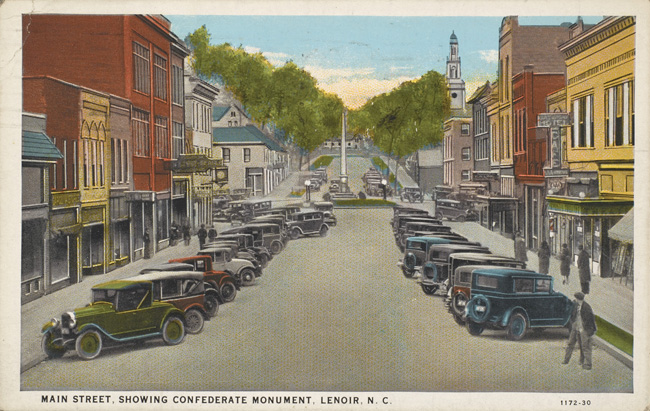
Unknown artist (American) Main Street, Showing Confederate Monument, Lenoir, N. C. 1930s Postcard, Photomechanical reproduction 3 1/2 x 5 1/2 in. (8.9 x 14cm) The Metropolitan Museum of Art, New York, Walker Evans Archive, 1994
Walker Evans was the progenitor of the documentary style in American photography, and he argued that picture postcard captured a part of America that was not recorded in any other medium. In the early 20th century, picture postcards, sold in five-and-dime stores across America, depicted small towns and cities with realism and hometown pride – whether the subject was a local monument, a depot, or a coal mine.
Evans wrote of his collection: “The very essence of American daily city and town life got itself recorded quite inadvertently on the penny picture postcards of the early 20th century .… Those honest direct little pictures have a quality today that is more than mere social history .… The picture postcard is folk document.”
Walker Evans and the Picture Postcard is the first exhibition to focus primarily on works drawn from The Walker Evans Archive. The installation is designed to convey the incredible range of his collection and to reflect the eclectic and obsessional ways in which the artist organised his picture postcards. For example, Evans methodically classified his collection into dozens of subject categories, such as “American Architecture,” “Factories,” “Automobiles,” “Street Scenes,” “Summer Hotels,” “Lighthouses,” “Outdoor Pleasures,” “Madness,” and “Curiosities”.
Marty Weil. “Walker Evans’ Picture Postcard Collection on the ephemera: exploring the world of old paper website Feb 24, 2009 [Online] Cited 12/06/2022. No longer available online
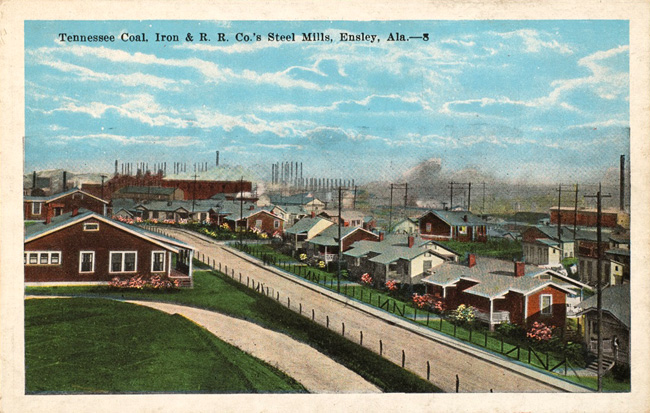
Unknown artist (American) Tennessee Coal, Iron, & R. R. Co.’s Steel Mills, Ensley, Ala. 1920s Postcard, Photomechanical reproduction 3 1/2 x 5 1/2 in. (8.9 x 14cm) The Metropolitan Museum of Art, New York, Walker Evans Archive, 1994
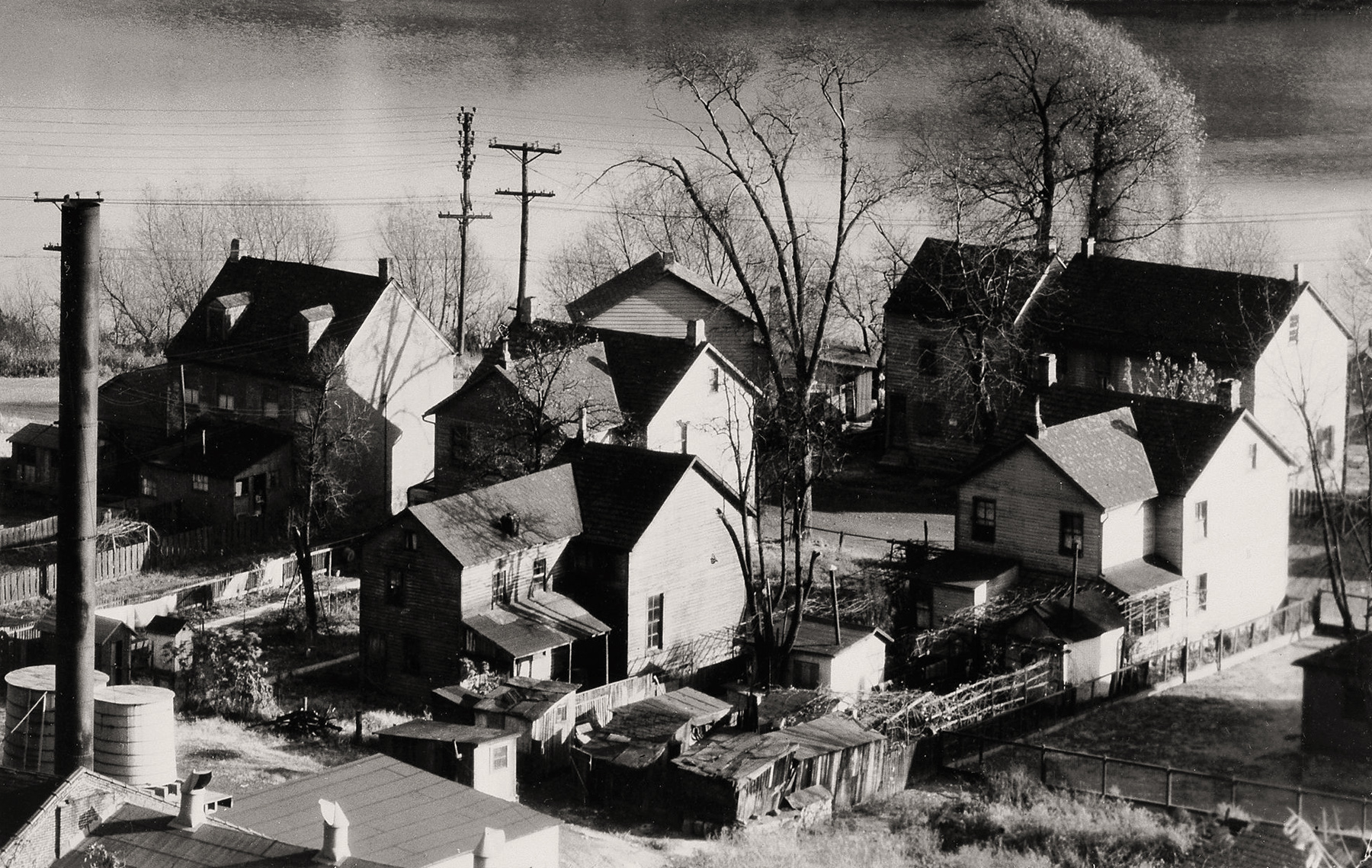
Walker Evans (American, 1903-1975) View of Easton, Pennsylvania 1935 Postcard format gelatin silver print
Walker Evans (American, 1903-1975) View of Ossining, New York 1930-1931 Gelatin silver print 4 1/8 x 7 13/16 in. (10.5 x 19.8cm) The Metropolitan Museum of Art, New York, Purchase, The Horace W. Goldsmith Foundation Gift through Joyce and Robert Menschel, 1999
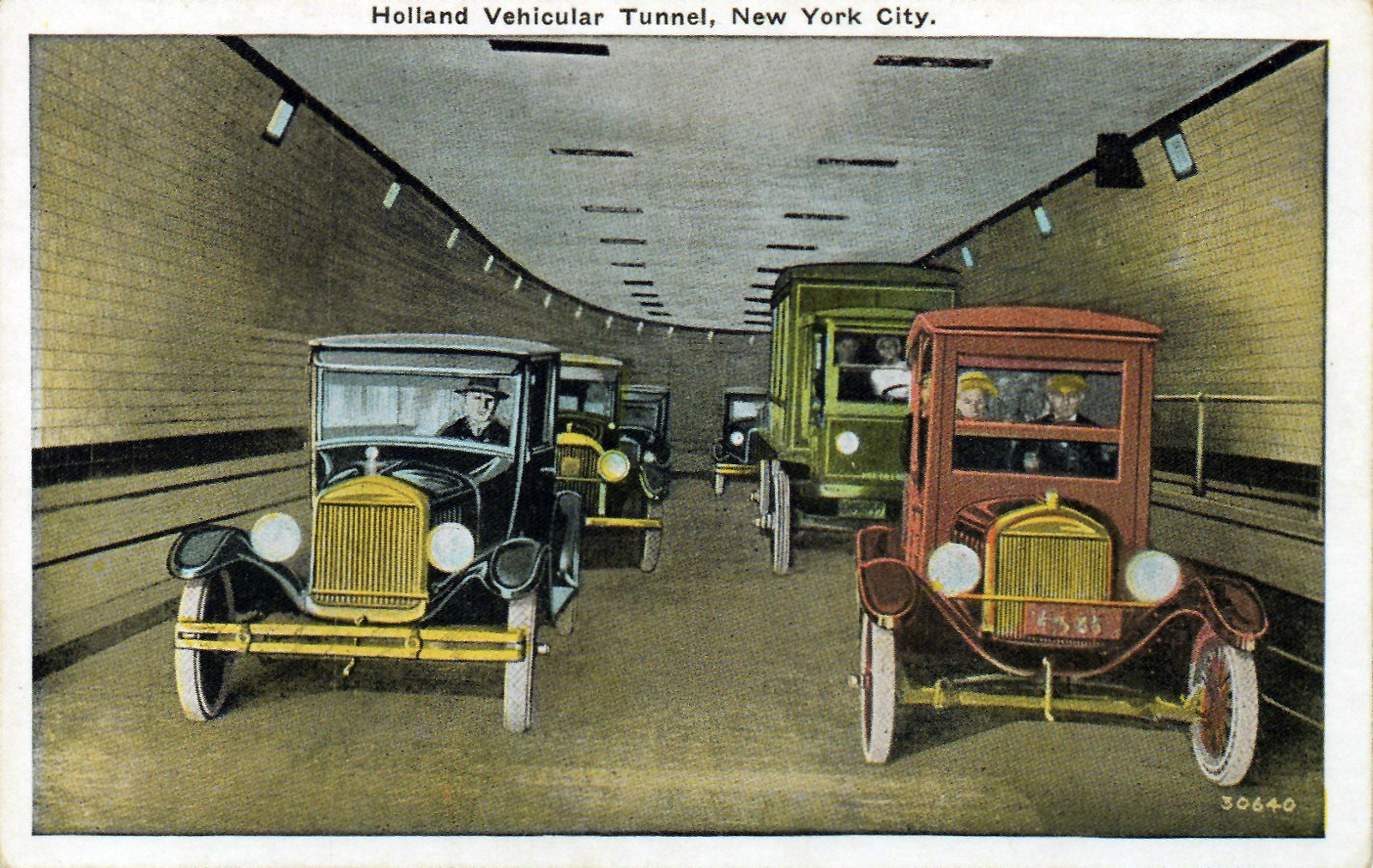
Unknown artist (American) Holland Vehicular Tunnel, New York City 1920s Postcard, Photomechanical reproduction 3 9/16 x 5 1/2 in. (9 x 14cm) The Metropolitan Museum of Art, New York, Walker Evans Archive, 1994
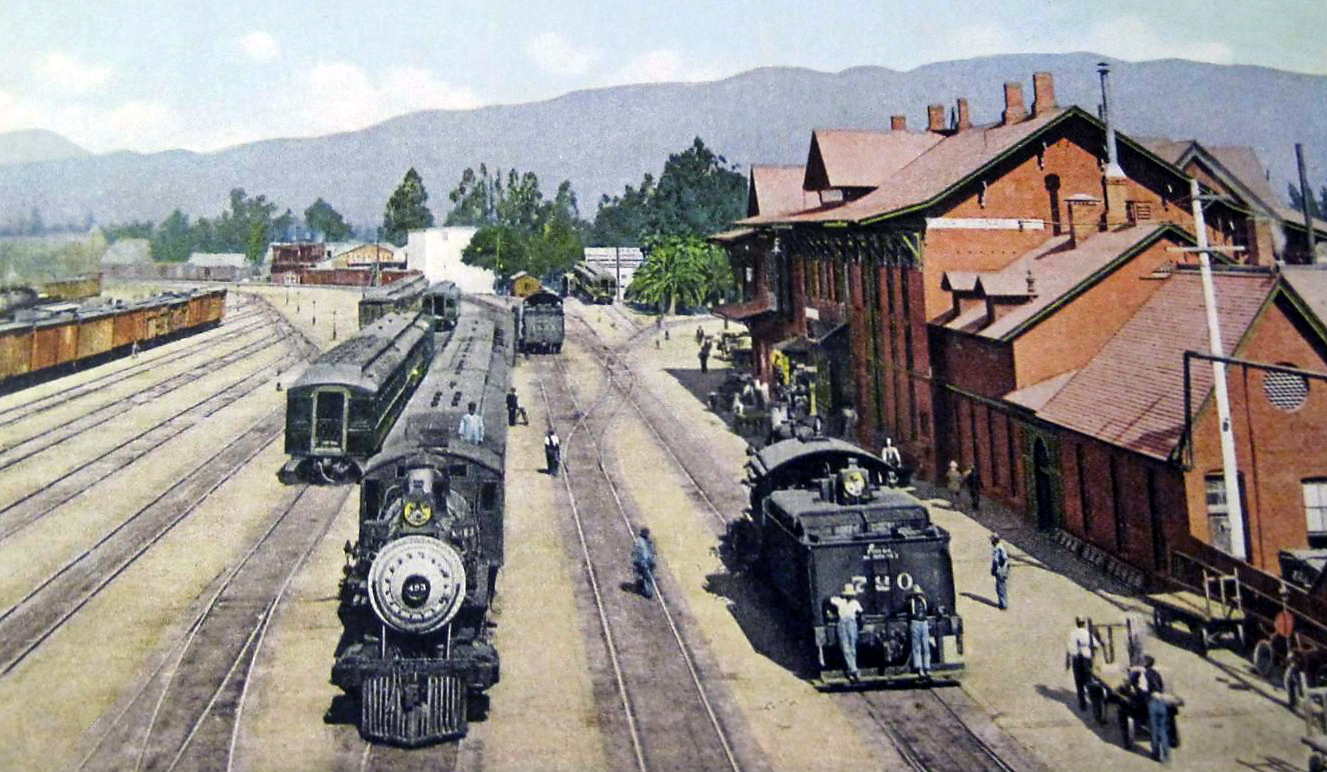
Unknown artist (American) Santa Fe station and yards, San Bernardino, California c. 1910 Postcard, Photomechanical reproduction 3 9/16 x 5 1/2 in. (9 x 14cm) The Metropolitan Museum of Art, New York, Walker Evans Archive, 1994
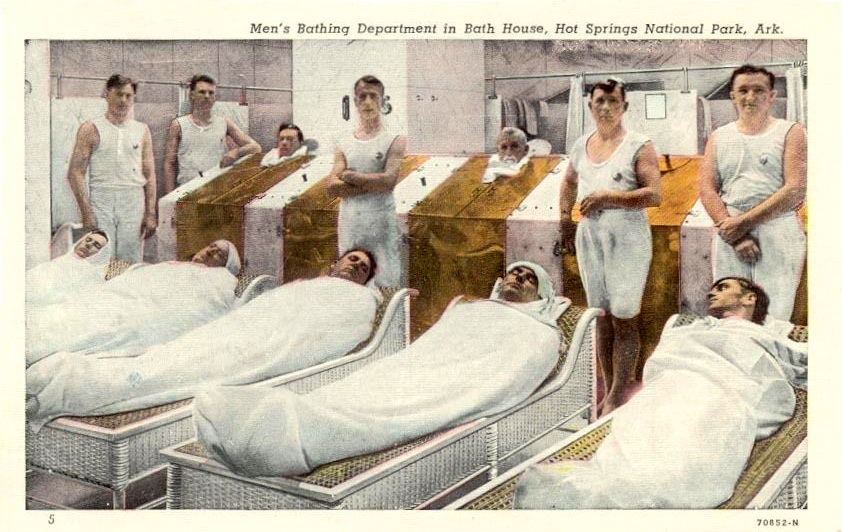
Unknown artist (American) Men’s Bathing Department, Bath House, Hot Springs National Park, Ark. 1920s Postcard, Photomechanical reproduction 3 9/16 x 5 1/2 in. (9 x 14cm) The Metropolitan Museum of Art, New York, Walker Evans Archive, 1994
Walker Evans and the Picture Postcard
In 1903, the year Walker Evans was born, the US Postal service handled 700 million picture postcards. Evans would later recall his fondness for those “honest, direct, little pictures that once flooded the mail.” By the age of twelve he was a collector and through his lifetime, an obsessive. “Yes, I was a postcard collector at an early age. Every time my family would take me around for what they thought was my education, to show me the country in a touring car, to go to Illinois, to Massachusetts, I would rush into Woolworth’s and buy all the postcards.” For Evans, the addition of hand-colouring added a great deal of aesthetic value. …
Walker Evans and the Picture Postcard reproduces hundreds of cards from his collection including the three magazine features mentioned above. Also the fine addition of an “illustrated transcript” of his now famous Lyric Documentary lecture at Yale in 1964 makes this a bit more interesting than the title may suggest. …
Later in life Evans had friends around the country while on photo trips keeping an eye for postcards that might interest. He had a particular love for ones produced by the Detroit Publishing Company which were considered the “Cadillac” of postcards. Lee Friedlander related the following from a recent interview: “The Detroit Publishing Company had a formula. If a town had 2,000 people or so, it got a main street postcard; if it had 3,500, it got the main street and also a courthouse square. Walker liked the formula. He had everyone looking for this or that. He told me once in Old Lyme, “If you run across any ‘Detroits,’ get them for me.” I found sixty or seventy cards for him. He loved them.”
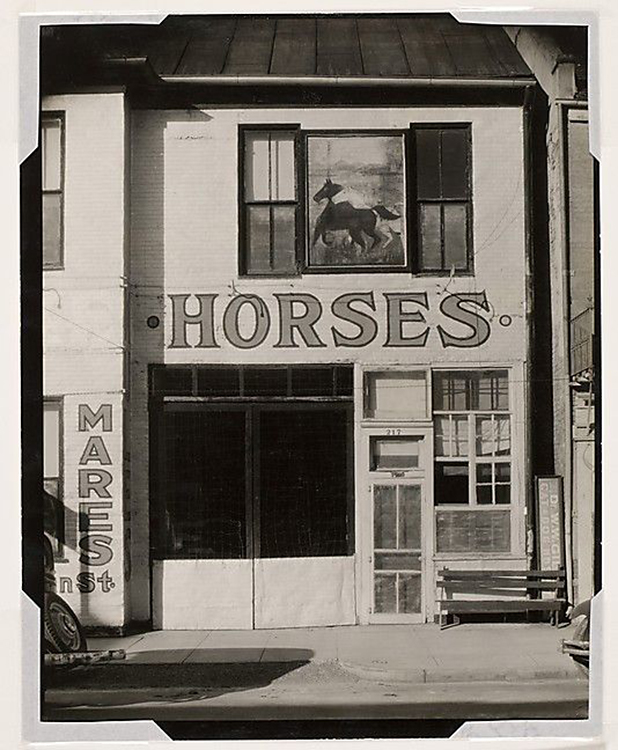
Walker Evans (American, 1903-1975) Stable, Natchez, Mississippi March 1935 Gelatin silver print 10 x 8 in. (25.4 x 20.3cm) The Metropolitan Museum of Art, New York, Gilman Collection, Purchase, The Horace W. Goldsmith Foundation Gift through Joyce and Robert Menschel, 2005
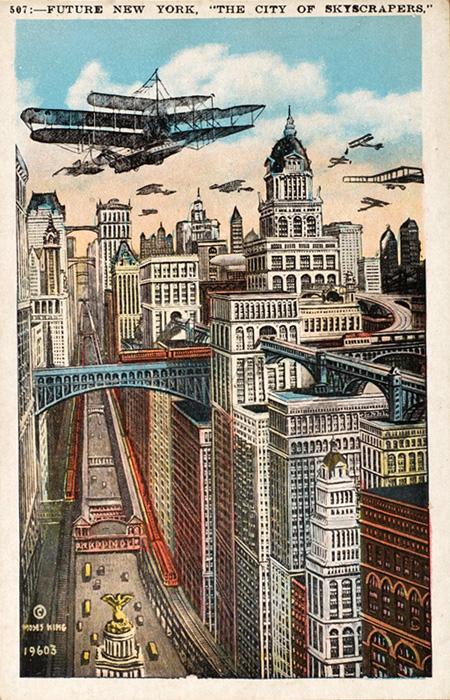
Unknown artist (American) Future New York, The City of Skyscrapers 1910s Postcard, Photomechanical reproduction 3 9/16 x 5 1/2 in. (9 x 14cm) The Metropolitan Museum of Art, New York, Walker Evans Archive, 1994
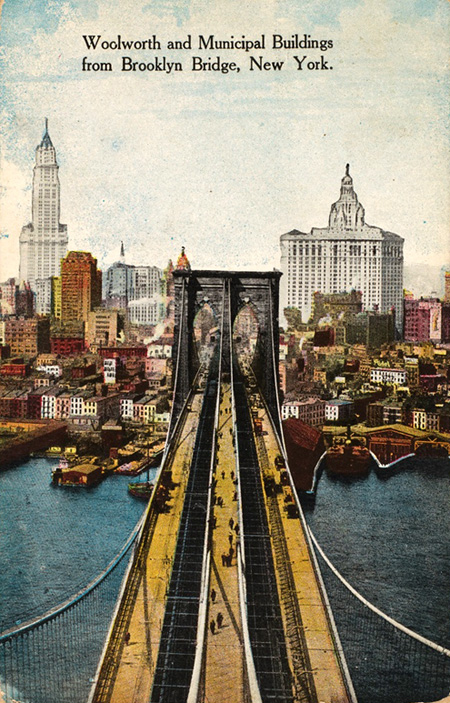
Unknown artist (American) Woolworth and Municipal Buildings from Brooklyn Bridge, New York 1910s Postcard, Photomechanical reproduction 3 9/16 x 5 1/2 in. (9 x 14cm) The Metropolitan Museum of Art, New York, Walker Evans Archive, 1994
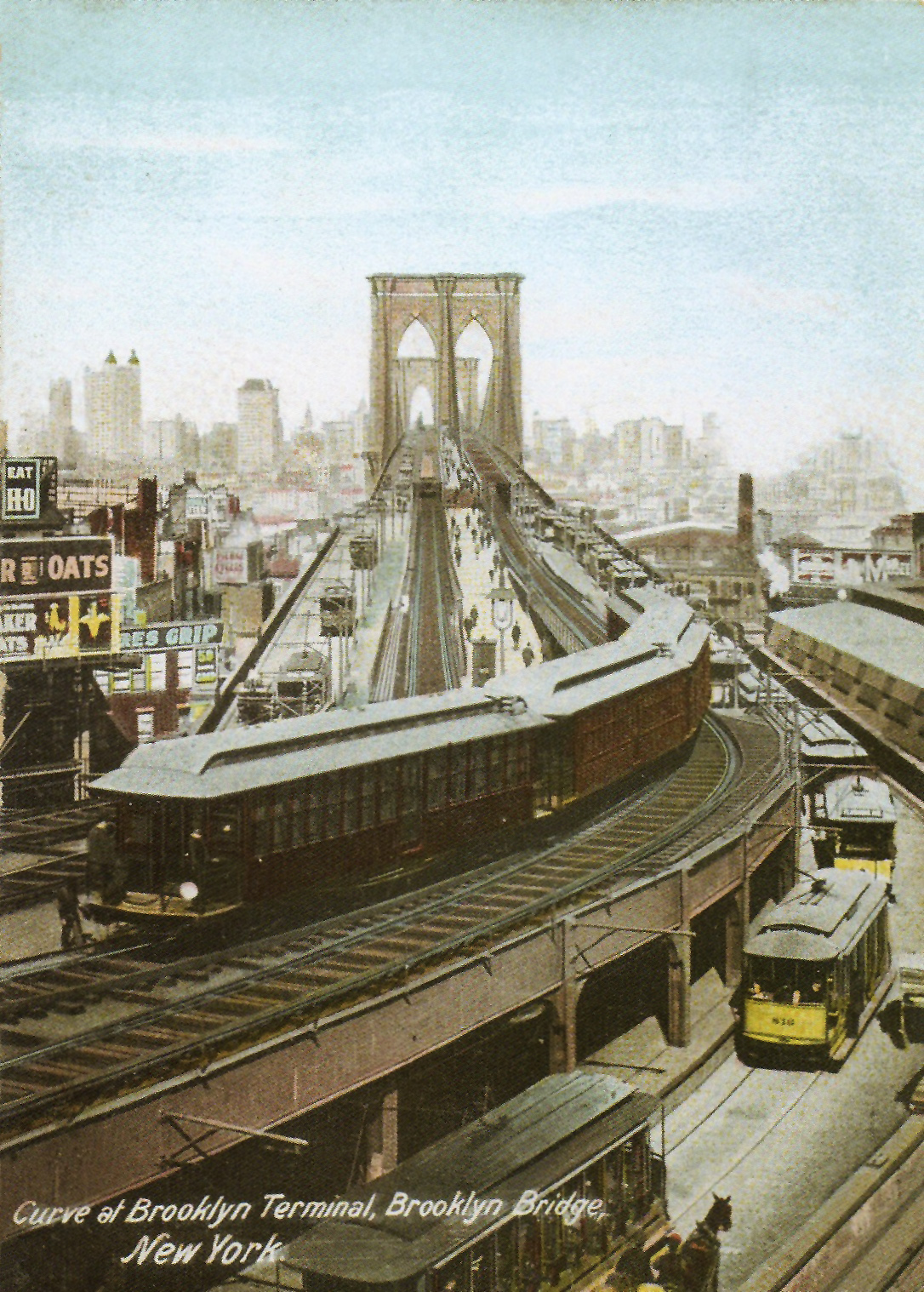
Unknown artist (American) Curve at Brooklyn Terminal, Brooklyn Bridge, New York 1907 Postcard, Photomechanical reproduction 3 9/16 x 5 1/2 in. (9 x 14cm) The Metropolitan Museum of Art, New York, Walker Evans Archive, 1994
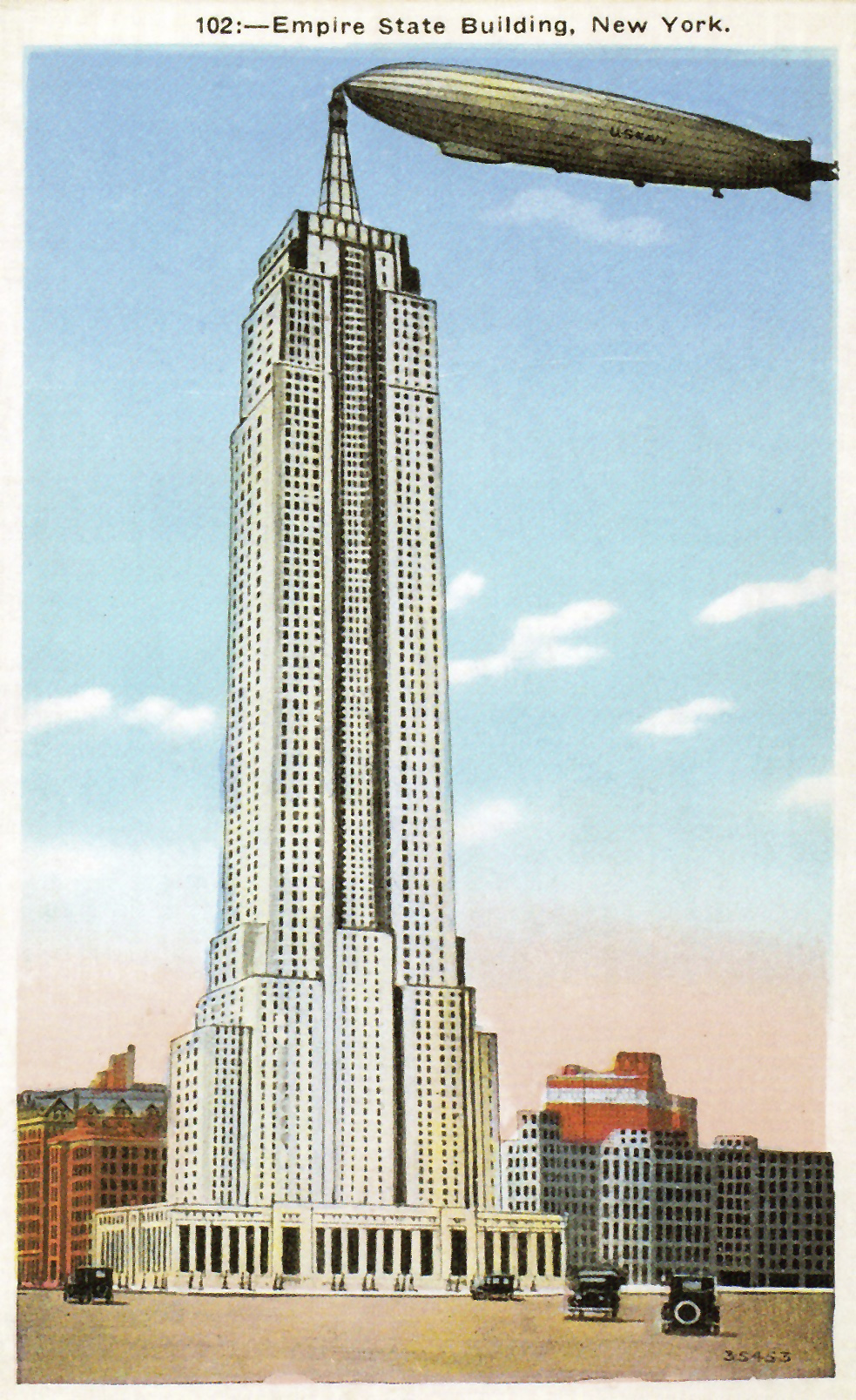
Unknown artist (American) Empire State Building, New York 1930s Postcard, Photomechanical reproduction 3 9/16 x 5 1/2 in. (9 x 14cm) The Metropolitan Museum of Art, New York, Walker Evans Archive, 1994
The Metropolitan Museum of Art 1000 Fifth Avenue at 82nd Street New York, New York 10028-0198 Phone: 212-535-7710
Opening hours: Sunday – Tuesday and Thursday: 10am – 5pm Friday and Saturday: 10am – 9pm Closed Wednesday
Inge Morath (American born Austria, 1923-2002) From the series about Regensburg Museums 1999 Gelatin silver print
“To take pictures had become a necessity and I did not want to forgo it for anything.”
Inge Morath
The Magnum Foundation and the Inge Morath Foundation announce the sixth annual Inge Morath Award. The annual prize of $5,000 is awarded by the Magnum Foundation to a female documentary photographer under the age of 30, to support the completion of a long-term project. One award winner and up to two finalists are selected by a jury composed of Magnum photographers.
Inge Morath was an Austrian-born photographer who was associated with Magnum Photos for nearly fifty years. After her death in 2002, the Inge Morath Foundation was established to manage Morath’s estate and facilitate the study and appreciation of her contribution to photography.
Because Morath devoted much of her enthusiasm to encouraging women photographers, her colleagues at Magnum Photos established the Inge Morath Award in her honour. The Award is now given by the Magnum Foundation as part of its mission of supporting new generations of socially-conscious documentary photographers, and is administered by the Magnum Foundation in collaboration with the Inge Morath Foundation.
Past winners of the Inge Morath Award include: Kathryn Cook (US, ’08) for Memory Denied: Turkey and the Armenian Genocide; Olivia Arthur (UK, ’07) for The Middle Distance; Jessica Dimmock (US, ’06) for The Ninth Floor; Mimi Chakarova (US, ’06) for Sex Trafficking in Eastern Europe; Claudia Guadarrama (MX, ’05) for Before the Limit; and Ami Vitale (US, ’02), for Kashmir.
Text from The Inge Morath Foundation website [Online] Cited 01/03/2009. No longer available online
Inge Morath (American born Austria, 1923-2002) Visitor in the Metropolitan Museum 1958 Gelatin silver print
“I have photographed since 1952 and worked with Magnum Photos since 1953, first out of Paris, later out of New York. I am usually labeled as a photojournalist, as are all members of Magnum. I am quoting Henri Cartier-Bresson’s explanation for this: He wrote to John Szarkowski in answer to an essay in which Szarkowski stated that Cartier-Bresson labels himself as a photojournalist.
“May I tell you the reason for this label? As well as the name of its inventor? It was Robert Capa. When I had my first show in the Museum of Modern Art in New York in 1948 he warned me: ‘watch out what label they put on you. If you become known as a surrealist […] then you will be considered precious and confidential. Just go on doing what you want to do anyway but call yourself a photojournalist, which puts you into direct contact with everything that is going on in the world.'”
It is in this understanding that we have been working as a group and yet everyone following their own way of seeing. The power of photography resides no doubt partly in the tenacity with which it pushes whoever gets seriously involved with it to contribute in an immeasurable number of forms his own vision to enrich the sensibility and perception of the world around him.
[In the 1950s] the burden of the already photographed was considerably less than now. There was little of the feeling of being a latecomer who has to overwhelm the huge existing body of the photographic oeuvre – which, in photography as in painting and literature, necessarily leads first to the adoption and then rejection of an elected model, until one’s own work is felt to be equal or superior, consequently original.
Photography is a strange phenomenon. In spite of the use of that technical instrument, the camera, no two photographers, even if they were at the same place at the same time, come back with the same pictures. The personal vision is usually there from the beginning; result of a special chemistry of background and feelings, traditions and their rejection, of sensibility and voyeurism. You trust your eye and you cannot help but bare your soul. One’s vision finds of necessity the form suitable to express it.”
Inge Morath, Life as a Photographer, 1999
Text from The Inge Morath Foundation website [Online] Cited 01/03/2009. No longer available online
Many thankx to the Nelson-Atkins Museum of Art for allowing me to publish the photographs in the posting. Please click on the photographs for a larger version of the image.
Gregory Crewdson (American, b. 1962) Untitled from the series Beneath the Roses 2006 Digital pigment print
Famed photographer Gregory Crewdson will present the inaugural discussion in a series sponsored by the Photography Society of The Nelson-Atkins Museum of Art, Kansas City…
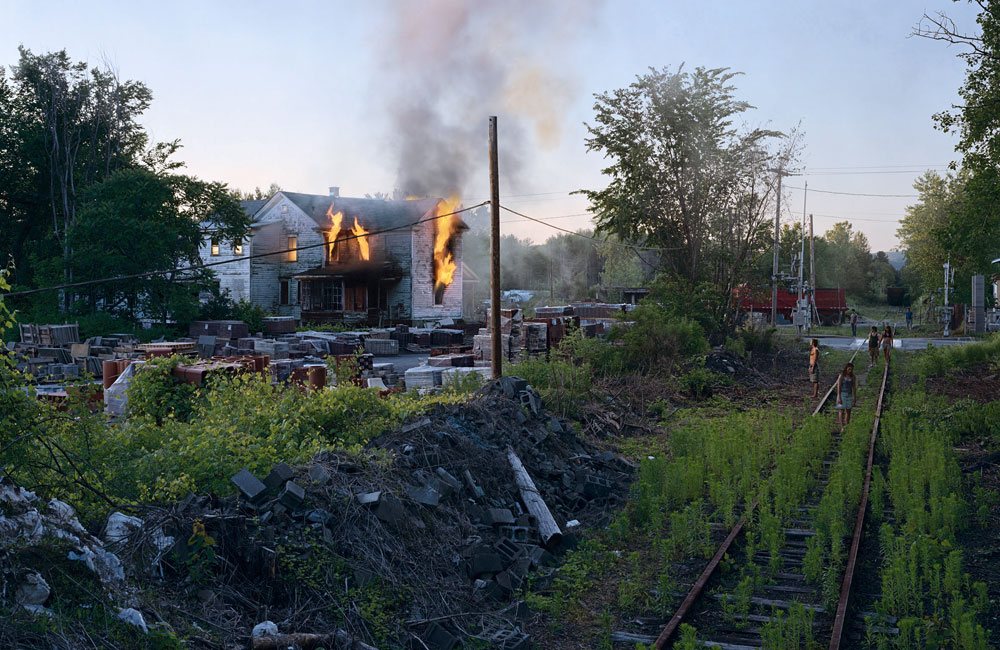
Crewdson’s work has been widely exhibited and reviewed. He makes large-scale photographs of elaborate and meticulously staged tableaux, which have been described as “micro-epics” that probe the dark corners of the psyche. Working in the manner of a film director, he leads a production crew, which includes a director of photography, special effects and lighting teams, casting director and actors. He typically makes several exposures that he later digitally combines to produce the final image.
“Crewdson is one of the most daring and inventive contemporary artists using photography,” said Keith F. Davis, Curator of Photography at the Nelson-Atkins. “His meticulously crafted works are immensely rich in both narrative and psychological terms. They prod us to rethink our ‘usual’ relationship to photographs as physical objects and as records of worldly fact. Crewdson is a genuinely important figure in today’s art world. He has an international reputation and has influenced an entire generation of younger photographic artists.”
Attendance to the program is free.
Text from ArtDaily.org website
Gregory Crewdson (American, b. 1962) Untitled from the series Beneath the Roses 2005 Digital pigment print
Gregory Crewdson (American, b. 1962) Untitled from the series Beneath the Roses 2005 Digital pigment print
Gregory Crewdson (American, b. 1962) Untitled (Sunday Roast) from the series Beneath the Roses 2005 Digital pigment print
Nelson-Atkins Museum of Art 4525 Oak Street Kansas City, MO 64111
Another fantastic group of Americurbana from this wonderful photographer!
Dr Marcus Bunyan
Many thankx to Gagosian Gallery for allowing me to publish the photographs in the posting. Please click on the photographs for a larger version of the image.
“Henri Cartier-Bresson famously said, “The world is going to pieces and people like Adams and Weston are photographing rocks.” But I don’t think the world would have been a better place if these photographers had headed off to a war zone. The question is whether you can be a political photographer while you photograph rocks. My pictures don’t have a specific social commentary but I think they have social and political meaning.”
Alec Soth on the Gagosian Gallery website 2009
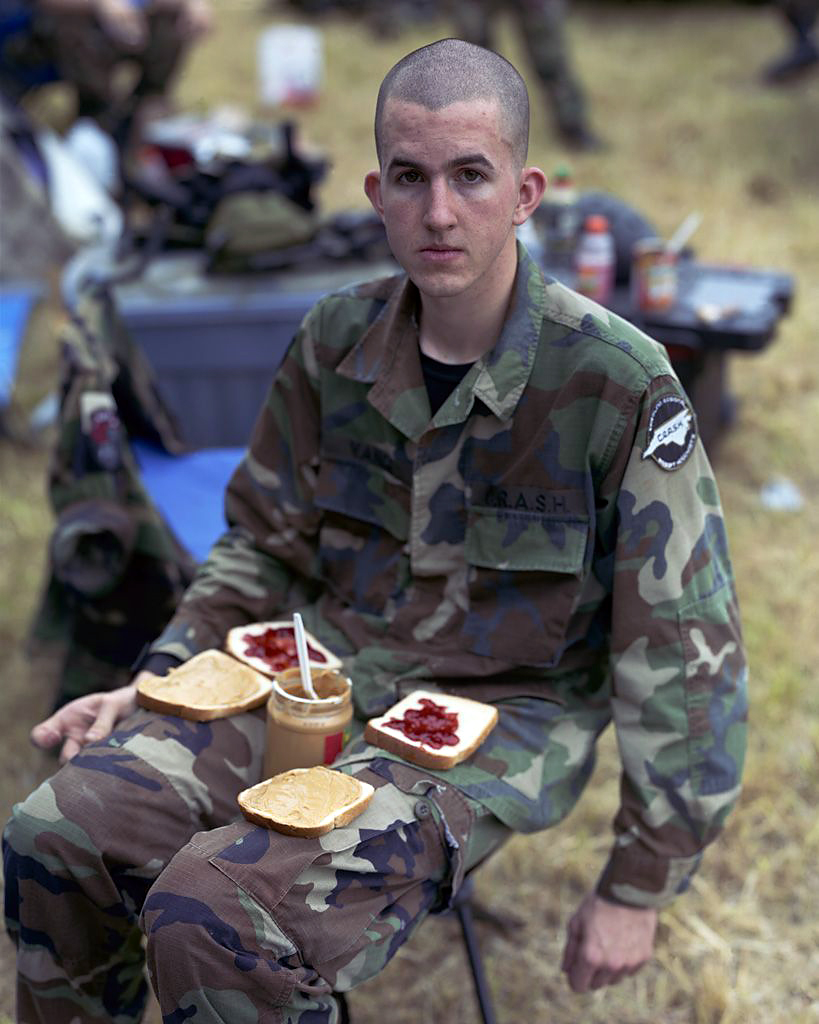
Alec Soth (American, b. 1969) Dynell, Bemidji, MN (Girl in store) 2007
Alec Soth (American, b. 1969) Josh, Joelton, Tennessee 2004
Gagosian Gallery is pleased to present The Last Days of W., colour photographs taken by Alec Soth between 2000 and 2008.
Although originally conceived without explicit political intent, in retrospect Soth considers this selected body of work, which spans both terms of George W. Bush’s presidency, to represent “a panoramic look at a country exhausted by its catastrophic leadership.” Soth’s earlier series such as Sleeping by the Mississippi, Niagara, and Dog Days, Bogotá – all subjective narratives containing disenfranchised figures and decaying landscapes – laid the conceptual groundwork for The Last Days of W. It provides a wry commentary on the adverse effects of the national administration, perhaps best exemplified by an unwittingly ironic remark that Bush made in 2000: “I think we can agree, the past is over.”
Following in the humanist tradition established by the great chroniclers of the American experience such as Walker Evans, Robert Frank, and Stephen Shore, Soth captures diverse images of a country disillusioned with, and deceived by, its own identity, from mothers of marines serving in Iraq to teenage mothers in the Louisiana Bayou; from religious propaganda in the American workplace to the mortgage crisis in Stockton, CA. His incisive depiction of contemporary American reality confronts the ideals romanticised in the American Dream with the hastening decline of the American Empire.
Text from the Gagosian Gallery website 2009
The Last Days of W installation view at Gagosian Gallery
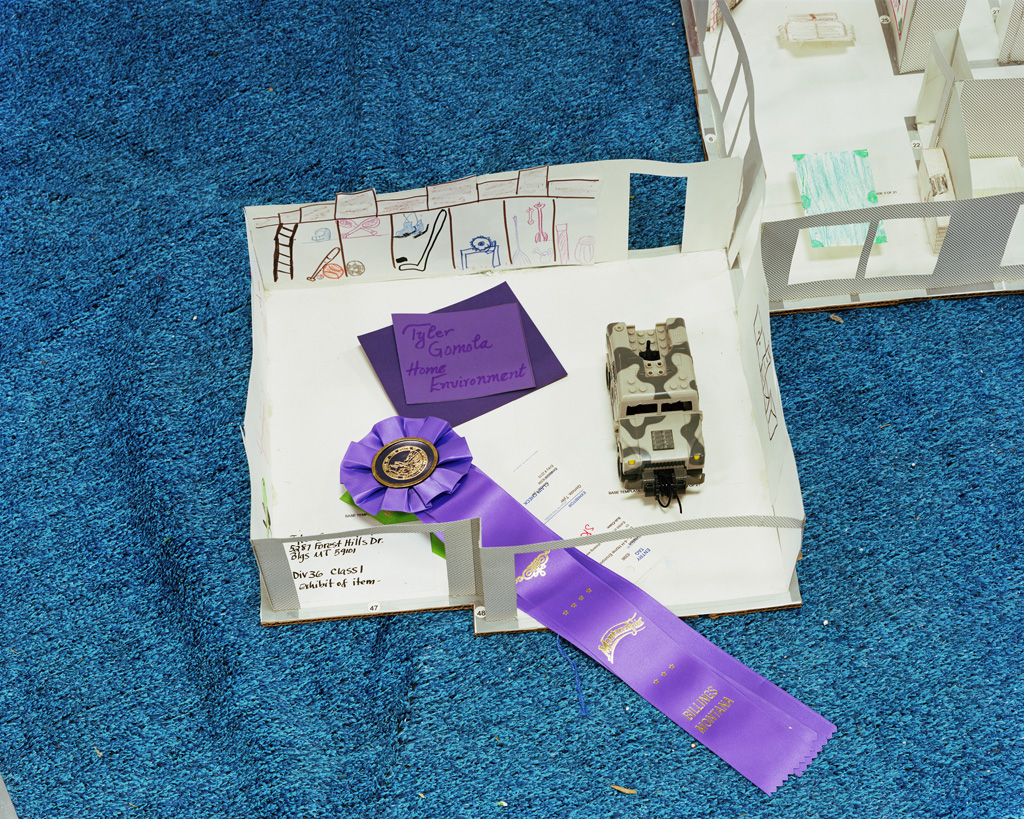
Alec Soth (American, b. 1969) Home Environment, Billings, MT 2008
Alec Soth (American, b. 1969) Republican National Convention, Saint Paul, MN 2008
Gagosian Gallery 980 Madison Avenue New York, NY 10075 Phone: 212.744.2313
Many thank to the Krannert Art Museum, Champaign IL for allowing me to publish the photographs in the posting. Please click on the photographs for a larger version of the image.
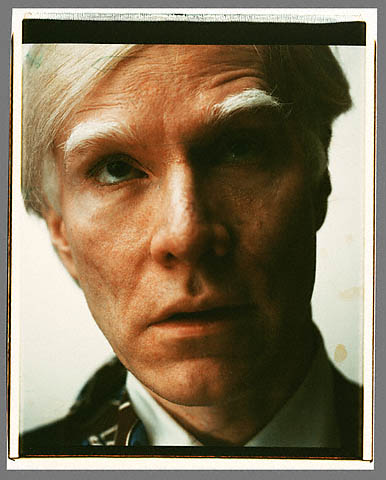
Andy Warhol (American, 1928-1987) Self portrait 1979 Polaroid
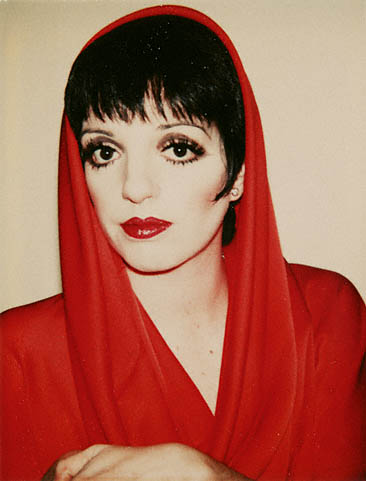
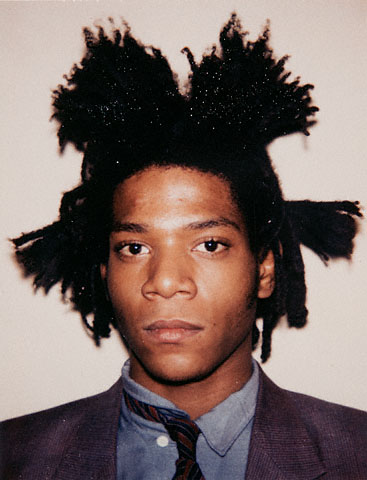
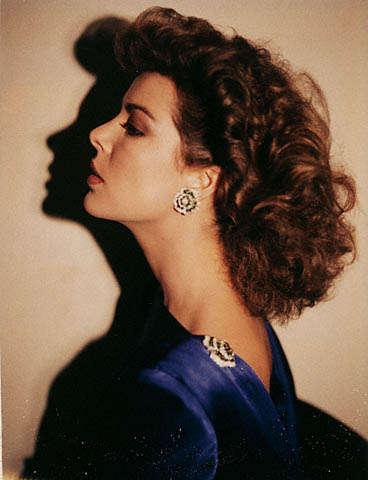
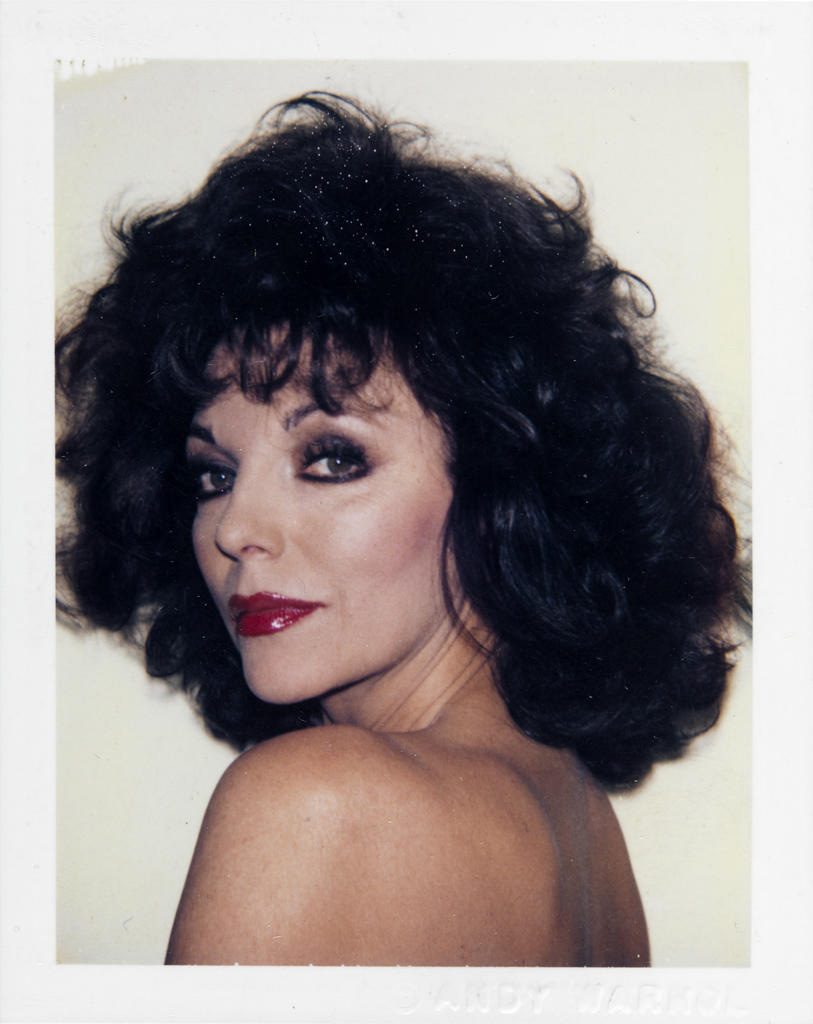
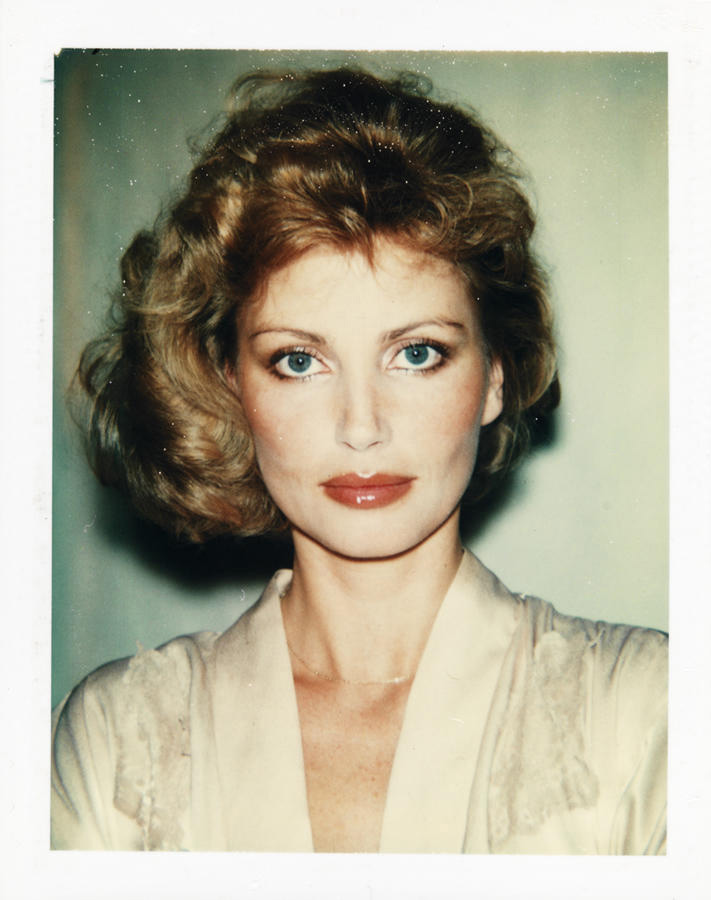
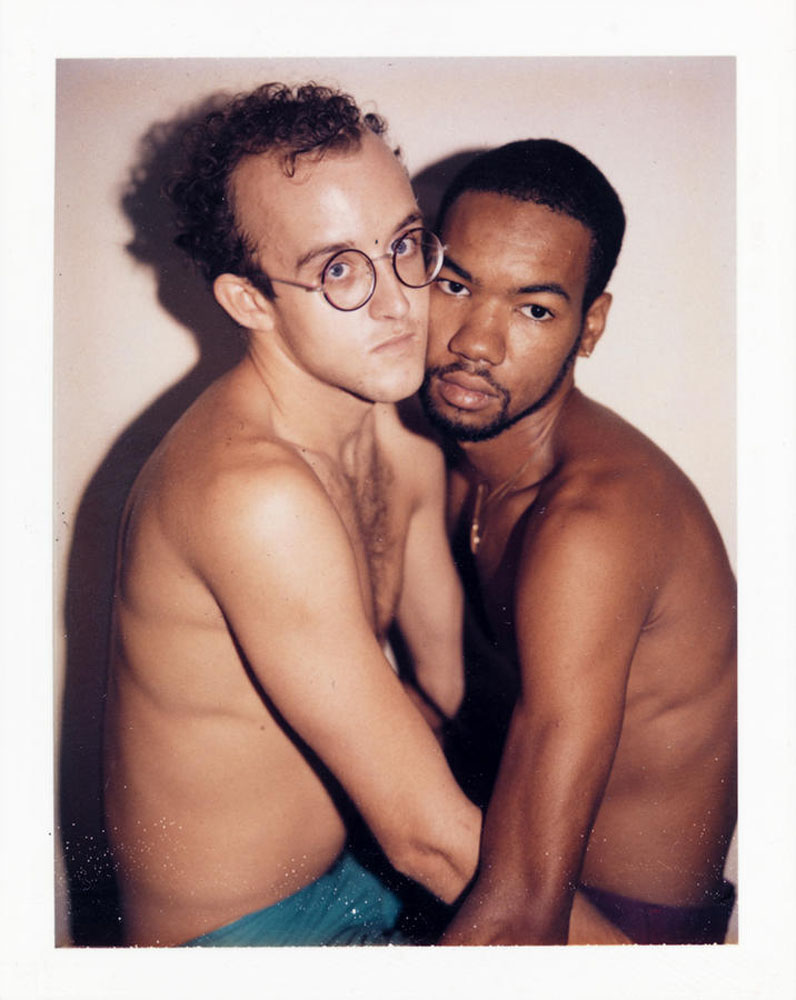
Polaroids and Portraits presents a selection of the 152 photographs that the Krannert Art Museum graciously received from the Andy Warhol Photographic Legacy Program. Established in 2007 to commemorate the Warhol Foundation’s twentieth anniversary, the Legacy Program gifted over 28,500 original photographs to 183 college and university museums and galleries across the country with the hope of enabling wider access to these more seldom seen works. This exhibition displays both Polaroid and silver gelatin portraits of celebrities, socialites, and unknowns, all photographed with varying degrees of wit, humour, and intimacy. These photographs complicate our notion of the artist’s persona as wholly immersed in this world of glamour, presenting Warhol as not only a prolific photographer, but a man grappling with his own identity as a famous artist.
Text from the Krannert Art Museum website
Andy Warhol (American, 1928-1987) Liza Minnelli 1977 Polaroid
Andy Warhol (American, 1928-1987) Jean-Michel Basquiat 1982 Polaroid
Andy Warhol (American, 1928-1987) Princess Caroline of Monaco 1981 Polaroid
Andy Warhol (American, 1928-1987) Joan Collins 1985 Polaroid
Andy Warhol (American, 1928-1987) Evelyn Kuhn 1978 Polaroid
Andy Warhol (American, 1928-1987) Keith Haring and Juan Dubose 1983 Polaroid
Krannert Art Museum 500 East Peabody Drive Champaign, Illinois 61820 United States Phone: (217) 244-0516
Opening hours: Tuesday – Saturday 10am – 4pm Thursday open until 8pm when classes are in session Closed Sunday and Monday
Man Ray (American, 1890-1976) Self-portrait 1924 Gelatin silver print
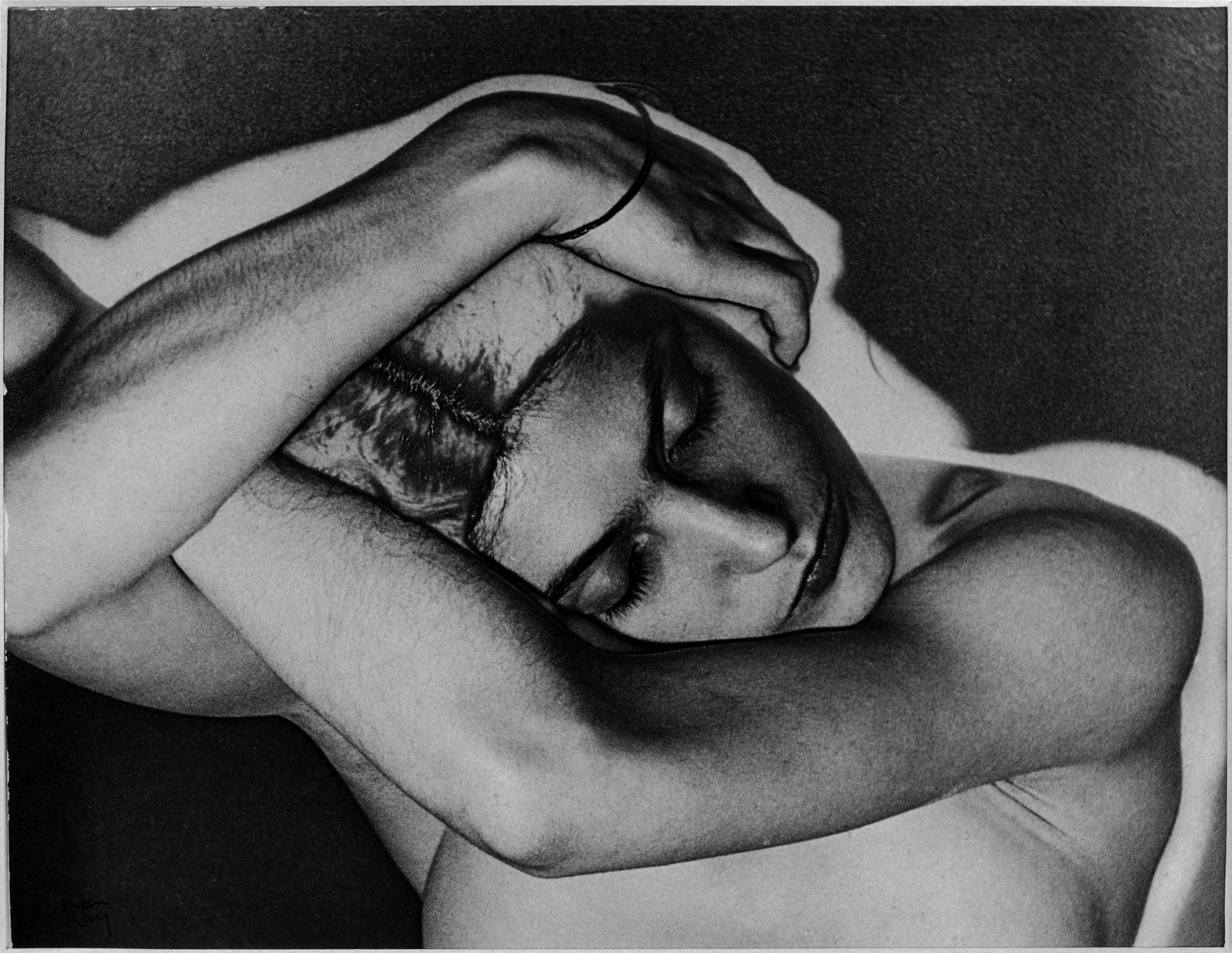
Man Ray (1890-1976) used his camera to turn photography into an art – no mean feat for a man who tried almost all his life to avoid being described as a ‘photographer’. He preferred to be identified with his work in other media: drawings, paintings and Dadaist ready-mades. The exhibition entitled Unconcerned, but not indifferent at the Hague Museum of Photography is a large-scale retrospective of Man Ray’s art and life. It links paintings, drawings and (of course) photographs to personal objects, images and documents drawn from his estate to paint a picture of a passionate artist and – whatever his own feelings about the description – a great photographer.
Unconcerned, but not indifferent is the first exhibition to reveal Man Ray’s complete creative process: from observations, ideas and sketches right through to the final works of art. By establishing the linkage between art and inspiration, it gives a new insight into the work of Man Ray. The three hundred plus items on display are drawn from the estate of the artist, which is managed by the Man Ray Trust. Some of them have never been exhibited since the artist’s death in 1976 while others are on show for the first time ever.
Man Ray’s real name was Emmanuel Radnitzky. He was born in Philadelphia (USA) in 1890. The family soon moved to New York, where his artistic talent became increasingly apparent. Photography was not yet his medium: Man Ray, as he would later call himself, concentrated on painting and became friendly with Dadaist artist Marcel Duchamp, who persuaded him to move to Paris (France). There, Man Ray moved in highly productive artistic circles full of Surrealists and Dadaists. He began taking photographs of his own (and other people’s) works of art and gradually became more interested in the photographic images than in the originals – which he regularly threw away or lost once he had photographed them.
By this time, commercial and art photography had become his main source of income and he was displaying an unbridled curiosity about the potential of the medium. This prompted a great urge to experiment and the discovery or rediscovery of various techniques, such as the famous ‘rayographs’ (photograms made without the use of a camera). Man Ray left Paris to escape the Nazi occupation of France and moved to Los Angeles, where he abandoned commercial photography to concentrate entirely on painting and photographic experimentation. However, his next real surge of creativity occurred only after he returned to Paris with his wife Juliet in 1951. In the last twenty-five years of his life, he regularly harked back to his earlier work and was not afraid to quote himself. In that sense, Man Ray can be seen as a true conceptual artist: the idea behind the work of art always interested him more than its eventual execution. Man Ray died in Paris in 1976 and is buried in Montparnasse. His widow, Juliet, summed up the artist’s life in the epitaph inscribed on his tombstone: Unconcerned, but not indifferent.
The exhibition examines the four separate creative phases in Man Ray’s life. Each is closely connected with the place where he was living (New York, Los Angeles or Paris), his friends at the time and the sources of inspiration around him. Using Man Ray’s artistic legacy and – perhaps more particularly – the everyday objects that were so important to him, Unconcerned, but not indifferent reveals the world as he saw it through the lens of his camera.
The exhibition is being held in cooperation with the Man Ray Trust in Long Island, New York, and La Fábrica in Madrid.
Text from the The Hague Museum of Photography
Many thankx to The Hague Museum of Photography for allowing me to publish the photographs in the posting. Please click on the photographs for a larger version of the image.
Man Ray (American, 1890-1976) Rayograph 1921 Gelatin silver print
Man Ray (American, 1890-1976) Noire et blanche 1926 Gelatin silver print
Man Ray (American, 1890-1976) La priere (Prayer) 1930 Gelatin silver print
Man Ray (American, 1890-1976) Larmes (Tears) 1930 Gelatin silver print
Man Ray (American, 1890-1976) Solarisation 1931 Gelatin silver print
Man Ray (American, 1890-1976) Juliet with Flower [Juliet Browner] 1950s Painted transparency
Edward Steichen (American, 1879-1973) Gloria Swanson (Vanity Fair, February 1, 1924) 1924 Gelatin silver print The Sylvio Perlstein Collection Courtesy of Condé Nast Archive, Condé Nast Publications, Inc, New York/ Paul Hawryluk, Dawn Lucas and Rachael Smalley
As part of the International Center of Photography’s 2009 Year of Fashion, the museum will host a retrospective of Edward Steichen’s fashion and celebrity portraiture. Edward Steichen: In High Fashion, The Condé Nast Years, 1923-1937, will be on view at ICP (1133 Avenue of the Americas at 43rd Street) from January 16 through May 3, 2009. It will feature 175 vintage photographs, drawn mainly from the extensive archive of original prints at Condé Nast, along with a selection of important prints from the collection of the George Eastman House Museum. This will be the first exhibition in which the full range of his fashion photography and celebrity portraiture will be shown, including many images that have never been exhibited before. Having previously traveled throughout Europe, the exhibition will be presented on its North American tour in this version only at ICP.
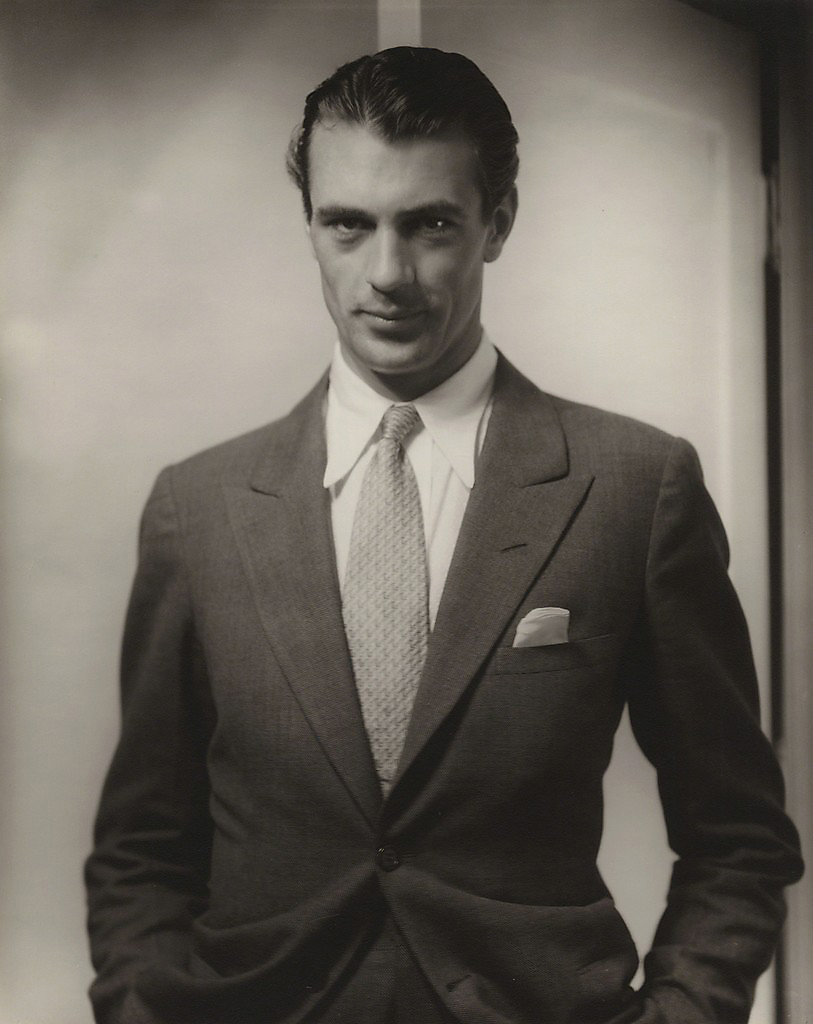
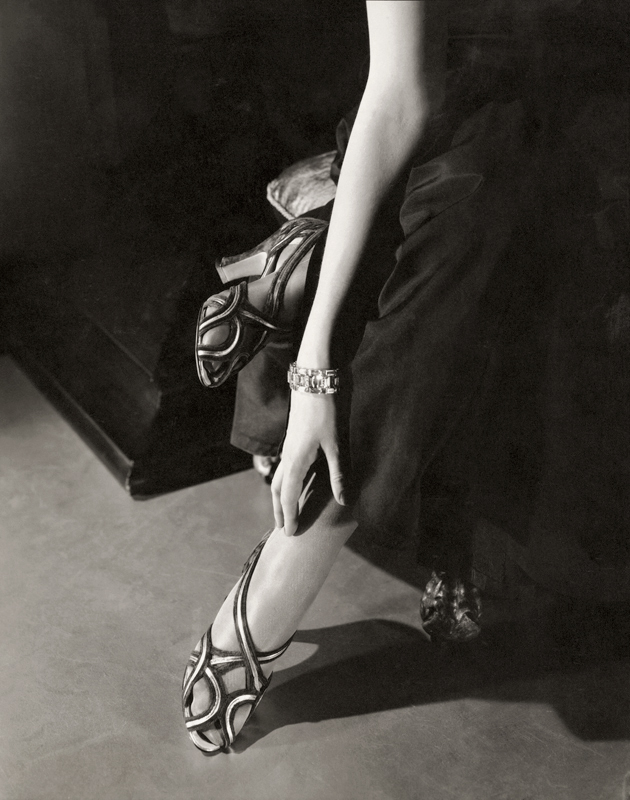
Edward Steichen (1879-1973) was already a famed Pictorialist photographer and painter in the United States and abroad when he was offered the position of chief photographer for Vogue and Vanity Fair by Condé Nast. Upon assuming the job, the forty-four year old artist began one of the most lucrative and controversial careers in photography. To Alfred Stieglitz and his followers, Steichen was seen as damaging the cause of photography as a fine art by agreeing to do commercial editorial work. Nevertheless, Steichen’s years at Condé Nast magazines were extraordinarily prolific and inspired. He began by applying the soft focus style he had helped create to the photography of fashion. But soon he revolutionised the field, banishing the gauzy light of the Pictorialist era and replacing it with the clean, crisp lines of Modernism. In the process he changed the presentation of the fashionable woman from that of a distant, romantic creature to that of a much more direct, appealing, independent figure. At the same time he created lasting portraits of hundreds of leading personalities in movies, theatre, literature, politics, music, and sports, including Gloria Swanson, Gary Cooper, Marlene Dietrich, Joan Crawford, Colette, Winston Churchill, Amelia Earhart, Jack Dempsey, Noel Coward, Greta Garbo, Dorothy Parker, and Cecil B. De Mille.
From the ArtDaily.org website
Many thankx to the International Center of Photography for allowing me to publish the photographs in the posting. Please click on the photographs for a larger version of the image.
Edward Steichen (American, 1879-1973) On George Baher’s yacht 1928 Gelatin silver print Courtesy Condé Nast Archive
Edward Steichen (American, 1879-1973) Gary Cooper 1930 Gelatin silver print Courtesy Condé Nast Archive
Princess Natalia Pavlovna Paley (Russian: Наталья Павловна Палей; 5 December 1905 – 27 December 1981) was a Russian aristocrat who was a non-dynastic member of the Romanov family. A daughter of Grand Duke Paul Alexandrovich of Russia, she was a first cousin of the last Russian emperor, Nicholas II. After the Russian Revolution, she emigrated first to France and later to the United States. She became a fashion model, socialite, vendeuse, and briefly pursued a career as a film actress.
Harry Sinclair Lewis (February 7, 1885 – January 10, 1951) was an American novelist, short-story writer, and playwright. In 1930, he became the first author from the United States (and the first from the Americas) to receive the Nobel Prize in Literature, which was awarded “for his vigorous and graphic art of description and his ability to create, with wit and humour, new types of characters.” Lewis wrote six popular novels: Main Street (1920), Babbitt (1922), Arrowsmith (1925), Elmer Gantry (1927), Dodsworth(1929), and It Can’t Happen Here (1935).
Several of his notable works were critical of American capitalism and materialism during the interwar period. Lewis is respected for his strong characterisations of modern working women.
Patricia Bowman (December 12, 1908 – March 18, 1999) was an American ballerina, ballroom dancer, musical theatre actress, television personality, and dance teacher.
Dance critic Jack Anderson described her as “the first American ballerina to win critical acclaim and wide popularity as a classical and a musical-theater dancer … Her sparkling stage personality won her many fans.” She was the first prima ballerina of the Radio City Music Hall when it opened in 1932, and is chiefly remembered for her work as a founding member of the American Ballet Theatre with whom she was a principal dancer from 1939 to 1941.
An exhibition of 175 works by Edward Steichen drawn largely from the Condé Nast archives, this is the first presentation to give serious consideration to the full range of Steichen’s fashion images. Organised by the Musée de l’Elysée, Lausanne, and the Foundation for the Exhibition of Photography, Minneapolis, in conjunction with the International Center of Photography, the exhibition will open at ICP after an extensive tour in Europe. Steichen’s approach to fashion photography was formative and over the course of his career he changed public perceptions of the American woman. An architect of American Modernism and a Pictorialist, Steichen exhibited his fashion images alongside his art photographs. Steichen’s crisp, detailed, high-key style revolutionised fashion photography, and his influence is felt in the field to this day – Richard Avedon, Robert Mapplethorpe, and Bruce Weber are among his stylistic successors.
Text from the International Centre of Photography website
Wong Liu Tsong (January 3, 1905 – February 3, 1961), known professionally as Anna May Wong, was an American actress, considered the first Chinese American film star in Hollywood, as well as the first Chinese American actress to gain international recognition. Her varied career spanned silent film, sound film, television, stage, and radio.
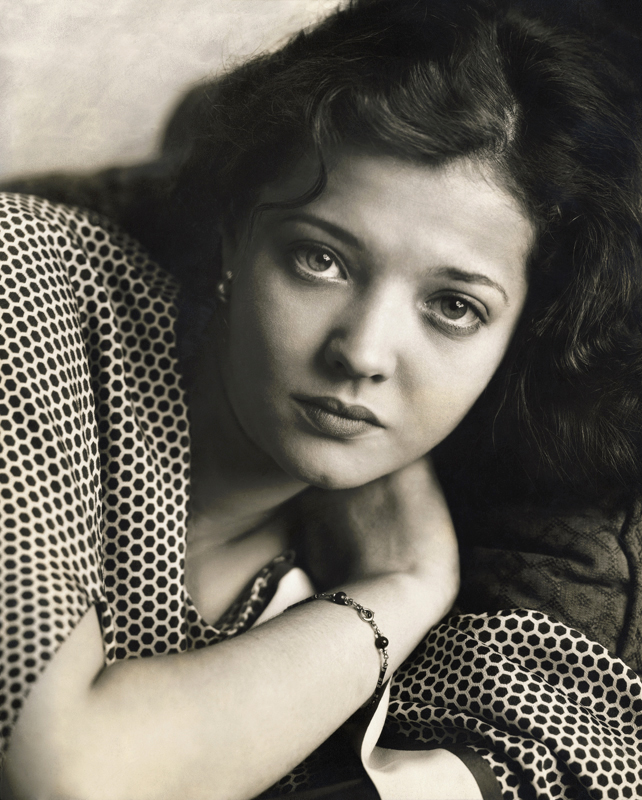
Sylvia Sidney (born Sophia Kosow; August 8, 1910 – July 1, 1999) was an American stage, screen, and film actress whose career spanned 70 years. She rose to prominence in dozens of leading roles in the 1930s. She was nominated for the Academy Award for Best Supporting Actress for her performance in Summer Wishes, Winter Dreams in 1973. She later gained attention for her role as Juno, a case worker in the afterlife, in Tim Burton’s 1988 film Beetlejuice, for which she won a Saturn Award for Best Supporting Actress.
Pola Negri (/ˈpoʊlə ˈnɛɡri/; born Barbara Apolonia Chałupiec [apɔˈlɔɲa xaˈwupʲɛt͡s]; 3 January 1897 – 1 August 1987) was a Polish stage and film actress and singer. She achieved worldwide fame during the silent and golden eras of Hollywood and European film for her tragedienne and femme fatale roles. She was also acknowledged as a sex symbol of her time.
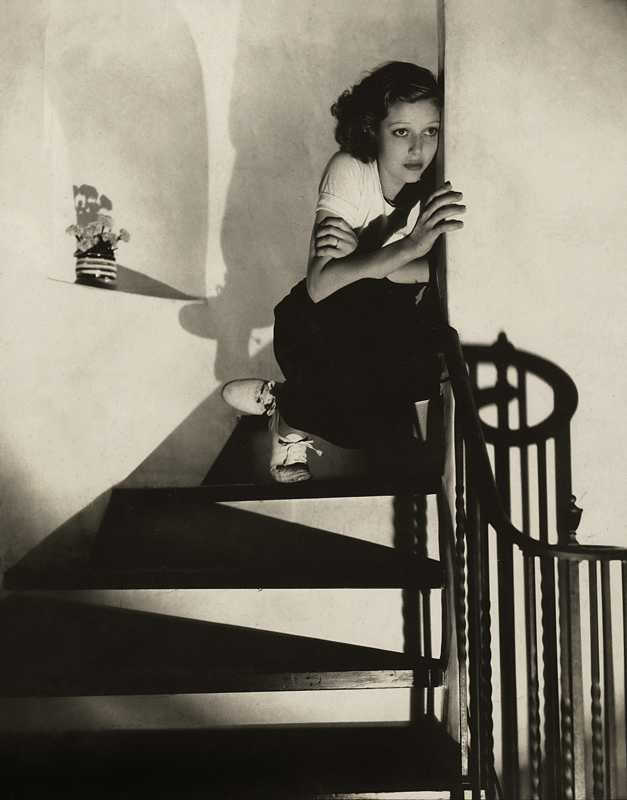
Loretta Young (born Gretchen Michaela Young; January 6, 1913 – August 12, 2000) was an American actress. Starting as a child, she had a long and varied career in film from 1917 to 1989. She received numerous honors including an Academy Award, two Golden Globe Awards, and three Primetime Emmy Awards as well as two stars on the Hollywood Walk of Fame for her work in film and television.
Link pasted the plane into the negative at a later stage
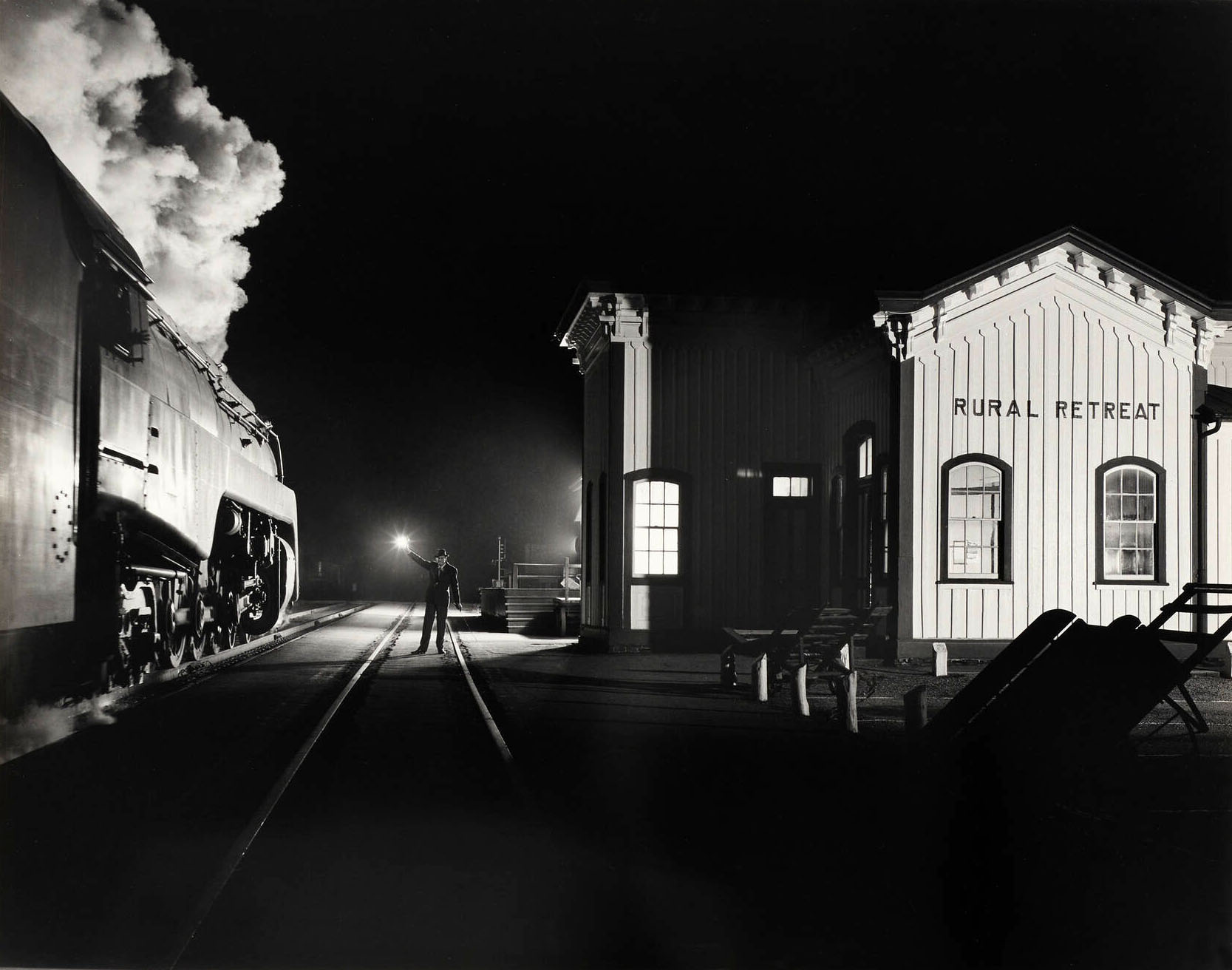
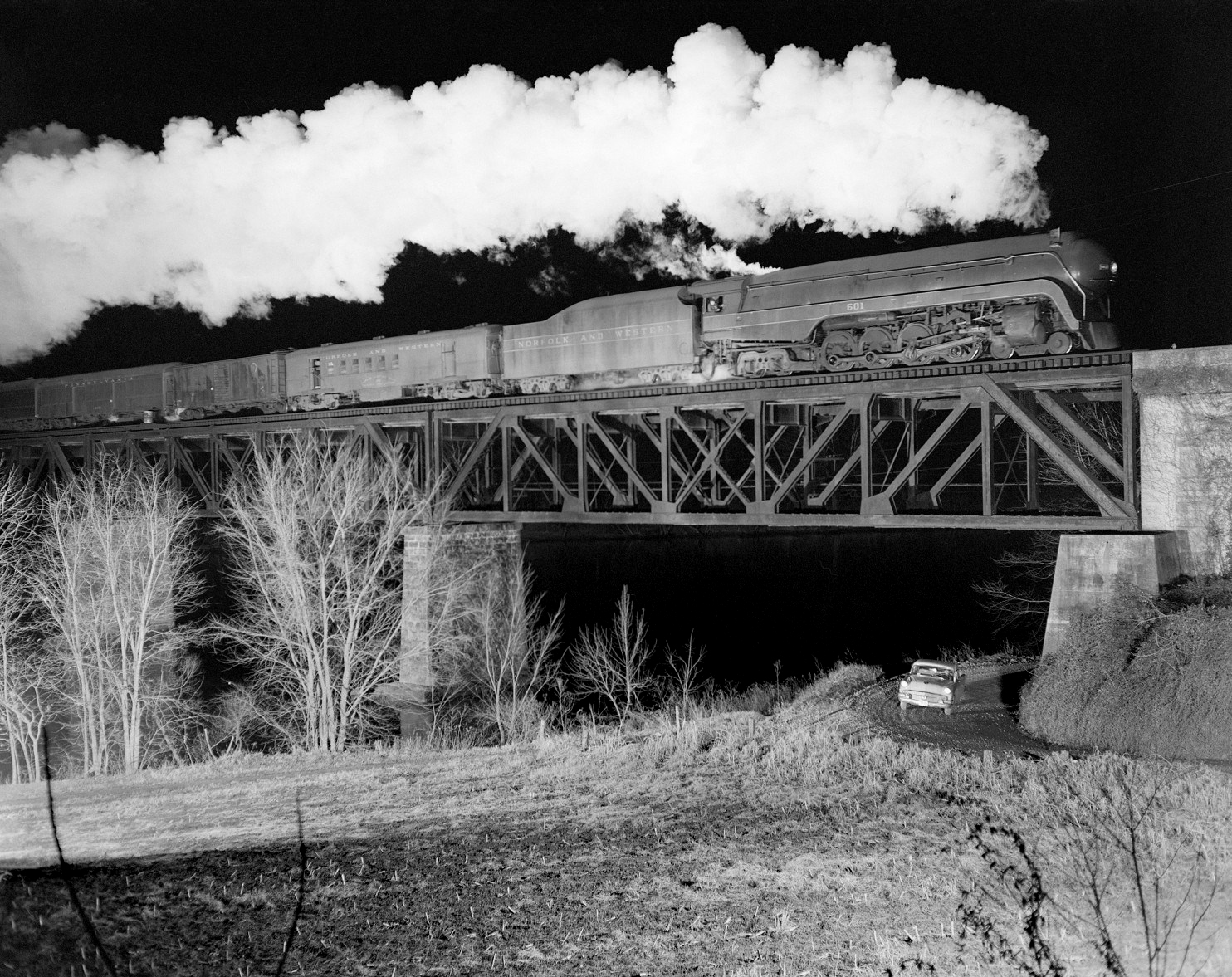
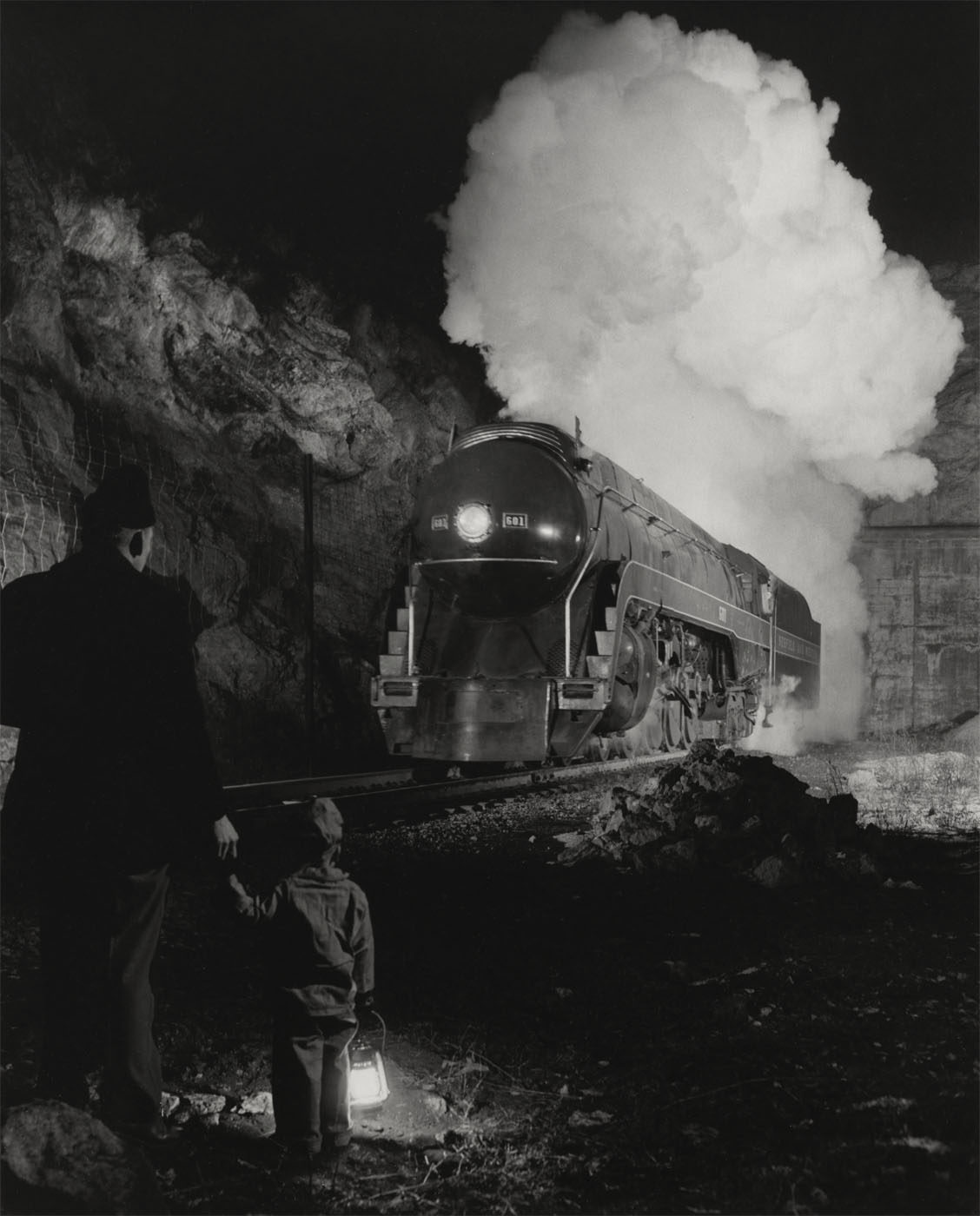
I have to admit to a very large amount of admiration for this photographer. He is brilliant, simply the best photographer of trains and their cultural surrounds that the world has ever seen. He persevered within his photographic projects through thick and thin. I feel a special affinity toward this man as I love trains, planes, ships and trucks (although I am yet to use trains in my work).
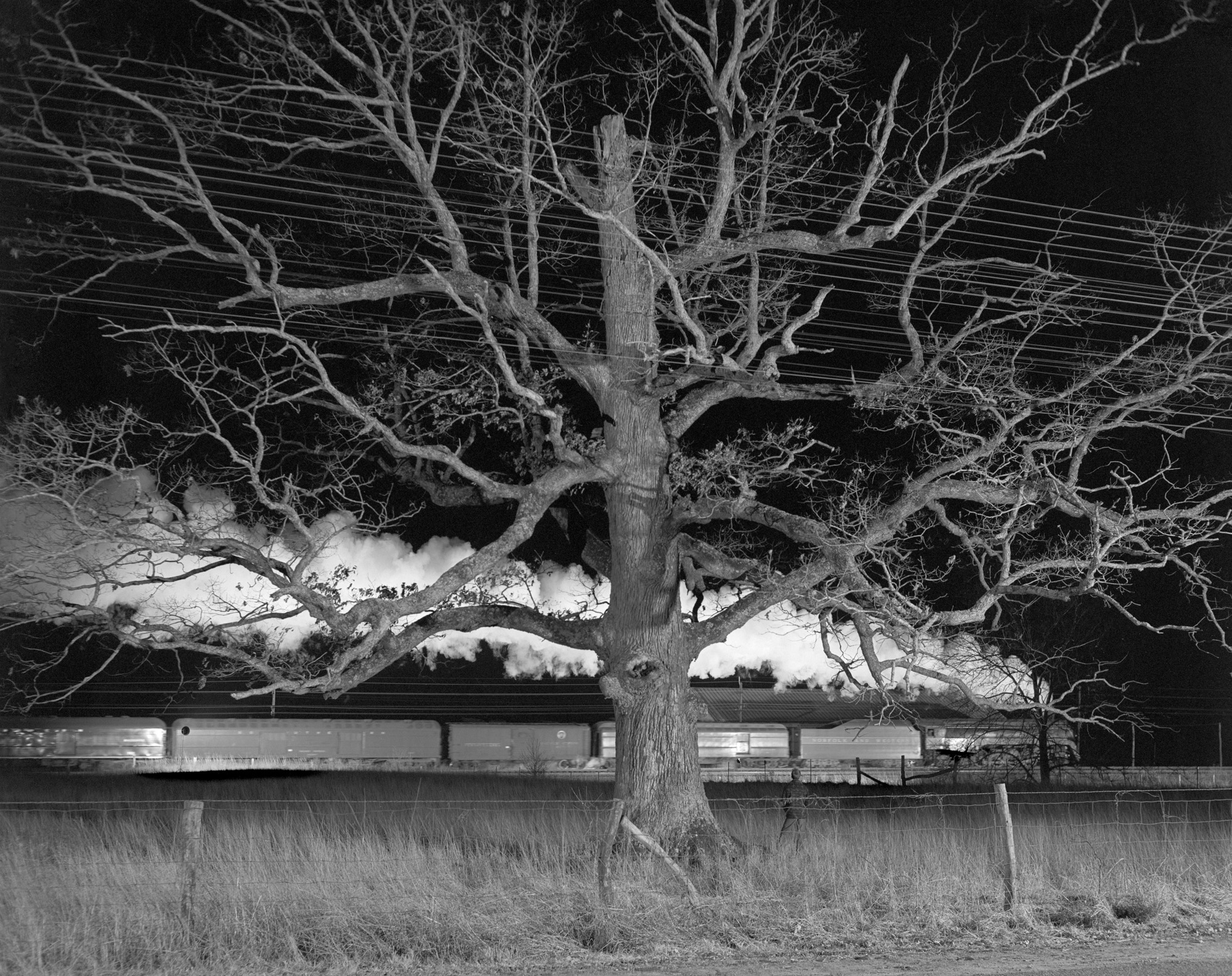
As with all great photographers he pursued his goals with passion, a unique eye and the ability to produce a ‘signature’ photograph that could only be his. His photographs are timeless remembrances of the history and culture of the era. The above image combines all the elements of 1950s America – the drive in, the couple, the speed, the convertible car, night and the ambiguous slightly sinister rocket like plane. Planes, trains and automobiles are the stuff of legend for me, a child of the 1950s. The lighting of the train is incredible, with rows of flash set off at just the right moment. The precision and skill to do this and the resulting tableaux have few equals. When I first saw this image I was amazed and still am today!
O. Winston Link had a deep respect for the people and machines he was photographing – capturing a vanishing world before it all but disappeared. Thank god there was someone with vision and foresight to accomplish this task so that these incredible and indelible images will forever transcend the time in which they were taken, to give joy to the people that look at them.
Dr Marcus Bunyan
Many thankx to the George Eastman Museum for allowing me to publish the photographs in the posting. Please click on the photographs for a larger version of the image.
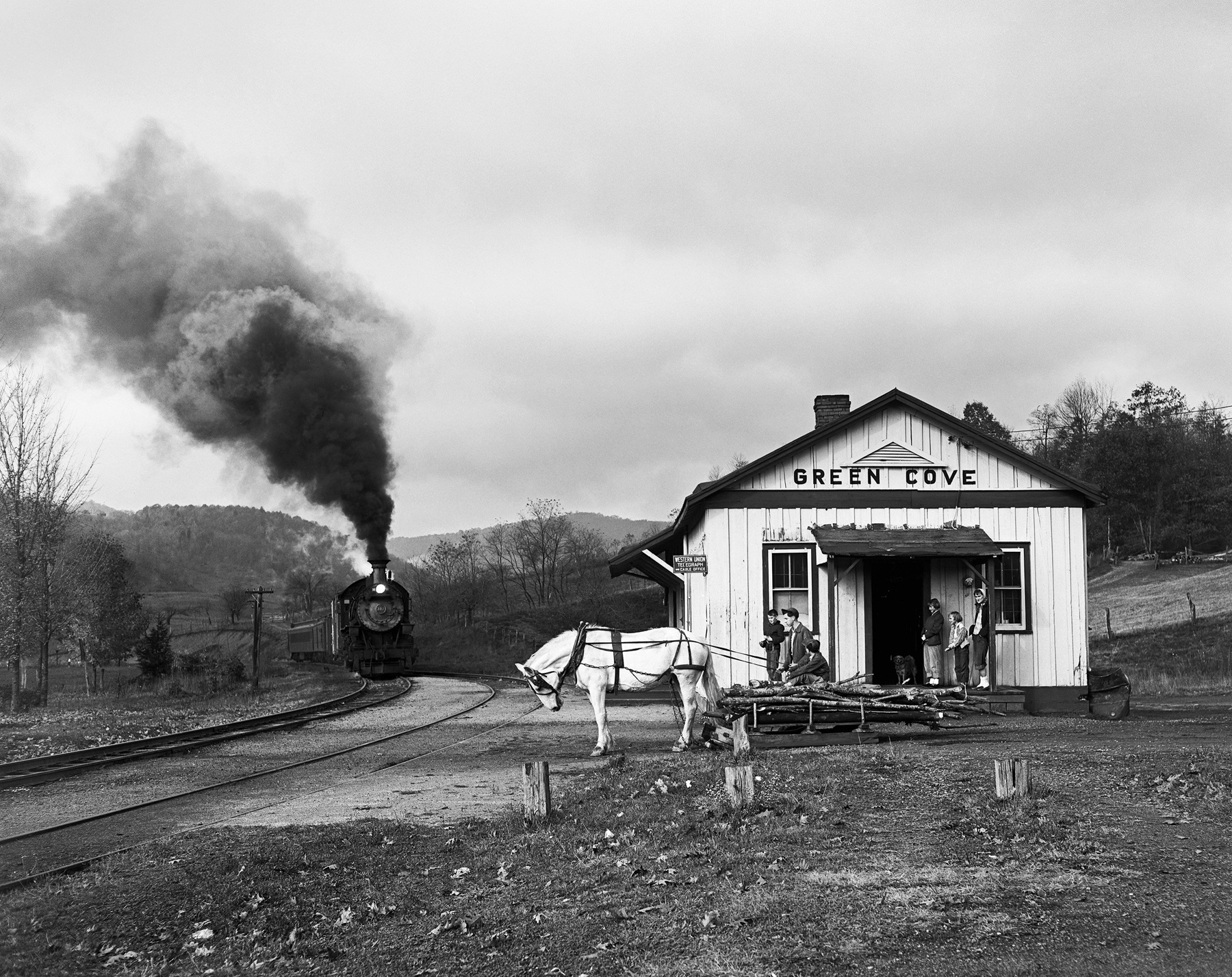
The Abingdon Branch of the N&W led Link to another approach in his documentation of the railroad. Since the trains did not run at night, all of the images had to be made in daylight, making this branch the source of many of his genre scenes and colour images. The branch was short but steep, including the highest point of any passenger train in the east. With top speeds of 25 mph, it earned the nickname “Virginia Creeper.”
Link found the slow pace and setting the most bucolic of the entire N&W system. He wrote, “There was beauty at every curve and every bridge.” The line crept by cascading waterways and across high wooden trestles. Although the entire branch was abandoned in 1978, the railbed has since become a hiking trail, with Green Cove the only station remaining and restored to the look of this photograph.
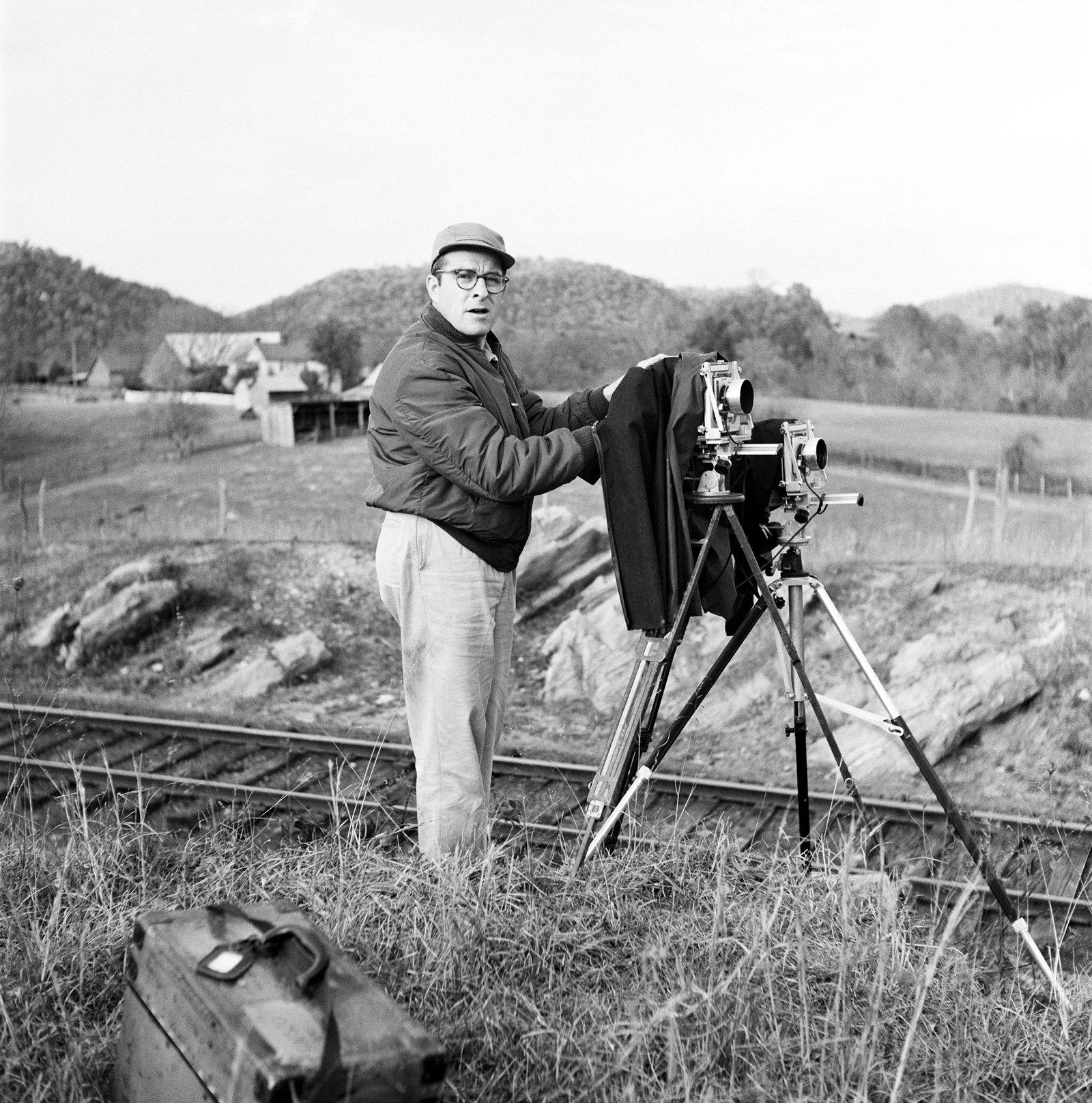
Ogle Winston Link, known commonly as O. Winston Link, has been revered by many as the most important railroad photographer of all time. He is best known for his black-and-white photography and sound recordings of the last days of steam locomotive railroading in the United States in the late 1950s. A true American master, Link produced night-time photographs of the railroad over a five-year period that ended when the last steam locomotive of the Norfolk & Western Railway was taken out of service in May 1960.
This exhibition features more than 100 framed photographs as well as Link’s actual photographic and lighting equipment, plus his personal notebooks detailing set-ups, formulas, and exposure details.
















![Man Ray (American, 1890-1976) 'Juliet with Flower' [Juliet Browner] 1950s](https://artblart.com/wp-content/uploads/2009/01/man-ray-juliet-with-flower-1950s.jpg "Man Ray (American, 1890-1976) 'Juliet with Flower' [Juliet Browner] 1950s")









 Art Blart _ art and cultural memory archive
You must be logged in to post a comment.