Nickolas Muray (American, 1892-1965) Frida with Olmeca Figurine, Coyoacan 1939 Colour print, assembly (Carbro) process
Forty-seven exquisite colour and black-and-white photographs of the Mexican artist Frida Kahlo by the American photographer Nickolas Muray are featured in this exhibition organised and circulated by Smith Kramer Fine Art Services. Muray and Kahlo first met in Mexico in 1931 and soon began a love affair that lasted ten years and continued as an enduring friendship throughout their lives. The photographs, selected from the Nickolas Muray Archives, capture the exotic mystery and proud beauty of Frida Kahlo through the eyes of this accomplished portrait photographer, who loved her deeply. Organised at the Albright-Knox by Associate Curator Holly E. Hughes, the exhibition will also include reproductions of Kahlo’s letters to Muray, explanatory wall texts, and an educational brochure.
Text from the Albright-Knox Art Gallery website [Online] Cited 01/05/2009. No longer available online
Many thankx to the Albright-Knox Art Gallery for allowing me to publish the photographs in the posting. Please click on the photographs for a larger version of the image.
Nickolas Muray (American, 1892-1965) Frida, Mexico, 1940 c. 1940 Colour print, assembly (Carbro) process
Nickolas Muray (American, 1892-1965) Frida with her sister Cristina, Nickolas Muray, and Rosa Covarrubias, Coyoacán 1939 Colour print, assembly (Carbro) process
Nickolas Muray (American, 1892-1965) Frida Painting the Two Fridas, Coyoacan 1939 Silver gelatin print
Nickolas Muray (American, 1892-1965) Frida with Nick in her Studio, Coyoacán 1941 Silver gelatin print
Nickolas Muray (American, 1892-1965) Frida with Magenta Rebozo, New York 1939 Colour print, assembly (Carbro) process
Nickolas Muray (American, 1892-1965) Frida with Magenta Rebozo, New York 1939 Colour print, assembly (Carbro) process
Nickolas Muray
In 1913, with the threat of war in Europe, Muray sailed to New York City, and was able to find work as a colour printer in Brooklyn.
By 1920, Muray had opened a portrait studio at his home in Greenwich Village, while still working at his union job as an engraver. In 1921 he received a commission from Harper’s Bazaar to do a portrait of the Broadway actress Florence Reed; soon after he was having photographs published each month in Harper’s Bazaar, and was able to give up his engraving job. In 1922 he also made a portrait of the dancer Desha Delteil.
Muray quickly became recognised as an important portrait photographer, and his subjects included most of the celebrities of New York City. In 1926, Vanity Fair sent Muray to London, Paris, and Berlin to photograph celebrities, and in 1929 hired him to photograph movie stars in Hollywood. He also did fashion and advertising work. Muray’s images were published in many other publications, including Vogue, Ladies’ Home Journal, and The New York Times.
Between 1920 and 1940, Muray made over 10,000 portraits. His 1938 portrait of Frida Kahlo, made while Kahlo sojourned in New York, attending her exhibit at the Julien Levy Gallery, became the best known and loved portrait made by Muray. Muray and Kahlo were at the height of a ten-year love affair in 1939 when the portrait was made. Their affair had started in 1931, after Muray was divorced from his second wife and shortly after Kahlo’s marriage to Mexican muralist painter Diego Rivera. It outlived Muray’s third marriage and Kahlo’s divorce and remarriage to Rivera by one year, ending in 1941. Muray wanted to marry, but when it became apparent that Kahlo wanted Muray as a lover, not a husband, Muray took his leave for good and married his fourth wife, Peggy Muray. He and Kahlo remained good friends until her death, in 1954.
After the market crash, Muray turned away from celebrity and theatrical portraiture, and become a pioneering commercial photographer, famous for his creation of many of the conventions of colour advertising. He was considered the master of the three-color carbro process. His last important public portraits were of Dwight David Eisenhower in the 1950s.
Nickolas Muray (American, 1892-1965) Frida With Hand at Her Throat, Mexico City 1940 Colour print, assembly (Carbro) process
Nickolas Muray (American, 1892-1965) Frida leaning on a sculpture by Mardonio Magaña, Coyoacán, Mexico 1940 Colour print, assembly (Carbro) process
Nickolas Muray (American, 1892-1965) Frida in Pink and Green Blouse, Coyoacán 1938 Colour print, assembly (Carbro) process
Nickolas Muray (American, 1892-1965) Frida on White Bench, New York 1939 Colour print, assembly (Carbro) process
An exhibition of photographs of the acclaimed Mexican artist Frida Kahlo taken by her friend and lover, the internationally renowned portrait photographer Nickolas Muray (1892-1965), will be on view at the Albright-Knox Art Gallery from May 8 through July 5, 2009. Frida Kahlo: Through the Lens of Nickolas Muray, From the Collection of the Nickolas Muray Archives celebrates Kahlo’s life and work and comprises approximately fifty colour and black-and-white photographs, along with archival material, including excerpts from letters between Kahlo and Muray. The installation in Buffalo will feature Frida Kahlo’s Self- Portrait with Monkey, 1938, from the Albright-Knox Art Gallery’s Permanent Collection.
Born in Hungary in 1892, Nickolas Muray came to the United States in 1913, marking the beginning of his forty-five-year career living and working in New York City. Originally hired by Condé Nast Publications to prepare illustrations for magazines, in 1920 Muray set up a photography studio at his home in Greenwich Village. Following an assignment in 1921 for Harper’s Bazaar magazine to photograph the Broadway star Florence Reed, Muray’s career as a portrait and celebrity photographer took off. Soon he was photographing “everybody who was anybody” and his work was regularly featured in such publications as Vanity Fair, Vogue, and Ladies’ Home Journal.
Nickolas Muray and Frida Kahlo first met in Mexico in 1931 and soon began a love affair that lasted ten years and continued as a friendship that endured all their lives. The images included in this exhibition, dating from 1937 to 1940, were taken during the height of the couple’s on-again, off-again, ten-year love affair. The photographs included were selected from the Nickolas Muray Archives and capture the exotic mystery and proud beauty of Frida Kahlo through the eyes of this accomplished portrait photographer who loved her deeply.
Text from the Artdaily.org website
Frida Kahlo (Mexican, 1907-1954) Self-Portrait with Monkey 1938 Oil on masonite 40.6 cm × 30.5cm (16.0 in × 12.0 in) Albright-Knox Art Gallery, Buffalo, New York
Of her 143 self-portraits, 55 include Kahlo’s pets. It is as though she saw them as an extension of her own self and being. Spider monkeys are known to have long, spindly legs and arms that look almost disproportionate to their body. Their strange appearance may have reflected Kahlo’s own discomfort with her physical body. Having contracted polio at an early age, she had one leg that was thinner than the other. She used colourful, large skirts to cover the disfigurement.
Kahlo doted on her pet monkeys. In her self-portraits, they are often shown sitting close to her, physically enfolding or grasping her in some way. They appear to be protective, friendly and gentle.
In many cultures, monkeys are used to symbolise lascivious, or primal behaviour. They are a mirror image of man, reminding him of his animal nature and close proximity to the natural world. Through monkeys, man sees his own connection to the animal kingdom with its uncontrollable, primal urges. In renaissance art, fettered monkeys were often used to symbolise men who are entrapped or bound by their desires.
In Kahlo’s paintings, monkeys do not appear in this way. They are more gentle, child-like and tender. Partially due to their wild natures, monkeys are often associated with fertility or lust in Mexican mythology. Kahlo’s trust and connection with her pets may have been in part due to her own feelings of inadequacy and frustration around her inability to carry to children. One of the reasons feminists celebrate Kahlo’s work is her unabashed claim to her own sexuality. She was not afraid to acknowledge her own sexual feelings or desires.
In Kahlo’s painting, the monkeys appear loyal. It feels as though Kahlo is connected with the creatures in some way. There is a bond there. Never the less, the monkeys also often appear by Kahlo’s shoulder or back, reflecting the image of a ‘monkey on your back’, a phrase commonly used to describe a problem or burden of some kind. With their association with animal nature, disfigured or primal humanity and lascivious primal urges, Kahlo may have felt at once supported by and burdened by her connection to her animal ancestors.
Extract from Kitty Jackson. “Symbolism in Art: Frida Kahlo – Self Portrait with Monkey,” on the ArtDependence Magazine website, September 4, 2017 [Online] Cited 20/01/2019
Nickolas Muray (American, 1892-1965) Frida in Front of the Cactus Organ Fence, San Angel 1938 Colour print, assembly (Carbro) process
Nickolas Muray (American, 1892-1965) Frida with Blue Satin Blouse, New York 1939 Colour print, assembly (Carbro) process
Nickolas Muray (American, 1892-1965) Frida on Rooftop, New York 1946 Colour print, assembly (Carbro) process
Nickolas Muray (American, 1892-1965) Cristina and Frida, New York 1946 Colour print, assembly (Carbro) process
Albright-Knox Art Gallery 1285 Elmwood Avenue Buffalo, New York 14222-1096
Opening hours: Tuesday – Sunday 10am – 5pm Closed Mondays, Tuesdays, and Independence, Thanksgiving, Christmas, and New Year’s Days
“For the perfect flaneur, for the passionate spectator, it is an immense joy to set up house in the heart of the multitude, amid the ebb and flow of movement, in the midst of the fugitive and infinite. To be away from home and yet to feel oneself everywhere at home; to see the world, to be at the centre of the world, and yet to remain hidden from the world … Thus the lover of universal life enters into the crowd as though it were an immense reservoir of electrical energy …”
Charles Baudelaire. The Painter of Modern Life 1863
“At least a dozen of Helen Levitt’s photographs seem to me as beautiful, perceptive, satisfying, and enduring as any lyrical work that I know. In their general quality and coherence, moreover, the photographs as a whole body, as a book, seem to me to combine into a unified view of the world, an uninsistent but irrefutable manifesto of a way of seeing, and in a gently and wholly unpretentious way, a major poetic work.”
James Agee
Speaking of pioneers of colour photography the wonderful American photographer Helen Levitt died recently at the end of March. Here is a selection of her colour work from the 1970s – 1980s. With two Guggenheim Foundation grants in 1959 and 1960 she switched from black and white to colour dye-transfer prints photographing the theatre of the street, the serendipity of the decisive moment previsualised and captured through awareness and an intimate knowledge of her subject matter. Unfortunately in a burglary in 1970 most of her colour transparencies and prints were stolen from that initial period.
What remains, as Sally Mann would say, are the eloquent bones of the matter: superb lush colour photographs taken after 1970 that engage the viewer not in memory but in the moment, not in nostalgia but in joy. In colour she found “beauty in correspondences.”
Dr Marcus Bunyan
Please click on some of the photographs for a larger version of the image.
… Her pictures were mostly of Spanish Harlem and the Lower East Side. She shot them in black and white, as silver gelatin prints, in the 1930s and 1940s and in colour dye-transfer prints in the 1960s and 1970s. In between, she got into movie-making for a while. Her theme was the same, the streets of New York. Apart from a trip in 1941 to Mexico City, she never found a better subject in her life.
The grittier parts were her particular joy. Her world was run-down streets, rubble-filled building sites, warehouses and litter-strewn front steps. This was urban photography with a vengeance: small scraps of sky, no trees. When she was going with Walker Evans in 1938, borrowing his camera as well (“of course”) as sleeping with him, he used to be afraid of going as far uptown as she did. Some of her young male subjects, lounging around in their zoot suits and fedoras, had an unmistakable air of menace. But mostly she brought back images of gossiping women and her favourite, scrambling children. A right-angle viewfinder allowed her to take the picture without them knowing, even, as Evans showed her, when riding right beside them in the subway.
Here and there
Her birthplace was in Brooklyn, where her father was in the wholesale knitwear business. She aspired to something more artistic, but found she couldn’t draw. For a time she trained in ballet, which taught her to appreciate the musculature of posing bodies and the spontaneous grace of her child subjects. After dropping out of high school she went to work in the darkroom of Florian Mitchell’s commercial portrait-photography studio on $6 a week. There she was hooked.
A good image, she thought, was just lucky. But her New Yorker’s instinct seemed to tell her exactly where to wait for one. A broken-down car would soon attract people to lie under it, peer under the hood or try to push it. A cane chair, put out on the sidewalk, would draw an elderly man with cigar and newspaper, or a plump young woman in a housecoat wilting in the heat. With luck dogs would come out too, rough-haired mutts or poodles with fresh-shampooed coats. The open back of a truck would reveal delivery men moping on piles of sacks, or dozing among pink and blue bales of cloth. Any abandoned thing – a tea-chest, a mirror frame, the pillared entry of an empty building – would soon sport knots of children diving in, climbing up, fighting and contorting their small bodies in every kind of way.
Her pictures did not have names. “New York”, and the year, was the label on most of them. They did not need explaining; they were “just what you see”. Many had a backdrop of posters, graffiti or billboards, which gave a commentary of sorts. “Special Spaghetti 25 cents.” “Post No Bills.” “Nuts roasted daily.” “Buttons and Notions, One Flight Up.” “Bill Jones Mother is a Hore.” Her earliest project with her first, secondhand camera was to photograph children’s chalk drawings on the pavements. She never tried to speculate on them. What mattered was the patterns they made.
In the 1960s, when she got two Guggenheim grants, she began to shoot the streets in colour. The tricky developing ultimately frustrated her, and the streets, too, had changed. The children had retreated indoors to watch television. But where she had found grace and texture in black and white, colour now provided beauty in correspondences. The multi-coloured balls in bubble-gum machines could be picked up in a girl’s dress, or the red of a stiletto shoe matched with the frame of a shop window. Her broken-down cars were now lurid beasts against the stucco walls. And out of her peeling, greenish doorways could come women in furs, or pink hair-curlers, or orange-striped socks.
She did not rate her own work highly. Though her original prints eventually sold for tens of thousands of dollars, she let them pile up in her apartment in boxes labelled “Nothing good” or “Here and there”. Her hopes when she started were for photographs that would make a socialist statement of some sort, but she abandoned that on Cartier-Bresson’s advice. A “nice picture”, as she reluctantly admitted some of hers were, was a work of art that had value in itself, as well as a celebration of the random, teeming work of art that is the city of New York.
Anonymous. “Helen Levitt,” on The Economist website April 8th 2009 [Online] Cited 16/04/2009. No longer available online
Slide Show: The Color Photographs of Helen Levitt by John Szarkowski, Powerhouse Books, 2005 is available from the Amazon website. The photograph above is used on the cover of the book.
Paul Outerbridge (American, 1896-1958) Women by Car, Laguna Beach, California c. 1950 Pigment dyed digital print 16″ x 20″
“Art is life seen through man’s inner craving for perfection and beauty – his escape from the sordid realities of life into a world of his imagining. Art accounts for at least a third of our civilization, and it is one of the artist’s principal duties to do more than merely record life or nature. To the artist is given the privilege of pointing the way and inspiring towards a better life.”
Paul Outerbridge
If Outerbridge only photographed intermittently after 1943, then what photographs they are. Perhaps some of the most important colour photographs of their generation were made after he moved to California influencing the next generation of colour photographers (as noted below in the press release). What else can one say – his aesthetic sensibility is sensational, so far ahead of his time, so prescient of future colour spaces in photography. I know how “no regular income” feels as an artist, but he still had the courage and vision to make the work. I am in awe of the man: the visual complexity but eloquent simplicity of his photographs is simply amazing, simply… his own.
Dr Marcus Bunyan
Many thankx to the Downtown Central Library for allowing me to publish the photographs in the posting. Please click on the photographs for a larger version of the image.
Recently discovered colour images of California and Mexico taken during the 1940s and 1950s by the late visionary photographer Paul Outerbridge, who was considered “a master of colour photography,” will be exhibited at the Central Library’s First Floor Galleries, 630 W. Fifth St., downtown, from March 28 through June 28 2009.
Paul Outerbridge (American, 1896-1958) Balboa Beach, California c. 1950 Pigment dyed digital print 16″ x 20″
“[Outerbridge] was a designer and illustrator in New York before turning to photography in the 1920s. In 1925, having established himself as an innovative advertising photographer and graphic designer, he moved to Paris and worked for the French edition of Vogue magazine. There he met Edward Steichen, with whom he developed a friendly rivalry. Around 1930, having returned to New York, Outerbridge began to experiment with colour photography, in particular the carbro-colour process. He focused primarily on female nudes – striking, full-colour images that were ahead of their time. The growing popularity of the dye transfer process lead to cheaper color photographs and Outerbridge, who stuck fast to the carbro process as superior in its richness and permanence, saw his commercial work dry up, leaving him without a regular source of income. In 1943 Outerbridge moved to California, where he photographed only intermittently.”
Text from the Getty Museum website [Online] Cited 14/04/2009. No longer available online
Paul Outerbridge (American, 1896-1958) Reclining Nude c. 1937 Pigment dyed digital print
Paul Outerbridge (American, 1896-1958) Motel Bar, Mazatlán, Mexico c. 1948 Dye transfer print 16″ x 20″
Paul Outerbridge (American, 1896-1958) Hotel Lobby, Mazatlán, Mexico c. 1950 Pigment dyed digital print 16″ x 20″
As one of America’s earliest masters of colour photography, Paul Outerbridge established his reputation by making virtuoso carbro-colour prints of nudes and still-lives in the 1930s. As pictures, they are as brilliant and innovative today as when they earned their place as classics in the history of photography.
Outerbridge left New York in the 1940s, choosing to settle in California, and eventually taking up residency in the Mediterranean-style ocean side town of Laguna Beach. Little is known of Outerbridge’s last body of work in the 8 years preceding his death in 1958. But Outerbridge’s recently printed transparencies from the 1950s affirms that he fully understood the possibilities inherent in colour photography despite it being the early days of its use in photographic art. Outerbridge went on to make a body of work that presaged the style and imagery of colour photographers working a full quarter of a century later.
Employing a 35mm camera rather than the large-format equipment of the studio, Outerbridge captured vivid pictures while on the fly. His images were composed using the same precision of form and colour that characterised his 1930s studio work, but, in this series, Outerbridge applied his earlier techniques to the energetic world of the street. This was a new landscape for Outerbridge, who, seeing in the new spectrum of colour, depicted the people and places from his adopted Southern California, and, with great relish and sensitivity, from the Mexican towns just south of the border. In the tradition of such photographers as Edward Weston, Paul Strand, Anton Bruehl, and Henri Cartier-Bresson, all of whom made significant photographic forays into Mexico, Outerbridge ventured south from Laguna. In his 1949 black Cadillac, Outerbridge frequented the seaport towns along the Baja peninsula. One of his favourite stops was Mazatlan, on Mexico’s western coast, where he took particular pleasure in surveying the urban architecture, absorbing – and documenting – the city streets teeming with people, the brightly coloured topography.
Among the scenes Outerbridge etched onto film: carnival carriages with passengers dressed and bound for a grand party; a group of fashionable men relaxing in an outdoor hotel lobby drinking Cokes and beer while a small orchestra plays on in the afternoon sun; and a lone girl in a lime-green dress and white sweater walking past a gas station whose painted-red details add vibrant flourishes to the scene. Outerbridge was keenly aware that the beauty of everyday objects was also tied to the larger meanings anchored in the social landscape, but he cared less for this fact than for the expression of pure colour and form as seen through and by the lens.
These extraordinary pictures recall the 1970s photographs of William Eggleston and Stephen Shore, who strove to codify these same formal and subjective aesthetics into a bold definition of the new colour vocabulary. Paul Outerbridge: New Color Photographs from California and Mexico will bring a heretofore undiscovered and unrecognised sequence of photographs that bridges the formal gap between the past and the present. Outerbridge’s visionary handling of colour confirmed that he had instinctively known the potential of the colour medium, and, luckily for us, he created an astounding body of photographs to prove it.
Text from the Curatorial Assistance website [Online] Cited 19/01/2019
Paul Outerbridge (American, 1896-1958) Gas Station, Mazatlán, Mexico c. 1950 Dye transfer print 16″ x 20″
Paul Outerbridge (American, 1896-1958) Self-portrait on Lounge, Oceanside Resort, California c.1950 Pigment dyed digital print 16″ x 20″
“Outerbridge, who died in 1958, built his reputation in the early 1920s in New York and Paris making elegant black and white photo abstractions primarily of nudes and still lifes that rivalled those of his peers, Alfred Stieglitz, Edward Steichen, and Edward Weston. In the 1930s, Outerbridge mastered the exquisite tri-carbro-colour print process and went on to make some of the most important colour photographs in art and advertising of that time.
Moving to California in 1943 and taking up residence in Laguna Beach, Outerbridge made his last important body of work throughout California and Mexico. Between 1948 and until his death in 1958 he codified a new language in colour photographs that anticipated the work of William Eggleston, Stephen Shore, Joel Sternfeld and others known for their “New Color” work in the 1970s.
“The curious position of prosperous American tourists amid the daily poverty experienced by some Mexicans is one of the recurring themes in the work, but with Outerbridge there is no political polemic,” says co-curator Phillip Prodger. “Outerbridge was thinking of his photographs as jig-saw puzzles made up of many different highly coloured pieces, each placed with meticulous care.”
Among Outerbridge’s subjects are carnival carriages with passengers dressed and headed for a grand party; a group of fashionable men relaxing in an outdoor hotel lobby drinking Coke and beer while a small orchestra plays; a girl in a lime-green dress and white sweater walking past a gas station whose painted-red details add a vibrant flourish to the scene.”
Text from the Downtown Central Library press release [Online] Cited 14/04/2009. No longer available online
Paul Outerbridge (American, 1896-1958) Model with Satin Dress, Laguna Beach, California c. 1950 Tricolor carbon print 20″ x 16″
Paul Outerbridge (American, 1896-1958) Party, Laguna Beach c. 1950 Tricolor carbon print 20″ x 16″
Los Angeles Central Library 630 W. 5th St., Los Angeles, CA 90071 Phone: (213) 228-7000
Jeff Gusky (American) Corridor in Kazimierz (Former Jewish District) Cracow, Poland 1996
As promised photographs by Jeff Gusky from the exhibition Of Life and Loss: The Polish Photographs of Roman Vishniac and Jeffrey Gusky. Many thanks to Jeff for making them available to me. I have tried to form a small narrative from some of the photographs that Jeff sent me, like a piece of music. The flow through passageways and doorways forming rivers of light and dark ends in the ascending stairs that hold the possibility of deliverance and redemption. The image is reminiscent of photographs by Eugene Atget.
The most beautiful video and music (see below) is entirely appropriate for this post: Gorecki Symphony No. 3 “Sorrowful Songs” – Lento e Largo.
Dr Marcus Bunyan
Jeff Gusky (American) Former Jewish Home in Use as a Public Toilet Dzialoszyce, Poland 1996
Jeff Gusky (American) Desecrated Synagogue and Jewish School Dzialoszyce, Poland 1999
Jeff Gusky (American) Lublin Corridor #1 Lublin, Poland 1999
Jeff Gusky (American) Birkenau Silhouette Auschwitz, Poland 1996
Jeff Gusky (American) Where They Lived #4 Cracow, Poland 2001
Gorecki Symphony No. 3 “Sorrowful Songs” – Lento e Largo
Detroit Institute of Arts 5200 Woodward Avenue Detroit, Michigan 48202 Phone: 313.833.7900
These images form an interesting body of work: levitating bodies suspended between heaven and earth, neither here nor there, form a hyper-real image grounded in the context of the fluorescent isles of French supermarkets. The mainly anonymous humans look like mannequins in their inertness, frozen at the moment of throwing themselves/being thrown into the consumer environment. After his brilliant series La Chute (The Fall) Darzacq has taken people gathered in a casting call from around the town of Rouen and made their frozen bodies complicit in the mass production of the supermarket and the mass consumption of the image as tableaux vivant: the mise en scène directed by the photographer to limited effect. There is something unsettling about these images but ultimately they are unrewarding, as surface as the environment the bodies are suspended in, and perhaps this is the point.
Suspension of bodies is not a new idea in photography. Jacques Henri Lartigue used the freeze frame to good effect long before Henri Cartier-Bresson came up with his ‘decisive moment’: playing with the effect of speed and gravity in an era of Futurism, Lartigue used the arrested movement of instant photography then afforded by smaller cameras and faster film to capture the spirit of liberation in the ‘Belle Epoque’ period before the First World War.
“All the jumping and flying in Lartigue’s photographs, it looks like the whole world at the turn of the century is on springs or something. There’s a kind of spirit of liberation that’s happening at the time and Lartigue matches that up with what stop action photography can do at the time, so you get these really dynamic pictures. And for Lartigue part of the joke, most of the time, is that these people look elegant but they are doing these crazy stunts.”1
One of the greatest, if not the greatest ever, series of photographs of levitating bodies is that by American photographer Aaron Siskind. Called Pleasures and Terrors of Levitation (sometimes reversed as Terrors and Pleasures of Levitation as on the George Eastman House website) the images feature divers suspended in mid-air with the sky as their blank, background canvas. The images formal construction makes the viewer concentrate on the state of the body, its positioning in the air, and the look on the face of some of the divers caught between joy and fear.
“Highly formal, yet concerned with their subject as well as the idea they communicate, the ‘Pleasures and Terrors of Levitation’ photographs depict the dark shapes of divers suspended mid-leap against a blank white sky. Shot with a hand-held twin-lens reflex camera at the edge of Lake Michigan in Chicago, the balance and conflict suggested by the series’ title is evident in the divers’ sublime contortions.”2
Perhaps because of their air of balance and conflict we can return to these vibrant images again and again and they never loose their freshness, intensity and wonder. The same cannot be said of Denis Darzacq’s Hyper photographs. Slick and surface like the consumer society on which they comment the somnambulistic bodies are more like floating helium balloons, perhaps even tortured souls leaving the earth. Reminiscent of the magicians trick where the girl is suspended and a hoop passed around her body to prove the suspension is real these photographs really are more smoke and mirrors than any comment on the binary between being and having as some commentators (such as Amy Barrett-Lennard, Director Perth Institute of Contemporary Arts) have suggested. There is no spirit of liberation here, no sublime revelation as the seemingly lifeless bodies are trapped between the supermarket shelves, as oblivious to and as anonymous as the products that surround them. The well shot images perhaps possess a sense of fun, if I am being generous, as Darzacq plays with our understanding of reality… but are they more than that or is the Emperor just wearing very thin consumer clothing?
Dr Marcus Bunyan
1/ Kevin Moore (Lartigue biographer) quoted in “Genius of Photography,” on the BBC website [Online] Cited 15/03/2009
2/ Text from the Museum of Contemporary Photography website [Online] Cited 15/03/2009 (no longer available)
Many thankx to the Australian Centre for Photography for allowing me to publish the Darzacq photographs in the posting. Please click on the photographs for a larger version of the image. All other images are used under “fair use” for the purpose of education, research and critical discourse.
Denis Darzacq (French, b. 1961) Hyper #8 2007
“The astonishing photographs that make up Hyper involve no digital manipulation, just close collaboration between young dancers and sportspeople as they jump for the camera to form strange, exaggerated poses and body gestures. Denis Darzacq was drawn to the trashy, consumerist nature of the French Hypermarkets (the equivalent of our supermarkets) and the hyper coloured backgrounds they provided. These supermarkets offered a sharp juxtaposition to the sublime, almost-spiritual bodies that appear to float in their aisles.
Hyper is the latest series of works by French photographer Denis Darzacq, who continues to explore the place of the individual in society, a theme which has been crucial to his work in the last few years.”
Text from the ACP website [Online] Cited 15/03/2009. No longer available online
Jacques Henri Lartigue (French, 1894-1986) Bichonnade, 40, Rue Cortambert, Paris 1905 Gelatin silver print
Jacques Henri Lartigue (French, 1894-1986) Mr Folletete (Plitt) et Tupy, Paris, March 1912 1912 Gelatin silver print
Jacques Henri Lartigue (French, 1894-1986) Fuborg 1929 Gelatin silver print
Herni Cartier-Bresson (French, 1908-2004) Behind Saint Lazare Station, Paris, France 1932 Gelatin silver print
Aaron Siskind (American, 1903-1991) Pleasures and Terrors of Levitation #37 1956 Gelatin silver print
Aaron Siskind (American, 1903-1991) Pleasures and Terrors of Levitation #47 1954 Gelatin silver print
Aaron Siskind (American, 1903-1991) Pleasures and Terrors of Levitation #93 1961 Gelatin silver print
Aaron Siskind (American, 1903-1991) Pleasures and Terrors of Levitation #99 1956 Gelatin silver print
Aaron Siskind (American, 1903-1991) Pleasures and Terrors of Levitation #491 1956 Gelatin silver print
Denis Darzacq (French, b. 1961) Hyper #3 2007
Hyper picks up on La Chute while explicitly focusing the artist’s message on the consumerism which hovered in the background of several previous series. In Casques de Thouars Darzacq explored the connecting power and the limits of a consumer product; here the critique is more biting. Hyper opposes bodies in movement and the saturated, standardised space of mass distribution outlets. In this totally commercial setting, the body’s leap expresses the freedom and unhampered choice of its movement. It is a clear challenge to the marketing strategies which seek to control our behaviour. Some of the figures, glowing with an aura, impose glory and give off a sense of spirituality in total contrast with the temples of consumption in which they are found.
Unknown artist (American) Front Street, Looking North, Morgan City, LA 1929 Postcard, Photomechanical reproduction 3 1/2 x 5 1/2 in. (8.9 x 14 cm) The Metropolitan Museum of Art, New York, Walker Evans Archive, 1994
This looks a very interesting exhibition – I wish I could see the actual thing!
Many thankx to The Metropolitan Museum of Art for allowing me to publish the photographs and art work in the posting. Please click on the photographs for a larger version of the image.
This exhibition will focus on a collection of 9,000 picture postcards amassed and classified by the American photographer Walker Evans (1903-1975), now part of the Metropolitan’s Walker Evans Archive. The picture postcard represented a powerful strain of indigenous American realism that directly influenced Evans’s artistic development. The dynamic installation of hundreds of American postcards drawn from Evans’s collection will reveal the symbiotic relationship between Evans’s own art and his interest in the style of the postcard. This will also be demonstrated with a selection of about a dozen of his own photographs printed in 1936 on postcard format photographic paper.
Text from The Metropolitan Museum of Art website
Walker Evans (American, 1903-1975) Street Scene, Morgan City, Louisiana 1935 Film negative 8 x 10 in. (20.3 x 25.4cm) The Metropolitan Museum of Art, New York, Walker Evans Archive, 1994
“Sold in five-and-dime stores in every small town in America, postcards satisfied the country’s need for human connection in the age of the railroad and Model T when, for the first time, many Americans regularly found themselves traveling far from home. At age twelve, Walker Evans began to collect and classify his cards. What appealed to the nascent photographer were the cards’ vernacular subjects, the simple, unvarnished, “artless” quality of the pictures, and the generic, uninflected, mostly frontal style that he later would borrow for his own work with the camera. Both the picture postcard and Evans’s photographs seem equally authorless – quiet documents that record the scene with an economy of means and with simple respect. Walker Evans and the Picture Postcard proposes that the picture postcard represented a powerful strain of indigenous American realism that directly influenced Evans’s artistic development.”
Text from the Steidl website
The American postcard came of age around 1907, when postal deregulations allowed correspondence to be written on the address side of the card. By 1914, the craze for picture postcards had proved an enormous boon for local photographers, as their black-and-white pictures of small-town main streets, local hotels and new public buildings were transformed into handsomely coloured photolithographic postcards that were reproduced in great bulk and sold in five-and-dime stores in every small town in America. Postcards met the nation’s need for communication in the age of the railroad and Model T, when, for the first time, many Americans often found themselves traveling far from home. In the Walker Evans Archive at New York’s Metropolitan Museum of Art, there is a collection of 9,000 such postcards amassed by the great American photographer, who began his remarkable collection at the age of 10. What appealed to Evans, even as a boy, were the vernacular subjects, the unvarnished, “artless” quality of the pictures and the generic, uninflected, mostly frontal style that he later would borrow for his own work. The picture postcard and Evans’ photographs seem equally authorless, appearing as quiet documents that record a scene with both economy of means and simple respect. This volume demonstrates that the picture postcard articulated a powerful strain of indigenous American realism that directly influenced Evans’ artistic development.
Unknown artist (American) Main Street, Showing Confederate Monument, Lenoir, N. C. 1930s Postcard, Photomechanical reproduction 3 1/2 x 5 1/2 in. (8.9 x 14cm) The Metropolitan Museum of Art, New York, Walker Evans Archive, 1994
Walker Evans was the progenitor of the documentary style in American photography, and he argued that picture postcard captured a part of America that was not recorded in any other medium. In the early 20th century, picture postcards, sold in five-and-dime stores across America, depicted small towns and cities with realism and hometown pride – whether the subject was a local monument, a depot, or a coal mine.
Evans wrote of his collection: “The very essence of American daily city and town life got itself recorded quite inadvertently on the penny picture postcards of the early 20th century .… Those honest direct little pictures have a quality today that is more than mere social history .… The picture postcard is folk document.”
Walker Evans and the Picture Postcard is the first exhibition to focus primarily on works drawn from The Walker Evans Archive. The installation is designed to convey the incredible range of his collection and to reflect the eclectic and obsessional ways in which the artist organised his picture postcards. For example, Evans methodically classified his collection into dozens of subject categories, such as “American Architecture,” “Factories,” “Automobiles,” “Street Scenes,” “Summer Hotels,” “Lighthouses,” “Outdoor Pleasures,” “Madness,” and “Curiosities”.
Marty Weil. “Walker Evans’ Picture Postcard Collection on the ephemera: exploring the world of old paper website Feb 24, 2009 [Online] Cited 12/06/2022. No longer available online
Unknown artist (American) Tennessee Coal, Iron, & R. R. Co.’s Steel Mills, Ensley, Ala. 1920s Postcard, Photomechanical reproduction 3 1/2 x 5 1/2 in. (8.9 x 14cm) The Metropolitan Museum of Art, New York, Walker Evans Archive, 1994
Walker Evans (American, 1903-1975) View of Easton, Pennsylvania 1935 Postcard format gelatin silver print
Walker Evans (American, 1903-1975) View of Ossining, New York 1930-1931 Gelatin silver print 4 1/8 x 7 13/16 in. (10.5 x 19.8cm) The Metropolitan Museum of Art, New York, Purchase, The Horace W. Goldsmith Foundation Gift through Joyce and Robert Menschel, 1999
Unknown artist (American) Holland Vehicular Tunnel, New York City 1920s Postcard, Photomechanical reproduction 3 9/16 x 5 1/2 in. (9 x 14cm) The Metropolitan Museum of Art, New York, Walker Evans Archive, 1994
Unknown artist (American) Santa Fe station and yards, San Bernardino, California c. 1910 Postcard, Photomechanical reproduction 3 9/16 x 5 1/2 in. (9 x 14cm) The Metropolitan Museum of Art, New York, Walker Evans Archive, 1994
Unknown artist (American) Men’s Bathing Department, Bath House, Hot Springs National Park, Ark. 1920s Postcard, Photomechanical reproduction 3 9/16 x 5 1/2 in. (9 x 14cm) The Metropolitan Museum of Art, New York, Walker Evans Archive, 1994
Walker Evans and the Picture Postcard
In 1903, the year Walker Evans was born, the US Postal service handled 700 million picture postcards. Evans would later recall his fondness for those “honest, direct, little pictures that once flooded the mail.” By the age of twelve he was a collector and through his lifetime, an obsessive. “Yes, I was a postcard collector at an early age. Every time my family would take me around for what they thought was my education, to show me the country in a touring car, to go to Illinois, to Massachusetts, I would rush into Woolworth’s and buy all the postcards.” For Evans, the addition of hand-colouring added a great deal of aesthetic value. …
Walker Evans and the Picture Postcard reproduces hundreds of cards from his collection including the three magazine features mentioned above. Also the fine addition of an “illustrated transcript” of his now famous Lyric Documentary lecture at Yale in 1964 makes this a bit more interesting than the title may suggest. …
Later in life Evans had friends around the country while on photo trips keeping an eye for postcards that might interest. He had a particular love for ones produced by the Detroit Publishing Company which were considered the “Cadillac” of postcards. Lee Friedlander related the following from a recent interview: “The Detroit Publishing Company had a formula. If a town had 2,000 people or so, it got a main street postcard; if it had 3,500, it got the main street and also a courthouse square. Walker liked the formula. He had everyone looking for this or that. He told me once in Old Lyme, “If you run across any ‘Detroits,’ get them for me.” I found sixty or seventy cards for him. He loved them.”
Walker Evans (American, 1903-1975) Stable, Natchez, Mississippi March 1935 Gelatin silver print 10 x 8 in. (25.4 x 20.3cm) The Metropolitan Museum of Art, New York, Gilman Collection, Purchase, The Horace W. Goldsmith Foundation Gift through Joyce and Robert Menschel, 2005
Unknown artist (American) Future New York, The City of Skyscrapers 1910s Postcard, Photomechanical reproduction 3 9/16 x 5 1/2 in. (9 x 14cm) The Metropolitan Museum of Art, New York, Walker Evans Archive, 1994
Unknown artist (American) Woolworth and Municipal Buildings from Brooklyn Bridge, New York 1910s Postcard, Photomechanical reproduction 3 9/16 x 5 1/2 in. (9 x 14cm) The Metropolitan Museum of Art, New York, Walker Evans Archive, 1994
Unknown artist (American) Curve at Brooklyn Terminal, Brooklyn Bridge, New York 1907 Postcard, Photomechanical reproduction 3 9/16 x 5 1/2 in. (9 x 14cm) The Metropolitan Museum of Art, New York, Walker Evans Archive, 1994
Unknown artist (American) Empire State Building, New York 1930s Postcard, Photomechanical reproduction 3 9/16 x 5 1/2 in. (9 x 14cm) The Metropolitan Museum of Art, New York, Walker Evans Archive, 1994
The Metropolitan Museum of Art 1000 Fifth Avenue at 82nd Street New York, New York 10028-0198 Phone: 212-535-7710
Opening hours: Sunday – Tuesday and Thursday: 10am – 5pm Friday and Saturday: 10am – 9pm Closed Wednesday
Inge Morath (American born Austria, 1923-2002) From the series about Regensburg Museums 1999 Gelatin silver print
“To take pictures had become a necessity and I did not want to forgo it for anything.”
Inge Morath
The Magnum Foundation and the Inge Morath Foundation announce the sixth annual Inge Morath Award. The annual prize of $5,000 is awarded by the Magnum Foundation to a female documentary photographer under the age of 30, to support the completion of a long-term project. One award winner and up to two finalists are selected by a jury composed of Magnum photographers.
Inge Morath was an Austrian-born photographer who was associated with Magnum Photos for nearly fifty years. After her death in 2002, the Inge Morath Foundation was established to manage Morath’s estate and facilitate the study and appreciation of her contribution to photography.
Because Morath devoted much of her enthusiasm to encouraging women photographers, her colleagues at Magnum Photos established the Inge Morath Award in her honour. The Award is now given by the Magnum Foundation as part of its mission of supporting new generations of socially-conscious documentary photographers, and is administered by the Magnum Foundation in collaboration with the Inge Morath Foundation.
Past winners of the Inge Morath Award include: Kathryn Cook (US, ’08) for Memory Denied: Turkey and the Armenian Genocide; Olivia Arthur (UK, ’07) for The Middle Distance; Jessica Dimmock (US, ’06) for The Ninth Floor; Mimi Chakarova (US, ’06) for Sex Trafficking in Eastern Europe; Claudia Guadarrama (MX, ’05) for Before the Limit; and Ami Vitale (US, ’02), for Kashmir.
Text from The Inge Morath Foundation website [Online] Cited 01/03/2009. No longer available online
Inge Morath (American born Austria, 1923-2002) Visitor in the Metropolitan Museum 1958 Gelatin silver print
“I have photographed since 1952 and worked with Magnum Photos since 1953, first out of Paris, later out of New York. I am usually labeled as a photojournalist, as are all members of Magnum. I am quoting Henri Cartier-Bresson’s explanation for this: He wrote to John Szarkowski in answer to an essay in which Szarkowski stated that Cartier-Bresson labels himself as a photojournalist.
“May I tell you the reason for this label? As well as the name of its inventor? It was Robert Capa. When I had my first show in the Museum of Modern Art in New York in 1948 he warned me: ‘watch out what label they put on you. If you become known as a surrealist […] then you will be considered precious and confidential. Just go on doing what you want to do anyway but call yourself a photojournalist, which puts you into direct contact with everything that is going on in the world.'”
It is in this understanding that we have been working as a group and yet everyone following their own way of seeing. The power of photography resides no doubt partly in the tenacity with which it pushes whoever gets seriously involved with it to contribute in an immeasurable number of forms his own vision to enrich the sensibility and perception of the world around him.
[In the 1950s] the burden of the already photographed was considerably less than now. There was little of the feeling of being a latecomer who has to overwhelm the huge existing body of the photographic oeuvre – which, in photography as in painting and literature, necessarily leads first to the adoption and then rejection of an elected model, until one’s own work is felt to be equal or superior, consequently original.
Photography is a strange phenomenon. In spite of the use of that technical instrument, the camera, no two photographers, even if they were at the same place at the same time, come back with the same pictures. The personal vision is usually there from the beginning; result of a special chemistry of background and feelings, traditions and their rejection, of sensibility and voyeurism. You trust your eye and you cannot help but bare your soul. One’s vision finds of necessity the form suitable to express it.”
Inge Morath, Life as a Photographer, 1999
Text from The Inge Morath Foundation website [Online] Cited 01/03/2009. No longer available online
Many thankx to the Nelson-Atkins Museum of Art for allowing me to publish the photographs in the posting. Please click on the photographs for a larger version of the image.
Gregory Crewdson (American, b. 1962) Untitled from the series Beneath the Roses 2006 Digital pigment print
Famed photographer Gregory Crewdson will present the inaugural discussion in a series sponsored by the Photography Society of The Nelson-Atkins Museum of Art, Kansas City…
Crewdson’s work has been widely exhibited and reviewed. He makes large-scale photographs of elaborate and meticulously staged tableaux, which have been described as “micro-epics” that probe the dark corners of the psyche. Working in the manner of a film director, he leads a production crew, which includes a director of photography, special effects and lighting teams, casting director and actors. He typically makes several exposures that he later digitally combines to produce the final image.
“Crewdson is one of the most daring and inventive contemporary artists using photography,” said Keith F. Davis, Curator of Photography at the Nelson-Atkins. “His meticulously crafted works are immensely rich in both narrative and psychological terms. They prod us to rethink our ‘usual’ relationship to photographs as physical objects and as records of worldly fact. Crewdson is a genuinely important figure in today’s art world. He has an international reputation and has influenced an entire generation of younger photographic artists.”
Attendance to the program is free.
Text from ArtDaily.org website
Gregory Crewdson (American, b. 1962) Untitled from the series Beneath the Roses 2005 Digital pigment print
Gregory Crewdson (American, b. 1962) Untitled from the series Beneath the Roses 2005 Digital pigment print
Gregory Crewdson (American, b. 1962) Untitled (Sunday Roast) from the series Beneath the Roses 2005 Digital pigment print
Nelson-Atkins Museum of Art 4525 Oak Street Kansas City, MO 64111
Another fantastic group of Americurbana from this wonderful photographer!
Dr Marcus Bunyan
Many thankx to Gagosian Gallery for allowing me to publish the photographs in the posting. Please click on the photographs for a larger version of the image.
“Henri Cartier-Bresson famously said, “The world is going to pieces and people like Adams and Weston are photographing rocks.” But I don’t think the world would have been a better place if these photographers had headed off to a war zone. The question is whether you can be a political photographer while you photograph rocks. My pictures don’t have a specific social commentary but I think they have social and political meaning.”
Alec Soth on the Gagosian Gallery website 2009
Alec Soth (American, b. 1969) Dynell, Bemidji, MN (Girl in store) 2007
Alec Soth (American, b. 1969) Josh, Joelton, Tennessee 2004
Gagosian Gallery is pleased to present The Last Days of W., colour photographs taken by Alec Soth between 2000 and 2008.
Although originally conceived without explicit political intent, in retrospect Soth considers this selected body of work, which spans both terms of George W. Bush’s presidency, to represent “a panoramic look at a country exhausted by its catastrophic leadership.” Soth’s earlier series such as Sleeping by the Mississippi, Niagara, and Dog Days, Bogotá – all subjective narratives containing disenfranchised figures and decaying landscapes – laid the conceptual groundwork for The Last Days of W. It provides a wry commentary on the adverse effects of the national administration, perhaps best exemplified by an unwittingly ironic remark that Bush made in 2000: “I think we can agree, the past is over.”
Following in the humanist tradition established by the great chroniclers of the American experience such as Walker Evans, Robert Frank, and Stephen Shore, Soth captures diverse images of a country disillusioned with, and deceived by, its own identity, from mothers of marines serving in Iraq to teenage mothers in the Louisiana Bayou; from religious propaganda in the American workplace to the mortgage crisis in Stockton, CA. His incisive depiction of contemporary American reality confronts the ideals romanticised in the American Dream with the hastening decline of the American Empire.
Text from the Gagosian Gallery website 2009
The Last Days of W installation view at Gagosian Gallery
Alec Soth (American, b. 1969) Home Environment, Billings, MT 2008
Alec Soth (American, b. 1969) Republican National Convention, Saint Paul, MN 2008
Gagosian Gallery 980 Madison Avenue New York, NY 10075 Phone: 212.744.2313
George Davison (English, 1854-1930) The Onion Field 1889
George Davison (19 September 1854 – 26 December 1930) was an English photographer, a proponent of impressionistic photography, a co-founder of the Linked Ring Brotherhood of British artists and a managing director of Kodak UK. He was also a millionaire, thanks to an early investment in Eastman Kodak.
Pictorialism was simultaneously a movement, a philosophy, an aesthetic, and a style, resulting in some of the most spectacular photographs in the history of the medium. This exhibition shows the rise of Pictorialism in the late 19th century from a desire to elevate photography to an art form equal to painting, drawing, and watercolour, and extends the historical period generally associated with it by including its influential precursors, its persistent practitioners, and its seminal effect on photographic Modernism.
With 130 masterworks from such well-known photographers as Alvin Langdon Coburn, Edward Steichen, Alfred Stieglitz, Robert Demachy, Frederick Evans, and F. Holland Day, this remarkable exhibition will illustrate the Pictorialism movement’s progression from its early influences to its lasting impact on photography and art.
Text from the George Eastman House website [Online] Cited 26/01/2009. No longer available online
Many thankx to George Eastman House for allowing me to publish the photographs in the posting. Please click on the photographs for a larger version of the image.
In this video, Phillips Collection curator Elsa Smithgall introduces special exhibition TruthBeauty: Pictorialism and the Photograph as Art, 1845-1945, on view at The Phillips Collection Oct. 9, 2010 through Jan. 9, 2011.
Julia Margaret Cameron (British born India, 1815-1879) Prayer 1866
Peter Henry Emerson (British, 1856-1936) Polling the Marsh Hay c. 1885
Henry Peach Robinson (English, 1830-1901) Carolling 1890
Fredrick Holland Day (American, 1864-1933) “I Thirst” 1898
Frederick Holland Day (American, 1864-1933) Ebony and Ivory 1899 Photogravure
Alfred Stieglitz (American, 1864-1946) Spring Showers 1901
Alfred Steiglitz (American, 1864-1946) Snapshot – In the New York Central Yards Negative 1903; Printed 1910 Photogravure
This photograph of a train departing from Grand Central Terminal was probably made from the 48th Street foot bridge, which crossed over the railroad yard.
Edward Steichen (American, 1879-1973) The Pond – Moonlight Negative 1904; print 1906 Photogravure
The Pond – Moonlight (also exhibited as The Pond – Moonrise) is a pictorialist photograph by Edward Steichen. The photograph was made in 1904 in Mamaroneck, New York, near the home of his friend art critic Charles Caffin. The photograph features a forest across a pond, with part of the moon appearing over the horizon in a gap in the trees. The Pond – Moonlight is an early photograph created by manually applying light-sensitive gums, giving the final print more than one colour. Only three known versions of The Pond – Moonlight are still in existence and, as a result of the hand-layering of the gums, each is unique.
Edward Steichen (American, 1879-1973) Grand Prix at Longchamp, After the Races 1907 Photogravure
About the Exhibition
Photographic Pictorialism, an international movement, a philosophy, and a style, developed toward the end of the 19th century. The introduction of the dry-plate process, in the late 1870s, and of the Kodak camera, in 1888, made taking photographs relatively easy, and photography became widely practiced. Pictorialist photographers set themselves apart from the ranks of new hobbyist photographers by demonstrating that photography was capable of far more than literal description of a subject. Through the efforts of Pictorialist organisations, publications, and exhibitions, photography came to be recognised as an art form, and the idea of the print as a carefully hand-crafted, unique object equal to a painting gained acceptance.
The forerunners of Pictorialism were early photographers like Henry Peach Robinson and Julia Margaret Cameron. Robinson found inspiration in genre painting; Cameron’s fuzzy portraits and allegories were inspired by literature. Like Robinson and Cameron, the Pictorialists made photographs that were more like paintings and drawings than the work of commercial portraitists or hobbyists. Pictorialist images were heavily dependent on the craft of nuanced printing. Some photographers, like Frederick H. Evans, a master of the platinum print, presented their work like drawings or watercolours, decorating their mounts with ruled borders filled with watercolour wash, or printing on textured watercolour paper, like Austrian photographer Heinrich Kühn. Kühn achieved painterly effects by using an artist’s brush to manipulate watercolour pigment, instead of silver or platinum, mixed with light-sensitised gum arabic.
The idea that the primary purpose of photography was personal expression lay behind Pictorialism’s “Secessionist” movement. Alfred Stieglitz’s “Photo-Secession” was the best-known secessionist group. Stieglitz and his magazine, Camera Work, with its high-quality photogravure illustrations, advocated for the acceptance of photography as a fine art.
Early in the 20th century, Pictorialism began losing ground to modernism: in 1911, Camera Work published drawings by Rodin and Picasso, and its final issue, in 1917, featured Paul Strand’s modernist photographs. Nevertheless, Pictorialism lived on. A second wave of Pictorialists included Clarence H. White, whose students included such photographers as Margaret Bourke-White, Paul Outerbridge, and Dorothy Lange. White’s colleague, Paul Anderson, continued the pictorial tradition until his death in 1956. Five prints of his Vine in Sunlight, 1944, display five different printing techniques, demonstrating how each process subtly shapes the viewer’s response to the image.
Organised by George Eastman House International Museum of Photography and Film, and Vancouver Art Gallery.
Alvin Langdon Coburn (British born United States of America, 1882-1966) Fifth Avenue from the St. Regis c. 1905 Gum bichromate and platinotype on paper
Alvin Langdon Coburn (British born United States of America, 1882-1966) Wapping 1904
Alvin Langdon Coburn (British born United States of America, 1882-1966) St. Paul’s and Other Spires 1908
Alvin Langdon Coburn (British born United States of America, 1882-1966) The Tunnel Builders 1908
Eva Watson Schutze (American, 1867-1935) Woman with Lilly 1905
Eva Watson-Schütze (American, 1867-1935)
Eva Watson-Schütze (1867-1935) was an American photographer and painter who was one of the founding members of the Photo-Secession. …
Around the 1890s Watson began to develop a passion for photography, and soon she decided to make it her career. Between 1894 and 1896 she shared a photographic studio with Amelia Van Buren another Academy alumna in Philadelphia, and the following year she opened her own portrait studio. She quickly became known for her Pictorialist style, and soon her studio was known as a gathering place for photographers who championed this aesthetic vision.
In 1897 she wrote to photographer Frances Benjamin Johnston about her belief in women’s future in photography: “There will be a new era, and women will fly into photography.”
In 1898 six of her photographs were chosen to be exhibited at the first Philadelphia Photographic Salon, where she exhibited under the name Eva Lawrence Watson. It was through this exhibition that she became acquainted with Alfred Stieglitz, who was one of the judges for the exhibit.
In 1899 she was elected as a member of the Photographic Society of Philadelphia. Photographer and critic Joseph Keiley praised the work she exhibited that year, saying she showed “delicate taste and artistic originality”.
The following year she was a member of the jury for the Philadelphia Photographic Salon. A sign of her stature as a photographer at that time may be seen by looking at the other members of the jury, who were Alfred Stieglitz, Gertrude Kasebier, Frank Eugene and Clarence H. White.
In 1900 Johnston asked her to submit work for a groundbreaking exhibition of American women photographers in Paris. Watson objected at first, saying “It has been one of my special hobbies – and one I have been very emphatic about, not to have my work represented as ‘women’s work’. I want [my work] judged by only one standard irrespective of sex.” Johnston persisted, however, and Watson had twelve prints – the largest number of any photographer – in the show that took place in 1901.
In 1901 she married Professor Martin Schütze, a German-born and -trained lawyer who had received his Ph.D. in German literature from the University of Pennsylvania in 1899. He took a teaching position in Chicago, where the couple soon moved.
That same year she was elected a member of The Linked Ring. She found the ability to correspond with some of the most progressive photographers of the day very invigorating, and she began to look for similar connections in the U.S.
In 1902 she suggested the idea of forming an association of independent and like-minded photographers to Alfred Stieglitz. They corresponded several times about this idea, and by the end of the year she joined Stieglitz as one of the founding members of the famous Photo-Secession.
About 1903 Watson-Schütze began to spend summers in Woodstock at the Byrdcliffe Colony in the Catskill Mountains of New York. She and her husband later bought land nearby and built a home they called “Hohenwiesen” (High Meadows) where she would spend most of her summer and autumn months from about 1910 until about 1925.
In 1905 Joseph Keiley wrote a lengthy article about her in Camera Work saying she was “one of the staunchest and sincerest upholders of the pictorial movement in America.
Eva Watson Schutze (American, 1867-1935) Young girl seated on bench c. 1910
Anne Brigman (American, 1869-1960) The Heart of the Storm 1902
Anne Brigman (American, 1869-1960) The Pine Sprite 1911
Frederick Evans (British, 1853-1943) York Minster: In Sure and Certain Hope 1903 Photogravure
Frederick H. Evans (British, 1853-1943)
Frederick H. Evans (26 June 1853, London – 24 June 1943, London) was a British photographer, primarily of architectural subjects. He is best known for his images of English and French cathedrals. Evans began his career as a bookseller, but retired from that to become a full-time photographer in 1898, when he adopted the platinotype technique for his photography. Platinotype images, with extensive and subtle tonal range, non glossy-images, and better resistance to deterioration than other methods available at the time, suited Evans’ subject matter. Almost as soon as he began, however, the cost of platinum – and consequently, the cost of platinum paper for his images – began to rise. Because of this cost, and because he was reluctant to adopt alternate methodologies, by 1915 Evans retired from photography altogether.
Evans’ ideal of straightforward, “perfect” photographic rendering – unretouched or modified in any way – as an ideal was well-suited to the architectural foci of his work: the ancient, historic, ornate and often quite large cathedrals, cloisters and other buildings of the English and French countryside. This perfectionism, along with his tendency to exhibit and write about his work frequently, earned for him international respect and much imitation. He ultimately became regarded as perhaps the finest architectural photographer of his, or any, era – though some professionals privately felt that the Evans’ philosophy favouring extremely literal images was restrictive of the creative expression rapidly becoming available within the growing technology of the photographic field.
Evans was also an able photographer of landscapes and portraits, and among the many notable friends and acquaintances he photographed was George Bernard Shaw, with whom he also often corresponded. Evans was a member of the Linked Ring photographic society.
Frederick Evans (British, 1853-1943) Kelmscott Manor: Attics c. 1896
Getrude Käsebier (American, 1852-1934) Woman seated under a tree c. 1910
The hauntingly beautiful works of the Pictorialist movement are among the most spectacular photographs ever created. Beginning in the late nineteenth century, Pictorialist artists sought to elevate photography – until then seen largely as a scientific tool for documentation – to an art form equal to painting. Adopting a soft-focus approach and utilizing dramatic effects of light, richly coloured tones and bold technical experimentation, they opened up a new world of vision expression in photography. More than a hundred years later, their aesthetic remains highly influential.
TruthBeauty contains 121 stunning works by the form’s renowned artists, including Julia Margaret Cameron, Alvin Langdon Coburn, Robert Demachy, Peter Henry Emerson, Gertrude Käsebier, Heinrich Kühn, Edward Steichen and Alfred Stieglitz. Together, the collected works trace the evolution of Pictorialism over the three decades in which it predominated.
This is the only collection of Pictorialist photographs by artists from North America, the United Kingdom, continental Europe, Japan and Australia in a single publication. Scholarly essays, and a selection of historic texts by Pictoralist artists, complete this rich overview of the first truly international art movement.
Text from the Amazon website Nd [Online] Cited 10/06/2022
Robert Demachy (French, 1859-1936) Une Balleteuse 1900 Gum bichromate print
Demachy was, with Émile Joachim Constant Puyo, the leader of the French Pictorial movement in France. His aesthetic sophistication and skill with the gum bichromate technique, which he revived in 1894 and pressed into the service of fine art photography, were internationally renowned. With the gum medium, he was able to achieve the appearance of a drawing or printmaking process-in this photograph, he has added marks characteristic of etching during intermediate stages of development-in order to advocate photography’s membership in the fine arts by revealing the intervention of the photographer’s hand in the printmaking stage of the photographic process. The result attested to Demachy’s mastery of his medium, but also proved his ability to unify a composition and select significant details from the myriad of facts available in his negatives. In this picture, Demachy has gently elided the background and erased the features of the left third of the image in order to emphasise the grace and delicacy of the ballet dancer that is its subject.
John Kauffmann (Australian, 1864-1942) Waterlily, Nymphaea Alba c. 1930 Gelatin silver print National Gallery of Australia
John Kauffmann was born in South Australia in 1865 and initially trained as an architect. In 1887 he travelled to Europe and became well connected to London’s artistic set, including the young Frank Brangwyn RA. In London and later Vienna, Kauffmann painted and learnt to take and print photographs, exhibiting in various salons and working with a number of important studios. In Austria, he became an enthusiast of Pictorialist photography and pursued studies in photographic chemistry. He returned to Adelaide in 1897 and was championed as the pioneer of Pictorialism in Australia. By 1914, Kauffmann had moved to Melbourne and established his own studio in Collins Street. Kauffmann died in South Yarra, Melbourne in 1942.
Text from the Monash Gallery of Art website
John Kauffmann (Australian, 1864-1942) The Silent Watcher Plate in in John Kauffmann, The Art of John Kauffmann Melbourne: Alexander McCubbin, 1919 tipped-in plate (halftone) National Gallery of Australia Research Library, Canberra
Pictorialism in Australia was established when photographic journals, such as the Australian Photographic Journal (APJ), launched in 1892, and the Australasian Photo-Review (APR), begun in 1894, appeared.1
In addition to providing technical advice the magazines covered the controversies in Britain and other centres over the new art photography. Articles on poetic picture making by British artists Henry Peach Robinson and Alfred Horsley Hinton, whose names were often cited by Australian Pictorialist photographers as major influences, were also included.
These magazines featured work by both professional and amateur photographers, and their editors took pride in the artistic quality of their reproductions; they also encouraged and supported the growth of new societies devoted to art photography.
The Photographic Society of New South Wales was duly established in Sydney in 1894, joining the older South Australian Photographic Society in Adelaide at the forefront of Pictorialism. The next decades saw a remarkable level of activity in the growing Pictorialist circles. …
In the years leading up to the war there was growing sentiment that Australian photographers were overly reliant on British models and had failed to advance the art of pictorial photography within an Australian context. A number of the more prominent Australian photographers and art commentators were also increasingly vocal about what they felt to be a decline in the quality of artistic practice despite the feverish activity of exhibitions and proliferation of camera clubs.
In 1916 a group of artists including Cazneaux, Cecil W. Bostock, a graphic artist who had recently set up a photography studio in Sydney, and James Stening formed the Sydney Camera Circle. They signed a pledge “to advance pictorial photography and to show our own Australia in terms of sunlight rather than those of greyness and dismal shadows.”10 …
Although it had largely waned in Europe and the United States by then, Pictorialism continued in Australia during the 1920s and 1930s. There was a new generation of artists showing their work alongside that of their more established colleagues in two large Pictorialist salons held in Sydney in 1924 and 1926 accompanied by catalogues called Cameragraphs (designed by Bostock). Perhaps because of the Depression, these salons did not continue.
Beginning in the 1920s Pictorialist and Modernist photography existed side by side with the professional photographers bridging both movements. Pictorialist photography would remain popular, particularly with the amateur members of the camera clubs up to the 1940s, ironically becoming increasingly conservative and backward looking in subject and execution.
However, the ascendancy of Modernist photography was now evident, even in the work of Cazneaux and Bostock, who would become active in the 1920s in commercial spheres.
Extract from Gael Newton. “Australian Pictorial Photography – Seeing The Light,” in TruthBeauty – Pictorialism and the Photograph as Art, 1845-1945. Essay originally published in the 2008 catalogue for the Vancouver Art Gallery exhibition [Online] Cited 12/06/2022
Cecil W. Bostock (Australian born England, 1884-1939) Nude Study c. 1916 Gelatin silver print
Cecil Westmoreland Bostock (1884-1939) was born in England. He emigrated to New South Wales, Australia, with his parents in 1888. His father, George Bostock, was a bookbinder who died a few years later in 1892.
Bostock had an important influence on the development of photography in Australia, initiating a response to the strong sunlight. He presided over the transition from Pictorialism to Modernism and was a mentor to several famous Australian photographers: notably Harold Cazneaux and Max Dupain.
The Sydney Camera Circle
On 28 November 1916, a group of six photographers met at Bostock’s ‘Little Studio in Phillip Street’ to form the Pictorialist “Sydney Camera Circle”. This initially included Cecil Bostock, James Stening, W. S. White, Malcolm McKinnon and James Paton, and they were later joined by Henri Mallard.
A “manifesto” was drawn up by Cecil and signed by all six attendees who pledged “to work and to advance pictorial photography and to show our own Australia in terms of sunlight rather than those of greyness and dismal shadows”. This established what was known as the ‘sunshine school’ of photography. The style of Pictorialism practiced by Australians was “concerned with the play of light, sunshine and shadow, and the attention to nature and the landscape, and had an affinity with the Heidelberg School of painters.”
Jack Cato (Australian, 1889-1971) Snorky 1924 Gelatin silver print
Jack Cato (1889-1971) was born in Tasmania and was introduced to photography by his cousin, renowned photographer John Watt Beattie. Cato trained and worked as a photographer in Launceston from 1901 to 1906 before establishing his own business in Hobart. He travelled to Europe in 1908 and worked in London as a theatre and society photographer from 1909 to 1914. He then spent six years photographing in South Africa. Cato received a fellowship at the Royal Photographic Society in 1917. He returned to Tasmania in 1920 and re-opened his portrait studio in Hobart. He moved his studio to Melbourne in 1927 and became known as a leader in Australian photography. Cato is particularly known for his pictorial portraits.
Olive Cotton (Australia 1911-2003) worked at Max Dupain’s Bond Street studio from 1934 to 1940. During this time she produced some of her best-known photographs. Her subjects ranged from nature to the built environment as well as still-life and portraiture. Cotton’s often geometric compositions reflect the modernist photographic styles of the time and illustrate her interest in light and shadow. She was included in the London Salon of Photography in 1935 and 1937, and in 1942 returned to the Bond Street studio as manager. She stayed until 1945 before moving to Koorawatha in country New South Wales where she raised her family. From 1964 to 1980, Cotton ran a small photographic studio in Cowra, New South Wales.
Text from the Monash Gallery of Art website
John B. Eaton (Australian born England, 1881-1966) Wet Day in Melbourne 1920 Gelatin silver print
John Eaton (b. 1881 England, arrived 1888 Australia, d. 1966) is the most prolific Pictorialist photographer to be based in Melbourne during the early twentieth century. He worked in his father’s picture framing business from a young age and expanded the family business to include fine art prints as his amateur interest in photography developed. He began exhibiting his work in 1917 and was frequently commended for his contributions to international photography exhibitions throughout his life. Eaton is most well-known for his ‘portraits’ of gum trees and his appreciation of the bucolic Victorian countryside.
Text from the Monash Gallery of Art website
John Bertram Eaton was born in England and migrated to Australia with his family eight years later. His father ran a small gallery and framing shop in Melbourne, where Eaton began work. In the early 1920s his photographs were included in local and international exhibitions and in 1921 he joined the Victorian Pictorial Workers Society. Four years later he held a solo exhibition of 124 photographs, nearly all of them landscapes. At this time Cazneaux called him ‘a fairly new man amongst the Pictorialists of today’.1 He became a foundation member of the Melbourne Camera Club and remained a prolific exhibitor into the late 1940s.
Jack Cato called Eaton ‘the Poet of the Australian landscape’.2 Among his contemporaries he was considered one of the most gifted interpreters of the landscape. When this photograph was exhibited at the Victorian Salon in 1936, the reviewer claimed that it already was a ‘picture too well known to need description’.3 Eaton’s reputation as an interpreter of the Australian landscape extended overseas, with one English reviewer noting, ‘when it comes to Australian landscape, we in England regard John B Eaton as its interpreter’.4 Like the painter Elioth Gruner, Eaton frequently depicts wide, expansive landscapes, denuded of trees, with low receding hills in the distance. He was very skilled at rendering atmosphere and it was probably his aerial, rather than linear, perspective – that sense of distance given by atmosphere which seems to veil and lighten certain parts of the landscape – which appealed so strongly to his admirers here and overseas.
1/ Cazneaux, H. 1925, ‘Review of the pictures’, in Harrington’s Photographic Journal, 1 Apr p. 20 2/ Cato, J. 1955, The story of the camera in Australia, Georgian House, Melbourne p. 156 3/ Baillot, L. A. 1936, ‘The sixth international exhibition of the Victorian Salon of Photography’, in Australasian Photo-Review, 1 May p. 226 4/ Dudley, Johnston J. 1936, ‘London news and doings’, in Australasian Photo-Review, 2 Nov p. 541
Harold Cazneaux (Australian born New Zealand, 1878-1953) Slag Dump, Newcastle (NSW) 1934 Gelatin silver print
Harold Cazneaux (b. New Zealand 1878; a. Australia 1889; d. 1953) was a key figure of the Pictorialist movement in Australia. His career began in photographic studios, first in Adelaide, then Sydney. In Sydney, Cazneaux exhibited in local photographic competitions and held his first solo exhibition in 1909. His photographs, which were mostly portraits, city views and landscapes, show his interest in natural light and reflect his belief that photography should be used as a form of artistic expression. He was a founding member of the Sydney Camera Circle and through his photography, writing and teaching made a significant contribution to Australian photography in the early twentieth century.
Text from the Monash Gallery of Art website
Harold Cazneaux (Australian born New Zealand, 1878-1953) The Orphan Sisters c. 1906 Gelatin silver print
May Moore (New Zealand, 1881-1931) and Mina Moore (New Zealand, 1882-1957) Portrait of an Actress (“Lily” Brayton) c. 1916 Gelatin silver print 19.9 x 15.2cm National Gallery of Australia Purchased 1989
May and Mina Moore were New Zealand-born photographers who made careers as professional photographers, first in Wellington, New Zealand, and later in Sydney and Melbourne, Australia. They are known for their Rembrandt-style portrait photography, and their subjects included famous artists, musicians, and writers of the era. …
In Australia
After only a few years, the sisters moved their business to Australia, running separate studios in Sydney (1910-1928) and Melbourne (1913-1918). May in Sydney continued to focus on studio portraits, while Mina in Melbourne moved into theatrical photography and portraits of interview subjects. Nonetheless, they continued to often cosign the work produced by their respective studios. Their photographs were frequently published in magazines such as Home and Triad.
Their styles were very consistent, and they used dramatic lighting to get the effect of making the subject’s face the centre of attention.
May in Sydney
In 1910, May took a holiday trip to Australia that resulted in her opening a new studio in Sydney. One of May’s notable images from the Sydney period was a portrait of cartoonist Livingston Hopkins.
May began writing articles for the Austral-Briton in 1916. In articles like “Photography for Women”, she encouraged more women to take up the medium. Her advocacy extended to her own business, where she mostly employed women. One exception to this rule was her husband, Henry Hammon Wilkes, a dentist whom she married on 13 July 1915 and who gave up his dental practice to help his wife with her photography business.
May was a member of the Lyceum Club, the Musical Association of New South Wales, the Society of Women Painters (Sydney), and the Professional Photographers’ Association of Australia.
Around 1928, May was forced into retirement by illness and turned her creative energies to painting landscapes. She died of cancer in her Pittwater home on 10 June 1931; her remains are at the Manly Cemetery. Six months after her death the Lyceum Club mounted a memorial exhibition of her work.
Mina in Melbourne
In 1913, Mina joined May in Australia, setting up shop in the Auditorium Building on Collins Street in downtown Melbourne and specialising in theatrical photography. Mina also formed an alliance with a freelance journalist, agreeing to photograph whomever the journalist planned to interview. These images were typically taken during the interview itself, affording a better opportunity to capture a subject’s natural expressions.
Mina married William Alexander Tainsh on 20 December 1916. When their daughter was born in 1918, Mina retired from professional photography. Her Auditorium Building studio was taken over by photographer Ruth Hollick. She came out of retirement briefly in 1927, when Shell commissioned her to do a series of portraits. At that point she was working out of a home darkroom and caring for an expanded family, so after the Shell series she decided against restarting her photography business.
Mina died in Croydon, Victoria on 30 January 1957. Her remains were cremated.
Elizabeth “Lily” Brayton (23 June 1876 – 30 April 1953) was an English actress and singer, known for her performances in Shakespeare plays and for her nearly 2,000 performances in the First World War hit musical Chu Chin Chow.
Mina and May Moore’s Actress Elizabeth ‘Lily’ Brayton [Mrs Oscar Asche]
Sisters Annie May (May) and Minnie Louise (Mina) Moore ran photographic studios, first in Wellington and then in Sydney and Melbourne. Their work was most often jointly stamped ‘May and Mina Moore’ and was remarkably consistent. They portrayed their subjects in head and shoulder shots, focusing attention exclusively on the face through the use of dramatic lighting and dark backgrounds.
From the 1880s until well after the turn of the century, women in photography were more commonly employed as retouchers and hand-colourists. The number of women running photographic studios, however, increased noticeably around 1910. This was an era in which the graceful and distant Edwardian ‘ladies’ shown in so many paintings of the late 19th and early 20th century were being replaced by the jazz age flappers and mass media celebrities. The Moore sisters were themselves typical ‘modern women’ of the 1910s-1930s in seeking their independence and social mobility through new types of careers in photography. They both mixed in artistic circles and May, in particular, was interested in the theatre. Their success surprised the critics even as late as the 1930s, when the Australian Worker in 1931 stated about May: ‘practically every artist, musician, critic, journalist, story-writer and poet of local celebrity was at some time or other a subject for her camera.’1
It is not clear which sister made this striking close-up of a stylish young woman (who may have been an actress or entertainer as the image was registered for copyright). She is shown in the recognisable Moore style but with particular verve as she stares straight into the camera, head slightly lowered in the femme fatale guise made popular in celebrity portraits and stills for the silent movies. Through the mass circulation of celebrity images everyone could have their favourite star for their wall.



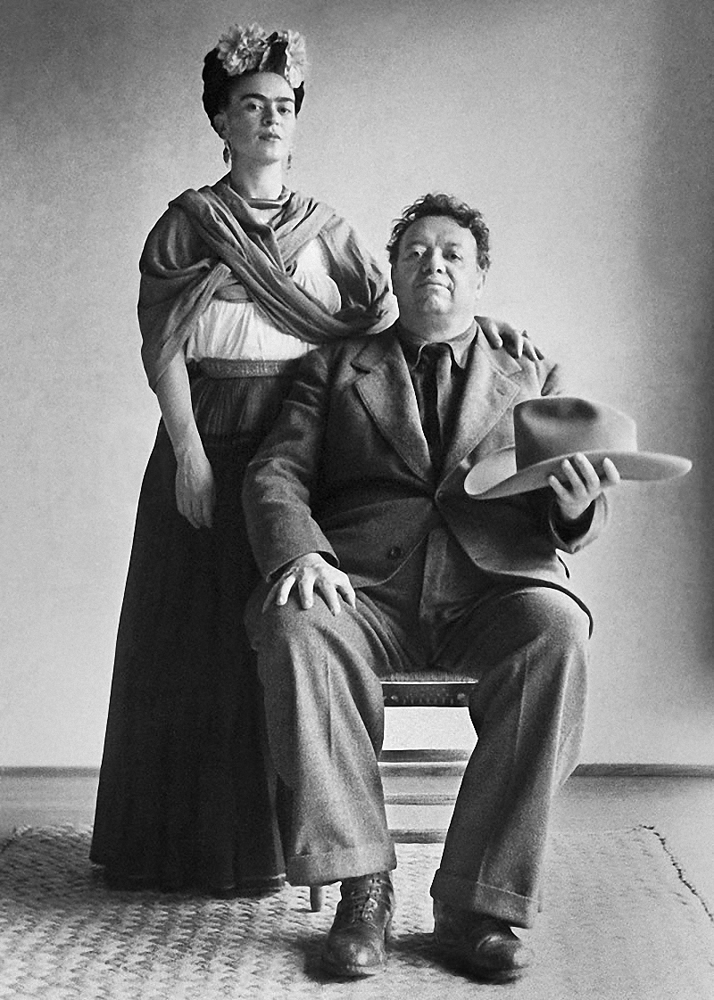

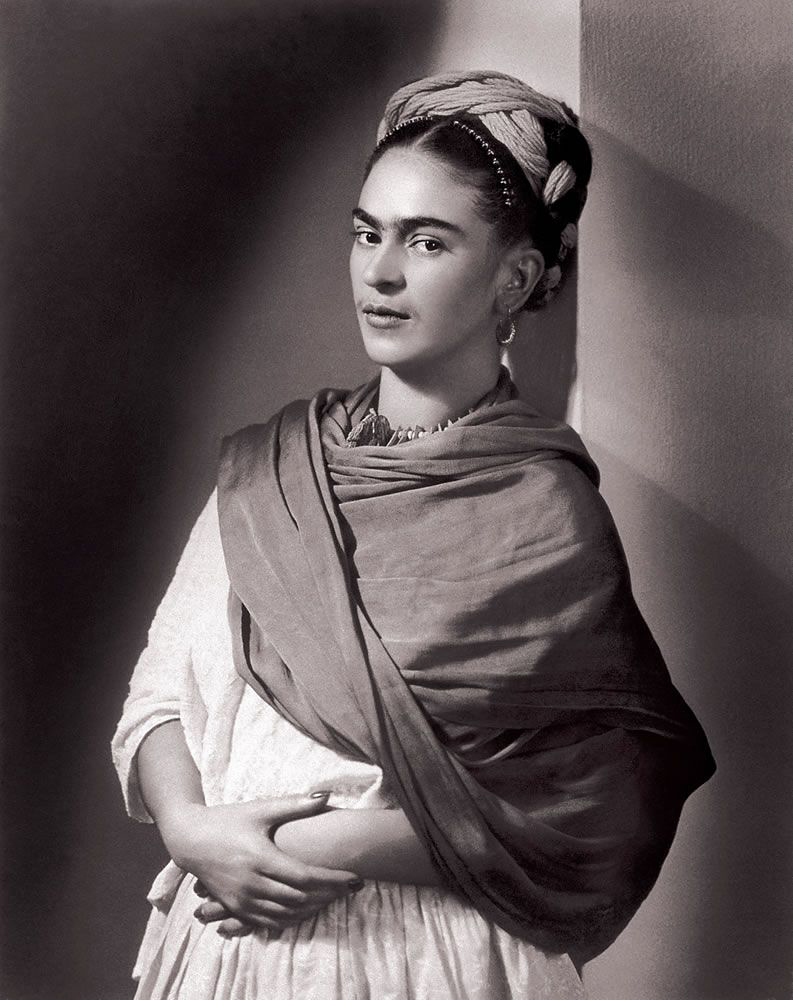


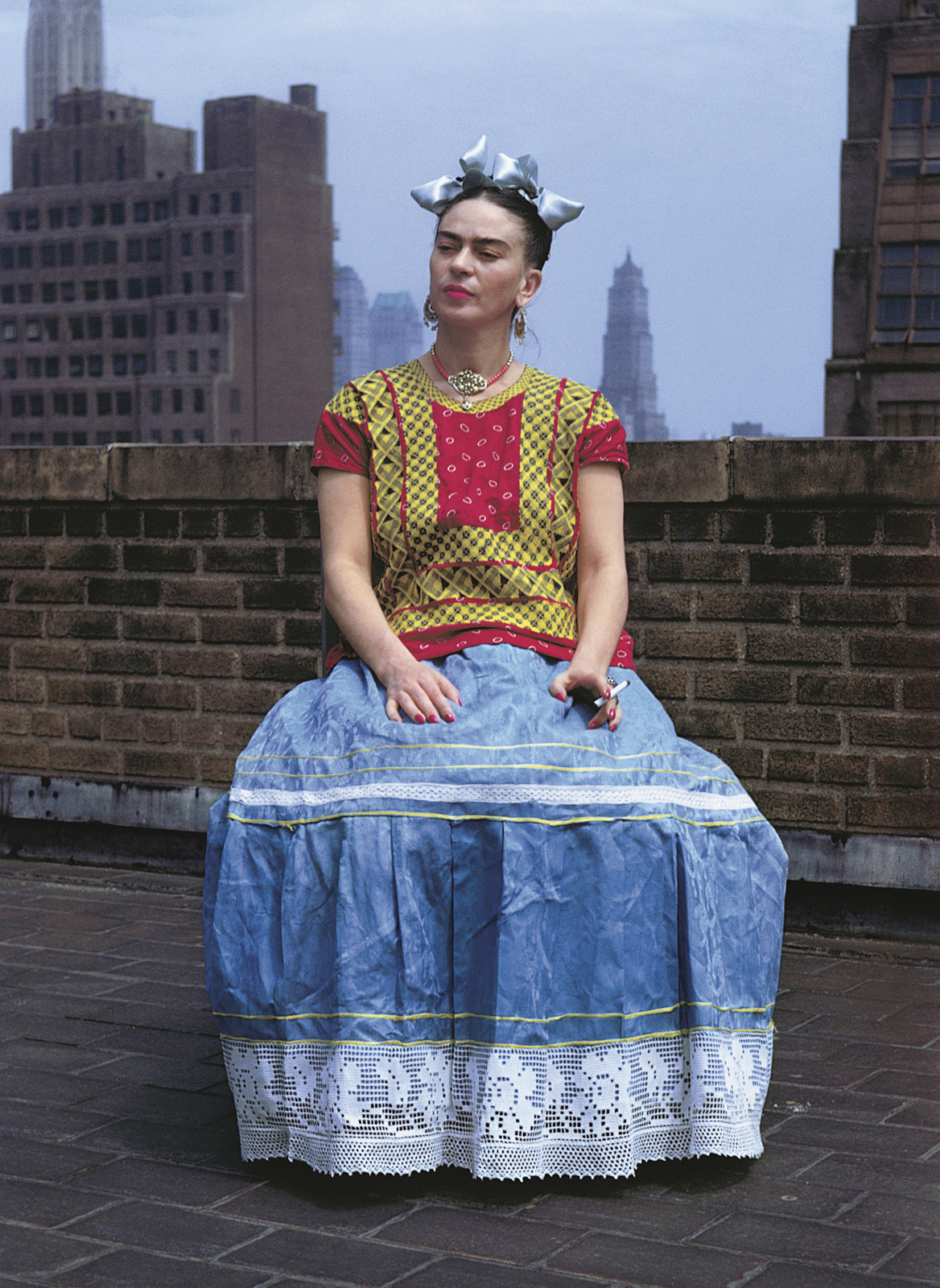


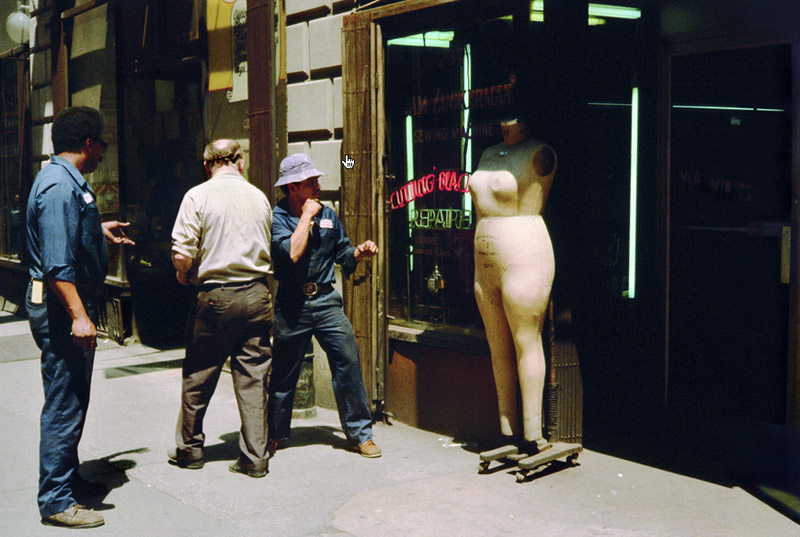
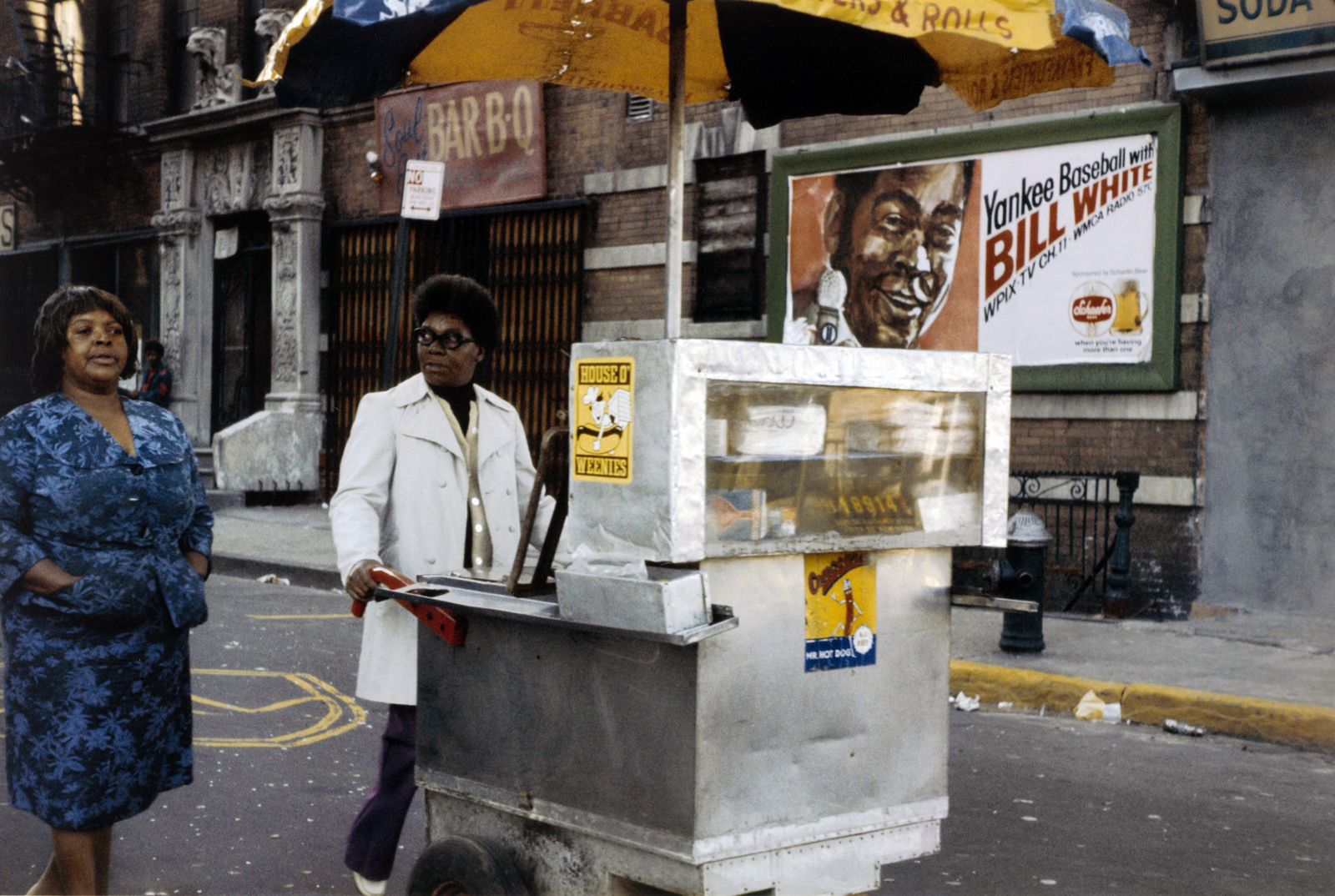
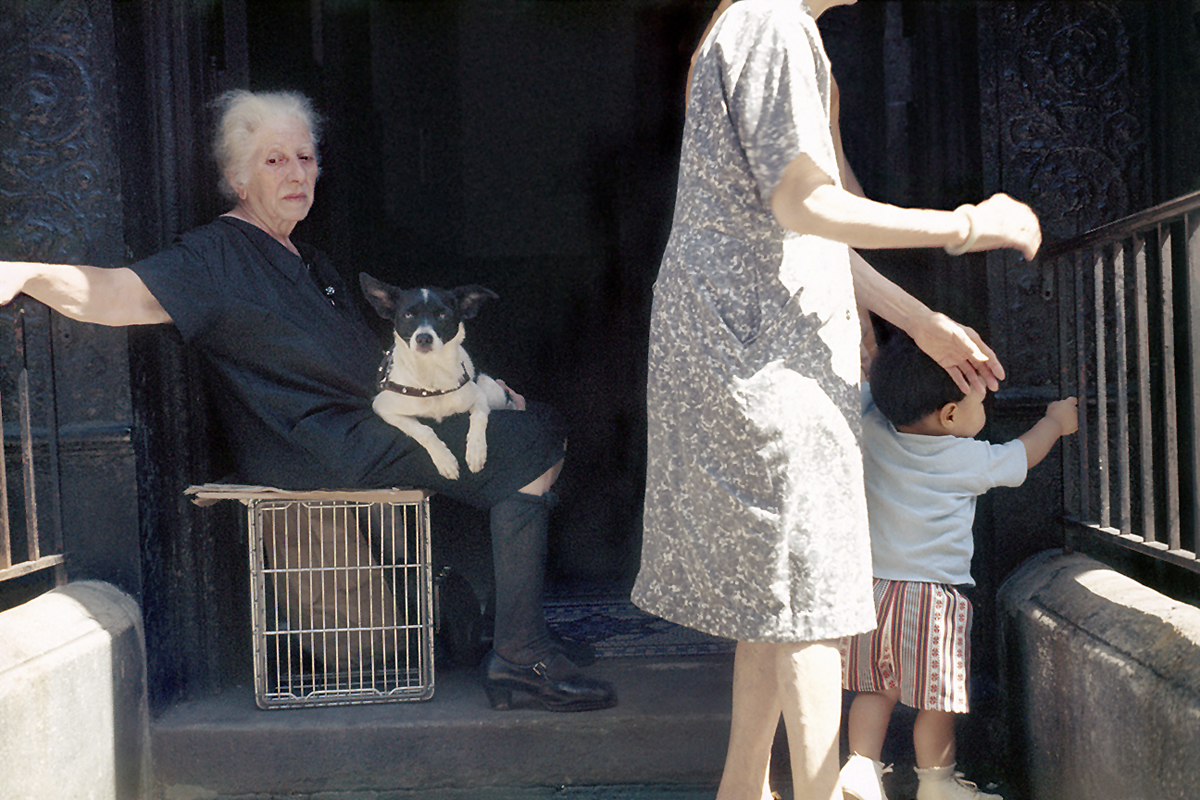
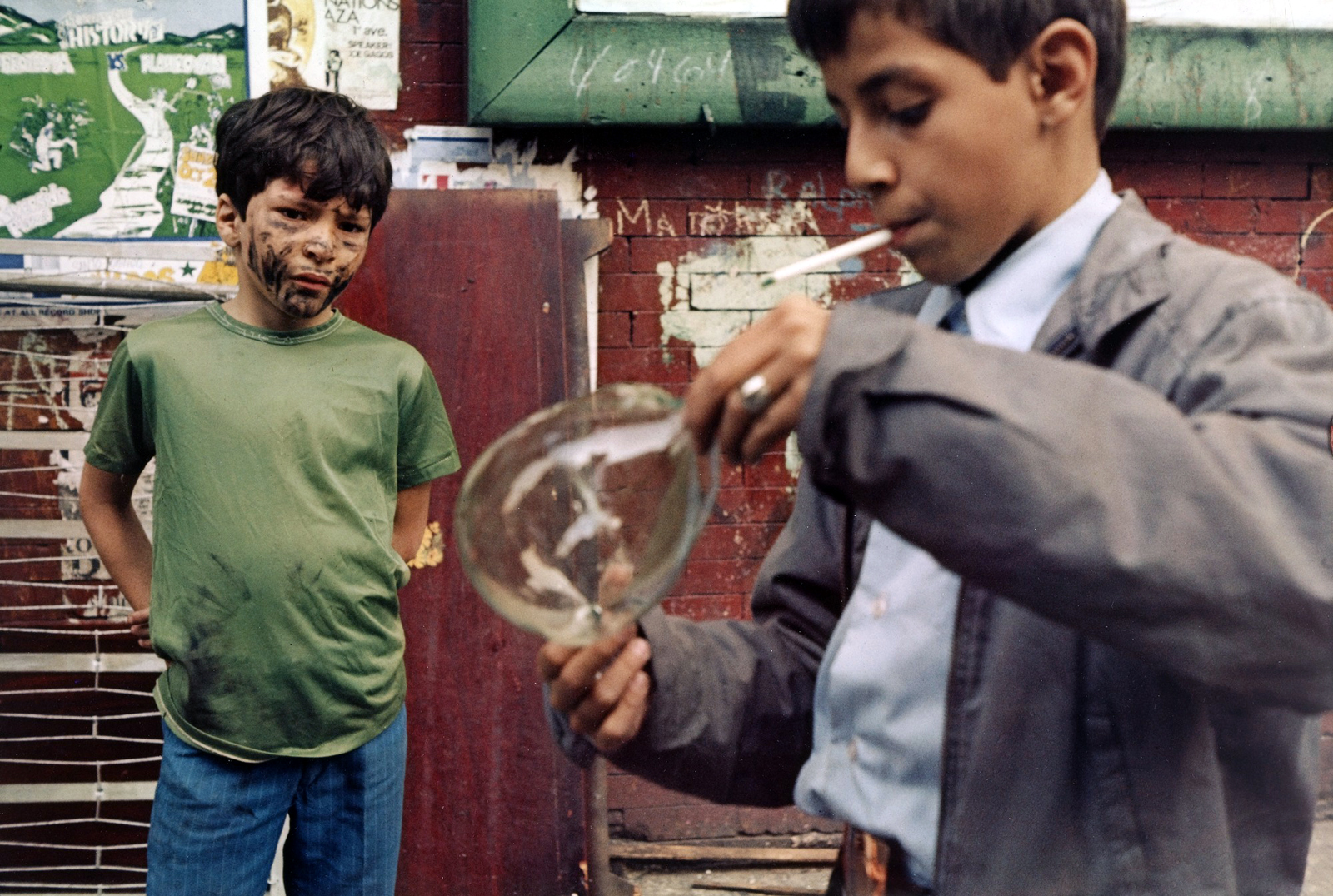
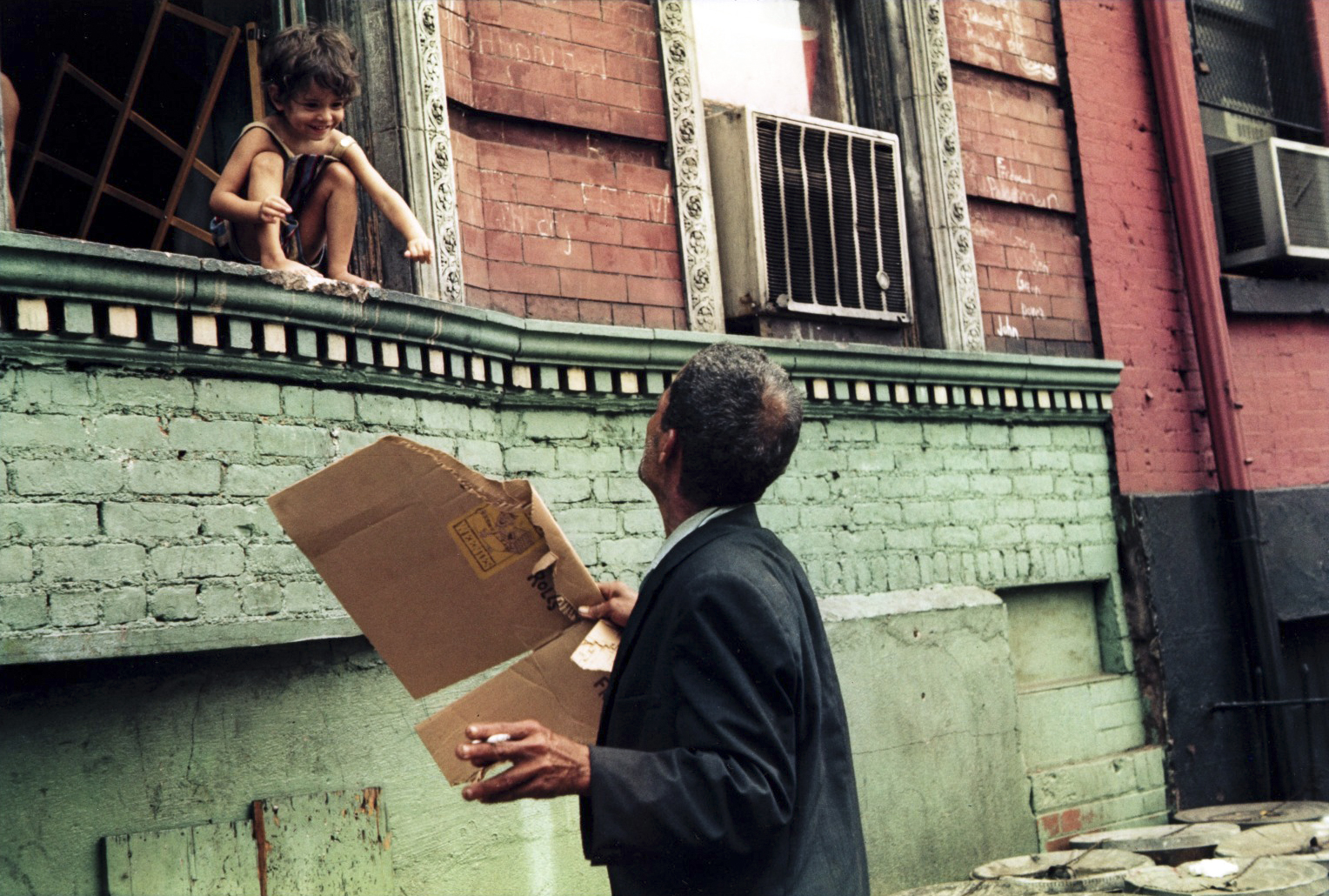
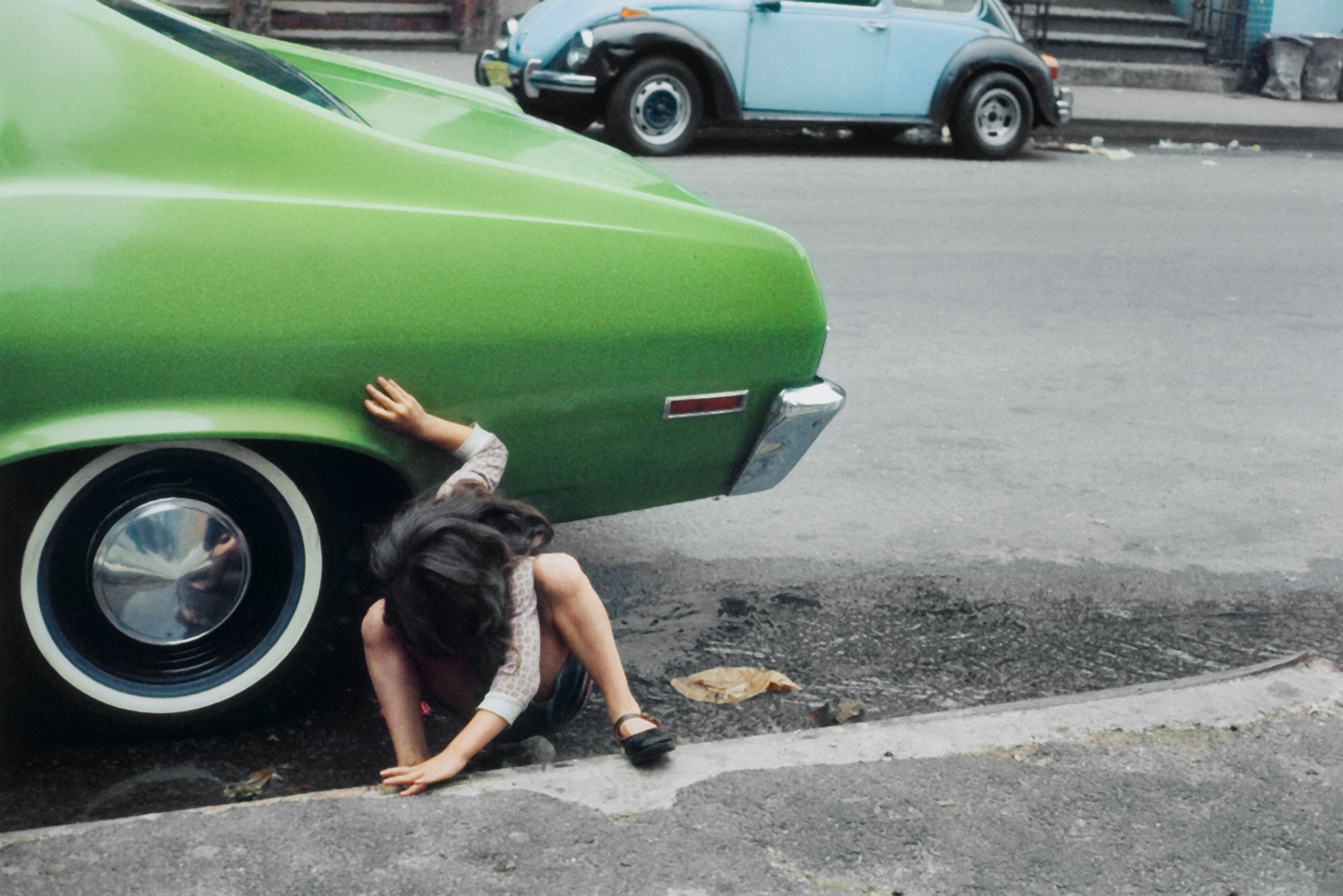


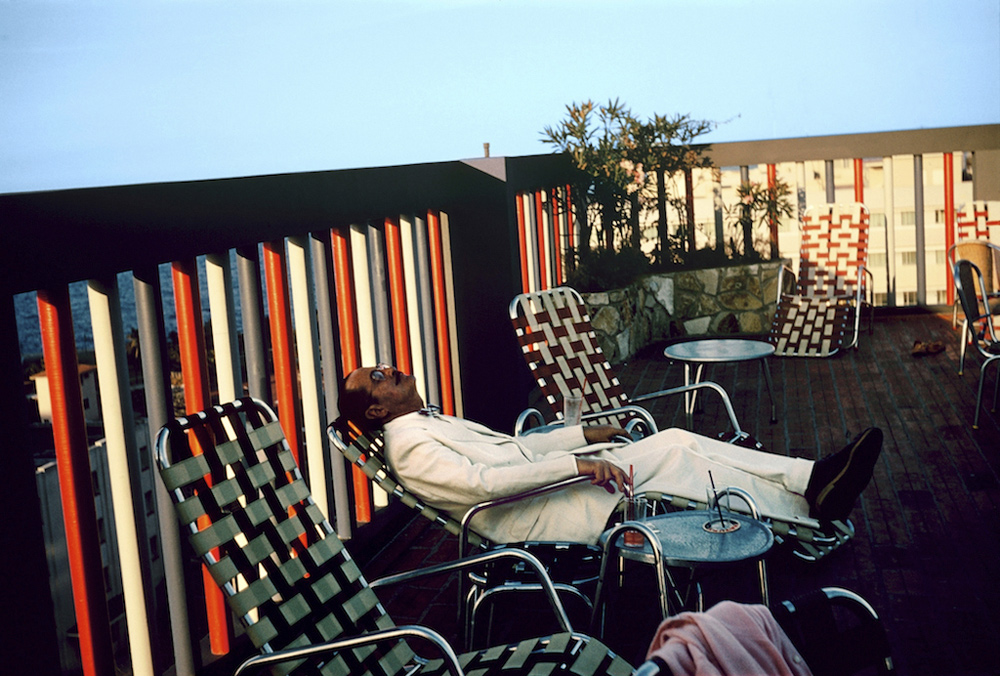


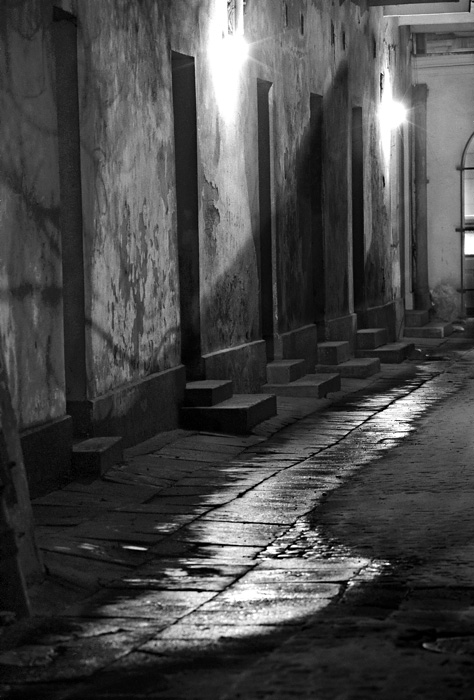
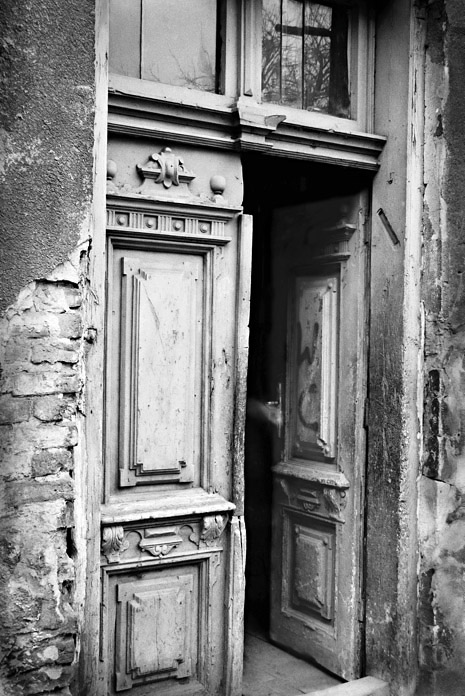
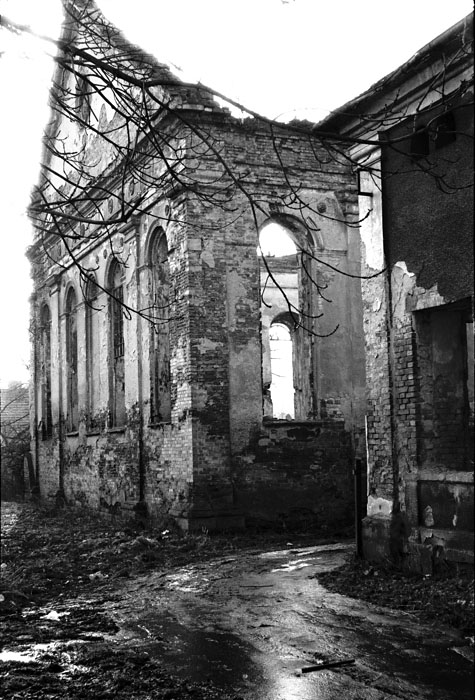
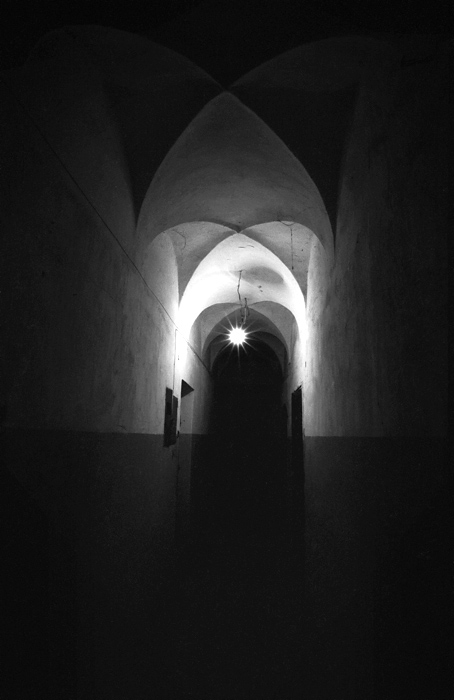
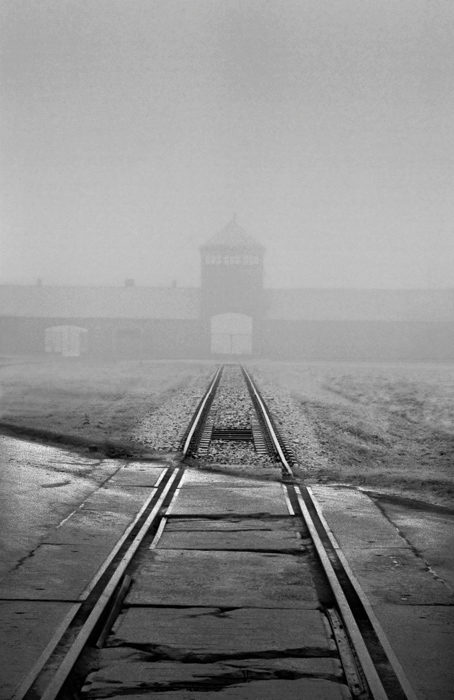
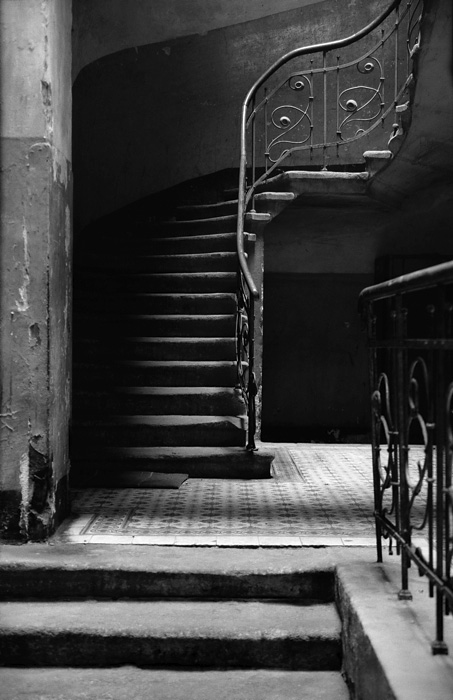



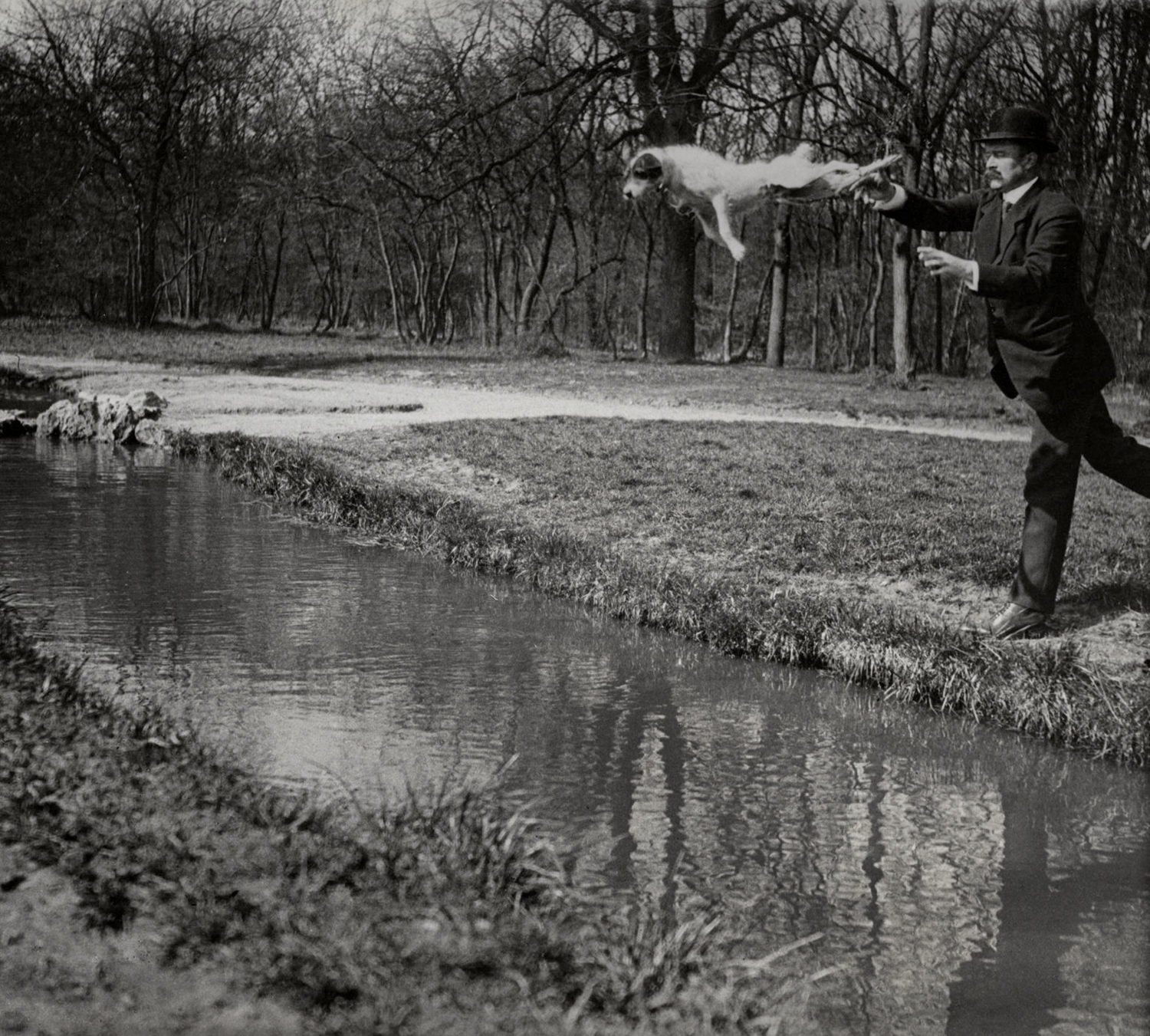


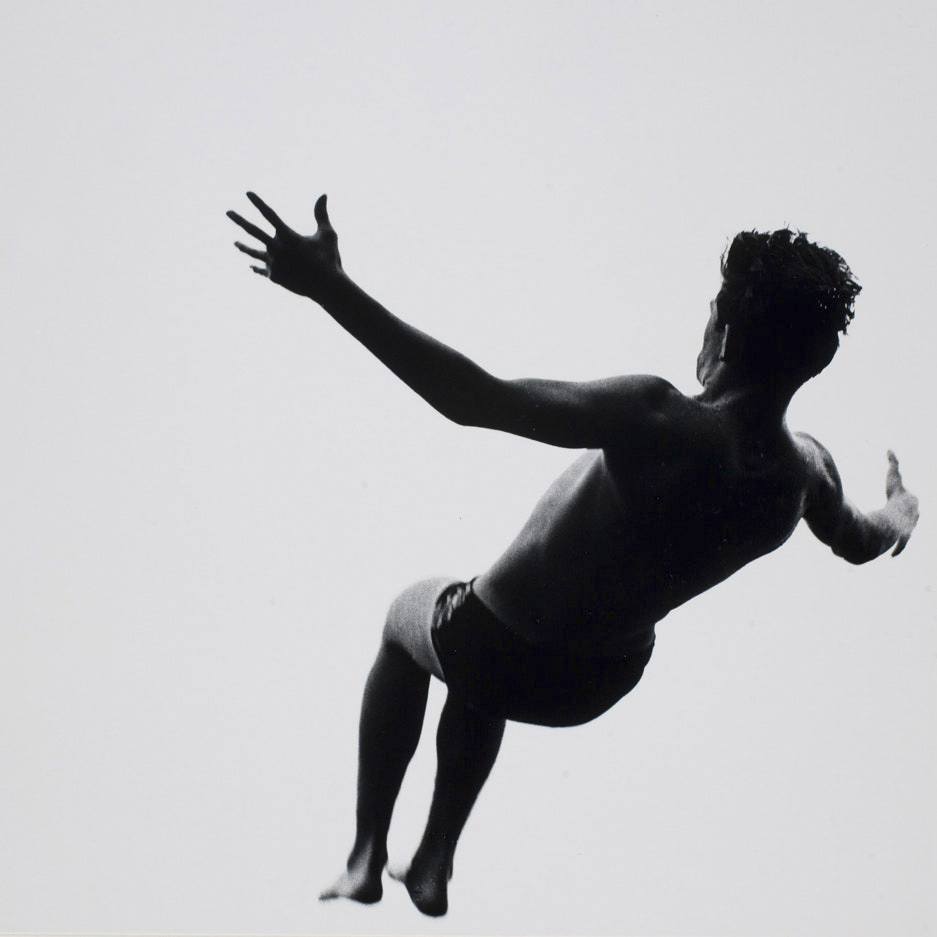
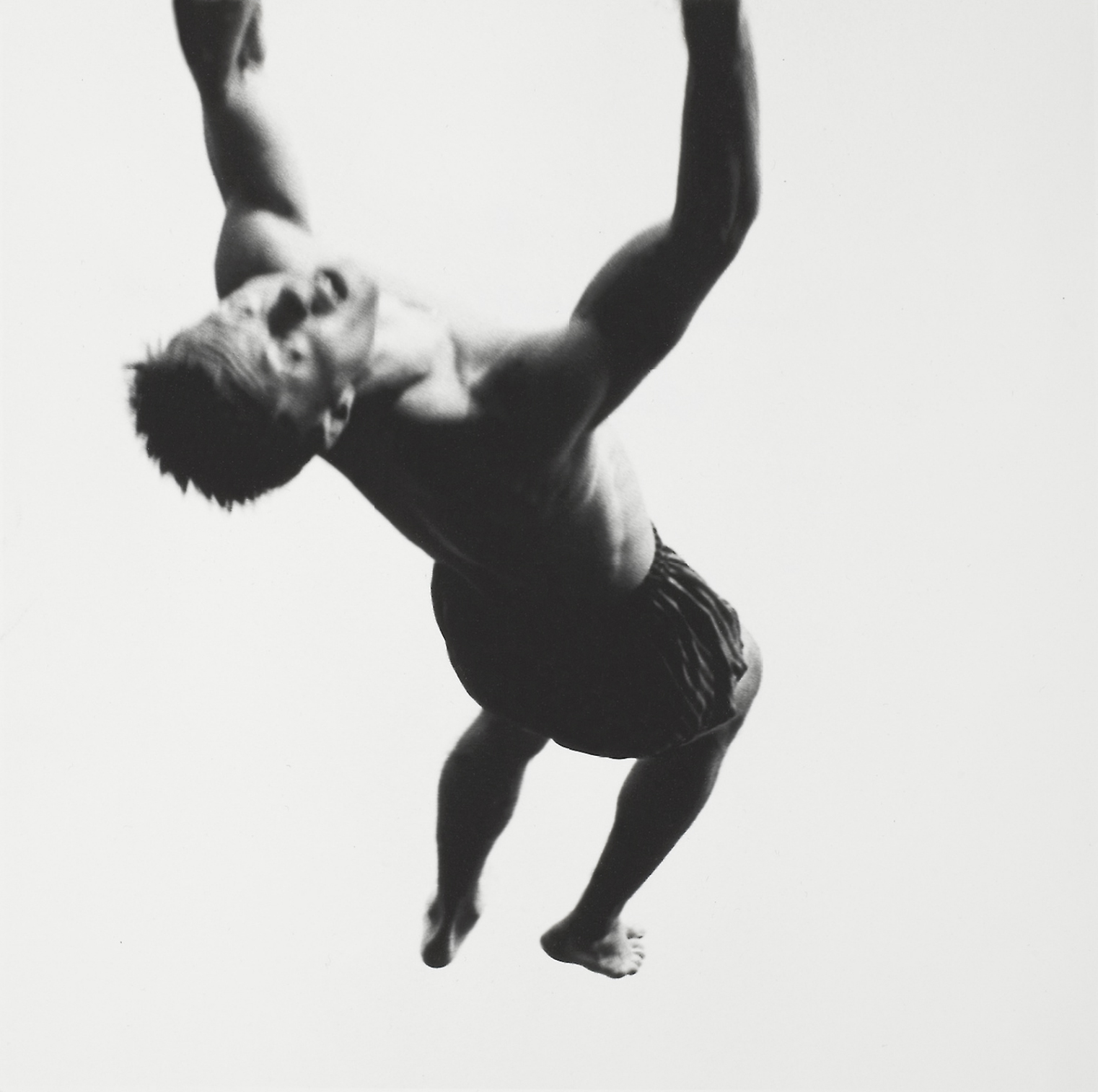
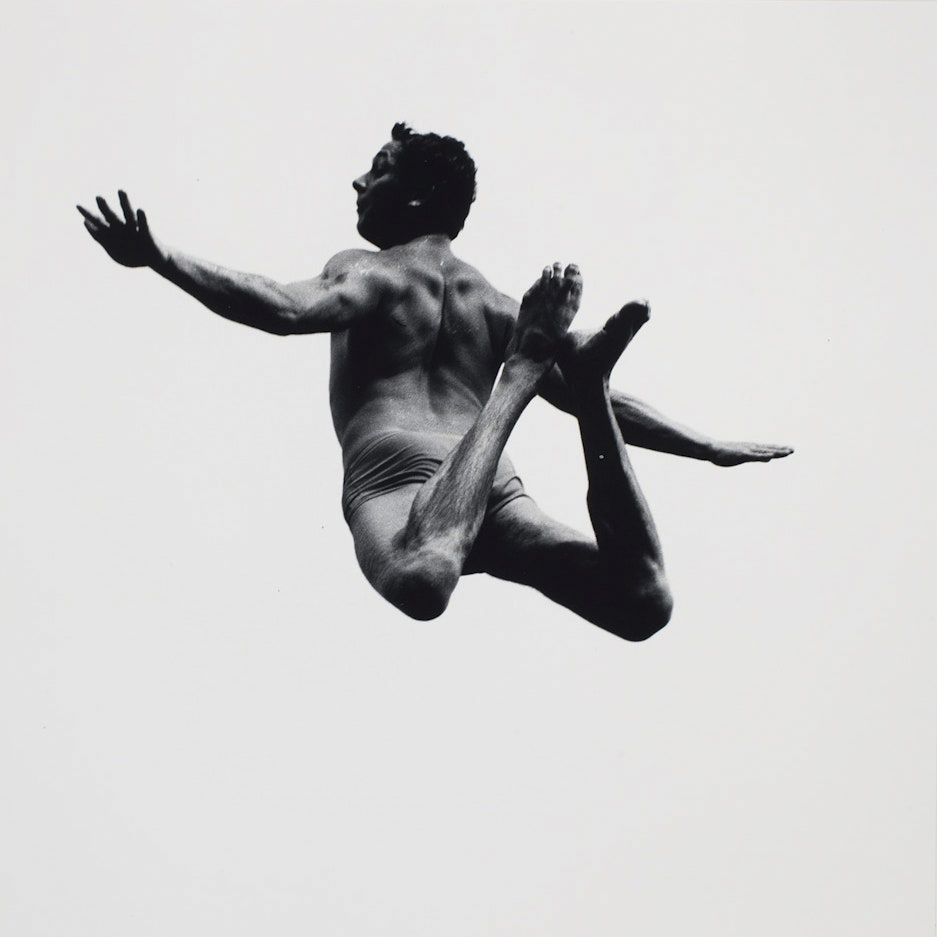

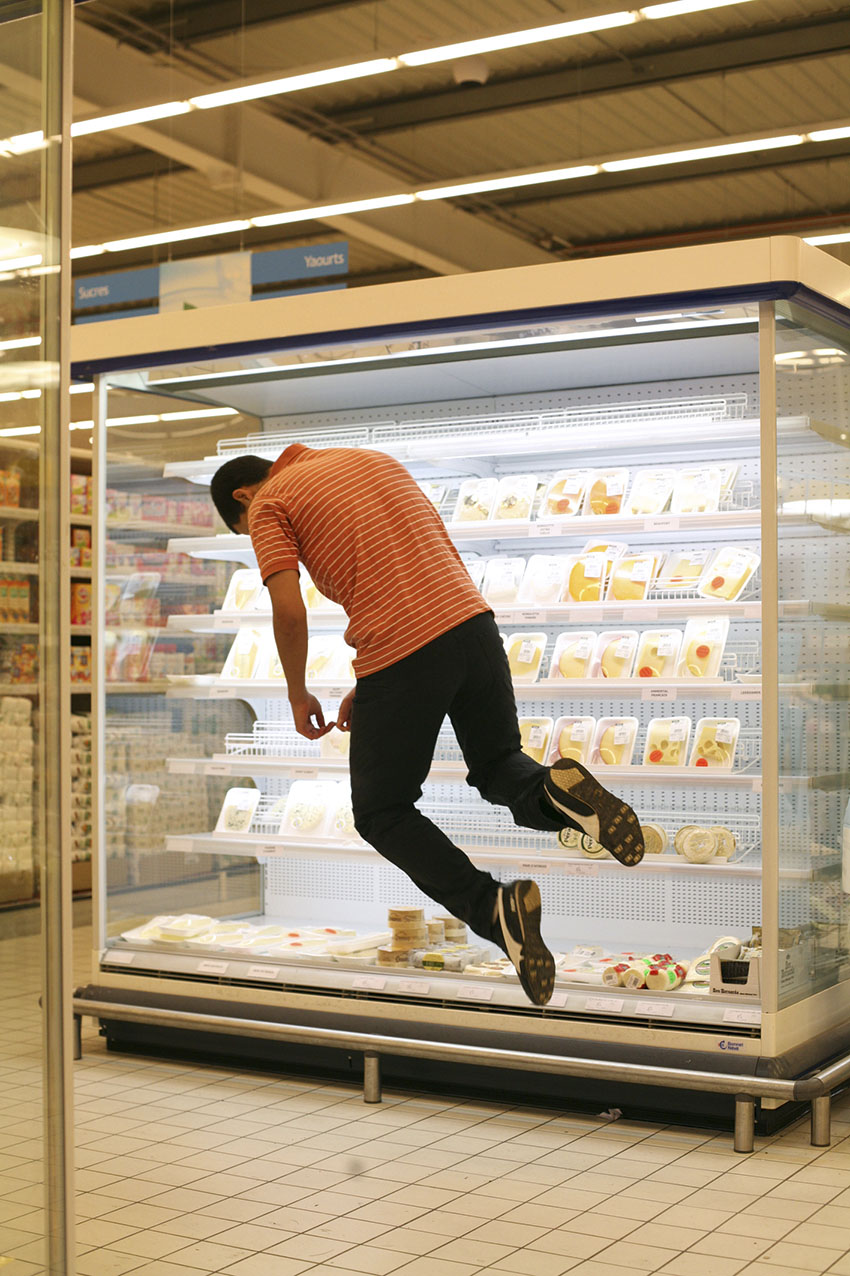

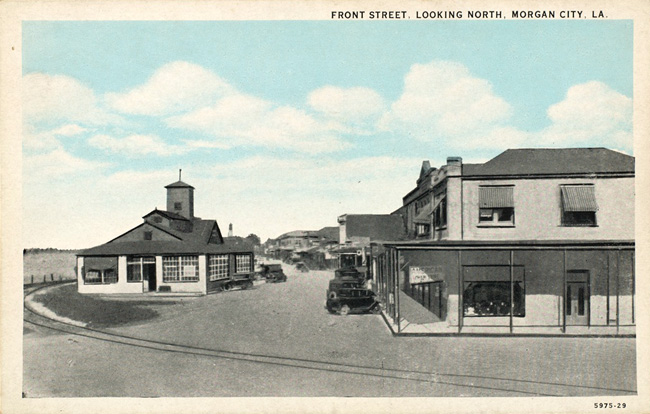
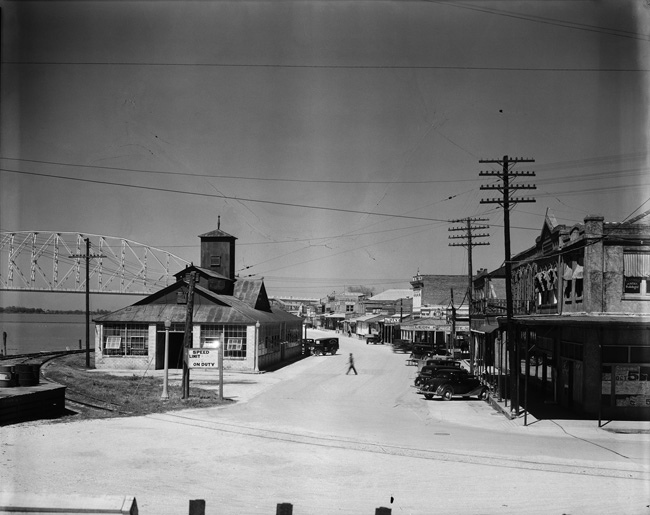
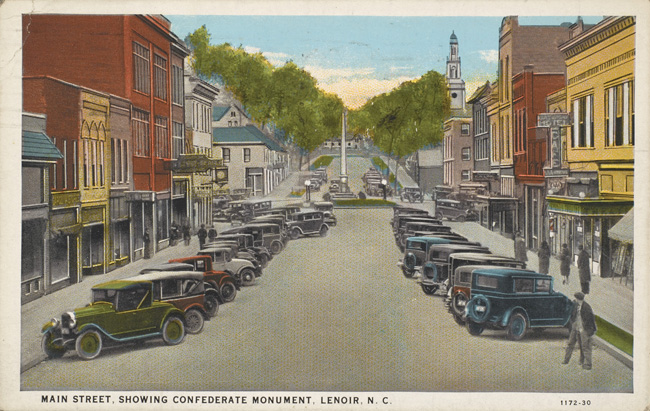
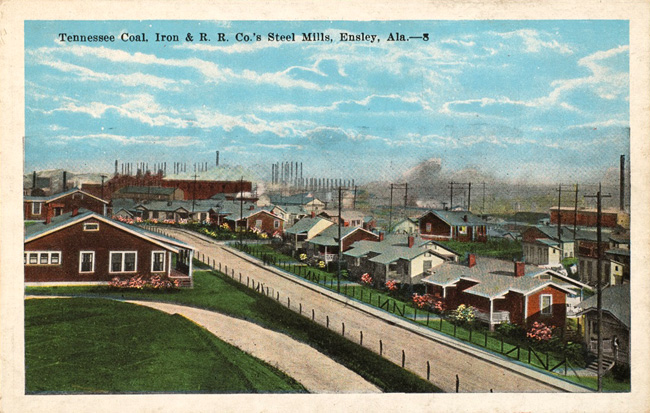
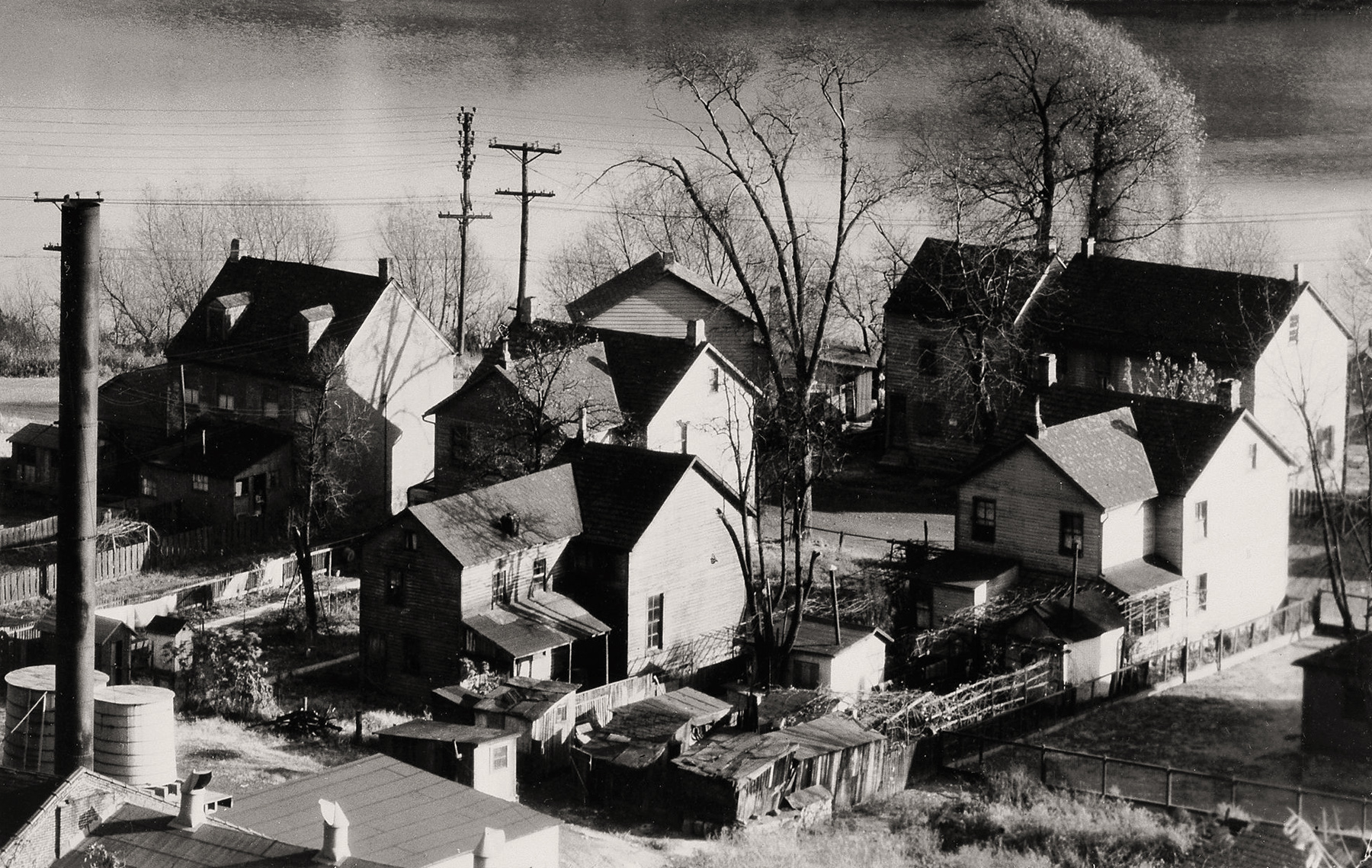
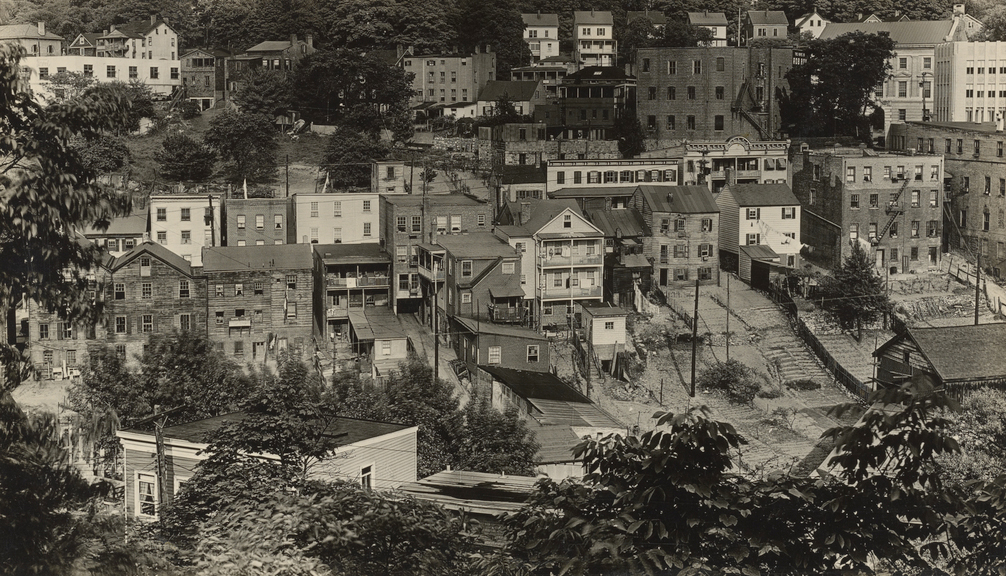
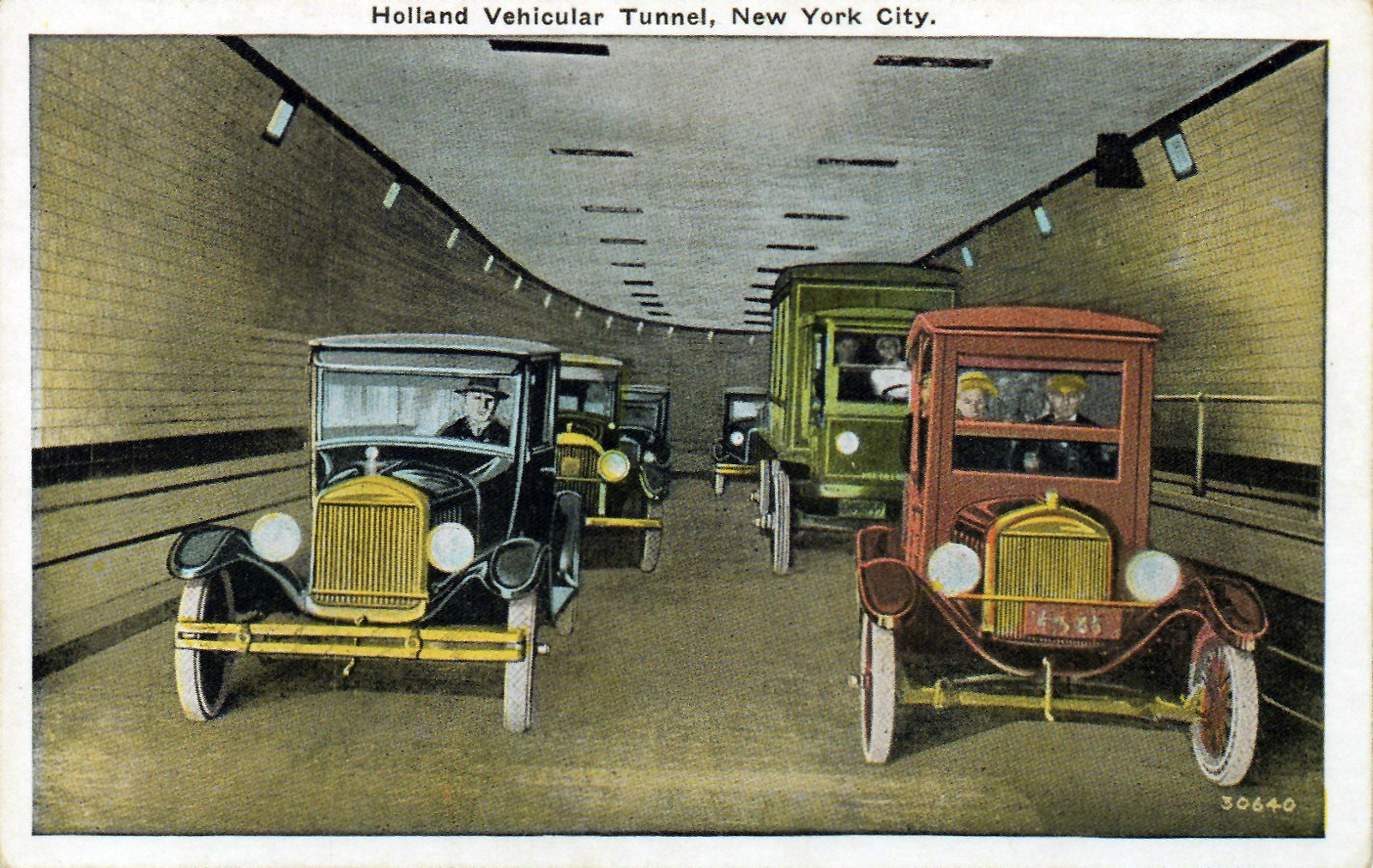
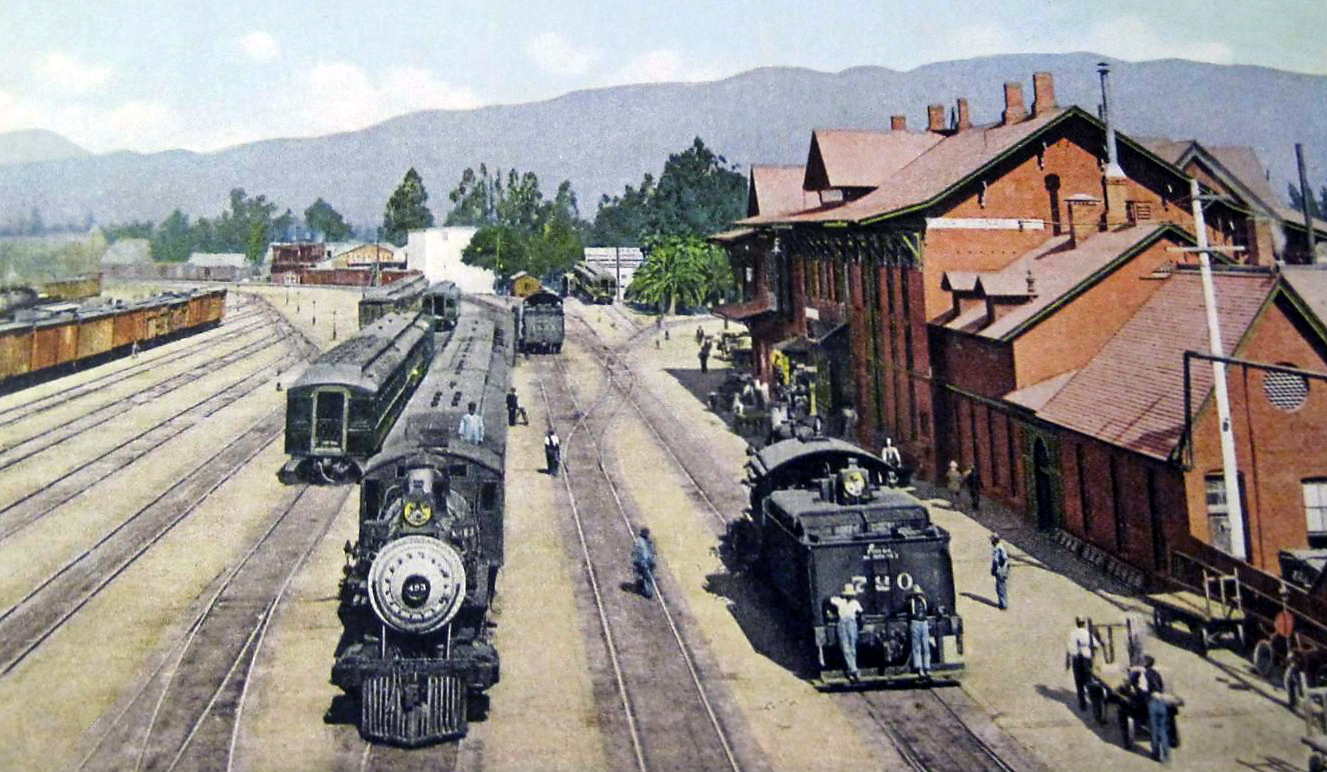
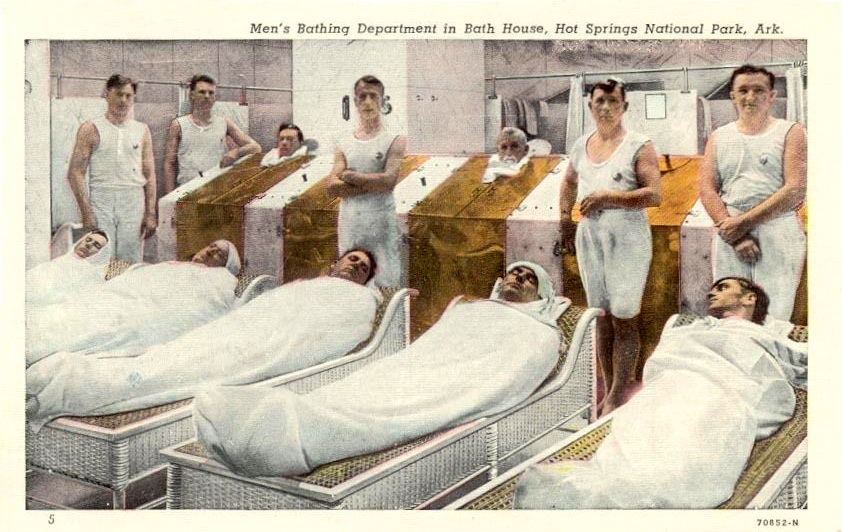

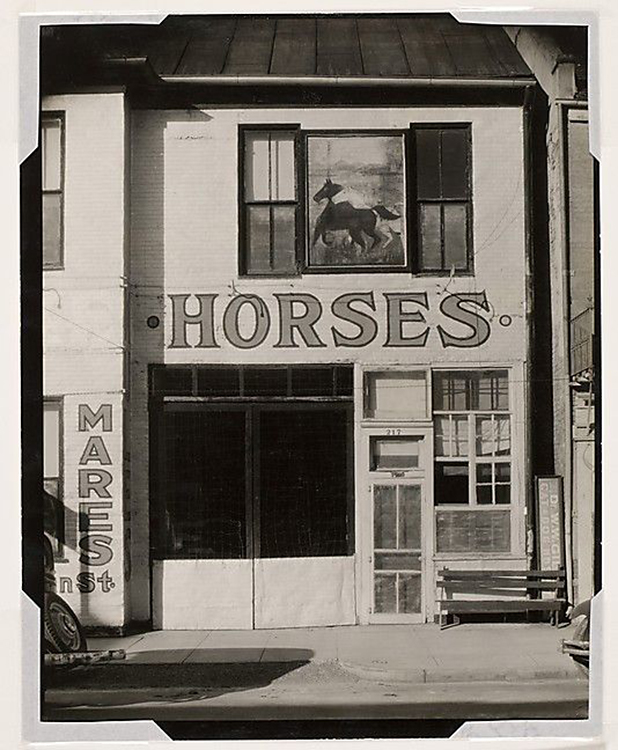
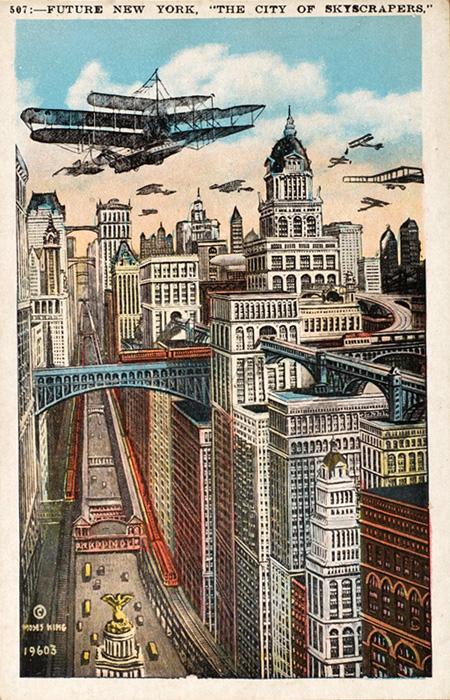
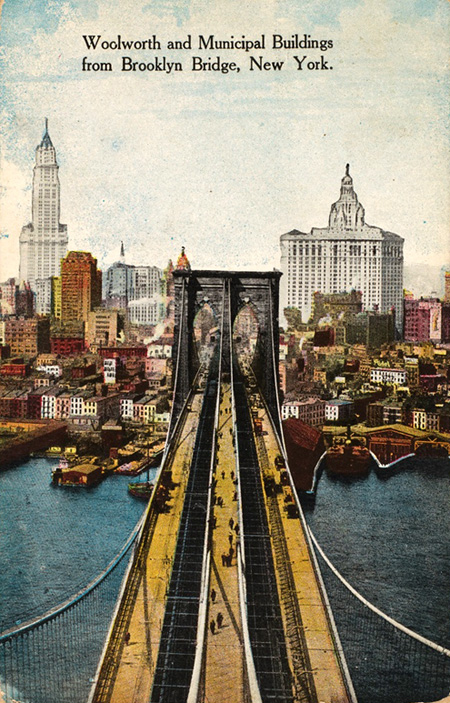
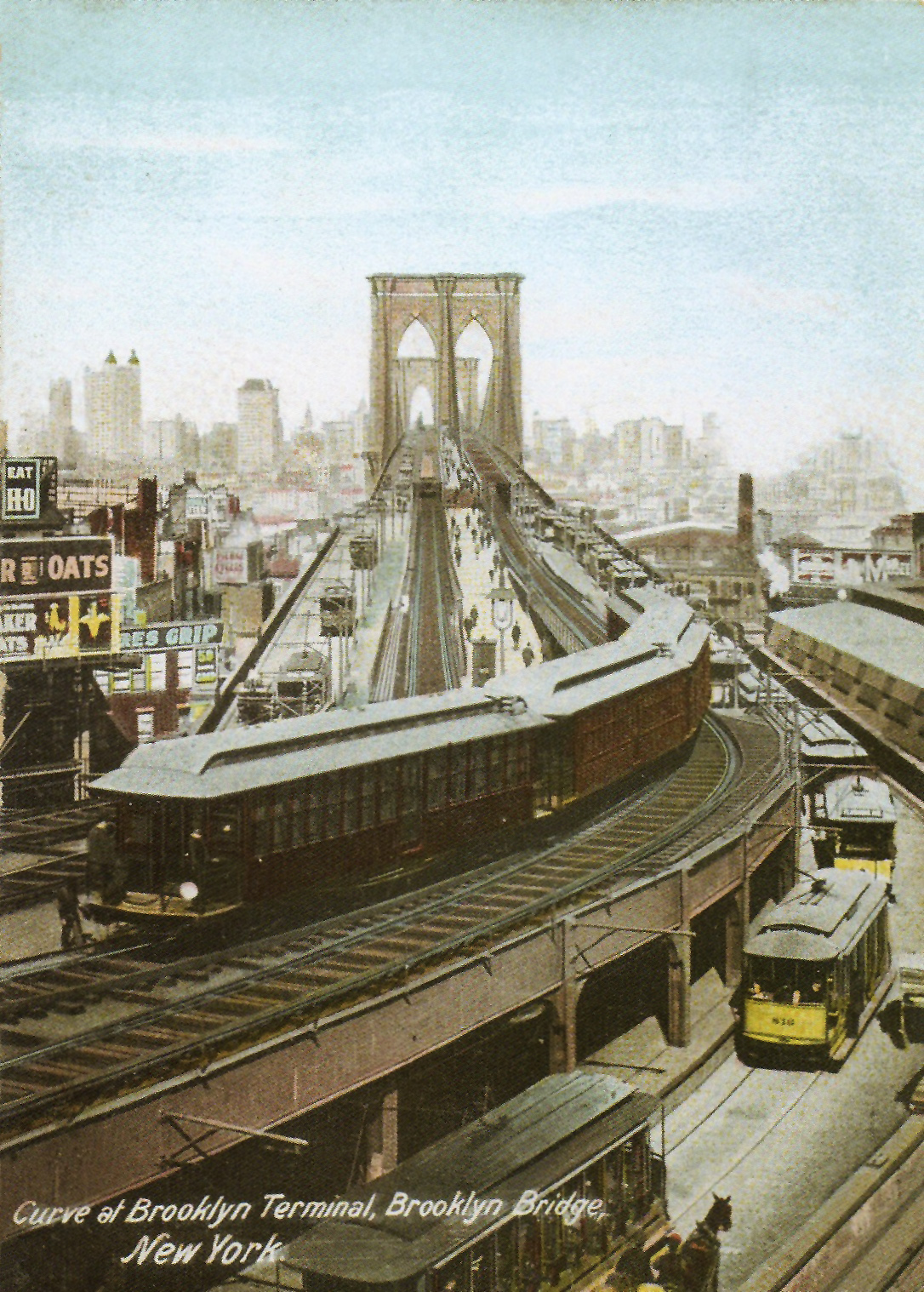
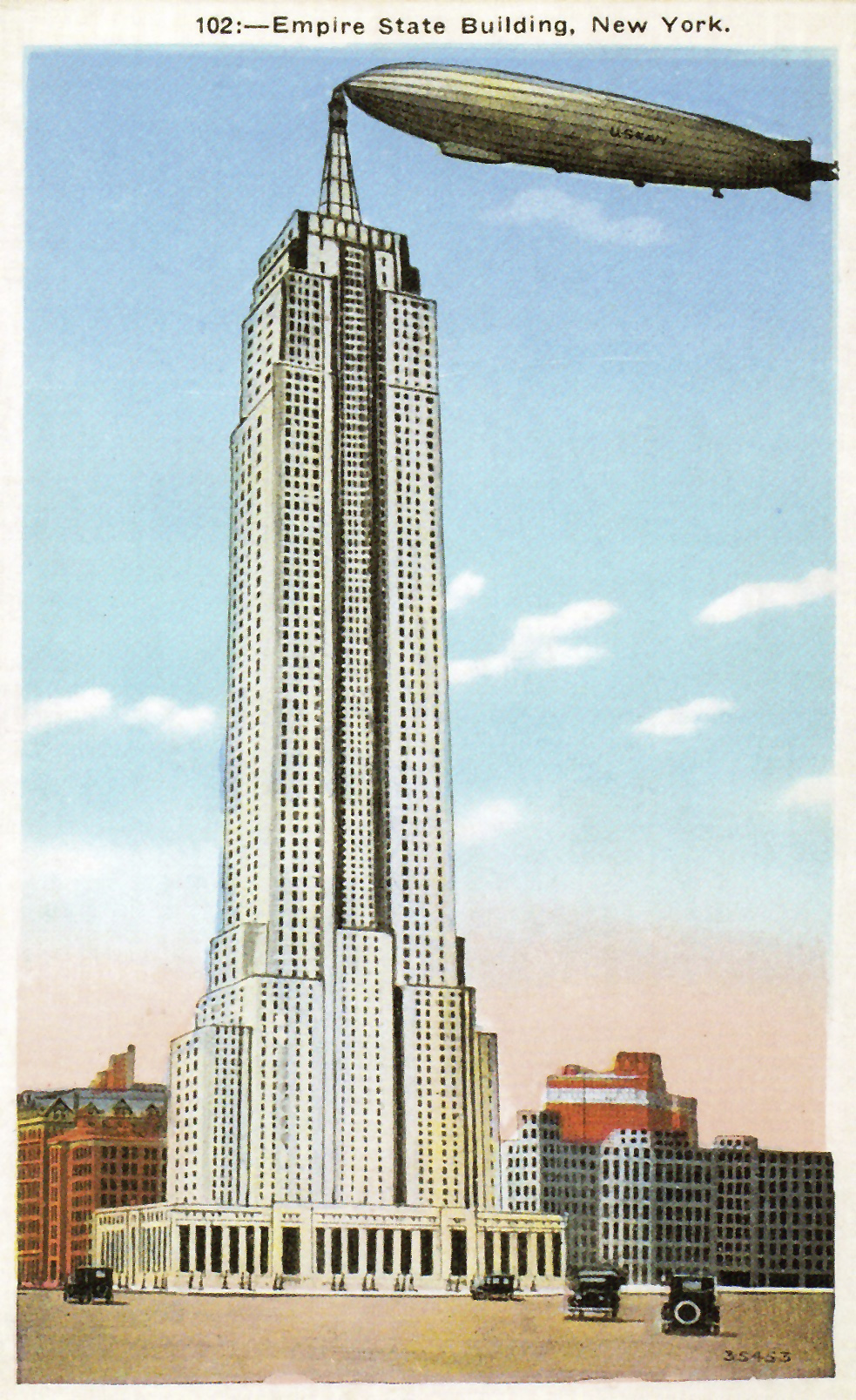


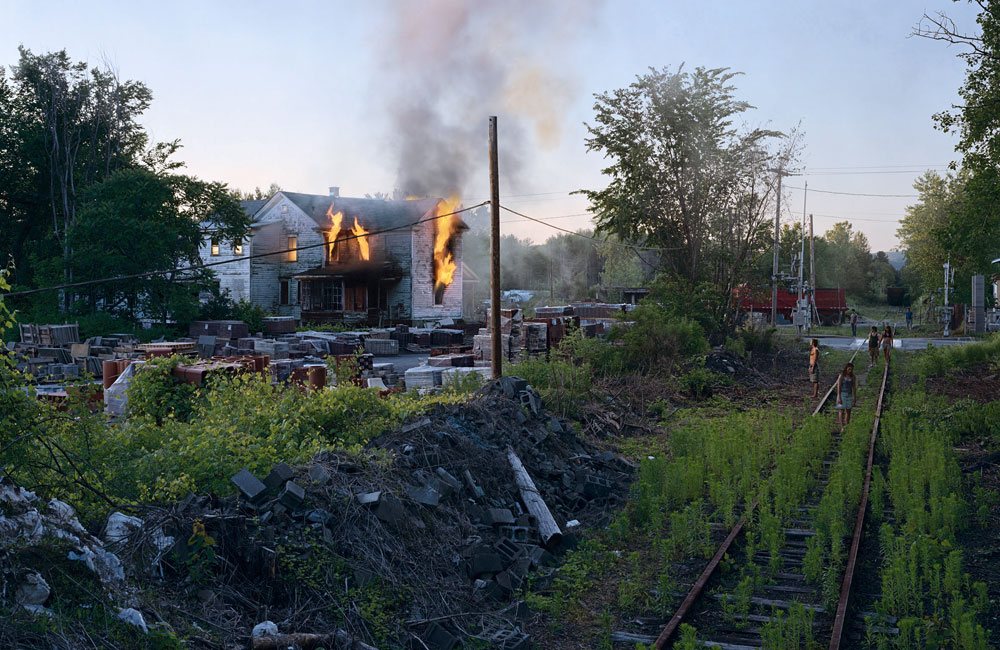


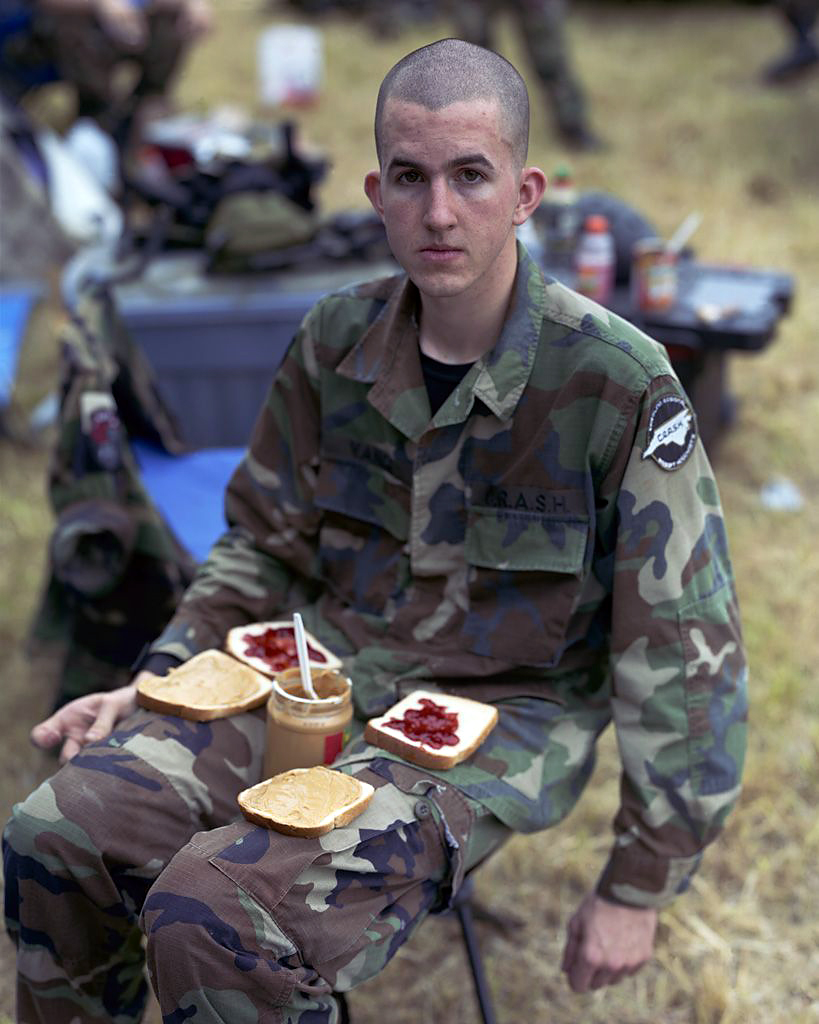

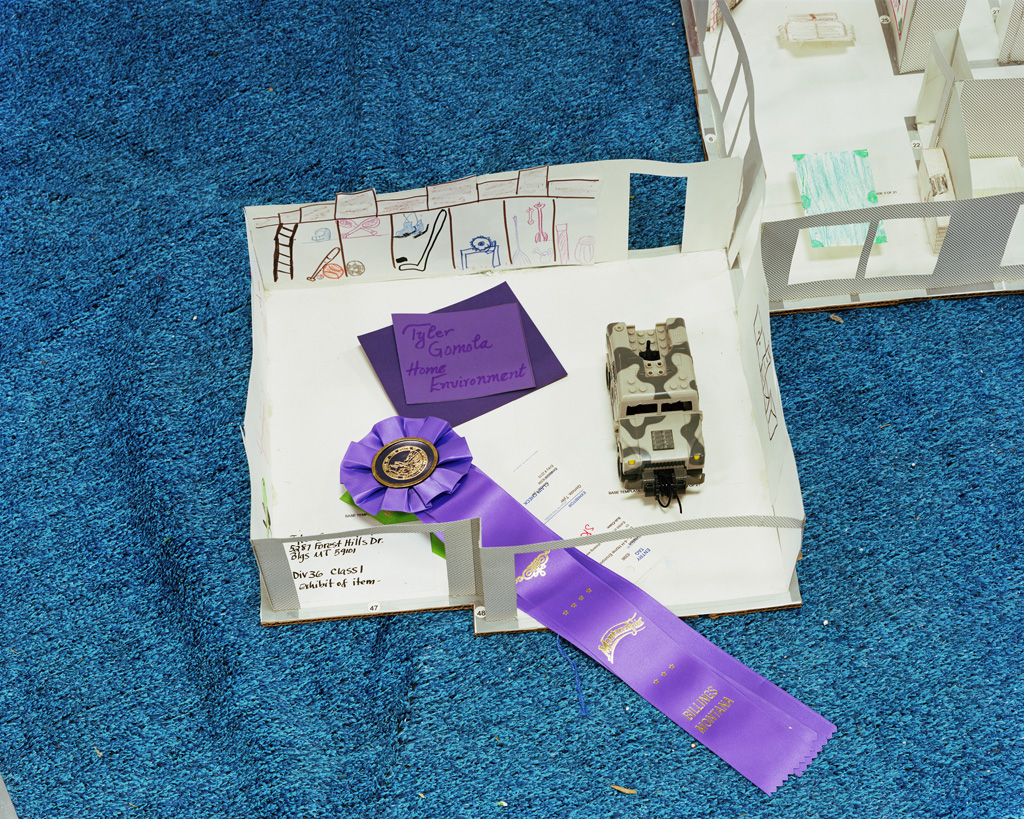
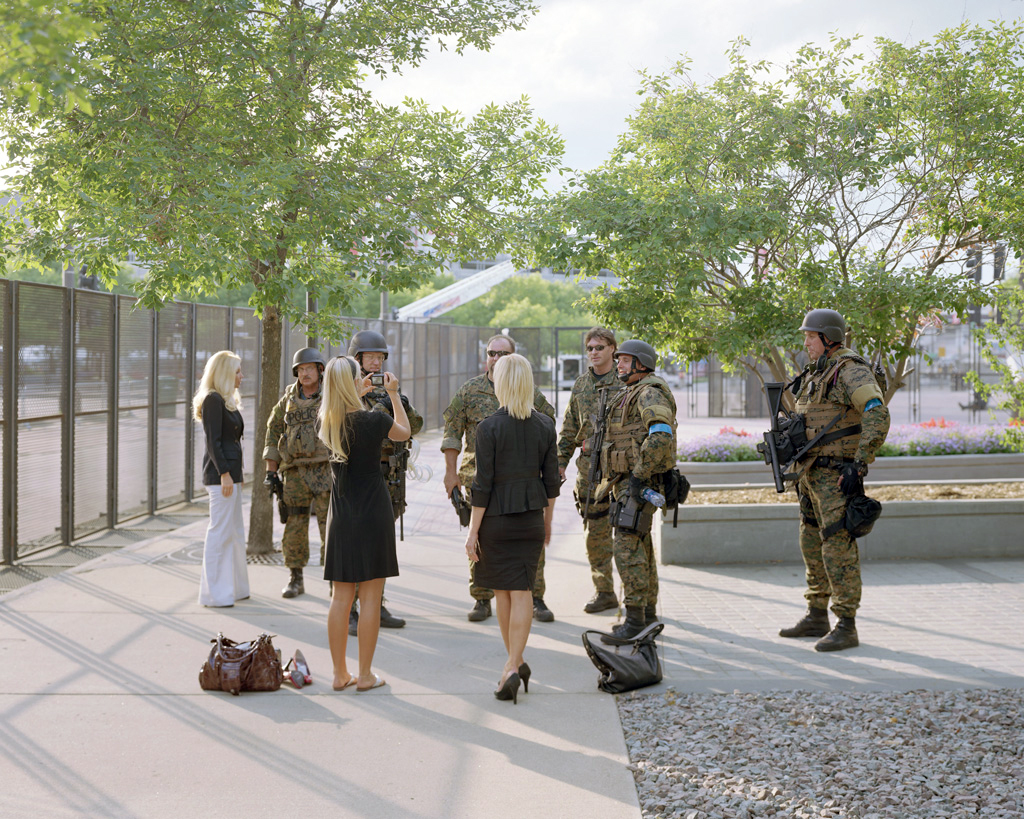


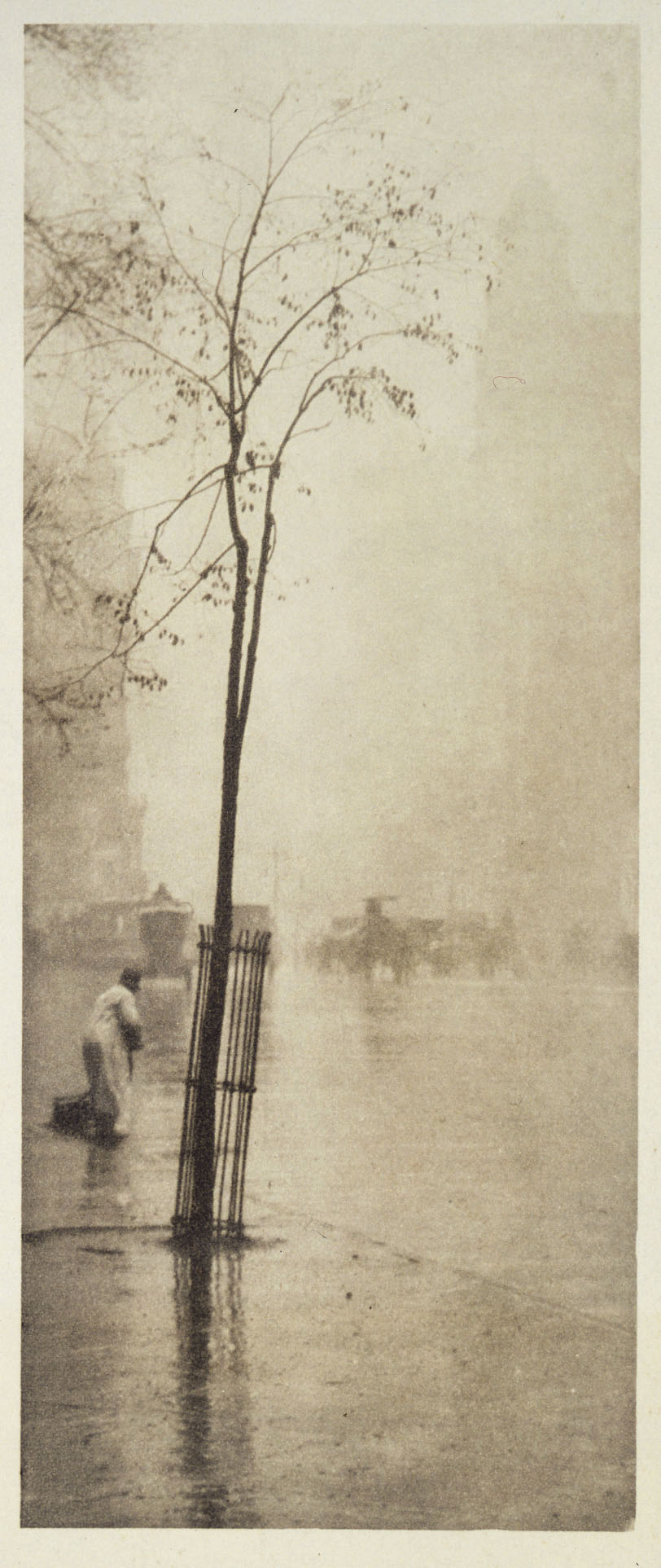


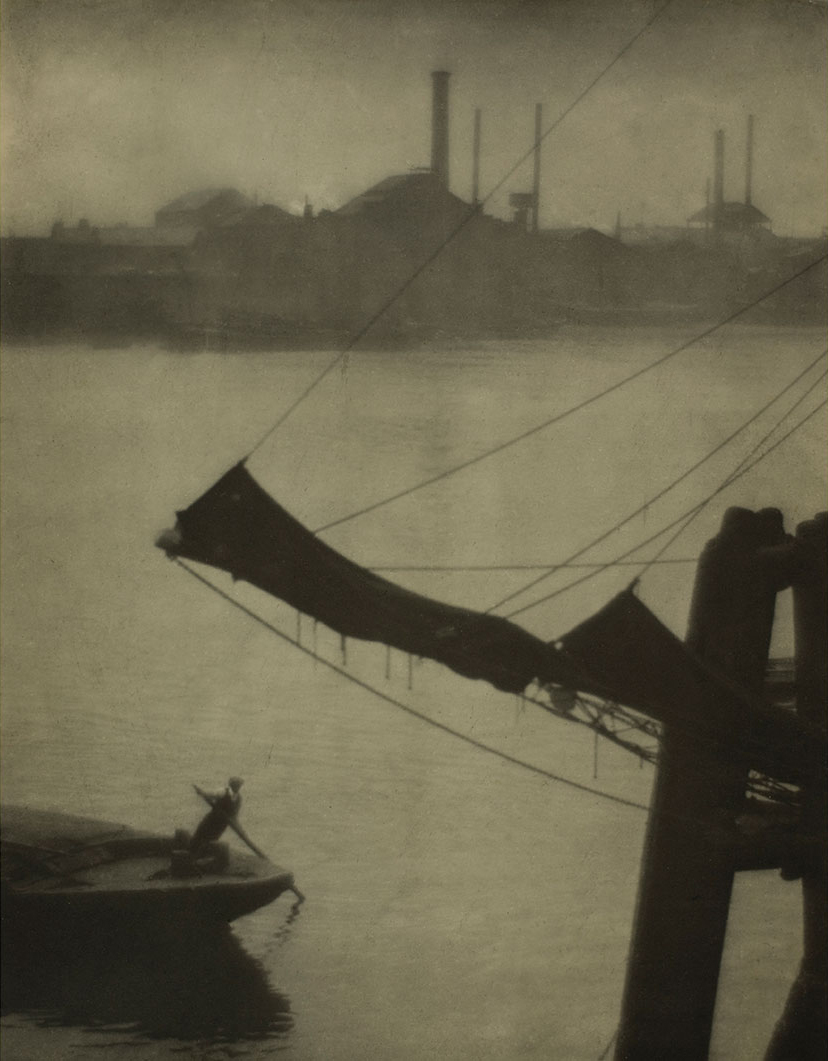


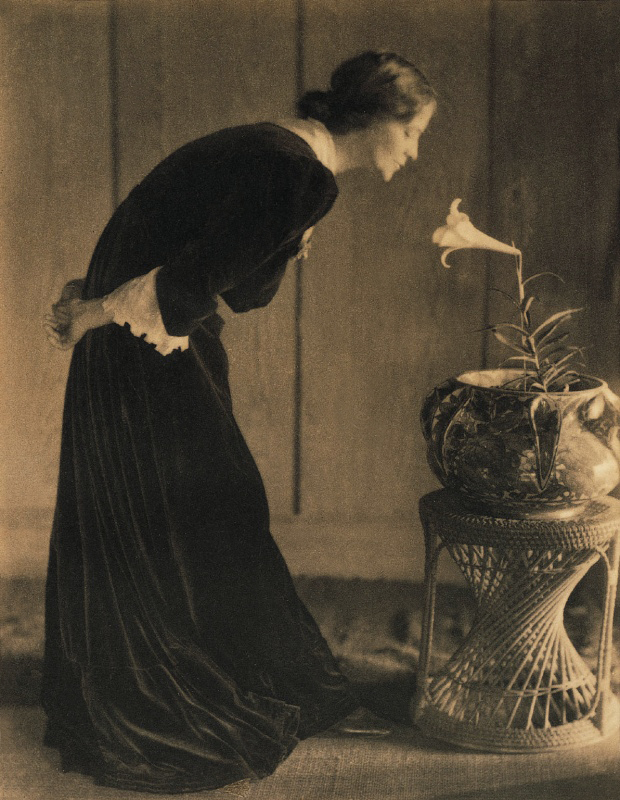

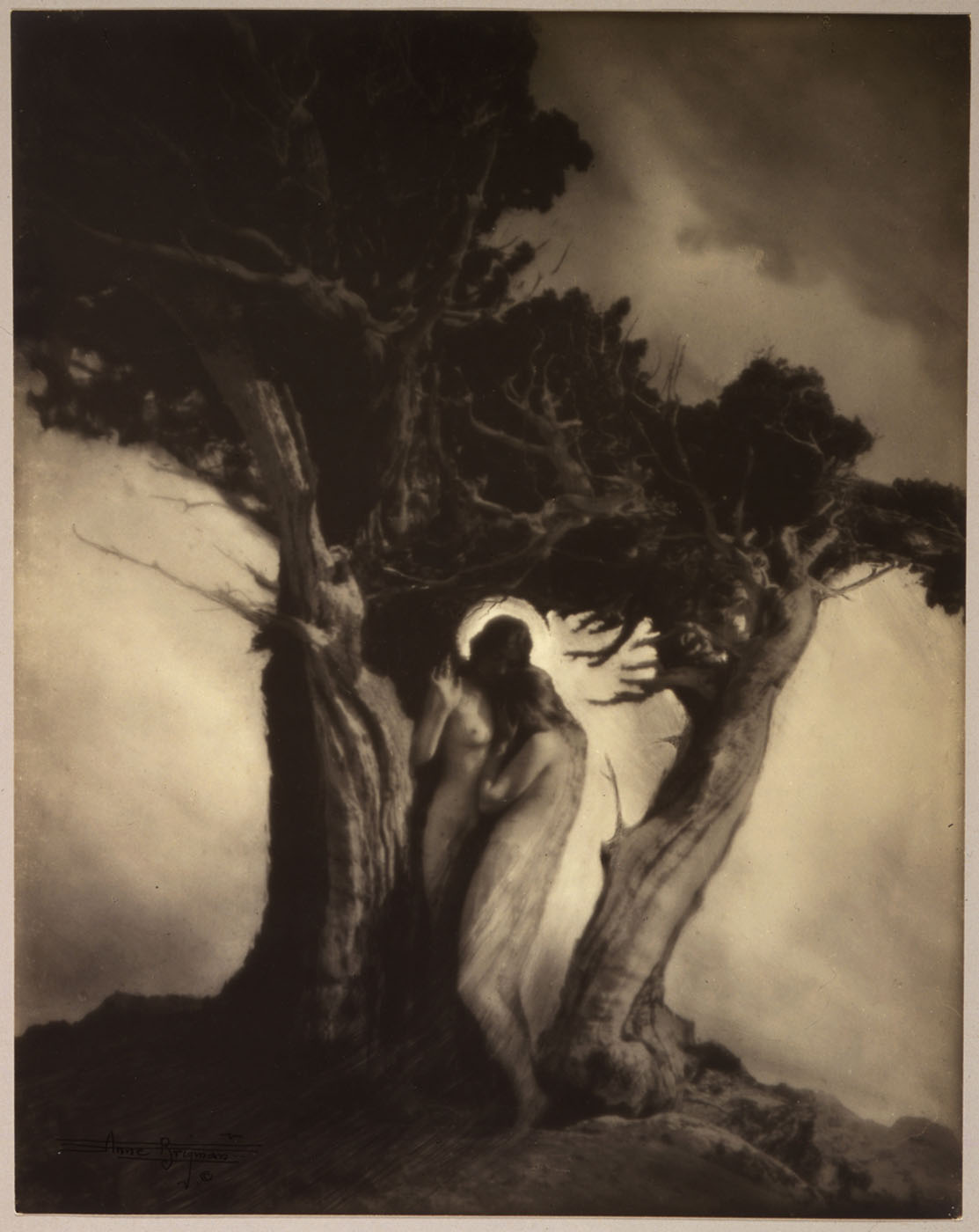

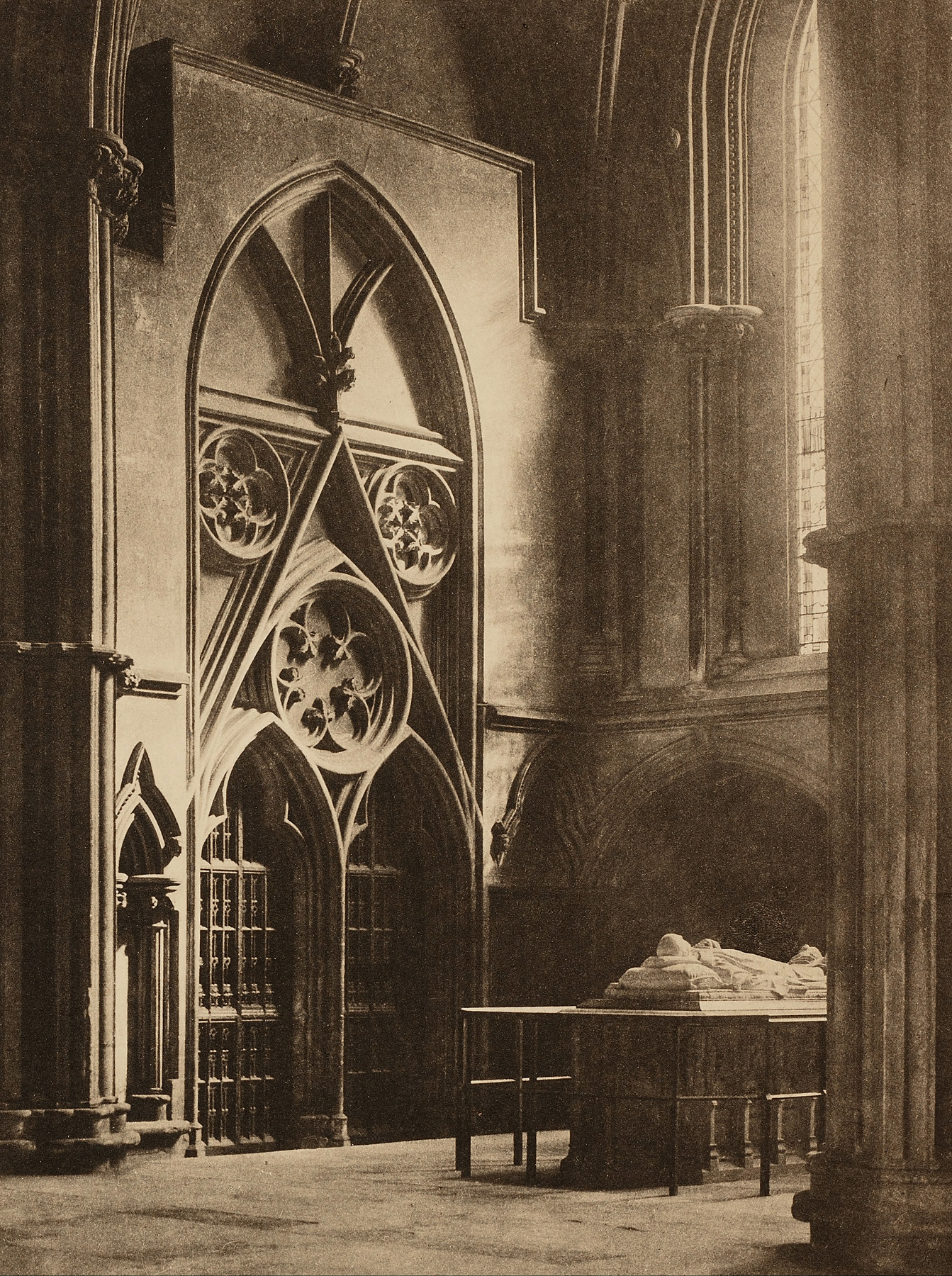

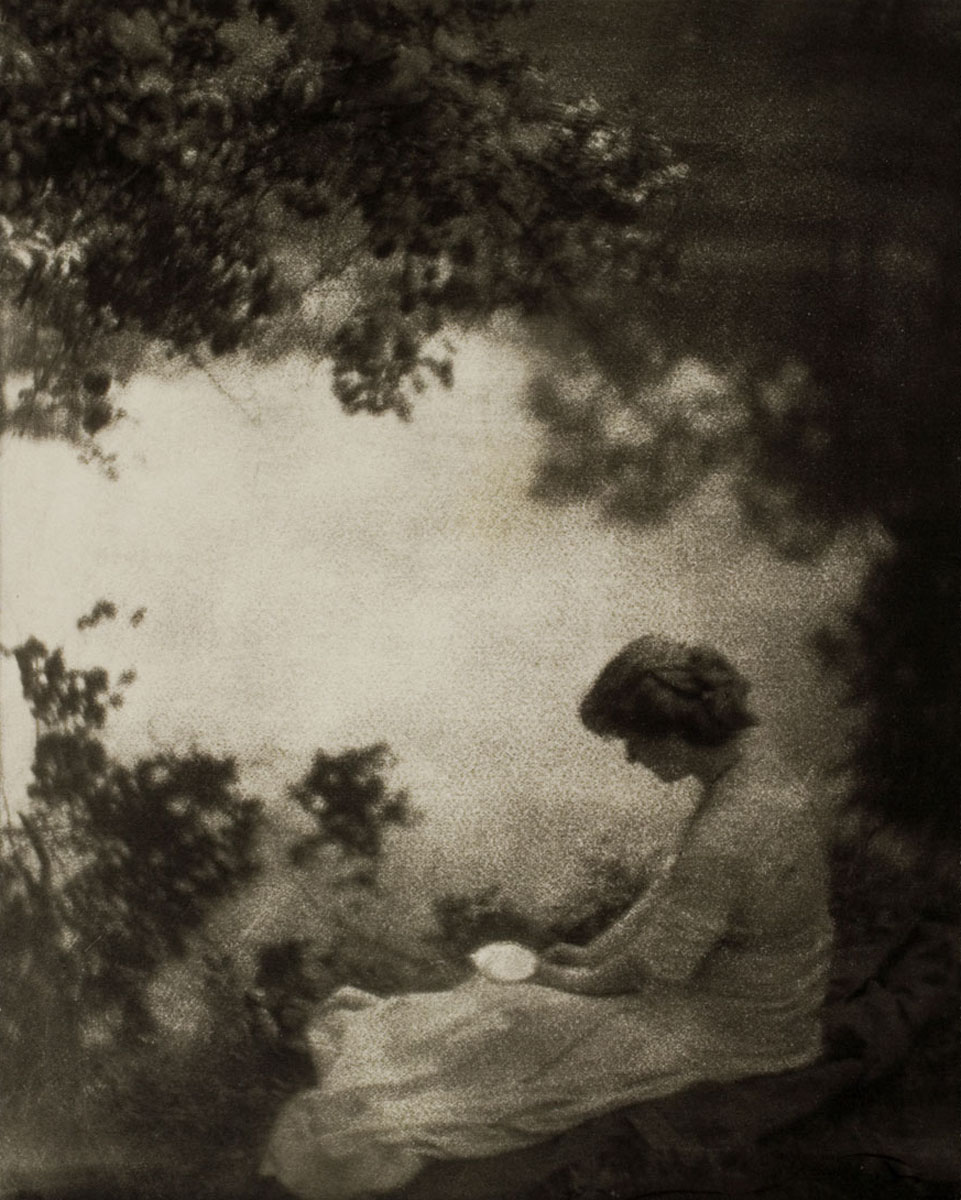


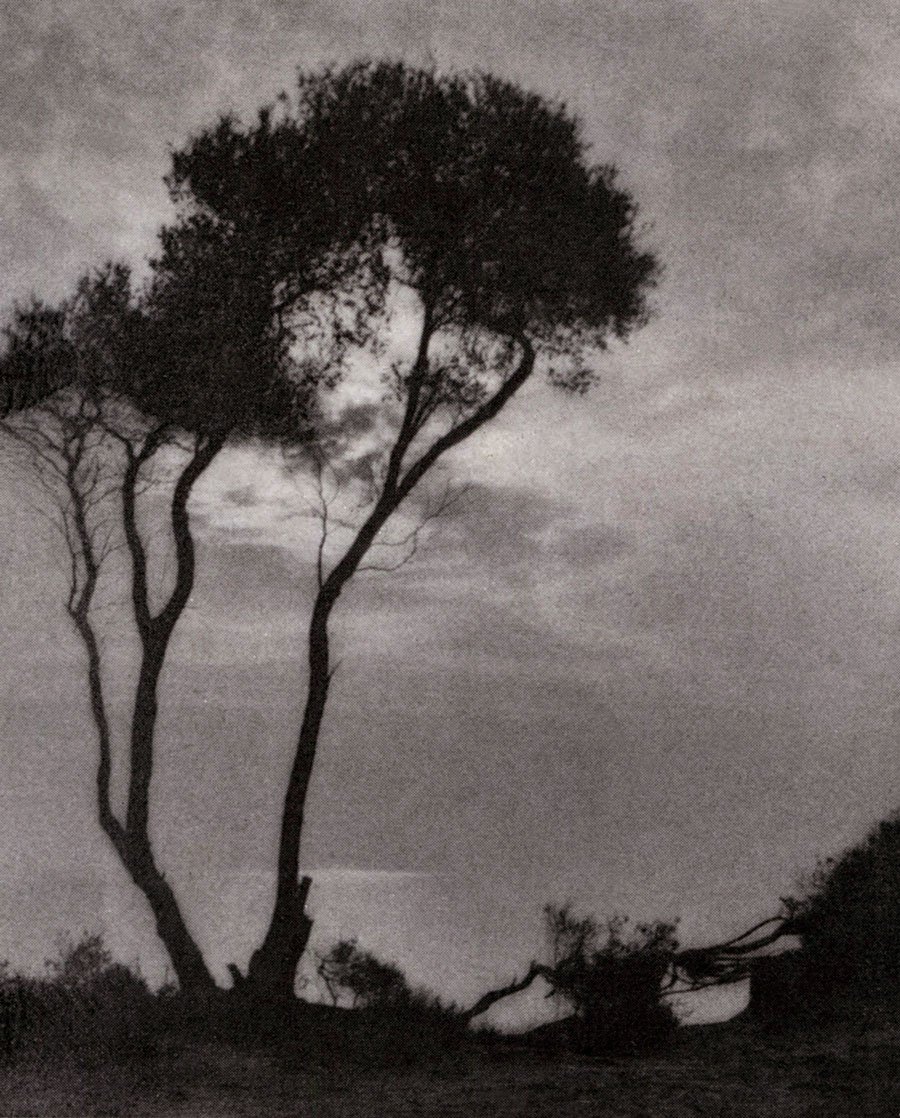


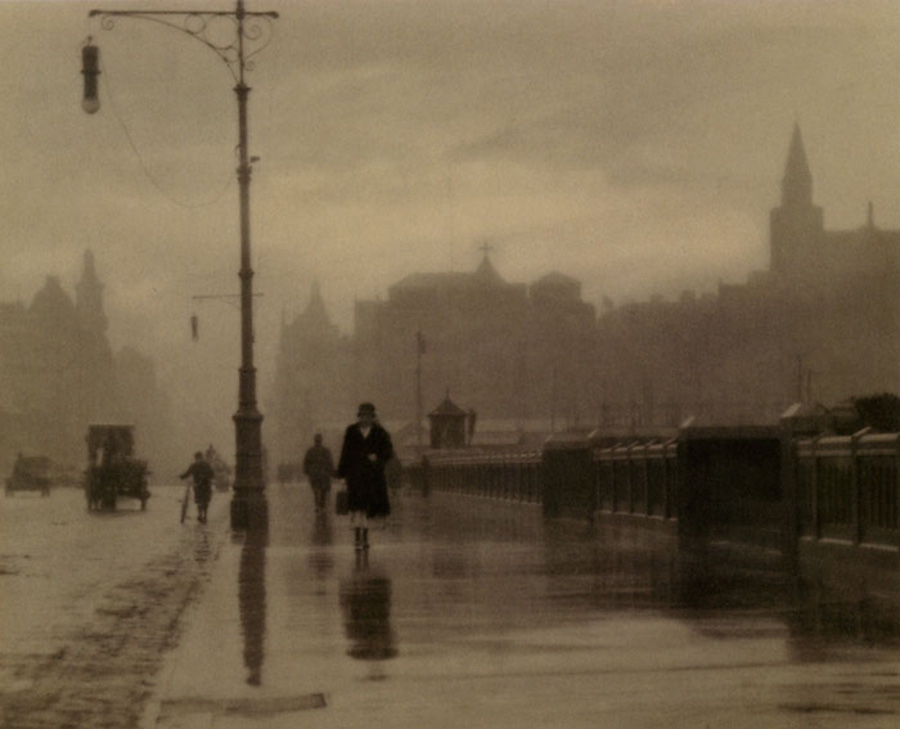
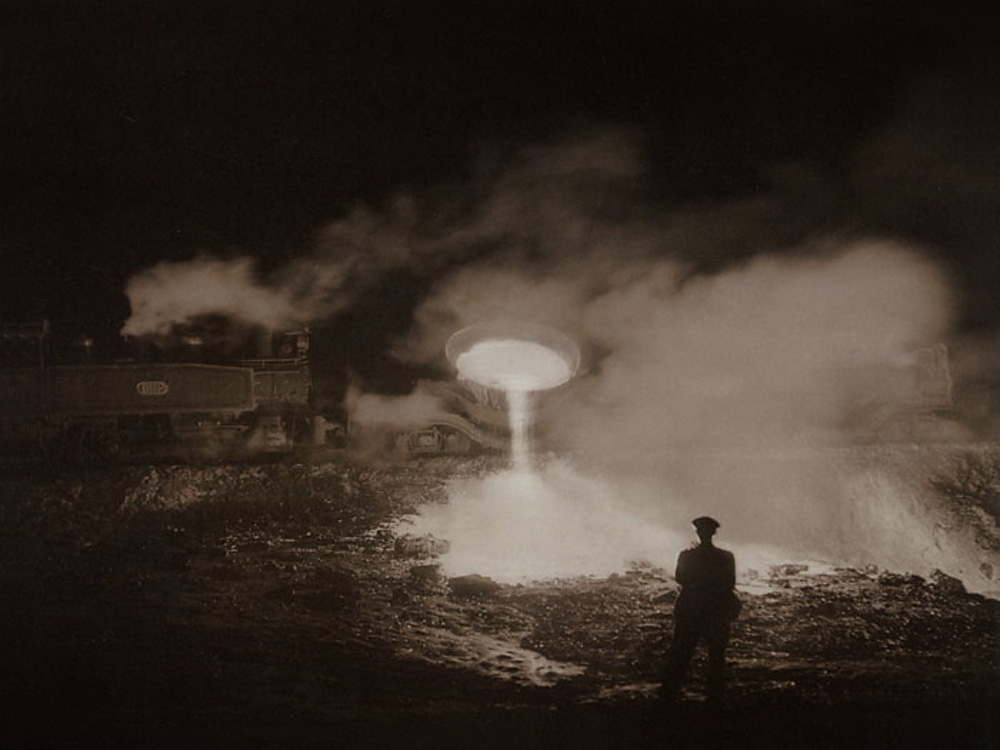
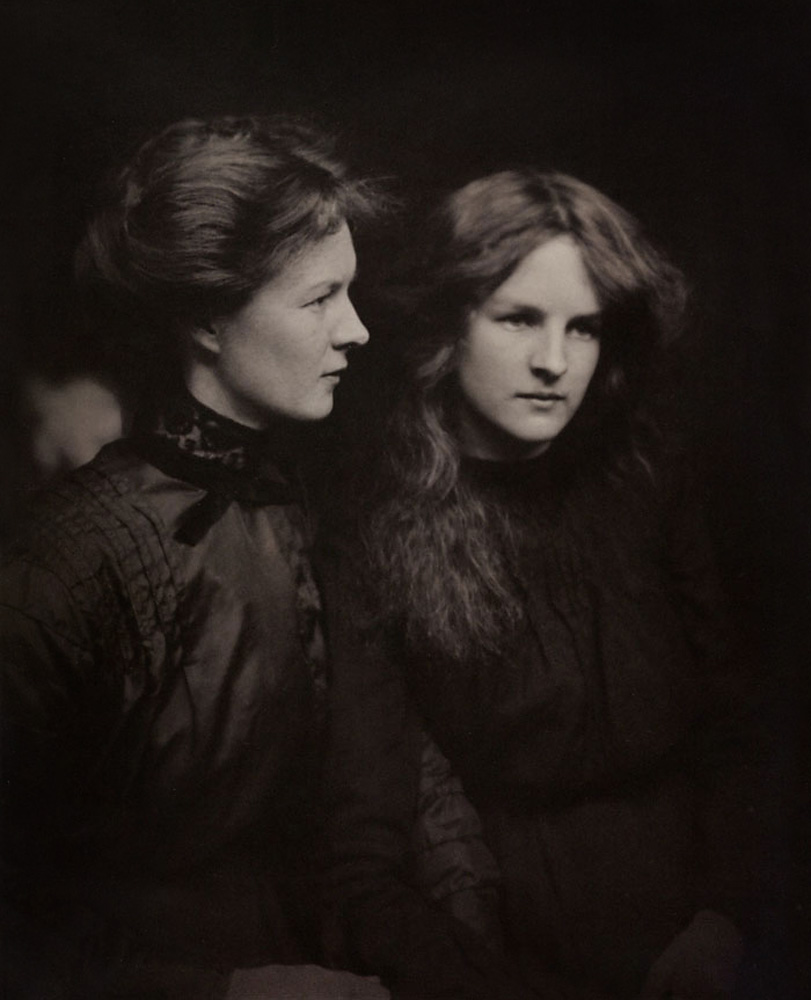

 Art Blart _ art and cultural memory archive
You must be logged in to post a comment.