End of the week. Not a lot of energy or time to write an in depth piece on the wonders of Walker Evans, so just a few observations…
I like this photographer, I like him a lot. No histrionics, little subjectivity being thrown at the audience. The images are -just -so. The compositions are seemingly simple but are actually very complex. Only a skilled craftsman can make the difficult look simple. As Thomas Struth has said of his photography: ‘for me it is more interesting to try and find out something from the real than to throw something subjective in front of the audience.’
“The uninflected image gives no hints as to how it is to be interpreted, and the viewer is led to linger over what might otherwise seem an un-noteworthy, everyday vista.” It’s recognising that vista in the first place for what it is, and what else it can be, so that it ‘gives pause’ to the viewer.
I really like the portrait of Berenice Abbott and it is also very educational. Look at the depth of field, with the view camera probably one stop past wide open. The sharpness plane is very tiny but look at the quality of the lens and how it renders the values that are slightly out of focus. What a very beautiful image and I suspect a top drawer lens. Notice also it is print 22. Walker Evans would keep a lot of prints and they were not the same. The next copy of this printmight have been better (he might have worked out something todo) or it might be worse – the developer might have gone off. So it is not strictly an “edition” it is just the numberingof the prints he made.
He used every sort of camera: 8 x 10 and the smallerview formats, roll film cameras, Colour polaroid! hence the different sizes of his prints. Occasionally he did crop his images but on other occasions he took “a stance” where you knew hewas about to perform and there would be no cropping. If you are really interested in this master photographer, the best Walker Evans book to get is First and Last (1978, available cheaply as a hardback on Amazon) which contains many pictures and “threads” that are dynamite… and the John Szarkowski book Walker Evans (1972) is a good one as well.
Dr Marcus Bunyan
Many thankx to Martin-Gropius-Bau for allowing me to publish the photographs in the posting. Please click on the photographs for a larger version of the image.
Walker Evans (1903-1975) was one of the great personalities of 20th century photography, being an exponent of what is called the “documentary style”. His work, which spans a period of over fifty years, will be represented by well over 200 original prints from the years 1928 to 1974, taken mostly from the considerable private collection of Clark and Joan Worswick, but also from various German collections.
For decades, right up to the present, the prolific photographic oeuvre of Walker Evans has acquired an increasingly model character. In the half century of his creative activity the photographer documented in sober documentary fashion a uniquely authentic picture of America, and like no other before him showed a particular feel for both the everyday and the subtle – the American Vernacular – creating a sense of identity and historic significance.
Visitors follow both Evans’ biography and the changing face of America, from the Great Depression to the onset of stability and business as usual: early impressions of the 1920s from the New York neighbourhood he lived in; portraits of his friends and fellow artists which give some indication of the ramified cultural ambience he inhabited; specimens of 19th century architecture that have blended into the evolving cultural life about them; picture cycles from Tahiti and Cuba; images of African sculptures and masks commissioned by the New York Museum of Modern Art; and numerous photographs taken in the 1930s in the rural south of the USA, which contrast starkly with the lifestyles of those who may be seen promenading in the fashionable streets of cities like New York.
In addition to street scenes, American monuments and shop window displays far from the world of “big business”, examples of his significant subway photographs are to be seen, taken with a hidden camera. We also see interiors whose modest appointments tell of the life of those who live in them, pictures that inevitably recall Evans’ remark that “I do like to suggest people by absence”. Evans’ predilection for typography, advertising and mass-produced articles give rise to strangely fascinating shots which seem to anticipate the soon-to-emerge Pop Art and its assemblages.
While the exhibition shows icons in the history of photography, it also highlights some of the photographer’s lesser known motifs dating from the 1940s, 1950s and 1960s. These include works done for Fortune, the magazine founded by Henry Luce in 1930; pictures taken on trips to London from 1945 onwards for the periodical Architectural Forum; or during stays at Robert Frank’s Nova Scotia house in the late 1960s.
Exhibition dates: 3rd October – 26th October, 2014
Artists: Cherine Fahd, Vivian Maier, Gabriella Mangano and Silvana Mangano, Debra Phillips, Patrick Pound, Clare Rae, Simone Slee, David Wadelton And Kellie Wells and Vivian Maier.
Curators: Naomi Cass, Louise Neri and Karra Rees
Vivian Maier (American, 1926-2009) East 108th Street. September 28, 1959, New York, NY 1959 Gelatin silver print 30.5 x 30.5cm Vivian Maier/Maloof Collection, courtesy of Howard Greenberg Gallery
Just slightly overrated…
Apologies to the wonderful and hard working Director of the CCP Naomi Cass for what I am about to say, but this is one of the most disappointing photographic exhibitions in Melbourne this year.
Let’s start with the Australian work. There is nothing at all wrong with any of the Australian work. Some of it is very strong, such as the found images of Patrick Pound and the social documentary work of David Wadelton. The problem comes with the lack of connection to the photographs of Vivian Maier. For work that is supposed to be “crossing paths” conceptually with the images of Maier many of the connections are so esoteric as to be almost indistinguishable, so obtuse (as Tim Robbins would say in the Shawshank Redemption) as to be almost unintelligible to the uninitiated.
Where the work is conceptualised around the performative context of identity and the occupation of space(s), such as in Claire Rae’s digital colour lightbox images of people jumping in the air stopped in suspended animation or the beautiful reinscription of the body in the almost dance like video work of Gabriella Mangano and Silvana Mangano, then the juxtaposition simply does not work. The ties that bind one to another simply are not strong enough to sustain the inquiry of the viewer.
More interesting would have been the investigation of the concept of an artist taking photographs in her own time, hidden, secretive, and then being discovered later after she had died – which brings up issues of visibility (the cameras and her gendered own), celebrity, posthumous recreation of identity, the fame of the artist after death, and how the self-portraits fit into this theme etc…
The photographs by Vivian Maier printed by ? are far more disappointing.
Touted as the NEXT BIG THING by curators who are always looking for the next big thing and people out to make a healthy buck or two, VM is a person who has been “posthumously invented” and her work, which was largely unprinted during her lifetime, has been brought to market in a commercial process. As Abigail Solomon-Godeau notes at the end of her excellent essay “Inventing Vivian Maier” on the Jeu de Paume website:
“Here one can see how the terms of an “aesthetic” discourse within the world of contemporary photography, turning on the individual author and her work, and the far less lofty realities of market and marketing, property relations, public relations, media relations and all the other apparatuses, illuminate one another, or even collide. “Her big project,” remarks Michael Williams, “was her life,” but perhaps the even larger project is her posthumous invention.”
Abigail Solomon-Godeau. “Inventing Vivian Maier,” on the Jeu de Paume website, 16th September 2013 [Online] Cited 26/06/2021. No longer available online
With this invention in mind (and the product that you want to sell being paramount), you would have thought that the people who now control her archive would have got a damn good black and white printer to print the work. But no. Some of the prints are appalling, so flat that there is little if any true black in them at all. As for the content of the images, they look better in reproduction than they do in real life.
Maier, as I have said elsewhere, is a competent photographer – but she will never be a great photographer. Periodically (and I use the word my female friend supplied) she is very good, but too often she lapses into cliche. There are lots of low depth of field photographs but the construction of the images is cold and stilted, there is little engagement it would seem but for the snap of the shutter as she wanders around city after city, keeping the resulting negatives securely hidden.
There is also little mystery in her photographs which is probably why they don’t rise to that next level: look at the photograph of the two men staring at a length of hose on the ground on a rainy street in NY. The hose just sits there, the men are caught mid-gesture… and that’s it. Lots of her photographs are like this. And there also seem to be some anger towards the world as well. If you compare the photograph of the two boys, Undated, Canada (below) with that of the twins by Diane Arbus, there seems to be a darkness and malevolence to VM’s photograph that contrasts with the mystery and joy in that of Arbus – not so much in the subject matter but in the feeling that the photographer projects towards what she is photographing.
There is a coldness when you see the prints in the flesh (like the wind whistling off Lake Michigan onto the Chicago streets), an ice chill, a lack of humour, something that is a little creepy and screwy (if you will pardon the colloquialism) about the work. She wants us to know she is there in the photograph, even when she is not physically present, as in the image September 18, 1962 (below) where the viewer understands that the photographer is down on one knee to get the shot.
There is also a healthy dose of narcissism in the photographs: the self-portraits with this serious woman peering back at us, one who’s eyes hardly ever smile (you can tell a lot from a person’s eyes!) are not psychological investigations like the self-portraits of Rembrandt as he ages throughout the years – portraits in which Rembrandt explores what it is to be him – they are something more obsessive which VM then hides under a bushel. The use of fragmentation and shadows in the two self-portraits that I have put together (New York City, September 10, 1955 and Self-Portrait; October 18, 1953, New York, NY, below) speak of a schism inside the person, one who exposes herself through photography and then possesses but disclaims the results.
People have been flocking to see the film with sold out sessions all over the city, and they were flocking into the CCP to see the exhibition last Saturday when we were there. People love the back story as it has been sold to them by “marketing, property relations, public relations, media relations and all the other apparatuses” and there has been a veritable feeding frenzy about this work: THE DISCOVERY OF KING TUT’S TOMB WITH 100,000 NEGATIVES AND ASSORTED ARTEFACTS!
Kudos to the CCP for getting these images to Australia and exhibiting them and its great to see so many people in the gallery but please, let’s understand the hype and then really look at the work. The ART in FACT is that these are not well printed images, and most of them are pretty prosaic in composition and feeling. There are maybe four really good images, but that is about it. As always, go and see for yourself and keep my words in mind.
Dr Marcus Bunyan
Many thankx to the CCP for allowing me to publish the photographs in the posting. Please click on the photographs for a larger version of the image.
Vivian Maier (American, 1926-2009) August 1960. Chicago, IL 1960 Gelatin silver print 30.5 x 30.5cm Vivian Maier/Maloof Collection, courtesy of Howard Greenberg Gallery
Vivian Maier (American, 1926-2009) Undated, Canada Nd Gelatin silver print 30.5 x 30.5cm Vivian Maier/Maloof Collection, courtesy of Howard Greenberg Gallery
Vivian Maier (American, 1926-2009) Self-Portrait, 1950ies c. 1950s Gelatin silver print 30.5 x 30.5cm Vivian Maier/Maloof Collection, courtesy of Howard Greenberg Gallery
Vivian Maier (American, 1926-2009) Armenian woman fighting on East 86th Street, September, 1956, New York, NY 1956 Gelatin silver print 30.5 x 30.5cm Vivian Maier/Maloof Collection, courtesy of Howard Greenberg Gallery
Vivian Maier (American, 1926-2009) April 7, 1960. Florida 1960 Gelatin silver print 30.5 x 30.5cm Vivian Maier/Maloof Collection, courtesy of Howard Greenberg Gallery
Vivian Maier (American, 1926-2009) January 1956 1956 Gelatin silver print 30.5 x 30.5cm Vivian Maier/Maloof Collection, courtesy of Howard Greenberg Gallery
Vivian Maier (American, 1926-2009) January, 1953, New York, NY 1953 Gelatin silver print 30.5 x 30.5cm Vivian Maier/Maloof Collection, courtesy of Howard Greenberg Gallery
Vivian Maier (American, 1926-2009) Self-Portrait, 1953 1953 Gelatin silver print 30.5 x 30.5cm Vivian Maier/Maloof Collection, courtesy of Howard Greenberg Gallery
Vivian Maier (American, 1926-2009) Self-Portrait, 1953 1953 Gelatin silver print 30.5 x 30.5cm Vivian Maier/Maloof Collection, courtesy of Howard Greenberg Gallery
Vivian Maier (American, 1926-2009) Undated, Canada Nd Gelatin silver print 30.5 x 30.5cm Vivian Maier/Maloof Collection, courtesy of Howard Greenberg Gallery
Vivian Maier (American, 1926-2009) July 1957. Chicago Suburb, I 1957 Gelatin silver print 30.5 x 30.5cm Vivian Maier/Maloof Collection, courtesy of Howard Greenberg Gallery
Vivian Maier (American, 1926-2009) January 9, 1957, Florida 1957 Gelatin silver print 30.5 x 30.5cm Vivian Maier/Maloof Collection, courtesy of Howard Greenberg Gallery
One of the most atmospheric and mysterious of Maier’s photographs.
Vivian Maier (American, 1926-2009) Self-Portrait, New York, February 3, 1955 1955 Gelatin silver print 30.5 x 30.5cm Vivian Maier/Maloof Collection, courtesy of Howard Greenberg Gallery
Vivian Maier (American, 1926-2009) March 1954, New York, NY 1954 Gelatin silver print 30.5 x 30.5cm Vivian Maier/Maloof Collection, courtesy of Howard Greenberg Gallery
Vivian Maier (American, 1926-2009) May 16, 1957. Chicago, IL 1957 Gelatin silver print 30.5 x 30.5cm Vivian Maier/Maloof Collection, courtesy of Howard Greenberg Gallery
Vivian Maier (American, 1926-2009) June 1963. Chicago, IL 1963 Gelatin silver print 30.5 x 30.5cm Vivian Maier/Maloof Collection, courtesy of Howard Greenberg Gallery
During her lifetime, Vivian Maier (1926-2009) produced more than 100,000 photographic images, which remained largely undiscovered until after her death. CCP celebrates this reluctant artist’s timely relevance, juxtaposing her work with contemporary Australian photography, performance and video.
Maier’s prolific body of work recording both herself and the world around her – predominately with a distinctive medium format Rolleiflex twin-lens reflex camera – is a precursor to our age of compulsive photographic documentation via smart phones and digital media. The posthumous construction of her identity is almost as compelling as her images and her ability to determine and frame a gripping moment with poignancy and beauty. Time has been Maier’s collaborator, where nostalgia plays a significant role in the popularity of her archive.
In Crossing Paths with Vivian Maier, Maier’s photography – printed well after her death – is presented with contemporary Australian artists working in still, moving and found photography and who also document the street and themselves in an equally obsessive manner.
Against the gritty street life captured by her probing lens, Patrick Pound responds with second-hand images gleaned from junk shops and the Internet, while Debra Phillips and David Wadelton make an inventory of the city and its quirky features. Maier’s self-portraits reverberate with Australian women artists who turn the camera on themselves in performative ways, in the work of Cherine Fahd, Gabriella Mangano and Silvana Mangano, Clare Rae, Simone Slee and Kellie Wells.
Text from the CCP website
Vivian Maier (American, 1926-2009) May 27, 1970. Chicago, IL 1970 Gelatin silver print 30.5 x 30.5cm Vivian Maier/Maloof Collection, courtesy of Howard Greenberg Gallery
Vivian Maier (American, 1926-2009) May 28, 1954, New York, NY 1954 Gelatin silver print 30.5 x 30.5cm Vivian Maier/Maloof Collection, courtesy of Howard Greenberg Gallery
Vivian Maier (American, 1926-2009) New York City, September 10, 1955 1955 Gelatin silver print 30.5 x 30.5cm Vivian Maier/Maloof Collection, courtesy of Howard Greenberg Gallery
Vivian Maier (American, 1926-2009) Self-Portrait; October 18, 1953, New York, NY 1953 Gelatin silver print 30.5 x 30.5cm Vivian Maier/Maloof Collection, courtesy of Howard Greenberg Gallery
Vivian Maier (American, 1926-2009) Undated, New York, NY Nd Gelatin silver print 30.5 x 30.5cm Vivian Maier/Maloof Collection, courtesy of Howard Greenberg Gallery
Vivian Maier (American, 1926-2009) Undated, New York, NY Nd Gelatin silver print 30.5 x 30.5cm Vivian Maier/Maloof Collection, courtesy of Howard Greenberg Gallery
Vivian Maier (American, 1926-2009) Undated, New York, NY Nd Gelatin silver print 30.5 x 30.5cm Vivian Maier/Maloof Collection, courtesy of Howard Greenberg Gallery
Vivian Maier (American, 1926-2009) Undated, New York, NY Nd Gelatin silver print 30.5 x 30.5cm Vivian Maier/Maloof Collection, courtesy of Howard Greenberg Gallery
Vivian Maier (American, 1926-2009) Undated, New York, NY Nd Gelatin silver print 30.5 x 30.5cm Vivian Maier/Maloof Collection, courtesy of Howard Greenberg Gallery
Vivian Maier (American, 1926-2009) New York, NY 1954 Gelatin silver print 30.5 x 30.5cm Vivian Maier/Maloof Collection, courtesy of Howard Greenberg Gallery
Vivian Maier (American, 1926-2009) Self-Portrait, 1959 1959 Gelatin silver print 30.5 x 30.5cm Vivian Maier/Maloof Collection, courtesy of Howard Greenberg Gallery
Vivian Maier (American, 1926-2009) Undated, New York, NY Nd Gelatin silver print 30.5 x 30.5cm Vivian Maier/Maloof Collection, courtesy of Howard Greenberg Gallery
Vivian Maier (American, 1926-2009) October 31, 1954. New York, NY 1954 Gelatin silver print 30.5 x 30.5cm Vivian Maier/Maloof Collection, courtesy of Howard Greenberg Gallery
Vivian Maier (American, 1926-2009) July 27, 1954. New York, NY 1954 Gelatin silver print 30.5 x 30.5cm Vivian Maier/Maloof Collection, courtesy of Howard Greenberg Gallery
Vivian Maier (American, 1926-2009) September 18, 1962 1962 Gelatin silver print 30.5 x 30.5cm Vivian Maier/Maloof Collection, courtesy of Howard Greenberg Gallery
Vivian Maier (American, 1926-2009) September 1956, New York, NY 1956 Gelatin silver print 30.5 x 30.5cm Vivian Maier/Maloof Collection, courtesy of Howard Greenberg Gallery
Vivian Maier (American, 1926-2009) Untitled, Undated Nd Gelatin silver print 30.5 x 30.5cm Vivian Maier/Maloof Collection, courtesy of Howard Greenberg Gallery
Vivian Maier (American, 1926-2009) Untitled, Undated Nd Gelatin silver print 30.5 x 30.5cm Vivian Maier/Maloof Collection, courtesy of Howard Greenberg Gallery
Love this one, with feeling
~ The balloons for a celebration ~ The exit sign ~ How he looks distractedly off camera into the distance ~ How her hands are clenched anxiously together ~ How she looks sad and lonely, looking off camera
Vivian Maier (American, 1926-2009) Untitled, Undated Nd Gelatin silver print 30.5 x 30.5cm Vivian Maier/Maloof Collection, courtesy of Howard Greenberg Gallery
Vivian Maier (American, 1926-2009) Undated, Vancouver, Canada Nd Gelatin silver print 30.5 x 30.5cm Vivian Maier/Maloof Collection, courtesy of Howard Greenberg Gallery
Vivian Maier (American, 1926-2009) Untitled, Undated Nd Gelatin silver print 30.5 x 30.5cm Vivian Maier/Maloof Collection, courtesy of Howard Greenberg Gallery
Vivian Maier (American, 1926-2009) Untitled, Undated Nd Gelatin silver print 30.5 x 30.5cm Vivian Maier/Maloof Collection, courtesy of Howard Greenberg Gallery
Exhibition dates: 4th September – 25th October, 2014
Ray K. Metzker (American, 1931-2014) Untitled, family home outside Milwaukee, 1957 (#1) 1957 Multiple exposure gelatin silver print 7 3/4 x 9 5/8″ Stamp Signature on verso Copyright the Estate of Ray K. Metzker, Courtesy Laurence Miller Gallery
Vale Ray K. Metzker. An artist who made difference
The one and only Ray K. Metzker has made his last photograph, passing away recently at the age of 83.
RESPECT. That is the word that springs to mind when I think of this artist. I utterly respect this man’s work for its integrity, vision, experimentation and intensity. He was committed to discovering the potential of black and white photography. In images that challenge our perception of what photography is, what photography can do, and what realities it can depict, Metzker produced sublimely beautiful and evocative images that were distinctly his own. They are formidable photographs. You cannot mistake his work for that of any other artist.
His handling of line and light is that of a master. His understanding of angle, camera placement, composition, composites, multiple-exposure, superimposition of negatives, juxtapositions of two images, solarisation and other formal elements AS A MEANS TO AN END are all superlative. He does not use these elements because they are gimmicky or fashionable but because they are an inherent part of his vocabulary as an artist. They help him produce avant-garde images that talk about the things he wants to talk about. Nothing is superfluous. Everything is focused, intense and passionate. A passionate engagement with reality.
Metzker’s drawing with light surely comes from an enlightened mind. Magical. Wonderful. And so another spirit passes on…
Many thankx to the Laurence Miller Gallery for allowing me to publish the photographs in the posting. Please click on the photographs for a larger version of the image. All photographs copyright the Estate of Ray K. Metzker, Courtesy Laurence Miller Gallery.
Ray K. Metzker (American, 1931-2014) Untitled, Chicago, February 1959 (#1) 1959 Multiple exposure gelatin silver print, 7 3/4 x 9 5/8″ Stamp Signature on verso Copyright the Estate of Ray K. Metzker, Courtesy Laurence Miller Gallery
Ray K. Metzker (American, 1931-2014) Untitled multiple print, 69 KC-MX 1969 Gelatin silver print, 6 3/4 x 8 5/8″ Signed on verso Copyright the Estate of Ray K. Metzker, Courtesy Laurence Miller Gallery
Ray K. Metzker (American, 1931-2014) Chicago, Multiple exposure 1958 Gelatin silver print, 7 3/8 x 7 1/2″ Signed and inscribed “Unique” on verso Copyright the Estate of Ray K. Metzker, Courtesy Laurence Miller Gallery
It is with great sadness that Laurence Miller Gallery announces the death of Ray K. Metzker. Ray passed away early this morning at the age of 83, after a long illness.
Ray K. Metzker had quietly been making extraordinary photographs for the better part of six decades. Today, he is recognised as one of the great masters of American photography, a virtuoso who has pursued his chosen medium passionately for fifty years. Metzker was born in 1931 in Milwaukee and attended the Institute of Design, Chicago – a renowned school that had a few years earlier been dubbed the New Bauhaus – from 1956 to 1959. He was thus an heir to the avant-garde photography that had developed in Europe in the 1920’s. Early in his career, his work was marked by unusual intensity. Composites, multiple-exposure, superimposition of negatives, juxtapositions of two images, solarisation and other formal means were part and parcel of his vocabulary. He was committed to discovering the potential of black and white photography during the shooting and the printing, and has shown consummate skill in each stage of the photographic process. Ray Metzker’s unique and continually evolving mastery of light, shadow and line transform the ordinary in the realm of pure visual delight.
Text from the Laurence Miller Gallery
Ray K. Metzker (American, 1931-2014) Strip Tease #11 c. 1968 Gelatin silver print, 2 1/2 x 20 1/2″ Stamp signature on verso Copyright the Estate of Ray K. Metzker, Courtesy Laurence Miller Gallery
Ray K. Metzker (American, 1931-2014) Atlantic City, 1966 (66 FD-2) 1966 Gelatin silver print, 6 x 6″ Signed on verso Copyright the Estate of Ray K. Metzker, Courtesy Laurence Miller Gallery
Esteemed as a photographer, Ray Metzker’s creative practice was nevertheless unbounded by the conventional borders of the medium. Metzker sought out methods that allowed him access to the full potential of photography as an art form. He continually explored the medium’s untapped possibilities; at various times embracing the roll of film as a single picture, using the prints as building blocks for composite works, and even setting aside the camera to explore the expressive potential of the developing process itself.
Nowhere is his spirit of creative curiosity more evident than in the unique, non-editioned works that he crafted at every stage in his career. These one of a kind pieces are the focus of our new exhibition, many of them shown here for the first time.
A broad range of techniques and sensibilities are on display in this group of pictures. Even in some of the earliest pictures, dating from 1957, objects have been dissolved past the point of recognition leaving form and light as the subject. The world that comes back into focus later in the exhibition is often the natural one, as in his photograms from the 1990s where ghosts of leaves are traced onto the paper itself. Towards the end of the show’s chronology there are light-drawn “landscapes” where wind whipped clouds and darkened horizons rise up not out of a camera’s aperture but from light and the darkroom’s chemicals alone. There is an elemental quality to these later works: they seem to be striving to depict an essence more than an image.
Some of the most revealing works included are the pieces that employ only cut and folded paper. Metzker was always a very material photographer, as his darkroom manipulations attest, and in these works it is as if concerns of photographic exposure have fallen away and he is directly arranging light and shade in this most tactile of ways.
It is notable that the spirit of playful invention is unflagging across the six decades of work collected for this exhibition. There is an impassioned curiosity on display that seems continually refreshed by the act of making. It tells us a great deal about his conception of photography that, in a medium known for reproduction, Metzker never stopped making unique, non-reproducible works. An edition of one if you will, like the man himself.
On the occasion of Ray’s 83rd birthday, Laurence Miller Gallery invites you to experience more than three dozen of his one of a kind works, showing us that seeing is a unique act of creation.
Jacob Cartwright
Text from the Laurence Miller Gallery website
Ray K. Metzker (American, 1931-2014) Untitled light drawing 1996 Gelatin silver print, 4 x 5″ Signed on verso Copyright the Estate of Ray K. Metzker, Courtesy Laurence Miller Gallery
Ray K. Metzker (American, 1931-2014) Untitled light drawing 1996 Gelatin silver print, 10 3/4 x 13 1/4″ Signed on verso Copyright the Estate of Ray K. Metzker, Courtesy Laurence Miller Gallery
Ray K. Metzker (American, 1931-2014) Untitled light drawing 2007 Gelatin silver print, 11 x 13 1/2″, mounted Signed and dated on mount recto Copyright the Estate of Ray K. Metzker, Courtesy Laurence Miller Gallery
Ray K. Metzker (American, 1931-2014) Untitled light drawing 1996 Gelatin silver print, 15 x 19 1/2″ Signed on verso Copyright the Estate of Ray K. Metzker, Courtesy Laurence Miller Gallery
Ray K. Metzker (American, 1931-2014) Strip Tease #68 c. 1966 Gelatin silver contact print, 30 3/4 x 1 1/8″ Stamp signature on verso Copyright the Estate of Ray K. Metzker, Courtesy Laurence Miller Gallery
Laurence Miller Gallery
There is no longer a physical exhibition space for this gallery. Laurence Miller Gallery currently operates as a private fine art photography dealer.
Opening hours: We are open by appointment only, with locations in New Hope, Pa. and New York City.
Never the objective camera, always a mixture of spirit and emotion
Minor White and Eugène Atget. Eugène Atget and Minor White. These two photographers were my heroes when I first started studying photography in the early 1990s. They remain so today. Nothing anyone can say can take away from the sheer simple pleasure of really looking at photographs by these two icons of the art form.
I have waited six years to do a posting on the work of Minor White, and this exhibition is the first major retrospective of White’s work since 1989. This posting contains thirty seven images, one of the biggest collections of his photographs available on the web.
What drew me to his work all those years ago? I think it was his clarity of vision that so enthralled me, that showed me what is possible – with previsualisation, clear seeing, feeling and thinking – when exposing a photograph. And that exposing is really an exposing of the Self.
Developing the concept of Steiglitz’s ‘equivalents’ (where a photograph can stand for an/other state of being), White “sought to access, and have connection to, fundamental truths… Studying Zen Buddhism, Gurdjieff and astrology, White believed in the photographs’ connection to the subject he was photographing and the subject’s connection back via the camera to the photographer forming a holistic circle. When, in meditation, this connection was open he would then expose the negative in the camera hopeful of a “revelation” of spirit in the subsequent photograph.” (MB) The capturing of these liminal moments in the flux of time and space is such a rare occurrence that one must be patient for the sublime to reveal itself, if only for a fraction of a second.
Although I cannot view this exhibition, I have seen the checklist of all the works in the exhibition. The selection is solid enough covering all the major periods in White’s long career. The book is also solid enough BUT BOTH EXHIBITION AND BOOK ARE NOT WHAT WE REALLY WANT TO SEE!
At first, Minor White photographed for the individual image – and then when he had a body of work together he would form a sequence. He seemed to be able to switch off the sequence idea until he felt “a storm was brewing” and his finished prints could be placed in another context. It was only with the later sequences that he photographed with a sequence in mind (of course there is also the glorious fold-out in The Eye That Shapes that is the Totemic sequence that is more a short session that became a sequence). In his maturity Minor White composed in sequences of images, like music, with the rise and fall of tonality and range, the juxtaposition of one image next to another, the juxtaposition of twenty or more images together to form compound meanings within a body of work. This is what we really need to see and are waiting to see: an exhibition and book titled: THE SEQUENCES OF MINOR WHITE. I hope in my lifetime! **
How can you really judge his work without understanding the very form that he wanted the work to be seen in? We can access individual images and seek to understand and feel them, but in MW their meaning remains contingent upon their relationship to the images that surround them, the ice/fire frisson of that space between images that guides the tensions and relations to each other. Using my knowledge as an artist and musician, I have sequenced the first seven images in this posting just to give you an idea of what a sequence of associations may look like using the photographs of Minor White. I hope he would be happy with my selection. I hope I have made them sing.
Other than a superb range of tones (for example, in Pavilion, New York 1957 between the flowers in shadow and sun – like an elegy to Edward Weston and the nautilus shell / pepper in thetin) the size, contrast, lighter/darker – warmer/cooler elements of MW’s photographs are all superb. These are the first things we look at whenwe technically critique prints from these simple criteria, and there aren’t many that pass. But these are all well made images by MW. He was never Diogenes with a camera, never the objective camera, he was always involved… and his images were printed with a mixture of spirit and emotion. Now, try and FEEL your response to the first seven images that I have put together. Don’t be too analytical, just try, with clear, peaceful mind and still body, to enter into the space of those images, to let them take you away to a place that we rarely allow ourselves to visit, a place that is is out of our normal realm of existence. It is possible, everything is possible. If photography becomes something else -then it does -then it does.
Finally, I want to address the review of the book by Blake Andrews on the photo-eye blog website (Blake Andrews. “Book Review: Manifestations of the Spirit,” on the photo-eye blog website October 6, 2014 [Online] Cited 26/06/2021). The opening statement opines: “Is photography in crisis again? Well then, it must be time for another Minor White retrospective.” What a thrown away line. As can be seen from the extract of an interview with MW (published 1977, below), White didn’t care what direction photography took because he could do nothing about it. He just accepted it for what it is and moved with it. He was not distressed at the direction of contemporary photography because it was all grist to the mill. To say that when photography is in crisis (it’s always in crisis!) you wheel out the work of Minor White to bring it back into line is just ridiculous… photography is -what it is, -what it is.
Blake continues, “Minor White was a jack-of-all-styles in the photo world, trying his hand at just about everything at one time or another. The plates in the book give a flavour of his shifting – some might say dilettantish – photo styles.” Obviously he agrees with this assessment otherwise he would not have put it in. I do not. Almost every artist in the world goes on a journey of discovery to find their voice, their metier, and that early experimentation is part of the overall journey, the personal and universal narrative that an artist pictures. Look at the early paintings of Jackson Pollock or Mark Rothko in their representational ease, or the early photographs of Aaron Siskind and how they progress from social documentary to abstract expressionism. The same with MW. In this sense every artist is a dilettante. Every photograph is part of his journey as an artist and has value in an of itself.
And I don’t believe that his mature voice was “internalised, messy, and deliberately obtuse,” – it is only so to those that do not understand what he sought to achieve through his images, those who don’t really understand his work.
Blake comments, “Twenty-five years later White’s star is rising again. One could speculate the reasons for the timing, that photography is in crisis, or at least adrift, and in need of a guru. But the truth is photography has been on the therapist’s couch since day one, going through this or that level of doubt or identity crisis. Is it an art? Science? Documentation? Can it be trusted? When Minor White came along none of these questions had been resolved, and they never will. But every quarter century or so it sure feels good to hang your philosopher’s hat on something solid. Or at least someone self-assured.”
Every quarter of a century, hang your philosophers hat on something solid? Or at least someone self-assured? The last thing that you would say about MW was that the was self-assured (his battles with depression, homosexuality, God, and the aftermath of his experiences during the Second World War); and the last thing that you would say about the philosophy and photographs of MW is that they are something solid and immovable.
For me, the man and his images are always moving, always in a constant state of flux, as avant-garde (in the sense of their accessing of the eternal) and as challenging and essential as they ever were. Through his work and writings Minor White – facilitator, enabler – allowed the viewer to become an active participant in an aesthetic experience that alters reality, creating an über reality (if you like), one whose aesthetics promotes an interrogation of both ourselves and the world in which we live.
“There are plays written on the simplest themes which in themselves are not interesting. But they are permeated by the eternal and he who feels this quality in them perceives that they are written for all eternity.” ~ Constantin Stanislavsky, (1863-1938) / My Life in Art.
Dr Marcus Bunyan
**The Minor White Archive at Princeton University Museum of Art has a project called The Minor White Archive proof cards: “The ultimate goal of this project is a stand-alone website dedicated to the Minor White Archive, and the completely scanned proof cards represent significant progress to this end. The website will be an authoritative source for the titles and dates of White’s photographs. All of the scanned proof cards will be available on the website so that users can search the primary source information as well as major published titles. Additionally, the website will include White’s major published sequences, with additional sequences uploaded gradually until the complete set is online. Eventually, the hope is to have subject-term browsing available, adding another access point to the Archive.”
Many thankx to the J. Paul Getty Museum for allowing me to publish the photographs in the posting. Please click on the photographs for a larger version of the image.
“Self-discovery through a camera? I am scared to look for fear of discovering how shallow my Self is! I will persist however … because the camera has its eye on the exterior world. Camera will lead my constant introspection back into the world. So camerawork will save my life.”
“When you try to photograph something for what it is, you have to go out of yourself, out of your way, to understand the object, its facts and essence. When you photograph things for what ‘Else’ they are, the object goes out of its way to understand you.”
Minor White
When Paul Martineau, an associate curator at the J. Paul Getty Museum, in Los Angeles, was collecting photographs for a new retrospective of Minor White’s photography, he discovered an album called The Temptation of Saint Anthony Is Mirrors. Only two copies of the volume were produced, each containing thirty-two images of Tom Murphy, Minor’s student and model. “It’s a visual love letter: he only created two, one given to Tom and one for him,” Martineau told me.
Martineau’s show, Minor White: Manifestations of the Spirit, is the first major retrospective of White’s work since 1989. White was born in Minneapolis, in 1908, took photographs for the Works Progress Administration during the nineteen-thirties, and served in the Army during the Second World War. He kept company with Ansel Adams, Alfred Steiglitz, and Edward Steichen, and, in 1952, he helped found the influential photography magazine Aperture. Martineau said that, while the Getty retrospective “comes at a time when life is rife with visual imagery, most of it designed to capture our attention momentarily and communicate a simple message,” White aimed to more durably express “our relationships with one another, with the natural world, with the infinite.” White believed that all of his photographs were self-portraits; as Martineau put it, “he pushed himself to live what he called a life in photography.”
Controversial, misunderstood, and sometimes overlooked, Minor White (American 1908-1976) pursued a life in photography with great energy and ultimately extended the expressive possibilities of the medium. A tireless worker, White’s long career as a photographer, teacher, editor, curator, and critic was highly influential and remains central to understanding the history of photographic modernism. Minor White: Manifestations of the Spirit, on view July 8 – October 19, 2014 at the J. Paul Getty Museum, Getty Center is the first major retrospective of his work since 1989.
The exhibition includes never-before-seen photographs from the artist’s archive at Princeton University, recent Getty Museum acquisitions, a significant group of loans from the collection of Daniel Greenberg and Susan Steinhauser, alongside loans from the Museum of Modern Art, New York, the Portland Art Museum, and the Los Angeles County Museum of Art. Also featured is White’s masterly photographic sequence Sound of One Hand (1965).
“Minor White had a profound impact on his many students, colleagues, and the photographers who considered him a true innovator, making this retrospective of his work long overdue” says Timothy Potts, director of the J. Paul Getty Museum. “The exhibition brings together a number of loans from private and public collections, and offers a rare opportunity to see some of his greatest work alongside unseen photographs from his extensive archive.”
One of White’s goals was to photograph objects not only for what they are but also for what they may suggest, and his pictures teem with symbolic and metaphorical allusions. White was a closeted homosexual, and his sexual desire for men was a source of turmoil and frustration. He confided his feelings in the journal he kept throughout his life and sought comfort in a variety of Western and Eastern religious practices. This search for spiritual transcendence continually influenced his artistic philosophy.
Early Career, 1937-1945
In 1937, White relocated from Minneapolis, where he was born and educated, to Portland, Oregon. Determined to become a photographer, he read all the photography books he could get his hands on and joined the Oregon Camera Club to gain access to their darkroom. Within five years, he was offered his first solo exhibition at the Portland Art Museum (1942). White’s early work exhibits his nascent spiritual awakening while exploring the natural magnificence of Oregon. His Cabbage Hill, Oregon (Grande Ronde Valley) (1941) uses a split-rail fence and a coil of barbed wire to demonstrate the hard physical labor required to live off the land as well as the redemption of humankind through Christ’s sacrifice on the cross.
During World War II, White served in Army Intelligence in the South Pacific. Upon discharge, rather than return to Oregon, he spent the winter in New York City. There, he studied art history with Meyer Shapiro at Columbia University, museum work with Beaumont Newhall at the Museum of Modern Art, and creative thought in photography with photographer, gallerist, and critic Alfred Stieglitz (American, 1864-1946).
Midcareer, 1946-1964
In 1946, famed photographer Ansel Adams (American, 1902-1984) invited White to teach photography at the California School of Fine Arts (CSFA) in San Francisco. The following year, White established himself as head of the program and developed new methods for training students. His own work during this period began to shift toward the metaphorical with the creation of images charged with symbolism and a critical aspect known as “equivalence,” meaning an image may serve as an idea or emotional state beyond the subject pictured. In 1952, White co-founded the seminal photography journal Aperture and was its editor until 1975.
In 1953, White accepted a job as an assistant curator at the George Eastman House (GEH) in Rochester, New York, where he organised exhibitions and edited GEH’s magazine Image. Coinciding with his move east was an intensification of his study of Christian mysticism, Zen Buddhism, and the I Ching. In 1955, he began teaching a class in photojournalism at the Rochester Institute of Technology and shortly after began to accept one or two live-in students to work on a variety of projects that were alternately practical and spiritually enriching. During the late 1950s and continuing until the mid-1960s, White traveled the United States during the summers, making his own photographs and organising photographic workshops in various cities across the country.
By the late 1950s, at the height of his career, White pushed himself to do the impossible – to make the invisible world of the spirit visible through photography. White’s masterpiece – and the summation of his persistent search for a way to communicate ecstasy – is the sequence Sound of One Hand, so named after the Zen koan which asks “What is the sound of one hand clapping?”
“White’s sequences are meant to be viewed from left to right, preferably in a state of relaxation and heightened awareness,” says Paul Martineau, associate curator of photographs at the J. Paul Getty Museum and curator of the exhibition. “White called on the viewer to be an active participant in experiencing the varied moods and associations that come from moving from one photograph to the next.”
Late Career, 1965-1976
In 1965, White was appointed professor of creative photography at the Massachusetts Institute of Technology (MIT), where he developed an ambitious program in photographic education. As he aged, he became increasingly concerned with his legacy, and began working on his first monograph, Mirrors Messages Manifestations, which was published by Aperture in 1969. The following year, White was awarded a Guggenheim Foundation Fellowship, and he was the subject of a major traveling retrospective organised by the Philadelphia Museum of Art in 1971.
Beginning in the late 1960s and continuing until the early 1970s, White organised a series of groundbreaking thematic exhibitions at MIT – the first of which served as a springboard for forming the university’s photographs collection. In 1976, White died of heart failure and bequeathed his home to the Aperture Foundation and his photographic archive of more than fifteen thousand objects to Princeton University. The exhibition also includes work by two of White’s students, each celebrated photographers in their own right, Paul Caponigro (American, 1932-2024) and Carl Chiarenza (American, born 1935).
“An important aspect of Minor White’s legacy was his influence on the next generation of photographers,” says Martineau. “Over the course of a career that lasted nearly four decades, he managed to maintain personal and professional connections with hundreds of young photographers – an impressive feat for a man dedicated to the continued exploration of photography’s possibilities.
Press release from the J. Paul Getty Museum website
A. It makes absolutely no difference what I want it to do. It’s going to do what it’s going to do. All I can do is stand back and observe it.
Q. What don’t you want it to do?
A. That doesn’t make any difference either, It’ll do that whether I want it to or not!
Q. Surely, you’ve got to have some feelings?
A. In one sense I don’t care what photography does at all. I can just watch it do it. I can control my photography, I can do what I want with it – a little. If I can get into contact with something much wiser than myself , and it says get out of photography, maybe I would. I hesitate to say this because I know its going to be misunderstood. I’ll put I this way – I’m trying to be in contact with my Creator when I photograph. I know perfectly well its not possible to do this all the time, but there can be moments.
Q. Do you see anything in contemporary photography that distresses you?
A. What ever they do is fine.
Q. Is there any work that you are particularly interested in?
A. What ever my students are doing.
Q. There seems to be a passing on of certain sets of ideas and understandings. Do you feel yourself to be an inheritor of a set of ideas or ideals?
A. Naturally. After all I have two parents, so I inherited some thing. I’ve had many spiritual fathers for example. The photographers who I have been influenced by for example. There have been many other external influences. Students have had an influence. In a sense that’s an inheritance. After a while we work with material that comes to us and it becomes ours, we digest it. It becomes energy and food for us, its ours. And then I can pass it on to somebody else with a sense of responsibility and validity. I am quoting it in my words, it has become mine and that person will take it from me – just as I have taken it from people who have influenced me. Take what you can use, digest it, make it yours, and then transmit it to your children or your students.
Q. It’s a cycle?
A. No, it’s a continuous line. Not a cycle at all.
Interview by Paul Hill and Thomas Cooper of Minor White, published in 3 parts in the January, February and March editions of Camera 1977.
Controversial, eccentric, and sometimes overlooked, Minor White (1908-1976) is one of the great photographers of the twentieth century, whose ideas and philosophies about the medium of photography have exerted a powerful influence on a generation of practitioners and still resonate today. Born and raised in Minneapolis, his photographic career began in 1938 in Portland, Oregon with assignments as a “creative photographer” for the Oregon Art Project, an outgrowth of the Works Progress Administration (WPA).
After serving in World War II as a military intelligence officer, White studied art history at Columbia University in New York. It was during this period that White’s focus started to shift toward the metaphorical. He began to create images charged with symbolism and a critical aspect called “equivalency,” which referred to the invisible spiritual energy present in a photograph made visible to the viewer and was inspired by the work of Alfred Stieglitz. White’s belief in the spiritual and metaphysical qualities in photography, and in the camera as a tool for self-discovery, was crucial to his oeuvre.
Minor White: Manifestations of the Spirit (Getty Publications, 2014) gathers together for the first time a diverse selection of more than 160 images made by Minor White over five decades, including some never published before. Accompanying the photographs is an in-depth critical essay by Paul Martineau entitled “‘My Heart Laid Bare’: Photography, Transformation, and Transcendence,” which includes particularly insightful quotations from his journals, which he kept for more than forty years.
The result is an engaging narrative that weaves through the main threads of White’s work and life – his growth and tireless experimentation as an artist; his intense mentorship of his students; his relationships with Edward Weston, Alfred Stieglitz, and Ansel Adams, who had a profound influence on his work; and his labor of love as cofounder and editor of Aperture magazine from 1952 until 1976. The book also addresses White’s life-long spiritual search and ongoing struggle with his own sexuality and self-doubt, in response to which he sought comfort in a variety of religious practices that influenced his continually metamorphosing artistic philosophy.
Published here in its entirety for the first time is White’s stunning series The Temptation of Anthony Is Mirrors, consisting of 32 photographs of White’s student and model Tom Murphy made in 1947 and 1948 in San Francisco. White’s photographs of Murphy’s hands and feet are interspersed within a larger group of portraits and nude figure studies. White kept the series secret for years as at the time he made the photographs it was illegal to publish or show images with male frontal nudity. Anyone making such images would be assumed to be homosexual and outed at a time when this invariably meant losing gainful employment.
Other works shown in this rich collection are White’s early images of the city of Portland that depict his experimentations with different styles and nascent spiritual awakening; his photographs of the urban streets of San Francisco where he lived for a time; his elegant images of rocks, sandy beaches and tidal pools in Point Lobos State Park in Northern California that are an homage to Edward Weston; and the series The Sound of One Hand made in the vicinity of Rochester, New York where he also taught classes at the Rochester Institute of Technology (RIT) and curated shows at the George Eastman House (GEH). Paul Martineau describes this iconic series as “White’s chef d’oeuvre, the work that is the summation of his persistent search or a way to communicate ecstasy.” Among the eleven images in the Getty collection are Windowsill Daydreaming, Rochester, Night Icicle, 72 N. Union Street, Rochester, and Pavilion, New York.
Minor White (American, 1908-1976) Dodd Building, Portland, Oregon c. 1939 Gelatin silver print 34.3 x 26.7cm (13 1/2 x 10 1/2 in.) Fine Arts Program, Public Buildings Service, U.S. General Services Administration
Minor White (American, 1908-1976) Lily Pads and Pike, Portland, Oregon c. 1939 Gelatin silver print 34 x 26.8cm (13 3/8 x 10 9/16 in.) Fine Arts Program, Public Buildings Service, U.S. General Services
Minor White (American, 1908-1976) Design (Cable and Chain), Portland, Oregon c. 1940 Gelatin silver print 33.8 x 25.8cm (13 5/16 x 10 3/16 in.) Fine Arts Program, Public Buildings Service, U.S. General Services Administration
Brave man, hanging over the side of a rickety biplane at 15,000 feet taking aerial photographs during World War One but just look at the images he brought back, especially the hellish Untitled (Vaux) (1918-1919, below). I’m still not that convinced by his portraiture. The technical proficiency is magnificent (lighting, set, costume) but they are just too styled for me – the cat in the top left corner of Noel Coward (1932, below), the bowler hat of Charles Chaplin (1931, below) and the double shadow of Fred Astaire in Funny Face (1927, below) coupled with bands of light/dark and tons of “atmosphere” (certainly not sharp and clear!) which echo the mannerisms of Pictorialism. I see little modernist aesthetics and advertising tactics in these photographs. They are beautiful but they leave me unengaged. I much prefer the advertising photography in the next posting, much more angular and modern. You will have to wait and see what it is!
Dr Marcus Bunyan
Many thankx to The Art Institute of Chicago for allowing me to publish the photographs in the posting. Please click on the photographs for a larger version of the image.
At the start of World War I in 1914, Edward Steichen was a pioneering champion of art photography – catapulting to fame as a leading member of the Photo Secessionists and as cofounder of the trailblazing magazine Camera Work. Yet by the early 1920s, Steichen had rejected the soft focus, dreamy landscapes and portraits of his early years in favour of realist photographs made for informational purposes or popular consumption. This turning point was first marked by his role in World War I as chief of the Photographic Section of the American Expeditionary Forces from 1917 to 1919; and was fully realised in his subsequent work as lead photographer at Condé Nast publications from 1923 to 1937.
While on military duty, Steichen helped adapt aerial photography for intelligence purposes, implementing surveillance programs that had a lasting impact on modern warfare. He later reflected: “The wartime problem of making sharp, clear pictures from a vibrating, speeding airplane ten to twenty thousand feet in the air had brought me a new kind of technical interest in photography… Now I wanted to know all that could be expected from photography.” Steichen began to value photography’s capacity to transmit and encode information, and he soon proved his savvy as a collaborator and producer rather than a solitary auteur – new skills that enabled his subsequent groundbreaking career in magazines. Upon his return to New York in 1923, Steichen joined Condé Nast publications, creating iconic fashion photographs and celebrity portraits for Vogue and Vanity Fair. Over a period of nearly 15 years he created images that redefined the field through their clever use of modernist aesthetics and advertising tactics, becoming an influential impresario who promoted photography as a mass-media tool.
Focusing on rarely seen Steichen photographs drawn from the Art Institute’s collection, this exhibition includes a unique album of over 80 World War I aerial photographs assembled and annotated by Steichen himself as well as a group of iconic glamour portraits and fashion photographs done for Condé Nast, featuring notable figures such as Greta Garbo, Fred Astaire, and Gloria Swanson.
Throughout his extensive career, famed photographer Edward Steichen (1879-1973) championed photography’s multiple roles – from his earliest efforts to promote American photography as an equal among the modern fine arts, to his groundbreaking work for the magazine industry. A new exhibition at the Art Institute of Chicago, Sharp, Clear Pictures: Edward Steichen’s World War I and Condé Nast Years, on view from June 28 – September 28, 2014, in Galleries 1-4, examines a crucial period in Steichen’s career, when he rejected the painterly Pictorialist aesthetic of his early years in favour of a straight, information-based approach. This turning point was first signalled by Steichen’s role in World War I, as chief of the Photographic Section of the American Expeditionary Forces from 1917 to 1919, and was fully realised in his work as lead photographer at Condé Nast Publications from 1923 to 1937.
Focusing on rarely seen Steichen photographs drawn from the Art Institute’s collection, this exhibition includes a unique album of over 80 World War I aerial photographs assembled and annotated by Steichen himself as well as a group of iconic glamour portraits and fashion photographs done for Condé Nast, featuring such early Hollywood royalty as Mary Pickford, Greta Garbo, Fred Astaire, Charlie Chaplin and Gloria Swanson, as well as key historical figures like Winston Churchill.
Prior to WWI, Edward Steichen was a pioneering champion of art photography – he had a leading reputation in the Photo Secession movement in New York, and, along with his mentor Alfred Stieglitz, had cofounded its trail-blazing fine-art journal Camera Work. Together, they opened the Little Galleries of the Photo-Secession, later 291, which first presented Picasso, Bråncusi, and a range of progressive photographers to the American public. In 1906, seeking a change, Steichen moved to Voulangis, France, with his family, where he immersed himself in European modern art. They remained there until the outbreak of the war in 1914, when, under the threat of advancing German troops, they fled home to the United States.
In July 1917, Steichen entered active duty with the goal of becoming “a photographic reporter, as Mathew Brady had been in the Civil War,” but he quickly abandoned this romantic notion to help implement the newest weapon of war – aerial photography. While on military duty, Steichen helped adapt aerial photography for intelligence purposes, implementing surveillance programs that had a lasting impact on modern warfare. He later reflected: “The wartime problem of making sharp, clear pictures from a vibrating, speeding airplane ten to twenty thousand feet in the air had brought me a new kind of technical interest in photography… Now I wanted to know all that could be expected from photography.” Steichen began to value photography’s capacity to transmit and encode information, and he soon proved his savvy as a collaborator and producer rather than a solitary auteur – new skills that enabled his subsequent groundbreaking career in magazines.
Following his military discharge in 1919, Steichen returned to Voulangis, where for a period of three years he created work that embraced clear focus, close cropping, and other techniques of modernist photography. Upon his return to New York in 1923, Steichen joined Condé Nast Publications, creating iconic fashion photographs and celebrity portraits for Vogue and Vanity Fair. In undertaking this challenging endeavour, the organisational and technical skills Steichen gained during his time in the military and in Voulangis proved invaluable.
Steichen championed the cultural and economic potential of celebrity, fashion, and advertising photography, creating images that became the foundation for contemporary magazine photography. Over a period of nearly 15 years he created images that redefined the field through their clever use of modernist aesthetics and advertising tactics, becoming an influential impresario who promoted photography as a mass-media tool.
Press release from The Art Institute of Chicago website
Exhibition dates: 8th February – 2nd November, 2014
The Edward Steichen Photography Galleries, third floor
Curators: Organised by Quentin Bajac, The Joel and Anne Ehrenkranz Chief Curator, with Lucy Gallun, Assistant Curator, Department of Photography
Peter Hujar (American, 1934-1987) David Wojnarowicz 1981 Gelatin silver print 14 x 14″ (35.6 x 35.6cm) The Fellows of Photography Fund Museum of Modern Art Collection
Many thankx to MoMA for allowing me to publish four of the photographs in the posting. The rest of the images were sourced from the Internet in order to give the reader a more comprehensive understanding of what this exhibition is actually about – especially if you are thousands of miles away and have no hope of ever seeing it!
Please click on the photographs for a larger version of the image.
The exhibition is divided into 6 themes each with its own gallery space:
1/ Surveying the Studio 2/ The Studio as Stage 3/ The Studio as Set 4/ A Neutral Space 5/ Virtual Spaces 6/ The Studio, from Laboratory to Playground
A Neutral Space
Harry Callahan (American, 1912-1999) Eleanor 1948 Gelatin silver print 4 1/2 x 3 1/4″ (11.4 x 8.3cm) Gift of the artist Museum of Modern Art Collection
Charles Harry Jones (English, 1866-1959) Brussels Sprouts c. 1900 Gelatin silver printing-out-paper print 6 1/8 × 8 1/16″ (15.5 × 20.5cm) Acquired through the generosity of Robert B. Menschel Museum of Modern Art Collection
Charles Harry Jones (1866 – 15 November 1959) was an English gardener and photographer, noted for his still lifes of fruit and vegetables.
The photographs were probably made between 1895 and 1910, and likely while he was employed at Ote Hall. Jones’ work was never exhibited in his lifetime, and was largely unknown even to his family, until the photographic prints were discovered by accident in 1981. Sean Sexton found a suitcase containing hundreds of prints of vegetables, fruits and flowers at Bermondsey antiques market. Other than a very few exceptions, Jones’ photographs exist only in unique examples. None of the glass-plate negatives have been located.
Jones isolated his vegetables, fruits and flowers against neutral dark or light backgrounds, in the manner of formal studio portraits. He used long exposures and small apertures to give depth of field.
Imogen Cunningham (American, 1883-1976) Cala Leaves 1932 Gelatin silver print 9 9/16 x 7 9/16″ (24.3 x 19.2cm) Gift of Paul F. Walter Museum of Modern Art Collection
Richard Avedon (American, 1923-2004) Carl Hoefert, unemployed blackjack dealer, Reno, Nevada, from the series In the American West August 30, 1983 Gelatin silver print, printed 1985 47 1/2 x 37 1/2″ (120.6 x 95.2cm) Gift of the artist Museum of Modern Art Collection
Peter Hujar (American, 1934-1987) Pascal (Paris) 1980 Gelatin silver print 14 5/8 x 14 11/16″ (37.1 x 37.3cm) Gift of David Wojnarowicz Museum of Modern Art Collection
Valérie Belin (French, b. 1964) Untitled from the series Mannequins 2003 Gelatin silver print 61 x 49″ (154.9 x 124.5cm) Purchase Museum of Modern Art Collection
Laurie Simmons (American, b. 1949) Allan McCollum (American, b. 1944) Untitled from the series Actual Photos 1985 Silver dye bleach print 9 5/16 x 6 5/16″ (23.7 x 16.1cm) Joel and Anne Ehrenkranz Fund Museum of Modern Art Collection
Josephine Meckseper (German, b. 1964) Blow-Up (Michelli, Knee-Highs) 2006 Chromogenic colour print 78 5/8 x 62 5/8″ (199.7 x 159.1cm) Fund for the Twenty-First Century Museum of Modern Art Collection
Christian Marclay (American and Swiss, b. 1955) Allover (Genesis, Travis Tritt, and Others) 2008 Cyanotype Composition and sheet: 51 1/2 x 97 3/4″ (130.8 x 248.3cm) Publisher and printer: Graphic studio, University of South Florida, Tampa Acquired through the generosity of Steven A. and Alexandra M. Cohen Museum of Modern Art Collection
Luigi Veronesi (28 May 1908 – 25 February 1998) was an Italian photographer, painter, scenographer and film director born in Milan.
Thomas Ruff (German, b. 1958) phg.06 2012 Chromogenic colour print 100 3/8 x 72 13/16″ (255 x 185cm) Courtesy David Zwirner, New York/London Museum of Modern Art Collection
Man Ray (American, 1890-1976) Rayograph 1923 Gelatin silver print 9 7/16 x 7″ (23.9 x 17.8cm) Purchase Museum of Modern Art Collection
György Kepes (American born Hungary, 1906-2001) Abstraction – Surface Tension #2 c. 1940 Gelatin silver print 14 x 11 1/8″ (35.6 x 28.3cm) Gift of the artist Museum of Modern Art Collection
The Studio, from Laboratory to Playground
Barbara Morgan (American, 1900-1992) Pure Energy and Neurotic Man 1941 Gelatin silver print, printed 1971 19 1/8 x 15 1/2″ (48.6 x 39.3cm) Gift of the artist Museum of Modern Art Collection
Barbara Morgan (American, 1900-1992) Cadenza 1940 Gelatin silver print, printed 1971 17 7/8 x 15″ (45.4 x 38.2cm) Gift of the artist Museum of Modern Art Collection
Berenice Abbott (American, 1898-1991) Focusing Water Waves, Massachusetts Institute of Technology 1958-1961 Gelatin silver print 6 9/16 x 7 15/16″ (16.7 x 20.1cm) Gift of Ronald A. Kurtz Museum of Modern Art Collection
Berenice Abbott (American, 1898-1991) Wave Pattern with Glass Plate, Massachusetts Institute of Technology 1958-1961 Gelatin silver print 6 9/16 x 7 9/16″ (16.7 x 19.2cm) Gift of Ronald A. Kurtz Museum of Modern Art Collection
Heinz Hajek-Halke (German, 1898-1983) Embrace (Umarmung) 1947-1951 Gelatin silver print 15 5/8 x 11 3/8″ (39.7 x 29.0cm) Gift of the artist Museum of Modern Art Collection
Harold Edgerton (American, 1903-1990) Lead Falling in a Shot Tower 1936 Gelatin silver print 7 9/16 x 9 1/2″ (19.3 x 24.2cm) Gift of Gus and Arlette Kayafas Museum of Modern Art Collection
Harold Edgerton (American, 1903-1990) Bouncing Ball Bearing 1962 Gelatin silver print 9 9/16 x 7 11/16″ (24.3 x 19.5cm) Gift of Gus and Arlette Kayafas Museum of Modern Art Collection
Harold Edgerton (American, 1903-1990) This is Coffee 1933 Gelatin silver print 9 7/8 x 12 7/8″ (25.1 x 32.7cm) Gift of the artist Museum of Modern Art Collection
Roman Signer (Swiss, b. 1938) Sand Curtain (Sandvorhang) 1983 Super 8 film transferred to video (colour, silent) Approximately 2 min. Committee on Media Funds Museum of Modern Art Collection
Roman Signer (Swiss, b. 1938) Sand Stairs (Sandtreppe) 1975 Super 8 film transferred to video (colour, silent) Approximately 2 min. Committee on Media Funds Museum of Modern Art Collection
Roman Signer (Swiss, b. 1938) Rubber Motor (Gummimotor) 1983 Super 8 film transferred to video (colour, silent) Approximately 2 min. Committee on Media Funds Museum of Modern Art Collection
Roman Signer (Swiss, b. 1938) Sand Cone (Sandkegel) 1984 Super 8 film transferred to video (colour, silent) Approximately 2 min. Committee on Media Funds Museum of Modern Art Collection
Roman Signer (Swiss, b. 1938) Sand Pillar (Sandturm) 1987 Super 8 film transferred to video (colour, silent) Approximately 2 min. Committee on Media Funds Museum of Modern Art Collection
Roman Signer (Swiss, b. 1938) Sand (Sand) 1988 Super 8 film transferred to video (colour, silent) Approximately 2 min. Committee on Media Funds Museum of Modern Art Collection
Roman Signer (Swiss, b. 1938) Umbrella (Schirm) 1989 Super 8 film transferred to video (colour, silent) Approximately 2 min. Committee on Media Funds Museum of Modern Art Collection
Roman Signer (Swiss, b. 1938) Barrel (Fass) 1985 Super 8 film transferred to video (colour, silent) Approximately 2 min. Committee on Media Funds Museum of Modern Art Collection
Roman Signer (Swiss, b. 1938) Carriage (Wagen) 1982 Super 8 film transferred to video (colour, silent) Approximately 2 min. Committee on Media Funds Museum of Modern Art Collection
Roman Signer (Swiss, b. 1938) Tube (Schlauch) 1982 Super 8 film transferred to video (colour, silent) Approximately 2 min. Committee on Media Funds Museum of Modern Art Collection
Roman Signer (b. 1938 in Appenzell, Switzerland) is principally a visual artist who works in sculpture, installations photography, and video. Signer’s work has grown out of, and has affinities with both land art and performance art, but they are not typically representative of either category.It is often being described as following the tradition of the Swiss engineer-artist, such as Jean Tinguely and Peter Fischli & David Weiss.
Signer’s “action sculptures” involve setting up, carrying out, and recording “experiments” or events that bear aesthetic results. Day-to-day objects such as umbrellas, tables, boots, containers, hats and bicycles are part of Signer’s working vocabulary. Following carefully planned and strictly executed and documented procedures, the artist enacts and records such acts as explosions, collisions, and the projection of objects through space. Signer advocates ‘controlled destruction, not destruction for its own sake’.Action Kurhaus Weissbad (1992) saw chairs catapulted out of a hotel’s windows; Table (1994) launched a table into the sea on four buckets; Kayak (2000) featured the artist being towed down a road in a canoe. In documenta 8 (1987), he catapulted thousands of sheets of paper into the air to create an ephemeral wall in the room for a brief, but all the more intense moment. As the Swiss representative at the Venice Biennale in 1999, he made 117 steel balls fall from the ceiling on to lumps of clay lying on the ground.Many of his happenings are not for public viewing, and are only documented in photos and film.Video works like Stiefel mit Rakete (Boot with Rocket) are integral to Signer’s performances, capturing the original setup of materials that self-destruct in the process of creating an emotionally and visually compelling event.
Kiki Smith (American born Germany, b. 1954) My Secret Business 1993 Lithograph 23 9/16 x 18 1/8″ (59.8 x 46cm) Gift of Howard B. Johnson Museum of Modern Art Collection
Adrian Piper (American, b. 1948) Food for the Spirit #2 1971, printed 1997 Gelatin silver print 14 9/16 x 15″ (37 x 38.1cm) The Family of Man Fund Museum of Modern Art Collection
Adrian Piper (American, b. 1948) Food for the Spirit #8 1971, printed 1997 Gelatin silver print 14 9/16 x 14 15/16″ (37 x 38cm) The Family of Man Fund Museum of Modern Art Collection
Adrian Piper (American, b. 1948) Food for the Spirit #14 1971, printed 1997 Gelatin silver print 14 9/16 x 15″ (37 x 38.1cm) The Family of Man Fund Museum of Modern Art Collection
Harold Edgerton (American, 1903-1990) Indian Club Demonstration 1939 Gelatin silver print 13 x 10″ (33.0 x 26.0cm) Gift of the artist Museum of Modern Art Collection
Harold Edgerton (American, 1903-1990) Bobby Jones with an Iron 1938 Gelatin silver print 9 5/8 x 11 1/2″ (24.4 x 29.2cm) Gift of the artist Museum of Modern Art Collection
John Divola (American, b. 1949) Untitled from the series Vandalism 1974 Gelatin silver print 7 1/16 x 7 1/16″ (18.0 x 18.0cm) Purchase Museum of Modern Art Collection
John Divola (American, b. 1949) Untitled from the series Vandalism 1974 Gelatin silver print 7 x 7″ (17.9 x 17.9cm) Purchase Museum of Modern Art Collection
Robert Frank (American born Switzerland, 1924-2019) Boston (detail) March 20, 1985 Colour instant prints (Polaroids) with hand-applied paint and collage Each 27 3/4 x 22 1/4″ (70.3 x 56.4cm) Acquired through the generosity of Polaroid Corporation Museum of Modern Art Collection
Anna Blume (German, 1937-2020) Bernhard Blume (German, 1937-2011) Kitchen Frenzy (Küchenkoller) (detail) 1986 Gelatin silver prints Each 66 15/16 x 42 1/2″ (170 x 108cm) Acquired through the generosity of the Contemporary Arts Council of The Museum of Modern Art Museum of Modern Art Collection
Anna Blume (née Helming; 21 April 1936 – 18 June 2020) and Bernhard Johannes Blume (8 September 1937 – 1 September 2011) were German art photographers. They created sequences of large black-and-white photos of staged scenes in which they appeared themselves, with objects taking on a “life” of their own. Their works have been shown internationally in exhibitions and museums, including New York’s MoMA. They are regarded as “among the pioneers of staged photography”. …
Anna and Bernhard Blume together created installations, sequences of large photo scenes and, mostly in the 1990s, Polaroids. Both created drawings. They staged and photographed scenes in which they appeared themselves, with objects taking on a “life” of their own. According to the Deutsche Börse Photography Foundation, their process was to create their picture sequences together and complete all related tasks without outside help. That included designing the sets and costumes, developing the negatives, and producing enlargements; at each stage the artwork was refined, polished and painted. Anna said: “Wir malen mit der Kamera, und diese malerische Arbeit findet auch noch im Labor statt.” (We paint with our camera, and this painterly work continues in the lab, too.) The images were produced without the aid of digital manipulation or post-production montages. Taking pictures of a “flying, crashing, and swirling world”, the artists used safety features such as ropes, nets and mattresses.
Exhibition dates: 8th February – 2nd November, 2014
The Edward Steichen Photography Galleries, third floor
Curators: Organised by Quentin Bajac, The Joel and Anne Ehrenkranz Chief Curator, with Lucy Gallun, Assistant Curator, Department of Photography
Bruce Nauman (American, b. 1941) Composite Photo of Two Messes on the Studio Floor 1967 Gelatin silver print 40 1/2″ x 10′ 3″ (102.9 x 312.4cm) Gift of Philip Johnson Museum of Modern Art Collection
A bumper two part posting on this fascinating, multi-dimensional subject: photographic practices in the studio, which may be a stage, a laboratory, or a playground. The exhibition occupies all MoMA’s six photography galleries, each gallery with its own sub theme, namely, Surveying the Studio, The Studio as Stage, The Studio as Set, A Neutral Space, Virtual Spaces and The Studio, from Laboratory to Playground. See Part 2 of the posting.
The review of this exhibition “When a Form Is Given Its Room to Play” by Roberta Smith on the New York Times website (6th February 2014) damns with faint praise. The show is a “fabulous yet irritating survey” which “dazzles but often seems slow and repetitive.” Smith then goes on to list the usual suspects: “And so we get professional portraitists, commercial photographers, lovers of still life, darkroom experimenters, artists documenting performances and a few generations of postmodernists, dead and alive, known and not so, exploring the ways and means of the medium. This adds up to plenty to see: around 180 images from the 1850s to the present by some 90 photographers and artists. The usual suspects here range from Julia Margaret Cameron to Thomas Ruff, with Laszlo Moholy-Nagy, Lucas Samaras, John Divola and Barbara Kasten in between.” There are a few less familiar and postmodern artists thrown in for good measure, but all is “dominated by black-and-white images in an age when colour reigns.”
The reviewer then rightly notes the paucity of “postmodern photography of the 1980s, much of it made by women, that did a lot to reorient contemporary photo artists to the studio. It is a little startling for an exhibition that includes so many younger artists dealing with the artifice of the photograph (Ms. Belin, for example) to represent the Pictures Generation artists with only Cindy Sherman, James Casebere and (in collaboration with Allan McCollum) Laurie Simmons” before finishing on a positive note (I think!), noting that the curators “had aimed for a satisfying viewing experience, which, these days, is something to be grateful for.”
SOMETHING TO BE GRATEFUL FOR… OH, TO BE SO LUCKY IN AUSTRALIA!
Just to have the opportunity to view an exhibition of this quality, depth and breadth of concept would be an amazing thing. Even a third of the number of photographs (say 60 works) that address this subject at any one of the major institutions around Australia would be fantastic but, of that, there is not a hope in hell.
Think Marcus, think… when was the last major exhibition, I mean LARGE exhibition, at a public institution in Australia that actually addressed specific ISSUES and CONCEPTS in photography (such as this), not just putting on monocular exhibitions about an artists work or exhibitions about a regions photographs?
Ah, well… you know, I can’t really remember.
Perhaps the American Dreams exhibition at Bendigo Art Gallery, but that was a GENERAL exhibition about 20th century photography with no strong investigative conceptual theme and it was imported from George Eastman House.
Here in Australia, all we can do is look from afar, purchase the catalogue and wonder wistfully what the exhibition actually looks like and what we are missing out on. MoMA sent me just 10 images media images. I have spent hours scouring the Internet for other images to fill the void of knowledge and vision (and then cleaning those sometimes degraded images), so that those of us not privileged enough to be able to visit New York may gain a more comprehensive understanding of what this exhibition, and this multi-faceted dimension of photography, is all about.
It’s a pity that our venerable Australian institutions and the photography curators in them seem to have had a paucity of ideas when it comes to expounding interesting critiques of the medium over the last twenty years or so. What a missed opportunity.
Dr Marcus Bunyan
Many thankx to MoMA for allowing me to publish six of the photographs in the posting. The rest of the images were sourced from the Internet. Please click on the photographs for a larger version of the image.
Installation view of the exhibition A World of Its Own: Photographic Practices in the Studio at the Museum of Modern Art (MoMA), New York, February – November, 2014
Installation view of the exhibition A World of Its Own: Photographic Practices in the Studio at the Museum of Modern Art (MoMA), New York, February – November, 2014
Installation view of the exhibition A World of Its Own: Photographic Practices in the Studio at the Museum of Modern Art (MoMA), New York, February – November, 2014 showing at right, Seydou Keïta’s Untitled 1959
Installation view of the exhibition A World of Its Own: Photographic Practices in the Studio at the Museum of Modern Art (MoMA), New York, February – November, 2014 showing at left and centre the work of Richard Avedon including Carl Hoefert, unemployed blackjack dealer, Reno, Nevada, from the series In the American West August 30, 1983; and at right, the work of Peter Hujar including at second and third right, David Wojnarowicz both 1981, and at right, Pascal (Paris) 1980
Installation view of the exhibition A World of Its Own: Photographic Practices in the Studio at the Museum of Modern Art (MoMA), New York, February – November, 2014
Surveying the Studio
Uta Barth (American, b. 1958) Sundial (07.13) 2007
Chromogenic colour prints
each 30 x 28 1/4″ (76.2 x 71.8cm)
The Photography Council Fund
Museum of Modern Art Collection
Geta Brâtescu (Romanian, 1926-2018) The Studio. Invocation of the Drawing (L’Atelier. Invocarea desenului)
1979
Gelatin silver prints with tempera on paper
33 1/16 x 27 9/16″ (84 x 70cm)
Modern Women’s Fund
Museum of Modern Art Collection
Geta Brătescu was a Romanian visual artist with works in drawing, collage, photography, performance, illustration and film. In 2008, Brătescu received an honorary doctorate from the Bucharest National University of Arts for “her outstanding contributions to the development of contemporary Romanian art”. Brătescu was artistic director of literature and art magazine Secolul 21. A major retrospective of her work was held at the National Museum of Art of Romania in December 1999. In 2015 Brătescu’s first UK solo exhibition was held at the Tate Liverpool. In 2017, she was selected to represent Romania at the 57th Venice Biennale.
Man Ray (American, 1890-1976) Laboratory of the Future 1935
Gelatin silver print
9 1/16 x 7″ (23.1 x 17.8cm)
Gift of James Johnson Sweeney
Museum of Modern Art Collection
Charles Sheeler (American, 1883-1965) Cactus and Photographer’s Lamp, New York 1931
Gelatin silver print
9 1/2 x 6 5/8″ (23.5 x 16.6cm)
Gift of Samuel M. Kootz
Museum of Modern Art Collection
Bringing together photographs, films, videos, and works in other mediums, A World of Its Own: Photographic Practices in the Studio examines the ways in which photographers and artists using photography have worked and experimented within the four walls of the studio space, from photography’s inception to today. Featuring both new acquisitions and works from the Museum’s collection that have not been on view in recent years, A World of Its Own includes approximately 180 works, by approximately 90 artists, such as Berenice Abbott, Uta Barth, Zeke Berman, Karl Blossfeldt, Constantin Brancusi, Geta Brătescu, Harry Callahan, Robert Frank, Jan Groover, Barbara Kasten, Man Ray, Bruce Nauman, Paul Outerbridge, Irving Penn, Adrian Piper, Edward Steichen, William Wegman, and Edward Weston.
The exhibition considers the various roles played by the photographer’s studio as an autonomous space; depending on the time period, context, and the individual motivations (commercial, artistic, scientific) and sensibilities of the photographer, the studio may be a stage, a laboratory, or a playground. Organised thematically, the display unfolds in multiple chapters. Throughout the 20th century, artists have explored their studio spaces using photography, from the use of composed theatrical tableaux (in photographs by Julia Margaret Cameron or Cindy Sherman) to neutral, blank backdrops (Richard Avedon, Robert Mapplethorpe); from the construction of architectural sets within the studio space (Francis Bruguière, Thomas Demand) to chemical procedures conducted within the darkroom (Walead Beshty, Christian Marclay); and from precise recordings of time and motion (Eadweard Muybridge, Dr. Harold E. Edgerton) to amateurish or playful experimentation (Roman Signer, Peter Fischli / David Weiss). A World of Its Own offers another history of photography, a photography created within the walls of the studio, and yet as groundbreaking and inventive as its seemingly more extroverted counterpart, street photography.”
Text from the MoMA website
The exhibition is divided into 6 themes each with its own gallery space:
1/ Surveying the Studio 2/ The Studio as Stage 3/ The Studio as Set 4/ A Neutral Space 5/ Virtual Spaces 6/ The Studio, from Laboratory to Playground
The Studio as Stage
Unidentified photographer (French?) Untitled c. 1855 Albumen silver print from a wet-collodion glass negative 9 3/16 × 6 1/8″ (23.4 × 15.5cm) Gift of Paul F. Walter Museum of Modern Art Collection
George Platt Lynes (American, 1907-1955) Untitled 1941 Gelatin silver print 7 5/8 x 9 5/8″ (19.2 x 24.4cm) Anonymous gift Museum of Modern Art Collection
Lucas Samaras (American born Greece, 1936-2024) Auto Polaroid 1969-1971 Eighteen black-and-white instant prints (Polapan), with hand-applied ink Each 3 3/4 x 2 15/16″ (9.5 x 7.4cm) Overall 14 5/8 x 24″ (37.2 x 61cm) Gift of Robert and Gayle Greenhill Museum of Modern Art Collection
Working in the digital realm long before it was associated with fine art, Samaras pioneered radical new modes of image making throughout his storied career, pushing and redefining the boundaries of portraiture and self-portraiture over the course of seven decades. Centering on the body and the psyche, Samaras’s autobiographical work across photography, painting, installation, assemblage, drawing, textile, and sculpture often meditates on the malleable, shapeshifting nature of selfhood. “I like remaking myself in photography,” the artist once said. …
In the late 1960s, Samaras began working with a Polaroid 360 camera, creating his iconic Auto Polaroids by altering hundreds of images, mostly self-portraits, with applications of ink by his own hand. In 1973, using a Polaroid SX-70, he took this collagist approach further by manipulating the wet emulsion of the film with a stylus or his fingertip before the chemicals set. The resulting distortions in his Photo-Transformations series took on abstract, otherworldly effects, which he would continue exploring amid the rise of other image making technologies in the following decades.
Lucas Samaras (American, 1936-2024) Auto Polaroid (details) 1969-1971 Eighteen black-and-white instant prints (Polapan), with hand-applied ink Each 3 3/4 x 2 15/16″ (9.5 x 7.4cm) Overall 14 5/8 x 24″ (37.2 x 61cm) Gift of Robert and Gayle Greenhill Museum of Modern Art Collection
Julia Margaret Cameron (British, 1815-1879) Madonna with Children 1864 Albumen silver print 10 1/2 x 8 5/8″ (26.7 x 21.9cm) Gift of Shirley C. Burden Museum of Modern Art Collection
Julia Margaret Cameron (British, 1815-1879) Untitled (Mary Ryan?) c. 1867 Albumen silver print 13 3/16 x 11″ (33.5 x 27.9cm) Gift of Shirley C. Burden Museum of Modern Art Collection
Nadar (Gaspard-Félix Tournachon) (French, 1820-1910) Adrien Tournachon (French, 1825-1903) Pierrot Surprised 1854-1855 Albumen silver print 11 1/4 x 8 3/16″ (28.6 x 20.8cm) Suzanne Winsberg Collection. Gift of Suzanne Winsberg Museum of Modern Art Collection
Maurice Tabard (French, 1897-1984) Untitled 1929 Gelatin silver print 6 9/16 x 6 1/2″ (16.7 x 16.5cm) Gift of Robert Shapazian Museum of Modern Art Collection
Edward Steichen (American born Luxembourg, 1879-1973) Anna May Wong 1930 Gelatin silver print 16 9/16 x 13 7/16″ (42.1 x 34.1cm) Gift of the artist Museum of Modern Art Collection
“Taking people away from their natural circumstances and putting them into the studio in front of a camera did not simply isolate them, it transformed them. Sometimes the change was subtle; sometimes it was great enough to be almost shocking. But always there was transformation.”
~ Irving Penn 1974
Cindy Sherman (American, b. 1954) Untitled #131 1983 Chromogenic colour print 35 x 16 1/2″ (89 x 41.9cm) Joel and Anne Ehrenkranz Fund Museum of Modern Art Collection
The Studio as Set
Barbara Kasten (American, b. 1936) Construct I-F 1979 Colour instant print (Polaroid Polacolor) 9 1/2 x 7 1/2″ (24.0 x 19.0cm) Acquired through the generosity of Wendy Larsen Museum of Modern Art Collection
Barbara Kasten (American, b. 1936) Construct NYC 17 1984 Silver dye bleach print 29 3/8 x 37 1/16″ (74.7 x 94.1cm) Gift of Foster Goldstrom Museum of Modern Art Collection
James Casebere (American, b. 1953) Subdivision with Spotlight 1982 Gelatin silver print 14 13/16 x 18 15/16″ (37.6 x 48.1cm) Purchase Museum of Modern Art Collection
Francis Bruguière (American, 1879-1945) Light Abstraction c. 1925 Gelatin silver print 9 15/16 x 7 15/16″ (25.2 x 20.2cm) Gift of Arnold Newman Museum of Modern Art Collection
Francis Joseph Bruguière (15 October 1879 – 8 May 1945) was an American photographer.
Francis Bruguière was born in San Francisco, California, to Emile Antoine Bruguière (1849-1900) and Josephine Frederikke (Sather) Bruguière (1845-1915). He was the youngest of four sons born into a wealthy banking family and was privately educated. His brothers were painter and physician Peder Sather Bruguière (1874-1967), Emile Antoine Bruguiere Jr. (1877-1935), and Louis Sather Bruguière (1882-1954), who married wealthy heiress Margaret Post Van Alen. He was also a grandson of banker Peder Sather. His mother died in the 1915 sinking of the British ocean liner SS Arabic by a German submarine.
In 1905, having studied painting in Europe, Bruguière became acquainted with photographer and modern art promoter Alfred Stieglitz (who accepted him as a Fellow of the Photo-secession), and set up a studio in San Francisco, recording in a Pictorialist style images of the city after the earthquake and fire; some of them were reproduced in a book called San Francisco in 1918. He co-curated the photographic exhibition at the 1915 Panama-California Exposition in San Diego, and nine of his photographs were included in The Evanescent City (1916) by George Sterling.
In 1918, following the decline of the family fortune, he moved to New York City where he made his living by photographing for Vanity Fair, Vogue, and Harper’s Bazaar. Soon he was appointed the official photographer of the New York Theatre Guild. In this role he photographed the British stage actress Rosalinde Fuller, who was debuting in What’s in a Name? (1920), and she partnered him for the rest of his life.
Throughout his life, Bruguière experimented with multiple-exposure, solarization (years ahead of Man Ray), original processes, abstracts, photograms, and the response of commercially available film to light of various wavelengths. Until his one-man show at the Art Centre of New York in 1927, he showed this work only to friends. In the mid-1920s, he planned to make a film called The Way, depicting stages in a man’s life, to be played by Sebastian Droste with Rosalinde doing all the female parts. To obtain funding, Bruguière took photographs of projected scenes, but Droste died before filming started; so we are left with only the still pictures.
In 1927 they moved to London, where Bruguière co-created the first British abstract film, Light Rhythms, with Oswell Blakeston. Long thought to have been lost, it has now been recovered. During World War II, he returned to painting.
Jaromír Funke (1 August 1896 – 22 March 1945) was a leading Czech photographer during the 1920s and 1930s.
Funke was recognised for his “photographic games” using mirrors, lights, and insignificant objects, such as plates, bottles, or glasses, to create unique works. In his still life imagery he created abstracts of forms and shadows reminiscent of photograms. His work was regarded as logical, original and expressive in nature. A typical feature of Funke’s work would be the “dynamic diagonal.”
Paul Outerbridge (American, 1896-1958) Images de Deauville 1936 Tri-colour carbro print 15 3/4 x 12 1/4″ (40 x 31.1cm) Gift of Mrs. Ralph Seward Allen Museum of Modern Art Collection
Elad Lassry (Israeli, b. 1977) Nailpolish 2009 Chromogenic colour print 14 1/2 x 11 1/2″ (36.8 x 29.2cm) Fund for the Twenty-First Century Museum of Modern Art Collection
The Museum of Modern Art 11 West 53 Street New York, NY 10019 Phone: (212) 708-9400
Opening hours: 10.30am – 5.30pm Open seven days a week
Who are the interesting photographers anywhere who are alive now?
And my answer would be: there are very few who are alive now that are interesting.
Exhibition dates: 23rd April – 17th August, 2014
Curators: Elizabeth Kathleen Mitchell (Cantor curator of prints, drawings, and photographs) and George Philip LeBourdais (PhD candidate in Stanford’s Department of Art & Art History)
Carleton Watkins (American, 1829-1916) Sugar Loaf Islands and Seal Rocks, Farallons 1868-1869 From the album Photographs of the Pacific Coast Albumen print Lent by Department of Special Collections, Stanford University Libraries.
Who would you put in your top eleven photographers of all time?
(in no particular order)
~ Minor White ~ Eugene Atget ~ Frederick Sommer ~ Carelton Watkins ~ Julia Margaret Cameron ~ Walker Evans ~ Edward Weston ~ Lee Friedlander ~ Manuel Alvarez Bravo ~ Diane Arbus ~ Paul Strand
and then it gets a bit more difficult…
Is it a Josef Sudek, Robert Adams, Aaron Siskind, Man Ray, Berenice Abbott, Helen Levitt, Emmet Gowin, William Clift, Ernest Cole, William Eggleston, Alfred Stieglitz, Cindy Sherman, Charles Marville, Saul Leiter, Wolfgang Tillmans and suggestions from others – André Kertész, Josef Koudelka, Dorothea Lange, Henri Cartier-Bresson, Edouard Boubat, Paul Caponigro, Mario Giacomelli, etc …
What is more interesting is to ask:
Who are the interesting photographers anywhere who are alive now?
And my answer would be: there are very few who are alive now that are interesting.
That is – by looking at the ideas that are present in poetry, music, philosophy or even politics – who is there that is truly taking these ideas forward (or ideas that are as interesting).
Or who is arranging images with the elegance of a Sommer or an Atget or the dynamics of Arbus
= few if any.
In other words whose acts am I hanging upon, so that I am waiting with great anticipation to see what they are going to do next.
Only a few is my answer.
Which living photographers would I walk a mile to see their work?
= some (eg Lee Friedlander, Wolfgang Tillmans)
Which living Australian photographers would I walk an hour in the hot January sun to see?
= possibly two (Bill Henson, Rosemary Laing)
Dr Marcus Bunyan
PS. Just look at Cape Horn, near Celilo (1867, below). You are not likely to see a more magnificent landscape photograph than this.
Many thankx to the Cantor Arts Center for allowing me to publish the photographs in the posting. Please click on the photographs for a larger version of the image.
Carleton Watkins (American, 1829-1916) Devils’ Cañon Geysers, Looking Up c. 1867 From the album Photographs of the Pacific Coast Albumen print Lent by Department of Special Collections, Stanford University Libraries
Carleton Watkins (American, 1829-1916) Devils’ Cañon Geysers, Looking Up (detail) c. 1867 From the album Photographs of the Pacific Coast Albumen print Lent by Department of Special Collections, Stanford University Libraries
Carleton Watkins (American, 1829-1916) Alcatraz from North Point 1862–1863 From the album Photographs of the Pacific Coast Albumen print Lent by Department of Special Collections, Stanford University Libraries
Carleton Watkins (American, 1829-1916) The Wreck of the Viscata March 1868 From the album Photographs of the Pacific Coast Albumen print Lent by Department of Special Collections, Stanford University Libraries
Carleton Watkins (American, 1829-1916) Magenta Flume Nevada Co. Cal. c. 1871 From the album Photographs of the Pacific Coast Albumen print Lent by Department of Special Collections, Stanford University Libraries
Carleton Watkins (American, 1829-1916) Flour and Woolen Mills, Oregon City 1867 From the album Photographs of the Columbia River and Oregon Albumen print. Lent by Department of Special Collections, Stanford University Libraries
Carleton Watkins (American, 1829-1916) Cape Horn, Columbia River 1867 From the album Photographs of the Columbia River and Oregon Albumen print Lent by Department of Special Collections, Stanford University Libraries
Carleton Watkins (American, 1829-1916) Mt. Hood and the Dalles, Columbia River 1867 From the album Photographs of the Columbia River and Oregon Albumen print Lent by Department of Special Collections, Stanford University Libraries
Carleton Watkins (American, 1829-1916) Cape Horn, near Celilo 1867 From the album Photographs of the Columbia River and Oregon Albumen print Lent by Department of Special Collections, Stanford University Libraries
Carleton Watkins (American, 1829-1916) The Yosemite Valley from the “Best General View” 1866 From the album Photographs of the Yosemite Valley Albumen print Lent by Department of Special Collections, Stanford University Libraries
Carleton Watkins (American, 1829-1916) Cathedral Rocks, 2630 ft., Yosemite 1865-1866 From the album Photographs of the Yosemite Valley Albumen print Lent by Department of Special Collections, Stanford University Libraries
Carleton Watkins (American, 1829-1916) Pompompasos, the Three Brothers, Yosemite 4480 ft. 1865-1866 From the album Photographs of the Yosemite Valley Albumen print Lent by Department of Special Collections, Stanford University Libraries
Carleton Watkins (American, 1829-1916) Mirror View of the North Dome, Yosemite 1865-1866 From the album Photographs of the Yosemite Valley Albumen print Lent by Department of Special Collections, Stanford University Libraries
Born in upstate New York, Carleton Watkins (1829-1916) ventured west in 1849 to strike it rich. But instead of prospecting for gold, Watkins developed a talent for photography – a medium invented only 22 years before. He documented the remote Pacific Coast in the 1860s and 1870s, capturing its vast scale and spirit with a custom-built camera that created “mammoth” 18 x 22-inch glass-plate negatives. In June 1864, his stunning photographs of Yosemite’s valley, waterfalls and peaks proved instrumental in convincing President Abraham Lincoln and the 38th U.S. Congress to pass the Yosemite Valley Grant Act, legislation that preserved the land for public use and set a precedent for America’s National Park System.
As the nation celebrates the 150th Anniversary of the Yosemite Grant, the Cantor Arts Center at Stanford University presents Carleton Watkins: The Stanford Albums, an exhibition featuring more than 80 original mammoth prints from three unique albums of Watkins’s work: Photographs of the Yosemite Valley (1861 and 1865-66), Photographs of the Pacific Coast (1862-76), and Photographs of the Columbia River and Oregon (1867 and 1870). The exhibition will be on view April 23 through August 17, 2014. Also featured will be cartographic visualisations developed in collaboration with Stanford’s Center for Spatial and Textual Analysis and the Bill Lane Center for the American West, which provide dynamic context for the geography and natural history of Watkins’s photographs. A fully illustrated publication will accompany the exhibition.
“The Cantor is thrilled to be leading such an innovative, interdisciplinary effort to look at Watkins’s work anew,” says Connie Wolf, the Cantor’s John & Jill Freidenrich Director. “These extraordinary albums from Stanford University Libraries’ singular collection provide us with an unparalleled opportunity to examine Watkins’s place in the history of photography, and to more fully understand the critical role photography played in the preservation, promotion, and development of the West. It is fascinating to note that Watkins and Leland Stanford were contemporaries. Watkins even photographed Stanford’s family, making this university a proud and apt home for these albums.”
The Albums
Photographs of the Yosemite Valley (1861 and 1865-1866)
In 1861, Watkins loaded up a team of mules with nearly a ton of photographic equipment including a mobile darkroom tent, a dangerous assortment of flammable chemicals, and an enormous custom-built camera that produced “mammoth” 18 x 22-inch glass-plate negatives. He headed 75 miles into the rugged and remote Yosemite Valley on a sometimes perilous journey to capture the natural wonders of the Sierra Nevada. The technical challenges of creating wet-plate negatives in the field were immense. Dust and grit could easily ruin the work as the plates were coated, exposed for up to an hour, and developed. Water had to be carried great distances. The sun warped and shrank camera parts. But the resulting suite of photographs became an international sensation – not only because they provided virtual access to one of America’s grandest wilderness areas but also for their extraordinary beauty. The New York Times declared in 1862 that “as specimens of the photographic art they are unequaled.”
Watkins’s album Photographs of the Yosemite Valley is sequenced to replicate the experience of entering the Mariposa Grove trail and traveling into the valley. From Cathedral Rocks to Half Dome, Watkins captures the quiet majesty of Yosemite’s natural monuments. The album contains images from both his initial expedition in 1861 and a subsequent visit as an ad hoc member of the California State Geological Survey team in 1865-66. Throughout his career, Watkins maintained close relationships with geologists as well as botanists who were deeply interested in his documentation of native tree species.
In Yosemite, Watkins found a spectacular natural laboratory for testing and refining his approach to landscape photography. His compositional choices were unique. In The Yosemite Valley from the “Best General View” (1866), for instance, Watkins cropped off the top of the lone tree in the foreground instead of framing it, lending a painterly quality to the image. By manipulating focus and perspective, Watkins also achieved an unusual balance of crispness against softer tonalities.
Watkins’s technical achievements under adverse conditions were unmatched and astonished his peers. The resolution of his photographs still rivals that of the high-end digital cameras of today. After 1861, capitalising on the success of his Yosemite pictures and his reputation as a landscape photographer, Watkins renamed his studio at 425 Montgomery Street in San Francisco the “Yo-Semite Gallery.” The exhibition features more than 30 photographs from the album Photographs of the Yosemite Valley including various views of Yosemite Valley; mountains and rock formations such as Cathedral Rocks, Half Dome, and El Capitan; waterfalls and water views such as Mirror Lake and Yosemite Falls; and photographs of Yosemite’s majestic trees.
Photographs of the Pacific Coast (1862-1876)
Watkins made his living mostly as a field photographer for hire, accepting commissions from logging companies and mining operations up and down the coast. Early in his career, Watkins’s photographs were often used to attract investors or as documentation in court evidence for land disputes. In the fast-developing West, photography was a means of establishing ‘truth claims’ to property and resource rights. And in a region where vast swaths of territory were rarely traveled by city dwellers, photography filled in the gaps.
Watkins added images from these underwritten trips to an album he called Photographs of the Pacific Coast. Along with his commercial photographs of smelting works at the New Almaden Mine in Santa Clara County and the hydraulic North Bloomfield mine in Nevada County, the album contains remarkable vistas of San Francisco including a dramatic photograph of the shipwreck Viscata on Ocean Beach, also images of the Devil’s Canyon geysers in Sonoma County and the Farallon Islands.
The album also includes images commissioned by California’s sixth governor, Milton Slocum Latham, of Latham’s mansion on San Francisco’s Rincon Hill. It was, in fact, Latham’s wife, Mollie, who commissioned the three albums now at Stanford. One of the original bindings is on display so visitors can appreciate its massive size and ornate details. With the Civil War raging in the eastern part of the country until 1865, Watkins’s images of the pristine Pacific Coast must have provided Americans a welcome alternative to the images of carnage issuing from the battlefield.
In the exhibition, there are more than 20 California photographs from the album Photographs of the Pacific Coast including scenes of San Francisco neighbourhoods, homes, and natural sites including the Farallon Islands; commissioned images of mining operations; and views of Mt. Shasta, Mendocino County, and Sonoma County.
Photographs of the Columbia River and Oregon (1867 and 1870)
While Watkins’s name is most closely associated with Yosemite, photographers often cite Watkins’s album Photographs of the Columbia River and Oregon as his crowning artistic achievement. No longer a novice, Watkins demonstrates mastery of his craft and a keen eye for composition in these images. A friend at the Oregon Steam Navigation Company arranged for Watkins to travel by rail up and down the Columbia River to photograph the company’s rail portages and scenic beauty to document the company’s progress. Watkins was the first to photograph this area and traveled for four months to do so.
In the resulting views of Portland, Oregon City, rail portages, river industry, and scenery, Watkins made art of the river landscapes and the railroad laid alongside it. Cape Horn, Near Celilo (1867), taken at the final point of his journey where the tracks ended, shows a stark horizon, suggesting both the far edge of the world and the determination of early industrial pioneers. In Mt. Hood and the Dalles, Columbia River (1867), a spectacular view of Mt. Hood and of the meandering river at the base of basalt cliffs is disrupted by the object of greatest focus – a tiny white outbuilding for the railroad.
The exhibition features more than 15 photographs from the album Photographs of the Columbia River and Oregon including views along the Columbia River of Cape Horn, Castle Rock and Mt. Hood; and images of Portland, Oregon City, and smaller towns and industries along the railroad.
Exploring Watkins’s Photographs with Digital Technology
Stanford’s Center for Spatial and Textual Analysis, the Bill Lane Center for the American West, the Branner Earth Sciences Library, and the Cantor worked together to create an innovative cartographic digital accompaniment for each album.
For Photographs of Yosemite Valley, the team – including select students – generated “viewsheds” of several of Watkins’s photographs that enable visitors to see where each was likely taken and what topographical elements are either illuminated or obscured in them. With Photographs of the Pacific Coast, fascinating before-and-after visualisations illustrate the incredible changes in the landscape of San Francisco over the last century and a half. Lastly, a cartographic accompaniment to Photographs of the Columbia River and Oregon details the early railroad routes Watkins traveled to take his photographs.
Carleton Eugene Watkins (1829-1916)
Born in upstate New York in 1829, Watkins ventured west to look for opportunities and settled in the Bay Area in 1852. While working for a photography studio, he was asked to step in for a photographer who had unexpectedly quit. Watkins quickly learned the daguerreotype process and within two years he was making ambrotypes and wet-plate collodion photographs.
Throughout his career, Watkins documented the remote American West, generating more than 7,000 photographs of its most majestic wilderness sites as well as the dramatic transformation of isolated territories caused by logging and mining industries. His photographs won awards throughout the United States and abroad. With his early success, he established a gallery in San Francisco on prestigious Montgomery Street in 1861.
But Watkins’s fortunes took a turn with the 1874 failure of the Bank of California and the resulting economic panic. Heavily in debt at the time, Watkins had to declare bankruptcy and lost both the gallery and the majority of his negatives to a competitor. Watkins rebuilt his inventory, continuing to travel and work into the 1890s, but never recovered financially. At one point he and his family lived in a rail car in Oakland. Watkins’s health also declined, and by 1903 he was nearly blind. Watkins died tragically. The 1906 earthquake and fire destroyed his studio and his life’s work, and he never got over the shock. His family eventually had him committed to Napa State Hospital. He died there in 1916.
Press release from the Cantor Arts Center website
Carleton Watkins (American, 1829-1916) Cape Horn, Columbia River 1867 From the album Photographs of the Columbia River and Oregon Albumen print Lent by Department of Special Collections, Stanford University Libraries
Carleton Watkins (American, 1829-1916) Arch at the West End, Farallones 1868-1869 From the album Photographs of the Pacific Coast Albumen print Lent by Department of Special Collections, Stanford University Libraries
Carleton Watkins (American, 1829-1916) Multnomah Falls, Columbia River, Oregon 1867 From the album Photographs of the Columbia River and Oregon Albumen print Lent by Department of Special Collections, Stanford University Libraries
Carleton Watkins (American, 1829-1916) Multnomah Falls, Cascades, Columbia River 1867 From the album Photographs of the Columbia River and Oregon Albumen print Lent by Department of Special Collections, Stanford University Libraries
Carleton Watkins (American, 1829-1916) Pohono, the Bridal Veil, Yosemite 900 ft. 1865-1866 From the album Photographs of the Yosemite Valley Albumen print Lent by Department of Special Collections, Stanford University Libraries
Carleton Watkins (American, 1829-1916) The Lower Yosemite Fall, Yosemite 1865-1866 From the album Photographs of the Yosemite Valley Albumen print Lent by Department of Special Collections, Stanford University Libraries
Carleton Watkins (American, 1829-1916) The Yosemite Falls, 2634 ft. 1865-1866 From the album Photographs of the Yosemite Valley Albumen print. Lent by Department of Special Collections, Stanford University Libraries
Carleton Watkins (American, 1829-1916) Mirror View of El Capitan, Yosemite 1865-1866 From the album Photographs of the Yosemite Valley Albumen print Lent by Department of Special Collections, Stanford University Libraries
Carleton Watkins (American, 1829-1916) Washington Column, 2082 ft., Yosemite 1865-1866 From the album Photographs of the Yosemite Valley Albumen print Lent by Department of Special Collections, Stanford University Libraries
Carleton Watkins (American, 1829-1916) The Ponderosa, Yosemite 1866 From the album Photographs of the Yosemite Valley Albumen print Lent by Department of Special Collections, Stanford University Libraries
Carleton Watkins (American, 1829-1916) Section of the Grizzly Giant, 33 ft. diameter 1865-1866 From the album Photographs of the Yosemite Valley Albumen print. Lent by Department of Special Collections, Stanford University Libraries
Cantor Arts Center at Stanford University 328 Lomita Drive at Museum Way Stanford, CA 94305-5060 Phone: 650-723-4177
Emmet Gowin is a superlative photographic artist. His images possess a unique sensuality that no other artist, save Frederick Sommer, dare approach.
His own family was an early significant subject matter, one to which only he had ready access. “I was wondering about in the world looking for an interesting place to be, when I realised that where I was already interesting.”1
I feel (imperative word) that the photographs of his family are his strongest work for they image an intimate story, and Gowin is nothing if not a magnificent storyteller. Look at the beauty of images such as Nancy, Danville (Virginia) (1969, above) or Ruth, Danville (Virginia) (1968, below) and understand what awareness it takes – first to visualise, then capture on the negative, then print these almost mystical moments of time.
As Gowin observed in his senior thesis, which was predicated upon the necessary co-ingredients of art and spirituality, “Art is the presence of something mysterious that transports you to a place where life takes on a clearness that it ordinarily lacks, a transparency, a vividness, a completeness.”2 He complemented this understanding of art and spirituality with an interest in science. He was in harmony with the physicists and the scientists, finding them to be the most poetic people of the age.3 Inspired by Sommer, Gowin perfected his printing technique through a respect for the medium, respect for the materials and conviction as to what the materials were capable of doing.4
“Sommer freely shared with Gowin his knowledge of photographic equipment, materials, chemicals and printing techniques and Gowin often repeats Sommer’s admonition to him: “Don’t let anyone talk you out of physical splendour.” Over the years Gowin developed methods of printing born from patient experimentation and a love of craft. His background in painting and drawing taught him that there are many solution to making a finished work of art… which he often builds to achieve the most satisfying integration of elements: “The mystery of a beautiful photograph really is revealed when nothing is obscured. We recognise that nothing has been withheld from us, so that we must complete its meaning. We are returned, it seems directly, to the sense and smell of its origin… A complete print is simply a fixed set of relationships, which accommodates its parts as well as our feelings. Clusters of stars in the sky are formed by us into constellations. Perhaps I feel that this constellation has enough stars, and doesn’t need any more. This grouping is complete. It feels right. Feeling, alone, tells us when a print is complete.””5
His later more universal work, such as the landscapes and aerial photographs, are no less emphatic than the earlier personal work but they are a second string to the main bow. The initial impetus of this work can be seen in the book Emmet Gowin Photographs as a development from still life photographs such as Geography Pages, 1974 (p. 62). This second theme took Gowin longer to develop but his photographs are no less powerful for it. His photographs of Petra possess the most amazing serenity of any taken at this famous site; his photographs of Mount St Helens after the volcanic eruption and the aerial photographs of nuclear sites and aeration ponds are among the strongest aerial photographs that I have ever seen. Gowin’s experimentation with the development of the negative, using different times and developers; his experimentation with the development of the print, sometimes using multiple developers and monotones or strong / subtle split toning (as can be seen in the photographs below) is outstanding. His poetic ability rouses the senses and is munificent but for me these photographs do not possess the “personality” or significance of his earlier family photographs. But only just, and we are talking fractions here!
“These photographs of the tracings of human beings reveal mankind not as a nurturer but as a blind and godlike power. Even his latest aerial agricultural landscapes made on route to nuclear sites have a magnificent indifference to human scale. For Gowin, confrontation of man’s part in the creation of ecological problems would seem to require the most transcendental point of view, and as his subjects have become more difficult and frightening, he has created his lushest and most seductive prints.”6
Gowin is an artist centred in a space of sensibility. An understanding of the interrelationships between people and the earth is evidenced through aware and clearly seen images. Gowin digs down into the essence of the earth in order to understand our habituation of it. How we fail to change the course we are on even as we recognise what it is that we are doing to the world. When the stimulus is constantly repeated there is a reduction of psychological or behavioural response and this is what Gowin pokes a big stick at. As he observes,
“We are products of nature. We are nature’s consciousness and awareness, the custodians of this planet… We begin as the intimate person that clings to our mother’s breast, and our conception of the world is that interrelationship. Out safety depends on that mother. And now I’m beginning to see that there’s a mother larger than the human mother and it’s the earth; if we don’t take care of that we will have lost everything.”7
I was luck enough to meet Emmet Gowin when he visited Australia in 1995. He had an exhibition in the small gallery in Building 2 in Bowens Lane at RMIT University, presented a public lecture and held a workshop with about 20 students. I remember I was bowled over by his intensity and star power and I admit, I asked a stupid question. The impetuousness of youth with stars in their eyes certainly got the better of me. Now when I look at the work again I am still in awe of the works sincerity, spirituality, sensuality and respect for subject matter. No matter what he is photographing.
Dr Marcus Bunyan
1/ Gowin, Emmet quoted in Chahroudi, Martha. “Introduction,” in Emmet Gowin Photographs. Philadelphia Museum of Art, 1990, p. 10. 2/ Ibid., p. 9. 3/ Ibid., p. 11. 4/ Ibid., p. 11. 5/ Gowin quoted in Kelly, Jain (ed.,). Darkroom 2. New York, 1978, p. 43 quoted in Chahroudi, Martha. “Introduction,” in Emmet Gowin Photographs. Philadelphia Museum of Art, 1990, p. 11. 6/ Chahroudi, Op. cit., p. 15. 7/ Ibid., p. 15.
Please click on the photographs for a larger version of the image.
“For me, pictures provide a means of holding, intensely, a moment of communication between one human and another.”
“There is a profound silence that whines in the ear, a breathless quiet, as if the light or something unheard was breathing. I hold my breath to make certain it’s not me. It must be the earth itself breathing.
Emmet Gowin, the catalog accompanying a retrospective now touring in Spain, is a great introduction to the artist’s works and a great keepsake for a fan. The writings by Keith Davis, Carlos Gollonet and Gowin himself identify the photographer’s humanist and spiritual roots and detail his journey from 1960’s-era people pictures focused on his wife, Edith and family in Danville, VA, to aerial photographs of ravaged landscapes, like the nuclear test grounds in Nevada, and his most recent project archiving tropical, nocturnal-moths.
While his disparate bodies of work may look like geologic shifts in subject matter, Gowin talks in the book about the spiritual quest he’s on, and his realisation that humankind inhabits the land, and that the land is a vital part of who we are. To my eye, what holds all the works together is Gowin’s never-ceasing focus on non-conventional beauty. His way of photographing both people and the wasted landscapes plays up the dark sublime. These are not traditional pretty pictures, but they are exquisitely beautiful. All Gowin photos smoulder with emotion and feel like they were snapped with a breath held, bated with desire.
From May 14th to July 27th 2014, Fondation Henri Cartier-Bresson will hold an exhibition of the American photographer Emmet Gowin. This important retrospective is showing 130 prints of one of the most original and influential photographer of these last forty years. This exhibition shows on two floors his entire career: his most famous series from the end of the sixties, the moths’ flights and the aerial photographs. The exhibition organised by Fundación MAPFRE in collaboration with Fondation HCB is accompanied by a catalogue published by Xavier Barral edition.
Born in Danville (Virginia) in 1941, Emmet Gowin grows up in Chincoteague Island, in a religious family. His father, a Methodist minister gives him a righteous discipline and a strict education, while his mother, musician, was a gentle, nurturing presence. During his spare time, Emmet encounters the surrounding landscape and begins drawing.
He completes his high school education and enrols in a local business school in 1951 and works at the same time at the design department of Sears, the multinational department store chain. In 1961, Gowin enters in the Commercial Art Department at Richmond Professional Institute, where he studies drawing, painting, graphic design, and history of Art. After a few months, he realises that photography is the best mean of expression and gives him the possibility to seize the Fate and the Unexpected.
Gowin’s early photographic influences came in the form of books and catalogues such as Images à la Sauvette by Henri Cartier-Bresson, History of Photography by Beaumont Newhall or Walker Evans’s American Photographs. Emmet Gowin acquires his first Leica 35mm in 1962 and after two years spent observing the Masters of photography, he finally feels ready to affirm his own photographic style. In 1963, he goes for the first time in New York and meets Robert Franck who encouraged him.
The first Gowin’s portfolios realised in 1965, is technically simple in approach. While the subjects vary considerably, all are drawn from everyday life: kids playing outdoors, Edith’s family, adults in the streets or squares, cars and early pictures of Edith. They get married in 1964. Edith Morris and Emmet Gowin are born in the same city but they grew up in totally different families. Edith’s one, was more exuberant and emotionally close than Emmet’s. As we can discover in the first floor of the exhibition, Edith and her family are the heart of the photograph’s creative universe. As mentioned by Carlos Gollonet, curator of the exhibition, Gowin’s work, seen cumulatively, is a portrait of the artist.
In 1965, they move to Providence, and Emmet begins his studies with Harry Callahan at Rhode Island School of Design. He begins to consistently use a 4 x 5 inch view camera from this time on. This bigger negative produced prints with beautiful transparent details and correspondingly finer and smoother tonal scale.
Just before his first son’s birth, Elijah, in 1967, Emmet and Edith moved to Ohio, where he begins teaching at the Dayton Art Institute. This marks the start of a teaching career that spans more than four decades. He concentrates his work on Edith and let us going through his private life and proposes a very personal artistic vision of this work: I do not feel that I can make picture impersonally, but that I am affected by and involved with the situations which lead to, or beyond, the making of the pictures. In these years, he met Ralph Eugene Meatyard and Frederik Sommer, who would become his close friend and mentor.
At the end of the 1960’s, Gowin begins making circular images of Edith, her family, and their own household, both indoors and out. The Gowin’s second son, Isaac, born in 1974, was the subject – both before and after birth – of many of these circular 8×10 inch photographs, which give the impression of looking through a keyhole. At the beginning of the 1970’s, the exhibitions at the Light Gallery and MoMA mark a significant step toward his American success. In 1973, he’s appointed Lecturer at Princeton University. He is later appointed Full Professor, a position he will hold until his retirement in 2009. He inspired a new generation of photographers such as Fazal Sheikh, David Maisel or Andrew Moore.
From 1973, Gowin goes back to sources, nature and landscape and introduces the idea of Working Landscapes in which the contributions of many generations, overtime, shape the use and care of the land. He travels in Europe, Ireland and Italy, where he discovered the ancient Etruscan city of Matera. His first monograph, Emmet Gowin: photographs, is published in 1976. In 1982, the Queen Noor of Jordan, one of Gowin’s students at Princeton, invites him to photograph the archeological site of Petra. Some of these photos are exhibited on the second floor of the foundation. Later, he continues making views of nature and traveled overseas, reverting to a traditional rectangular format. His interest in gardens and the historical balance between nature and human culture stimulates a dedication to a larger landscape, recorded first from the ground and then from the air. He photographs the incredible destruction of the Mount St. Helens volcano, Washington, and spent years recording the inhabited – and often scarred – face of the American West. Gowin is not an environmental activist. Nonetheless, once he comes to know and experience these landscapes his acute moral and intellectual sense is also conveyed in his images. He wants to show the conflict that exists in our relationship with nature. “It is not a call for an action … It’s a call for reflection, meditation and consideration to be on a more intimate basis with the world.”
Over the past few years, Gowin has constantly photographed nocturnal moths. His scientific interest has led him to catalog thousands of species working alongside with biologists in tropical jungles. By chance, he traveled with a cutout silhouette of Edith in his wallet or luggage and produced a series of photographs in which Edith is once again the principal subject, in this case through her silhouette. They recall the instrument known as the physionotrace, a forerunner of the earliest photographs which was used to male silhouette reproducing the images of loved ones. Those images, printed on handmade paper with the silver image gold toned confirm that Emmet Gowin is one of the finest photographers of any period.
Press release from the Fondation Henri Cartier-Bresson website
The aerial photos, taken while flying over bomb test sites and waste water catchment basins and other scenes of industrial/military destruction are almost abstract to the eye. They are also very beautiful. Getting nose to nose with these works and reading the title card, however, allows the slowly-dawning realisation that you are looking at a full blown horror. This suite of works dates from 1980 when Gowin took to the air to view the aftermath of the Mt. St. Helens volcanic eruption in Washington state and was taken with the way things not visible from “human” space below revealed themselves from above. In 1986 he started exploring man-made industrial inroads into the land from the air, flying over Hanford Reservation, for one, where nuclear reactors and chemical separation plants made scars on the land like nothing nature had done. These are truly devastating pictures, and what makes them more so is the thought that this is the tip of the iceberg and that many other sites on earth bear the scars of man-made intrusion.
OMG some of these images are SO beautiful and others SO bizarre. Please enlarge the detailed shots of Lady in Costume (c. 1850, below) and Traveling Minstrels – banjo and bones (c. 1850, below) – my two favourites – so you can see the costumes and the people. The clothes of the bones player are incredible… I wonder what they did with their lives, where they went and how they lived. How old do you think they are? And what is that on the front of his hat, a watch?
Dr Marcus Bunyan
Many thankx to The Nelson-Atkins Museum of Art for allowing me to publish the photographs in the posting. Please click on the photographs for a larger version of the image.
John Brown (May 9, 1800 – December 2, 1859) was a white American abolitionist who believed armed insurrection was the only way to overthrow the institution of slavery in the United States.During the 1856 conflict in Kansas, Brown commanded forces at the Battle of Black Jack and the Battle of Osawatomie.Brown’s followers also killed five slavery supporters at Pottawatomie. In 1859, Brown led an unsuccessful raid on the federal armoury at Harpers Ferry that ended with his capture.Brown’s trial resulted in his conviction and a sentence of death by hanging.
Brown’s attempt in 1859 to start a liberation movement among enslaved African Americans in Harpers Ferry, Virginia, electrified the nation. He was tried for treason against the Commonwealth of Virginia, the murder of five men and inciting a slave insurrection. He was found guilty on all counts and was hanged. Southerners alleged that his rebellion was the tip of the abolitionist iceberg and represented the wishes of the Republican Party to end slavery. Historians agree that the Harpers Ferry raid in 1859 escalated tensions that, a year later, led to secession and the American Civil War.
The bones are a musical instrument (more specifically, a folk instrument) which, at the simplest, consists of a pair of animal bones, or pieces of wood or a similar material. Sections of large rib bones and lower leg bones are the most commonly used true bones, although wooden sticks shaped like the earlier true bones are now more often used…
They have contributed to many music genres, including 19th century minstrel shows, traditional Irish music, the blues, bluegrass, zydeco, French-Canadian music, and music from Cape Breton in Nova Scotia…
They are typically about 5″ to 7″ in length, but can be much longer, and they are often curved, roughly resembling miniature barrel staves. Bones can also be flat, for example by the cutting of a yardstick. They are played by holding them between one’s fingers, convex surfaces facing one another, and moving one’s wrist in such a way that they knock against each other…
While North American players are typically two-handed, the Irish tradition finds the vast majority of bones players using only one hand, a distinction in method that has a strong impact on musical articulation. The comparison of the function of banjo rolls with that of bones within an ensemble suggests that stereotypically a subdivided accompaniment pattern is played on the bones.
An exhibition featuring more than 50 daguerreotypes acquired by The Nelson-Atkins Museum of Art since 2007 opened on Jan. 24. In the Looking Glass: Recent Daguerreotype Acquisitions is a fascinating look at an early photographic process that was introduced in 1839. “In the 19th century, daguerreotypes seemed to be magical bits of reality,” says Jane Aspinwall, associate curator of Photography. “Now, more than a century later, they still hold that kind of wonder and appeal.”
A precursor of printed photography, the daguerreotype image is formed on a highly polished silver surface that is exposed to iodine fumes. The fumes produce a light sensitive coating. The plate is then covered with a protective dark slide and placed into a camera. An image is projected through the lens and onto the plate; the image is then developed using heated mercury. The distinguishing visual characteristics of a daguerreotype are that the image is on a bright, mirror-like surface of metallic silver and it appears either positive or negative depending on the lighting conditions and whether a light or dark background is being reflected in the metal.
Important additions to the Nelson-Atkins American collection include portraits by major makers, including possibly the earliest of only six known daguerreotypes of noted abolitionist John Brown. In the French holding, lively portraits, cityscapes, and archaeological images are highlighted. A 170-year-old daguerreotype from Egypt transports viewers to the shimmering banks of the Nile River, a place few would have been able to travel to at the time. British pieces are distinguished by elaborate hand-colouring.
Small, intimate American daguerreotypes, most housed in jewel-like velvet or silk-lined cases, were made to be held close and scrutinised. Because they are reflective, the Nelson-Atkins designed more than two dozen cases with special lighting features to provide optimal viewing conditions, bringing each detailed image to life. A daguerreotype of a young girl clutching a shawl around her bare shoulders seems to float; another sharply detailed, rare Gold Rush image [second image, below] depicts a small group of men standing in front of their grocery store located in a California frontier town.
“It’s an amazing experience to view these precious, one-of-a-kind daguerreotypes,” said Aspinwall. “Once you see one, you never forget it. It takes you back in time to share a mid-19th century moment with the sitter.”
The Nelson-Atkins is recognised as having one of the top five American daguerreotype collections in the U.S. and loaned more than 80 to the Taft Museum in Cincinnati for the 2013 exhibition Photographic Wonders. Daguerreotypes are an internationally significant cornerstone of the museum’s photography holdings.”
Press release from the Nelson-Atkins Museum of Art website

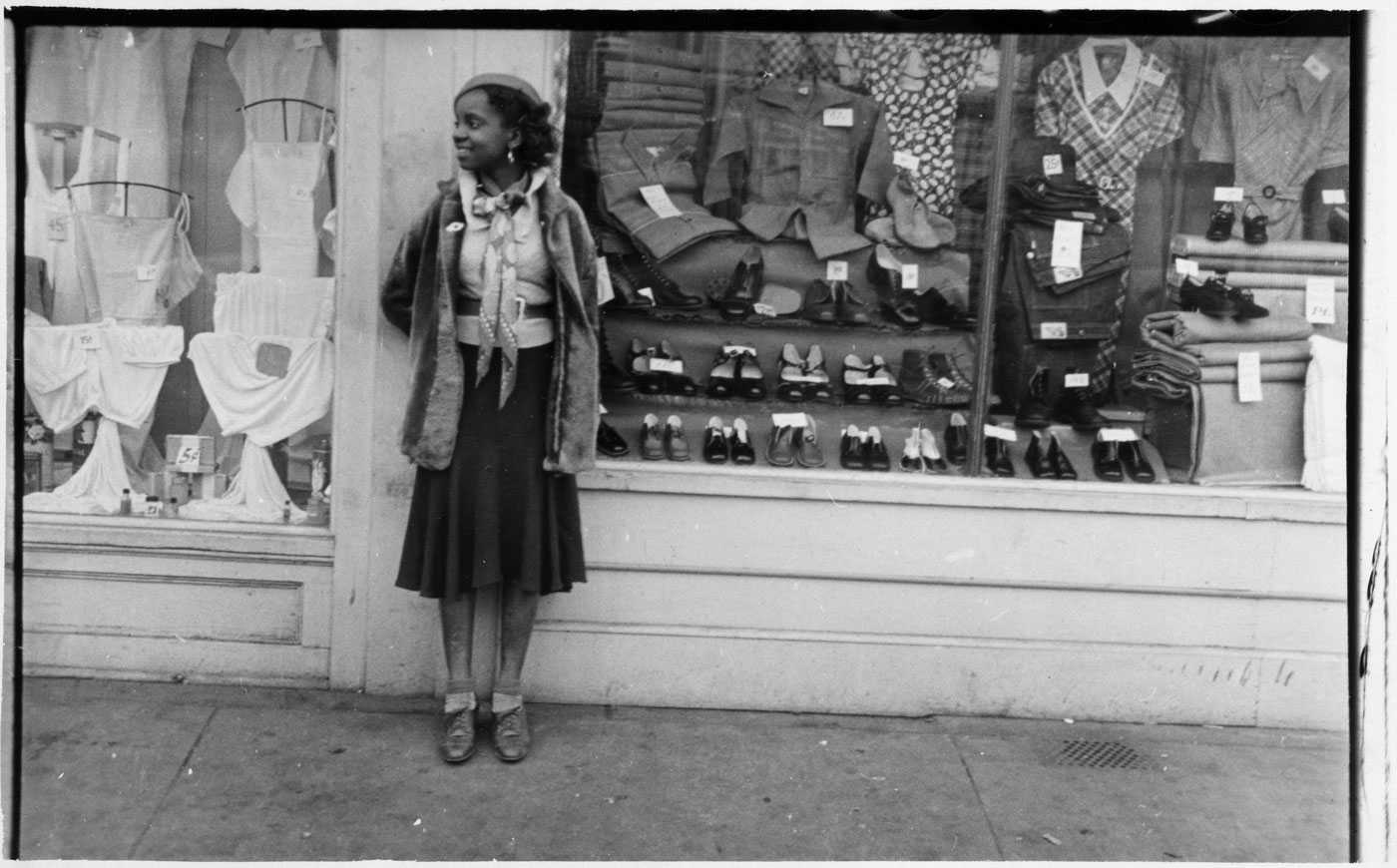
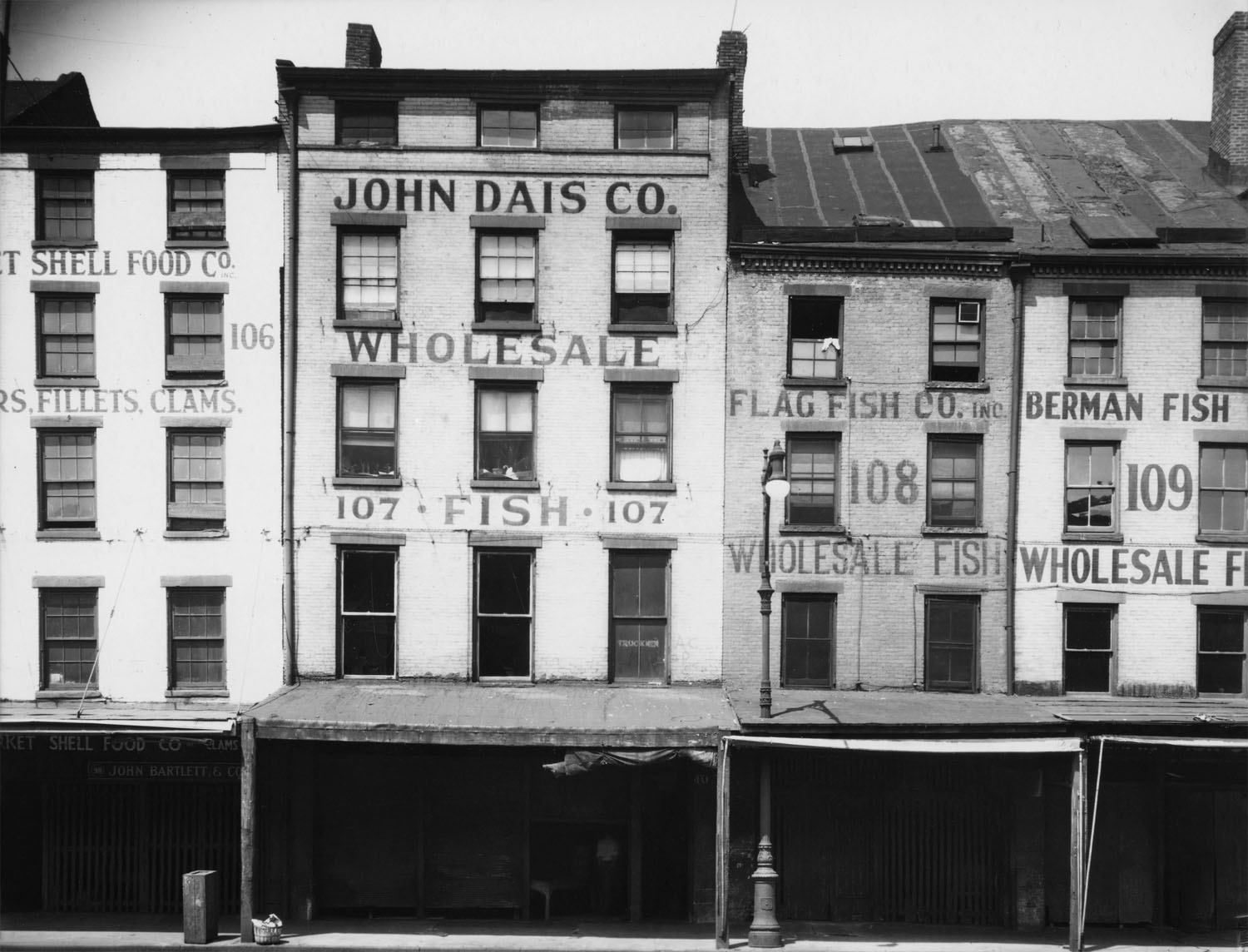
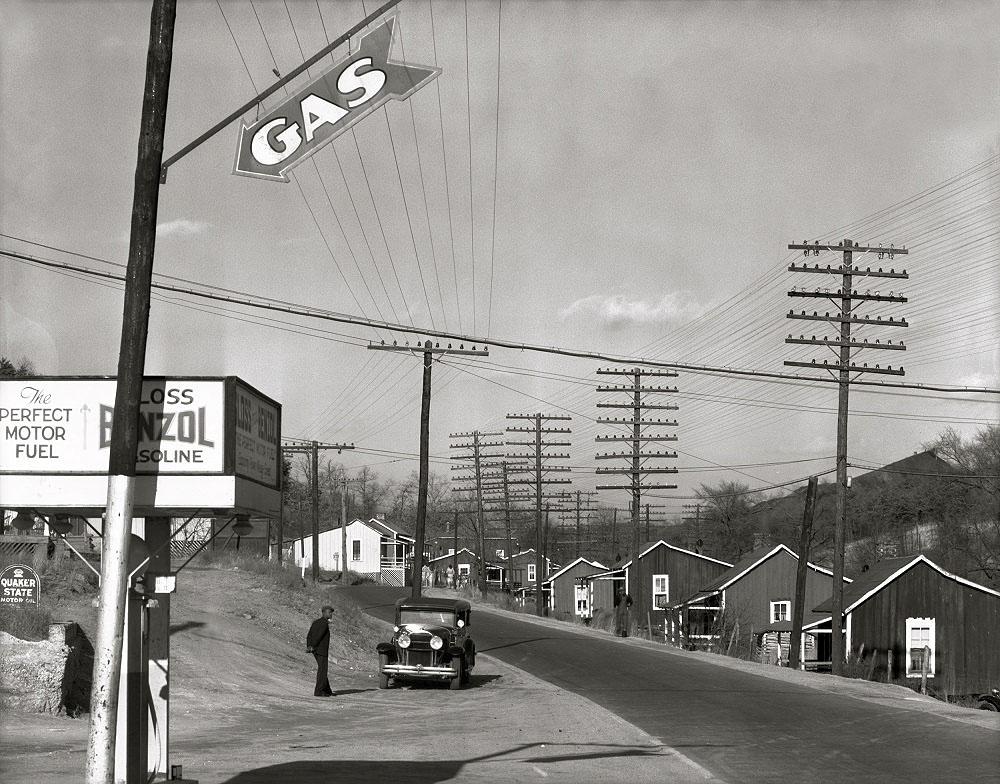
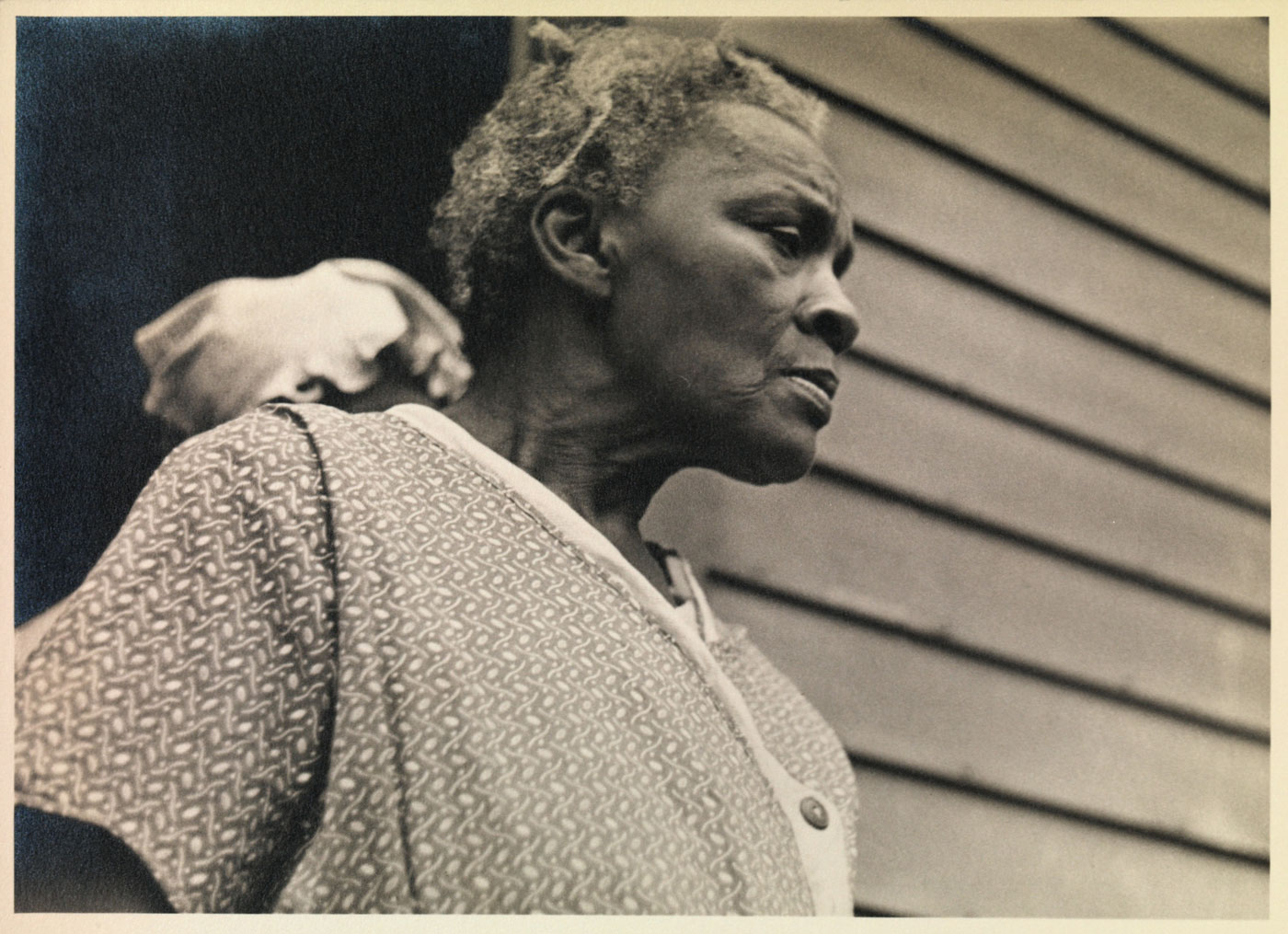
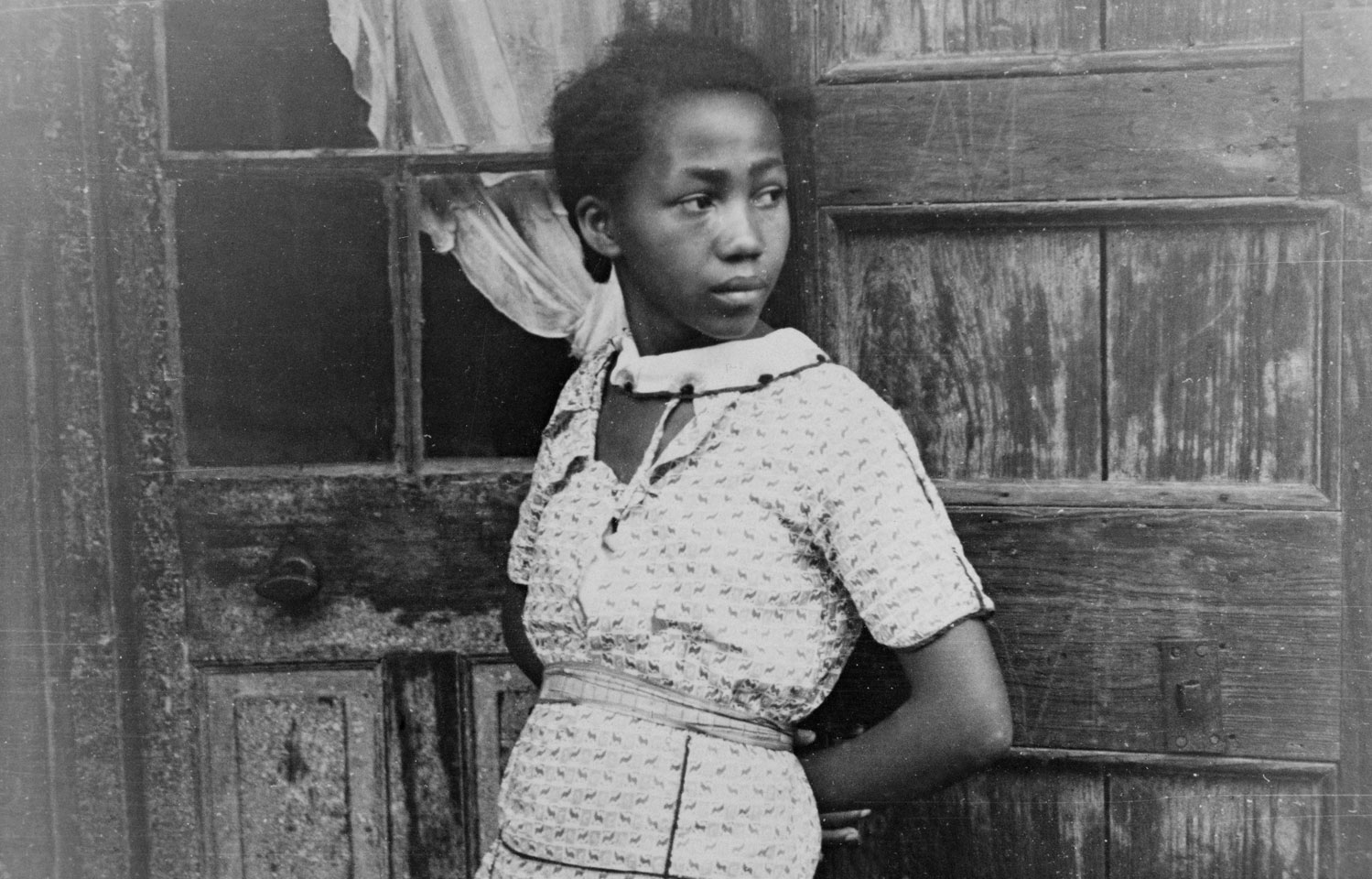
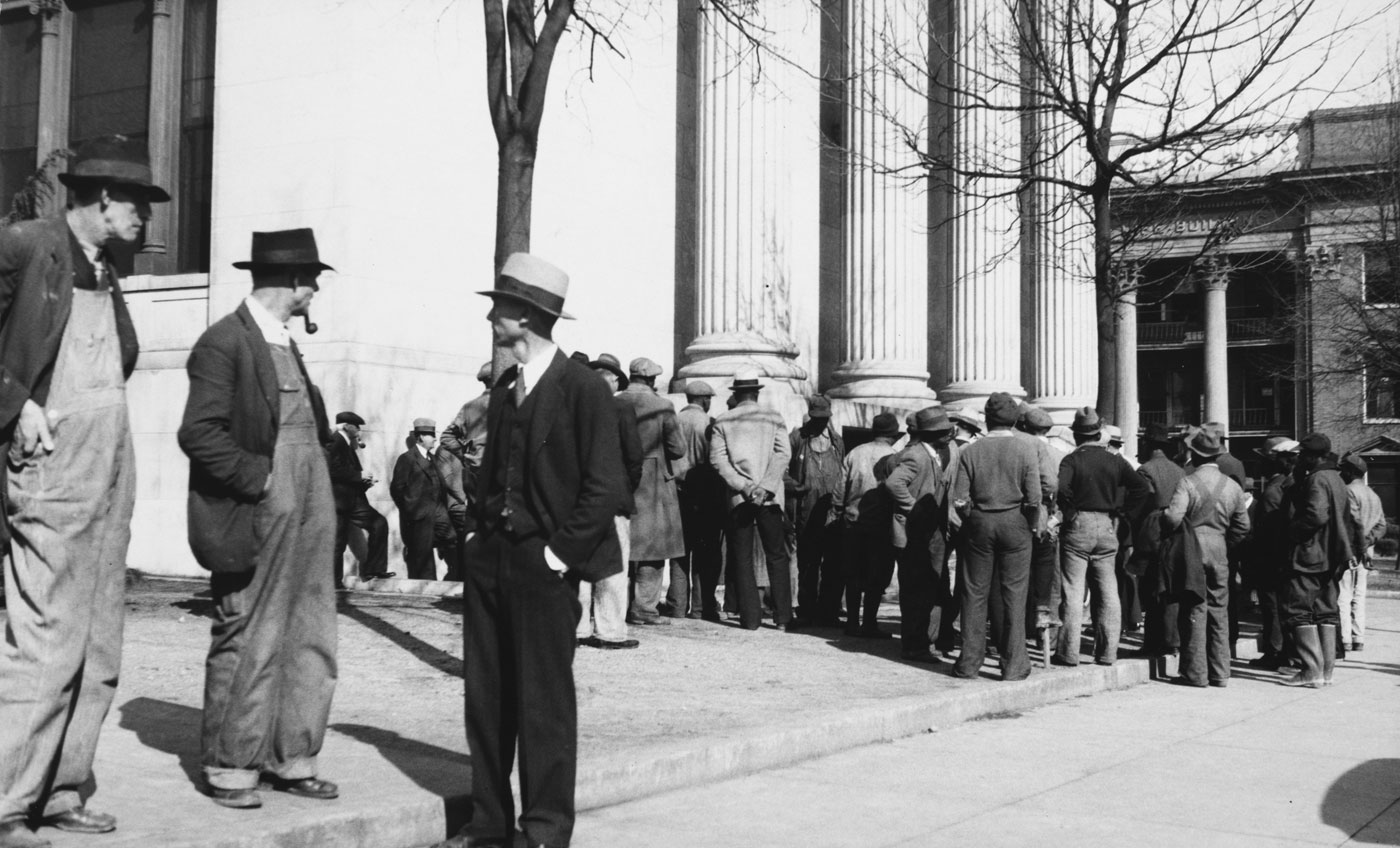
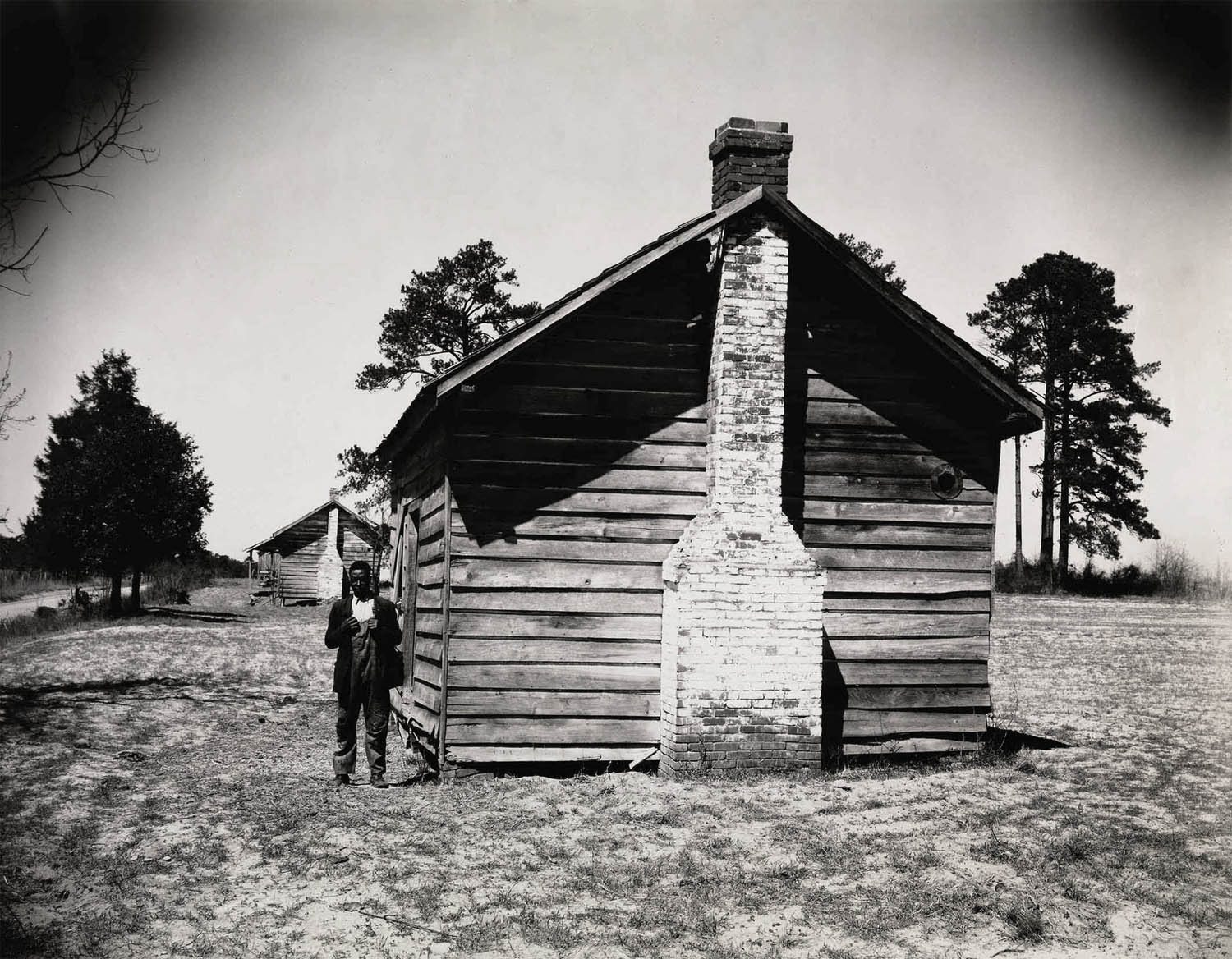
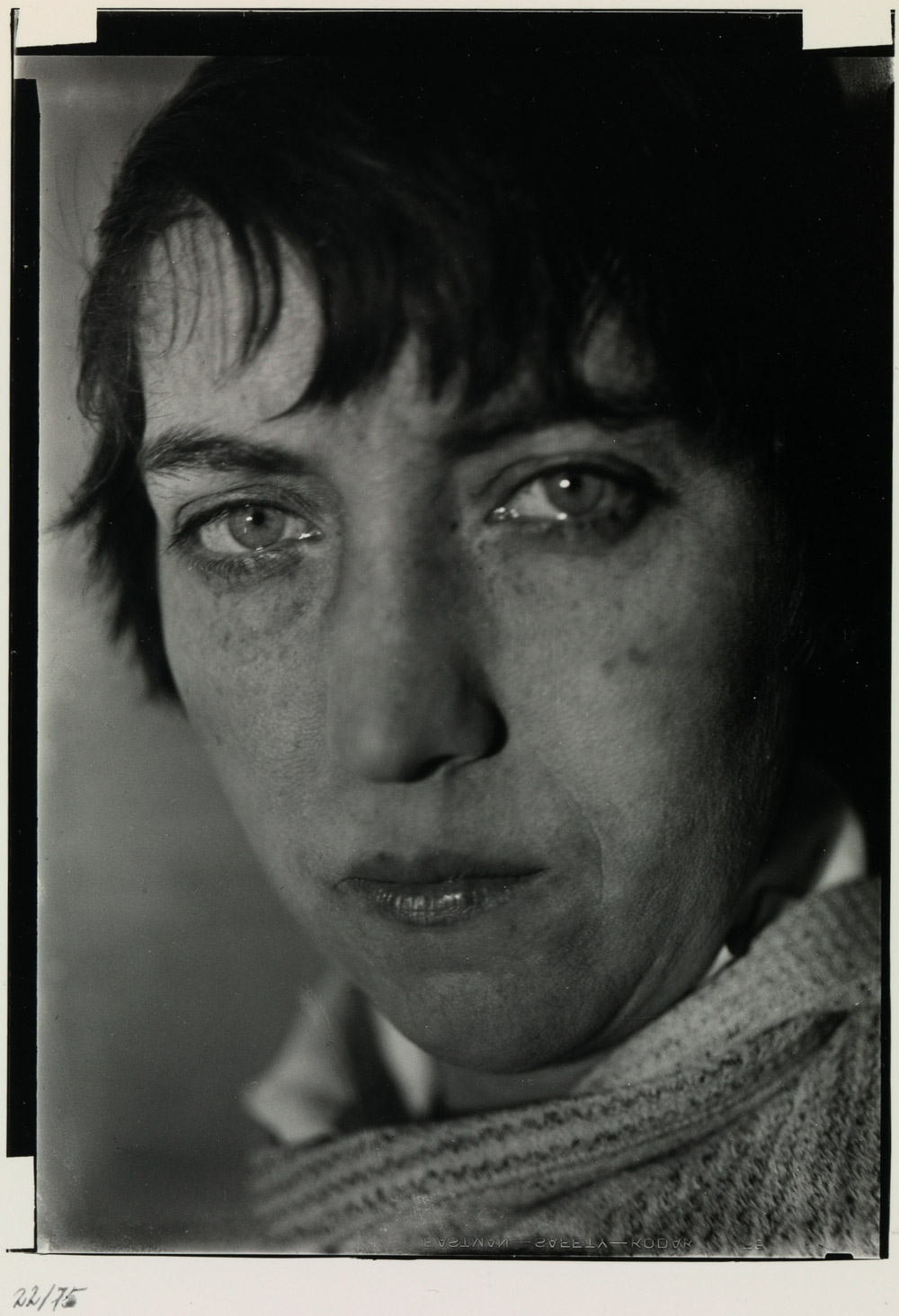
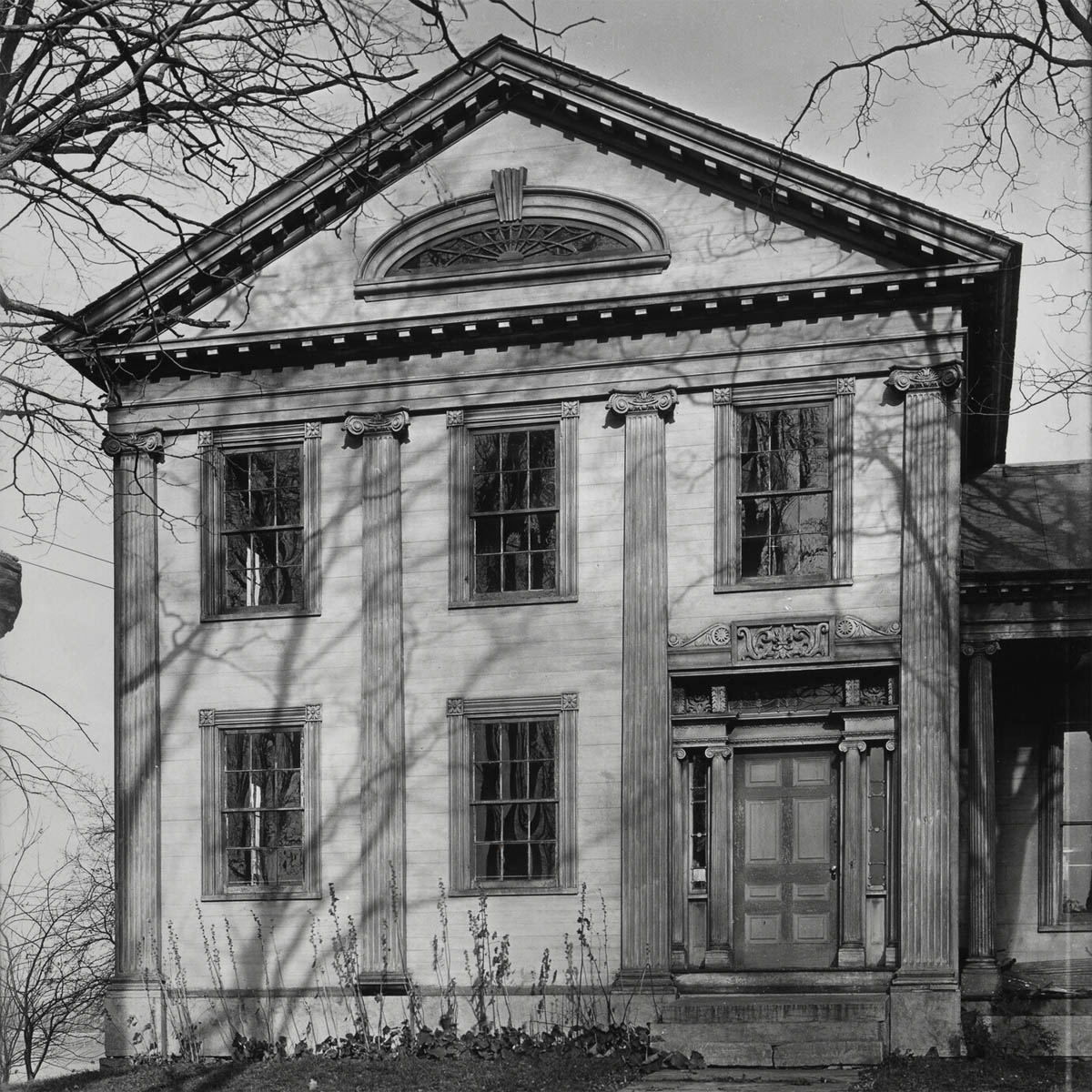
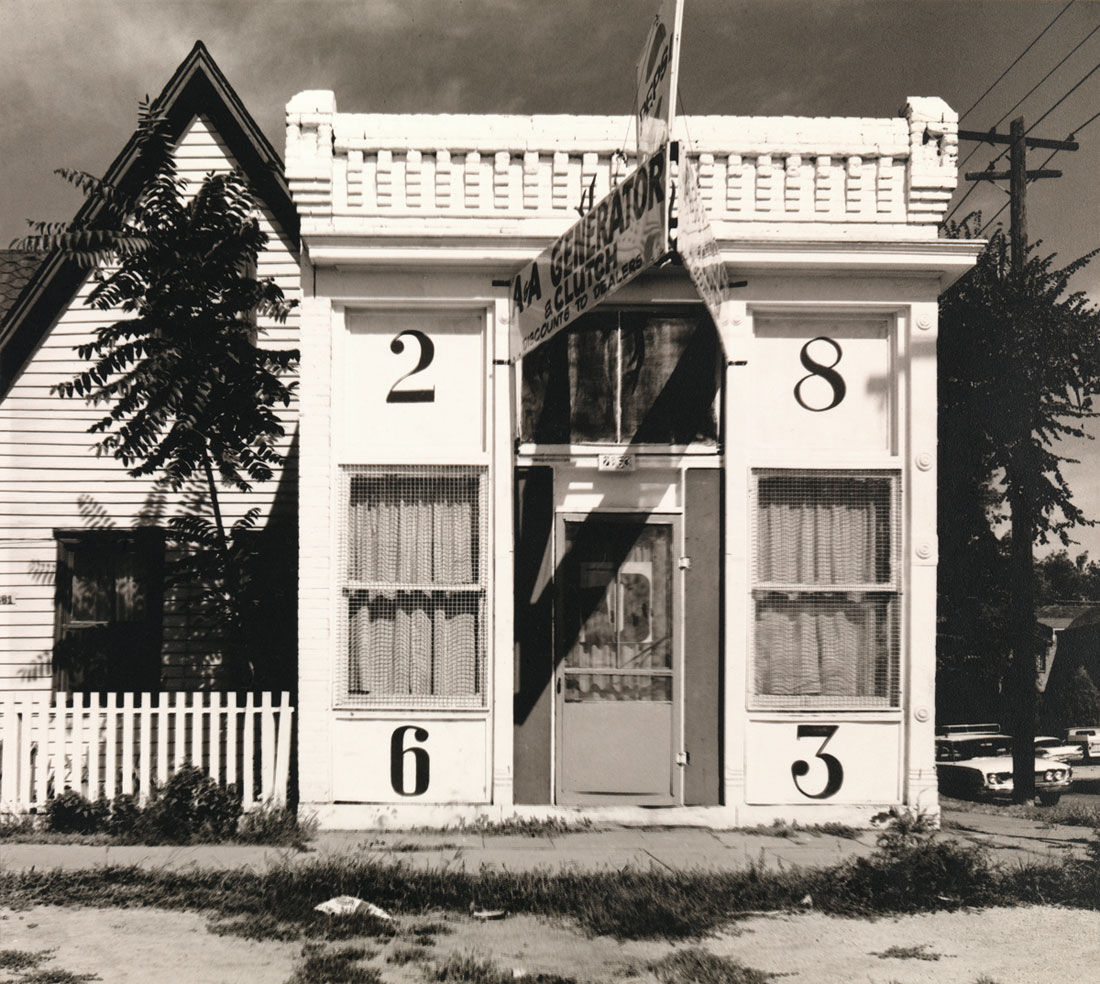
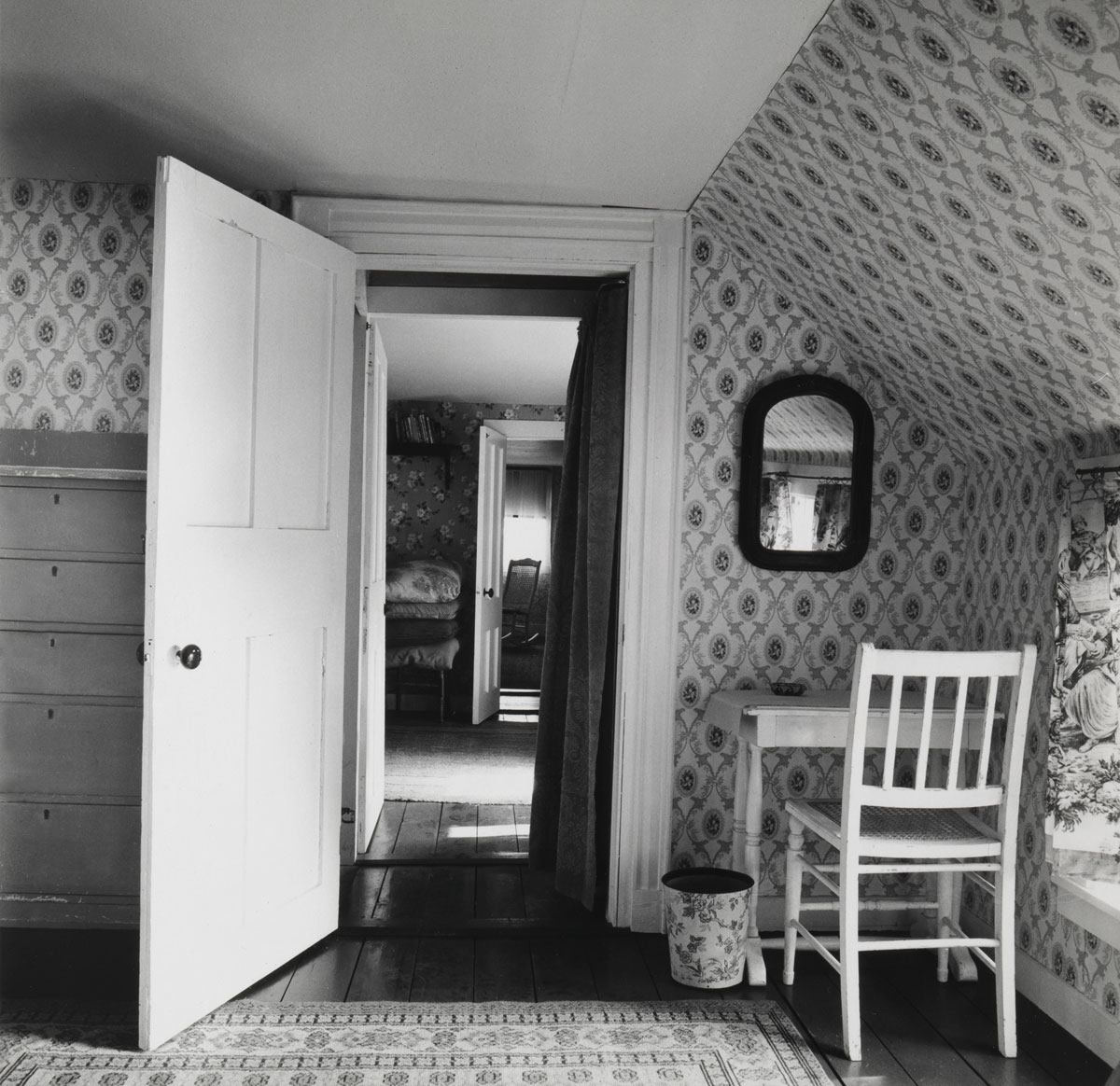
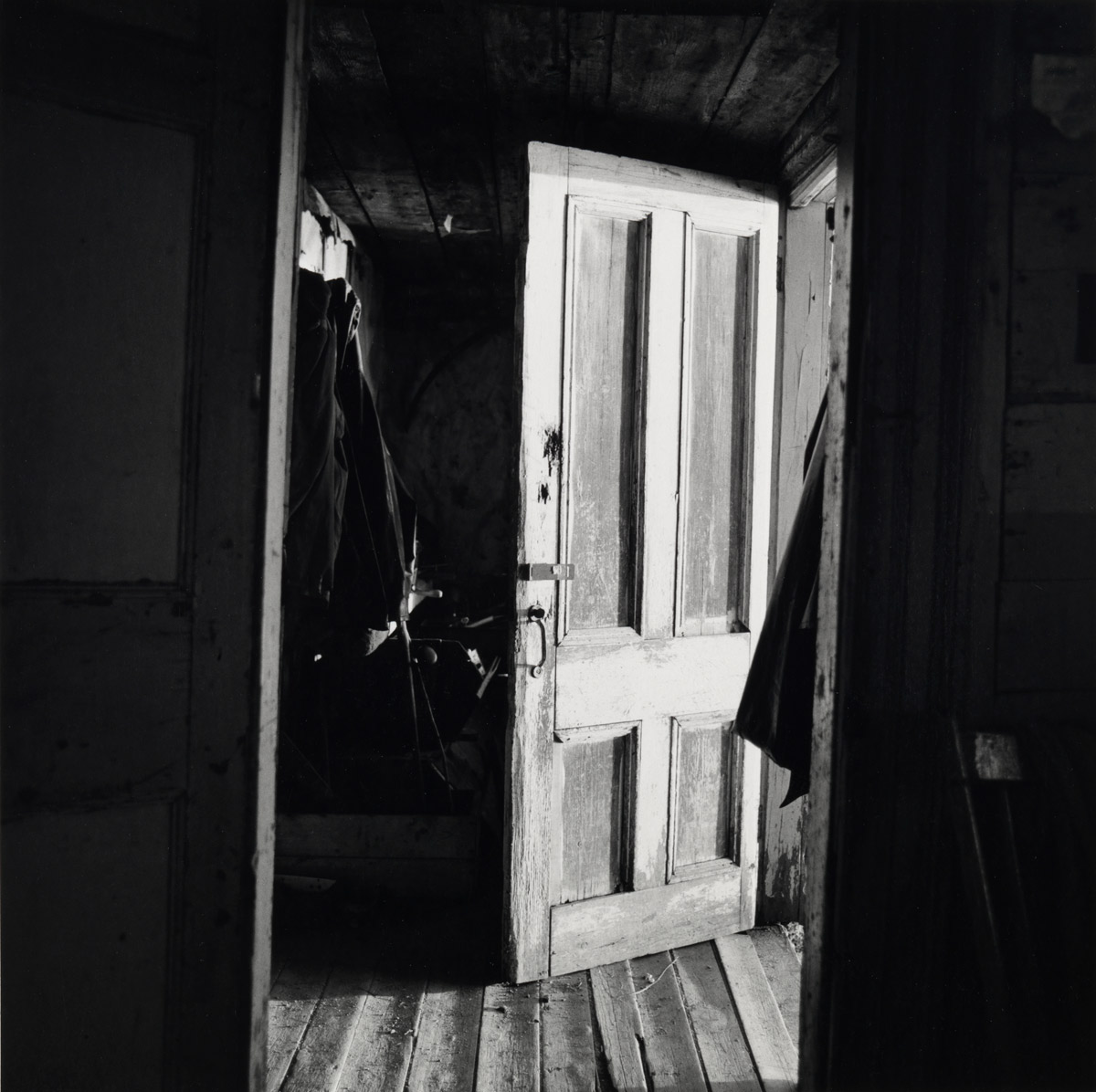
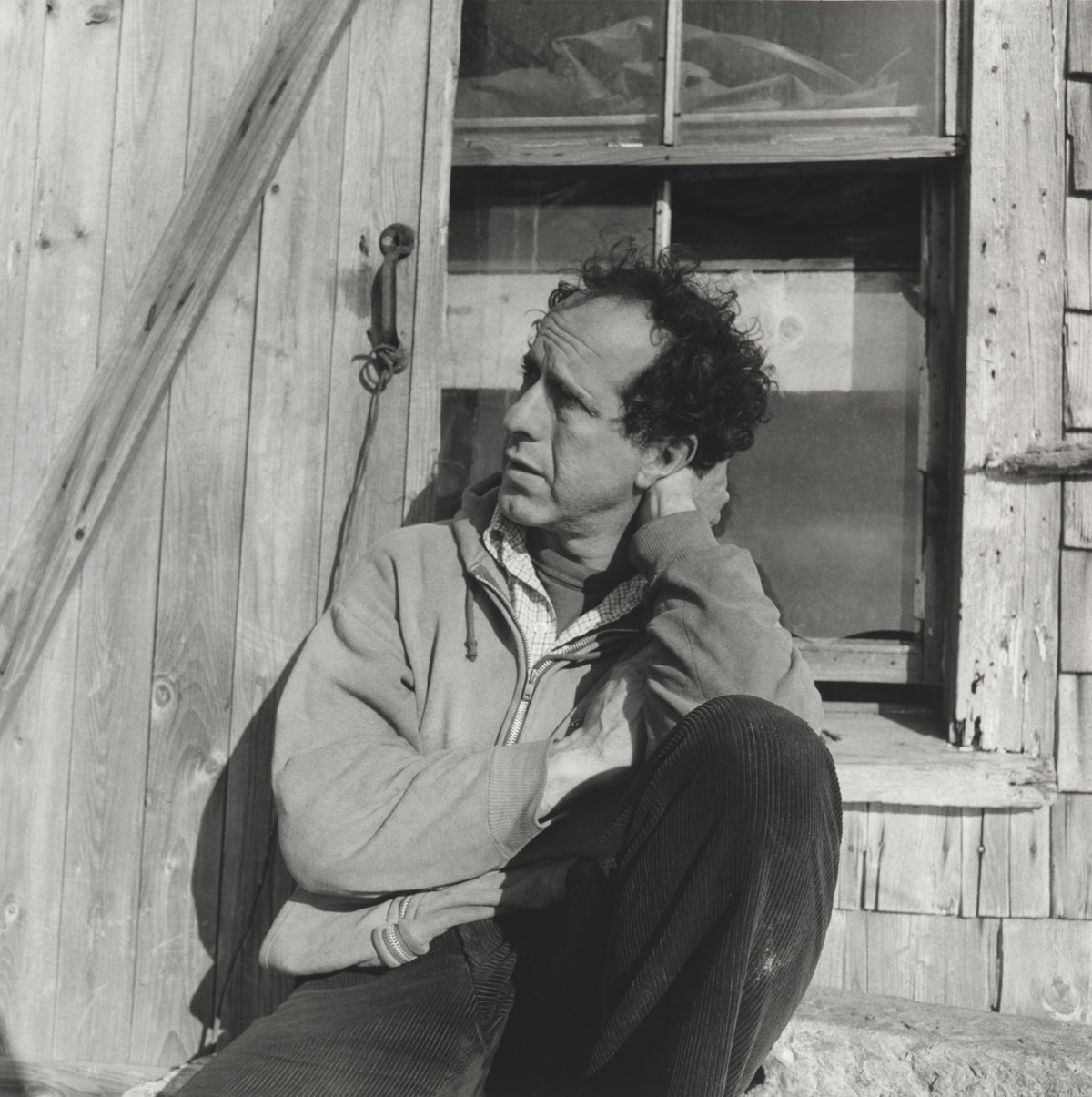
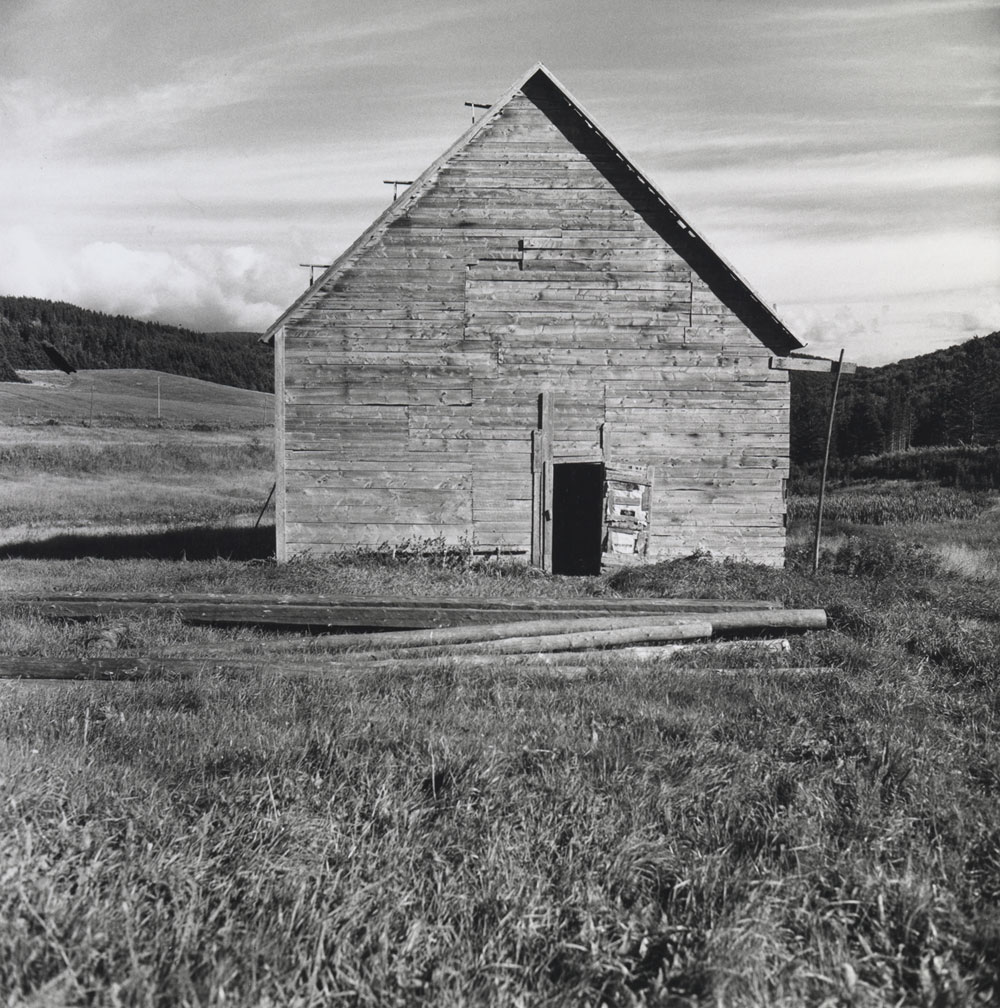
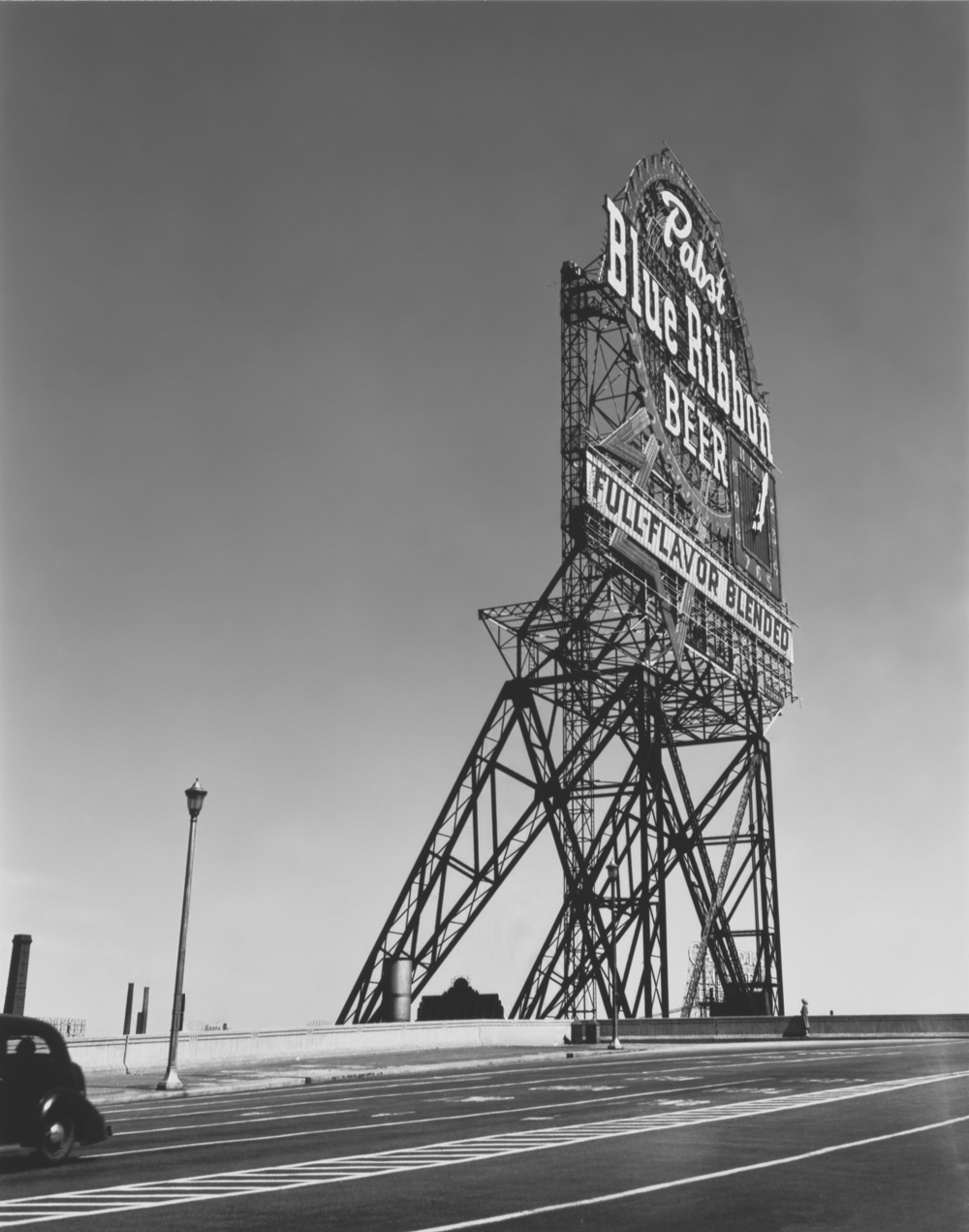
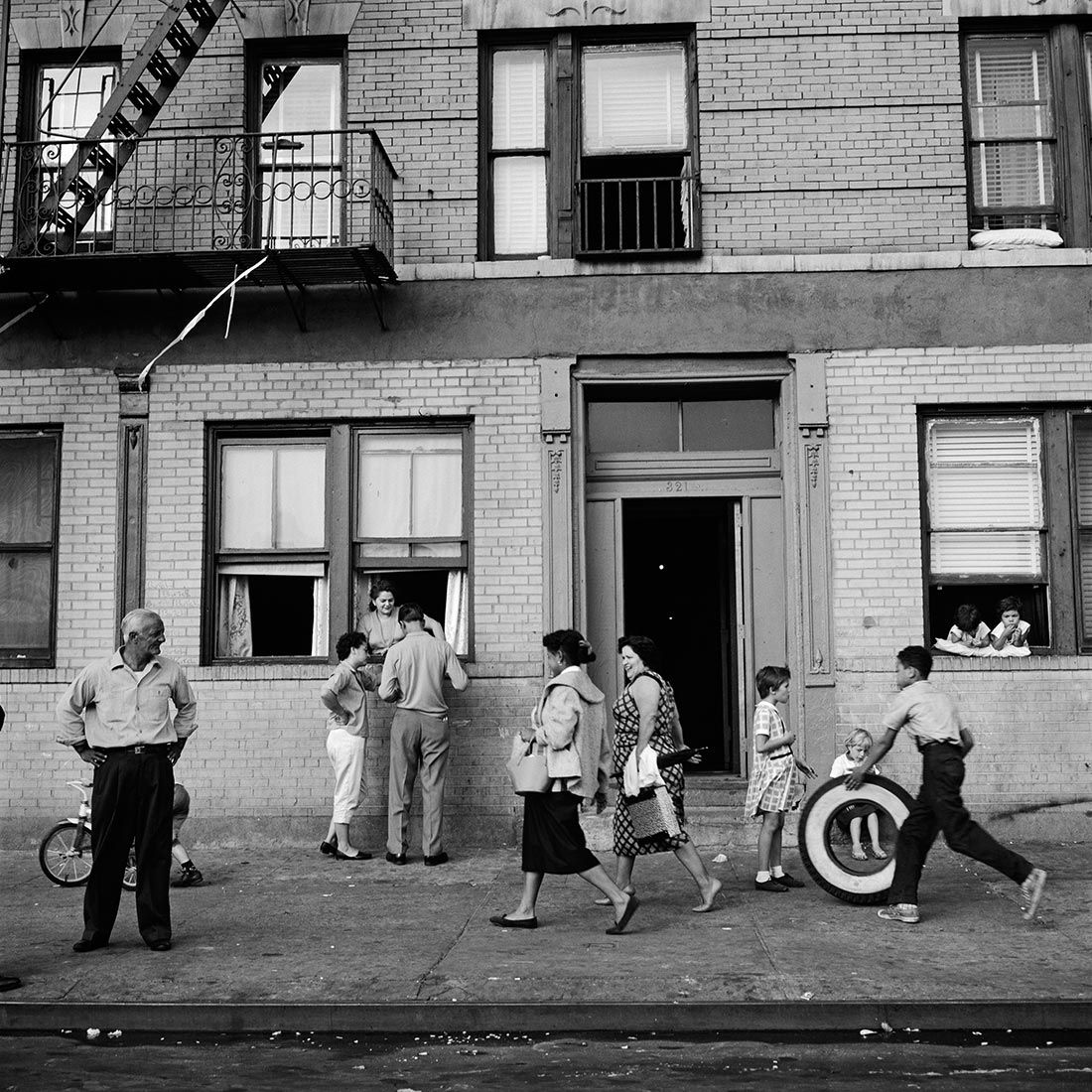
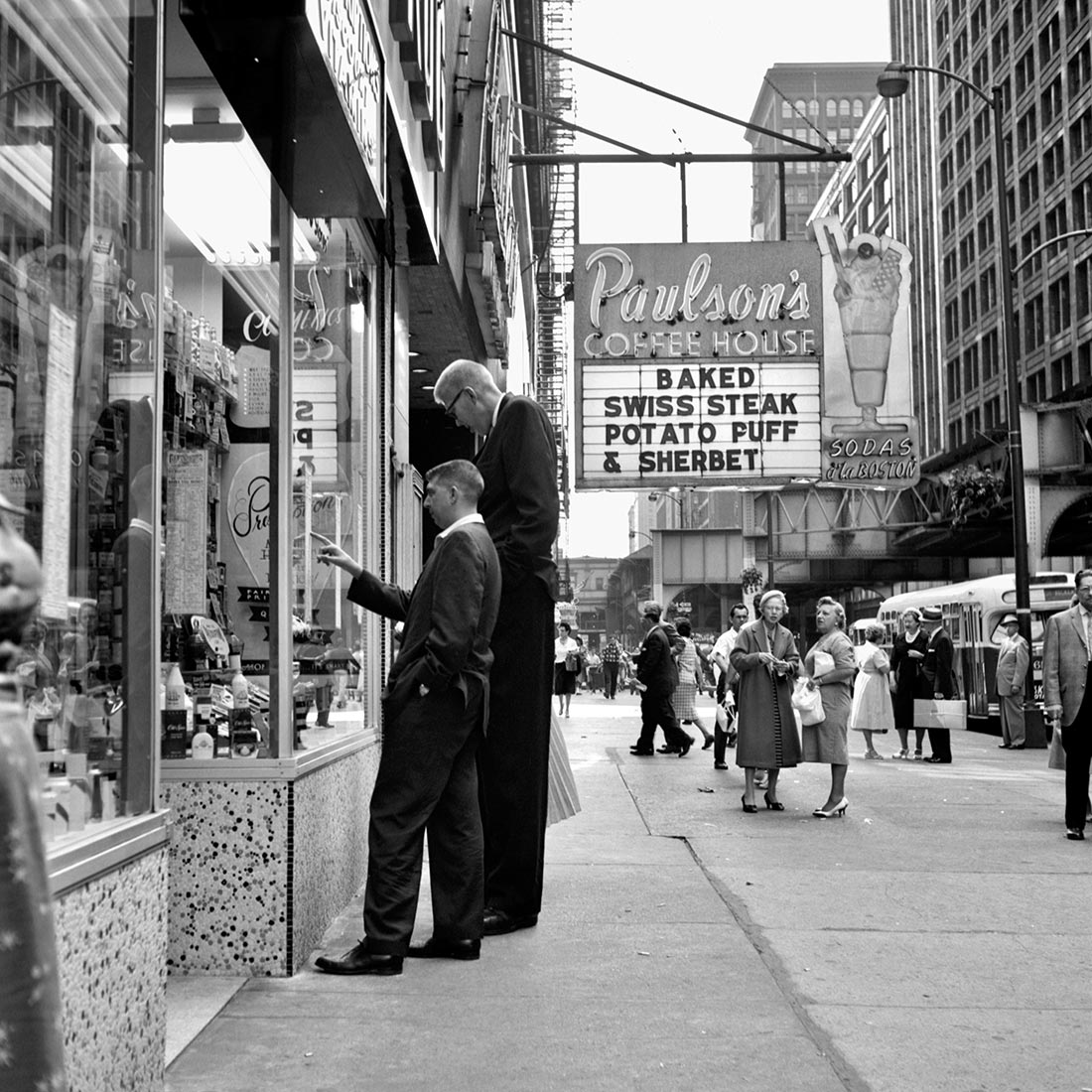
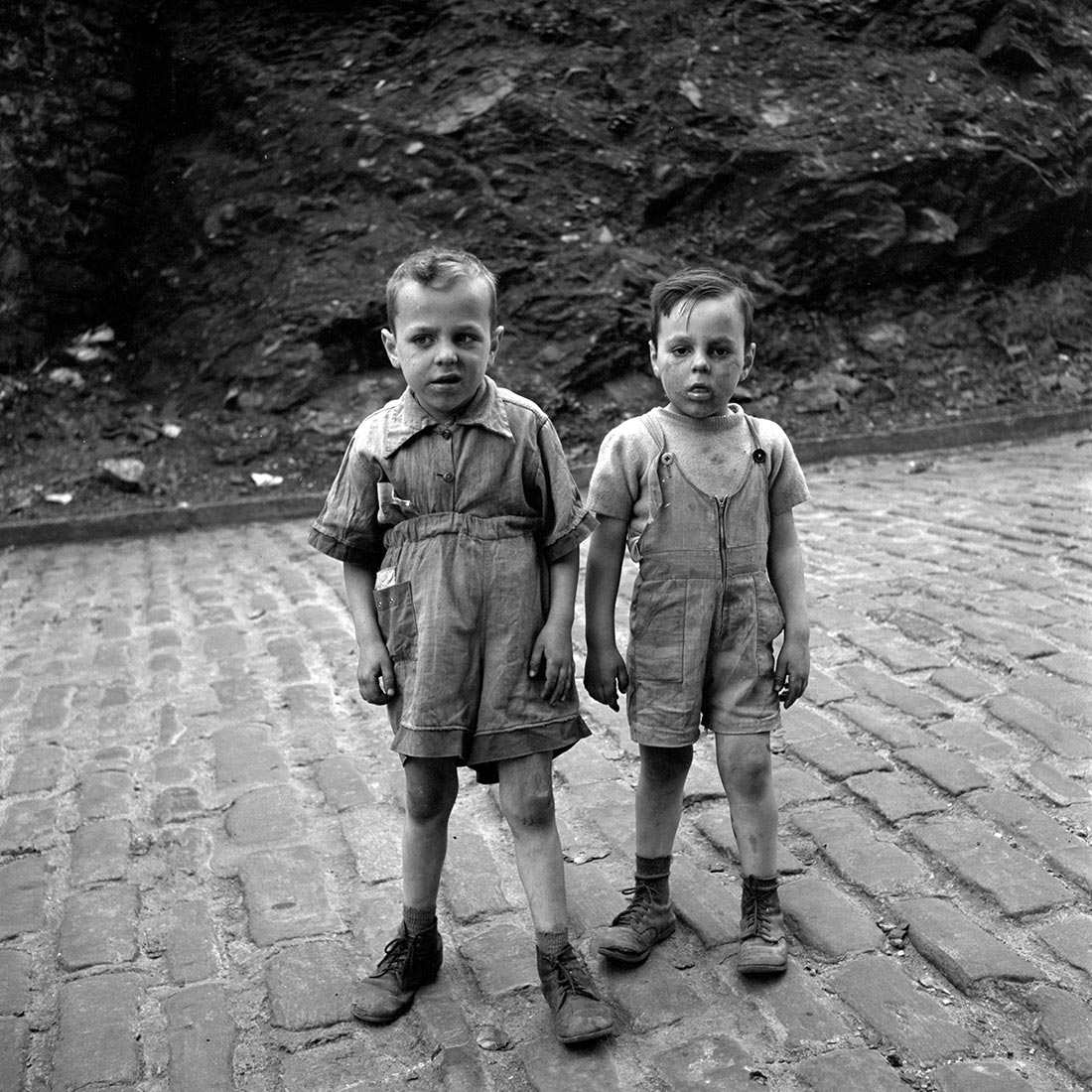

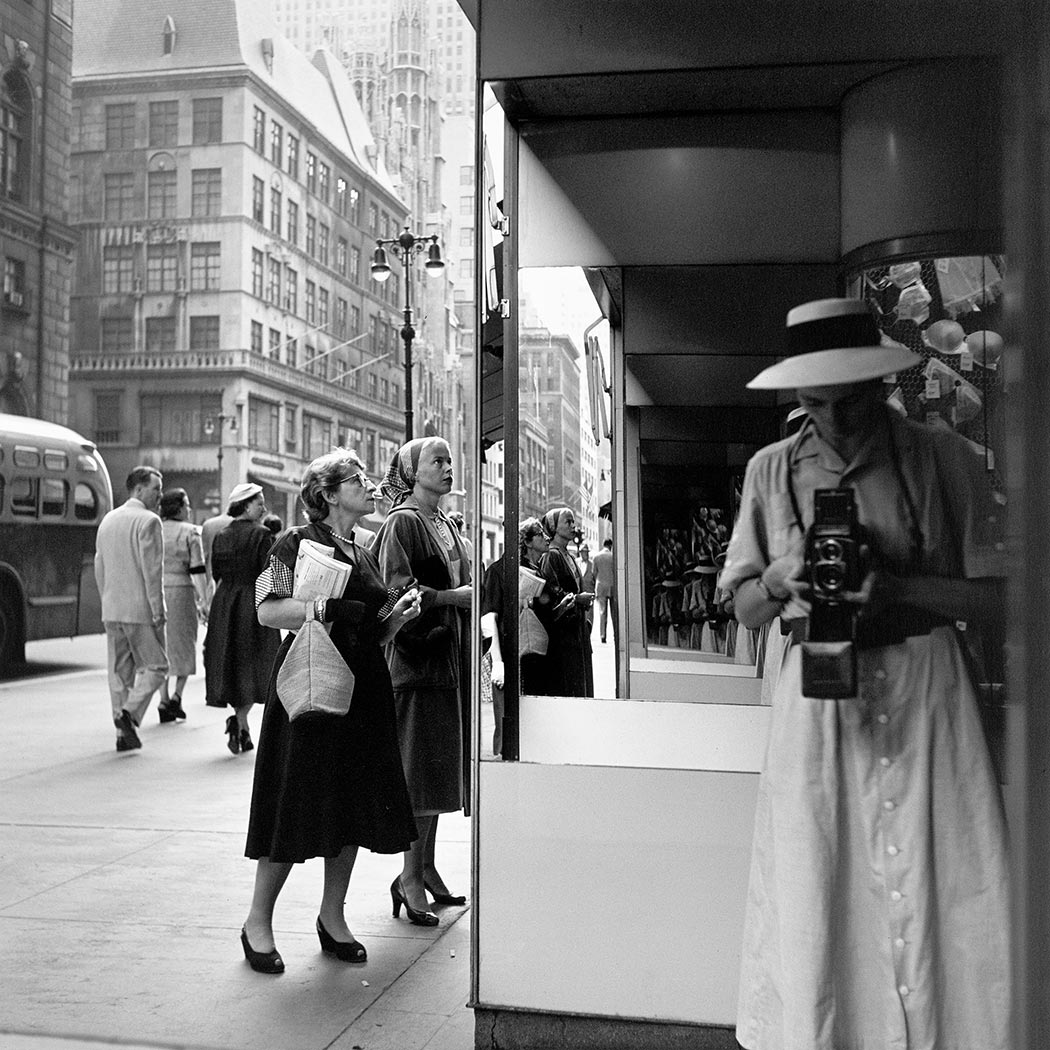
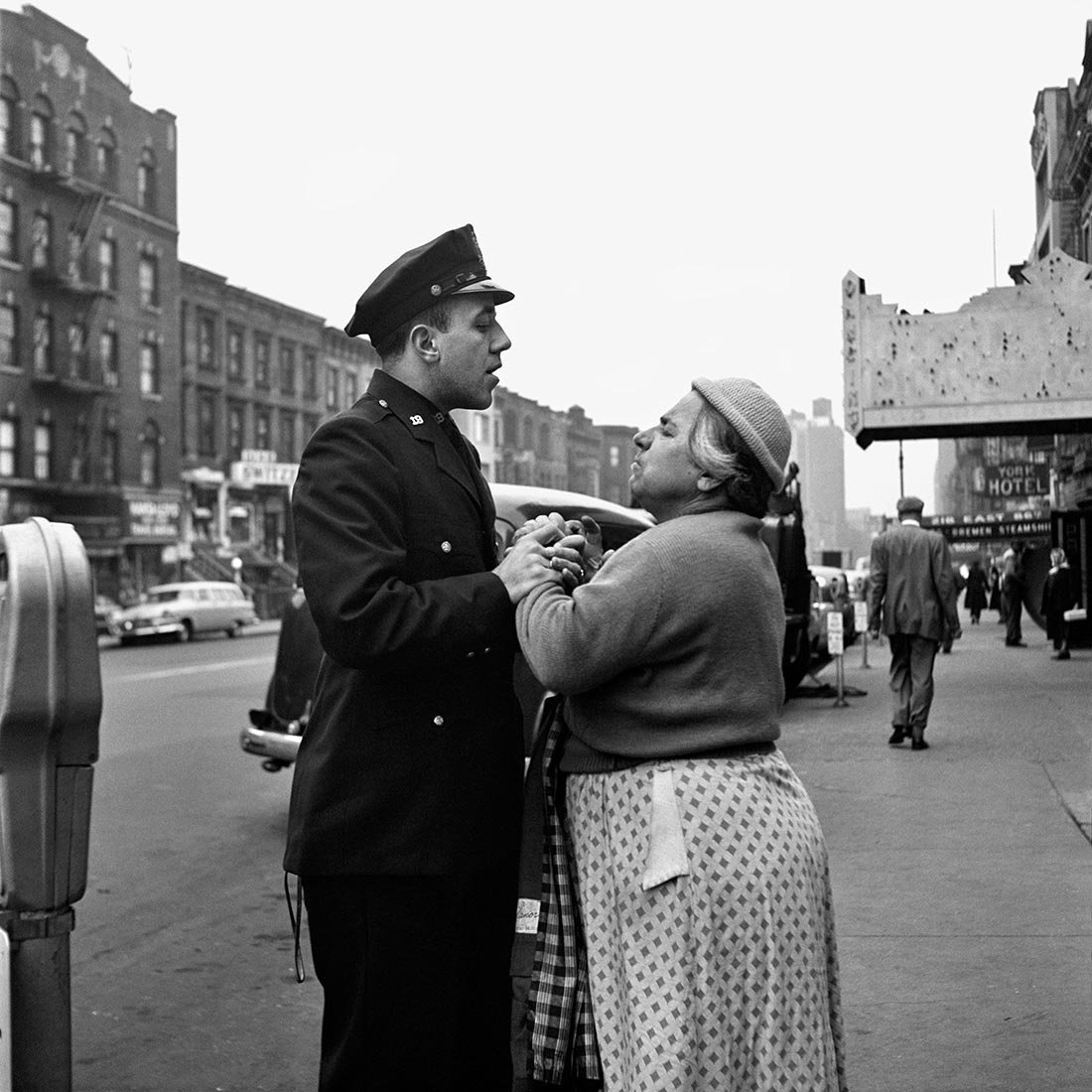
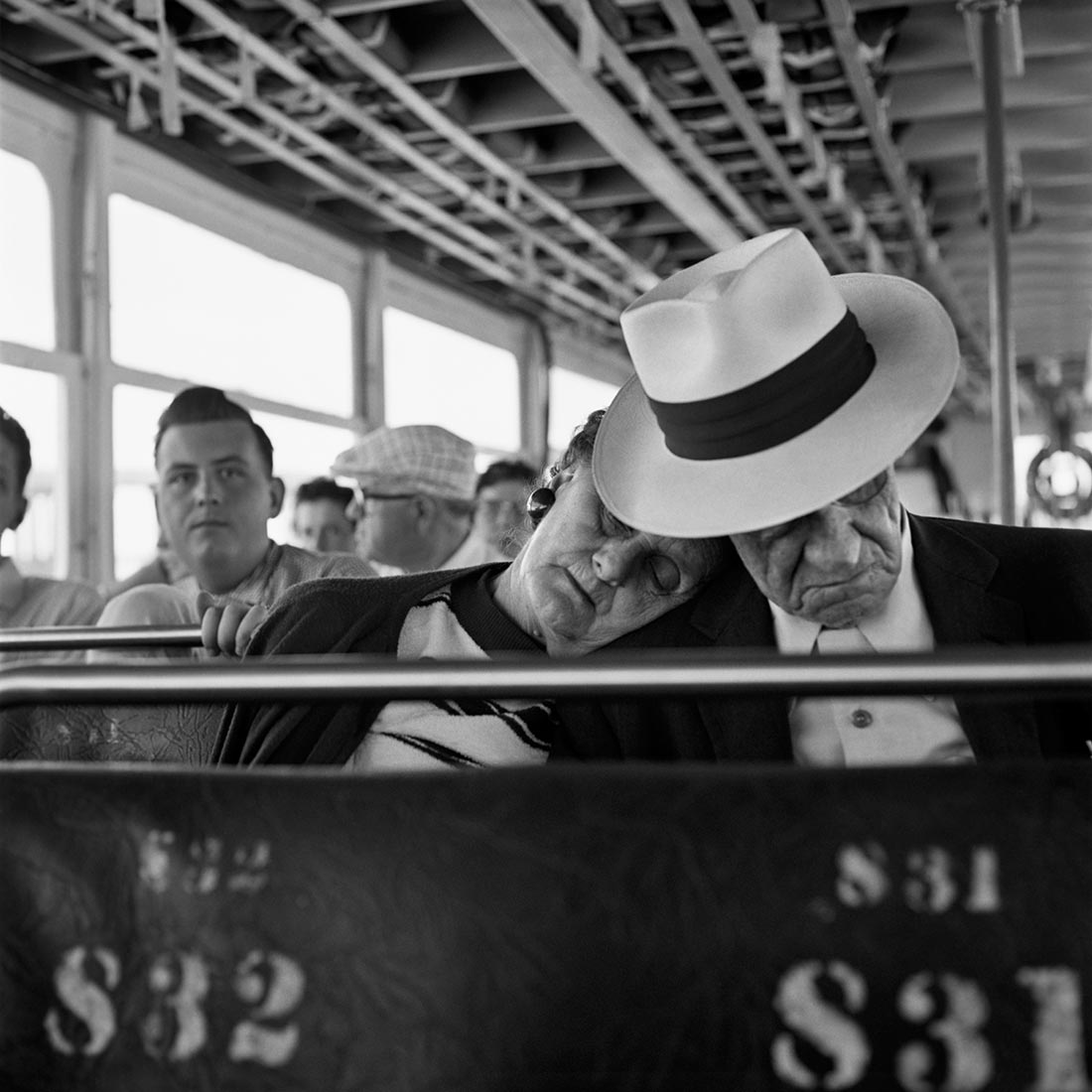
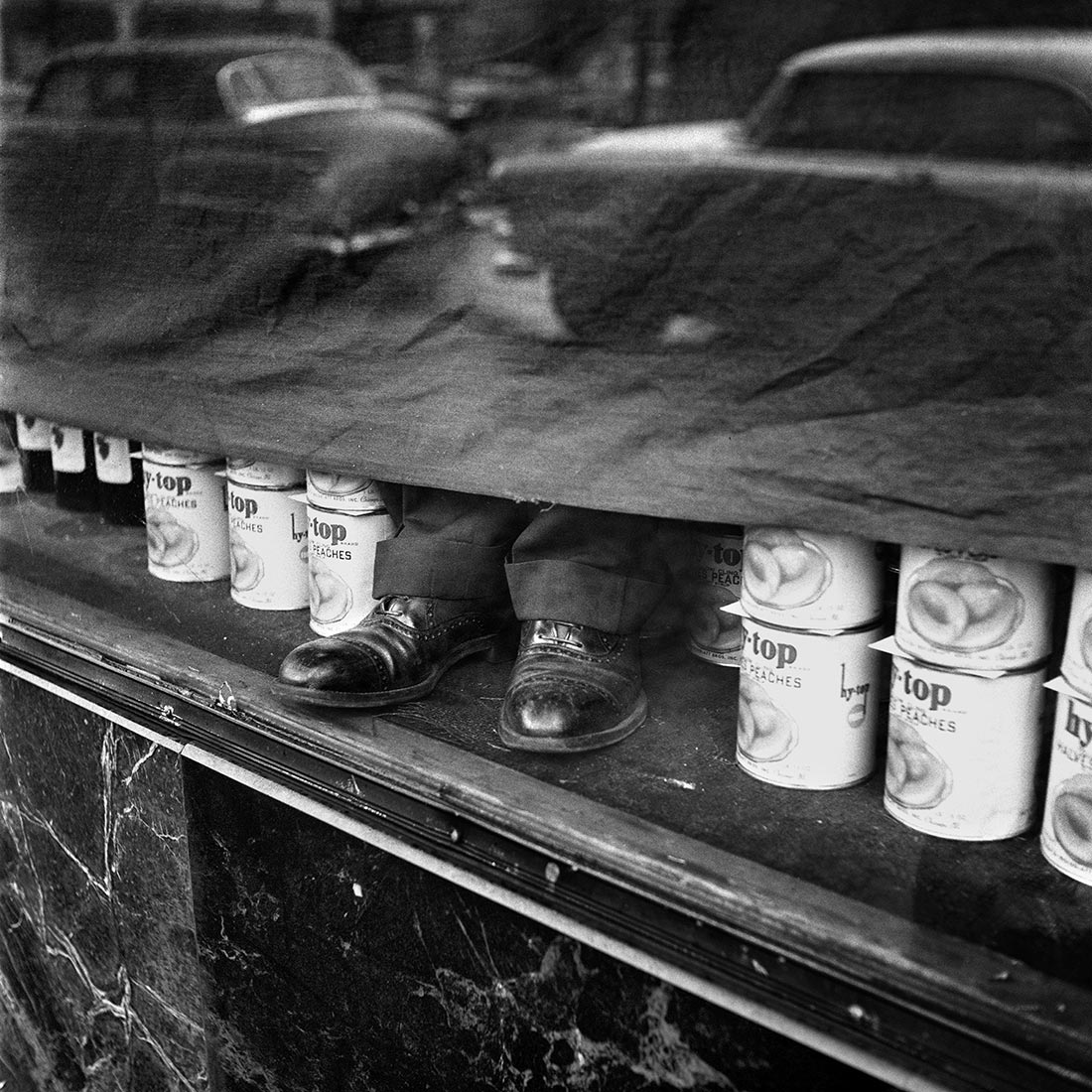
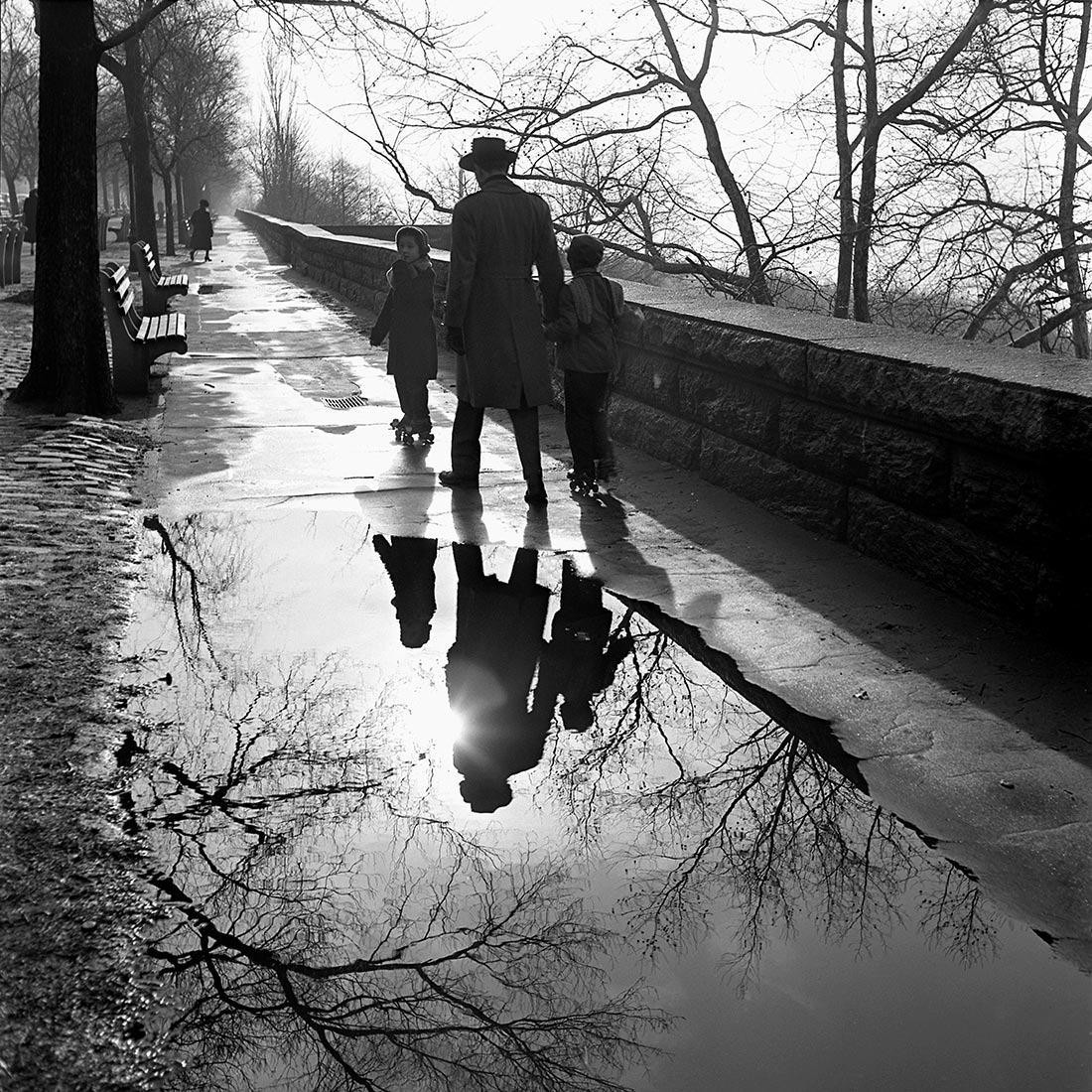
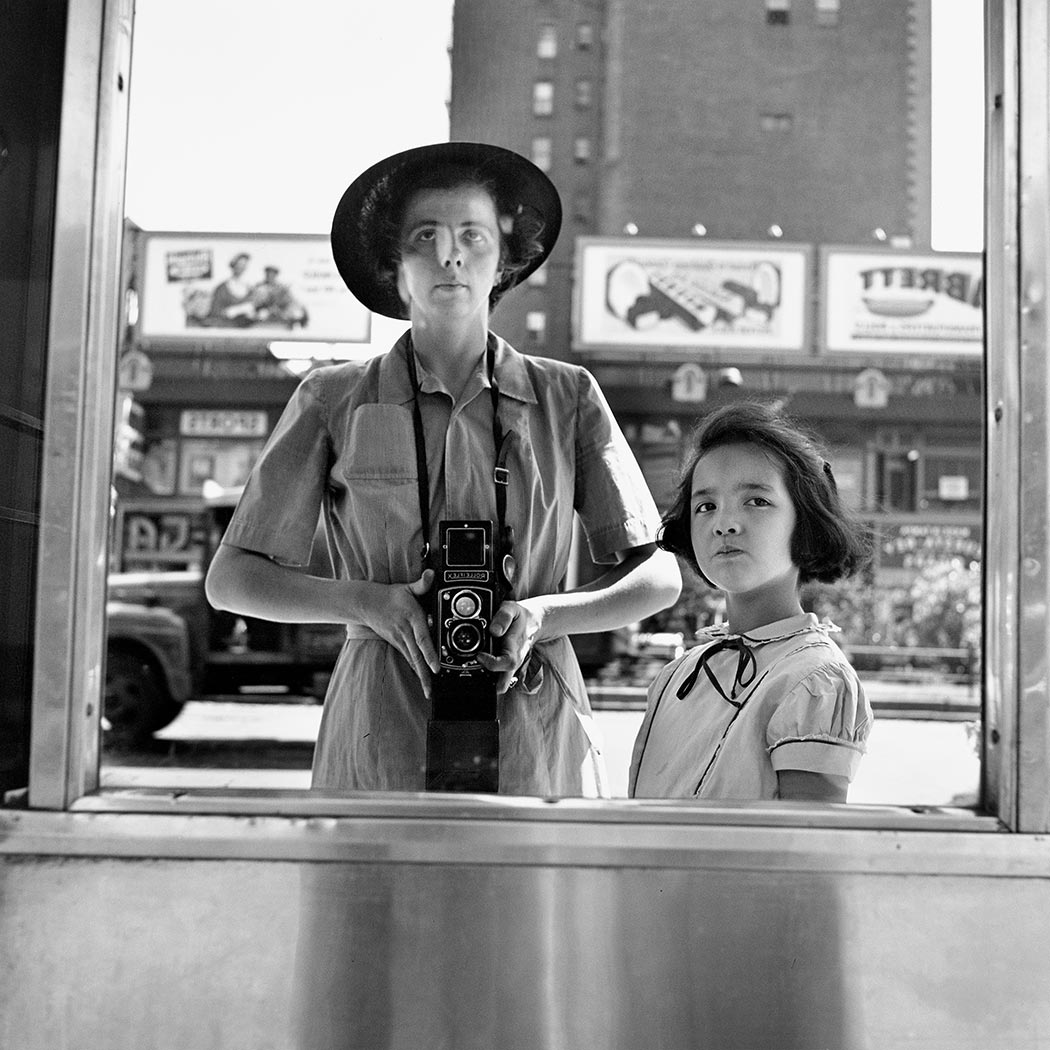
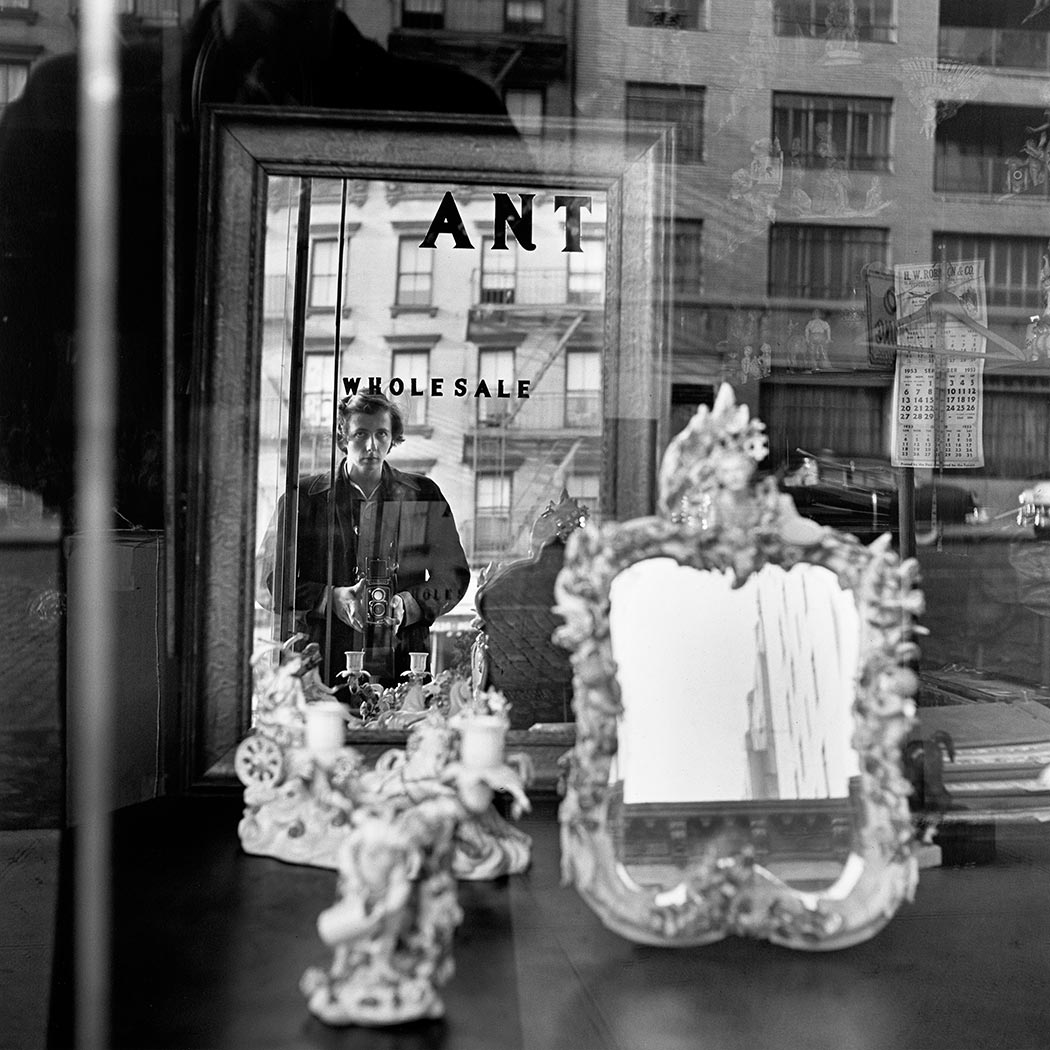
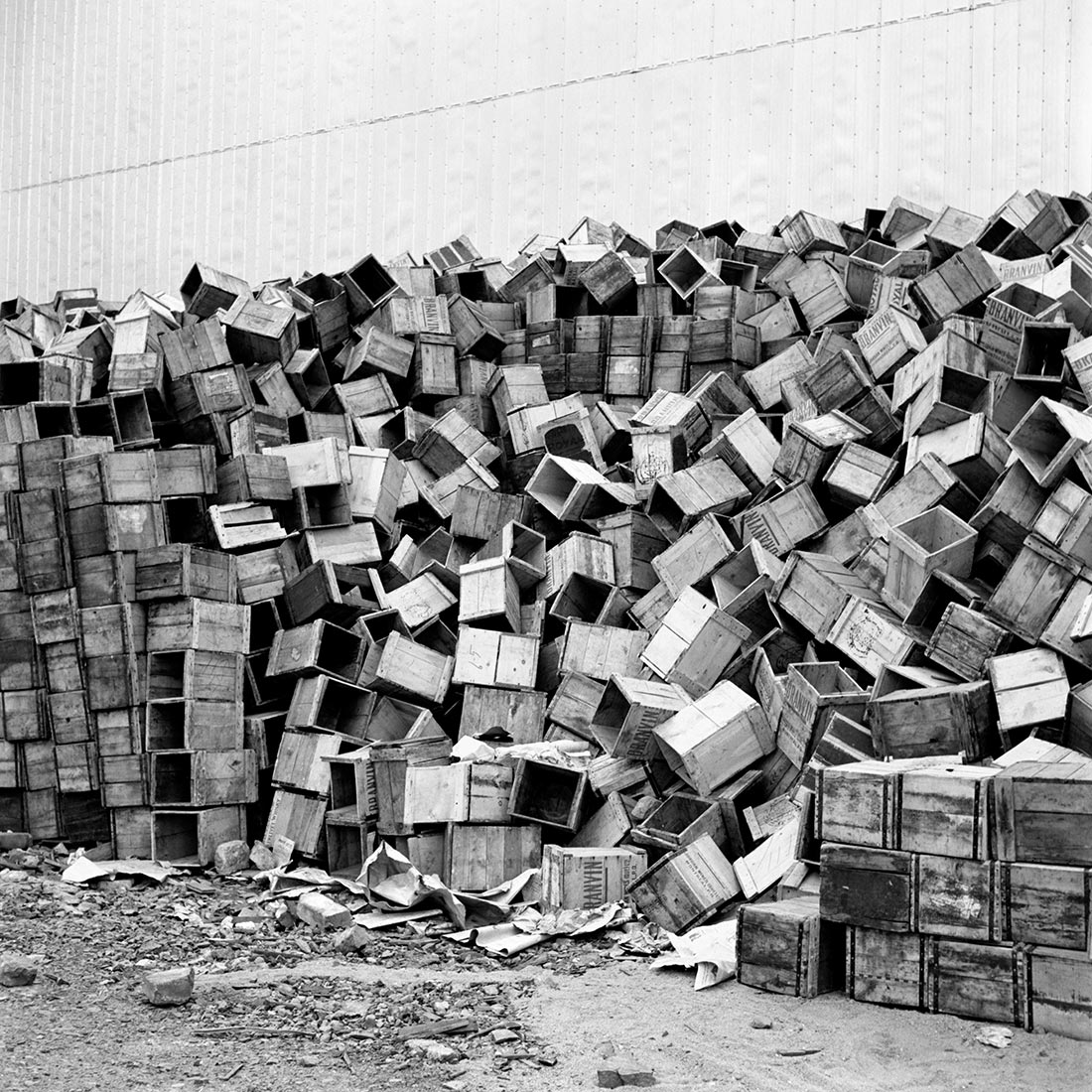
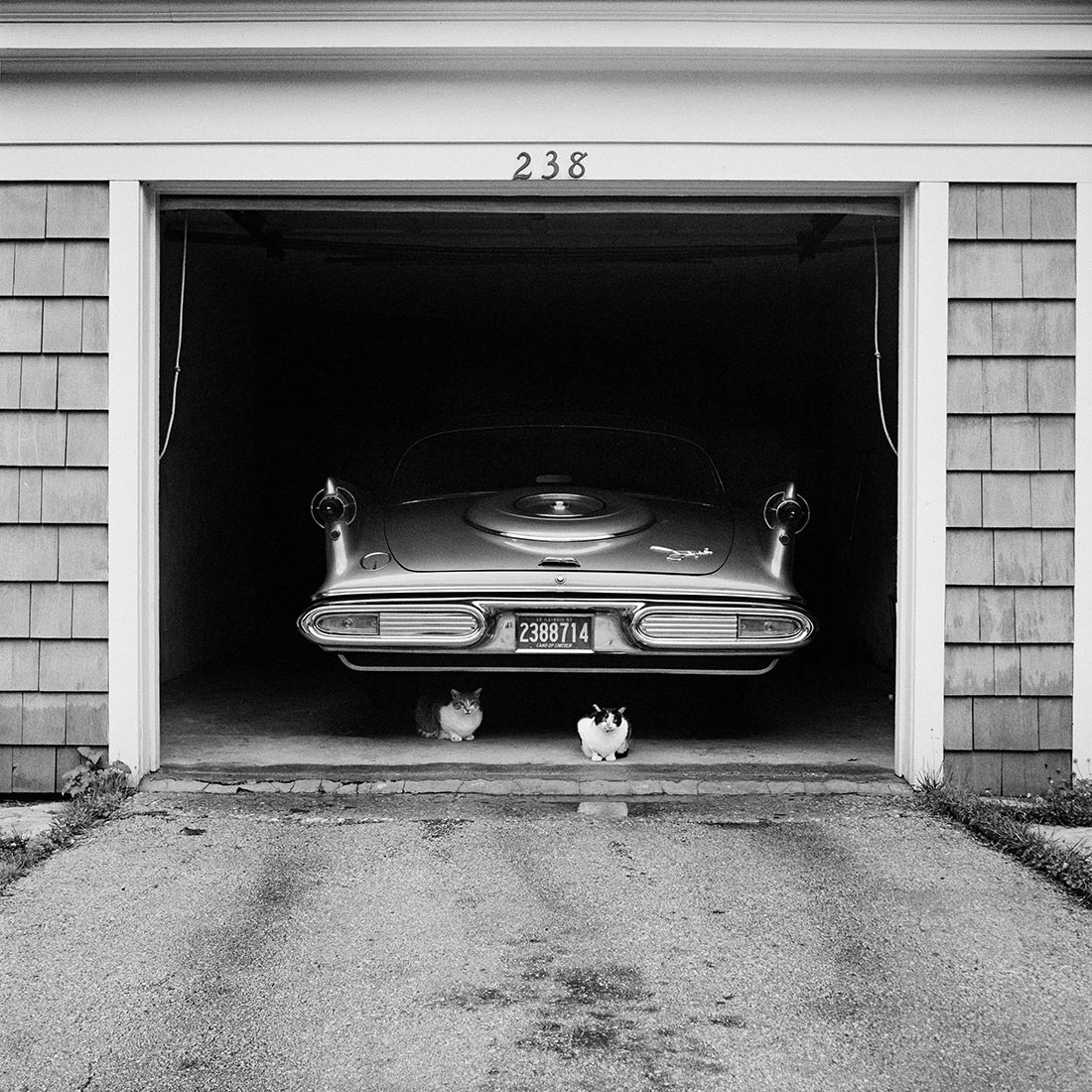
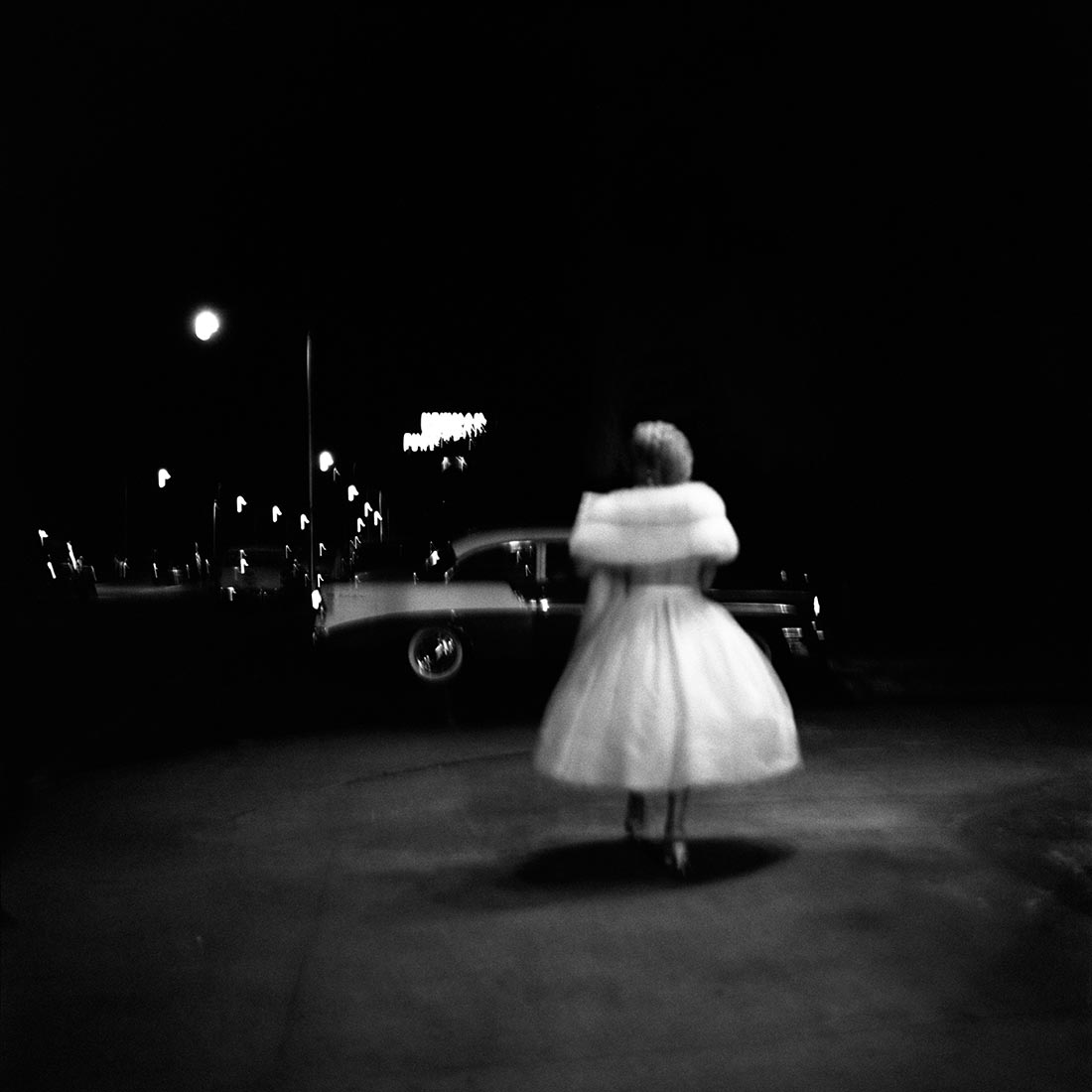
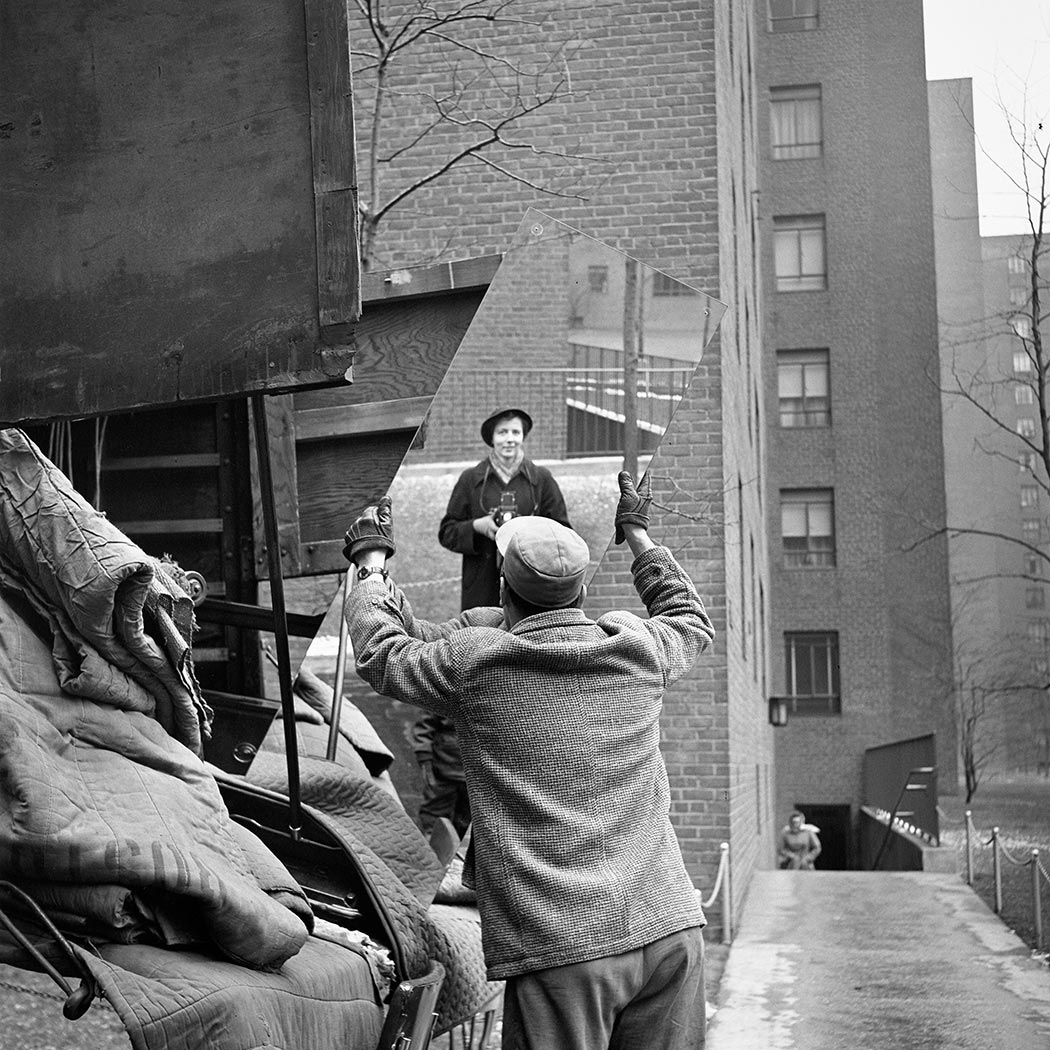
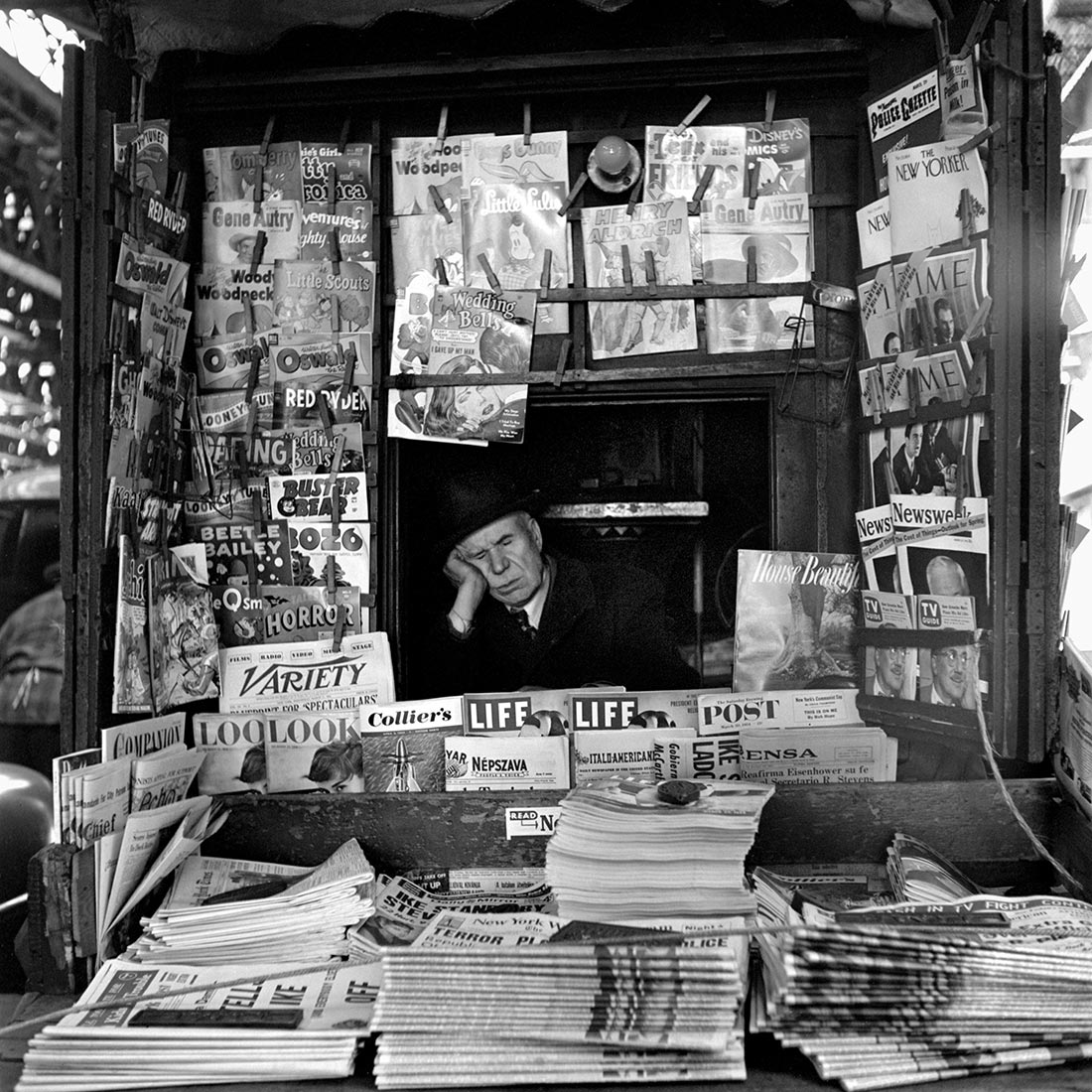
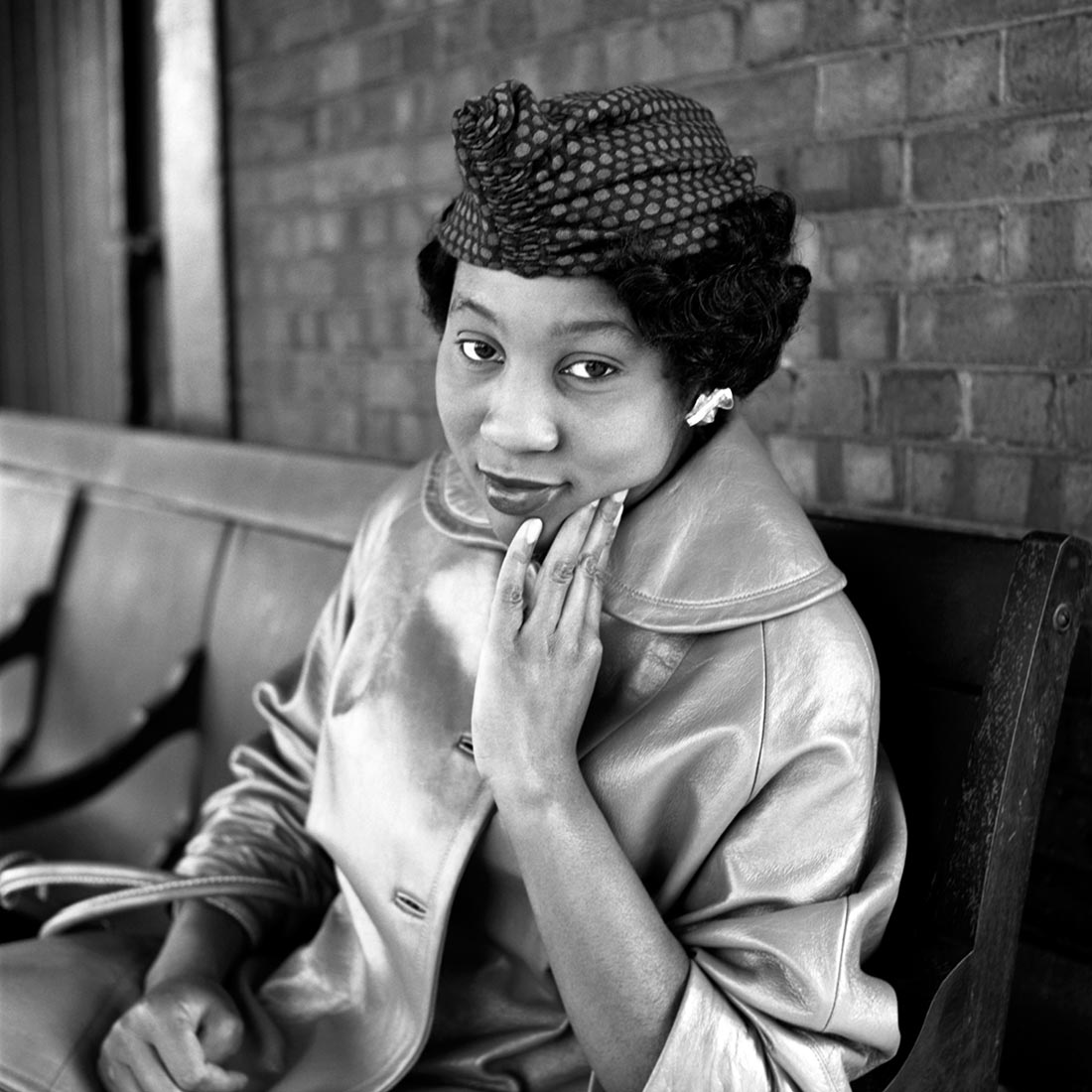
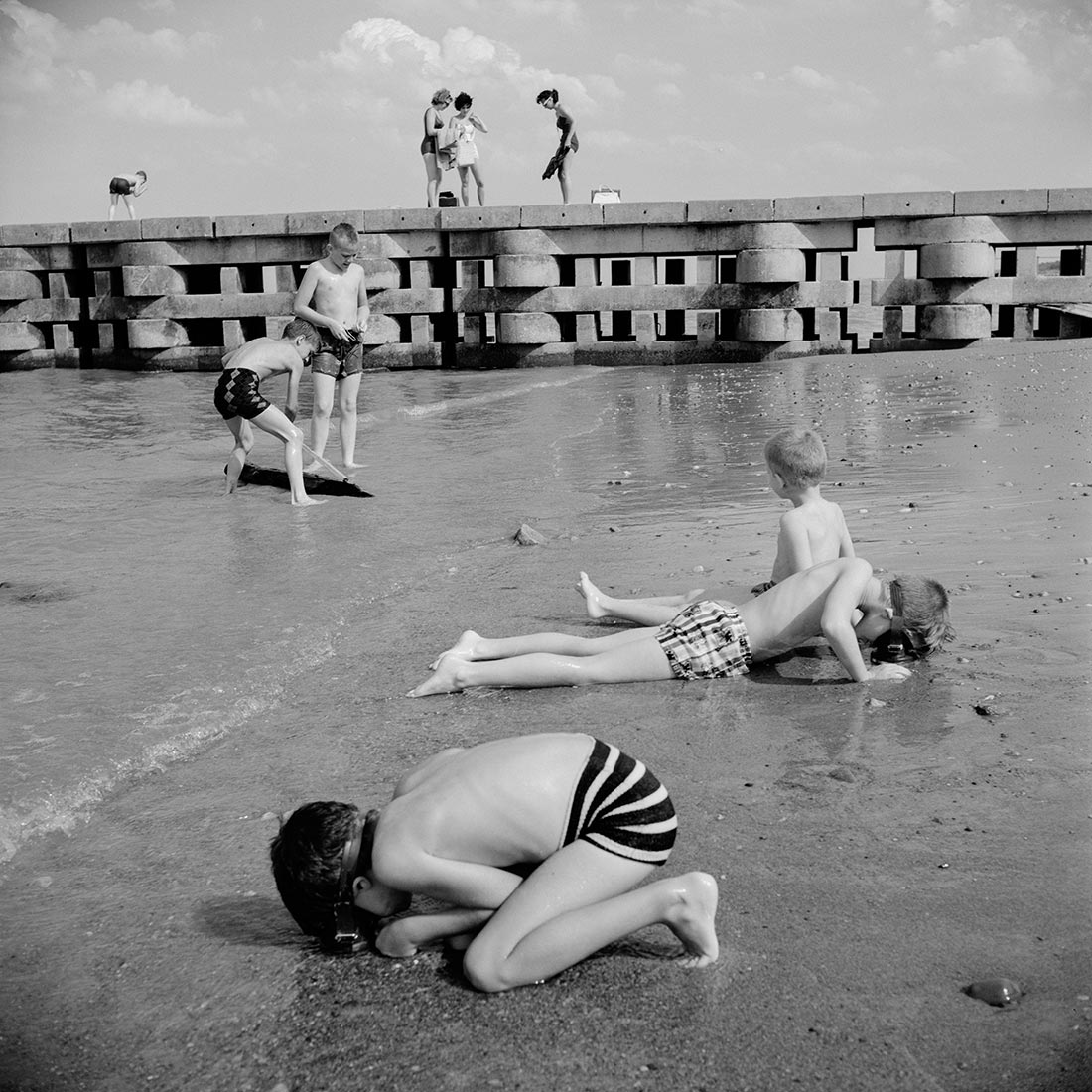
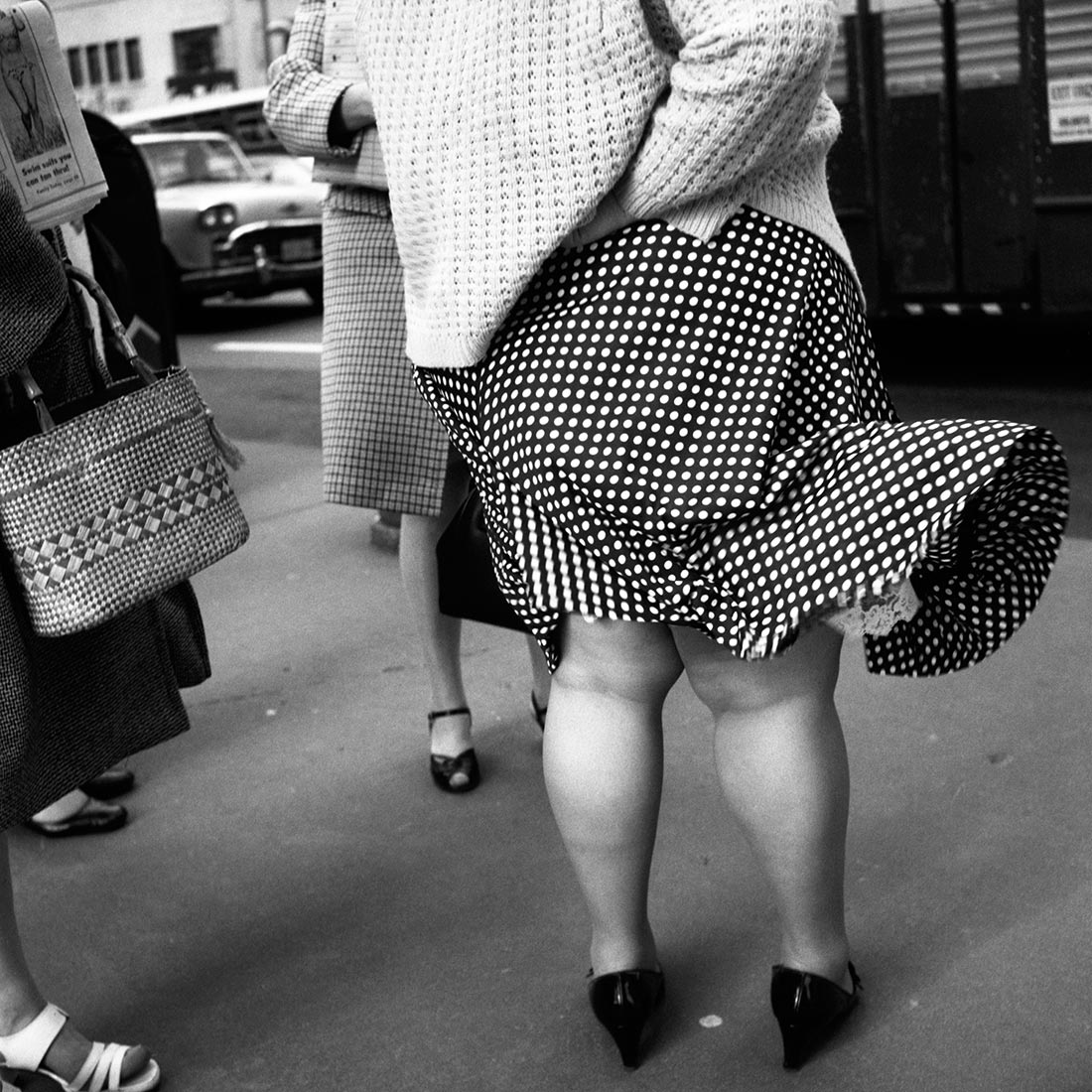
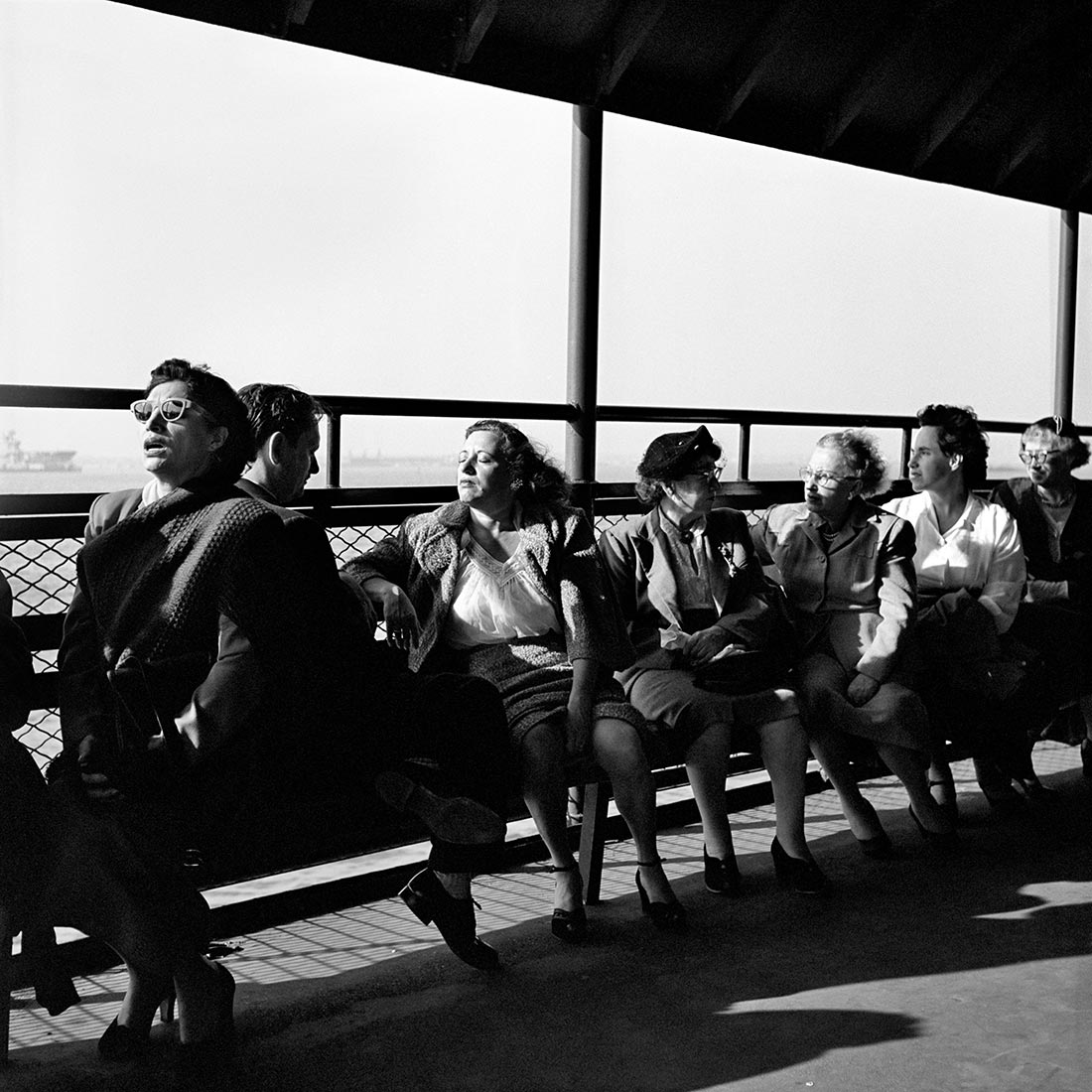
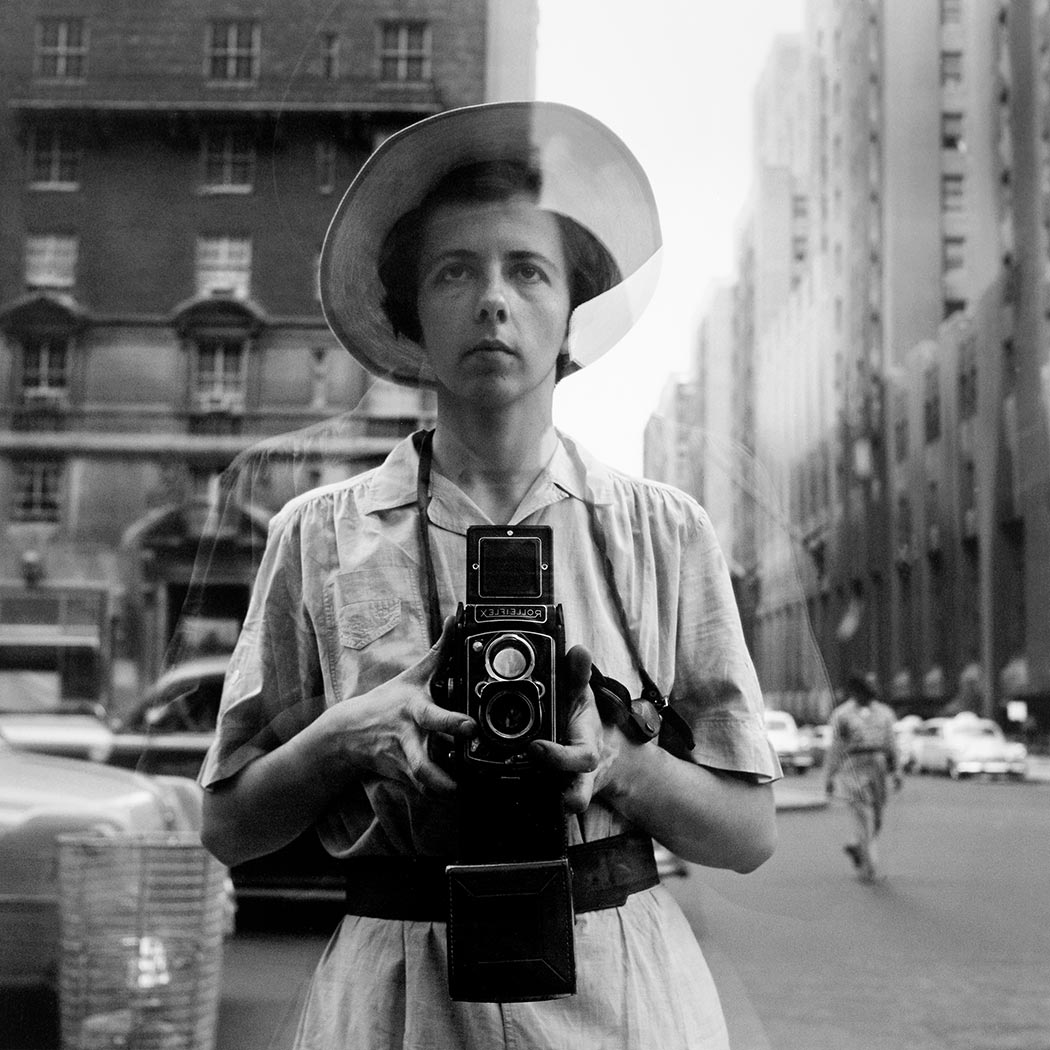
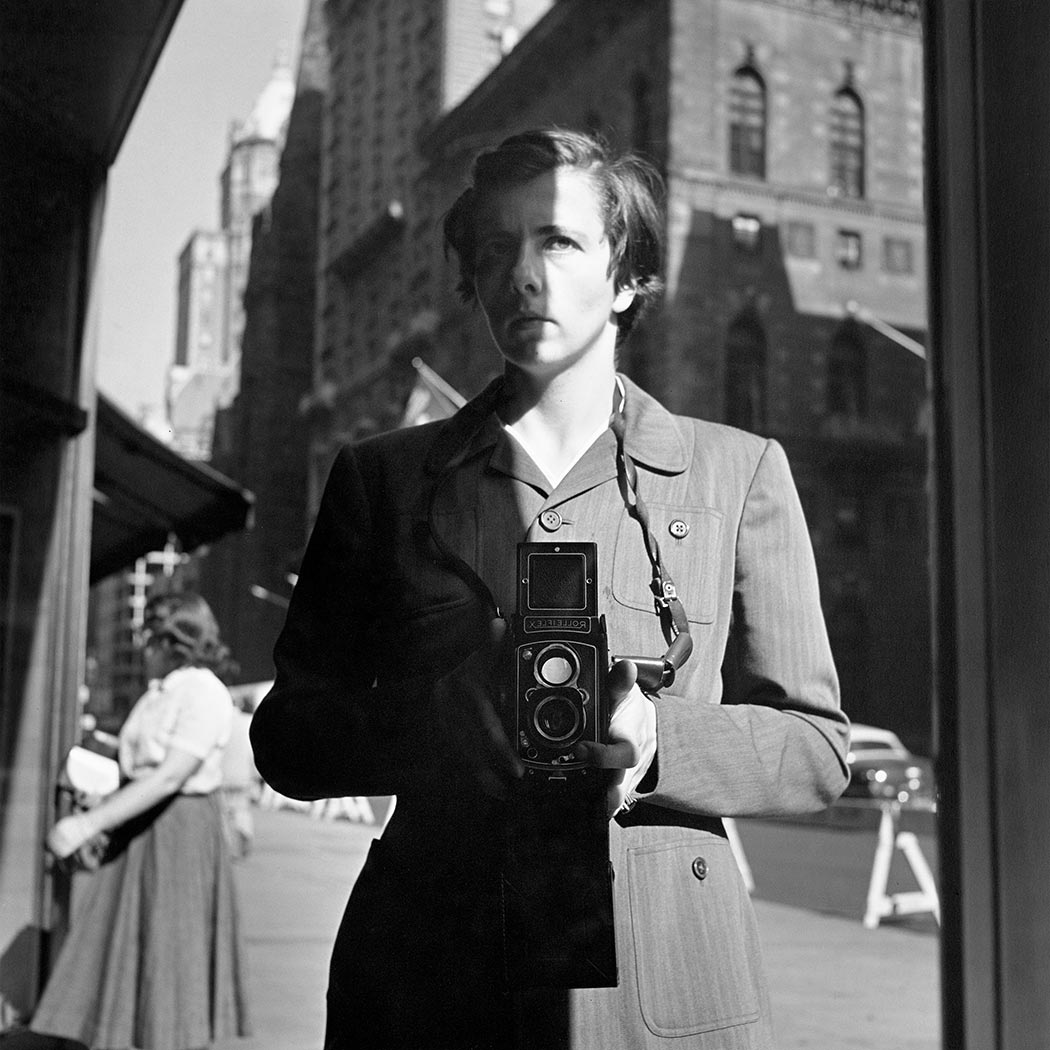
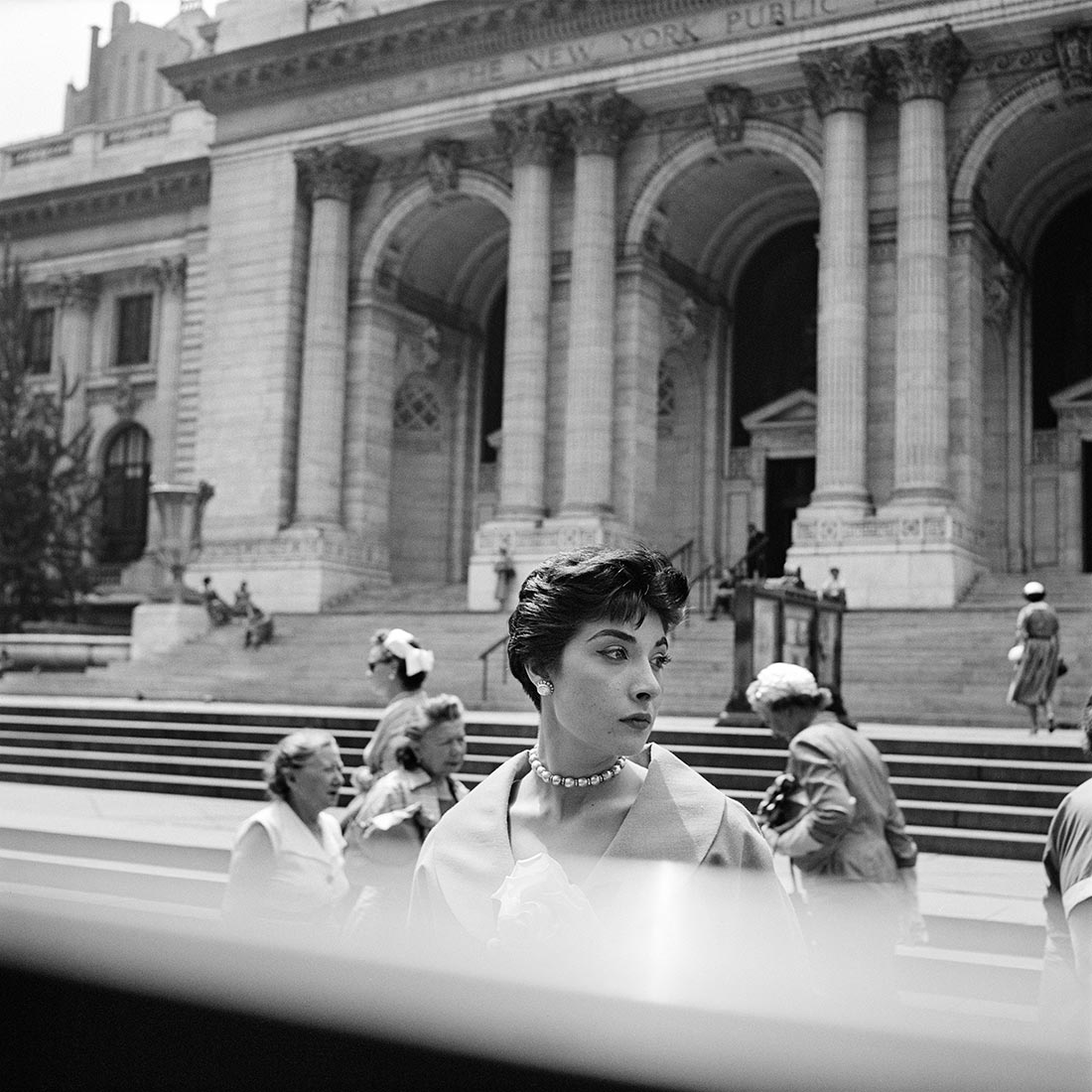
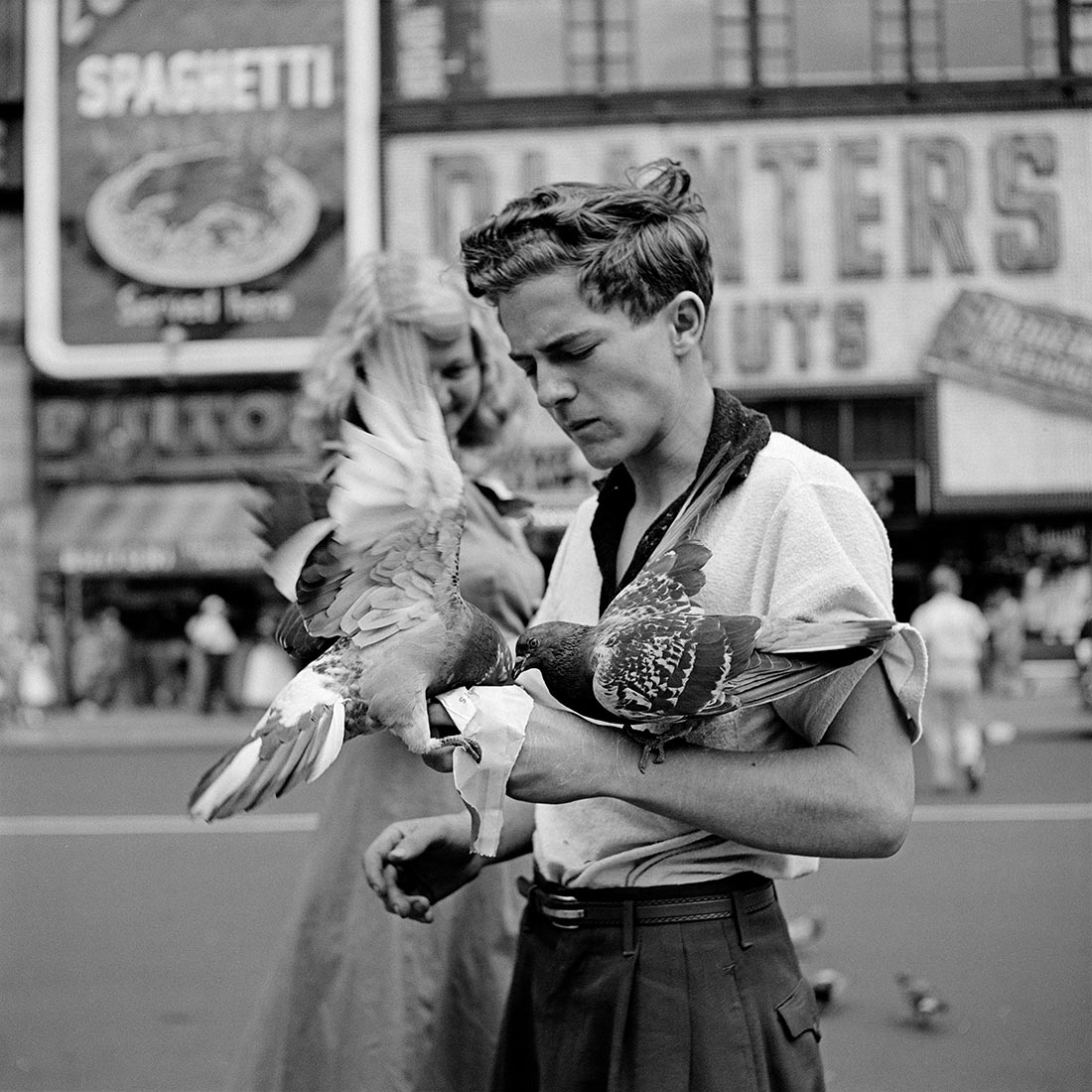
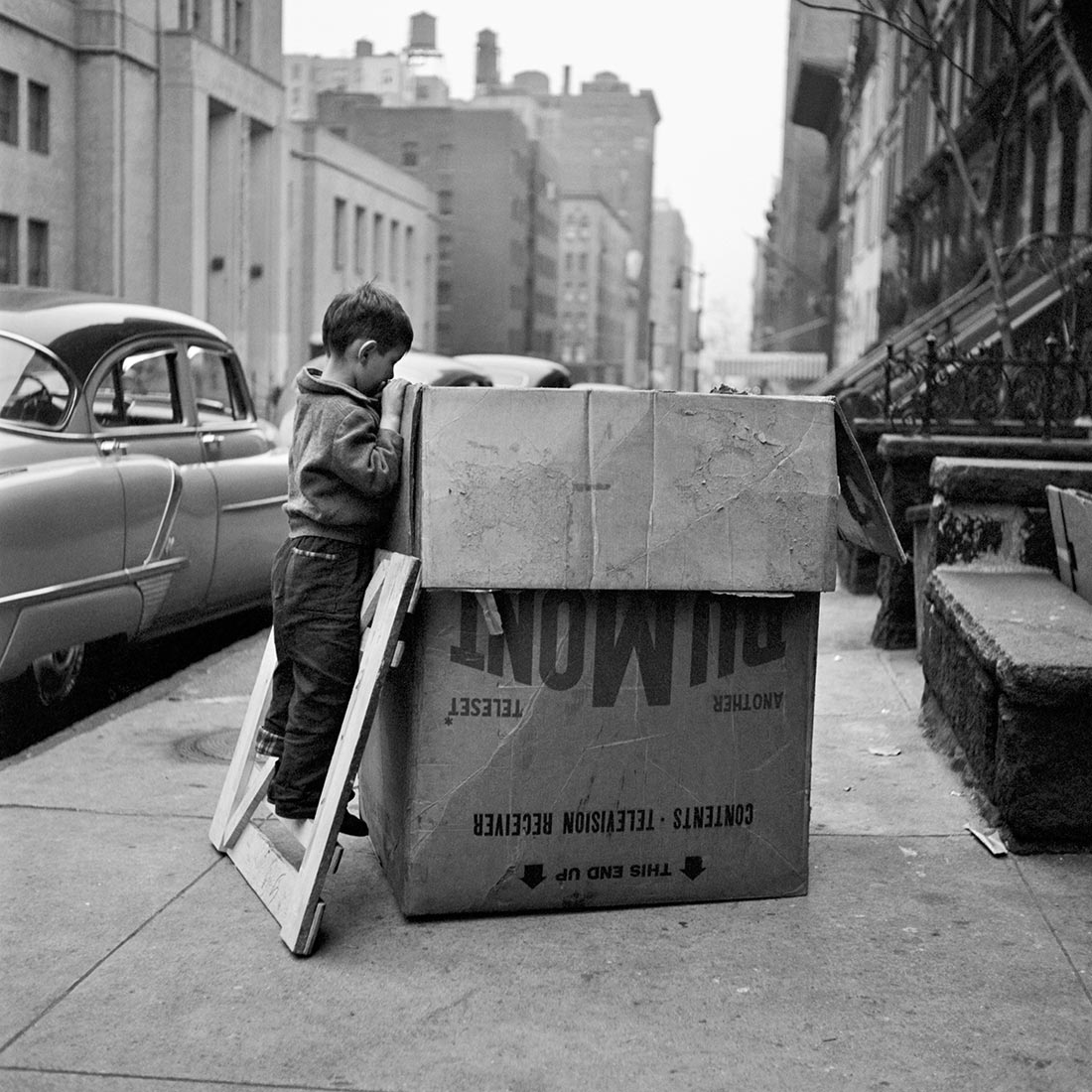
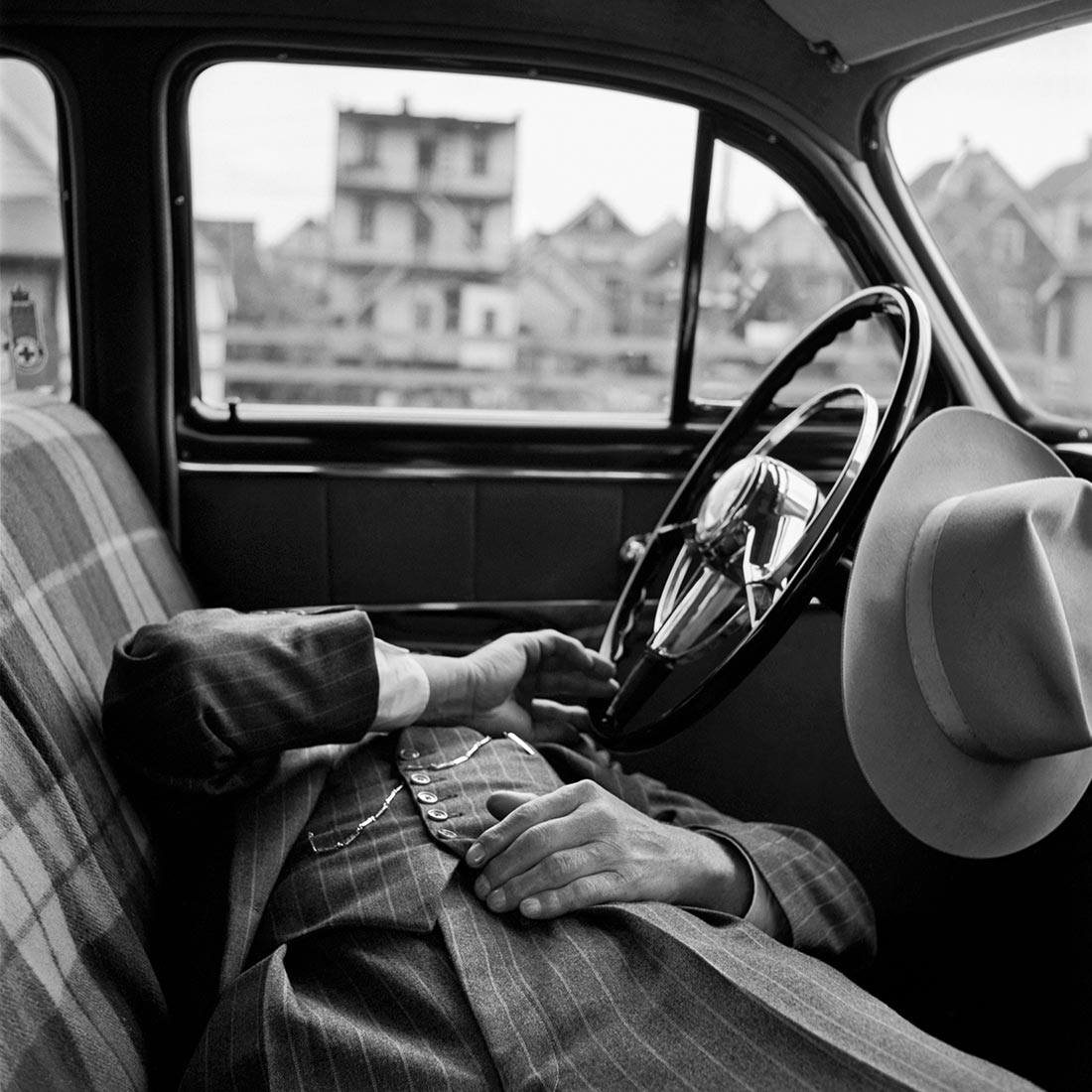
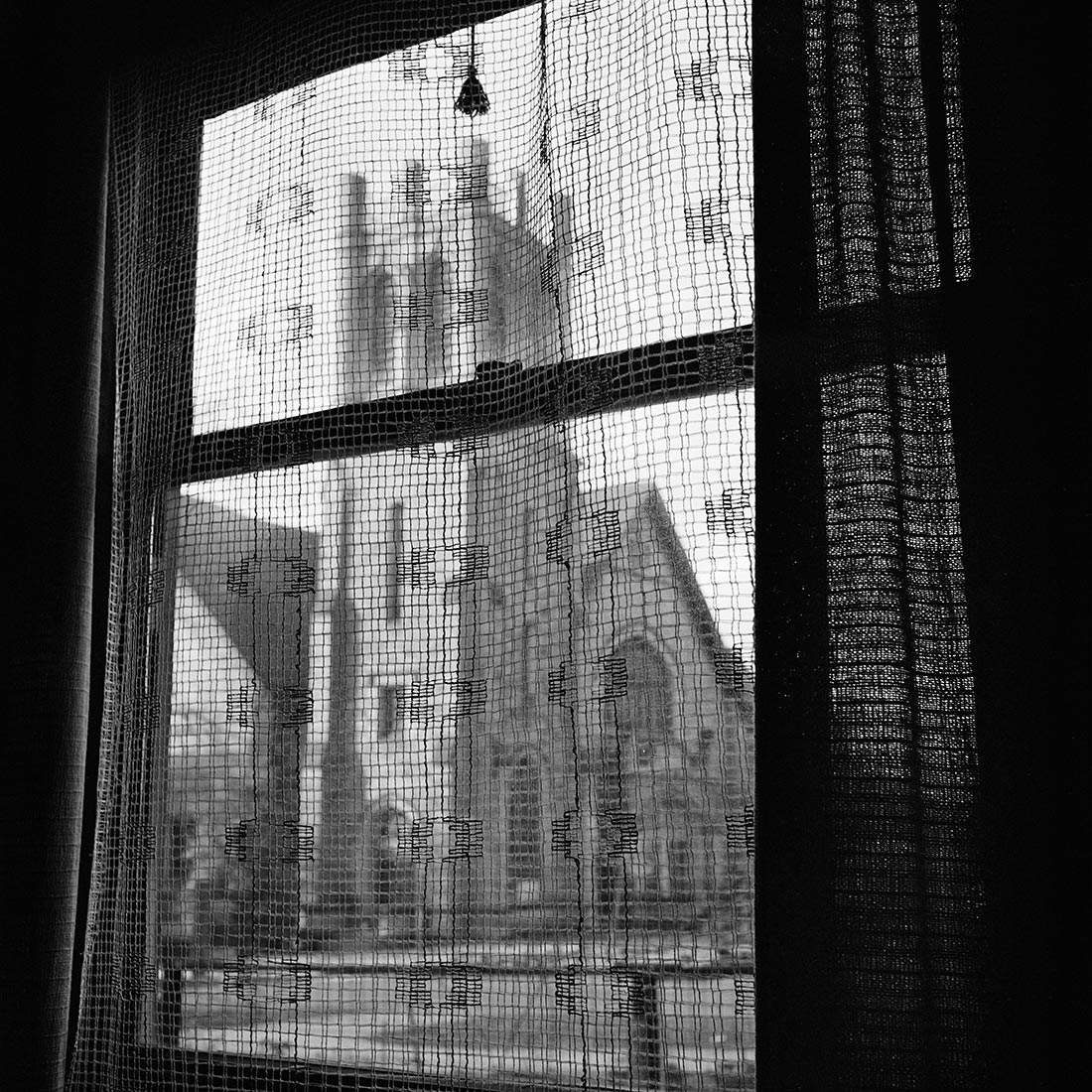
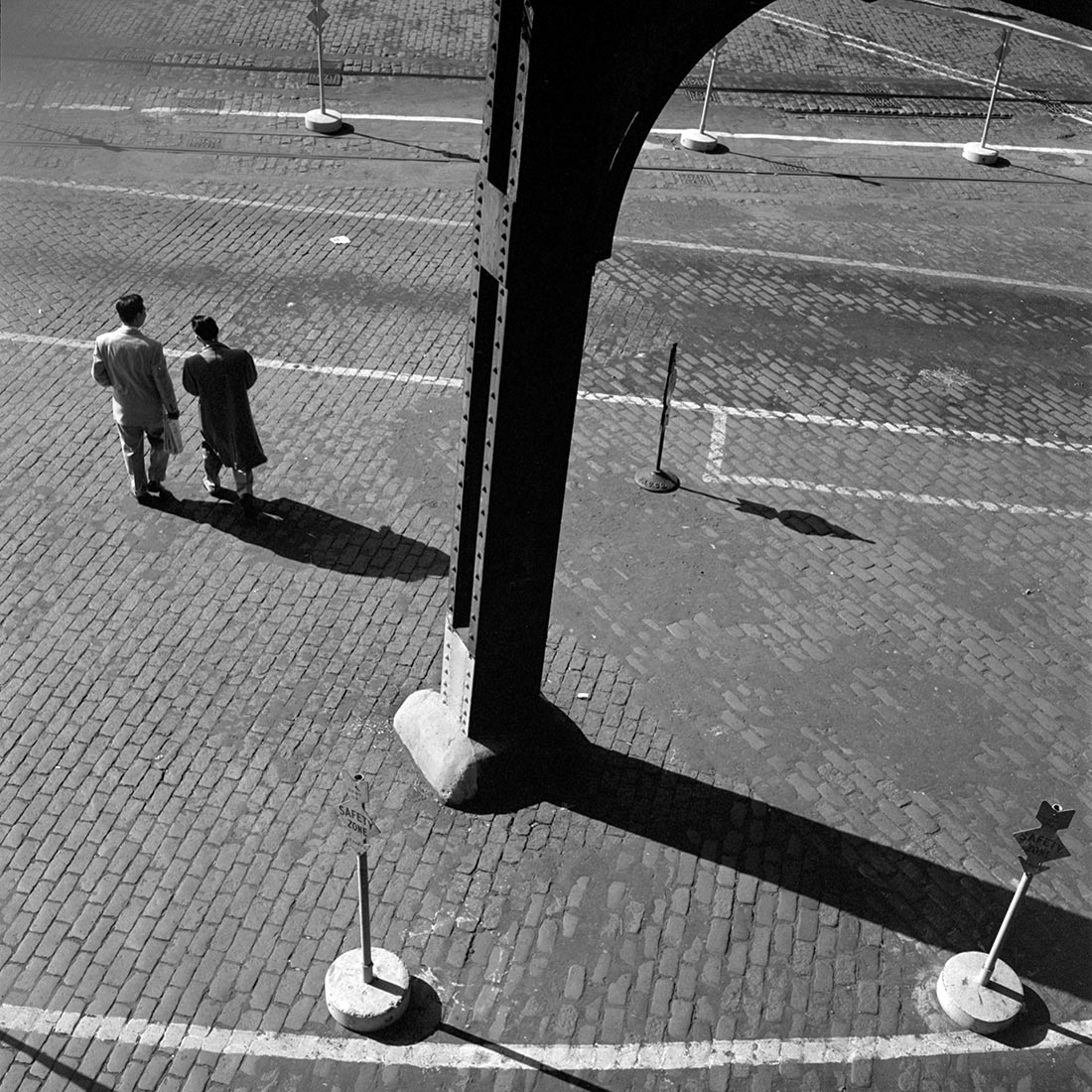
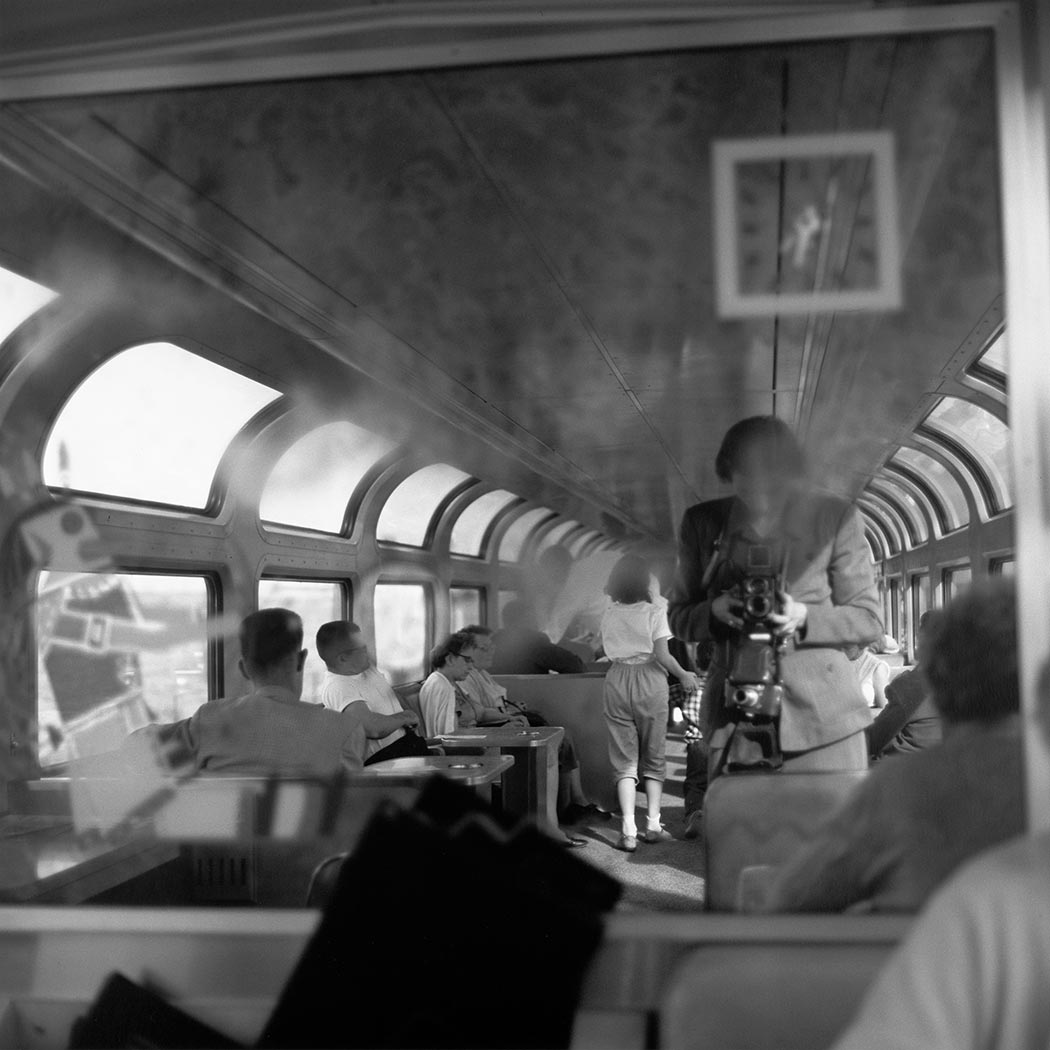
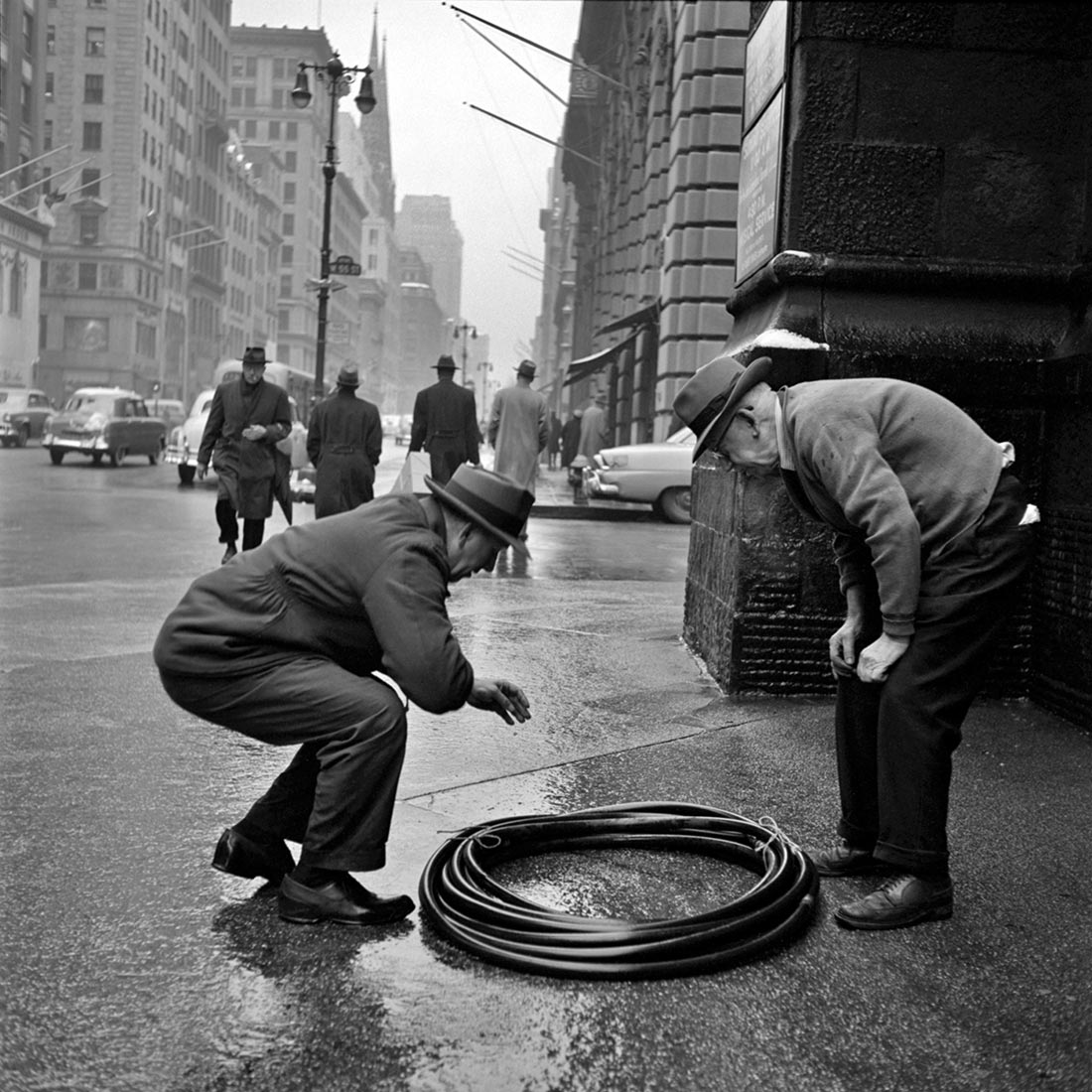
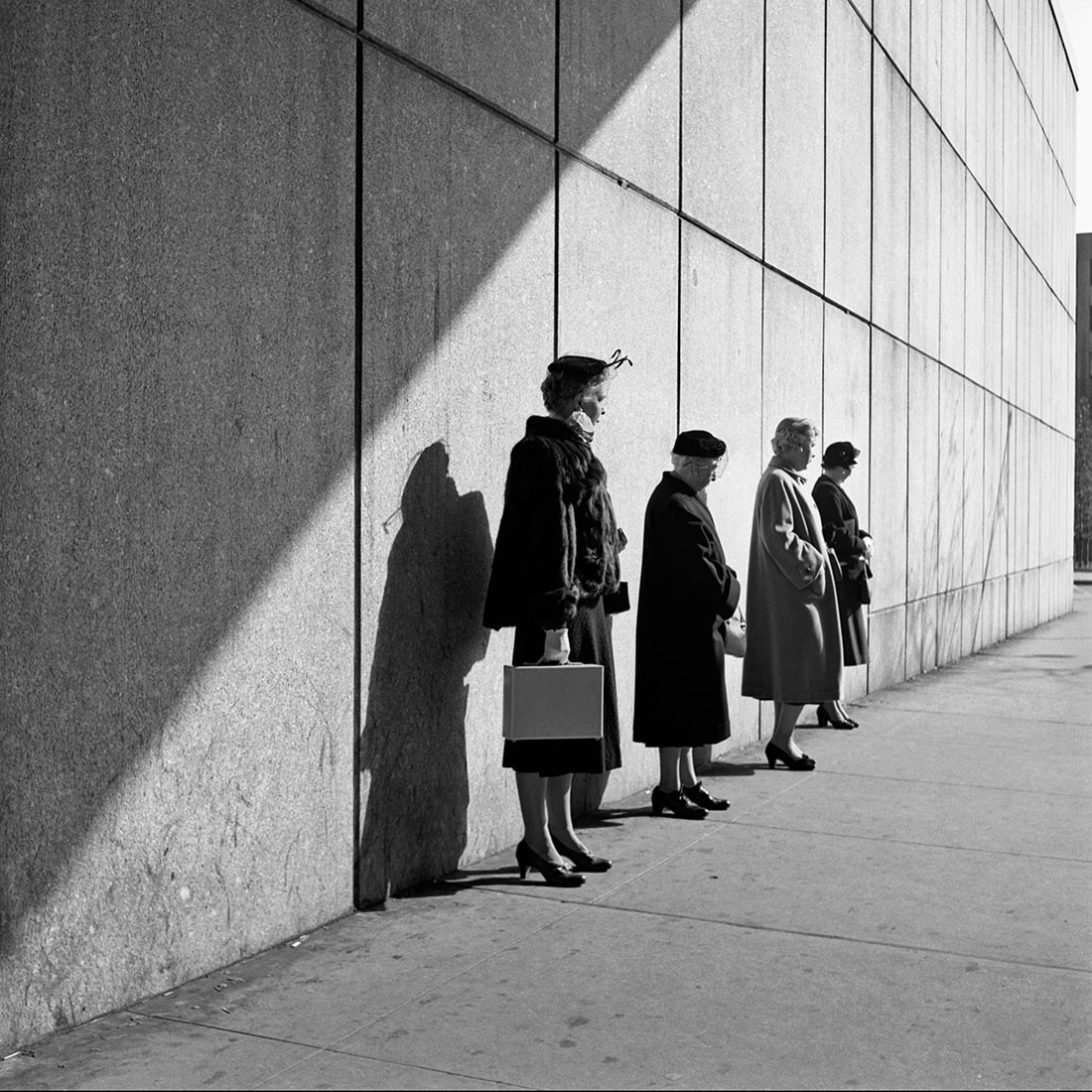
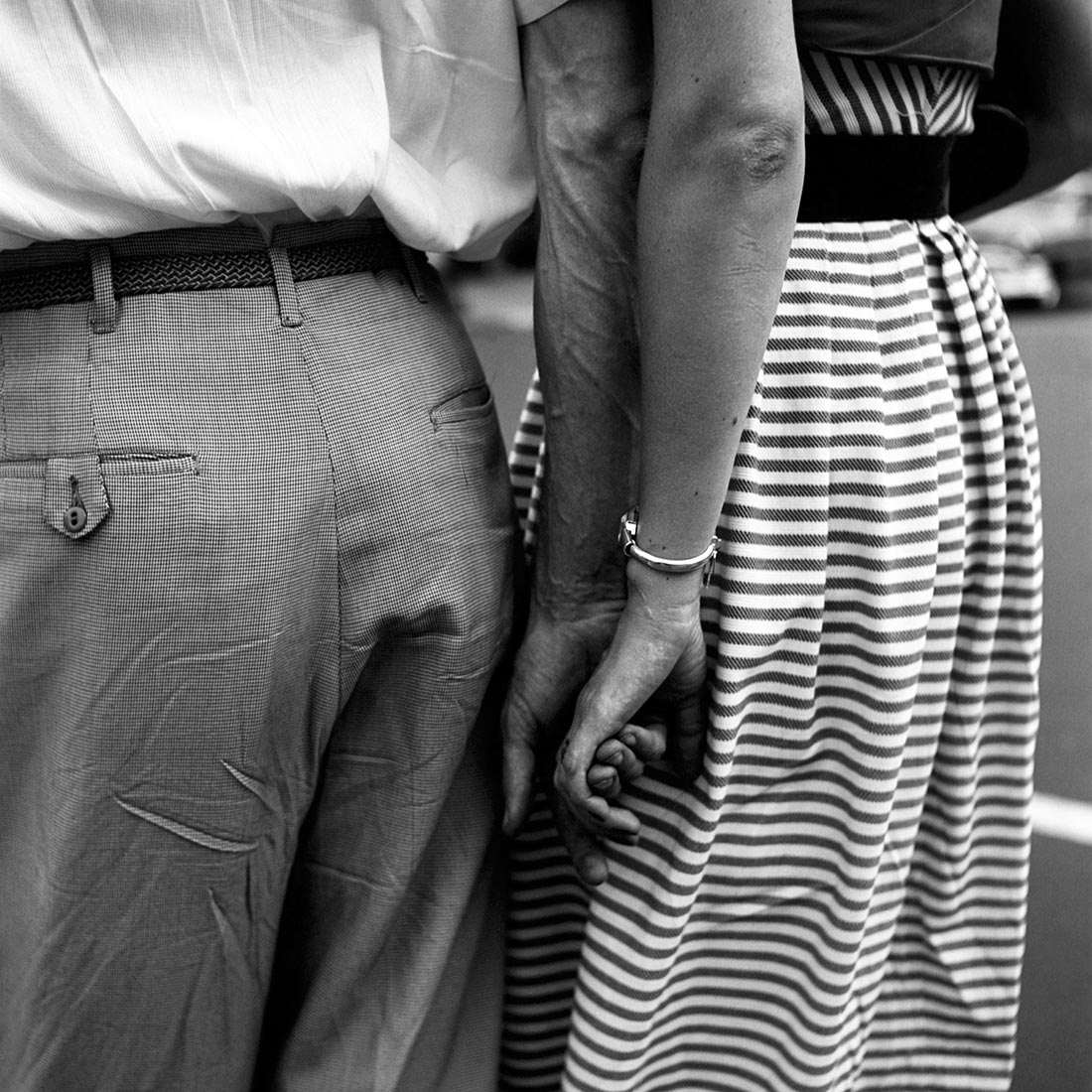
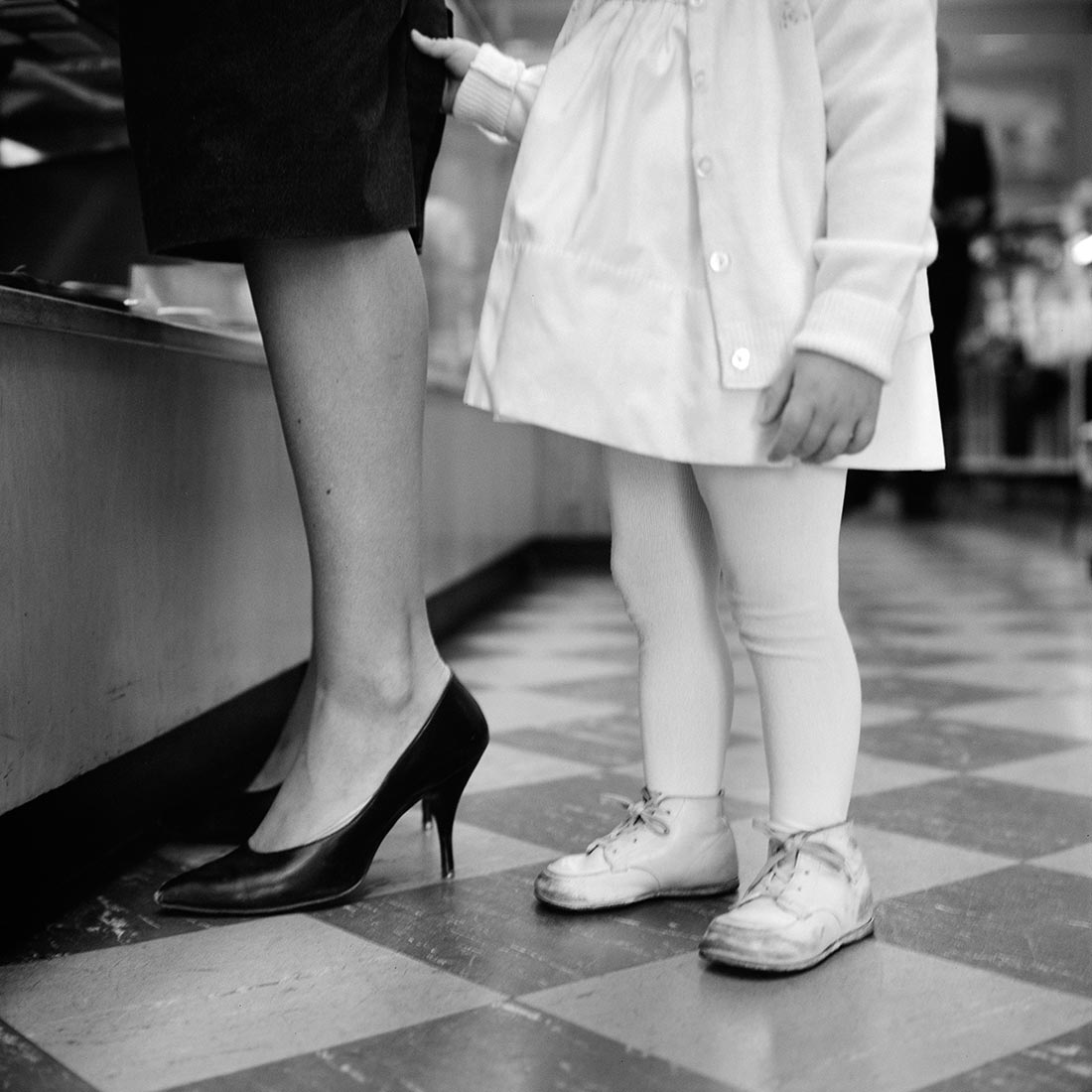
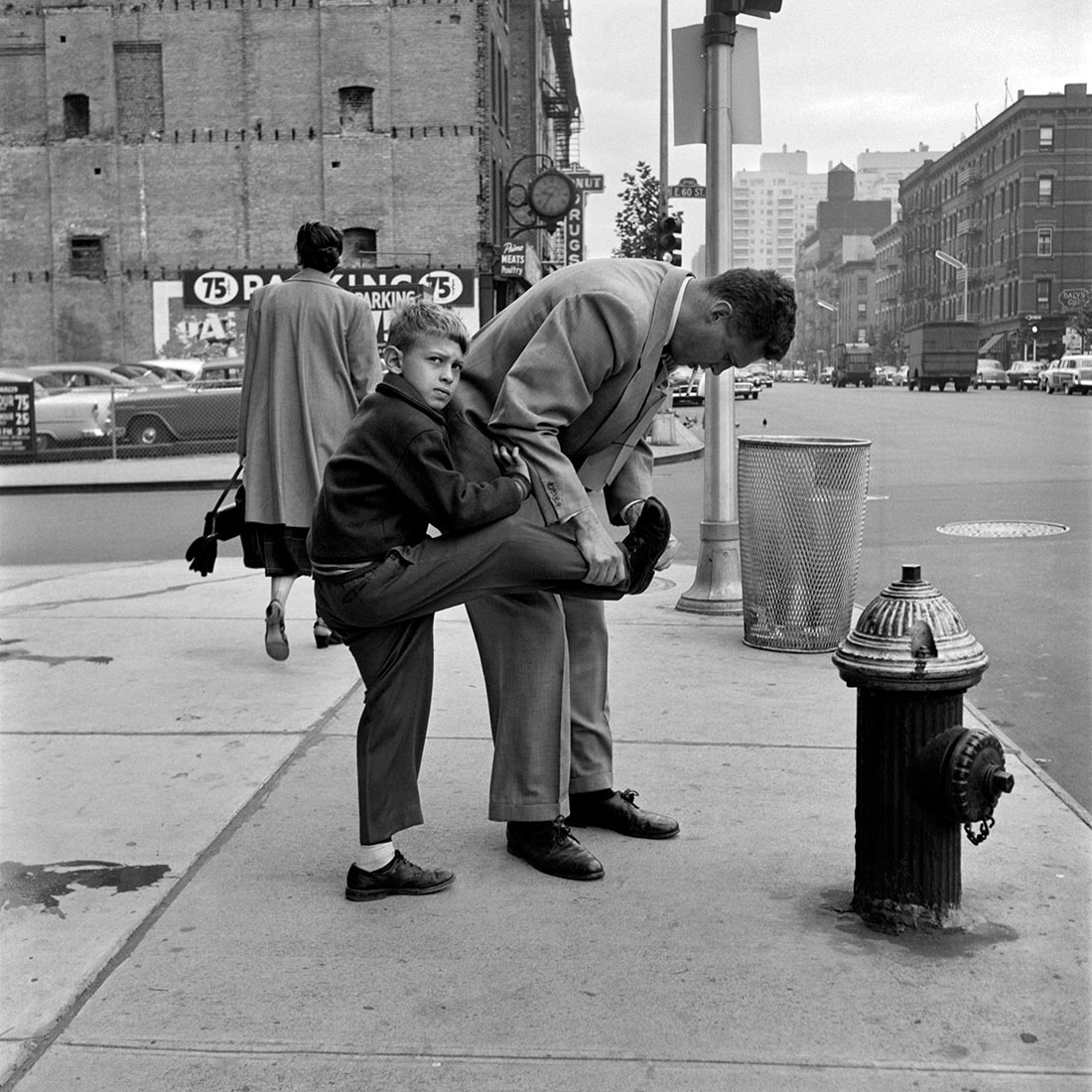
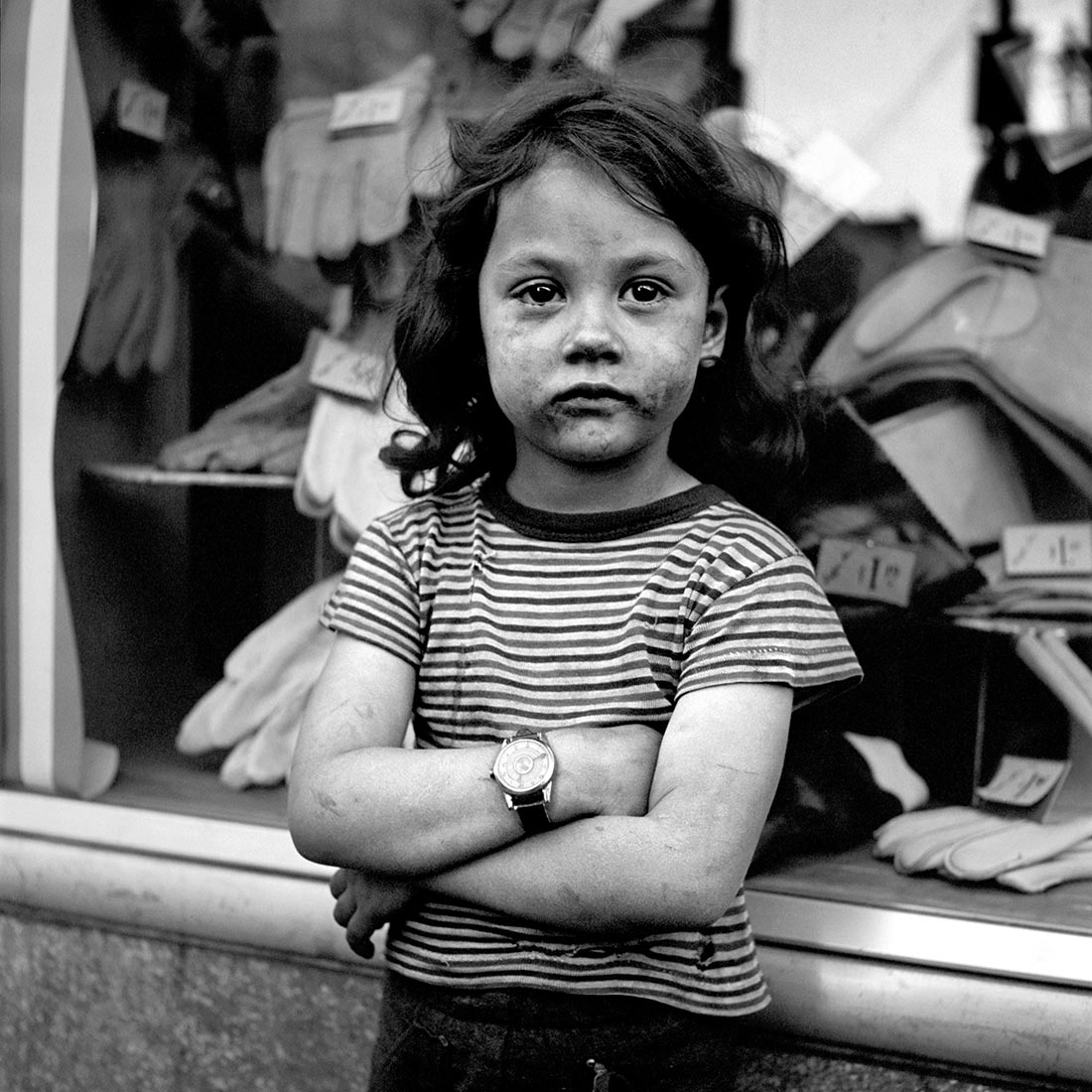
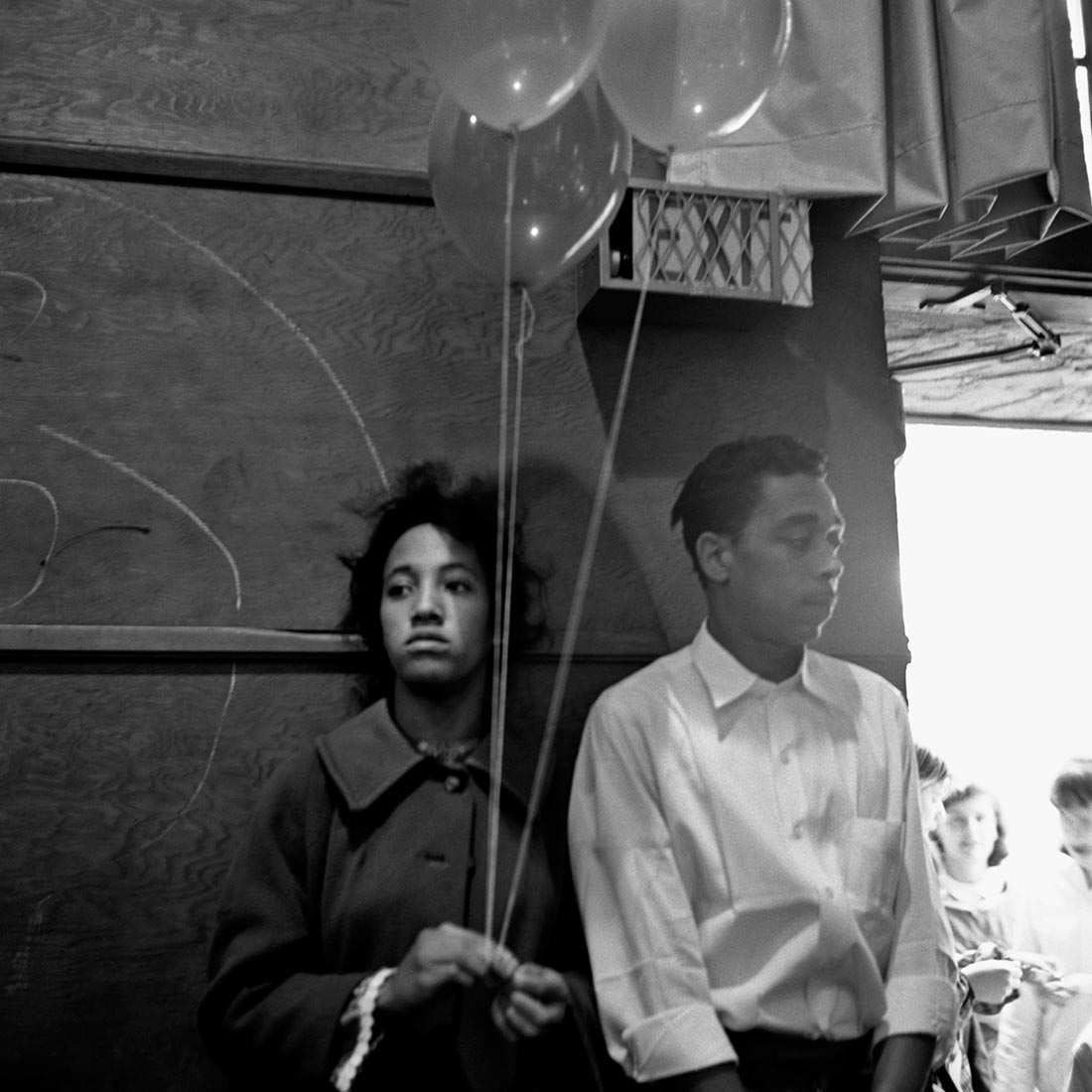
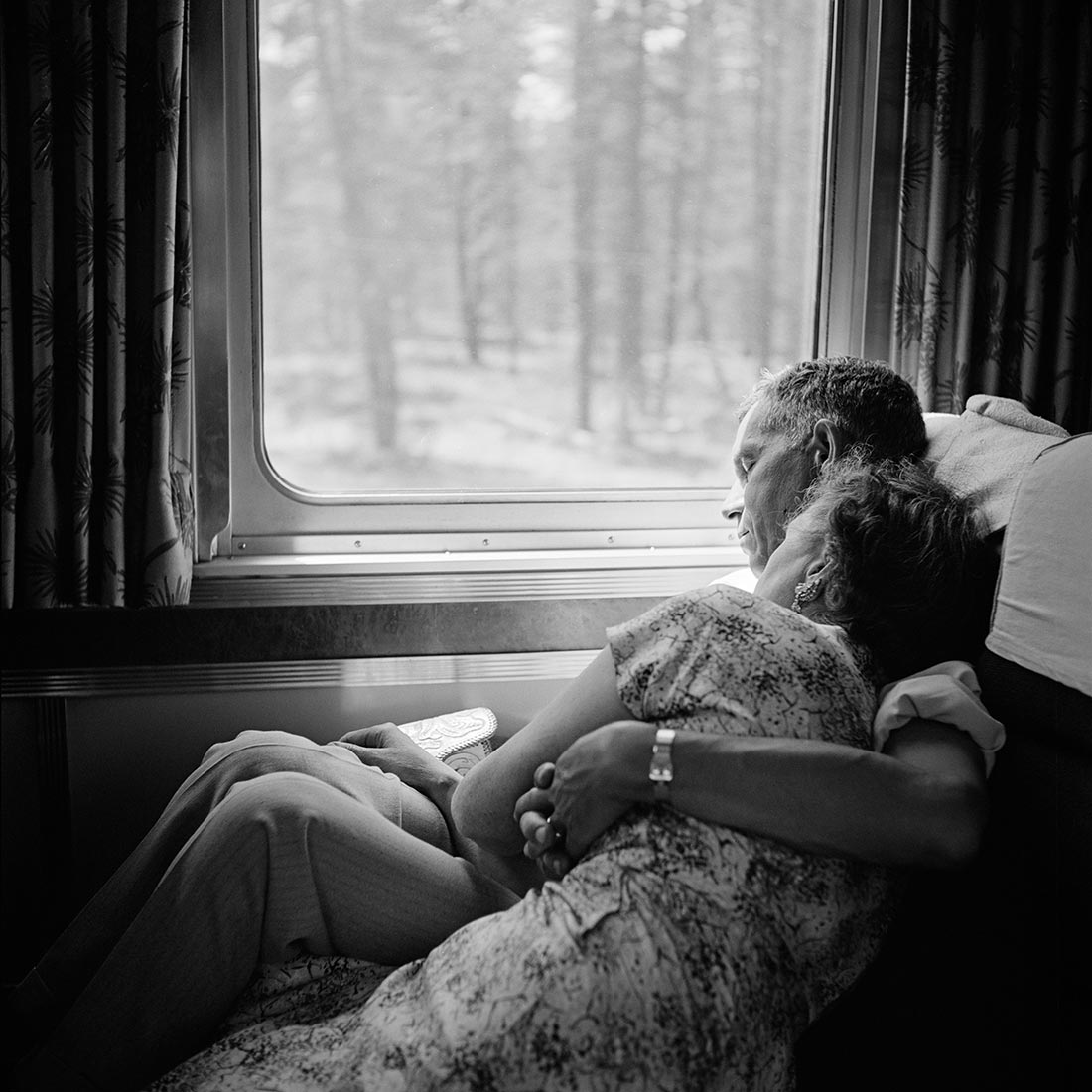
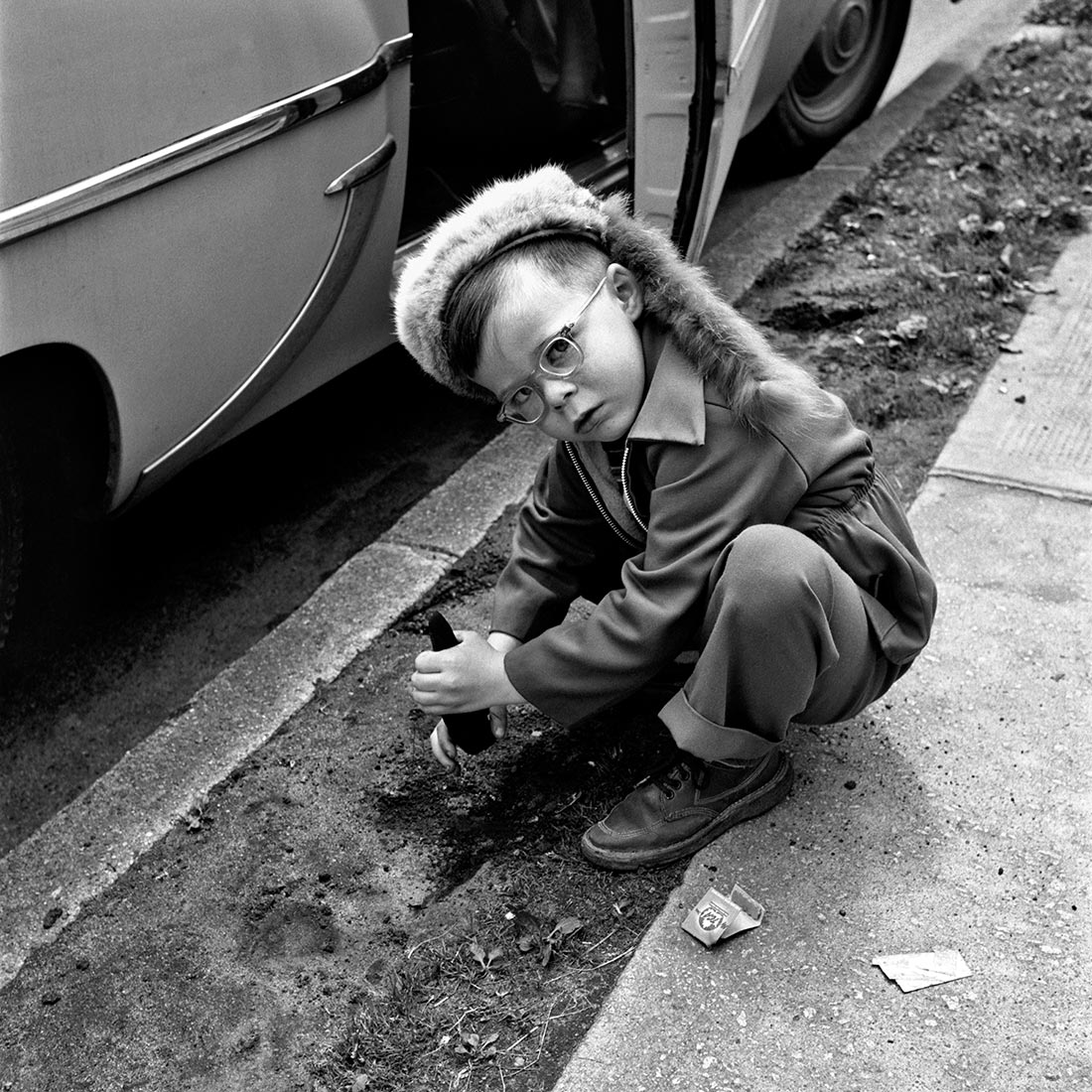
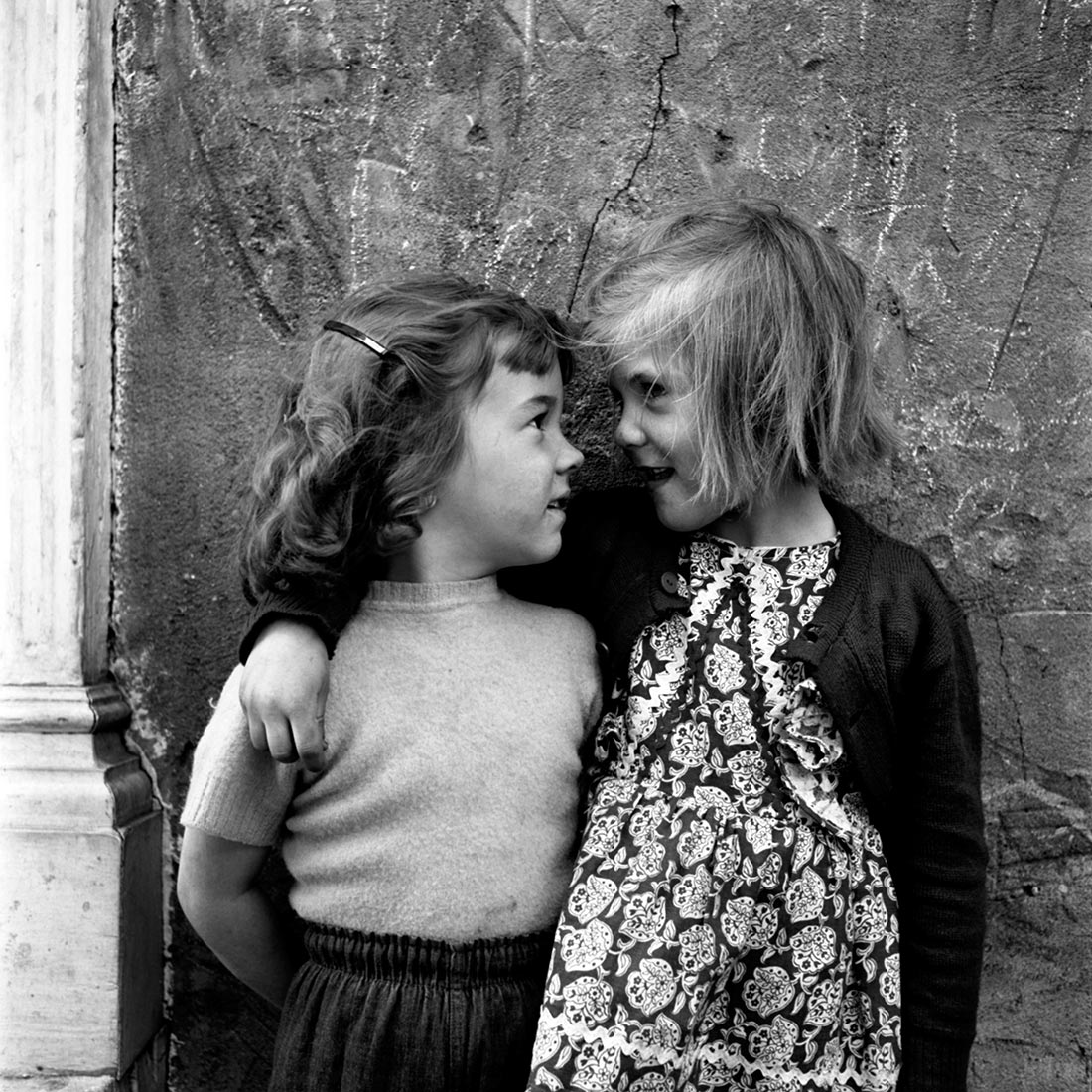
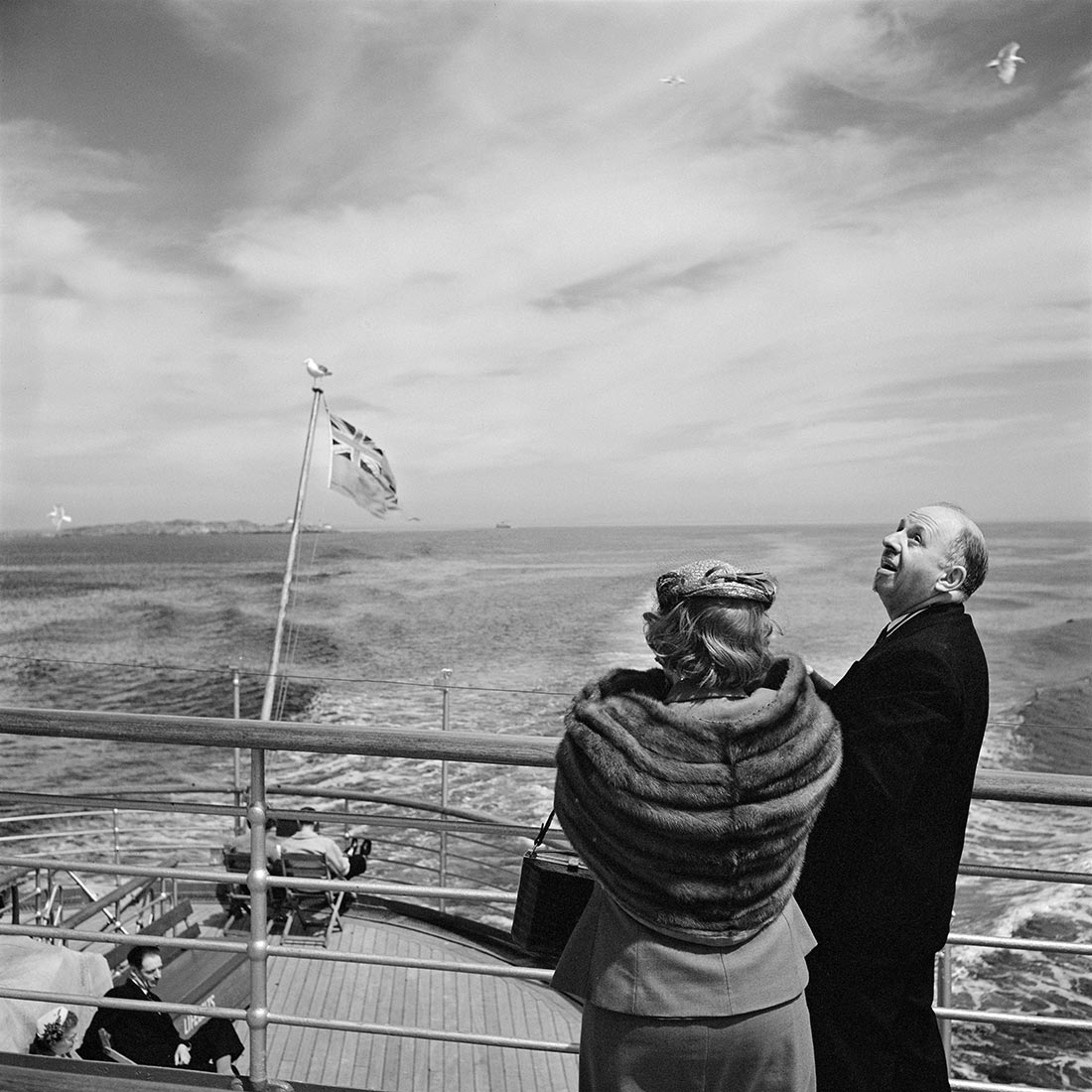
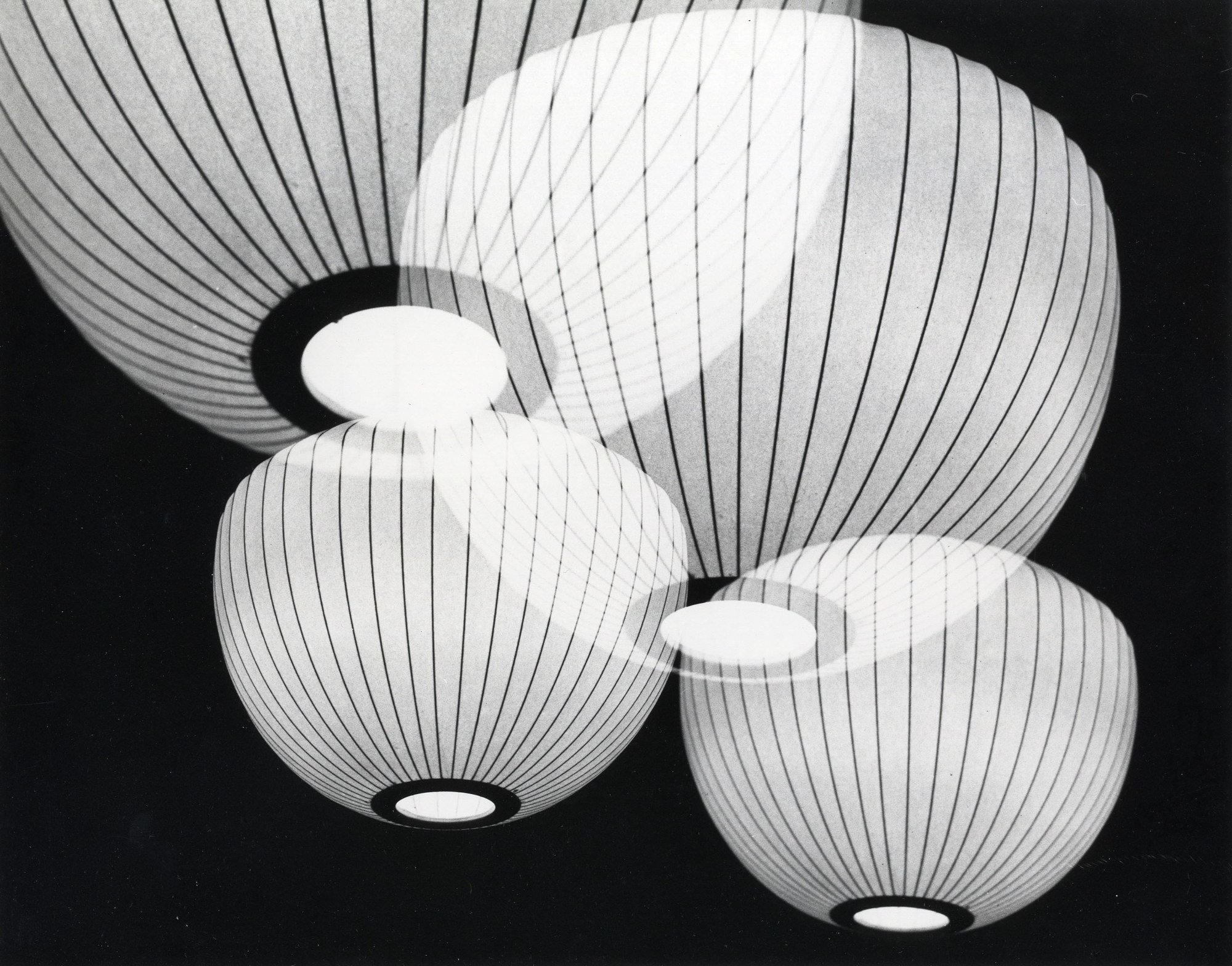
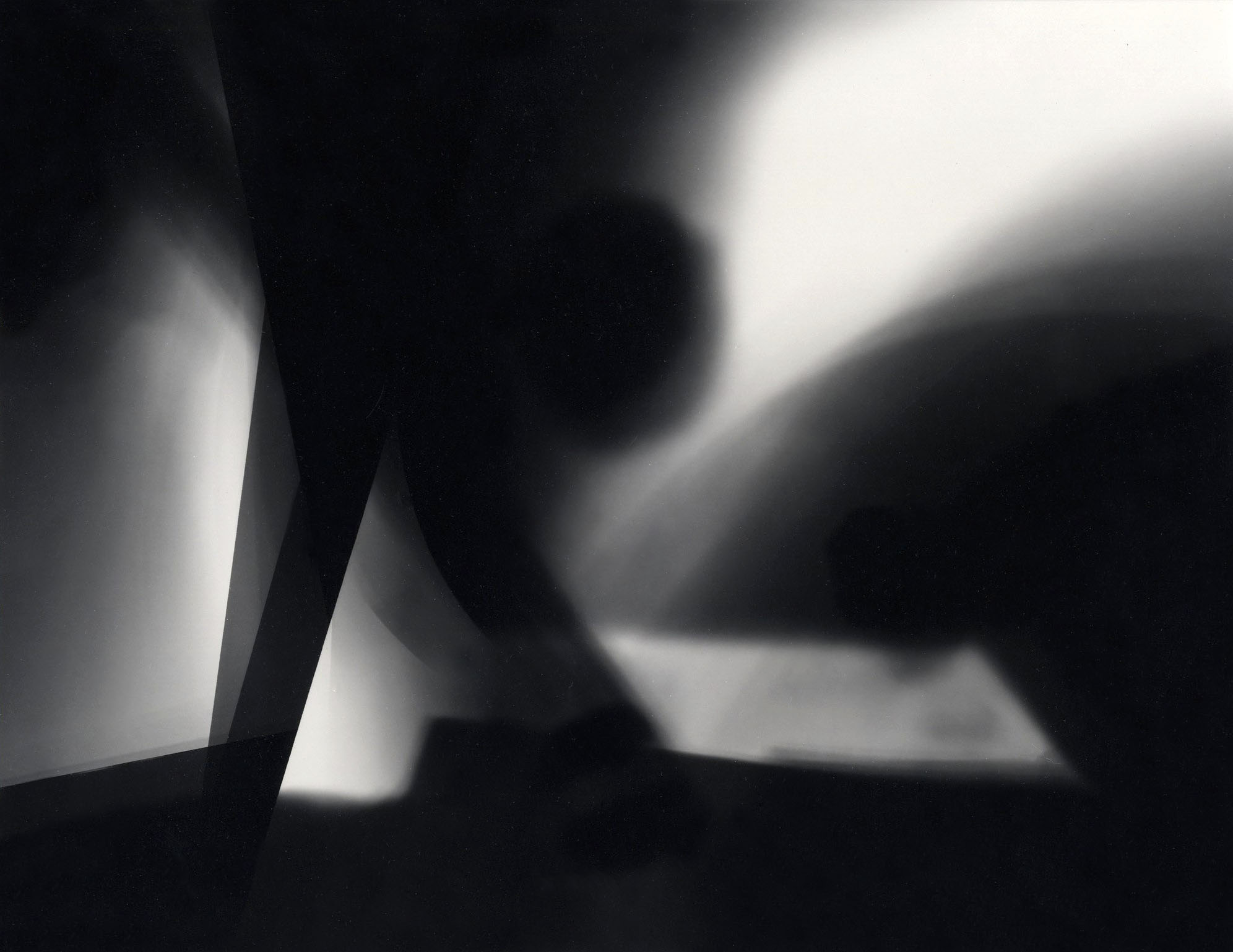
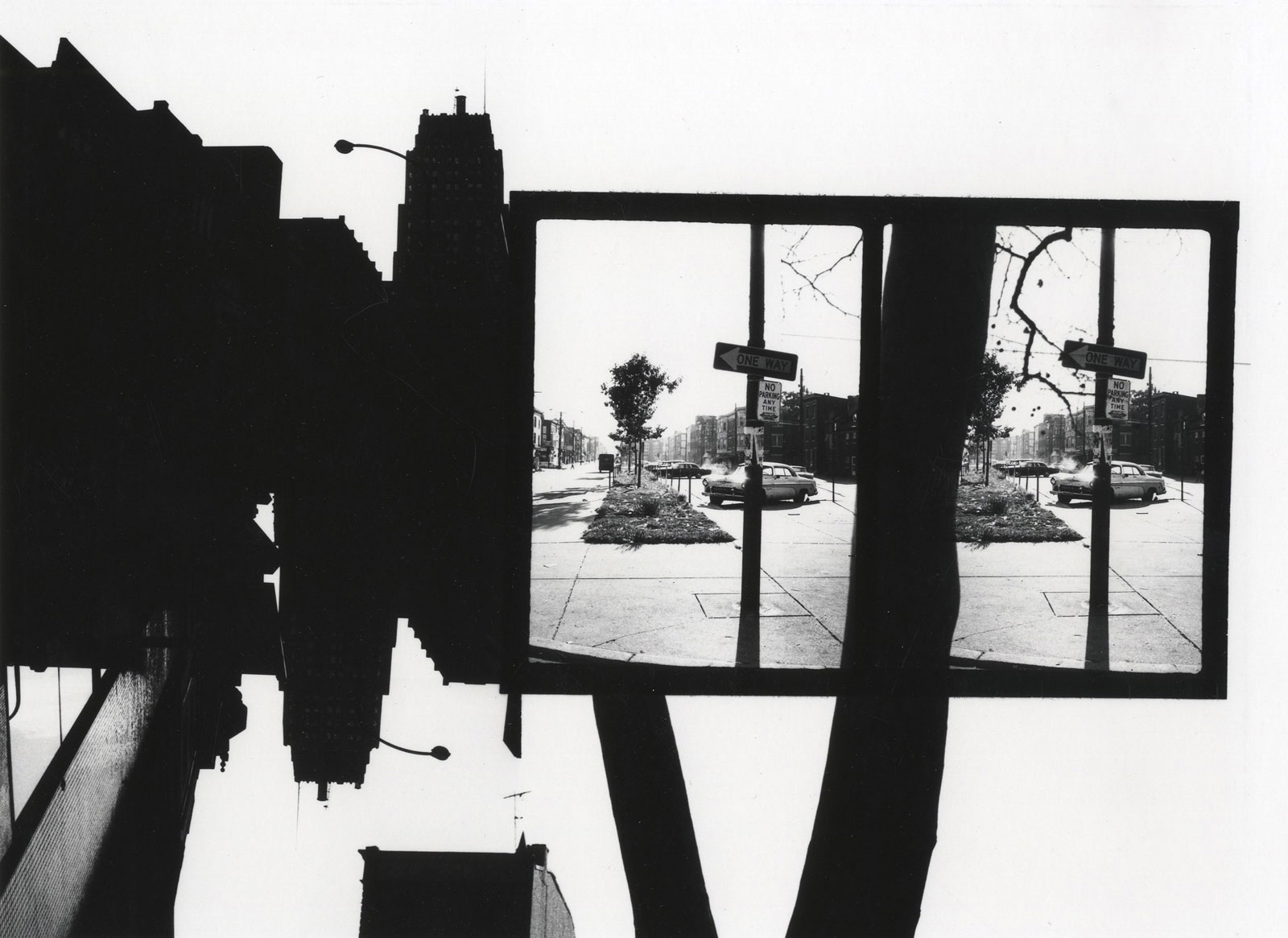
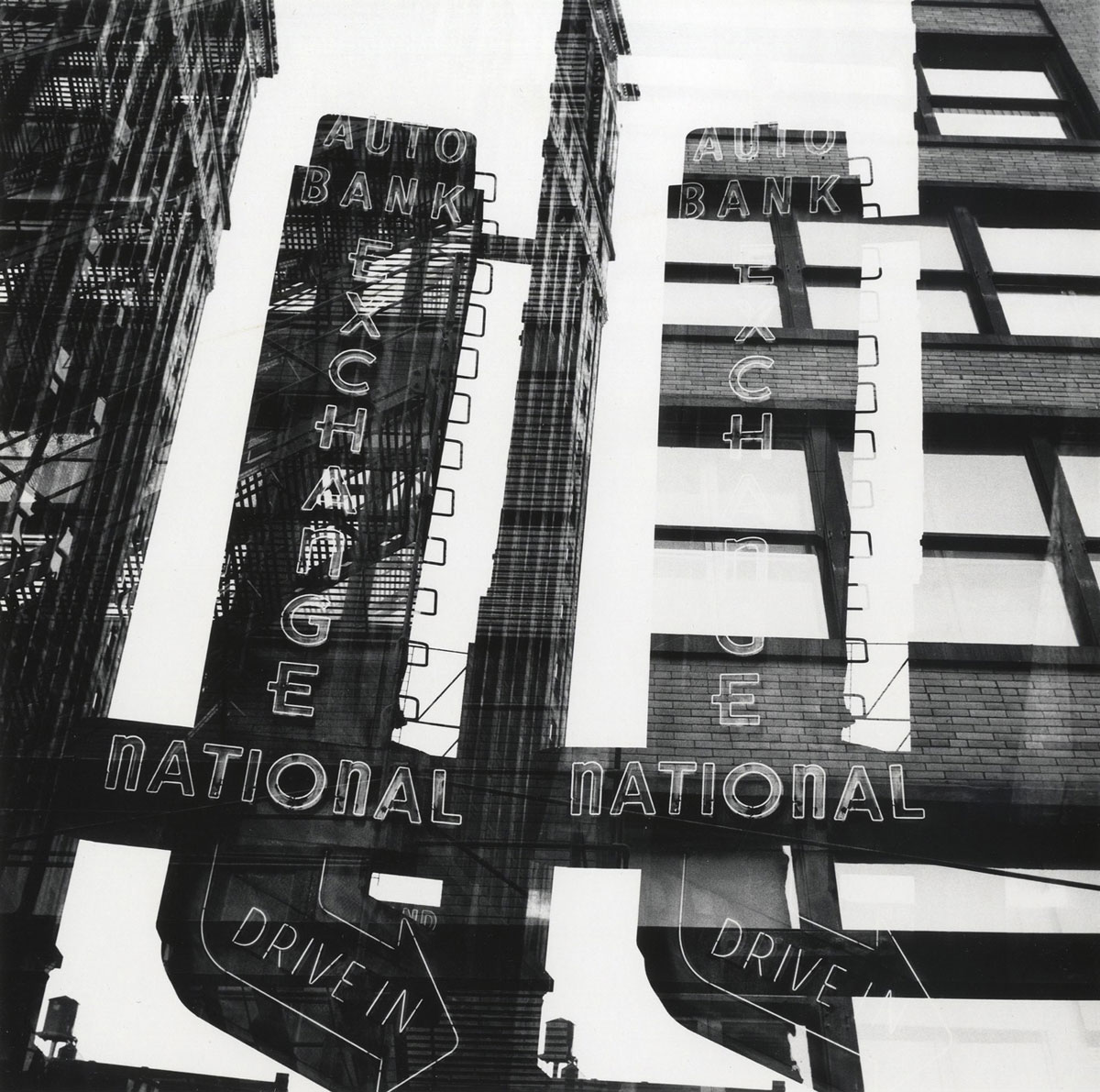
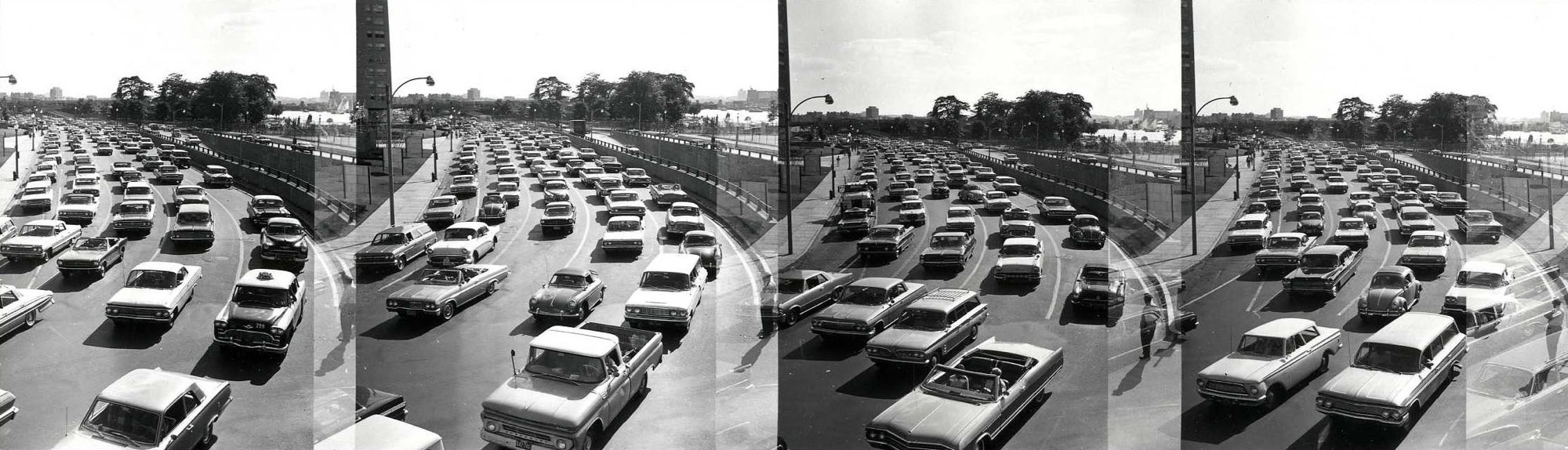
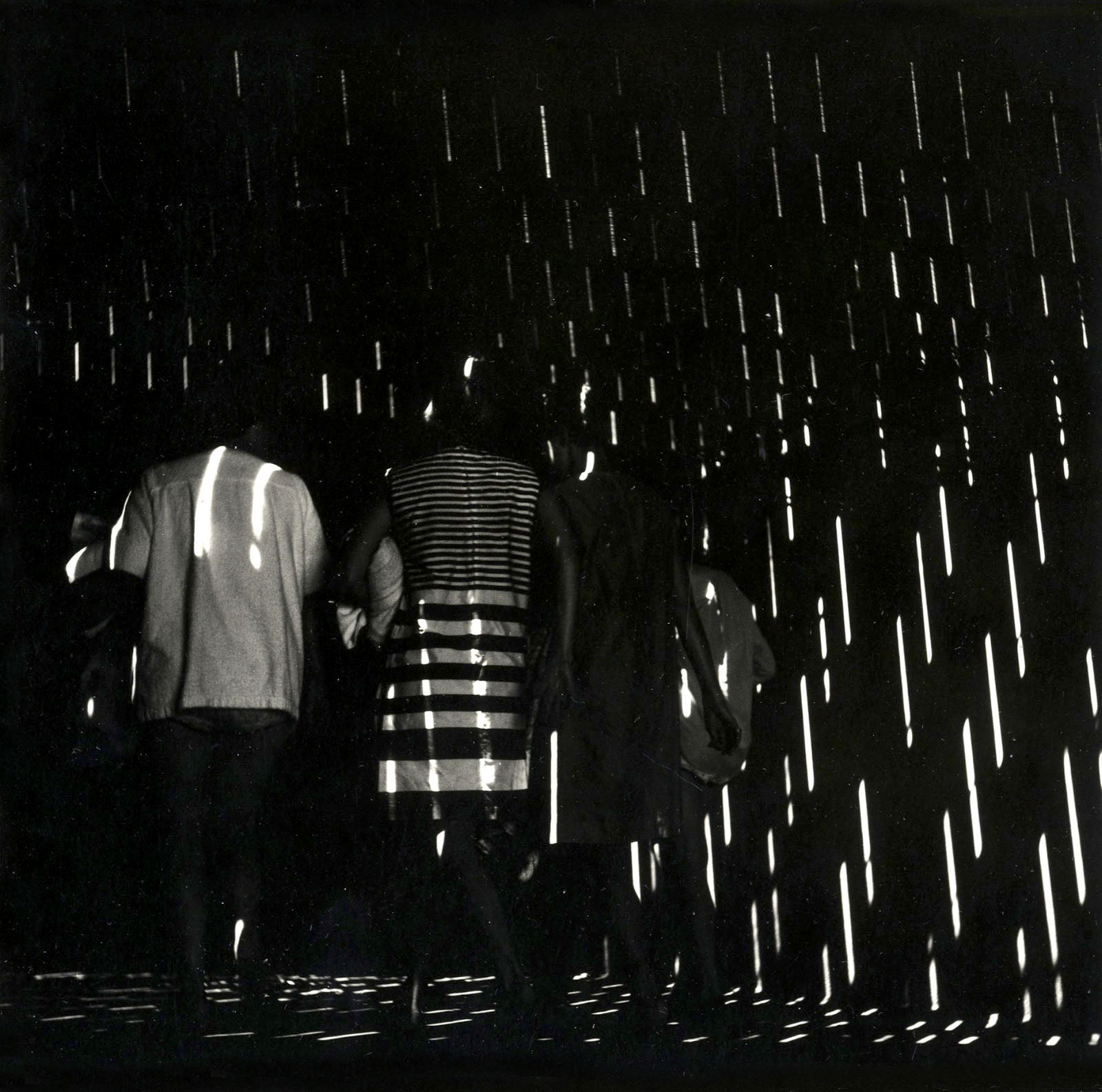
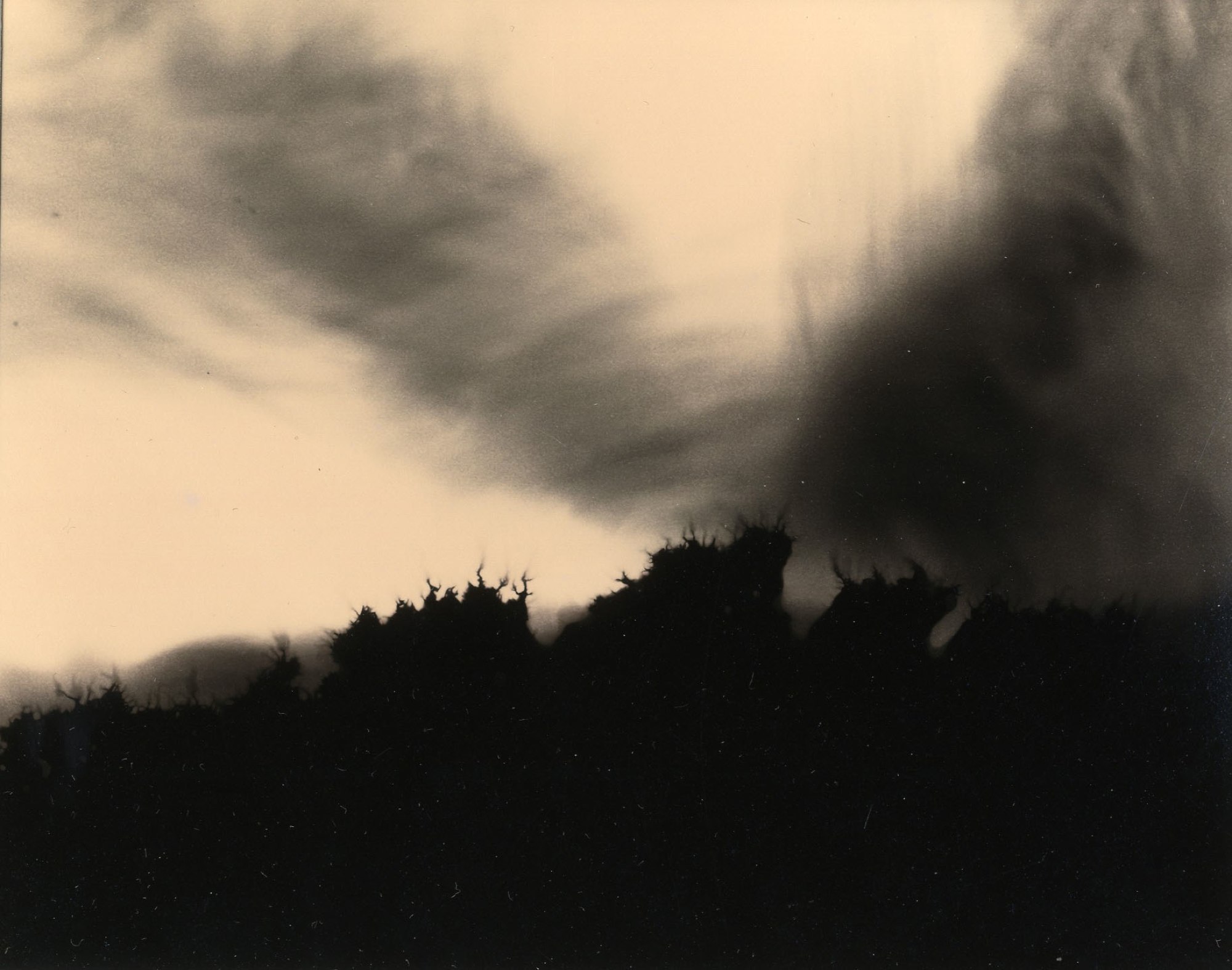
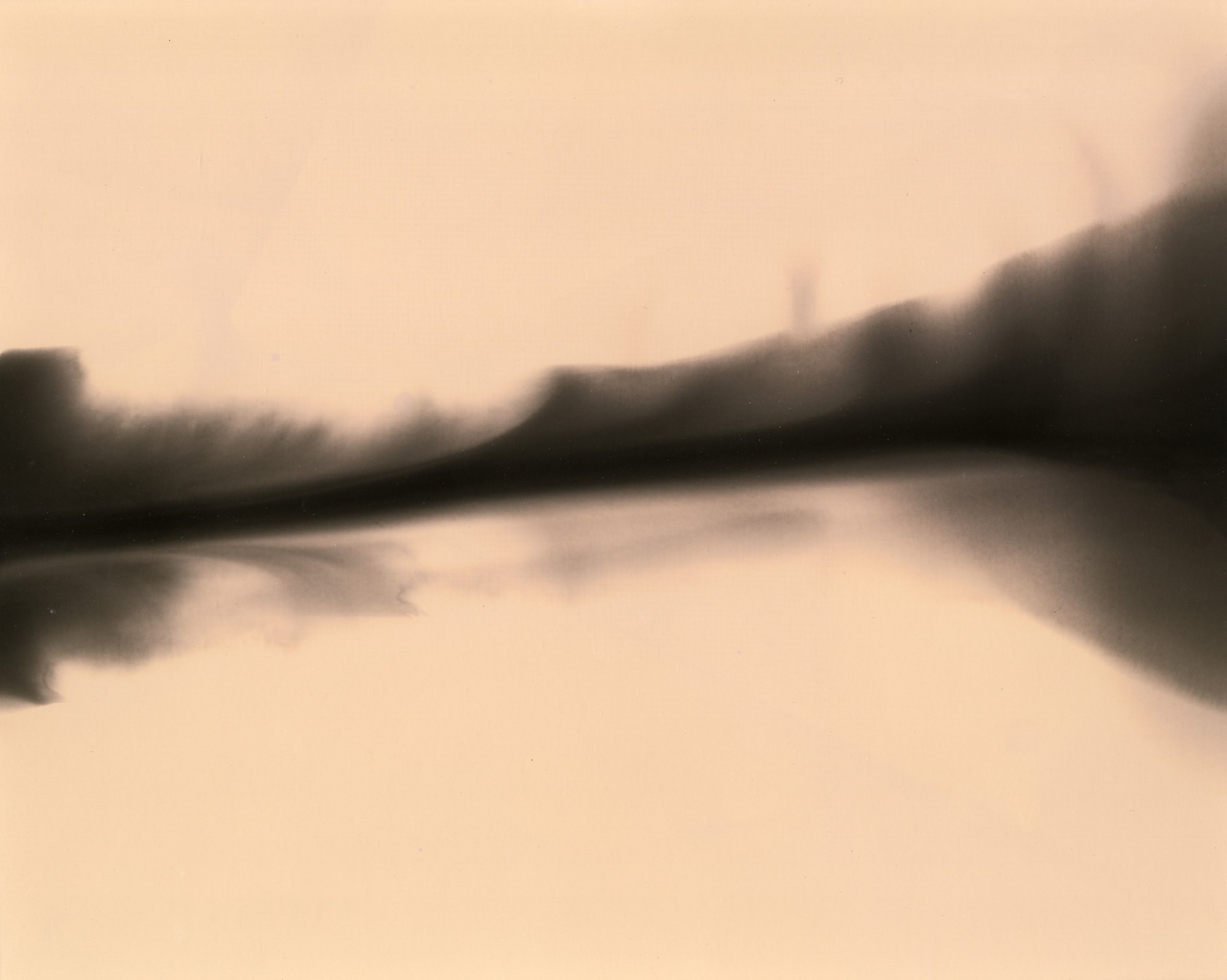
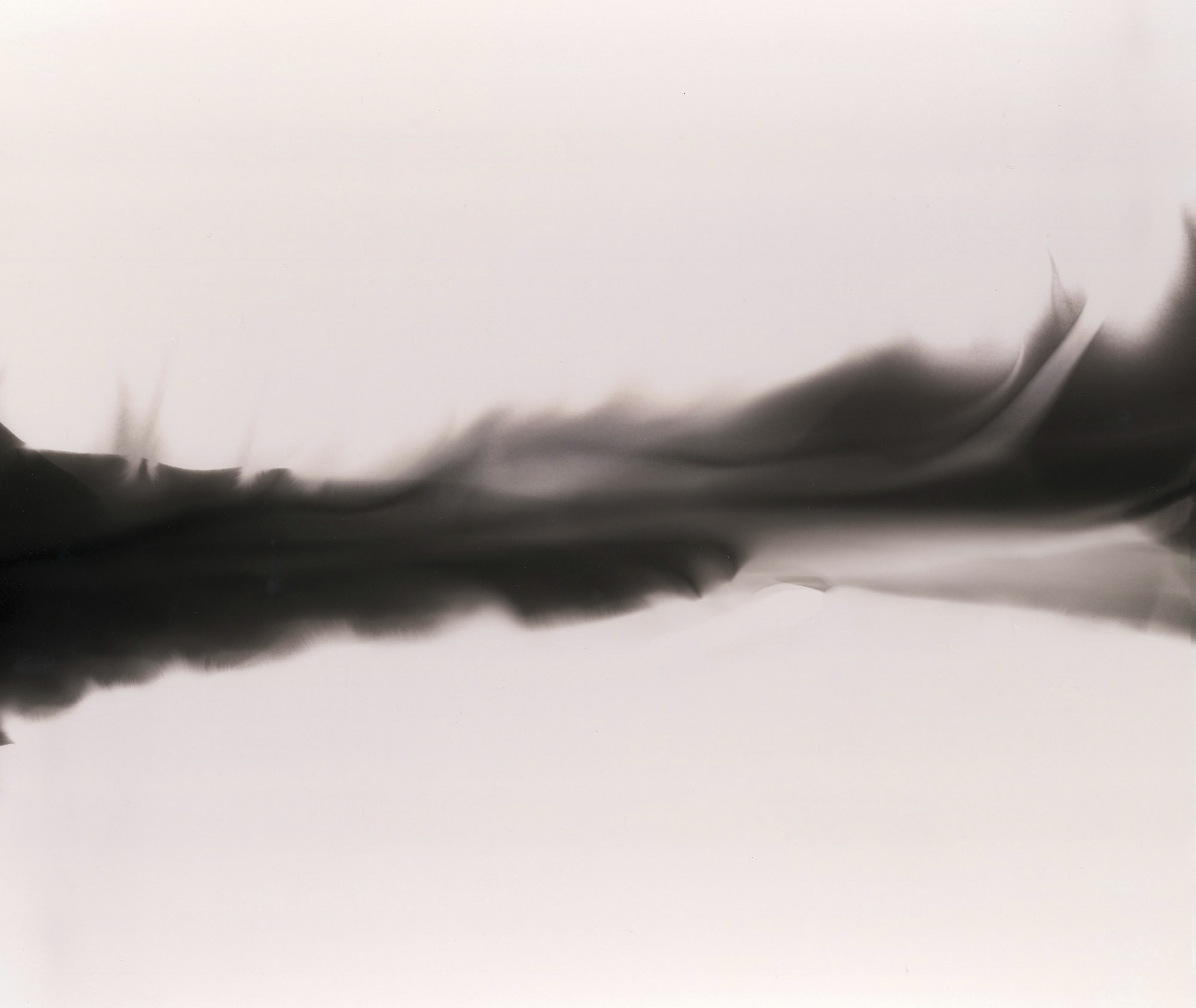
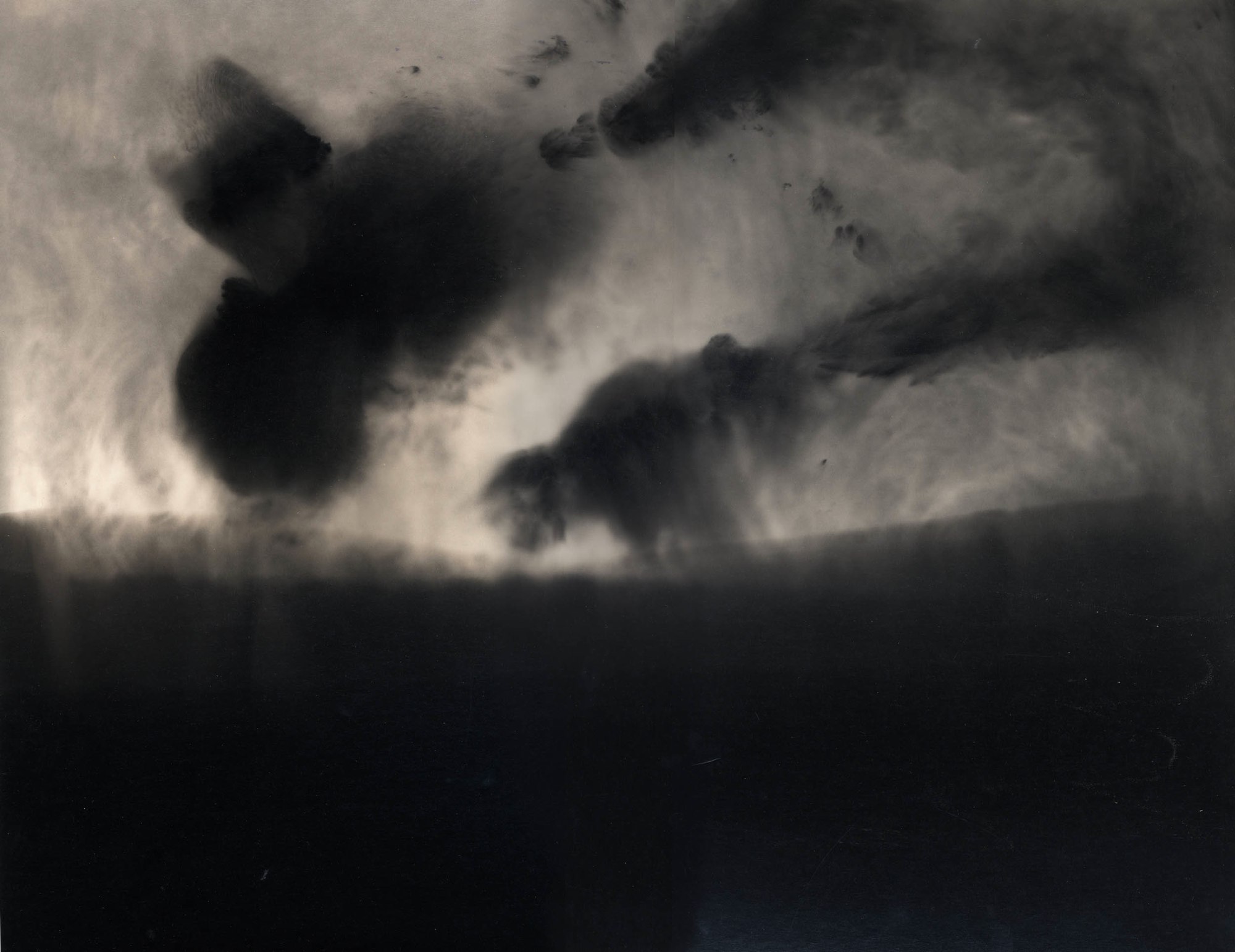
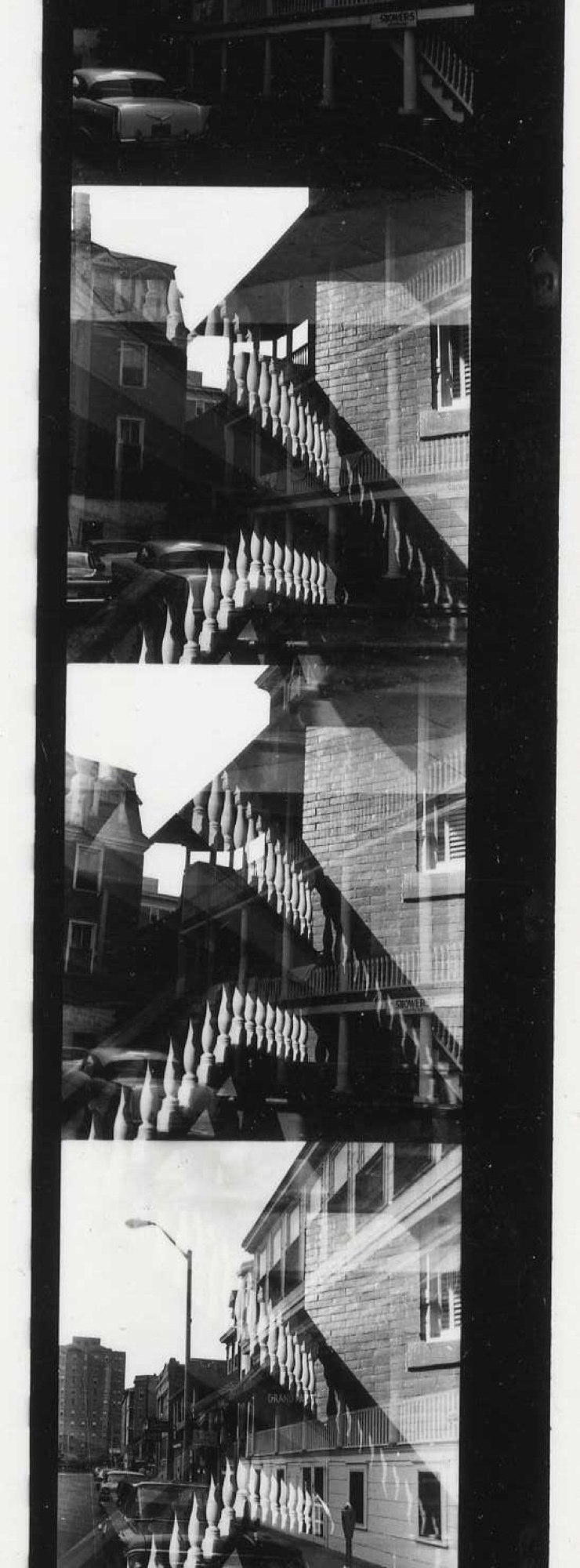
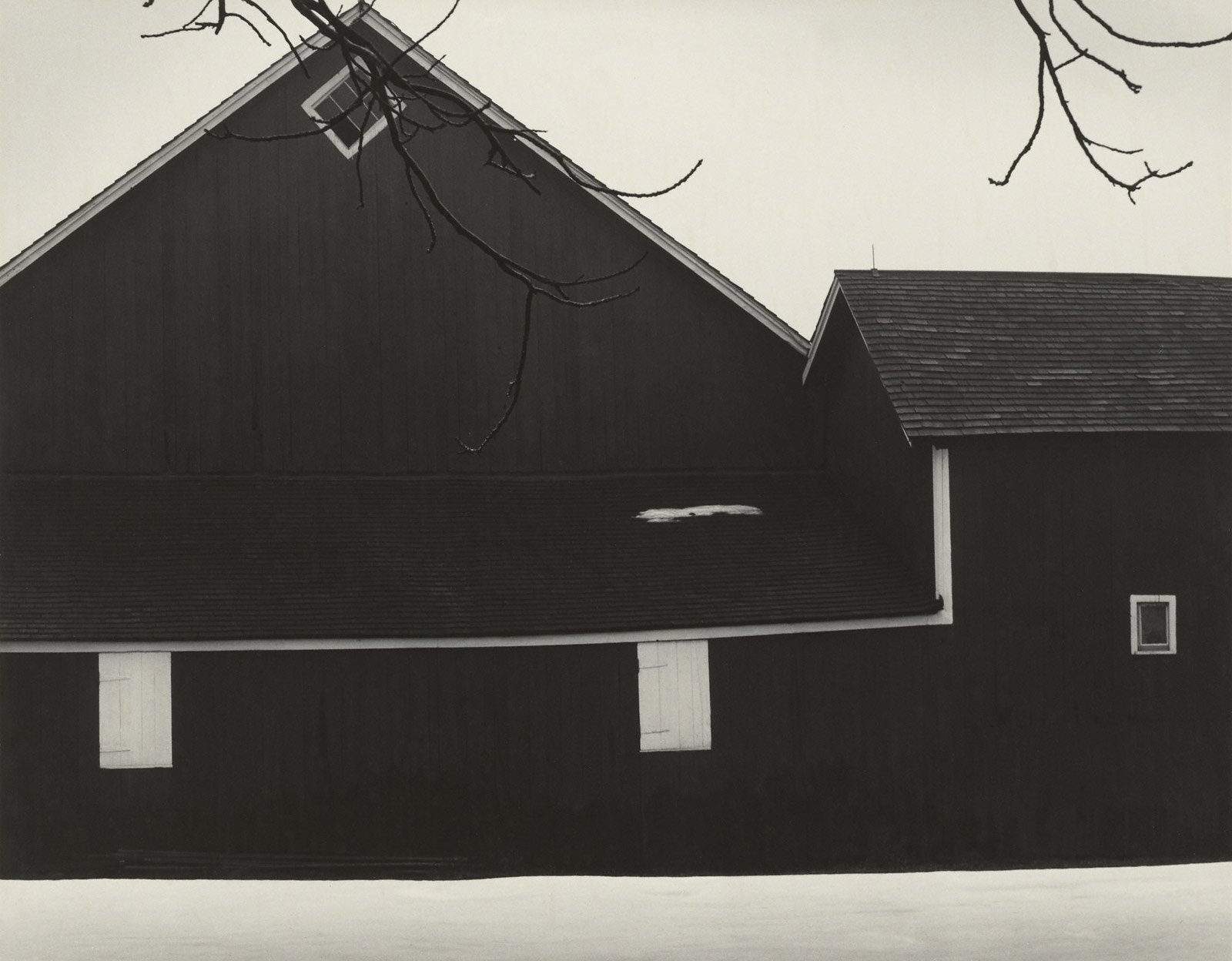
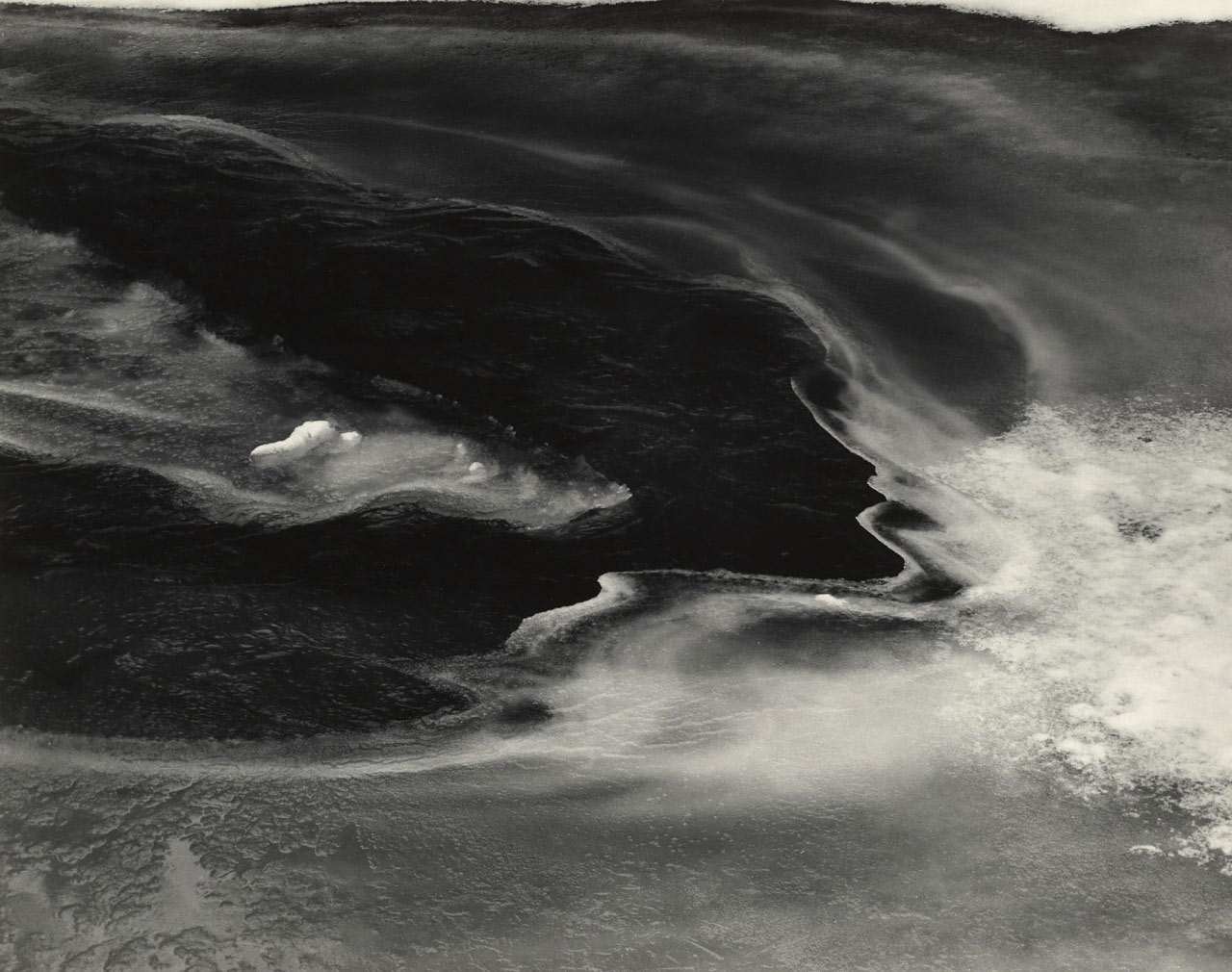
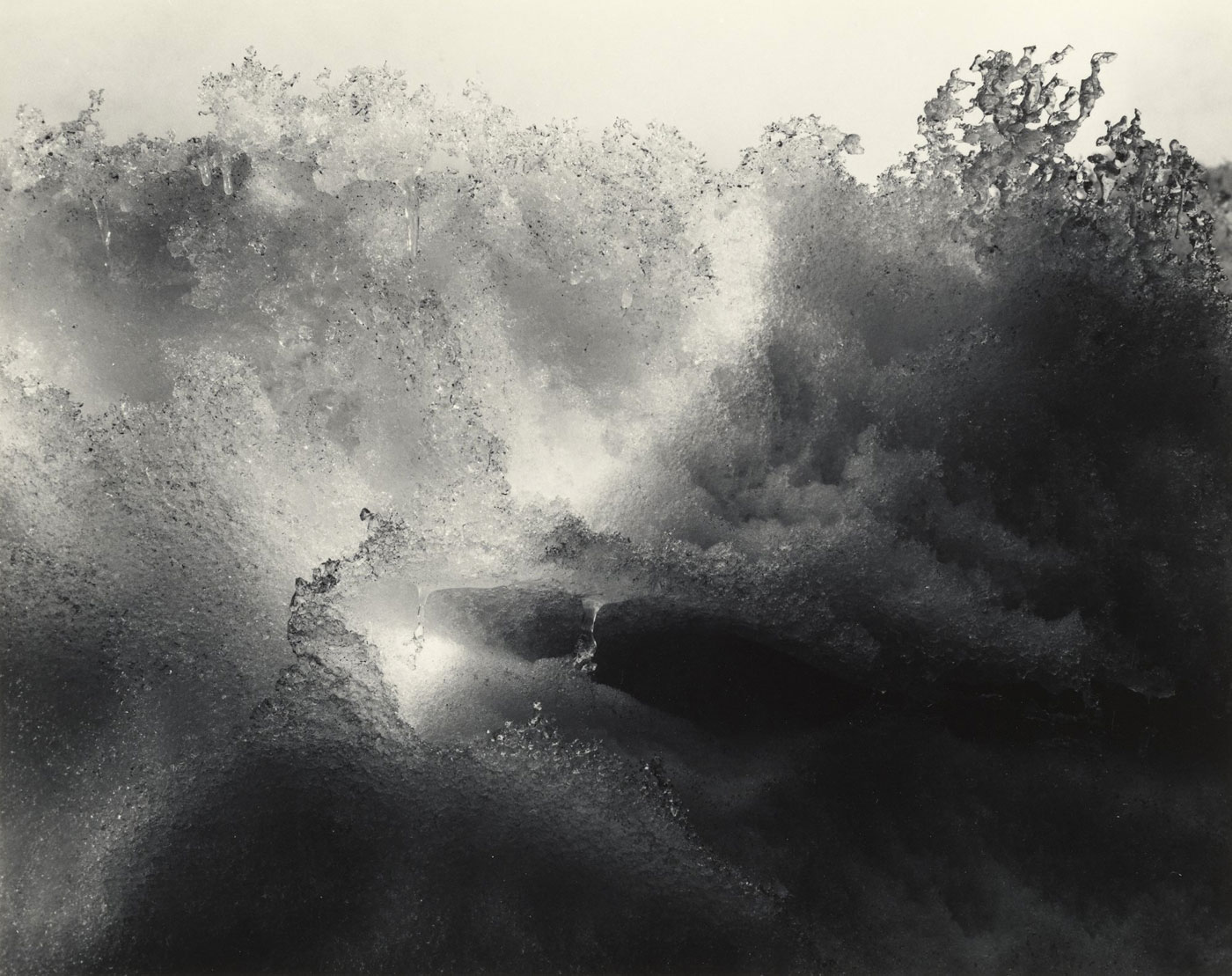

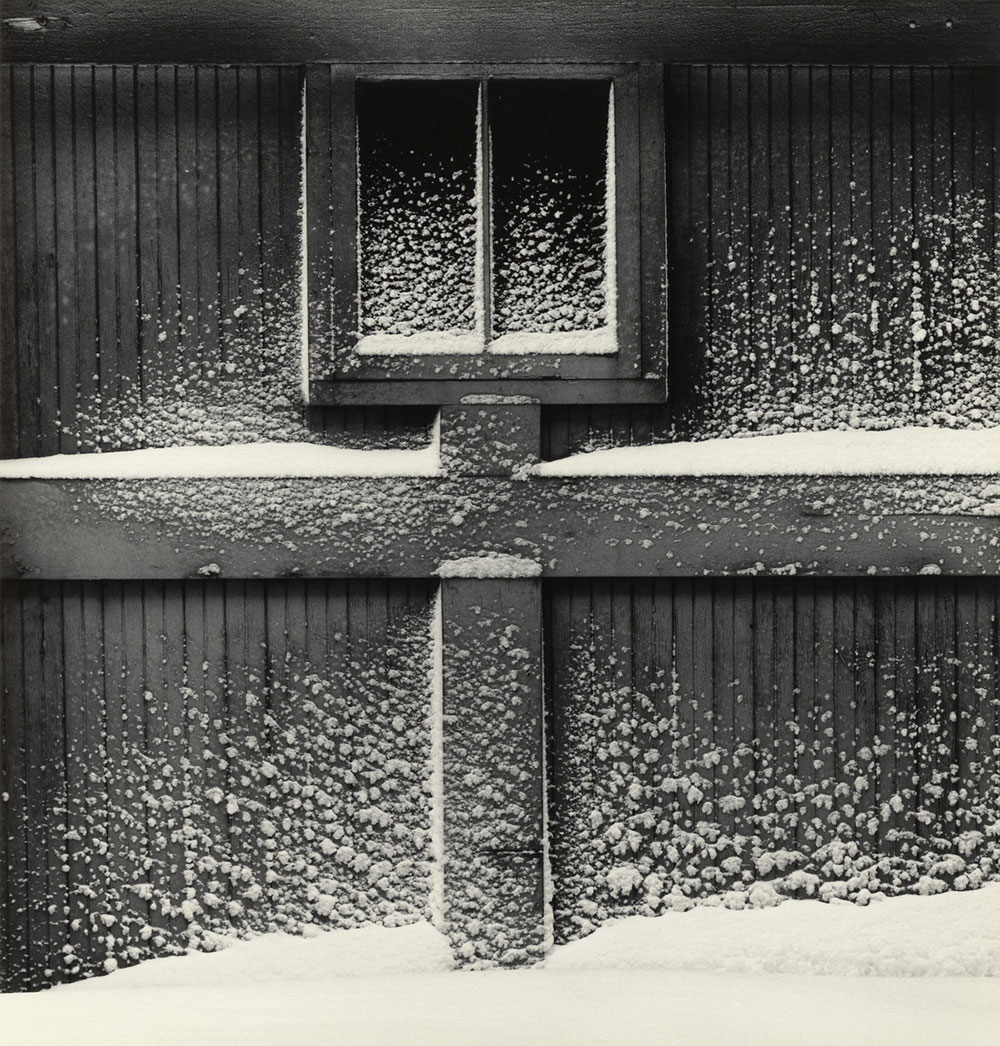
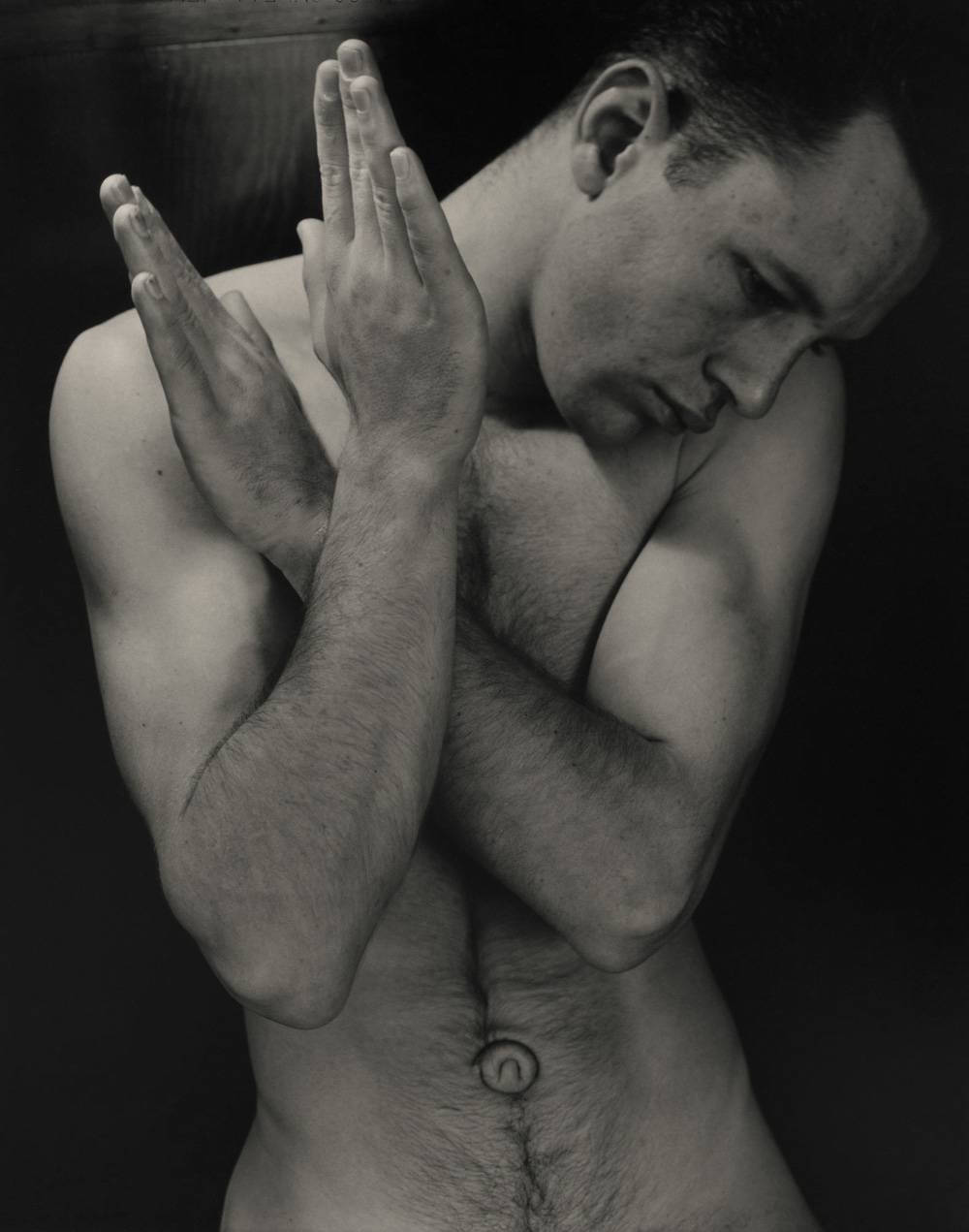
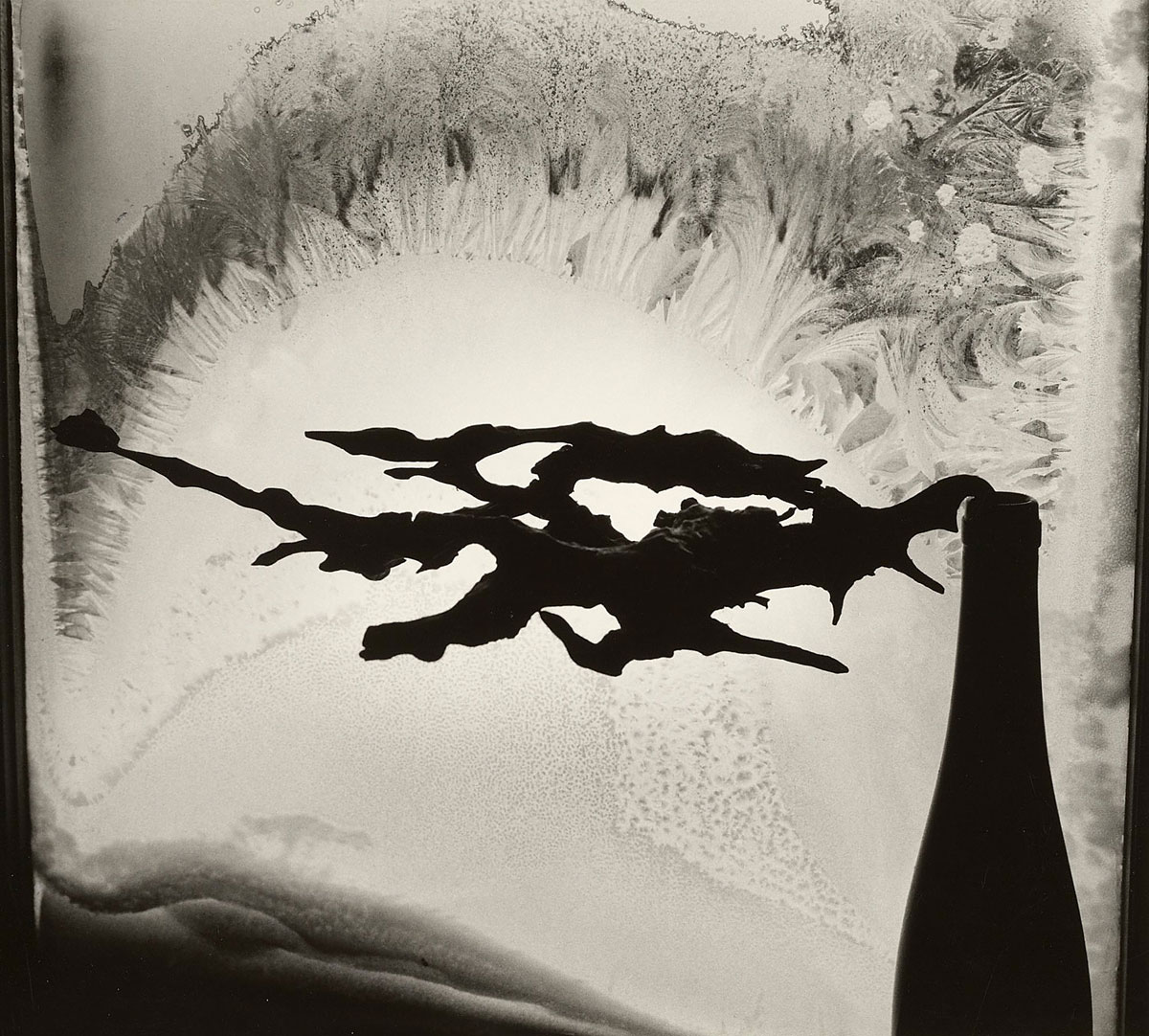
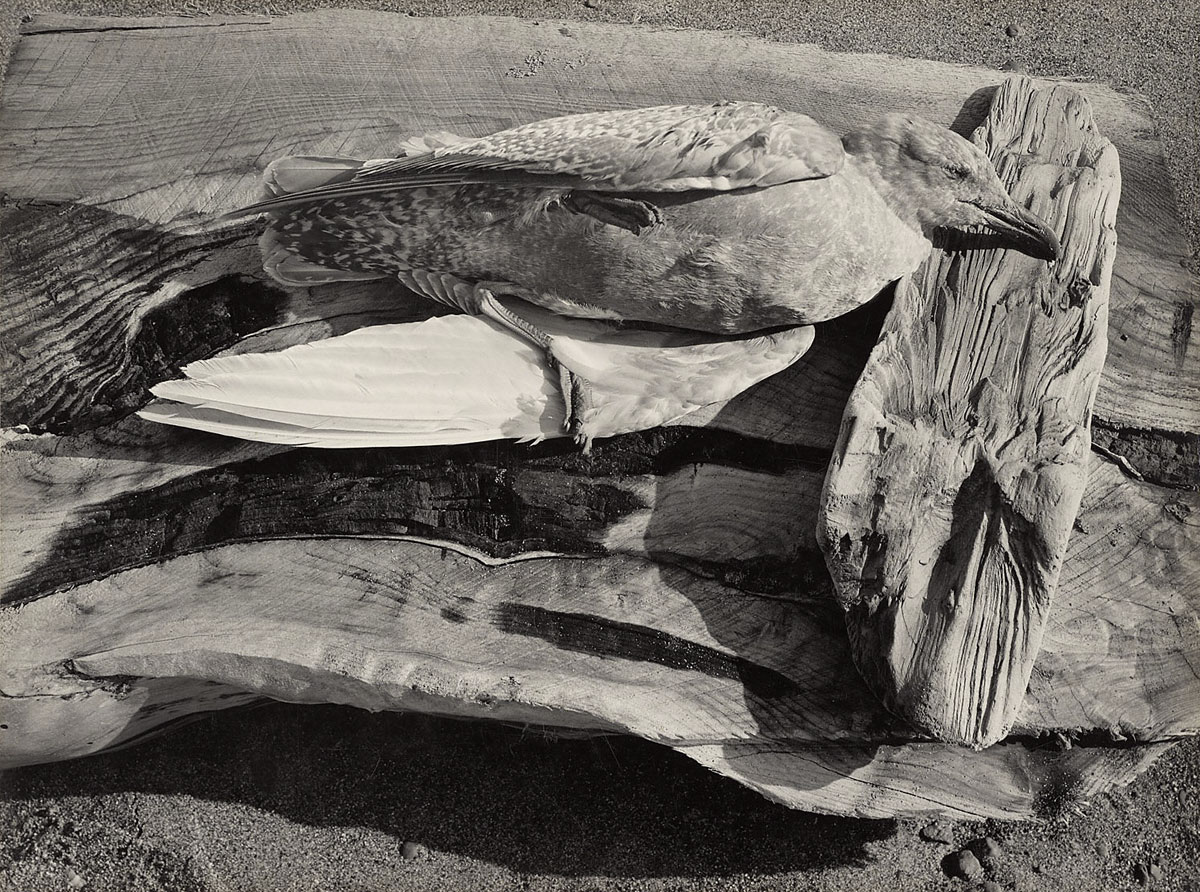

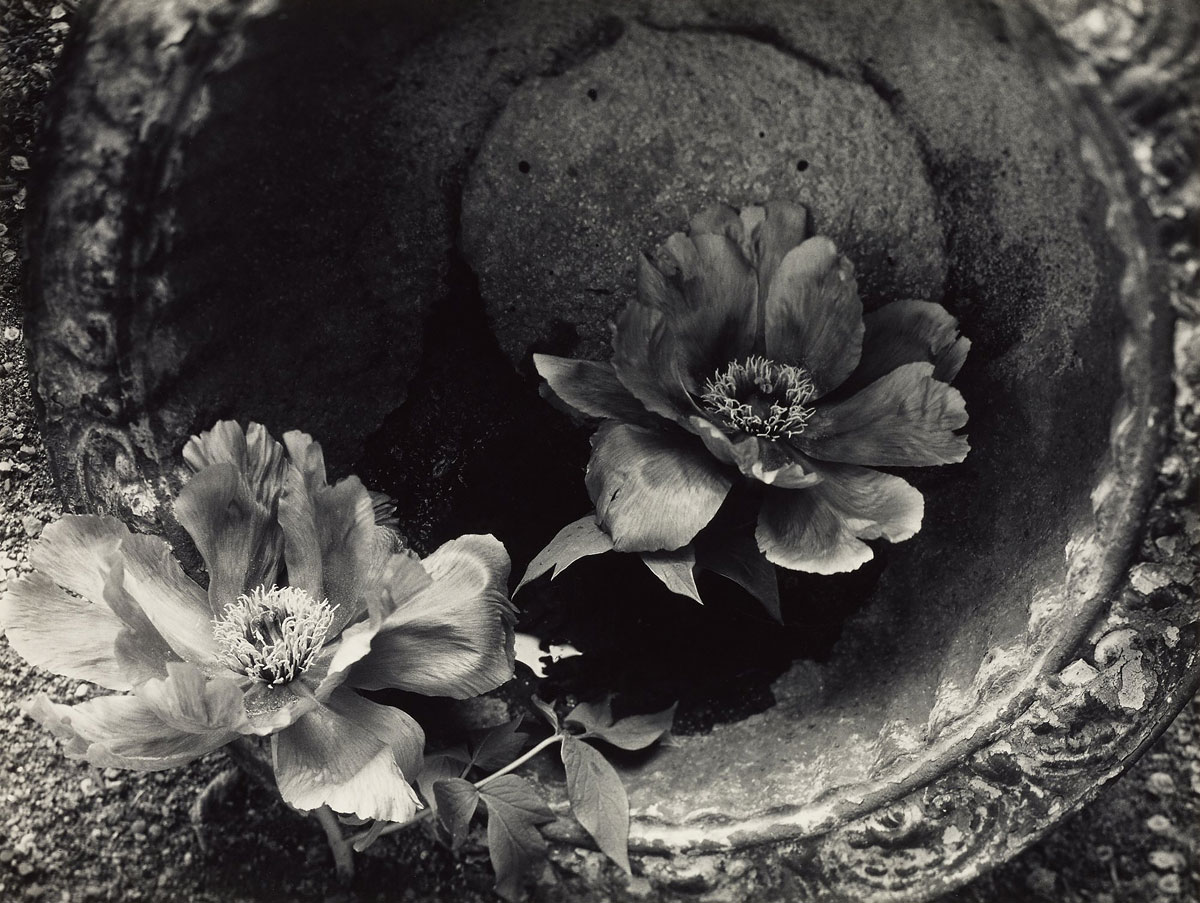
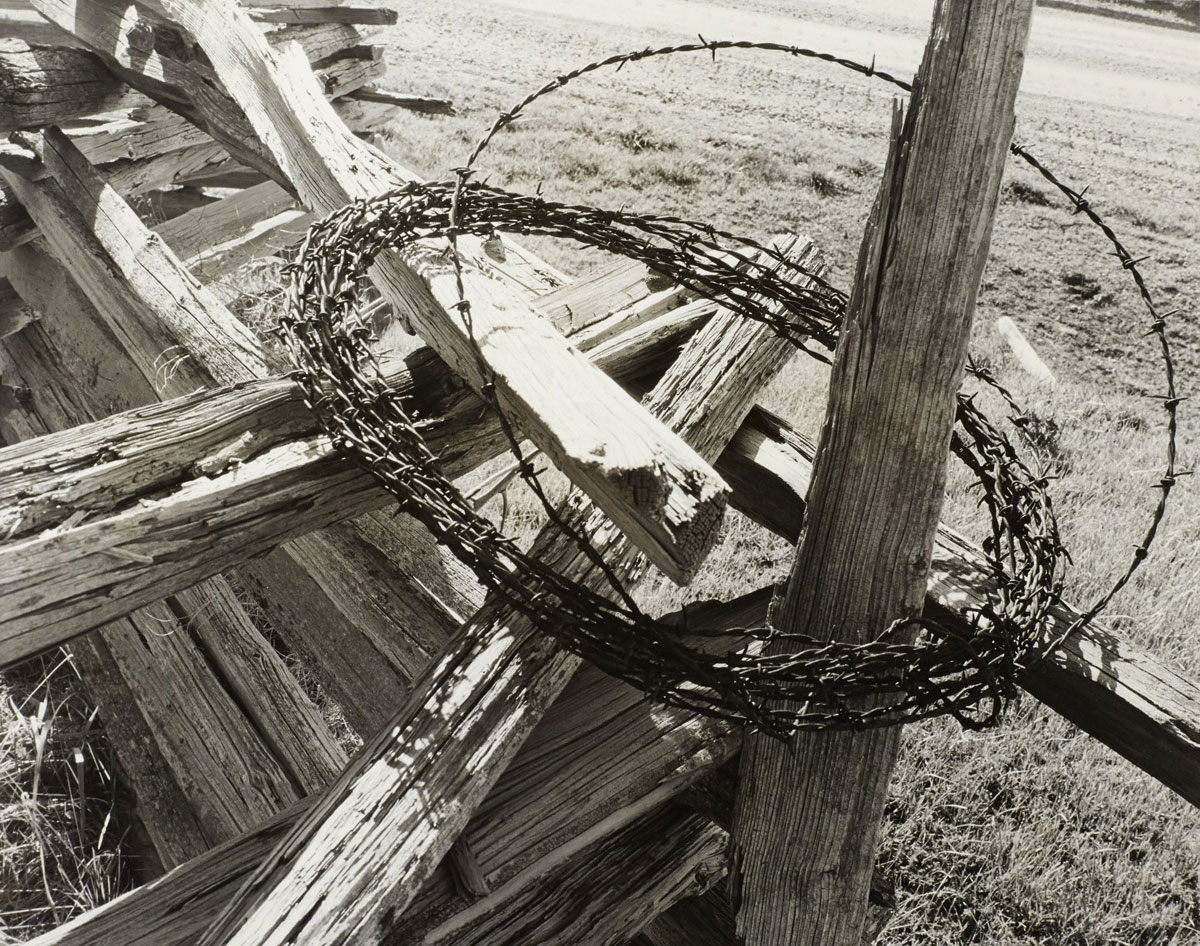
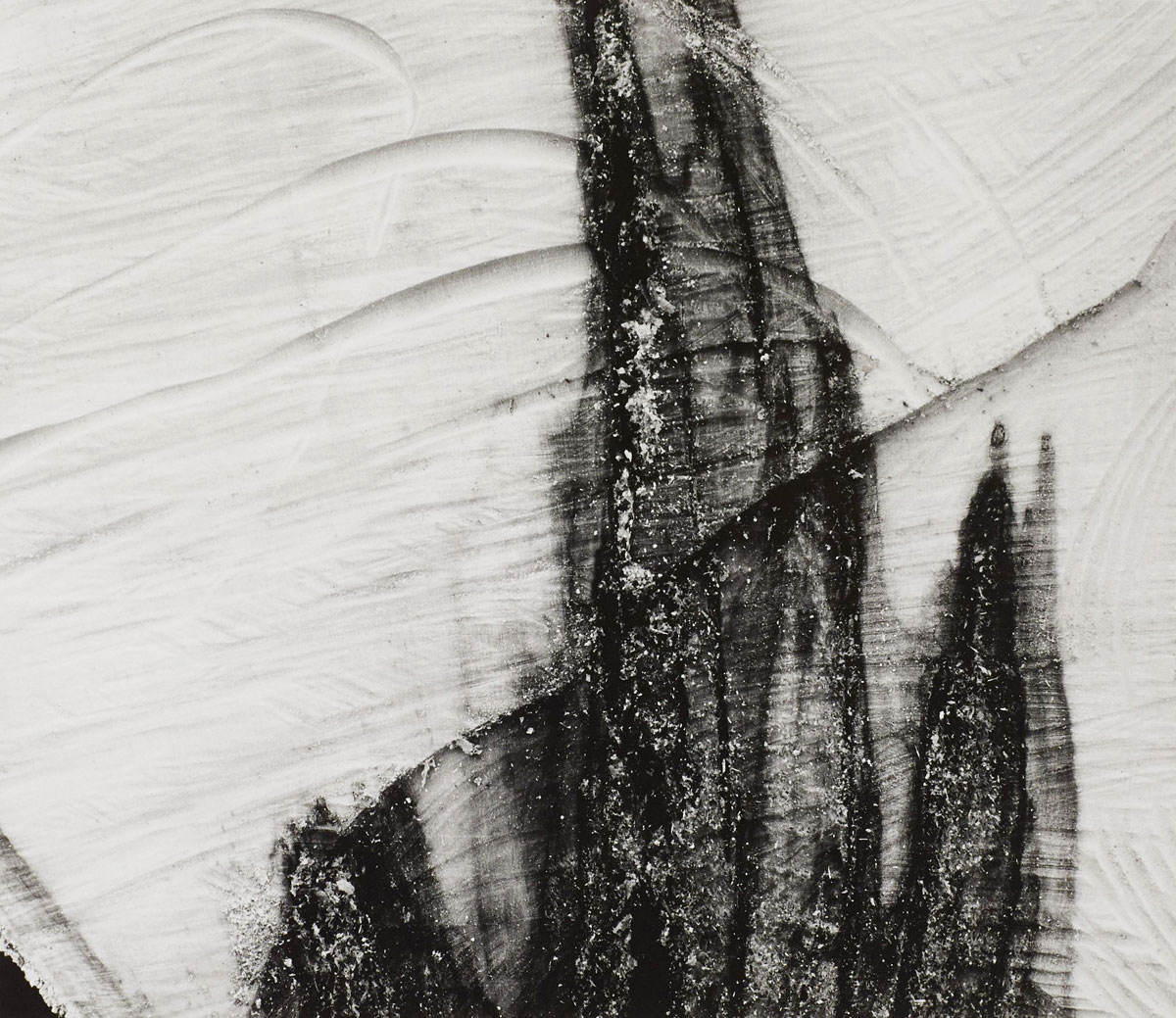
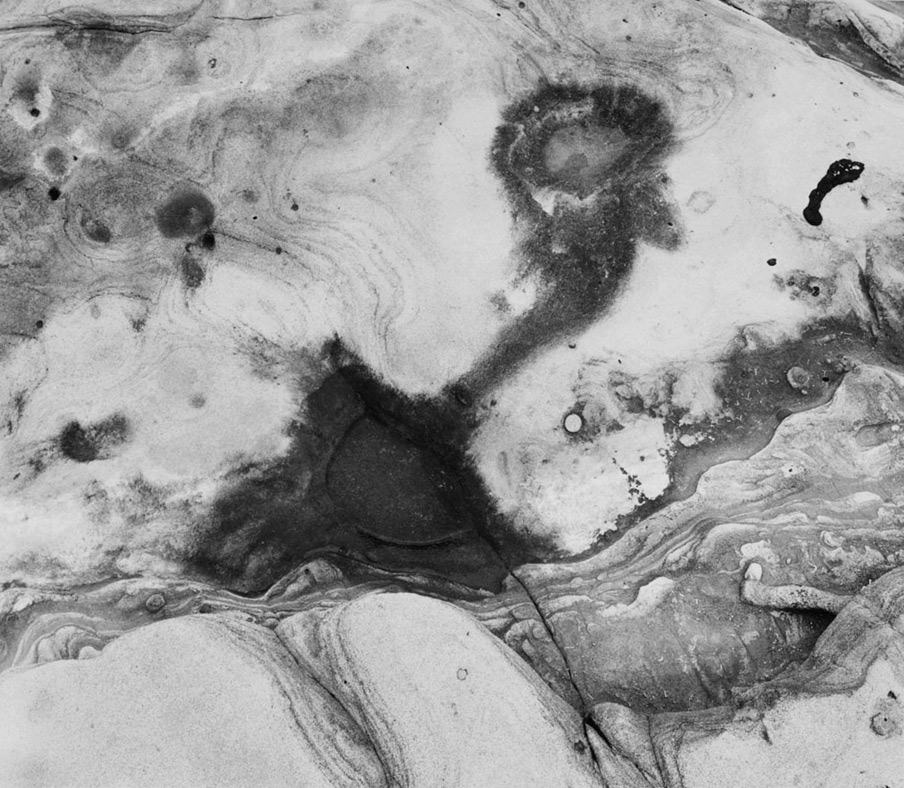
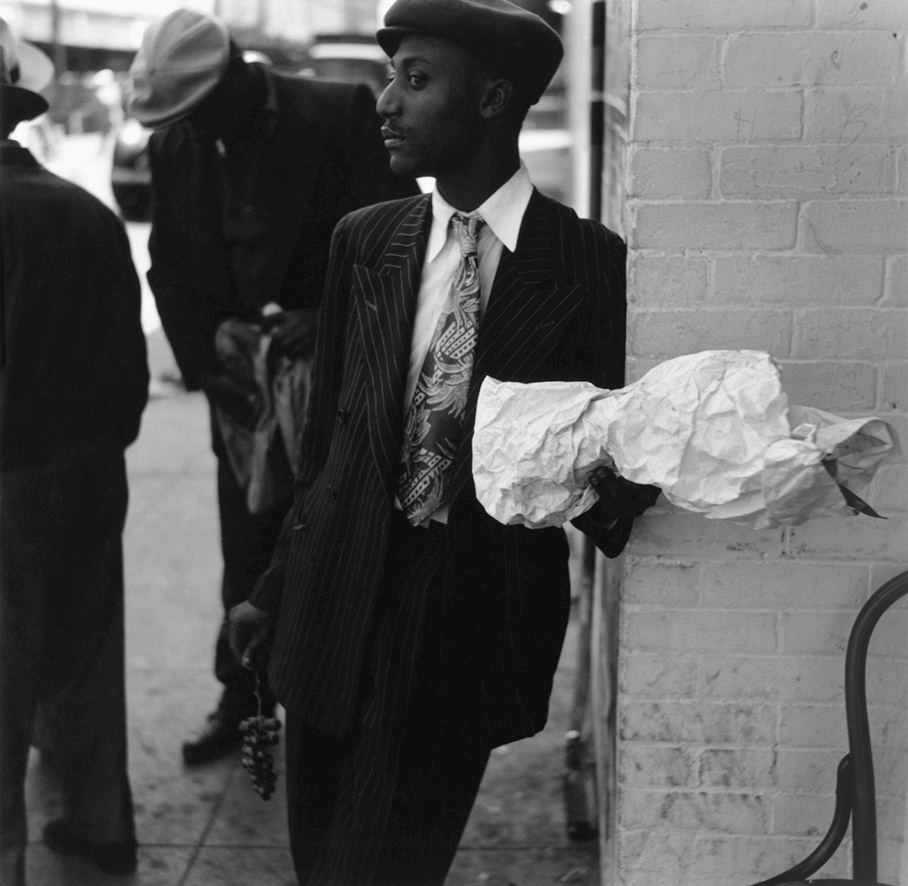
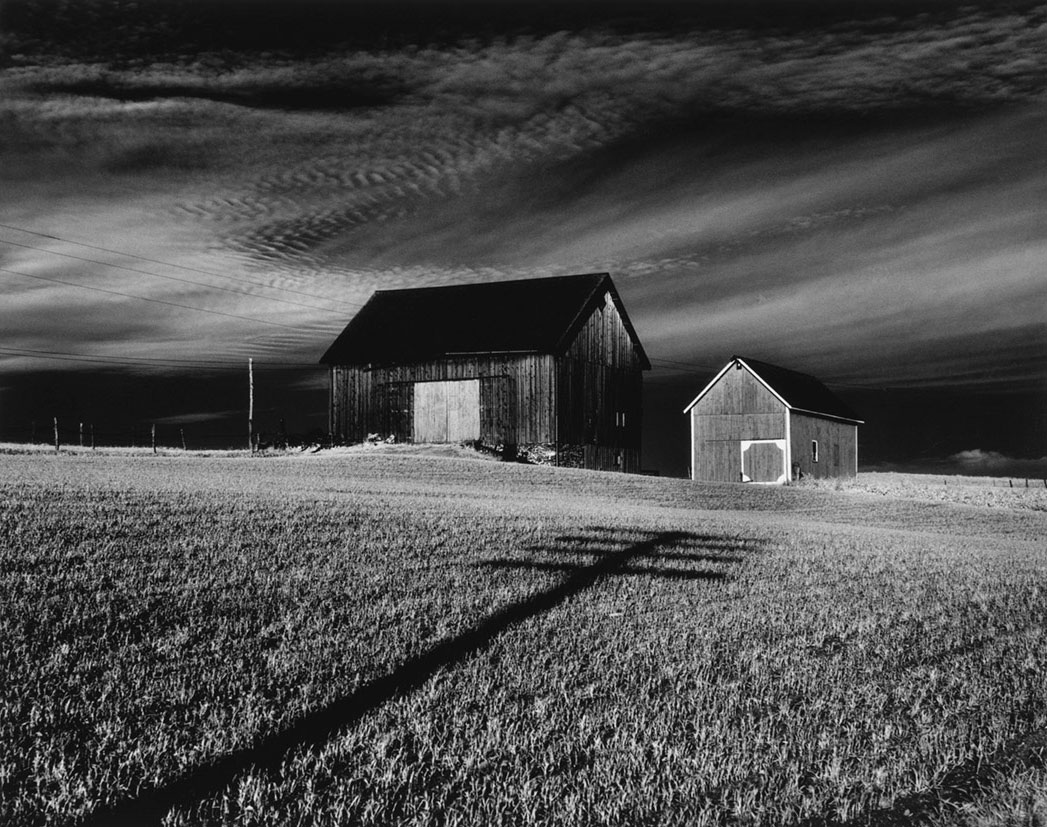
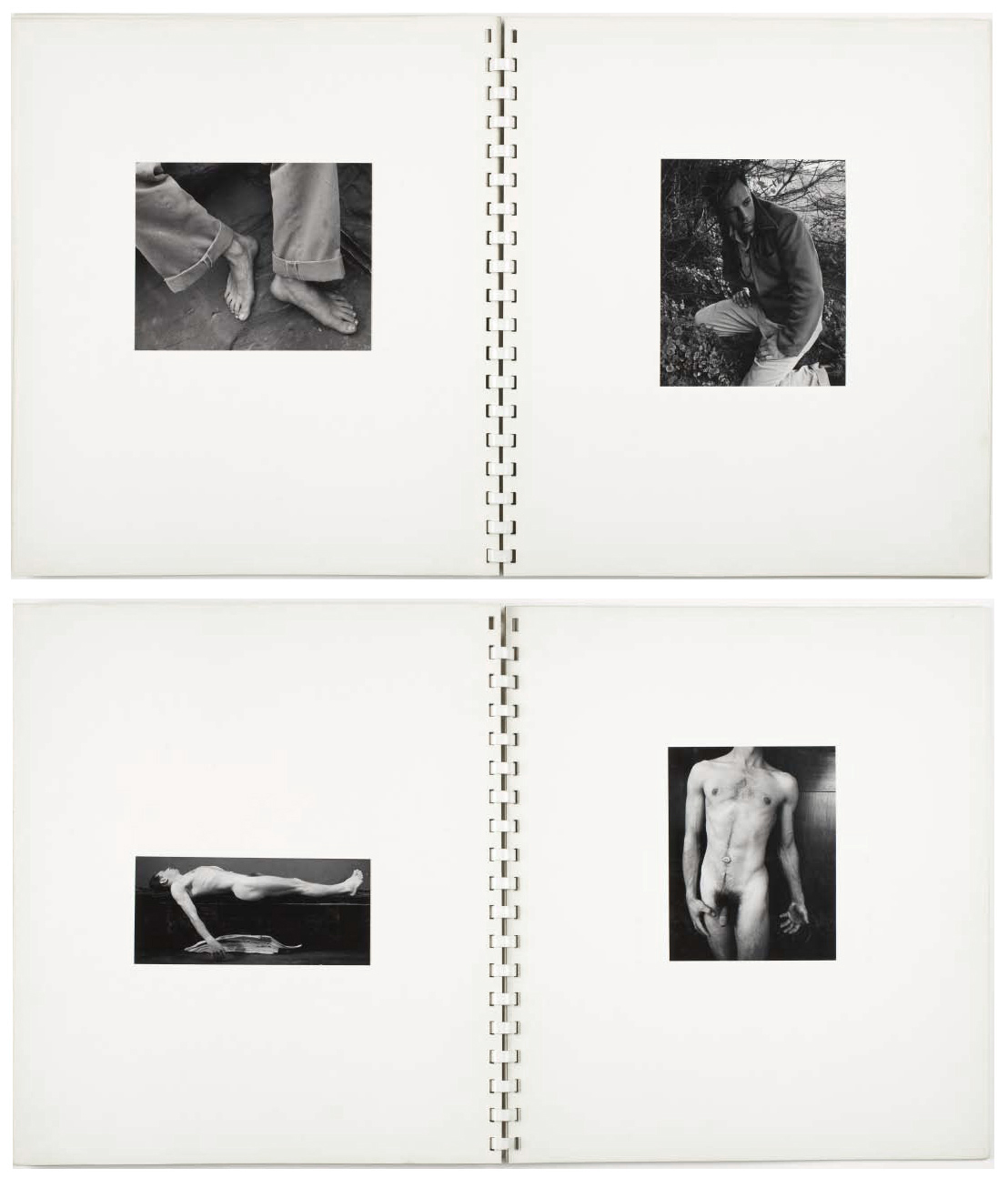
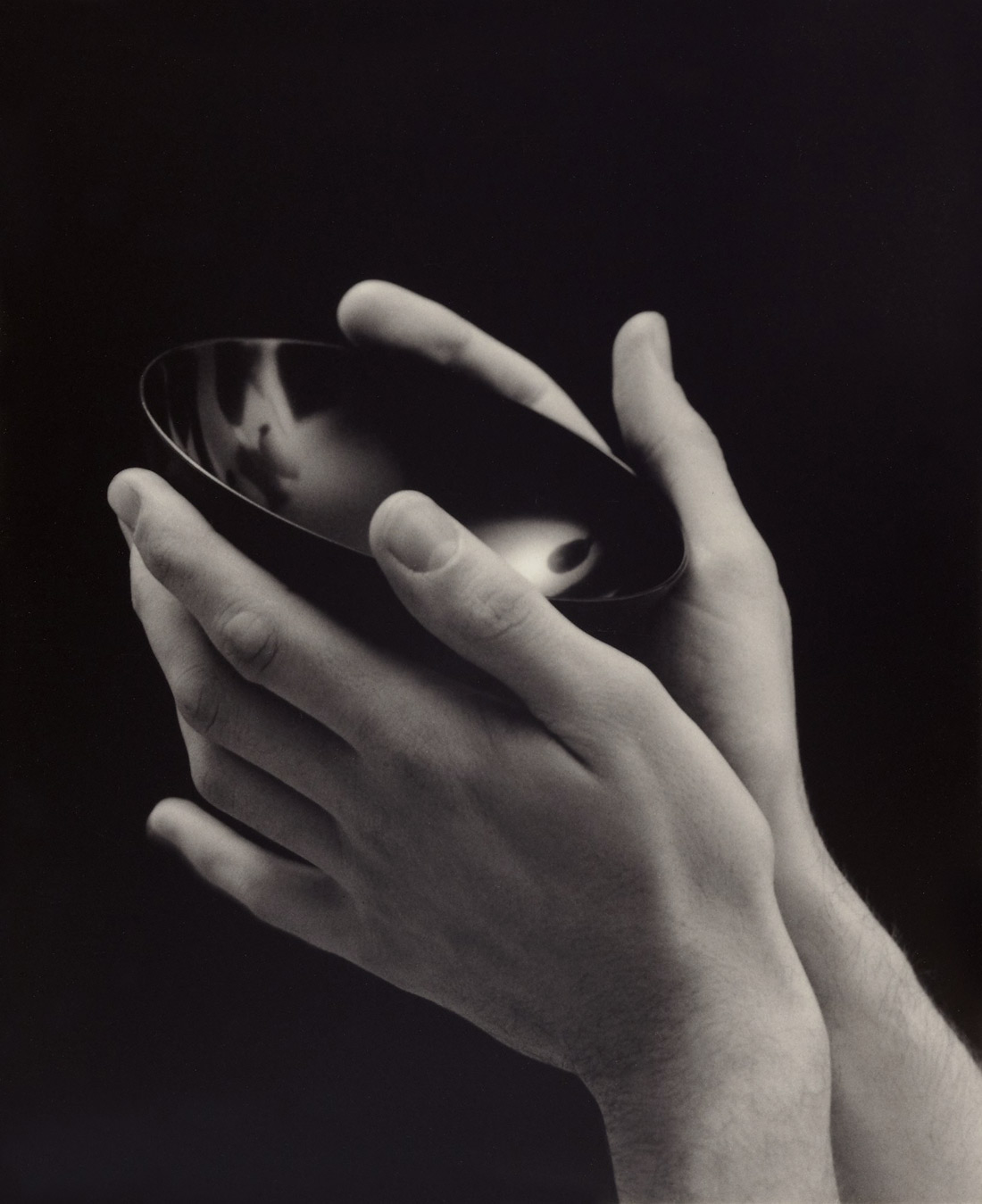
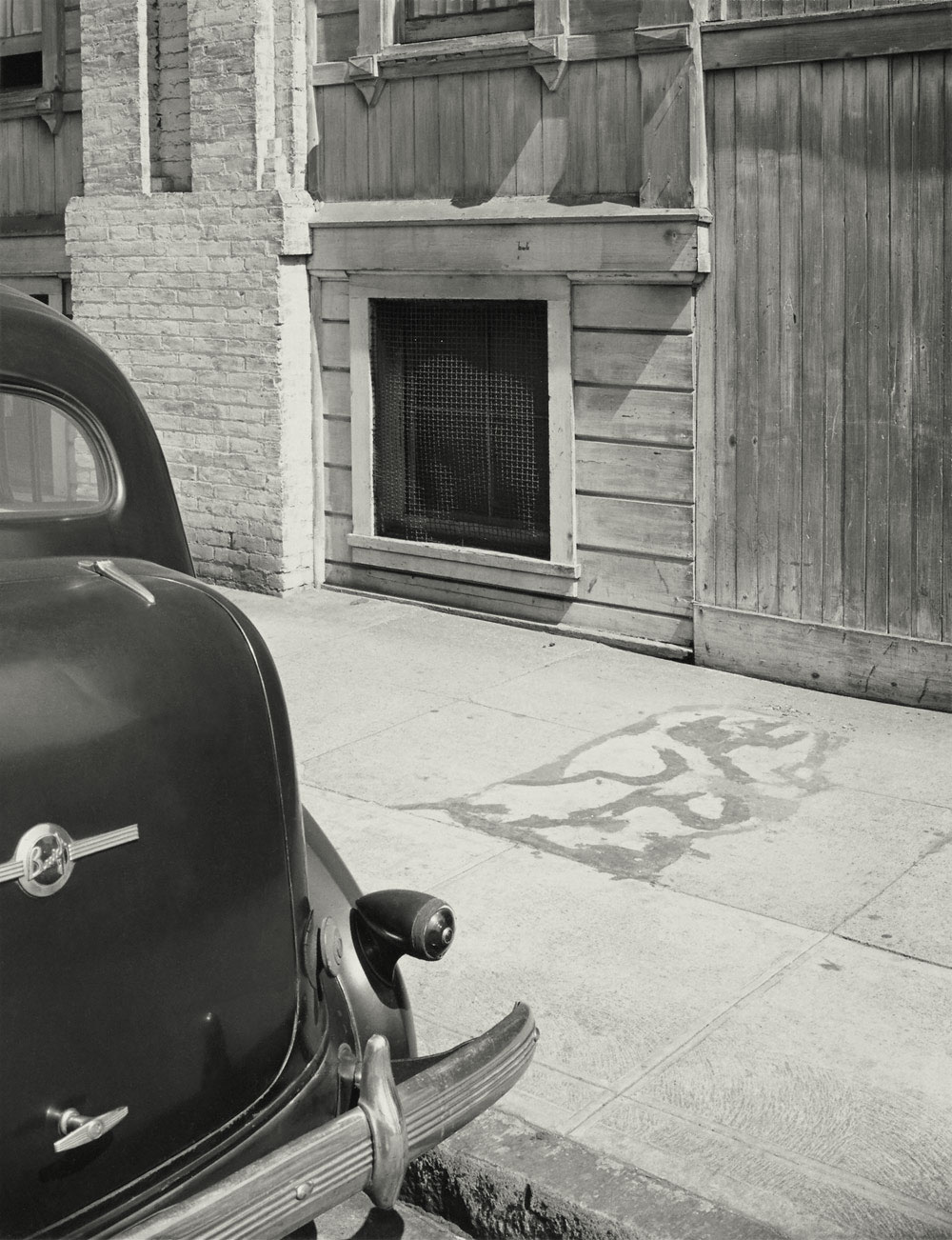
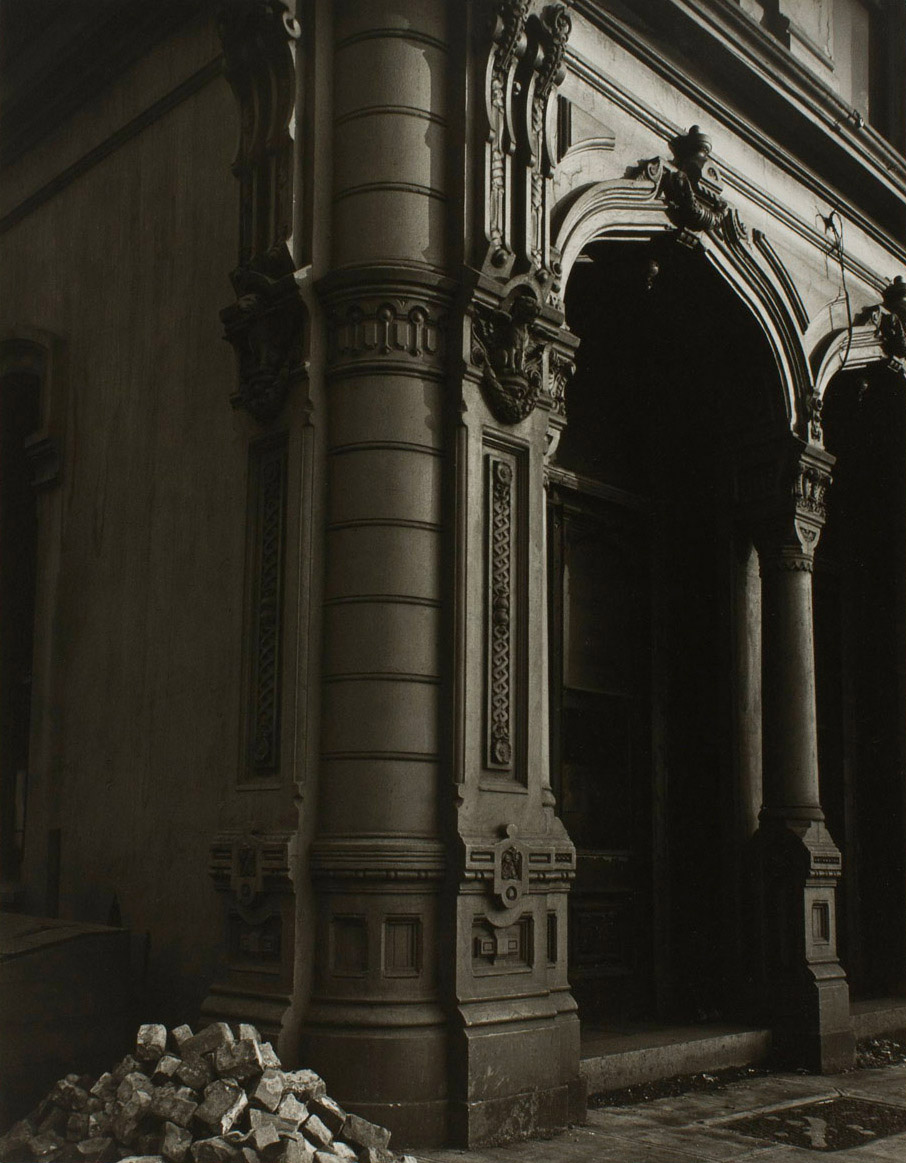
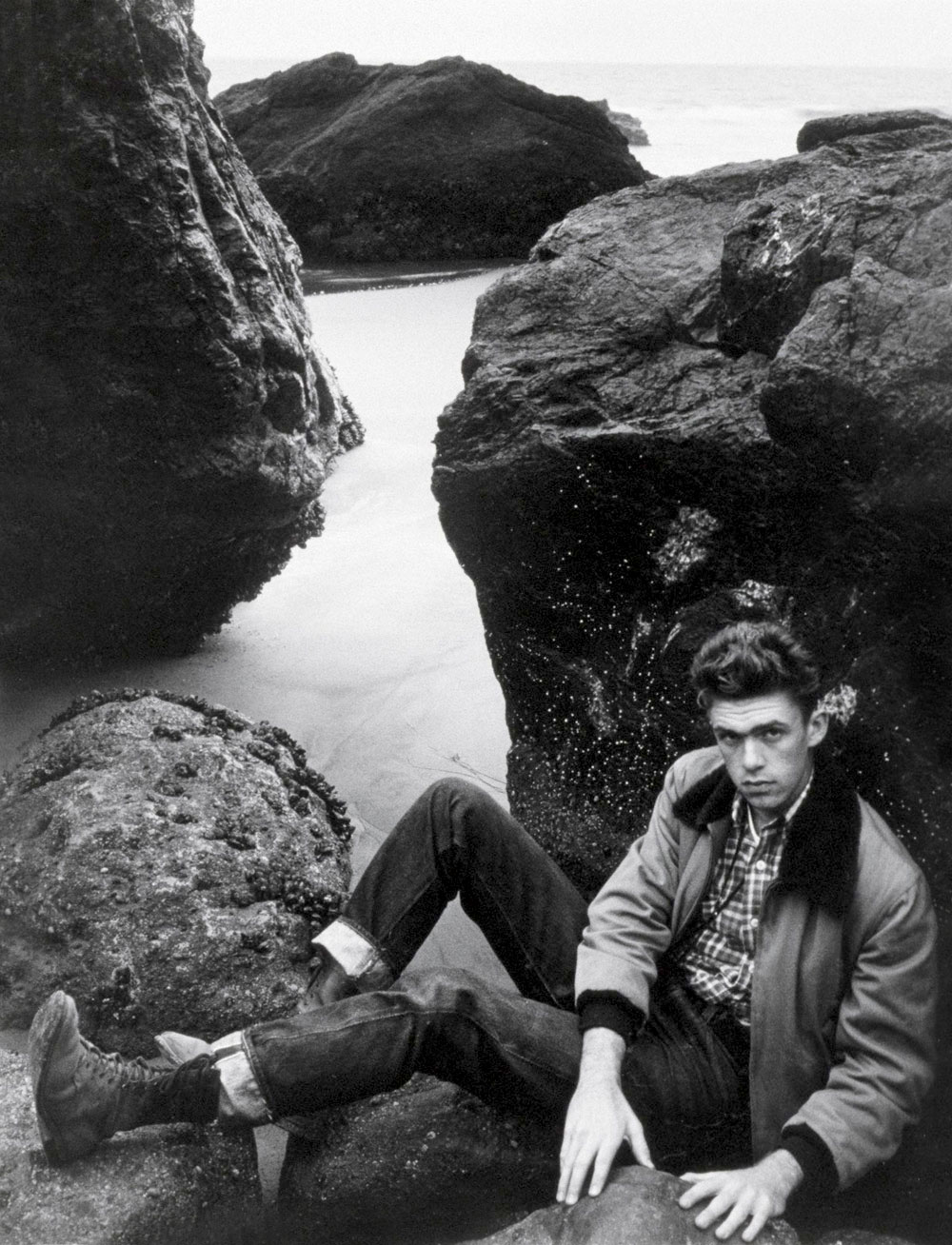
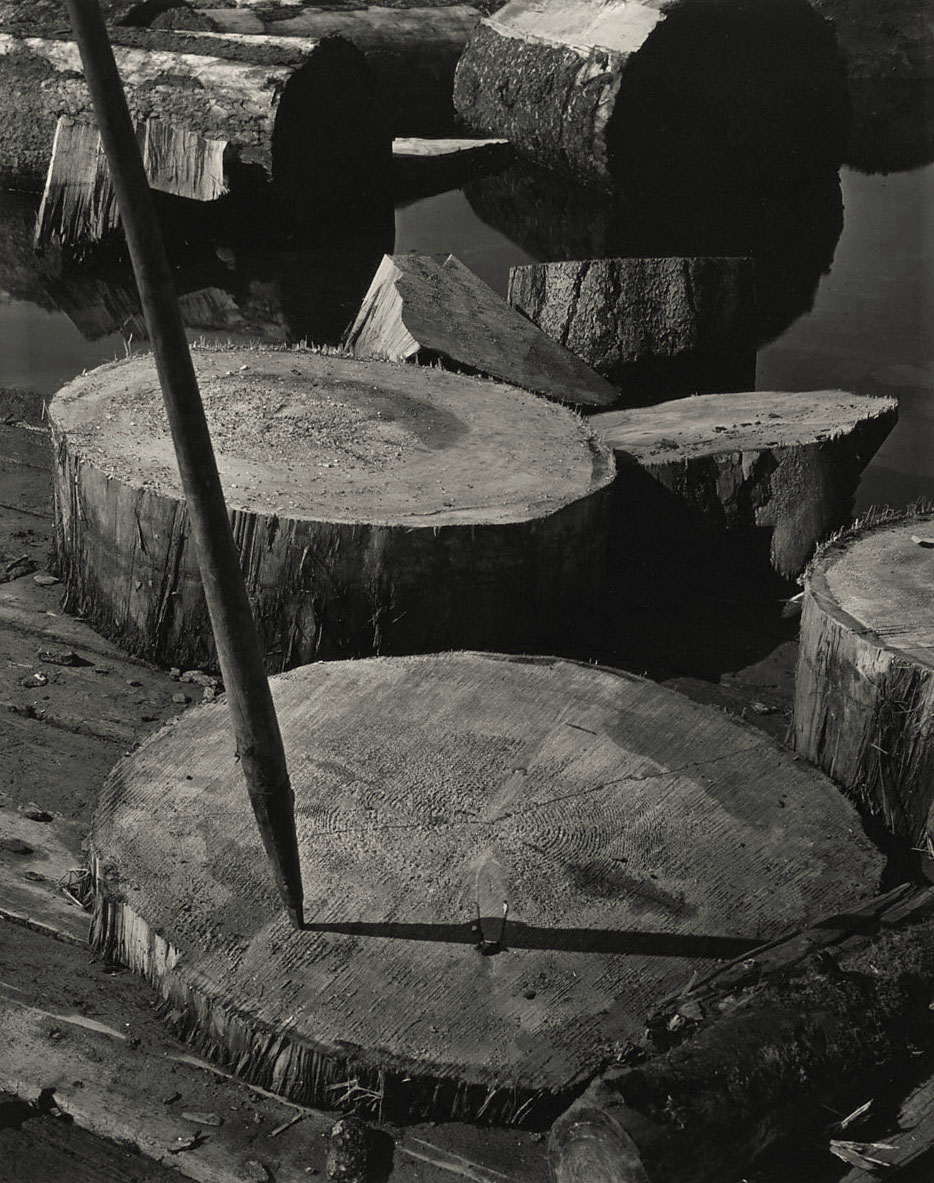
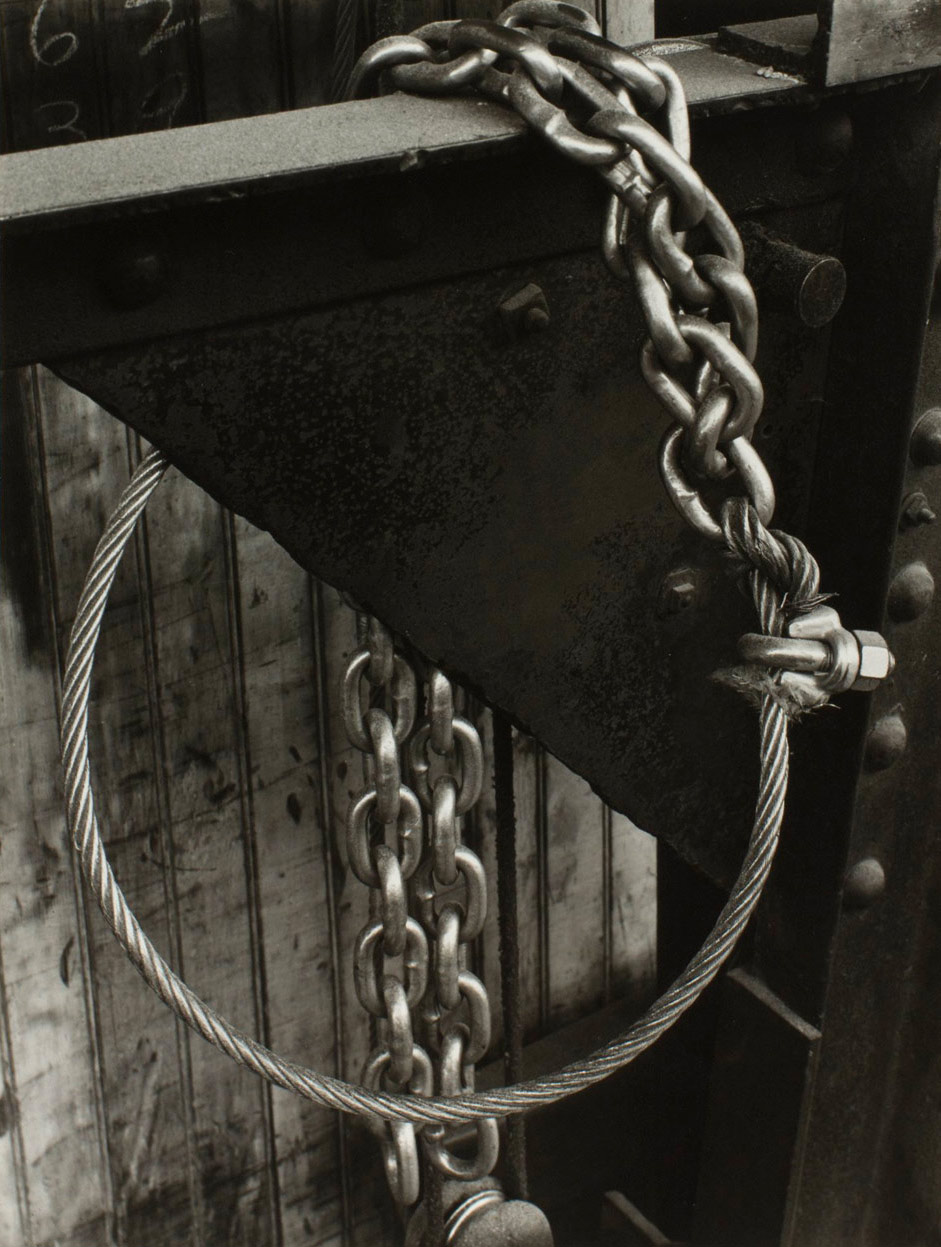
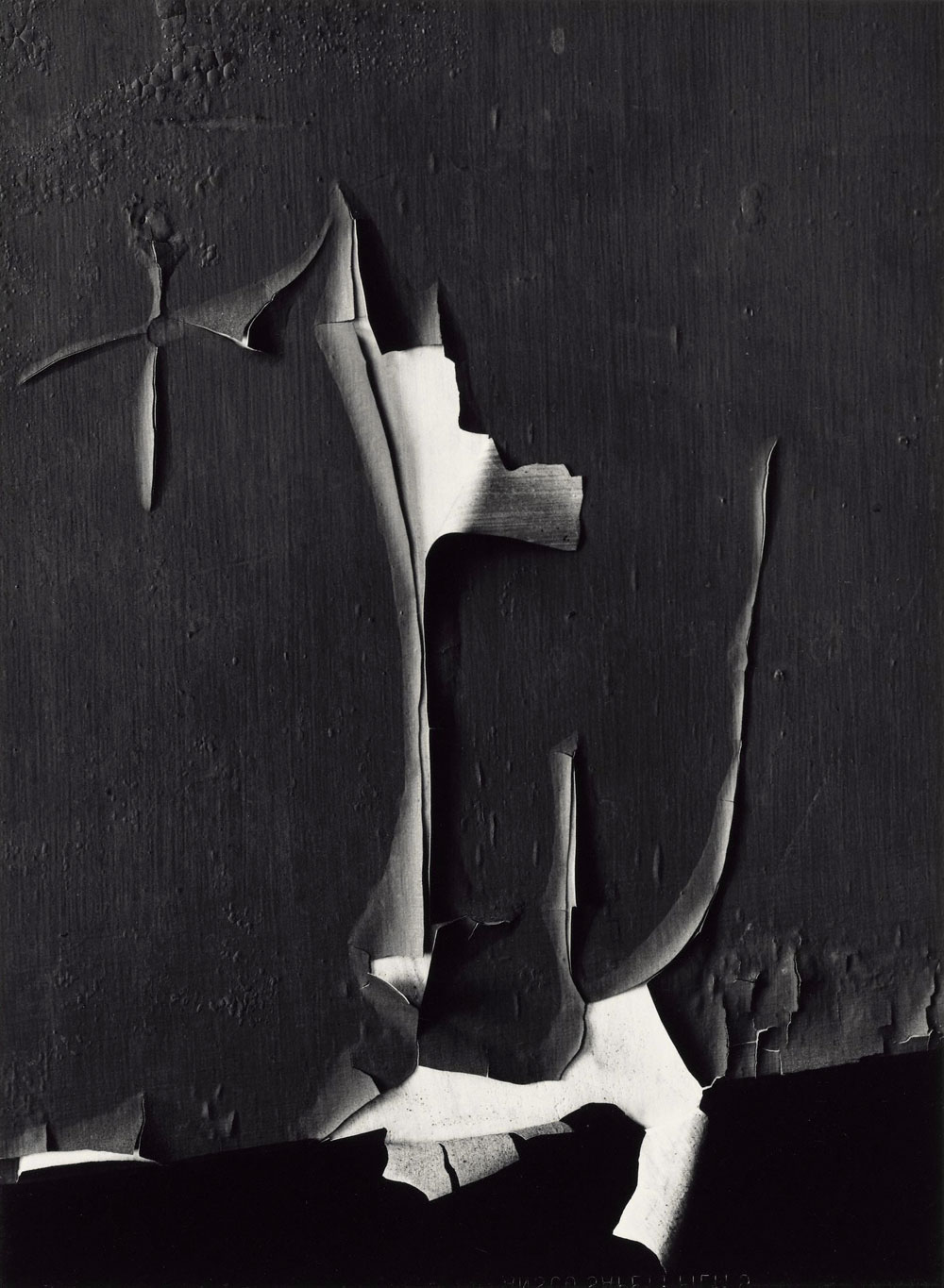
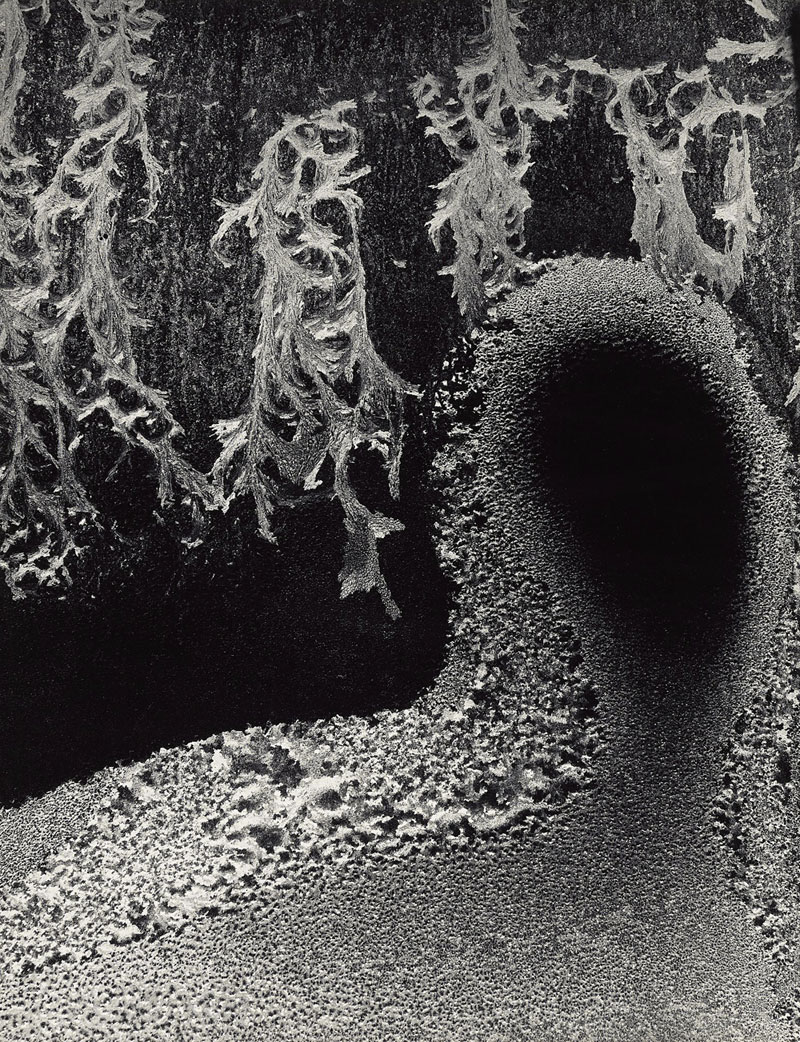
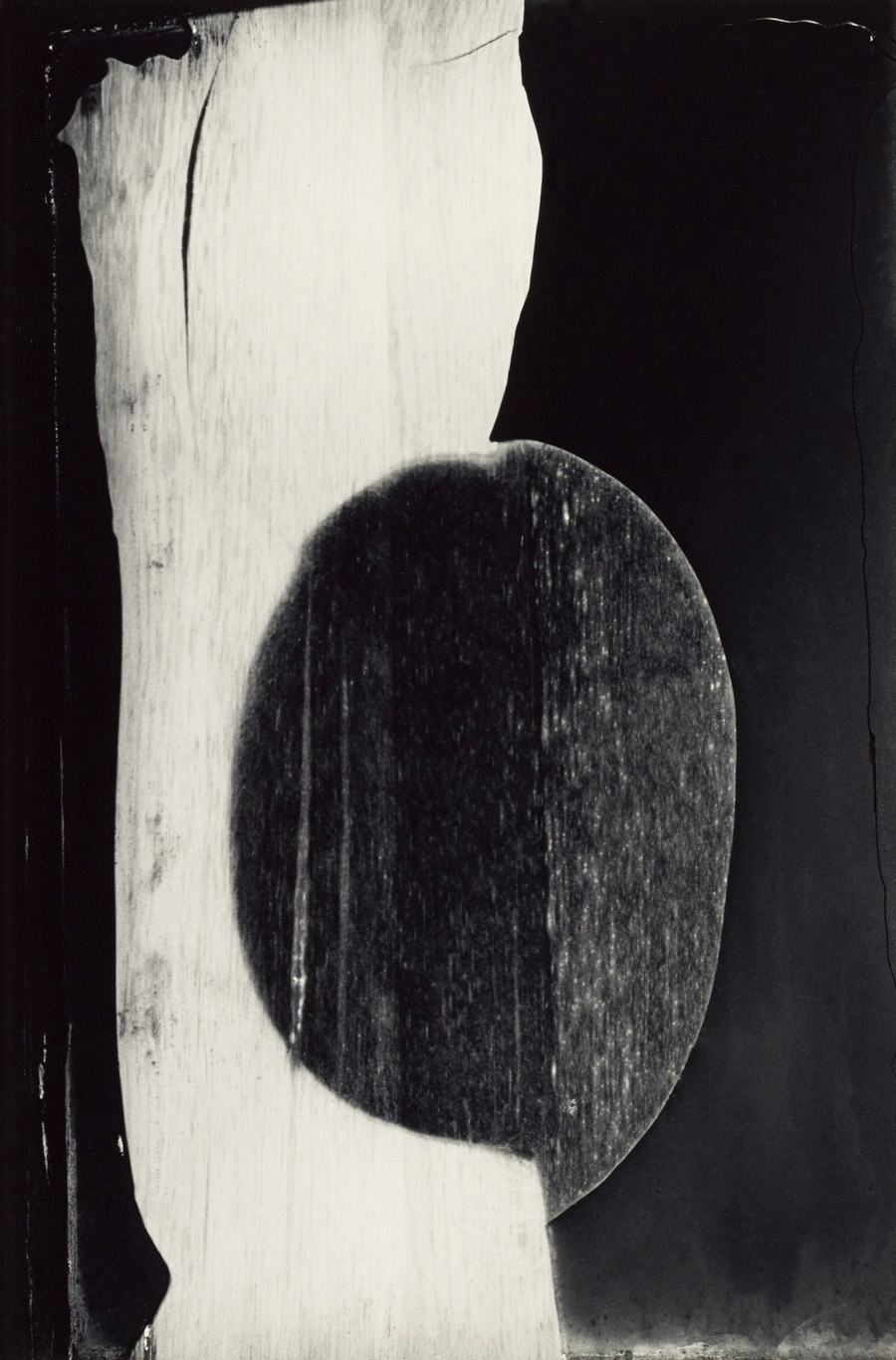
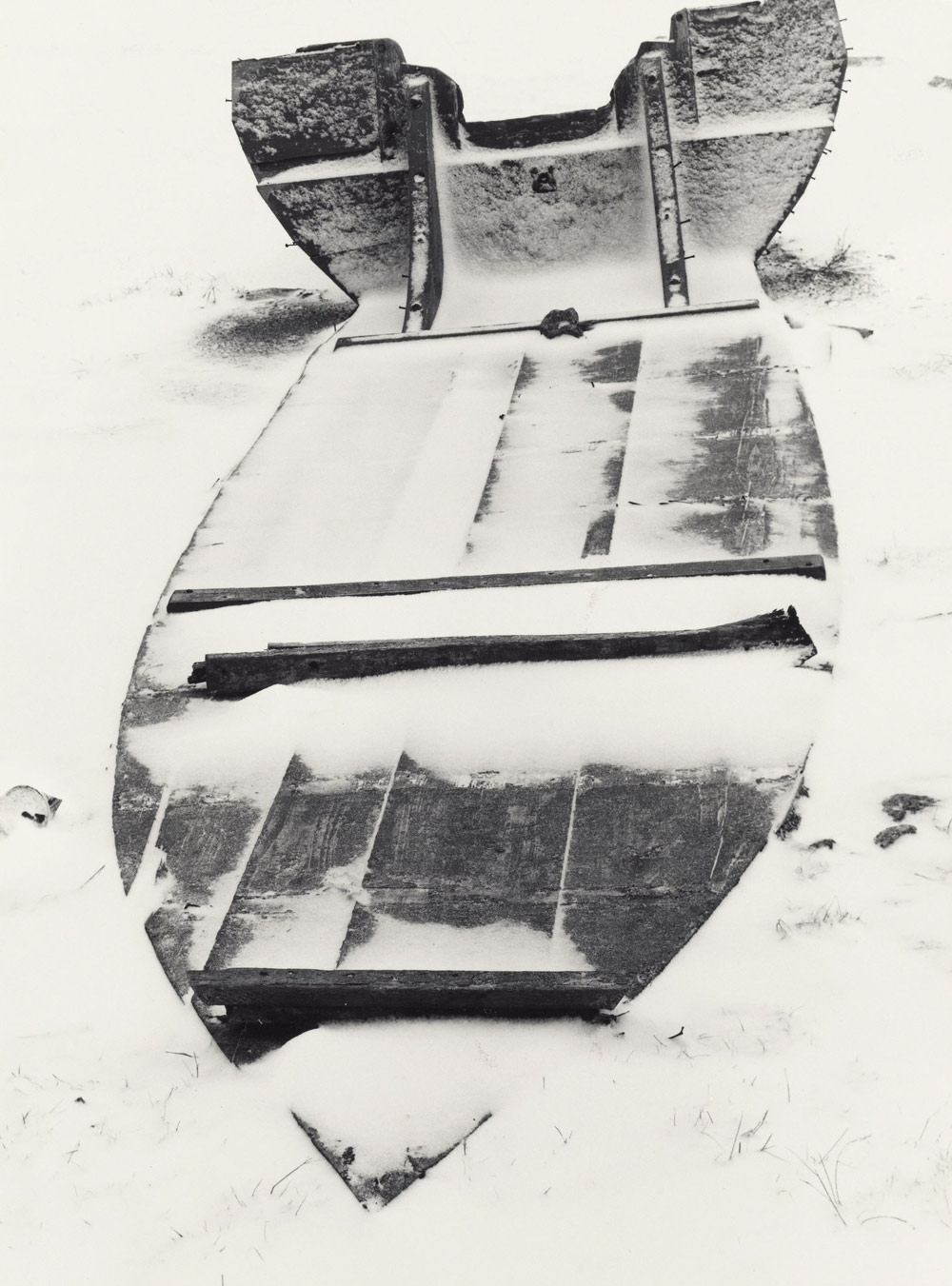
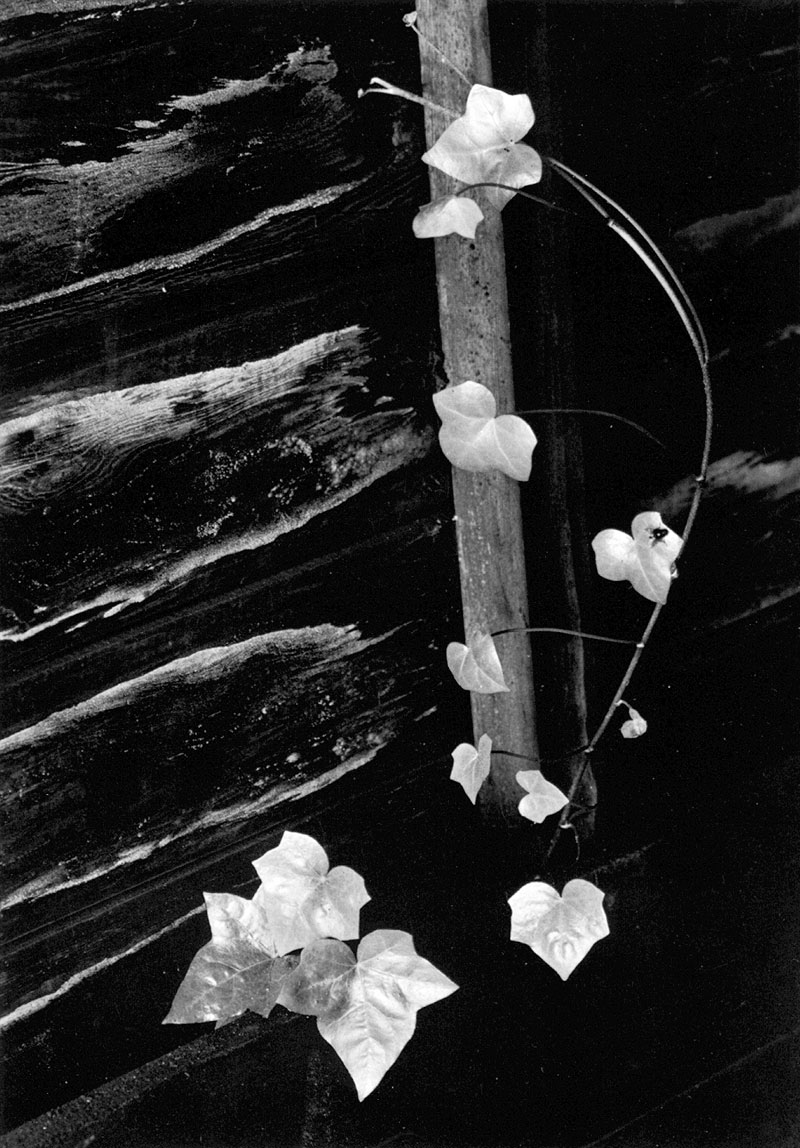
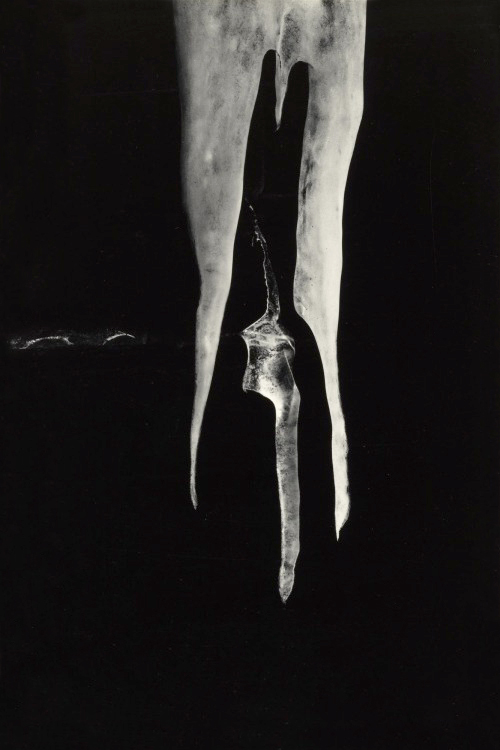
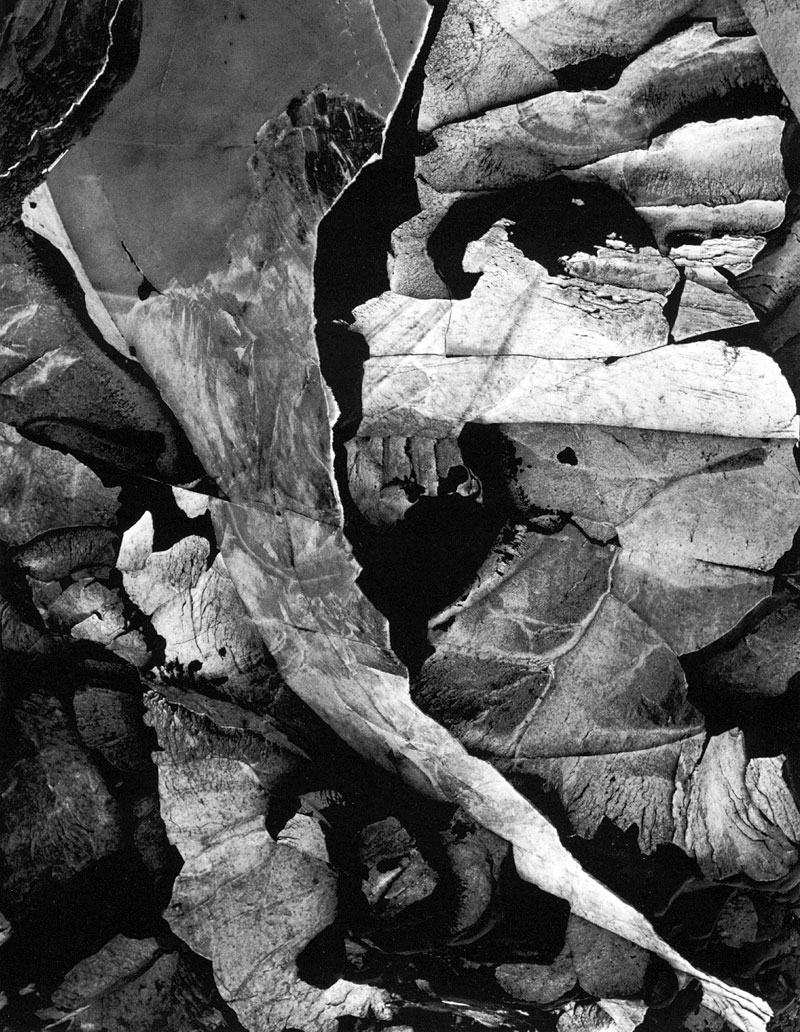
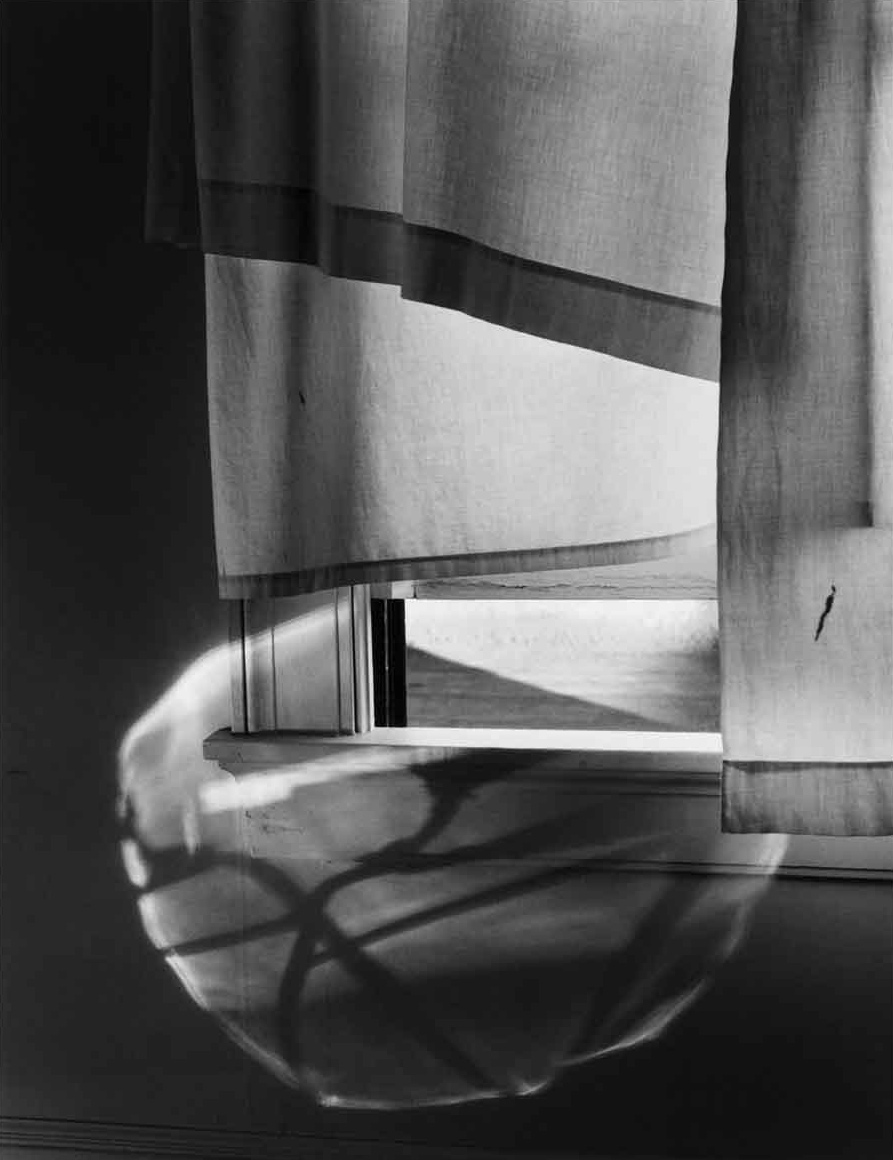
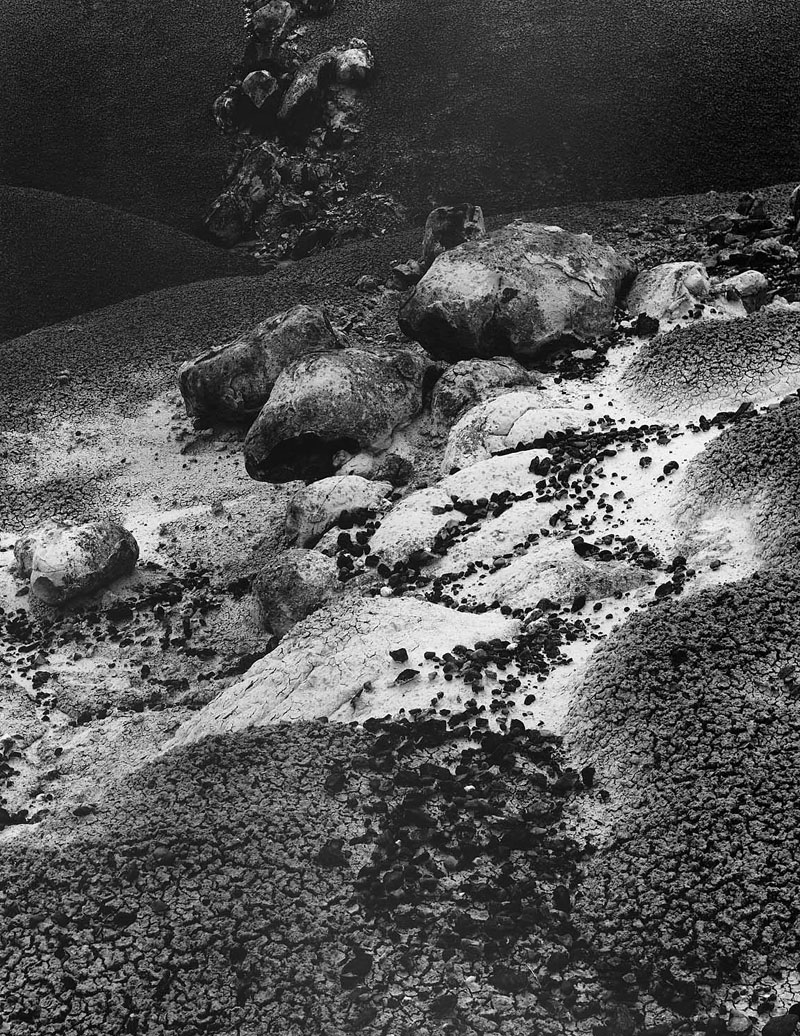
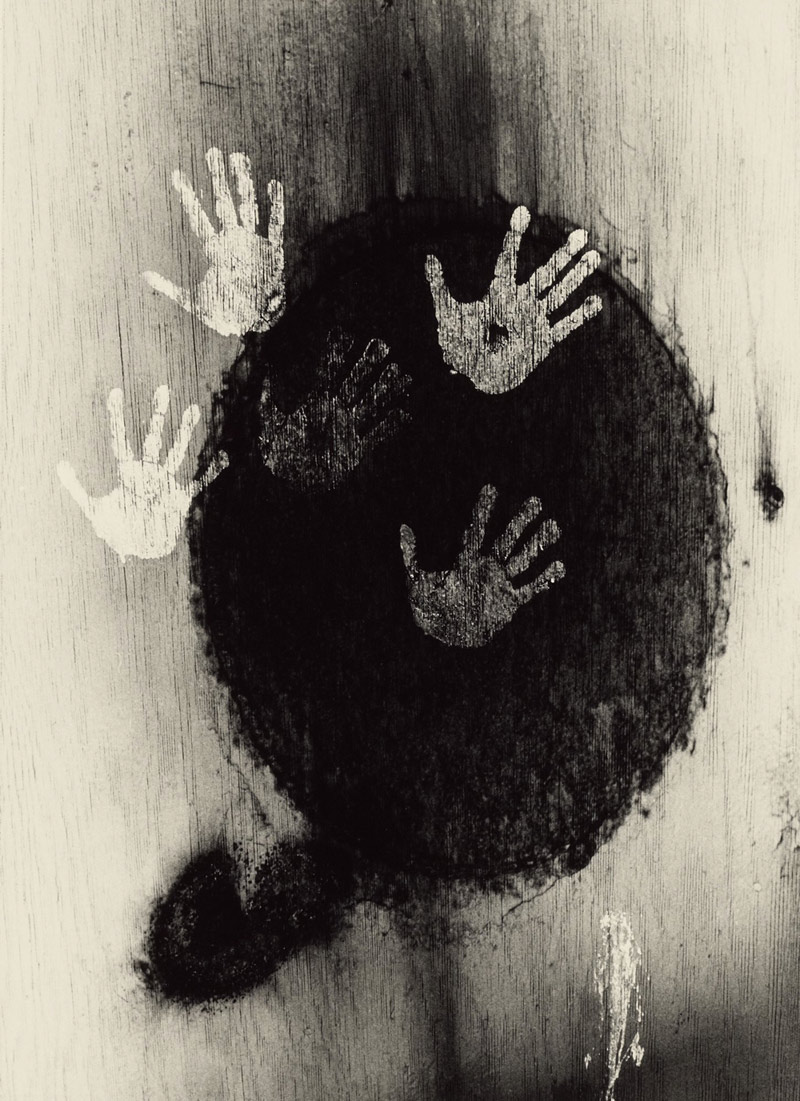
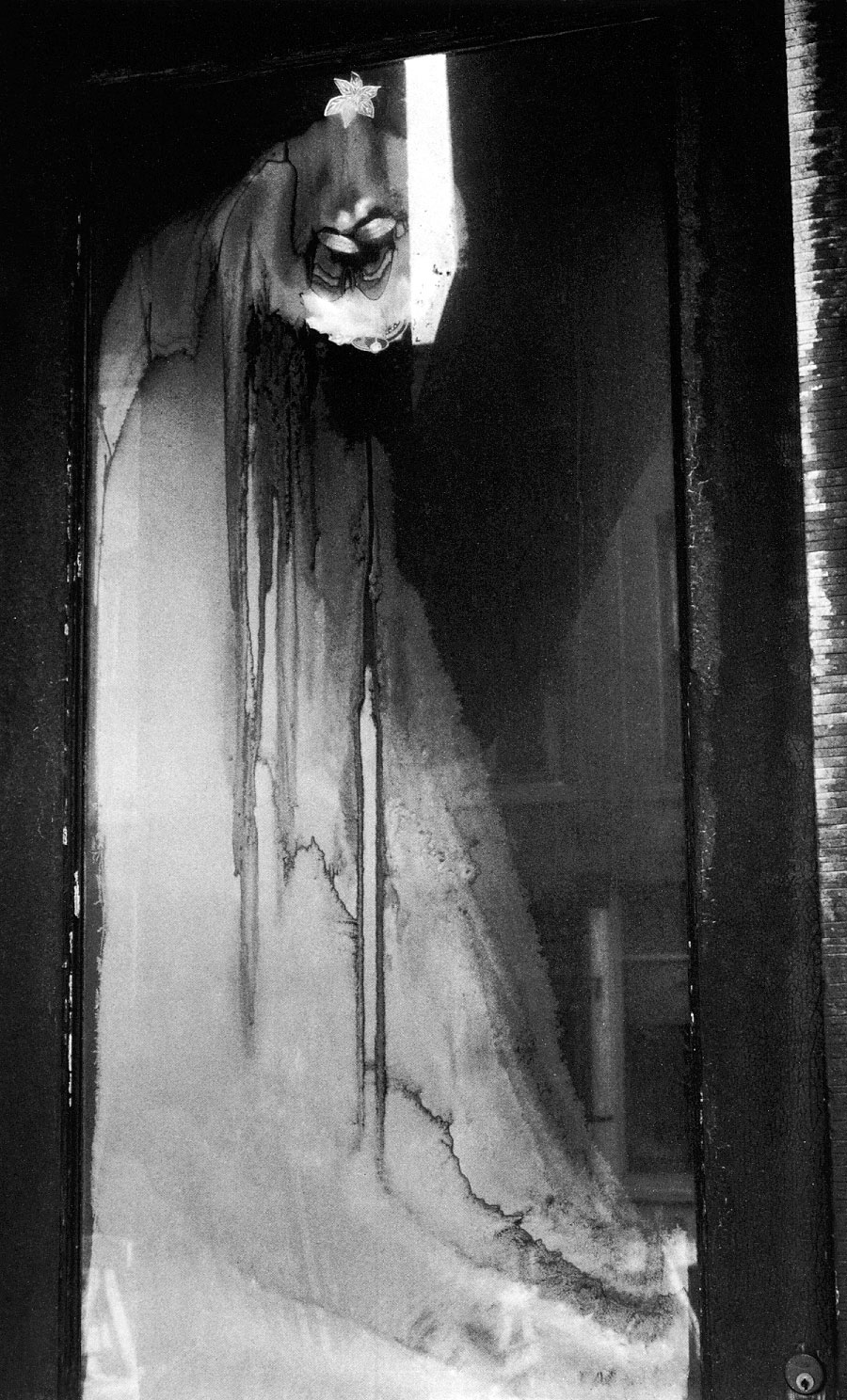
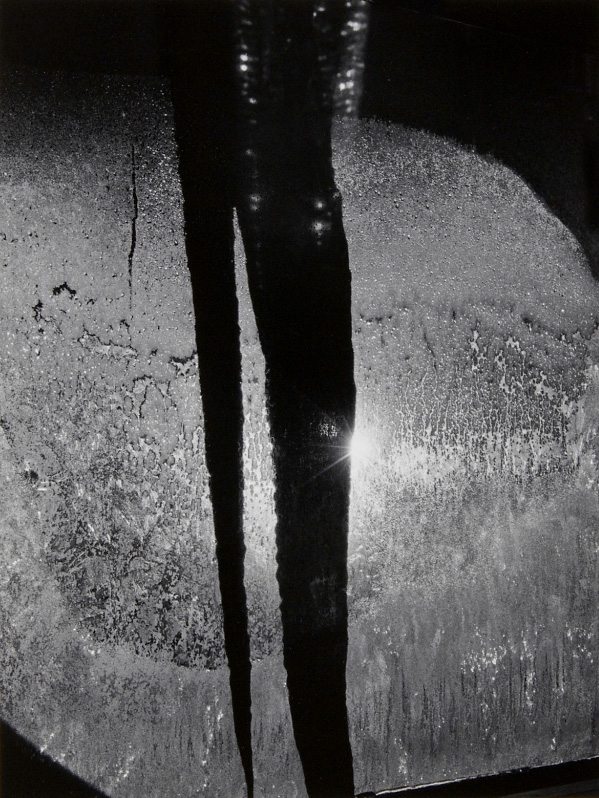
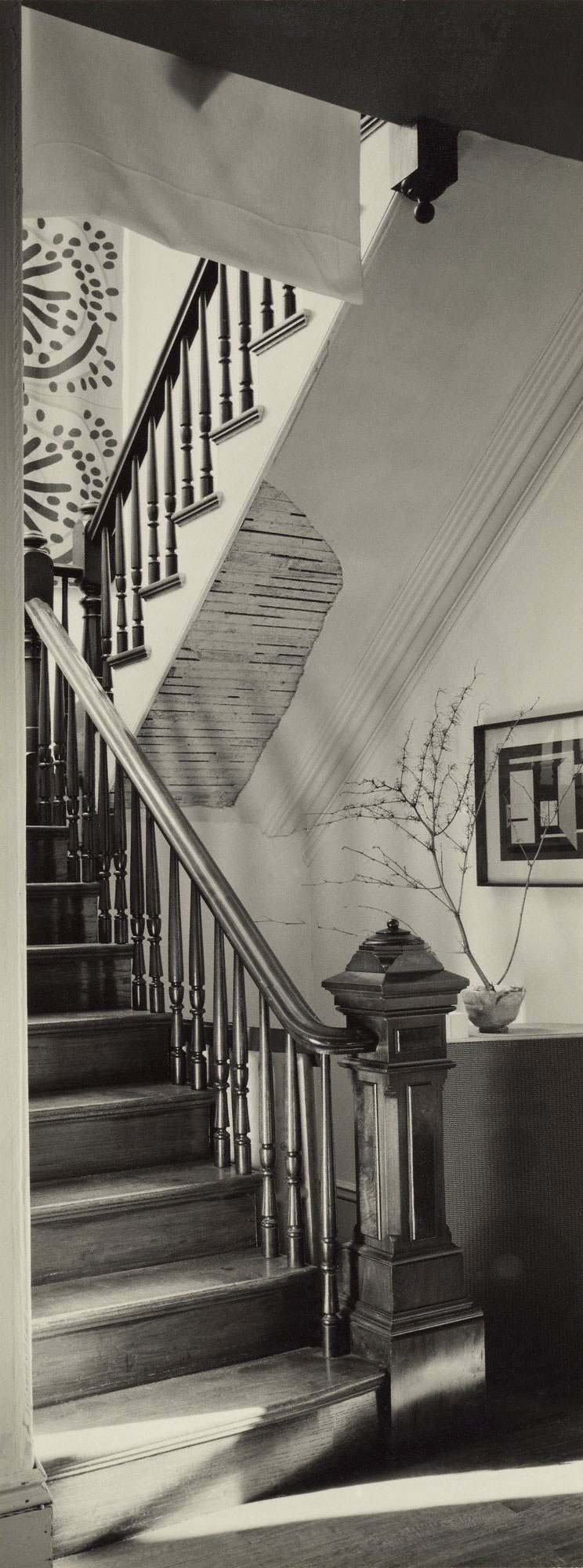
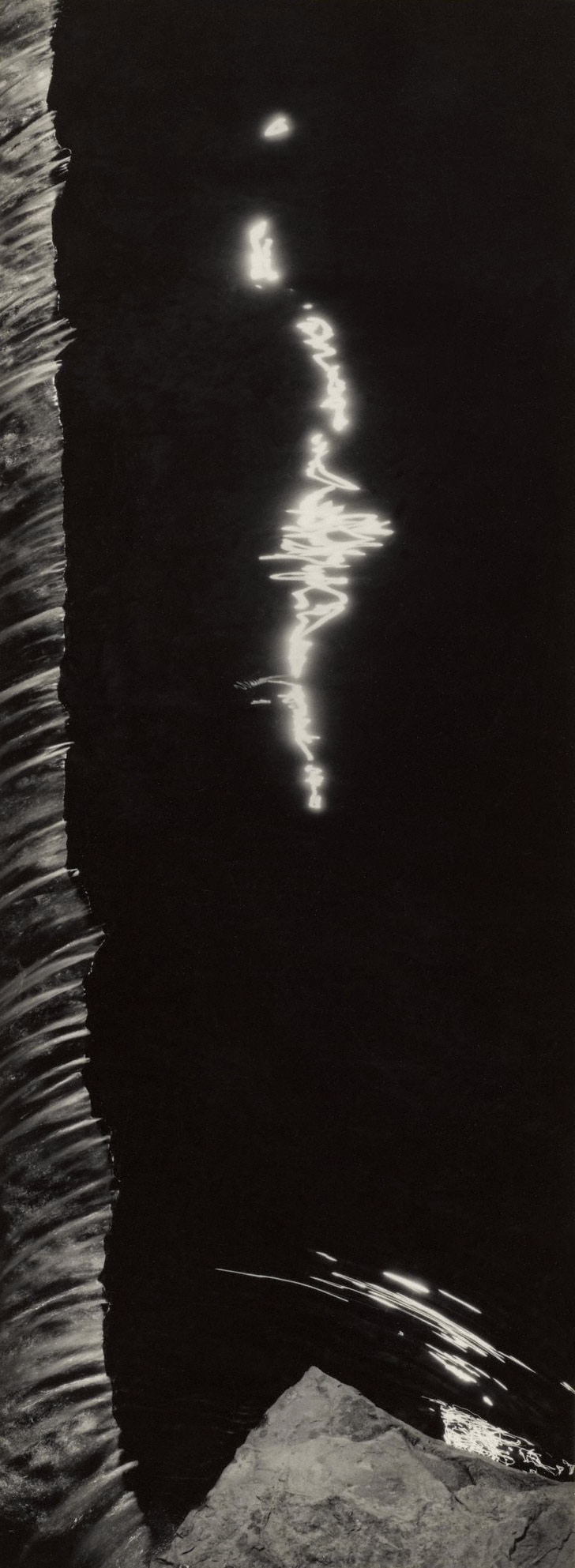
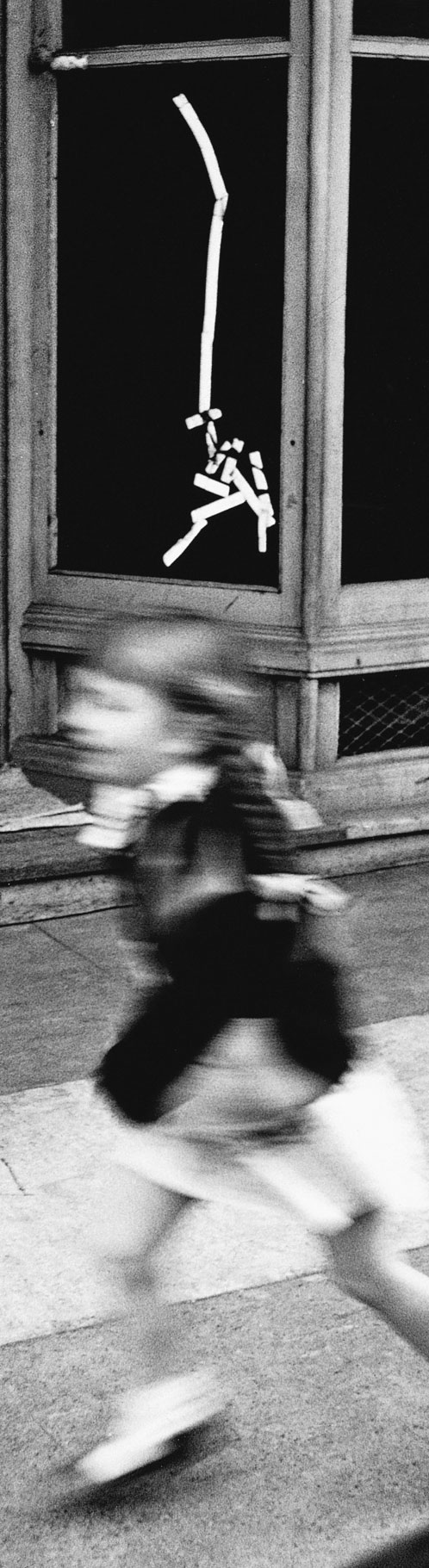
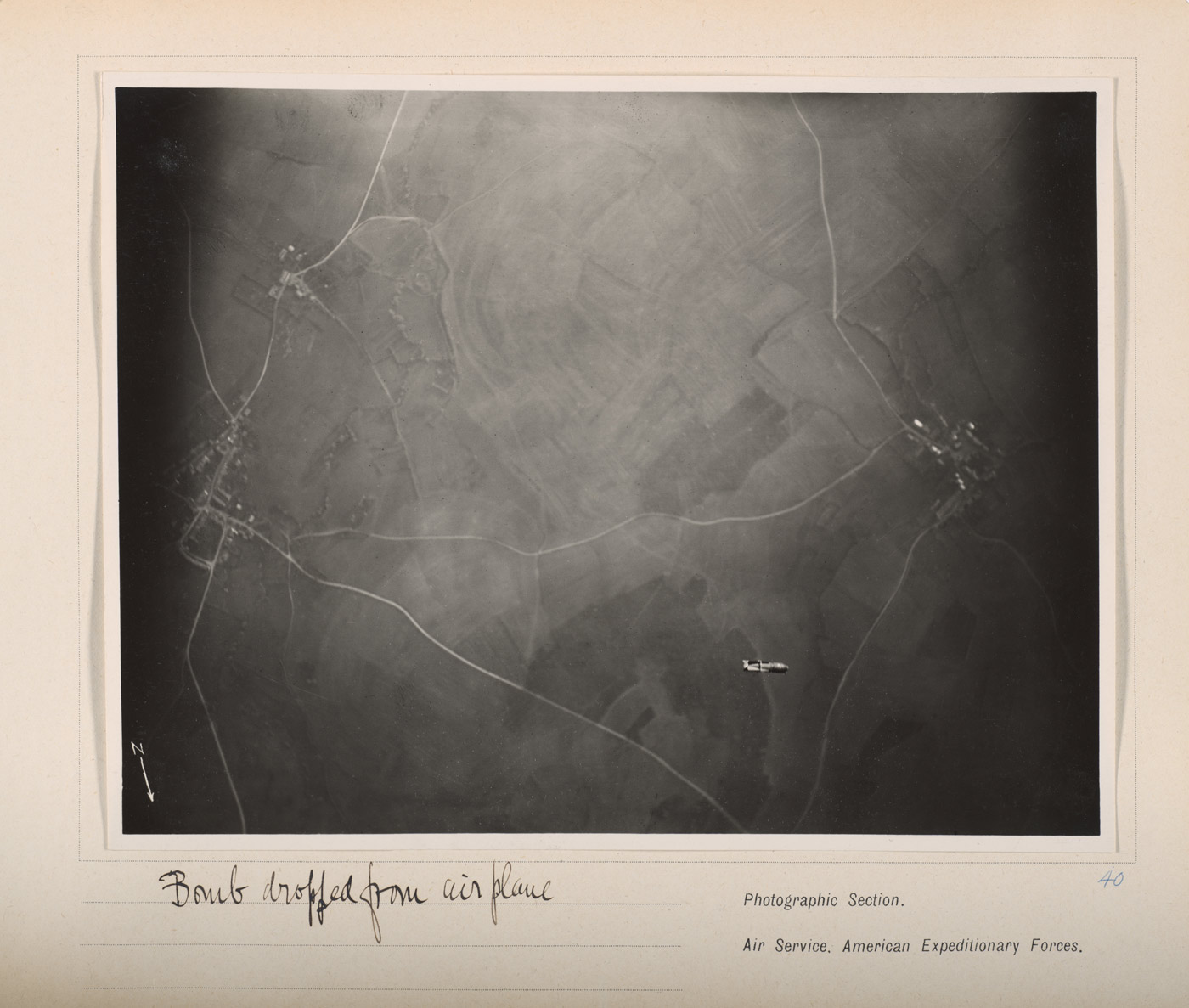
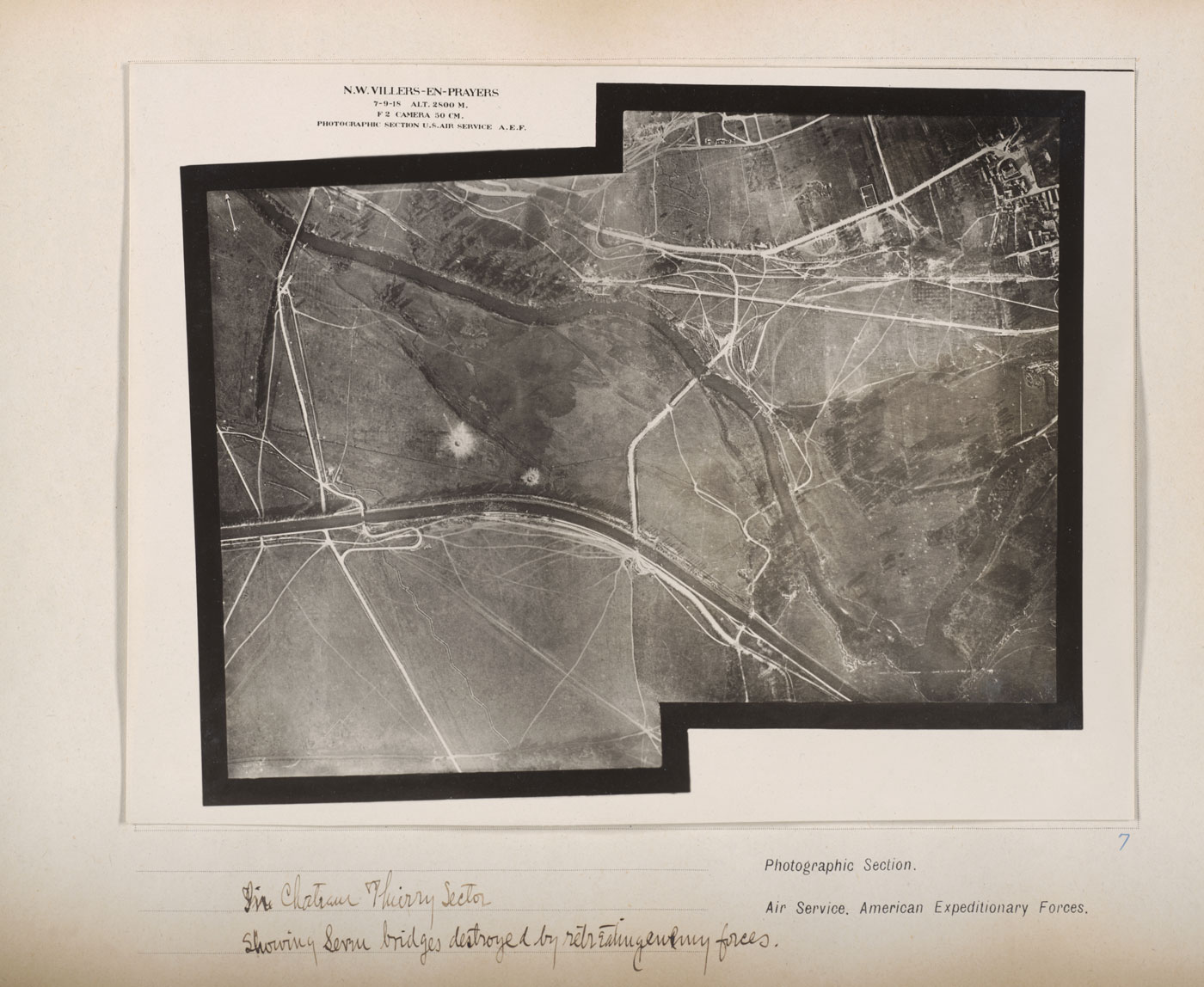
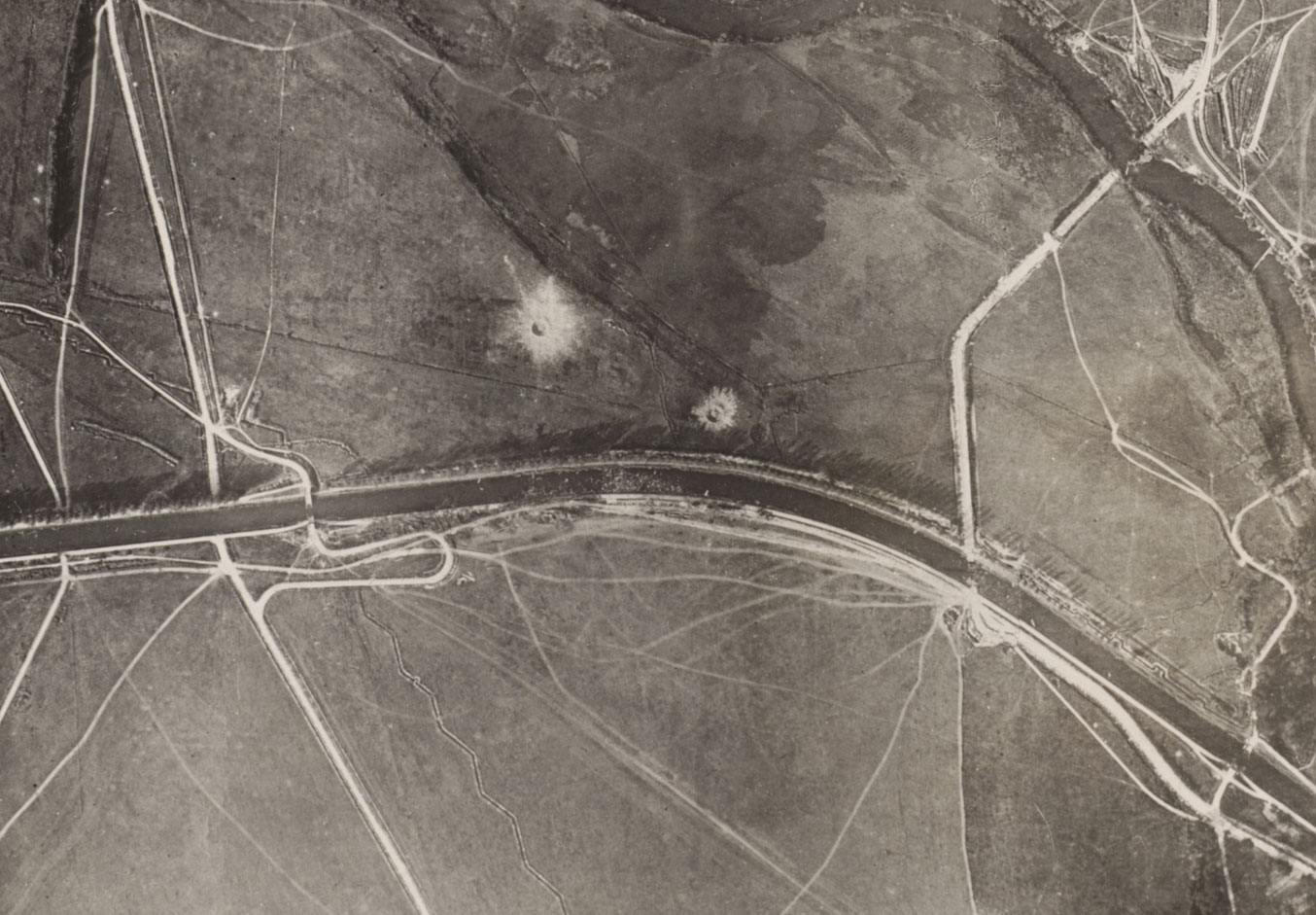
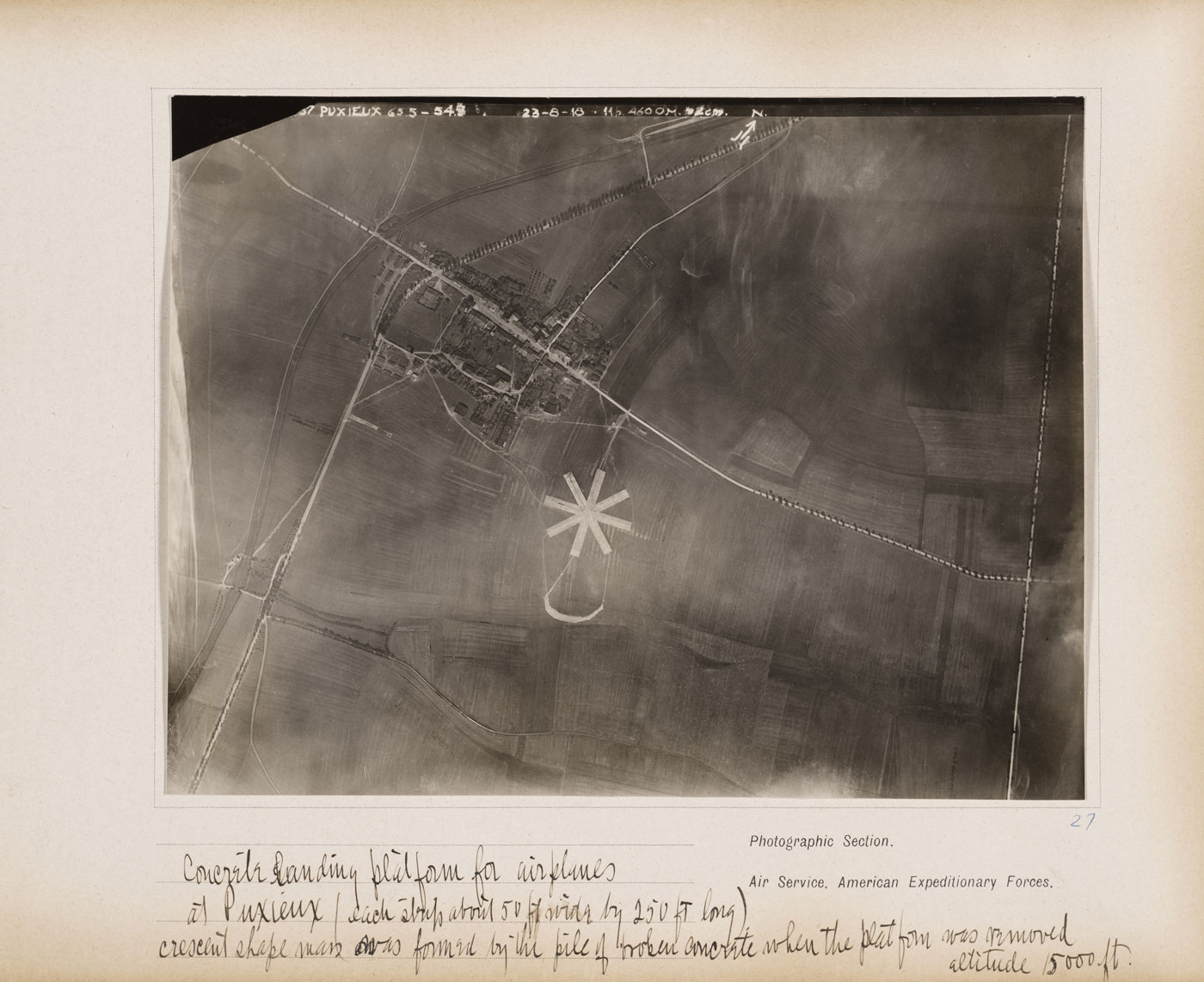
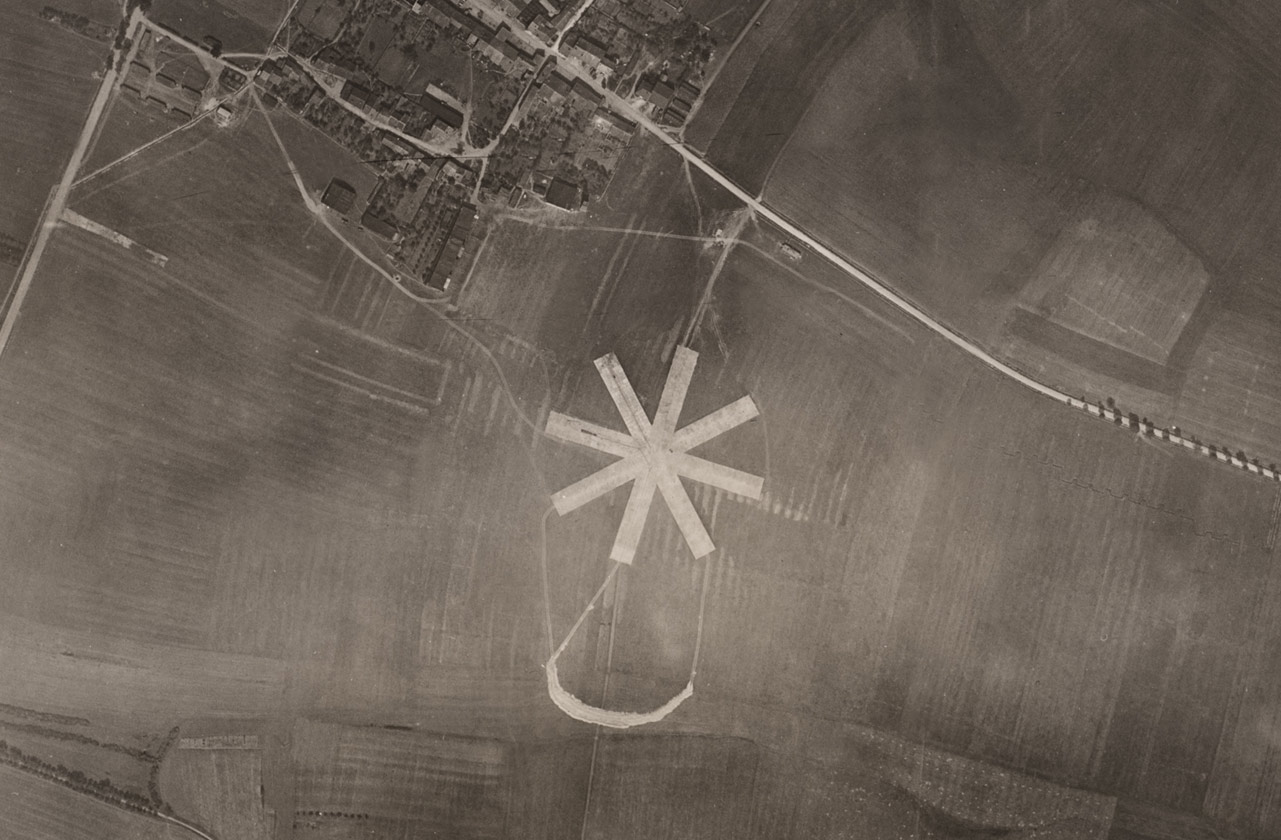
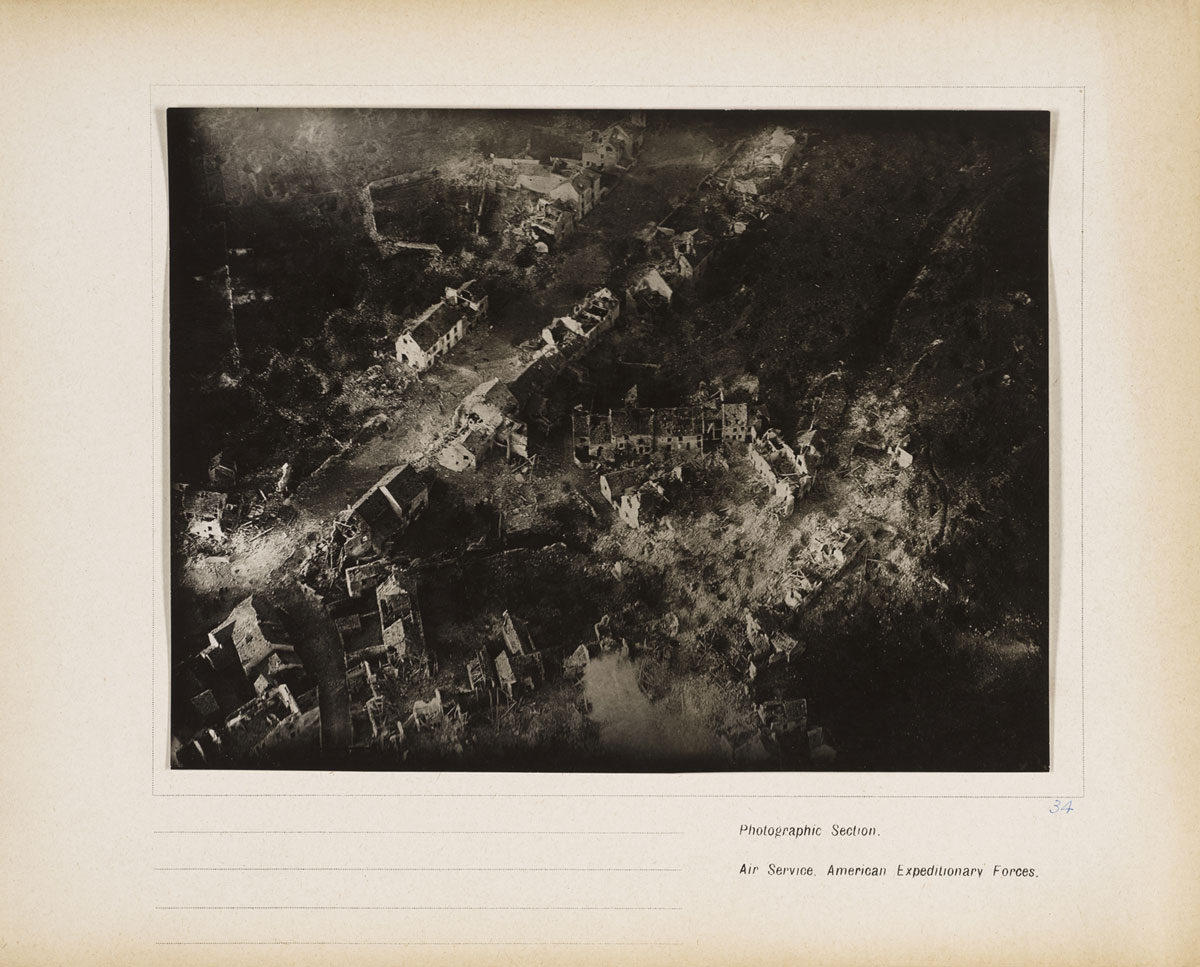
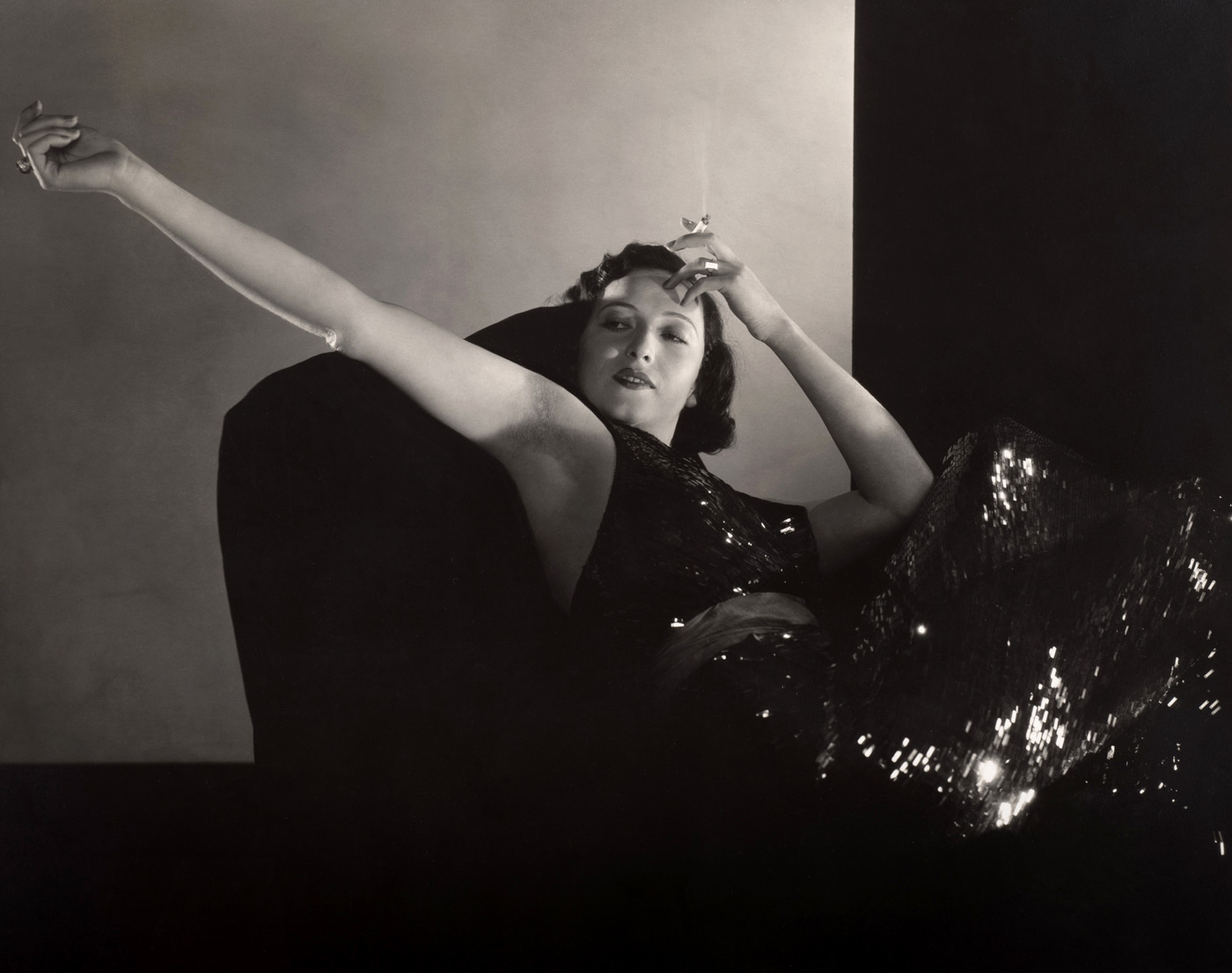
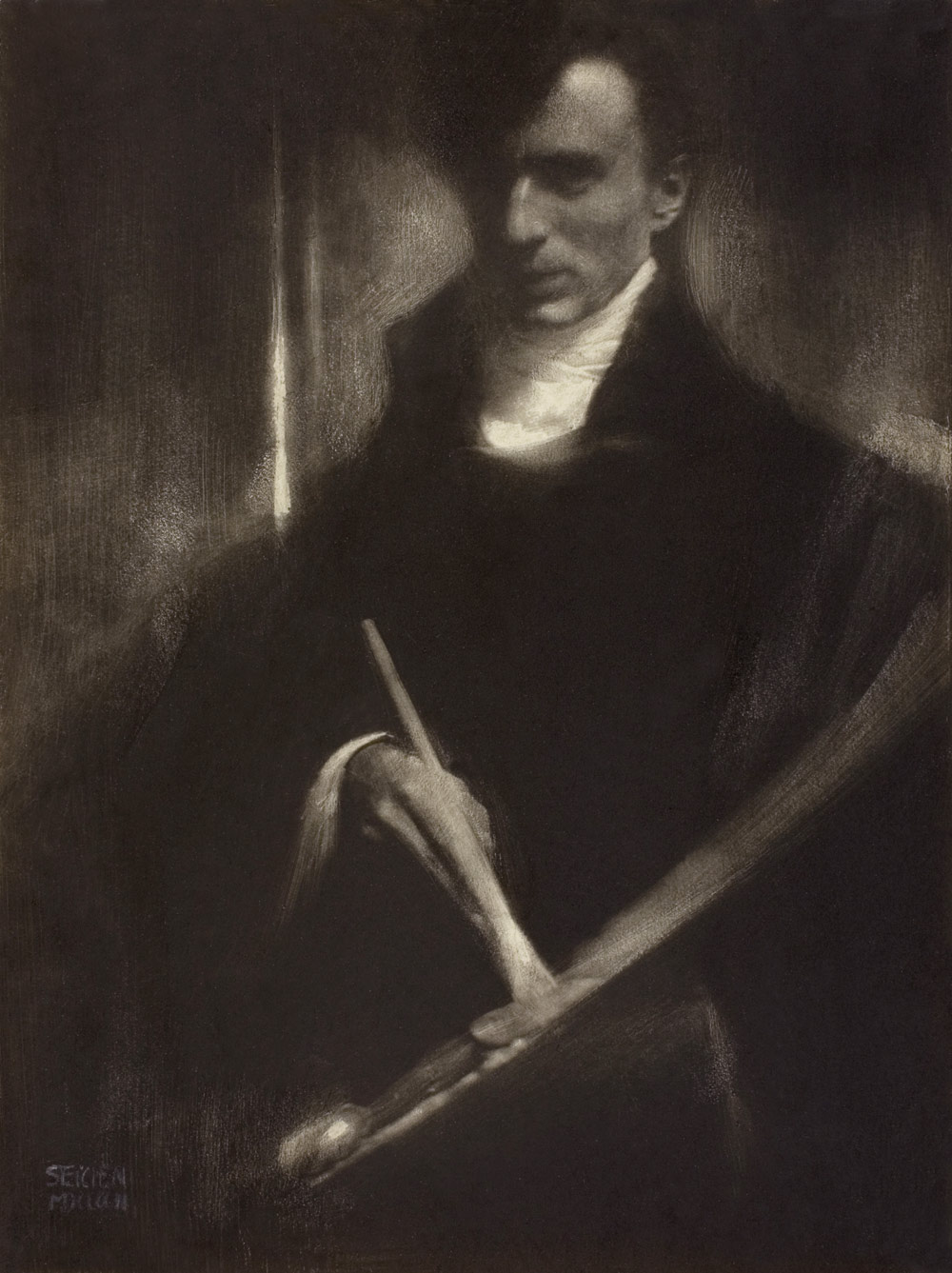
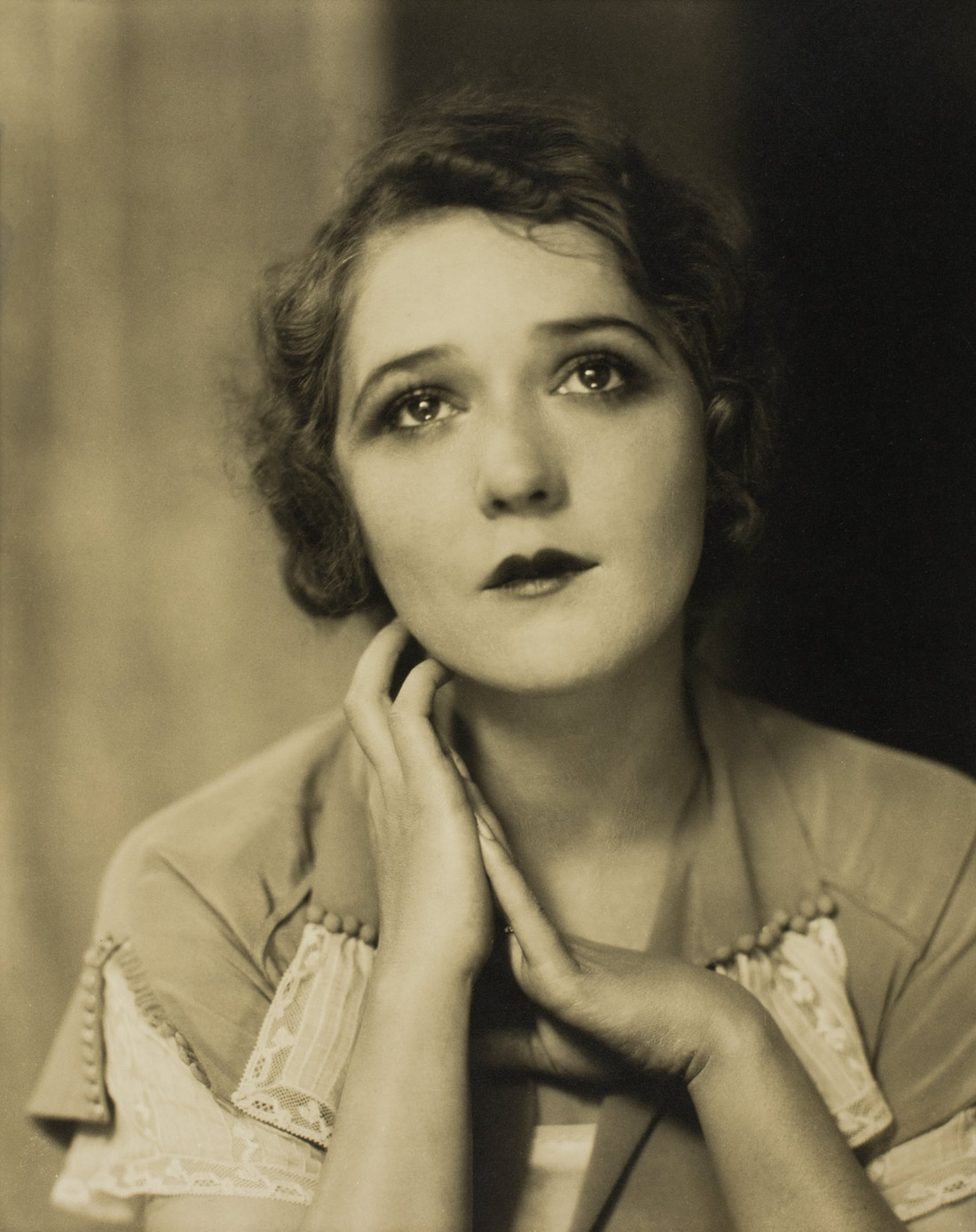
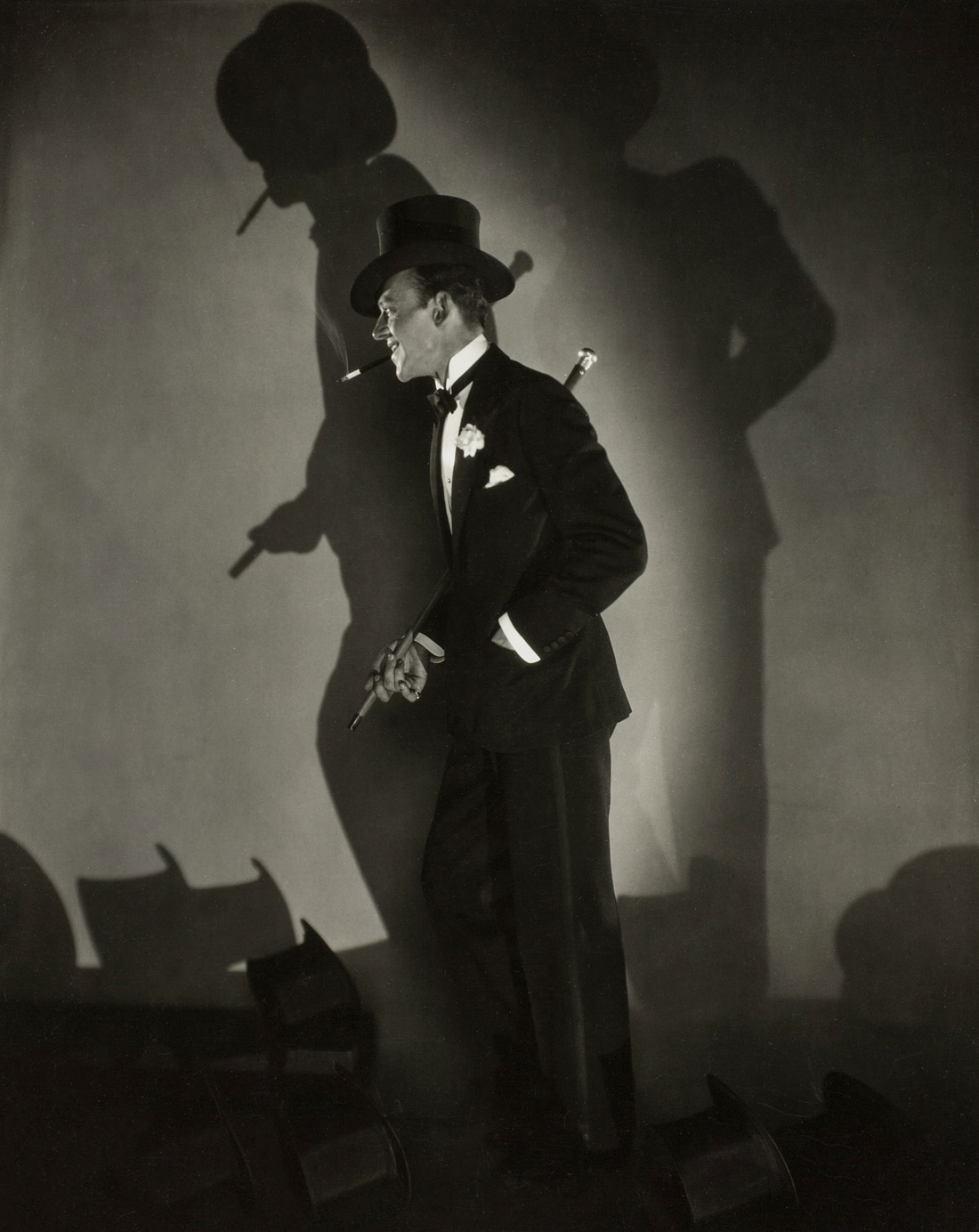
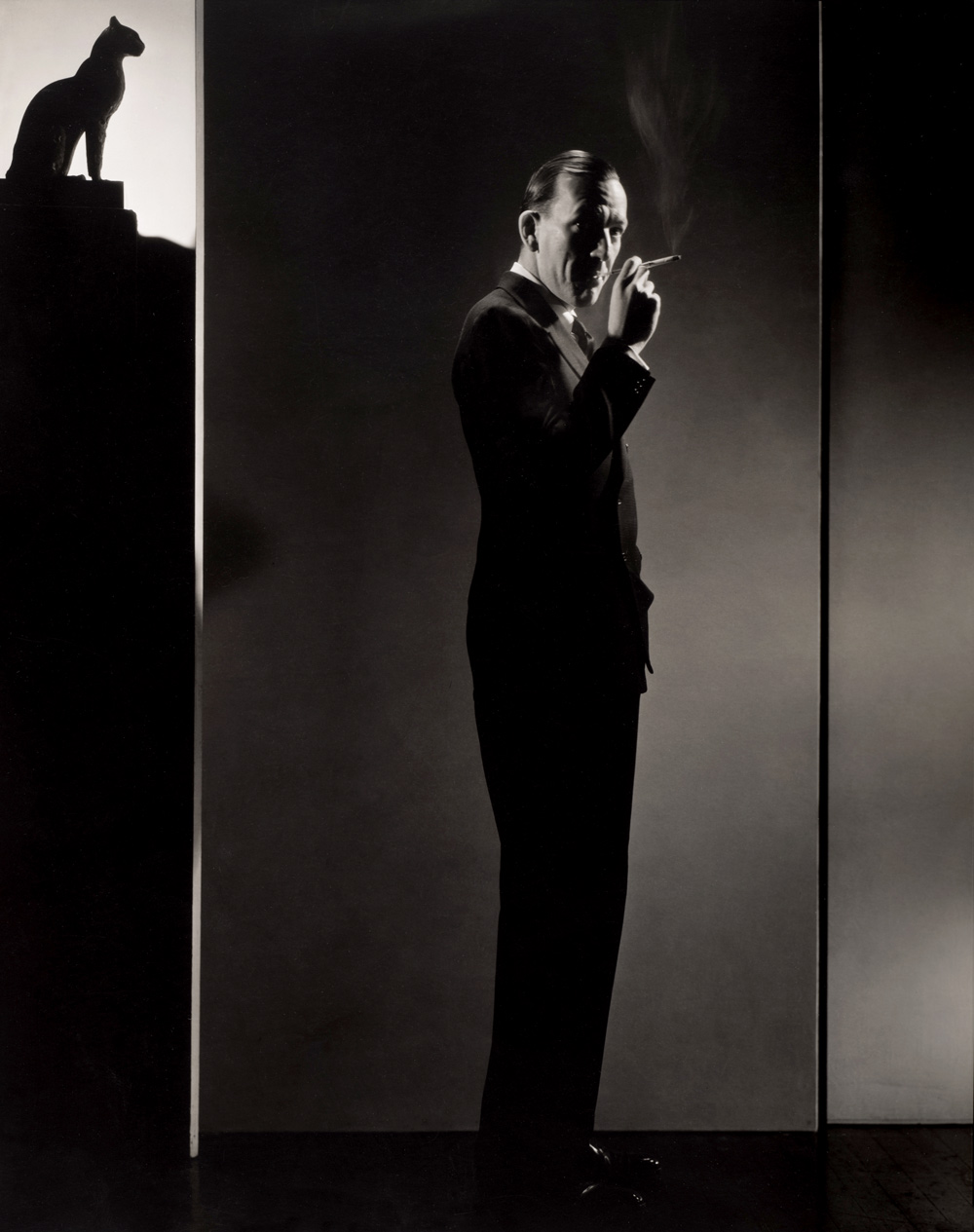
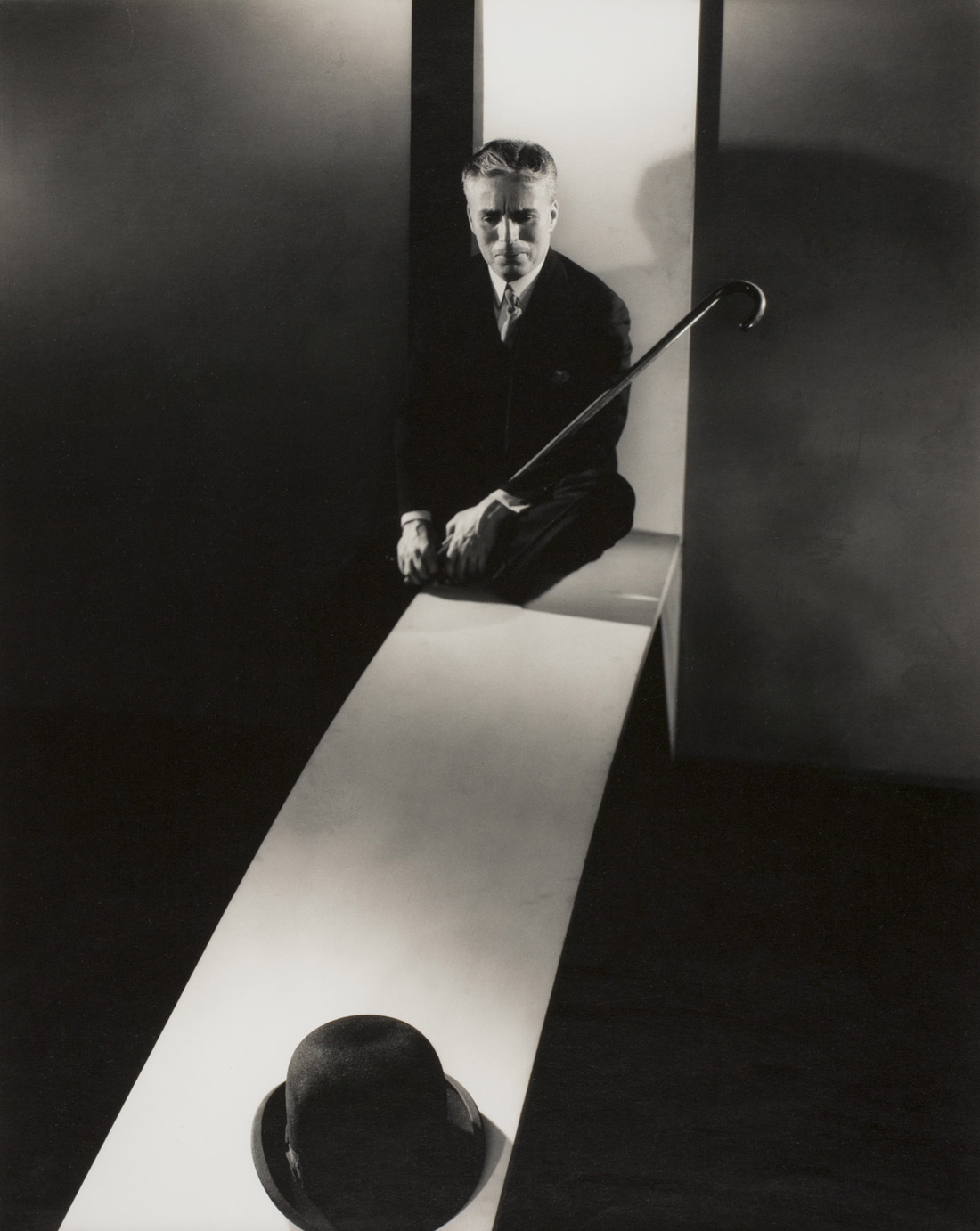
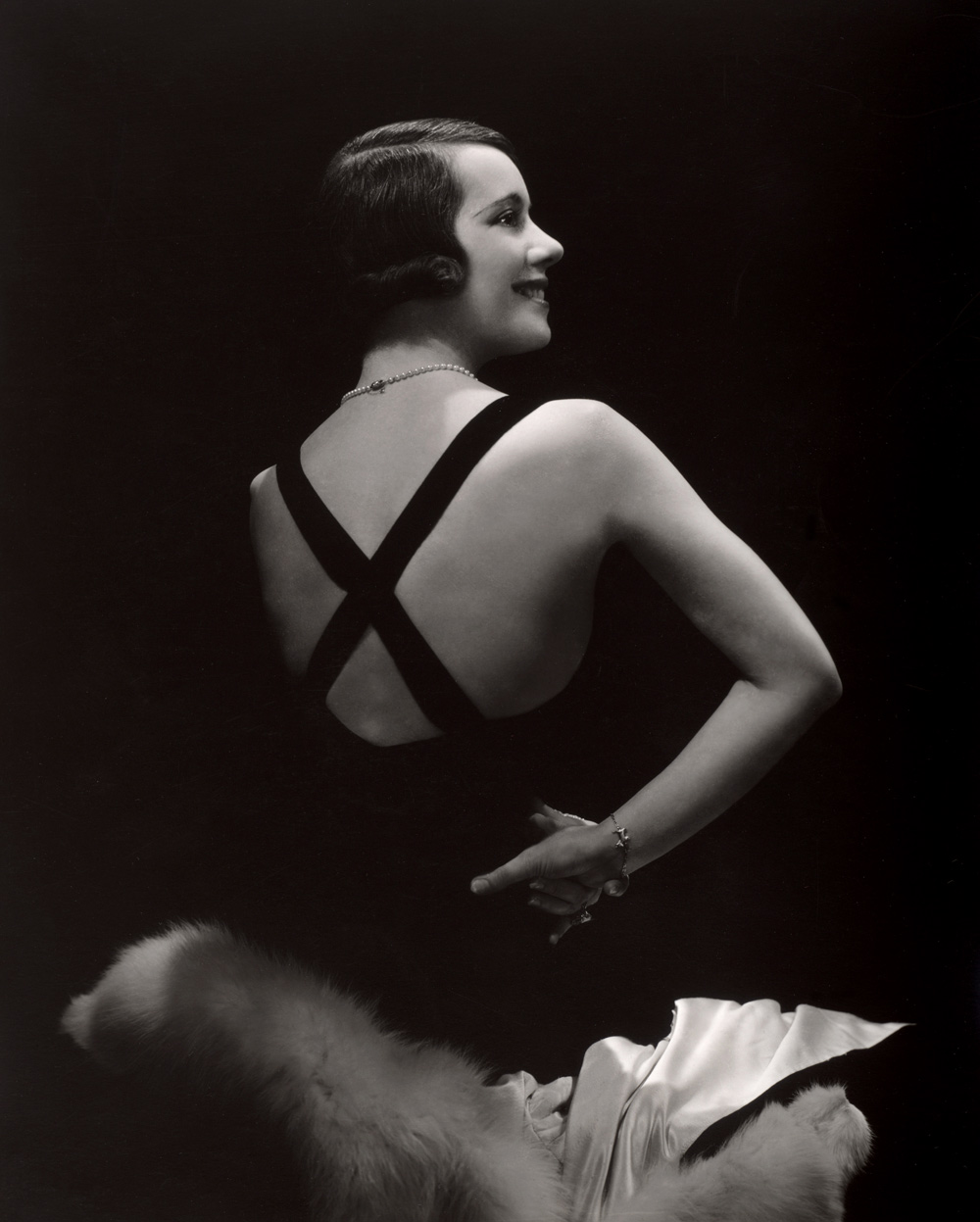
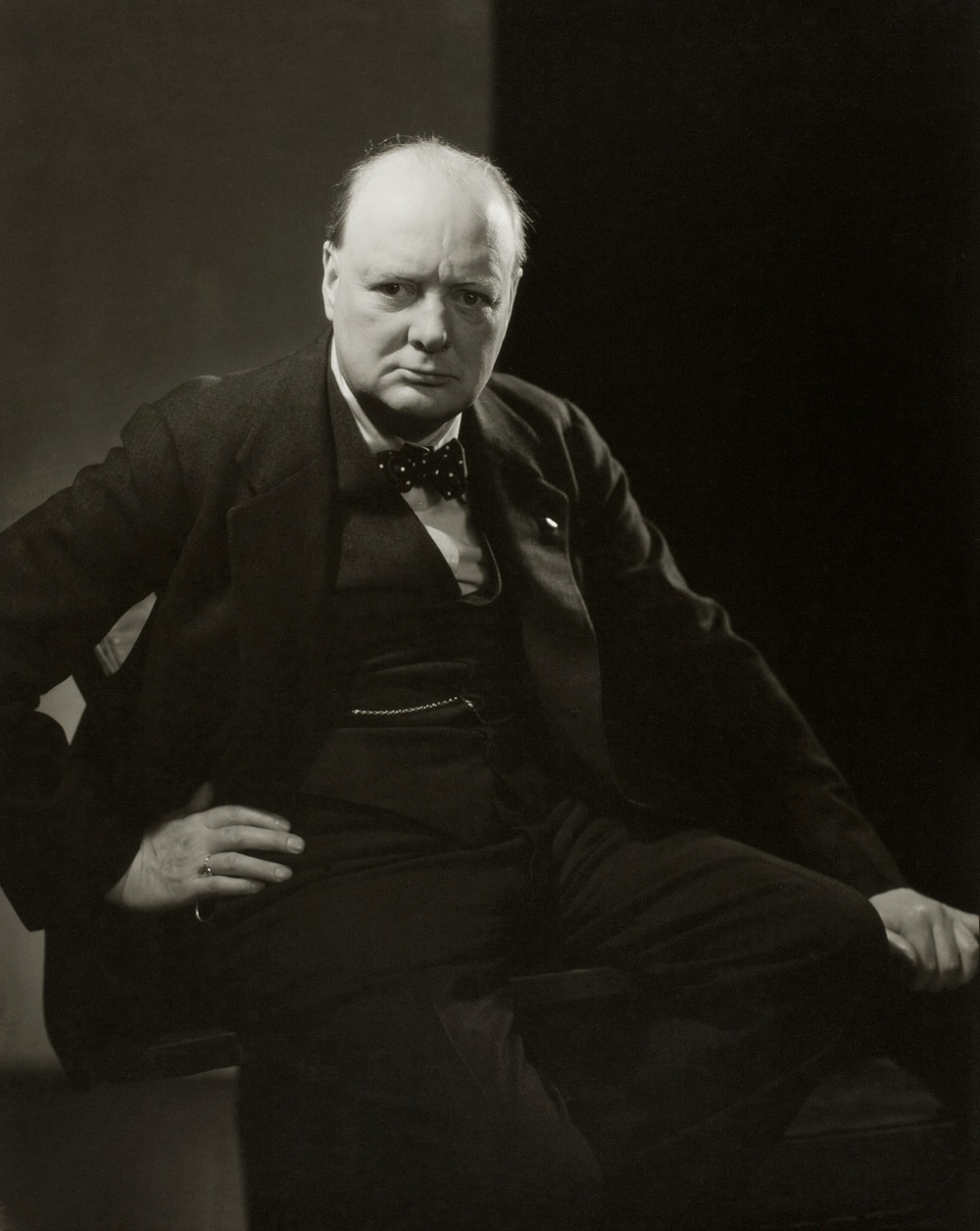
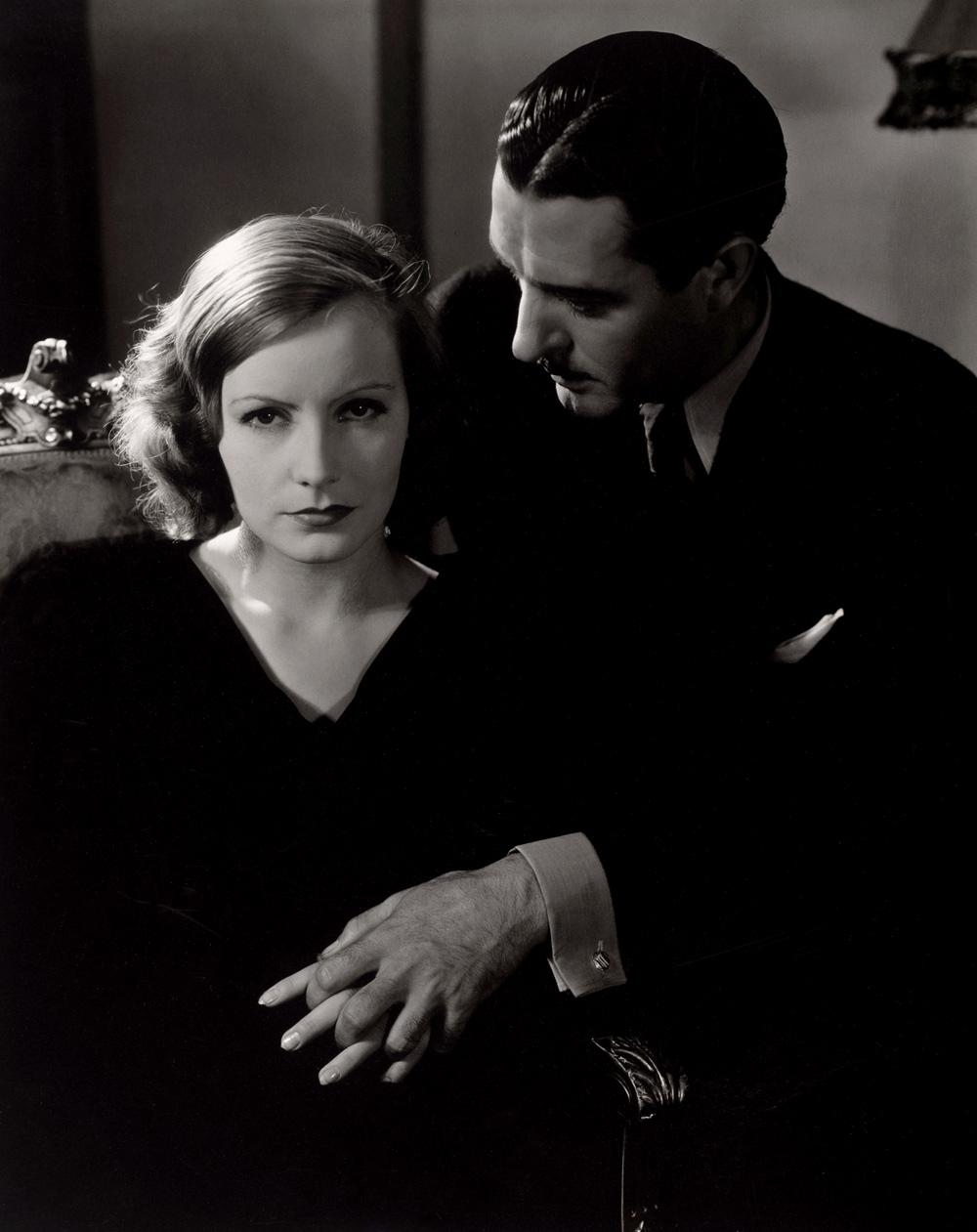
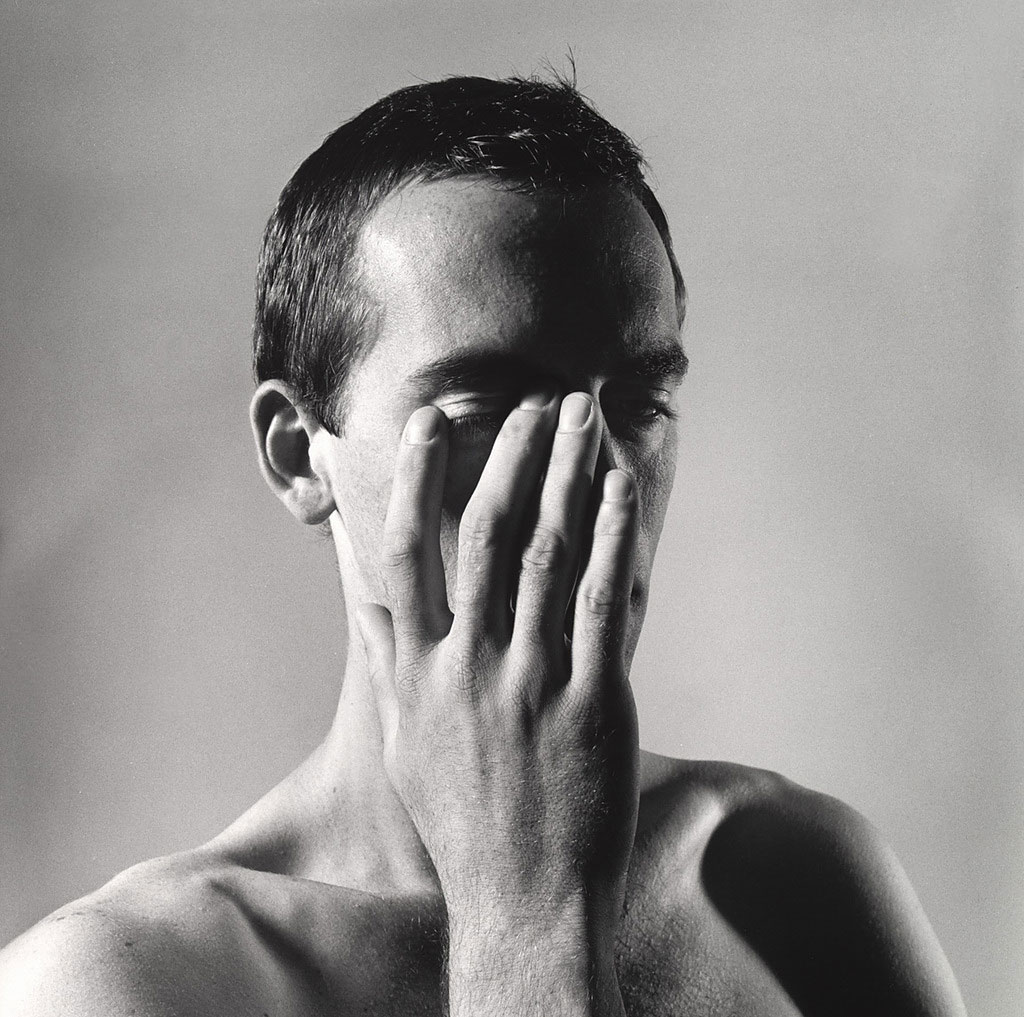
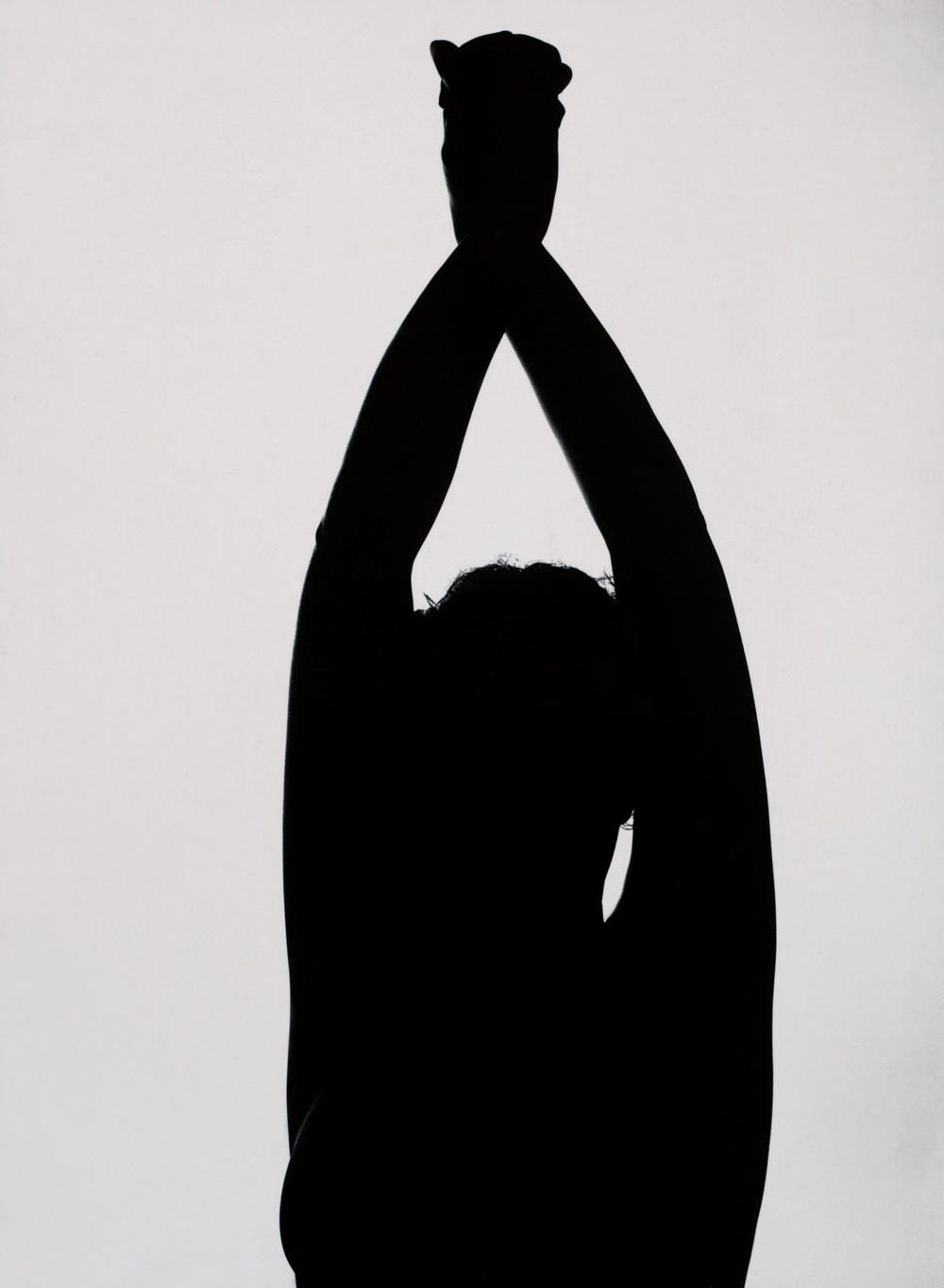

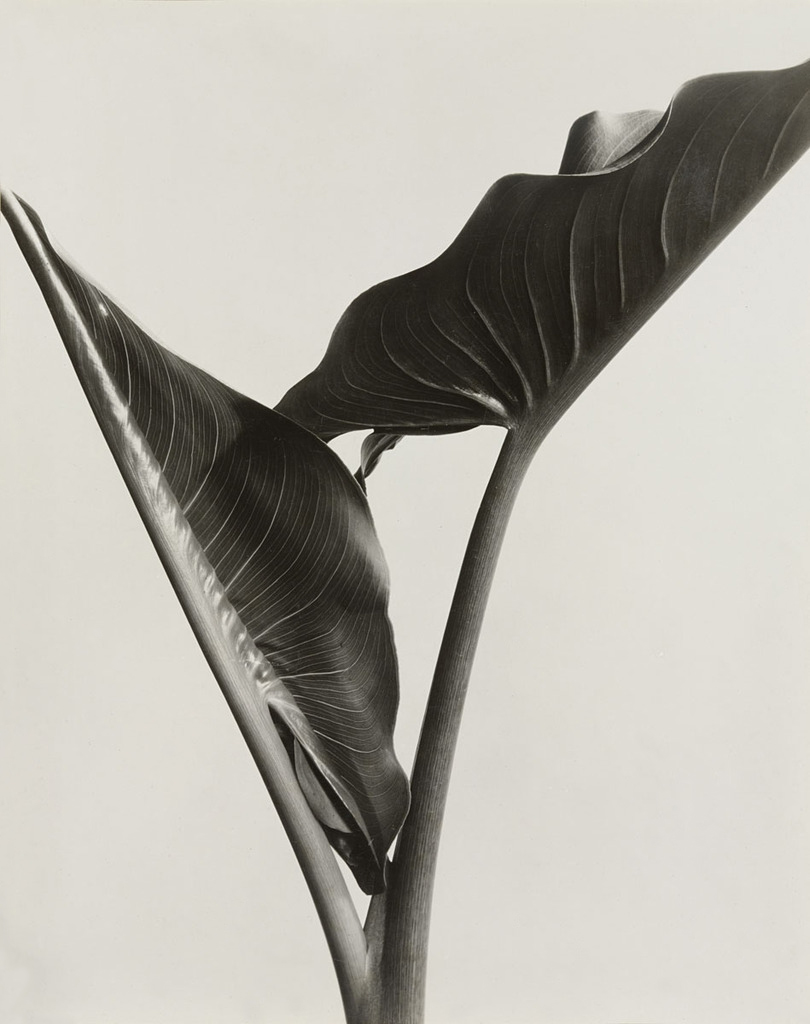
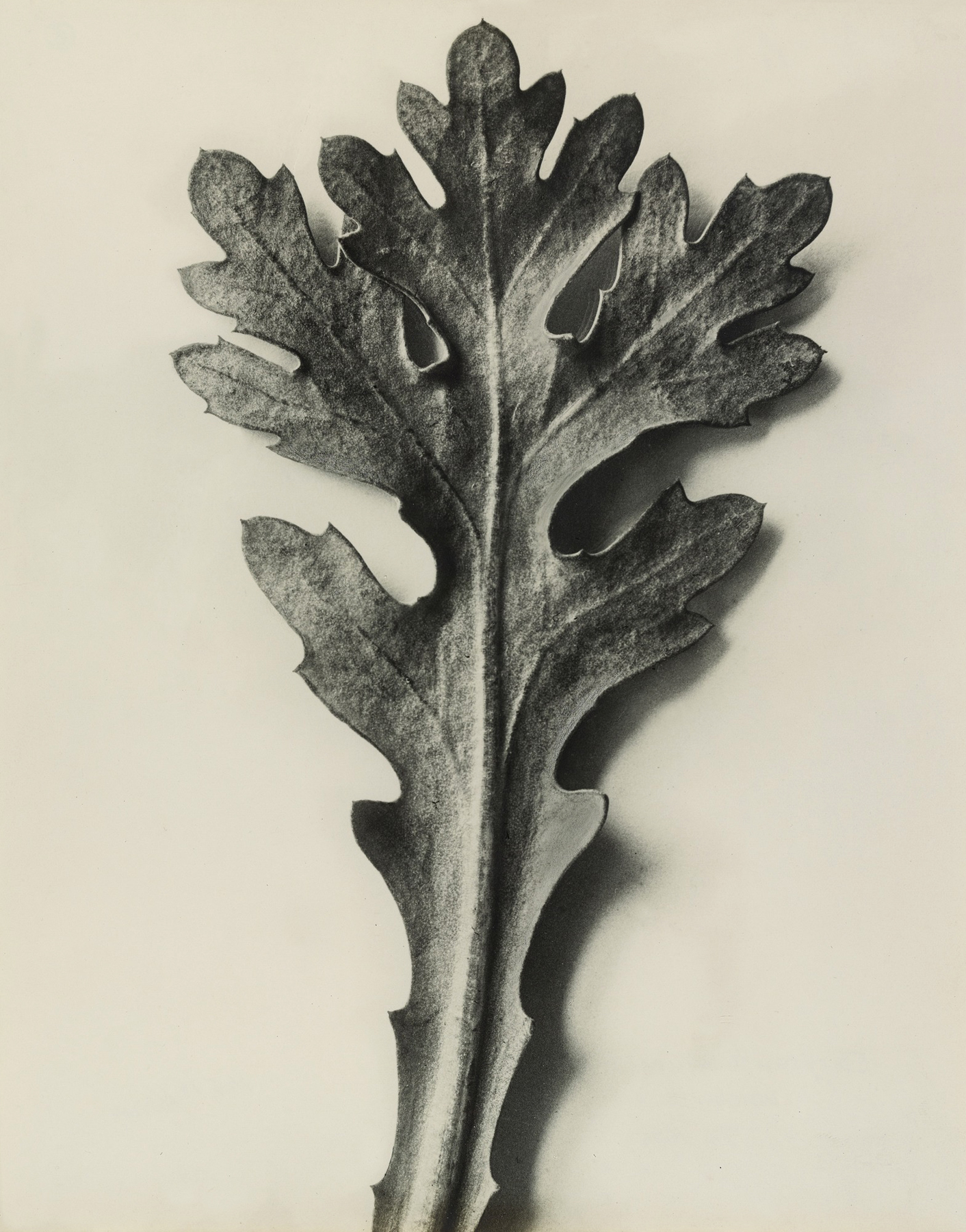
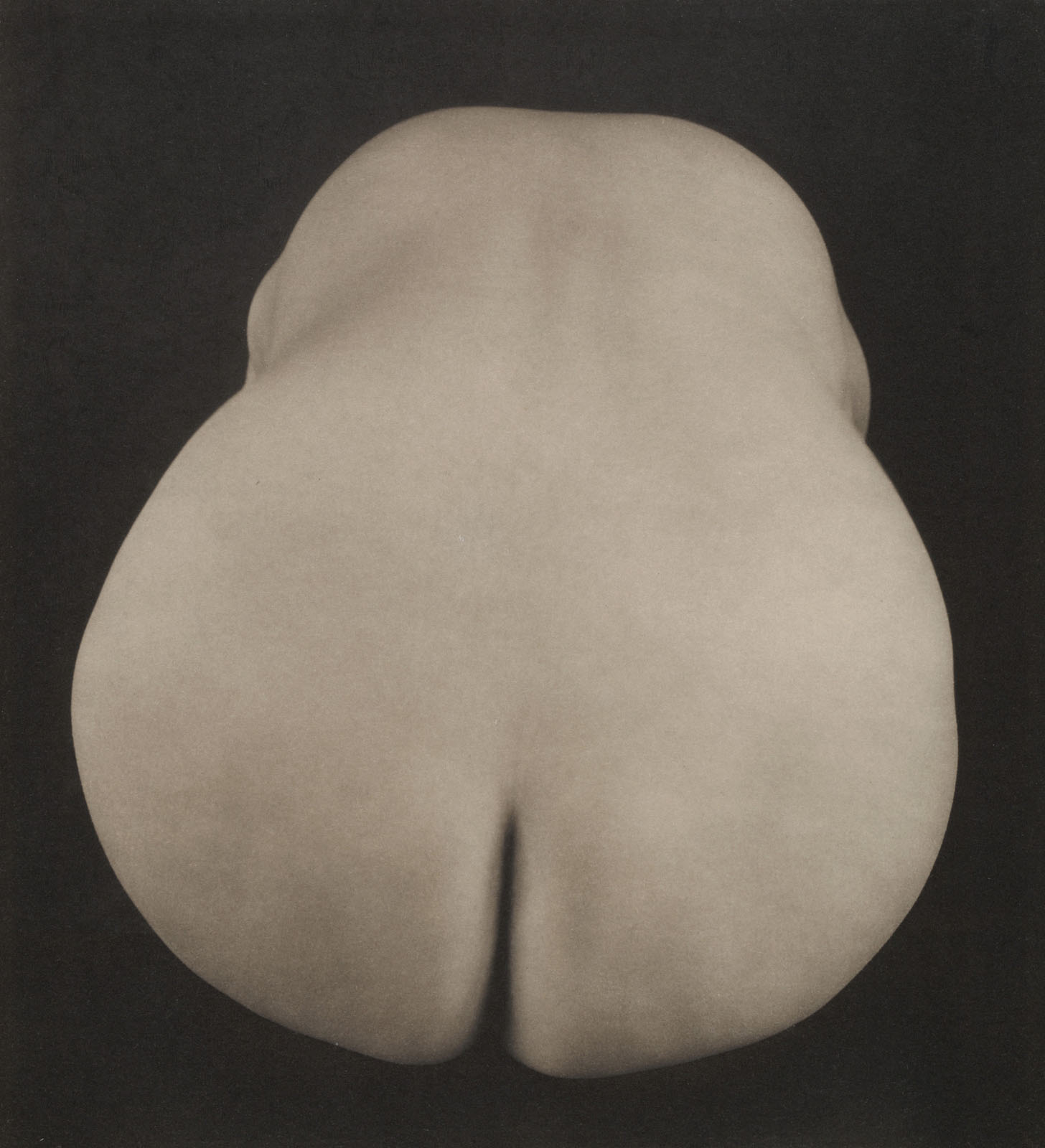

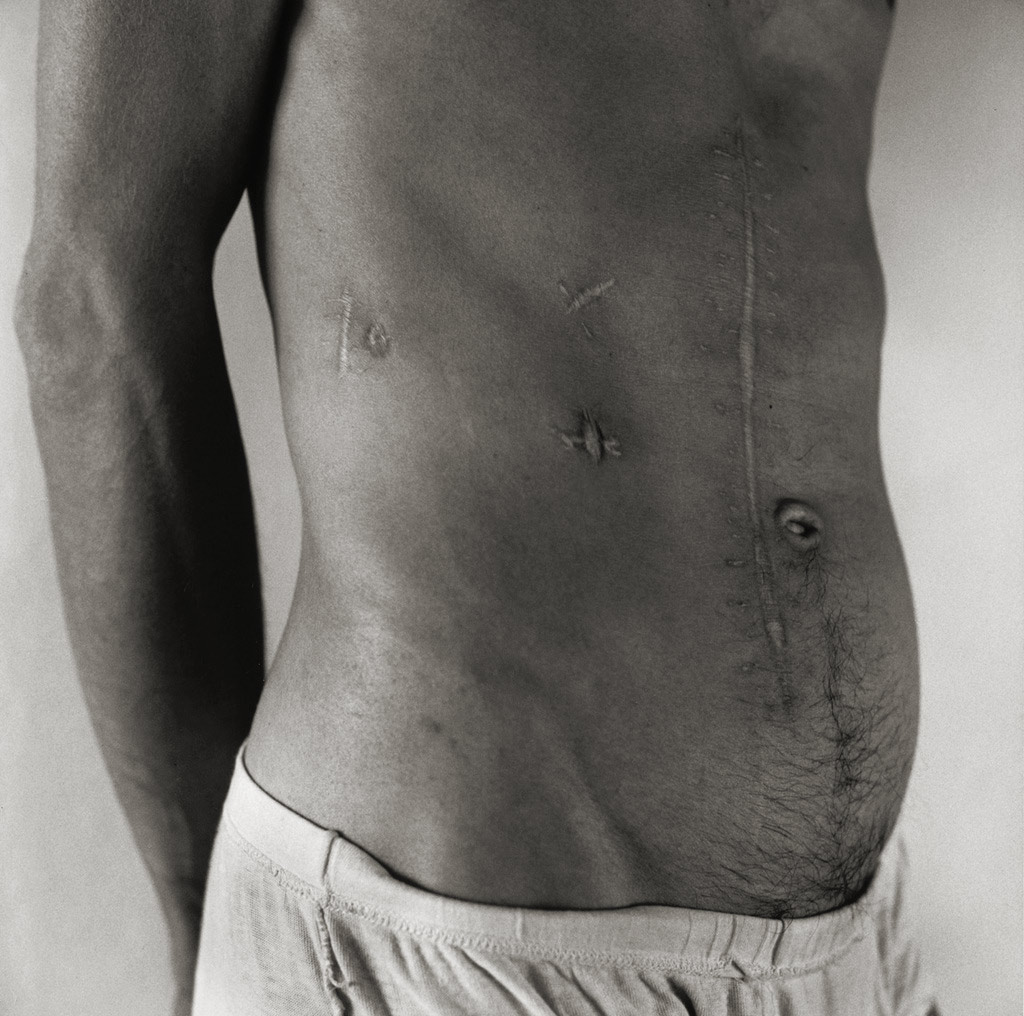
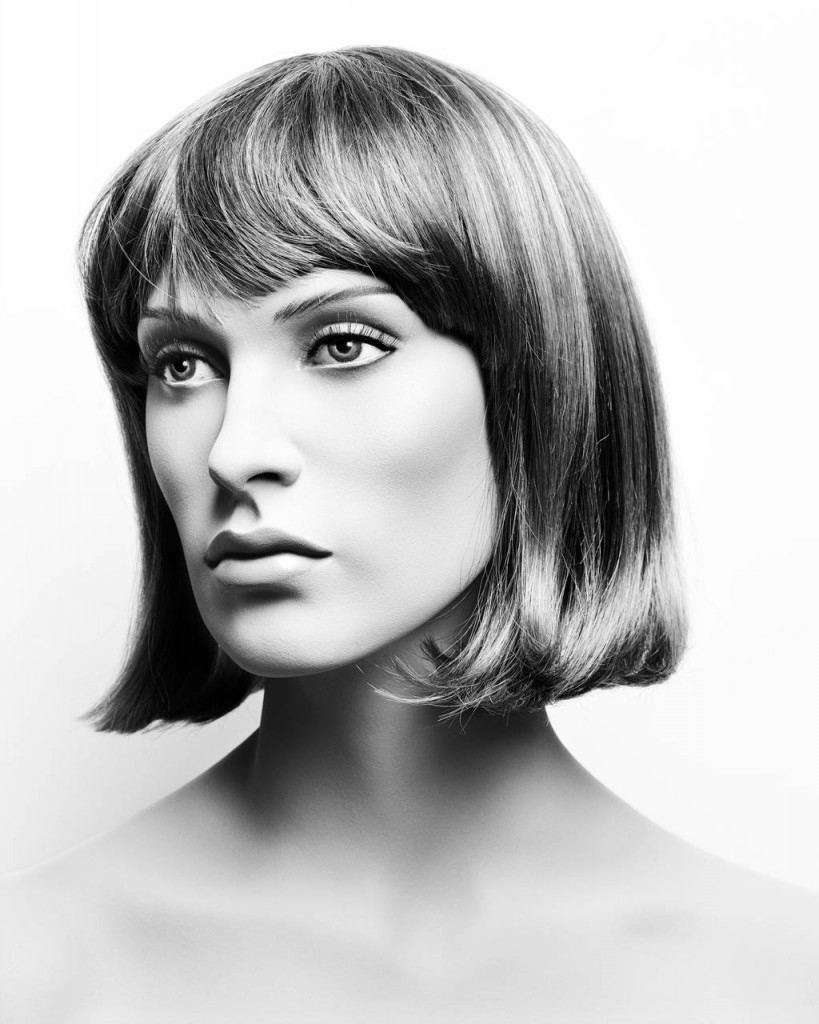
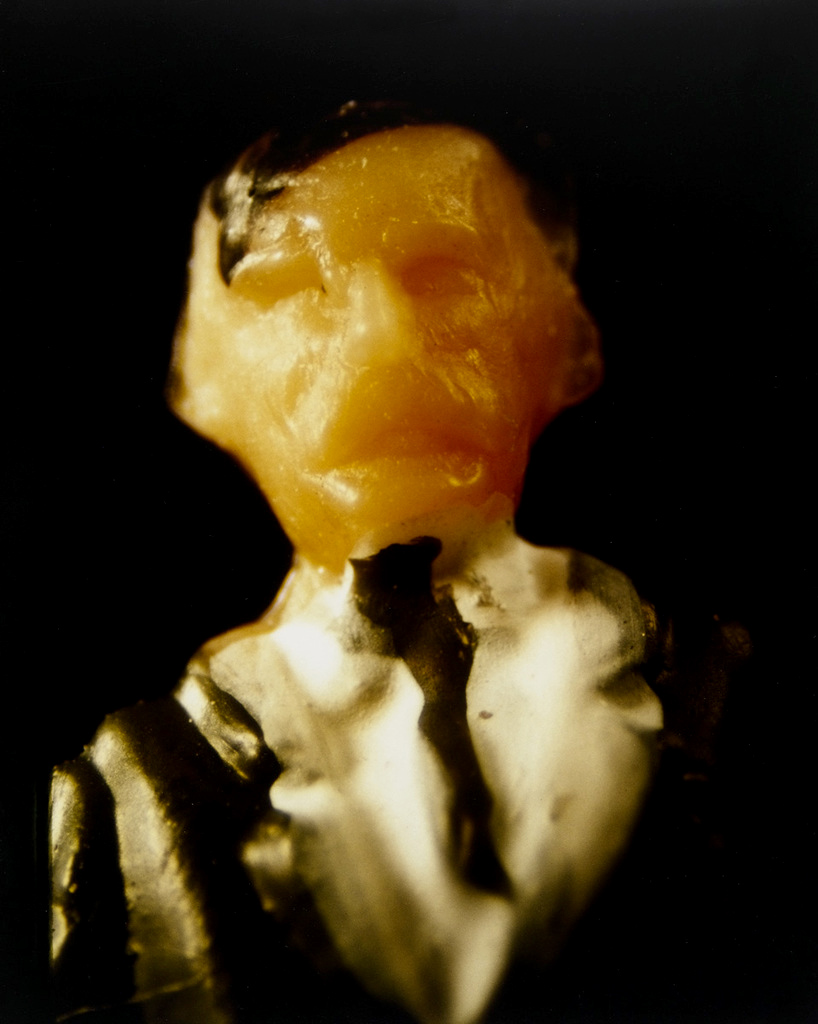
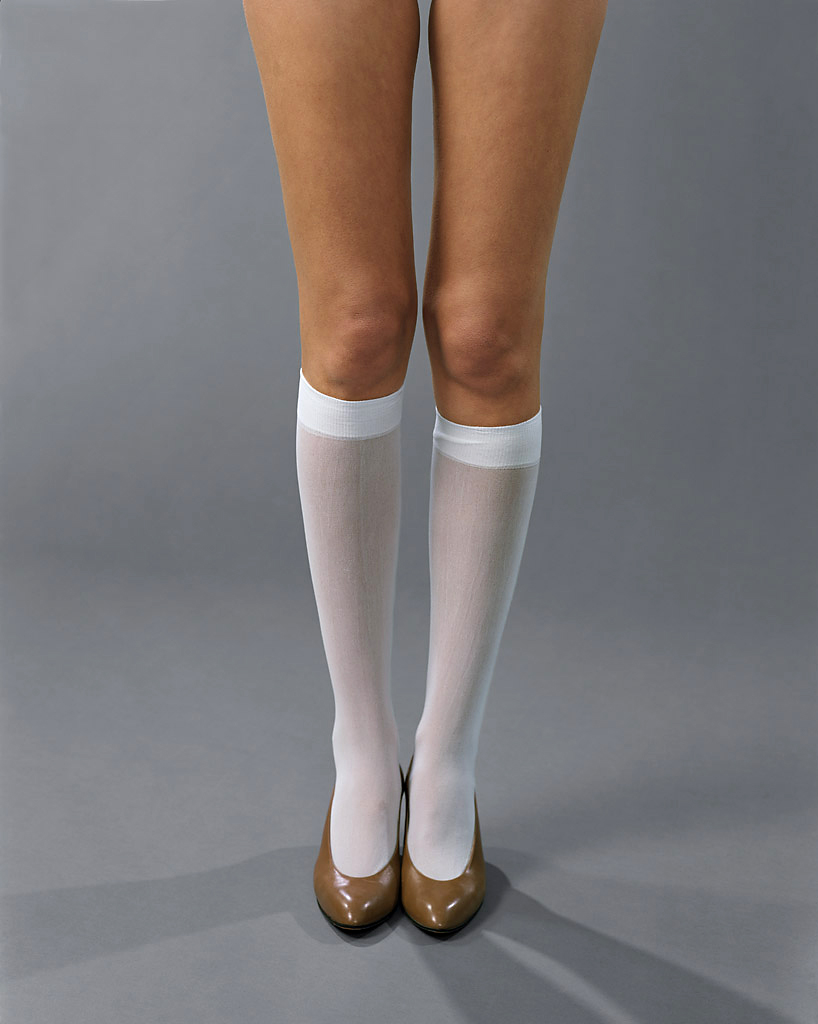
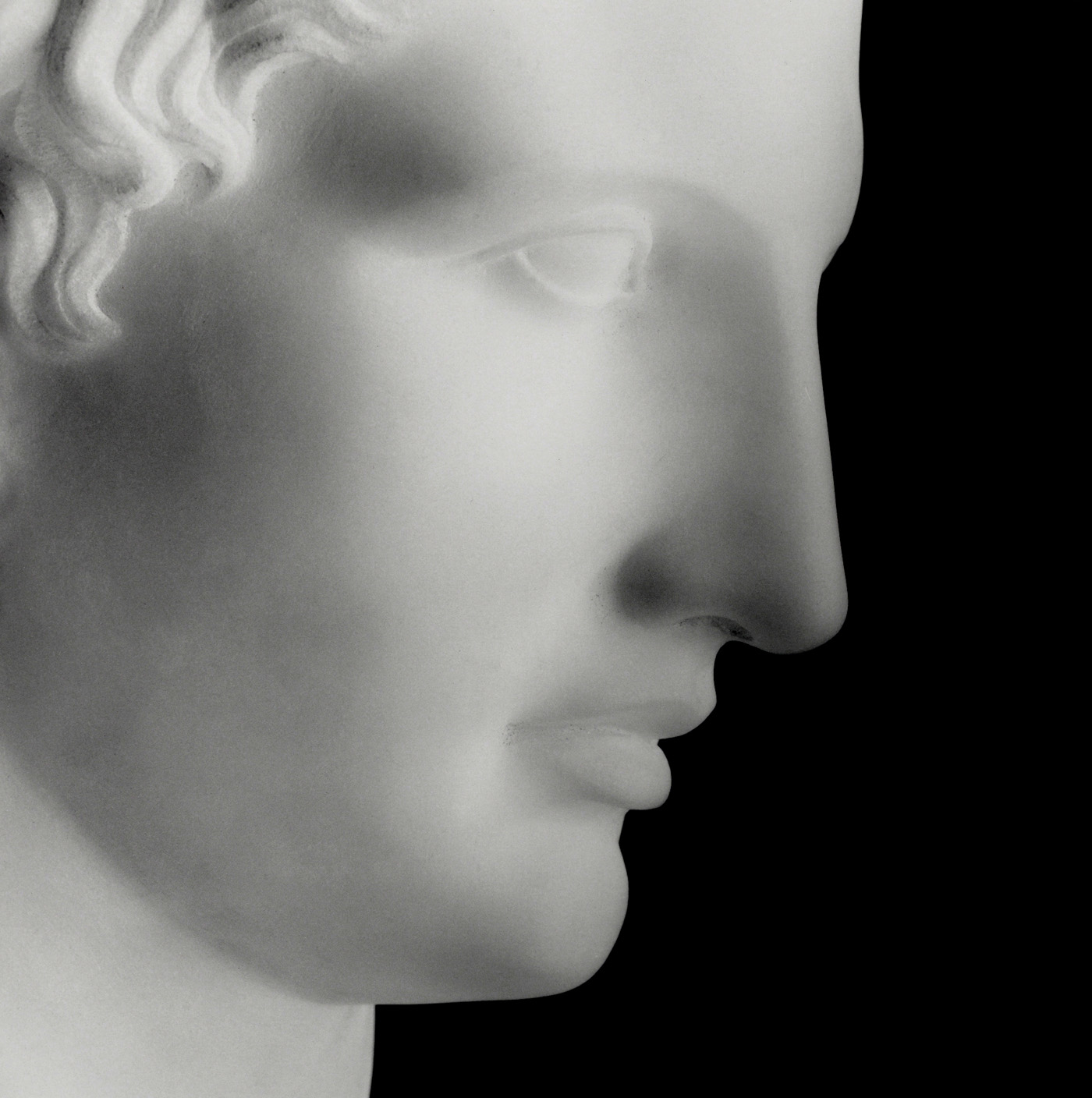


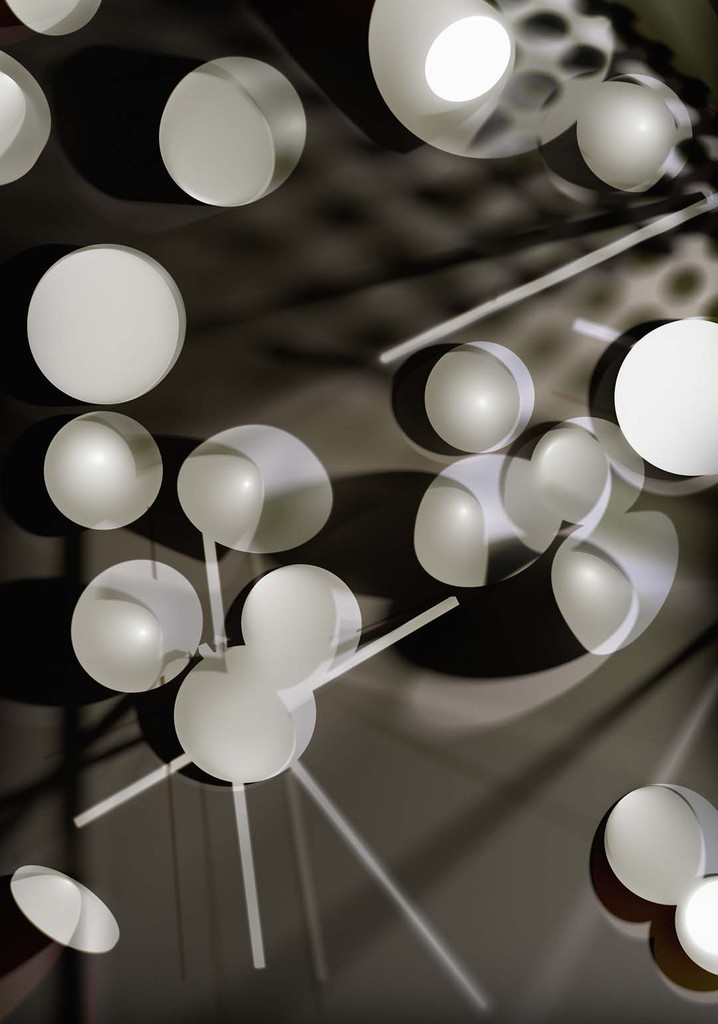
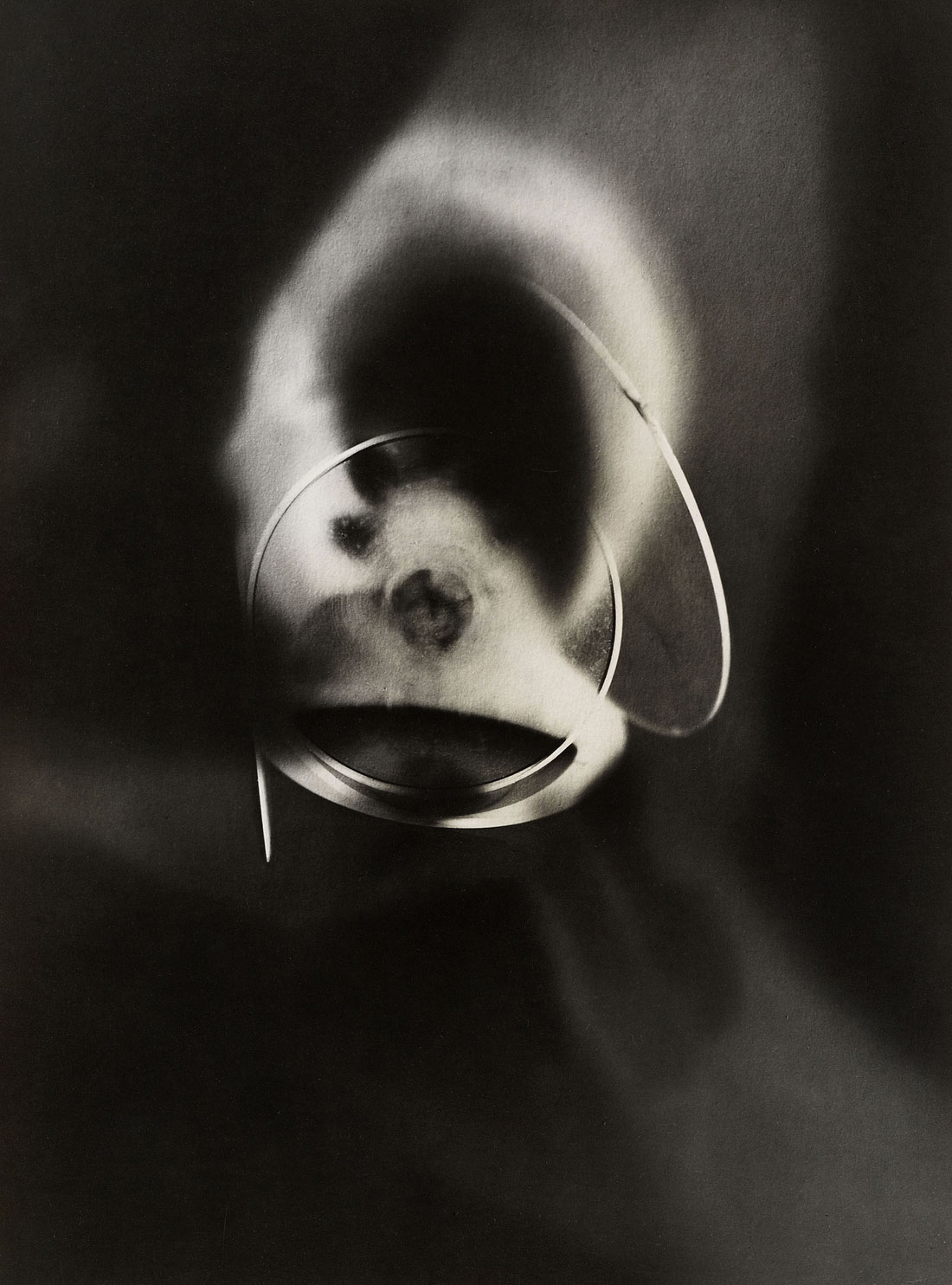
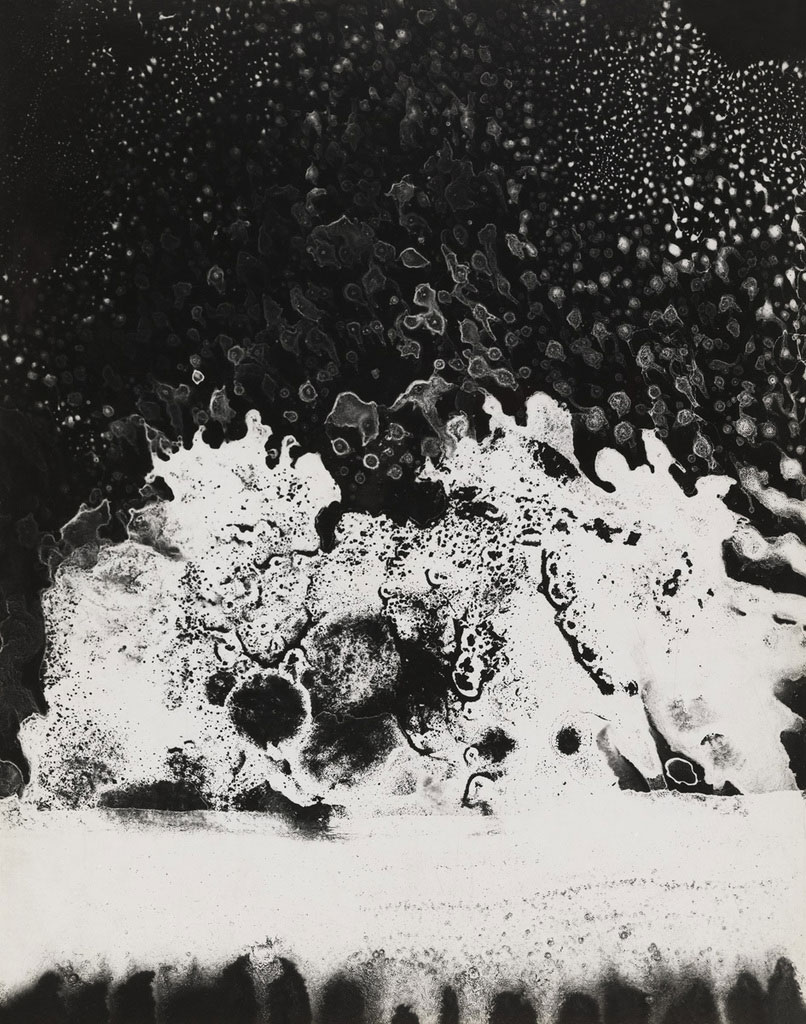


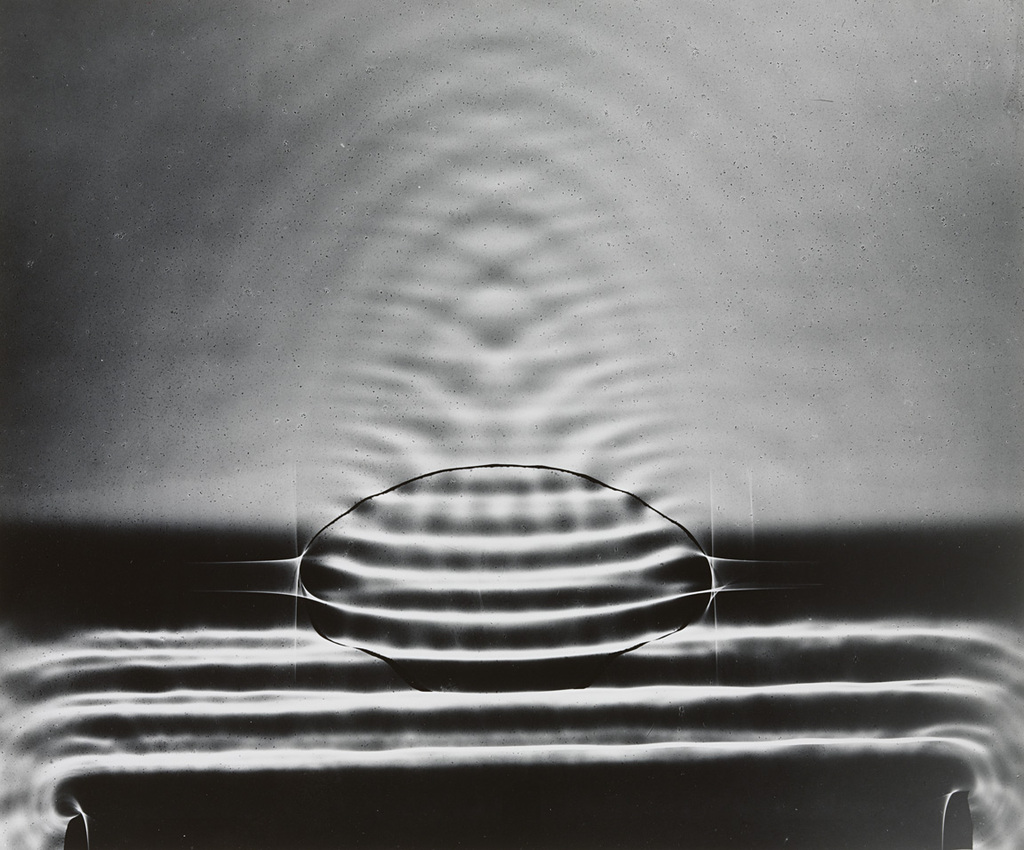

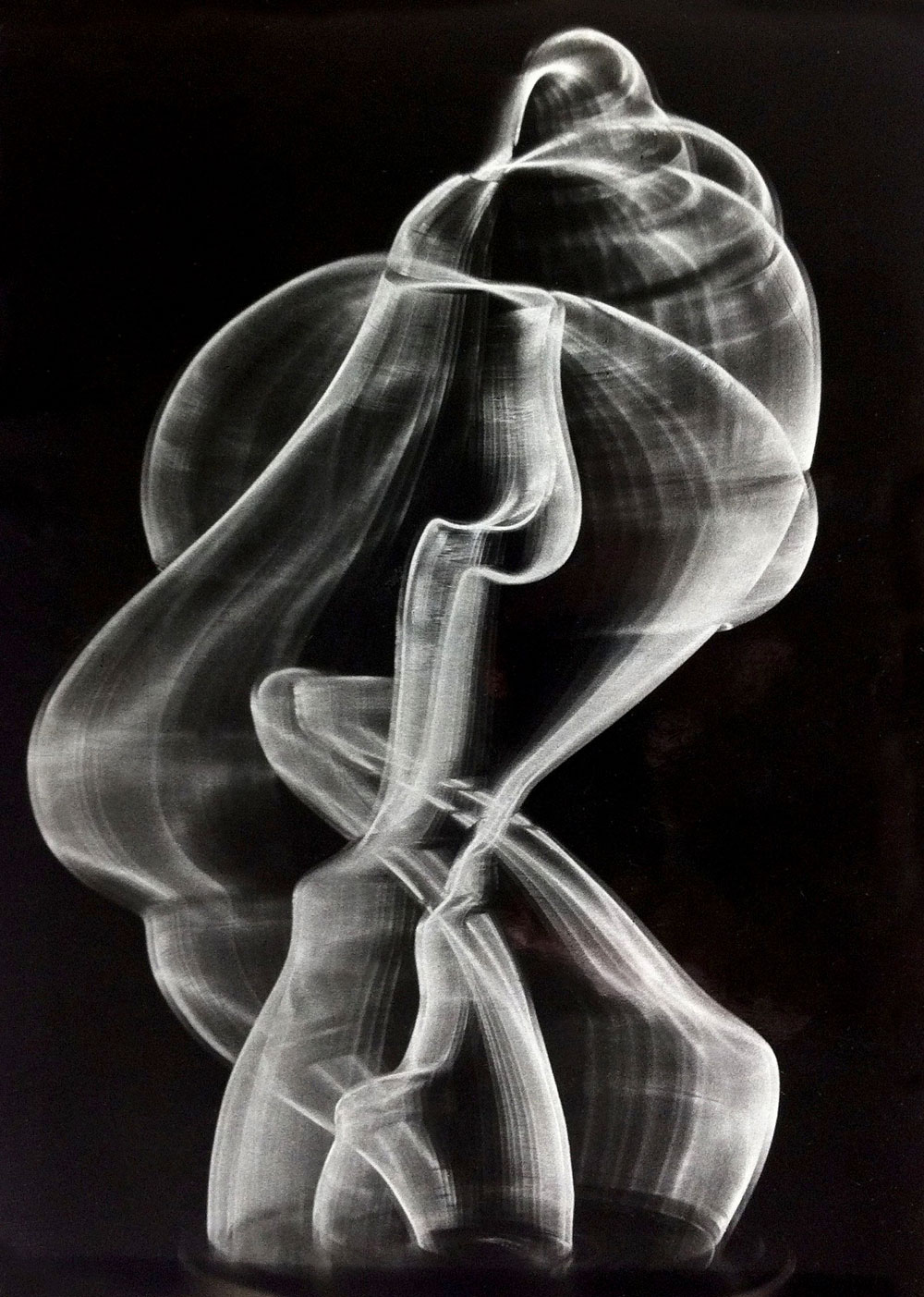
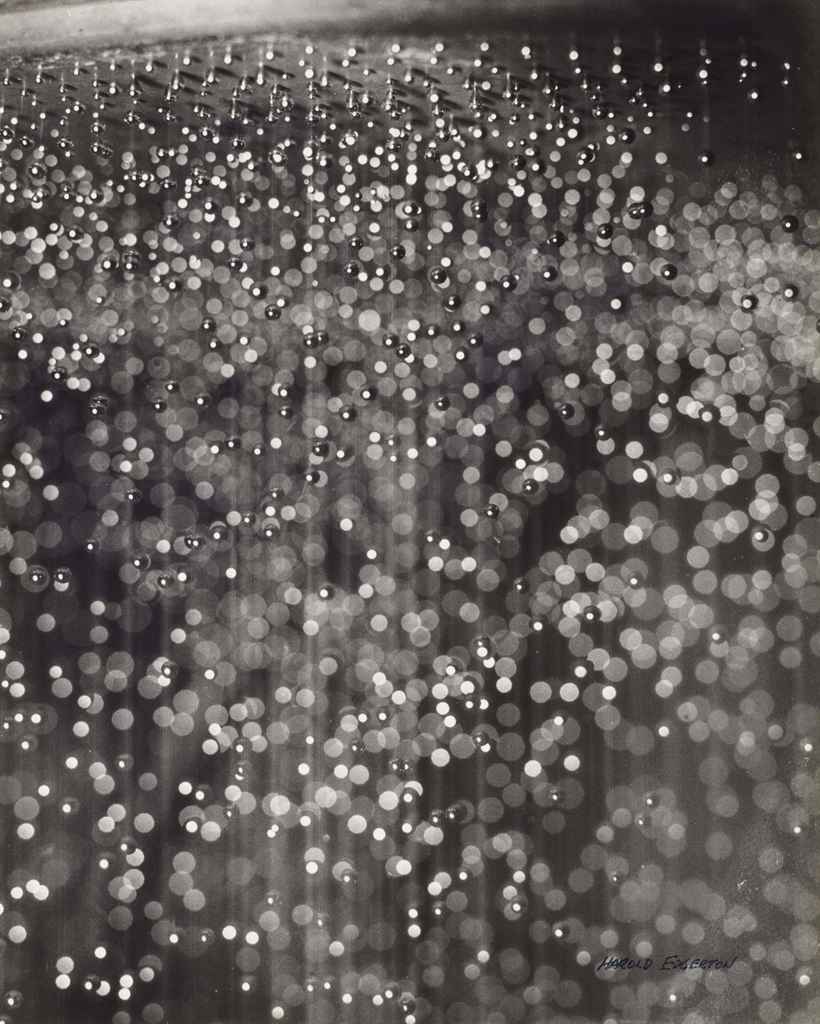

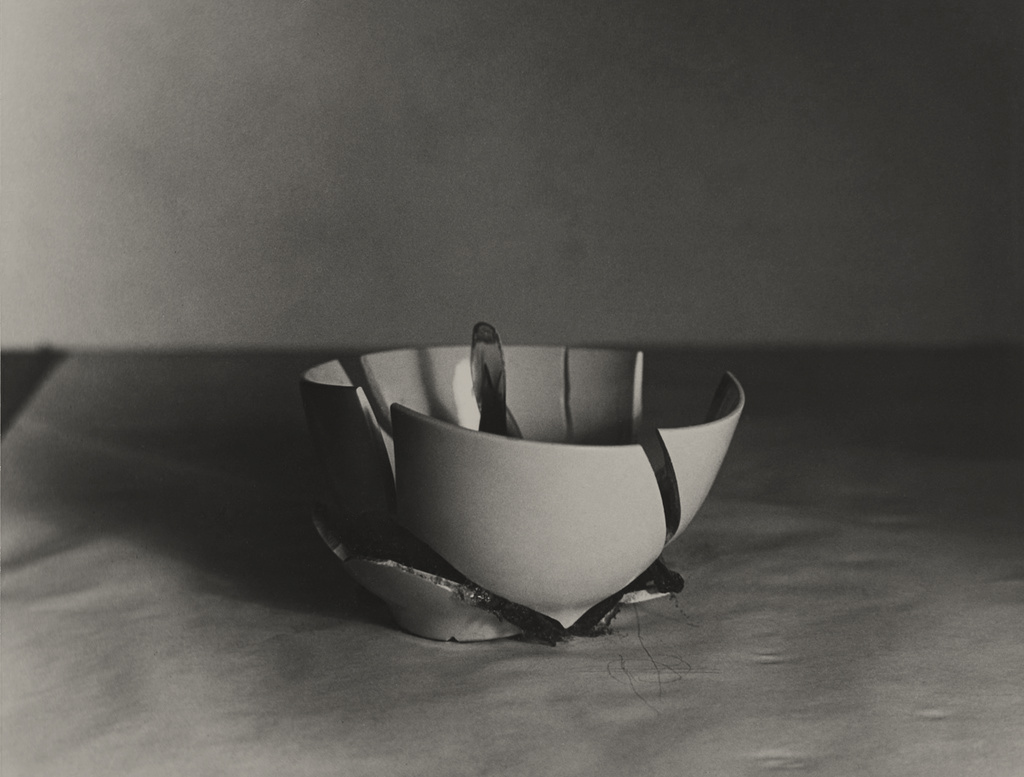


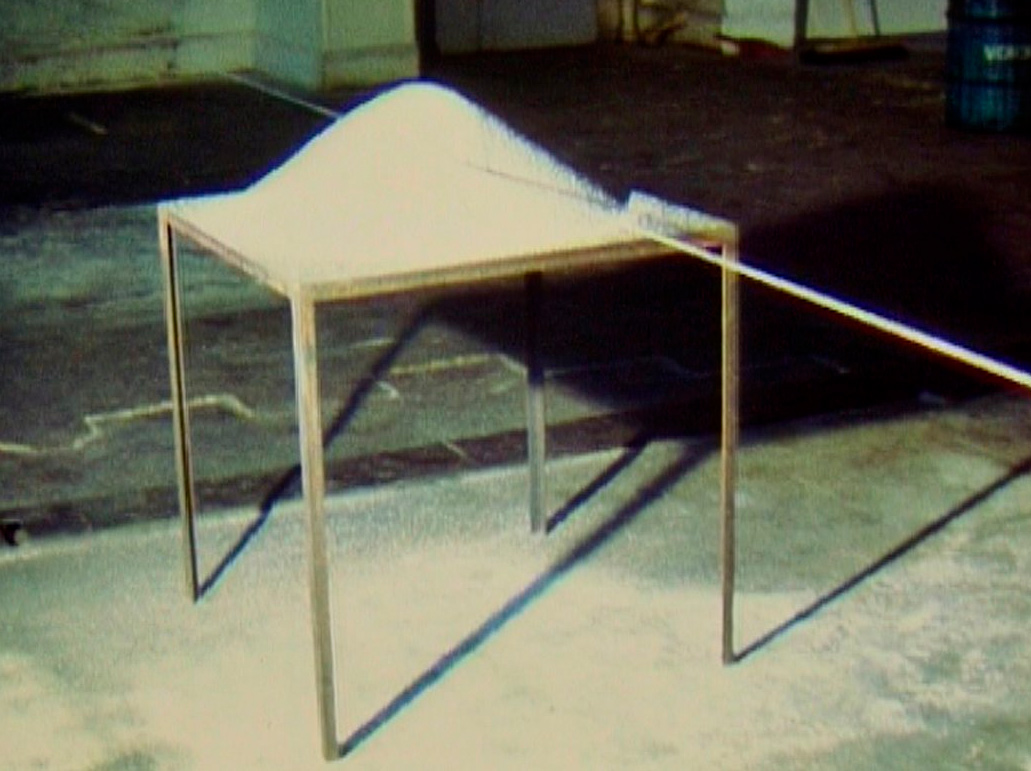
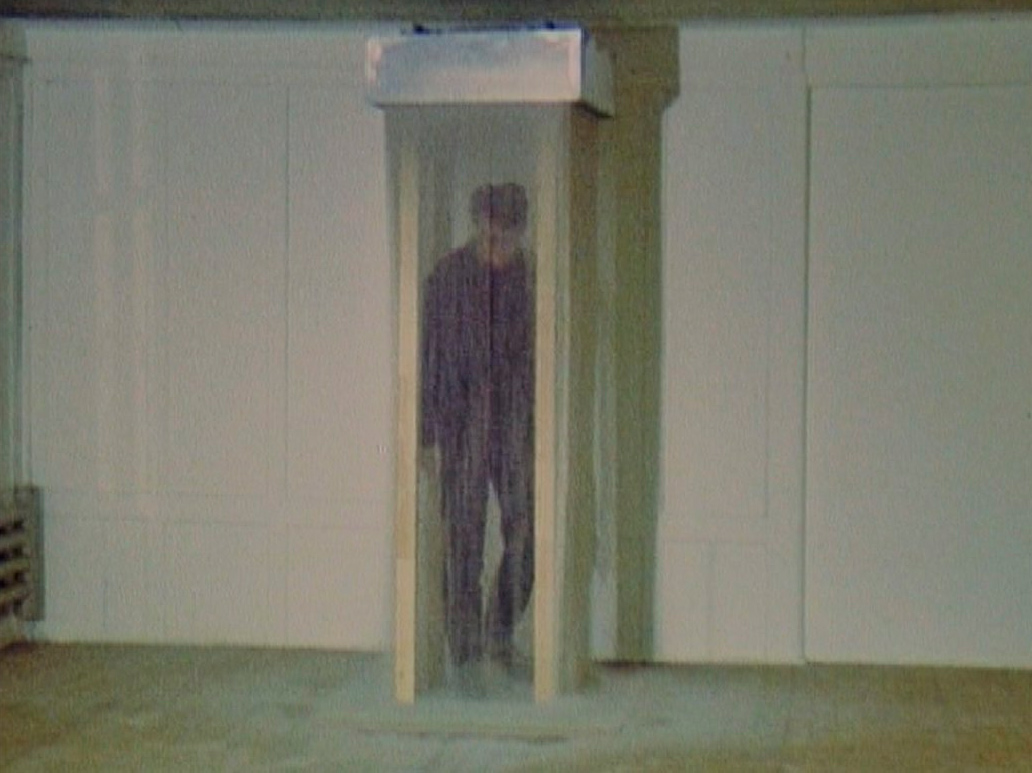
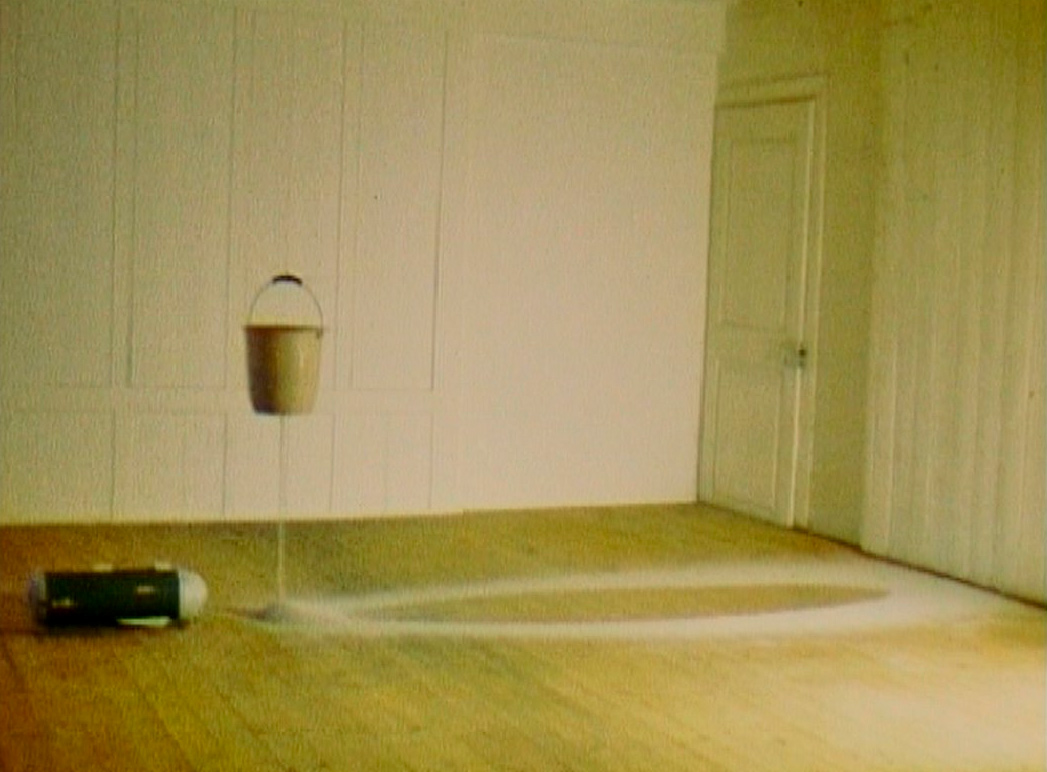
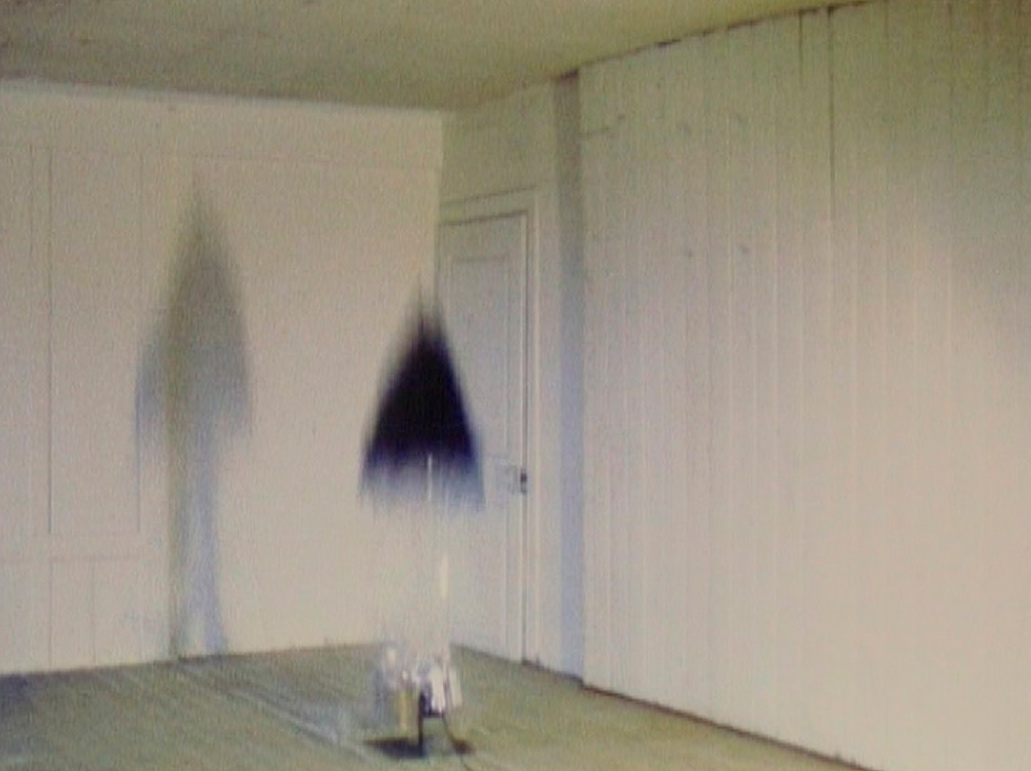
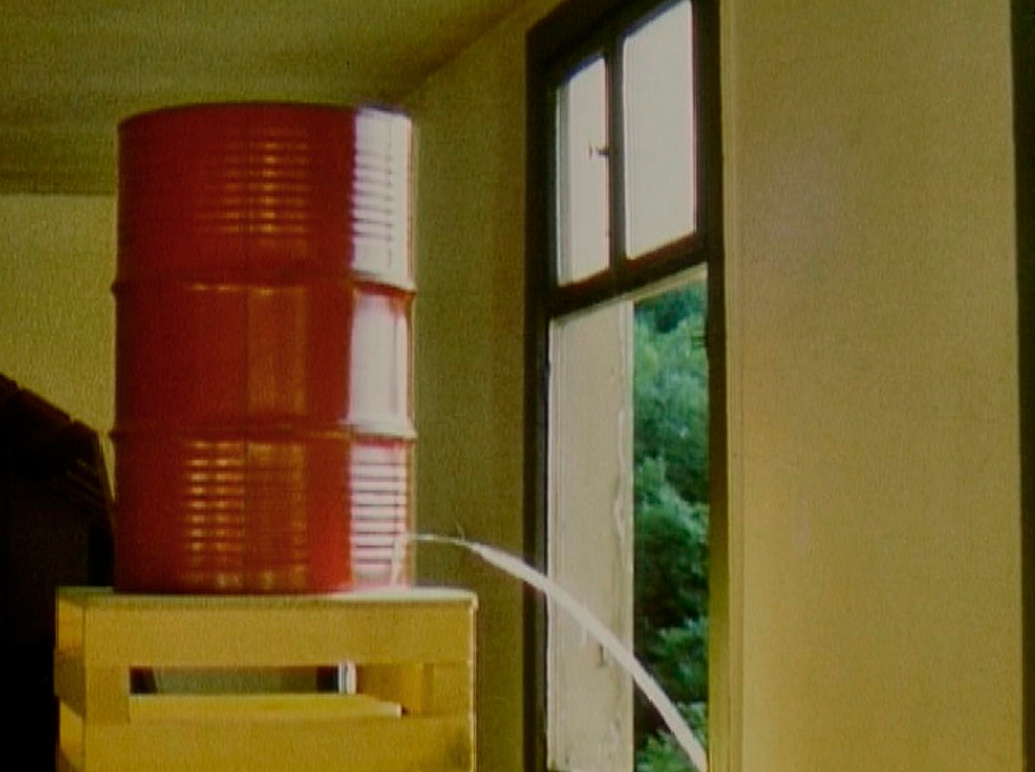
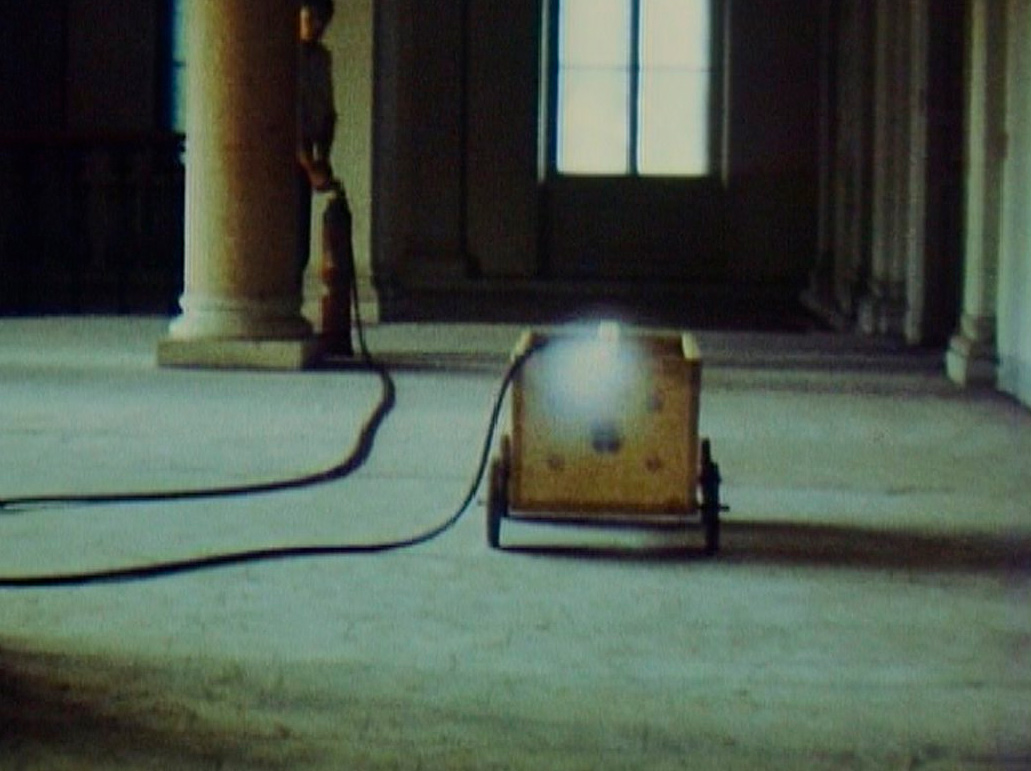
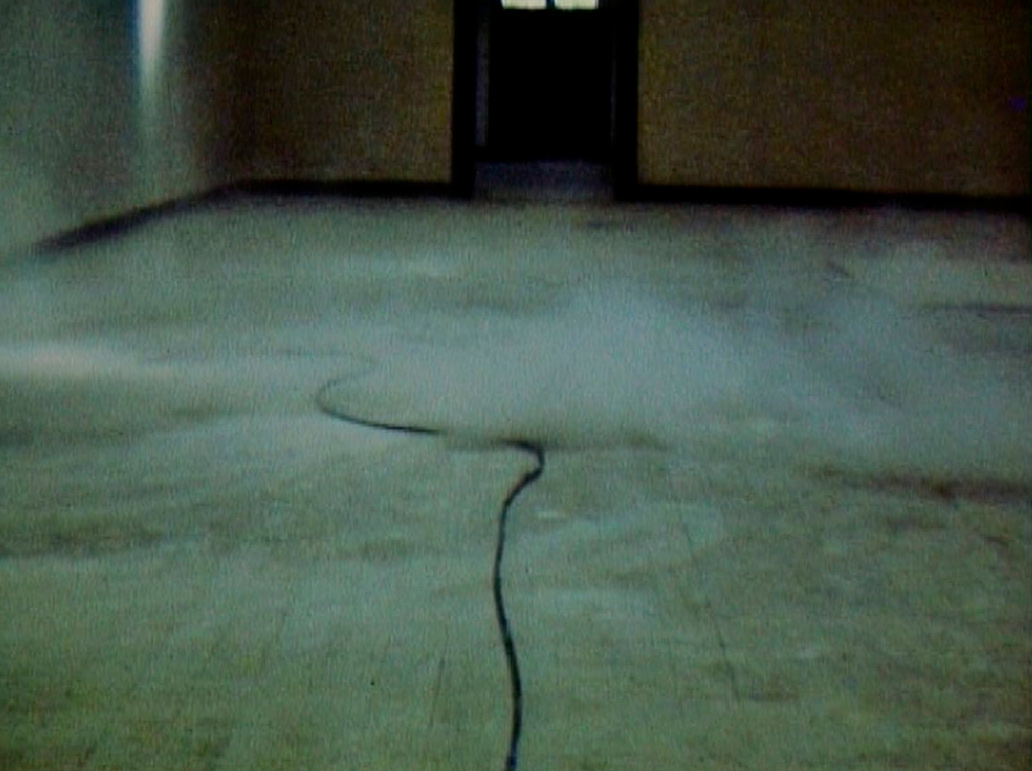

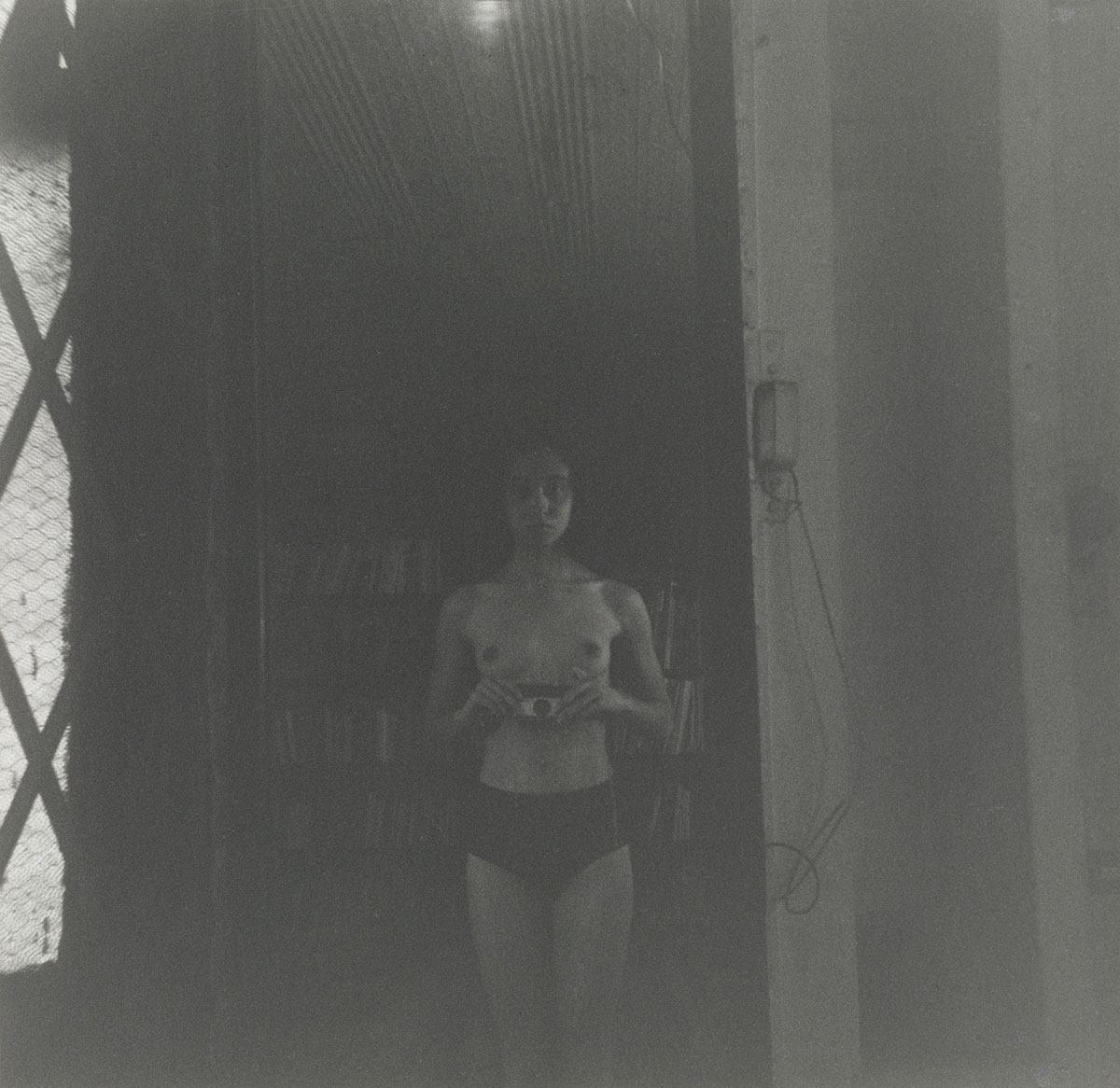


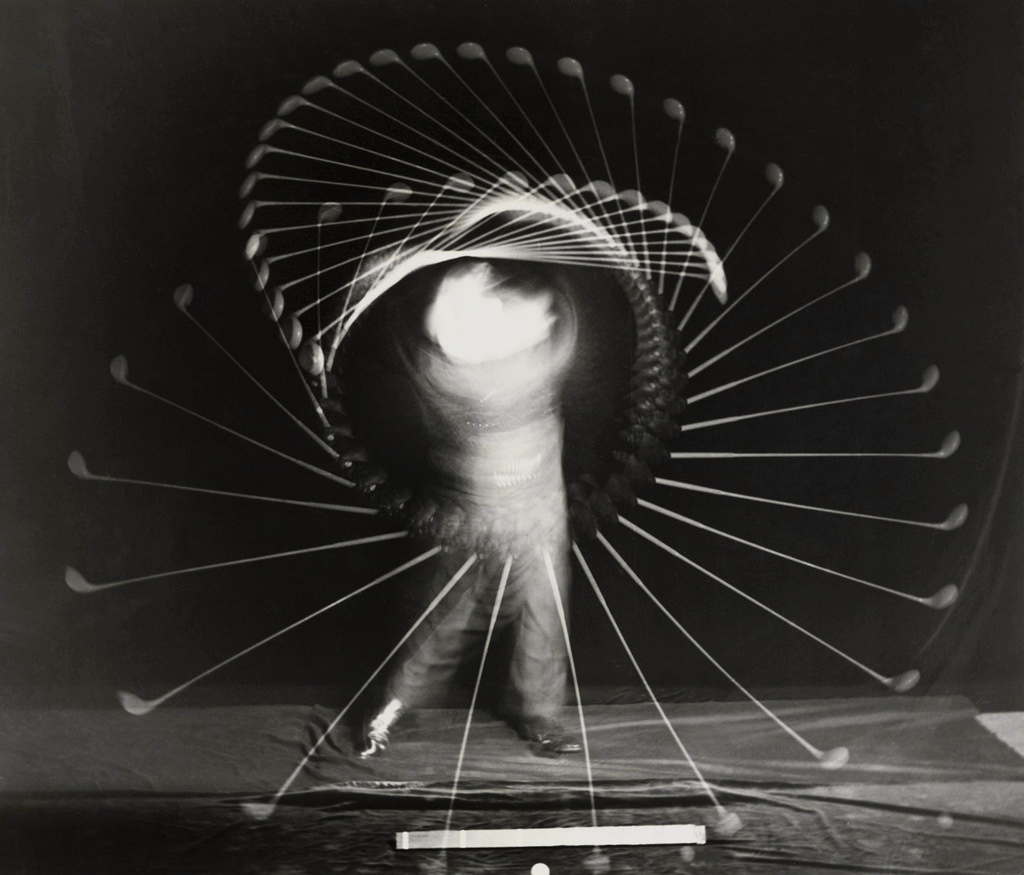
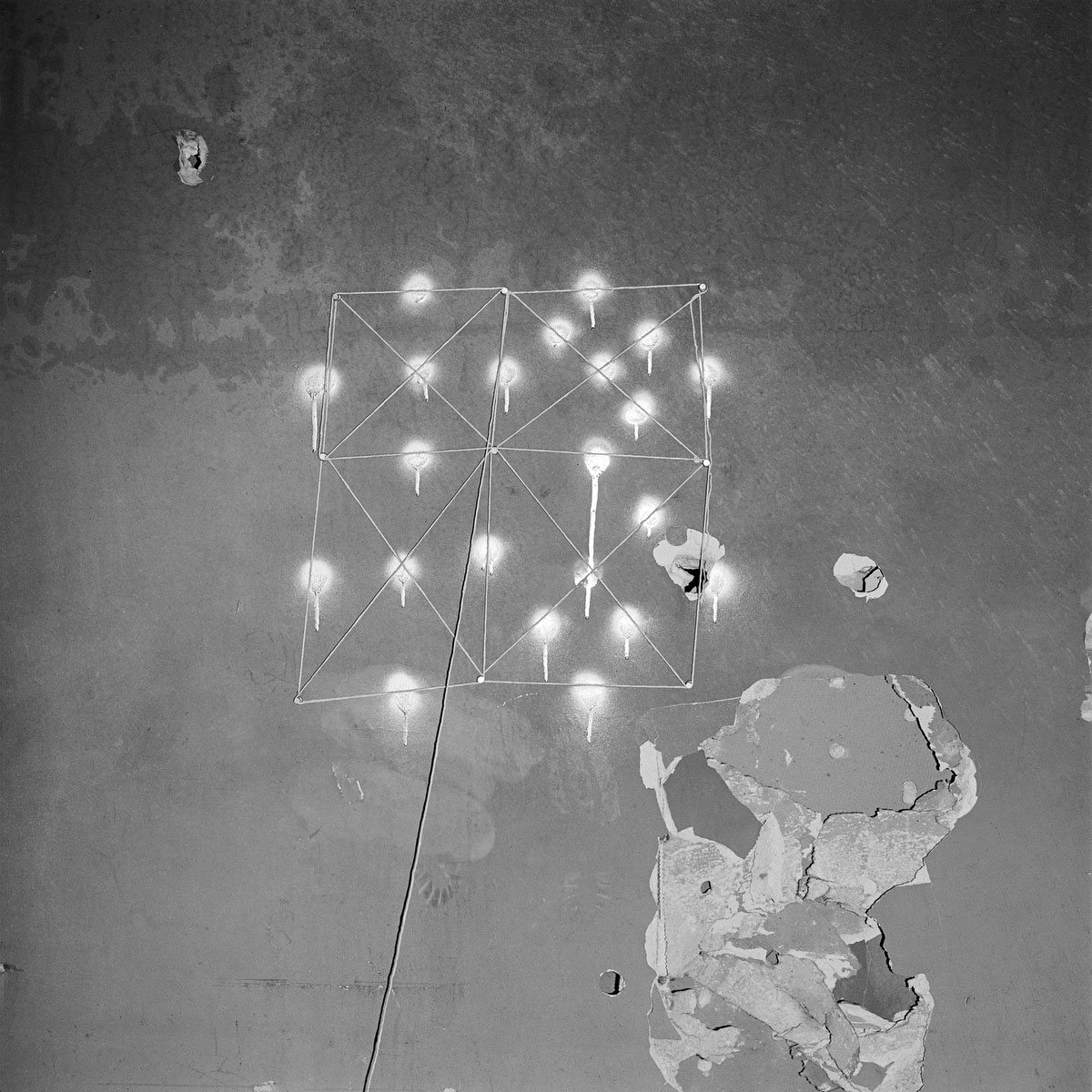
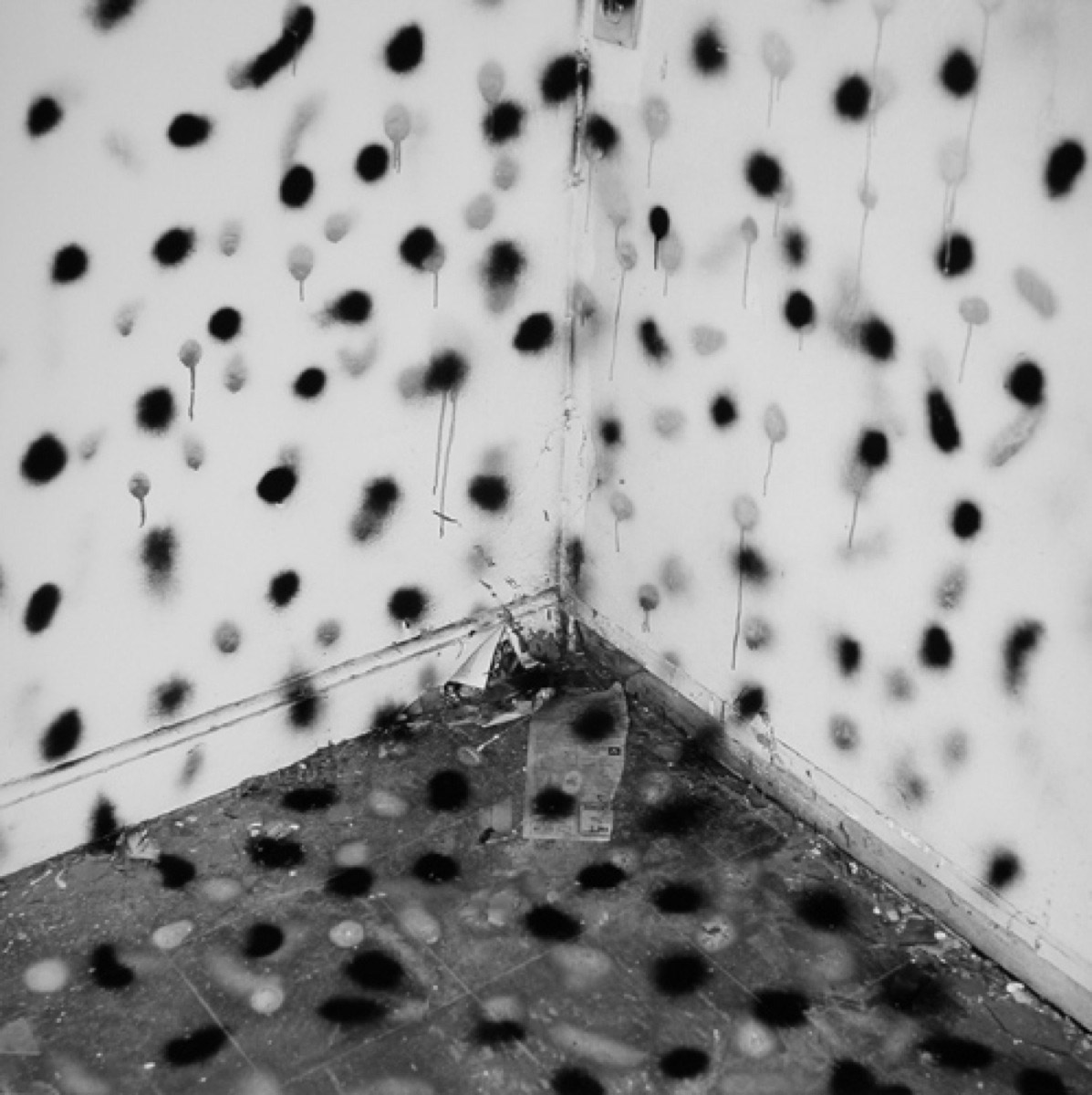
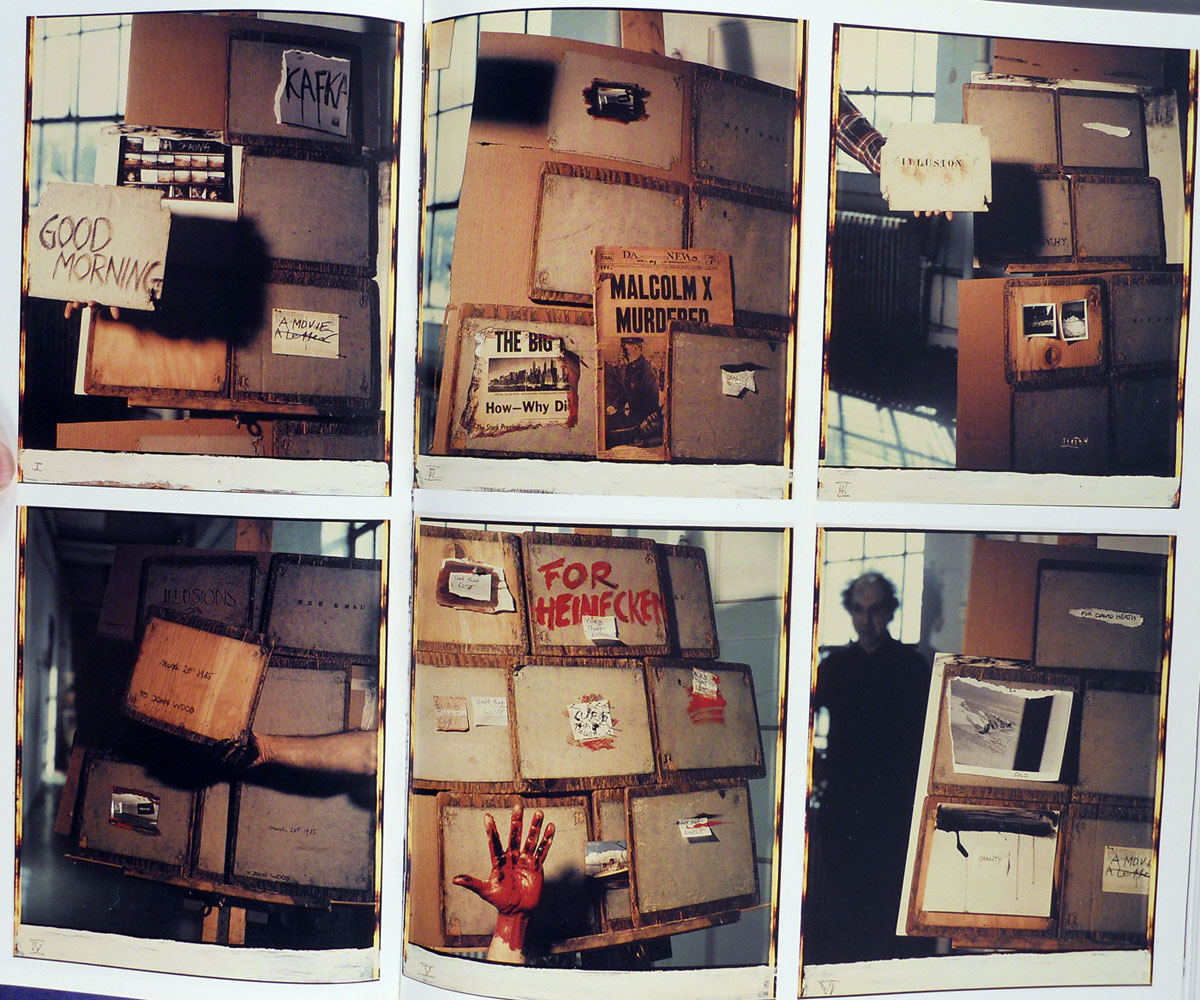

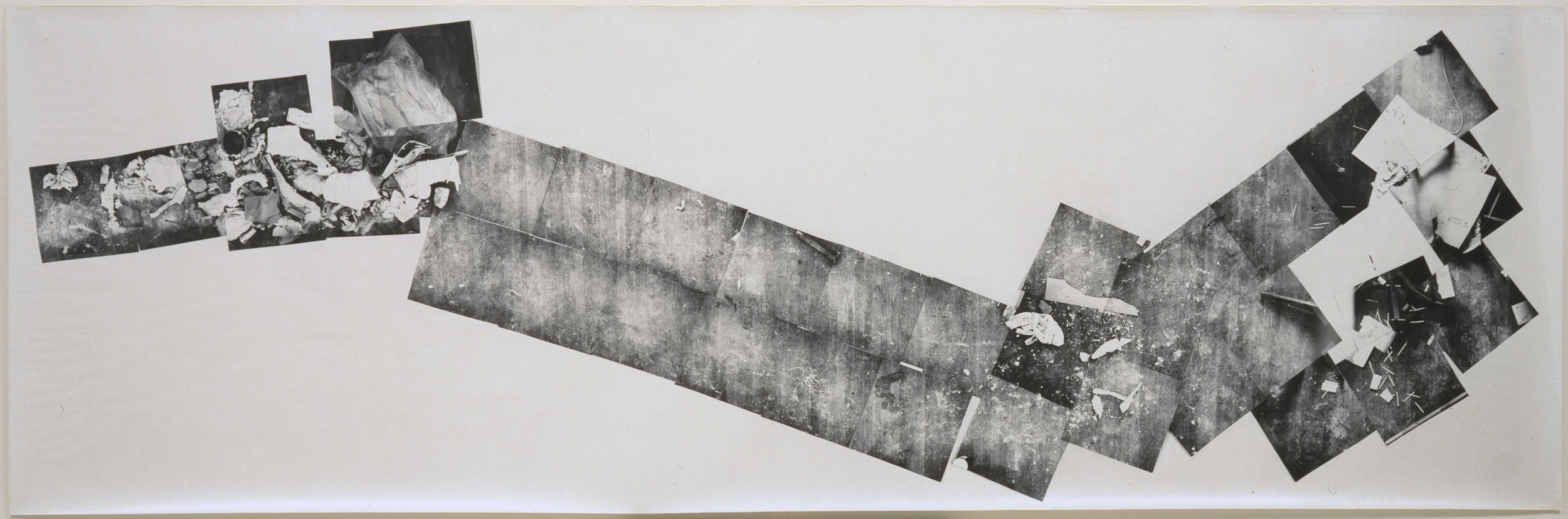
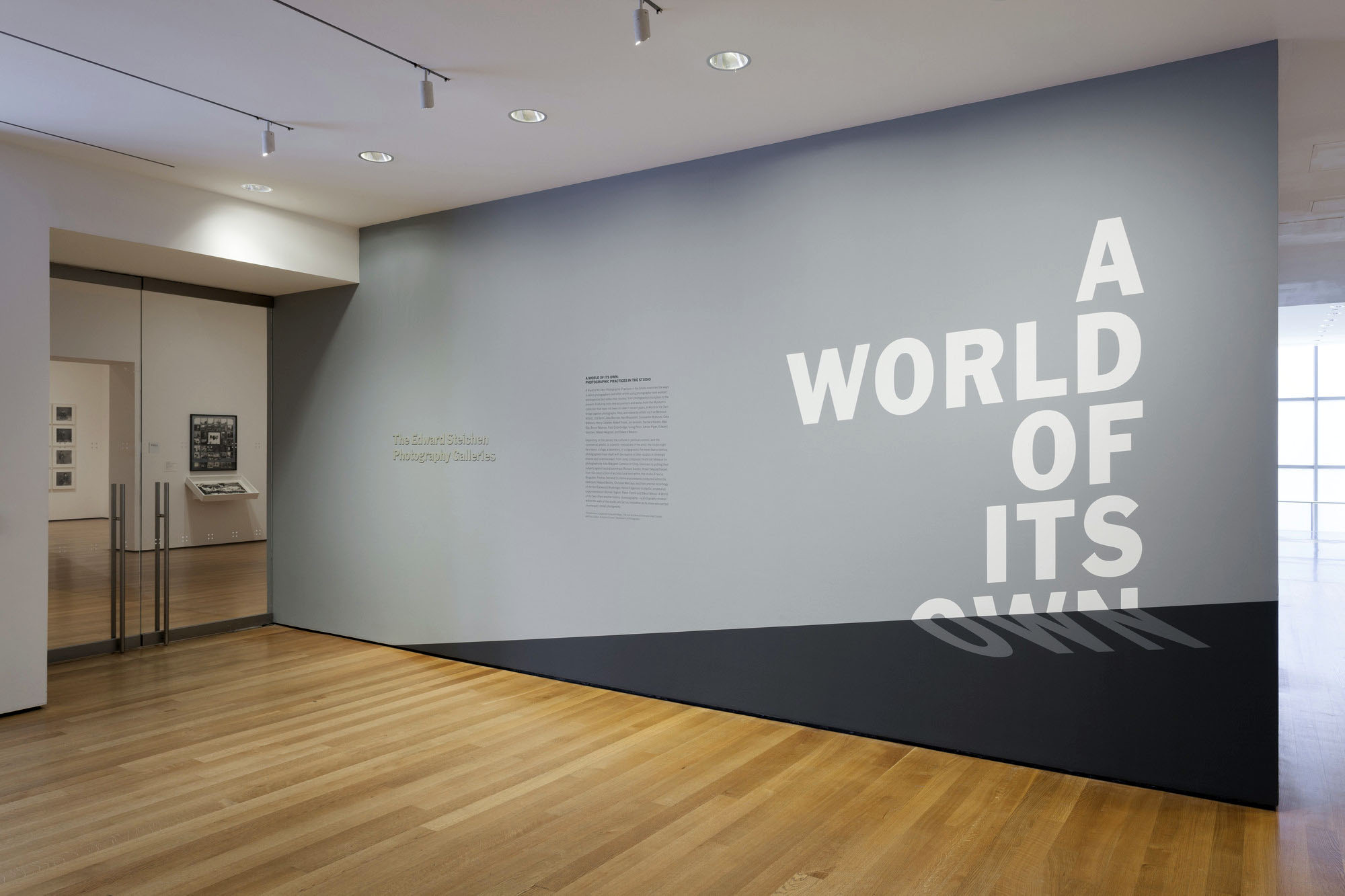
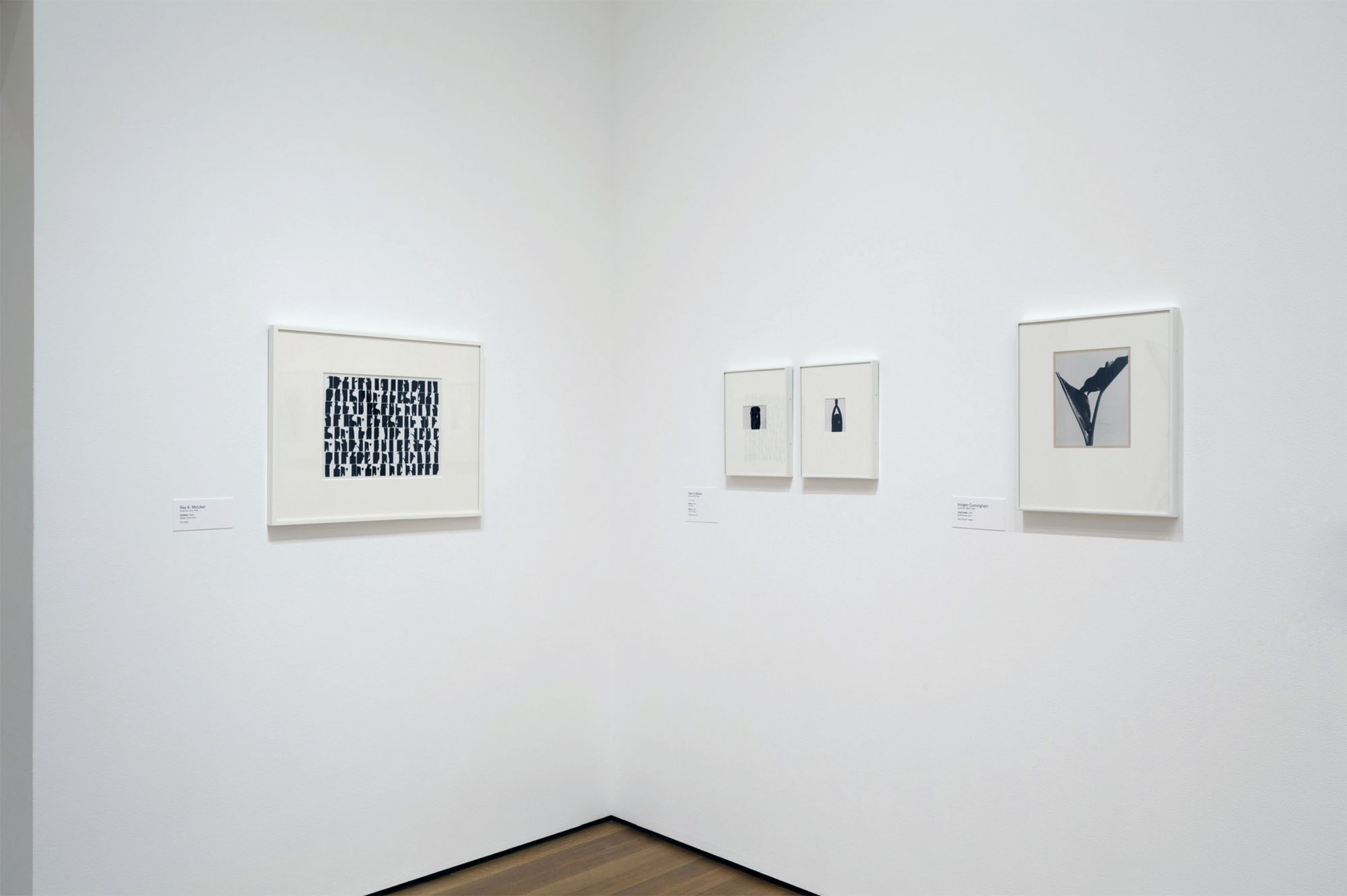
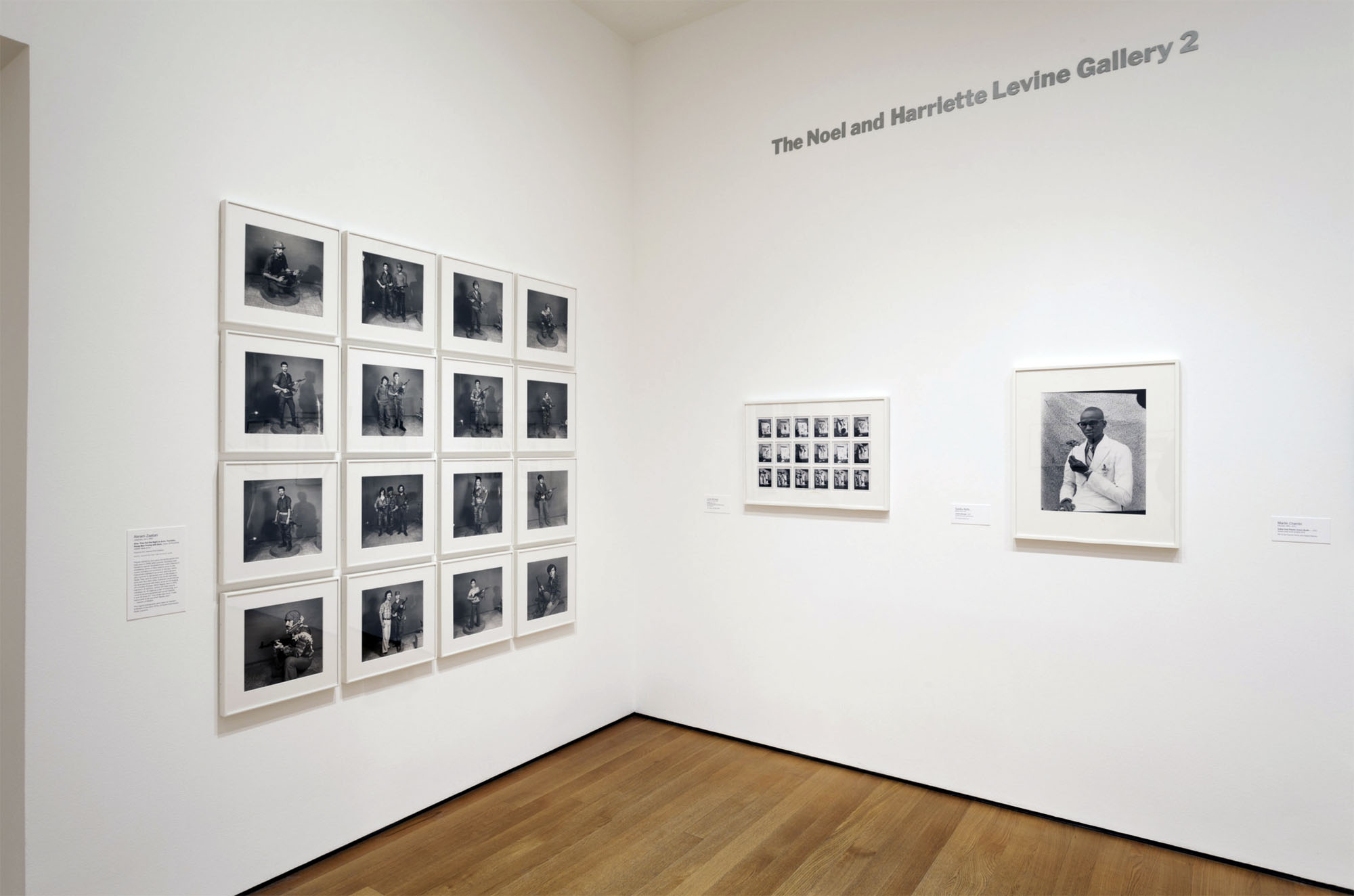
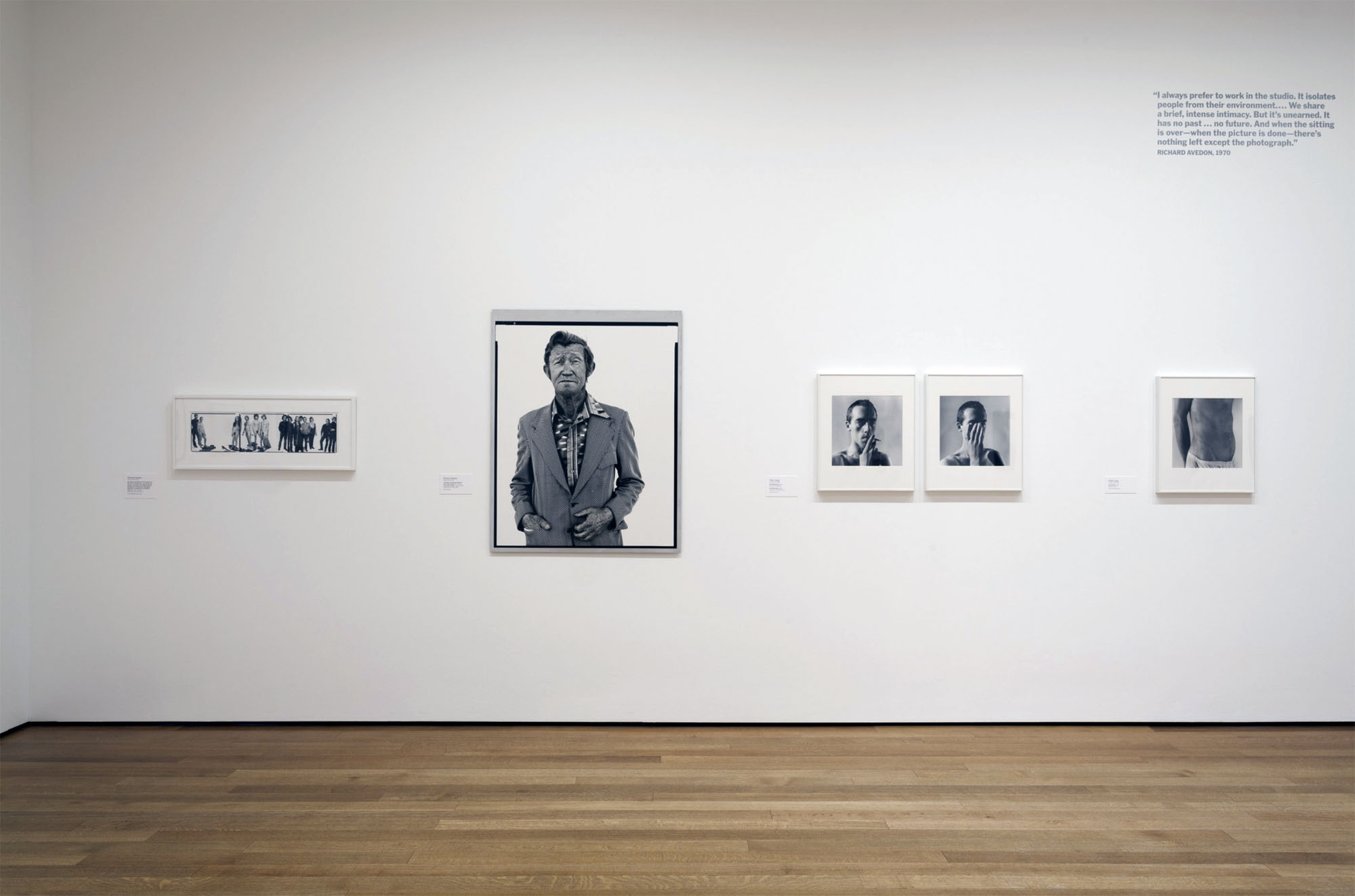
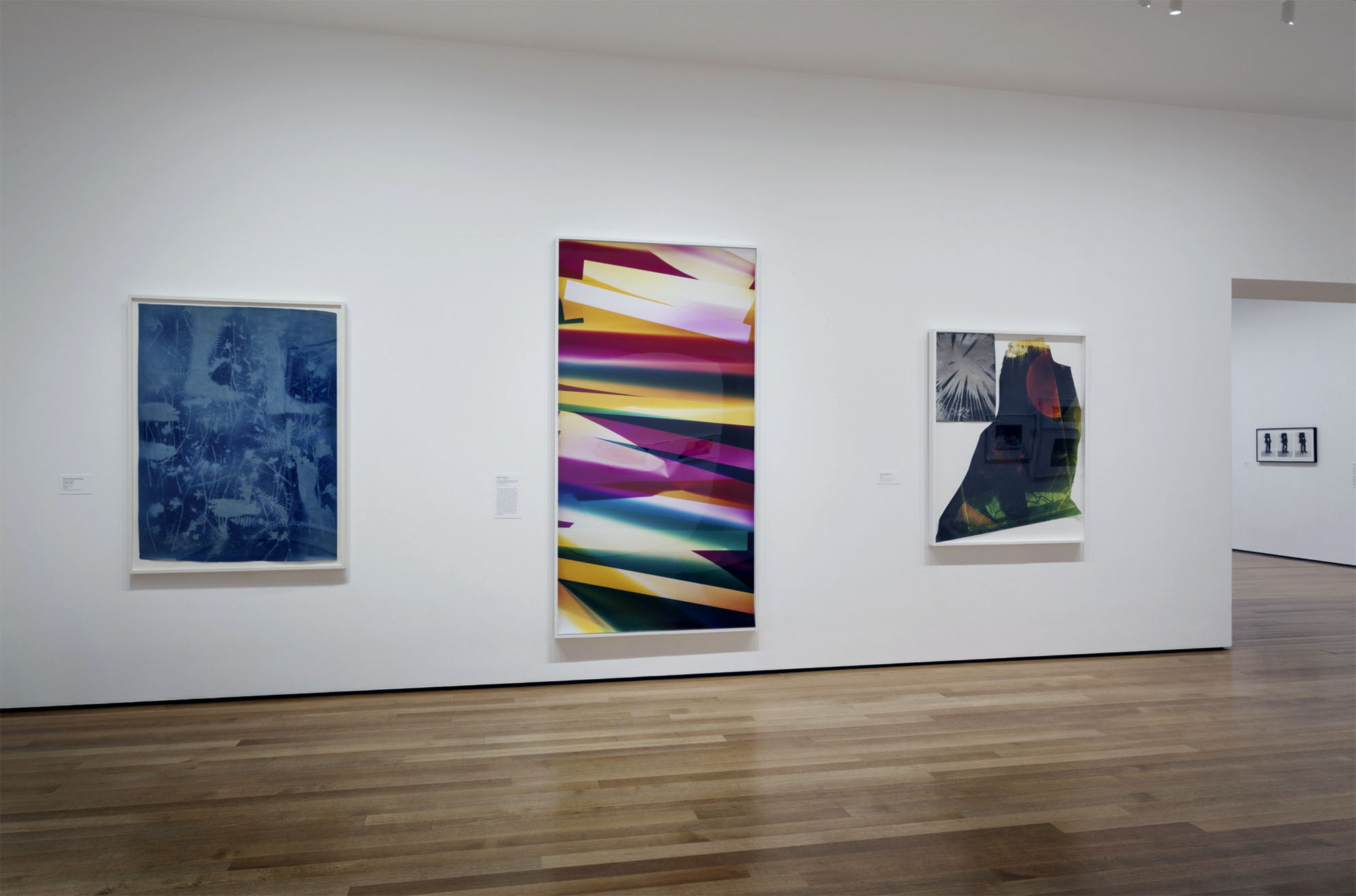
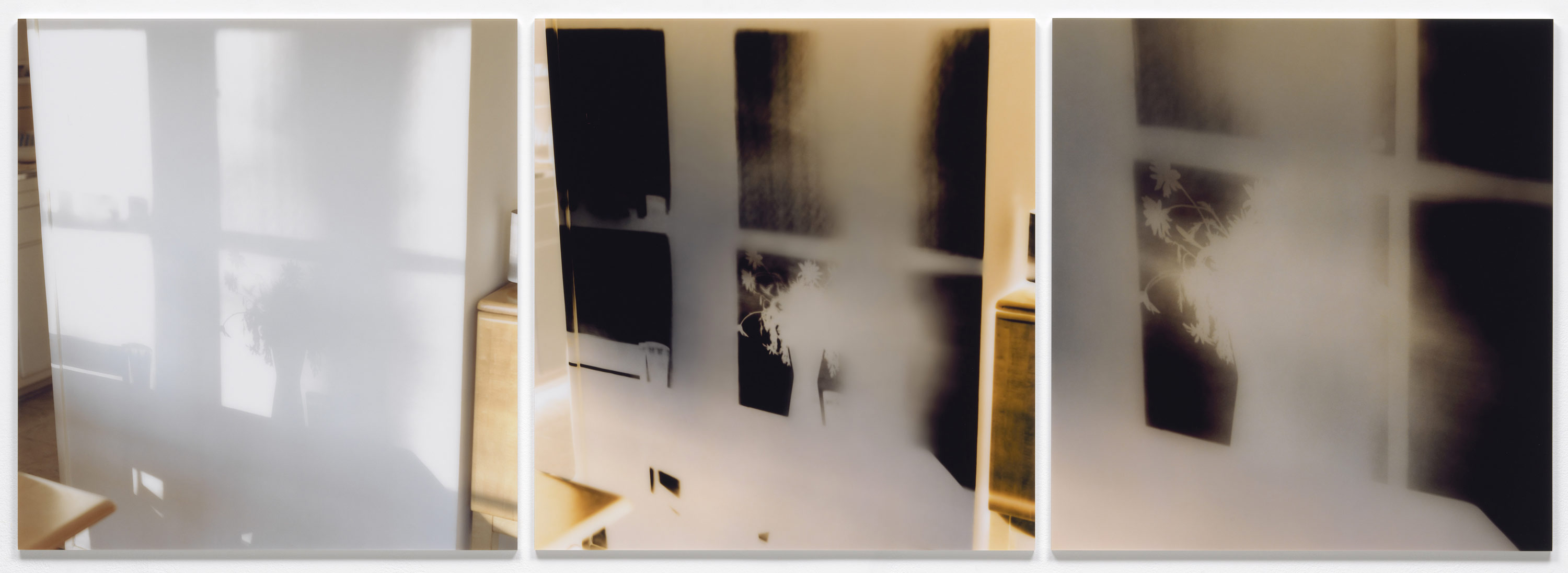
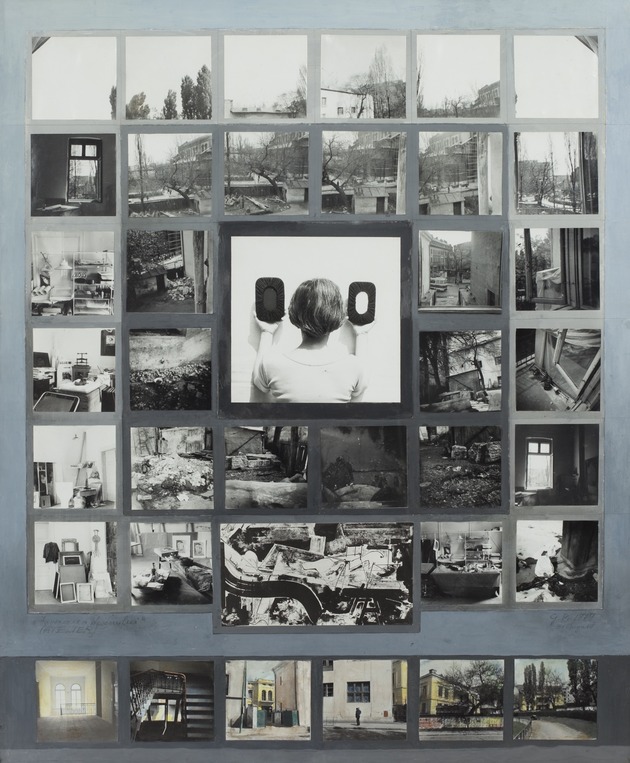

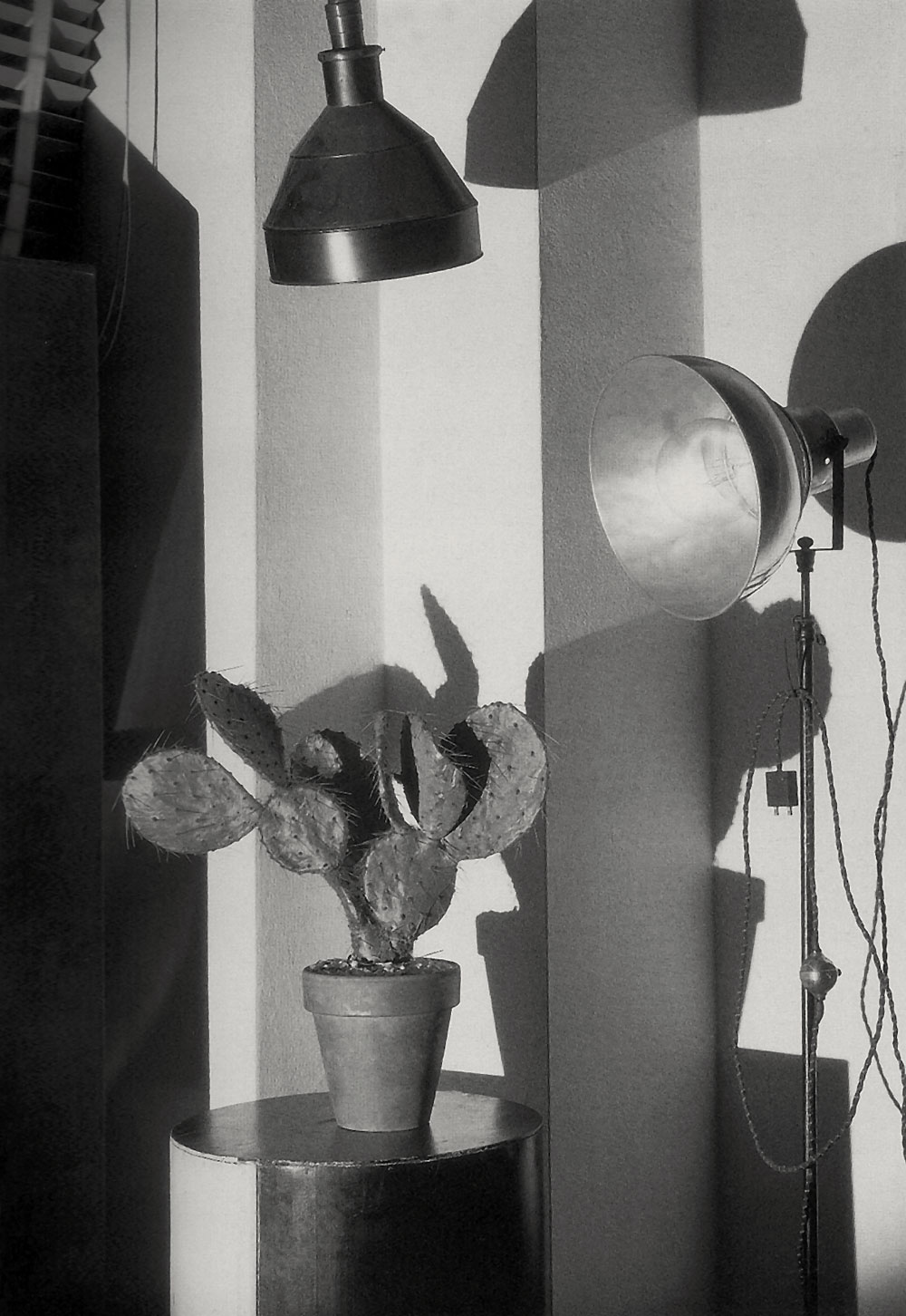
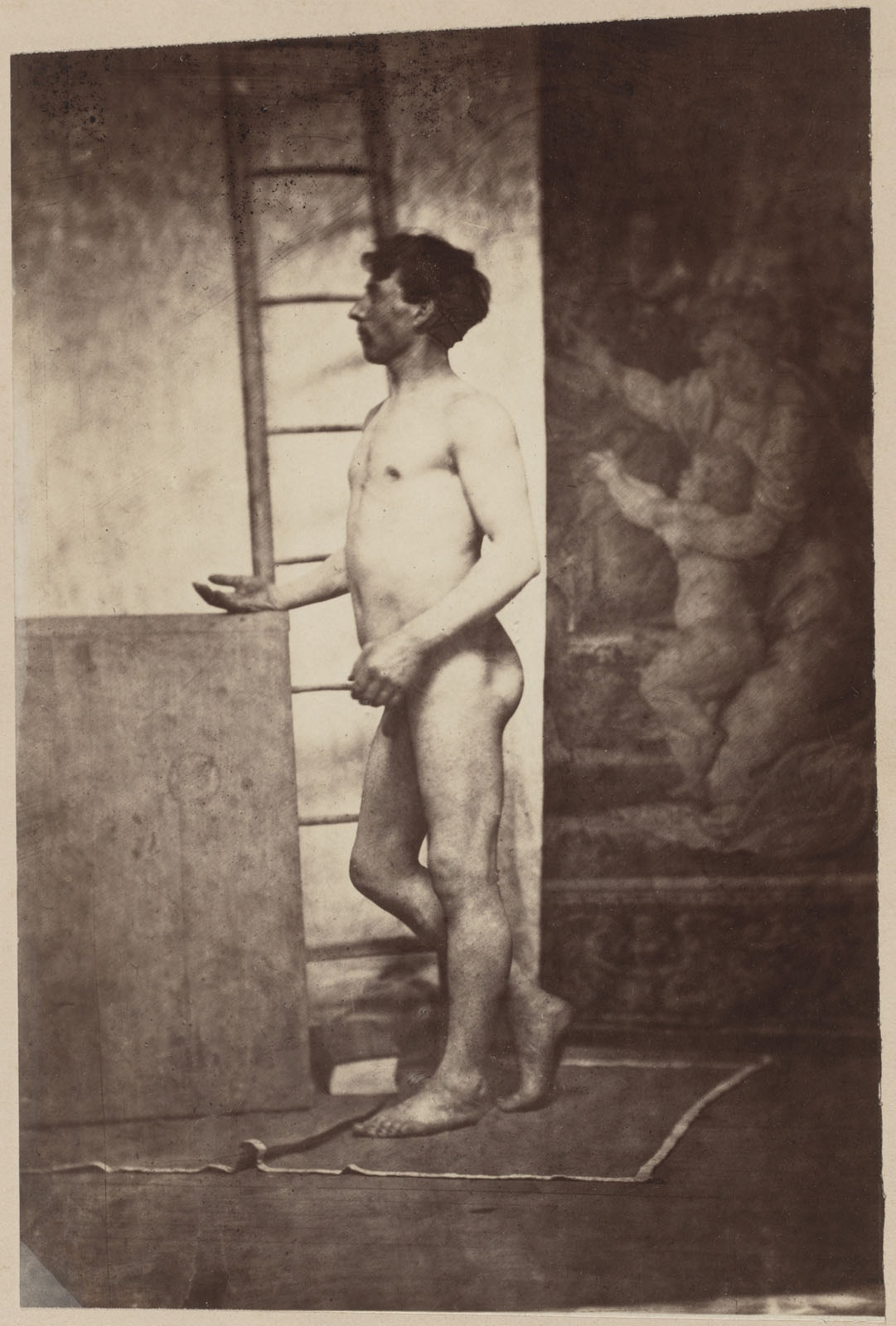

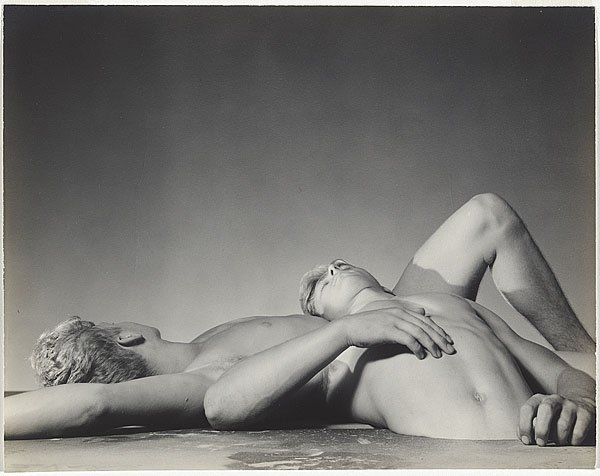

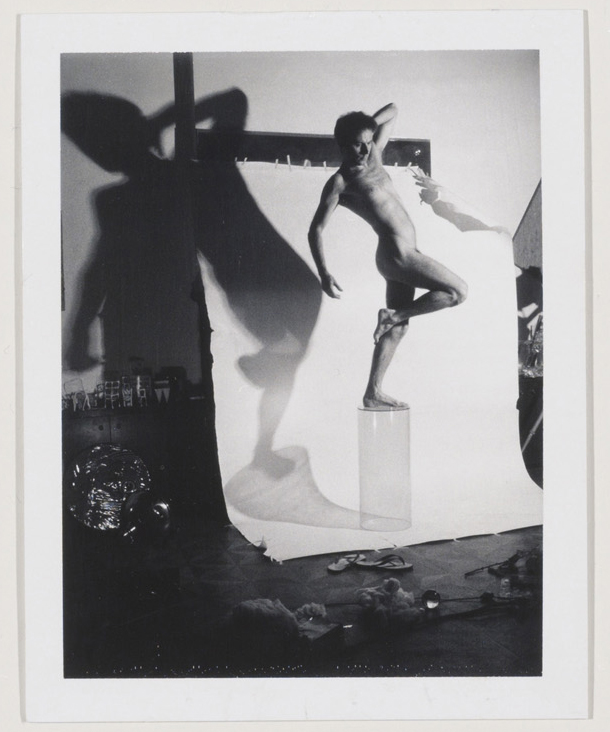
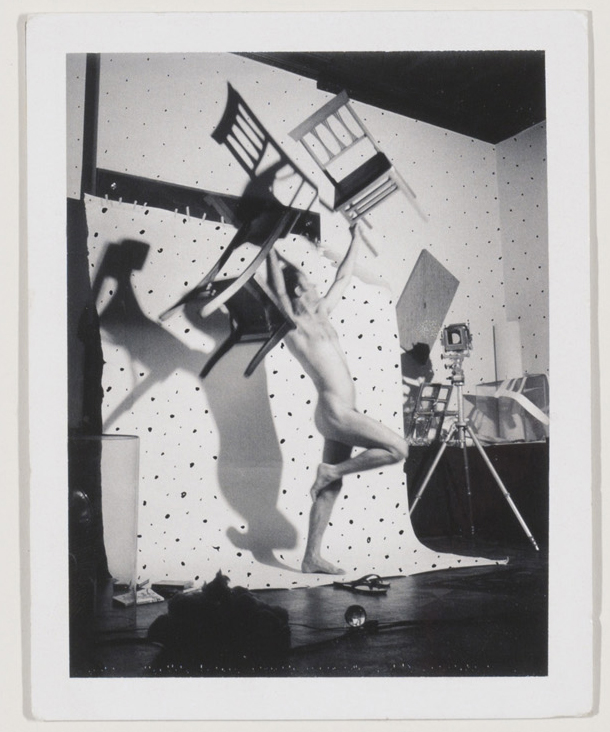
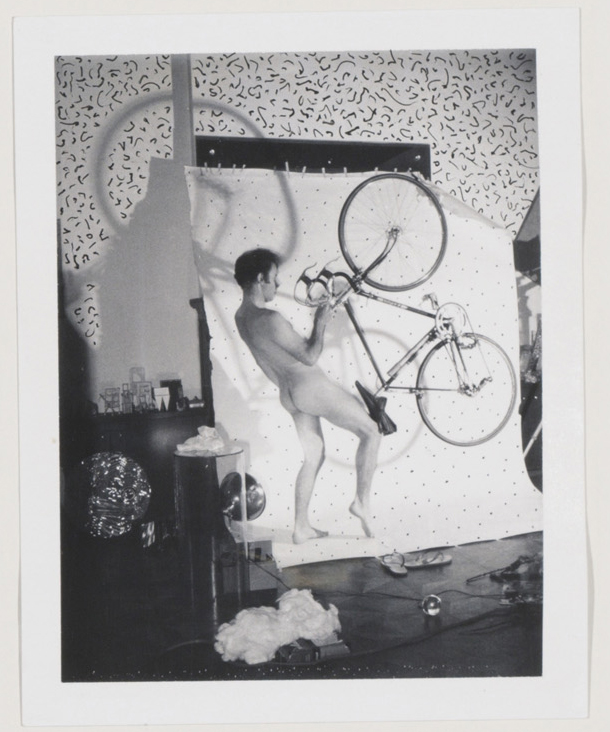


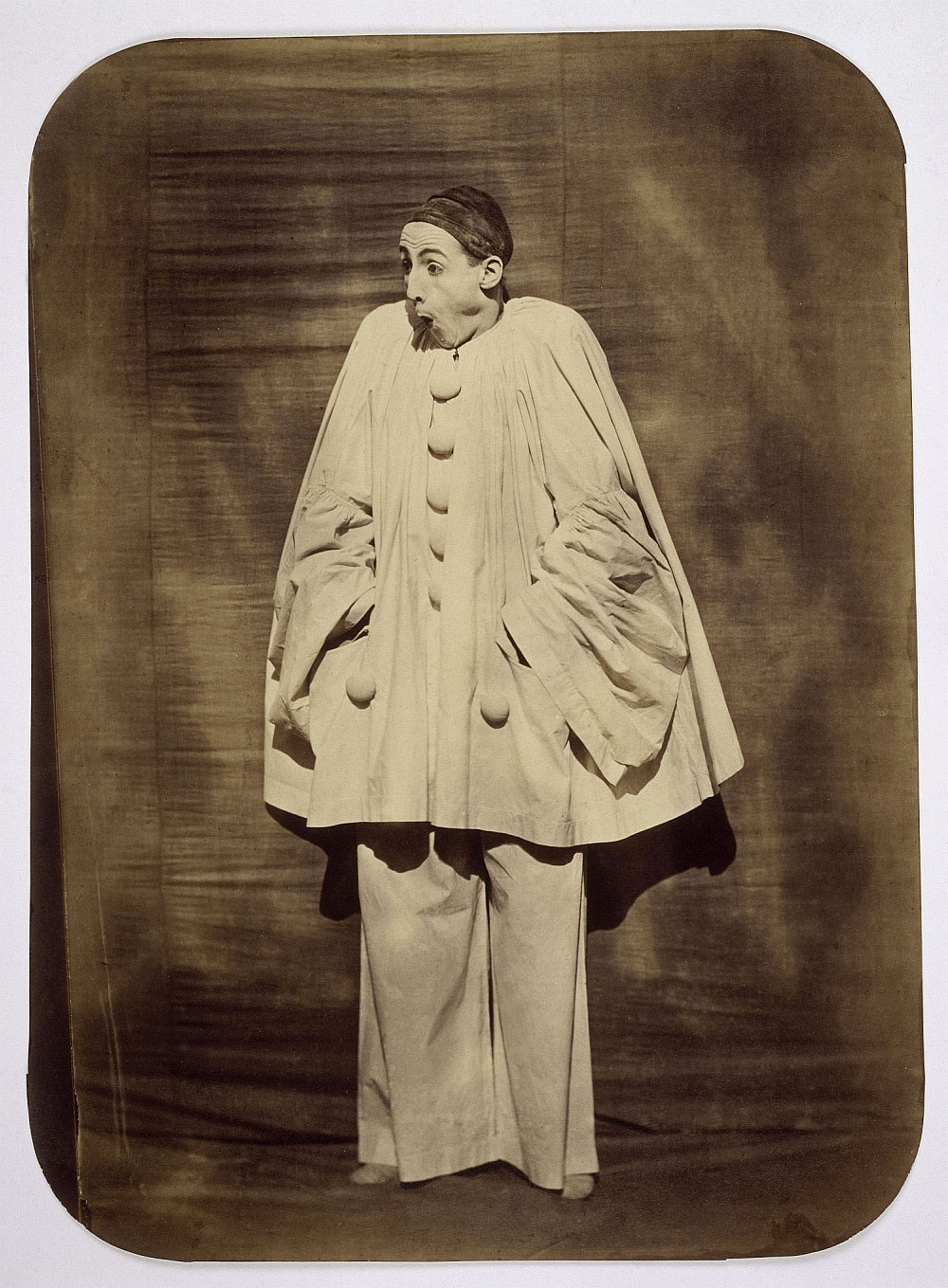
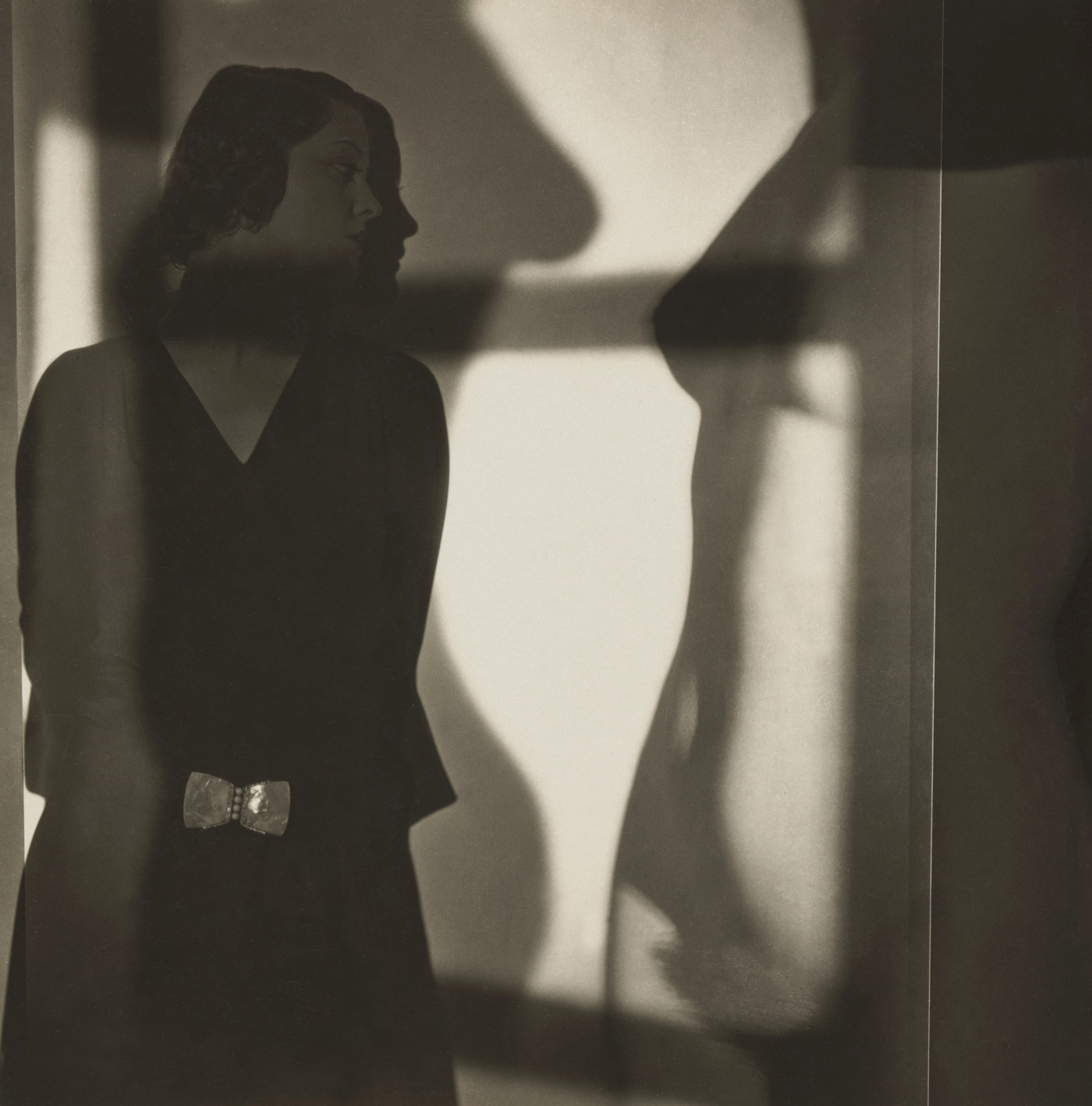
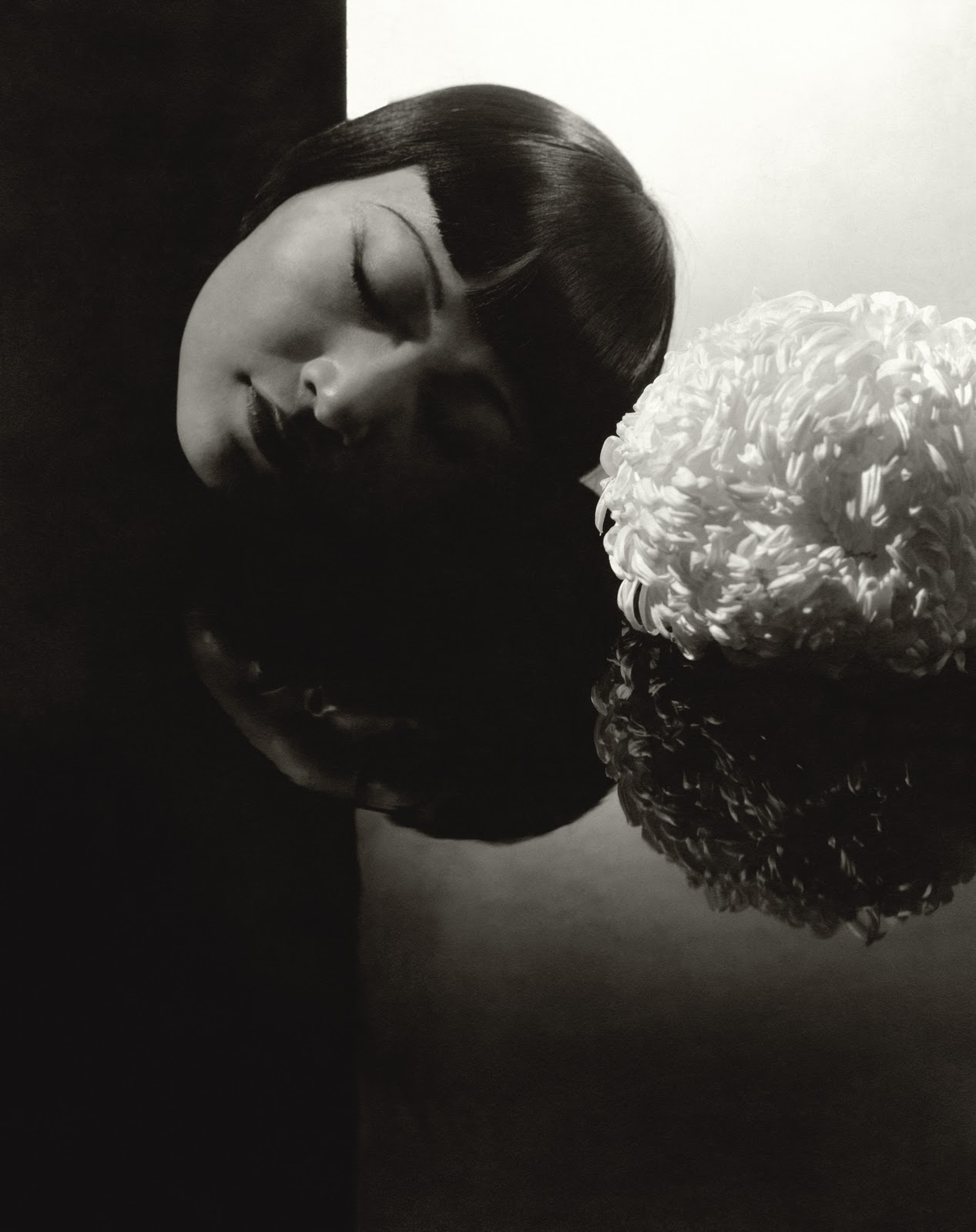
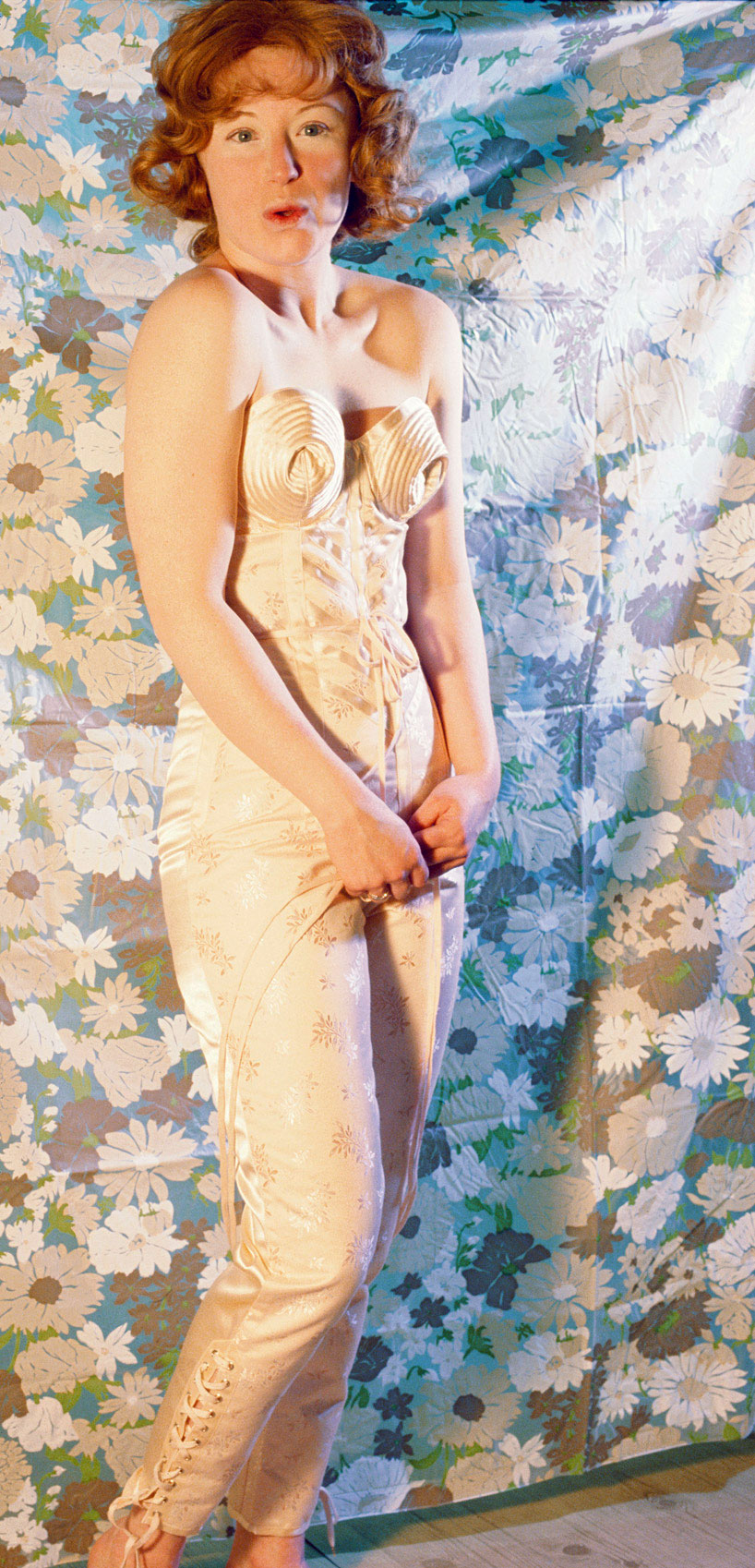

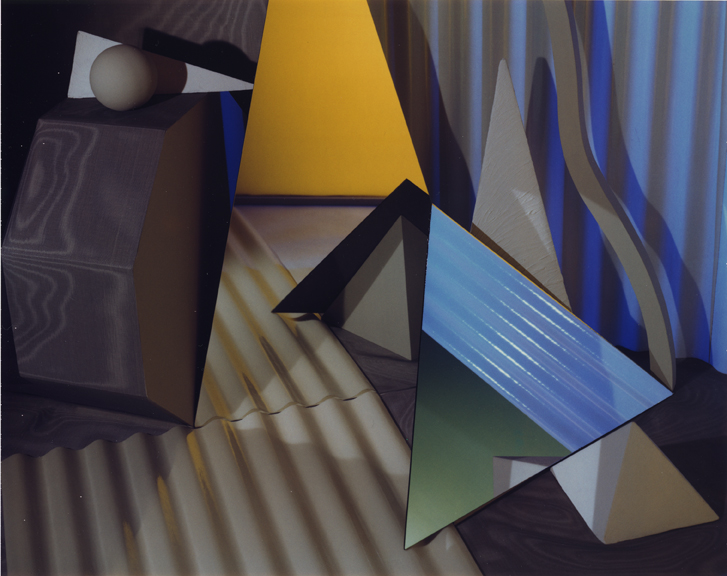

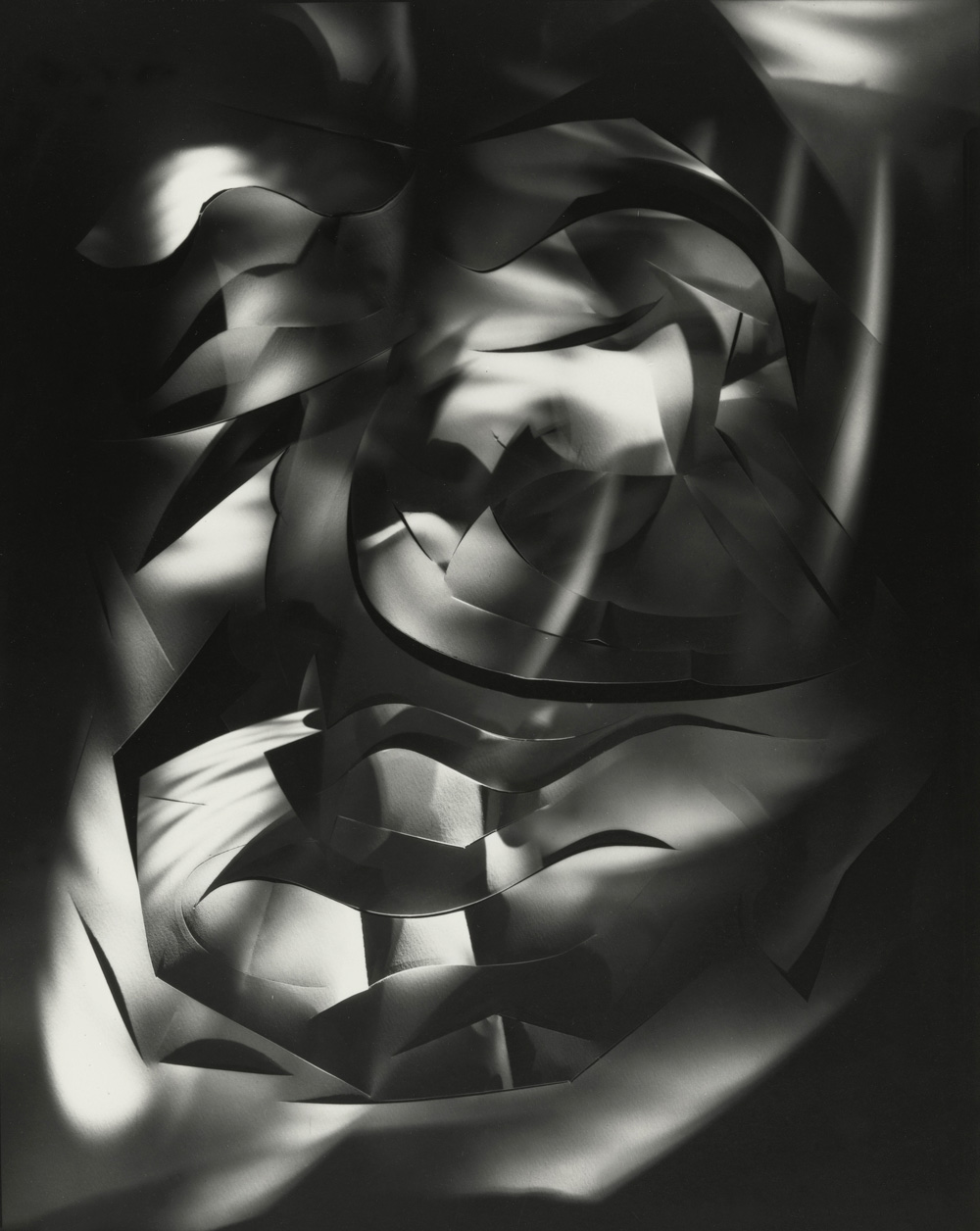

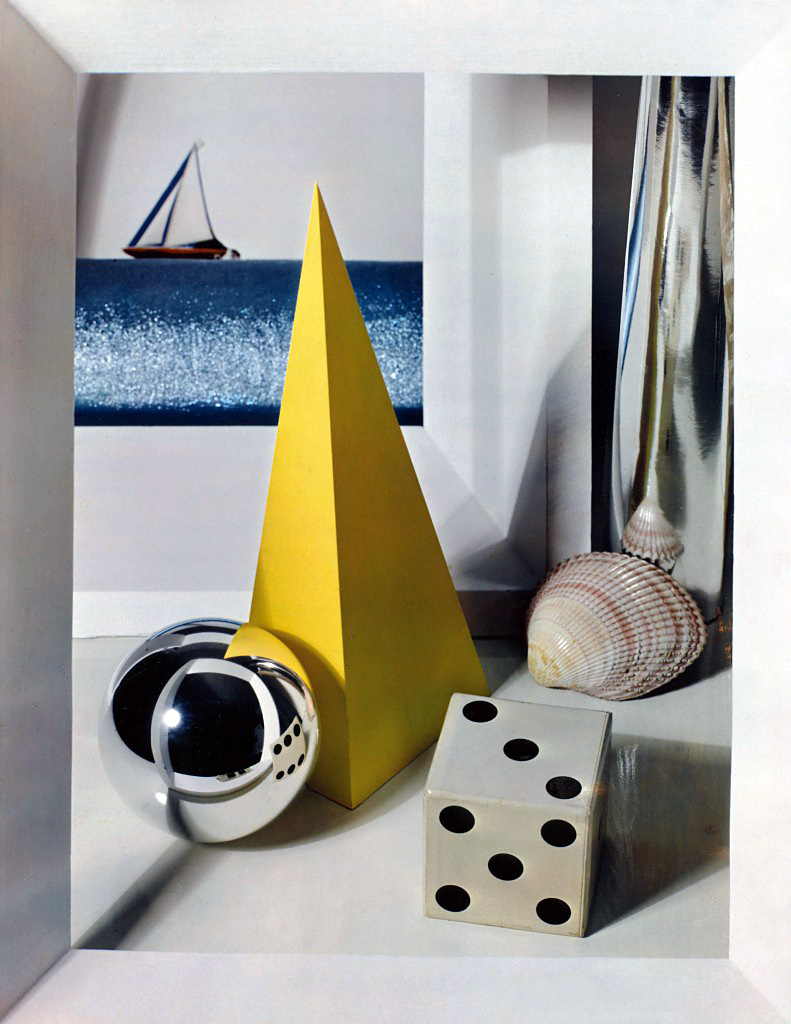
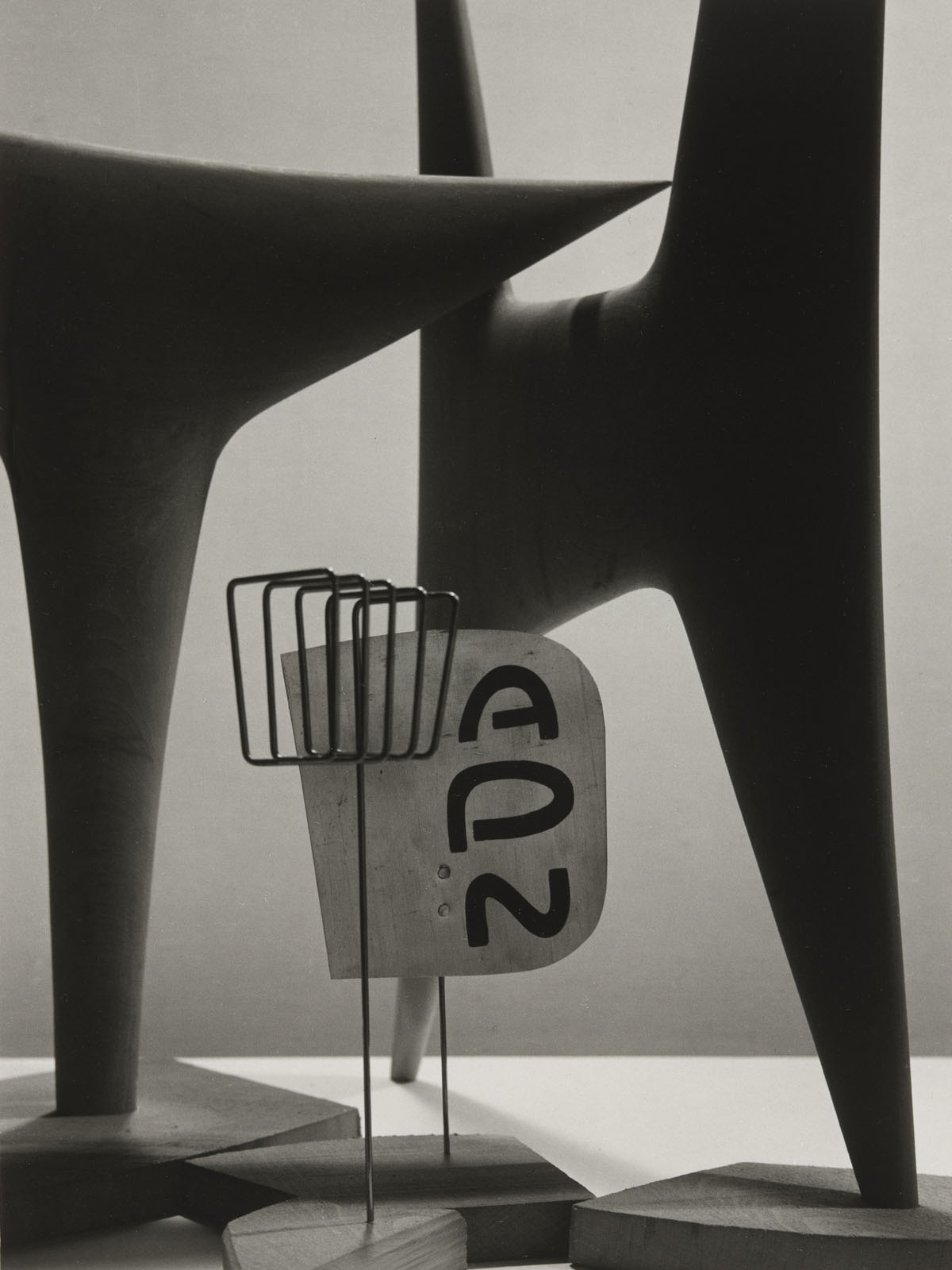
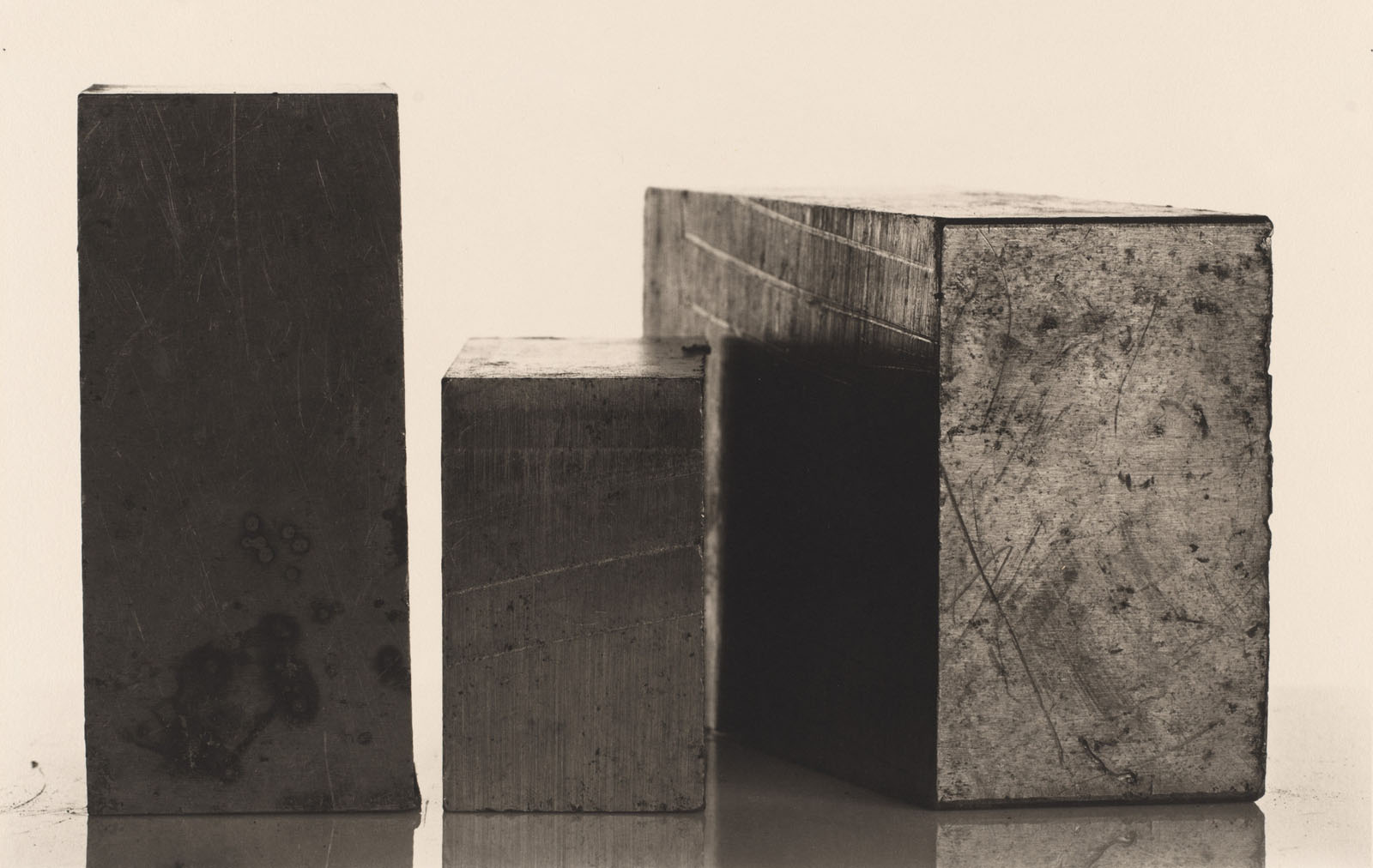
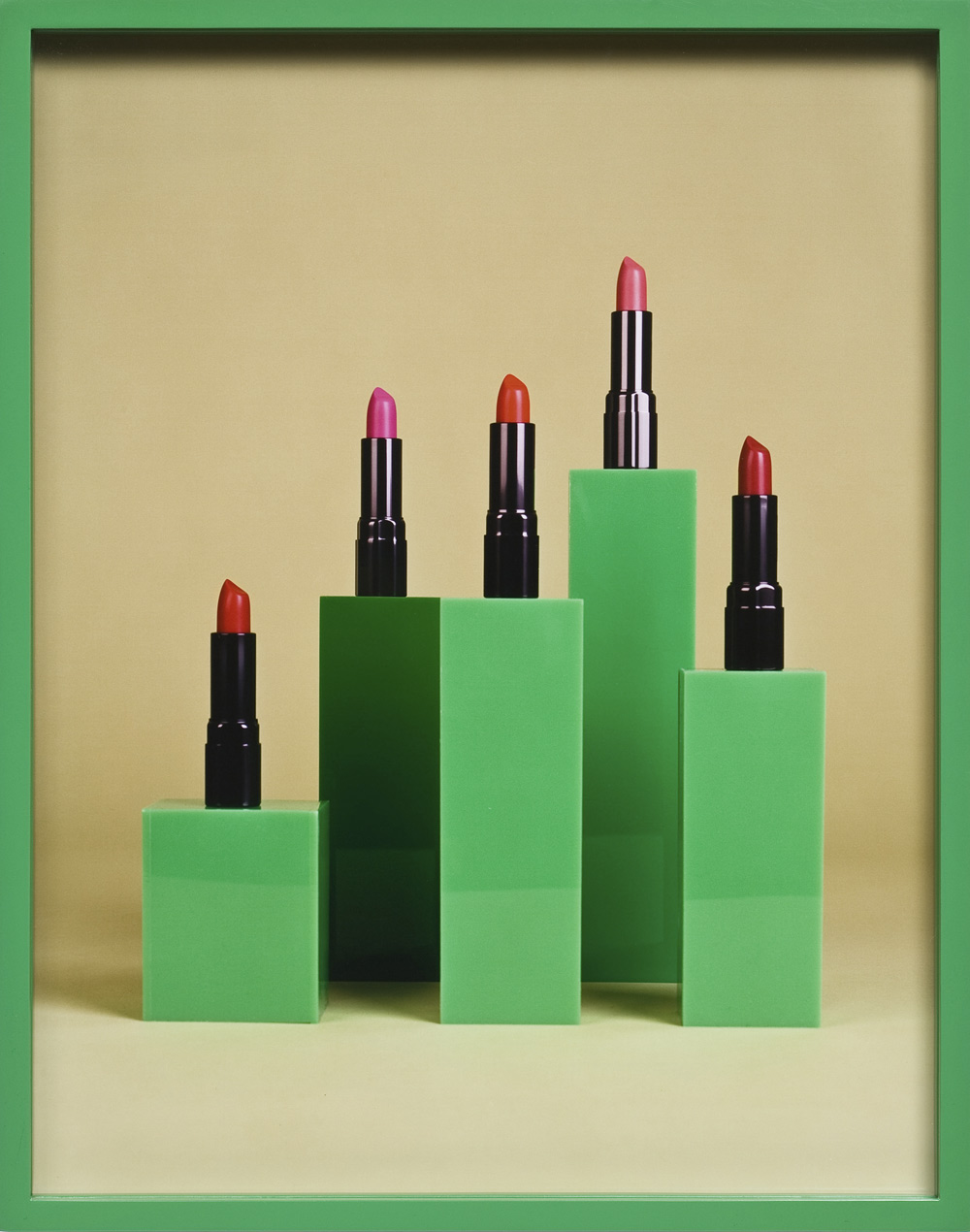

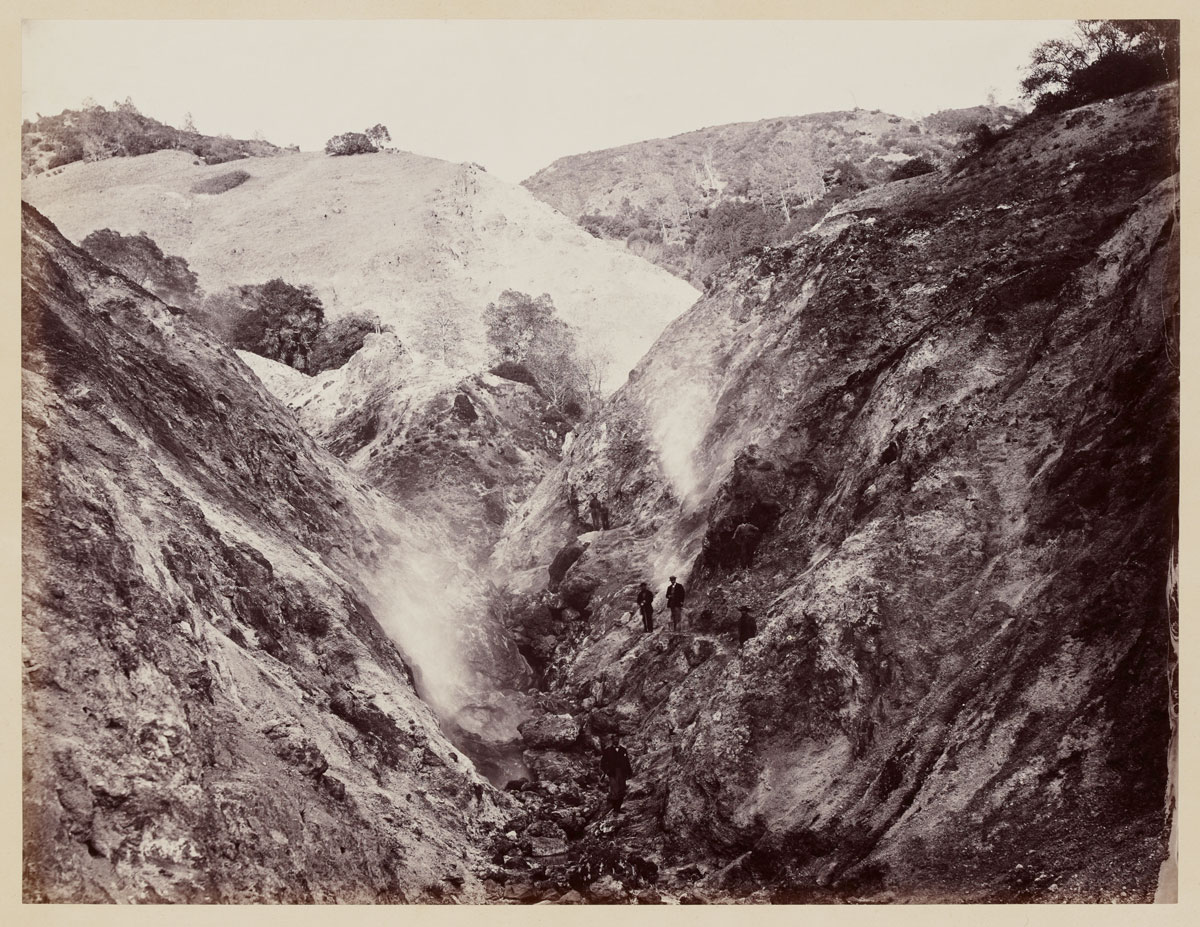

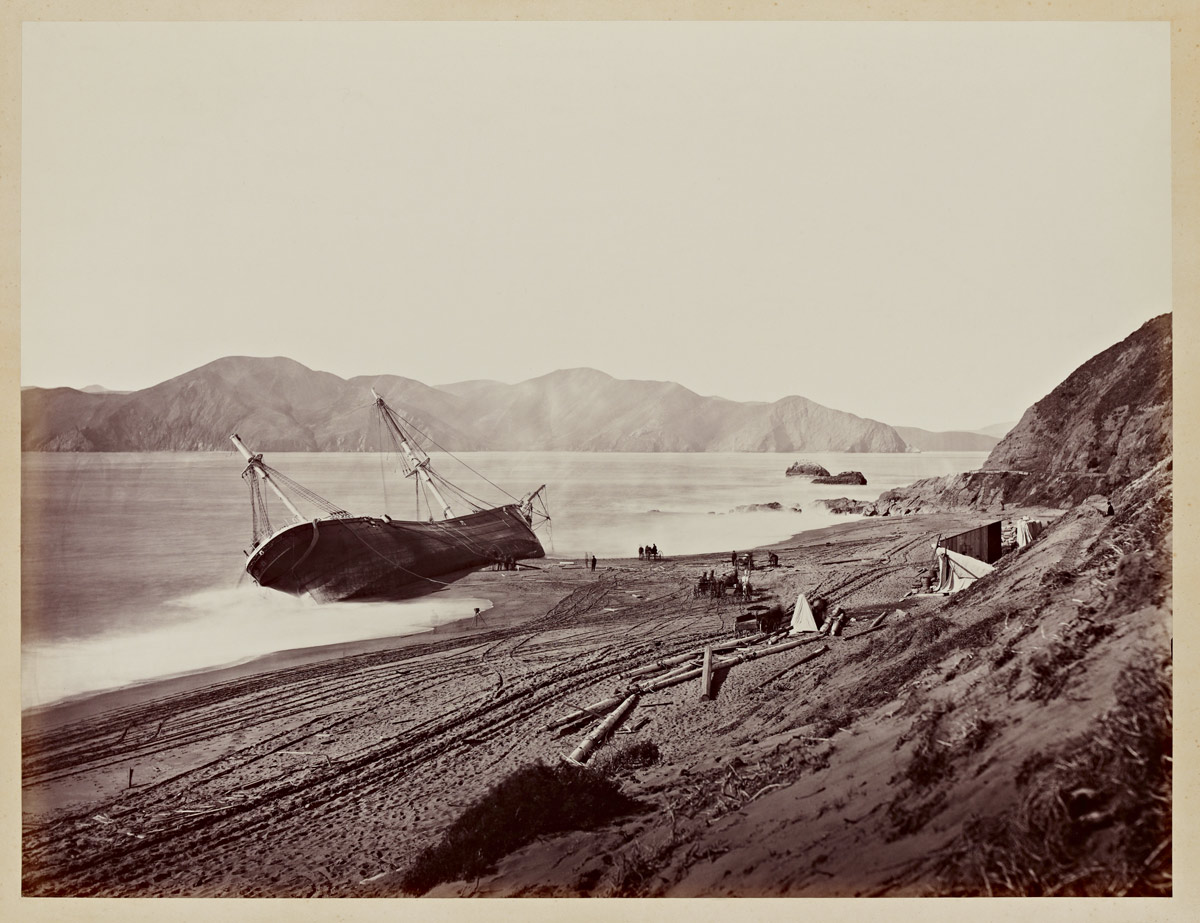






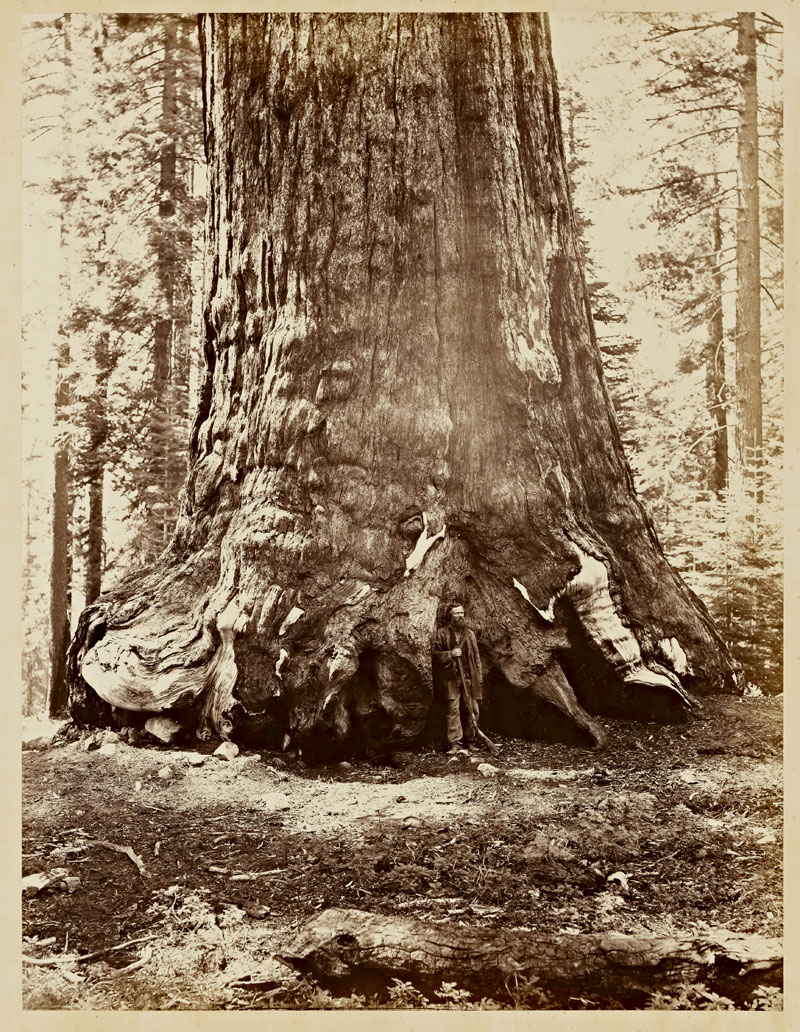
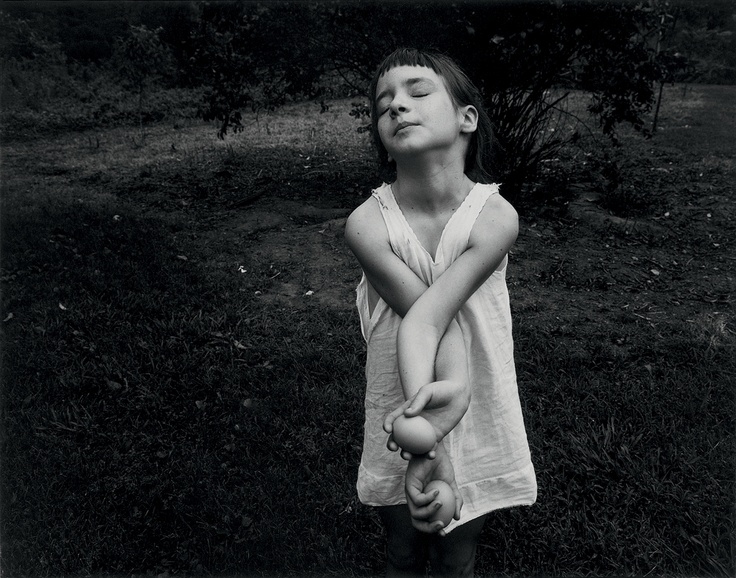

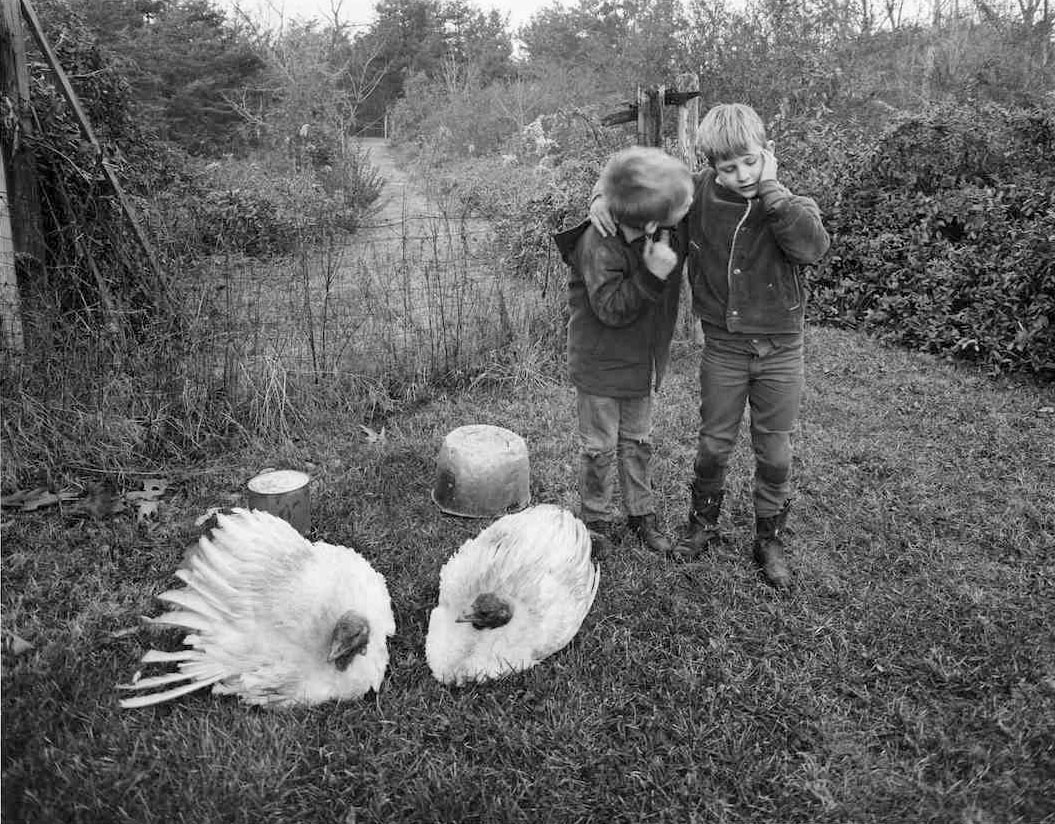
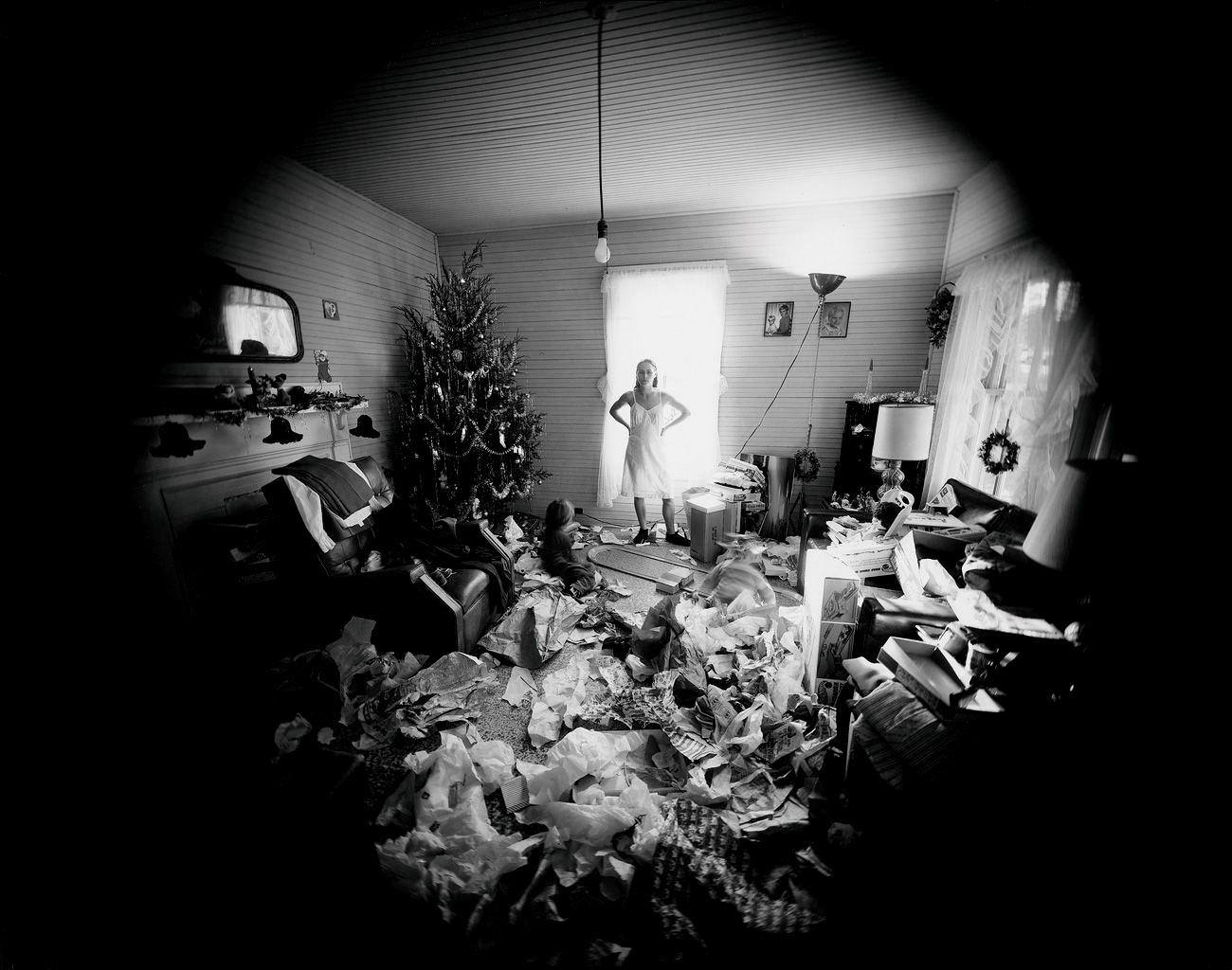

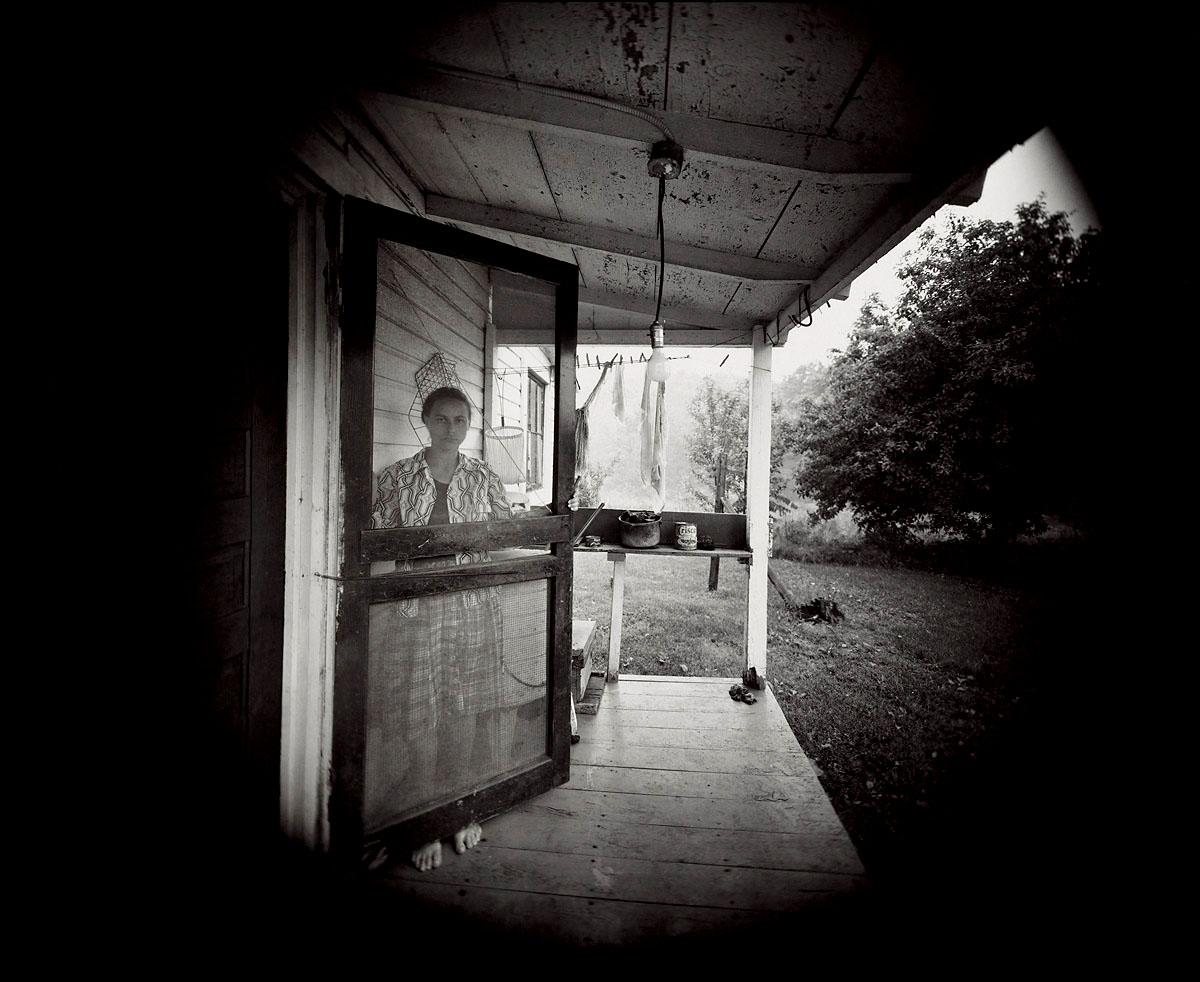
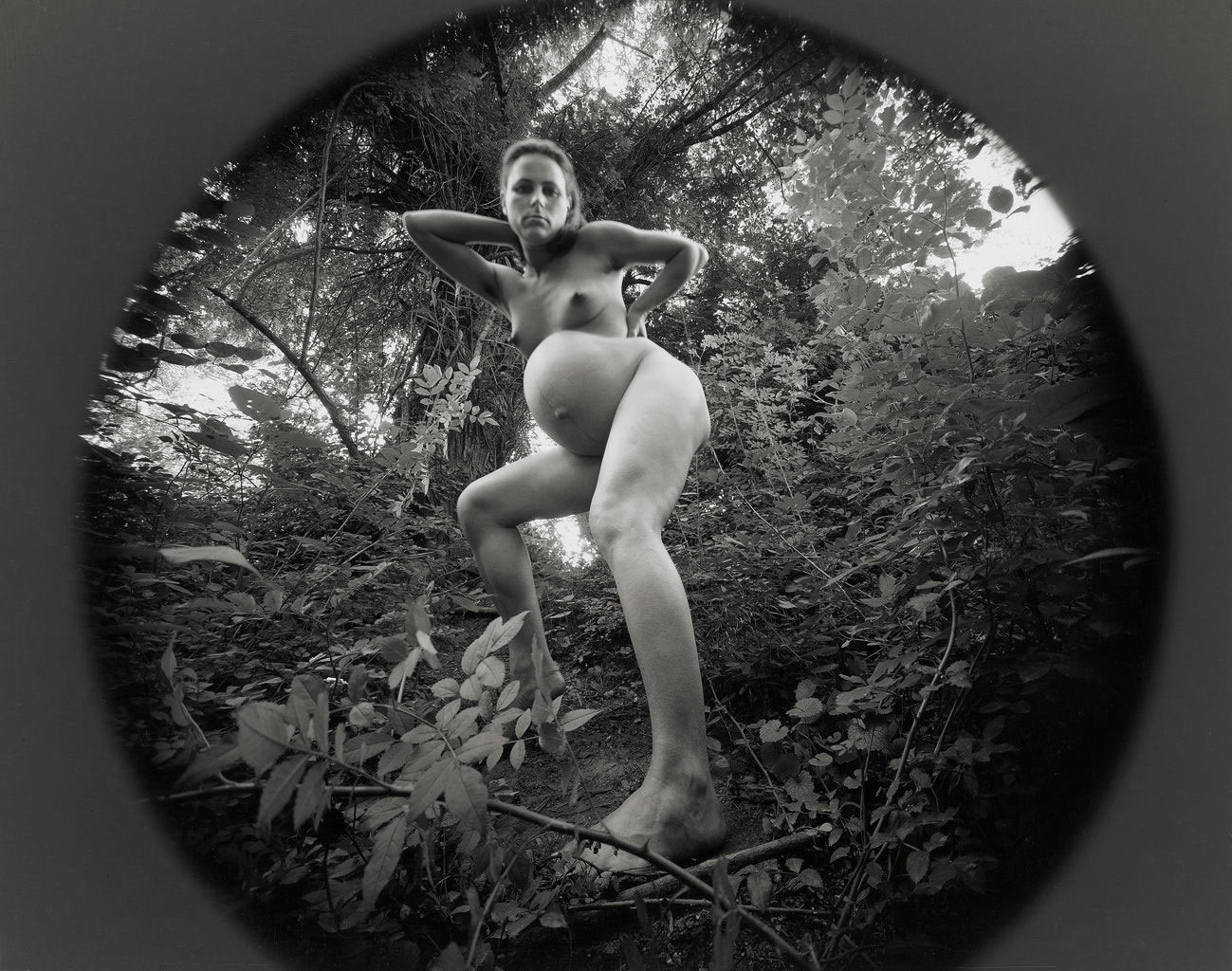
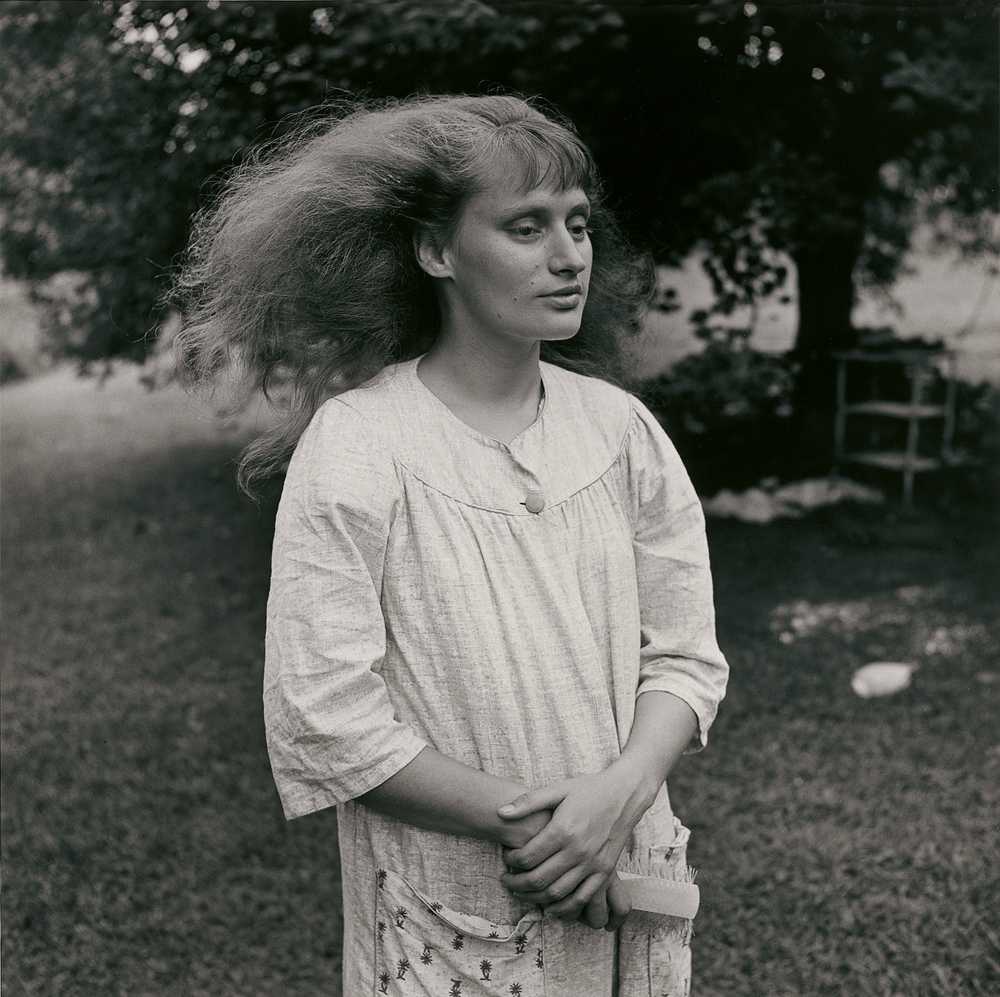


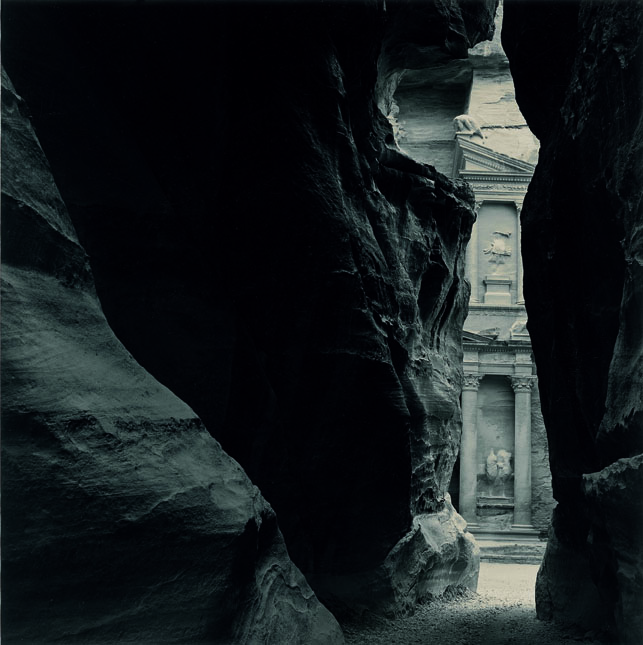
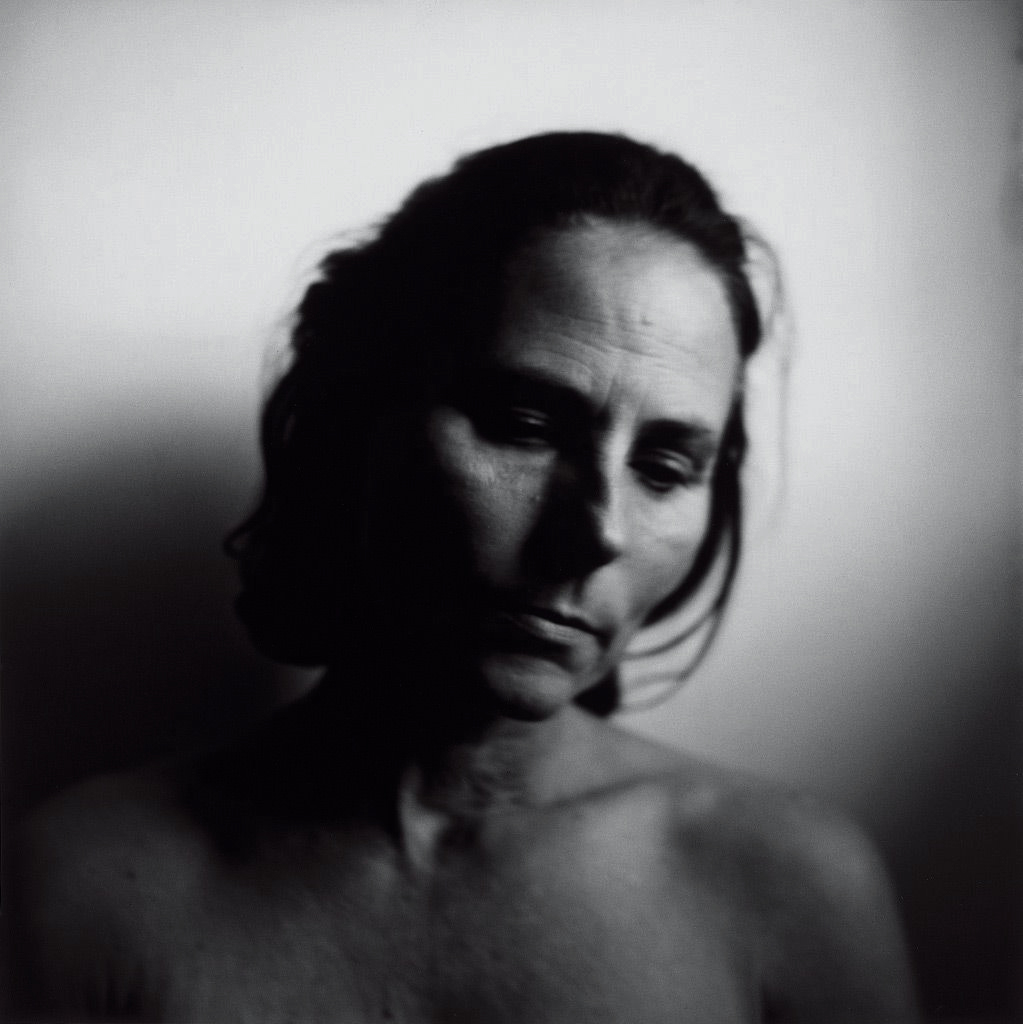
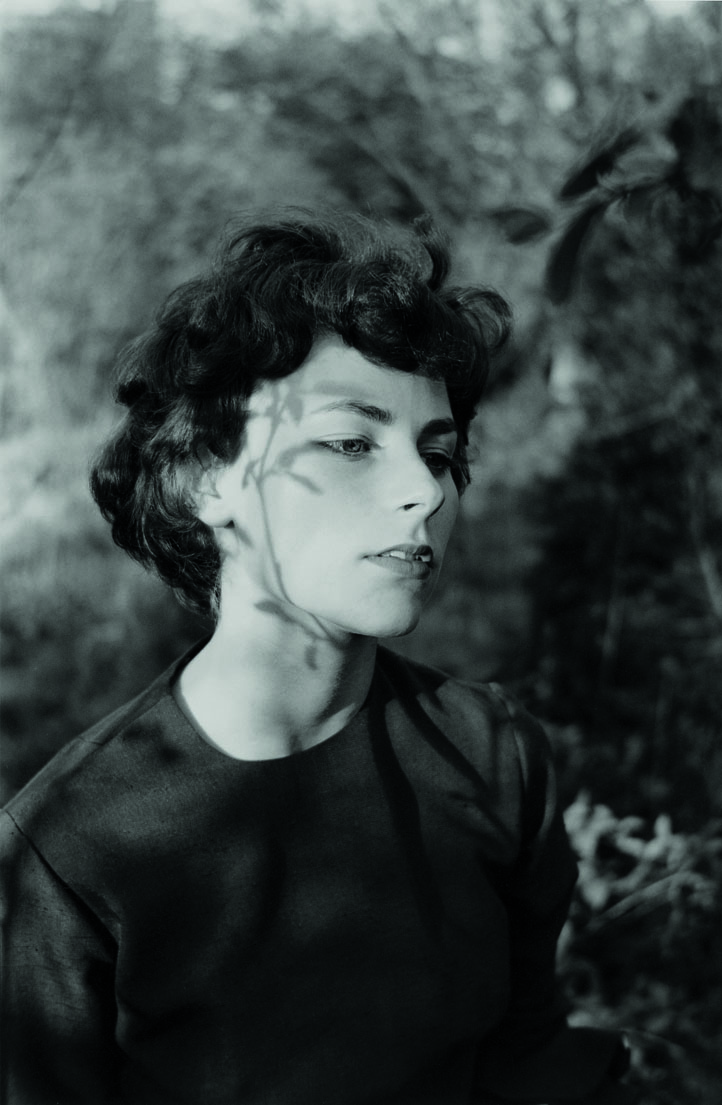

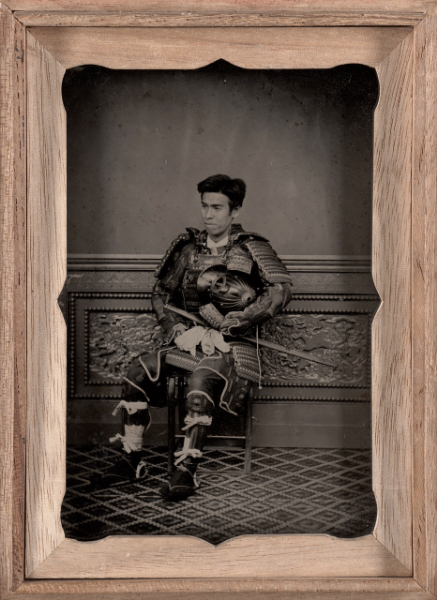
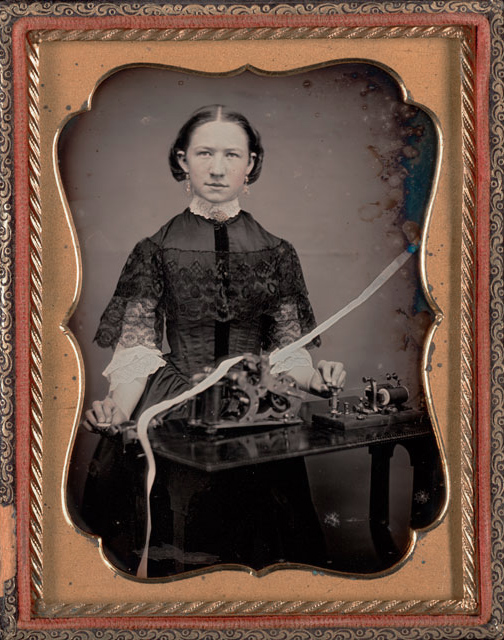
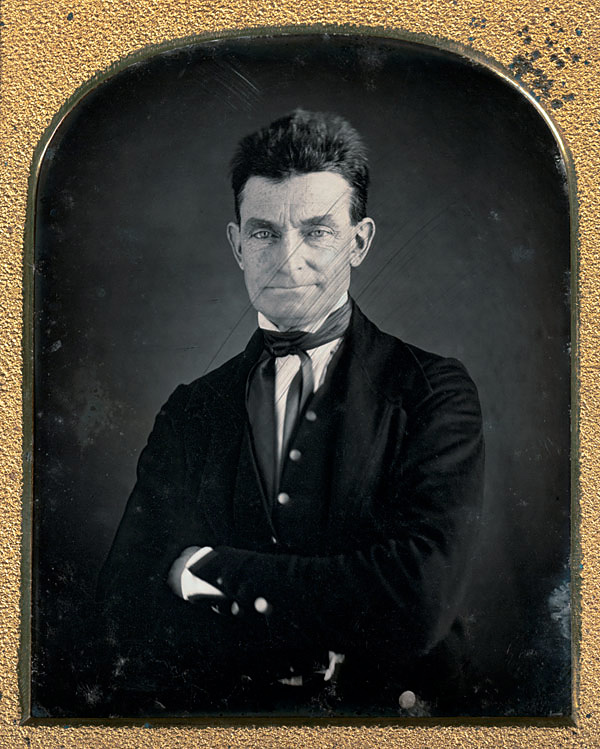
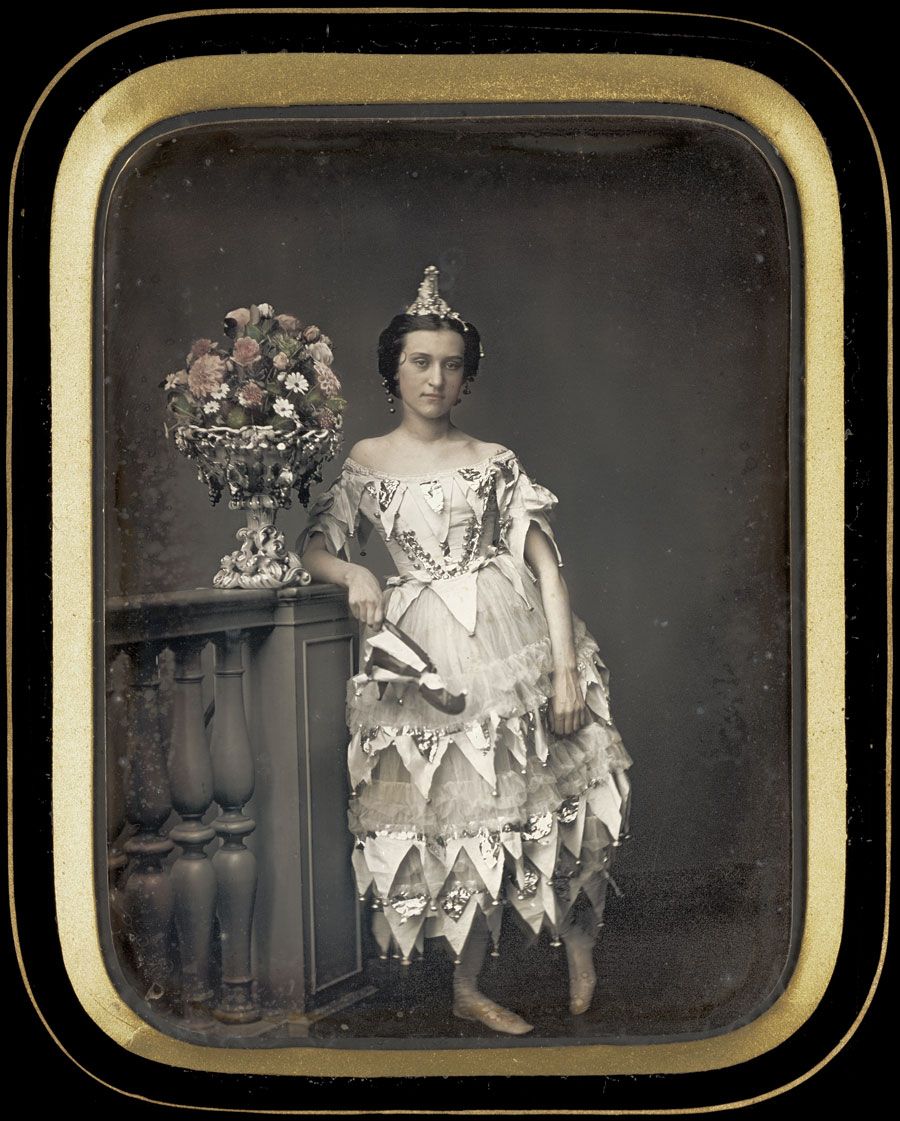
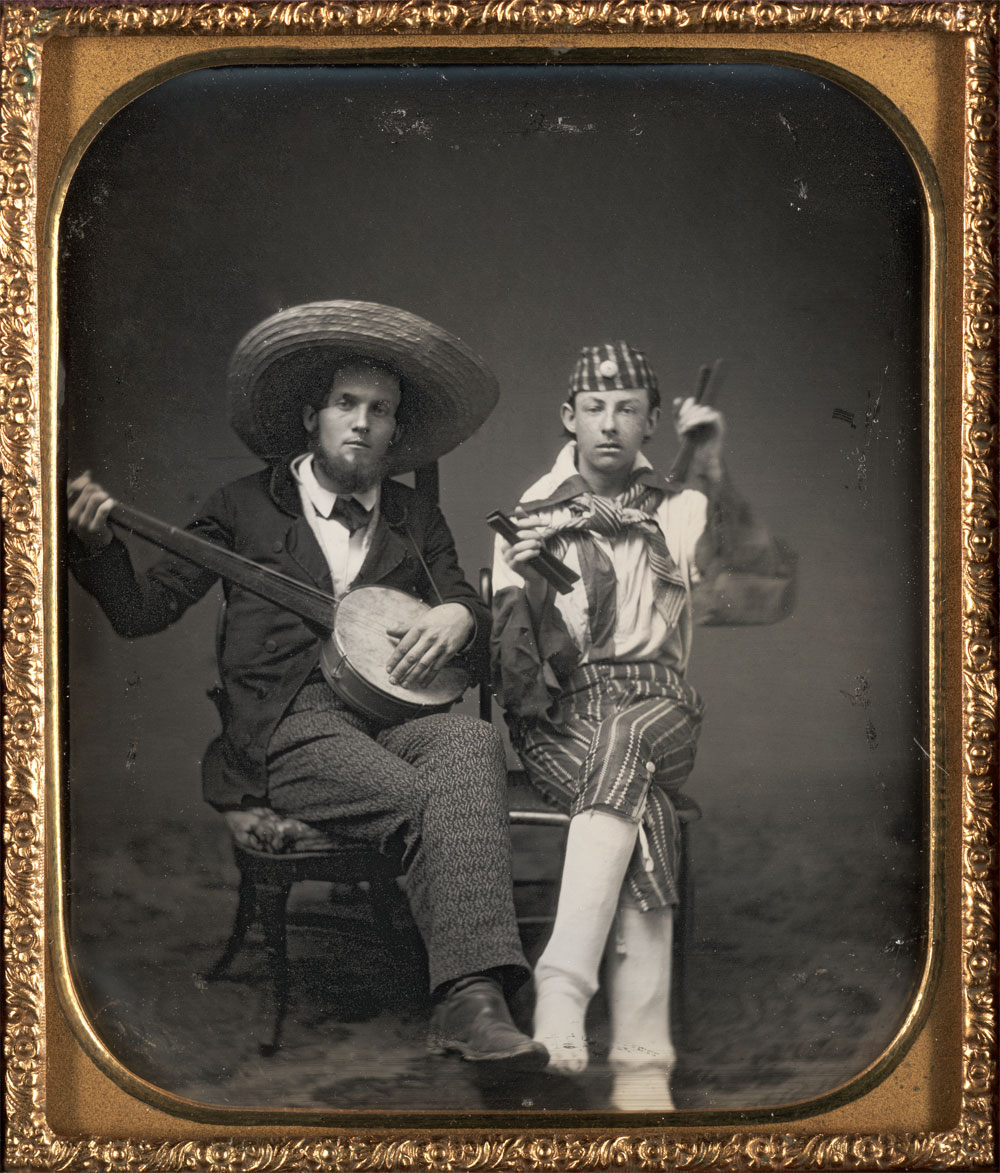
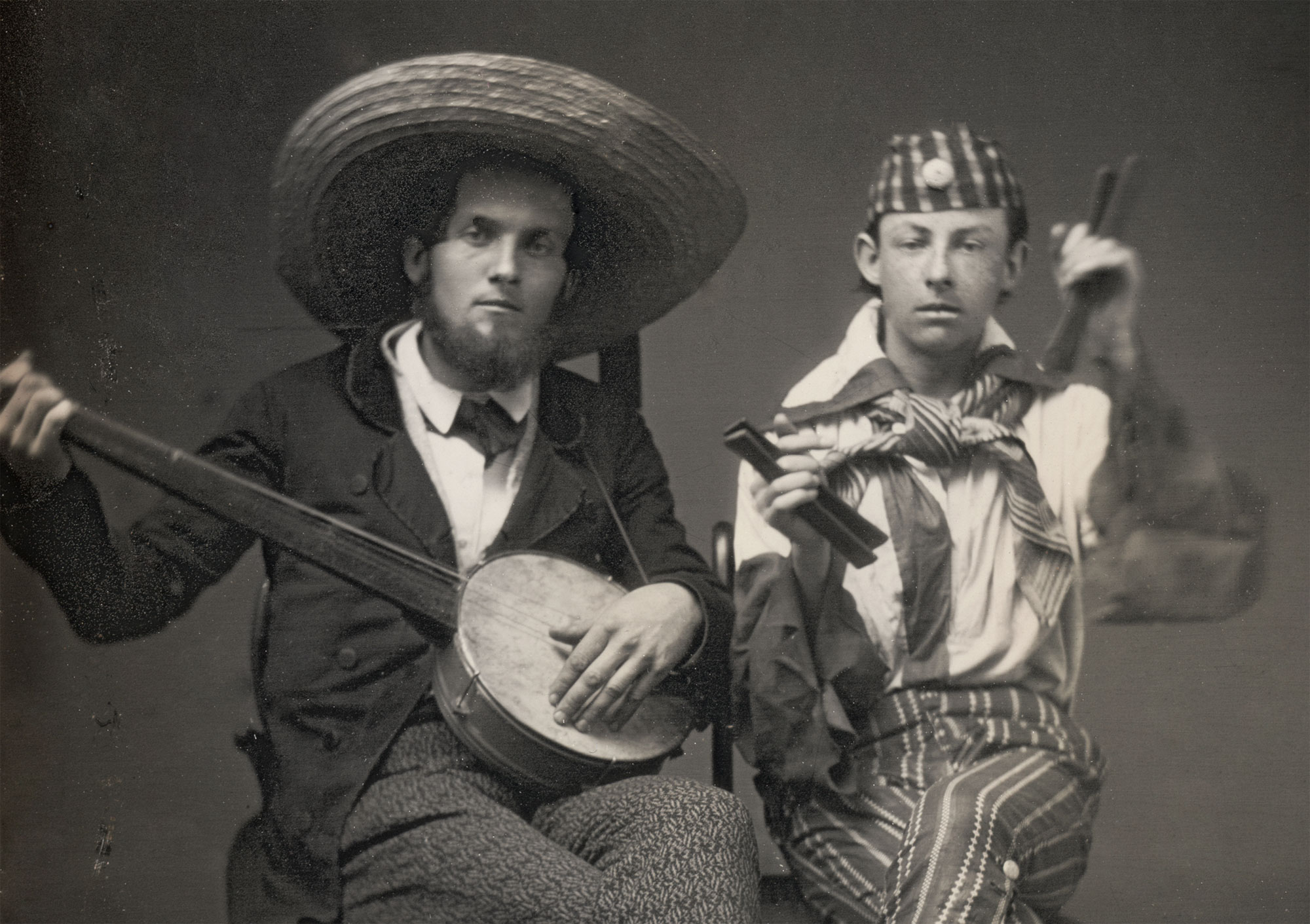
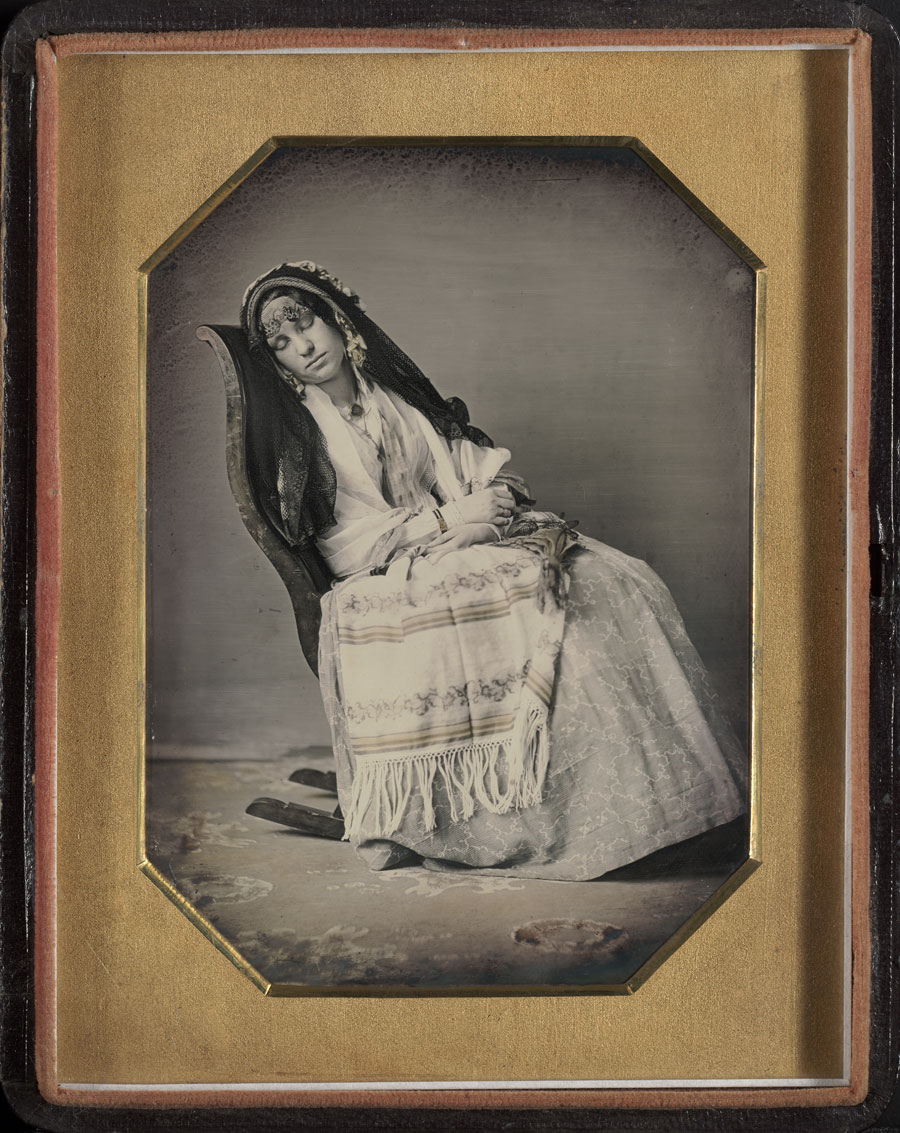
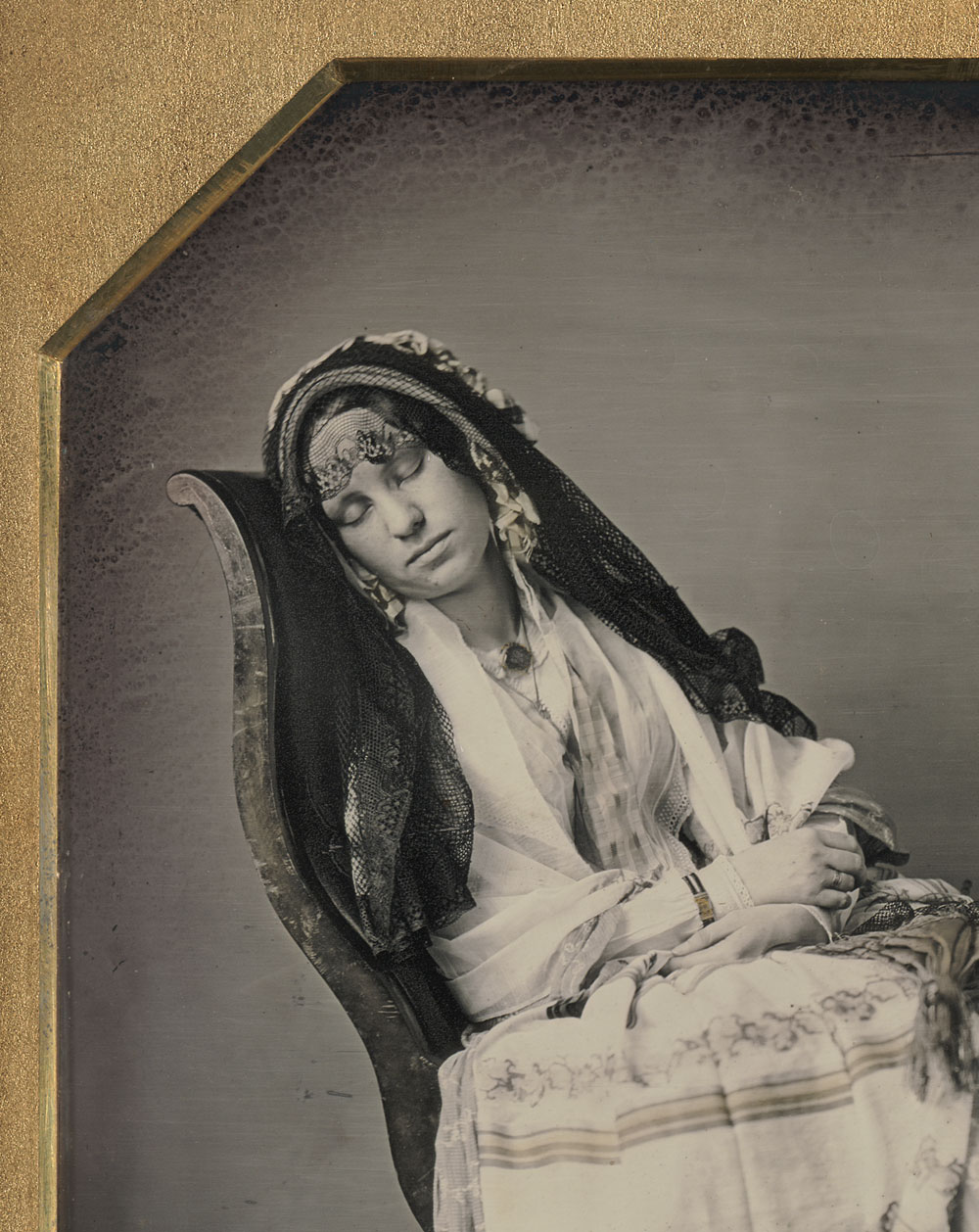
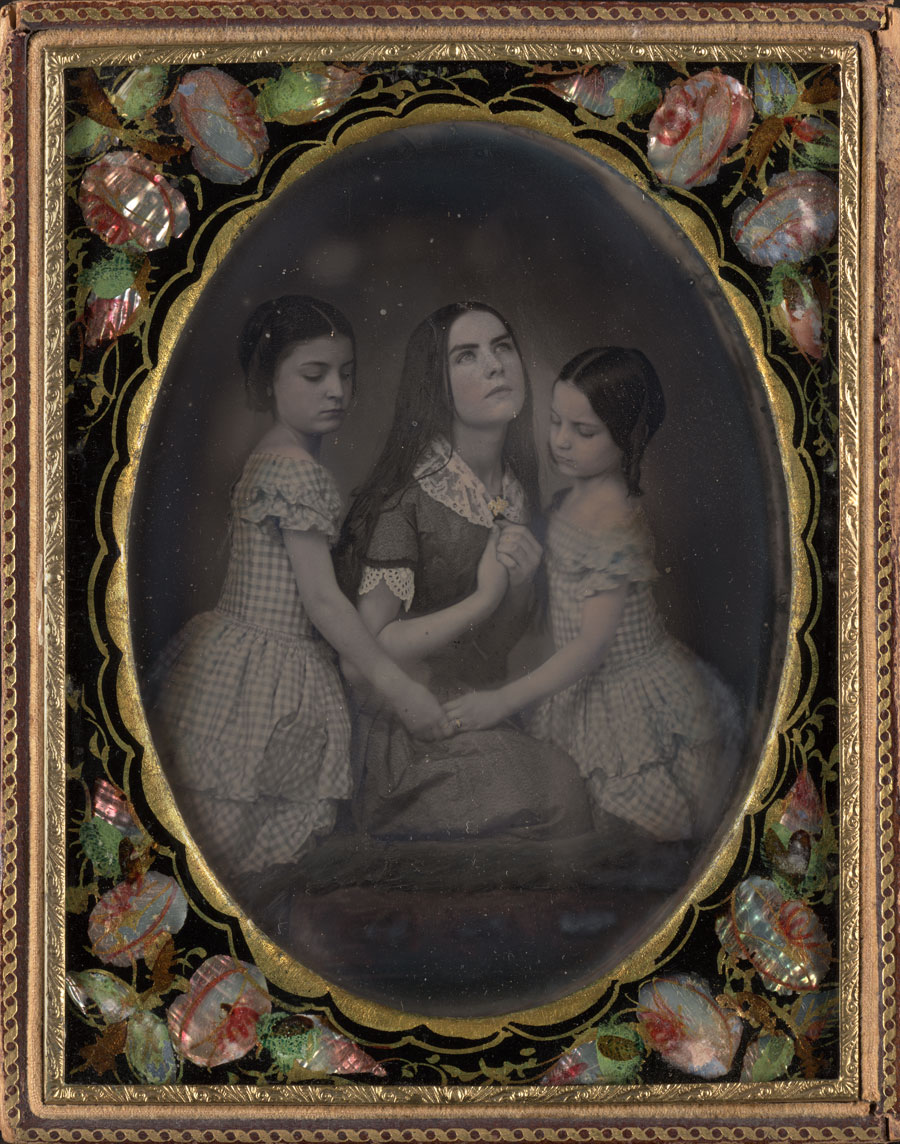
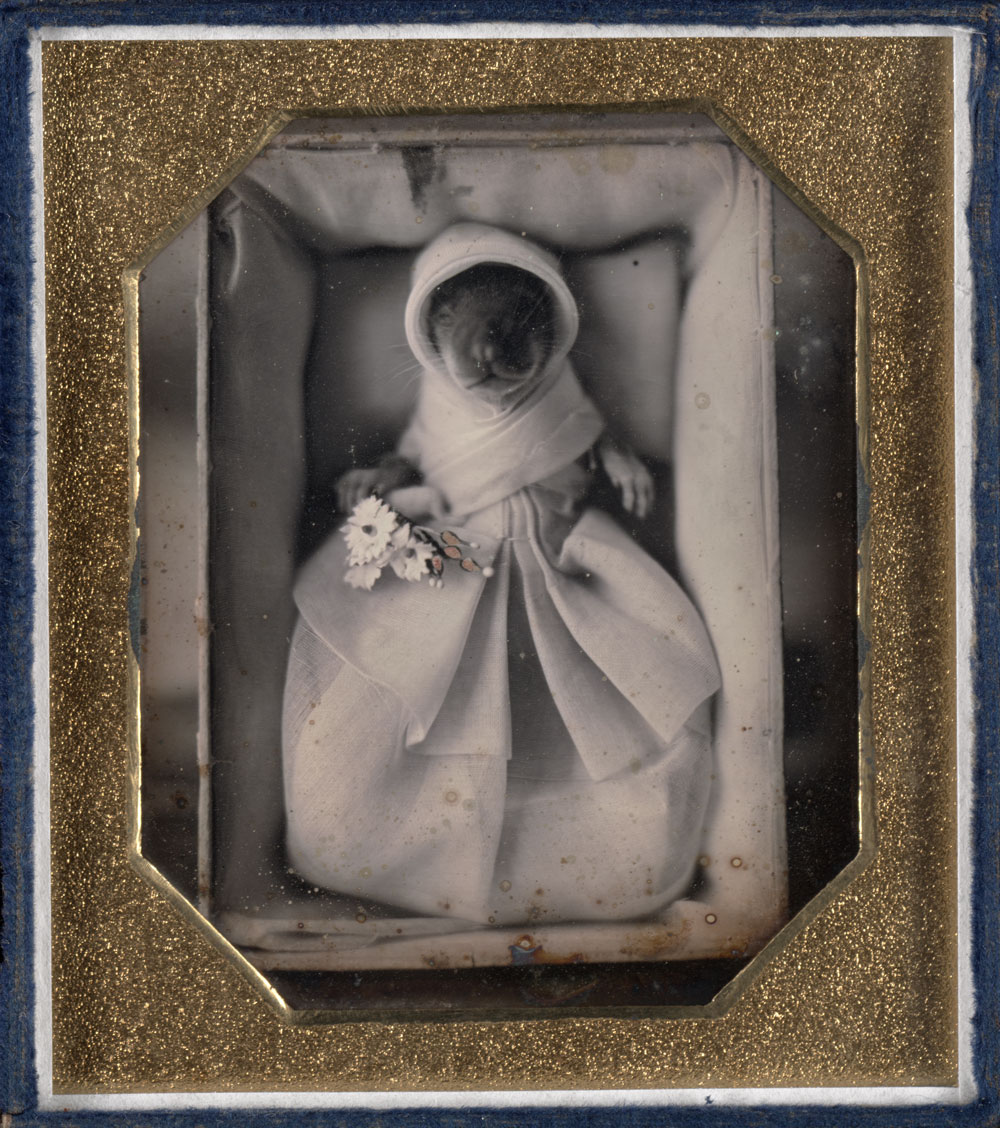
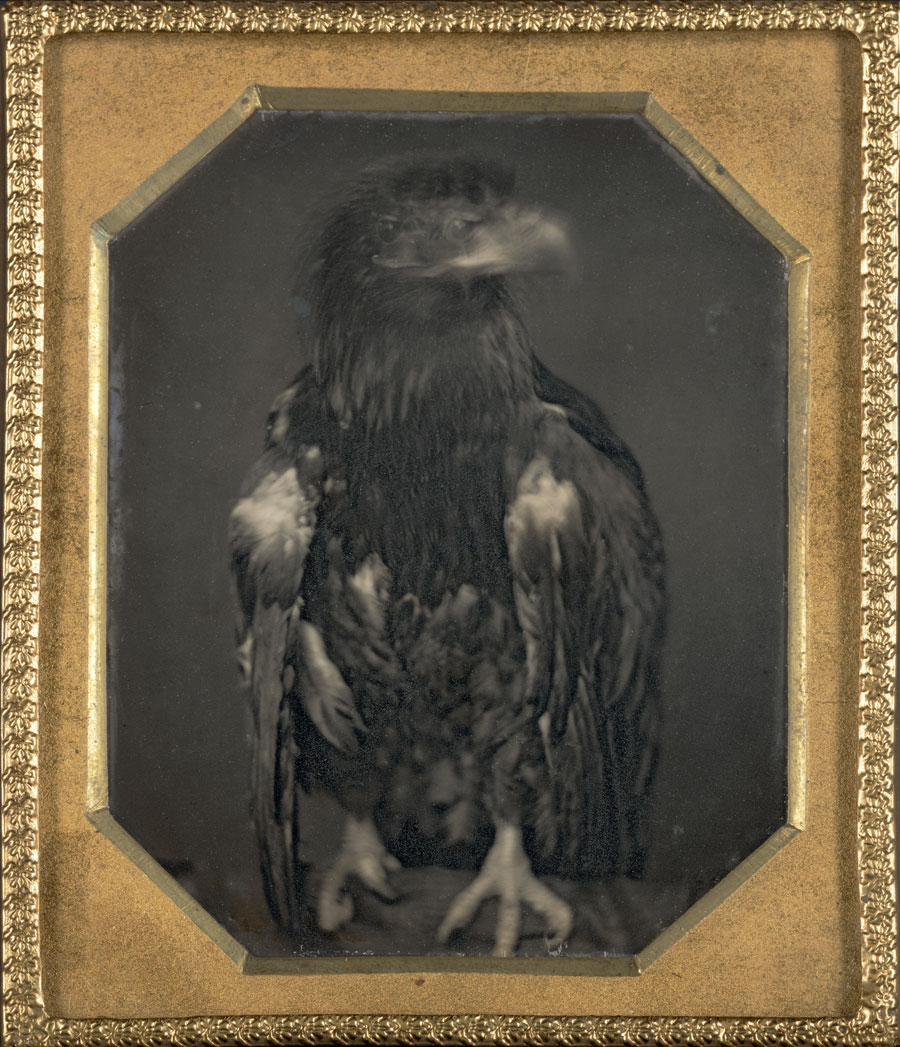
 Art Blart _ art and cultural memory archive
You must be logged in to post a comment.