Quotation: Paul Virilio ‘The Vision Machine’

November 2008


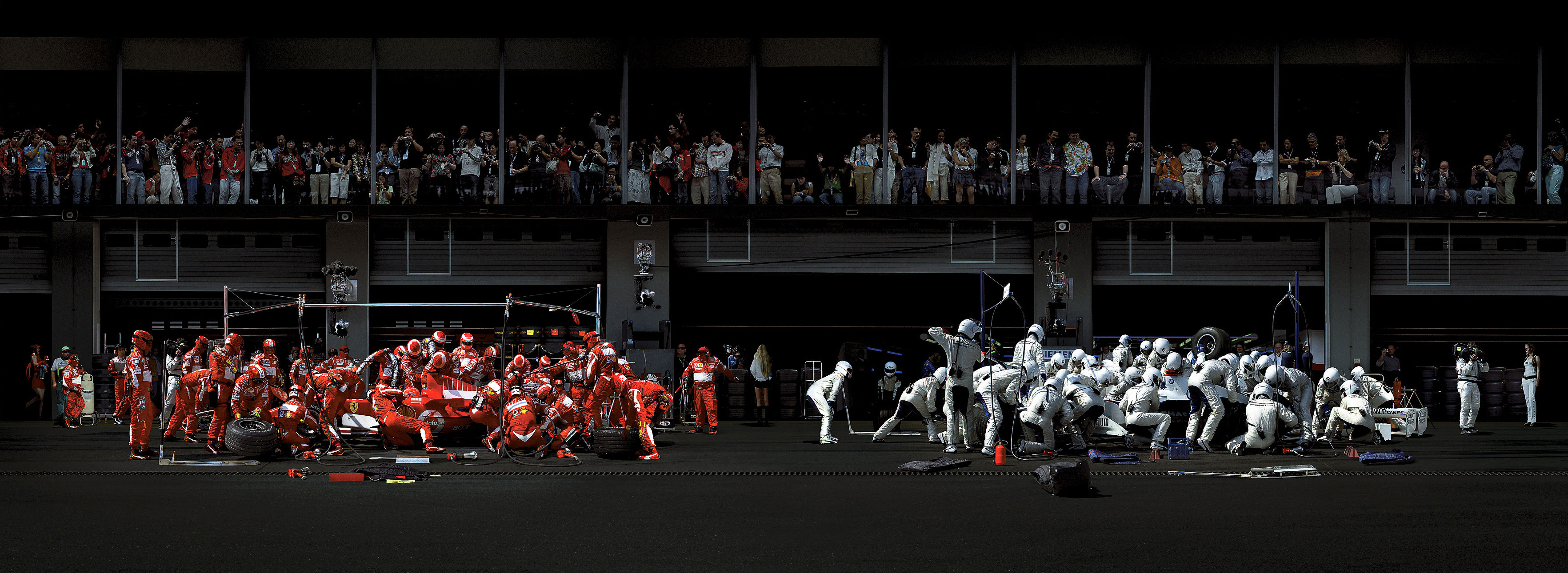
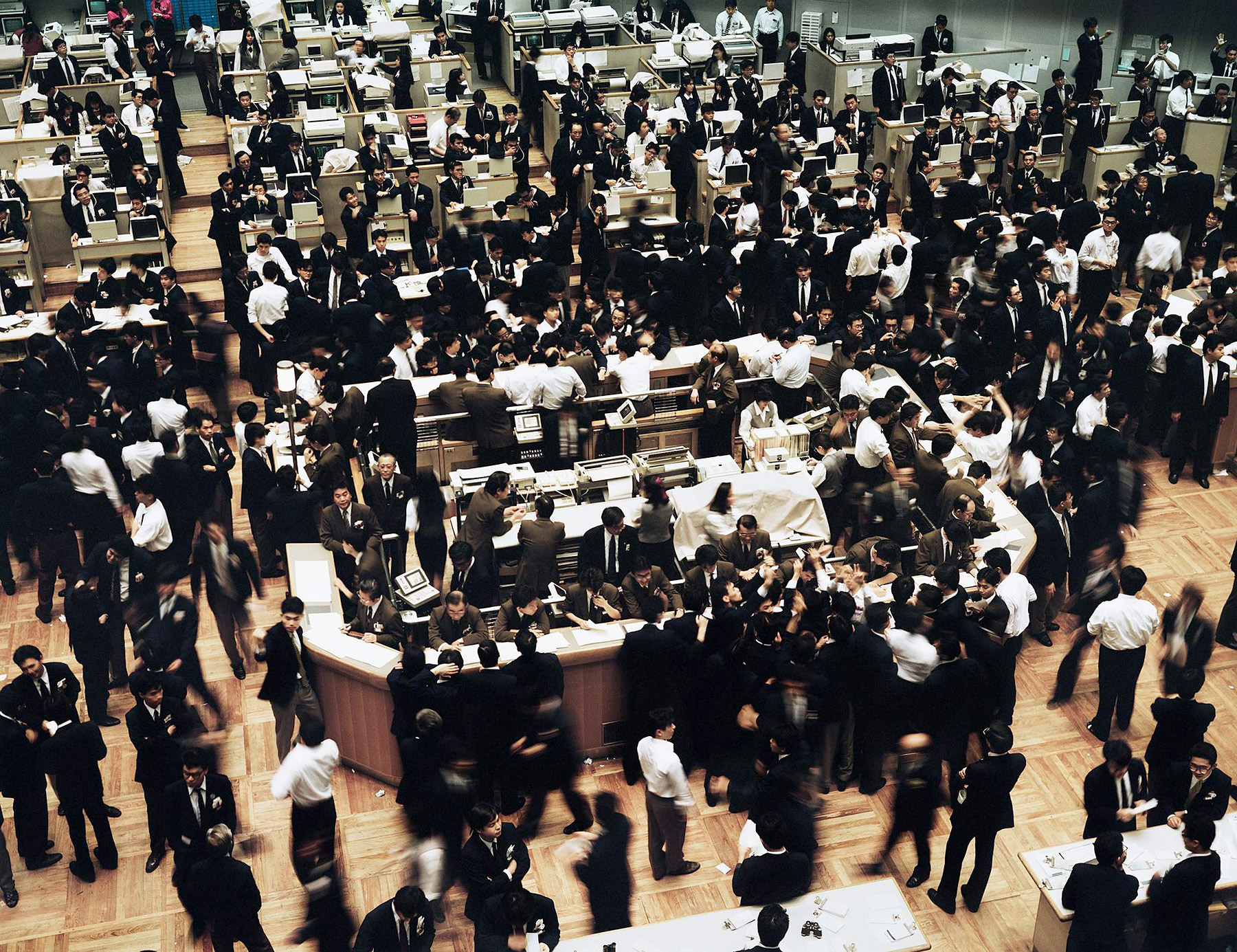
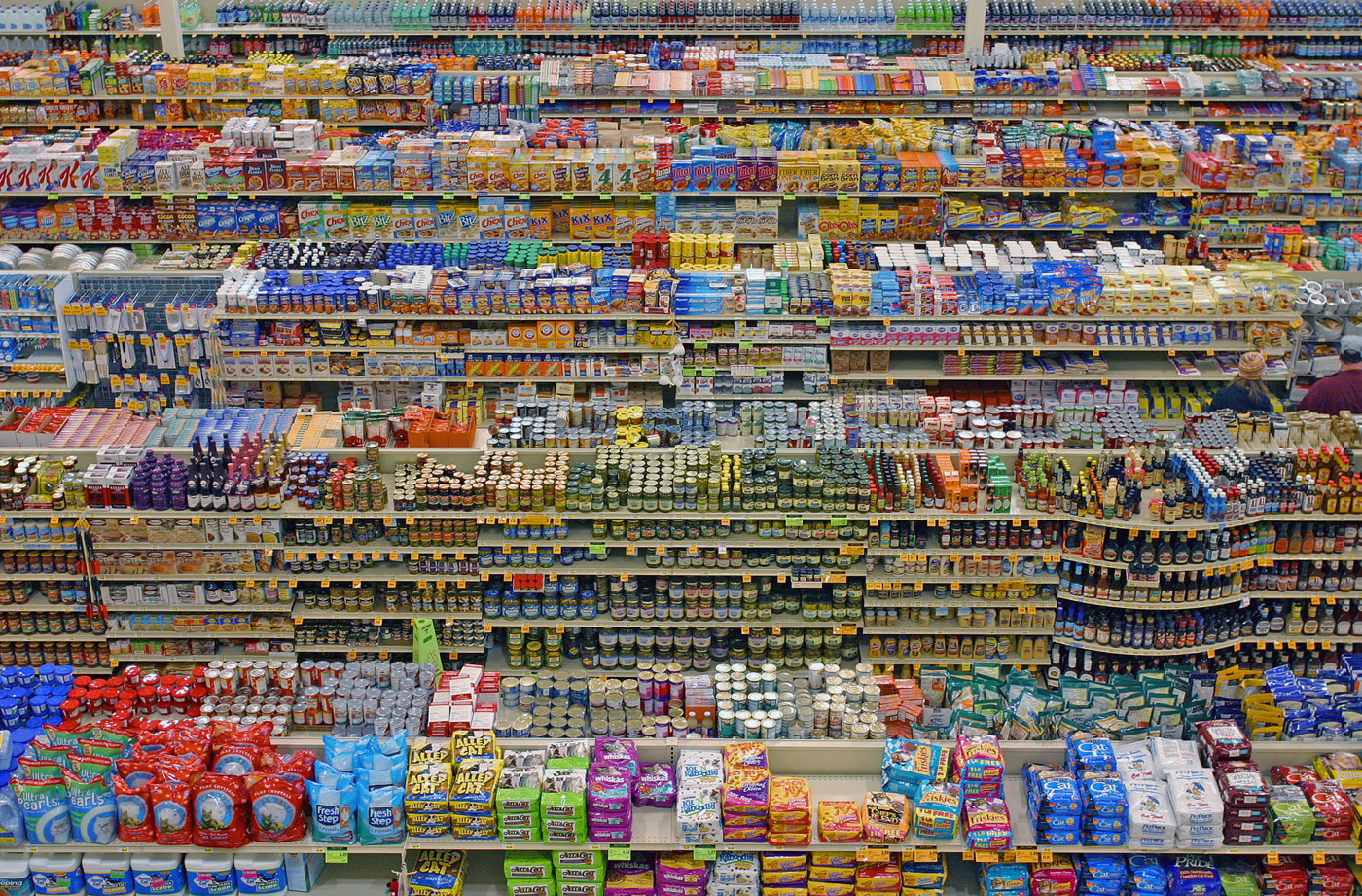
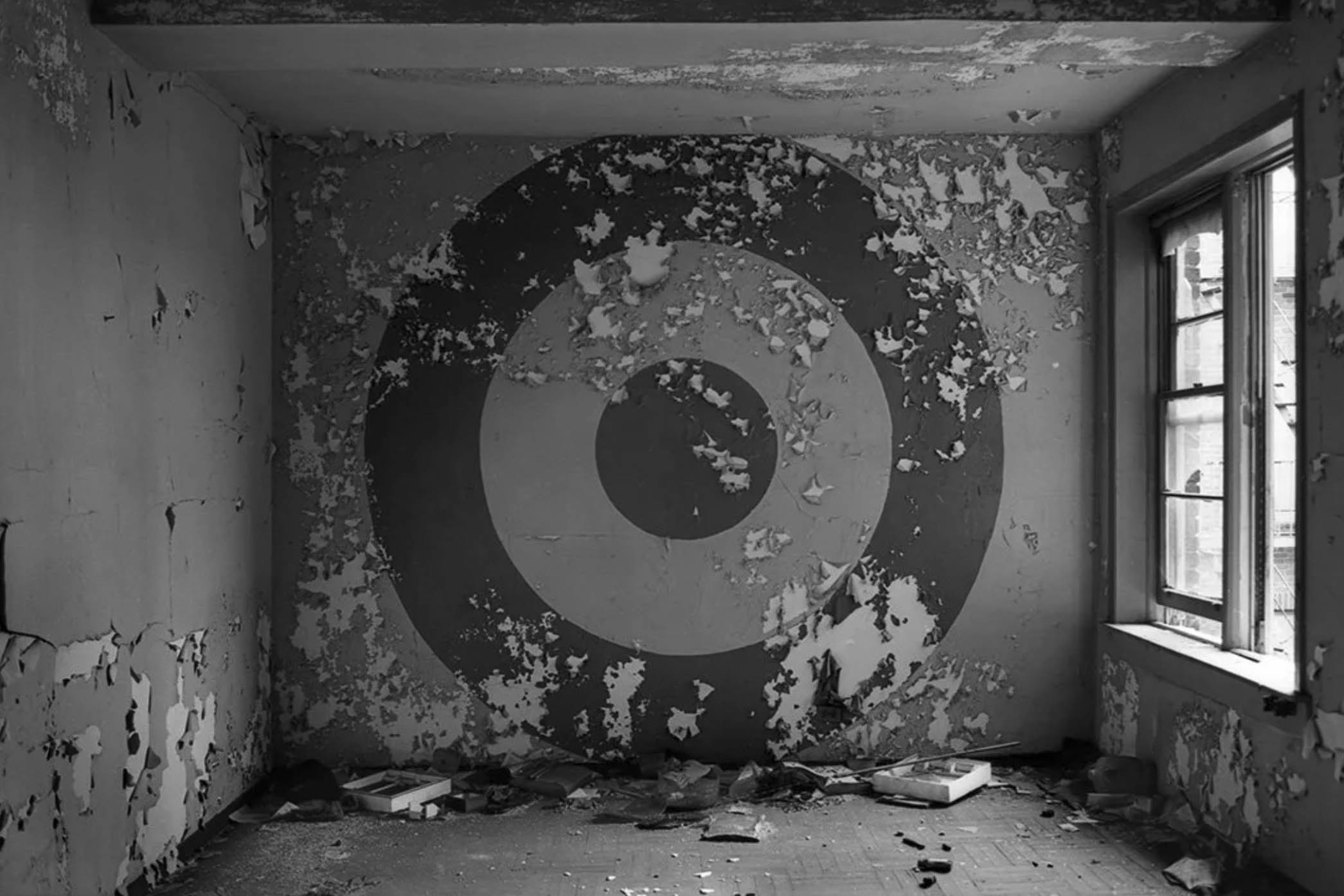
Empirically acknowledged as tragic, the photographic print was really just that when, at the turn of the century, it became the instrument of the three great authorities over life and death (the law, the army, medicine). This is when it demonstrated its power to reveal the unfolding of a destiny from the word go. As deus ex machina [an unexpected power or event saving a seemingly hopeless situation], it was to become just as ruthless for the criminal, the soldier or the invalid, the conjunction between the immediate and the fatal only becoming more solid, inevitably, with the progress of representation.”


Virilio, Paul. The Vision Machine (trans. Julie Rose). Bloomington: Indiana University Press, 1994, p. 43.


LIKE ART BLART ON FACEBOOK

Back to top

Review: ‘Disintegration’ by Robbie Rowlands at Place Gallery, Melbourne

Exhibition dates: 22nd October – 15th November, 2008


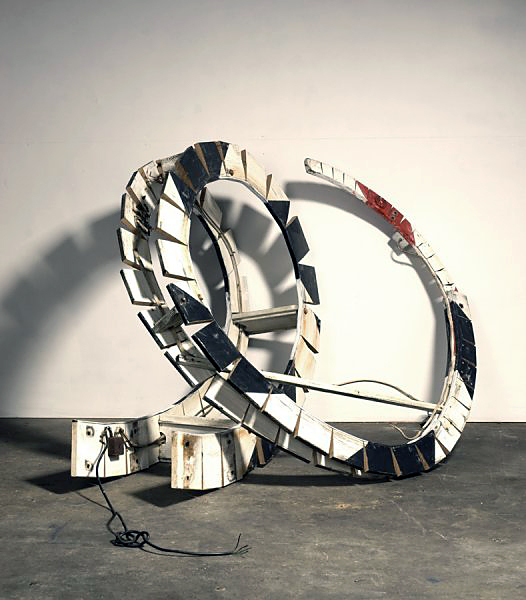
Robbie Rowlands (Australian, b. 1968) 'Scored' 2008 from the exhibition Review: 'Disintegration' by Robbie Rowlands at Place Gallery, Melbourne, Oct - Nov, 2008


Robbie Rowlands (Australian, b. 1968)
Scored
2008
Goal post, steel
160cm x 130cm x 50cm
Photograph: Christian Capurro


“The philosopher Martin Heidegger argued that objects are often invisible to us gathered up as they are within a context of functionality and use. It is only when things break down that we become aware of them, seeing them with fresh eyes. In many ways Heidegger’s observation could form the basis of an approach to Robbie Rowlands’ work. Rowlands takes objects that are often forgotten, invisible or transparent to us, objects that exist on the verge of disappearance, and stages a kind of ‘breakdown’, inviting us to rediscover the object, poised somewhere between what it was and what it might become.”


Simon Cooper. Catalogue essay


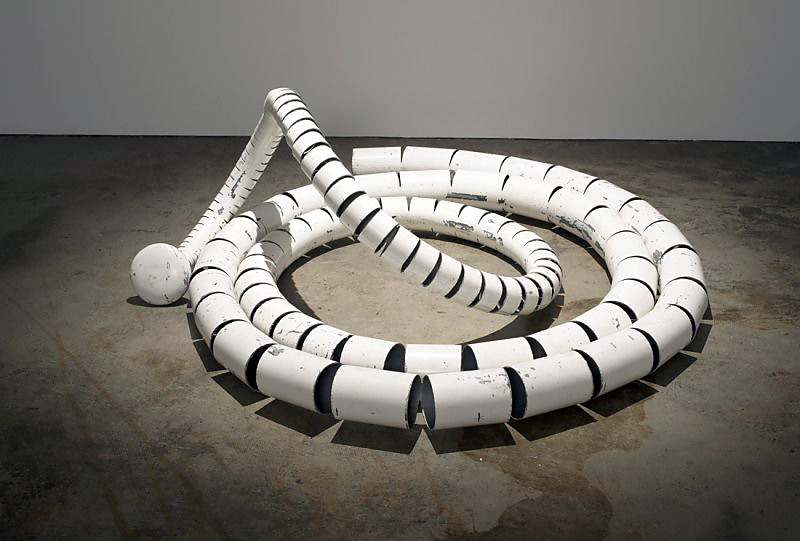
Sitting in pools of light in the elegant modern space of Place Gallery in Richmond, six theatrically lit sculptures are presented by artist Robbie Rowlands. Made of everyday objects (a boom gate, desk, chair, single bed, electricity pole, desk and footy goalpost) they have been de/constructed by the artist and reformed into curved objects. With ironic titles such as Down for the felled electricity pole and Collapse for the dismembered chair Rowland’s work hovers between one fixed state and an’other’ transformative state of being.

While the catalogue essay by Simon Cooper suggests that all of these objects are abandoned or nearly forgotten sharing a context of quasi-obsolescence, this is not the case. These were objects of purpose and form, the acts of ritualised production of a consumer society that contained signs that symbolised their status. In his creativity Rowland has used these technologies of production, which permit us to produce, transform or manipulate things to create new sensual forms of life. Some of the sculptures such as Boom (the boom gate; 2008, below) and Scored (the goal post; 2008, above) remind me of creatures emerging from the recesses of the unconscious, curling and rearing up like monsters from the deep. One of the most beautiful forms is the constructed white chair where the function of the object has collapsed into the essence of the form, like the surreal spatiality of a poetic Miro. As Gaston Bachelard reminds use in The Poetics of Space:

“The grace of a curve is an invitation to remain. We cannot break away from it without hoping to return. For the beloved curve has nest-like powers; it incites us to possession, it is a curved corner, inhabited geometry.”1


Cooper suggests that the curved forms that Rowland creates were “already there in the original object, even as it was sat on, written on, or passed by on the way to work.” He rightly notes that the process used contains a certain violence, but that we remember and reconstruct the old form even as we respond to the new construction. For these sculptures are a construction not, I believe, inherent in the original form. This can be seen in the sculpture Boom (2008, below) for example, where Rowland has used additional pieces of metal to hold the curve of the boom gate in place. Without this skilfully added, hidden sub-structure the transformative shape would collapse onto the floor. Rowland inhabits and possesses his new geometry with as much technology as the original but not in such an obvious form.

At their best these sculptures are both poetic palimpsest and heterotopic objects of otherness that are neither here nor there. The work would have been stronger if only four pieces were presented in the gallery space – the sculptures needed more room to breathe (understanding the dictum that less is more). The sculptures themselves also needed greater thematic cohesiveness perhaps using the colour white as the unifying theme. But they are sensual and beautiful gestures and deserve the attention of your visit.

Dr Marcus Bunyan


1/ Bachelard, Gaston. The Poetics of Space. Boston: Beacon, 1969 [originally 1958] p. 146


Robbie Rowlands (Australian, b. 1968) 'Boom' 2008


Robbie Rowlands (Australian, b. 1968)
Boom
2008
Rail boom gate, wooden
160cm x 160cm x 130cm
Photograph: Wren


Place Gallery
120 Collins Street
Melbourne VIC 3000
Phone: (03) 9527 6378

Opening hours:
Daily: 9.30am – 6.00pm
Sunday & Holidays: Closed

Robbie Rowlands website

LIKE ART BLART ON FACEBOOK

Back to top

Photographer: Alec Soth

November 2008


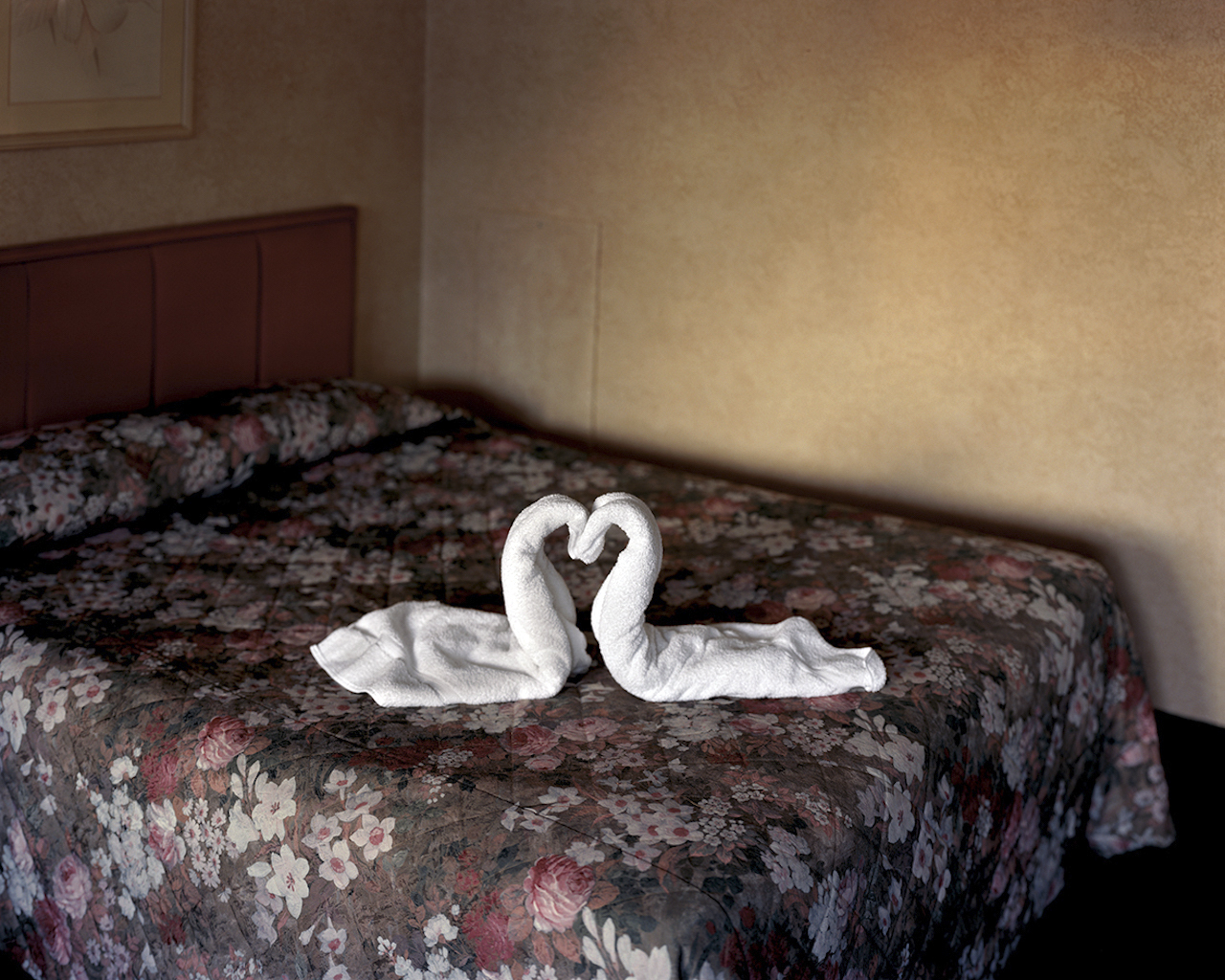
Alec Soth (American, b. 1969) 'Two Towels' 2004


Alec Soth (American, b. 1969)
Two Towels
2004
From the series Niagara (2006)


Minneapolis-based photographer Alec Soth has attained international recognition for his photographic series. Notable are the two series Sleeping by the Mississippi (1999-2004) portraying the river and the life along it’s banks and Niagara (2006) where Soth focuses his large format camera on the hotels, residents loves and lives and the environs around Niagara Falls.

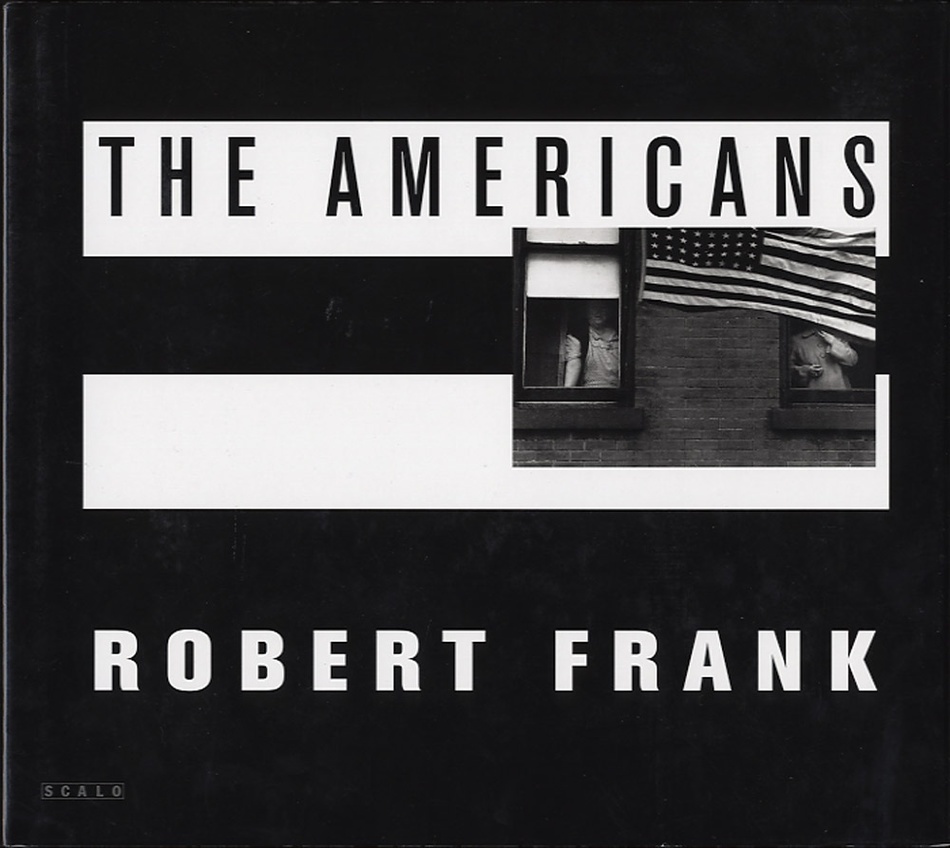
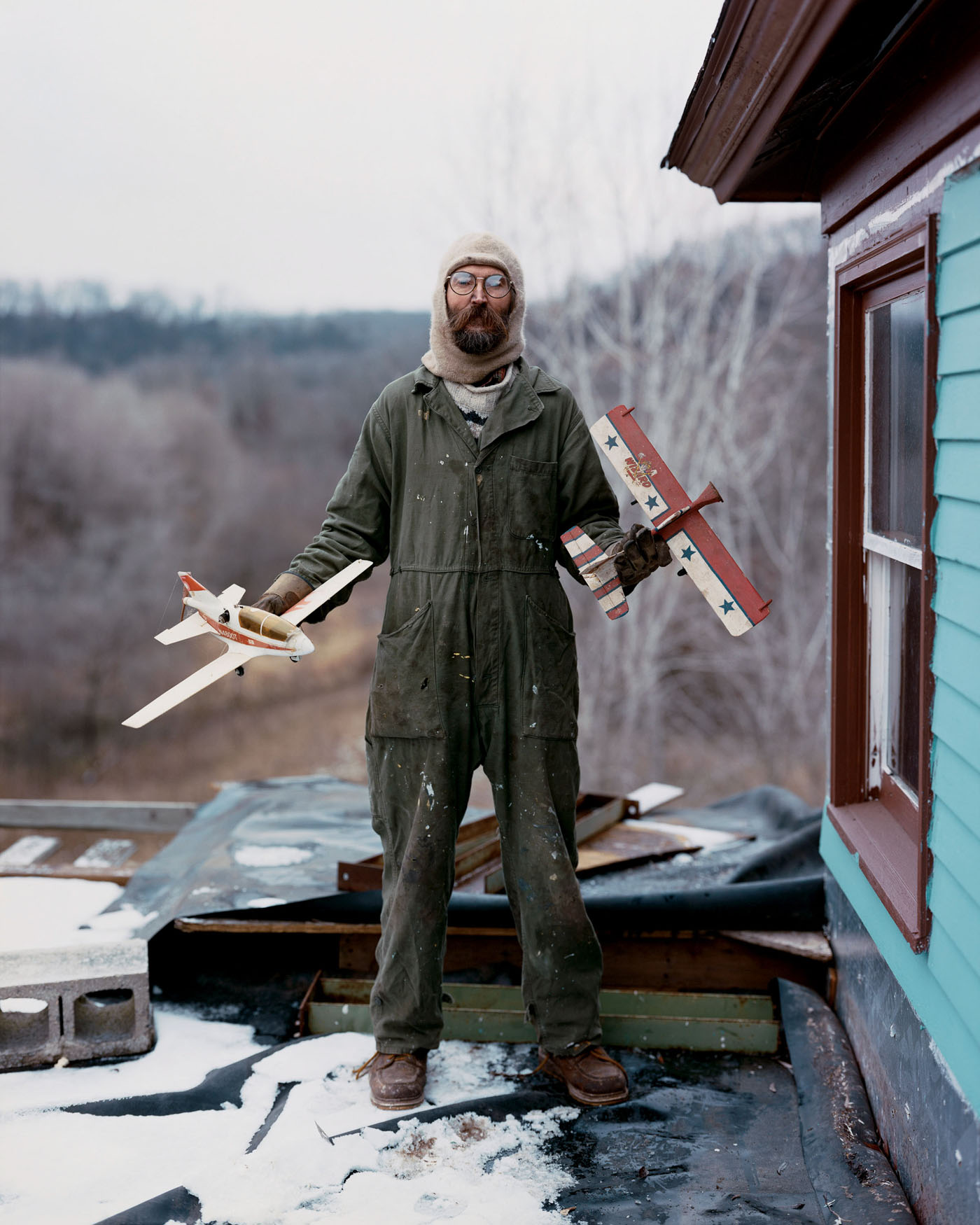
His work is firmly rooted in the documentary traditions of Walker Evans and Robert Frank but pushes the documentary form. Whereas Frank used a foreigners eye and ‘snapshot’ photography to challenge traditional notions of American culture in his seminal book The Americans (1958), Soth photographs everyday events of American life – home, romance, religion, bliss, heartbreak and agony – and constructs his vision of the land and people in poetic form. His use of handwritten notes is especially poignant.

His view of America is both narrative, truth and epic construction. Working in a serial form, Soth builds the themes within his series. The connections between people living their lives and facing their plight together – with dignity – becomes fully evident.

Dr Marcus Bunyan


Alec Soth (American, b. 1969) 'Charles, Vasa, Minnesota' 2002


Alec Soth (American, b. 1969)
Charles, Vasa, Minnesota
2002
From the series Sleeping by the Mississippi (1999-2004)


Alec Soth website

LIKE ART BLART ON FACEBOOK

Back to top

Opening: Rennie Ellis ‘No standing only dancing’ at The Ian Potter Centre: NGV Australia

Exhibition dates: 31st October, 2008 – 22nd February, 2009

Opening: 30th October, 2008


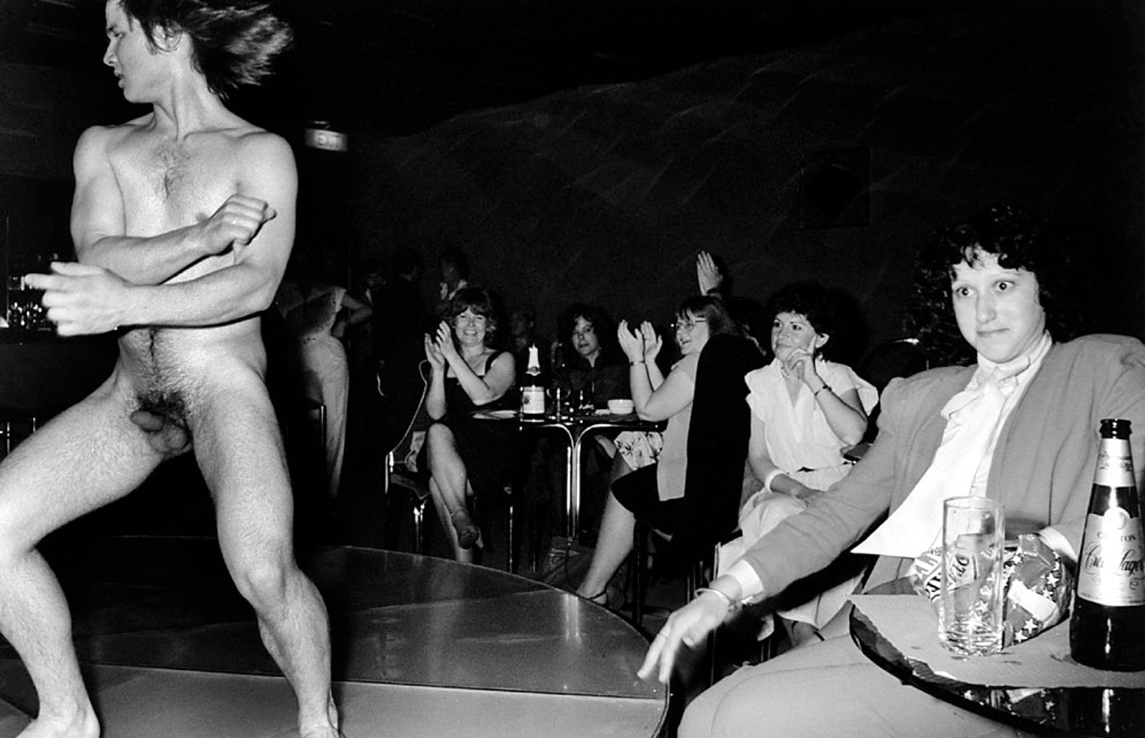
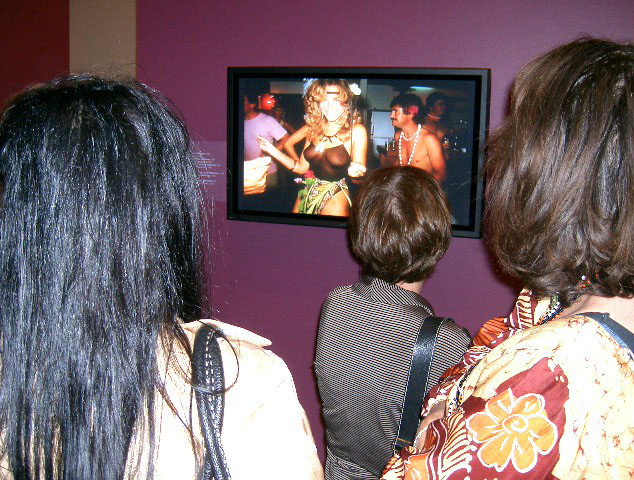
Rennie Ellis (Australian, 1940-2003) 'Girls' Night Out, Prahran' 1980 from the exhibition Rennie Ellis 'No standing only dancing' at The Ian Potter Centre: NGV Australia, Oct 2008 - Feb 2009


Rennie Ellis (Australian, 1940-2003)
Girls’ Night Out, Prahran
1980
Silver gelatin, selenium toned fibre based print


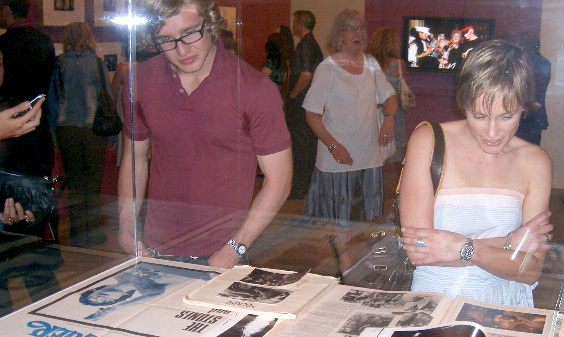
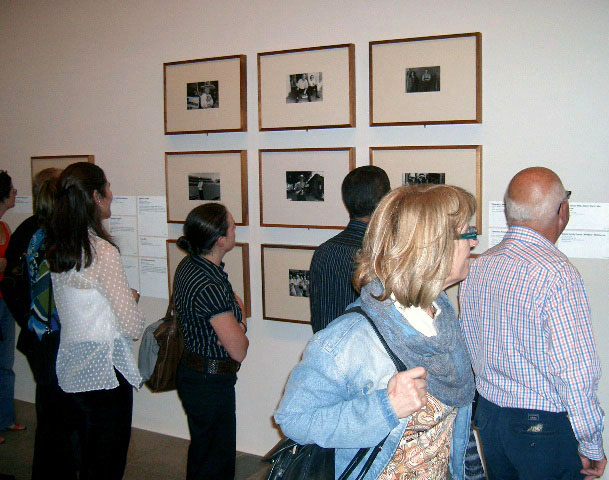
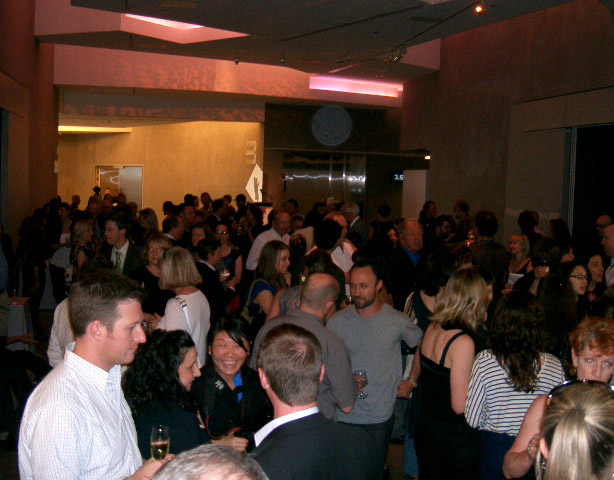
A very social and lively crowd gathered at The Ian Potter Centre: NGV Australia at Federation Square on the evening of 30th October to celebrate the life and work of the Australian social photographer Rennie Ellis.

After opening comments by the NGV Director Dr Gerard Vaughan there was a funny and erudite speech by Phillip Adams AO who had flown down from Sydney to open the exhibition. The crowd enjoyed the anecdotes about his relationship with Rennie and said he thought that dying was a good career move on Rennie’s behalf and that he would have loved the fact that he had a retrospective at the NGV. Adams observed that Ellis used to be everywhere, at every party and opening, using his astute eye to record and never to judge. Applause all round for a life well lived.

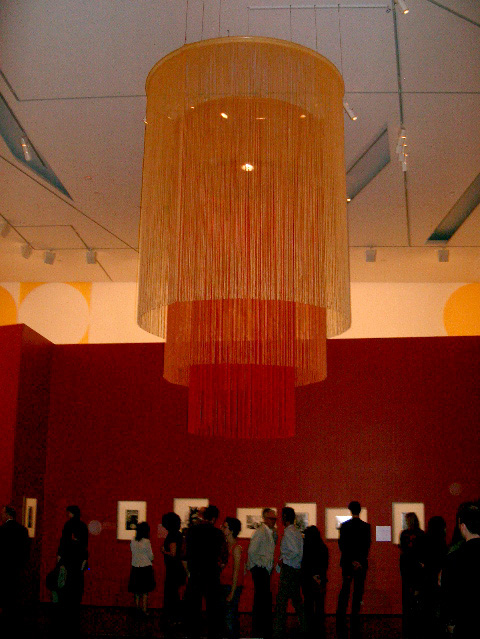
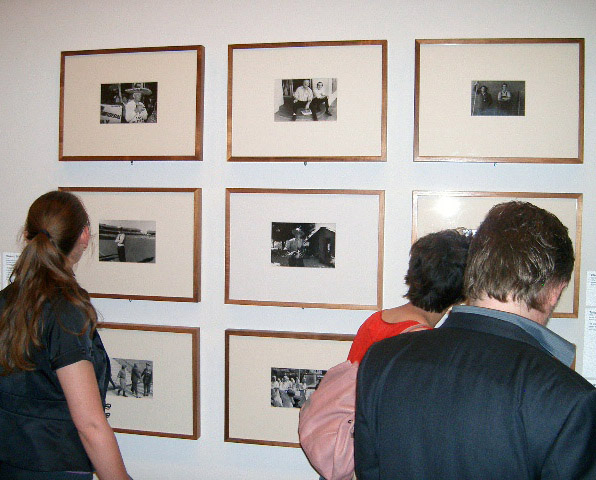
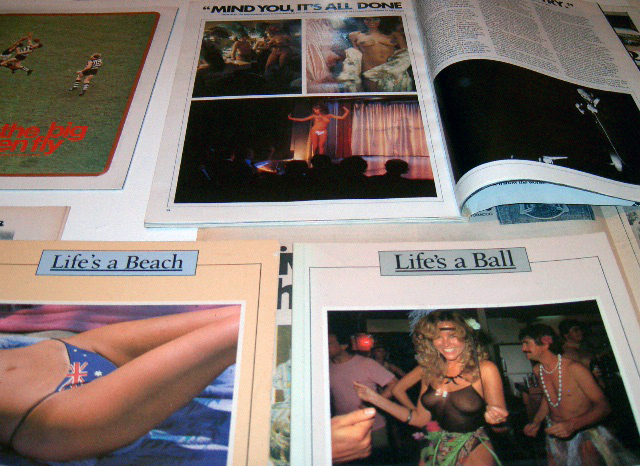
On entering the exhibition space viewers were treated to a simple but effective installation of his work, with overtones of the 1970’s-1980s interior decor with yellow and white circle graphics and hanging fabric chandelier. The curatorial staff at the NGV (notably Susan van Wyk) have chosen over 200 works from an archive of over half a million images for the exhibition in a process that has taken over two and a half years.

As an immigrant arriving in Australia in 1986 I remember 397 Club that used to be at 397 Swanston Street. After every other place had closed this club attracted people from every walk of life: pimps, prostitutes, drag queens, faggots, lesbians, straights and druggies. Rennie was probably there recording the scene. We were there just for a good time. It was fun and this is what Ellis’ photography is. Not burdened by overarching conceptual ideas Ellis recorded what he saw insightfully, balancing social commentary and spatial organisation in the construction of his images. The image Girls’ Night Out, Prahran 1980 (above) is a pearler (with the look on the woman’s face) and neatly encapsulates the magic of his image making.
Dr Marcus Bunyan


Opening of the exhibition 'No standing only dancing' by Rennie Ellis at The Ian Potter Centre: NGV Australia October 30th 2008

Opening of the exhibition 'No standing only dancing' by Rennie Ellis at The Ian Potter Centre: NGV Australia October 30th 2008

Opening of the exhibition 'No standing only dancing' by Rennie Ellis at The Ian Potter Centre: NGV Australia October 30th 2008

Opening of the exhibition 'No standing only dancing' by Rennie Ellis at The Ian Potter Centre: NGV Australia October 30th 2008

Opening of the exhibition 'No standing only dancing' by Rennie Ellis at The Ian Potter Centre: NGV Australia October 30th 2008

Opening of the exhibition 'No standing only dancing' by Rennie Ellis at The Ian Potter Centre: NGV Australia October 30th 2008

Opening of the exhibition 'No standing only dancing' by Rennie Ellis at The Ian Potter Centre: NGV Australia October 30th 2008

Opening of the exhibition 'No standing only dancing' by Rennie Ellis at The Ian Potter Centre: NGV Australia October 30th 2008


Opening of the exhibition No standing only dancing by Rennie Ellis at The Ian Potter Centre: NGV Australia October 30th 2008.
Photographs © Marcus Bunyan


The Ian Potter Centre: NGV Australia
Federation Square
Corner of Russell and 
Flinders Streets, Melbourne

Opening hours:
Daily 10am – 5pm

National Gallery of Victoria website

Rennie Ellis Photographic Archive

LIKE ART BLART ON FACEBOOK

Back to top

Book: Edward S. Curtis: Visions of the First Americans (with Eugene Atget and Diane Arbus)

November 2008


Edward S Curtis (American, 1868-1952) 'Nuhlihahla-Qagyuhl' Nd


Edward S Curtis (American, 1868-1952)
Nuhlihahla-Qagyuhl
Nd


Following my thoughts on the series The First Australians on SBS we have this wonderful coffee table book of photographs: Edward S. Curtis: Visions of the First Americans with images taken from his seminal 20 volume work The North American Indian.

Curtis worked on the project from 1906 to 1927 hauling his large format glass plate camera across the United States much as Eugene Atget did at roughly the same time in Paris, taking photographs of the old city and its hotels, shops, parks and gardens. Atget died in 1927 with his art recognised by few whilst Curtis lived on into the 1950’s, dying in obscurity and poverty after the fame of his ground breaking work had disappeared. Both photographed a vanishing world capturing it for prosperity on fragile glass plates. Both brought to their projects a unique vision and a belief in what they were doing.

Atget’s photographs of people half seen through shop doors and windows, like shadows of the night. Curtis’s photographs of masked Yeibichei dancers wearing elaborate attire. Curtis thought he was photographing the dying races of the American Indians. Atget knew he was photographing the collapsing spaces of old Paris. Both use the space of the photograph to signify their intentions: an understanding of their subject matter, an empathy with a disappearing way of life, a need to record their vision of this world – and an intensity of insight into that condition.

No other photograph has the space and timelessness of an Atget. No other image the presence of the plains that Curtis summoned.

His masked dancers remind me of the last photographs of the great American photographer Diane Arbus in their candour and beauty, posthumously called Untitled. Finally Arbus has found a subject matter that she could return to over and over again. As did Atget and Curtis.

As Doon Arbus has commented,

“These images – created out of the courage to see things as they are, the grace to permit them simply to be, and a deceptive simplicity that permits itself neither fancy nor artifice … The photographs appear to be documents of a world we’ve never seen or imagined before – one with its own rituals and icons, its own games and fashions and codes of conduct – which, for all its strangeness, is at the same time hauntingly familiar and, in the end, no more or less unfathomable than our own.”1

Dr Marcus Bunyan


1/ Arbus, Doon. “Afterword,” in Diane Arbus: Untitled. London: Thames and Hudson, 1995.

~ Diane Arbus: Untitled
~ Edward S. Curtis: Visions of the First Americans
~ Some late Diane Arbus photographs from Google Images
~ Eugène Atget Wikipedia entry
~ Eugène Atget Google images


LIKE ART BLART ON FACEBOOK

Back to top

New work: Marcus Bunyan ‘The Shape of Dreams’ 2008

November 2008


Marcus Bunyan (Australian, b. 1958) 'Cologne Cathedral 2-52' 2008 From the series 'The Shape of Dreams'


Marcus Bunyan (Australian, b. 1958)
Cologne Cathedral 2-52
2008
From the series The Shape of Dreams
Silver gelatin print


Marcus Bunyan (Australian, b. 1958) 'Untitled' 2008 From the series 'The Shape of Dreams'


Marcus Bunyan (Australian, b. 1958)
Untitled
2008
From the series The Shape of Dreams
Silver gelatin print


A new body of work has formed in my mind and is physically taking shape through working with the images.

I purchased two black and white photo albums from the 1950s on eBay, both belonging to young soldiers, one on active duty in Korea and the other visiting Japan and Germany after the Second World War. These images are especially poignant to me as an artist and human being. These are snapshots of hope and happiness, of place and being in a time of turbulence. Glimpses of the earth through open aircraft doors, smiles that flit across faces contrast with figures wrapped in a shawl of darkness.

Their faces stare out at us across time yet their bodies are caught in the shadows.

They remind that humans still repeat the mistakes of the past, still list the war dead in columns of photographs inches long. So young and full of hope.

Marcus Bunyan

SEE THE FULL SERIES ON MY WEBSITE


Marcus Bunyan (Australian, b. 1958) 'How dramatic!' 2008 From the series 'The Shape of Dreams'


Marcus Bunyan (Australian, b. 1958)
How dramatic!
2008
From the series The Shape of Dreams
Silver gelatin print


Marcus Bunyan (Australian, b. 1958) 'Spire of the Dome, 1-52' 2008 From the series 'The Shape of Dreams'


Marcus Bunyan (Australian, b. 1958)
Spire of the Dome, 1-52
2008
From the series The Shape of Dreams
Silver gelatin print


Marcus Bunyan (Australian, b. 1958) 'Untitled' 2008 from the series 'The Shape of Dreams'


Marcus Bunyan (Australian, b. 1958)
Untitled
2008
From the series The Shape of Dreams
Silver gelatin print


Marcus Bunyan (Australian, b. 1958) 'Untitled' 2008 from the series 'The Shape of Dreams'


Marcus Bunyan (Australian, b. 1958)
Untitled
2008
From the series The Shape of Dreams
Silver gelatin print


Marcus Bunyan (Australian, b. 1958) "It's really nothing fellas!" 2008 from the series 'The Shape of Dreams'


Marcus Bunyan (Australian, b. 1958)
“It’s really nothing fellas!”
2008
From the series The Shape of Dreams
Silver gelatin print


Marcus Bunyan website

LIKE ART BLART ON FACEBOOK

Back to top