Je l’adore cette femme. Je pense que je suis en amour.
I absolutely love this women’s art. Everything she touches is inventive, vibrant, made with panache. The light, the hands, the angles, the objects – cranes and barges, brooding ancient architecture hanging in time – and then, to top it all off, the sensuality!
Left-wing convictions, lesbian love affairs, “the love of cars and road trips, the interest in women (whether writers or workers), the fascination with hands, and the free, maverick spirit that drove her work and kept her outside schools and sects.”
How can an artist make two piles of cauliflowers seem so enigmatic, so surreal and wondrous – like so many excised eyes of dead creatures staring at you, coming at you from out of the darkness. Les Halles de nuit (en toute amitié à Van Ecke) (around 1920, below) amazes me every time I look at it.
If I had to name one period above all others that I enjoy looking at most in the history of photography, the avant-garde period of the 1920s-30s would be up there near the very top. Especially the female photographers.
Dr Marcus Bunyan
Many thankx to Jeu de Paume for allowing me to publish the photographs in the posting. Please click on the photographs for a larger version of the image.
Germaine Krull: A Photographer’s Journey
Michel Frizot, curator of the exhibition, talks about Germaine Krull, her life, her works and her publications.
Germaine Krull (Wilda-Poznań, East Prussia [after 1919: Poland], 1897 – Wetzlar, Germany, 1985) is at once one of the best-known figures in the history of photography, by virtue of her role in the avant-garde’s from 1920 to 1940, and a pioneer of modern photojournalism. She was also the first to publish in book form as an end in itself.
Germaine Krull (Wilda-Poznań, East Prussia [after 1919: Poland], 1897 – Wetzlar, Germany, 1985) is at once one of the best-known figures in the history of photography, by virtue of her role in the avant-garde’s from 1920 to 1940, and a pioneer of modern photojournalism. She was also the first to publish in book form as an end in itself.
The exhibition at Jeu de Paume revisits Germaine Krull’s work in a new way, based on collections that have only recently been made available, in order to show the balance between a modernist artistic vision and an innovative role in print media, illustration and documentation. As she herself put it – paradoxically, in the introduction to her Études de nu (1930) –, ‘The true photographer is the witness of each day’s events, a reporter.’
If Krull is one of the most famous women photographers, her work has been little studied in comparison to that of her contemporaries Man Ray, László Moholy-Nagy and André Kertész. Nor has she had many exhibitions: in 1967, a first evocation was put on at the Musée du Cinéma in Paris, then came the Rheinisches Landesmuseum, Bonn, in 1977, the Musée Réattu, Arles, in 1988, and the 1999 retrospective based on the archives placed at the Folkwang Museum, Essen.
The exhibition at Jeu de Paume focuses on the Parisian period, 1926-1935, and more precisely on the years of intensive activity between 1928 and 1933, by relating 130 vintage prints to period documents, including the magazines and books in which Krull played such a unique and prominent role. This presentation gives an idea of the constants that run through her work while also bringing out her aesthetic innovations. The show features many singular but also representative images from her prolific output, putting them in their original context.
Born in East Prussia (later Poland) to German parents, Krull had a chaotic childhood, as her hapless father, an engineer, travelled in search of work. This included a spell in Paris in 1906. After studying photography in Munich, Krull became involved in the political upheavals of post-war Germany in 1919, her role in the communist movement leading to a close shave with the Bolsheviks in Moscow. Having made some remarkable photographs of nudes during her early career, noteworthy for their freedom of tone and subject, in 1925 she was in the Netherlands, where she was fascinated by the metal structures and cranes in the docks, and embarked on a series of photographs that, following her move to Paris, would bear fruit in the portfolio Métal, publication of which placed her at the forefront of the avant-garde, the Nouvelle Vision in photography. Her new-found status earned her a prominent position on the new photographic magazine VU, created in 1928, where, along with André Kertész and Eli Lotar, she developed a new form of reportage that was particularly congenial to her, affording freedom of expression and freedom from taboos as well as closeness to the subject – all facilitated by her small-format (6 x 9cm) Icarette camera.
This exhibition shows the extraordinary blossoming of Krull’s unique vision in around 1930, a vision that is hard to define because it adapted to its subjects with a mixture of charisma and empathy, while remaining constantly innovative in terms of its aesthetic. It is essential, here, to show that Krull always worked for publication: apart from the modernist VU, where she was a contributor from 1928 to 1933, she produced reportage for many other magazines, such as Jazz, Variétés, Art et Médecine and L’Art vivant. Most importantly, and unlike any other photographer of her generation, she published a number of books and portfolios as sole author: Métal (1928), 100 x Paris (1929), Études de nu (1930), Le Valois (1930), La Route Paris-Biarritz (1931), Marseille (1935). She also created the first photo-novel, La Folle d’Itteville (1931), in collaboration with Georges Simenon. These various publications represent a total of some five hundred photographs. Krull also contributed to some important collective books, particularly on the subject of Paris: Paris, 1928; Visages de Paris, 1930; Paris under 4 Arstider, 1930; La Route Paris-Méditerranée, 1931. Her images are often disconcerting, atypical and utterly free of standardisation.
An energetic figure with strong left-wing convictions and a great traveller, Krull’s approach to photography was antithetical to the aesthetically led, interpretative practice of the Bauhaus or Surrealists. During the Second World War, she joined the Free French (1941) and served the cause with her camera, later following the Battle of Alsace (her photographs of which were made into a book). Shortly afterwards she left Europe for Southeast Asia, becoming director of the Oriental Hotel in Bangkok, which she helped turn into a renowned establishment, and then moving on to India where, having converted to Buddhism, she served the community of Tibetan exiles near Dehra-Dun.
During all her years in Asia, Krull continued to take photographs. Her thousands of images included Buddhist sites and monuments, some of them taken as illustrations for a book planned by her friend André Malraux. The conception of the books she published throughout her life was unfailingly original: Ballets de Monte-Carlo (1937); Uma Cidade Antiga do Brasil; Ouro Preto (1943); Chieng Mai (c. 1960); Tibetans in India (1968).
In her photojournalism, Krull began by focusing on the lower reaches of Parisian life, its modest, working population, the outcasts and marginal of the “Zone,” the tramps (subject of a hugely successful piece in VU), Les Halles and the markets, the fairgrounds evoked by Francis Carco and Pierre Mac Orlan (her greatest champion). The exhibition also explores unchanging aspects of her tastes and attachments: the love of cars and road trips, the interest in women (whether writers or workers), the fascination with hands, and the free, maverick spirit that drove her work and kept her outside schools and sects.
The works come from a public and private collections including the Folkwang Museum, Essen; Amsab, Institute for Social History, Ghent; the Ann and Jürgen Wilde Foundation, Pinakothek der Moderne, Munich; The Museum of Modern Art (MoMA), New York; the Centre Pompidou, Musée National d’Art Moderne, Paris; the Bibliothèque Nationale de France, Paris; the Collection Bouqueret-Rémy; the Dietmar Siegert Collection.
Germaine Krull (1897-1985) A Photographer’s Journey
A famous figure of the avant-garde in the 1920-1940s, Germaine Krull (Wilda, Poland, 1897 – Wetzlar, Germany, 1985) was a pioneer of modern photojournalism and of the photographic book. Produced mainly between 1928 and 1931, her innovative work cannot be understood outside the context of her chaotic and poorly educated childhood and her activist youth, which saw her become involved in the Spartacist uprising in Germany in 1919.
After Berlin, where she produced some ambiguous nude photographs in 1923, Paris was where her career as a photographer took off. She won acclaim for her fers, the photographs of metal structures, bridges and cranes that featured in her portfolio Métal (1928), their unusual angles and framing typical of the New Vision in photography. In March 1928 she began producing innovative reportage for the newly created photographic magazine VU, focusing particularly on Parisian life, the marginal world of humble folk and popular neighbourhoods, and the “Zone.”
Often disconcerting and seemingly casual, these images taken with a hand-held Icarette were nevertheless well received by a number of illustrated magazines. Krull innovated even more as sole author of books and portfolios, which were a novelty at this time: 100 x Paris (1929), Études de nu (1930), Le Valois (1930), La Route Paris-Biarritz (1931), Marseille (1935), and the first photo-novel (phototexte) with Georges Simenon, La Folle d’Itteville (1931). Taken together, these publications represent some five hundred photos.
A woman of action and initiative, Krull had a great love of cars and road travel (which inspired several books), and was particularly interested in behaviour, gesture and the work of women, as well as in the expressiveness of hands. Her free, maverick spirit was always in evidence, as if taking a fresh look at the world also meant constantly rising to new challenges in her photography. “Germaine Krull,” noted Pierre Mac Orlan, “does not create easy anecdotes, but she makes visible the secret details that people do not always see.”
Berlin and Paris: early days
After a free adolescence, Germaine Krull studied photography in Munich, later contributing to a portfolio of female nudes. Her involvement with the Spartacist uprising of 1919 led all the way to prisons in Moscow in 1921. Returning to photography in 1923, she produced more female nudes, with strong erotic connotations (one series shows two women “friends”). Moving to Paris in 1926, she worked as a fashion photographer, mainly for Sonia Delaunay’s textile studio.
1928: “My fers” and VU
In 1928 Krull became known for her fers, dramatically framed photographs of cranes, bridges and silos, and of the Eiffel Tower. Often low-angle shots, these established her as an “avant-garde” photographer. At the end of the year her portfolio Métal (64 plates) had a tremendous impact in modernist photographic circles and in progressive artistic magazines (L’Art vivant, Jazz).
Reportage and magazines
Krull’s greatest contribution was in the field of reportage, which she pioneered in March 1928 for the magazine VU. Her favourite subject was Parisian popular culture – fairgrounds and flea markets, bars and dance halls, tramps. Her approach was free and spontaneous, favouring closeness to the subject, photographed at eye height (as enabled by her 6 x 9 Icarette), rather than elegance and balance of composition. Her idiosyncratic and highly evocative images were appreciated by the bolder magazines, which published some six hundred of them between 1928 and 1934.
Paris, Paris!
For a determined photographer like Krull, the big city represented a unique set of opportunities with real potential: department stores, shop window mannequins, effects of lighting at night and the banks of the Seine were among the subjects. Enthusiastic about the book format, she published 100 x Paris, a book of a hundred unusual views of Paris, in 1929, and contributed to Visages de Paris by Warnod (1930), and Paris by Adolf Hallman (1930). Her images gave visual expression to the “social fantastic” explored by her friend, writer Pierre Mac Orlan (Quai des Brumes, 1927).
Cars, the open road
Krull was fascinated by cars, speed and machines. In Paris she photographed the teeming traffic. After a commission to take advertising photos for the Peugeot 201 in 1929, she developed a strong enthusiasm for road trips, the great novelty of the day, and photographed sites glimpsed from inside the vehicle. This daring work bore fruit in a new kind of photography book, Le Valois de Gérard de Nerval (1930), La Route Paris-Biarritz (1931), La Route de Paris à la Méditerranée (1931) and Marseille (1935), an aesthetic and mental as well as geographical journey to the south.
Women
As a woman photographer, Krull took an interest in artistic women such as Colette, the actress Berthe Bovy who played in La Voix humaine by Cocteau, and the singer Damia. She was especially keen to do social reportage on women’s themes, a notable example being her series on working women in Paris, published by VU in 1931-1932. Her Études de nu (1930) was an aesthetic manifesto by virtue of its fragmented and unstructured vision of the female body. Another innovation was her photography for La Folle d’Itteville, a ground-breaking photographic version of a Simenon story, featuring an enigmatic Mrs Hubbell.
“My collection of hands”
Krull was fascinated by hands, which she photographed with a blend of imagination and invention. Her “collection” included Cocteau with his hand in front of his eyes or mouth, and Malraux with his cigarette. In her reportage, she homed in on gestures and postures in which the hands were signally expressive. Shown on their own, they became portraits, intriguing the viewer.
Le Courrier littéraire, 1930
The second issue (April-May-June 1930) of this ephemeral magazine contained an astonishing portfolio of Krull’s work, with 24 photos over 17 pages. The rather emphatic presentation showed her as a true artist, and as part of the avant-garde of the day. A letter from Cocteau was reprinted by way of an introduction. In it, the poet, Krull’s friend, expresses his surprise at her striking photos, both of Berthe Bovy in La Voix humaine and of his own hands.
Free spirit
Krull liked to concentrate on “the visual side of things” and escape from the documentary imperatives of reportage. Her bold framing, details and situations, her use of cast shadow and touch of fantasy stimulate the imagination and create surprise. Her series on superstitions, published in VU and Variétés, was conceived with the enthusiasm of an amateur photographer exclusively intent on the narrative power of the images. Without ever entering the world of Surrealism, her very individual vision brought out an unexpected strangeness in apparently ordinary things.
War
In 1940 Krull took the boat to Brazil, aiming to work for Free France. In 1942 she was sent to Brazzaville to set up a propaganda photography service. She also produced reportage around French Equatorial Africa. In 1943 she travelled to Algiers as a reporter, then sailed with the troops of De Lattre, arriving in the South of France and heading up to Alsace, where she witnessed the Battle of Alsace and the liberation of the Vaihingen concentration camp.
Asia
Keen to continue working as a reporter in Southeast Asia, in 1946 Krull settled in Bangkok. Not long after, she became manager of the Oriental Hotel there, which she turned into a highly renowned establishment. Drawn to Buddhism, she photographed its temples and statues in Thailand and Burma. Leaving her position at the hotel, she travelled to India, where she took up the cause of the Tibetan exiles (Tibetans in India, 1968). Ill, impecunious, and having lost most of her prints, Krull returned to Germany, where she died on 30 July 1985.
The films
Through Joris Ivens, Krull was in touch with many of the avant-garde filmmakers of the day, including René Clair, Georges Lacombe and Alberto Cavalcanti. Although she claimed to dislike cinema’s complicated interdependence of machines, script and actors, she did make two short films, both in 1931: Six pour dix francs (9 min) and Il partit pour un long voyage (11 min 20 s). The second, about a young boy who dreams of travel and distant lands and hides on a barge on the Seine at Bercy, allowed her to take some “photographically” meticulous shots of activities along the river.
Curator: Judy Annear, Senior curator of photographs, AGNSW
Judy Annear. The photograph and Australia. Sydney: Art Gallery of New South Wales, 2015. p. 236
“Cultural theorist Ross Gibson has written that ‘being Australian might actually mean being untethered or placeless … and appreciating how to live in dynamic patterns of time rather than native plots of space’. Photographs always enable imaginative time and space regardless of their size and how little we might know of the ostensible subject. When people are oriented toward the camera and photographer, there is a gap which the viewer intuitively recognises. The gap is time as much as space. Occasionally – as in an anonymous 1855 daguerreotype taken at Ledcourt, Victoria, of Isabella Carfrae on horseback where we see a servant standing on the verandah, shading her eyes, and in the 1877 Fred Kruger photograph of the white-clad cricketer at Coranderrk – a subject in the photograph presses so close to the picture plane that we know for the time of the exposure they look directly into an unknowable future and collide now with our gaze as we look back.”
Judy Annear. “Time,” in Judy Annear. ‘The photograph and Australia’. Sydney: Art Gallery of New South Wales, 2015. p. 19.
This is an important exhibition and book by Judy Annear and team at the Art Gallery of New South Wales, an investigation into the history of Australian photography that is worthy of the subject. Unfortunately, I could not get to Sydney to see the exhibition and I have only just received the catalogue. I have started reading it with gusto.
With regard to the exhibition all I have to go on is a friend of mine who went to see the exhibition, and whose opinion I value highly, who said that is was the messiest exhibition that she had seen in a long while, and that for a new generation of people approaching this subject matter for the first time it’s non-chronological nature would have been quite off putting.
But this is the nature of the beast (that being a thematic not chronological approach) and personally I believe that modern audiences are a lot more understanding of what was going on in the exhibition than she would give them credit for.
In the “Introduction” to the book, Annear rightly credits the work undertaken by colleagues – especially Gael Newton’s Shades of light: photography and Australia 1839-1988, published in 1988; Alan Davis’ The mechanical eye in Australia: photography 1841-1900, published in 1977; and Helen Ennis’ Photography and Australia, published in 2007.
As the latter did, this new book “emphasises the ways in which photographs, especially in the nineteenth century, function in social, cultural and political contexts, exploring photography’s role in representing relationships between Indigenous and settler cultures, the construction of Australia, and its critique.” (Annear, p. 10)
While Ennis’ book took a chronological approach, with sections titled First Photographs, Black to Blak, Land and Landscape, Being Modern, Made in Australia, Localism and Internationalism, The Presence of the Past – Annear’s book takes a more conceptual, thematic approach, one that crosses time and space, linking past and present work in classificatory sections titled Time, Nation, People, Place and Transmission.
Both books acknowledge the key issues that have to be dealt with when formulating a book on the photograph and Australia: “the medium itself, Australia’s history, and the relationship between them. Is Australian photography different? If so, how, and in relation to what? One has to look at places with not dissimilar histories, such as Canada and New Zealand. And other questions: what has preoccupied photographers working in relation to Australia at various points in time? Have their concerns been primarily commercial, aesthetic, historical, realist, interpretive, or theoretical? Have they developed projects unique to the photographic medium; for example, large-scale classificatory projects? What have they achieved, what did it mean then, and what does it mean now?” (Annear, p.10)
These questions are the nexus of Annear’s investigation and she seeks to answer them in the well researched chapters that follow, while being mindful of “preserving some of the slipperiness of the medium.” And there is the rub.
In order to define these classificatory sections in the exhibition and book, it would seem to me that Annear shoehorns these themes onto the fluid, mutable “state of being” of the photograph, imposing classifications to order the mass of photography into bite sized entities. While “the book encourages the reader to explore connections – between different forms of photography, people and place, past and present” it also, inevitably, imposes a reading on these historical photographs that would not have been present at the time of their production.
The press release for the book says, “The photograph and Australia investigates how photography was harnessed to create the idea of a nation.”
Now I find the use of that word “harnessed” – as in control and make use of – to be hugely problematic.
Personally, I don’t think that the slipperiness and mutability of photography can ever be controlled by anyone to help create the idea (imagination?) of a nation. Nations build nations, not photography. As a friend of mine said to me, it’s a long bow to draw… and I would agree.
The crux of the matter is that THERE ARE NO HANDLES, only the ones that we impose, later, from a distance. There is no definitive answer to anything, there are always twists and turns, always another possibility of how we look at things, of the past in the present.
Photography and photographs, “with its ability to capture both things of the world and those of the imagination,” are always unstable (which is why the photograph can still induce A SENSE OF WONDER) – always uncertain in their interpretation, then and now. Photographs do not belong to a dimension or a classification of time and space because you feel their being NOT their (historical) consequence. Hence, all of these classifications are essentially the same/redundant.
Perhaps it’s only semantics, but I think the word “utilises” – make practical and effective use of – would be a better word in terms of Annear’s enquiries. It also occurred to me to turn the question around: instead of “how photography was harnessed to create the idea of a nation”; instead, “how the idea of a nation helped change photography.” Think about it.
Finally, a comment on the book itself. Beautifully printed, of a good size and weight, the paper stock is of excellent quality and thickness. The type is simple and legible and the book is lavishly illustrated with photographs. The reproductions are a little ‘flat’ but the main point of concern is the size of the reproductions. Instead of reproducing carte de visite at 1:1 scale (that is, 64 mm × 100 mm), their mounted on card size – they are reproduced at 40 mm x 68 mm (see p. 236 of the catalogue below). Small enough already, this printing size renders the detailed reading of the images almost impossible. Worse, the images are laid out horizontally on a vertical page, with no size attribution of the original, nor whether they are 1/9th, 1/6th daguerreotype’s or ambrotypes, CDV’s or cabinet cards next to the image.
The reproduction size of the daguerreotypes and ambrotypes is even worse, making the images almost unreadable. For example, in an excellent piece of writing at the end of the first chapter, “Time”, Annear refers to “an anonymous 1855 daguerreotype taken at Ledcourt, Victoria, of Isabella Carfrae on horseback where we see a servant standing on the verandah, shading her eyes,”.
In the image in this posting (below) we can clearly see this woman standing on the verandah, but in the reproduction in the book (p. 139), she is reduced to a mere smudge in history, an invisibility caused by the size of the reproduction, thereby negating all that Annear comments upon.
Instead of the “subject in the photograph presses so close to the picture plane that we know for the time of the exposure they look directly into an unknowable future and collide now with our gaze as we look back,” there is no pressing, hers has no presence, and our gaze cannot collide with this vision from the future past. Why designers of photographic books consistently fall prey to these traps is beyond me.
Dr Marcus Bunyan
Many thank to the Art Gallery of New South Wales for allowing me to publish the photographs and text in the posting. Please click on the photographs for a larger version of the image.
Unknown photographer Australian scenery, Middle Harbour, Port Jackson c. 1865 Carte de visite Art Gallery of New South Wales, gift of Josef & Jeanne Lebovic, Sydney 2014
Unknown photographer Australian scenery, Middle Harbour, Port Jackson (verso) c. 1865 Carte de visite Art Gallery of New South Wales, gift of Josef & Jeanne Lebovic, Sydney 2014
The first large-scale exhibition of its kind to be held in Australia in 27 years, The photograph and Australia presents more than 400 photographs from more than 120 artists, including Richard Daintree, Charles Bayliss, Frank Hurley, Harold Cazneaux, Olive Cotton, Max Dupain, Sue Ford, Carol Jerrems, Tracey Moffatt, Robyn Stacey, Ricky Maynard and Patrick Pound.
The works of renowned artists are shown alongside those of unknown photographers and everyday material, such as domestic and presentation albums. These tell peoples’ stories, illustrate where and how they lived, as well as communicate official public narratives. Sourced from more than 35 major collections across Australia and New Zealand, including the National Gallery of Australia, the National Library of Australia and the Australian Museum, The photograph and Australia uncovers hidden gems dating from 1845 until now.
A richly illustrated publication accompanies the exhibition, reflecting the exhibition themes and investigating how Australia itself has been shaped by photography.
Extract from “Introduction”
“The task of this book is to formulate questions around Australian photography and its history, regardless of Australia’s, and the medium’s, permeable identity. While early photography in Australia made histories of the colonies visible, and a great deal can be read from the surviving photographic archives, interpretation of this material is often conjecture, and much remains oblique. Patrick Pound describes the sheer mass of photographs and images in the world today as an “unhinged album.”11 This dynamic of making, accumulating, ordering, disseminating, reinterpreting, re-collecting and re-narrating is an important aspect of photography. The intimate relationship, historically, between the photograph and the various arts and sciences, along with the adaptability to technological change and imaginative interpretations, allows for a constant montaging or weaving together of uses and meanings. This works against the conventional linear structure of classical histories and the idea of any progressive evolution of the medium. If what we are dealing with is a phenomenon rather than simply a form then analysing the phenomenon and its dynamic relationship to art, society, peoples, sciences, genres, and processes is critical to our modern understanding of ourselves and our place in the world as well as of the medium itself.12
In the 1970s, cultural theorist Roland Barthes wrote an essay entitled The photographic message.13 While he focussed primarily on press photography and made a distinction between reportage and ‘artistic’ photography, his pinpointing of the special status of the photographic image as a message without a code – one could say, even, a face without a name – and his understanding of photography as a simultaneously objective and invested, natural and cultural, is relevant in the colonial and post-colonial context.
We search for clues in photographs of our past and present. In some ways this is a melancholy activity, in other ways valuable detective work. In many cases it is both. Photography since its inception has belonged in a nether world of being and not being, legibility and opacity. This book preserves some of the slipperiness of the medium, while providing a series of texts touching on the photographs at hand. The history of the photograph and its relationship to Australia remains tantalisingly partial; the ever-burgeoning archives await further excavation.”14
Judy Annear. “Introduction,” in Judy Annear. The photograph and Australia. Sydney: Art Gallery of New South Wales, 2015. p. 13.
11/ See ‘Transmission’ pp. 227-33 12/ See Geoffrey Batchen, A Subject For, A History About, Photography accessed 23 December 2021 13/ Roland Barthes, ‘The photographic message’, Image, music, text, trans Stephen Heath, Flamingo, London, 1984, pp. 15-31 14/ Parts of this Introduction were in a paper delivered at the symposium, Border-lands: photography & cultural contest, Art Gallery of New South Wales, Sydney 31 Mar 2012
Time
The relationship of the photograph to ‘Time’ is discussed in chapter one, which examines how contemporary artists such as Anne Ferran, Rosemary Laing and Ricky Maynard reinvent the past through photography. The activities of nineteenth-century photographers such as George Burnell and Charles Bayliss are also discussed… The manipulation by artists and photographers of imaginative time – the time of looking at the photographic image – allows for consideration of the nexus between space and time, how subjects can be momentarily tethered and, equally, how they can float free.
Nation
Chapter two considers the idea of ‘Nation’: looking at the public role of the photograph in representing Australia at world exhibitions before Federation in 1901. Photography in this period enabled new classificatory systems to come into existence… Of particular importance was the use of the photograph to cement Darwinistic views that determined racial hierarchies according to superficial physical differences. The photograph also advertised the growing colonies to potential migrants and investors through the depiction of landscapes and amenities.
People
The third chapter, ‘People’, analyses the uncertain post-colonial heritage that all Australian inherit and how that can be evidenced and examined in photographs. The chapter encompasses portraits by Tracy Moffatt and George Goodman, for example, and considerations of where and how people lived and chose to be photographed. These include the people of the Kulin nation of Victoria, those who resided at Poonindie Mission in South Australia, the Yued people living at New Norcia mission in Western Australia, as well as the Henty family in Victoria, the Mortlocks of South Australia, the children living at The Bungalow in Alice Springs and the people of Tumut in New South Wales.
Place
‘Place’ is examined in chapter four, particularly in terms of the use of photography to enable exploration, whether to Antarctica (Frank Hurley), to map stars and further the natural sciences (Henry Chamberlain Russell, Joseph Turner), or to open up ‘wilderness’ for tourism or mining (JW Beattie, Nicholas Caire, JW Lindt, Richard Daintree) … Photographs are examined as both documents and imaginative interpretations of activity and place.
Transmission
Chapter five, ‘Transmission’, considers the traffic in photographs and the fascination with the medium’s reproducibility and circulation… The evidential aspect of the photograph has proven to be fleeting and only tangentially related to the thing it traces. The possibility of being able to fully decipher a photograph’s meaning is remote, even when it has been promptly ordered and annotated in some form of album. Each photographic form expands the possibility of instant and easy communication, but the swarm of material serves only to prove the impossibility of order, classification, and accuracy. The photograph as an aestheticised object continues regardless of platform, and the imaginative possibilities of the medium have not been exhausted.
Sections from Judy Annear. “Introduction,” in Judy Annear. The photograph and Australia. Sydney: Art Gallery of New South Wales, 2015. p. 12. Used under fair use conditions for the purposes of education and research
Charles Bayliss (Australian born United Kingdom, 1850-1897) Group of local Aboriginal people, Chowilla Station, Lower Murray River, South Australia 1886 From the series New South Wales Royal Commission: Conservation of water. Views of scenery on the Darling and Lower Murray during the flood of 1886 Albumen photograph Art Gallery of New South Wales, purchased 1984
This tableaux of Ngarrindjeri people fishing was carefully staged by photographer Charles Bayliss in 1886. Not just subjects, they actively participated in the photography process. It was observed at the time that the fishermen arranged themselves into position, with “the grace and unique character of which a skilful artist only could show.”
“In one extraordinary image created in 1886 by the photographer Charles Bayliss, the Ngarrindjeri people of the lower Murray River were active participants in the staging of a fishing scene. Writing in his journal, Bayliss’s companion Gilbert Parker noted: “Without a word of suggestion, these natives arranged themselves in a group, the grace and unique character of which a skilful artist only could show.” Annear says the image looks like a museum diorama to modern eyes. “But these people were very active in deciding how they wanted to be photographed,” she says. “They were determined to create an image they felt was appropriate.”
The first photographs of indigenous Australians were formal, posed portraits, taken in blazing sunlight. The sitters are often pictured leaning against each other (stillness was required for long exposure times) with eyes turned to the camera and bodies wrapped in blankets or kangaroo skins. Some wore headdresses or necklaces that may or may not have belonged to them.
“Indigenous Australians agreed to be photographed out of curiosity, or perhaps for food,” says Judy Annear, curator of The photograph and Australia, a major new photography exhibition at the Art Gallery of New South Wales. “In the past, it was considered that these sorts of early pictures were indicative of the colonial gaze. But now there is a lot of research going on into how these early photos were made. Often, the local people would have been invited to come into a studio and they were paid. They would have been dressed up and told what to do.””
Text in quotations from Elissa Blake. “Art Gallery of NSW photography exhibition: Stories told in black and white,” on the the Sydney Morning Herald website April 2, 2015 [Online] Cited 28/05/2015. Used under fair use conditions for the purposes of education and research
Ernest B Docker (Australian, 1842-1923) The Three Sisters Katoomba – Mrs Vivian, Muriel Vivian and Rosamund 7 Feb 1898 1898 Stereograph Macleay Museum, The University of Sydney
Charles Nettleton (Australian, 1825-1902) Untitled 1867-1874 Carte de visite 6.2 x 9.1cm image; 6.3 x 10.0cm mount card Purchased 2014 Art Gallery of New South Wales
Charles Nettleton was a professional photographer born in the north of England who arrived in Australia in 1854, settling in Melbourne. He joined the studio of Townsend Duryea and Alexander McDonald, where he specialised in outdoor photography. Nettleton is credited with having photographed the first Australian steam train when the private Melbourne-Sandridge (Port Melbourne) line was opened on 12 September 1854. Nettleton established his own studio in 1858, offering the first souvenir albums to the Melbourne public. He worked as an official photographer to the Victorian government and the City of Melbourne Corporation from the late 1850s to the late 1890s, documenting Melbourne’s growth from a colonial town to a booming metropolis. He photographed public buildings, sewerage and water systems, bridges, viaducts, roads, wharves, and the construction of the Botanical Gardens. In 1861 he boarded the ‘Great Britain’ to photograph the first English cricket team to visit Australia and in 1867 was appointed official photographer of the Victorian visit of the Duke of Edinburgh. For the Victorian police he photographed the bushranger Ned Kelly in 1880. This is considered to be the only genuine photograph of the outlaw.
The Art Gallery of New South Wales is proud to present the major exhibition The photograph and Australia, which explores the crucial role photography has played in shaping our understandings of the nation. It will run from 21 March to 8 June 2015.
Tracing the evolution of the medium and its many uses from the 1840s until today, this is the largest exhibition of Australian photography held since 1988 that borrows from collections nationwide. It presents more than 400 photographs by more than 120 artists, including Morton Allport, Richard Daintree, Paul Foelsche, Samuel Sweet, JJ Dwyer, Charles Bayliss, Frank Hurley, Harold Cazneaux, Olive Cotton, Max Dupain, Sue Ford, Carol Jerrems, Tracey Moffatt, Robyn Stacey, Ricky Maynard, Anne Ferran and Patrick Pound.
Iconic images are shown alongside works by unknown and amateur photographers, including photographic objects such as cartes de visite, domestic albums and the earliest Australian X-rays. The exhibition’s curator – Judy Annear, senior curator of photographs, Art Gallery of NSW – said:
“Weaving together the multiple threads of Australia’s photographic history, The photograph and Australia investigates how photography invented modern Australia. It poses questions about how the medium has shaped our view of the world, ourselves and each other. Audiences are invited to experience the breadth of Australian photography, past and present, and the sense of wonder the photograph can still induce through its ability to capture both things of the world and the imagination.”
The exhibition brings together hundreds of photographs from more than 35 private and public collections across Australia, England and New Zealand, including the National Gallery of Australia, the National Library of Australia and the State Library of Victoria. Highlights include daguerreotypes by Australia’s first professional photographer, George Goodman, and recent works by Simryn Gill. From mass media’s evolution in the 19th century to today’s digital revolution, The photograph and Australia investigates how photography has been harnessed to create the idea of a nation and reveals how our view of the world, ourselves and each other has been changed by the advent of photography. It also explores how photography operates aesthetically, technically, politically and in terms of distribution and proliferation, in the Australian context.
Curated from a contemporary perspective, the exhibition takes a thematic rather than a chronological approach, looking at four interrelated areas: Aboriginal and settler relations; exploration (mining, landscape and stars); portraiture and engagement; collecting and distributing photography. A lavishly illustrated 308-page publication, The photograph and Australia (Thames & Hudson, RRP $75.00), accompanies the exhibition, reflecting its themes and investigating the medium’s relationship to people, place, culture and history.
Press release from the Art Gallery of New South Wales
In this evocative image Moore condenses the anticipation and apprehension of immigrants into a tight frame as they arrive in Australia to begin a new life. The generational mix suggests family reconnections or individual courage as each face displays a different emotion.
Moore’s first colour image Faces mirroring their expectations of life in the land down under, passengers crowd the rail of the liner Galileo Galilei in Sydney Harbour was published in National Geographic in 1967.1 In that photograph the figures are positioned less formally and look cheerful. But it is this second image, probably taken seconds later, which Moore printed in black-and-white, that has become symbolic of national identity as it represents a time when Australia’s rapidly developing industrialised economy addressed its labour shortage through immigration. The strength of the horizontal composition of cropped figures underpinned by the ship’s rail is dramatised by the central figure raising her hand – an ambiguous gesture either reaching for a future or reconnecting with family. The complexity of the subject and the narrative the image implies ensured its public success, which resulted in a deconstruction of the original title, ‘European migrants’, by the passengers, four of whom it later emerged were Sydneysiders returning from holiday, alongside two migrants from Egypt and Lebanon.2 Unintentionally Moore’s iconic image has become an ‘historical fiction’, yet the passengers continue to represent an evolving Australian identity in relation to immigration.
1/ Max Dupain and associates. Accessed 17/06/2006. No longer available online 2/ Thomas D & Sayers A 2000, From face to face: portraits by David Moore, Chapter & Verse, Sydney
David Moore (Australian, 1927-2003) Redfern Interior 1949 Silver gelatin print 26.7 x 35.4cm Purchased with funds provided by the Art Gallery Society of New South Wales 1985
David Moore’s career spanned the age of the picture magazines (for example: Life, Time, The Observer) through to major commissions such as the Sydney Opera House, CSR, and self initiated projects like To build a Bridge: Glebe Island. The breadth and depth of his career means there is an extraordinary archive of material which describes and interprets the last 50 years of Australian life, the life of the region, and events in Britain and the United States. He was instrumental in advancing Australian photography throughout his career and in the early 1970s was active in setting up the Australian Centre for Photography, Sydney. From well-known images such as Migrants arriving in Sydney to Redfern interior, Moore has documented events and conditions in Sydney.
Charles Bayliss (England, Australia 1850-1897) Henry Beaufoy Merlin (England, Australia 1830-1873) Untitled c. 1872 Albumen photograph Dimensions 24.5 x 29.4cm image/sheet Gift of Josef & Jeanne Lebovic, Sydney 2014
Paul Foelsche (Australian, 1831-1914) Adelaide River 1887 Albumen photograph Art Gallery of New South Wales, gift of Josef & Jeanne Lebovic, Sydney 2014
This photo of people relaxing on the banks of the Adelaide River in the Northern Territory was taken by Paul Foelsche, a policeman and amateur anthropologist.
The collection of 19th century images brought together in The photograph and Australia show indigenous people in formal group portraits or as “exotic” subjects. They are photographed alongside early settlers, working as stockmen or holding tools. Amateur gentleman photographers such as the Scottish farmer John Hunter Kerr captured such images on his own property, Fernyhurst Station, in Victoria. Another amateur photographer, Paul Foelsche, the first policeman in the Northern Territory, took portraits of the Larrakia people, which have since become a priceless archive for their descendants.
NSW Government Printer The General Post Office, Sydney 1892-1900 Albumen photograph State Library of New South Wales, Sydney, presented 1969
Melvin Vaniman (American, 1866-1912) Panorama of intersection of Collins and Queen Streets, Melbourne 1903
Melvin Vaniman (American, 1866-1912)
Chester Melvin Vaniman (October 30, 1866 – July 2, 1912) was an American aviator and photographer who specialised in panoramic images. He shot images from gas balloons, ships masts, tall buildings and even a home-made 30-metre (98 ft) pole. He scaled buildings, hung from self-made slings, and scaled dangerous heights to capture his unique images.
Vaniman’s photographic career began in Hawaii in 1901, and ended some time in 1904. He spent over a year photographing Australia and New Zealand on behalf of the Oceanic Steamship Company, creating promotional images for the company, many as panoramas and which popularised the format in Australia, which was taken up with enthusiasm by Robert Vere Scott among others. During this time the New Zealand Government also commissioned panoramas.
Beginning in 1903, he spent over a year photographing Sydney and the surrounding areas. It was during this time that he created his best known work, the panorama of Sydney, shot from a hot air balloon he had specially imported from the United States. Vaniman is best known for his images of Hawaii, Australia, and New Zealand.
J. W. Lindt (Germany 1845 – Australia from 1862, Australia 1926) Body of Joe Byrne, member of the Kelly gang, hung up for photography, Benalla 1880 Gelatin silver print
Australia’s first ever press photograph pushed boundaries few journalists would transgress today. Captured by J.W, Lindt in 1880, the photo shows the dead body of a member of Ned Kelly’s infamous gang, strung up on a door outside the jail house in Benalla in regional Victoria.
Joe Byrne died from loss of blood after being shot in the groin during the siege of Glenrowan pub. Another photographer is pictured mid-shot, while an illustrator walks away from the new technology with his hat on and portfolio tucked under his arm. “We see this as the first Australian press photograph. It has that spontaneity media photographs have, and it’s also very evocative with many different stories in it,” the gallery’s senior curator of photographs, Judy Annear, said.
Text from Rose Powell. “First Australian press photo shows body of Kelly Gang member Joe Byrne,” on the Sydney Morning Herald website March 20, 2015 [Online] Cited 30/05/2015. Used under fair use conditions for the purposes of education and research
Richard Daintree (Australian, 1832-1878) Midday camp 1864-1870 Albumen photograph, overpainted with oils Queensland Museum, Brisbane
This image was an albumen photograph (using egg whites to bind chemicals to paper) which was then hand-coloured with oil paints to bring it to life. The photographer took it in the 1860s to advertise Australia as a land of opportunity.
Ricky Maynard (Australian, b. 1953) Ben Lomond, Tasmania , Cape Portland, Tasmania The Healing Garden, Wybalenna, Flinders Island, Tasmania, from the series Portrait of a distant land 2005, printed 2009 Gelatin silver photograph, selenium toned 34 x 52cm Art Gallery of New South Wales, purchased with funds provided by the Aboriginal Collection Benefactors’ Group and the Photography Collection Benefactors’ Program 2009
Ricky Maynard has produced some of the most compelling images of contemporary Aboriginal Australia over the last two decades. Largely self taught, Maynard began his career as a darkroom technician at the age of sixteen. He first established his reputation with the 1985 series Moonbird people, an intimate portrayal of the muttonbirding season on Babel, Big Dog and Trefoil Islands in his native Tasmania. The 1993 series No more than what you see documents Indigenous prisoners in South Australian gaols.
Maynard is a lifelong student of the history of photography, particularly of the great American social reformers Jacob Riis, Lewis Hines, Dorothea Lange and Walker Evans. Maynard’s images cut through the layers of rhetoric and ideology that inevitably couch black history (particularly Tasmanian history) to present images of experience itself. His visual histories question ownership; he claims that ‘the contest remains over who will image and own this history…we must define history, define whose history it is, and define its purpose as well as the tools used for the telling it’.
In Portrait of a distant land Maynard addresses the emotional connection between history and place. He uses documentary style landscapes to illustrate group portraits of Aboriginal peoples’ experiences throughout Tasmania. Each work combines several specific historical events, creating a narrative of shared experience – for example The Mission relies on historical records of a small boy whom Europeans christened after both his parents died in the Risdon massacre. This work highlights the disparity between written, oral and visual histories, as Maynard attempts to create ‘a combination of a very specific oral history as well as an attempt to show a different way of looking at history in general’.
JW Lindt (Australian born Germany, 1845-1926) No 37 Bushman and an Aboriginal man 1873 Albumen photograph Grafton Regional Gallery Collection, Grafton, gift of Sam and Janet Cullen and family 2004
Professional photographers such as the Frankfurt-born John William Lindt (who became famous for photographing the capture of the Kelly Gang at Glenrowan in 1880) took carefully posed tableaux images in his Melbourne studio. One set of Lindt photographs, taken between 1873 and 1874, show settlers and indigenous people posing with the tools of their trade. One unusual image shows a settler holding a spear and a local man holding a rifle.
Annear says the photographs speak of a time when early settlers and indigenous people were engaged in an exchange of cultures. “These photos weren’t just a passive, one-way process,” Annear says. “It wasn’t just about capture and exoticism. We are finding contemporaneous accounts that point to a level of exchange going on that was extremely important. These photos show who those people were, where they lived and what they were doing. They have a very powerful presence in that regard, and Aboriginal people today are going back through these photographs in order to trace their family trees.” …
Annear says she could have put together an exhibition of images of the “great suffering” experienced by Aboriginal people in Australia, but chose not to. “I found the 19th century material so rich and strong and most people aren’t aware of these images. It seemed like a great opportunity to bring them forward,” she says. “I don’t want to whitewash history, but I do want people to see how rich life was, how people were adapting, and then how that was removed. After Federation and the White Australia policy and other assimilation policies, photos of indigenous people seem to disappear. Why did they disappear? The people were still here. They were greatly diminished in many senses, but nonetheless they were still here.”
Elissa Blake. “Art Gallery of NSW photography exhibition: Stories told in black and white,” on the Sydney Morning Herald website, April 2, 2015 [Online] Cited 30/05/2015. Used under fair use conditions for the purposes of education and research
Charles Bayliss (Australian born England, 1850-1897) Lawrence Hargrave trochoided plane model 1884 Albumen photograph Museum of Applied Arts and Sciences, Sydney, gift of Mr William Hudson Shaw 1994
Unknown photographer Duryea Gallery, Grenfell Street, Adelaide c. 1865 Carte de visite State Library of South Australia, Adelaide
J. J. Dwyer (Australian, 1869-1928) Kalgoorlie’s first post office c. 1900 Gelatin silver photograph Kerry Stokes Collection, Perth Photo: Acorn Photo, Perth
Harold Cazneaux (Australian, 1878-1953) Spirit of endurance 1937 Gelatin silver photograph Art Gallery of New South Wales, gift of the Cazneaux family 1975
Keast Burke (New Zealand, Australia 1896-1974) Husbandry 1 c. 1940 Gelatin silver photograph, vintage 30.5 x 35.5cm image/sheet Gift of Iris Burke 1989
Eric Keast Burke (16 January 1896 – 31 March 1974) was a New Zealand-born photographer and journalist.
Unknown photographer Isabella Carfrae on horseback, Ledcourt, Stawell, Victoria c. 1855 Daguerreotype, hand-tinted National Gallery of Australia, Canberra, purchased 2012
Unknown photographer Isabella Carfrae on horseback, Ledcourt, Stawell, Victoria c. 1855 Daguerreotype, hand-tinted National Gallery of Australia, Canberra, purchased 2012
“In the late 19th century, cameras were taking us both inside the human body and all the way to the moon. By the 1970s the National Gallery of Victoria had begun collecting photographic art, and within another decade the digital revolution was underway. But this exhibition – the largest display of Australian photography since Gael Newton mounted the 900-work Shades of Light: Photography and Australia 1838-1988 at the National Gallery of Australia 27 years ago – is not chronological.
It opens with a salon hang of portraits of 19th and 20th century photographers, as if to emphasise their say in what we see, and continues with works grouped by themes: Aboriginal and settler relations; exploration; mining, landscape and stars; portraiture and engagement; collecting and distributing photography.
“A number of institutions and curators have tackled Australian photography from a chronological perspective and have done an extremely good job of it,” Annear says. “I have used their excellent research as a springboard into another kind of examination of the history of photography in this country. Nothing in photography was actually invented here, so I have turned it around and considered how photography invented Australia.”
Most of the photographs – about three quarters of the show, in fact – date from the first 60 years after Frenchman Louis Daguerre had his 1839 revelation about how to capture detailed images in a permanent form. Annear says the decades immediately following photography’s arrival in Australia provide a snapshot of all that has followed since.
“In terms of the digital revolution it is interesting to look back at the 19th century. What is going on now was all there then, it is just an expansion. There is a very clear trajectory from the birth of photography towards multiplication. After the invention of the carte de visite in the late 1850s they were made like there was no tomorrow. There are millions of cartes de visite in existence.”
There are quite a few of these small card-mounted photographs (the process was patented in Paris, hence the French) in the exhibition too, including one of a woman reflected in water at Port Jackson dating from circa 1865. With the trillions of images now in existence, it is easy to forget that once upon a time catching your reflection in the water, glass or a mirror was the only way to glimpse your own image (short of paying hefty sums for an artist to draw you).
After the invention of photography, people were quick to see how easily they could manipulate the impression created. While photographs are about fixing a moment in time, we can never be really sure just what it is they are fixing. “It’s not as simple as windows and mirrors – what we are looking at has always been constructed in some way,” Annear says. “What’s interesting about the medium is that you think it’s recording, fixing and capturing, but it is just creating an endless meditation on whatever a photograph’s relationship might be to whatever was real at the time it was taken.”
Extract from Megan Backhouse. “How the Photograph Shaped a Nation,” on the Art Guide Australia website, 20 April 2015 [Online] Cited 30/05/2015. No longer available online. Used under fair use conditions for the purposes of education and research
George Goodman (Australian born England, 1815-1891) Caroline and son Thomas James Lawson 1845 Daguerreotype State Library of New South Wales, Sydney, presented 1991
Olive Cotton (Australian, 1911-2003) Only to taste the warmth, the light, the wind c. 1939 Gelatin silver photograph Art Gallery of New South Wales, purchased with funds provided by John Armati 2006
Unknown photographer John Gill and Joanna Kate Norton 1856 Albumen photograph Picture Collection, State Library of Victoria, Melbourne
Unknown photographer Alfred and Fred Thomas, proprietors of the Ravenswood Hotel 1880-1890 Tintype State Library of Western Australia, Perth
Mervyn Bishop (born July 1945) is an Australian news and documentary photographer. Joining The Sydney Morning Herald as a cadet in 1962 or 1963, he was the first Aboriginal Australian to work on a metropolitan daily newspaper and one of the first to become a professional photographer. In 1971, four years after completing his cadetship, he was named Australian Press Photographer of the Year. He has continued to work as a photographer and lecturer.
Though not born in Australia, Axel Poignant’s work is largely about the ‘Outback’, its flora and fauna and the traditions of Australian and Indigenous identity. Poignant was born in Yorkshire in 1906 to a Swedish father and English mother, and arrived in Australia in 1926 seeking work and adventure. After tough early years of unemployment and homelessness, he eventually settled in Perth and found work as a portrait photographer, before taking to the road and the bush in search of new subjects. Poignant became fascinated with the photo-essay as a means of adding real humanity to the medium, and much of his work is in this form. The close relationships he developed with Aborigines on his travels are recorded in compassionate portraits of these people and their lives – the low angles and closely cropped frames appear more natural and relaxed than the stark compositions of earlier ethnographic photography.
Nicholas Caire (Australian born England, 1837-1918) Fairy scene at the Landslip, Blacks’ Spur c. 1878 Albumen photograph National Gallery of Victoria, Melbourne, purchased 1994
Nicholas John Caire (28 February 1837 – 13 February 1918) was an Australian photographer. Caire was born in Guernsey, Channel Islands, to Nicholas Caire and Hannah Margeret. As a boy Caire spoke French found he had a passion for photography that his parents encouraged. Caire moved to Adelaide, Australia, along with both his parents in 1860. Around this time Caire Found a mentor in Townsend Duryea. in 1867 he opened his own studio in Adelaide, Australia. He was married to Louisa Master in 1870 and then shortly after moved to Talbot, Victoria where he continued his photography and started to write for Life and Health Magazine. Caire died in 1918 in Armadale, Victoria.
Frank Styant Browne (Australian born England, 1854-1938) Hand 1896 X-ray Queen Victoria Museum and Art Gallery collection, Launceston
Art Gallery of New South Wales Art Gallery Road, The Domain Sydney NSW 2000, Australia
Opening hours: Open every day 10am – 5pm except Christmas Day and Good Friday
Another artist whom I knew very little about before researching for this posting. Another human being who survived the maelstrom of the Second World War by the skin of his teeth – obtaining a visa for Tangiers which, at the time, was the destination for thousands of Jews fleeing from Central Europe.
After seven years in Tangier – “Tangier, in December 1939, was an international city, almost a paradise in the middle of a world war-crazed … My stinging eyes, hands and my whole being to want to walk everywhere taking pictures” – he moved to Madrid, in order to go back to working as a photojournalist, to explore the regions of Spain, and to publish books of his work. This seems a strange country of choice to move to after the freedom of Tangiers, especially with the Fascist dictatorship of General Franco in full swing until 1975. I wonder what were his reasons behind this choice?
Muller obviously loved the Spanish landscape and its people and you can track his journeys across the Iberian Peninsula by looking up the places of his photographs on a map of the region. He travelled everywhere, from North to South, from West to East. Apparently, he was an active member of Spain’s underground intelligentsia, but why would you go to a country if you had to be covert about your intelligence? Was he in exile from Hungary or France, or from himself?
The strongest photographs in this posting are the images from Tangiers, although I would love to see more of his portrait work (the image Portrait of Susana, 1937, below is a cracker). Unfortunately there are very few of his portrait photographs online. The best of his work has an elegant simplicity with a wonderful control of people, space and light.
Addendum November 2017
I received a wonderful and unexpected email from Dania Muller, whose grandfather was Nicolás Muller. Dania explains the “enigma” of Nicolás settling in Spain:
“He was asked by the intellectuals who weren’t dismissed by Franco, Spain’s dictator at the time, to exhibit in Madrid. He was living in Tangier at the time. And so he went to Madrid to expose his work… only to encounter a beautiful lady who he felt a strong attraction too, and told his friend that he would marry her. She was my grandma, they fell in love and eventually he moved to Spain, had four kids and took in the Spanish way of life, where he lived peacefully and happily.”
Dania Muller email to Marcus Bunyan 25/11/2017.
What a joyous, happy ending! Dania is sending me a book on her grandfather’s work and I hope to do another posting in the near future.
Dr Marcus Bunyan
Many thankx to the Château de Tours for allowing me to publish the photographs in the posting. Please click on the photographs for a larger version of the image.
“La fotografía en España en el año 47 ofrecía un aspecto bastante original: por un lado Ortiz Echagüe, el venerado maestro que hacía sus libros y sus fotografías como si fueran pinturas o grabados preciosos y por otra parte … Campúa, el fotógrafo del Caudillo, Jalón Ángel, Kaulak en la calle Alcalá y Geynes que junto Amer Ventosa copaban las fotografías de ata sociedad.
Por lo demás la fotografía no estaba valorada en nada o en casi nada, mostrando una perspectiva desoladora.”
“Photography in Spain in 1947 offered a rather original appearance: first Ortiz Echague, the revered teacher who had his books and his photographs as if they were paintings or beautiful prints and elsewhere … Campúa, photographer of the Caudillo, Jalon Ángel, Kaulak in Alcala Street and Geynes and Amer Ventosa together photographs were permeating society.
Otherwise the picture was not worth anything or almost nothing, showing a bleak outlook.”
“En mis retratos, si hubiera algo de interés, no será por el retratista, sino por parte del retratado. Me gustaba hacer retratos para conocer al personaje.”
“In my portraits, there was something of interest, it is not for the portrait, but for the sitter. I liked doing portraits to know the character.”
“In Porto I liked the harbour full of bustle, with its vivid colours … women with heavy downloading caryatids necks baskets of salt and coal. Other women, always with baskets on their heads, downloading large bales of dried cod, and among both men lying or sitting in the sun, watching the clouds, playing cards …”
Nicolás Muller (Spanish born Hungary, 1913-2000) Chinchón II Madrid, 1950 Chinchón II
Although little known in France, Nicolás Muller (Orosháza, Hungary, 1913 – Andrín, Spain, 2000) was one of the leading exponents of Hungarian social photography. Like many of his compatriots – Eva Besnyö, Brassaï, Robert Capa, André Kertész and Kati Horna – he spent much of his life in exile: born into a bourgeois Jewish family, he left Hungary shortly after the Anschluss in 1938, spending time in Paris, Portugal and Morocco before finally setting in Spain. This experience, and the situations and people he encountered along the way, did much to shape Muller’s work.
Like many of his fellow Hungarian photographers at the time, in the 1930s Muller worked in a humanist, documentary vein, evincing a strong sense of sympathy for the world of labour and the most modest members of society. His interest in the working man’s experience would remain a hallmark of his photographs. As the social and political contexts changed, he photographed agricultural labourers and dockers in the ports of Marseille and Porto, then children and street vendors in Tangiers, and life in the countryside. Later, he photographed cultural and social figures in Madrid.
The exhibition at the Château de Tours – the first show in France dedicated exclusively to this photographer – brings together a hundred images and documents from the archives kept by his daughter Ana Muller. This chronologically presented selection made by curator Chema Conesa follows the career and travels of this alert, curious photographer from 1935 to 1981.
Nicolás Muller was given his first camera at the age of thirteen, and immediately began to explore its capacity to express a certain idea of the world and of human beings. He maintained this passion for photography when studying law and politics at the Szeged University. His camera, and the feeling that he could use it to convey the adventure of living, were the formative constants of his life and art.
“I learned that photography can be a weapon, an authentic document of reality. […] I became an engaged person, an engaged photographer.”
During his four years at university he would also explore the Hungarian plains, whether on foot, by train or by bike, photographing men and women, the interiors of houses, scenes of rural life and the workers building the dykes on the River Tisza.
His early work is dominated by this rural aspect of Hungary – a country that had lost a significant fraction of its territory under the Treaty of Versailles (1920). It is also influenced by the avant-garde aesthetic of the day, with its diagonal perspectives and high- and low-angle shots.
When Nazi Germany annexed Austria in 1938 (the Anschluss), Hungary aligned itself with the fascist regime and Muller decided to continue his photographic career elsewhere. He came to Paris, where he was in touch with other Hungarian photographers such as Brassaï, Robert Capa and André Kertész. He found work with periodicals such as Match, France Magazine and Regards, which published his photographs of working life in Hungary and Marseille. This theme continued to occupy him during his short stay in General Salazar’s Portugal, until he was imprisoned and then expelled.
Through his father, who had stayed in Hungary and had close links with Rotary Club International, Muller managed to obtain a visa for Tangiers – which, at the time, was the destination for thousands of Jews fleeing from Central Europe. The city roused him to a state of almost febrile creativity. “My eyes, my hands and my whole being are itching to go everywhere, to take photographs wherever I can.” His tireless portrayal of Tangiers also shows him learning to deal with a new challenge: intense light.
In Tangiers Muller contributed photographs to a number of books, such as Tanger por el Jalifa and Estampas marroquis, and did reportage work on the towns of the “Spanish Zone” commissioned by the Spanish High Commission in Morocco. After seven years in Tangiers – “the happiest years of my life” – Muller decided to move to Madrid in order to go back to working as a photojournalist, to explore the regions of Spain, and to publish books of his work.
As the reputation of his studio grew, so he frequented the writers, philosophers and poets who met at the legendary Café Gijón and around the Revista d’Occidente. An active member of Spain’s underground intelligentsia, he also made portraits of artist and writer friends, including Pío Baroja, Camilo José Cela, Eugeni d’Ors and Ramón Pérez de Ayala, and of figures such as the pianist Ataúlfo Argenta and the torero Manolete (Muller’s photo captures him not long before his death).
Nicolás Muller retired at the age of 68 and moved to Andrín (Asturias), where he died in 2000.”
And in Spain, Muller, he found the picture of the war, depressed by the legacy of the war and destroyed by repression and losses, a strange climate where lived traditions and religion country, big cities and the inland villages, children and widows of war. In our country, there were few references of the new documentary that took place in the rest of Europe, not to say that they are almost non-existent except in the case of Jose Ortiz Echague. You could say that with Catalá Roca, Muller is one of the most important photographers of the era in which he portrayed the society of Spain…
His social photography is part of this new documentary, from a very specific perspective, where the photographer has to be absent from the picture, it must be maintained as an external agent. Under this premise, Nicolas Muller, is a hunter of moments immortalised through his camera. He observed from the outside, does not seek to intervene in the context, it seeks to be faithful to the situation, the purity of the image and emotions. The artist is absent on the scene and that allows you to create a picture where the main protagonists are the people who participate in the moment. The exhibition held in 1947 for the West Magazine which expresses the new artistic concepts which would give photography in the context of modernity. For this exhibition portrayed famous people of Spanish society, mostly intellectuals and cultural figures as Azorín, Ortega y Gasset, Menendez Pidal, Marañón or John Doe … With this starting point, Nicolas Muller discovers the Spanish geography and unleashes the photographic socialism, traveling through villages and cities. In this series, the photographer welcomes environments, customs and influences of the inhabitants of the places where he spent days or months…
If a photographer wants to be the chronicler of the time in which he lives you have to convey reality and not an image that changes or imagines himself.”
Text translated from “Nicolás Muller, Social Photography in the War,” on the Madriz website, 15th January 2014. No longer available online. Used under fair use for the purposes of education and research
“Tangier, in December 1939, was an international city, almost a paradise in the middle of a world war-crazed … My stinging eyes, hands and my whole being to want to walk everywhere taking pictures.”
Exhibition dates: 31st October, 2014 – 19th April, 2015
Curator: Sarah Montross, Senior Curator at the deCordova Sculpture Park and Museum
Charles “Teenie” Harris (American, 1908-1998) Three men and three women, seated as couples in banquette in bar or restaurant advertising “Fried Shrimp Plate $.85” and “1/4 Fried Chicken $.70” c. 1959; printed 2001 Silver gelatin print Gift of Arlette and Gus Kayafas
Another fun posting to add to the archive!
Marcus
Many thankx to the deCordova Sculpture Park and Museum for allowing me to publish some of the photographs in the posting. Please click on the photographs for a larger version of the image.
Charles “Teenie” Harris (American, 1908-1998) Photographer taking picture of Muhammad Ali (Cassius Clay) possibly in Carlton House Hotel, Downtown 1963; printed 2001 Silver gelatin print Gift of Arlette and Gus Kayafas
Charles “Teenie” Harris photographed the African-American community of his hometown of Pittsburgh, primarily for the Pittsburgh Courier, the preeminent national African-American newspaper (c. 1930-1960). Photographing community members, visiting political figures, athletes, and entertainers, Harris set out to balance negative views of African-Americans and their communities. Nicknamed “One-Shot,” Harris photographed confidently and with ease, rarely asking his subjects to pose more than once. The resulting 80,000 negatives make up one of the largest collections of photographs of a black urban community in the United States. Harris’ artistic output helps define photography as a tool for preserving the past, his photographs serving as invaluable documentation of the spirit of a particular time, place, and people.
Prefiguring the paparazzi images of celebrities that pervade contemporary media, Harris’ photographs of singer / actress Lena Horne and boxer Cassius Clay (Muhammad Ali) capture his famous subjects in relaxed settings that humanise them. Furthermore, Harris’ photograph of Clay shows the boxer having his portrait taken by another photographer, giving Harris’ image of a photograph-in-process an even greater behind-the-scenes feel.
Jules Aarons (American, 1921-2008) Untitled (Bronx), from the portfolio In The Jewish Neighborhoods 1946-76 c. 1970; printed 2003 Silver gelatin print, printer’s proof II Gift of Arlette and Gus Kayafas
Jules Aarons was one of the most respected and prolific American social documentary photographers in the twentieth century. His street photography captured personal moments in the public eye within the urban neighbourhoods in which he lived: the Bronx, where he was born and raised, and Boston, where he spent the majority of his adult life. Shot with his twin lens Rolleiflex camera held at waist-level, Aarons’ images are casual, intimate, and lively. Although the artist did not personally know his subjects, his work does not exhibit the detachment found in earlier forms of social documentary photography. His deep associations with the places and people he photographed imbue his images with a warmth and familiarity.
Greg Schmigel (American, b. 1969) Subway Triptych 2011 Digital photographic prints Courtesy of the artist
Greg Schmigel (American, b. 1969) An Afternoon in the Sun 2012 Digital photographic prints Courtesy of the artist
Greg Schmigel (American, b. 1969) Ideal Hosiery 2013 Digital photographic prints Courtesy of the artist
Greg Schmigel (American, b. 1969) Late Day On Broadway 2012 Digital photographic prints Courtesy of the artist
Greg Schmigel (American, b. 1969) This Isn’t Fucking Paris 2012 Digital photographic prints Courtesy of the artist
Greg Schmigel works in the vernacular of mid-twentieth century black and white street photography, capturing candid glimpses of everyday moments. While inspired by pioneering artists such as Jules Aarons, whose work is also on view in this gallery, Schmigel creates photographs with a decidedly twenty-first century quality. A mobile photographer since 2007, his device of choice is the most itinerant and convenient camera available: his iPhone. In his work, Schmigel emphasises that the production of a good photograph is due mainly to the eye of the photographer, and not necessarily dependent on the equipment he uses.
By producing black and white prints from his digital images, the artist casts a timeless aura over contemporary scenes. In photographs such as Ideal Hosiery, the faded signs of a New York City street corner provide an uncanny setting that could easily be found in a photograph taken many decades ago. In other images, however, the omnipresence of smartphones in the hands of pedestrians instantly signals the twenty-first century. In these photographs, Schmigel aptly captures the ironic isolation caused by the very technology created to increase interpersonal communication.
Presented at a time when the compulsion to digitally document and share human activity has increased exponentially, this exhibition features works from deCordova’s permanent collection that prefigure and inform current trends in social photography, as well as recent work by contemporary artists who utilise smartphones and social media to record the world around them. The Social Medium features work spanning from the mid-twentieth century to the present, and includes multiple photographic genres such as social documentary, street, society/celebrity, and portrait photography.
The Social Medium was largely inspired by a recent gift of one of Andy Warhol’s Little Red Books, which contains a set of colour Polaroids. With his camera, Warhol documented the events of his life – from glamorous celebrity parties to mundane occurrences. The arrival of these photographs, which record Warhol’s artistic and social milieu (or environment), created an opportunity to examine the work of other artists who also photograph social experience. Together, the images in this exhibition speak to the continued relevance of the photographic medium’s singular power to capture and preserve personal and societal histories, and provide a selective history of the camera’s role as an extension of memory and a tool that is at once a witness to and participant in human social activity.
Text from the deCordova Sculpture Park and Museum
Eugene Richards (American, b. 1944) First Communion, Dorchester 1976 Silver gelatin print Gift of the artist
Eugene Richards captures a specific, local community in which he was embedded, to offer us uncanny views of small-town America. In the 1970s, Richards returned to his native Boston neighbourhood and produced photographs such as First Communion, which would later comprise his seminal book, Dorchester Days (1978). Richards documented a small section of urban Boston at a time when racial tensions and economic decline were defining Dorchester along with swaths of American cities and towns in similar states of transition and decline. First Communion captures a moment that nods towards social frictions at large, where religious traditions and street life converge in ambiguously innocent tension.
Larry Fink (American, 1941-2023) N.Y.C. Club Cornich, from the portfolio 82 Photographs 1974 to 1982 1977; printed 1983 Silver gelatin print, 28/30 Gift of Diane and Eric Pearlman
Larry Fink (American, 1941-2023) N.Y.C. Club Cornich, from the portfolio 82 Photographs 1974 to 1982 1977; printed 1983 Silver gelatin print, 28/30 Gift of Diane and Eric Pearlman
Larry Fink (American, 1941-2023) Peter Beard’s, East Hampton, from the portfolio 82 Photographs 1974 to 1982 1982; printed 1983 Silver gelatin print, 28/30 Gift of Diane and Eric Pearlman
Larry Fink is a prominent American photographer who is best known for capturing images of high-profile social events. Fink’s images from the 1970s and 1980s capture individual vignettes within social gatherings, and nod to the development of documentary photography within the image-driven culture of the second half of the twentieth century. These photographs from Fink’s series 82 Photographs 1974 to 1982 and Making Out 1957-1980 depict scenes from clubs and parties in and around New York City. Fink’s subjects are caught off-guard by his camera, and their expressions provide windows into their weariness or giddy party euphoria. Capturing groups and individuals at surprisingly intimate and vulnerable moments, his photographs subtly reveal the disconnect often found between a subject’s public image and his or her inner self. For example, in Peter Beard’s, East Hampton, Fink captures a dynamic group of people in various levels of engagement with one another. While some are intertwined, others glance outward to the party beyond, having seemingly lost interest in the gathering at hand.
Tod Papageorge (American, b. 1940) Studio 54 1977 Silver gelatin print Gift of Pete and Constance Kayafas
In this photograph, Tod Papageorge captures revellers in gritty black and white, employing straightforward photography to show significant, poetic moments from everyday life. Highlighted by the timeless quality of a silver gelatin print, his photograph of partygoers at the infamous New York City nightclub, Studio 54, captures such a scene. Dramatic without arranging its subjects, Papageorge’s photograph freezes the precise moment just before the woman’s upstretched hand makes contact with balloon floating wistfully above her head.
Phillip Maisel (American, b. 1981) Wall Photos, from the series A More Open Place 2010 Archival inkjet print Courtesy of the artist
Phillip Maisel (American, b. 1981) Profile Pictures (4702), from the series A More Open Face 2011 Archival inkjet print Courtesy of the artist
Phillip Maisel’s photographs are layered, ethereal images that evoke the fleeting nature of memories. Though nostalgic in tone, these images derive from a very contemporary source. Setting long exposures on his camera, the artist captures the images appearing on his computer screen as he clicked through his friends’ Facebook albums. The resulting picture-of-pictures is twice removed from its source, emphasising the swollen state of image culture and the manner in which digital images are created, uploaded, and discarded at an ever increasing rate.
The title of these series derives from Facebook founder Mark Zuckerberg, who noted that, through the social media platform, he was trying “to make the world a more open place.” Facebook and other sites have certainly achieved that; however, this extreme openness, the compulsion to over-share personal images and information, creates a paradox given the subsequent lack of privacy inherent in these activities. Maisel’s work comments on this contemporary phenomenon in which individuals willingly share images of their private memories in public venues. Furthermore, by reducing a collection of images to a single photograph, the artist manifests the compression of time and space in the internet age. This layering of images is also a form of erasure; each new image obscures the last, consistently degrading the significance of each individual picture and memory.
Neal Slavin (American, b. 1941) Capitol Wrestling Corporation, Washington, D.C ., from the portfolio Groups in America 1979 Color coupler print, 60/75 Gift of Stephen L. Singer and Linda G. Singer
Neal Slavin is acclaimed for his group portraits, which range from corporate associates to recreational cohorts to families. The photographs on display offer astute yet humorous studies of groups with specific shared interests that lay at the edges of societal norms. In Slavin’s images, no single member of the group pulls focus from the others and the ultimate personality of the portrait hinges upon the collective aura.
Andy Warhol (American, 1928-1987) The Little Red Book 128 1972 Twenty Polacolor Type 108 Polaroid prints Gift of The Andy Warhol Foundation for the Visual Arts, Inc. 2014
Examples of Polaroids in book. 20 total.
During the 1970s and early 1980s, Andy Warhol used the Polaroid colour film camera. A then-novel technology which developed photographs in a matter of seconds, he employed it to document the events of his life – from the most glamorous celebrity parties to the most mundane and inconsequential occurrences. Warhol catalogued many of these photographs into small red Holston Polaroid albums, consequently known as Little Red Books. DeCordova’s Little Red Book 128, recently donated to the museum by The Warhol Foundation, features twenty photographs from a day in 1972 that Warhol shared with acclaimed writer Truman Capote, socialite Lee Radziwill and her family, and his business associates Vincent Fremont, Fred Hughes, and Jed Johnson. Consisting of both staged portraits and casual snapshots, the book is part paparazzi portfolio and part quaint family album.
Throughout the height of his fame, Andy Warhol was rarely without a camera in hand. The enigmatic artist often preferred social situations to be passively mitigated by his camera lens, rather than experienced physically and emotionally. In many ways, Warhol’s detachment mirrors a contemporary reliance on electronic forms of communication that limit human contact. Warhol once said, “In the future, everyone will be world – famous for 15 minutes.” Unsurprisingly, in all his work and in this collection of Polaroids, the artist blurs the lines between public / private and commoner / celebrity in a manner which is eerily prophetic of current social media platforms, such as Facebook, Twitter, Instagram, YouTube, among others, which allow anyone and everyone to have their Warholian 15 minutes of fame, or perhaps even just 15 seconds of infamy.
Andy Warhol (American, 1928-1987) Anthony Radziwill 1972 Polacolor Type 108 Polaroid print
Prince Anthony Stanislaw Albert Radziwill (American, 1959-1999)
Prince Anthony Stanislaw Albert Radziwill (4 August 1959 – 10 August 1999) was an American television executive and filmmaker.
Born in Lausanne, Switzerland, Radziwill was the son of socialite / actress Caroline Lee Bouvier (younger sister of First Lady Jacqueline Lee Bouvier) and Polish Prince Stanisław Albrecht Radziwiłł. He married a former ABC colleague, Emmy Award-winning journalist Carole Ann DiFalco, on 27 August 1994 on Long Island, New York.
As a member of the Radziwills, one of Central Europe’s noble families, Anthony Radziwill was customarily accorded the title of Prince and styled His Serene Highness, although he never used it. He descended from King Frederick William I of Prussia, King George I of Great Britain, and King John III Sobieski of Poland. The family’s vast hereditary fortune was lost during World War II, and Anthony’s branch of the family emigrated to England, where they became British subjects.
Radziwill’s career began at NBC Sports, as an associate producer. During the 1988 Summer Olympics in Seoul, he contributed Emmy Award-winning work. In 1989, he joined ABC News as a television producer for Prime Time Live. In 1990, he won the Peabody Award for an investigation on the resurgence of Nazism in the United States.Posthumously, Cancer: Evolution to Revolution was awarded a Peabody.His work was nominated for two Emmys.
Around 1989 he was diagnosed with testicular cancer, undergoing treatment which left him sterile, but in apparent remission. However, shortly before his wedding, new tumours emerged. Radziwill battled metastasising cancer throughout his five years of marriage, his wife serving as his primary caretaker through a succession of oncologists, hospitals, operations and experimental treatments. The couple lived in New York, and both Radziwill and his wife tried to maintain their careers as journalists between his bouts of hospitalisation. During this period, Radziwill became especially close to his aunt Jacqueline Kennedy Onassis, who was also terminally ill with cancer. He died on 10 August 1999, and was survived by his sister, Anna Christina Radziwill.
Andy Warhol (American, 1928-1987) Lee Radziwill 1972 Polacolor Type 108 Polaroid print
Andy Warhol (American, 1928-1987) Jed Johnson 1972 Polacolor Type 108 Polaroid print
Jed Johnson (December 30, 1948 – July 17, 1996) was an American interior designer and film director. Initially hired by Andy Warhol to sweep floors at Warhol’s Factory, he subsequently moved in with Warhol and became his lover.As a passenger in the First Class cabin, he was killed when TWA Flight 800 exploded shortly after takeoff in 1996.
Andy Warhol (American, 1928-1987) Truman Capote 1972 Polacolor Type 108 Polaroid print
deCordova Sculpture Park and Museum 51 Sandy Pond Rd, Lincoln, MA 01773, United States Phone: +1 781-259-8355
Curator: Dr. Louise Mirrer, President and CEO of the New-York Historical Society working with exhibition organiser Deborah Davis
Stephen Somerstein (American, b. 1941) Dr. Martin Luther King, Jr. speaking to 25,000 civil rights marchers in Montgomery 1965 Courtesy of the photographer
And still it goes on… whether it be so called Chelsea football “fans” singing racist songs and abusing a black man on the Paris Metro, the Australian government’s “intervention” in Aboriginal communities, or Channel Seven’s adverts for Australia: The Story of Us which states, “This is the story of how a bunch of convicts transformed Australia from a barren, frontier prison into one of the richest countries in the world.”
The use of the word “barren” insidiously supports the hidden tenants of racism, surreptitiously reaffirming the idea that Australia was a terra nullius when it was invaded. And for one of the richest countries in the world, the Aboriginal and refugee population is sure not seeing the benefits, both in terms of freedom (refugee children and Indigenous people from incarceration), health, education and life span.
When will the human race ever grow up? We have been fighting this stuff since time immemorial, or perhaps that should be time ‘in memoriam’ – in honour of those who have passed – and in honour of those that continue to suffer. In the end it all comes down to the intersectionality of power, race, religion, money, gender and place, a moveable and fluid feast of fear and loathing, possession and patriarchy. I don’t believe that it will ever change, unless something truly momentous happens to this world… the earth self regulates and rids itself of this disease, this human ‘race’. But we can and we will, still fight the good fight, against bigotry, war, corporations and government surveillance, everywhere.
Dr Marcus Bunyan
Many thankx to the New York Historical Society Museum and Library for allowing me to publish the photographs in the posting. Please click on the photographs for a larger version of the image.
“All through the march I was thinking, ‘This is history in the making. Can I capture it? Can I give a sense to other people of what I am experiencing myself?’ That was the thread that always wove through the back of my mind. Am I up for the task?… I turned my camera most consciously to the people watching the march. It was meant to free them. The march was meant to give them voting rights. The march was meant to change their lives… I wanted the pictures to be a window for people to look back in time and see what it was like then. I needed to capture a sense of their vision.”
Stephen Somerstein
Stephen Somerstein (American, b. 1941) “Things Go Better With Coke” sign and multi-generational family watching marchers 1965 Courtesy of the photographer
This is among Somerstein’s favourite shots from the march. “Only in this instant are they looking mostly in the same direction,” he said, recalling that a second shot he took just after lacked the “unity” of this composition.
Stephen Somerstein (American, b. 1941) Marchers on the way to Montgomery as families watch from their porches 1965 Courtesy of the photographer
Stephen Somerstein (American, b. 1941) Nuns, priests, and civil rights leaders at the head of the march 1965 Courtesy of the photographer
Stephen Somerstein (American, b. 1941) Two mothers with children watching marchers 1965 Courtesy of the photographer
Stephen Somerstein (American, b. 1941) Dr. Martin Luther King, Jr. Looks out at crowd in Montgomery 1965 Courtesy of the photographer
“I had to be totally cool about it,” Somerstein said of getting this shot, taken from the platform where Martin Luther King was speaking. “You don’t ask people, you don’t discuss it, you just do it… I had 30 seconds to take the photograph.” This image inspired the poster for the current film Selma.
“Somehow, the photographer managed to position himself directly behind Dr. King as he delivered the sonorous “How Long? Not Long” speech: “Somebody’s asking, ‘How long will prejudice blind the visions of men, darken their understanding, and drive bright-eyed wisdom from her sacred throne?'” it began, ending, “Not long, because the arc of the moral universe is long, but it bends toward justice.” (Holland Cotter)
Iconic Photographs by Stephen Somerstein Capture the Spirit of the Civil Rights Movement
The New-York Historical Society showcases a powerful selection of photographs by Stephen Somerstein that chronicle the 1965 Selma-to-Montgomery Civil Rights March, honouring the 50th anniversary of the protest that changed the course of civil rights in America. On view from January 16 through April 19, 2015, the exhibition Freedom Journey 1965: Photographs of the Selma to Montgomery March by Stephen Somerstein will feature the work of the 24-year-old City College student, who felt he had to document “what was going to be a historic event.” He accompanied the marchers, gaining unfettered access to Dr. Martin Luther King, Jr., Coretta Scott King, Rosa Parks, James Baldwin, Joan Baez, and Bayard Rustin.
Through 55 black and white and colour photographs, Freedom Journey 1965 will document the quest for equality and social justice over the five-day march. Then the managing editor and picture editor of the City College newspaper, Stephen Somerstein recalls “When Dr. King called on Americans to join him in a massive protest march to Montgomery, I knew that important, nation-changing history was unfolding and I wanted to capture its power and meaning with my camera.”
The Selma-to-Montgomery March marked a peak of the American civil rights movement. From March 21 to March 25, 1965, hundreds of people marched from Selma to the State Capitol Building in Montgomery, Alabama to protest against the resistance that the Student Nonviolent Coordinating Committee (SNCC) and other groups had encountered in their mission to register black voters. By March 25, the group had grown to 25,000 people, which Dr. King addressed from the steps of the Montgomery State Capitol. Three months later, President Lyndon Johnson signed the Voting Rights Act of 1965.
Somerstein took approximately 400 photographs over the five-day, 54 mile march. Exhibition highlights include images of Dr. Martin Luther King, Jr. addressing the crowd of 25,000 civil rights marchers in Montgomery; folk singer Joan Baez, standing before a line of state troopers blocking the entrance to the State Capitol; white hecklers yelling and gesturing at marchers; families watching the march from their porches; and images of young and old alike participating in the demonstration.
Somerstein pursued a career in physics, building space satellites at the Harvard Smithsonian Astrophysical Observatory and Lockheed Martin Co. Upon retiring, Somerstein revisited the Selma photographs. Though he had sold a few of them, the majority were not showcased until he participated in a civil rights exhibition at the San Francisco Art Exchange in 2010. “I realised that I had numerous iconic and historic photographs that I wanted to share with the public,” says Somerstein.
This exhibit features the stunning and historic photographs of Stephen Somerstein, documenting the Selma-to-Montgomery Civil Rights March in January 1965. Somerstein was a student in City College of New York’s night school and Picture Editor of his student newspaper when he traveled to Alabama to document the March.
He joined the marchers and gained unfettered access to everyone from Martin Luther King Jr. to Rosa Parks, James Baldwin, and Bayard Rustin. “I had five cameras slung around my neck,” he recalled. Over the five-day, 54-mile march, Somerstein took about four hundred photographs including poignant images of hopeful blacks lining the rural roads as they cheered on the marchers walking past their front porches and whites crowded on city sidewalks, some looking on silently-others jeering as the activists walked to the Alabama capital. Somerstein sold a few photographs to the New York Times Magazine, Public Television and photography collectors, but none were exhibited until 2010, when he participated in a civil rights exhibition at the San Francisco Art Exchange.
Rather than choosing photography as a career, Somerstein became a physicist and worked at the Harvard-Smithsonian Astrophysical Observatory and at Lockhead Martin Company. It was only after his retirement in 2008 that he returned to his photography remarking that he wanted “to have exhibitions of my work and that I realised that I had numerous iconic as well as historic photographs.” Among those photographs were his moving photographs of that memorable march to Montgomery in 1965.”
Press release from the New-York Historical Society Museum and Library
Selma – Montgomery March, 1965
A powerful and recently rediscovered film made during the 1965 Selma to Montgomery march for voting rights. Stefan Sharff’s intimate documentary reflects his youthful work in the montage style under the great Russian filmmaker Sergei Eisenstein. The film features moving spirituals. Marchers include Rev. Dr. Martin Luther King Jr. and his wife Coretta Scott King. (NJ state film festival)
Director: Stefan Sharff
Cameramen: Stefan Sharff Christopher Harris Julian Krainin Alan Jacobs Norris Eisenbrey
Stephen Somerstein (American, b. 1941) Coretta Scott King and husband civil rights leader Dr. Martin Luther King, Jr., on platform at end of 1965 Selma to Montgomery, Alabama Civil Rights March – March 25, 1965 1965 Courtesy of the photographer
It had taken them 54 miles on the march and their entire lives to reach their goal of voting rights for blacks. Somerstein, who took that photo as a CCNY student, says it’s one of his favourite images from that time.
Stephen Somerstein (American, b. 1941) Folk singer Joan Baez in Montgomery 1965 Courtesy of the photographer
Stephen Somerstein (American, b. 1941) Hecklers yelling and gesturing at marchers 1965 Courtesy of the photographer
Stephen Somerstein (American, b. 1941) Young civil rights marchers with American flags march in Montgomery 1965 Courtesy of the photographer
For all involved, danger was ever-present. The march, which covered 54 miles and took five days, from March 21 to 25, had been preceded by two traumatic aborted versions. On March 7, 600 people trying to walk across the Edmund Pettus Bridge over the Alabama River leading out of Selma to Montgomery were accused by local law officials of gathering illegally and were savagely assaulted by state troopers. Two days later, a second group, this one led by Dr. King, approached the bridge, knelt to pray and turned back. If the retreat was intended as a symbolic rebuke to violence, it did no good. That night, a Unitarian minister from Boston named James J. Reeb, in town for the event, was beaten on the street by a group of Selma racists and died.
By the time of the third march, certain protective measures were in place. The force of public opinion was one. Pictures of the attack at the bridge had been widely seen in print and on national television: All eyes were on Selma now. An Alabama judge had finally granted legal permission for a march to proceed. Finally, President Lyndon B. Johnson, enraged at Gov. George C. Wallace’s refusal to shield the marchers, ordered federal troops to guard them…
Scads of photographers were on the job that day and, inevitably, certain subjects – political leaders, visiting celebrities – were the focus of many cameras, including Mr. Somerstein’s. Yet most of the people in his pictures are not stars; they’re rank-and-file participants. It’s from their perspective that we see the march. In one shot, we’re in the middle of it, surrounded by fellow walkers. In others, we’re looking out at bystanders who line the way: white office workers; hecklers; multiracial shoppers; African-American children on porches; women, dressed in Sunday best, on the steps of black churches.
This viewpoint subtly alters a standard account of the event, one perpetuated in Selma, which suggests that a small, elite band of high-level organisers were the heroes of the day. They were indeed heroes, but they were borne on the shoulders of the countless grass-roots organisers who paved the way for the march and the anonymous marchers, many of them women, who risked everything to walk the walk…
… in the film, the image [of the back of Dr King’s head] seems to be about the man and his drama; in Mr. Somerstein’s photograph, it seems to be about the crowd. For an account of this and other civil rights era events that balance symbols and facts, I look back to the documentary series Eyes on the Prize that ran on public television between 1987 and 1990. Its use of archival images and contemporary interviews with people involved in the Selma-to-Montgomery march gave equal time to personalities and larger realities. And its news clips of the bloody attack on citizens by the police on the bridge in Selma, despite being choppy and grainy, are to me far more wrenching in a you-are-there way than a Hollywood re-enactment, however spectacular. Mr. Somerstein’s quiet photographs are moving in a similar way.
Extracts from Holland Cotter. “A Long March Into History: Stephen Somerstein Photos in ‘Freedom Journey 1965’,” on the New York Times website [Online] Cited 19/02/2015. No longer available online. Used under fair use conditions for the purposes of education and research.
Stephen Somerstein (American, b. 1941) Family watching march 1965 Courtesy of the photographer
Stephen Somerstein (American, b. 1941) Man with American flag and marchers walking past federal troops guarding crossroads 1965 Courtesy of the photographer
Martin Luther King Jr. (MLK) delivers his famous “How Long, Not Long” speech on the steps of the state capitol building in Montgomery, Alabama, 1965
Eyes On The Prize – (Part 6) Bridge to Freedom 1965
Stephen Somerstein talks about a photo he took during the famous 1965 Selma to Montgomery, Ala., march at the New-York Historical Society on Wednesday. Somerstein was a 24-year-old college student when he photographed Dr. Martin Luther King Jr. and the march from Selma to Montgomery that changed the course of civil rights in the U.S. REUTERS
New-York Historical Society 170 Central Park West at Richard Gilder Way (77th Street) New York, NY 10024 Phone: (212) 873-3400
Curator: Beth Citron, Assistant Curator at The Rubin Museum of Art
Marc Riboud (French, 1923-2016) Road to Khyber Pass Afghanistan, 1956 60 x 94cm
I am not convinced by these. There are a couple of brilliant images in the posting, such as Forbidden City (Beijing, 1957), Darjeeling (Darjeeling, India, 1956), and Photography Fair 150 Kilometers from Tokyo (Japan, 1958) but the rest vary between plain (Between Konark and Puri, Orissa, India, 1956), kitsch or is it cheesy (Road to Khyber Pass, Afghanistan, 1956) to downright obvious (Cave Dwelling, between Urgup and Uchisar, Cappadocia, Turkey, 1955).
Dr Marcus Bunyan
Many thankx to The Rubin Museum of Art for allowing me to publish the photographs in the posting. Please click on the photographs for a larger version of the image.
Marc Riboud (French, 1923-2016) Photography Fair 150 Kilometers from Tokyo Japan, 1958 40 x 50cm
Marc Riboud (French, 1923-2016) Darjeeling Darjeeling, India, 1956 30 x 40cm
Marc Riboud (French, 1923-2016) Forbidden City Beijing, 1957 40 x 50cm
Marc Riboud (French, 1923-2016) Between Konark and Puri Orissa, India, 1956 Vintage print 18 x 27.2cm
Marc Riboud (French, 1923-2016) Camel Market Nagaur, Rajasthan, India, 1956 Vintage print 33.5 x 49.5cm
Marc Riboud’s first New York exhibition in over 25 Years chronicles the artist’s expeditions across Asia
Photography exhibition at Rubin Museum of Art offers rare glimpse into life at critical time in trans-regional Asian history
This October, the Rubin Museum of Art will open Witness at a Crossroads: Photographer Marc Riboud in Asia, a photography exhibition that chronicles the French artist’s journeys across Asia, with particular focus on his travels from 1955 through 1958. The first New York museum exhibition of Riboud’s work in over 25 years, Witness at a Crossroads will illustrate the artist’s perspective on the confluence of tradition and modern culture in mid-century Asia. On view from October 16, 2014 through March 23, 2015, Witness at a Crossroads will feature approximately 100 black-and-white photographs from the mid-to-late 1950s, as well as images from Riboud’s pioneering visit to China in the 1960s. The exhibition will also present ephemeral objects including press cards, contact sheets, and international magazines where photographs of Riboud’s travels were published.
Organised in thematic clusters – regionally and chronologically – the exhibition will examine Riboud’s travels across Turkey, Iran, Afghanistan, Pakistan, India, Nepal, China, and Japan. Riboud’s photographs provide an honest and accessible window into the daily lives of the diverse people of the region and illuminate the tension created by cultural shifts during this period. These early images provide important context for Riboud’s later works and illuminate the influence of his experience in Asia on his career.
“Marc Riboud captured a period of significant cultural transformation and postwar modernisation through the lives of everyday individuals, creating an important living document. The exhibition provides a broad lens through which to look at trans-regional Asian dynamics and history in these critical years,” said Beth Citron, Assistant Curator at the Rubin Museum of Art. “Witness at a Crossroadsis the latest exhibition at the Rubin Museum of Art to illuminate the profound impact of cultures across Asia on the work of modern and contemporary artists from across the globe. Our latest exhibition affirms the institution’s commitment to providing a comprehensive view of artistic activity coming out of – and impacted by – these diverse cultures.”
Riboud left for Asia shortly after beginning his career at the photo agency Magnum. The photographer’s explorations were shaped in part by his correspondence with his mentor Henri Cartier-Bresson, the father of photojournalism, who provided insight to his protégé on engaging with new cultures. The exhibition highlights common themes in Riboud’s work and underscores the artist’s use of photography to investigate culture and his ability to capture intimate glimpses of everyday life. One of the first foreign photographers allowed into China after the country’s Cultural Revolution of 1949, Riboud was a pioneer in documenting the region, as demonstrated in images such as Forbidden City (1957), where a silhouette of a figure is framed by the angular rooftops, fences, and walls. A strong sense of composition is also apparent in images like On the Backs of Ganges (1956), where bathers relaxing after a swim are divided by a draping sheet in the centre of the photograph. Works like Darjeeling (1956), a look at the Indian city on a rainy day, demonstrate Riboud’s ability to create poetic and atmospheric images of the countries he explored.
About Marc Riboud
Before beginning his career as a photographer, Marc Riboud worked as a factory engineer until 1951. After a week on holiday, during which he covered the cultural festival of Lyon, Riboud dropped his engineering job for photography and moved to Paris in 1952. He was invited by Henri Cartier-Bresson and Robert Capa to join Magnum as an associate that same year.
In 1957, Riboud made his first trip to China. He returned multiple times, including a 1965 trio with writer K.S. Karol. In 1968, 1972, and 1976, Riboud made several reportages on North Vietnam in addition to continuing his travels all over the world, mostly in Asia, Africa, the U.S., and Japan. He is best known for his extensive reports on the East: The Three Banners of China (1966), Face of North Vietnam (1970), Visions of China (1981) and In China (1966). He has received many awards including two by the Overseas Press Clun, the Time-Life Achievement, the Lucie Award and the ICP Infinity Award.
Press release from The Rubin Museum of Art website
Marc Riboud (French, 1923-2016) Cave Dwelling, between Urgup and Uchisar Cappadocia, Turkey, 1955 24 x 30cm
Marc Riboud (French, 1923-2016) Istanbul Istanbul, Turkey, 1955 30 x 40cm
Marc Riboud (French, 1923-2016) Jaipur Jaipur, India, 1956 23.2 x 33cm
Marc Riboud (French, 1923-2016) On a Train from Hong Kong to Guangzhou China, January 1, 1957 20.2 x 30cm
Marc Riboud (French, 1923-2016) Preparing Kites on a Sunday Morning Ankara, Turkey, 1955 Vintage print 17 x 25.3cm
Marc Riboud (French, 1923-2016) Untitled Afghanistan, 1955 Vintage print 16.2 x 23.7cm
Marc Riboud (French, 1923-2016) Street Show Beijing, China, 1957 Vintage print 20.4 x 29.9cm
The Rubin Museum of Art 150 West 17th Street New York City
Opening hours: Thursday 11.00am – 5.00pm Friday 11.00am – 10.00pm Saturday – Sunday 11.00am – 5.00pm Closed Mondays – Wednesdays The museum is closed on Christmas, Thanksgiving, and New Year’s Day
Artists: Jules Andrieu, Pierre Antony-Thouret, Nobuyoshi Araki, George Barnard, Adam Broomberg and Oliver Chanarin, Luc Delahaye, Ken Domon, Roger Fenton, Ernst Friedrich, Jim Goldberg, Toshio Fukada, Kenji Ishiguro, Kikuji Kawada, An-My Lê, Jerzy Lewczyński, Emeric Lhuisset, Agata Madejska, Diana Matar, Eiichi Matsumoto, Chloe Dewe Mathews, Don McCullin, Susan Meiselas, Kenzo Nakajima, Simon Norfolk, João Penalva, Richard Peter, Walid Raad, Jo Ratcliffe, Sophie Ristelhueber, Julian Rosefeldt, Hrair Sarkissian, Michael Schmidt, Ursula Schulz-Dornburg, Indre Šerpytyte, Stephen Shore, Harry Shunk and János Kender, Taryn Simon, Shomei Tomatsu, Hiromi Tsuchida, Marc Vaux, Paul Virilio, Nick Waplington, Jane and Louise Wilson, and Sasaki Yuichiro.
Curators: Simon Baker, Curator Photography and International Art, Shoair Mavlian, Assistant Curator, and Professor David Alan Mellor, University of Sussex
Roger Fenton (British, 1819-1869) The Valley of the Shadow of Death 1855
Another fascinating exhibition. The concept, that of vanishing time, a vanquishing of time – inspired by Kurt Vonnegut’s 1969 novel Slaughterhouse-Five and the Japanese photographer Kikuji Kawada’s 1965 photobook The Map – is simply inspired. Although the images are not war photography per se, they are about the lasting psychological effects of war imaged on a variable time scale.
While the images allow increasing passages of time between events and the photographs that reflect on them – “made moments after the events they depict, then those made days after, then months, years and so on” – there settles in the pit of the stomach some unremitting melancholy, some unholy dread as to the brutal facticity and inhumanness of war. The work which “pictures” the memory of the events that took place, like a visual ode of remembrance, are made all the more powerful for their transcendence – of time, of death and the immediate detritus of war.
Dr Marcus Bunyan
Many thankx to the Tate Modern for allowing me to publish the photographs in the posting. Please click on the photographs for a larger version of the image.
“… taking its cue from Vonnegut, ‘Conflict, Time, Photography’ is arranged differently, following instead the increasing passages of time between events and the photographs that reflect on them. There are groups of works made moments after the events they depict, then those made days after, then months, years and so on – 10, 20, 50, right up to 100 years later.”
Simon Baker
Shomei Tomatsu (Japanese, 1930-2012) Atomic Bomb Damage – Wristwatch Stopped at 11.02, August 9, 1945, Nagasaki 1961 Gelatin silver print on paper 253 x 251mm Tokyo Metropolitan Museum of Photography, Tokyo
Shomei Tomatsu (Japanese, 1930-2012) Steel Helmet with Skull Bone Fused by Atomic Bomb, Nagasaki 1963 Gelatin silver print on paper 226 x 303mm Tokyo Metropolitan Museum of Photography, Tokyo
“From the seconds after a bomb is detonated to a former scene of battle years after a war has ended, this moving exhibition focuses on the passing of time, tracing a diverse and poignant journey through over 150 years of conflict around the world, since the invention of photography.
In an innovative move, the works are ordered according to how long after the event they were created from moments, days and weeks to decades later. Photographs taken seven months after the fire bombing of Dresden are shown alongside those taken seven months after the end of the First Gulf War. Images made in Vietnam 25 years after the fall of Saigon are shown alongside those made in Nakasaki 25 years after the atomic bomb. The result is the chance to make never-before-made connections while viewing the legacy of war as artists and photographers have captured it in retrospect…
The exhibition is staged to coincide with the 2014 centenary and concludes with new and recent projects by British, German, Polish and Syrian photographers which reflect on the First World War a century after it began.”
Text from the Tate Modern website
“The original idea for the Tate Modern exhibition Conflict, Time, Photography came from a coincidence between two books that have captivated and inspired me for many years: Kurt Vonnegut‘s classic 1969 novel Slaughterhouse-Five and the Japanese photographer Kikuji Kawada’s 1965 photobook The Map. Both look back to hugely significant and controversial incidents from the Second World Warfrom similar distances.
Vonnegut was a prisoner of war in Dresden when what he called ‘possibly the world’s most beautiful city’ was destroyed by incendiary bombs, and struggled to write his war book for almost 25 years. Kawada was a young photographer working in post-war Hiroshima when he began to take the strange photographs of the scarred, stained ceiling of the A-bomb Dome – the only building to survive the explosion – that he would eventually publish on August 6 1965, 20 years to the day since the atomic bomb was dropped on the city.
It may seem odd that these great works of art and literature took so long to emerge from the aftermath of the events they concern. But many of the most complex and considered accounts of conflict have taken their time. To Vonnegut’s painfully slow response to the war, for example, we might add Joseph Heller’s brilliantly satirical Catch-22, published in 1961, and, even more significantly, JG Ballard’s memorial masterpiece Empire of the Sun, which did not see the light of day until 1984.
And today, in 2014, 100 years since the start of the First World War, it seems more important than ever not only to understand the nature and long-term effects of conflict, but also the process of looking back at the past…”
Extract from Simon Baker. “War photography: what happens after the conflict?” on The Telegraph website, 7th November 2014 [Online] Cited 09/02/2015. Used under fair use conditions for the purposed of education and research
An-My Lê (Vietnamese-American, b. 1960) Untitled, Hanoi 1994-1998 Gelatin silver print on paper 508 x 609mm Courtesy the artist and Murray Guy, New York
Jane Wilson (British, b. 1967) Louise Wilson (British, b. 1967) Urville 2006 Gelatin silver print, mounted onto aluminium 1800 x 1800mm Tate Purchased 2011
Jane Wilson (British, b. 1967) Louise Wilson (British, b. 1967) Azeville 2006 Gelatin silver print, mounted onto aluminium 1800 x 2900mm Tate Purchased 2011
Jo Ractliffe (South African, b. 1961) As Terras do fim do Mundo (The Lands of the End of the World) 2009-2010 Courtesy Mark McCain collection
“At first glance, Jo Ractliffe’s black-and-white shots of sun-baked African landscapes look random and bland: rocks, dirt, scrubby trees; some handwritten signs but no people. Only when reading the titles – “Mass Grave at Cassinga,” “Minefield Near Mupa” – do you learn where the people are, or once were, and the pictures snap into expressive focus.
Ms. Ractliffe, who lives in Johannesburg, took the photographs in 2009 and 2010 in Angola on visits to now-deserted places that were important to that country’s protracted civil war and to the intertwined struggle of neighbouring Namibia to gain independence from South Africa’s apartheid rule. South Africa played an active role in both conflicts, giving military support to insurgents who resisted Angola’s leftist government, and hunting down Namibian rebels who sought safety within Angola’s borders.
It’s through this historical lens that Ms. Ractliffe views landscape: as morally neutral terrain rendered uninhabitable by terrible facts from the past – the grave of hundreds of Namibia refugees, most of them children, killed in an air raid; the unknown numbers of land mines buried in Angola’s soil. Some are now decades old but can still detonate, so the killing goes on.”
My first published photo book, The Map, took me five years to complete, beginning in 1960. In late 1961 a solo show with work from the series was held at Fuji Photo Salon in Tokyo, organised in three parts.
The first featured a ruined castle that was blown up intentionally by the Japanese army during the Second World War. The second comprised photographs taken a decade after the atomic bomb exploded in Hiroshima. They showed the stains and flaking ceilings of the Atomic Bomb Dome, the only structure left standing at the heart of the detonation zone. The third part concerned Tokyo during the period of economic recovery: images of advertising, scrap iron, the trampled national flag and emblems of the American Forces such as Lucky Strike and Coca-Cola, all twisted together, their order shuffled again and again. Some appeared as a montage to be presented as a metaphor. I dare not say the meaning of it.
These works led me to attempt to create this photographic book, using the notion of the map as a clue to the future and to question the whereabouts of my spirit. Discarded memorial photographs, a farewell note, kamikaze pilots – the illusions of various maps that emerge are to me like a discussion with the devil. The stains are situated as a key image of the series by drawing a future stratum and sealing the history, the nationality, the fear and anxiety of destruction and prosperity. It was almost a metaphor for the growth and the fall.
On the back of the black cover box are written rhyming words that are almost impossible to read. The front cover shows that the words are about to burn out. Inside, the pages are laid out as hinged double fold-out spreads. The repetition of the act of opening and closing makes the images appear and disappear. I wanted to have a book design as a new object and something that goes beyond the contents. With the rich and chaotic nature of monochrome, it might be that I tried to find my early style within the illusion of reality by abstracting the phenomenon. As an observer, I would like to keep forcing myself into the future, never losing the sense of danger which emerges in the conflicts of daily life. I wish to harmonise my old distorted maps with the heartbeat of this exhibition at Tate Modern, twisting across the bridges of the centuries through conflicting space and time.
Conflict, Time, Photography brings together photographers who have looked back at moments of conflict, from the seconds after a bomb is detonated to 100 years after a war has ended. Staged to coincide with the centenary of the First World War, this major group exhibition offers an alternative to familiar notions of war reportage and photojournalism, instead focusing on the passing of time and the unique ways that artists have used the camera to reflect on past events.
Conflicts from around the world and across the modern era are depicted, revealing the impact of war days, weeks, months and years after the fact. The works are ordered according to how long after the event they were created: images taken weeks after the end of the American Civil War are hung alongside those taken weeks after the atomic bombs fell on Japan in 1945. Photographs from Nicaragua taken 25 years after the revolution are grouped with those taken in Vietnam 25 years after the fall of Saigon. The exhibition concludes with new and recent projects by British, German, Polish and Syrian photographers which reflect on the First World War a century after it began.
The broad range of work reflects the many different ways in which conflict impacts on people’s lives. The immediate trauma of war can be seen in the eyes of Don McCullin’s Shell-shocked US Marine 1968, while the destruction of buildings and landscapes is documented by Pierre Antony-Thouret’s Reims After the War (published in 1927) and Simon Norfolk’s Afghanistan: Chronotopia 2001-2002. Other photographers explore the human cost of conflict, from Stephen Shore’s account of displaced Jewish survivors of the Second World War in the Ukraine, to Taryn Simon’s meticulously researched portraits of those descended from victims of the Srebrenica massacre.
Different conflicts also reappear from multiple points in time throughout the exhibition, whether as rarely-seen historical images or recent photographic installations. The Second World War for example is addressed in Jerzy Lewczyński’s 1960 photographs of the Wolf’s Lair / Adolf Hitler’s War Headquarters, Shomei Tomatsu’s images of objects found in Nagasaki, Kikuji Kawada’s epic project The Map made in Hiroshima in the 1960s, Michael Schmidt’s Berlin streetscapes from 1980, and Nick Waplington’s 1993 close-ups of cell walls from a Prisoner of War camp in Wales.
As part of Conflict, Time, Photography, a special room within the exhibition has been guest-curated by the Archive of Modern Conflict. Drawing on their unique and fascinating private collection, the Archive presents a range of photographs, documents and other material to provide an alternative view of war and memory.
Conflict, Time, Photography is curated at Tate Modern by Simon Baker, Curator of Photography and International Art, with Shoair Mavlian, Assistant Curator, and Professor David Mellor, University of Sussex. It is organised by Tate Modern in association with the Museum Folkwang, Essen and the Staatliche Kunstsammlungen, Dresden, where it will tour in spring and summer 2015 respectively. The exhibition is also accompanied by a fully-illustrated catalogue from Tate Publishing and a programme of talks, events and film screenings at Tate Modern.
Susan Meiselas (American, b. 1948) Managua, July 2004 2004 From the series Reframing History
“Cuesto del Plomo,” hillside outside Managua, a well-known site of many assassinations carried out by the National Guard. People searched here daily for missing persons. July 1978, from the series, “Reframing History,” Managua, July 2004
In July 2004, for the 25th anniversary of the overthrow of Somoza, Susan returned to Nicaragua with nineteen mural-sized images of her photographs from 1978-1979, collaborating with local communities to create sites for collective memory. The project, “Reframing History,” placed murals on public walls and in open spaces in the towns, at the sites where the photographs were originally made.
Reframing History: Excerpt, Bus (2004)
Nick Waplington (British, b. 1965) Untitled 1993 From the series We Live as We Dream, Alone
Nick Waplington (British, b. 1965) Untitled 1993 From the series We Live as We Dream, Alone
Nick Waplington’s deeply moving and once controversial photographs of the cells of Barry Island prison, where Nazi SS Officers were held prisoner before the Nuremburg trials, were taken in 1993, almost 50 years after the prisoners had embellished the cell walls with Germanic slogans and drawings of pin-up girls and Bavarian landscapes will be displayed. The half-century that elapsed between the photographs and the creation of their subject is grim testament to the enduring legacy of conflict…
“In 1992 I was commissioned to make work by the Neue galerie in Graz, Austria and the theme was war or “krieg” as it is in German. Graz is on the border with Yugoslavia and there was war in Yugoslavia at the time. I think they were hoping that I would make something to do with the war that was taking place between Croatia and Serbia and Bosnia. I did go to the war; you went to Zagreb and got a UN pass and went in to the war zone. It was very interesting to be taken into the war zone but ultimately I got back to England and I decided – to the annoyance of the gallery – that I was thinking about Austria instead. At the time, the president of Austria, Kurt Waldheim, had been exposed as a member of the SS and had been informing Yugoslavia during the war [World War Two] and the Austrians were very unconcerned about this. I thought I’d much prefer to make work that had the Austrians confronting their Nazi past rather than about the current conflict. I knew about the prison in Barry Island in South Wales where the SS were held before they were sent to Nuremberg for the trial and I started taking a series of photographs in the prison. It was lucky that I did because it was demolished the following year by the MOD. It’s gone now. When I got there, I saw the prisoners had been drawing on the walls. They’re mossy and crumbling but you can see Germanic lettering and Bavarian landscapes and women with 1940s haircuts. They are evocative and powerful given the emotive history. “
Extract from Elliot Watson. “Nick Waplington: Conflict, Rim, Photography,” on the Hunger TV website, 26th November 2014 [Online] Cited 09/02/2015. No longer available online. Used under fair use conditions for the purposed of education and research
Sophie Ristelhueber (French, b. 1949) Fait #25 1992 71 photographs, gelatin silver prints mounted on aluminium Object, each: 1000 x 1240 x 50mm National Gallery of Canada, Ottawa. Purchased 2013
Sophie Ristelhueber (French, b. 1949) Fait #44 1992 71 photographs, gelatin silver prints mounted on aluminium Object, each: 1000 x 1240 x 50mm National Gallery of Canada, Ottawa. Purchased 2013
Sophie Ristelhueber (French, b. 1949) Fait #46 1992 71 photographs, gelatin silver prints mounted on aluminium Object, each: 1000 x 1240 x 50mm National Gallery of Canada, Ottawa. Purchased 2013
Luc Delahaye (French, b. 1962) US Bombing on Taliban Positions 2001 C-print 238.6 x 112.2cm Courtesy Luc Delahaye and Galerie Nathalie Obadia, Paris/Bruxelles
“This is a challenge still faced by photographers today. Two years ago, the British documentary photographer Chloe Dewe Mathews set about creating a series of her own responding to the World War One. Called Shot at Dawn, it expresses her shock upon discovering that during the conflict around a thousand British, French and Belgian troops were condemned for cowardice or desertion before being executed the following morning by firing squads consisting of comrades from their own battalions. “I never knew this happened,” she tells me. “Until quite recently, no one really talked about it, because the subject was so contentious and taboo.”
Researching her series, Dewe Mathews worked closely with academics to locate the forgotten places along the western front where these unfortunate combatants had been shot. She then travelled to each spot and set up her camera there at dawn, recording whatever could be seen a century after the executions had taken place.
The results are eerie and elegiac – otherwise unremarkable, empty landscapes infused with a powerful sense of mourning, outrage and loss.”
Stephen Shore (American, b. 1947) Tzylia Bederman, Bucha, Ukraine, July 18, 2012 2012 Courtesy of Stephen Shore
Pierre Anthony-Thouret (French, 1861-1926) Plate I 1927 from Reims after the war. The mutilated cathedral. The devastated city. Private collection, London
The limits of realism
“So how can photographers respond to conflict if not by employing strategies commonly found in photojournalism about war? One alternative approach is to focus less on documenting the heat of battle and more on remembrance – something that feels relevant this year, which marks the centenary of the start of the World War One.
Some of the most moving evocations of the Great War were captured by commercial photographers who arrived in northeast France in the wake of the conflict, when people began travelling to the region in order to see for themselves the extent of the devastation of local villages, towns, and cities. There was enormous appetite for images recording the destruction, available in the form of cheap guidebooks and postcards.
“This is one of the first episodes of mass tourism in the history of the world,” explains [curator Simon] Baker. “There were 300 million postcards sent from the western front, for instance by people visiting the places where their relatives had died. And the photographers had to make these incredible compromises: making photographs of places that weren’t there anymore.”
In the case of Craonne, which was entirely obliterated by artillery, the village had to be rebuilt on a nearby site, while the ruins of the original settlement were abandoned to nature. As a result, the only way for photographers to identify Craonne was by providing a caption.
“The idea of photographing absence became really important,” says Baker. “War is about destruction, removing things, disappearance. A really interesting photographic language about disappearance in conflict emerged and it is extremely powerful. How does one record something that is gone?””
Pierre Anthony-Thouret (French, 1861-1926) Plate XXXVIII 1927 from Reims after the war. The mutilated cathedral. The devastated city. Private collection, London
Tate Modern Bankside London SE1 9TG United Kingdom
A photographic revolution. So much more than just photojournalism… and it has a nice sound as well.
“Indiscreet discretion” as the photographer F. C. Gundlach puts it.
There are some memorable photographs here.
Dr Marcus Bunyan
Many thankx to the Deichtorhallen Hamburg for allowing me to publish the photographs in the posting. Please click on the photographs for a larger version of the image.
Just a few months before the outbreak of the First World War, Ernst Leitz II travelled to the USA. While there, he was able to capture photos, using a second model of the “Liliput” camera developed by Oskar Barnack, which most certainly would be found in a history of street photography.
From around the time of 1914, Oskar Barnack must have carried a prototype camera with him, particularly during his travels – the camera first received the name Leica in 1925. Perhaps his most famous sequence of images, because it has been shown continually since, is the striking series of the floods in Wetzlar, Germany, in 1920
Designed by Oskar Barnack, the first functional prototype of a new camera for 35 mm perforated cinema film stock was completed in March 1914. The camera consisted of a metal housing, had a retractable lens and a focal plane shutter, which is not overlapped, however. A bolt-on lens cap that was swivelled during film transport, prevented incidental light. For the first time film advance and shutter cocking were connected to a camera – double exposures were excluded. The camera has gone down in the history of photography under the name Ur-Leica.
Henri Cartier-Bresson (French, 1908-2004) Behind the Gare Saint-Lazare, Paris
1932
Gelatin silver print
Alexander Rodchenko (Russian, 1891-1956) Girl with Leica
1934
Gelatin silver print
Jewgenija Lemberg, shown here, was a lover of the photographer Alexander Rodchenko for quite some time. In 1992, a print of this photo brought in a tremendous 115,000 British pounds at a Christie’s auction in London. Alexander Rodchenko was continually capturing Jewgenija Lemberg in new, surprising and bold poses – until her death in a train accident.
Robert Capa (Hungarian-American, 1913-1954) Loyalist Militiaman at the Moment of Death, Cerro Muriano, September 5, 1936 1936
Gelatin silver print
At the age of 23 and equipped with his Leica, Robert Capa embedded himself in the Spanish Civil War while on assignment for the French press. On 5 September 1936, he managed to capture the perhaps most well-known war photo of the 20th century.
Henri Cartier-Bresson (French, 1908-2004) Sunday on the banks of the River Marne
Juvisy, France 1938
Gelatin silver print
This photo was taken two years after the large-scale strikes that ultimately led to a fundamental improvement in social conditions. Against this backdrop, the picnic in nature is also, above all, a political message – convincing in a formal, aesthetic way, and inherently consistent and suggestive at the same time.
Although this scene was staged, it loses none of its impact as an image and in no way hampers the resounding global response that it has achieved. The Red Army prevailed – there’s nothing more to convey in such a harmonious picture.
This photo appeared on the cover of Life magazine and grew to become one of Alfred Eisenstaedt’s most well-known images. “People tell me,” he once said, “that when I am in heaven they will remember this picture.”
W. Eugene Smith (American, 1918-1978) Guardia Civil, Spain
1950 Gelatin silver print
25.1 x 32.1 cm
W. Eugene Smith’s image of Guardia Civil is also a symbol of an imperious, backward Spain under the rule of Franco. For two months, W. Eugene Smith went scouting for a village and photographed it with the residents’ consent. What he shows us is a strange world: rural, archaic, as if on another planet.
Inge Morath (American born Austria, 1923-2002) London
1950
Gelatin silver print
Inge Morath’s photo titled “London” is well spotted, clearly composed and yet complicated in its arrangement. It also tells of a structure of domination, of hierarchies and traditions which certainly were more stable in England than in other European countries.
We shall never discover who the man is in this photo. Franz Hubmann, more or less while walking by the table, captured the guest gently balancing a cup with the tips of his fingers – viewed from above without the use of flash, without any hectic movement, and not at all staged.
Frank Horvat (French, 1928-2020) Givenchy Hat For Jardin des Modes, Paris
1958
Gelatin silver print
Abzug 1995 / Haus der Photographie / Sammlung F.C. Gundlach Hamburg
The exhibition EYES WIDE OPEN: 100 YEARS OF LEICA PHOTOGRAPHY illuminates across fourteen chapters various aspects of recent small-format photography, from journalistic strategies to documentary approaches and free artistic positions, spanning fourteen chapters. Among the artists whose work will be shown are Alexander Rodchenko, Henri Cartier-Bresson, Robert Capa, Christer Strömholm, Robert Frank, Bruce Davidson, William Klein, William Eggleston, René Burri, Thomas Hoepker and Bruce Gilden. Following its premiere in the House of Photography at the Deichtorhallen Hamburg, the exhibition will travel to Frankfurt, Berlin, Vienna and Munich.
Some 500 photographs, supplemented by documentary material, including journals, magazines, books, advertisements, brochures, camera prototypes and films, will recount the history of small-format photography from its beginnings to the present day. The exhibition, which is curated by Hans-Michael Koetzle, follows the course of technological change and photographic history.
According to an entry in the workshop records, by March 1914 at the latest, Oskar Barnack, who worked as an industrial designer at Ernst Leitz in Wetzlar, completed the first functional model of a small-format camera for 35mm cinema film. The introduction of the Leica (a combination of “Leitz” and “Camera”) which was delayed until 1925 due to the war, was not merely the invention of a new camera; the small, reliable and always-ready Leica, equipped with a high-performance lens specially engineered by Max Berek, marked a paradigm shift in photography. Not only did it offer amateur photographers, newcomers and emancipated women greater access to photography; the Leica, which could be easily carried in a coat pocket, also became a ubiquitous part of everyday life. The comparatively affordable small-format camera stimulated photographic experimentation and opened up new perspectives. In general, visual strategies for representing the world became more innovative, bold and dynamic. Without question, the Leica developed by Oskar Barnack and introduced by Ernst Leitz II in 1924 was something like photography’s answer to the phenomenological needs of a new, high-speed era.
The exhibition EYES WIDE OPEN: 100 YEARS OF LEICA PHOTOGRAPHY will attempt for the first time to offer a comprehensive overview of the change in photography brought about by the invention and introduction of the Leica. Rather than isolating the history of the camera or considering it for its own sake, it will examine the visual revolution sparked by the technological innovation of the Leica. The exhibition will take an art- and cultural-historical perspective in pursuit of the question of how the photographic gaze changed as a result of the Leica and the small-format picture, and what effects the miniaturisation of photography had on the work of amateurs, artists and photojournalists. Not least, it will also seek to determine what new subjects the camera addressed with its wide range of interchangeable lenses, and how these subjects were seen in a new light: a new way of perceiving the world through the Leica viewfinder.
Among the featured photographers are those who are internationally known for their work with Leica cameras as well as amateurs and artists who have not yet been widely associated with small-format photography, including Ilja Ehrenburg, Alfons Walde, Ben Shahn and George Grosz. Important loans, some of which have never been shown before, come from the factory archives of Leica Camera AG in Wetzlar, international collections and museums, as well as private lenders (Sammlung F. C. Gundlach, Sammlung Skrein, Sammlung WestLicht).
Press release from the Deichtorhallen Hamburg website
When a young Congolese man grabs the king’s sword from the backseat of an open-top car on 29 June 1960, Robert Lebeck manages to capture the image of his life. The photo became a metaphor for the end of the descending dominance by Europeans on the African continent.
Ulrich Mack travelled to Africa to discover the continent as a reporter – a continent that had been battered by warmongers and massacres. But all this changed: as if in a state of ecstasy, Ulrich Mack photographed a herd of wild horses, virtually throwing himself down under the animals
Elliott Erwitt (American, 1928-2023) Felix, Gladys and Rover
New York City, 1974
Gelatin silver print
Elliott Erwitt’s passion focused on dogs – for him, they were the incarnation of human beings, with fur and a tail. His photo titled “New York City” was taken for a shoe manufacturer.
René Burri (Swiss, 1933-2014) San-Cristobál
1976
Martine Franck (British-Belgian, 1938-2012) Swimming pool designed by Alain Capeilières
1976
Gelatin silver print
Bruce Gilden is an avid portrait photographer, without his photos ever appearing posed or staged. His image of humanity arises from the flow of life, the hectic everyday goings-on or – like in “Go” – the deep pit of violence, the Mafia and corruption.
François Fontaine (French, b. 1968) Vertigo from the Silenzio! series
2012
Many thankx to the Cantor Arts Center for allowing me to publish the photographs in the posting. Please click on the photographs for a larger version of the image.
“This desire of Frank’s to hold the shape of his feelings in what he made is an ambition found in all Romantic art, one that his style brilliantly encompasses and describes. There is a wonderful illusion of speed trapped in his photographs, a sense of rapidity usually created not by the movement of Frank’s subjects, but by the gesture that he made as he framed his pictures. To photographers who have followed Frank, this autographic gesture incorporates a mystery, one that is distorted, and certainly not explained, by saying that he “shot on the run” or “from the hip.” For the beauty of this gesture is that, caught by such speed, his subjects remain clear, fully recognised, as if the photographer had only glanced at what he wanted to show, but was able to seize it at the moment it unhesitantly revealed itself.”
Tod Papageorge. “Walker Evans And Robert Frank: An Essay On Influence.”
Robert Frank (American born Switzerland, 1924-2019) Detroit
1955
Gelatin silver print
Cantor Arts Center Collection, Gift of Bowen H. McCoy
Robert Frank (American born Switzerland, 1924-2019) Miami
1955
Gelatin silver print
Cantor Arts Center Collection, Gift of Raymond B. Gary
Robert Frank (American born Switzerland, 1924-2019) New York City
1950-1951
Gelatin silver print
Cantor Arts Center Collection, Gift of Raymond B. Gary
Robert Frank (American born Switzerland, 1924-2019) Hollywood
1958
Gelatin silver print
Cantor Arts Center Collection, Gift of Bowen H. McCoy
“Frank’s photos highlight everything from prosperity to poverty, multitudes to desolation, new life to finality of death, and happiness to sorrow which all occur during our lifetimes making his photos easy for the viewers to understand and relate…
Furthermore, Frank was able to emphasise some of the issues of his era, especially segregation, patriotism, and generational gaps. For example, the New Orleans photo on the cover shows a trolley car obviously segregated with white riders in the front and black riders in the back. However, Frank also shows blacks and whites working side by side in an assembly line photo taken in Detroit as well as a black nurse holding a white baby in Charleston, South Carolina with undertones of hope for equality further highlighted by the photo taken in Detroit bar of Presidents Lincoln and Washington bookending an American flag…
American patriotism seems to be a universal theme throughout Frank’s photos as well. Many of the photos in the book contain an American flag which shows the high level of patriotism felt by Americans in the era after defeating Germany and Japan in the Second World War and at the beginning of the Cold War with the rising Soviet Union as a communist superpower. Flags are hung on an apartment building during a parade in Hoboken, on the wall in a Navy Recruiting Station in Butte, Montana, hanging outdoors during a Fourth of July celebration in Jay, New York, on the wall in the Detroit bar, hanging from the building in a political rally in Chicago, and there are star lights in the background of a club car headed to Washington DC.
The most important theme within Frank’s photos is that of “Americans.” Frank photographed people from different cultures, including blacks, Hispanics, Jews, and whites; celebrating different religious and civil ceremonies from funerals to weddings. He included biker groups, prostitutes, celebrities, high-class socialites, rural farmlands, cowboys, soldiers, teenagers, politicians, families, senior citizens, children, gamblers, and travellers among others within the photos. This variety of people from different backgrounds living and socialising in different settings is truly American in that it is a blend of all different types of people living together as one nation.”
Cindy Coffey. “The Americans: An Analysis of the Photography of Robert Frank,” on the History thru Hollywood blog Saturday, May 11, 2013 [Online] No longer available online. Used under fair use conditions for the purposes of education and research
Bill Brandt (British, 1904-1983) Parlourmaid at the Window, Kensington 1935 (printed later) Silver gelatin print
“The first critics of The Americans condemned its content; recent critics have attacked it by attempting to describe Frank’s photographic style. Possibly reacting to the variations in cropping that appear in the later editions of the book, or, more probably, looking for the “snapshot aesthetic” under any available stone, they have assumed this style to be haphazard and contemptuously casual. One writer, for example, has said that Frank “produced pictures that look as if a kid had taken them while eating a Popsicle and then had them developed and printed at the corner drugstore.”
The things in Frank’s pictures which have bothered these critics – occasional blur, obvious grain, the use of available light, the cutting off of objects by the frame – are all, however, characteristic of picture journalism, and, arguably, of the entire history of hand-camera photography: Erich Salomon’s work, for example, done for the most part in the twenties, could be discussed in similar terms. The form of Frank’s work, then, is not radical in the true sense of the word: it does not strike to the root of the tradition it serves. The stylistic exaggerations which occur in his pictures serve only to retain that sense of resident wildness we recognise in great lyric poetry – they are present to call attention not to themselves, but to the emotional world of Frank’s subjects, and to his response to those subjects. When, in the statement he wrote shortly before The Americans was published, Frank said: “It is important to see what is invisible to others. Perhaps the look of hope or the look of sadness. Also it is always the instantaneous reaction to oneself that produces a photograph,” he was expressing his belief that both his perceptions (it is significant that he does not mention an intervening camera in these sentences) and the photographs which result from them are essentially unmediated and true.
This desire of Frank’s to hold the shape of his feelings in what he made is an ambition found in all Romantic art, one that his style brilliantly encompasses and describes. There is a wonderful illusion of speed trapped in his photographs, a sense of rapidity usually created not by the movement of Frank’s subjects, but by the gesture that he made as he framed his pictures. To photographers who have followed Frank, this autographic gesture incorporates a mystery, one that is distorted, and certainly not explained, by saying that he “shot on the run” or “from the hip.” For the beauty of this gesture is that, caught by such speed, his subjects remain clear, fully recognised, as if the photographer had only glanced at what he wanted to show, but was able to seize it at the moment it unhesitantly revealed itself.
Despite the grace of this notational style (or perhaps because of it), Frank seems to have felt that movement within the frames of his photographs would only disturb their sense, and, with a few exceptions, ignored the use of dramatic gesture and motion in The Americans (a fact which again suggests his feeling about Cartier-Bresson’s work). In two of his pictures of convention delegates, and in one of a woman in a gambling casino, he shows emphatic hand gestures. In another photograph, he looks down onto a man striding forward under a neon arrow, and, in yet another, describes two girls skipping away from his camera. Otherwise, his subjects move, if at all, toward, and, in a single memorable case, by him – studies in physiognomy, rather than disclosures of a gathering beauty.
The characteristic gestures in his pictures are the slight, telling motions of the head and upper body: a glance, a stare, a hand brought to the face, an arched neck, pursed lips. They suggest that Frank, like Evans, believed significance in a photograph might be consonant with the repose of the things it described. His pictures, of course, are not acts of contemplation – they virtually catalogue the guises of anxiety – but they are stilled, and their meanings found not in broad rhythms of gesture and form, but in the constellations traced by the figures or objects they show, and the short, charged distances between them.
One of the unacknowledged achievements of The Americans is the series of group portraits – odd assemblages of heads, usually seen in profile, that gather in quick, serried cadences and push at the cutting edges of their frames. In the soft muted light that illuminates them, these heads are drawn with the sculptural brevity of those found on worn coins. But, even in this diminishment, as they cluster and fill the shallow space of Frank’s pictures, they assume the unfurling, cursive shapes of great Romantic art.
As this book shows, these photographs beautifully elaborate Evans’ hand-camera pictures, pictures which are not as judgmental as Frank’s, but also not as formally complex and moving. Although Frank’s most literal recastings of American Photographs occur when he is remembering Evans’ view camera pictures – for example, a gas station, a parked car, a statue – these extravagant translations of the older photographer’s bluntest work eloquently reveal one aspect of Frank’s extraordinary gifts as a photographer.”
Tod Papageorge. “Walker Evans And Robert Frank: An Essay On Influence.”
Exhibition dates: 27th May, 2014 – 5th January, 2015
Curator: Horacio Fernández
Artists: Francesc Català-Roca, Colita (Isabel Steva Hernández), Joan Colom, Salvador Costa, Ramón Masats, Xavier Miserachs, Francisco Ontañón, José Ortiz Echagüe Puertas, Leopoldo Pomés, Alfonso Sánchez Portela
Installation photograph of the exhibition photobooks. Spain 1905-1977 at the Museo Nacional Centro de Art Renia Sofia
This is one of those eclectic exhibitions that this archive likes to promote. What a fascinating subject, something that I knew nothing about.
The posting is especially for my colleague Professor Martinez Alfredo-Exposito, Head of the School of Languages and Linguistics at the University of Melbourne.
Dr Marcus Bunyan
Many thankx to the Museo Nacional Centro de Art Renia Sofia for allowing me to publish the photographs in the posting. Please click on the photographs for a larger version of the image.
Installation photographs of the exhibition photobooks. Spain 1905-1977 at the Museo Nacional Centro de Art Renia Sofia
Álvaro Bartolomé (poems) and Joaquín del Palacio (Spanish, 1905-1989) (photographer) Momentos 1944 Madrid: edición del autor
Joaquín del Palacio (Kindel) was a Spanish photographer who was born in Madrid in 1905 and died in Madrid in 1989. He changed his name to Kindel to adapt to the foreign names that were starting to work in Spain and so look modern too: KIN came from Joaquín and DEL was for the beginning of his last name.
He did most of his work between 1940 and 1970. He started in 1939, taking pictures of devastated regions of Spain after the Spanish Civil War had finished. Those pictures were social and dramatic scenes according to that period of time.
Later, he began to travel around Spain working for the “Dirección General de Turismo” (General Tourism Office). He took pictures of people and landscapes of Spain in the 1950s. This was a kinder image of the reality.
He was a master of photography that was able to capture the correct natural light for each image.
Enrique Palazuelo Sans Titre. Nuevas escenas matritenses c. 1957 / posthumous print, 2013 Copia de exposición
Francesc Català-Roca (Valls, Tarragona, Spain, 1922 – Barcelona, Spain, 1998) Llegada a Barcelona (Arriving at Barcelona) 1950 (circa) / posthumous print, 2003 Selenium-toned gelatin silver print on paper 34.8 x 47.5cm
Francesc Català Roca (Spain, 1922-1998)
Son of Pere Català i Pic, a pioneer of avant-garde photography in Catalonia, Francesc Català Roca is considered the master of Catalan documentary photography. Learning his trade within the family, he opened his own studio in 1947 and began making street photography for editorial assignments. Thereafter, he worked continuously producing photographs for publications such as Destino, Gaceta Ilustrada and La Vanguardia. This was to be accompanied by studio work, illustrating artists’ books in collaboration with renowned architects, sculptors and painters such as Josep M. Sert, Eduardo Chillida and Joan Miró, books about the history of Catalan art and documentary photography on the real Spain. As a neo-realist photographer, Català Roca’s took risks, looking for unusual and unconventional viewpoints, playing with the plastic strength of shadows and contrasts, and always focusing on the human element. His technical skill was matched by a great ability to relate to the people he portrayed. His photography acts as a witness to a time when the country had one foot in the hardest era of the Franco regime and the other in what is known as the period of ‘developmentalism’. Following his first solo exhibition in 1953 at Sala Caralt, Barcelona, Català Roca exhibited extensively in parallel with his activity as a book illustrator, publishing numerous titles. Retrospective exhibitions of his work include those held at the Fundació Joan Miró (2000), La Pedrera, Barcelona (2012) and the Círculo de Bellas Artes, Madrid (2013).
Anonymous. “Francesc Català Roca,” on the MACBA Museu d’Art Contemporani de Barcelona website Nd [Online] Cited 23/12/2014. Used under fair use conditions for the purposes of education and research
Francesc Català-Roca (Valls, Tarragona, Spain, 1922 – Barcelona, Spain, 1998) La Vía Layetana entre las calles Junqueras y Condal (The Vía Layetana between Junqueras and Condal streets) 1950 / posthumous print, 2003 Selenium-toned gelatin silver print on paper 36.9 x 45.3cm
Francesc Català-Roca (Valls, Tarragona, Spain, 1922 – Barcelona, Spain, 1998) La Vía Layetana, Barcelona (The Via Layetana, Barcelona) 1950 (circa) / posthumous print, 2003 Selenium-toned gelatin silver print on paper
Francesc Català-Roca (Valls, Tarragona, Spain, 1922 – Barcelona, Spain, 1998) Monumento a Colón (Columbus Monument) 1949 / posthumous print, 2003 Selenium-toned gelatin silver print on paper With frame: 114 x 88cm
Francesc Català-Roca (Valls, Tarragona, Spain, 1922 – Barcelona, Spain, 1998) Calle Muntaner (Muntaner Street) 1950 (circa) / Posthumous print, 2003 Selenium-toned gelatin silver print on paper 47.5 x 32.8cm
Francesc Català-Roca (Valls, Tarragona, Spain, 1922 – Barcelona, Spain, 1998) Las Ramblas con lluvia (The Ramblas in the Rain) 1950 (circa) / posthumous print, 2003 Selenium-toned gelatin silver print on paper 47.7 x 37.5cm
Francesc Català-Roca (Valls, Tarragona, Spain, 1922 – Barcelona, Spain, 1998) Vestíbulo de la tienda, Barcelona (Shop Vestibule, Barcelona) 1950 (circa) / posthumous print, 2003
Francesc Català-Roca (Valls, Tarragona, Spain, 1922 – Barcelona, Spain, 1998) El hombre del saco (The Bogeyman) 1950 (circa) / posthumous print, 2003 Selenium-toned gelatin silver print on paper 47.8 x 35.7cm
The exhibition photobooks. Spain 1905-1977 presents a journey through the history of the photobook in Spain, setting off at the beginning of the 20th century and ending in the mid seventies, via a selection from the Museo Reina Sofía Collection, contextualised and accompanied by an assortment of complementary material.
For a long time the aesthetic consideration of photography has been limited to individual images that are able to work in a similar way to paintings or etchings, a blueprint developed by historians and museum curators alike to assemble a canon of ‘masterpieces’ for studios or exhibitions. Yet this model is not the only one, and many photographers cannot synthesise their work in a single image, devising it instead in a series. Both models give rise to two coherent histories of photography: one comprised of photos to hang on walls, with a limited number of copies and on sale at art galleries; the other in book form, possibly with a reissue, available in bookstores. By and large, photographers prefer the last option: “pictures on walls and photos in books” (Cartier-Bresson).
A photobook is a publication made up of photographs ordered as a set of images, with plots and complex meanings, and the medium used by some of the most pre-eminent photographers to produce their greatest work; a tried-and-tested model to present, communicate and read photos. Photobooks are becoming more widely recognised as the best medium for presenting series of photographs.
As far as Spain is concerned, the history of photo books is determined by the avatars of its own national history, for instance the Civil War and the transition to democracy, the focus of some of the finest work produced. In addition to propaganda, changes to the image and social role of peasants and, above all, women, are also prominent issues that are explored. The relationship between literature and photography is another characteristic of Spanish photobooks, which also include works in closer proximity to the international history of the format, such as publications on urban matters.
The study of photobooks is leading to a reinterpretation of the history of photography in diverse countries, as well as in Spain. Along with well-known photographers (the likes of José Ortiz Echagüe, Alfonso, Francesc Català-Roca, Ramón Masats, Xavier Miserachs, Francisco Ontañón and Colita), the exhibition features a considerable number of practically unknown frontline artists who in their day actually published first-rate photography collections, as is the case with photographers like Antonio Cánovas, the collective work of Misiones Pedagógicas (Teaching Missions), José Compte, Enrique Palazuelo, Luis Acosta Moro and Salvador Costa.
Curated by Horacio Fernández, the exhibition photobooks. Spain 1905-1977 is in collaboration with Acción Cultural Española (AC/E) to present part of the line of investigation and acquisition carried out by the Museo Reina Sofía concerning photobooks. The exhibition, which coincides with the PHE2014 festival, is concluded with the publication of a catalogue raisonné, jointly published by the Museo Reina Sofía, AC/E and RM.
Text from the Museo Reina Sofía website
Enrique Palazuelo (photographs) and Camilo José Cela (text) Nuevas escenas matritenses Madrid, Alfaguara 1965-1966
Colita (Spanish, 1940-2023) (photographs) and Maria Aurèlia Capmany (Spanish, 1918-1991) (text) Antifémina (Antifemale) Madrid, Editorial Nacional 1977
Maria Aurelia Capmany i Farnés (3 August 1918, in Barcelona – 2 October 1991) was a Catalan novelist, playwright and essayist. She was also a prominent feminist cultural and anti-Franco activist.
Isabel Steva i Hernández (24 August 1940 – 31 December 2023), whose pseudonym was Colita, was a Spanish photographer. She trained with Xavier Miserachs i Ribalta, and began her professional career in 1961 as a laboratory technician and stylist for Miserachs.
Initially, she demonstrated great interest in dance photography – almost always flamenco music – and later she also specialised in portraits and journalistic photography. She had numerous exhibitions with photographs of Catalan artists and singers from the Nova Cançó era to the present. She published many books. …
Colita’s work in the press was published in magazines such as Siglo XX, Destino, Fotogramas, Interviú, Boccaccio, Primera Plana and Mundo Diario.
Throughout her career, Colita put on more than forty exhibitions and published some fifty books of photographs. Stylistically, she was closer to the ideas of the Barcelona School, although she was considered an all-purpose photographer. Her work is part of the collections of the Museu Nacional d’Art de Catalunya.
Colita (Isabel Steva Hernández) (Spanish, 1940-2023) Novios gitanos. Barcelona (Gypsy Couple. Barcelona) 1962 / later print, 2011 Gold-toned chlorobromide print on paper 17.9 x 18cm
Joan Colom (Spanish, 1921-2017) Raval 1958 (circa) / vintage print Gelatin silver print on paper 23.5 x 11cm
Joan Colom published his series on Barcelona’s Chinatown in the magazine AFAL (1962) with an autobiography: “Age: 40. Profession: Accountant. Hobbies: Apart from photography, obviously, none.” Of his method, Colom said: “I have decided to only work with subjects that I have predetermined.” Oriol Maspons adds the technical details: “Everything was taken using a Leica M2, shot from the hip without framing or focusing. A real photographer’s work. More than a year on the same subject.” The series had been exhibited with some success (and controversy) at the Sala Aixelá in Barcelona the previous year, under the title El carrer (The Street). In 1964 it was finally published by Lumen in one of the finest photo-books in their Palabra e Imagen collection, “Izas, rabizas y colipoterras”, designed by Oscar Tusquets and Cristian Cirici. Camilo José Cela contributed a text based around Colom’s (surreptitious but captionless) photos that was full of broad, cruel humour, pitilessly mocking the women, photographed by Colom and judged by Cela. Somewhat ahead of her time, one of the women actually sued the photographer, the only result of which was the photo-book’s withdrawal from bookshops, and Colom’s retirement from photography for years. From the 1980s onwards public obscurity became public recognition, which has continued to grow.
Horacio Fernández
Joan Colóm (Spain, 1921-2017)
Joan Colóm was born in Barcelona in 1921. Following his military service, he became accountant in a firm where he stayed until his retirement in 1986. At the age of 36 he developed a passion for photography, joined the Photographic Association of Catalonia where he learnt very fast the technical skills that helped him in his atypical career: “I discovered the Barrio Chino in 1958, I understood that it was my world. I was fascinated by its diversity and its social richness… I literally got sucked in by the human quality of these characters…”
Every week end, for more than two years, Joan Colóm explored the “Raval”* neighbourhood, the “bas-fonds” of Barcelona; by photographing without aiming the camera, he was concerned about staying discreet and breaking with the aesthetised tradition of his elders. He was very aware of what he was doing “images that touch me,” he was an impassioned witness of a social theatre. It is whilst printing that he exactly framed the image, with a constant search for truth.
Today, the “imaginaire” of urban life of the Barrio Chino is rooted in Colóm’s images… His work was praised early on by personalities such as Ramon Massats and Josep Maria Casademont who wrote in 1961: “with Joan Colóm, we are entering a new phase of our history of photography.” In these images the modernist avant garde of the fifties is interwined with the “dark” and pessimist tradition of Spain during the Franco era.
In 1964 part of his work on the Barrio Chino – the prostitutes – was published in a book that is now legendary “Izas, rabizas y colipoterras” published by Lumen in Barcelona with a text by Camilo José Cela, who received the Nobel prize for literature in 1989. The book was a great success but also the subject of a scandal: in this repressive era dominated by Franco’s regime, it was obvious that this zone of unrestrained freedom was not appreciated. In addition one of the women photographed wanted to sue Colóm, this event disgusted him and led him to give up the pursuit of his project: “these women had all my respect and there was nothing exotic about them, they were part of whole, that tried to present a neighbourhood with authenticity.”
His work has been compared to Walker Evans’s New York Subway project: the strait crude vision, the rejection of the Pictorialist aesthetic. This work for sure is close to a search for pure realist photography, comparable to Brassai in its content.
Joan Colóm returned to photography when he retired in 1986: every day he roamed the streets in pursuit of his motto: “Yo hago la calle”– “Je fais le trottoir”– a play on words that Henri Cartier-Bresson liked to use often also. Some memorable images by HCB of the Barrio Chino in the 30’s are present in everyone’s memory. Joan Colóm didn’t know these photographs when he began his project, different but animated with this same desire to show life as it is.
*The “Raval” is the real name for this district of Barcelona which is known today as the “Barrio Chino”.
Anonymous. “Joan Colóm: Les Gens du Raval,” on the Fondation Henri-Cartier Bresson website April 2006 [Online] Cited 01/06/2024. Used under fair use conditions for the purposes of education and research
Joan Colom (Spanish, 1921-2017) No Title 1958 / vintage print From the series El carrer (The Street) Gelatin silver print on paper 27 x 21cm
Joan Colom (Spanish, 1921-2017) No Title 1958 / vintage print From the series El carrer (The Street) Gelatin silver print on paper 23.2 x 16.2cm
Joan Colom (Barcelona, Spain, 1921) No Title 1958 / vintage print From the series El carrer (The Street) Gelatin silver print on paper 23.2 x 16.2cm
photobooks. Spain 1905-1977 is a history of Spanish photography through a selection of its best photobooks, many of them little known. The exhibition, organised by the Museo Nacional Centro de Arte Reina Sofía and Acción Cultural Española (AC/E), is the result of a line of acquisitions and research undertaken by the Museum’s Department of Collections with the collaboration of Horacio Fernández, curator of the exhibition.
This exhibition offers a new perspective on Spanish photography during its most important period through the work of photographers like Luis Acosta Moro, Alfonso, Jalón Ángel, Antonio Cánovas, Robert Capa, Francesc Català-Roca, Colita, Joan Colom, José Compte, Salvador Costa, Ramón Masats, Xavier Miserachs, Misiones Pedagógicas, Fernando Nuño, Francisco Ontañón, José Ortiz Echagüe, Joaquín del Palacio, Enrique Palazuelo and Leopoldo Pomés.
photobooks. Spain 1905-1977 shows works published in Spain between 1905 and 1977 – in different styles, in limited or mass editions, printed using refined techniques or on inexpensive paper, for all audiences or for minorities. They are about people, things, behaviours, and ideas. Photobooks were few and far between at the start of the twentieth century, increased in number during the war, and reached their height of development in the sixties. They subsequently grew scarce, only to make a triumphal comeback in the new century, represented in the Museum’s Library in the show Books that are Photos, Photos that are Books. Together they make up a specialised collection that is unique in its kind and embodies the Museo Reina Sofia’s commitment to all aspects of photographic images.
The works on display, most of which are little known, provide a fresh insight into Spanish photography. photobooks probes the broad and suggestive relationships between photography, publishing, design and literature, popular art and culture, history and politics, and public and private life. In the pages of these works is a plural history of the profound transformation of Spanish society. Thanks to the collective work of photographers, publishers, designers and writers, the themes presented in photobooks include the image of woman, seen from perspectives as different as the submission to patriarchal culture in the works of Cánovas and Compte and the militant feminism of Colita. Another major topic is the representation of the Spanish Civil War from both sides, with books like Madrid, which deals with the victims of the bombings during the siege of the capital, contrasting with Jalón Ángel’s portraits of soldiers on the side of the uprising. The war is followed by the sadness and harshness of the dictatorship, shown in photobooks by Joaquín del Palacio and Alfonso.
The relationship between photography and literature emerges throughout the exhibition, starting with the book by Cánovas mentioned above. From the period of the Civil War, special attention is merited by the photobooks of Antonio Machado, Miguel Hernández and Arturo Barea. In the sixties, the Lumen publishing house brought out the Palabra e Imagen (Word and Image) collection, designed by Oscar Tusquets, with extraordinary contributions by writers like Aldecoa, Cela, Delibes, Vargas Llosa and Caballero Bonald, and photographers like Masats, Maspons, Miserachs and Colita. One outstanding work in this section is Nuevas escenas matritenses (New Scenes of Madrid), with photos by Enrique Palazuelo.
Urban culture is also present in the photobooks of Alfonso, Català-Roca, Miserachs and Ontañón. Mention should be made too of the books on the end of the dictatorship by Nuño and the Diorama and Foto FAD teams, which show the gradual disappearance of the old identifying features of Spanish society under the influence of tourism and the global economy.
Apart from displaying some photographs autonomously, the show also features systems that allow visitors to view the plural content of each work exhibited, since it is in the work as a whole, as a coherent sequence of images, that the true entity of the photobook resides.
The first Spanish photobooks
“What a history painter would have painted I photographed,” wrote Antonio Cánovas of ¡Quién supiera escribir!… (If Only I Knew How to Write!…), his adaptation of a poem by Ramón de Campoamor about women’s dependence in a patriarchal world. Using actors and sets, Cánovas recreated a group of tableaux vivants or living pictures subtitled like films, which were as novel as photobooks in 1905. The photographic poem came out in two editions: one in postcards, which was a great commercial success; and a limited edition printed using the technique of the finest twentieth-century photobooks, photogravure.
José Ortiz Echagüe’s photobook Spanische Köpfe, later published as España, tipos y trajes (Spain: Types and Costumes), is the first instalment of an extensive photographic project to document folk culture by seeking out tradition. His aim was to preserve ways of life that were dying out; to show situations from the past: “In wandering through the little villages, I talk to the people, select models one by one, start the difficult task of dressing them in the typical garb.” The result was photographs that were chiefly aesthetic, close to the paintings of Sorolla or Zuloaga, but also political, as they visualised concepts (people, race, collective identity…) used by different ideologies.
With the Misiones Pedagógicas (Educational Missions), the Second Republic set out to bring urban life closer to the rural world through culture. The ‘missionaries’ were university students who took the theatre, music, art, and the cinema to villages. Some of them, such as José Val del Omar and Guillermo Fernández, photographed the audiences, capturing shots that are devoid of local character. Instead of seeking references to the past, they hint at a better future represented by the people’s curious gazes: the photographs chosen for the photobook Patronato de Misiones Pedagógicas (Educational Missions Trust) are intended to disseminate democratic values and confidence in progress.
Both sides of the Spanish Civil War
The Spanish Civil War was photogenic. Dozens of photographers engaged in documenting it. Media all over the world published images of the war, which were used by the both sides to convey their own virtues and the atrocities committed by their opponents.
The collective photobook Madrid is a visual account of the consequences of a siege: destruction, homeless people, the exodus of refugees. The effects of the bombings on the civilian population are captured in montages and photographs by Luis Lladó, Robert Capa, Hans Namuth, Chim, and Margaret Michaelis, among others. The faces of the child victims should be stressed – some appalling forensic photographs that were widely used in Republican propaganda and have been mentioned by Arturo Barea, Virginia Woolf, and Susan Sontag, among other writers.
A type of cultural propaganda characteristic of the Republican side was the publication of books combining words and pictures. Several came out during the war, among them Madrid baluarte de nuestra guerra de independencia (Madrid Bulwark of Our War of Independence), with texts by Antonio Machado; Miguel Hernández’s book of poems Viento del pueblo (Winds of the People); and Arturo Barea’s collection of stories titled Valor y miedo (Courage and Fear). All three feature photographs whose authorship is not credited, though we now know that they were taken by photographers such as Walter Reuter or designers such as Mauricio Amster.
The cult of personality was a salient feature of the Nationalist side’s propaganda. In 1939 the rebel military were presented as serious and efficient technicians in Jalón Ángel’s Forjadores de imperio (Empire Builders), a triumphal parade by no means epically portrayed and much less generous with the defeated. This collection of portraits of the men who had won a war was published in a luxury version designed to hang in public offices and in a popular version in postcard form for mass distribution.
The conservative values of the new fascist regime were conveyed in photographs. In Mujeres de la Falange (Women of the Falange, a collection of photographs by José Compte published in luxury magazines and as humble postcards) woman as mother, subordinate to man and an outsider to society and employment, was a compulsory role model, the only exception being that dictated by war itself, which required her to perform “heavy work with feminine grace for when the men return…”
The postwar years
The hardship of the postwar years is conveyed in a few photobooks that managed to slip past the censors. Literature with photos continued to be published in books such as Momentos (Moments), whose poems would be less sad without the ruins, deserted villages, and bare trees found in the photographs of Joaquín del Palacio (Kindel). Rincones del Viejo Madrid (Corners of Old Madrid), a collection of night shots by Alfonso, is an expressionist photobook printed in the opaque tones of the finest photogravure work. Alfonso portrays the capital as yet another victim – a frozen and sinister backdrop as dead as its missing inhabitants.
The book of poems titled Les fenêtres (The Windows) features many closed windows that also resemble abstract paintings in Leopoldo Pomés’s photos, which bring to mind a confined, stifling place. But in spite of everything, life carries on, as shown by the photos in Barcelona, the city of Francesc Català-Roca, who believed that “what words describe photography places on view”: images found in the street, as alive as the people in the photos, in a pleasant urban photobook.
The 60’s: the golden decade of Spanish photography
Palabra e Imagen (Word and Image) was the creation of publisher Esther Tusquets and designer Oscar Tusquets. It was advertised by the Lumen publishing house as “a collection that is different from everything that has been done so far.” Its books “are not art books, they are not photography books, they are not literary works,” but “a new concept.” They all have a theme “and the writers, the photographer and those who plan and produce the book work on it as a team.” The aim was to present “an idea” using different means: “not just words but also the photography, the composition, the type of lettering, and the colour of the paper can be used to express it.”
Palabra e Imagen was Spain’s main contribution to the history of photobooks. For fifteen years it was a laboratory for experimenting with different ways of publishing a collective work produced by writers, designers, photographers, and editors that attached equal importance to visual and textual readings – word and image.
The photographs are by Jaime Buesa, F. Català-Roca, Colita, Joan Colom, Julio Cortázar, Dick Frisell, Antonio Gálvez, Paolo Gasparini, Sergio Larrain, César Malet, Ramón Masats, Oriol Maspons, Xavier Miserachs, Francisco Ontañón, and Julio Ubiña. Prominent among the graphic designers, in addition to the collection’s creator Oscar Tusquets, are Mariona Aguirre, José Bonet, Lluís Clotet, Toni Miserachs, and Enric Satué. Finally, the authors of the texts include writers such as Rafael Alberti, Ignacio Aldecoa, Carlos Barral, Juan Benet, José María Caballero Bonald, Alejo Carpentier, Cavafis, Camilo José Cela, Julio Cortázar, Miguel Delibes, Federico García Lorca, Alfonso Grosso, Ana María Matute, Pablo Neruda, Octavio Paz, Julián Ríos, and Mario Vargas Llosa.
Important photo-essays were published in the sixties, such as Los Sanfermines (The San Fermín Festivities) by Ramón Masats and Barcelona blanc i negre (Barcelona Black and White) by Xavier Miserachs, both of them masters of documentary photography. The first book was hailed as “the most personal photographic work that has been produced in Spain.” It is a “story told in pictures” that shows the expressive possibilities of the photobook and to what extent “a still photograph is not sufficient for a photographer who pursues a narration.” The second is a stroll through the streets of Barcelona in search of its inhabitants, and is more interested in life than in history. It is a “book to look at” that attempts a difficult combination of the subjective humanist photography of the previous decade and the new international urban photography based on the model established by William Klein, a “highly original way of hinting at cities” without succumbing to commonplaces or picturesqueness.
Also by Miserachs is Costa Brava Show, a photobook based on the mass phenomenon of tourism and featuring black-and-white photos on subjects such as young people enjoying themselves, sexual liberation, and the consequences of economic progress: chaotic town planning, corruption, and loss of authenticity. An equally critical intention underlies the photobook Vivir en Madrid (Living in Madrid), which is documentary in content and experimental in form – both the text and the pictures. Francisco Ontañón’s distant, stark photographs are kind to the common folk and critical of the privileged classes, but always humorous.
Nuevas escenas matritenses (New Scenes of Madrid) is a collection of 63 urban tales written by Camilo José Cela based on street photographs by Enrique Palazuelo that show an “incredible Madrid, where time stood still, oblivious and forgotten.” Published in several formats (from low to high culture: popular weekly and literary review; in normal and bibliophile editions), it tells stories invented from documentary photographs – a literary procedure that has been dubbed the ‘Celian picture-story.’ The photos make possible “hearing with new ears, seeing with different eyes what we believed to have been seen and heard forever.”
Luis Acosta Moro believed that the book of the future would be “a poem of short words and great pictures” of the kind embodied by his photobook Cabeza de muñeca (Doll’s Head), a symbolic work that alludes, among other themes, to the Civil War and the image of women. The publisher regarded it as a new type of book, a “film-novel-artistic essay.” The main subject is the model featured in all the pictures, sometimes dancing (or wrestling) with the photobook’s absolute author, who was responsible for everything: photographs, design, and text.
The 70’s: the last auteur photobooks
Los últimos días de Franco (The Last Days of Franco) is a photobook that is unique in both form and content: the funeral rites of the dictator. Live history is fleeting and the propaganda chiefs needed an official history capable of preserving “the living warmth of memories.” To achieve this, Fernando Nuño photographed videos. The result was a photobook consisting of television images that were second-hand but equally or more documentary than the original reports. “As they have been reproduced from video, [the photos] have the quality of a living document,” explains the book, a visual account that is completed with a second volume titled Los primeros días del Rey (The First Days of the King).
The second half of the seventies witnessed the transition to democracy, a highly politicised period in Spain. Two photobooks, Pintadas del referendum (Graffiti on the Referendum) and Pintades Pintadas (Graffiti), compile the propaganda of the day, in this case in the form of street graffiti – a subject also dealt with in French and Portuguese publications. The aim is to preserve the graffiti “as a necessary testament to and document of the vicissitudes of a people in pursuit of their future.” The authors are two short-lived groups of photographers, Equipo Diorama of Madrid and the Barcelona based Foto Fad.
The photobook Punk is pioneering in its portrayal of an international popular culture phenomenon. In Salvador Costa’s photographs taken from “close up and above the subject,” the scene is less important than the audience featured in the shots of ultramodern people, clothing, and rituals captured by the photographer, who was lucky enough to find a publisher capable of discovering more than just another short-lived fad in his photos.
Photographer Colita and writer Maria Aurèlia Capmany, collaborators on the Vindicación feminista magazine, are the authors of Antifémina (Antifemale), a photobook that set out to portray a type of woman “no one wants to look at” but who “is genuine and real, who is not twenty years old, who is not pretty.” To achieve this, Colita selected photos from her archives on themes such as old age, marriage, work, religion, prostitution, the body, marginalisation, advertising, fashion, and the practice of making flirtatious remarks at women. Antifémina is a visual and political essay, a manifesto in favour of women but against ‘femininity,’ which is always “related to the passive role of women.”
Catalogue
A catalogue on this exhibition has been published by the Museo Reina Sofía, Acción Cultural Española (AC/E) and RM. This books includes a text written by the curator and Javier Ortiz-Echagüe, photographies of all the artworks shown and complete and individual information about each photobook by different specialized authors (Horacio Fernández, Javier Ortiz-Echagüe, Concha Calvo, Rocío Robles, Mafalda Rodríguez, Angélica Soleiman and Laura Terré).
Press release from the Museo Nacional Centro de Art Renia Sofia website
José Ortiz Echagüe Puertas (Guadalajara, Spain, 1886 – Madrid, Spain, 1980) Sermón en la aldea (Village Sermon) 1903 Carbondir on laid paper 40.5 x 38.7cm
One of José Ortiz Echagüe’s objectives is to achieve “the strange feeling of travelling to a different time.” He comes very close in one of his earliest photographs, Sermón en la aldea (Village Sermon), taken at the parish church of Viguera, a village in La Rioja, using a Photosphere 9 x 12 camera. With artistic photographs, what really matters is the quality of the copies, which in this case are numerous and have varying dates. Ortiz Echagüe made them himself in a laboratory using a personal variant on the technique known as direct carbon, developed under the name of “Carbondir”: a fine pigment print method which is complicated, slow and absolutely artisanal, that results in velvety blacks and clouds of pointillist faded half-colours. The specifics of the carbon direct method mean that Ortiz Echagüe’s prints approach the quality of chalcography, one of the aspirations of less imaginative artistic photography. However, these prints get further from photography the closer they get to engravings. As early as 1923 a review was criticising the disappearance of “what there originally may have been of photography” in his prints, and the artist’s excesses as he “scraped, eliminated, rubbed, smudged, lightened and darkened it.”
Horacio Fernández
José Ortiz-Echagüe (Spain, 1886-1980)
José Ortiz-Echagüe (2 August 1886 in Guadalajara – 7 September 1980 in Madrid) was a Spanish entrepreneur, industrial and military engineer, pilot and photographer…
Photographic work
Ortiz-Echagüe believed strongly on the one hand that Spain must modernise itself in accordance with the spirit of the times – inter alia by founding industrial companies – but on the other hand was well aware that a broad modernisation could lead to disappearance of traditional clothing, a change in the villages and even a transformation of the landscape. He wanted at least to capture with his camera and hold this cultural heritage, before the change occurred.
Aesthetics
In the field of artistic photography, he is perhaps the most popular photographer in Spain and one of the most well known abroad. In 1935 the magazine ‘American Photography’ named him one of the top three photographers in the world, while some critics have also considered him to be one of the best Spanish photographers to date. This recognition becomes even more meritorious when it is considered that photography was a hobby to which he only devoted his spare time, especially during weekends and his various trips.
From an artistic point of view one might consider him as a representative of the generation of ’98 in photography, but he is also often included within the photographic movement of Pictorialism, being in fact the best known representative of the Spanish photographic Pictorialism, even though this late definition was never liked by Ortiz-Echagüe. His photographic work focuses on portraying the most defining characteristics of a people, their customs and their traditional costumes as well as locations. He managed to project through his pictures a personal expression which is closer to painting, often using effects during photo processing. Echagüe remained faithful throughout his life to the aesthetics and techniques of Pictorialism, including using gum bichromate and coal.
Working technique
Since 1898 when he got his first camera, he took thousands of photographs entirely in black-and-white. He exposed his negatives using a special technique similar to the carbon printing one (‘carbón fresson’) which was the mainstream practice during his youth. Soon its use would become outdated, however he followed that technique throughout his art, giving a special hue and a greater contrast result to his positives, which now makes his work easily recognisable.
Both paper-making as well as the procedure of obtaining photographs required a lot of patience, an extraordinary ability and a perfect management of that particular technique. Therefore, over the years and as photographic processes would become more simplified and automated, the few photographers still using this technique would tend to abandon it.
The sheet had a thin layer of gelatin onto which was added a black pigment and it was sensitised to light. The photographer obtained his copies under a process based on the principle that in the parts of the image receiving less light the gelatin would remain soft whereas in the parts of the image receiving more light the gelatin would become hardened. The treatment of the copy – bathing in water and sawdust – dissolved the unhardened gelatin together with the pigment onto it revealing a white zone underneath, while the hardened gelatin resisted the bathing process, trapping the pigment inside and subsequently producing black areas. In this way the image on paper was exposed. But furthermore this printed image with the paper still wet, could be retouched using brushes and cotton swabs or scrapers, giving a lot of freedom for creativity.
The ability to intervene in the outcome of a photograph, the greater richness of tones given from the pigment and its stability were the main reasons that Jose Ortiz-Echagüe used this technique. Nevertheless, this archaic method is not considered to be the strongest component in his images. Without an intriguing subject, a good composition, well directed lights on models and the correct layout of the scene, the procedure of coal placed directly to Fresson paper would give a vulgar result.
José Ortiz Echagüe Puertas (Guadalajara, Spain, 1886 – Madrid, Spain, 1980) Puertas Lagarteranas (Women of Lagartera) 1920-1923 (circa) Carbondir on laid paper 49.8 x 33.1cm
In 1929 José Ortiz Echagüe’s first photo-book came out in Berlin, Spanische Köpfe (Spanish Heads), published in Madrid in 1930 as Tipos y Trajes de España (Characters and Costumes of Spain), a title which, by 1971, would reach twelve editions. The photos needed to be set up, as the author wrote in 1925: “As I walk around the little villages, I talk to the people, I choose the models and then, one by one, I start the job of dressing them in traditional costumes. Having overcome the models’ objections to dressing up in their ancestors’ clothes, I get them together in a setting that I have chosen beforehand, which might be a typical square, the little church or a nearby hillside, from which one can see the village with its majestic castle which is included to create a wonderful backdrop. The sun has just come out, or is about to go down: its rays light the characters perfectly.” Ortiz Echagüe’s references are paintings by Ignacio Zuloaga and Joaquín Sorolla, particularly the Visión de España (Vision of Spain) series from New York’s Hispanic Society of America. Sorolla’s aim was to observe “without symbolisms or literature, the psychology of every region.” Ortiz Echagüe, on the other hand, is content to “perpetuate in graphic documents unalterable by time’s passage, all that Spanish attire has been and continues to be.” Lagartera, a village in the province of Toledo famous for its crafts, was one of his favourite places for photography, particularly with its unusual festival clothing, which the philosopher José Ortega y Gasset does not believe to be native. In the prologue to Tipos y trajes, he writes: “Lagartera attire is common to almost all Europe: with slight differences, it can be found across the whole of the central and Northern part of the continent.”
Horacio Fernández
José Ortiz Echagüe Puertas (Guadalajara, Spain, 1886 – Madrid, Spain, 1980) Lagarteranas en misa (Women of Lagartera at Mass) 1920-1923 (circa) Carbondir on laid paper 46.9 x 33.4cm
Xavier Miserachs (Barcelona, Spain, 1937 – Badalona, Barcelona, Spain, 1998) No Title 1964 (circa) / vintage print From the seriesCosta Brava Show Gelatin silver print on paper 21.4 x 30.3cm
Costa Brava Show (1966) is a photo-book by the photographer Xavier Miserachs, also the author of Barcelona. Blanc i negre (1964), another urban photo-book that travels paths opened up by William Klein. Miserachs claims that in Costa Brava Show “the incorporation of Pop Art elements is obvious, because this is an aesthetic movement that absolutely fascinated me.” And it is true that the subject matter really could not be more perfect for Pop Art: firstly, there is what Manuel Vázquez Montalbán describes as “the paradise of leisure”, secondly “the party (that) is the most baroque display of that leisure time” and finally a “peculiar eroticism”, noted by Josep Pla, who wrote introduction and claims that the photographs are “the best ever taken of what is known as the Costa Brava.” Basically, this is mass tourism as experienced and presented by Miserachs with excellent humour in 155 colour and black and white photographs, covering all the clichés and presaging the globalisation awaiting us all.
Horacio Fernández
Xavier Miserachs (Barcelona, Spain, 1937 – Badalona, Barcelona, Spain, 1998) No Title 1965 (circa) / vintage print From the seriesCosta Brava Show Gelatin silver print on paper
Xavier Miserachs i Ribalta (Spain, 1937-1998)
Xavier Miserachs i Ribalta (July 12, 1937 – August 14, 1998) was a Spanish photographer. He studied medicine at the University of Barcelona, but left school to be a photographer. He exhibited his work in Barcelona from 1956. His work is reminiscent of neorealism and is representative of the years of Spanish economic recovery, 1950-1960. His photographs show him as a creator of a new image of the city and its people.
Miserachs was born in Barcelona on July 12, 1937, in the middle of the Spanish Civil War. He was the son of a hematologist and a librarian, Manuel Miserachs and Montserrat Ribalta. He discovered photography at the Technical Institute of Santa Eulàlia, in Barcelona, where he met Ramon Fabregat and his brother Antonio. He studied four courses of a career in medicine, but left shortly before the end to embark on a career as a professional photographer.
In 1952, he became a member of the Photographic Association of Catalonia (Agrupació Fotogràfica de Catalunya), where he became friends with Oriol Maspons. He first exhibited at the headquarters of the Photographic Association of Catalonia in 1957, along with Ricard Terré and Ramon Masats. In 1959 they presented work together again in the Sala Aixelà of Barcelona. He began his professional career in 1959, when Xavier Busquets commissioned him to guide Picasso in his drawings of the facade of the College of Architects of Catalonia.
In 1961, after returning from military service, Miserachs wanted independence, and set up his first studio in Casa David at Carrer Tuset in Barcelona. He began photographing on request and for book authors with his work appearing in books such as Barcelona Blanc i Negre (with 400 photographs recounting the war in Barcelona) and Costa Brava Show.
During the 1960s he also served as a news reporter for Spanish magazines. In 1968 he signed an exclusive contract with the Revista Triunfo. He also published several articles in La Vanguardia, Gaceta Ilustrada, Interviú, Bazaar and Magazin. He was thus able to witness such historic events as May 68, Swinging London and Prague Spring. Miserachs engaged mainly in editorial photography but also did work doing reports.
In January 1967 he co-founded the Escola Eina, where he was one of the first professors of photography. He occasionally frequented Boccaccio’s, then the meeting place par excellence of the gauche divine [a movement of left-wing intellectuals, professionals and artists that emerged in Barcelona during the sixties and early seventies]. In 1997 he published his memoir, contact sheets, which won a Gaziel prize.
Xavier Miserachs (Barcelona, Spain, 1937 – Badalona, Barcelona, Spain, 1998) No Title 1964 (circa) / vintage print From the seriesCosta Brava Show Gelatin silver print on paper 17.9 x 21.4cm
Francisco Ontañón (Barcelona, Spain, 1930 – Madrid, Spain, 2008) La actual M-30 (Madrid) (The M-30 Ring Road Today [Madrid]) 1963 (May) / posthumous print, 2013 From the series Vivir en Madrid (Living in Madrid) Selenium-toned chlorobromide print on fibre-based paper 24.7 x 37.1cm
“It has been several years since I discovered photography; Today it is a physiological necessity for me. It was what I intended; It took me a lot to prove to myself that it was an open path, with an indefinite horizon; and without these conditions I would surely have abandoned […] with my work I have discovered everything that I imagined existed in the world; and little by little I have been penetrating into life and its things […] I think I am a little in the middle of it all as a simple spectator; As a photographer I am in a privileged place. […] In addition to all this, I am also one of those who think, with modesty, that I am contributing something to life and history. Having reached this conclusion, it should be added that it is also necessary to say something; that this testimony alone as such is not enough […] photography is also a utilitarian art.”
~ Francisco Ontañón, translated from the Spanish by Google Translate
Francisco Ontañón (Barcelona, Spain, 1930 – Madrid, Spain, 2008) Sans Titre (Madrid) (No Title [Madrid]) 1963 (May) / posthumous print, 2013 Selenium-toned chlorobromide print on fibre-based paper 25.6 x 38.4cm
Francisco Ontañón (Barcelona, Spain, 1930 – Madrid, Spain, 2008) Sans Titre (Madrid) (No Title [Madrid]) 1964-65 / posthumous print, 2013 From the series Vivir en Madrid (Living in Madrid) Selenium-toned chlorobromide print on fibre-based paper 25.4 x 38.2cm
Francisco Ontañón (Barcelona, Spain, 1930 – Madrid, Spain, 2008) Sans Titre (Madrid) (No Title [Madrid]) 1964-65 / posthumous print, 2013 From the series Vivir en Madrid (Living in Madrid) Selenium-toned chlorobromide print on fibre-based paper 25.7 x 38.4cm
Francisco Ontañón (Barcelona, Spain, 1930 – Madrid, Spain, 2008) Sans Titre (Madrid) (No Title [Madrid]) 1964 / posthumous print, 2013 From the series Vivir en Madrid (Living in Madrid) Selenium-toned chlorobromide print on fibre-based paper 25.6 x 38.5cm
Francisco Ontañón (Barcelona, Spain, 1930 – Madrid, Spain, 2008) 600 en Casa de Campo con familia (Madrid) (Outing to Casa de Campo in the 600, with Family [Madrid]) 1964-65 / posthumous print, 2013 From the series Vivir en Madrid (Living in Madrid) Selenium-toned chlorobromide print on fibre-based paper 25.5 x 37.7cm
Francisco Ontañón (Barcelona, Spain, 1930 – Madrid, Spain, 2008) Parque Sindical (Madrid) (Parque Sindical Sports Area [Madrid]) 1964 / posthumous print, 2013 From the series Vivir en Madrid (Living in Madrid) Selenium-toned chlorobromide print on fibre-based paper 25.5 x 38.1cm
Francisco Ontañón (Barcelona, Spain, 1930 – Madrid, Spain, 2008) Entierro (Madrid) (Burial [Madrid]) 1967 / posthumous print, 2013 From the series Vivir en Madrid (Living in Madrid) Selenium-toned chlorobromide print on fibre-based paper 25.5 x 38.1cm
VV.AA. Madrid Barcelona, Industries Graphiques Seix i Barral 1937
“Ramón Masats’ work dovetails with the end of the autarchy of the Franco regime and new policy of openness, which the photographer captured with a dynamic, unflinching language.”
“Masats, a man of few words, phlegmatic and stubborn in his convictions, coherent in his eye-heart connection, created a photographic legacy that is essential to understanding the development of graphic reporting in Spain.”
~ Chema Conesa
Mario Vargas Llosa (Peruvian, b. 1936) (text),Xavier Miserachs (Spanish, 1937-1988) (photographs) Los cachorros 1967 Barcelona: Lumen, colección Palabra e Imagen
Xavier Miserachs (Spain, 1937-1998)
Xavier Miserachs (Barcelona, 1937-1998) was one of Catalonia’s leading photographers. His career began when he joined the Agrupació Fotogràfica de Catalunya as a teenager in 1952. It was there that he met Oriol Maspons and began what would become a lifelong friendship. In 1954, aged seventeen, he won the 1st Luis Navarro Trophy at the 2nd National Salon of Modern Photography organised by the Agrupació Fotogràfica de Catalunya. That same year, he began studying medicine, although he dropped out in the last year of his studies in order to concentrate fully on photography. The first of the two now-classic exhibitions with photographs by Xavier Miserachs, Ricard Terré and Ramón Masats was held in 1957 at the Agrupació Fotogràfica de Catalunya in Barcelona, at AFAL in Almeria, and at the Real Sociedad Fotográfica in Madrid. Two years later, in 1959, the second Terré-Miserachs-Masats show was held at Sala Aixelà in Barcelona.
From then on, Miserachs became one of the driving forces behind the renewal of documentary photography in Catalonia, which picked up the thread of a tradition that had been cut short by the Spanish Civil War. Miserachs published books that have, for decades, shaped the imaginary of Barcelona and the Costa Brava. Barcelona. Blanc i negre (Avmà, 1964), Costa Brava Show (Kairós, 1966) and Los cachorros (Lumen, 1967) are two key works from the photographic avant-garde of the time. Miserachs was strongly influenced by the work of the photographer William Klein and his books on cities, particularly the first one dealing with New York, which was published in 1955. The 1955 exhibition The Family of Man also left a deep impression on Miserachs and his contemporaries, and helped to shape the neutralist poetics that showed the working classes moving towards the new urban environment. From the late sixties onwards, Miserachs expanded his professional activities to include advertising, photojournalism and editorial photography. In 1966, be began travelling around the world as correspondent for La Actualidad Española, Gaceta Ilustrada, La Vanguardia, Interviú and Triunfo. In 1969 he co-founded Eina art school and became its first photography teacher, and in 1970 he began his occasional experiments with film: he was producer and director of photography for two underground films directed by Enrique Vila-Matas and Emma Cohen, and directed and produced the short film Amén, historieta muda. In the final years of his life, Miserachs became interested in writing as a way of leaving a written record of his way of conceiving photography, and he wrote books such as Fulls de contactes. Memòries (Edicions 62, 1998) and Criterio fotográfico (Omega, 1998). His photographs are part of some of the most important collections of the photography of the period, including Fotocolectania and MACBA.
Anonymous. “Xavier Miserachs,” on the MACBA Museu d’Art Contemporani de Barcelona website Nd [Online] Cited 23/12/2014. Used under fair use conditions for the purposes of education and research
Salvador Costa (Spanish, 1948-2008) and Jordi Valls (Spanish) Sans Titre 1977 From the series Punk
Salvador Costa (Spain, 1948-2008)
Salvador Costa (Barcelona, 1948-2008), photographer and author of one of the seminal photo-books on the international punk phenomenon. In the spring of 1977, called by his cousin Jordi Valls, he was a direct witness to its emergence in London, attending in the span of just a few days numerous concerts held in the British capital in venues such as the Roxy, where he documented with his camera not only the performances of Cherry Vanilla, The Cortinas, Generation X, The Jam, Johnny Mopped, The Lurkers, Models, The Polices, XTC, and The Strangles, but also the audience who became the undisputed protagonists of his shots, including Johnny Rotten of the Sex Pistols as well just hanging out.
Back from his London foray, Costa presented the work to Juan José Fernández, who published it that same year under his label Producciones Editoriales label with the title Punk (below), the eighth publication of his Especial Star Books collection, in which there are only two dedicated to photography (the other, Disparos, bears witness to the hippie movement of the sixties).
Anonymous. “Salvador Costa,” on the Archivo Lafuente website Nd [Online] Cited 23/12/2014. Used under fair use conditions for the purposes of education and research
Salvador Costa (Spanish, 1948-2008) and Jordi Valls (Spanish) Punk Barcelona: Producciones Editoriales, colección Especial Star Book 1977
Museo Nacional Centro de Art Renia Sofia Calle Santa Isabel, 52 28012 Madrid


![Germaine Krull (European, 1897-1985) 'Étalage: les mannequins [Display: mannequins]' 1928 from the exhibition 'Germaine Krull (1897-1985) A Photographer's Journey' at Jeu de Paume, Paris, June - September, 2015](https://artblart.com/wp-content/uploads/2015/07/gkrull_09-web.jpg "Germaine Krull (European, 1897-1985) 'Étalage: les mannequins [Display: mannequins]' 1928 from the exhibition 'Germaine Krull (1897-1985) A Photographer's Journey' at Jeu de Paume, Paris, June - September, 2015")


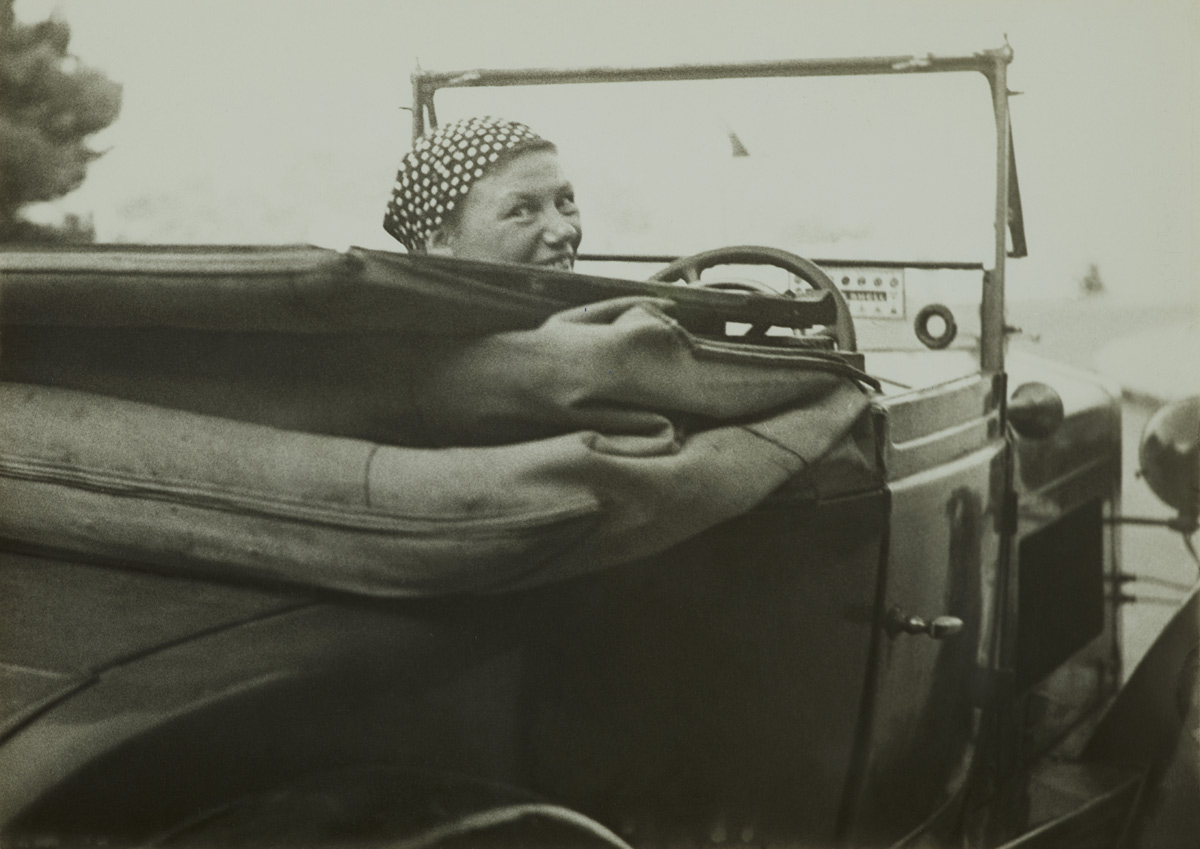


![Germaine Krull (European, 1897-1985) 'Étude pour La Folle d’Itteville [Study for The Madwoman of Itteville]' 1931](https://artblart.com/wp-content/uploads/2015/07/gkrull_14-web.jpg "Germaine Krull (European, 1897-1985) 'Étude pour La Folle d’Itteville [Study for The Madwoman of Itteville]' 1931")


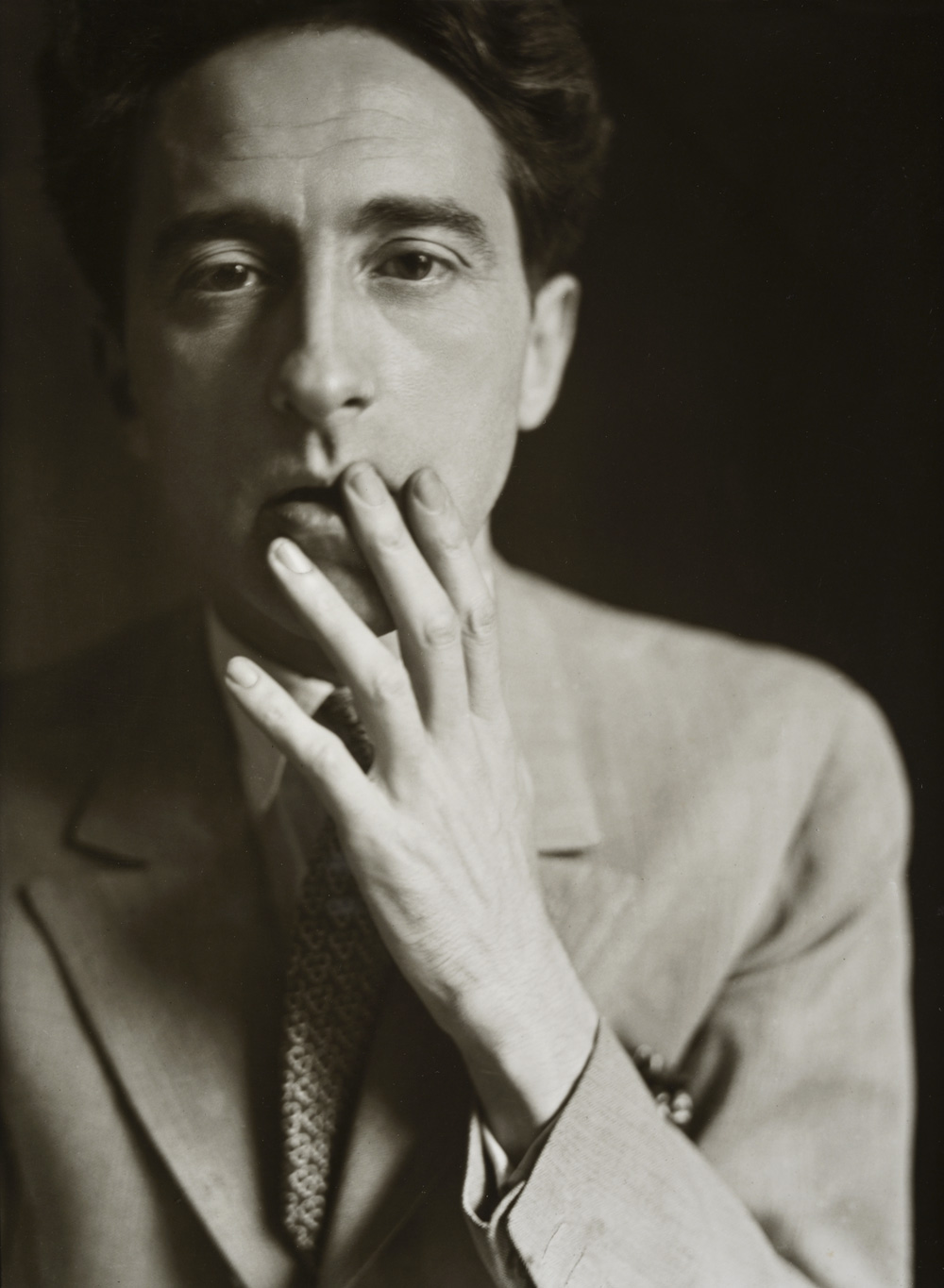
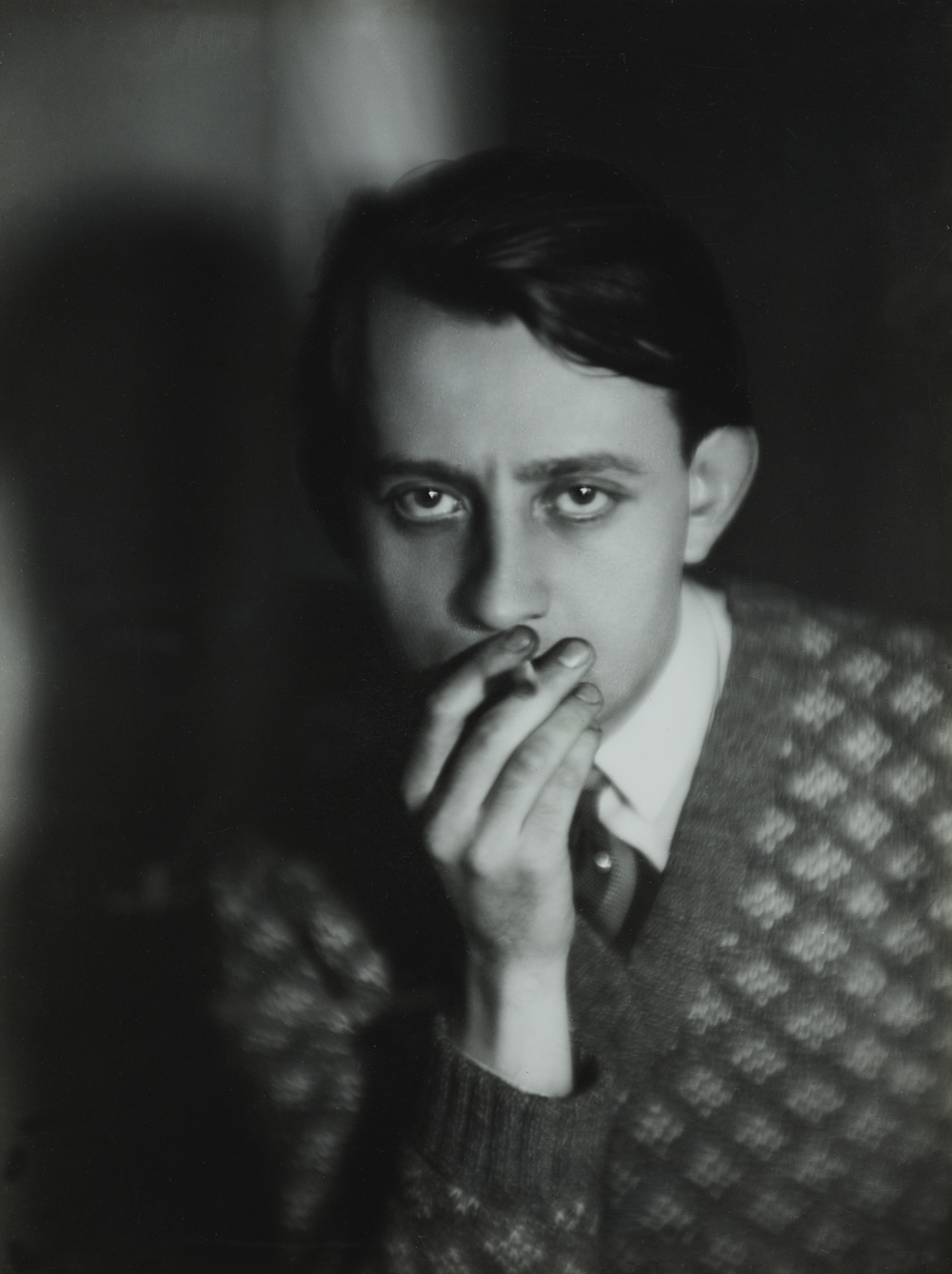

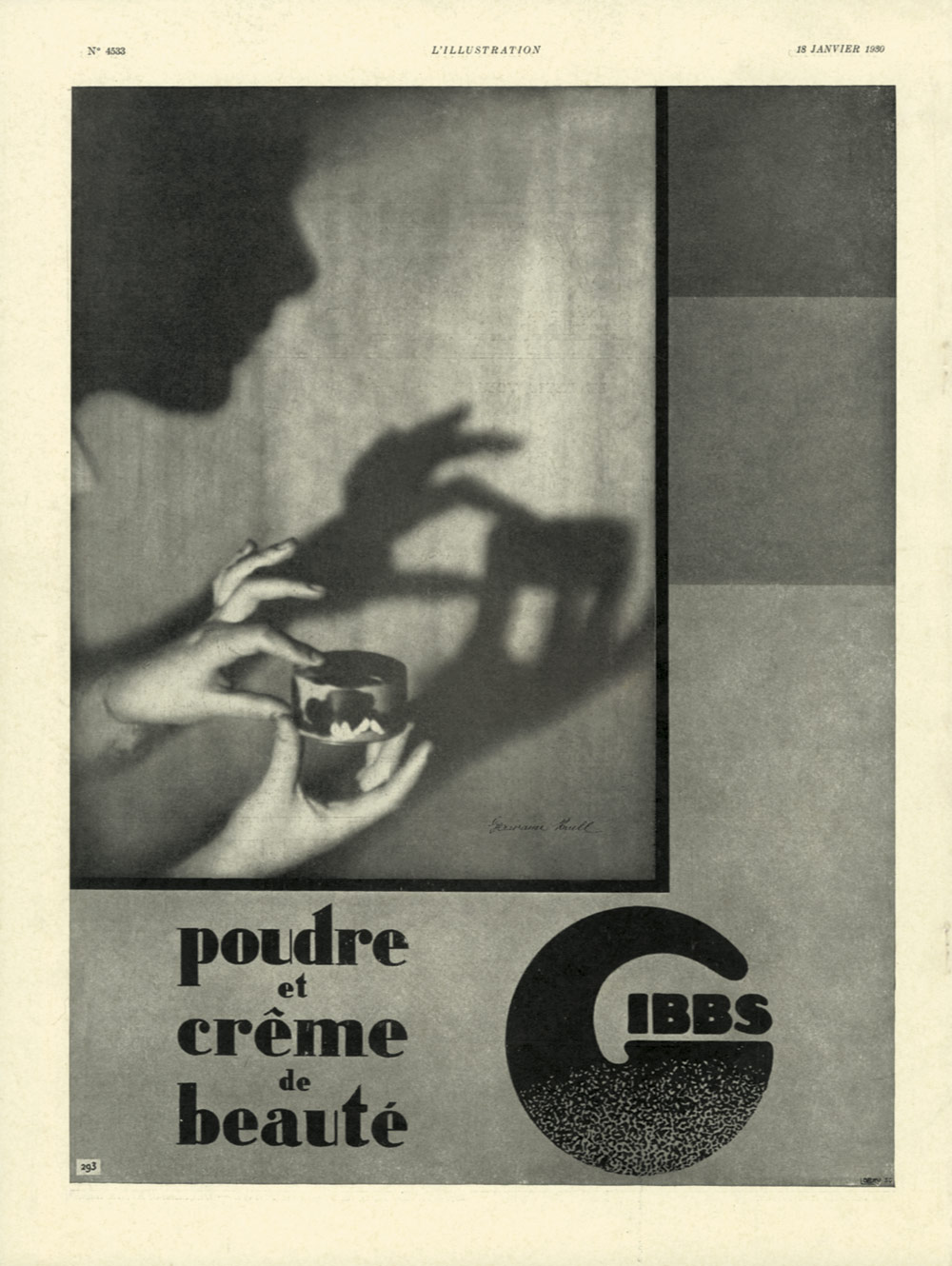


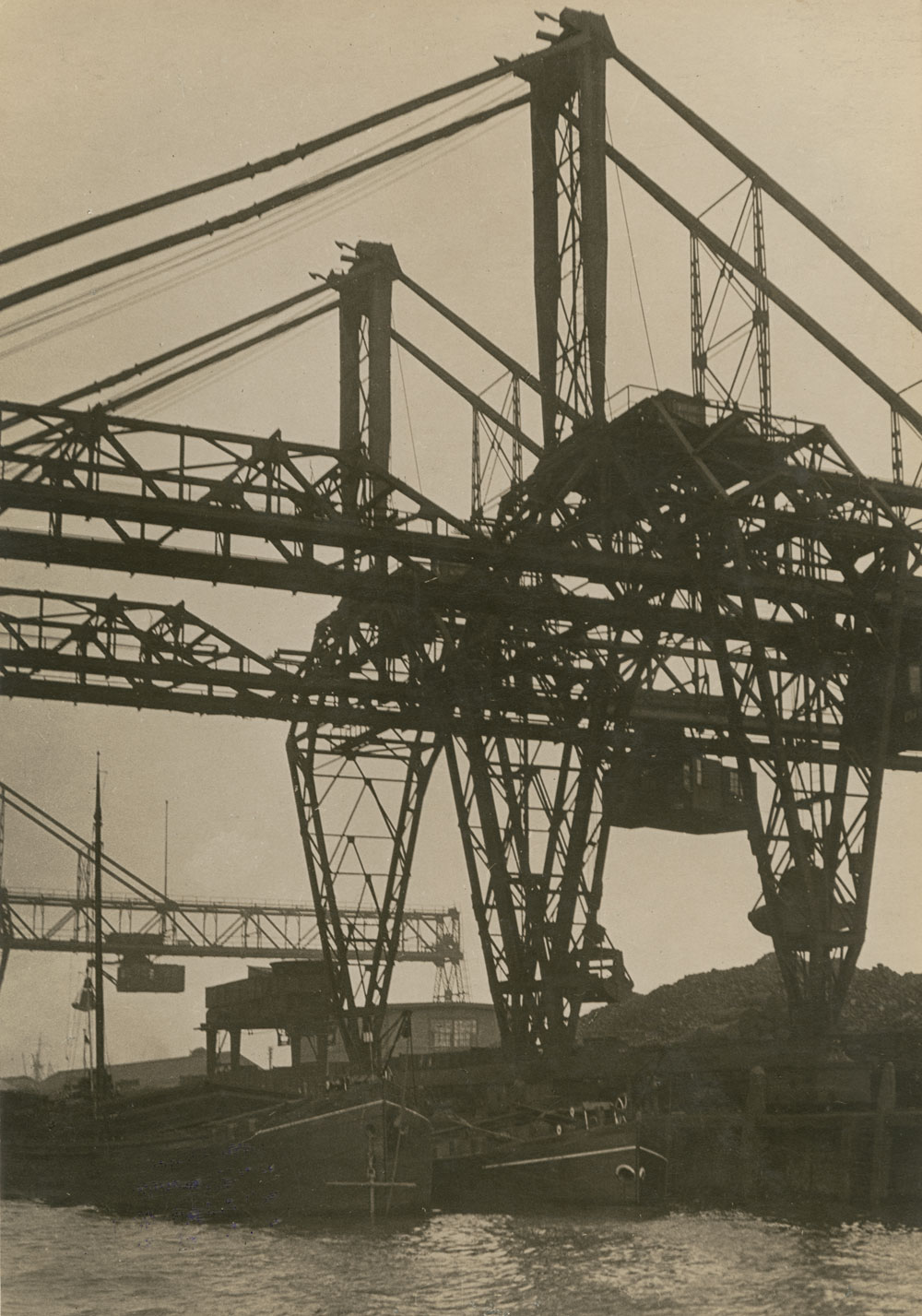
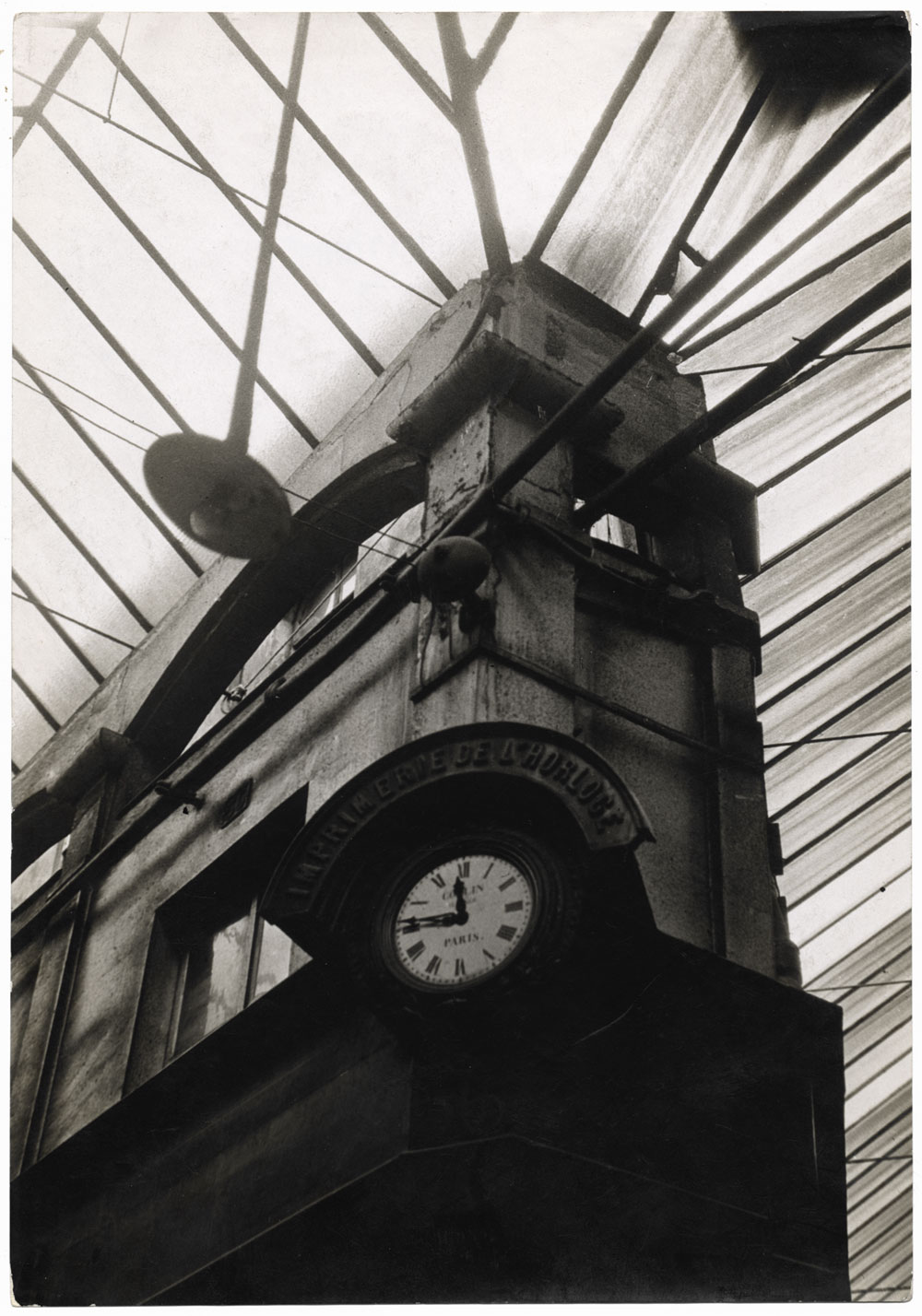


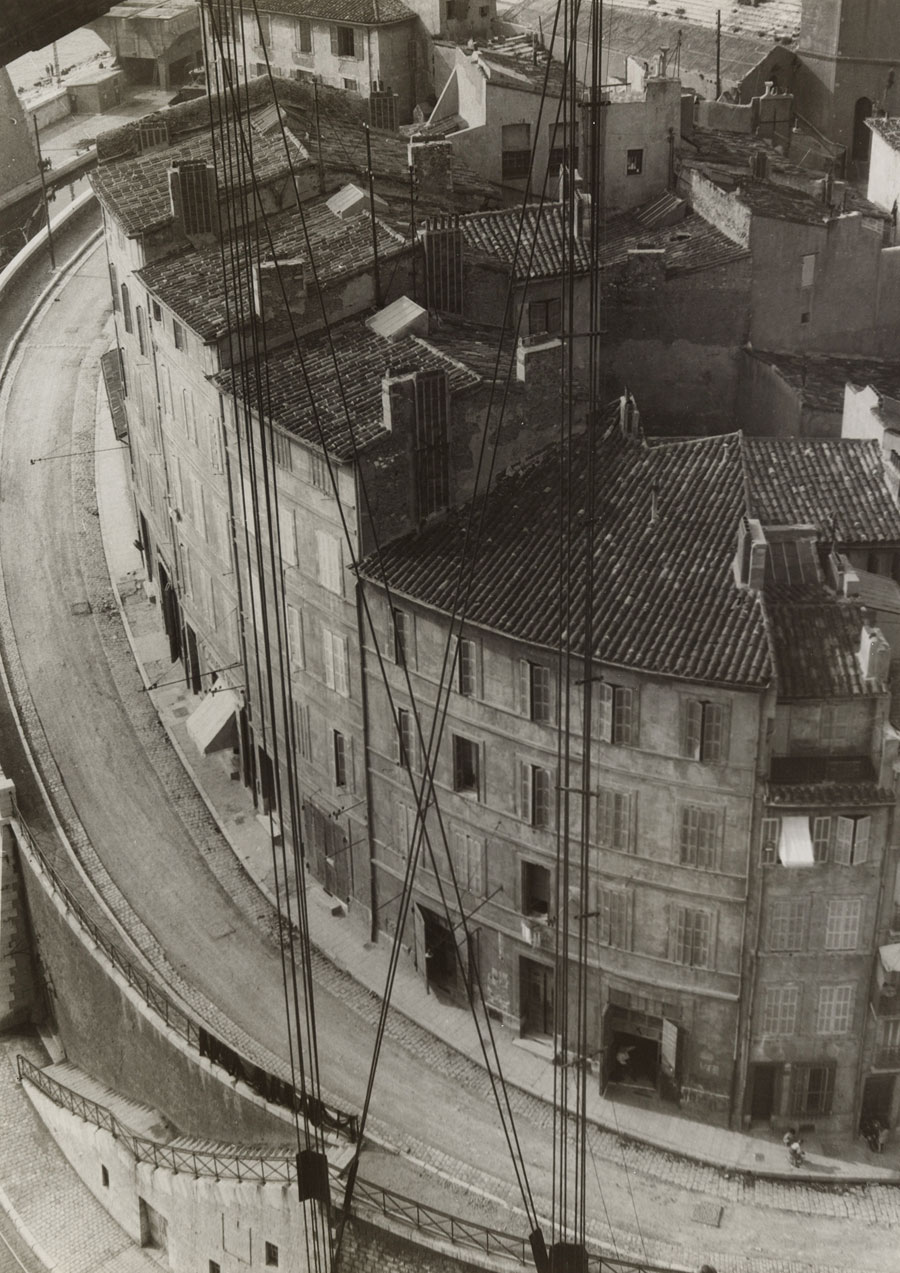

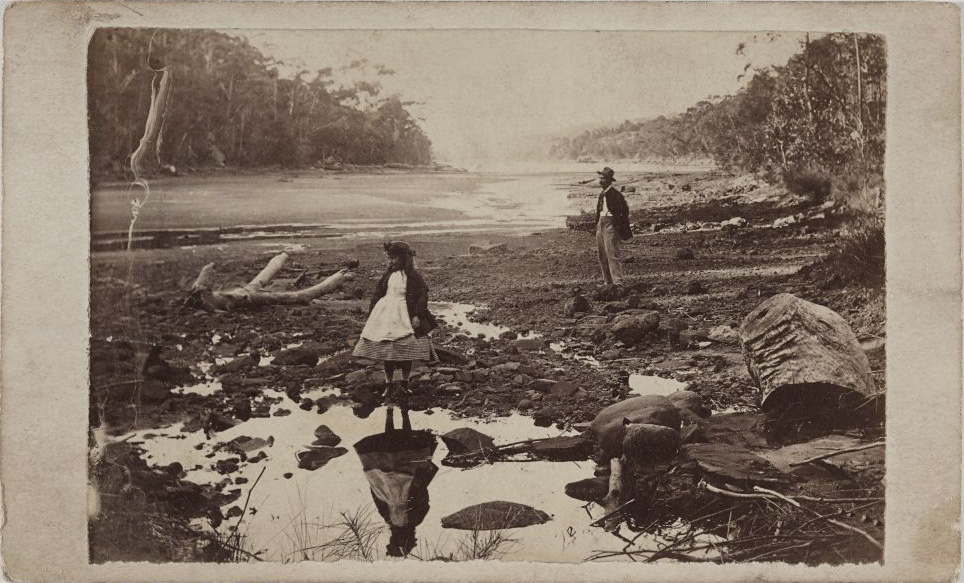

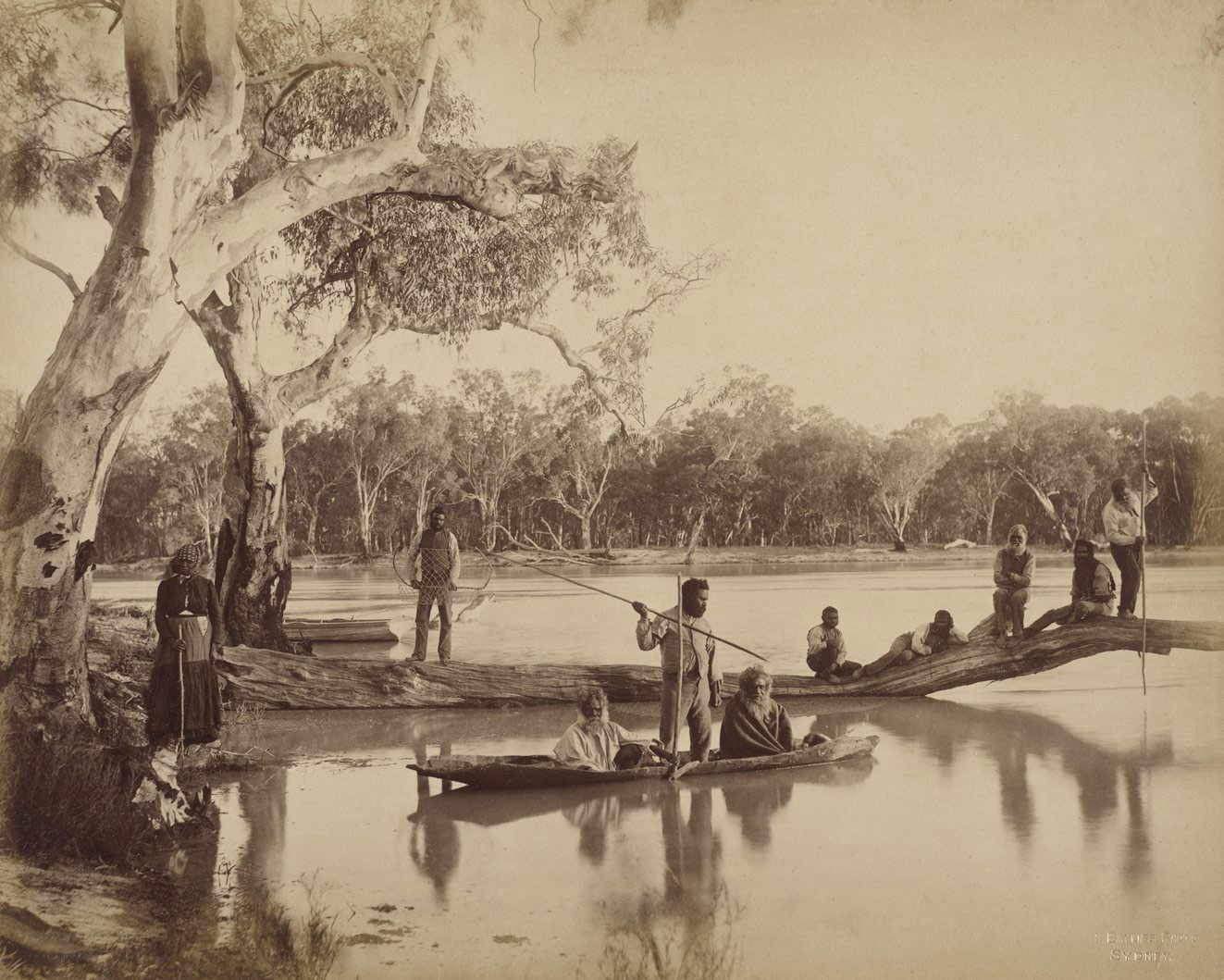


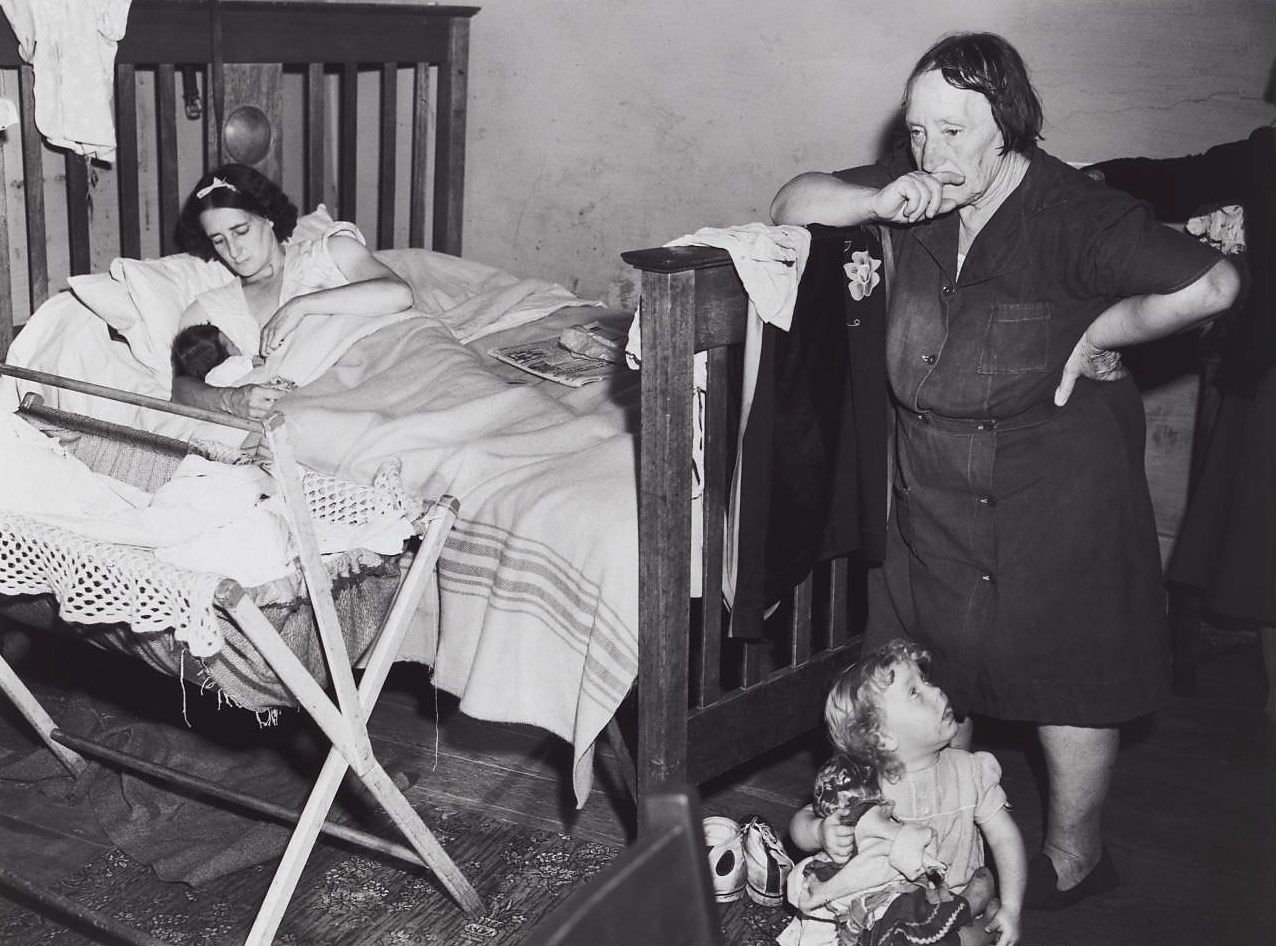
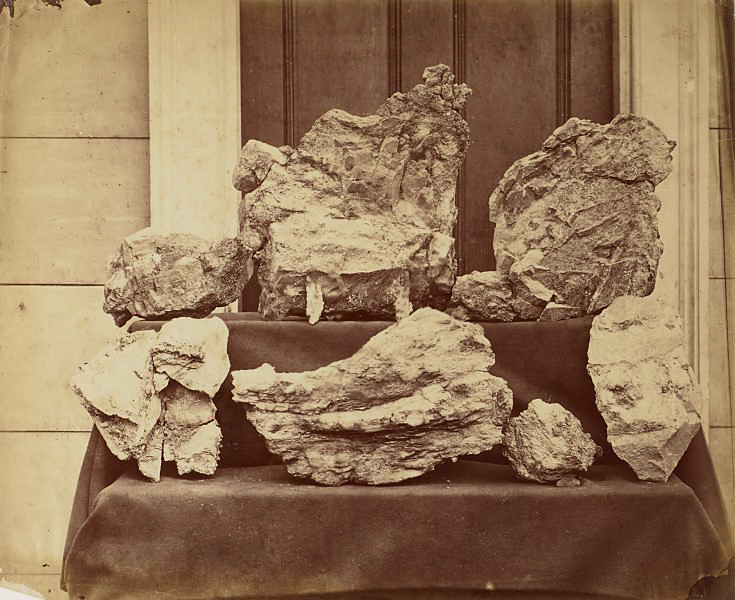
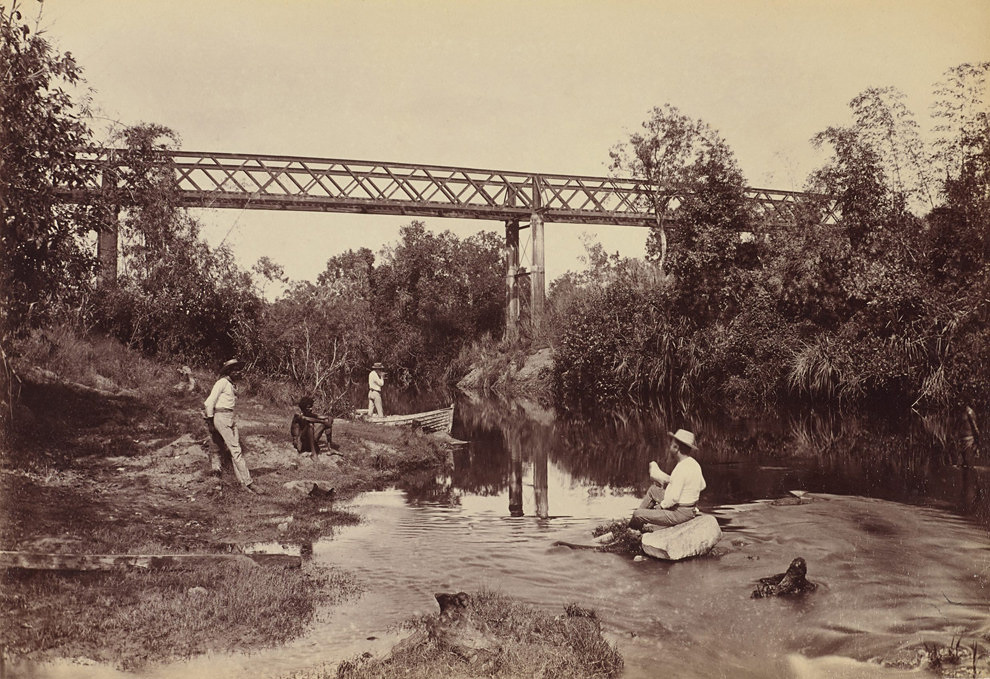
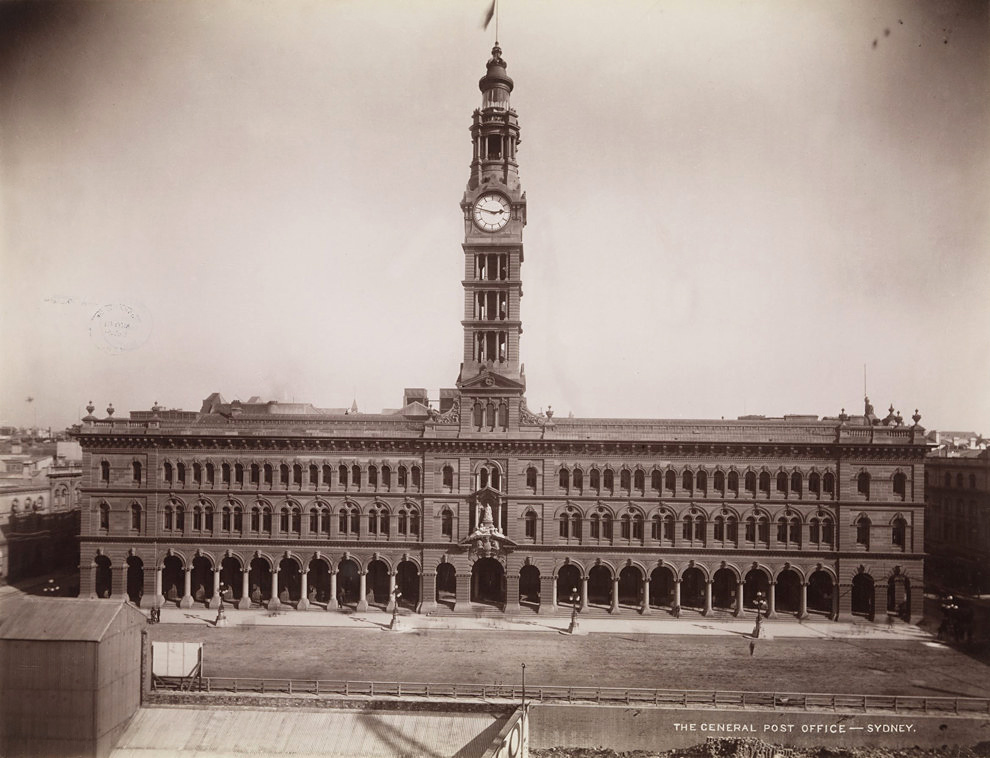

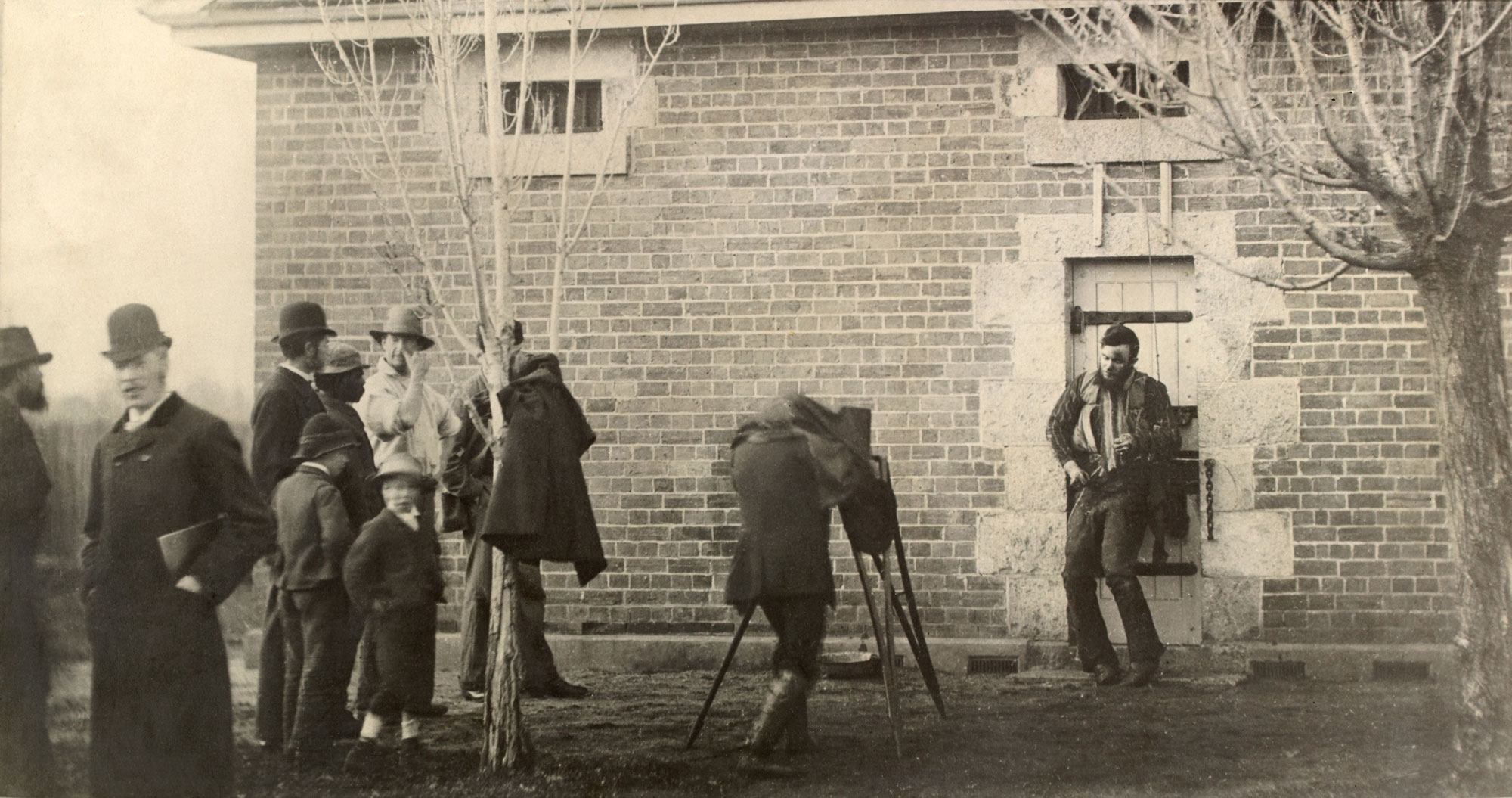
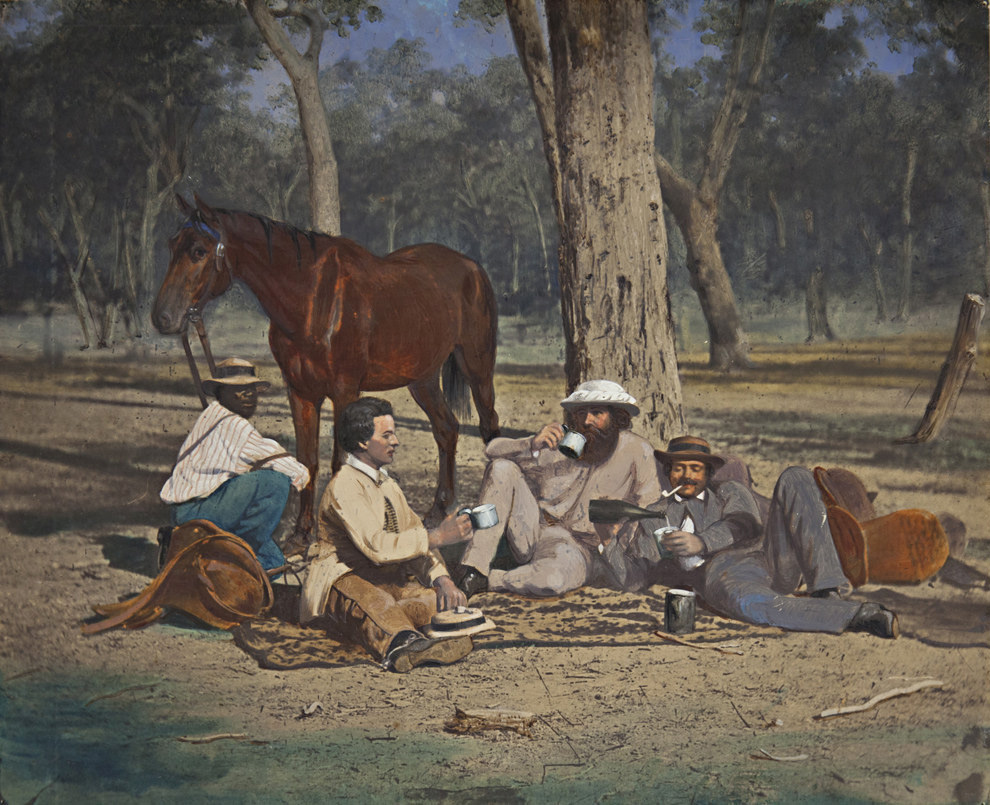
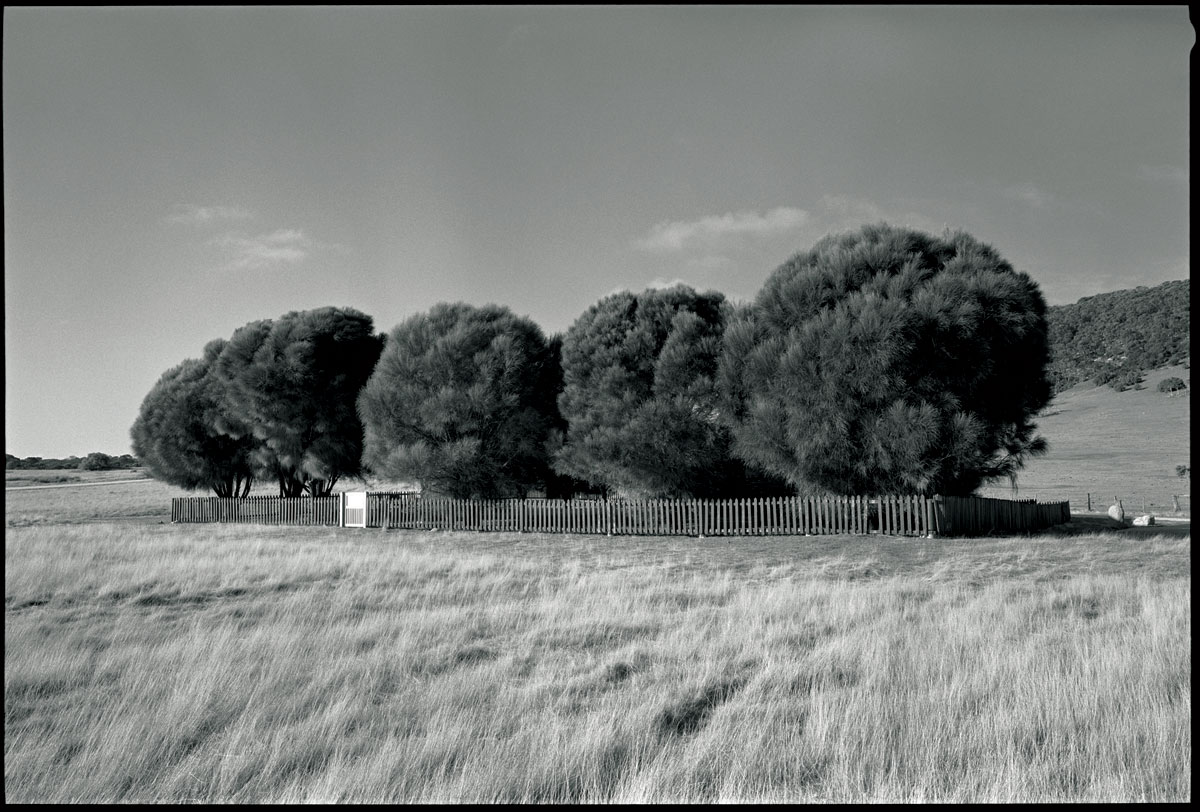
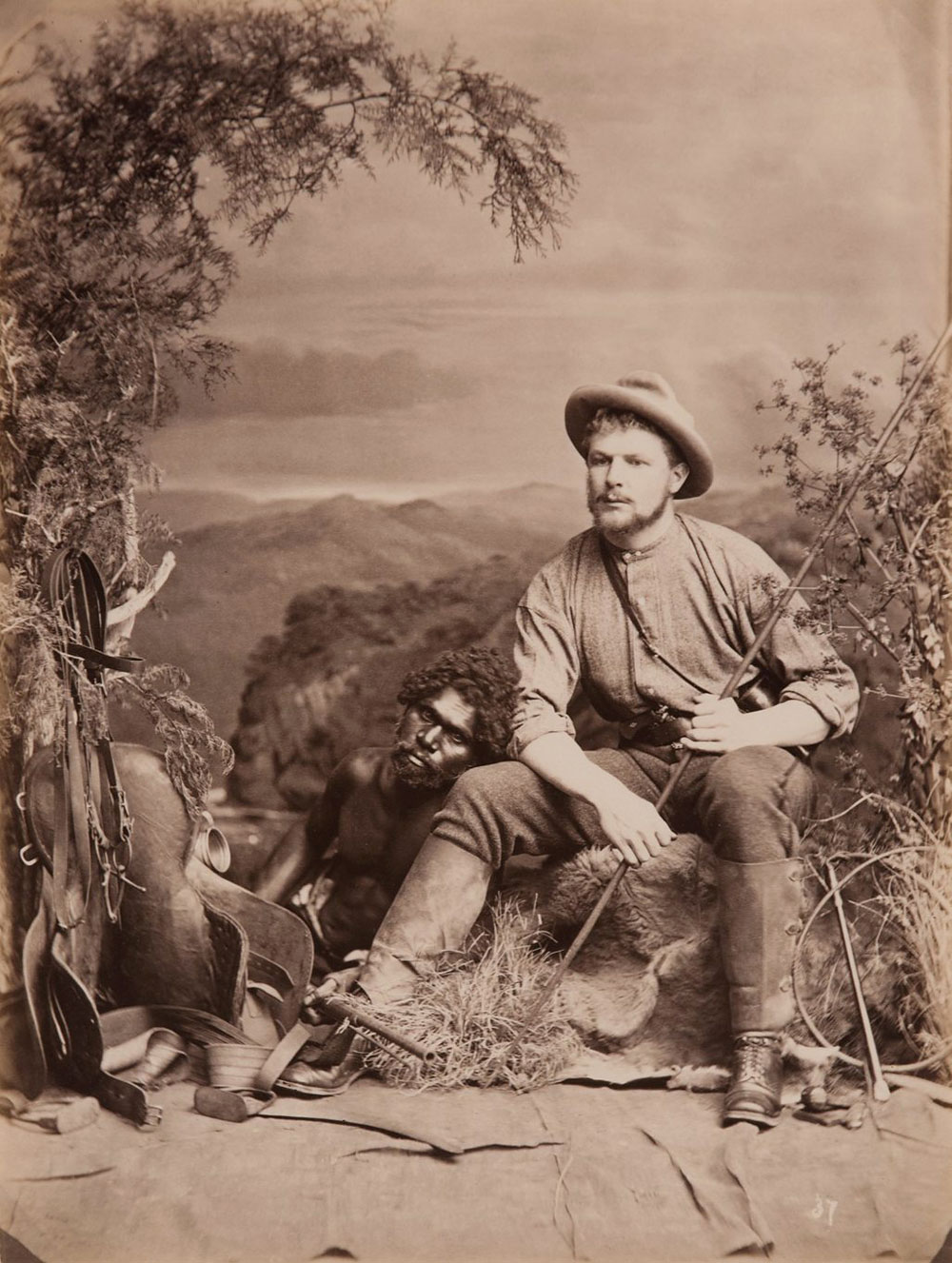
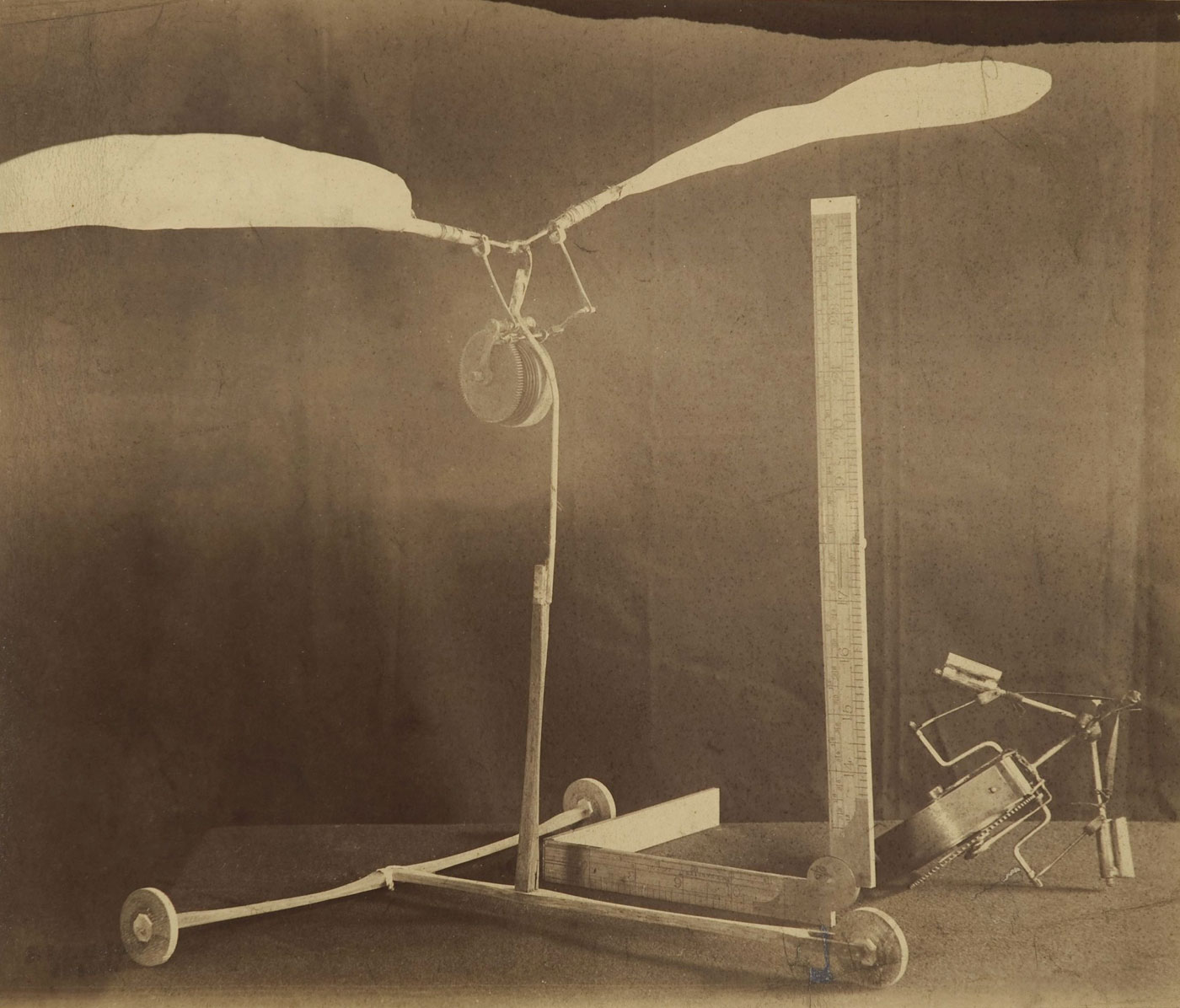
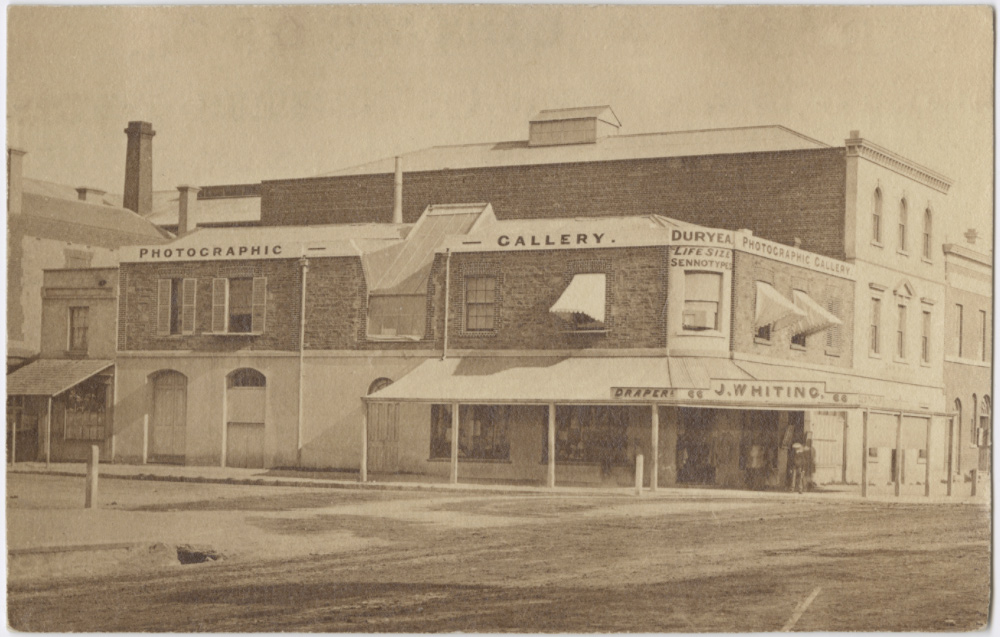
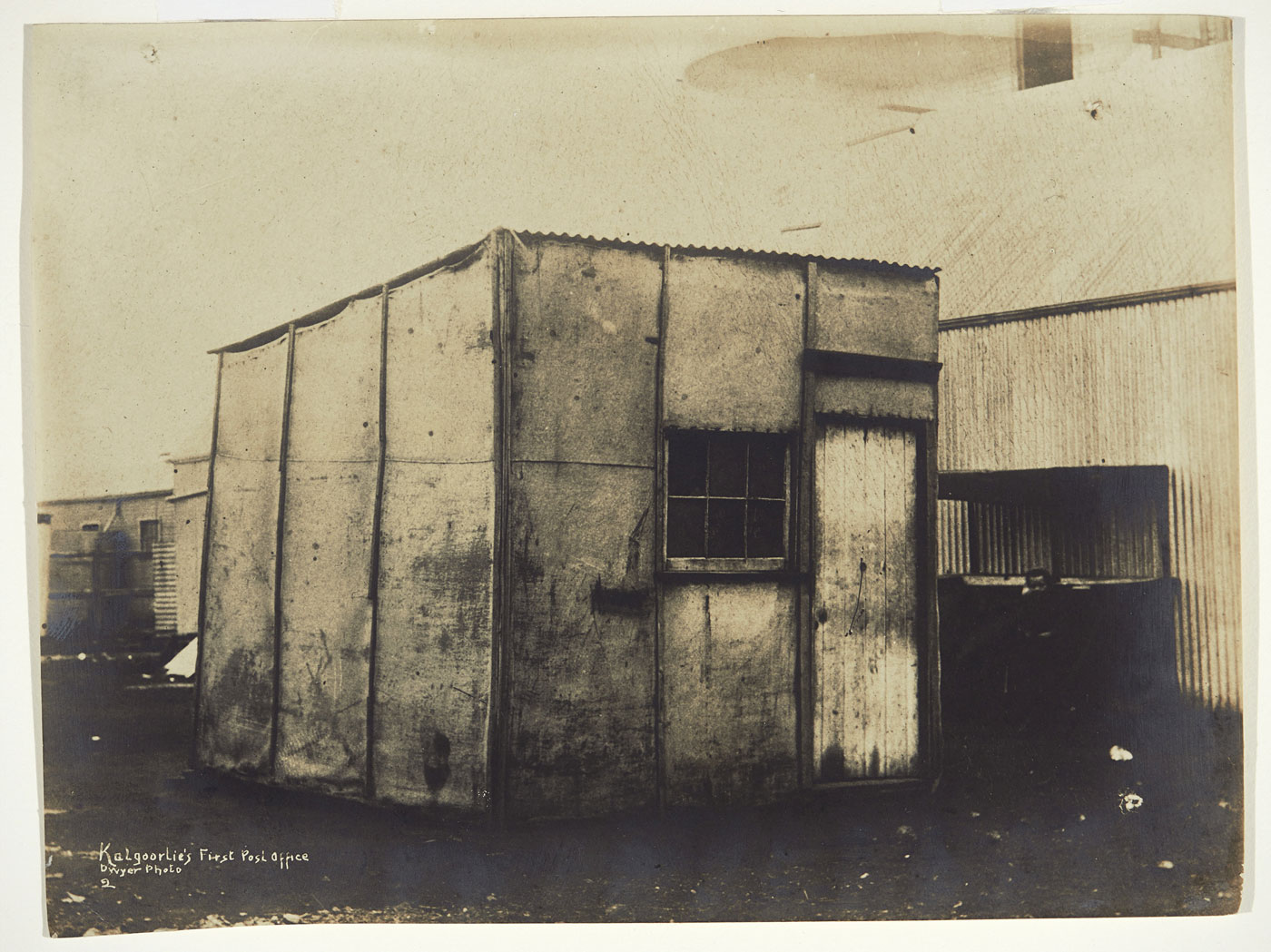


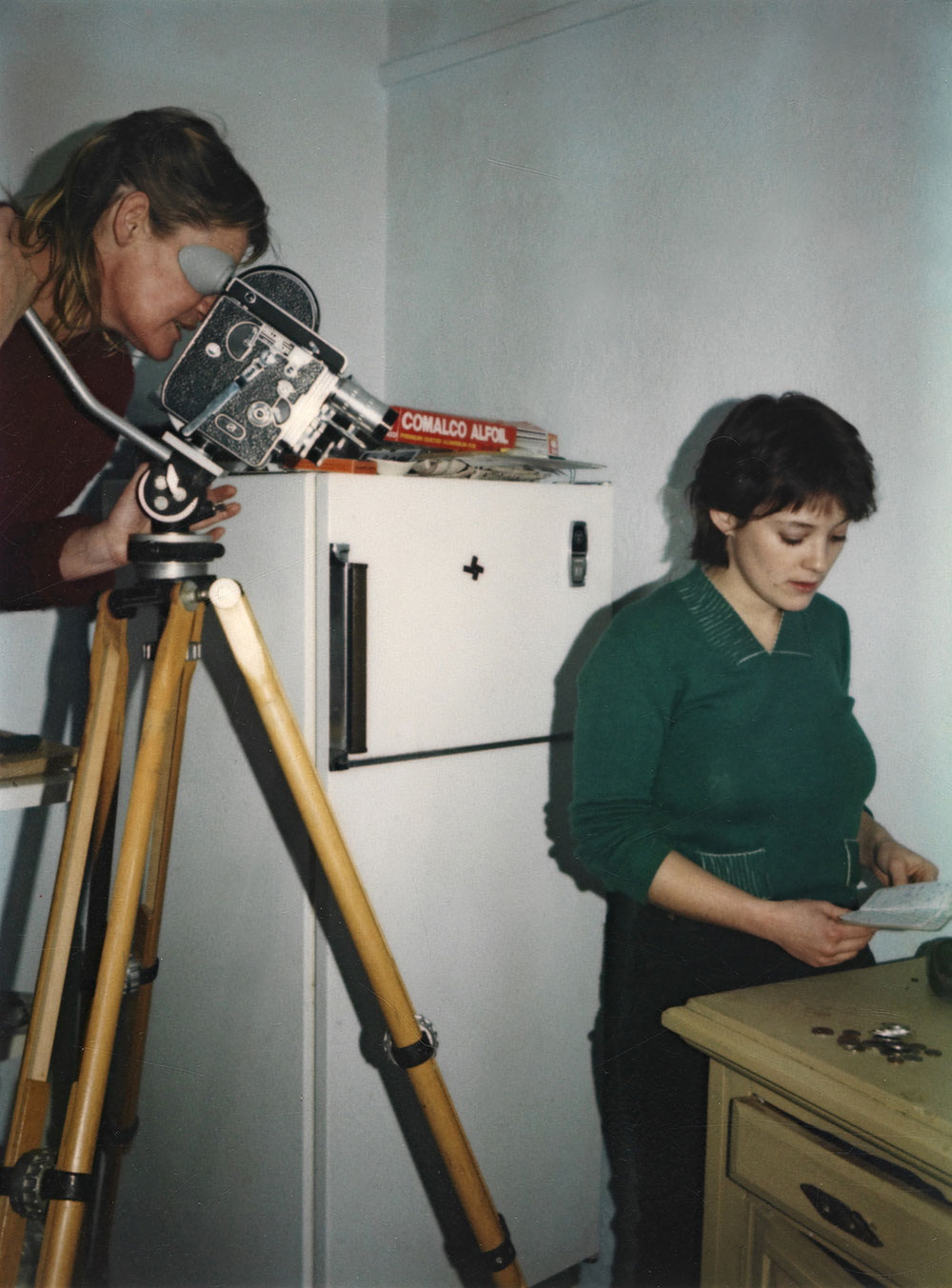
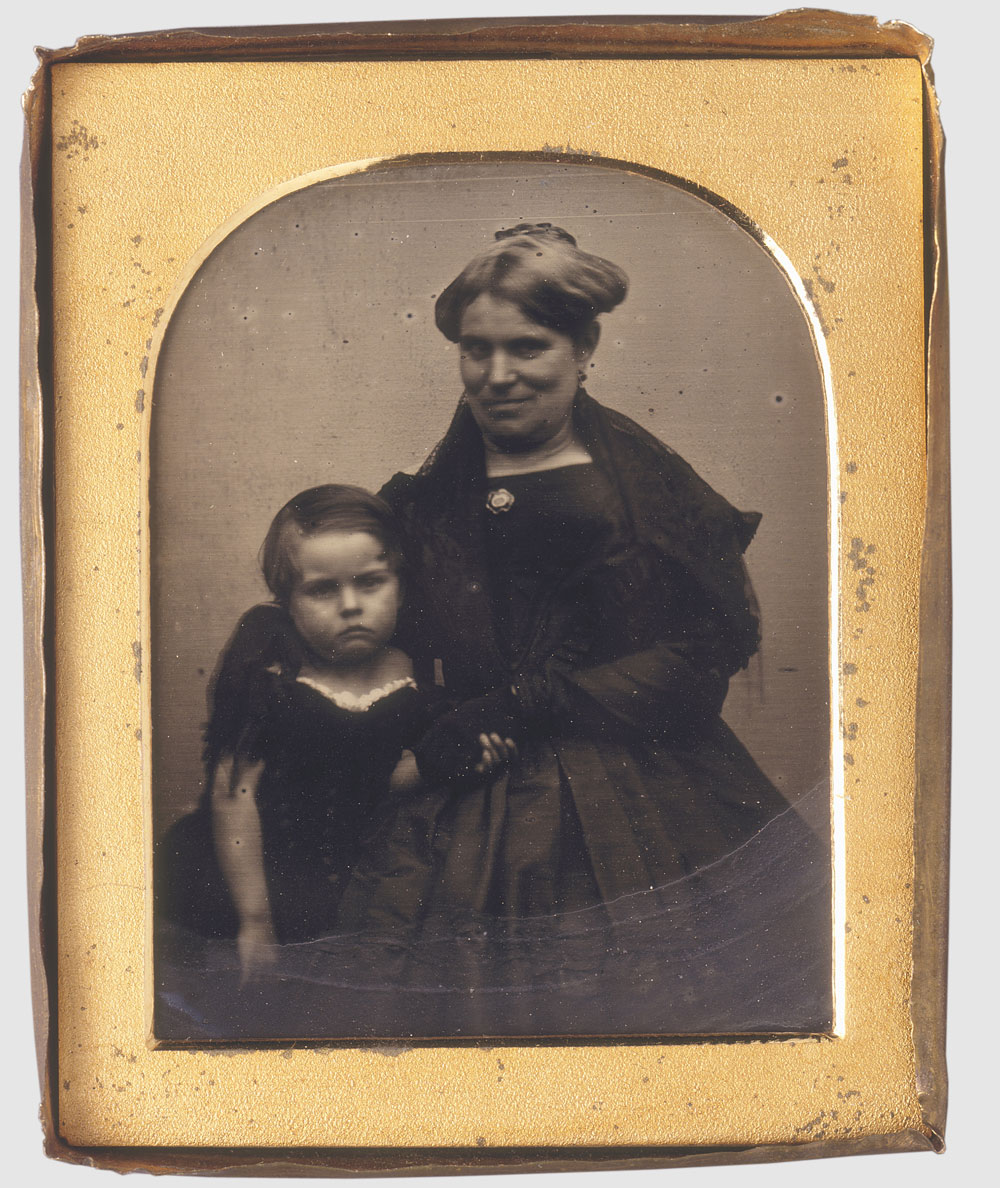

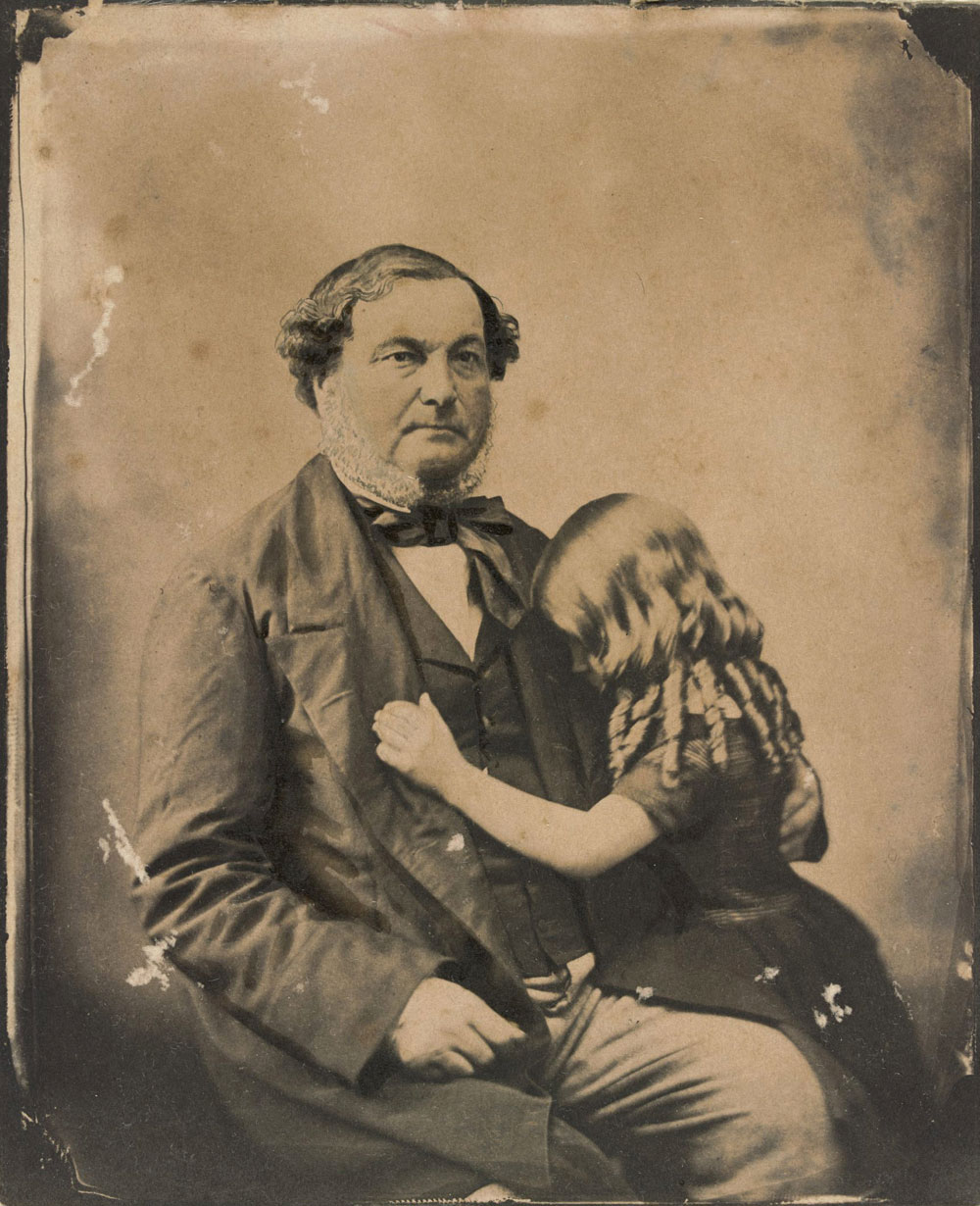
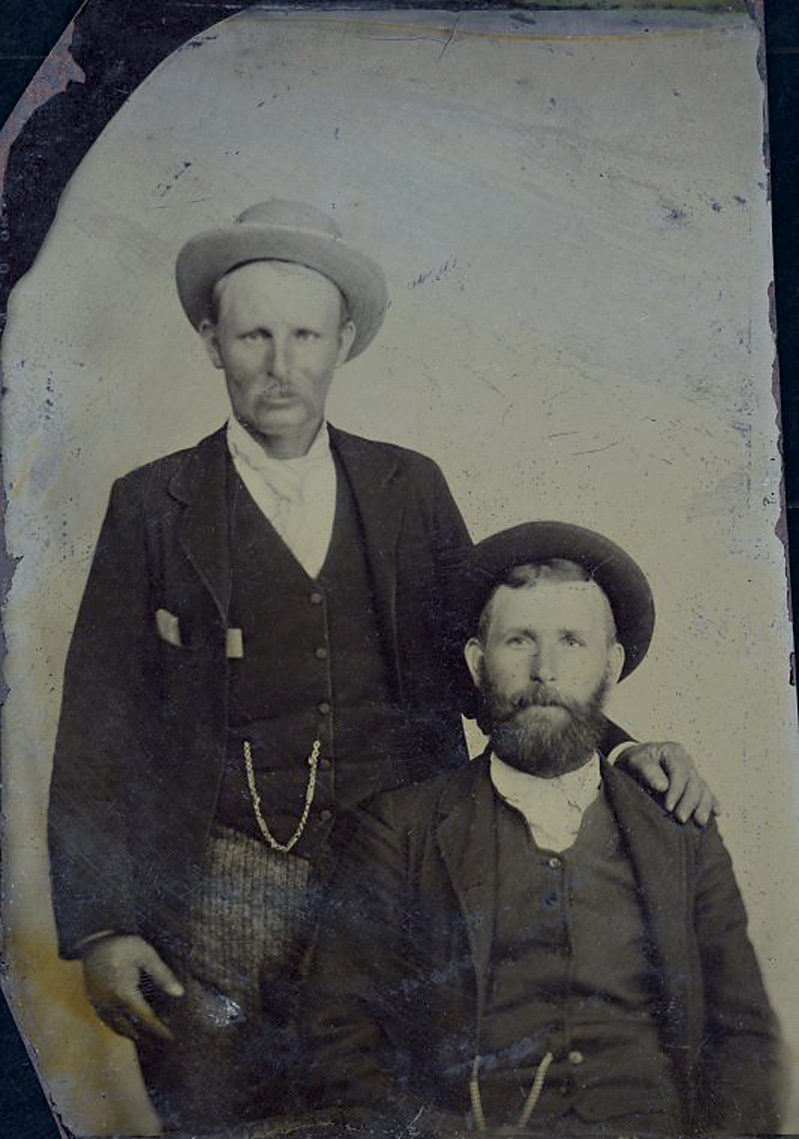

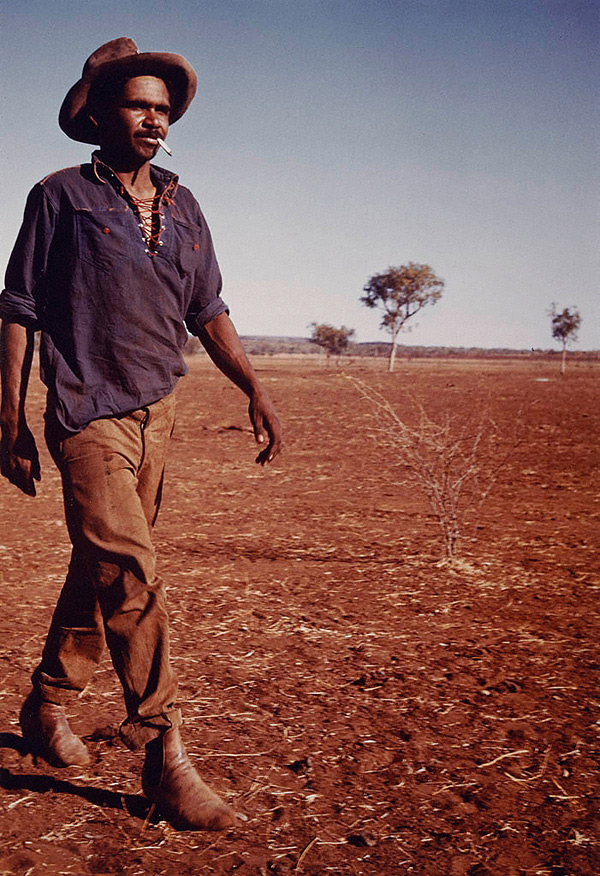
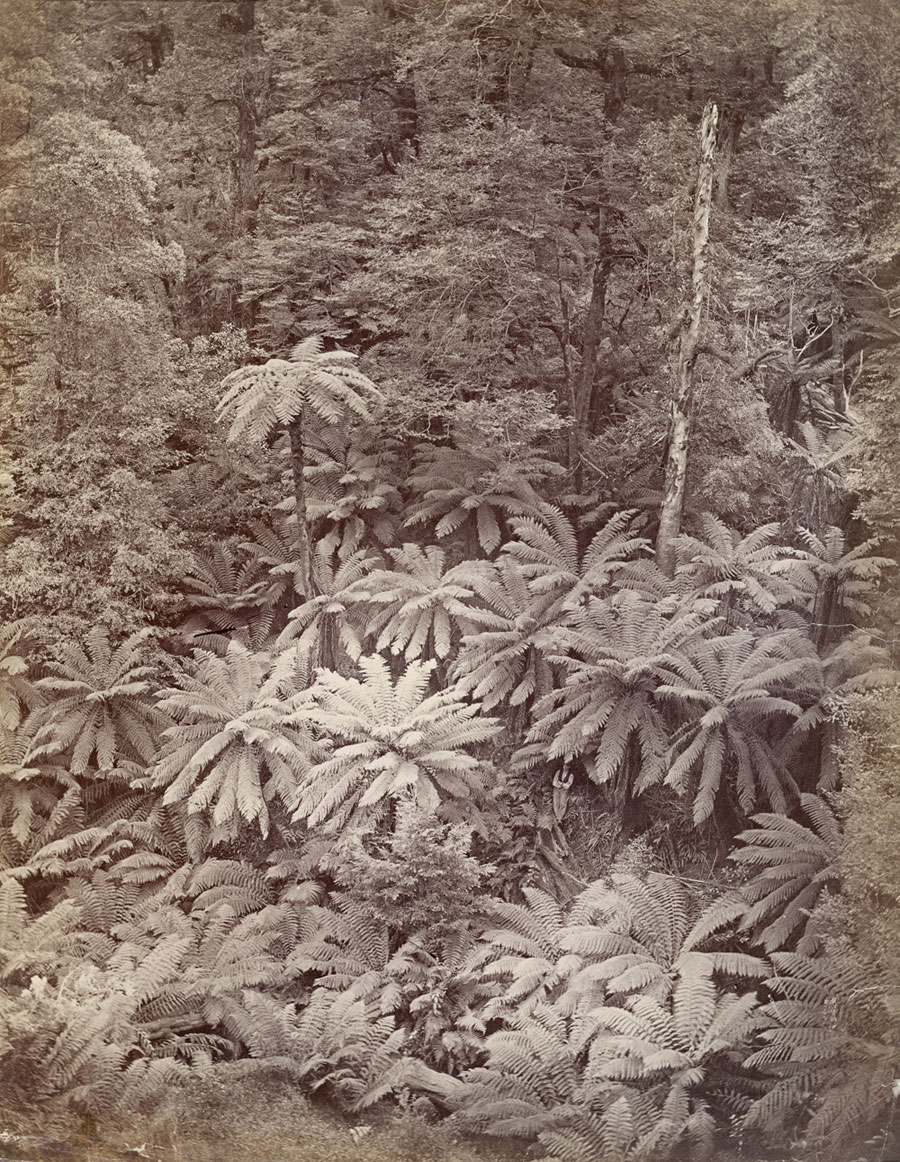
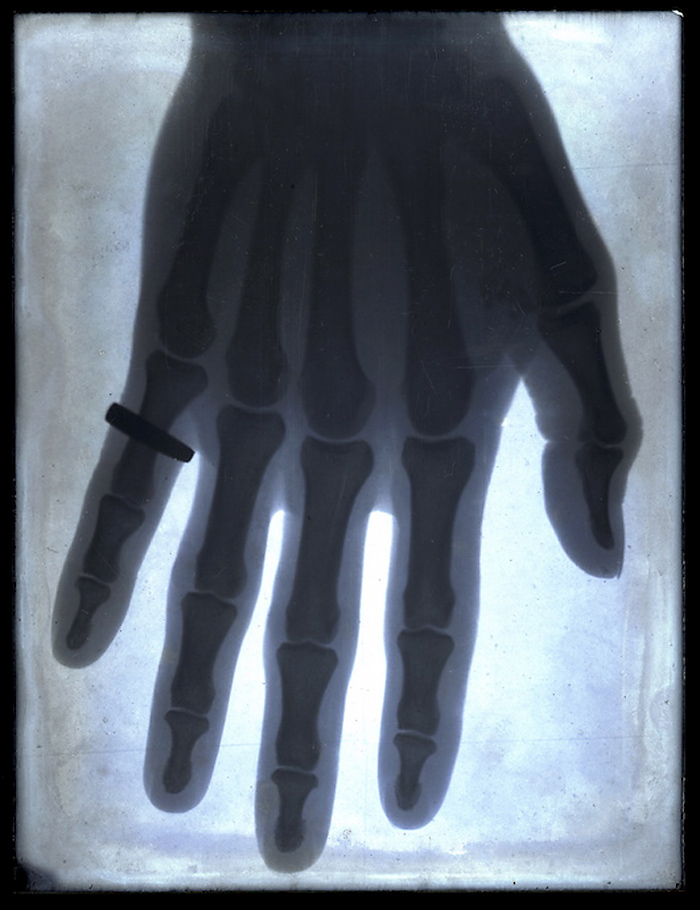


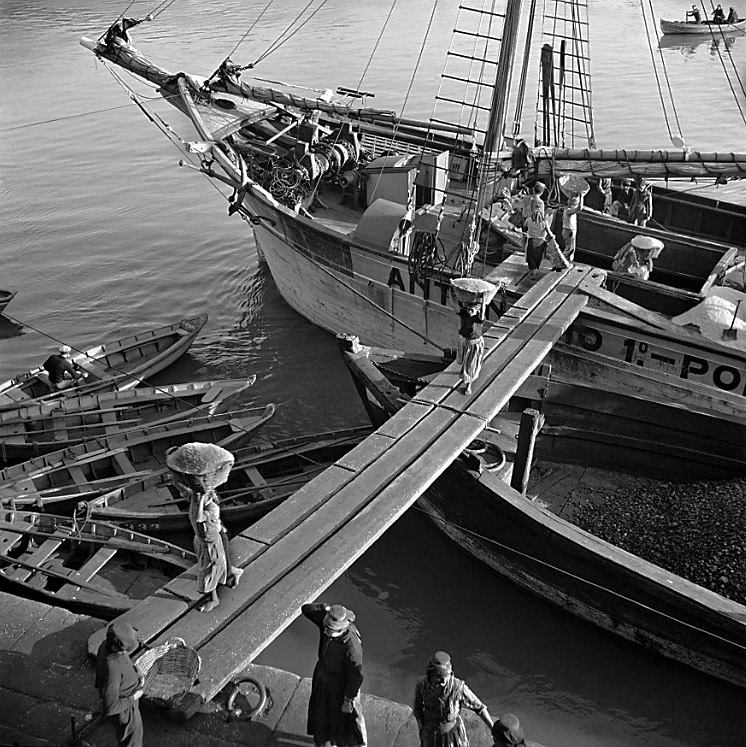
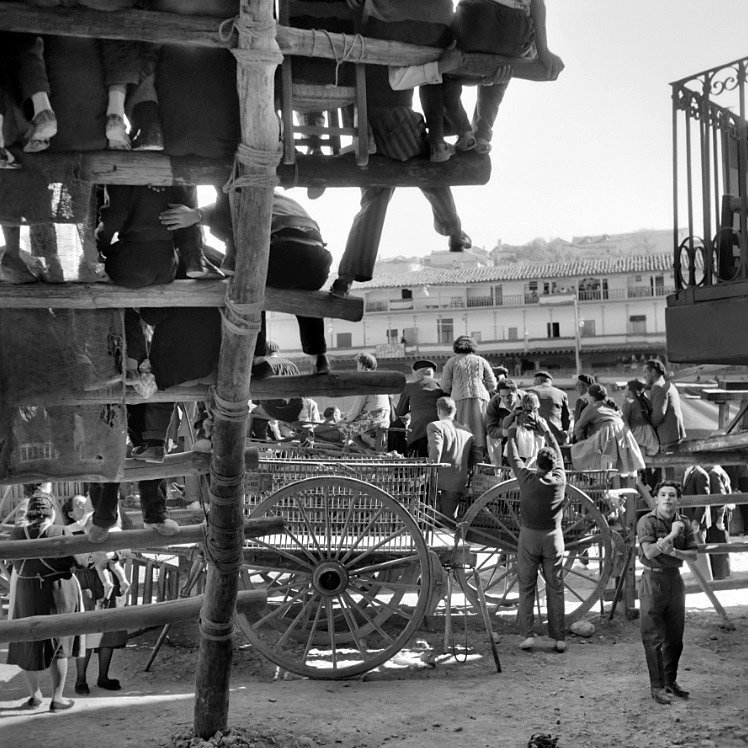


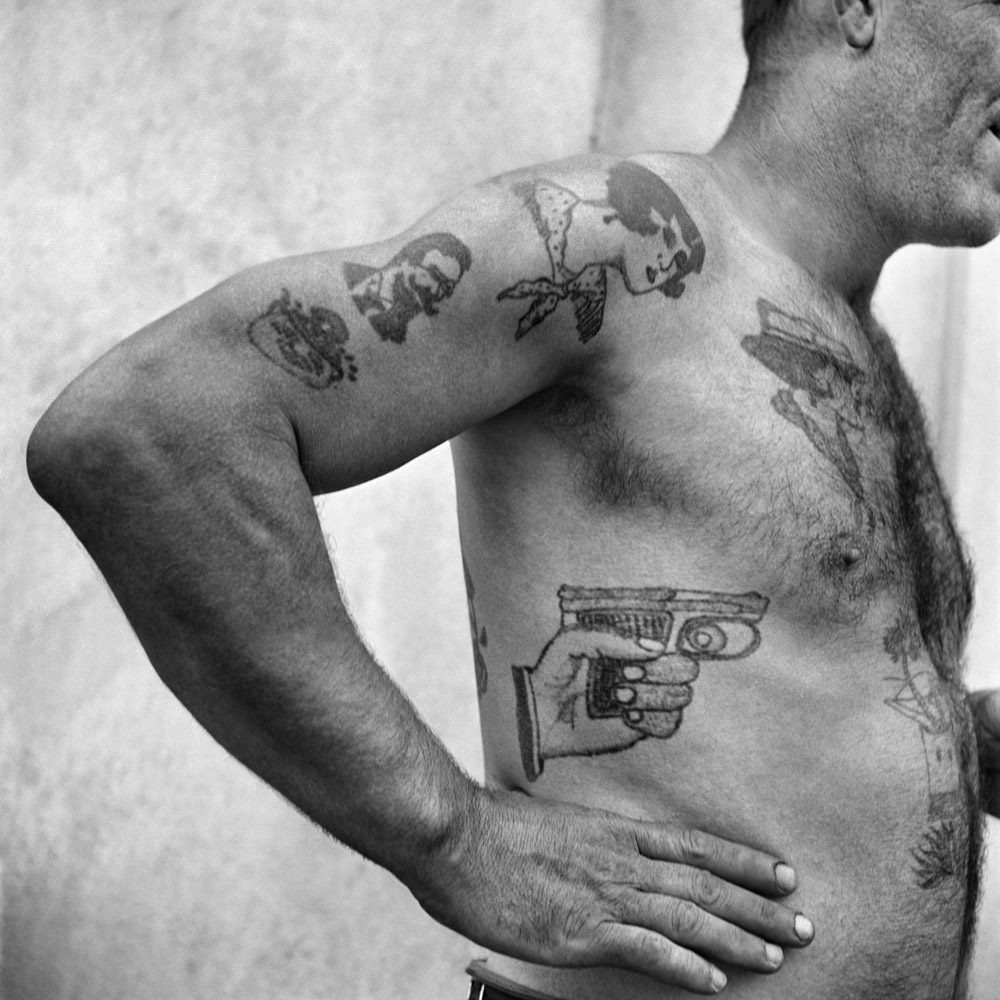

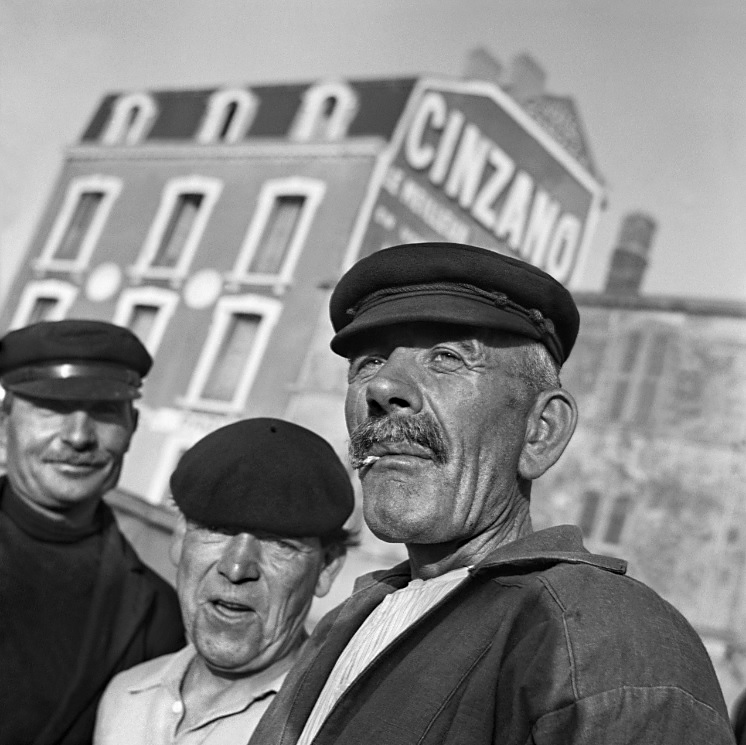


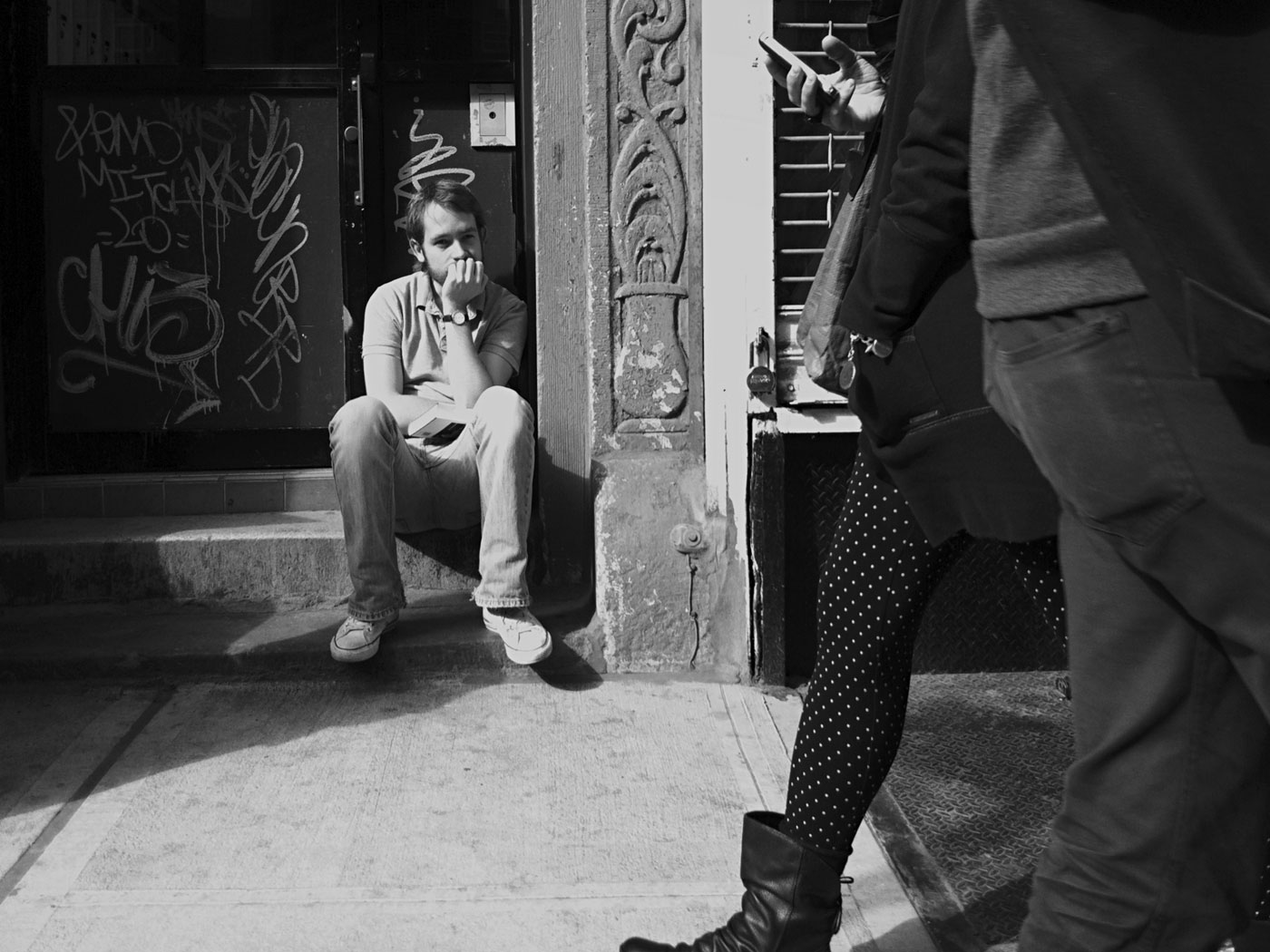


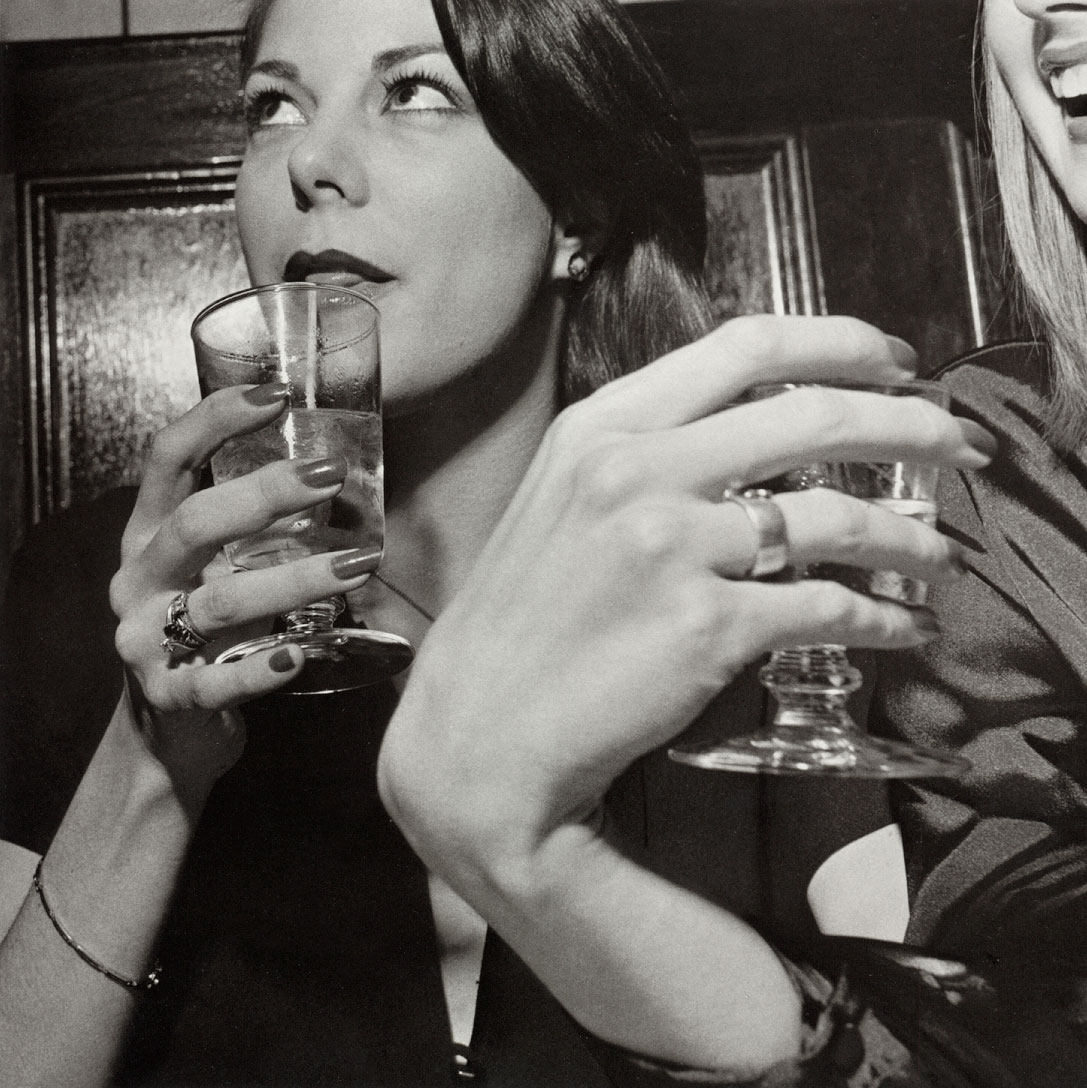


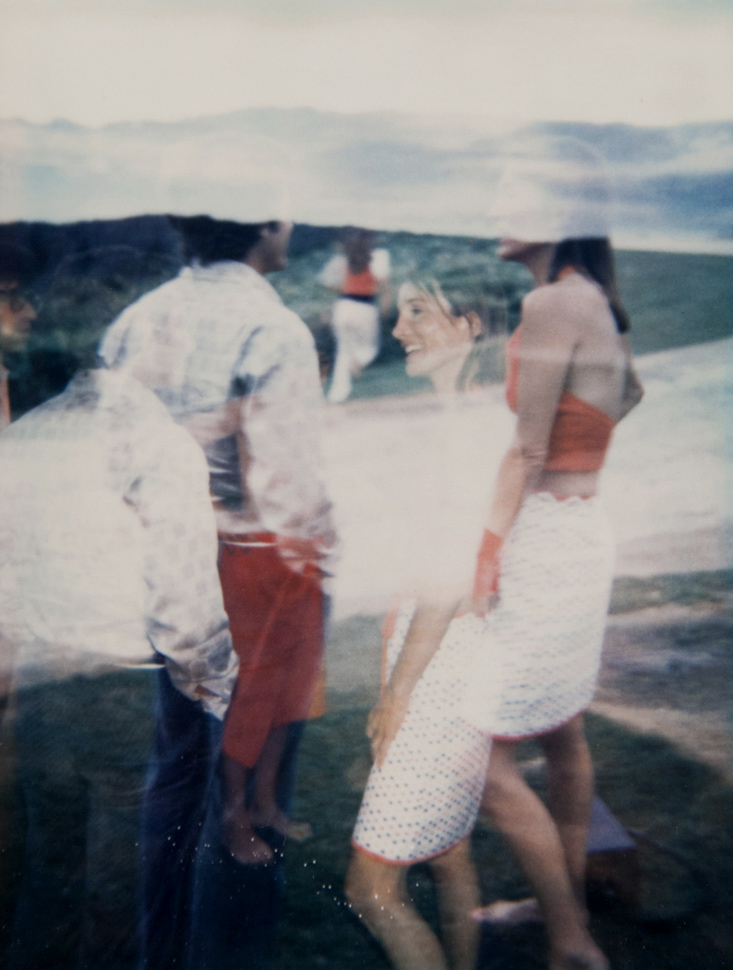
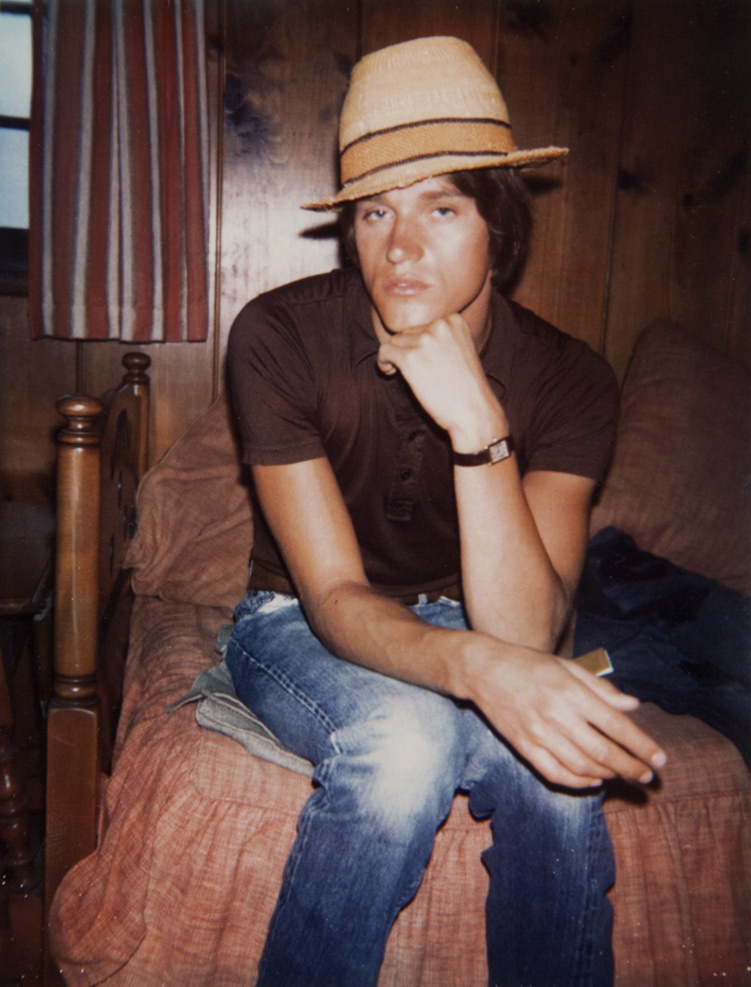

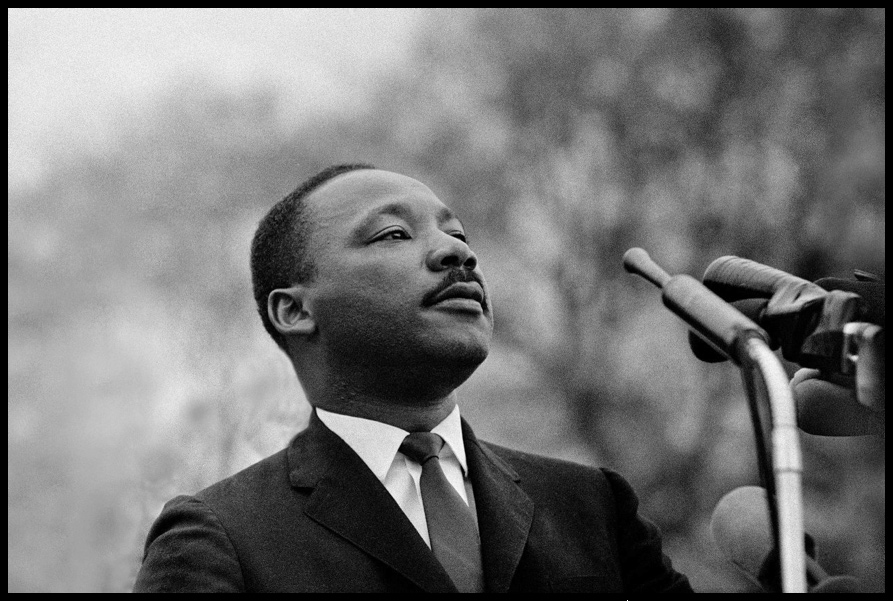
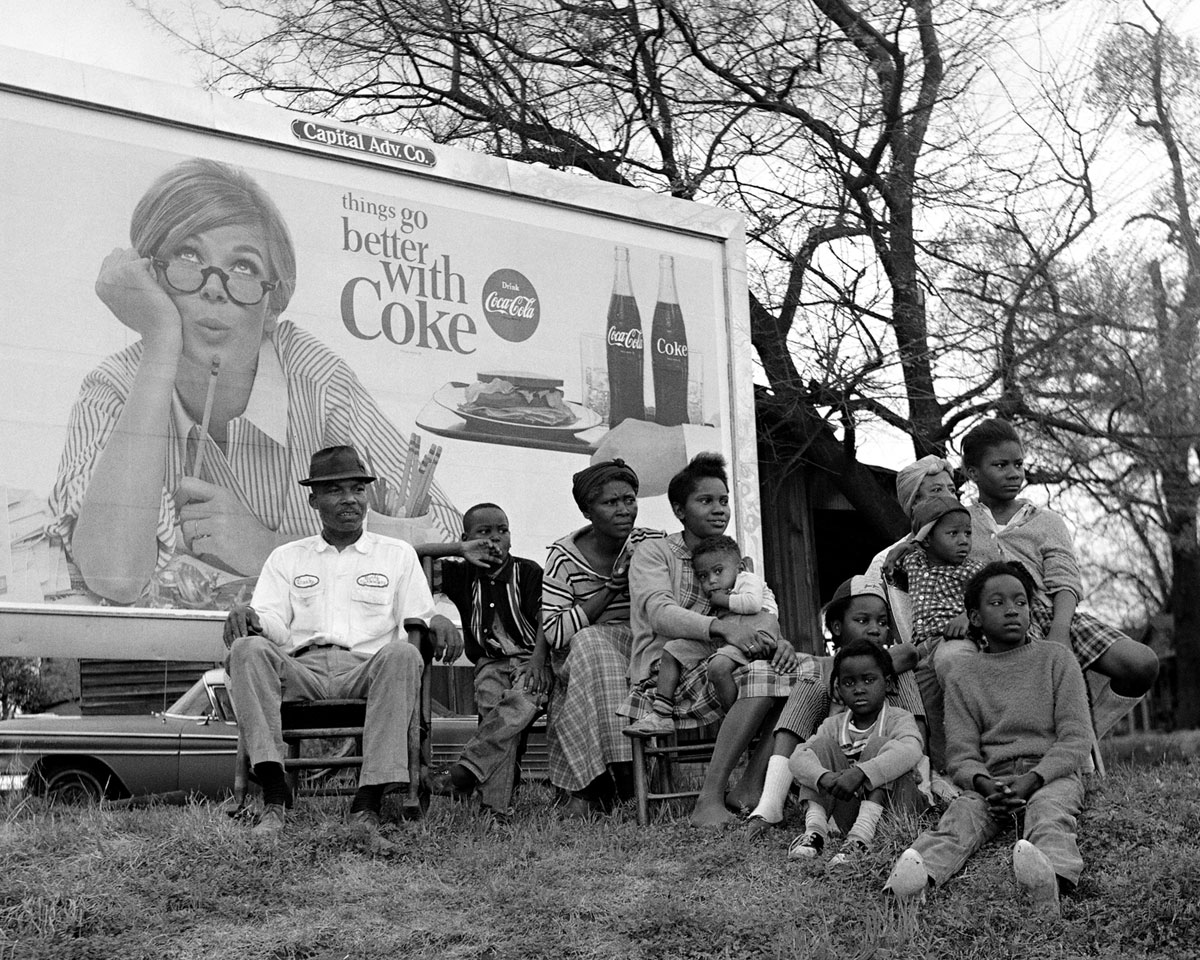
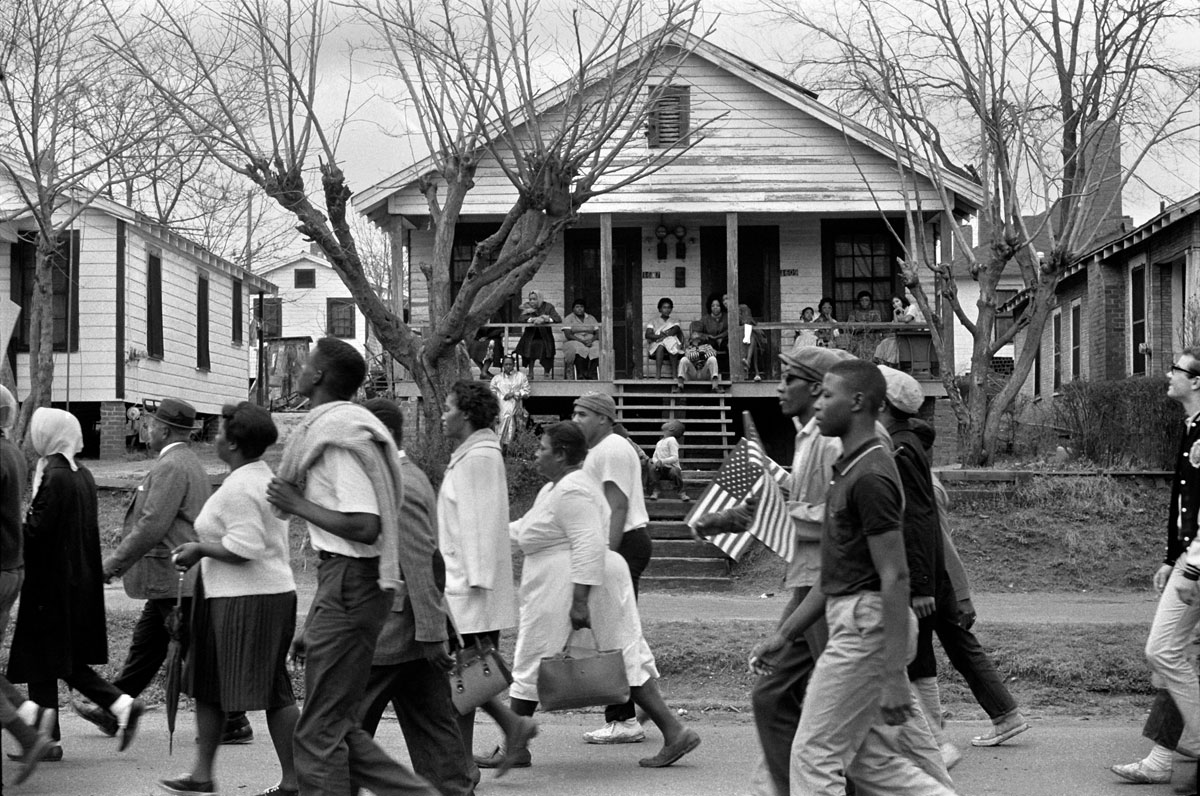
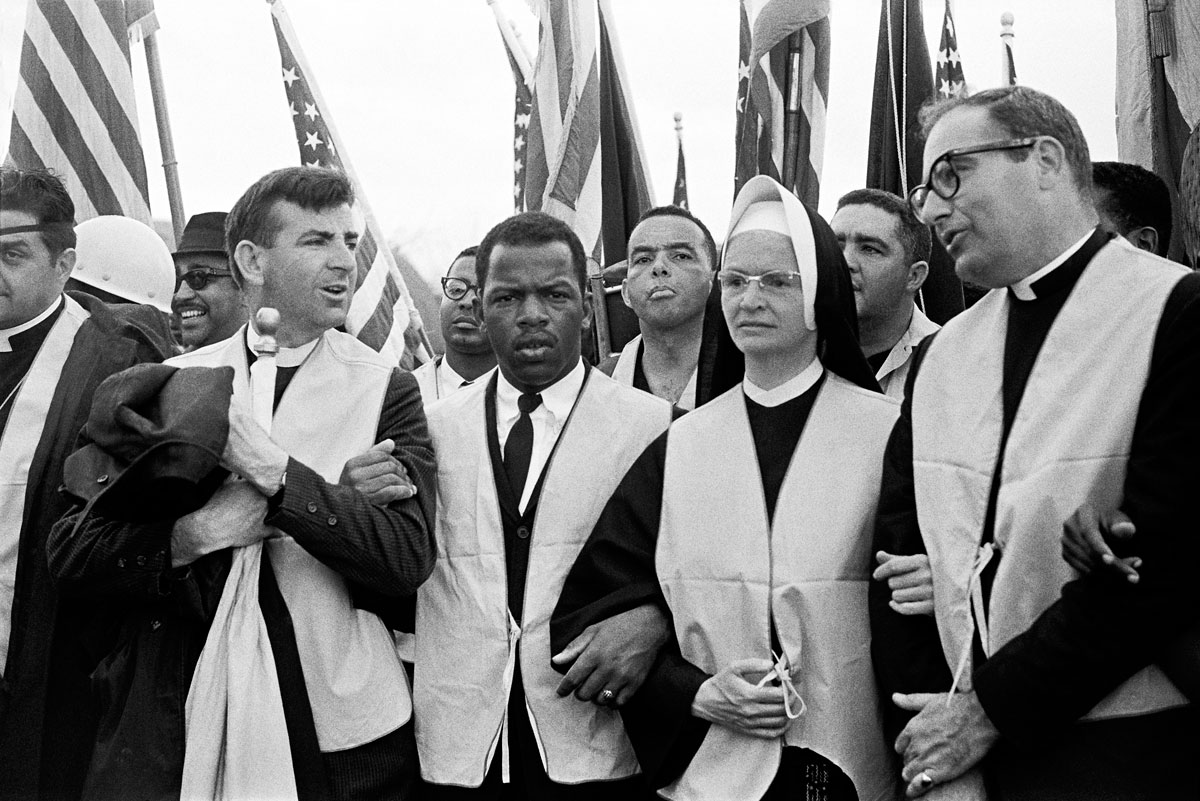
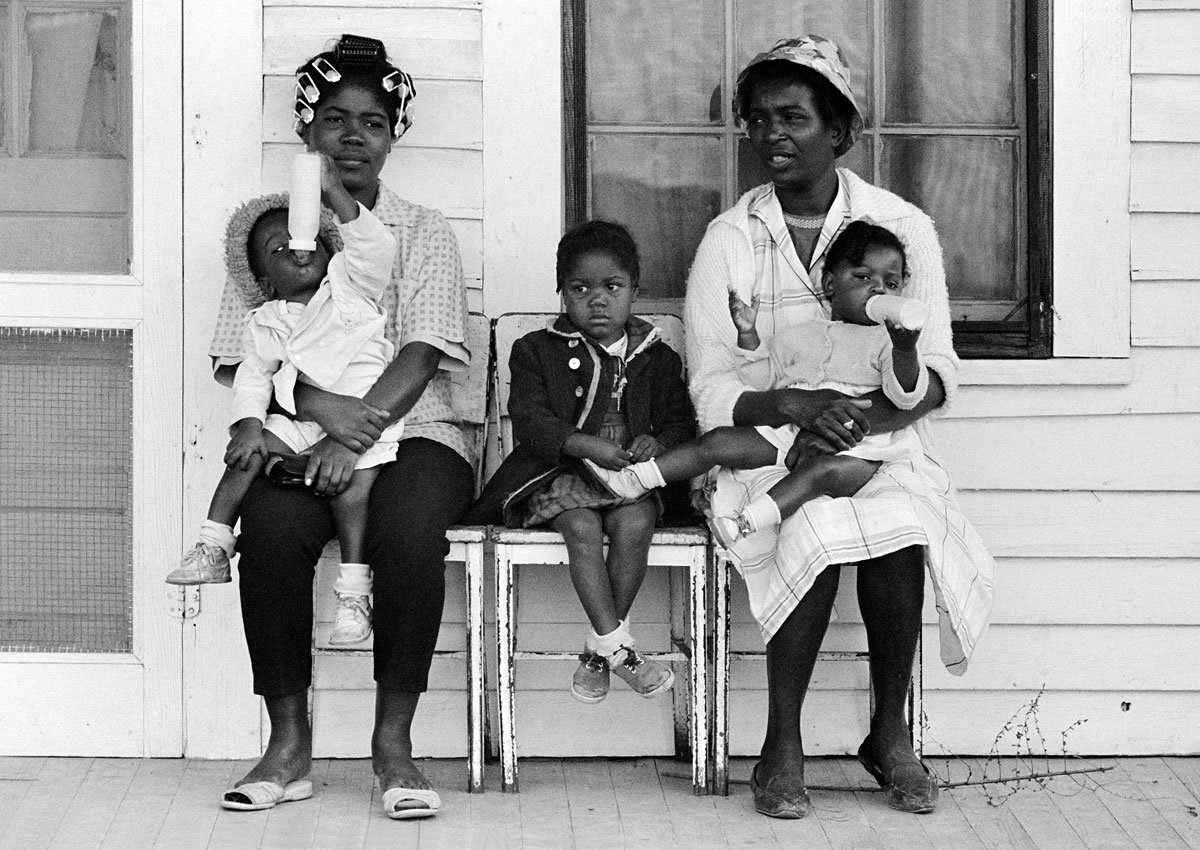

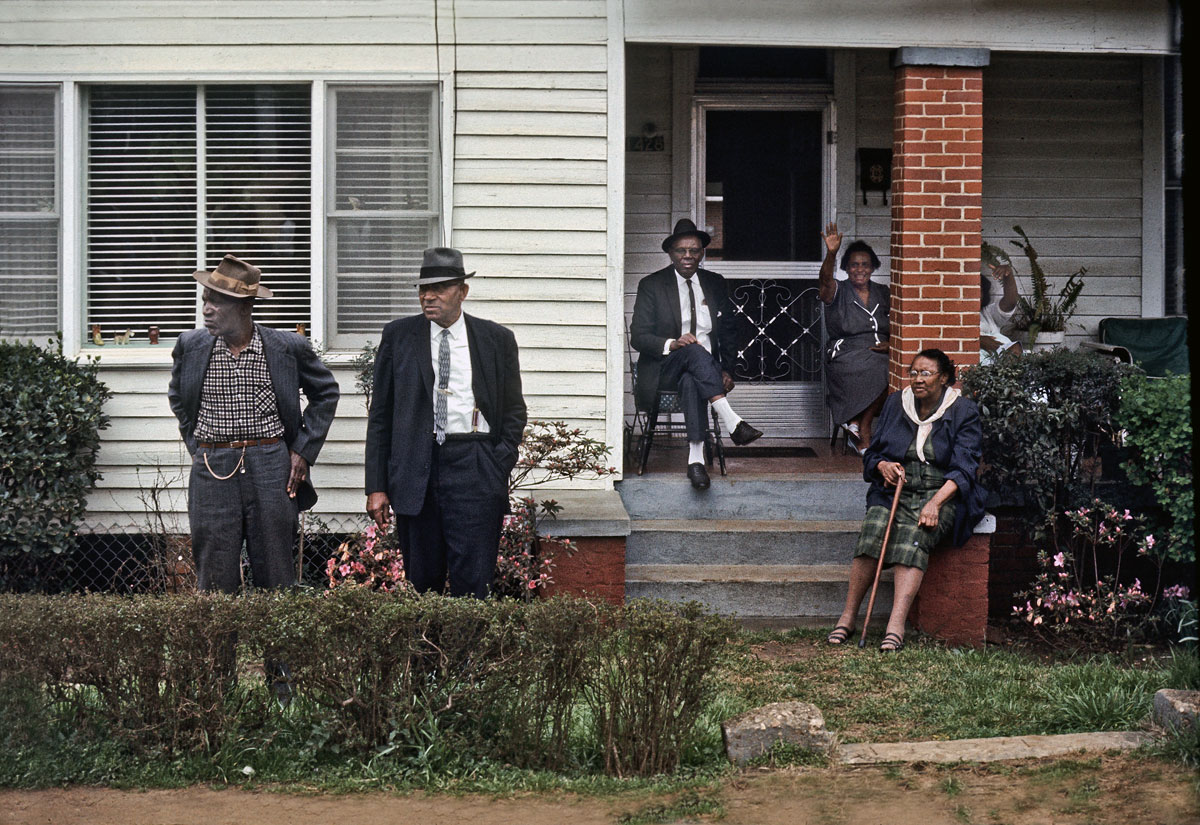
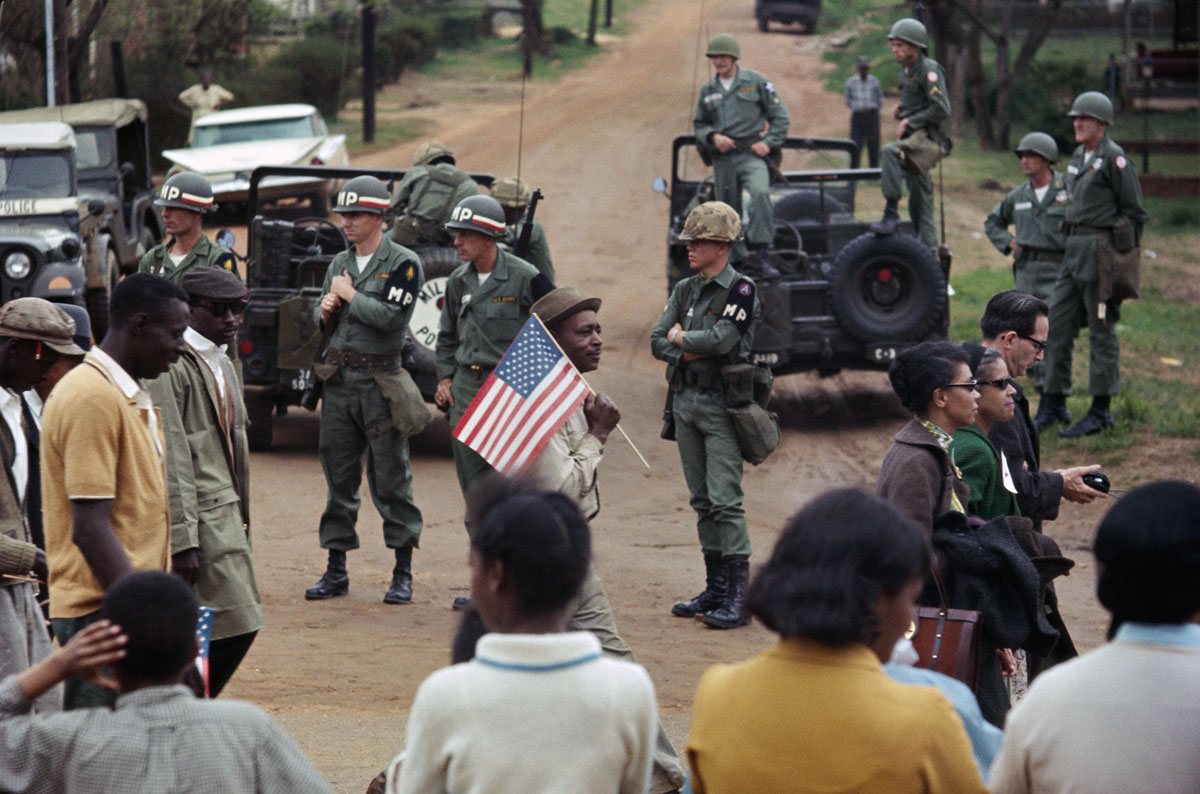
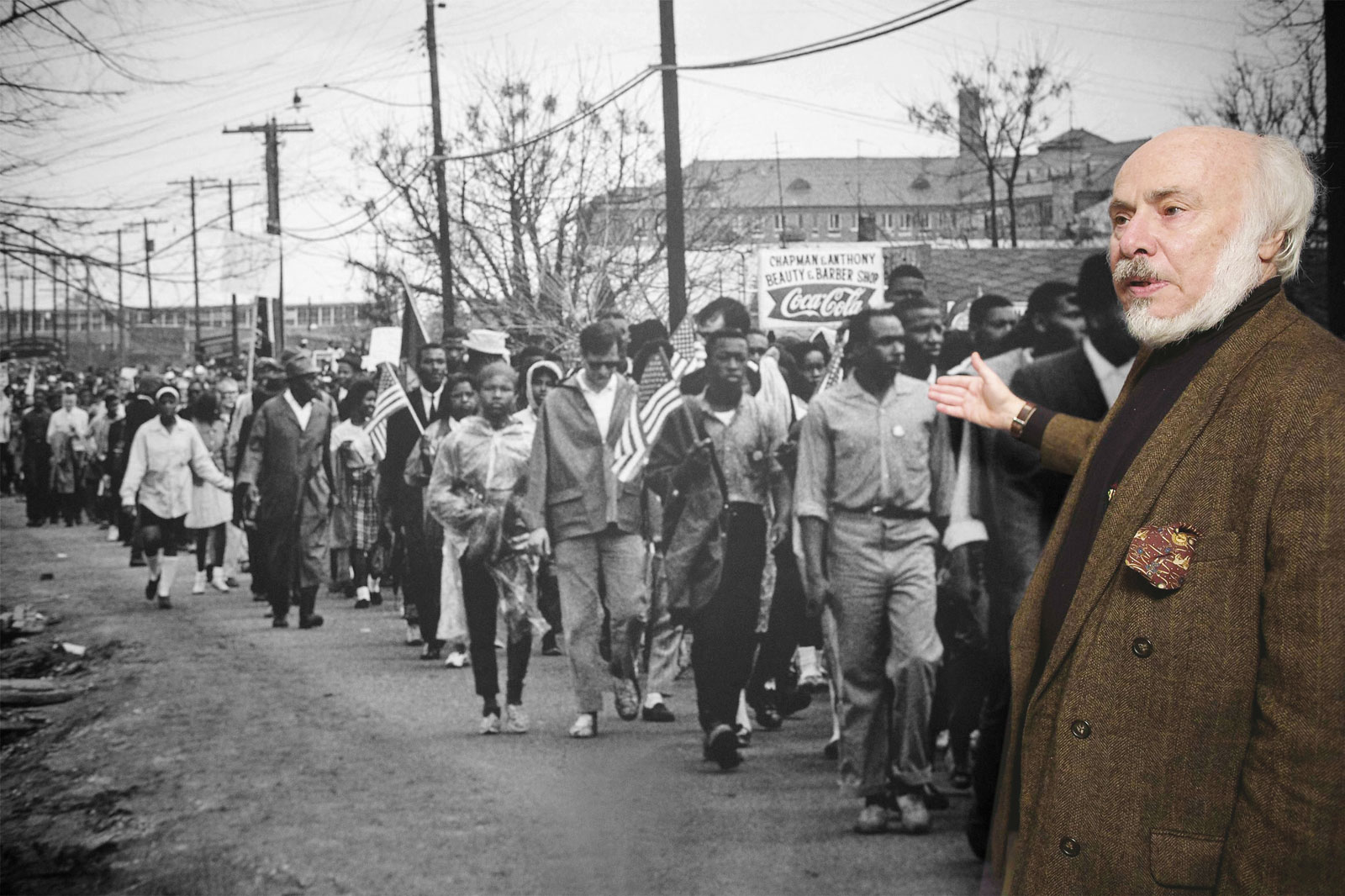


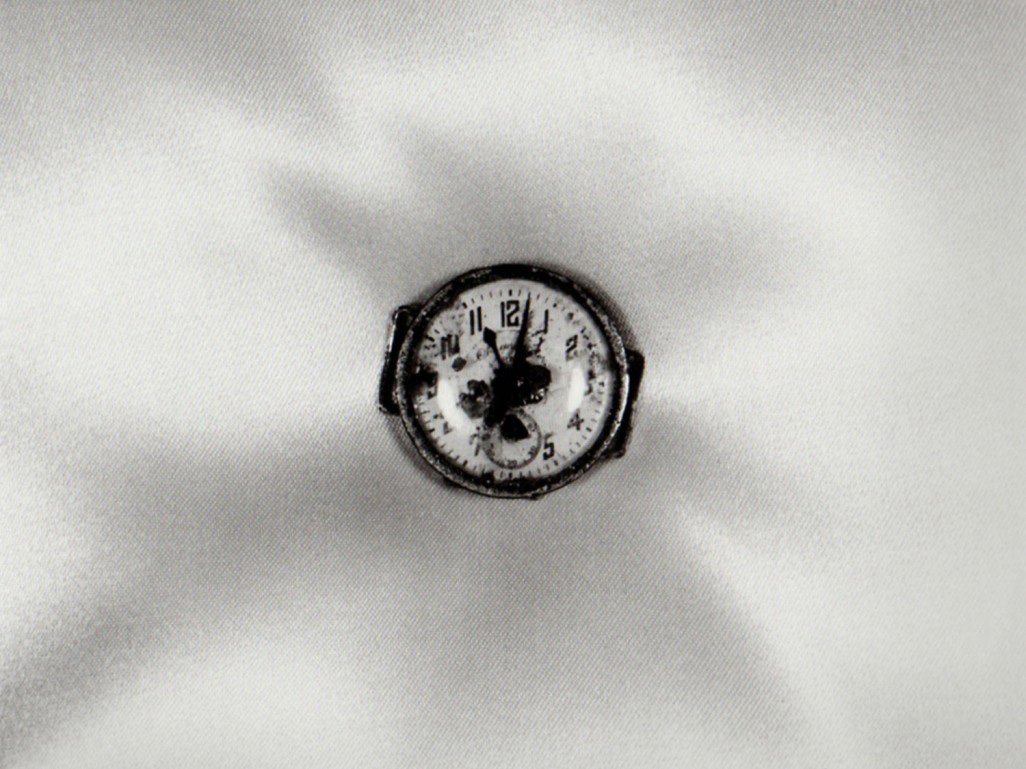
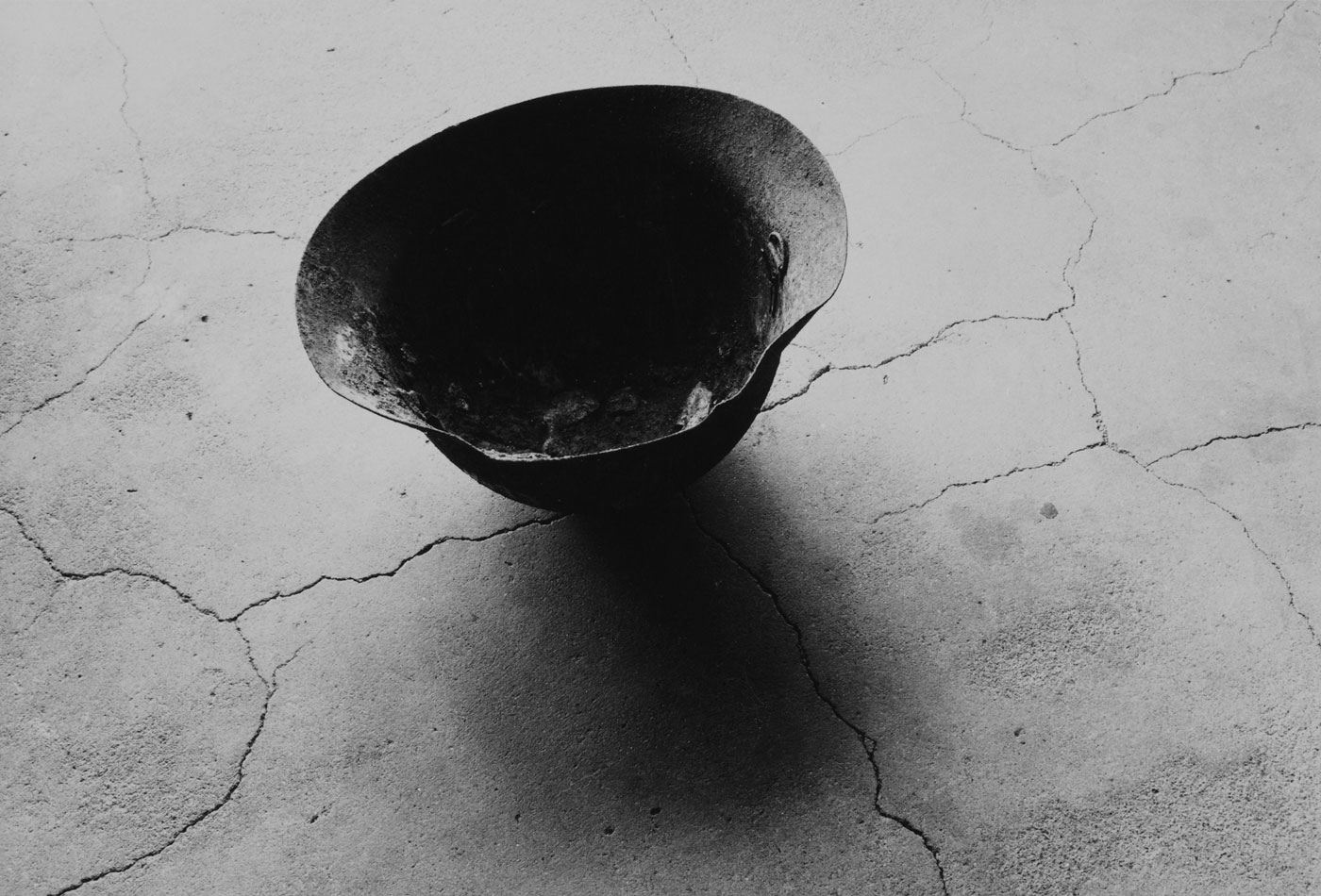


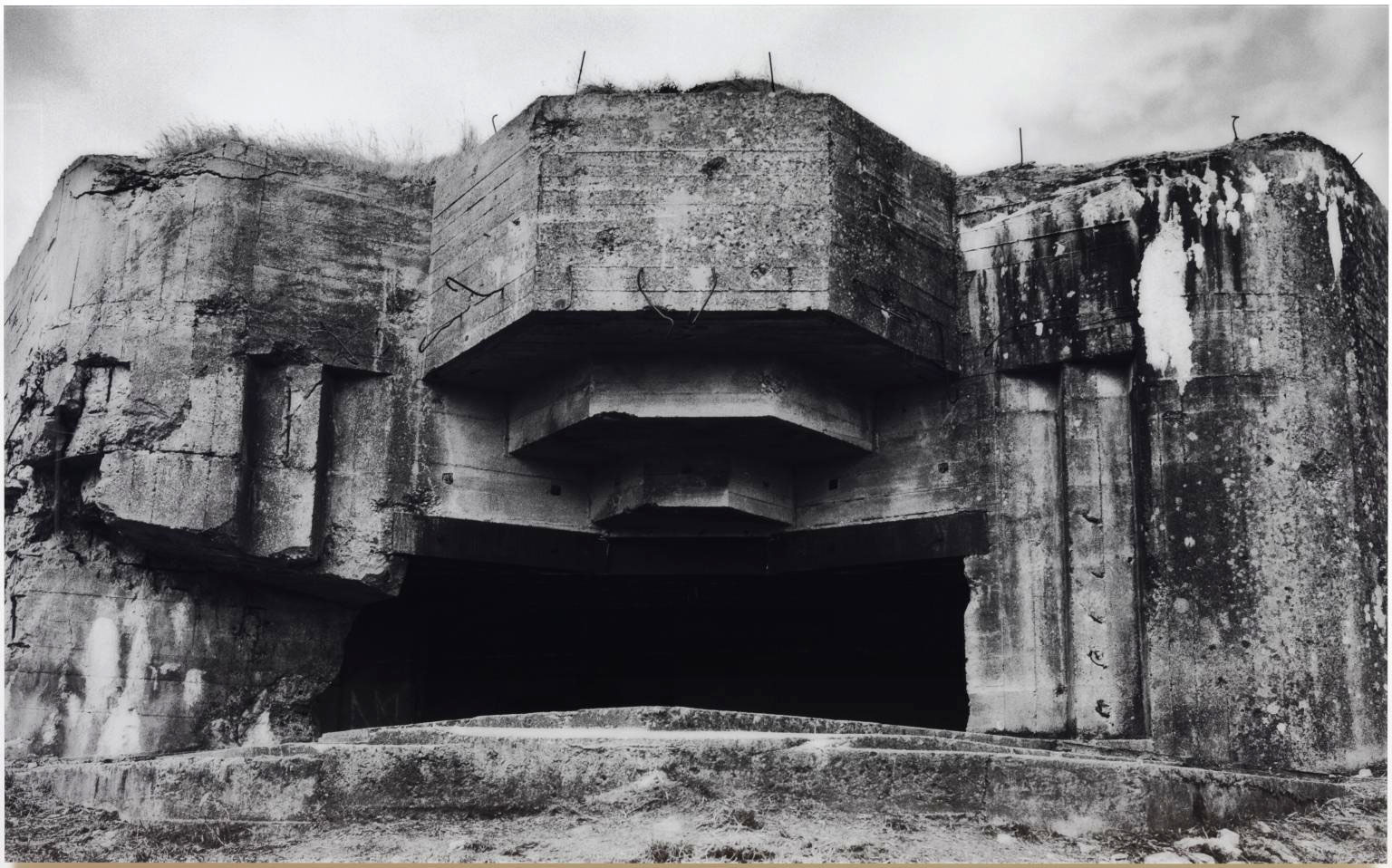
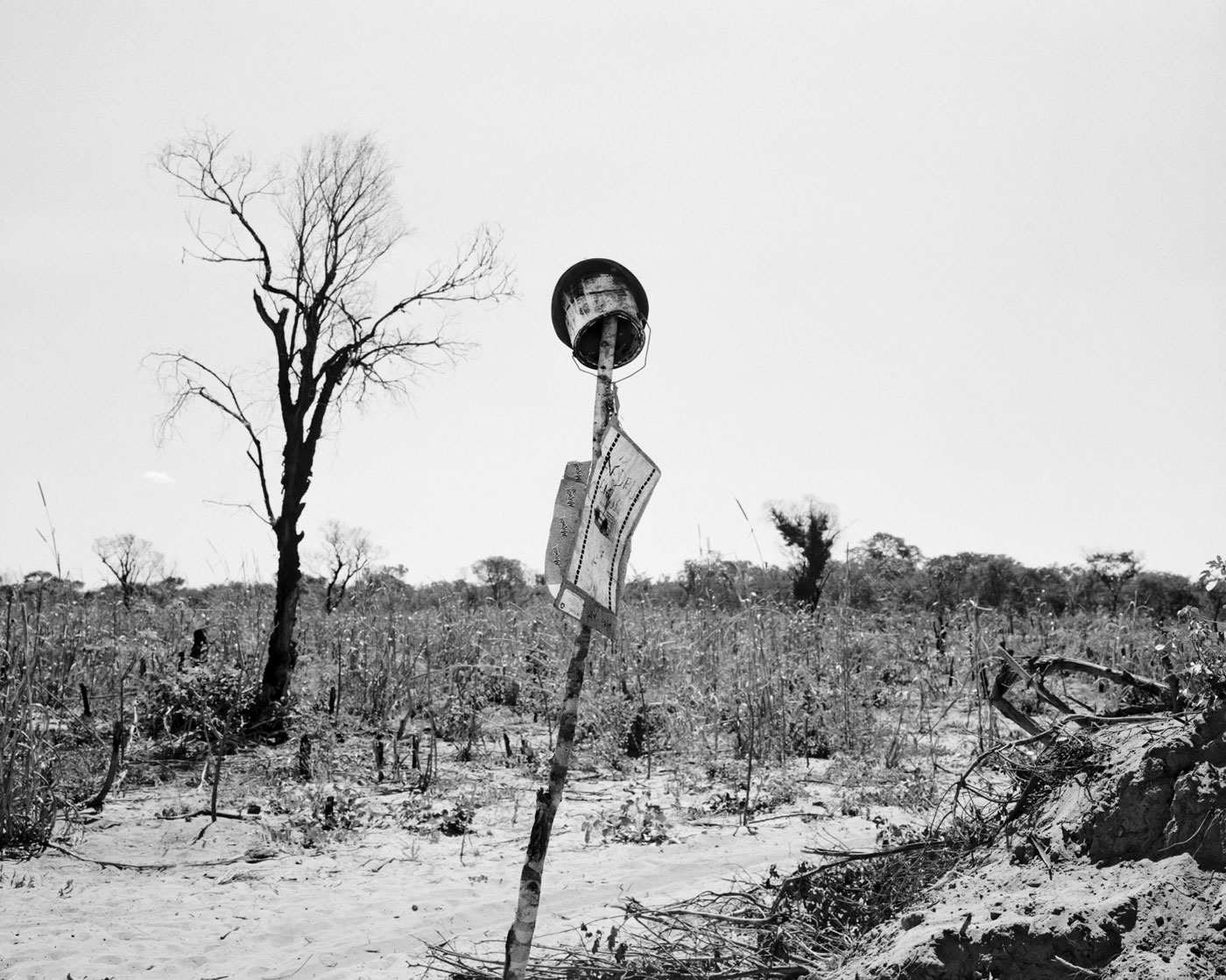


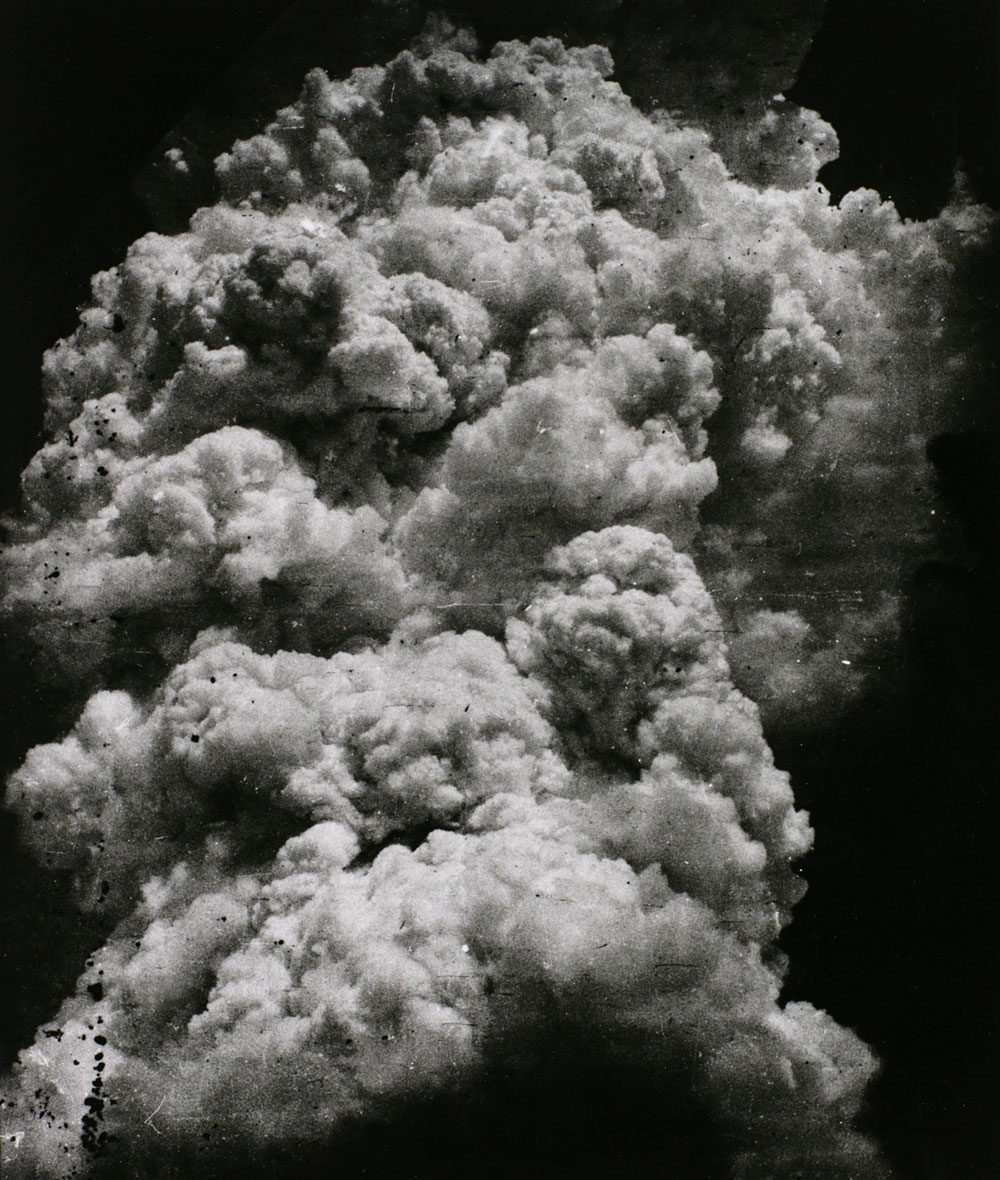


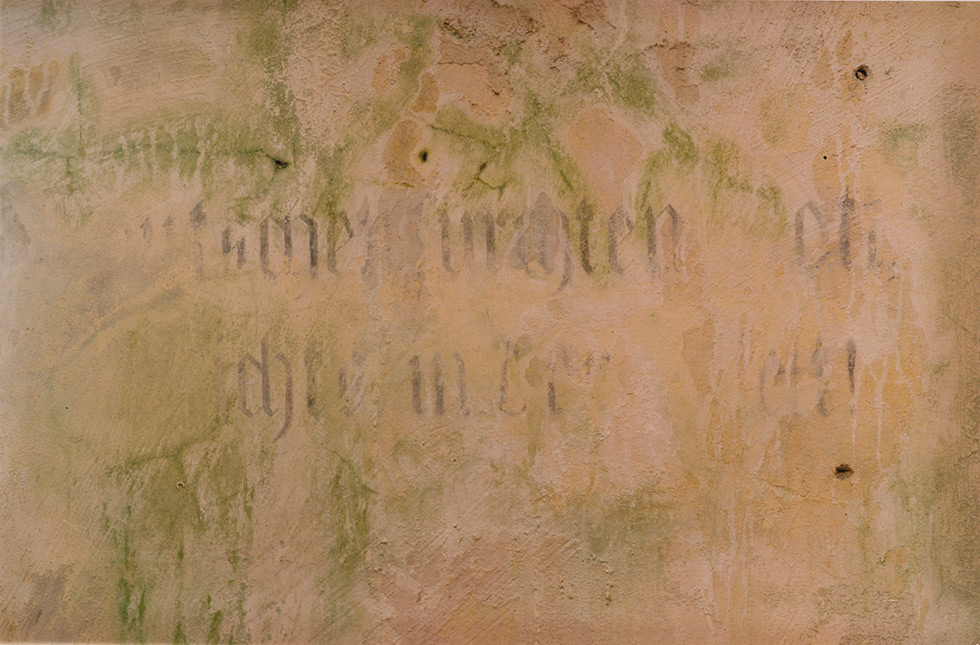

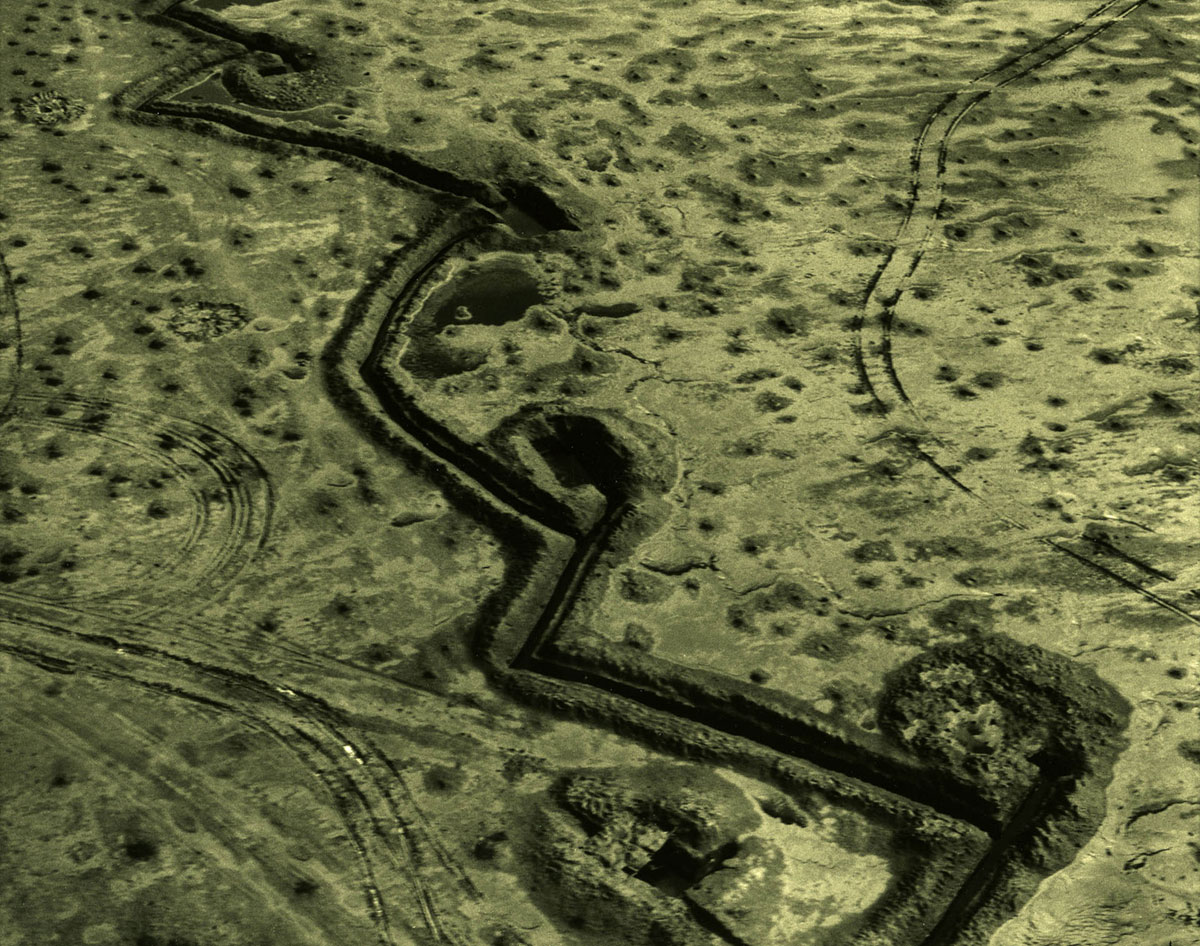


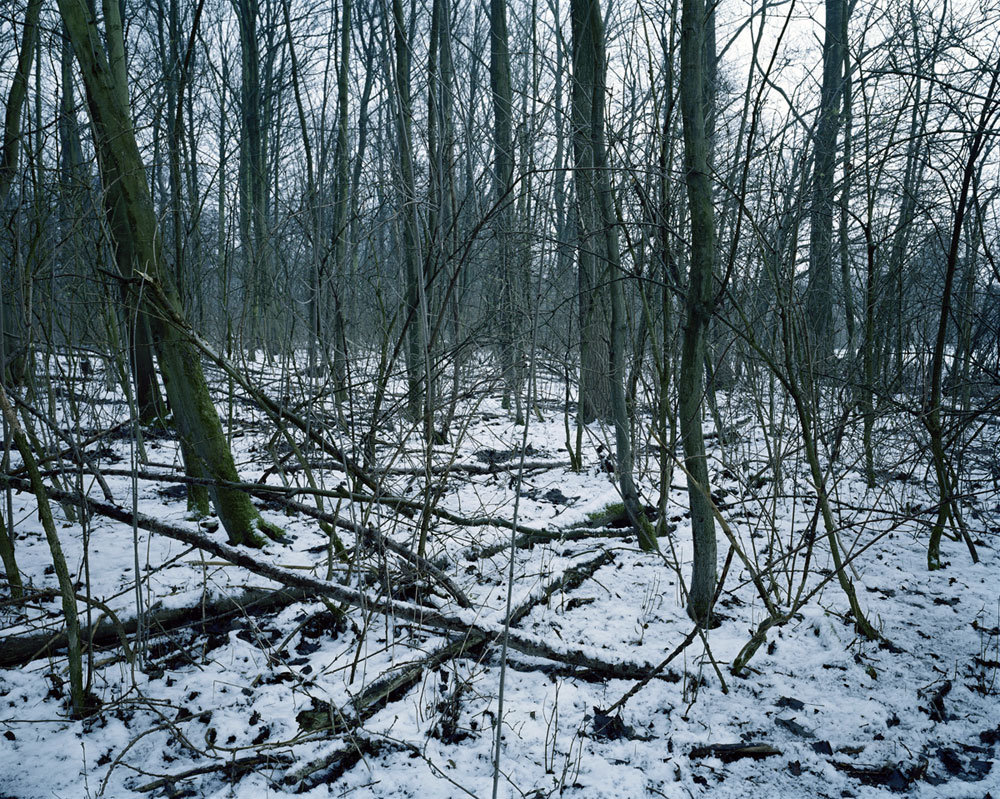


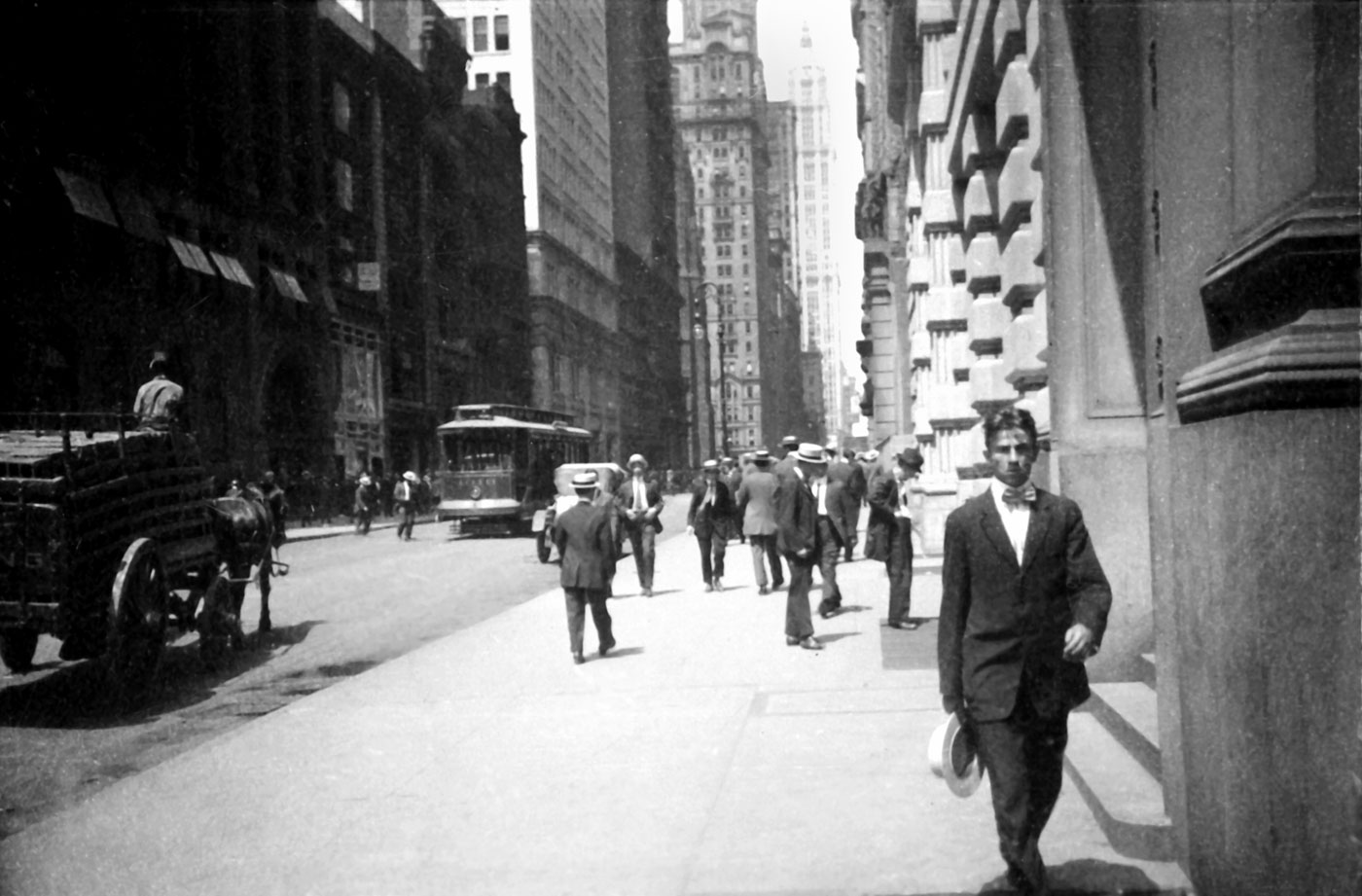


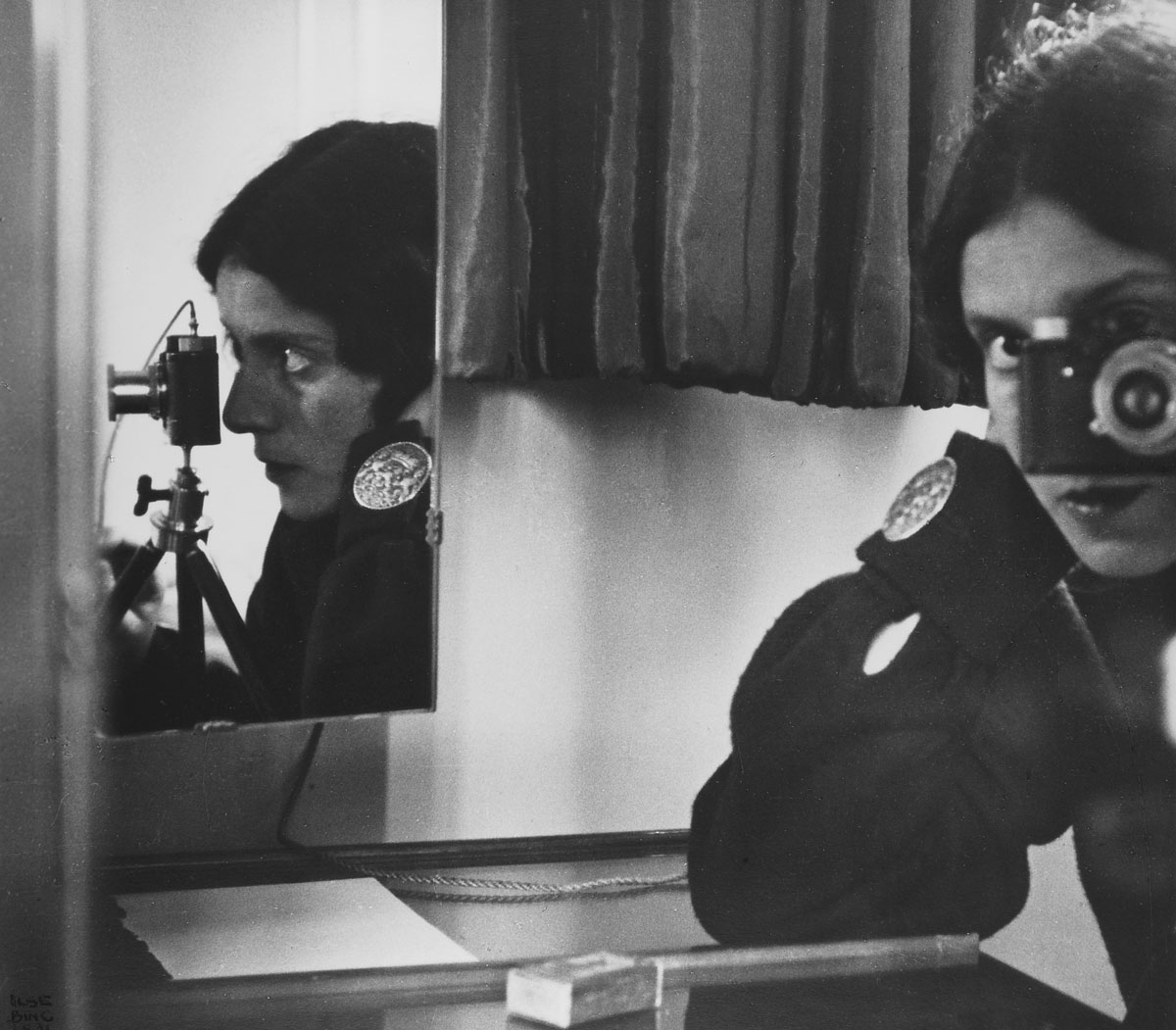
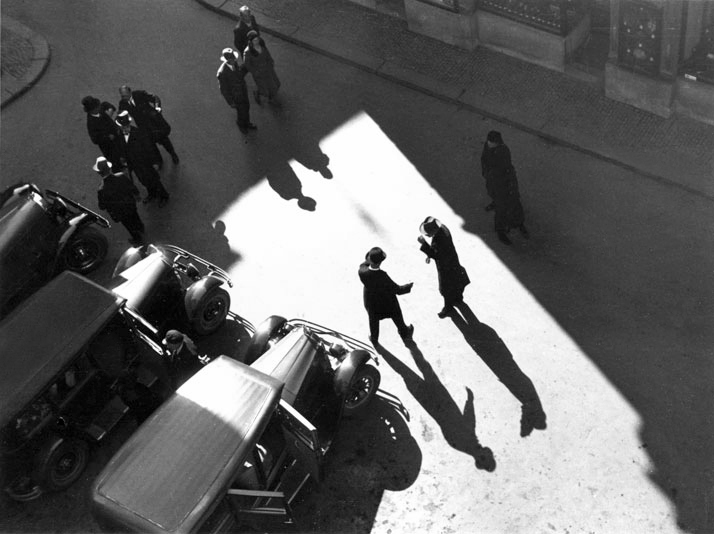

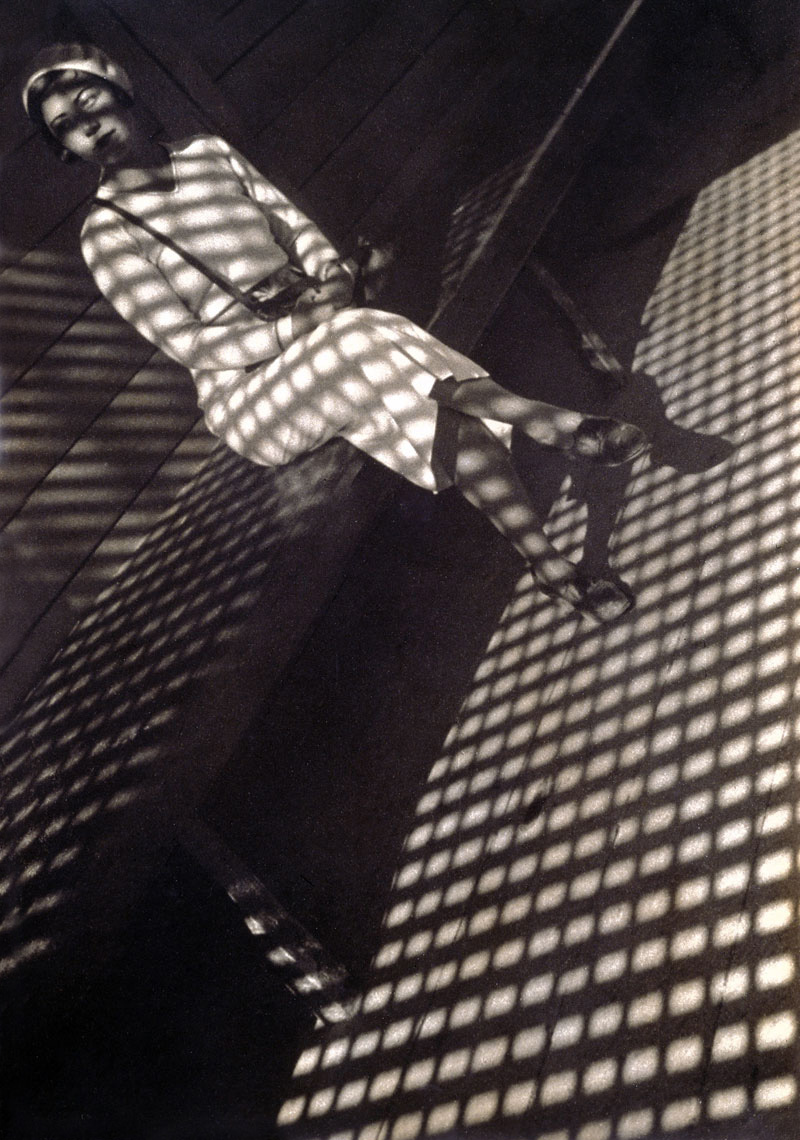

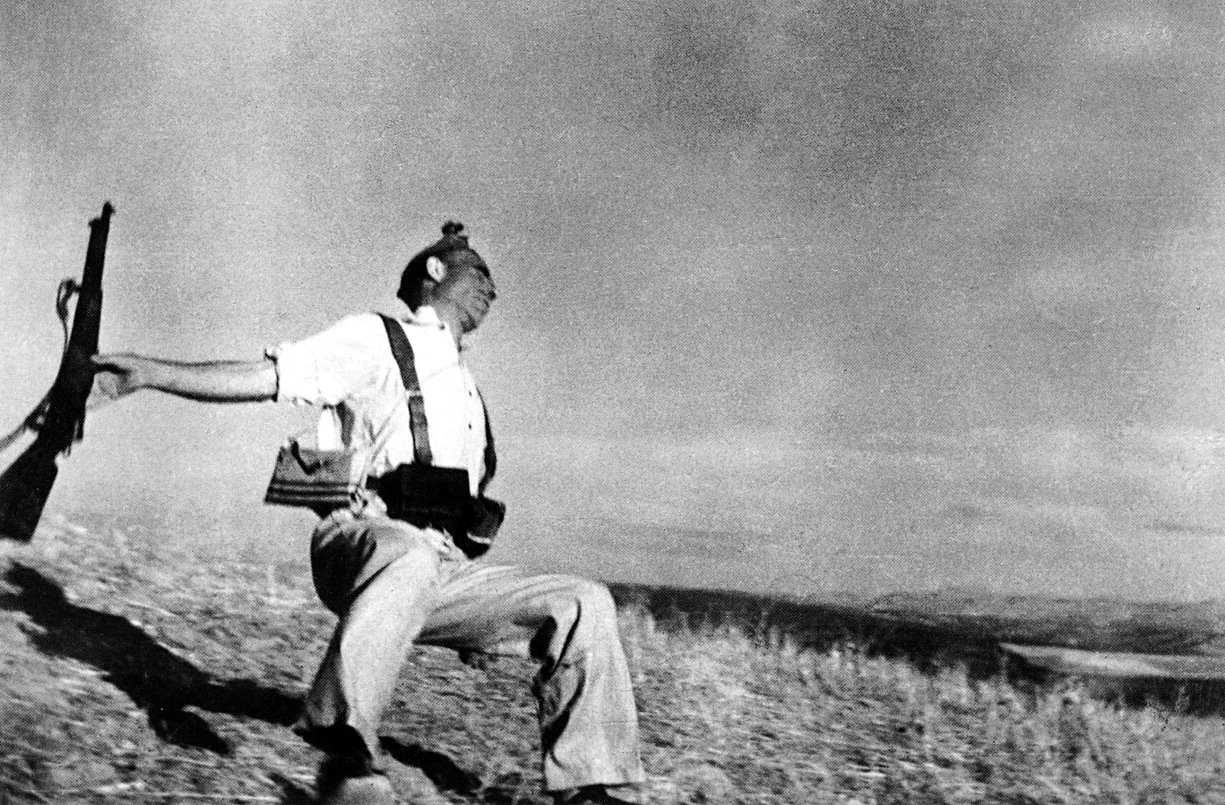


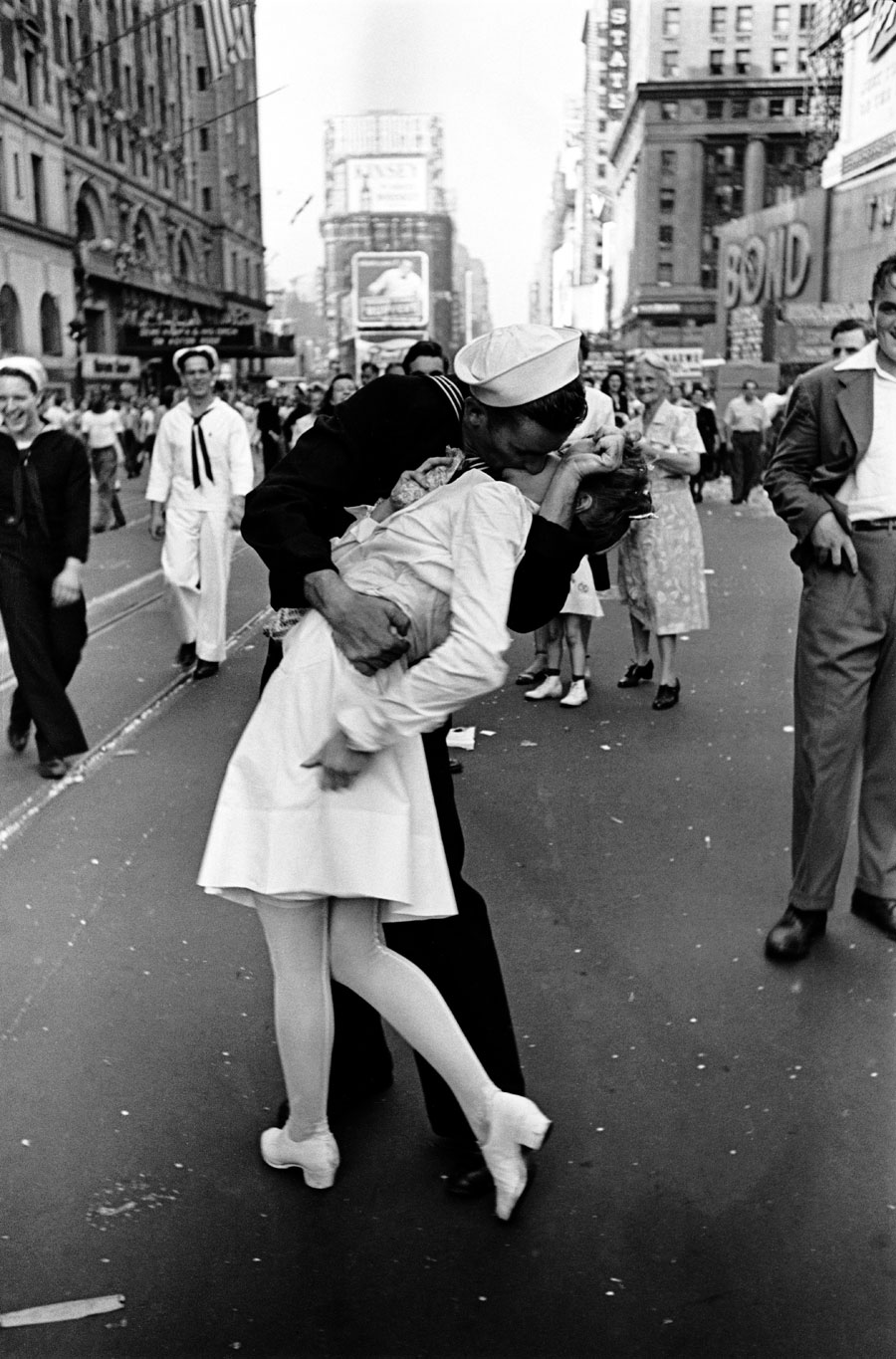


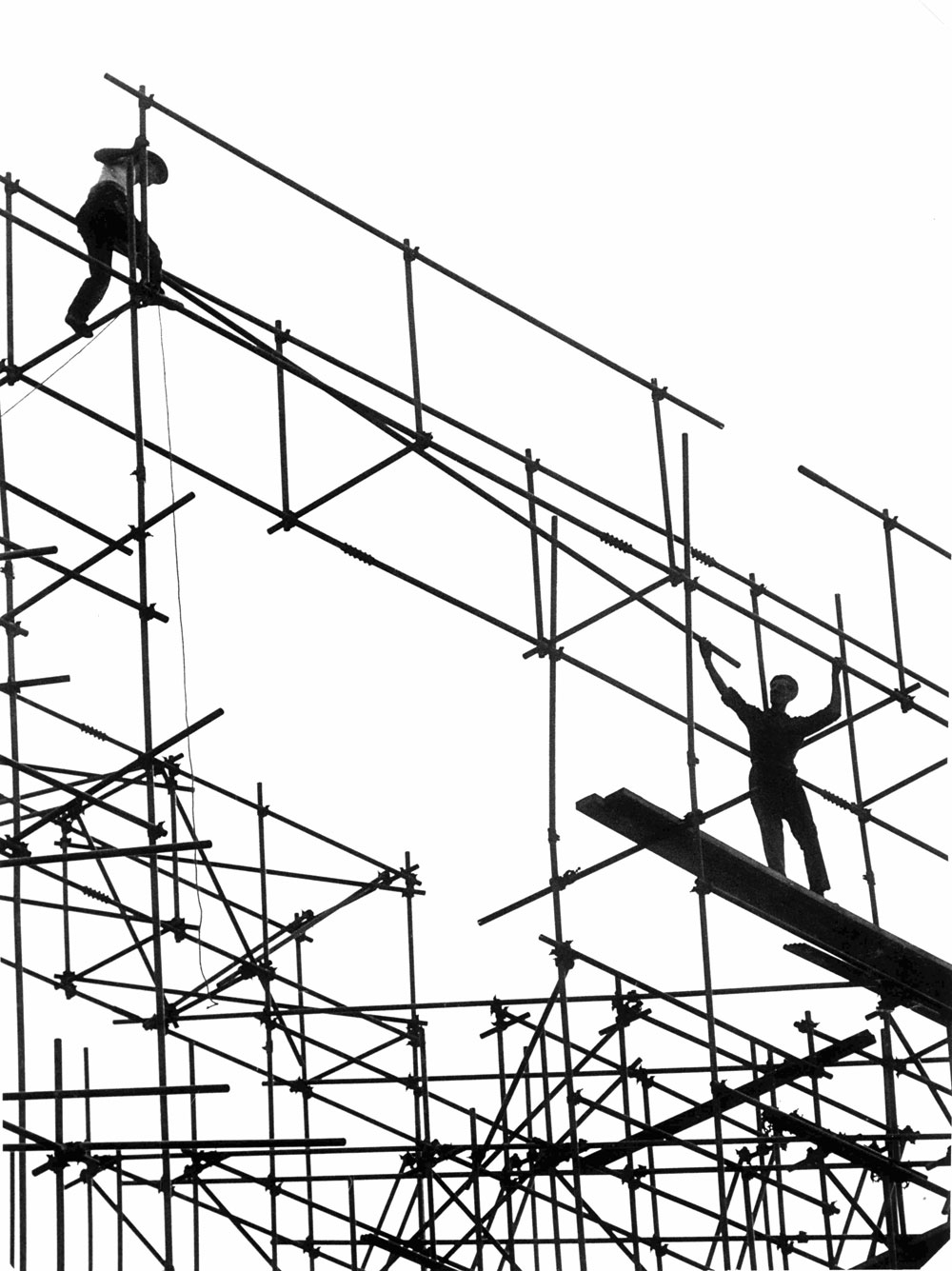


![Claude Dityvon (French, 1937-2008) '"L'homme à la chaise", Bd St. Michel, 21 May 1968' 1968 [The main the chair]](https://artblart.com/wp-content/uploads/2015/01/1968_dityvon__68_bd_st_michel-_21mai08_web.jpg "Claude Dityvon (French, 1937-2008) '\"L'homme à la chaise\", Bd St. Michel, 21 May 1968' 1968 [The main the chair]")

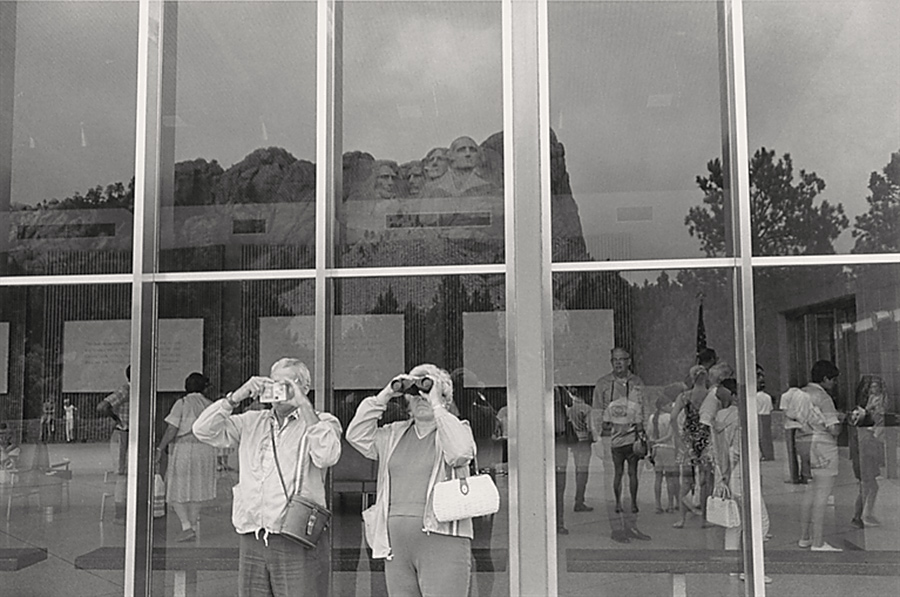
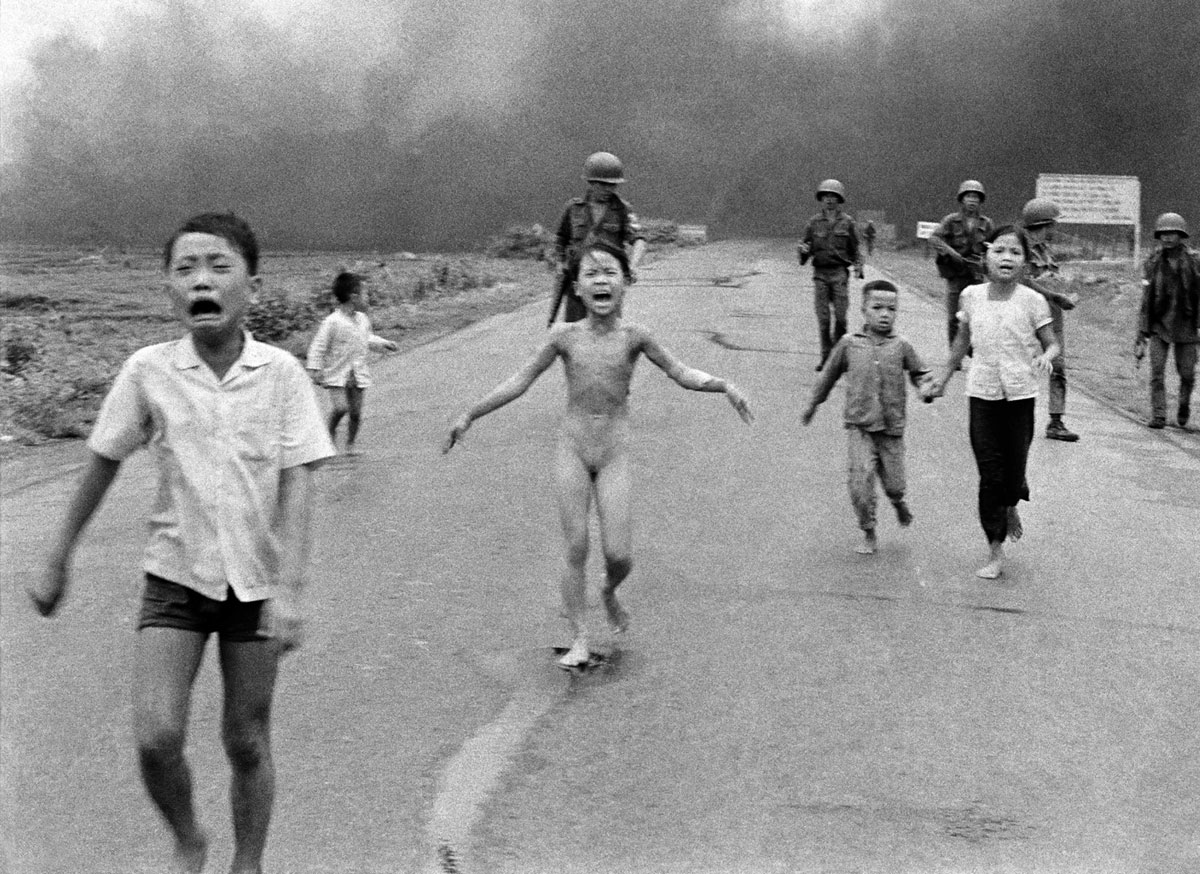








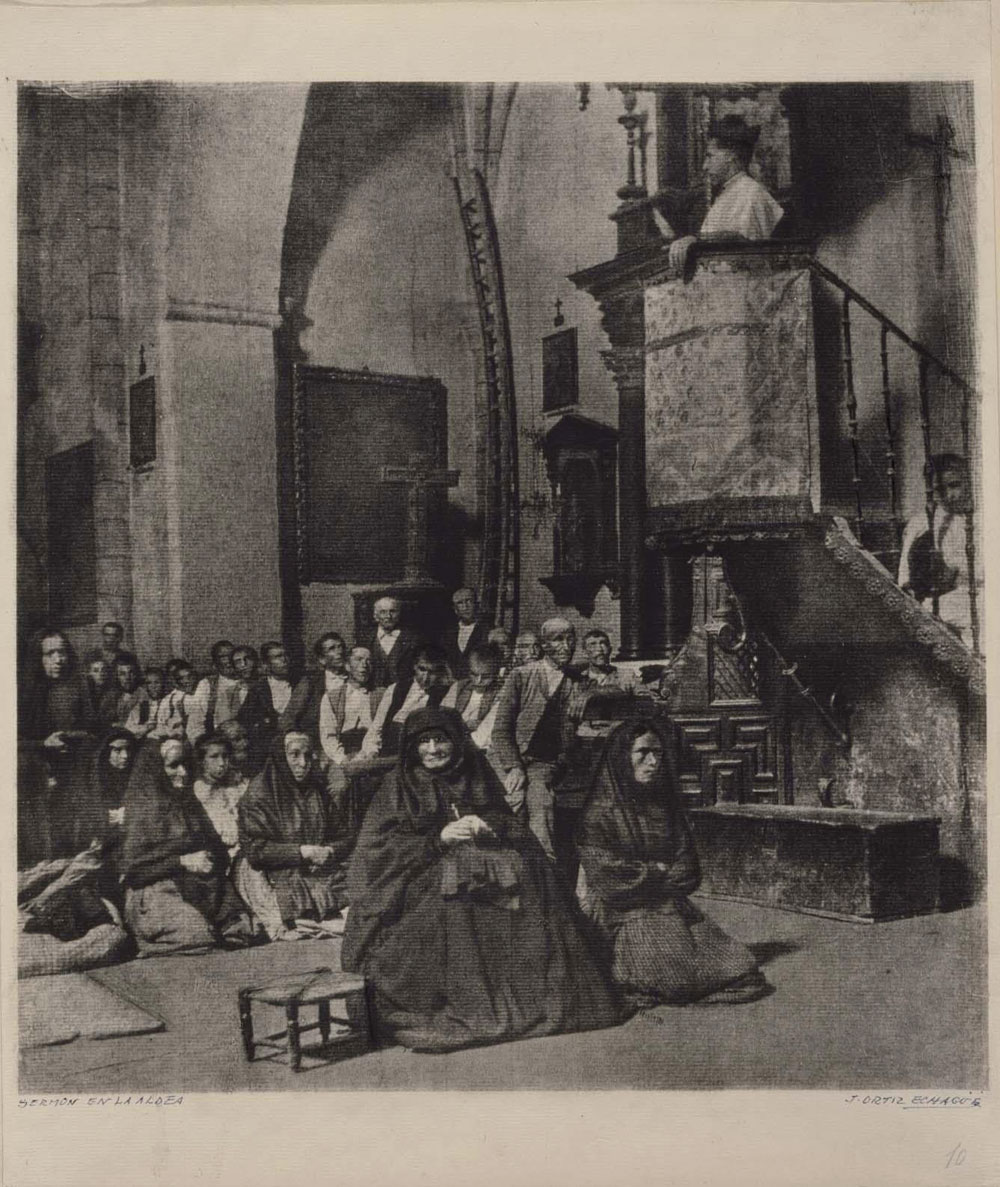


![Francisco Ontañón (Barcelona, Spain, 1930 - Madrid, Spain, 2008) 'La actual M-30 (Madrid)' (The M-30 Ring Road Today [Madrid]) 1963 (May) / posthumous print, 2013](https://artblart.com/wp-content/uploads/2014/12/francisco-ontac3b1c3b3n-la-actual-m-30-madrid-web.jpg "Francisco Ontañón (Barcelona, Spain, 1930 - Madrid, Spain, 2008) 'La actual M-30 (Madrid)' (The M-30 Ring Road Today [Madrid]) 1963 (May) / posthumous print, 2013")
![Francisco Ontañón (Barcelona, Spain, 1930 - Madrid, Spain, 2008) 'Sans Titre (Madrid)' (No Title [Madrid]) 1963 (May) / posthumous print, 2013](https://artblart.com/wp-content/uploads/2014/12/francisco-ontac3b1c3b3n-s_t-madrid-web.jpg "Francisco Ontañón (Barcelona, Spain, 1930 - Madrid, Spain, 2008) 'Sans Titre (Madrid)' (No Title [Madrid]) 1963 (May) / posthumous print, 2013")
![Francisco Ontañón (Barcelona, Spain, 1930 - Madrid, Spain, 2008) 'Sans Titre (Madrid)' (No Title [Madrid]) 1964-65 / posthumous print, 2013](https://artblart.com/wp-content/uploads/2014/12/francisco-ontac3b1c3b3n-s_t-madrid-b-web.jpg "Francisco Ontañón (Barcelona, Spain, 1930 - Madrid, Spain, 2008) 'Sans Titre (Madrid)' (No Title [Madrid]) 1964-65 / posthumous print, 2013")
![Francisco Ontañón (Barcelona, Spain, 1930 - Madrid, Spain, 2008) 'Sans Titre (Madrid)' (No Title [Madrid]) 1964-65 / posthumous print, 2013](https://artblart.com/wp-content/uploads/2014/12/francisco-ontac3b1c3b3n-s_t-madrid-c-web.jpg "Francisco Ontañón (Barcelona, Spain, 1930 - Madrid, Spain, 2008) 'Sans Titre (Madrid)' (No Title [Madrid]) 1964-65 / posthumous print, 2013")
![Francisco Ontañón (Barcelona, Spain, 1930 - Madrid, Spain, 2008) 'Sans Titre (Madrid)' (No Title [Madrid]) 1964 / posthumous print, 2013](https://artblart.com/wp-content/uploads/2014/12/francisco-ontac3b1c3b3n-s_t-madrid-d-web.jpg "Francisco Ontañón (Barcelona, Spain, 1930 - Madrid, Spain, 2008) 'Sans Titre (Madrid)' (No Title [Madrid]) 1964 / posthumous print, 2013")
![Francisco Ontañón (Barcelona, Spain, 1930 - Madrid, Spain, 2008) '600 en Casa de Campo con familia (Madrid)' (Outing to Casa de Campo in the 600, with Family [Madrid]) 1963 (May) / posthumous print, 2013](https://artblart.com/wp-content/uploads/2014/12/francisco-ontac3b1c3b3n-600-en-casa-de-campo-web.jpg "Francisco Ontañón (Barcelona, Spain, 1930 - Madrid, Spain, 2008) '600 en Casa de Campo con familia (Madrid)' (Outing to Casa de Campo in the 600, with Family [Madrid]) 1963 (May) / posthumous print, 2013")
![Francisco Ontañón (Barcelona, Spain, 1930 - Madrid, Spain, 2008) 'Parque Sindical (Madrid)' (Parque Sindical Sports Area [Madrid]) 1964 / posthumous print, 2013](https://artblart.com/wp-content/uploads/2014/12/francisco-ontac3b1c3b3n-parque-sindical-madrid-web.jpg "Francisco Ontañón (Barcelona, Spain, 1930 - Madrid, Spain, 2008) 'Parque Sindical (Madrid)' (Parque Sindical Sports Area [Madrid]) 1964 / posthumous print, 2013")
![Francisco Ontañón (Barcelona, Spain, 1930 - Madrid, Spain, 2008) 'Entierro (Madrid)' (Burial [Madrid]) 1967 / posthumous print, 2013](https://artblart.com/wp-content/uploads/2014/12/francisco-ontac3b1c3b3n-entierro-madrid-web.jpg "Francisco Ontañón (Barcelona, Spain, 1930 - Madrid, Spain, 2008) 'Entierro (Madrid)' (Burial [Madrid]) 1967 / posthumous print, 2013")
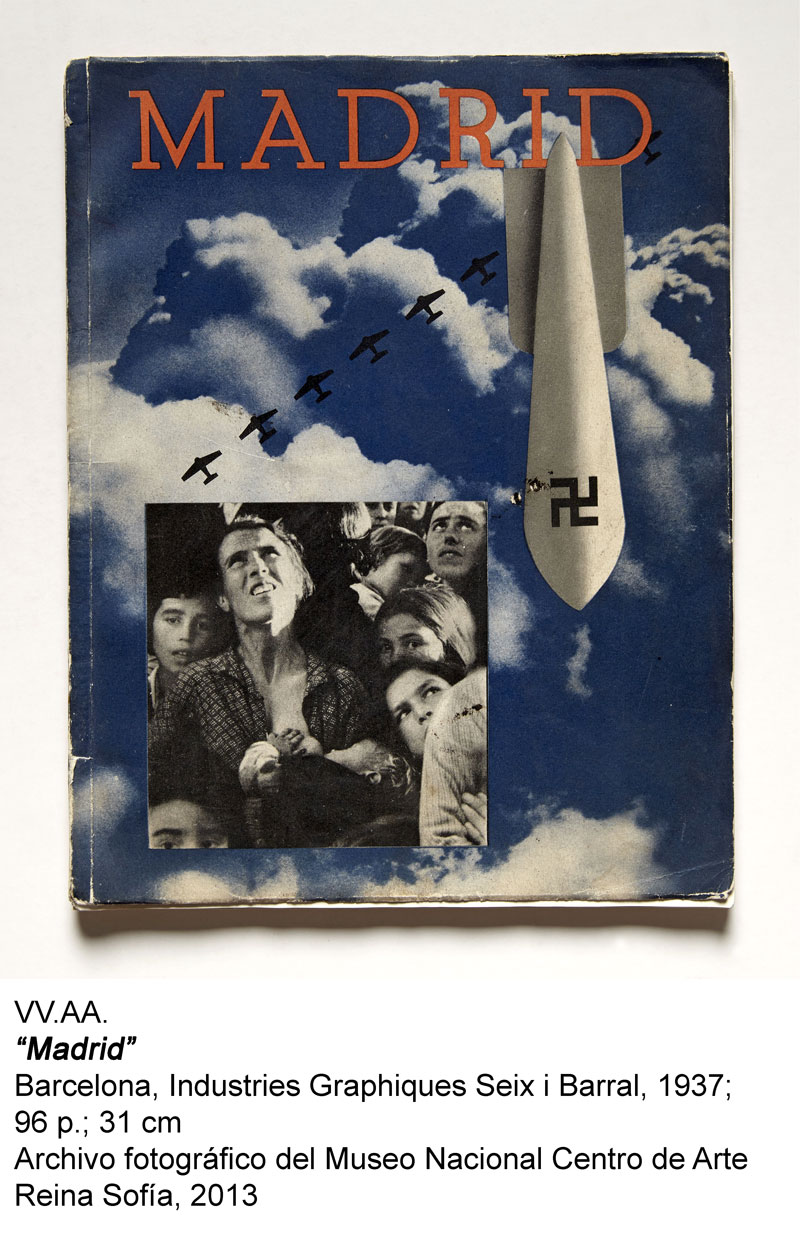


 Art Blart _ art and cultural memory archive
You must be logged in to post a comment.