Curators: Dr Mikhail Dedinkin, Deputy Head of the Western European Art Department at the Hermitage, working Dr Ted Gott, Senior Curator of International Art at the National Gallery of Victoria
Installation view of room 1 of the exhibition Masterpieces from the Hermitage: The Legacy of Catherine the Great at NGV International, Melbourne featuring Alexander Roslin (Swedish 1718-93) Portrait of Catherine II 1776-77 Photo: Marcus Bunyan
A scintillating exhibition at NGV International which showcases one of the world’s greatest art collections. Exhibition design is outstanding (particularly the floor tiling), as are the Da Vinci, Titian, Rembrandt, van Dyck, Rubens and Flemish still life. Among my favourites is a small Watteau Savoyard with a Marmot (1716) which is absolutely still, delicate and exquisite: I thought of the photographs of Atget, his street sellers, when I saw this painting; and Frans Snyders’ tour-de-force Concert of birds (1630-40) which has such presence.
Well done to the curators, the Hermitage Museum and the NGV for staging such a magnificent exhibition.
Masterpieces from the Hermitage: The Legacy of Catherine the Great showcases one of the world’s greatest art collections. Featuring works by artists including Rembrandt, Rubens, Velázquez and Van Dyck, the exhibition offers a dazzling array of works including the finest group of Dutch and Flemish art to come to Australia.
This exclusive Melbourne exhibition will also highlight the innovation and vision of Catherine the Great, whose inexhaustible passion for education, the arts and culture heralded a period of enlightenment in the region. The extraordinary works sourced and commissioned by Catherine during her thirty-four year reign, created the foundations for the Hermitage today – considered to be one of the world’s greatest treasure houses of art and decorative arts. The exhibition will offer audiences an immersive experience, recreating the rich atmosphere of the Hermitage to showcase these exquisite works.
German-born Catherine the Great (Catherine II) came to power in 1762, aged thirty-three, and ruled Russia for the next thirty-four years, until her death in 1796. She saw herself as a Philosopher Queen, a new kind of ruler in the Age of Enlightenment. Guided by Europe’s leading intellectuals, she modernised Russia’s economy, industry and government, drawing inspiration both from Antiquity and contemporary cultural and political developments in Western Europe. A fluent speaker of Russian, French and German, Catherine was largely self-educated, independent, idealistic and visionary.
While her reign was not always peaceful, Catherine sought to bring order, stability and prosperity to the vast Russian Empire. Her ideals of abolishing serfdom and ensuring the equality of all citizens under the law were ahead of her time, and strongly resisted by the nobility of the day; however, she achieved numerous other reforms, including the introduction of paper money and modernisation of Russia’s education system. French philosopher Denis Diderot, who visited St Petersburg in 1773, described an audience with Catherine as being ‘more like study than anything else: she is a stranger to no subject; there is no man in the Empire who knows her nation as well as she’.
Room 1 Catherine the collector
Between 1762 and 1796, the years of her reign, Catherine the Great oversaw a period of cultural renaissance in Russia. The world of ideas in which she was deeply involved from an early age found tangible expression in the material world the Empress later created around herself. The great complexes of imperial buildings Catherine constructed reflected her informed interest in both Classical and Chinese culture.
Catherine not only assembled a collection of Old Master paintings equal in scale and quality to leading European collections, but also paid considerable attention to the acquisition of contemporary art. While the richness and technical perfection of her diverse collections of decorative arts aimed to dazzle and please, they also had the more practical purpose of raising standards of artistic production in Russia. The fact that more than 400 exemplary works of art from her personal collection, including paintings, sculptures, drawings, porcelain, silver and precious gems, are seen here for the first time in Australia is cause for celebration.
Installation views of room 1 of the exhibition Masterpieces from the Hermitage: The Legacy of Catherine the Great at NGV International, Melbourne featuring Alexander Roslin (Swedish 1718-1793) Portrait of Catherine II 1776-1777 Photos: Marcus Bunyan
Installation views of room 1 of the exhibition Masterpieces from the Hermitage: The Legacy of Catherine the Great at NGV International, Melbourne featuring in the last three photographs, the Sèvres Cameo Service. Cameo Service 1778-1779. Sevres Porcelain Factory (manufacturer) France, est. 1756. The State Hermitage Museum, St. Petersburg. Photos: Marcus Bunyan
Sèvres Cameo Service
The Sèvres Cameo Service (1778-1779) relates to Catherine’s great passion for collecting engraved gemstones. Comprising 797 individual pieces designed to serve dinner, dessert and coffee to sixty people, the Cameo Service was commissioned from the celebrated Sèvres porcelain manufactory outside Paris as a present for Catherine’s court ‘favourite’, Prince Grigory Potemkin. The Empress’s monogram, ‘E II’ (the Russian version of her name being Ekaterina), woven from garlands of flowers and surmounted by a crown, adorned almost every object in the service.
Production of the service was both time consuming and labour-intensive. The exquisite blue element alone – made from separate layers of copper enamel that gradually seeped into the porcelain and set the pure colour – required five firings. In addition to the hundreds of porcelain objects decorated with painted and sculpted cameos and related silverware, the service also included grand central table decorations fashioned from biscuit, or unglazed cream-coloured porcelain, by the sculptor Louis-Simon Boizot. These decorations illustrated tales from Greek mythology, and were presided over by a grand biscuit statue of Catherine the Great as Minerva, the Roman goddess of wisdom and the arts.
Installation views of room 1 of the exhibition Masterpieces from the Hermitage: The Legacy of Catherine the Great at NGV International, Melbourne Photos: Marcus Bunyan
Exhibition passageway
Installation view of passageway video of the exhibition Masterpieces from the Hermitage: The Legacy of Catherine the Great at NGV International, Melbourne Photo: Marcus Bunyan
Room 2 Italian art
When Catherine the Great began collecting European art, opportunities to acquire fine Italian Old Master paintings were already severely limited. Demand from wealthy collectors was high and the marketplace was saturated with misattributed works, some of which inevitably made their way to the Hermitage and other great collections.
Despite this, Catherine achieved great success collecting sixteenth and seventeenth century paintings, particularly from Venice, including great paintings by Titian, Paris Bordone and the enigmatic Lorenzo Lotto. These are complemented by fine examples of Roman and Florentine paintings, such as the famous Female nude (Donna nuda), by an artist very close to Leonardo da Vinci. This select group of paintings beautifully illustrate developments in figurative art, portraiture and religious art in Italy from the sixteenth to the eighteenth century.
In the early years of her reign, Catherine the Great acquired en masse several large collections of drawings representing all the main European schools. This set the foundations for the current Hermitage Museum’s outstanding Cabinet of Drawings. In terms of quality, Catherine’s acquisitions of Italian drawings were of the highest standard. The majority of these date from the mid sixteenth to late eighteenth centuries and include many rare and precious works.
Installation view of room 2 of the exhibition Masterpieces from the Hermitage: The Legacy of Catherine the Great at NGV International, Melbourne showing at centre, Domenico Fetti (Italian 1589-1623) Portrait of an actor 1620s Photo: Marcus Bunyan
Domenico Fetti (Italian, 1589-1623) Portrait of an actor (installation view) 1620s Oil on canvas The State Hermitage Museum, St. Petersburg Photo: Marcus Bunyan
Domenico Fetti was court painter to Gerdinand II Gonzaga, Duke of Mantua, when he made this striking portrait of an actor. It is though to be Tristano Martinelli who made his fame working in the commedia dell’arte tradition. It is believe that Marinelli created and popularised the standard roll of the Harlequin in theatre. Fetti himself was involved with the theatre in both Mantua and Venice.
Installation view of room 2 of the exhibition Masterpieces from the Hermitage: The Legacy of Catherine the Great at NGV International, Melbourne featuring at centre, Paris Bordone (Italian 1500-1571) Portrait of a lady with a boy Mid 1530s Photo: Marcus Bunyan
Paris Bordone (Italian, 1500-1571) Portrait of a lady with a boy (installation view) Mid 1530s Oil on canvas 97cm (38.1 in) x 77cm (30.3 in) The State Hermitage Museum, St. Petersburg Photo: Marcus Bunyan
This work by Venetian artist Paris Bordone is a typical example of formal Renaissance portraiture. Bordone’s main aim was to show the high social standing of the sitters, so he painted their luxurious costumes in great detail. He draws our attention to the sumptuous sleeves of this woman’s dress, the headgear resembling a turban, as well as her opulent jewellery. Bordone was one of Titian’s most talented pupils whose work is characterised by a level of precision not often present in his master’s work. This painting entered the Hermitage as a work by Giorgione.
Paris Bordone (Italian 1500-1571) Portrait of a lady with a boy Mid 1530s Oil on canvas 97cm (38.1 in) x 77cm (30.3 in) The State Hermitage Museum, St. Petersburg Public domain
Installation view of room 2 of the exhibition Masterpieces from the Hermitage: The Legacy of Catherine the Great at NGV International, Melbourne showing at left in the bottom image, Domenico Capriolo (Italian c. 1494-1528) Portrait of a young man 1512 and to the right, Lorenzo Lotto (Italian c. 1480-1556) The Rest on the Flight into Egypt with Saint Justine 1529-1530 Photos: Marcus Bunyan
Portrait of a young man by the Venetian master Domenico Capriolo captures the intellectual values of Renaissance art. Everything that surrounds this youth speaks of his interests, such as the church that indicates his piety; the statue of Venus that reveals his passion for Antiquity; and the folder (containing verses or drawings) that illustrates the richness of his inner world. The painting is dated 1512 and the artist’s name symbolised by a medallion containing a Capreolus, or deer, which is a play on his name. Such allusions were common in Renaissance art and would have been readily understood by his contemporaries.
Lorenzo Lotto (Italian c. 1480-1556) The Rest on the Flight into Egypt with Saint Justine (installation views) 1529-1530 Oil on canvas 82cm (32.2 in) x 133cm (52.3 in) The State Hermitage Museum, St. Petersburg Photos: Marcus Bunyan
Lorenzo Lotto is a much admired sixteenth-century Venetian artist. The Rest on the Flight into Egypt with Saint Justine has the typical dynamism of Lotto’s work, achieved not only through the poses, gestures and movement of the foliage, but also through his intense colour palette and the juxtaposition of resonant blues with red and yellow tones. Here, the Holy Family has been joined by Saint Justine of Padua, martyred in 304 AD, identifiable through her attribute of a sword piercing her breast. Justine was a very popular subject for artists of Northern Italy.
Lorenzo Lotto (Italian c. 1480-1556) The Rest on the Flight into Egypt with Saint Justine 1529-1530 Oil on canvas 82cm (32.2 in) x 133cm (52.3 in) The State Hermitage Museum, St. Petersburg Public domain
Installation view of room 2 of the exhibition Masterpieces from the Hermitage: The Legacy of Catherine the Great at NGV International, Melbourne showing Leonardo da Vinci (school of) Female nude (Donna Nuda) Early 16th century Photo: Marcus Bunyan
Leonardo da Vinci (school of) Female nude (Donna Nuda) (installation view) Early 16th century Oil on canvas 86.5cm (34 in) x 66.5cm (26.1 in) The State Hermitage Museum, St. Petersburg Photo: Marcus Bunyan
This painting entered the Hermitage collection as a work by Leonardo da Vinci, but is now widely accepted to be by one of his close followers, possibly his pupil Salai. Perhaps more important is that it may be a close copy of a lost painting by Leonardo. Female nude (Donna Nuda) also shares some of the qualities of the famous Mona Lisa c. 1503-1519, in the Louvre Museum, Paris; namely the repetition of the pose, the position of the hands and the landscape setting seen behind a stone ledge in front of which the figure is set. This is the most refined of numerous variants of this composition in existence.
Leonardo da Vinci (school of) Female nude (Donna Nuda) Early 16th century Oil on canvas 86.5cm (34 in) x 66.5cm (26.1 in) The State Hermitage Museum, St. Petersburg Public domain
Room 3 Flemish art
In the seventeenth century, Flanders comprised the Catholic-dominated Southern Netherlands or ‘Spanish’ Austrian Netherlands, an area larger than modern Belgium. Thanks in large part to the talents of artist Peter Paul Rubens, the Flanders or ‘Flemish’ school in this era became very prestigious. While chiefly a painter, Rubens had far-reaching stylistic influence on many visual art forms, from prints to silverware and architecture. Every leading artist of seventeenth-century Flanders studied in, passed through or was connected with Rubens’s studio.
A diplomat and court insider, Rubens operated on an international stage. His art was correspondingly monumental; characterised by large forms modelled with loose brushstrokes in glowing, brilliant colours. Rubens’s pupil Anthony van Dyck and collaborator Cornelis de Vos led the way in bringing new naturalism to portraiture. While they catered to different markets (van Dyck to the nobility and de Vos to a rich merchant class) their mutual influence is apparent.
Flanders was a nation built on trade, and Flemish artists travelled widely, especially to Italy. From Italy they brought back new pictorial trends, such as the theatrical naturalism of Caravaggio. Flemish artists excelled in naturalistic effects, which they applied even to traditionally humble subjects, such as still lifes and animal pictures, seen to brilliant effect in the art of Frans Snyders and David Teniers II.
Installation views of room 3 of the exhibition Masterpieces from the Hermitage: The Legacy of Catherine the Great at NGV International, Melbourne showing in the centre in the bottom photograph, Peter Paul Rubens and workshop (Flemish 1577-1640) The Adoration of the Magi, c. 1620 at centre Photos: Marcus Bunyan
Rubens painted the subject of the Adoration of the Magi (Matthew 2:1) more often than any other episode from Christ’s life. Rendered at life-sized scale, this painting combines the humility of Christ’s birth with splendid, worldly pageantry. Three Kings from the East are shown crowding into Christ’s stable (portrayed as a cave, in an allusion to Christ’s later interment) wearing gold- embroidered silks and satins, and offering gifts. The eldest king, Caspar, kneels before Christ with gold; behind him is Melchior, with frankincense; and Balthazar with myrrh, used for embalming. With the help of his studio, Rubens produced more than sixty altarpieces during his career.
Installation views of room 3 of the exhibition Masterpieces from the Hermitage: The Legacy of Catherine the Great at NGV International, Melbourne Photos: Marcus Bunyan
Peter Paul Rubens (Flemish 1577-1640) Roman Charity (Cimon and Pero) (installation view) c. 1612 Oil on canvas 141cm (55.5 in) x 180cm (70.8 in) The State Hermitage Museum, St Petersburg Acquired from the collection of Count Cobenzl, Brussels, 1768 Photo: Marcus Bunyan
Roman Charity (Cimon and Pero) depicts a story told by the Roman historian Valerius Maximus in his Factorum ac dictorum memorabilium libri IX (Nine Books of Memorable Deeds and Sayings), written around 30 AD. The story involves Cimon, an old man awaiting execution in prison who was not given food. Cimon’s daughter Pero visited him, and suckled him at her breast like a child. Pero’s nourishing of Cimon was considered an outstanding example of paying honour to one’s parents.
Peter Paul Rubens (Flemish 1577-1640) Roman Charity (Cimon and Pero) c. 1612 Oil on canvas 141cm (55.5 in) x 180cm (70.8 in) The State Hermitage Museum, St Petersburg Acquired from the collection of Count Cobenzl, Brussels, 1768 Public domain
Room 4 Dutch art
The Hermitage holds the finest collection of Dutch art outside the Netherlands. While Peter the Great (1672-1725) had a passion for Dutch art and acquired some notable masterpieces, Catherine the Great established the depth and breadth of this extraordinary collection, beginning in 1764 with her first acquisitions. In that year Catherine purchased 317 paintings that had been assembled for Frederick II of Prussia by the German merchant Johann Ernst Gotzkowsky. Among this substantial group were more than 100 Dutch paintings by the most notable masters.
In 1769 Catherine purchased the collection of Count Heinrich von Brühl, which included spectacular landscapes by Jacob van Ruisdael, Isaack Jansz. van Ostade and Aert van der Neer, as well as four Rembrandt portraits, including the wonderful Portrait of a scholar, 1631. For the rest of her life Catherine continued to add outstanding Dutch works to her rich collection.Although the paintings and drawings from the Dutch school included here are only a fragment of the extensive and diverse collection assembled by Catherine the Great, they reveal her artistic preferences and taste.
Installation views of room 4 of the exhibition Masterpieces from the Hermitage: The Legacy of Catherine the Great at NGV International, Melbourne with Rembrandt Harmensz van Rijn (Dutch 1606-1669) Portrait of a scholar 1631 at centre Photos: Marcus Bunyan
Rembrandt painted Portrait of a scholar shortly after moving from his native Leiden to Amsterdam in 1630. He had already established a growing reputation in Leiden and was enticed to the capital by the art dealer Hendrick van Uylenburgh, father of his future wife Saskia. Once completing the move, Rembrandt rapidly became the city’s leading artist, mainly on account of dazzling portraits such as this early masterpiece. He then secured the most prestigious commissions from wealthy and powerful citizens of Amsterdam.
Room 5 French taste
The Russian aristocracy spoke French and modelled their manners and style on those of the French Court. Catherine followed the vast intellectual strides of the French philosophes with passionate interest. She also embraced the arts, luring French artists, architects and craftsmen to St Petersburg.
Catherine relied on agents and advisors in France and Germany to identify and acquire works of art on her behalf. In this way she acquired the collection of Paris banker Louis Antoine Crozat, Baron de Thiers and other important bodies of work in France. Her holdings of French art came to encompass works by Renaissance masters as well as seventeenth-century landscapes and history paintings.
Catherine also acquired examples of work of her own century by Rococo artists such as Antoine Watteau. The playful, erotic and at times wistful art of Watteau’s generation gave rise to the intimate and worldly art of François Boucher, whose pictures Catherine also purchased. The Empress collected modern masterpieces created in reaction to French courtly and decadent styles. Her paintings by Jean-Baptiste Siméon Chardin are premier examples of a new, moralising directness in ambitious French art.
Catherine’s buying in France was not limited to French art. Also in this room are paintings by great German, Spanish and Italian masters that were acquired in Paris from prestigious collections under the direction of Catherine’s French advisors.
Installation views of room 5 of the exhibition Masterpieces from the Hermitage: The Legacy of Catherine the Great at NGV International, Melbourne Photos: Marcus Bunyan
Room 6 Catherine and the world
For Catherine the Great, collecting art was part of a wider economic and diplomatic program designed to stimulate economic and cultural activity at home and abroad. At a meeting in December 1762 with the Moscow Senate, Catherine suggested that consuls be stationed in Spain, Holland and England not only to promote maritime trade but also to source luxury goods and works of art as examples for Russian artists and manufacturers to aspire to.
Through Catherine’s consuls and agents, such items began to flow into St Petersburg, steadily elevating that city into a vibrant centre of European culture. While her cultural sympathies were French, Catherine was also very curious about Britain – the economic success story of the age. She informed herself about Britain’s trade, commerce, manufacturing, philosophy and political system, and purchased works by modern British neoclassical masters, such as Joseph Wright of Derby and Joshua Reynolds. Examples of Spanish, Italian and German art were often not sourced in their own countries of origin but acquired as a part of larger collections.
Installation views of room 6 of the exhibition Masterpieces from the Hermitage: The Legacy of Catherine the Great at NGV International, Melbourne with the 1773 sculpture Catherine II by Jean-Antoine Houdon (French 1741-1826) at centre Photos: Marcus Bunyan
Room 7 The Walpole collection
In 1779 Catherine the Great acquired 198 paintings from a celebrated collection formed by Sir Robert Walpole, 1st Earl of Orford, Britain’s first prime minister. They were bought from the family estate, Houghton Hall, and sold by Walpole’s grandson, George Walpole, 3rd Earl of Orford, who approached the Russian ambassador to Britain directly about the sale. At more than £40,000, the price was high, but the transaction was concluded in only two months. Attempts were made to keep this famous collection in Britain, to no avail.
The Walpole collection was outstanding in quality, and significantly enhanced the Hermitage’s range of Flemish and Italian works. The Russian ambassador to Great Britain, Alexey Musin-Pushkin, who organised the valuable purchase, wrote to Catherine the Great: ‘The greater part of the nobility here are displaying general dissatisfaction and regret that these paintings are being allowed out of this country, and are setting in train various projects to keep them here … No little assistance comes from Lord Orford’s zealous desire to unite [the collection for] the gallery of Your Imperial Majesty, rather than to sell it to parliament itself or, least of all, to divide it through sale to different individuals’.
Installation views of room 7 of the exhibition Masterpieces from the Hermitage: The Legacy of Catherine the Great at NGV International, Melbourne showing in the bottom image, Frans Snyders (Flemish 1579-1657) Concert of birds, 1630-1640 at right and Frans Snyders (Flemish 1579-1657) Cook at a kitchen table with dead game, c. 1636-1637 at second left Photos: Marcus Bunyan
Frans Snyders (Flemish 1579-1657) Concert of birds (installation view) 1630-1640 Oil on canvas 137cm (53.9 in) x 240cm (94.4 in) The State Hermitage Museum, St Petersburg Acquired from the collection of Sir Robert Walpole, Houghton Hall, 1779 Photo: Marcus Bunyan
An important place in Flemish seventeenth-century painting is occupied by two specific genres: animal painting and the still life. One of the most important animal and still-life painters was Frans Snyders, a very close collaborator of Peter Paul Rubens who often painted still-life details and animals on the master’s canvases. Snyders’s superb skill as a painter of animals is revealed by Concert of birds, based on a subject from Aesop’s Fables. It shows a gathering of feathered creatures screeching and singing under the direction of an owl seated on a dried branch in front of an open music score.
Frans Snyders (Flemish 1579-1657) Concert of birds 1630-1640 Oil on canvas 137cm (53.9 in) x 240cm (94.4 in) The State Hermitage Museum, St Petersburg Acquired from the collection of Sir Robert Walpole, Houghton Hall, 1779 Public domain
Frans Snyders (Flemish 1579-1657) Concert of birds (installation view detail) 1630-1640 Oil on canvas 137cm (53.9 in) x 240cm (94.4 in) The State Hermitage Museum, St Petersburg Acquired from the collection of Sir Robert Walpole, Houghton Hall, 1779 Photo: Marcus Bunyan
Frans Snyders (Flemish 1579-1657) Cook at a kitchen table with dead game (installation view detail) c. 1636-1637 Oil on canvas The State Hermitage Museum, St. Petersburg Photo: Marcus Bunyan
Frans Snyders was the son of the owner of one of Antwerp’s largest wine and eating houses. His dramatically realistic still lifes celebrate the exotic variety of rare fowls available at Antwerp’s markets. Images of dead animals being prepared for a banquet were understood in Snyder’s time as lessons in Christian morality. Many Dutch and Flemish still lifes featuring the sacrifice of an animal for the table functioned as allusions to Christ’s Passion and the transience of the flesh.
Frans Snyders (Flemish 1579-1657) Cook at a kitchen table with dead game c. 1636-1637 Oil on canvas 171cm (67.3 in) x 173cm (68.1 in) The State Hermitage Museum, St. Petersburg Public domain
Installation views of room 7 of the exhibition Masterpieces from the Hermitage: The Legacy of Catherine the Great at NGV International, Melbourne showing at left in the bottom image, Anthony van Dyck (Flemish 1599-1641) Portrait of Philadelphia and Elizabeth Wharton, 1640 Photos: Marcus Bunyan
This is one of the most charming portraits of children paint by van Dyck, who had particular talent for such works. It is one of a group of family portraits commissioned from can Dyck by Philip, Lord Wharton in the late 1630s. Van Dyck worked in England for approximately ten ears and brought a new standard of elegance and style to English portraiture. He largely conveyed this through his flair for painting lavish costumes and sumptuous fabrics, a sensibility he carried through to his portraits of children.
Anthony van Dyck (Flemish 1599-1641) Portrait of Philadelphia and Elizabeth Wharton 1640 Oil on canvas 162cm (63.7 in) x 130cm (51.1 in) Hermitage Museum Public domain
Room 8 China
Eighteenth-century Enlightenment fascination with the East, particularly China, is reflected by Catherine the Great’s architectural and landscaping works completed in St Petersburg and at her summer and winter palaces, as well as by her collecting of Oriental curiosities and philosophical texts. Russian interest in China can be traced to the reign of the Romanov tsars in the seventeenth century, when several missions brought back Chinese treasures and goods to the Russian Court. Importantly, in 1689 the first treaty between Russia and China was signed at Nerchinsk, outlining the border between the countries and rules about caravan trade.
Like many educated people of her time, Catherine was fascinated by the concept of the enlightened ruler thought to be found in China, such as the Kangxi Emperor (reigned 1662-1722), Yongzhèng Emperor (reigned 1723-35), and Qianlong Emperor (reigned 1736-95). One of her regular and most influential correspondents was French philosopher Voltaire, who praised the Celestial Kingdom, its monarchs and men of wisdom; only in China, he thought, was a man’s life, honour and property truly protected by law. Such a clear link between Catherine’s desire for justice and order in Russia and general perceptions of good Chinese government, combined with the Enlightenment fashion for curiosities of all kinds, led to great Russian interest in China in the second half of the eighteenth century.
Installation views of room 8 of the exhibition Masterpieces from the Hermitage: The Legacy of Catherine the Great at NGV International, Melbourne Photos: Marcus Bunyan
Photograph used under conditions of “fair use” for the purpose of academic research
This is a story that has never been told. It is the story of how the National Gallery of Victoria, Melbourne, Australia set up one of the very first photography departments in a museum in the world in 1967, and employed one of the first dedicated curators of photography, only then to fail to purchase classical black and white masterpieces by international artists that were being exhibited in Melbourne and sold at incredibly low prices during the 1970s and early 1980s, before prices started going through the roof.
The NGV had a golden chance to have one of the greatest collections of classical photography in the world if only they had grasped the significance and opportunity presented to them but as we shall see – due to personal, political and financial reasons – they dropped the ball. By the time they realised, prices were already beyond their reach.
Justifications for the failure include lack of financial support, the purchasing of non-vintage prints and especially the dilemma of distance, which is often quoted as the main hindrance to purchasing. But as I show in this research essay these masterpieces were already in Australia being shown and sold in commercial photography galleries in Melbourne at around $150, for example, for a Paul Strand photograph. As a partial public institution the NGV needs to take a hard look at this history to understand what went wrong and how they missed amassing one of the best collections of classical photography in the world.
This research paper investigates the formation of the international photographic collection at the National Gallery of Victoria, Melbourne, Australia.
Keywords
Photographs, photography, 19th century photography, early Australian photography, Australian photography, international photography collection, National Gallery of Victoria, National Gallery of Victoria photography department, Art Gallery of New South Wales, National Gallery of Australia, Melbourne, photographic collections, curator.
Beginnings: The International Photographic Collection at the National Gallery of Victoria
Dr Marcus Bunyan
Introduction
Invented by Louis Daguerre in 1839, the daguerreotype – a plate of copper coated in silver, sensitised to light by being exposed to halogen fumes – was the first publicly announced photographic process and the first to come into widespread use. The first photograph taken in Australia was a daguerreotype, a view of Bridge Street (now lost) taken by a visiting naval captain, Captain Augustin Lucas in 1841.1 The oldest surviving extant photograph in Australia is a daguerreotype portrait of Dr William Bland by George Barron Goodman taken in 1845 (see image below). This daguerreotype is now in the State Library of New South Wales collection.2
After these small beginnings, explored in Gael Newton’s excellent book Shades of Light,3 the Melbourne Public Library (later to become the State Library of Victoria) launched the Museum of Art in 1861 and the Picture Gallery in 1864, later to be unified into the National Gallery in 1870, a repository for all public art collections, the gallery being housed in the same building as the Library.4 The Pictures Collection (including paintings, drawings, prints, cartoons, photographs and sculpture) was started in 1859.5 The collection of photographs by the Library had both moral and educative functions. Photographs of European high culture reminded the colonists of links to the motherland, of aspirations to high ideals, especially in conservative Melbourne.6 Photographs of distant lands, such as Linnaeus Tripe’s Views of Burma, document other ‘Oriental’ cultures.7 Photographs of settlement and the development of Melbourne recorded what was familiar in an unknown landscape. “Documentation of both the familiar and the unknown intersected with the scientific desire for categorisation and classification.”8
It is not the purview of this essay to dwell on the development of photography in Australia during intervening years between the 1860s-1960s, but suffice it to say that the collecting of photographs at the State Library of Victoria continued the archiving of Australian identity and place through the ability “to define the self, claim the nation and occupy the world.”9Australian photographic practice followed the development of international movements in photography in these years: art and commerce from the 1860s-1890s, Pictorialism from the 1900s-1930s, Modernism in the 1930s-1940s and documentary photography from the 1940s-1960s. The development of Australian photography was heavily reliant on the forms of international photography. Analysis of these years can be found in Gael Newton’s book Shades of Light: Photography and Australia 1839-198810 and Isobel Crombie’s book Second sight: Australian photography in the National Gallery of Victoria.11
In 1959 the epic The Family of Man exhibition, curated by the renowned photographer Edward Steichen from the Museum of Modern Art, New York, toured Sydney, Melbourne and Adelaide to massive crowds. Featuring 503 photographs by 273 famous and unknown photographers from 68 countries this exhibition offered a portrait of the human condition: birth, love, war, famine and the universality of human experience all documented by the camera’s lens.12 In Melbourne the exhibition was shown in a car dealer’s showroom (yes, really!) and was visited by photographers such as Jack Cato, Robert McFarlane, Graham McCarter.13 The photographs in the exhibition, accompanied by text, were printed “onto large panels up to mural size[and] gave The Family of Man works an unprecedented impact, even given the role illustrated magazines had played through most of the century.”14This loss of the aura of the original, the authenticity of the vintage print, a print produced by the artist around the time of the exposure of the negative, would have important implications for the collection of international photographs in the fledgling National Gallery of Victoria photographic collection (even though Walter Benjamin saw all photography as destroying the authenticity of the original through its ability to reproduce an image ad nauseum).15 As Benjamin observes in his Illuminations,“The enlargement of a snapshot does not simply render more precise what in any case was visible though unclear: it reveals entirely new structural formations of the subject.”16 Other ways of looking at the world also arrived in Australia around the same time, namely Robert Frank’s seminal book The Americans,17a road movie photographic view of American culture full of disparate angles, juke boxes, American flags, car, bikes and diners.18
Beginnings
While legislatively the National Gallery had split from the State Library of Victoria in 1944,19 it wasn’t until August, 1968 that the National Gallery of Victoria moved into it’s own building designed by Roy Grounds at 180 St Kilda Road (now known as NGV International).20 In the years leading up to the move the Trustees and Staff went on a massive spending spree:
“But although the sources of income from bequests were limited during the year [1967], a somewhat increased Government purchasing grant continued, which, with the allowance made by the Felton Committee, seemed to stimulate Trustees and Staff almost to a prodigality of spending. Perhaps, too, an urge for as full a display as possible at the opening of the new Gallery contributed; for by the end of the year the entire grant for purchase until the end of June 1968 had been consumed, and as well some commitments made for the future. Only donations made from private sources, and through the generosity of the National Gallery society, enabled the rate of acquisition to be maintained.”21
Unfortunately, this profligacy did not include spending on photography. This was because the Department of Photography was only formed in April 1967 after the Director at the time, Dr Eric Westbrook, convinced the Trustees of the Gallery “that the time had come to allow photographs into the collection.”22 The impetus for establishing a photography collection “was the growing recognition and promotion of the aesthetics of photography.”23The Department of Photography at the NGV thus became the first officially recognised curatorial photography department devoted to the collection of photography as an art form in its own right in Australia and one of only a few dedicated specifically to collecting photography in the world.24 While the collecting criteria of the NGV has always emphasised “the primacy of the object as an example of creative expression,”25the fluid nature of photography was acknowledged in a 1967 report on the establishment of the Department of Photography.26
The new department, however, did not gain momentum until the establishment of a Photographic Subcommittee in October 1969 that consisted of the Director of the Gallery and three notable Melbourne photographers: Athol Shmith, Les Gray and Chairman, Dacre Stubbs, along with the Director of the National Gallery Art School, Lenton Parr. Advising the Committee were honorary representatives Albert Brown (in Adelaide) and Max Dupain (in Sydney).27 The Photographic Subcommittee defined the philosophies of the Department and began acquiring photographs for the collection.28 While the Department was located in the Gallery’s library and had no designated exhibition space at this time,29 Committee members stressed the need to make contacts with the international art world and fact-finding missions were essential in order to establish a curatorial department in Australia as no photography department had ever been established in Australia before. “Members were also concerned to position the new Department in an international context (achieved initially through linking the Gallery to an international exhibitions network and later by purchasing international photography.”30
Financial support and gallery space was slow in materialising and then (as now) “it was enlightened corporate and individual support that would significantly help the NGV to create its photography collection.”31 The first attributable international photograph to enter the collection was the 21.8 x 27.5 cm bromoil photograph Nude (1939) by the Czechoslovakian photographer Frantisek Drtikol in 1971 (Gift of C. Stuart Tompkins) (see above),32 an artist of which there remains only one work in the collection, and other early international acquisitions included twenty-seven documentary photographs taken during NASA missions to the moon in the years 1966-1969 (presented by Photimport in 1971)33 and work by French photographer M. Lucien Clergue in 1972, founder of the Arles Festival of Photography.34 Early international exhibitions included The Photographers Eye from the Museum of Modern Art in New York (facilitated through Albert Brown’s connections with photography curator John Szarkowski of MoMA).35
The purchasing of the Dritkol nude is understandable as he is an important photographer of people and nudes. “Drtikol made many portraits of very important people and nudes which show development from pictorialism and symbolism to modern composite pictures of the nude body with geometric decorations and thrown shadows, where it is possible to find a number of parallels with the avant-garde works of the period.”36 The acceptance of the set of twenty-seven NASA photographs is understandable but still problematic. Although some of the photographs are breathtakingly beautiful and they would have had some social significance at that time (the first lunar landing was in 1969), their relative ‘value’ as pinnacles of international documentary photography, both aesthetically and compositionally, must be questioned.37 One wonders on what grounds the Photographic Subcommittee recommended their acceptance at the very start of the collection of international photography for the Department of Photography when so many definitive photographs by outstanding masters of photography could have been requested as a donation instead. Similarly, the purchase by the National Gallery of Victoria in 1980 of over 108 space photographs by NASA, Washington, D.C. (manufacturer) for the international collection is equally mystifying when there was a wealth of European and American master photographers work being shown in exhibitions around Melbourne (and sold at very low prices, eg. $150 for a Paul Strand vintage print) that did not enter the collection.
In 1972 Jenny Boddington (with a twenty year background in documentary film)38 was appointed Assistant Curator of Photography. She was selected from fifty-three applicants,39 and was later to become the first full-time curator of photography at the NGV, the first in Australia and perhaps only the third ever full-time photography curator in the world. In 1973, the Melbourne photographer Athol Shmith, who sat on the Photographic Subcommittee, visited major galleries and dealers in London and Paris for five weeks and reserved small selections of non-vintage prints for purchase by Henri Lartigue, Bill Brandt, Paul Strand, Andre Kertesz, Edward Steichen and Margaret Bourke-White40 (non-contemporary ie. vintage work not being generally available at this time). Also in 1973 the corridor beside the Prints and Drawings Department opened as the first photography exhibition space, to be followed in 1975 by the opening of a larger photography gallery on the third floor.41
In 1975 Boddington made a six-week tour of Europe, London and America that included meeting photographers Andre Kertesz and Bill Brandt and the Director of the Museum of Modern Art, John Szarkowski.42 Boddington also spent four weeks viewing photography at the MoMA, time that radically changed her ideas about running the department, including the decision that priority be given to the acquisition of important overseas material. She states:
“My ideas about the running of my department are radically changed … I believe that for some time in the future immediate priority and all possible energy should be given to the acquisition of important overseas material, remembering that ours is the only museum in Australia with a consistent policy of international collecting, and that effort in the initiation and mounting of exhibitions can be saved by showing some of the best work we have already purchased.”43
As Suzanne Tate notes in her Postgraduate Diploma Thesis, Boddington “was also determined to achieve autonomy from the Photographic Subcommittee, and to act on her own judgement, as other curators did.”44 Perhaps this understandable desire for autonomy and the resultant split and aversion (towards the Photographic Subcommittee) can be seen as the beginning of the problems that were to dog the nascent Photography department. In 1976 the Photographic Subcommittee was discontinued although Les Gray (who expressed a very ‘camera club’ aesthetic) continued to act as honorary advisor.45 The Photography department continued to collect both Australian and international photography in equal measure (but of equal value?) and held exhibitions of international photography from overseas institutions (including the early exhibition The Photographer’s Eye in 1968)46 and from the permanent collection (such as an exhibition of work by Andre Kertész, Bill Brandt and Paul Strand)47 in order to educate the public, not only in the history of the medium but how to ‘see’ photography and read ‘good’ photographic images from the mass of consumer images in the public domain.48
Paradigms and problems of international photography collecting at the National Gallery of Victoria
“It does not do to be impatient in the business of collecting for an art museum. A public collection is a very permanent thing. It is really necessary to think in terms of the future and how our photographs and our century will appear in that future. We would like those in the future to inherit material that is intelligible both for itself and in relation to the other arts; at the same time there is the need to satisfy the present. A collection cannot be richer than the responses of its artists but it is hoped that it will represent a rich trawl of each historical period.”
Jenny Boddington 49
The current photography collection at The National Gallery of Victoria consists of over 15,000 photographs of which around 3,000 are by international artists (a ratio of 20% whereas the ratio between Australian / international photographers at the National Gallery of Australia in Canberra is 60/40%).50 Dr Isobel Crombie, now Assistant Director, Curatorial and Collection Management and former Senior Curator of Photography at the National Gallery of Victoria, notes in her catalogue introduction “Creating a Collection: International Photography at the National Gallery of Victoria,” from the exhibition Re_View: 170 years of Photography that several factors have affected the collection of international photographs at The National Gallery of Victoria. I have identified what I believe to be the three key factors:
1/ Lack of financial support 2/ The purchasing of non-vintage prints 3/ The dilemma of distance
Financial support
When the Department of Photography was set up at The National Gallery of Victoria the lack of adequate funds tempered the Photography Subcommittees purchasing aspirations. This situation continued after the appointment of Jenny Boddington and continues to this day. Athol Shmith noted that there were two options for building a collection: one was to spend substantial funds to acquire the work of a few key photographers, the other option (the one that was adopted) was a policy of acquiring a small number of works by a wide range of practitioners, a paradigm that still continues.51 “A broadly based collecting policy was established to purchase work by Australian and International practitioners from all periods of photographic history.”52
The majority of early acquisitions of the Department were overwhelmingly Australian but this collection policy broadened dramatically after the overseas travel of Athol Shmith and Jenny Boddington.53 Cultural cringe was prevalent with regard to Australian photography and it was rarely, if ever, talked about as art. Australian photography was still in the hands of the camera clubs and magazines and influenced by those aesthetics… but the ability to purchase the desired international work was severely curtailed due, in part, to the low exchange rate of the Australian dollar. In 1976 one Australian dollar was worth approximately US 40 cents. Another reason was the lack of money to purchase international work. In the early 1970s the Department had approximately $3,000 a year to purchase any work (international or Australian) that gradually built up to about $30,000 per annum in the mid 1970s. In 1981-82, this was reduced to almost zero because of the financial crisis and credit squeeze that enveloped Australia. This lack of funds to purchase work was compounded by sky rocketing prices for international photographs by renowned photographers in the early 1980s.
While generous help over eight years from Kodak (Australasia) Pty. Ltd had helped buy Australian works for the collection (a stipulation of the funds),54 money for international acquisitions had been less forthcoming. In a catalogue text from 1983 Boddington notes,
“… classic, well-known photographs are now very expensive indeed. One can only look back with sincere appreciation to the days when the department’s purchasing budget was $1000 a year and the trustees agreed to buy 27 Bill Brandts, whilst the National Gallery Society donated a further 13 from ‘Perspective of Nudes’, thus concluding out first major international purchase, happily before Brandt’s prices quintupled in a single blow early in 1975. Photography was then beginning to be a factor in the market place of art and a budget of $1000 a year was no longer adequate – even for the purchase of Australian work! Where funds are limited (as they are) a fairly basic decision has to be made as to the direction a collection will follow. Here in Melbourne we have on the whole focused on the purest uses of straight photography as it reflects broad cultural concerns …”55
By 1976 the Felton Bequest purchased works by Julie Margaret-Cameron (one image! below) and the NGV purchased thirty-four André Kertész, evidence that the status of the Photography department was rising. Throughout the remainder of the 1970s and early 1980s, eighty works were acquired by artists such as Imogen Cunningham (five images), Eadweard Muybridge (two images – the only two in the collection), Lois Conner (three images) and Man Ray (eleven images).56 In 1995 Isobel Crombie revised the collecting policy of the Department and she notes in “Collecting Policy for the Department of Photography, National Gallery of Victoria (Revised October 1995),” Appendix 1 in Suzanne Tate’s Postgraduate Diploma Thesis under the heading ‘International Photography’57 that, “Given our financial resources extremely selective purchases are to be made in this area to fill those gaps in the collection of most concern to students and practicing photographers.”58 Crombie further notes that the contemporary collection is an area that needs much improvement whilst acknowledging the dramatic increases in prices asked and realised for prime photographs and the restricted gallery funds for purchases.59
While today the importance of philanthropy, fund raising and sponsorship is big business within the field of museum art collecting one cannot underestimate the difficulties faced by Boddington in collecting photographs by international artists during the formative years of the collection. As photography was liberated to become an art form in the early 1970s through the establishment of museum departments, through the emergence of photographic schools and commercial photographic galleries (such as the three commercial photography galleries showing Australian and international work in Melbourne: Brummels (Rennie Ellis), Church Street Photographic Centre (Joyce Evans) and The Photographers’ Gallery and Workshop (Paul Cox, John Williams, William Heimerman and Ian Lobb), photography was given a place to exist, a place to breathe and become part of the establishment. But my feeling is that the status of photography as an art form, which was constantly having to be fought for, hindered the availability of funding both from within the National Gallery of Victoria itself and externally from corporate and philanthropic institutions and people.
To an extent I believe that this bunker mentally hindered the development of the photographic collection at the National Gallery of Victoria until much more recent times. Instead of photography being seen as just art and then going out and buying that art, the battle to define itself AS art and defend that position has had to be replayed again and again within the NGV, especially during the late 1970s-1980s and into the early 1990s.60 This is very strange position to be in, considering that the NGV had the prescience to set up one of the first ever photography departments in a museum in the world. Then to not support it fully or fund it, or to really understand what was needed to support an emergent art form within a museum setting so that the masterpieces vital for the collection could to be purchased, is perplexing to say the least. I also wonder whether more could not have been done to attract philanthropy and funds from personal and big business enterprises to support international acquisitions. I also wonder about the nature of some of the international purchases for the Department of Photography (the choice of photographer or photographs purchased) and the politics of how those works were acquired.
The purchasing of non-vintage prints
The paradigm for collecting international photographs early in the history of the Department of Photography was set by Athol Shmith in 1973 on his visit to Paris and London.
“Typically for the times, Shmith did not choose to acquire vintage prints, that is, photographs made shortly after the negative was taken. While vintage prints are most favoured by collectors today, in the 1970s vintage prints supervised by the artists were considered perfectly acceptable and are still regarded as a viable, if less impressive option now.”61
This assertion is debatable. While many museums including the NGV preferred to acquire portfolios of modern reprints as a speedy way of establishing a group of key images, Crombie notes in the catalogue essay to 2nd Sight: Australian Photography at the National Gallery of Victoria that the reason for preferring the vintage over the modern print “is evident when confronted with modern and original prints: differences in paper, scale and printing styles make the original preferable.”62 Crombie’s text postulates that this sensibility, the consciousness of these differences slowly evolved in the photographic world and, for most, the distinctions were not a matter of concern even though the quality of the original photograph was not always maintained.63 I believe that this statement is only a partial truth. While modern prints may have been acceptable there has always been a premium placed on the vintage print, a known value above and beyond that of modern prints, even at the very dawn of photography collecting in museums. I believe that price (which is never mentioned in this discussion) is the major reason for the purchase of non-vintage prints. In Crombie’s “Collecting Policy for the Department of Photography, National Gallery of Victoria (Revised October 1995),” she notes under the heading ‘Past Collecting Policy’ Point 1 that “Many non-vintage photographs have been collected … Purchase of non-vintage prints should not continue though we may we accept such photographs as gifts on occasion.”64
I vividly remember seeing a retrospective of the work of Henri Cartier-Bresson at the Dean Gallery in Edinburgh in 2005. One room consisted of small, jewel-like vintage prints that were amazing in their clarity of vision and intensity of the resolution of the print. In the other three rooms there were large blown-up photographs of the originals, authorised by the artist. Seen at mural size the images fell apart, the tension within the picture plane vanished and the meaning of the image was irrevocably changed. Even as the artist’s intentions change over time, even as the artist reprints the work at a later stage, the photograph is not an autonomous object – it becomes a post-structuralist textual site where the artist and curator (and writers, conservators, historians and viewers) become the editors of the document and where little appeal can be made to the original intentions of the author (if they are known).65 While change, alteration, editing, revision and restoration represent the true life of objects66 (and noting that the same re-inscription also happens with vintage photographs), the purchase of non-vintage prints eliminates the original intention of the artist. This is not to say that the modern printing, such as Bill Brandt’s high contrast version of People sheltering in the Tube; Elephant and Castle, underground station (1940 printed 1976, below) cannot become the famous version of the image, but that some acknowledgement of the history of the image must be made. Ignoring the negative/print split is problematic to say the least, especially if the original was printed with one intention and the modern print with an entirely different feeling. This is not a matter of refinement of the image but a total reinterpretation (as in the case of the Brandt). While all artists do this, a failure to acknowledge the original vision for a work of art and the context in which it was taken and printed – in Brandt’s case he was asked by the War Office to record the Blitz, in which Londoners sheltered from German air raids in Underground stations – can undermine the reconceptualisation of the modern print.
Photograph used under conditions of “fair use” for the purpose of academic research
Civilians sheltering in Elephant and Castle London Underground Station during an air raid in November 1940. Elephant and Castle London Underground Station Shelter: People sleeping on the crowded platform of Elephant and Castle tube station while taking shelter from German air raids during the London Blitz.
Photograph used under conditions of “fair use” for the purpose of academic research NB. Note the removal of the man sitting up at right in mid-foreground
The dilemma of distance
While the dilemma of distance is cited as an obstacle to the collection of international photographs by the Department of Photography in the early 1970s by Isobel Crombie,67 this observation becomes less applicable by the middle of the decade. Master prints from major international photographers were available for purchase in Australia by the National Gallery of Australia in Canberra (which had been collecting photography since the early 1970s),68 the Art Gallery of New South Wales (which established a Department of Photography in 1974),69 and the National Gallery of Victoria, through exhibitions at newly opened commercial galleries in both Melbourne and Sydney. Public touring exhibitions were held of the work of international photographers, most notably British Council exhibition of Bill Brandt in 1971, and the French Foreign Ministry’s major exhibition of Cartier-Bresson in 1974.70
In Melbourne commercial galleries specialising in photography and photographer run galleries had emerged, namely Brummels directed by Rennie Ellis in 1972, The Photographers’ Gallery and Workshop founded by Paul Cox, Ingeborg Tyssen, John F. Williams and Rod McNicoll in 1973 (the Gallery was taken over in late 1974 by Ian Lobb, his first exhibition as director being at the beginning of 1975; Bill Heimerman joined as joint director at the beginning of 1976), and Church Street Photographic Centre established by Joyce Evans in 1977.71 At the commercial galleries the main influence was overwhelmingly American:
“The impact of exhibitions held by the NGV was reinforced by exhibitions of the work of Ralph Gibson, William Clift, Paul Caponigro, Duane Michals and Harry Callahan at The Photographers’ Gallery and by the series of lectures and workshops that the artists conducted during those exhibitions. Joyce Evans also organised important exhibitions during this period but again the focus was American with work by Minor White, Jerry Uelsmann, Les Krims and others.”72
Shows of American photography, many of which toured extensively, became relatively commonplace and it was the first time Australian photographers and the general public had access to such a concentration of international photography in a variety of styles.73 Ian Lobb, who took over the running of The Photographers’ Gallery and Workshop in late 1974 (with Bill Heimerman), notes that the first exhibition of international photography at the gallery was that of Paul Caponigro in 1975.74
“We sold 22 prints which he told us was the second highest sale he had made to that point. With the success of the Caponigro show, we closed the gallery for a few months while the gallery was rebuilt. I took Bill as a business partner, and he made a trip to the USA to set-up some shows. From 1975, every second show was an international show.”75
Lobb observes that,
“The initial philosophy was simply to let people see the physical difference between the production of prints overseas and locally. After a while this moved from the Fine Print to other concerns both aesthetic and conceptual. The gallery at best, just paid for itself. During international shows the attendance at the gallery was high. During Australian shows the attendance was low.”76
From 1975-1981 The Photographers’ Gallery and Workshop held exhibitions of August Sander (German – arranged by Bill Heimerman), Edouard Boubat (France), Emmet Gowin (USA – twice), Paul Caponigro (USA – twice), Ralph Gibson (UK – twice, once of his colour work), William Eggelston (USA), Eliot Porter (USA), Wynn Bullock (USA), William Clift (USA), Harry Callahan (USA), Aaron Siskind (USA – twice, once with a show hung at Ohnetitel) Jerry Uelsmann (USA), Brett Weston (USA). There was also an exhibition of Japanese artist Eikoh Hosoe (Japan) and his Ordeal by Roses series in 1986. These exhibitions comprise approximately 60% of all international exhibitions at The Photographers’ Gallery and Workshop during this time, others being lost to the vagaries of memory and the mists of time. Prices ranged from $100 per print (yes, only $100 for these masterpieces!!) in the early years rising to $1500 for a print by Wyn Bullock towards the end of the decade.77 At Church Street Photographic Centre the focus was predominantly on Australian and American artists, with some British influence. Artists exhibited other than those noted above included Athol Shmith, Rennie Ellis, Wes Placek, Fiona Hall, Herbert Ponting, Julia Margaret Cameron, Eugène Atget, Henri Cartier-Bresson, Jack Cato, Norman Deck, Jan Saudek, Robert Frank, Edouard Boubat, Jerry Uelsmann and Albert Renger-Patzsch to name just a few.78
The purchasing of vintage prints by major international artists from these galleries by the National Gallery of Victoria was not helped by the allegedly strained relationships that Boddington had with the directors of these galleries. The feeling I get from undertaking the research is that one of the problems with Boddington’s desire to achieve autonomy and make her own decisions about what to purchase for the Photography Department (being strong willed) was that she ignored opportunities that we right here in Melbourne – because of the aforesaid relationships and lack of money (a lack of support from the hierarchy of the National Gallery of Victoria).
Conclusion
It would be a great pity if the oral history of the early exhibition of international photographers in Melbourne was lost, for it is a subject worthy of additional research. It would also be interesting to undertake further research in order to cross-reference the purchases of the Department of Photography at the National Gallery of Victoria in the years 1975-1981 with the independent international exhibitions that were taking place at commercial galleries in Melbourne during this time. What international photographs were purchased from local galleries, what choices were made to purchase or not purchase works, what works were actually purchased for the collection and what were the politics of these decisions?
For example, during 1976 nine photographs by the Italian photographer Mario Giacomelli (1925-2000) entered the collection as well as nineteen photographs by German photographer Hedda Morrison; in 1977 twelve photographs entered the collection by a photographer name Helmut Schmidt (a photographer whose name doesn’t even appear when doing a Google search). Under what circumstances did these photographs come into the collection? While these people might be good artists they are not in the same league as the stellar names listed above that exhibited at The Photographers’ Gallery and Church Street Photographic Centre. Questions need to be asked about the Department of Photography acquisitions policy and the independent choices of the curator Jennie Boddington, especially as the international prints were here in Melbourne, on our doorstep and not liable to the tyranny of distance.
Dr Isobel Crombie notes that the acquisitions policies were altered so that there was no major duplication between collections within Australia79 but it seems strange that, with so many holes in so many collections around the nation at this early stage, major opportunities that existed to purchase world class masterpieces during the period 1975-1981 were missed by the Department of Photography at the NGV.
While Crombie acknowledges the preponderance of American works in the collection over European and Asian works she also notes that major 20th century photographers that you would expect to be in the collection are not, and blames this lack “on the massive increases in prices for international photography that began in the 1980s and which largely excluded the NGV from the market at this critical time.”80 Crombie further observes that major contemporary photographers work can cost over a million dollars a print and the cost of vintage historical prints are also prohibitively high,81 so the ability to fill gaps in the collection is negligible, especially since the photography acquisitions budget is approximately 0.5-1 million dollars a year.82
Crombie’s time scale seems a little late for as we have seen in this essay, opportunities existed locally to purchase world class prints from master international photographers before prices rose to an exorbitant level. Put simply, the NGV passed up the opportunity to purchase these masterworks at reasonable prices for a variety of reasons (personal, political and financial) before the huge price rises of the early 1980s. They simply missed the boat.
I believe that this subject is worthy of further in-depth research undertaken without fear nor favour. While it is understandable that the NGV would want to protect it’s established reputation, the NGV is a partial public institution that should not be afraid to open up to public scrutiny the formative period in the history of the international collection of photography, in order to better understand the decisions, processes and photographic prints now held in it’s care.
Dr Marcus Bunyan May 2015
Word count: 5,594
Bibliography
Benjamin, Walter. The Work of Art in the Age of Mechanical Reproduction. 1936
Benjamin, Walter. Illuminations: Essays and Reflections. Shocken, 1969
Boddington, Jennie. International Photography: 100 images from the Collection of the National Gallery of Victoria. Adelaide: The Art Gallery of South Australia, 1983
Boddington, Jennie. Overseas Travel by Assistant Curator of Photography. Melbourne: National Gallery of Victoria, 1976
Boddington, Jennie. Modern Australian Photographs. Melbourne: National Gallery of Victoria, 1976
Cox, Leonard B. The National Gallery of Victoria, 1861-1968: The Search for a Collection. Melbourne: The National Gallery of Victoria; Brown Prior Anderson Pty Ltd, 1971
Crombie, Isobel. Re_View: 170 years of Photography. Melbourne: National Gallery of Victoria, 2009
Crombie, Isobel. Second sight: Australian photography in the National Gallery of Victoria. Melbourne: National Gallery of Victoria, 2002
Downer, Christine. “Photographs,” in Galbally, Ann [et al]. The first collections: the Public Library and the National Gallery of Victoria in the 1850s and the 1860s. Parkville, Vic.,: The University of Melbourne Museum of Art, 1992, pp. 73-79
Frank, Robert. The Americans. Washington: Steidl/National Gallery of Art, Revised edition, May 30, 2008
Newton, Gael. Shades of Light: Photography and Australia 1839-1988. Canberra: Australian National Gallery, Collins, 1988
Tate, Suzanne. Photographic Collections in Victoria: Waverley City Gallery, Horsham Art Gallery and the National Gallery of Victoria: An Analysis of Past History and Future Directions. The University of Melbourne: Postgraduate Diploma Thesis, 1998
Photograph used under conditions of “fair use” for the purpose of academic research
This daguerreotype is the earliest known surviving photograph taken in Australia. It is probably that mentioned in the Sydney Morning Herald 14/1/1845, page 2, top column 5… It would appear to be a product of Goodman’s new studio at 49 Hunter Street, Sydney (see SMH 5/8/1844), before the introduction of hand colouring (see SMH 9/1/1845) and before the introduction of decorative backgrounds (see SMH 25/4/1846). It was probably produced between November 1844 and early January 1845 – Alan Davies, Curator of Photographs, State Library of NSW, 1993. (Image used for research under fair use conditions).
Front cover of John Szarkowski’s book The Photographers Eye, originally published by The Museum of Modern Art in 1966
André Kertész (Hungarian, 1894-1985) A Bistro at Les Halles, Paris 1927 Gelatin silver photograph 17.7 x 24.7cm National Gallery of Victoria, Melbourne Purchased, 1976
Photograph used under conditions of “fair use” for the purpose of academic research
Julia Margaret Cameron (British, 1815-1879) Mrs Herbert Duckworth, her son George, Florence Fisher and H. A. L. Fisher c. 1871 Albumen silver photograph 31.0 x 22.7cm National Gallery of Victoria, Melbourne Purchased through The Art Foundation of Victoria with the assistance of the Herald & Weekly Times Limited, Fellow, 1979
Photograph used under conditions of “fair use” for the purpose of academic research
Imogen Cunningham (American, 1883-1976) Leaf pattern c. 1929; printed 1979 Gelatin silver photograph 33.0 x 26.1cm National Gallery of Victoria, Melbourne Purchased 1979
Photograph used under conditions of “fair use” for the purpose of academic research
NASA, Washington, D.C. (manufacturer) Instrument called Gnomon to determine size and distance of objects on moon 1969 Gelatin silver photograph on aluminium 49.0 x 39.0cm National Gallery of Victoria, Melbourne Presented by Photimport, 1971
Photograph used under conditions of “fair use” for the purpose of academic research
Neil Armstrong / NASA, Washington, D.C. (manufacturer) Astronaut Buzz Aldrin, lunar module pilot, walks on the surface of the Moon near the leg of the Lunar Module (LM) 1969 Colour transparency 50.8 x 40.6cm National Gallery of Victoria, Melbourne Purchased 1980
Photograph used under conditions of “fair use” for the purpose of academic research
8/ Crombie, Isobel. “Likenesses as if by magic: The early years 1840s-1850s,” in Second sight: Australian photography in the National Gallery of Victoria. Melbourne: National Gallery of Victoria, 2002, p. 15.
9/ Fox, Paul Op. cit., p. 124.
10/ Newton, Gael. Shades of Light: Photography and Australia 1839-1988. Canberra: Australian National Gallery, Collins, 1988 [Online] Cited 02/07/2014. Chapter 11 “Live in the Year 1929” and Chapter 12 “Commerce and Commitment.”
11/ Crombie, Isobel. Second sight: Australian photography in the National Gallery of Victoria. Melbourne: National Gallery of Victoria, 2002. See chapters “In a new light: Pictorialist photography 1900s-1930s” (p.38), “New Photography: Modernism in Australia 1930s – 1940s” (p.50) and “Clear statements of actuality: Documentary photography 1940s-1960s” (p.64).
15/ “Benjamin’s work balances, often with paradoxical results, tensions between aspects of experience: the experiences simultaneously of being too late and too early (too soon) in the temporal dimension (c.f. Hamlet’s “the time is out of joint”) and being both distant and close (in the spatial dimension), and anyway of being both temporal and spatial. The concept of “aura,” which is one of Benjamin’s most influential contributions, is best understood in terms of these tensions or oscillations. He says that “aura” is a “strange web of space and time” or “a distance as close as it can be.” The main idea is of something inaccessible and elusive, something highly valued but which is deceptive and out of reach. Aura, in this sense, is associated with the nineteenth century notions of the artwork and is thus lost, Benjamin argues, with the onset of photography. At first photographs attempted to imitate painting but very quickly and because of the nature of the technology photography took its own direction contributing to the destruction of all traditional notions of the fine arts.” Phillips, John. On Walter Benjamin. [Online] Cited 02/06/2014. No longer available online
“One might generalize by saying: the technique of reproduction detaches the reproduced object from the domain of tradition. By making many reproductions it substitutes a plurality of copies for a unique existence.” Benjamin, Walter. The Work of Art in the Age of Mechanical Reproduction. 1936, Section 2. [Online] Cited 02/06/2014.
16/ Benjamin, Walter. Illuminations: Essays and Reflections. Shocken, 1969, p. 236.
17/ Frank, Robert. The Americans. Washington: Steidl/National Gallery of Art, Revised edition, May 30, 2008.
18/ Newton, op.cit., Chapter 13.
19/ Anon. “A chronology of events in the history of the State Library of Victoria,” on the State Library of Victoria website. [Online] Cited 03/06/2010. No longer available.
20/ See Cox, Leonard B. The National Gallery of Victoria, 1861-1968: The Search for a Collection. Melbourne: The National Gallery of Victoria; Brown Prior Anderson Pty Ltd, 1971.
21/ Ibid., p. 378.
22/ Crombie, Isobel. op cit., Introduction p. 7.
23/ Crombie, Isobel. op cit., Introduction p. 7.
24/ Westbrook, Eric. “Minutes of the Photographic Subcommittee” 22/07/1970 quoted in Tate, Suzanne. Photographic Collections in Victoria: Waverley City Gallery, Horsham Art Gallery and the National Gallery of Victoria: An Analysis of Past History and Future Directions. The University of Melbourne: Postgraduate Diploma Thesis, Chapter One, 1998, pp. 12-13. Other institutions included the Museum of Modern Art (MoMA), New York, Berlin Kunstgewerbemuseum, Berlin, The Victoria and Albert Museum, London and the Art Institute of Chicago.
25/ Crombie, Isobel. op. cit., Introduction p. 6.
26/ Westbrook, Eric and Brown, Albert. “Establishment of Photography at the Victorian Arts Centre,” in Minutes of Trustees Reports, NGV, 4th April, 1967, p. 886 quoted in Crombie, Isobel. op cit., Introduction p. 6. Footnote 2.
27/ See Crombie, Isobel. op cit., Introduction p. 8 and Tate, Suzanne. op cit., Chapter 2: The Photography Department of the National Gallery of Victoria. pp. 14-15.
28/ NGV Trustees. National Gallery of Victoria Annual Report 1969-70. Melbourne, 1970, np quoted in Tate, Suzanne. op cit., Chapter 2: The Photography Department of the National Gallery of Victoria. pp. 14-15.
29/ NGV Photographic Subcommittee. Report. Melbourne, 1970, p. 2 quoted in Tate, Suzanne. op cit., Chapter 2: The Photography Department of the National Gallery of Victoria. p. 16.
30/ Crombie, Isobel. op cit., Introduction p. 8.
31/ Crombie, Isobel. “Creating a Collection: International Photography at the National Gallery of Victoria,” in Re_View: 170 years of Photography. Melbourne: National Gallery of Victoria, 2009, p. 7.
32/ Ibid.,
33/ NGV Trustees.National Gallery of Victoria Annual Report 1971-72. Melbourne, 1970, np quoted in Tate, Suzanne. op cit., Chapter 2: The Photography Department of the National Gallery of Victoria. p. 16.
34/ NGV Trustees. National Gallery of Victoria Annual Report 1972-73. Melbourne, 1970, np quoted in Tate, Suzanne. op cit., Chapter 2: The Photography Department of the National Gallery of Victoria. p. 16.
35/ NGV Trustees. National Gallery of Victoria Annual Report 1969-70. Melbourne, 1970, np quoted in Tate, Suzanne. op cit., Chapter 2: The Photography Department of the National Gallery of Victoria. p. 16.
37/ Some of these images have been shown for the first time in over twenty years in the 2009 exhibition Light Years: Photography and Space in the third floor photography gallery at NGV International.
38/ “After Eureka Stockade Boddington went to work at Film Australia and in 1950 worked for the GPO Film Unit. With the introduction of television she went to work at the ABC as an editor. She and her second husband cameraman Adrian Boddington would then set up their own company Zanthus Films. After his death she became the curator of photography at the National Gallery of Victoria in 1971.” Allen, J. “Australian Visions. The films of Dahl and Geoffrey Collings,” in Eras Journal Edition 4, December 2002, Footnote 33 [Online] Cited 14/10/2014. No longer available online.
39/ Minutes of the NGV Photographic Subcommittee. Melbourne, 16/05/1972 quoted in Tate, Suzanne. op cit., Chapter 2: The Photography Department of the National Gallery of Victoria. pp. 17-18.
40/ Crombie, Isobel. “Creating a Collection: International Photography at the National Gallery of Victoria,” in Re_View: 170 years of Photography. Melbourne: National Gallery of Victoria, 2009, p. 9.
41/ NGV Trustees. National Gallery of Victoria Annual Report 1974-75. Melbourne, 1975, p. 24 quoted in Tate, Suzanne. op cit., Chapter 2: The Photography Department of the National Gallery of Victoria. pp. 17-18.
42/ Boddington, J. Overseas Travel by Assistant Curator of Photography. Melbourne: National Gallery of Victoria, 1976, pp. 1-3 quoted in Tate, Suzanne. op cit., Chapter 2: The Photography Department of the National Gallery of Victoria. pp. 18-19.
43/ Boddington, J. quoted in Crombie, Isobel. “Creating a Collection: International Photography at the National Gallery of Victoria,” in Re_View: 170 years of Photography. Melbourne: National Gallery of Victoria, 2009, p. 9. See also Boddington, J. quoted in quoted in Tate, Suzanne. op cit., Chapter 2: The Photography Department of the National Gallery of Victoria. pp. 18-19.
44/ Boddington, J. Overseas Travel by Assistant Curator of Photography. Melbourne: National Gallery of Victoria, 1976, pp. 1-3 quoted in Tate, Suzanne. op cit., Chapter 2: The Photography Department of the National Gallery of Victoria. pp. 18-19.
45/ NGV Trustees. National Gallery of Victoria Annual Report 1975-76. Melbourne, 1976, p. 26 quoted in Tate, Suzanne. op cit., Chapter 2: The Photography Department of the National Gallery of Victoria. pp. 18-19.
46/ See Crombie, Isobel. “Creating a Collection: International Photography at the National Gallery of Victoria,” in Re_View: 170 years of Photography. Melbourne: National Gallery of Victoria, 2009, p. 9.
47/ NGV Trustees. National Gallery of Victoria Annual Report 1975-76. Melbourne, 1976, p. 27 quoted in Tate, Suzanne. op cit., Chapter 2: The Photography Department of the National Gallery of Victoria. pp. 18-19.
48/ See Crombie, Op. cit., p. 9.
49/ Boddington, Jenny. Modern Australian Photographs. Melbourne: National Gallery of Victoria, 1976. Catalogue essay.
50/ See Crombie, Op. cit., p. 7. “The first formulation of policy in the Gallery’s annual report of 1976/77 stated the aim was to ‘develop a department of photography which will include both Australian and overseas works. The Australian collection will be historically comprehensive, while the collection of overseas photographers will aim to represent the work of the major artists in the history of photography’. Since that statement of intent thirty years ago, the collection has grown to include over 16,000 works. There are approximately sixty per cent Australian to forty per cent international photographs, a ratio that has remained constant over the years.” O’Hehir, Anne. “VIP: very important photographs from the European, American and Australian photography collection 1840s – 1940s” exhibition 26 May – 19 August 2007 on the National Gallery of Australia website [Online] Cited 12/10/2014. No longer available online
51/ See Crombie, Op. cit., p. 9.
52/ Crombie, Isobel. “Collecting Policy for the Department of Photography, National Gallery of Victoria (Revised October 1995),” in Tate, Suzanne. Photographic Collections in Victoria: Waverley City Gallery, Horsham Art Gallery and the National Gallery of Victoria: An Analysis of Past History and Future Directions. The University of Melbourne: Postgraduate Diploma Thesis, 1998, p. 73. Appendix 1
53/ Crombie, Isobel. Second sight: Australian photography in the National Gallery of Victoria. Melbourne: National Gallery of Victoria, 2002, p. 9
54/ Boddington, Jennie. Modern Australian Photographs. Melbourne: National Gallery of Victoria, 1976. Catalogue essay.
55/ Boddington, Jennie. International Photography: 100 images from the Collection of the National Gallery of Victoria. Adelaide: The Art Gallery of South Australia, 1983. Catalogue essay. Here we must acknowledge the contradiction between the quotations at footnotes 52 and 55, where the former proposes a broad based collecting policy from all eras both internationally and locally and, a few years later, the other proposes a focus on the purest uses of straight photography (in other words pure documentary photography) as it reflects broad cultural concerns.
56/ Tate, Suzanne. Photographic Collections in Victoria: Waverley City Gallery, Horsham Art Gallery and the National Gallery of Victoria: An Analysis of Past History and Future Directions. The University of Melbourne: Postgraduate Diploma Thesis, 1998, pp. 19-20
57/ Crombie, Isobel. “Collecting Policy for the Department of Photography, National Gallery of Victoria (Revised October 1995),” cited in Tate, Suzanne. Ibid., Appendix 1 ‘International Photography’ Point 2, 1900-1980, p. 73
61/ Crombie, Isobel. “Creating a Collection: International Photography at the National Gallery of Victoria,” in Re_View: 170 years of Photography. Melbourne: National Gallery of Victoria, 2009, p. 9
62/ Crombie, Isobel. Second sight: Australian photography in the National Gallery of Victoria. Melbourne: National Gallery of Victoria, 2002, p. 10
63/ Ibid., p. 10
64/ Crombie, Isobel. “Collecting Policy for the Department of Photography, National Gallery of Victoria (Revised October 1995),” in Tate, Suzanne. Photographic Collections in Victoria: Waverley City Gallery, Horsham Art Gallery and the National Gallery of Victoria: An Analysis of Past History and Future Directions. The University of Melbourne: Postgraduate Diploma Thesis, 1998, p. 73. Appendix 1
65/ McCaughy, Patrick. Review of ‘Securing the Past: Conservation in Art, Architecture and Literature’ by Paul Eggert on The Australian newspaper website [Online] December 2nd, 2009. Cited 01/01/2015. No longer available online.
66/ Ibid.,
67/ Crombie, Isobel. “Creating a Collection: International Photography at the National Gallery of Victoria,” in Re_View: 170 years of Photography. Melbourne: National Gallery of Victoria, 2009, p. 9
This was a most beautiful and refined exhibition. Despite the ferocity of the samurai, their armour is exquisite.
Exhibition dates: 4th July – 4th November, 2014
Curator: Wayne Crothers, Curator of Asian Art at the NGV
Japanese Saddle and stirrups with crane and turtle design Edo period 1665 Japan Lacquer on wood (maki-e), gold foil, silver, pigment, plant fibre (cord), dyes, metal, leather, (other materials) 28.2 x 41.0 x 39.0cm (saddle) Acquired, 1889
This is a most beautiful and refined exhibition. Despite the ferocity of the samurai, their armour is exquisite. The golden screens, the horse trappings, the swords and the pistols are all fabulously detailed. Walking into the darkened exhibition space is like entering another world. A must see exhibition before it closes!
Marcus
Many thankx to the National Gallery of Victoria for allowing me to publish the photographs in the posting. Please click on the photographs for a larger version of the image.
Utagawa Yoshitsuya (Japanese, 1822-1866) The death of Kusunoki Masatsura 19th century Colour woodblock (triptych) (a-c) 35.9 x 74.0cm (image) (overall) (a-c) 36.4 x 74.0cm (sheet) (overall) National Gallery of Victoria, Melbourne Purchased, 1993
Utagawa Yoshitsuya (Japanese, 1822-1866) The death of Kusunoki Masatsura (detail) 19th century Colour woodblock (triptych) (a-c) 35.9 x 74.0cm (image) (overall) (a-c) 36.4 x 74.0cm (sheet) (overall) National Gallery of Victoria, Melbourne Purchased, 1993
Felice Beato (Italian-British, 1809-1909) (attributed to) No title (Samurai warrior) 1860s-1870s Albumen silver photograph, colour dyes 24.2 x 19.6cm (image and sheet) National Gallery of Victoria, Melbourne Presented through the NGV Foundation by Thomas Dixon, Member, 2001
Baron Raimund von Stillfried (Austrian, 1839-1911) No title (Samurai in armour) c. 1875; (c. 1877-1880) (printed) Albumen silver photograph, colour dyes 24.4 x 19.6cm (image and sheet) National Gallery of Victoria, Melbourne Purchased through the NGV Foundation with the assistance of The Herald & Weekly Times Limited, Fellow, 2001
Exquisite 300-year-old battle armour will bring the epic tales of Japanese history to life in a new exhibition at the National Gallery of Victoria, Bushido: Way of the Samurai, which explores the fascinating world of the samurai; the warriors, rulers and aristocratic elite of Japanese society for more than 800 years.
The exhibition brings together over 200 objects from the NGV and Australian collections including many rediscovered and rarely seen treasures that were acquired by the NGV in the 1880s and 1920s, such as beautifully crafted armour, helmets, lacquered saddles and a full set of horse trappings. An exquisite group of 16th Century matchlock guns – weaponry used on the battlefield which irrevocably changed warfare and the ethics of the samurai in battle – and an elaborate suit of armour that has no record of being exhibited since its acquisition in 1889 will take centre stage in the exhibition.
Wayne Crothers, Curator, Asian Art, NGV said that Japanese armour, swords and guns are celebrated as refined artworks and are appreciated for their unsurpassed craftsmanship and beauty. “Such dramatic and visually foreboding attire worn by a fierce sword wielding warrior thundering into battle on horseback must have created an image of heart stopping ferocity embodying the spirit and the age of the samurai. It is extraordinary that we have these pieces from key historical periods in Japanese history to share today,” Mr Crothers said.
Bushido: Way of the Samurai also includes three golden screens that would adorn the villas and castles of the samurai elite, one of which is a magnificent seven metre panoramic view of the twelfth century battle of Ichinotani, and a group of dramatic woodblock prints depicting stories of legendary samurai and their super human feats of bravery.
The art and culture of the samurai encompasses over 800 years of Japan’s history and creative past. From the twelfth century through to the modernisation of Japan in 1868, the Shogun, or the military elite, ruled the country and lived to a rigorous code of ethics. This military aristocracy aspired to a life of spiritual harmony that not only perfected the art of war, but also embodied an appreciation of the fine arts that established their life as an art form itself. The refined cultural pursuits of the samurai are exhibited in the form of exquisite Noh theatre costumes and dramatic Noh masks, tea ceremony utensils, lacquered personal items, formal clothing and studio photographs from the 1860s-1870s that capture these noble warriors during the closing years of feudal Japan.
“Samurai virtues of honesty, courage, benevolence, respect, self-sacrifice, self-control, duty, and loyalty combined with a cultivated lifestyle established social stability and a legacy of art and culture in Japanese society that continues to this day,” Mr Crothers said.”
Press release from the NGV
Utagawa Yoshiiku (Japanese, 1833-1904) Fukushima Masanori, from the Heroic stories of the Taiheiki Edo period 1867 Japan Colour woodblock 25.5 x 19.0cm (image and sheet) Purchased, NGV Supporters of Asian Art, 2014
Utagawa Yoshiiku (Japanese, 1833-1904) Gamō Ujisato, from the Heroic stories of the Taiheiki Edo period 1867 Japan Colour woodblock 25.5 x 19.0cm (image and sheet) Purchased, NGV Supporters of Asian Art, 2014
Japanese Ceremonial helmet with octopus and Genji cart wheel crest 19th century Edo period 1600-15-1868 Japan Lacquer on (leather) (maki-e), wood, gold, pigment, glass, metal (nails), silk and cotton (thread), (other materials) 28.0 x 35.5 x 38.0cm Felton Bequest, 1927
Japanese Armour 18th century Metal, wood, pigment, lacquer, gold paint, silk, cotton, leather, metal thread (a-k) 136.0 x 56.0 x 45.0cm (overall) (installation) National Gallery of Victoria, Melbourne Gift of Mrs Henry Darlot, 1888
Japanese Armour Edo period 1600-15-1868 Japan Lacquer, leather, metal, silk, cotton, hemp, gold pigment, coloured dyes 144.0 x 71.0 x 53.0cm (overall) (installation) National Gallery of Victoria, Melbourne Acquired, 1889
Japanese Armour Edo period 1600-15-1868 Japan Lacquer, leather, metal, silk, cotton, hemp, gold pigment, coloured dyes 144.0 x 71.0 x 53.0cm (overall) (installation) National Gallery of Victoria, Melbourne Acquired, 1889
Co-curators: Simon Maidment, NGV and Dr Sally Gray, guest curator
Unidentified photographer David McDiarmid at his first one-man show ‘Secret Love’, Hogarth Gallery, Sydney, 1976 1976 Silver gelatin photograph Dennis Altman Collection, Australian Lesbian and Gay Archives (ALGA)
Here’s winking at you, sweetie…
My apologies for the slightly out of focus nature of some of the installation photographs, but I had to take them quickly as I walked through the gallery with co-curator Simon Maidment. If you relied on the nine press images supplied by the NGV (bottom of the posting), you would have no idea of the complexity of this artists work nor would you possess an understanding of the scale, intimacy, brashness, beauty and confrontational visibility of the art. You would also have no idea what a stunning installation the NGV has produced to display the work.
Simply put, this is the best exhibition I have seen in Melbourne this year.
David McDiarmid – activist (the first gay person ever to be arrested in Australia) and multi-dimensional artist – proves the personal IS political AND influential. His work moves from early personal narratives through decorative to visually commanding and confrontational art. As homosexual identity transits from camp to gay to queer, McDiarmid deconstructs and redefines this identity using context as a FOIL for his art making. As Robert Nelson in his excellent review of the exhibition in The Age newspaper observes, “McDiarmid’s expression of the erotic is an act of protest as well as festivity. When McDiarmid began in full fervour, gay sex was not only reviled but illegal; and as he ended his career, homosexuality seemed to pass from the police to the undertaker. He began his expose of gay eroticism in the spirit of a demonstration and ended it as an act of compassion.”1
Well said. Homosexuality was illegal were McDairmid started making art and was deathly when he himself succumbed to the Grim Reaper. But during the journey that he took the key thing to remember is that McDiarmid never “passed” as something he was not. He was always up front, out there, doing his thing since he was first arrested in 1971. He was always pushing the boundaries, offering a wider perspective on social histories and political contexts. He questioned the marginalisation of minorities (Secret Love, 1976), the boundaries of self and society and examined taboo and transgression in a conservative society. He lived at the cutting edge of culture. Later, he waged a life and death struggle for HIV/AIDS funding, awareness and compassion with a fierce determination combined with sparkling wit, humour and sardonic aphorisms. Sexual politics and safe sex campaigns went hand in hand.
Of course, sexuality and sexual identity were at the core of his creativity. He explored the urban gay male world and the struggle for gay rights, sexual and emotional sensibilities and the cultural politics of HIV/AIDS. Early work was influenced by time spent in New York (where he knew Keith Haring) and San Francisco, where he experienced the development of the clone scene and the music of the clubs. His mode of construction has a lot in common with folk and women’s art (in particular patchwork and quilting) coupled with the use of contemporary materials (such as holographic foil).
McDiarmid’s later work becomes more symbolic and universal but still contains that cutting edge of the personal (DEMENTED QUEEN REMEMBERS HER NAME – forgets to die; POSITIVE QUEEN FEELS NEGATIVE – goes shopping). In the most amazing room of art I have seen this year, McDiarmid uses reflective cut and tiled holographic foils to create moving tribute and biting comment on the HIV/AIDS epidemic. In this darkened room the viewer is surrounded by tiles that “scintillate in spectral transience, changing their colours holographically according to your movement. The image is blunt and horny but also melancholy and scary; and similarly the medium impenetrable, deflecting the gaze and forcing you to change perspective.” (Robert Nelson)
But it’s more than that. You are surrounded by metallic flesh and embedded amongst the iridescence is both love and hate, life and death, winking eyes and holographic rainbow coloured skulls. Body language (1990, below) contains the names of McDairmid’s dead lovers woven into its fabric, a Swastika with the word AIDS for a head and the desire for the anus as a man pulls his arse cheeks apart. But here’s the rub – the tiny, puckered hole contains a holographic image of a winking eye, inviting you in, sharing the death/life joke with you. It’s a classic. In this room it feels as though you are surrounded by the fires of hell as the opalescence of the work changes from footstep to footstep, from positive to negative, from love to hate – and the pure beauty of the work is overwhelming. These are absolutely stunning works of art by any mark of the imagination, up there with the very best art ever made in Australia. His famous Rainbow Aphorisms series 1994 (below) are strong but they are are not a patch on the silver foil works. Less successful are the textile and costume designs, the weakest part of the exhibition.
One question springs to mind. Would his art have been as strong without the impetus of “death art” behind it? What would it have looked like?
I wonder which direction his art would have taken after his initial investigation of gay male identity had he not contracted HIV / AIDS and started making art about the disease. This strong focus gives the work the impetus and grunt it needed to move from the purely decorative and graphic, ney camp in some cases, to work with serious gravitas. In these later works McDiarmid lays it all on the line and just goes for it. I am so glad he did. They are powerful, concise, confrontational, beautiful, shimmering renditions of a soul living life to the full while he still had time.
It’s a pity the NGV has not advertised and promoted this exhibition more extensively. With a stunning catalogue, insightful research, amazing installation and world class art this is one exhibition you shouldn’t miss in Melbourne this winter.
Dr Marcus Bunyan
ART BLART: THE ONLY PLACE TO SEE INSTALLATION PHOTOGRAPHS OF THIS EXHIBITION ON THE WEB.
David McDiarmid (Australian 1952-1995, worked in United States 1979-1987) Installation photograph of early works including, in the case, Vest (c. 1972), hand-embroidered by McDiarmid with the words ‘sydney gay liberation’ as a gift for John Lee with photographs of McDiarmid and artist Peter Tully used as a wallpaper on the wall behind at the exhibition David McDiarmid: When This You See Remember Me at NGV Australia, Melbourne Photos: Marcus Bunyan
David McDiarmid (Australian 1952-1995, worked in United States 1979-1987) Installation photograph of early works including Secret Love art show, poster (1976, far left), Secret Love (1976, top centre left), Ken’s Karate Klub (1976, centre below left) and Tube of joy (1976, above right) – all from the Secret Love series, 1976 except KKK – at the exhibition David McDiarmid: When This You See Remember Me at NGV Australia, Melbourne Photo: Marcus Bunyan
David McDiarmid (Australian 1952-1995, worked in United States 1979-1987) Secret Love (installation view) 1976 From the Secret Love series, 1976 Metallic paint, red fibre-tipped pen, coloured pencil, collage of cut photo-offset lithograph and red and black ink on graph paper 78 x 66cm Collection of Paul Menotti and Bryce Kerr, Sydney Photo: Marcus Bunyan
David McDiarmid (Australian 1952-1995, worked in United States 1979-1987) Secret Love (installation view) 1978 Collage of cut colour photo-offset lithographs on plastic, metal and plastic 135 x 142.8cm Collection of Bernard Fitzgerald, Sydney Photo: Marcus Bunyan
David McDiarmid (Australian 1952-1995, worked in United States 1979-1987) Secret Love (installation view detail) 1978 Collage of cut colour photo-offset lithographs on plastic, metal and plastic 135 x 142.8cm Collection of Bernard Fitzgerald, Sydney Photo: Marcus Bunyan
David McDiarmid (Australian 1952-1995, worked in United States 1979-1987) Installation view of various artworks from 1978 including Strangers in the night (top second left), Mardi Gras (top fourth left), Juicy fruit (top second right) and Real confessions (bottom second left) All National Gallery of Victoria Photo: Marcus Bunyan
Bush Couture, Sydney (fashion house) (front) Linda Jackson (designer) David McDiarmid (Australian 1952-1995, worked in United States 1979-1987) (painter) Paua kimono (installation view) 1984 National Gallery of Victoria, Melbourne Photo: Marcus Bunyan
Interview with co-curator Simon Maidment
MB: First of all Simon, can I ask how long have you been at the National Gallery of Victoria and what brought you to the institution?
SM: I’ve been at the NGV since June 2013 and I joined because of a new vision for the gallery which is making contemporary art a priority, both in collecting practices in the exhibitions that the NGV holds. Recently, there has been a real push for change, precipitated by the appointment of Max Delany who is a friend and colleague I respect a lot and who has been really supportive of my career.
MB: So what was your background in terms of training?
SM: I studied as an artist and immediately before coming to the NGV I was undertaking my PhD at The University of Melbourne’s Victorian College of the Arts Centre for Ideas with Elizabeth Presa as one of my supervisors.
MB: And what new knowledge was your PhD based around?
SM: It investigated curatorial practices that could be thought of as context responsive, looking at artists who seek to enact some sort of social and/or political change.
MB: So this exhibition would be perfect to fit into that…
SM: Yes, indeed… so largely my background has been working with living artists. I have done a few shows in which I have worked with existing bodies of work, but I have done a lot of shows where I have been facilitating artists works. I started as an artist working in media arts – sound, video, projection and digital technologies – and often worked as a studio assistant for more senior artists, people like Sue Ford, Susan Fereday, Ian de Gruchy and my role with them became more and more about facilitation. Then the directorship of Westspace came up and I got that, and my focus turned more from collaboration and working as a studio assistant to facilitation. I became a curator because basically that is what I was doing.
MB: So can you tell me Simon, what was the lead in time for this exhibition? I know it was postponed and delayed at various times, what were the reasons for that?
SM: It was kind of before my time so I am not really sure, but there have been different curators at different times from the NGV involved with the project. So Ted Gott was involved with the exhibition, even before he began work at the NGV. Ted was involved with David’s estate with Sally Gray, my co-curator, right from the start, so he’s been an advisor to Sally right from the start of this long journey. I think the initial discussion about the show was with Ted, and then when Jason Smith was in my position he was involved in this project. When I was talking with Sally the very first discussions about holding the exhibition at the NGV was maybe 15 years ago…
MB: So to finally get it here and up on the walls…
SM: So when I started 11 months ago there was really very little in place. So Max Delany and Sally started a conversation about working towards this show probably about 14 months ago. When Tony Ellwood started he was like, “We’re doing this show.” He’s a big fan of David McDiarmid. He was very familiar with his work so I think that helped speed things along and he really facilitated getting this exhibition done. It was scheduled for 2011.
MB: To get it together from start to finish in 14 months is pretty amazing really…
SM: It was a lot of work but bearing in mind how familiar Sally is with the material we kind of had a real head start.
MB: But then you have to pull it all together from lenders and institutions that hold works and that would have been very intensive. Then to design it all and to make it look like it does. It looks fantastic! Everyone at the opening was just smiling and having a good time, looking at the work, remembering.
SM: I knew the work en masse would blow people away.
MB: Reading the catalogue, you can see that David comes from a period where there was a ground swell of social movements, which was almost like one movement. Everybody went to everyone else’s rallies and they all protested together. David McDiarmid was the very first gay person to get arrested in Australia and at the moment I am digitally restoring the image of him being marched away by two policemen at the ABC protest in Sydney. It is so degraded it will take a long time to restore but it is a really important image. Out of that there comes a real social conscience, fighting for your rights and freedom. So leading on from that, when you think about having this exhibition here now (after Ted Gott’s seminal exhibition Don’t Leave Me This Way: Art in the Age of AIDS at the National Gallery of Australia in 1994), you observe that marginalised voices rarely enter institutional centres of art, rarely enter the mainstream art. It’s usually ARI’s or small public galleries. Not that the artist is gay (because they are just artists) but that the CONTENT addresses gay issues – which is why it’s so fantastic to see this exhibition here at the NGV.
So were there any barriers here to doing David’s show?
SM: No, not really. I think one of the really important things to note is that they show would not have really happened without the large gift from the estate. Becoming the key holder and custodian of David McDiarmid’s work added extra emphasis and responsibility about doing the right thing. At that point the organisation is implicated in that legacy and somehow we have to disseminate the work out into the community.
MB: It is quite a confronting show, how do you think the general public will respond to it?
SM: I have done a couple of tours of people through the exhibition, members and other, and one of the things that has been surprising to me, in a way, which has only become apparent when I have been describing the show in which David makes work in response to particular social and political conditions and contexts… is how different things are. AIDS is now not a terminal illness. To speak to a younger generation than even myself, they have no idea about dying from lack of a viable treatment, of AIDS being a death sentence.
MB: Last night I had a cry for all the people I had loved and lost. But it’s not just the public coming in to see this exhibition, it’s young gay men who don’t ever see anybody ill, don’t understand about the side effects of taking the medication, about what living with HIV is like. They don’t understand the struggle that went on for them to live as they do now. Do you think they will engage with that?
SM: We have structured the show in a way that teases those things out. One of the aspects of McDiarmid as a figure that I find very interesting is that, in 20 short years of practice, he spanned incredible key moments and periods of change in broader society and also within gay society. The legal, medical, institutional change… and really looking at that 20 years is looking at a period of immense social change. The narrative of the exhibition is then to reflect on that broader cultural shift through the biography of one person.
MB: It’s interesting when I looked at the show, when you start making work as an artist it’s always about personal narratives – lovers, friends, places – which then widens out into more universal concerns. You can see in David’s early work him scribbling, writing and really intimately notating his world, investigating his self and his relations to the world around him. And then to take that insight and then to mould it into these reflective images into the Rainbow Aphorisms at the end is an incredible journey. Stephen Alkins was saying to be last night that even the last works were still grounded in this humorous, ironic look at life. He as a really important multimedia artist when you actually study the work.
SM: Just to pick up on one aspect that you are mentioning, and going back into my own background, one of things that Max Delany and I have been talking about that has in some ways illuminated this project is that, in the 1970s and 80s that saying ‘The personal is political’, is very important. David’s work is talking very much about the political as his own biography. Perhaps there is a shift in his later work to a more symbolic realm, and I would argue that nowadays artists working in a political and social context and to affect social change is not so much now as a personal identity – a woman, a black man, a gay man – it’s not necessarily about individual identities anymore, in some ways those battles seem to have been won within Western society. Actually for artists now in this context it’s more about neo-liberalism or capitalism. So it tends to be more on an institutional level and people tackling that in a much more symbolic realm. For instance I am thinking of such people as Jeremy Deller, an English artist who engages with British history and in particular his Battle of Orgreave, a reenactment of the actual Battle of Orgreave which occurred during the UK miners’ strike in 1984.
MB: People like Tom Nicholson in Australia, then, who did the Monument for the flooding of Royal Park (2008-2010), a proposition for the scattering of nardoo sporocarp throughout Royal Park, a vast Park in Melbourne’s inner north which was Burke and Wills departure point, now commemorated by a small cairn.
SM: Exactly. Artists like Tom are working in very propositional ways about memory, social imagination, monuments and memorialisation. All those kind of things are very much within a symbolic realm now. McDiarmid’s work fills the personal and then moves into the symbolic.
MB: But then Stephen Alkins said it was always personal to David, still based in the personal. He was very loyal to his friends, he was a very quiet person, very loving person with great energy. But he didn’t suffer fools gladly, and I think that this comes out of that culture of standing up for yourself and being strong because of the stuff we had to go through to where we are today. Seeing this exhibition actually shows you that difference and what we had to fight for.
SM: There’s a real drive there in that last room. He made so much work, across so much media, at the end of his life – that impending death drive was the source of so much creativity.
MB: McDiarmid was heavily influenced by international artists such as Keith Haring but he never really showed overseas. What do you think about that diaspora, that going overseas and then returning home to then begin exhibiting?
SM: Well the earlier work is, as you say, heavily influenced by the New York scene, the clone scene that was prevalent in the 80s – San Francisco, New York – so he’s definitely channelling those places… Interestingly, unlike many other artists, his art practice is nearly all Australian.
MB: Finally, what do you think is is his legacy in terms of his standing as an artist?
SM: In the last ten years of his life he was heavily involved as a community artist. He was incredibly busy and incredibly involved with things like the organisation of the Sydney Gay Mardi Gras and the design of the posters and floats. He was director of Mardi Gras from 1988-90 and he worked up float designs for various groups. You really get a sense of, as you said, of the solitary work of an artist and a real commitment to that work. In terms of his legacy as an artist, I don’t think that we will know until the exhibition is over. His work, such as the Rainbow Aphorisms, has been distributed widely but not really in an art context, and certainly not in a museum show such as this. People have not had the opportunity to visualise his work as a whole body of work until now.
MB: That brings me to the international context. The Keith Haring Foundation relentlessly promotes his work through books, exhibitions and conferences throughout the world. Do you think that you will start promoting his work overseas to other galleries and getting it into international exhibitions?
SM: I think the book will open a lot of doors. Because his work reproduces so well, because his writing is so interesting there is a broad range of voices for the scholars to investigate. But I think because the work reproduces so beautifully that will be hugely important. One of the aspects that the book will hopefully communicate to a younger audience is that of an infected muscular, sexually active, virile man not an emaciated artist… but to understand that and where that came from, and how radical that was at the time. I think that is one of the legacies that people will take away from David’s work. He is one of the artists that has been really instrumental in redefining that imaginary representation of a dying gay man.
MB: I remember seeing those + and – posters in gay sex venues, and thinking to myself, wow those are so amazing, who did those!
SM: Yes, those posters are about not closing down, about always been open to possibilities.
MB: Thank you so much Simon for taking the time to talk to me, it’s been great.
SM: Always a pleasure.
Dr Marcus Bunyan with Simon Maidment for Art Blart, June 2014
Simon Maidment is Curator of Contemporary Art at the NGV.
David McDiarmid (Australian 1952-1995, worked in United States 1979-1987) Installation views of various Sydney party posters with a black and white background wallpaper of David and the HIV Living group’s Day of the dead skeleton for the Sydney Gay and Lesbian Mardi Gras, 1992 (commissioned by the AIDS Council of NSW) at the exhibition David McDiarmid: When This You See Remember Me at NGV Australia, Melbourne Photos: Marcus Bunyan
David McDiarmid (Australian 1952-1995, worked in United States 1979-1987) Sleaze Ball, Horden Pavilion, 12 October 1985 (installation view) 1985 Screenprint printed in black and gold ink 91.2 x 65cm (sheet) National Gallery of Australia, Canberra Gift of the artist, 1991 Photo: Marcus Bunyan
David McDiarmid (Australian 1952-1995, worked in United States 1979-1987) So I walked into the theatre (installation view) 1984-1985 Synthetic polymer paint, iron-on transfer, and cotton thread on cotton Heide Museum of Modern Art, Melbourne Gift of the Estate of David McDiarmid, 1998 Photo: Marcus Bunyan
David McDiarmid (Australian 1952-1995, worked in United States 1979-1987) So I walked into the theatre (installation view detail) 1984-1985 Synthetic polymer paint, iron-on transfer, and cotton thread on cotton Heide Museum of Modern Art, Melbourne Gift of the Estate of David McDiarmid, 1998 Photo: Marcus Bunyan
So I walked into the
theatre and lit a cigarette
I looked around. Then I
saw Tony. He lives in
Brooklyn and has a nice
beard and greasy hair.
He didn’t acknowledge
me, but I expected that.
I’d already made it with
him several times before
and each time, he pretended
was the first. He had
even told me his name
once, and that he lived
with a lover. We always
have great sex, but he doesn’t
want me to do anything
but stand there. He has
an incredible mouth…
David McDiarmid (Australian 1952-1995, worked in United States 1979-1987) Disco kwilt (installation view) c. 1980 Artbank collection Photo: Marcus Bunyan
David McDiarmid (Australian 1952-1995, worked in United States 1979-1987) Installation view of works from the series Kiss of Light, 1990-1992 including at left Mighty real 1991 with Kiss of Light 1990 right at the exhibition David McDiarmid: When This You See Remember Me at NGV Australia, Melbourne Collage of cut self-adhesive holographic film on enamel paint on plywood Photo: Marcus Bunyan
David McDiarmid (Australian 1952-1995, worked in United States 1979-1987) Mighty real (installation view detail) 1991 From the Kiss of light series 1990-1992 Collage of cut self-adhesive holographic film on enamel paint on plywood 144.5 x 123.6cm Collection of Bernard Fitzgerald, Sydney Photo: Marcus Bunyan
Detail of one of David McDiarmid’s holographic film art works showing the winking eyes Photo: Marcus Bunyan
David McDiarmid (Australian 1952-1995, worked in United States 1979-1987) Body language (installation view) 1990 From the Kiss of light series 1990-1992 Collage of cut self-adhesive holographic film on enamel paint on plywood 152.4 x 121.8cm National Gallery of Victoria, Melbourne Photo: Marcus Bunyan
There is a holographic winking eye in the arsehole of this work
David McDiarmid (Australian 1952-1995, worked in United States 1979-1987) Thinking of you (installation view detail) 1990 Collage of cut self-adhesive holographic film on enamel paint on plywood 140 x 120cm Collection of Steven Alkins, Mullumbimby, New South Wales Photo: Marcus Bunyan
Installation photograph of the last room showing, at left on the wall, work from the Rainbow Aphorisms series 1994 with in front Totem works 1992-1995 at the exhibition David McDiarmid: When This You See Remember Me at NGV Australia, Melbourne Photo: Marcus Bunyan
David McDiarmid (Australian 1952-1995, worked in United States 1979-1987) Standard bold condensed (installation view) 1994 Screenprint on mylar on colour laser print 255.7 x 242.3cm (overall) National Gallery of Victoria, Melbourne Gift of the Estate of David McDiarmid, 1998 Photo: Marcus Bunyan
David McDiarmid (Australian 1952-1995, worked in United States 1979-1987) Works from the Rainbow Aphorisms series (installation views) 1994, printed 2014 Computer generated colour inkjet prints 149.1 x 110cm (image and sheet each) Collection of the McDiarmid Estate, Sydney Photos: Marcus Bunyan
Peter Tully (Australian, 1947-1992)
David McDiarmid (Australian 1952-1995, worked in United States 1979-1987) Lived in United States 1979-1987
Ron Smith(Australian, b. 1950s) Totem works 1992-1995 Anodised aluminium, found objects (installation) Dimensions variable Collection of Ron Smith, Woonona, New South Wales
Installation photograph of the last room showing, at right on the wall, work from the Rainbow Aphorisms series 1994 with in front Totem works 1992-1995, then at left on the wall Pictograms 1995 at the exhibition David McDiarmid: When This You See Remember Me at NGV Australia, Melbourne Photo: Marcus Bunyan
David McDiarmid (Australian 1952-1995, worked in United States 1979-1987) Pictograms 1995 Vinyl and reflective plastic on aluminium Photo: Marcus Bunyan
“I never saw art as being a safe thing. I know that exists but that’s not something that involves me.”
~ David McDiarmid, 1993
The vibrant, provocative and pioneering work of leading Australian artist, designer and gay activist David McDiarmid will be presented in a retrospective exhibition at the National Gallery of Victoria. Defying classification, McDiarmid’s work encompasses the complex and interconnected histories of art, craft, fashion, music, sex, gay liberation and identity politics.
David McDiarmid: When This You See Remember Me will bring together more than 200 works, including the artist’s early gay liberation work; New York graffiti and disco quilts; fashion collaborations with Linda Jackson; his pioneering Rainbow aphorisms and Gothic aphorisms digital work; material he produced as Sydney Mardi Gras Artistic Director; posters created for the AIDS Council of NSW; and, his significant and highly influential international campaigns developed in the context of AIDS, sexual politics and safe sex in the 1990s.
Tony Ellwood, Director, NGV, said, “The NGV is pleased to be staging this retrospective of an artist whose work had enormous impact on both the gay liberation movement and the international dialogue around AIDS, and whose clear messages of liberation, equality and emancipation continue to resonate today. David McDiarmid: When This You See Remember Me explores the social history, as well as political and art historical context, that informed McDiarmid’s work, which inspires through its courage, poetry, exuberance and cultural impact.”
Defying classification, the work of David McDiarmid encompasses the complex and interconnected histories of art, craft, fashion, music, sex, gay liberation and identity politics; happily residing in the spaces between high and low art, popular culture and community engagement. At once kaleidoscopic, celebratory and darkly humorous in tone, the artist’s idiosyncratic, highly personal and at times, confessional work highlights the redefinition and deconstruction of identities – “from camp to gay to queer” – drawing on the experiences of a life intensely lived in Melbourne, Sydney and New York. Charting the shifts in politics and individual and community expression that unfold across the decades of the 1970s, 80s and 90s, this exhibition also reveals McDiarmid’s artistic and grassroots political response to the impact of HIV/AIDS during the 1980s and beyond, for which he is best known internationally.
Recognising the cultural climate in which the artist worked, including the burgeoning of the gay rights movement, and a decade later, the advent of the AIDS crisis, the playful and provocative nature of McDiarmid’s work was critically related to changes that were occurring throughout this time to sexual identity and politics in Australia.
Dr Sally Gray, Guest Curator, said, “McDiarmid’s work speaks so eloquently of its time yet its importance and relevance endures today.David McDiarmid: When This You See Remember Me is the first exhibition in which the full scope of McDiarmid’s creative oeuvre is on display and is the culmination of painstaking research, with the support of many of his collaborators, friends and fans.”
David McDiarmid: When This You See Remember Me will coincide with the 20th International AIDS Conference in Melbourne in July 2014.
This exhibition includes coarse language and sexual content. Press release from the NGV
This is a hugely disappointing exhibition of the work of Sue Ford at NGV Australia, Melbourne. The artist deserved better.
There is no doubting the importance of Ford’s early black and white photographs. Images of this type had not been seen in Australia before, and looking back now it is hard to appreciate the impact that the Time series (1962-74), Self-portrait with camera (1960-2006) and images of women had on the photographic scene at the time. These muscular, robust photographs, while not possessing great technical skill, are rightly acknowledged as seminal images in the history of photography in Australia. I cannot praise them highly enough.
However, this exhibition and the important series in it have been ruined by a disastrous hang. The first room is spoiled by an ugly, cheap looking round central installation which is covered by pinned images from the much later series Somewhere in France, 1917 (1995, below) inside of which is projected the video Faces 1976-96 (below). This huge installation simply destroys the sensitivity, size and presence of the small silver gelatin works, overpowering them with repetitive images of a much larger scale.
The second room features a haphazard disposition of Ford’s important portraits of women from her book A Sixtieth of a Second: Portraits of Women 1961-1981, the arrangement of which seems to have no rhyme or reason. It’s all downhill from there. It doesn’t help that Ford’s work looses focus after the initial succinct statements as she begins to work with experimental photographic techniques – photograms, multiple exposures and mirroring of negatives – and, starting in the mid-1980s, branches out into research of Indigenous histories which only results in serviceable photographs at best.
What is more disturbing is how later work such as the powerful series Shadow portraits (1994, below) are displayed. I remember seeing this series many years ago at the NGV in St Kilda Road and being bowled over by their size and formal presence; here in a darkened room they are displayed piecemeal and all impact and import is lost. The whole room should have been dedicated to this series, surrounding you with scans of nineteenth-century cartes-de-visite, the empty silhouettes filled with magical photograms of indigenous Australian fauna. That would have been something.
Finally, the exhibition shows 1990s works such as Bima, Brenda and the Madonna (1992-93), Video land (Kakadu river tour) (1994) and Yellowcake (1991) which continue Ford’s interest in social and political issues relating to the Australian landscape. Featuring still images of video shot from a tv screen these fractured, distorted and oversaturated images are printed as colour photocopies and then displayed as fragmented images in a rigid grid system pinned to the wall. These are ugly works. They contain too many elements, the colour, distortion, and bounding box of the tv screen playing badly against the too rigid grid system of the colour photocopies. Ford’s work seems to tail off into something unnatural, a dissolution of identity that really has nothing constructive to say.
Perhaps these works do parallel the physical, ecological and spiritual gulf that Ford felt existed between many non-indigenous urban Australians but I don’t really feel that connection in the work and her investigation doesn’t lead to good art. If you want to see the most excellent use of colour, collage, montage, weaving and layering you only have to go up a level at NGV Australia to look at the David McDairmid exhibition to see how it should be done… it’s like night and day, one artist experimenting for abstraction’s sake, and the other really knowing their medium, what they are doing and what narrative / message they want to communicate.
What we cannot take away from Sue Ford is the utmost importance of those feminist images of strong, independent women and the precious, jewel-like, time travelling portrait works. For Ford the process of taking, looking at and using photographs was implicitly connected to a sense of time, time in flux in which the faces of a doubled past (1962-74, 1976-96) are reanimated in the present allowing for a consideration of the effects of ageing and change. Ultimately, these are conceptual works that have great power and integrity.
Unfortunately, the itsy bitsy design of this exhibition doesn’t allow any of the work to shine. It is not up to scratch and not worthy of the artist. Did the NGV run out of time, money and inspiration or where there other factors going on behind the scenes, such as access to the work?
I don’t know the answers to these questions, but when you put this exhibition side by side with the 2011 Time Machine: Sue Fordat the Monash Gallery of Art, there is no comparison as to which better conveys the importance of Ford’s work in the history of Australian photography.
Dr Marcus Bunyan
Many thankx to the National Gallery of Victoria for allowing me to publish the photographs in the posting. Please click on the photographs for a larger version of the image.
For some time I have been thinking about the camera itself. Trying to explore its particular UNIQUENESS, coming to terms with the fact that I had been trying to ignore for some years, that the camera is actually a MACHINE. The machine has an enormous power easily abused. Man seems to misuse his machines continuously, with disastrous results for this century. In Time series I tried to use the camera as objectively as possible. It was a time machine. For me it was an amazing experience. It wasn’t until I placed the photograph of the younger face beside the recent photograph that I could fully appreciate the change. The camera showed me with absolute clarity something I could only just perceive with my naked eye.
“The ground-breaking work of Australian photographer and filmmaker Sue Ford will be explored in a major retrospective opening at the National Gallery of Victoria on 17 April. One of the most important practitioners to emerge in the wave of 1970s feminist photographers, Ford is recognised for her inventive and unique approaches to the medium and passionate engagement with feminism and gender issues, contemporary politics and the histories of Australia and its Indigenous people.
The exhibition will bring together more than 150 photographs, digital prints, collages and films spanning the five decades of Ford’s career, as well as important archival materials and, poignantly, several unseen works that the artist was working on at the time of her death in 2009.
Tony Ellwood, Director, NGV, said, “Sue Ford has a long and significant history with the National Gallery of Victoria; she was the first Australian photographer to hold a solo exhibition at the Gallery with her renowned Time Series in 1974, and we have been honoured to present her work many times since. It is appropriate, then, that the NGV presents this retrospective exhibition surveying and celebrating her artistic work and life.”
Ford’s Time Series 1962-1974 is regarded as a key moment in Australian photography. In this work, black-and-white double portraits of Ford’s friends and associates were taken around ten years apart and displayed side by side. Some sitters were photographed for a third and even fourth time, producing a remarkable dialogue on the passage of time, identity and personal histories. The entirety of the Time Series will be on display in the exhibition, along with Ford’s long-term project Self-portrait with camera, an extraordinary series of 47 self-portraits taken between 1960 and 2006.
The exhibition will feature Ford’s social documentary and portraiture work; both political and personal, these images reveal intimate depictions of life in inner-city Melbourne along with powerful records of critical political and social milestones including the 1988 Barunga Festival in the Northern Territory. Her prolific output also allows for the exhibition to survey the development of her experimentation with photographic, film, printing and multimedia techniques since the 1960s, such as the photogram, multiple exposures and mirroring of negatives.”
Exhibition dates: 18th October 2013 – 2nd March 2014
Edward Steichen (American, 1879-1973)
Model Dinarzade in a Dress by Poiret 1924
Gelatin silver photograph
Image used under fair use for the purpose of art criticism
This is a sublime exhibition, teaming with fabulous frocks and beautiful, classical, evanescent photographs. The exhibition was in my top nine magnificent Melbourne exhibitions that featured on Art Blart last year. Elegant, sophisticated and oozing quality, this exhibition has been a sure fire winner for the NGV. This review will concentrate on the photographs by Edward Steichen. See my previous posting on the exhibition including installation photographs.
High Society
Edward Steichen (1879-1973) was a painter and champion of art photography who initially worked in the soft focus, Pictorialist style prevalent at the beginning of the 20th century. He was an artist who worked closely with Alfred Stieglitz on the influential quarterly art journal Camera Work, designing the cover and the Art Nouveau-style typeface especially for the internationally focused publication. Stieglitz, and by extension Camera Work, lived to promote photography as an art form and to challenge the norms of how art may be defined.1 In the early years Camera Work only published photography, but in later years the journal increasingly featured reproductions of and articles on modern painting, drawing and aesthetics.
“This change was brought about by a similar transformation at Stieglitz’s New York gallery, which had been known as the Little Galleries of the Photo-Secession until 1908. That year he changed the name of the gallery to “291”, and he began showing avant-garde modern artists such as Auguste Rodin and Henri Matisse along with photographers. The positive responses he received at the gallery encouraged Stieglitz to broaden the scope of Camera Work as well, although he decided against any name change for the journal.”2
Steichen was heavily associated with Gallery 291 (291 Fifth Avenue, New York City) which ran from 1905 to 1917. The gallery exhibited European artists such as Braque, Picasso, Matisse, Brancussi, Cézanne and Rodin and soon to be famous American artists such as John Marin, Max Weber, Arthur Dove, Marsden Hartley and Georgia O’Keeffe. Virtually no other gallery in the United States was showing modern art works with such abstract and dynamic content at this time.3 Both the gallery and the journal ran hand in hand; both closed in 1917. The journal closed due to a downturn in interest in Pictorial photography, a lack of subscribers, cultural changes and the economic effects of the First World War, which saw both the costs and even the availability of the paper on which it was printed become challenging.4 In the penultimate issue 48 (October 1916) Stieglitz,
” …introduced the work of a young photographer, Paul Strand, whose photographic vision was indicative of the aesthetic changes now at the heart of Camera Work’s demise. Strand shunned the soft focus and symbolic content of the Pictorialists and instead strived to create a new vision that found beauty in the clear lines and forms of ordinary objects. By publishing Strand’s work Stieglitz was hastening the end of the aesthetic vision he had championed for so long. Nine months later, in June 1917, what was to be the final issue of Camera Work appeared. It was devoted almost entirely to Strand’s photographs.”5
Edward Steichen felt the change in the air. When he accepted the job as chief photographer for Condé Nast publications in 1923 his early fashion photographs for Vogue and Vanity Fair were seen as innovative and ground breaking, even as his former art colleagues saw shooting fashion and celebrities was a way of selling-out. Steichen bought to fashion and portrait photography an aesthetic of clear lines and forms that simply had not been present before, coupled with a Pictorialist sensibility for light and the use of low depth of field. John McDonald in his excellent review of the exhibition observes, “Steichen has claims to having invented fashion photography with a series of pictures he took in Paris in 1911, for couturier, Paul Poiret; but the genre had found its first true professional in Baron Adolphe de Meyer, who left Vogue for Harper’s Bazaar, opening the door for Steichen’s appointment. De Meyer was an incurable mannerist who remained true to the Pictorialist aesthetic, but his successor would prove himself an innovator.”6
Steichen’s photographs from 1923-1924 are pared back, Modernist photographs that evidence the beginning of his later photographic style. Madame Nadine Vera wearing a crêpe evening gown by Chanel (1924) has a plain background of some wooden studio panels; Model Dinarzade in a Dress by Poiret (1924, above) has fabric hanging behind while Crêpe de chine dress by Lanvin (1924) has three doors casually put together to form the backdrop to the model. All three photographs show beautiful tonality and lighting in the full length capture of the models with hints of browns and yellows in the prints. The figure is isolated in the studio space simply and elegantly. The model is being studied. Steichen’s models are immersed in suffused light but the form of the photograph is different from that of Pictorialism, for the models themselves are pin sharp, as though stepping out into the world. These early photographs are fascinating to study, for they lay the ground work for what is to follow. These three images inform the viewer as to the experimentation that Steichen was undertaking to get to a starting point for the complex and atmospheric studio lighting that he would later employ.
Gradually, Steichen’s images become more confident and assured and take on a patina of beauty, style and grace. In his close-up portraits there is an isolation of the face against out of focus backgrounds with the use of profiles, arms and elbows as framing devices, for example Actress Sylvia Sidney (1929) and Actress Clara Bow (1928, above). In his longer-length portraits there is an isolation of figures against a white or black ground, as in Marion Morehouse in a dress by Louise Boulanger (1929) and Actresses Norma and Constance Talmadge (1927). Males usually have a heavy darkness to them while the females are more luminously lit. In the male portraits the hands dominate. The hands in the male photographs belong to the male as part of the portrait whereas in the early photographs of women they are only models, there at his command, and the hands are almost invisible. Only in the later photographs of high society women are the hands of females fully represented. What can be observed is that the figure is usually isolated against an out of focus background, with deep, dark shadows and soft luxurious light, low depth of field and feminine profiles.
In commercial terms (and we must remember that this is how the artist made his living for these photographs were seen as his commercial work at the time), Steichen’s photographs fulfilled his brief: the portrayal of shimmer and sparkle, geometric Art Deco style, the drama and theatrical lighting of the talkies, and the spectacle of the liberated modern women. She in turn was influenced by the prevalent cultural conditions: smoking, jazz, prohibition, automobiles, trains, dancing, fast living, gold (King Tuts tomb was discovered in 1922) and African and Japanese art. Appealing to the new leisure classes, publications such as Vogue and Vanity Fair offered a glimpse of a longed for paradise to the burgeoning middle-classes with their photographs of the rich and famous, the glamour and the costumes – the social groups that hold the most power actually exposing their own status on paper through these magazines.
As John McDonald notes, “Steichen uses every trick at his disposal to convey a particular kind of image,”7 an image that uses increasingly elaborate studio lighting and disparate indoor and outdoor locations. But by the early 1930s the work becomes quite formulaic with its use of low depth of field, profiles, angles of arms or chairs and geometric shapes. The figure is tightly controlled – either cropped close in or set amongst ambiguously filled sets and shaped backgrounds. There is a sameness and repetitiveness about the work as one image bleeds into another. In fact, after that early period of experimentation, there is basically no change to his mature style from the years 1925-1937 and this makes for a long twelve years for an artist of his talent. He found his mother load and he stuck to it.
Steichen’s photographs of the rich and famous are “pictures” taken by one who mingled with the elite, one who enjoyed the trappings of fame and high society. As Robert Nelson notes in his review of the exhibition, “Steichen’s talents were never incompatible with the conspicuous snobbery of his age, for which it would never have occurred to him to proffer an apology. Having arrived himself, he naturally admires gentry-by-ambition and crowns it with the smugness that it enjoys.”8 Ouch! Nelson goes on to observe, “Much of the work is statuesque and formidable in its composition, lighting and symbolic rigour,” while at the same time portraying a world that is completely artificial in which nothing is real and everything is a pose.9 And we, the viewer and reader, are voyeurs of this hedonistic world.
On close reading, the photographs flatten out into a studied set of stylistic manoeuvres, a form where style stands in for a quality of visual perception.10 As Steichen seeks to “clinch the image” the syntax of his photographs (the system of organisation used in putting lines together to form pictures) becomes imitative. This leads to evanescent photographs, images that soon pass out of sight, memory, or existence; images that slip for the mind as quickly as one sees them. There is little sense of dislocation in the images, only “in his ability to distance himself from a subject, analysing his or her foibles with a cool, practiced eye,”11 and in the distance of the scene from the reality of everyday life. Each photograph becomes a microcosm of vanity, celebrity and fashion. Steichen ticks all the boxes (and he made all the boxes that he ticked) but the photographs usually don’t fulfil any new demands that the situation generates. He restricts his field of view to one that he creates and controls within certain narrowly defined boundaries, usually using passive people who are at his command. In his orientation to the world the photographs are not ‘things as they are’ but things as they are constructed to be (seen) – a form of social capital, social fascism, even.12
Only when Steichen is challenged by an active “personality” does he raise his game. This is when the modernist, emotive, visually rhapsodic AND MEMORABLE photographs take hold in this exhibition. The great breakthrough with Greta Garbo (1929, below), mass of black with face surmounting, hair pulled back by hands “the woman came out full beauty on her magnificent face” Steichen said; Actress Gloria Swanson (1924, below) like some prowling, wide-eyed animal hidden behind a black lace veil, “a predatory femme fatale concealing her ambitions behind a mask of beauty”13; Marlene Dietrich (1934, below) nestled into the glorious curve of an armchair, lace-covered hand open, inviting; and Actress Loretta Young (1931) active, not passive, in which Steichen humanises his sitter. For me, these are the glorious images – not the men, not the fashion photographs, but these strong, independent women.
“An interested image-maker takes available resources for meaning (visual grammars, fabrication techniques and focal points of attention), undertakes an act of designing (the process of image-making), and in so doing re-images the world in a way that it has never quite been seen before.”14 Initially, in the early experimentation, this is what Steichen did; he achieves it again in the photographs of Garbo, Swanson, Dietrich and Young. As for the other photographs we feel an overall suffused glow of beauty and glamour – we admire their scale and intensity, the deep blacks and velvety whites, and wonder at the light and assemblage of elements – but they do not have the power and engagement of the best, most challenging work. In these photographs of vibrant women the viewer finally starts to feel the spirit of the face, the spirit of the person captured in an instant. And that is a rare and beautiful thing.
Dr Marcus Bunyan
Word count: 1,883
Footnotes
1/ Whelan, Richard. Alfred Stieglitz: A Biography. NY: Little, Brown, 1995, pp. 189-223
2/ Anon. “Camera Work,” on Wikipedia website [Online] Cited 15/02/2014
3/ Anon. “291,” on Wikipedia website [Online] Cited 15/02/2014
4/ “Camera Work,” op. cit.,
5/ Hoffman, Katherine. Stieglitz : A Beginning Light. New Haven: Yale University Press Studio, 2004, pp. 213–222 cited in “Camera Work,” op. cit.,
6/ McDonald, John. “Edward Steichen & Art Deco Fashion” on John McDonald website February 1, 2014 [Online] Cited 15/02/2014
7/ Ibid.,
8/ Nelson, Robert. “An age of elegance captured forever,” in The Age newspaper Wednesday November 6th, 2013, p. 54
9/ Ibid.,
10/ Rewording of a sentence by Sleigh, Tom. “Too Much of the Air: Tomas Tranströmer,” 2005, on the Poets.org website [Online] Cited 15/02/2014. No longer available online
11/ McDonald, op. cit.,
12/ “In sociology, social capital is the expected collective or economic benefits derived from the preferential treatment and cooperation between individuals and groups. Although different social sciences emphasise different aspects of social capital, they tend to share the core idea “that social networks have value”.” Anon. “Social capital,” on Wikipedia website [Online] Cited 15/02/2014
“Social fascism was a theory supported by the Communist International (Comintern) during the early 1930s, which held that social democracy was a variant of fascism because, in addition to a shared corporatist economic model, it stood in the way of a complete and final transition to communism.” Anon. “Social fascism,” on Wikipedia website [Online] Cited 15/02/2014
13/ McDonald, op. cit.,
14/ Anon. “The Image of Transformation: Properties of Consequence,” on The Image website [Online] Cited 15/02/2014. No longer available online
Many thankx to the National Gallery of Victoria for allowing me to publish the photographs in the posting. Please click on the photographs for a larger version of the image.
Steichen’s portrait of Gloria Swanson has taken on iconic masterpiece status overtime. Created in 1924, just as the first feature-length sound movies were emerging – effectively truncating the actress’s brilliant silent-film career – this image caught the essential Gloria Swanson: haunting and inscrutable, forever veiled in the whisper of a distant era. Steichen’s photograph has elements of turn-of-the-century Pictorialism (moody and delicate, the subject seeming to peer from the darkness, as if from jungle foliage), yet it also projects modernist boldness, with its pin-sharp precision and graphic severity.
Maurice Mouvet was one of the most famous and successful dance teams around the early 1910’s and lead the way for many performers that would follow… Maurice was born in New York but as a young lad moved to Paris with his father and knew he wanted to be a dancer as a young boy. He had his first professional dance at the Noveau Cirque in Paris, France at age 15. Mouvet’s best partners were Florence Walton and Leonora (Leona) Hughes.
Pola Negri (née Apolonia Chałupiec, January 3, 1897 – 1 August 1987) was a Polish stage and film actress who achieved worldwide fame during the silent and golden eras of Hollywood and European film for her tragedienne and femme fatale roles. She was the first European film star to be invited to Hollywood, and become one of the most popular actresses in American silent film. She also started several important women’s fashion trends that are still staples of the women’s fashion industry. Her varied career included work as an actress in theatre and vaudeville; as a singer and recording artist; as an author; and as a ballerina.
Marion Morehouse (1906-1969), was a fashion model who rose to prominence in the late 20s and early 30s, sitting for Vanity Fair and Vogue photographer Edward Steichen. The pair created some strikingly modernist photographs. According to Steichen Morehouse was:
“The greatest fashion model I ever photographed … When she put on the clothes that were to be photographed, she transformed herself into a woman who really would wear that gown … whatever the outfit was.”
She was also a favourite of Cecil Beaton and French Vogue’s Baron George Hoyningen-Huene. Morehouse was of Choctaw Indian ancestry, with brown eyes and an angular frame. After her modelling career ended, she took up photography herself. Later she became the third wife of author and painter E.E Cummings. When Cummings met Marion Morehouse in 1932, he was in the middle of a painful split from his second wife, Anne Barton. Although it is not clear whether the two were ever formally married, Morehouse lived with Cummings in a common-law marriage until his death in 1962. Morehouse died on May 18, 1969.
Text from the Photographs, film, literature & quotes from the bygone era website [Online] Cited 10/02/2014. No longer available online
France’s most popular milliner Madame Agnes was born in France in the late 1800’s, she retired in 1949, and died a short while later. She was famous for cutting the brims of her hats while they were worn by her customers. Madame Agnes styled hats which were both abstract and unique. An illustration from 1927 depicts Madame Agnes’ Congo inspired hats with a model wearing a slave collar. As the 20’s moved into the 30’s, the hats became smaller and away from the face. In December 1935 she introduced hats with large straw brims which were mounted on flowered madras handkerchiefs. Madame Agnes was inspired by a matador’s hat when she created a small dinner hat for Spring 1936. It was sewn of black maline with heavy white silk fringe. The fringe was mounted on each side of the hat’s top. In mid-1946 she created a soft beige beret of felt which featured a line that was broken just above the right eyebrow, where a soft quill was inserted.
Text from the Photographs, film, literature & quotes from the bygone era website [Online] Cited 10/02/2014. No longer available online
Elizabeth “Lee” Miller, Lady Penrose (April 23, 1907 – July 21, 1977) was an American photographer. Born in Poughkeepsie, New York, in 1907, she was a successful fashion model in New York City in the 1920s before going to Paris, where she became an established fashion and fine art photographer. During the Second World War, she became an acclaimed war correspondent for Vogue, covering events such as the London Blitz, the liberation of Paris, and the concentration camps at Buchenwald and Dachau.
Elsa Schiaparelli (1890-1973) was an Italian fashion designer. Along with Coco Chanel, her greatest rival, she is regarded as one of the most prominent figures in fashion between the two World Wars. Starting with knitwear, Schiaparelli’s designs were heavily influenced by Surrealists like her collaborators Salvador Dalí and Alberto Giacometti. Her clients included the heiress Daisy Fellowes and actress Mae West.
Perhaps Schiaparelli’s most important legacy was in bringing to fashion the playfulness and sense of “anything goes” of the Dada and Surrealist movements. She loved to play with juxtapositions of colours, shapes and textures, and embraced the new technologies and materials of the time. With Charles Colcombet she experimented with acrylic, cellophane, a rayon jersey called “Jersela” and a rayon with metal threads called “Fildifer” – the first time synthetic materials were used in couture. Some of these innovations were not pursued further, like her 1934 “glass” cape made from Rhodophane, a transparent plastic related to cellophane. But there were more lasting innovations; Schiaparelli created wraparound dresses decades before Diane von Furstenberg and crumpled up rayon 50 years before Issey Miyake’s pleats and crinkles. In 1930 alone she created the first evening-dress with a jacket, and the first clothes with visible zippers. In fact fastenings were something of a speciality, from a jacket buttoned with silver tambourines to one with silk-covered carrots and cauliflowers. Schiaparelli did not adapt to the changes in fashion following World War II and her business closed in 1954.
Gwili Andre (4 February 1908 – 5 February 1959) was a Danish actress who had a brief career in Hollywood films. Andre came to Hollywood in the early 1930s with the intention of establishing herself as a film star. She appeared in the 1932 RKO Studio films Roar of the Dragon and Secrets of the French Police and began to attract attention for her striking good looks. These films provided her with starring roles playing against such established actors as Richard Dix, ZaSu Pitts and Frank Morgan, and RKO began using her glamorous looks to promote her.
A widespread publicity campaign ensured that her name and face became well known to the American public, but her next role in No Other Woman (1933), opposite Irene Dunne, was not the success the studio expected. Over the next few years she was relegated to supporting roles which included the Joan Crawford picture A Woman’s Face (1941). Her final role was a minor part in one of the popular Falcon series, The Falcon’s Brother in 1942.
Darron Davies (Australian) Encased
2012
Archival Pigment Print on Photo Rag
80 x 80cm / edition of 6
Here’s my pick of the nine best local exhibitions which featured on the Art Blart art and cultural memory archive in 2013 (plus a favourite of the year from Hobart). Enjoy!
Dr Marcus Bunyan
1/ Review: Terraria by Darron Davies at Edmund Pearce Gallery, Melbourne
This is the first “magical” exhibition of photography that I have seen in Melbourne this year. Comprising just seven moderately large Archival Pigment Print on Photo Rag images mounted in white frames, this exhibition swept me off my feet. The photographs are beautiful, subtle, nuanced evocations to the fragility and enduring nature of life…
A sense of day / dreaming is possible when looking at these images. Interior / exterior, size / scale, ego / self are not fixed but fluid, like the condensation that runs down the inside of these environments (much like blood circulates our body). This allows the viewer’s mind to roam at will, to ponder the mysteries of our short, improbable, joyous life. The poetic titles add to this introspective reflection. I came away from viewing these magical, self sustaining vessels with an incredibly happy glow, more aware of my own body and its relationship to the world than before I had entered Darron Davies enveloping, terrarium world.
Darron Davies (Australian) The Red Shard
2012
Archival Pigment Print on Photo Rag
80 x 80cm / edition of 6
Presently, contemporary photography is able to reveal intangible, constructed vistas that live outside the realm of the scientific. A photograph becomes a perspective on the world, an orientation to the world based on human agency. An image-maker takes resources for meaning (a visual language, how the image is made and what it is about), undertakes a design process (the process of image-making), and in so doing re-images the world in a way that it has never quite been seen before.
These ideas are what a fascinating exhibition titled Confounding: Contemporary Photography, at the National Gallery of Victoria, Melbourne investigates. In the confounding of contemporary photography we are no longer witnessing a lived reality but a break down of binaries such as sacred and profane, public and private, natural and artificial, real and dreamed environments as artists present their subjective visions of imagined, created worlds. Each image presents the viewerwith a conundrum that investigates the relationship between photographs and the “real” world they supposedly record. How do these photographs make you feel about this constructed, confounding world? These fields of existence?
This is a tough, stimulating exhibition of late works by Louise Bourgeois at Heide Museum of Modern Art, Melbourne. All the main themes of the artist’s work explored over many years are represented in these late works: memory, emotion, anxiety, family, relationships, childhood, pain, desire and eroticism are all present as are female subjectivity and sexuality, expressed through the body…
Bourgeois’ work gives me an overall feeling of immersion in a world view, one that transcends the pain and speaks truth to power. Bourgeois confronted the emotion, memory or barrier to communication that generated her mood and the work. She observed, “My art is an exorcism. My sculpture allows me to re-experience fear, to give it a physicality, so that I am able to hack away at it.” By weaving, stitching and sewing Bourgeois threaded the past through the present and enacted, through artistic performance, a process of repair and reconstruction, giving meaning and shape to frustration and suffering. I have not been so lucky. My mother refuses to discuss the past, will not even come close to the subject for the pain is so great for her. I am left with a heaviness of heart, dealing with the demons of the past that constantly lurk in the memory of childhood, that insistently impinge on the man I am today. Louise Bourgeois’ sculptures brought it all flooding back as the work of only a great artist can, forcing me to become an ethical witness to her past, my past. A must see exhibition this summer in Melbourne.
A stunning, eloquent and conceptually complex exhibition buy Petrina Hicks at Helen Gory Galerie…
I am just going to add that the photograph Venus (2013, below) is one of the most beautiful photographs that I have seen “in the flesh” (so to speak) for a long while. Hicks control over the ‘presence’ of the image, her control over the presence within the image is immaculate. To observe how she modulates the colour shift from blush of pink within the conch shell, to colour of skin, to colour of background is an absolute joy to behold. The pastel colours of skin and background only serve to illuminate the richness of the pink within the shell as a form of immaculate conception (an openness of the mind and of the body). I don’t really care who is looking at this photograph (not another sexualised male gaze!) the form is just beauty itself. I totally fell in love with this work.
Forget the neo-feminist readings, one string of text came to mind: The high fidelity of a fetishistic fecundity.
Petrina Hicks (Australian, b. 1972) Venus
2013
Pigment print, Edition of 8
100 x 100cm
Petrina Hicks (Australian, b. 1972) Enigma
2013
Pigment print, Edition of 8
100 x 100cm
5/ Exhibition: Density by Andrew Follows at Anita Traverso Gallery, Richmond
I include this in my list of magnificent photographic exhibitions for the year not because I curated it, but because of the conceptualisation, the unique quality of the images and the tenacity of a visually impaired artist to produce such memorable work.
A wonderful exhibition by vision impaired photographer Andrew Follows at Anita Traverso Gallery, Richmond. It has been a real pleasure to mentor Andrew over the past year and to see the fruits of our labour is incredibly satisfying. The images are strong, elemental, atmospheric, immersive. Due to the nature of Andrew’s tunnel vision there are hardly any traditional vanishing points within the images, instead the ‘plane of existence’ envelops you and draws you in.
Densityn.
The degree of optical opacity of a medium or material, as of a photographic negative;
Thickness of consistency;
Complexity of structure or content.
Andrew Follows (Australian, d. 2019) Number 31, Eltham
2013
Digital photograph on archival cotton rag
130 cm x 86.5cm
Andrew Follows (Australian, d. 2019 Green, Montsalvat
2013
Digital photograph on archival cotton rag
130 cm x 86.5 cm
This is a fascinating National Gallery of Australia exhibition about the work of Australian photographer Carol Jerrems at Monash Gallery of Art, Wheelers Hill – in part both memorable, intimate, informative, beautiful, uplifting and disappointing…
The pity is that she died so young for what this exhibition brought home to me was that here was an artist still defining, refining her subject matter. She never had to time to develop a mature style, a mature narrative as an artist (1975-1976 seems to be the high point as far as this exhibition goes). This is the great regret about the work of Carol Jerrems. Yes, there is some mediocre work in this exhibition, stuff that really doesn’t work at all (such as the brothel photographs), experimental work, individual and collective images that really don’t impinge on your consciousness. But there are also the miraculous photographs (and for a young photographer she had a lot of those), the ones that stay with you forever. The right up there, knock you out of the ball park photographs and those you cannot simply take away from the world. They live on in the world forever.
Does Jerrems deserve to be promoted as a legend, a ‘premier’ of Australian photography as some people are doing? Probably not on the evidence of this exhibition but my god, those top dozen or so images are something truly special to behold. Their ‘presence’ alone – their physicality in the world, their impact on you as you stand before them – guarantees that Jerrems will forever remain in the very top echelons of Australian photographers of all time not as a legend, but as a women of incredible strength, intelligence, passion, determination and vision.
What a gorgeous exhibition. It’s about time Melbourne had a bit of style put back into the National Gallery of Victoria, and this exhibition hits it out of the park. Not only are the photographs absolutely fabulous but the frocks are absolutely frocking as well. Well done to the NGV for teaming the photographs with the fashion and for a great install (makes a change to see 2D and 3D done so well together). Elegant, sophisticated and oozing quality, this is a sure fire winner….
Installation photograph of the exhibition Edward Steichen & Art Deco Fashion at NGV International
Monash University Museum of Art (MUMA) is generating an enviable reputation for holding vibrant, intellectually stimulating group exhibitions on specific ideas, concepts and topics. This exhibition is no exception. It is one of the best exhibitions I have seen in Melbourne this year. Accompanied by a strong catalogue with three excellent essays by Thierry de Duve, Dr Rex Butler and Patrice Sharkey, this is a must see exhibition for any Melbourne art aficionado before it closes.
“This transition is a flash, a boundary where this becomes that, not then, not that – falling in love, jumping of a bridge. Alive : dead; presence : absence; purpose : play; mastery : exhaustion; logos : silence; worldly : transcendent. Not this, not that. It is an impossible presence, present – a moment of unalienated production that we know exists but we cannot define it, place it. How can we know love? We can speak of it in a before and after sense but it is always a past moment that we recognise.”
Dr Marcus Bunyan. Made Ready: A Philosophy of Moments. December 2013
Jeff Koons (American, b. 1955) Balloon dog (Red) 1995 designed
Porcelain, ed. 1113/2300
11.3 x 26.3 cm diameter
National Gallery of Victoria, Melbourne
Andrew Liversidge (Australian, b. 1979) IN MY MIND I KNOW WHAT I THINK BUT THAT’S ONLY BASED ON MY EXPERIENCE 2009
10,000 $1 coins (AUD)
30 x 30 x 30cm
Courtesy of the artist and The Commercial Gallery, Sydney
Claudia Terstappen (Australian born Germany, b. 1959) Cabbage trees (Queensland, Australia)
2002
from the series Our ancestors 1990-
Gelatin silver print
29 x 29cm
Courtesy of the artist
Claudia Terstappen (Australian born Germany, b. 1959) Zion Park (USA)
1996
from the series Sacred land of the Navajo Indians 1990-
Gelatin silver print
37 x 37cm
Courtesy of the artist
Without doubt this is the best pure photography exhibition I have seen this year in Melbourne. The exhibition is stimulating and enervating, the image making of the highest order in its aesthetic beauty and visual complexity. The artist explores intangible spaces which define our physical and spiritual relationship with the un/known world…
In Terstappen’s work there is no fixed image and no single purpose, a single meaning, or one singular existence that the images propose. They transcend claims about the world arising from, for example, natural or scientific attitudes or theories of the ontological nature of the world. As the artist visualises, records the feeling of the facts, such complex and balanced images let the mind of the viewer wander in the landscape. In their fecundity the viewer is enveloped in that situation of not knowing. There is the feeling of the landscape, a sensitivity to being “lost” in the landscape, in the shadow of ‘Other’, enhanced through the modality of the printing. Dreamworld vs analytical / descriptive, there is the enigma of the landscape and its spiritual places. Yes, the sublime, but more an invocation, a plea to the gods for understanding. This phenomenological prayer allows the artist to envelop herself and the viewer in the profundity – the great depth, intensity and emotion – of the landscape. To be ‘present’ in the the untrammelled places of the world as (divine) experience…
I say to you that this is the most sophisticated reading of the landscape that I have seen in a long time – not just in Australia but from around the world. This is such a joy of an exhibition to see that you leave feeling engaged and uplifted. Being in the gallery on your own is a privilege that is hard to describe: to see (and feel!) landscape photography of the highest order and by an Australian artist as well.
The claiming of things
The touching of things
The digging of land
The tagging of place
The taking over of the world
Tag and capture.
Tag and capture.
Shop, dig, spray, destroy.
An ironic critique of the pastoral, neo/colonial world, tagged and captured in the 21st century.
Excellent work. The construction, sensibility and humour of the videos is outstanding. I also responded to the two works Tag and capture and Shopping for butterfly (both 2013, below).
Joan Ross (Australian, b. 1961) Tag and capture
2013
hand painted pigment print on cotton rag paper
50 x 47cm (image size)
edition of 3
Joan Ross (Australian, b. 1961) Shopping for butterfly
2013
hand painted pigment print on cotton rag paper
51.5 x 50cm (image size)
edition of 3
Monash University Museum of Art (MUMA) is generating an enviable reputation for holding vibrant, intellectually stimulating group exhibitions on specific ideas, concepts and topics. This exhibition is no exception. It is one of the best exhibitions I have seen in Melbourne this year. Accompanied by a strong catalogue with three excellent essays by Thierry de Duve, Dr Rex Butler and Patrice Sharkey, this is a must see exhibition for any Melbourne art aficionado before it closes. My favourite pieces were Jeff Koons’ tactile Balloon dog (Red) (1995, below) and the coupling, copulating lights of Lou Hubbard’s Stretch (2007, below).
I am not going to critique the exhibition pieces per se but offer some thoughts about the nature of the readymade below.
“This transition is a flash, a boundary where this becomes that, not then, not that – falling in love, jumping of a bridge. Alive : dead; presence : absence; purpose : play; mastery : exhaustion; logos : silence; worldly : transcendent. Not this, not that. It is an impossible presence, present – a moment of unalienated production that we know exists but we cannot define it, place it. How can we know love? We can speak of it in a before and after sense but it is always a past moment that we recognise.“
Dr Marcus Bunyan. Made Ready: A Philosophy of Moments. December 2013
Made ready: A Philosophy of Moments
Dr Marcus Bunyan
December 2013
The readymade is everywhere in the world (for the readymade can be made of anything); the readymade is nowhere in the world. This is the paradox of the readymade: it does not exist in the world as art until after the artist has named it. In this sense it can be argued that there is no such thing as a readymade. It only comes into being through the will and intention of the artist. The readymade may live unnamed in the world for years but it does not exist in the world as art until the artist has intentionally named it (or made it). As Marcel Duchamp observes,
“It’s not the visual aspect of the readymade that matters, it’s simply that fact that it exists… Visuality is no longer the question: the readymade is no longer visible, so to speak. It is completely grey matter. It is no longer retinal.”1
The readymade is (initially) a concept of the brain and not of the eye. It is a commodity made by man living in the world made ready for identification as art ‘already made’ by the recognition of the artist of its exchange value – the object as transitory metonym which “stands in” for another place of being through a change of name or purpose. It is the intention of the artist to impose an (alternate) order on the object, an order in which the readymade questions aesthetic criteria and categories such as taste, authorship and intentionality. As Dr Rex Butler notes, “The work is not simply intended – which is an obvious fact about any work of art – but about an intention that has come to replace, while entirely reproducing, that which is the very embodiment of the contingent and unpredictable.”2
According to Thierry de Duve, the choosing of the object is accompanied by three other acts: naming the object, signing it and devising some original presentation for it.3 There are the so called unassisted readymades (such as Duchamp’s Bottle dryer, 1914 reconstructed 1964 below) and there are also plain, aided, sick, unhappy, reciprocal and semi-readymades.4 In reality no readymade is unassisted as all are called into being by the mind of the artist. But the concept of the readymade “heralds the realisation that art can be made from anything whatsoever.”5 If this is the case then the readymade “makes of all aesthetic judgements something unconvincing, derivative, second-hand,”6 perhaps even deliberately “invoking” criticism before the artwork is even constructed. If the inherent structural and aesthetic function of all things is predetermined, as though fulfilling some underlying design, it is the artists intentionality in naming the object as art – a model of explanation “that abducts from external products to internal processes, from what is visible to what must be inferred”7 – that deliberately places and fixes these objects in a new moment in space and time.
Through appropriation, readymades “make their claim to the dignity of an art object through some unexpected presentation that decontextualises them and pulls them away from their daily use.”8 Through appropriation, artists laud everyday objects as art for all to see.9 Through appropriation, art institutes emphasise the power of the art institution, the readymade made taxidermied, stuffed object, placed on a stand, an everyday object lauded as art for all to see. In this scenario, the desire of manufacturing that wants consumer objects to be seen as useful, valuable is inverted as readymades become institutional objects of desire just out of reach of the audience (10,000 dollar coins just lying around on the floor!). The death of the object as an object and its reanimation “to the dignity of an art object” is completed “simply by its presence in the museum.”10 As Elizabeth Wilson states, “The only defence against transgressive desire is to turn either oneself or the object of desire to stone.”11 In this case it is the museum officials that turn the object of desire into stone (by lionising them as readymades). In actuality, these objects that artists imagine explore the dichotomy between presence and absence and the nature of transgressive desire.
Essentially, the concept of the readymade is both elastic (like the band that holds together the brick and book cover in Claire Fontaine’s witty La société du spectacle brickbat 2006, below) and fixed (like the brick itself), the readymade being both a performative act (ritualised play) and citational practice by which discourse produces the effects it names.12 Further, a link can be made to Bachelard’s theory of space and imagination which describes literary space as reflexive, resonant and moulded by consciousness.13 In their playfulness the spatial dynamics of readymades challenge and illuminate the human, sensory possibility. They examine how the reality of contemporary life is disguised and concealed from view, and how human beings are alienated from the very objects that they produce. For the French philosopher and sociologist Henri Lefebvre, “(The) critique of everyday life is … at once a rejection of the inauthentic and the alienated, and an unearthing of the human which still lies buried therein.”14
“One avenue for this unearthing is what Lefebvre describes as moments of presence – fleeting, sensate instants in which the “totality of possibilities contained in daily existence” were revealed. While destined to pass in an instant, it is through such moments that we are able to catch glimpses of the relation between the everyday and the social totality.”15 This philosophy or theory of moments was developed in opposition to Bergson’s understanding of time as a linear duration (duree) of separate instances and for Lefebvre, these “moments are “experiences of detachment from the everyday flow of time” which puncture the banality of everyday life…”16
“All the activities that constitute everyday life must then be rethought in terms of a dialectic of presence and absence and each moment is simultaneously an opportunity for alienation and disalienation.”17 The readymade, then, explores the politically radical potential that lies within the everyday through play and the intentionality of the artist. Through representation, readymades mediate between absence and presence; through poësis they begin to inhabit another time and space.
“In the poetic act, presence is the given. Lefebvre intends ‘poetic’ to cover unalienated production – the Greek poësis – as he explained in The Production of Space (1974)… Presence and poësis stand outside social relations of production. Flashes of inspiration, moments when one feels ‘all together’ and ‘in touch’, are not determined by economic relations, and cannot be prevented, even in a prison camp.”18
Readymades are a reaction against the linear production of industry, which is both functional and hierarchical. They are a reaction against the banality and repetition of the everyday – of the hegemony of capitalist production and the social relations of everyday life. In a culture of use and use by, the readymade “inscribes the work of art within a network of signs and pre-existing material.”19 Theses assemblages enable us to ask the question, what makes aesthetic judgement possible. They offer an alternative form of resistance to the imposition of linear repetition, through a form of mental and visual play. The moment of the representation encloses a transition (something transitory, something which ‘traverses’)20 – through a plethora of creative, emotive and imaginative practices – from something stable to un/stable.
This transition is a flash, a boundary where this becomes that, not then, not that – falling in love, jumping of a bridge. Alive : dead; presence : absence; purpose : play; mastery : exhaustion; logos : silence; worldly : transcendent. Not this, not that. It is an impossible presence, present – a moment of unalienated production that we know exists but we cannot define it, place it. How can we know love? We can speak of it in a before and after sense but it is always a past moment that we recognise.
It is the same with the readymade. The inscriptions on the early readymades (such as the bottle dryer and urinal) detailing authorship, dates, times, places can be seen as an attempt to ‘fix’ an individual artwork in the flow of time, to distinguish it from its unacknowledged neighbour – like “fixing” a photograph. It is telling that when the bottle rack was lost and remade in the 1960s the text that was originally on the lower metal ring was lost with the object itself.21 The text sought to fix these transitory moments of absence : presence.
Søren Kierkegaard calls this transition a “leap,” where a human being chooses an ethical life-view, one that resides in the actual and not in an ironic-aesthetic attitude.
“It is important to see that choice, as the characteristic of the ethical lifeview, forms a radical break with the ironic spiral of the aesthetic attitude. Kierkegaard sometimes calls the ethical choice a “leap,” a term that expresses the fundamental uncertainty of each commitment to actuality: contrary to aesthetic fantasy, which is “safely” self-contained, the outcome of the individual’s ethical choice is dependent on actuality and therefore not fully under the individual’s control. This is a decisive difference between aesthetic irony (including meta-irony) and the ethical leap: instead of merely rejecting all actuality, the latter takes responsibility for a certain actuality and tries to reshape it.”22
And tries to reshape it. Thus we can say that readymades are human beings taking responsibility for their actuality by choosing to name an object as art, creating objects that challenge aesthetic value judgements and an ironic-aesthetic lifeview through their very presence, by their very selfness. Remembering (ah memory!), that it is always a past moment that we recognise. The familiar is not necessarily the known – it has to be named.
Dr Marcus Bunyan
Endnotes
1/ Duchamp, Marcel. “Talking about Readymades,” Interview by Phillipe Collin, June 21, 1967, quoted in Girst, Thomas. “Duchamp for Everyone,” in The Indefinite Duchamp. Germany: Hatje Cantz, 2013, p. 55 quoted in Day, Charlotte. “Introduction,” in Reinventing the Wheel: The Readymade Century. Melbourne: Monash University Museum of Art (MUMA), 2013, p. 85
2/ Butler, Rex. “Two Snapshots of the Readymade Today,” in Reinventing the Wheel: The Readymade Century. Melbourne: Monash University Museum of Art (MUMA), 2013, p. 98
3/ Duve, Thierry de. “Readymade,” in Reinventing the Wheel: The Readymade Century. Melbourne: Monash University Museum of Art (MUMA), 2013, p. 92
9/ “Still, appropriationism, which defines the end-of-art condition, is pretty much the defining principle of our moment, putting, as it does, everything and every combination of things at the service of art, even including bad drawing and bad painting, since these, being designated, tell us only what kind of point the artist who appropriates them intends, not what kind of artist she or he is.” Danto op. cit.,
10/ Duchamp, Marcel. Definition of the readymade in the Dictionnaire abrégé du Surréalisme quoted in Duve, op. cit. p. 92
11/ Wilson, Elizabeth. “The Invisible Flaneur,” in Watson, Sophie and Gibson, Katherine (eds.,). Postmodern Cities and Spaces. Cambridge, Mass: Blackwell, 1995, p. 75
12/ Butler, Judith. Bodies That Matter. New York: Routledge, 1993, p. 1-2
13/ See Bachelard, Gaston. The Poetics of Space. Boston: Beacon Press, 1958 (1994)
14/ Trebitsch, M. “Preface,” in Lefebvre, Henri. Critique of everyday life Vol. I. London: Verso, 1991, pp.ix-xxviii quoted in Butler, Chris. Law and the Social Production of Space. August 2003, p.60 [Online] Cited 01/12/2013. No longer available online
15/ Harvey, D. “Afterword,” in Lefebvre, Henri. The production of space. Blackwell, Oxford, 1991, see note 1, at p. 429 quoted in Butler, Chris. Ibid., p. 60
16/ Shields, Rob. Lefebvre, love and struggle: spatial dialectics. London: Routledge, 1999, see note 4, at p. 61 quoted in Butler, Chris. Ibid., p. 61
17/ Shields, Rob. Lefebvre, love and struggle: spatial dialectics. London: Routledge, 1999, see note 4, at p. 70 quoted in Butler, Chris. Ibid., p. 61
18/ Shields, Rob. Lefebvre, love and struggle: spatial dialectics. London: Routledge, 1999, p. 99 [Online] Cited 01/12/2013. Google Books website.
19/ Sharkey, Patrice. “When Everything is already a Readymade,” in Reinventing the Wheel: The Readymade Century. Melbourne: Monash University Museum of Art (MUMA), 2013, p. 107
20/ Lefebvre, Henri. The production of space. Blackwell, Oxford, 1991, p. 213 quoted in Shields, Rob op. cit., p. 99
21/ Duve, op. cit. p. 91
22/ Dulk, Allard Den. “Beyond Endless “Aesthetic” Irony: A Comparison of the Irony Critique of Søren Kierkegaard and David Foster Wallace’s Infinite Jest,” in Studies in the Novel Vol. 44, No. 3. University of North Texas: Fall 2012, pp. 325-345
Marcel Duchamp (French-American, 1887-1968) Bottle dryer (installation view)
1914 reconstructed 1964
Galvanised iron bottle dryer
65 x 44 x 43cm (overall); base: 37.5cm (diam.)
Collection: National Gallery of Australia, Canberra
Martin Creed (British, b. 1968) Work no. 88 A sheet of A4 paper crumpled into a ball (installation view)
1995
A4 paper, ed. 625/Unlimited
Approx. 2 in / 5.1cm diameter
Courtesy of the artist and Hauser & Wirth, London
Arguably the most influential artistic development of the twentieth century, the readymade was set in motion one hundred years ago when Marcel Duchamp mounted an upturned bicycle wheel on a stool. Duchamp’s conversion of unadorned, everyday objects into fine art completely inverted how artistic practice was considered. Suddenly, art was capable of being everywhere and in everything. It was a revolutionary moment in modern art and the ripples from this epochal shift still resonate today.
Reinventing the Wheel: the Readymade Century pays tribute to Duchamp’s innovation, including two key examples of his work: Bicycle wheel 1913 and Bottle dryer 1914. Other important historical works that MUMA has borrowed for the exhibition reveal the readymade’s presence in Minimalism and Conceptual art as well as its echoes in Pop art. The exhibition traces some of the ways the readymade has been reinterpreted by subsequent artists in acts of homage to Duchamp or further expanding the possibilities the readymade has unfurled.
Among the various trajectories of the readymade, Reinventing the Wheel traces its elaborations in neo-dada practices, with a particular focus on everyday and vernacular contexts; the mysterious and libidinous potential of sculptural objects; institutional critique and nominal modes of artistic value. These discursive contexts also provide a foundation to explore more recent tendencies related to unmonumental and social sculpture, post-Fordism and other concerns, particularly among contemporary Australian artists. Bringing together works by over forty artists – from Duchamp and Man Ray to Andy Warhol and Martin Creed, along with some of Australia’s leading practitioners – this is a one-of-a-kind salute to an idea that continues to define the very nature of contemporary art.
“This is the most ambitious exhibition that MUMA has yet presented, including works that establish the historical moment of the readymade in Europe and its reception in the USA and in Australia. Most exciting is the opportunity for living artists to see their work as part of this ongoing history,” said Charlotte Day, Director of MUMA.
The earliest sense of brickbat, first recorded in 1563, was “a piece of brick.” Such pieces of brick have not infrequently been thrown at others in the hope of injuring them; hence, the figurative brickbats (first recorded in 1929) that critics hurl at performances they dislike. The appearance of bat as the second part of this compound is explained by the fact that the word bat, “war club, cudgel,” developed in Middle English the sense “chunk, clod, wad,” and in the 16th century came to be used specifically for a piece of brick that was unbroken on one end.
1/ A piece of brick or similar material, esp one used as a weapon
2/ Blunt criticism the critic threw several brickbats at the singer
Monash University Museum of Art (MUMA)
Ground Floor, Building F.
Monash University Caulfield campus
900 Dandenong Road
Caulfield East, VIC 3145 Phone: 61 3 9905 4217
Stephen Benwell (Australian, b. 1953) Statue (installation view)
2012 Photo: Marcus Bunyan
Throughout his career a major preoccupation of Benwell’s work has been the depiction of the male figure. In 2006 he commenced a series of figurative sculptural works that explore issues relating to masculinity, naked beauty and sensuality. These works, initially inspired by eighteenth century figurines and Greco-Roman statuary, have become a significant aspect of Benwell’s recent practice. The artist contributes a group of these evocative male figures for Melbourne Now.
This is the second of a two-part posting on the huge Melbourne Now exhibition at the National Gallery of Victoria, Melbourne. The photographs in this posting are from NGV Australia at Federation Square. The first part of the posting featured work from NGV International venue in St Kilda Road. Melbourne Now celebrates the latest art, architecture, design, performance and cultural practice to reflect the complex cultural landscape of creative Melbourne.
“Melbourne is a microcosm of the global art world. This is evident not only in its possession of world-class infrastructure, but also in the multitude of tendencies, styles and modes of practice that circulate in its midst. I doubt that there is an underlying formal unity, or even a hierarchy of movements, that holds together and directs the global art world. This then begs the question: does the teeming multitude of art forms in Melbourne suggest that the local scene is an isomorph [a substance or organism that exactly corresponds in form with another] of global chaos, or a unique fragment that coexists with other entities?
The answer is paradoxical. It is our haunted and resistant sense of place that allows for both a form of belonging that is forever seeking to be elsewhere, and a unique aesthetic that anticipates the many returns of a repressed past.”
Nikos Papastergiadis. “As Melbourne in the world.” 2013
“What the show delivers in spades is a sense of the city as a place of immense creativity and subtle exploration. While non-Melburnians might be tempted to see this as an especially large example of the city’s enduring fascination with itself, when the theme is the city, the inclusion of architecture and design makes sense.
And the result is anything but narcissistic; a turn round the exhibition reveals that although Melbourne features strongly in some works, it is also curiously incidental; at the heart of the show is an examination of urban and suburban, and what it feels like to live in a rapidly changing world where old certainties no longer apply.”
Papapetrou’s contribution to Melbourne Now comprises three photographs from her 2013 series The Ghillies. Working with her children as models and using the extreme camouflage costumes that are employed by the military, Papapetrou reflects on the passing of childhood and the moment when children separate themselves from their mothers. Young men often assume the costumes and identities of masculine stereotypes, hiding themselves, and their true identity, from plain sight in the process.
Hamer’s contribution to Melbourne Now pairs works referencing local signage, Blame and punish the individual, 2013, and Can’t, 2013, with three earlier tapestries from her American series I Send Mixed Messages, 2013. While the contrasting palettes and particular nuances of typography, built architecture and native vegetation point to specific times and places, when amplified and dislocated Hamer’s chosen texts suggest a more universal narrative of perplexity and turmoil. The artist describes these powerful distillations as ‘revealing the small in-between moments that characterise everyday life’.
Piccinini’s work for Melbourne Now is The carrier, 2012, a hyper-real sculpture of a bear-like figure holding an elderly woman. With his massive, hirsute and muscular physique, the creature is almost human; there is warmth and intimacy between the mismatched couple. The figures’ relationship is ambiguous. Are they mistress and servant, or simply unlikely friends, embarked on a journey together? It is nice to believe the latter, but hard to forget that humans rarely treat other animals equitably. The carrier investigates what we want from our creations, and wonders about unexpected emotional connections that might arise between us and them.
Metaxas’s contribution to Melbourne Now comprises five photographs from The Mourners series, 2011, which was first exhibited at the Centre for Contemporary Photography, Melbourne, in 2011. These stately portraits show women who have adopted the traditional practice of wearing black, symbolising perpetual mourning, following the death of their husbands. Photographed against plain black backdrops, dressed in their widows’ weeds, these women form an austere and mournful frieze.
Expanding the artist’s greater naturist project, Nudes, 2013, is a series of collages featuring images of twentieth-century modernist art objects and nudes taken from soft porn references. In these works, Ringholt complicates the original function of the images as the spectator considers the relationship between the nude and the work of art. Interested in how images can be transformed by simple interventions, Ringholt opens possibilities for new narratives to emerge between the nude, the object and the audience.
Since challenging fellow artist Luke Sinclair to a boxing match at Melbourne’s Northside Boxing Gym in 2001 (as a performance), Lewer has remained interested in the site, training there regularly and making art about it. For Melbourne Now Lewer presents an immersive recreation of the gymnasium, featuring a large-scale charcoal wall-drawing accompanied by mirrors, sound and a sweaty boxing bag.
The collective’s members are Cassandra Chilton, Molly O’Shaughnessy, Sarah Parkes, Caroline Price and Lyndal Walker. Their practice embraces themes of home life, feminism and craft and explores how collaborative participation in, and contemporising of, these activities creates a distinct cultural community. Their work’s innovative combination of humour and contemporary critique with nostalgic or familiar elements makes it appealing to a wide audience. Often thought of in terms of dysfunction, the share house in their hands becomes a site of creativity, cooperation and overindulgence.
Food is a constant presence in HSL’s work, from recipe swap meets, street art and public art commissions to controversial cake entries in the Royal Melbourne Show. For Melbourne Now the group take baking and icing to a whole new level. Their installation At home with the Hotham Street Ladies, 2013, transforms the foyer of The Ian Potter Centre: NGV Australia into an icing-bombed domestic wonderland. Their commission for kids invites children and families to photograph themselves within one of the scenes from HSL’s icing- and lolly encrusted share house.
For Melbourne Now Irvine has constructed a large site-specific work at The Ian Potter Centre: NGV Australia, Before the after, 2013, which establishes a dialogue with the gallery building, its architecture and the temporality of the exhibition. Spilling out across the floor, the serpentine form is an interruption of the order of things, a writhing obsidian mass that clings to the interior of the building. At the same time the work is a nuanced meditation on the nature of surfaces and skin. Irvine’s iterative practice argues for value in the gestural, and proposes the act of making as a form of knowledge.
Knight’s recent folded photographic works extend his interest in notions of authorship, photographic agency, the relationships between observer and observed, and ideas of intimacy and love. Each scene captures a couple lying together, bodies entwined, in bed – the artist privy to an intense, personal scene of absorption. There is an evident trust between Knight and his subjects, who sleep gently, seemingly unaware of, or perhaps complicit in, his presence. The illusion is ruptured by the folding of the photographic print, which has the effect of sometimes forcing the couples closer together, other times slicing them apart. The fold intensifies the sense of intimacy and draws attention to the physical state of the photograph.
For Melbourne Now, Wadelton contributes a series of recent photographs of suburban milk bars selected from his vast personal cache. Whereas these shots of corner-store facades – windows jammed with ice-cream, soft drink and newspaper logos, hand-painted typography and scrawled graffiti – echo the Pop paintings that made his name, insofar as they combine ready-made commercial symbols on the same flat, pictorial plane, the photographs’ grey-scale palette and documentary presentation differ from the futuristic aesthetic of Wadelton’s canvases. While the paintings delight in global commercial imagery, Milk Bars of Melbourne, 2010-2013, shows a local culture in terminal decline.
While at first iProtest, 2012-2013, resembles a display of endearing souvenir-style figurines hanging on a wall, its potency is revealed on closer inspection. Each figurine is personalised with details relating to one of the many conflicts driven by mass protests around the world. Nationalism is referenced by faces painted with flags; acts of violence leave bodies dismembered and bloodied; and the cutest figurines are in fact riot police, wielding guns and dressed as clowns. The omnipresent symbol of Facebook is also ingeniously added to the work. Byrne’s crowd of modified figurines explores the way social media has become a significant tool for coordinating protests around the world.
Informed by a fascination with death, memento mori and Victorian jewellery design, deVille’s work relies on traditional techniques and involves a broad range of animals, precious and semiprecious metals and gems. The artist is a vegan and passionate advocate for the fair and just treatment of animals, and only uses animals that have died of natural causes in her work. By examining death in this distinctive way, deVille urges us to consider our own mortality and the beauty of death and remembrance. For Melbourne Now she has created an installation titled Degustation, 2013, which evokes an ornate Victorian-style dining room, filled with her sculptural pieces and works from the NGV collection.
With Transfer station 2, 2011, Gojak creates a sculptural work of unfurling, freewheeling loops, shaky erratic lines and clusters of blossoming tangles that appears like a drawing suspended in space. A high-keyed palette of cobalt blues, soft pinks and fluorescent yellows activates heavier blackened thickets that punctuate perspectives of uninterrupted space. Suspended from the ceiling by a single line, Gojak’s sculpture is a not-quite-settled upon Venn diagram. Its openness is held still in a moment, together with all the scribbled-out mistakes, digressions and exclusions, stalling or directing the movement and exchange circulating around the forms.
The first version of 150 rotations was displayed recently in an exhibition, curated by Gower, that explored the appropriation and use of urban detritus as a visual art strategy by a variety of Melbourne artists. Further developed for Melbourne Now, Gower’s contribution now comprises 150 circular components, each made up of tea-bag tags, price tags and elements cut from junk mail catalogues, which colonise the wall like a galaxy of vibrant constellations. Akin to the light from long-dead stars, the familiar ephemera, which is usually thrown out, recycled or composted, now serves a new purpose and takes on a mesmeric, formal beauty.
Von Sturmer’s Melbourne Now commission for kids, Paradox park, 2013, creates a space for enquiry and interaction with art, conceived with a child’s innate sense of curiosity and wonder. Paradox park comprises a large tilted plane with small circular apertures through which a child (or adventurous adult) can push their head in order to view small projections of animated objects atop and below the surface. By placing the viewer’s point of reference inside the work, von Sturmer posits experience itself as a creative act – a unique interplay between viewer and viewed.
Melbourne Design Now is the first design exhibition of its kind to be shown at the National Gallery of Victoria. A presentation of localised creative intelligence in the fields of industrial, product, furniture and object design, this project comprises more than ninety design projects from forty designers, design studios and companies. Melbourne Design Now celebrates design’s relationship to everyday life and how contemporary designers are embedding unique and serial design production with ideas, meaning and emotion to resonate with the city of Melbourne.
The breadth of design projects in this ‘exhibition within the exhibition’ intends to communicate to the public that the work of Melbourne designers is influencing discourses, future scenarios and markets both at home and around the world. Ranging from cinema cameras by Blackmagic Design to the Bolwell EDGE caravan, eco-design education tools by Leyla Acaroglu to Monash Vision Group’s direct-to-brain bionic eye, and furniture made with ancient Australian timber by Damien Wright to biodegradable lampshades by LAB DE STU, these design projects consolidate Melbourne as one of the great design cities in the world today.
Gregory Bonasera is a ceramicist with an in depth understanding of the processes utilised in the production of ceramics; a methodical thinker who works more like an industrial designer than a potter to realise his creations and to advise and collaborate with other designers on their projects. Consistently adding new works to his range of innovative functional and sculptural ceramic wares, Gregory casts his creations in fine porcelain and bone china employing a hybrid of state of the art CAD technology with traditional 270 year old ceramic production methods. His works are strongly influenced by natural forms, science, biology, botany and geometry.
Kate Rohde’s jewellery and vessels are created in resin, a signature material that features extensively in her visual art practice. These pieces take a playful, decorative approach, often incorporating elements typical of Baroque and Rococo style, drawing particularly on the decorative arts and interior design of this era. The highly ornate nature reveals, on closer inspection, that much of the patterning is drawn from flora and fauna sources. The combination of the two intersecting interests creates a psychedelic supernature.
Text from the Pieces of Eight Gallery website [Online] Cited 25/11/2013
Johnson creates fantastic worlds in images that combine densely layered patterns, objects and figures within architectural settings. Cryptic words and phrases are part of her unique and idiosyncratic iconography. The artist’s drawing and installation practice is inspired by science fiction, mythological cosmology and comic books, and reflects a diverse interest in art, ranging from illuminated manuscripts to folk art traditions such as quilt making. Her contribution to Melbourne Now includes ten new drawings that depict the imagined formation of a future civilisation. These are displayed within a constructed environment featuring a raised podium, painted walls and patterned floor which, together with the drawings, offers an immersive experience.
Sampling the City: Architecture in Melbourne Now reveals the complex web of personalities, factions and trajectories that make up Melbourne’s vibrant contemporary architectural culture. This project asks: What are the ideas and themes that inform Melbourne’s design culture? Who are its agitators and protagonists? How are emerging architects driving new ways of thinking? The project is in four parts:
~ A ‘super graphic’ introduction sampling Melbourne’s contemporary architectural culture
~ A projection space with architectural imagery curated to five themes: representation and the city; craftsmanship and materiality; art-engaged practice; stitching the city; and bio-futures/advanced architecture
~ An incubator/studio environment providing insight into the processes of six leading Melbourne architects: Cassandra Fahey, Make Architecture, March Studio, Muir Mendes, Studio Bird and Studio Roland Snooks
~ An intimate screening room with a video artwork by Matthew Sleeth
Sampling the City is curated by Fleur Watson, with exhibition design by Amy Muir and Stuart Geddes, projection and soundscape design by Keith Deverall, introductory narrative by Watson and Michael Spooner and built environment imagery by Peter Bennetts.
For Melbourne Now, un Magazine presents un Retrospective – a selective history of artists, writers and art practice in Melbourne since 2004, as featured in the back catalogue of the magazine. Taking inspiration and content from past issues, un Retrospective assembles recent local works of art alongside correlating text – whether original essay, review or interview – from the pages of un Magazine, highlighting the relationships between criticism and practice, writers and artists, that have been fostered in the publication. un Retrospective celebrates ten years of un Magazine and contemporary art in Melbourne while providing a point of historical context within the newness of Melbourne Now.
Slave Pianos – a collaboration between artists, composers and musicians Rohan Drape, Neil Kelly, Danius Kesminas, Michael Stevenson and Dave Nelson – make historically grounded, research-based installations and performances utilising humour, immediacy and the conflation of ‘high’ and ‘low’ idioms to suggest connections and interrelations between the largely discrete fields of music, art and architecture.
For Melbourne Now Slave Pianos present Gamelan sisters, 2013, a self-governing electromechanical ‘slave’ gamelan, which allows audience members to select pieces from a repertoire of compositions arranged by Slave Pianos via a wall-mounted console alongside related scores. The Gamelan sisters instrument features in Slave Pianos’ space opera The Lepidopters, to be performed in Indonesia and Australia in 2014, which is based on a three part science fiction story set in Indonesia commissioned from American writer and art critic Mark von Schlegell. A comic depicting the first two parts of The Lepidopters, drawn by Yogyakarta-based artist ‘Iwank’ Erwan Hersi Susanto – a member, with Kesminas, of the Indonesian art-rock collective Punkasila – is also presented in the Melbourne Now Reading Room.
The Ian Potter Centre: NGV Australia Federation Square
Corner of Russell and Flinders Streets, Melbourne
This is the first of a two-part posting on the huge Melbourne Now exhibition at the National Gallery of Victoria, Melbourne. The photographs in this posting are from the NGV International venue in St Kilda Road. The second part of the posting features photographs of work at NGV Australia: The Ian Potter Centre at Federation Square. Melbourne Now celebrates the latest art, architecture, design, performance and cultural practice to reflect the complex cultural landscape of creative Melbourne.
Keywords
Place, memory, anxiety, democracy, death, cultural identity, spatial relationships.
The best
Daniel Crooks An embroidery of voids 2013 video.
Highlights
Patricia Piccinini The Carrier 2012 sculpture; Mark Hilton dontworry 2013 sculpture.
Honourable mentions
Stephen Benwell Statues various dates sculpture; Rick Amor mobile call 2012 painting; Destiny Deacon and Virginia Fraser Melbourne Noir 2013 installation.
Disappointing
The weakness of the photography. With a couple of notable exceptions, I can hardly recall a memorable photographic image. Some of it was Year 12 standard.
Low points
~ The lack of visually interesting and beautiful art work – it was mostly all so ho hum in terms of pleasure for the eye
~ The preponderance of installation / design / architectural projects that took up huge areas of space with innumerable objects
~ The balance between craft, form and concept
~ Too much low-fi art
~ Too much collective art
~ Little glass art
~ Weak third floor at NGV International
~ Two terrible installations on the ground floor of NGVA
Verdict
As with any group exhibition there are highs and lows, successes and failures. Totally over this fad for participatory art spread throughout the galleries. Too much deconstructed / performance / collective design art that takes the viewer nowhere. Good effort by the NGV but the curators were, in some cases, far too clever for their own (and the exhibitions), good. 7/10
Please note: All text below the images is from the guide book.
“Although the word “new” recurs like an incantation in the catalogue essays many exhibits are variations on well-worn themes. The trump cards of Melbourne Now are bulk and variety… It’s astonishing that curators still seem to assume that art which proclaims its own radicality must be intrinsically superior to more personal expressions. Yet mediocrity recognises no such distinctions. Most of this show’s avant-garde gestures are no better than clichés.”
John Macdonald. “Review of Melbourne Now,” in the Sydney Morning Herald, Saturday 11 January, 2014 [Online] Cited 03/10/2022
“A rich, inspiring critical context prevails within Melbourne’s contemporary art community, reflecting the complexity of multiple situations and the engaging reality of a culture that is always in the process of becoming. Local knowledge is of course specific and resists generalisation – communities are protean things, which elide neat definition and representation. Notwithstanding the inevitable sampling and partial account which large-scale survey exhibitions unavoidably present, we hope that Melbourne Now retains a sense of semantic density, sensory intensity and conceptual complexity, harnessing the vision and energy that lie within our midst. Perhaps most importantly, the contributors to Melbourne Now highlight the countless ways in which art is able to change, alter and invigorate the senses, adding new perspectives and modes of perceiving the world in which we live.”
Max Delany. “Metro-cosmo-polis: Melbourne now” 2013
With 10,000 paper planes – aftermath (1), 2011, Coulter encountered Melbourne’s intellectual heart, the State Library of Victoria (SLV). Being awarded the Georges Mora Foundation Fellowship in 2010 allowed Coulter to realise a concept he had been developing since he worked at the SLV in the late 1990s. The result is a playful intervention into what is usually a serious place of contemplation. Coulter’s paper planes, launched by 165 volunteers into the volume of the Latrobe Reading Room, give physical form to the notion of ideas flying through the building and the mind. This astute work investigates the striking contrast between the strict discipline of the library space and its categorisation system and the free flow of creativity that its holdings inspire in the visitor.
The drawings OK and KO, both 2013, which decorate the horizontal surfaces of two table-tennis tables and contain four large self-portraits portraying unease and concern, are more restrained. The hirsute beards of McGregor’s earlier works have evolved into all enveloping geometric grids, their hand-drawn asymmetry creating a subtle sense of distortion that contradicts the inherently flat surface of the tables.
Best known for his brooding urban landscapes, Amor’s work in Melbourne Now, Mobile call, 2012, stays true to this theme. The painting speaks to the heart of urban living in its depiction of a darkened city alleyway, with dim, foreboding lighting. A security camera on the wall surveys the scene, a lone, austere figure just within its watch. The camera represents the omnipresent surveillance of our modern lives, and an uneasy air of suspicion permeates the painting’s subdued, grey landscape. Amor’s reflections on the urban landscape are solemn, restrained and often melancholic. Quietly powerful, his work alludes to a mystery in the banality of daily existence. Mobile call is a realistic portrayal of a metropolitan landscape that opens our eyes to a strange and complex world.
Cloaked combat, 2013, is a visual exploration of the material and technological conflicts between cultures, and how these differences enable one culture to assert dominance over another. Five Aboriginal bark shields, customarily used in combat to deflect spears, repel psychedelic arrows shot from a foreign weapon. Fired by an unseen intruder cloaked in contemporary European camouflage, the psychedelic arrows rupture the bark shields and their diamond designs of identity and place, violating Aboriginal nationhood and traditional culture. The jarring clash of weapons not only illustrates a material conflict between these two cultures, but also suggests a deeper struggle between old and new. In its juxtaposition of prehistoric and modern technologies, Cloaked combat highlights an uneven match between Indigenous and European cultures and discloses the brutality of Australia’s colonisation.
Anchored around a dynamic tapestry of data by Melbourne data artist Greg More, this exhibit offers a window into the ‘system of systems’ that makes up the modern city, peeling back the layers to reveal a sea of information beneath us. Data ebbs and flows, creating patterns normally inaccessible to the naked eye. Set against this morphing data field, an analogue human survey asks the audience to guide the future design of Melbourne through choice and opinion. ZOOM proposes that every citizen influences the future of the city, and that the city in turn influences everyone within it. Accepting this co-dependent relationship empowers us all to imagine the city we want to create together.
For Melbourne Now Campbell presents DUNNO (T. Towels), 2012, a work that continues his fascination with the vernacular culture of suburban Australia. Comprising eighty-five tea towels, some in their original condition and others that Campbell has modified through the addition of ‘choice’ snippets of Australian slang and cultural signifiers, this seemingly quotidian assortment of kitsch ‘kitchenalia’ is transformed into a mock heroic frieze in which we can discover the values and dramas of our present age.
Initiation, 2013, a mural-scale, multi-panelled hoarding that subverts the negative stereotyping of Indigenous people living in contemporary Australian cities. This declarative, renegade installation work is a psychedelic farrago of street art, native flora and fauna, Kamilaroi patterns, X-ray images and text that addresses what it means to be an urban Aboriginal person. By yoking together contrary elements of graffiti, advertising, bling, street slogans and Kamilaroi diamond geometry, Rennie creates a monumental spectacle of resistance.
Installation view of Reko RennieInitiation, 2013 Photo: Marcus Bunyan
Shields from Papua New Guinea held in the National Gallery of Victoria’s collection provided an aesthetic catalyst for the artists to develop an open-ended series of their own ‘shields’. The Belief includes shields made by Burchill and McCamley between 2004 and 2013. In part, this installation meditates on the form and function of shields from the perspective of a type of reverse ethnography. As the artists explain:
“The shield is an emblematic form ghosted by the functions of attack and defence and characterised by the aggressive display of insignia … We treat the shield as a perverse type of modular unit. While working with repetition, each shield acts as a carrier or container for different types and registers of content, motifs, emblems and aesthetic strategies. The series as a whole, then, becomes a large sculptural collage which allows us to incorporate a wide range of responses to making art and being alive now.”
Melbourne Now is an exhibition unlike any other we have mounted at the National Gallery of Victoria. It takes as its premise the idea that a city is significantly shaped by the artists, designers, architects, choreographers, intellectuals and community groups that live and work in its midst. With this in mind, we have set out to explore how Melbourne’s visual artists and creative practitioners contribute to the dynamic cultural identity of this city. The result is an exhibition that celebrates what is unique about Melbourne’s art, design and architecture communities.
When we began the process of creating Melbourne Now we envisaged using several gallery spaces within The Ian Potter Centre: NGV Australia; soon, however, we recognised that the number of outstanding Melbourne practitioners required us to greatly expand our commitment. Now spreading over both The Ian Potter Centre: NGV Australia and NGV International, Melbourne Now encompasses more than 8000 square metres of exhibition space, making it the largest single show ever presented by the Gallery.
Melbourne Now represents a new way of working for the NGV. We have adopted a collaborative curatorial approach which has seen twenty of our curators work closely with both external design curators and many other members of the NGV team. Committing to this degree of research and development has provided a great opportunity to meet with artists in their studios and to engage with colleagues across the city as a platform not only for this exhibition, but also for long-term engagement.
A primary aim throughout the planning process has been to create an exhibition that offers dynamic engagement with our audiences. From the minute visitors enter NGV International they are invited to participate through the exhibition’s Community Hall project, which offers a diverse program of performances and displays that showcase a broad concept of creativity across all art forms, from egg decorating to choral performances. Entering the galleries, visitors discover that Melbourne Now includes ambitious and exciting contemporary art and design commissions in a wide range of media by emerging and established artists. We are especially proud of the design and architectural components of this exhibition which, for the first time, place these important areas of practice in the context of a wider survey of contemporary art. We have designed the exhibition in terms of a series of curated, interconnected installations and ‘exhibitions within the exhibition’ to offer an immersive, inclusive and sometimes participatory experience.
Viewers will find many new art commissions featured as keynote projects of Melbourne Now. One special element is a series of commissions developed specifically for children and young audiences – these works encourage participatory learning for kids and families. Artistic commissions extend from the visual arts to architecture, dance and choreography to reflect Melbourne’s diverse artistic expression. Many of the new visual arts and design commissions will be acquired for the Gallery’s permanent collections, leaving the people of Victoria a lasting legacy of Melbourne Now.
The intention of this exhibition is to encourage and inspire everyone to discover some of the best of Melbourne’s culture. To help achieve this, family-friendly activities, dance and music performances, inspiring talks from creative practitioners, city walks and ephemeral installations and events make up our public programs. Whatever your creative interests, there will be a lot to learn and enjoy in Melbourne Now. Melbourne Now is a major project for the NGV which we hope will have a profound and lasting impact on our audiences, our engagement with the art communities in our city and on the NGV collection. We invite you to join us in enjoying some of the best of Melbourne’s creative art, design and architecture in this landmark exhibition.
Tony Ellwood
Director, National Gallery of Victoria
Foreword from the Melbourne Now exhibition guide book
Adapting the quotidian formats of snapshot photography, home videos, community TV and performance modes drawn from vaudeville and minstrel shows, Deacon’s artistic practice is marked by a wicked yet melancholy comedic and satirical disposition. In decidedly lo-fi vignettes, friends, family and members of Melbourne’s Indigenous community appear in mischievous narratives that amplify and deconstruct stereotypes of Indigenous identity and national history. For Melbourne Now, Deacon and Fraser present a trailer for a film noir that does not exist, a suite of photographs and a carnivalesque diorama. The pair’s playful political critiques underscore a prevailing sense of postcolonial unease, while connecting their work to wider global discourses concerned with racial struggle and cultural identity.
For Melbourne Now Sylvester presents For you, 2013, an illuminated dance floor utilising the current palette of colours of an international make-up brand. By tapping into commonly felt fears of embarrassment and the desire to show off in front of others, For you provides a gentle push onto a dance floor flush in colours already proven by market research to appear flattering on the widest cross-section of people. It is a work that plays on viewers’ vanity while acting as their support. In Sylvester’s own words, this work ‘will make you look good whilst enjoying it. It is for you’.
Assembling over 250 outstanding commissions, acquired and loaned works and installations, Melbourne Now explores the idea that a city is significantly shaped by the artists, designers and architects who live and work in its midst. It reflects the complexity of Melbourne and its unique and dynamic cultural identity, considering a diverse range of creative practice as well as the cross-disciplinary work occurring in Melbourne today.
Melbourne Now is an ambitious project that represents a new direction for the National Gallery of Victoria in terms of its scope and its relationship with audiences. Drawing on the talents of more than 400 artists and designers from across a wide variety of art forms, Melbourne Now will offer an experience unprecedented in this city; from video, sound and light installations, to interactive community exhibitions and artworks, to gallery spaces housing working design and architectural practices. The exhibition will be an immersive, inclusive and participatory exhibition experience, providing a rich and compelling insight into Melbourne’s art, design and cultural practice at this moment. Melbourne Now aims to engage and reflect the inspiring range of activities that drive contemporary art and creative practice in Melbourne, and is the first of many steps to activate new models of art and interdisciplinary exhibition practice and participatory modes of audience engagement at the NGV.
The collaborative curatorial structure of Melbourne Now has seen more than twenty NGV curators working across disciplinary and departmental areas in collaboration with exhibition designers, public programs and education departments, among others. The project also involves a number of guest curators contributing to specific contexts, including architecture and design, performance and sound, as well as artist-curators invited to create ‘exhibitions within the exhibition’, develop off-site projects and to work with the NGV’s collection. Examples of these include Sampling the City: Architecture in Melbourne Now, curated by Fleur Watson; Drawing Now, curated by artist John Nixon, bringing together the work of forty-two artists; ZOOM, an immersive data visualisation of cultural demographics related to the future of the city, convened by Ewan McEoin; Melbourne Design Now, which explores creative intelligence in the fields of industrial, product, furniture and object design, curated by Simone LeAmon; and un Retrospective, curated by un Magazine. Other special projects present recent developments in jewellery design, choreography and sound.
Numerous special projects have been developed by NGV curators, including Designer Thinking, focusing on the culture of bespoke fashion design studios in Melbourne, and a suite of new commissions and works by Indigenous artists from across Victoria which reflect upon the history and legacies of colonial and postcolonial Melbourne. The NGV collection is also the subject of artistic reflection, reinterpretation and repositioning, with artists Arlo Mountford, Patrick Pound and The Telepathy Project and design practice MaterialByProduct bringing new insights to it through a suite of exhibitions, videos and performative installations.
In our Community Hall we will be hosting 600 events over the four months of Melbourne Now offering a daily rotating program of free workshops, talks, catwalks and show’n’tells run by leaders in their fields. And over summer, the NGV will present a range of programs and events, including a Children’s Festival, dance program, late-night music events and unique food and beverage offerings.
The exhibition covers 8000 square metres of space, covering much of the two campuses of the National Gallery of Victoria, and moves into the streets of Melbourne with initiatives such as the Flags for Melbourne project, ALLOURWALLS at Hosier Lane, walking and bike tours, open studios and other programs that will help to connect the wider community with the creative riches that Melbourne has to offer.
A camera’s ability to act as an extension of our eyes and to capture and preserve images renders it a potent instrument. In the case of Constable, this power has particular resonance and added poignancy. The artist lives with profound vision impairment and his compelling, hand-modelled ceramic reinterpretations of the camera – itself sometimes referred to as the ‘invented eye’ – possess an altogether more moving presence. For Melbourne Now, Constable has created a special group of his very personal cameras.
Marrinon’s art lingers romantically somewhere between the past and present. Her figures engage with notions of formal classical sculpture, with references to Hellenistic and Roman periods, yet remain quietly contemporary in their poise, scale, adornments and subject matter. Each work has a sophisticated and nonchalant air of awareness, as if posing for the audience. Informed by feminism and a keen sense of humour, Marrinon’s work is anti-heroic and anti-monumental. The figures featured in Melbourne Now range from two young siblings, Twins with skipping rope, New York, 1973, 2013, and a young woman, Debutante, 2009, to a soldier, Patriot in uniform, 2013, presented as a pantheon of unlikely types.
Andrew’s Vox: Beyond Tasmania, 2013, renders palpable as contemporary art a central preoccupation of his humanist practice – the legacy of historical trauma on the present. Inspired by a rare volume of drawings of fifty-two Tasmanian Aboriginal crania, Andrew has created a vast wunderkammer containing a severed human skeleton, anthropological literature and artefacts. The focal point of this assemblage of decontextualised exotica is a skull, which lays bare the practice of desecrating sacred burial sites in order to snatch Aboriginal skeletal remains as scientific trophies, amassed as specimens to be studied in support of taxonomic theories of evolution and eugenics. Andrew’s profound and humbling memorial to genocide was supported in its first presentation by fifty-two portraits and a commissioned requiem by composer Stéphanie Kabanyana Kanyandekwe.
Commissioned for Melbourne Now, Crooks’s most recent video work focuses his ‘time-slice’ treatment on the city’s famous laneways. As the camera traces a direct, Hamiltonian pathway through these lanes, familiar surroundings are captured in seamless temporal shifts. Cobblestones, signs, concrete, street art, shadows and people gracefully pan, stretch and distort across our vision, swept up in what the artist describes as a ‘dance of energy’. Exposing the underlying kinetic rhythm of all we see, Crooks’s work highlights each moment once, gloriously, before moving on, always forward, transforming Melbourne’s gritty and often inhospitable laneways into hypnotic and alluring sites.
Senbergs’s significance as a contemporary artist and his understanding of the places he depicts and their meanings make his contribution to Melbourne Now essential. Drawing inspiration from Scottish poet Edwin Muir’s collection The labyrinth (1949), Senbergs’s Extended Melbourne labyrinth, 2013, takes us on a journey through the myriad streets and topography that make up our sprawling city. His characteristic graphic style and closely cropped rendering of the city’s urban thoroughfares is at once enthralling and unsettling. While the artist neither overtly celebrates nor condemns his subject, there is a strong sense of Muir’s ‘roads that run and run and never reach an end’.
For Melbourne Now Pound has created The gallery of air, 2013, a contemporary wunderkammer of works of art and objects from across the range of the NGV collection. There are Old Master paintings depicting the effect of the wind, and everything from an exquisite painted fan to an ancient flute and photographs of a woman sighing. When taken as a group these disparate objects hold the idea of air. Added to works from the Gallery’s collection is an intriguing array of objects and pictures from Pound’s personal collection. On entering his installation, visitors will be drawn into a game of thinking and rethinking about the significance of the objects and how they might be activated by air. Some are obvious, some are obscure, but all are interesting.
For Melbourne Now, Fusinato presents Aetheric plexus (Broken X), 2013, a dispersed sculpture comprising deconstructed stage equipment that is activated by the presence of the viewer, triggering a sensory onslaught with a resonating orphic haze. The work responds to the wider context of galleries, in the artist’s words, ‘changing from places of reflection to palaces of entertainment’ by turning the engulfed audience member into a spectacle.
In her most recent project, Jacobs fabricates a rudimentary version of the material Hemacite (also known as Bois Durci) – made from the blood of slaughtered animals and wood flour – which originated in the late nineteenth century and was moulded with hydraulic pressure and heat to form everyday objects, such as handles, buttons and small domestic and decorative items. The attempt to re-create this outmoded material highlights philosophical, economic and ethical implications of manufacturing and considers how elemental materials are reconstituted. Wood flour for pig iron (vessel for mixing metaphors), 2013, included in Melbourne Now, explores properties, physical forces and processes disparately linked across various periods of history.
dontworry, 2013, included in Melbourne Now, is the most ambitious and personal work Hilton has made to date. A dark representation of events the artist witnessed growing up in suburban Melbourne, this wall-based installation presents an unnerving picture of adolescent mayhem and bad behaviour. Extending across nine intricately detailed panels, each corresponding to a formative event in the artist’s life, dontworry can be understood as a deeply personal memoir that explores the transition from childhood to adulthood, and all the complications of this experience. Detailing moments of violence committed by groups or mobs of people, the installation revolves around Hilton’s continuing fascination with the often indistinguishable divide between truth and myth.



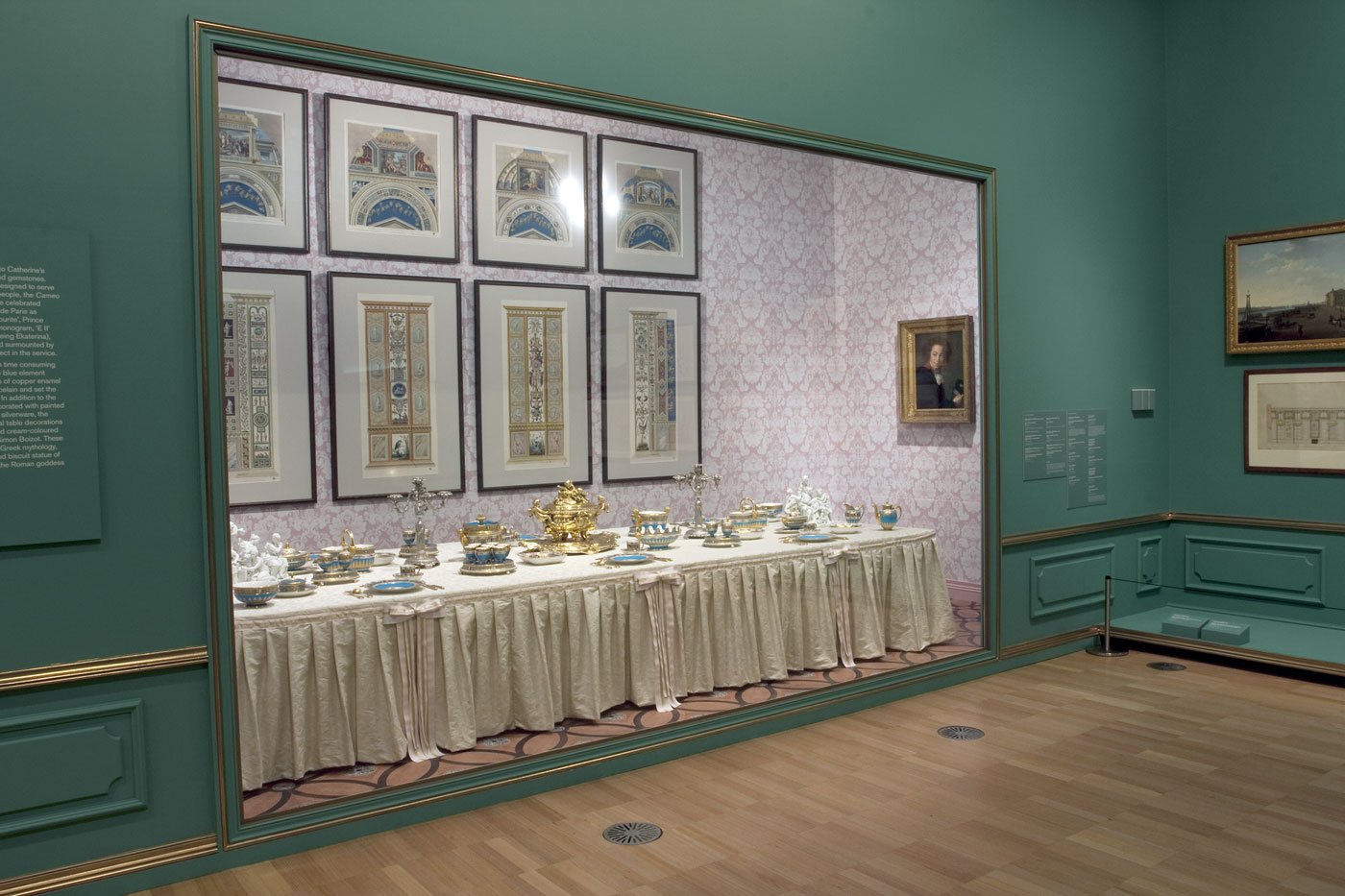


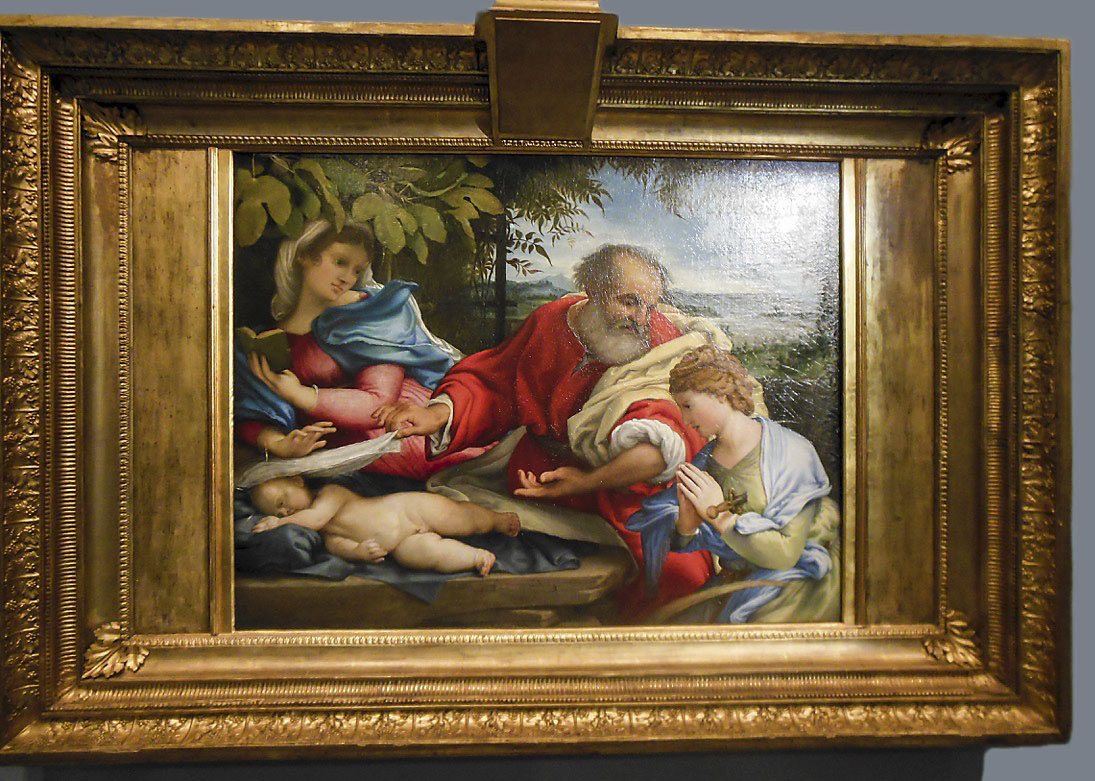


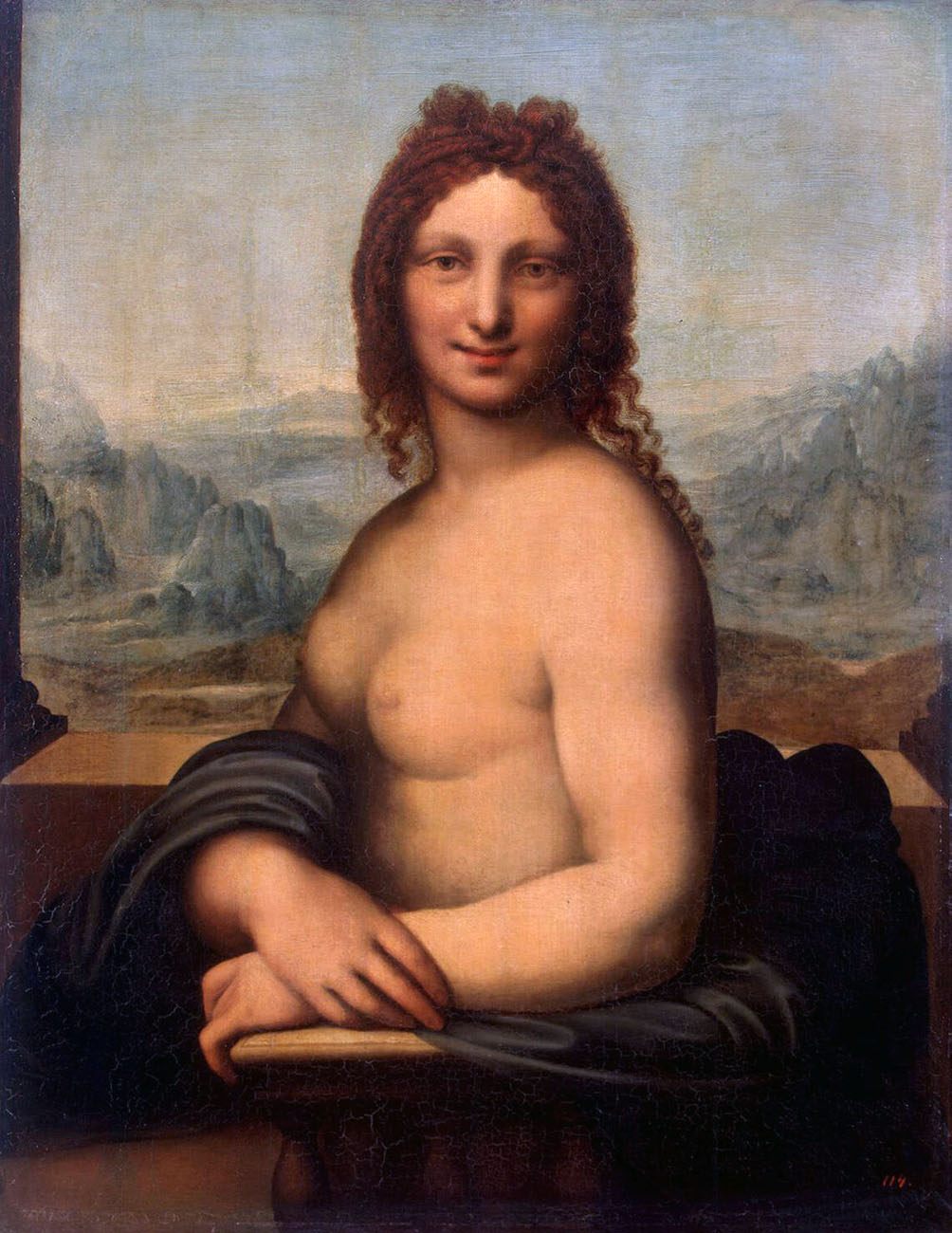


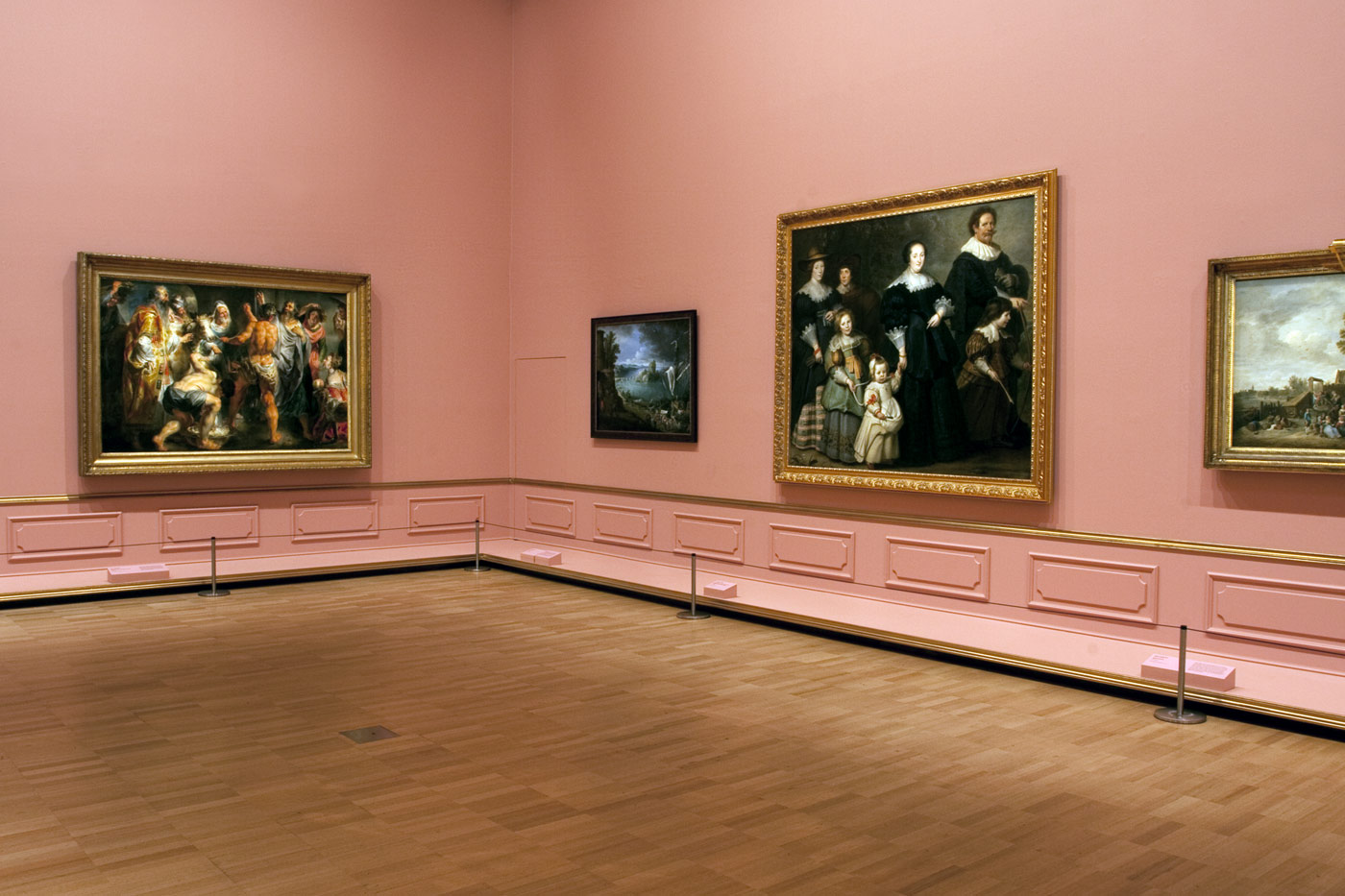


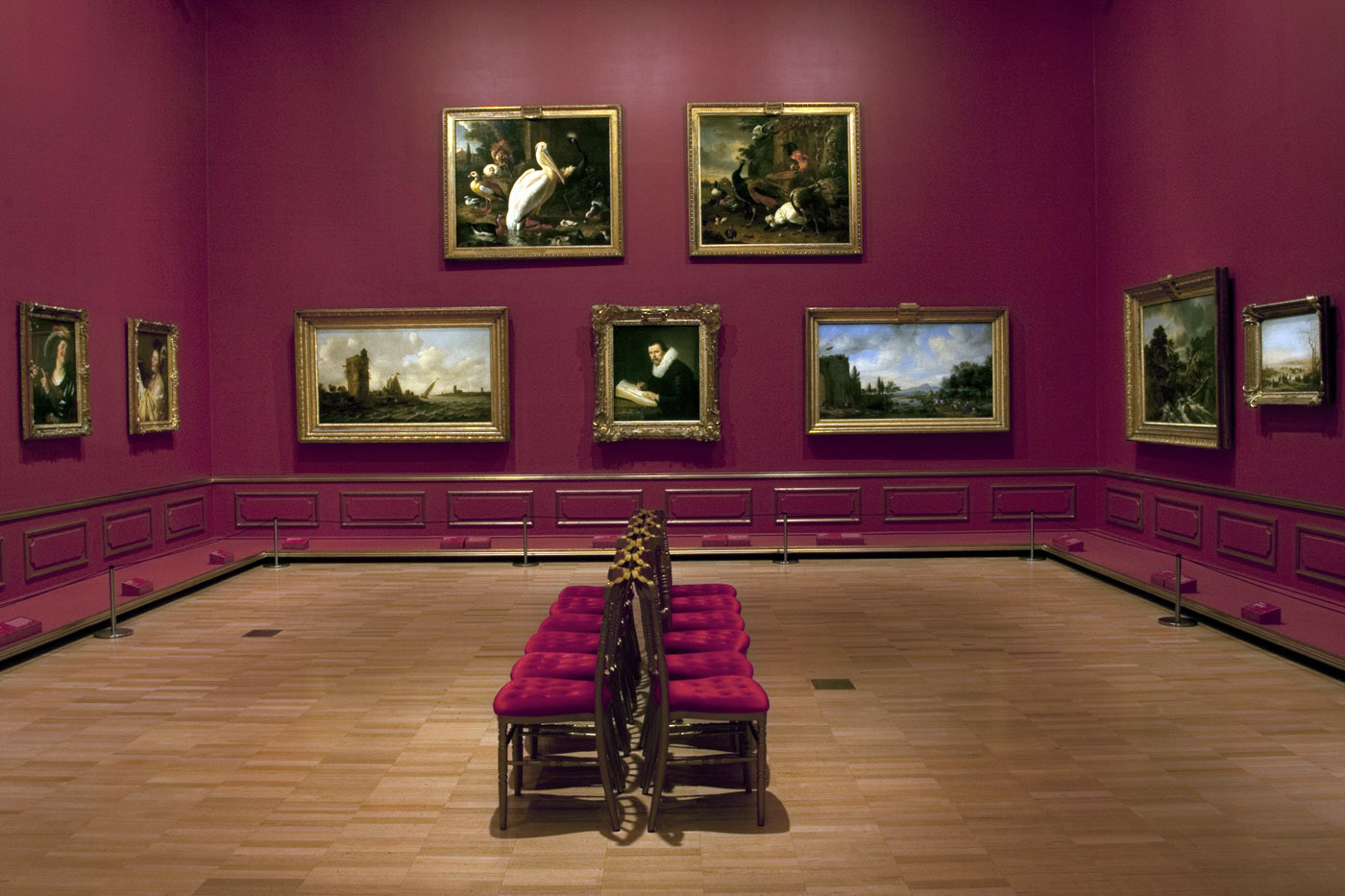
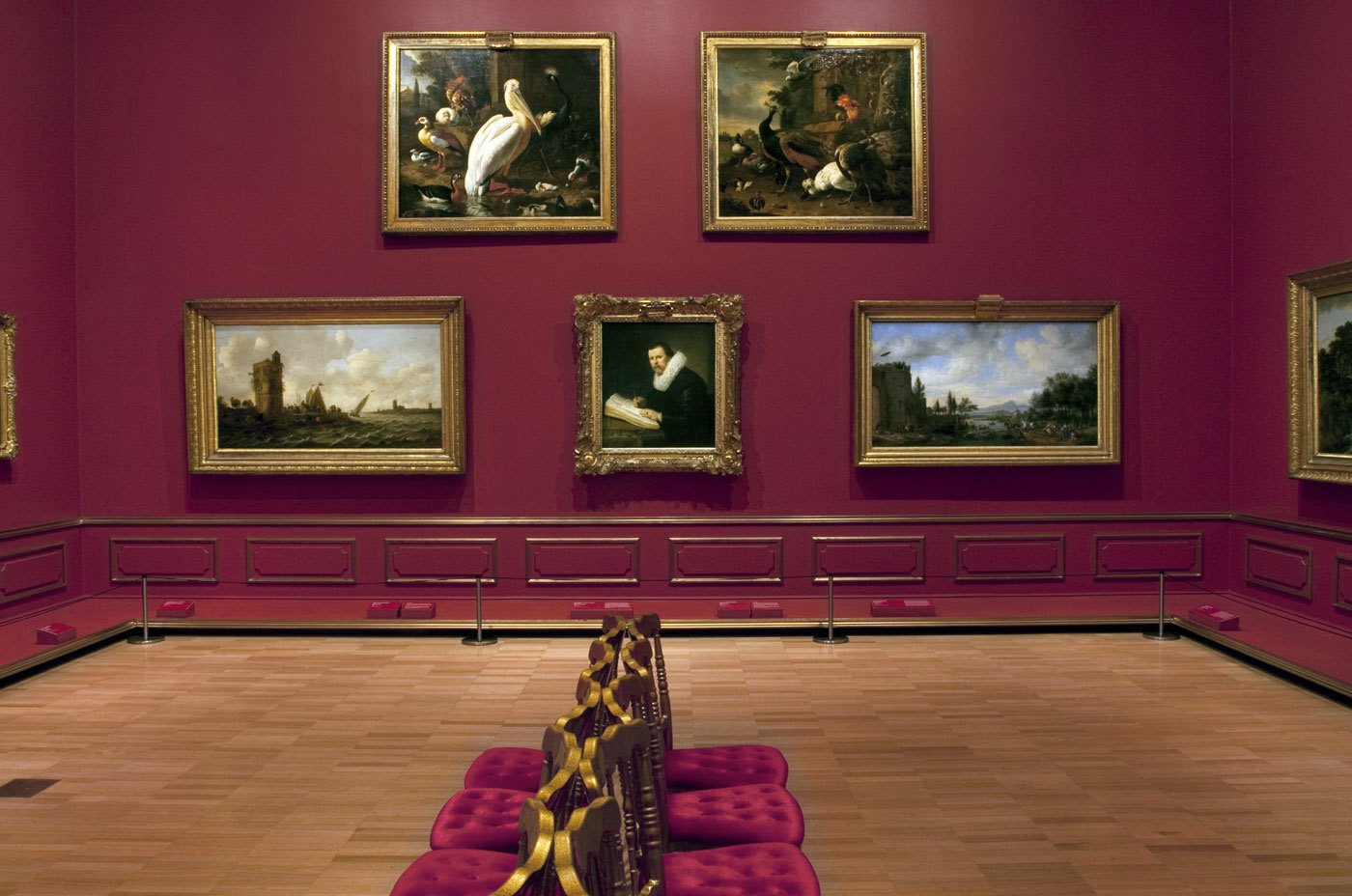


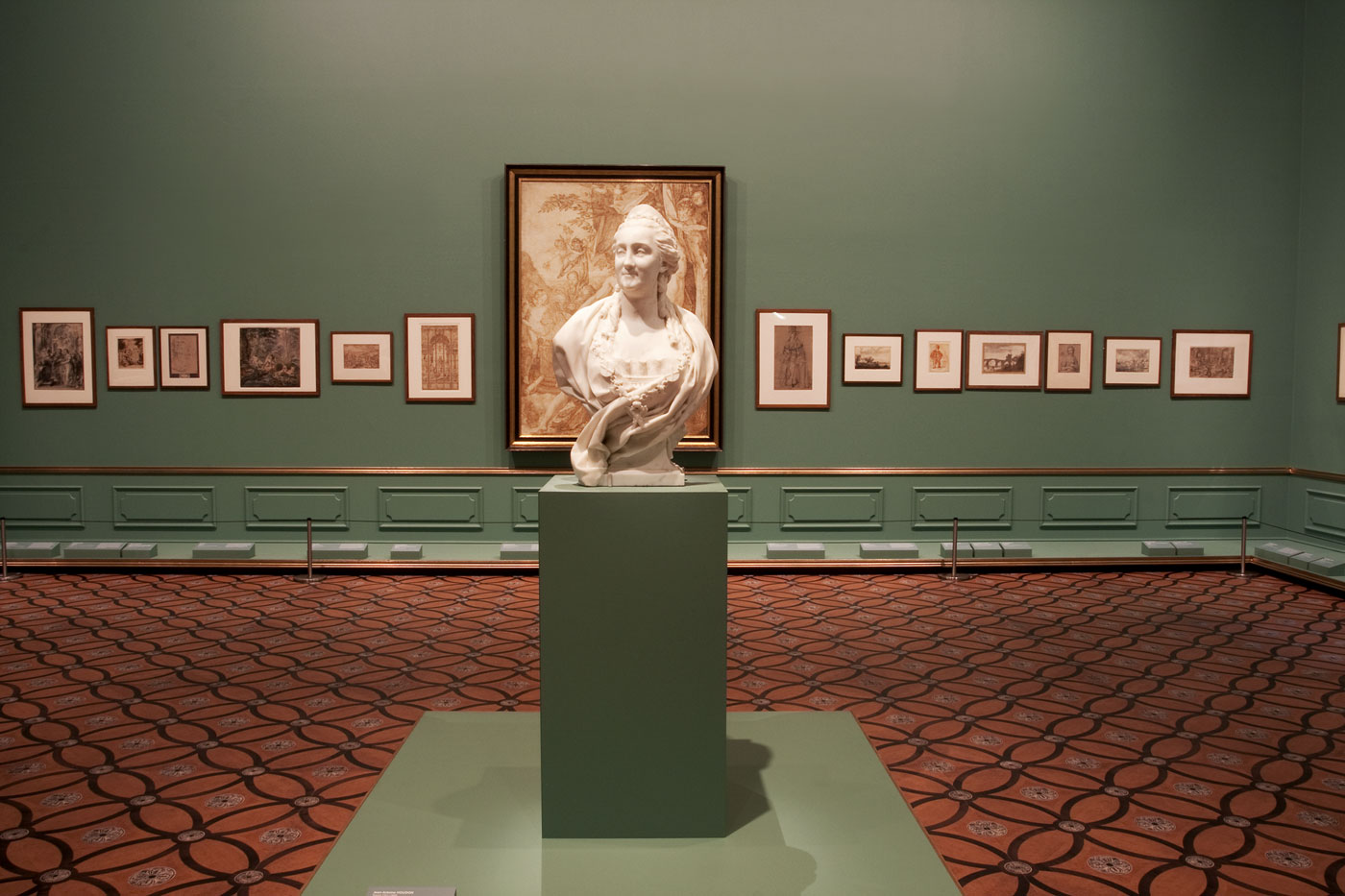


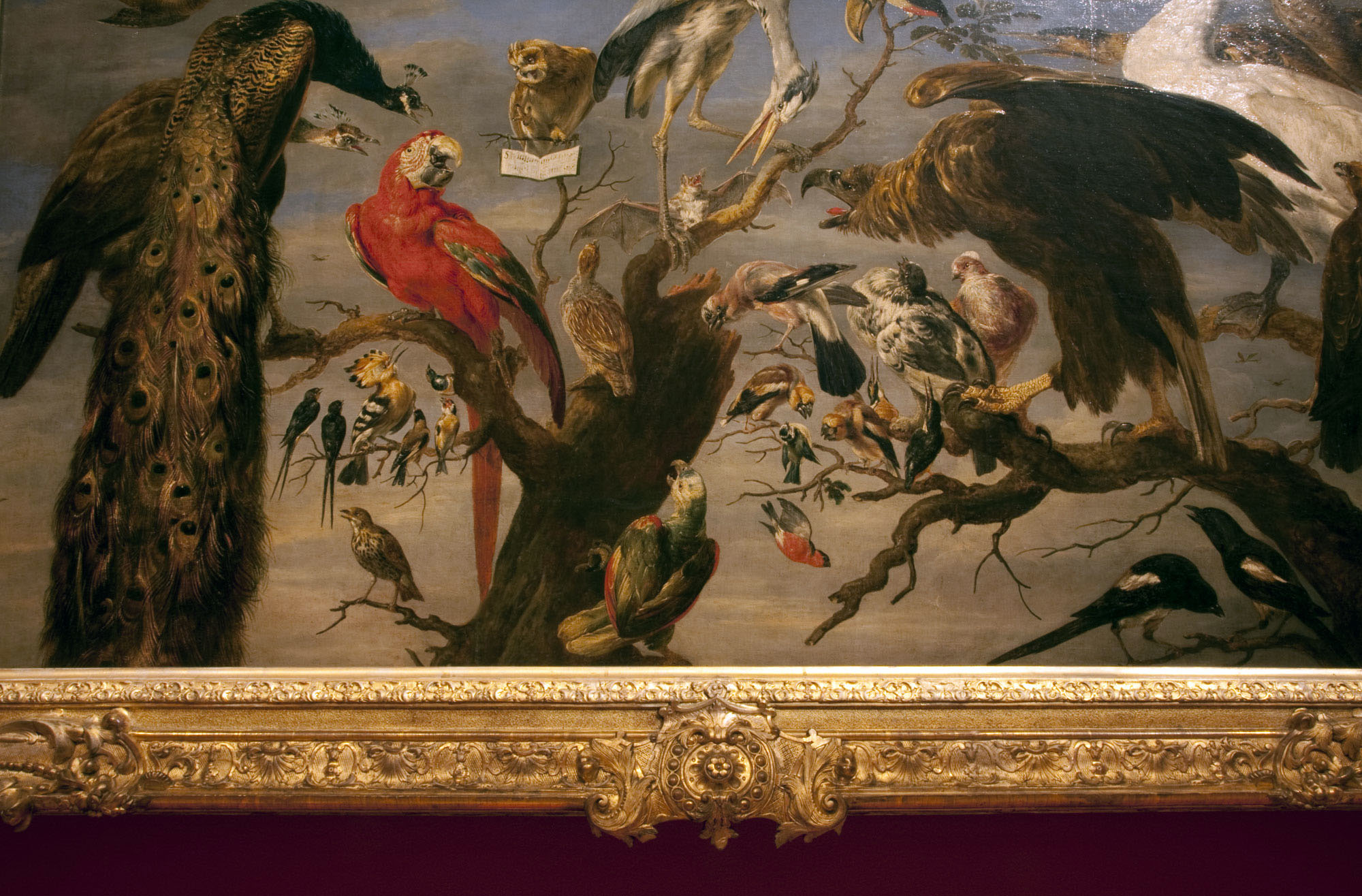


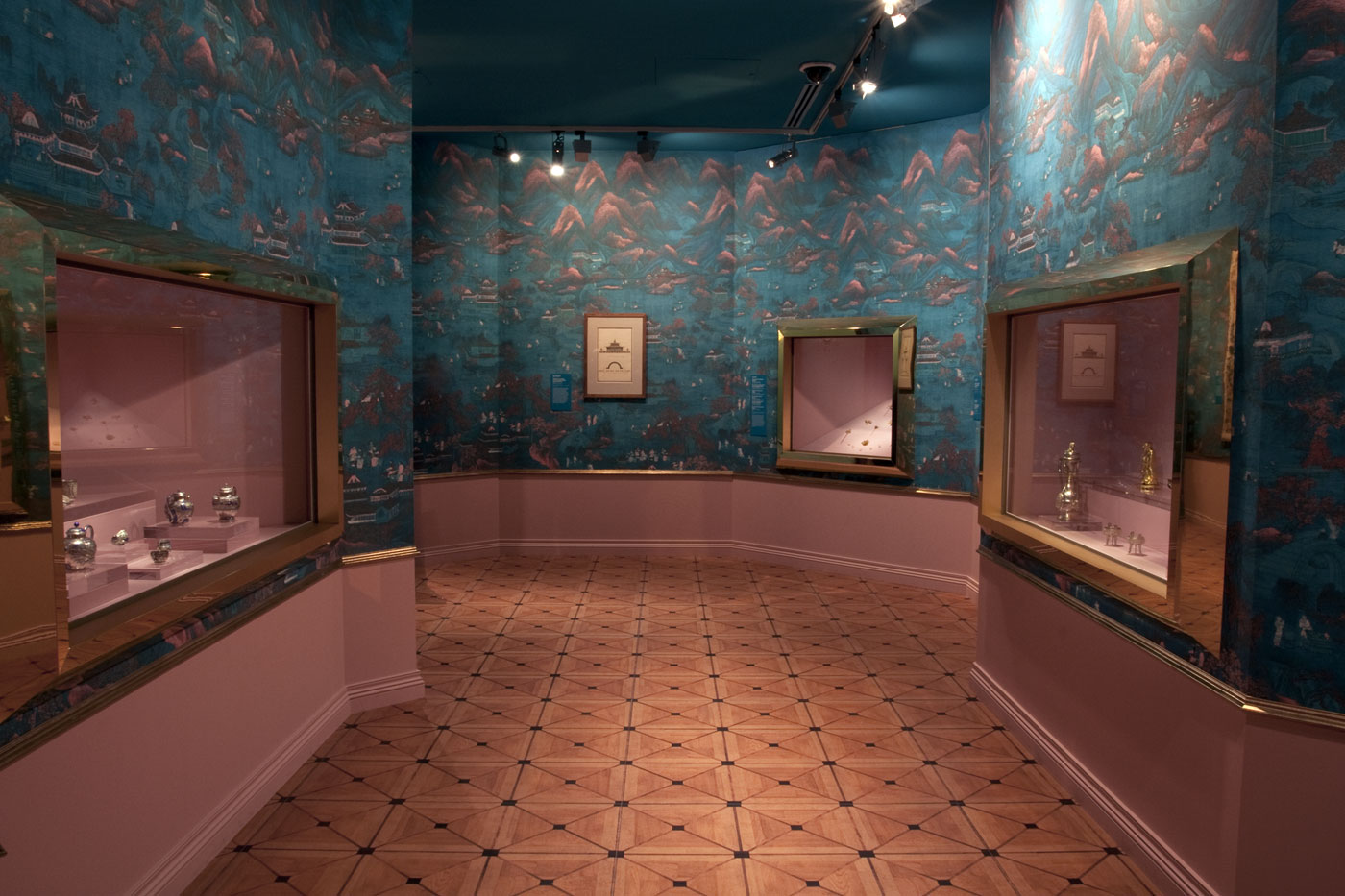


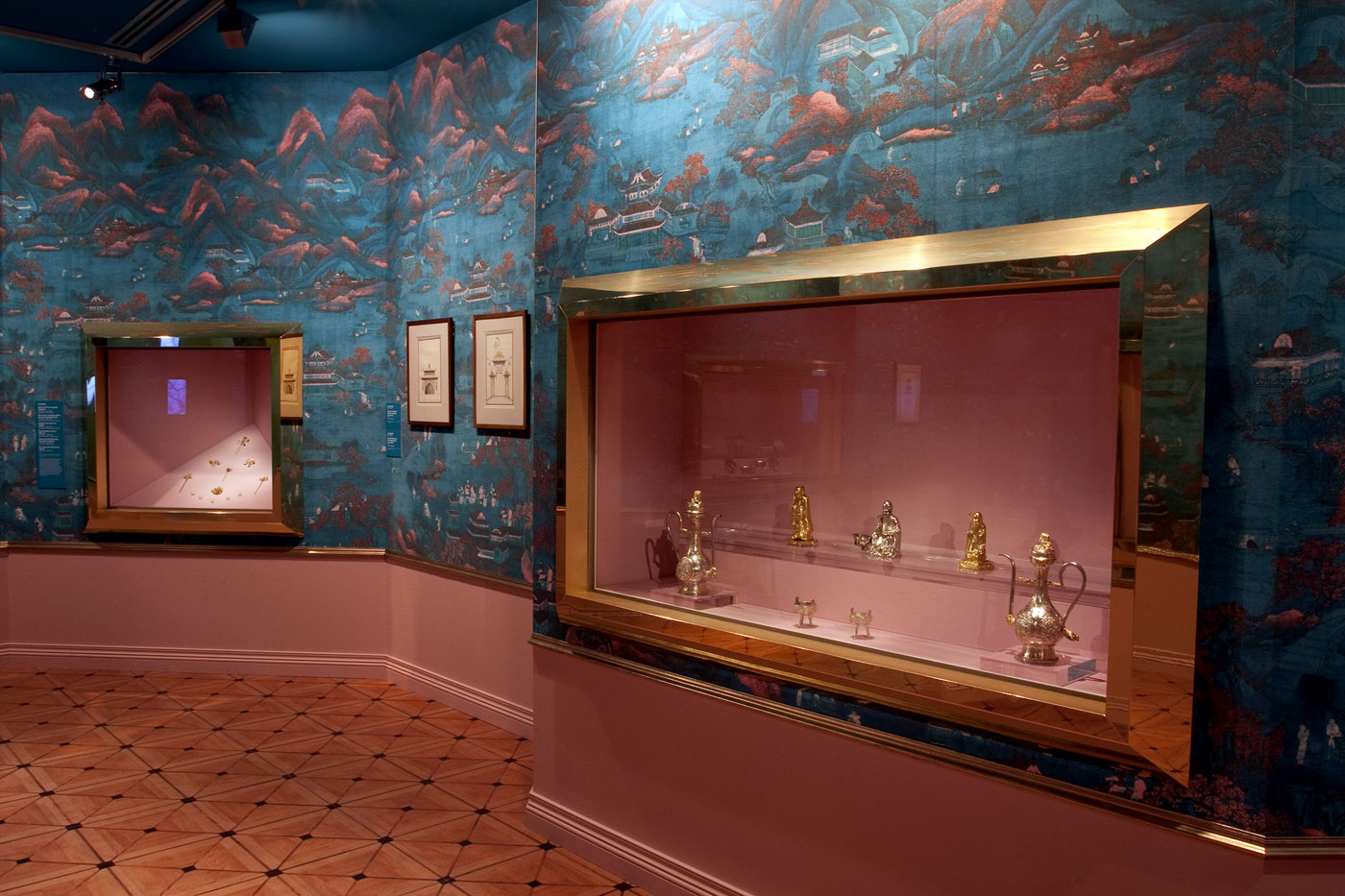

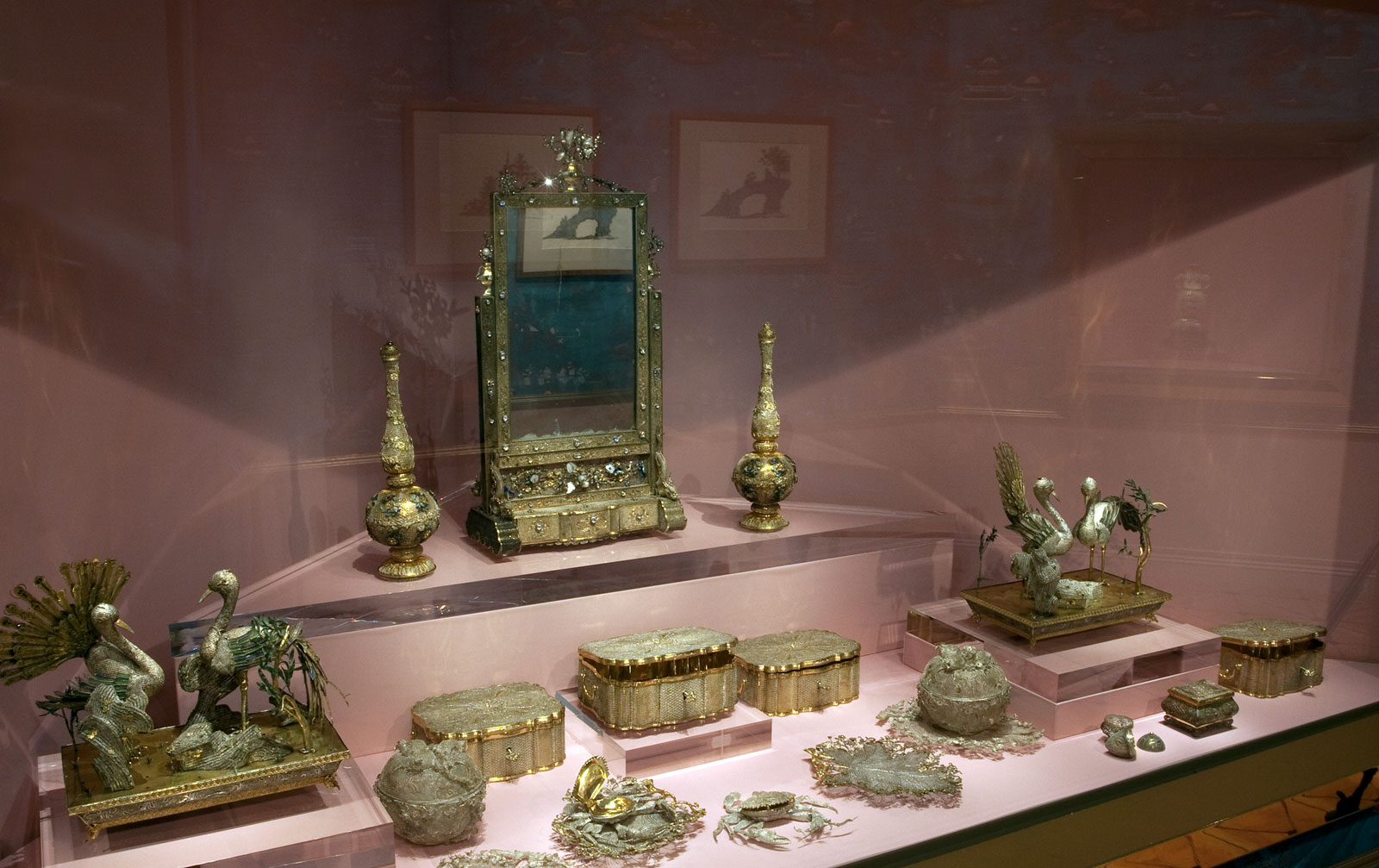
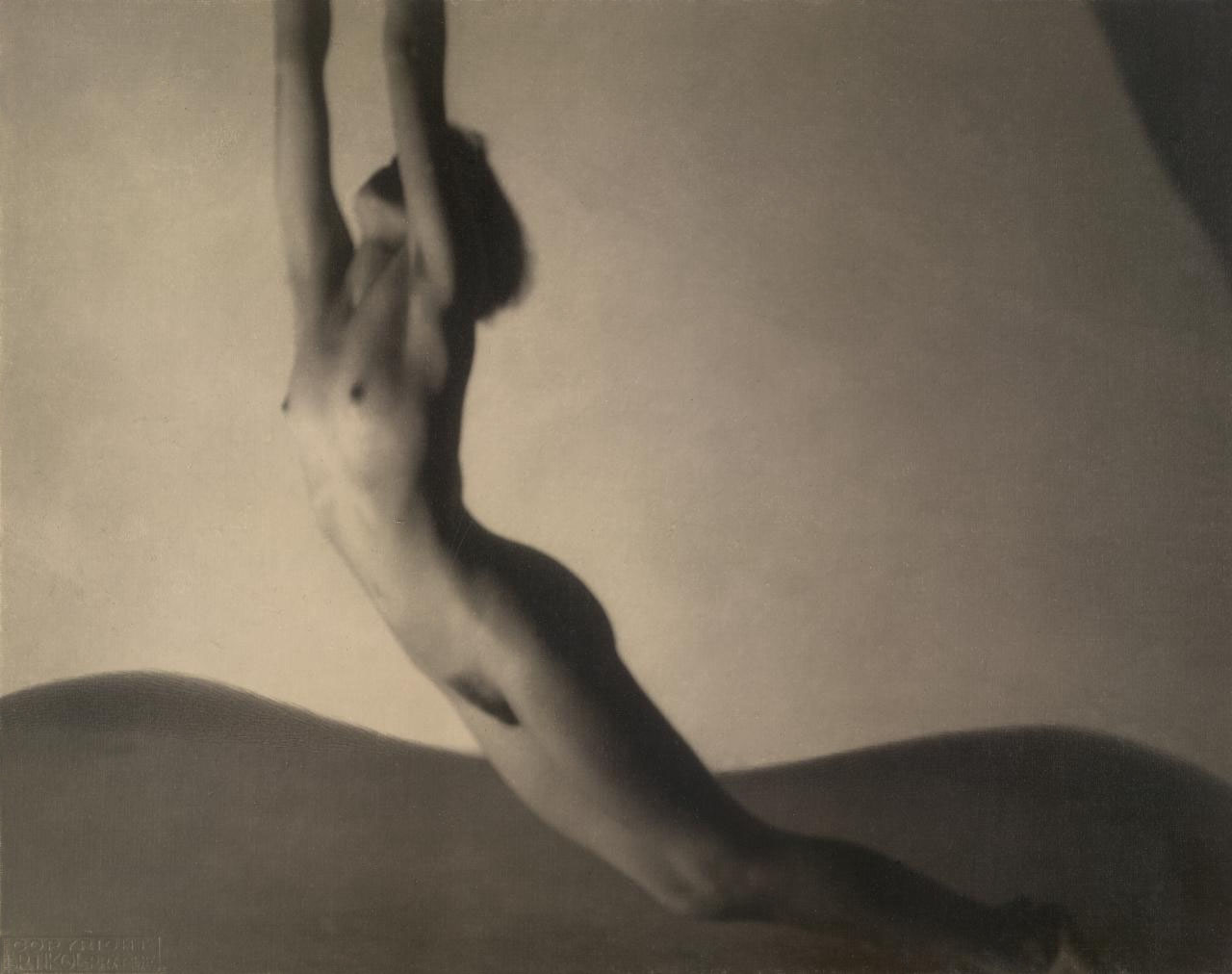
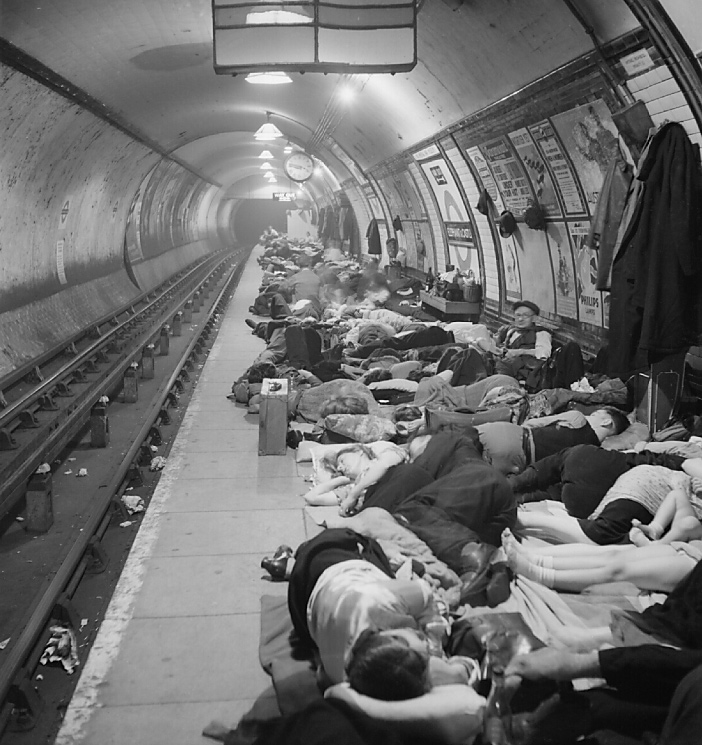
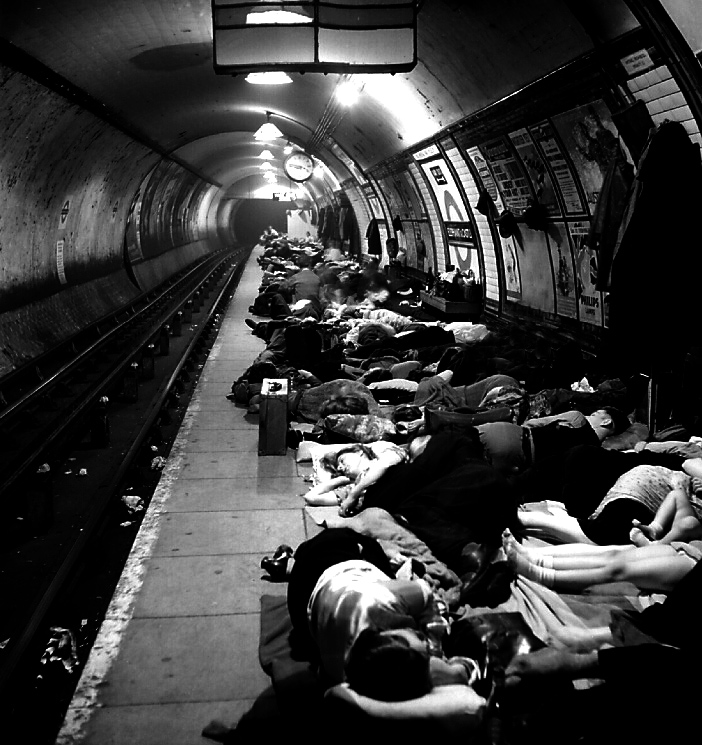
![George Baron Goodman, d. 1851. [Dr William Bland, ca. 1845 - portrait] c. 1845](https://artblart.com/wp-content/uploads/2014/07/goodman-dr-george-bland-1845-web.jpg "George Baron Goodman, d. 1851. [Dr William Bland, ca. 1845 - portrait] c. 1845")
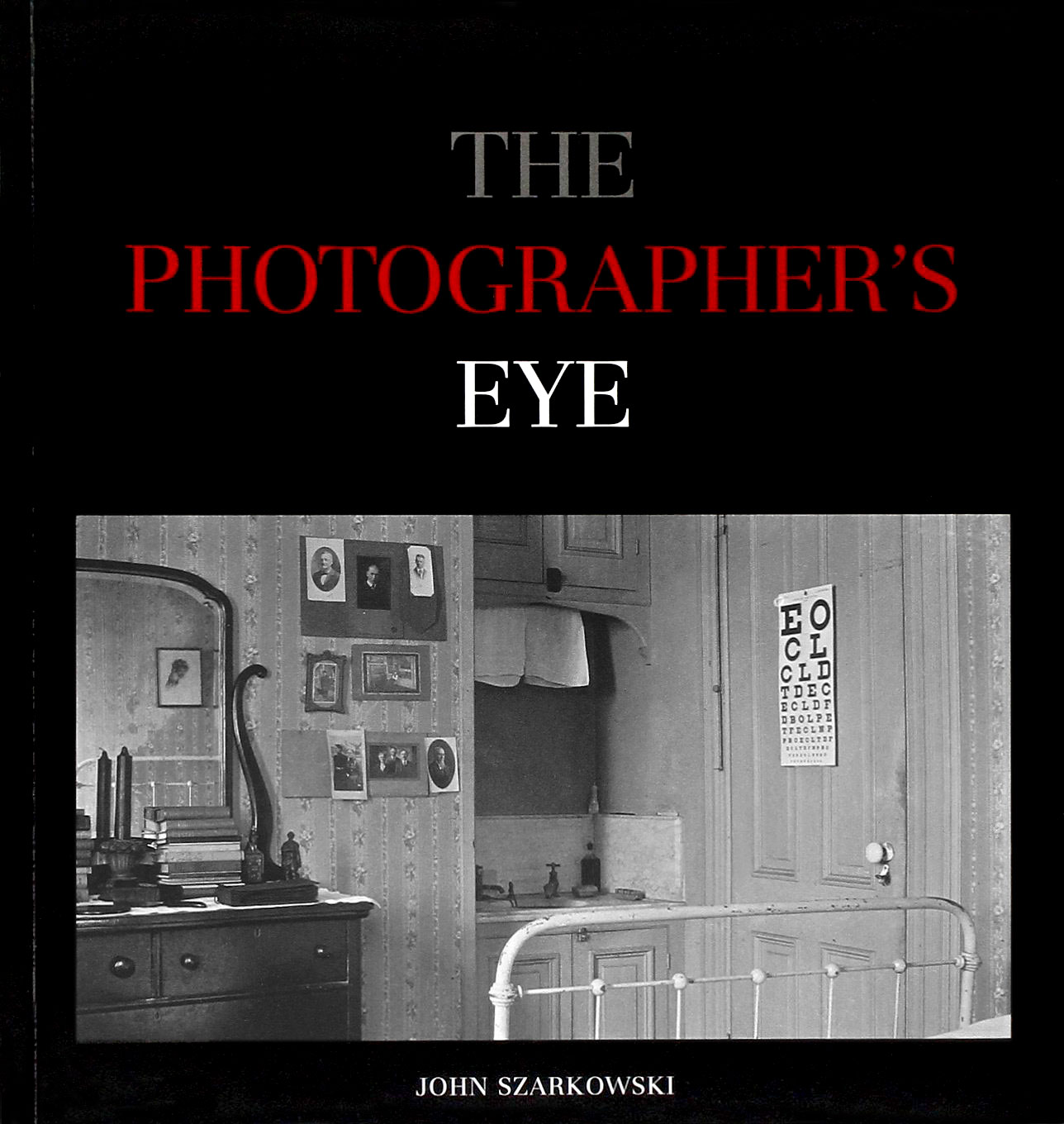
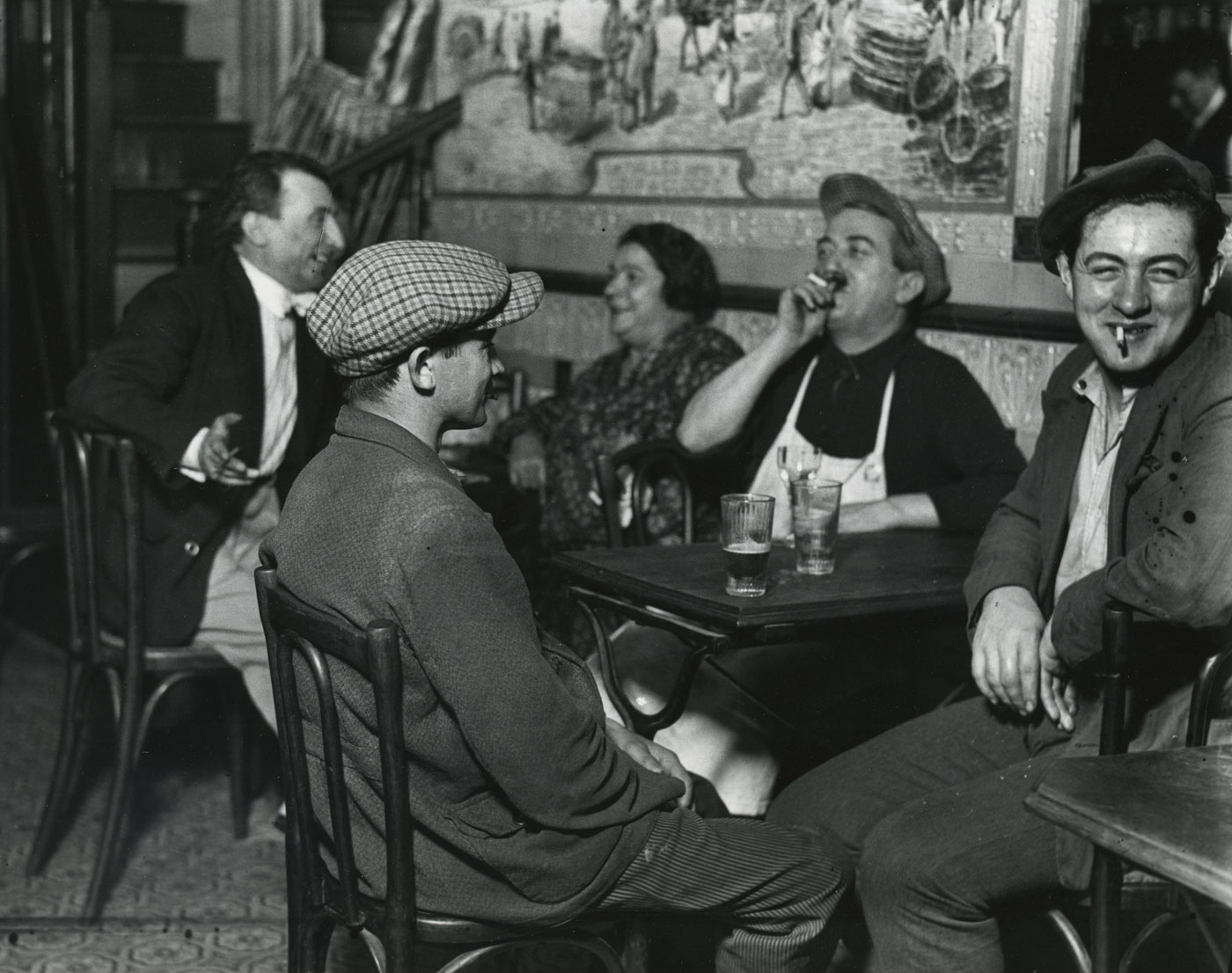
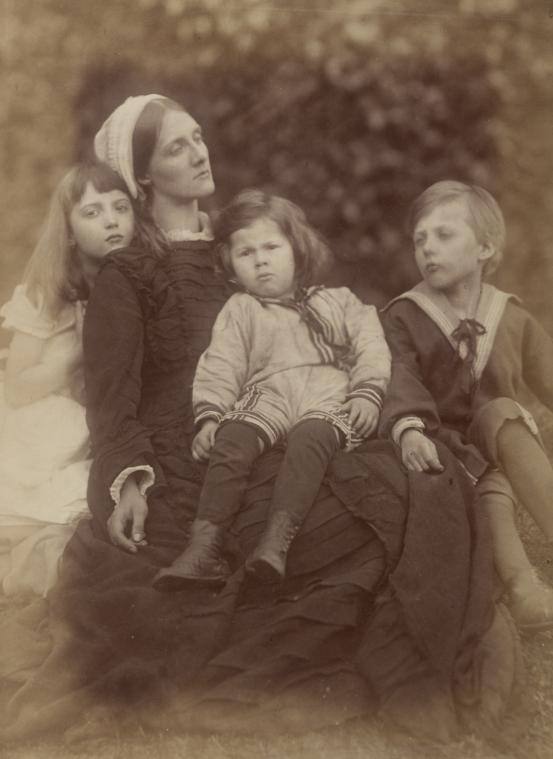
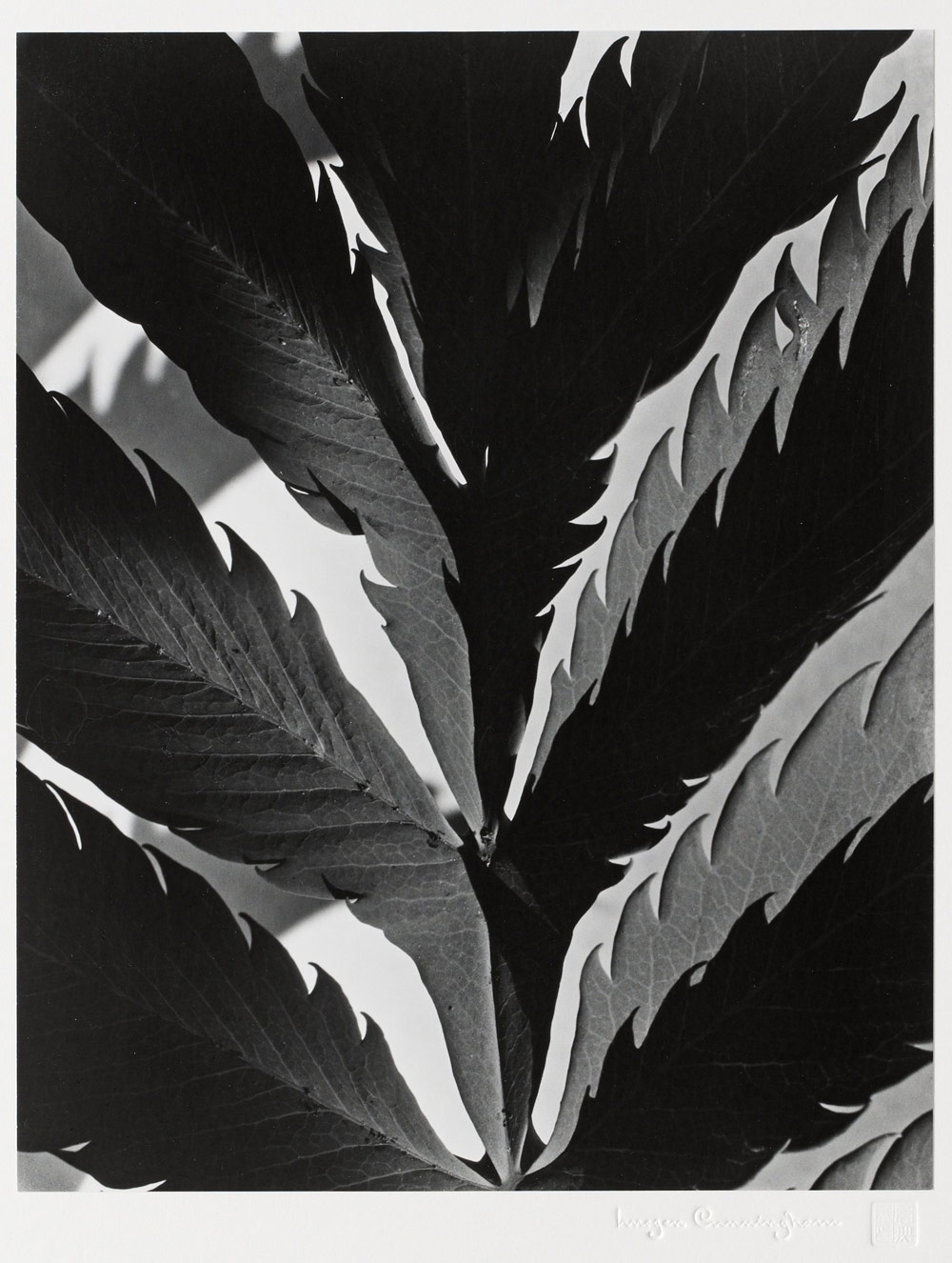
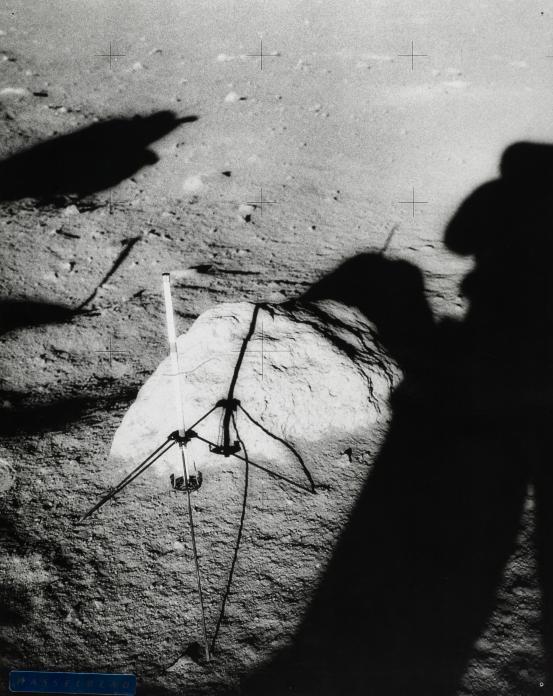
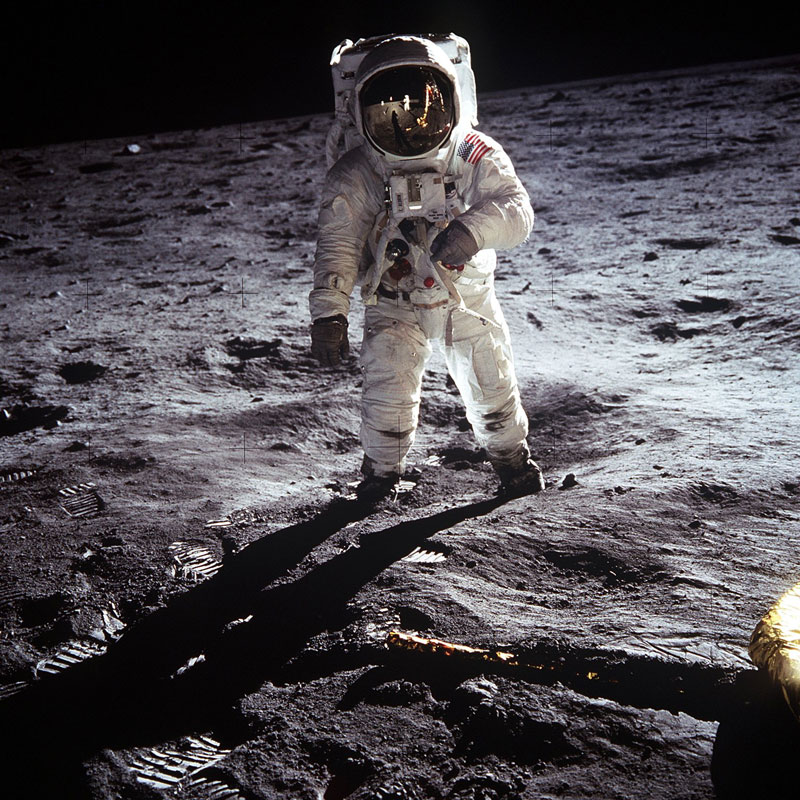









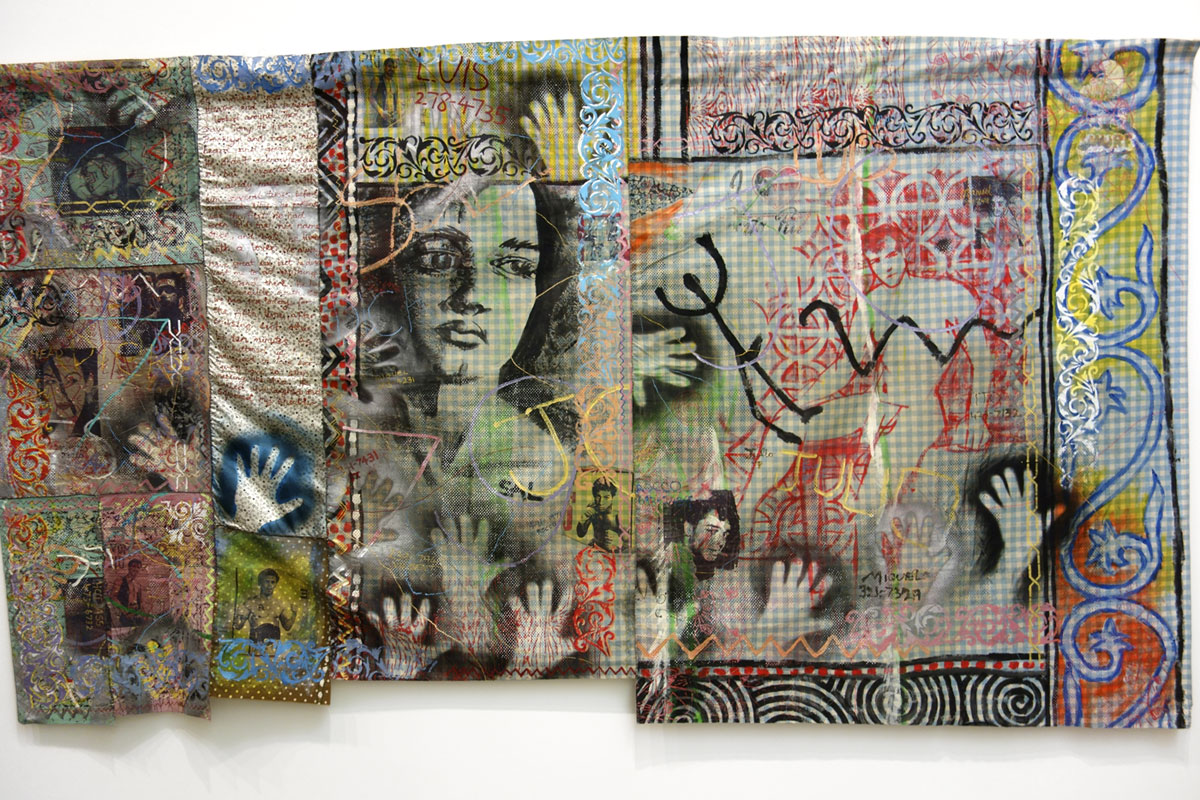



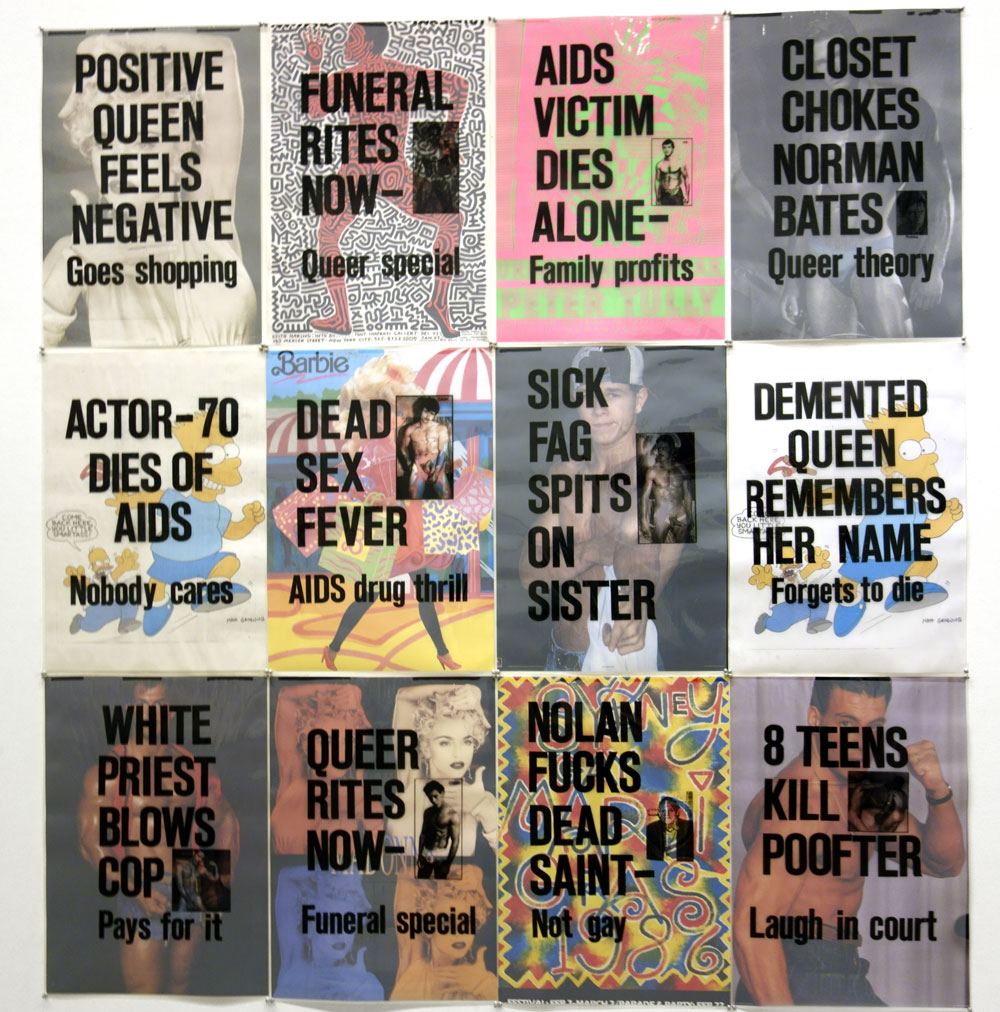

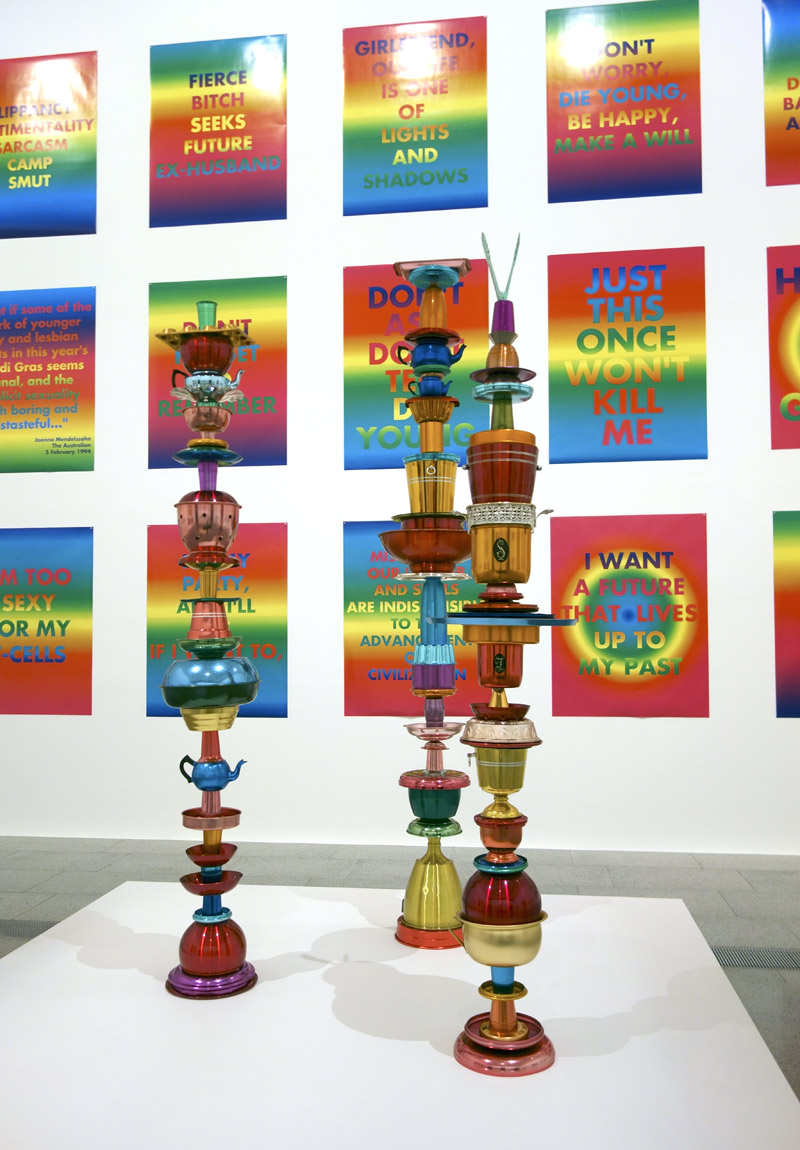
















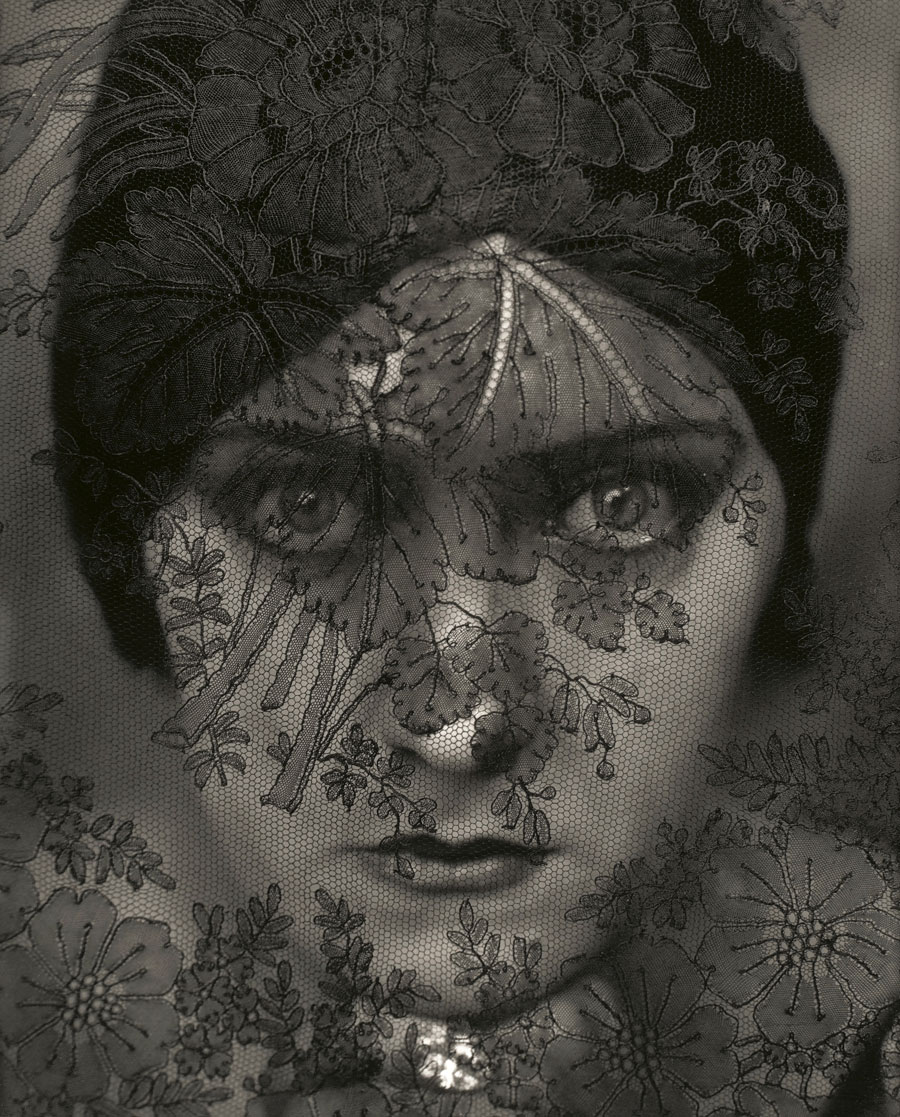

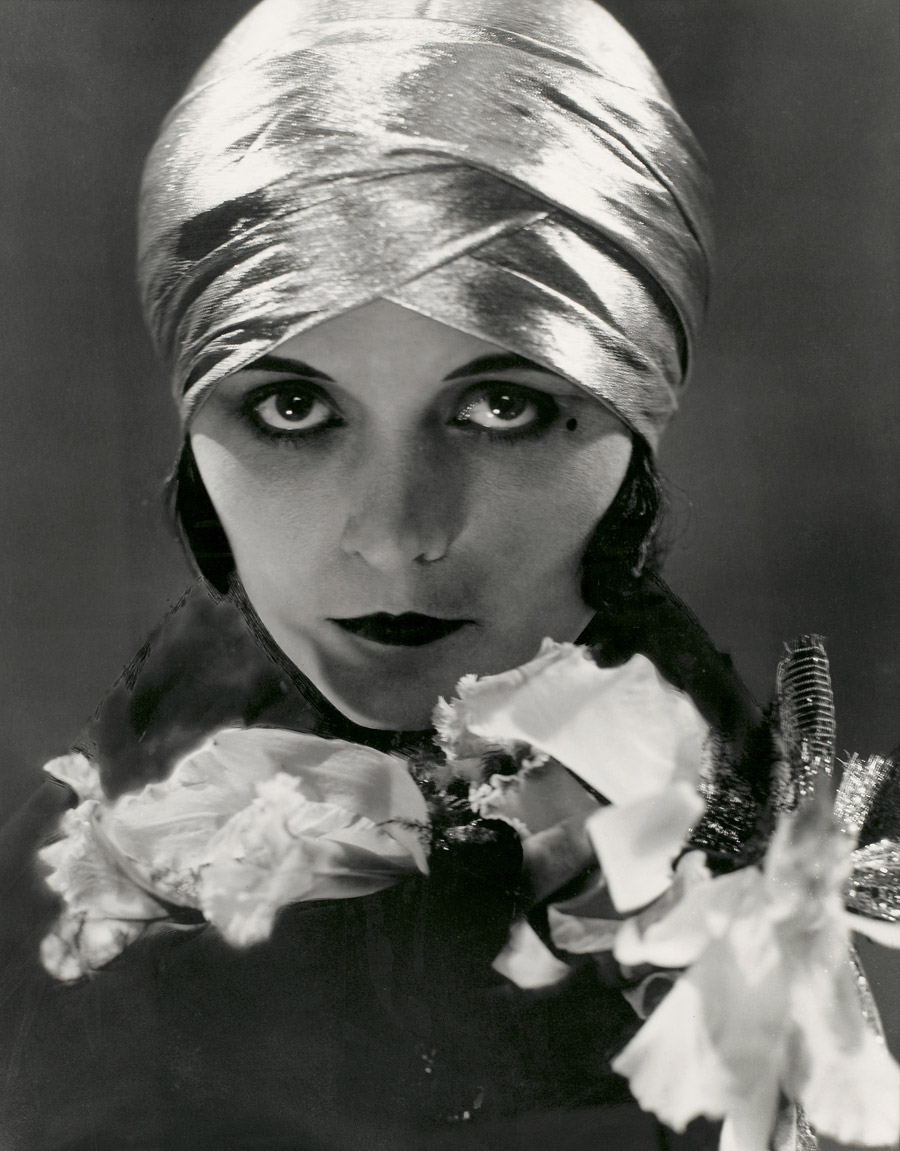
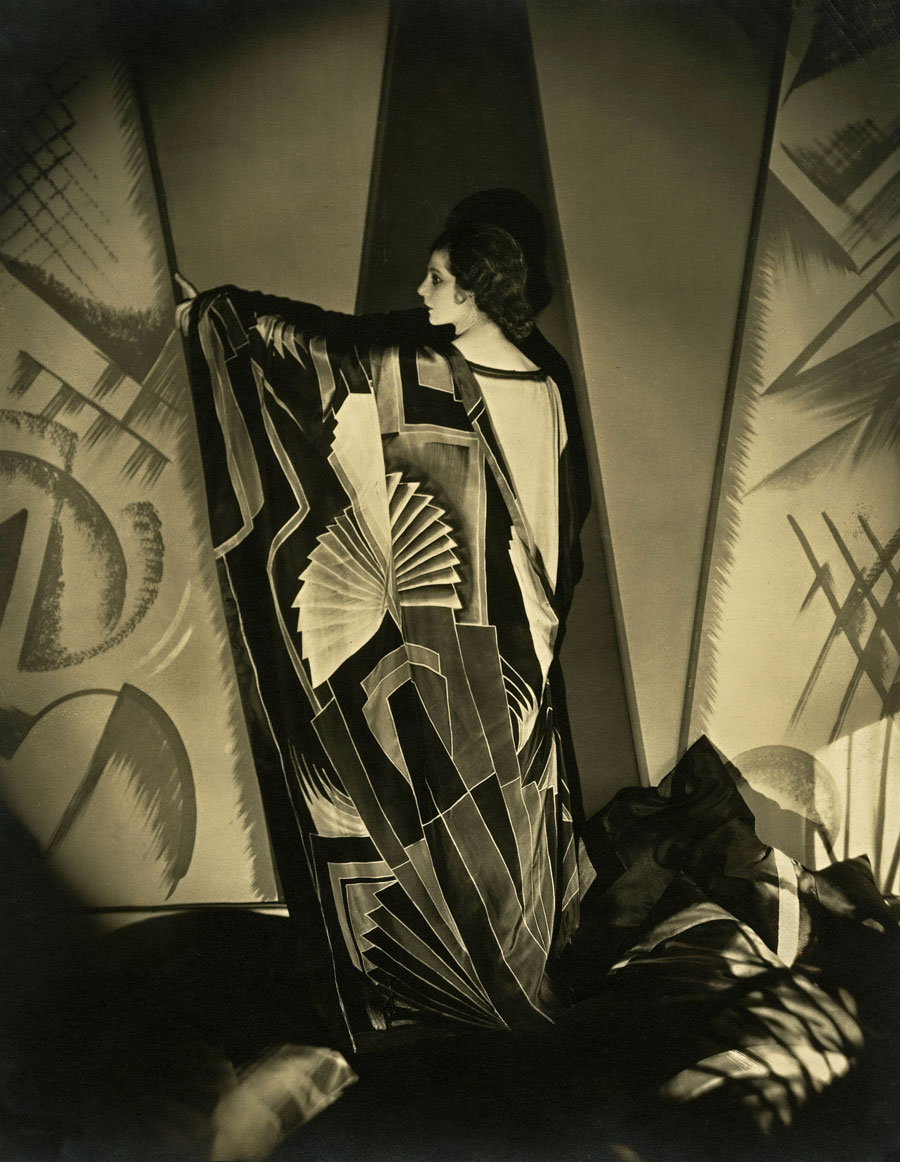

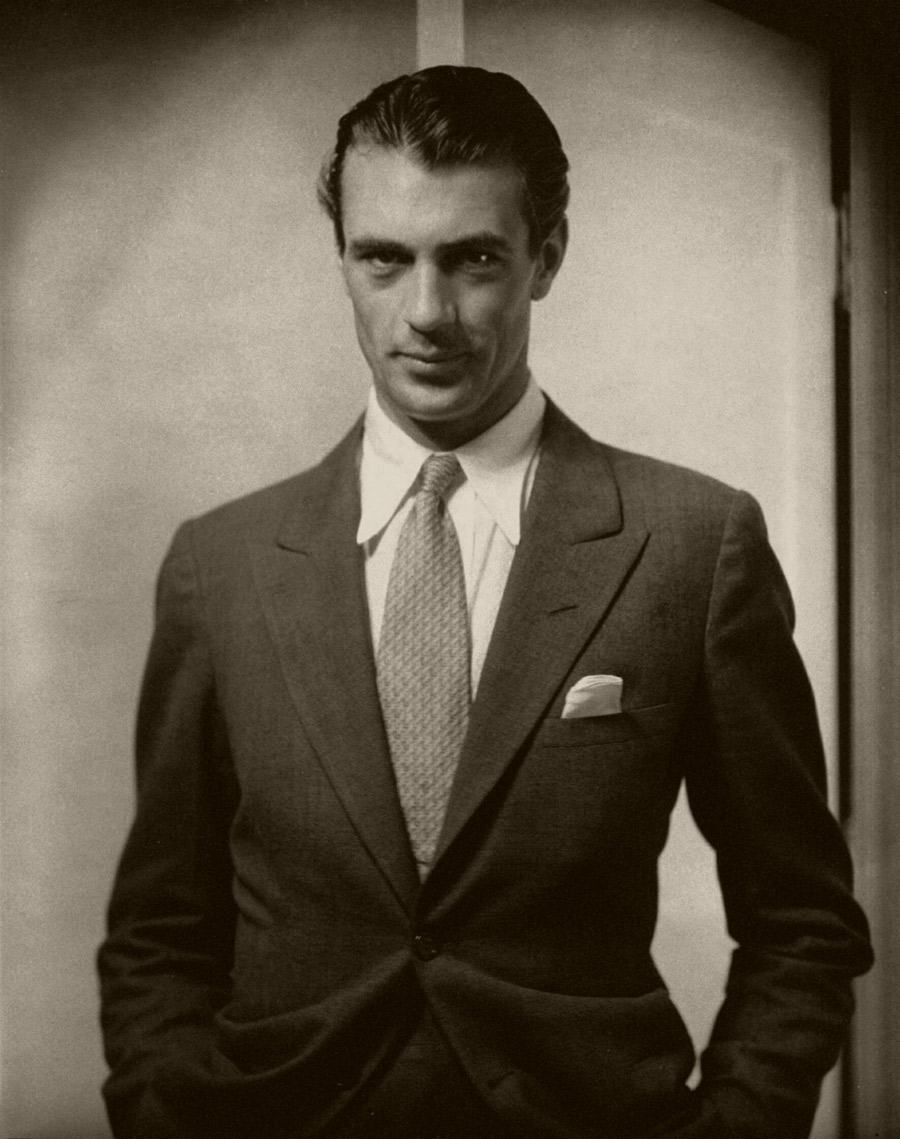


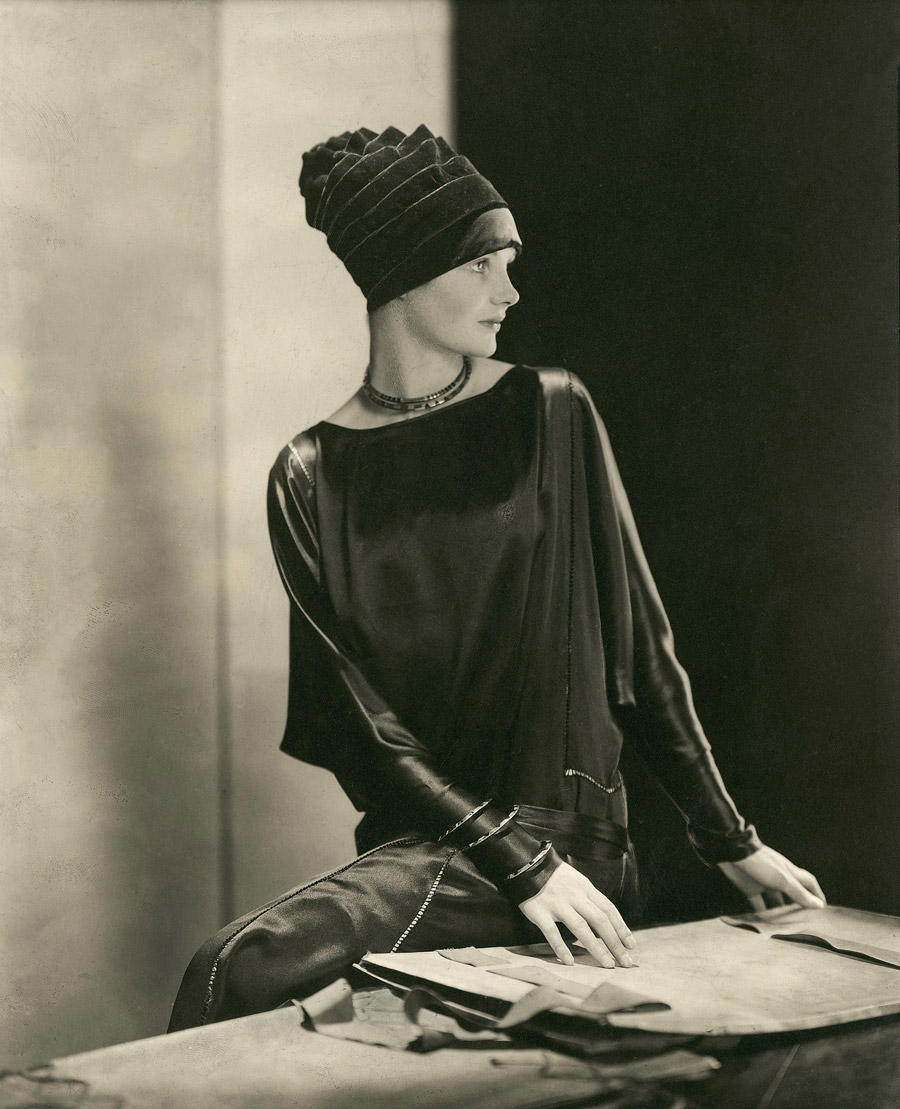


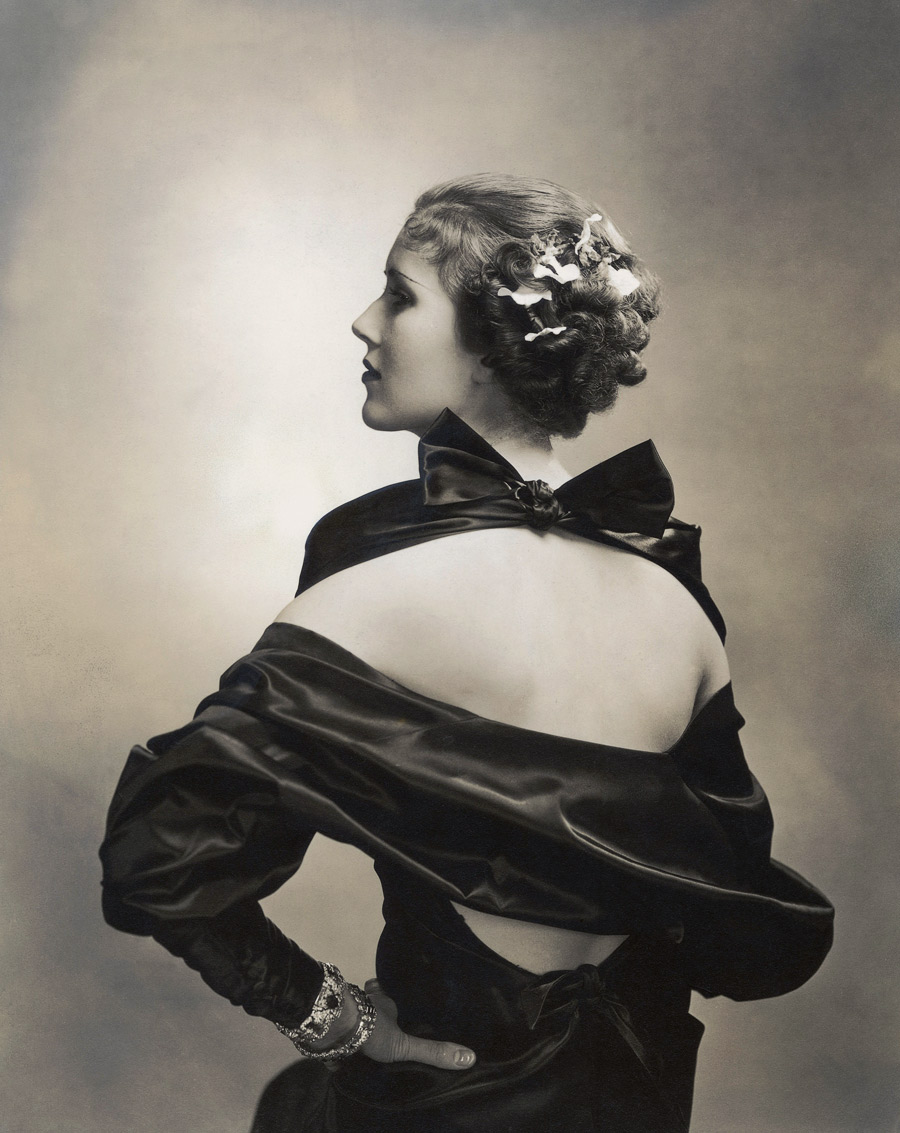









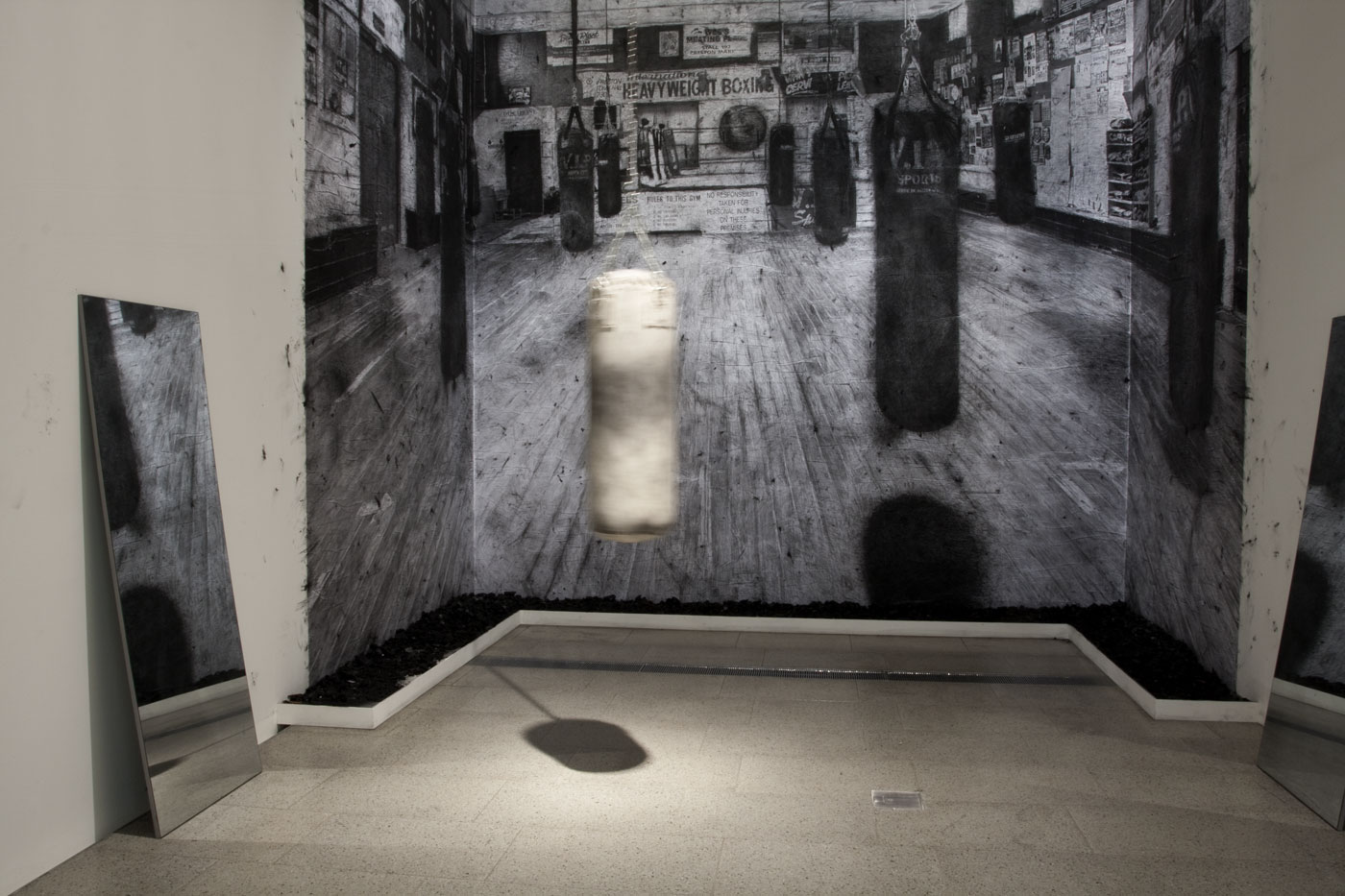

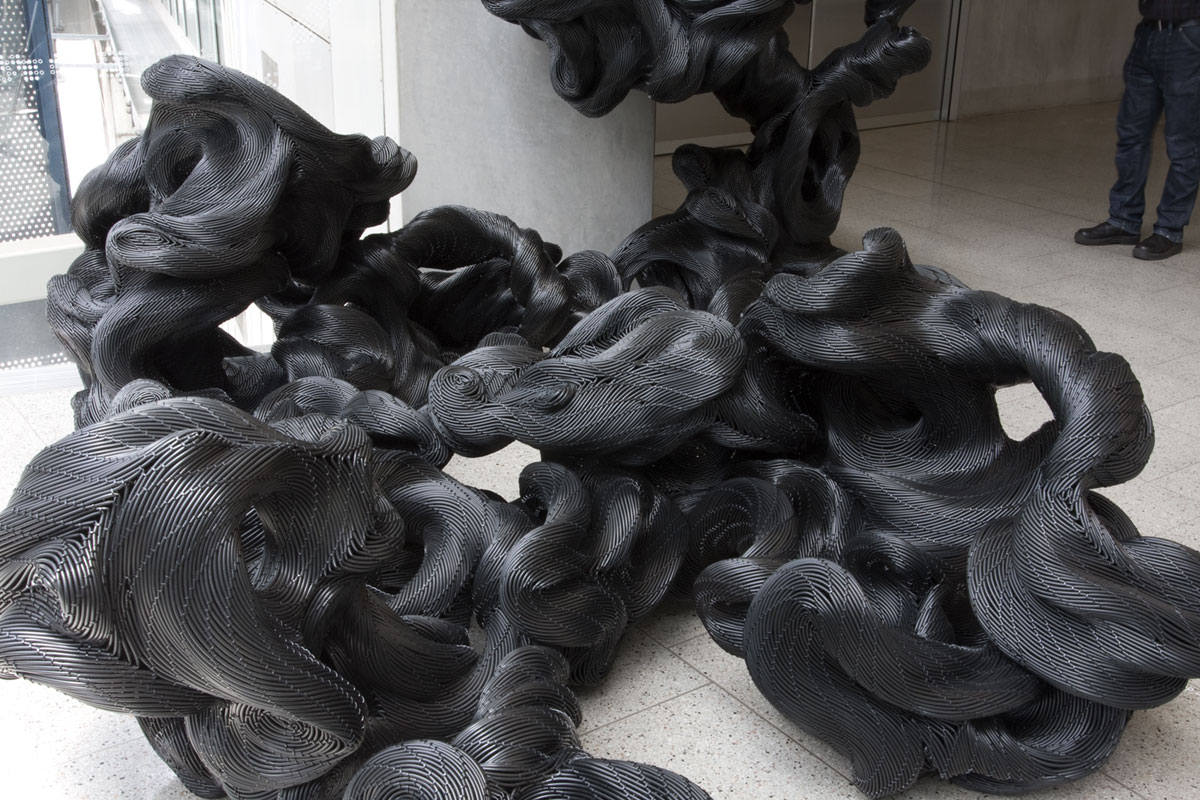
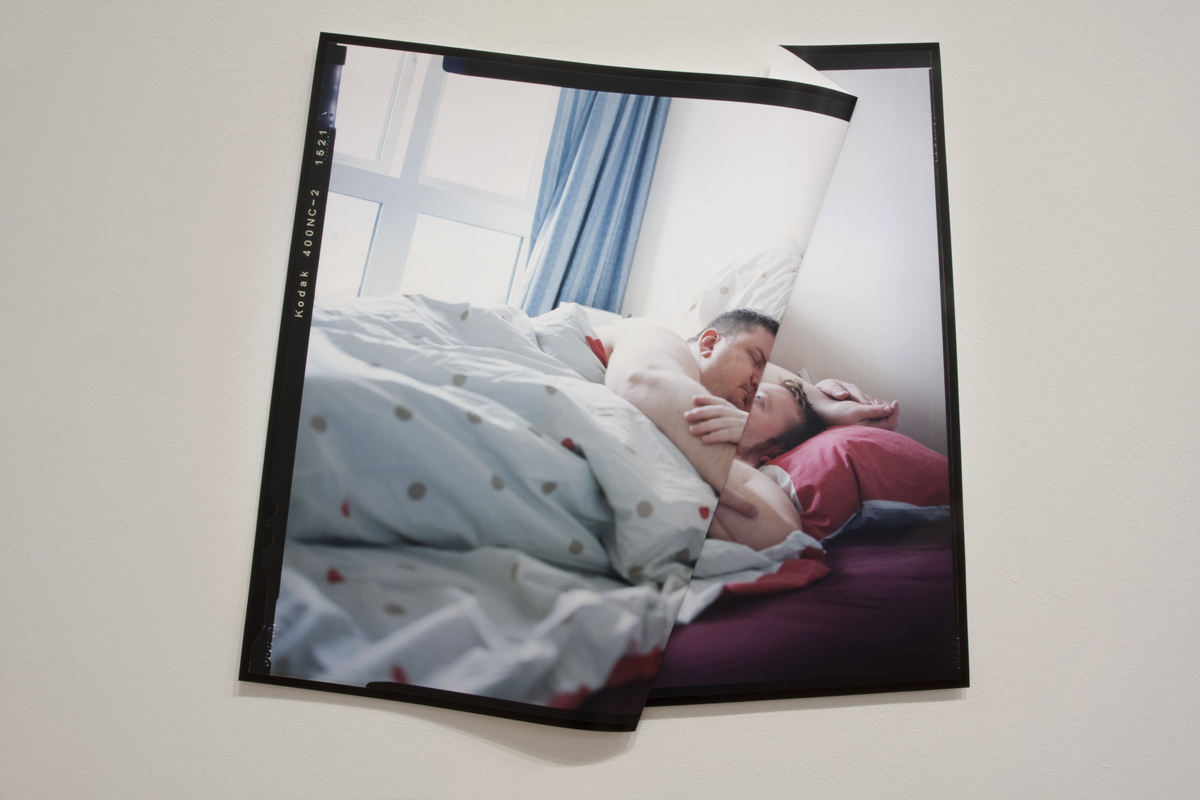
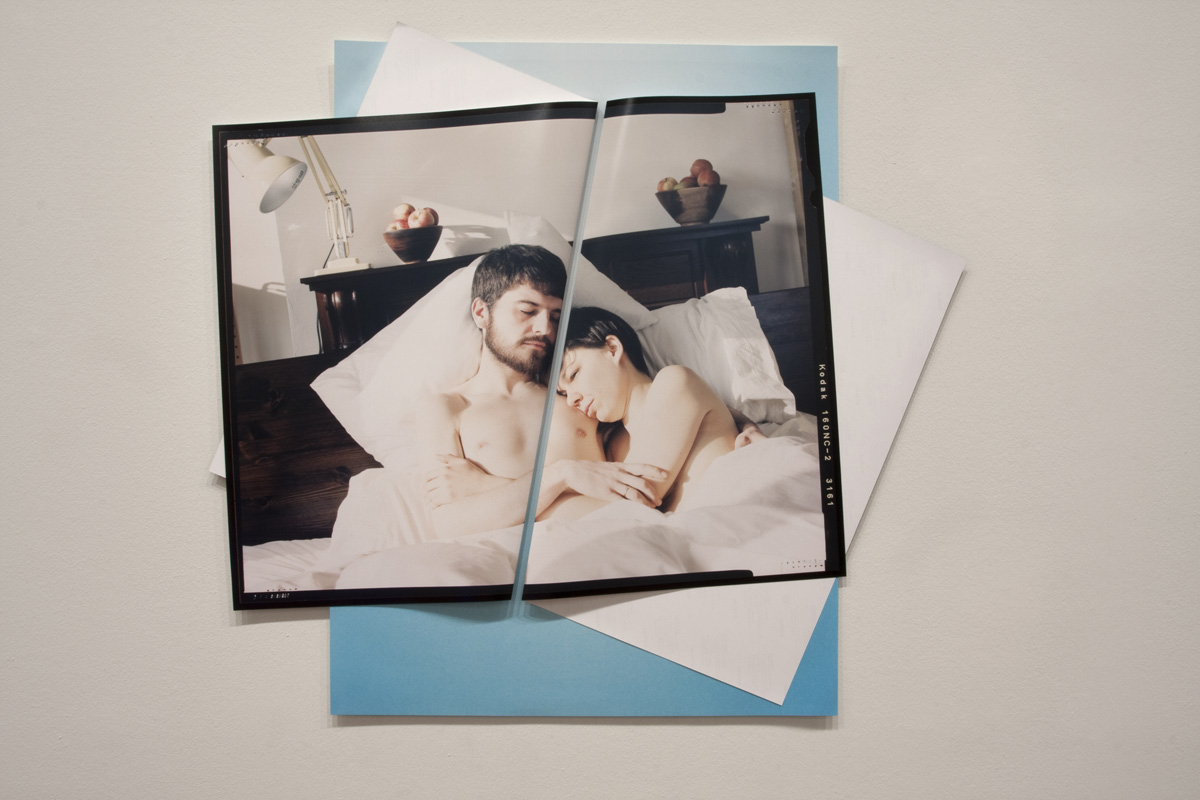





















 Art Blart _ art and cultural memory archive
You must be logged in to post a comment.