Exhibition/text: ‘Everyday imagining: new perspectives on Outsider art’ at The Ian Potter Museum of Art, Melbourne

Exhibition dates: 1st October 2014 – 18th January 2015

Artists: Andrew Blythe, Kellie Greaves, Julian Martin, Jack Napthine, Lisa Reid, Martin Thompson and Terry Williams

Curator: Joanna Bosse


Martin Thompson (New Zealand, b. 1956) 'Untitled' 2014


Martin Thompson (New Zealand, b. 1956)
Untitled
2014
Ink on paper
52.5 x 105cm
Courtesy the artist and Brett McDowell Gallery, Dunedin


This is a gorgeous exhibition at The Ian Potter Museum of Art. Walking through the show you can’t help but have a smile on your face, because the work is so inventive, so fresh, with no pretension to be anything other than, well, art.

There are big preconceptions about ‘Outsider art’, originally art that was made by institutionalised mentally ill people, but now more generally understood as art that is made by anyone outside the mainstream of art production – “artworks made by folk artists and those who are self-taught, disabled, or on the edges of society” who are disenfranchised in some way or other, either by their own choice or through circumstance or context.

Outsider art promotes contemporary art while still ‘tagging’ the artists as “Outsider” – just as you ‘tag’ a blog posting so that a search engine can find a specific item if it is searched for online. It is a classification I have never liked (in fact I abhor it!) for it defines what you are without ever understanding who you are and who you can become – as an artist and as a human being. One of the good things about this exhibition is that it challenges the presumptions of this label (unfortunately, while still using it).

As Joanna Bosse notes in her catalogue essay, “Most attempts to define the category of Outsider art include caveats about the elasticity of borders and the impact of evolving societal and cultural attitudes… The oppositional dialectic of inside/outside is increasingly acknowledged as redundant  and, in a world marked by cultural pluralism, many question the validity of the category.”1 Bosse goes on to suggest that, with its origins in the term art brut (the raw and unmediated nature of art made by the mentally ill), Outsider art reinforces the link between creativity, marginality and mental illness, proffering “the notion of a pure form of creativity that expresses an artist’s psychological state [which] is a prevailing view that traverses the divergent range of creative practice that falls under the label.”2

The ambiguities of art are always threatened by a label, never more so than in the case of Outsider art. For example, how many readers who visited the Melbourne Now exhibition at NGV International and saw the magnificent ceramic cameras by Alan Constable would know that the artist is intellectually disabled, deaf and nearly blind. Alan holds photographs of cameras three inches away from his eyes and scans the images, then constructs his cameras by feel with his hands, fires them and glazes them. The casual viewer would know nothing of this backstory and just accepts the work on merit. Good art is good art no matter where it comes from. It is only when you enquire about the history of the artist – whether mainstream or outsider – that their condition of becoming (an artist) might affect how you contextualise a work or body of work.

Bosse makes comment about the rationale for the exhibition: ‘The decision to focus on artists’ engagement with the exterior, everyday world was to counter one of the common assumptions about artists in this category – that they are disconnected from society and that their work is solely expressionistic, in that it relates almost exclusively to the self and the expression of the artist’s emotional inner life.”3 Bosse agrees with the position that to simply eliminate the designation would be a different kind of marginalisation – “one where the unique world view and specific challenges the individual faces would become lost in a misguided attempt at egalitarianism.”4

As chair of a panel session at the international conference Contemporary Outsider Art: The Global Context, 23-26th October at The University of Melbourne, curator Lynne Cooke also sees the classification “Outsider” as valuable, for “Outsider art is the condition that contemporary art wants to be” – that is imaginative, free, intuitive, visceral and living on the edge. She sees contemporary art as having run up the white flag leaving Outsider art – however you define that (not the white, middle class male establishment, and belonging to the right galleries) – to be the vanguard, the new avant-garde.5 The exhibition catalogue concludes with her observation that, while current curatorial strategies breakdown the distinctions between ‘inside’ and ‘outside’ – making significant headway concerning stigmatisation – these might have the effect of loosing what she describes as the “‘unique and crucial agency’ that this art has to challenge the ‘monocultural frame’.”6 These artists positions as ‘circuit breakers’, holding counter culture positions, may be threatened as their work is made ready for market, especially if they have little knowledge of it themselves.

And there’s the rub, right there. On the one hand Outsider art wants to be taken seriously, the people promoting it (seldom the artists) want it to be shown in mainstream galleries like the National Gallery of Victoria, and so it should be. Good art is good art not matter what. But they also want to have their cake and eat it too; they want to stand both inside and outside the frame of reference.7 In other words, they promote Outsider art within a mainstream context while still claiming “marginal” status, leveraging funding, philanthropy, international conferences and standing in the community as evidence of their good work. And they do it very successfully. Where would we be without fantastic organisations such as Arts Project Australia and Arts Access Victoria to help people with a disability make art? Can you imagine the Melbourne Art Fair without one of the best stands of the entire proceedings, the Arts Project Australia stand? While I support them 100% I am playing devil’s advocate here, for I believe it’s time that the label “Outsider art” was permanently retired. Surely, if we live in a postmodern, post-human society where there is no centre and no periphery, then ‘other’ can occupy both the centre and the margins at one and the same time WITHOUT BEING NAMED AS SUCH!

[Of course, naming “Outsider art” is also a way of controlling it, to have agency and power over it – the power to delineate, classify and ring fence such art, power to promote such artists as the organisations own and bring that work to market.]

Getting rid of the term Outsider art is not a misguided attempt at egalitarianism as Joanna Bosse proposes, for there will always be a narrative to the work, a narrative to the artist. The viewer just has to read and enquire to find out. Personally, what I find most inspiring when looking at this art is that you are made aware of your interaction with the artist. The work is so immediate and fresh and you can feel the flowering of creativity within these souls jumping off the page.

For any artist, for any work, what we must do is talk about the specific in relation to each individual artist, in relation to the world, in relation to reality and resist the temptation to apply any label, resist the fetishisation of the object (and artist) through that label, absolutely. This is the way forward for any art. May the nomenclature “outsider” and its discrimination be gone forever.

Dr Marcus Bunyan


Footnotes

1/ Bosse, Joanna. Everyday imagining: new perspectives on Outsider art. Catalogue essay. The Ian Potter Museum of Modern Art.

2/ Ibid.,

3/ Ibid.,

4/ Ibid.,

5/ Cooke, Lynne. Senior Curator, Special Projects in Modern Art, National Gallery of Art, Washington, DC. My notes from the panel session “Outsider Art in the Centre: Museums and Contemporary Art,” at Contemporary Outsider Art: The Global Context, 23-26th October at The University of Melbourne.

6/ Cooke, Lynne. “Orthodoxies undermined,” in Great and mighty things: Outsider art from the Jill and Sheldon Bonovitz collection. Philadelphia Museum of Art, 2013, p. 213 quote in Bosse, Joanna, op. cit.,

7/ An example of this can be seen in the launch of the new magazine artsider – “Arts Access Victoria in Partnership with Writers Victoria invites you to the Launch of artsider, a magazine devoted to outsider art and writing.” What a clumsy title that seeks to have a foot in both camps. Email received from Arts Access Victoria 19/11/2014.


Many thankx to The Ian Potter Museum of Art for allowing me to publish the photographs in the posting. Please click on the photographs for a larger version of the image.


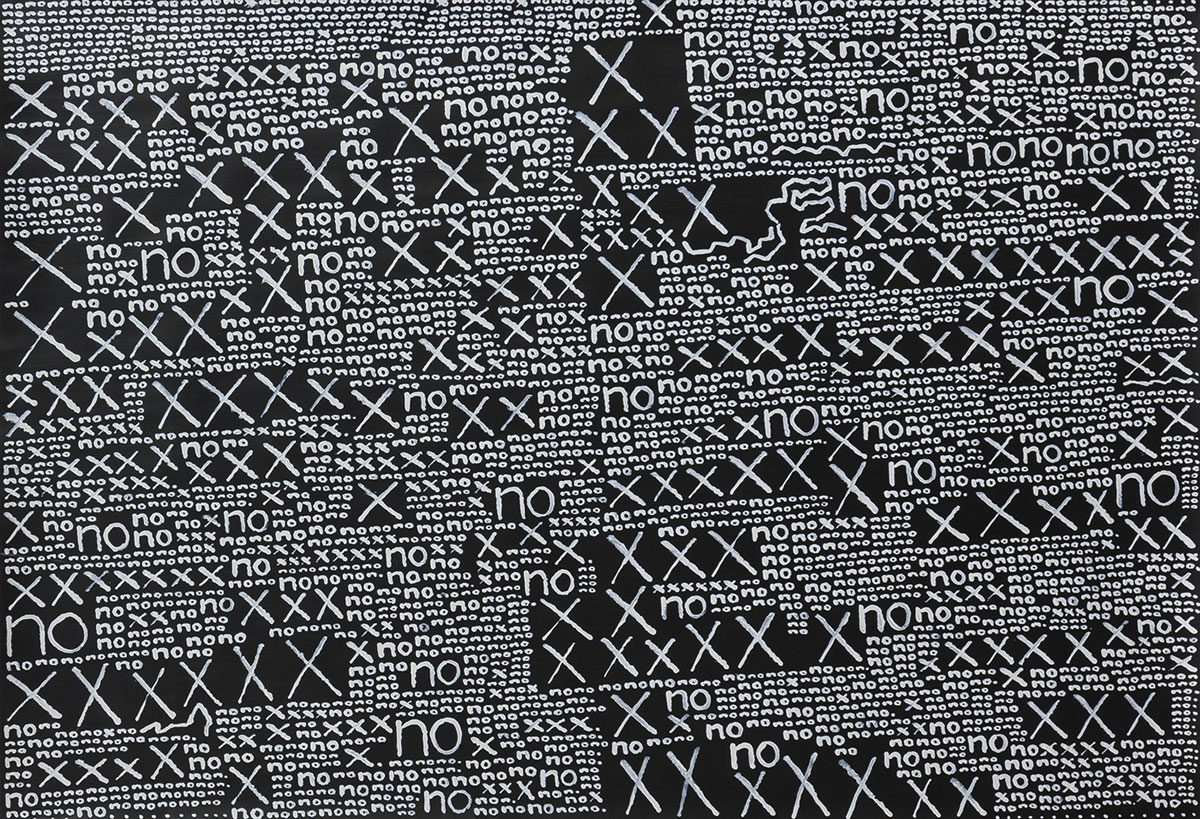
Andrew Blythe (New Zealand, b. 1962) 'Untitled' 2012


Andrew Blythe (New Zealand, b. 1962)
Untitled
2012
Synthetic polymer paint on paper
88 x 116cm
Courtesy the artist and Tim Melville Gallery, Auckland


Terry Williams (Australian, b. 1952) 'Stereo' 2011


Terry Williams (Australian, b. 1952)
Stereo
2011
Vinyl fabric, cotton, stuffing and fibre-tipped pen
21 x 43 x 14cm
Private collection, Melbourne. Courtesy the artist and Arts Project Australia, Melbourne


Terry Williams (Australian, b. 1952) 'Telephone' 2011


Terry Williams (Australian, b. 1952)
Telephone
2011
Fabric, cotton, stuffing and fibre-tipped pen
18 x 13 x 20cm
Private collection, Melbourne. Courtesy the artist and Arts Project Australia, Melbourne


An exhibition of Australian and New Zealand ‘Outsider’ artists which challenges a key existing interpretation of the genre will be presented at the Potter Museum of Art at The University of Melbourne, from 1 October 2014 to 15 January 2015. Everyday imagining: new perspectives on Outsider art, features the work of artists Andrew Blythe, Kellie Greaves, Julian Martin, Jack Napthine, Lisa Reid, Martin Thompson and Terry Williams.

The term ‘Outsider art’ was coined by British art historian Roger Cardinal in 1972 expanding on the 1940s French concept of art brut – predominantly artworks made by the institutionalised mentally ill – to include artworks made by folk artists and those who are self-taught, disabled, or on the edges of society. The work of Outsider artists is often interpreted as expressing a unique inner vision unsullied by social or cultural influences. Everyday imagining: new perspectives on Outsider art counters this view by presenting contemporary Outsider artists whose works reveal their proactive engagement with the everyday world through artworks that focus on day-to-day experiences.

Curator Joanna Bosse says the exhibition questions a key interpretive bias of Outsider art that is a legacy of its origins in art brut.

“The association with an interior psychological reality that is unsullied by social or cultural influences remains deeply embedded within the interpretations of Outsider art today, and can lead audiences to misinterpret the agency and intention of the artist. Everyday imagining: new perspectives on Outsider art questions this key interpretive bias, and presents the work of Australian and New Zealander outsider artists that demonstrate a clear and proactive engagement with the world. The work of artists Andrew Blythe, Kellie Greaves, Julian Martin, Jack Napthine, Lisa Reid, Martin Thompson and Terry Williams reveals their blatant interest in the here and now,” Ms Bosse said.

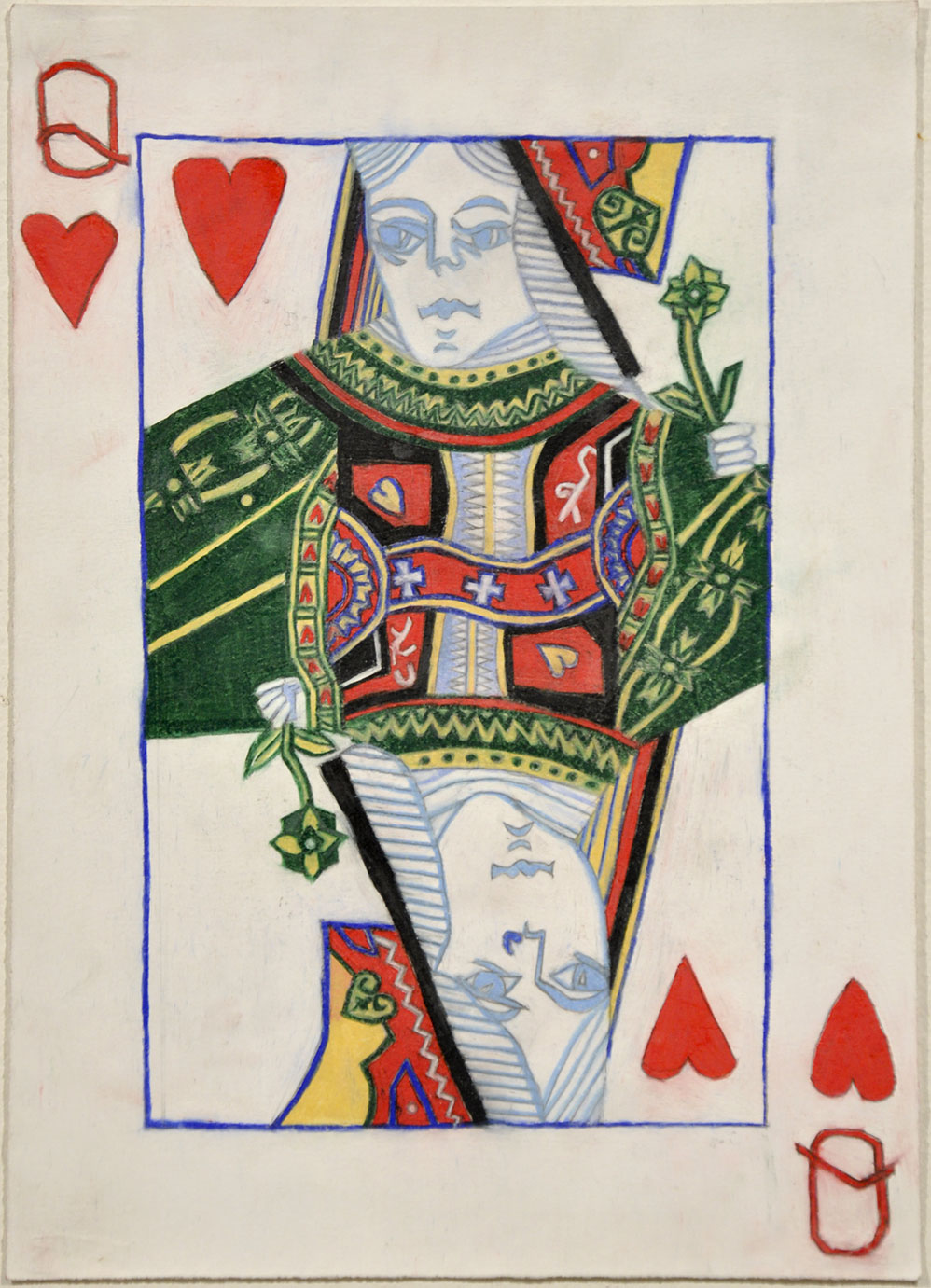
Terry Williams’ soft fabric sculptures of everyday items such as fridges, cameras and clocks convey his keen observation of the world and urgent impulse to replicate what is meaningful through familiarity or fascination. Kellie Greaves’ paintings are based on book cover illustrations with the addition of her own compositional elements and complementary tonal colour combinations. The traditional discipline of life-drawing provides Lisa Reid with a structure to pursue her interest in recording the human figure. Her pen and ink drawings are carefully observed yet intuitive renderings.

Jack Napthine produces drawn recollections of his past and present daily life in the form of visual diaries. Light fittings from remembered environments feature prominently as do doors with multiple and varied locks. Napthine’s work has a bold economy of means; he uses thick texta pen to depict simplified designs accompanied by text detail that often records the names of friends and family.

The work of Martin Thompson and Andrew Blythe also displays a similarly indexical approach. Both artists produce detailed repetitive patterns that are borne out of a desire for order and control. Thompson uses large-scale grid paper to create meticulous and intricate geometric designs whereas Blythe uses select motifs – the word ‘no’ and the symbol ‘x’ – to fill the pictorial plane with dense yet orderly markings that result in graphic and rhythmic patterns.

“In the last decade in particular there has been much debate about the term ‘outsider art’: who does it define? What are the prerequisite conditions for its production? What is it outside of, and who decides? This exhibition doesn’t seek to resolve these ambiguities or establish boundaries, but looks beyond definitions to challenge a key assumption underlying contemporary interpretations of outsider art,” Ms Bosse said.

Everyday imagining: new perspectives on Outsider art is held in conjunction with the international conference Contemporary Outsider art: the global context, presented Art Projects Australia and The University of Melbourne and held 23-26 October at The University of Melbourne. The conference proposes an inter-disciplinary exploration of the field, drawing on the experience and knowledge of Australian and international artists, collectors, curators and scholars.

Press release from The Ian Potter Museum of Art


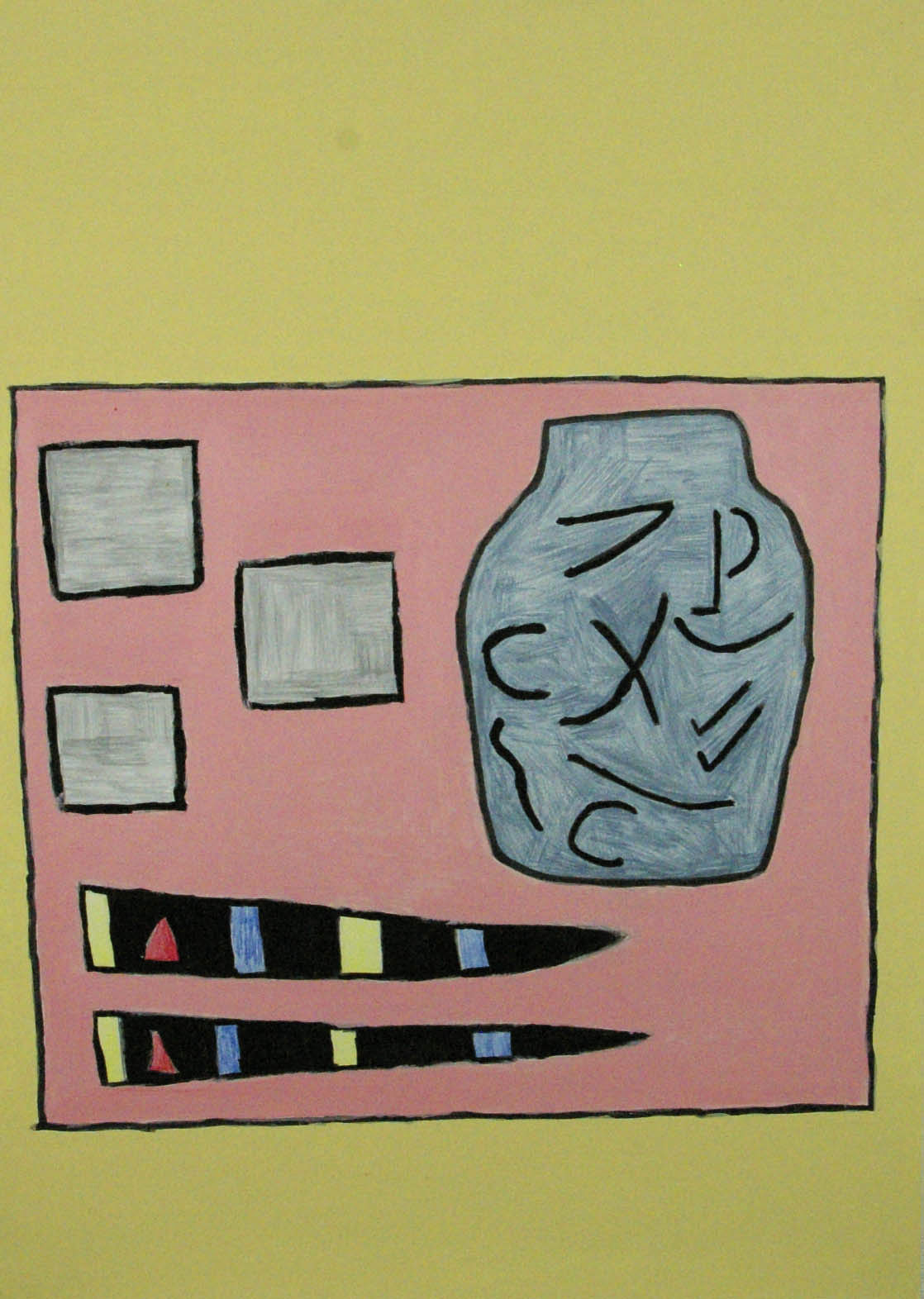
Julian Martin (Australian, b. 1969) 'Untitled' 2011


Julian Martin (Australian, b. 1969)
Untitled
2011
Pastel on paper
38 x 28cm
Courtesy the artist and Arts Project Australia, Melbourne


Kelly Greaves. 'My little Japan' 2010


Kelly Greaves
My little Japan
2010
Synthetic polymer paint on paper
59.4 x 42cm
Courtesy the artist and Art Unlimited, Geelong


Jack Napthine (Australian, b. 1975) 'Untitled' 2013


Jack Napthine (Australian, b. 1975)
Untitled
2013
Fibre-tipped pen on paper
59.4 x 42cm
Courtesy the artist and Art Unlimited, Geelong


Jack Napthine (Australian, b. 1975) 'Untitled' 2013


Jack Napthine (Australian, b. 1975)
Untitled
2013
Fibre-tipped pen on paper
42 x 59.4cm
Courtesy the artist and Art Unlimited, Geelong


Lisa Reid (Australian, b. 1975) 'Queen of hearts' 2010


Lisa Reid (Australian, b. 1975)
Queen of hearts
2010
Pencil on paper
35 x 25cm
Courtesy the artist and Arts Project Australia, Melbourne


The Ian Potter Museum of Art
The University of Melbourne,
Corner Swanston Street and Masson Road
Parkville, Victoria 3010

Opening hours: Tuesday – Saturday 11am – 5pm

The Ian Potter Museum of Art website

LIKE ART BLART ON FACEBOOK

Back to top

Exhibition: ‘Sharp, Clear Pictures: Edward Steichen’s World War 1 and Condé Nast Years’ at The Art Institute of Chicago

Exhibition dates: 24th June – 13th October 2014


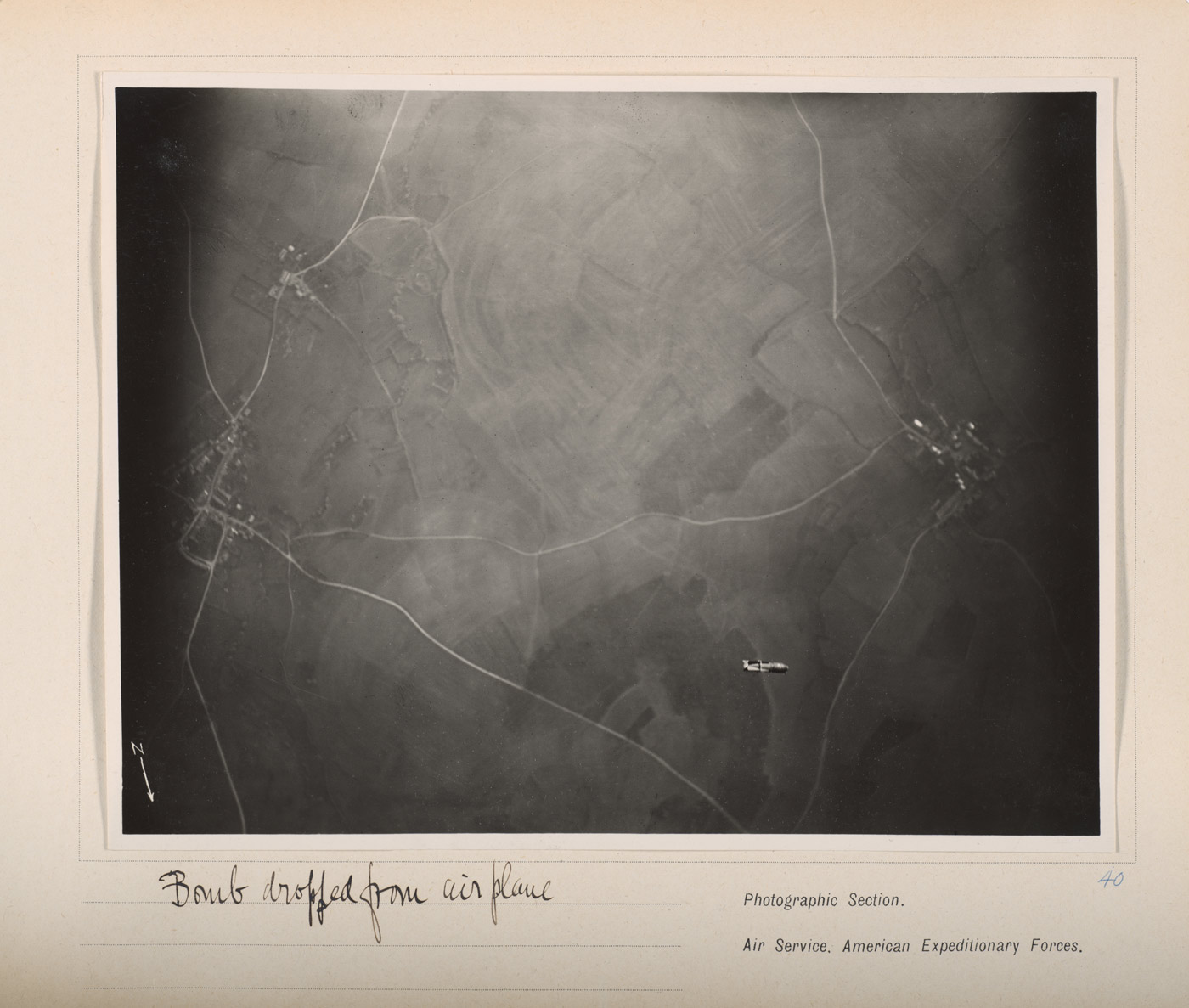
Photographic Section, U.S. Air Service, American Expeditionary Forces (AEF) and Major Edward J. Steichen, A.S.A. 'Bomb Dropped From Airplane' 1918


Photographic Section, U.S. Air Service, American Expeditionary Forces (AEF) and Major Edward J. Steichen, A.S.A.
Bomb Dropped From Airplane
1918
Gelatin silver print, from loose-leaf album of aerial photographs from the Photographic Section, Air Service, American Expeditionary Forces, World War I
The Art Institute of Chicago, gift of William Kistler
© 2014 The Estate of Edward Steichen/Artists Rights Society (ARS), New York.


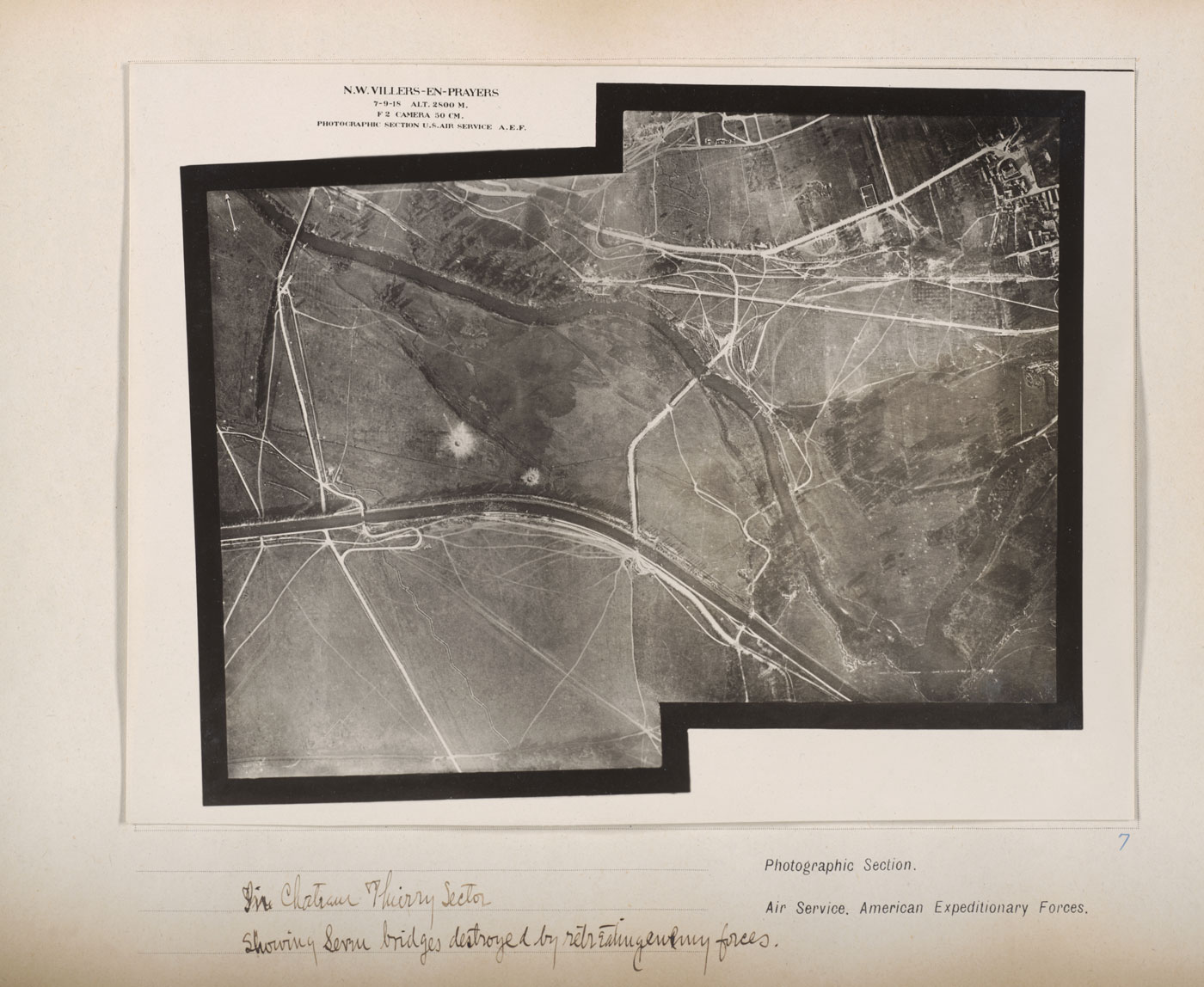
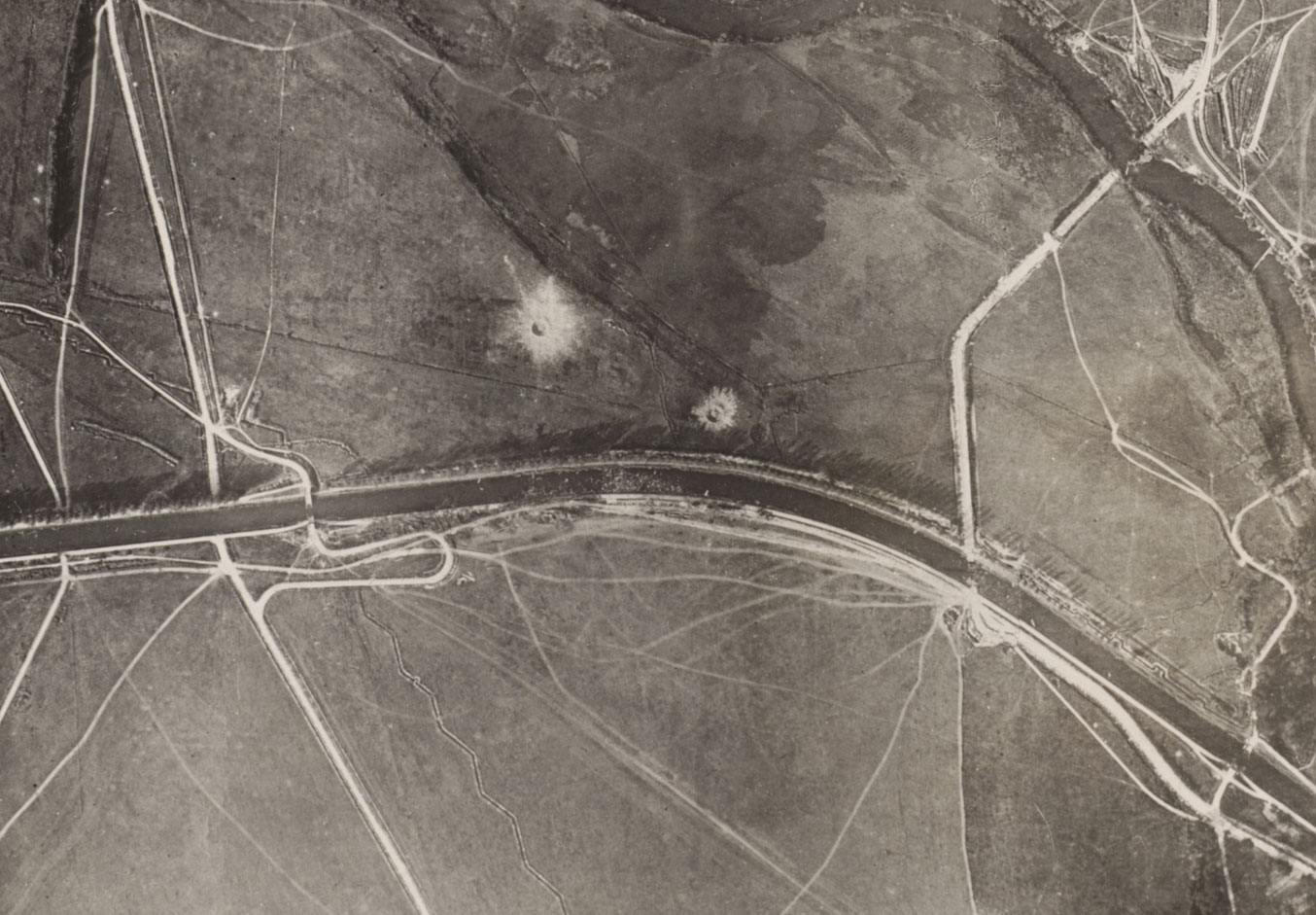
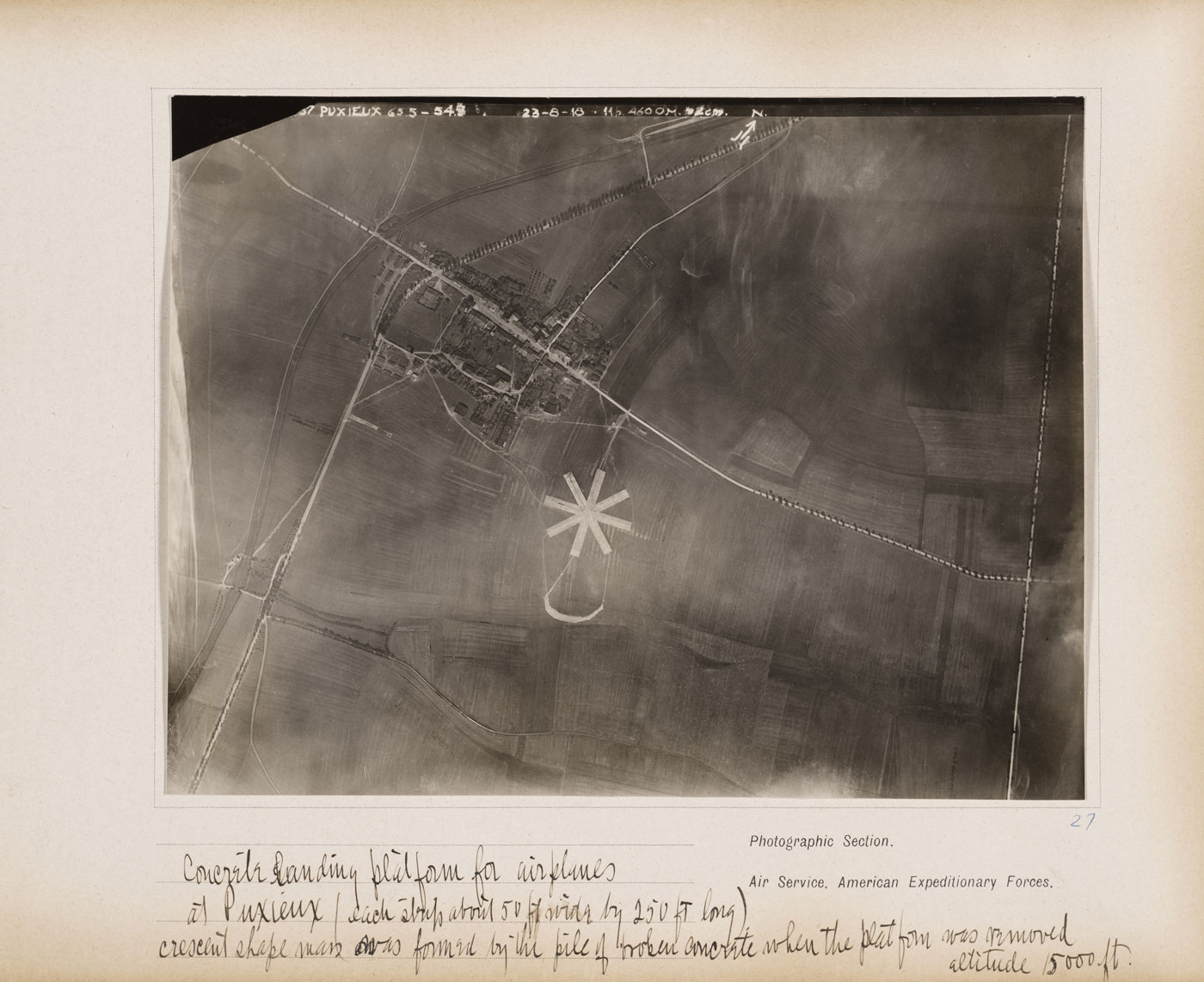
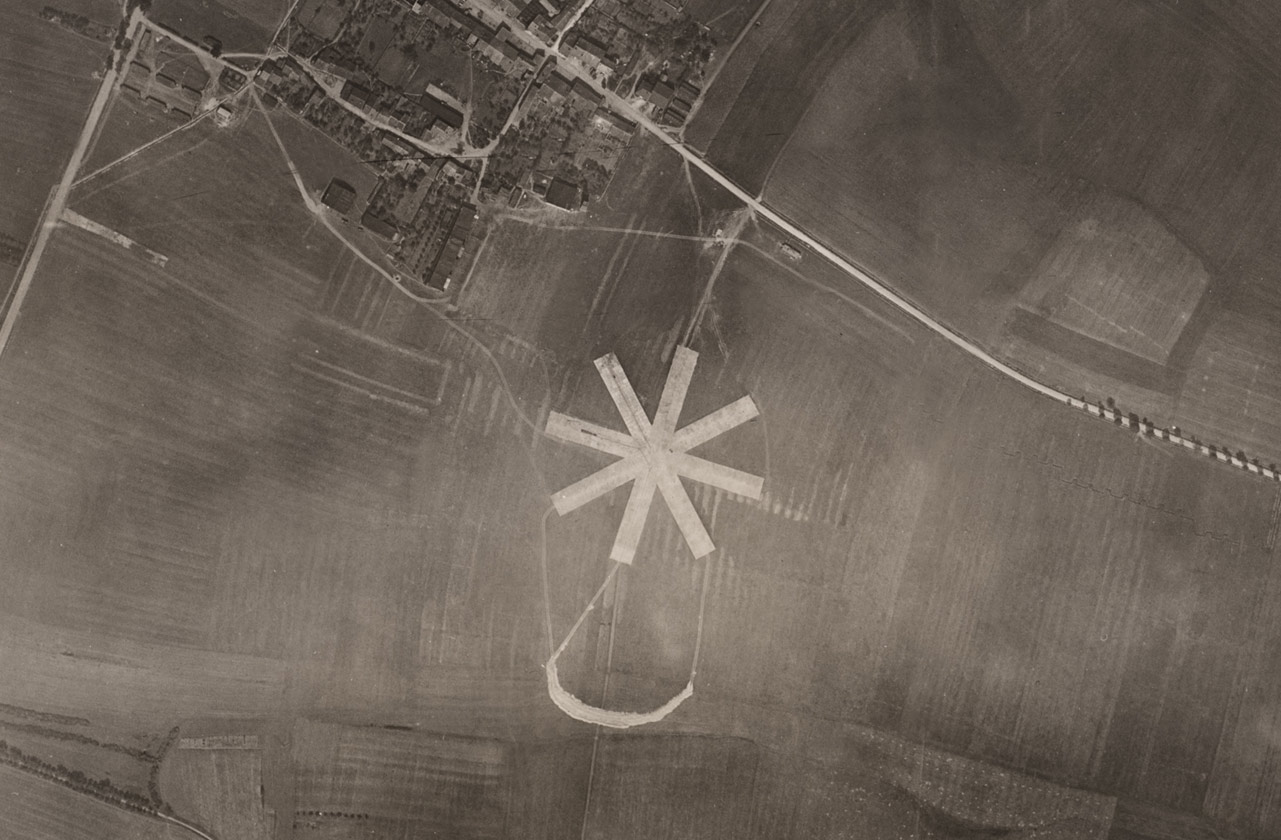
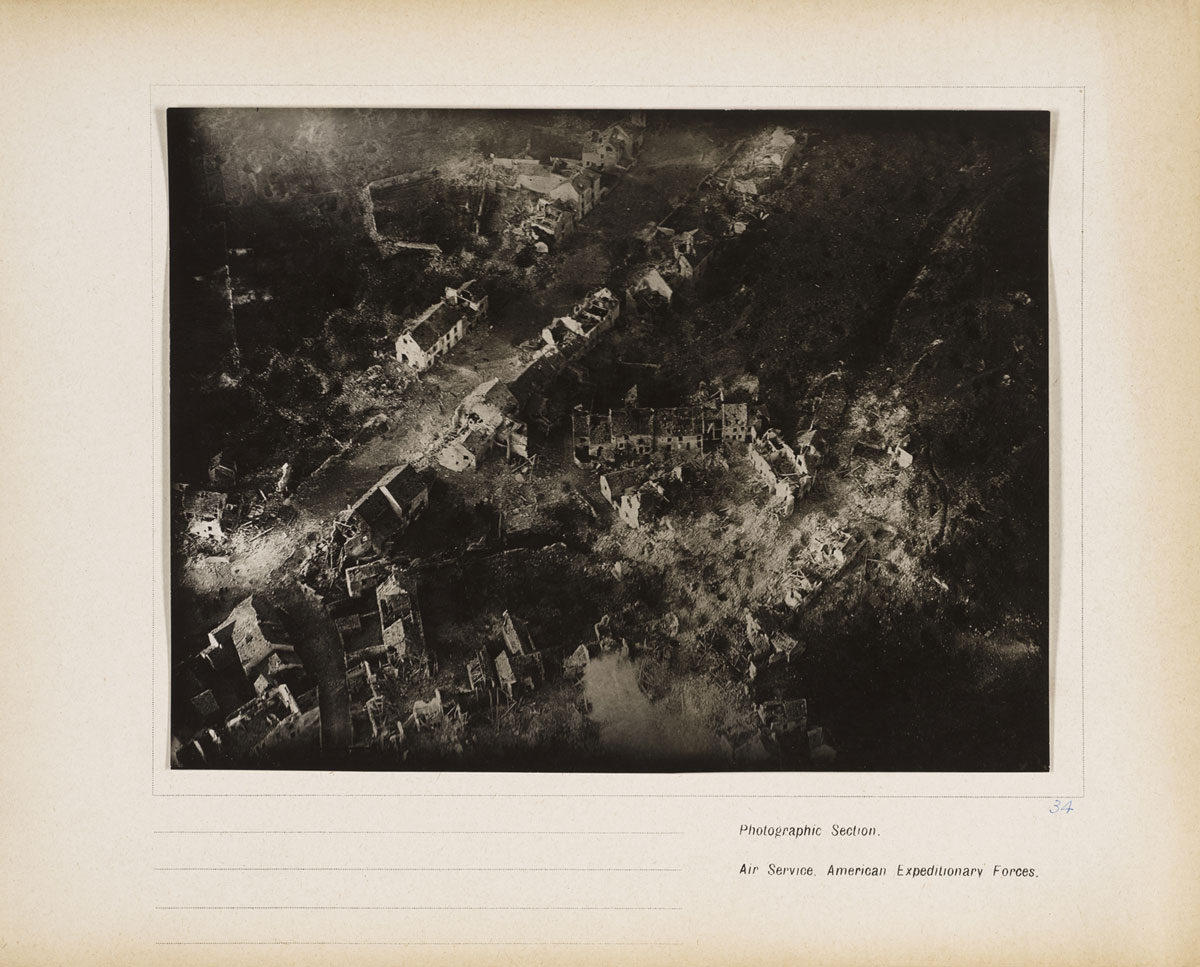
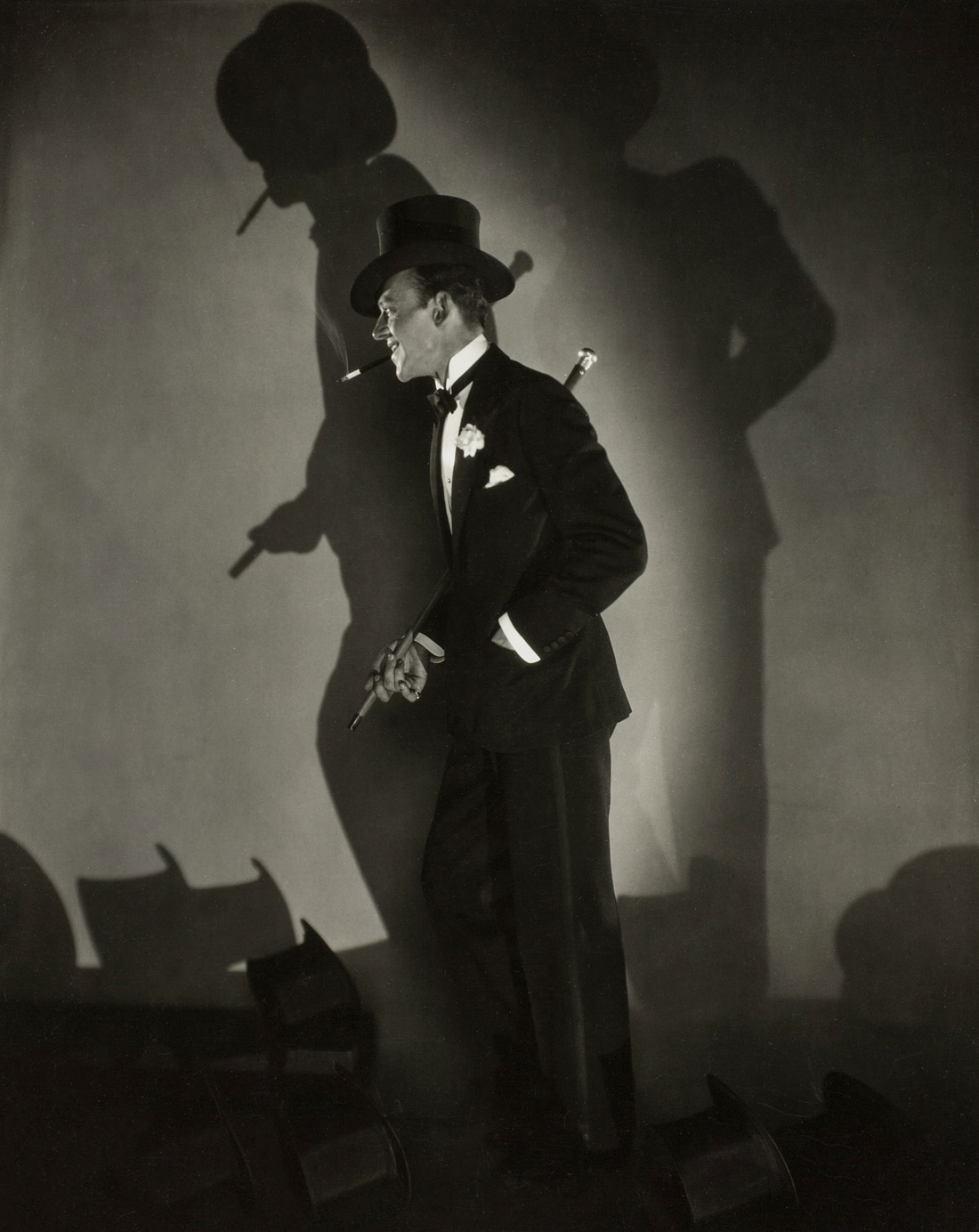
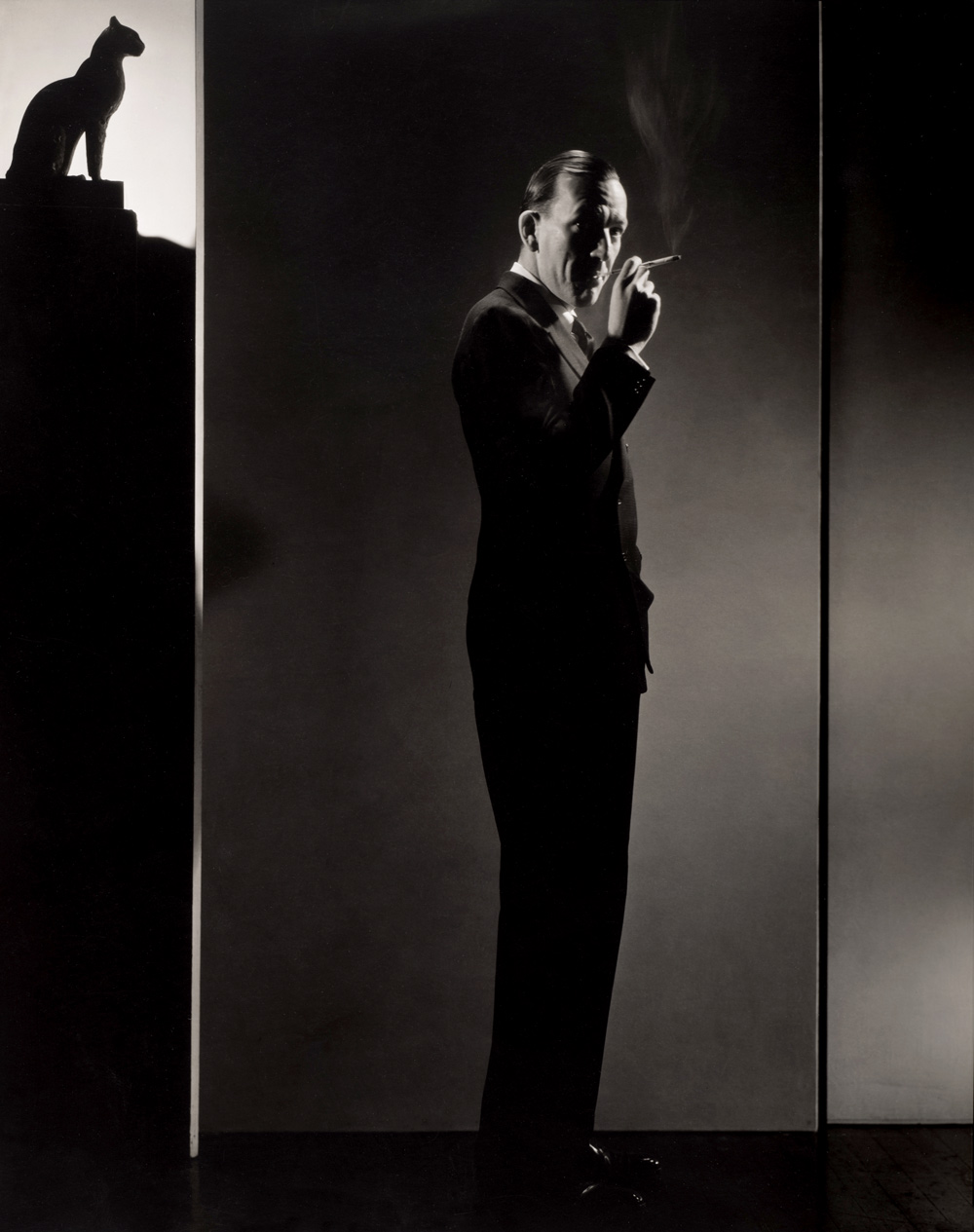
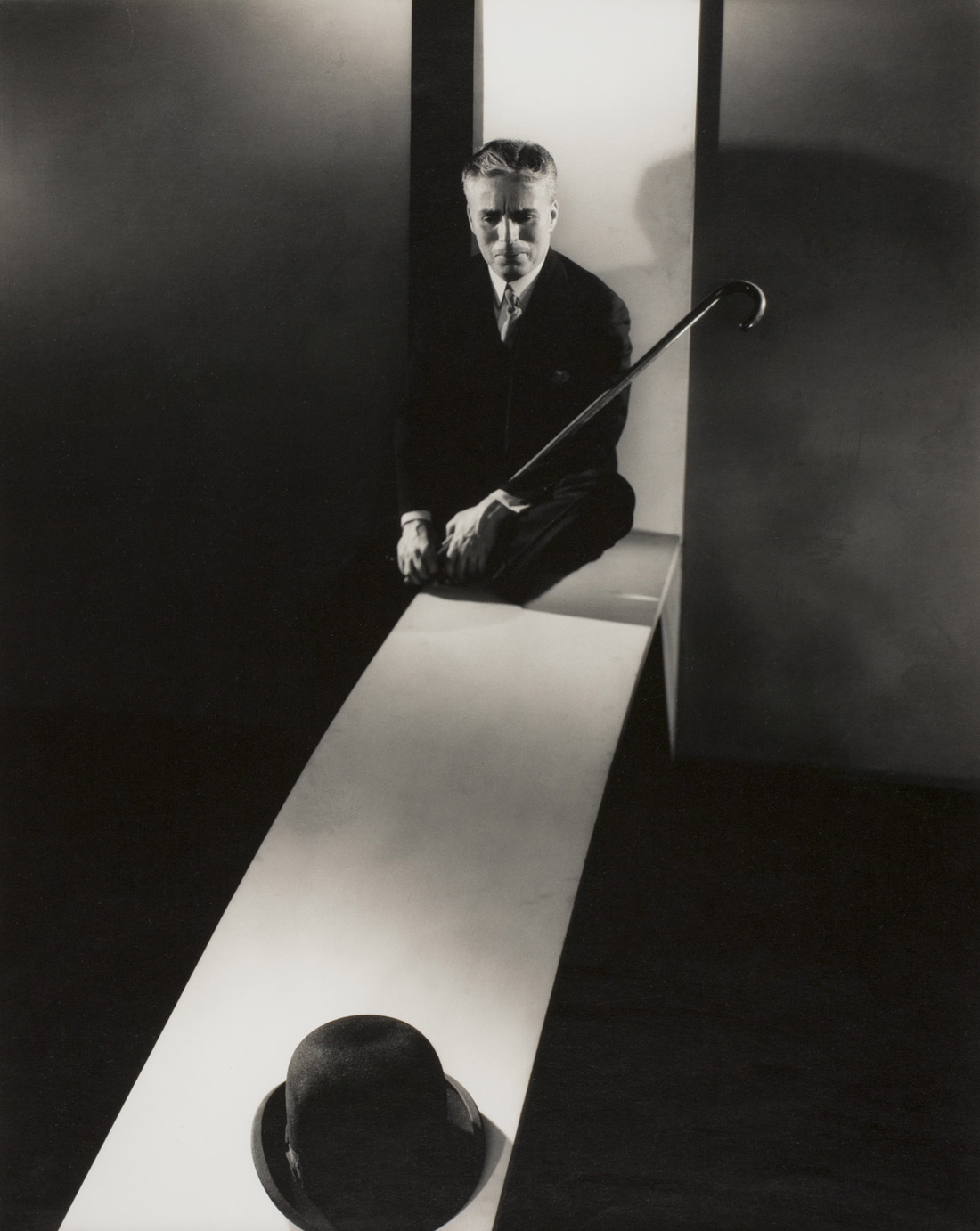
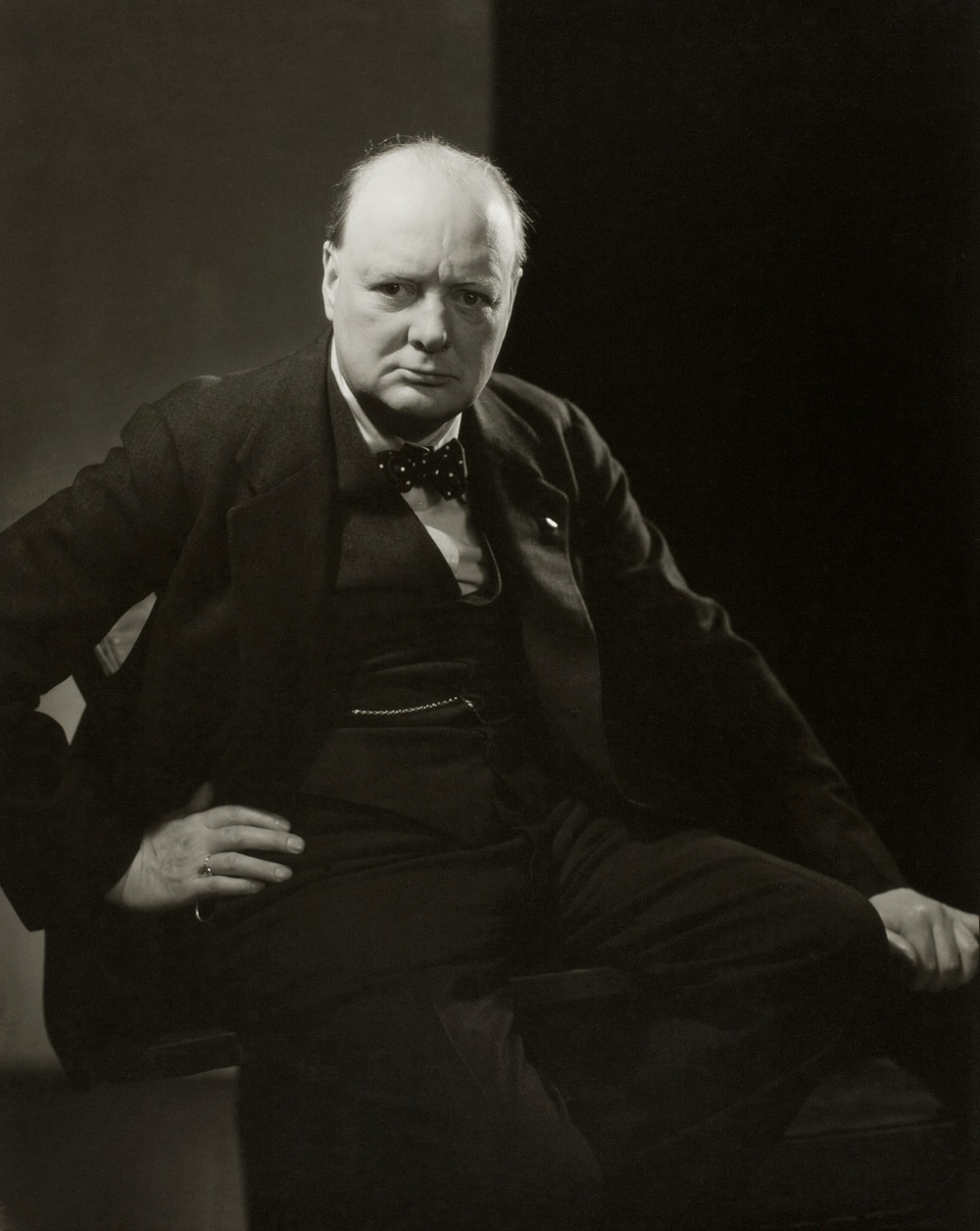
Brave man, hanging over the side of a rickety biplane at 15,000 feet taking aerial photographs during World War One but just look at the images he brought back, especially the hellish Untitled (Vaux) (1918-1919, below). I’m still not that convinced by his portraiture. The technical proficiency is magnificent (lighting, set, costume) but they are just too styled for me – the cat in the top left corner of Noel Coward (1932, below), the bowler hat of Charles Chaplin (1931, below) and the double shadow of Fred Astaire in Funny Face (1927, below) coupled with bands of light/dark and tons of “atmosphere” (certainly not sharp and clear!) which echo the mannerisms of Pictorialism. I see little modernist aesthetics and advertising tactics in these photographs. They are beautiful but they leave me unengaged. I much prefer the advertising photography in the next posting, much more angular and modern. You will have to wait and see what it is!

Dr Marcus Bunyan


Many thankx to The Art Institute of Chicago for allowing me to publish the photographs in the posting. Please click on the photographs for a larger version of the image.


Photographic Section, U.S. Air Service, American Expeditionary Forces (AEF) and Major Edward J. Steichen, A.S.A. 'In Chateau Thierry Sector showing service bridges destroyed by retreating enemy forces' September 7, 1918


Photographic Section, U.S. Air Service, American Expeditionary Forces (AEF) and Major Edward J. Steichen, A.S.A.
In Chateau Thierry Sector showing service bridges destroyed by retreating enemy forces
September 7, 1918
Gelatin silver print, from loose-leaf album of aerial photographs from the Photographic Section, Air Service, American Expeditionary Forces, World War I
The Art Institute of Chicago, gift of William Kistler
© 2014 The Estate of Edward Steichen/Artists Rights Society (ARS), New York


Photographic Section, U.S. Air Service, American Expeditionary Forces (AEF) and Major Edward J. Steichen, A.S.A. 'In Chateau Thierry Sector showing service bridges destroyed by retreating enemy forces' (detail) September 7, 1918 (detail)


Photographic Section, U.S. Air Service, American Expeditionary Forces (AEF) and Major Edward J. Steichen, A.S.A.
In Chateau Thierry Sector showing service bridges destroyed by retreating enemy forces (detail)
September 7, 1918
Gelatin silver print, from loose-leaf album of aerial photographs from the Photographic Section, Air Service, American Expeditionary Forces, World War I
The Art Institute of Chicago, gift of William Kistler
© 2014 The Estate of Edward Steichen/Artists Rights Society (ARS), New York


Photographic Section, U.S. Air Service, American Expeditionary Forces (AEF) and Major Edward J. Steichen, A.S.A. 'Concrete landing platform for airplanes at Puxieux (each strip about 50 ft. wide by 250 ft long), crescent shape mass was formed by the pile of broken concrete when the platform was removed, altitude 15,000 ft.,' August 23, 1918


Photographic Section, U.S. Air Service, American Expeditionary Forces (AEF) and Major Edward J. Steichen, A.S.A.
Concrete landing platform for airplanes at Puxieux (each strip about 50 ft. wide by 250 ft long), crescent shape mass was formed by the pile of broken concrete when the platform was removed, altitude 15,000 ft.,
August 23, 1918
Gelatin silver print, from loose-leaf album of aerial photographs from the Photographic Section, Air Service, American Expeditionary Forces, World War I
The Art Institute of Chicago, gift of William Kistler
© 2014 The Estate of Edward Steichen/Artists Rights Society (ARS), New York


Photographic Section, U.S. Air Service, American Expeditionary Forces (AEF) and Major Edward J. Steichen, A.S.A. 'Concrete landing platform for airplanes at Puxieux (each strip about 50 ft. wide by 250 ft long), crescent shape mass was formed by the pile of broken concrete when the platform was removed, altitude 15,000 ft.,' (detail) August 23, 1918 (detail)


Photographic Section, U.S. Air Service, American Expeditionary Forces (AEF) and Major Edward J. Steichen, A.S.A.
Concrete landing platform for airplanes at Puxieux (each strip about 50 ft. wide by 250 ft long), crescent shape mass was formed by the pile of broken concrete when the platform was removed, altitude 15,000 ft., (detail)
August 23, 1918
Gelatin silver print, from loose-leaf album of aerial photographs from the Photographic Section, Air Service, American Expeditionary Forces, World War I
The Art Institute of Chicago, gift of William Kistler
© 2014 The Estate of Edward Steichen/Artists Rights Society (ARS), New York


Photographic Section, U.S. Air Service, American Expeditionary Forces (AEF) and Major Edward J. Steichen, A.S.A. 'Untitled (Vaux)' 1918/1919


Photographic Section, U.S. Air Service, American Expeditionary Forces (AEF) and Major Edward J. Steichen, A.S.A.
Untitled (Vaux)
1918-1919
Gelatin silver print, from loose-leaf album of aerial photographs from the Photographic Section, Air Service, American Expeditionary Forces, World War I
The Art Institute of Chicago, gift of William Kistler
© 2014 The Estate of Edward Steichen/Artists Rights Society (ARS), New York


At the start of World War I in 1914, Edward Steichen was a pioneering champion of art photography – catapulting to fame as a leading member of the Photo Secessionists and as cofounder of the trailblazing magazine Camera Work. Yet by the early 1920s, Steichen had rejected the soft focus, dreamy landscapes and portraits of his early years in favour of realist photographs made for informational purposes or popular consumption. This turning point was first marked by his role in World War I as chief of the Photographic Section of the American Expeditionary Forces from 1917 to 1919; and was fully realised in his subsequent work as lead photographer at Condé Nast publications from 1923 to 1937.

While on military duty, Steichen helped adapt aerial photography for intelligence purposes, implementing surveillance programs that had a lasting impact on modern warfare. He later reflected: “The wartime problem of making sharp, clear pictures from a vibrating, speeding airplane ten to twenty thousand feet in the air had brought me a new kind of technical interest in photography… Now I wanted to know all that could be expected from photography.” Steichen began to value photography’s capacity to transmit and encode information, and he soon proved his savvy as a collaborator and producer rather than a solitary auteur – new skills that enabled his subsequent groundbreaking career in magazines. Upon his return to New York in 1923, Steichen joined Condé Nast publications, creating iconic fashion photographs and celebrity portraits for Vogue and Vanity Fair. Over a period of nearly 15 years he created images that redefined the field through their clever use of modernist aesthetics and advertising tactics, becoming an influential impresario who promoted photography as a mass-media tool.

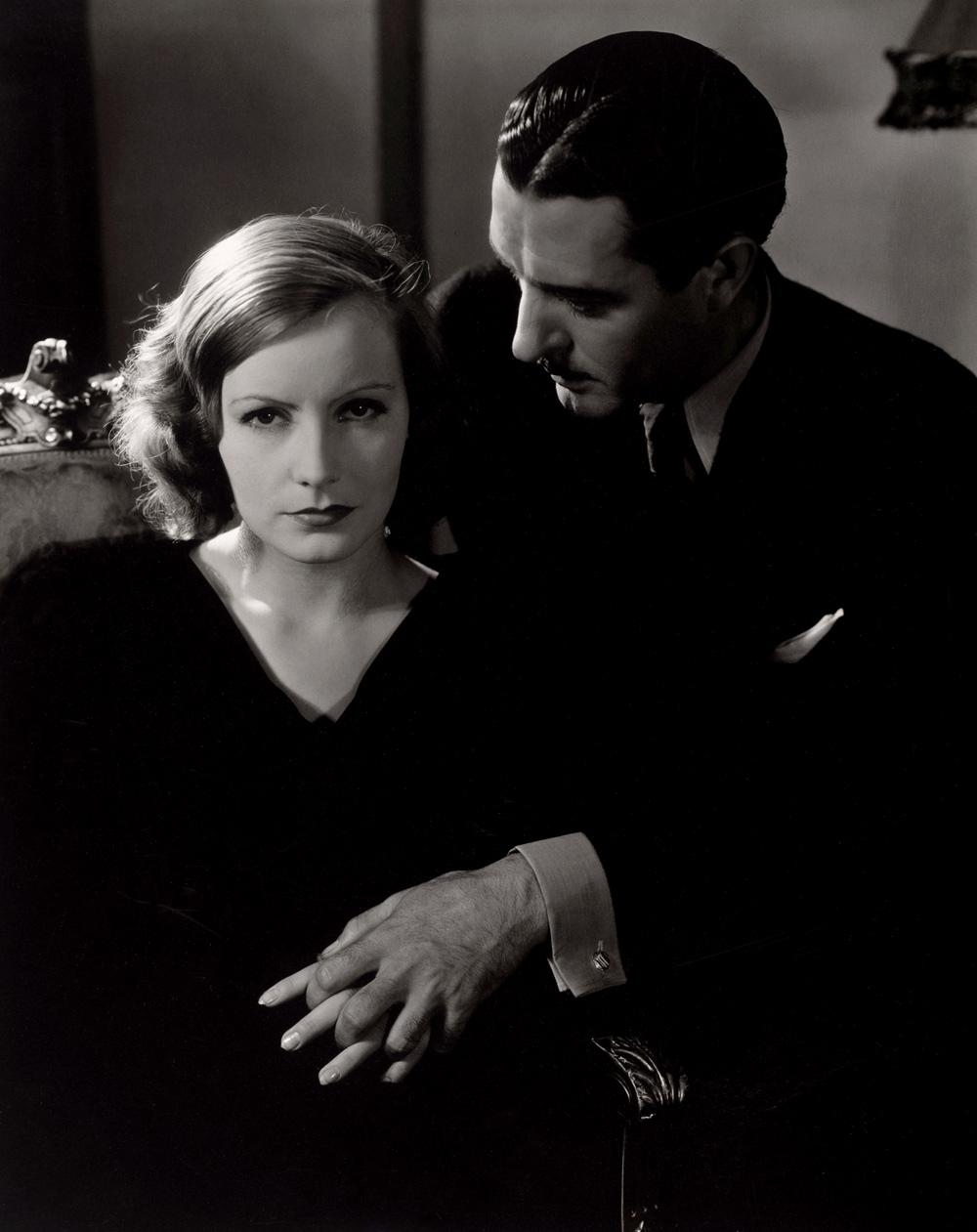
Focusing on rarely seen Steichen photographs drawn from the Art Institute’s collection, this exhibition includes a unique album of over 80 World War I aerial photographs assembled and annotated by Steichen himself as well as a group of iconic glamour portraits and fashion photographs done for Condé Nast, featuring notable figures such as Greta Garbo, Fred Astaire, and Gloria Swanson.

Text from The Art Institute of Chicago website


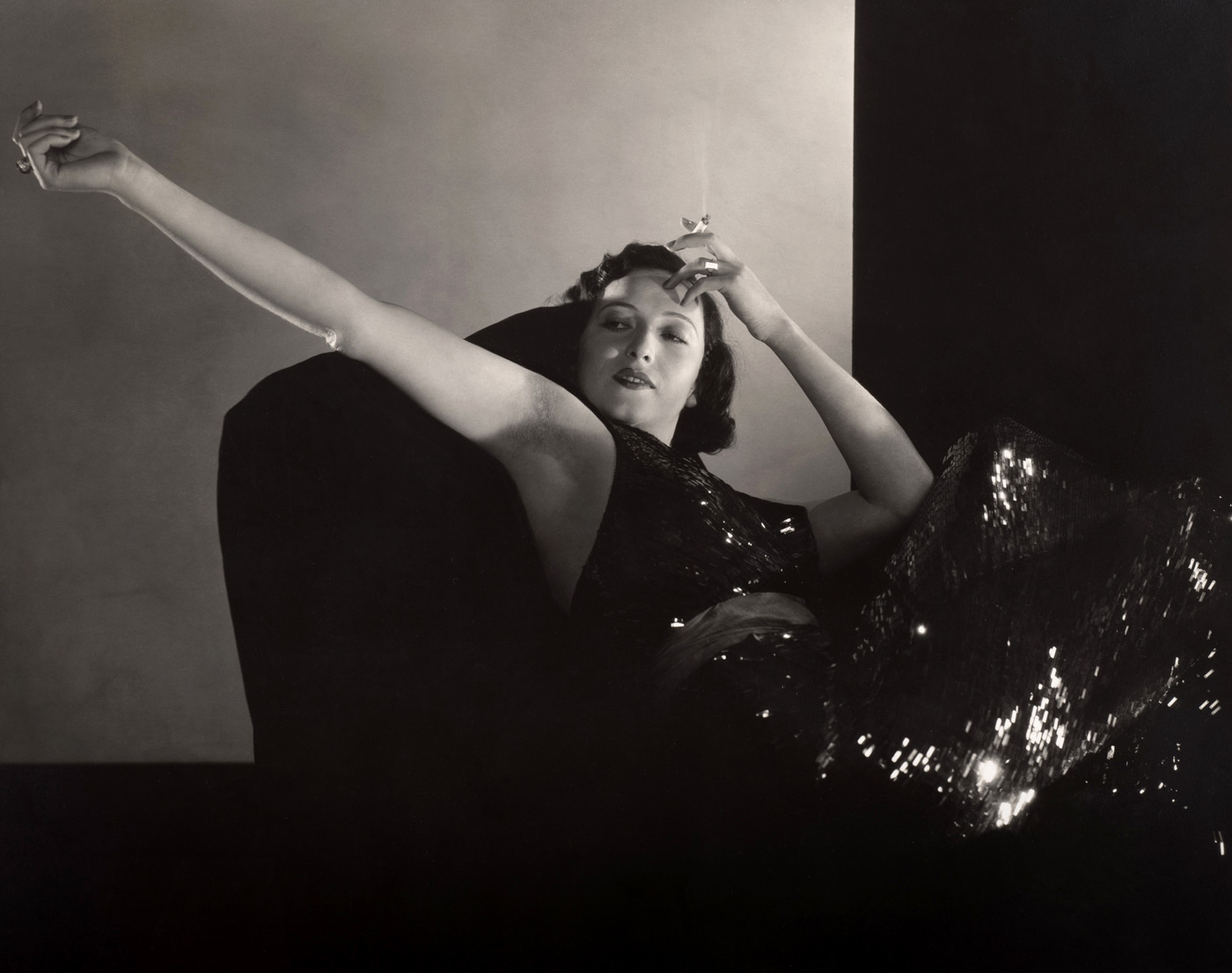
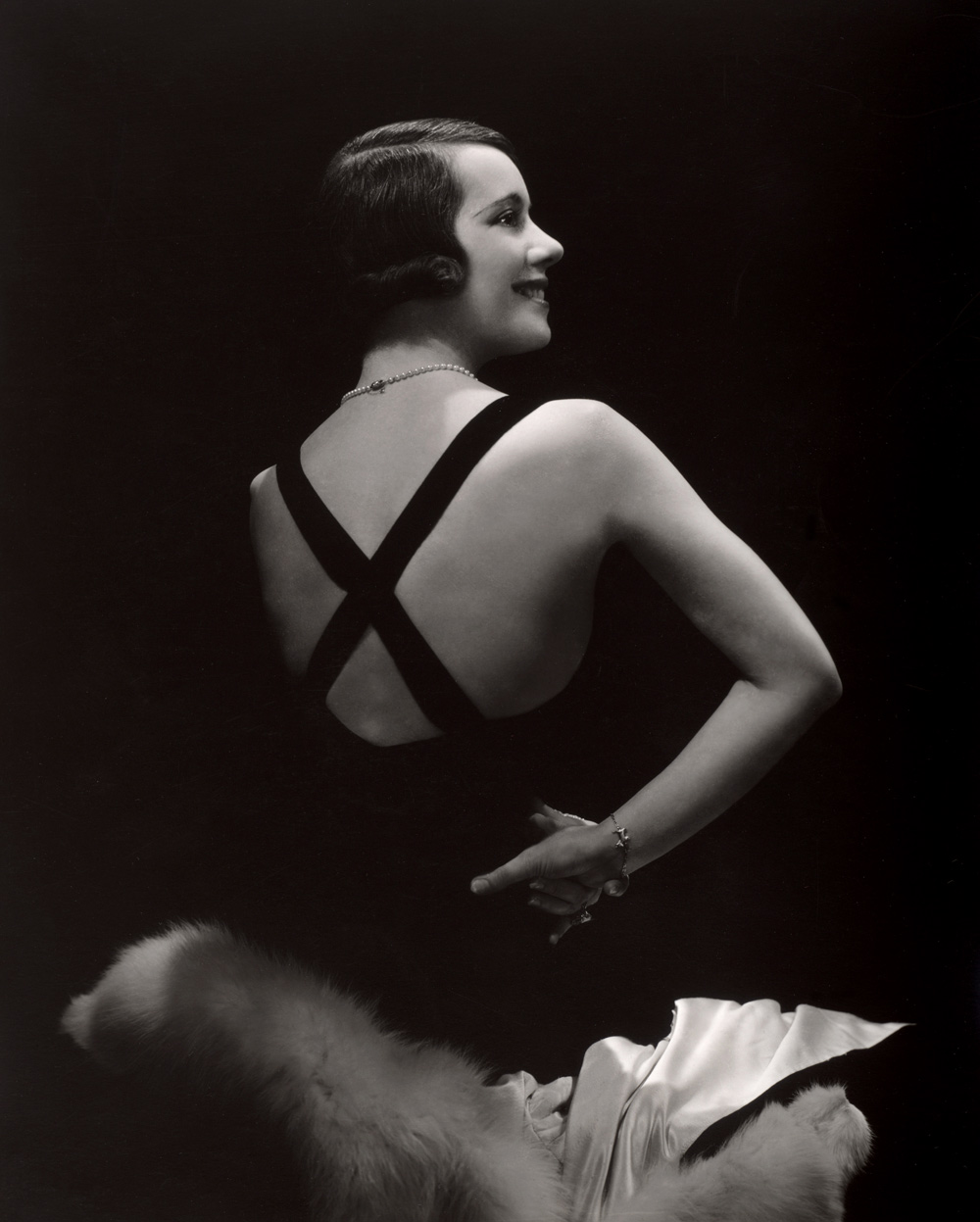
Edward Steichen (American, 1879-1973) 'Mary Duncan in "Lilly,"' 1931


Edward Steichen (American, 1879-1973)
Mary Duncan in “Lilly”
1931
The Art Institute of Chicago, bequest of Edward Steichen by direction of Joanna T. Steichen and George Eastman House
© 2014 The Estate of Edward Steichen/Artists Rights Society (ARS), New York


Throughout his extensive career, famed photographer Edward Steichen (1879-1973) championed photography’s multiple roles – from his earliest efforts to promote American photography as an equal among the modern fine arts, to his groundbreaking work for the magazine industry. A new exhibition at the Art Institute of Chicago, Sharp, Clear Pictures: Edward Steichen’s World War I and Condé Nast Years, on view from June 28 – September 28, 2014, in Galleries 1-4, examines a crucial period in Steichen’s career, when he rejected the painterly Pictorialist aesthetic of his early years in favor of a straight, information-based approach. This turning point was first signalled by Steichen’s role in World War I, as chief of the Photographic Section of the American Expeditionary Forces from 1917 to 1919, and was fully realised in his work as lead photographer at Condé Nast Publications from 1923 to 1937.

Focusing on rarely seen Steichen photographs drawn from the Art Institute’s collection, this exhibition includes a unique album of over 80 World War I aerial photographs assembled and annotated by Steichen himself as well as a group of iconic glamour portraits and fashion photographs done for Condé Nast, featuring such early Hollywood royalty as Mary Pickford, Greta Garbo, Fred Astaire, Charlie Chaplin and Gloria Swanson, as well as key historical figures like Winston Churchill.

Prior to WWI, Edward Steichen was a pioneering champion of art photography – he had a leading reputation in the Photo Secession movement in New York, and, along with his mentor Alfred  Stieglitz, had cofounded its trail-blazing fine-art journal Camera Work. Together, they opened the Little Galleries of the Photo-Secession, later 291, which first presented Picasso, Bråncusi, and a range of progressive photographers to the American public. In 1906, seeking a change, Steichen moved to Voulangis, France, with his family, where he immersed himself in European modern art. They remained there until the outbreak of the war in 1914, when, under the threat of advancing German troops, they fled home to the United States.

In July 1917, Steichen entered active duty with the goal of becoming “a photographic reporter, as Mathew Brady had been in the Civil War,” but he quickly abandoned this romantic notion to help implement the newest weapon of war – aerial photography. While on military duty, Steichen helped adapt aerial photography for intelligence purposes, implementing surveillance programs that had a lasting impact on modern warfare. He later reflected: “The wartime problem of making sharp, clear pictures from a vibrating, speeding airplane ten to twenty thousand feet in the air had brought me a new kind of technical interest in photography… Now I wanted to know all that could be expected from photography.” Steichen began to value photography’s capacity to transmit and encode information, and he soon proved his savvy as a collaborator and producer rather than a solitary auteur – new skills that enabled his subsequent groundbreaking career in magazines.

Following his military discharge in 1919, Steichen returned to Voulangis, where for a period of three years he created work that embraced clear focus, close cropping, and other techniques of modernist photography. Upon his return to New York in 1923, Steichen joined Condé Nast Publications, creating iconic fashion photographs and celebrity portraits for Vogue and Vanity Fair. In undertaking this challenging endeavour, the organisational and technical skills Steichen gained during his time in the military and in Voulangis proved invaluable.

Steichen championed the cultural and economic potential of celebrity, fashion, and advertising photography, creating images that became the foundation for contemporary magazine photography. Over a period of nearly 15 years he created images that redefined the field through their clever use of modernist aesthetics and advertising tactics, becoming an influential impresario who promoted photography as a mass-media tool.

Press release from The Art Institute of Chicago website


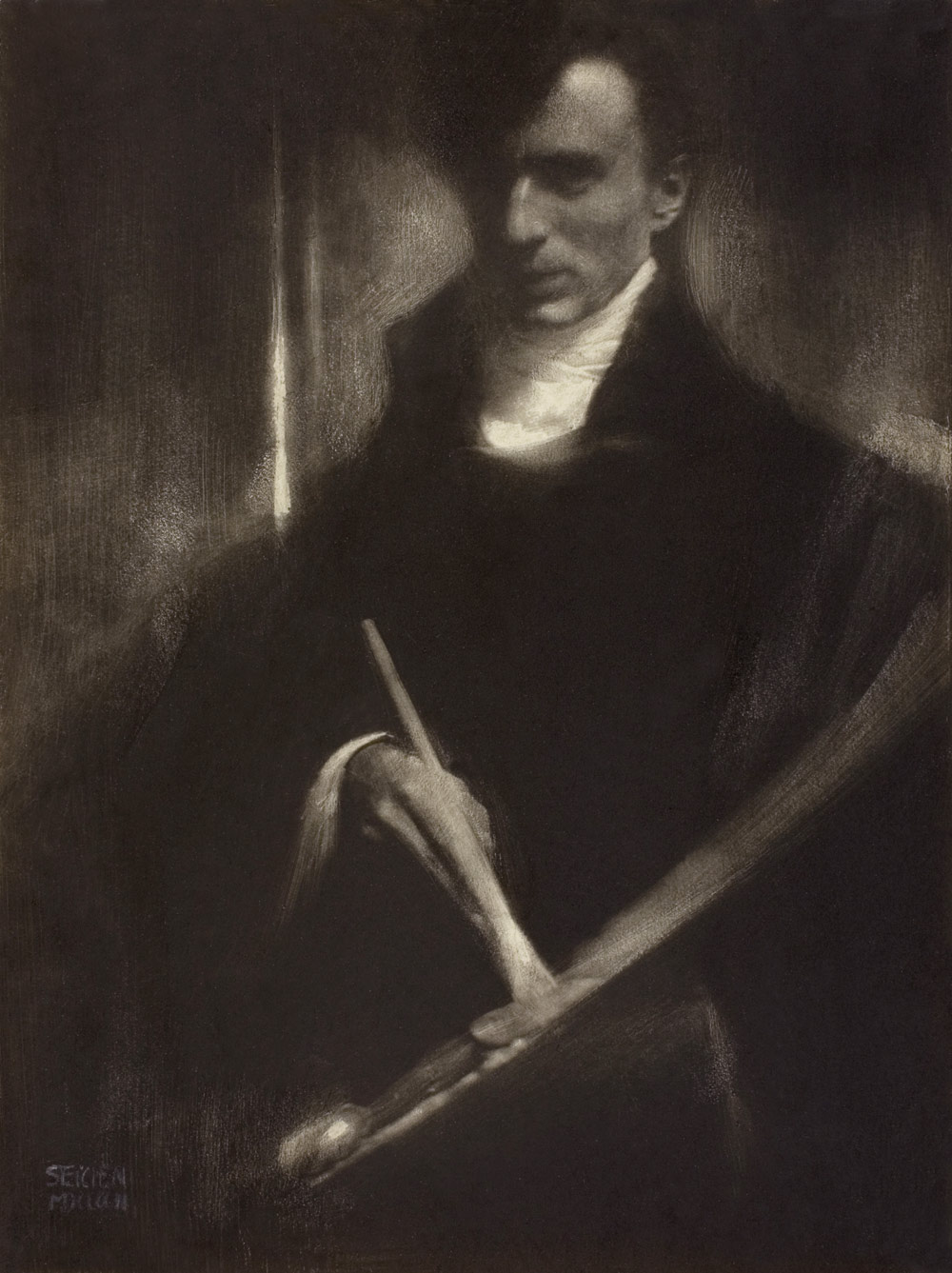
Edward Steichen (American, 1879-1973) 'Self-Portrait with Brush and Palette' 1902


Edward Steichen (American, 1879-1973)
Self-Portrait with Brush and Palette
1902
The Art Institute of Chicago, Alfred Stieglitz Collection
© 2014 The Estate of Edward Steichen/Artists Rights Society (ARS), New York


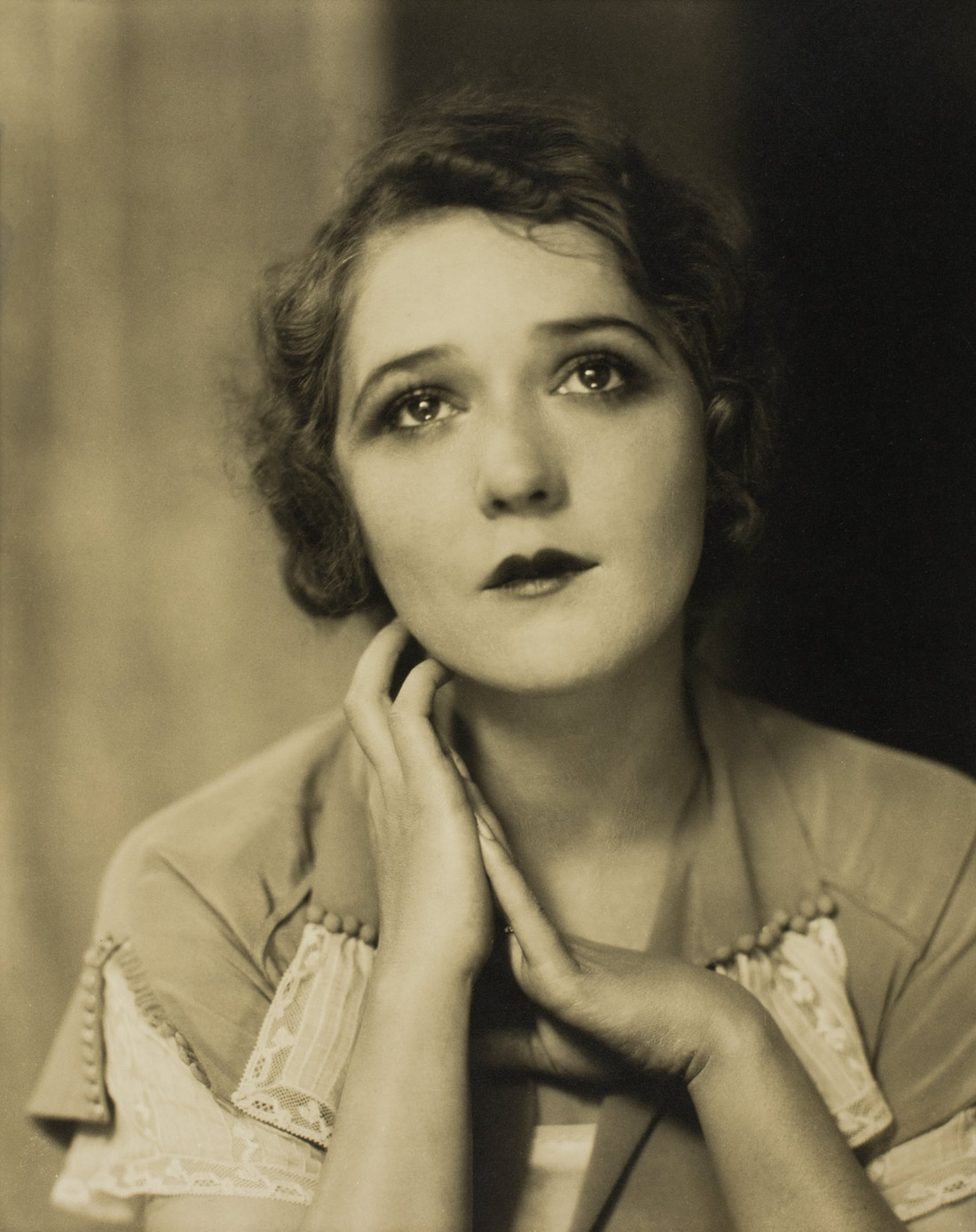
Edward Steichen (American, 1879-1973) 'Mary Pickford' 1924


Edward Steichen (American, 1879-1973)
Mary Pickford
1924
The Art Institute of Chicago, Bequest of Edward Steichen by direction of Joanna T. Steichen and George Eastman House
© 2014 The Estate of Edward Steichen/Artists Rights Society (ARS), New York


Edward Steichen (American, 1879-1973) 'Fred Astaire in Funny Face' 1927


Edward Steichen (American, 1879-1973)
Fred Astaire in Funny Face
1927
The Art Institute of Chicago, Bequest of Edward Steichen by direction of Joanna T. Steichen and George Eastman House
© 2014 The Estate of Edward Steichen/Artists Rights Society (ARS), New York


Edward Steichen (American, 1879-1973) 'Noel Coward' 1932


Edward Steichen (American, 1879-1973)
Noel Coward
1932
The Art Institute of Chicago, bequest of Edward Steichen by direction of Joanna T. Steichen and George Eastman House
© 2014 The Estate of Edward Steichen/Artists Rights Society (ARS), New York


Edward Steichen (American, 1879-1973) 'Charles Chaplin' 1931


Edward Steichen (American, 1879-1973)
Charles Chaplin
1931
The Art Institute of Chicago, Bequest of Edward Steichen by direction of Joanna T. Steichen and George Eastman House
© 2014 The Estate of Edward Steichen/Artists Rights Society (ARS), New York


Edward Steichen (American, 1879-1973) 'Lily Pons' 1932


Edward Steichen (American, 1879-1973)
Lily Pons
1932
The Art Institute of Chicago, bequest of Edward Steichen by direction of Joanna T. Steichen and George Eastman House
© 2014 The Estate of Edward Steichen/Artists Rights Society (ARS), New York


Edward Steichen (American, 1879-1973) 'Winston Churchill' 1932


Edward Steichen (American, 1879-1973)
Winston Churchill
1932
The Art Institute of Chicago, Bequest of Edward Steichen by direction of Joanna T. Steichen and George Eastman House
© 2014 The Estate of Edward Steichen/Artists Rights Society (ARS), New York


Edward Steichen (American, 1879-1973) 'Greta Garbo and John Gilbert' 1928


Edward Steichen (American, 1879-1973)
Greta Garbo and John Gilbert
1928
The Art Institute of Chicago, bequest of Edward Steichen by direction of Joanna T. Steichen and George Eastman House
© 2014 The Estate of Edward Steichen/Artists Rights Society (ARS), New York


The Art Institute of Chicago
111 South Michigan Avenue
Chicago, Illinois 60603-6404
Phone: (312) 443-3600

Opening hours:
Thursday – Monday 11am – 5pm
Closed Tuesday and Wednesday

The Art Institute of Chicago website

LIKE ART BLART ON FACEBOOK

Back to top

Exhibition: ‘Melbourne Now’ at the National Gallery of Victoria, Melbourne, Part 1

Exhibition dates: 22nd November 2013 – 23rd March 2014
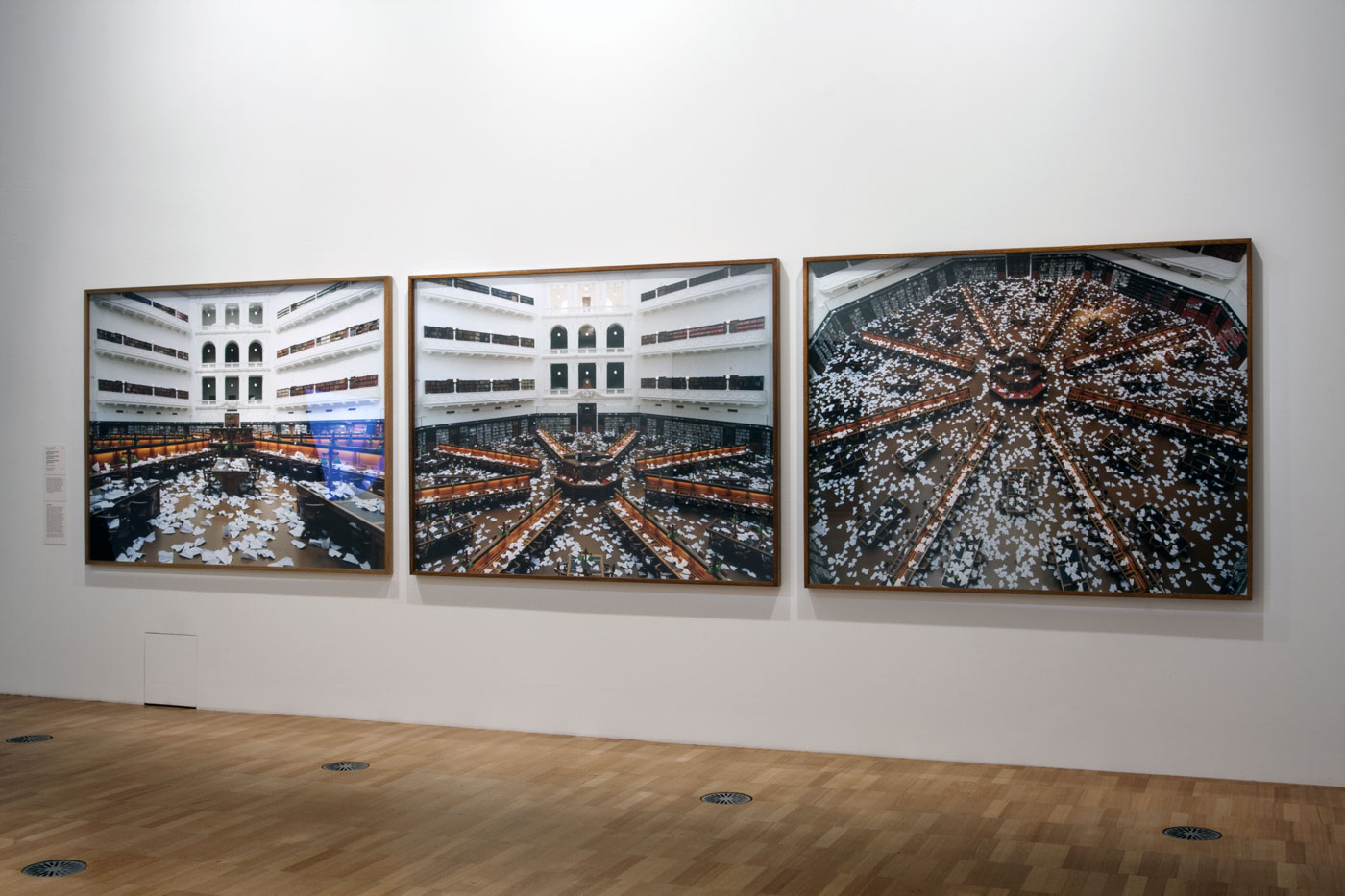
 

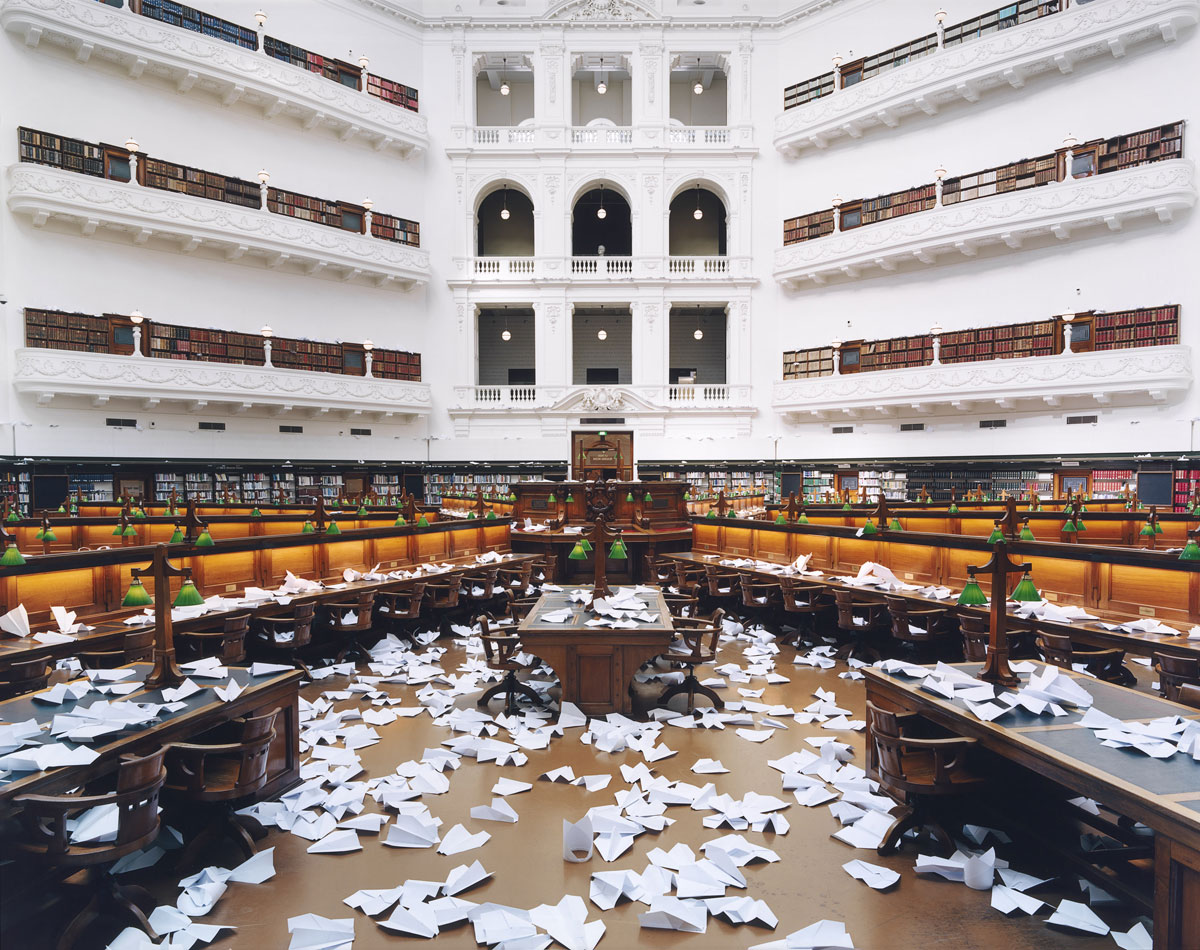
Ross Coulter (Australian, b. 1972) '10,000 paper planes – aftermath (1)' 2011 (installation view)


Ross Coulter (Australian, b. 1972)
10,000 paper planes – aftermath (1) (installation view)
2011
National Gallery of Victoria, Melbourne
Photo: © Marcus Bunyan


This is the first of a two-part posting on the huge Melbourne Now exhibition at the National Gallery of Victoria, Melbourne. The photographs in this posting are from the NGV International venue in St Kilda Road. The second part of the posting features photographs of work at NGV Australia: The Ian Potter Centre at Federation Square. Melbourne Now celebrates the latest art, architecture, design, performance and cultural practice to reflect the complex cultural landscape of creative Melbourne.

Keywords

Place, memory, anxiety, democracy, death, cultural identity, spatial relationships.

The best

Daniel Crooks An embroidery of voids 2013 video.

Highlights

Patricia Piccinini The Carrier 2012 sculpture; Mark Hilton dontworry 2013 sculpture.

Honourable mentions

Stephen Benwell Statues various dates sculpture; Rick Amor mobile call 2012 painting; Destiny Deacon and Virginia Fraser Melbourne Noir 2013 installation.

Disappointing

The weakness of the photography. With a couple of notable exceptions, I can hardly recall a memorable photographic image. Some of it was Year 12 standard.

Low points

~ The lack of visually interesting and beautiful art work – it was mostly all so ho hum in terms of pleasure for the eye
~ The preponderance of installation / design / architectural projects that took up huge areas of space with innumerable objects
~ The balance between craft, form and concept
~ Too much low-fi art
~ Too much collective art
~ Little glass art
~ Weak third floor at NGV International
~ Two terrible installations on the ground floor of NGVA

Verdict

As with any group exhibition there are highs and lows, successes and failures. Totally over this fad for participatory art spread throughout the galleries. Too much deconstructed / performance / collective design art that takes the viewer nowhere. Good effort by the NGV but the curators were, in some cases, far too clever for their own (and the exhibitions), good. 7/10

Dr Marcus Bunyan


Many thankx to the NGV for allowing me to publish the photographs in the posting. All photographs © Dr Marcus Bunyan unless otherwise stated. Please click on the photographs for a larger version of the image.

Please note: All text below the images is from the guide book.


“Although the word “new” recurs like an incantation in the catalogue essays many exhibits are variations on well-worn themes. The trump cards of Melbourne Now are bulk and variety… It’s astonishing that curators still seem to assume that art which proclaims its own radicality must be intrinsically superior to more personal expressions. Yet mediocrity recognises no such distinctions. Most of this show’s avant-garde gestures are no better than clichés.”


John Macdonald. “Review of Melbourne Now,” in the Sydney Morning Herald, Saturday 11 January, 2014 [Online] Cited 03/10/2022


“A rich, inspiring critical context prevails within Melbourne’s contemporary art community, reflecting the complexity of multiple situations and the engaging reality of a culture that is always in the process of becoming. Local knowledge is of course specific and resists generalisation – communities are protean things, which elide neat definition and representation. Notwithstanding the inevitable sampling and partial account which large-scale survey exhibitions unavoidably present, we hope that Melbourne Now retains a sense of semantic density, sensory intensity and conceptual complexity, harnessing the vision and energy that lie within our midst. Perhaps most importantly, the contributors to Melbourne Now highlight the countless ways in which art is able to change, alter and invigorate the senses, adding new perspectives and modes of perceiving the world in which we live.”


Max Delany. “Metro-cosmo-polis: Melbourne now” 2013
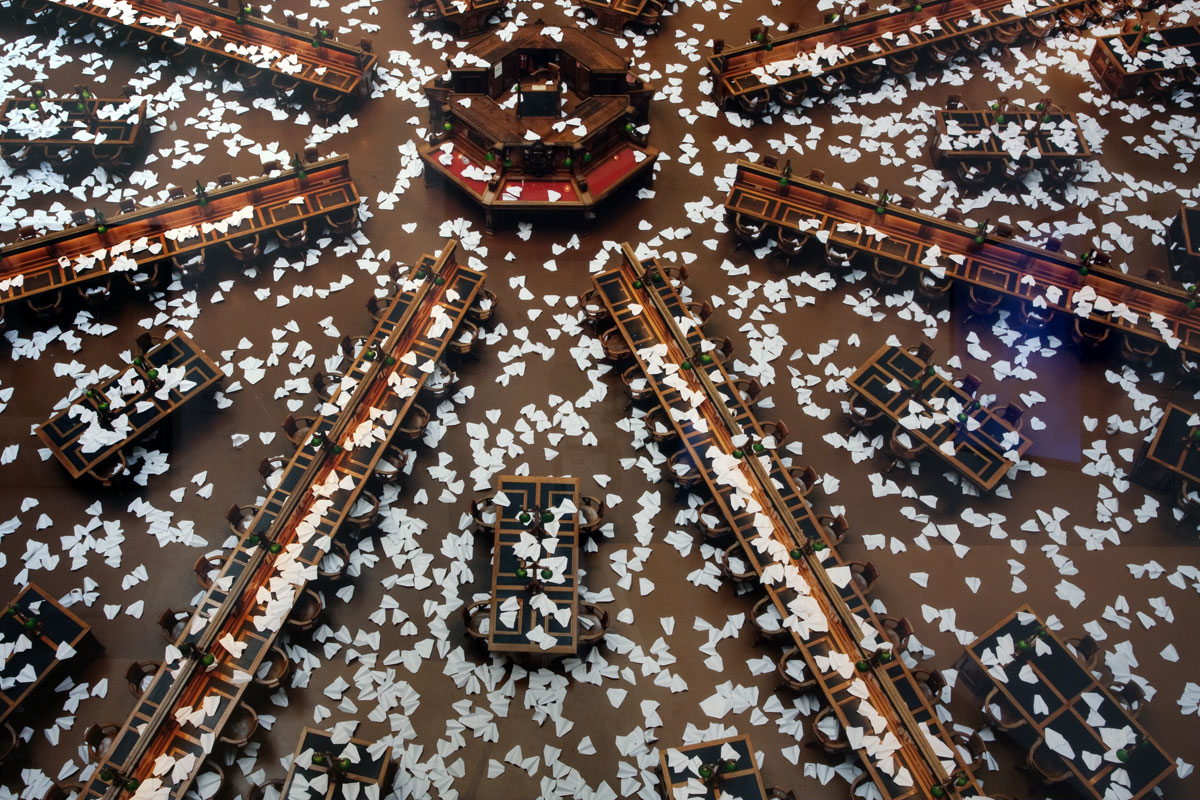


Ross Coulter (Australian, b. 1972) '10,000 paper planes – aftermath (1)' 2011 (detail)

Ross Coulter (Australian, b. 1972) '10,000 paper planes – aftermath (1)' 2011 (installation view)


Ross Coulter (Australian, b. 1972)
10,000 paper planes – aftermath (1)
2011
Type C photograph
156 x 200cm
National Gallery of Victoria, Melbourne
Purchased NGV Foundation, 2012
© Ross Coulter
Photo: © Marcus Bunyan
Last photo: © National Gallery of Victoria


With 10,000 paper planes – aftermath (1), 2011, Coulter encountered Melbourne’s intellectual heart, the State Library of Victoria (SLV). Being awarded the Georges Mora Foundation Fellowship in 2010 allowed Coulter to realise a concept he had been developing since he worked at the SLV in the late 1990s. The result is a playful intervention into what is usually a serious place of contemplation. Coulter’s paper planes, launched by 165 volunteers into the volume of the Latrobe Reading Room, give physical form to the notion of ideas flying through the building and the mind. This astute work investigates the striking contrast between the strict discipline of the library space and its categorisation system and the free flow of creativity that its holdings inspire in the visitor.


Laith McGregor (Australian, b. 1977) 'Pong ping paradise' 2011 (installation view)


Laith McGregor (Australian, b. 1977)
Pong ping paradise (installation view)
2011
Private collection, United States of America
Photo: © Marcus Bunyan


The drawings OK and KO, both 2013, which decorate the horizontal surfaces of two table-tennis tables and contain four large self-portraits portraying unease and concern, are more restrained. The hirsute beards of McGregor’s earlier works have evolved into all enveloping geometric grids, their hand-drawn asymmetry creating a subtle sense of distortion that contradicts the inherently flat surface of the tables.


Rick Amor (Australian, b. 1948) 'Mobile call' 2012 (installation view)


Rick Amor (Australian, b. 1948)
Mobile call (installation view)
2012
Private collection, Melbourne
Photo: © Marcus Bunyan


Best known for his brooding urban landscapes, Amor’s work in Melbourne Now, Mobile call, 2012, stays true to this theme. The painting speaks to the heart of urban living in its depiction of a darkened city alleyway, with dim, foreboding lighting. A security camera on the wall surveys the scene, a lone, austere figure just within its watch. The camera represents the omnipresent surveillance of our modern lives, and an uneasy air of suspicion permeates the painting’s subdued, grey landscape. Amor’s reflections on the urban landscape are solemn, restrained and often melancholic. Quietly powerful, his work alludes to a mystery in the banality of daily existence. Mobile call is a realistic portrayal of a metropolitan landscape that opens our eyes to a strange and complex world.


Steaphan Paton (Australian, Gunai and Monero Nations, b. 1985) 'Cloaked combat' 2013 (installation view detail)


Steaphan Paton (Australian, Gunai and Monero Nations, b. 1985)
Cloaked combat (installation view detail)
2013
National Gallery of Victoria, Melbourne
Photo: © Marcus Bunyan


Cloaked combat, 2013, is a visual exploration of the material and technological conflicts between cultures, and how these differences enable one culture to assert dominance over another. Five Aboriginal bark shields, customarily used in combat to deflect spears, repel psychedelic arrows shot from a foreign weapon. Fired by an unseen intruder cloaked in contemporary European camouflage, the psychedelic arrows rupture the bark shields and their diamond designs of identity and place, violating Aboriginal nationhood and traditional culture. The jarring clash of weapons not only illustrates a material conflict between these two cultures, but also suggests a deeper struggle between old and new. In its juxtaposition of prehistoric and modern technologies, Cloaked combat highlights an uneven match between Indigenous and European cultures and discloses the brutality of Australia’s colonisation.


Zoom project team. 'Zoom' 2013 (installation view detail)

Zoom project team. 'Zoom' 2013 (installation view detail)


Zoom project team
Curator: Ewan McEoin / Studio Propeller; Data visualisation: Greg More / OOM Creative; Graphic design: Matthew Angel; Exhibition design: Design Office; Sound installation: Marco Cher-Gibard; Data research: Serryn Eagleson / EDG Research; Digital survey design: Policy Booth
Zoom (installation view details)
2013
Photos: © Marcus Bunyan


Anchored around a dynamic tapestry of data by Melbourne data artist Greg More, this exhibit offers a window into the ‘system of systems’ that makes up the modern city, peeling back the layers to reveal a sea of information beneath us. Data ebbs and flows, creating patterns normally inaccessible to the naked eye. Set against this morphing data field, an analogue human survey asks the audience to guide the future design of Melbourne through choice and opinion. ZOOM proposes that every citizen influences the future of the city, and that the city in turn influences everyone within it. Accepting this co-dependent relationship empowers us all to imagine the city we want to create together.


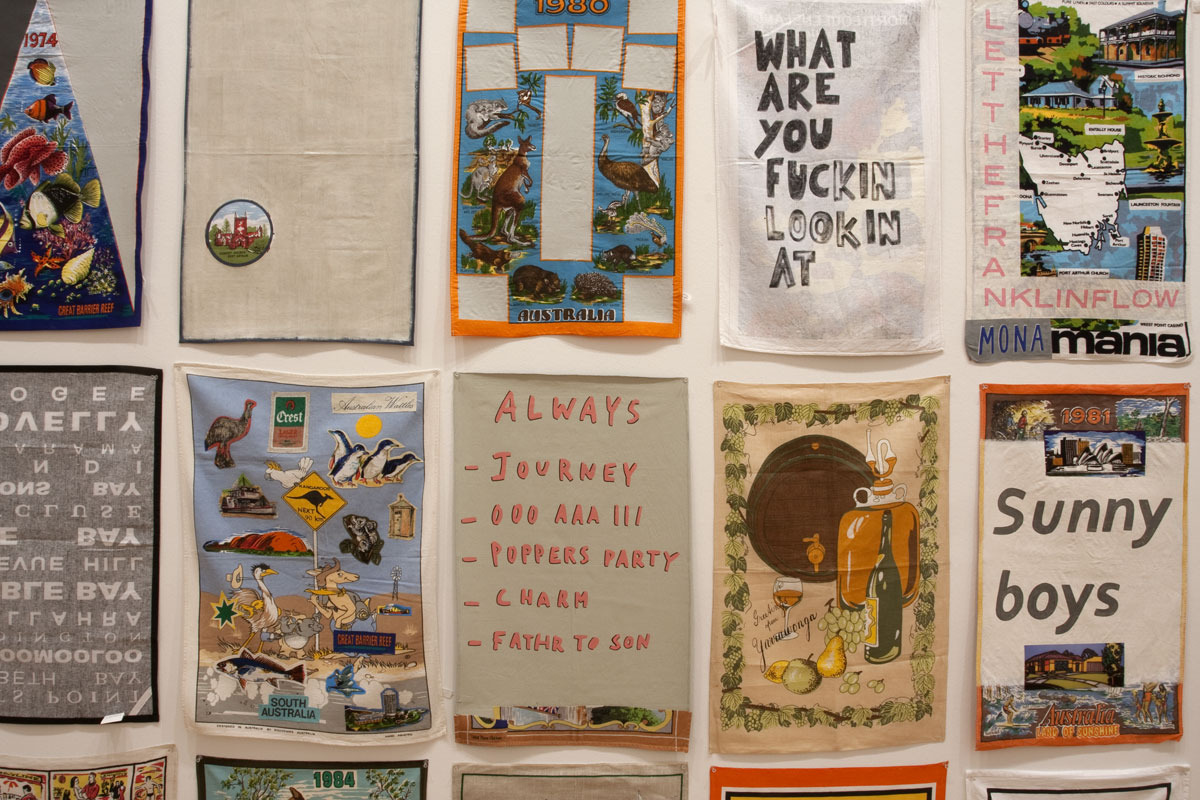
Installation view of Jon Campbell. 'DUNNO (T. Towels)' 2012 (left) and Reko Rennie 'Initiation', 2013 (right) (installation view)


Installation view of Jon Campbell DUNNO (T. Towels) 2012 (left) and Reko Rennie Initiation, 2013 (right)
Photo: © Marcus Bunyan


Jon Campbell (Australian born Northern Ireland, b. 1961) 'DUNNO (T. Towels)' 2012 (installation view detail)

Jon Campbell (Australian born Northern Ireland, b. 1961) 'DUNNO (T. Towels)' 2012 (installation view detail)


Jon Campbell (Australian born Northern Ireland, b. 1961)
DUNNO (T. Towels) (installation view details)
2012
Photos: © Marcus Bunyan


For Melbourne Now Campbell presents DUNNO (T. Towels), 2012, a work that continues his fascination with the vernacular culture of suburban Australia. Comprising eighty-five tea towels, some in their original condition and others that Campbell has modified through the addition of ‘choice’ snippets of Australian slang and cultural signifiers, this seemingly quotidian assortment of kitsch ‘kitchenalia’ is transformed into a mock heroic frieze in which we can discover the values and dramas of our present age.


Reko Rennie (Australian, Gamilaraay (Kamilaroi) b. 1974) 'Initiation' 2013 (installation view)


Reko Rennie (Australian, Gamilaraay (Kamilaroi) b. 1974)
Initiation (installation view)
2013
Synthetic polymer paint on plywood (1-40)
300.0 x 520.0cm (overall)
Collection of the artist
© Reko Rennie, courtesy Karen Woodbury Gallery, Melbourne
Supported by Esther and David Frenkiel
Photo: © Marcus Bunyan


Initiation, 2013, a mural-scale, multi-panelled hoarding that subverts the negative stereotyping of Indigenous people living in contemporary Australian cities. This declarative, renegade installation work is a psychedelic farrago of street art, native flora and fauna, Kamilaroi patterns, X-ray images and text that addresses what it means to be an urban Aboriginal person. By yoking together contrary elements of graffiti, advertising, bling, street slogans and Kamilaroi diamond geometry, Rennie creates a monumental spectacle of resistance.


Installation view of Reko Rennie 'Initiation', 2013 (installation view)


Installation view of Reko Rennie Initiation, 2013
Photo: Marcus Bunyan


Janet Burchill (Australian, b. 1955) and Jennifer McCamley (Australian, b. 1957) 'The Belief' 2004-2013 (installation view)


Janet Burchill (Australian, b. 1955)
Jennifer McCamley (Australian, b. 1957)
The Belief (installation view)
2004-2013
Photo: © Marcus Bunyan


Shields from Papua New Guinea held in the National Gallery of Victoria’s collection provided an aesthetic catalyst for the artists to develop an open-ended series of their own ‘shields’. The Belief includes shields made by Burchill and McCamley between 2004 and 2013. In part, this installation meditates on the form and function of shields from the perspective of a type of reverse ethnography. As the artists explain:

“The shield is an emblematic form ghosted by the functions of attack and defence and characterised by the aggressive display of insignia … We treat the shield as a perverse type of modular unit. While working with repetition, each shield acts as a carrier or container for different types and registers of content, motifs, emblems and aesthetic strategies. The series as a whole, then, becomes a large sculptural collage which allows us to incorporate a wide range of responses to making art and being alive now.”


Janet Burchill (Australian, b. 1955) and Jennifer McCamley (Australian, b. 1957) 'The Belief' 2004-2013 (installation view)


Janet Burchill (Australian, b. 1955)
Jennifer McCamley (Australian, b. 1957)
The Belief (detail)
2004-2013
Photo: © Marcus Bunyan


Melbourne Now is an exhibition unlike any other we have mounted at the National Gallery of Victoria. It takes as its premise the idea that a city is significantly shaped by the artists, designers, architects, choreographers, intellectuals and community groups that live and work in its midst. With this in mind, we have set out to explore how Melbourne’s visual artists and creative practitioners contribute to the dynamic cultural identity of this city. The result is an exhibition that celebrates what is unique about Melbourne’s art, design and architecture communities.

When we began the process of creating Melbourne Now we envisaged using several gallery spaces within The Ian Potter Centre: NGV Australia; soon, however, we recognised that the number of outstanding Melbourne practitioners required us to greatly expand our commitment. Now spreading over both The Ian Potter Centre: NGV Australia and NGV International, Melbourne Now encompasses more than 8000 square metres of exhibition space, making it the largest single show ever presented by the Gallery.

Melbourne Now represents a new way of working for the NGV. We have adopted a collaborative curatorial approach which has seen twenty of our curators work closely with both external design curators and many other members of the NGV team. Committing to this degree of research and development has provided a great opportunity to meet with artists in their studios and to engage with colleagues across the city as a platform not only for this exhibition, but also for long-term engagement.

A primary aim throughout the planning process has been to create an exhibition that offers dynamic engagement with our audiences. From the minute visitors enter NGV International they are invited to participate through the exhibition’s Community Hall project, which offers a diverse program of performances and displays that showcase a broad concept of creativity across all art forms, from egg decorating to choral performances. Entering the galleries, visitors discover that Melbourne Now includes ambitious and exciting contemporary art and design commissions in a wide range of media by emerging and established artists. We are especially proud of the design and architectural components of this exhibition which, for the first time, place these important areas of practice in the context of a wider survey of contemporary art. We have designed the exhibition in terms of a series of curated, interconnected installations and ‘exhibitions within the exhibition’ to offer an immersive, inclusive and sometimes participatory experience.

Viewers will find many new art commissions featured as keynote projects of Melbourne Now. One special element is a series of commissions developed specifically for children and young audiences – these works encourage participatory learning for kids and families. Artistic commissions extend from the visual arts to architecture, dance and choreography to reflect Melbourne’s diverse artistic expression. Many of the new visual arts and design commissions will be acquired for the Gallery’s permanent collections, leaving the people of Victoria a lasting legacy of Melbourne Now.

The intention of this exhibition is to encourage and inspire everyone to discover some of the best of Melbourne’s culture. To help achieve this, family-friendly activities, dance and music performances, inspiring talks from creative practitioners, city walks and ephemeral installations and events make up our public programs. Whatever your creative interests, there will be a lot to learn and enjoy in Melbourne Now. Melbourne Now is a major project for the NGV which we hope will have a profound and lasting impact on our audiences, our engagement with the art communities in our city and on the NGV collection. We invite you to join us in enjoying some of the best of Melbourne’s creative art, design and architecture in this landmark exhibition.

Tony Ellwood
Director, National Gallery of Victoria

Foreword from the Melbourne Now exhibition guide book


Destiny Deacon (Australian, K'ua K'ua and Erub/Mer peoples 1957-2024) Virginia Fraser (Australian) 'Melbourne Noir' 2013 (installation view)

Destiny Deacon (Australian, K'ua K'ua and Erub/Mer peoples 1957-2024) Virginia Fraser (Australian) 'Melbourne Noir' 2013 (installation view)

Destiny Deacon (Australian, K'ua K'ua and Erub/Mer peoples 1957-2024) Virginia Fraser (Australian) 'Melbourne Noir' 2013 (installation view)

Destiny Deacon (Australian, K'ua K'ua and Erub/Mer peoples 1957-2024) Virginia Fraser (Australian) 'Melbourne Noir' 2013 (installation view)


Destiny Deacon (Australian, K’ua K’ua and Erub/Mer peoples 1957-2024)
Virginia Fraser (Australian)
Melbourne Noir (installation view details)
2013
Installation comprising photography, video, sculptural diorama dimensions (variable) (installation)
Collection of the artists
© Destiny Deacon and Virginia Fraser, courtesy Roslyn Oxley9 Gallery, Sydney
Photos: © Marcus Bunyan


Adapting the quotidian formats of snapshot photography, home videos, community TV and performance modes drawn from vaudeville and minstrel shows, Deacon’s artistic practice is marked by a wicked yet melancholy comedic and satirical disposition. In decidedly lo-fi vignettes, friends, family and members of Melbourne’s Indigenous community appear in mischievous narratives that amplify and deconstruct stereotypes of Indigenous identity and national history. For Melbourne Now, Deacon and Fraser present a trailer for a film noir that does not exist, a suite of photographs and a carnivalesque diorama. The pair’s playful political critiques underscore a prevailing sense of postcolonial unease, while connecting their work to wider global discourses concerned with racial struggle and cultural identity.


Darren Sylvester (Australian, b. 1974) 'For you' 2013 (installation view detail)

Darren Sylvester (Australian, b. 1974) 'For you' 2013 (installation view detail)

Darren Sylvester (Australian, b. 1974) 'For you' 2013 (installation view detail)

Darren Sylvester (Australian, b. 1974) 'For you' 2013 (installation view detail)


Darren Sylvester (Australian, b. 1974)
For you (installation view details)
2013
Based on Yves Saint Laurent Les Essentials rouge pur couture, La laque couture and Rouge pur couture range revolution lipsticks, Marrakesh sunset palette, Palette city drive, Ombres 5 lumiéres, Pure chromatic eyeshadows and Blush radiance
Illuminated dance floor, sound system
605 x 1500 x 198cm
Supported by VicHealth; assisted by the Australian Government through the Australia Council for the Arts, its arts funding and advisory body
Photos: © Marcus Bunyan


For Melbourne Now Sylvester presents For you, 2013, an illuminated dance floor utilising the current palette of colours of an international make-up brand. By tapping into commonly felt fears of embarrassment and the desire to show off in front of others, For you provides a gentle push onto a dance floor flush in colours already proven by market research to appear flattering on the widest cross-section of people. It is a work that plays on viewers’ vanity while acting as their support. In Sylvester’s own words, this work ‘will make you look good whilst enjoying it. It is for you’.


Assembling over 250 outstanding commissions, acquired and loaned works and installations, Melbourne Now explores the idea that a city is significantly shaped by the artists, designers and architects who live and work in its midst. It reflects the complexity of Melbourne and its unique and dynamic cultural identity, considering a diverse range of creative practice as well as the cross-disciplinary work occurring in Melbourne today.

Melbourne Now is an ambitious project that represents a new direction for the National Gallery of Victoria in terms of its scope and its relationship with audiences. Drawing on the talents of more than 400 artists and designers from across a wide variety of art forms, Melbourne Now will offer an experience unprecedented in this city; from video, sound and light installations, to interactive community exhibitions and artworks, to gallery spaces housing working design and architectural practices. The exhibition will be an immersive, inclusive and participatory exhibition experience, providing a rich and compelling insight into Melbourne’s art, design and cultural practice at this moment. Melbourne Now aims to engage and reflect the inspiring range of activities that drive contemporary art and creative practice in Melbourne, and is the first of many steps to activate new models of art and interdisciplinary exhibition practice and participatory modes of audience engagement at the NGV.

The collaborative curatorial structure of Melbourne Now has seen more than twenty NGV curators working across disciplinary and departmental areas in collaboration with exhibition designers, public programs and education departments, among others. The project also involves a number of guest curators contributing to specific contexts, including architecture and design, performance and sound, as well as artist-curators invited to create ‘exhibitions within the exhibition’, develop off-site projects and to work with the NGV’s collection. Examples of these include Sampling the City: Architecture in Melbourne Now, curated by Fleur Watson; Drawing Now, curated by artist John Nixon, bringing together the work of forty-two artists; ZOOM, an immersive data visualisation of cultural demographics related to the future of the city, convened by Ewan McEoin; Melbourne Design Now, which explores creative intelligence in the fields of industrial, product, furniture and object design, curated by Simone LeAmon; and un Retrospective, curated by un Magazine. Other special projects present recent developments in jewellery design, choreography and sound.

Numerous special projects have been developed by NGV curators, including Designer Thinking, focusing on the culture of bespoke fashion design studios in Melbourne, and a suite of new commissions and works by Indigenous artists from across Victoria which reflect upon the history and legacies of colonial and postcolonial Melbourne. The NGV collection is also the subject of artistic reflection, reinterpretation and repositioning, with artists Arlo Mountford, Patrick Pound and The Telepathy Project and design practice MaterialByProduct bringing new insights to it through a suite of exhibitions, videos and performative installations.

In our Community Hall we will be hosting 600 events over the four months of Melbourne Now offering a daily rotating program of free workshops, talks, catwalks and show’n’tells run by leaders in their fields. And over summer, the NGV will present a range of programs and events, including a Children’s Festival, dance program, late-night music events and unique food and beverage offerings.

The exhibition covers 8000 square metres of space, covering much of the two campuses of the National Gallery of Victoria, and moves into the streets of Melbourne with initiatives such as the Flags for Melbourne project, ALLOURWALLS at Hosier Lane, walking and bike tours, open studios and other programs that will help to connect the wider community with the creative riches that Melbourne has to offer.

Melbourne Now Introduction


Alan Constable (Australian, b. 1956) 'No title (teal SLR with flash)' 2013


Alan Constable (Australian, b. 1956)
No title (teal SLR with flash)
2013
Earthenware
15.5 x 24 x 11cm
Collection of the artist
© Alan Constable, courtesy Arts Project Australia, Melbourne
Photo: © National Gallery of Victoria


A camera’s ability to act as an extension of our eyes and to capture and preserve images renders it a potent instrument. In the case of Constable, this power has particular resonance and added poignancy. The artist lives with profound vision impairment and his compelling, hand-modelled ceramic reinterpretations of the camera – itself sometimes referred to as the ‘invented eye’ – possess an altogether more moving presence. For Melbourne Now, Constable has created a special group of his very personal cameras.
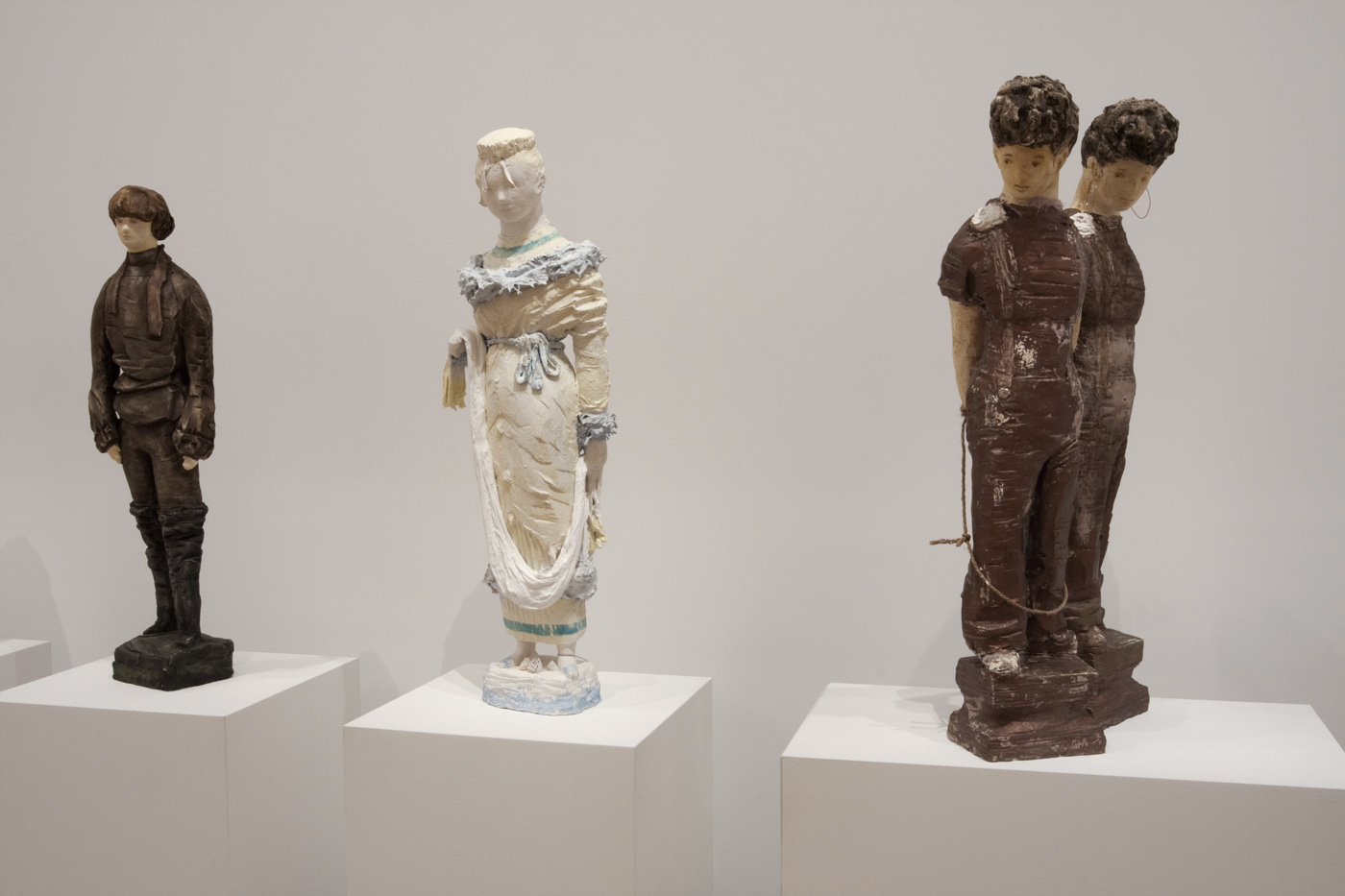
 

Linda Marrinon (Australian, b. 1959) Installation view of works including 'Debutante' (centre) 2009


Linda Marrinon (Australian, b. 1959)
Installation view of works including Debutante (centre)
2009
Tinted plaster, muslin
Collection of the artist
© Linda Marrinon, courtesy Roslyn Oxley9 Gallery, Sydney
Supported by Fiona and Sidney Myer AM, Yulgilbar Foundation and the Myer Foundation
Photo: © Marcus Bunyan


Marrinon’s art lingers romantically somewhere between the past and present. Her figures engage with notions of formal classical sculpture, with references to Hellenistic and Roman periods, yet remain quietly contemporary in their poise, scale, adornments and subject matter. Each work has a sophisticated and nonchalant air of awareness, as if posing for the audience. Informed by feminism and a keen sense of humour, Marrinon’s work is anti-heroic and anti-monumental. The figures featured in Melbourne Now range from two young siblings, Twins with skipping rope, New York, 1973, 2013, and a young woman, Debutante, 2009, to a soldier, Patriot in uniform, 2013, presented as a pantheon of unlikely types.


Brook Andrew (Australian, b. 1970) 'Vox: Beyond Tasmania' 2013 (installation view)


Brook Andrew (Australian, b. 1970)
Vox: Beyond Tasmania (installation view)
2013
Wood, cardboard, paper, books, colour slides, glass slides, 8mm film, glass, stone, plastic, bone, gelatin silver photographs, metal, feather
267 x 370 x 271cm
Collection of the artist
© Brook Andrew, courtesy Tolarno Galleries, Melbourne
Photo: © National Gallery of Victoria


Andrew’s Vox: Beyond Tasmania, 2013, renders palpable as contemporary art a central preoccupation of his humanist practice – the legacy of historical trauma on the present. Inspired by a rare volume of drawings of fifty-two Tasmanian Aboriginal crania, Andrew has created a vast wunderkammer containing a severed human skeleton, anthropological literature and artefacts. The focal point of this assemblage of decontextualised exotica is a skull, which lays bare the practice of desecrating sacred burial sites in order to snatch Aboriginal skeletal remains as scientific trophies, amassed as specimens to be studied in support of taxonomic theories of evolution and eugenics. Andrew’s profound and humbling memorial to genocide was supported in its first presentation by fifty-two portraits and a commissioned requiem by composer Stéphanie Kabanyana Kanyandekwe.
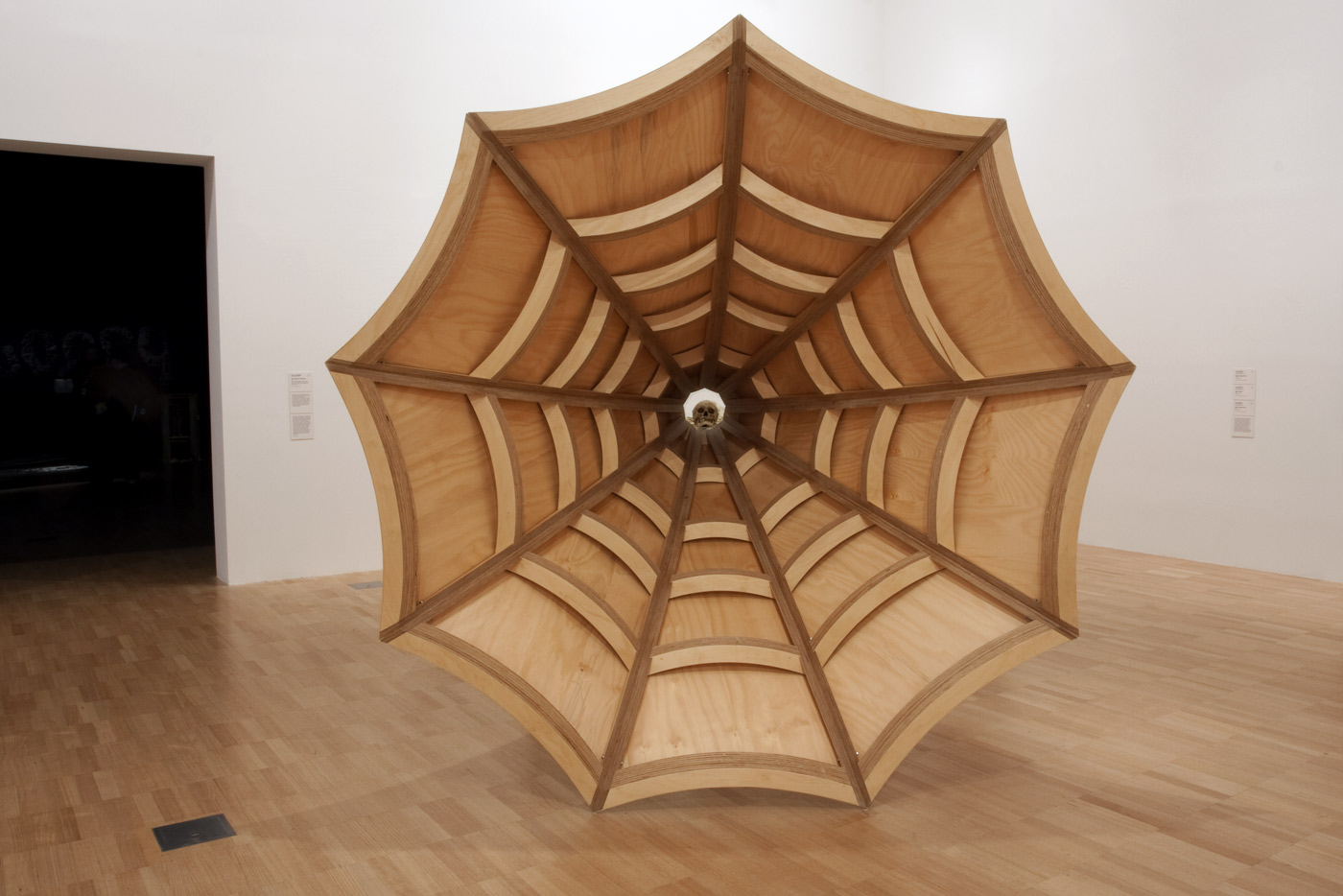
 

Brook Andrew (Australian, b. 1970) 'Vox: Beyond Tasmania' 2013 (installation view detail)

Brook Andrew (Australian, b. 1970) 'Vox: Beyond Tasmania' 2013 (installation view detail)


Brook Andrew (Australian, b. 1970)
Vox: Beyond Tasmania (details)
2013
Photos: © Marcus Bunyan


Daniel Crooks (New Zealand, b. 1973) 'An embroidery of voids' 2013 (still)

Daniel Crooks (New Zealand, b. 1973) 'An embroidery of voids' 2013 (still)


Daniel Crooks (New Zealand, b. 1973)
An embroidery of voids (stills)
2013
Colour single-channel digital video, sound, looped
Collection of the artist
© Daniel Crooks, courtesy Anna Schwartz Gallery, Melbourne and Sydney
Supported by Julie, Michael and Silvia Kantor
Photos: © National Gallery of Victoria


Commissioned for Melbourne Now, Crooks’s most recent video work focuses his ‘time-slice’ treatment on the city’s famous laneways. As the camera traces a direct, Hamiltonian pathway through these lanes, familiar surroundings are captured in seamless temporal shifts. Cobblestones, signs, concrete, street art, shadows and people gracefully pan, stretch and distort across our vision, swept up in what the artist describes as a ‘dance of energy’. Exposing the underlying kinetic rhythm of all we see, Crooks’s work highlights each moment once, gloriously, before moving on, always forward, transforming Melbourne’s gritty and often inhospitable laneways into hypnotic and alluring sites.


Jan Senbergs (Australian, 1939-2024) 'Extended Melbourne labyrinth' 2013 (installation view)


Jan Senbergs (Australian, 1939-2024)
Extended Melbourne labyrinth
2013
Oil stick, synthetic polymer paint wash (1-4)
158 x 120cm (each)
Collection of the artist
© Jan Senbergs, courtesy Niagara Galleries
Photo: © Marcus Bunyan


Senbergs’s significance as a contemporary artist and his understanding of the places he depicts and their meanings make his contribution to Melbourne Now essential. Drawing inspiration from Scottish poet Edwin Muir’s collection The labyrinth (1949), Senbergs’s Extended Melbourne labyrinth, 2013, takes us on a journey through the myriad streets and topography that make up our sprawling city. His characteristic graphic style and closely cropped rendering of the city’s urban thoroughfares is at once enthralling and unsettling. While the artist neither overtly celebrates nor condemns his subject, there is a strong sense of Muir’s ‘roads that run and run and never reach an end’.


Patrick Pound (Australian, b. 1962) 'The gallery of air' 2013 (installation view detail)

Patrick Pound (Australian, b. 1962) 'The gallery of air' 2013 (installation view detail)


Patrick Pound (Australian, b. 1962)
The gallery of air (installation view details)
2013
Photos: © Marcus Bunyan


For Melbourne Now Pound has created The gallery of air, 2013, a contemporary wunderkammer of works of art and objects from across the range of the NGV collection. There are Old Master paintings depicting the effect of the wind, and everything from an exquisite painted fan to an ancient flute and photographs of a woman sighing. When taken as a group these disparate objects hold the idea of air. Added to works from the Gallery’s collection is an intriguing array of objects and pictures from Pound’s personal collection. On entering his installation, visitors will be drawn into a game of thinking and rethinking about the significance of the objects and how they might be activated by air. Some are obvious, some are obscure, but all are interesting.


Marco Fusinato (Australian, b. 1964) 'Aetheric plexus (Broken X)' 2013 (installation view)


Marco Fusinato (Australian, b. 1964)
Aetheric plexus (Broken X) (installation view)
2013
Alloy tubing, lights, double couplers, Lanbox LCM DMX controller, dimmer rack, DMX MP3 player, powered speaker, sensor, extension leads, shot bags
880 x 410 x 230cm
Collection of the artist
© Marco Fusinato, courtesy Anna Schwartz Gallery, Melbourne and Sydney
Supported by Joan Clemenger and Peter Clemenger AM
Photo: © National Gallery of Victoria


For Melbourne Now, Fusinato presents Aetheric plexus (Broken X), 2013, a dispersed sculpture comprising deconstructed stage equipment that is activated by the presence of the viewer, triggering a sensory onslaught with a resonating orphic haze. The work responds to the wider context of galleries, in the artist’s words, ‘changing from places of reflection to palaces of entertainment’ by turning the engulfed audience member into a spectacle.


Installation view of Susan Jacobs 'Wood flour for pig iron (vessel for mixing metaphors)' 2013 with Mark Hilton 'dontworry' 2013 in the background (installation view)


Installation view of Susan Jacobs Wood flour for pig iron (vessel for mixing metaphors) 2013 with Mark Hilton dontworry 2013 in the background
Photo: © Marcus Bunyan


In her most recent project, Jacobs fabricates a rudimentary version of the material Hemacite (also known as Bois Durci) – made from the blood of slaughtered animals and wood flour – which originated in the late nineteenth century and was moulded with hydraulic pressure and heat to form everyday objects, such as handles, buttons and small domestic and decorative items. The attempt to re-create this outmoded material highlights philosophical, economic and ethical implications of manufacturing and considers how elemental materials are reconstituted. Wood flour for pig iron (vessel for mixing metaphors), 2013, included in Melbourne Now, explores properties, physical forces and processes disparately linked across various periods of history.


Mark Hilton (Australian, b. 1976) 'dontworry' 2013 (installation view)


Mark Hilton (Australian, b. 1976)
dontworry (installation view)
2013
Cast resin, powder
The Michael Buxton Collection, Melbourne
© Mark Hilton, courtesy Darren Knight Gallery, Sydney
Photo: © National Gallery of Victoria


dontworry, 2013, included in Melbourne Now, is the most ambitious and personal work Hilton has made to date. A dark representation of events the artist witnessed growing up in suburban Melbourne, this wall-based installation presents an unnerving picture of adolescent mayhem and bad behaviour. Extending across nine intricately detailed panels, each corresponding to a formative event in the artist’s life, dontworry can be understood as a deeply personal memoir that explores the transition from childhood to adulthood, and all the complications of this experience. Detailing moments of violence committed by groups or mobs of people, the installation revolves around Hilton’s continuing fascination with the often indistinguishable divide between truth and myth.
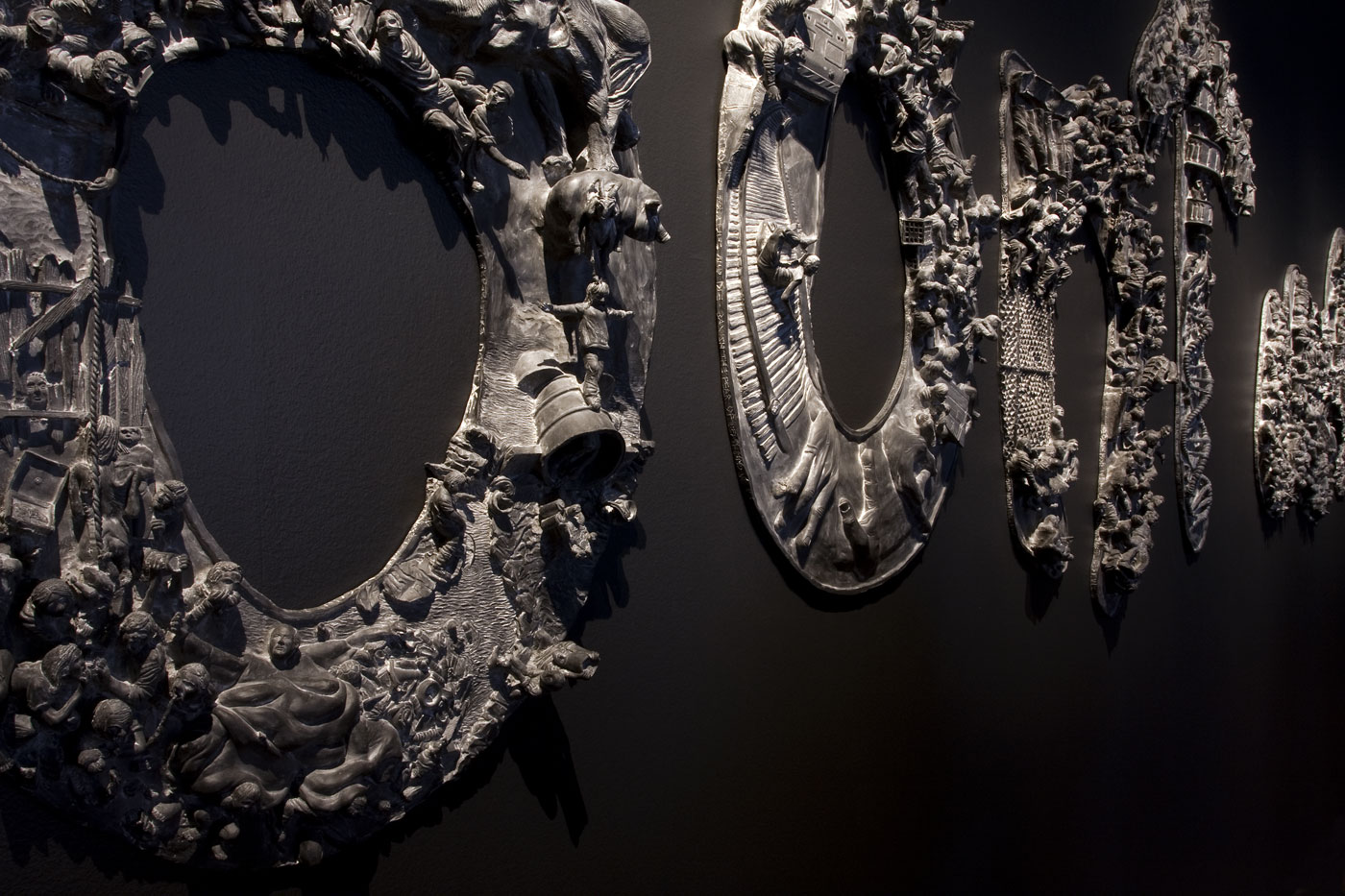
 

Mark Hilton (Australian, b. 1976) 'dontworry' 2013 (installation view detail)

Mark Hilton (Australian, b. 1976) 'dontworry' 2013 (installation view detail)


Mark Hilton (Australian, b. 1976)
dontworry (installation view details)
2013
Cast resin, powder
The Michael Buxton Collection, Melbourne
© Mark Hilton, courtesy Darren Knight Gallery, Sydney
Photos: © Marcus Bunyan


NGV International
180 St Kilda Road

Opening hours
Daily 10am – 5pm

National Gallery of Victoria website

LIKE ART BLART ON FACEBOOK

Back to top

Exhibition: ‘Naoya Hatakeyama: Natural Stories’ at the San Francisco Museum of Modern Art (SFMoMA)

Exhibition dates: 28th July – 4th November 2012


Many thankx to SFMoMA for allowing me to publish the photographs in the posting. Please click on the photographs for a larger version of the image.


Naoya Hatakeyama (Japan, b. 1958) 'Lime Hills #12801' 1986


Naoya Hatakeyama (Japan, b. 1958)
Lime Hills #12801
1986
Chromogenic print
11 13/16 in. x 14 15/16 in (30 cm x 38cm)
Tokyo Metropolitan Museum of Photograph
© Naoya Hatakeyama, courtesy Taka Ishii Gallery


Naoya Hatakeyama (Japan, b. 1958) 'Lime Hills #12801' 1986 'Lime Hills #22916' 1988


Naoya Hatakeyama (Japan, b. 1958)
Lime Hills #22916
1988
Chromogenic print
11 13/16 in. x 14 15/16 in (30 cm x 38cm)
Tokyo Metropolitan Museum of Photography
© Naoya Hatakeyama, courtesy Taka Ishii Gallery


Naoya Hatakeyama (Japan, b. 1958) 'Lime Hills #23514' 1988


Naoya Hatakeyama (Japan, b. 1958)
Lime Hills #23514
1988
Chromogenic print
11 13/16 in. x 14 15/16 in (30 cm x 38cm)
Tokyo Metropolitan Museum of Photography
© Naoya Hatakeyama, courtesy Taka Ishii Gallery


Naoya Hatakeyama (Japan, b. 1958) 'Lime Hills #27403' 1989


Naoya Hatakeyama (Japan, b. 1958)
Lime Hills #27403
1989
Chromogenic print
11 13/16 in. x 14 15/16 in (30cm x 38cm)
Tokyo Metropolitan Museum of Photography
© Naoya Hatakeyama, courtesy Taka Ishii Gallery


Naoya Hatakeyama (Japan, b. 1958) 'Lime Hills #29211' 1990


Naoya Hatakeyama (Japan, b. 1958)
Lime Hills #29211
1990
Chromogenic print
11 13/16 in. x 14 15/16 in (30 cm x 38cm)
Tokyo Metropolitan Museum of Photography
© Naoya Hatakeyama, courtesy Taka Ishii Gallery


Naoya Hatakeyama (Japan, b. 1958) 'Lime Hills #29214' 1990


Naoya Hatakeyama (Japan, b. 1958)
Lime Hills #29214
1990
Chromogenic print
11 13/16 in. x 14 15/16 in (30cm x 38cm)
Tokyo Metropolitan Museum of Photography
© Naoya Hatakeyama, courtesy Taka Ishii Gallery


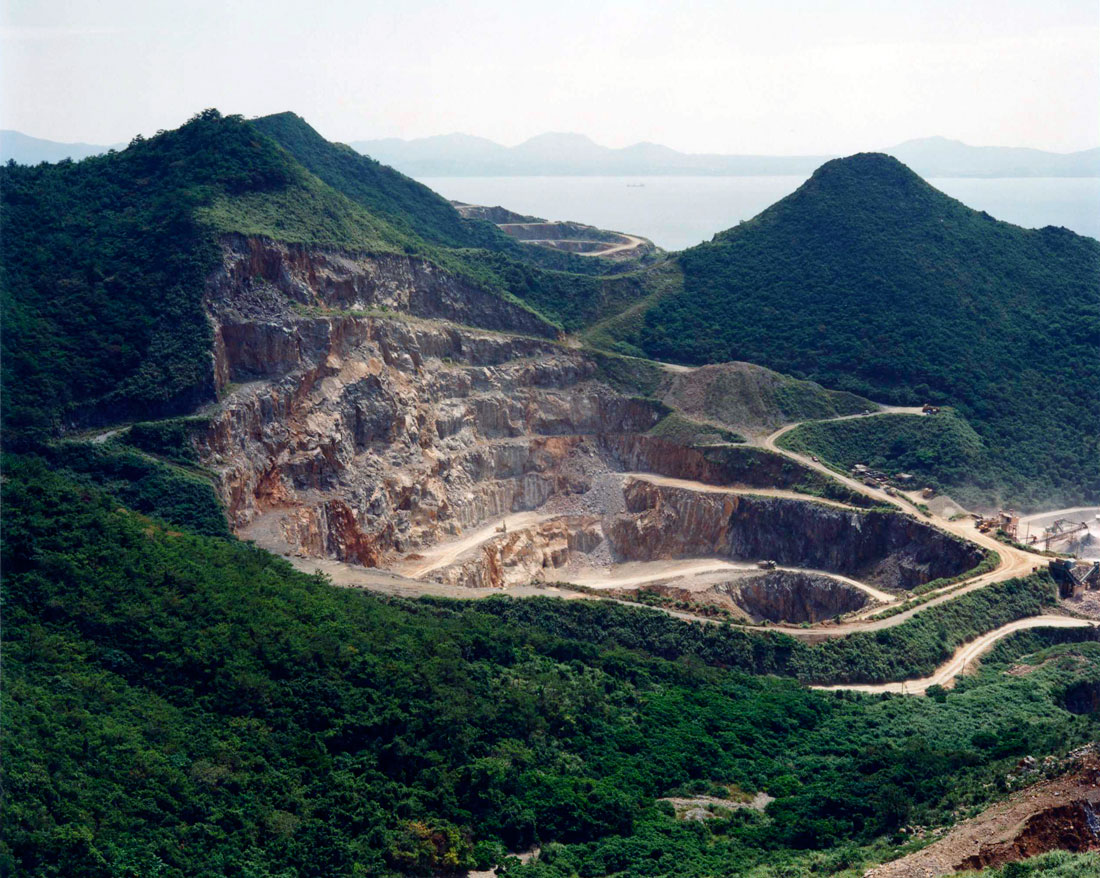
Lime Hills (Quarry Series), 1986-1991

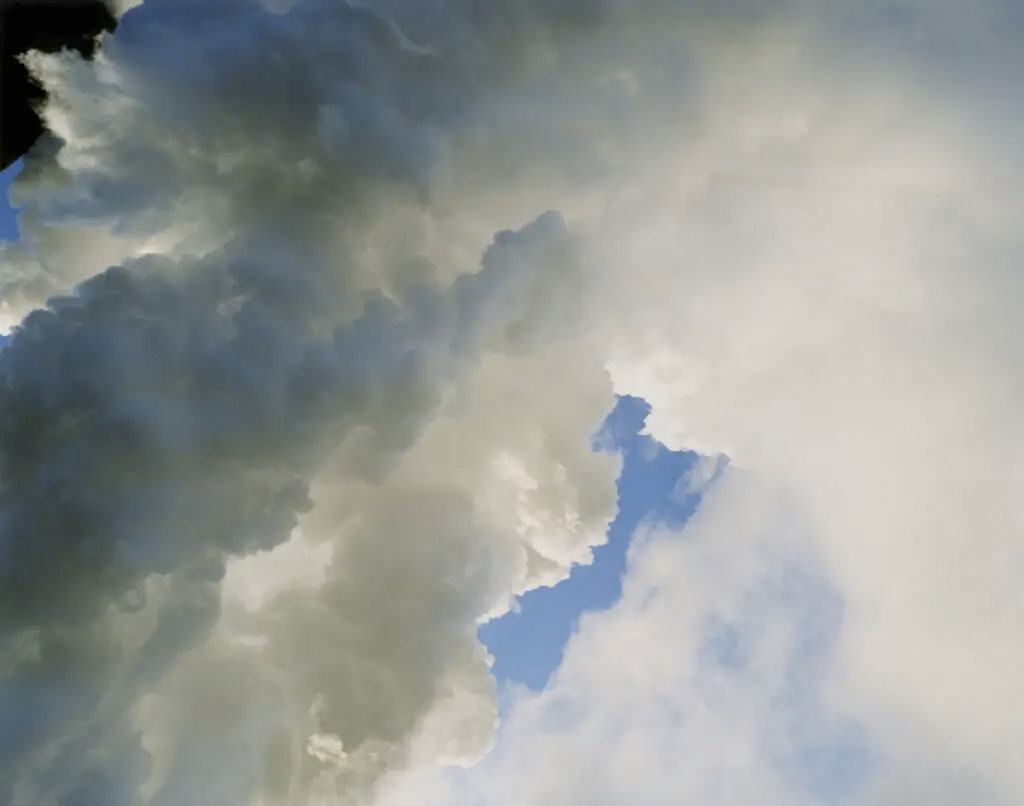
Each year nearly two hundred million tons of limestone – virtually the only natural resource in Japan – are cut to produce the cement necessary to build the nation’s many cities, as well as to make additives used in paper, medicine, and food products. Hatakeyama was drawn to this industrial subject from a young age; his first artistic explorations took the form of paintings of the cement factory that he passed each day as a child. For Lime Hills, his earliest photographic series, Hatakeyama returned to the area near his hometown on the northeastern coast of Japan to investigate the nearby limestone quarries and their corresponding factories. Over the next five years he broadened his scope to include mines throughout Japan, from Hokkaido in the north to Okinawa in the south. Reflecting on the physical connection between these sites and civilisation, the artist later noted: “If the concrete buildings and highways that stretch to the horizon are all made from limestone dug from the hills, and if they should all be ground to dust and this vast quantity of calcium carbonate returned to its precise points of origin, why then, with the last spoonful, the ridge lines of the hills would be restored to their original dimensions.”

These small-scale photographs offer visions of the excavated land that at first glance seem idyllic. Often shooting in the golden evening light with a large-format camera, Hatakeyama captured the sculptural contours of the processed earth, infusing it with the luminous glow seen in many Romantic landscape paintings of the nineteenth century. Yet the Romantic tradition, which highlighted the awesome terror of nature, is upended in Hatakeyama’s pictures, which instead uncover unexpected pleasures in the tamed and built environment, ultimately suggesting the artificiality of conventional notions of beauty.

Wall text from the exhibition


Naoya Hatakeyama (Japan, b. 1958) 'Sollac Méditerranée, Fos-sur-Mer, #06709' 2003


Naoya Hatakeyama (Japan, b. 1958)
Sollac Méditerranée, Fos-sur-Mer, #06709
2003
From the series Atmos
Chromogenic print
27 9/16 in. x 35 7/16 in (70 cm x 90cm)
Courtesy the artist
© Naoya Hatakeyama, courtesy Taka Ishii Gallery


Naoya Hatakeyama (Japan, b. 1958) 'Sollac Méditerranée, Fos-sur-Mer, #06709' 2003


Naoya Hatakeyama (Japan, b. 1958)
Sollac Méditerranée, Fos-sur-Mer, #06709
2003
From the series Atmos
Chromogenic print
27 9/16 in. x 35 7/16 in (70 cm x 90cm)
Courtesy the artist
© Naoya Hatakeyama, courtesy Taka Ishii Gallery


Naoya Hatakeyama (Japan, b. 1958) 'Sollac Méditerranée, Fos-sur-Mer, #12209' 2003


Naoya Hatakeyama (Japan, b. 1958)
Sollac Méditerranée, Fos-sur-Mer, #12209
2003
From the series Atmos
Chromogenic print
27 9/16 in. x 35 7/16 in (70 cm x 90cm)
Courtesy the artist
© Naoya Hatakeyama, courtesy Taka Ishii Gallery


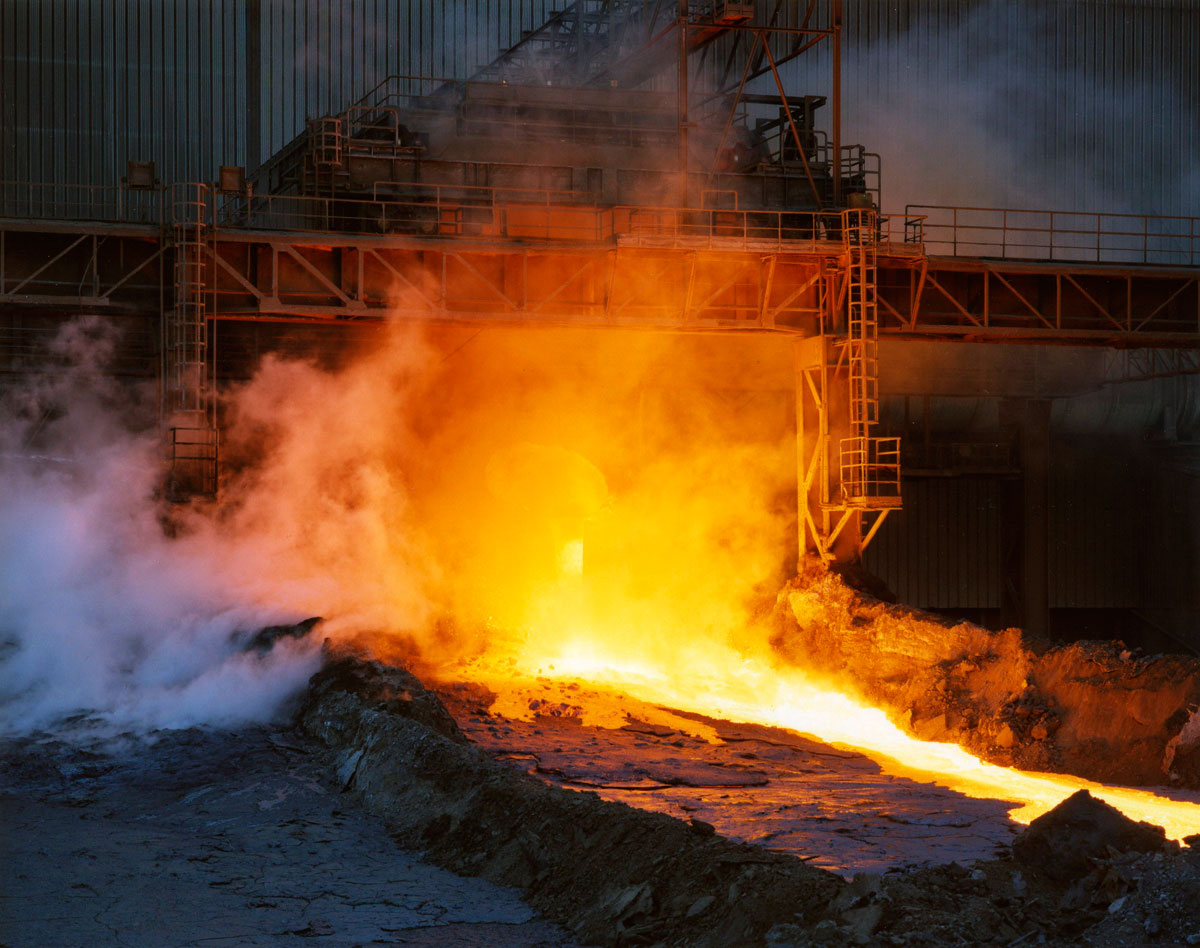
Atmos, 2003

In 2003 Hatakeyama was invited to the Camargue, near Fos-sur-Mer, France, to photograph the landscape surrounding a steel factory located on the eastern edge of the Rhône delta. He worked from two perspectives, shooting on the factory grounds as well as from the surrounding landscape, much of which is conserved as a nature park. His photographs contrast the idyllic serenity of the flat plains where the Rhône river meets the Mediterranean Sea with the dramatic clouds of steam – formed when the coke used in steel making is doused in cool water – that often rise above this terrain.

Upon discovering this impressive phenomenon the artist reflected: “The etymology of ‘atmosphere’ is the ancient Greek words for vapor (atmos) and sphere (sphaira). Once I learned this, the air that filled the Camargue and the steam from the factory seemed to fuse into one before my eyes. It no longer felt strange to see signs of humanity in the sky and the land, or to sense nature in the cloud of steam from the factory. And I began to feel that it would no longer be possible to draw a clear line at the border between nature and the artificial.” Through Hatakeyama’s lens, the factory seems at once tranquil and volatile, surrounded by the golden light, billowing pastel clouds, and thick atmosphere found in many early twentieth-century paintings of industrial sites. Like the Impressionists, who embraced modern life by finding their subjects in new technologies, Hatakeyama presents new landscapes that complicate the conventional boundaries between nature and industry.”

Wall text from the exhibition


From July 28 through November 4, 2012, the San Francisco Museum of Modern Art (SFMOMA) will present the work of one of Japan’s most important contemporary photographers in the exhibition Naoya Hatakeyama: Natural Stories. This will be the artist’s first solo exhibition in a U.S. museum and the first presentation of his work on the West Coast.

Organised by the Tokyo Metropolitan Museum of Photography in association with SFMOMA, the exhibition gathers work spanning Naoya Hatakeyama’s entire career, including more than 100 photographs and two video installations, offering viewers new insight into the artist’s practice and place in the rich history of Japanese photography. The presentation at SFMOMA, the sole U.S. venue for this internationally traveling retrospective, is overseen by Lisa J. Sutcliffe, assistant curator of photography.

Hatakeyama is known for austere and beautiful large-scale color pictures that capture the extraordinary powers routinely deployed to shape nature to our will – and, in the case of his photographs made after the 2011 Tohoku earthquake and tsunami, the equally powerful impact of natural forces on human activities. Whether photographing factories, quarries, mines, or tsunami-swept landscapes, Hatakeyama has developed a thorough and analytical method for observing the ways in which the human and natural worlds have both coexisted and clashed. “For the past 25 years Naoya Hatakeyama has made pictures that focus on the complicated relationship between man and nature,” says Sutcliffe. “Approaching his subjects from diverse perspectives and across time, he redefines the ways in which we visualize the natural world.”

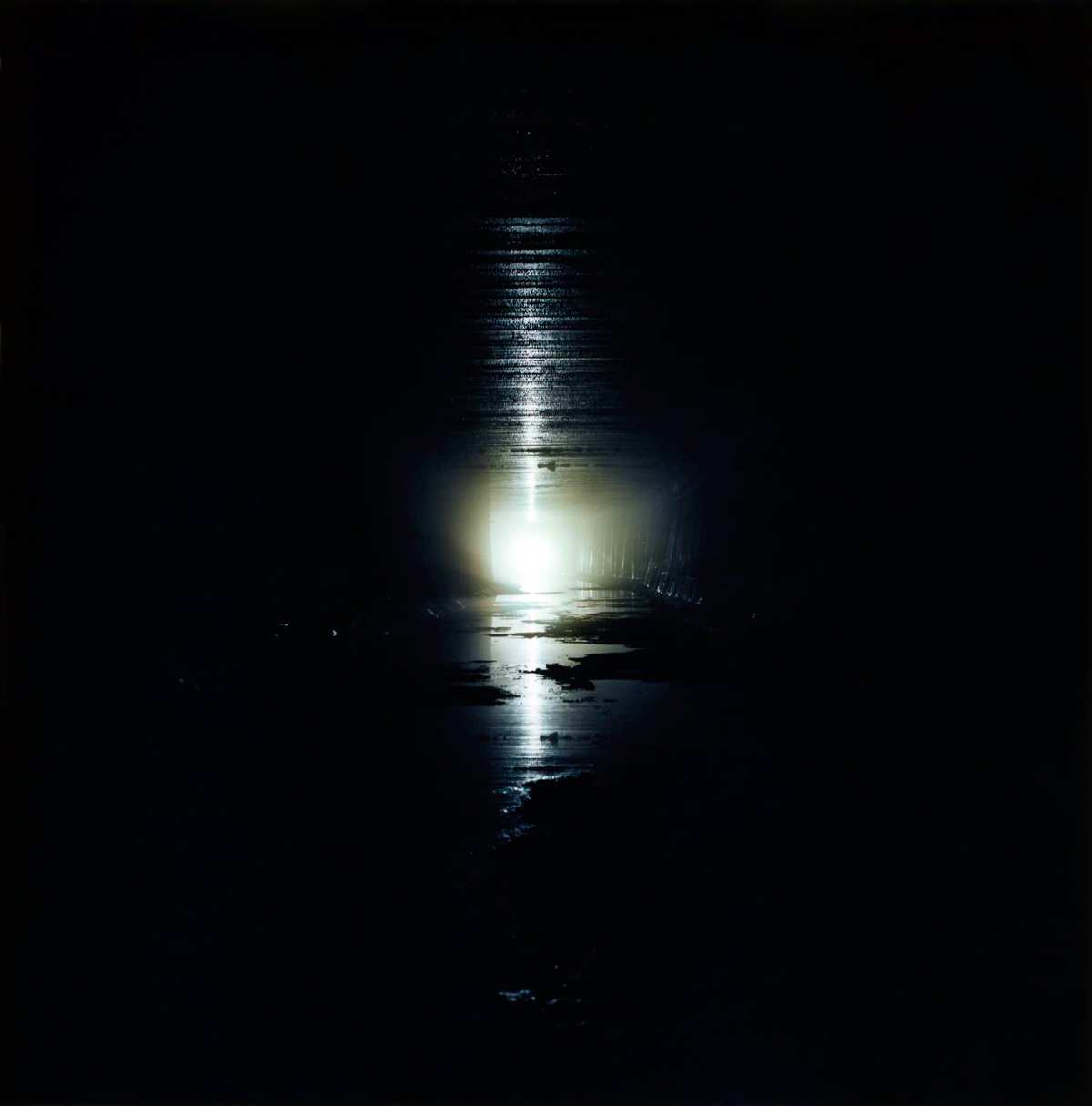
Hatakeyama has long been interested in the relationship between human industry and the natural environment. His early series of photographs of limestone quarries, Lime Hills (1986-91), references the Romantic painterly tradition of the sublime, but links it to the relentless pursuit of raw materials for modern development. After observing that “the quarries and the cities are like negative and positive images of a single photograph,” Hatakeyama began to investigate urban centers built from limestone and concrete. In Underground (1999), he explores the pitch-black depths of Tokyo’s underbelly from the tunnels of the Shibuya River, revealing the ecosystems of the city’s sewer network that often go unseen. Nearly a decade later he returned to the subject, photographing the remnants of decaying limestone quarries underneath Paris in Ciel Tombé (2007).

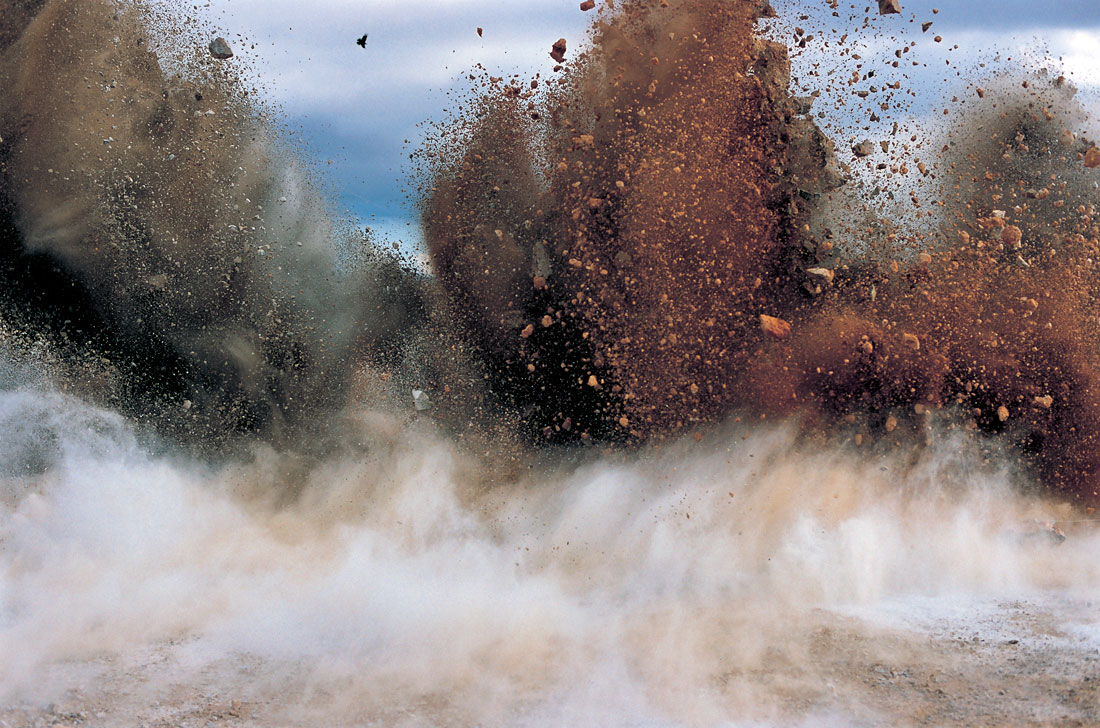
Several of Hatakeyama’s photographic series capture scenes of destruction with calm precision. Contemplating the abandoned structures surrounding a disused coal mine, Zeche Westfalen I/II Ahlen (2003/2004) includes images of a German factory hall seemingly suspended in midair at the moment of its demolition. For the Blast series (2005), the photographer used a high-speed motor-driven camera to document explosions in an open-cast limestone mine, framing the instant of impact in a series of still photographs. The exhibition will present the U.S. debut of Twenty-Four Blasts (2011), a video installation of his still photographs from Blast that transforms these explosions into a found sculptural event.

Hatakeyama has applied his measured and unsentimental method of observation to landscapes in transition around the world. In the series Atmos (2003), his representations of tranquil French landscapes include steam clouds generated by steelworks. Also made in France, the series Terrils (2009-10) pictures the massive conical hills created by coal mining, documenting landscapes transformed by the human exploitation of natural resources. Considering a different type of human impact on the natural world, Hatakeyama observes the conquest of the Swiss Alps by tourism in Another Mountain (2005), invoking the sublime both through choice of subject matter and through the contrast in scale between man and nature.

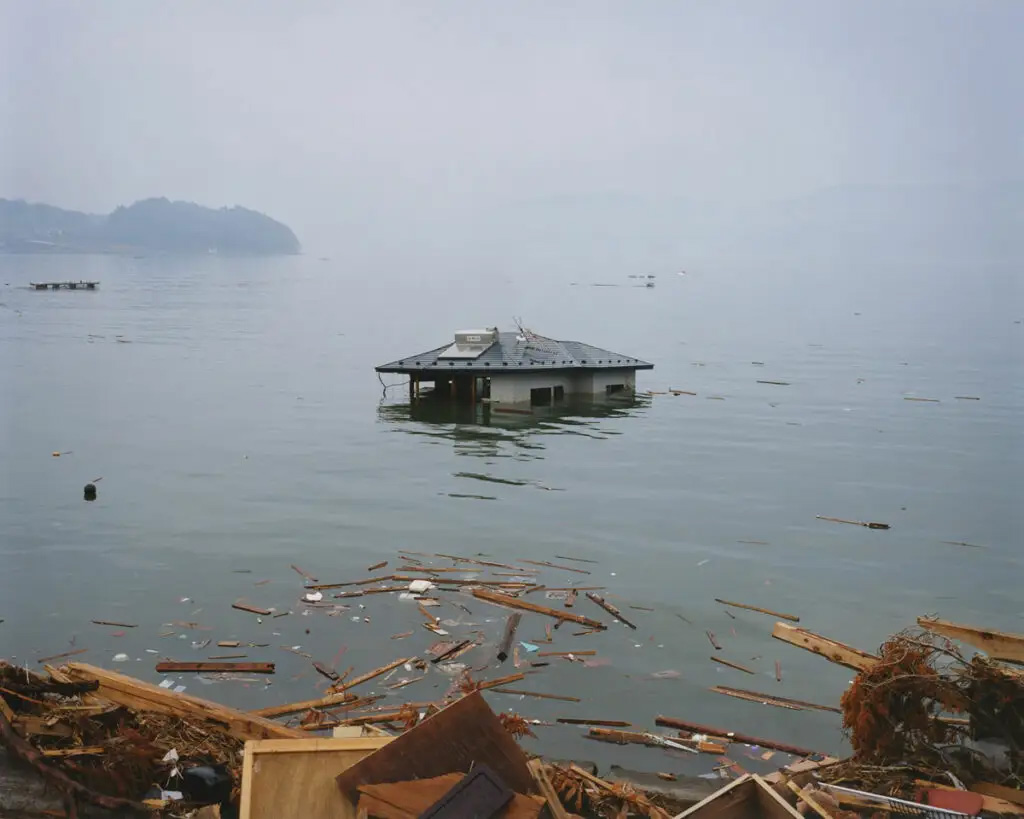
The most recent series in the exhibition, Rikuzentakata (2011), records the aftermath of the 2011 Tohoku earthquake and tsunami that devastated northeastern Japan. For Hatakeyama, the disaster struck very close to home: his hometown of Rikuzentakata in Iwate Prefecture was left in ruins, his mother was killed, and the house he grew up in was destroyed. Although these are some of the most personal photographs the artist has ever exhibited, they are remarkably unsentimental, displaying the same clarity and refinement that mark the rest of his work. The video installation Kesengawa (2002-10), named after the river that flows through Rikuzentakata, presents his personal photographs of the area made before the tsunami, creating a poignant dialogue with the 2011 series.

Press release from the SFMOMA website


Naoya Hatakeyama (Japan, b. 1958) 'A BIRD/Blast #130' 2006


Naoya Hatakeyama (Japan, b. 1958)
A BIRD/Blast #130
2006
Chromogenic print
8 in. x 10 in (20.32cm x 25.4cm)
Courtesy of Tokyo Metropolitan Museum of Photography and Taka Ishii Gallery
© Naoya Hatakeyama, courtesy Taka Ishii Gallery


Naoya Hatakeyama (Japan, b. 1958) 'A BIRD/Blast #130' 2006


Naoya Hatakeyama (Japan, b. 1958)
A BIRD/Blast #130
2006
#7 from a series of 17 chromogenic prints
8 in. x 10 in (20.32cm x 25.4cm)
San Francisco Museum of Modern Art, promised gift of Kurenboh
© Naoya Hatakeyama, courtesy Taka Ishii Gallery


Naoya Hatakeyama (Japan, b. 1958) 'A BIRD/Blast #130' 2006


Naoya Hatakeyama (Japan, b. 1958)
A BIRD/Blast #130
2006
#15 from a series of 17 chromogenic prints
8 in. x 10 in (20.32cm x 25.4cm)
San Francisco Museum of Modern Art, promised gift of Kurenboh
© Naoya Hatakeyama, courtesy Taka Ishii Gallery


Naoya Hatakeyama (Japan, b. 1958) Still from 'Twenty-Four Blasts' 2011


Naoya Hatakeyama (Japan, b. 1958)
Still from Twenty-Four Blasts
2011
HD video installation from a sequence of 35 mm film
Courtesy the artist
© Naoya Hatakeyama, courtesy Taka Ishii Gallery


Naoya Hatakeyama (Japan, b. 1958) Still from 'Twenty-Four Blasts' 2011


Naoya Hatakeyama (Japan, b. 1958)
Still from Twenty-Four Blasts
2011
HD video installation from a sequence of 35 mm film
Courtesy of Tokyo Metropolitan Museum of Photography and Taka Ishii Gallery
© Naoya Hatakeyama, courtesy Taka Ishii Gallery


Blast, 1995
Zeche Westfalen I/II, Ahlen, 2003-2004

While photographing Japanese quarries and factories for Lime Hills, Hatakeyama became intrigued by the regular explosions designed to free limestone from the cliffs. He was interested in the violence and force of the blasts as well as in the engineers’ deep understanding of the “nature” of the rock. Working with these experts, he was able to calculate exactly how close he could place his remote controlled, motorised camera to the blast to capture the explosion in still frames. The striking large-scale photographs this method produced dramatise the tension between the slow geologic formation of the rocks and the split-second detonation that destroys them. Distilling his study to a series of frozen moments of intense scrutiny, Hatakeyama emphasises the volatile character of the blast, offering a perspective that cannot be seen by the naked eye. In the video projection Twenty-Four Blasts, presented in the next room, these explosions are set to motion, serving as documentation of the mining process while also reflecting an understanding of the blast as a sculptural event.

In Zeche Westfalen I/II, Ahlen, a series taken in Germany, Hatakeyama used a remote-controlled camera shutter to photograph the destruction of the Zeche Westfalen coal plant at the time of detonation. An industrial centre since the mid-nineteenth century, the area is experiencing new development as mines are destroyed to make way for commercial and residential growth. These pictures serve as a record of one such transition, trapping the building as it hovers in midair in the moments just before its destruction. Although photography is often used to capture an image of something before it is gone, these pictures reveal Hatakeyama’s interest in documenting destruction analytically and in real time, as a celebration of the future rather than an elegy to the past.


Naoya Hatakeyama (Japan, b. 1958) 'Ciel Tombé #219'
1991, printed 2011


Naoya Hatakeyama (Japan, b. 1958)
Ciel Tombé #219
1991, printed 2011
chromogenic print
7 7/8 × 3 7/8 in. (20 × 10cm)
Collection SFMOMA
Gift of the Kurenboh Collection
© Naoya Hatakeyama


Naoya Hatakeyama (Japan, b. 1958) 'Underground #7109' 1999


Naoya Hatakeyama (Japan, b. 1958)
Underground #7109
1999
Chromogenic print
19 5/16 in. x 19 5/16 in (49 cm x 49cm)
Collection of Michael and Jeanne Klein
© Naoya Hatakeyama, courtesy Taka Ishii Gallery


Naoya Hatakeyama (Japan, b. 1958) 'Underground #6302' 1999


Naoya Hatakeyama (Japan, b. 1958)
Underground #6302
1999
Chromogenic print
19 5/16 in. x 19 5/16 in (49 cm x 49cm)
Collection of Michael and Jeanne Klein
© Naoya Hatakeyama, courtesy Taka Ishii Gallery


Naoya Hatakeyama (Japan, b. 1958) 'Underground #7001' 1999


Naoya Hatakeyama (Japan, b. 1958)
Underground #7001
1999
Chromogenic print
19 5/16 in. x 19 5/16 in (49 cm x 49cm)
Collection of Michael and Jeanne Klein
© Naoya Hatakeyama, courtesy Taka Ishii Gallery


Underground, 1999 / Ciel Tombé, 2007

After photographing the limestone quarries around Japan, Hatakeyama realised that the urban fabric of Tokyo resembles a mirror image of the excavated earth when viewed from above. As he later wrote, “the quarries and the cities are like negative and positive images of a single photograph.” This revelation led him to photograph the city from great heights and, later, to document the tunnels snaking beneath it. The Shibuya River, diverted beneath Tokyo like a sewer, echoes the chambers Hatakeyama observed within the quarries, yet it is shrouded in darkness and mystery. His abstract and often theatrically lit pictures of the underground river, illuminated by a strobe at the centre of each composition, investigate the process of photographing complete darkness.

Long interested in exploring the subterranean landscapes of France, where limestone was quarried in the carrières below Paris beginning in the thirteenth century, Hatakeyama followed his Tokyo pictures with a Parisian series. For Ciel Tombé he photographed the tunnels beneath the Bois de Vincennes, a wooded park to the east of the city. The series title, which translates literally as “fallen sky,” is a term often used to describe the collapsed ceilings in Parisian underground tunnels. The resulting pictures, which share the dramatic lighting of his Shibuya River series, emphasise the fragility of a built environment exposed to the ravages of time. Hatakeyama has remarked that in these tunnels, “the sky has now become an ancient layer of earth permeating below the city [in which] we live.”


Naoya Hatakeyama (Japan, b. 1958) 'Noyelles-sous-Lens, #07729' 2009


Naoya Hatakeyama (Japan, b. 1958)
Noyelles-sous-Lens, #07729
2009
From the series Terrils
Chromogenic print
23 5/8 in. x 29 1/2 in (60 cm x 75cm)
Courtesy the artist
© Naoya Hatakeyama, courtesy Taka Ishii Gallery


Naoya Hatakeyama (Japan, b. 1958) 'Loos-en-Gohelle, #02607' 2009


Naoya Hatakeyama (Japan, b. 1958)
Loos-en-Gohelle, #02607
2009
From the series Terrils
Chromogenic print
23 5/8 in. x 29 1/2 in (60 cm x 75cm)
Courtesy the artist
© Naoya Hatakeyama, courtesy Taka Ishii Gallery


Terrils, 2009-2010

During 2009 and 2010 Hatakeyama was a photographer in residence in the Nord-Pas de Calais, a region in northern France along the Belgian border. A historically contested area often in the path of wars between France and its neighbours, the Nord became a major centre for industry in the nineteenth century due to its wealth of coal mines, steel mills, and textile factories. Today the landscape is marked by terrils, slag heaps composed of waste products from the mining process, which in the context of the region’s current economic troubles serve as monumental reminders of a prosperous industrial past.

Hatakeyama’s photographs explore the terrain from different perspectives, with conical towers of slag looming in nearly every picture. While some of the pictures expose the burnt orange soil just beneath the earth’s surface, others soften the mining site with a wintry, atmospheric haze. By transforming this man-made wasteland to the point that the viewer can no longer determine its contours, Hatakeyama reveals a complex natural environment that incorporates human developments. According to the artist, “history is not simply a list of events, but a human narrative which weaves together time and memory. The interweaving of passing time and the memory of events creates the fabric where History appears as a pattern from which each individual perceives his own personal story.” In these pictures Hatakeyama maps the traces of one such story on the landscape through the conical forms of the mining deposits. These “hills” not only serve as reminders of the ways in which the land has been used but also evoke the long-established cultural role of mountains as mythological symbols.

Wall text from the exhibition


Naoya Hatakeyama (Japan, b. 1958) 'Bern #06201' 2005


Naoya Hatakeyama (Japan, b. 1958)
Bern #06201
2005
Chromogenic print
Courtesy of Tokyo Metropolitan Museum of Photography and Taka Ishii Gallery
© Naoya Hatakeyama, courtesy Taka Ishii Gallery


Naoya Hatakeyama (Japan, b. 1958) 'Yoneasaki-cho 2011.5.1' 2011


Naoya Hatakeyama (Japan, b. 1958)
Yoneasaki-cho 2011.5.1
2011
From the series Rikuzentakata
Chromogenic print
8 3/8 in. x 10 3/8 in. (21.2 cm x 26.3cm)
Courtesy the artist and Taka Ishii Gallery, Tokyo
© Naoya Hatakeyama


Naoya Hatakeyama’s series Rikuzentakata (2011) documents the devastating aftermath of the 2011 Tohoku earthquake and tsunami in Japan. Throughout the series of sixty C-prints, Hatakeyama’s photographs depict scenes of torn landscapes and levelled homes, demolished villages and massive piles of detritus pummelled beyond recognition. The images serve as records of disaster, seemingly driven by an intense need to bear witness to collective trauma. Hatakeyama’s photographs, however, emerged from a painful and personal grief: the series focuses on the near-destruction of the artist’s hometown, an event which resulted in both his mother’s death and the deaths of many friends and neighbours. Rikuzentakata bears the ethical weight and responsibility of photojournalism even as its genesis comes out of a deeply felt loss and the ambiguity of survivor’s guilt. Hatakeyama suggests that what’s lost can never be fully recovered, but that with time, those wounds can slowly heal and life can begin again.

Anonymous. “Naoya Hatakeyama, 2011.4.4 Kesen-cho (Rikuzentakata series),” on the Kadist website Nd [Online[ Cited 07/09/2024


Naoya Hatakeyama (Japan, b. 1958) 'Takata-cho 2011.5.2'  2011


Naoya Hatakeyama (Japan, b. 1958)
Takata-cho 2011.5.2 
2011
From the series Rikuzentakata
Chromogenic print
8 3/8 in. x 10 3/8 in. (21.2 cm x 26.3cm)
Courtesy the artist and Taka Ishii Gallery, Tokyo
© Naoya Hatakeyama


San Francisco Museum of Modern Art
151 Third Street
San Francisco, CA 94103

Opening hours:
Friday – Tuesday 10am – 6pm
Wednesday 10am – 5pm
Thursday 10am – 9.30pm

San Francisco Museum of Modern Art website

LIKE ART BLART ON FACEBOOK

Back to top

Review: ‘Fred Kruger: Intimate Landscapes’ at The Ian Potter Centre: NGV Australia, Melbourne

Exhibition dates: 4th February – 8th July 2012

Please note: This posting may contain the names or images of people who are now deceased.  Some Indigenous communities may be distressed by seeing the name, or image of a community member who has passed away.


Fred Kruger (born Germany 1831, arrived Australia 1860, died 1888) 'Winter scene, Lake Wendouree, from Botanic Gardens, Ballarat' c. 1866-1888


Fred Kruger (born Germany 1831, arrived Australia 1860, died 1888)
Winter scene, Lake Wendouree, from Botanic Gardens, Ballarat
c. 1866-1888
Albumen silver photograph
13.3 x 20.2cm
National Gallery of Victoria, Melbourne
Gift of Mrs Beryl M. Curl, 1979


Fred Kruger: Intimate Landscapes is an interesting large-scale exhibition of the work of the one of Victoria’s leading early photographers. Accompanied by an erudite and well researched catalogue by Dr Isobel Crombie, Senior Curator, Photography, the exhibition and book provide the viewer with one of  their first chances to interrogate German-migrant Kruger’s pictorial style, images that  form an integral part of the National Gallery of Victoria’s nineteenth-century Australian collection.

Arriving in 1854 with his family from Berlin, Kruger changed profession from an upholsterer to a photographer in the mid-1860s, his work then widely ranging from picturesque views of Victoria (especially around his home town of Geelong) to portraits of properties both public and private and images that deal with topical events. Dr Crombie argues that it is his relationship with the landscape that shapes his creative vision, the origins of which are based on his childhood growing up in industrialised Berlin. “Kruger’s images offer a historical perspective on how European settlers altered the environment through farming and other developments, and also how they began to appreciate the picturesque qualities of the bush. Kruger’s images of the Aboriginal settlement of Corranderrk are a fascinating cased study in how photography was used to articulate and mythologise colonial race relations,” observes Dr Crombie. Above all, she continues, “… the range of Kruger’s photographs of Victoria tell a creative story of place: a distinct and intimate study of a region by a photographer whose command of the medium has a unique quality… Through his orchestration of people within the landscape, his images draw us into a particular experience of the landscape in specific, even self-conscious ways.”(Fred Kruger: Intimate Landscape, Photographs 1860s-1880s, p. 3)

The importance of Kruger’s visual actuity (his clearness of vision) and his place in the pantheon of Australian colonial photography are things that can be called into question. Personally I think that he has a lazy eye; the word that comes to mind when looking at most of his photographs is: banal. Claims made for his picturesque renditions of landscape – some of which remind me of Peter Henry Emerson’s Arcadian photographs of the Norfolk Broads (see Winter scene, Lake Wendouree, from Botanic Gardens, Ballarat, c. 1866-88, top) – and excursionists as “complex constructions embedded as much in the political and social circumstances in which he lived” require a contemporary structural exegesis. When looking at the photographs without such theorising his images are mostly basic, straight forward photographs with few perceptive camera angles and which display an emotional and observational distance from the place being imaged. I felt most of the photographs lacked a unique insight into the essence of the land. Perhaps this emanates from an emotional detachment from, and lack of a relationship to, the land; a felt, emotional response to place. Certainly I did not get the feeling of an intimate relationship with the landscape.

There are exceptions to the rule of course: the best of the landscape photographs have nothing to do with Arcadian, pastoral life at all. For me Kruger’s photographs only start to come alive when he is photographing gum trees against the sky. Anyone who has tried to photograph the Australian bush knows how difficult it is to evince a “feeling” for the bush and Kruger achieves this magnificently in a series of photographs of gum trees in semi-cleared land, such as Bush scene near Highton (c. 1879, above). These open ‘park-like’ landscapes are not sublime nor do they picture the spread of colonisation but isolate the gum trees against the sky. They rely on the thing itself to speak to the viewer, not a constructed posturing or placement of figures to achieve a sterile mise-en-scène. A view of the You Yangs, from Lara Plains (c. 1882, below) is a stunning photograph, locating the viewer in the expansionist world of late 19th century society. The ownership of the land is not displayed by the presence of people but by the occupation of the landscape – the fenced off domestic garden space delineated from the pastures beyond with their flock of sheep, buildings and water tower leading the eye to the distant vista of the You Yangs, all “taken” from the porch of the large homestead of the land owner. A beautiful, darkly-hued photograph of dis/possession, ownership and occupancy.


Fred Kruger (born Germany 1831, arrived Australia 1860, died 1888) 'David Barak at Coranderrk Aboriginal Station' c. 1876


Fred Kruger (born Germany 1831, arrived Australia 1860, died 1888)
David Barak at Coranderrk Aboriginal Station
c. 1876
Albumen silver photograph
Museum Victoria


Kruger’s most powerful and evocative photographs are, perversely, photographs of the people en situ at the Aboriginal settlement at Coranderrk near Healesville, Victoria. “Coranderrk was an Indigenous Australian mission station set up in 1863 to provide land under the policy of concentration, for Aboriginal people who had been dispossessed by the arrival of Europeans to the state of Victoria 30 years prior” (Wikipedia) which became victim of its own success (in growing hops) and institutional and social racism. “By 1874 the Aboriginal Protection Board (APB) were looking at ways to undermine Coranderrk by moving people away due to their successful farming practices. The general community also wanted the mission closed as the land was too valuable for Aboriginal people.” (Wikipedia)

Kruger was commissioned by the government to take photographs of Coranderrk to support an inquiry into the operation of the station (but secretly to support its dismantling). It is ironic that Kruger’s photographs, his only portraits of human beings in the exhibition, the thing he least liked photographing, have become his most memorable work and only through payment being made. Kruger photographs ‘real natives’ (“full-blood” Aboriginals) standing by their mia-mias (bark homes), their lived experience excised in favour of a traditional pre-contact re-creation. He then contrasts them with the European dressed natives at Coranderrk. These photographs, representing the “civilising” of the residents at Coranderrk, also suggest people’s survival strategies – and how this approach involved a loss of traditional culture. His static portrayals of life at the station and family groups (due to the long time exposures required by the film) deny the animated energy of the lived experiences of these strong people.

The photograph Aboriginal men in canoe, Coranderrk Aboriginal Station (c. 1883, below) is an example of this pre-contact re-creation. This dark print, the darkest (in terms of tonality) in the exhibition shows two Aboriginal men in a traditional canoe wrapped in possum skin cloaks. The sad, wrapped Aboriginal men (especially the man on the right) with the threatening, effusive bush behind lead to the original inhabitants of this land almost disappearing into the landscape, being occluded and swallowed up by the bush and by history (don’t forget at this time the Aboriginal people were thought to be on the point of extinction). A disturbing photograph.

The ABSOLUTE reason why you must see this exhibition is just one photograph, David Barak at Coranderrk Aboriginal Station (c. 1876, above). This small, carte de visite sized photograph says more to me than most of the other photographs in the exhibition put together. It is almost as though the photographer had a personal attachment and connection to the subject. This poignant (in light of following events) dark, brown-hued photograph shows the son of elder and leader William Barak about the age of 9 years old in 1876. In 1882, David fell ill from tuberculosis and arrangements were made to admit him to hospital in Melbourne. These were thwarted by Captain Page, secretary of the Aboriginal Protection Board, and Barak had to carry his sick child all the way from Coranderrk to Melbourne and the home of his supporter Anne Bon. David was admitted to hospital but died soon after, with his father not even allowed to be by his bedside. After David’s death there is a heavy sadness noticeable in Barak’s eyes (see the book First Australians by Rachel Perkins, Marcia Langton, p. 104).

Unlike other photographs of family groups taken at Coranderrk, Kruger places David front on to the camera in the lower 2/3 rds of the picture plane on his own, framed by the symmetry of the steps and door behind. David glasps his hands in a tight embrace in front of him (nervously?), his bare feet touching the earth, his earth. The only true highlight in the photograph is a white neckerchief tied around his throat. There is an almost halo-like radiance around his head, probably caused by holding back (dodging) during the printing process. Small, timid but strong, in too short trousers and darker jacket, this one image – of a child, a human being, standing on the earth that was his earth before invasion – has more intimacy than any other image Kruger ever took, even as he tried to engender a sense of intimacy with the environment.

While claims will be made about the importance of Kruger’s photographs of the Australian landscape and their sense of ease in this environment, a relational concept predicated on security and familiarity, his photographs remain deeply detached from the reality of lived experience. To my eyes they are documents of their time that rarely rise above basic reportage despite claims of the importance of placing people within the environment and the unique vision of the photographer. A sense of travel, one of the most important aspects of Kruger’s work as he journeyed around Victoria, is also absent in this exhibition, mainly because of the thematic nature of the sections of the exhibition and the hang. Sections such as buildings, places, homesteads, Coranderrk, for example, leave little sense of the adventure of travel and the integration of all of these things into a holistic whole. Perhaps a more inclusive hang would have disavowed this disjuncture and given a greater sense of the excitement of travel in colonial Victoria, the exploration of newly colonised spaces. Only in the section on Coranderrk do I believe that we actually get a feeling for the enigmatic Kruger and his personal connection to other human beings and the land to which he migrated. The wonderful catalogue, a select group of beautiful photographs, the section on life at the Aboriginal settlement at Coranderrk and the small, intimate photograph of David Barak are the main reasons to travel this path in the 21st century. The last is especially poignant, moving and illuminating. Well done to the National Gallery of Victoria for allowing us to see these rare photographs.

Dr Marcus Bunyan


Many thankx to the National Gallery of Victoria for allowing me to publish the photographs in the posting. Please click on the photographs for a larger version of the image.


“Kruger’s sweeping view shows his sophisticated understanding of how an image can be constructed to encourage viewing. He positions people strategically throughout the photograph and at a slight remove so that they are part of, rather than dominant figure in, an intricate visual imaging of the populated landscape. Kruger was also careful to articulate each element clearly, and this clarity greatly appealed to nineteenth-century tastes…

The expectation in the 1870s and, to a lesser degree, today is that the documentary nature of most early photographs makes them ‘transparent’ in meaning. However, this is invariably not the case. Kruger’s photographs are complex constructions embedded as much in the political and social circumstances in which he lived as formed by his own creative talents and imaginative attitudes towards his adopted homeland. It is this combination of rich context, strong sense of time and place, and distinctive creative expression that makes Kruger’s work so notable in the history of Australian photography, and which gives his photographs the potential to engage with us more than 130 years later.”


Dr Isobel Crombie. Fred Kruger: Intimate Landscape, Photographs 1860s-1880s. Melbourne: National Gallery of Victoria, 2012, pp. 122-125


Fred Kruger (born Germany 1831, arrived Australia 1860, died 1888) 'View of Mount Pleasant, as seen from School of Mines, Ballarat' c. 1866


Fred Kruger (born Germany 1831, arrived Australia 1860, died 1888)
View of Mount Pleasant, as seen from School of Mines, Ballarat
c. 1866
Albumen silver photograph
13.3 × 20.2cm
National Gallery of Victoria, Melbourne
Gift of Mrs Beryl M. Curl, 1979
Public domain


Fred Kruger (born Germany 1831, arrived Australia 1860, died 1888) 'Untitled (Victorian Aborigines and hunting implements)' c. 1866-1887


Fred Kruger (born Germany 1831, arrived Australia 1860, died 1888)
Untitled (Victorian Aborigines and hunting implements)
c. 1866-1887
Albumen silver photograph
13.2 × 20.0cm
National Gallery of Victoria, Melbourne
Gift of Mrs Beryl M. Curl, 1979
Public domain


Fred Kruger (born Germany 1831, arrived Australia 1860, died 1888) 'Aboriginal cricketers at Coranderrk' c. 1877


Fred Kruger (born Germany 1831, arrived Australia 1860, died 1888)
Aboriginal cricketers at Coranderrk
c. 1877
Albumen silver photograph
13.3 x 18.6cm
National Gallery of Victoria, Melbourne
Gift of Mrs Beryl M. Curl, 1979


Fred Kruger (born Germany 1831, arrived Australia 1860, died 1888) 'Hop kiln, Coranderrk' 1877


Fred Kruger (born Germany 1831, arrived Australia 1860, died 1888)
Hop kiln, Coranderrk
1877
Albumen silver photograph
13.3 × 20.2cm
National Gallery of Victoria, Melbourne
Gift of Mrs Beryl M. Curl, 1979
Public domain


Fred Kruger (born Germany 1831, arrived Australia 1860, died 1888) 'View on the Moorabool River, Batesford' c. 1879


Fred Kruger (born Germany 1831, arrived Australia 1860, died 1888)
View on the Moorabool River, Batesford
c. 1879
Albumen silver photograph
18.4 x 27.2cm
National Gallery of Victoria, Melbourne
Gift of Mrs Beryl Curl, 1979


Fred Kruger (born Germany 1831, arrived Australia 1860, died 1888) 'Bush scene near Highton' c. 1879


Fred Kruger (born Germany 1831, arrived Australia 1860, died 1888)
Bush scene near Highton
c. 1879
Albumen silver photograph
18.4 x 27.2cm
National Gallery of Victoria, Melbourne
Gift of Mrs Beryl Curl, 1979


Fred Kruger (born Germany 1831, arrived Australia 1860, died 1888) 'A view of the You Yangs, from Lara Plains' c. 1882


Fred Kruger (born Germany 1831, arrived Australia 1860, died 1888)
A view of the You Yangs, from Lara Plains
c. 1882
Albumen silver photograph
18.4 x 27.2cm
National Gallery of Victoria, Melbourne
Gift of Mrs Beryl Curl, 1979


Fred Kruger (born Germany 1831, arrived Australia 1860, died 1888) 'View on the Werribee River, Werribee Park (Looking down the river)' 1882


Fred Kruger (born Germany 1831, arrived Australia 1860, died 1888)
View on the Werribee River, Werribee Park (Looking down the river)
1882
Albumen silver photograph
National Gallery of Victoria, Melbourne
Gift of Mrs Beryl M. Curl, 1979
Public domain


Fred Kruger (born Germany 1831, arrived Australia 1860, died 1888) 'Aboriginal men in canoe, Coranderrk Aboriginal Station' c. 1883


Fred Kruger (born Germany 1831, arrived Australia 1860, died 1888)
born Germany 1831, arrived Australia 1860, died 1888
Aboriginal men in canoe, Coranderrk Aboriginal Station
c. 1883
Albumen silver photograph
19.9 x 27.1cm
National Gallery of Victoria, Melbourne
Gift of Mrs Beryl M. Curl, 1979


On 4 February the National Gallery of Victoria will open Fred Kruger: Intimate Landscapes, the first comprehensive survey of Fred Kruger’s (1831-1888) photographs ever to be mounted. Fred Kruger was one of the leading landscape photographers of the 19th century in Australia, working extensively throughout Victoria. Kruger migrated from Germany in 1860 and a few years later opened a photographic studio in Carlton, Melbourne before moving his thriving practice to Geelong.

Fred Kruger: Intimate Landscapes features over 100 works drawn predominantly from the NGV Collection and incorporates loans from Museum Victoria, the State Library of Victoria and private collections. Many of the photographs in this exhibition depict iconic locations that will be familiar to Victorians, providing visitors with a glimpse back more than 130 years to scenes at the You Yangs, the Esplanade at Queenscliff and Point Lonsdale among others. This compelling exhibition also showcases Kruger’s highly distinctive command of photographic language, providing a fascinating insight into the political and social life of Victoria in the 1800s. Kruger’s photographs show how European settlers altered the environment through farming and other developments while also depicting their growing appreciation of the picturesque qualities of the bush. The contrast between Kruger’s heavily industrialised home city of Berlin and the spaciousness of his adopted home country intrigued him as he pictured the Victorian landscape as an environment of prosperity, productivity and ease.

Isobel Crombie, Senior Curator, Photography said: “Kruger’s photographs draw us into an intimate experience of the landscape and are achieved through his orchestration of people within natural environments.”

Frances Lindsay, Deputy Director, NGV said: “Kruger’s photographs are complex constructions embedded as much in the political and social circumstances in which he lived, as they are formed by his own creative talents and imaginative attitudes towards the land that he had made his home.”

Kruger made the most of the photographic opportunities presented to him. From the late 1860s he drove a horse and cart around Victoria taking both scenic views and private commissions. His most political commission was to record life at the Aboriginal settlement of Coranderrk Station at the request of the Board for the Protection of Aborigines.

Working at a time of rebellion at the station, Kruger’s images highlighted colonial race relations and still have importance today. These photographs were also widely circulated at the time, being reproduced in illustrated newspapers, included in international exhibitions and sold as part of albums. It is this combination of rich context, strong sense of time and place and distinctive creative expression that makes Kruger’s work so notable in the history of Australian photography.

This exhibition is accompanied by a major publication comprehensively exploring Fred Kruger’s career. 
This exhibition may contain the names or images of people who are now deceased.  Some Indigenous communities may be distressed by seeing the name, or image of a community member who has passed away.

Press release from the National Gallery of Victoria website


Fred Kruger (born Germany 1831, arrived Australia 1860, died 1888) 'Coast scene, Mordialloc Creek, near Cheltenham' c. 1871


Fred Kruger (born Germany 1831, arrived Australia 1860, died 1888)
Coast scene, Mordialloc Creek, near Cheltenham
c. 1871
Albumen silver photograph
18.4 x 27.2cm
National Gallery of Victoria, Melbourne
Gift of Mrs Beryl M. Curl, 1979


Fred Kruger (born Germany 1831, arrived Australia 1860, died 1888) 'Yarra Street wharves, Geelong' c. 1878


Fred Kruger (born Germany 1831, arrived Australia 1860, died 1888)
Yarra Street wharves, Geelong
c. 1878
Albumen silver photograph
18.4 × 27.2cm
National Gallery of Victoria, Melbourne
Gift of Mrs Beryl M. Curl, 1979
Public domain


Fred Kruger (born Germany 1831, arrived Australia 1860, died 1888) 'View on Barwon River, Queen’s Park, Geelong' c. 1880


Fred Kruger (born Germany 1831, arrived Australia 1860, died 1888)
View on Barwon River, Queen’s Park, Geelong
c. 1880
Albumen silver photograph
18.4 x 27.2cm
National Gallery of Victoria, Melbourne
Gift of Mrs Beryl Curl, 1979


Fred Kruger (born Germany 1831, arrived Australia 1860, died 1888) 'Steamboat jetty and bathing houses, from Esplanade, Queenscliff' c. 1878-82


Fred Kruger (born Germany 1831, arrived Australia 1860, died 1888)
Steamboat jetty and bathing houses, from Esplanade, Queenscliff
c. 1878-1882
Albumen silver photograph
18.4 x 27.2cm
National Gallery of Victoria, Melbourne
Gift of Mrs Beryl M. Curl, 1979


Fred Kruger (born Germany 1831, arrived Australia 1860, died 1888) 'Wreck of the ship George Roper, Point Lonsdale' 1883


Fred Kruger (born Germany 1831, arrived Australia 1860, died 1888)
Wreck of the ship George Roper, Point Lonsdale
1883
Albumen silver photograph
18.4 x 27.2 cm
National Gallery of Victoria, Melbourne
Gift of Mrs Beryl M. Curl, 1979


The Ian Potter Centre: NGV Australia
Federation Square
Corner of Russell and 
Flinders Streets, Melbourne

Opening hours:
Daily 10am – 5pm

National Gallery of Victoria website

LIKE ART BLART ON FACEBOOK

Back to top

Exhibition: ‘Gerhard Richter. Atlas’ at the Staatliche Kunstsammlungen Dresden

Exhibition dates: 4th February – 22nd April 2012


Installation photograph of 'Gerhard Richter. Atlas' at Kunsthalle im Lipsiusbau, Staatliche Kunstsammlungen Dresden 2012


Installation photograph of Gerhard Richter. Atlas
Kunsthalle im Lipsiusbau
Photograph: David Brandt, 2012
© Gerhard Richter Archive, Staatliche Kunstsammlungen Dresden


Meaning arises out of context – or the lack of it. Unlike the grids of the Bechers which promote multiple ways of seeing and construct narrative tension these images do not increase the photographic narrative. They are like the parrots, finches or scarab beetles in a display case at a natural history museum – part of a taxonomic classification system, where one out of a thousand is the most impressive beetle, the bird with the brightest plumage, where the composition is the most surprising. Multiples as collected here are fascinating but emerge from a slightly obsessive mind (which any collectors mind is!)

This photomontage of impressions, ground and movement blurs the history and memory embedded in each photograph. The assemblage of all these visions ranges far and wide but ultimately collapses time and space into one huge universal snapshot. As in advertising imagery the individual documentary-style images mean relatively little – it is the overall impression that impinges on the consciousness. If you watch MTV and stop to analyse the individual images in a pop video you soon acknowledge their vacuousness. The context of the singular image is lost. In this display the grid controls the photographs position relative to each other and the viewer – a compositional design matrix that has a symbolic function. The grid both decontextualises and recontextualises the floating signifier.

Richter obviously uses them as an aide-memoire. Some remind me of the folded photographs found in Francis Bacon’s studio; others Bacon’s portraits of blurred bodies; yet more, ethnographic mappings of Indigenous bodies or criminals cut out of newspapers. Others remind me of Surrealist experiments and the colour photographs the paintings of Gerhard Richter. Funny about that…

They may be the source material of a great artist but in this regimented form of prosaic knowledge they become like bugs caught in amber.

Dr Marcus Bunyan


Many thankx to the Staatliche Kunstsammlungen Dresden for allowing me to publish the photographs in the posting. Please click on the photographs for a larger version of the image.


“I see countless landscapes, photograph barely one in 100,000, and paint barely 1 in 100 of those that I photograph,”


Gerhard Richter, 1986


“If the grids of art are about arrangement, synchronic vision, connections and knowledge, a standing back to grasp a pattern, then the grids of life are just as much about chance, disconnections among the connections, and the inability of the elements within the grid to perceive, and know, the larger patterns of which they are a part, so that it is only a ‘higher’ consciousness standing outside the grid that will be able to see it all (with or without understanding it). How you know and form a grid depends on whether you are inside or outside it. You can ‘form’ a grid both actively and passively, wittingly and unwittingly – either by simply being part of a grid or by actually assembling one… The grid becomes a potentially totalizing system with which reality (the real of experience as well as the real of the mind), another totalizing system, must endlessly play its games of elusiveness and containment, chaos and order, freedom and necessity.”


Aveek Sen. “The Grid and More,” in ‘What We Talk About When We Talk About Photography,’ on the Fotomuseum Winterthur website, 7th April 2012


Gerhard Richter. Atlas

The film for the special exhibition!

The ATLAS occupies an outstanding position in Gerhard Richter’s entire work. It is both the basis of his painterly oeuvre and an independent work. As a so-called work in progress, the artist, who was born on February 9, 1932 in Dresden, has repeatedly revised and supplemented the ATLAS for more than four decades.

The ATLAS was on display in a special exhibition at the Gerhard Richter Archive of the Dresden State Art Collections.


Installation photograph of 'Gerhard Richter. Atlas' at Kunsthalle im Lipsiusbau, Staatliche Kunstsammlungen Dresden 2012


Installation photograph of Gerhard Richter. Atlas
Kunsthalle im Lipsiusbau
Photograph: David Brandt, 2012
© Gerhard Richter Archive, Staatliche Kunstsammlungen Dresden


Gerhard Richter (German, b. 1932) 'Atlas. Plate 68. Photo experiment' 1969


Gerhard Richter (German, b. 1932)
Atlas. Plate 68. Photo experiment
1969
© Gerhard Richter 2011


Portrait of Gerhard Richter 1966


Portrait of Gerhard Richter
1966
© Gerhard Richter, Köln 2012


In celebration of Gerhard Richter’s 80th birthday, the Gerhard Richter Archive of the Staatliche Kunstsammlungen Dresden presents the ATLAS of the artist in the Kunsthalle im Lipsiusbau. The ATLAS takes a prominent role in the oeuvre of Gerhard Richter. It is the basis of many of his paintings just as it is an artwork in its own right. The ATLAS consists of approximately 800 framed panels with more than 15,000 photographs, newspaper clippings, sketches and designs, which Richter had accumulated for work in his studio from the early 1960s onwards. In 1972, he ordered and arranged the collection on boards and presented it under the title ATLAS for the first time. Ever since then, he has continuously added new material. The conceptual character of the ATLAS offers unique insights into the mindset of the artist, into the development of some ideas for works as well as into the creational process of several of his paintings.

Gerhard Richter’s ATLAS merits a special place within his oeuvre as a whole. It not only forms the basis of his entire work as a painter but is also an autonomous artwork in its own right. Born in Dresden on 9th February 1932, Richter has been constantly revising and augmenting this “work in progress” for more than four decades.

ATLAS may be seen as an accompaniment, commentary and extension of the entire oeuvre of Gerhard Richter, for it also develops its own perspectives and poses its own questions. ATLAS is Richter’s reflection not only on his own work but also on the everyday world of images that he himself has documented photographically in their thousands. “I see countless landscapes, photograph barely one in 100,000, and paint barely 1 in 100 of those that I photograph,” Richter wrote in 1986. This photographed, yet and seemingly inexhaustible flood of images has afforded Richter a concentrated, ready accessibility of motifs for his future works. Indeed, for some of his paintings, he has been able to draw upon old motifs in his ATLAS, some of them dating back more than a decade.

The accompanying artist’s book “ATLAS” is not just intended as a means of documenting the exhibition. Gerhard Richter sees it as an alternative presentation to the exhibited panels, one that permits an additional, different, non-linear approach to the material. By 1964, Richter had collected a vast amount of pictorial source material for his painting, first keeping it in drawers and portfolios. Five years later he began to sift through this material with a critical eye, grouping the individual photographs, reproductions and sketches into different themes and pasting them onto separate panels. Richter then soon recognised the intrinsic artistic quality of these collections of source material and, in 1972, framed the panels and exhibited them at the Museum Hedendaagse Kunst in Utrecht under the title ATLAS. Meanwhile this repository of source material has grown from its original 343 panels to its present 783, with more than 8,000 individual motifs.

Press release from the Staatliche Kunstsammlungen Dresden website


Gerhard Richter (German, b. 1932) 'Atlas. Tafel 5. Album Photos' 1962-1968


Gerhard Richter (German, b. 1932)
Atlas. Plate 9. Photographs of papers and books etc
1962-1968
© Gerhard Richter 2011


Gerhard Richter (German, b. 1932) 'Atlas. Plate 5. Album Photos' 1962-1968


Gerhard Richter (German, b. 1932)
Atlas. Plate 5. Album Photos
1962-1968
© Gerhard Richter 2011


Gerhard Richter (German, b. 1932) 'Atlas. Plate 58. Double exposure' Nd


Gerhard Richter (German, b. 1932)
Atlas. Plate 58. Double exposure
Nd
© Gerhard Richter 2011


Gerhard Richter (German, b. 1932) 'Atlas. Plate 422. Baysricher forest' 1982


Gerhard Richter (German, b. 1932)
Atlas. Plate 422. Baysricher forest
1982
© Gerhard Richter 2011


Gerhard Richter (German, b. 1932) 'Atlas. Plate 13. Photographs of papers and books etc' 1964-67


Gerhard Richter (German, b. 1932)
Atlas. Plate 13. Photographs of papers and books etc
1964-1967
© Gerhard Richter 2011


Gerhard Richter (German, b. 1932) 'Atlas. Plate 651. Reichstag' 1998


Gerhard Richter (German, b. 1932)
Atlas. Plate 651. Reichstag
1998
© Gerhard Richter 2011


Gerhard Richter (German, b. 1932) 'Atlas. Plate 31 for 48 Portraits' 1971


Gerhard Richter (German, b. 1932)
Atlas. Plate 31 for 48 Portraits
1971
© Gerhard Richter 2011


Staatliche Kunstsammlungen Dresden
Residenzschloss Taschenberg 2
01067 Dresden Germany

Kunsthalle im Lipsiusbau opening hours:
Daily 10am – 6pm
Closed Mondays

Staatliche Kunstsammlungen Dresden website

LIKE ART BLART ON FACEBOOK

Back to top

Exhibition: ‘Bernd and Hilla Becher: Mines and Mills – Industrial Landscapes’ at Fotomuseum Winterthur, Zurich

Exhibition dates: 26th November, 2011 – 12th February, 2012


Bernd and Hilla Becher (German, active 1959-2007) Bernd Becher (German, 1931-2007) Hilla Becher (German, 1934-2015)
 'Grube San Fernando, Herdorf, D' 1961 from the exhibition 'Bernd and Hilla Becher: Mines and Mills - Industrial Landscapes' at Fotomuseum Winterthur, Zurich, Nov 2011 - Feb 2012


Bernd and Hilla Becher (German, active 1959-2007) Bernd Becher (German, 1931-2007) Hilla Becher (German, 1934-2015)
Grube San Fernando, Herdorf, D
1961
Gelatin silver print
50 x 60cm
© Bernd and Hilla Becher / Courtesy of Schirmer/Mosel


Let’s not beat around the bush. Despite protestations to the contrary (appeals to the objectivity of the image, eschewing entirely the aspects of beauty, emotion and opinion; the rigorous frontality of the individual images giving them the simplicity of diagrams, while their density of detail offers encyclopaedic richness) these are subjective images for all their objective desire. The paradox is the more a photographer strives for objectivity, the more ego drops away, the more the work becomes their own: subjective, beautiful, emotive.

Even though the Bechers’ demonstrate great photographic restraint with regard to documenting the object, the documentary gaze is always corrupted / mutated / distorted by personal interpretation: where to position the camera, what to include or exclude, how to interpret the context of place, how to crop or print the image, and how to display the image, in grids, sequences or singularly. In other words there are always multiple (con)texts to which artists conform or transgress. What makes great photographers, such as Eugène Atget, Walker Evans, August Sander and the Bechers, is the idiosyncratic “nature” of their vision: how Atget places his large view camera – at that particular height and angle to the subject – leaves an indelible feeling that only he could have made that image, to reveal the magic of that space in a photograph. It is their personal, unique thumbprint, recognisable in an instant. So it is with the Bechers.

These are intimate images, a personal reaction to space and place, to being. They make my heart ache for their stillness and ethereal beauty. Bravo!

Dr Marcus Bunyan


Many thankx to the Fotomuseum Winterthur, Zurich for allowing me to publish the photographs in the posting. Please click on the photographs for a larger version of the image.


“The pictures were stripped of any artistic frills and reduced to an essentially topographic state, conveying substantial amounts of visual information but eschewing entirely the aspects of beauty, emotion and opinion.”


William Jenkins, Curator of the ‘New Topographics’ exhibition, 1975


“The Ruhr Valley, where Becher’s family had worked in the steel and mining industries, was their initial focus. They were fascinated by the similar shapes in which certain buildings were designed. In addition, they were intrigued by the fact that so many of these industrial buildings seemed to have been built with a great deal of attention toward design. Together, the Bechers went out with a large 8 x 10-inch view camera and photographed these buildings from a number of different angles, but always with a straightforward “objective” point of view. They shot only on overcast days, so as to avoid shadows, and early in the morning during the seasons of spring and fall. Objects included barns, water towers, oal tipples, cooling towers, grain elevators, coal bunkers, coke ovens, oil refineries, blast furnaces, gas tanks, storage silos, and warehouses. At each site the Bechers also created overall landscape views of the entire plant, which set the structures in their context and show how they relate to each other.”


Wikipedia entry for Bernd and Hilla Becher


“The German artists Bernd and Hilla Becher, who began working together in 1959 and married in 1961, are best known for their “typologies” – grids of black-and-white photographs of variant examples of a single type of industrial structure. To create these works, the artists traveled to large mines and steel mills, and systematically photographed the major structures, such as the winding towers that haul coal and iron ore to the surface and the blast furnaces that transform the ore into metal. The rigorous frontality of the individual images gives them the simplicity of diagrams, while their density of detail offers encyclopaedic richness. At each site the Bechers also created overall landscape views of the entire plant, which set the structures in their context and show how they relate to each other. The typologies emulate the clarity of an engineer’s drawing, while the landscapes evoke the experience of a particular place.”


Peter Galassi, Chief Curator of Photography, MoMA


Bernd and Hilla Becher (German, active 1959-2007) Bernd Becher (German, 1931-2007) Hilla Becher (German, 1934-2015)
 'Becher 
Zeche Germania, Dortmund, D' 1971
 rom the exhibition 'Bernd and Hilla Becher: Mines and Mills - Industrial Landscapes' at Fotomuseum Winterthur, Zurich, Nov 2011 - Feb 2012


Bernd and Hilla Becher (German, active 1959-2007) Bernd Becher (German, 1931-2007) Hilla Becher (German, 1934-2015)

Zeche Germania, Dortmund, D
1971
Gelatin silver print
50 x 60cm
© Bernd and Hilla Becher / Courtesy of Schirmer/Mosel


For more than forty years, the photographer couple Bernd (1931-2007) and Hilla Becher (1934-2015) worked on creating an inventory of industrial architecture. Warehouses, shaft towers, gas tanks, blast furnaces as well as half-timbered houses are among the subjects they photographed throughout Germany, England, France, Central Europe, and the USA. Calling these buildings “anonymous sculptures,” they refer to the artistic quality of the constructions, which played no role for the buildings’ largely unknown builders and users. Their photographs attempt to draw attention to these hidden sculptural qualities and to document them historically as a building tradition in decline.

Bernd and Hilla Becher have always held particular interest for the industrial architecture in the Ruhr region. The exhibition Mines and Mills – Industrial Landscapes systematically examines this aspect of their work for the first time. Even today, names such as the Concordia and Hannibal collieries or Gutehoffnungshütte stand for the industrial history of the Ruhr region. Instead of concentrating on individual buildings, the exhibition approaches the mining facilities (where coal was produced for the smelting works) as a whole and in the context of their urban or natural surroundings. This typology, which the Bechers described as “industrial landscape,” compares the Ruhr region with similar complexes elsewhere in Europe and the USA.

As with their typological multiple and serial views of buildings, Bernd and Hilla Becher strive for a comparative perspective in their industrial landscapes. Demonstrating great photographic restraint in their approach and in the name of a “New Objectivity” dedicated solely to the object, they stand in a long tradition of proponents of the documentary gaze that includes Eugène Atget, Karl Blossfeldt, Walker Evans, Albert Renger-Patzsch and August Sander. Their influence on the history of photography extends from the establishment of the “Dusseldorf School” into the present.

“The main aim of our work is to show that the forms of our time are technical forms, although they did not develop from formal considerations. Just as medieval thought is manifested in the gothic cathedral, our era is revealed in technical buildings and apparatuses,” Bernd and Hilla Becher stated in a conversation from 2005.

The industrial landscapes can be read from historical and social perspectives, to an even greater extent than the familiar photographs of simple building typologies. Next to the monumental, industrial buildings one often sees residential constructions, gardens, and allotment gardens, which convey how intertwined the organisation of life and work was at the time and how deeply rooted people were in this city-like structure. Photographed at waist-height, the broad, open views of the horizontally composed photographs have an aesthetic that is almost atypical of the Bechers. However, the images adhere systematically to the archival thinking of the artist couple.

Press release from the Fotomuseum Winterthur, Zurich website


Bernd and Hilla Becher (German, active 1959-2007) Bernd Becher (German, 1931-2007) Hilla Becher (German, 1934-2015)
 'Gutehoffnungshütte, Oberhausen, D' 1963


Bernd and Hilla Becher (German, active 1959-2007) Bernd Becher (German, 1931-2007) Hilla Becher (German, 1934-2015)
Gutehoffnungshütte, Oberhausen, D
1963
Gelatin silver print
50 x 60cm
© Bernd and Hilla Becher / Courtesy of Schirmer/Mosel


Bernd and Hilla Becher (German, active 1959-2007) Bernd Becher (German, 1931-2007) Hilla Becher (German, 1934-2015)
 'Charleroi-Montignies, B' 1971


Bernd and Hilla Becher (German, active 1959-2007) Bernd Becher (German, 1931-2007) Hilla Becher (German, 1934-2015)
Charleroi-Montignies, B
1971
Gelatin silver print
50 x 60cm
© Bernd and Hilla Becher / Courtesy of Schirmer/Mosel


Bernd and Hilla Becher (German, active 1959-2007) Bernd Becher (German, 1931-2007) Hilla Becher (German, 1934-2015)
 'Duisburg-Huckingen, D' 1970


Bernd and Hilla Becher (German, active 1959-2007) Bernd Becher (German, 1931-2007) Hilla Becher (German, 1934-2015)
Duisburg-Huckingen, D
1970
Gelatin silver print
50 x 60cm
© Bernd and Hilla Becher / Courtesy of Schirmer/Mosel


Installation view of the exhibition 'Bernd and Hilla Becher: Landscape/Typology' at the Museum of Modern Art, New York


Installation view of the exhibition Bernd and Hilla Becher: Landscape / Typology at the Museum of Modern Art, New York, May 21, 2008 – August 25, 2008 showing top row at right, Hippolyte Blancard’s Untitled (1888, below)
Photograph by John Wronn


Hippolyte Blancard (French, 1843-1924) 'Untitled' April 1888


Hippolyte Blancard (French, 1843-1924)
Untitled
April 1888
Platinum print
8 13/16 × 6 1/8″ (22.4 × 15.6cm)
Museum of Modern Art, New York
Purchase


Hippolyte Blancard, a pharmacist and amateur photographer, documented Parisian architecture leading up to the 1889 Exposition Universelle, or World’s Fair, an international event held in Paris to showcase new innovations, geographic and scientific discoveries, and works of art. His series of photographs shows the construction of the Eiffel Tower, which was conceived as the entrance to the World’s Fair. Blancard’s photographs document the tower’s progression, from July 1887 to April 1889.

Text from the MoMA website


Bernd and Hilla Becher (German, active 1959-2007) Bernd Becher (German, 1931-2007) Hilla Becher (German, 1934-2015)
 'Zeche Concordia, Oberhausen, D' 1967


Bernd and Hilla Becher (German, active 1959-2007) Bernd Becher (German, 1931-2007) Hilla Becher (German, 1934-2015)
Zeche Concordia, Oberhausen, D
1967
Gelatin silver print
50 x 60cm
© Bernd und Hilla Becher – Courtesy of Schirmer/Mosel


Installation view of the exhibition 'Bernd and Hilla Becher: Landscape/Typology' at the Museum of Modern Art, New York


Installation view of the exhibition Bernd and Hilla Becher: Landscape / Typology at the Museum of Modern Art, New York, May 21, 2008 – August 25, 2008 showing the three images directly below – Duisburg-Bruckhausen (1999); Ensley, Alabama, USA (1982); and Knutange, Lorraine, France (1971)
Photograph by John Wronn


Bernd and Hilla Becher (German, active 1959-2007) Bernd Becher (German, 1931-2007) Hilla Becher (German, 1934-2015)
 'Duisburg-Bruckhausen' 1999


Bernd and Hilla Becher (German, active 1959-2007) Bernd Becher (German, 1931-2007) Hilla Becher (German, 1934-2015)
Duisburg-Bruckhausen
1999
Gelatin silver print
50 x 60cm
© Bernd und Hilla Becher – Courtesy of Schirmer/Mosel


Bernd and Hilla Becher (German, active 1959-2007) Bernd Becher (German, 1931-2007) Hilla Becher (German, 1934-2015)
 'Ensley, Alabama, USA' 1982


Bernd and Hilla Becher (German, active 1959-2007) Bernd Becher (German, 1931-2007) Hilla Becher (German, 1934-2015)
Ensley, Alabama, USA
1982
Gelatin silver print
50 x 60cm
© Bernd und Hilla Becher – Courtesy of Schirmer/Mosel


Bernd and Hilla Becher (German, active 1959-2007) Bernd Becher (German, 1931-2007) Hilla Becher (German, 1934-2015) 'Knutange, Lorraine, France' 1971


Bernd and Hilla Becher (German, active 1959-2007) Bernd Becher (German, 1931-2007) Hilla Becher (German, 1934-2015)
Knutange, Lorraine, France
1971
Gelatin silver print
17 7/8 × 23 9/16″ (45.4 × 59.9cm)
Horace W. Goldsmith Fund through Robert B. Menschel
© 2022 Estate of Bernd Becher and Hilla Becher


Installation view of the exhibition 'Bernd and Hilla Becher: Landscape/Typology' at the Museum of Modern Art, New York

Installation view of the exhibition 'Bernd and Hilla Becher: Landscape/Typology' at the Museum of Modern Art, New York


Installation views of the exhibition Bernd and Hilla Becher: Landscape / Typology at the Museum of Modern Art, New York, May 21, 2008 – August 25, 2008
Photographs by John Wronn


Bernd and Hilla Becher (German, active 1959-2007) Bernd Becher (German, 1931-2007) Hilla Becher (German, 1934-2015) 'Hannover Mine 1/2/5, Bochum-Hordel, Ruhr Region, Germany' 1973


Bernd and Hilla Becher (German, active 1959-2007) Bernd Becher (German, 1931-2007) Hilla Becher (German, 1934-2015)
Hannover Mine 1/2/5, Bochum-Hordel, Ruhr Region, Germany
1973
Gelatin silver print
50 x 60cm
© Bernd und Hilla Becher – Courtesy of Schirmer/Mosel


Bernd and Hilla Becher (German, active 1959-2007) Bernd Becher (German, 1931-2007) Hilla Becher (German, 1934-2015) 'Consolidation Mine, Gelsenkirchen, Ruhr Region, Germany' 1974


Bernd and Hilla Becher (German, active 1959-2007) Bernd Becher (German, 1931-2007) Hilla Becher (German, 1934-2015)
Consolidation Mine, Gelsenkirchen, Ruhr Region, Germany
1974
Gelatin silver print
18 1/4 × 23 7/16″ (46.3 × 59.5cm)
Horace W. Goldsmith Fund through Robert B. Menschel
© 2022 Estate of Bernd Becher and Hilla Becher


Bernd and Hilla Becher (German, active 1959-2007) Bernd Becher (German, 1931-2007) Hilla Becher (German, 1934-2015) 'Coal Mine, Bear Valley, Schuylkill County, Pennsylvania, United States' 1974


Bernd and Hilla Becher (German, active 1959-2007) Bernd Becher (German, 1931-2007) Hilla Becher (German, 1934-2015)
Coal Mine, Bear Valley, Schuylkill County, Pennsylvania, United States
1974
Gelatin silver print
17 5/8 × 23 1/2″ (44.7 × 59.7cm)
Horace W. Goldsmith Fund through Robert B. Menschel
© 2022 Estate of Bernd Becher and Hilla Becher


Bernd and Hilla Becher (German, active 1959-2007) Bernd Becher (German, 1931-2007) Hilla Becher (German, 1934-2015) 'Industrial Façades' 1978-1992

Bernd and Hilla Becher (German, active 1959-2007) Bernd Becher (German, 1931-2007) Hilla Becher (German, 1934-2015) 'Industrial Façades' 1978-1992

Bernd and Hilla Becher (German, active 1959-2007) Bernd Becher (German, 1931-2007) Hilla Becher (German, 1934-2015) 'Industrial Façades' 1978-1992

Bernd and Hilla Becher (German, active 1959-2007) Bernd Becher (German, 1931-2007) Hilla Becher (German, 1934-2015) 'Industrial Façades' 1978-1992

Bernd and Hilla Becher (German, active 1959-2007) Bernd Becher (German, 1931-2007) Hilla Becher (German, 1934-2015) 'Industrial Façades' 1978-1992


Bernd and Hilla Becher (German, active 1959-2007) Bernd Becher (German, 1931-2007) Hilla Becher (German, 1934-2015)
Industrial Façades (detail)
1978-1992
21 Gelatin silver prints
Each 12 3/16 × 15 15/16″ (31 × 40.5cm)
Acquired through the Gerald S. Elliot Bequest


Installation view of the exhibition 'Bernd and Hilla Becher: Landscape/Typology' at the Museum of Modern Art, New York


Installation view of the exhibition Bernd and Hilla Becher: Landscape / Typology at the Museum of Modern Art, New York, May 21, 2008 – August 25, 2008 showing at second left, Winding Towers (1966-1997, below)
Photograph by John Wronn


Bernd and Hilla Becher (German, active 1959-2007) Bernd Becher (German, 1931-2007) Hilla Becher (German, 1934-2015) 'Winding Towers' 1966-1997


Bernd and Hilla Becher (German, active 1959-2007) Bernd Becher (German, 1931-2007) Hilla Becher (German, 1934-2015)
Winding Towers
1966-1997
Nine gelatin silver prints
Dimensions
68 1/4 × 56 1/4″ (173.4 × 142.9cm)
Acquired in honour of Marie-Josée Kravis through the generosity of Robert B. Menschel
© 2022 Estate of Bernd Becher and Hilla Becher


For more than forty years, the Bechers photographed winding towers, blast furnaces, silos, cooling towers, gas tanks, grain elevators, oil refineries, and the like – all examples of the European and American industrial architecture that had begun to disappear in the transition from an industrial society to an information society. Their works typically present each structure frontally against flat, evenly grey backgrounds. By using large-format cameras and finely grained black-and-white film, they ensured that the motifs they photographed were rendered with a high degree of precision and clarity.

The Bechers organised the images into groupings assembled in grids, classified by function into types. In this strict layout, each structure may easily be compared with the others. The nine separate pictures in Winding Towers together transform the specificity of the individual towers into variations on an ideal form and, conversely, preserve their individual characteristics within a typology.

Publication excerpt from MoMA Highlights: 375 Works from The Museum of Modern Art, New York (New York: The Museum of Modern Art, 2019)


Installation view of the exhibition 'Bernd and Hilla Becher: Landscape/Typology' at the Museum of Modern Art, New York


Installation view of the exhibition Bernd and Hilla Becher: Landscape / Typology at the Museum of Modern Art, New York, May 21, 2008 – August 25, 2008
Photograph by John Wronn


Fotomuseum Winterthur
Grüzenstrasse 44 + 45
CH-8400
Winterthur (Zürich)

Opening hours:
Tuesday to Sunday 11am – 6pm
Wednesday 11am – 8pm
Closed on Mondays

Fotomuseum Winterthur website

LIKE ART BLART ON FACEBOOK

Back to top

Photographs: Marcus Bunyan. ‘Vertical’ 2011

December 2011


This slideshow requires JavaScript.


Vertical

More planes, this time a series of work titled Vertical (2011). The series is now online on my website.

There are 22 images in the series formed as a sequence. Below is a selection of images from the series. I hope you like the work!

Marcus


Please click on the photographs for a larger version of the image.

Photographs are available from this series for purchase. As a guide, a digital colour 16″ x 20″ costs $1000 plus tracked and insured shipping. For more information please see my Store web page.
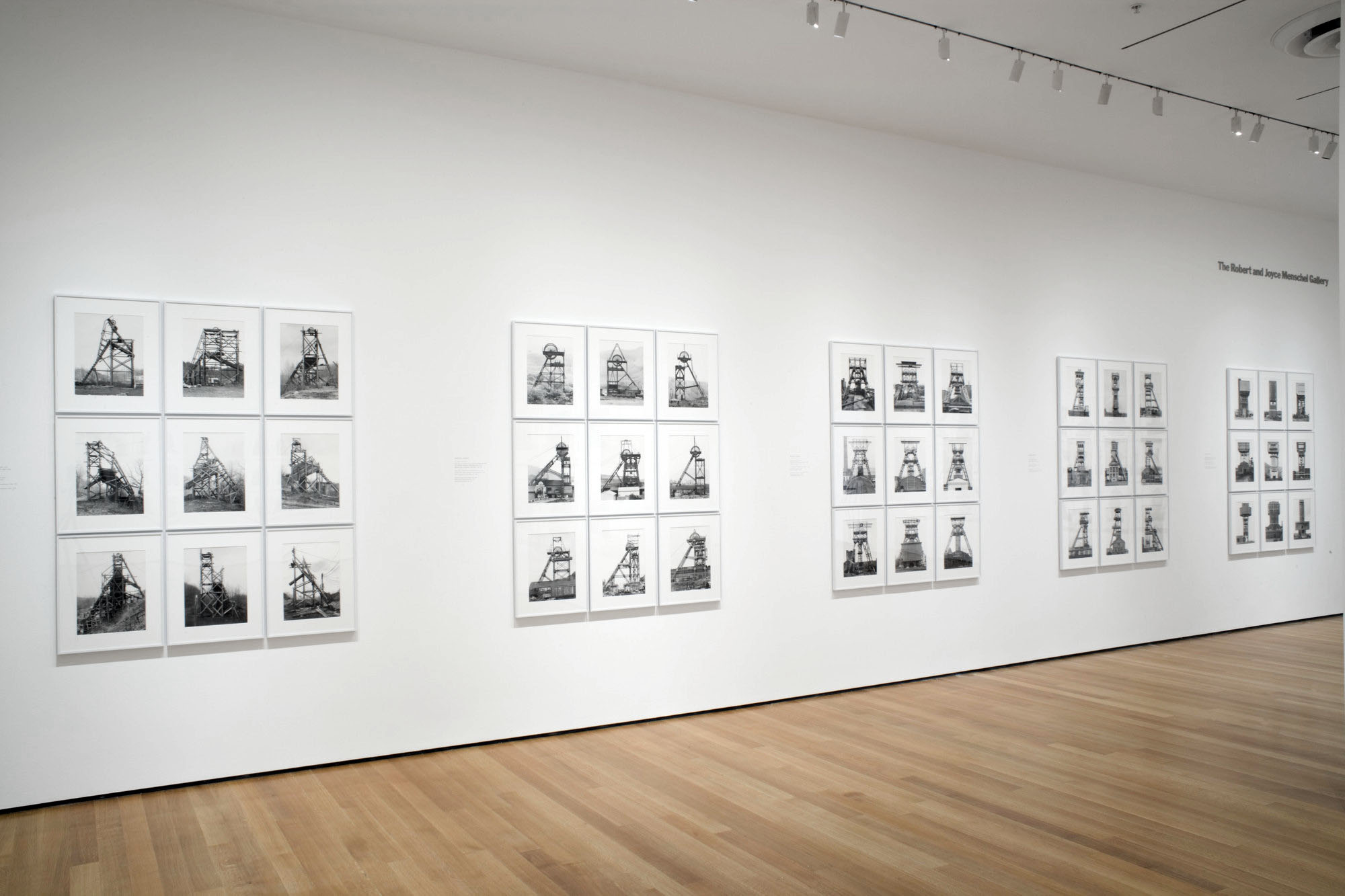


Marcus Bunyan (Australian, b. 1958) 'Untitled' from the series 'Vertical' 2011


Marcus Bunyan (Australian, b. 1958) 'Untitled' from the series 'Vertical' 2011


Marcus Bunyan (Australian, b. 1958) 'Untitled' from the series 'Vertical' 2011


Marcus Bunyan (Australian, b. 1958) 'Untitled' from the series 'Vertical' 2011


Marcus Bunyan (Australian, b. 1958) 'Untitled' from the series 'Vertical' 2011


Marcus Bunyan (Australian, b. 1958) 'Untitled' from the series 'Vertical' 2011


Marcus Bunyan (Australian, b. 1958) 'Untitled' from the series 'Vertical' 2011


Marcus Bunyan (Australian, b. 1958) 'Untitled' from the series 'Vertical' 2011


Marcus Bunyan (Australian, b. 1958)
Untitled
2011
From the series Vertical
Digital prints


Marcus Bunyan website

LIKE ART BLART ON FACEBOOK

Back to top

Review: ‘In Spates’ by Sam Shmith at Arc One Gallery, Melbourne

Exhibition dates: 29th March – 23rd April 2011


Sam Shmith (Australian born England, b. 1980) 'Untitled (In Spates 2)' 2011


Sam Shmith (Australian born England, b. 1980)
Untitled (In Spates 2)
2011
125 x 75cm
Pigment print on archival rag


The Digital Punctum

Spate, definition: A sudden flood, rush, or outpouring

This is a visually strong body of work by Sam Shmith that thematically hangs together beautifully in the Arc One Gallery space. The mystery, the sublime and the journey are well handled by the artist. As a spectral ‘body’ the photographs work together to create a new form of hallucination, one that haunts and perturbs the mind, like a disturbing psychological thriller a la David Lynchian ‘Twin Peaks’. The work, as a whole, becomes a meta-narrative and as Shmith develops as an artist, they seem to me like work that has journeyed to the point of departure. The viewer is (not really) flying, (not really) floating above the clouds observing the meta-narrative, creating a visual memory of things. Spectral luminescences, not-quite-right perspectives, the photograph as temporal hallucination.

Shmith’s photographs are constructed from “30-40 photographs per pictorial narrative” taken during the day and then digitally darkened: the clouds from Queensland, the cities from here, the cars from there. To be honest the clouds and cities could be from anywhere they are just part of the process. Shmith’s technique is interesting to know and then is quickly forgotten when looking at the photographs – like reading, it does not become the meaning (just a layer) of the work. The images, when constructed (however!) take me to other spaces and memories, opening up new vistas in my imagination.


Shmith’s series acts as a punctum, working to create an unitary impression on the mind that pricks my consciousness. The whole work becomes punctum. This is a very interesting and powerful proposition.

The punctum, as argued by Barthes in Camera Lucida, relies on the QUESTION OF INTENTIONALITY – the detail that pricks and wounds is an unconscious act on the part of the photographer – not one of intention. It cannot be perceived by the photographer or indeed anyone else in the present. In other words, when the photographer photographs the total object, he cannot not not photograph the part object, which is what the punctum is:

“Hence the detail which interests me is not, or a least not strictly, intentional, and probably must not be so; it occurs in the field of the photographer thing like a supplement that is at once inevitable and graceful; it does not necessarily attest to the photographer’s art; it says only that the photographer was there, or else, still more simply, that he could not not photograph the partial object at the same time as the total object … The photographer’s “second sight” does not consist in “seeing” but in being there. And above all, imitating Orpheus, he must not turn back to look at what he is leading – what he is giving to me!” (CL 47/CC 79-80)

As Michael Fried observes in his analysis of Camera Lucida, the punctum is “antitheatrical” in the sense that we see it for ourselves and are not shown it by the photographer: it is not consciously constructed by the photographer but unconsciously captured as part of the total object:

“As Fried has argued, the experience of the punctum lives or dies for Barthes according to the absence of presence of intentionality on the part of the photographer; if there is visible intention, there is no punctum. That the punctum can exist only in the absence of intention is consistent, Fried claims, with his distinction between “seeing” (understood positively as antitheatrical) and “being shown” (understood negatively as theatrical). The possibility of the punctum is cancelled if bound to the photographer’s intention – if we are shown what can only be seen. As Fried states: “The punctum, we might say, is seen by Barthes but not because it has been shown to him by the photographer, for whom it does not exist; as Barthes recognizes, ‘it occurs [only] in the photographic field of the photographed thing,’ which is to say that it is not a pure artefact of the photographic event.”1


This changes in digital photography, especially with photographs such as Shmith’s constructed from 30-40 photographs. Here the construction can only be intentional (or can it?), dissolving the relation between referent and photograph, the unseen nature of punctum and the ability to not not photograph the part object:

“Fried mentions the subject I have in mind when he says digital photographs undermine the condition of the punctum by making it impossible that “a partial object in the photograph that might otherwise prick or wound me may never have been part of a total object, which itself may be a digital construction” (Michael Fried, “Barthes’s Punctum,” Critical Inquiry 31, Spring 2005, p.563). In the sentence just preceding that, Fried notes that digitalization “threatens to dissolve the ‘adherence’ of the referent to the photograph,” thus ending the fundamental claim that “the photographer could not not photograph the partial object at the same time as the total object.”2

But the digital punctum still exists. Shmith’s work is evidence of this. It exists in the mind of the artist and viewer, external to rather than strictly “in” or “of” the image:

“Curiously, however, Barthes does claim in Camera Lucida that the punctum may also be of the mind, or at the level of remembrance, rather than strictly “in” or “of” the image: “… the punctum (is) revealed only after the fact, when the photograph is no longer in front of me and I think back on it. I may know better a photograph I remember than a photograph I am looking at, as if direct vision oriented its language wrongly, engaging it in an effort of description which will always miss its point of effect, the punctum” (Roland Barthes, Camera Lucida: Reflections on Photography, trans. Richard Howard (New York: Hill and Wang, 1981), 53.) Indeed, the punctum is a most difficult thing to pin down, or, should one say, to prick. Fried recognizes the truly aporetic [characterised by an irresolvable internal contradiction or logical disjunction] nature of the punctum when he points to certain affinities between the literalist work of the Minimalists and the punctum, whereby the Minimalists understood the relationship between the literalist work and the beholder as ’emphatically not determined by the work itself’, suggesting that meaning in literalism was essentially indeterminate.”3

As James Elkins has observed, the punctum, or the image’s antitheatricality, is not necessarily threatened by digitalisation either through the detaching of the referent from the photograph or through the detaching of the part object from the full object within the image itself.

“The presence and efficaciousness of the part object are independent of digitalisation because the concept of the part object arises from a certain understanding of the internal structure of pictures and objects. Part objects can be found as readily in photographs of galaxies, which are assembled from layers of cleaned and enhanced digital images, as in the background of Wessing’s Nicaragua. Nor does the detachment of the photograph from its referent threaten the operation of the punctum because photographs with subjects that are wholly digitally constructed can be understood as having overlooked elements waiting to be discovered by each viewer.”4


My belief is that the digital photographer can evidence punctum in the construction of image through an anticipation of it’s affect – either consciously or unconsciously. Not through the ‘placement’ inside disparate texts but a holistic embedding through intertextuality. The punctum becomes the (non)intentional ground of discovery – the part part object if you like – the prick among many photographs now created as one, in this case 30-40 turned into one pictorial narrative. The punctum does not have to be part of a total object and digitalisation does not undermine the punctum; it may even enhance it so that, in this case, the whole series becomes punctum.

Shmith’s series and individual photographs within the series work best when the artist lets go of his consciousness and lets the ‘thing itself’ emerge, like a Japanese haiku poem. While consciously constructed by the artist the haiku takes on a life and meaning of it’s own outside the confines of intentionality.

“The artist can proffer a ‘releasement toward things’ (Heidegger, Martin. Discourse on Thinking. New York: Harper & Row, 1966, pp. 55-56), a coexistence between a conscious and unconscious way of perceiving which sustains the mystery of the object confusing the distinction between real time and sensual time, between inside and outside, input and output becoming neither here nor there. The mystery of the image is not to be found in its emasculation (in the sense of it’s deprivation of vigour) but by being attentive to the dropping a way of awareness, of memory, imagination, and the fixed gaze of desire through the glimpsing of a coexistence between a conscious and unconscious way of perceiving, a ‘releasement towards things’ which enables the seeing of the ‘Thing Itself’.”5

While Shmith’s series works as a whole and there are some wonderful individual images occasionally the artist has become too conscious of the punctum, the marks he intentionally makes. There are too many planes in clouds, the marking of these planes loosing their aura of (in)significance. They should be discovered afresh, “overlooked elements waiting to be discovered by each viewer,” not intentionally placed and shown by the artist. The series needed other themes embedded within them to allow the viewer to discover, to journey – more! As I said in the opening paragraph the photographs seems to me like work that has journeyed to the point of departure.

And what an exciting departure it is, for what happens next is in his, and our, imagination.

Dr Marcus Bunyan


1/ Fried, Michael. “Barthes’s Punctum,” in Critical Inquiry 31, Spring 2005 quoted in Hughes, Gordon. “Camera Lucida, Circa 1980,” in Batchen, Geoffrey (ed.,). Photography Degree Zero: Reflections on Roland Barthes’s Camera Lucida. Cambridge, MA: MIT Press, 2009

2/ Elkins, James. “What Do We Want Photography To Be?” in Batchen, Geoffrey (ed.,). Photography Degree Zero: Reflections on Roland Barthes’s Camera Lucida. Cambridge, MA: MIT Press, 2009, pp. 176-177

3/ Haraldsson, Arni. “Fried’s Turn,” on Fillip website, Spring 2004 [Online] Cited 12/04/2011. fillip.ca/content/frieds-turn

4/ Elkins, Op. cit.

5/ Bunyan, Marcus. “Spaces That Matter: Awareness and Entropia in the Imaging of Place,” 2002, on the Academia.edu website [Online] Cited 20/07/2022. https://www.academia.edu/4885768/Spaces_That_Matter_Awareness_and_Entropia_in_the_Imaging_of_Place_October_2002_


Many thankx to Angela Connor for her help and to Arc One Gallery for allowing me to publish the text and photographs in the posting. Please click on the photographs for a larger version of the image.


Sam Shmith (Australian born England, b. 1980) 'Untitled (In Spates 7)' 2011


Sam Shmith (Australian born England, b. 1980)
Untitled (In Spates 7)
2011
50 x 30cm
Pigment print on archival rag


Sam Shmith (Australian born England, b. 1980) 'Untitled (In Spates 14)' 2011


Sam Shmith (Australian born England, b. 1980)
Untitled (In Spates 14)
2011
50 x 30cm
Pigment print on archival rag


Sam Shmith’s photographs resemble the opening scenes of a Hollywood blockbuster. By harnessing our collective imagination, each image is charged with mystery and intrigue, leaving the viewer to draw their own conclusions about the narrative embedded in each of the works.

Digitally layered from an image bank of over 60,000 self-shot images, Sam’s twenty-two new landscapes choreograph a series of temporal clues into single images that simultaneously obliterate all references to a particular locality. His works are a hybrid of images from his personal archives, composited so that each journey is no longer distinct, but melded to create their single, artificial realities.
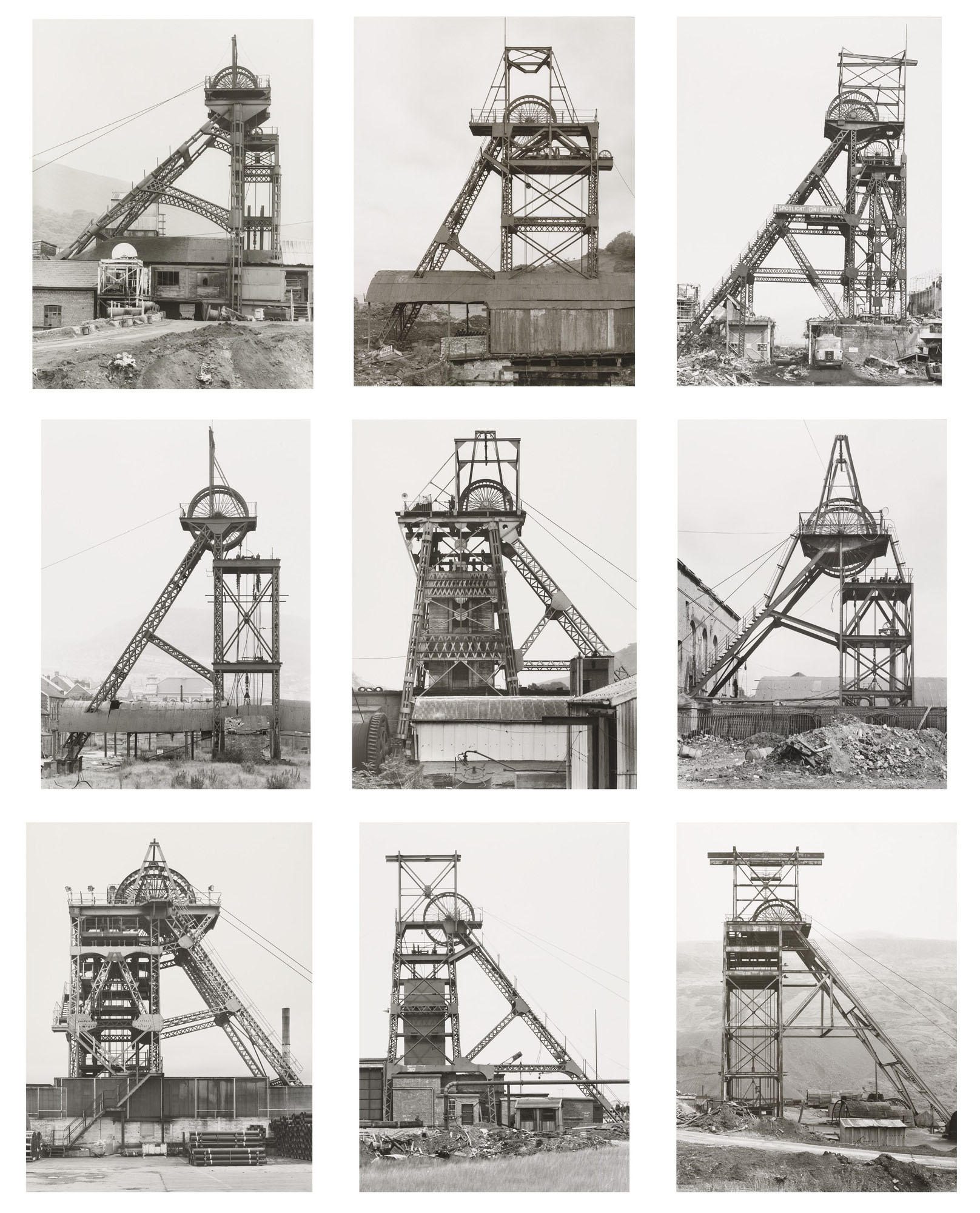
Influenced by François Truffaut’s film Day for Night (1973), the works are shot during the day, and meticulously transformed into twilight scenes. Reworking and repeating particular motifs, these elaborately constructed works are broken up into four distinct groups – sky, mountains, cities and roads. The centre of the frame concentrates an immediate human intervention enveloped by mountainous panoramas, vaporous clouds or close foliage to create a murky tension between the encompassing landscape and specks of synthetic light. Intuitively composited from between 30 to 40 photographs per pictorial narrative, the works are shot from cars, aeroplanes and hot air balloons producing mood scenes that have athematic unity.
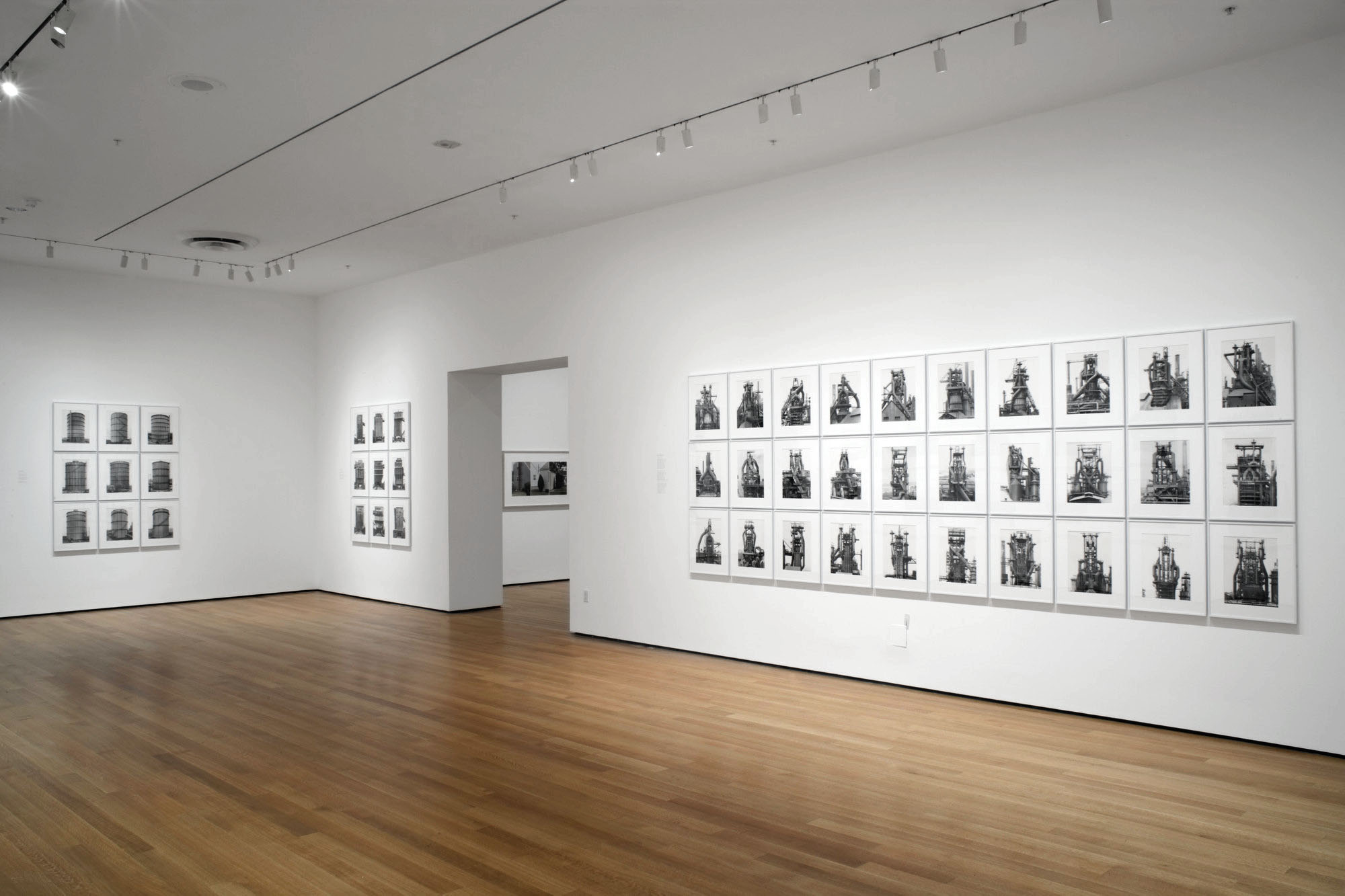
Through his methods Sam fashions an unconventional approach to landscape photography. Citing the melancholic landscapes of Bill Henson, the suburban malaise of Gregory Crewdson and drawing motivation from Alfred Stieglitz’s Equivalents, In Spates communicates the artist’s devotional dedication to the emotive importance of the genre. Though isolation appears as a common theme in his work, Sam’s observations should also be considered as an arbitrary moment viewed from afar, evoking a feeling of alienation and disengagement between the environment and ourselves.

Text from the Arc One Gallery press release


Sam Shmith (Australian born England, b. 1980) 'Untitled (In Spates 5)' 2011


Sam Shmith (Australian born England, b. 1980)
Untitled (In Spates 5)
2011
125 x 75cm
Pigment print on archival rag


Sam Shmith (Australian born England, b. 1980) 'Untitled (In Spates 21)' 2011


Sam Shmith (Australian born England, b. 1980)
Untitled (In Spates 21)
2011
125 x 75cm
Pigment print on archival rag


Arc One Gallery
45 Flinders Lane
Melbourne, 3000
Phone: (03) 9650 0589

Opening hours:
Wed – Sat 11am – 5pm

Arc One Gallery website

LIKE ART BLART ON FACEBOOK

Back to top

Review: ‘NETWORKS (cells & silos)’ at Monash University Museum of Art (MUMA), Caulfield

Exhibition dates: 1st February – 16th April 2011


Installation photograph of one of the galleries in the exhibition 'NETWORKS (cells & silos)' at Monash University Museum of Art (MUMA) with Nick Mangan's 'Colony' (2005) in the foreground


Installation photograph of one of the galleries in the exhibition NETWORKS (cells & silos) at the newly opened Monash University Museum of Art (MUMA) with Nick Mangan’s Colony (2005) in the foreground
Photo: Marcus Bunyan


This is a vibrant and eclectic exhibition at MUMA, one of the best this year in Melbourne. The curator Geraldine Barlow has gathered together some impressive, engaging works that are set off to good effect in the new gallery spaces. I spent a long and happy time wandering around the exhibition and came away visually satiated and intellectually stimulated.

The exhibition “explores the connections between artistic representation of networks; patterns and structures found in nature; and the rapidly evolving field of network science, communications and human relations.” (text from MUMA)

Networks connect – they describe (abstract) connections between people and things. Networks map simple or complex systems and can be real or an abstract representation of those systems. Networks form a nexus, “a sort of concentrated nodal point among a series of chains of markers” that reveals the centralising structure of networks (such as Facebook and Google). Robert Nelson in his review of this exhibition in The Age notes, “Geert Lovink and Ned Rossiter [in their catalogue essay] describe the way networks paradoxically disorganise you, creating a disempowering messy grid of protocols that colonise your headspace … It’s commonplace to celebrate networks because they stimulate excitement about belonging, about extending your reach and joining in. These hopes are as pervasive as the networks themselves. But in structural terms, networks are also insidiously colonising and hierarchical, built on the principle of the rich becoming richer and the poor becoming more dependent.”1

I believe that networks can also be altruistic and non-heirarchical, offering a horizontal consciousness rather than a vertical one: points of view and perspectives on the world that open up these (virtual) spaces to fluidity, mutation, transgression and subversion. Catherine Lumby observes that,

“The contradictory, constantly shifting nature of contemporary information and image flows tends to erode the moral authority of any social order, patriarchal or otherwise. It is this very collapse which has arguably fuelled social revolutions such as feminism and gay and lesbian rights, but which equally disrupts attempts by some to ground them in identity politics.”2

Critical to understanding the construction of these constantly shifting networks in contemporary society are the concepts of weaving and intertexuality. Intertextuality is the concept that texts do not live in isolation, “caught up as they are in a system of references to other books, other texts, other sentences: it is a node within a network… Its unity is variable and relative (Foucault, 1973)3. In other words the network is decentred and multiple allowing the possibility of transgressive texts or the construction of a work of art through the techniques of assemblage (Deleuze and Guattari) – a form of fluid, associative networking that is now the general condition of art production.4

Infection of the network (by viruses for example) disrupts the pattern/randomness binary and may lead to mutations, ‘differance’ in Derrida’s terminology, spaces that are both fluid and fixed at one and the same time; neither here nor there.


On to (some of) the work.

Masato Takasaka’s series of fibre-tipped pen and pencil on paper, Information Superhighway (2006-07), are wonderful, kaleidoscopic works – inventive and fun, full of rhizomic, multi-layered dimensionality. Nick Mangan’s mixed media sculpture Colony (2005, see photograph below) is a spiky, totemic, figurative creature made of axe, shovel and hammer handles and riddled with holes like driftwood that looks like a bizarre, Medieval torture instrument.

Bryan Spiers paintings Shadowmath and New descending (both 2010, see photograph below) are excellent, puzzle-like reinterpretations of delicate, Futuristic movements. As he describes them, “I think of my paintings as puzzles or visual toys. They are images to be manipulated by the viewer; reconfigured, recomposed, expanded upon. Trajectories of change are implied by repeated shapes and graded colour transitions. They describe a continuum to be followed to its logical conclusion outside of the picture plane. This leads to the dissolution of the image, proposing new images yet to be made.”

Heath Bunting’s 3 panel work from The Status project (all 2010) features interrelated data sets that reach a “level of absurdity in attempting to relate radically different but inter-related information.” This mind mapping schematic of connections (coloured connections with labels, markers and legends) based around Bristol, England has some unbelievable entries if you look really closely:

~ A1072 Able to provide natural person date of birth 2010
~ A1073 Able to access the Internet
~ A1003 A terrorist
~ A1047 Providing instruction or training in the use of imaginary firearms such as sticks
~ A1088 Providing training in leopard crawling


Aaron Koblin’s beautiful video Flight patterns (2010) offers a mapping of thousands of plane journeys across the USA over time (based on East Coast time) so that the explosion of their frequency becomes like a fireworks display. Andrew McQualter’s fantastic acrylic paint wall drawings Three propositions, one example (2010-11), painted directly onto the gallery wall show various people, isolated from each other and from the viewer, talking and listening to their iPhones. As Robert Nelson comments, “They’re isolated individuals, all on their own plane, presumably doing social networking or communicating. If you walked past them, they wouldn’t respond because, with heads bowed, they’re absorbed in another reality. Their hands and minds are busy with a reality elsewhere.”

Present but not present, (not) here and there at the same time. This is a critical debate in contemporary culture: do these type of networks lessen our ability to build friendships and connections in the real world or are they just another element in our rhizomic network of associations that help with our interconnectivity: utopian or dystopian or equal measure of both? Does it really matter?

From the UK Kit Wise’s large digital print on aluminium series (including KTM SEA MOW RUH 2010, see below) are effective, offering solarised, negative, brightly coloured collages of seemingly atomised cities (the titles refer to the cities airport abbreviation codes). Mass Ornament (2009) by American artist Natalie Bookchin is one of my favourite works in the exhibition. In a horizontal panel of wall mounted screens play videos of people dancing in their bedroom. Bookchin has gleaned these gems from uploaded personal videos on YouTube – there are handstands, contortions, tap dancing, all manner of performances (some then deleted by the performer) – then collated by the artist and set to a Broadway-type music number. Mesmeric and amazing!

Koji Ryui’s spatial constructions Extended network towards the happy end of the universe (2007-2011, see photograph below) are made of bendy, plastic drinking straws of different colours, encased and moulded into cellular shapes (reminding me of the white of the Melbourne Recital Centre exterior). Trailing off these structures in different colours are airborne-like filaments similar to the plant Old Man’s Beard. “Ryui repeats and arranges these objects in space to create peculiar environments and accidental narratives. In his installations, relationships or spaces between objects are equally as important as the objects themselves.” Wonderful.

Last but not least my favourite work in the exhibition: heart of the air you can hear by Sandra Selig (2011, see photographs below). The photographs do not do the work justice. Made simply from spun polyester, nails and paint this Spirograph-like construction is beautiful in its resonance and colour, captivating in its complexity. Built into a corner of the gallery the work floats at eye level, twists and turns and changes intensity of colour when viewed from different angles. From the front it looks like a spaceship out of Star Wars woven by light!


There are many other excellent works in the exhibition that I have not mentioned. Some of the work disrupts the continual reiteration of norms by weaving a lack of fixity into the network’s existence. Other work visually makes comment on and reinforces the structure of such networks. Whichever it is this is a truly engaging exhibition that no single body, let alone a networked one, should miss.

Dr Marcus Bunyan


1/ Nelson, Robert. “Networks, Cells and Silos” review in The Age newspaper. Melbourne: Fairfax Media, 23/02/2011 [Online] Cited 23/03/2011

2/ Lumby, Catharine. “Nothing Personal: Sex, Gender and Identity in The Media Age,” in Matthews, Jill (ed.,). Sex in Public: Australian Sexual Cultures. St. Leonards: Allen and Unwin, 1997, pp. 14-15

3/ Foucault, Michel cited in Thumlert, Kurt. Intervisuality, Visual Culture, and Education. [Online] Cited 01/04/2011 no longer available online

4/ “To understand the production of art at the end of tradition, which in our lifetime means art at the end of modernism, requires, as the postmodern debate has shown, a careful consideration of the idea of history and the notion of ending. Rather than just thinking ending as the arrival of the finality of a fixed chronological moment, it can also be thought as a slow and indecisive process of internal decomposition that leaves in place numerous deposits of us, in us and with us – all with a considerable and complex afterlife. In this context all figuration is prefigured. This is to say that the design element of the production of a work of art, the compositional, now exists prior to the management of form of, and on, the picture plane. Techniques of assemblage, like montage and collage – which not only juxtaposed different aesthetics but also different historical moments, were the precursors of what is now the general condition of production.”
Fry, Tony. “Art Byting the Dust,” in Hayward, Phillip. Culture, Technology and Creativity in the Late Twentieth Century. London: John Libbey and Company, 1990, pp. 169-170


Many thankx to Monash University Museum of Art for allowing me to publish the text and photographs in the posting. Please click on the photographs for a larger version of the image.


Kerrie Poliness (Australian, b. 1962) 'Blue Wall Drawing #1' 2007-2011


Kerrie Poliness (Australian, b. 1962)
Blue Wall Drawing #1
2007-2011
Photo: Marcus Bunyan


Hilarie Mais (British/Australian, b. 1952) 'The waiting - anon' 1986


Hilarie Mais (British/Australian, b. 1952)
The waiting – anon
1986
Photo: Marcus Bunyan


An interview with the curator: Geraldine Barlow

Where did your interest in networks come from?

I’ve long been fascinated by network maps of human relationships – the graphical representation of something seemingly so complex and multi-layered. The structure of the brain and how this relates to theories of mind is also an area of personal interest. Our society, bodies and relationships are all made up of different kinds of networks, and artists have long been interested in mapping out these structures. I realised some time ago that the visual representation of networks might make for an interesting exhibition, from this point on I collected and ‘tested’ different ideas of what the exhibition might include.

How is this explored in the exhibition?

Human relationships feature in some of the works in the exhibition, but not all. I hope the exhibition offers a wide variety of links between people’s familiar world and daily experiences on the one hand, and more abstract ideas on the other.

There are a number of works from the Monash University Collection included in the exhibition. Can you tell us about these and why you selected them?

The Monash University Collection is a great source of inspiration, it is a wonderful collection, but also, I think any artwork considered closely and over time opens up in surprising ways and offers unexpected insights, working with the works in the collection over a period of years allows me to think about them in a long and slow way.

Dorothy Braund’s work Christ with the disciples listening 1966 was given to the University in 1974. It is a very beautiful formal painting of a series of shaded circles and ellipses. At first glance it is simple and seems to represent a ring of figures, their heads and bodies gathered together. On closer examination it is not so clear where one figure ends and another begins, as a whole the clustered forms seem to operate more like a cell. Historically this cell of men and the ideas attributed to them has had a profound impact, in their day they might have been seen as a kind of terrorist cell.

Through the sensitive composition and balance of abstract form, the artist has created a complex representation of the relationships between people: the ways in which we are both connected to each other, and yet might also circulate ideas in a tight ‘Chinese whispers’ type circle. This work was painted in 1966, long before our current awareness of social and telecommunications networks, but it can still offer us insights in our contemporary world and the way we relate to each other.

How did the new gallery space affect the installation of the exhibition?

The exhibition was slowly forming in my mind, even as Kerstin Thompson’s wonderful gallery space was being designed and built. The gallery has offered a wonderful armature and character for the exhibition to work with, hopefully in the manner of a conversation. Kerstin was been very interested in understand and reflecting the essential structure of the building, not building over what was pre-existing. The exhibition like-wise has an interest in structural models, geometries and patterns – in finding a balance between the regular and the slightly warped. In the central corridor which runs down the spine of the gallery, Thompson has chosen to leave the mechanical services exposed, to allow the essential structure of the building to be a form of ornament. Many of the artists in the exhibition also have an interest in the relationship between structure and ornament.


Sandra Selig (Australian, b. 1972) 'heart of the air you can hear' 2011


Sandra Selig (Australian, b. 1972)
heart of the air you can hear
2011
Photo: Marcus Bunyan


Sandra Selig (Australian, b. 1972) 'heart of the air you can hear' 2011 (detail)


Sandra Selig (Australian, b. 1972)
heart of the air you can hear (detail)
2011
Photo: Marcus Bunyan


Koji Ryui (Australian/Japanese, b. 1976) 'Extended network towards the happy end of the universe' 2007-2011


Koji Ryui (Australian/Japanese, b. 1976)
Extended network towards the happy end of the universe
2007-2011
Photo: Marcus Bunyan


The connections between artistic representations of networks and the rapidly evolving field of network science are the subject of the latest exhibition at the Monash University Museum of Art (MUMA).

Presenting the work of Australian and international artists, NETWORKS (cells & silos) reflects the organising principles and dynamics of our increasingly networked society, and related patterns found in organic, social and engineered forms.

MUMA’s Senior Curator, Geraldine Barlow conceived and developed the exhibition as a way of continuing the dialogue about the role and effect of different networks in society.

“Art and aesthetics are often treated as very separate enclaves from science, physics and mathematics,” Barlow says. “But art offers us a way to re- contextualise our associations and interactions with the networks around us and look at the effect they have on us. I hope the exhibition will prompt people to think about the networks in their lives and how they mould and shape us.”

A key inspiration for the exhibition was Annamaria Tallas’ documentary, How Kevin Bacon Cured Cancer, which features the work of network scientist Albert-László Barabási.

“The documentary explores the thesis that all networks – both natural and man-made – conform to a similar mathematical formula, with the same patterns emerging over and again,” Barlow said.

The artworks featured in NETWORKS (cells & silos) explore networks as diverse as those found in urban planning and cities, biology, organisations, travel and of course social networks, as well as the dual qualities of hyper-connectedness and isolation that technology has heightened in modern life.

Extending the dialogue about the possibilities of networks is of great interest to MUMA Director, Max Delany, particularly in the university context.

“Within a university we have a vast array of specialist disciplines – science, technology, humanities – all having conversations about how the world is and where we want to be heading,” Delany says. “Often these conversations are held in isolation from each other, but considered together, and from the standpoint of artists, the possibilities of collaborative networks become very exciting.”

This collaboration can be seen in Kerrie Poliness’ work Blue Wall Drawing #1 (2007/2011). Students from Monash University have created the piece, following the formal and conceptual guidelines set out by the artist. Each version of Poliness’ work creates unique patterns and networks as the collaborative team choose how to implement the drawing rules which are structured to allow a different outcome in each space where they are applied.

The exhibition’s accompanying publication contains essays from curator Geraldine Barlow, network and social theorists Geert Lovink and Ned Rossiter, and science documentary filmmaker Annamaria Tallas, all exploring the exhibition’s theme. Digital and hard copies are available on request.

Press release from the Monash University Museum of Art


Bryan Spier (Australian) 'Shadowmath' 2010 (and) 'New descending' 2010 (installation view)


Bryan Spier (Australian)
Shadowmath and New descending (installation view)
both 2010
Photo: Marcus Bunyan


Kit Wise (Australian born England, b. 1975) 'KTM SEA MOW RUH' 2010


Kit Wise (Australian born England, b. 1975)
KTM SEA MOW RUH
2010
Digital photograph


Monash University Museum of Art (MUMA)
Ground Floor, Building F.
Monash University Caulfield campus
900 Dandenong Road
Caulfield East, VIC 3145
Phone: +61 3 9905 4217

Opening hours:
Tuesday – Friday 10am – 5pm
Saturday 12 – 5pm

Monash University Museum of Art (MUMA) website

LIKE ART BLART ON FACEBOOK

Back to top