Steichen, Penn, Avedon, Newman – and then there is Horst, master of them all. Style, elegance, lighting, framing, colour but above all panache – the guts and talent to push it just that little bit further.
Dr Marcus Bunyan
Many thankx to the Victoria & Albert Museum for allowing me to publish the photographs in the posting. Please click on the photographs for a larger version of the image.
“Fashion is an expression of the times. Elegance is something else again.”
This autumn, the V&A will present the definitive retrospective exhibition of the work of master photographer Horst P. Horst (1906-1999) – one of the leading photographers of the 20th century. In his illustrious 60-year career, German-born Horst worked predominantly in Paris and New York and creatively traversed the worlds of photography, art, fashion, design, theatre and high society.
Horst: Photographer of Style will display 250 photographs, alongside haute couture garments, magazines, film footage and ephemera. The exhibition explores Horst’s collaborations and friendships with leading couturiers such as Coco Chanel and Elsa Schiaparelli in Paris; stars including Marlene Dietrich and Noël Coward; and artists and designers such as Salvador Dalí and Jean-Michel Frank. Highlights of the exhibition include photographs recently donated to the V&A by Gert Elfering, art collector and owner of the Horst Estate, previously unpublished vintage prints, and more than 90 Vogue covers by Horst.
The exhibition will also reveal lesser-known aspects of Horst’s work: nude studies, travel photographs from the Middle East and patterns created from natural forms. The creative process behind some of his most famous photographs, such as the Mainbocher Corset, will be revealed through the inclusion of original contact sheets, sketches and cameras. The many sources that influenced Horst – from ancient Classical art to Bauhaus ideals of modern design and Surrealism in 1930s Paris – will be explored.
Martin Roth, Director of the V&A said: “Horst was one of the greatest photographers of fashion and society and produced some of the most famous and evocative images of the 20th century. This exhibition will shine a light on all aspects of his long and distinguished career. Horst’s legacy and influence, which has been seen in work by artists, designers and performers including Herb Ritts, Robert Mapplethorpe, Bruce Weber and Madonna, continues today.”
Horst’s career straddled the opulence of pre-war Parisian haute couture and the rise of ready-to-wear in post-war New York and his style developed from lavish studio set-ups to a more austere approach in the latter half of the 20th century. The exhibition will begin in the 1930s with Horst’s move to Paris and his early experiments in the Vogue studio. Among his first models and muses were Lisa Fonssagrives, Helen Bennett and Lyla Zelensky. Vintage black and white photographs from the archive of Paris Vogue will be displayed alongside garments in shades of black, white, silver and gold by Parisian couturiers such as Chanel, Lanvin, Molyneux and Vionnet.
The exhibition will then focus on Horst’s Surreal-inspired studies and collaborations with Salvador Dalí and Elsa Schiaparelli. Fashion photographs will be shown with trompe l’oeil portraits and haunting still life. Horst excelled at portraiture and in the 1930s he captured some of Hollywood’s brightest stars: Rita Hayworth, Bette Davis, Vivien Leigh, Noël Coward, Ginger Rogers, Marlene Dietrich and Joan Crawford, to name a few.
Horst travelled widely throughout the 1940s and 1950s to Israel, Iran, Syria, Italy and Morocco. An escape from the world of fashion and city environs, his little-known travel photographs reveal a fascination for ancient cultures, landscapes and architecture. On display will be works taken in Iran such as the Persepolis Bull, Horst’s powerful image of a vast sculpture head amidst the ruins of a once magnificent palace, and images documenting the annual migration of the nomadic Qashqai clan.
Detailed studies of natural forms such as flowers, minerals, shells and butterfly wings from the project Patterns From Nature, will be shown alongside a series of kaleidoscopic collages made by arranging photographs in simple repeat; his intention was that these dynamic patterns could be used as designs for textiles, wallpaper, carpets, plastics and glass.
Horst was admired for his dramatic lighting and became one of the first photographers to perfect the new colour techniques of the 1930s. A short film of him at work in the Vogue studios during the 1940s will be shown with an introduction to his peers including Lee Miller, Cecil Beaton and Irving Penn. The advent of colour enabled a fresh approach and Horst went on to create more than 90 Vogue covers and countless pages in vivid colour. A selection of 25 large colour photographs, newly printed from the original transparencies from the Condé Nast Archive, will demonstrate Horst’s exceptional skill as a colourist. These prints feature Horst’s favourite models from the 1940s and 50s, such as Carmen Dell’Orefice, Muriel Maxwell and Dorian Leigh, and will be shown together with preparatory sketches, which have never previously been exhibited.
In the early 1950s, Horst created a series of male nudes for an exhibition in Paris for which the models were carefully posed and dramatically lit to accentuate their musculature. The series evokes the classical sculpture that Horst so admired throughout his career. During the 1960s and 1970s, Horst photographed some of the world’s most beautiful and luxurious homes for House and Garden and Vogue under the editorship of his friend Diana Vreeland. A three-sided projection and interactive screens will present these colourful studies. Among the most memorable are the Art Deco apartment of Karl Lagerfeld, the three lavish dwellings of Yves Saint Laurent and the Roman palazzo of artist Cy Twombly.
In the latter years of Horst’s life, his early aesthetic experienced a renaissance. The period also witnessed a flurry of new books, exhibitions, and television documentaries celebrating his work. Horst produced new, lavish prints in platinum-palladium for museums and the collector’s market, selecting emblematic works from every decade of his career, which will be showcased as the finale to the exhibition.
A fore-runner of the timeless look of Chanel, here in brown and white check rayon with collar, cuffs and lapels in white piquè that matches the buttoned top.
Model (unidentified) and Dorian Leigh (r) in bathing suit and sleeveless shirt cover-up by Carolyn Schnurer 1951 Vogue
Haute Couture
When Horst joined Vogue in 1931, Paris was still the world’s undisputed centre of high fashion. Photography had begun to eclipse graphic illustration in fashion magazines and the publisher Condé Montrose Nast devoted large sums to improving the quality of image reproduction. He insisted that Vogue photographers work with a large format camera, which produced richly detailed negatives measuring ten by eight inches.
The creation of a Horst photograph was a collaborative process, involving the talents of the photographer and model, the art director, fashion editor, studio assistants and set technicians. The modelling profession was still in its infancy in the 1930s and many of those who posed under the hot studio lights were stylish friends of the magazine’s staff, often actresses or aristocrats.
By the mid 1930s, Horst had superseded his mentor George Hoyningen-Huene as Paris Vogue‘s primary photographer. His images frequently appeared in the French, British and American editions of the magazine. Many of the photographs on display in the exhibition are vintage prints from the company’s archive.
This film reveals the process of creating new colour prints for the exhibition Horst: Photographer of Style. Horst was quick to master new colour processes, introduced in the late 1930s, and he created hundreds of vibrant fashion photographs for Vogue.
The V&A team worked closely with specialists at the Condé Nast Archive and expert printer Ken Allen to select and print from Horst’s early transparencies, which date from the 1930s to the 1950s. The film includes insights into Horst’s dynamic approach from model Carmen Dell’Orefice and Vogue‘s International Editor at Large, Hamish Bowles.
Fashion in Colour
The 1930s ushered in huge technical advancements in colour photography. Horst adapted quickly to a new visual vocabulary, creating some of Vogue‘s most dazzling colour images. In 1935 he photographed the Russian Princess Nadejda Sherbatow in a red velveteen jacket for the first of his many Vogue cover pictures.
The occupation of Paris transformed the world of fashion. The majority of French ateliers closed and many couturiers and buyers left the country. Remaining businesses struggled with extreme shortages of cloth and other supplies. The scarcity of French fashions in America, however, enabled American designers to come into their own.
Horst’s colour photographs are rarely exhibited because few vintage prints exist. Colour capture took place on a transparency which could be reproduced on the magazine page without the need to create a photographic print. The size of the new prints displayed in this room of the exhibition echoes the large scale of a group of Horst images printed in 1938 at the Condé Nast press.
At 17, in Beverly Hills wearing a tabletop dress by Howard Greer. Tabletop dresses looked good from the waist up when stars were photographed sitting in restaurants and nightclub.
Stage and Screen
Horst’s portraits spanned a wide cross-section of subjects, from artists and writers to presidents and royalty. In the 1930s, he became aware of a new focus for his work. As he later noted in his book Salute to the Thirties (1971), glamorous Hollywood movie stars were imperceptibly assuming the place left vacant by Europe’s vanishing royal families. With the approach of the Second World War, the escapism offered by theatre and cinema gained in popularity. Horst began to photograph these new, classless celebrities, both in costume and as themselves.
The first well-known star Horst photographed was the English performer Gertrude Lawrence, then appearing in Ronald Jeans’ play Can the Leopard…? at the Theatre Royal, Haymarket. Horst’s first portrait of a Hollywood actress, Bette Davis, appeared in Vogue‘s sister magazine Vanity Fair in 1932.
The 1980s witnessed a flurry of new books, exhibitions and television documentaries about Horst. He produced new prints for museums and the collector’s market, selecting emblematic works from every decade of his career to be reprinted in platinum-palladium, sometimes with new titles. This was a complex and expensive technique, employing metals more expensive than gold. Failing eyesight finally forced him to stop working in 1992.
Horst’s platinum-palladium prints are treasured for their nuanced tones, surface quality and permanence. His style had experienced a renaissance in 1978 when Francine Crescent, French Vogue‘s editor in chief, had invited him to photograph the Paris collections. Horst’s work for her echoed his atmospheric, spot-lit studies of the 1930s. His use of the platinum process for creating new and reproducing early works ensured his mastery of light, mood and composition would be enjoyed by a new audience.
In the early 1950s Horst produced a set of distinctive photographs unlike much of his previous output. These male figure studies were exhibited for the first time in Paris in 1953 and reprinted using the platinum-palladium process in the 1980s. The studies exemplify Horst’s sense of form. All emphasis is on the idealised human body, expressive light and shadow. Monumental and anonymous nudes resemble classical sculptures. As Mehemed Agha (1929-78), art director of American Vogue, commented:
“Horst takes the inert clay of human flesh and models it into the decorative shapes of his own devising. Every gesture of his models is planned, every line controlled and coordinated to the whole of the picture. Some gestures look natural and careless, because carefully rehearsed; the others, like Voltaire’s god, were invented by the artist because they did not exist.”
The Surrealist art movement explored unique ways of interpreting the world, turning to dreams and the unconscious for inspiration. During the 1930s Surrealism escaped its radical avant-garde roots and transformed design, fashion, advertising, theatre and film. Horst’s photographs of this period feature mysterious, whimsical and surreal elements combined with his classical aesthetic. He created trompe l’oeil still life, photographed the surreal-infused dress designs of his friend Elsa Schiaparelli and collaborated with the artist Salvador Dalí. He shared with the Surrealists a fascination with the representation of the female body, often fragmenting and eroticising the human form in his images.
His most celebrated photograph of the era is Mainbocher Corset (1939). Decades after the photograph was made, Main Bocher himself expressed his admiration for Horst’s virtuosity, writing,
“Your photographs are sheer genius and delight my soul … each one is perfect by itself.”
Horst’s second book, Patterns from Nature (1946), and the photographs from which it originated, are a surprising diversion from the high glamour of his fashion and celebrity photographs. These close-up, black and white images of plants, shells and minerals were taken in New York’s Botanical Gardens, in the forests of New England, in Mexico, and along the Atlantic and Pacific coasts.
This personal project was partly inspired by photographs of plants by Karl Blossfeldt (1865-1932). Horst was struck by “their revelation of the similarity of vegetable forms to art forms like wrought iron and Gothic architecture.” Horst’s interest was also linked to the technical purity of ‘photographic seeing’, a philosophy associated with the New Objectivity movement of the 1920s and ’30s. Practitioners took natural forms out of their contexts and examined them with such close attention that they became unfamiliar and revelatory.
In the summer of 1949, Horst journeyed to the Middle East with his partner Valentine Lawford, then political counsellor at the British Embassy in Tehran. They travelled by road from Beirut to Persepolis, where Horst was able to photograph parts of the ancient Persian city that had only recently been uncovered. Afterwards, Horst visited the newly established State of Israel on a photographic assignment for Vogue.
The trip left a strong impression on Horst and he returned in the spring of 1950. He spent a week with Lawford at the relatively remote south-eastern shore of the Caspian Sea, before documenting the annual migration of the Qashqa’i clan. Horst and Lawford were invited by Malik Mansur Khan Qashqa’i to spend ten days with his tribe as they travelled by camel and horse, in search of vegetation for their flocks.
In 1947 Horst acquired five acres of land in Oyster Bay Cove, Long Island, part of the estate once owned by the designer Louis Comfort Tiffany. On the land he described as ‘everything I had ever dreamed of’, Horst built a unique house and landscaped garden. British diplomat Valentine Lawford visited for the first time in 1947, with Noël Coward, Christopher Isherwood, and Greta Garbo. It was the beginning of a relationship with Horst that would last until Lawford’s death in 1991.
They welcomed many friends and visitors to Long Island, including the dynamic editor Diana Vreeland. She left Harper’s Bazaar for Vogue in 1962 and soon put the couple to work on Vogue‘s ‘Fashions in Living’ pages. The homes and tastes of everyone from Jackie Onassis to the Duke and Duchess of Windsor, Andy Warhol and Karl Lagerfeld featured in their articles. Horst’s creative chemistry with Vreeland brought him a new lease of life.
During the 1940s Horst worked primarily in the Condé Nast studio on the 19th floor of the Graybar Building, an Art Deco skyscraper on Manhattan’s Lexington Avenue. The busy studio was well equipped with a variety of lights and props and Horst worked closely with talented art director Alexander Liberman. Like Horst, he had found refuge in the artistic circles of Paris and New York, and enjoyed a long career with Condé Nast.
By 1946 dressing the American woman had become one of the country’s largest industries, grossing over six billion dollars a year. The staff of Vogue expanded accordingly. In 1951 Horst found a studio of his own, the former penthouse apartment of artist Pavel Tchelitchew, with high ceilings and a spectacular view over the river. Horst developed a new approach to photography in response to the abundance of daylight and for a time his famous atmospheric shadows disappeared.
Victoria and Albert Museum Cromwell Road, London SW7 2RL
Opening hours: The V&A is open daily from 10.00 to 17.45 and until 22.00 on Fridays
“An exquisite edifice and living machine. Hard chambers of bone to guard soft organs, protected conduits and channels. Smooth working mechanism of jaws and teeth.”
~ Irving Penn, December 12, 1988
Irving Penn’s platinum photographs fetch tens of thousands of dollars at auction. I could think of better things to spend my money on.
I have never been a fan – of his cigarette butts, fruit dishes, vanitas as well as animal skulls and ethnographic photos. There are just too clinically cold and dead for me, like his invented word “photographism” which really says it all about his photo/graphs.
Other people may love them for their elegance and minimalism, but for work that supposedly investigates the ephemerality and brevity of human existence Penn tightens his essentially reductive approach until the conceptual (and formal) noose strangles the subject.
Irving Penn’s Worlds in a Small Room (where he set up baffles and stood “mudpeople” and other tribespeople), his masks, and his platinum prints of cigarette butts are his claim to fame. They were championed by the US East Coast and commercial interests. They are not terrible, but I don’t believe they are deserving of their fame. The work was deliberately made to attract the limelight, at least in the vibe I get from them.
Dr Marcus Bunyan
Many thankx to the Palazzo Grassi for allowing me to publish the photographs in the posting. Please click on the photographs for a larger version of the image.
Irving Penn: The Enduring Power of Formal Simplicity
“Irving Penn was one of the most significant and prolific photographers of the 20th century whose signature blend of classical elegance, cool minimalism and monumentality still command our attention… Penn’s visual innovations, compositional originality and intensity, his diversity and range, his meticulous perfectionism and his technical precision and insistence on clean spare elegant compositions are his trademarks… A remarkable sixty-year career was filled with amazing commissioned images which could not have been sustained without a relentless sense of precision and unyielding attention to details as well as a restless sense of curiosity… Penn’s approach from the beginning was essentially reductive – he described it as a ‘tightening process – the plastic search.’ He preferred the simple studio backdrop in order to concentrate on preserving the ‘sanctity of the document’… Penn’s legacy is his prodigious insatiable breadth of work blurring the worlds of commerce and fine art. He was constantly questioning the meaning of time, of life and its fragility.“
Diana Edkins. “Irving Penn: The Enduring Power of Formal Simplicity,” on The Eye of Photography website April 2014 [Online] Cited 21/11/2022
The exhibition Irving Penn, Resonance, curated by Pierre Apraxine and Matthieu Humery, brings together on the second floor of Palazzo Grassi 130 photographs, taken between the end of the 1940s and the mid-1980s. The exhibition is a collection of 90 platinum prints, 30 gelatin silver prints, 4 colourful dye transfer prints and 17 internegatives, which will be shown to the public for the first time.
It tackles the themes dear to Irving Penn and which, beyond their apparent diversity, all capture every facet of ephemerality. This is true of the selection of photographs from the series small trades, taken in France, England and the United States in the 1950s. It is also the case for the portraits taken between the 1950s and the 1970s of celebrities from the world of art, cinema, and literature. Exhibited alongside ethnographic photographs of the people of Dahomey and of tribesmen from New Guinea and Morocco, they strongly underline the brevity of human existence, whether affluent or resourceless, famous or unknown.
The exhibition path, which encourages dialogue and connections between works that differ in subject matter and period of time, gives prominence to still life photography from the late 1970s and the beginning of the 1980s: they are composed of cigarette ends, fruit dishes, vanitas as well as animal skulls photographed at the Narodni National Museum in Prague in 1986 for the series Cranium Architecture.
This broad overview of Irving Penn’s work puts relatively unknown images side-by-side with the most iconic ones, thereby revealing the particular ability to synthesise that characterises this photographer: in his work, modernity is not necessarily in opposition with the past and the way he exerts control over every step of the process, from the studio to the printing (to which he dedicates a lot of attention and unprecedented care), enables one to come nearer to the truth of things and people, through a constant questioning of the meaning of time, of life and of its fragility.
Irving Penn
Irving Penn was born in 1917 in Plainfield, New Jersey. In 1934 he enrolled at the Philadelphia Museum School of Industrial Art where he studied design with Alexey Brodovitch. In 1938 he began a career in New York as a graphic artist – then, after a year painting in Mexico, he returned to New York City and began work at Vogue magazine where Alexander Liberman was art director.
Liberman encouraged Penn to take his first colour photograph, a still life which became the October 1, 1943 cover of Vogue, beginning a fruitful collaboration with the magazine that lasted until his death in 2009. In addition to his editorial and fashion work for Vogue, Penn also worked for other magazines and for numerous commercial clients in America and abroad.
He published many books of his photographs including: Moments Preserved (1960); Worlds in a Small Room (1974); Inventive Paris Clothes (1977); Flowers (1980); Passage (1991); Irving Penn Regards The Work of Issey Miyake (1999); Still Life (2001); Dancer (2001); Earthly Bodies (2002); A Notebook At Random (2004); Dahomey (2004); Irving Penn: Platinum Prints (2005); Small Trades (2009); and two books of drawings and paintings.
Penn’s photographs are in the collections of major museums in America and abroad, including the Metropolitan Museum of Art, Moderna Museet in Stockholm, The National Gallery of Art in Washington, D.C., Smithsonian American Art Museum in Washington, D.C., The J. Paul Getty Museum in Los Angeles, and the Museum of Modern Art in New York, which honoured him with a retrospective exhibition in 1984. This exhibition was circulated to museums in twelve countries. Irving Penn made a donation, in 1997, to the Art Institute of Chicago of prints and archival material. In November of that year, the Art Institute mounted a retrospective that also toured to 5 museums around the world beginning at The State Hermitage in St. Petersburg, Russia.
One of the few dedicated commercial photography galleries in Melbourne has decided to close its doors. Such a pity “that the depth and breadth of the Australian market is not sufficient to sustain a commercial space dedicated to photography.”
Many thankx to Tim Bruce and Jason McQuoid for their stirling efforts over the last three years… we will miss you !!
Dr Marcus Bunyan
Press release
Edmund Pearce to close Flinders Lane gallery space. After three years of operation the directors of Edmund Pearce have decided to close their gallery space in Flinders Lane following the final exhibition of 2014.
Dedicated to the appreciation and understanding of photography, Edmund Pearce has hosted over 100 exhibitions and special projects since February of 2012. The gallery has taken immense pleasure in supporting and promoting the work of both emerging and established artists. This has added to critical discourse and lifted the standards of contemporary photo-media practice here in Australia.
The decision to close has not come easily for the directors; most importantly due to the impact it will have on its artists and loyal patrons. Despite the strength and diversity of the gallery’s programme, it has become clearly evident that the depth and breadth of the Australian market is not sufficient to sustain a commercial space dedicated to photography.
Edmund Pearce expresses its gratitude to all of the exhibiting artists, collectors, curators, writers, interns, volunteers and patrons who have made the gallery such a well-respected and exciting venture. Directors Tim Bruce and Jason McQuoid are proud of the cultural impact the gallery has achieved in such a short period of time and will continue to be passionate advocates of Melbourne’s vibrant cultural landscape.
Exhibition dates: 15th November, 2014 – 6th April, 2015
The artists: Eugène Atget – Herbert Bayer – Hans Bellmer – Aenne Biermann – Brassaï – František Drtikol – Jaromír Funke – Florence Henri – André Kertész – Germaine Krull – Herbert List – Man Ray – László Moholy-Nagy – Albert Renger-Patzsch – August Sander – Josef Sudek – Maurice Tabard – Raoul Ubac – Umbo – Wols – and others
And what an appropriate word “conjure” is to illuminate these images :
: to charge or entreat earnestly or solemnly
: to summon by or as if by invocation or incantation
: to affect or effect by or as if by magic
: to practice magical arts
: to use a conjurer’s tricks
: to make you think of (something)
: to create or imagine (something)
For what is photography, if not magic?
These images are conjured from both the imagination of the artist… and reality itself. One cannot live, be magical, without the other.
“Beneath the surface of visible things the irrational, the magical, and the contradictory could be discovered and explored.”
Still waters run deep.
Dr Marcus Bunyan
Many thankx to the Kunstmuseum Wolfsburg for allowing me to publish the photographs in the posting. Please click on the photographs for a larger version of the image.
Installation views of the exhibition RealSurreal at the Kunstmuseum Wolfsburg showing at bottom right in the bottom image, Erwin Blumenfeld’s Skull 1932/1933
Is a photograph a true-to-life reproduction of reality, or is it merely a staged image? This year – the 175th anniversary of the invention of photography – the Kunstmuseum Wolfsburg responds to this question with a comprehensive survey of avant-garde photography between 1920 and 1950. The exhibition RealSurreal presents around 200 masterpieces from the eminent Siegert Collection in Munich. This collection, which has never been shown in its entirety, contains photographs from the Neues Sehen (New Vision) movement, covering everything from New Objectivity to Surrealism in Germany, France, and Czechoslovakia.
Das Neue Sehen (New Vision)
Notions about photography’s visual veracity are as old as the art itself. As early as the nineteenth century there were arguments as to whether or not photography – with its mechanical ability to record ‘reality’ – was better suited to portray life more comprehensively and truthfully than other visual arts of the period. An inevitable reaction to what were considered photography’s shortcomings was Pictorialism, which approached photography according to the conventions of painting, in an attempt to lend it more artistic credibility. But around 1920 a new generation of international photographers began reconsidering the specific characteristics of photography as tools for developing it into a more modern method of appropriating reality. Rapid progress in technologising modern society affected the adoption of and attitudes toward photography: convenient cameras that used rolls of film came onto the market in greater numbers, making it easy for even the greenest of amateurs to take photographs. Photographs were increasingly used as illustrations in mass media, and in advertising, leading to a rising demand for accomplished images and professional image makers. These developments also changed the public’s visual habits, so that the New Vision arose as an expression of the perception of this new media-fabricated reality. Positions ranged from the precise recordings of what was seen in portrait and industrial photography, via the use of new framings and perspectives at the Bauhaus, all the way to the photomontage and technical experiments such as the photogram and solarisation, as well as Surrealism’s staged images.
The Mechanical Eye
Photographers of the Neue Sachlichkeit (New Objectivity) movement wanted to show the world as it was. For Albert Renger-Patzsch, photography was the “most dependable tool” for objectively reproducing the visible things of this world, especially the results of modern technology, and in this respect, it was superior to the subjective perception of the human eye. László Moholy-Nagy went a step further, with his famous verdict that “the illiterate of the future will be the person ignorant of the use of the camera as well as the pen.” To the camera he attributed the crucial function of technically expanding human perception. Whilst adequately depicting machines, mass society, and modern metropolitan life: “the photographic apparatus can perfect or supplement our Photographs were increasingly used as illustrations in mass media.” Unusual aspects and viewpoints led to striking images. From a bird’s-eye perspective, buildings and streets became compositions made up of lines and planes, while a low-angle shot could create an unforeseen dynamic and greatly enlarging an object resulted in magical dissociations.
The Real and the Surreal
Ultimately, the Surrealists identified in the “realistic” recording tool of photography yet another artistic means of “écriture automatique,” which André Breton also described as “thought photography.” Beneath the surface of visible things the irrational, the magical, and the contradictory could be discovered and explored. Documentary photographers such as Eugène Atget and Karl Blossfeldt became inspirational figures in this movement. Their work was printed in the Surrealist magazines, because a plant, staged and isolated in a photograph, could trigger all kinds of magical associations beyond its botanical context. Meanwhile manipulated and staged photographs benefitted from the truthfulness of “this is the way it was,” since they could only reinforce their mysterious statements. One of Surrealism’s most important artistic means – the combinatory creation (including, of course, the photomontage) – was particularly effective because heterogeneous visual elements were joined to form new, surprising contexts of meaning. Like Brassaï’s photographs of a nocturnal Paris, Karel Teige’s collages have a surreal quality which can also be found in a different form in Man Ray’s dreamlike photograms. Both staged photography and – with many experiments with photographic techniques, such as multiple exposures, negative printing, and solarisation – strove to achieve the melding of dream and reality, a goal postulated by Breton in his first Surrealist manifesto. In New Vision photography this could generally result in images that could “go either way,” depending on the viewpoint of the real/surreal photographer and observer; they could be seen as sober, objective reproductions of the visible world, or as imaginary, subjective reflections of reality.
The exhibition RealSurreal leads the visitor through Neues Sehen in Germany, Surrealism in Paris, and the avant-garde in Prague, alongside themes such as portraits, nudes, objects, architecture, and experimental. Opening with a prologue of exemplary nineteenth-century photographs which are compared and contrasted with Neues Sehen, one can literally experience the Neues Sehen in the Kunstmuseum Wolfsburg via rare original prints by notable photographers, while rediscovering the broad spectrum and complexity of photographs from real to surreal. Besides approximately 200 photographs, the exhibition contains historical photography books and magazines, as well as rare artists’ books and examples of avant-garde cover design, making it possible to experience this new view of the world.
RealSurreal also features several famous clips from key films by Luis Buñuel, László Moholy-Nagy, Hans Richter, and others, shown continuously in a 45-minute loop, which highlight the fruitful interplay between avant-garde photography and the-then contemporary cinema. Important photographs and photo installations by Nobuyoshi Araki, Gilbert & George, Paul Graham, Andreas Gursky, Cindy Sherman, Jeff Wall, and James Welling, from the Kunstmuseum Wolfsburg’s collection, will also demonstrate that the artistic questions posed by Neues Sehen are still relevant today.
Press release from the Kunstmuseum Wolfsburg website
Exhibition dates: 17th October – 7th December, 2014
Artists: Micky Allan, Pat Brassington, Virginia Coventry, Sandy Edwards, Anne Ferran, Sue Ford, Christine Godden, Helen Grace, Janina Green, Fiona Hall, Ponch Hawkes, Carol Jerrems, Merryle Johnson, Ruth Maddison, Julie Rrap, Robyn Stacey.
Curator: Shaune Lakin
Christine Godden (Australian, b. 1947) Joanie pregnant 1972 From the series Family Gelatin silver print 15.3 x 22.6cm Courtesy of the artist
With the National Gallery of Victoria’s photography exhibition program sliding into oblivion – the apparent demise of its only dedicated photography exhibition space on the 3rd floor of NGV International; the lack of exhibitions showcasing ANY Australian artists from any era; and the exhibition of perfunctory overseas exhibitions of mediocre quality (such as the high gloss, centimetre deep Alex Prager exhibition on show at the moment at NGV International) – it is encouraging that Monash Gallery of Art consistently puts on some of the best photography exhibitions in this city. This cracker of an exhibition, the last show curated by Shaune Lakin before his move to the National Gallery of Australia (and his passionate curatorial concept), is no exception. It is one of the best photography exhibitions I have seen all year in Melbourne.
Most of the welcome, usual suspects are here… but seeing them all together is a feast for the eyes and the intellect. While most are social documentary based photographers what I like about this exhibition is that there is little pretension here. The artists use photography as both a means and an end, to tell their story – of mothers, of workers, of dancers, of lovers – and to depict a revolution in social consciousness. What we must remember is the period in which this early work appeared. In the 1970s in Australia there were no formal photography programs at university and photography programs in techs and colleges were only just beginning: Photography Studies College (1973) in South Melbourne, Prahran College of Advanced Education (Paul Cox, John Cato, 1974) and Preston Tech (c. 1973, later Phillip Institute) were all set up in the early 1970s. The National Gallery of Victoria photography department was only set up in 1969 (the third ever in the world) with Jenny Boddington, Assistant Curator of Photography, was appointed in 1972 (later to become the first full time photography curator). There were three commercial photography galleries showing Australian and international work in Melbourne: Brummels (Rennie Ellis), Church Street Photographic Centre (Joyce Evans) and The Photographers Gallery (Paul Cox, John Williams, William Heimerman and Ian Lobb). While some of the artists attended these schools and others were self taught, few had their own darkroom. It was not uncommon for people to develop their negatives and print in bathrooms, toilets, backyard sheds and alike – and the advise was to switch on the shower before printing to clear the dust out of the air, advise in workshops that people did no bat an eyelid at.
What these women did, as Julie Millowick (another photographer who should have been in this exhibition, along with Elizabeth Gertsakis and Ingeborg Tyssen for example) observes of the teaching of John Cato, was “bring to the work knowledge that extended far beyond picking up a camera or going into a darkroom. He [Cato] believed that you must bring to every image you create a wide depth of insight across social, cultural and historical concerns. John was passionate in his belief that an understanding of humanity and society was crucial to our growth as individuals, and ultimately our success as photographers.”1 And so it is with these artists. Never has there been a time in Australian photography when so much social change has been documented by so few for such great advantage. In all its earthiness and connection, the work of these artists is ground breaking. It speaks from the heart for the abused, for the disenfranchised and downtrodden. The work is not only for women by women, as Ponch Hawkes states, but also points the way towards a more enlightened society by opening the eyes of the viewer to multiple points of view, multiple perspectives.
There are few “iconic” images among the exhibition and, as Robert Nelson notes in his review in The Age, little pretension to greatness. One of the surprising elements of the exhibition is how the four photographs by Carol Jerrems (including the famous Vale Street, 1975), seem to loose a lot of their power in this company. They are out muscled in terms of their presence by some of the more essential and earthy series – such as Women at work by Helen Grace and Our mums and us by Ponch Hawkes – and out done in terms of their sensuality by the work of Christine Godden. These were my two favourite bodies of work: Our mums and us and Christine Godden’s sequence of 44 images and the series Family.
Hawkes’ objective series of mother/daughter relationships are deceptively simple in their formal structure (mother and daughter positioned in family homes usually looking directly at the camera), until you start to analyse them. Their unpretentious nature is made up of the interaction that Hawkes elicits from the pairing and the objet trouvé that are worn (the cowgirl boots in Ponch and Ida, 1976) or surround them (the carpet, the table, the plant and the painting in Mimi and Dany, 1976). This relationship adds to the power of the assemblage, juxtaposition of energy and form being a guiding principle in the construction of the image. While the environment might be ‘natural’ it is very much constructed, both physically and psychologically, by the artist.
The work of Christine Godden was a revelation to me. These small, intense images have a powerful magnetism and I kept returning to look at them again and again. There is sensitivity to subject matter, but more importantly a sensuality in the print that is quite overwhelming. Couple this with the feeling of light, space, form and texture and these sometimes fragmentary photographs are a knockout. Just look at the sensitivity of the hands in Untitled,c. 1976. To see that, to capture it, to reveal it to the world – I was almost in tears looking at this photograph. The humanity of that gesture is something that I will treasure.
The only criticism of the exhibition is the lack of a book that addresses one of the most challenging times in Australian photographic history. This important work deserves a fully researched, scholarly publication that includes ALL the players in the story, not just those represented here. It’s about time. As a good friend of mine recently said, “Circles must expand as history moves away from a generation and cohort and, hopefully, the future will ask its own questions” … and I would add, without putting the blinkers on and creating more ideology.
Dr Marcus Bunyan
Footnotes
1/ Julie Millowick and Christopher Atkins. “Dr John Cato – Educator,” in Paul Cox and Bryan Gracey (eds.,). John Cato Retrospective. Melbourne: Wilkinson Publishing, 2013.
“As feminism took off among intellectuals of both sexes, art history would sometimes be interrogated to account for the reasons why there were relatively few great female artists.
While art historians would create reasonable apologies and impute the deficit to centuries of disadvantage to women, it was left to women artists to construct a view of art that redefined the stakes.
They sought a vision that didn’t see art as line-honours in transcendent inventions but a conversation that furthered the sympathy and consciousness of the community”
Robert Nelson The Age Wednesday November 5, 2014
Pat Brassington (Australian, b. 1942) Untitled 1984 (1) From the series 1 + 1 = 3 Gelatin silver print 18 x 28cm Monash Gallery of Art, City of Monash Collection Courtesy of the artist, ARC ONE Gallery (Melbourne), Stills Gallery (Sydney) and Bett Gallery (Hobart)
Pat Brassington‘s photographs have often made use of the artist’s home and family life as subject matter. The photographs included in this exhibition were taken during the early 1980s and, with their tight cropping and diagonal obliques, suggest that family life is an anxious and ambivalent place. Erotically charged body parts – whether partner’s or offspring – are left to hang, like fetish objects drifting through a dream. Brassington is consciously mining the clichés of psychoanalysis, with her focus on shoes, panties and an ominous father figure, but she reworks this symbolism with a comical lightness that is closer to a teen horror film than the analyst’s couch.
Helen Grace Women at work, Newcastle 1976 From the series Series 1 Gelatin silver prints 17.5 x 11.6cm (each) Courtesy of the artist
Helen Grace Women at work, Newcastle 1976 From the series Series 2 Gelatin silver prints 11.6 x 17.5cm (each) Courtesy of the artist
Helen Grace Women at work, Newcastle (detail) 1976 From the series Series 2 Gelatin silver prints 11.6 x 17.5cm (each) Courtesy of the artist
Helen Grace was a member of the Sydney-based feminist collective Blatant Image (which also included Sandy Edwards), which formed around the Tin Sheds at Sydney University. The collective was interested in examining and reconfiguring the representation of women in popular culture, and also in developing alternative venues for socially conscious art and film. The photographs displayed here point to the two interconnected preoccupations of Grace’s work at this time: the social and cultural construction of motherhood and femininity (and the way that each of these categories are produced by and through consumerism and popular culture), and the documentation of women’s labour. An active member of Sydney’s labour movement, Grace photographed women working in a range of workplaces (including factories and hospitals) for both the historical record and as promotional aids for activist organisations.
Grace’s Women seem to adapt to repetitive-type tasks was widely shown in Sydney and Melbourne, including the exhibition The lovely motherhood show (1981). This work of seven panoramas depicting a string of nappies on a washing line at once points towards the inexorable tediousness of motherhood, and at the same time attempts to demystify the romantic myths of motherhood found in contemporary advertising and popular culture. Grace’s photographs were also widely used in posters produced by trade union and women’s groups. During the 1970s and 1980s screen printing was a cheap and effective way to incorporate photographic imagery into posters. Community groups also embraced screen printing because its aesthetic stood in opposition to commercial advertising, and the process lent itself to a do-it-yourself work ethic.
Merryle Johnson (Australian, b. 1949) Outside the big top 1979-1980 From the series Circus Hand coloured gelatin silver prints Monash Gallery of Art, City of Monash Collection Donated by Merryle Johnson, 2014
Merryle Johnson‘s photographic feminism sits alongside her contemporaries Micky Allan and Ruth Maddison. In the first instance, it is expressed in the autobiographical nature of her images, which often refer to her family history. And like Allan and Maddison, Johnson also used hand-colouring to reinvigorate documentary photography and to bring a decidedly female perspective to the medium. Johnson’s contribution to feminist photography in Australia is also reflected in her use of photographic sequences – multiple images printed on the same sheet. In these works, the single, perfectly realised photographic image of Modernist photography was replaced with a series of images that draw attention to the fragmentary, contingent and inconclusive nature of photography. The serialisation of photographs also engages a more embodied, spatialised and assertive experience than single pictures alone.
Christine Godden (Australian, b. 1947) Joanie and baby Jade, Larkspur 1973 From the series Family Gelatin silver print 8.4 x 13.8cm Courtesy of the artist
Christine Godden (Australian, b. 1947) Untitled c. 1976 Gelatin silver print 15.3 x 22.8cm Courtesy of the artist
Christine Godden (Australian, b. 1947) Untitled c. 1976 Gelatin silver print 15.2 x 22.7cm Courtesy of the artist
Christine Godden (Australian, b. 1947) Untitled c. 1976 Gelatin silver print 15.2 x 22.8cm Courtesy of the artist
Christine Godden‘s Untitled c. 1976 is part of a sequence of 44 images that represented fragments and textures that combine tenderness and formal rigour in a way that evokes a sense of poetry. The series Family c. 1973 details the domestic environment and experience of young families in the American West.
As well as presenting subjects that engaged a ‘feminine’ subject, Godden’s photographs critically interrogate many of the claims for a distinctly ‘feminine sensibility’ being made by and for women artists at this time. The ‘Untitled’ prints on display here were originally exhibited in 1976 at George Paton Gallery, Melbourne and the Australian Centre for Photography in Sydney. These pictures were originally shown as part of a tightly organised sequence of 44 photographs intended to show ‘how women see [and] how women think’. The tightly cropped glimpses of bodies and textures combine tenderness and formal rigour in a way that evokes a sense of visual poetry.
Christine Godden’s Family series comprises a large number of images detailing the domestic environment and experience of young families living in the American west. Godden was at this time a student at the San Francisco Art Institute and was very active in feminist networks, including the Advocates for Women organisation, for whom she photographed events and actions. Godden’s Family series documents her experience of the counter-cultural families of America’s west coast, who provided and celebrated a new model of family life and women’s work.
Installation view of Photography Meets Feminism at the Monash Gallery of Art with, at right, Anne Ferran’sScenes on the death of nature, scene I and II (1980-1986) Photo: Marcus Bunyan
Anne Ferran (Australian, b. 1949) Scenes on the death of nature, scene I 1980-1986 Gelatin silver print 122 x 162cm Monash Gallery of Art, City of Monash Collection Courtesy the artist and Sutton Gallery (Melbourne)
Anne Ferran‘s series Scenes on the death of nature presents five tableau-like scenes showing the artist’s daughter and her friends in classical dress. When they were first exhibited, commentators noted the enigmatic quality of the images, and how they resisted clear meaning, narrative and any attribute of personal style. To many, they represented a significant shift away from documentary photography. This might well be the ‘death’ to which the titles refer. For the critic Adrian Martin, the pictures appeared to evoke myth, while also being ambivalent about a photograph’s capacity to point to or allude to anything outside of itself; in this way, they can be seen to exemplify a certain post-modern approach to photography.
All the same, it is possible to see these important pictures as signposts for another kind of death. The photographs allude to some of the ways that the subject of girl/woman has been produced through visual culture, whether the monumental friezes of classical or Victorian architecture, or Pre-Raphaelite tableaux. In this way, they evoke the idea of ‘femininity’ as a source of meaning. Rather than rejoicing in, resisting or critiquing ‘femininity’ as earlier feminist photographers might have done, Ferran’s pictures remain steadfastly, even ‘passively’ ambivalent. As the artist wrote at the time, the works reveal ‘very little of a personal vision or private sensibility’.
Wall text
Installation view of four Carol Jerrems photographs with Vale Street (1975) at left and Lynn (1976) at right in the exhibition Photography Meets Feminism at the Monash Gallery of Art Photo: Marcus Bunyan
Carol Jerrems was one of a number of Australian women whose work during the 1970s challenged the dominant ideas of what a photographer was and how they worked. She adopted a collaborative approach to making photographs, which often featured friends and associates, and sought a photographic practice that would bring about social change. For Jerrems, as for many of her contemporaries, the photograph was an agent of social change, a means of both bringing people together and creating active and engaged social relationships. As she stated:
“I really like people … I try to reveal something about people, because they are so separate, so isolated; maybe it’s a way of bringing people together … I care about [people], I’d like to help them if I could, through my photographs…”
The iconic Vale Street shows Jerrems’s friend Catriona Brown standing in front of Mark Lean and Jon Bourke, teenage boys from Heidelberg Technical School where Jerrems was teaching at the time. The photograph was taken at a house in Vale Street, St Kilda. Although it is unclear if Jerrems conceived of this image as a feminist gesture, the subject’s assertive, bare-chested pose and Venus symbol led to this photograph being interpreted as a statement of feminist power.
Installation views of Photography Meets Feminism at the Monash Gallery of Art Photos: Marcus Bunyan
Installation view of Ponch Hawkes series Our mums and us at the exhibition Photography Meets Feminism. Her photographs were made by women, of women, for women Photo: Marcus Bunyan
Ponch Hawkes (Australian, b. 1946) Ponch and Ida 1976 From the series Our mums and us Gelatin silver print 17.7 x 12.7cm Monash Gallery of Art, City of Monash Collection Donated through the Australian Government’s Cultural Gifts Program by Ian Bracegirdle 2012 Courtesy of the artist
Ponch Hawkes (Australian, b. 1946) Lorna and Mary 1976 From the series Our mums and us Gelatin silver print 17.7 x 12.7cm Monash Gallery of Art, City of Monash Collection Donated through the Australian Government’s Cultural Gifts Program by Ian Bracegirdle 2012 Courtesy of the artist
Ponch Hawkes (Australian, b. 1946) Mimi and Dany 1976 From the series Our mums and us Gelatin silver print 17.7 x 12.7cm Monash Gallery of Art, City of Monash Collection Donated through the Australian Government’s Cultural Gifts Program by Ian Bracegirdle 2012 Courtesy of the artist
Ponch Hawkes‘s best-known series Our mums and us documents a selection of the photographer’s contemporaries standing with their mothers. The photographs were taken at each subject’s family home and record generational shifts in personal style and domestic decor. Originally shown at Brummels Gallery of Photography in 1976, which was Hawkes’s first solo exhibition, Our mums and us has become one of the most celebrated examples of feminist photography in Australia.
The use of pronouns in the title suggests the series was made by women, of women and for women; it is a defiant and celebratory feminist gesture, which foregrounds women as at once independent and connected to each other. Reflecting on the series, Hawkes explains that ‘feminism helped me to understand that my mother was actually a woman too, and not just a mother, and Our mums and us came out of that realisation.’
Ephemera and books from Ponch Hawkes personal collection, including the cover of the seminal book A Book About Australian Women by Carol Jerrems and Virginia Fraser (Melbourne, 1974) Photos: Marcus Bunyan
Ruth Maddison (Australian, b. 1945) Vehicle Builders Union Ball, Collingwood Town Hall, Melbourne 1979 From the series Let’s dance Gelatin silver print 27.0 x 18.0cm Collection of the artist Courtesy of the artist
Ruth Maddison (Australian, b. 1945) Women’s dance, St Kilda Town Hall, Melbourne 1985 Gelatin silver print 36.5 x 24.5cm Courtesy of the artist
Ruth Maddison photographed the social spaces that had been important to activist communities but which were in the process of passing away. These were mainly commissioned projects for labour and social movements, otherwise these histories would have been lost.
Dancing and entertainment were features of Ruth Maddison’s work throughout the 1980s. These photographs reflected Maddison’s own social life, which often revolved around Melbourne’s pubs and nightclubs. But there was also a classical documentary function to her photographs of trade union dances and the annual women’s dance at St Kilda Town Hall. These pictures reflected social spaces that had been important to activist communities, but which by the mid-1980s were in the process of passing away; as women’s groups began to fragment, and as the membership of labour organisations changed. The photographs shown here of the Vehicle Builders’ Union Ball at Collingwood Town Hall were part of a commission. Like many photographers in this exhibition (including Helen Grace, Sandy Edwards and Ponch Hawkes), political affiliation and professional practice often came together in commissioned projects for labour and social movements.
Virginia Coventry (Australian, b. 1942) Miss World televised 1974 Gelatin silver print 15.5 x 13.5cm (each) Courtesy of the artist
Miss World televised is typical of Virginia Coventry‘s photographic work from this period, which tended to revolve around tightly organised sequences of pictures of the same subject (swimming pools in a Queensland town; the spaces between houses) or an event (a car moving through a carwash; a receding flood).
At the time, Coventry shared a house with Micky Allan. One night, while watching Allan’s black-and-white television, she saw footage of the 1974 Miss World pageant on the news. Immediately taken by the way the poor reception distorted the bodies of the contestants, Coventry began to photograph the footage. Once she developed the film, she realised the visual ‘disruption’ caused by the incongruity of the telecast process and the camera’s shutter speed obscured the figures and the beauty of the contestants, without necessarily deriding or critiquing the women themselves. As Coventry has written of the pictures: “I remember discussions with other women at the time about the way that the distortions offered a protection to the integrity of the actual person in the photo-images. Because of the radical slippage between reportage and reception, the individual is no longer the subject. The title operates to focus attention on Miss World telecast as a quite abstract construction – as do the black-and-white, grainy, prints.”
PHOTOGRAPHY MEETS FEMINISM: Australian women photographers 1970s-80s looks at the vital relationship of photography and feminism in Australia during the 1970s and ’80s.
Given the vitality of both feminist politics and art photography during the 1970s, it is not surprising that they entered into a lively exchange that extended into the 1980s. On the one hand, feminists used the highly informative and accessible medium of photography to raise awareness of critical social issues.
On the other hand, photographic artists embraced feminist themes as a way of making their practice less esoteric and more engaged with contemporary life. This productive intersection of feminism and photography fostered a range of technical innovations and critical frameworks that made a significant contribution to the direction of visual culture in Australia.
PHOTOGRAPHY MEETS FEMINISM: Australian women photographers 1970s-80s will feature vintage prints of important photographs, many of which have not been seen for decades.
MGA Interim Director, Stephen Zagala states, “We are proud to present this exhibition, which provides an as-yet untold account of Australian photography and draws heavily on MGA’s nationally significant collection of Australian photography.”
Press release from the Monash Gallery of Art
This exhibition explores the encounter between photography and feminist politics during the 1970s and into the 1980s.
Both photography and feminism thrived during this period. Feminist politics of the 1970s expanded on its earlier fight for equal rights by illuminating discrimination against women in various contexts. This included addressing domestic violence, inequality in the workplace, sexism in the media, and the economics of parenting. Alongside this expanded critique of patriarchy, feminist politics also celebrated ‘sisterhood’ by drawing attention to the undervalued achievements of women and by taking pride in distinctly female perspectives on the world.
Photographic practice also expanded its parameters during the 1970s. Together with other art forms such as painting and sculpture, photography became more experimental and irreverent. Most photographic artists rejected the tradition of highbrow fine art photography and invested the medium with personal sentiment and everyday content. The camera also became a useful tool for a generation of artists more interested in social engagement than aesthetic finesse.
Given the vitality of both feminist politics and art photography during the 1970s, it is not surprising that they entered into a lively exchange that extended into the 1980s. On the one hand, feminists used the highly informative and accessible medium of photography to raise awareness of critical social issues. On the other hand, photographic artists embraced feminist themes as a way of making their practice less esoteric and more engaged with contemporary life. This productive intersection of feminism and photography fostered a range of technical innovations and critical frameworks that made a significant contribution to the direction of visual culture in Australia.
Text from the Monash Gallery of Art website
Sue Ford (Australian, 1943-2009) Untitled 1969-1971 From the series The Tide Recedes Selenium toned gelatin silver print
Sue Ford (Australian, 1943-2009) Untitled 1969-1971 From the series The Tide Recedes Selenium toned gelatin silver print
Sue Ford‘s series The Tide Recedes 1969-1971 was made for her first solo exhibition at the Hawthorn City Art Gallery in 1971. People were becoming more removed from nature but Ford felt that woman share a particular biological and cultural affinity with nature. The contrasty black and white photographs of bodies melding with rocks in montage prints that are as rough as guts work magnificently.
These prints were made as preparation for Sue Ford’s ambitious series The tide recedes, shown as part of Ford’s first solo exhibition at the Hawthorn City Art Gallery in 1971. Throughout this body of work, images of naked women and of men and women embracing merge with a marine landscape. The series expresses Ford’s concern that people were becoming too removed from nature, and allude to the idea that women share a particular biological and cultural affinity with nature. It also draws on a technique that was central to feminist photographic practice – montage, where two disparate fragments are brought together to produce new and often unexpected meanings. While this reflects Ford’s work as a film maker, where montage is often used in storytelling, this strategy also embeds her pictures in the field of activist art. With montage, it is the viewer who ultimately makes sense of a work, as they find and see connections between disparate fragments.
While the prints presented in the 1971 exhibition were ambitious in scale and resolution, Ford preferred prints that were – in her terms – ‘rough as guts’. Prints such as those shown here represented an explicit rejection of the maleness of both the camera as a technological instrument and the arcane knowledge of the darkroom.
Robyn Stacey (Australian, b. 1952) Queensland out west 1982 Hand-coloured gelatin silver prints 9.2 x 15.2cm (each) Courtesy of the artist and Stills Gallery (Sydney)
Robyn Stacey (Australian, b. 1952) Queensland out west (details) 1982 Hand-coloured gelatin silver prints 9.2 x 15.2cm (each) Courtesy of the artist and Stills Gallery (Sydney)
Robyn Stacey (Australian, b. 1952) Untitled (Geoff in Bondi) 1981 From the series Modified myths 1938-1988 Hand-coloured gelatin silver print 39.0 x 38.3cm Courtesy of the artist and Stills Gallery (Sydney)
Robyn Stacey (Australian, b. 1952) Untitled (Picnic) 1981 From the series Modified myths 1938-1988 Hand-coloured gelatin silver print 39.0 x 38.3cm Courtesy of the artist and Stills Gallery (Sydney)
Robyn Stacey established a reputation for her hand- coloured prints in the late 1970s and early ’80s. Introduced to the process by Micky Allan, Stacey’s early hand-coloured prints examined the life and culture of Australia, especially her native Queensland. Stacey hand-coloured her photographs so as to invest them with personal attributes: “At the time I was interested in hand colouring [because it was] a technique associated with women’s work and craft. This approach seemed a good way to visually re-enforce the personal and intimate quality of the prints.”
Among Stacey’s most important contributions to the feminist tradition of hand colouring photographs are her pictures of Queensland architecture, taken during a road trip to western Queensland made with her mother. These images refer to an heroic subject in Australian culture – the stoicism of the outback and the people who populate it. But Stacey revises these myths, by presenting the images as intimate and personal.
Robyn Stacey (Australian, b. 1952) Ice 1989 From the series Redline 7000 Silver dye bleach print 104.0 x 175.3cm Monash Gallery of Art, City of Monash Collection Donated through the Australian Government’s Cultural Gifts Program 2012 Courtesy of the artist and Stills Gallery (Sydney)
Robyn Stacey (Australian, b. 1952) Jet 1989 From the series Redline 7000 Silver dye bleach print 164 x 103cm Monash Gallery of Art, City of Monash Collection Donated through the Australian Government’s Cultural Gifts Program 2012 Courtesy of the artist and Stills Gallery (Sydney)
In the late 80s, Stacey began to hand colour her transparencies rather than the print, thereby incorporating an aspect of reproducibility to the images. In this way the work shifted from the unique print, with its references to nostalgia and the careful rendering of places and times, to something resembling the glossy images found in 1980s’ mass media, especially Hollywood cinema.
Julie Rrap (Australian, b. 1950) Persona and shadow: Madonna 1984 Silver dye bleach print 203.0 x 126.5cm Monash Gallery of Art, City of Monash Collection acquired 1997 Courtesy of the artist and Arc One Gallery (Melbourne) and Roslyn Oxley9 Gallery (Sydney)
This photograph is from the series of nine works titled Persona and shadow. Julie Rrap produced this series after visiting a major survey of contemporary art in Berlin (Zeitgeist, 1982) which only included one woman among the 45 artists participating in the exhibition. Rrap responded to this curatorial sexism with a series of self-portraits in which she mimics stereotypical images of women painted by the Norwegian artist Edvard Munch (1863-1944). Each pose refers to a female stereotype employed by Munch: the innocent girl, the mother, the whore, the Madonna, the sister, and so on.
Appropriating the work of other artists is one of the strategies that characterises the work of so-called ‘postmodern’ artists active during the 1980s. The practice of borrowing, quoting and mimicking famous artworks was employed as a way of questioning notions of authenticity. Feminist artists tended to use appropriation to specifically question the authenticity of male representations of females. In more straightforward terms, Rrap reclaims Munch’s clichéd images of women and makes them her own. Rrap ultimately becomes an imposter, stealing her way into these masterpieces of art history, but the remarkable thing about these works is the way that the artist foregrounds the process of reappropriation itself. The procedure of restaging, collage, overpainting, and rephotographing becomes part of the final image, testifying to a do-it-herself politic.
Micky Allan’s two series Babies and Old age were shown in Melbourne and Sydney around 1976-1977; their reception revealed much about the anxieties that informed photographic criticism and practice at the time, with critics dismissing the works as ‘slight’ and ‘feminine photographs par excellence’. Across a series of exhibitions between 1976 and 1980, Allan challenged many of the established conventions of fine art photography, in both technique and subject. Allan overpainted the black-and-white print with watercolour, gouache and pencil to the extent of both acknowledging the under recognised history of women’s photographic work – historically, women were employed by studios to hand-paint or tone photographic prints – and transgressing the smooth surface of photographic prints that was prized by traditional art photographers.
For Allan, overpainting rejected the technical sameness of modern photography and introduced an emotional warmth. Allan’s hand-colouring also interrupted the myth of photographic transparency – the notion of the photograph as a ‘disinterested’ window onto the world. Overpainted, the photograph became subjective, contingent and fallible. The lightness of many of Allan’s interventions enhances this sense of fallibility.
Wall text
With a body of work ranging across painting, photography and performance, investigations of subjectivity have been central to Micky Allan’s practice. Allan has consistently drawn on feminist strategies which emphasise the personal and autobiographical. In the early 1970s she became involved with the experimental performance and collective activities based at The Pram Factory in Melbourne, working there as both a set designer and a photographer, documenting early feminist work. Of this time Allan has said that she saw “photography as a form of social encounter … that in comparison with painting it [was] much more integrated to what was going on.”1
Allan has acknowledged social documentary as the basis of her photographic work. For a short period she recorded political figures and the surrounding social changes in which she was both a participant and an observer. Old age, the second of three series whose focus is lifecycles (the other two being Babies 1976 and The prime of life 1979-1980), comprises 40 hand-coloured individual portraits. Allan introduced the technique of hand-colouring in her work in 1976, a technique taken up by many women photographers at that time to counter the then dominant modes of masculine production. While there is stylistic variation across the series, each portrait, close-up in viewpoint, is meticulously rendered in pastel colours. The images do not capture a simple moment but rather work together to poignantly symbolise a rich regard for age. Of this Allan has said: “Altogether they are an attempt to familiarise and personalise “age”, in a society which tends to ignore or stereotype the old.”2
1/ ‘On paper – survey 12’, National Gallery of Victoria, Melbourne, 21 Jun ‘ 20 Jul 1980, as quoted in 1987, Micky Allan: perspective 1975-1987, Monash University Gallery, Clayton p. 4
2/ Ibid p. 19
Micky Allan (b. Australia 1944) studied Fine Art at the University of Melbourne, and painting at the National Gallery School in the 1960s. Allan began taking photographs in 1974 after joining the loosely formed feminist collective at Melbourne’s experimental arts and theatre space the Pram Factory. During this time Allan was part of a vibrant community of feminist artists that included Virginia Coventry, who taught her how to take and print photographs. Allan returned to painting as her primary medium in the early 1980s.
Pat Brassington (b. Australia 1942) is a Hobart-based artist who studied printmaking and photography at the Tasmanian School of Art, graduating with a Master of Fine Arts in 1985. Brassington draws on a personal archive of visual material to compose her images. This archive includes both photographic and non-photographic material, which has either been found or produced by Brassington. Her work takes inspiration from surrealist photography, with its recurring interest in fetish objects and uncanny domestic scenes. Brassington typically employs digital collage to manufacture disjointed compositions, and she exhibits her work in elliptical series that suggest dream-like narratives.
Virginia Coventry (b. Australia 1942) studied painting at the Royal Melbourne Institute of Technology during the early 1960s, before undertaking postgraduate studies at the Slade School of Fine Art, University College, London. While painting and drawing have been constant features of Coventry’s practice, she started taking photographs during the mid-1960s and developed a significant reputation for her photo-based work during the 1970s. Her photographic work typically engages with socio-political issues and often incorporates textual elements that give it a discursive form.
Sandy Edwards (b. New Zealand 1948 arr. Australia 1961) has been an important figure in Australian photography as both a maker and advocate since the 1970s. Edwards’s practice has paid particular attention to women and their relationship with the media of photography and film. Most of her work is documentary in nature but her photographic prints are often presented in sequences that elaborate conceptual points. Edwards has also been a prolific curator of exhibitions promoting the work of contemporary photographers, especially in Sydney.
Anne Ferran (b. Australia 1949) is a Sydney-based photographer and academic. She studied humanities and teaching before training in photography at Sydney College of the Arts. She began exhibiting her work in the mid-1980s and has become one of Australia’s most critically acclaimed photographers. Ferran’s practice is largely concerned with using photography to reclaim forgotten pasts, with a specific interest in the histories of women and children in colonial Australia. In pursuing this interest, Ferran often develops her projects through archival research and fieldwork.
Sue Ford (Australia 1943-2009) studied photography at RMIT and was the first Australian photographer to be given a solo exhibition at the National Gallery of Victoria in 1974. Over the course of her artistic career Ford worked with still photography and moving images, beginning with traditional analogue film and then embracing the possibilities offered by photomedia and digital technologies. In this respect, Ford is a key figure in the history of avant-garde photographic experimentation. Ford’s artworks are also remarkable for their critical engagement with contemporary social issues, while also expressing deeply personal perspectives on the world.
Christine Godden (b. Australia 1947) has played a significant role in Australian photography as a maker, curator and advocate. After studying in Melbourne, Godden completed a Bachelor of Fine Arts at the San Francisco Art Institute in 1975 and a Master of Fine Arts at the Visual Studies Workshop in Rochester, New York in 1980. On her return to Australia, she became director of the Australian Centre for Photography, Sydney, and was consequently a prominent spokesperson for Australian photography during the 1980s. Her own photography is couched in a highly personal and poetic form of documentary practice.
Helen Grace (b. Australia 1949) is a self-taught artist who began making work as an active member of feminist and labour organisations in Sydney during the mid-1970s. Often straight-forwardly documentary in style, Grace’s approach to photography is closely aligned with political consciousness raising. Her work for the labour and women’s movements was widely circulated around the time of its production, both in the pages of publications and in posters produced by trade unions and women’s groups. Grace’s writing on photography and film, history and politics have also made a significant contribution to the critical discussion that surrounds feminist practice in Australia.
Janina Green (b. Germany 1944 arr. Australia 1949) studied Fine Arts at Melbourne University and Victoria College before training as a printmaker at RMIT. In the 1980s she taught herself photography and subsequently specialised in this medium. Green held her first solo exhibition of photography in 1986 and has exhibited regularly since then, participating in over 30 group exhibitions and producing over 20 solo shows. Green’s photographs are distinguished by their sophisticated and often sensuous surfaces, which testify to her early training in printmaking. In her role as a teacher in the photography department at the Victorian College of the Arts, Green has also played a significant role as a mentor for younger photographers.
Fiona Hall (b. Australia 1953) initially trained as a painter, and has ultimately become a celebrated sculptor, but photography was her primary medium in the late 1970s and early 1980s. Hall developed an interest in photography at art school and worked as an assistant to the well-known landscape photographer Fay Godwin while she lived in London between 1977-78. Hall subsequently studied photography at the Visual Studies Workshop in New York during 1982. Hall’s photographic practice demonstrates a fascination with decoration and style, which is informed by a critical interest in the premise of a ‘feminine’ sensibility.
Ponch Hawkes (b. Australia 1946) took up photography in 1972 while working as a journalist for the counter-cultural magazines Digger and Rolling Stone. Her early photography was informed by her role as a commentator on alternative social issues, and she has often used her images to engage with contemporary critical debates. During the 1970s Hawkes was part of a loosely formed feminist collective based at Melbourne’s experimental arts and theatre space the Pram Factory. Since that time she has continued to work closely with community groups around Australia and remains a key figure in contemporary photographic practice.
Carol Jerrems (Australia 1949-80) was born in Melbourne and studied photography at Prahran Technical College under Paul Cox and Athol Shmith between 1967 and 1970. Although she practised as an artist for only a decade, Jerrems has acquired a celebrated place in the annals of Australian photography. Her reputation is based on her compassionate, formally striking pictures, her intimate connection with the people involved in social movements of the day, and her role in the promotion of ‘art photography’ in this country.
Merryle Johnson (b. Australia 1949) graduated from Bendigo College of Advanced Education in 1969 with a major in painting. She took up photography in 1970 and it subsequently became central to her professional life, both as an arts educator and an exhibiting artist. Johnson’s approach to photography is informed by her broader training as an artist. This is particularly evident in her use of hand-colouring and sequencing. While the subject matter of her images is largely drawn from everyday life, she employs artistic devices to bring a sense of drama and fantasy to documentary photography.
Ruth Maddison (b. Australia 1945) is a self-taught photographer and artist. Maddison began working as a professional photographer in 1976, and she has been regularly exhibiting her work since 1979. Photography has been her primary medium, but in later years her artistic practice has expanded to include moving-image, textiles and sculpture. An interest in personal biography and the celebration of everyday existence informs her artistic practice. She is most well-known for her hand-coloured photographs of domestic life. In 1996 Maddison relocated from Melbourne to Eden, on the south coast of NSW.
Julie Rrap (b. Australia 1950) studied humanities at the University of Queensland (1969-71) before establishing her career as an exhibiting artist in Sydney during the 1980s. Rrap’s involvement with performance art and avant-garde politics during the 1970s laid the foundations for her later work in photography, painting, sculpture and video, which is largely concerned with the representation and experience of women’s bodies. The photographic objectification of female bodies is a persistent theme in Rrap’s work, but her highly expressive self-portraits invest the medium with a subjective intensity that affronts the clinical quality of voyeurism.
Robyn Stacey (b. Australia 1952) is a Sydney-based photographer who has been exhibiting since the mid-1980s. During the 1980s Stacey produced staged or ‘directorial’ photographs that drew on the visual language of cinema and television. Through the 1990s Stacey engaged in further training and study, and experimented extensively with new media including digital photography and lenticular prints. In 2000 Stacey began working with natural history collections in Australia and overseas, using photography to bring the contents of these archives to life. Throughout her career, Stacey has been interested in photography as an expressive medium that can be used to reiterate, remix and reanimate visual information.
Monash Gallery of Art 860 Ferntree Gully Road, Wheelers Hill Victoria 3150 Australia Phone: + 61 3 8544 0500
Brave man, hanging over the side of a rickety biplane at 15,000 feet taking aerial photographs during World War One but just look at the images he brought back, especially the hellish Untitled (Vaux) (1918-1919, below). I’m still not that convinced by his portraiture. The technical proficiency is magnificent (lighting, set, costume) but they are just too styled for me – the cat in the top left corner of Noel Coward (1932, below), the bowler hat of Charles Chaplin (1931, below) and the double shadow of Fred Astaire in Funny Face (1927, below) coupled with bands of light/dark and tons of “atmosphere” (certainly not sharp and clear!) which echo the mannerisms of Pictorialism. I see little modernist aesthetics and advertising tactics in these photographs. They are beautiful but they leave me unengaged. I much prefer the advertising photography in the next posting, much more angular and modern. You will have to wait and see what it is!
Dr Marcus Bunyan
Many thankx to The Art Institute of Chicago for allowing me to publish the photographs in the posting. Please click on the photographs for a larger version of the image.
At the start of World War I in 1914, Edward Steichen was a pioneering champion of art photography – catapulting to fame as a leading member of the Photo Secessionists and as cofounder of the trailblazing magazine Camera Work. Yet by the early 1920s, Steichen had rejected the soft focus, dreamy landscapes and portraits of his early years in favour of realist photographs made for informational purposes or popular consumption. This turning point was first marked by his role in World War I as chief of the Photographic Section of the American Expeditionary Forces from 1917 to 1919; and was fully realised in his subsequent work as lead photographer at Condé Nast publications from 1923 to 1937.
While on military duty, Steichen helped adapt aerial photography for intelligence purposes, implementing surveillance programs that had a lasting impact on modern warfare. He later reflected: “The wartime problem of making sharp, clear pictures from a vibrating, speeding airplane ten to twenty thousand feet in the air had brought me a new kind of technical interest in photography… Now I wanted to know all that could be expected from photography.” Steichen began to value photography’s capacity to transmit and encode information, and he soon proved his savvy as a collaborator and producer rather than a solitary auteur – new skills that enabled his subsequent groundbreaking career in magazines. Upon his return to New York in 1923, Steichen joined Condé Nast publications, creating iconic fashion photographs and celebrity portraits for Vogue and Vanity Fair. Over a period of nearly 15 years he created images that redefined the field through their clever use of modernist aesthetics and advertising tactics, becoming an influential impresario who promoted photography as a mass-media tool.
Focusing on rarely seen Steichen photographs drawn from the Art Institute’s collection, this exhibition includes a unique album of over 80 World War I aerial photographs assembled and annotated by Steichen himself as well as a group of iconic glamour portraits and fashion photographs done for Condé Nast, featuring notable figures such as Greta Garbo, Fred Astaire, and Gloria Swanson.
Throughout his extensive career, famed photographer Edward Steichen (1879-1973) championed photography’s multiple roles – from his earliest efforts to promote American photography as an equal among the modern fine arts, to his groundbreaking work for the magazine industry. A new exhibition at the Art Institute of Chicago, Sharp, Clear Pictures: Edward Steichen’s World War I and Condé Nast Years, on view from June 28 – September 28, 2014, in Galleries 1-4, examines a crucial period in Steichen’s career, when he rejected the painterly Pictorialist aesthetic of his early years in favour of a straight, information-based approach. This turning point was first signalled by Steichen’s role in World War I, as chief of the Photographic Section of the American Expeditionary Forces from 1917 to 1919, and was fully realised in his work as lead photographer at Condé Nast Publications from 1923 to 1937.
Focusing on rarely seen Steichen photographs drawn from the Art Institute’s collection, this exhibition includes a unique album of over 80 World War I aerial photographs assembled and annotated by Steichen himself as well as a group of iconic glamour portraits and fashion photographs done for Condé Nast, featuring such early Hollywood royalty as Mary Pickford, Greta Garbo, Fred Astaire, Charlie Chaplin and Gloria Swanson, as well as key historical figures like Winston Churchill.
Prior to WWI, Edward Steichen was a pioneering champion of art photography – he had a leading reputation in the Photo Secession movement in New York, and, along with his mentor Alfred Stieglitz, had cofounded its trail-blazing fine-art journal Camera Work. Together, they opened the Little Galleries of the Photo-Secession, later 291, which first presented Picasso, Bråncusi, and a range of progressive photographers to the American public. In 1906, seeking a change, Steichen moved to Voulangis, France, with his family, where he immersed himself in European modern art. They remained there until the outbreak of the war in 1914, when, under the threat of advancing German troops, they fled home to the United States.
In July 1917, Steichen entered active duty with the goal of becoming “a photographic reporter, as Mathew Brady had been in the Civil War,” but he quickly abandoned this romantic notion to help implement the newest weapon of war – aerial photography. While on military duty, Steichen helped adapt aerial photography for intelligence purposes, implementing surveillance programs that had a lasting impact on modern warfare. He later reflected: “The wartime problem of making sharp, clear pictures from a vibrating, speeding airplane ten to twenty thousand feet in the air had brought me a new kind of technical interest in photography… Now I wanted to know all that could be expected from photography.” Steichen began to value photography’s capacity to transmit and encode information, and he soon proved his savvy as a collaborator and producer rather than a solitary auteur – new skills that enabled his subsequent groundbreaking career in magazines.
Following his military discharge in 1919, Steichen returned to Voulangis, where for a period of three years he created work that embraced clear focus, close cropping, and other techniques of modernist photography. Upon his return to New York in 1923, Steichen joined Condé Nast Publications, creating iconic fashion photographs and celebrity portraits for Vogue and Vanity Fair. In undertaking this challenging endeavour, the organisational and technical skills Steichen gained during his time in the military and in Voulangis proved invaluable.
Steichen championed the cultural and economic potential of celebrity, fashion, and advertising photography, creating images that became the foundation for contemporary magazine photography. Over a period of nearly 15 years he created images that redefined the field through their clever use of modernist aesthetics and advertising tactics, becoming an influential impresario who promoted photography as a mass-media tool.
Press release from The Art Institute of Chicago website
Exhibition dates: Cecil Beaton at Wilton: 3rd May – 14th September, 2014 Cecil Beaton at Home: Ashcombe & Reddish: 23rd May – 19th September, 2014
Bright Young Things, Costume Balls And Country House Parties From The Roaring ’20s To The Swinging ’60s An Exhibition Of Cecil Beaton Photographs Designed And Curated By Jasper Conran
Frippery and finery taken by that dandy doyen of chic Cecil Beaton, partying in a highly structured class society that is seemingly oblivious to the approaching horrors of the Second World War (which only adds to the photographs air of insouciance). It must have been so much fun.
The thing is, Beaton was a talented artist who captured it all with total aplomb. To go from the haughty, stylish Georgia Sitwell, Renishaw (1930, below) to the Arcadian beauty of Rex Whistler (1927, below); from the formal organisation of The 15th Earl and Countess of Pembroke dressed for the coronation of George VI (1937, below) to the classic beauty of Princess Natasha Paley (1930s, below); or the structure and stillness of Alice von Hofmannsthal (1937, below) to the vivaciousness and movement of Lady Plunket (Dorothé) and Mr Maurice (1937, below) – takes a consistency of vision and an understanding of craft that few photographers possess.
The photograph of Lady Plunket is particularly astonishing… to see this composition in the twinkling of an eye: the movement, the joy, the flower in the hair, the women with the crossed legs in the background, and just the sheer grace of the couple, he suspended on one foot, she flying through the air. Unforgettable.
Dr Marcus Bunyan
Many thankx to Sotheby’s, Wilton House and The Salisbury Museum for allowing me to publish the photographs in the posting. Please click on the photographs for a larger version of the image.
Edith Maud Olivier MBE (31 December 1872 – 10 May 1948) was an English writer, also noted for acting as hostess to a circle of well-known writers, artists, and composers in her native Wiltshire… Olivier had lived with her father and younger sister Mildred, and it was after Mildred died in 1927 that she started to engage a broader social circle. She formed a profound friendship with Rex Whistler and acted as a frequent hostess to an elite, artistic, and largely homosexual, social set which included Cecil Beaton, Siegfried Sassoon, William Walton, and Osbert Sitwell.
Her first novel, The Love Child was published in 1927, and was followed by further novels, biographies, including one of Alexander Cruden, and the autobiographical Without Knowing Mr Walkley.
Georgia Doble, the Canadian-born wife of Sacheverell Sitwell, was born in 1905 to a banker of Cornish descent. She met Sitwell at a party in 1924 while participating in the social gaiety of the London season. Georgia was familiar with Sitwell’s Southern Baroque Art and enjoyed his company, but she waited almost a year before accepting his marriage proposals. They were married in Paris on October 12, 1925. Their first son, Reresby, was born in 1927 and his younger brother, Francis, in 1935.
Georgia found it difficult to blend in with the Sitwell family, which had more than the usual share of dynamics. She did her best to play the self-assigned role of muse, but Sitwell was not a social man and Georgia missed the busy whirl of London. She attended many social events without him, which led to a great deal of friction between them. They both had affairs over the years, but remained deeply attached to one another throughout their lives. Georgia died in 1980.
Stephen James Napier Tennant (21 April 1906 – 28 February 1987) was a British aristocrat known for his decadent lifestyle. During the 20s and 30s, Tennant was an important member – the “Brightest”, it is said – of the “Bright Young People.” His friends included Rex Whistler, Cecil Beaton, the Sitwells, Lady Diana Manners and the Mitford girls. He is widely considered to be the model for Cedric Hampton in Nancy Mitford’s novel Love in a Cold Climate; one of the inspirations for Lord Sebastian Flyte in Evelyn Waugh’s Brideshead Revisited, and a model for Hon. Miles Malpractice in some of his other novels.
Sir William Turner Walton OM (29 March 1902 – 8 March 1983) was an English composer. During a sixty-year career, he wrote music in several classical genres and styles, from film scores to opera. His best-known works include Façade, the cantata Belshazzar’s Feast, the Viola Concerto, and the First Symphony.
Zita Jungman‘s accounts of her fellow bright young things of the 1920s stress their high vocal pitch and decibel level – “shrieking”, “screaming”, “howling with laughter”. So it is significant that when, in 1926, Cecil Beaton met Zita, who has died aged 102, in the Gargoyle Club, Soho, he responded to her quietness and understanding. She was, he wrote, a “thoroughly unflashy” original… The antics of the bright young things were relatively innocent: bottle parties, fancy dress balls and pageants, with cocktails and fast cars. The Jungman girls, along with clever Alannah Harper, Eleanor Smith and Loelia Ponsonby, staged treasure hunts, using their connections to arrange a fake edition of the Evening Standard or Hovis loaves baked to order with clues inside.
Enter aspirant photographer Beaton. He had spotted the sisters at a performance of Edith Sitwell’s Facade, and met Zita again in Venice rehearsing for a ball. Alannah Harper modelled for him; Zita followed. He was financially thrilled. “They certainly would get into the papers … so very saleable.” She spent hours before the lens in the Beaton house: “She loved doing her hair in various exotic ways and looked quite beautiful and quite extraordinarily funny. She is a perfect young lady.”
Beaton described the sisters as “a pair of decadent 18th-century angels made of wax” and wrote of Zita: “With her smooth fringes, and rather flat head, like a silky coconut, like a medieval page, and with her swinging gait, she looks very gallant, very princely. But she can, if she wishes, easily become a snake-like beauty, with a mysterious smile and a cold glint in her upward slanting eyes.” Her reaction to the pictures was to “lay back in a chair looking at them for ages, never speaking, just occasionally grunting a grunt of satisfaction”.
Veronica Horwell. “Zita Jungman,” on the Guardian website Friday 3 March 2006 [Online] Cited 07/11/2022. Used under fair use conditions for the purposes of education and research
Reginald John “Rex” Whistler (24 June 1905 – 18 July 1944) was a British artist, designer and illustrator.
Reginald John Whistler was born in Britain on 24 June 1905, at Eltham, Kent, the son of Harry and Helen Frances Mary Whistler. In May 1919 he was sent to boarding school at Haileybury, where he showed a precocious talent for art, providing set designs for play productions and giving away sketches to prefects in lieu of “dates” (a punishment at Haileybury, similar to “lines” whereby offenders are required to write out set lists of historical dates).
After Haileybury the young Whistler was accepted at the Royal Academy, but disliked the regime there and was “sacked for incompetence”. He then proceeded to study at the Slade School of Art, where he met Stephen Tennant, soon to become one of his best friends and a model for some of the figures in his works. Through Tennant, he later met the poet Siegfried Sassoon and his wife Hester, to both of whom Whistler became close.
Upon leaving the Slade he burst into a dazzling career as a professional artist. His work encompassed all areas of art and design – from the West End theatre to book illustration (including works by Evelyn Waugh and Walter de la Mare, and perhaps most notably, for Gulliver’s Travels) and mural and trompe-l’oeil painting. Paintings at Port Lympne Mansion (within Port Lympne Wild Animal Park), Plas Newydd, Mottisfont Abbey and Dorneywood among others, show his outstanding talent in this genre. During his time at Plas Newydd he may well have become the lover of the daughter of the 6th Marquess of Anglesey, the owner of the house, who had commissioned him to undertake the decorative scheme. Whistler and Lady Caroline Paget are known to have become very close friends and he painted numerous portraits of her, including a startling nude. Whether this painting was actually posed for or whether it was how Whistler imagined her naked is a matter of debate.
His most noted work during the early part of his career was for the café at the Tate Gallery, completed in 1927 when he was only 22. He was commissioned to produce posters and illustrations for Shell Petroleum and the Radio Times. He also created designs for Wedgwood china based on drawings he made of the Devon village of Clovelly. Whistler’s elegance and wit ensured his success as a portrait artist among the fashionable; he painted many members of London society, including Edith Sitwell, Cecil Beaton and other members of the set to which he belonged that became known as the “Bright Young Things”.His murals for Edwina Mountbatten’s 30-room luxury flat in Brook House, Park Lane, London were later installed by the Mountbattens’ son-in-law, decorator David Hicks, in his own houses.
Whistler’s activities also extended to ballet design. He designed the scenery and costumes for Ninette de Valois and Gavin Gordon’s Hogarth-inspired 1935 ballet The Rake’s Progress.
When war broke out, although he was 35, Whistler was eager to join the army. He was commissioned into the Welsh Guards as Lieutenant 131651. His artistic talent, far from being a stumbling block to his military career, was greatly appreciated and he was able to find time to continue some of his work, including a notable self-portrait in uniform now in the National Army Museum. In 1944 he was sent to France following the D-Day landings.
In July he was with the Guards Armoured Division in Normandy as the invasion force was poised to break out of the salient east of Caen. On the hot and stuffy 18 July his tank, after crossing a railway line, drove over some felled telegraph wires beside the railway, which became entangled in its tracks. He and the crew got out to free the tank from the wire when a German machine gunner opened fire on them, preventing them from getting back into their tank. Whistler dashed across an open space of 60 yards to another tank to instruct its commander, a Sergeant Lewis Sherlock, to return the fire. As he climbed down from Sherlock’s tank a mortar bomb exploded beside him and killed him instantly, throwing him into the air. He was the first fatality suffered by the battalion in the Normandy campaign.
Sotheby’s and Wilton House will pay tribute to the life and work of the photographer, writer and Oscar-winning designer Cecil Beaton (1904-1980) with a new exhibition of photographs from Sotheby’s Cecil Beaton Studio Archive, designed and curated by Jasper Conran. Capturing the spirit of country house parties and costume balls, the exhibition will showcase previously unseen images from one of Britain’s most celebrated photographers, giving a fascinating glimpse into his life and a vivid portrait of a charmed age.
Staged at Wilton House in Wiltshire where Beaton was entertained by his friends the Pembroke family at grand parties and pageants for over 50 years, the exhibition will run between 18th- 21st April and 3rd May – 14th September 2014.
Described as “a worldly Peter Pan” who never aged1, Cecil Beaton – the acclaimed photographer for Vogue and Vanity Fair – was at the forefront of the fashion for costume and pageantry which swept through British society in the 1920s. Immortalised in the Noël Coward song ‘I’ve been to a marvellous party’, “Dear Cecil arrived wearing armour / Some shells and a black feather boa…,” Beaton was renowned for his flair for fancy dress and costumery, later winning Oscars, Academy and Tony awards for his designs. He invited friends from all over the world to legendary parties at his Wiltshire home Ashcombe, where guests arrived “in the knowledge that they were to exchange reality for a complete escape into the realms of fantasy.”2
As fancy dress became a popular feature of country house parties, and costume balls a highlight of the social calendar, Beaton seamlessly integrated his high-society personal life with his professional artistic quest to experiment with photography and fashion. Using the settings of Britain’s grandest country houses as the perfect backdrop, Beaton persuaded his friends to sit for him in their exotic costumes, often designed by him, for these most unconventional of photographs.
This fascinating collection of photographs will be displayed in a new exhibition space, especially renovated for the event at Wilton House. Situated just a few miles from Beaton’s country houses Ashcombe and Reddish, Wilton was the location for costume balls and theatrical events enjoyed and photographed by Beaton for over 50 years. Despite being pushed into a river at the first Ball he attended there in 1927, Beaton later became great friends with the Earls of Pembroke. Over time he photographed and chronicled the lives of three generations of the family in the surroundings of the house which he described as “perhaps the most wonderful piece in all Wiltshire’s heritage of domestic architecture… at every time of year, in all weathers, unfailing in its beauty.”3 On 14th January 1980, just three days before his death, Beaton celebrated his 76th birthday with a lunch party hosted by the family.
The Cecil Beaton Studio Archive
Sotheby’s is the privileged guardian of the Cecil Beaton Studio Archive, a matchless repository of over 100,000 negatives, 9,000 vintage prints and 42 scrapbooks from the celebrated photographer’s personal collection. Cecil Beaton negotiated the transfer of his private archive to Sotheby’s in 1977 in order to preserve its role for future generations. Today, the collection – some of which is still stored in Beaton’s original filing cabinets – is available for use as a picture library, lending images to be reproduced on the printed page and for exhibition worldwide.
Further photographs from the Cecil Beaton Studio Archive will be displayed at Salisbury Museum’s exhibition Cecil Beaton at Home: Ashcombe & Reddish between 23rd May – 19th September 2014. This exhibition will bring together original photographs, artworks and possessions from Cecil Beaton’s two Wiltshire homes, Ashcombe and Reddish which served as retreats, inspirations, and stages for impressive entertaining, to present a fascinating picture of Beaton’s extraordinary life.”
1/ Hugo Vickers, Cecil Beaton: The Authorised Biography, Introduction, p. xxiii 2/ Cecil Beaton, Ashcombe: The Story of a Fifteen-year Lease, p. 33 3/ Cecil Beaton, Ashcombe: The Story of a Fifteen-year Lease, p. 35
Princess Natalia Pavlovna Paley (Наталья Павловна Палей), Countess de Hohenfelsen (December 5, 1905 – December 27, 1981) was a member of the Romanov family. A daughter of Grand Duke Paul Alexandrovich of Russia, she was a first cousin of the last Russian emperor, Nicholas II. After the Russian revolution she emigrated first to France and later to the United States. She became a fashion model, socialite, vendeuse, and briefly pursued a career as a film actress…
Ethereal and glamorous, Princess Natalia would not follow any fashion trend, but would dictate her own. Hats and gloves were her signature. With deep-set gray eyes and pale blond hair, she became a sought after model establishing an image for herself in the Parisian elite becoming a well known socialite. As a model, she appeared in many magazines including Vogue. She was a favourite model for the great photographers of her time: Edward Steichen, Cecil Beaton, Horst P. Horst, Andre Durst and George Hoyningen-Huene.
Beauty, decadence and a damned good party: Cecil Beaton at Salisbury Museum
The not so private world of Cecil Beaton – photographer to the Royals, painter, designer of interiors, stage and costume and secret diarist – seems to have been as opulent as his professional career was varied. If we are to believe his candid diaries, it was a world of decadent parties and languid weekend soirees full of bright young things who caroused at his Wiltshire homes against a backdrop of sumptuous interiors and fabulous gardens.
The first of these private pleasure houses was Ashcombe, which he rented for £50 a year between 1930-1945. It was followed by Reddish, which Beaton purchased in 1945 and lived in until his death in 1980. By all accounts both were splendid residences, and the stream of celebrities and society people who came and went were photographed by Beaton or captured in his notoriously frank scrapbooks and diaries.
And it is these extravagant worlds that can be glimpsed at Salisbury Museum who, with the help of the vast Cecil Beaton Archive at Sotheby’s, are teasing them back to life. A tantalising glimpse into the photographer’s more hidden moments and the celebrity in-crowd of friends and acquaintances he lavishly entertained, the exhibition brings together 183 unique photographs (including 35 vintage prints) exhibited with some of his artworks and personal possessions within recreations of the interiors.
But it’s the cast of players that grabs the attention; bohemian aristocrats, socialites and some of the biggest stars of the stage, screen, fashion and art world form a procession of decadence that stretched across five decades from 1930-1980. Famous faces include Truman Capote, Leslie Caron, David Hockney, Bianca Jagger and Ivor Novello interspersed here with private snaps of his great loves – the Hollywood icon Greta Garbo, with whom he had an affair, and millionaire art collector Peter Watson, with whom (we are told) he didn’t.
But as well as the society faces the exhibition includes images of the photographer’s inspired garden designs at Reddish and his theatrically-styled home interiors at Ashcombe, which he created so he could ‘live in scenery’, inspired by his visit to Hollywood in 1929. Work in progress shots show the making of Beaton’s fantastical ‘Circus Bedroom’ in 1932 with freshly painted murals of a circus clown, a girl on a merry-go-round horse and a jolly fat lady.
The bedroom was apparently created “on a rainy weekend in 1932” by a typically decadent gang of dazzling society types that included artists Rex Whistler, ‘Jack’ von Bismarck, Oliver Messel, Lord Berners, Edith Olivier, Jorg von Reppert Bismarck and of course Beaton himself. Whistler also designed Beaton’s theatrical four-poster ‘carousel’ bed with gilded unicorns, stripey circus-top canopy and barley twist bedposts. Beaton is pictured with Watson amidst this baroque creation. And visitors can experience it for themselves courtesy of a full-scale recreation reconstructed for the very first time since it was broken up in 1945. A fascinating glance into a decadent disappeared world.
Richard Moss. “Beauty, decadence and a damned good party: Cecil Beaton at Salisbury Museum,” on the Culture 24 website 28 May 2014 [Online] Cited 16/06/2021. No longer available online. Used under fair use conditions for the purposes of education and research
Dorian Leigh (April 23, 1917 – July 7, 2008), born Dorian Elizabeth Leigh Parker, was an American model and one of the earliest modelling icons of the fashion industry.She is considered one of the first supermodels and was well known in the United States and Europe.
Henry Taylor Lamb (British born Australia, 1883-1960)
Henry Taylor Lamb MC RA (Adelaide 21 June 1883 – 8 October 1960 Salisbury) was an Australian-born British painter. A follower of Augustus John, Lamb was a founder member of the Camden Town Groupin 1911 and of the London Group in 1913.
Lamb is noted for his unusual portraits, as exemplified by his well-known picture of an elongated Lytton Strachey.He was elected an Associate of the Royal Academy in 1940 and was made a full Member in 1949. He was a Trustee of the National Portrait Gallery from 1942 and of the Tate Gallery from 1944 to 1951.His auction record was set at Christie’s in London in June 2006 when his 1910 Breton Boy oil on panel fetched £60,000.As well as the Imperial War Museum, works by Lamb are held in regional museums throughout Britain, in the British Government Art Collectionand in the National Gallery of Canada, which received the majority of Lambs portraits of Canadian troops at the end of World War Two.
Wilton House Wilton, Salisbury SP2 0BJ, United Kingdom +44 1722 746714
Opening hours: Temporarily closed
The Salisbury Museum The King’s House, 65 The Close, Salisbury SP1 2EN Phone: 01722 332151
Exhibition dates: 15th March – 7th September, 2014
Curators: Eva Respini, Curator, with Drew Sawyer, Beaumont and Nancy Newhall Curatorial Fellow, Department of Photography, The Museum of Modern Art
*PLEASE NOTE THIS POSTING CONTAINS ART PHOTOGRAPHS OF FEMALE NUDITY – IF YOU DO NOT LIKE PLEASE DO NOT LOOK, FAIR WARNING HAS BEEN GIVEN*
Robert Heinecken (American, 1931-2006) Figure Horizon #1 1971 Ten canvas panels with photographic emulsion Each 11 13/16 x 11 13/16″ (30 x 30cm) The Museum of Modern Art, New York Gift of Shirley C. Burden, by exchange
A bumper posting on probably the most important photo-media artist who has ever lived. This is how to successfully make conceptual photo-art.
A revolutionary artist, this para-photographer’s photo puzzles are just amazing!
Dr Marcus Bunyan
Many thank to MoMA for allowing me to publish the photographs in the posting. Please click on the photographs for a larger version of the image.
Robert Heinecken (American, 1931-2006) Le Voyeur / Robbe-Grillet #2 1972 Three canvas panels with bleached photographic emulsion and pastel chalk 14 x 40″ (35.6 x 101.6cm) George Eastman House, Rochester, New York Museum purchase with National Endowment for the Arts support
Robert Heinecken (American, 1931-2006) Child Guidance Toys 1965 Black-and-white film transparency 5 x 18 1/16″ (12.7 x 45.8cm) The Art Institute of Chicago Gift of Boardroom, Inc.
Robert Heinecken (American, 1931-2006) Lessons in Posing Subjects / Matching Facial Expressions 1981 Fifteen internal dye diffusion transfer prints (SX-70 Polaroid) and lithographic text on Rives BFK paper 15 x 20″ (38.1 x 50.8cm) Collection UCLA Grunwald Center for Graphic Art, Hammer Museum, Los Angeles Gift of Dean Valentine and Amy Adelson
Robert Heinecken (American, 1931-2006) Kodak Safety Film / Taos Church 1972 Black-and-white film transparency 40 x 56″ (101.6 x 142.2cm) The Museum of Modern Art, New York Committee on Photography Fund
Robert Heinecken (American, 1931-2006) As Long As Your Up 1965 Black-and-white film transparency 15 1/2 x 19 5/8″ (39.4 x 49.8cm) The Robert Heinecken Trust, Chicago Courtesy Petzel Gallery, New York
Robert Heinecken (American, 1931-2006) Periodical #5 1971 Offset lithography on found magazine 12 1/4 x 9″ (31.1 x 22.9cm) Collection Philip Aarons and Shelley Fox Aarons, New York
Robert Heinecken (American, 1931-2006) Six Figures/Mixed 1968 Layered Plexiglas and black-and-white film transparencies 5.75 x 9.75 x 1.5″ (14.61 x 24.77 x 3.81cm) Collection Darryl Curran, Los Angeles
Robert Heinecken (American, 1931-2006) Figure / Foliage #2 1969 Layered Plexiglas and black-and-white film transparencies 5 x 5 x 1 1/4″ (12.7 x 12.7 x 3.2cm) Collection Anton D. Segerstrom, Corona del Mar, California
Robert Heinecken (American, 1931-2006) Kaleidoscopic Hexagon #2 1965 Six gelatin silver prints on wood Diameter: 14″ (35.6cm) Black Dog Collection Promised gift to San Francisco Museum of Modern Art
Robert Heinecken (American, 1931-2006) 24 Figure Blocks 1966 Twelve gelatin silver prints on wood blocks, and twelve additional wood blocks 14 1/16 x 14 1/16 x 13/16″ (35.7 x 35.7 x 2.1cm) Whitney Museum of American Art, New York Gift of Jeanne and Richard S. Press
Robert Heinecken (American, 1931-2006) Multiple Solution Puzzle 1965 Sixteen gelatin silver prints on wood 11 1/4 x 11 1/4 x 1″ (28.6 x 28.6 x 2.5cm) Collection Maja Hoffmann/LUMA Foundation
The Museum of Modern Art presents Robert Heinecken: Object Matter, the first retrospective of the work of Robert Heinecken since his death in 2006 and the first exhibition on the East Coast to cover four decades of the artist’s unique practice, from the early 1960s through the late 1990s, on view from March 15 to September 7, 2014. Describing himself as a “para-photographer,” because his work stood “beside” or “beyond” traditional ideas associated with photography, Heinecken worked across multiple mediums, including photography, sculpture, printmaking, and collage. Culling images from newspapers, magazines, pornography, and television, he recontextualized them through collage and assemblage, photograms, darkroom experimentation, and rephotography. His works explore themes of commercialism, Americana, kitsch, sex, the body, and gender. In doing so, the works in this exhibition expose his obsession with popular culture and its effects on society, and with the relationship between the original and the copy. Robert Heinecken: Object Matter is organised by Eva Respini, Curator, with Drew Sawyer, Beaumont and Nancy Newhall Curatorial Fellow, Department of Photography, The Museum of Modern Art. The exhibition will travel to the Hammer Museum, and will be on view there from October 5, 2014 through January 17, 2015.
Heinecken dedicated his life to making art and teaching, establishing the photography program at UCLA in 1964, where he taught until 1991. He began making photographs in the early 1960s. The antithesis of the fine-print tradition exemplified by West Coast photographers Ansel Adams and Edward Weston, who photographed landscapes and objects in sharp focus and with objective clarity, Heinecken’s early work is marked by high contrast, blur, and under- or overexposure, as seen in Shadow Figure (1962) and Strip of Light (1964). In the mid-1960s he began combining and sequencing disparate pictures, as in Visual Poem/About the Sexual Education of a Young Girl (1965), which comprises seven black-and-white photographs of dolls with a portrait of his then-five-year-old daughter Karol at the centre.
The female nude is a recurring motif, featured in Refractive Hexagon (1965), one of several “photopuzzles” composed of photographs of female body parts mounted onto 24 individual “puzzle” pieces. Other three-dimensional sculptures – geometric volumes ranging in height from five to 22 inches – consist of photographs mounted onto individual blocks, which rotate independently around a central axis. In Fractured Figure Sections (1967), as in Refractive Hexagon, the female figure is never resolved as a single image – the body is always truncated, never contiguous. In contrast, a complete female figure can be reconstituted in his largest photo-object, Transitional Figure Sculpture (1965), a towering 26-layer octagon composed from photographs of a nude that have been altered using various printing techniques. At the time, viewer engagement was key to creating random configurations and relationships in the work; any number of possibilities may exist, only to be altered with the next manipulation. Today, due to the fragility of the works, these objects are displayed in Plexiglas-covered vitrines. However, the number of sculptures and puzzles gathered here offer the viewer a sense of this diversity.
Heinecken’s groundbreaking suite Are You Rea (1964-1968) is a series of 25 photograms made directly from magazine pages. Representative of a culture that was increasingly commercialised, technologically mediated, and suspicious of established truths, Are You Rea cemented Heinecken’s interest in the multiplicity of meanings inherent in existing images and situations. Culled from more than 2000 magazine pages, the work includes pictures from publications such as Life, Time, and Woman’s Day, contact-printed so that both sides are superimposed in a single image. Heinecken’s choice of pages and imagery are calculated to reveal specific relationships and meanings – ads for Coppertone juxtaposed with ads for spaghetti dinners and an article about John F. Kennedy superimposed on an ad for Wessex carpets – the portfolio’s narrative moves from relatively commonplace and alluring images of women to representations of violence and the male body.
Heinecken began altering magazines in 1969 with a series of 120 periodicals titled MANSMAG: Homage to Werkman and Cavalcade. He used the erotic men’s magazine Cavalcade as source material, making plates of every page, and randomly printing them on pages that were then reassembled into a magazine, now scrambled. In the same year, he disassembled numerous Time magazines, imprinting pornographic images taken from Cavalcade on every page, and reassembled them with the original Time covers. He circulated these reconstituted magazines by leaving them in waiting rooms or slipping them onto newsstands, allowing the work to come full circle – the source material returning to its point of origin after modification. He reprised this technique in 1989 with an altered issue of Time titled 150 Years of Photojournalism, a greatest hits of historical events seen through the lens of photography.
Robert Heinecken (American, 1931-2006) Breast / Bomb #5 1967 Gelatin silver prints, cut and reassembled 38 1/2 x 38 1/4″ (97.8 x 97.2cm) Denver Art Museum Funds From 1992 Alliance For Contemporary Art Auction
Robert Heinecken (American, 1931-2006) Then People Forget You 1965 Gelatin silver print 10 3/8 x 12 15/16″ (26.3 x 32.8cm) The Art Institute of Chicago Gift of Boardroom, Inc.
Robert Heinecken (American, 1931-2006) Cliche Vary / Autoeroticism 1974 Eleven canvas panels with photographic emulsion and pastel chalk 39 1/2 x 39 1/2 in. (100.3 x 100.3cm) Collection Susan and Peter MacGill, New York
Transparent film is also used in many of Heinecken’s works to explore different kinds of juxtapositions. In Kodak Safety Film / Christmas Mistake (1971), pornographic images are superimposed on a Christmas snapshot of Heinecken’s children with the suggestion in the title that somehow two rolls of film were mixed up at the photo lab. Kodak Safety Film / Taos Church (1972) takes photography itself as a subject, picturing an adobe church in New Mexico that was famously photographed by Ansel Adams and Paul Strand, and painted by Georgia O’Keeffe and John Marin. Presented as a negative, Heinecken’s version transforms an icon of modernism into a murky structure flanked by a pickup truck, telephone wires, and other modern-day debris.
Heinecken’s hybrid photographic paintings, created by applying photographic emulsion on canvas, are well represented in the exhibition. In Figure Horizon #1 (1971), Heinecken reprised the cut-and-reassemble techniques from his puzzles and photo-sculptures, sequencing images of sections of the nude female body, to create impossible undulating landscapes. Cliché Vary, a pun on the 19th-century cliché verre process, is comprised of three large-scale modular works, all from 1974: Autoeroticism, Fetishism, and Lesbianism. The works are comprised of separately stretched canvas panels with considerable hand-applied colour on the photographic image, invoking clichés associated with autoeroticism, fetishism, and lesbianism. Reminiscent of his cut-and-reassembled pieces, each panel features disjointed views of bodies and fetish objects that never make a whole, and increase in complexity, culminating with Lesbianism, which is made with seven or eight different negatives.
In the mid-1970s, Heinecken experimented with new materials introduced by Polaroid – specifically the SX-70 camera (which required no darkroom or technical know-how) – to produce the series He/She (1975-1980) and, later, Lessons in Posing Subjects (1981-82). Heinecken experimented with different types of instant prints, including the impressive two-panel S.S. Copyright Project: “On Photography” (1978), made the year after the publication of Susan Sontag’s collection of essays On Photography (1977). The S.S. Copyright Project consists of a magnified and doubled picture of Sontag, derived from the book’s dustcover portrait (taken by Jill Krementz). The work equates legibility with physical proximity – from afar, the portraits appear to be grainy enlargements from a negative (or, to contemporary eyes, pixilated low-resolution images), but at close range, it is apparent that the panels are composed of hundreds of small photographic scraps stapled together. The portrait on the left is composed of photographs of Sontag’s text; the right features random images taken around Heinecken’s studio by his assistant.
Heinecken’s first large-scale sculptural installation, TV/Time Environment (1970), is the earliest in a series of works that address the increasingly dominant presence of television in American culture. In the installation, a positive film transparency of a female nude is placed in front of a functioning television set in an environment that evokes a living room, complete with recliner chair, plastic plant, and rug. Continuing his work with television, Heinecken created videograms – direct captures from the television that were produced by pressing Cibachrome paper onto the screen to expose the sensitized paper. Inaugural Excerpt Videograms (1981) features a composite from the live television broadcast of Ronald Reagan’s inauguration speech and the surrounding celebrations. The work, originally in 27 parts, now in 24, includes randomly chosen excerpts of the oration and news reports of it. Surrealism on TV (1986) explores the idea of transparency and layering using found media images to produce new readings. It features a slide show comprised of more than 200 images loaded into three slide projectors and projected in random order. The images generally fit into broad categories, which include newscasters, animals, TV evangelists, aerobics, and explosions.
Text from the MoMA press release
Robert Heinecken (American, 1931-2006) Figure Cube 1965 Gelatin silver prints on Masonite 5 7/8 x 5 7/8″ (15 x 15cm) The Robert Heinecken Trust Courtesy Center for Creative Photography, University of Arizona, Tucson
Robert Heinecken (American, 1931-2006) Figure in Six Sections 1965 Gelatin silver prints on wood blocks 8 1/2 x 3 x 3″ (21.6 x 7.6 x 7.6cm) Collection Kathe Heinecken Courtesy The Robert Heinecken Trust, Chicago
Robert Heinecken (American, 1931-2006) Fractured Figure Sections 1967 Gelatin silver prints on wood blocks 8 1/4 x 3 x 3″ (21 x 7.6 x 7.6cm) The Museum of Modern Art, New York The Photography Council Fund and Committee on Photography Fund
Robert Heinecken (American, 1931-2006) The S.S. Copyright Project: “On Photography” (Part 1 of 2) 1978 Collage of black and white instant prints attached to composite board with staples 47 13/16 x 47 13/16″ (121.5 x 121.5cm) The Museum of Modern Art, New York Purchased as the partial gift of Celeste Bartos
Robert Heinecken (American, 1931-2006) Recto/Verso #2 1988 Silver dye bleach print 8 5/8 x 7 7/8″ (21.9 x 20cm) The Museum of Modern Art, New York Mr. and Mrs. Clark Winter Fund
Robert Heinecken (American, 1931-2006) Figure Parts / Hair 1967 Black-and-whtie film transparencies over magazine-page collage 16 x 12″ (40.6 x 30.5cm) Collection Karol Heinecken Mora, Los Angeles
Robert Heinecken (American, 1931-2006) V.N. Pin Up 1968 Black-and-white film transparency over magazine-page collage 12 1/2 x 10″ (31.8 x 25.4cm) Museum of Contemporary Art, Chicago Gift of Daryl Gerber Stokols
Robert Heinecken (American, 1931-2006) Typographic Nude 1965 Gelatin silver print 14 1/2 x 7″ (36.8 x 17.8cm) Collection Geofrey and and Laura Wyatt, Santa Barbara, California
Robert Heinecken (American, 1931-2006) Are You Rea #1 1968 Twenty-five gelatin silver prints Various dimensions Collection Jeffrey Leifer, San Francisco
Robert Heinecken (American, 1931-2006) Are You Rea #25 1968 Twenty-five gelatin silver prints Various dimensions Collection Jeffrey Leifer, San Francisco
Robert Heinecken (American, 1931–2006) Cybill Shepherd / Phone Sex 1992 Silver dye bleach print on foamcore 63 x 17″ (160 x 43.2cm) The Robert Heinecken Trust Courtesy of Petzel Gallery, New York
Robert Heinecken (American, 1931-2006) MANSMAG: Homage to Werkman and Cavalcade 1969 Offset lithography on bound paper 8 3/4 x 6 5/8″ (22.2 x 16.8cm) The Robert Heinecken Trust, Chicago
The Museum of Modern Art 11 West 53 Street New York, NY 10019 Phone: (212) 708-9400
*PLEASE NOTE THIS POSTING CONTAINS ART PHOTOGRAPHS OF MALE NUDITY – IF YOU DO NOT LIKE PLEASE DO NOT LOOK, FAIR WARNING HAS BEEN GIVEN*
Man Ray (American, 1890-1976) George Platt Lynes
1927
The greatest photographer of the male nude the world has ever seen – George Platt Lynes (American, April 15, 1907 – December 6, 1955).
Lynes worked as a fashion photographer in his own studio in New York (which he opened in 1932) before moving to Hollywood in 1946 where he took the post of Chief Photographer for the Vogue studios. Although an artistic success the sojourn was a financial failure and he returned to New York in 1948. Although continuing his commercial work he became disinterested in it, concentrating his energies on photographing the male nude. He began a friendship with Dr Alfred Kinsey of the Kinsey Institute in Bloomington, Indiana and helped with his sex research. Between 1949 and 1955, Lynes sold and donated much of his erotic nudes to Kinsey.1 By May 1955 he had been diagnosed terminally ill with lung cancer. He closed his studio. He destroyed much of his print and negative archives particularly his male nudes. However, it is now known that he had transferred many of these works to the Kinsey Institute. After a final trip to Europe, Lynes returned to New York City where he died.2
Since the early 1930s Lynes had photographed male nudes and distributed the images privately to his circle of friends. He was reluctant to show them in public for fear of the harm that they could do to his reputation and business with the fashion magazines, for he was a gay man “passing” in a homophobic society. Generally his earlier male nude photographs concentrate on the idealised youthful body or ephebe. As Lynes became more despondent with his career as a fashion photographer his private photographs of male nudes tend to take on a darker and sharper edge. After a period of residence in Hollywood he returned to New York nearly penniless. His style of photographing the male nude underwent a revision. While the photographs of his European colleagues still relied on the sun drenched bodies of young adolescent males evoking memories of classical beauty and the mythology of Ancient Greece the later nudes of Platt Lynes feature a mixture of youthful ephebes and heavier set bodies which appear to be more sexually knowing. The compositional style of dramatically lit photographs of muscular torsos of older, rougher men shot in close up were possibly influenced by a number of things – his time in Hollywood with its images of handsome, swash-buckling movie stars with broad chests and magnificent physiques; the images of bodybuilders by physique photographers that George Platt Lynes visited; the fact that his lover George Tichenor had been killed during WWII; and the knowledge that he was penniless and had cancer. There is, I believe, a certain sadness but much inner strength in his later photographs of the male nude that harnesses the inherent sexual power embedded within their subject matter.
This monumentality of body and form was matched by a new openness in the representation of sexuality. There are intimate photographs of men in what seem to be post-coital revere, in unmade beds, genitalia showing or face down showing their butts off (see Untitled [Charles ‘Tex’ Smutney, Charles ‘Buddy’ Stanley, and Bradbury Ball] c. 1942, below). Some of the faces in these later photographs remain hidden, as though disclosure of identity would be detrimental for fear of persecution or prosecution. However, this photograph is quite restrained compared to the most striking series of GPL’s photographs which involves an exploration the male anal area (a photograph from the 1951 series can be found in the book titled George Platt Lynes: Photographs from The Kinsey Institute). This explicit series features other photographs of the same model – in particular one that depicts the male with his buttocks in the air pulling his arse cheeks apart. After Lynes found out he had cancer he started to send his photographs to the German homoerotic magazine Der Kries under the pseudonym Roberto Rolf, and in the last years of his life he experimented with paper negatives (see below), which made his images of the male body even more grainy and mysterious.
Further, when undertaking research into GPL’s photographs at The Kinsey Institute as part of my PhD I noted that most of the photographs had annotations in code on the back of them giving details of age, sexual proclivities of models and what they are prepared to do and where they were found. This information gives a vital social context to GPL’s nude photographs of men and positions them within the moral and ethical framework of the era in which they were made. Most of the photographs list the names of the models used but we are unable to print them due to an agreement between GPL and Dr. Kinsey as to their secrecy.
I believe that Lynes understood, intimately, the different physical body types that gay men find desirable and used them in his photographs. He visited Lon of New York (a photographer of beefcake men) in his studio and purchased photographs of bodybuilders for himself, as did the German photographer George Hoyningen-Huene. It is likely that these images of bodybuilders influenced his later compositional style of images of men; it is also possible that he detected the emergence of this iconic male body type as a potent sexual symbol, one that that was becoming more visible and sexually available to gay men.
Dr Marcus Bunyan
1/ Brown, Elspeth. “Queer Desire and Cold War Homophobia,” on the In The Darkroom blog May 2013 [Online] Cited 24/06/2014. No longer available online
2/ “He clearly was concerned that this work, which he considered his greatest achievement as a photographer, should not be dispersed or destroyed…We have to remember the time period we’re talking about – America during the post-war Red Scare… ”
Quotation from George Platt Lynes, The Male Nudes. Rizzoli International Pub, 2011 cited on “George Platt Lynes” on the Wikipedia website [Online] Cited 24/06/2014.
Many thankx to Associate Professor Elspeth H. Brown for allowing me to publish her text “Queer Desire and Cold War Homophobia”. Please click on the photographs for a larger version of the image.
“The depth and commitment he had in photographing the male nude, from the start of his career to the end, was astonishing. There was absolutely no commercial impulse involved – he couldn’t exhibit it, he couldn’t publish it.”
Allen Ellenzweig
George Platt Lynes (American, April 15, 1907 – December 6, 1955) Untitled (male nude with tattoo) 1950-1955
Silver gelatin photograph
24.5 x 19.5cm
George Platt Lynes (American, April 15, 1907 – December 6, 1955) Untitled Nd [c. 1951]
Silver gelatin photograph
George Platt Lynes (American, April 15, 1907 – December 6, 1955) Jack Fontan c. 1950
Silver gelatin photograph
Samuel M. Steward. “George Platt Lynes,” in The Advocate, No. 332, December 10, 1981, pp. 22-24
George Platt Lynes (American, April 15, 1907 – December 6, 1955) Untitled [Charles ‘Tex’ Smutney, Charles ‘Buddy’ Stanley, and Bradbury Ball]
c. 1942
Silver gelatin photograph
According to David Leddick the models are Charles ‘Tex’ Smutney, Charles ‘Buddy’ Stanley, and Bradbury Ball. The image comes from a series of 30 photographs of these three boys undressing and lying on a bed together. Leddick, David. Naked Men: Pioneering Male Nudes 1935-1955. New York: Universe Publishing, 1997, p. 21.
George Platt Lynes (American, April 15, 1907 – December 6, 1955) Ted Starkowski (standing, arms folded) c. 1950
Silver gelatin photograph from a paper negative
George Platt Lynes (American, April 15, 1907 – December 6, 1955) Ted Starkowski (standing, arms behind back) c. 1950
Silver gelatin photograph from a paper negative
22.9 x 19.1cm
George Platt Lynes (American, April 15, 1907 – December 6, 1955) Untitled 1952
Silver gelatin photograph
George Platt Lynes (American, April 15, 1907 – December 6, 1955) Untitled (male nude study) Nd
Silver gelatin photograph
Queer Desire and Cold War Homophobia
Associate Professor Elspeth H. Brown
This photograph [above] archives queer, illicit desire in Cold War America. It was made by George Platt Lynes, and is part of a set of male nudes that the photographer made in the decades leading to his death, from lung cancer, in 1955. Because exhibiting these photographs was a impossibility during Lynes’s lifetime due to Cold War homophobia, he circulated them privately among his queer kinship networks.
Lynes was part of a closely connected circle of elite gay men who dominated American arts and letters in the interwar and early post-war years. For 16 years, Lynes lived with the writer Glenway Wescott and museum curator Monroe Wheeler, who were a couple for over fifty years; they had a variety of other sexual partners throughout, including Lynes, who shared a bedroom with Wheeler during their years together. All three of them, as well as friends and colleagues Lincoln Kirstein, Paul Cadmus, and other leading figures, participated in sex parties in the 1940s and 1950s, as documented in their personal papers. However, in the context of 1950s-era red scares, which particularly focused on homosexuals, the more open sexual subcultures of the 1930s and 1940s were driven even further underground.
In April of 1950, Glenway Wescott wrote George Platt Lynes that while the erotic explicitness of George’s nudes didn’t personally concern him, he was worried for Monroe Wheeler, since Wheeler held a public position as a curator at the Museum of Modern Art. “I really don’t mind scabrousness, etc., on my account, as you must know,” he wrote. “Only that our poor M [Monroe] must conclude his career with good effect and honor, I am anxious not to involve him in what is now called (in the nation’s capital) ‘guilty by association’ (have you been reading the columns and columns in the newspapers upon this and correlative points?).”
Although McCarthyism is often understood as the effort to purge suspected communists from the State Department and other branches of the federal government, the Red Scare equally targeted homosexuals, who were forced out of public service and into the closet. Wescott may well have been referring to the front page of the New York Times on March 1, 1950, where Secretary of State Dean Acheson testified about the Alger Hiss trial and the loyalty program at the State Department. Although the article purportedly concerned communism, it shows that the red scare mainly affected homosexuals, as Wescott clearly understood. Senator Bridges asked John E. Peurifoy, Deputy Under-Secretary of State in charge of the security program, how many members of the State Department had resigned since the investigations began in 1947. “Ninety-one persons in the shady category,” Mr. Peurifoy replied, “most of these were homosexuals.” This was not necessarily newsworthy in and of itself, so far as the New York Times was concerned in 1950, and the remainder of the article detailed the testimony relating to other aspects of the hearings.
Lynes continued to make and circulate his portraits, despite this climate of homophobia. He was very concerned that the work find an audience, and published it in several issues of the German homosexual journal Der Kreis in the 1950s. He also became an important informant for Alfred Kinsey’s research, as did Glenway Wescott and other members of their circle. Between 1949 and 1955, Lynes sold and donated much of his erotic nudes to Kinsey, where they are now part of the Kinsey Institute collections in Bloomington, Indiana.
George Platt Lynes (American, April 15, 1907 – December 6, 1955) Untitled 1951
Silver gelatin photograph
George Platt Lynes (American, April 15, 1907 – December 6, 1955) Untitled (Charles Romans in the artist’s apartment) 1953
Silver gelatin photograph
19.5 x 24.5cm
George Platt Lynes (American, April 15, 1907 – December 6, 1955) Don Cerulli 1952
Silver gelatin photograph
George Platt Lynes (American, April 15, 1907 – December 6, 1955) Male nude study 1951
Silver gelatin photograph
George Platt Lynes (American, April 15, 1907 – December 6, 1955) Untitled
1951
Silver gelatin photograph
22.9 x 19.1cm
George Platt Lynes (American, April 15, 1907 – December 6, 1955) Untitled
1936
Silver gelatin photograph
George Platt Lynes (American, April 15, 1907 – December 6, 1955) George Tooker
1945
Silver gelatin photograph
George Platt Lynes (American, April 15, 1907 – December 6, 1955) Tex Smutney
1943
Silver gelatin photograph
Chronology by Jack Woody
1907-1924 Born April 15, 1907, East Orange, New Jersey. Raised in comfortable circumstances and privately educated. Schoolmate Lincoln Kirstein described the young Lynes as “precocious,” crediting him with a subsequent introduction to George Balanchine.
1925 Makes first trip to Europe. Meets lifetime companions Glenway Wescott and Monroe Wheeler. Befriends Gertrude Stein, Pavel Tchelitchew and Jean Cocteau during his stay. Returns to New York City, works at Brentano’s Bookstore for a short time.
1926 Publishes the As Stable Pamphlets in his parents’ house, Englewood, New Jersey. Includes Gertrude Stein’s DESCRIPTIONS OF LITERATURE and Ernest Hemingway’s first published play TODAY IS FRIDAY with cover designs by Pavel Tchelitchew and Jean Codeau. Enters Yale University in Autumn, leaves in December.
1927 Opens Park Place Book Shop in Englewood. The gift of a view camera encourages Lynes to make a career of photography.
1928-1930 During 1928 Lynes exhibits his celebrity portraits at Park Place Book Shop to launch a portrait business in the shop. Continues travelling to Europe, teaching himself by trial-and-error a technical understanding of the medium.
1931 Introduced to Julien Levy. Together they experiment with photographing surrealistic still-lifes. Levy arranges to include Lynes in Surrealism exhibition at Wadsworth Atheneum, Hartford, Connecticut. Visits and photographs Gertrude Stein at Bilignin.
1932 First important exhibition at the Julien Levy Gallery in tandem with Walker Evans. The death of his father forces Lynes to take up photography as a means of economic support.
1933 Opens first New York City studio on East 50th Street. Continued public showings of his work and interest in his celebrity portraits attracts a large clientele of New York socialites and their families.
1934 Begins publishing his fashion and portrait work in such magazines as Town and Country, Harpers’ Bazaar and Vogue magazines.
1935 Invited by Lincoln Kirstein and George Balanchine to document the repertoire and principal dancers in their fledgling American Ballet (now New York City Ballet), a collaboration that will continue until Lynes’ death in 1955.
1936 Surrealistic composition The Sleepwalker included in New York Museum of Modern Art’s exhibition, Fantastic Art, Dada and Surrealism. Lynes undertakes an extensive project to photographically interpret mythological situations.
1937-1940 Continues involvement with mythology series. Successful commercial career now headquartered in a large studio at 604 Madison Avenue. Commercial fashion accounts include Hattie Carnegie, Henri Bendel, Saks Fifth Avenue and Bergdorf Goodman.
1941-1945 Photographs airfield activities for First Air Force’s publicity and documentation. Begins to lose interest in commercial work, a process accelerated by the death of George Tichenor in 1942. Disillusioned with New York and his private life Lynes closes his studio and leaves for Los Angeles to head Vogue Magazine‘s Hollywood studio.
1946-1947 Lynes begins to photograph in his rented Hollywood Hills home, experimenting with effects achieved with minimal amounts of available light. Photographs Christopher Isherwood, Igor Stravinsky, Thomas Mann and Aldous Huxley.
1948-1950 Friends sponsor the financially troubled Lynes’ return to New York where he is uninterested in and unable to repeat his earlier commercial successes. Economics force Lynes to experiment with cheaper photographic tools. He is particularly interested in the paper negative. Meets sex researcher Alfred Kinsey; impressed with Lynes’ work, Kinsey arranges to purchase hundreds of photographs for his Bloomington, Indiana institute.
1951-1954 Publishes his male nudes in homoerotic magazine Der Kries using the pseudonyms Roberto Rolf and Robert Orville. Declares bankruptcy. Lives in a succession of apartments and studios as illness becomes apparent.
1955 In May diagnosed terminally ill with cancer. Last portrait sitting is June 16 with Monroe Wheeler. Closes studio and undergoes radium and drug therapy. Lynes begins to destroy large portions of his negative and print archives. In the Autumn he leaves for Europe, returning to New York in November to be hospitalised. At night Lynes leaves the hospital to attend the theatre and ballet. He dies on December sixth, forty-eight years old.
George Platt Lynes (American, April 15, 1907 – December 6, 1955) Mel Fillini
1950 Silver gelatin photograph
George Platt Lynes (American, April 15, 1907 – December 6, 1955) Robert McVoy c. 1941 Silver gelatin photograph
Unknown artist Bill Cunningham Photographing Three Models at New York County Court House
c. 1968-1976
Gelatin silver photograph
New-York Historical Society, Gift of Bill Cunningham
Now this is more like it!
If you want fabulousness with flair, and a dash of savoir-faire; if you want architecture with fashion, history with panache, you need look no further. Camp, kitsch, OTT but with poise, aplomb, grace and sophistication – here is the artist for the job. Oh, what fun he and his muse Editta Sherman must have had with this project.
But behind it all is a damn good photographer, with a great eye for composition. Look at the hat, the building and the “attitude” of the hands in Guggenheim Museum (c. 1968-1976, below). This is how you make people smile and think (about the city, conservation and creativity), not with some overblown frippery like the photographs of Lagerfeld in the last posting.
It’s a pity the press images were initially so poor. I had to spend hours cleaning up the images they were so badly scratched to present them to you in a viewable state. Be that as it may, these are a joy, I love them…
Dr Marcus Bunyan
Many thankx to the New York Historical Society for allowing me to publish the photographs in the posting. Please click on the photographs for a larger version of the image.
Bill Cunningham (American, 1929-2016) Gothic bridge in Central Park (designed 1860)
c. 1968-1976
Gelatin silver photograph
New-York Historical Society, Gift of Bill Cunningham
Bill Cunningham (American, 1929-2016) Editta Sherman on the Train to the Brooklyn Botanic Garden
c. 1972
Gelatin silver photograph
New-York Historical Society, Gift of Bill Cunningham
Bill Cunningham (American, 1929-2016) Guggenheim Museum (built 1959)
c. 1968-1976
Gelatin silver photograph
New-York Historical Society, Gift of Bill Cunningham
This spring, the New-York Historical Society presents a special exhibition celebrating the creative intersection of fashion and architecture through the lens of a visionary photographer. Bill Cunningham: Facades, on view from March 14 through June 15, 2014, explores the legendary photographer’s project documenting the architectural riches and fashion history of New York City.
Beginning in 1968, Bill Cunningham scoured the city’s thrift stores, auctions and street fairs for vintage clothing and scouted architectural sites on his bicycle. The result was a photographic essay entitled Facades (completed in 1976), which paired models – most particularly his muse, fellow photographer Editta Sherman – posed in period costumes at historic New York settings.
Nearly four decades after Cunningham donated 88 gelatin silver prints from the series to the New-York Historical Society in 1976, approximately 80 original and enlarged images from this whimsical and bold work are being reconsidered in a special exhibition curated by Dr. Valerie Paley, New-York Historical Society Historian and Vice President for Scholarly Programs. The exhibition offers a unique perspective on both the city’s distant past and the particular time in which the images were created, examining Cunningham’s project as part of the larger cultural zeitgeist in late 1960s-70s New York City, an era when historic preservation and urban issues loomed large.
“We are thrilled to feature these important photographs by New York Times photographer Bill Cunningham, who captured an uncertain moment in our city’s history, when New York seemed on the brink of losing its place of privilege as a capital of the world. Cunningham’s vivid sense of New York’s illustrious past and his unfettered optimism about its future make the photographs among the most dramatic and important documentation of the city’s social history,” said Louise Mirrer, President and CEO of the New-York Historical Society. “The exhibition is especially timely, as Mrs. Editta Sherman, Bill Cunningham’s muse for his project and the famed ‘duchess of Carnegie Hall,’ passed away last November 2013 at the age of 101. Mrs. Sherman’s indomitable spirit, humour and creativity are powerfully felt through the photographic images. We are gratified that many of her family members will be with us for our opening exhibition event.”
Over eight years, Bill Cunningham collected more than 500 outfits and photographed more than 1,800 locations for the Facades project, jotting down historical commentary on the versos of each print. The selection of 80 images on view evoke the exuberance of Cunningham and Sherman’s treasure hunt and their pride for the city they called home. Cunningham’s images are contextualised with reproductions of original architectural drawings from New-York Historical’s collection.
During the years that Cunningham worked on Facades, New York City was in a municipal financial crisis that wreaked havoc on daily existence, with crime, drugs, and garbage seemingly taking over the city. However, the 1970s also was an era of immense creativity, when artists and musicians experimented with new forms of expression. While Cunningham’s photographs offer an unsullied version of the tough cityscape during this chaotic time, his vision was part of a larger movement towards preserving the historic heritage of the built environment to improve the quality of urban life.
Most images in Facades feel timeless, such as Gothic Bridge (designed 1860), featuring Editta Sherman strolling through a windswept Central Park, framed by the wrought-iron curves of a classic bridge. However, at least one will offer a peek behind the scenes of the project. Cunningham and Sherman often traveled to locations by public transportation to avoid wrinkling the costumes, and Editta Sherman on the Train to the Brooklyn Botanical Garden (c. 1972) captures the jarring juxtaposition of Sherman sitting primly in a graffiti-covered subway car.
Other exhibition highlights include Sherman dressed in a man’s Revolutionary War-era hat, powdered wig, overcoat and breeches at St. Paul’s Chapel and Churchyard (built c. 1766-1796), the oldest surviving church in Manhattan, where George Washington worshipped. In Federal Hall (built c. 1842), Cunningham paired the Parthenon-like architectural details of the building with a Grecian-style, 1910s pleated Fortuny gown. For Grand Central Terminal (built c. 1903-1913), Cunningham drew on his millinery background to create a voluminous feathered hat that echoes the spirit of the “crown of the Terminal,” the ornate rooftop sculpture with monumental figures of Mercury, Minerva, and Hercules.
Bill Cunningham (1929-2016) was a fashion photographer for the New York Times, known for his candid street photography. Cunningham moved to New York in 1948, initially working in advertising and soon striking out on his own to make hats under the name “William J.” After serving a tour in the U.S. Army, he returned to New York and began writing for the Chicago Tribune. While working at the Tribune and Women’s Wear Daily, he began taking photographs of fashion on the streets of New York. The Times first published a group of his impromptu pictures in December 1978, which soon became a regular series. In 2008 Cunningham was awarded the title chevalier dans l’ordre des Arts et des Lettres by the French Ministry of Culture. He is the subject of the award-winning documentary film Bill Cunningham New York (2010). Bill Cunningham and Editta Sherman were neighbours in the Carnegie Hall Studios, a legendary artists’ residence atop the concert hall, for 60 years.
Press release from the New York Historical Society website
Bill Cunningham (American, 1929-2016) St. Paul’s Chapel and Churchyard (built c. 1766-96)
c. 1968-1976
Gelatin silver photograph
New-York Historical Society, Gift of Bill Cunningham
Bill Cunningham (American, 1929-2016) Grand Central Terminal (built c. 1903-1913)
c. 1968-1976
Gelatin silver photograph
New-York Historical Society, Gift of Bill Cunningham
Bill Cunningham (American, 1929-2016) Federal Hall (built c. 1842, costume c. 1910)
c. 1968-1976
Gelatin silver photograph
New-York Historical Society, Gift of Bill Cunningham
Bill Cunningham (American, 1929-2016) Bowery Savings Bank (built c. 1920)
c. 1968-1976
Gelatin silver photograph
New-York Historical Society, Gift of Bill Cunningham
Bill Cunningham (American, 1929-2016) Club 21 (founded c. 1920s; costume c. 1940)
c. 1968-1976
Gelatin silver photograph
New-York Historical Society, Gift of Bill Cunningham
Bill Cunningham (American, 1929-2016) Associated Press Building at Rockefeller Center (built c. 1939)
c. 1968-1976
Gelatin silver photograph
New-York Historical Society, Gift of Bill Cunningham
Bill Cunningham (American, 1929-2016) Paris Theater (built 1947)
c. 1968-1976
Gelatin silver photograph
New-York Historical Society, Gift of Bill Cunningham
Bill Cunningham (American, 1929-2016) General Motors Building
c. 1968-1976
Gelatin silver photograph
New-York Historical Society, Gift of Bill Cunningham
The New York Historical Society
170 Central Park West
at Richard Gilder Way (77th Street) Phone: (212) 873-3400



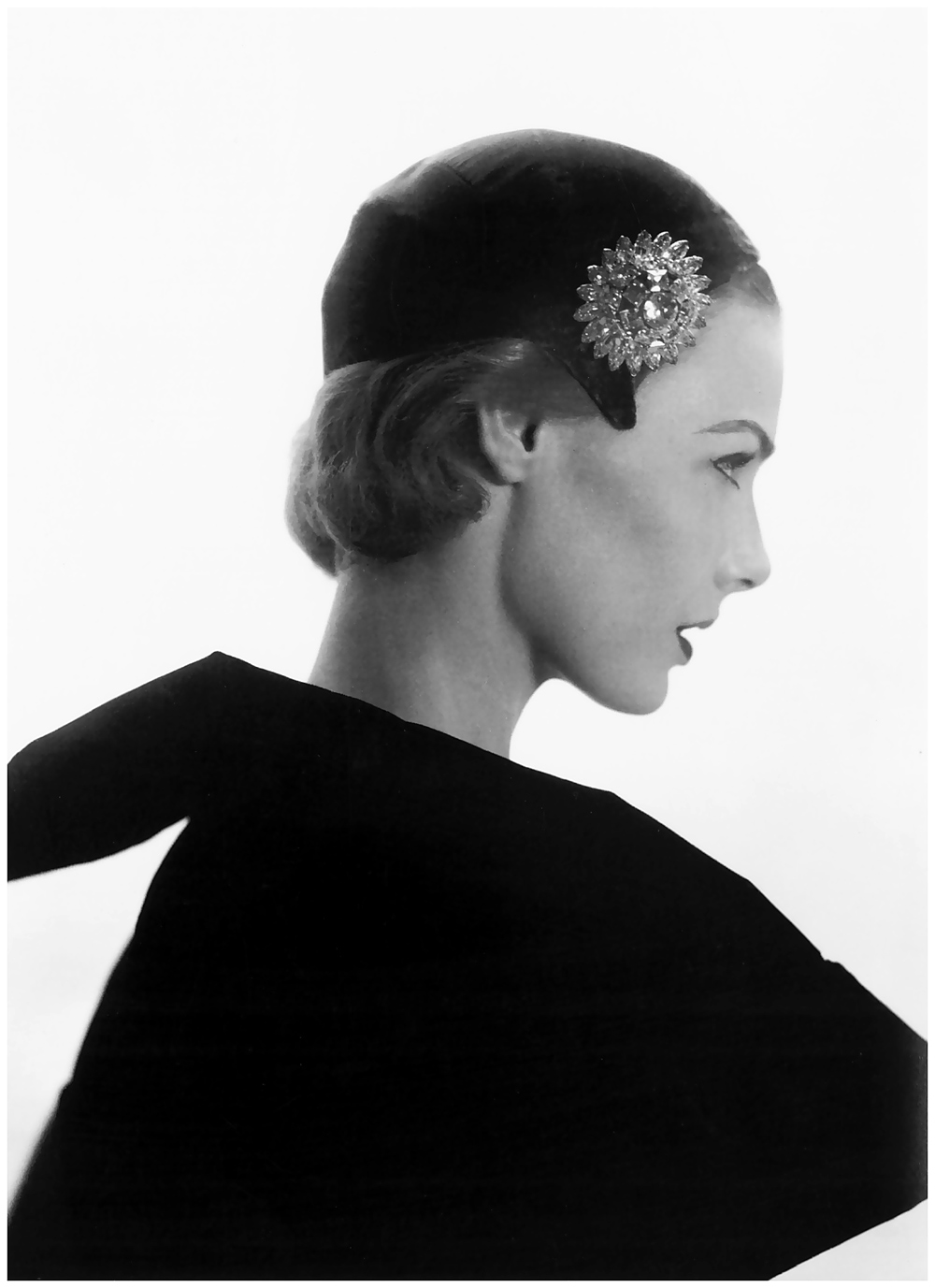
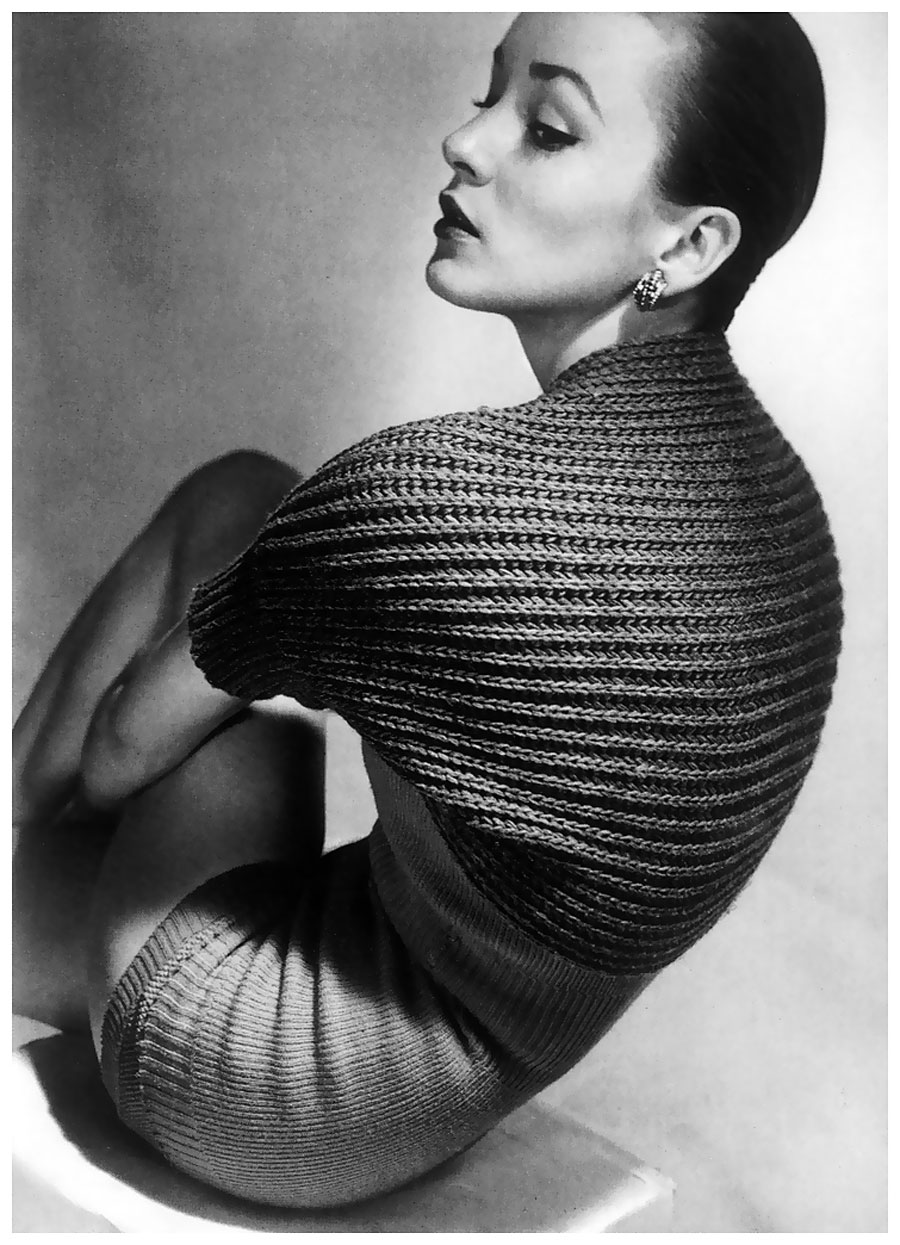

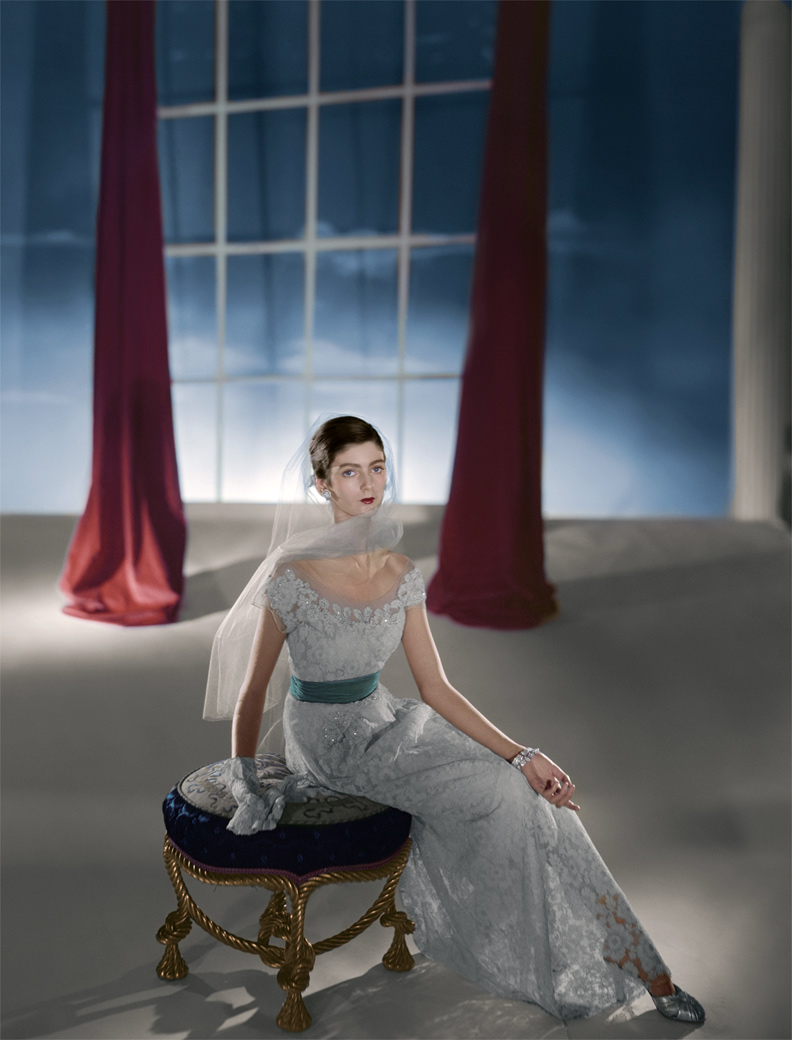


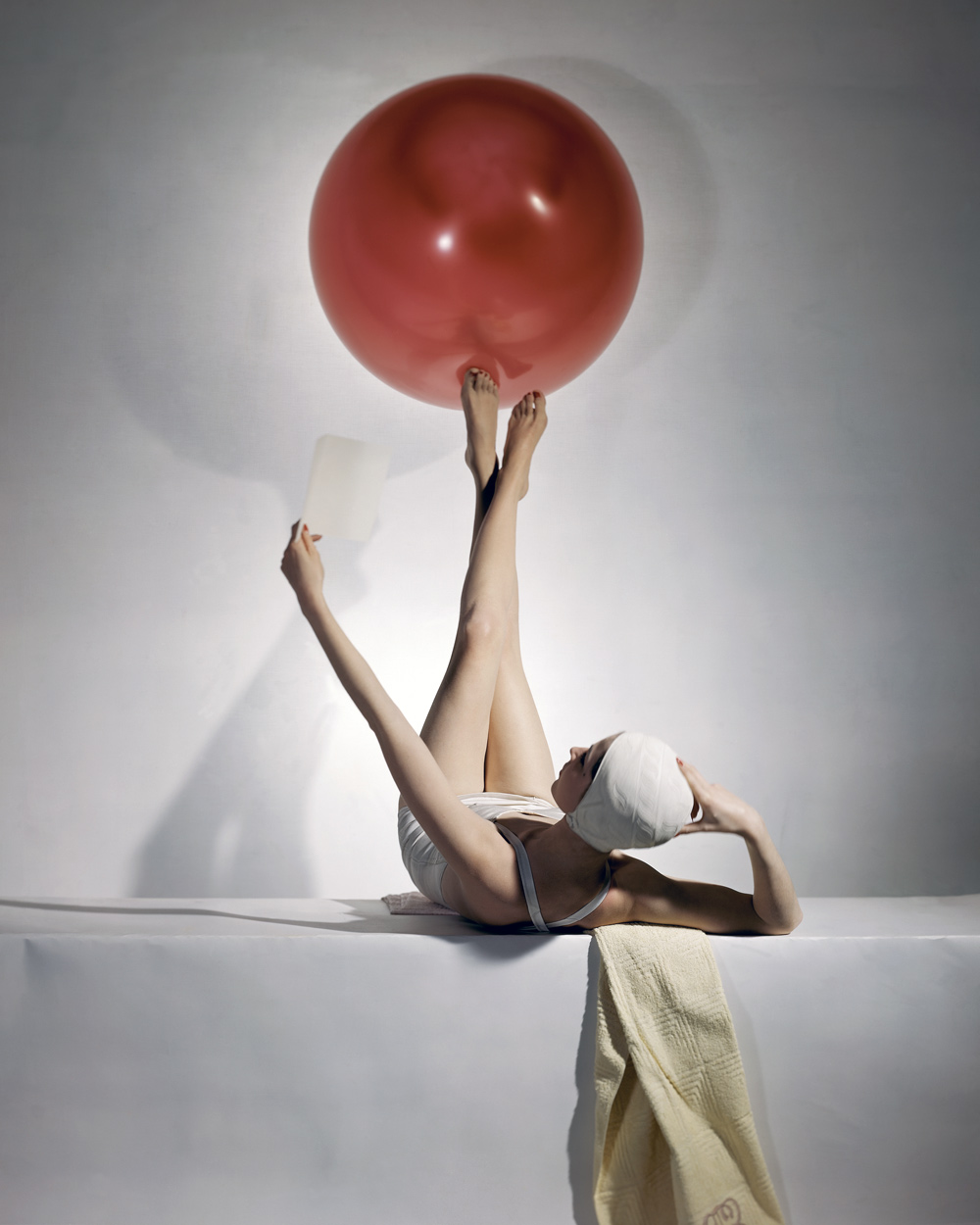
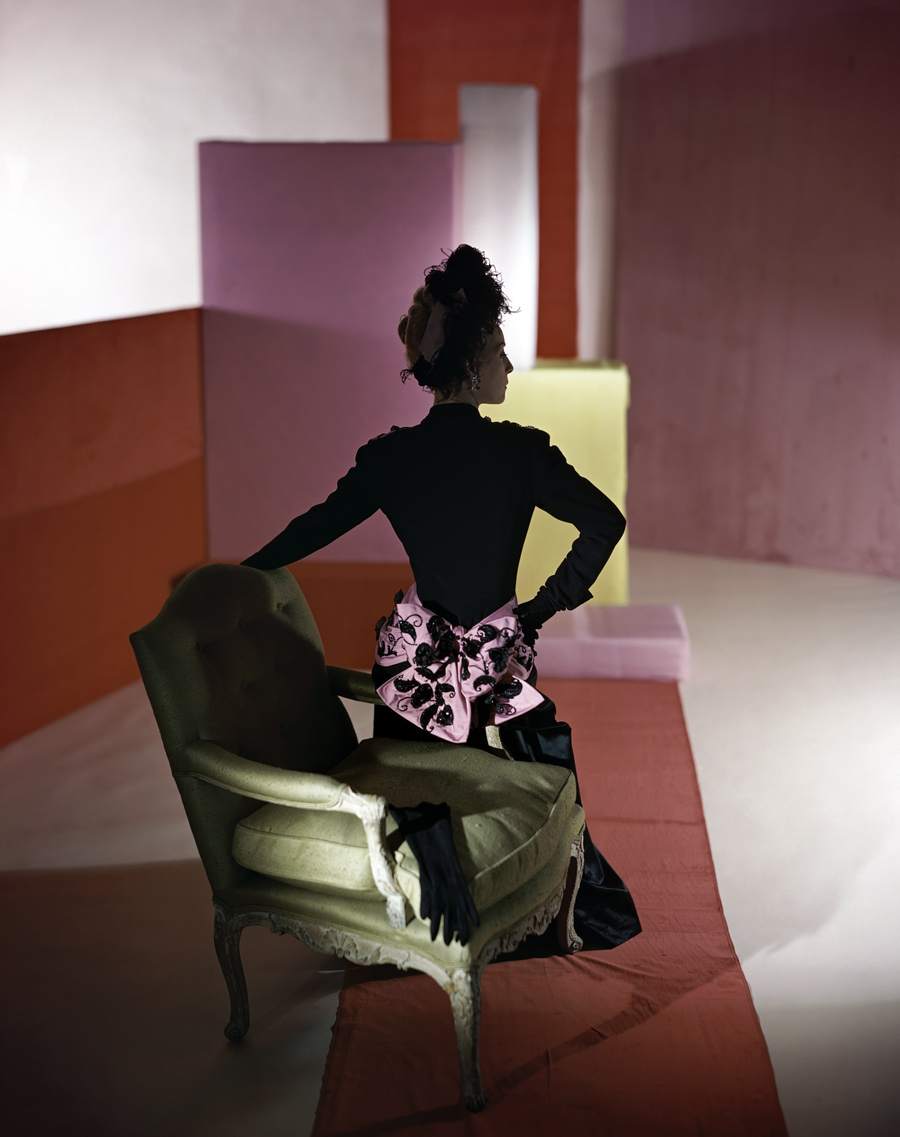


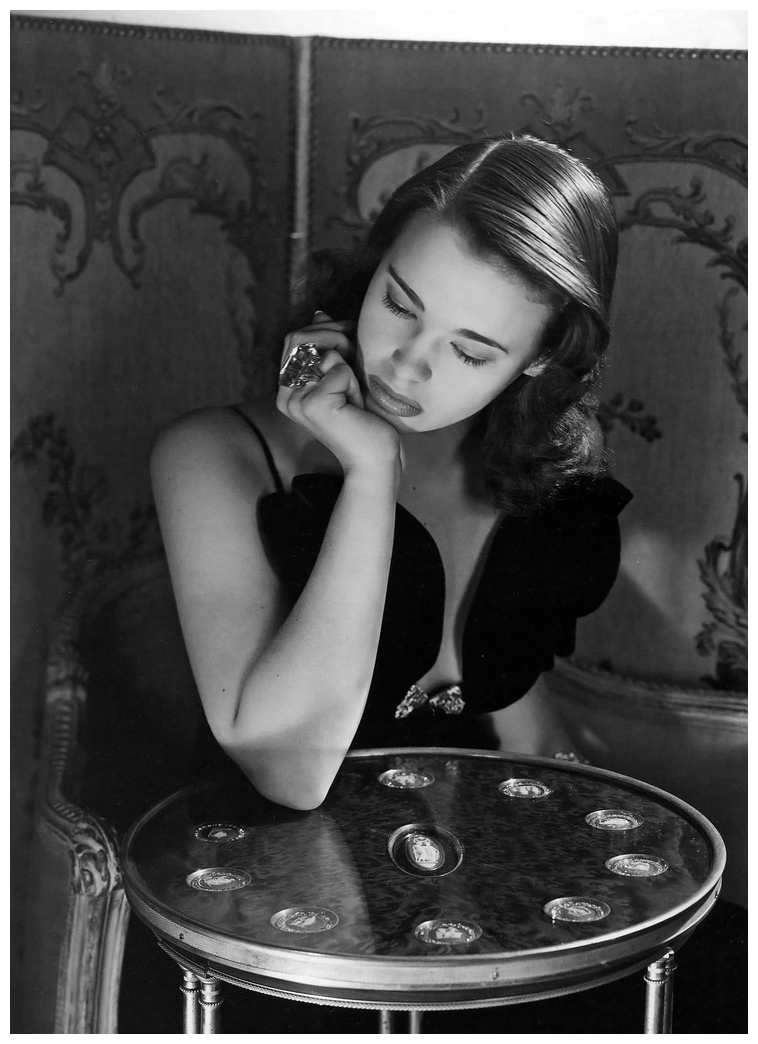


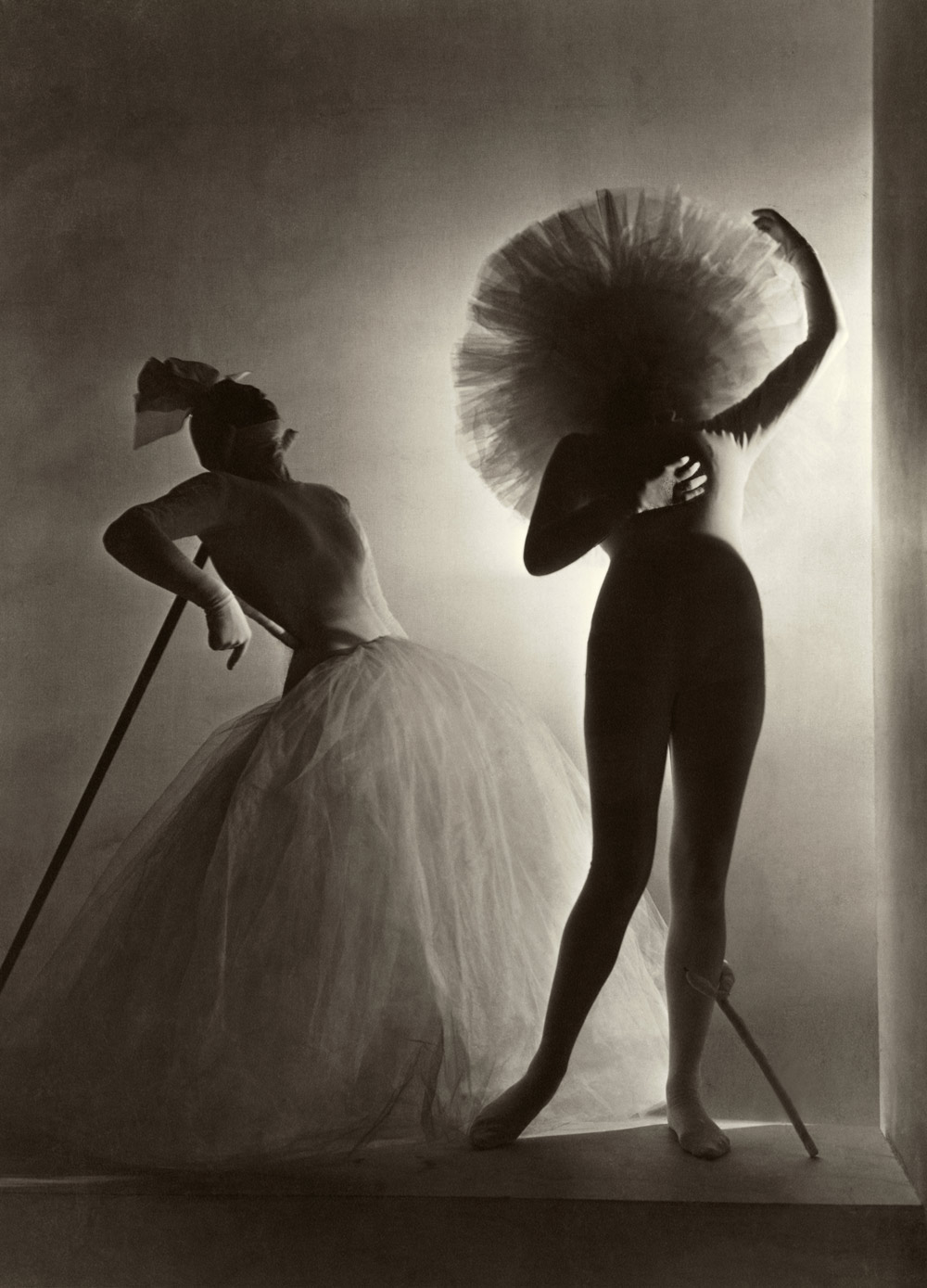


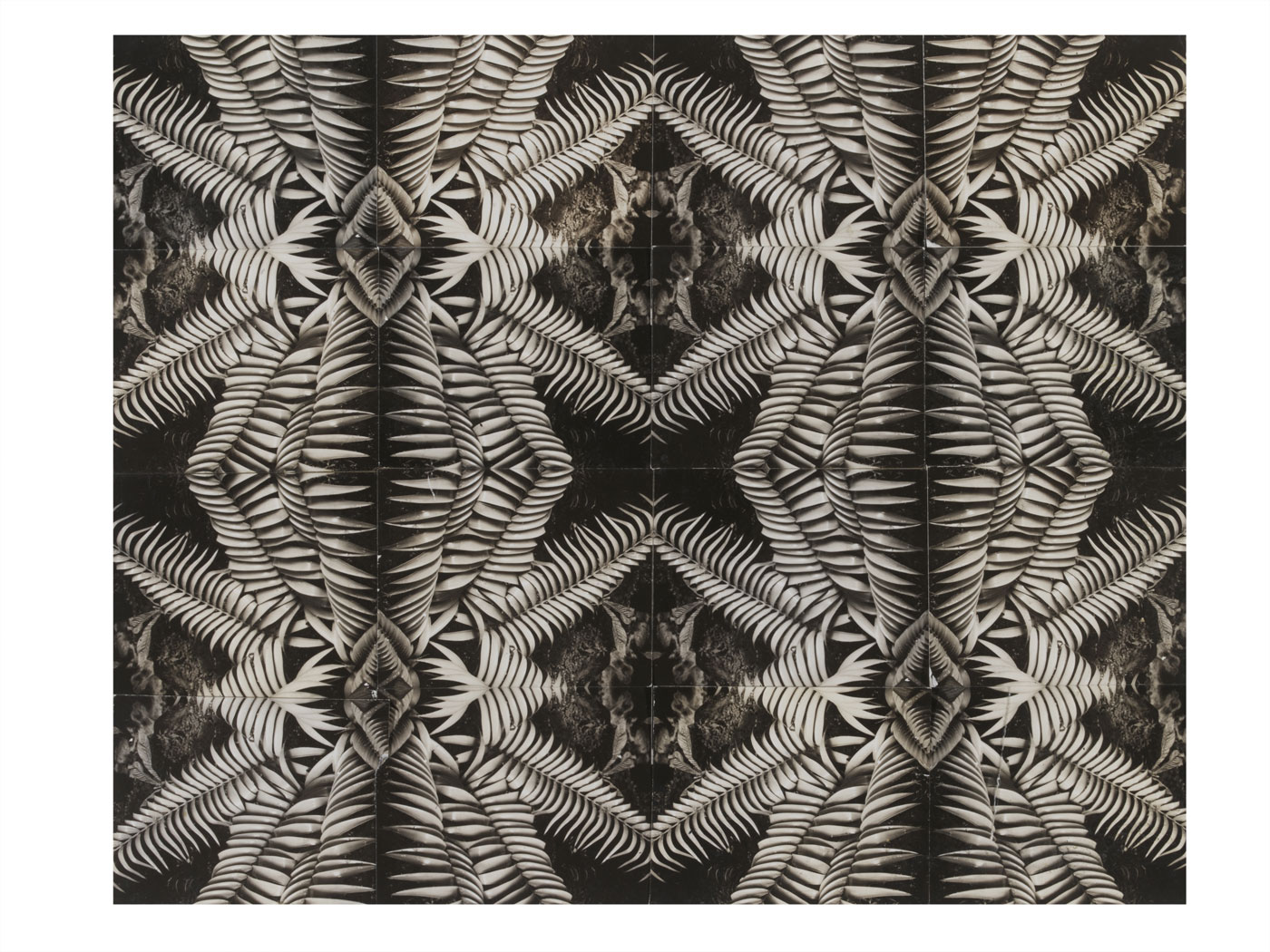


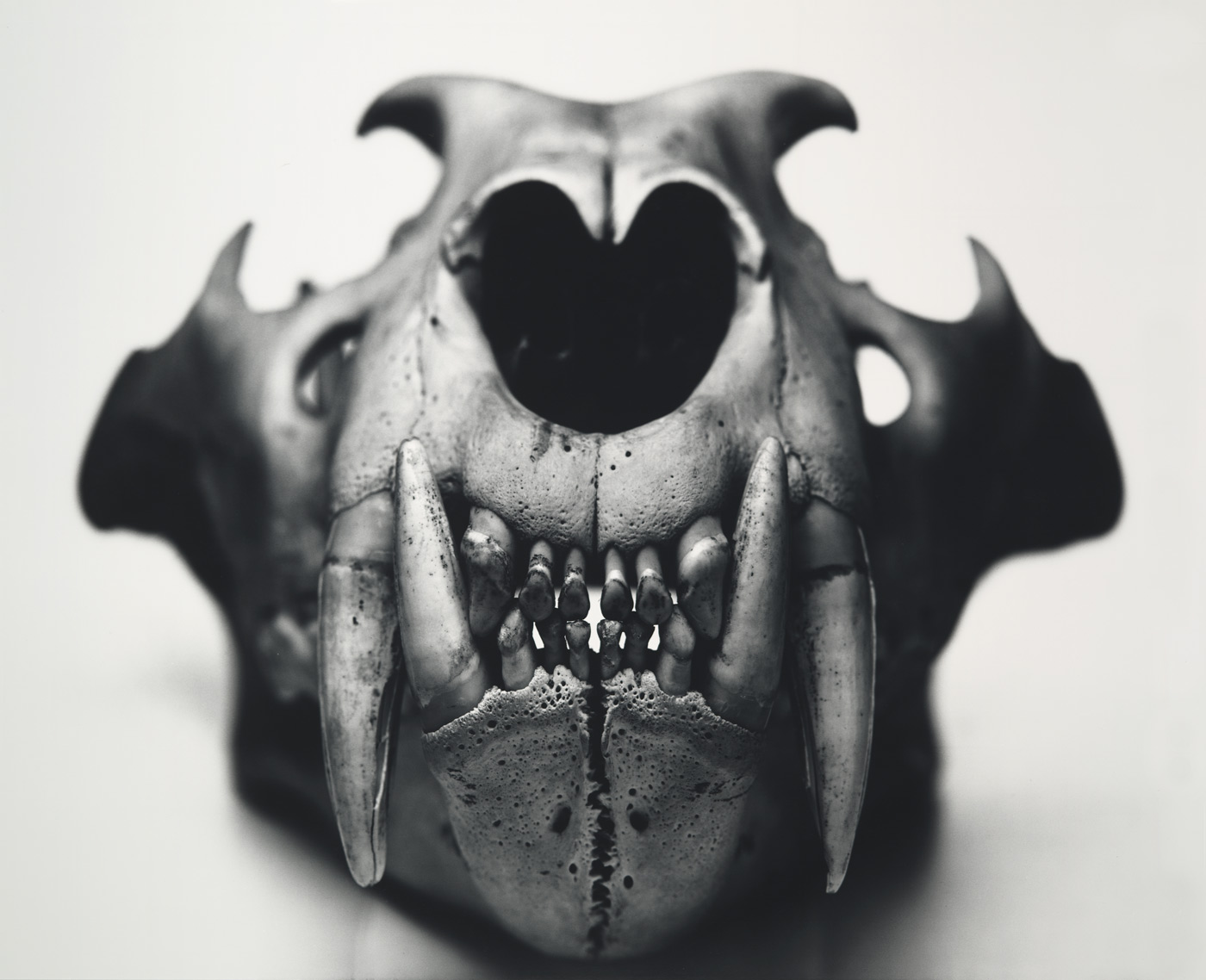
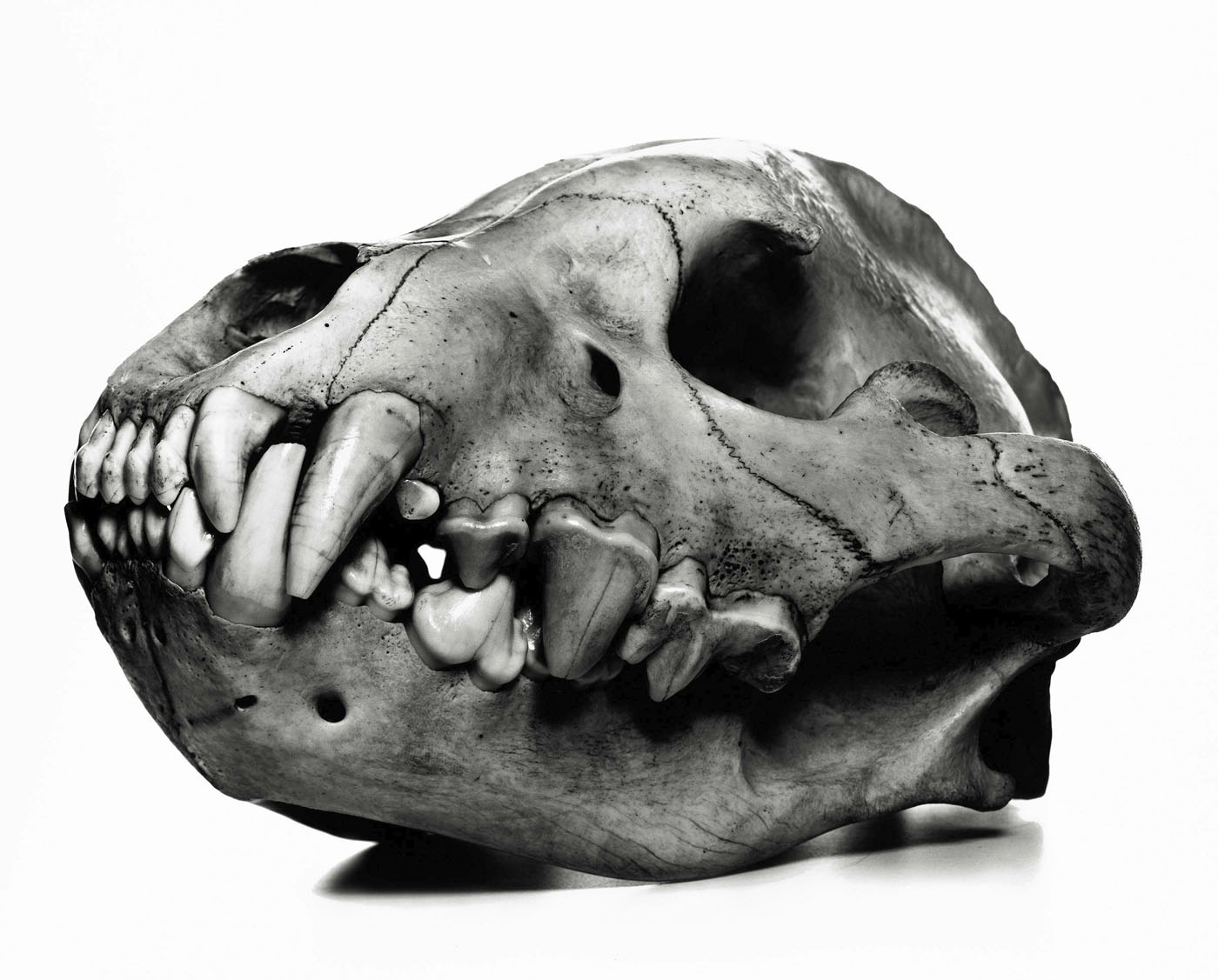
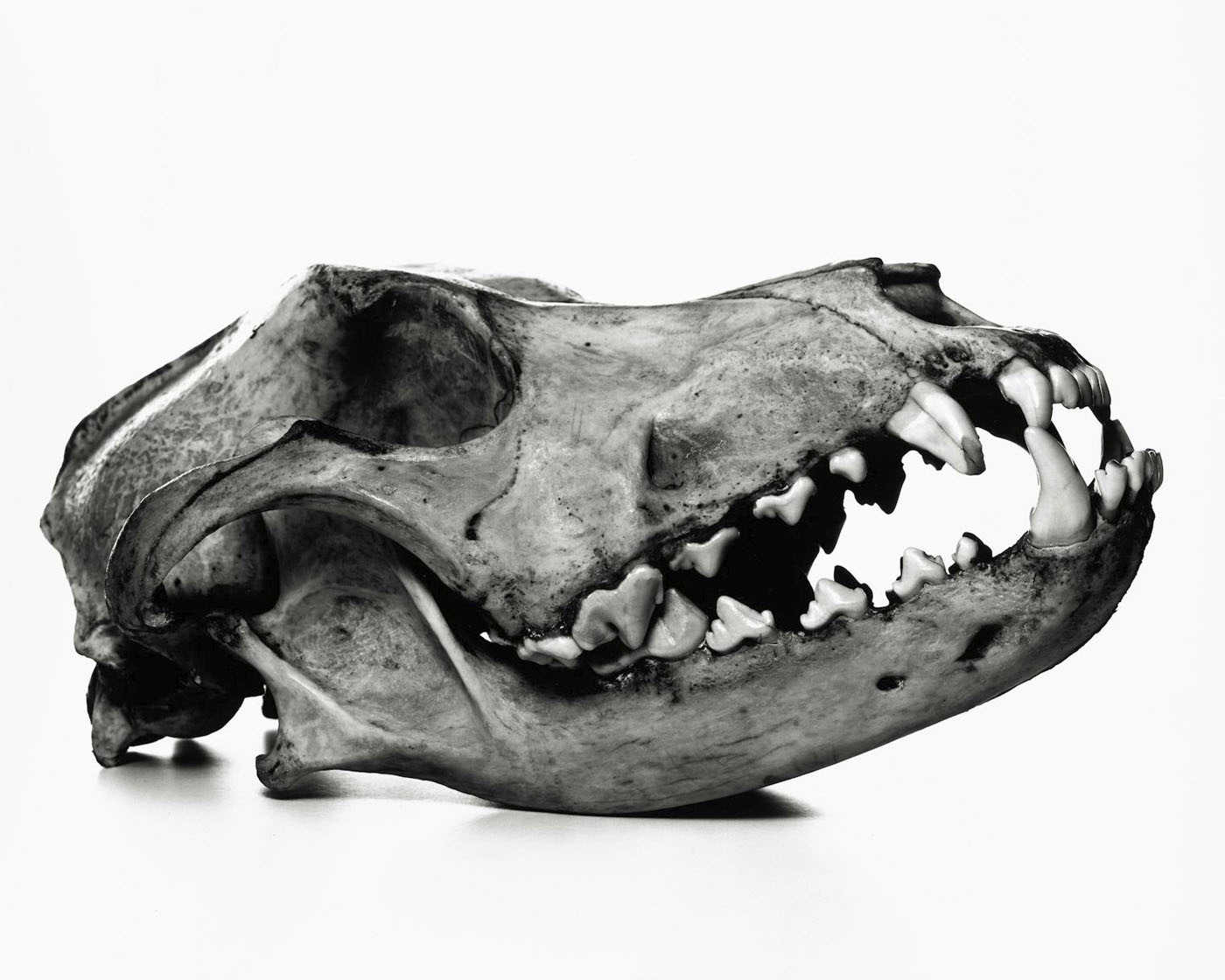

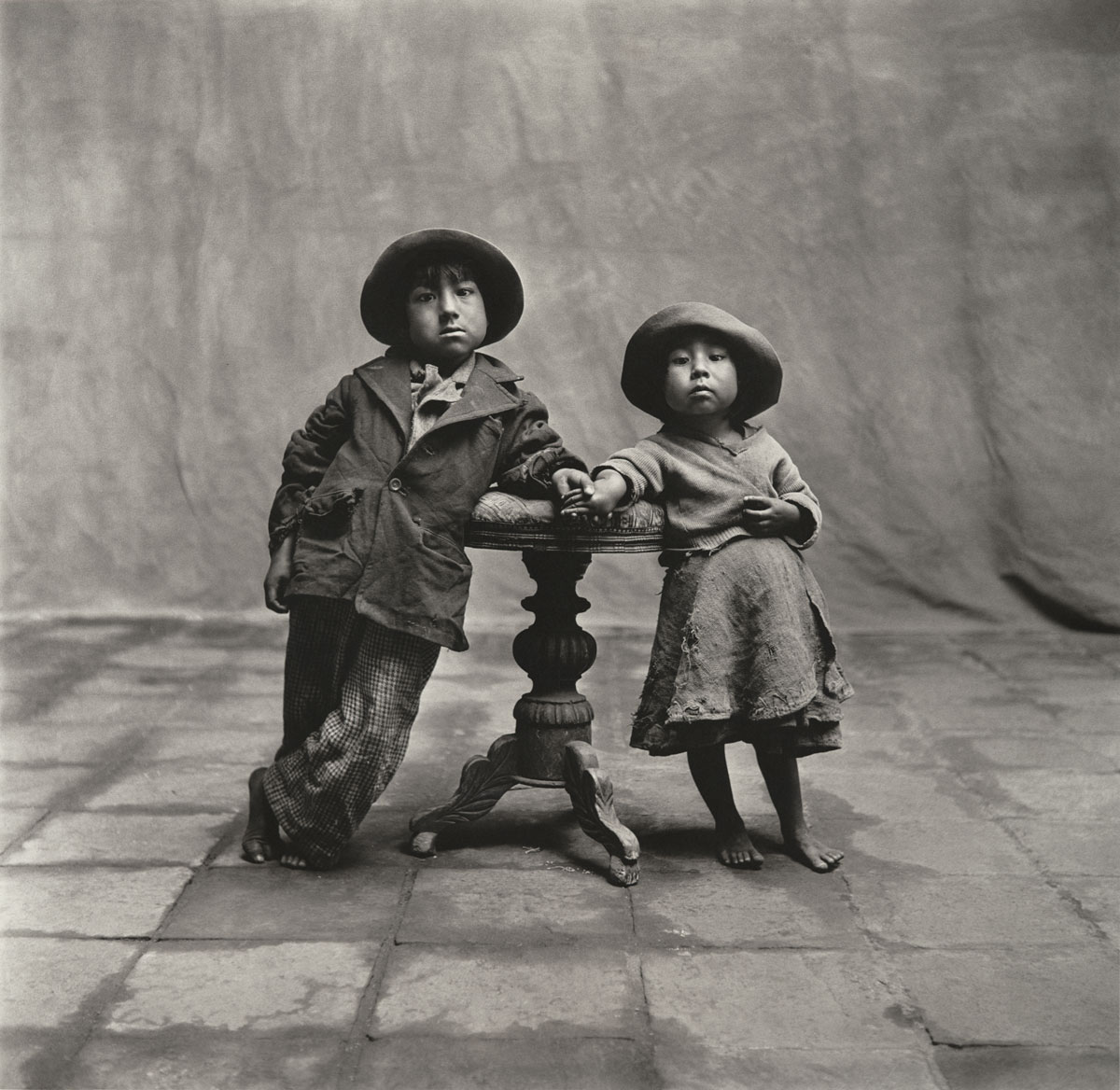

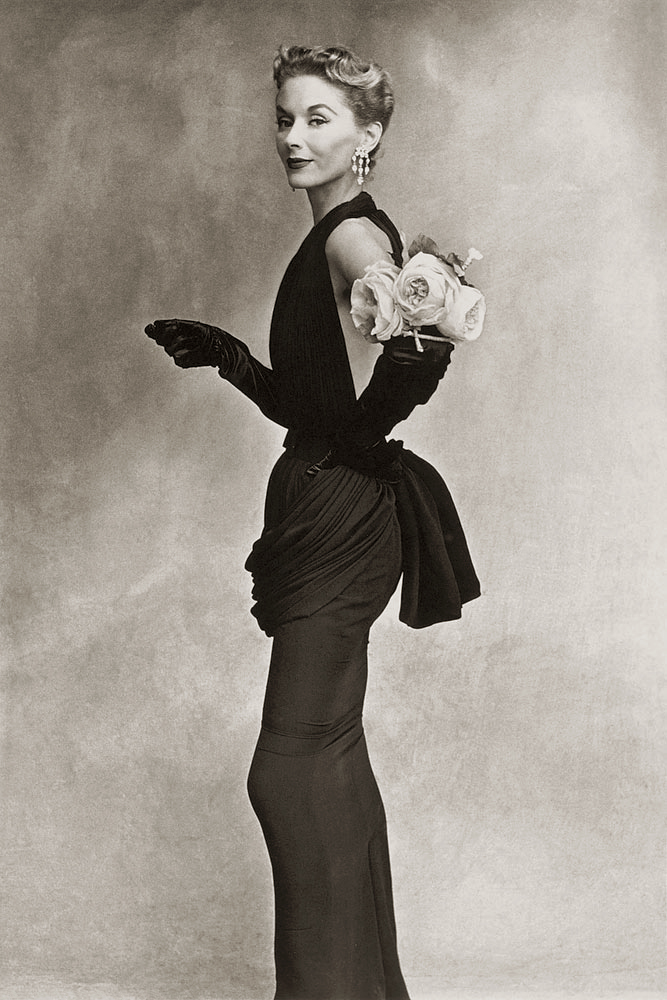
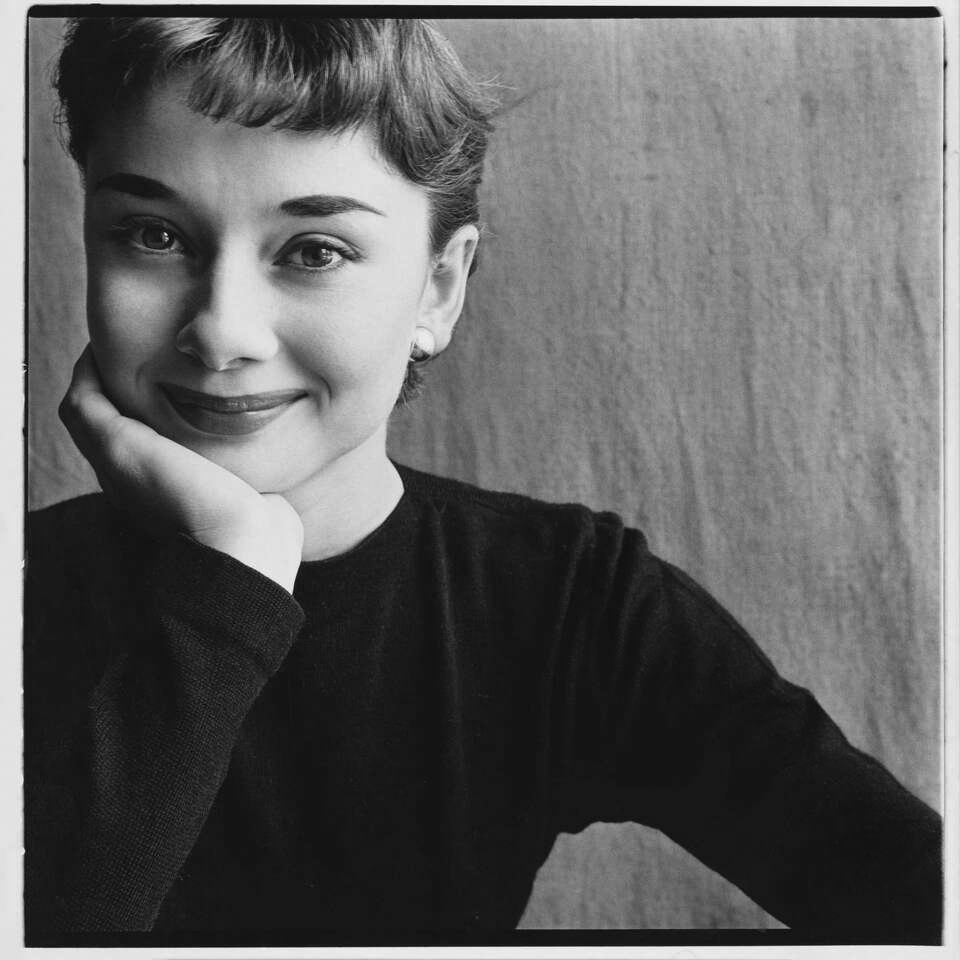
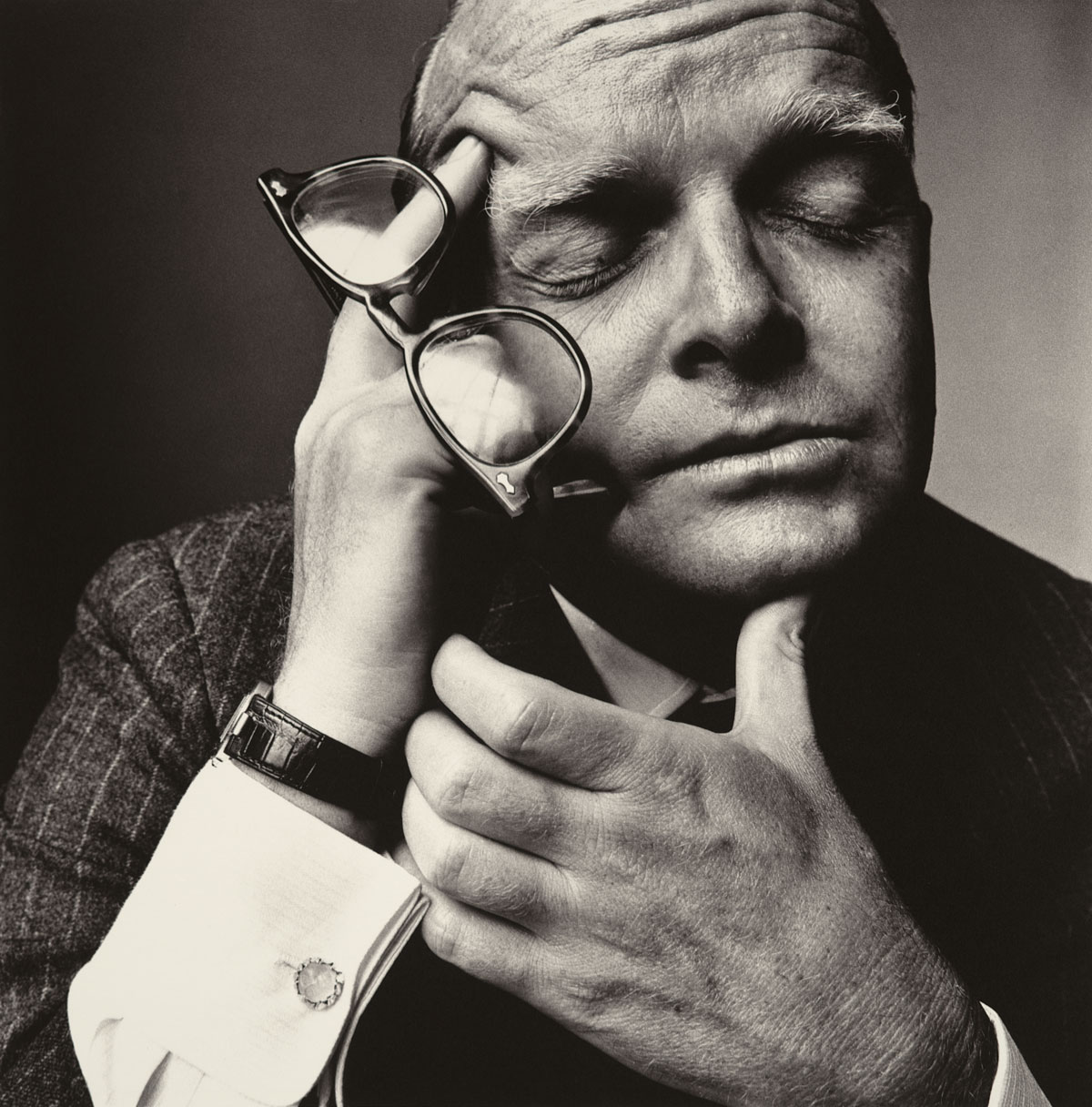
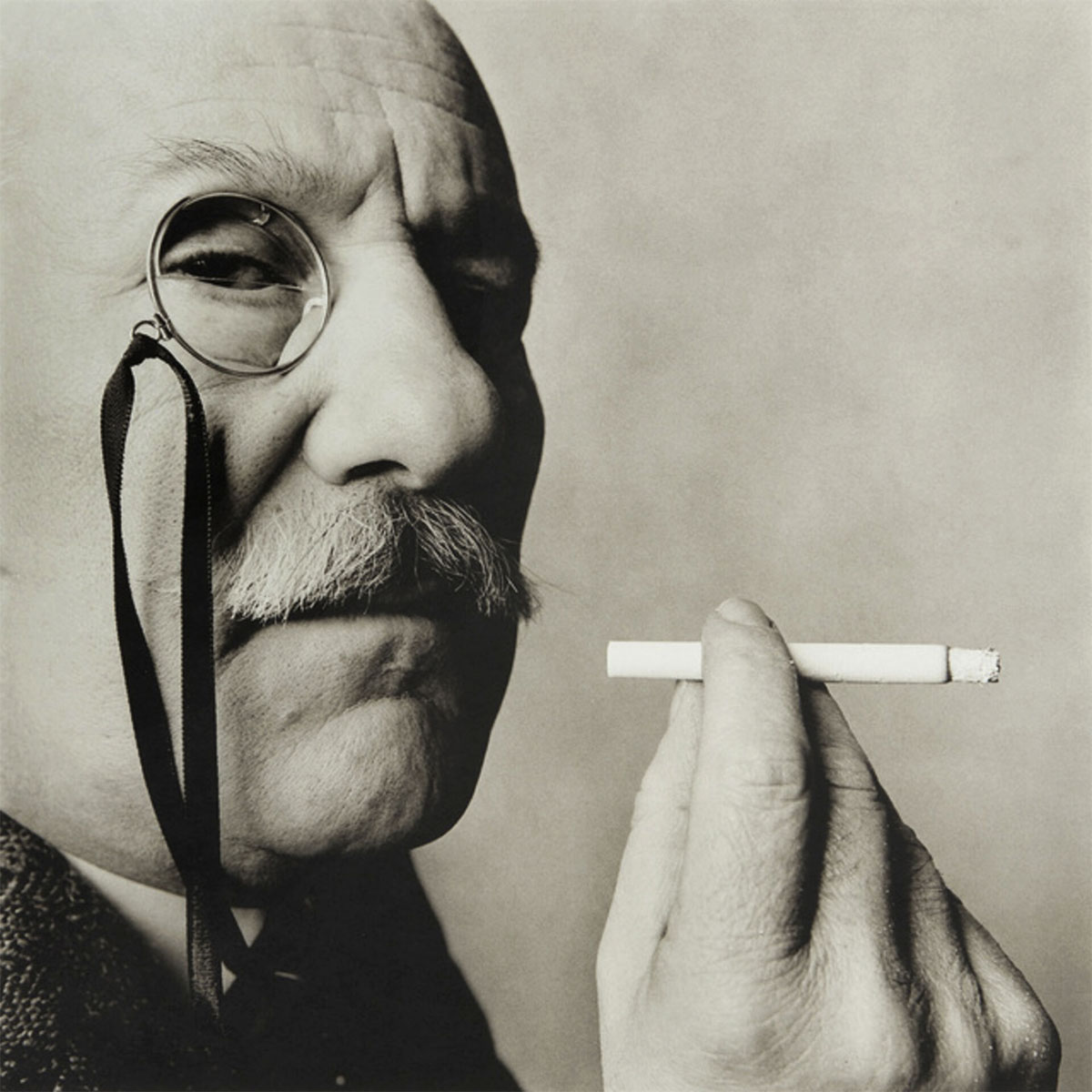

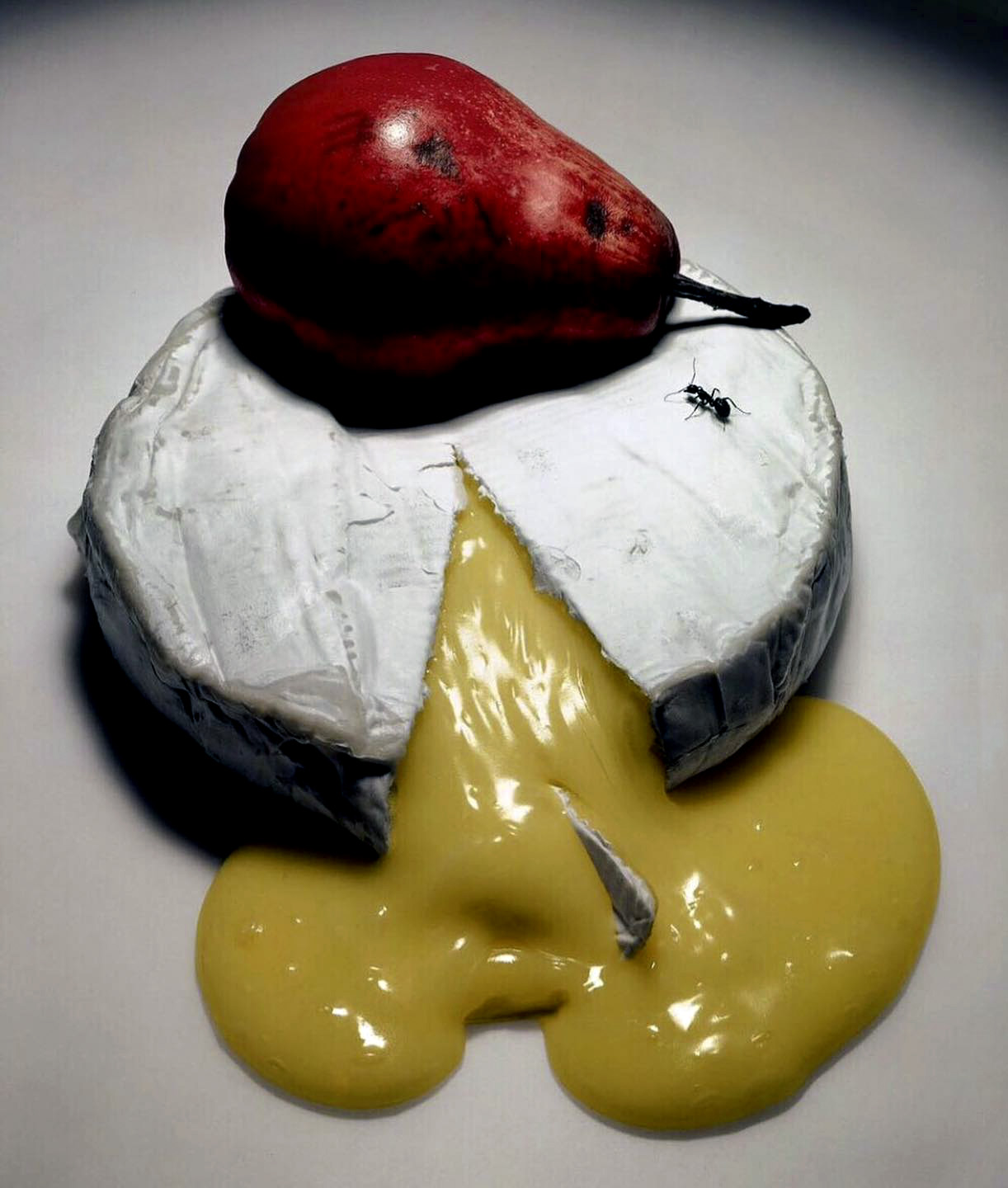

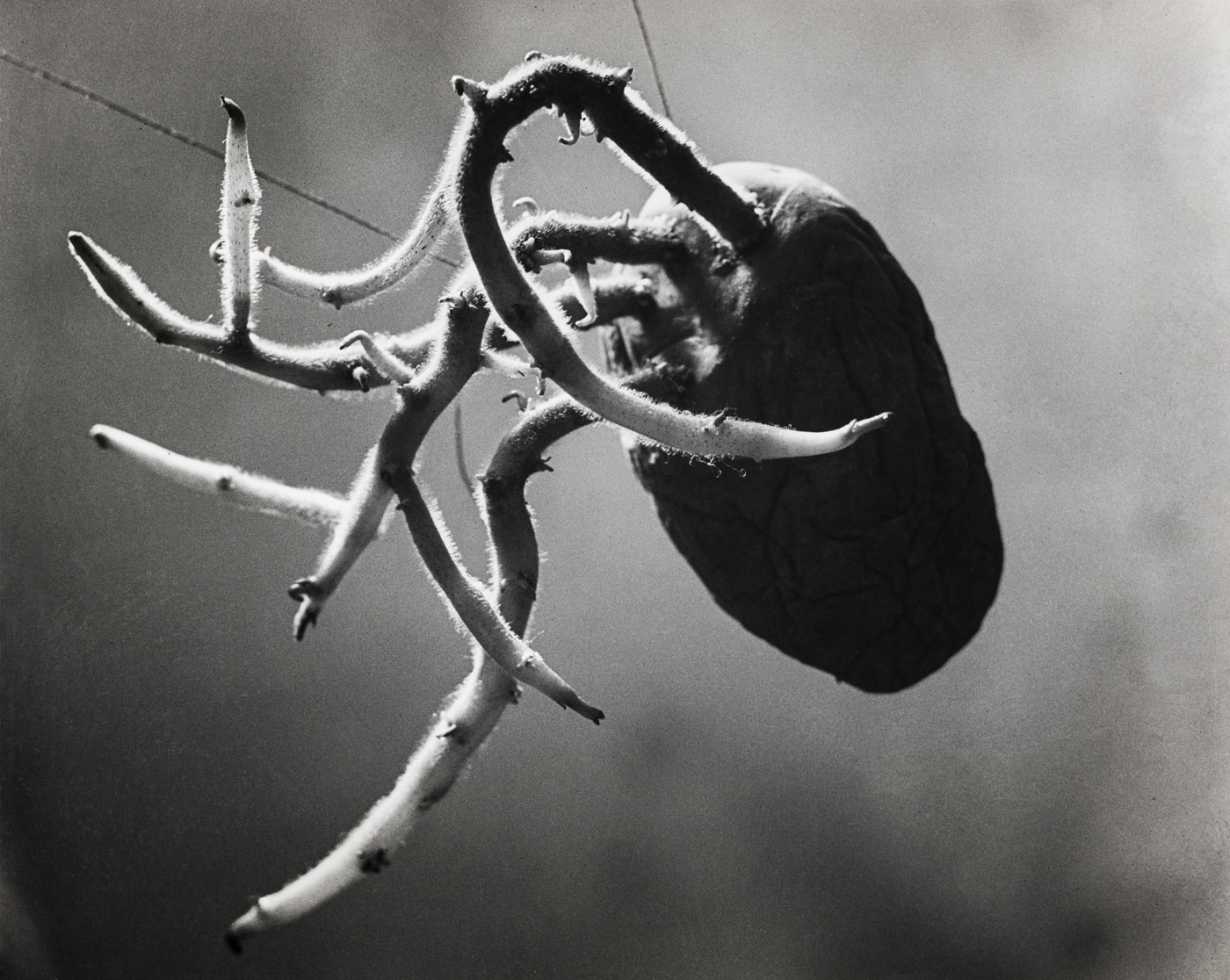


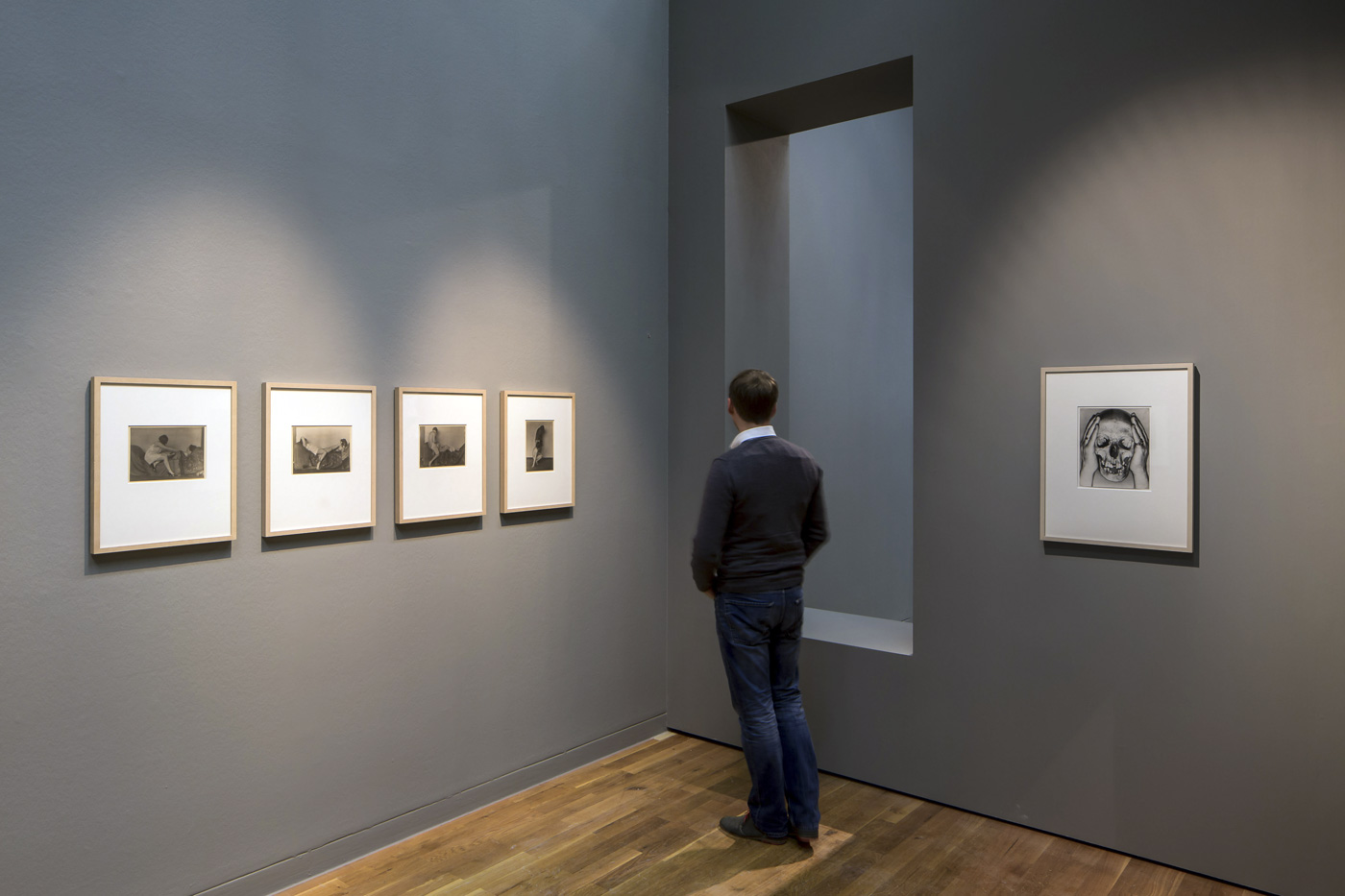

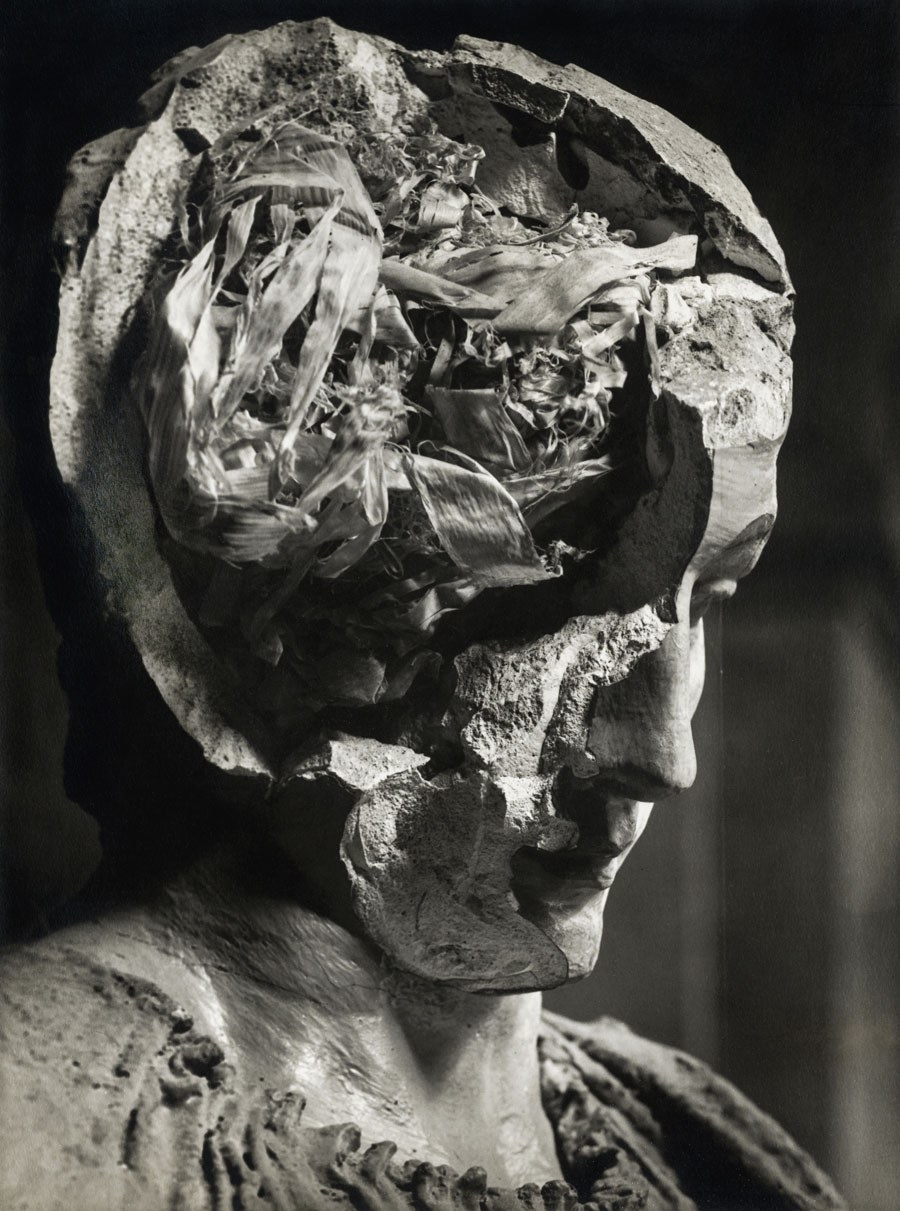

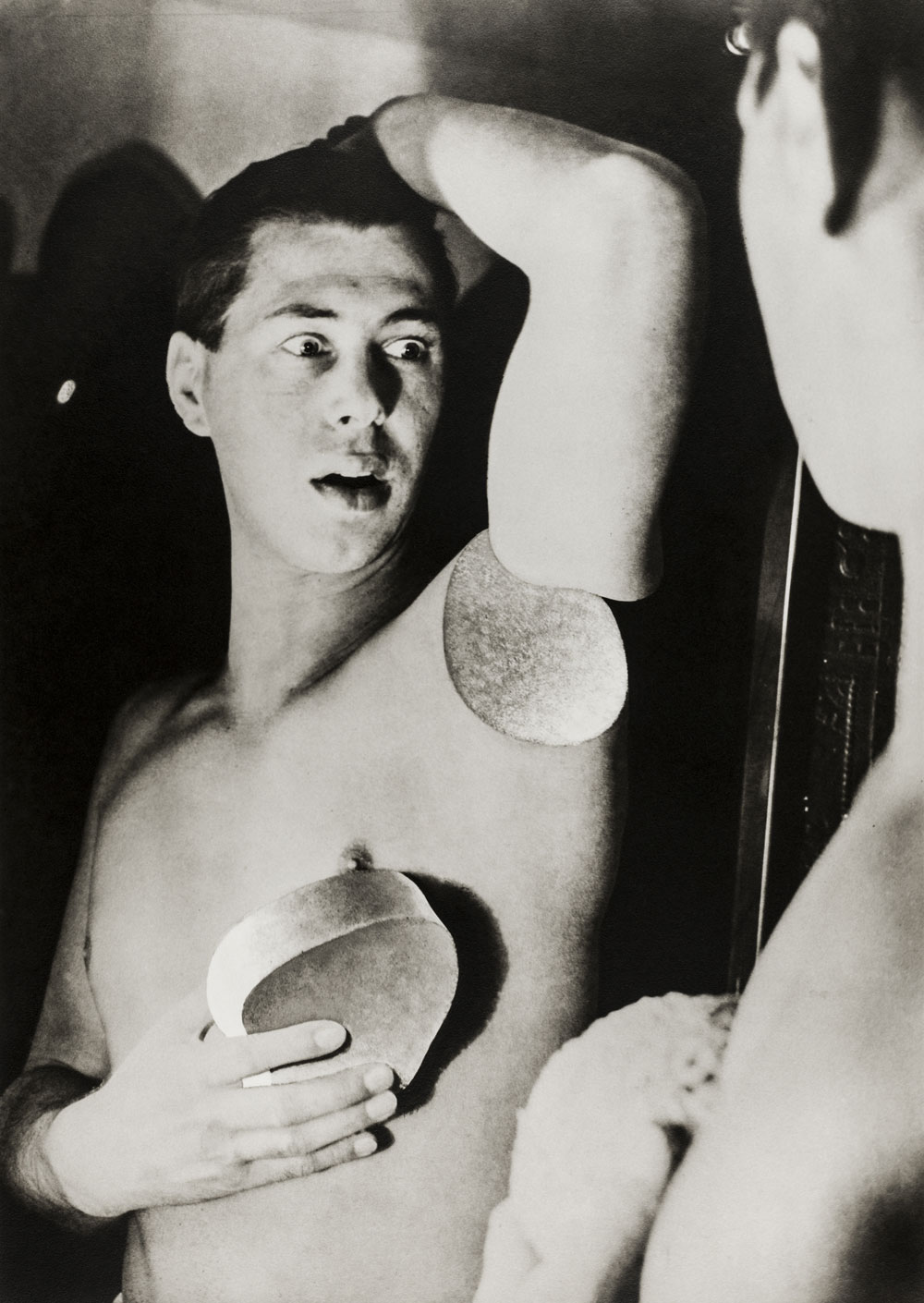


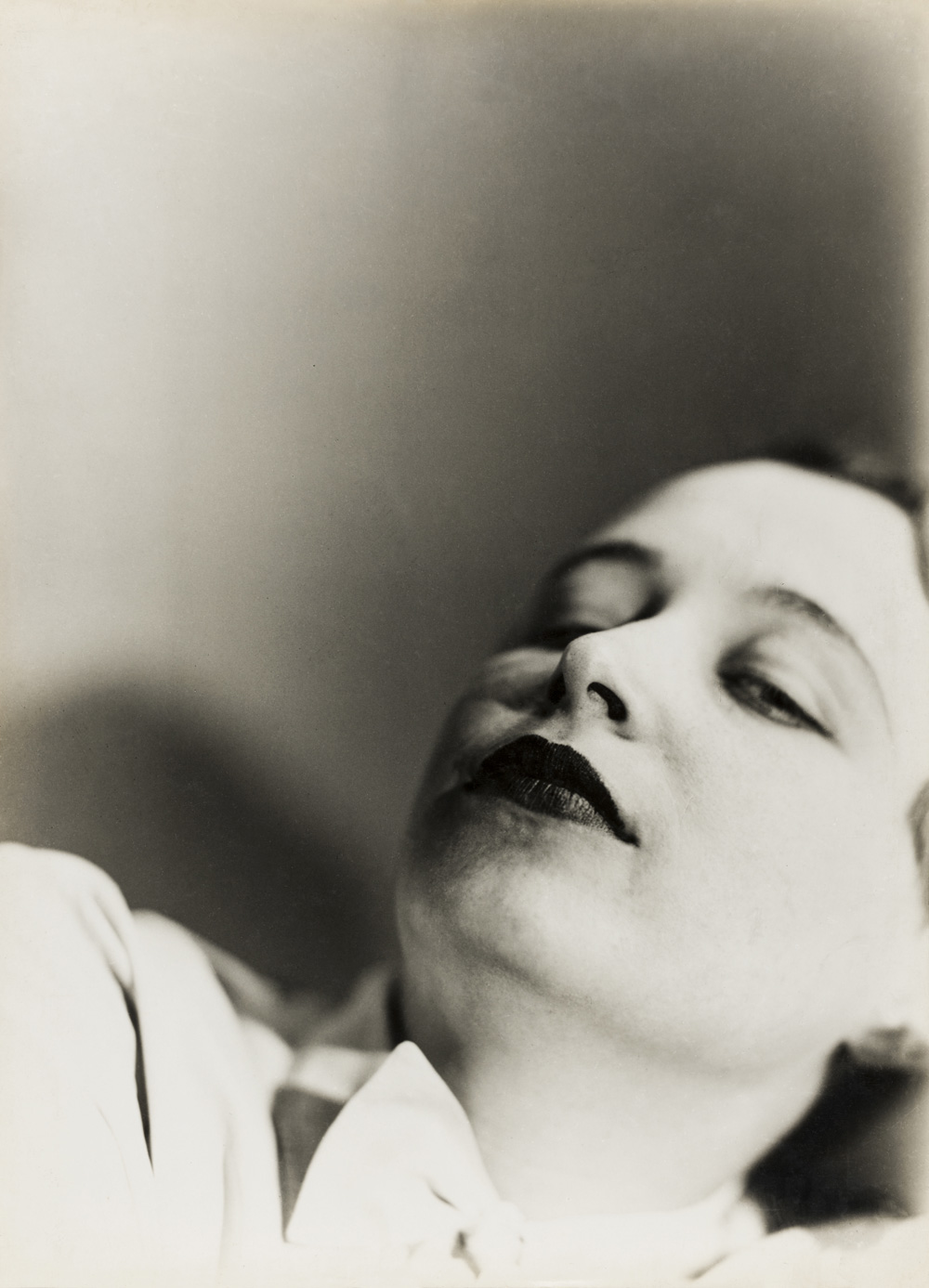


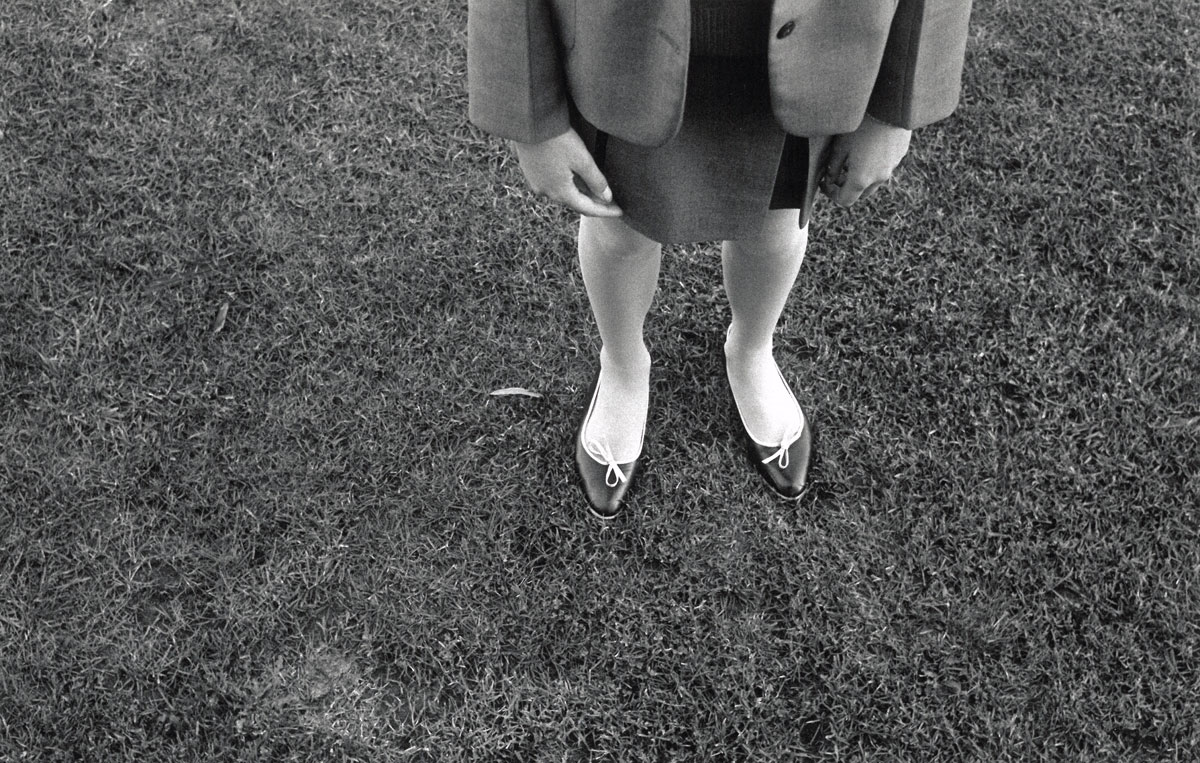


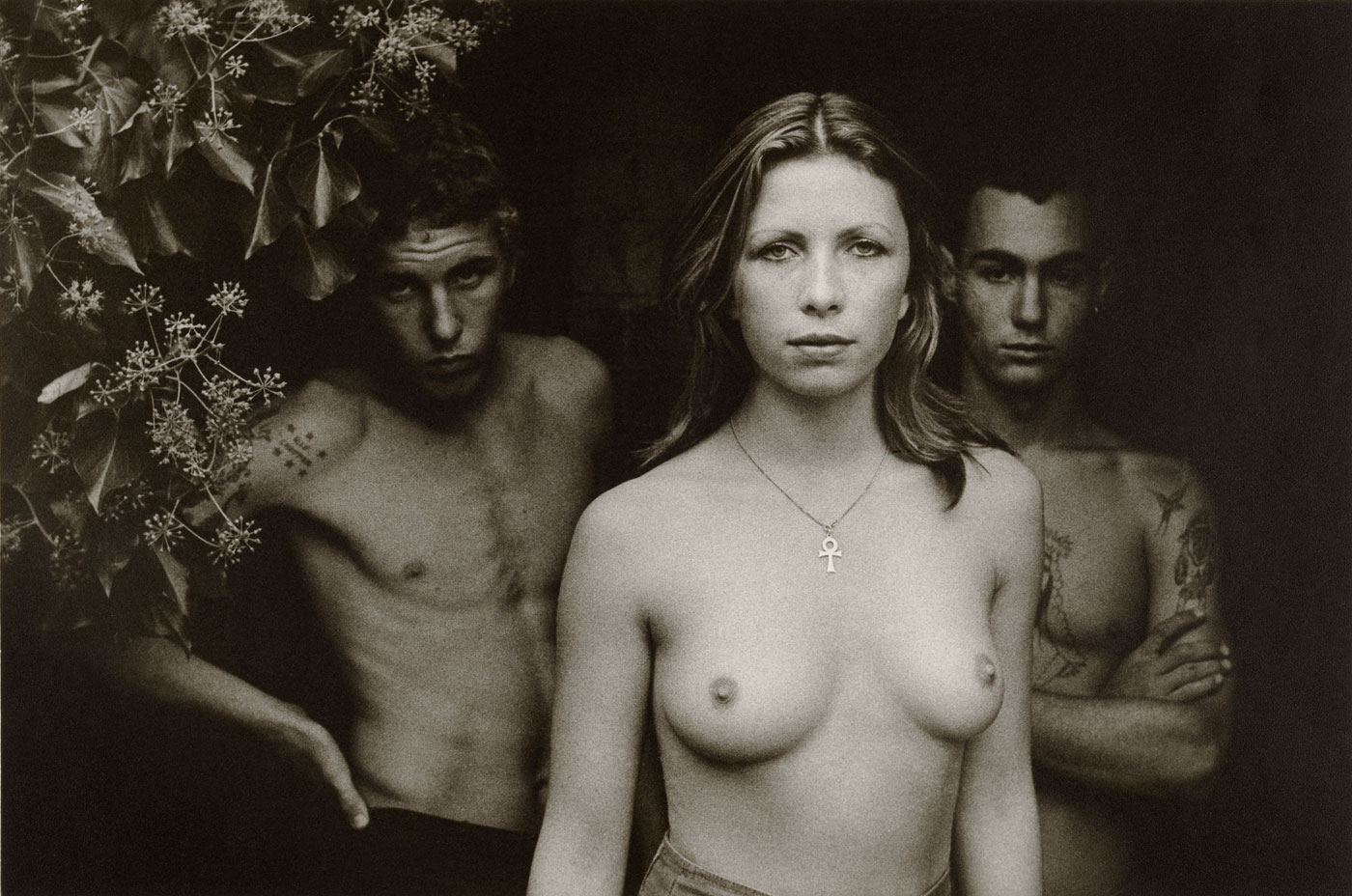


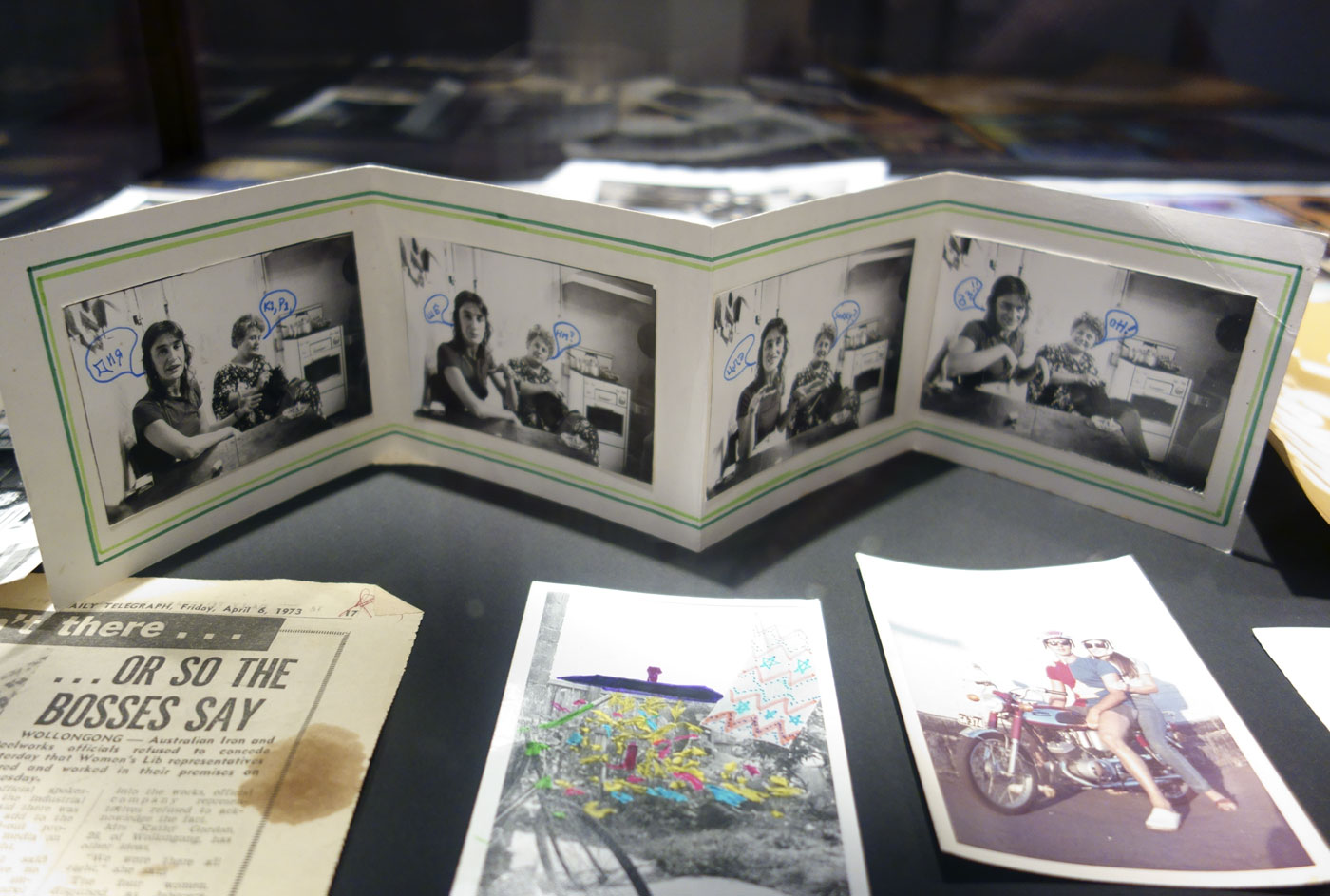


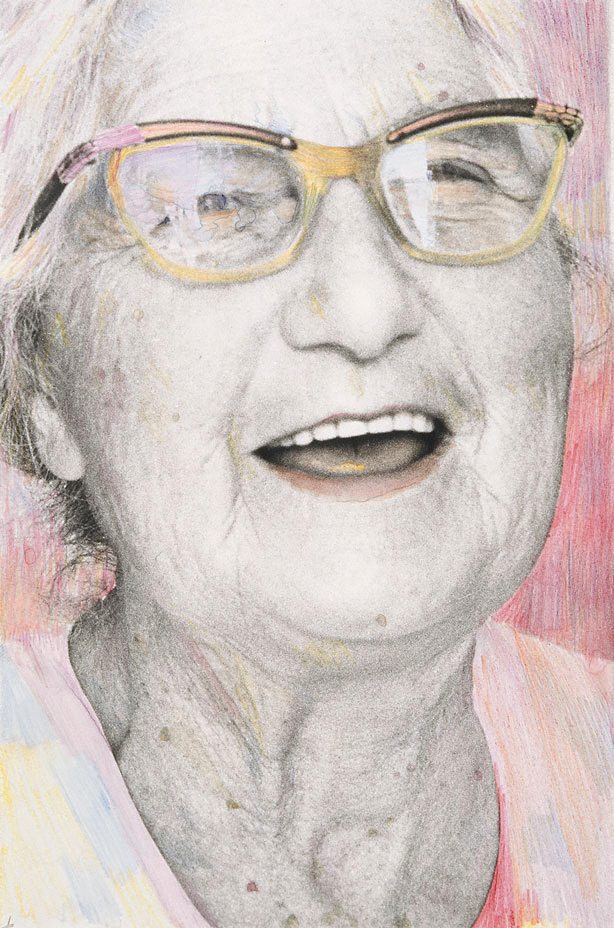


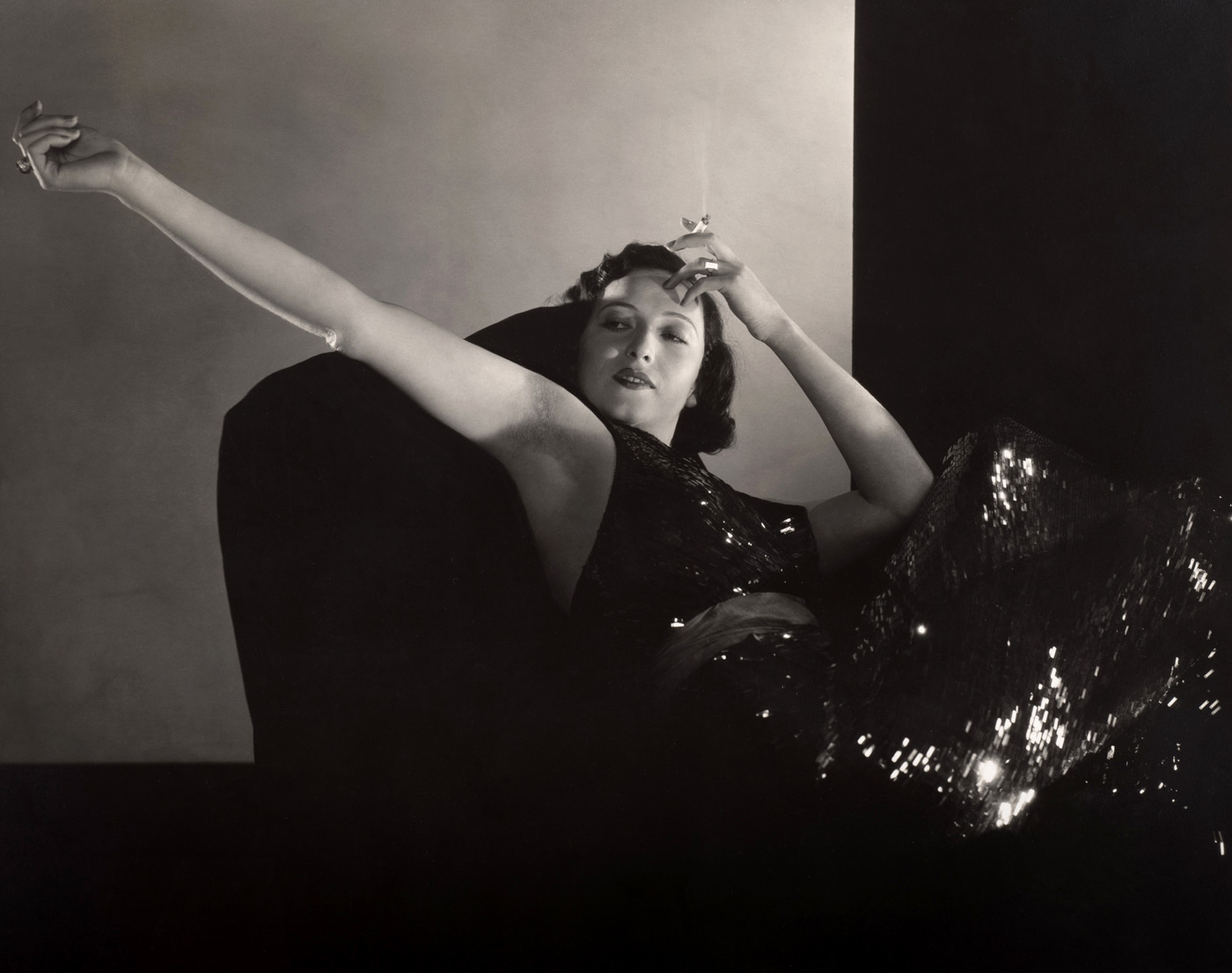
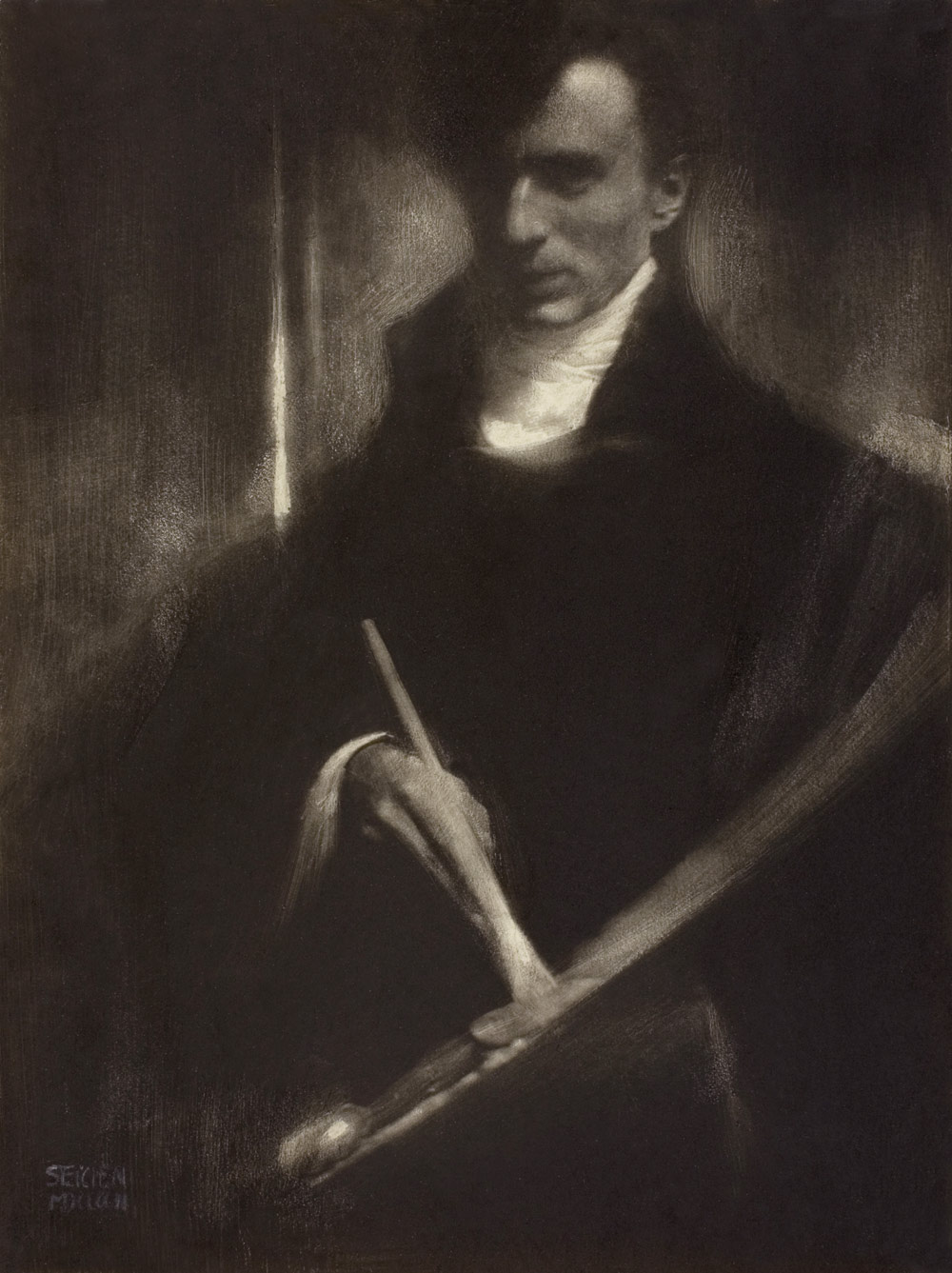
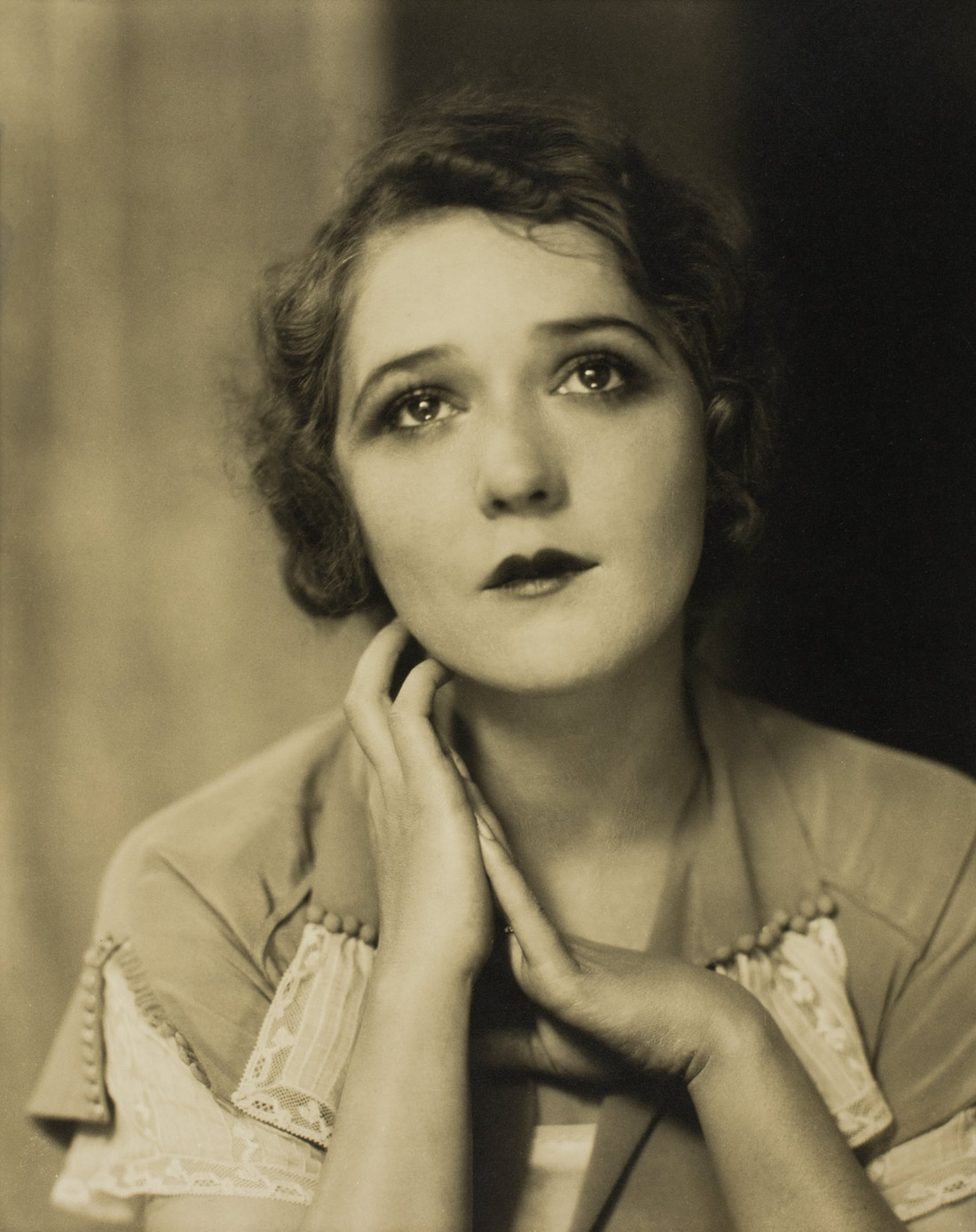
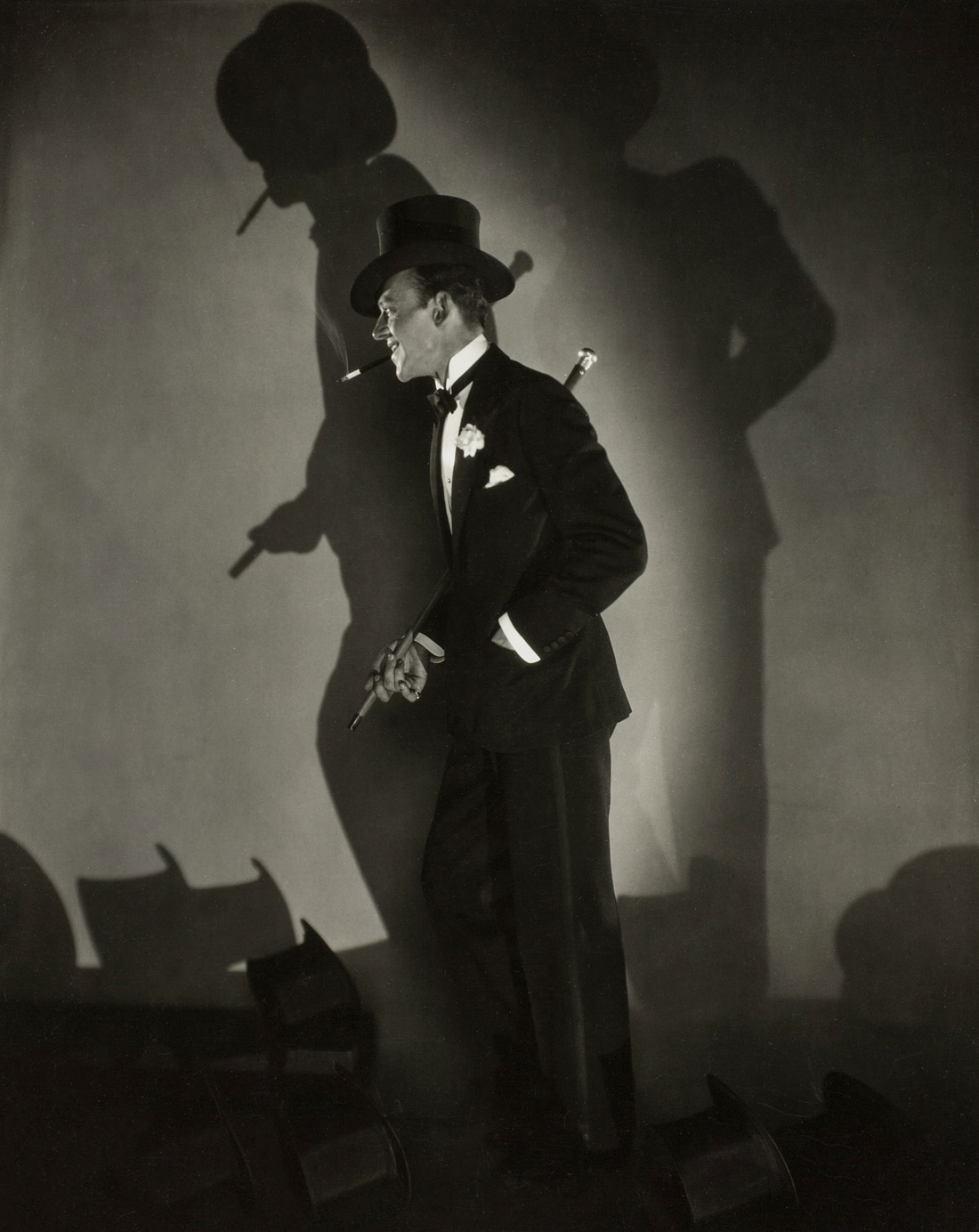
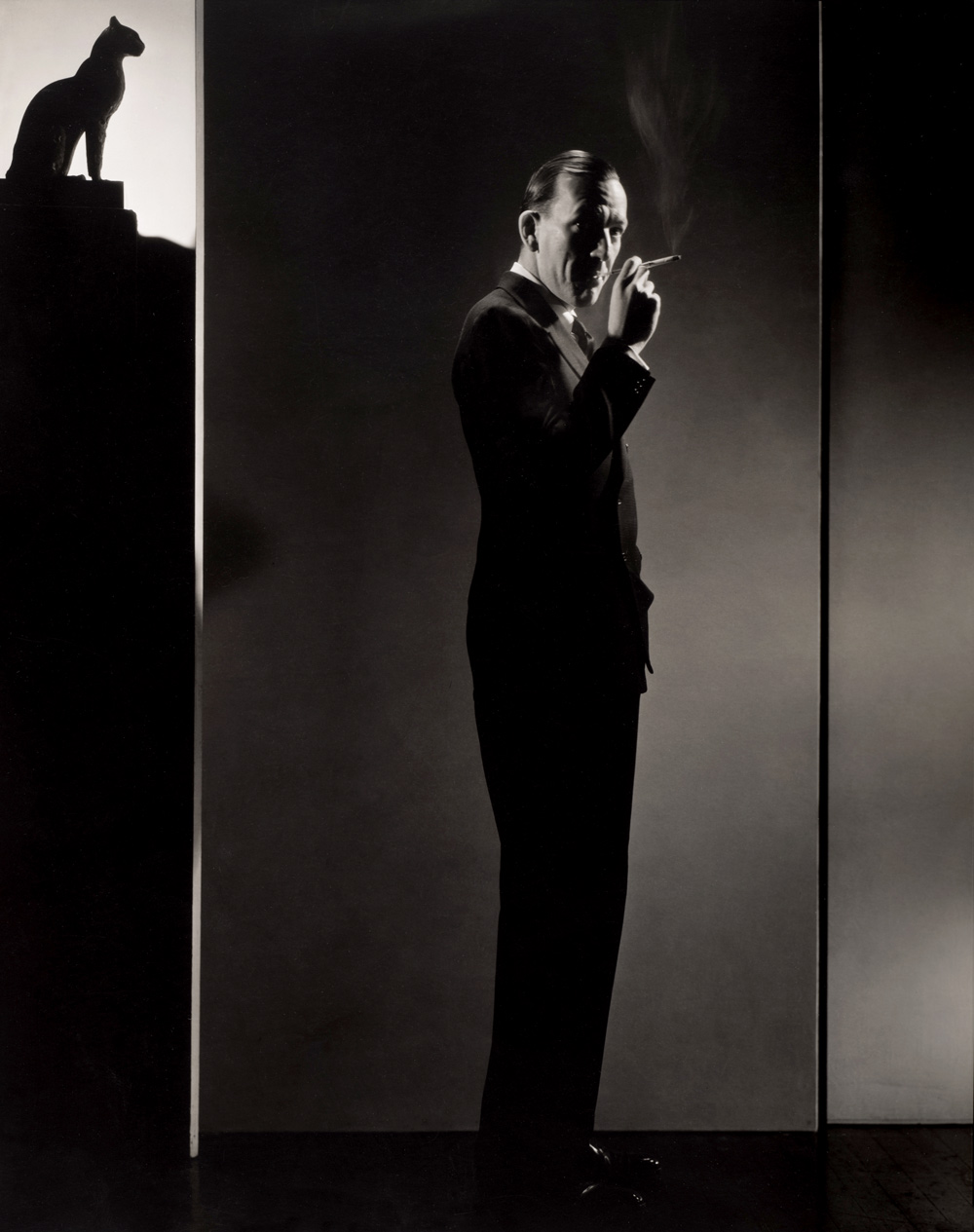
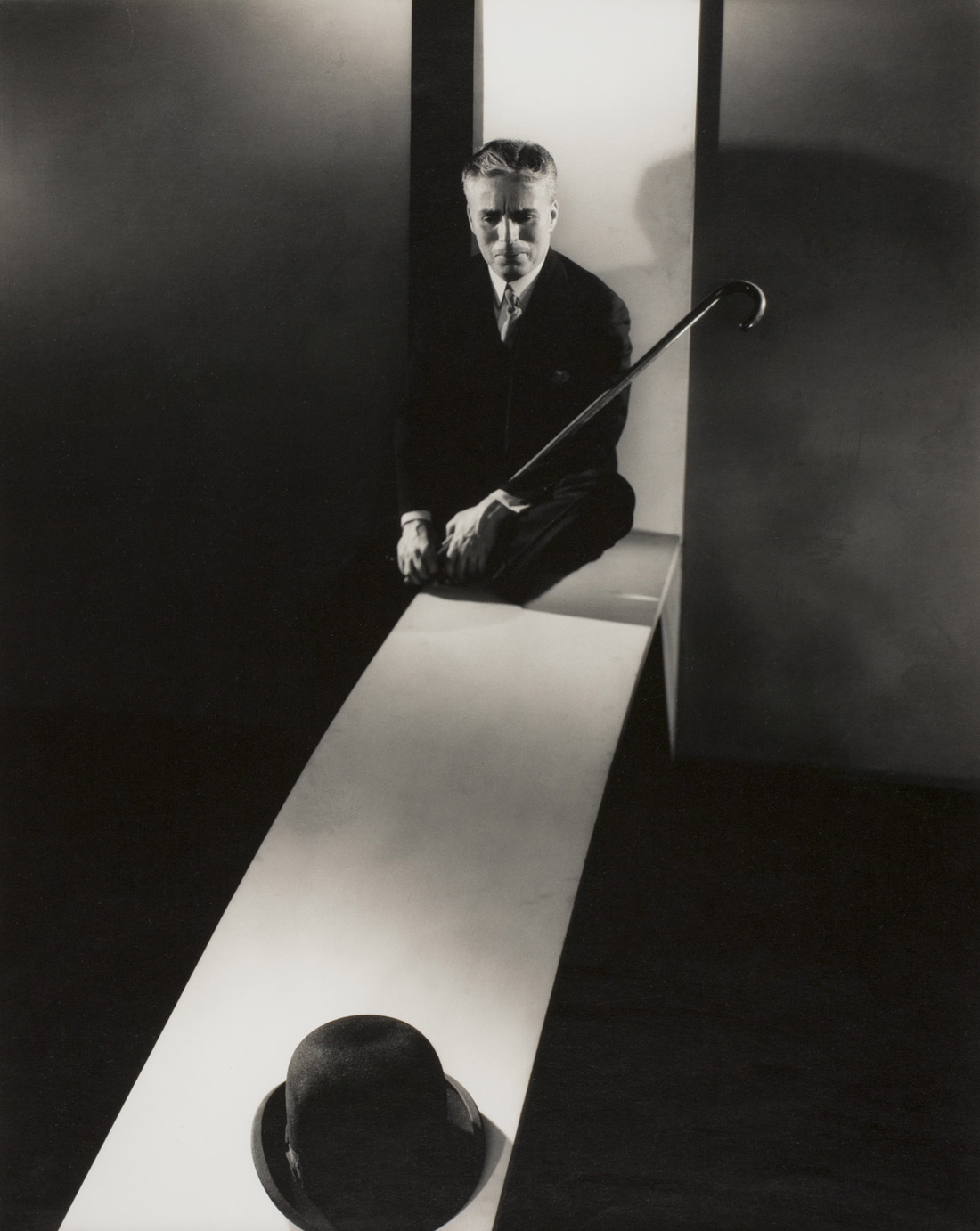
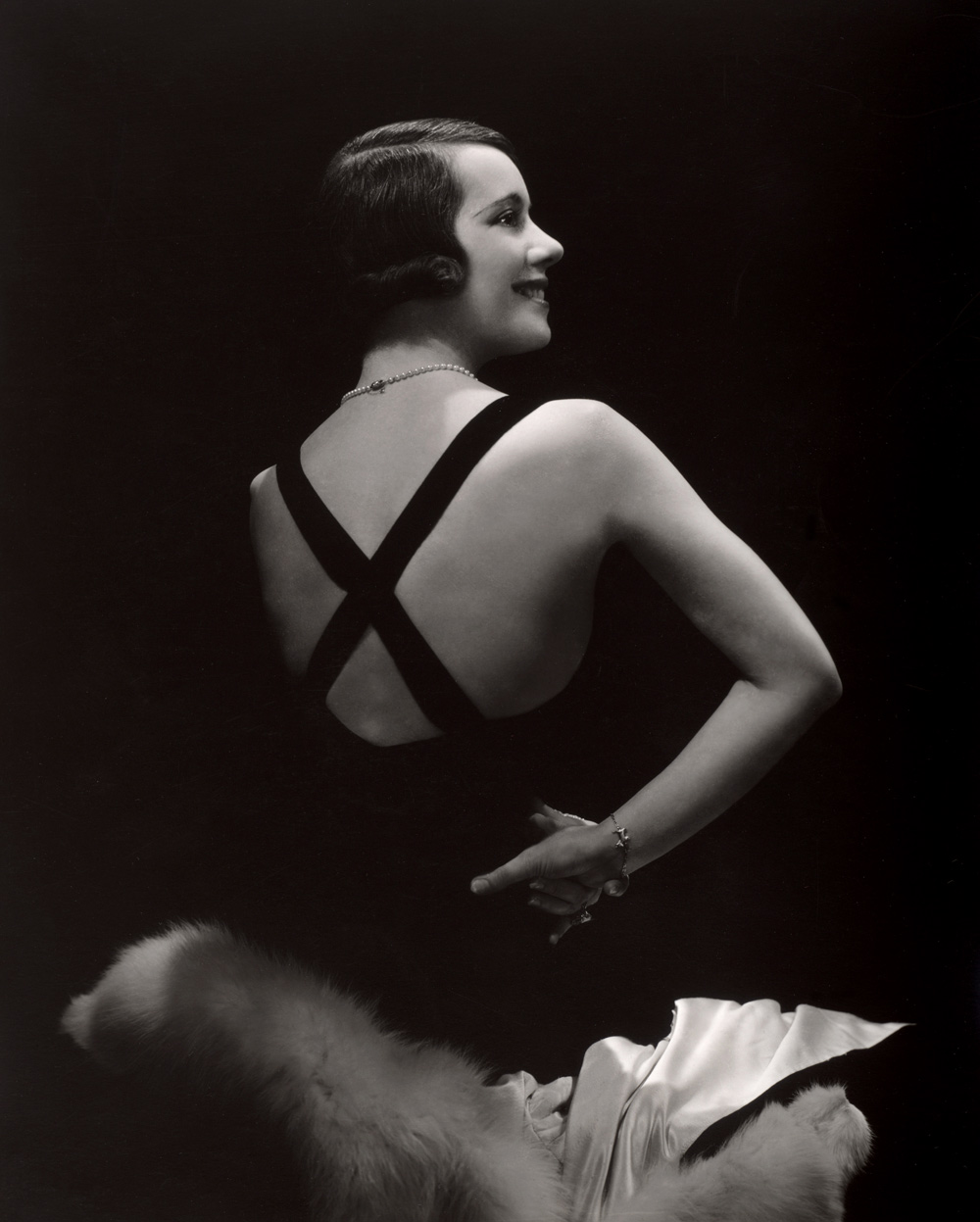
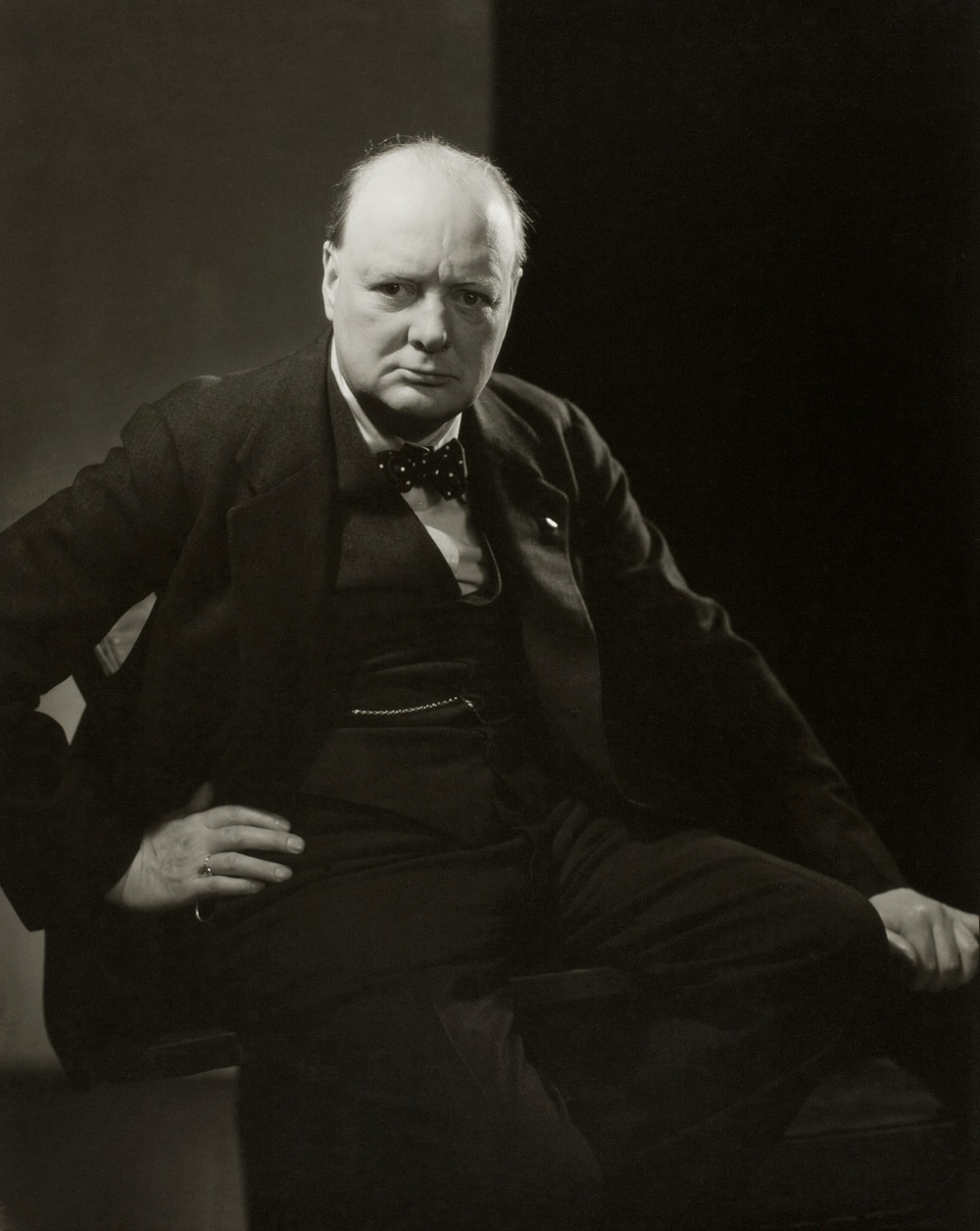
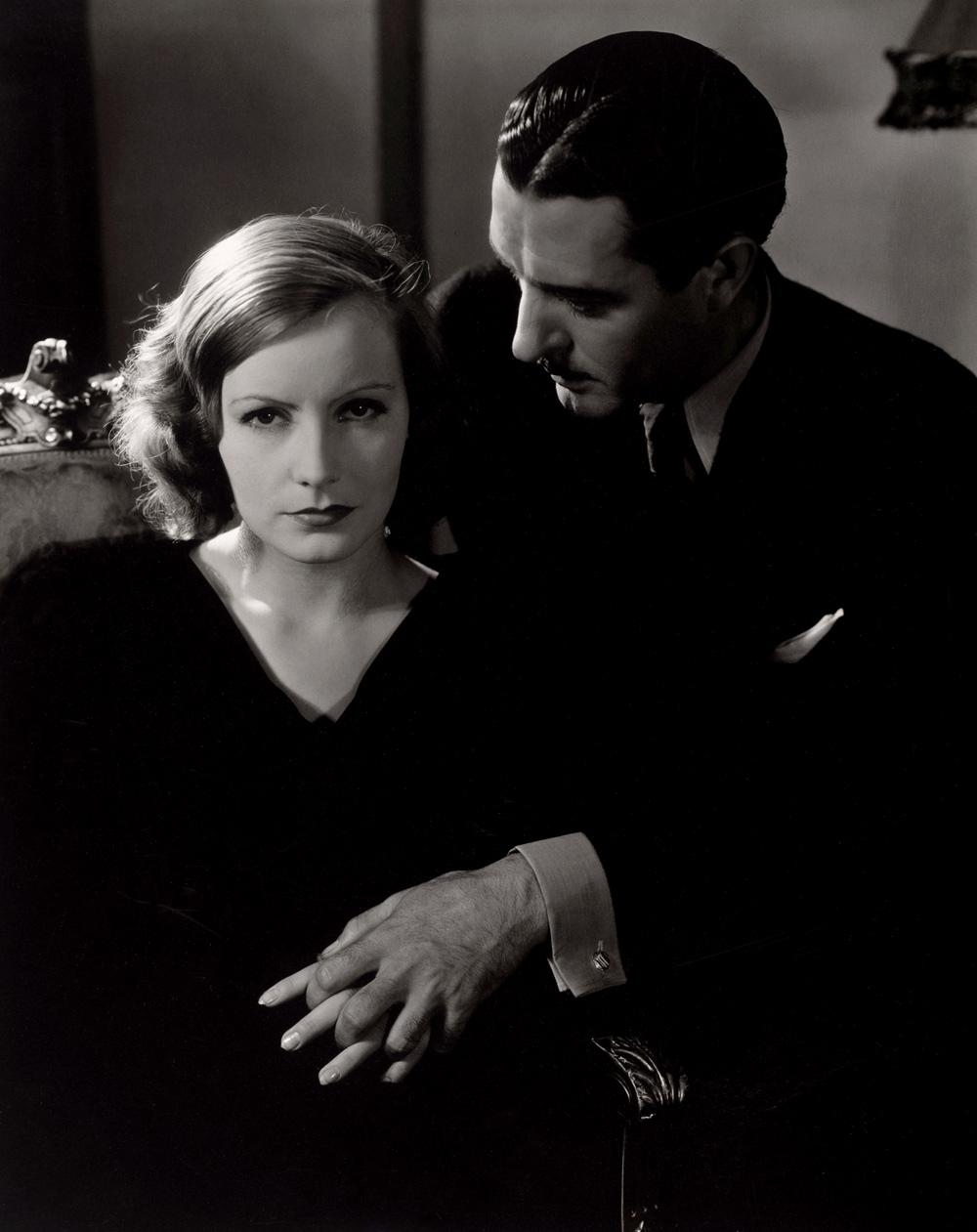


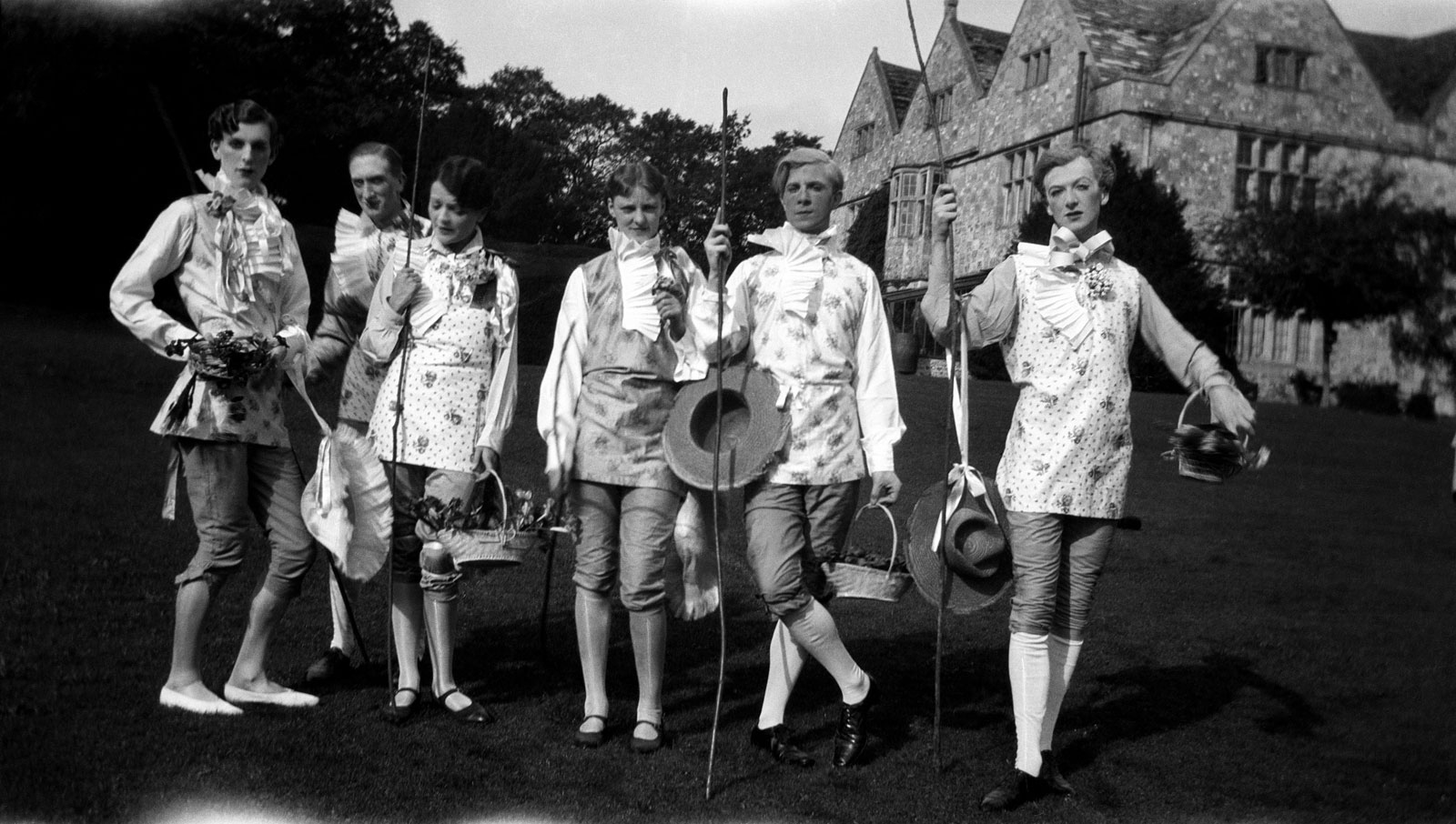


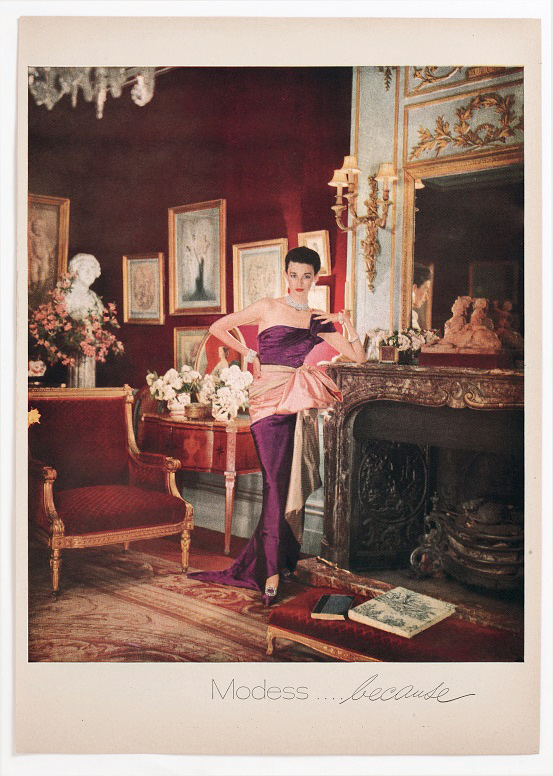
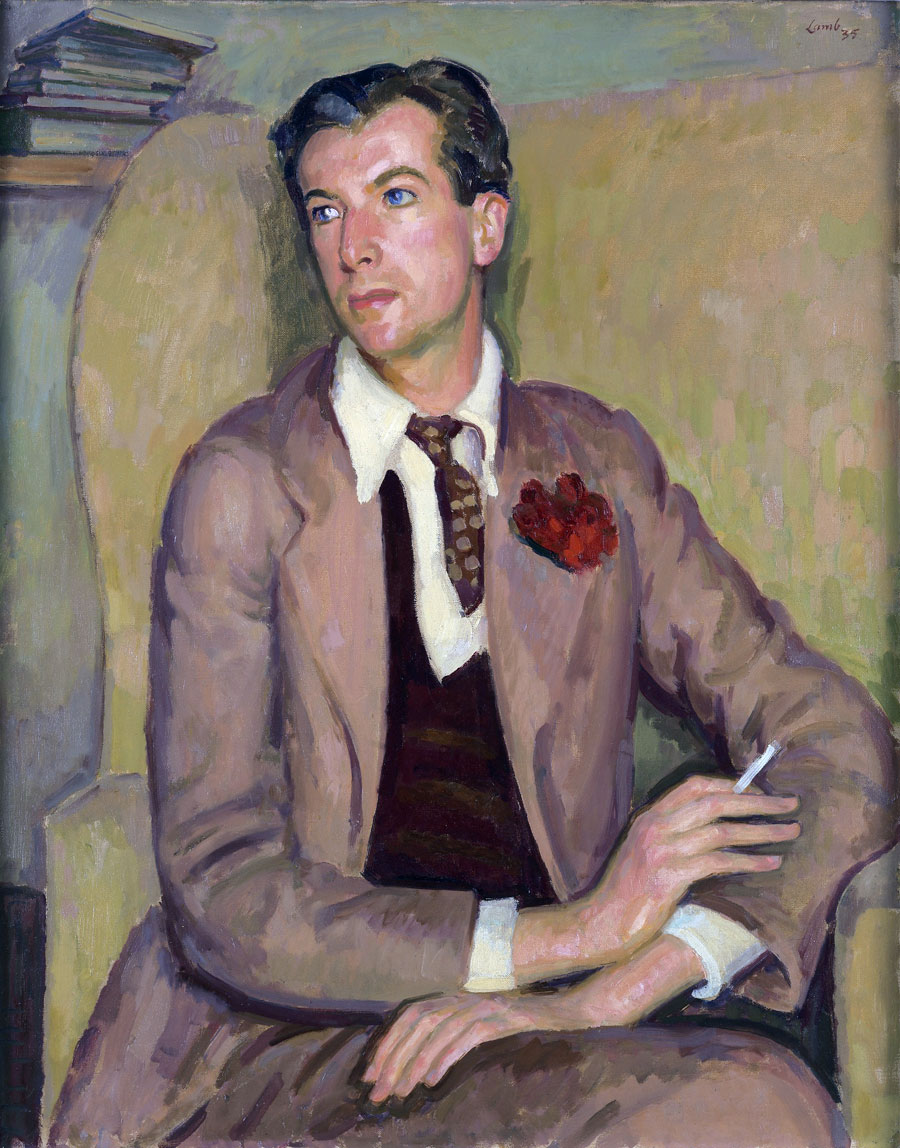

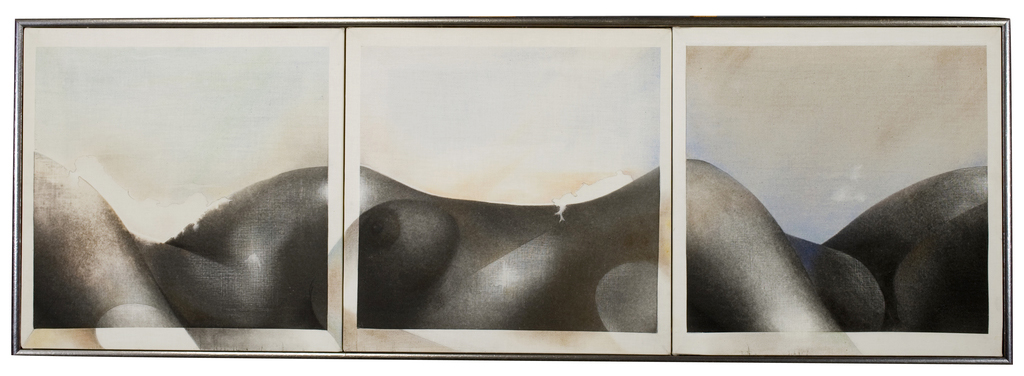
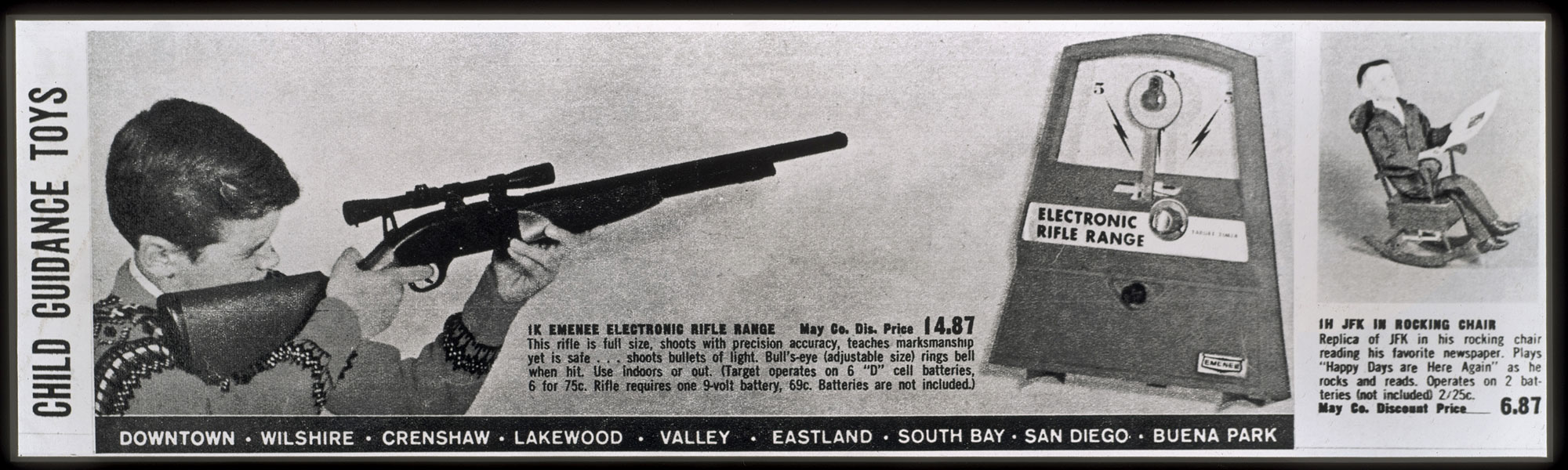
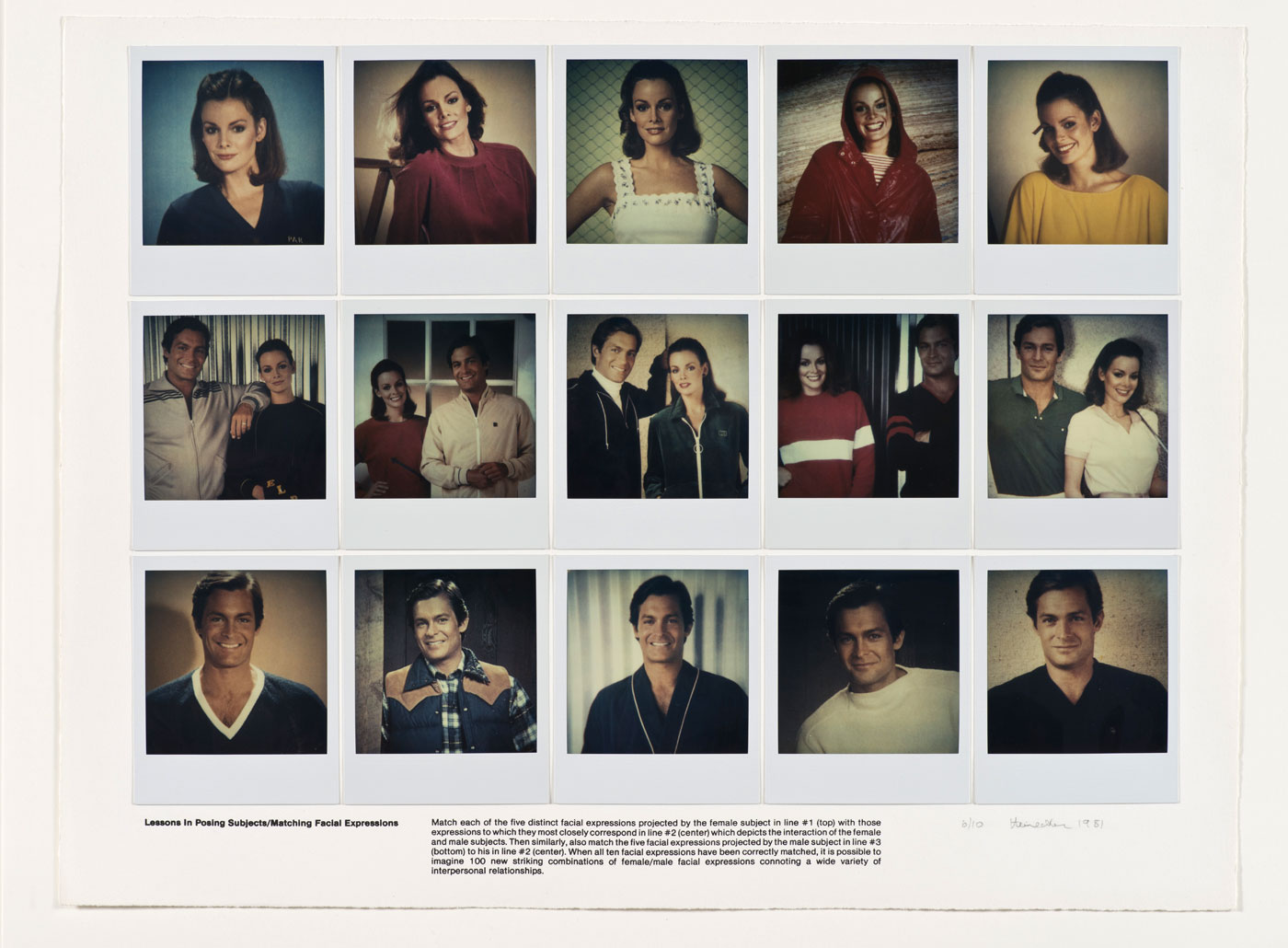
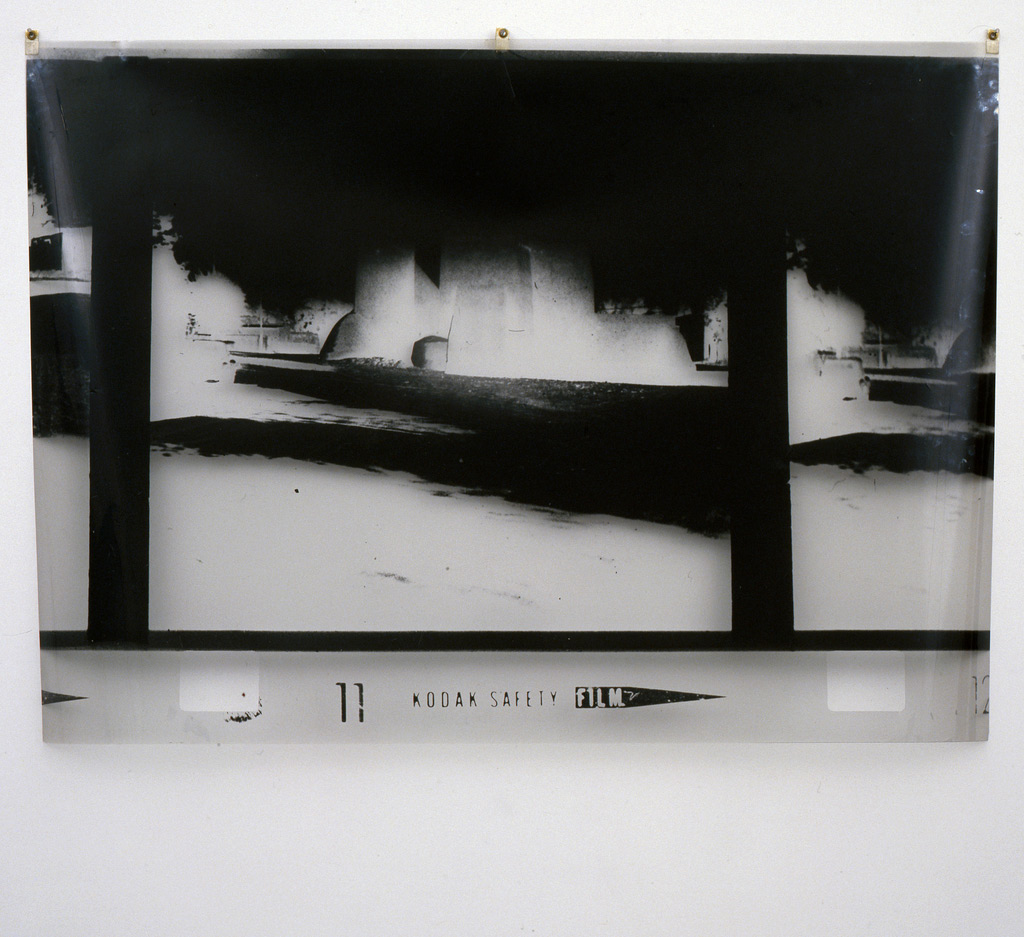
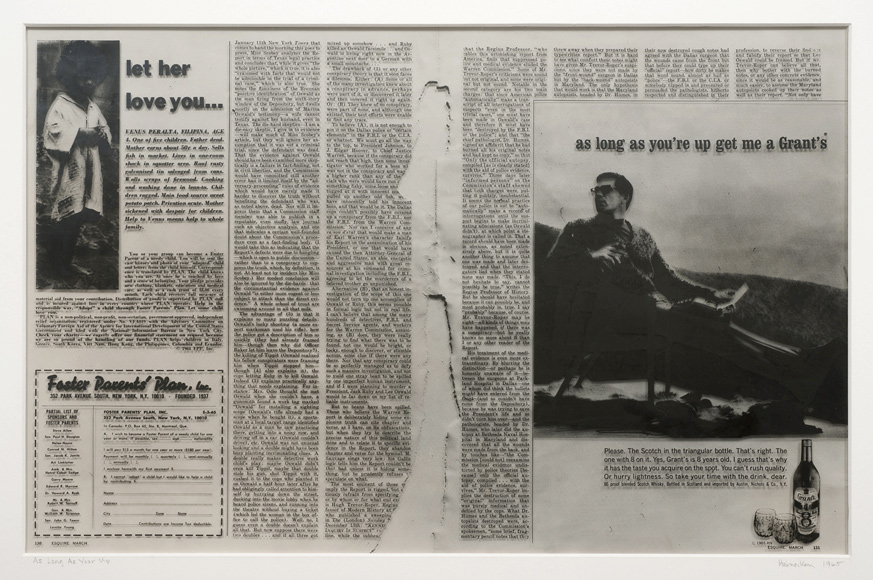
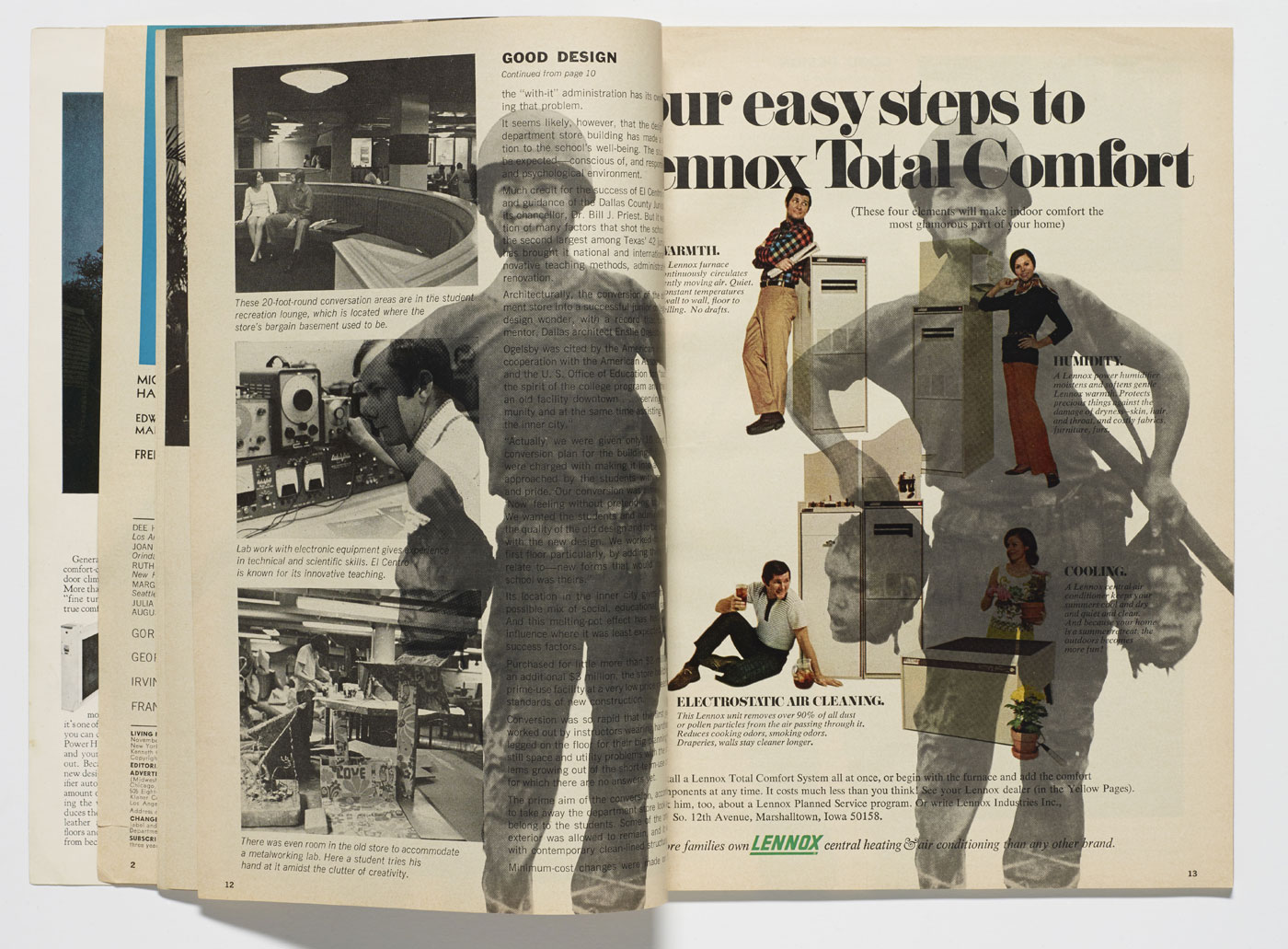
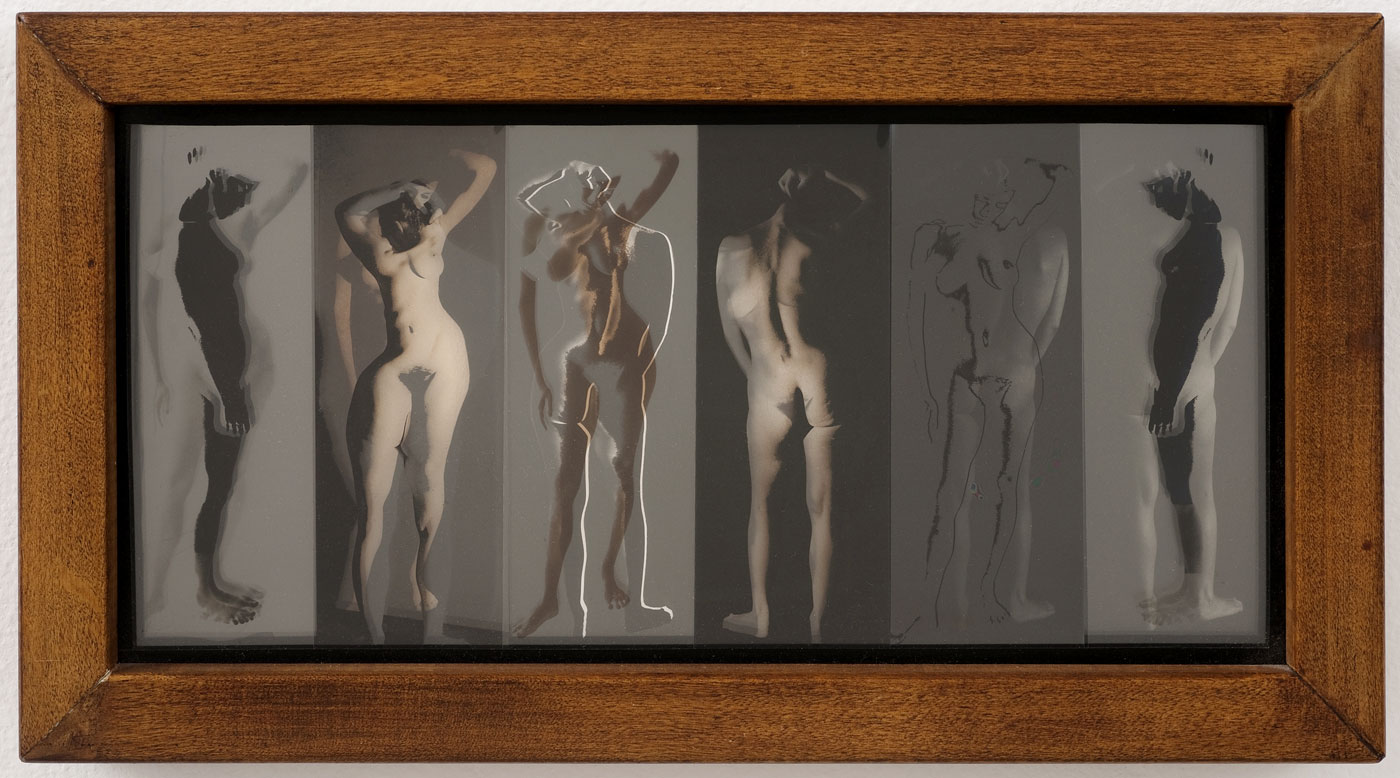
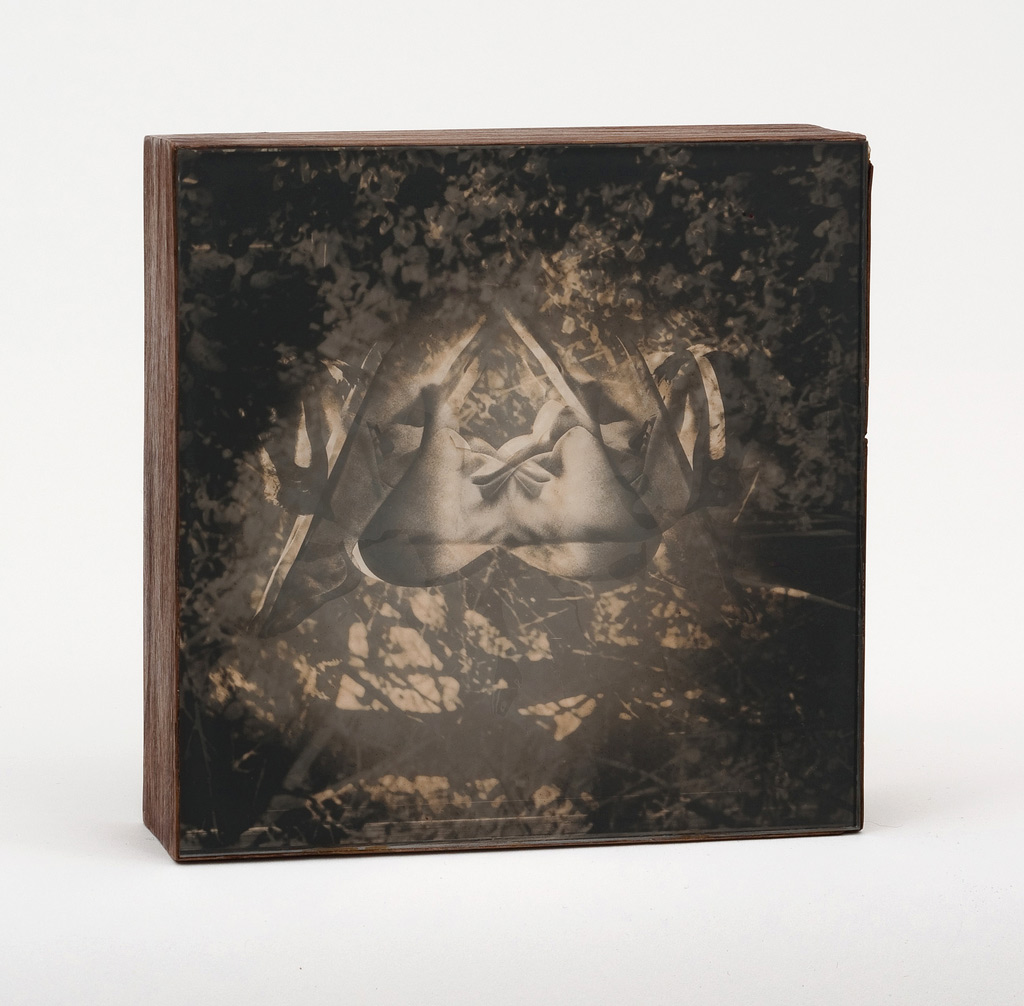
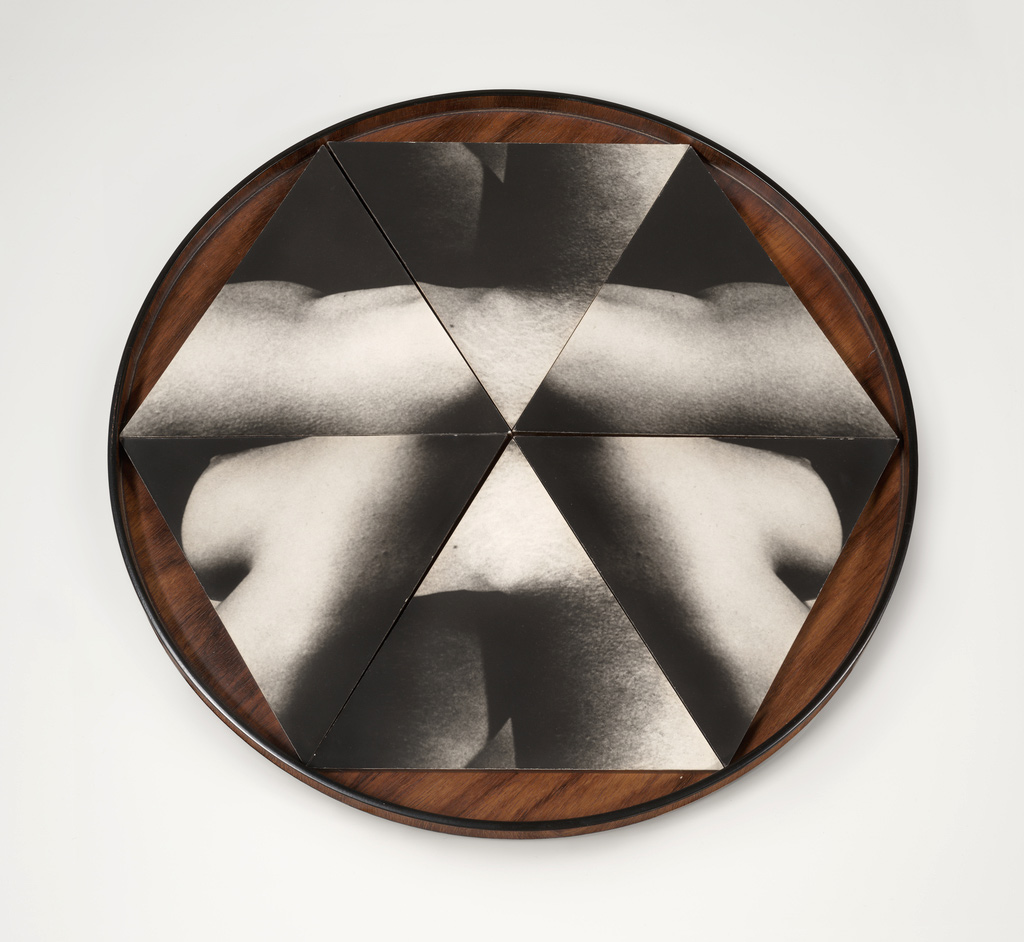
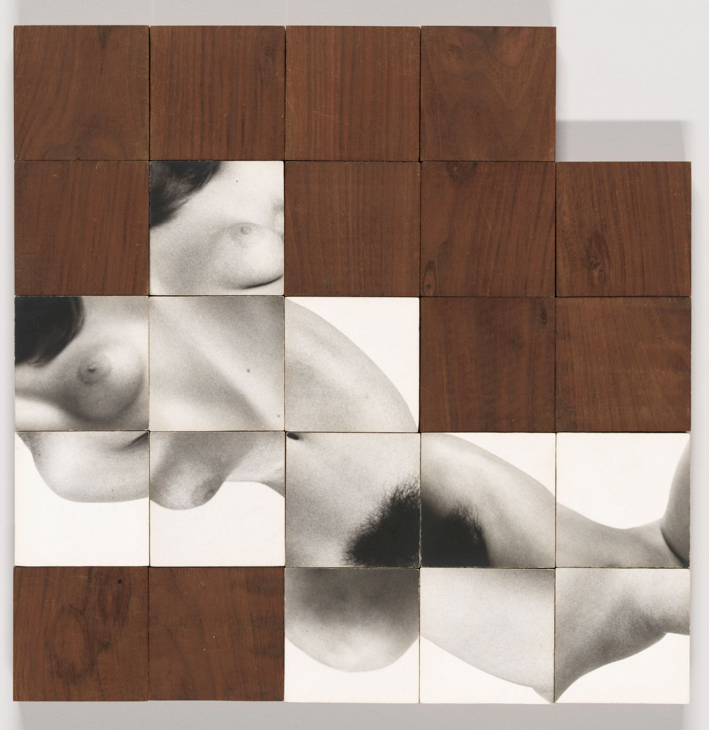
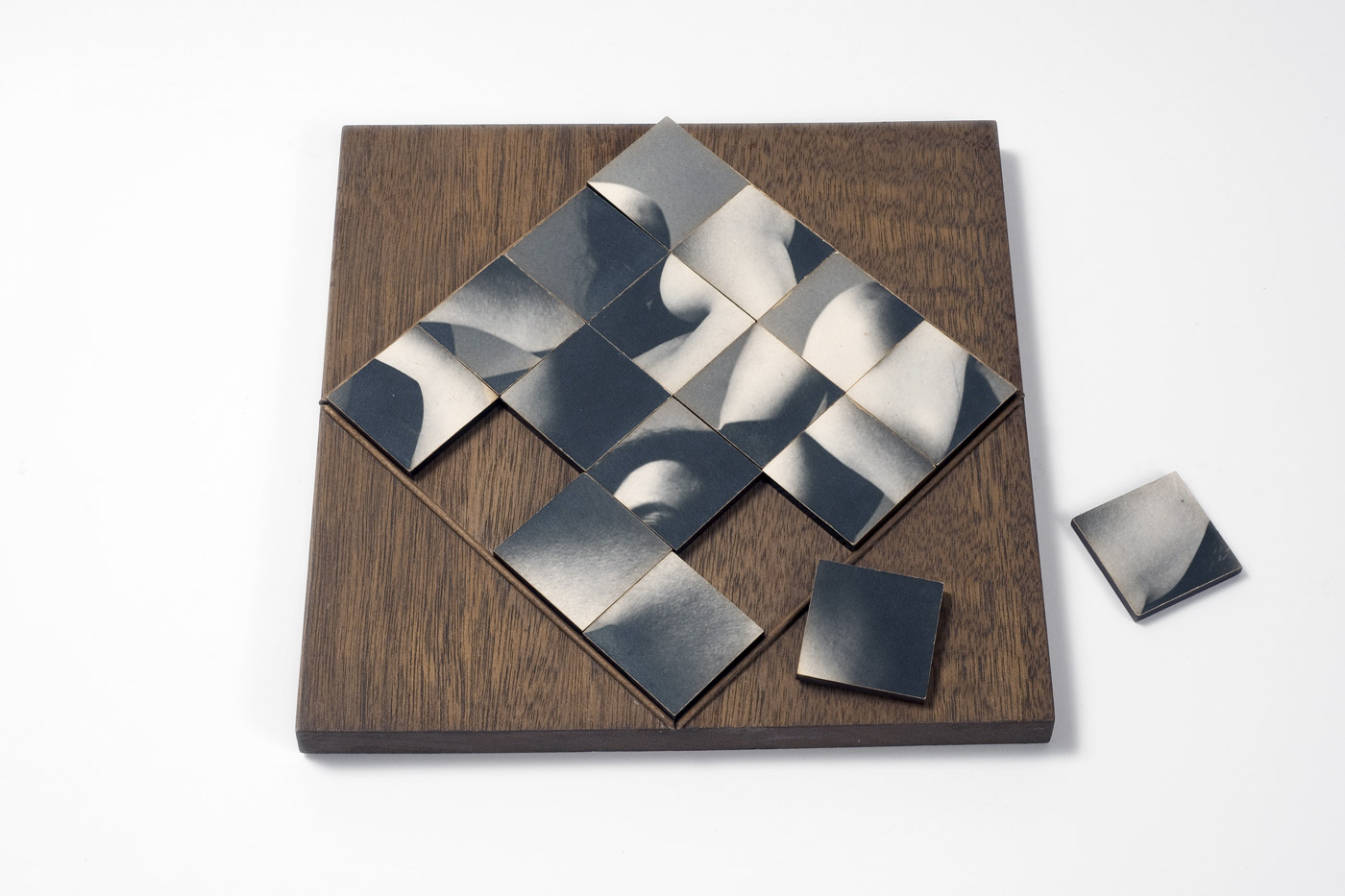
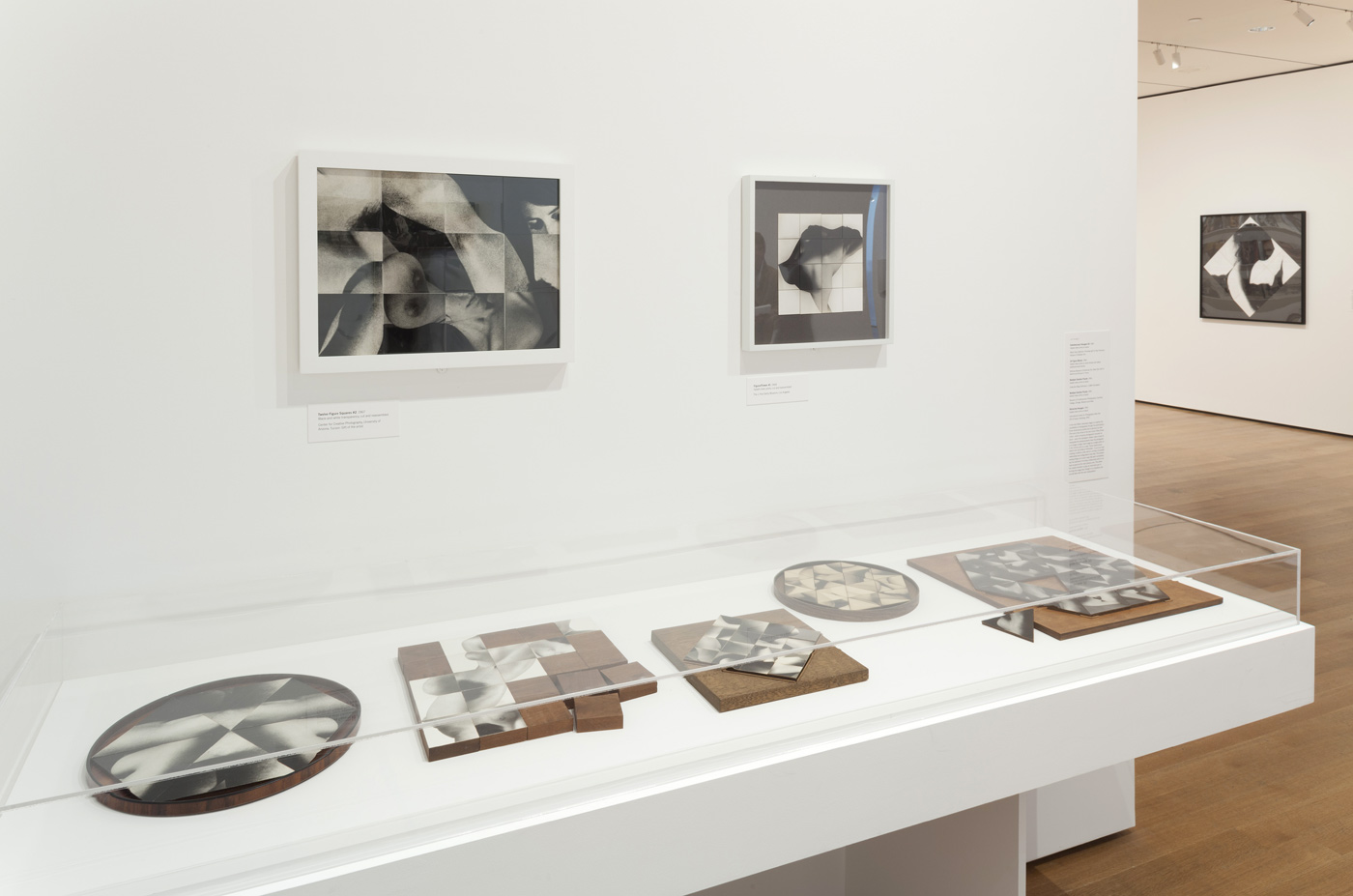
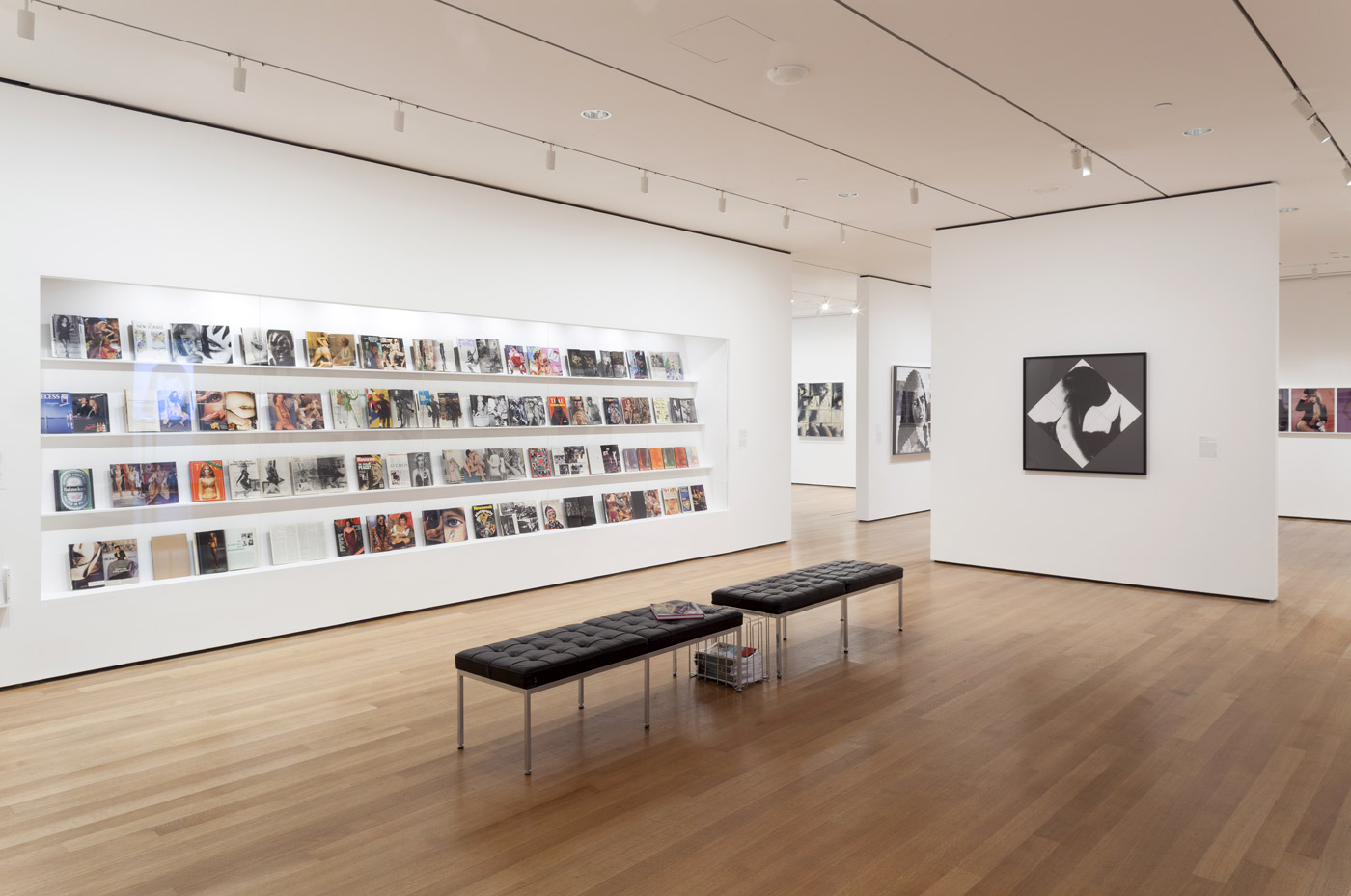
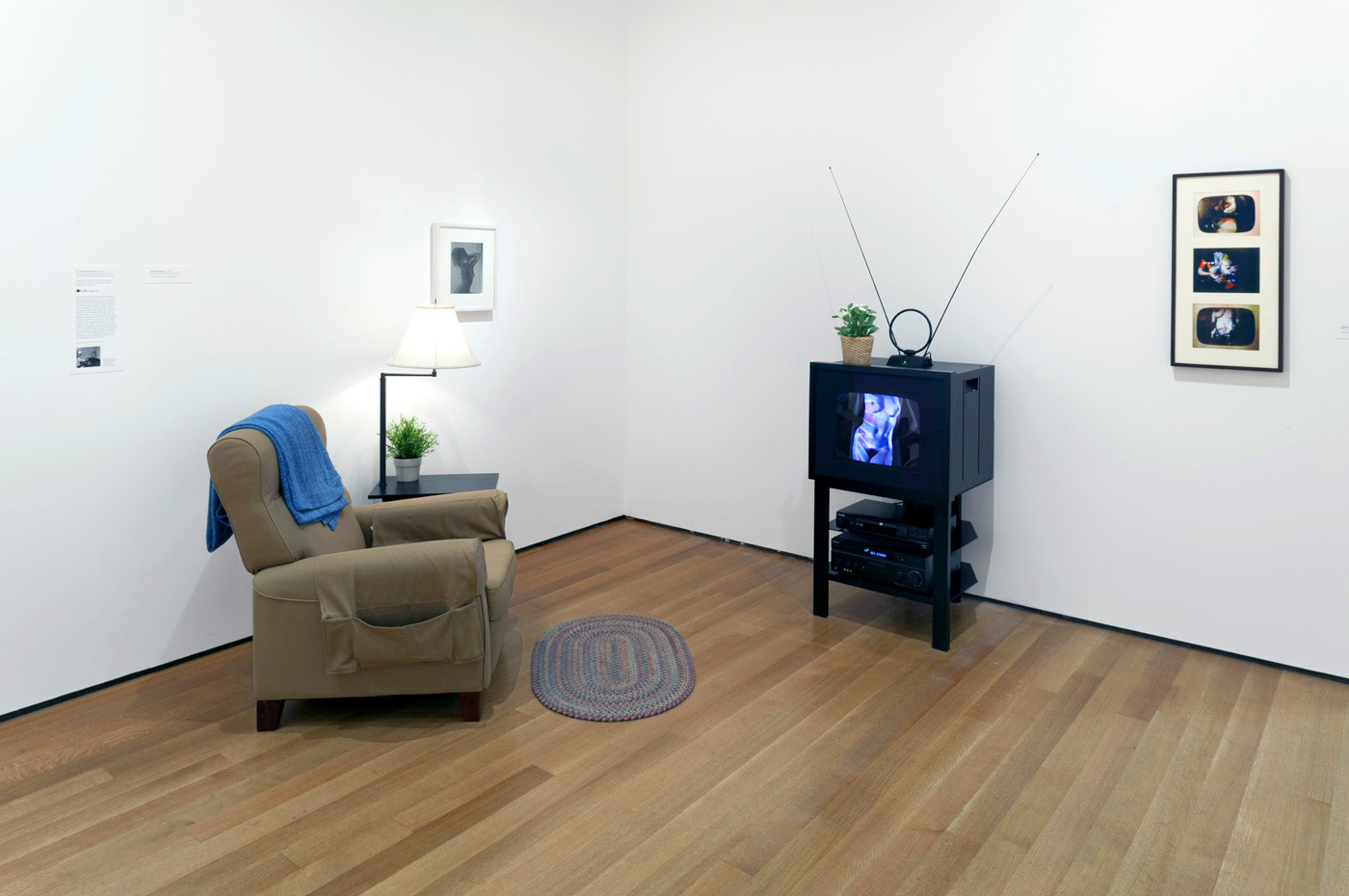
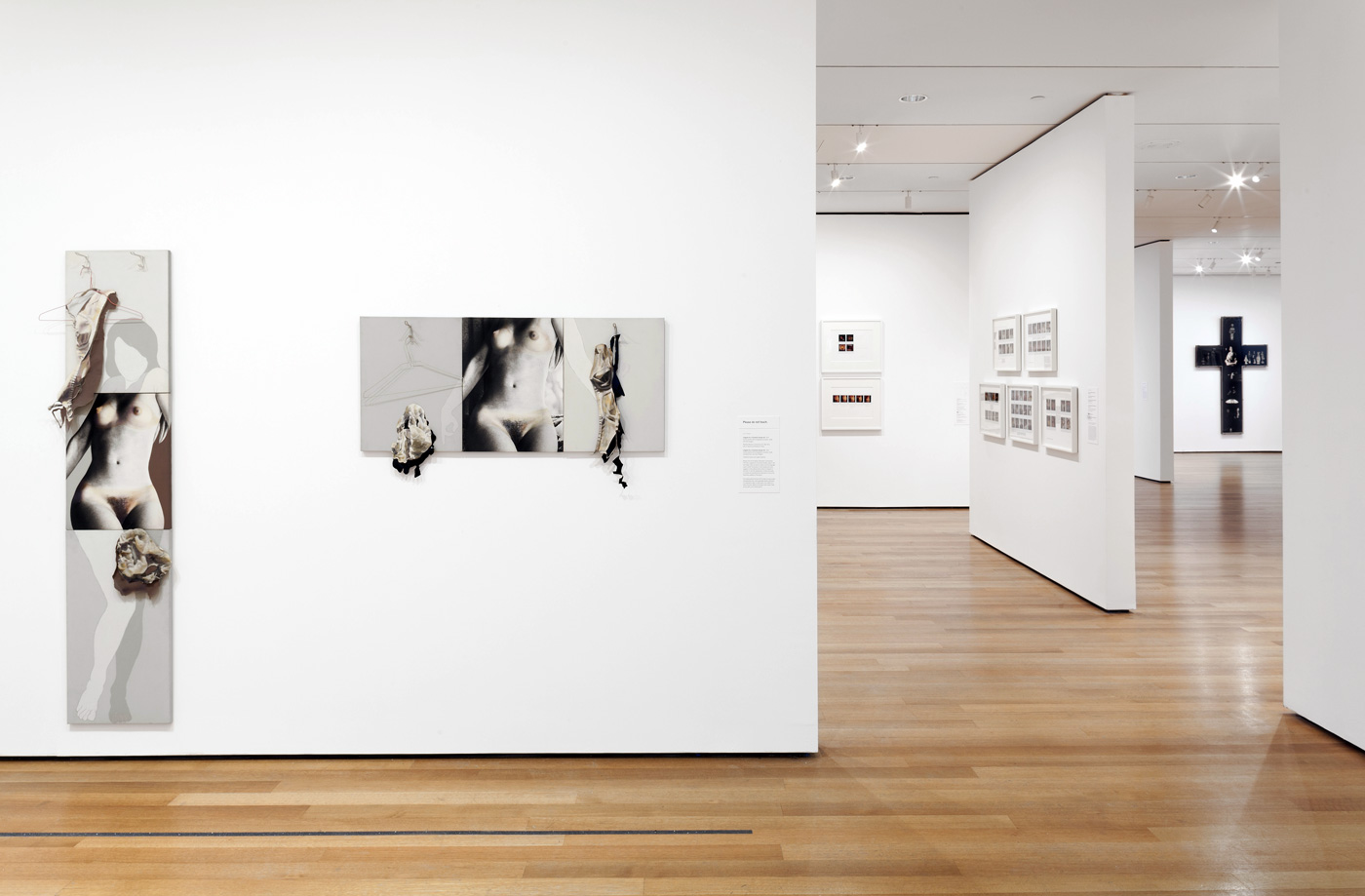
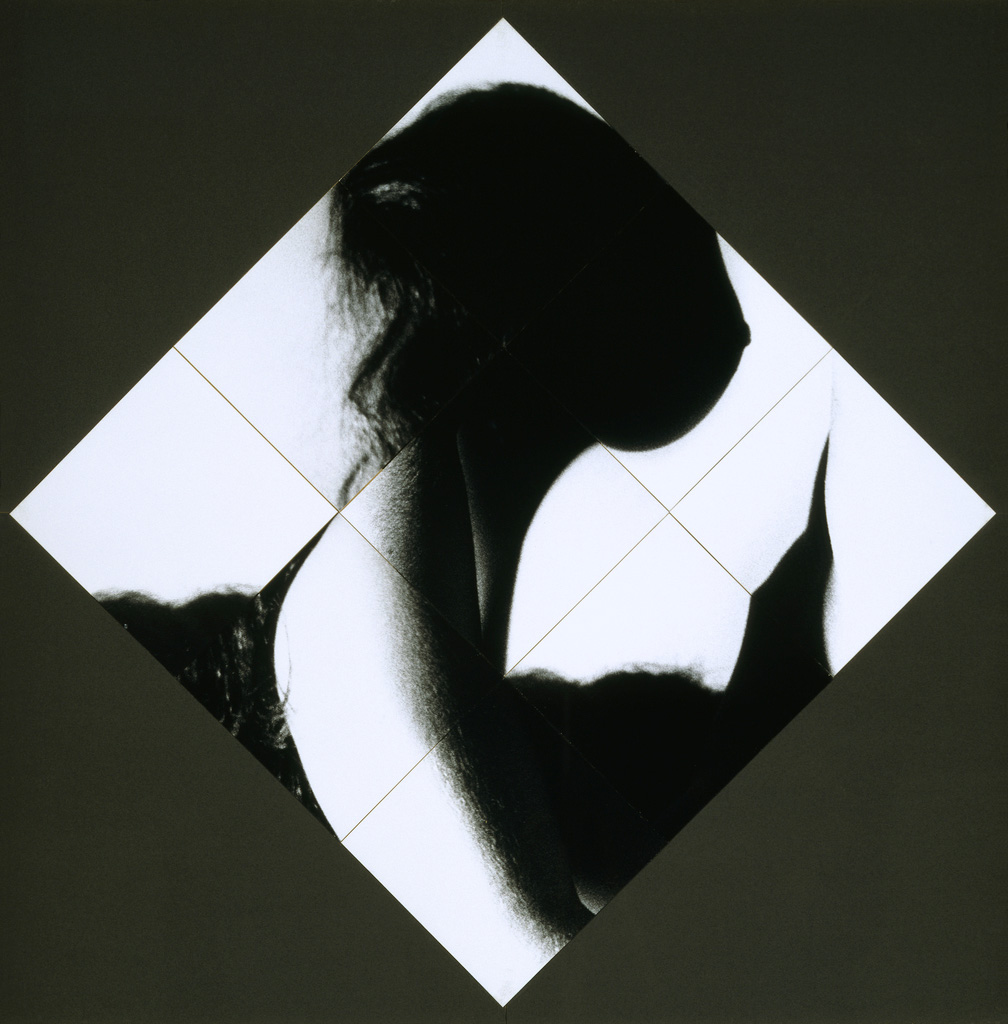
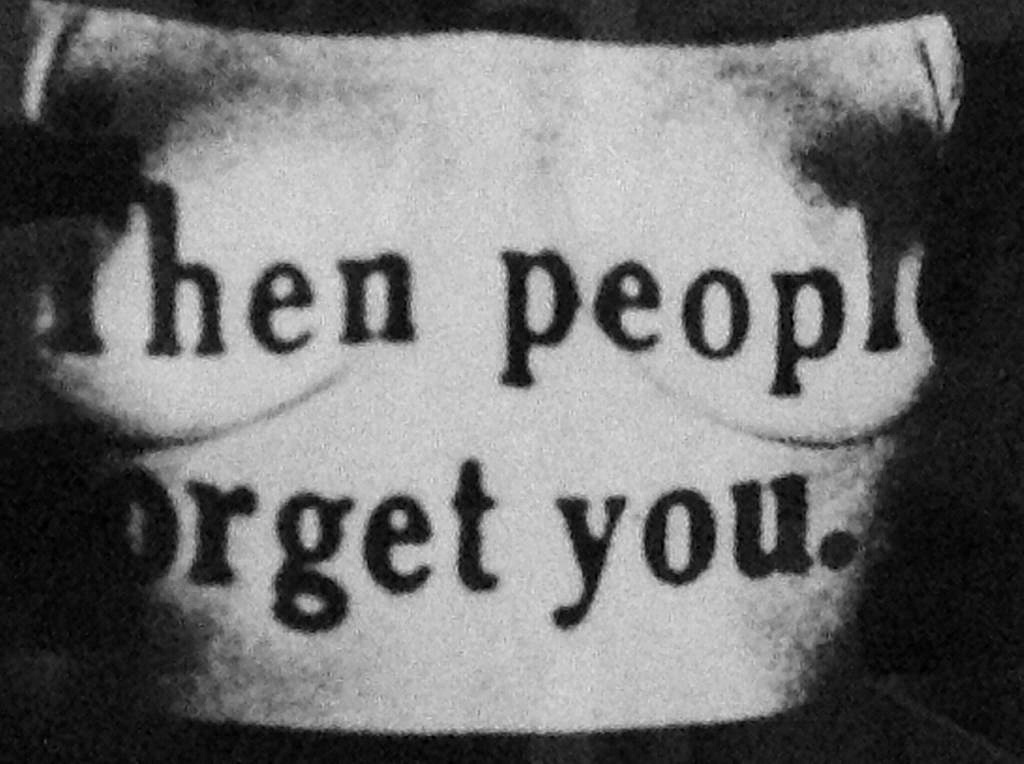
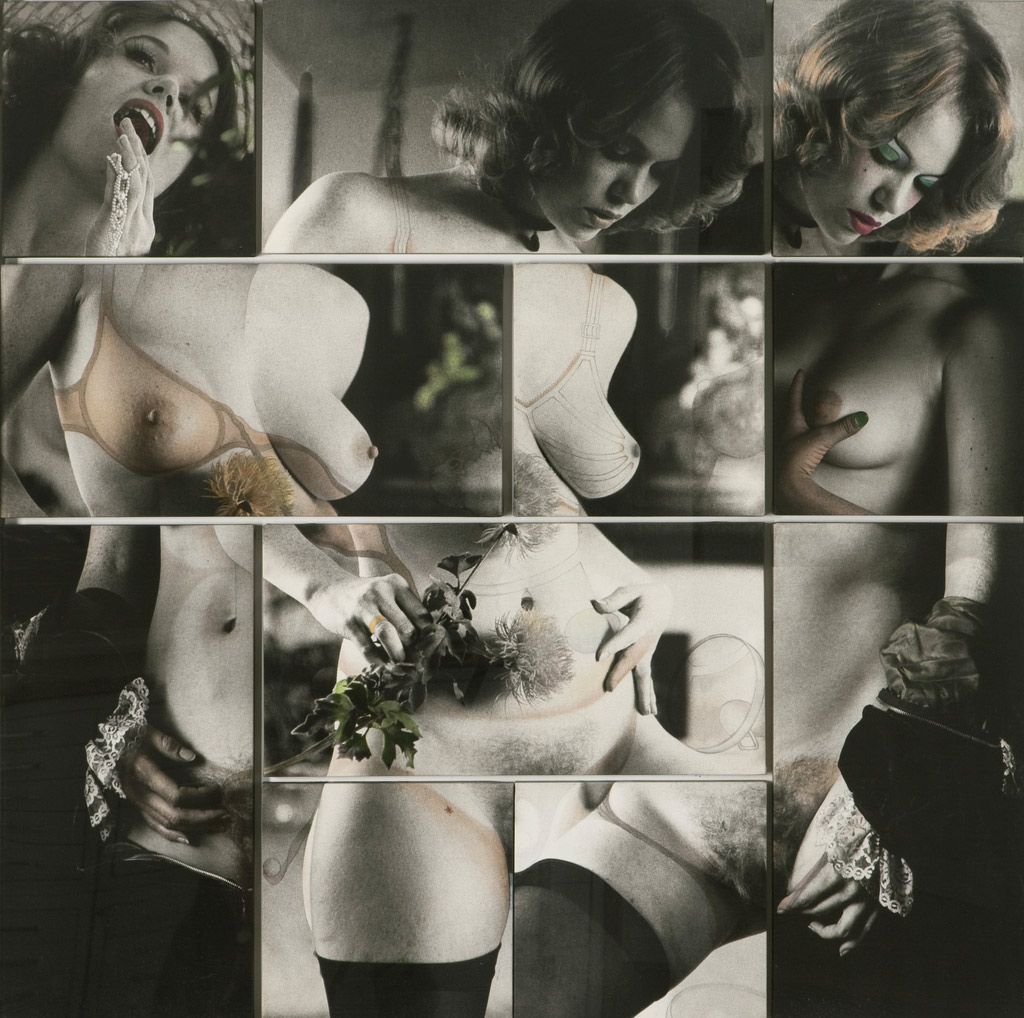
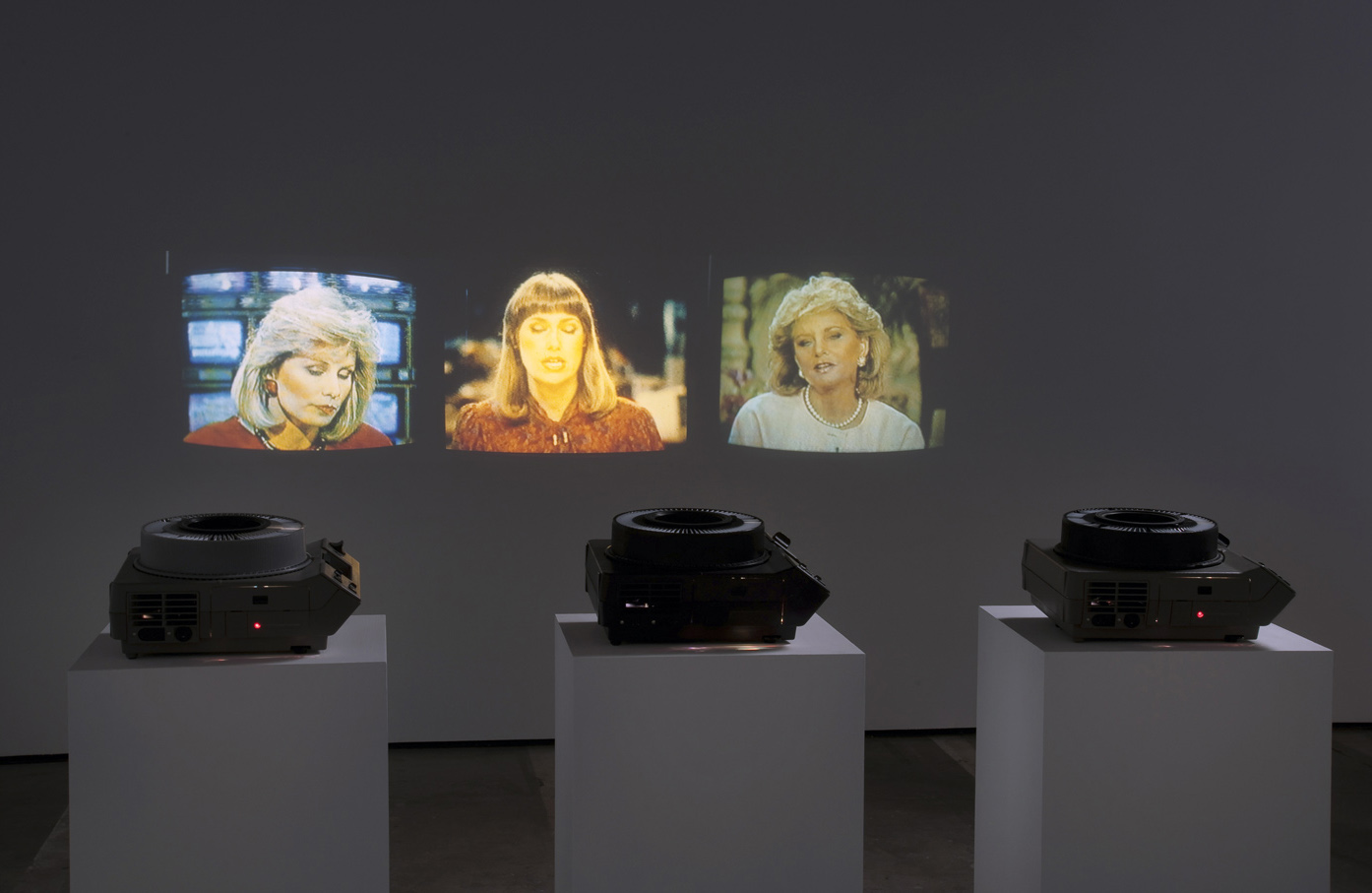
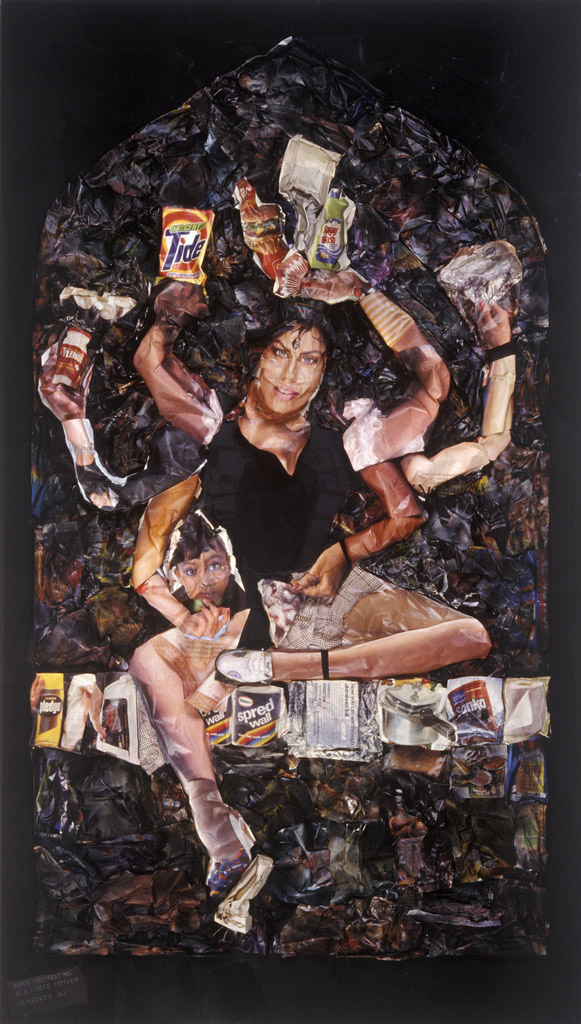
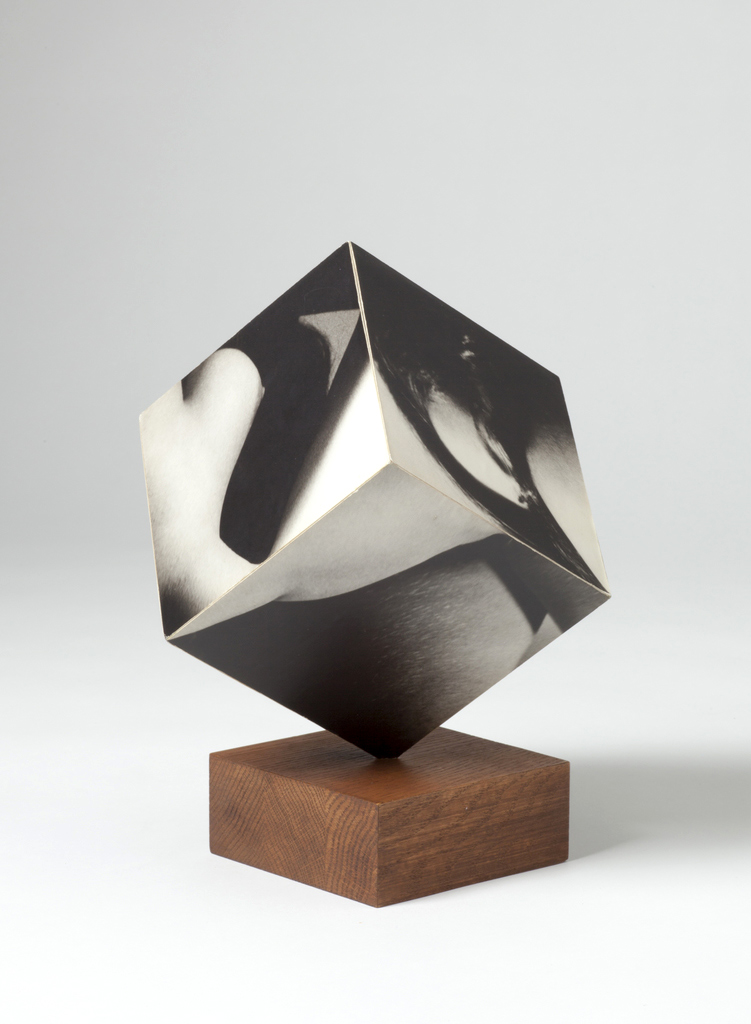
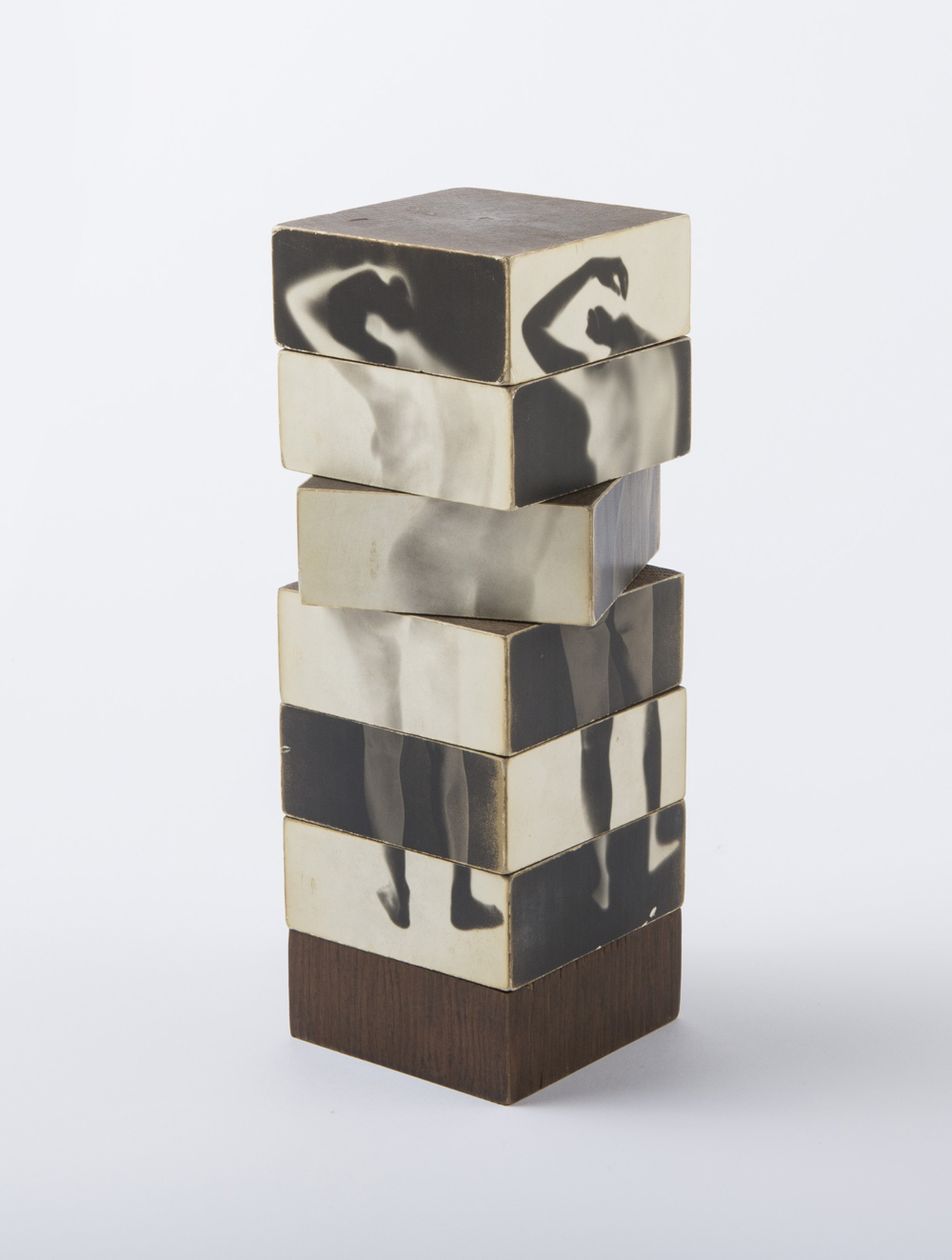
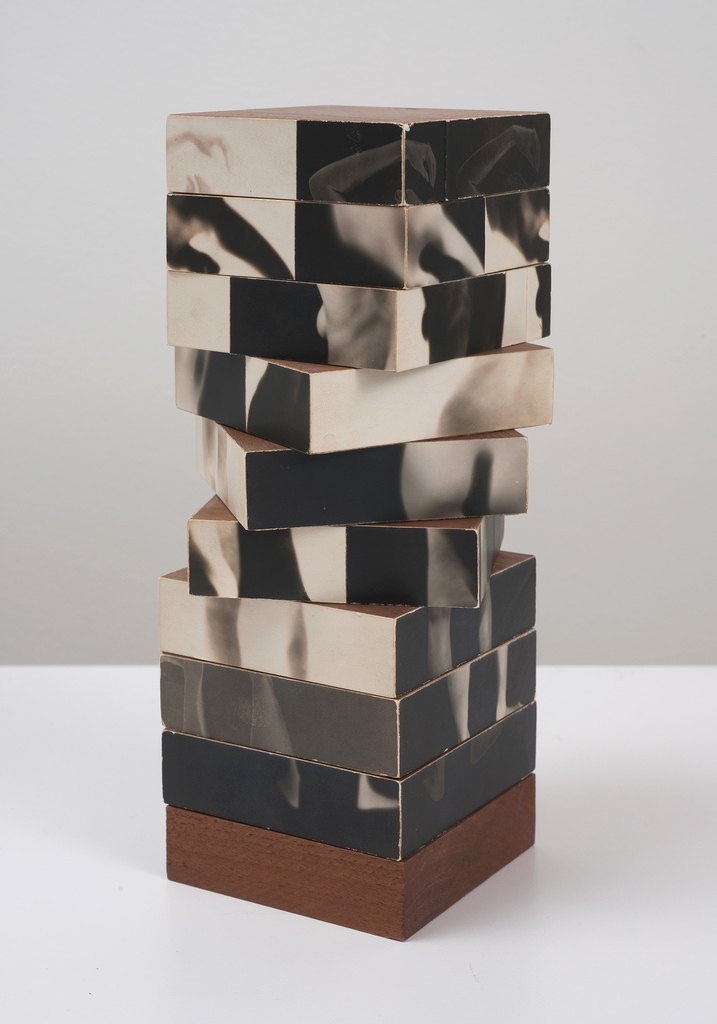
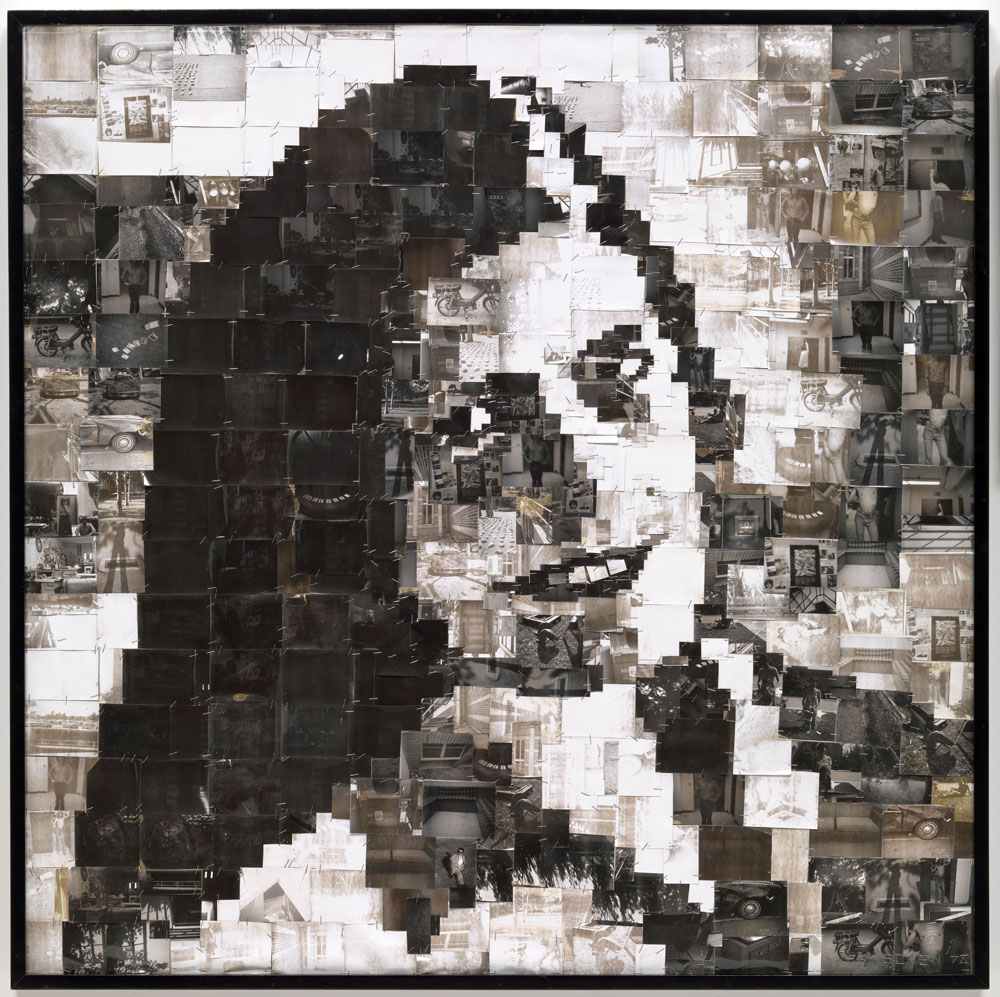
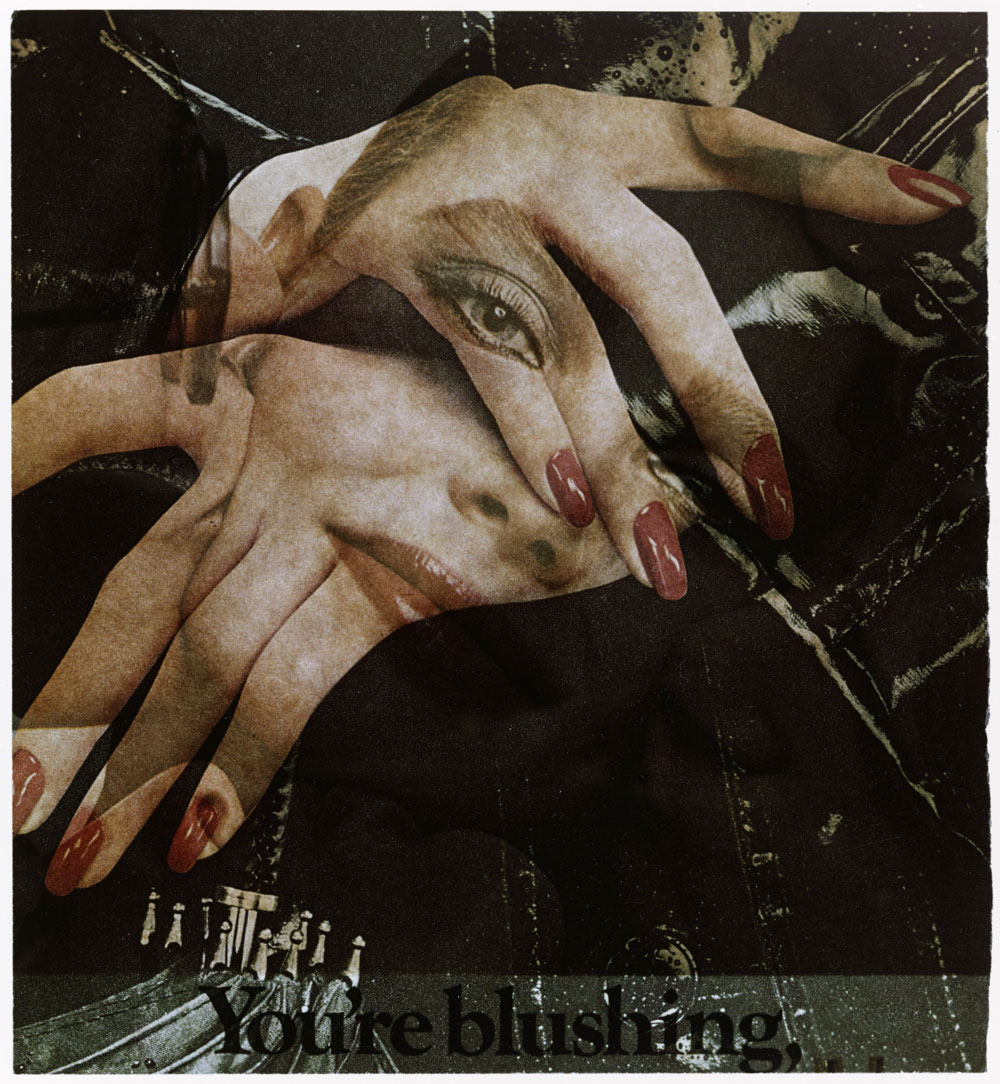
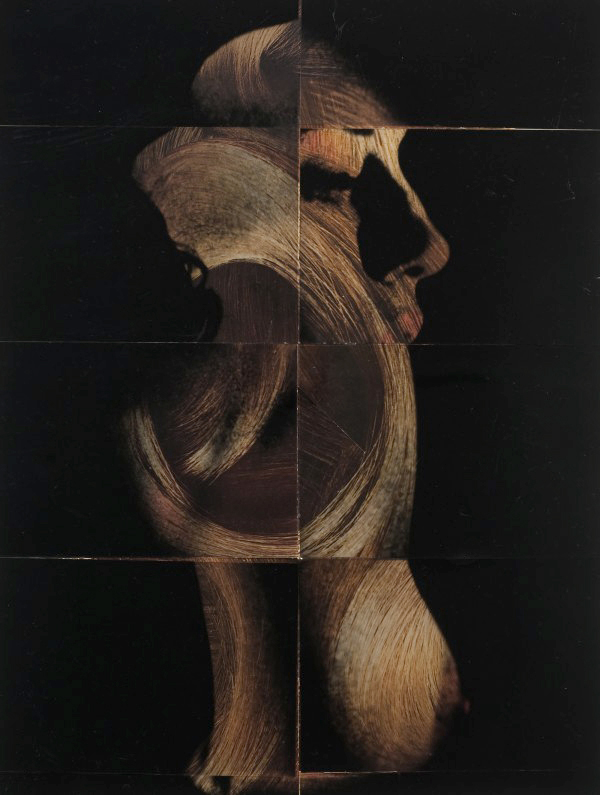
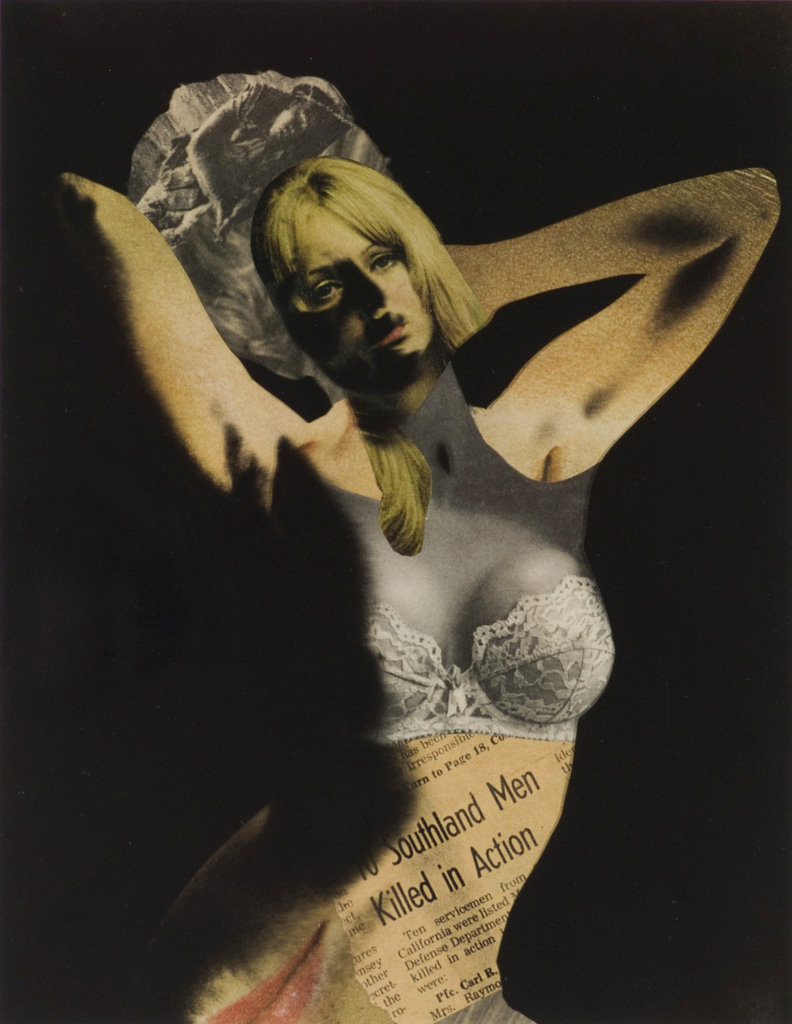
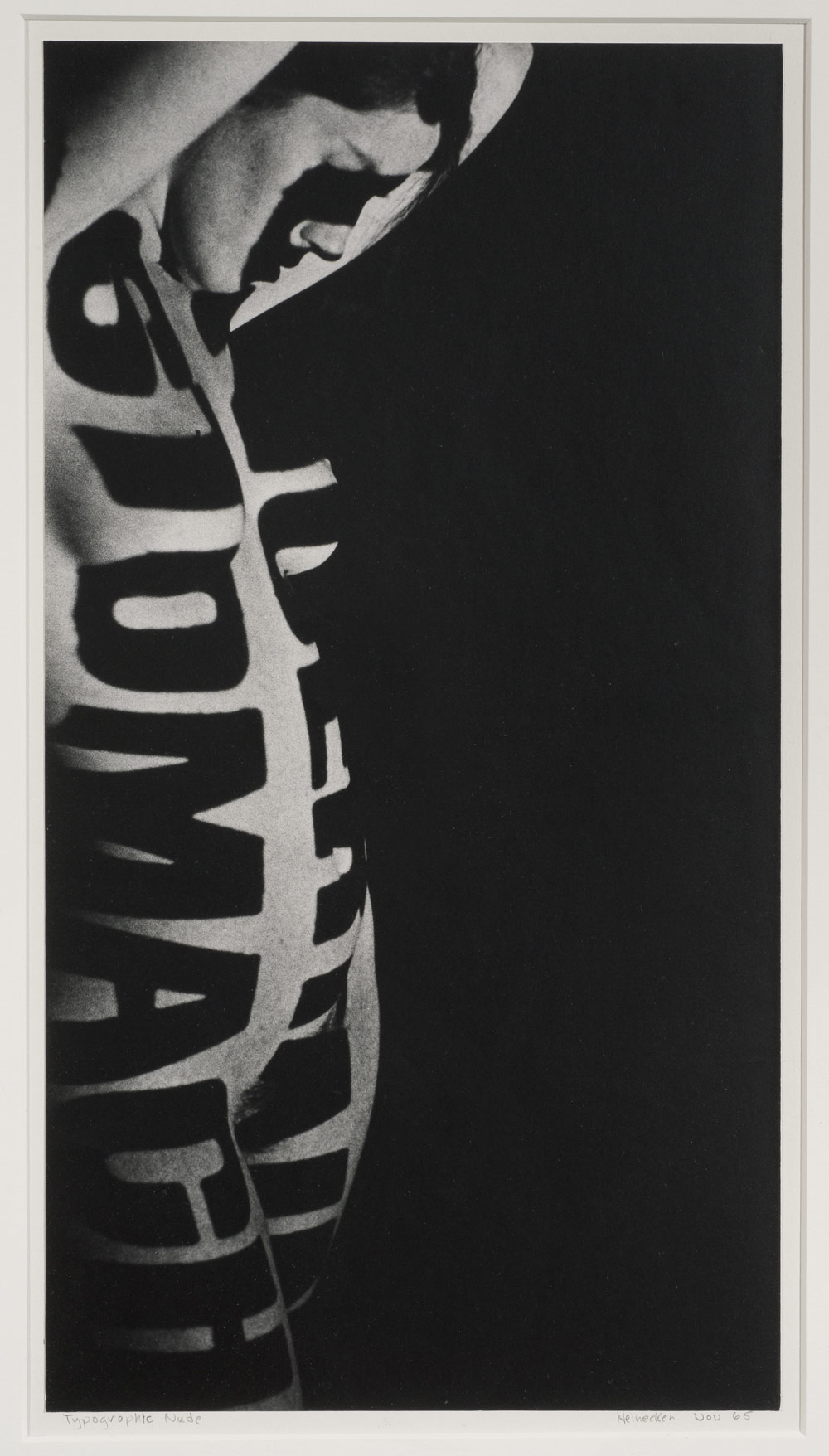
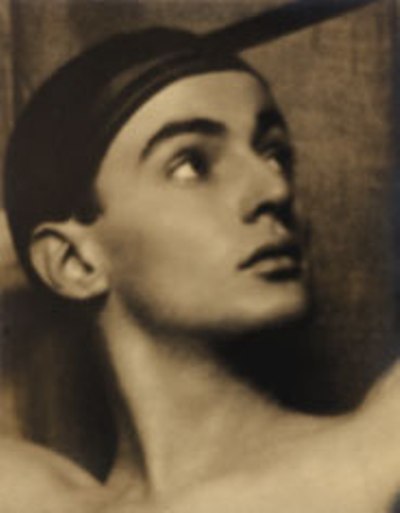
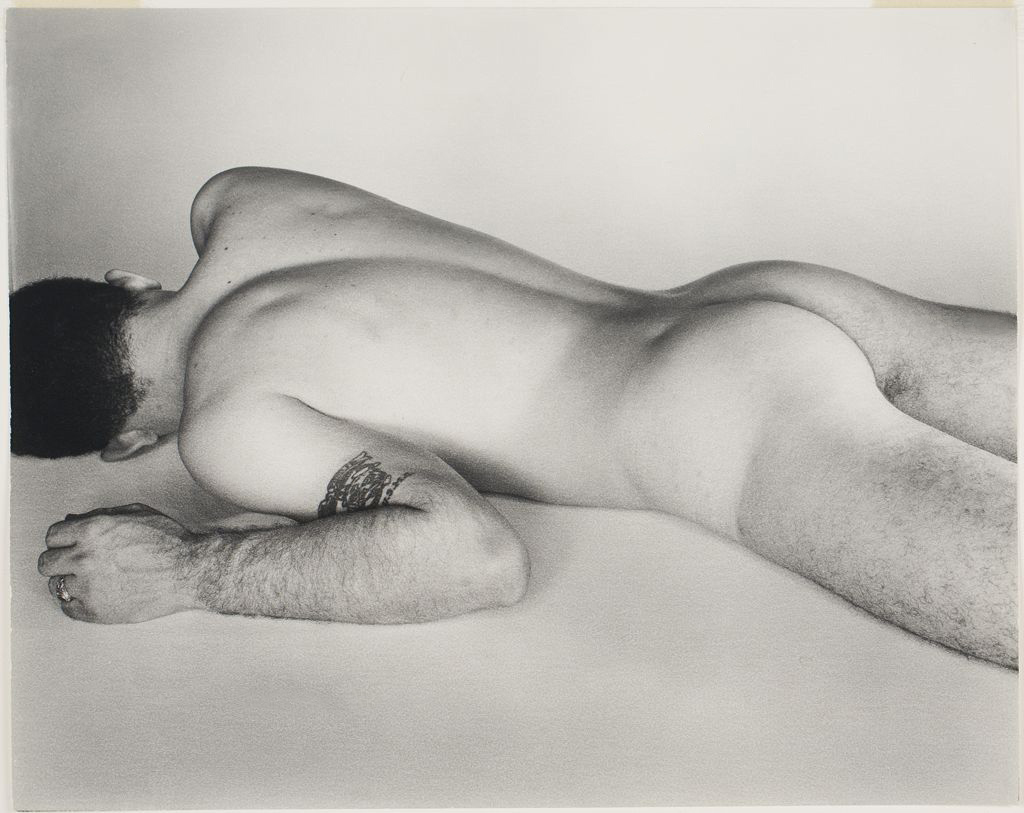
![George Platt Lynes (American, April 15, 1907 - December 6, 1955) 'Untitled' Nd [c. 1951]](https://artblart.com/wp-content/uploads/2014/06/george-platt-lynes-untitled-1953.jpg "George Platt Lynes (American, April 15, 1907 - December 6, 1955) 'Untitled' Nd [c. 1951]")
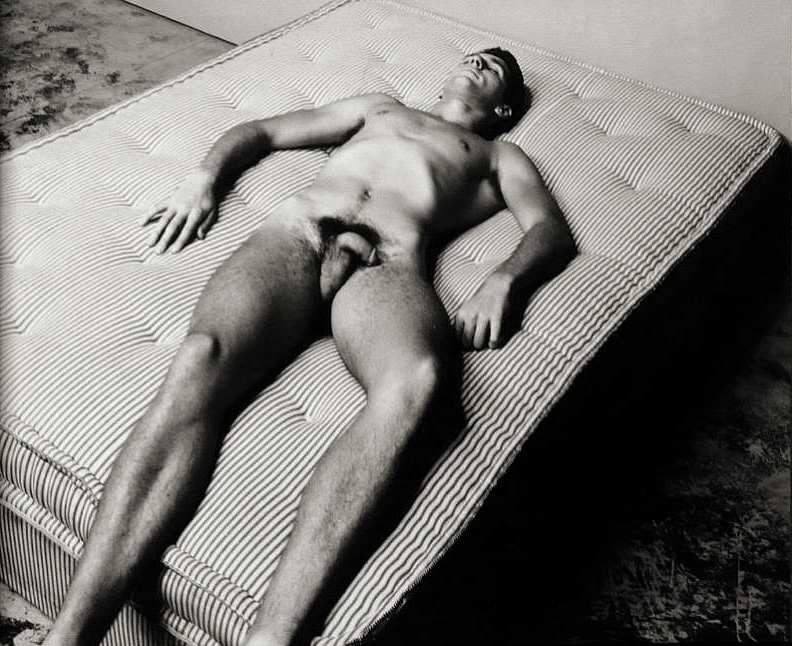
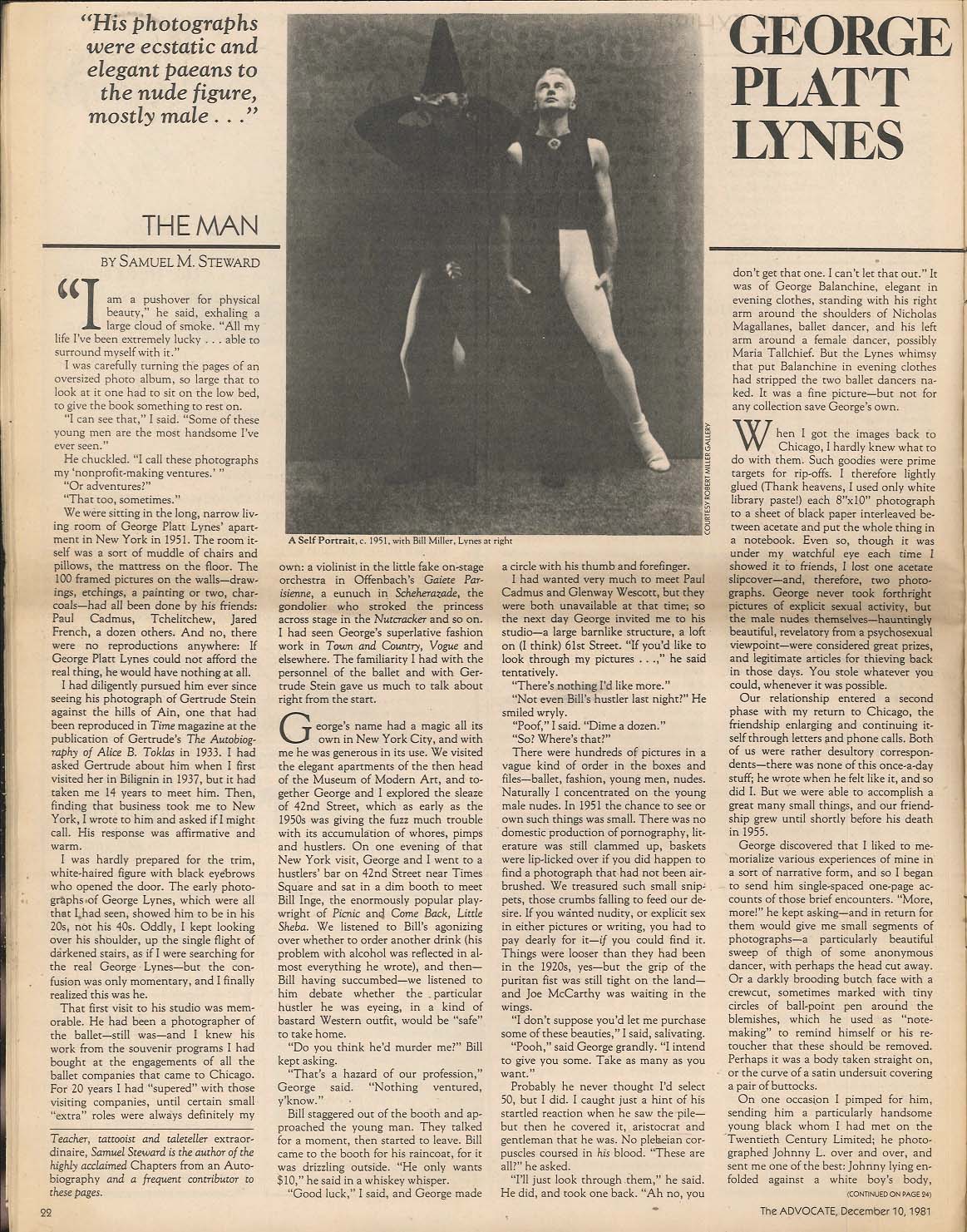
![George Platt Lynes (American, April 15, 1907 - December 6, 1955) 'Untitled [Charles 'Tex' Smutney, Charles 'Buddy' Stanley, and Bradbury Ball]' c. 1942](https://artblart.com/wp-content/uploads/2014/06/lynes-c-1942.jpg "George Platt Lynes (American, April 15, 1907 - December 6, 1955) 'Untitled [Charles 'Tex' Smutney, Charles 'Buddy' Stanley, and Bradbury Ball]' c. 1942")
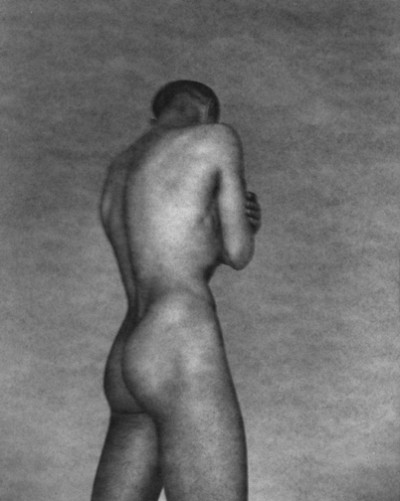
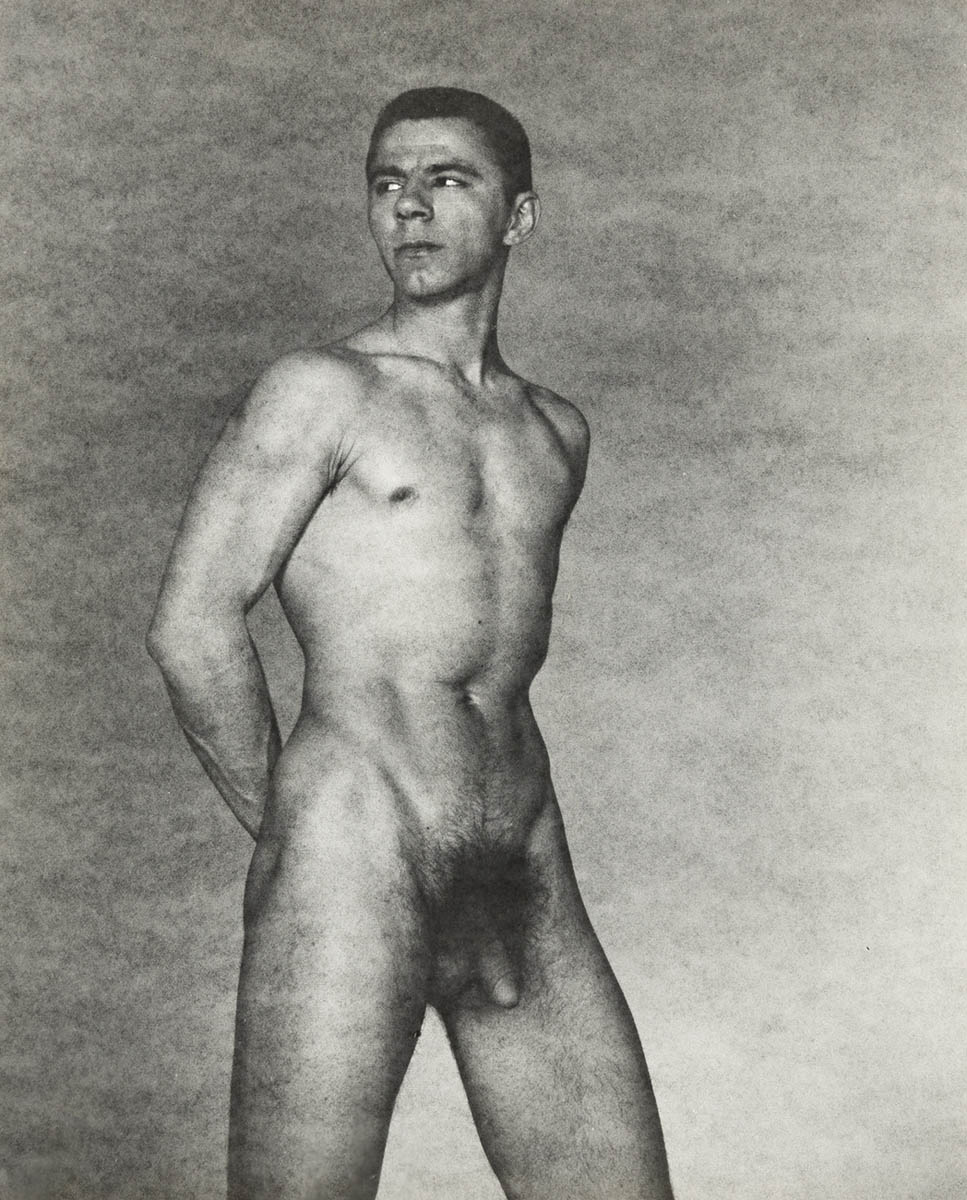
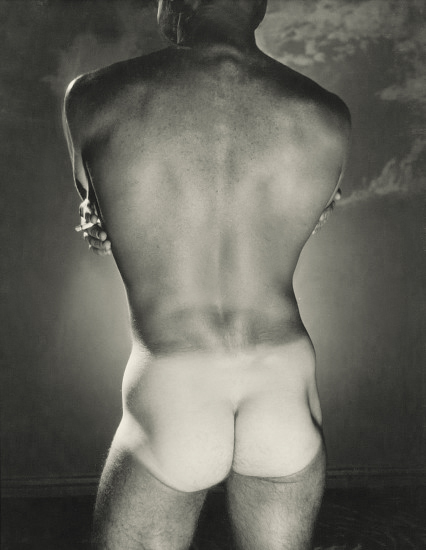
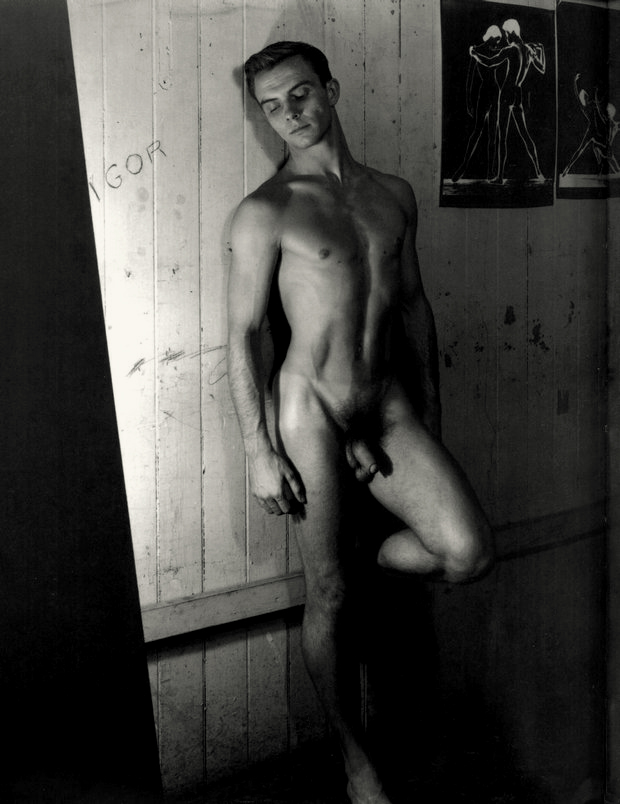
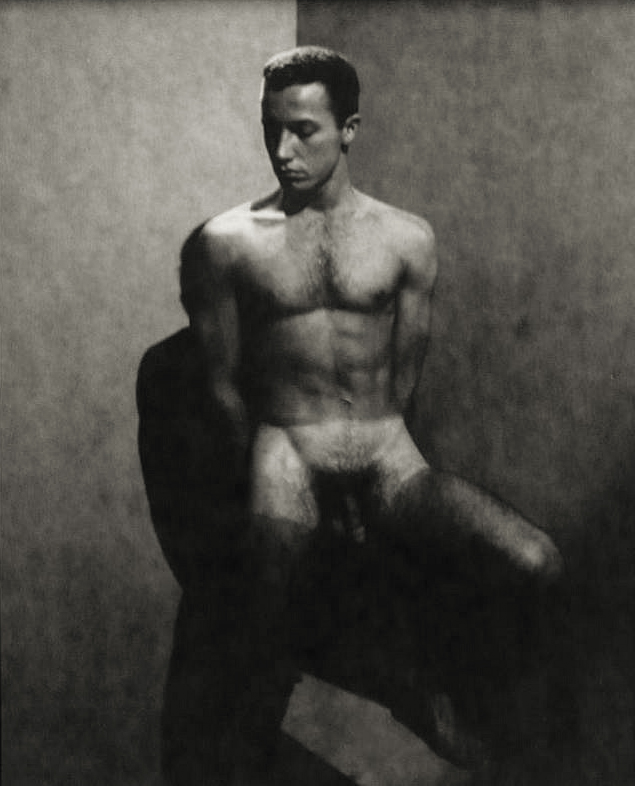
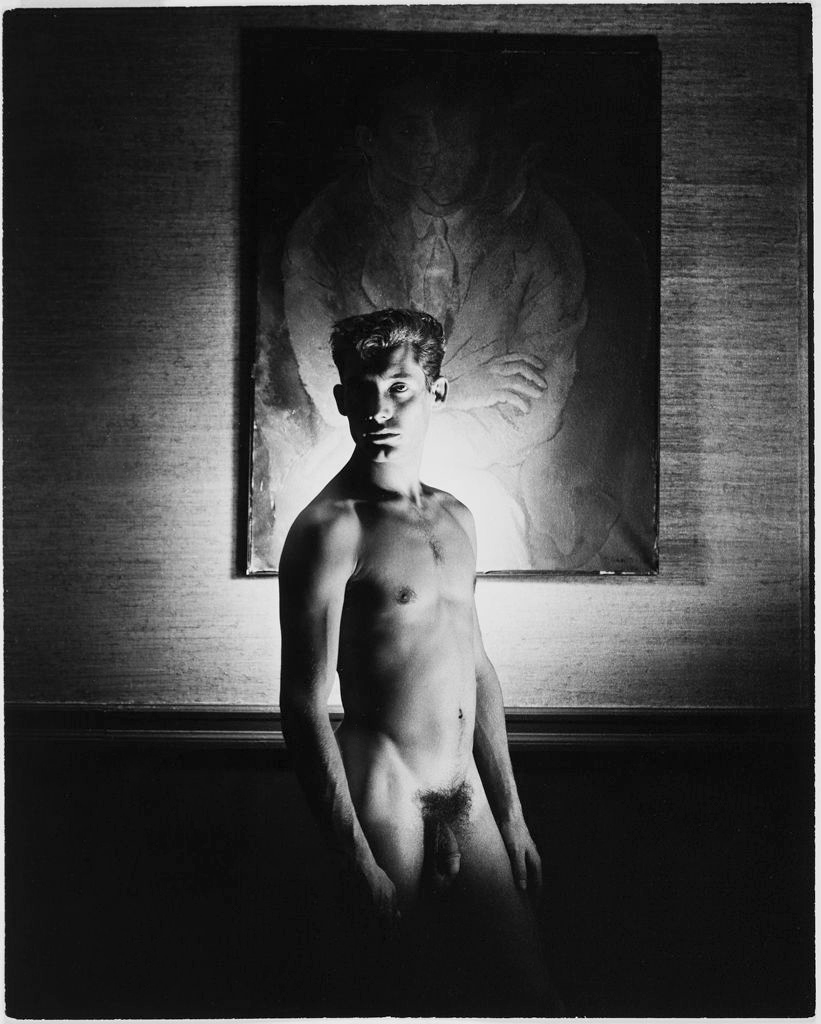
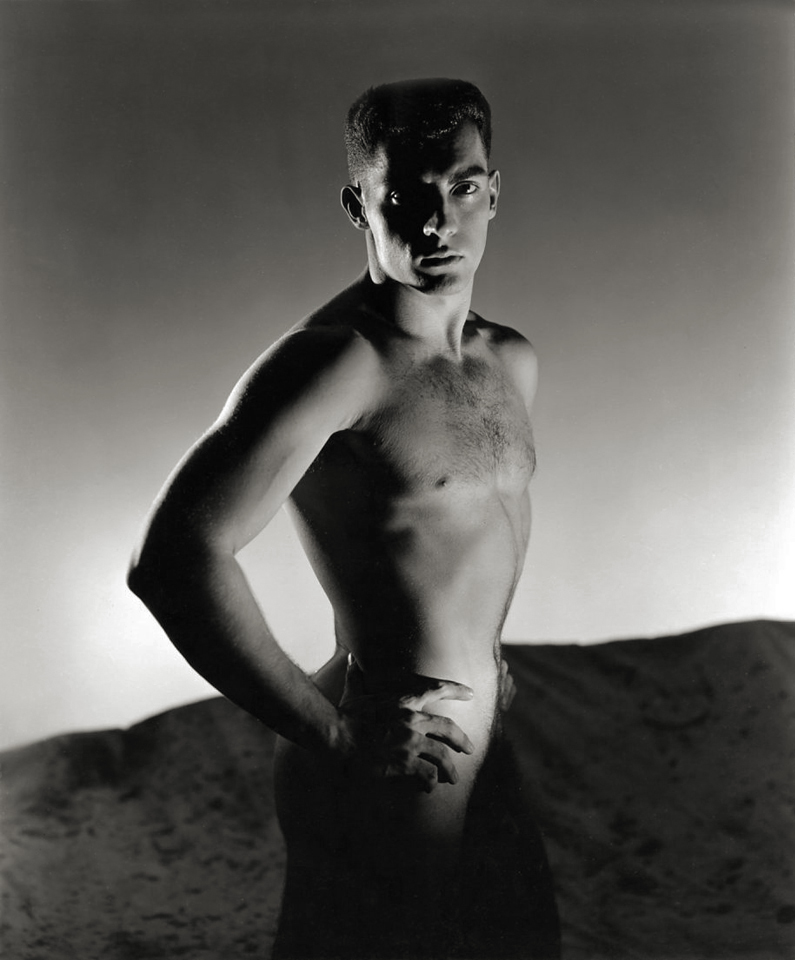
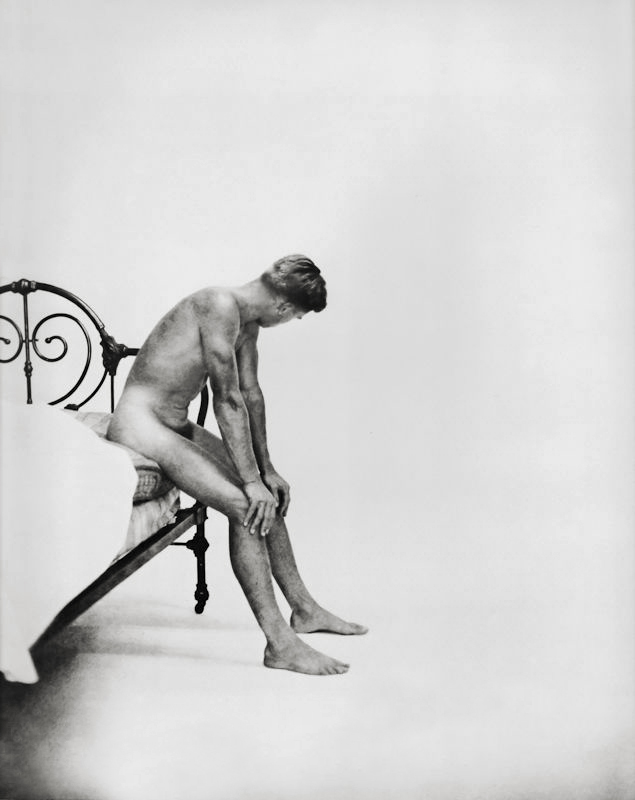
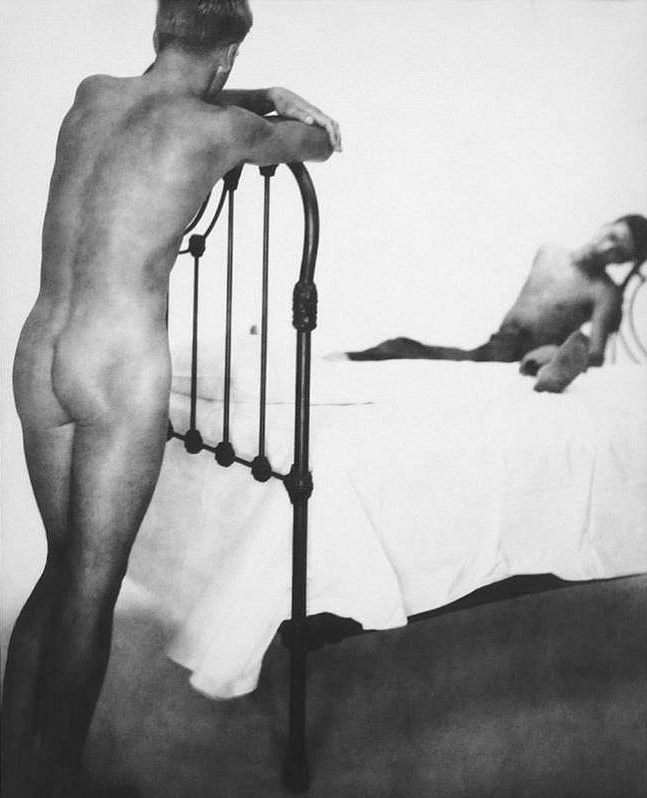
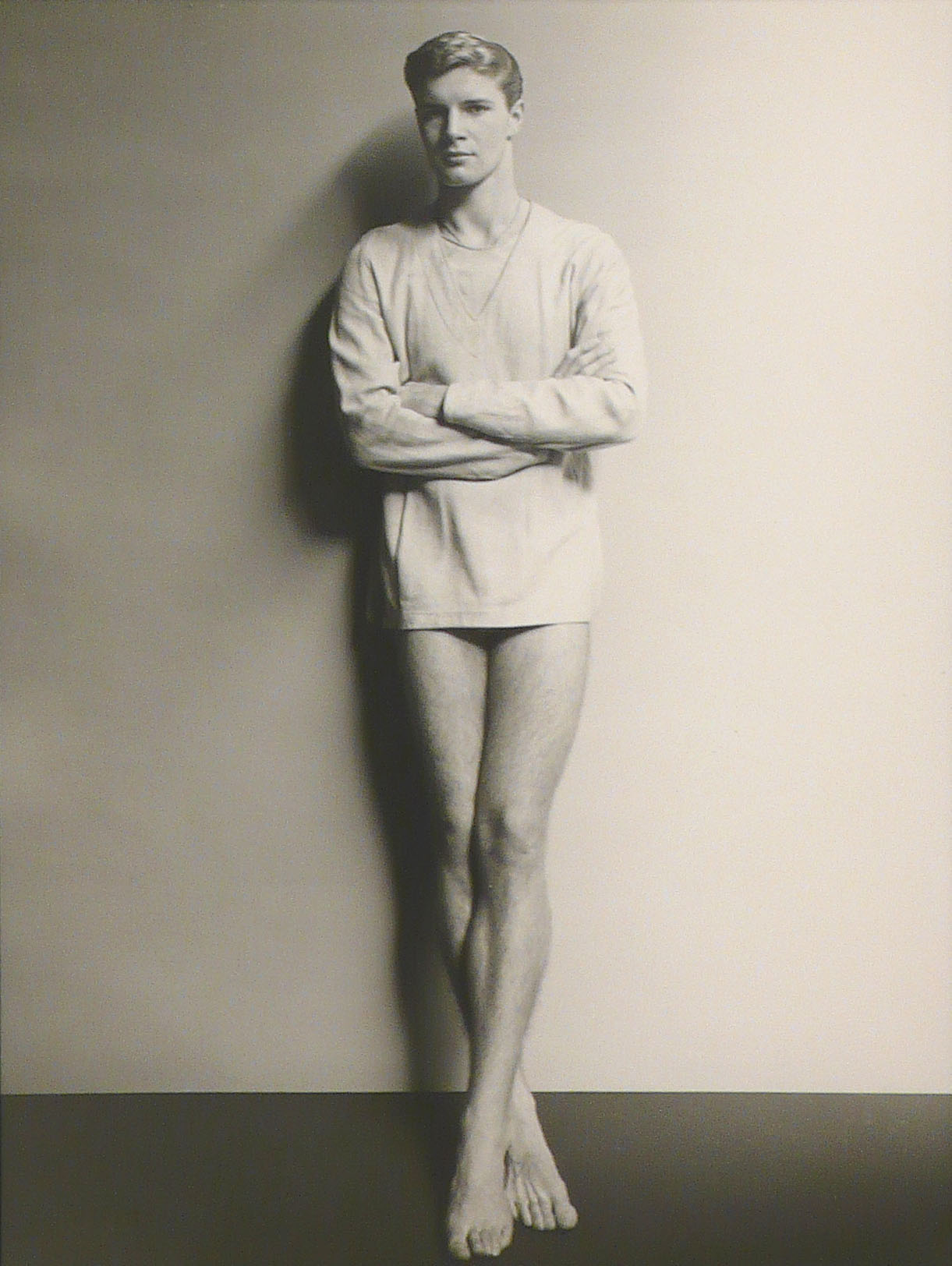
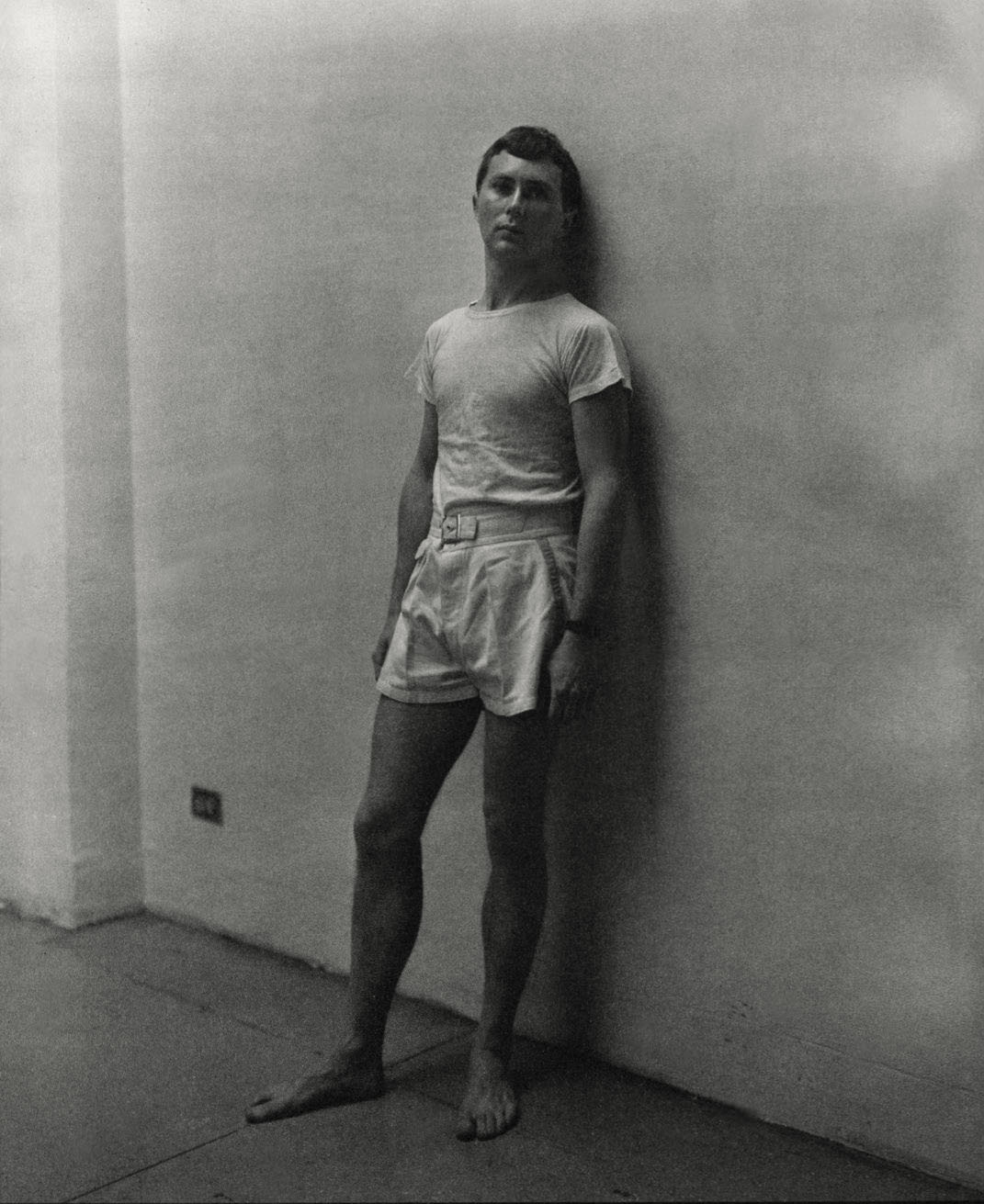
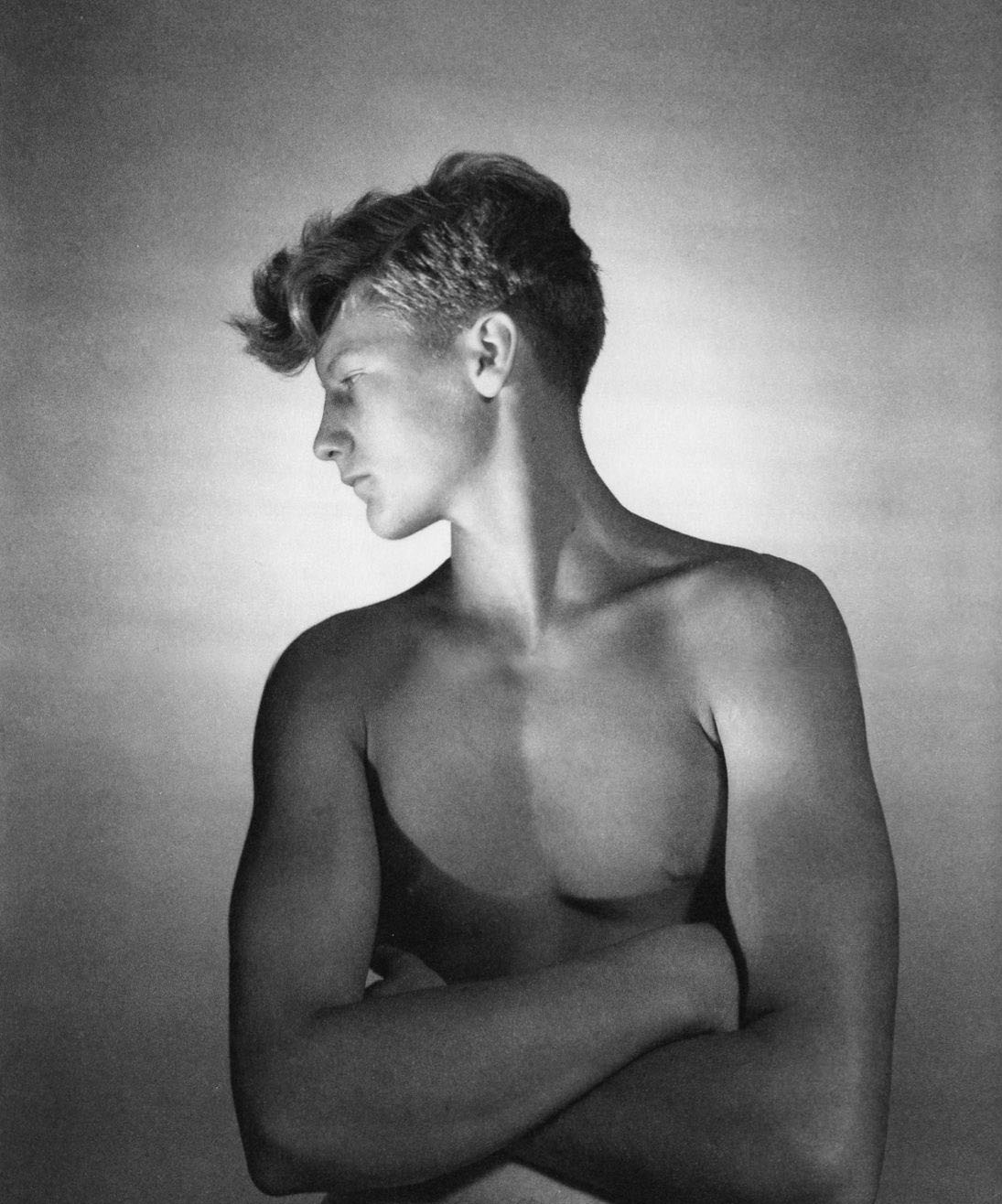
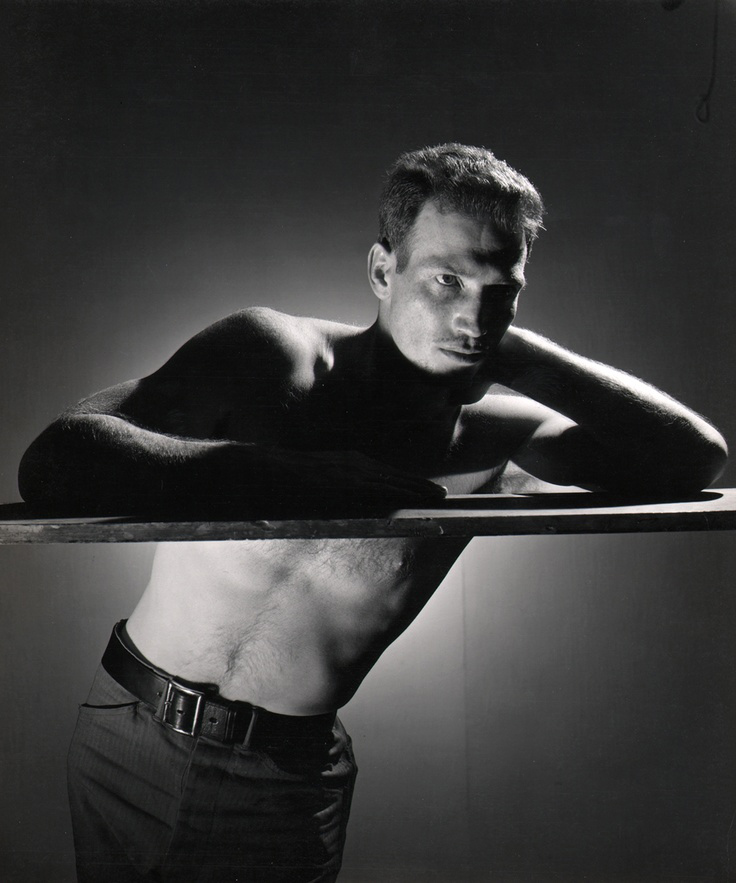
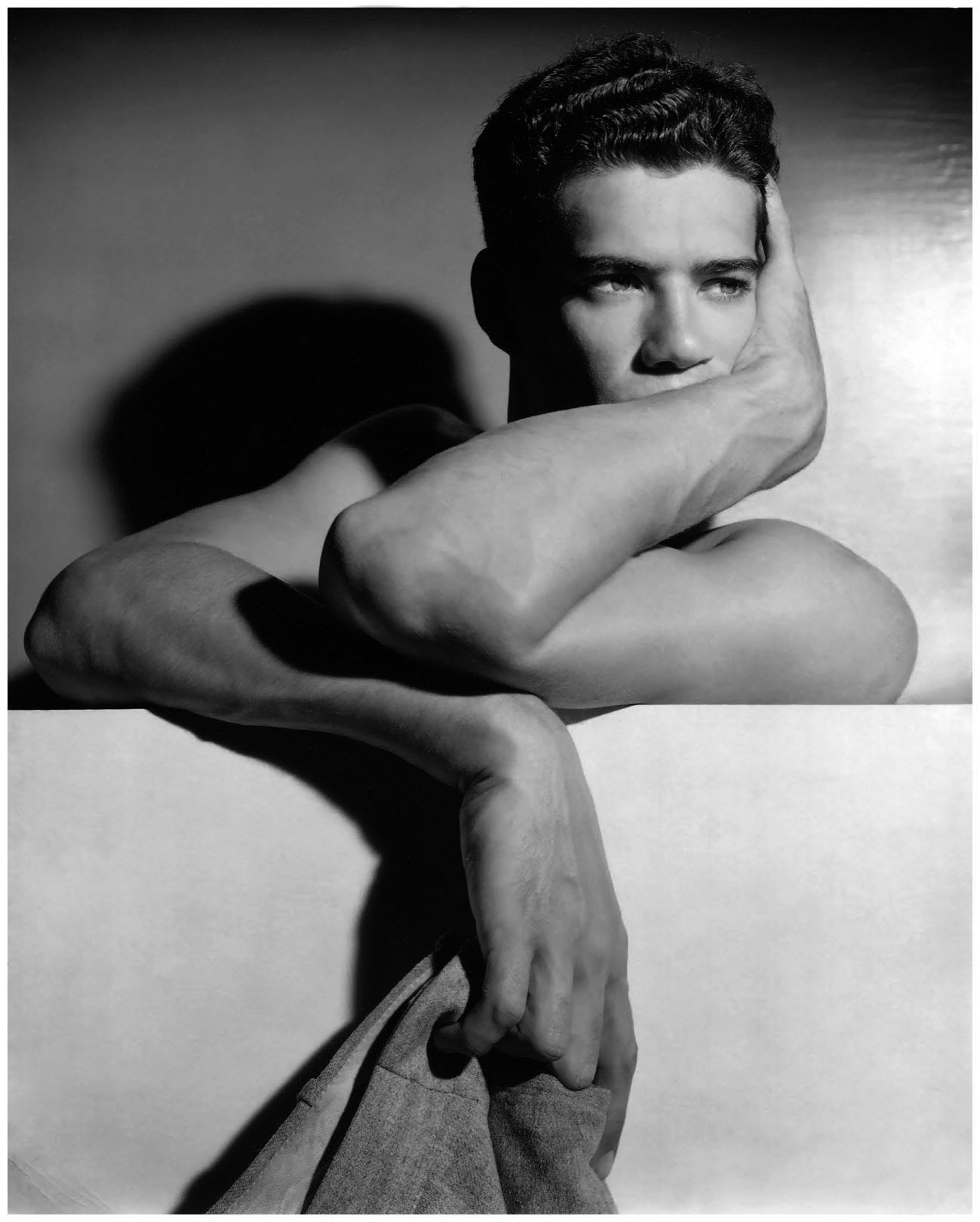

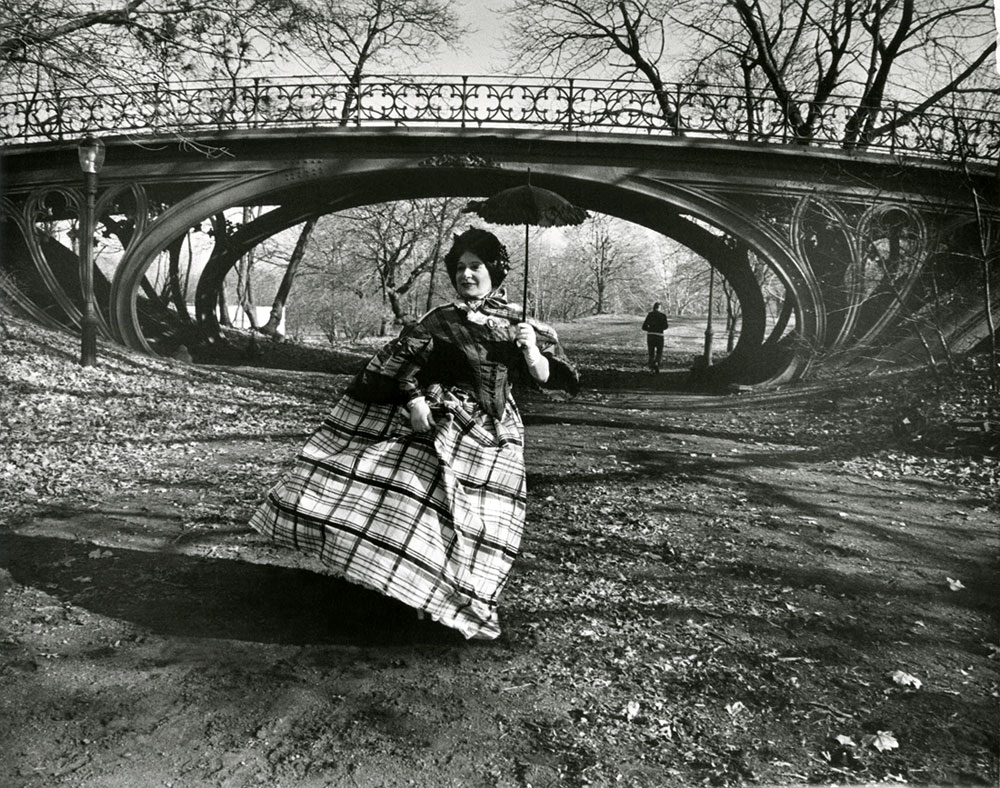
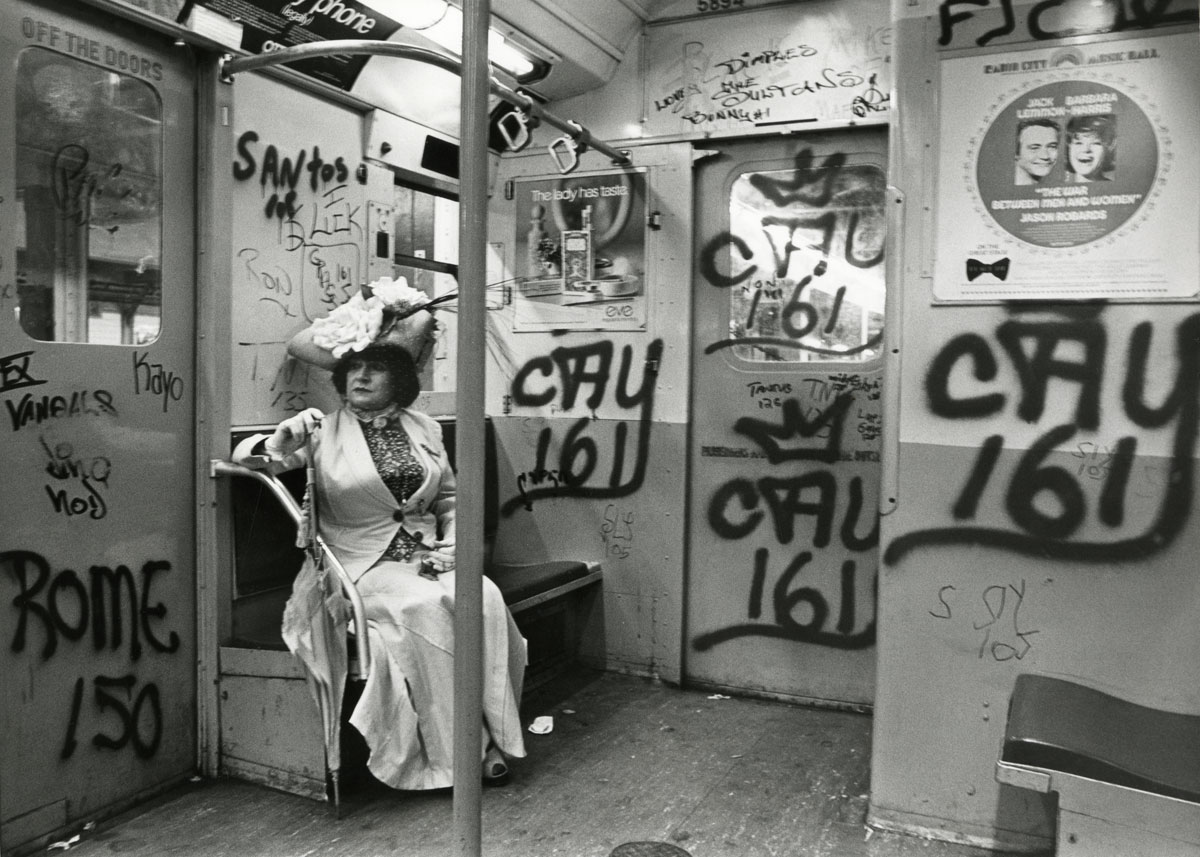

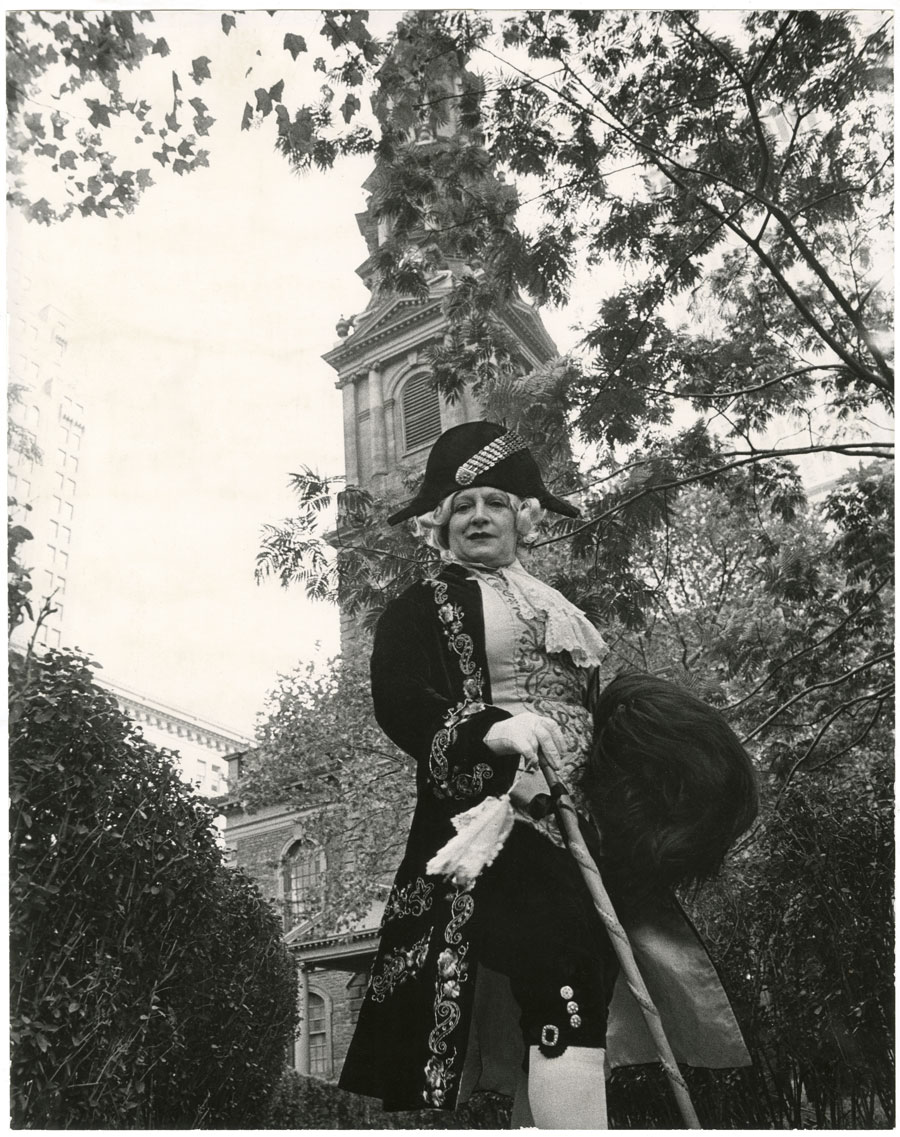


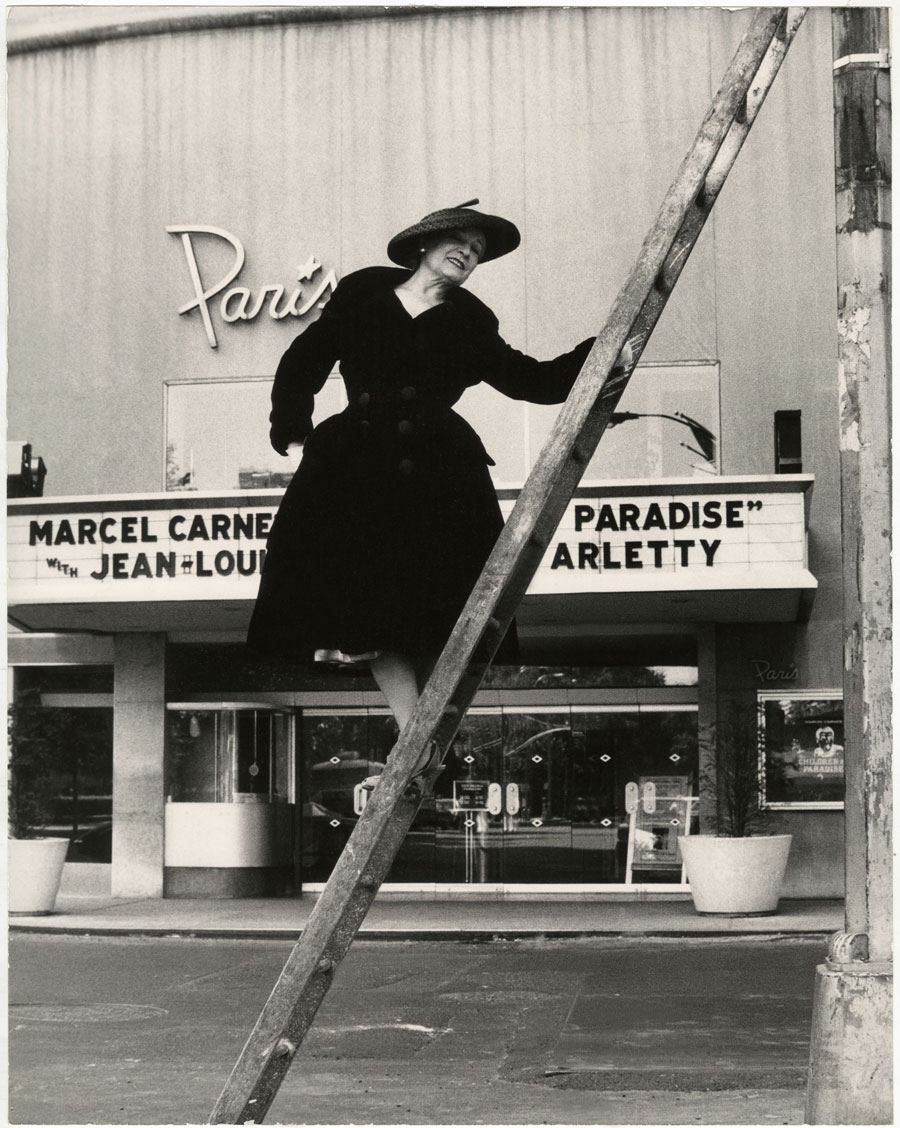

 Art Blart _ art and cultural memory archive
You must be logged in to post a comment.