Antony Gormley (British, b. 1950) MEMES installation view, Anna Schwartz Gallery, Melbourne 2011 Photograph by Tim Griffith Courtesy the artist and Anna Schwartz Gallery Melbourne and Sydney
The size of the figures surprises the viewer on entering the gallery.
Then observe the figures engagement with the gallery space.
The tensioning points between figures, wall and floor are fantastic.
“Placed directly on the floor they become acupuncture points within the volume of the space, allowing the viewer to become conscious, through the disparity of scale, of his/her own mass and spatial displacement as s/he moves around and amongst the works.” (Antony Gormley text, see below)
The figures lean, are lopsided, collapse, pose, are reordered and reconfigured.
They teeter on the edge of cracks in the gallery floor (perhaps a metaphor for humans standing before the abyss).
They form yoga poses.
They are Transformers (some of them remind me of the Star Wars ‘AT-AT’ Storm Troop Carrier, the ones that look like deadly mechanical elephants).
The figures self-replicate 27 communal blocks in different assemblages.
There seems to be a (metaphyiscal?) connection between the figures, through gesture, across space.
“A meme acts as a unit for carrying cultural ideas, symbols, or practices, which can be transmitted from one mind to another through writing, speech, gestures, rituals, or other imitable phenomena. Supporters of the concept regard memes as cultural analogues to genes, in that they self-replicate, mutate, and respond to selective pressures.” (Wikipedia)
They mutate, much as the human is mutating into the posthuman.
“The randomness to which mutation testifies is implicit in the very idea of pattern, for only against the background of nonpattern can pattern emerge. Randomness is the contrasting term that allows pattern to be understood as such.” (see below)
Dr Marcus Bunyan
PS. We were down on our hands and knees looking at the figures (just like some of their configurations) and this gave a whole new perspective to the work.
Many thankx to the artist and Anna Schwartz Gallery for allowing me to publish the text and photographs in the posting. Please click on the photographs for a larger version of the image. All images courtesy the artist and Anna Schwartz Gallery Melbourne and Sydney.
“What happens in the case of mutation? Consider the example of the genetic code. Mutation normally occurs when some random event (for example, a burst of radiation or a coding error) disrupts an existing pattern and something else is put in its place instead. Although mutation disrupts pattern, it also presupposes a morphological standard against which it can be measured and understood as mutation. We have seen that in electronic textuality, the possibility for mutation within the text are enhanced and heightened by long coding chains. We can now understand mutation in more fundamental terms. Mutation is critical because it names the bifurcation point at which the interplay between pattern and randomness causes the system to evolve in a new direction. It reveals the productive potential of randomness that is also recognized within information theory when uncertainty is seen as both antagonistic and intrinsic to information.
We are now in a position to understand mutation as a decisive event in the psycholinguistics of information. Mutation is the catastrophe in the pattern/randomness dialectic analogous to castration in the presence / absence dialectic. It marks a rupture of pattern so extreme that the expectation of continuous replication can in longer be sustained. But as with castration, this only appears to be a disruption located at a specific moment. The randomness to which mutation testifies is implicit in the very idea of pattern, for only against the background of nonpattern can pattern emerge. Randomness is the contrasting term that allows pattern to be understood as such.”
Hayles, Katherine. How We Became Posthuman: Virtual Bodies in Cybernetics, Literature, and Informatics. Chicago: University of Chicago Press, 1999, pp. 30-33
Antony Gormley (British, b. 1950) MEME CXXVII 2011 Cast iron 37.3 x 9.3 x 7.8cm Photograph by Stephen White Courtesy the artist and Anna Schwartz Gallery Melbourne and Sydney
A Meme is a cultural analogue to a gene. Forms that are transmitted in thought or behaviour from one body to another, responding to conditional environments, self-replicating and capable of mutation.
The miniature or the model allows the totality of a body to be seen at once. These small solid iron works use the formal language of architecture to replace anatomy and construct volumes to articulate a range of 32 body postures. The ambition is to make intelligible forms that form an abstract lexicon of body-posture but which nevertheless carry the invitation of empathy and the transmission of states of mind.
Displayed widely spaced within the architecture of Anna Schwartz Gallery in Melbourne, the works interface with the architecture of the gallery. Placed directly on the floor they become acupuncture points within the volume of the space, allowing the viewer to become conscious, through the disparity of scale, of his/her own mass and spatial displacement as s/he moves around and amongst the works.
This will be the first time that the Memes series, begun in 2007, will be shown together. The space of art as a reflexive test ground in which the direct experience of the viewer becomes the ground of meaning is a continual quest in this artist’s work and continues the exploration of scale seen in the expanded dimensions of FIRMAMENT at Anna Schwartz Gallery Sydney in February 2010, and the miniature scale of ASIAN FIELD, seen in the Sydney Biennale of 2008.
Antony Gormley
Text from the Anna Schwartz website
Antony Gormley (British, b. 1950) MEME CXLI 2011 Cast iron 4.5 x 9.5 x 36.4cm Photograph by Stephen White Courtesy the artist and Anna Schwartz Gallery Melbourne and Sydney
Antony Gormley (British, b. 1950) MEME CXXIX 2011 Cast iron 10 x 7.7 x 29cm Photograph by Stephen White Courtesy the artist and Anna Schwartz Gallery Melbourne and Sydney
Anna Schwartz Gallery 185 Flinders Lane Melbourne, Victoria 3000
Exhibition dates: 10th November 2010 – 10th April 2011
Aleksey Ivanovich Saveliev (Russian, 1883-1923) At the Prepared Grave 1910 Gelatin silver print 8.9 x 13.3cm (3 1/2 x 5 1/4 in.) The Metropolitan Museum of Art Gift of Pierre Apraxine, 2010
These six photo-postcards show various places and moments surrounding the death and burial of Leo Tolstoy. In November 1910 the eighty-two-year-old novelist walked away from his great wealth to devote himself to Christian charity and died in a stationmaster’s house after falling ill on a train. Tolstoy’s death was of tremendous national importance, and how he was to be mourned – whether to kneel or stand at the grave, for instance – signified a contrast between old and new that would be decided during the Russian Revolution seven years later.
Text from the Metropolitan Museum of Art website
What an eclectic group of photographs in this posting as well as a great title for an exhibition!
Marcus
Many thankx to the The Metropolitan Museum of Art for allowing me to publish the photographs in the posting. Please click on the photograph for a larger version of the image.
Aleksey Ivanovich Saveliev (Russian, 1883-1923) Peasant Carts with Funeral Wreaths 1910 Gelatin silver print 8.9 x 13.3cm (3 1/2 x 5 1/4 in.) The Metropolitan Museum of Art Gift of Pierre Apraxine, 2010
Aleksey Ivanovich Saveliev (Russian, 1883-1923) Deputation of the Yasno-Polyanskyi Peasants 1910 Gelatin silver print 8.9 x 13.3cm (3 1/2 x 5 1/4 in.) The Metropolitan Museum of Art Gift of Pierre Apraxine, 2010
Felix Thiollier (French, 1842-1914) A Village Street in the Auvergne c. 1910 Gelatin silver print The Metropolitan Museum of Art Twentieth-Century Photography Fund, 2008
An industrialist and serious amateur photographer in Saint-Étienne, Thiollier left to posterity a vast archive of photographs and negatives. Most are landscapes done in the Pictorialist style, but his more unusual images depict factories and daily life outside major cities in early twentieth century France.
Paul Haviland (American, 1880-1950) Passing Steamer 1910 Platinum print The Metropolitan Museum of Art Gilman Collection Purchase, Harriette and Noel Levine Gift, 2005
The son of a well-off china manufacturer in Limoges, Haviland encountered Alfred Stieglitz’s Little Galleries of the Photo-Secession in 1908. He soon contributed articles to and published photographs in Stieglitz’s journal Camera Work (and acted as the gallery’s secretary at one point), even bankrolling the gallery’s three-year lease for Stieglitz when the rent was raised. In 1915 he started – with the Mexican-born caricaturist and gallerist Marius de Zayas and the journalist Agnes Ernest Meyer – a new magazine called 291, named for Stieglitz’s gallery at 291 Fifth Avenue.
This image appeared as a photogravure in a 1912 issue of Camera Work. While the soft focus and platinum printing are traces of the waning Pictorialist style, the unexpected vantage point and stark design made Passing Steamer a harbinger of things to come.
Text from The Metropolitan Museum of Art
Anton Giulio Bragaglia (Italian, 1890-1960) Change of Position 1911 Gelatin silver print 12.8 x 17.9cm (5 1/16 x 7 1/16 in) The Metropolitan Museum of Art Gilman Collection Purchase, The Horace W. Goldsmith Foundation Gift, through Joyce and Robert Menschel, 2005
At age nineteen, Bragaglia became enamored of the Italian Futurist movement, which espoused the beauty of speed and war, the interdependence of time and space, and the total dissolution of time-consecrated institutions. Not following the stop-motion photography of Eadweard Muybridge and Étienne-Jules Marey from the previous century, Bragaglia left the camera’s shutter open to register the absolute fluidity of motion itself – in this case, the trajectory created by the sweeping, continuous arc of a simple change of body position. The result is a dissolution or dematerialisation of the man’s body in a seamless picture of active life. Although later banished from the Futurists’ ranks, the photographer created perhaps the first truly avant-garde images with the camera – the kind that would become prevalent across the continent only a decade later.
Text from The Metropolitan Museum of Art
Adolph de Meyer (American born France, 1868-1949) [Dance Study] c. 1912 Platinum print The Metropolitan Museum of Art Alfred Stieglitz Collection, 1949
De Meyer – who would become Vogue magazine’s first official fashion photographer, in 1913 – photographed the dancer Nijinsky and other members of Sergei Diaghilev’s troupe when L’Après midi d’un Faun was presented in Paris in 1912. It has been suggested that this photograph, the only nude by de Meyer, has some connection to the Russian ballet, but if so, it remains mysterious. In 1913 Mabel Dodge, a patroness of the avant-garde, wrote: “Nearly every thinking person nowadays is in revolt against something, because the craving of the individual is for further consciousness, and because consciousness is expanding and bursting through the moulds that have held it up to now.”
Text from The Metropolitan Museum of Art
Stanislaw Ignacy Witkiewicz (Polish, 1885-1939) Tadeus Langier, Zakopane 1912-1913 Gelatin silver print 12.6 x 17.6cm (4 15/16 x 6 15/16 in) The Metropolitan Museum of Art Gilman Collection Purchase, Denise and Andrew Saul Gift, 2005
A painter who considered photography a hobby, Lartigue was seven when his father, an accomplished amateur photographer, presented him with his first camera. reserving his images from childhood onward in album after album, Lartigue created a rich chronicle of the sporting life and entertainments of his upper-class milieu but one that, like his diaries, remained essentially private. Until 1963, when a show at the Museum of Modern Art, New York, revealed Lartigue as a major photographer, his work was known only to a group of friends.
[This print has] been made by Lartigue prior to his public recognition, in his customary intimate scale. He made the Grand Prix picture by swinging the camera from left to right as the racing car sped by. It captures the same awestruck, slate-erasing feeling that inspired the Futurist Marinetti to rhapsodise four years earlier, “A roaring motor car which seems to run on machine-gun fire, is more beautiful than the Victory of Samothrace.”
Text from The Metropolitan Museum of Art
Unknown Artist, British School The Great British Advance in the West: A Raiding Party Waiting for the Word to Go 1914-1918 Gelatin silver print The Metropolitan Museum of Art Twentieth-Century Photography Fund, 2010 Wikipedia Commons public domain
Unknown Artist, French School The Great Nave: Wounded Soldiers Performing Arms Drill at the End of Their Medical Treatment, Grand Palais, Paris 1916 Gelatin silver print The Metropolitan Museum of Art Gilman Collection Purchase, Ann Tenenbaum and Thomas H. Lee Gift, 2005 Wikipedia Commons public domain
During World War I, wounded soldiers who had been sent to Paris to recover were drilled in the cavernous Grand Palais to prepare them for a return to the front.
Unknown artist (American School) (Charlie Chaplin and Douglas Fairbanks Selling Liberty Loans during the Third Loan Campaign at the Sub Treasury Building on Wall Street, New York City) 1918 Gelatin silver print 19.4 x 24.1cm (7 5/8 x 9 1/2 in) The Metropolitan Museum of Art Purchase The Horace W. Goldsmith Foundation Gift, through Joyce and Robert Menschel, 1996
The twentieth century was truly born during the 1910s. This exhibition, which accompanies Stieglitz, Steichen, Strand, surveys the range of uses to which photography was put as its most advanced practitioners and theorists were redefining the medium as an art. The title “Our Future Is in the Air“ is taken from a military aviation pamphlet that figures prominently (in French) in a 1912 Cubist tabletop still life by Picasso; it suggests the twinned senses of exhilarating optimism and lingering dread that accompanied the dissolution of the old order.
Photography was handmaiden and witness to the upheavals that revolutionised perception and consciousness during this tumultuous era. Space and time were overcome by motorcars and airplanes, radio and wireless, and man seemed liberated from the bounds of gravity and geography. This seemingly limitless expanse was mirrored by a new understanding of the unconscious as infinitely deep, complex, and varied – a continent ripe for discovery. The camera was seen as the conduit between these two states of self and world, and “straight photography” – stripped of the gauzy blur of Pictorialist reverie – was espoused by Alfred Stieglitz and Paul Strand among others.
This turn was not accidental: since handheld cameras became available in the late 1880s, anyone could be a photographer; similarly, photography had snaked its way into every corner of the culture. Elevated perception would distinguish the new artists from the amateur and the tradesman. The exhibition casts the widest possible net in order to show the foundations upon which the medium staked its claim as an independent art.
The 1910s – a period remembered for “The Great War,” Einstein’s theory of relativity, the Russian Revolution, and the birth of Hollywood – was a dynamic and tumultuous decade that ushered in the modern era. This new age – as it was captured by the quintessentially modern art of photography – will be the subject of the exhibition “Our Future Is In The Air”: Photographs from the 1910s, on view at The Metropolitan Museum of Art from November 10, 2010, through April 10, 2011.
An eclectic centennial exhibition devoted to photography of the 1910s, “Our Future Is In The Air” provides a fascinating look at the birth of modern life through 58 photographs by some 30 artists, including Eugène Atget, Alvin Langdon Coburn, Eugène Druet, Lewis Hine, Jacques-Henri Lartigue, Adolph de Meyer, Christian Schad, Morton Schamberg, Charles Sheeler, and Stanislaw Witkiewicz, among others. Drawn exclusively from the Museum’s collection, the exhibition also features anonymous snapshots, séance photographs, and a family album made by Russian nobility on the eve of revolution. “Our Future Is In The Air” complements the Museum’s concurrent presentation of groundbreaking photographs by Alfred Stieglitz, Edward Steichen, and Paul Strand in the exhibition Stieglitz, Steichen, Strand. The exhibition’s title is taken from a pamphlet for military aviation that figures prominently (in French) in a 1912 Cubist tabletop still-life by Picasso, but is used here because of its double meaning: the feelings of excitement and anxiety that accompanied such radical change.
“Our Future Is In The Air” opens in dramatic fashion with a series of photographs showing moments in the funeral procession and burial of Leo Tolstoy on November 9, 1910. The great Russian novelist passed away just after walking away from his great wealth and literary fame to lead a life of Christian charity. Certain details that can be seen in the photo-postcards – such as whether or not to kneel by the grave – represented a long simmering struggle between old and new, spiritual and secular, that would lead to revolution seven years later.
As cameras became smaller, faster, and easier to operate, amateur photographers such as the child prodigy Jacques-Henri Lartigue pushed the medium in directions that trained photographers shied away from. Since Lartigue was only recognised much later as a key figure in photography, prints such as the ones included here – showing speeding motorcars – are exceedingly rare. Lartigue made one of his most memorable photographs, Le Grand Prix A.C.F. (1913), by swinging his camera in the same direction as the car, as it sped by.
The camera also afforded access to the previously invisible, whether capturing a broken leg bone, revealed in an X-ray from 1916 or the trajectory created by a simple change in body position, in a 1911 motion study by the Futurist artist Anton Giulio Bragaglia.
At the same time, photography became an agent of democratic communication, and documentary photographers used its growing influence to expose degrading conditions of workers, the injustice of child labor, and the devastation of war. Beginning in 1908, Lewis Hine made 5,000 photographs of children working in mills, sweatshops, factories, and street trades; six of his photographs will be featured in this exhibition, including Newsboy asleep on stairs with papers, Jersey City, New Jersey, February 1912. Hine’s reports and slide lectures were meant to trigger a profound, empathetic response in the viewer.
During World War I, photography was utilised to document the mass casualties of mechanised warfare; in the exhibition, an affecting image from 1916, by an unknown artist, shows wounded French soldiers performing drills in the nave of the Grand Palais in Paris as part of their rehabilitation.
Also in the exhibition is an evocative 1918 photograph, again by an unknown artist, of Charlie Chaplin and Douglas Fairbanks entertaining a huge crowd at a war bonds rally on Wall Street.
“Our Future Is In The Air” accompanies the exhibition Stieglitz, Steichen, Strand, which focuses on contemporaneous works by three modernist masters of American photography: Alfred Stieglitz, Edward Steichen, and Paul Strand. It includes photographs by several friends and compatriots of Alfred Stieglitz, from Adolph de Meyer, Alvin Langdon Coburn, Paul Haviland, and Karl Struss to Morton Schamberg and Charles Sheeler, in whose works one can trace the transition from soft focus Pictorialism to a harder-edged, more detached “straight photography.”
Press release from the Metropolitan Museum of Art website
Alvin Langdon Coburn (British born America, 1882-1966) The Octopus 1909 Platinum print The Metropolitan Museum of Art Ford Motor Company Collection, Gift of Ford Motor Company and John C. Waddell, 1987
During the early 1910s, photographers such as Paul Strand, Karl Struss, and Coburn were using Pictorialist techniques from the previous century to depict startling perspectives on contemporary urban subjects, such as this dizzying, bird’s-eye view of New York’s Madison Square from a new skyscraper.
Unknown artist (American School) (Man Holding Baseball in Catcher’s Mitt) 1910 Gelatin silver print 13.8 x 8.7cm (5 7/16 x 3 7/16 in.) The Metropolitan Museum of Art Funds from various donors, 1998
Lewis Hine (American, 1874-1940) 11:00 A.M. Monday, May 9th, 1910. Newsies at Skeeter’s Branch, Jefferson near Franklin. They were all smoking. Location: St. Louis, Missouri 1910 Gelatin silver print The Metropolitan Museum of Art, Gilman Collection Gift of Phyllis D. Massar, 1970
Trained as a sociologist at Columbia University, Hine gave up his teaching job in 1908 to become a full-time photographer for the National Child Labor Committee. The success of the reform agency, created four years earlier, was largely dependent on its ability to sway public opinion.
Influenced by Jacob Riis’s pictures of slum conditions on New York’s Lower East Side, Hine obsessively documented the working conditions of children in mills, factories, and fields across the country, often going undercover to gain access to his subjects. The results – more than five thousand photographs – were used in field reports, exhibitions, pamphlets, and slide lectures. Hine’s decidedly unromantic, understated pictures served as a potent weapon of persuasion.
Text from The Metropolitan Museum of Art
Lewis Hine (American, 1874-1940) Addie Card, 12 years. Spinner in North Pownal Cotton Mill. Girls in mill say she is ten years. She admitted to me she was twelve; that she started during school vacation and now would “stay”. Location: Vermont, August 1910 1910 Gelatin silver print 24.4 x 19.3cm (9 5/8 x 7 5/8 in) The Metropolitan Museum of Art Gilman Collection Purchase, Anonymous Gifts, by exchange, 2005
Lewis Hine (American, 1874-1940) Newsboy asleep on stairs with papers, Jersey City, New Jersey February 1912 Gelatin silver print Image: 11.5 x 16.8cm (4 1/2 x 6 5/8 in) Metropolitan Museum of Art Gilman Collection, Purchase, Ann Tenenbaum and Thomas H. Lee Gift, 2005
Exhibition Overview
The twentieth century was truly born during the 1910s. This exhibition, which accompanies Stieglitz, Steichen, Strand, surveys the range of uses to which photography was put as its most advanced practitioners and theorists were redefining the medium as an art. The title “Our Future Is in the Air” is taken from a military aviation pamphlet that figures prominently (in French) in a 1912 Cubist tabletop still life by Picasso; it suggests the twinned senses of exhilarating optimism and lingering dread that accompanied the dissolution of the old order.
Photography was handmaiden and witness to the upheavals that revolutionised perception and consciousness during this tumultuous era. Space and time were overcome by motorcars and airplanes, radio and wireless, and man seemed liberated from the bounds of gravity and geography. This seemingly limitless expanse was mirrored by a new understanding of the unconscious as infinitely deep, complex, and varied – a continent ripe for discovery. The camera was seen as the conduit between these two states of self and world, and “straight photography” – stripped of the gauzy blur of Pictorialist reverie – was espoused by Alfred Stieglitz and Paul Strand among others.
This turn was not accidental: since handheld cameras became available in the late 1880s, anyone could be a photographer; similarly, photography had snaked its way into every corner of the culture. Elevated perception would distinguish the new artists from the amateur and the tradesman. The exhibition casts the widest possible net in order to show the foundations upon which the medium staked its claim as an independent art.
Text from the Metropolitan Museum of Art website
Eugène Atget (French, 1857-1927) Boulevard de Strasbourg 1912 Albumen silver print from glass negative 22.4 x 17.5cm (8 13/16 x 6 7/8 in.) The Metropolitan Museum of Art Gilman Collection Purchase, Ann Tenenbaum and Thomas H. Lee Gift, 2005
Atget found his vocation in photography in 1897, at the age of forty, after having been a merchant seaman, a minor actor, and a painter. He became obsessed with making what he termed “documents for artists” of Paris and its environs and compiling a visual compendium of the architecture, landscape, and artefacts that distinguish French culture and history. By the end of his life, Atget had amassed an archive of more than eight thousand negatives, which he organized into such categories as Parisian Interiors, Vehicles in Paris, and Petits Métiers (trades and professions). In Atget’s inventory of Paris, shop windows figure prominently and the most arresting feature mannequin displays. In the 1920s the Surrealists recognised in Atget a kindred spirit and reproduced a number of his photographs in their journals and reviews. Antiquated mannequins such as the ones depicted here struck them as haunting, dreamlike analogues to the human form.
Text from The Metropolitan Museum of Art
Stanislaw Ignacy Witkiewicz (Polish, 1885-1939) Jadwiga Janczewska, Zakopane c. 1913 Gelatin silver print The Metropolitan Museum of Art Gilman Collection Museum Purchase, 2005
Witkiewicz was prolific in many mediums, writing plays, novels, and philosophical treatises as well as painting and making darkly brooding photographic portraits and self-portraits. In all his work, he describes a proto-existential sense of the self struggling in vain against the undifferentiated mass of men and the indifference of death; he often turned to drugs to recover this missing plenitude of existence.
Between 1912 and 1913, when he thought he was going mad, Witkiewicz made a series of extraordinary self-portraits and portraits of friends, his dying father, and his fiancée, Jadwiga Janczewska. After this time, his engagement with photography was brief, as he devoted himself instead to literature and painting. He took his life on the day Russian troops entered Poland in 1939 – in part a gesture of national solidarity.
Text from The Metropolitan Museum of Art
Karl Struss (American, 1886–1981) Claremont Inn, Riverside Drive 1915 Platinum print The Metropolitan Museum of Art Warner Communications Inc. Purchase Fund, 1977
A member of the Photo-Secession, Struss was a student of Clarence White and a friend of Alfred Stieglitz. He made dozens of photographs of New York City at dusk, delighting in the way things merged and were illuminated by strings of fine lights. This photograph, with its gleaming automobiles and electric lights, shows a popular summer restaurant housed in a colonial-era home on the Upper West Side. Four years later, Struss moved to Los Angeles to work as a still photographer in the burgeoning movie business. He wound up being hired as a cameraman by Cecil B. DeMille and in 1927 won the first Oscar for cinematography for his work on F. W. Murnau’s Sunrise.
Text from The Metropolitan Museum of Art
Morton Schamberg (American, 1881–1918) [View of Rooftops] 1917 Gelatin silver print The Metropolitan Museum of Art Ford Motor Company Collection, Gift of Ford Motor Company and John C. Waddell, 1987 Public domain
Had he not died of influenza in 1918, Schamberg likely would have remained one of the best avant-garde painters and photographers of his generation in America. He absorbed the lessons of Cubism through his contacts with the Stieglitz and Arensberg circles, and in photographs such as this one he demonstrated his deft application of the new artistic idioms.
After reaching a point of almost pure abstraction in his painting in the wake of the Armory show of 1913, Schamberg turned in 1915 toward more objective machine forms in his pastels and paintings, and toward urban images in his photographs.
Like Stieglitz’s photographs of the city made from the windows of his galleries, Schamberg’s New York is seen from an elevated perspective, but unlike the elder photographer’s images, Schamberg’s photograph is cool, altogether lacking in human or natural references, and celebrates an almost wholly geometric order underscored by his calculated framing and point of view. For many years this print, the only one Schamberg made from this negative, belonged to his closest friend, Charles Sheeler.
Morton Schamberg (American, 1881-1918) Elsa von Freytag-Loringhoven (German, 1874-1927) “God” by Baroness Elsa von Freytag-Loringhoven and Morton Schamberg 1917 Gelatin silver print 24.1 x 19.2cm (9 1/2 x 7 9/16 in.) The Metropolitan Museum of Art The Elisha Whittelsey Collection, The Elisha Whittelsey Fund, 1973 Wikipedia Commons public domain
This photograph of a drain pipe attached to a miter box documents one of the most famous examples of American Dada. The sculpture God, a Readymade in the spirit of Marcel Duchamp’s upended urinal Fountain, has traditionally been attributed to Schamberg. Recent scholarship suggests, however, that it was primarily the creation of Baroness Elsa von Freytag Loringhoven, a poet, shoplifter, junk collector, and Duchamp worshiper famous for strolling the streets of Greenwich Village with cancelled postage stuck to her face and a birdcage with a live canary dangling from her neck. The sculpture’s irreverent title recalls the sculptor Beatrice Wood’s unattributed comment, included in a published defence of Duchamp’s Fountain, “The only works of art America has given are her plumbing and her bridges.”
Text from The Metropolitan Museum of Art
Charles Sheeler (American, 1883–1965) Dan Mask c. 1918 Gelatin silver print 24.2 x 18.2cm (9 1/2 x 7 3/16 in.) The Metropolitan Museum of Art Gilman Collection, Purchase, Denise and Andrew Saul Gift, 2005
When Charles Sheeler took up the camera sometime in 1910-11, he was already a modestly accomplished painter. He began to photograph domestic architecture in the Philadelphia area, and within three years he had a successful sideline documenting fine private and public American collections of Chinese bronzes, Meso-American pots, and modern painting and sculpture by Cézanne, Picasso, and Duchamp. Through this work Sheeler met Walter Arensberg, Alfred Stieglitz, and other important collectors and dealers; to a few of them he sold his paintings.
The rigorous demands of detailed record photography soon influenced his painting as the direct, generally frontal assessment of both an object’s form and structure retrained and refined his eye. By 1916, Sheeler had begun to paint from photographs and also to pursue photography as an end in itself. With his first exhibition of photographs, a three-person show with Paul Strand and Morton Schamberg at Marius de Zayas’s Modern Gallery in 1917, Sheeler emerged as one of America’s few prominent artists equally skilled with brush and camera.
This photograph of a Dan mask from Ivory Coast may have been commissioned by John Quinn, a New York lawyer, collector of African art, and patron of the avant-garde. The ceremonial mask emerges from virtual obscurity, filled with mystery, its highly polished wood surface animated by a raking, angular light. The photograph functions as a fetish, speaking with its own voice, commanding our attention, and even, it would seem, judging our response.
This photograph was published in the March 1923 issue of “The Arts,” in an article by de Zayas entitled “Negro Art.”
Charles Sheeler (American, 1883-1965) Doylestown House – Stairs from Below 1917 Gelatin silver print 21 x 15cm (8 1/4 x 5 15/16 in.) The Metropolitan Museum of Art Alfred Stieglitz Collection, 1933
The Metropolitan Museum of Art 1000 Fifth Avenue at 82nd Street New York, New York 10028-0198 Information: 212-535-7710
Opening hours: Sunday – Tuesday and Thursday: 10am – 5pm Friday and Saturday: 10am – 9pm Closed Wednesday
Exhibition dates: 1st October 2010 – 23rd January, 2011
Many thankx to the Centro di Cultura Contemporanea Strozzina for allowing me to publish the photographs in the posting. All text comes from the Centro di Cultura Contemporanea Strozzina website. Please click on the photographs for a larger version of the image.
Installation view of the exhibition Portraits and Power: People, Politics and Structures at Centro di Cultura Contemporanea Strozzina – Fondazione Palazzo Strozzi, Florence with the work of Rineke Dijkstra at right
Portraits and Power explores portraiture and the representation of political, economical and social power in the contemporary world through the works of contemporary artists. Portraits of famous political figures, investigations into the lifestyle of the social elite, as well as inquiries into the power structures of international institutions.
The exhibition explores its theme from three main standpoints: it analyses power as an expression of the charisma of those individuals who have become icons or symbols of their age; it probes the power of institutions and social models that either represent themselves or are represented in a critical light; and it investigates the hidden mechanisms of powerful authorities.
Portraits and Power is a project of the CCC Strozzina, with the consultancy of Peter Funnell (National Portrait Gallery, London), Walter Guadagnini (“UniCredit & Art” project) and Roberta Valtorta (Museum of Contemporary Photography, Cinisello Balsamo) coordinated by Franziska Nori (CCCS, Firenze).
Text from the Centro di Cultura Contemporanea Strozzina website [Online] Cited 02/02/2020
Tina Barney (American, b. 1945) The Ancestor 2001 C-print Courtesy the artist and Janet Borden Inc., New York
Tina Barney (American, b. 1945) The Brocade Walls 2004 C-print Courtesy the artist and Janet Borden Inc., New York
Installation view of the exhibition Portraits and Power: People, Politics and Structures at Centro di Cultura Contemporanea Strozzina – Fondazione Palazzo Strozzi, Florence showing the work of Tina Barney
The characters Tina Barney portrays are the representatives of a social class that normally exercises careful control over the circulation of pictures of its members, whether in the form of family photographs or official portraits, which are often published on the pages of glossy magazines. She is one of the first photographers to have made artistic use of this kind of representation. Hers is not merely the gaze of an onlooker, but that of a trusted person, who has personal relationships with her subjects. What she is interested in is not so much the idea of displaying the wealth of these families, but that of analysing social and family dynamics – such as the ambivalent relationship between children and parents. Her work is conceived as a means to improve self-understanding.
The people portrayed all come from families educated in the awareness of their own social role: discipline, self-control and rigour are features to be observed in all the subjects photographed, and they share the same high level of composure. For the series entitled The Europeans, which was produced over a period of about eight years, the author was introduced by one circle of friends to another, and thus given the opportunity to portray Italian nobles, Austrian bankers and landowners, proud representatives of the wealthy Spanish bourgeoisie, and English gentlemen in their sophisticated dwellings. Neither the formal way of dressing nor the furnishings can be traced back to any particular fashion: Tina Barney seeks to produce timeless pictures that at first sight will appear closer to traditional painting than to contemporary photography. Tina Barney creates her portraits through a careful observation of people in their everyday lives; to capture transient moments she asks her subjects to repeat something in front of the camera in such a way as to fix them. Her work tool is a fixed, large-size camera; an extended time exposure and high resolution enable her to render the details of each setting in detail. The figures portrayed have a rigid and formal countenance, which makes them appear markedly detached from one another, even though it is often brothers and sisters or parents and children who are photographed together: “this is the best that we can do. This inability to show physical affection is in our heritage”.
Tina Barney’s photographs give a sense of the fleetingness of their relationships behind the mask of self-controlled bearing. The artist thus unveils the game of social roles and attitudes conducted by her subjects, a veritable Theater of Manners (to quote the title of one of her most famous series) which demands enough sensitivity on the viewers’ part for them to focus on those details in the pictures that render hidden and non-immediately obvious features visible.
Since the mid-1970s, Tina Barney has been focusing her work on the portrayal of the privileged exponents of New York and New England high society, seen either in their own homes or on certain special occasions. The style of the pictures ranges from that of tableaux vivant to that of genre paintings, drawing expressive force from the interaction between wealthy settings and the people who move about in them.
Tina Barney (American, b. 1945) The Granddaughter 2004 C-print Courtesy the artist and Janet Borden Inc., New York
Installation view of the exhibition Portraits and Power: People, Politics and Structures at Centro di Cultura Contemporanea Strozzina – Fondazione Palazzo Strozzi, Florence showing the work of Jim Dow
Jim Dow (American, b. 1942) Library Metropolitan Club, New York 1999 / 2010 Chromogenic colour print Courtesy the artist, Janet Borden, Inc., New York
Jim Dow (American, b. 1942) Dining Room, Morgan Library, New York 1999 / 2010 Chromogenic colour print Courtesy the artist, Janet Borden, Inc., New York
By taking shots that are as objective as possible and completely devoid of any human presence, Dow gives a concentrated and authentic view of the architecture, furnishings and frameworks of these backdrops of life. “My interest in photography centres on its capacity for exact description. I use photography to try to record the manifestations of human ingenuity and spirit still remaining in our country’s everyday landscape.” For one of his most recent series, Dow has been able to make his way into some of the most exclusive private circles of New York City. He selected circles that are still active and have a long and significant history behind, such as the renowned Metropolitan Club, which was founded in 1891 by John Pierpont Morgan, and once listed James Roosevelt and William K. Vanderbilt among its most illustrious members. Most of these circles require strict adherence to rules consolidated by tradition. Only those introduced to the club by one of its members can join it, a practice that contributes to keep it a kind of network; a specific commission will then consider whether the candidate is fit for acceptance. Though there are over twenty circles of this kind in New York, outsiders will rarely notice their presence. While they no longer exercise the kind of political influence they used to as seats of power and decision making bodies, these clubs are now undergoing a new renaissance. An increasing number of politicians and businessmen are choosing to meet in their secluded rooms, which public opinion often perceives as places of intrigue and the setting for secret appointments of various kinds. With his descriptive and comparative photographs, Dow is giving a face to these exclusive meeting places, inviting viewers to join him in admiring the timeless opulence of their rooms. Architecture is the “primary and most powerful form of mass-communication”; at the same time, it is a mirror for power and its strategies, for the consolidation of authority and its effects on those who exercise it. “Architecture is power. The powerful build precisely because they are powerful. Yet architecture is also an expression of the capability and resoluteness – as well as resolve – of the powerful. Politicians intentionally exploit architecture to seduce, impress, and intimidate.” (Deyan Sudjic, The Edifice Complex: How the Rich and Powerful Shape the World, 2006).
American photographer Jim Dow approaches places as meeting points bearing visible traces of people’s mutual interactions. In different photographic series, the artist has portrayed American barbecue joints, pie and mash shops in London, tango halls in Buenos Aires, the workplaces of farmers, tinsmiths and iron-smiths, and baseball stadiums from one coast of the US to the other.
Clegg & Guttmann (Michael Clegg and Martin Guttmann) Grand Master 1985 Cibachrome Courtesy Galerie Christian Nagel, Cologne, Berlin, Antwerp
For Grand Master, part of a photographic series produced in the 1980s, Clegg & Guttmann asked an actor to display certain poses characteristic of power, presenting him as the representative of a non-specified institution. The background of the image consists in a fictional architectural scenario – one simply simulated by using photographed space – the artificial nature of which is revealed by certain incongruities in the lighting effects. What is central here, once more, is the reflection offered on the controlled and never spontaneous construction of an image of power.
The tension conveyed by Clegg & Guttmann’s works springs from the subtle gap characterising the artists’ relationship with tradition. Their classical and apparently affirmative representations of people with power should be interpreted, within the context of their career spanning several decades, as different ways of visualising an analytical and deconstructive practice engaging with the mechanisms of authority.
Installation view of the exhibition Portraits and Power: People, Politics and Structures at Centro di Cultura Contemporanea Strozzina – Fondazione Palazzo Strozzi, Florence showing the work of Clegg & Guttmann
The CCCS – Centro di Cultura Contemporanea Strozzina – Fondazione Palazzo Strozzi, Florence, will be staging an exhibition entitled Portraits and Power: People, Politics and Structures, from 1 October 2010 to 23 January 2011, which will run concurrently with the retrospective devoted to Bronzino, the undisputed master of the Mannerist portrait, on Palazzo Strozzi’s piano nobile.
The exhibition, based on an original project by the CCCS in consultation with Peter Funnell (curator and director of research programmes at the National Portrait Gallery in London), Walter Guadagnini (chairman of the “UniCredit & Art” project’s scientific committee) and Roberta Valtorta (director of the Cinisello Balsamo Museum of Contemporary Photography) and coordinated by Franziska Nori (director of the CCCS), will show the work of international artists and collectives such as Tina Barney, Christoph Brech, Bureau d’études, Fabio Cifariello Ciardi, Clegg & Guttmann, Nick Danziger, Rineke Dijkstra, Jim Dow, Francesco Jodice, Annie Leibovitz, Helmut Newton, Trevor Paglen, Martin Parr, Wang Qingsong, Daniela Rossell, Jules Spinatsch, Hiroshi Sugimoto, and The Yes Men – who have all proved capable of developing a critical analysis of the portrayal and depiction of political, economic and social power in the media.
The exhibition explores its theme from two main standpoints: it analyses power as an expression of the charisma of those individuals who have become icons or symbols of their age; and it probes the power of institutions and social models that either represent themselves or are represented in a critical light.
The role played by images has grown to such an extent that it has led to the predominant emergence of their value not only in terms of portrayal but also of the successful establishment of power. The works of art on display bear witness not only to the self-referential strategies of power, but also to the different approaches artists adopt in deconstructing or chipping away at the images that represent social, economic and political power in a way that can not only bolster a leadership but that can also undermine its authority.
The National Portrait Gallery in London will be contributing works by three famous international photographers that explore the image of political authority. The series devoted to Queen Elizabeth II by Annie Leibovitz evinces a celebrated contemporary artist’s dialogue with the great tradition of official portraiture, and the cycle entitled Blair at War by Nick Danziger gives an extraordinary vision of Tony Blair’s daily life in the days immediately preceding the outbreak of the war in Iraq. The portrait of Margaret Thatcher by Helmut Newton keeps alive the iconic role of one of the most influential politicians of recent decades despite the fact that her authority had waned.
Clegg & Guttmann show the photographs of three managing directors of the Deutsche Bank. These images, while based on the official portraiture genre, provide the opportunity for a conceptual reflection on the theme of the public presentation of individuals who are at the same time both subject and patron of the work. Christoph Brech portrays a modern patron of the arts in a video that dwells on a detail of the hull of his yacht, Sea Force One, a floating museum filmed from a distance in Venetian waters.
The role of the image not only as representation but also as a tool for the construction or exploration of power is analysed by artists such as Hiroshi Sugimoto, whose Portraits bring to life wax effigies of historical or contemporary political figures through the evocative power of photography, and Rineke Dijkstra whose series of images of a soldier with the French Foreign Legion prompts a reflection on what remains of the individual when he becomes the representative of a military authority. Francesco Jodice, in his video entitled Dubai Citytellers, analyses the development and the social impact of one of the new centres of global economic power.
In the photo triptych Past, Present and Future, Wang Qingsong portrays himself as a bystander, bearing witness to fighters in poses mimicking celebrative and monumental Socialist sculptures, reflecting upon the contradictory nature of the actual power of masses in contemporary China.
Tina Barney records the life and domestic environment of the beau monde, combining the spontaneous feel of a private snapshot with a sophisticated aesthetic approach strongly echoing the world of art and traditional photography. The provocative photo series Ricas y Famosas by Daniela Rossell portrays the taste and excesses of the new super wealthy social oligarchy in Mexico, while Martin Parr’s series entitled Luxury, which is devoted to fashion shows, horse-racing and art fairs in the world’s major capitals, probes the lifestyle of the upper class in a globalised Western world. The pictures of Jim Dow portray the luxurious rooms of the great private social clubs of New York City’s elite, fashionable places that are inaccessible to the general public.
A different critical approach to the theme of power is offered by the French collective Bureau d’études with its project involving mapping the links between political and economic power. The CIA’s secret missions and operations, on the other hand, provide the focus for the work of Trevor Paglen who reconstructs top secret movements and connections. Jules Spinatsch presents a new work taken from his Temporary Discomfort video-photographic series, denouncing the controversial transformation of a place such as the island of La Maddalena in Sardinia into the venue for the G8 summit that never took place. Also on view is the antagonistic activism of The Yes Men, a collective who will be presenting their spectacular media initiative that rocked the image and power of the multinational corporation responsible for the Bhopal environmental catastrophe in India.
Finally, the composer Fabio Cifariello Ciardi uses famous politicians’ public speeches as his raw material for the creation of electroacoustic music that will underline their rhetorical techniques of persuasion.
The exhibition catalogue, published in Italian and English, contains a series of essays by authors from different countries, backgrounds and disciplines, offering the visitor a chance to explore in greater depth the themes addressed by the exhibition.
Press release from the Strozzina website [Online] Cited 02/02/2020
Rineke Dijkstra (Dutch, b. 1959) Olivier Quartier Vienot, Marseille, France, July 21, 2000 On loan from The Bank of America Merrill Lynch Collection
Rineke Dijkstra (Dutch, b. 1959) Olivier Quartier Monclar, Djibouti, July 13, 2003 On loan from The Bank of America Merrill Lynch Collection
A crucial feature of Dijkstra’s photography is her desire to show the true personality of her subjects, as opposed to any simulated one. Up against the contemporary mystifying quality of the Internet and digital manipulation, her images illustrate in a very convincing way how photography is still capable of transcending the surface of subjects to grasp their deeper and constantly evolving identities. Her series feature, for instance, young bullfighters immediately after a bullfight, young mothers with babies born only a few minutes before, and portraits of boys and girls from various parts of the world at the beach. Her work method, whereby subjects are given very few directions and are usually portrayed frontally, leads to the creation of bare and detached pictures in which people display an inevitably fragile and vulnerable air. The Olivier Silva project, which the artist has developed over the course of more than three years, centres on the figure of a young man who in July 2000 voluntarily enrolled in the French Foreign Legion. Dijkstra portrays crucial moments of his intense training in France and Africa – from the day of his enrolment, in Aubagne, near Marseille, to the missions he was sent to fulfil in various parts of the world (Gabon, Ivory Coast and Gibuti) in 2003. The photographs clearly illustrate the metamorphoses the young man underwent over the course of the years: the innocent looking boy becomes an energetic and professional elite soldier enlisted in one of the world’s toughest and most controversial army corps. The centrepiece of the work is the artist’s interest in Olivier as an individual whose personality evolves in the course of his training, as is clearly revealed by his attitude and the look in his eyes, as well as by the very way in which his facial features change. The training imparted in military units of this kind is aimed at annulling the recruit’s personality in order to then recreate it according to new parameters: the youngster draws closer and closer to the prototype of the soldier as we progress from one photograph to the next. Just as all new recruits of the Foreign Legion are assigned a new name and identity, after three years Olivier no longer looks (even physically) like the same person as before. Like an accelerated film sequence, this series shows the dissolution of the original identity of a man subjected to the conditions dictated by an apparatus of power. Every soldier is at the service of the country he fights for and becomes one of its official public representations, embodying its military power. The same power he now wields is that which in a few years has conditioned him – or even produced him, one may say. Through her aesthetically minimalist photographs, Rineke Dijkstra illustrates the paradox of opposition between individual values and those of the community, between identity and conformity.
Rineke Dijkstra has carried out profound research in the field of photographic portraiture. Her subjects are adolescents who are still searching for themselves and who are incapable of acting in front of a camera, as well as adults caught in decisive moments in their personal development. By portraying these subjects, the artist explores the theme of identity and its representation.
Unlike most of his colleagues, Parr has little interest in the great themes of photographic reporting, such as the documenting of war and poverty. Working around the world, he finds his motifs in everyday life. At the beginning of his career, he focused in particular on the observation of people from lower middle class backgrounds engaged in different activities, in the context of themes such as consumption, communication and leisure. He has left it ambiguous as to whether these pictures of his are charged with critical overtones or intended to serve as a mere means of social documentation. Through this approach to his work, Parr has developed a highly distinctive and almost unmistakable style marked by dazzling colours obtained by the use of flash on top of natural light. Parr takes his camera near people and their social milieus, creating images that appear grotesque or exaggerated at first. Their motifs, which often coincide with moments of everyday life, are shot from unusual perspectives.
The feeling these pictures convey is that of being spontaneous photos, similar to snapshots. Only under closer scrutiny you understand they have been skilfully construed and arranged. While always highly charged and taking widespread social stereotypes as their starting point, Parr’s images are never banal. The perspective they convey stands out for the way in which it takes viewers by surprise and for the ironic detachment with which the photographer turns to his subjects.
According to Parr, his photographs never fail to elicit extreme emotions because they always show some truths: “We are so used to digesting pictures that are pure propaganda, that people are surprised when someone like me shows them images that are closely tied to reality. I, at least, don’t lie”. The photographer’s gaze takes the viewer into his confidence, leading him through the pictures to discover the absurdity of what we deem normal. Gathered in large series regularly published in volumes, these shots transcend the irony of individual images to concentrate on the analysis of a given social milieu.
The Luxury series portrays personages from the international jet set, photographed in different settings around the world – from the Miami Art Fair to horse races in Durban, from polo tournaments in Dubai to the Beijing Auto Show. With these images, Parr has intentionally moved away from his previous subjects to focus on the life of the upper classes: for, as he himself has noted, the main problem the world is facing is not poverty but wealth – excessive development and prosperity. These photographs offer the perspective of an external, noninvolved observer, whose gaze is drawn towards minor details that usually find no place in the common representations of these events.
The centrepieces of these photos are the superficial clichés that the people participating in the events adopt as tokens of their upper-class identity. The pictures fix moments in which this enactment reveals itself to be so fragile or so exaggerated that the people involved become extras in a comedy – one that the photographer’s eye has fallen upon, finding interest not in individuals as such, but in their belonging to a given social system with all its rules and values.
Martin Parr describes himself as a “chronicler of our times”. In his photographic series he records the behaviour of people of different social classes in different contexts, searching not so much for mutual differences as for what brings human beings together when they find themselves in certain roles.
This opportunity had arisen thanks to The Saturday Times Magazine, which had launched a project to produce a special report on the occasion of Blair’s fiftieth birthday, one based not on official photographs but on a way of perceiving and depicting power from the point of view of everyday life – the interior of private and usually inaccessible places, removed from the conventional and more distinctly representational ones. These were the very days in which Blair was facing one of the most challenging decisions of his mandate: that concerning Great Britain’s intervention in the Second Gulf War on the side of the United States.
Danziger was able to document moments and scenes that could otherwise never have been made visible, capturing apparently insignificant moments that actually express all the underlying tensions and dynamics of those crucial days in 2003. On his first day of work, 14 March, Danziger was in Blair’s so called “den” – the Prime Minister’s private workroom in Downing Street. While engaged in a telephone call with Palestinian leader Yasser Arafat, Blair is shown in a non-conventional and informal, rather than simply official, pose. A mirror here gives us a glimpse of Alastair Campbell, the Prime Minister’s ever-present spin doctor, and the person responsible for his public image. This reflection becomes a sort of picture within the picture, a reminder of the assemblage of Danziger’s photographic documents, which are never created by chance or artlessly, but always follow from a conscious decision on the photographer’s part.
Danziger seems to be providing an almost intimate depiction of power, one that catches its subjects unawares. Yet it is worth recalling that the Blair government had developed a very careful and well-thought strategy for controlling its own public identity. New Labour’s promotion of an image of its Prime Minister as a young man from next door and of its own political class as one close to ordinary people has been a central feature of its political platform – a way of making a break after the long years of Conservatism under Margaret Thatcher and John Major.
The power of Danziger’s photographs lies in their ability to suggest the moments preceding and following the one portrayed, as illustrated for instance by the pictures of the Prime Minister’s transfer by plane, or the conversation held by a group of politicians outside Blair’s cabinet as they wait for the imminent war decisions to be made. In these pictures the outside world is always cut off; still, as critic John Berger has noted, the importance of photographs lies precisely in their ability to show things they do not directly portray.
Danziger himself bears witness to this when he writes that “in some of the pictures, from where the Prime Minister is sitting, he could hear people shouting ‘stop the war’ outside”. Power censors what might damage or shed doubt upon the reassuring appearance of a politician, and always seeks to portray itself in a manner useful for its own preservation.
The work of photojournalist Nick Danziger features videos and photographs in a documentary style, which often accompany the diaries he writes during his many trips around the world – from Bosnia to Afghanistan, Great Britain to Brazil, and so on. Between March and April 2003, Danziger and journalist Peter Stothard spent thirty days in close contact with the then Prime Minister Tony Blair and his entourage.
Installation view of the exhibition Portraits and Power: People, Politics and Structures at Centro di Cultura Contemporanea Strozzina – Fondazione Palazzo Strozzi, Florence showing the work of Hiroshi Sugimoto
The Portraits series was first developed in 1999, starting from a portrait of King Henry VIII of England inspired by the work of Dutch painter Hans Holbein. Sugimoto’s self-professed aim was to become “the first sixteenth-century photographer.” The series then continued with different subjects, including famous contemporary figures who have entered the collective imagination, such as the Cuban lider máximo Fidel Castro and Pope John Paul II.
Sugimoto’s works are not portraits of the original subjects, but of wax sculptures reproducing them in the most hyper-realist way possible. The figures are illumined by a source of direct light and strongly stand out against a black background in an extremely theatrical way, imitating poses typical of the characters they represent, while removing them from all context and thus emphasising their nature as icons rather than human beings.
For these works Sugimoto has not made use of the 50 x 60 cm format that is typical of him. Yet, they stand in continuity with the artist’s unique reflection upon the nature of photography and its relation to history and time. Here he embarks upon a reflection on portraiture and the process whereby an image is translated using different media, emphasising the problematic “realistic effect” of photographic reproduction.
An attentive gaze will notice small disproportions in the various parts of the subjects’ bodies or strange lighting effects due to the way in which light reflects on wax as opposed to real skin. Still, these pictures invite us to look at them as we would other photographs. Thinking, that is, about the genuine subjects they portray, something that paradoxically makes them “more real” than the wax statues that constitute their actual subjects. Different levels of reproduction are at play here: from the original subject to an initial photograph that served as a model for the wax statue that Sugimoto then portrayed in his photographic work. Our gaze will strongly be drawn towards the extraordinary elegance and aesthetic refinement of these works, which reveal the uncommon technical abilities of Sugimoto, marked as they are by the endless range of white, grey and black shades typical of him. Despite all this, his works remain emotionally cold: they consist in conceptual reflections upon the very notion of portrait and its political and cultural value as an icon of the characters it represents, and explicitly forgo any realist view of the individuals they take as their subjects. The artist seems to be causing all sense of natural time to collapse – in such a way as to stress that of absolute time. He attains a balance between life and death that is characteristic of photography but also of portraiture, whereby what counts is not the reality or the life of a subject, but the latter’s value as an image in itself, beyond time and everyday life.
Hiroshi Sugimoto’s photographs convey a conceptual attitude aimed at stripping images down to their bare essence, thus emphasising the primacy of the idea over the object portrayed. His famous marine landscapes and dioramas express a view of photography as a sort of time machine – a way of preserving or constructing memories and emotions.
Simon Roberts (British, b. 1974) Skegness Beach, Lincolnshire, 12th August 2007 from the series We English 2007
Being an ex-pat English these photographs have a very special resonance for me. They are beautifully visualised and resolved photographs that do not rely too heavily on the artist’s conceptualisation of landscape (the ever present hand of the artist) in the construction of narrative within the picture plane.
In other words the artist allows the image to speak for itself, “a sensitive, resolved response to scenes of ordinary people and how they inhabit and utilise the spaces around them,” with the layering of meaning, the back stories (boundaries, sites of contestation, notions of identity and colonisation of spaces amongst others) kept in balance with the sublime elements of the constructed landscape.
The photographs work all the better for this restraint and offer the viewer sensual images that are open and receptive, spaces that are invigorating and enlightening, Roberts has created a magical series of photographs that poignantly capture the essence of what it is to be English.
Dr Marcus Bunyan
Many thankx to Simon Roberts for allowing me to publish the photographs in the posting. The permission is much appreciated. Please click on the photographs to view a larger version of the image.
Simon Roberts (British, b. 1974) South Downs Way, West Sussex, 8th October 2007 from the series We English 2007
Simon Roberts (British, b. 1974) Heberdens Farm, Finchdean, Hampshire, 20th December 2007 from the series We English 2007
Simon Roberts (British, b. 1974) Rushey Hill Caravan Park, Peacehaven, East Sussex, 21st December 2007 from the series We English 2007
Simon Roberts (British, b. 1974) Fantasy Island, Ingoldmells, Lincolnshire, 28th December 2007 from the series We English 2007
Simon Roberts (British, b. 1974) Mad Maldon Mud Race, River Blackwater, Maldon, Essex, 30th December 2007 from the series We English 2007
Simon Roberts (British, b. 1974) The Haxey Hood, Haxey, North Lincolnshire, 5th January 2008 from the series We English 2008
“We English is the result of a year’s travel around England by Roberts, in a motorhome, documenting its landscape on a large format 5 x 4 camera. Informed by the photography of his predecessors Tony Ray Jones, John Davies and Martin Parr, and by the romantic tradition of English landscape painting, Roberts depicts the English at leisure within pastoral landscapes in a manner that is entirely his own. The work is beautiful, accessible and often heart-warming. This is the most significant contribution to the photography of England since John Davies’s ‘The British Landscape’.”
Chris Boot, Publisher, 2009
Artist statement
Initially, I was simply thinking about Englishness and how my upbringing had been quintessentially English. How much of this was an intrinsic part of my identity? In what ways was my idea of what constitutes an ‘English life’ or English pastimes (if there are such things) different to those of others’? My own memories of holidays, for example, were infused with very particular landscapes; the lush green-ness around Derwent Water or the flinty grey skies – and pebbles – of Angmering’s beaches. It seemed to me that these landscapes formed an important part of my consciousness of who I am and how I ‘remember’ England.
Seeking out ordinary people engaged in diverse pastimes, I aim to show a populace with a profound attachment to its’ local environments and homeland. We English explores the notion that nationhood – that what it means to be English – is to be found on the surface of contemporary life, encapsulated by banal everyday rituals and activities.
My first major body of work, Motherland, was a study about Russian identity. The images are not clichéd representations of a Russia ground down by poverty and despair, rather, photographs of a land of dignified people empowered by a growing optimism and a deep rooted sense of national esteem.
The same themes of identity, memory, history and attachment to place – of belonging – resonate throughout We English. To access these abstractions, I’ve produced a series of colour landscape photographs, which record places where groups of people congregate for a common purpose and shared experience. Since landscape has long been used as a commodity to be consumed, I focus on leisure activities as a way of looking at England’s shifting cultural and aesthetic identity. The photographs are rooted in a consciousness of my own attachment to my homeland and are an intentionally lyrical rendering of everyday English landscapes. They draw on issues of cultural geography and contemporary landscape theory, together with vestiges of English romanticism.
We English is not just a mode of social and anthropological commentary, although there are important elements of this in the work; more, it aims to constitute a sensitive, resolved response to scenes of ordinary people and how they inhabit and utilise the spaces around them. The photographs also explore the way in which landscapes can become a site of conflict or unease, where perceived notions of nationhood and quintessential Englishness are challenged, as diverse social groups seek to colonise shared public spaces. Notions of limits and boundaries re-appear throughout the work, reflected in the rivers, trees and hedges that create physical divisions, delineating and defining the limits of human interaction. Indeed, leisure activities often occur at boundary points: the edge of towns and cities, next to lakes and reservoirs, alongside footpaths and mountain ridges.
The project derives its title from the suggestion that photographer and subjects – we ‘English’ – are complicit in the act of representation. (During the five months that I travelled around England in a motorhome, people were invited to post their ideas about events I could photograph on a dedicated website and to share their experiences of living in their particular locality).
The project has been supported by Arts Council England, the National Media Museum and the John Kobal Foundation. A monograph of the photographs will be published in September 2009 by Chris Boot Ltd.
Simon Roberts (British, b. 1974) Grantchester Meadows, Cambridgeshire, 23rd January 2008 from the series We English 2008
Simon Roberts (British, b. 1974) Cotswold Water Park, Shornecote, Gloucestershire, 11th May 2008 from the series We English 2008
Simon Roberts (British, b. 1974) Paul Herrington’s 50th Birthday, Grantchester, Cambridgeshire, 15th June 2008 from the series We English 2008
Simon Roberts (British, b. 1974) Ratcliffe-on-Soar Power Station, Nottinghamshire, 16th June 2008 from the series We English 2008
Simon Roberts (British, b. 1974) Blackpool Promenade, Lancashire, 24th July 2008 from the series We English 2008
Simon Roberts (British, b. 1974) Chatsworth House, Bakewell, Derbyshire, 7th August 2008 from the series We English 2008
Simon Roberts (British, b. 1974) Bradford Bandits BMX Club, Peel Park, Bradford, West Yorkshire, 17th October 2009 from the series We English 2008
Exhibition dates: 8th October – 28th November 2010
Exhibiting artists: Charles Anderson, George Armfield, Melanie Boreham, Bureau of Inverse Technology, Aleks Danko, Tacita Dean, Sue Ford, Garry Hill, Larry Jenkins, Peter Kennedy, Anastasia Klose, Arthur Lindsay, Dora Meeson, Anna Molska, TV Moore, Tony Oursler, Neil Pardington, Giulio Paolini, Mark Richards, David Rosetzky, Anri Sala, James Shaw, Louise Short, William Strutt, Darren Sylvester, Fiona Tan, Bill Viola, Annika von Hausswolff, Mark Wallinger, Lynette Wallworth, Gillian Wearing.
Fiona Tan (Indonesia, b. 1966) Tilt 2002 DVD Courtesy of the artist, Frith Street Gallery London
“… this immersive exhibition swallows us into a kind of spiritual and philosophical lifecycle. As we weave our way through a maze-like series of darkened rooms, we encounter life’s early years, a youth filled with mischief, wonderment, possibilities and choices, and a more reflective experience of mid and later life, preceding the eventual end.”
Dan Rule in The Age
I never usually review group exhibitions but this is an exception to the rule. I have seen this exhibition three times and every time it has grown on me, every time I have found new things to explore, to contemplate, to enjoy. It is a fabulous exhibition, sometimes uplifting, sometimes deeply moving but never less than engaging – challenging our perception of life. The exhibition proceeds chronologically from birth to death. I comment on a few of my favourite works below but the whole is really the sum of the parts: go, see and take your time to inhale these works – the effort is well rewarded. The space becomes like a dark, fetishistic sauna with it’s nooks and crannies of videos and artwork. Make sure you investigate them all!
There is only one photograph by Gillian Wearing from her Album series of self portraits, Self Portrait at Three Years Old (2004, see photograph below) but what a knockout it is. An oval photograph in a bright yellow frame the photograph looks like a perfectly normal studio photograph of a toddler until you examine the eyes: wearing silicon prosthetics, Wearing confronts “the viewer with her adult gaze through the eyeholes of the toddler’s mask, Wearing plays on the rift between interior and exterior and raises a multitude of provocative questions about identity, memory, and the veracity of the photographic medium.”1
Tilt (2002, see photograph above) is a mesmeric video by Fiona Tan of a toddler strapped into a harness suspended from a cluster of white helium-filled balloons in a room with wooden floorboards. The gurgling toddler floats gently into the air before descending to the ground, the little feet scrabbling for traction before gently ascending again – the whole process is wonderful, the instance of the feet touching the ground magical, the delight of the toddler at the whole process palpable. Dan Rule sees the video as “enlivening and troubling, joyous and worrisome” and he is correct in this observation, in so far as it is the viewer that worries about what is happening to the baby, not, seemingly, the baby itself. It is our anxiety on the toddlers behalf, trying to imagine being that baby floating up into the air looking down at the floor, the imagined alienness of that experience for a baby, that drives our fear; but we need not worry for babies are held above the heads of fathers and mothers every day of the year. Fear is the adult response to the joy of innocence.
There are several photographs by Melbourne photographer Darren Sylvester in the exhibition and they are delightful in their wry take on adolescent life, girls eating KFC (If All We Have Is Each Other, Thats Ok), or pondering the loss of a first love – the pathos of a young man sitting in a traditionally furnished suburban house, reading a letter (in which presumably his first girlfriend has dumped him), surrounded by the detritus of an unfinished Subway meal (see photograph below).
An interesting work by Sue and Ben Ford, Faces (1976-1996, see photograph below) is a video that shows closely cropped faces and the differences in facial features twenty years later. The self consciousness of people when put in front of a camera is most notable, their uncomfortable looks as the camera examines them, surveys them in minute detail. The embarrassed smile, the uncertainty. It is fascinating to see the changes after twenty years.
A wonderful series 70s coloured photographs of “Sharps” by Larry Jenkins that shine a spotlight on this little recognised Melbourne youth sub-culture. These are gritty, funny, in your face photographs of young men bonding together in a tribal group wearing their tight t-shirts, ‘Conte’ stripped wool jumpers (I have a red and black one in my collection) and rat tail hair:
“Larry was the leader of the notorious street gang the “BLACKBURN SOUTH SHARPS” from 1972-1977 when the Sharpie sub-culture was at its peak and the working class suburbs of Melbourne were a tough and violent place to grow up. These photographs represent a period from 1975-1976 in Australian sub-cultural history and are one of the few photographic records of that time. Larry began taking photos at the age of 16 using a pocket camera, when he started working as an apprentice motor mechanic and spent his weekly wage developing his shots… He captured fleeting moments, candid shots and directed his teenage mates through elaborate poses set against the immediate Australian suburban backdrops.”2
Immediate and raw these photographs have an intense power for the viewer.
A personal favourite of the exhibition is Alex Danko’s installation Day In, Day Out (1991, see photograph below). Such as simple idea but so effective: a group of identical silver houses sits on the floor of the gallery and through a rotating wheel placed in front of a light on a stand, the sun rises and sets over and over again. The identical nature of the houses reminds us that we all go through the same process in life: we get up, we work (or not), we go to bed. The sun rises, the sun sets, everyday, on life. Simple, beautiful, eloquent.
Another favourite is Louise Short’s series of found colour slides of family members displayed on one of those old Kodak carrousel slide projectors. This is a mesmeric, nostalgic display of the everyday lives of family caught on film. I just couldn’t stop watching, waiting for the next slide to see what image it brought (the sound of the changing slides!), studying every nuance of environment and people, colour and space: recognition of my childhood, growing up with just such images.
Anri Sala’s video Time After Time (2003, see photograph below) is one of the most poignant works in the exhibition, almost heartbreaking to watch. A horse stands on the edge of a motorway in the near darkness, raising one of it’s feet. It is only when the lights of a passing car illuminate the animal that the viewer sees the protruding rib cage and you suddenly realise how sick the horse must be, how near death.
The film Presentation Sisters (2005, see photographs below) by English artist Tacita Dean, “shows the daily routines and rituals of the last remaining members of a small ecclesiastical community as they contemplate their journey in the spiritual after-life.” Great cinematography, lush film colours, use of shadow and space – but it is the everyday duties of the sisters, a small order of nuns in Cork, Ireland that gets you in. It is the mundanity of washing, ironing, folding, cooking and the procedures of human beings, their duties if you like – to self and each other – that become valuable. Almost like a religious ritual these acts are recognised by Dean as unique and far from the everyday. We are blessed in this life that we live.
Finally two works by Bill Viola: Unspoken (Silver & Gold) 2001 and The Passing (1991, see photographs below). Both are incredibly moving works about the angst of life, the passage of time, of death and rebirth. For me the picture of Viola’s elderly mother in a hospital bed, the sound of her rasping, laboured breath, the use of water in unexpected ways and the beauty of cars travelling at night across a road on a desert plain, their headlights in the distance seeming like atomic fireflies, energised spirits of life force, was utterly beguiling and moving. What sadness with joy in life to see these two works.
Dr Marcus Bunyan
1/ Mann, Ted. “Self-Portrait at Three Years Old,” on the Guggenheim Collection website [Online] Cited 12/11/2010 no longer available online
2/ Anon. “History,” on the Blackburn South Sharps website [Online] Cited 12/11/2010 no longer available online
Many thankx to the Melbourne International Arts Festival and the Australian Centre for Contemporary Art for allowing me to publish the photographs in the posting. Please click on the photographs for a larger version of some of the images.
“To take a photograph is to participate in another person’s mortality, vulnerability, mutability. Precisely by slicing out this moment and freezing it, all photographs testify to time’s relentless melt” Susan Sontag wrote. Gillian Wearing registers this, and revisits herself at the age of 3 through the uncanny process of entering her own body. This performance of self, created by the artist putting on a full body prosthetic mask of herself as she was professionally photographed as a child, and peering out at the viewer with her 40-something eyes is a weird sarcophagi of identity. Is Gillian still 3? Is the adult inside the one she has become, or the one who was always there? Is identity pre-determined? Perhaps she would prefer to go back there, and yet this portrait is tinged with a kind of sadness. The eyes betray too much that has passed in the adult life, not yet known by the small child.
Sue Ford (Australian, 1943-2009) and Ben Ford Faces (still) 1976-1996 Detail of 15 min b/w reversal silent film 16mm, shot on b/w reversal film
Photographer, Sue Ford, in her iconic work Faces uses the camera as a kind of mirror to register the changes that occur as we grow older. Without the sometimes pompous commentary of the filmic anthropological voice-over which narrates an imposed, meta-story, Ford allowed her straightforward, black and white, close-up images to suggest the accumulation of experience and the evolution of identity silently. In this version of the work, a video projection which brings old and newer faces together in a rolling sequence, we are able to register the passage of time in a number of ways. The face becomes a terrain of time travelled.
Sue Ford’s experimental film “Faces” consists of portraits of the artist and her friends and acquaintances. Ford filmed each subject for roughly 25 seconds, using a wind-up Bolex camera that frames their faces in close-up. Variously self-conscious, serious, amused and distracted, the camera captures every small gesture, expression and flicker of emotion on the person’s face. The result is an examination of portraiture and the performance of identity, demonstrating the artist’s interest in using the camera to capture reality, time and change.
Sue Ford (Australian, 1943-2009) and Ben Ford Faces (still) 1976-1996 Detail of 15 min b/w reversal silent film 16mm, shot on b/w reversal film
Continuing on from the Time series, in 1976 Ford created the experimental film Faces, in which she filmed portraits of herself, friends and acquaintances. Using a Bolex spring-wound clockwork camera where the film ran through the camera for approximately 25 seconds, Ford directed her subjects to behave as they liked for the duration of the portrait. The camera frames the subject’s face in close-up, steadfastly focusing on them; Memory Holloway described of the work, “While there is no acting, character is revealed by the comfort or uneasiness of the subject. Some laugh, others look romantically pensive, others blow clouds of smoke at the lens as a cover-up”[6]. By bringing an element of time into the creation of a portrait, the film both reveals a moment in that person’s subjective experience and experiments with the plasticity of time, extending and concentrating the 25-second span into a focused moment.
The photographs of Larry Jenkins deliver an authentic tribalism. Taken with his instamatic camera, the photos of his sharpie friends, hanging out, posing, wrestling and testing out their manhood, are genuine documents of their time. Belonging to this group is an important and almost primate activity. Surviving the suburbs in the 70s was an ‘us and them’ kind of universe. These were the kinds of boys you crossed the street to avoid. Their collective power, while internally tumultuous as they each try to discover their own identities, nevertheless conveys externally a tight ball of testosterone. They are one, and if you are not them, you are nothing.
Alex Danko (Australian, b. 1950) Day In, Day Out 1991
From the cradle to the grave… ACCA’s major exhibition Mortality takes us on life’s journey from the moment of lift off to the final send off, and all the bits in between. Curated by Juliana Engberg to reflect the Festival’s visual arts themes of spirituality, death and the afterlife, this transhistorical event includes metaphoric pictures and works by some of the world’s leading artists.
Exhibiting artists include:
Tacita Dean, an acclaimed British artist who works in film and drawing and has shown at Milan’s Fondazione Trussardi and at DIA Beacon, New York.
Anastasia Klose, one of Australia’s most exciting young video artists whose works also include performance and installation.
TV Moore, an Australian artist who completed his studies in Finland and the United States and who has shown extensively in Sydney, Melbourne and overseas.
Tony Oursler, a New York-based artist who works in a range of media and who has exhibited in the major institutions of New York, Paris, Cologne and Britain.
Giulio Paolini, an Italian born artist who has been a representative at both Documenta and the Venice Biennale.
David Rosetzky, a Melbourne-born artist who works predominantly in video and photographic formats and whose work has featured in numerous Australian exhibitions as well as New York, Milan and New Zealand galleries.
Louise Short, an emerging British artist who works predominately with found photographs and slides. Anri Sala, an Albanian-born artist who lives and works in Berlin. He has shown in the Berlin Biennale and the Hayward, London.
Fiona Tan, an Indonesian-born artist, who lives and works in Amsterdam. Tan works with photography and film and has shown in a number of major solo and group exhibitions, including representing the Netherlands at the 2009 Venice Biennale.
Bill Viola, one of the leaders in video and new media art who has shown widely internationally and in Australia.
Gillian Wearing, one of Britain’s most important contemporary artists and a Turner Prize winner who has exhibited extensively internationally.
Highlights of the exhibition include:
Albanian born artist Anri Sala’s acclaimed video work Time After Time, featuring a horse trapped on a Tirana motorway, repeatedly, heartbreakingly raising its hind-leg (see photograph below). Anri first came to acclaim in 1999 for his work in After the Wall, the Stockholm Modern Museum’s exhibition of art from post-communist Europe, and his work is characterised by an interest in seemingly unimportant details and slowness. Scenes are almost frozen into paintings.
Peter Kennedy’sSeven people who died the day I was born – April 18 1945, 1997-98 – a work from a series begun by the artist following the death of his father which connects individual lives with political and historical events. Kennedy’s birth in the last year of World War II and the seven people memorialised imply the multitude of others that died during this catastrophic event as well as the perpetual cycle of life.
A series of slides collected by British artist Louise Short, offering a beguiling insight into the everyday lives of everyday people accumulated as a life narrative.
Acclaimed British artist Tacita Dean’sPresentation Sisters, which shows the daily routines and rituals of the last remaining members of a small ecclesiastical community as they contemplate their journey in the spiritual after-life.
Three works from the Time series by influential Australian photographer Sue Ford, who passed away last year, will also be shown. The photographs capture the artist in various stages of her life.
Text from the ACCA website
Annika von Hausswolff (Swedish, b. 1967) Hey Buster! What Do You Know About Desire? 1995 Colour photograph Courtesy of the artist and Moderna Museet
Anri Sala (Albanian, b. 1974) Time After Time (still) 2003 Video, 5 minutes 22 seconds
Sometimes we stagger into dangerous territory. In life, some of us find ourselves on the wrong side of the track. Anri Sala’s Time After Time provides a metaphor for the unfortunate ones who have lost their way or who are marginalised or discarded. A horse has manoeuvred itself, or worse, been abandoned on the wrong side of the highway divider and is now trapped in an endless and shuddering encounter with heavy traffic. The horse visibly flinches and as viewers we are helpless to do anything to assist. It is past its prime and appears malnourished, injured and unwanted. Sala’s horse is symbolic of the scapegoat… the one sent away, or outcast in order for social cohesion to seem reinforced by its exclusion.
David Rosetzky (Australian, b. 1970) Nothing like this (still) DVD 2007 Courtesy of the artist and Sutton Gallery, Melbourne
David Rosetzky’s two videos Weekender and Nothing Like This, hyper-construct the languor of these rites of passage for introspective types. One video uses the faded colours of the 1970s Levi’s, Lee’s and Wrangler’s where-do-you-go-to-my-lovely era, through a smudgy David Hamilton Bilitis-like lens. In the other, with a postmodern crispness, Rosetzky establishes scenarios of inner intensity in which the participants narrate their disaffections and doubts. As compared to Ford’s messy, shabby and experimental aesthetic, everything in Rosetzky’s plot is sanitary. This is the synthetic age.
Rosetzky’s videos reference films like The Big Chill which pushes a group together to explore identity. In the instance of Rosetzky’s works however, action is limited and the conventional narrative eliminated in order to zero in on the heightened meditations. Devices such as mirrors refer to a kind of twenty-something narcissism; the beach is presented as a dynamic character of identity flux; time is compressed and delivered in mediated bites.
Things happen on beaches. In Australian culture, as elsewhere they are places of fun, but also menace. When I was a child, the news of the disappearance of children and adults at beaches inflicted a fear into the cultural psyche; children’s freedom was forever altered after the Beaumont Children case.
David Rosetzky (Australian, b. 1970) Nothing like this (still) DVD 2007 Courtesy of the artist and Sutton Gallery, Melbourne
Tacita Dean (British, b. 1965) Presentation Sisters (still) 2005 16 mm film courtesy of the artist, Frith Street Gallery London
Some people find solace in religion. And in this exhibition Tacita Dean’s superb film The Presentation Sisters offers a quiet reflection space. Dean emphasises the aspects of quiet devotion, internal contemplation and external dedication that define the Sisters’ spiritual and earthly existence.
In the same way Vermeer suggested spiritualism through domesticity and by using the uplift of light through windows, Dean enlists the ethereal light that travels through the lives and rooms of this small order of nuns who go about their routines and mundane tasks. Dean’s film studies light as a part of metaphysical and theological transformation. However, Dean’s film is also about a kind of Newtonian light: scientific and alchemical.
Her interest in the transformations that occur when light passes through celluloid, and when light passes through glass is a study of the beautiful refractions discovered by scientific observation and written into philosophical enquiries by writers such as Goethe and Burke. As always with Dean’s work, there are layers of encounter in the seemingly simple.
Many thankx to the Museum of Modern Art for allowing me to publish the photographs in the posting. Please click on the photographs for a larger version of the image.
Eugène Atget (French, 1857-1927) Saint-Cloud 1923 Albumen silver print 6 7/8 x 8 3/8″ (17.5 x 21.3cm) The Museum of Modern Art, New York. Anonymous gift
Edward Steichen (American born Luxembourg, 1879-1973) Midnight – Rodin’s Balzac 1908 Pigment print 12 1/8 x 14 5/8″ (30.8 x 37.1cm) The Museum of Modern Art, New York. Gift of the photographer Permission of Joanna T. Steichen
The Original Copy: Photography of Sculpture, 1839 to Today presents a critical examination of the intersections between photography and sculpture, exploring how one medium informs the analysis and creative redefinition of the other. On view at The Museum of Modern Art from August 1 through November 1, 2010, the exhibition brings together over 300 photographs, magazines, and journals, by more than 100 artists, from the dawn of modernism to the present, to look at the ways in which photography at once informs and challenges the meaning of what sculpture is. The Original Copy is organised by Roxana Marcoci, Curator, Department of Photography, The Museum of Modern Art. Following the exhibition’s presentation at MoMA, it will travel to Kunsthaus Zürich, where it will be on view from February 25 through May 15, 2011.
When photography was introduced in 1839, aesthetic experience was firmly rooted in Romanticist tenets of originality. In a radical way, photography brought into focus the critical role that the copy plays in art and in its perception. While the reproducibility of the photograph challenged the aura attributed to the original, it also reflected a very personal form of study and offered a model of dissemination that would transform the entire nature of art.
“In his 1947 book Le Musée Imaginaire, the novelist and politician André Malraux famously advocated for a pancultural ‘museum without walls,’ postulating that art history, and the history of sculpture in particular, had become ‘the history of that which can be photographed,'” said Ms. Marcoci.
Sculpture was among the first subjects to be treated in photography. There were many reasons for this, including the desire to document, collect, publicise, and circulate objects that were not always portable. Through crop, focus, angle of view, degree of close-up, and lighting, as well as through ex post facto techniques of dark room manipulation, collage, montage, and assemblage, photographers have not only interpreted sculpture but have created stunning reinventions of it.
Conceived around ten conceptual modules, the exhibition examines the rich historical legacy of photography and the aesthetic shifts that have taken place in the medium over the last 170 years through a superb selection of pictures by key modern, avant-garde, and contemporary artists. Some, like Eugène Atget, Walker Evans, Lee Friedlander, and David Goldblatt, are best known as photographers; others, such as Auguste Rodin, Constantin Brancusi, and David Smith, are best known as sculptors; and others, from Hannah Höch and Sophie Taeuber-Arp to such contemporaries as Bruce Nauman, Fischli/Weiss, Rachel Harrison, and Cyprien Gaillard, are too various to categorise but exemplify how fruitfully and unpredictably photography and sculpture have combined.
The Original Copy begins with Sculpture in the Age of Photography, a section comprising early photographs of sculptures in French cathedrals by Charles Nègre and in the British Museum by Roger Fenton and Stephen Thompson; a selection of André Kertész’s photographs from the 1920s showing art amid common objects in the studios of artist friends; and pictures by Barbara Kruger and Louise Lawler that foreground issues of representation to underscore photography’s engagement in the analysis of virtually every aspect of art. Eugène Atget: The Marvelous in the Everyday presents an impressive selection of Atget’s photographs, dating from the early 1900s to the mid 1920s, of classical statues, reliefs, fountains, and other decorative fragments in Paris, Versailles, Saint-Cloud, and Sceaux, which together amount to a visual compendium of the heritage of French civilisation at the time.
Auguste Rodin: The Sculptor and the Photographic Enterprise includes some of the most memorable pictures of Rodin’s sculptures by various photographers, including Edward Steichen’s Rodin – The Thinker (1902), a work made by combining two negatives: one depicting Rodin in silhouetted profile, contemplating The Thinker (1880-82), his alter ego; and one of the artist’s luminous Monument to Victor Hugo (1901). Constantin Brancusi: The Studio as Groupe Mobile focuses on Brancusi’s uniquely nontraditional techniques in photographing his studio, which was articulated around hybrid, transitory configurations known as groupe mobiles (mobile groups), each comprising several pieces of sculpture, bases, and pedestals grouped in proximity. In search of transparency, kineticism, and infinity, Brancusi used photography to dematerialise the static, monolithic materiality of traditional sculpture. His so-called photos radieuses (radiant photos) are characterised by flashes of light that explode the sculptural gestalt.
Marcel Duchamp: The Readymade as Reproduction examines Box in a Valise (1935-41), a catalogue of his oeuvre featuring 69 reproductions, including minute replicas of several readymades and one original work that Duchamp “copyrighted” in the name of his female alter ego, Rrose Sélavy. Using collotype printing and pochoir – in which colour is applied by hand with the use of stencils – Duchamp produced “authorised ‘original’ copies” of his work, blurring the boundaries between unique object, readymade, and multiple. Cultural and Political Icons includes selections focusing on some of the most significant photographic essays of the twentieth century – Walker Evans’s American Photographs (1938), Robert Franks’s The Americans (1958), Lee Friedlander’s The American Monument (1976), and David Goldblatt’s The Structure of Things Then (1998) – many of which have never before been shown in a thematic context as they are here.
The Studio without Walls: Sculpture in the Expanded Field explores the radical changes that occurred in the definition of sculpture when a number of artists who did not consider themselves photographers in the traditional sense, such as Robert Smithson, Robert Barry, and Gordon Matta-Clark, began using the camera to document remote sites as sculpture rather than the traditional three-dimensional object. Daguerre’s Soup: What Is Sculpture? includes photographs of found objects or assemblages created specifically for the camera by artists, such as Brassaï’s Involuntary Sculptures (c. 1930s), Alina Szapocznikow’s Photosculptures (1970-1971), and Marcel Broodthaers’s Daguerre’s Soup (1974), the last work being a tongue-in-cheek picture which hints at the various fluid and chemical processes used by Louis Daguerre to invent photography in the nineteenth century, bringing into play experimental ideas about the realm of everyday objects.
The Pygmalion Complex: Animate and Inanimate Figures looks at Dada and Surrealist pictures and photo-collages by artists, including Man Ray, Herbert Bayer, Hans Bellmer, Hannah Höch, and Johannes Theodor Baargeld, who focused their lenses on mannequins, dummies, and automata to reveal the tension between living figure and sculpture. The Performing Body as Sculptural Object explores the key role of photography in the intersection of performance and sculpture. Bruce Nauman, Charles Ray, and Dennis Oppenheim, placing a premium on their training as sculptors, articulated the body as a sculptural prop to be picked up, bent, or deployed instead of traditional materials. Eleanor Antin, Ana Mendieta, VALIE EXPORT, and Hannah Wilke engaged with the “rhetoric of the pose,” using the camera as an agency that itself generates actions through its presence.
Press release from the Museum of Modern Art website
Man Ray (Emmanuel Radnitzky) (American, 1890-1976) Noire et blanche (Black and white) 1926 Gelatin silver print 6 3/4 x 8 7/8″ (17.1 x 22.5cm) The Museum of Modern Art, New York. Gift of James Thrall Soby 2010 Man Ray Trust/Artists Rights Society (ARS), New York/ADAGP, Paris
“The advent of photography in 1839, when aesthetic experience was firmly rooted in Romanticist tenets of originality, brought into focus the critical role that the copy plays in the perception of art. The medium’s reproducibility challenged the aura attributed to the original, but it also reflected a new way of looking and offered a model for dissemination that would transform the entire nature of art. The aesthetic singularity of the photograph, the archival value of a document bearing the trace of history, and the combinatory capacity of the image, open to be edited into sequences in which it mixes with others – all these contribute to the status of photography as both an art form and a medium of communication.
Sculpture was among the first subjects to be treated in photography. In his 1947 book Le Musée imaginaire, the novelist and politician André Malraux famously advocated for a pancultural “museum without walls,” postulating that art history, and the history of sculpture in particular, had become “the history of that which can be photographed.” There were many reasons for this, including the immobility of sculpture, which suited the long exposure times needed with the early photographic processes, and the desire to document, collect, publicise and circulate objects that were not always portable. Through crop, focus, angle of view, degree of close-up, and lighting, as well as through ex post facto techniques of dark room manipulation, collage, montage, and assemblage, photographers not only interpret sculpture but create stunning reinventions of it.
The Original Copy presents a critical examination of the intersections between photography and sculpture, exploring how the one medium has been implicated in the analysis and creative redefinition of the other. Bringing together 300 pictures, magazines and journals by more than 100 artists from the dawn of modernism to the present, this exhibition looks at the ways in which photography at once informs and challenges our understanding of what sculpture is within specific historic contexts.
Sculpture in the Age of Photography
If we consider photography a child of the industrial era – a medium that came of age alongside the steam engine and the railroad – it is not surprising that one of its critical functions was to bring physically inaccessible worlds closer by means of reproduction. Among its early practitioners, Charles Nègre photographed sculpture in the cathedrals of Chartres, Amiens, and, in Paris, Notre Dame, circling them at different levels to capture perspectives of rarely seen sculptural details, while in London Roger Fenton and Stephen Thompson documented the ancient statuary in the British Museum, making visible the new power of collecting institutions.
With the advent of the handheld portable camera in the early 1920s, photographers had the flexibility to capture contingent sculptural arrangements taken from elliptical viewpoints. André Kertész, for instance, recorded unexpected juxtapositions between art and common objects in the studios of artist friends, including Fernand Léger and Ossip Zadkine. His ability to forge heterogeneous materials and objects into visual unity inspired the novelist Pierre Mac Orlan to confer on him the title of “photographer-poet.”
Focusing on details in this way, photographers have interpreted not only sculpture itself, as an autonomous object, but also the context of its display. The results often show that the meaning of art is not fixed within the work but open to the beholder’s reception of it at any given moment. Taking a place in the tradition of institutional critique, Barbara Kruger’s and Louise Lawler’s pictures foreground issues of representation to underscore photography’s engagement in the analysis of virtually every aspect of art.
Eugène Atget The Marvelous in the Everyday
During the first quarter of the twentieth century, Atget took hundreds of photographs of sculptures – classical statues, reliefs, fountains, door knockers, and other finely wrought decorative fragments – in Paris and its outlying parks and gardens, especially at Versailles, Saint-Cloud, and Sceaux. These images amount to a visual compendium of the heritage of French civilisation at that time.
At Versailles, most intensely between 1901 and 1906 and again between 1921 and 1926, Atget photographed the gardens that André Le Nôtre, the landscape architect of King Louis XIV, had designed in the second half of the seventeenth century. In a series of pictures of allegorical statues punctuating the garden’s vistas, Atget focused on the scenic organisation of the sculptures, treating them as characters in a historical play. The pantomimic effect of the statues’ postures clearly appealed to Atget, who in 1880, before turning to photography, had taken acting classes at the Conservatory of the Théâtre national de France. Depicting the white marble statues from low viewpoints, in full length, and against the dark, unified tones of hedges and trees, Atget brought them into dramatic relief, highlighting the theatrical possibilities of sculpture.
Among the pictures taken at Saint-Cloud is a series centred on a melancholy pool surrounded by statues whose tiny silhouettes can be seen from a distance. Atget’s interest in the variable play between nature and art through minute changes in the camera’s angle, or as functions of the effects of light and time of day, is underscored in his notations of the exact month and sometimes even the hour when the pictures were taken.
Auguste Rodin The Sculptor and the Photographic Enterprise
Rodin never took pictures of his sculptures but reserved the creative act for himself, actively directing the enterprise of photographing his work. He controlled staging, lighting and background, and he was probably the first sculptor to enlist the camera to record the changing stages through which his work passed from conception to realisation. The photographers working with Rodin were diverse and their images of his work varied greatly, partly through each individual’s artistic sensibility and partly through changes in the photographic medium. The radical viewing angles that Eugène Druet, for instance, adopted in his pictures of hands, in around 1898, inspired the poet Rainer Maria Rilke to write: “There are among the works of Rodin hands, single small hands which without belonging to a body, are alive. Hands that rise, irritated and in wrath; hands whose five bristling fingers seem to bark like the five jaws of a dog of Hell.”
Among the most memorable pictures of Rodin’s sculptures is Edward Steichen’s Rodin – The Thinker (1902), a work made by combining two negatives: Rodin in dark silhouetted profile contemplating The Thinker (1880-1882), his alter ego, is set against the luminous Monument to Victor Hugo (1901), a source of poetic creativity. Steichen also photographed Rodin’s Balzac, installed outdoors in the sculptor’s garden at Meudon, spending a whole night taking varying exposures from fifteen minutes to an hour to secure a number of dramatic negatives. The three major pictures of the sculpture against the nocturnal landscape taken at 11 p.m., midnight, and 4 a.m. form a temporal series.
Constantin Brancusi The Studio as Groupe Mobile
“Why write?” Brancusi once queried. “Why not just show the photographs?” The sculptor included many great photographers among his friends – Edward Steichen was one of his early champions in the United States; Alfred Stieglitz organised in 1914 his first solo exhibition in New York; Man Ray helped him buy photographic equipment; Berenice Abbott studied sculpture under him; and he was on close terms with Brassaï, André Kertész, and László Moholy-Nagy. Yet he declined to have his work photographed by others, preferring instead to take, develop, and print his own pictures.
Pushing photography against its grain, Brancusi developed an aesthetic antithetical to the usual photographic standards. His so-called photos radieuses (radiant photos) are characterised by flashes of light that explode the sculptural gestalt. In search of transparency, kineticism, and infinity, Brancusi used photography and polishing techniques to dematerialise the static, monolithic materiality of traditional sculpture, visualising what Moholy-Nagy called “the new culture of light.”
Brancusi’s pictures of his studio underscore his scenographic approach. The artist articulated the studio around hybrid, transitory configurations known as groupes mobiles (mobile groups), each comprising several pieces of sculpture, bases, and pedestals grouped in proximity. Assembling and reassembling his sculptures for the camera, Brancusi used photography as a diary of his sculptural permutations. If, as it is often said, Brancusi “invented” modern sculpture, his use of photography belongs to a reevaluation of sculpture’s modernity.
Cultural and Political Icons
How do we remember the past? What role do photographs play in mediating history and memory? In an era resonating with the consequences of two world wars, the construction and then dismantling of the Berlin Wall, the Vietnam War, and the after effects of the colonialist legacy in South Africa, commemoration has provided a rich subject for photographic investigation.
Some of the most significant photographic essays of the twentieth century – Walker Evans’s American Photographs (1938), Robert Frank’s The Americans (1958), Lee Friedlander’s The American Monument (1976), and David Goldblatt’s The Structure of Things Then (1998) – articulate to different degrees the particular value of photography as a means of defining the cultural and political role of monuments.
Evans’s emblematic image of a crushed Ionic column made of cheap sheet metal; Frank’s picture of a statue of St. Francis preaching, cross and Bible in hands, to the bleak vista of a gas station; Friedlander’s photograph of World War I hero Father Duffy, engulfed in the cacophony of Times Square’s billboards and neon, which threaten to jeopardise the sculpture’s patriotic message; and Goldblatt’s pictures of monuments to some of the most potent symbols of Afrikaner triumphalism – all take a critical look at the world that public statues inhabit.
The Studio without Walls Sculpture in the Expanded Field
In the late 1960s a radical aesthetic change altered both the definition of the sculptural object and the ways in which that object was experienced. A number of artists who did not consider themselves photographers in the traditional sense began using the camera to rework the idea of what sculpture is, dispensing with the immobile object in favour of an altered site: the built environment, the remote landscape, or the studio or museum space in which the artist intervened.
This engagement with site and architecture – undoubtedly a function of early critiques of art’s institutional status – meant that sculpture no longer had to be a permanent three-dimensional object; it could, for instance, be a configuration of debris on the studio floor, a dematerialised vapour released into the landscape, a dissected home reconfigured as gravity-defying walk-through sculpture, or a wrapped-up building. Bruce Nauman, Robert Barry, Gordon Matta-Clark, and Christo respectively, as well as Michael Heizer, Richard Long, Dennis Oppenheim, and Robert Smithson made extensive use of photography, collecting and taking hundreds of pictures as raw material for other pieces, such as collages and photomontages.
In the first decade of the twenty-first century, artists such as Zhang Dali, Cyprien Gaillard, and Rachel Whiteread have continued this dialogue through photographs contemplating examples of architecture and sculpture in states of dilapidation and entropy, remnants of a society in demise.
Daguerre’s Soup What Is Sculpture?
In 1932, Brassaï challenged the established notions of what is or is not sculpture when he photographed a series of found objects – tiny castoff scraps of paper that had been unconsciously rolled, folded, or twisted by restless hands, strangely shaped bits of bread, smudged pieces of soap, and accidental blobs of toothpaste, which he titled Involuntary Sculptures. In the 1960s and ’70s artists engaging with various forms of reproduction, replication, and repetition used the camera to explore the limits of sculpture. The word “sculpture” itself was somewhat modified, no longer signifying something specific but rather indicating a polymorphous objecthood. For instance, in 1971 Alina Szapocznikow produced Photosculptures, pictures of a new kind of sculptural object made of stretched, formless and distended pieces of chewing gum.
At the same time, Marcel Broodthaers concocted absurdist taxonomies in photographic works. In Daguerre’s Soup (1975), Broothaers hinted at the various fluids and chemical processes used by Louis Daguerre to invent photography in the nineteenth century by bringing into play experimental ideas about language and the realm of everyday objects. A decade later, the duo Fischli/Weiss combined photography with wacky, ingeniously choreographed assemblages of objects. Their tongue-in-cheek pictures of assemblages shot on the verge of collapse convey a sense of animated suspension and deadpan comedy.
In 2007, Rachel Harrison drew on Broodthaers’s illogical systems of classification and parodic collections of objects to produce Voyage of the Beagle, a series of pictures that collectively raise the question “What is sculpture?” Ranging from images of prehistoric standing stones to mass-produced Pop mannequins, and from topiaries to sculptures made by modernist masters, Harrison’s work constitutes an oblique quest for the origins and contemporary manifestations of sculpture.
The Pygmalion Complex Animate and Inanimate Figures
The subject of the animated statue spans the history of avant-garde photography. Artists interested in Surrealist tactics used the camera to tap the uncanniness of puppets, wax dummies, mannequins, and automata, producing pictures that both transcribe and alter appearances. Laura Gilpin explored this perturbing mix of stillness and living, alluring lifelikeness in her mysterious portrait George William Eggers (1926), in which Eggers, the director of the Denver Art Museum, keeps company with a fifteenth-century bust whose polychrome charm is enhanced by the glow of the candle he holds next to her face. So does Edward Weston, in his whimsical Rubber Dummies, Metro Goldwyn Mayer Studios, Hollywood (1939), showing two elastic dolls caught in a pas de deux on a movie-studio storage lot; and Clarence John Laughlin, in his eerie photomontage The Eye That Never Sleeps (1946), in which the negative of an image taken in a New Orleans funeral parlour has been overlaid with an image of a mannequin – one of whose legs, however, is that of a flesh-and-blood model.
The tension between animate object and inanimate female form lies at the crux of many of Man Ray’s photographs, including Black and White (1926), which provocatively couples the head of the legendary model, artist, and cabaret singer Alice Prin, a.k.a. Kiki of Montparnasse, with an African ceremonial mask. Hans Bellmer’s photographs of dismembered dolls, and the critical photomontages of Herbert Bayer, Hannah Höch, and Johannes Theodor Baargeld, probe the relationship between living figure and sculpture by invoking the unstable subjectivity and breakdown of anatomic boundaries in the aftermath of the Great War.
The Performing Body as Sculptural Object
In 1969, Gilbert & George covered their heads and hands in metallic powders to sing Flanagan and Allen’s vaudeville number “Underneath the Arches” in live performance. Declaring themselves living sculptures, they claimed the status of an artwork, a role they used photography to express. Charles Ray and Dennis Oppenheim, placing a premium on their training as sculptors, articulated the body as a prop that could be picked up, bent, or deployed instead of more traditional materials as a system of weight, mass, and balance.
In the radicalised climate of the 1970s, artists such as Eleanor Antin, Ana Mendieta, VALIE EXPORT, and Hannah Wilke engaged with the “rhetoric of the pose,” underscoring the key role of photography in the intersection of performance, sculpture and portraiture.
Other artists as diverse as Robert Morris, Claes Oldenburg, Otto Muehl, Bas Jan Ader, and Bruce Nauman, experimented with the plasticity of the body as sculptural material. Several of Nauman’s pictures from his portfolio Eleven Color Photographs (1966-1967 / 1970) spoof the classic tradition of sculpture. Yet the signature image of the group – Self-Portrait as a Fountain, in which a stripped-to-the-waist Nauman spews water from his mouth like a medieval gargoyle – is a deadpan salute to Marcel Duchamp’s Fountain (1917). In this spirit, Erwin Wurm’s series of One Minute Sculptures (1997-98) evoke gestural articulations in which the artist’s body is turned into a sculptural form. Wurm, like the other artists presented in this exhibition, focuses attention on what one can do with and through photography, using the camera not to document actions that precede the impulse to record them but as an agency that itself generates actions through its own presence.
Johannes Theodor Baargeld (Alfred Emanuel Ferdinand Gruenwald) (German, 1892-1927) Typische Vertikalklitterung als Darstellung des Dada Baargeld (Typical vertical mess as depiction of the Dada Baargeld) 1920 Photomontage 14 5/8 x 12 3/16″ (37.1 x 31cm) Kunsthaus Zürich, Grafische Sammlung
Media opening of European Masters: Städel Museum 19th – 20th Century, Winter Masterpieces at the National Gallery of Victoria Photo: Marcus Bunyan
A huge posting – and another ‘you saw it here first’ on Art Blart!
A simple, spacious hang shows off some wonderfully vibrant paintings in the new Winter Masterpieces blockbuster at the NGV. The use of strong yellow and pale grey wall colour compliments the paintings. Conversely, other rooms have a dark brown and very dark grey wall colour. Some people will like the effect but I found the dark grey a little too sombre and heavy in the room dedicated to the work of Max Beckmann. Overall a fantastic range of paintings, especially those by the German Expressionists and a luminous painting by Odilon Redon. To see them in Australia is a joy to behold.
Note on the photographs: All the photographs were taken with a timed exposure with the camera on a tripod. While this leads to ghosting as people walk through the shot it also adds a sense of the exhibition as a living entity. I find it preferable to the use of flash photography as flash destroys any ambience that the rooms possess. The photographs are in chronological order, proceeding from the beginning of the exhibition to the end.
PS. Thankx to the many people who have emailed me saying that they love the photographs, especially to Sue Coffey who said the posting looked superb = it makes it all worthwhile!
Media opening of European Masters: Städel Museum 19th – 20th Century, Winter Masterpieces at the National Gallery of Victoria Photo: Marcus Bunyan
Installation views of Johann Heinrich Wilhelm Tischbei’s panting Goethe in the Roman countryside 1787 at the exhibition European Masters: Städel Museum 19th – 20th Century, Winter Masterpieces at the National Gallery of Victoria Photos: Marcus Bunyan
Johann Heinrich Wilhelm Tischbein (German, 1751-1829) Goethe in the Roman countryside (Goethe in der römischen Campagna) 1787 Oil on canvas 161.0 x 197.5cm Städel Museum, Frankfurt am Main Acquired in 1878 as a gift by Baroness Salomon von Rothschild
Installation view of the exhibition European Masters: Städel Museum 19th – 20th Century, Winter Masterpieces at the National Gallery of Victoria Photo: Marcus Bunyan
Installation views of Johann Heinrich Wilhelm Tischbei’s panting Goethe in the Roman countryside 1787 at the exhibition European Masters: Städel Museum 19th – 20th Century, Winter Masterpieces at the National Gallery of Victoria Photos: Marcus Bunyan
Installation views of the exhibition European Masters: Städel Museum 19th – 20th Century, Winter Masterpieces at the National Gallery of Victoria Photos: Marcus Bunyan
Alfred Sisley (English, 1839-1899) Banks of the Seine in Autumn (installation view) 1879 Oil on canvas Photo: Marcus Bunyan
Installation views of Charles-Francois Daubigny (French 1817-1878) French Orchard at Harvest Time (Le verger) 1876 at the exhibition European Masters: Städel Museum 19th – 20th Century, Winter Masterpieces at the National Gallery of Victoria Photos: Marcus Bunyan
Charles-Francois Daubigny (French, 1817-1878) French Orchard at Harvest Time (Le verger) (installation view) 1876 Oil on canvas Photo: Marcus Bunyan
Installation views of Pierre Auguste Renoir (French 1841-1919) After the luncheon (La fin du déjeuner) 1879 at the exhibition European Masters: Städel Museum 19th – 20th Century, Winter Masterpieces at the National Gallery of Victoria Photos: Marcus Bunyan
Pierre Auguste Renoir (French 1841-1919) After the luncheon (La fin du déjeuner) 1879 Oil on canvas 100.5 x 81.3cm Städel Museum, Frankfurt am Main Acquired in 1910
Installation view of Odilon Redon (French 1840-1916) Christ and the Samaritan Woman (Le Christ et la Samaritaine) c. 1895 at the exhibition European Masters: Städel Museum 19th – 20th Century, Winter Masterpieces at the National Gallery of Victoria Photo: Marcus Bunyan
Odilon Redon (French, 1840-1916) Christ and the Samaritan Woman (Le Christ et la Samaritaine) c. 1895 Oil on canvas 64.8 x 50.0cm Städel Museum, Frankfurt am Main Acquired in 1960
Installation view of the exhibition European Masters: Städel Museum 19th – 20th Century, Winter Masterpieces at the National Gallery of Victoria Photo: Marcus Bunyan
“The appeal of the Städel Institute lies in the tremendous energy filling that confined space. Virtually all of the great emotions that have lived in the souls of the peoples of Europe are there, and all in superb works.”
Alfred Lichtwark, Director the Hamburg Museum, 1905
One of the world’s finest collections of 19th and 20th century art is showing exclusively in Melbourne as the seventh exhibition in the hugely popular Melbourne Winter Masterpieces series at the National Gallery of Victoria.
European Masters: Städel Museum, 19th-20th Century brings together almost 100 works by 70 artists from one of Germany’s oldest and most respected museums, the Städel Museum in Frankfurt.
Dr Gerard Vaughan, NGV Director, said: “European Masters presents a comprehensive overview of the Städel Museum’s holdings of painting and sculpture from the last two centuries of European art. This blockbuster exhibition provides a superb survey of the key artistic movements of the time, including Realism, Impressionism and Post Impressionism, German Romanticism, Expressionism and Modernism, and French Symbolism.”
The exhibition opens with a series of large-scale romantic German paintings, including Johann H.W. Tischbein’s iconic Goethe in the Roman Campagna from 1787. Visitors will also be treated to magnificent examples of 19th century French art from Corot and Courbet’s Realist landscapes to well-known beautiful Impressionist works by Monet, Renoir, Degas and Cézanne.
European Masters then traces the development of German art, introducing audiences to rarely seen Realist and Symbolist masterpieces from artists such as Max Liebermann and Franz von Stuck.
A major highlight of the exhibition is a powerful selection of German Expressionist paintings, with ten poignant works by Max Beckmann, including The synagogue in Frankfurt am Main and his powerful Double Portrait, all of which have left the Städel for the first time to be shown outside of Europe.
The exhibition also includes a breathtaking selection of Swiss, Belgian and Dutch works by artists such as Arnold Böcklin, Fernand Khnopff and Vincent Van Gogh.
“Exclusive to Melbourne, European Masters provides an unprecedented opportunity to see a spectacular group of masterpieces spanning the dynamic and transformative years of the 19th and 20th centuries. There is something in this exhibition for everyone, from the beauty and immediacy of French Impressionism to the raw power of German Expressionism. This is a once-in-a-lifetime chance to see superb pictures that rarely travel outside of Europe,” said Dr. Vaughan.
Founded in 1816 by the Frankfurt financier Johann Friedrich Städel, the Städel Museum has one of the world’s finest art collections. The collection boasts 2700 paintings, 600 sculptures and over 100,000 prints and drawings documenting the development of European art and culture.
The Melbourne Winter Masterpieces series began in 2004 with The Impressionists: Masterpieces from the Musée d’Orsay, continued in 2005 with Dutch Masters from the Rijksmuseum, Amsterdam, followed by Picasso in 2006, Guggenheim Collection: 1940s to Now in 2007, Art Deco 1910-1939 in 2008 and Salvador Dalí: Liquid Desire in 2009.
This year Melbourne Winter Masterpieces includes European Masters: Städel Museum, 19th-20th Century at the NGV, and Tim Burton at the Australian Centre for the Moving Image.
Installation views of Max Liebermann (German 1847-1935, lived in France 1874-78) Samson and Delilah (Simson und Delila) 1901 at the exhibition European Masters: Städel Museum 19th – 20th Century, Winter Masterpieces at the National Gallery of Victoria Photos: Marcus Bunyan
Max Liebermann (German, 1847-1935, lived in France 1874-1878) Samson and Delilah (Simson und Delila) 1901 Oil on canvas 151.2 x 212.0cm Städel Museum, Frankfurt am Main Acquired in 1910
Max Klinger (German, 1857-1920) Portrait of a Roman woman on a flat roof (Bildnis einer Römerin auf einem Dach in Rom) 1891 Oil on canvas 182 x 182cm Städel Museum, Frankfurt am Main Acquired in 1926 as a gift in commemoration of Walther Rathenau
Installation view at left of Max Klinger (German 1857-1920) Portrait of a Roman woman on a flat roof (Bildnis einer Römerin auf einem Dach in Rom) 1891 at the exhibition European Masters: Städel Museum 19th – 20th Century, Winter Masterpieces at the National Gallery of Victoria Photo: Marcus Bunyan
Max Beckmann room, installation view of European Masters: Städel Museum 19th – 20th Century, Winter Masterpieces at the National Gallery of Victoria Photos: Marcus Bunyan
Max Beckmann (German 1884-1950, worked in the Netherlands 1937-1947, United States 1947-1950) Female dancer (Tanzerin) (installation view) c. 1935 Bronze Photo: Marcus Bunyan
Installation views of European Masters: Städel Museum 19th – 20th Century, Winter Masterpieces at the National Gallery of Victoria Photos: Marcus Bunyan
Ernst Ludwig Kirchner (German, 1880-1938) Reclining woman in a white chemise (Liegende Frau im weiβen Hemd) 1909 Oil on canvas 95.0 x 121.0cm Städel Museum, Frankfurt am Main Acquired in 1950
Many thankx to Fenna Lampe and the Foam Fotografiemuseum Amsterdam for allowing me to publish the photographs in the post. Please click on the photographs for a larger version of the image.
a shimmer of possibility is the latest project by influential British photographer Paul Graham. This work was created during Graham’s many travels through the United States since 2002. a shimmer of possibility consists of twelve sequences varying in number: from just a few images to more than ten. Each sequence offers an informal look at the life of ordinary, individual Americans – from a woman eating to a man waiting for the bus. The sequences focus attention on very ordinary things, which Graham has photographed with affection and curiosity.
Each sequence is a short, casual encounter, where we consider for a moment something that attracts our attention. Then life goes on, full of new possibilities. The way Graham presents the diverse sequences in the exhibition is crucial. Instead of being shown in a linear fashion, a sequence fans out over the wall like a cloud. Due to the carefully considered and inventive structure, no viewing direction or predominant hierarchy is imposed on the individual images. The eye of the viewer wanders over the photos, offering the opportunity to make personal connections in an associative manner.
a shimmer of possibility can be seen as the ultimate antithesis of what Henri Cartier-Bresson called ‘the decisive moment’. This French master endeavoured to record exactly those moments where subject matter and formal aspects combined perfectly in a single image. Paul Graham, by contrast, defends how we normally look around us. We move through the world and look from left to right, see something that grabs our attention, move towards it, glance to the side while en route, pass that by and continue on our way. Observation is a never-ending series of ‘non-decisive moments’, full of potential for anyone who is open to see it.”
Text from the Foam website [Online] Cited 06/06/2010 no longer available online
Graham walked the streets of residential neighbourhoods in Massachusetts, Pennsylvania, and Louisiana, and the sidewalks of New Orleans, Las Vegas, and New York, and when he encountered someone who caught his eye, he photographed them: an older woman retrieving her mail; a young man and woman playing basketball at dusk; a couple returning from the supermarket. Graham followed people navigating their way through crowded city sidewalks, and tracked and photographed lone figures crossing a busy roadway, unaware of the camera.
Reviewing several trips’ worth of photographs on the large, flat screen of his computer, Graham realised that the more or less randomly gathered pictures could be united into multipart works. As in a poem, where language and rhythm organise words, lines, and stanzas into an imaginative interpretation of a subject, Graham’s imposed yet open-ended structures imply – through close-ups, crosscutting, and juxtapositions of people and nature-specific narratives and overarching ideas. Images of people placed in tandem with other people and with nature suggest the flow of life, pointing to the unknown and the possibility of change, with nature acting as a balm, whether as raindrops, trees silhouetted against a burning sunset, or the bright green grass on a highway meridian.
In his reconstruction of the world in pictures, Graham describes an America at odds with itself, filled with contradictions and inconsistencies. Yet, through the gloom, the small felicities of life peek through. Fluid, filled with desire, and marked by extremes, his view is what the late curator, critic, and photographer John Szarkowski called, in another context, a “just metaphor” for our times.
Inspired by Chekhov’s short stories – and by his own contagious joy in the book form – photographer Paul Graham has created A Shimmer of Possibility, comprised of 12 individual books, each a photographic short story of everyday life. Some are simple and linear – a man smokes a cigarette while he waits for a bus in Las Vegas, or the camera tracks an autumn walk in Boston. Some entwine two, three or four scenes – while a couple carry their shopping home in Texas, a small child dances with a plastic bag in a garden. Some watch a quiet narrative break unexpectedly into a sublime moment – as a man cuts the grass in Pittsburgh it begins to rain, until the low sun breaks through and illuminates each drop. Graham’s filmic haikus shun any forceful summation or tidy packaging. Instead, they create the impression of life flowing around and past us while we stand and stare, and make it hard not to share the artist’s quiet astonishment with its beauty and grace. The 12 books gathered here are identical in trim size, but vary in length from just a single photograph to 60 pages of images made at one street corner.
Text from the Mack website [Online] Cited 14/08/2019
a shimmer of possibility by Paul Graham 12 volumes 376 pages, 167 colour plates 24.2 cm x 31.8 cm 12 cloth covered hardbacks Limited edition of 1,000 sets MACK ISBN: 9783865214836 Publication date: October 2007
Frederick H. Evans (British, 1853-1943) Kelmscott Manor: Attics 1896 Platinum print Image and sheet: 6 1/16 × 7 7/8 inches (15.4 × 20cm) Philadelphia Museum of Art Gift of the artist, 1932
Attics often serve as metaphors for the space where memories reside. Here Frederick Evans captures the warm glow, the simple, rough-hewn timbers, and the striking geometry of the attic at Kelmscott Manor, the beloved summer retreat of designer William Morris (British, 1834-1896).
Morris, the leader of the Arts and Crafts movement – which valued Britain’s craft tradition and rejected its industrial revolution – drew inspiration from the architecture and workmanship of Kelmscott, designed and constructed in the 1500s. In 1896 Morris invited Evans to photograph the home, which he felt embodied the memory of Britain’s aesthetic past.
Platinum prints always have such luminosity. A Sea of Steps by Fredrick H. Evans (1903, below) is a knockout. I remember some beautiful platinum prints many years ago (1989) up in Sydney at the Museum of Contemporary Art in the touring exhibition Robert Mapplethorpe: The Perfect Moment that were an absolute knockout as well. Pity he didn’t print them himself but they were still superlative!
Dr Marcus Bunyan
Many thankx to Shen Shellenberger and the Philadelphia Museum of Art for allowing me to publish the last five images in the posting. Please click on the photographs for a larger version of the image.
Frederick H. Evans (British, 1853-1943) Kelmscott Manor 1896 Platinum print Image and sheet: 7 3/8 × 4 1/4 inches (18.7 × 10.8cm) Philadelphia Museum of Art Purchased with funds contributed by Dorothy Norman and with the Director’s Discretionary Fund, 1968
Frederick H. Evans (British, 1853-1943) Angers: Prefecture, Sculptured Arches of 11th-12th Century c. 1906-1907 Platinum print Image and sheet: 9 11/16 × 7 7/8 inches (24.6 × 20 cm) Philadelphia Museum of Art Purchased with funds contributed by Dorothy Norman and with the Director’s Discretionary Fund, 1968
Frederick H. Evans (British, 1853-1943) Southwell Cathedral, Chapter House Capital 1898 Platinum print Philadelphia Museum of Art
Frederick H. Evans (British, 1853-1943) View across the nave to the transept at York Minster 1901 Platinum print Philadelphia Museum of Art
Frederick H. Evans (British, 1853-1943) Durham Cathedral: West End Nave 1912 Platinum print Image and sheet: 9 1/2 × 4 13/16 inches (24.1 × 12.3cm) Philadelphia Museum of Art Purchased with funds contributed by Dorothy Norman, 1973
Frederick H. Evans (British, 1853-1943) Ancient crypt cellars in Provins 1910 Platinum print Philadelphia Museum of Art
Frederick H. Evans (British, 1853-1943) Westminster Abbey: North Transept: East Side 1911 Platinum print Image and sheet: 9 7/16 × 6 inches (23.9 × 15.3cm) Philadelphia Museum of Art Purchased with the Lola Downin Peck Fund, 1969
Frederick H. Evans (British, 1853-1943) Westminster Abbey: Staircase in Confessor’s Chapel 1911 Platinum print Image and sheet: 9 1/2 × 6 1/8 inches (24.2 × 15.6cm) Philadelphia Museum of Art Purchased with the Lola Downin Peck Fund, 1969
Frederick H. Evans (British, 1853-1943) Westminster Abbey: From the South Transept 1911 Platinum print Image and sheet: 9 1/2 × 7 7/16 inches (24.2 × 18.9cm) Philadelphia Museum of Art Purchased with the Lola Downin Peck Fund, 1969
Frederick H. Evans (British, 1853-1943) Westminster Abbey: East Ambulatory 1911 Platinum print Image and sheet: 9 5/16 × 6 11/16 inches (23.7 × 17cm) Purchased with the Lola Downin Peck Fund, 1969
Frederick H. Evans (British, 1853-1943) Westminster Abbey: 12th-Century Mosaic Floor at the Sanctuary 1911 Platinum print Image and sheet: 7 5/16 × 8 7/8 inches (18.6 × 22.6 cm) Philadelphia Museum of Art Purchased with the Lola Downin Peck Fund, 1969
Although Evans indicated that this mosaic floor was created in the twelfth century, the surface surrounding the High Altar of Westminster Abbey was in fact laid in 1268. King Henry III (1207-1272) commissioned the mosaic from Roman craftsmen who specialised in the opus sectile, or “cut work” technique, commonly called “Cosmati” after a well-known Italian family of mosaic artists. Materials used here include blue, red, and turquoise glass as well as yellow limestone, purple porphyry, green serpentine, and onyx. Evans’s unusual composition privileges the floor, drawing attention to the intricate and abstract design of squares, rectangles, and roundels.
Frederick H. Evans (British, 1853-1943) Westminster Abbey: East End, North Ambulatory 1911 Platinum print Image and sheet: 9 3/8 × 7 1/2 inches (23.8 × 19.1cm) Philadelphia Museum of Art Purchased with the Lola Downin Peck Fund, 1969
Frederick H. Evans (British, 1853-1943) Westminster Abbey: Apse from Choir 1911 Platinum print Image and sheet: 9 7/16 × 7 1/2 inches (23.9 × 19.1cm) Philadelphia Museum of Art Purchased with the Lola Downin Peck Fund, 1969
Country Life magazine commissioned Evans to photograph the interior of London’s Westminster Abbey in 1911, while the church was closed to worshipers in preparation for the coronation of King George V (1865-1936) and Queen Mary (1867-1953). Although the construction and removal of temporary facilities relating to the coronation regularly disrupted Evans’s work, the more than fifty photographs in the resulting portfolio reveal only the timeless beauty and grandeur of the Gothic structure that has hosted thirty-eight royal coronations since the year 1066.
Frederick H. Evans (British, 1853-1943) Westminster Abbey: Henry VII Chapel, Detail of Henry VII Tomb 1911 Platinum print Image and sheet: 8 1/16 × 7 3/16 inches (20.4 × 18.2cm) Philadelphia Museum of Art Purchased with the Lola Downin Peck Fund, 1969
Frederick H. Evans (British, 1853-1943) Westminster Abbey: Tomb of Edward III, Mary and William 1911 Platinum print Image and sheet: 8 11/16 × 6 5/8 inches (22.1 × 16.9cm) Philadelphia Museum of Art Purchased with the Lola Downin Peck Fund, 1969
Frederick H. Evans (British, 1853-1943) York Minster – In Sure and Certain Hope 1903 Platinum print Philadelphia Museum of Art
Frederick H. Evans (British, 1853-1943) A Sea of Steps – Stairs to Chapter House – Wells Cathedral 1903 Platinum print Philadelphia Museum of Art
Frederick H. Evans (British, 1853-1943) Wells Cathedral: North Transept c. 1903 Platinum print Image and sheet: 7 1/4 × 5 7/16 inches (18.4 × 13.8cm) Purchased with funds contributed by Dorothy Norman, 1973
Frederick H. Evans (British, 1853-1943) Ely Cathedral: Octagon into Nave Aisle c. 1899 Platinum print Image and sheet: 7 15/16 × 6 1/8 inches (20.2 × 15.6cm) Philadelphia Museum of Art Purchased with funds contributed by Dorothy Norman, 1973
Frederick H. Evans (British, 1853-1943) Fr: Sec: Spine of Echinus x. 40 c. 1887 Platinum print Image and sheet: 4 3/4 × 4 5/8 inches (12 × 11.8cm) Philadelphia Museum of Art Purchased with funds contributed by Dorothy Norman, 1973
Unlike many beginning photographers of the nineteenth century who experimented with straightforward portrait or landscape compositions, Evans’s earliest trials with photography involved minute organic matter and required the use of a microscope. His complicated “photo-microgram” process allowed him to capture the intricate structures of objects including a water beetle’s eye, tiny sea shells, and this section of a sea urchin’s spine. Although classified as scientific rather than artistic imagery by the Photographic Society of Great Britain, this photo-microgram demonstrates Evans’s ability to delineate the magnificence of organic patterns and presage his photographs that depict the structural beauty of cathedrals.
Frederick H. Evans (British, 1853-1943) Berberis: Plant Study c. 1908 Platinum print Image and sheet: 9 3/8 × 7 1/16 inches (23.8 × 17.9cm) Philadelphia Museum of Art Purchased with funds contributed by Dorothy Norman and with the Director’s Discretionary Fund, 1968
Frederick H. Evans (British, 1853-1943) Redlands Woods c. 1908 Platinum print Image and sheet: 6 × 4 3/16 inches (15.3 × 10.6cm) Philadelphia Museum of Art Purchased with funds contributed by Dorothy Norman and with the Director’s Discretionary Fund, 1968
Frederick H. Evans (British, 1853-1943) An English Glacier: Near Summit of Scafell c. 1905 Platinum print Image and sheet: 9 3/4 × 6 1/2 inches (24.8 × 16.5 cm) Philadelphia Museum of Art Purchased with funds contributed by Dorothy Norman and with the Director’s Discretionary Fund, 1968
Exhibition Highlights the Exceptional Beauty of the Platinum Process in Photography
A cornerstone of photographic practice during the late nineteenth and early twentieth centuries, the platinum print is revered by photographers and viewers alike as one of the most beautiful forms of photography, with subtle and lustrous shades that range from the deepest blacks to the most delicate whites. The Philadelphia Museum of Art will present an exhibition of more than 50 works from the late 19th century to the present, showcasing outstanding prints largely drawn from the Museum’s collection of photographs. The Platinum Process: Photographs from the Nineteenth to the Twenty-First Century, on view February 27 – May 23 in the Julien Levy Gallery at the Museum’s Perelman Building, will include images by early masters of the process including Frederick H. Evans (British, 1853-1943) and Alfred Stieglitz (American, 1864-1946), as well as works by skilled contemporary practitioners such as Lois Conner (American, born 1951) and Andrea Modica (American, born 1960), who continue to engage in this historic and painstaking process in an era noted for electronic imaging.
“The exhibition offers an opportunity to share this exceptionally beautiful form of photography with our visitors, some of whom may be seeing it for the first time,” Curator of Photographs Peter Barberie said, adding “the Museum is fortunate to have a particularly strong and varied collection of work by some of the truly great practitioners of this process.”
Unlike standard silver printing, in which particles are suspended in gelatin, platinum is brushed directly onto the paper, allowing artists to create a matte image with an exceptionally wide tonal range. Introduced in 1873, the process was enthusiastically embraced by the group of photographers known as the Pictorialists, who believed that fine art photography should emulate the aesthetic values of painting. The group included Evans, whose beautifully rendered images of Britain’s Westminster Abbey, York Minster Abbey and Ely Cathedral are included in the exhibition, and Stieglitz (American, 1876-1946), who is represented in the show by a portrait of his wife, the artist Georgia O’Keeffe (American, 1887-1986), as well as a landscape that foreshadows his Equivalents series.
While encompassing works spanning many dates and styles, The Platinum Process highlights one of the Museum’s treasures, the 1915 masterpiece “Wall Street” by Paul Strand (1890-1976, see above), whose work was at the forefront of the modernist aesthetic developing in New York during the early 20th century. Strand used the subtlety of the platinum print in this work to emphasise abstract patterns in the long shadows cast by figures that walk before a succession of monumental windows.
Reserves of platinum were appropriated for military use during World War I, and its high cost led manufacturers to cease production of commercial platinum paper by the 1930s. As photographers became more engaged in social concerns, documentation and realism, the process fell into disuse. It was not until the early 1960s when Irving Penn, then a successful photographer for Vogue magazine, began to experiment with the long-forgotten technique and took the first steps toward its revival. A meticulous craftsman, Penn was delighted by the luminous prints and lavish tonal range he could achieve using platinum and began to make new photographs with this process in the 1970s. Penn and many of the other contemporary artists on view including Thomas Shillea and Jennette Williams followed Strand’s example, using platinum not for idealised pictures, but to capture nuances of modern experience.
Press release from The Philadelphia Museum of Art website [Online] Cited 25/07/2019. No longer available online
Robert S. Redfield (American, 1849-1923) Heloise Redfield at Mount Washington 1889 Platinum print Image and sheet: 6 5/16 × 8 1/4 inches (16 × 21cm) Philadelphia Museum of Art Gift of Alfred G. Redfield, 1985
F. Holland Day (American, 1864-1933) Untitled 1905 Platinum prints mounted to paper Image and sheet (overall): 10 1/16 × 7 1/2 inches (25.6 × 19.1cm) Philadelphia Museum of Art From the Collection of Dorothy Norman, 1970
Katharine Steward Stanbery (American, 1870-1928) Untitled (Two Girls Playing Jacks) 1907 Platinum print Image and sheet: 8 15/16 x 4 11/16 inches (22.7 x 11.9cm) Philadelphia Museum of Art 125th Anniversary Acquisition. Purchased with the Lola Downin Peck Fund, the Alice Newton Osborn Fund, and with funds contributed by The Judith Rothschild Foundation, 2002
Paul Strand (American, 1890-1976) City Hall Park, New York 1915 Platinum print Sheet: 13 7/8 x 7 3/4 inches (35.2 x 19.7cm) Philadelphia Museum of Art Gift of the artist, 1972
Paul Strand (American, 1890-1976) Washington Heights, New York 1915 (negative); 1915 (print) Platinum print Image and sheet: 9 3/8 x 11 7/8 inches (23.8 x 30.2cm) Philadelphia Museum of Art The Paul Strand Retrospective Collection, 1915-1975, gift of the estate of Paul Strand, 1980
Paul Strand (American, 1890-1976) Wall Street 1915 (negative); 1915 (print) Platinum print Image: 9 3/4 × 12 11/16 inches (24.8 × 32.2cm) Philadelphia Museum of Art The Paul Strand Retrospective Collection, 1915-1975, gift of the estate of Paul Strand, 1980
Paul Strand (American, 1890-1976) Man in a Derby, New York 1916 Platinum print Image: 12 13/16 x 9 15/16 inches (32.5 x 25.2cm) Mat: 22 11/16 x 19 7/16 inches (57.6 x 49.4cm) Philadelphia Museum of Art The Paul Strand Retrospective Collection, 1915-1975, gift of the estate of Paul Strand, 1980
Paul Strand (American, 1890-1976) The Italian, New York 1916 (negative); 1916 (print) Platinum print Image and sheet: 13 × 9 5/16 inches (33 × 23.7cm) Philadelphia Museum of Art The Paul Strand Retrospective Collection, 1915-1975, gift of the estate of Paul Strand, 1980
Paul Strand (American, 1890-1976) Rebecca, New York 1922 (negative); 1922 (print) Palladium print Image: 9 3/4 x 7 13/16 inches (24.8 x 19.8cm) Philadelphia Museum of Art The Paul Strand Collection, purchased with funds contributed by Mr. and Mrs. Robert A. Hauslohner (by exchange), 1985
Alvin Langdon Coburn (British, born United States, 1882-1966) George Seeley c. 1902-1903 Platinum print Image and sheet: 11 x 8 9/16 inches (27.9 x 21.7cm) Philadelphia Museum of Art Purchased with the Lola Downin Peck Fund, the Alice Newton Osborn Fund, and with funds contributed by The Judith Rothschild Foundation in honour of the 125th Anniversary of the Museum, 2002
Gertrude Käsebier (American, 1852-1934) The Two Families c. 1910 Platinum print Image and sheet: 5 3/8 × 11 5/16 inches (13.6 × 28.8cm) Philadelphia Museum of Art Gift of William Innes Homer, 1986
Käsebier’s family members and close friends served as her earliest photographic subjects, and familial themes remained paramount in the images she produced throughout her career. This photograph of Käsebier’s two daughters and their families, taken in Woburn, Massachusetts, is a dynamic portrait of a multigenerational gathering. Curiously, Käsebier manipulated this print to emphasise the act of photography. In the original scene, the young boy and seated woman at right look downward at a wire-mesh food cover resting on a plate. These objects have been removed from this print, replaced by the considerably more fascinating camera.
Gertrude Käsebier (American, 1852-1934) Mrs. F. H. Evans c. 1900 Platinum print Image and sheet: 7 1/2 × 5 1/4 inches (19.1 × 13.4 cm) Philadelphia Museum of Art Purchased with funds contributed by Dorothy Norman, 1973
In 1889, at the age of thirty-seven, Käsebier enrolled at Brooklyn’s Pratt Institute to study portrait painting. Although the art school did not teach photography, Käsebier began using a camera at home to document her growing children, eventually favoring photography over other mediums. She established a commercial portrait studio in New York City in 1897, working to “bring out in each photograph the essential personality that is variously called temperament, soul, humanity.” This portrait features Ada Emily Longhurst, wife of photographer Frederick H. Evans, whom Käsebier befriended while on a trip to England in 1901.
Many thankx to the Metropolitan Museum of Art for allowing me to publish the images in this posting. Please click on the photographs for more information about the images from the Metropolitan Museum of Art.
Dr Marcus Bunyan
Kate Edith Gough (English, 1856-1948) Untitled page from the Gough Album Late 1870s Collage of watercolour and albumen silver prints 14 5/8 x 11 5/8 in. (37 x 29.5cm) V&A Images / Victoria and Albert Museum, London
Kate Gough was one of fourteen children born to the wealthy businessman Thomas Rolls Hoare and his wife, Emma. Although the Hoares possessed neither title nor land, their vast accumulated fortune allowed them to emulate the aristocratic lifestyle, renting a Sussex estate and dividing their time between the country and the city, where they enjoyed a variety of cultural amusements. Kate read widely, from Charles Dickens to Punch magazine, while also learning such feminine accomplishments as sketching and china painting. In 1878 she met Hugh Gough, a lieutenant in the Royal Navy. The couple married in January 1879 and lived the peripatetic life that Lieutenant Gough’s service and their lack of children enabled. Gough probably assembled her album during her courtship and early years of marriage.
A remarkable number of images found in photocollage albums combine humans and animals in fantastical ways; the temptation to cut out a photographed head and place it atop a painted animal seems to have been irresistible. This composition of ducks bearing ladies’ faces – one of them Kate herself, or her identical twin sister, Grace – may have been inspired by Charles Darwin’s new theories of evolution or by political cartoons from magazines such as Punch. On other pages of the Gough Album as well, an irreverent humor, disorienting scale shifts, mischievous visual puns, and whimsical fantasies reveal a sophisticated mind and very accomplished hand.
Text from The Metropolitan Museum of Art website
Frances Elizabeth, Viscountess Jocelyn (English, 1820-1880) Diamond Shape with Nine Studio Portraits of the Palmerston Family and a Painted Cherry Blossom Surround from the Jocelyn Album 1860s Collage of watercolour and albumen silver prints 11 x 9 1/8 in. (28 x 23.2cm) National Gallery of Australia, Canberra
The daughter of the exceedingly wealthy Peter Clovering-Cowper, Earl Cowper, and the legendary society hostess Emily Lamb, Countess Cowper, Viscountess Jocelyn was born into a life of privilege and social connections. When her mother remarried after her father died, Frances (known as Fanny) became the stepdaughter of Henry Temple, Viscount Palmerston, who would become the prime minister in 1855. Fanny also garnered the favor of Queen Victoria, serving as a bridesmaid at her wedding to Prince Albert and later as a Lady of the Bedchamber. In 1841 she wed Robert, Viscount Jocelyn, and bore six children over the next decade. Her husband died in 1854, and she lost each of her children to illness before her own death in 1880.
Unlike the other album makers in this exhibition, Jocelyn practiced amateur photography, using the wet-collodion process, a cumbersome technique that required time, money, education, and skill. A separate section of this album, entitled The Bygone Hours of the Viscountess Jocelyn, features nine photographs that she made of herself and her children in the garden of their estate. Most of the pages in the album, however, are photocollages employing amateur photographs and commercial cartes de visite in highly skilled watercolour designs that honour her aristocratic lifestyle, depicting family and friends, the estates they owned or visited, the jewellery and finery they wore, and the various pastimes they enjoyed.
Text from The Metropolitan Museum of Art website
The Johnstone Album represents the appropriation by the commercial printing press of an activity that was originally aristocratic and handmade. Here the grids are commercially printed and the collage maker need only paste within the shapes, offering the opportunity for those with less leisure time to create similar family albums.
Maria Harriet Elizabeth Cator (English, d. 1881) Untitled page from the Cator Album Late 1860s/1870s Collage of watercolour and albumen silver prints 10 7/8 x 8 1/2 in. (27.7 x 21.7cm) Hans P. Kraus, Jr., New York
Maria Harriet Elizabeth Cator, the likely maker of this album, filled its pages in the 1860s and 1870s with scenes of her childhood home, portraits of family members, and commemorative collages memorializing her father, who died in 1864, and a young niece who died as a child in 1866. Family mottoes and photographs of country seats belonging to relatives appear throughout the album, suggesting that it was intended more for family than for society. Set among all this seriousness, this image of a playful jester carelessly strewing photographs on the ground is surprising. Instead of serving as mementos of a loved one or records of an ancestral home, the jester’s photographs are stripped of symbolic meaning and used in the service of a lighthearted composition.
Text from The Metropolitan Museum of Art website
Viscount Jocelyn (Great Britain, 1820-1880) attributed to Circular design containing five male studio portraits and two ships c. 1860 Leaf 3 from an Untitled Album Collage (albumen silver photographs, water colour, pencil) Printed image 28.0 h x 23.2 w cm Purchased 1985 National Gallery of Canberra
Eva Macdonald (English, 1846/1850-?) “What Are Trumps?,” from the Westmorland Album 1869 Collage of watercolour and albumen prints The J. Paul Getty Museum, Los Angeles
A common leisure pastime in Victorian high society, card playing provided opportunities for socializing and flirting. Compositions involving cards are commonly found in photocollage albums, as if to emphasise the playfulness of the process of making such images. In many of these collages, photographic portraits replace the heads of kings and queens, elevating the subjects in rank and giving new meaning to the term “face cards.”
Text from The Metropolitan Museum of Art website
Elizabeth Pleydell-Bouverie (English, d. 1889) and Jane Pleydell-Bouverie (English, d. 1903) or Ellen Pleydell-Bouverie (English, 1849-?) and Janet Pleydell-Bouverie (English, 1850-1906) Untitledpage from the Bouverie Album 1872/1877 Collage of watercolour and albumen prints Courtesy of George Eastman House, International Museum of Photography and Film
Popular children’s tales by the Brothers Grimm, Hans Christian Anderson, and Lewis Carroll became fertile material for photocollages, including this one, which appears to relate the story of Thumbelina. Although the identity of the maker of this collection remains a mystery, the initials E.P.B. and J.P.B and the name Bouverie on various pieces suggest that it belonged to the Pleydell-Bouverie family.
Text from The Metropolitan Museum of Art website
In the 1860s and 1870s, long before the embrace of collage techniques by avant-garde artists of the early 20th century, aristocratic Victorian women were experimenting with photocollage. Playing with Pictures: The Art of Victorian Photocollage, on view at The Metropolitan Museum of Art February 2 – May 9, 2010, is the first exhibition to comprehensively examine this little-known phenomenon. Whimsical and fantastical Victorian photocollages, created using a combination of watercolour drawings and cut-and-pasted photographs, reveal the educated minds as well as accomplished hands of their makers. With subjects as varied as new theories of evolution, the changing role of photography, and the strict conventions of aristocratic society, the photocollages frequently debunked stuffy Victorian clichés with surreal, subversive, and funny images. Featuring 48 works from public and private collections – including many that have rarely or never been exhibited before – Playing with Pictures will provide a fascinating window into the creative possibilities of photography in the 19th century.
“In other recent exhibitions at the Metropolitan, we’ve shown masterpieces of 19th-century British photography by the period’s most prominent professionals and serious amateurs (almost always men), whose works were often displayed at the annual salons of the photographic societies and sold by printsellers throughout England and Europe,” commented Malcolm Daniel, Curator in Charge of the Department of Photographs. “What is so exciting about this exhibition is that we see a different type of artist – almost exclusively aristocratic women – using photography in highly imaginative ways, and creating pictures meant for private pleasure rather than public consumption. It is an aspect of photography’s history that has rarely been seen or written about.”
In England in the 1850s and 1860s, photography became remarkably popular and accessible as people posed for studio portraits and exchanged these pictures on a vast scale. The craze for cartes de visite – photographic portraits the size of a visiting card – led to the widespread hobby of collecting small photographs of family, friends, acquaintances, and celebrities in scrapbooks. Rather than simply gathering such portraits in the standard albums manufactured to hold cartes de visite, the amateur women artists who made the photocollages displayed in Playing with Pictures cut up these photographic portraits and placed them in elaborate watercolour designs in their personal albums.
With sharp wit and dramatic shifts of scale akin to those Alice experienced in Wonderland, Victorian photocollages stand the rather serious conventions of early photography on their heads. Often, the combination of photographs with painted settings inspired dreamlike and even bizarre results: placing human heads on animal bodies; situating people in imaginary landscapes; and morphing faces into common household objects and fashionable accessories. Such albums advertised the artistic accomplishments of the aristocratic women who made them, while also serving as a form of parlour entertainment and an opportunity for conversation and flirtation with the opposite sex.
Playing with Pictures showcases the best Victorian photocollage albums and loose pages of the 1860s and 1870s, on loan from collections across the United States, Europe, and Australia, including the Princess Alexandra Album lent by Her Majesty Queen Elizabeth II. Thirty-four photocollage album pages will be shown in frames on the wall and 11 separate albums will be displayed in cases, open to a single page. These works will be accompanied by “virtual albums” on computer monitors that allow visitors to see the full contents of the albums displayed nearby. As an introduction, the exhibition also includes two carte-de-visite albums of the period and a rare uncut sheet of carte-de-visite portraits from 1859.
Playing with Pictures: The Art of Victorian Photocollage is curated by Elizabeth Siegel, Associate Curator of Photography at The Art Institute of Chicago. The exhibition is organised at the Metropolitan Museum by Malcolm Daniel.
Ann Bermingham, professor, Department of the History of Art and Architecture, University of California, Santa Barbara
Sixty years before the embrace of collage techniques by avant-garde artists of the early twentieth century, aristocratic Victorian women were already experimenting with photocollage. The compositions they made with photographs and watercolours are whimsical and fantastical, combining human heads and animal bodies, placing people into imaginary landscapes, and morphing faces into common household objects. Such images, often made for albums, reveal the educated minds as well as the accomplished hands of their makers. With sharp wit and dramatic shifts of scale akin to those Alice experienced in Wonderland, these images stand the rather serious conventions of early photography on their heads. The exhibition features forty-eight works from the 1860s and 1870s, from public and private collections.
Text from the YouTube website
Society Cut-ups: Victorians and the Art of Photocollage
Elizabeth Siegel, Associate Curator of Photography, The Art Institute of Chicago
Sixty years before the embrace of collage techniques by avant-garde artists of the early twentieth century, aristocratic Victorian women were already experimenting with photocollage. The compositions they made with photographs and watercolors are whimsical and fantastical, combining human heads and animal bodies, placing people into imaginary landscapes, and morphing faces into common household objects. Such images, often made for albums, reveal the educated minds as well as the accomplished hands of their makers. With sharp wit and dramatic shifts of scale akin to those Alice experienced in Wonderland, these images stand the rather serious conventions of early photography on their heads. The exhibition features forty-eight works from the 1860s and 1870s, from public and private collections.
Text from the YouTube website
Marie-Blanche-Hennelle Fournier (French, 1831-1906) Untitled page from the Madame B Album 1870s Collage of watercolour, ink, and albumen silver prints 11 1/2 x 16 1/2 in. (29.2 x 41.9cm) The Art Institute of Chicago, Mary and Leigh Block Endowment
Marie-Blanche-Hennelle Fournier probably made the album from which this page was taken. Known as Blanche, she was the second wife of the career diplomat Hugues-Marie-Henri Fournier, who was posted in Stockholm and then in Rome during the years the album was made. Among the clues to the maker’s identity are the large painted B that graces the opening page, the many diplomats and Swedish figures and sites that fill the album, and the frequent depictions of the Fourniers and their daughter, Pauline (born 1855).
Because photocollage albums were almost exclusively made by upper-class English women, this album, with its French maker, is a rare exception. Fournier, however, likely was exposed to English diplomats in the international circles in which she traveled, and she may have been inspired to create her own album after seeing other examples or learning of the practice from her English acquaintances. As the second wife of a diplomat, Fournier may have used her album to help establish herself and her family within a specific social set or to demonstrate her role as a new wife. The album may also have functioned as a sort of travelogue, depicting places she visited or was stationed with her husband. The painted elements reveal that the maker of the album was knowledgeable about the artistic styles of various cultures and skilled in botanical and zoological drawing. Together, the photographs and watercolors often combine to create daring and fantastic compositions, transcending the simple recording of friends, family, and sites.
In the accomplished depiction of a peacock butterfly seen here, the “eye” spots on the wings have been replaced with portraits. Such a composition allowed Fournier to exhibit her artistic talents and her knowledge of natural history.
Text from The Metropolitan Museum of Art website
Georgina Berkeley (English, 1831-1919) Untitled page from the Berkeley Album 1867/71 Collage of watercolour and albumen silver prints 10 x 12 5/8 in. (25.5 x 32cm) Musée d’Orsay, Paris Photo credit: Réunion des Musées Nationaux / Art Resource, NY
Despite her lack of title or inheritance, Georgina Berkeley maintained the sophisticated lifestyle that her ancestry provided. Her collages reveal her fascination with London’s urban pastimes as well as her cutting social commentary.
Text from The Metropolitan Museum of Art website
Georgina Berkeley (English, 1831-1919) Untitled page from the Berkeley Album 1867/71 Collage of watercolour and albumen silver prints 10 x 12 5/8 in. (25.5 x 32cm) Musée d’Orsay, Paris Photo credit: Réunion des Musées Nationaux / Art Resource, NY
As the great-granddaughter of the 4th Earl of Berkeley, Georgina Louisa Berkeley occupied the lower echelon of aristocratic society. Despite her lack of title or inheritance, she maintained the sophisticated lifestyle that her ancestry provided. Georgina and her older sister, Alice, participated in the country-house party circuit, enjoying the hospitality of their many landed and titled relatives. Their home in London’s prestigious Belgravia district also offered them access to the city’s cultural amenities. At age forty-six, Berkeley married a man seven years her junior, Sydney Kerr Buller Atherley, the grandson of the 5th Marquess of Lothian. Sadly, Atherley died just ten months after the wedding. Rather than move back to the home of her father and sister, Georgina upheld her independence, keeping her own household and traveling with or visiting her relatives until her death in 1919.
Berkeley began to assemble the album from which this page is drawn about a decade before her marriage, when she was in her mid-thirties. In her designs, Berkeley constructed a vision of modern life far removed from the secluded domesticity of women that was idealised by middle-class Victorian culture. Many of the pages convey a fascination with London’s cosmopolitan pastimes, depicting bustling streets, theatrical entertainments, and various modes of travel. Berkeley’s photocollages reveal how this particularly modern medium enabled upper-class album makers to represent themselves as independent, urban women.
Text from The Metropolitan Museum of Art website
Mary Georgiana Caroline, Lady Filmer (English, 1838-1903) Untitled loose page from the Filmer Album mid-1860s Collage of watercolour and albumen silver prints 8 3/4 x 11 1/4 in. (22.2 x 28.6cm) Paul F. Walter
Constance Sackville-West (English, 1846-1929) or Amy Augusta Frederica Annabella Cochrane Baillie (English, 1853-1913) Untitled page from the Sackville-West Album 1867/73 Collage of watercolour and albumen silver prints 9 5/8 x 11 13/16 in. (24.5 x 30cm) Courtesy of George Eastman House, International Museum of Photography and Film
This album’s scenes of country-house life and London cosmopolitanism provide tongue-in-cheek commentary regarding the aristocratic society in which the Cochrane-Baille sisters grew up. The album contains a variety of styles suggesting more than one artist. Constance Sackville-West or Amy Augusta Frederica Annabella Cochrane-Baillie.
Text from The Metropolitan Museum of Art website
Metropolitan Museum of Art 1000 Fifth Avenue at 82nd Street New York, New York 10028-0198 Information: 212-535-7710
Opening hours: Sunday – Tuesday and Thursday: 10am – 5pm Friday and Saturday: 10am – 9pm Closed Wednesday

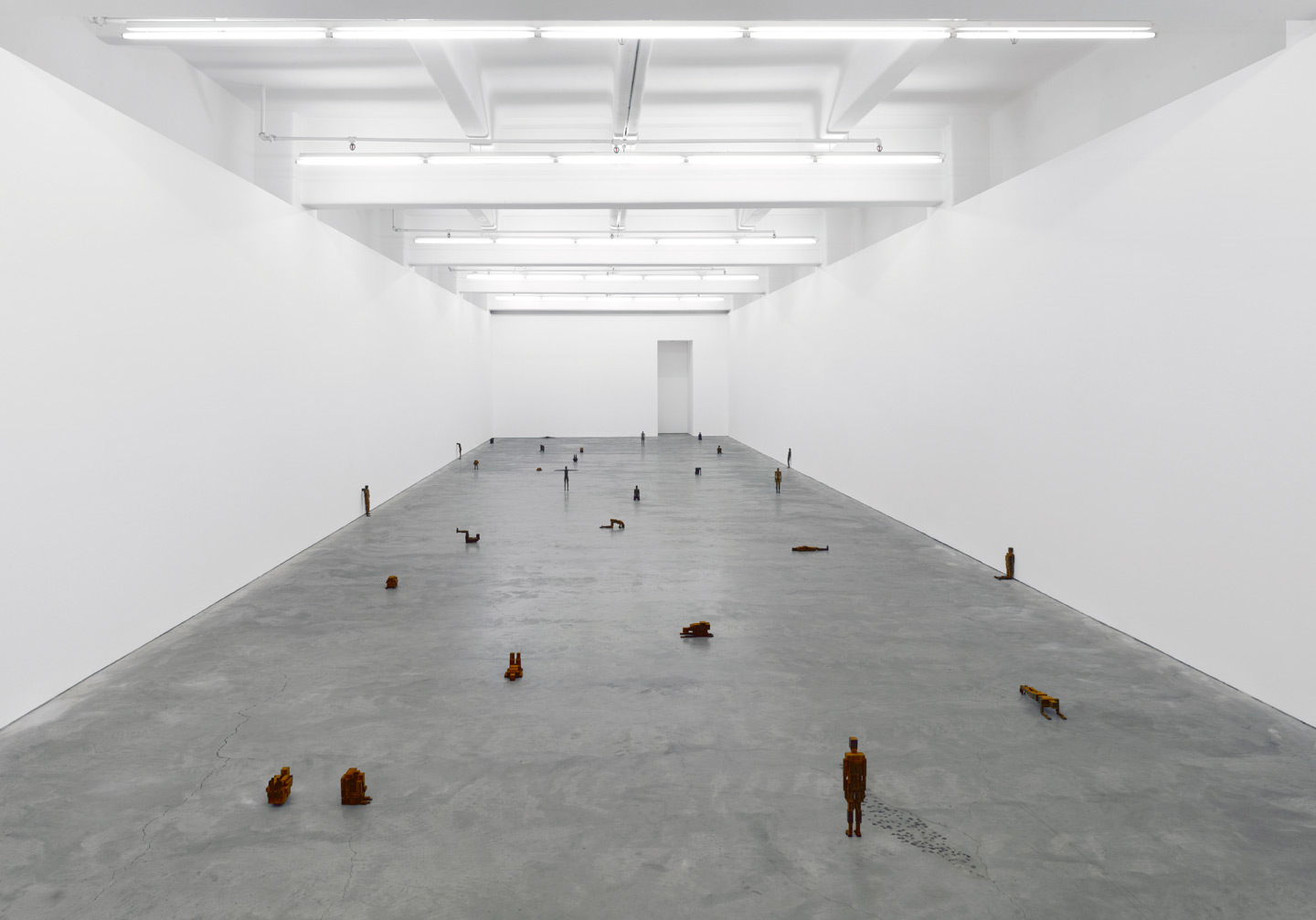


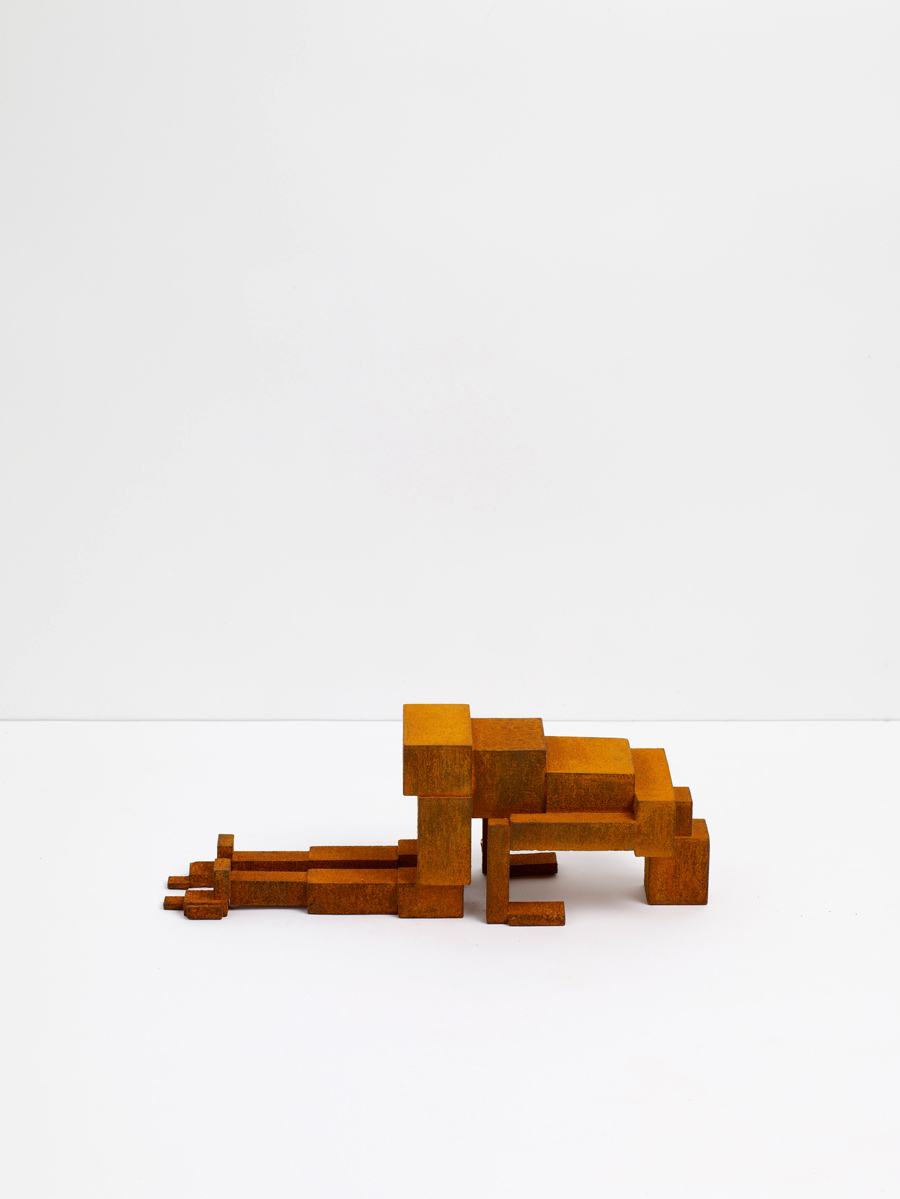
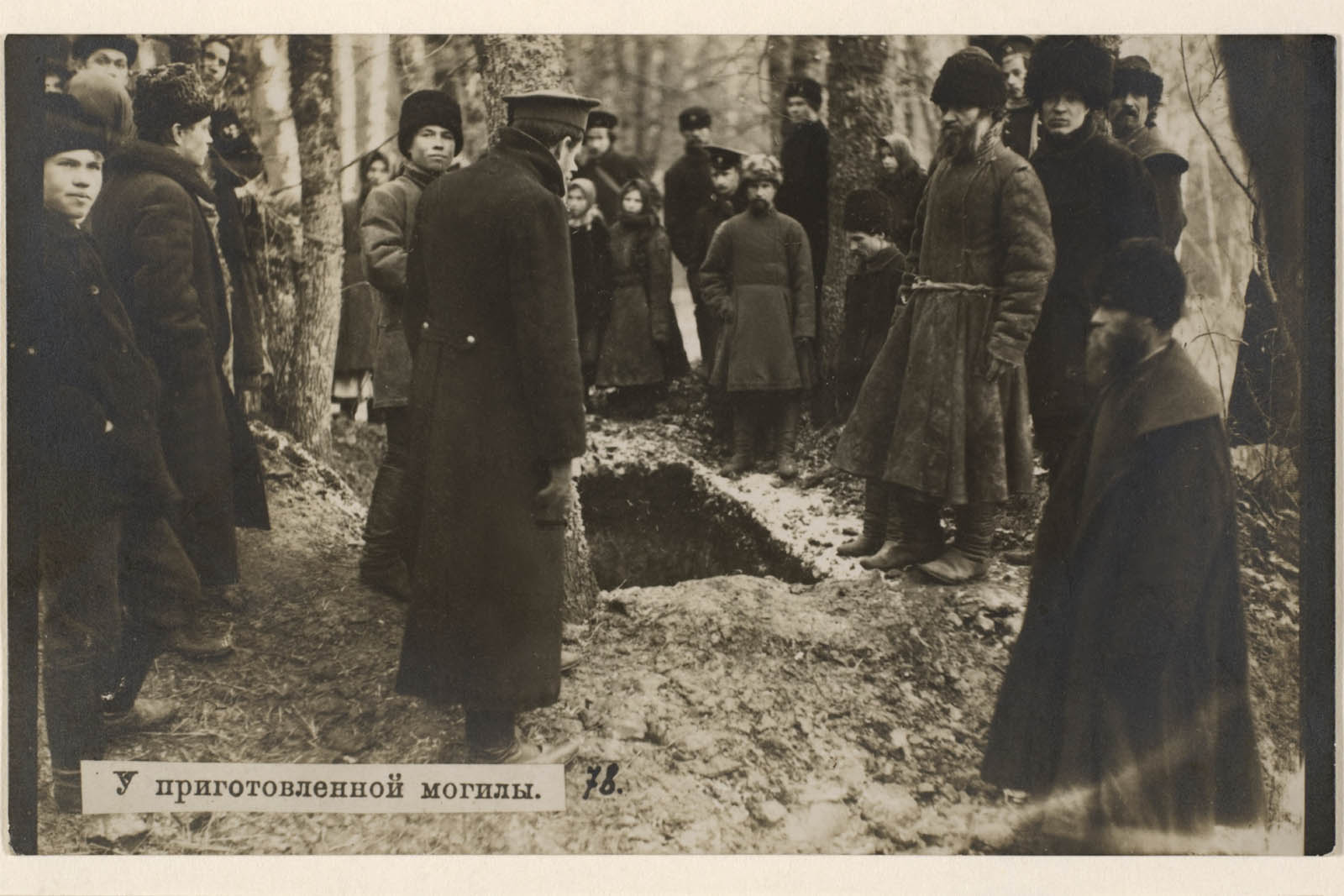
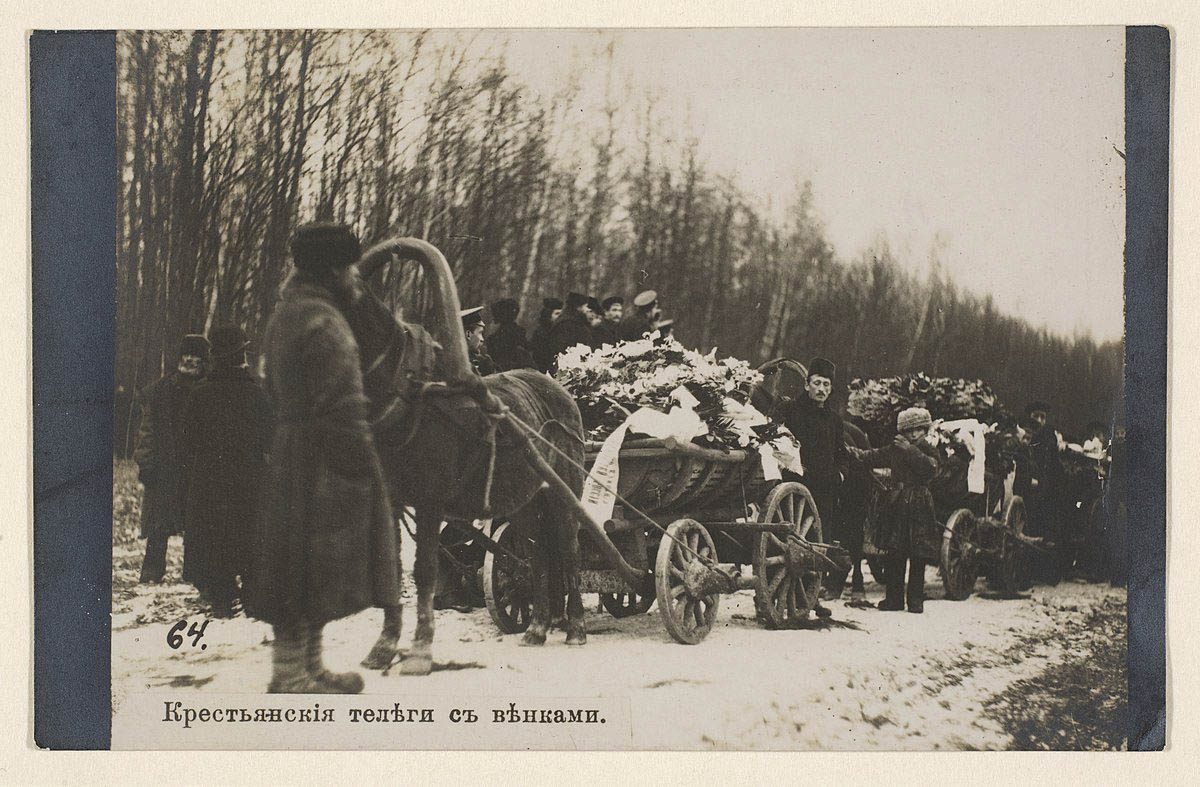
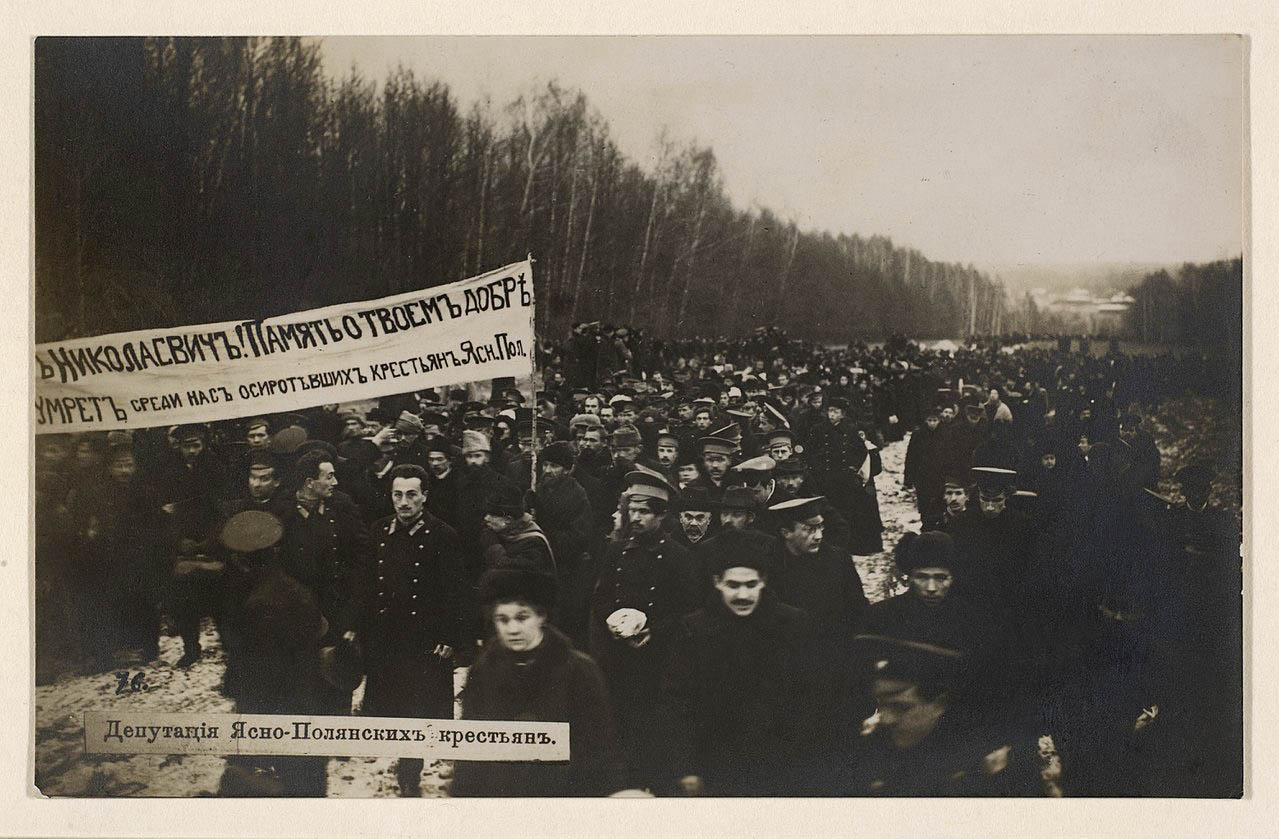
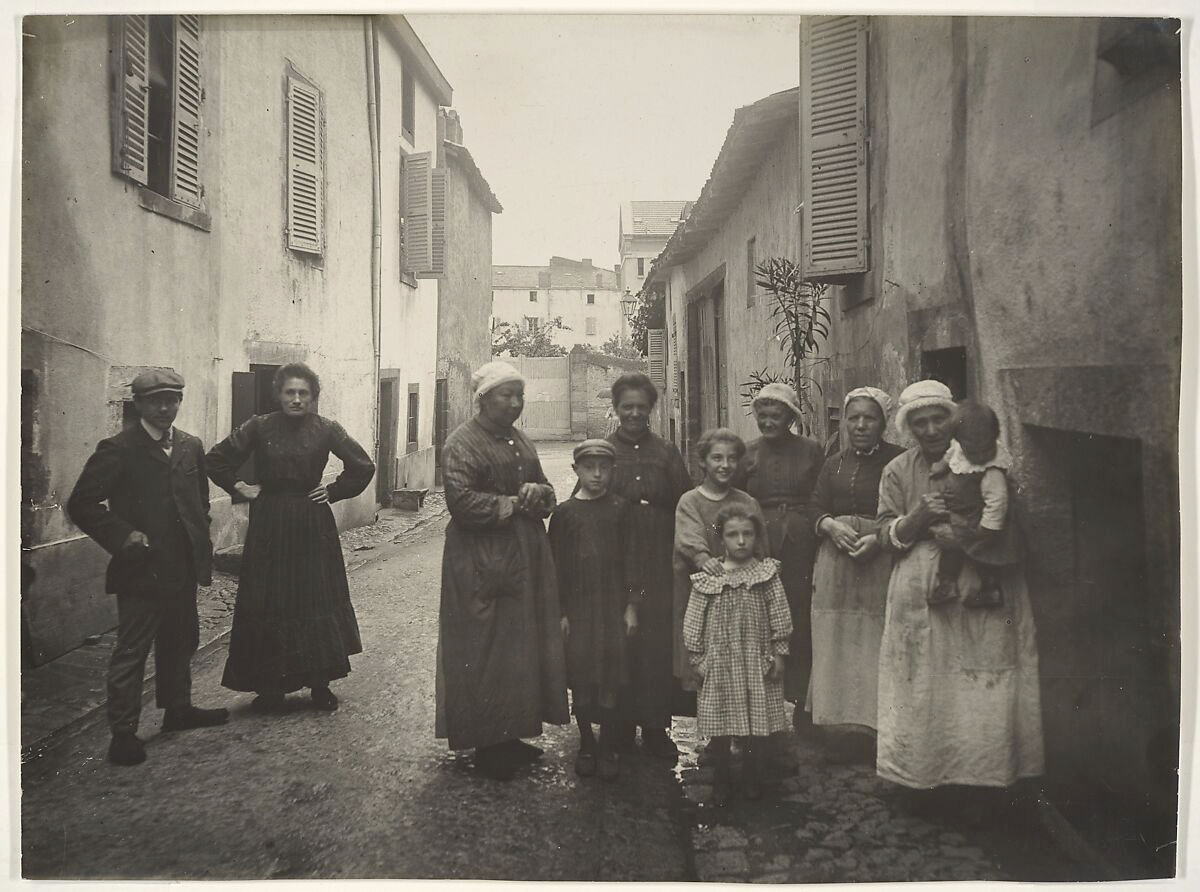

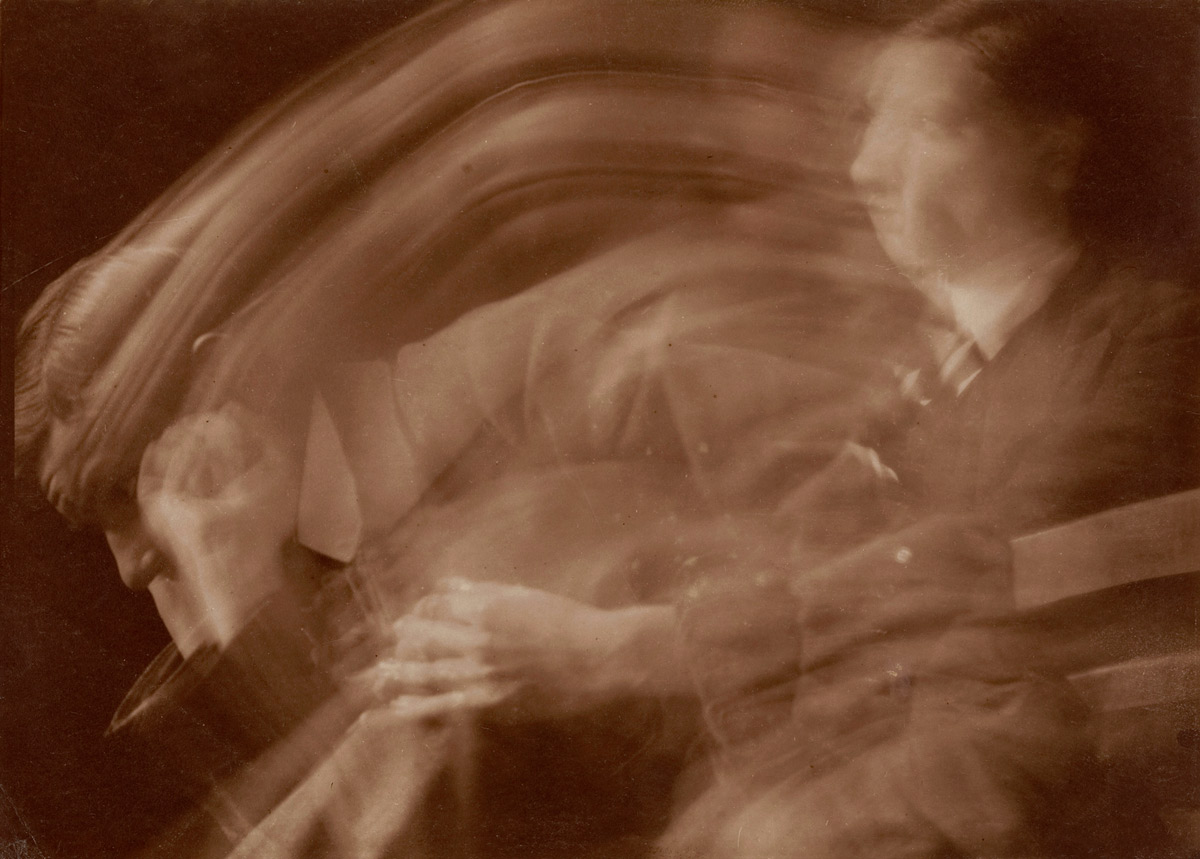
![Adolph de Meyer (American born France, 1868-1949) '[Dance Study]' c. 1912](https://artblart.com/wp-content/uploads/2018/02/adolf-de-meyer-dance-study-web.jpg "Adolph de Meyer (American born France, 1868-1949) '[Dance Study]' c. 1912")


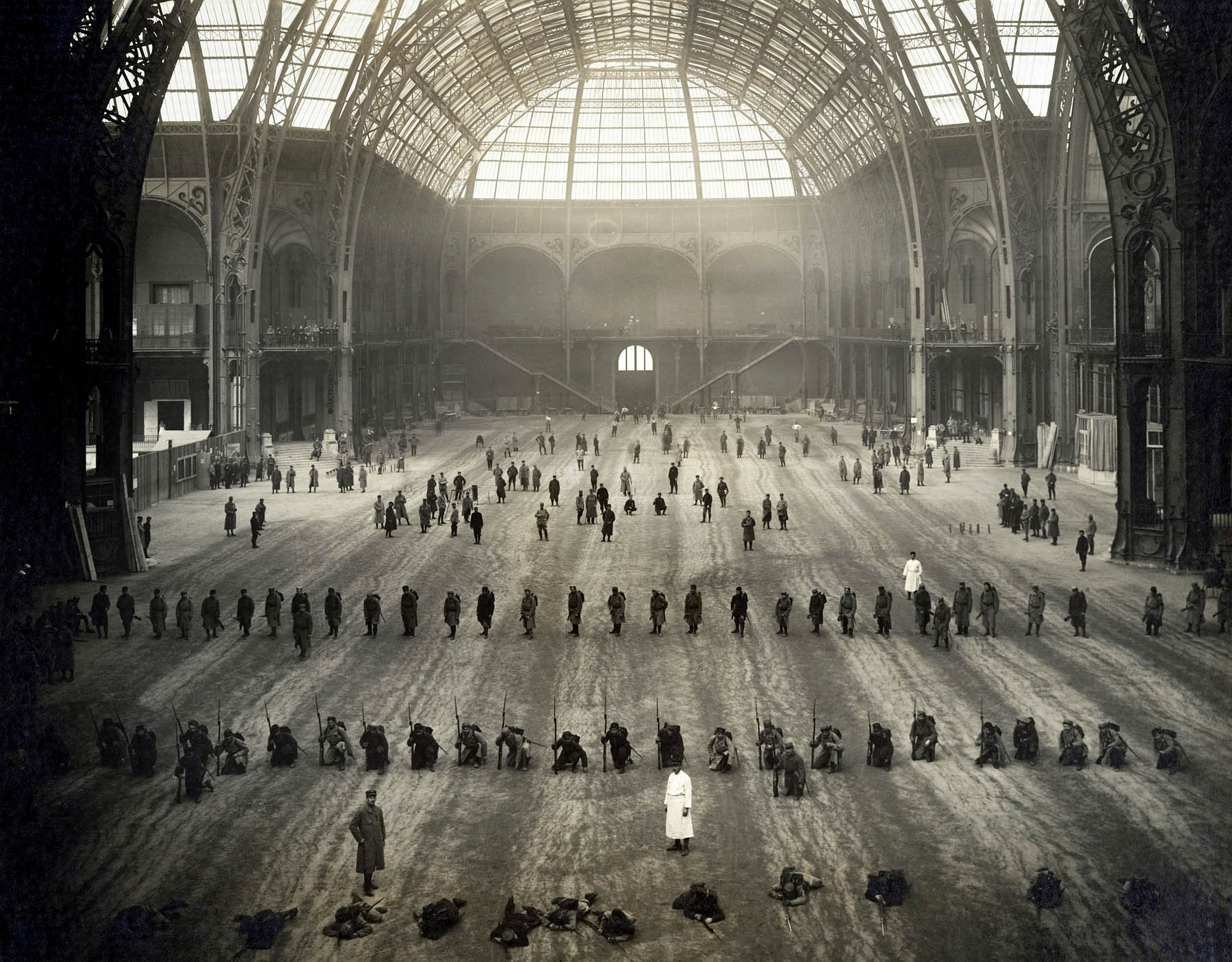


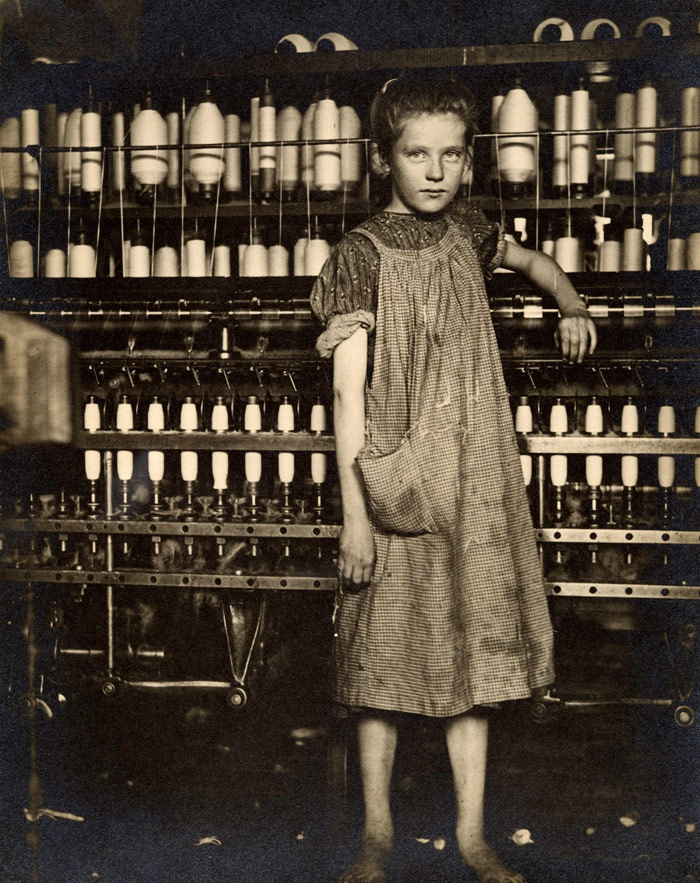


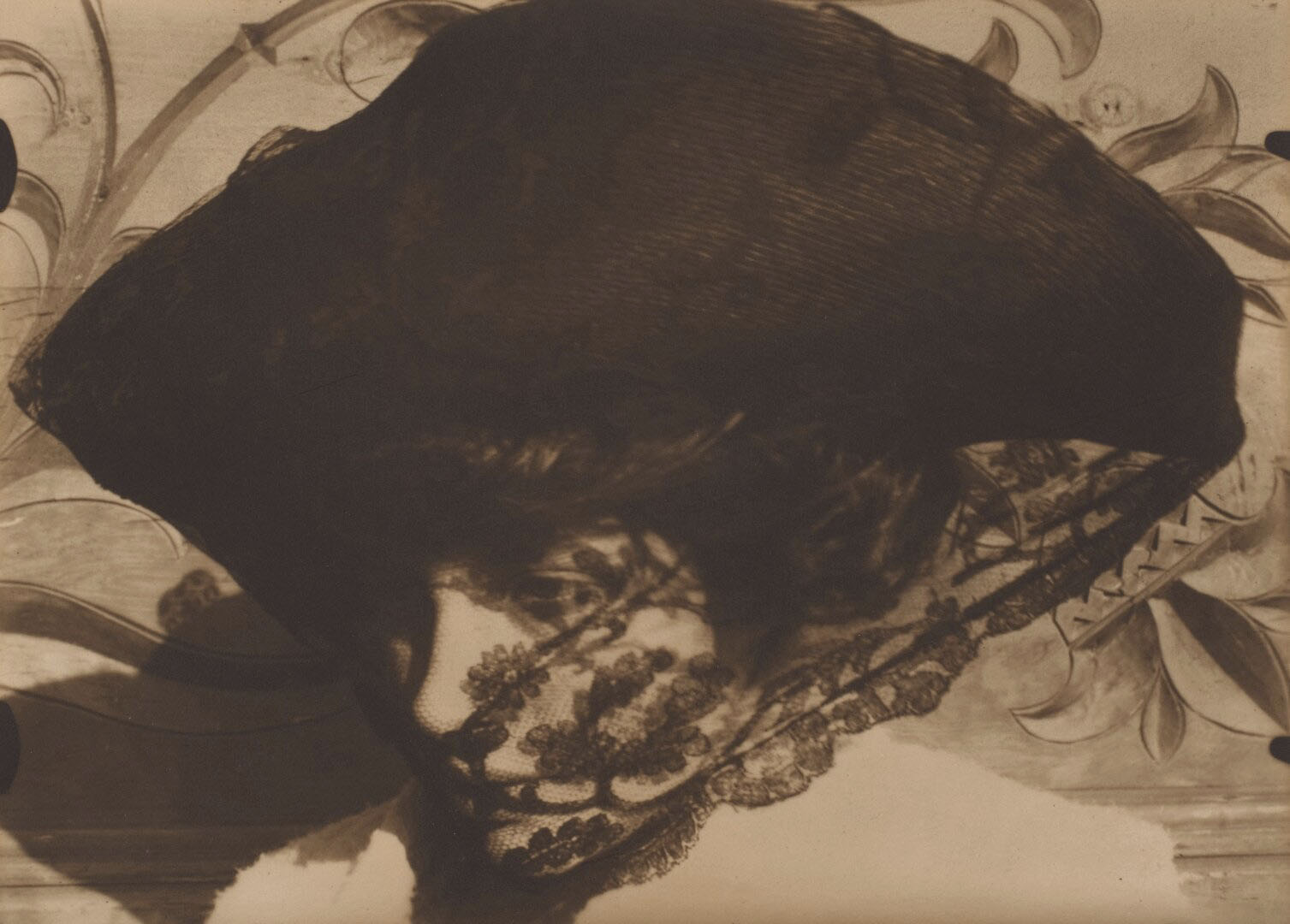
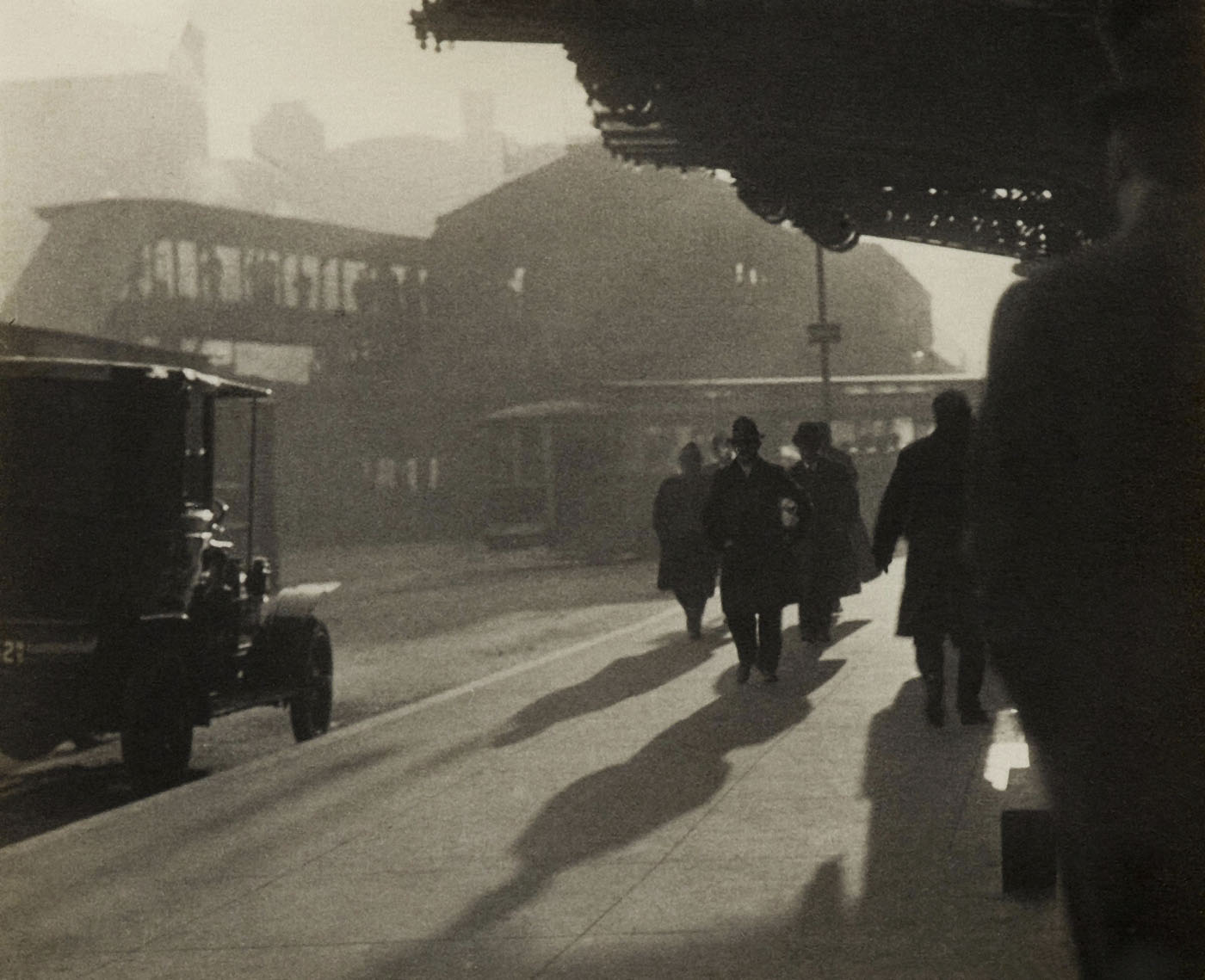
![Morton Schamberg (American, 1881–1918) '[View of Rooftops]' 1917](https://artblart.com/wp-content/uploads/2011/03/schamberg-view-of-rooftops.jpg "Morton Schamberg (American, 1881–1918) '[View of Rooftops]' 1917")
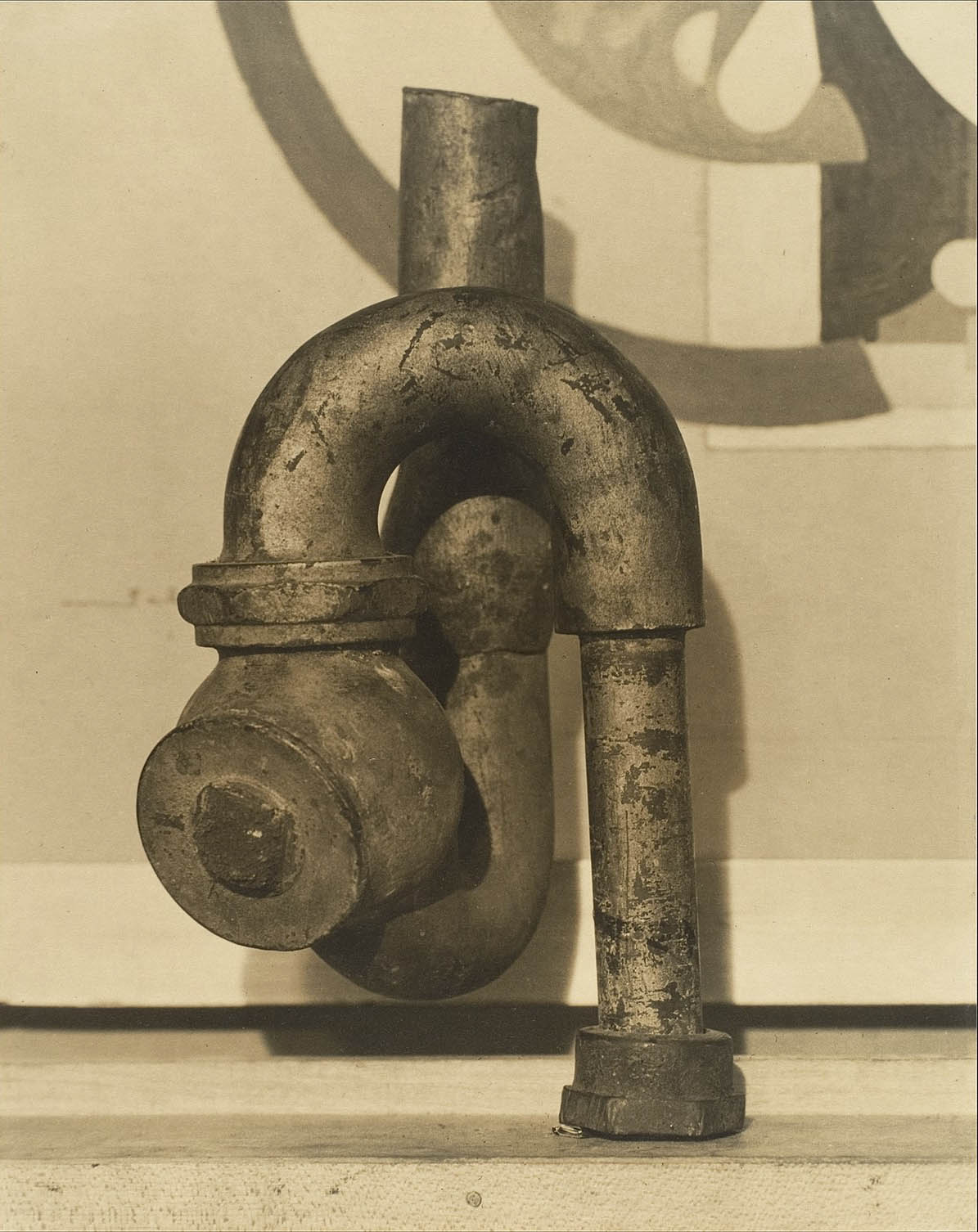


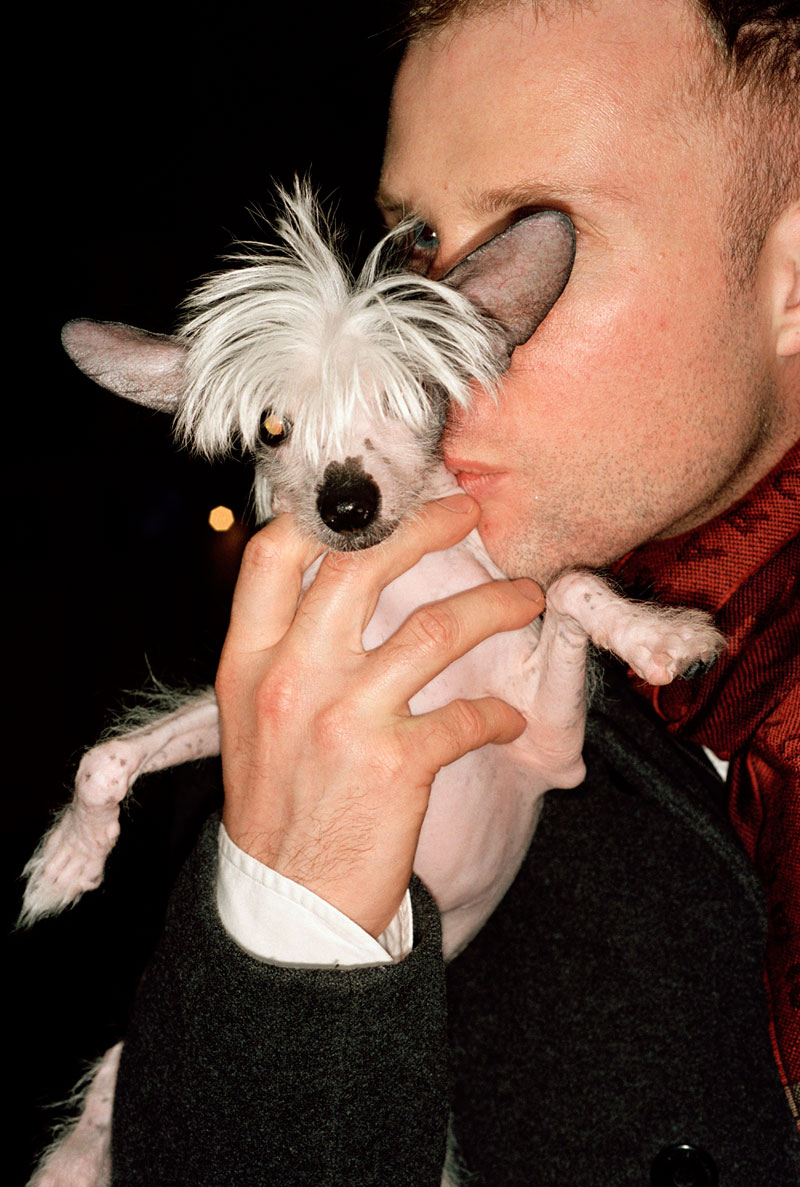


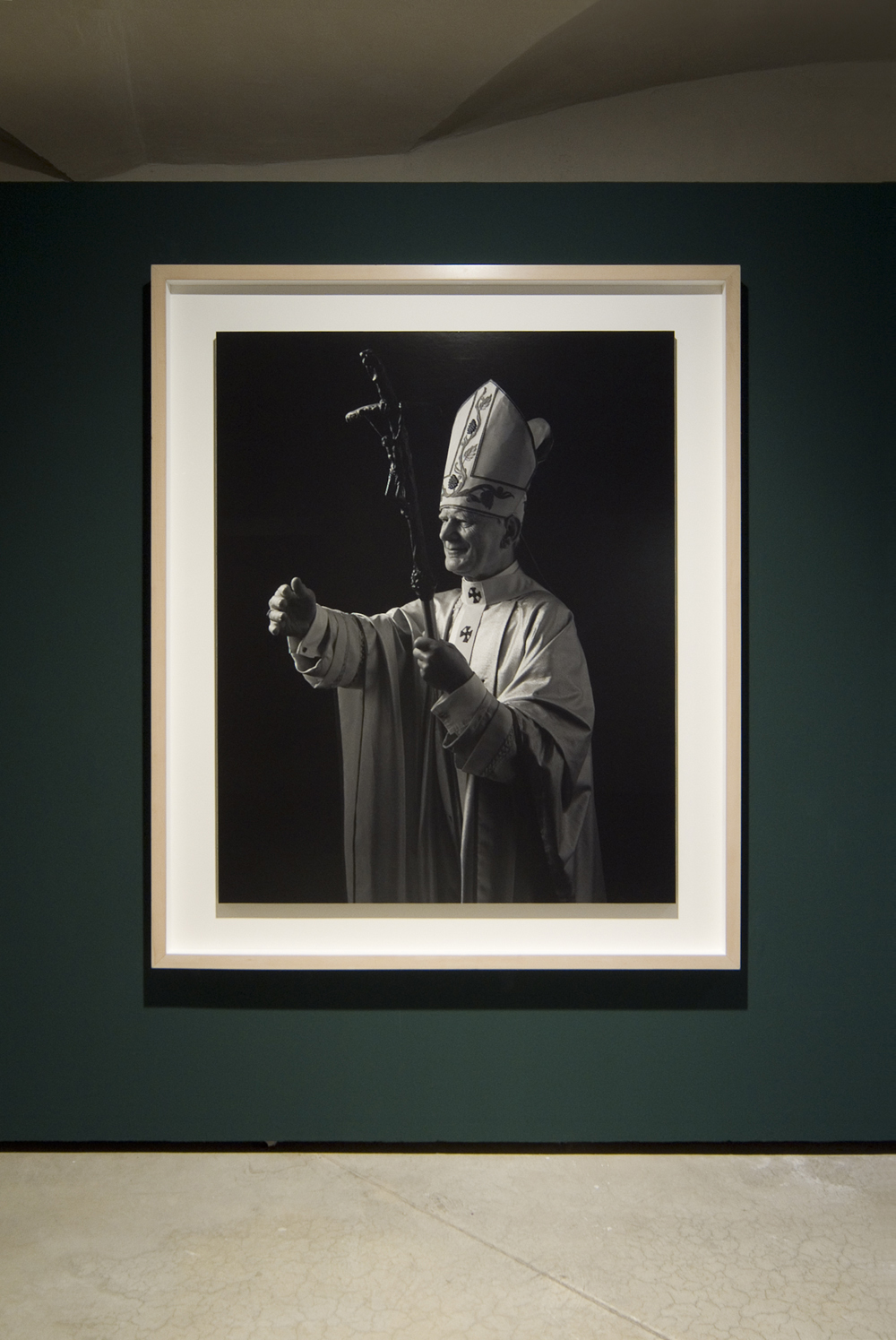
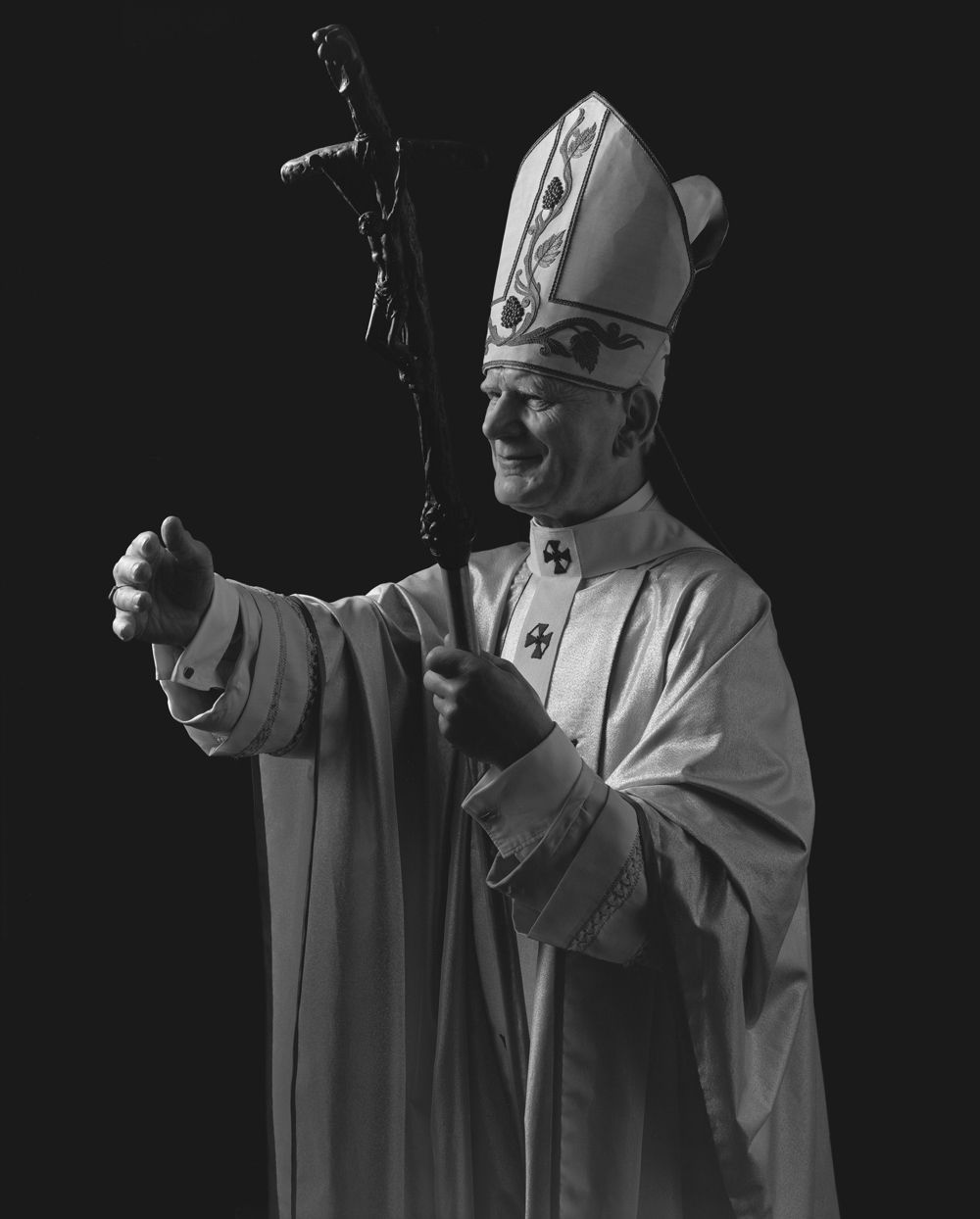


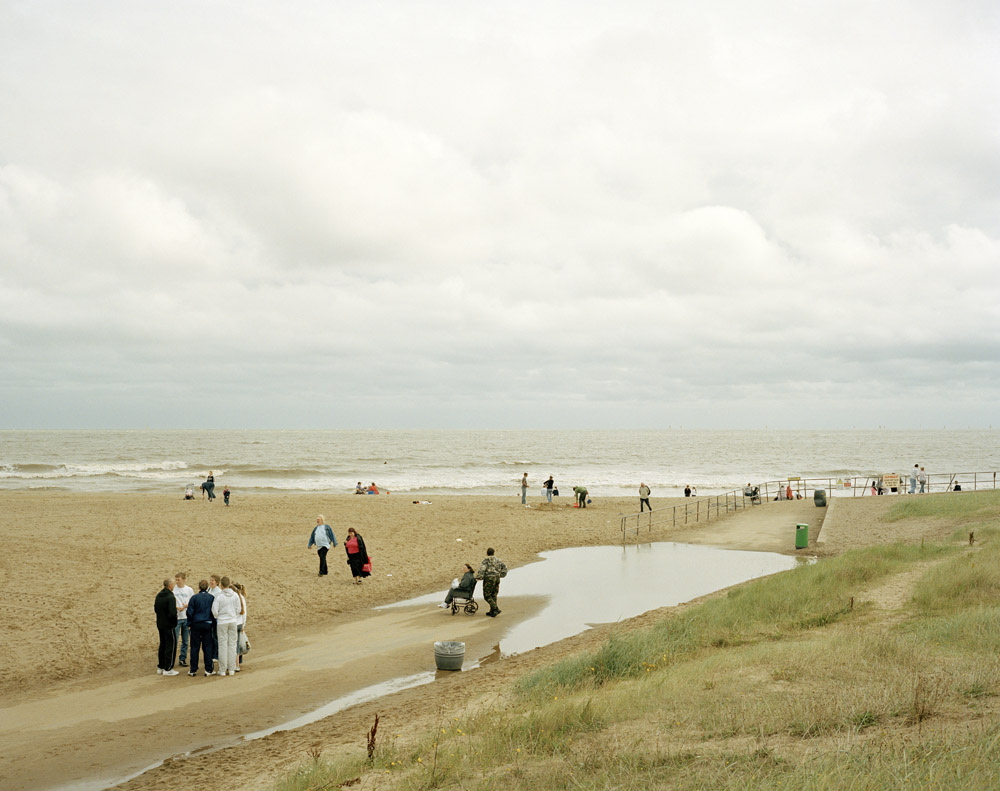
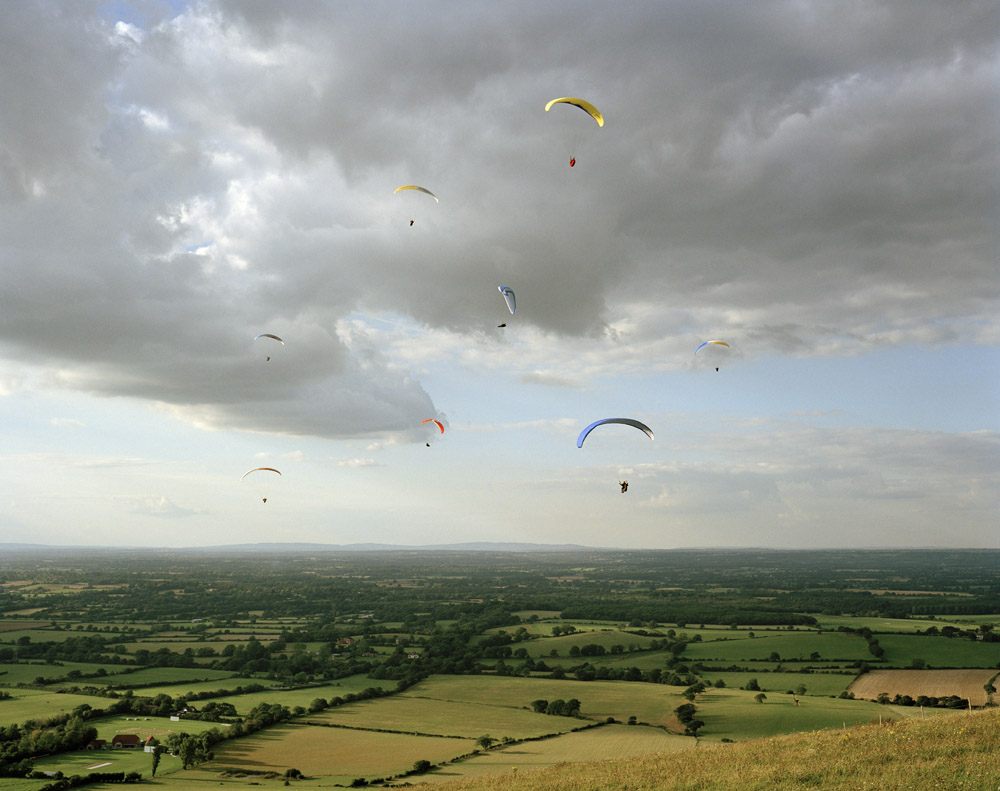
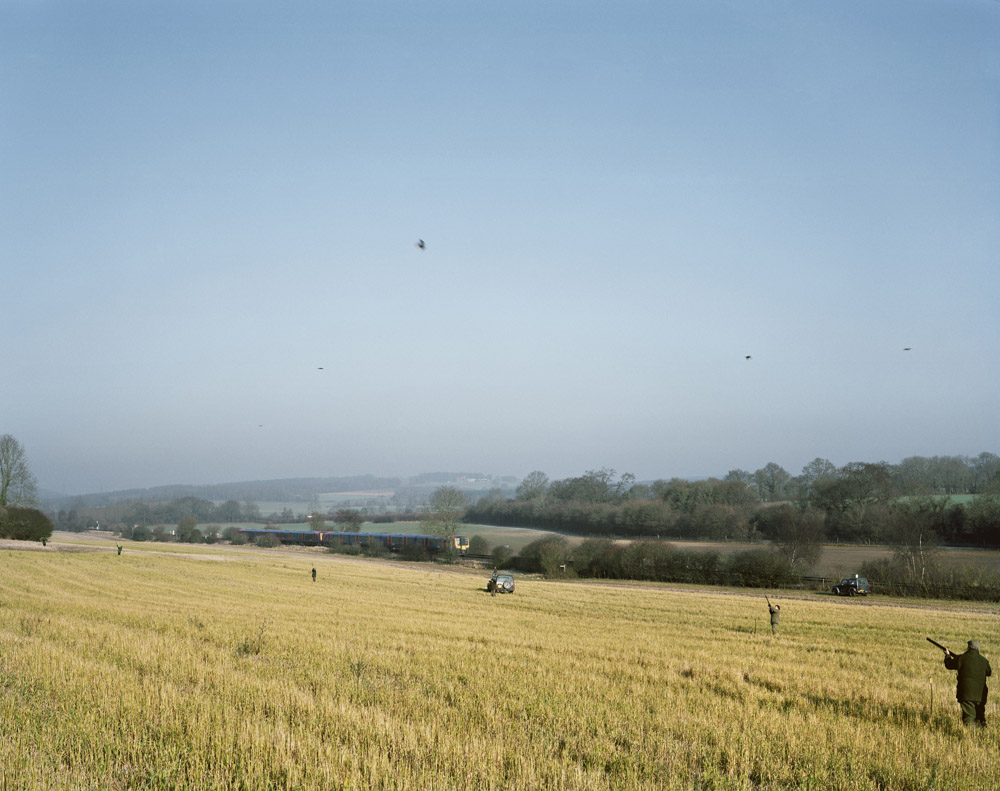
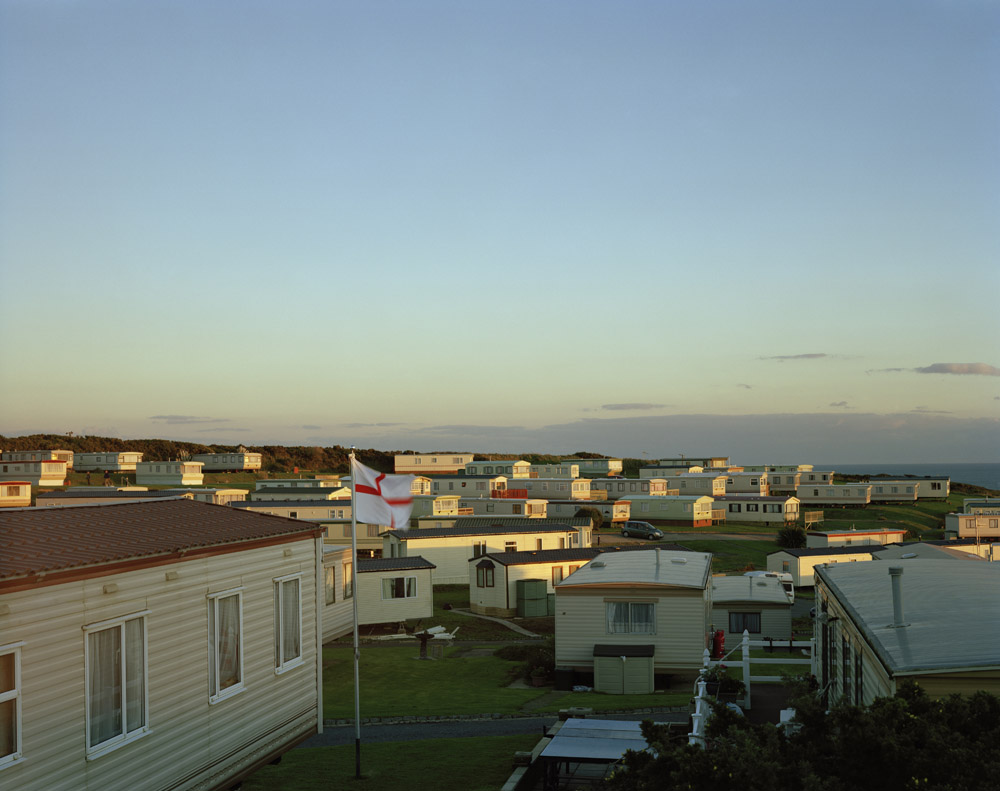
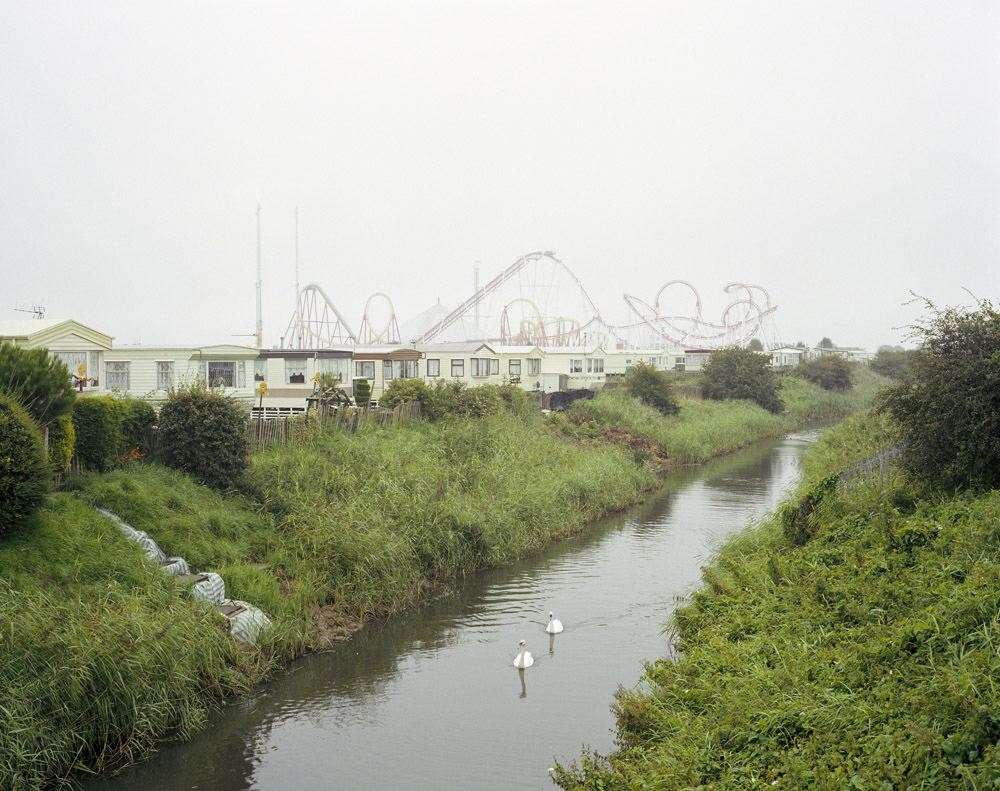
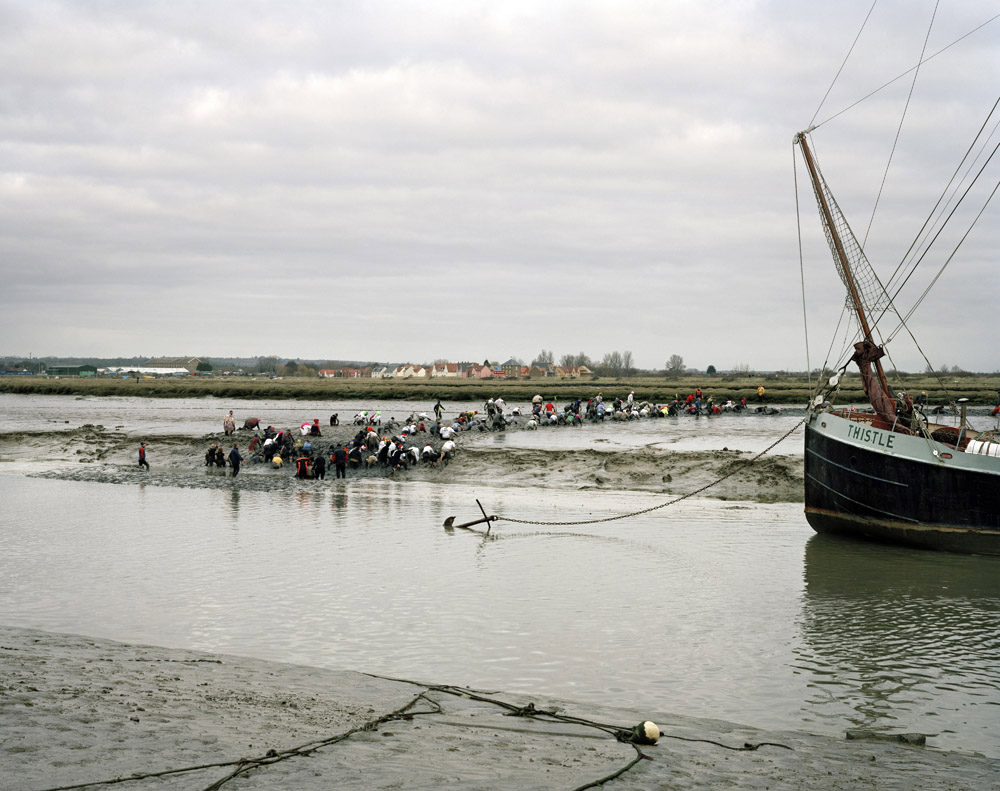
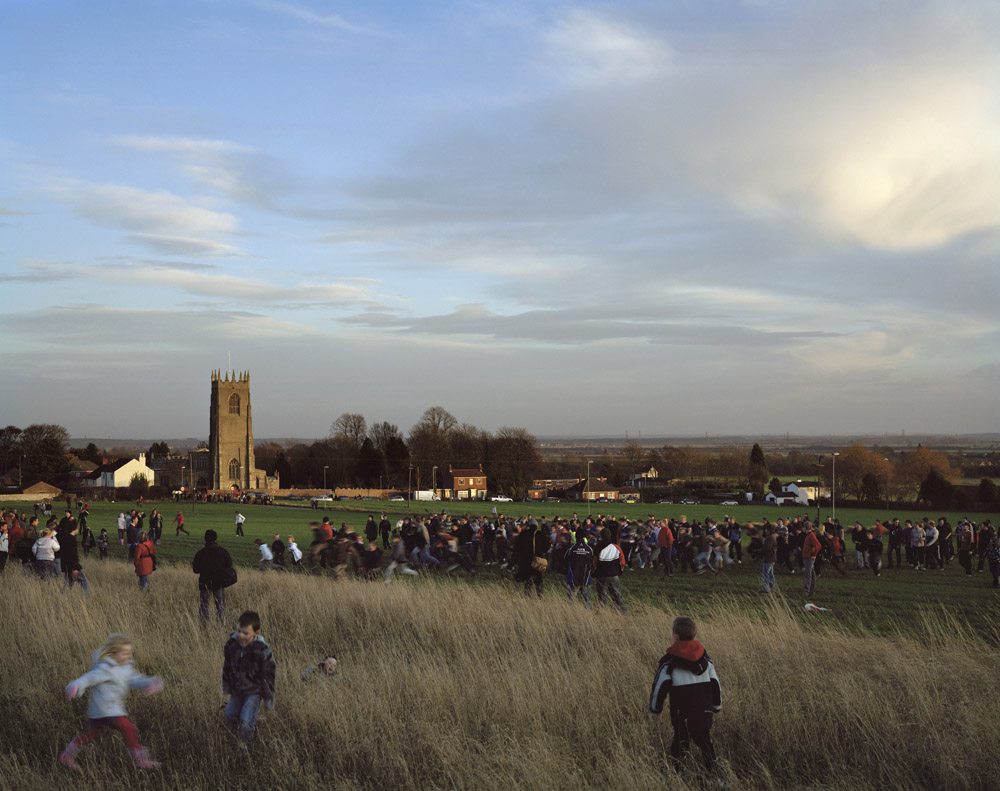
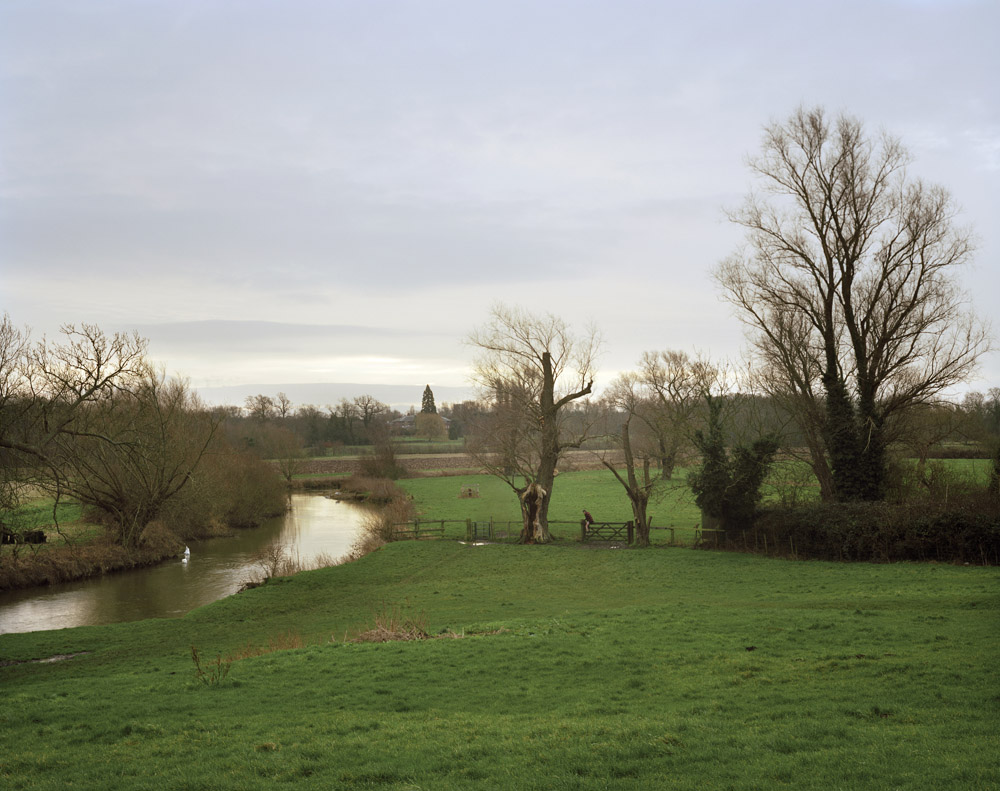
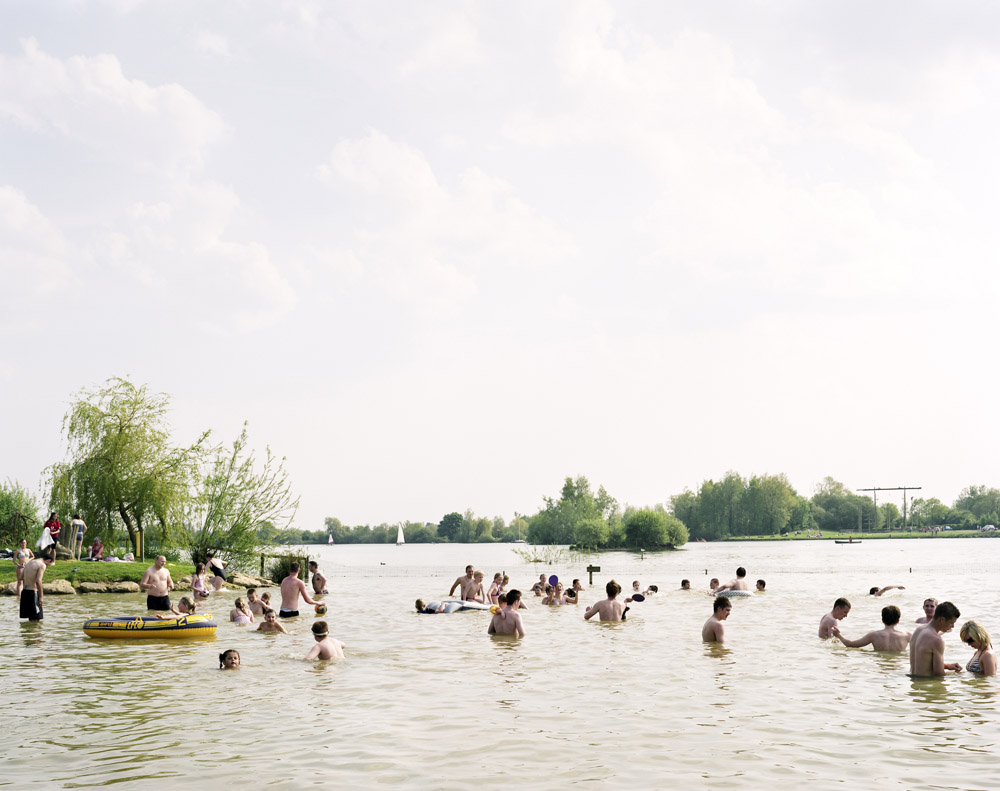
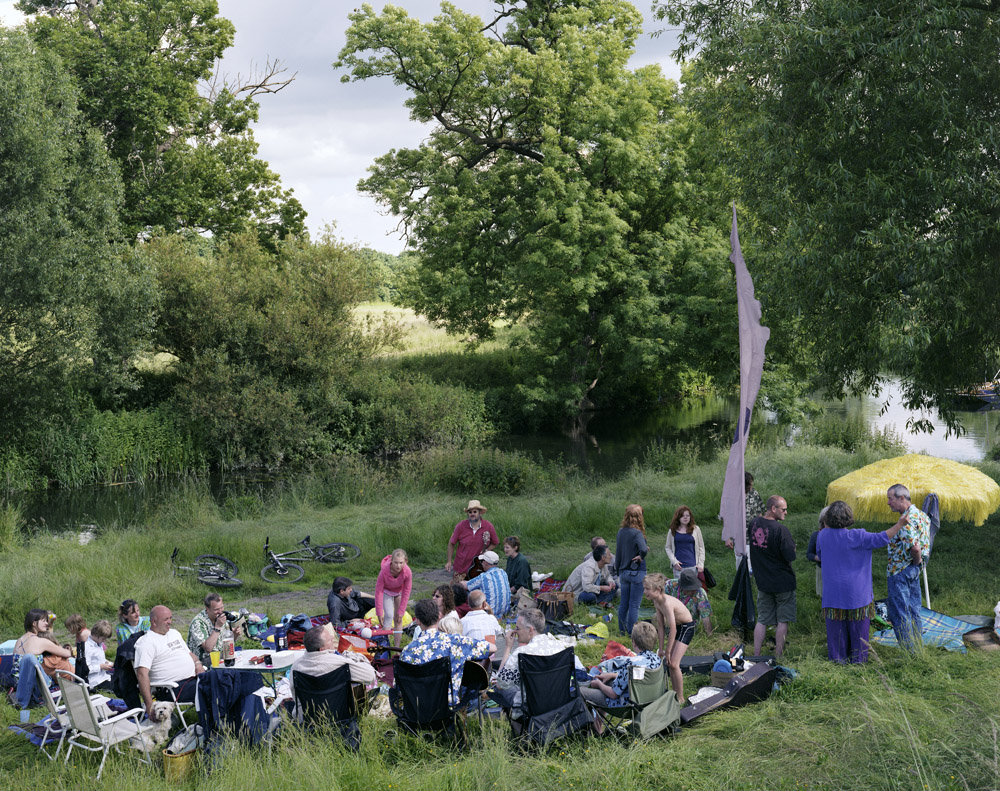
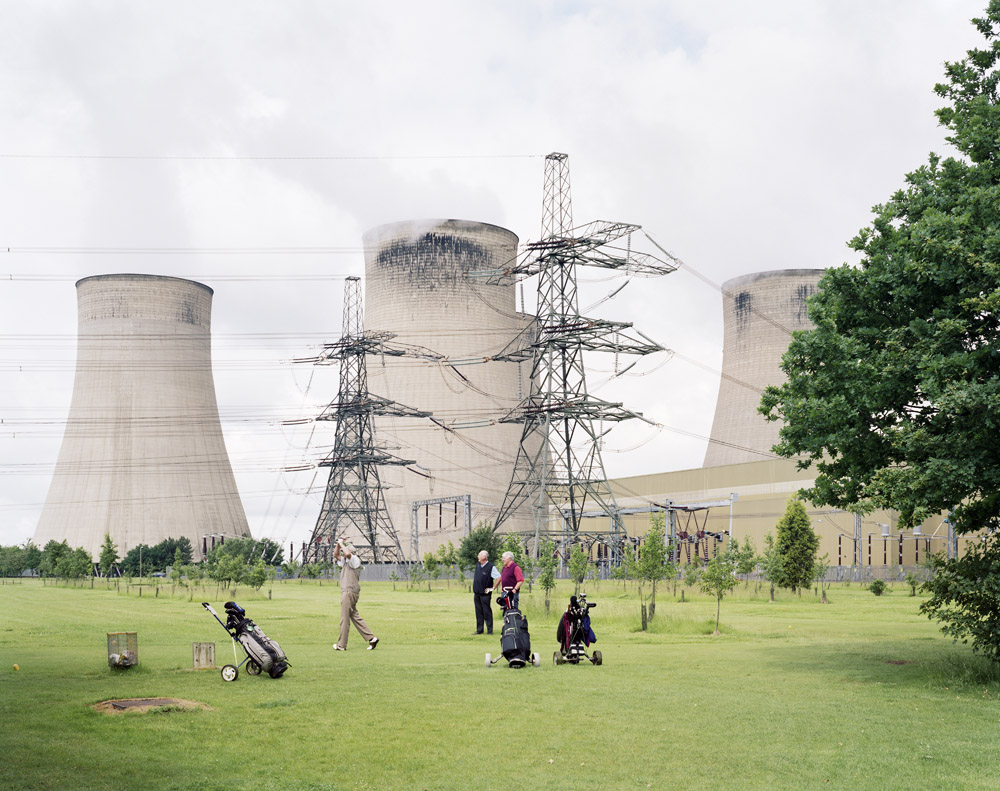
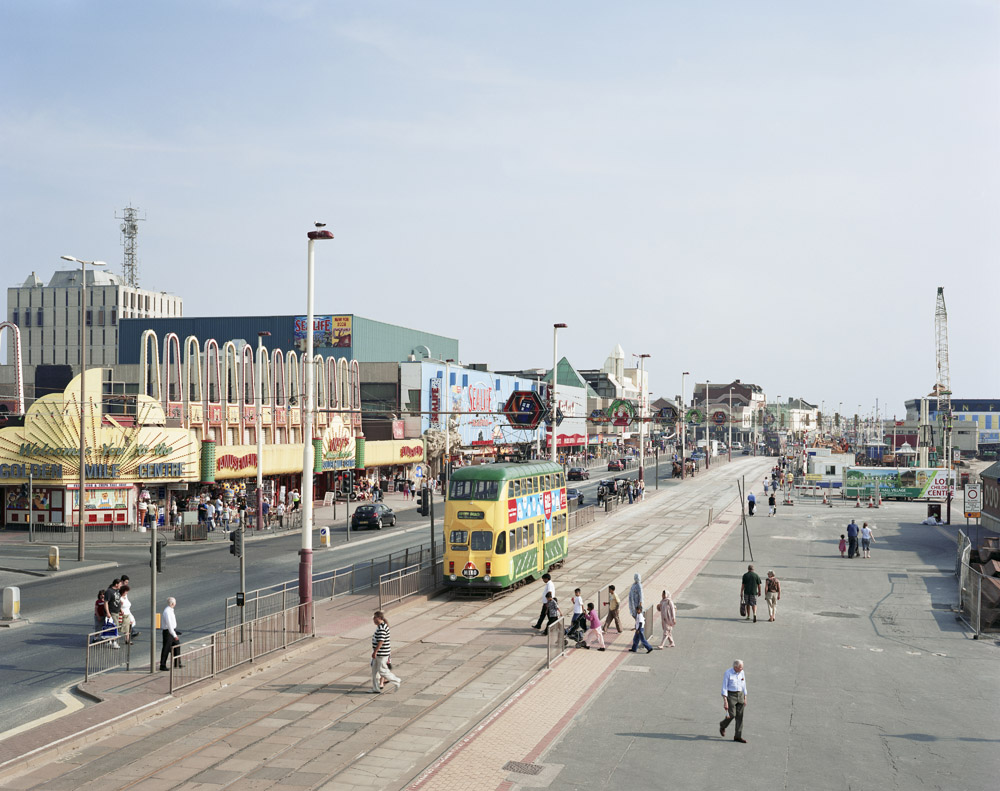
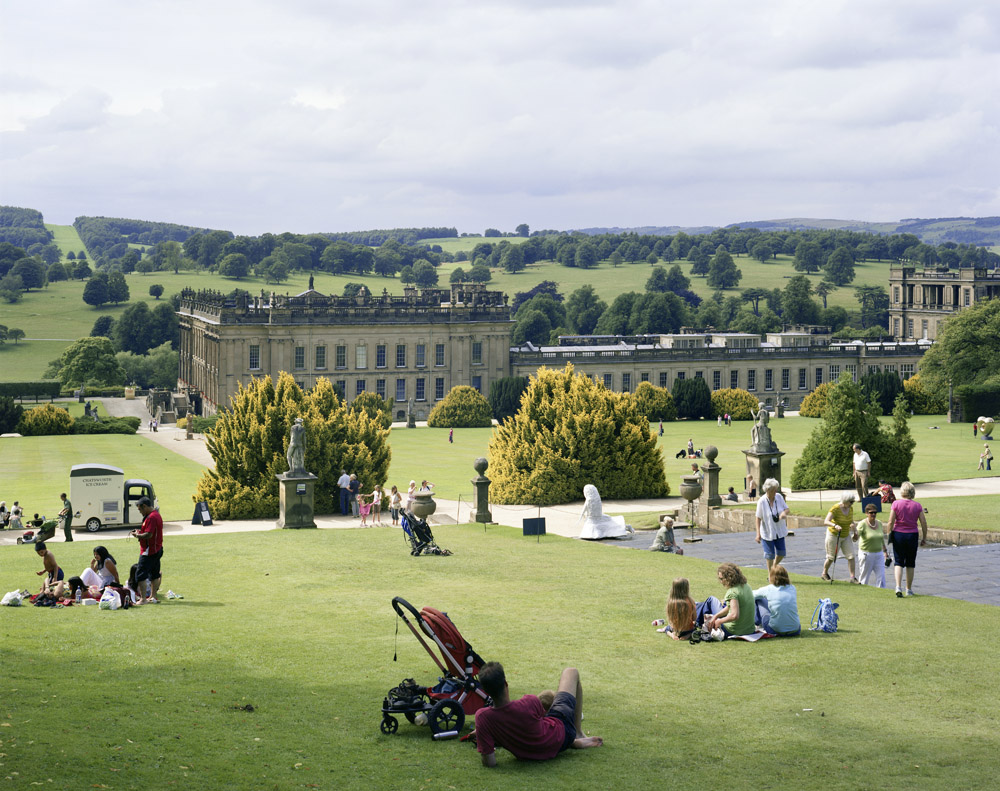
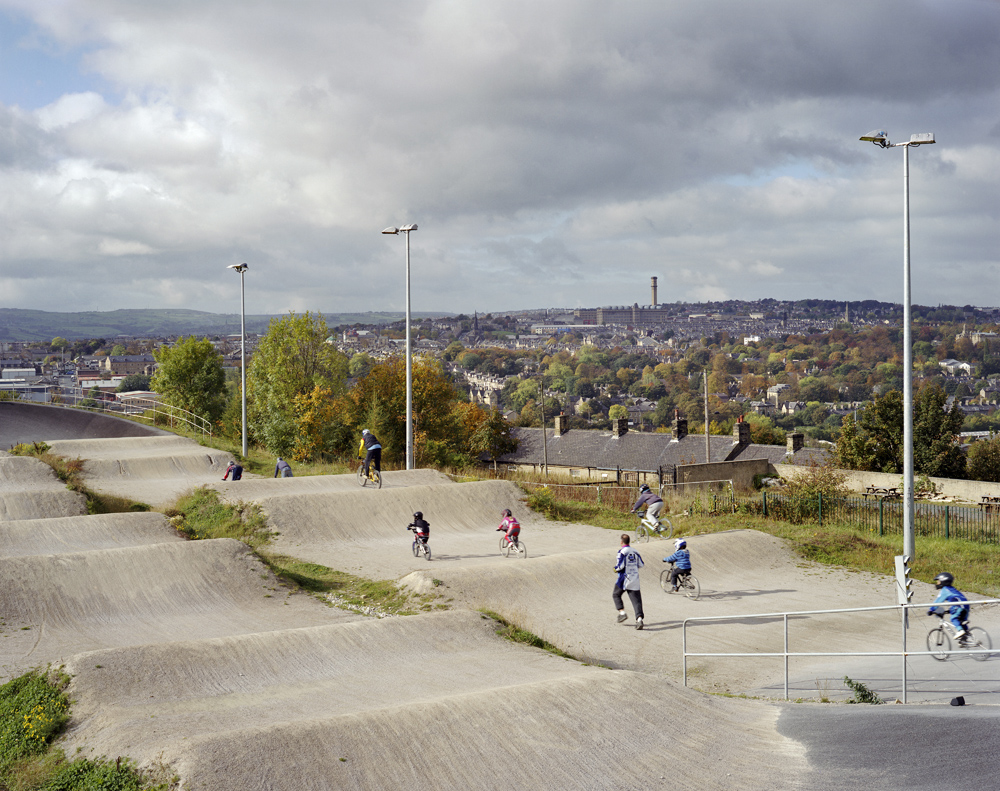


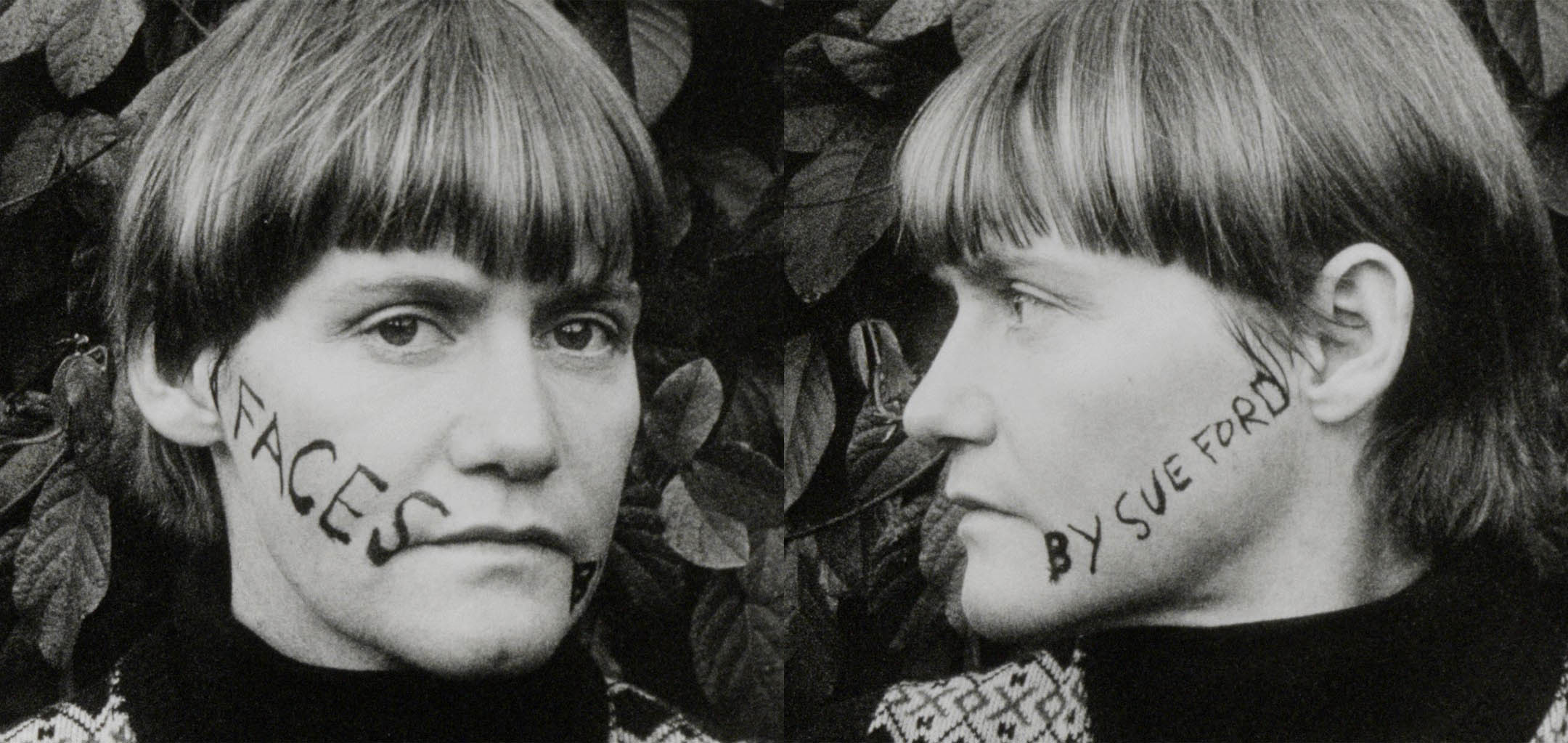

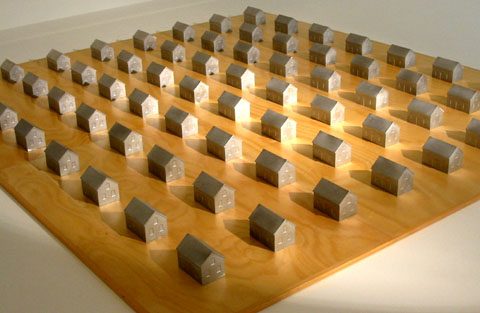

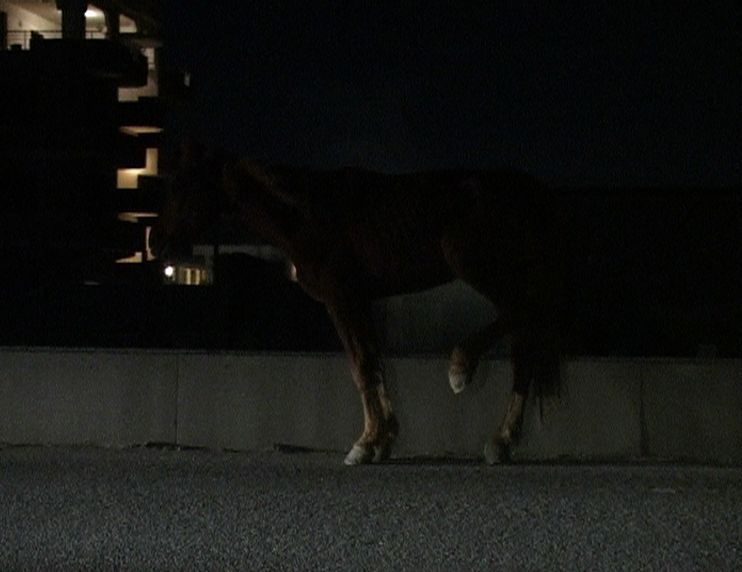


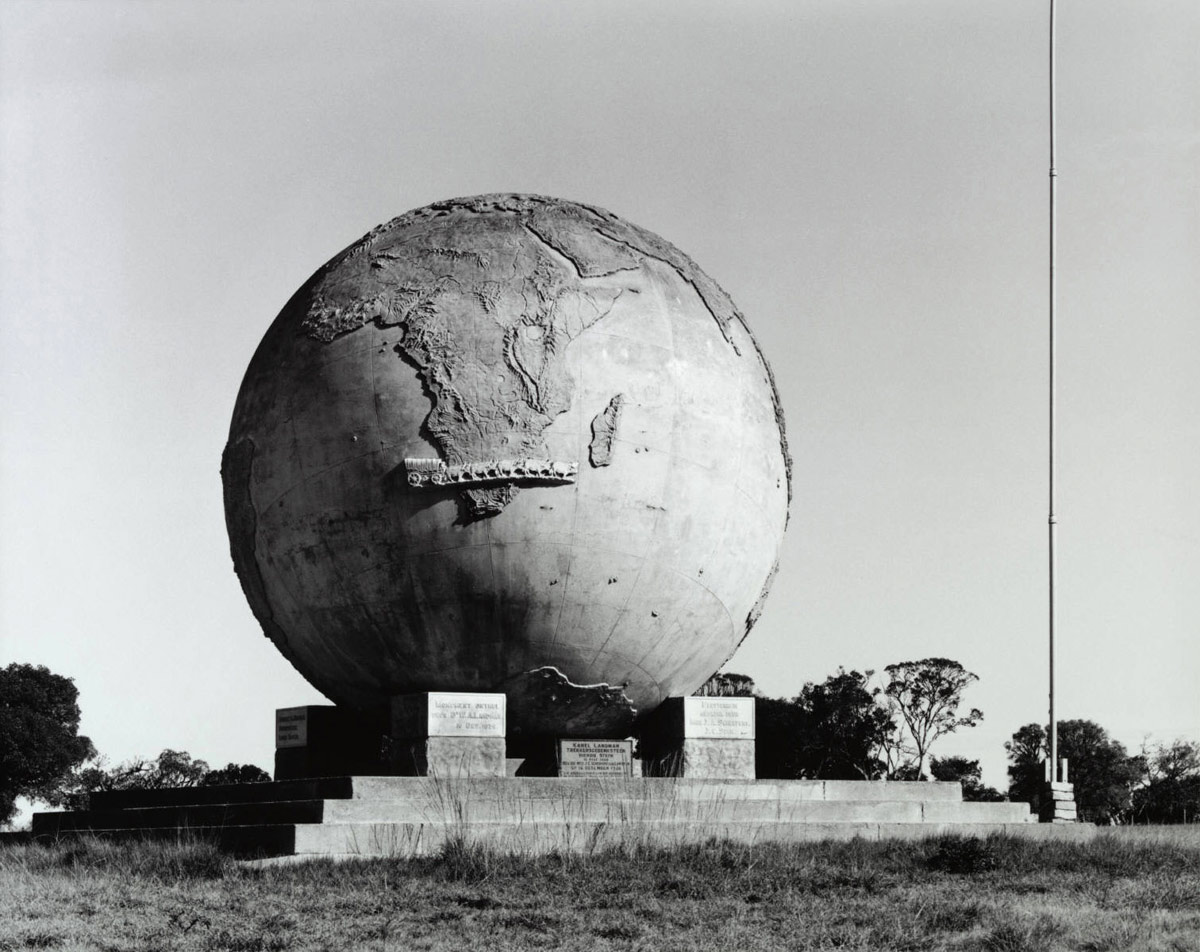
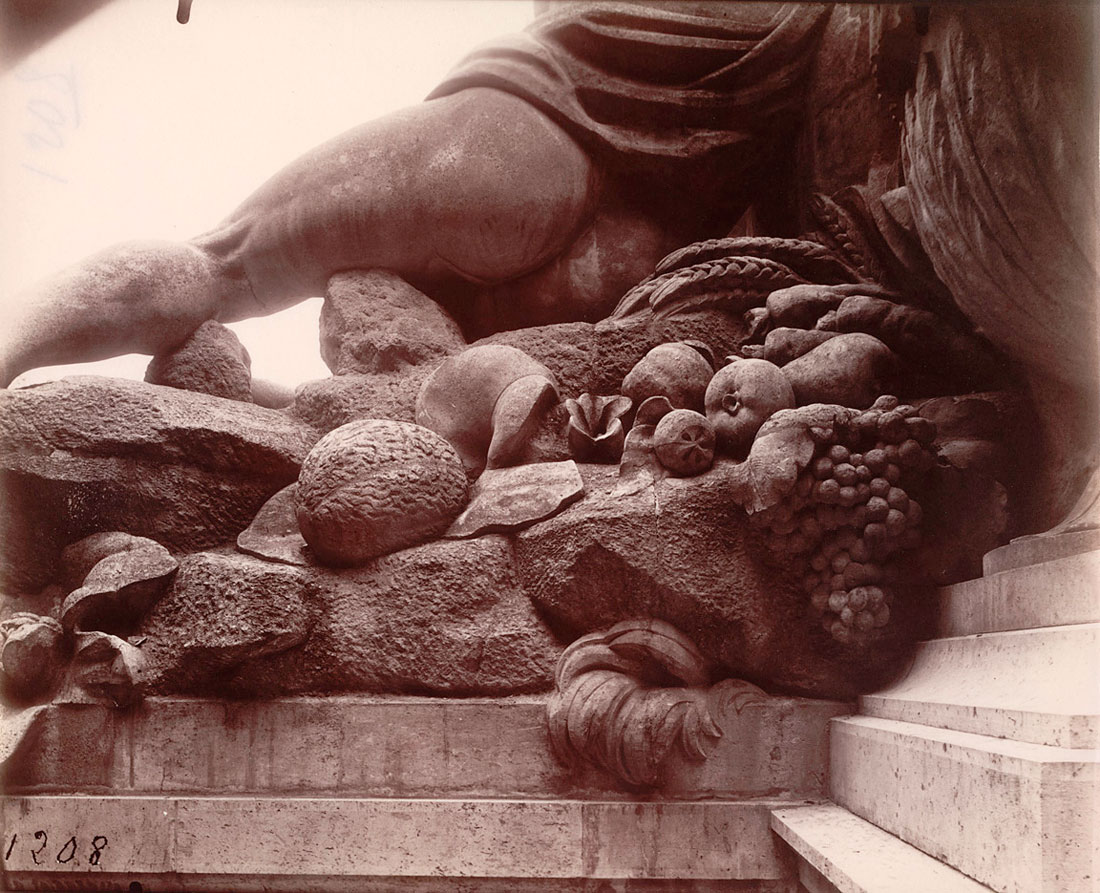

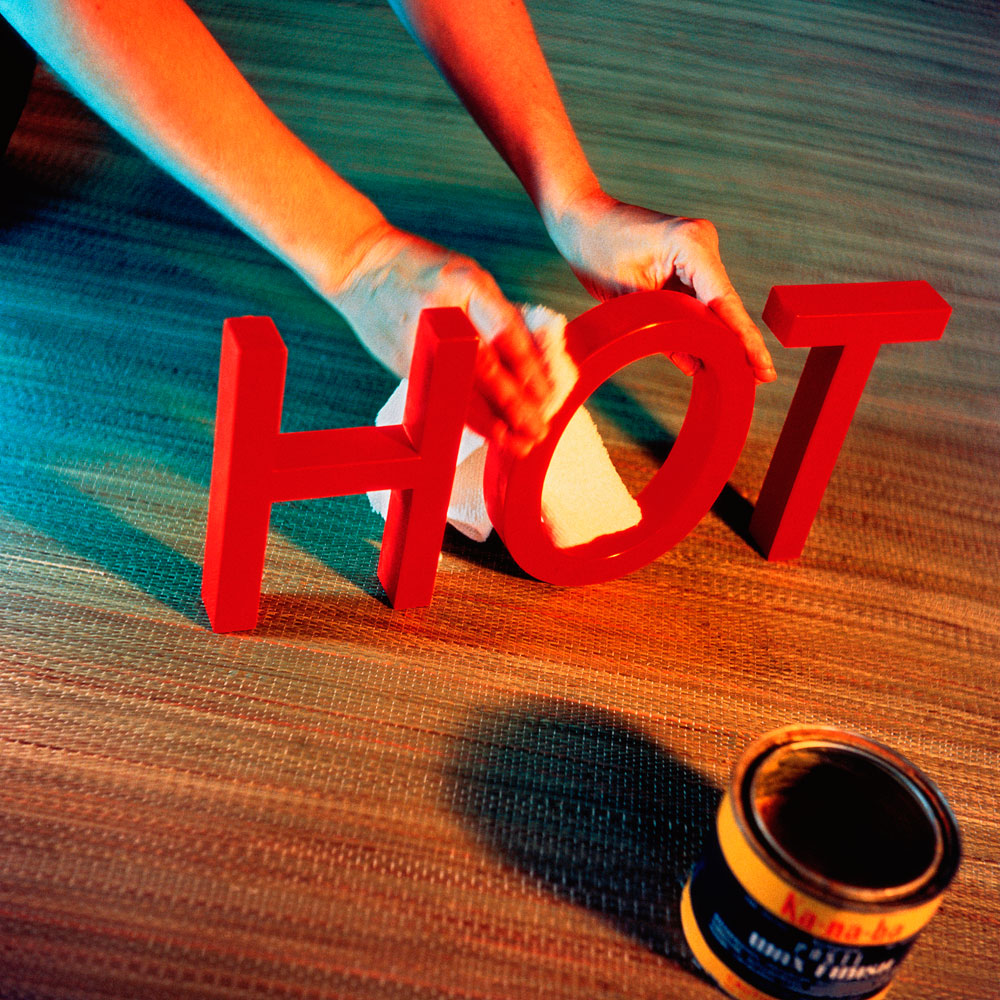

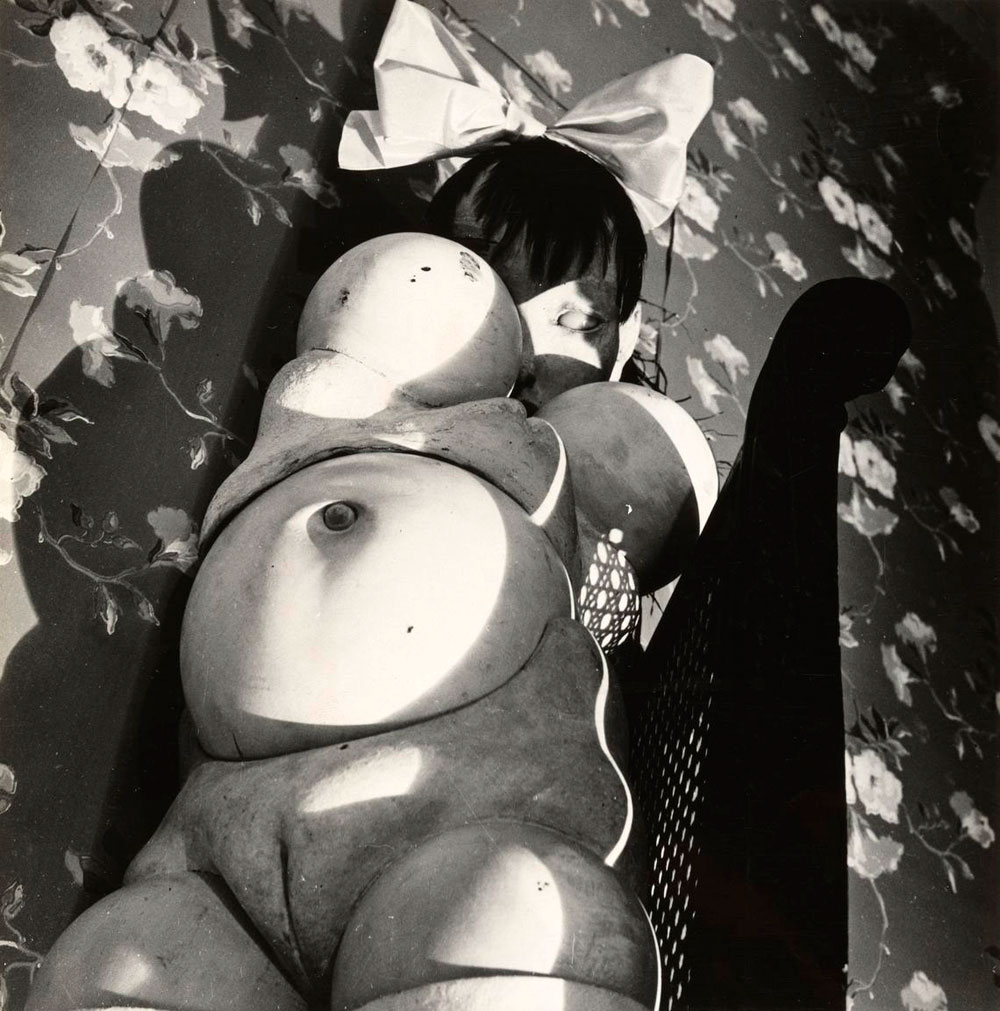


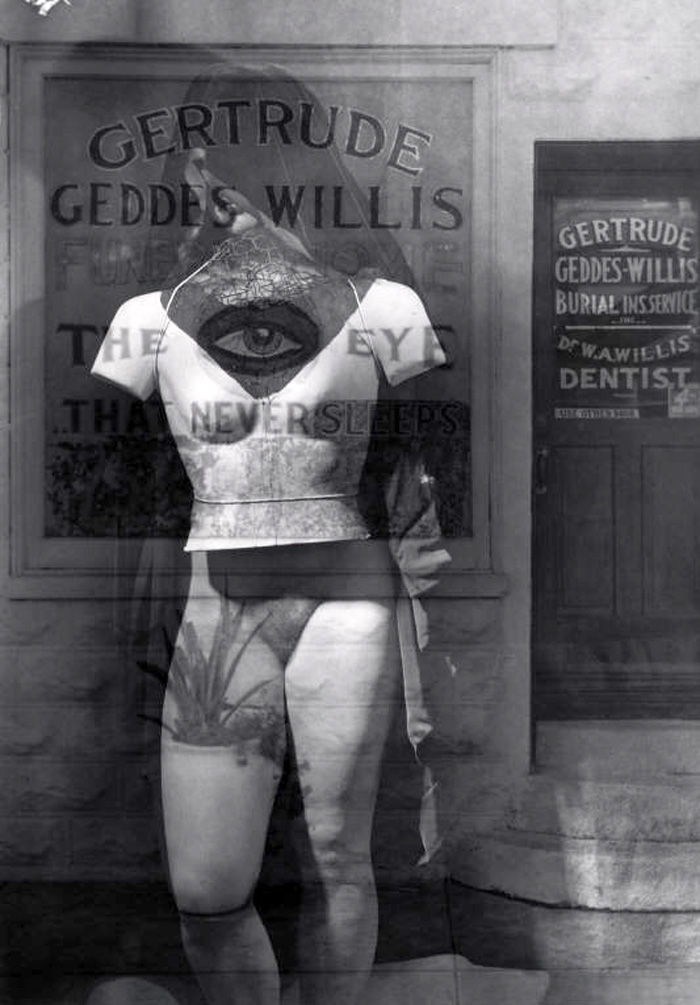
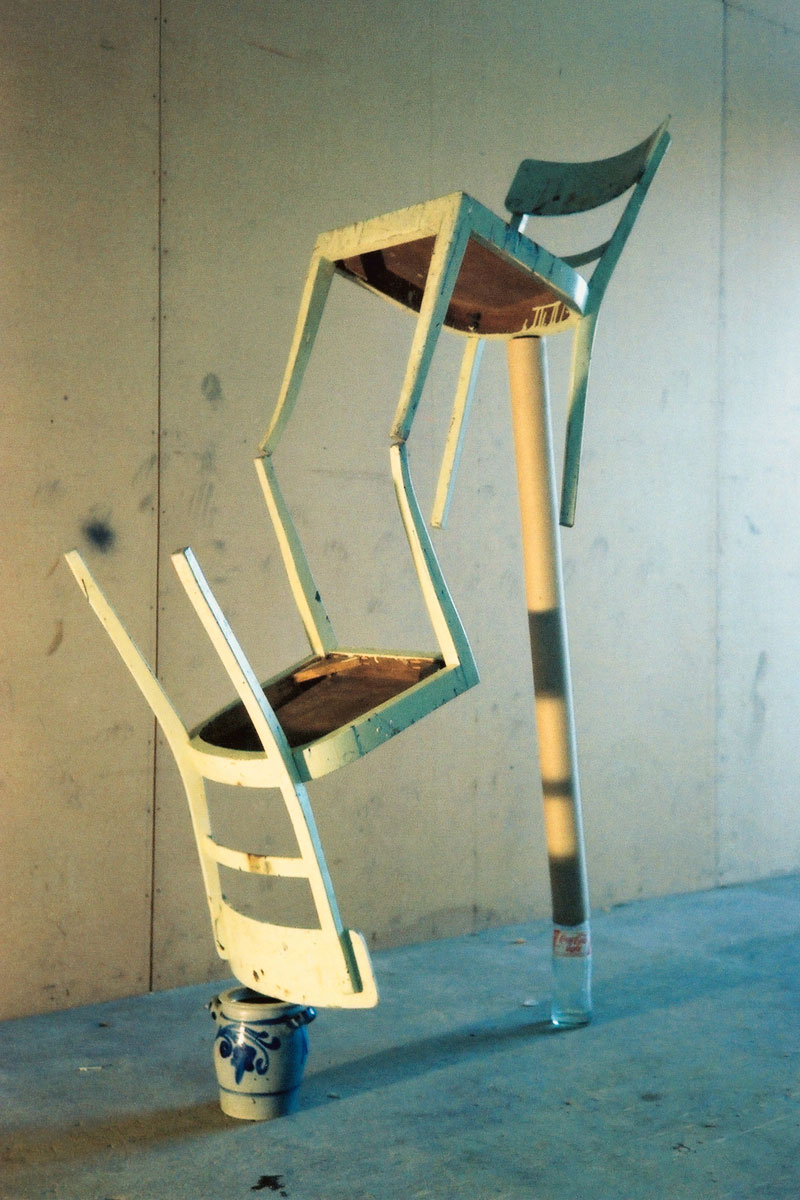

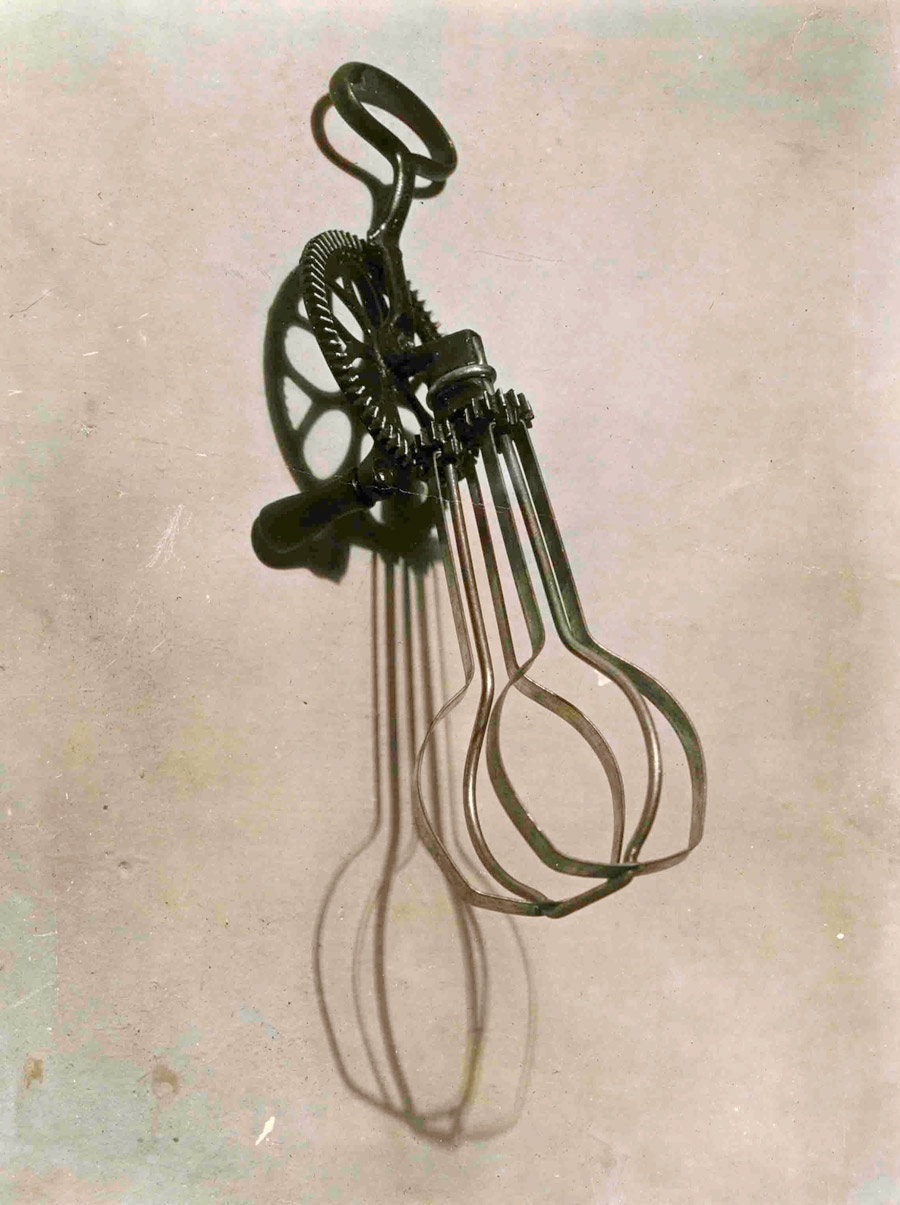


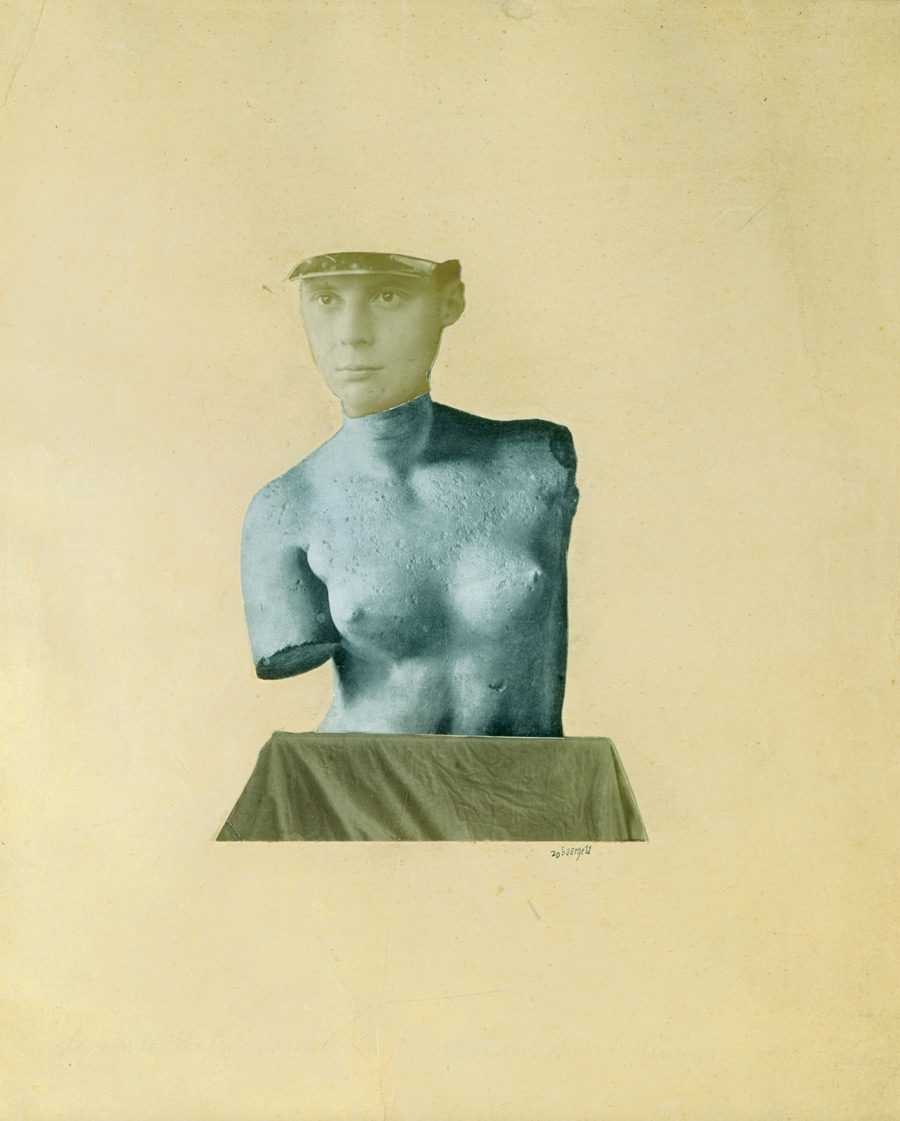
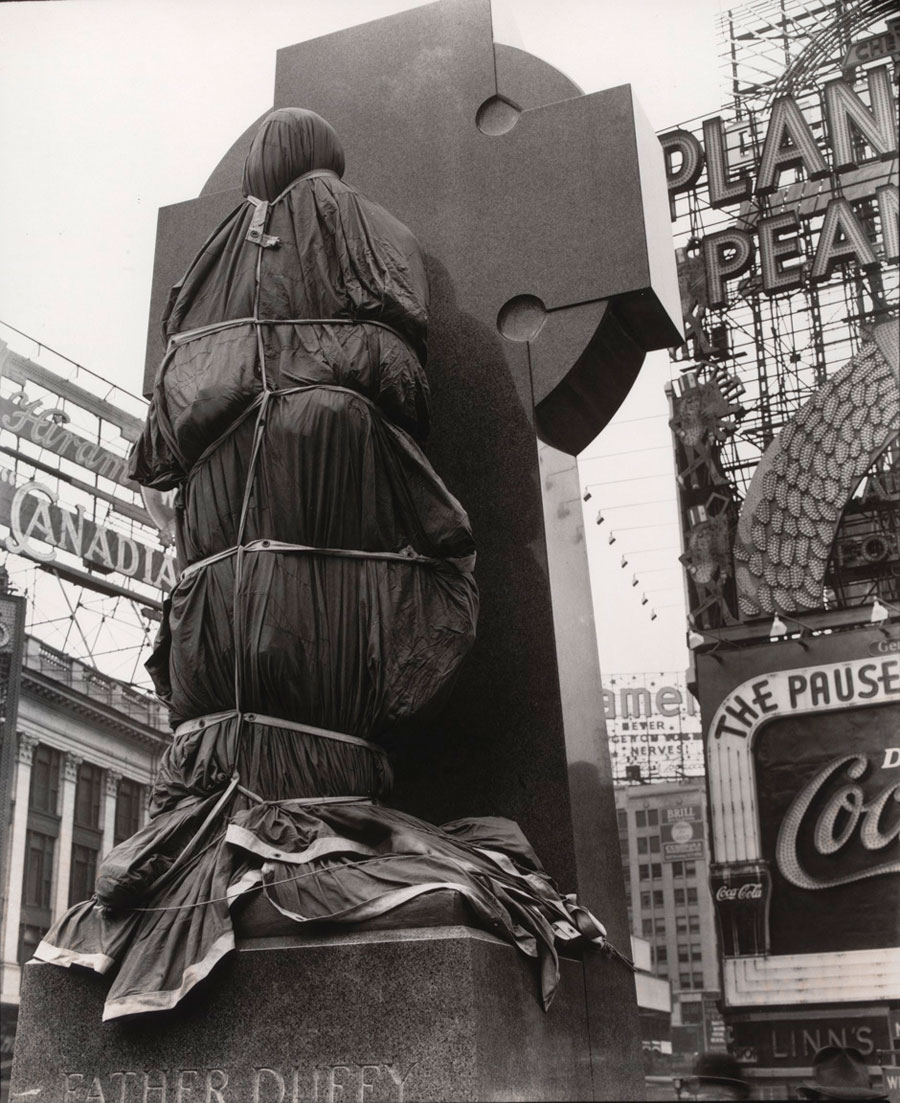
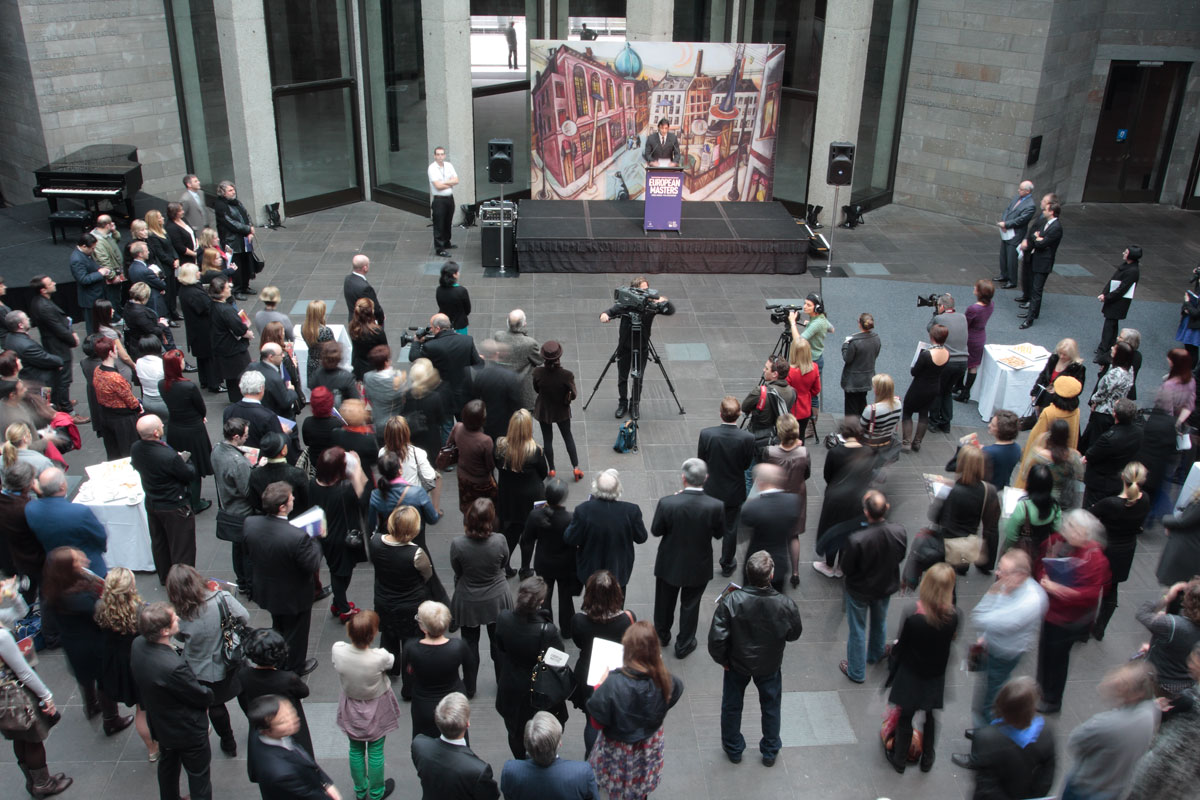


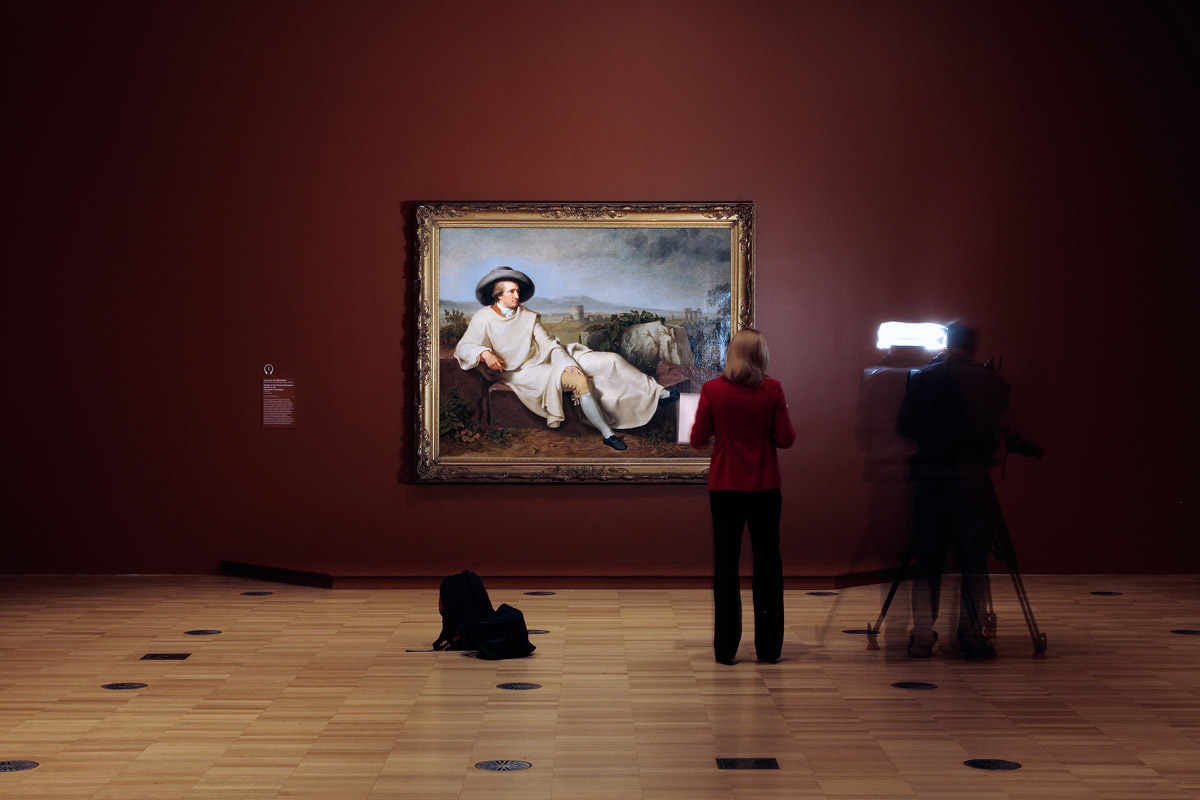
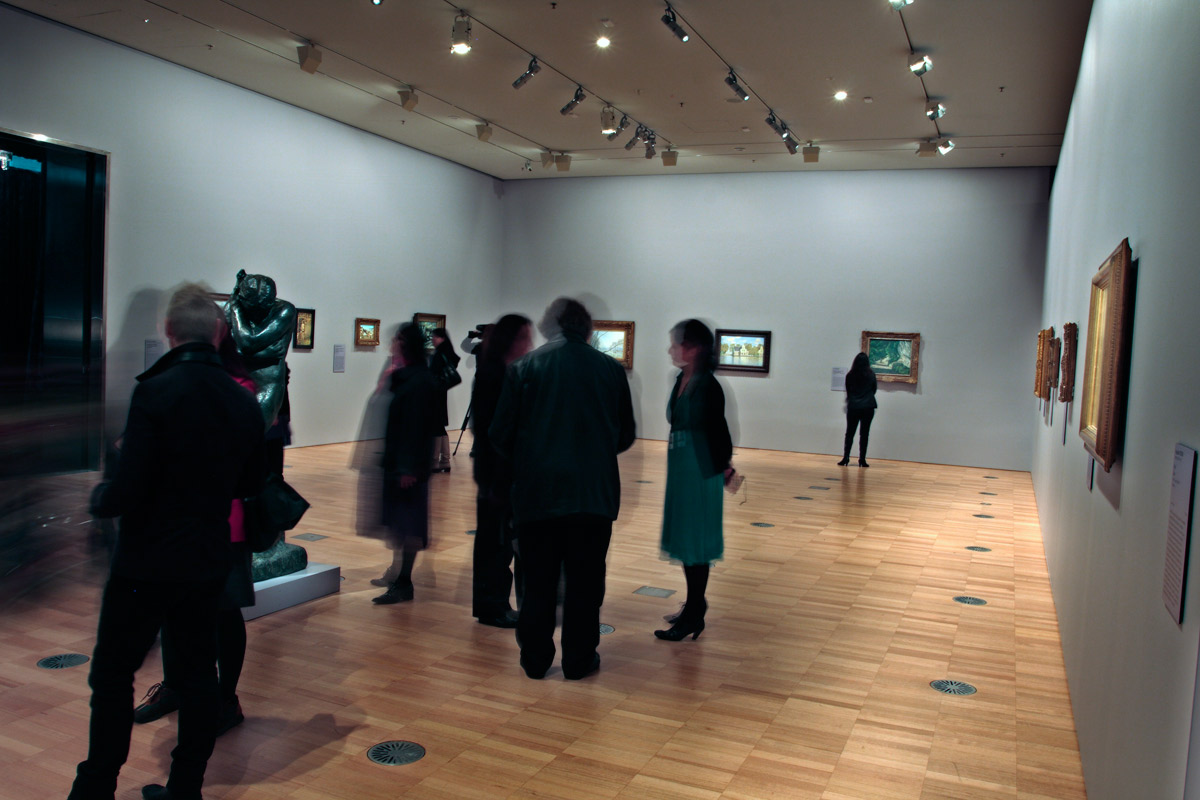

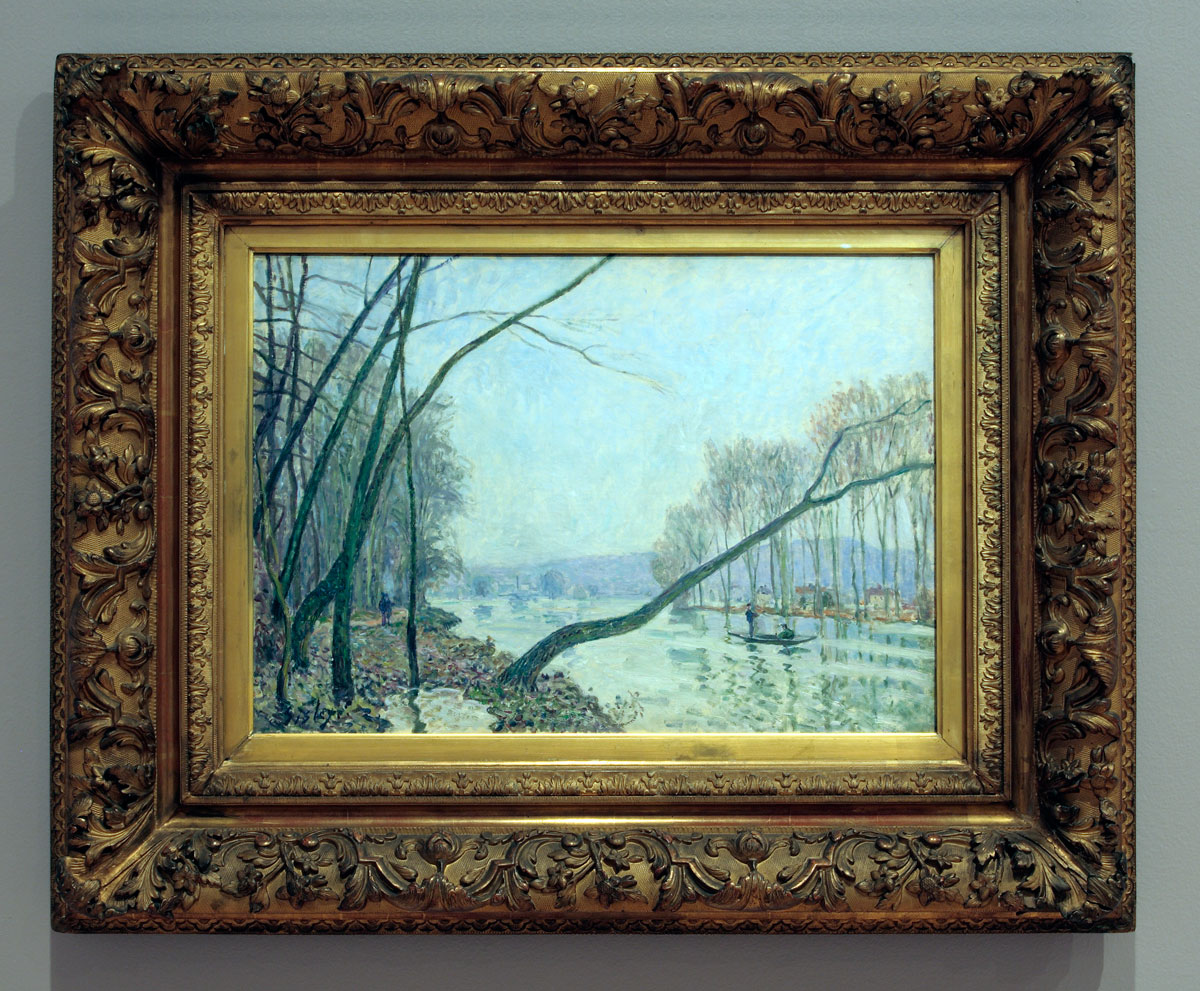
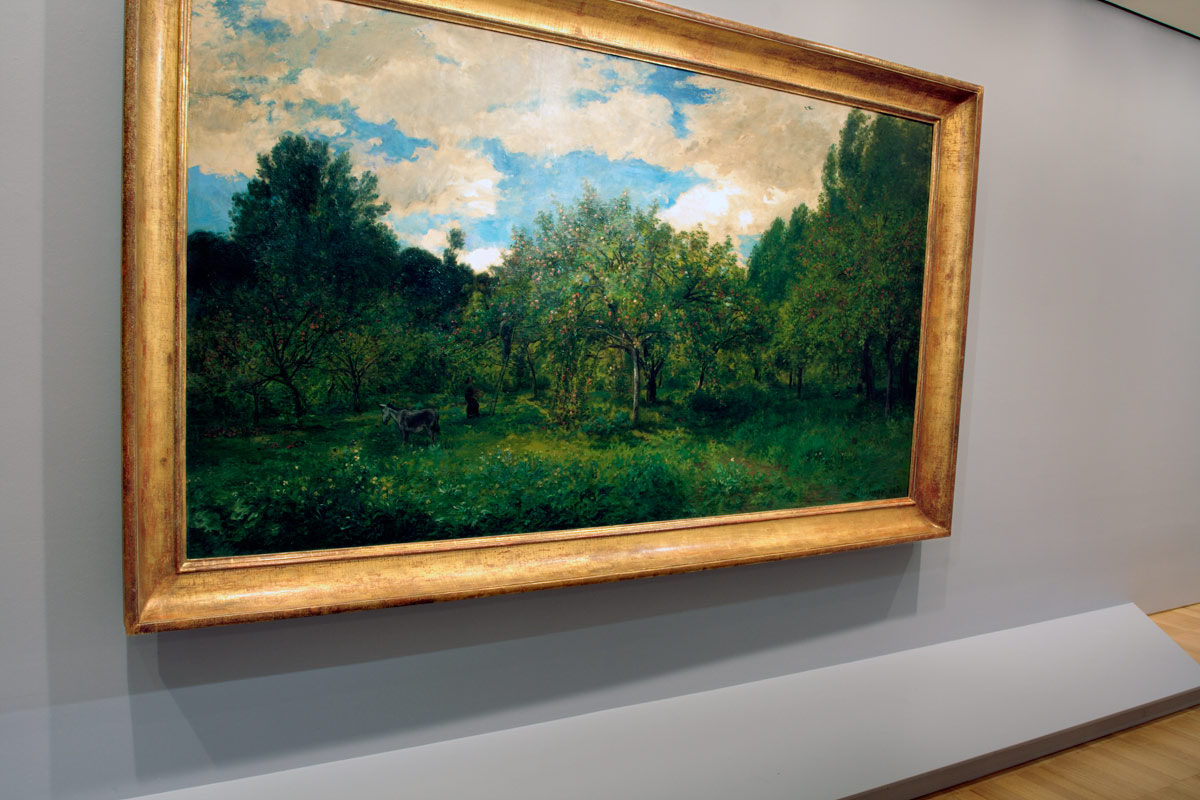




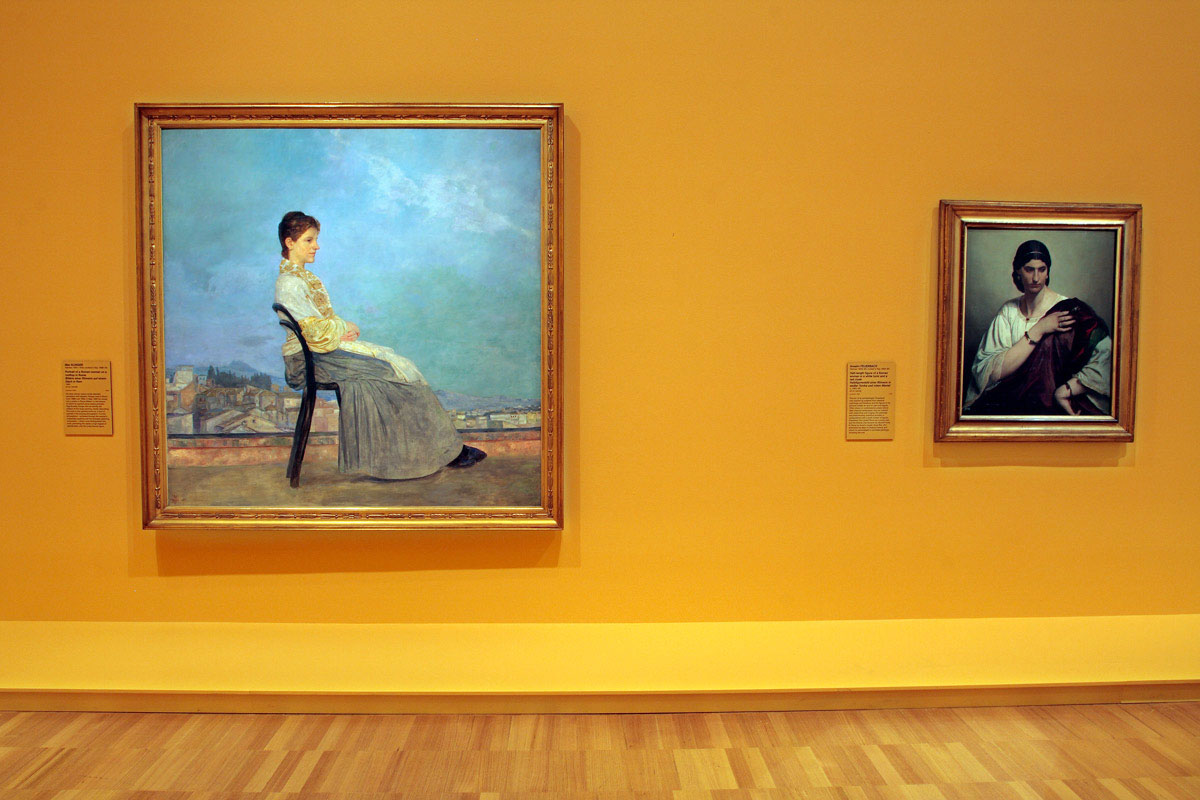


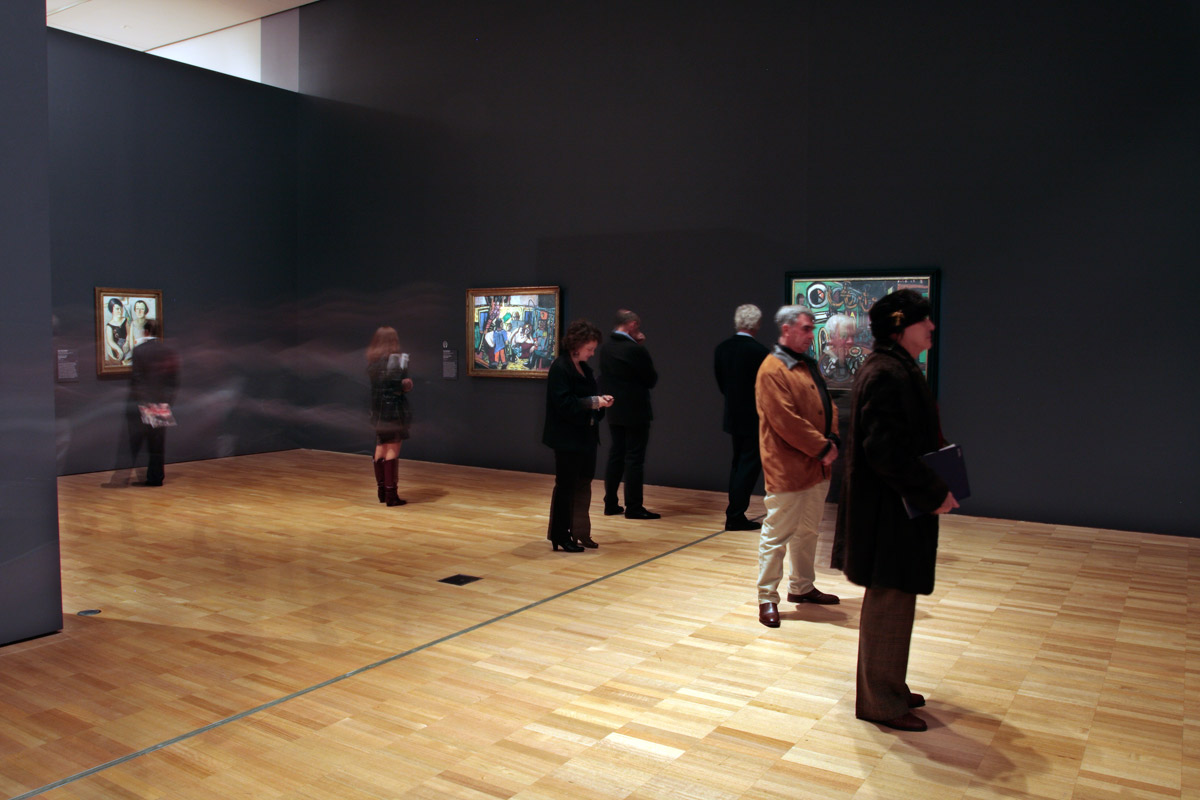

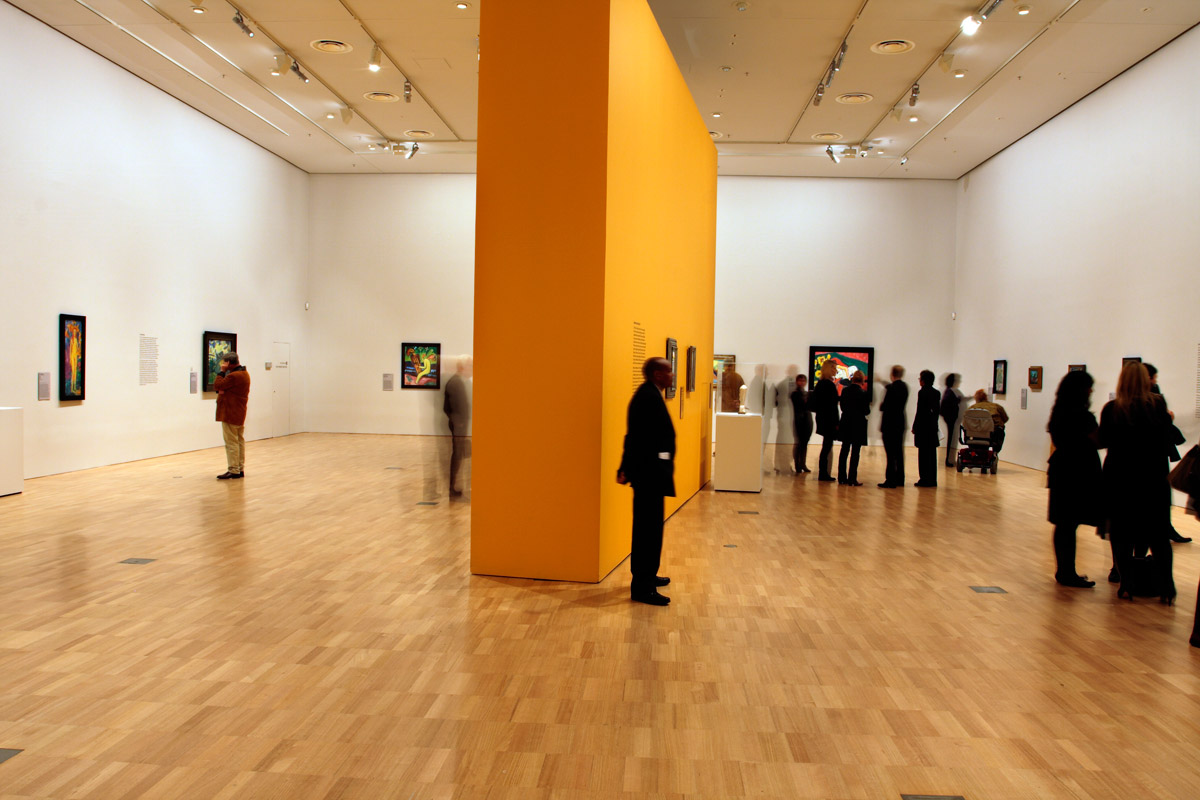
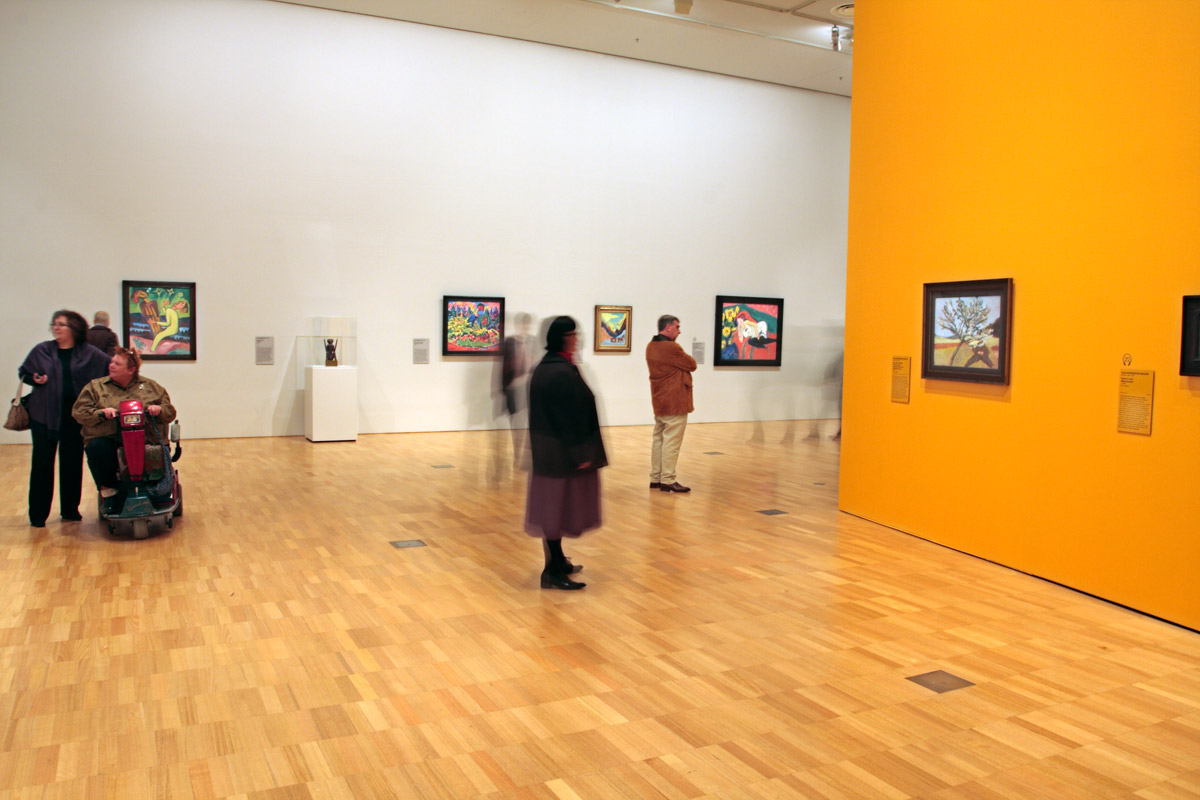

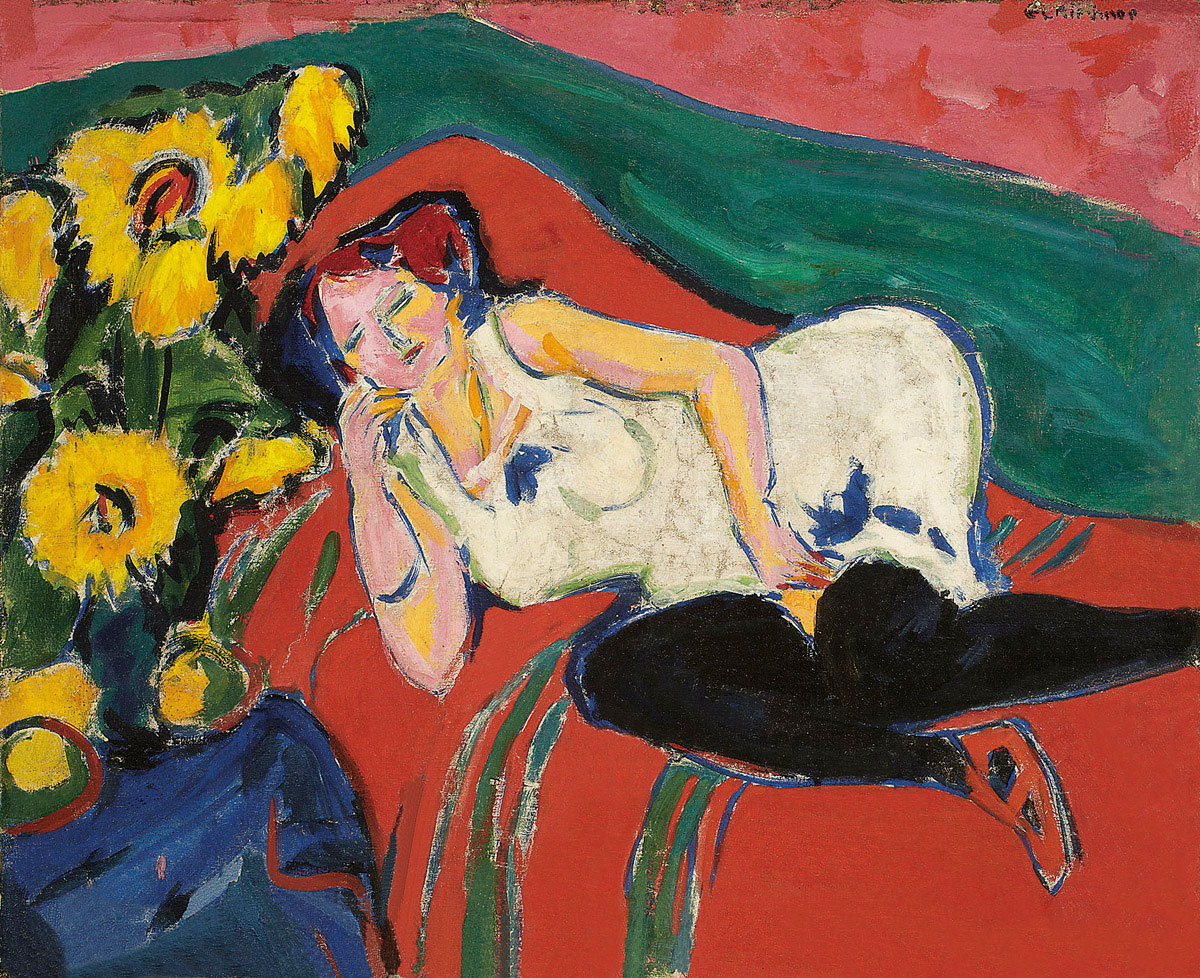
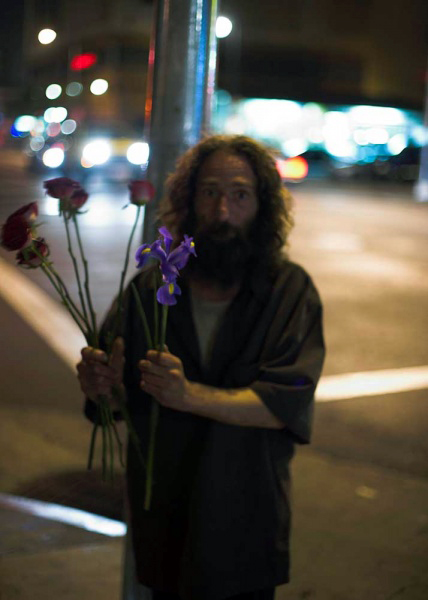
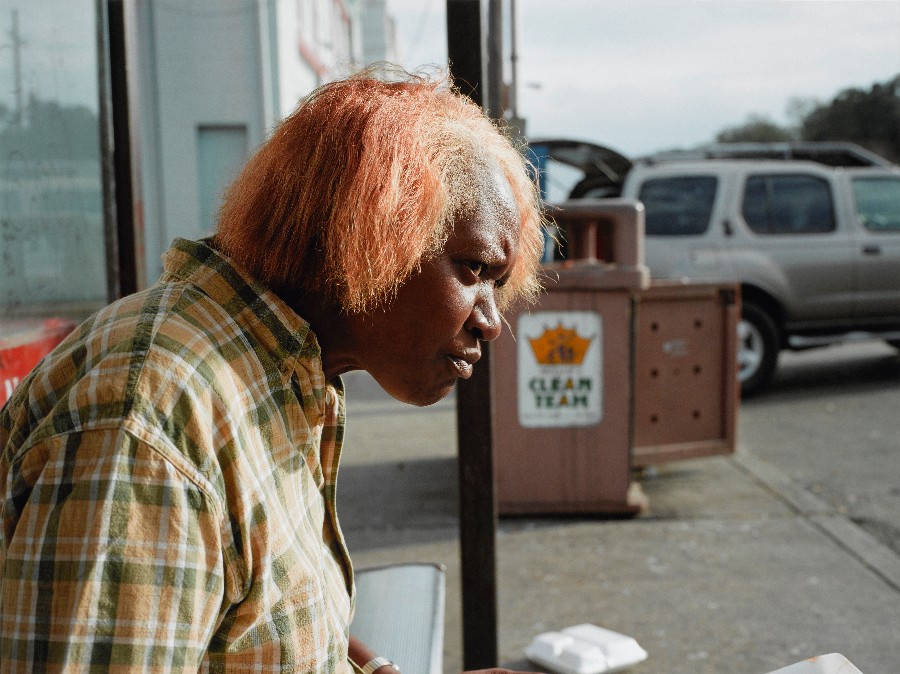
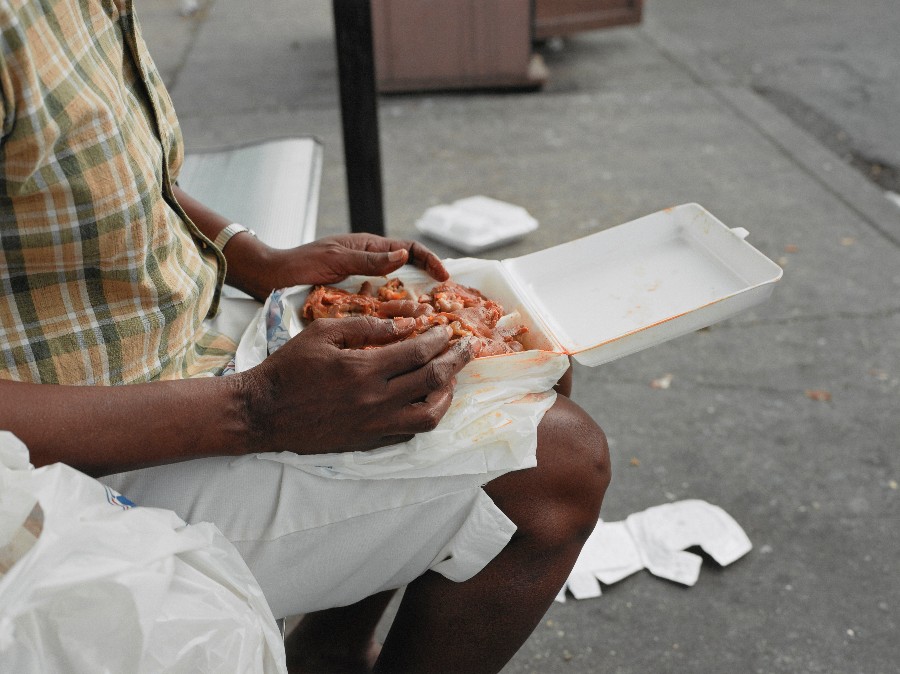
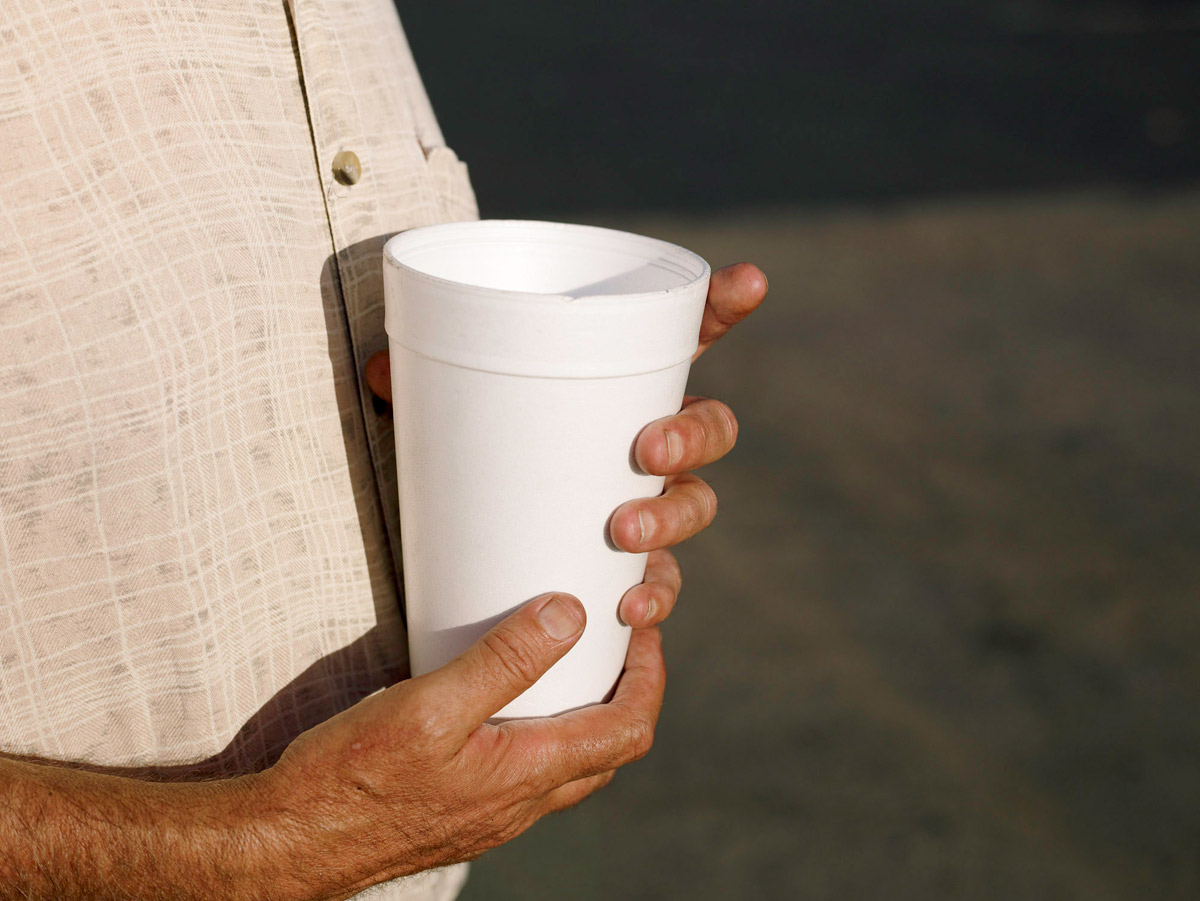
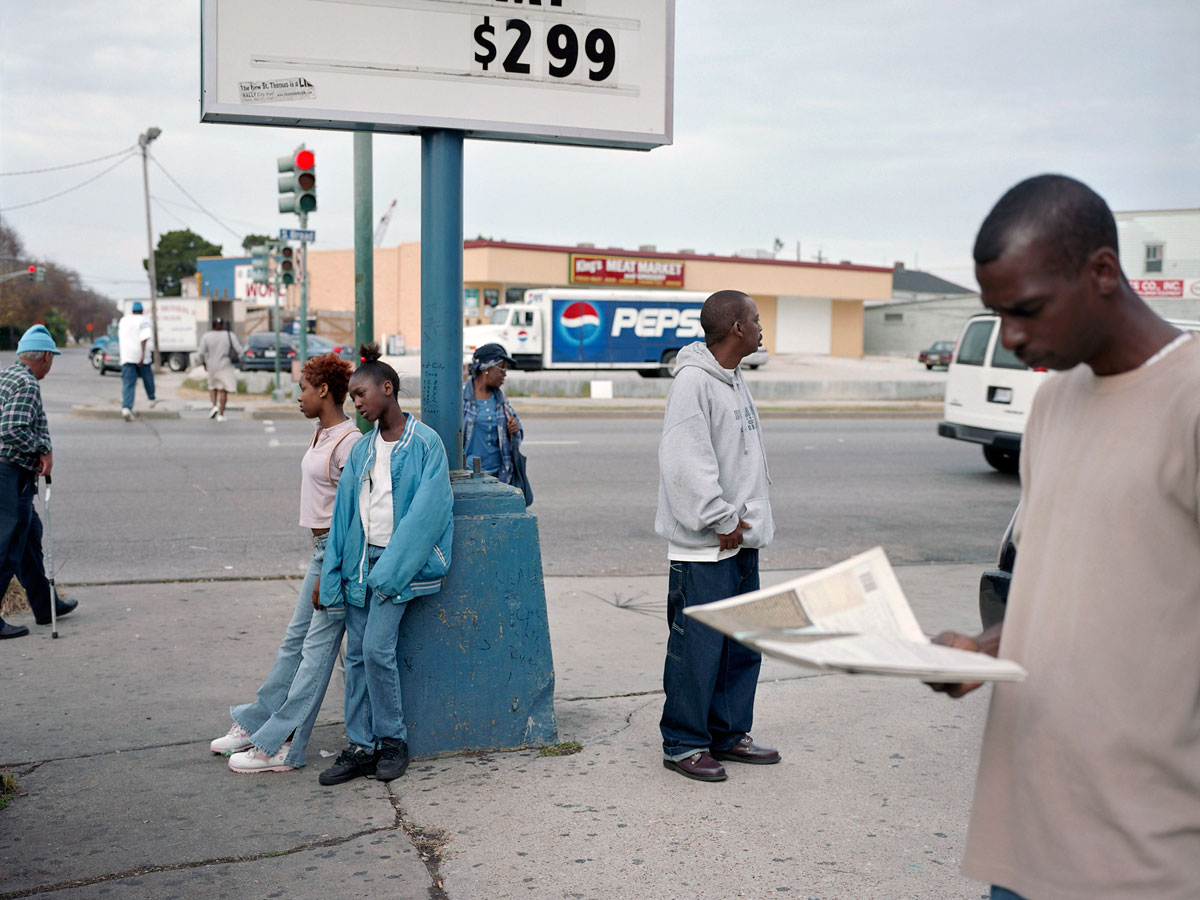
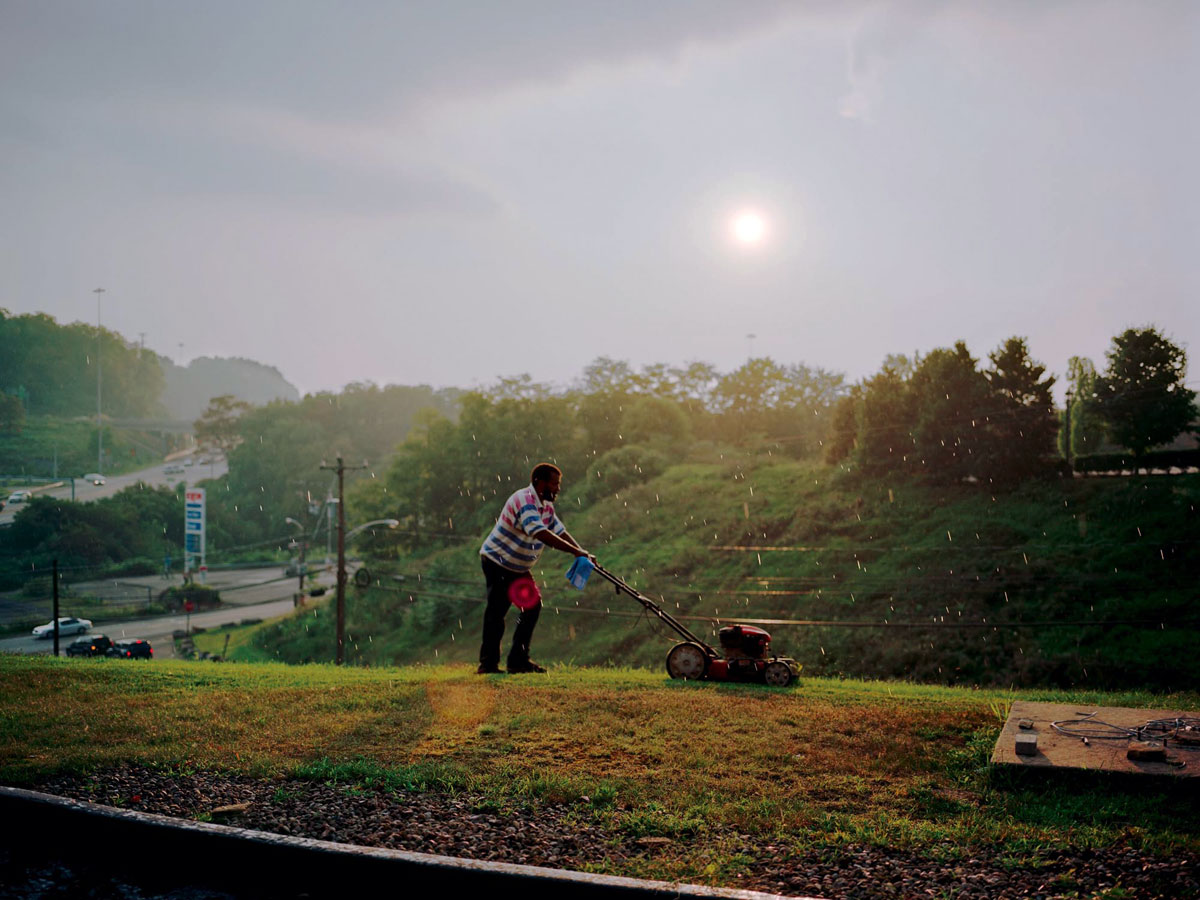
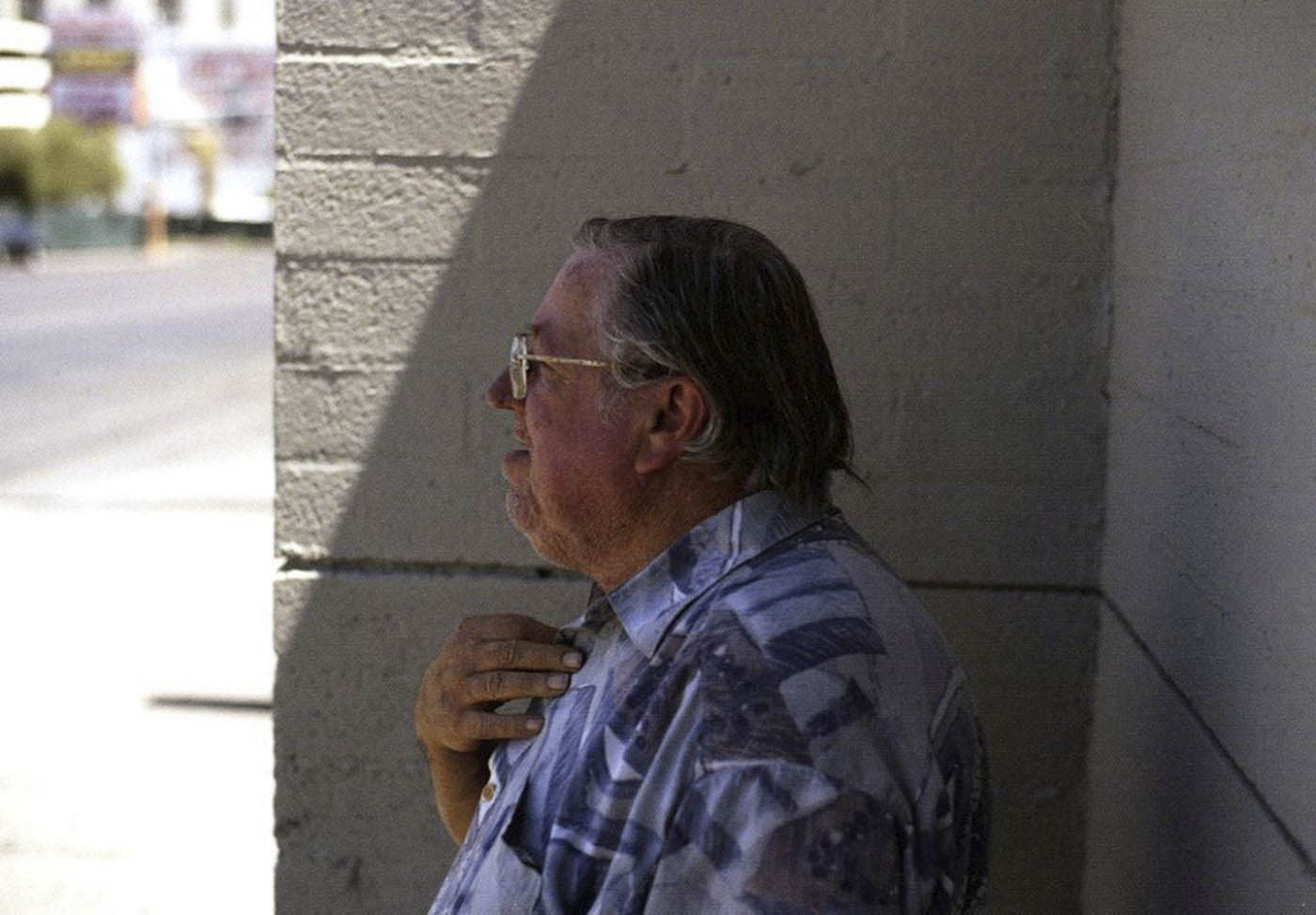
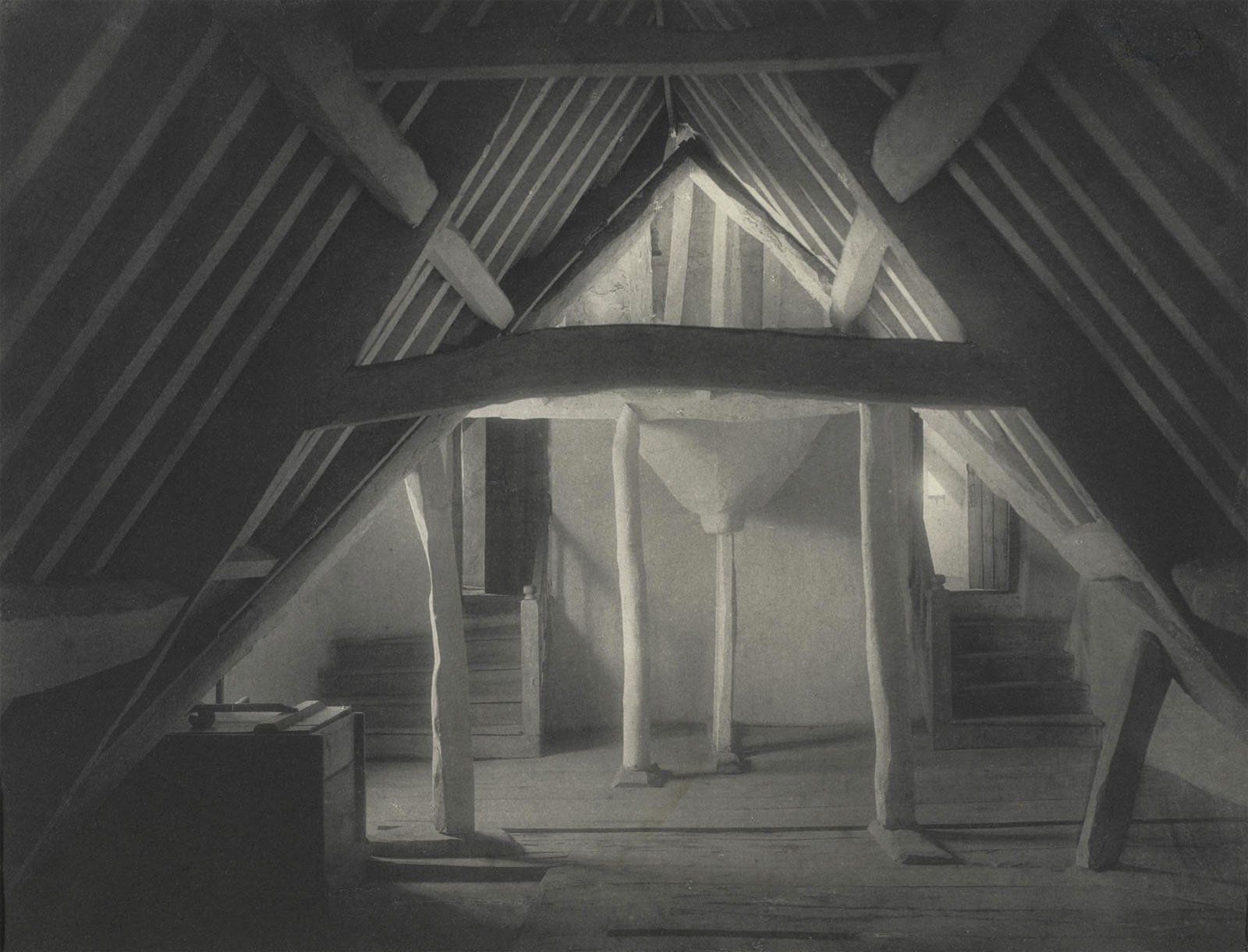
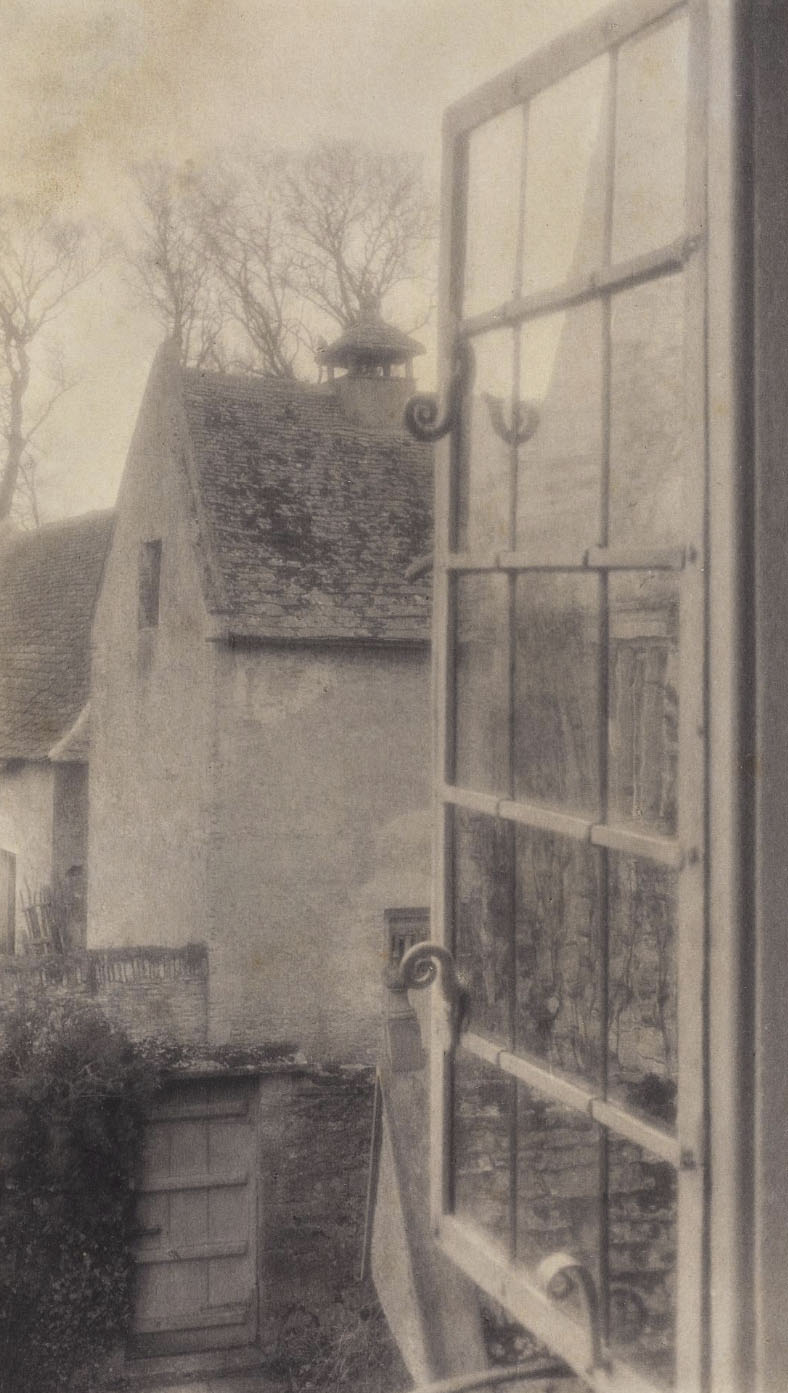
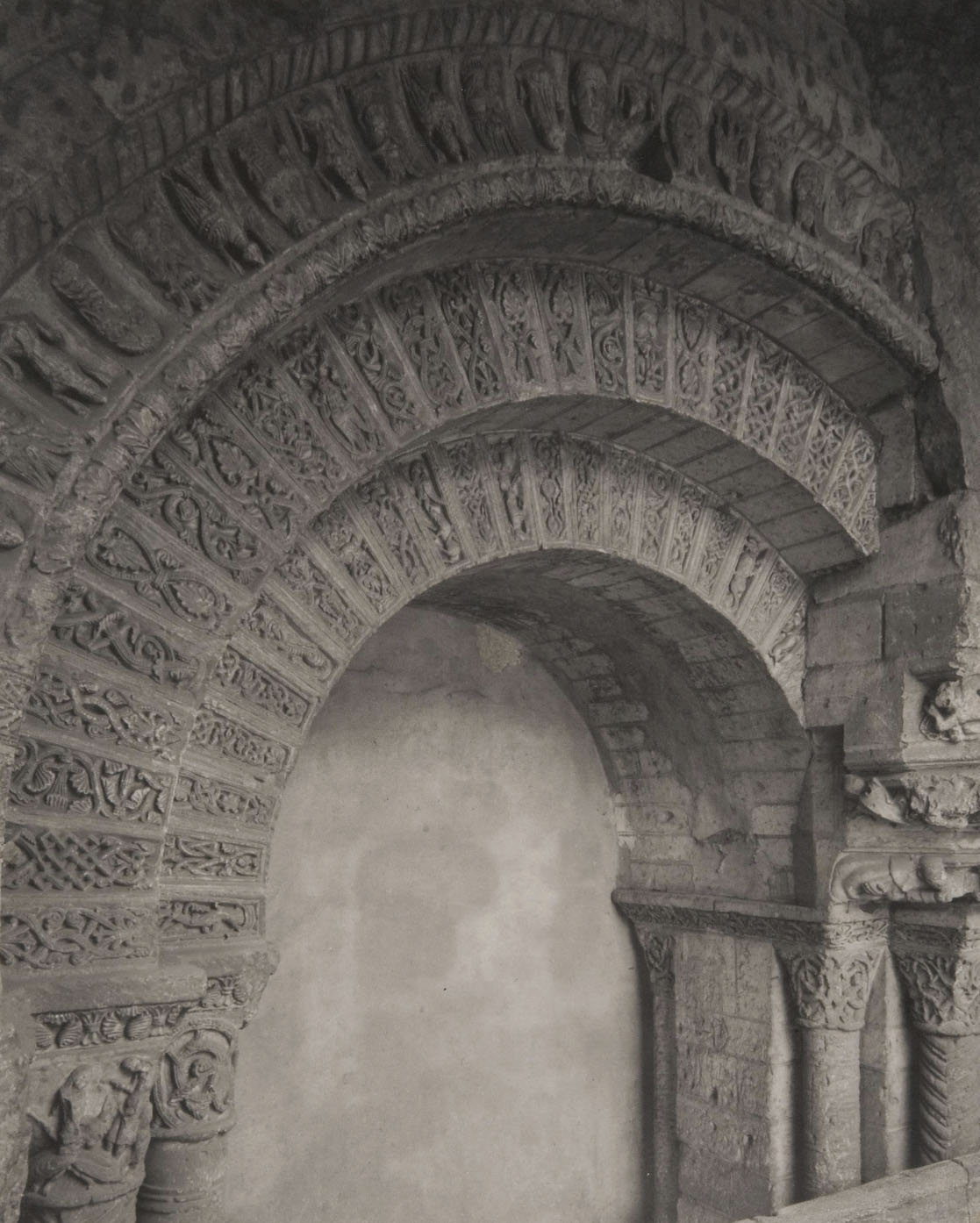


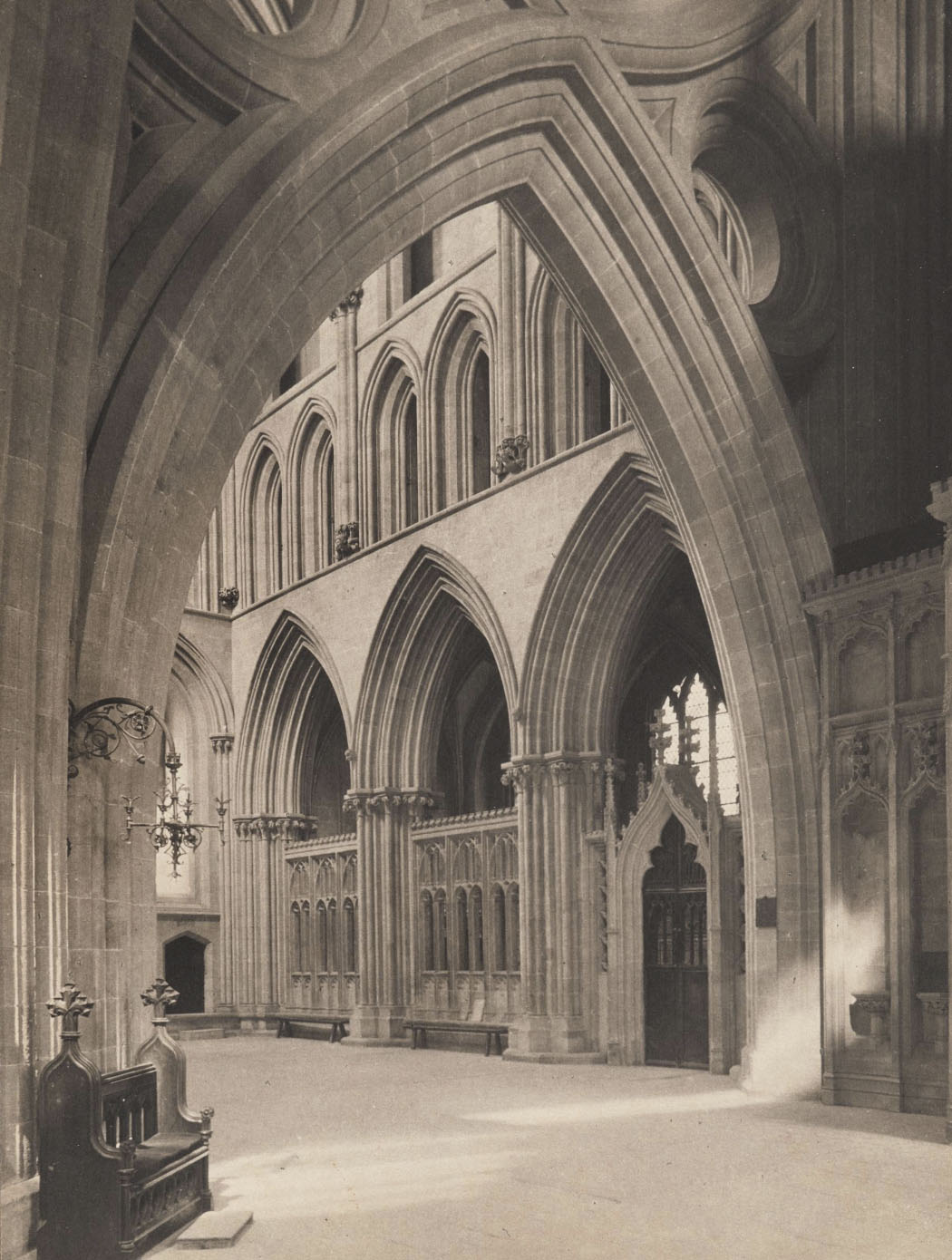
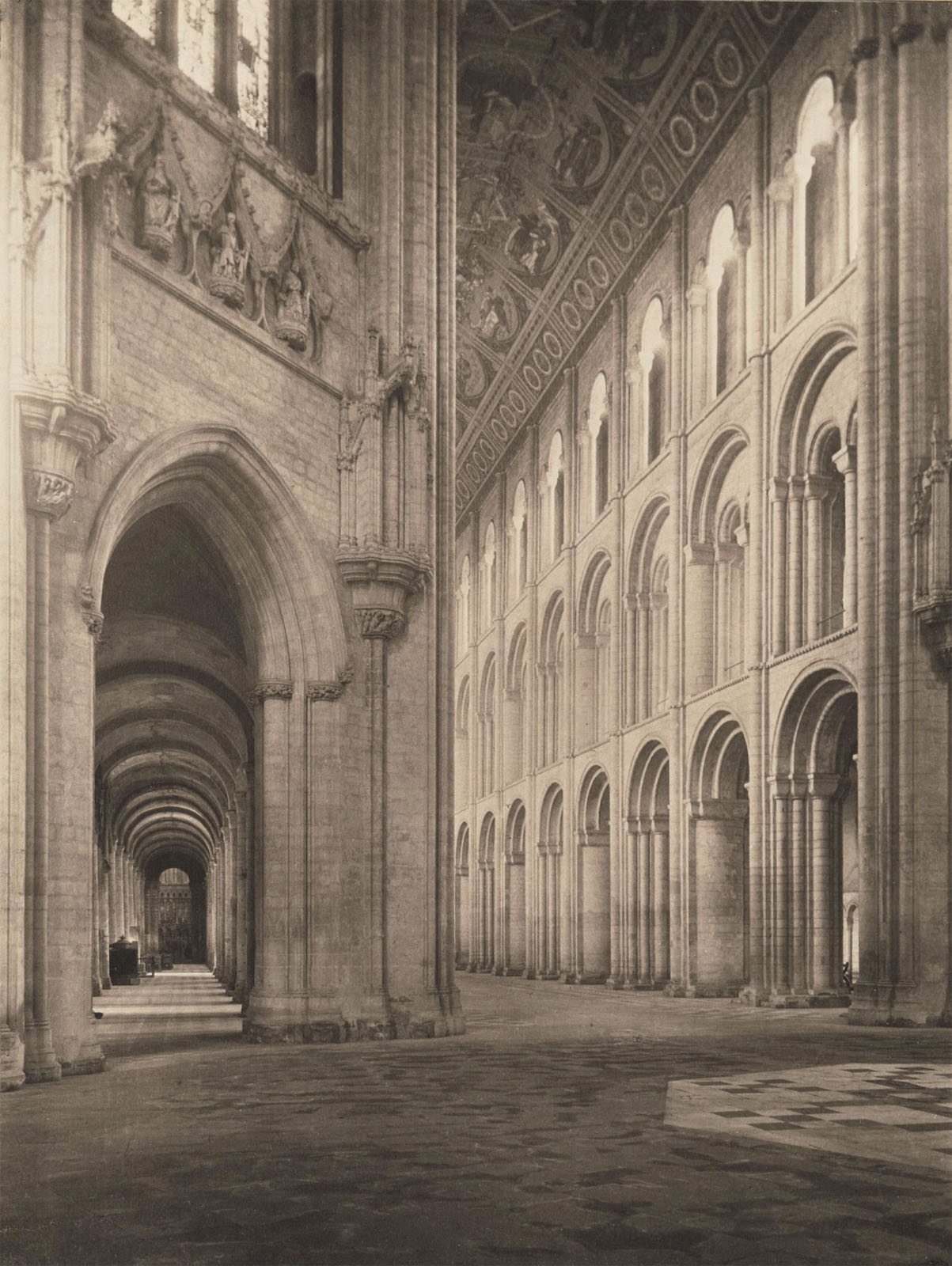
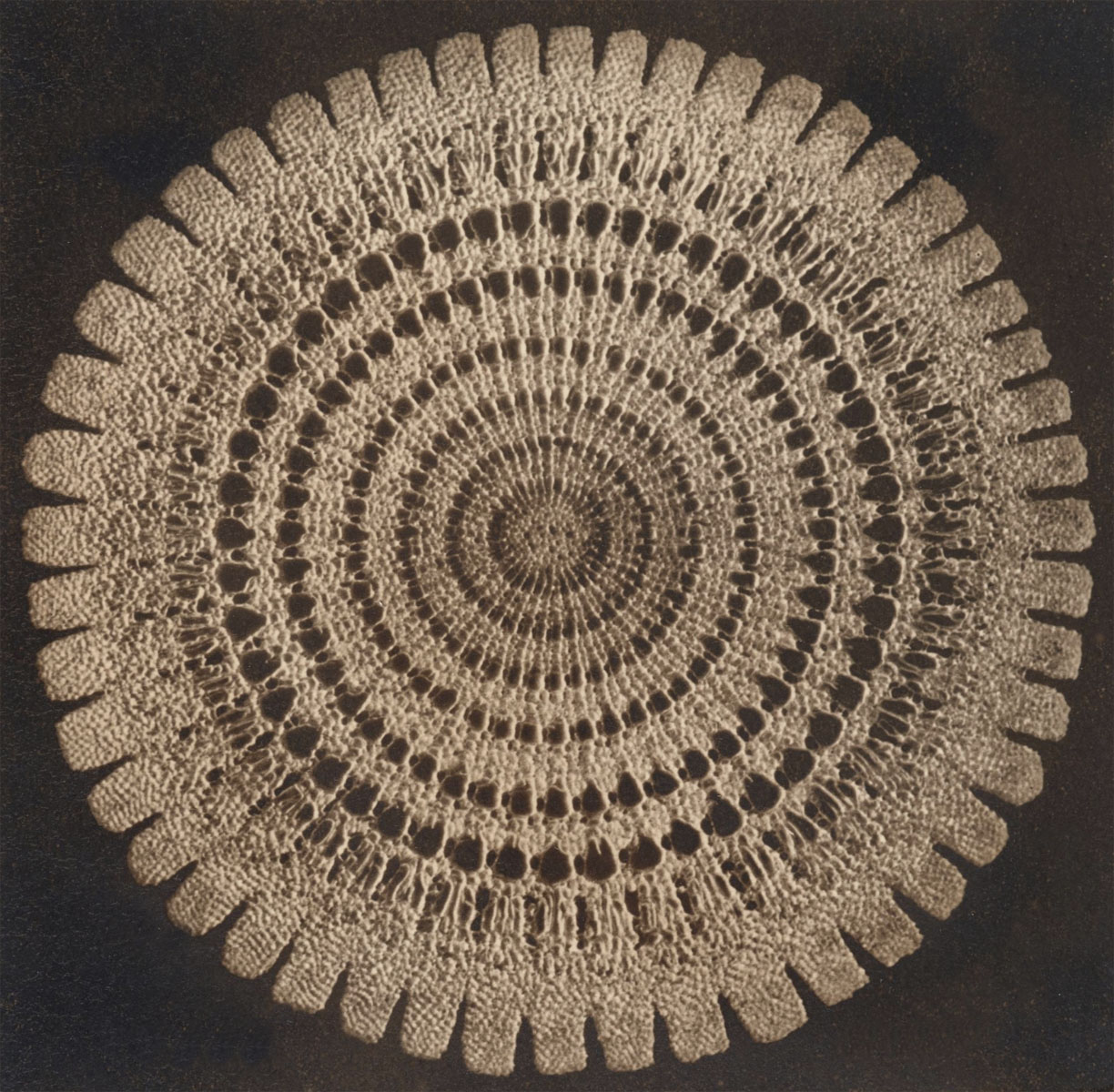
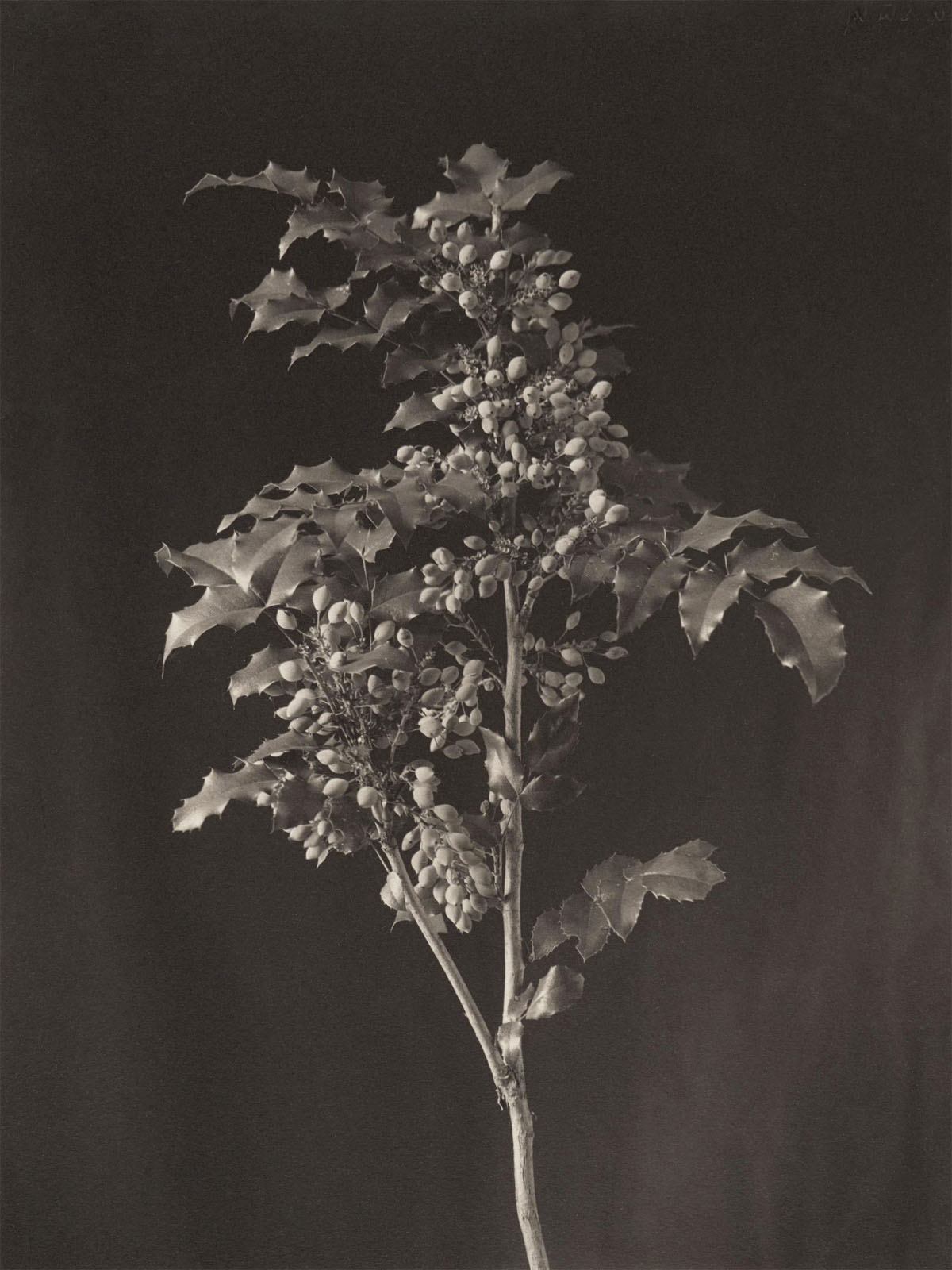
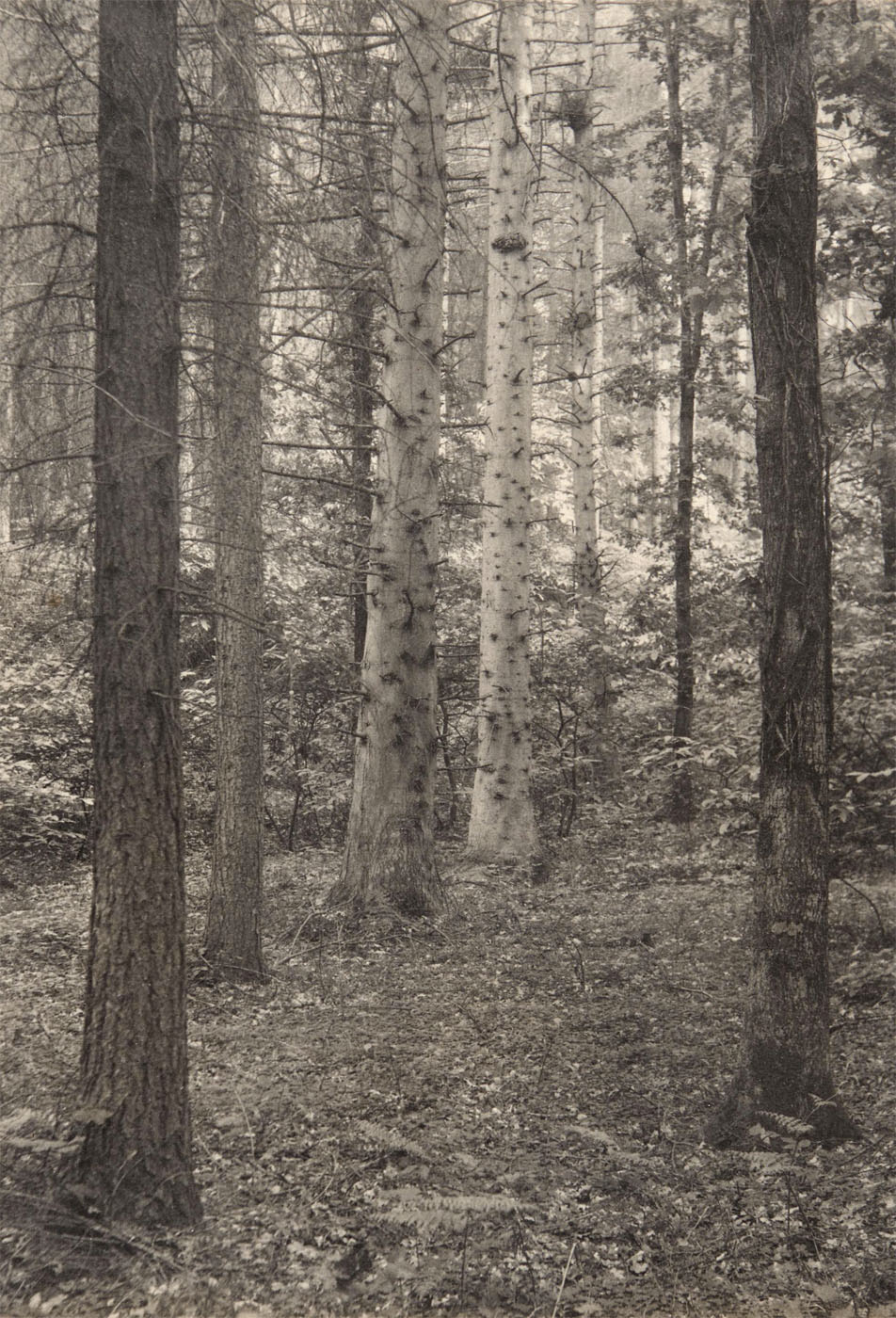
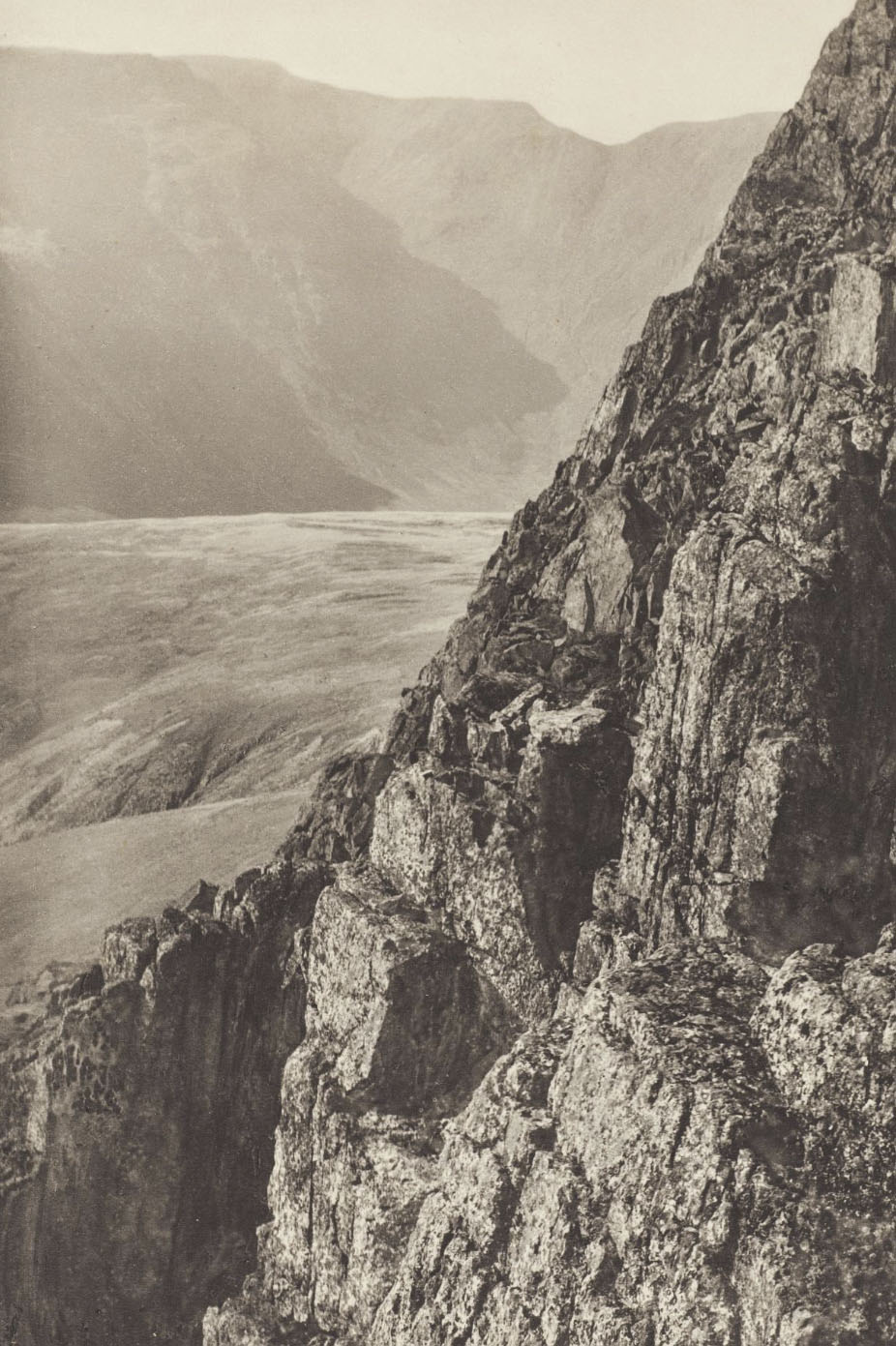

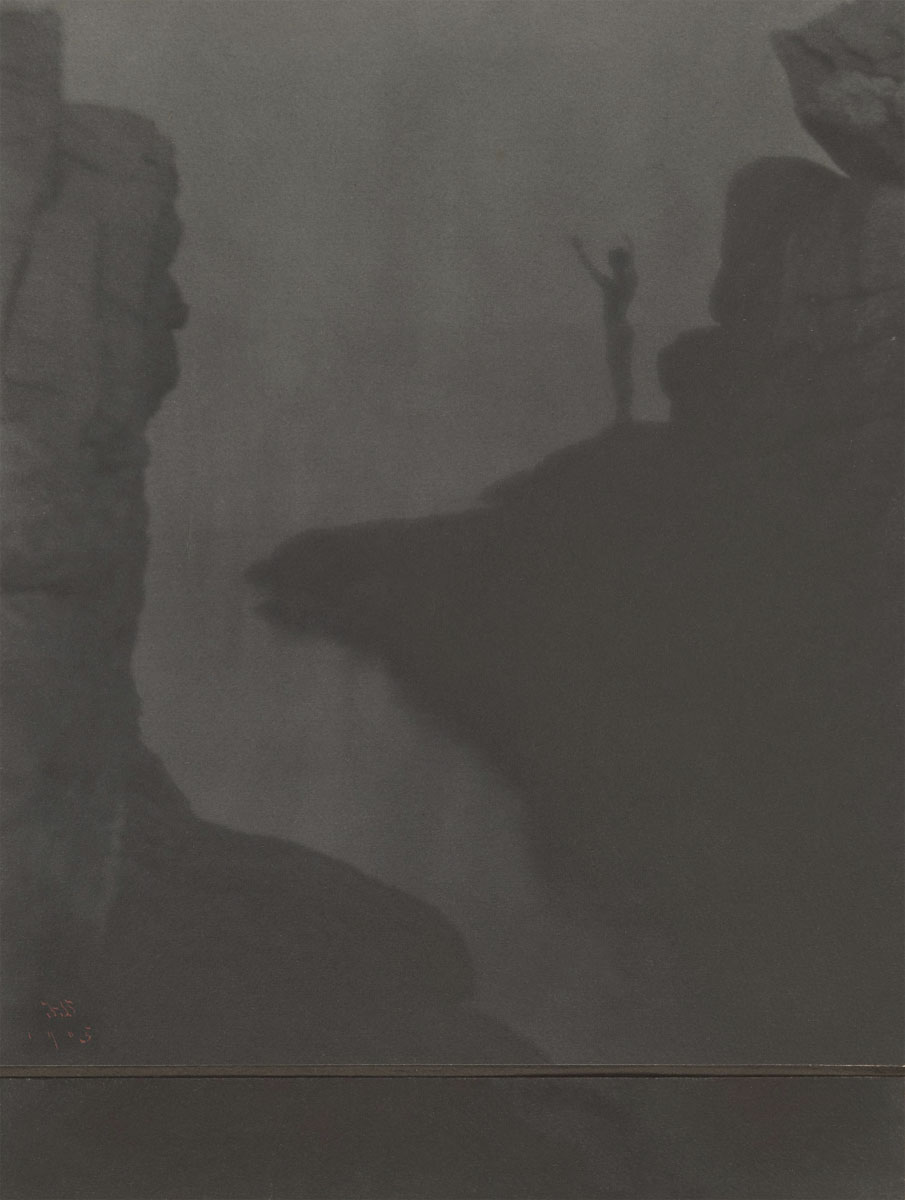

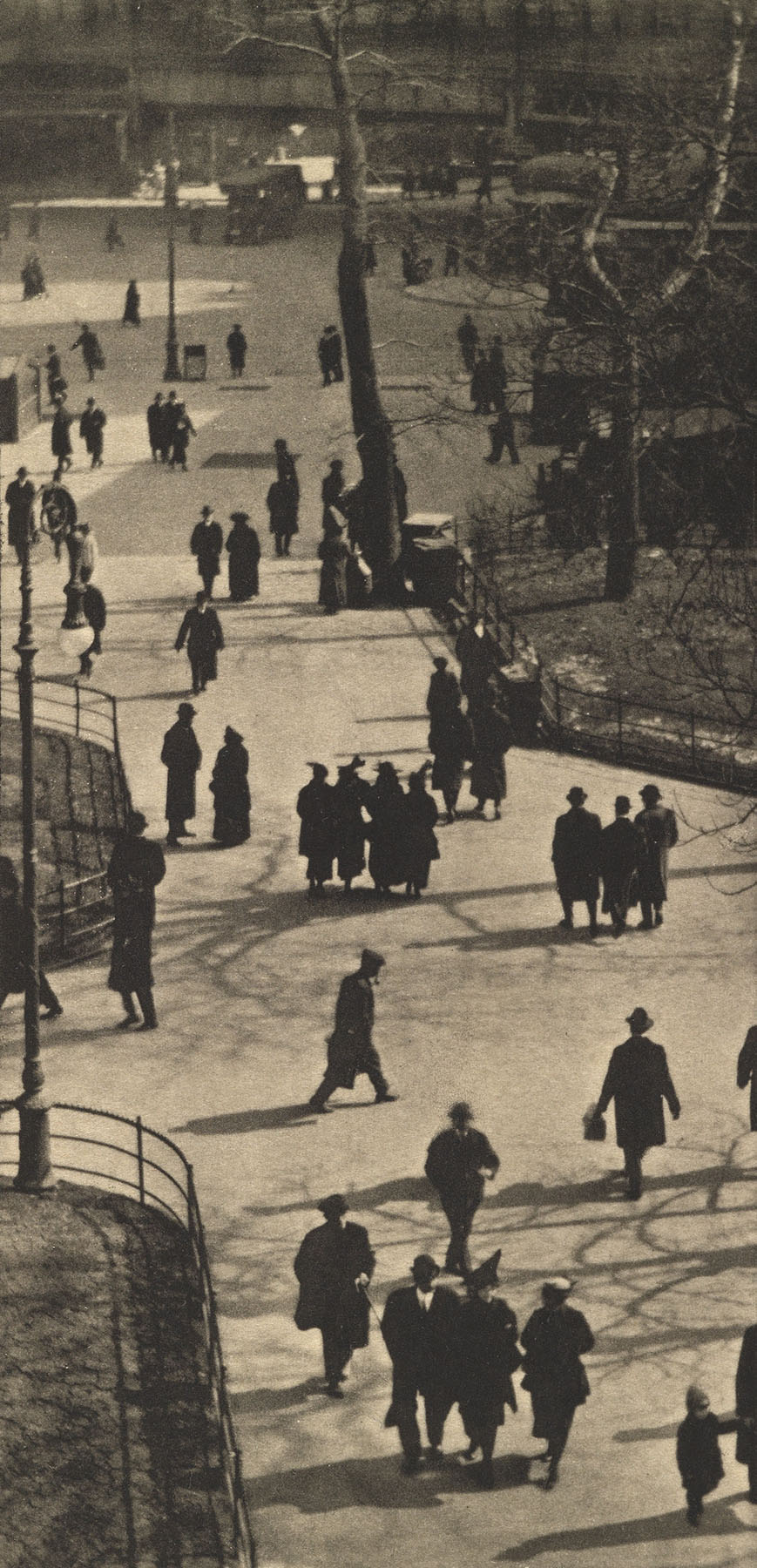


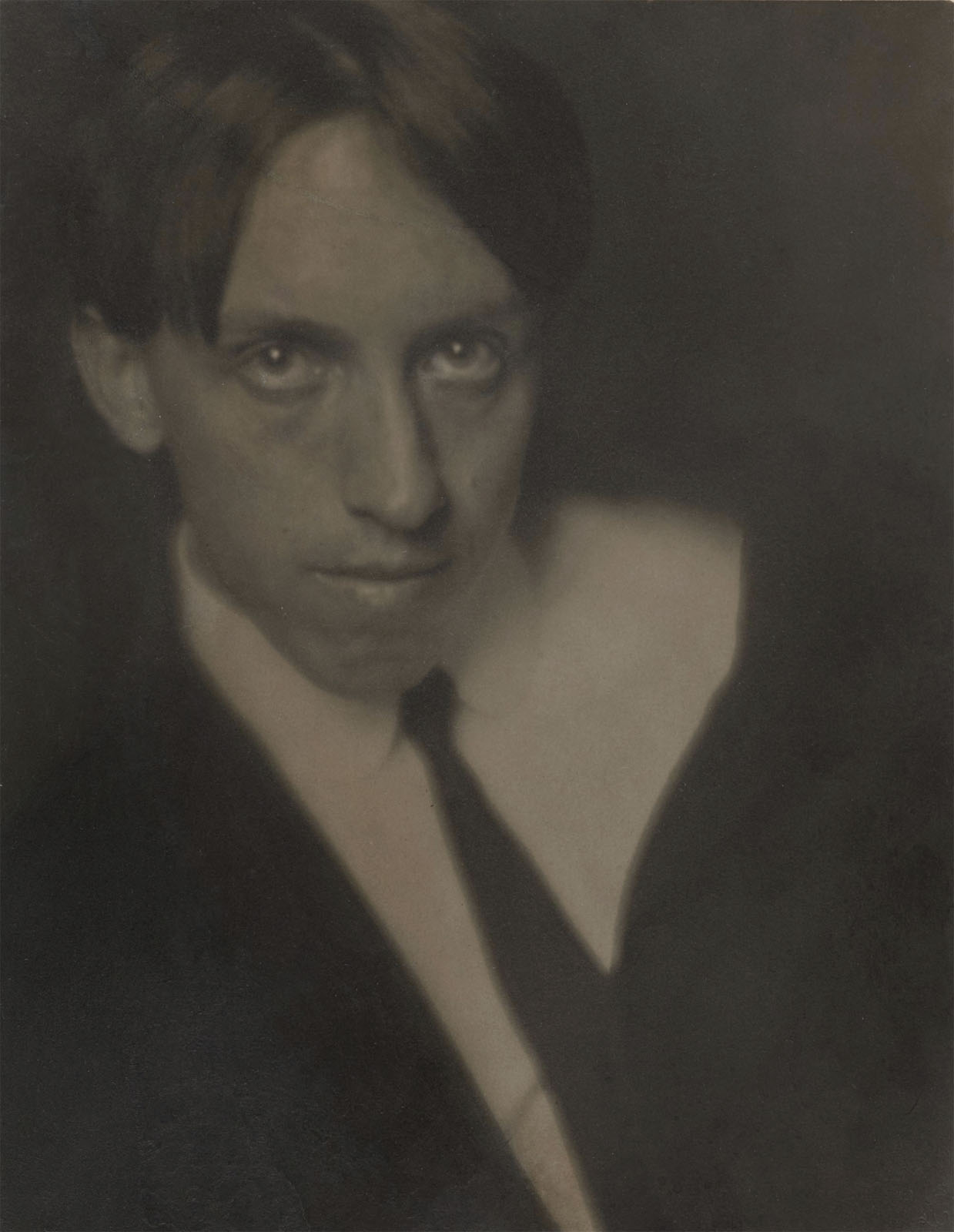
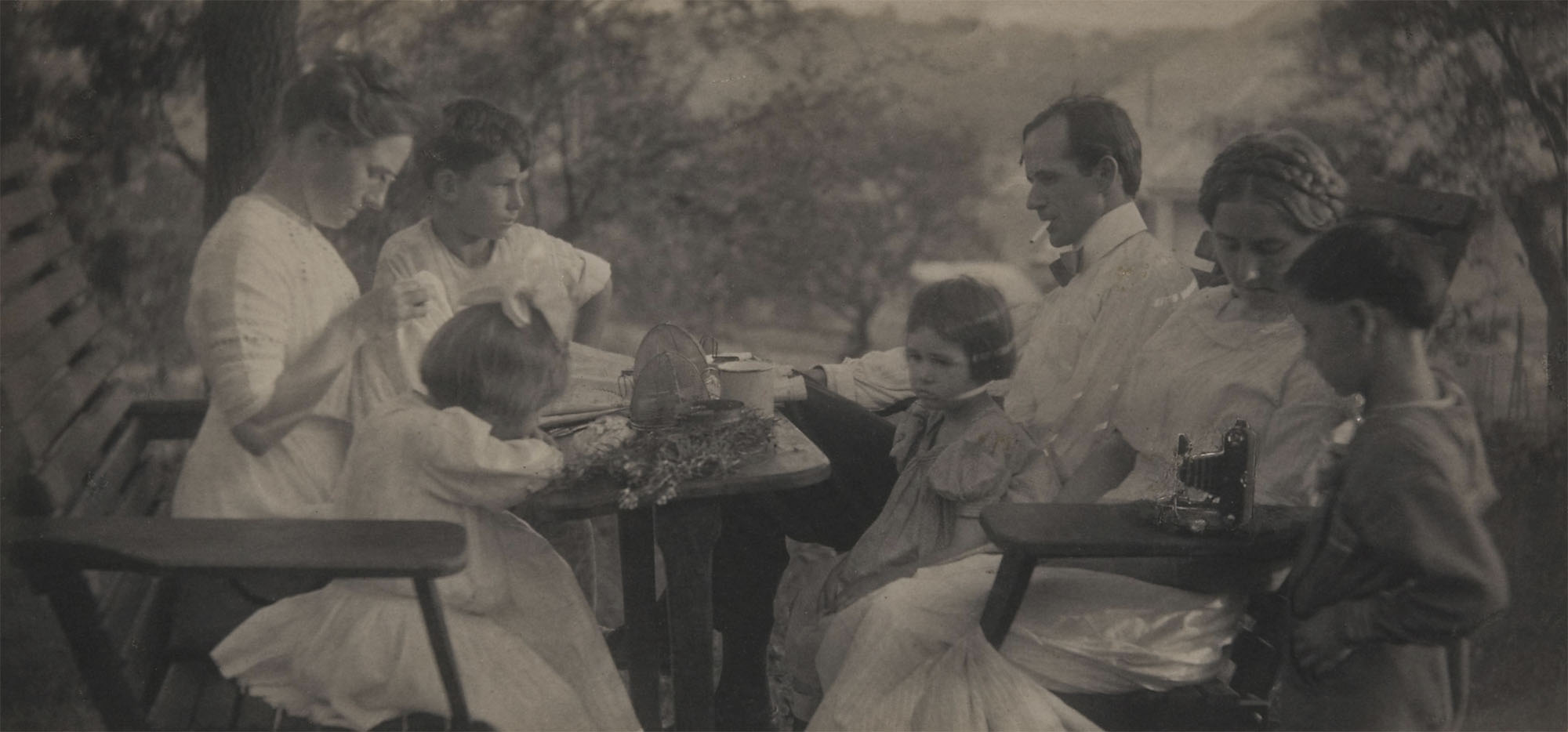

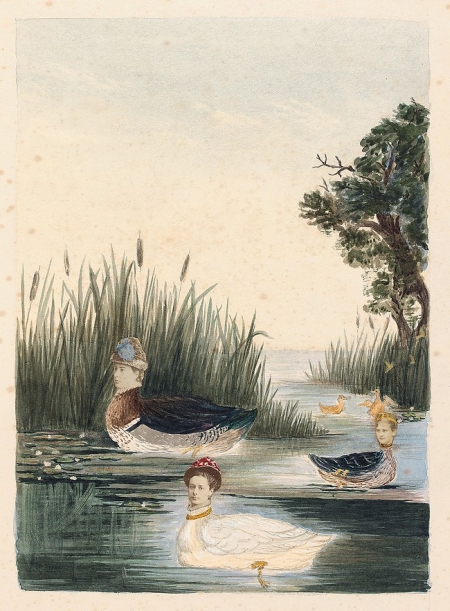
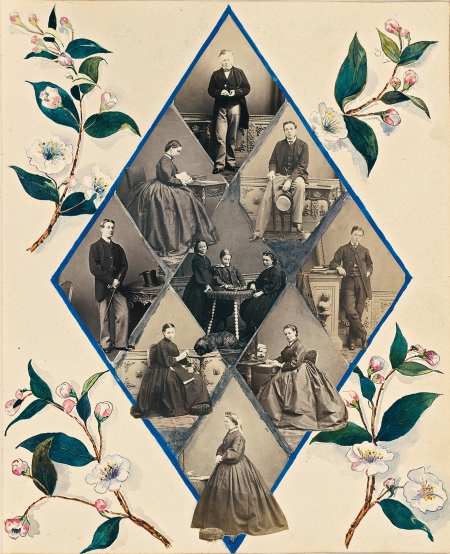
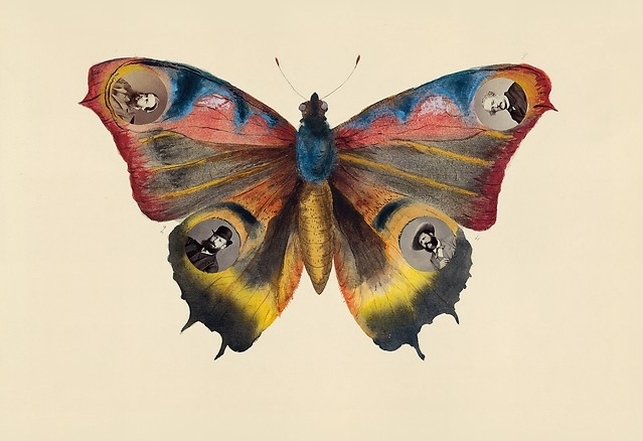
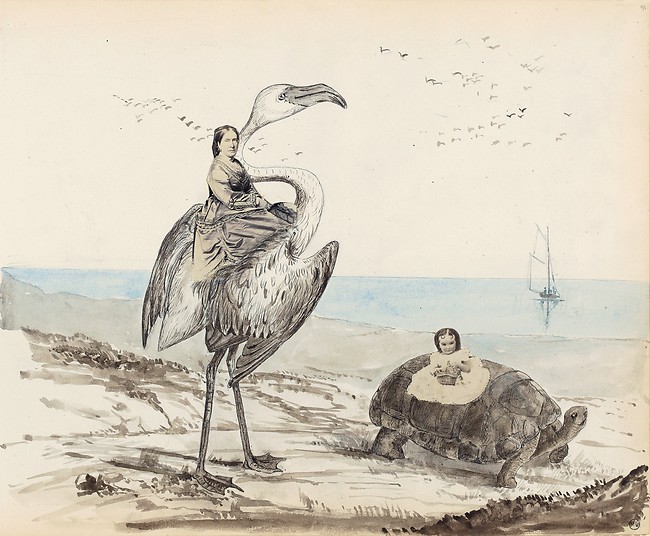
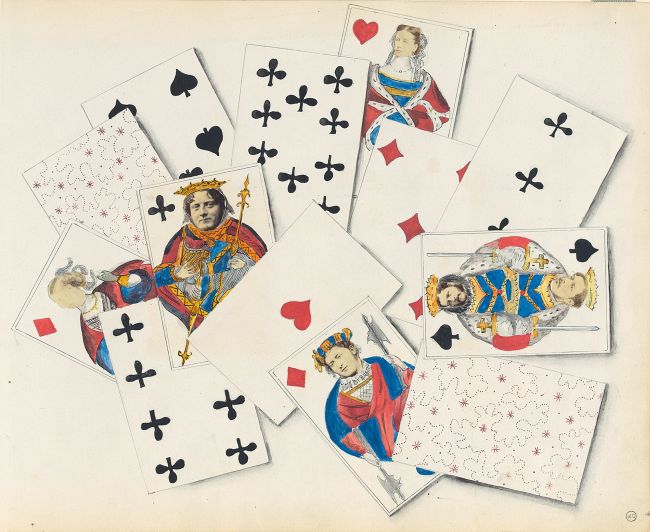
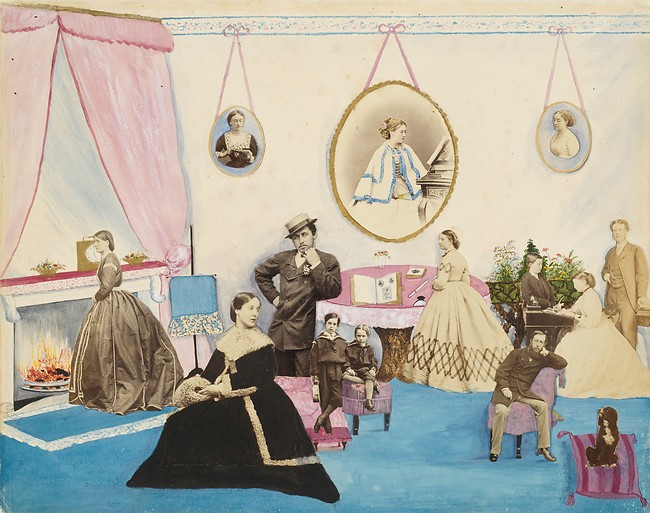
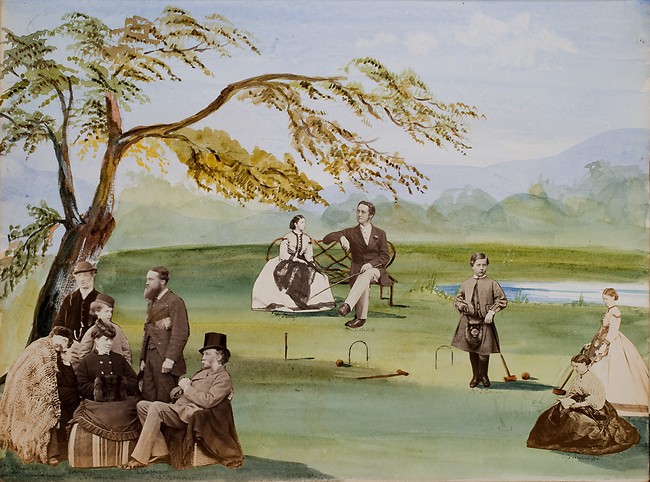


You must be logged in to post a comment.