This is a fascinating and intelligent selection of photographs in the display Known and Strange: Photographs from the Collection at the V&A Photography Centre, London which highlights photography’s power to transform the familiar into the unfamiliar, and the ordinary into the extraordinary. Each series shows honesty and integrity of conceptualisation and purpose, evidenced through strong photographs that engage the viewer in the visual narrative.
The catch all ‘Known and Strange’ somehow seems inadequate to describe the myriad threads of intertextuality (the way that similar or related texts influence, reflect, or differ from each other) and intersectionality (the interconnected nature of social categorisations such as race, class, and gender as they apply to a given individual or group, regarded as creating overlapping and interdependent systems of discrimination or disadvantage) created by the nexus of this photographic display.
Of course, photographs can never been “known” in the truest sense: “A photograph, however much it may pretend to authenticity, must always in the final instance admit that it is not real, in the sense that what is in the picture is not here, but elsewhere.”1 Elsewhere, and always in the past. But if they cannot be known, this strangeness, their strangeness can open up a new language of visual literacy which offers the viewer new ways of approaching the world – by transcending past time into present future, time. By allowing the viewer the possibility of many different interpretations and points of view when looking at photographs. As Judy Weiser observes,
“Consider the situation of many people viewing the same photograph of a person very different from all of them. Each will be likely to perceive the photo’s subject a bit differently, depending on their own smaller differences from each other. Each person’s perceptions about that photo’s subject is indeed true and correct for that particular perceiver, even though possibly radically different from those of its other perceivers. If they can consciously recognise that all of them hold different truths about the photograph that are equally valid, they may begin to see that they need not feel threatened the next time they encounter a real-life person whose opinion or appearance is very different from theirs.”2
Following the last posting on Carnival attractions and circus photos where I showed photographs of burlesque and “girl revue” show fronts, the final and most essential selection in this posting – Susan Meiselas’ 1972-1975 Carnival Strippers series – goes behind the “front” to document the lives of women who performed striptease for small-town carnivals in New England, Pennsylvania and South Carolina. “Meiselas’ frank description of these women brought a hidden world to public attention, and explored the complex role the carnival played in their lives: mobility, money and liberation, but also undeniable objectification and exploitation. Produced during the early years of the women’s movement, Carnival Strippers reflects the struggle for identity and self-esteem that characterised a complex era of change.” (Booktopia)
Intense, intimate and revealing, the series proves that we can think we know something (the phenomenal) and yet photography reveals how strange and different each world is – whether that be in trying to understand the mind of the artist and what they intended in a constructed photograph or, in this case, having an impression of someone else’s life, a life we can perceive (through the “presence” of the photograph) but never truly know (the noumenal).
Dr Marcus Bunyan
1/ Annette Kuhn, The Power of the Image: Essays on Representation and Sexuality, Routledge and Kegan Paul, London, 1985, pp. 30-31.
2/ Judy Weiser, PhotoTherapy Techniques, Jossey-Bass Publishers, San Francisco, 1993, p. 18.
Many thankx to the V&A for allowing me to publish the photographs in the posting. Please click on the photographs for a larger version of the image.
This display highlights photography’s power to transform the familiar into the unfamiliar, and the ordinary into the extraordinary. Showcasing new acquisitions, it presents some of the most compelling achievements in contemporary art photography.
Tereza Zelenkova is a Czech-born artist known for her imaginative exploration of mysticism. She is inspired by literature and philosophy, but also values intuition and coincidence as essential guides in her creative process. Zelenkova’s work peels back the layers of myth that build up over time, interrogating the historical past of places and people, probing at folklore and imparting a modern sense of Surrealism onto familiar things, such as the grave of Georges Bataille, the Moravian cave of Byci Skala, or a statue by Michelangelo in the V&A’s cast courts.
Text from the V&A website
The first photograph I’d like to talk about is The Unseen. I get asked quite often how this sits within the series and what has been the inspiration for the image. Although I rarely stage my photographs, I had a quite clear vision of this particular photograph. It is an amalgamation of two themes that somehow merged in my mind and crystalized into this heavily distilled vision that I then went on to stage and photograph. Ever since I remember, I’ve been interested in photography’s peculiar relationship with death. It may sound like a cliché now but it can’t be denied that photography, similarly as a reflection in a mirror, offers the viewer aside of the image of his or her likeness also a glimpse of his or her mortality. Moreover, as Václav Vanek writes* when he talks about the loneliness and “deathly anxiety that we feel when, while trying to find a companion, we keep finding only a mirror image of ourselves and ultimately our death, which is always present in such mirroring”. Photography offers us both a promise of immortality alongside the reminder of our discontinuity. At the same time, due to its peculiar relationship with time, its strange stillness and minute detail it promises to reveal a bit more, something beyond the ordinary image of ourselves, or the everyday reality. It lures us to believe that it can see what’s unseen to the naked eye, that it can trespass the ordinary notion of time, and even blur the thresholds between the worlds of living and those long gone. Most of the people will be probably familiar with spirit photography, in which the 19th century society believed to find a way of communicating with their deceased loved ones. What’s interesting to note in this case is that the automatism of photographic medium was one of the key elements in this wide spread belief of photography’s ability to capture the world of spirits. Automatism of photography suggested the medium’s detachment from the cognitive processes of the human brain and its ability to tap into the unconscious, be it individual or collective. Automatism played a vital role not only in communicating with spirits, but also in early modernist art, especially in Surrealism. We have remarkable examples of automatic drawings, paintings or writings. In the Czech Republic, there’s a very special collection of such automatic drawings from the early 20th century, that however don’t come from avant-garde artists but from ordinary people found in one small region right at the foot of the tallest Czech mountain range, Krkonoše (Giant Mountains in English). From the end of the 19th century up until 1945, there seemed to be a golden age of Spiritism, that was however very unique to the region due to people’s relative isolation, living in the secluded farmhouses scattered at the foot of the mountains and meeting at each other’s houses for regular Spiritistic séances mainly held to bring back relatives who died during the war. The local people often used automatic drawing to receive hallucinatory visions from the other side and the collections of these remarkable drawings can be found in a museum in Nova Paka, but their notoriety goes well beyond the Czech borders as some of the finest examples of the so called Art Brut. So this is the first ingredient of my photograph. The second one is much more visual and comes as a snippet from a Czech fairytale Goldielocks, written by one of the most famous Czech 19th century writers, Karel Jaromír Erben. The scene that I used as a base for my photograph comes from the 1970’s version of the tale and it is a moment when the main hero needs to recognise Goldielocks, the princess with golden hair, amongst her twelve sisters, even though their hair is covered with a veil. I’ve always found the scene rather surreal and it immediately connected for me with the popular image of ghosts. There’s also something ritualistic and esoteric about the whole thing.
* In an introduction to a J.J. Kolár’s short story At The Red Dragon’s in a compilation of Czech Romantic prose.
Tereza Zelenková. “The Unseen,” on the Der Greif website July 02, 2016 [Online] Cited 22/02/2022
Opening November 2021, Known and Strange: Photographs from the Collection will highlight photography’s power to transform the familiar into the unfamiliar, and the ordinary into the extraordinary.
Since its invention, photography has changed the way we see the world by inviting us to interpret reality in our own way. Known and Strange will focus on photography’s creative capacity to blur fact with fiction. The display will showcase over 50 recent contemporary acquisitions for the V&A permanent collection – created by established and emerging photographers across the globe – including Paul Graham, Susan Meiselas, Andy Sewell, Tereza Zelenková, Dafna Talmor, Zanele Muholi, Rinko Kawauchi, and Mitch Epstein. Each has expanded the ever-changing field of photography, both in terms of stylistic experimentation and intellectual inquiry, and their work represents some of today’s most compelling achievements in contemporary photography.
The display title Known and Strange, originally from a line from the poem ‘Postscript’ by Seamus Heaney, is borrowed from a series of photographs by Andy Sewell and captures the sentiment of the works that will be presented in the display. Sewell’s series was taken on both sides of the Atlantic, taking as its visual and conceptual departure point places where internet cables are routed from the land to cross the seabed. The series – which will be presented in the display – explores the idea that the internet and the ocean, human communication and its related technologies, are both vast and unknowably strange.
Known and Strange will also feature diverse and innovative works within this broader theme, from Rinko Kawauchi’s focus on simple moments of illumination in everyday life and Mitch Epstein’s search for trees in New York City, to Zanele Muholi’s powerful series that exposes the persistent violence and discrimination faced by the South African Black LGBTQIA+ community. Tereza Zelenková – known for her imaginative explorations of mysticism – peels back the layers of myth that build up over time, whilst Dafna Talmor transforms her own photographs of landscapes by cutting them up and recombining them to create new hybrid compositions. In addition, the display will include over 20 photobooks by contemporary photographers, drawn from the collection of the National Art Library, further highlighting the innovation present in photography today.
The display will highlight the diversity of a medium that, through its malleability, allows for many different perspectives to be captured. As viewers, we can challenge everyday assumptions, be reminded of the world’s wonder, and perhaps poignantly, become aware that we might not be able to witness everything we want to during our own comparatively fleeting lives.
“Known and Strange Things Pass is about the deep and complex entanglement of technology with contemporary life. It’s about the immediacy of touch and the commonplace miracle of action at a distance; the porosity of the boundaries that hold things apart, and the fragility of the bonds that lock them together.”
~ Eugenie Shinkle, 1000 Words Magazine
The photographs in this work are taken on either side of the Atlantic in places where the Internet is concentrated. Where the fibres come together, and almost everything we do online passes down a few impossibly narrow tubes, stretching along the seabed, connecting one continent to another.
Looking at these vast unknowable entities – the ocean and the Internet – we sense their strangeness. We can understand each conceptually but can only ever see or bump into small bits of them. They challenge our everyday assumptions and show us that the boundaries we put between things are more permeable than we might like to think. That the objects surrounding us daily, appearing so reliable and mundane, are actually parts of much larger, more complex, bodies extended across space and time.
The work is structured through the push and pull of intermeshing sequences. Things, in different times and places, intertwine and coexist. As we look closer, worlds we think of as separate dissolve into each other – the near and the distant, the ocean and the internet, the physical and the virtual, what we think of as natural with the cultural and technological.
Italian artist Maurizio Anzeri lives and works in London. He uses delicate embroidery on vintage photographs that he finds at flea markets, creating otherworldly portraits and surreal landscapes. The subjects in Anzeri’s found photographs are transformed by his threadwork; the vintage photographs often appear at odds with the sharp lines and silky shimmer of the colourful threads. Through this combination of media, Anzeri’s works create a dimension where past and present converge.
Text from the V&A website
I work with sewing, embroidery and drawing to explore the essence of signs in their physical manifestation. I take inspiration from my own personal experience and observation of how, in other cultures, bodies themselves are treated as living graphic symbols. I then use sewing and embroidery in a further attempt to re-signify, and mark the space with a man-made sign, a trace. The intimate human action of embroidery is a ritual of making and reshaping stories and history of these people. I am interested in the relation between intimacy and the outer world.
New York Arbor is a series of photographs of idiosyncratic trees that inhabit New York City; these pictures underscore the complex relationship between trees and their human counterparts. Rooted in New York’s parks, gardens, sidewalks, and cemeteries, some trees grow wild, some are contortionists adapting to their constricted surroundings, and others are pruned into prized specimens. Many of these trees are hundreds of years old and arrived as souvenirs and diplomatic gifts from abroad. As urban development closes in on them, New York’s trees surprisingly continue to thrive. The cumulative effect of these photographs is to invert people’s usual view of their city: trees no longer function as background, but instead dominate the human life and architecture around them.
Text from the Mitch Epstein website Nd [Online] Cited 22/04/2022
Award-winning photographer Zanele Muholi’s images offer a bold stance against the stigmatisation of lesbian and gay sexualities in Africa and beyond. The ‘Faces and Phases’ series of black and white portraits by Zanele Muholi focuses on the commemoration and celebration of black lesbians’ lives. Muholi embarked on this project in 2007, taking portraits of women from the townships in South Africa. In 2008, after the xenophobic and homophobic attacks that led to the mass displacement of people in that country, she decided to expand the ongoing series to include photographs of woman from different countries. Collectively, the portraits are an act of visual activism. Depicting women of various ages and backgrounds, this gallery of images offers a powerful statement about the similarities and diversity that exist within the human race.
“I am producing this photographic document to encourage people to be brave enough to occupy space, brave enough to create without fear of being vilified … To teach people about our history, to re-think what history is all about, to re-claim it for ourselves, to encourage people to use artistic tools such as cameras as weapons to fight back … forcing the viewer to question their desire to gaze at images of my black figure”
Faces and Phases is a commemoration and celebration of black lesbians, Transgender individuals and Gender non-conforming people from South Africa and beyond. Muholi embarked on this project in 2006. To date, more than 500 portraits are part of this series. Collectively, the portraits are an act of visual activism, depicting participants of various ages, backgrounds and at different stages of their lives. Faces and Phases started months before the Civil Union Act was passed in 2006, legalising same-sex marriage in South Africa. Muholi was aware of the absence of this community from visual history. Choosing to photograph people they know, the artist has maintained these relationships across time, producing follow-up images of some participants in different periods of their lives. The project is a living archive, and Muholi continues to introduce the audience to new participants.
“[The project] started in 2006 and I dedicated it to a good friend of mine who died from HIV complications in 2007, at the age of twenty-five. I just realized that as black South Africans, especially lesbians, we don’t have much visual history that speaks to pressing issues, both current and also in the past. South Africa has the best constitution on the African continent and, dare I say, world – when it comes to recognizing LGBTI (Lesbian, Gay, Bisexual, Transgender, Intersex) persons and other sexual minorities. It is the only country on the continent that legalised same-sex marriage in 2006. I thought to myself that if you have remarkable women in America and around the globe, you equally have remarkable lesbian women in South Africa.
We should be counted and certainly counted on to write our own history and validate our existence. We should not feel that somebody owes us these liberties. So, it’s another way in which I personally claim my full citizenship as a South African photographer, as a South African female in this space, as a South African who identifies as black, and also as a lesbian. I’m basically saying we deserve recognition, respect, validation, and to have publications that mark and trace our existence.”
These photographs are from the series Illuminance, which was nominated for the Deutsche Börse prize in 2012. In this series, Kawauchi continues with many of the themes and techniques that informed her earlier work, such as her focus on ordinary subjects and everyday situations. Her use of cropping and offhand composition as well as the subtle use of natural light evoke a dreamlike, poetical element in her photographs. Her focus in ‘Illuminance’ is on depicting the fundamental cycles of life within a personal interpretation, as well as exploring the seemingly inadvertent patterns that can be found in the natural world.
Text from the V&A website
Ten years after her precipitous entry onto the international stage, Aperture has published Illuminance (2011), the latest volume of Kawauchi’s work and the first to be published outside of Japan. Kawauchi’s photography has frequently been lauded for its nuanced palette and offhand compositional mastery, as well as its ability to incite wonder via careful attention to tiny gestures and the incidental details of her everyday environment. As Sean O’Hagan, writing in The Guardian in 2006, noted, “there is always some glimmer of hope and humanity, some sense of wonder at work in the rendering of the intimate and fragile.” In Illuminance, Kawauchi continues her exploration of the extraordinary in the mundane, drawn to the fundamental cycles of life and the seemingly inadvertent, fractal-like organisation of the natural world into formal patterns. Gorgeously produced as a clothbound volume with Japanese binding, this impressive compilation of previously unpublished images – which garnered Kawauchi a nomination for the Deutsche Börse Prize – is proof of her unique sensibility and ongoing appeal to lovers of photography.
Text from the Amazon website
In the words of the exhibition’s curator Verena Kaspar-Eisert:
The mindful awareness of what is special in simple things – which Rinko Kawauchi dedicates herself to in her photographs – must be contemplated on the background of the aesthetic concept of wabi-sabi. This philosophy postulates reduction, modesty and a symbiotic relationship with nature and is applied to many areas of life, whether architecture, dance, tea ceremonies or haiku poetry. Wabi-sabi allows room for “mistakes.” Applied to photography, the goal is not the “perfect photograph;” rather, expressivity and depth make a picture meaningful – and therein lies its beauty.
Anonymous text. “Illuminance,” on the Lens Culture website Nd [Online] Cited 22/04/2022
A photograph has the power to transform the familiar into the unfamiliar, and to make the ordinary extraordinary. Since its invention, photography has changed the way we see the world by inviting us to interpret reality in our own way. Its creative capacity to blur fact with fiction is the focus of Known and Strange: Photographs from the Collection .
The display showcases over 50 recent contemporary acquisitions for the V&A’s permanent collection, created by internationally well-known names and emerging talents, including Paul Graham, Susan Meiselas, Maurizio Anzeri, Tom Lovelace, Pierre Cordier, Klea McKenna, Donna Ruff and James Welling. These artists have expanded the ever-changing field of photography, both through stylistic experimentation and intellectual inquiry. Individually and collectively, their work represents some of today’s most compelling achievements in contemporary photography.
The display highlights the diversity of a medium that, through its malleability, enables many different perspectives to be captured. As viewers, we can challenge everyday assumptions, be reminded of the world’s wonders and, perhaps poignantly, become aware that we might not be able to witness everything we want to during our own comparatively fleeting lives. The title Known and Strange, originally a line from the poem ‘Postscript’ by Seamus Heaney, is borrowed from a series of photographs by Andy Sewell. It captures the sentiment of the full collection of works on display.
The internet, carried by cables along the seabed, and the ocean above them are both vast and unknowably strange. In his series of photographs taken on either side of the Atlantic, Andy Sewell explores an entwining of ‘separate’ worlds – the immediate and distant, physical and virtual, natural and technological. Sewell describes how “the boundaries we put between things are more permeable than we might like to think. The objects surrounding us, appearing so reliable and mundane, are actually parts of much larger, more complex bodies extended across space and time”.
Tereza Zelenková is known for her imaginative explorations of mysticism. She is inspired by literature and philosophy, but also values intuition and coincidence as essential guides in her creative process. Zelenková’s work peels back the layers of myth that build up over time. Her photographs demonstrate how she interrogates the past, probing at folklore and overlaying a modern sense of surrealism onto objects that are loaded with history.
Dafna Talmor transforms her own photographs of landscapes by cutting them up and recombining them to create new hybrid compositions. Her work retains ghostly traces of the original locations through multiple negatives shot from different positions and places. She says “the idea that a single image is somehow insufficient is one that is also close to my own heart – particularly when that image fails to capture whatever it was about a site that motivated us to photograph it in the first place”.
Zanele Muholi‘s work exposes the persistent violence and discrimination faced by the South African Black LGBTQIA+ community. Describing themself as a visual activist, for this ongoing series Muholi photographed over 300 Black people living in South Africa who identify as lesbian, queer, trans or gender non-conforming, ranging from a soccer player to a dancer, a scholar to an activist. The portraits and their accompanying testimonies celebrate and empower each participant and, in Muholi’s words, are “a visual statement and an archive, marking, mapping and preserving an often-invisible community for posterity”.
Rinko Kawauchi focuses on simple moments encountered in everyday life: light caught in a mirror, spiderwebs threaded across garden plants or water splashing into a metal sink. Through the unusual compositional choices and the transformative effects of natural light, the objects take on a new meaning, changed into something poetic. The studies appear intimate and instinctive, capturing Kawauchi’s personal observations and encouraging the viewer to find beauty in the ordinary.
In search of trees, Mitch Epstein wandered the streets of New York City. This leaning elm, simultaneously restricted and protected by its concrete support, is a symbol of nature in an otherwise urban landscape. Epstein opens our eyes to the trees rooted in New York and their often-hidden presence in the city. His practice deals with looking and seeing, exploring the way that nature – its adaptability and endurance – can go almost unnoticed in a big city.
Anonymous text. “About the Known & Strange display,” on the V&A website Nd [Online] Cited 22/04/2022
Constructed Landscapes is an ongoing project that stems from Talmor’s personal archive of photographs initially shot as mere keepsakes across different locations that include Venezuela, Israel, the US and UK. Produced by collaging medium format colour negatives, the process relies on experimentation, involving several incisions and configurations before a right match is achieved.
Transformed through the act of slicing and splicing, the resulting images are staged landscapes, a conflation combining the ‘real’ and the imaginary. Through this work, specific places initially loaded with personal meaning and political connotations, are transformed into a space of greater universality. Blurring place, memory and time, the work alludes to idealised and utopian spaces.
In Constructed Landscapes, condensing multiple time frames by collaging negatives to construct an image transfers the notion of the ‘decisive moment’ from the photographic act to the act of assembling and printing in the darkroom. In turn, fragments of varying source images collide and collude to create an illusory landscape; gaps and voids where negatives fail to meet or overlap mimic (and form new) elements of landscape, disrupting composition and distorting perspective.
In dialogue with the history of photography, Constructed Landscapes references Pictorialist processes of combination printing as well as Modernist experiments with the materiality of film. Whilst distinctly holding historical references, the work engages with contemporary discourse on manipulation, the analogue / digital divide and its effect on photography’s status.
Anonymous text. “Dafna Talmor | Constructed Landscapes,” on the Photofusion website Nd [Online] Cited 23/04/2022
The strength of a photogram is that it physically meets its subject and records that touch, the mark of an interaction. Photography, throughout its short history, has been modelled after the vision of an eye; a lens opens to record the light reflecting off of the world around it. By subverting this intended use and making touch more primary than sight, I urge my already antiquated medium forward – asking it to transcribe texture, pressure and force – to read the surface of the world in a new way. I use simple materials – analog light-sensitive paper, my hands, a flashlight and sometimes an etching press – to make “photographic rubbings” and “photographic reliefs”. In darkness, I emboss the paper onto the surface of patterns from the landscape or artefacts of material culture and then cast light onto the resulting textures. This method of working feels simultaneously like reading braille, like prayer and like gambling. Risk, faith, and touching the unknowable are all part of my practice. This method is unruly, revealing nuance beyond what my eyes or fingertips can confirm and inventing new marks along the way: evidence of the friction and limitations of my materials. Yet, even when used in this crude and unbidden way, photography has a gift for describing the strange detail of reality.
In “Generation” I apply this method to textiles and clothing from the last two centuries, objects rich in touch, from the labor of their making to the marks of wear. With each alteration, mending, and use someone has inscribed themselves onto these textiles. Just as each garment was made through the patient labor of one woman’s body, so is it undone that way, worn-down slowly, deconstructed, or cannibalised to make something new. The history of textiles, of clothing and style is made up of a million stories of migration, cultural appropriation and women’s labor and sexuality. They each contain moments of aesthetic innovation and decades of ordinary devotion.
I begin by researching each garment’s origin, construction, intended meaning and broader representation, piecing together a possible history from the available world of text and images. This is a poetic form of research; simultaneously a inquiry into what one can learn from a physical object – history having inscribed itself on the material world – and an acknowledgement of how little I can know from this distance; how much these textures show only the surface of someone’s experience and nothing of it’s interior. My goal is to find a fracture, an insight that allows me to re-animate these objects and illuminate them. My inquiry is evidenced in “Legend”, a printed journal that is a companion piece and key to these photographic reliefs. When amassed, this deluge of reference images becomes a visual history not of the textiles themselves, but of changing notions of femininity and ornament and of the West’s relentless appropriation of traditional fashion, patterns and symbols. It is a glimpse into a chaotic flowchart of influences, trends and the migration of objects that has shaped what women make and wear. My process of applying pressure – even to the point of disintegration – is driven by a desire for haptic communication with a distant time and place.
Klea McKenna. “Generation,” on the Lens Culture website Nd [Online] Cited 24/02/2022
Ruff’s Migrant Series uses cover pages from The New York Times as a point of departure; she has reshaped them with intricate cutouts that offer an alternative reading. Her hand-cut templates prioritise images over journalistic framing, and in a sense, people over politics. Her intricate patterns reflect designs found in Moorish tile work and screens found in the Middle East, Spain, and North Africa, while many of the highlighted images feature migrants, some juxtaposed with text or images specific to American culture – an image of Donald Trump or a headline referencing a Kardashian.
From 1972 to 1975, Susan Meiselas spent her summers photographing women who performed striptease for small-town carnivals in New England, Pennsylvania and South Carolina. As she followed the shows from town to town, she captured the dancers on stage and off, their public performances as well as their private lives, creating a portrait both documentary and empathetic: “The recognition of this world is not the invention of it. I wanted to present an account of the girl show that portrayed what I saw and revealed how the people involved felt about what they were doing.” Meiselas also taped candid interviews with the dancers, their boyfriends, the show managers and paying customers, which form a crucial part of the book.
Meiselas’ frank description of these women brought a hidden world to public attention, and explored the complex role the carnival played in their lives: mobility, money and liberation, but also undeniable objectification and exploitation. Produced during the early years of the women’s movement, Carnival Strippers reflects the struggle for identity and self-esteem that characterised a complex era of change.
Text from the Booktopia website [Online] Cited 22/04/2022
Wary of photography’s power to shape our understanding of social, political and global issues and of the potentially complex ethical relationship between photographer and subject, Susan Meiselas has developed an immersive approach through which she gets to know her subjects intimately. Carnival Strippers is among her earliest projects and the first in which she became accepted by the community she was documenting. Over the summers of 1972 to 1975, she followed an itinerant, small-town carnival, photographing the women who performed in the striptease shows. She captured not only their public performances, but also their private lives. To more fully contextualise these images, Meiselas presents them with audio recordings of interviews with the dancers, giving them voice and a measure of control over the way they are presented.
Additional text from Seeing Through Photographs online course, Coursera, 2016
Text from the MoMA website [Online] Cited 23/04/2022
Curator: The exhibition is curated by Andrea Nelson, associate curator in the department of photographs, National Gallery of Art, Washington.
Tsuneko Sasamoto (Japanese, b. 1914) Ginza 4 Chome P.X. 1946, printed 1993 Gelatin silver print Image: 29.6 x 29.6cm (11 5/8 x 11 5/8 in.) Frame: 40.64 x 50.8cm (16 x 20 in.) Frame (outer): 41 x 51.2 x 2.5cm (16 1/8 x 20 3/16 x 1 in.) Collection of Tokyo Photographic Art Museum
Abstract
Using the media images from the exhibition The New Woman Behind the Camera at the National Gallery of Art, Washington (31st October, 2021 – 30th January, 2022) as a starting point, this text examines the (in)visibility of the “New Woman” behind the camera. The text briefly investigates the disenfranchisement of women in 19th century through the work of George Sand and Camille Claudel; the role of the female flâneuse and the rise of the suffragettes; the relationship between two women and two men; a story; the work of two women photographers (Germaine Krull and Claude Cahun) who through photography challenged the representation of gender identity; a Zen proposition, and the particular becomes universal – in order to understand how artists, both female and male, find integrity on their chosen path.
Keywords
New Woman, photography, art, integrity, George Sand, Camille Claudel, female flâneuse, suffragette, camera, Germaine Krull, Claude Cahun, Leni Reifenstahl, Georgia O’Keeffe, Alfred Stieglitz, female emancipation, gender identity, representation, Sabine Weiss, Susan Sontag, self recognition, patriarchal society.
“The world doesn’t like independent women, why, I don’t know, but I don’t care.”
Berenice Abbott
Finding Integrity: “New Woman” artists and female emancipation in the first half of the twentieth-century
After thousands of years of human existence, woman still do not have equality. They have to fight for equal pay for the same job, they fight for equal opportunity in many jobs and top level positions, they fight for control of their body, and they fight against misogyny, discrimination and the aggression of hypermasculinity. They, and their children, fight not to be killed by jealous and enraged (x)lovers or (x)husbands – where x in mathematics is a variable number which is not yet known (in 2021 in Australia 43 women died at the hands of men) – whose ego and possessiveness cannot bear the thought of a vibrant, free thinking woman living beyond their control. I know of these things having grown in the womb, having grown up for the first 18 years of my life feeling my mother being abused, and then being abused myself trying to protect my mother.
My mother wanted to study music at Cambridge after graduating from the Royal College of Music but because she got married and had children she never had the opportunity. Her struggle, as with many women still, was to find her place in a man’s world – as a wife and mother in her case – to live within the parameters of the social construct that is a patriarchal society. At the time (in the 1960s) she said she felt less than human… for there was no help and little opportunity for women to escape their situation. Her one salvation was music and the one way she found to subvert the dominant structures was to teach piano. Now ninety years old, she has taught piano for the rest of her life. She found her voice and her independence. She found her integrity.
Earlier generations
In earlier generations, before the “New Woman”, women had to conform (to society’s expectations) and submit (to men) … unless they were notorious, celebrities or geniuses. Otherwise they were mainly disenfranchised and disempowered.
Women had to write under men’s names to be accepted, to sell and make a living. The novelist Amantine Lucile Aurore Dupin initially collaborated with the male writer Jules Sandeau and they published under the name Jules Sand before Dupin took up the pen name that was to make her famous and a celebrity across Europe: George Sand (French, 1804-1876). “Sand’s writing was immensely popular during her lifetime and she was highly respected by the literary and cultural elite in France.”1 She chose to wear male attire in public without a permit (which “enabled her to circulate more freely in Paris than most of her female contemporaries, and gave her increased access to venues from which women were often barred, even women of her social standing”1), and she smoked “tobacco in public; neither peerage nor gentry had yet sanctioned the free indulgence of women in such a habit, especially in public… While there were many contemporary critics of her comportment, many people accepted her behaviour until they became shocked with the subversive tone of her novels.”1 Sand was also politically active and “sided with the poor and working class as well as women’s rights. When the 1848 Revolution began, she was an ardent republican. Sand started her own newspaper, published in a workers’ co-operative.”1
Nadar (Gaspard Félix Tournachon) (French, 1820-1910) George Sand (Amandine-Aurore-Lucile Dupin), Writer c. 1865 Albumen silver print from a glass negative 24.1 x 18.3 cm (9 1/2 x 7 1/4 in.) The J. Paul Getty Museum, Los Angeles Used under fair use conditions for the purposes of academic research and education
In other words because of her visibility, celebrity, social standing, writing, intellect and revolutionary fervour she was acknowledged as a great woman. Men consulted with her and took her advice. Upon her death under the heading “Emancipated Woman,” in The Saturday Review, Victor Hugo commented: “George Sand was an idea. She has a unique place in our age. Others are great men … she was a great woman.” All well and good, but then he continues, “In this country, whose law is to complete the French Revolution, and begin that of the equality of the sexes, being a part of the equality of men, a great woman was needed. It was necessary to prove that a woman could have all the manly gifts without losing any of her angelic qualities; be strong without ceasing to be tender. George Sand proved it.”2 In other words to be the equal of a man, a woman must act like a man but also keep her womanly qualities (tenderness, femininity). She couldn’t really be herself because she had to measure up to the ideals of men. What a slap in the face, a kind of pseudo-equality – if you played your cards right and obeyed the rules of the game.
An incredibly sad example of female disenfranchisement in the arts is that of August Rodin’s assistant Camille Claudel (French, 1864-1943) who became his model, his confidante, and his lover. Claudel started working in Rodin’s workshop in 1883 and became a source of inspiration for him.
César (French) Portrait de Camille Claudel before 1883 Musée Camille Claudel Used under fair use conditions for the purposes of academic research and education
“The exact nature of the tasks with which she was entrusted remains uncertain, but she apparently spent most of her time on difficult pieces, such as the hands and feet of figures for monumental sculptures (notably The Gates of Hell). For Claudel, this was an intensive period of training under Rodin’s supervision: she learned about his profiles method and the importance of expression. In tandem, she pursued her own investigations, accepted her first commissions and sought recognition as an independent artist at the Salon. Between 1882 and 1889, Claudel regularly exhibited busts and portraits of people close to her at the Salon des Artistes Français. Largely thanks to Léon Gauchez, Rodin’s friend the Belgian art dealer and critic, several of her works were purchased by French museums in the 1890s.”3
But women working under the “master” were not often acknowledged.
“Le Cornec and Pollock state that after the sculptors’ physical relationship ended [with Rodin in 1892 after an abortion], she was not able to get the funding to realise many of her daring ideas – because of sex-based censorship and the sexual element of her work. Claudel thus had to either depend on Rodin, or to collaborate with him and see him get the credit as the lionised figure of French sculpture. She also depended on him financially, especially after her loving and wealthy father’s death, which allowed her mother and brother, who disapproved of her lifestyle, to maintain control of the family fortune and leave her to wander the streets dressed in beggars’ clothing.
Claudel’s reputation survived not because of her once notorious association with Rodin, but because of her work. The novelist and art critic Octave Mirbeau described her as “A revolt against nature: a woman genius.”” …
Ayral-Clause says that even though Rodin clearly signed some of her works, he was not treating her as different because of her gender; artists at this time generally signed their apprentices’ work. Others also criticise Rodin for not giving her the acknowledgment or support she deserved. …
Other authors write that it is still unclear how much Rodin influenced Claudel – and vice versa, how much credit has been taken away from her, or how much he was responsible for her woes. Most modern authors agree that she was an outstanding genius who, starting with wealth, beauty, iron will and a brilliant future even before meeting Rodin, was never rewarded and died in loneliness, poverty, and obscurity. Others like Elsen, Matthews and Flemming suggest it was not Rodin, but her brother Paul who was jealous of her genius, and that he conspired with her mother, who never forgave her for her supposed immorality, to later ruin her and keep her confined to a mental hospital.”4
This “sculptor of genius” was eventually “voluntarily” committed by her family to a psychiatric hospital in 1913 where she lived the remaining 30 years of her life, unable to practice her art. Her remains were buried in a communal grave at the asylum, her bones mixed with the bones of the most destitute. Her brother Paul Claudel could not be bothered with a grave for her, while he specified the exact place of his internment… the ultimate irony being that, Rodin had decided to include an exhibition space reserved exclusively for Camille Claudel’s works in the future museum that would house the collections he bequeathed to the French state on his death (at the Rodin Museum) – a request that could not be honoured until 1952, when Paul Claudel donated four major works by his sister to the museum.5 Bitter irony.
During the 19th century women could not stroll alone in the city.
“In Baudelaire’s essays and poems, women appear very often. Modernity breeds, or makes visible, a number of categories of female city-dwellers. Among the most prominent in these texts are: the prostitute, the widow, the old lady, the lesbian, the murder victim, and the passing unknown woman… But none of these women meet the poet as his equal. They are subjects of his gaze, objects of his ‘botanising’. The nearest he comes to a direct encounter, with a woman who is not either marginal or debased, is in the poem, À Une Passante (Even here, it is worth noting that the woman in question is in mourning – en grand deuil). The tall, majestic woman passes him in the busy street; their eyes meet for a moment before she continues her journey, and the poet remains to ask whether they will only meet again in eternity… (But if this is the rare exception of a woman sharing the urban experience, we may also ask whether a ‘respectable’ woman, in the 1850s would have met the gaze of a strange man).”6
But as Janet Wolff observes, women clearly were active and visible in other ways in the public arena, especially when it came to the construction of women’s dress as a sign of their husbands’ position: in effect, the less they worked and the more they evidenced the performance of conspicuous leisure and consumption, the more this was to the credit of their master rather than to their own credit. Wolff further notes, “The establishment of the department store in the 1850s and the 1860s provided an important new arena for the legitimate public appearance of middle-class women…” but denies this has anything to do with women being a female flâneur – a flâneuse – because the fleeting, anonymous encounters and purposeless strolling she has been considering “do not apply to shopping, or to women’s activities either as public signs of their husband’s wealth or as consumers.”7 Wolff rejects the notion of a female flâneuse as “such a character was rendered impossible by the sexual divisions of the nineteenth century.”8
Others disagree with this interpretation. In a paper titled “Gender Differences in the Urban Environment: The flâneur and flâneuse of the 21st Century”, Akkelies van Nes and Tra My Nguyen offer the following history of the flâneur9 and the flâneuse concepts (apologies for the long quotation but it necessary):
“The term flâneur originated from the 18th century. It was described by Charles Baudelaire as ‘gentleman stroller of city streets’ (van Godsendthoven, 2005). …
‘The flâneur was an idle stroller with an inquisitive mind and an aesthetic eye, a mixture of the watchful detective, the aesthetic dandy and the gaping consumer, the badaud. A solitary character, he avoided serious political, familial or sexual relationships, and was only keen on the aesthetics of city life. He read the city as a book, finding beauty in the obsolete objects of other people, but in a distanced, superior way’ (van Godsendthoven, 2005).
The flâneur is a product of modern life and the industrial revolution, parallel to the references of the tourist in contemporary times. The arrival of department stores and the ‘Haussmannization’ of Paris’ streets in the second half of the nineteenth century swept away large parts of the historical city and also the domain of the flâneur. The archetype of the flâneur disappeared with its surroundings, in favour of the women- oriented department stores. ‘The department store may have been, as Benjamin put it, the flâneur’s last coup, but it was the flâneuse’s first’ (Friedberg, 1993).
The flâneuse is not a female flâneur, but she is a version of the flâneur. She does not experience the city in the same way as he does. It is hard to define the archetype of the flâneuse, because the flâneur himself consists of paradoxes and many subcategories. Key concepts for flâneur and flâneuse are the amount of spare time, the aesthetic detachment towards objects, crowd and sceneries they see and their ambiguity about it.
The department stores were a starting point for the existence of the flâneuse, but this also marked her as a consumer, a ‘badaud’. The difference between badauds and flâneuses are the distance they create between themselves and the activities in the city. A characteristic of flânerie is an aesthetic distance between the subject and the object of attention. The badaud-flâneuse lacks this distance. The city is not being experienced, but is reduced to a place to consume.
As implied, the badaud-flâneuse did not have the full ability to flânerie. However, she has many qualities, which are at least some first initiatives to stroll around. Her domain moved from the interior of her home to the interior of the department store and sometimes even to the streets (Parsons, 2000). Shopping, art and day trips contribute to develop a certain view in that period of society, which was at the end of 19th century. Friedberg was very well aware that this new freedom was not the same as the freedom of the flâneur (Friedberg, 1993).
The flâneuse concept developed throughout the years expanded somehow further than being a badaud. She was discovering domains like art forms, like for example the cinema and the theatre at the beginning of the 20th century. But she was still objectified by men and patriarchic institutes. However, women became independent, without taking over the absent look and gaze of the flâneur. They changed their lives into art forms and had an opinion about the society they lived in. To gain respect as artists, the image of women as muses had to disappear. She had to claim an active role and to develop her own personality.
Through the literature, the life of the flâneuse and the female characters in the city, like passersby, artists, dandies and badauds [gawkers, bystanders] are often interlaced with each other, and difficulties they experienced are alike. The flâneuse often shifted between these roles, but distinguished herself by her independency and distanced. She became a symbol for post-modern urban life: a wanderer in many shapes.”10
Nes and Nguyen further argue that the emancipation of women over the last two decades “has brought the flâneuse to a more equal position with the flâneur in the invisible right to be in public urban space. However, aspects like safety and when and where women are spending time in urban space still have effect on how women use public spaces and affect the public spheres.”11 Indeed, with the despicable murder of too many women in Melbourne in recent years by predatory men (Aiia Maasarwe, Mersina Halvagis, Masa Vukotic, Eurydice Dixon, Tracey Connelly, Sarah Cafferkey, Renea Lau and Jill Meagher to name just a few…), women still fear walking the streets alone. “Even when grief enveloped his family, Bill Halvagis can recall the wider sense of public outrage that followed the murder of his older sister Mersina. The shock that someone could do such a thing in a public place was as brutal as the crime itself.”12
Unknown photographer (Australian) People march through Brunswick in Melbourne after the murder of Jill Meagher in 2012 2012 Australian Associated Press (AAP) Republished under Creative Commons from The Conversation website
Used under fair use conditions for the purposes of academic research and education
Looking back a century later, one of the key points of female emancipation in the early twentieth century is that women gained their independence “and had an opinion about the society they lived in… She had to claim an active role and to develop her own personality” while present and visible in the community, present in a public place. The world-wide suffragette movement was at the forefront of this early twentieth-century revolution.
“A suffragette was a member of an activist women’s organisation in the early 20th century who, under the banner “Votes for Women”, fought for the right to vote in public elections. The term refers in particular to members of the British Women’s Social and Political Union (WSPU), a women-only movement founded in 1903 by Emmeline Pankhurst, which engaged in direct action and civil disobedience.” During the First World War “the suffragette movement in Britain moved away from suffrage activities and focused on the war effort… Women eagerly volunteered to take on many traditional male roles – leading to a new view of what women were capable of.”13 However, this new found capability and visibility in society “cast women as passive, erotic objects, subjecting them to a kind of voyeuristic control” by men, embodying the gaze of modernity which is both covetous and erotic – public sites (of interaction) producing “meanings and positions from which those meanings are consumed.”14 Women were “playing” in a man’s world subject to their approval, their gaze and their desire to possess and control the female both physically and sexually.
But, as Griselda Pollock observes, “modernity was not represented as taking place in exclusively masculine, because public, domains: rather, the spaces of modernity were in fact marginal spaces, those in which the city’s “new subjective experiences of exhilaration and alienation, pleasure and fear, mobility and confinement, expansiveness and fragmentation,” were most intense. These spaces of intersection happened to be sites in which bourgeois men came into contact with women…”15
Here comes the “New Woman” taking on traditional male roles, socialising in marginalised spaces, boldly going where few women had gone before, sampling new subjective experiences, becoming who they wanted to be… all under the munificent gaze of the (bourgeois) male.
Two women and two men
The “New Woman”, mainly middle class females, took their courage in their hands to become professional photographers and artists: photojournalists, fashion photographers, war photographers, magazine and picture photographers, working with successful men and women in fashion, interior design, news, graphics and art. At the Bauhaus female students pushed the boundaries in fields such as textiles, lighting, ceramics and costume, the “New Woman” putting her femininity under the spotlight.
By pushing boundaries, female artists and photographers broke ground becoming female in a male world… within the framework of modernity and aesthetics, to form the modern divine. In a youthful culture of commercial and technological changes they gained their independence through hard work and talent via the stereotype of the “New Woman” – a constructed image portrayed in the magazines (bobbed hair beauty, flapper, speed, fast cars, cigarette smoking) which played into the male system of the recognition of the feminine subject. By playing the system they became successful and visible, self conscious of their undeniable abilities. But at what cost? Many women, excited by the world of men, where chewed up and spat out, dumped, and sometimes met a terrible end.
Unknown photographer (German) Leni Riefenstahl with Heinrich Himmler (left) during the 1934 Nuremberg Nazi Party Rally in the Luitpold Arena while recording her film “Triumph of the Will” September 9, 1934 German Federal Archives / Wikipedia (public domain)
The epito/me of this new self consciousness and will to power was the Nazi film director Leni Reifenstahl (German, 1902-2003). Reifenstahl began as an interpretive dancer who often made almost 700 Reichsmarks for each performance. “Her dancing revealed her childlike quality, her surrender to the moment, and this natural, naïve quality made her the perfect heroine for his [Arnold Fanck’s] Alpine love stories. Riefenstahl was involved in a love triangle involving Fanck and her leading man [in director Fanck’s 1920s “mountain films”], Luis Trenker, demonstrating, in Mr. Bach’s words, “Leni’s skill at dominating the exclusive male society in which she found herself now and for almost all the rest of her professional life.””16 Reifenstahl used her beauty, voracious sexual prowess (with both women and men) and talent to infiltrate the world of film and learn acting and film editing techniques. Hitler saw her films and thought Riefenstahl epitomised the perfect German female.
“Riefenstahl heard Nazi Party (NSDAP) leader Adolf Hitler speak at a rally in 1932 and was mesmerised by his talent as a public speaker… Hitler was immediately captivated by Riefenstahl’s work. She is described as fitting in with Hitler’s ideal of Aryan womanhood, a feature he had noted when he saw her starring performance in Das Blaue Licht. After meeting Hitler, Riefenstahl was offered the opportunity to direct Der Sieg des Glaubens (“The Victory of Faith”), an hour-long propaganda film about the fifth Nuremberg Rally in 1933… Still impressed with Riefenstahl’s work, Hitler asked her to film Triumph des Willens (“Triumph of the Will”), a new propaganda film about the 1934 party rally in Nuremberg. More than one million Germans participated in the rally. The film is sometimes considered the greatest propaganda film ever made… In February 1937, Riefenstahl enthusiastically told a reporter for the Detroit News, “To me, Hitler is the greatest man who ever lived. He truly is without fault, so simple and at the same time possessed of masculine strength”.”17
After the Second World War Riefenstahl was tried four times by postwar authorities for denazification and eventually found to be a “fellow traveller” (Mitläufer) who sympathised with the Nazis but she won more than fifty libel cases against people accusing her of having previous knowledge regarding the Nazi party.18 Research in the first decade of the twenty-first century (Jürgen Trimborn Leni Riefenstahl: A Life Faber & Faber, 2007 and Steven Bach Leni – The Life and Work of Leni Riefenstahl Knopf, 2007) dismantle Riefenstahl’s myth that she was an artist innocent of political motivations. She hitched her wagon to National Socialism, taking money to make her film Tiefland (Lowlands) and then bringing in extras from a concentration camp, keeping them in rags and starving them. After filming some were executed in the gas chambers. “Bach shows that the contract she entered into with the camp commandant makes clear the terms on which she had access to these ‘extras’ and that she knew they were going back to (at the very least) an uncertain future ‘in the east’.”19 Riefenstahl would later claim that all of the Romani extras – 53 Roma and Sinti from Maxglan, and a further 78 from a camp in eastern Berlin – had survived the war. In fact, almost 100 of them are known or believed to have been gassed in Auschwitz.20
Riefenstahl’s image of wholesome “New Woman” – a “version of an ideal presence, a kind of imperishable beauty” – never faded and she never wavered in her belief in herself and her innocence. The hubris of her egotistical narcissism denied any other version of history was possible, jealousy protecting her self-believed legacy like a protective tigress guarding her cubs, all the while denying her servitude and slavery to Nazi propaganda. Of course, all of it is a lie. There is Riefenstahl after the invasion of Poland filming away dressed as a uniformed army war correspondent replete with revolver around her waist.
Oswald Burmeister (German) Visit of Leni Riefenstahl with a pistol at the XIV Army Corps, conversation with soldiers, on the left a film camera Poland, September, 1939 German Federal Archives / Wikipedia (public domain)
“Four of the six feature films she directed are documentaries, made for and financed by the Nazi government… [they] celebrate the rebirth of the body and of community, mediated through the worship of an irresistible leader.”21 Susan Sontag saw Riefenstahl’s aesthetics as entirely inseparable from Nazi ideology, “consistent with some of the larger themes of Nazi ideology: the contrast between the clean and the impure, the incorruptible and the defiled, the physical and the mental, the joyful and the critical.”22
Naturally, and I use the word advisedly, the leader was male. While Riefenstahl could wish all she liked that she had power as a “New Woman”, “dominating the exclusive male society” of Nazi Germany, she was in reality just a pawn of their largesse. Women in Nazi Germany were seen mainly as baby producing machines, representing the fundamental ideologies of the role of the mother (the role of women under National Socialism). To that end the Cross of Honour of the German Mother (Mutterkreuz – Mother’s Cross) conferred by the government of the German Reich to honour a Reichsdeutsche German mother for exceptional merit to the German nation – 1st class, Gold Cross: eligible mothers with eight or more children; 2nd class, Silver Cross: eligible mothers with six or seven children; 3rd class, Bronze Cross: eligible mothers with four or five children – reinforced traditional feminine and family values, and “traditional” lifestyle patterns.23 The New Woman in Germany thus became a pure woman of German blood-heredity and genetically fit, the mother worthy of the decoration. In Nazi Germany the New Woman became “decoration” herself, the ideal protected as Sontag puts it as, “the family of man (under the parenthood of leaders).”24
One of the greatest artists of the twentieth-century was the painter Georgia O’Keeffe (American, 1887-1986). O’Keeffe, born in a small town named Sun Prairie in Dane County, Wisconsin grew up on the family farm south of the city. “As a child she received art lessons and her abilities were recognised and encouraged by local teaches and family throughout her school years. After O’Keeffe left Sun Prairie she pursued studies at the Art Institute of Chicago (1905-1906) and at the Arts Students League, New York (1907-9108).”25 She took a job as a commercial artist and then began teaching art, taking summer at classes at the University of Virginia for several years before becoming chair of an art department beginning the fall of 1916. A friend sent some of O’Keeffe’s charcoal drawings to the photographer, gallerist and impresario Alfred Stieglitz (American, 1864-1946) who exhibited them at his 291 gallery in April 1916. Stieglitz found them to be the “purest, finest, sincerest things that had entered 291 in a long while,” and in the spring of 1917 he sponsored her first one-artist exhibition at 291 – the last show held at the galleries before they closed in July of that year.
At this time, “O’Keeffe painted to express her most private sensations and feelings. Rather than sketching out a design before painting, she freely created designs. O’Keeffe continued to experiment until she believed she truly captured her feelings [in watercolour] … After her relationship with Alfred Stieglitz started, her watercolour paintings ended quickly. Stieglitz heavily encouraged her to quit because the use of watercolour was associated with amateur women artists. … Stieglitz, twenty-four years older than O’Keeffe, provided financial support and arranged for a residence and place for her to paint in New York in 1918. They developed a close personal relationship while he promoted her work. She came to know the many early American modernists who were part of Stieglitz’s circle of artists, including painters Charles Demuth, Arthur Dove, Marsden Hartley, John Marin, and photographers Paul Strand and Edward Steichen. Strand’s photography, as well as that of Stieglitz and his many photographer friends, inspired O’Keeffe’s work.”26 Stieglitz and O’Keeffe were married in 1924. Between 1918 and 1928 O’Keeffe worked primarily in New York City and at the Stieglitz family’s summer home at Lake George.
Working creatively side by side with that egotistical beomoth of American art that was Stieglitz could not have been easy. While Stieglitz promoted his wife’s art, provided financial support, directed the medium of her continued development, he also controlled her “purest” form (a symbol of the ideal) – that of her image. O’Keeffe became Stieglitz’s muse (a goddess, a person or personified force who is the source of inspiration for a creative artist), between 1918-1920 the photographer “making more than 140 photographs of O’Keeffe that, unlike his earlier analytic work, resonated with emotion and personal meaning… conjoining her art and her body, suggesting they were one.”27
“Stieglitz conceived of his portraits of O’Keeffe as a single work – a composite portrait. Each photograph stands on its own, revealing a certain innate quality at a given moment. But because change is a constant, only a series of photographs can evoke a subject’s entire being over time. To underscore the composite nature of his project, in 1921 Stieglitz exhibited more than forty photographs of O’Keeffe – many clustered by body part – under the title “Demonstration of Portraiture.”
Stieglitz and O’Keeffe married in 1924, and he continued to photograph her through the 1930s – his composite portrait eventually numbering 331 works. But his pictures of her changed markedly over the years. In 1923 when he became entranced with photographing clouds, he made smaller, more casual pictures of her at work or holding the subjects of her paintings. Many of his portraits of her from the 1930s lack the feverish intensity of those he made from 1918 to 1920 and reveal instead the distance in their relationship.”28
Stieglitz’s early photographs of O’Keeffe capture her in intimate encounters with the camera, portraying her through the gaze of male passion. “Extreme close-ups evoke an intimate sense of touch,” “different body parts were expressive of O’Keeffe’s individuality,” while in other photographs “she looks directly and longingly at the camera…”.29 O’Keeffe’s supposed independent New Woman was tied to the coat tails of an older man, her place in the cult of beauty (the ideal of life as art) an ideal eroticism. Her image was presented not as a temptation, not as a repression of the sexual impulse … but as its ultimate revelation in the seduction of the physicality of the photograph. Stieglitz’s composite “portrait in time,” “reflects his ideals of modern womanhood and is evocative of their close relationship.”30 Under the control of the man.
Alfred Stieglitz (American, 1864-1946) Georgia O’Keeffe 1918 Wikipedia (Public domain)
O’Keeffe of course realised the power that Stieglitz had over her and she started to remove herself from his field of vision, from his power of influence. To truly gain her independence. As Akkelies van Nes and Tra My Nguyen observed earlier, “To gain respect as artists, the image of women as muses had to disappear” as so this is what O’Keeffe did: she stopped becoming Stieglitz’s muse. After first visiting New Mexico in 1917 O’Keeffe returned to what was her spiritual home in 1929 when she travelled to Mexico with her friend Rebecca Strand and stayed in Taos with Mabel Dodge Luhan, who provided the women with studios,31 from then on spending part of nearly every year working in New Mexico. “Upon returning to the place that touched her heart so deeply, O’Keeffe’s mental health did indeed improve. Her life and her artwork would never be the same again. “I felt as if something was ending and another was beginning,” O’Keeffe once said. She began to feel more like her true self, integrated with parts of her personality that had been submerged in New York City.”32
The distance in the relationship between O’Keeffe and Stieglitz (both physical, he in New York and she in New Mexico, and spiritual with her attenuation to the Cerro Pedernal landscape) was exacerbated by his long-term relationship with Dorothy Norman which started in 1928, leading to O’Keeffe’s mental breakdown and hospitalisation in 1933. She returned to New Mexico and in August 1934 moved to Ghost Ranch, north of Abiquiú. Literally, her place in Mexico was faraway, an isolated landscape which she called the Faraway: “She often talked about her fondness for Ghost Ranch and Northern New Mexico, as in 1943, when she explained, “Such a beautiful, untouched lonely feeling place, such a fine part of what I call the ‘Faraway’. It is a place I have painted before … even now I must do it again.””33 Metaphorically, it was faraway from the life she led with Stieglitz, far away from her wifely concerns. “Shortly after O’Keeffe arrived for the summer in New Mexico in 1946, Stieglitz suffered a cerebral thrombosis. She immediately flew to New York to be with him. He died on July 13, 1946. She buried his ashes at Lake George. She spent the next three years mostly in New York settling his estate, and moved permanently to New Mexico in 1949, spending time at both Ghost Ranch and the Abiquiú house that she made into her studio.”34
Georgia O’Keeffe (American, 1887-1986) Rams Head and White Hollyhock, New Mexico 1935 Oil on canvas Brooklyn Museum Used under fair use conditions for the purposes of academic research and education
Stieglitz never came to New Mexico. It was her space. Here she found her integrity, her own voice, far from the madding crowd, far from the gallery openings – a voice full of songs of the world. “She painted Taos Pueblo, San Francisco de Asís Catholic Church, a tree on the D.H. Lawrence ranch (that still stands), Mexican paper flowers, wood carvings, wild flowers, hills and sky around Taos.”35 She painted her “flowers of the desert”, bleached animal bones that were alive to her; and “she hoped people could see the music that she painted.” In New Mexico she truly became a “New Woman”: independent, intelligent, talented and famous … and her own woman – untamed by men, full of fierce self-protection and formidable work ethic, a woman adept at embracing the unknown and appreciative of the art of solitude.
Pushing the boundaries, finding themselves
While the physical presence of women photographers and their work in the “Roaring Twenties” or “golden 1920s” – “which saw young women breaking with traditional “mores” or likewise step aside from “traditional” lifestyle patterns”36 – was apsirational for young and independent women in order to achieve social prestige and material success, for most women photographers it was all about having a job and making a living.
Paradoxically, while the “New Woman” behind the camera “embraced photography as a mode of professional and personal expression”, promoting female empowerment based on real women making revolutionary changes in life and art they also bought into a capitalist system of male dominance in a patriarchal society where the “feminine” – that is a feminine perspective – underwent a process of sublimation through the sequestering (hiding away) of gender. As women photographers “sought to redefine their positions in society and expand their rights”, their independence, so women were still outsiders in the male system of the recognition of the feminine subject – both of the female body as subject and that of the female photographers’ body (although the latter less so, with the numerous self-portraits of the “New Woman” and their cameras captured in mirrors). Indeed, most “New Woman” photographers never seem to have had the desire, or the eroticism, to virtually put gender in the image. They were still in servitude to the dominant status quo.
The story of the two mites is apposite here. In the story (see below) many rich people put money into the treasury, while a poor widow puts in two mites (two small coins worth a few cents) which is all she has. “The same religious leaders who would reduce widows to poverty also encourage them to make pious donations beyond their means. In [Adison] Wright’s opinion, rather than commending the widow’s generosity, Jesus is condemning both the social system that renders her poor, and “… the value system that motivates her action, and he condemns the people who conditioned her to do it.””37 In other words, the widow (in our case the New Woman) contributes her whole livelihood to maintaining the social system (patriarchal society) that oppresses her by supporting the value system that motivates her action… a system, controlled by men, that keeps her in servitude.
Many “New Woman” photographers behind the camera had to operate in such a value system in order have a job and make a living. Variously, they had to build a career as a fashion photographer, advertising and graphic photographer, magazine photographer, studio photographer, photojournalist, war photographer, social documentary photographer, street photographer and ethnographic photographic … and usually had be proficient at most styles of photography in order to obtain sufficient work for survive. For example, Sabine Weiss bridled at being labelled a humanist, “because she considered her street photography to be just one part of her oeuvre. Most of her career was spent as a fashion photographer and a photojournalist, shooting celebrities like Brigitte Bardot and musicians like Benjamin Britten. “From the start I had to make a living from photography; it wasn’t something artistic,” Weiss told Agence France-Presse in 2014. “It was a craft, I was a craftswoman of photography.”38
I suspect for most women photographers of the era this was the truth: taking photographs wasn’t something artistic it was a craft from which they earned a living. While part of the profound shaping of the medium during a time of tremendous social and political change they did not initiate the “modernisation” of photography but were undoubtedly an important part of that movement. But, and here is the key point, they were still producing “mainstream” images and, as Annette Kuhn notes, “‘Mainstream’ images in our culture bear the traces of the capitalist and patriarchal social relations in which they are produced, exchanged and consumed.”39 They bought into the value system.
Among others (such as Dora Maar, Tina Modotti, Lucia Moholy, Aenne Biermann, Eva Besnyö and Florence Henri to name just a few of my favourites) … two women photographers who did push the boundaries of the art of photography and, in their case, what was acceptable in terms of the representation of gender identity were the temporarily bisexual, pan-world Germaine Krull (1897-1985) and the “neuter” (neither) photographer Claude Cahun (French, 1894-1954).
Krull published her seminal book Métal in 1928 in Paris, and began to receive attention alongside other practitioners of new, assertively modern photographic styles such as Man Ray and André Kertész.
“With Métal, Krull turned her lens on the soaring structures of industrial Europe: Rotterdam’s railroad bridge De Hef, Marseille’s Pont Transbordeur, a number of nameless industrial cranes, factory machinery, and, most recognizably, the Eiffel Tower. The portfolio bore the subtitle “métaux nus” (bare metals), and critics have often likened these metallic bodies to the nude photographs she made around the same time. In both cases, Krull got close to her subjects, dislocating them from their environments. In Métal, Krull rendered the familiar form of the Eiffel Tower nearly unrecognizable…
In an untitled nude photograph from 1928 or ’29, she deployed a similar approach, keeping the camera fixed on an unclothed torso twisting off toward the edge of the frame with upturned face cut off at mid-cheek. The dramatic play of shadow and light renders the figure’s gender indistinct. Whether focused on a living subject or an architectural one, Krull’s camera resists the viewer’s urge to name and categorize.”40
Germaine Krull (1897-1985, photographer) Cover design by M. Tchimoukow (Louis Bonin) MÉTAL cover 1928 Librairie des Arts décoratifs A. Calavas, Editeur.
Portfolio comprising a title page, a preface by Florent Fels and sixty four (64) loose photogravures, each mentioning the photographer’s name, titled ‘MÉTAL’, plate number and publisher’s name. Original dust jacket. Used under fair use conditions for the purposes of academic research and education
Folio 30 x 23.5cm; 11 3/4 x 9 1/4 in. Plate 29.2 x 22.5cm; 11 1/2 x 8 3/4 in. Image 23.6 x 17.1cm; 9 1/4 x 6 1/2 in.
Germaine Krull (1897-1985, photographer) From the portfolio Les amies c. 1924 Used under fair use conditions for the purposes of academic research and education
In 1924, in an earlier portfolio of eleven photographs titled Les amies (French for “the friends,” specifically denoting female friends), Krull depicts “a pair of women in stages of gradual undress, eventually left only in their stockings, the rest of their flesh laid bare.” In a tangle of insouciant bodies that hid breasts and eyes, in which none of the models stares at the camera, Krull presents an eroticism that “is contained between the two women, with no imaginary space for a third, presumably male, viewer to enter…,” Krull dismissing “”the male gaze of Weimar culture in favor of a female gaze” and her emphasis on the gazes within the images as the female models view each other. In Les Amies, there is no space for a third party: the only possibility is to become one of the women.”41
“By photographing erotic scenes, Krull not only constructed the desiring gaze but also placed herself in the position of that gaze, taking on privileges previously permitted only to male photographers…”42 whilst at the same time transgressing the definition of middle-class respectability – all the while emphasising the fluidity of female sexual identity in the 1920s, especially for the adventurous “New Woman”.
While these images received little attention during her lifetime (much like the gender bending images of Claude Cahun) they are representations of queer desire which picture the dissolution of the controlling male gaze. Using the mirror of her / Self and her camera, Krull’s staged (erotic) encounters in Les Amies and Métal undermine the male space of control through spatial disorientation – her “reforming mirror” performing a tangle of limbs, the fragmentation of the female body in which gender becomes neutral coupled with the dismantling of the phallocentrism of the (Eiffel) tower until its form becomes an unrecognisable and different “other”. “Armed with her camera, she had the power not only to depict reality but to transform it.”43
The French surrealist photographer, sculptor, and writer Lucy Renee Mathilde Schwob adopted the pseudonym Claude Cahun in 1914.
“In Disavowals, she writes: “Masculine? Feminine? It depends on the situation. Neuter is the only gender that always suits me.” … [She] is most remembered for her highly staged self-portraits and tableaux that incorporated the visual aesthetics of Surrealism. During the 1920s, Cahun produced an astonishing number of self-portraits in various guises such as aviator, dandy, doll, body builder, vamp and vampire, angel, and Japanese puppet.
Some of Cahun’s portraits feature the artist looking directly at the viewer, head shaved, often revealing only head and shoulders (eliminating body from the view), and a blurring of gender indicators and behaviours which serve to undermine the patriarchal gaze. Scholar Miranda Welby-Everard has written about the importance of theatre, performance, and costume that underlies Cahun’s work, suggesting how this may have informed the artist’s varying gender presentations.”44
Cahun’s self-portraiture over a period of 27 years (in collaboration with her lover Marcel Moore) was a unique investigation into the multiplicity of sexuality and gender identity. “By 1930, Cahun had amassed a considerable image bank of photographic self-portraits; that year, she publicly disseminated a handful of those images for the first and only time.”45 In her photographs she explored the mutable definitions of gender through multiple ‘masked’ personas – using photomontage, the doubling of the image (asserting another conception of gender identity that of a “third sex” or an “Androgyne”), the various ways photographs can be produced and viewed (meant to unsettle the audience’s understanding of photography as a documentation of reality), and the dissolution of the self in the space between the body and the mirror to aid her investigation. Self-reflection was not her objective in the use of the mirror but Cahun did use the mirror as a source of reflection in a contemplative, interrogatory mode in her photographs; and these were private photographs never intended for public display. “It has been proposed that these personal photographs allowed for Cahun to experiment with gender presentation and the role of the viewer to a greater degree.”46
Claude Cahun (French, 1894-1954) Autoportrait (Self-Portrait) c. 1927 Gelatin silver print Used under fair use conditions for the purposes of academic research and education
Claude Cahun (French, 1894-1954) Self-Portrait 1927 Gelatin silver print Used under fair use conditions for the purposes of academic research and education
In Cahun’s gender non-conforming self-portraits “identity and gender is played out through performance and masquerade in a constructive way, a deep, probing interrogation of the self in front of the camera. While Cahun engages with Surrealist ideas – wearing masks and costumes and changing her appearance, often challenging traditional notions of gender representation – she does so in a direct and powerful way. As Laura Cumming observes, “She is not trying to become someone else, not trying to escape. Cahun is always and emphatically herself. Dressed as a man, she never appears masculine, nor like a woman in drag. Dressed as a woman, she never looks feminine. She is what we refer to as non-binary47 these days, though Cahun called it something else: “Neuter is the only gender that always suits me.””
Cahun had a gift for the indelible image but more than that, she possesses the propensity for humility and openness in these portraits, as though she is opening her soul for interrogation, even as she explores what it is to be Cahun, what it is to be human. This is a human being in full control of the balance between the ego and the self, of dream-state and reality. The photographs, little shown in Cahun’s lifetime, are her process of coming to terms with the external world, on the one hand, and with one’s own unique psychological characteristics on the other. They are her adaption48 to the world.”49
These were private manifestations of her inner self for the benevolence of her own spirit. She made art for herself, willing enough to face uncertainty and take the untrodden path of inner discovery. She was a “New Woman” where the term “woman” is fluid and fragmentary, open to adaptation and interpretation.
Claude Cahun (French, 1894-1954) Que me veux tu? (What do you want from me?) 1929 Gelatin silver print Used under fair use conditions for the purposes of academic research and education
A proposition and, the particular becomes universal
So the question becomes – when is a photographer a photographer a photographer. Does it matter who is behind the lens?
On the evidence of almost 200 photographs in the postings on this exhibition, if the photographs were labelled “unknown photographer”, many of these images could as easily have been made by men as by women. So in one sense it does not matter. What matters is the quality of the work.
But from other perspectives of course it matters, it matters a great deal. These women photographers have been whitewashed from the history of photography as though they never existed. Their challenge to the dominant narrative of male supremacy in society and the continuation of the struggle for female visibility and emancipation, requires a recognition of their courage and sacrifices. These were talented, strong and creative human beings and their work demands the recognition it deserves.
And then we ask, why has it taken a hundred years to shift the institutionally constructed history of photography, which has been perpetuated from generation to generation, where only male photographers were to be looked at, collected, admired and displayed? And the simple answer is that one word: “men”. Although things are changing slowly, too slowly, it was and still is a patriarchal society, a system of society controlled by men, and in the time period we are talking about (1920s-1950s), it was a world where institutions and their collecting practices were controlled by men; where photography was not being collected by many museums; and where the photographs of the “New Woman” behind the camera was not seen as collectible because it was what they did to make a living… it wasn’t art.
Further, we might postulate a proposition with regard to the practice of “New Woman” photographers, a form of Zen kōan if you like:
It doesn’t matter that I am a woman / I am a woman
In relation to this in/sight, I muse on a quotation about the work of Imogen Cunningham: “I keep coming back to this duality: Don’t pigeonhole her for being a woman. But don’t forget she’s a woman!” says Dunn Marsh. “She photographed flowers, which people sort of treated as a feminine subject matter. But Edward Weston was photographing peppers, and nobody considered that to be an exclusively masculine subject matter.”50
If we unpack this quotation, it reads as ‘it doesn’t matter that Cunningham was a woman… but don’t forget she’s a woman!’. Weston made images of peppers and nobody commented on his masculinity or the masculine “nature” of his subject matter and the same should go for Cunningham. Just because she is a women why comment on the femininity of flowers – but don’t forget Imogen is a women! It’s about the quality of the work, not the gender of the artist and then maybe it’s about being female but only if the artist chooses it to be … (Georgia O’Keeffe got very annoyed by the reading of her close-up flower paintings which many interpreted as representing female genitalia, insisting that the paintings has nothing to do with female sexuality).
Finally we can say, it’s doesn’t matter what gender you are when you look through the camera lens (as a machine it’s impartial), it is about the reality of yourself as a human being and your relationship to the camera. The actions of the photographer are a personal engagement with the camera (in other words, in relation to the women behind the camera, the camera in relation to her/Self) but through direct action – an engagement with time and light – their can be a shift in consciousness from the personal (the particular) to the universal.
It shouldn’t (that is the key word) matter whether you are male or female … it’s about the quality of the work and it’s about following the light. The light of self recognition of the path that you are on. As Maria Popova insightfully observes,
“And so the best we can do is walk step by next intuitively right step until one day, pausing to catch our breath, we turn around and gasp at a path. If we have been lucky enough, if we have been willing enough to face the uncertainty, it is our own singular path, unplotted by our anxious younger selves, untrodden by anyone else.”51
The “New Woman” broke new ground by challenging the (in)visibility of women in a male dominated world. She placed herself in a man’s world but she still had to fit into that man’s world and conform to his image of her. But she followed her path of uncertainty with conviction and motivation, a path until then untrodden by anyone else, until she turned around and found that she had forged her own singular path, had looked within and had found her own voice. Looking back from a contemporary perspective we can finally recognise the struggle of the “New Woman” behind the camera, we can see their singular paths and recognise their achievements. What we can learn from the “New Woman” today, is that we all have a choice… to accept the status quo or offer determined defiance to prejudiced social conventions.
All human beings have to live within the parameters of social constructs but as human beings what we can do is push against the limits society imposes on us, push against the barriers of economic, political and sexual freedom. We can transgress the taboo. We can struggle that great and mighty struggle on the path of life, to push at the boundaries of being. What we all need to do, both women and men, is to find our integrity in relation to the reality of the world and to our own spirit. Through the efforts of those that came before us, we all now have a choice as to the path we follow and how we fit into this multifarious society.
Dr Marcus Bunyan
January 2021
Word count: 8,590
Footnotes
1/ Anonymous text. “George Sand,” on the Wikipedia website [Online] Cited 14/12/2021
2/ Victor Hugo. Les funérailles de George Sand quoted “Emancipated Woman,” in the Saturday Review: Politics, Literature, Science and Art, Volume 41, June 17, 1876, pp. 771 [Online] Cited 14/12/2021
3/ Anonymous text. “Camille Claudel,” on the Musée Rodin website [Online] Cited 14/12/2021
4/ Anonymous text. “Camille Claudel,” on the Wikipedia website [Online] Cited 14/12/2021
5/ Musée Rodin op cit.,
6/ Janet Wolff. “The Invisible Flaneuse. Women and the Literature of Modernity” in Theory, Culture and Society Volume 2, Number 3, Sage, 1985, p. 42
7/ Ibid., p. 44
8/ Ibid.,
“When flanerie moves into the private realm of the department store, feminization alters this urban practice almost beyond recognition … By abolishing the distance between the individual and the commodity, the feminization of flanerie redefines it out of existence. The flaneur‘s dispassionate gaze dissipates under pressure from the shoppers’ passionate engagement in the world of things to be purchase and possessed. The flaneur ends up going shopping after all. … The department store cannot be the scene of urban strolling, not only because it is an enclosed and circumscribed space, but, more importantly, because shopping is a pre-defined and purposeful activity.”
Janet Wolff. “Gender and the haunting of cities (or, the retirement of the flâneur),” in Aruna D’Souza and Tom McDonough (eds.,) The Invisible Flâneuse? Gender, Public Space, and Visual Culture in Nineteenth-Century Paris. London, UK: Manchester UP, 2006, p. 21
9/ Flaneur – “The flaneur symbolises the privilege or freedom to move about the public arenas of the city observing but never interacting, consuming the sights through a controlling but rarely-acknowledged gaze… The flaneur embodies the gaze of modernity which is both covetous and erotic. … The site of pleasurable looking, this look actively cast women as passive, erotic objects, subjecting them to a kind of voyeuristic control; it was in this sense that the visual purview of the bourgeois stroller – now the representative of middle-class masculinity in its entirety – became thoroughly implicated in issues of gender.”
Griselda Pollock. Vision and Difference: Femininity, Feminism and the Histories of Art. London, UK: Routledge, 1988.
10/ Akkelies van Nes and Tra My Nguyen. “Gender Differences in the Urban Environment: The flâneur and flâneuse of the 21st Century,” in Daniel Koch, Lars Marcus and Jesper Steen (eds.,). Proceedings of the 7th International Space Syntax Symposium. Stockholm: KTH, 2009
11/ Ibid.,
“Prostitution was indeed the female version of flânerie, which serves only to emphasise the inequality of gender differences in this era. The male flâneur was simply a man who loitered on the streets; but women who loitered risked being seen as prostitutes, streetwalkers, or les grandes horizontales as they were known in nineteenth-century Paris.” Bobby Seal. “From Streetwalker to Street Walker: The Rise of the Flâneuse,” on the Psychogeographic Review website 24/12/20212 [Online] Cited 20/01/2022
13/ “Suffragette,” on the Wikipedia website [Online] Cited 14/12/2021
14/ Aruna D’Souza and Tom McDonough (eds.,) The Invisible Flâneuse? Gender, Public Space, and Visual Culture in Nineteenth-Century Paris. London, UK: Manchester UP, 2006, p. 8
15/ Ibid., p. 6
16/ Steven Bach quoted in Carl Rollyson. “Leni Riefenstahl on Trial,” on The New York Sun website March 7, 2007 [Online] Cited 04/01/2022
17/ Anonymous. “Leni Riefenstahl,” on the Wikipedia website [Online] Cited 02/01/2021
18/ Ibid.,
19/ Taylor Downing. “Leni: fully exposed,” on The Observer website Sun 29 April 2007 [Online] Cited 12/01/2022
30/ John Black. “Alfred Stieglitz and Modern America,” on the Boston Event Guide website Wednesday, 23 August 2017 [Online] Cited 12/02/2022. No longer available online
31/ Anonymous. “Georgia O’Keeffe,” on the Wikipedia website [Online] Cited 12/02/2022
32/ Roberta Courtney Meyers. “O’Keeffe in Taos,” on the Taos News website May 21, 2019 [Online] Cited 12/02/2022
33/ Anonymous. “Georgia O’Keeffe,” on the Wikipedia website [Online] Cited 12/02/2022
46/ Anonymous. “Claude Cahun,” on the Wikipedia website [Online] Cited 16/01/2022
47/ Those with non-binary genders can feel that they: Have an androgynous (both masculine and feminine) gender identity, such as androgyne. Have an identity between male and female, such as intergender. Have a neutral or unrecognised gender identity, such as agender, neutrois, or most xenogenders.
48/ “The constant flow of life again and again demands fresh adaptation. Adaptation is never achieved once and for all.” Carl Jung. “The Transcendent Function,” CW 8, par. 143.
Many thankx to the National Gallery of Art for allowing me to publish the photographs in the posting. Please click on the photographs for a larger version of the image.
Uncertainty is the price of beauty, and integrity the only compass for the territory of uncertainty that constitutes the landmass of any given life.
And so the best we can do is walk step by next intuitively right step until one day, pausing to catch our breath, we turn around and gasp at a path. If we have been lucky enough, if we have been willing enough to face the uncertainty, it is our own singular path, unplotted by our anxious younger selves, untrodden by anyone else.
The beautiful woman will continue to serve as a symbol of feminine mystery to the man who desires her and of potency and success to the man who can claim her. And to the women around her, she will remain a symbol of the ideal against which they will be judged. This can only change when beauty loses its distorted power in the evaluation of a “woman’s worth”; that is, when the dependent relationship between women and men has been dismantled. Thus are the politics of appearance inextricably bound up with the structures of social, political and economic inequality … Fighting pressure to conform, attempting to hold one’s own against the commercial and cultural images of the acceptable is a crucial first act of resistance. The attempt to pass and blend in actually hides us from those we most resemble. We end up robbing each other of authentic reflections of ourselves. Instead, imperfectibly visible behind a fashion of conformity, we fear to meet each others’ eyes …
Real diversity can only become a source of strength if we learn to acknowledge it rather than disguise it. Only then can we recognize each other as different and therefore exciting, imperfect and as such enough.
Wendy Chapkis. Beauty Secrets: Women and the Politics of Appearance. Boston: South End Press, 1986, p. 175.
… in practice, images are always seen in context: they always have a specific use value in the particular time and place of their consumption. This, together with their formal characteristics, conditions and limits the meanings available from them at any on moment. But if representations always have use value, then more often than not they also have exchange value: they circulate as commodities in a social / economic system. This further conditions, or overdetermines, the meanings available from representations. Meanings do not reside in images, then: they are circulated between representation, spectator and social function.
Kuhn, Annette. The Power of the Image: Essays on Representation and Sexuality. London: Routledge and Kegan Paul, 1985, p. 6.
Meanings readable from photographs … are at all points connected with the status they occupy as products, with the contexts of reception and the discourses of authorship, aesthetics, criticism and marketing which surround them. ‘Mainstream’ images in our culture bear the traces of the capitalist and patriarchal social relations in which they are produced, exchanged and consumed.
Kuhn, Annette. The Power of the Image: Essays on Representation and Sexuality. London: Routledge and Kegan Paul, 1985, p. 10.
Tsuneko Sasamoto (Japanese, b. 1914) Woman Selling Her and Her Husband’s Poetry Books (Street Snapshot in Tokyo) c. 1950-1953, printed 1993 Gelatin silver print Image: 29.6 x 29.6cm (11 5/8 x 11 5/8 in.) Frame: 40.64 x 50.8cm (16 x 20 in.) Frame (outer): 41 x 51.2 x 2.5cm (16 1/8 x 20 3/16 x 1 in.) Collection of Tokyo Photographic Art Museum
Lesson of the widow’s mite
The lesson of the widow’s mite or the widow’s offering is presented in the Synoptic Gospels (Mark 12:41-44, Luke 21:1-4), in which Jesus is teaching at the Temple in Jerusalem. The Gospel of Mark specifies that two mites (Greek lepta) are together worth a quadrans, the smallest Roman coin. A lepton was the smallest and least valuable coin in circulation in Judea, worth about six minutes of an average daily wage.
Biblical narrative
“He sat down opposite the treasury and observed how the crowd put money into the treasury. Many rich people put in large sums. A poor widow also came and put in two small coins worth a few cents. Calling his disciples to himself, he said to them, ‘Amen, I say to you, this poor widow put in more than all the other contributors to the treasury. For they have all contributed from their surplus wealth, but she, from her poverty, has contributed all she had, her whole livelihood.'”
Commentary
… In the passage immediately prior to Jesus taking a seat opposite the Temple treasury, he is portrayed as condemning religious leaders who feign piety, accept honour from people, and steal from widows. “Beware of the scribes, who like to go around in long robes and accept greetings in the marketplaces, seats of honour in synagogues, and places of honour at banquets. They devour the houses of widows and, as a pretext, recite lengthy prayers. They will receive a very severe condemnation.”
The same religious leaders who would reduce widows to poverty also encourage them to make pious donations beyond their means. In [Adison] Wright’s opinion, rather than commending the widow’s generosity, Jesus is condemning both the social system that renders her poor, and “… the value system that motivates her action, and he condemns the people who conditioned her to do it.”
Tsuneko Sasamoto (Japanese, b. 1914) The Labor Offensive Heats Up 1946, printed 1993 Gelatin silver print Image: 24.9 x 37.2cm (9 13/16 x 14 5/8 in.) Frame: 40.64 x 50.8cm (16 x 20 in.) Frame (outer): 41 x 51.2 x 2.5cm (16 1/8 x 20 3/16 x 1 in.) Collection of Tokyo Photographic Art Museum
Tsuneko Sasamoto (Japanese, b. 1914) “Living New Look” Photography Exhibitionkru 1950, printed 1993 Gelatin silver print Image: 37.6 x 29.5cm (14 13/16 x 11 5/8 in.) Frame: 40.64 x 50.8 cm (16 x 20 in.) Frame (outer): 41 x 51.2 x 2.5 cm (16 1/8 x 20 3/16 x 1 in.) Collection of Tokyo Photographic Art Museum
Photographer unknown Tsuneko Sasamoto, Tokyo 1940, printed 2020 Inkjet print Image: 18.2 x 18.2cm (7 3/16 x 7 3/16 in.) Frame: 45.72 x 35.56cm (18 x 14 in.) Frame (outer): 46.99 x 36.83cm (18 1/2 x 14 1/2 in.) Tsuneko Sasamoto / Japan Professional Photographers Society
Tsuneko Sasamoto (Japanese, 1914-2022) Hiroshima Peace Memorial 1953, printed 2020 Inkjet print Image: 37.4 x 37.3cm (14 3/4 x 14 11/16 in.) Frame: 55.88 x 50.8cm (22 x 20 in.) Frame (outer): 57.15 x 52.07cm (22 1/2 x 20 1/2 in.) Tsuneko Sasamoto / Japan Professional Photographers Society
Tsuneko Sasamoto (Japanese, 1914-2022) Untitled 1940, printed 2020 Inkjet print image: 47.5 x 33.8cm (18 11/16 x 13 5/16 in.) Frame: 60.96 x 45.72cm (24 x 18 in.) Tsuneko Sasamoto / Japan Professional Photographers Society
Toshiko Okanoue (岡上 淑子, Okanoue Toshiko, born 3 January 1928) is a Japanese artist associated with the Japanese avant-garde art world of the 1950s and best known for her Surrealist photo collages. …
Early career
Born in Kochi and raised in Tokyo, Okanoue began to make photo collages while studying fashion and drawing at the Bunka Gakuin in Tokyo in the early 1950s. The young Okanoue, initially knew little of art history or the Surrealist movement.
In 1952, a classmate from Keisen Girls’ High School introduced Okanoue to poet and art critic Shuzo Takiguichi, a leading figure in the Japanese Surrealist movement, who would help introduce her to the wider art world, including the work of European Surrealists, such as German artist Max Ernst, who was an influence on her subsequent work.
Over the next six years she would produce over 100 works. She exhibited in two exhibits including, solo shows at the Takemiya Gallery in Tokyo, In the second show at Takemiya, over fifty pieces of Okanoue’s monochrome photographs were hung on display. Also exhibited at the “Abstract and Illusion” exhibition at the National Museum of Modern Art, Tokyo between 1 December 1953 and 20 January 1954, which attracted total of 16,657 audiences appreciating 91 artworks by 91 artists.
Artistic style
In post-war Japan, shortages of goods meant that foreign goods filled the market and fashion and lifestyle magazines such as Vogue, Harpers Bazaar and Life magazine provided the raw materials for Okanoue’s collages. Her black and white photo collages mix images of places, objects and people, often fashionable European women, in dynamic and often unsettling compositions whose subjects explored themes of war, femininity and the relations between the sexes.
Photographer unknown Page spread featuring Eiko Yamazawa and her assistant, from the “Photo Times” October 1940 Magazine Open: 25.4 x 30.48cm (10 x 12 in.) Cradle: 8.89 x 33.02 x 26.35 cm (3 1/2 x 13 x 10 3/8 in.) National Gallery of Art Library, Gift of the Department of Photographs
American, 20th Century “Photo-Fighter,” in “True Comics” July 1944 Comic book Open: 25.4 x 35.56cm (10 x 14 in.) National Gallery of Art Library, Gift of the Department of Photographs
Ilse Bing (United States of America, Germany 1899-1998) Self-Portrait With Leica 1931 Gelatin silver print Collection of Michael Mattis and Judith Hochberg/Ilse Bing Estate
Ré Soupault (German, 1901–1996) Self-Portrait, Tunis 1939 Gelatin silver print Artists Rights Society, New York
Elisabeth Hase (December 16, 1905 – October 9, 1991) was a German commercial and documentary photographer active in Frankfurt from 1932 until her death in 1991, at the age of 85.
Hase was born in Döhlen bei Leipzig, Germany. She studied typography and commercial art from 1924 to 1929 at the School of Applied Arts, and later at the Städelschule, under, among other teachers, Paul Renner and Willi Baumeister. Hase was active as a photographer during the time of the transition from the Weimar Republic to the Third Reich and through post-WWII Germany. She was able to avoid government oversight of her work by establishing her own photographic studio in 1933.
Hase’s work included surreal photography, such as close-up photographs of dolls.
She received several awards, several for paper designs and collages. During a two-year collaboration in the studio of Paul Wolff and Alfred Tritschler, Hase took architectural photographs in New Objectivity style for the magazine Das Neue Frankfurt (The New Frankfurt) and documentary photographs of modern housing projects, including those of Ferdinand Kramer.
In 1932, Hase started her own business. It focused on timeless designs like still life, structures, plants, dolls, people, especially self-portraits. Often she used herself as a model in her photographic “picture stories.” Cooperation with agencies like Holland Press Service and the Agency Schostal enabled her to publish her photographs internationally.
Despite the bombing of Frankfurt in 1944 by the Allies, Hare’s photographic archive survived the war without major damage. Many of those works are now part of the collections held by the Folkwang Museum in Essen, Germany, in the Albertina (Vienna) in Vienna, and in the Walter Gropius estate in the Bauhaus Archive in Berlin, as well as in private collections in Germany and abroad.
Despite loss of her cameras and other technical equipment in the chaos of war, Hase was able to resume taking photographs in 1946 by the help of emigre friends who provided her with film and cameras to use. Among other subjects Hase documented was the reconstruction of St. Paul’s Church in Frankfurt.
From 1949, her work focused on advertising, consisting mostly of plant portraits.
Hase died at the age of 85 in 1991 in Frankfurt am Main.
Erna Lendvai-Dircksen (German, 1883-1962) Mädchen aus dem Guttachtal, Schwarzwald (Young Woman from the Guttach Valley, Black Forest) Before 1934 Gelatin silver print Image: 17.1 x 13.2cm (6 3/4 x 5 3/16 in.) Mount: 26 x 18.4cm (10 1/4 x 7 1/4 in.) Frame (outer): 52.07 x 39.37cm (20 1/2 x 15 1/2 in.) The J. Paul Getty Museum, Los Angeles
Erna Lendvai-Dircksen (German, 1883-1962)
Erna Lendvai-Dircksen (born Erna Katherina Wilhelmine Dircksen, 31 May 1883 – 8 May 1962) was a German photographer known for a series of volumes of portraits of rural individuals from throughout Germany. During the Third Reich, she also photographed for eugenicist publications and was commissioned to document the new autobahn and the workers constructing it. …
Critical reception
Lendvai-Dircksen’s portraits of farmers suited the Nazi ethos except that in her initial publication, almost all her subjects were old, and indeed she clearly portrayed the damage to their bodies as a sign of authenticity. She later widened her focus to include children. She never, however, photographed sport, whether for technical reasons or because of her personal philosophy.
Although Lendvai-Dircksen has been referred to as “brown Erna” for the promotion of Nazi ideals in her work under the Third Reich, her portrait photography can be compared to the work of Dorothea Lange or Walker Evans as documentation of impoverished people, and Margaret Bourke-White also photographed labourers in a heroic light. As pointed out by Berlin photographic curator Janos Frecot in the catalogue of an exhibition at the Albertina which included her work, her portraits and those of others at the time can be seen as applications of the same ethnographic principle as portraits of people in faraway cultures; similarly, Leesa Rittelmann has shown that the same principle of characterising a country by the physiognomies of its people, although a throwback to 19th-century theories, was shared by Weimar-era photographers such as the progressive August Sander, in his Antlitz der Zeit (Face of Our Time).
Annemarie Heinrich (Argentinian born Germany, 1912-2005) Serge Lifar, “El espectro de la rosa” (Serge Lifar, “The Spirit of the Rose”) 1935 Gelatin silver print Image: 28.4 x 20.7cm (11 3/16 x 8 1/8 in.) Frame: 45.72 x 35.56cm (18 x 14 in.) Frame (outer): 49.53 x 39.37cm (19 1/2 x 15 1/2 in.) National Gallery of Art, Washington, Pepita Milmore Memorial Fund
Annemarie Heinrich (Argentinian born Germany, 1912-2005)
Annemarie Heinrich (9 January 1912 – 22 September 2005) was a German-born naturalised Argentine photographer, who specialised in portraits and nude photographs. Heinrich is considered one of Argentina’s most important photographers.
She is known for having photographed various celebrities of Argentine cinema, such as Tita Merello, Carmen Miranda, Zully Moreno and Mirtha Legrand; as well as other cultural personalities like Jorge Luis Borges, Pablo Neruda and Eva Perón. She also photographed landscapes, city scenes, animals, and abstracts. Her photographs of South America hold significant ethnographic value, showing changes to the area through the 20th century.
Career
In 1930, she opened her first studio in Villa Ballester, Buenos Aires. She also married Ricardo Sanguinetti, a writer under the name Alvaro Sol, in the same year. Two years later she moved to a larger studio and began photographing actors from the Teatro Colón.
Heinrich co-founded Foto Club Argentino and was a founding member of Consejo Argentino de Fotografía (Argentine Council on Photography) and the Consejo Latinoamericano de Fotografía (Latin American Council on Photography). Her photos were also the cover of magazines such as El Hogar, Sintonía, Alta Sociedad, Radiolandia and Antena for forty years.
In Argentina during the Second World War, Heinrich was part of the anti-war movement, Consejo Argentino por la Paz (Argentinian Council for Peace). She was also in the Junta de la Victoria (Victory Board), a women’s group advocating against fascism and for the Allies. After the war, Heinrich travelled across Europe, exhibiting her work in Rome, Milan, Paris, and Zürich. In the 1950s Heinrich was part of a modernist group calling themselves Carpeta de los diez (Group of Ten).
Heinrich was brought to court in 1991 for displaying one of her nude photographs in the Avenida Callao studio window. National and international outcry in support of Heinrich and the aesthetic value of the photograph led to the case being dropped.
In 2015, the Museo de Arte Latinoamericano de Buenos Aires held a retrospective of her work. Heinrich’s work was shown in New York for the first time in 2016 at Nailya Alexander Gallery in the show “Annemarie Heinrich: Glamour and Modernity in Buenos Aires.”
Heinrich’s archive has been digitised in a project between the British Library Endangered Archives Programme and the Institute for Research in Art and Culture, Universidad Nacional de Tres de Febrero, in 2016. The collection is available online at the Endangered Archives Programme website.
Germaine Krull (German, French, and Dutch, Brazil, Republic of the Congo, Thailand and India, 1897-1985) Ohne Titel (Studie für “Der Akt”) (Untitled (Study for “The Nude”)) 1924 Gelatin silver print Image: 22.23 x 16.51cm (8 3/4 x 6 1/2 in.) Frame: 50.8 x 40.64cm (20 x 16 in.) Frame (outer): 53.34 x 43.18cm (21 x 17 in.) Trish and Jan de Bont
Germaine Krull’s Queer Vision
The photographer Germaine Krull is little known outside of specialist circles today, but in 1928 she was the toast of Paris. Her avant-garde photographs of the city filled the pages of VU, a magazine known for its dynamic spreads and modern, bold aesthetic. Krull was one of its signature photographers. She shot sailors on the docks, piles of curios at the flea market, dancers at the Moulin Rouge. As both photojournalist and art photographer, Krull was one of the leading lights of the Parisian photography scene. Her pictures hung in the Salon de l’Escalier, a major exhibition of modernist photography, and over the next few years, her work featured in exhibitions across Europe. By 1931, the cultural critic Walter Benjamin used Krull as an example of photography’s potential in his celebrated essay “Little History of Photography.”1
Krull, born in Posen (then Germany, now Poznán, Poland), wound up in Paris after an itinerant childhood, a few years’ study of photography in Munich, and a series of political embroilments that sound like the stuff of fiction. Banned from Bavaria for aiding a Bolshevik emissary’s attempted escape through the Alps, she was later deported from the Soviet Union as a supposed counterrevolutionary.
After a stint in Berlin, where she ran her own photography studio, she made her way to Paris. There, she published her photo book Métal in 1928 and began to receive attention alongside other practitioners of new, assertively modern photographic styles such as Man Ray and André Kertész.
With Métal, Krull turned her lens on the soaring structures of industrial Europe: Rotterdam’s railroad bridge De Hef, Marseille’s Pont Transbordeur, a number of nameless industrial cranes, factory machinery, and, most recognizably, the Eiffel Tower.2 The portfolio bore the subtitle “métaux nus” (bare metals), and critics have often likened these metallic bodies to the nude photographs she made around the same time. In both cases, Krull got close to her subjects, dislocating them from their environments. In Métal, Krull rendered the familiar form of the Eiffel Tower nearly unrecognizable. She tended to shoot the tower from beneath, its iron lattices stretching vertiginously upward, such that the monument’s iconic shape is lost.
In an untitled nude photograph from 1928 or ’29, she deployed a similar approach, keeping the camera fixed on an unclothed torso twisting off toward the edge of the frame with upturned face cut off at mid-cheek. The dramatic play of shadow and light renders the figure’s gender indistinct. Whether focused on a living subject or an architectural one, Krull’s camera resists the viewer’s urge to name and categorize.
Before Krull became a famous Parisian photojournalist, she made a series of enigmatic pictures of female couples. In 1924, while living in Berlin, Krull shot a portfolio of eleven photographs entitled Les amies (French for “the friends,” specifically denoting female friends). The photographs depict a pair of women in stages of gradual undress, eventually left only in their stockings, the rest of their flesh laid bare. In the narrative that unfolds from image to image, the two women move between sofa and floor: the shape of their union shifts but their bodies remain interlocked. The images were risqué enough that they received little attention during Krull’s lifetime – perhaps a bit too lewd for fine art display, and yet not quite pornographic either. Certainly though, these photographs are representations of queer desire; they were made by an artist who desired women herself.
In her memoirs, Krull describes the relationship she had with a woman (perhaps pseudonymously) referred to as “Elsa,” noting, “We would have laughed if someone had labeled us lesbians.” At the time, Krull and Elsa were both married to men, and Krull frames the affair as an exception. She calls Elsa “the only woman I have loved and who has loved me.” In another passage, she seems to contradict herself, stating, “I never loved a woman.” But she does not altogether dismiss this relationship: “With Elsa, the joy of feeling united was so great. … She was so much mine that the physical question did not count.”3
One of the Les amies photographs in The Met collection shows two women wrapped in an amorous knot, so engaged in their pursuit of pleasure that their faces remain almost entirely obscured. This elision of the models’ faces is, perhaps, an effect of modesty or concealing their identity, but it also produces a sense of intense absorption in the sexual act – despite performing for a camera, the two women seem concerned only with each other. The photographs offer a vision of queer feminine sexuality in its most visible form.
Krull’s straightforward depiction of these female lovers is all the more striking given that she took these photographs at a time when lesbians were often imagined to be invisible – or at the very least, imperceptible. In the interwar years of the 1920s and ’30s, and especially in France, anxieties ran high about precisely this problem. If lesbians could not be identified on sight, how could they be apprehended? How could the dangers of rampant female sexuality be curtailed with lesbians walking around Paris in plain sight, undetected? These worries occupied novelists, social scientists, and sexologists alike, as Carolyn J. Dean describes in her book, The Frail Social Body.4
Krull, unlike her (largely male) contemporaries, seems to have had no trouble locating queer female sexuality, or representing it. On the contrary, the Les amies photographs adopt a direct, frontal view of the two lovers. Krull’s models become almost indistinguishable over the course of the series. This compositional strategy suggests a particularly queer eroticization of sameness, very different from the conception of a butch-femme dyad imaged by Krull’s contemporary Brassaï in his photographs of the Parisian lesbian bar Le Monocle. But the representation of queerness as a kind of doubling accords with popular French conceptions of the so-called sapphist as a “female Narcissus,” as Nicole Albert puts it in her 2005 study of the lesbian phantasm at the fin-de-siècle, Lesbian Decadence.5
Just as Narcissus gazed upon his own likeness, the lesbian often appeared in popular representations gazing upon another woman as a kind of mirror image of herself. Mirrors, long linked with feminine vanity, became a convenient shorthand for the idea that lesbian desire is the ultimate narcissism. This allowed for artists and writers to simultaneously denounce sexual immorality and the eroticization of that sin. Contemporary illustrations in magazines and advertisements, for instance, offered up sensuous sights of women embracing through, near, or against mirrors. The mirror’s reflection plays up the autoeroticism of self-regard, and supposedly of sapphism itself. Meanwhile, literary accounts of lesbianism in the interwar period frequently staged scenes of erotic encounters in mirrored rooms.6 Such spaces – be they brothels, nightclubs, or private bedrooms – facilitated both voyeurism and spatial disorientation.
Nor was sapphism the mirror’s only resonance in the 1920s. Contemporary critics frequently compared photography to a mirror. The poet and polymath Jean Cocteau, for instance, told Krull of her art: “You are a reforming mirror. You and the darkroom [chambre noire] obtain a new world, a world that has passed through [the camera’s] workings and a soul.”7 Here, he plays upon the double meaning present in the French “chambre noire,” which refers at once to the literal darkroom where photographs are developed and to the camera obscura, which we might think of as a stand-in for the enterprise of photography itself. As Cocteau would have it, Krull herself was the mirror, not photography. Armed with her camera, she had the power not only to depict reality but to transform it.”
1/ Walter W. Benjamin, “Little History of Photography,” in Selected Writings: 1927-1934, ed. Howard Eiland, Michael W. Jennings, and Gary Smith, trans. Rodney Livingstone (Cambridge, M.A.: Harvard University Press, 1996), 507-528
2/ Kim Sichel, Making Strange: The Modernist Photobook in France (New Haven: Yale University Press, 2020), 19
3/ Germaine Krull, La vie mène la danse, ed. Françoise Denoyelle (Textuel, 2015), 179-180
4/ Carolyn J. Dean, The Frail Social Body: Pornography, Homosexuality, and Other Fantasies in Interwar France (Berkeley, C.A.: University of California Press, 2000)
5/ Nicole G. Albert, Lesbian Decadence: Representations in Art and Literature of Fin-de-Siècle France, trans. Nancy Erber and William A. Peniston (New York: Columbia University Press, 2016), 241-242. Originally published as Albert, Saphisme et décadence dans Paris fin-de-siècle (Paris: Martinière, 2005)
6/ Dean, The Frail Social Body, 193
7/ “Vous êtes un miroir reformant. Vous et la chambre noire obtenez un monde neuf, un monde qui a traversé des mécanismes et une âme.” Jean Cocteau, Jean Cocteau to Germaine Krull, April 1930. Quoted in Pierre MacOrlan, Germaine Krull (Paris: Librairie Gallimard, 1931), 16
During the 1920s, the iconic New Woman was splashed across the pages of magazines and projected on the silver screen. As a global phenomenon, she embodied an ideal of female empowerment based on real women making revolutionary changes in life and art. Featuring more than 120 photographers from over 20 countries, the groundbreaking exhibition, The New Woman Behind the Camera, explores the diverse “new” women who embraced photography as a mode of professional and personal expression from the 1920s to the 1950s. The first exhibition to take an international approach to the subject, it examines how women brought their own perspectives to artistic experimentation, studio portraiture, fashion and advertising work, scenes of urban life, ethnography, and photojournalism, profoundly shaping the medium during a time of tremendous social and political change. Accompanied by a fully illustrated catalogue, this landmark exhibition will be on view from October 31, 2021 through January 30, 2022, in the West Building of the National Gallery of Art, Washington. It was previously on view at The Metropolitan Museum of Art, New York, from July 2 through October 3, 2021.
In an era when traditional definitions of womanhood were being questioned, women’s lives were a mix of emancipating and confining experiences that varied by country. Many women around the world found the camera to be a means of independence as they sought to redefine their positions in society and expand their rights. This exhibition presents a geographically, culturally, and artistically diverse range of practitioners to advance new conversations about the history of modern photography and the continual struggle of women to gain creative agency and self-representation.
“This innovative exhibition reevaluates the history of modern photography through the lens of the New Woman, a feminist ideal that emerged at the end of the 19th century and spread globally during the first half of the 20th century,” said Kaywin Feldman, director, National Gallery of Art. “The transnational realities of modernism visualised in photography by women such as Lola Álvarez Bravo, Berenice Abbott, Claude Cahun, Germaine Krull, Dorothea Lange, Niu Weiyu, Tsuneko Sasamoto, and Homai Vyarawalla offer us an opportunity to better understand the present by becoming more fully informed of the past.”
About the exhibition
This landmark exhibition critically examines the extraordinary impact women had on the practice of photography worldwide from the 1920s to the 1950s. It presents the work of over 120 international photographers who took part in a dramatic expansion of the medium propelled by artistic creativity, technological innovation, and the rise of the printed press. Photographers such as Berenice Abbott, Ilse Bing, Lola Álvarez Bravo, Madame d’Ora, Florence Henri, Elizaveta Ignatovich, Germaine Krull, Dorothea Lange, Dora Maar, Niu Weiyu, Eslanda Goode Robeson, Tsuneko Sasamoto, Gerda Taro, and Homai Vyarawalla, among many others, emerged at a tumultuous moment in history that was profoundly shaped by two world wars, a global economic depression, struggles for decolonisation, and the rise of fascism and communism. Against the odds, these women were at the forefront of experimentation with the camera and produced invaluable visual testimony that reflects both their personal experiences and the extraordinary social and political transformations of the era.
Organised thematically in eight galleries, The New Woman Behind the Camera illustrates women’s groundbreaking work in modern photography, exploring their innovations in the fields of social documentary, avant-garde experimentation, commercial studio practice, photojournalism, ethnography, and the recording of sports, dance, and fashion. By evoking the global phenomenon of the New Woman, the exhibition seeks to reevaluate the history of photography and advance new and more inclusive conversations on the contributions of female photographers.
Known by different names, from nouvelle femme and neue Frau to modan gāru and xin nüxing, the New Woman was easy to recognise but hard to define. Fashionably dressed with her hair bobbed, the self-assured cosmopolitan New Woman was arguably more than a marketable image. She was a contested symbol of liberation from traditional gender roles. Revealing how women photographers from around the world gave rise to and embodied the quintessential New Woman even as they critiqued the popular construction of the role, the exhibition opens with a group of compelling portraits and self-portraits. In these works, women defined their positions as professionals and artists during a time when they were seeking greater personal rights and freedoms.
For many women, the camera became an effective tool for self-determination as well as a source of income. With better access to education and a newfound independence, female photographers emerged as a major force in studio photography. From running successful businesses in Berlin, Buenos Aires, London, and Vienna, to earning recognition as one of the first professional female photographers in their home country, women around the world, including Karimeh Abbud, Steffi Brandl, Trude Fleischmann, Annemarie Heinrich, Eiko Yamazawa, and Madame Yevonde, reinvigorated studio practice. A collaborative space where both sitters and photographers negotiated gender, race, and cultural difference, the portrait studio was also vitally important to African American communities which sought to represent and define themselves within a society that continued to be plagued by racism. Photography studios run by Black women, such as Florestine Perrault Collins and Winifred Hall Allen, thrived throughout the United States, and not only preserved likenesses and memories, but also constructed a counter narrative to the stereotyping images that circulated in the mass media.
With the invention of smaller lightweight cameras, a growing number of women photographers found that the camera’s portability created new avenues of discovery outside the studio. In stunning photographs of the city, photographers such as Alice Brill, Rebecca Lepkoff, Helen Levitt, Lisette Model, Genevieve Naylor, and Tazue Satō Matsunaga used their artistic vision to capture the exhilarating modern world around them. They depicted everyday life, spontaneous encounters on the street, and soaring architectural views in places like Bombay (now Mumbai), New York, Paris, São Paulo, and Tokyo, revealing the multiplicity of urban experience. Many incorporated the newest photographic techniques to convey the energy of the city, and the exhibition continues with a gallery focused on those radical formal approaches that came to define modern photography. Through techniques like photomontage, photograms, sharp contrasts of light and shadow, extreme cropping, and dizzying camera angles, women including Aenne Biermann, Imogen Cunningham, Dora Maar, Tina Modotti, Lucia Moholy, and Cami Stone pushed the boundaries of the medium.
Women also produced dynamic pictures of the modern body, including innovative nude studies as well as sport and dance photography. Around the world, participation in spectator and team sports increased along with membership in fitness and hygiene reform movements. New concepts concerning health and sexuality along with new attitudes in movement and dress emphasised the body as a central site of experiencing modernity. On view are luminous works by photographers Laure Albin Guillot, Yvonne Chevalier, Florence Henri, and Jeanne Mandello who reimagined the traditional genre of the nude. Photographs by Irene Bayer-Hecht and Liselotte Grschebina highlight joyous play and gymnastic exercise, while Charlotte Rudolph, Ilse Bing, Trude Fleischmann, and Lotte Jacobi made breathtaking images of dancers in motion, revealing the body as artistic medium.
During the modern period, a growing number of women pursued professional photographic careers and traveled widely for the first time. Many took photographs that documented their experiences abroad and interactions with other cultures as they engaged in formal and informal ethnographic projects. The exhibition continues with a selection of photographs and photobooks by women, mainly from Europe and the United States, that reveal a diversity of perspectives and approaches. Gender provided some of these photographers with unusual access and the drive to challenge discriminatory practices, while others were not exempt from portraying stereotypical views. Publications by Jette Bang, Hélène Hoppenot, Ella Maillart, Anna Riwkin, Eslanda Goode Robeson, and Ellen Thorbecke exemplify how photographically illustrated books and magazines were an influential form of communication about travel and ethnography during the modern period. Other works on display include those by Denise Bellon and Ré Soupault, who traveled to foreign countries on assignment for magazines and photo agencies seeking ethnographic and newsworthy photographs, and those by Marjorie Content and Laura Gilpin, who worked on their own in the southwestern United States.
The New Woman – both as a mass-circulating image and as a social phenomenon – was confirmed by the explosion of photographs found in popular fashion and lifestyle magazines. Fashion and advertising photography allowed many women to gain unprecedented access to the public sphere, establish relative economic independence, and attain autonomous professional success. Producing a rich visual language where events and ideas were expressed directly in pictures, illustrated fashion magazines such as Die Dame, Harper’s Bazaar, and Vogue became an important venue for photographic experimentation by women for a female readership. Photographers producing original views of women’s modernity include Lillian Bassman, Ilse Bing, Louise Dahl-Wolfe, Toni Frissell, Toni von Horn, Frances McLaughlin-Gill, ringl + pit, Margaret Watkins, Caroline Whiting Fellows, and Yva.
The rise of the picture press also established photojournalism and social documentary as dominant forms of visual expression during the modern period. Ignited by the effects of a global economic crisis and growing political and social unrest, numerous women photographers including Lucy Ashjian, Margaret Bourke-White, Kati Horna, Elizaveta Ignatovich, Kata Kálmán, Dorothea Lange, and Hansel Mieth engaged a wide public with gripping images. So-called soft topics such as “women and children,” “the family,” and “the home front” were more often assigned to female photojournalists than to their male counterparts. The exhibition asks viewers to question the effect of having women behind the camera in these settings. Pictures produced during the war, from combat photography by Galina Sanko and Gerda Taro to images of the Blitz in London by Thérèse Bonney and the Tuskegee airmen by Toni Frissell, are also featured. At the war’s end, haunting images by Lee Miller of the opening of Nazi concentration camps and celebratory images of the victory parade of Allied Forces in New Delhi by Homai Vyarawalla made way for the transition to the complexities of the postwar era, including images of daily life in US-occupied Japan by Tsuneko Sasamoto and the newly formed People’s Republic of China by Hou Bo and Niu Weiyu.
The New Woman Behind the Camera acknowledges that women are a diverse group whose identities are defined not exclusively by gender but rather by a host of variable factors. It contends that gender is an important aspect in understanding their lives and work and provides a useful framework for analysis to reveal how photography by women has powerfully shaped our understanding of modern life.
Exhibition catalog
Published by the National Gallery of Art, Washington and distributed by DelMonico Books | D.A.P., this groundbreaking, richly illustrated 288-page catalog examines the diverse women whose work profoundly marked the medium of photography from the 1920s to the 1950s. The book – featuring over 120 international photographers, including Lola Álvarez Bravo, Elizaveta Ignatovich, Germaine Krull, Dorothea Lange, Tsuneko Sasamoto, and Homai Vyarawalla – reevaluates the history of modern photography through the lens of the iconic New Woman. Inclusive scholarly essays introduce readers to these important photographers and question the past assumptions about gender in the history of photography. Contributors include Andrea Nelson, associate curator in the department of photographs, National Gallery of Art; Elizabeth Cronin, assistant curator of photography in the Miriam and Ira D. Wallach Division of Art, Prints, and Photographs, New York Public Library; Mia Fineman, curator in the department of photographs, Metropolitan Museum of Art; Mila Ganeva, professor of German in the department of German, Russian, Asian, and Middle Eastern languages and cultures, Miami University, Ohio; Kristen Gresh, Estrellita and Yousuf Karsh Senior Curator of Photographs, Museum of Fine Arts, Boston; Elizabeth Otto, professor of modern and contemporary art history, University at Buffalo (The State University of New York); and Kim Sichel, associate professor in the department of the history of art and architecture at Boston University; biographies of the photographers by Kara Felt, Andrew W. Mellon postdoctoral fellow in the department of photographs, National Gallery of Art.
Portrait of Ubu(1936; also called Père Ubu), a monstrous close-up image by Maar of what may be an armadillo fetus (she would never confirm), became an icon of the movement.
Dora Maar (French, 1907-1997)
Henriette Theodora Markovitch (22 November 1907 – 16 July 1997), known as Dora Maar, was a French photographer, painter, and poet. A love partner of Pablo Picasso, Maar was depicted in a number of Picasso’s paintings, including his Portrait of Dora Maar and Dora Maar au Chat. …
Dora Maar the photographer
Maar’s earliest surviving photographs were taken in the early 1920s with a Rolleiflex camera while on a cargo ship going to the Cape Verde Islands.
At the beginning of 1930, she set up a photography studio on rue Campagne-Première (14th arrondissement of Paris) with Pierre Kéfer, photographer, and decorator for Jean Epstein’s 1928 film, The Fall of the House of Usher. In the studio, Maar and Kefer worked together mostly on commercial photography for advertisements and fashion magazines. Her father assisted with her finances in this period of her life as she was establishing herself while trying to earn a living. The studio displayed fashion, advertising and nudes, and it became very successful.
She met the photographer Brassaï with whom she shared the darkroom in the studio. Brassai once said that she had “bright eyes and an attentive gaze, a disturbing stare at times”.
During this time working in advertising and fashion photography, the influence of Surrealism could be seen in her work through her heavy use of mirrors and contrasting shadows. She felt that art should represent the content of reality through links with intuitions or ideas, rather than visually reproduce the natural. Maar also met Louis-Victor Emmanuel Sougez, a photographer working for advertising, archeology and artistic director of the newspaper L’Illustration, whom she considered a mentor.
In 1932, she had an affair with the filmmaker Louis Chavance. Maar frequented the “October group”, formed around Jacques Prévert and Max Morise after their break from surrealism. She had her first publication in the magazine Art et Métiers Graphiques in 1932. Her first solo exhibition was held at the Galerie Vanderberg in Paris.
It is the gelatin silver works of the surrealist period that remain the most sought after by admirers: Portrait of Ubu (1936), 29 rue d’Astorg, black and white, collages, photomontages or superimpositions. The photograph represents the central character in a popular series of plays by Alfred Jarry called Ubu Roi. The work was first shown at the Exposition Surréaliste d’objets at the Galerie Charles Ratton in Paris and at the International Surrealist Exhibition in London in 1936. She also participated in Participates in Fantastic Art, Dada, Surrealism, at the MoMA in New York the same year.
Surrealist concepts and interests often aligned with the ideas of the political left of the time and so Maar became very politically active at this point in her life. After the fascist demonstrations of 6 February 1934, in Paris along with René Lefeuvre, Jacques Soustelle, supported by Simone Weil and Georges Bataille, she signed the tract “Appeal to the Struggle” written at the initiative of André Breton. Much of her work is highly influenced by leftist politics of the time, often depicting those who had been thrown into poverty by the Depression. She was part of an ultra-leftist association called “Masses”, where she first met Georges Bataille, an anti-fascist organisation called the Union of Intellectuals Against Fascism, and a radical collective of left-wing actors and writers called October.
She also was involved in many Surrealist groups and often participated in demonstrations, convocations, and cafe conversations. She signed many manifestos, including one titled “When Surrealists were Right” in August 1935 which concerned the Congress of Paris, which had been held in March of that year.
In 1935, she took a photo of fashion illustrator and designer Christian Berard that was described by writer and critic Michael Kimmelman as “wry and mischievous with only his head perceived above the fountain as if he were John the Baptist on a silver platter”.
Arthur Rothstein (American, 1915-1985) Untitled (Marion Post Wolcott on assignment, Montgomery County, Maryland) 1940 Gelatin silver print Image: 22.86 x 17.4cm (9 x 6 7/8 in.) Sheet: 25.2 x 20.2cm (9 15/16 x 7 15/16 in.) Frame (outer): 50.48 x 37.78cm (19 7/8 x 14 7/8 in.) The J. Paul Getty Museum, Los Angeles
Marion Post Wolcott with Rolleiflex and Speed Graphic in hand in Montgomery County, Maryland
Marion Post (June 7, 1910 – November 24, 1990)
Marion Post (June 7, 1910 – November 24, 1990), later Marion Post Wolcott, was a noted American photographer who worked for the Farm Security Administration during the Great Depression documenting poverty and deprivation. …
Life
Marion Post was born in New Jersey on June 7, 1910. Her parents split up and she was sent to boarding school, spending time at home with her mother in Greenwich Village when not at school. Here she met many artists and musicians and became interested in dance. She studied at The New School.
Post trained as a teacher, and went to work in a small town in Massachusetts. Here she saw the reality of the Depression and the problems of the poor. When the school closed she went to Europe to study with her sister Helen. Helen was studying with Trude Fleischmann, a Viennese photographer. Marion Post showed Fleischmann some of her photographs and was told to stick to photography.
While in Vienna she saw some of the Nazi attacks on the Jewish population and was horrified. Soon she and her sister had to return to America for safety. She went back to teaching but also continued her photography and became involved in the anti-fascist movement. At the New York Photo League she met Ralph Steiner and Paul Strand who encouraged her. When she found that the Philadelphia Evening Bulletin kept sending her to do “ladies’ stories”, Ralph Steiner took her portfolio to show Roy Stryker, head of the Farm Security Administration, and Paul Strand wrote a letter of recommendation. Stryker was impressed by her work and hired her immediately.
Post’s photographs for the FSA often explore the political aspects of poverty and deprivation. They also often find humour in the situations she encountered.
In 1941 she met Leon Oliver Wolcott, deputy director of war relations for the U. S. Department of Agriculture under Franklin Roosevelt. They married, and Marion Post Wolcott continued her assignments for the FSA, but resigned shortly thereafter in February 1942. Wolcott found it difficult to fit in her photography around raising a family and a great deal of traveling and living overseas.
In the 1970s, a renewed interest in Wolcott’s images among scholars rekindled her own interest in photography. In 1978, Wolcott mounted her first solo exhibition in California, and by the 1980s the Smithsonian and the Metropolitan Museum of Art began to collect her photographs. The first monograph on Marion Post Wolcott’s work was published in 1983. Wolcott was an advocate for women’s rights; in 1986, Wolcott said: “Women have come a long way, but not far enough. … Speak with your images from your heart and soul” (Women in Photography Conference, Syracuse, N.Y.).
Marion Post Wolcott’s work is archived at the Center for Creative Photography at the University of Arizona in Tucson, Arizona.
Arthur Rothstein (July 17, 1915 – November 11, 1985) was an American photographer. Rothstein is recognised as one of America’s premier photojournalists. During a career that spanned five decades, he provoked, entertained and informed the American people. His photographs ranged from a hometown baseball game to the drama of war, from struggling rural farmers to US Presidents.
Genevieve Naylor (American, 1915-1989) A Café, Brazil Early 1940s Gelatin silver print Image/sheet: 16.51 x 17.78cm (6 1/2 x 7 in.) Frame: 35.56 x 45.72cm (14 x 18 in.) Frame (outer): 38.1 x 48.26 cm (15 x 19 in.) National Gallery of Art, Washington, Alfred H. Moses and Fern M. Schad Fund
Genevieve Naylor (American, 1915-1989)
Genevieve Naylor (February 2, 1915 – July 21, 1989) was an American photographer and photojournalist, best known for her photographs of Brazil and as Eleanor Roosevelt’s personal photographer. …
Career
At the age of 22, in 1937, Naylor was chosen by Holger Cahill of the Works Progress Administration (WPA) as a photographer for the Harlem Arts Center. She also worked for the WPA in New Hampshire, Pennsylvania, Washington D.C., and New York. She then worked for the Associated Press and was one of the first women photojournalists to be hired by any American news wire services.
In 1940, Genevieve Naylor was assigned by the U.S. State department as part of a team to travel to Brazil. In an effort to further and strengthen the anti-Nazi relationship between the United States and Brazil and to promote mutual cultural awareness, the U.S. Office of Inter-American Affairs, under the leadership of Nelson Rockefeller, created a team of notable Americans that included Orson Welles, Errol Flynn, and Walt Disney. Genevieve Naylor and her partner (and later husband) Misha Reznikoff arrived in Brazil in October, 1940, where he showed his paintings while Miss Naylor took photographs. Naylor’s assignment was to document Brazil’s progress toward becoming a modern nation, capture images that would boost war-time morale, foster cultural interchange, and promote the Allied cause. But Naylor, with her energetic and outgoing personality, soon ventured into other milieus, taking photographs of Brazilian workers jammed into trams, school children, religious and street festivals, and various aspects of everyday lives. Because it was war time, film was rationed, and Naylor’s equipment was modest. She had neither flash nor studio lights and had to carefully choose her shots, balancing spontaneity with careful composition. Of her work, nearly 1,350 photos survived and were preserved. After her return to the states in 1943, Naylor become only the second woman photographer to be given a one-woman show when her work was exhibited by New York’s Museum of Modern Art.
Naylor later spent 15 years as a photographer with Harper’s Bazaar and from 1944 to 1980 was a freelance photographer for Vogue, McCall’s, Town and Country, Life, Look, Saturday Evening Post, Women’s Home Companion, Cosmopolitan, Fortune, Collier’s, Glamour, Good Housekeeping, Vanity Fair, Elle, Ladies’ Home Journal, Redbook, House Beautiful, Holiday, Mademoiselle, American Home, Seventeen, Better Homes and Gardens, Charm, Bride’s, amongst others. She was a war time photographer, covering parts of the Korean War for Look magazine.
Genevieve Naylor (American, 1915-1989) São Januário Trolley Early 1940s Gelatin silver print Image: 19.05 x 19.05cm (7 1/2 x 7 1/2 in.) Sheet: 20.32 x 25.4cm (8 x 10 in.) Frame: 35.56 x 45.72cm (14 x 18 in.) Frame (outer): 38.1 x 48.26cm (15 x 19 in.) National Gallery of Art, Washington, Alfred H. Moses and Fern M. Schad Fund
Elfriede Stegemeyer (German, 1908-1988) Selbstporträt (Self-Portrait) 1933 Gelatin silver print Image: 23.81 x 17.94cm (9 3/8 x 7 1/16 in.) Support: 23.81 x 17.94cm (9 3/8 x 7 1/16 in.) Mat: 50.8 x 40.64cm (20 x 16 in.) Frame: 50.8 x 40.64cm (20 x 16 in.) Frame (outer): 51.44 x 41.28 x 3.33cm (20 1/4 x 16 1/4 x 1 5/16 in.) Los Angeles County Museum of Art, The Audrey and Sydney Irmas Collection
Elfriede Stegemeyer (1908-1988); German photographer, painter and film artist. In a bombing raid on Berlin in 1943, much of her work was destroyed. After the war, she dedicated herself under the pseudonym Elde Steeg increasingly to painting and drawing, and experimented with Surrealist and Constructivist expression. From 1945 she lived and worked under the name Elde Steeg. In 1974 she moved to Innsbruck and worked there until her death.
Lillian Bassman (June 15, 1917 – February 13, 2012) was an American photographer and painter.
Career
From the 1940s until the 1960s Bassman worked as a fashion photographer for Junior Bazaar and later at Harper’s Bazaar where she promoted the careers of photographers such as Richard Avedon, Robert Frank, Louis Faurer and Arnold Newman. Under the guidance of the Russian emigrant, Alexey Brodovitch, she began to photograph her model subjects primarily in black and white. Her work was published for the most part in Harper’s Bazaar from 1950 to 1965.
By the 1970s Bassman’s interest in pure form in her fashion photography was out of vogue. She turned to her own photo projects and abandoned fashion photography. In doing so she tossed out 40 years of negatives and prints – her life’s work. A forgotten bag filled with hundreds of images was discovered over 20 years later. Bassman’s fashion photographic work began to be re-appreciated in the 1990s.
She worked with digital technology and abstract colour photography into her nineties to create a new series of work. She used Photoshop for her image manipulation.
The most notable qualities about her photographic work are the high contrasts between light and dark, the graininess of the finished photos, and the geometric placement and camera angles of the subjects. Bassman became one of the last great woman photographers in the world of fashion. A generation later, Bassman’s pioneering photography and her mentor Alexey Brodovitch’s bold cropping and layout innovations were a seminal influence on Sam Haskins and his black and white work of the sixties.
Edith Tudor-Hart (British born Austria, 1908-1973) Untitled (Street, London) 1940s, printed later Gelatin silver print Image: 21 x 28cm (8 1/4 x 11 in.) Frame: 35.56 x 45.72cm (14 x 18 in.) Frame (outer): 38.1 x 48.26cm (15 x 19 in.) Peter Suschitzky, Julia Donat, and Misha Donat
Edith Tudor-Hart (British born Austria, 1908-1973)
Edith Tudor-Hart (née Suschitzky; 28 August 1908 – 12 May 1973) was an Austrian-British photographer and spy for the Soviet Union. Brought up in a family of socialists, she trained in photography at Walter Gropius’s Bauhaus in Dessau, and carried her political ideals through her art. Through her connections with Arnold Deutsch, Tudor-Hart was instrumental in the recruiting of the Cambridge Spy ring which damaged British intelligence from World War II until the security services discovered all their identities by the mid-1960s. She recommended Litzi Friedmann and Kim Philby for recruitment by the KGB and acted as an intermediary for Anthony Blunt and Bob Stewart when the rezidentura at the Soviet Embassy in London suspended its operations in February 1940.
Lola Álvarez Bravo (3 April 1903 – 31 July 1993) was the first Mexican female photographer and a key figure in the post-revolution Mexican renaissance. Known for her high level of skill in composition, her works were seen by her peers as fine art. She was recognised in 1964 with the Premio José Clemente Orozco (José Clemente Orozco Prize), by the State of Jalisco, for her contributions to photography and her efforts to preserve the culture of Mexico. Her works are included in the permanent collections of international museums, including the Museum of Modern Art in New York City.
Álvarez was born in a small town in Jalisco, but moved to Mexico City with her father when her parents separated around 1906. For a decade, she lived with her father in a large mansion, but upon his death was taken in by her older half-brother, who sent her to boarding school. After completing a traditional education, in 1922 she enrolled in the Escuela Nacional Preparatoria, where she met her lifelong friend, Frida Kahlo. A friendship with another of her childhood friends, Manuel Álvarez Bravo, blossomed into romance around the same time and the two married in 1925. Her husband taught her photography, as well as development techniques, and for nearly a decade, she acted as his assistant. As she sought to explore her own creativity and was unhappy in the marriage, the couple separated in 1934.
Beginning her career as a teacher, Álvarez took photographic assignments for magazines and newspapers, developing a reputation as one of the only women photojournalists working in Mexico City. She chose to portray subjects candidly, revealing the deeper meaning of culture and social significance, rather than seeking newsworthy work. In 1935, she began cataloging photographs in the Department of Education and two years later was hired to run the photography workshops of the National Autonomous University of Mexico, where she remained until her retirement in 1971.
In addition to her contributions to advertising and photojournalism, Álvarez took many photographs of her artistic friends, and in 1951 opened the Galeria de Arte Contemporáneo (Gallery of Contemporary Art) to promote their work. In 1953 at the Galeria, she hosted the only exhibition of Frida Kahlo’s works held in Mexico during the artist’s life. From the late 1970s until her death in 1993, she gained international recognition for her body of work. Her photo archive is located at the Center for Creative Photography in Tucson, Arizona, United States.
Jette Bang (Danish, 1914-1964) Grønland 1940 Bound volume Open: 26.04 x 44.45cm (10 1/4 x 17 1/2 in.) Closed: 26.04 x 22.86cm (10 1/4 x 9 in.) Cradle: 6 1/8 (maximum height at left) x 15 1/2 (width) x 10 1/2 (depth) x 3 3/8 in. (maximum height at right) National Gallery of Art Library, Gift of the Department of Photographs
Jette Bang (Danish, 1914-1964)
Jette Bang (February 4, 1914 – February 16, 1964) was a Danish photographer and film maker who is remembered for the large collection of photographs and films she took in Greenland, depicting the country and the way of life of its inhabitants before their old culture disappeared. …
Career
In 1936, Bang arrived in Greenland for the first time and spent eight months taking photographs of the traditional lifestyle of the Greenlandic Inuit, which was beginning to die out as a result of European influence. She travelled around on dog sleds and lived with the natives, sharing their way of life. The result was 400 photographs which were exhibited at the Danish Museum of Art & Design in 1937. Some were published in her book Grønland (1940) with a foreword by Minister of State Thorvald Stauning. The book was an eyeopener for the Danes.
Her next expedition in the winter of 1938-1939 was supported by Denmark’s Greenland Administration, who provided a motorboat, lighting and helpers. Under harsh and primitive conditions, she lived closely together with the Greenlanders, spending most of the winter in a hole in the ground with floor space of just four square metres. Joining the Thule postal sleds, she travelled across Melville Bay up to Cape York in the district of Thule. Her trip resulted in a revealing colour film, Inuit, seen as a work of art when it was shown in Denmark in 1938. The film was in two parts, depicting the old and the new Greenland. The reels on Melville Bay were lost in a fire while she was in Thule but there was still enough material for a four-hour production.
For a time, Jette Bang hoped to go back and take some additional shots but her plans were brought to a standstill by the outbreak of the Second World War. Only after the liberation in 1945 was she able to continue her project.
Many stills taken from the film were published in her book 30.000 Kilometer med Sneglefart (30,000 kilometers at a snail’s pace) (1941). Bang, a good storyteller, was able to provide an excellent account of her experiences. With the photo book Grønlænderbørn (Greenlandic Children) (1944) she continued to report on her travels, now addressing Danish schoolchildren.
She travelled to Greenland five more times. Disappointed with modern developments there, she republished her book Grønland in 1961. In 1962, she travelled to Greenland for the last time, trying to rework her 1938 colour film; but illness prevented any more trips.
In 1959, she took part in Peter Glob’s archaeological expedition to Bahrain, which led to her film Beduiner (1962).
Assessment
Jette Bang was the first photographer to take close-up portraits of the Greenlanders. While earlier photographers had been more interested in their clothing and surroundings, she was more concerned with their behaviour, creating more lasting and universal impressions.
Jette Bang’s photographs from Greenland are the only remaining material documenting the old Greelandic way of life which has now almost disappeared. Her dedication to the country and its people was legendary. She was also a talented author: “The full moon’s twisted face tripped up over the tops of the pointed peaks in the north west like a fakir trying to walk on a bed of nails,” she wrote in 30.000 Kilometer med Sneglefart.
Many of her photographs are in the National Museum of Greenland in Nuuk. The main collection of 12,000 photographs is with the Arktisk Institut in Copenhagen, which has made them available on the Internet.
Gerda Leo (German, 1909-1993) Korbgeflecht (Wicker Basket) c. 1928 Gelatin silver print Image: 36.3 x 29.2cm (14 5/16 x 11 1/2 in.) Frame (outer): 51.3 x 41.3 x 2.7cm (20 3/16 x 16 1/4 x 1 1/16 in.) Galerie Berinson, Berlin
Gerda Leo (born February 1, 1909 in Hagen, Westphalia , died September 28, 1993 in Amsterdam, Netherlands) was a German photographer in the field of New Vision and New Objectivity. She studied at the Burg Giebichenstein State School of Applied Arts in Halle (Saale) with Hans Finsler and worked as an assistant to Albert Renger-Patzsch. Her photographic estate is in the Moritzburg Art Museum Halle (Saale).
Women actively participated in the development of photography soon after its inception in the 19th century. Yet it was in the 1920s, after the seismic disruptions of World War I, that women entered the field of photography in force. Aided by advances in technology and mass communications, along with growing access to training and acceptance of their presence in the workplace, women around the world made an indelible mark on the growth and diversification of the medium. They brought innovation to a range of photographic disciplines, from avant-garde experimentation and commercial studio practice to social documentary, photojournalism, ethnography, and the recording of sports, dance, and fashion.
The New Woman
A global phenomenon, the New Woman of the 1920s embodied an ideal of female empowerment based on real women making revolutionary changes in life and art. Her image – a woman with bobbed hair, stylish dress, and a confident stride – was a staple of newspapers and magazines first in Europe and the United States and soon in China, Japan, India, Australia, and elsewhere. A symbol of the pursuit of liberation from traditional gender roles, the New Woman in her many guises represented women who faced a mix of opportunities and obstacles that varied from country to country. The camera became a powerful means for female photographers to assert their self-determination and redefine their position in society. Producing compelling portraits, including self-portraits featuring the artist with her camera, they established their roles as professionals and artists.
The Studio
Commercial studio photography was an important pathway for many women to forge a professional career and to earn their own income. Running successful businesses in small towns and major cities from Buenos Aires to Berlin and Istanbul, women reinvigorated the genre of portraiture. In the studio, both sitters and photographers navigated gender, race, and cultural difference; those run by women presented a different dynamic. For example, Black women operated studios in Chicago, New Orleans, and elsewhere in the United States, where they not only preserved likenesses and memories, but also constructed a counter narrative to racist images then circulating in the mass media.
The City
The availability of smaller, lightweight cameras and the increasing freedom to move about cities on their own spurred a number of women photographers to explore the diversity of the urban experience beyond the studio walls. Using their creative vision to capture the vibrant modern world around them, women living and working in Bombay (now Mumbai), London, New York, Paris, São Paulo, Tokyo, and beyond photographed soaring architecture and spontaneous encounters on the street.
Avant-Garde Experiments
Creative formal approaches – photomontage, photograms, sharp contrasts of light and shadow, unconventional cropping, extreme close-ups, and dizzying camera angles – came to define photography during this period. Women incorporated these cutting-edge techniques to produce works that conveyed the movement and energy of modern life. Although often overshadowed by their male partners and colleagues, women photographers were integral in shaping an avant-garde visual language that promoted new ways of seeing and experiencing the world.
Modern Bodies
Beginning in the 1920s, new concepts concerning health and sexuality, along with changing attitudes about movement and dress, emphasised the human body as a central site of experiencing modernity. Women photographers produced incisive visions of liberated modern bodies, from pioneering photographs of the nude to exuberant pictures of sport and dance. Photographs of joyous play and gymnastic exercise, as well as images of dancers in motion, celebrate the body as artistic medium.
Ethnographic Approaches
During this modern period, numerous women pursued professional photographic careers and traveled extensively for the first time. Many took photographs that documented their experiences abroad in Africa, China, Afghanistan, and elsewhere, while others engaged in more formal ethnographic projects. Some women with access to domains that were off limits to their male counterparts produced intimate portraits of female subjects. While gender may have afforded these photographers special connections to certain communities, it did not exempt some, especially those from Europe and the United States, from producing stereotypical views that reinforced hierarchical concepts of race and ethnocentrism.
Fashion and Advertising
Images splashed across the pages of popular fashion and lifestyle magazines vividly defined the New Woman. The unprecedented demand for fashion and advertising photographs between the world wars provided exceptional employment opportunities for fashion reporters, models, and photographers alike, allowing women to emerge as active agents in the profession. Cultivating the tastes of newly empowered female consumers, fashion and advertising photography provided a space where women could experiment with pictures intended for a predominantly female readership.
Social Documentary
Galvanised by the effects of a global economic crisis and the growing political and social unrest that began in the 1930s, numerous women photographers produced arresting images of the human condition. Whether working for government agencies or independently, women contributed to the visual record of the Depression and the events leading up to World War II. From images of breadlines and worker demonstrations to forced migration and internment, women photographers helped to expose dire conditions and shaped what would become known as social documentary photography.
Reportage
The rise of the picture press established photojournalism as a dominant form of visual expression during a period shaped by two world wars. Women photographers conveyed an inclusive view of worldwide economic depression, struggles for decolonisation in Africa, and the rise of fascism and communism in Europe and the Soviet Union. They often received the “soft assignments” of photographing women and children, families, and the home front, but some women risked their lives close to the front lines. Images of concentration camps and victory parades made way for the complexities of the postwar era, as seen in pictures of daily life in US-occupied Japan and the newly formed People’s Republic of China. The photographers whose works are in The New Woman Behind the Camera represent just some of the many women around the world who were at the forefront of experimenting with the camera. They produced invaluable visual testimony that reflected both their personal experiences and the extraordinary social and political transformations of the early 20th century. Together, they changed the history of modern photography.
Text from the National Gallery of Art website
Dulce Carneiro (Brazilian, 1929-2018) Mulher (Woman) c. 1957 Gelatin silver print Image: 37.94 x 28.58cm (14 15/16 x 11 1/4 in.) Frame: 40.64 x 50.8cm (16 x 20 in.) Frame (outer): 43.18 x 53.34cm (17 x 21 in.) National Gallery of Art, Washington, Robert B. Menschel and the Vital Projects Fund
Galina Sanko (Russian, 1904-1981) During an Attack 1943, printed c. 1960s Gelatin silver print Image: 15.72 x 24.29cm (6 3/16 x 9 9/16 in.) Frame: 40.64 x 50.8cm (16 x 20 in.) Frame (outer): 43.18 x 53.34cm (17 x 21 in.) Robert Koch Gallery
Galina Sanko (Russian, 1904-1981)
Galina Sanko (Russian: Галина Захаровна Санько and also Galina Sankova or Galina Sankowa) (1904-1981) was a Russian photographer who worked as a photojournalist and was one of only five women who served as a war photographer during World War II. She was one of the most noted Soviet photographers and known in the West, winning awards both at home and abroad. …
After the persecution of her husband in 1938, Sanko dedicated her life to photography. When the war broke out, she asked to go to the front as a war correspondent. Initially, Sanko trained as a nurse and then studied driving and auto mechanics. She bandaged the wounded and once she had proved her fitness for battle was allowed as one of only five women who served as war photographers. She worked for the magazine Frontline Illustration (Russian: Фронтовая иллюстрация) and took photographs of battles in Kursk, Moscow and Stalingrad, taking pictures at Bryansk and the Don Campaign near Stallingrad. In 1944, during the northern offensive, she took photographs of the siege of Leningrad. Near the end of the war, she took photographs of the fighting against Japan. She was seriously injured twice during the war. In the movie Wild Honey (Russian: Дикий мед) (1967) based on the novel by Leonid Pervomaisky, there is a scene based upon a real-life event in which Sanko escaped in the nick of time from being fired upon by a German tank.
At the end of the war, Sanko worked for the magazine Spark (Russian: Огонек) but until the 1960s, her work was banned and hidden in an archive. Accused of distorting the truth, with her photographs of the liberation of the Petrozavodsk camp, Sanko was exonerated when 20 years after the war, she returned to the Republic of Karelia and found one of the children she had photographed in the camp. After publishing “Claudia 20 years later”, her archive was opened in 1966 and Sanko participated in many photographic exhibitions at home and abroad. She was awarded the Order of the Red Star. Sanko died in Moscow in 1981.
Galina Sanko (Russian, 1904-1981) Prisoners, Stalingrad 1943, printed c. 1960s Gelatin silver print Image: 20.32 x 29.53cm (8 x 11 5/8 in.) Frame: 40.64 x 50.8cm (16 x 20 in.) Frame (outer): 43.18 x 53.34cm (17 x 21 in.) Robert Koch Gallery
Galina Sanko (Russian, 1904-1981) Behind the front lines, workers at a factory evacuated from Ukraine to a town on the Volga 1942, printed c. 1960s Gelatin silver print Image/sheet: 24.13 x 16.67cm (9 1/2 x 6 9/16 in.) Frame: 40.64 x 50.8cm (16 x 20 in.) Frame (outer): 43.18 x 53.34cm (17 x 21 in.) Robert Koch Gallery
Galina Sanko (Russian, 1904-1981) Observation Post, the Fight for Hill N 1942 Gelatin silver print Image/sheet: 29.21 x 20.96cm (11 1/2 x 8 1/4 in.) Frame: 40.64 x 50.8cm (16 x 20 in.) Frame (outer): 43.18 x 53.34cm (17 x 21 in.) Robert Koch Gallery
G. Herbert Taylor My Best Photograph and Why 1937 Photography book Closed: 29.53 x 23.18cm (11 5/8 x 9 1/8 in.) Open: 29.53 x 44.77cm (11 5/8 x 17 5/8 in.) Mount: 1.43 x 44.93 x 29.69cm (9/16 x 17 11/16 x 11 11/16 in.) National Gallery of Art Library, David K.E. Bruce Fund
Claude Cahun (French, 1894-1954) Autoportrait (Self-Portrait) c. 1927 Gelatin silver print Image: 25.5 x 20.1cm (10 1/16 x 7 15/16 in.) Frame: 53 x 42cm (20 7/8 x 16 9/16 in.) Wilson Centre for Photography
Claude Cahun (French, 1894-1954)
Claude Cahun (born Lucy Renee Mathilde Schwob, 25 October 1894 – 8 December 1954) was a French surrealist photographer, sculptor, and writer. Schwob adopted the pseudonym Claude Cahun in 1914. Cahun is best known as a writer and self-portraitist, who assumed a variety of performative personae. Cahun’s work is both political and personal. In Disavowals, she writes: “Masculine? Feminine? It depends on the situation. Neuter is the only gender that always suits me.” During World War II, Cahun was also active as a resistance worker and propagandist. …
Cahun’s works encompassed writing, photography, and theatre. She is most remembered for her highly staged self-portraits and tableaux that incorporated the visual aesthetics of Surrealism. During the 1920s, Cahun produced an astonishing number of self-portraits in various guises such as aviator, dandy, doll, body builder, vamp and vampire, angel, and Japanese puppet.
Some of Cahun’s portraits feature the artist looking directly at the viewer, head shaved, often revealing only head and shoulders (eliminating body from the view), and a blurring of gender indicators and behaviours which serve to undermine the patriarchal gaze. Scholar Miranda Welby-Everard has written about the importance of theatre, performance, and costume that underlies Cahun’s work, suggesting how this may have informed the artist’s varying gender presentations. …
Cahun’s work was often a collaboration with Marcel Moore. Cahun and Moore collaborated frequently, though this often goes unrecognised. It is believed that Moore was often the person standing behind the camera during Cahun’s portrait shoots and was an equal partner in Cahun’s collages.
With the majority of the photographs attributed to Cahun coming from a personal collection, not one meant for public display, it has been proposed that these personal photographs allowed for Cahun to experiment with gender presentation and the role of the viewer to a greater degree.
Toni von Horn (American born Germany, 1899-1970) Untitled 1932 Gelatin silver print Image/sheet: 23 x 19cm (9 1/16 x 7 1/2 in.) Frame: 40.64 x 50.8cm (16 x 20 in.) Frame (outer): 45.09 x 55.25cm (17 3/4 x 21 3/4 in.) National Gallery of Art, Washington Gift of Charles van Horne on behalf of the family of Toni von Horn
Toni von Horn (American born Germany, 1899-1970)
Baroness Antonie “Toni” von Horn was born to a prominent family in Germany in 1899. Around 1920, she opened a photography studio in Heidelberg. While in New York on an assignment, she met the editor of Vanity Fair who recommended she pursue a career in New York.
She did, and soon became a leading fashion and advertising photographer in the 1920s and 30s, working for Vanity Fair, Vogue, and Harper’s Bazaar and at her own studio. She was one of the first woman photographers to gain a national and international reputation, Her many celebrity portraits included Greta Garbo, Eleanor Roosevelt, Ginger Rogers, Cole Porter, Clark Gable, Claudette Colbert, and Jean Harlow. Her photograph of Albert Einstein has been called the best ever made of him.
Toni von Horn was among the first woman professional photographers and was the first to join the stable of Conde Nast’s Vogue and Vanity Fair, and Harper’s Bazaar during those magazines’ glorious years of the early 1930s. Active as Tony von Horn, her images were regular features, along with such luminaries as Edward Steichen, Adolf de Meyer and George Hoyningen-Heune among others, in the magazines from the end of 1930 to 1935.
Ruth Orkin (September 3, 1921 – January 16, 1985) was an American photographer, photojournalist, and filmmaker, with ties to New York City and Hollywood. Best known for her photograph An American Girl in Italy (1951), she photographed many celebrities and personalities including Lauren Bacall, Doris Day, Ava Gardner, Tennessee Williams, Marlon Brando, and Alfred Hitchcock.
Life
Ruth Orkin was born on September 3, 1921 in Boston, Massachusetts to Mary Ruby and Samuel Orkin. Ruth grew up in Hollywood, due to her mother’s career as a silent film actress. In 1931, she received her first camera, a 39-cent Univex, and soon began experimenting by taking photographs of her friends and teachers at school. At the age of 17, she decided to bike across America, beginning in Los Angeles, and ending in New York City for the 1939 World’s Fair. She completed the trip in three weeks’ time, taking photographs along the way.
She briefly attended Los Angeles City College for photojournalism in 1940, prior to becoming the first messenger girl at MGM Studios in 1941, citing a desire to become a cinematographer. She left the position after discovering the union’s discriminatory practices that did not allow female members. She joined the Women’s Auxiliary Army Corps during World War II, in 1941 in an attempt to gain filmmaking skills, as advertisements promoting the group promised. The attempt was not fruitful, however, and she was discharged in 1943 without any filmmaking training.
In 1943, Orkin moved to New York City in pursuit of a career as a freelance photojournalist. She began working as a nightclub photographer, and received her first assignment in 1945 from The New York Times to shoot Leonard Bernstein. Shortly after, her freelance career grew as she traveled internationally on assignments and contributed photographs to Life, Look, Ladies’ Home Journal, and others. Orkin is credited with breaking into a heavily male field.
Orkin’s most celebrated image is An American Girl in Italy (1951). The subject of the now-iconic photograph was the 23-year-old Ninalee Craig (known at that time as Jinx Allen). The photograph was part of a series originally titled “Don’t Be Afraid to Travel Alone.” The image depicted Craig as a young woman confidently walking past a group of ogling Italian men in Florence. In recent articles written about the pair, Craig claims that the image was not staged, and was one of many taken throughout the day, aiming to show the fun of traveling alone.
In 1952 Orkin married photographer, filmmaker and fellow Photo League member Morris Engel. Orkin and Engel collaborated on two major independent feature films, “Little Fugitive” (1953) and “Lovers and Lollipops” (1955). After the success of the two films, Orkin returned to photography, taking colour shots of Central Park as seen through her apartment window. The resulting photographs were collected in two books, “A World Through My Window” (1978) and “More Pictures from My Window” (1983).
Orkin taught photography at the School of Visual Arts in the late 1970s, and at the International Center of Photography in 1980. After a long, private battle with cancer, Orkin died of the disease at her New York City apartment on January 16, 1985.
Welcome to the first posting on Art Blart for 2022 and a Happy New Year to you all.
We start with an exhibition by highly regarded photographic printer (including prints for Paul Strand and Walker Evans and books for Lee Friedlander and about Eugène Atget) and teacher Richard Benson. A master of the craft of photography, “Benson became devoted to the technical aspects of printing and reproducing photographs” … “thoroughly imbued with the tradition, science and artistry of photography.” Benson was also an artist and the exhibition includes prints from the late 1960s until shortly before Benson’s death in 2017, the exhibition tracing his quest for the perfect print.
And therein lies the rub. It feels to me as though Benson’s work is more about the aesthetic of the print than about a good photograph and here I am going to call it as I see it. It might be a little controversial or even sacrilegious to one held in so high esteem for his printing, but I don’t particularly like his photographic work. Why?
Benson’s subject matter (“ageing farm machinery, austerely utilitarian boats, derelict factories, and the frequent intersections of history, nature, and our built environments”) can be found throughout the history of American photography. In that sense he offers few new insights on the environment in which he operates. Further, his “unsentimental specificity” – “or what his friend and fellow photographer Garry Winogrand referred to as the mystery of “a fact clearly described” – leaves me feeling … well, nothing really. To me his photographs are emotionally dead photographic experiments become artefacts. What is the story that he is telling, what was his vision?
Benson went to extraordinary lengths to make the print look how the world looked, because he wanted things to look in a print the way things looked when he saw them. But, as Paul Turounet comments, “Craft and technical execution function to support the photographers’ vision and curiosity with visual engagement, and clarity of intention and purpose. It becomes a tremendous opportunity for the photographer to experience how all of photography’s materials and processes, analog, digital or an alternative / hybrid system, can be used to reveal a personal photographic vision and what pictures are going to be about.”1
A personal photographic vision! What was that for Benson, for he has no signature style, his photographs being a mishmash of influences. As Arthur Lubow has observed, “In some of Benson’s black-and-white photographs of building interiors, like “65 Kenyon Street, Hartford, Connecticut” (1974), I thought of Walker Evans. Edward Weston floated into my consciousness as I looked at the organic semi-abstraction of “Agave” (c. 1975-85). And it was hard to avoid recalling Eggleston in viewing the colour jolts of the vintage red truck in “Wyoming” (2008), or the lime-green rowboat in “Newfoundland” (2006-8).”2 Quite so.
So we are left with what exactly. Beautiful but emotionally stilted representations of the world that offer small insight into the condition of its becoming.
Benson’s two statements, “Go out into the world with the camera and photograph and find out that the world is smarter than you are” and “When I make the picture, I’m seeing how I could make the print” are instructive here. Firstly, the world is not smarter than you are, it’s just more confusing. Nothing is ever as neat and tidy, as perfect as Benson would have us believe in his perfect prints. This is when the mystery of the fact clearly described is just that – a description and not a feeling. Secondly, when he’s taking a photograph he thinking about the print! He’s not thinking about resonances, vibrations of energy, time and space in the place itself but only what he sees as its perfect outcome. But Richard, there are many ways to make a print! You can print a mid-grey Zone V and as near black Zone 2, or use digital manipulation to intensive the feeling of an image. There is no single way to print a photographic image that is “correct” for there are many interpretations of a constructed reality. In my humble opinion Benson has his equation arse about tit. As Minor White in one of his Three Canons (1955) would say,
When the image mirrors the man And the man mirrors the subject Something might take over
Minor White elaborates further,
“To get from the tangible to the intangible (which mature artists in any medium claim as part of their task) a paradox of some kind has frequently been helpful. For the photographer to free himself of the tyranny of the visual facts upon which he is utterly dependent, a paradox is the only possible tool. And the talisman paradox for unique photography is to work “the mirror with a memory” as if it were a mirage, and the camera as a metamorphosing machine, and the photograph as if it were a metaphor… Once freed of the tyranny of surfaces and textures, substance and form [the photographer] can use the same to pursue poetic truth.”3
The critical observation is that craft and technical execution function to support the photographers’ vision and curiosity with visual engagement.
My friend and mentor Ian Lobb keeps saying to me, “the really good stuff is there, I KNOW its there” – but you have to dig really deep to find it. Perhaps p. 25 in the preview of Benson’s book North South East West gets as close as I have felt (a sense of mystery and subtle spirit) … but I remain a skeptic with regard not to Benson’s craft but to his artistic vision, for he seems to have never freed himself of the tyranny of visual facts bound to their reproduction in the perfect print.
Dr Marcus Bunyan
Footnotes
1/ Paul Turounet. “Well-Executed, Poorly Conceived Photographs,” on A Photo Teacher website Nd [Online] Cited 18/12/2021. No longer available online
3/ Minor White quoted in Beaumont Newhall (ed.,). The History of Photography. Boston: Little, Brown, and Co., 1982, p. 281
Many thankx to the Philadelphia Museum of Art for allowing me to publish the photographs in the posting. Please click on the photographs for a larger version of the image.
The fundamental problem any artist faces in regard to craft is that it must be largely ignored. This seems to be an extreme statement, but it is surely true. Today we are experiencing a revival of sorts of non-silver, or alternative, systems for photographic printing, and the field is littered with well-executed, poorly conceived photographs. It seems to me that this has happened because all these photographers, or printers, are more interested in how they print their pictures than in what these pictures might be about.
Excerpt from the essay “Print Making” by Richard Benson in the book Paul Strand: Essays on His Life and Work. Aperture, 1991
“Isn’t that what we do as artists… don’t we try to create a surrogate that gives to the viewer something that was given to us when we saw the thing.
We get an inkling that there is something extraordinary there, we’ve stumbled on something extraordinary and the picture is our mechanism for understanding it.
When I make the picture, I’m seeing how I could make the print.”
Excerpts from a conversation with Richard Benson and Jay Maisel by George Jardine for Adobe Lightroom
“In black-and-white and color, in film and digital, in platinum prints, offset lithographs and inkjet prints, Benson mastered the procedures and, when he found them inadequate, invented his own. Like those sonically stunning LPs that were recorded to demonstrate the range of the first generation of stereos, Benson’s photographs often seem designed to mark the outer limits of what photography can practically achieve. …
Walking through the show, I saw the work of someone thoroughly imbued with the tradition, science and artistry of photography. But I was also reminded of a remark by Henry James, in a letter from 1888, about John Singer Sargent, who, similarly, could achieve with a brush anything he asked of it. “Yes, I have always thought Sargent a great painter,” James remarked. “He would be greater still if he had one or two little things he hasn’t – but he will do.””
Curator Peter Barberie and Sarah Meister of Aperture discuss the life and work of photographer Richard Benson.
Speakers
Peter Barberie is Brodsky Curator of Photographs, Alfred Stieglitz Center, at the Philadelphia Museum of Art. Sarah Meister is Executive Director of Aperture, a not-for-profit foundation, multi-platform publisher, and center for the photo community.
It’s worth mentioning that this was the late 1980s, when everywhere you looked it appeared as if “art photography” needed big ideas more than it needed great photographs. Benson would shoot down our art-speak while sympathising with our ambitions and the obstacles we faced in wanting to break new ground. He reminded us that “an artist is a person who tends to be really good at one thing but spends most of their time trying to do something else.” For him, the revelations and the ideas in photographs were in the details, in the unsentimental specificity, or what his friend and fellow photographer Garry Winogrand referred to as the mystery of “a fact clearly described.”
Many of the subjects Benson photographed across decades will be instantly familiar to anyone who’s ever crossed the US by car or run a few errands via bicycle in coastal New England: ageing farm machinery, austerely utilitarian boats, derelict factories, and the frequent intersections of history, nature, and our built environments. Benson’s encyclopaedic knowledge of the Industrial Revolution only partly accounts for the complete absence of nostalgia in photographs that regularly describe remnants and artefacts sharing present-tense place and time within a single frame.
At certain moments in his work, Benson chose black-and-white film and inkjet printers. In others he found it necessary – and appropriate – to hack a twenty-first-century desktop printer with nineteenth-century brass registration pins. Or, frustrated with pre-Photoshop colour gamut limitations, he needed to invent a technique combining multiple halftone separations and layers upon layers of hand-applied house paint. It was the only way to produce colour prints from his large-format colour negatives that finally met his exacting standards.
If asked why he had gone to such lengths while others remained content with the latest readymade printer options from Kodak or Epson, Richard would simply offer: “Because that’s the way the world looks … and I want things to look in a print the way things looked when I saw them.”
As fascinating and impressive as many of Benson’s technical innovations may have been, none were intended to be more interesting than the photographs they made possible.
The building blocks of the medium (optics, resolution, inherent qualities of various printing methods) often served as dowsing rods to suggest where, what, or whom to photograph. For example, many of Benson’s photographs of his family are produced with and informed by the unique properties of the 8 x 10-inch view camera and black-and-white negative film. Photographing this way requires a mixture of emphatic care and authoritarian control. But in the course of Benson’s work, photographs of family and other closest-to-home subjects are entirely natural extensions of a larger inquiry into our designs, arrangements, purpose-driven work, civic progress, and looming fragilities written across a landscape without end.
Although Richard Benson’s working life ranged across disciplines (hand-tooled mechanical clockworks, steam and combustion-engine design and restoration, hand-ground lenses, and custom-built telescopes), the exhibition at the museum limits its scope to Benson’s photographs. For Benson, neither capital-A “Art” nor rigorous craft were virtues unto themselves. Yet the world described in these photographs, with their “just-the-facts” titles – places and dates without backstory or anecdote – tell us all we need to know about Benson’s omnivorous curiosity and his belief in the nature and purpose of photographic seeing.
Extract from John Pilson. “Richard Benson’s All-Seeing Eye,” on the Philadelphia Museum of Art website November 15, 2021 [Online] Cited 18/12/2021
One of his early pictures, “John Bull’s Great Stone, Common Burying Ground, Newport, Rhode Island” (1973-78), was made with a large-format view camera and composed of two contact prints mounted side by side. It depicts a series of six headstones for babies in one family, each marker incised with the face of an angel. Benson descended from a family of Newport stone carvers that dated to Colonial times. This composition, framed with perfect symmetry and sharp as a scalpel, is almost palpable, an appreciative flourish across the centuries from one consummate craftsman to another.
“Go out into the world with the camera and photograph and find out that the world is smarter than you are.”
With this exhortation, Richard Benson encouraged his students to explore one of photography’s core functions: recording things and events in the world. He wanted them to step out of their own mindsets and grapple with the many challenges – material, physical, and conceptual – encountered when making anything. It is precisely how Benson approached his own art. This exhibition surveys nearly fifty years of his photography, a wide-ranging body of work that reflects his humility and boundless curiosity about the world.
Renowned in photography circles for his acumen and inventiveness at printing and his far-ranging impact as a teacher and dean at the Yale University School of Art, Benson is best known today for the remarkable photography books he helped produce and the prints he made of other artists’ work. This exhibition puts his photography at the centre of these other achievements. It follows his continuous investigation of photographic processes and technologies and explores the dialogue between his pictures and other projects.
Benson’s subjects
Benson viewed human knowledge – particularly technology – as a cumulative, almost organic process, more a matter of continual adaptation and adjustment than of individual genius. This outlook is reflected in his photographic subjects. He recorded products of human ingenuity from stone carvings to steam engines and complex constructions of every sort. He also made straightforward and sensitive portraits of people and things he loved. And his subjects include the diverse spaces people create for themselves, which Benson viewed as “living rooms” that help us recover from the continuous disruptions of our technological age.
For reproducing photographs in a 1985 book devoted to the extraordinary Gilman Paper Company Collection (later acquired by the Metropolitan Museum of Art), he amplified the duotone process, where ink is passed through a fine mesh screen to impart subtle shades of black, gray and even, for older photographs, purple and sepia. The technique also allowed him to enlarge a negative without sacrificing detail. “Fall River Boiler,” a black-and-white image that he photographed in 1978 and printed a decade or so later, is a nocturne of texture and tone: feathery asbestos, gloppy encrustations, circular black holes.
Steam engines were among Richard Benson’s many enthusiasms. He was particularly excited to come across this one in a field in Puerto Rico, recognising it as a version of the engine invented by Scottish engineer James Watt in 1776. Watt’s engine was one of the key developments of the Industrial Revolution. Benson surmised this example was a relic from one of the sugar plantations that existed on the island in the 1800s.
In October, the Philadelphia Museum of Art will present an exhibition dedicated to the late Richard Benson, who is most often celebrated as a virtuoso printer and gifted teacher and is perhaps best known for helping produce some of the most significant photography books of the past fifty years. The World Is Smarter Than You Are is the first in-depth survey of Benson’s own photography. This exhibition includes around 100 works that convey his pathfinding exploration of photographic processes, his embrace of technologies old and new, and his deep empathy for his human subjects and the objects and environments they have built. It celebrates an important promised gift of Benson’s art, assembled by the artist and offered to the museum by his close friends, collectors William H. and Elizabeth Ann Kahane. It is accompanied by a major publication of the same title.
Including prints from the late 1960s until shortly before Benson’s death in 2017, the exhibition traces his quest for the perfect print. This reflects both his abiding interest in improving traditional photo-making methods as well as his gradual embrace of digital photography and experiments in printing that yielded new directions for his artistic craft. It also explores his philosophical musings and writings, teaching materials and work as a printer, underscoring the deep connections between his intellectual, technical, and creative pursuits.
Benson’s interest in photography began with utilising this medium to document examples of fine craftsmanship and technological innovation, ranging from stone carving and antique buildings to machines such as steam engines or contemporary feats of engineering in steel and other modern materials. This breadth of interests can be seen in work from visits he made to France in the 1970s, when he recorded such sites as the Château de Maintenon and the recently completed Centre Pompidou. In another project of the 1970s, Benson photographed grave markers in the Common Burying Ground in his hometown of Newport, Rhode Island. He was the son and brother of celebrated stone carvers, and these pictures reflect his desire to document not only this antique art form, but also his developing ideas about the continual evolution of human technology which, in his thinking, comprised everything from language to microchips.
During this same decade Benson also made sensitive portraits of friends and family members – most notably his wife, Barbara Benson – and views of interiors and townscapes that often stand as indirect portraits of anonymous subjects. Numerous family portraits are presented throughout the exhibition and a concentrated grouping appears in the first galleries.
In the late ’70s and early ’80s, Benson made several trips to Puerto Rico. Included in the exhibition are his records of an antique steam engine he discovered on an old sugar plantation, Scottish Engine, Puerto Rico, c. 1980, and a variety of portraits and landscapes that represent the unique characteristics of the island. Luquillo Woman, Puerto Rico (c. 1980), is representative of the candid pictures he captured during these visits.
Benson embarked on his most ambitious book project in 1981, dedicated to the Gilman Paper Company Collection. It was considered to be one of the most important private photography collections ever assembled and included rare nineteenth-century prints in diverse processes as well as works by noted twentieth-century photographers such as Diane Arbus, Henri Cartier-Bresson, and Alfred Stieglitz, among others. Benson’s efforts to make the reproductions in this book by using offset lithography, printing each sheet up to six times in order to achieve specific print tonalities, remain unmatched. Spreads from the book, Photographs from the Collection of the Gilman Paper Company, will be on view in the exhibition. Displayed in cases are other notable books on which he worked including Lay This Laurel (Benson and Lincoln Kirstein); The American Monument (Lee Friedlander); The Face of Lincoln (James Mellon); O, Write My Name (a portfolio of Benson photogravures from Carl Van Vechten photographs); Paul Strand prints of Wall Street and Wild Iris, Maine; and three later Benson books, A Maritime Album, The Printed Picture, and North South East West.
As his reputation as an innovator in printing processes grew, so too did his influence. In 1986, following the success of the Gilman Paper Company Collection project, Benson was awarded both his second Guggenheim Fellowship and a MacArthur Fellowship. Seven years earlier, in 1979, Benson had begun teaching at Yale University, where he would become a professor and later Dean of the Art School. His idiosyncratic teaching style is described by the noted artist An-My Lê, who reflects in her essay: “His lectures were dazzling with information, but we were chided for taking notes. This was in line with this wanting us to think for ourselves and not passively absorb information that was thrown at us. As I have progressed in my work over the years, I have come to realise that one of Richard’s most important lessons was about humility.”
Another section of the exhibition will be devoted to his work in colour photography. Benson had avoided colour photography through much of his career, in part because of the unreliability of colour processes. But with the emergence of digital photography in the 1990s, he embraced working in colour, leading to the creation of an extraordinary body of pictures. Three works known as “photographs in paint” will be shown with two chromogenic prints from the 1990s to demonstrate his shift from offset lithography to inkjet printing. Moving into the early 2000s, Benson would fully deploy colour into his photographic practice. This shift can be seen in the examples of his pictures taken on the road in Georgia (2007), Texas (2008), Ohio (2009), and even Apples for John (2007).
The exhibition is organised by Peter Barberie, the Brodsky Curator of Photographs, Alfred Stieglitz Center, Philadelphia Museum of Art, who also edited the book that accompanies the exhibition. Barberie said: “In the photography world, Benson is highly regarded as a printer and teacher, but never before has there been an in-depth survey to explore his own photographs, which are challenging, difficult, and beautiful representations of everyday life. His free-thinking blend of traditional craftsmanship, cutting-edge technology, and human empathy resulted in a unique and powerful body of work, and I am gratified to bring his important contributions to photography to audiences in Philadelphia and beyond.”
Related publication
The first major survey of Benson’s photography, this volume features works from the gift complemented by important prints from other collections and comparative illustrations from several of the photography books Benson helped produce in his career. It includes a critical and historical essay about Benson’s photography by Peter Barberie. Artist An-My Lê has written an essay about her memories of her teacher and friend. Publication date: September 2021 (160 pages; $45.00).
About Richard Benson (1943-2017)
Richard Benson spent much of his life in Newport, Rhode Island, where he grew up. His father, John Howard Benson (1901-1956), was a noted stone carver and calligrapher who in 1927 acquired the John Stevens Shop, which had been in operation since 1705. It became under the elder Benson’s direction a nationally celebrated firm for monumental lettering. Known by his nickname “Chip,” Richard occupied a workshop at the back of their house, where he pursued his craft and tinkered with a variety of creative pursuits including antique vehicles.
In 1961 he enrolled at Brown University but left after one semester before serving for three years in the Navy, studying at its Optical Repair School. He also took courses at the Art Students League in New York City. In 1966, after marrying Barbara Murray, he obtained a job at Meriden Gravure, a printing company in Connecticut that would expose him to the highest levels of craft in printing and set the course for his career in books and photography.
Benson became devoted to the technical aspects of printing and reproducing photographs. He made fine prints for other artists, including Paul Strand and Walker Evans and helped produce many of the finest photography books of his generation, including Lee Friedlander’s American Monument (1976); The Work of Atget (4 vols., 1981-84); and Photographs from the Collection of the Gilman Paper Company (1985). During these years, he quietly pursued his own photography, working with a large camera and producing black-and-white prints in various processes.
In 1979 Benson began teaching at Yale University School of Art, where he eventually served as dean from 1996 to 2006. He mentored younger colleagues and a generation of art students, many of whom recall his teaching as a formative experience. The unique quality of his teaching is reflected in his book The Printed Picture (2008), a survey of the entire history of printing as seen in the teaching materials he assembled over forty years. …
In the 1990s Benson embraced digital photography and dove into colour. He experimented with inkjet printing and traveled broadly to make photographs, many of which were published in North South East West (2011), a collection of his pictures from the previous six years.
Benson’s work is represented in the collections of the Eakins Press Foundation, Los Angeles County Museum of Art, Metropolitan Museum of Art, San Francisco Museum of Art, Whitney Museum of American Art, and Yale University Art Gallery.
About the Promised Gift
In 2015, William H. and Elizabeth Ann Kahane, collectors and close friends of Richard Benson, pledged a promised gift of 180 of Benson’s works to the Philadelphia Museum of Art, which fulfilled a commitment they had made to the artist to keep a significant body of his work intact as a single collection. The exhibition and the publication have been six years in the making.
“Georgia” (2007), which portrays a vertical array of four signs – two red octagonal stop signs, two circular railroad crossings, in yellow and orange – makes a visual counterpoint to three storage silos in the background that are painted red, blue and yellow-embellished silver. But the most virtuosic turn is the rendition of the sky, which is bleached out to a pale blue-gray at the horizon and gradually darkens to a full-throated cerulean at the top. If, as Willem de Kooning once remarked, flesh was the reason oil paint was created, Benson in his many crepuscular photographs makes the case that twilight skies were the reason color film was invented.
A wide-ranging retrospective that reveals a master printer’s own photographs to be technically brilliant work of remarkable breadth and complexity.
This book presents the first in-depth survey of photographs by Richard Benson (1943-2017), who approached photography as a thrilling set of technical challenges and used the medium to craft profound depictions of people, the spaces of their lives and work, and the products of their labor. An essay by curator Peter Barberie interweaves examination of Benson’s photographic practices with the story of his ideas, writing, and reproductive printing, while photographer An-My Lê, Benson’s former student, offers her perspective on his teaching, family life, and art. The book begins with his stunning darkroom prints in silver and platinum and follows his trajectory toward extraordinary digital photography, culminating in later colour prints that are at once elegant and garish, representing the contemporary world in vivid detail. Benson’s democratic eye also extended to human subjects: he photographed loved ones and strangers with extraordinary attention, and directed the same gaze to the buildings and landscapes entwined with individual lives.
Author: Peter Barberie Hardcover Publisher: Philadelphia Museum of Art, October 2021 152 pages, 11 3/4 x 9 3/4 134 color illustrations ISBN: 9780876332016
Richard Benson: The World Is Smarter Than You Are publication
Philadelphia Museum of Art 26th Street and the Benjamin Franklin Parkway Philadelphia, PA 19130
Curator: The exhibition is curated by Andrea Nelson, associate curator in the department of photographs, National Gallery of Art, Washington.
Marvin Breckinridge Patterson (American, 1905-2002) Frontier Nursing Service, Kentucky 1937 Gelatin silver print Sheet (trimmed to image): 24.2 x 18.8cm (9 1/2 x 7 3/8 in.) Frame: 50.8 x 40.64cm (20 x 16 in.) Frame (outer): 53.34 x 43.18cm (21 x 17 in.) National Gallery of Art, Washington, Gift of Marvin Breckinridge Patterson
The first of a humungous three-part posting on this archaeological exhibition.
Combined with the posting I did on this exhibition when it was on view at The Metropolitan Museum of Art, this three-part posting will include over 160 new images from the exhibition… meaning a combined total over the four postings of over 200 images with biographical information.
This has been a mammoth effort to construct these postings but so worthwhile!
Many thankx to the National Gallery of Art for allowing me to publish the photographs in the posting. Please click on the photographs for a larger version of the image.
Renata Bracksieck (German, 1900-1992) Karnevalslichter (Carnival Lights) 1920s-1930s Gelatin silver print sheet (trimmed to image): 23.8 x 17.8cm (9 3/8 x 7 in.) Frame: 50.8 x 40.64cm (20 x 16 in.) Frame (outer): 55.25 x 45.09cm (21 3/4 x 17 3/4 in.) National Gallery of Art, Washington, Patrons’ Permanent Fund
Renata Bracksieck (German, 1900-1992) was trained as a fashion designer at Christoph Drecoll’s in Berlin, and afterwards ran her own successful fashion studio in Bremen. She started taking photographs in 1929, but had been experimenting with and assisting her close friend and future husband Werner Rohde before. Her photographs were featured in the international exhibition Das Lichtbild in Munich in 1930. In 1937 she married Werner Rohde and subsequently was called Renata Bracksieck-Rohde. After he returned from a POW camp in 1945, they moved to the artist colony Worpswede near the city of Bremen, where they continued to live until their deaths.
Text from the Kicken Berlin website
Lotte Jacobi (American, 1896-1990) Lieselotte Felger, die Wespentaille in dem Tanz, der Kreisel, Berlin (Lieselotte Felger as “Die Wespentaille” in the Dance “Der Kreisel,” Berlin) 1931 Gelatin silver print sheet (trimmed to image): 25.2 x 20.2cm (9 15/16 x 7 15/16 in.) Frame: 50.8 x 40.64cm (20 x 16 in.) Frame (outer): 53.34 x 43.18cm (21 x 17 in.) National Gallery of Art, Washington, Patrons’ Permanent Fund
Lotte Jacobi (August 17, 1896 – May 6, 1990) was a leading American portrait photographer and photojournalist, known for her high-contrast black-and-white portrait photography, characterised by intimate, sometimes dramatic, sometimes idiosyncratic and often definitive humanist depictions of both ordinary people in the United States and Europe and some of the most important artists, thinkers and activists of the 20th century.
Yva (Else Ernestine Neuländer-Simon) (German, 1900-1944) Ohne Titel (Schmuck) (Untitled (Jewellery)) c. 1930 Gelatin silver print Image/sheet: 22.7 x 16.2 cm (8 15/16 x 6 3/8 in.) Frame: 45.72 x 35.56 cm (18 x 14 in.) Frame (outer): 50.17 x 40.01 cm (19 3/4 x 15 3/4 in.) National Gallery of Art, Washington, Patrons’ Permanent Fund
Yva (26 January 1900 – 31 December 1944) was the professional pseudonym of Else Ernestine Neuländer-Simon who was a German Jewish photographer renowned for her dreamlike, multiple exposed images. She became a leading photographer in Berlin during the Weimar Republic.
When the Nazi Party came to power, she was forced into working as a radiographer. She was deported by the Gestapo in 1942 and murdered, probably in the Majdanek concentration camp during World War II.
Yva (Else Ernestine Neuländer-Simon) (German, 1900-1944) Ohne Titel (Schmuck) (Untitled (Jewellery)) c. 1930 Gelatin silver print Image: 19.05 x 15.24cm (7 1/2 x 6 in.) Frame: 45.72 x 35.56cm (18 x 14 in.) Frame (outer): 50.17 x 40.01cm (19 3/4 x 15 3/4 in.) National Gallery of Art, Washington, Corcoran Collection Gift of the Women’s Committee of the Corcoran Gallery of Art, Brenda and Robert Edelson Collection
Ilse Bing (German, 1899-1998) Study for “Salut de Schiaparelli” (Lily Perfume), Paris 1934 Gelatin silver print Overall: 28.2 x 22.3cm (11 1/8 x 8 3/4 in.) Frame: 50.8 x 40.64cm (20 x 16 in.) Frame (outer): 53.34 x 43.18cm (21 x 17 in.) National Gallery of Art, Washington, Gift of Ilse Bing Wolff
During the 1920s, the iconic New Woman was splashed across the pages of magazines and projected on the silver screen. As a global phenomenon, she embodied an ideal of female empowerment based on real women making revolutionary changes in life and art. Featuring more than 120 photographers from over 20 countries, the groundbreaking exhibition, The New Woman Behind the Camera, explores the diverse “new” women who embraced photography as a mode of professional and personal expression from the 1920s to the 1950s. The first exhibition to take an international approach to the subject, it examines how women brought their own perspectives to artistic experimentation, studio portraiture, fashion and advertising work, scenes of urban life, ethnography, and photojournalism, profoundly shaping the medium during a time of tremendous social and political change. Accompanied by a fully illustrated catalogue, this landmark exhibition will be on view from October 31, 2021 through January 30, 2022, in the West Building of the National Gallery of Art, Washington. It was previously on view at The Metropolitan Museum of Art, New York, from July 2 through October 3, 2021.
In an era when traditional definitions of womanhood were being questioned, women’s lives were a mix of emancipating and confining experiences that varied by country. Many women around the world found the camera to be a means of independence as they sought to redefine their positions in society and expand their rights. This exhibition presents a geographically, culturally, and artistically diverse range of practitioners to advance new conversations about the history of modern photography and the continual struggle of women to gain creative agency and self-representation.
“This innovative exhibition reevaluates the history of modern photography through the lens of the New Woman, a feminist ideal that emerged at the end of the 19th century and spread globally during the first half of the 20th century,” said Kaywin Feldman, director, National Gallery of Art. “The transnational realities of modernism visualised in photography by women such as Lola Álvarez Bravo, Berenice Abbott, Claude Cahun, Germaine Krull, Dorothea Lange, Niu Weiyu, Tsuneko Sasamoto, and Homai Vyarawalla offer us an opportunity to better understand the present by becoming more fully informed of the past.”
About the exhibition
This landmark exhibition critically examines the extraordinary impact women had on the practice of photography worldwide from the 1920s to the 1950s. It presents the work of over 120 international photographers who took part in a dramatic expansion of the medium propelled by artistic creativity, technological innovation, and the rise of the printed press. Photographers such as Berenice Abbott, Ilse Bing, Lola Álvarez Bravo, Madame d’Ora, Florence Henri, Elizaveta Ignatovich, Germaine Krull, Dorothea Lange, Dora Maar, Niu Weiyu, Eslanda Goode Robeson, Tsuneko Sasamoto, Gerda Taro, and Homai Vyarawalla, among many others, emerged at a tumultuous moment in history that was profoundly shaped by two world wars, a global economic depression, struggles for decolonisation, and the rise of fascism and communism. Against the odds, these women were at the forefront of experimentation with the camera and produced invaluable visual testimony that reflects both their personal experiences and the extraordinary social and political transformations of the era.
Organised thematically in eight galleries, The New Woman Behind the Camera illustrates women’s groundbreaking work in modern photography, exploring their innovations in the fields of social documentary, avant-garde experimentation, commercial studio practice, photojournalism, ethnography, and the recording of sports, dance, and fashion. By evoking the global phenomenon of the New Woman, the exhibition seeks to reevaluate the history of photography and advance new and more inclusive conversations on the contributions of female photographers.
Known by different names, from nouvelle femme and neue Frau to modan gāru and xin nüxing, the New Woman was easy to recognise but hard to define. Fashionably dressed with her hair bobbed, the self-assured cosmopolitan New Woman was arguably more than a marketable image. She was a contested symbol of liberation from traditional gender roles. Revealing how women photographers from around the world gave rise to and embodied the quintessential New Woman even as they critiqued the popular construction of the role, the exhibition opens with a group of compelling portraits and self-portraits. In these works, women defined their positions as professionals and artists during a time when they were seeking greater personal rights and freedoms.
For many women, the camera became an effective tool for self-determination as well as a source of income. With better access to education and a newfound independence, female photographers emerged as a major force in studio photography. From running successful businesses in Berlin, Buenos Aires, London, and Vienna, to earning recognition as one of the first professional female photographers in their home country, women around the world, including Karimeh Abbud, Steffi Brandl, Trude Fleischmann, Annemarie Heinrich, Eiko Yamazawa, and Madame Yevonde, reinvigorated studio practice. A collaborative space where both sitters and photographers negotiated gender, race, and cultural difference, the portrait studio was also vitally important to African American communities which sought to represent and define themselves within a society that continued to be plagued by racism. Photography studios run by Black women, such as Florestine Perrault Collins and Winifred Hall Allen, thrived throughout the United States, and not only preserved likenesses and memories, but also constructed a counter narrative to the stereotyping images that circulated in the mass media.
With the invention of smaller lightweight cameras, a growing number of women photographers found that the camera’s portability created new avenues of discovery outside the studio. In stunning photographs of the city, photographers such as Alice Brill, Rebecca Lepkoff, Helen Levitt, Lisette Model, Genevieve Naylor, and Tazue Satō Matsunaga used their artistic vision to capture the exhilarating modern world around them. They depicted everyday life, spontaneous encounters on the street, and soaring architectural views in places like Bombay (now Mumbai), New York, Paris, São Paulo, and Tokyo, revealing the multiplicity of urban experience. Many incorporated the newest photographic techniques to convey the energy of the city, and the exhibition continues with a gallery focused on those radical formal approaches that came to define modern photography. Through techniques like photomontage, photograms, sharp contrasts of light and shadow, extreme cropping, and dizzying camera angles, women including Aenne Biermann, Imogen Cunningham, Dora Maar, Tina Modotti, Lucia Moholy, and Cami Stone pushed the boundaries of the medium.
Women also produced dynamic pictures of the modern body, including innovative nude studies as well as sport and dance photography. Around the world, participation in spectator and team sports increased along with membership in fitness and hygiene reform movements. New concepts concerning health and sexuality along with new attitudes in movement and dress emphasised the body as a central site of experiencing modernity. On view are luminous works by photographers Laure Albin Guillot, Yvonne Chevalier, Florence Henri, and Jeanne Mandello who reimagined the traditional genre of the nude. Photographs by Irene Bayer-Hecht and Liselotte Grschebina highlight joyous play and gymnastic exercise, while Charlotte Rudolph, Ilse Bing, Trude Fleischmann, and Lotte Jacobi made breathtaking images of dancers in motion, revealing the body as artistic medium.
During the modern period, a growing number of women pursued professional photographic careers and traveled widely for the first time. Many took photographs that documented their experiences abroad and interactions with other cultures as they engaged in formal and informal ethnographic projects. The exhibition continues with a selection of photographs and photobooks by women, mainly from Europe and the United States, that reveal a diversity of perspectives and approaches. Gender provided some of these photographers with unusual access and the drive to challenge discriminatory practices, while others were not exempt from portraying stereotypical views. Publications by Jette Bang, Hélène Hoppenot, Ella Maillart, Anna Riwkin, Eslanda Goode Robeson, and Ellen Thorbecke exemplify how photographically illustrated books and magazines were an influential form of communication about travel and ethnography during the modern period. Other works on display include those by Denise Bellon and Ré Soupault, who traveled to foreign countries on assignment for magazines and photo agencies seeking ethnographic and newsworthy photographs, and those by Marjorie Content and Laura Gilpin, who worked on their own in the southwestern United States.
The New Woman – both as a mass-circulating image and as a social phenomenon – was confirmed by the explosion of photographs found in popular fashion and lifestyle magazines. Fashion and advertising photography allowed many women to gain unprecedented access to the public sphere, establish relative economic independence, and attain autonomous professional success. Producing a rich visual language where events and ideas were expressed directly in pictures, illustrated fashion magazines such as Die Dame, Harper’s Bazaar, and Vogue became an important venue for photographic experimentation by women for a female readership. Photographers producing original views of women’s modernity include Lillian Bassman, Ilse Bing, Louise Dahl-Wolfe, Toni Frissell, Toni von Horn, Frances McLaughlin-Gill, ringl + pit, Margaret Watkins, Caroline Whiting Fellows, and Yva.
The rise of the picture press also established photojournalism and social documentary as dominant forms of visual expression during the modern period. Ignited by the effects of a global economic crisis and growing political and social unrest, numerous women photographers including Lucy Ashjian, Margaret Bourke-White, Kati Horna, Elizaveta Ignatovich, Kata Kálmán, Dorothea Lange, and Hansel Mieth engaged a wide public with gripping images. So-called soft topics such as “women and children,” “the family,” and “the home front” were more often assigned to female photojournalists than to their male counterparts. The exhibition asks viewers to question the effect of having women behind the camera in these settings. Pictures produced during the war, from combat photography by Galina Sanko and Gerda Taro to images of the Blitz in London by Thérèse Bonney and the Tuskegee airmen by Toni Frissell, are also featured. At the war’s end, haunting images by Lee Miller of the opening of Nazi concentration camps and celebratory images of the victory parade of Allied Forces in New Delhi by Homai Vyarawalla made way for the transition to the complexities of the postwar era, including images of daily life in US-occupied Japan by Tsuneko Sasamoto and the newly formed People’s Republic of China by Hou Bo and Niu Weiyu.
The New Woman Behind the Camera acknowledges that women are a diverse group whose identities are defined not exclusively by gender but rather by a host of variable factors. It contends that gender is an important aspect in understanding their lives and work and provides a useful framework for analysis to reveal how photography by women has powerfully shaped our understanding of modern life.
Exhibition catalog
Published by the National Gallery of Art, Washington and distributed by DelMonico Books | D.A.P., this groundbreaking, richly illustrated 288-page catalog examines the diverse women whose work profoundly marked the medium of photography from the 1920s to the 1950s. The book – featuring over 120 international photographers, including Lola Álvarez Bravo, Elizaveta Ignatovich, Germaine Krull, Dorothea Lange, Tsuneko Sasamoto, and Homai Vyarawalla – reevaluates the history of modern photography through the lens of the iconic New Woman. Inclusive scholarly essays introduce readers to these important photographers and question the past assumptions about gender in the history of photography. Contributors include Andrea Nelson, associate curator in the department of photographs, National Gallery of Art; Elizabeth Cronin, assistant curator of photography in the Miriam and Ira D. Wallach Division of Art, Prints, and Photographs, New York Public Library; Mia Fineman, curator in the department of photographs, Metropolitan Museum of Art; Mila Ganeva, professor of German in the department of German, Russian, Asian, and Middle Eastern languages and cultures, Miami University, Ohio; Kristen Gresh, Estrellita and Yousuf Karsh Senior Curator of Photographs, Museum of Fine Arts, Boston; Elizabeth Otto, professor of modern and contemporary art history, University at Buffalo (The State University of New York); and Kim Sichel, associate professor in the department of the history of art and architecture at Boston University; biographies of the photographers by Kara Felt, Andrew W. Mellon postdoctoral fellow in the department of photographs, National Gallery of Art.
Press release from the National Gallery of Art
Olga Máté (Hungarian, 1878-1961) Horgász-stég (Fisherman’s Dock) c. 1930 Gelatin silver print Overall: 22.38 x 17.46cm (8 13/16 x 6 7/8 in.) Frame: 45.72 x 35.56cm (18 x 14 in.) Frame (outer): 48.26 x 38.1cm (19 x 15 in.) National Gallery of Art, Washington, Patrons’ Permanent Fund
Olga Máté (1878-1961) was one of the first women Hungarian photographers, most known for her portraits. She was known for her lighting techniques and used lighted backgrounds to enhance her portraits and still life compositions. In 1912 she won a gold medal in Stuttgart at an international photography exhibit. Perhaps her best-known images are portraits she took of Mihály Babits and Margit Kaffka. She was also an early suffragist in Hungary and during the Hungarian White Terror assisted several intellectuals in their escapes.
Kata Kálmán (Hungarian, 1909-1978) Weisz Ernö 23 éves gyári munkás, Budapest (Ernö Weisz, 23-Year-Old Factory Worker, Budapest) 1932, printed before 1955 Gelatin silver print image: 24.2 x 17.6cm (9 1/2 x 6 15/16 in.) Frame: 45.72 x 35.56cm (18 x 14 in.) Frame (outer): 48.26 x 38.1cm (19 x 15 in.) National Gallery of Art, Washington, Patrons’ Permanent Fund
Marianne Brandt (German, 1893-1983) Ohne Titel (Untitled) 1930 Photomontage on paper Overall: 65 x 50.1cm (25 9/16 x 19 3/4 in.) Frame: 89.22 x 73.98 x 4.13cm (35 1/8 x 29 1/8 x 1 5/8 in.) National Gallery of Art, Washington, Gift of Pepita Milmore Memorial Fund, R. K. Mellon Family Foundation, and Thomas Walther
Marianne Brandt (1 October 1893 – 18 June 1983) was a German painter, sculptor, photographer, metalsmith, and designer who studied at the Bauhaus art school in Weimar and later became head of the Bauhaus Metall-Werkstatt (Metal Workshop) in Dessau in 1927. Today, Brandt’s designs for household objects such as lamps, ashtrays and teapots are considered timeless examples of modern industrial design. She also created photomontages. …
Brandt is also remembered as a pioneering photographer. She created experimental still-life compositions, but it is her series of self-portraits which are particularly striking. These often represent her as a strong and independent New Woman of the Bauhaus; other examples show her face and body distorted across the curved and mirrored surfaces of metal balls, creating a blended image of herself and her primary medium at the Bauhaus. Brandt was one of few women at Bauhaus who distanced herself from the fields considered more feminine at the time such as weaving or pottery.
Rosalie Gwathmey (American, 1908-2001) Tobacco Picker, Rocky Mount, North Carolina 1943 Gelatin silver print Image: 25.56 x 34.13cm (10 1/16 x 13 7/16 in.) Frame: 40.64 x 50.8cm (16 x 20 in.) Frame (outer): 43.18 x 53.34cm (17 x 21 in.) National Gallery of Art, Washington, Gift of Mary and Dan Solomon and Patrons’ Permanent Fund
Rosalie Gwathmey or Rosalie Hook (September 15, 1908 – February 12, 2001) was an American painter and photographer known for her photos of black southern communities around her hometown of Charlotte, North Carolina. …
Her photography was known for capturing the lives of residents of Southern African American communities. She focused on black life in her home of Charlotte and Rocky Mount, North Carolina. She photographed many of the black sharecroppers and southern townscapes that became the basis of her husband’s paintings. While Rosalie’s social documentary photographs offer no stylistic revolution, her life and art reflect significant issues relating to politics and race relations in the United States during the 1940s. While in the Photo League, she worked with many radical photographers of the era: Paul Strand, Aaron Siskind, Sid Grossman, Dorothea Lange, Bernice Abbott, Lizette Modell, Walter Rosenblum, Dan Weiner, and Lou Stettner.
Marjorie Content (1895-1984) was an American photographer from New York City active in modernist social and artistic circles. Her photographs were rarely published and never exhibited in her lifetime. Since the late 20th century, collectors and art historians have taken renewed interest in her work. Her photographs have been collected by the Metropolitan Museum of Art and the Chrysler Museum of Art; her work has been the subject of several solo exhibitions.
She was married several times, including for a short period to Harold Loeb, a writer and the editor of the avant-garde journal, Broom. Her marriage to writer Jean Toomer in 1934 lasted more than 30 years, to his death. …
Photographic years (1926-1935)
Content began serious photography while married to her second husband, the painter Michael Carr. She used a 3+1⁄4 × 4+1⁄4 inch Graflex, and, after 1932, a 5×7 inch Graflex as well. Despite reports that Stieglitz taught her developing techniques, some scholars believe it was her friend Consuelo Kanaga. Content sometimes worked in Kanaga’s darkroom.
Her travels in the West and Southwest with painter Gordon Grant influenced her style toward a more formalist aesthetic. She briefly worked for the Bureau of Indian Affairs photographing rural Native American life. She married a third time, to Leon Fleischman.
In the 1930s Content was also close to painter Georgia O’Keeffe. In 1933 she traveled with her to Bermuda to nurse her through a depression. The following year, she drove with her to New Mexico, where O’Keefe had settled. Other close friends of this period included Stieglitz, Ridge, Sherwood Anderson, Paul Rosenfeld, and Margaret Naumburg, at whose Walden School in New York City both of her children were educated.
Madame d’Ora (Austrian, 1881-1963) Mariette Pachhofer (later Mariette Lydis) 1921 Gelatin silver print image: 21.9 x 13.9cm (8 5/8 x 5 1/2 in.) Mount: 38.7 x 26.4cm (15 1/4 x 10 3/8 in.) Frame: 40.64 x 50.8cm (16 x 20 in.) Frame (outer): 44.45 x 54.61cm (17 1/2 x 21 1/2 in.) National Gallery of Art, Washington, Robert B. Menschel and the Vital Projects Fund and the R. K. Mellon Family Foundation
Madame d’Ora (Austrian, 1881-1963)
Dora Philippine Kallmus (20 March 1881 – 28 October 1963), also known as Madame D’Ora or Madame d’Ora, was an Austrian fashion and portrait photographer.
Dora Philippine Kallmus was born in Vienna, Austria, in 1881 to a Jewish family. Her father was a lawyer. Her sister, Anna, was born in 1878 and deported in 1941 during the Holocaust. Although her mother, Malvine (née Sonnenberg), died when she was young, her family remained an important source of emotional and financial support throughout her career.
She became interested in the photography field while assisting the son of the painter Hans Makart, and in 1905 she was the first woman to be admitted to theory courses at the Graphische Lehr- und Versuchsanstalt (Graphic Training Institute). That same year she became a member of the Association of Austrian photographers. At that time she was also the first woman allowed to study theory at the Graphischen Lehr- und Versuchsanstalt, which in 1908 granted women access to other courses in photography.
In 1907, she established her own studio with Arthur Benda in Vienna called the Atelier d’Ora or Madame D’Ora-Benda. The name was based on the pseudonym “Madame d’Ora”, which she used professionally. D’ora and Benda operated a summer studio from 1921 to 1926 in Karlsbad, Germany, and opened another gallery in Paris in 1925. She was represented by Schostal Photo Agency (Agentur Schostal) and it was her intervention that saved the agency’s owner after his arrest by the Nazis, enabling him to flee to Paris from Vienna.
Her subjects included Josephine Baker, Coco Chanel, Tamara de Lempicka, Alban Berg, Maurice Chevalier, Colette, and other dancers, actors, painters, and writers.
Alma Ruth Lavenson (May 20, 1897, in San Francisco – September 19, 1989 in Piedmont, California) was an American photographer of the early 20th century. She worked with and was a close friend of Ansel Adams, Imogen Cunningham, Edward Weston and other photographic masters of the period.
Rogi André (French born Hungary, 1900-1970) Dora Maar 1941 Gelatin silver print Image: 17 x 11.9cm (6 11/16 x 4 11/16 in.) Mount: 28 x 20cm (11 x 7 7/8 in.) Frame: 45.72 x 35.56cm (18 x 14 in.) rame (outer): 49.53 x 39.37cm (19 1/2 x 15 1/2 in.) National Gallery of Art, Washington, Robert B. Menschel and the Vital Projects Fund
Rogi André (born Rozsa Klein, 10 August 1900, Budapest – 11 April 1970, Paris) was a Hungarian-born French photographer and artist. She was the first wife of André Kertész. …
In 1935, the photographer and theoretician of photography Emmanuel Sougez, writing in the journal Arts et Métiers Graphique compared the photography of Rogi André and that of Laure Albin Guillot, and criticised the former for posing her subjects in their environment. Some critics have noted in her portraits an influence of Cubism, for example in the portrait of Dora Maar (c. 1940) in which she creates a geometric composition using the play of shadows and lights.
Anna Barna (Hungarian, 1901-1964) Leskelodo (Onlooker) 1930s Gelatin silver print Image: 22.6 x 16.9cm (8 7/8 x 6 5/8 in.) Frame: 45.72 x 35.56cm (18 x 14 in.) Frame (outer): 48.26 x 38.1cm (19 x 15 in.) National Gallery of Art, Washington, Robert B. Menschel and the Vital Projects Fund
Behind the Camera
Women actively participated in the development of photography soon after its inception in the 19th century. Yet it was in the 1920s, after the seismic disruptions of World War I, that women entered the field of photography in force. Aided by advances in technology and mass communications, along with growing access to training and acceptance of their presence in the workplace, women around the world made an indelible mark on the growth and diversification of the medium. They brought innovation to a range of photographic disciplines, from avant-garde experimentation and commercial studio practice to social documentary, photojournalism, ethnography, and the recording of sports, dance, and fashion.
The New Woman
A global phenomenon, the New Woman of the 1920s embodied an ideal of female empowerment based on real women making revolutionary changes in life and art. Her image – a woman with bobbed hair, stylish dress, and a confident stride – was a staple of newspapers and magazines first in Europe and the United States and soon in China, Japan, India, Australia, and elsewhere. A symbol of the pursuit of liberation from traditional gender roles, the New Woman in her many guises represented women who faced a mix of opportunities and obstacles that varied from country to country. The camera became a powerful means for female photographers to assert their self-determination and redefine their position in society. Producing compelling portraits, including self-portraits featuring the artist with her camera, they established their roles as professionals and artists.
The Studio
Commercial studio photography was an important pathway for many women to forge a professional career and to earn their own income. Running successful businesses in small towns and major cities from Buenos Aires to Berlin and Istanbul, women reinvigorated the genre of portraiture. In the studio, both sitters and photographers navigated gender, race, and cultural difference; those run by women presented a different dynamic. For example, Black women operated studios in Chicago, New Orleans, and elsewhere in the United States, where they not only preserved likenesses and memories, but also constructed a counter narrative to racist images then circulating in the mass media.
The City
The availability of smaller, lightweight cameras and the increasing freedom to move about cities on their own spurred a number of women photographers to explore the diversity of the urban experience beyond the studio walls. Using their creative vision to capture the vibrant modern world around them, women living and working in Bombay (now Mumbai), London, New York, Paris, São Paulo, Tokyo, and beyond photographed soaring architecture and spontaneous encounters on the street.
Avant-Garde Experiments
Creative formal approaches – photomontage, photograms, sharp contrasts of light and shadow, unconventional cropping, extreme close-ups, and dizzying camera angles – came to define photography during this period. Women incorporated these cutting-edge techniques to produce works that conveyed the movement and energy of modern life. Although often overshadowed by their male partners and colleagues, women photographers were integral in shaping an avant-garde visual language that promoted new ways of seeing and experiencing the world.
Modern Bodies
Beginning in the 1920s, new concepts concerning health and sexuality, along with changing attitudes about movement and dress, emphasised the human body as a central site of experiencing modernity. Women photographers produced incisive visions of liberated modern bodies, from pioneering photographs of the nude to exuberant pictures of sport and dance. Photographs of joyous play and gymnastic exercise, as well as images of dancers in motion, celebrate the body as artistic medium.
Ethnographic Approaches
During this modern period, numerous women pursued professional photographic careers and traveled extensively for the first time. Many took photographs that documented their experiences abroad in Africa, China, Afghanistan, and elsewhere, while others engaged in more formal ethnographic projects. Some women with access to domains that were off limits to their male counterparts produced intimate portraits of female subjects. While gender may have afforded these photographers special connections to certain communities, it did not exempt some, especially those from Europe and the United States, from producing stereotypical views that reinforced hierarchical concepts of race and ethnocentrism.
Fashion and Advertising
Images splashed across the pages of popular fashion and lifestyle magazines vividly defined the New Woman. The unprecedented demand for fashion and advertising photographs between the world wars provided exceptional employment opportunities for fashion reporters, models, and photographers alike, allowing women to emerge as active agents in the profession. Cultivating the tastes of newly empowered female consumers, fashion and advertising photography provided a space where women could experiment with pictures intended for a predominantly female readership.
Social Documentary
Galvanised by the effects of a global economic crisis and the growing political and social unrest that began in the 1930s, numerous women photographers produced arresting images of the human condition. Whether working for government agencies or independently, women contributed to the visual record of the Depression and the events leading up to World War II. From images of breadlines and worker demonstrations to forced migration and internment, women photographers helped to expose dire conditions and shaped what would become known as social documentary photography.
Reportage
The rise of the picture press established photojournalism as a dominant form of visual expression during a period shaped by two world wars. Women photographers conveyed an inclusive view of worldwide economic depression, struggles for decolonisation in Africa, and the rise of fascism and communism in Europe and the Soviet Union. They often received the “soft assignments” of photographing women and children, families, and the home front, but some women risked their lives close to the front lines. Images of concentration camps and victory parades made way for the complexities of the postwar era, as seen in pictures of daily life in US-occupied Japan and the newly formed People’s Republic of China.
The photographers whose works are in The New Woman Behind the Camera represent just some of the many women around the world who were at the forefront of experimenting with the camera. They produced invaluable visual testimony that reflected both their personal experiences and the extraordinary social and political transformations of the early 20th century. Together, they changed the history of modern photography.
Text from the National Gallery of Art website
Constance Stuart Larrabee (English, 1914-2000) Johannesburg Social Center, South Africa 1948, printed later Gelatin silver print Sheet: 50.8 x 40.48cm (20 x 15 15/16 in.) Image: 43.18 x 37.94cm (17 x 14 15/16 in.) Frame: 60.96 x 50.8cm (24 x 20 in.) Frame (outer): 62.23 x 52.07cm (24 1/2 x 20 1/2 in.) National Gallery of Art, Washington, Corcoran Collection (Museum Purchase)
Constance Stuart Larrabee (English, 1914-2000)
Constance Stuart Larrabee (7 August 1914 – 27 July 2000) was an English photographer best known for her images of South Africa and her photo-journalism on Europe during World War II. She was South Africa’s first female war correspondent. …
Career
On her return to South Africa in 1936 she established the Constance Stuart Portrait Studio in Pretoria. She became a renowned portraitist, and photographed many of the leading statesmen, generals, artists, writers, society and theatrical personalities of that period. In 1946 she opened a second studio in Johannesburg.
Between 1937 and 1949 Stuart developed her lifelong interest in recording and exhibiting the vanishing ethnic cultures of South Africa: the Ndebele, Bushmen, Lobedu, Zulu, Swazi, Sotho and Transkei peoples. Some of them she took during the visit of the British Royals to South Africa in 1947. Stuart was the official photographer of the royal tour, and while traveling throughout Basutoland (Lesotho), Swaziland and Bechuanaland (Botswana), which were at the time the three British protectorates in South Africa. She photographed tribal people dressed up for the occasion in their native costumes. She exhibited these photographs, and many like them in Preotria, Johannesburg and Cape Town, which led to her appointment as South Africa’s first woman war correspondent for Libertas magazine. Between 1945 and 1955 she served in Egypt, Italy, France and England, attached to the American 7th Army and the South African 6th Division in the Italian Apennines. Although she had only been hired to photograph the South African troops in the army, Stuart went well beyond her assignment. She photographed the American, French, British and Canadian troops as well as her South African countrymen. She also photographed the civilians the soldiers met on the way to Germany, and she photographed the devastated villages, towns and cities in their path. As a female war correspondent Stuart was often held back from the front for days, and as she was billeted separately from her male co-workers the facilities available to her were often uncomfortable. She took all the difficulties in stride, accepting them as part of the war, and quickly gained the respect of the people around her. One co-worker wrote: ‘Constance Stuart… has made a fine art of getting around the fronts. She has seen more of war than any other woman I have met.’
Although she was not permitted to keep a diary on the front, she compiled her photographic notes and letters into a memoir named Jeep Trek, published in 1946.
When she returned to South Africa in 1945 she travelled throughout the country exhibiting many of these photographs, as well as her depictions of South African tribal people. In 1948, the National Party came to power in South Africa and instituted a policy of strict racial segregation. The following year, Stuart left South Africa for America.
Constance Stuart Larrabee (English, 1914-2000) Untitled (Collaborators, St. Tropez, France) 1944 Gelatin silver print, printed later Image: 39.53 x 38.1cm (15 9/16 x 15 in.) Sheet: 50.32 x 40.48cm (19 13/16 x 15 15/16 in.) Frame: 60.96 x 50.8 cm (24 x 20 in.) Frame (outer): 62.23 x 52.07cm (24 1/2 x 20 1/2 in.) National Gallery of Art, Washington, Corcoran Collection Gift of the Artist, Constance Stuart Larrabee WWII Collection
Margaret De Patta (American, 1903-1964) Untitled 1939 Gelatin silver print Image: 17.8 x 21.9cm (7 x 8 5/8 in.) Frame: 40.64 x 50.8cm (16 x 20 in.) Frame (outer): 53.34 x 43.18cm (21 x 17 in.) National Gallery of Art, Washington, Alfred H. Moses and Fern M. Schad Fund
“I find work problems as set for myself fall into these main directions: space articulation, movement to a purpose, visual explorations with transparencies, reflective surfaces, negative positive relationships, structures and new materials. A single piece may incorporate one or many of these ideas. Problems common to sculpture and architecture are inherent in jewellery design, i.e. – space, form, tension, organic structure, scale, texture, interpenetration, superimposition and economy of means – each necessary element playing its role in a unified entity.”
~ Margaret De Patta (Design Quarterly #33)
Cami Stone (Belgian, 1892-1975) Ohne Titel (Nachtaufnahme, Berlin) (Untitled (Night shot, Berlin)) c. 1929 Gelatin silver print Image: 9.5 x 14cm (3 3/4 x 5 1/2 in.) Frame: 30.48 x 40.64cm (12 x 16 in.) Frame (outer): 33.02 x 43.18cm (13 x 17 in.) National Gallery of Art, Washington, Alfred H. Moses and Fern M. Schad Fund
Ringl and Pit were the childhood nicknames of Grete Stern (Ringl) and Ellen Auerbach (Pit). Together, they established a photography studio in 1930 in Berlin. Both studied privately with Walter Peterhans, a photography instructor at the Bauhaus, whose promulgation of a highly rationalized style of advertising photography – one that signified “machine made” in its emphasis on sleek form and graphic design – was proposed as a solution to the question of art’s role in industrial society. …
In their representation of the “modern woman,” a new social type emerging out of the political upheaval of the Weimar Republic, the duo employed visual strategies subversive to traditional conceptions of woman. Often using mannequins, wigs, and other symbols of femininity, Stern and Auerbach worked to question the artifice and masquerade of feminine identity.
Ellen Auerbach and Grete Stern met as private students of Bauhaus professor Walter Peterhans. Stern took over Peterhans’s studio in 1929, and the following year Stern and Auerbach formed the studio foto ringl + pit. “Ringl” and “Pit” were their respective childhood nicknames.
“I frivoled and she was serious,” Auerbach recalled of their personalities in the partnership. ringl + pit specialised in advertising photography, and their photographs redefined the image of women in advertising. Their work came to define the “new women” that emerged in the 1910s and 20s, as women gained the right to vote and entered the work force in increasing numbers. Their partnership ended when they both emigrated in 1933.
Márta Aczél (Hungarian, 1909-1997) Cím nélkül (Tál) (Untitled (Bowl)) 1935 Gelatin silver print Image: 23.3 x 17.2cm (9 3/16 x 6 3/4 in.) Sheet: 23.8 x 17.5cm (9 3/8 x 6 7/8 in.) Frame: 45.72 x 35.56cm (18 x 14 in.) Frame (outer): 48.26 x 38.1 cm (19 x 15 in.) National Gallery of Art, Washington, Alfred H. Moses and Fern M. Schad Fund
Born in Budapest in 1909. Educated in a private school Receives a degree in history of arts and German literature at the University of Frankfurt. Returns to Hungary in 1935. Jzsef Pcsi invites her to his private school. Although she did photography prior to that time, Pcsi’s school is a turning point in her life. Not only does the famous photographer teach her the technique but also influences her intellectually. At that time a substantial part of her advertising work and object photographs are made; she also she starts to exhibit her photographs. In 1936 she meets her future husband, György Kreilisheim. Magazines publish articles about their travels illustrated with her photos. After an apprenticeship exam Márta Aczél works for two years as an assistant to Elemérn Marsovszky (Fot Ada). She passes her master exam at Angelo’s. In 1950 starts working for Iparterv, and subsequently deals with industrial photography. At that time she travels widely across the whole country.
Anonymous text from the Luminous-Lint website [Online] Cited 25/11/2021
Margaret Watkins (1884-1969) was a Canadian photographer who is remembered for her innovative contributions to advertising photography. She lived a life of rebellion, rejection of tradition, and individual heroism; she never married, she was a successful career woman in a time when women stayed at home, and she exhibited eroticism and feminism in her art and writing.
Career
Watkins opened a studio in Greenwich Village, New York City, and in 1920 became editor of the annual publication Pictorial Photography in America. She worked successfully as an advertising photographer for Macy’s and the J. Walter Thompson Company and Fairfax, becoming one of the first women photographers to contribute to advertising agencies. She also produced landscapes, portraits, nudes and still lifes. While teaching at the Clarence White school from 1916 to 1928, her students included Margaret Bourke-White, Laura Gilpin, Paul Outerbridge, Ralph Steiner and Doris Ulmann.
One of the earliest art photographers in advertising, her images of everyday objects set new standards of acceptability. From 1928, when she was based in Glasgow, she embarked on street photography in Russia, Germany and France, specialising in store fronts and displays.
Watkins died in Glasgow, Scotland in 1969, largely forgotten as a photographer.
Legacy
Watkins legacy exists in her exemplary work left behind, but also her example as an independent, successful woman. The Queen’s Quarterly suggests her life is an inspiration for single women, who are fulfilled by their careers, rather than the traditional gender roles women face of fulfilment through marrying and having children.
Aenne Biermann (German, 1898-1933) Ohne Titel (Anthurium) (Untitled (Anthurium)) 1927 Gelatin silver print Image: 37.7 x 48.6cm (14 13/16 x 19 1/8 in.) Frame: 55.88 x 66.04cm (22 x 26 in.) Frame (outer): 60.33 x 70.49cm (23 3/4 x 27 3/4 in.) National Gallery of Art, Washington, Alfred H. Moses and Fern M. Schad Fund
Aenne Biermann (German, 1898-1933)
Aenne Biermann (March 8, 1898 – January 14, 1933), born Anna Sibilla Sternfeld, was a German photographer of Ashkenazi origin. She was one of the major proponents of New Objectivity, a significant art movement that developed in Germany in the 1920s.
Career
Biermann was a self-taught photographer. Her first subjects were her two children, Helga and Gershon. The majority of Biermann’s photographs were shot between 1925 and 1933. Gradually she became one of the major proponents of New Objectivity, an important art movement in the Weimar Republic. Her work became internationally known in the late 1920s, when it was part of every major exhibition of German photography.
Major exhibitions of her work include the Munich Kunstkabinett, the Deutscher Werkbund and the exhibition of Folkwang Museum in 1929. Other important exhibitions include the exhibition entitled Das Lichtbild held in Munich in 1930 and the 1931 exhibition at the Palace of Fine Arts (French: Palais des Beaux Arts) in Brussels. Since 1992 the Museum of Gera has held an annual contest for the Aenne Biermann Prize for Contemporary German Photography, which is one of the most important events of its kind in Germany.
Louise Dahl-Wolfe (November 19, 1895 – December 11, 1989) was an American photographer. She is known primarily for her work for Harper’s Bazaar, in association with fashion editor Diana Vreeland. …
Style
Among the celebrated fashion photographers of the 20th century, Louise Dahl-Wolfe was an innovator and influencer who significantly contributed to the fashion world. She was most widely known for her work with Harper’s Bazaar. Dahl-Wolfe was considered a pioneer of the ‘female gaze’ in the fashion industry. Dahl-Wolfe created the new image of American women during the World War II. They were strong and independent. Dahl-Wolfe often shot on location and outdoors, bringing her models out of the studio and to exotic locales such as Tunisia, Cuba and South America. Her models pose candidly, almost as if Dahl-Wolfe had just walked in on them. Dahl-Wolf innovatively used colour in photography and mainly concerned with the qualities of natural lighting, composition, and balance. Her methodology in using natural sunlight and shooting outdoors became the industry standard even now. …
“She is the most important woman, fashion photographer of the first half of the 20th century,” according to photographic expert Terrence Pepper and for Valerie Steele, the vitality and dynamism in Dahl-Wolfe’s work “were a big part of the rise of the American look.”
Genevieve Naylor (American, 1915-1989) Models wearing suits by Carolyn Schnurer 1945-1946 Gelatin silver print Image: 27.4 x 25.2cm (10 13/16 x 9 15/16 in.) Mount: 50.5 x 25.2cm (19 7/8 x 9 15/16 in.) Frame: 55.88 x 40.64cm (22 x 16 in.) Frame (outer): 58.42 x 43.18cm (23 x 17 in.) National Gallery of Art, Washington, Gift of Peter Rezniko
Genevieve Naylor (American, 1915-1989)
Genevieve Naylor (February 2, 1915 – July 21, 1989) was an American photographer and photojournalist, best known for her photographs of Brazil and as Eleanor Roosevelt’s personal photographer.
Career
At the age of 22, in 1937, Naylor was chosen by Holger Cahill of the Works Progress Administration (WPA) as a photographer for the Harlem Arts Center. She also worked for the WPA in New Hampshire, Pennsylvania, Washington D.C., and New York. She then worked for the Associated press and was one of the first women photojournalists to be hired by any American news wire services.
In 1940, Genevieve Naylor was assigned by the U.S. State department as part of a team to travel to Brazil. In an effort to further and strengthen the anti-Nazi relationship between the United States and Brazil and to promote mutual cultural awareness, the U.S. Office of Inter-American Affairs, under the leadership of Nelson Rockefeller, created a team of notable Americans that included Orson Welles, Errol Flynn, and Walt Disney. Genevieve Naylor and her partner (and later husband) Misha Reznikoff arrived in Brazil in October, 1940, where he showed his paintings while Miss Naylor took photographs. Naylor’s assignment was to document Brazil’s progress toward becoming a modern nation, capture images that would boost war-time morale, foster cultural interchange, and promote the Allied cause. But Naylor, with her energetic and outgoing personality, soon ventured into other milieus, taking photographs of Brazilian workers jammed into trams, school children, religious and street festivals, and various aspects of everyday lives. Because it was war time, film was rationed, and Naylor’s equipment was modest. She had neither flash nor studio lights and had to carefully choose her shots, balancing spontaneity with careful composition. Of her work, nearly 1,350 photos survived and were preserved. After her return to the states in 1943, Naylor become only the second woman photographer to be given a one-woman show when her work was exhibited by New York’s Museum of Modern Art.
Naylor later spent 15 years as a photographer with Harper’s Bazaar and from 1944 to 1980 was a freelance photographer for Vogue, McCall’s, Town and Country, Life, Look, Saturday Evening Post, Women’s Home Companion, Cosmopolitan, Fortune, Collier’s, Glamour, Good Housekeeping, Vanity Fair, Elle, Ladies’ Home Journal, Redbook, House Beautiful, Holiday, Mademoiselle, American Home, Seventeen, Better Homes and Gardens, Charm, Bride’s, amongst others. She was a war time photographer, covering parts of the Korean War for Look magazine.
Naylor’s work has been included in numerous group exhibitions in the United States, the UK, and Europe. The most recent, The New Women Behind the Camera 2021-2022, opened at The Metropolitan Museum of Art, in the summer of 2021, and will continue into 2022 at The National Gallery of Art in Washington, D.C. Her historic alliance with Brazil continues in 2022 with the SESC 24 de Maio, Sao Paulo, exhibition, Raio-Que-O-Parta: Modern Fictions in Brazil.
Olive Cotton (Australian, 1911-2003) Teacup Ballet 1935 Gelatin silver print Image: 40.64 x 30.48cm (16 x 12 in.) Frame (outer): 53.34 x 45.72 x 4.45cm (21 x 18 x 1 3/4 in.) The Sir Elton John Photography Collection
Olive Cotton (Australian, 1911-2003)
Olive Cotton (11 July 1911 – 27 September 2003) was a pioneering Australian modernist female photographer of the 1930s and 1940s working in Sydney. Cotton became a national “name” with a retrospective and touring exhibition 50 years later in 1985. A book of her life and work, published by the National Library of Australia, came out in 1995. Cotton captured her childhood friend Max Dupain from the sidelines at photoshoots, e.g. “Fashion shot, Cronulla Sandhills, circa 1937” and made several portraits of him. Dupain was Cotton’s first husband. …
Style
During the 1930s Cotton developed mastery using the ‘Pictorial’ style of photography popular at the time and also incorporated a very modern style approach. Cotton’s photography was personal in feeling with an appreciation of certain qualities of light in the surroundings. From mid-1934 until 1940 she worked as Max Dupain’s assistant in his largely commercial studio in Bond Street, Sydney, where she developed a very personal approach which concentrated on capturing the play of light on inanimate objects and in nature. She would often use her Rolleiflex camera to secure unposed reactions while Max set up the lighting for a portrait. Her style soon became distinguishable from that of other modernist photographers’ of her time.
Signature photographs
Tea cup ballet (1935) was photographed in the studio after Cotton had bought some inexpensive china from Woolworth’s to replace the old chipped studio crockery. In it she used a technique of back of the lighting to cast bold shadows towards the viewer to express a dance theme between the shapes of the tea cups, their saucers and their shadows. It was exhibited locally at the time and in the London Salon of Photography in 1935. It has become Cotton’s signature image and was acknowledged on a stamp commemorating 150 years of photography in Australia in 1991. Tea cup ballet features on the cover of the book Olive Cotton: Photographer published by the National Library of Australia in 1995.
Caroline Whiting Fellows (American, 1905-1989) Untitled (Vermouth and rye) 1930s Dye imbibition print Image: 21.6 x 17cm (8 1/2 x 6 11/16 in.) Mount: 27 x 22.2cm (10 5/8 x 8 3/4 in.) Frame: 45.72 x 35.56cm (18 x 14 in.) Frame (outer): 48.26 x 38.1cm (19 x 15 in.) National Gallery of Art, Washington, Gift of Isabell VanMerlin
Trude Fleischmann (American born Austria, 1895-1990) Toni Birkmeyer-Ballett in “Cancan,” Wien (Toni Birkmeyer Ballet Company in “Cancan,” Vienna) c. 1930 Gelatin silver print Image: 19.05 x 17.46cm (7 1/2 x 6 7/8 in.) Mat: 45.72 x 35.56cm (18 x 14 in.) Frame: 45.72 x 35.56cm (18 x 14 in.) Frame (outer): 48.26 x 38.1cm (19 x 15 in.) Michael Mattis and Judith Hochberg
Trude Fleischmann (American born Austria, 1895-1990)
Trude Fleischmann (22 December 1895 – 21 January 1990) was an Austrian-born American photographer. After becoming a notable society photographer in Vienna in the 1920s, she re-established her business in New York in 1940. …
Early life
Born in Vienna in December 1895, Fleischmann was the second of three children in a well-to-do Jewish family. After matriculating from high school, she spent a semester studying art history in Paris followed by three years of photography at the Lehr- und Versuchsanstalt für Photographie und Reproduktionsverfahren in Vienna. She then worked for a short period as an apprentice in Dora Kallmus’ fashionable Atelier d’Ora and for a longer period for photographer Hermann Schieberth. In 1919, she joined the Photographische Gesellschaft in Wien (Vienna Photographic Society).
Career
In 1920, at the age of 25, Fleischmann opened her own studio close to Vienna’s city hall. Her glass plates benefitted from her careful use of diffuse artificial light. Photographing music and theatre celebrities, her work was published in journals such as Die Bühne, Moderne Welt, ‘Welt und Mode and Uhu. She was represented by Schostal Photo Agency (Agentur Schostal). In addition to portraits of Karl Kraus and Adolf Loos, in 1925 she took a nude series of the dancer Claire Bauroff which the police confiscated when the images were displayed at a Berlin theatre, bringing her international fame. Fleischmann also did much to encourage other women to become professional photographers.
With the Anschluss in 1938, Fleischmann was forced to leave the country. She moved first to Paris, then to London and finally, together with her former student and companion Helen Post, in April 1939 to New York. In 1940, she opened a studio on West 56th Street next to Carnegie Hall which she ran with Frank Elmer who had also emigrated from Vienna. In addition to scenes of New York City, she photographed celebrities and notable immigrants including Albert Einstein, Eleanor Roosevelt, Oskar Kokoschka, Lotte Lehmann, Otto von Habsburg, Count Richard von Coudenhove-Kalergi and Arturo Toscanini. She also worked as a fashion photographer, contributing to magazines such as Vogue. She established a close friendship with the photographer Lisette Model.
Wynn Richards (American, 1888-1960) Preparing Yarn for Weaving 1948 Collage of gelatin silver prints Sheet: 24 x 20.9cm (9 7/16 x 8 1/4 in.) Mount: 34.8 x 25.7cm (13 11/16 x 10 1/8 in.) Frame: 45.72 x 35.88cm (18 x 14 1/8 in.) Frame (outer): 48.26 x 38.74cm (19 x 15 1/8 in.) Prints and Photographs Division, Library of Congress, Washington, D.C.
Richards trained as a Pictorialist in 1918 and 1919 at the Clarence White School of Photography in New York City, and then operated a portrait studio in her hometown of Greenville, Mississippi. After centuries of looking to Europe for cultural leadership, America was developing its own forms of creative expression and New York City was emerging as the centre of that movement. In 1922 Richards relocated there and soon found work at Vogue magazine.
After World War I, people showed little interest in the quality of illusion characteristic of the Pictorialist aesthetic. Sharp-focus and artificial lighting were replacing the soft-focus, available-light style she learned initially. With course work in advertising photography at the White School in 1924, Richards broke ground as one of the very first women in a newly emerging area of fashion photography. Richards not only successfully bridged the Pictorialist and Modernist movements but rose to the top of her field and remained there for more than 25 years. …
Richards’s established a career when few professional photography opportunities existed for women. She entered her profession just as formal education and institutional frameworks for fashion photographers began to operate in New York. Even so, she felt forced to choose between being a wife, mother, and social leader or a woman with a career. Richards made a lifelong commitment to photography – not just as a career, but as an art form.
Through her work with schools and professional organisations, Richards helped advance the concept of careers for women. Although she dropped from popular view in the last quarter of the twentieth century, Richards’ photographs are being rediscovered through exhibitions and the art photography market.
Beverly W. Brannan, Curator of Photography, Prints & Photographs Division. “Wynn Richards (1888-1960),” on the Library of Congress website 2013 updated 2015 [Online] Cited 26/11/2021
Frances McLaughlin-Gill (1919-2014) was an American photographer and the first female fashion photographer under contract with Vogue. After two decades in the fashion industry, she worked as an independent film producer for a decade making commercials and films. One of her films won the Gold Medal at the 1969 International Films and TV Festival of New York. In her later career, she published several collections both with her sister and in collaboration with other authors.
Frances McLaughlin-Gill (American, 1919-2014) Untitled (Toni Frissell photographing three models at a fashion shoot with her husband and daughter in the foreground) c. 1940 Gelatin silver print Sheet: 27.3 x 26cm (10 3/4 x 10 1/4 in.) Mat: 50.8 x 40.64cm (20 x 16 in.) Frame: 50.8 x 40.64cm (20 x 16 in.) Frame (outer): 53.34 x 43.18cm (21 x 17 in.) Toni Frissell Collection, Prints and Photographs Division, Library of Congress, Washington, D.C.
Anna Riwkin (Swedish born Russia, 1908-1970) Nomads of the North 1950 Bound volume Open: 27.94 x 44.45cm (11 x 17 1/2 in.) Mount: 3.02 x 43.82 x 28.26cm (1 3/16 x 17 1/4 x 11 1/8 in.) National Gallery of Art Library, Gift of the Department of Photographs
Anna Riwkin (Swedish born Russia, 1908-1970)
Anna Riwkin-Brick or just Anna Riwkin (Surazh, Chernigov Governorate, Russia 23 June [O.S. 10 June] 1908 – Tel Aviv 19 December 1970) was a Russian-born Swedish photographer. …
Riwkin-Brick contributed significantly to the growing use of photographs in children’s picture-books, a genre that developed in the second half of the century.
In 1950, with the aim of promoting tolerance by introducing children from different countries to each other’s lives, and international understanding through children’s literature that would also be read by adults, Riwkin-Brick was commissioned by the UNESCO to make a photo book about the Sami people. She persuaded Elly Jannes, a journalist for the journal Vi, to write the text for Vandrande by (‘Wandering Village’, also released as ‘Nomads of the North’), published in 1950. Anna Riwkin-Brick took many photos of a Sami family’s little girl Elle Kari that were not included in the Vandrande by edition, and Elly Jannes suggested they make another photo book about Elle Kari and to aim it at a child audience which was published in 1951.
It was the first Swedish picturebook with photos of everyday life of a child in a continuous story, and the first of many such books that the photographer was to make. It was a success. Translated into eighteen languages in editions with high print runs; 25,000 copies were printed for the first edition released in Germany, the United Kingdom, and the United States.
Annelise Kretschmer (1903-1987) was a German portrait photographer. Kretschmer is best known for her depictions of women in Germany in the early 20th century and is credited with helping construct the ‘Neue Frau’ or New Woman image of modern femininity.
Berenice Abbott (American, 1898-1991) Vanderbilt Avenue from East 46th Street October 9, 1935 Gelatin silver print Overall: 23.7 x 16.5cm (9 5/16 x 6 1/2 in.) Frame: 50.8 x 40.64cm (20 x 16 in.) Frame (outer): 53.34 x 43.18cm (21 x 17 in.) National Gallery of Art, Washington, The Marvin Breckinridge Patterson Fund and Robert B. Menschel Fund
Berenice Abbott (American, 1898-1991) Janet Flanner 1927 Gelatin silver print Sheet: 22.6 x 17.2cm (8 7/8 x 6 3/4 in.) Mat: 45.72 x 35.56cm (18 x 14 in.) Frame: 45.72 x 35.56cm (18 x 14 in.) Frame (outer): 49.53 x 39.37cm (19 1/2 x 15 1/2 in.) Prints and Photographs Division, Library of Congress, Washington, D.C. Berenice Abbott / Masters Collection / Getty Images
Emmy Andriesse (Dutch, 1914-1953) Amsterdam tijdens de hongerwinter (Amsterdam during the hunger winter) [1944-1945] Published 1947 Bound volume Closed: 29.21 x 22.86cm (11 1/2 x 9 in.) Open: 29.21 x 44.45cm (11 1/2 x 17 1/2 in.) National Gallery of Art Library, David K.E. Bruce Fund
Emmy Andriesse (Dutch, 1914-1953)
Emmy Eugenie Andriesse (Dutch, 1914-1953) was a Dutch photographer best known for her work with the Underground Camera group (De Ondergedoken Camera [nl]) during World War II. …
War years and the ‘Underground Camera’
In June 1941 Andriesse married graphic designer and visual artist Dick Elffers (a gentile with whom she had two sons, one who died young), but as a Jew during the Nazi occupation Andriesse was no longer able to publish and she was forced into hiding. At the end of 1944, with the assistance of the anthropologist Arie de Froe [nl] she forged an identity card and re-engaged in everyday life, joining a group of photographers, including Cas Oorthuys and Charles Breijer, working clandestinely as De Ondergedoken Camera. The photos that Andriesse made under very difficult conditions of famine in Amsterdam, include Boy with pan, The Gravedigger and Kattenburg Children are documents of hunger, poverty and misery during the occupation in the “winter of hunger” of 1944-1945.
Post-war
After the war, she became a fashion photographer and was an associate and mentor of Ed van der Elsken. She participated in the group show Photo ’48 and in 1952, together with Carel Blazer [nl], Eva Besnyö and Cas Oorthuys, the exhibition Photographie, both in Amsterdam’s Stedelijk Museum. Edward Steichen chose her 1947 portrait of a staid and elderly Dutch couple for the section ‘we two form a multitude’ in the Museum of Modern Art world-touring The Family of Man that was seen by an audience of 9 million. More recently (October 2006 – January 2007) she was included in a display of Twentieth Century European photography at the Barbican Art Gallery, London.
Andriesse’s last commission, the book The World of Van Gogh – published posthumously in 1953 – was not yet complete when she became ill and after a long battle with cancer, died at the age of 39.
Emmy Andriesse (Dutch, 1914-1953) Amsterdam tijdens de hongerwinter (Amsterdam during the hunger winter) (detail) 1947 Bound volume Closed: 29.21 x 22.86cm (11 1/2 x 9 in.) Open: 29.21 x 44.45cm (11 1/2 x 17 1/2 in.) National Gallery of Art Library, David K.E. Bruce Fund
Steeds grauwer werd het beeld de steden. Schoeisel en kleding raakten totaal versleten.
The image of the cities became increasingly grey. Footwear and clothing became totally worn out.
Emmy Andriesse (Dutch, 1914-1953) Amsterdam tijdens de hongerwinter (Amsterdam during the hunger winter) (detail) 1947 Bound volume Closed: 29.21 x 22.86cm (11 1/2 x 9 in.) Open: 29.21 x 44.45cm (11 1/2 x 17 1/2 in.) National Gallery of Art Library, David K.E. Bruce Fund
De etalages waren leeg of toonden alleen vervangingsmiddelen.
The shop windows were empty or only showed substitutes.
National Gallery of Art National Mall between 3rd and 7th Streets Constitution Avenue NW, Washington
Unknown photographer Ruth Bader as a child August 2, 1935 Collection of the Supreme Court of the United States
The future Justice Ginsburg was born Joan Ruth Bader on March 15, 1933. Nicknamed “Kiki,” she grew up in Flatbush, a working-class neighbourhood in Brooklyn, New York. Her parents, Celia and Nathan Bader, rented a small first-floor apartment in a grey stucco row house. Many of her neighbours were immigrants or first- and second-generation Americans whose families had come from Ireland, Italy, and Eastern Europe in search of a better life.
Hero
The courage of her love, intelligence and convictions.
Dr Marcus Bunyan
Many thankx to the New-York Historical Society for allowing me to publish the art work in the posting. Please click on the art work for a larger version of the image.
The New-York Historical Society honours the late Ruth Bader Ginsburg (RBG) – the trailblazing Supreme Court justice and cultural icon – with a special exhibition. Notorious RBG: The Life and Times of Ruth Bader Ginsburg is based on the popular Tumblr and bestselling book of the same name. A traveling exhibition organised by the Skirball Cultural Center in Los Angeles, the show takes an expansive and engaging look at the justice’s life and work, highlighting her ceaseless efforts to protect civil rights and foster equal opportunity for all Americans. Notorious RBG features archival photographs and documents, historical artefacts, contemporary art, media stations, and gallery interactives spanning RBG’s varied roles.
On what makes a meaningful life:
“If you want to be a true professional, you will do something outside yourself. Something to repair tears in your community. Something to make life a little better for people less fortunate than you. That’s what I think a meaningful life is – living not for oneself, but for one’s community.”
On social change:
“Real change, enduring change, happens one step at a time.”
On being an advocate:
“Fight for the things that you care about, but do it in a way that will lead others to join you.”
On relationships:
“Marty was most unusual. He was the first boy I ever met who cared that I had a brain. And he always thought I was better than I thought I really was.”
On speaking out:
“The number of women who have come forward as a result of the #MeToo movement has been astonishing. My hope is not just that it is here to stay, but that it is as effective for the woman who works as a maid in a hotel as it is for Hollywood stars.”
~ Ruth Bader Ginsburg
Justice Ruth Bader Ginsburg rare interview: ‘It’s not the best of times’ – BBC Newsnight
In a rare interview, US Supreme Court Justice Ruth Bader Ginsburg says the US is “not experiencing the best of times” – but the “pendulum” will swing back. For Newsnight, she spoke to filmmaker Olly Lambert at the final dress rehearsal of Dead Man Walking at the Kennedy Center in Washington, DC.
Rathbun Visiting Fellow 2017, Ruth Bader Ginsburg, Associate Justice of the Supreme Court of the United States, shares her vision for a meaning life while in conversation with The Rev. Professor Jane Shaw, Dean for Religious Life, on February 6, 2017 in Stanford Memorial Church. The Rathbun Lecture on a Meaningful Life honours the late Stanford Law School Professor Harry Rathbun.
Ruth Bader Ginsburg on Same-Sex Marriage, Women’s Rights, Health
U.S. Supreme Court Justice Ruth Bader Ginsburg talks about efforts to improve women’s rights and the outlook for legalising same-sex marriage. Ginsburg, speaking with Bloomberg’s Greg Stohr and Matthew Winkler in Washington on Wednesday, also discusses the her career, health and relationship with President Barack Obama.
Unknown photographer The Alpha Epsilon Phi sorority at Cornell University in 1953, featuring Ruth Bader, class of 1954, pictured third from right standing in front of the porch Published in The Cornellian, 1953 Division of Rare and Manuscript Collections, Cornell University Library
“I got the idea that being a lawyer was a pretty good thing because in addition to practicing a profession, you could do something good for your society.” RBG began at Cornell University on a full scholarship in the fall of 1950. There, she began to view lawyers as vanguards against injustice.
Unknown photographer Ruth as a bride June 1954 Courtesy of Justice Ginsburg’s Personal Collection
Ruth Bader married Martin “Marty” D. Ginsburg (1932-2010) in 1954. Their marriage defied gender expectations of the period and embodied her belief that “men, women, and families are better when both partners share their lives and goals on equal footing.” For nearly 60 years, RBG and her husband worked as equals raising a family and practicing law. Marty was a passionate supporter of his life partner’s legal career and shared in child-rearing and household responsibilities long before men were expected to do so.
Unknown photographer RBG and Marty with their daughter, Jane 1958 Collection of the Supreme Court of the United States
In 1957, Marty was diagnosed with testicular cancer. The doctor prescribed radical surgery and radiation for six weeks. The prognosis was grim. RBG poured her heart into making sure he remained on track with his studies, staying up all night to type his papers and class notes. When Marty fell asleep around 2 am, RBG would begin her own work. Her hours with their daughter Jane before bed helped leaven the library time.
The New-York Historical Society honours the late Ruth Bader Ginsburg (RBG) – the trailblazing Supreme Court justice and cultural icon – with a special exhibition this fall. On view October 1, 2021 – January 23, 2022, Notorious RBG: The Life and Times of Ruth Bader Ginsburg is based on the popular Tumblr and bestselling book of the same name. A traveling exhibition organised by the Skirball Cultural Center in Los Angeles, the show takes an expansive and engaging look at the justice’s life and work, highlighting her ceaseless efforts to protect civil rights and foster equal opportunity for all Americans.
“It is a great honour that we celebrate Ruth Bader Ginsburg, a native New Yorker whose impact on the lives of contemporary Americans has been extraordinary,” said Dr. Louise Mirrer, president and CEO of New-York Historical. “Justice Ginsburg fought hard to achieve justice and equality for all, inspiring us with her courage and tenacity in upholding our fundamental American ideals. A special friend to New-York Historical, in 2018 she presided over a naturalisation ceremony in our auditorium. The exhibition is a memorial tribute to her achievements and legacy.”
Notorious RBG features archival photographs and documents, historical artefacts, contemporary art, media stations, and gallery interactives spanning RBG’s varied roles as student, wife to Martin “Marty” Ginsburg, mother, lawyer, judge, women’s rights pioneer, and internet phenomenon. Highlights include a robe and jabot from RBG’s Supreme Court wardrobe; the official portraits of RBG and Sandra Day O’Connor – the first two women to serve on the Supreme Court – on loan from the National Portrait Gallery; and QR-code listening stations where visitors can hear RBG’s delivery of oral arguments, majority opinions, and forceful dissents in landmark Supreme Court cases on their own devices.
The exhibition also displays 3D re-imaginations of key places in RBG’s life – such as her childhood Brooklyn apartment; the kitchen in RBG and Marty’s home, with some of Marty’s favourite recipes and cooking utensils; and the Supreme Court bench and the desk in her chambers.
Personal materials range from home movies of RBG with Marty on their honeymoon and in the early years of their marriage to yearbooks from RBG’s academic life – from her Brooklyn high school to Harvard, Columbia, and Rutgers Universities – to a paper that she wrote as an eighth grader exploring the relationship between the Ten Commandments, the Magna Carta, the Bill of Rights, the Declaration of Independence, and the recently formed United Nations Charter.
Special to New-York Historical’s presentation are remembrances from RBG’s visit to the Museum in 2018 to officiate a naturalisation ceremony of new citizens after she learned about New-York Historical’s Citizenship Project which teaches U.S. history and civics to green card holders, a video featuring a map and photographs of key places in her life as a New Yorker, and an overview of the memorials that cropped up around her hometown in the wake of her passing. As part of New-York Historical’s upcoming public program series, on December 8, Supreme Court expert Linda Greenhouse looks at where the courts stand following Justice Ginsburg’s death. Families can explore the exhibition with a specially created family guide, and themed story times will take place throughout the exhibition’s run.
After debuting at the Skirball Cultural Center in 2018, Notorious RBG: The Life and Times of Ruth Bader Ginsburg has toured the country. After its New York run, the exhibition will travel to the Holocaust Museum Houston in Houston (March 2022) and the Capital Jewish Museum in Washington, D.C. (September 2022).
Notorious RBG: The Life and Times of Ruth Bader Ginsburg has been coordinated at New-York Historical by Valerie Paley, senior vice president and Sue Ann Weinberg Director, Patricia D. Klingenstein Library; Laura Mogulescu, curator of women’s history collections; and Anna Danziger Halperin, Andrew W. Mellon Postdoctoral Fellow in Women’s History and Public History, Center for Women’s History.
Press release from the New-York Historical Society
About Ruth Bader Ginsberg
Ruth Bader Ginsburg was born in Brooklyn, New York, on March 15, 1933.
Ginsburg was born in 1933 in Flatbush, and her stoicism was forged in a childhood spent in a house that, she said, bore “the smell of death.” When she was 2, her only sister died of meningitis; one day short of her high-school graduation, her mother died of cervical cancer. Celia Bader, who had once broken her nose reading while walking down the street but whose sweatshop wages had gone to her brother’s education, left behind secret college savings for her daughter and a will to accomplish what Celia had been denied.
She received her BA from Cornell University, attended Harvard Law School, and received her LLB from Columbia Law School. Ginsburg served as a law clerk to Judge Edmund L. Palmieri of the United States District Court for the Southern District of New York from 1959 to 1961. She then became associate director of the comparative law project sponsored by Columbia University, where she studied the Swedish legal system and produced the first official English language book on the subject. In 1963 Ginsburg joined the faculty of Rutgers Law School in Newark, New Jersey. In 1972 she was hired by Columbia Law School, where she taught until 1980. Ginsburg served as a fellow at the Center for Advance Study in the Behavioral Sciences in Stanford, California, from 1977 to 1978. In the 1970s Ginsburg litigated sex discrimination cases from the American Civil Liberties Union (ACLU) and was instrumental in launching its Women’s Rights Project in 1973. She served as general counsel of the ACLU from 1973 to 1980 and on the National Board of Directors from 1974 to 1980. President Jimmy Carter appointed Ginsburg to the United States Court of Appeals from the District of Colombia Circuit in 1980. On June 14, 1993, Ginsburg accepted President Bill Clinton’s nomination to the Supreme Court and took her seat on August 10, 1993.
Unknown photographer Ruth Bader Ginsburg teaching at Columbia Law School 1972 Courtesy of Columbia Law School
Ruth Bader Ginsburg ’59 is appointed the first female member of the Columbia Law School faculty in 1972. She had taught previously at Columbia in International Civil Procedure with Prof. Hans Smit ’58 LL.B. in 1961. She is the first female candidate to earn tenure at Columbia Law School.
In 1972, RBG become Columbia Law School’s first tenured female professor, which she juggled with her responsibilities at the Women’s Rights Project. Almost immediately, the women at Columbia began contacting RBG for help. Did RBG know that Columbia employees didn’t have pregnancy coverage and that women got lower pension benefits and lower pay? Now that she did, RBG helped file a class-action lawsuit.
RBG strongly preferred the prefix “Ms.” to “Mrs.” However, there is no information about how she felt when this 1972 Harvard Law School yearbook misidentified her as “Mr. Ginsburg.”
Unknown photographer RBG and Marty taking a break from work 1972 Collection of the Supreme Court of the United States
With the same fondly amused grin he usually wore, Marty (1932-2010) would portray himself as the lucky guy who came along for the ride of a lifetime, who moved to Washington when his wife got a “good job.” In fact, Marty was a superstar in his own right, whose tax law chops earned him clients like Ross Perot, the adulation of his peers, and millions of dollars. But he was proudest of the accomplishments of his wife, saying, “I think that the most important thing I have done is enable Ruth to do what she has done.”
Unknown photographer RBG as a federal appeals court judge 1980 Collection of the Supreme Court of the United States
President Jimmy Carter nominated Ruth Bader Ginsburg to the United States Court of Appeals for the District of Columbia Circuit on April 14, 1980. RBG saw the role of an appeals court judge as fundamentally different than her old job at the ACLU; she was to follow precedent, not try to change it. As a judge, she looked for consensus.
Unknown photographer RBG and Marty travel to Paris 1988 Courtesy of Justice Ginsburg’s Personal Collection
Unknown photographer Justice Antonin Scalia and RBG riding an elephant February 1994 Collection of the Supreme Court of the United States
Some liberals found the Scalia-Ginsburg friendship hard to grapple with. Even their clerks were mystified by the relationship. But clerks work at the court for only a year. Justices work there for life. Whatever their disagreements, they stuck together. The two shared a love of opera, and RBG liked people who could make her laugh.
RBG wasn’t President Bill Clinton’s first choice for the Supreme Court in 1993 – he came close to offering the position to several men. But RBG had the backing of key women in the administration and a tireless lobbying campaign by her husband in her favour. Above all, she dazzled the president in their first meeting. “She got the actual human impact of these decisions,” Clinton later recalled.
Frank Chi and Aminatou Sow Can’t Spell Truth Without Ruth 2013 Poster
In July 2013, after a flurry of important SCOTUS decisions, along with dissents authored by Justice Ginsburg, Chi and his friend Aminatou Sow created a poster, “Can’t Spell Truth Without Ruth,” celebrating Ginsburg. They shared it online, where Shana Knizhnik – who created the blog “The Notorious RBG” (and who would go on to coauthor a New York Times best-selling book of the same title) – saw the poster and wrote about it, and then the internet did its thing. The three artists, who became friends, gifted a print of the poster to Justice Ginsburg in December 2014, when she invited them to the Supreme Court. “The internet brought it together into this meme, initially, and then into something that became a phenomenon,” said Chi. “And, Justice Ginsburg embraced it. If she hadn’t, ‘Notorious RBG’ would’ve been something that was cool on the internet for a few months. That’s what I think is amazing – she had such a long, celebrated career, and she finally got to be the presence she was obviously comfortable being, and the internet allowed that to happen.”
Anonymous text. “More than a Meme,” on the Bowdoin Magazine website, November 17, 2020 [Online] Cited 29/10/2021
Art Lien Courtroom sketch of Justice Ginsburg’s dissent in Shelby County v. Holder June 25, 2013
In Shelby County v. Holder, the Supreme Court voted 5-4 to strike down a portion of the Voting Rights Act. In his majority opinion, Chief Justice John Roberts said the provision was no longer needed. “Any racial discrimination in voting is too much, but our country has changed in the last 50 years,” he declared. In her dissent, which inspired the nickname Notorious RBG, RBG compared getting rid of the provision to “throwing away your umbrella in a rainstorm because you’re not getting wet.”
In 2013 RBG wrote a fiery response (officially known as a dissent) disagreeing with the Supreme Court’s decision in Shelby County v. Holder. This bold dissent (and a few others made around the same time) earned her the nickname “Notorious RBG” in reference to the Brooklyn-born rapper Christopher Wallace, also known as “The Notorious B.I.G.” and “Biggie Smalls.”
With Shelby County v. Holder, the Supreme Court decided to end part of the Voting Rights Act of 1965. This Act prohibited states from having laws that made it harder for Black Americans to vote. The Voting Rights Act also made it harder for states with a history of racial discrimination to make future changes to their voting laws–but Shelby County v. Holder reversed that.
RBG felt strongly that this ruling could lead to more restrictions in voting, negatively impacting Black and minority communities.
In her ringing dissent, RBG compared getting rid of pre-clearance to “throwing away your umbrella in a rain storm because you’re not getting wet.” She quoted Martin Luther King Jr.’s famous dictum, “The arc of the moral universe is long, but it bends toward justice,” and added, “if there is a steadfast commitment to see the task through to completion. That commitment has been disturbed by today’s decision.” We have seen the destructive swath strewn across our electoral process in almost every election since, which of course was the intent of the decision. Yes, there is election fraud in this country, and it comes directly from the highest court in the land!
Erica A. Gordon. “The glorious, notorious Ruth Bader Ginsburg in a traveling exhibition,” on the Peoplesworld Social Media website, Oct 30, 2018 [Online] Cited 28/10/2021
Steve Petteway (American) Official portrait of United States Supreme Court Justice Ruth Joan Bader Ginsburg 2013 Courtesy Steve Petteway Collection of the Supreme Court of the United States
At the age of 80, Supreme Court Associate Justice Ruth Bader Ginsburg was reborn as the “Notorious RBG.” She earned the admiring, tongue-in-cheek nickname after a series of fiery, record-breaking dissents she gave from the Supreme Court bench in 2013 on voting rights, affirmative action, and workplace discrimination. Behind the nickname was a woman with a lifelong commitment to equality, justice, and the ideals of American law.
RBG became an icon to millions of people around the globe. All this is – to use the court’s language – without precedent, especially in a society that tends to dismiss the contributions of women as they age. Bestselling books about RBG for all age groups – including the 2015 book Notorious RBG: The Life and Times of Ruth Bader Ginsburg that inspired the exhibition – could fill a bookshelf.
Roxana Alfer Geffen (American) Dissent Collar #9 2016 Courtesy of the artist
The signature dissent collar, a glinty Banana Republic affair she got in a Glamour Women of the Year gift bag, came in 2012. She broke the record for dissenting from the bench – the once rare act of making everyone at the opinion announcements listen to your protest – and a thousand memes were born.
Moved by her anger over the 2016 presidential election, Roxana Alger Geffen created a series of imaginative jabots in honour of RBG. Geffen was inspired by RBG’s choice to wear her famous dissent collar the day after the election.
Roxana Alfer Geffen (American) Dissent Collar #13 2016 Courtesy of the artist
Washington National Opera: The Daughter of the Regiment – Ruth Bader Ginsburg’s first appearance
RBG was known to be a major opera fan. In 2016 the Washington National Opera surprised its audience by featuring her in a cameo appearance as the Duchess of Krakenthorp in Gaetano Donizetti’s The Daughter of the Regiment at the Kennedy Center.
At the top of Act 2, the Duchess of Krakenthorp meets with the Marquise of Berkenfield to arrange the marriage of the opera’s heroine Marie with the Duke of Krakenthorp. Ruth Bader Ginsburg plays the non-singing role of the Duchess, and mezzo-soprano Deborah Nansteel is the Marquise.
Ari Richter (American, b. 1983) RBG Tattoo II 2018 Pigmented human skin on glass Courtesy of the artist
RBG’s life and work have inspired unending creativity, including literally thousands of examples of fan-created RBG memorabilia. You can find RBG’s likeness on T-shirts, nail decals, and even as tattoos.
Nelson Shanks (American, 1937-2015) The Four Justices 2012 Oil on canvas 216.0 x 169.2cm Ian and Annette Cumming Collection, on loan to the Smithsonian’s National Portrait Gallery
Counterclockwise from bottom left: Sandra Day O’Connor born 1930; Ruth Bader Ginsburg born 1933; Elena Kagan born 1960; and Sonia Sotomayor born 1954
In 1880, Belva Lockwood became the first woman to argue before the Supreme Court. Distinguished jurist Florence Allen was considered for the Supreme Court in the 1940s, but opposition, including from the sitting justices, precluded her nomination. It was not until 1981 that Sandra Day O’Connor became the first woman to serve as a Supreme Court justice. Over ten years later, in 1993, Ruth Bader Ginsburg was nominated by President Clinton. Today, Ginsburg serves alongside Sonia Sotomayor and Elena Kagan, who were nominated to the Supreme Court in 2009 and 2010, respectively.
The Cummings commissioned this portrait to recognise the accomplishments of all four justices. Justice O’Connor’s office arranged their busy schedules so that they could pose at the same time for Nelson Shanks and his camera. The artist drew on the traditions of Dutch group portraiture, and the setting is based on interiors and a courtyard within the Supreme Court Building in Washington, D.C.
Installation view of Nelson Shanks’ The Four Justices (2012)
A major step in women’s struggle for equality came on March 3, 1879, when Belva Lockwood became the first woman to argue before the Supreme Court. In the 1940s, distinguished jurist Florence Allen was considered for the Court, but opposition, including from the sitting justices, precluded her nomination.
In 1981 Sandra Day O’Connor (born 1930) became the first woman to serve on the Court. O’Connor, a graduate of Stanford Law School, was serving on the Arizona Court of Appeals when President Ronald Reagan nominated her as an associate justice. O’Connor retired from the Court in 2006.
Ruth Bader Ginsburg (born 1933) graduated from Columbia Law School. She was serving on the U.S. Court of Appeals for the District of Columbia when President Bill Clinton nominated her as an associate justice of the Supreme Court in 1993.
Sonia Sotomayor (born 1954) received her J.D. from Yale Law School. She was serving on the United States Court of Appeals, Second Circuit, when President Barack Obama nominated her as an associate justice in 2009. She became the first Latino to sit on the Supreme Court.
Elena Kagan (born 1960) graduated from Harvard Law School. She was President Obama’s solicitor general when the president nominated her as an associate justice of the Supreme Court in 2010.
Nelson Shanks was commissioned to create this portrait to recognise the accomplishments of all four justices. He has drawn on the traditions of Dutch group portraiture for his composition, and the setting is based on interiors and a courtyard within the Supreme Court Building in Washington.
“Sandra Day O’Connor and Ruth Bader Ginsburg paved the way for me and so many other women in my generation. Their pioneering lives have created boundless possibilities for women in the law. I thank them for their inspiration and also for the personal kindnesses they have shown me.”
~ Elana Kagan, June 28, 2010, in her opening statement at her confirmation hearing
The Four Justices: Justice Ruth Bader Ginsburg
Justice Ruth Bader Ginsburg was interviewed by Jan Smith, for the Smithsonian’s National Portrait Gallery. Justice Ginsburg is depicted in the “The Four Justices” painting by artist Nelson Shanks, along with Justices Sandra Day O’Connor, Sonia Sotomayor and Elena Kagan.
On October 28, 2013, the National Portrait Gallery celebrated the arrival of Nelson Shanks’s “The Four Justices,” a tribute to the four female justices who have served on the U.S. Supreme Court. The work is monumental; it measures approximately seven feet by five-and-a-half feet (in its custom-made frame it is almost nine-and-a-half feet by eight feet) and holds the west wall of the National Historic Landmark Building’s second-floor rotunda. Of the work, NPG Chief Curator Brandon Fortune noted, “The National Portrait Gallery is honoured to have such an ambitious group portrait on loan to the museum.”
The work is based on sittings the justices had with Shanks; the two senior justices are seated and the recent appointees standing. Although the logistics of bringing three active and one retired justice into his studio was challenging, Shanks prefers to draw from life, which he feels brings each sitter’s distinct presence into his work. “If you can imagine a painting – no matter how facile – that doesn’t show character, something is missing,” Shanks noted in an interview with NPG. “Representation of character is really what counts to me.”
Only men had sat on the bench of the Supreme Court until President Ronald Reagan appointed Sandra Day O’Connor in 1981. After O’Connor, the next woman to receive an appointment was Ruth Bader Ginsburg, a nominee of President Bill Clinton in 1993. President Barack Obama appointed Justices Sonia Sotomayor and Elena Kagan. Ginsburg, Sotomayor, and Kagan are still on the bench; O’Connor retired in 2006.
REUTERS/Andrew Kelly RBG image projected onto New York State Civil Supreme Court building in Manhattan September 19, 2020 Courtesy Reuters/Andrew Kelly/Alamy Photo
An image of Associate Justice of the Supreme Court of the United States Ruth Bader Ginsburg is projected onto the New York State Civil Supreme Court building in Manhattan, New York City, U.S. after she passed away September 18, 2020. REUTERS/Andrew Kelly
Supreme Court Justice Ruth Bader Ginsburg wasn’t just a titan whose life and career revealed many of the legal and historical developments of the 20th century. She also was a New Yorker. Her hometown viscerally felt her loss upon her death in September 2020.
Adrian Wilson and Matt Duncan 50th Street subway stop altered in tribute to RBG 2020 Courtesy Adrian Wilson and Matt Duncan
The 50th Street ACE subway station sign in Manhattan was famously altered with a tribute sticker by Adrian Wilson and Matt Duncan on the day RBG passed.
Jennifer M. Mason (American) Fearless Girl with jabot September 22, 2020 Courtesy Jennifer M. Mason / Shutterstock.com
The memory of the justice’s life and work fuelled activism during the ensuing presidential election season across the city and beyond. The ‘Fearless Girl’ statue by Kristen Visbal in front of the New York Stock Exchange wearing a lace collar in tribute to Justice Ruth Bader Ginsburg.
Cristian Petru Panaite (American) RBG memorial outside Columbia University 2020 Courtesy of Cristian Petru Panaite
Memorials sprung up spontaneously and organically across the city.
New-York Historical Society 170 Central Park West at Richard Gilder Way (77th Street) New York, NY 10024 Phone: (212) 873-3400
Perhaps there is something inherent in the German psyche which promotes a certain awareness, a certain understanding of the mechanics of photography. Perhaps this is a link between German psychology (such as Urformen: the original, archetypal form1), psychoanalysis (such as Freud’s term Das Unheimliche: “the uncanny” in the sense of something that produces unease and is disturbing) and photography – a relationship which promotes objective seeing, seeing things in new and unexpected ways. Perhaps this ability to perceive in new ways has something to do with Germany’s European roots and that continent’s history of war, destruction and reclamation, where the archetypes are constantly being dissolved and constructed – in a circle which leads us back to the roots of German psychology. These are only thoughts which are slowly forming, nascent thoughts in a long process of research, which could possibly be interesting, or not.
Added to these many German photographers is another intelligent, inventive artist that I admire – an artist that also redefined the language of photography in the 20th century. His name is Michael Schmidt.
Much as Bill Brandt considered “atmosphere” a term fundamental in his images (“I only know it is a combination of elements … which reveals the subject as familiar and yet strange”) in order to capture the very essence of a place, so Schmidt’s inimitable understanding of his environment and its people, namely his beloved Berlin, allowed him to dissect and disseminate the dystopian “atmosphere” and habitus of its inhabitants.
Schmidt (and here I précis a lot of people) perceives and reacts to the world, offering through “fragmentation, condensation, abstraction” a “sense of space distorted in depth”, in which “existence is hollowed out to its extremes” that “take his subjects out of their historical anchorage” to offer a “harsh and completely unique view of the fragility of human existence” – “a subjective, deeply felt work of the life and suffering of people in the shadow of Berlin.”
“This is the strength of Michael Schmidt’s work. An ability to transcend the present – its present – and to fragment it in order to better represent it. Creations with shallow backgrounds, which play with nuances and break free from simple black and white to offer a shade of grey, evoking the rainy sky of Berlin. A true love letter, tortured, raw, deep and complex, to the city where it was born, grew and disappeared.”2
As Joe Lloyd has observed of Schmidt’s masterpiece Waffenruhe (Ceasefire) (1985-1987) “It is difficult to imagine a future for these anxious youths, whose lives are encircled by an evil empire on the cusp of dissolution. The Berlin Wall appears on the verge of subsiding. Vegetation grows unbidden, new life to replace the old. Schmidt turns his camera on the city’s insignificant minutiae, a shadowy realm between the sights and, in doing so, captures its liminality.”3
Liminality is one of the key words I associate with the work of Michael Schmidt… the other being language.
Liminality is a term used to describe the psychological process of transitioning across boundaries and borders. The term “limen” comes from the Latin for threshold; it is literally the threshold separating one space from another. It is the place in the wall where people move from one room to another.4
As he probed and prodded the threshold of existence in his photography, Schmidt transited the line between representation and abstraction, photographing the ever mutable spaces of Berlin and the people that were stationed there, under the Wall – even as the subject matter he chose transitioned from dour city to blank officer workers, from women to children, old people and disaffected youths.
Schmidt sought new ways to transition across the boundaries and borders of both the city and his mind in order to create a “new reality” of visual language, not to reproduce real things as he said, but to show how things really are. As the curator Thomas Weski has observed, “”Every time he finished a series, he went through periods of turmoil where he looked for new ways to approach reality…”5
The liminal, interstitial spaces the artist creates, these fragments of time, these “shards of reality” are tough, gritty photographs – of love, desire, work, destitution, despair, loneliness, sadness and fortitude – realities expressed in sombre tones of grey that recite a sense of foreboding. Forty years after the end of the war, the clash of cultures between stoicism and rebellion, between rich and poor, between communism and freedom is still in full flight in a divided Berlin… for here (unlike Brandt’s photographs where the fragments are part of the whole) there is no unity, no ceasefire, no holistic healing, there is only a language of dissolution and despair. Here, there is no way hope can be deployed to distort one’s relationship with reality.
Schmidt’s relationship between photography and subject is always about the artist metaphorically “becoming naked” and open, pushing the boundaries of the possible when looking for new ways to approach reality. Schmidt’s language of the fragmentation bomb shows the benefits of working on language to break any self-imposed limits – to picture the ‘deep time’6 so intimately linked with the life of the city.
Dr Marcus Bunyan
Footnotes
1/ “The original, archetypal form… the first form of a narrative from which all known variants emerged; the archetype version that provides a model and pattern for all variants (alternatively, Urform). The term comes from the German Urform (plural Urformen), meaning primitive form, original form, or archetype, and is derived from Ur, the mythological first city. Randal S. Allison. “Ur-Form,” in Thomas A. Green (ed.,). Folklore: An Encyclopedia of Beliefs, Customs, Tales, Music and Art Volume 1, ABC-CLIO, 1997, p. 823.
2/ Lou Tsatsas. “Michael Schmidt décompose Berlin au Jeu de Paume,” on the Fisheye Magazine website June 2021 [Online] Cited 12/08/2021
3/ Joe Lloyd. “Michael Schmidt Retrospective: Photographs 1965-2014,” on the Studio International website 12/10/202 [Online] Cited 12/08/2021
4/ Larson, P. “Liminality,” in Leeming, D.A. (eds). Encyclopedia of Psychology and Religion. Springer, Boston, MA, 2014
5/ Thomas Weski quoted in Laure Etienne. “Michael Schmidt: A New German Perspective,” on the Bind Magazine website 17 June 2021 [Online] Cited 12/08/2021.
Many thankx to Jeu de Paume for allowing me to publish the photographs in the posting. Please click on the photographs for a larger version of the image.
“Realism consists not in reproducing real things, but in showing how things really are.”
“Black and white are always the darkest grey and the lightest grey.”
Michael Schmidt
“His language is a language of precision and his tool is the most simple one: a small, 35mm camera, and a few rolls of films. His pictures look simple at first glance, and their anti-sentimentality, their refusal of all the tricks of the usual seduction, their concision and their clarity, give them great efficiency. They show what they show but they manage to retain an opacity, a mystery, and they become a support for our imagination.”
“Schmidt does not accuse, he simply reveals, and the interpretation is left to the viewer. He can do so because he has confidence in the power of his medium and confidence in the intelligence of the viewer.”
Luc Delahaye
“His photography no longer follows a means of pure documentation, but rather formulates a dystopian attitude towards the life of a generation shortly before the fall of the wall in surprising image contexts. Schmidt develops a world of breaks and gaps that defies any claim to a sovereign overview.”
Einar Schleef
“Amongst the pages of photographer Michael Schmidt’s seminal book, ‘Waffenruhe’ – a fragmented psychological portrait of West Berlin shot between 1985 and 1987 – is an image of an outstretched wrist, the camera’s flash igniting a jagged scar across its milky skin. The space opposite is obscured with a blank pull-out page that expands to reveal a tree in full bloom, bright flowers swelling between branches. The Berlin Wall looms in the background, like a shadow sunshine can’t dispel. In Schmidt’s Waffenruhe, life and death cohabitate – existence is hollowed out to its extremes. Four decades after the end of World War II, Waffenruhe (German for “ceasefire”) captured the gloom of a bisected city as it waited for the smoke to clear.”
Ashleigh Kane. “Why Michael Schmidt is the perfect photographer for our dystopia,” on the Highsnobiety website February 2021 [Online] Cited 12/08/2021
Exposition “Michael Schmidt. Une autre photographie allemande”
Jeu de Paume in Paris is the second venue of the major retrospective of Michael Schmidt’s work. Michael Schmidt (1945-2014) occupies a unique position in contemporary German photography and internationally. Born in Berlin and with no formal training in photography, he discovered the medium as a mode of artistic expression in the mid-1960s. For each of his themes he developed his own approach to reality. His oeuvre owing to continual exploration and innovation has been seminal for a younger generation of photographers. The exhibition, the most comprehensive to date, offers a complete overview of his oeuvre from 1965 to 2014.
After the presentation at Jeu de Paume, Paris (2021) and Hamburger Bahnhof – Museum für Gegenwartskunst Berlin (2020), the exhibition will be on view at the Museo Nacional Centro de Arte Reina Sofia in Madrid (September 22 – February 28, 2022) and the Albertina Museum in Vienna (March 24 – June 12, 2022).
Michael Schmidt (1945-2014) occupies a unique position in contemporary German photography. Born in Berlin, he was self-taught, adopting photography as his artistic medium in the mid-1960s. For each of his themes, he developed his own approach to reality. The Michael Schmidt retrospective at the Jeu de Paume, the most comprehensive to date, offers a complete overview of his oeuvre from 1965 to 2014.
Press release from Jeu de Paume
“At the end of the 1970s, with the series ‘Berlin-Wedding’, Michael Schmidt imposed a very rigid set of rules on himself in order to achieve a form of neutrality, if such a thing is possible… He later said he felt like he had pushed himself into a corner with these rules, and in the early 1980s he struggled to relax them. He went back to shooting spontaneously, camera in hand and no longer on a tripod. This led to “Waffenruhe (Ceasefire),” where he broke free from those rules. It became less a question of delivering a precise description than of communicating a feeling.”
Thomas Weski quoted in Laure Etienne. “Michael Schmidt: A New German Perspective,” on the Bind Magazine website 17 June 2021 [Online] Cited 12/08/2021.
“Every time he finished a series, he went through periods of turmoil where he looked for new ways to approach reality… He described himself as a “dead-end photographer” who would get into one lane and needed a long time to get out of it. “
Thomas Weski quoted in Laure Etienne. “Michael Schmidt: A New German Perspective,” on the Bind Magazine website 17 June 2021 [Online] Cited 12/08/2021.
“Michael Schmidt’s raw, harsh, and fragmented photographs of Waffenruhe are less documents of the existing situation at that time than they are creating a certain dark atmosphere, which echoed the ‘no future’-feeling of my generation.”
Thomas Weski
“Man is at the centre of the environment. He is shaped by it and he shapes it… As such, I don’t want to show him isolated, but in his environment, I want to show how he lives, where he works, what he does in his free time.”
Michael Schmidt quoted in Laure Etienne. “Michael Schmidt: A New German Perspective,” on the Bind Magazine website 17 June 2021 [Online] Cited 12/08/2021.
In 1980 Michael Schmidt photographed his series “Berlin after 1945”. West Berlin already had a reputation as a young and rebellious city. Schmidt portrayed his hometown quite differently: grey on grey, barren, if not dreary. With his approach of portraying the human-shaped living environment instead of untouched nature, Schmidt became a representative of the New Topographics movement, which had recently emerged in the USA: these photographers no longer focused on an ideal conception of landscape, but rather on human intervention.
Google translated from Michael Schmidt. “So fühlte sich das Leben in Berlin an,” on the Zeit Online website 17 October 2020 [Online] Cited 12/08/2021.
How Schmidt broke away from the strict image structure of his photographs can be seen in his series “Berlin-Kreuzberg. Stadtbilder 1981/82”. The camera moves closer to the sitter and no longer locks them in a strict composition.
Google translated from Michael Schmidt. “So fühlte sich das Leben in Berlin an,” on the Zeit Online website 17 October 2020 [Online] Cited 12/08/2021.
The bulk of Schmidt’s work in the 70s and early 80s was commissioned by local authorities, and served as a survey of West Berlin’s crumbing Wall-side districts. If they wanted straightforward documentation, they should have turned elsewhere. In Kreuzberg, Schmidt captured two tree trunks rising from the ground as if a pair of legs, and in Wedding an empty phone box, the pages of its directory left open. Schmidt’s Berlin is riddled with holes. We see a row of tenements from behind, naked and exposed by the loss of their adjoining street. A similar – or perhaps the same – row is glimpsed diagonally through a gap in a scaffolding platform. This is a city scrambled, quite unlike the straight-ahead perspectives of Struth’s near-contemporaneous Unconscious Places series. When we see council employees, the walls of their chintzy apartments and spartan offices seem like armour against the bleak outside.
Text from Joe Lloyd. “Michael Schmidt Retrospective: Photographs 1965-2014,” on the Studio International website 12/10/202 [Online] Cited 12/08/2021.
Michael Schmidt (1945-2014) occupies a unique position in contemporary German photography. Born in Berlin, he was self-taught, adopting photography as his artistic medium in the mid- 1960s. For each of his themes, he developed his own approach to reality. The Michael Schmidt retrospective at the Jeu de Paume, the most comprehensive to date, offers a complete overview of his oeuvre from 1965 to 2014.
Schmidt initially focused on Berlin in his work, receiving commissions in the early 1970s from district offices and from the Berlin Senate on districts such as Kreuzberg and Wedding and on social themes. The Waffenruhe (Ceasefire) book and exhibition project, a visually stunning psychological study of the still divided city, which was shown in Berlin for the first time in 1987, brought Schmidt international renown. With Ein-heit / U-ni-ty, a group of works examining the unification process, he shifted his focus away from the world of his native city.
Schmidt’s oeuvre comprises portraits, self-portraits, landscapes and still lifes. His work highlights the importance of urban space, the continued relevance of history, female identity, the role of the province and the significance of nature. In his last project, he highlighted the contemporary food industry.
In addition to providing a glimpse of sometimes very rich ensembles through original prints, this retrospective also includes work prints, book projects and archive documents. As far as possible, it respects Schmidt’s own approach to presenting and displaying his works. His career was exemplary for the way he endlessly refined his photographic practice and explored new publication formats. The exhibition thus reveals a unique approach to photography in the context of German post-war and contemporary photography, at odds with the Subjective Photography of Otto Steinert and the Düsseldorf School centred around Bernd and Hilla Becher. Schmidt’s oeuvre is now seen as one of the outstanding pillars of photography in the history of German twentieth-century art. As well as celebrating the work he produced in the course of his lifetime, the exhibition seeks to cover the development of photography as a mode of artistic expression since the 1970s.
Thomas Weski, curator of the exhibition
Introduction
On the occasion of the reopening, Jeu de Paume offers for the first time in France a large dedicated exhibition to photographer Michael Schmidt, considered one of the major figures of 20th century German art. This large chronological retrospective pays tribute to the artist through original prints, unpublished works and a vast corpus of archives that illustrate the evolution of his work spanning nearly five decades.
A Model
Michael Schmidt wrote a section of the history of photography. Through his work as a photographer and teacher he notably influenced artists like Andreas Gursky, with whom he befriends at the end of the 1970s. He is still a model for a whole generation of young photographers.
West Berlin
Self-taught photographer born in Berlin in 1945, Michael Schmidt devoted most of from his photography to his hometown, more particularly in West Berlin, where he will live until his death in 2014. The districts of Kreuzberg and, more particularly Wedding, were his favourite places. Initially portrayed in a purely documentary style (most often of order), Schmidt will detach himself from traditional visual language and in the 1980s look for a more daring vocabulary.
Postwar
Beginning in the middle of 1960s the postwar work of Michael Schmidt can be considered as a process of the quest for artistic identity, and also as an illustration of the development artistic photography in postwar Germany.
Grey
In the late 1970s, grey becomes the chromatic element central to the photographer’s work, which he considers a full colour. Wishing to describe the world around him, the artist cannot be limited to the use of black and white, who are too Manichean for his taste. The world is undefined, not so neat and clear. Schmidt is looking for more nuance, he has need a wider palette. He draws, then, in these grey tones that we find in the skies of Berlin, the cityscapes and interior views where characters appear weakly illuminated.
On the occasion of the 75th anniversary of the birth of Michael Schmidt, Jeu de Paume presents a large retrospective of this artist, considered one of the major pillars of the history of 20th century German art.
A tribute to a great photographer, this exhibition will present originals, unpublished work prints, book projects and other archives illustrating the evolution of his artistic work. The exhibition also highlights the process of recognising photography as a form of artistic expression in Germany and Europe from the 1970s.
Like Bernd and Hilla Becher, Michael Schmidt is among the most influential post-war photographers. He tirelessly developed his work for five decades. Through the publication of his work in the form of books and installations, always in dialogue with their place of exhibition, he developed different types of innovative presentation. By the incessant renewal of its formal language and by the choice of its themes, Michael Schmidt wrote a part of the history of photography and is today a role model for a whole generation of young photographers.
Born in Berlin on October 6, 1945, it was in this city that he lived and worked until his death in 2014. This autodidact works as a photographer from the mid-1970s, initially exclusively in his hometown. This is where the series dedicated to Kreuzberg and Wedding saw the light of day, – two districts of West Berlin –, which already go beyond the simple description of a neighbourhood, taking on a broader meaning. It is with the project, book and exhibition developed in collaboration with the director and playwright Einar Schleef, Waffenruhe (Ceasefire), first presented in Berlin in 1987, that Michael Schmidt does undeniably artistic work.
This series is made up of raw images with a loaded atmosphere, which draw a very personal portrait of the city near the end of the cold war – and of its youth – a city still cut in half, shortly before the change of epoch.
Michael Schmidt abandons this focus on the thematic universe of Berlin with the series Ein-heit (Uni-té), in which he explores the visual languages of the different forms of society and different political systems that marked Germany in the 20th century. He uses on this occasion already mediatised images that he mixes with photographs taken by himself, publishing everything in a book without text. The first exhibition of this series is in 1996 at the Museum of Modern Art, New York.
Schmidt was thus the first German photographer for decades to have personal exposure in this place. Subsequently, he devotes other work to the image of the woman, to the role of regions and the importance of nature. His last big series, Lebensmittel (Foodstuffs), in which he explores contemporary food production, has earned him the Pictet Prize just a few days before his death.
The exhibition
First photographs, commissioned works and series, 1965-1985
Michael Schmidt discovered an interest in photography when he was working in the West Berlin police force. Although he joined amateur photography clubs, he was chiefly self-taught, working hard to improve his technique. In the mid-1960s, he took the first photographs that he did not reject later on. Although the motifs in these early photographs vary greatly, they all defy the quick readability that is usually associated with the medium.
From his earliest photographic work of the mid-1960s to Germany’s reunification, Schmidt chose his native city of Berlin as his main subject, examining it from various angles. By 1973 he was working as a professional photographer, having been commissioned by the district office in Kreuzberg to do a book on the neighbourhood. It was published in the same year, with a second edition being printed almost immediately. It was followed by commissions from other city districts and Berlin’s Senate. In Die berufstätige Frau in Kreuzberg (The Working Woman in Kreuzberg) he depicted a typical day in the life of two women juggling work and leisure.
In the early 1970s he began teaching photography courses at colleges of further education. In 1976, he founded the Werkstatt für Photographie (Workshop for Photography) at the Volkshochschule Kreuzberg, which continued until 1986. Works by contemporary American photographers were exhibited there that had not previously been accessible to the German public. From 1976 to 1978, he photographed the Berlin-Wedding district and its inhabitants in a strictly documentary style. He made prints in rich shades of grey and published the series in 1978.
Between 1978 and 1980 he photographed Berlin’s Friedrichstadt neighbourhood in the south of the city, which was badly damaged during the Second World War. These photographs capture the mood of post-war West Berlin, a city scarred by gaps between buildings, brownfield sites and fire walls. Dominant motifs include urban wastelands and utility buildings, which he photographed in diffuse light using a large plate camera. In these works, Schmidt found pictorial solutions that straddle the boundary between documentation and abstraction. His Berlin nach 45 (Berlin after 1945) was not published until 2005, twenty-five years after the photographs were taken.
In 1980 in another project funded by the Berlin Senate he documented the everyday lives of four people dealing with chronic illness or disability. This work was published under the title Benachteiligt (Disadvantaged).
With the photo book Berlin-Kreuzberg. Stadtbilder, published in 1983, he began turning away from the traditional documentary idiom, experimenting with a more subjective approach.
In the mid-1990s, Schmidt identified his archive as a potent new source for reinterpreting earlier work. It assumed growing importance for him and he returned to it with increasing regularity in order to subject his early work to a critical re-examination and to make new prints. In the late 1990s, for example, for his project Menschenbilder (Ausschnitte) (Pictures of People (Excerpts)), he presented re-framed versions of an older series of portraits. Divorced from their previous context, the portraits became emblems of the human condition.
At that time, Schmidt also published Selbst (Self), a series of self-portraits dating from the mid-1980s, in which he appeared directly and unsparingly, in a self-critical attitude.
Waffenruhe (Ceasefire), 1985-1987
Unlike the studiedly sober photos of his earlier series, the portrait of the still divided city that Schmidt created in the mid-1970s in the book and exhibition project Waffenruhe, with its condensed, fragmentary, strongly contrasting black and white photographs, is highly subjective and multifaceted. With this work group, the photographer used a more evocative approach to convey the complex and moribund political situation in Berlin.
Here Schmidt eschewed a documentary approach in favour of unexpected pictorial sequences that express the dystopian attitude of a generation living before the fall of the Wall. Schmidt creates a picture of a world marked by fragmentation and discontinuity which remains open to interpretation. The photographs in the artist’s book are interwoven with a text by theatre director and writer Einar Schleef, which offers a very personal and uncompromising take on the fragility of human existence.
The project, funded with public money as part of the celebrations marking Berlin’s 750th anniversary, was first shown in the Berlinische Galerie at the Martin-Gropius-Bau in the immediate vicinity of the Wall. When the Waffenruhe series was included in a group exhibition at MoMA in New York, in 1988, it brought Schmidt immediate international notoriety.
In between his major series, Michael Schmidt created work of more modest scope, which afforded him more artistic freedom and enabled him to hone his photographic method and pictorial language. The works that followed Waffenruhe (Ceasefire) are characterised by their tight framing, shallow depth of field and formats that were unusually large for the time. In them Schmidt focused increasingly on architecture and portraiture, unrestrained by any concern for intelligibility. Motifs became detached from their urban or personal contexts, functioning as emblems of metropolitan life, history and society. The series Architektur (Architecture) and Portraits are distinguished by the presence and materiality of their objects and the immediacy of encounter.
In 1989, Schmidt turned his attention to his native city for one last time, recording visual traces of German unification. He found many of his motifs in what used to be the border zone between the wall and no man’s land. This work, entitled 89/90, was not published until 2010.
Similarly, the photos he was taking around the same time of the rural landscape near his second home in Lower Saxony were not published until much later, when he assembled them in the artist book Nature shortly before his death. The book testifies to the importance he attached to landscape during this part of his life.
Ein-heit (U-ni-ty), 1989-1994
This series, which took shape during reunification, is concerned with history and the universal symbolism of the dominant social systems in Germany since 1933: National Socialism, Socialism and Democracy. This is the context for the photographer’s examination of the individual’s essential role in society and the stand they choose to take.
For Schmidt, a published image was an integral part of objective reality and no less worthy of being photographed than, say, a person or a building. In Ein-heit/U-ni-ty, he took this approach further. His photographs of photographs, which account for roughly one third of this series, comprise severely cropped and occasionally inverted photographs together with straightforward renderings of existing photographic material, which he typically combined with his own photographs. In so doing, Schmidt reformulates the content of the original photographs for his own purposes, depriving them of their unambiguousness and added further layers of possible meaning. He also used the technique of repeating and varying motifs he had deployed in some of his early works. Arranged in this way, the photographs form the grammar of a unique visual idiom, one that is challenging for viewers, but rich in associations. Ein-heit/U-ni-ty premiered in 1996 at MoMA in New York, where it was the first solo exhibition devoted to a German photographer for several decades.
Frauen (Women), 1997-1999
In the late 1990s, Michael Schmidt embarked on a series of portraits of young men and women. He eventually focused on women from the younger generation, shooting portraits and photographs of their bodies, both fully dressed and in the nude. In Schmidt’s view, these young women’s own sense of self-worth was increasingly reflected in their relationship to their own bodies. His photographs examined how a sense of individuality was being affected by socially mediated norms and ideals. The phenomenon made itself felt in a wide range of spheres, from the choice of outer garments and underwear to the stylisation of the body, even the private parts. He reveals the traces left by this growing imposition of uniformity on physical appearance in the form of posture and bearing, scars and lesions.
Schmidt interpreted these phenomena as the formative collective experience of an entire generation, as was evident in his exhibitions of the Frauen group of works. He presented the works as a block or tableau, emphasising what this age group had in common instead of the individual. Closer inspection reveals that this group of works added another facet to the photographer’s preoccupation with the role of the individual in society.
In 2000, Schmidt published the Frauen series in an eponymous artist’s book. At the 6th Berlin Biennale in 2010, he showed extracts in the form of full-page ads in a national newspaper and as posters in public spaces.
Following Germany’s reunification, Michael Schmidt never photographed Berlin again. Instead, he developed an interest in provincial scenes, as these were in his view both interchangeable and conducive to a sense of identity. Having acquired a caravan, he and his wife set off on tours across Germany – sixteen in all. He published the resulting images in an artist’s book entitled Irgendwo (Somewhere). They were exhibited outside Germany’s big cities. The experiences he gained on these trips and his increasing interest in eating and drinking, mirroring that of German society as a whole, led to a series entitled Lebensmittel (Foodstuff). For this, Schmidt carried out research in Germany, Norway, the Netherlands, Austria, Italy and Spain, where he visited sausage, pasta and cheese factories, fish farms, fruit and vegetable farms, fattening farms and abattoirs, green houses, olive plantations, insect farms and food processing plants.
In Lebensmittel (Foodstuff), Michael Schmidt used colour for the first time in his work, in addition to his customary black and white. The pictures are untitled and make no reference to location, making it impossible to pin them down geographically. Schmidt developed further the method he first used in Ein-heit/U-ni-ty, creating unsettling works that sometimes fuse two different halves or contain repeated images or shapes, or else variations of motifs. The result undermines belief in the documentary power of photography and the universal validity of the isolated shot.
Often it remains unclear what foodstuff is actually being presented. Both failsafe identification and seasonality have become things of the past, with production now oriented towards standardisation, alienation and globalisation rather than individuality, transparency and regional context. Schmidt critiques the excesses of an economic system that is notorious for its wastefulness. Today’s crises make it clear that we have arrived at the limits of agricultural growth. Schmidt’s photographs reflect this fact and the loss of confidence in the idea of permanent growth.
For this series, he was awarded the prestigious Prix Pictet only a few days before his death in 2014.
Waffenruhe (Ceasefire) (1985-1987), inaugurated the second act of Schmidt’s career. It remains his masterpiece, and one of the most intoxicating photographic projects of the late-20th century. Laying aside the realism of his first two decades, Schmidt instead shot voraciously without quarter, before embarking on an intensive process of editing and ordering. The final works were then exhibited like a continuous reel, a sequence whose parts combine in the mind to construct a place, an atmosphere and narratives. …
This is the Berlin of Wim Wenders’ Wings of Desire, except without that film’s passage to hope. Schmidt’s greyscale world never erupts into technicolour. It is difficult to imagine a future for these anxious youths, whose lives are encircled by an evil empire on the cusp of dissolution. The Berlin Wall appears on the verge of subsiding. Vegetation grows unbidden, new life to replace the old. Schmidt turns his camera on the city’s insignificant minutiae, a shadowy realm between the sights and, in doing so, captures its liminality.
Text from Joe Lloyd. “Michael Schmidt Retrospective: Photographs 1965-2014,” on the Studio International website 12/10/202 [Online] Cited 12/08/2021
“This is the strength of Michael Schmidt’s work. An ability to transcend the present – its present – and to fragment it in order to better represent it. Creations with shallow backgrounds, which play with nuances and break free from simple black and white to offer a shade of grey, evoking the rainy sky of Berlin. A true love letter, tortured, raw, deep and complex, to the city where it was born, grew and disappeared.”
Lou Tsatsas. “Michael Schmidt décompose Berlin au Jeu de Paume,” on the Fisheye Magazine website June 2021 [Online] Cited 12/08/2021
With “Waffenruhe” from 1985-1987, Schmidt moved away from the documentary and found a new photographic language. He blocked the viewer’s view of the subject – here with a black line – and made the visual obstacle itself the motif. Schmidt continued to take photos in Berlin, only that his photographs increasingly irritated the view of the city.
Google translated from Michael Schmidt. “So fühlte sich das Leben in Berlin an,” on the Zeit Online website 17 October 2020 [Online] Cited 12/08/2021.
Schmidt also revised the imagery of his portraits in the “Ceasefire” series: the surroundings disappear, and the direct expression of the sitter takes its place. The blurring reinforces the impression that this is a spontaneous snapshot.
Google translated from Anonymous. “Michael Schmidt. So fühlte sich das Leben in Berlin an,” on the Zeit Online website 17 October 2020 [Online] Cited 12/08/2021.
Schmidt increasingly photographed surfaces and materials such as the many graffiti that have long characterised Berlin’s aesthetics. He was interested in how people and time inscribe themselves on it.
Google translated from Anonymous. “Michael Schmidt. So fühlte sich das Leben in Berlin an,” on the Zeit Online website 17 October 2020 [Online] Cited 12/08/2021.
“Through Schmidt’s dramatic perspective and keen eye for telling details and subtle nuances, he creates an air of inconsolable emptiness in his images of the Wall and those affected by it. These photographs will leave you speechless.”
Martin Parr. The Photobook: A History Volume 2 2006
In the following decades, his approach became more impressionistic. He would shoot thousands of frames for each project without thinking too much about the end result, which would emerge later out of rigorous editing. Increasingly, he was drawn to series over single images, atmosphere over documentary representation. The Berlin that emerges out of Waffenruhe is a darkly atmospheric place, where nothing is quite what it seems and everything – a bandaged tree, a bank of earth beneath a wall, a stuffed toy criss-crossed by barbed wire – is loaded with ominous suggestion. The Wall is a looming presence, but there are images that evoke an altogether more intimate kind of dislocation, not least the stark portraits of Schmidt’s sad-looking daughter – in one, she has a bandaged wrist.
Sean O’Hagan. “Michael Schmidt obituary,” on the Guardian website 29 May, 2014 [Online] Cited 12/08/2021
Waffenruhe swerved any explicit documentation of West Berlin’s political stasis for haunting photographs of its dilapidated buildings, unkempt nature, a defaced Swastika, the inside of a watchtower, cityscapes obscured by shadowy figures, and portraits of disillusioned young people. While the wall is occasionally present, its presence is unwavering. Waffenruhe was a collaboration with Einar Schleef, a playwright and theatre director who left East for West Germany in 1976. For his part, Schleef penned the inner thoughts of a divorced man living with his estranged daughter’s rabbit in the now-empty family house. As historian and fellow photographer Janos Frecot writes in the book’s closing pages: “The text itself does not simply tell a story, but instead narrates a finding, a wounding, a consciousness of a dully nagging pain in an apparent stillness: Berlin 1987.” Structured as one long-running paragraph, Schleef’s text cuts through the book’s centre, like the wall itself. The lack of white space around the text is oppressive, almost suffocating.
Schmidt’s portraits from the 1980s are reminiscent of private photos. Their meaning does not arise from complex picture contexts, but from the direct expression, the presence of the portrayed and the associations of the viewers.
Google translated from Anonymous. “Michael Schmidt. So fühlte sich das Leben in Berlin an,” on the Zeit Online website 17 October 2020 [Online] Cited 12/08/2021.
For U-nit-y, made between 1991 and 1994, Schmidt turned his eye on his newly reunited city, this time using found images from newspapers, magazines and propaganda material from Nazi and communist pamphlets alongside his own photographs. The end result is a highly personal evocation of a reborn city still haunted by unresolved issues from the recent past and a collective anxiety about the future. His images evoke both the weight of history and the pulse of the everyday, summoning up a Berlin of the imagination that is both solid and dreamlike.
Sean O’Hagan. “Michael Schmidt obituary,” on the Guardian website 29 May, 2014 [Online] Cited 12/08/2021
Although unforeseen at the time, two years after Waffenruhe was published, the Berlin Wall was torn down. For Schmidt’s next book, he explored East and West Germany’s reunification in Ein-heit (or U-Ni-Ty) – signalled to in its split title. The country was beginning to heal from its deep and bloody ideological divisions, five decades after the Nazis took power in 1933. Ein-heit, made between 1991 and 1994, surveyed the relationship between the individual and the state, and the grappling of national identity. For the first time in his career, Schmidt moved beyond Berlin and reckoned with Germany’s past and present through found and new photography (around half of the Ein-heit‘s 163 images were repurposed from old newspapers, propaganda materials, and magazine clippings).
Ashleigh Kane. “Why Michael Schmidt is the perfect photographer for our dystopia,” on the Highsnobiety website February 2021 [Online] Cited 12/08/2021
His family moves several times between West Berlin and Erkner, which is near East Berlin.
1963
Joins the West Berlin riot police.
1965
Starts taking photographs.
1969
Teaches a photography course at the Volkshochschule Kreuzberg, a local adult education centre.
1970
Teaches photography courses at adult education centres, with an emphasis on encouraging personal expression in his students.
1973
Leaves the police force and starts working as a freelance photographer while continuing to teach at various adult education centres. His exhibition Kreuzberger Motive is organised by the Berlin Museum and the Bezirksamt Kreuzberg (district office). His book Berlin Kreuzberg is published.
1974
He organises the exhibition Ausländische Mitbürger (Foreign Fellow Citizens in Kreuzberg), which features his own work together with photographs submitted by Kreuzberg residents from migrant backgrounds. Commission for a book on his hometown, which is published in 1978 under the title Berlin. Stadlandschaft und Menschen (Berlin. Urban Landscape and People).
1975
Exhibits his series Senioren in Berlin (Senior Citizens in Berlin), commissioned by the Berlin Senate, in a U-Bahn station. Develops the concept for his Werkstatt für Photographie (Photography Workshop) in West Berlin. He is assigned by the Senate to photograph Die berufstätige Frau in Kreuzberg (The Working Woman in Kreuzberg), which is exhibited at the Rathaus Kreuzberg.
1976
Stops working in the field of applied photography in order to focus on his own photographic projects. Opens the Werkstatt für Photographie at the adult education centre in Kreuzberg, taking over artistic and organisational management. With its intensive programme of exhibitions, workshops and specialised courses, the Werkstatt achieves international renown. It would host the first solo exhibitions in Germany, and in some cases Europe, of American photographers like Robert Adams, Diane Arbus, Lewis Baltz, Larry Clark, William Eggleston and John Gossage.
1977
Quits as director of the Werkstatt für Photographie, but continues to teach and give advice there.
1978
His series Berlin-Wedding is shown at the Rathaus Wedding, in conjunction with the release of his book Berlin-Wedding. 1979 Teaches courses in documentary photography at the University of Essen. 1980 He applies to the Senate to photograph people with disabilities and is accepted. The series is published in a small book titled Benachteiligt (Disadvantaged). Photographs post-war architecture in the area around Anhalterbahnhof, West Berlin, which suffered massive destruction in the war. The topic would be the focus of the Internationale Bauausstellung (International Building Exposition) in 1984. Berlin nach 45 would not be published until 2005.
1981
Stops his activities at the Werkstatt für Photographie, which closes in 1986.
1984
Receives the Alfried Krupp von Bohlen und Halbach – Foundation Grant for Contemporary Photography.
1985-1988
Teaches at the Hochschule für Bildende Künste (Academy of Fine Arts), Berlin.
1987
His book Waffenruhe (Ceasefire), a collaboration with theatre director and writer Einar Schleef, is published and the work group is exhibited at Martin-Gropius-Bau as part of the 750th anniversary celebrations of Berlin.
1988
Waffenruhe is shown as part of the group exhibition New Photography 4 at the Museum of Modern Art in New York.
1989
He starts working on a project, in which he examines the repercussions of reunification and which he later titled Ein-heit/U-ni-ty.
1995
First retrospective of his photographic career at the Museum Folkwang, Essen. He uses the exhibition to go through his archive spanning his life’s work and selecting works that are of particular importance to him. In the future, he returns regularly to his archive in order to generate new works.
1996
Ein-heit/U-ni-ty is exhibited at the Museum of Modern Art, New York, and published as an artist’s book. It is the first solo exhibition of a German photographer at MoMA for several decades.
1999
Appointed to the Akademie der Künste (Academy of Arts), Berlin. He co-founds the Foundation for Photography and Media Art with the Michael Schmidt Archive.
2000
Publishes his portrait series Frauen (Women).
2005
Exhibits and publishes Irgendwo (Somewhere), which he photographed on 16 trips across Germany examining the relevance of the provinces.
2006
Takes part in the 5th Berlin Biennale and shows Ein-heit at Kunst-Werke, Berlin.
2010
Is invited to participate in the 6th Berlin Biennale and shows Frauen in public and in the media in the form of placards and full-page advertisements. Major exhibition Grau als Farbe. Fotografien bis 2009 (Grey as colour. Photographs until 2009) at the Haus der Kunst, Munich.
2013
Exhibits Lebensmittel as part of the main exhibition Il Palazzo Enciclopedico at the Venice Biennale. After returning to Berlin, he is diagnosed with cancer. While receiving treatment he edits and designs the artist’s book Natur (Nature).
2014
Wins the Fifth Prix Pictet Award, the prestigious international award for photography and sustainability. Michael Schmidt dies on 24 May in Berlin.
Jeu de Paume 1, Place de la Concorde 75008 Paris métro Concorde Phone: 01 47 03 12 50
It’s going to be really hot in Melbourne for the next few days so I won’t be able to get into the computer room to work – so a posting today, Friday 22 January, and the next one on Wednesday next week.
These iconic Walker Evans New York subway portraits of anonymous travellers (both physically and mentally) are remarkably unprepossessing. They just are. They exist. Taken with a hidden 35mm camera, they picture human beings in (allegedly) unposed, unguarded moments, unaware that they are being photographed. But un/aware in another sense – un/aware of their surroundings, the person opposite them, or the time, un/aware of their dreams – of past, present and future. Engrossed in reading, staring vacantly into space, deep in thoughtful repose, or possessing a sadness beyond belief, now, they impinge on our consciousness through their very facticity.
You could make up stories about their lives: the boy above in his postal cap(?), gay, nervous, lonely in the big city; the man with the spectacles staring down at his paper, an accountant, or a watchmaker, working all his life to support his family. The black man with his immaculate dress, coat, scarf and Fedora battling for his place in society; and the two woman together, polar opposites, she, clasping her bag, possibly an immigrant arrived through Ellis Island from Eastern Europe, and she, fur edged coat and steepling hat, severe, dour, rich, matronly.
Here they are, this panoply of archetypes, clothed in complete protection for spiritual warfare. Unguarded moments to the photographer they may be, but the mask is definitely not off. In my observation, human beings on public transport are always un/guarded, always protecting themselves from the stranger next to them, the unknown threat, or wandering off in daydreams to another time and place, absenting themselves so that only the shell, the husk, is left. Here and there, present but absent, absent but present, these creatures of the underground still roam the corridors of human consciousness.
Dr Marcus Bunyan
All photographs are used under fair use conditions for the purpose of educational research and informed comment. Please click on the photographs for a larger version of the image.
“Although the setting was public, he found that his subjects, unposed and lost in their thoughts, displayed a constantly shifting medley of moods and expressions – by turns curious, bored, amused, despondent, dreamy, and dyspeptic. “The guard is down and the mask is off,” he remarked. “Even more than in lone bedrooms (where there are mirrors), people’s faces are in naked repose down in the subway.””
Anonymous text from the Metropolitan Museum of Art website [Online] Cited 22/01/2021
The Unguarded Moment ~ The Church
So hard finding inspiration I knew you’d find me crying Tell those girls with rifles for minds That their jokes don’t make me laugh They only make me feel like dying In an unguarded moment So long, long between mirages I knew you’d find me drinking Tell those men with horses for hearts That their jibes don’t make me bleed They only make me feel like shrinking In an unguarded moment So deep, deep without a meaning I knew you’d find me leaving Tell those friends with cameras for eyes That their hands don’t make me hang They only make me feel like breathing In an unguarded moment
As photographic technology advanced – cameras became more portable and film more sensitive to light, requiring shorter exposure times – people were no longer required to stay still for pictures. Walker Evans was among the photographers who capitalised on this flexibility. Between 1938 and 1941, he took his camera underground, where he photographed subway riders in New York City. “The guard is down and the mask is off,” he wrote, “even more than when in lone bedrooms (where there are mirrors). People’s faces are in naked repose down in the subway.” (Walker Evans, quoted in Belinda Rathbone. Walker Evans. Boston: Houghton Mifflin, 1995, 170-71)
In order to discreetly capture these candid Subway Portraits, Evans came up with an undercover method of taking photographs. He concealed his 35-millimeter Contax camera by painting its shiny chrome parts black and hiding it under his topcoat, with only its lens peeking out between two buttons. He rigged its shutter to a cable release, whose chord snaked down his sleeve and into the palm of his hand, which he kept buried in his pocket. For extra assurance, he asked his friend and fellow photographer Helen Levitt to join him on his subway shoots, believing that his activities would be less noticeable if he was accompanied by someone. With these methods, Evans managed to capture people immersed in conversation, reading, or seemingly lost in their own thoughts and moods. His subjects’ faces display a range of emotions. He also succeeded in accomplishing a difficult challenge in making truly unposed portraits.
Anonymous text from the MoMA website [Online] Cited 22/01/2021
Walker Evans’ book Many Are Called is a three-year photographic study of people on the New York subway. Using a camera hidden in his jacket and a cable release running down his sleeve, Evans snapped unsuspecting passengers while they traveled through the city. Evans said that these photographs were his “idea of what a portrait ought to be,” he wrote, “anonymous and documentary and a straightforward picture of mankind.” As photographic technology advanced – cameras became more portable and film more sensitive to light, requiring shorter exposure times – people were no longer required to pose for pictures. In an effort to capture candid images of people in public places, Walker Evans affixed a right angle viewfinder to his camera to make it look as if he was pointing it off to the side rather than directly at his subjects. For his Subway Portraits, he went even further and concealed his camera by painting its shiny chrome parts black and hiding it under his topcoat, with only its lens peeking out between two buttons. He rigged its shutter to a cable release, whose chord snaked down his sleeve and into the palm of his hand, which he kept buried in his pocket. As a result, these portraits show people in unguarded moments.
Text from ‘Seeing Through Photographs’ online course, Coursera, 2016.
Installation view of the exhibition László Moholy-Nagy and New Typography: A Reconstruction of a Berlin Exhibition from 1929 at the Staatliche Museen zu Berlin Photo: Marcus Bunyan
A small, tight, focused exhibition which was stimulating for anyone interested in graphic design, photography, and typography – Neue Typografie.
Highlights included Covers for the Bauhaus books, 1925-1930, travel posters by A. M. Cassandre, plates from Moholy-Nagy’s 1929 Wohin geht die typographische Entwicklung? (Where is typography headed?) and a poster for the 1929 exhibition film und foto.
The inventiveness and creativity with colour, collage and the use of negative and positive space was peerless, elemental.
Wohin geht die typographische Entwicklung? Where is typography headed?
Installation views of the exhibition László Moholy-Nagy and New Typography: A Reconstruction of a Berlin Exhibition from 1929 at the Staatliche Museen zu Berlin Photos: Marcus Bunyan
die besten stuhl modelle der heutigen produktion The best models of today’s production ausstellung exhibition der Stuhl (installation view) 1929 Poster kunstgewerbemuseum Arts and Crafts Museum Kunstbibliothek der Staatlichen Museen zu Berlin Photo: Marcus Bunyan
Installation view of the exhibition László Moholy-Nagy and New Typography: A Reconstruction of a Berlin Exhibition from 1929 at the Staatliche Museen zu Berlin Photo: Staatliche Museen zu Berlin
Installation view of the exhibition László Moholy-Nagy and New Typography: A Reconstruction of a Berlin Exhibition from 1929 at the Staatliche Museen zu Berlin showing at left, Ausstellung Europäisches Kunstgewerbe (Exhibition of European applied arts) 1927; in the centre, Der Stuhl. Neue Typografie (New typography) 1929; and at right, Umschläge zu den Bauhausbüchern, 1925-1930 (Covers for the Bauhaus books, 1925-1930) 1925-1930 Photo: Marcus Bunyan
Herbert Bayer (1900-1985) Ausstellung Europäisches Kunstgewerbe (Exhibition of European applied arts) (installation view) 1927 Poster Druckerei Ernst Hedrich Nachfolger, Leipzig Buchdruck Ernst Hedrich printer, Leipzig Letterpress Lithograph Kunstbibliothek der Staatlichen Museen zu Berlin Photo: Marcus Bunyan
Herbert Bayer (1900-1985) Ausstellung Europäisches Kunstgewerbe (Exhibition of European applied arts) 1927 Poster Druckerei Ernst Hedrich Nachfolger, Leipzig Buchdruck Ernst Hedrich printer, Leipzig Letterpress Lithograph 35 1/4 x 23 3/4″ (89.5 x 60.3cm) Kunstbibliothek der Staatlichen Museen zu Berlin
László Moholy-Nagy (Hungarian, 1895-1946) Der Stuhl. Neue Typografie (New typography) (installation view) 1929 Poster Entwerfer Berek-Druck (Nachweiszeit: 1928-1940), Drucker Designer Berek-Druck (record time: 1928-1940), printer Printed in Berlin Printing ink (black) & paper Linocut 61.0 x 43.5cm Kunstbibliothek der Staatlichen Museen zu Berlin Photo: Marcus Bunyan
László Moholy-Nagy (Hungarian, 1895-1946) Umschläge zu den Bauhausbüchern, 1925-1930 (Covers for the Bauhaus books, 1925-1930) (installation view) 1925-1930 Book covers Druckerei Hesse & Becker, Leipzig Hesse & Becker printing company, Leipzig Druckerei Ohlenroth, Erfurt Klischees von Dr. von Löbbeke u. Co., Erfurt Buchdruck Ohlenroth printing company, Erfurt Letterpress Kunstbibliothek der Staatlichen Museen zu Berlin Photo: Marcus Bunyan
László Moholy-Nagy (Hungarian, 1895-1946) Bauhausbücher 8, L. Moholy-Nagy: Malerei, Fotografie, Film 1925 Albert Langen Verlag Herstellung, Entwerfer, Mitarbeit, Verleger Albert Langen Verlag, Manufacture, designer, collaboration, publisher Offset printing on paper and letterpress Art Library / Collection of graphic design Kunstbibliothek der Staatlichen Museen zu Berlin Photo: Marcus Bunyan
Installation view of the exhibition László Moholy-Nagy and New Typography: A Reconstruction of a Berlin Exhibition from 1929 at the Staatliche Museen zu Berlin showing at left, Etoile du Nord 1927 (below); and at second left, Chemin de Fer du Nord. Vitesse-Luxe-Confort 1929 (below) Photo: Marcus Bunyan
A. M. Cassandre (French, 1901-1968) Etoile du Nord (North Star) 1927 Poster Druckerei Hachard et Cie., Paris Hachard et Cie. Printing house, Paris Lithograph
A. M. Cassandre (French, 1901-1968)
Cassandre, pseudonym of Adolphe Jean-Marie Mouron (24 January 1901 – 17 June 1968) was a French painter, commercial poster artist, and typeface designer.
He was born Adolphe Jean-Marie Mouron in Kharkiv, Ukraine, to French parents. As a young man, Cassandre moved to Paris, where he studied at the École des Beaux-Arts and at the Académie Julian. The popularity of posters as advertising afforded him an opportunity to work for a Parisian printing house. Inspired by cubism as well as surrealism, he earned a reputation with works such as Bûcheron (Woodcutter), a poster created for a cabinetmaker that won first prize at the 1925 Exposition Internationale des Arts Décoratifs et Industriels Modernes.
Cassandre became successful enough that with the help of partners he was able to set up his own advertising agency called Alliance Graphique, serving a wide variety of clients during the 1930s. He is perhaps best known for his posters advertising travel, for clients such as the Compagnie Internationale des Wagons-Lits. He was a pioneer on airbrush arts.
His creations for the Dubonnet wine company were among the first posters designed in a manner that allowed them to be seen by occupants in moving vehicles. His posters are memorable for their innovative graphic solutions and their frequent denotations to such painters as Max Ernst and Pablo Picasso. In addition, he taught graphic design at the École des Arts Décoratifs and then at the École d’Art Graphique.
With typography an important part of poster design, the company created several new typeface styles. Cassandre developed Bifur in 1929, the sans serif Acier Noir in 1935, and in 1937 an all-purpose font called Peignot. In 1936, his works were exhibited at the Museum of Modern Art in New York City which led to commissions from Harper’s Bazaar to do cover designs.
A. M. Cassandre (French, 1901-1968) Chemin de Fer du Nord. Vitesse-Luxe-Comfort (Northern Railway. Speed-Luxury-Comfort) 1929 Poster Druckerei L. Danel, Lille L. Danel printing house, Lille Lithograph
Max Burchartz (1887-1961) Schubertfeier der Städtischen Bühnen Essen (Schubert celebration of the municipal theatres of Essen) (installation view) 1927 Poster Druckerei F.W. Rohden Essen Buchdruck F.W. Rohden Essen printing house Letterpress
Max Burchartz (1887-1961) Kölner Kammerorchester. Konzert aum Besten des Essener Blindenfürsorge-Vereins (Cologne Chamber Orchestra. Concert for the benefit of the Essen Blind Welfare Association) (installation view) 1927 Poster Druckerei C.W. Haafeld, Essen Buchdruck C.W. Haafeld, Essen printing house Letterpress Photo: Marcus Bunyan
Max Burchartz (1887-1961) Schubertfeier der Städtischen Bühnen Essen (Schubert celebration of the municipal theatres of Essen) 1927 Poster Druckerei F.W. Rohden Essen Buchdruck F.W. Rohden Essen printing house Letterpress
Installation view of the exhibition László Moholy-Nagy and New Typography: A Reconstruction of a Berlin Exhibition from 1929 at the Staatliche Museen zu Berlin showing American advertisement 1925 from The Saturday Evening Post Photos: Marcus Bunyan
Installation view of the exhibition László Moholy-Nagy and New Typography: A Reconstruction of a Berlin Exhibition from 1929 at the Staatliche Museen zu Berlin showing at left, Otto Baumberger’s Marque PKZ (1923, below) Photo: Marcus Bunyan
Otto Baumberger (1889-1961) Marque PKZ (installation view) 1923 Steindruckerei Wolfensberg, Zürich Wolfensberg lithography, Zurich Lithograph Photo: Marcus Bunyan
Otto Baumberger (21 May 1889 Altstetten, Zurich – 26 December 1961 Weiningen), was a noted Swiss painter and poster artist. Baumberger produced some 200 posters of great quality and style. His realistic rendering of a herringbone tweed coat became a classic of Swiss poster, an example of a Sachplakat (object poster).
Installation view of the exhibition László Moholy-Nagy and New Typography: A Reconstruction of a Berlin Exhibition from 1929 at the Staatliche Museen zu Berlin Photo: Marcus Bunyan
American advertisement Mallory Straws (installation view) 1926 Chicago Sunday Tribune Photo: Marcus Bunyan
Das Illustrierte Blatt (The Illustrated Sheet) Nr. 35, Page 895 “Boxweltmeister Tunneys Memoiren” (Boxing World Champion Tunney’s Memoir) 1927 First German publication
Jan Tschichold (1902-1974) Die Hose (The pants) (installation view) 1927 F. Bruckmann printing house, Munich Letterpress Photo: Marcus Bunyan
Jan Tschichold (1902-1974) Die Hose (The pants) 1927 F. Bruckmann printing house, Munich Letterpress
Jan Tschichold (German, 1902-1974) Die Frau ohne Namen (The woman without a name) (installation view) 1927 Lithographische Anstalt Gebr. Obpacher AG, Munich Lithographic Institute Gebr. Obpacher AG, Munich Letterpress Photo: Marcus Bunyan
Jan Tschichold (German, 1902-1974)
Jan Tschichold (born Johannes Tzschichhold, also known as Iwan Tschichold, or Ivan Tschichold; 2 April 1902 – 11 August 1974) was a calligrapher, typographer and book designer. He played a significant role in the development of graphic design in the 20th century – first, by developing and promoting principles of typographic modernism, and subsequently (and ironically) idealising conservative typographic structures. His direction of the visual identity of Penguin Books in the decade following World War II served as a model for the burgeoning design practice of planning corporate identity programs. He also designed the much-admired typeface Sabon. …
This artisan background and calligraphic training set him apart from almost all other noted typographers of the time, since they had inevitably trained in architecture or the fine arts. It also may help explain why he never worked with handmade papers and custom fonts as many typographers did, preferring instead to use stock fonts on a careful choice from commercial paper stocks.
Although, up to this moment, he had only worked with historical and traditional typography, he radically changed his approach after his first visit to the Bauhaus exhibition at Weimar. After being introduced to important artists such as László Moholy-Nagy, El Lissitzky, Kurt Schwitters and others who were carrying out radical experiments to break the rigid schemes of conventional typography. He became sympathetic to this attempt to find new ways of expression and to reach a much more experimental way of working, but at the same time, felt it was important to find a simple and practical approach.
He became one of the most important representatives of the “new typography” and in a famous special issue of ‘typographic communications’ in 1925 with the title of “Elemental Typography”, he put together the new approaches in the form of a thesis.
After the election of Hitler in Germany, all designers had to register with the Ministry of Culture, and all teaching posts were threatened for anyone who was sympathetic to communism. Soon after Tschichold had taken up a teaching post in Munich at the behest of Paul Renner, they both were denounced as “cultural Bolshevists”. Ten days after the Nazis surged to power in March 1933, Tschichold and his wife were arrested. During the arrest, Soviet posters were found in his flat, casting him under suspicion of collaboration with communists. All copies of Tschichold’s books were seized by the Gestapo “for the protection of the German people”. After six weeks a policeman somehow found him tickets for Switzerland, and he and his family managed to escape Nazi Germany in August 1933.
Jan Tschichold (1902-1974) Die Frau ohne Namen (The woman without a name) 1927 Lithographische Anstalt Gebr. Obpacher AG, Munich Lithographic Institute Gebr. Obpacher AG, Munich Letterpress
As part of the bauhauswoche berlin 2019 (Bauhaus week Berlin 2019) the Kunstbibliothek is showing an historical exhibition room by the Bauhaus artist László Moholy-Nagy.
This pioneering exhibition room, entitled Wohin geht die typographische Entwicklung? (Where is typography headed?), was first shown in May 1929 in the Martin-Gropius-Bau as part of the exhibition Neue Typographie (“New Typography”), organised by the Staatliche Kunstbibliothek. Moholy-Nagy had been invited to design a room presenting the future of typography. He came up with 78 wall charts with photos, texts and pictures, all of which have been preserved. The exhibition room can therefore be shown again, complemented by additional posters, letterheads, and other specimens of New Typography from the Kunstbibliothek collection.
Moreover, well-known posters and advertisements from the Kunstbibliothek collection in the style known as New Typography augment the Moholy-Nagy exhibition. The selection includes works by Willi Baumeister, A. M. Cassandre, Walter Dexel, Johannes Molzahn, Kurt Schwitters and Jan Tschichold. The functional graphic design of New Typography, a style of advertising designed by artists that gained wide acceptance in the 1920s, broke with a long design tradition in the printing trade. Its aim was to create a contemporary design: first by propagating a standardisation of fonts and the industrial DIN norms, and second, by promoting ideals of readability, clarity and directness in keeping with the principles of Constructivist Art.
The exhibition focuses on this large-scale presentation with which artist Moholy-Nagy summed up years of his own teaching work at the Bauhaus and the ideas and visions of New Typography, ranging from Jan Tschichold and Willi Baumeister to Herbert Bayer. The exhibition programme includes evening discussions evaluating Moholy-Nagy’s ideas from a contemporary standpoint. An important part of the programme will be the launch of a new publication on Moholy-Nagy’s historical exhibition, edited in collaboration with Gutenberg Design Lab at Mainz University of Applied Sciences.
Text from the Staatliche Museen zu Berlin website
Installation view of the exhibition László Moholy-Nagy and New Typography: A Reconstruction of a Berlin Exhibition from 1929 at the Staatliche Museen zu Berlin showing at right, Paul Schuitema’s 13 Tentoonstelling van Schilderijen en Beeldhouw 1927 Photo: Marcus Bunyan
Paul Schuitema (1897-1973) 13 Tentoonstelling van Schilderijen en Beeldhouw (13 Exhibition of Paintings and Sculptures) (installation view) 1927 Kühn & Zoon printing house, Rotterdam Lithograph Photo: Marcus Bunyan
Paul Schuitema (Dutch, 1897-1973) 13 Tentoonstelling van Schilderijen en Beeldhouw (13 Exhibition of Paintings and Sculptures) 1927 Kühn & Zoon printing house, Rotterdam Lithograph
Paul Schuitema (Dutch, 1897-1973)
Geert Paul Hendrikus Schuitema (February 27, 1897 in Groningen – October 25, 1973 in Wassenaar) was a Dutch graphic artist. He also designed furniture and expositions and worked as photographer, film director, painter and teacher for publicity design at the Royal Academy of Art in The Hague.
Industrial design
Schuitema studied at the Academie voor Beeldende Kunsten in Rotterdam. In the 1920s, he began to work on graphic design, applying the principles of De Stijl and constructivism to commercial advertising. Along with Gerard Kiljan and his famous colleague Piet Zwart, he followed ideas pioneered in the Soviet Union by El Lissitzky and Rodchenko, in Poland by Henryk Berlewi and in Germany by Kurt Schwitters.
During his employment at the NV Maatschappij Van Berkel Patent scale company in Rotterdam, Schuitema gained recognition for his original designs of stationery and publicity material, often using only the colours black, red and white and bold sans serif fonts. From 1926 on, he started working with photomontages, becoming one of the pioneers of this technique in the field of industrial design.
Even though he was a convinced socialist and often designed leftist publications directed at industrial workers, Schuitema also worked for major companies, such as Philips.
Kurt Hermann Eduard Karl Julius Schwitters (20 June 1887 – 8 January 1948) was a German artist who was born in Hanover, Germany. Schwitters worked in several genres and media, including dadaism, constructivism, surrealism, poetry, sound, painting, sculpture, graphic design, typography, and what came to be known as installation art. He is most famous for his collages, called Merz Pictures.
Internationalism, 1922-1937
Merz (periodical)
As the political climate in Germany became more liberal and stable, Schwitters’ work became less influenced by Cubism and Expressionism. He started to organise and participate in lecture tours with other members of the international avant-garde, such as Hans Arp, Raoul Hausmann and Tristan Tzara, touring Czechoslovakia, the Netherlands, and Germany with provocative evening recitals and lectures.
Schwitters published a periodical, also called Merz, between 1923 and 1932, in which each issue was devoted to a central theme. Merz 5 1923, for instance, was a portfolio of prints by Hans Arp, Merz 8/9, 1924, was edited and typeset by El Lissitsky, Merz 14/15, 1925, was a typographical children’s story entitled The Scarecrow by Schwitters, Kätte Steinitz and Theo van Doesburg. The last edition, Merz 24, 1932, was a complete transcription of the final draft of the Ursonate, with typography by Jan Tschichold.
His work in this period became increasingly Modernist in spirit, with far less overtly political context and a cleaner style, in keeping with contemporary work by Hans Arp and Piet Mondrian. His friendship around this time with El Lissitzky proved particularly influential, and Merz pictures in this period show the direct influence of Constructivism.
Thanks to Schwitters’ lifelong patron and friend Katherine Dreier, his work was exhibited regularly in the US from 1920 onwards. In the late 1920s he became a well-known typographer; his best-known work was the catalogue for the Dammerstocksiedlung in Karlsruhe. After the demise of Der Sturm Gallery in 1924 he ran an advertising agency called Merzwerbe, which held the accounts for Pelikan inks and Bahlsen biscuits, amongst others, and became the official typographer for Hanover town council between 1929 and 1934. Many of these designs, as well as test prints and proof sheets, were to crop up in contemporary Merz pictures. In a manner similar to the typographic experimentation by Herbert Bayer at the Bauhaus, and Jan Tschichold’s Die neue Typographie, Schwitters experimented with the creation of a new more phonetic alphabet in 1927. Some of his types were cast and used in his work. In the late 1920s Schwitters joined the Deutscher Werkbund (German Work Federation).
Exile, 1937-1948
Norway
As the political situation in Germany under the Nazis continued to deteriorate throughout the 1930s, Schwitters’ work began to be included in the Entartete Kunst (Degenerate Art) touring exhibition organised by the Nazi party from 1933. He lost his contract with Hanover City Council in 1934 and examples of his work in German museums were confiscated and publicly ridiculed in 1935. By the time his close friends Christof and Luise Spengemann and their son Walter were arrested by the Gestapo in August 1936 the situation had clearly become perilous.
On 2 January 1937 Schwitters, wanted for an “interview” with the Gestapo, fled to Norway to join his son Ernst, who had already left Germany on 26 December 1936. His wife Helma decided to remain in Hanover, to manage their four properties. In the same year, his Merz pictures were included in the Entartete Kunst exhibition titled in Munich, making his return impossible.
Installation views of the exhibition László Moholy-Nagy and New Typography: A Reconstruction of a Berlin Exhibition from 1929 at the Staatliche Museen zu Berlin showing at right, Photos: Staatliche Museen zu Berlin
László Moholy-Nagy (Hungarian, 1895-1946) Prospekttitelblatt (Prospectus title page) (installation view) 1928 film und foto 1929
László Moholy-Nagy (Hungarian, 1895-1946) 14 Bauhausbücher 1928 Letterpress 5 7/8 x 8 1/4″ (14.9 x 21cm)
Johannes Molzahn (German, 1892-1965) Wohung und Werkraum, Werkbundausstellung in Breslau (Apartment and workshop, Werkbund exhibition in Breslau) (installation view) 1929 Schenkalowsky, Breslau (Wroclaw) printing house Lithograph Photo: Marcus Bunyan
Johannes Molzahn (German, 1892-1965)
Johannes Ernst Ludwig Molzahn was born 21 May 1892 in Duisburg. He learned drawing and photography, but later concentrated on painting. 1908-1914 he stayed in Switzerland. Molzahn became acquainted with Herwarth Walden, Walter Gropius, Theo van Doesburg and El Lissitzky. He was a member of the Arbeitsrat für Kunst. After World War I he worked as a graphic designer and through intervention of Bruno Taut became a graphics teacher in Magdeburg. He was forbidden to work by the Nazis in 1933 and fired.Eight of his works were shown in the exhibition of entartete Kunst in 1937.
He emigrated to the United States in 1938 and returned to Germany 1959, settling in Munich. He died there 31 December 1965.
Text from the Wikipedia website
Johannes Molzahn (German, 1892-1965) Wohung und Werkraum, Werkbundausstellung in Breslau (Apartment and workshop, Werkbund exhibition in Breslau) 1929 Schenkalowsky, Breslau (Wroclaw) printing house Lithograph
Exhibition dates: 26th June – 27th October, 2019 Visited September 2019 posted September 2020
Curators: Matthieu Rivallin and Pia Viewing
André Kertész (Hungarian, 1894-1985) Nageur sous l’eau, Esztergom Underwater swimmer, Esztergom 1918 Contact original
“”… especially haptic qualities are demanded of the deconstructionist performer, spectator, and reader; not to follow optically the ‘line of ideas’ in the text or in a picture and see only the representation proper, the surface, but to probe with the eyes the pictorial texture and even to enter the texture.”69 Such “touching” with the eye did not lead to a secure tactile experience of being firmly planted on the ground, for all grounds, all foundations, were suspect, however construed. We are, as Nietzsche knew, swimming in an endless sea, rather than standing on dry land. To “touch” a trace, groping blindly in the dark, is no more the guarantee of certainty than to see its residues.”
Gandelman, Claude. ‘Reading Pictures, Viewing Texts’. Bloomington, Indiana, 1991, p. 140 quoted in Martin Jay. ‘Downcast Eyes: The Denigration of Vision in Twentieth-Century French Thought’. Berkley: University of California Press, 1993, p. 512.
Touching with the eye
Part 2 of a large posting on the exhibition L’equilibriste, André Kertész at Jeu de Paume, Château de Tours, which I saw in Tours in September 2019.
This posting contains photographs from his famous series “Distortions” (fascinating to see the original plates for the book of the same name, complete with cropping marks and red lead pencil annotations); American works from 1936 onwards, when Kertész moved to the United States to avoid the persecution of the Jews and the threat of World War II; and the late work colour Polaroids.
I admit that Kertész is not my favourite photographer. While I admire some of his photographs, I feel emotionally distant from most of them. Edward Clay observes in the quotation below that Kertész was “one of the most lyrical and formally inventive photographers of the twentieth-century… [His photographs] often convey a quiet mood of melancholy … He remains revered for his clarity of style and ability to blend simplicity with emotion, prizing impact over technical precision, seeking metaphors and geometry in everyday objects and scenarios, to turn the mundane into the surreal.”
Personally, I don’t find his photographs emotional nor lyrical, only a few poetic. Not melancholic, but geometric. In later works, he simplifies, simplifies, simplifies much like his friend Mondrian did. For me, the balance between sacred / geometry, the sacred geometry of the mystery of things, is often unbalanced in these images (particularly relevant, given the title of this exhibition). Is it enough just to turn the mundane into the surreal? Where does that lead the viewer? Is it enough to just observe, represent, without digging deeper.
At his best, in images such as Underwater swimmer, Esztergom (1918, above), Arm and Fan, New York (1937, below) and Washington Square, New York (1954, below) there is a structured, avant-garde mystery about the reality of the world, as re/presented through the object of the photograph, it’s physical presence. In Underwater swimmer, the body is stretched and distorted by an element, water, not a man-made mirror. His photographs from Hungary, Italy and early Paris possess a sensitivity of spirit that seems to have been excised from his life, the older he got. Far too often in later images, there is a “brittleness” to his photography, in which the object of reflection sits at the surface of the image, all sparkling in unflinching light. The single cloud oh so lonely in the sterile city; the man looking at the broken bench; the “buy, buy, buy” of consumer culture. You consumer Kertész’s later images, you do not reflect on them.
“André Kertész, one of the most lyrical and formally inventive photographers of the twentieth-century, whose work advocated for spontaneity over technical precision, has left a distinctive legacy of poetic images which form a bridge between the avant-garde and geometrical precision. A roamer for much of his life, his feelings of rootlessness manifest in his work and often convey a quiet mood of melancholy. …
Claiming “I am an amateur and I intend to stay that way for the rest of my life”, Kertesz was a great source of inspiration to photographic legends such as Cartier-Bresson.
He remains revered for his clarity of style and ability to blend simplicity with emotion, prizing impact over technical precision, seeking metaphors and geometry in everyday objects and scenarios, to turn the mundane into the surreal. Nothing was too plain or ordinary for his eye, since he had a special ability to breathe life into even the most ‘unremarkable’ subjects.”
Edward Clay. “André Kertész: between poetry and geometry,” on ‘The Independent Photographer’ website, May 19th 2020 [Online] Cited 26/08/2020
André Kertész (Hungarian, 1894-1985) Distortion #34 1933 Gelatin silver print
André Kertész (Hungarian, 1894-1985) Distortion #40 1933 Gelatin silver print
Installation views of the exhibition L’equilibriste, André Kertész at Jeu de Paume, Château de Tours showing photographs from the series Distortions, the bottom image showing at left, the photograph Underwater swimmer, Esztergom 1918 Photos: Marcus Bunyan
André Kertész (Hungarian, 1894-1985) Planches originales de la maquette du livre ‘Distortions’ (installation view) Original plates of the model of the book ‘Distortions’ 1975-1976 Collection Médiathèque de l’architecture et du patrimoine Photos: Marcus Bunyan
Installation view of the exhibition L’equilibriste, André Kertész at Jeu de Paume, Château de Tours showing photographs from the series Distortions Photo: Marcus Bunyan
André Kertész (Hungarian, 1894-1985) Distortion #60 (installation view) 1933 Contact original Photo: Marcus Bunyan
André Kertész (Hungarian, 1894-1985) Distortion #86 (installation view) 1933 Contact original Photo: Marcus Bunyan
André Kertész (Hungarian, 1894-1985) Distortion #86 (installation view) 1933 Contact original Photo: Marcus Bunyan
André Kertész (Hungarian, 1894-1985) Distortion #109 (installation view) 1933 Contact original Photo: Marcus Bunyan
André Kertész (Hungarian, 1894-1985) Distortion #6 (installation view) 1933 Contact original Photo: Marcus Bunyan
André Kertész (Hungarian, 1894-1985) Distortion #159 (installation view) 1933 Contact original Photo: Marcus Bunyan
André Kertész (Hungarian, 1894-1985) Distortion #128 (installation view) 1933 Contact original Photo: Marcus Bunyan
André Kertész (Hungarian, 1894-1985) Distortion #70 (installation view) 1933 Contact original Photo: Marcus Bunyan
André Kertész (Hungarian, 1894-1985) Distortion #70 (installation view) 1933 Contact original Photo: Marcus Bunyan
André Kertész (Hungarian, 1894-1985) Distortion #80 (installation view) 1933 Contact original Photo: Marcus Bunyan
André Kertész (Hungarian, 1894-1985) Distortion (installation view) 1933 Contact original Photo: Marcus Bunyan
André Kertész (Hungarian, 1894-1985) Portrait déformé (Visage de femme), Paris (installation view) Distorted Portrait (Face of a Woman), Paris 1927 Gelatin silver print Photo: Marcus Bunyan
One of the twentieth century’s great photographers, André Kertész (Budapest, 1894 – New York, 1985) left a prolific body of work spanning more than seventy years (1912-1984), a blend of the poetic and the intimate with its wellspring in his Hungarian culture. The Art of Poise: André Kertész traces this singular career, showcasing compositions that bear the stamp of Europe’s avant-garde art movements, from the artist’s earliest Hungarian photographs to the blossoming of his talent in France, and from his New York years to ultimate international recognition.
Kertész arrived in Paris in October 1925. Moving in avant-garde literary and artistic circles, he photographed his Hungarian friends, artists’ studios, street life and the city’s parks and gardens. In 1933 he embarked on his famous Distortions series of nudes deformed by funhouse mirrors, producing anamorphic images similar in spirit to the work of Pablo Picasso, Jean Arp and Henry Moore.
In addition to this profusion of activity, he explored the possibility of disseminating his work in publications. Between 1933 and the end of his life he had designed and published a total of nineteen books.
In 1936 Kertész and his wife Elizabeth left for New York, where he began with a brief assignment for Keystone, the world’s biggest photographic agency. He struggled, though, to carve out a place for himself in a context whose demands were very different from those of his Paris years.
Inspired by the rediscovery of his Hungarian and French negatives, from 1963 onwards he devoted himself solely to personal projects, and was offered retrospectives by the French National Library in Paris and MoMA in New York. This fresh recognition sparked a flurry of books in which he harked back to the high points of his oeuvre. In his last years, armed with a Polaroid, he returned to his earlier practice of everyday photography.
Text from the Jeu de Paume website for the earlier exhibition The Art of Poise: André Kertész
Text from the exhibition L’equilibriste, André Kertész at Jeu de Paume, Château de Tours
André Kertész (Hungarian, 1894-1985) La Tulipe mélancolique, New York Melancholic Tulip, New York 1939 Gelatin silver print
André Kertész (Hungarian, 1894-1985) Paris (installation view) 1984 Gelatin silver print Photo: Marcus Bunyan
André Kertész (Hungarian, 1894-1985) Paris 1984 Gelatin silver print
Installation views of the exhibition L’equilibriste, André Kertész at Jeu de Paume, Château de Tours showing at top left, Ballet, New York 1938; and at bottom left, Lake Placid 1954 Photos: Marcus Bunyan
André Kertész (Hungarian, 1894-1985) Ballet, New York (installation view) 1938 Gelatin silver print Photo: Marcus Bunyan
André Kertész (Hungarian, 1894-1985) Ballet, New York 1938 Gelatin silver print
André Kertész (Hungarian, 1894-1985) Lake Placid (installation view) 1954 Gelatin silver print Photo: Marcus Bunyan
André Kertész (Hungarian, 1894-1985) New York (installation view) 1937 Gelatin silver print Photo: Marcus Bunyan
André Kertész (Hungarian, 1894-1985) New York (installation view) 1939 Gelatin silver print Photo: Marcus Bunyan
André Kertész (Hungarian, 1894-1985) New York 1939 Gelatin silver print
André Kertész (Hungarian, 1894-1985) New York (installation view) 1954 Gelatin silver print Photo: Marcus Bunyan
André Kertész (Hungarian, 1894-1985) Escalier, rampe, ombres et femme, New York (installation view) Staircase, banister, shadows and woman, New York 1951 Gelatin silver print Photo: Marcus Bunyan
André Kertész (Hungarian, 1894-1985) Escalier, rampe, ombres et femme, New York (installation view) Staircase, banister, shadows and woman, New York 1951 Gelatin silver print Photo: Marcus Bunyan
André Kertész (Hungarian, 1894-1985) “Buy”, Long Island 1963 Gelatin silver print
André Kertész (Hungarian, 1894-1985) 6th Avenue, New York 1973 Gelatin silver print
André Kertész (Hungarian, 1894-1985) Nuage égaré Lost cloud 1937 Photo: Marcus Bunyan
André Kertész (Hungarian, 1894-1985) Nuage égaré Lost cloud 1937 Gelatin silver print
André Kertész (Hungarian, 1894-1985) Poughkeepsie, New York (installation view) 1937 Gelatin silver print Photo: Marcus Bunyan
André Kertész (Hungarian, 1894-1985) Poughkeepsie, New York 1937 Gelatin silver print
André Kertész (Hungarian, 1894-1985) Of New York… (installation view) New York, Alfred A. Knopf, 1976 Photo: Marcus Bunyan
André Kertész (Hungarian, 1894-1985) New York (installation view) 1951 Gelatin silver print Photo: Marcus Bunyan
André Kertész (Hungarian, 1894-1985) Of New York… (installation view) New York, Alfred A. Knopf, 1976 Photo: Marcus Bunyan
André Kertész (Hungarian, 1894-1985) “Buy”, New York (installation view) 1966 Gelatin silver print Photo: Marcus Bunyan
André Kertész (Hungarian, 1894-1985) Of New York… (installation view) New York, Alfred A. Knopf, 1976 Photo: Marcus Bunyan
André Kertész (Hungarian, 1894-1985) Double page de la maquette originale du livre ‘Of New York…’ (installation view) Double page of the original model of the book ‘Of New York…’ 1975-76 Photo: Marcus Bunyan
Installation view of the exhibition L’equilibriste, André Kertész at Jeu de Paume, Château de Tours showing at second left, New York 1939; and at third left, New York 1936 Photo: Marcus Bunyan
André Kertész (Hungarian, 1894-1985) New York (installation view) 1939 Gelatin silver print Photo: Marcus Bunyan
André Kertész (Hungarian, 1894-1985) New York (installation view) 1936 Gelatin silver print Photo: Marcus Bunyan
André Kertész (Hungarian, 1894-1985) New York 1936 Gelatin silver print
Installation view of the exhibition L’equilibriste, André Kertész at Jeu de Paume, Château de Tours showing at second right, Arm and Fan, New York 1937 Photo: Marcus Bunyan
André Kertész (Hungarian, 1894-1985) Bras et ventilateur, New York (installation view) Arm and Fan, New York 1937 Gelatin silver print Photo: Marcus Bunyan
André Kertész (Hungarian, 1894-1985) Bras et ventilateur, New York Arm and Fan, New York 1937 Gelatin silver print
André Kertész (Hungarian, 1894-1985) Of New York… (installation view) New York, Alfred A. Knopf, 1976 Photo: Marcus Bunyan
André Kertész (Hungarian, 1894-1985) New York (installation view) 1947 Gelatin silver print Photo: Marcus Bunyan
André Kertész (Hungarian, 1894-1985) Le retour au port, New York (installation view) Return to port, New York 1944 Gelatin silver print Photo: Marcus Bunyan
Installation view of the exhibition L’equilibriste, André Kertész at Jeu de Paume, Château de Tours showing at left, Disappearance, New York 1955 Photo: Marcus Bunyan
André Kertész (Hungarian, 1894-1985) La Disparition, New York (installation view) Disappearance, New York 1955 Gelatin silver print Photo: Marcus Bunyan
André Kertész (Hungarian, 1894-1985) La Disparition, New York (installation view) Disappearance, New York 1955 Gelatin silver print Photo: Marcus Bunyan
André Kertész (Hungarian, 1894-1985) Disappearance, New York 1955 Gelatin silver print
André Kertész (Hungarian, 1894-1985) New York (installation view) 1969 Gelatin silver print Photo: Marcus Bunyan
Text from the exhibition L’equilibriste, André Kertész at Jeu de Paume, Château de Tours
Installation views of the exhibition L’equilibriste, André Kertész at Jeu de Paume, Château de Tours showing at left in the bottom image, Broken Bench, New York 1962 Photos: Marcus Bunyan
André Kertész (Hungarian, 1894-1985) Le Banc cassé, New York Broken Bench, New York 1962 Gelatin silver print
André Kertész (Hungarian, 1894-1985) Of New York… (installation view) New York, Alfred A. Knopf, 1976 Photo: Marcus Bunyan
André Kertész (Hungarian, 1894-1985) Soixante ans de photographie (installation view) Sixty years of photography 1912-1972 Paris, éditions du Chêne, 1972 Photo: Marcus Bunyan
André Kertész (Hungarian, 1894-1985) Jour pluvieux, Tokyo (installation view) Rainy day, Tokyo 1968 Gelatin silver print Photo: Marcus Bunyan
André Kertész (Hungarian, 1894-1985) McDougall Alley, New York (installation view) 1965 Gelatin silver print Photo: Marcus Bunyan
André Kertész (Hungarian, 1894-1985) Washington Square, New York 1954 Gelatin silver print
André Kertész (Hungarian, 1894-1985) Washington Square, New York (installation view) 1954 Gelatin silver print Photo: Marcus Bunyan
André Kertész (Hungarian, 1894-1985) Washington Square, New York 1954 Gelatin silver print
André Kertész (Hungarian, 1894-1985) Jardin d’hiver, New York (installation view) Winter Garden, New York 1970 Gelatin silver print Photo: Marcus Bunyan
André Kertész (Hungarian, 1894-1985) Martinique 1972 Gelatin silver print
André Kertész (Hungarian, 1894-1985) Soixante ans de photographie (installation view) Sixty years of photography 1912-1972 Paris, éditions du Chêne, 1972 Photo: Marcus Bunyan
André Kertész (Hungarian, 1894-1985) Dans la cave, Williamsburg (installation view) In the cellar, Williamsburg 1951 Gelatin silver print Photo: Marcus Bunyan
André Kertész (Hungarian, 1894-1985) Nara, Japan 1968 Gelatin silver print
Text from the exhibition L’equilibriste, André Kertész at Jeu de Paume, Château de Tours
Harold Riley André Kertész (installation view) Manchester, The Manchester Collection, 1984 Collection Médiathèque de l’architecture et du patrimoine Photo: Marcus Bunyan
Installation views of the exhibition L’equilibriste, André Kertész at Jeu de Paume, Château de Tours showing his late Polaroid work Photos: Marcus Bunyan
André Kertész (Hungarian, 1894-1985) 12 December 1979 (installation view) 1979 Tirage jet d’encre d’après la reproduction d’un polaroid, 2019 Inkjet print from a reproduction of a polaroid, 2019 Photo: Marcus Bunyan
André Kertész (Hungarian, 1894-1985) Untitled (installation view) 1979-1981 Tirage jet d’encre d’après la reproduction d’un polaroid, 2019 Inkjet print from a reproduction of a polaroid, 2019 Photo: Marcus Bunyan
André Kertész (Hungarian, 1894-1985) June 1979 (installation view) 1979 Tirage jet d’encre d’après la reproduction d’un polaroid, 2019 Inkjet print from a reproduction of a polaroid, 2019 Photo: Marcus Bunyan
André Kertész (Hungarian, 1894-1985) 21 June 1979 (installation view) 1979 Tirage jet d’encre d’après la reproduction d’un polaroid, 2019 Inkjet print from a reproduction of a polaroid, 2019 Photo: Marcus Bunyan
André Kertész (Hungarian, 1894-1985) Untitled (installation view) 1979-1981 Tirage jet d’encre d’après la reproduction d’un polaroid, 2019 Inkjet print from a reproduction of a polaroid, 2019 Photo: Marcus Bunyan
André Kertész (Hungarian, 1894-1985) 13 August 1979 (installation view) 1979 Tirage jet d’encre d’après la reproduction d’un polaroid, 2019 Inkjet print from a reproduction of a polaroid, 2019 Photo: Marcus Bunyan
André Kertész (Hungarian, 1894-1985) July 3, 1979 1979 Tirage jet d’encre d’après la reproduction d’un polaroid, 2019 Inkjet print from a reproduction of a polaroid, 2019
André Kertész (Hungarian, 1894-1985) Untitled 1979-1981 Tirage jet d’encre d’après la reproduction d’un polaroid, 2019 Inkjet print from a reproduction of a polaroid, 2019
André Kertész (Hungarian, 1894-1985) 13 August 1983 Tirage jet d’encre d’après la reproduction d’un polaroid, 2019
Jeu de Paume at the Château de Tours 25 avenue André Malraux, 37000 Tours Phone: 02 47 70 88 46
Exhibition dates: 26th June – 27th October, 2019 Visited September 2019 posted August 2020
Curators: Matthieu Rivallin and Pia Viewing
Entrance to the exhibition L’equilibriste, André Kertész at Jeu de Paume, Château de Tours Photo: Marcus Bunyan
equilibrist, noun: an acrobat who performs balancing feats, especially a tightrope walker.
Part 1 of a large posting on the exhibition L’equilibriste, André Kertész at Jeu de Paume, Château de Tours, which I saw in Tours in September 2019.
This was the most disappointing of the “grand master” exhibitions that I saw on my European photographic research tour, mainly because the photographs were all modern prints, and there seemed to be a lot of “filler” in the exhibition – namely, reproductions of late book layouts scattered generously throughout the rooms (see installation photographs below).
Having said that, it was still a great joy to see Kertész’s photographs, especially some of the photographs which are hard to find online. Here are images such as Görz, Italy 1915 and Abony 1921 which I have never seen before, together with rare Paris images such as Attelage, Paris 1925; Wooden horse, Paris c. 1926; The Quays after the rain, Paris 1963; Behind Notre-Dame, Paris 1925; Paris 1931; Legs, Paris 1928; Study of lines and shadow 1927 and Saint-Gervais-les-Bains, Savoie 1929 – none of which have been available in a large size online before.
Together with the three intense, brooding, suspended still life (The Fork, Paris 1928; Composition, Paris 1928 and Glasses and Pipe of Mondrian, Paris 1926) and the sublime, modernist Chez Mondrian, Paris 1926, one of the most outstanding photographs in the posting, and one of Kertész’s most famous images, is Burlesque dancer, Paris 1926. The circular tensioning of the image is immaculate. The form of the twisting male torso at left with its upraised right hand leads the eye to the drawing at top centre, which then descends to the framed female form at right which inverts the male form with the right hand of the female now raised. The eye then descends to the reclining dancer, the zig-zag arms and legs perfectly composed, her left hand touching the ground like the Bhumisparsha mudra which symbolises the Buddha’s enlightenment under the bodhi tree, when he summoned the earth goddess (quite apt) … while her left leg completes the circle, pointing towards the twisting legs of the male statue. The split of the male legs are reinforced by those in the female print, and complimented by the exquisite folds of the dancers silky dress, unnoticed until you really look at the print.
I will comment more comprehensively in Part 2 of the posting on Kertész’s Leica-ed world.
Exposition “L’équilibriste, André Kertész” au Jeu de Paume, Tours
Entrance to the exhibition L’equilibriste, André Kertész at Jeu de Paume, Château de Tours, with a poster of Rainy Day, Tokyo 1968 Photo: Marcus Bunyan
Entrance text to the exhibition L’equilibriste, André Kertész at Jeu de Paume, Château de Tours Photo: Marcus Bunyan
Installation view of the exhibition L’equilibriste, André Kertész at Jeu de Paume, Château de Tours with at left top, Friends, Esztergom 1917; at left bottom, Little geese, Esztergom 1918; at second left, Hungarian landscape 1914; at fifth left, Abony 1921; at seventh left, Young Gypsy 1918; at second right, Traveling violinist, Abony 1921 and at far right, Cellist 1916 Photo: Marcus Bunyan
André Kertész (Hungarian, 1894-1985) Les Amis, Esztergom (installation view) Friends, Esztergom 1917 Gelatin silver print Photo: Marcus Bunyan
André Kertész (Hungarian, 1894-1985) Petites oies, Esztergom (installation view) Little geese, Esztergom 1918 Gelatin silver print Photo: Marcus Bunyan
André Kertész (Hungarian, 1894-1985) Paysage hongrois (installation view) Hungarian landscape 1914 Gelatin silver print Photo: Marcus Bunyan
André Kertész (Hungarian, 1894-1985) Paysage hongrois (installation view) Hungarian landscape 1914 Gelatin silver print Photo: Marcus Bunyan
André Kertész (Hungarian, 1894-1985) Abony (installation view) 1921 Gelatin silver print Photo: Marcus Bunyan
André Kertész (Hungarian, 1894-1985) Abony (installation view) 1921 Gelatin silver print Photo: Marcus Bunyan
André Kertész (Hungarian, 1894-1985) Jeune Tzigane (installation view) Young Gypsy 1918 Gelatin silver print Photo: Marcus Bunyan
André Kertész (Hungarian, 1894-1985) Violoncelliste (installation view) Cellist 1916 Gelatin silver print Photo: Marcus Bunyan
Installation view of the exhibition L’equilibriste, André Kertész at Jeu de Paume, Château de Tours with at left, Lovers, Budapest 1915 Photo: Marcus Bunyan
André Kertész (Hungarian, 1894-1985) Hungarian Memories (installation view) 1982 New York, New York Graphic Society / Boston, Little, Brown and Company Photo: Marcus Bunyan
André Kertész (Hungarian, 1894-1985) Lovers, Budapest 1915 Gelatin silver print
André Kertész (Hungarian, 1894-1985) Garçon endormi, Budapest (installation view) Sleeping boy, Budapest 1912 Gelatin silver print Photo: Marcus Bunyan
André Kertész (Hungarian, 1894-1985) Mon frère imitant le “scherzo” (installation view) My brother as a “Scherzo” 1919 Gelatin silver print Photo: Marcus Bunyan
André Kertész (Hungarian, 1894-1985) Mon frère imitant le “scherzo” My brother as a “Scherzo” 1919 Gelatin silver print
André Kertész (Hungarian, 1894-1985) Mon frère tel Icare, Dunaharaszti (installation view) My brother like Icarus, Dunaharaszti 1919 Gelatin silver print Photo: Marcus Bunyan
André Kertész (Hungarian, 1894-1985) Mon frère tel Icare, Dunaharaszti (installation view) My brother like Icarus, Dunaharaszti 1919 Gelatin silver print Photo: Marcus Bunyan
Text from the exhibition L’equilibriste, André Kertész at Jeu de Paume, Château de Tours Photo: Marcus Bunyan
André Kertész (Hungarian, 1894-1985) Hungarian Memories (installation view) 1982 New York, New York Graphic Society Photo: Marcus Bunyan
Installation view of the exhibition L’equilibriste, André Kertész at Jeu de Paume, Château de Tours with at centre bottom, Görz, Italy 1915, and at far right, Forced march towards the front1915 Photo: Marcus Bunyan
André Kertész (Hungarian, 1894-1985) Görz, Italy (installation view) 1915 Gelatin silver print Photo: Marcus Bunyan
André Kertész (Hungarian, 1894-1985) Marche forcée vers le front, entre Lonié et Mitulen, Pologne (installation view) Forced march towards the front, between Lonie and Mitulen, Poland 1915 Gelatin silver print Photo: Marcus Bunyan
Installation view of the exhibition L’equilibriste, André Kertész at Jeu de Paume, Château de Tours with at left, Meudon 1928 at second right top, Quai d’Orsay, Paris 1926 Photo: Marcus Bunyan
André Kertész (Hungarian, 1894-1985) Meudon 1928 Gelatin silver print
Text from the exhibition L’equilibriste, André Kertész at Jeu de Paume, Château de Tours Photo: Marcus Bunyan
André Kertész (Hungarian, 1894-1985) Quai d’Orsay, Paris 1926 Gelatin silver print
Installation view of the exhibition L’equilibriste, André Kertész at Jeu de Paume, Château de Tours with at left, Attelage, Paris 1925; at second left, 60 years of photography 1912-1972; and at fifth left, Trottoir, Paris 1929 Photo: Marcus Bunyan
André Kertész (Hungarian, 1894-1985) Attelage, Paris (installation view) Coupling, Paris 1925 Gelatin silver print Photo: Marcus Bunyan
André Kertész (Hungarian, 1894-1985) Soixante ans de photographie (installation view) 60 years of photography 1912-1972 Paris, éditions du Chêne, 1972 Photo: Marcus Bunyan
André Kertész (Hungarian, 1894-1985) Trottoir, Paris Sidewalk, Paris 1929 Gelatin silver print
Installation views of the exhibition L’equilibriste, André Kertész at Jeu de Paume, Château de Tours with at second left, Cheval de bois, Paris c. 1926; and at third left, Colette, Paris 1930. In the display cabinet is Marquette originale du livre non publié ‘Paris Automne’ December 1963 Photo: Marcus Bunyan
André Kertész (Hungarian, 1894-1985) Marquette originale du livre non publié ‘Paris Automne’ (installation view) Original maquette from the unpublished book ‘Paris Automne’ December 1963 Collection Médiathèque de l’architecture et du patrimoine Photo: Marcus Bunyan
André Kertész (Hungarian, 1894-1985) Cheval de bois, Paris (installation view) Wooden horse, Paris c. 1926 Gelatin silver print Photo: Marcus Bunyan
André Kertész (Hungarian, 1894-1985) Colette, Paris 1930 Gelatin silver print
This summer at the Jeu de Paume Château de Tours, the retrospective exhibition The equilibrist, André Kertész: 1912-1982 is dedicated to the great Hungarian naturalised American photographer (1894-1985). His work was in tune with his life and his feelings: from his beginnings in Hungary to the development of his talent in France, from his years of isolation in New York to his international recognition.
A major player in the Parisian artistic scene during the interwar period, André Kertész, whose career spanned more than seventy years, is today recognised as one of the most influential photographers of the 20th century. His abundant work, with compositions marked by the European avant-garde – especially from Eastern Europe – finds its source in his Hungarian culture, which combines poetry and intimacy.
His beginnings in his native country are an important step for this autodidact whose realistic approach differs from the pictorial-influenced fine art photography dear to the Hungarian photographers of his generation. Enlisted in the Austro-Hungarian army during the First World War, he depicts the daily life of soldiers and develops a poetry of the moment, far from heroic or dramatic acts of arms. After the war, he tried to make photography his profession.
In October 1925, he landed in Paris where he frequented avant-garde literary and artistic circles and photographed his friends from the Hungarian diaspora, the street scenes and the Parisian gardens. In France as in Germany, the press, in particular the magazine VU, orders reports and illustrations from him. From 1927, he had a personal exhibition at the Au Sacre du Printemps gallery. In 1933, he produced his famous series of Distortions which shows naked bodies reflected in a distorting mirror. This intense activity led him to design his own books; over the course of his life, he published nineteen of them, including Paris vu par André Kertész (1934).
In 1936, Kertész left for New York to honour a contract with the Keystone agency. However, he struggles to find his place in the face of sponsors with requests far removed from his Parisian years. A few exhibitions as well as the publication of Day of Paris (1945) were not enough to establish him as one of the main representatives of avant-garde photography in the United States. From 1963, the largest museums offered him the opportunity to exhibit his images. This recognition is accompanied by the publication of numerous books which allow him to review his work.
Produced from the collection of negatives and contact prints bequeathed by the photographer to France in 1984, The equilibrist, André Kertész is the fruit of the joint work of the Mediatheque of Architecture and Heritage, which preserves these archives today, and the Jeu de Paume. Consisting of around a hundred modern silver prints made in 1995 by Yvon Le Marlec, the shooter with whom Kertész collaborated in Paris, this exhibition revolves around the major books that the latter published during his lifetime. Through prints, original models and reproductions of pages from her works, she traces the close relationship that Kertész has forged throughout her life between her photographic and editorial practices, composing a visual narration that describes the interwar period in Europe and nearly fifty years in the United States.
Text from the Jeu de Paume website
André Kertész (Hungarian, 1894-1985) Les Quais après la pluie, Paris (installation view) The Quays after the rain, Paris 1963 Gelatin silver print Photo: Marcus Bunyan
André Kertész (Hungarian, 1894-1985) Les Quais après la pluie, Paris (installation view) The Quays after the rain, Paris 1963 Gelatin silver print Photo: Marcus Bunyan
André Kertész (Hungarian, 1894-1985) Derrière Notre-Dame, Paris (installation view) Behind Notre-Dame, Paris 1925 Gelatin silver print Photo: Marcus Bunyan
André Kertész (Hungarian, 1894-1985) Derrière Notre-Dame, Paris (installation view) Behind Notre-Dame, Paris 1925 Gelatin silver print Photo: Marcus Bunyan
André Kertész (Hungarian, 1894-1985) La Tour Eiffel, Paris (installation view) Eiffel Tower, Paris 1929 Gelatin silver print Photo: Marcus Bunyan
André Kertész (Hungarian, 1894-1985) Le pont des arts, Paris The bridge of Arts, Paris 1932 Gelatin silver print
Installation views of the exhibition L’equilibriste, André Kertész at Jeu de Paume, Château de Tours with at left, Touraine 1930; at right top, Paris 1931; and at right bottom, Carrefour, Blois 1930 Photo: Marcus Bunyan
André Kertész (Hungarian, 1894-1985) Touraine (installation view) 1930 Gelatin silver print Photo: Marcus Bunyan
André Kertész (Hungarian, 1894-1985) Paris 1931 Gelatin silver print Photo: Marcus Bunyan
André Kertész (Hungarian, 1894-1985) Carrefour, Blois (installation view) 1930 Gelatin silver print Photo: Marcus Bunyan
André Kertész (Hungarian, 1894-1985) Carrefour, Blois 1930 Gelatin silver print
Installation view of the exhibition L’equilibriste, André Kertész at Jeu de Paume, Château de Tours with at left, La Fourchette, Paris 1928; at second left, Composition, Paris 1928; at second right, Les Lunettes et la Pipe de Mondrian, Paris 1926; and at right, Burlesque dancer, Paris 1926 Photo: Marcus Bunyan
André Kertész (Hungarian, 1894-1985) La Fourchette, Paris (installation view) The Fork, Paris 1928 Gelatin silver print Photo: Marcus Bunyan
André Kertész (Hungarian, 1894-1985) La Fourchette, Paris (installation view) The Fork, Paris 1928 Gelatin silver print Photo: Marcus Bunyan
André Kertész (Hungarian, 1894-1985) Composition, Paris (installation view) Les Mains de Paul Arma (The Hands of Paul Arma) 1928 Gelatin silver print Photo: Marcus Bunyan
André Kertész (Hungarian, 1894-1985) Composition, Paris (installation view) Les Mains de Paul Arma (The Hands of Paul Arma) 1928 Gelatin silver print Photo: Marcus Bunyan
André Kertész (Hungarian, 1894-1985) Composition, Paris Les Mains de Paul Arma (The Hands of Paul Arma) 1928 Gelatin silver print
André Kertész (Hungarian, 1894-1985) Les Lunettes et la Pipe de Mondrian, Paris (installation view) Glasses and Pipe of Mondrian, Paris 1926 Gelatin silver print
André Kertész (Hungarian, 1894-1985) Les Lunettes et la Pipe de Mondrian, Paris Glasses and Pipe of Mondrian, Paris 1926 Gelatin silver print
André Kertész (Hungarian, 1894-1985) Danseuse burlesque, Paris (installation view) Burlesque dancer, Paris 1926 Gelatin silver print
André Kertész (Hungarian, 1894-1985) Danseuse burlesque, Paris Burlesque dancer, Paris 1926 Gelatin silver print
Installation view of the exhibition L’equilibriste, André Kertész at Jeu de Paume, Château de Tours with at left, Legs, Paris 1928; at third left, Fun fair, Paris 1931; and at right, Latin Quarter, Paris 1926 Photo: Marcus Bunyan
André Kertész (Hungarian, 1894-1985) Jambes, Paris (installation view) Legs, Paris 1928 Gelatin silver print Photo: Marcus Bunyan
André Kertész (Hungarian, 1894-1985) Soixante ans de photographie (installation view) Sixty years of photography 1912-1972 Paris, éditions du Chêne, 1972
André Kertész (Hungarian, 1894-1985) Fête foraine, Paris Fun fair, Paris 1931 Gelatin silver print Photo: Marcus Bunyan
André Kertész (Hungarian, 1894-1985) Quartier Latin, Paris Latin Quarter, Paris 1926 Gelatin silver print
André Kertész (Hungarian, 1894-1985) Chez Mondrian, Paris (installation views) 1926 Gelatin silver print Photos: Marcus Bunyan
André Kertész (Hungarian, 1894-1985) Chez Mondrian, Paris 1926 Gelatin silver print
“I went to [Piet Mondrian’s] studio and instinctively tried to capture in my photographs the spirit of his paintings. He simplified, simplified, simplified. The studio with its symmetry dictated the composition. He has a vase with a flower, but the flower was artificial. It was coloured by him to match the studio.” ~ André Kertész
Decades after this photograph was made, André Kertész recalled the circumstances surrounding its creation. The composition is neatly divided in half: on the left is the intimate interior of the room in which Kertész stood, showing Mondrian’s straw boater on a peg and a table with the flower mentioned above. The vase perches precariously near the edge of the table, as if Kertész moved it to include it in the photographic frame. On the right, seen through a doorway, the curving banister and stairs soften the profusion of right angles and straight lines in the foyer.
Text from the J. Paul Getty website [Online] Cited 27/09/2020
Although Mondrian imposed rigid geometric order on everything in the apartment, Kertész found deviations in the curves of the staircase, vase, and the round boater hat hanging on the rack. (The hat belonged to the photographer’s friend Michel Seuphor, a painter and writer who authored a book on Mondrian, who had accompanied Kertész to the studio.) This photograph has become one of Kertész’s most famous, although it was not published until 1943. It was known previously only through exhibitions, including Kertész’s first exhibition in 1927 at the Parisian gallery Au Sacre du Printemps.
Text from the Art Institute of Chicago website [Online] Cited 27/09/2020
Installation view of the exhibition L’equilibriste, André Kertész at Jeu de Paume, Château de Tours with at second left, Chairs, Champs-Elysées, Paris, 1930; at centre top, Study of lines and shadow 1927; and at right, Peintre d’ombre, Paris 1926 Photo: Marcus Bunyan
André Kertész (Hungarian, 1894-1985) Chairs, Champs-Élysées, Paris 1929 Gelatin silver print
André Kertész (Hungarian, 1894-1985) Étude de lignes et d’ombre (installation view) Study of lines and shadow 1927 Gelatin silver print
André Kertész (Hungarian, 1894-1985) Saint-Gervais-les-Bains, Savoie (installation view) 1929 Gelatin silver print Photo: Marcus Bunyan
André Kertész (Hungarian, 1894-1985) Peintre d’ombre, Paris Shadow painter, Paris 1926 Gelatin silver print Photo: Marcus Bunyan
Installation view of the exhibition L’equilibriste, André Kertész at Jeu de Paume, Château de Tours Photo: Marcus Bunyan
Jeu de Paume at the Château de Tours 25 avenue André Malraux, 37000 Tours Phone: 02 47 70 88 46



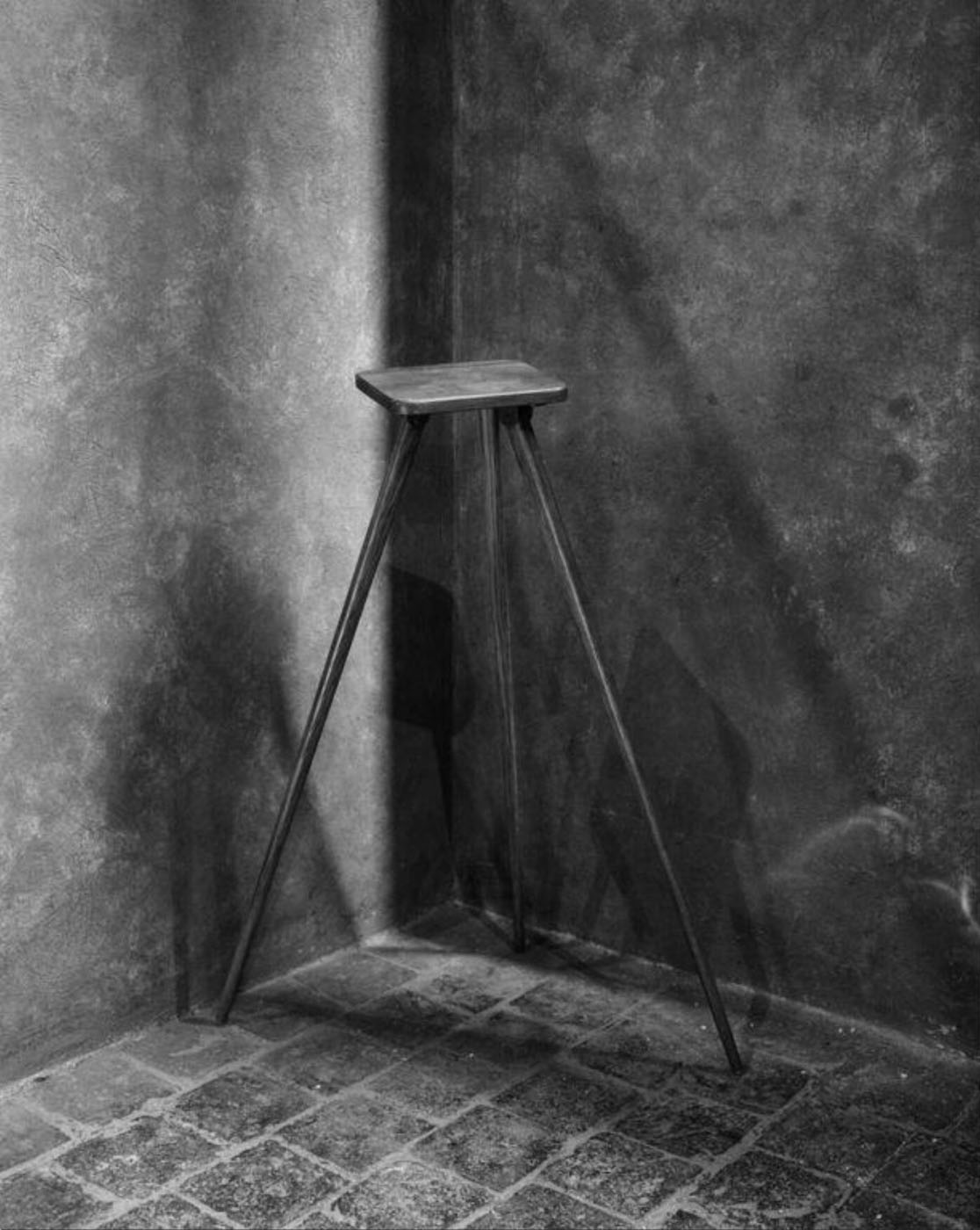


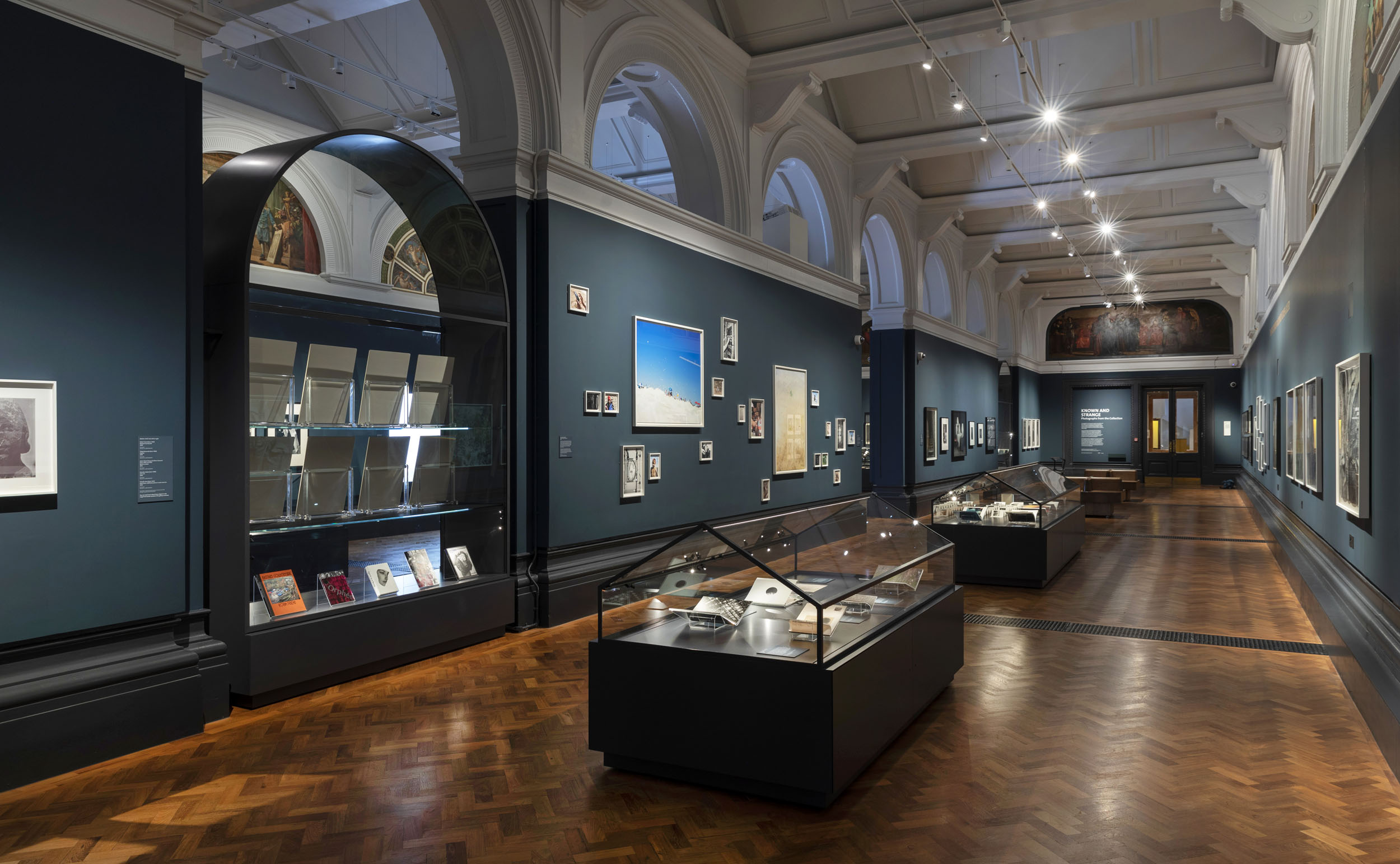

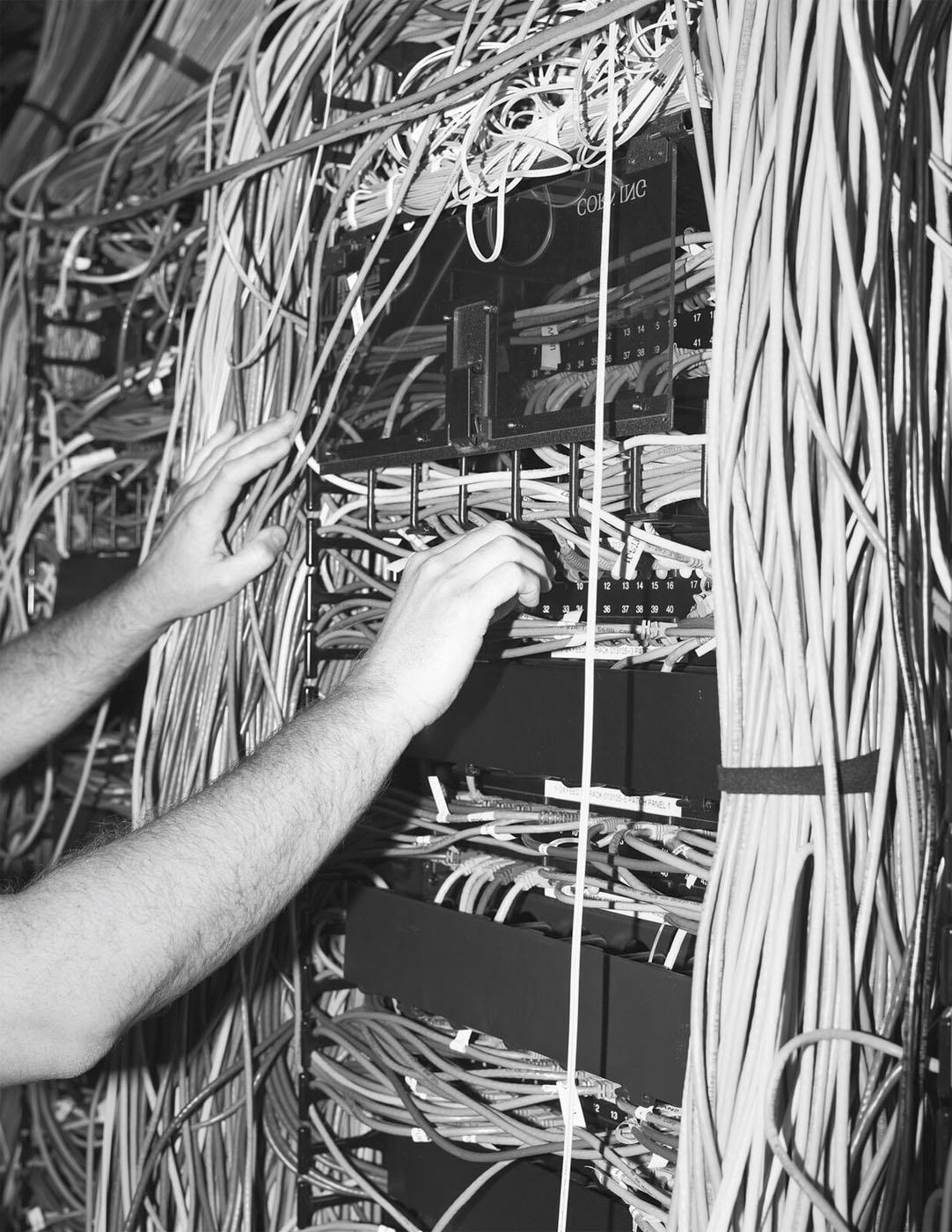

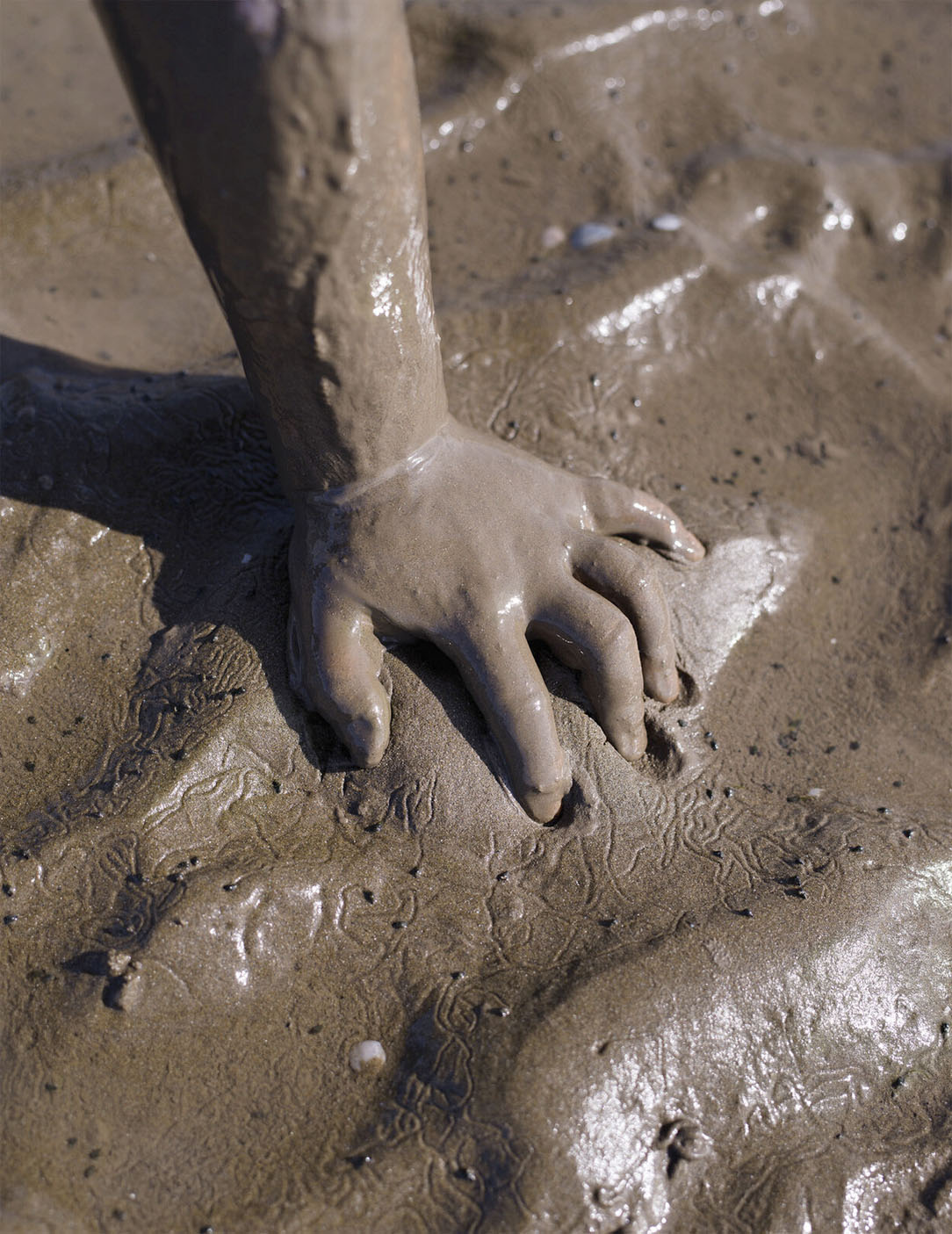



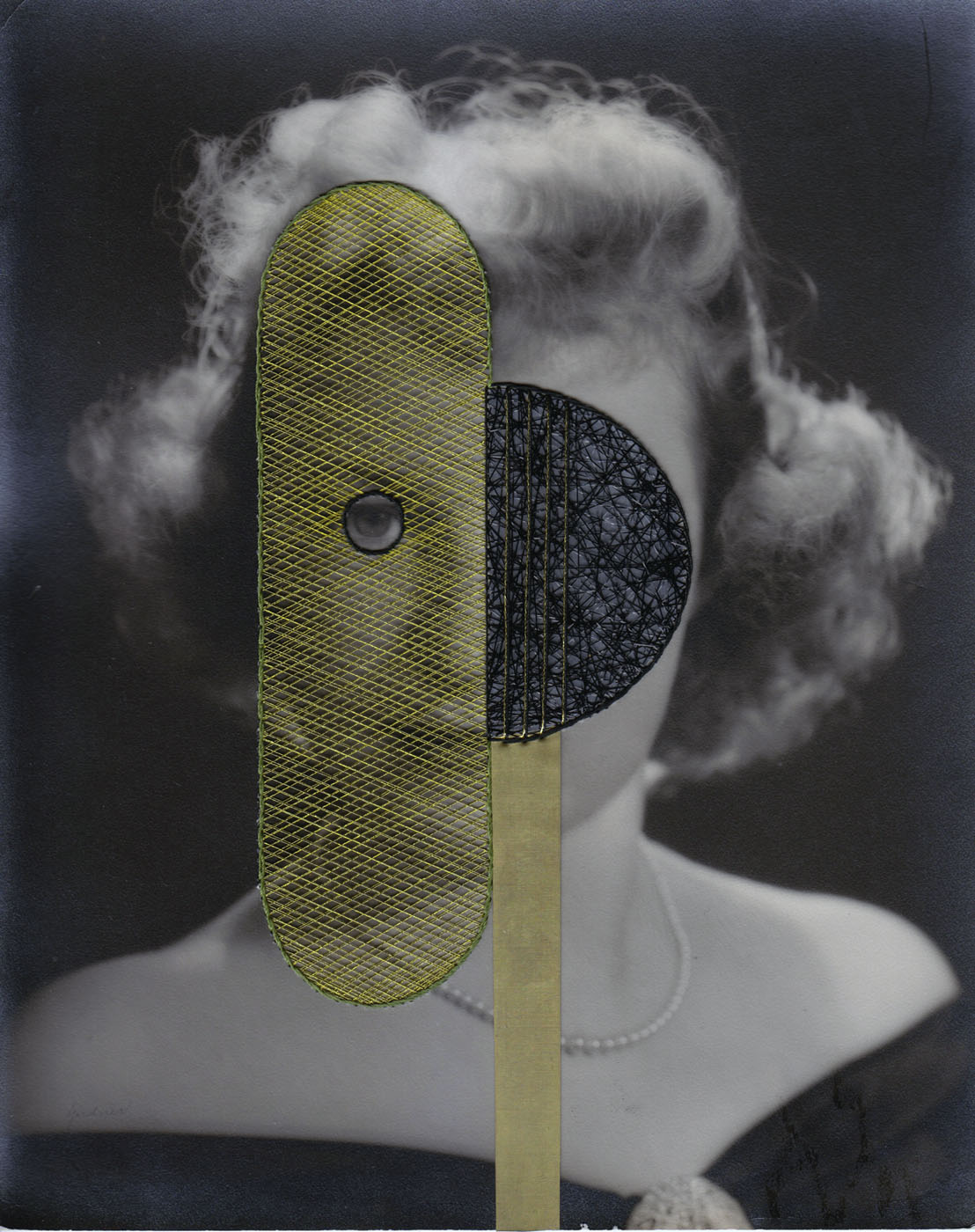
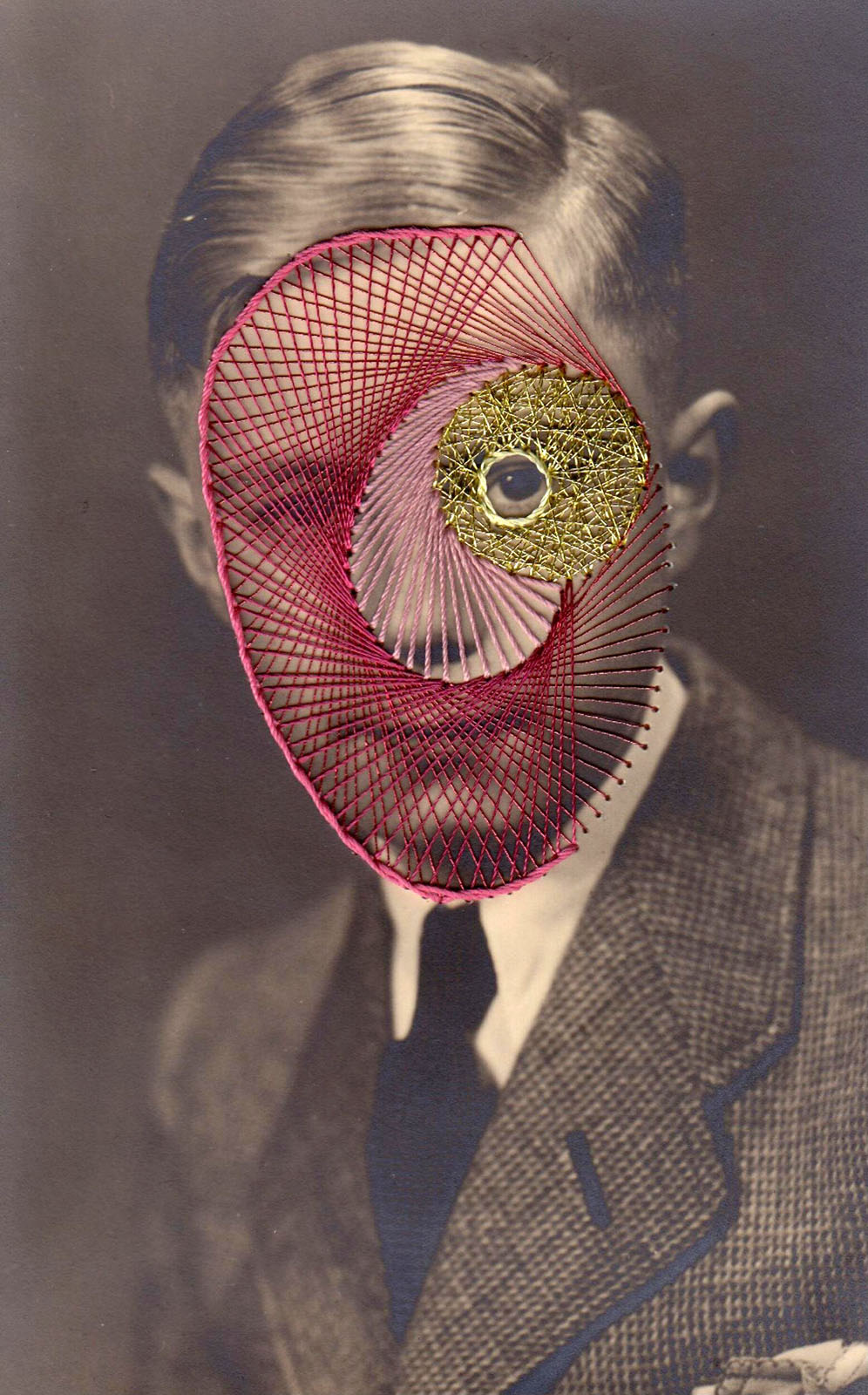


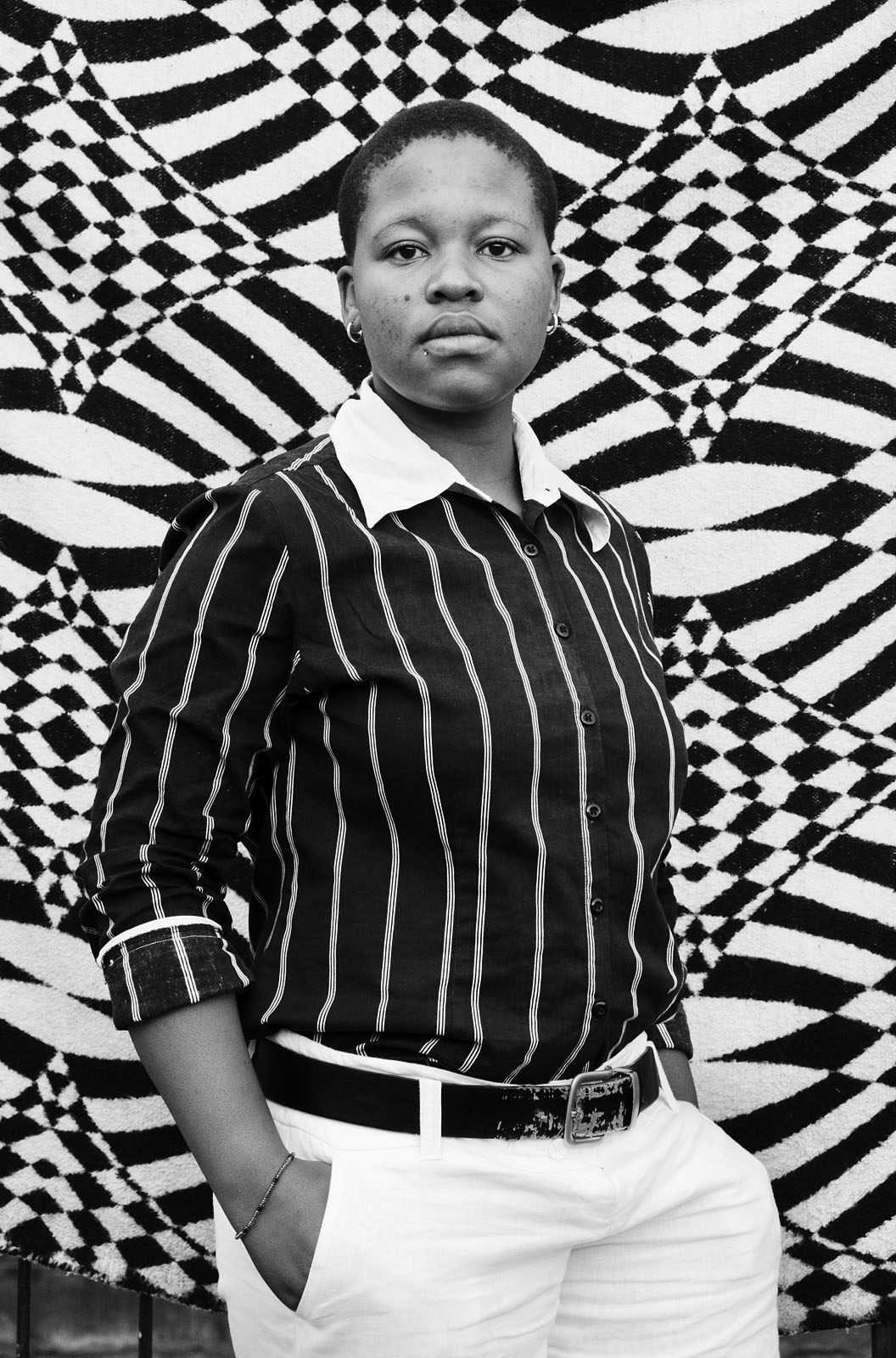

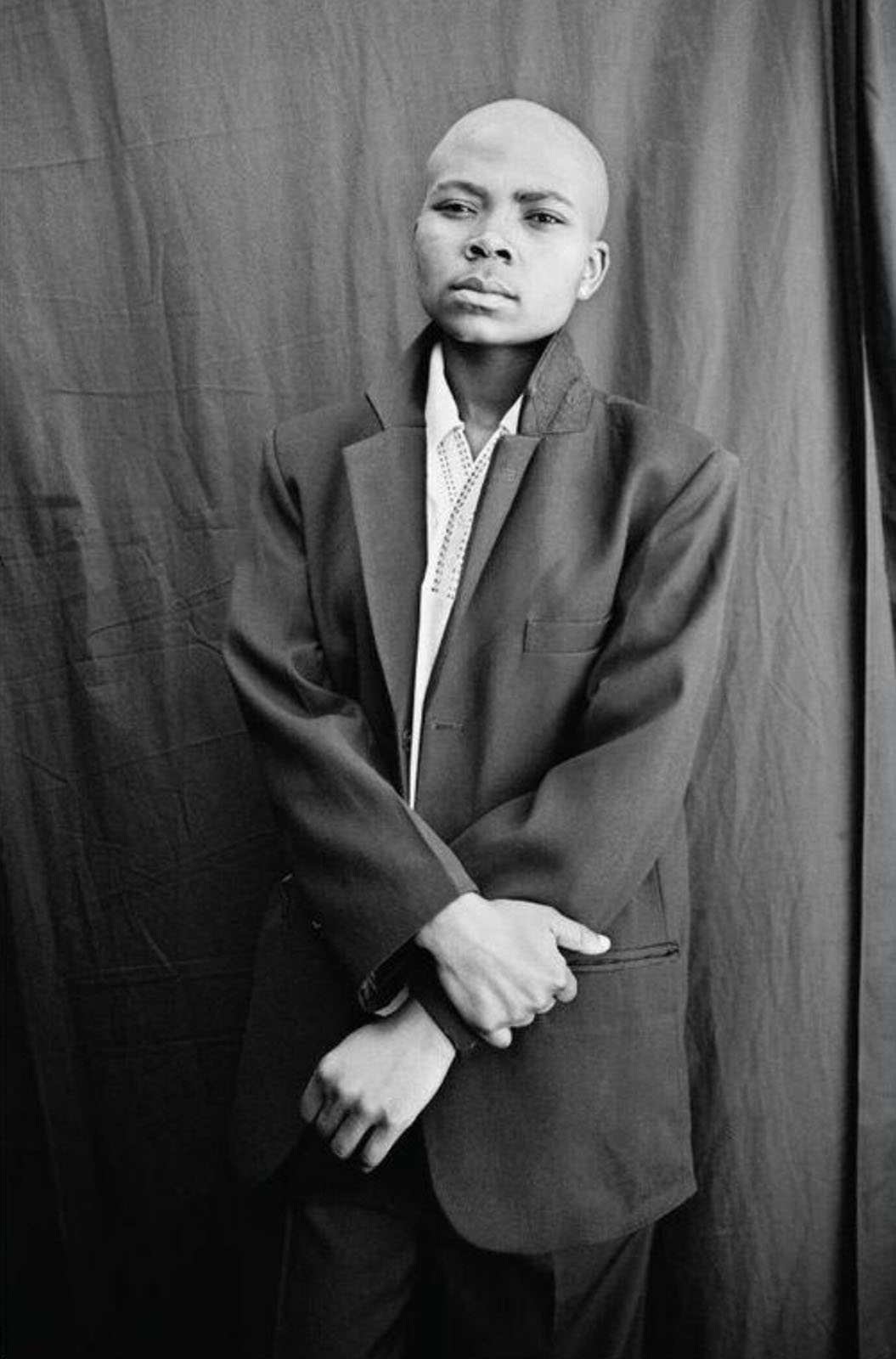
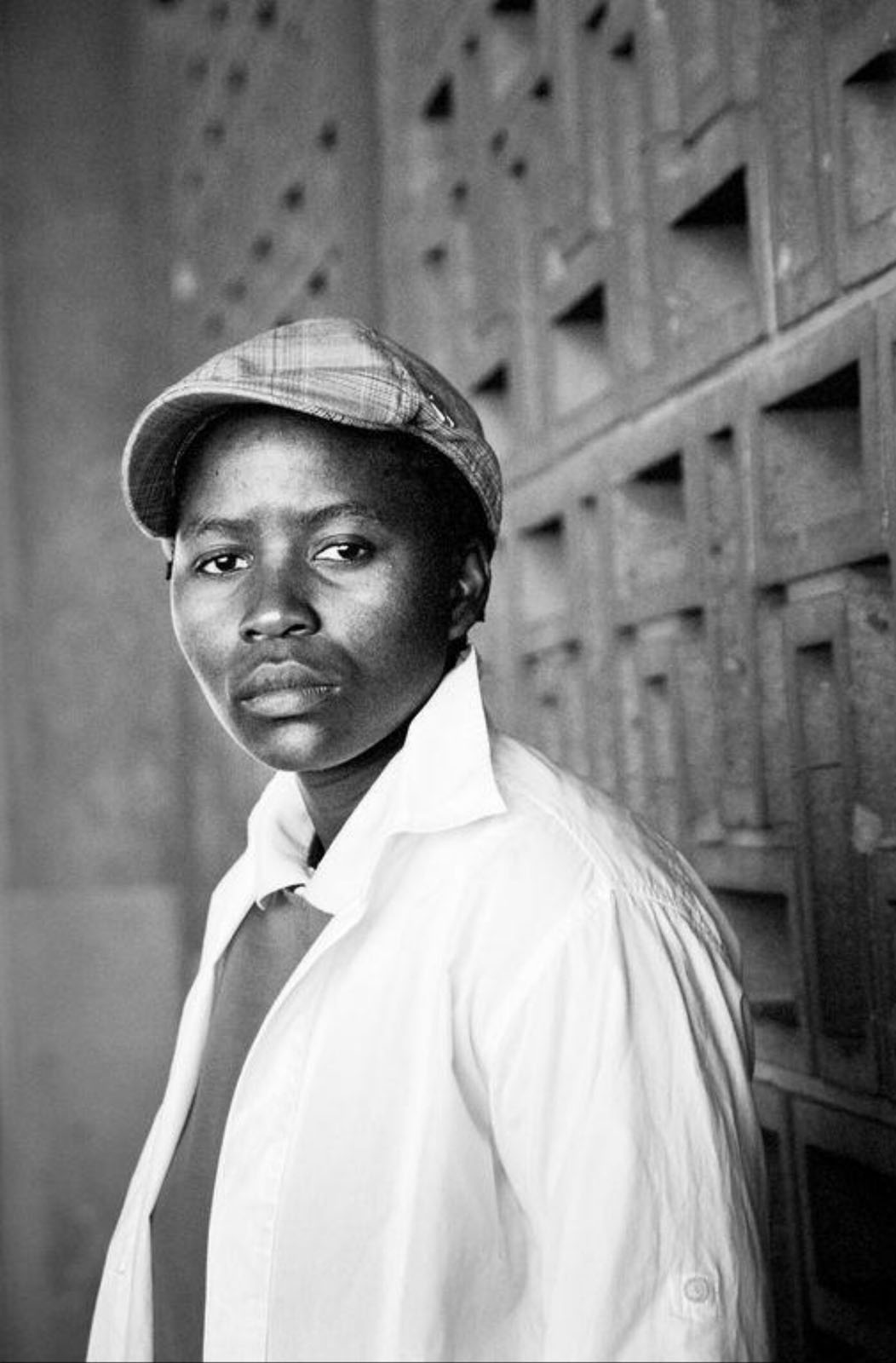

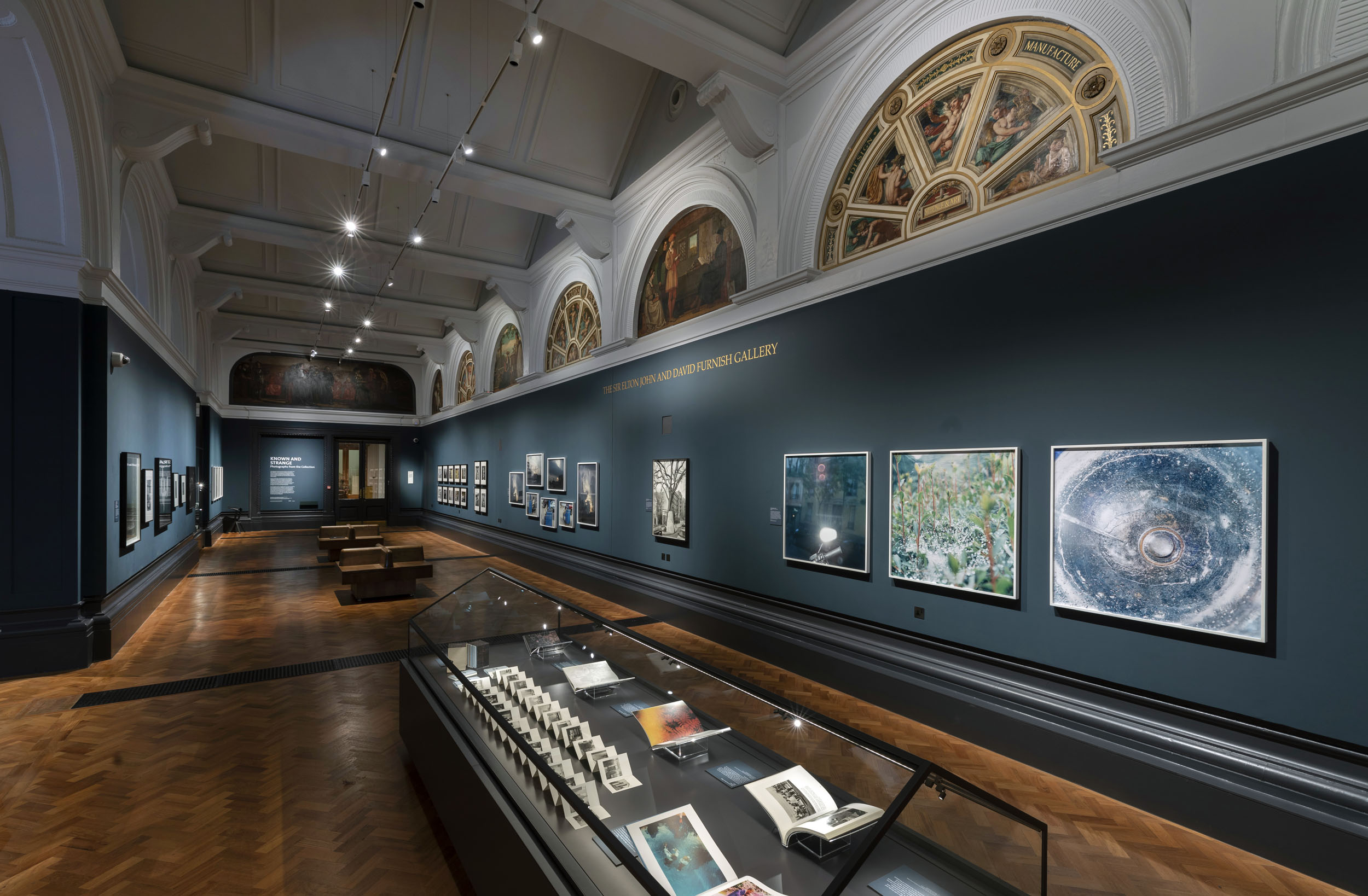
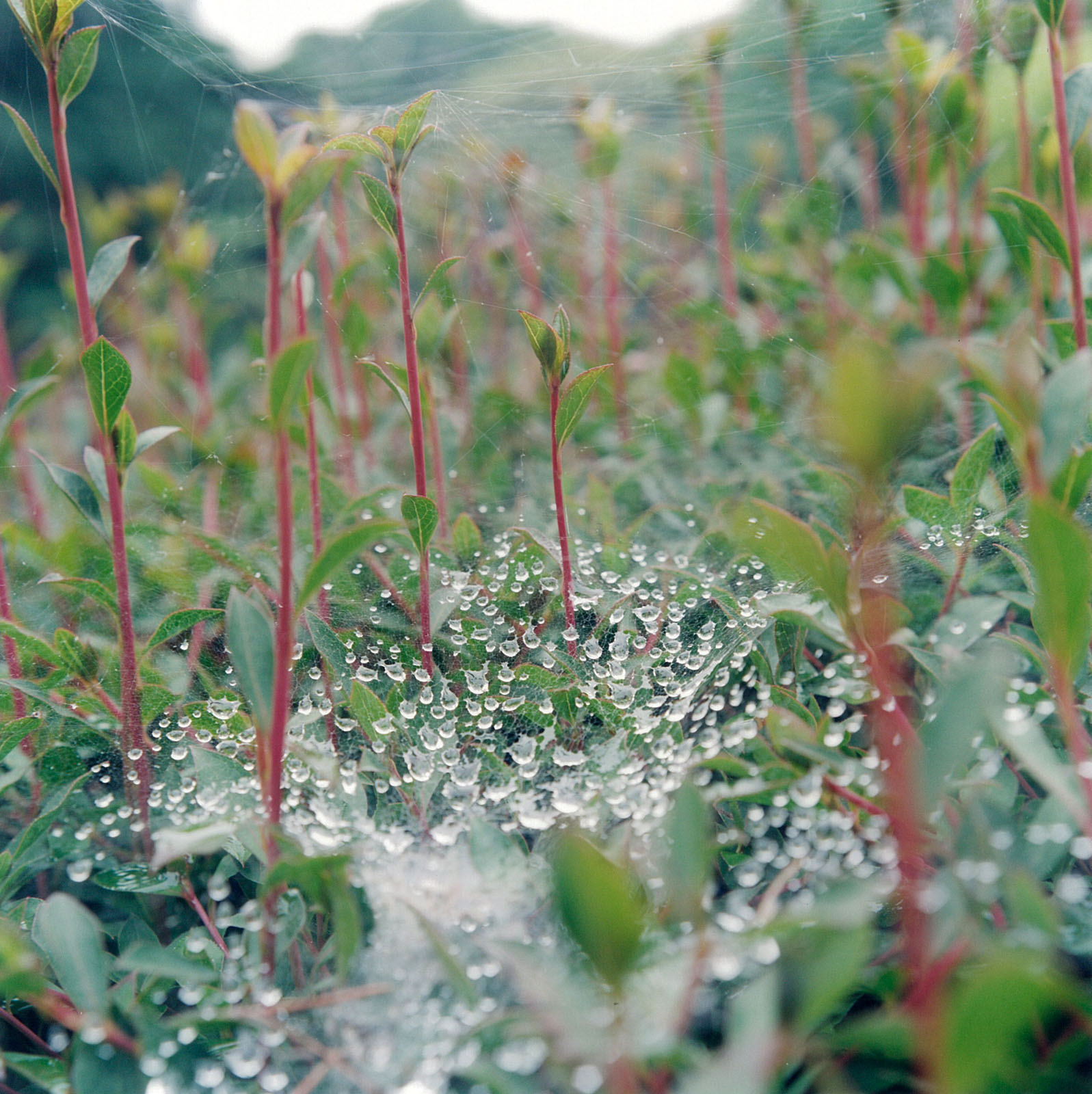


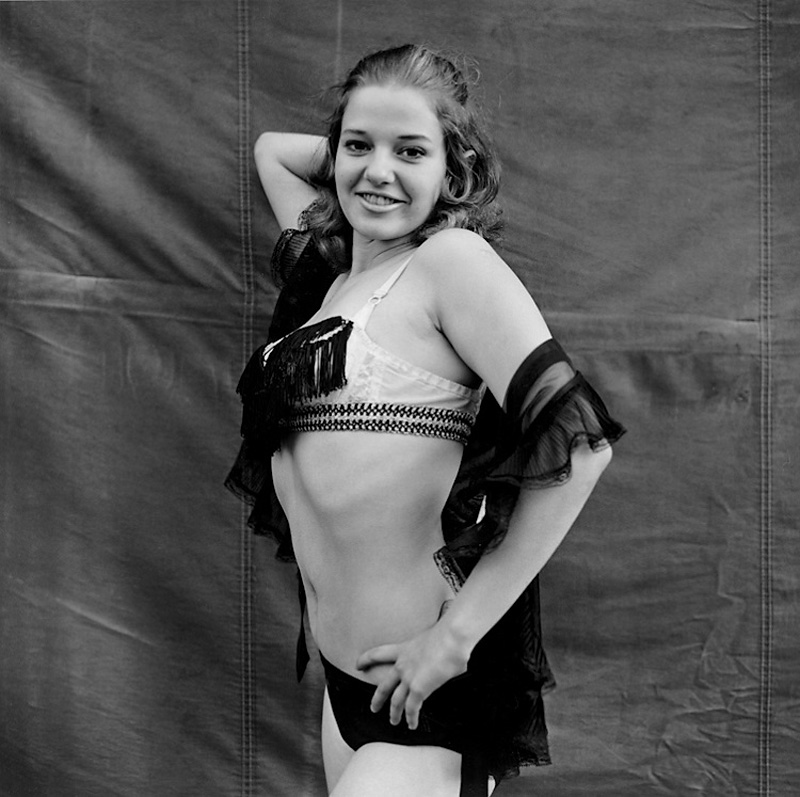
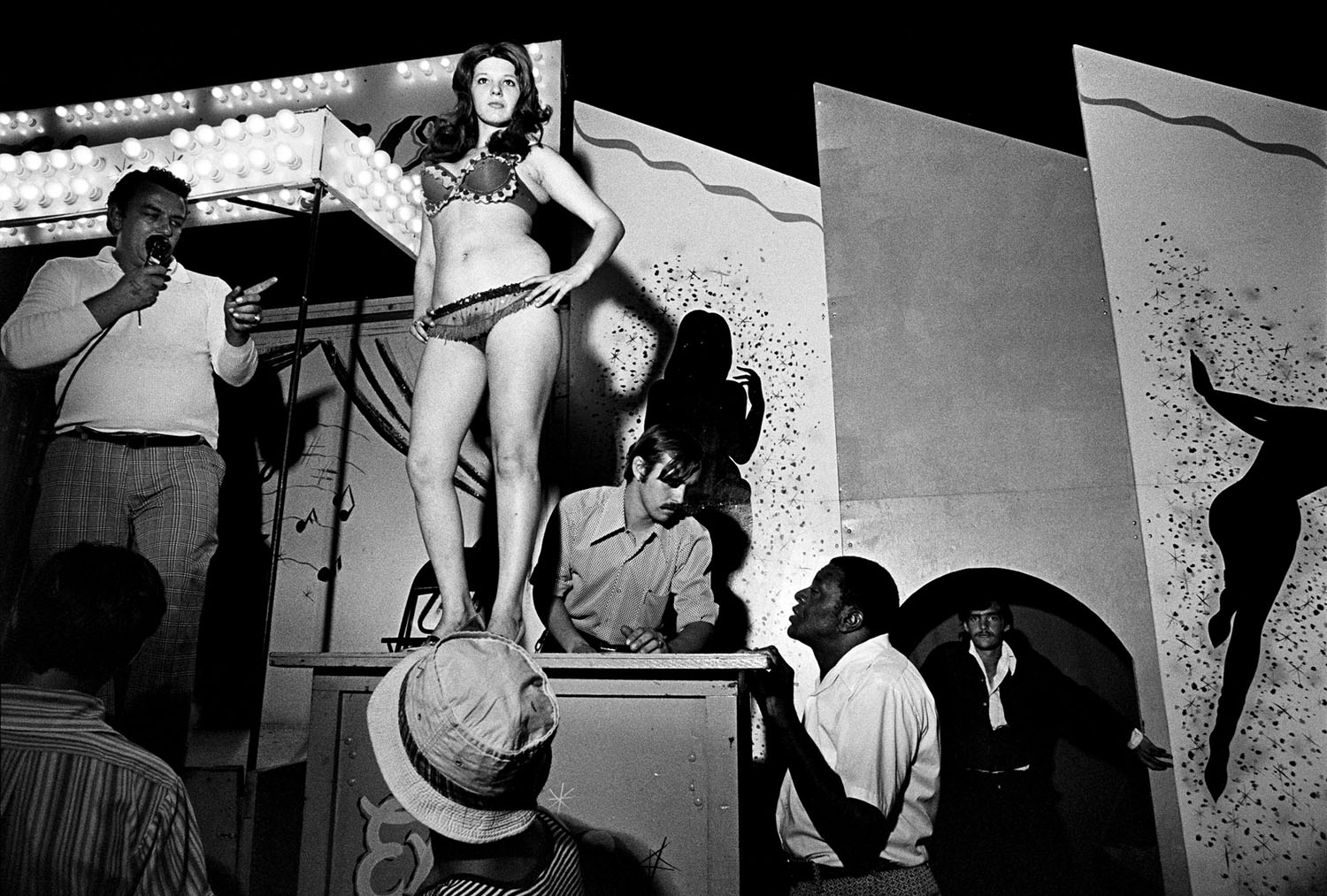


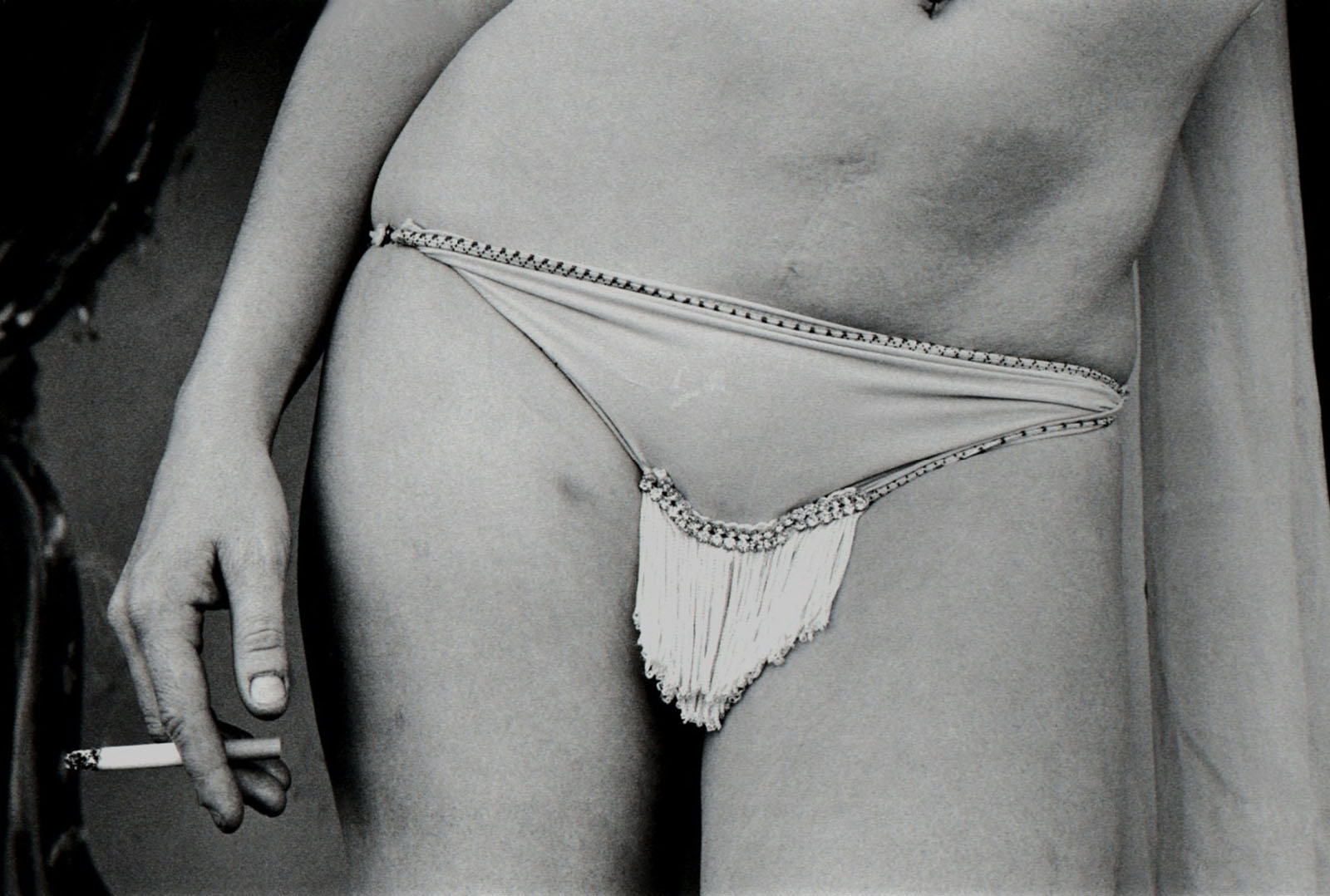


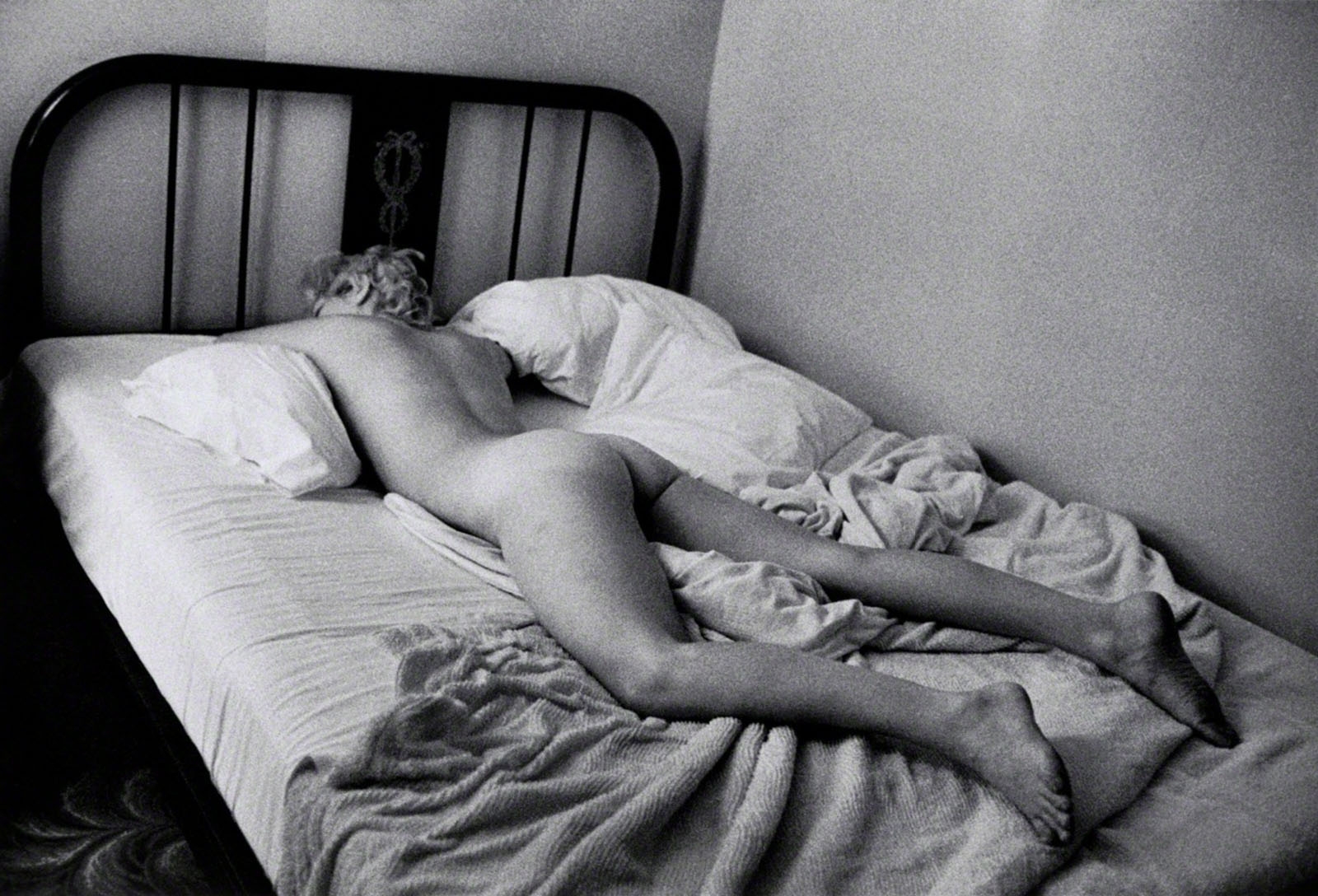
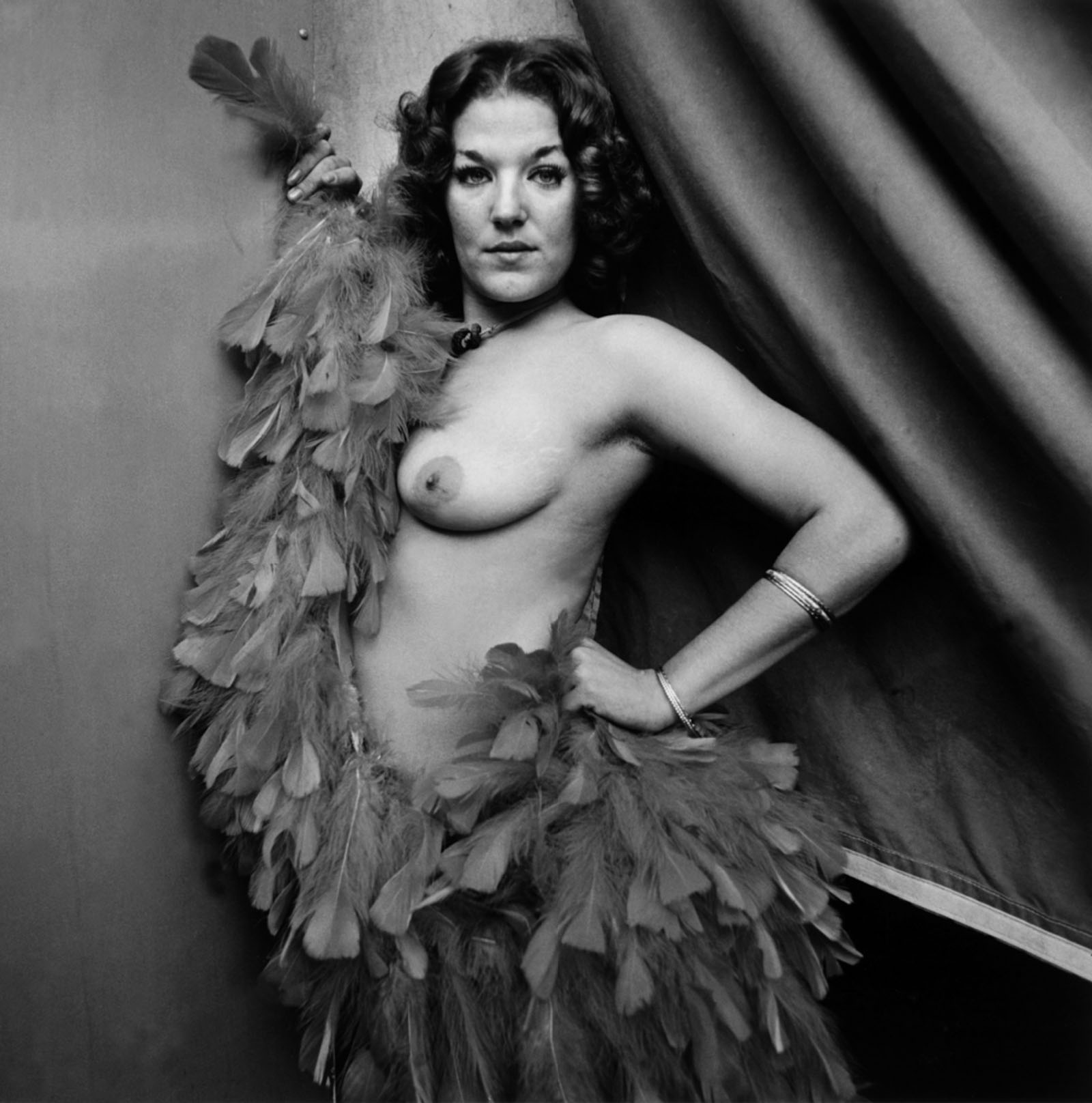


![Nadar [Gaspard Félix Tournachon] (French, 1820-1910) 'George Sand (Amandine-Aurore-Lucile Dupin), Writer' c. 1865](https://artblart.com/wp-content/uploads/2016/10/realideal5-web.jpg "Nadar [Gaspard Félix Tournachon] (French, 1820-1910) 'George Sand (Amandine-Aurore-Lucile Dupin), Writer' c. 1865")
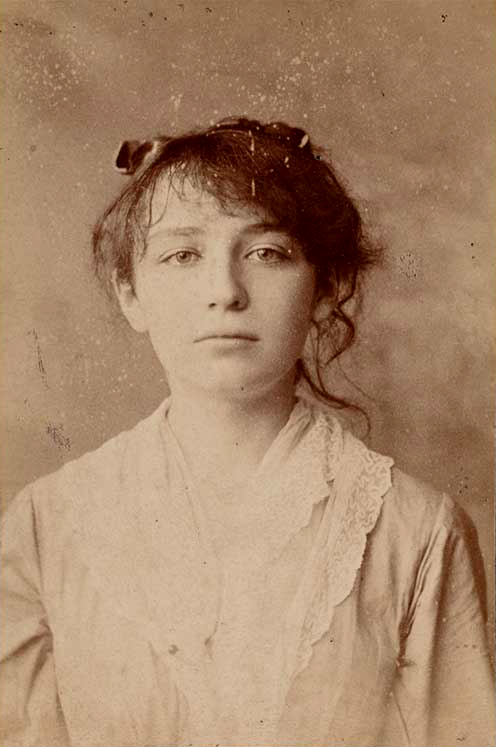
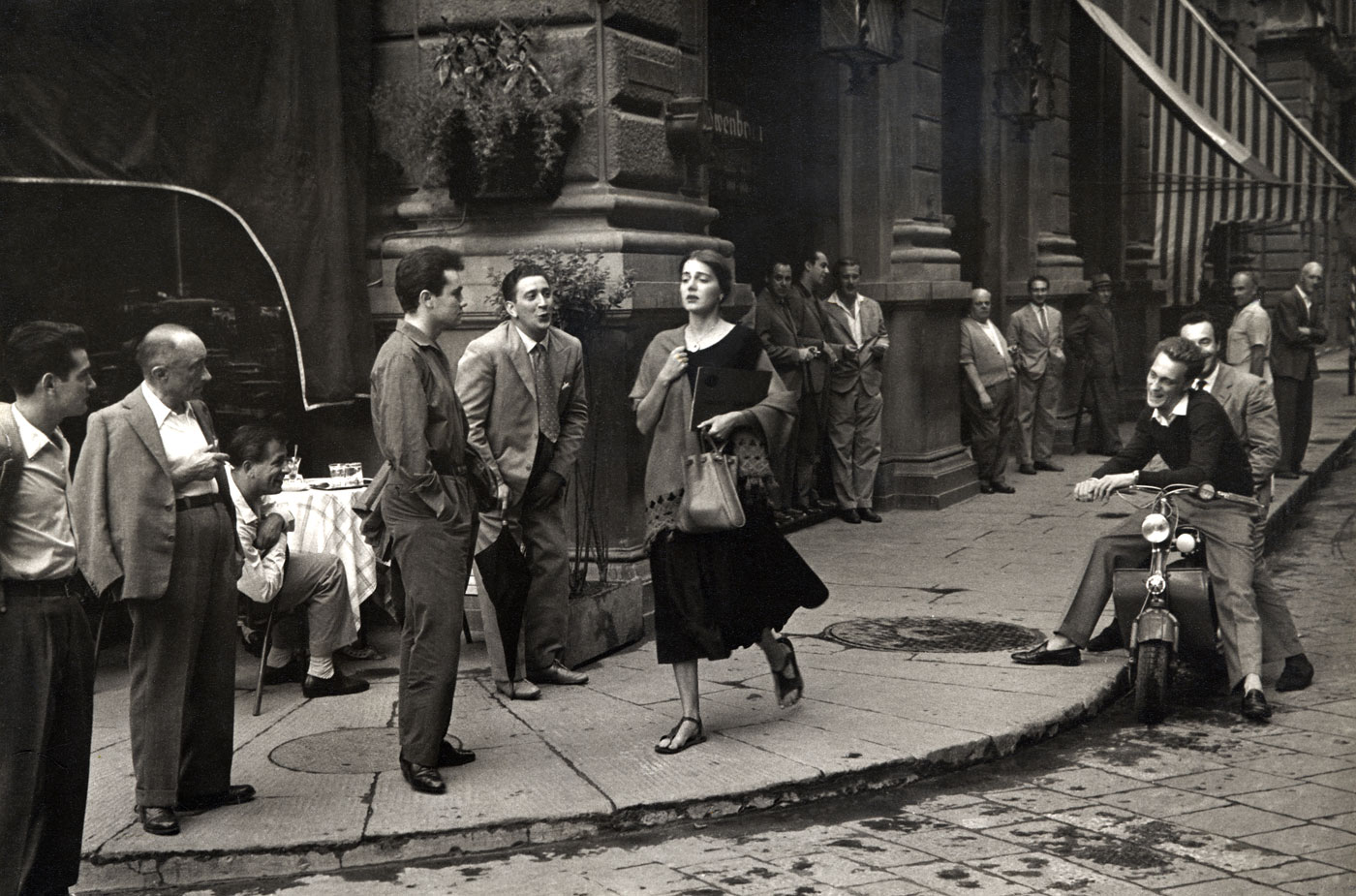
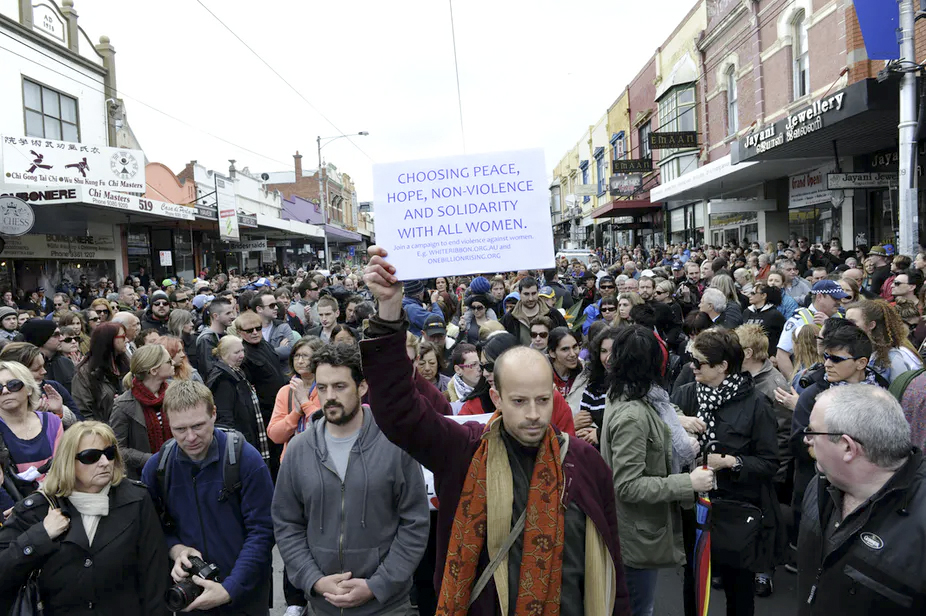


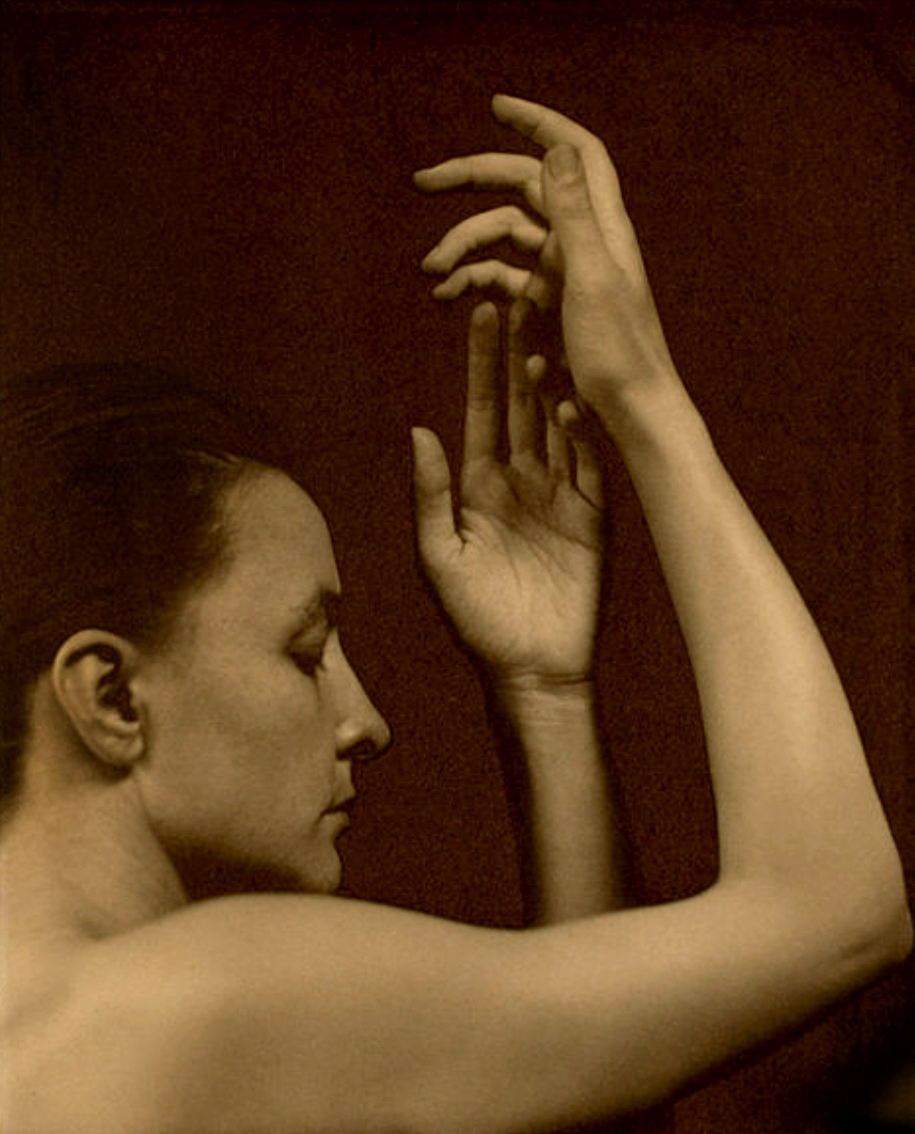


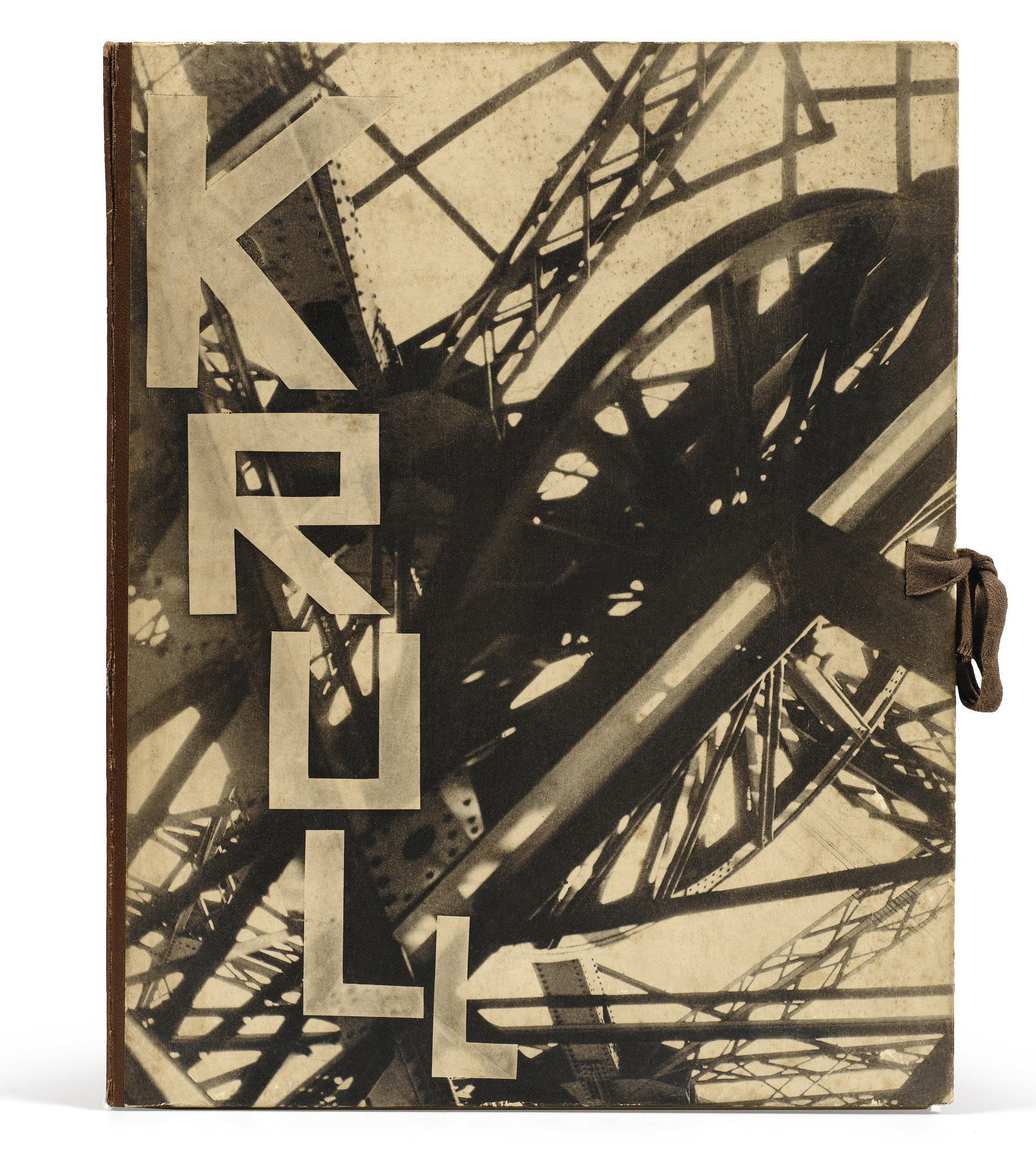
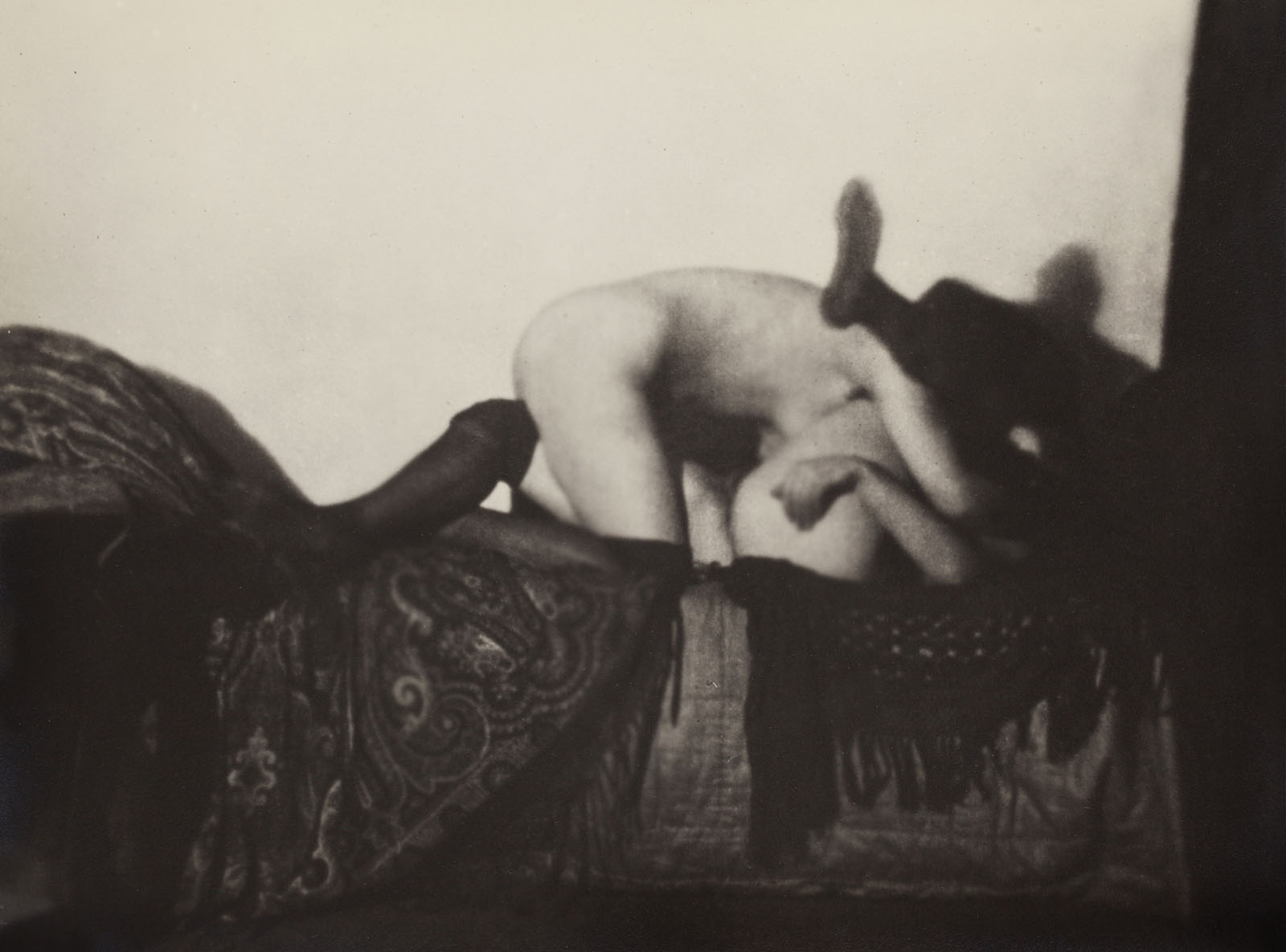
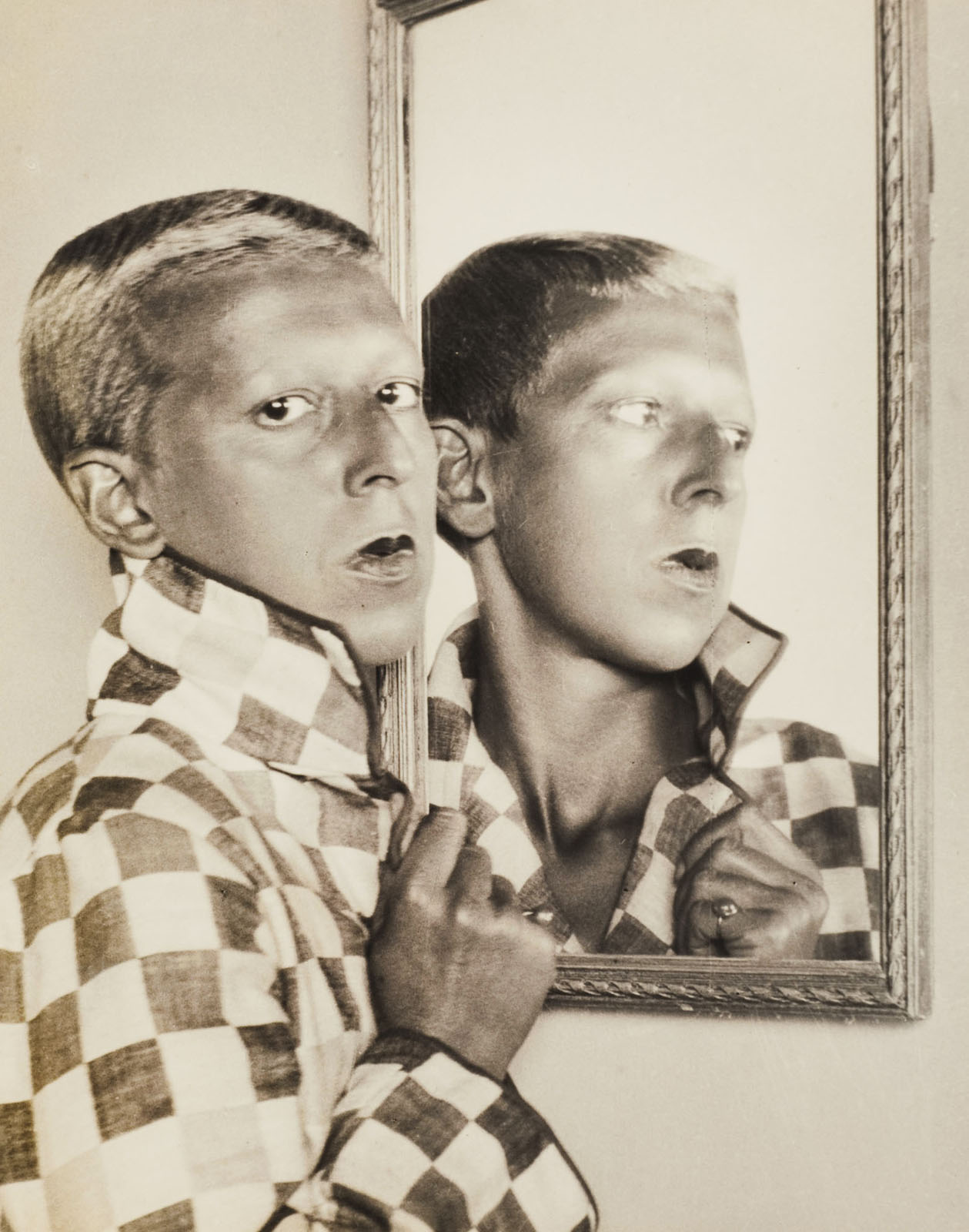
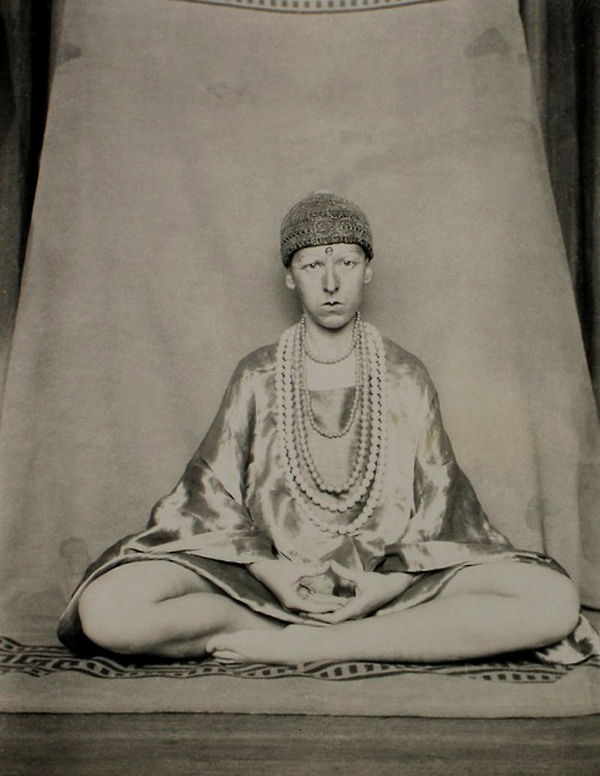
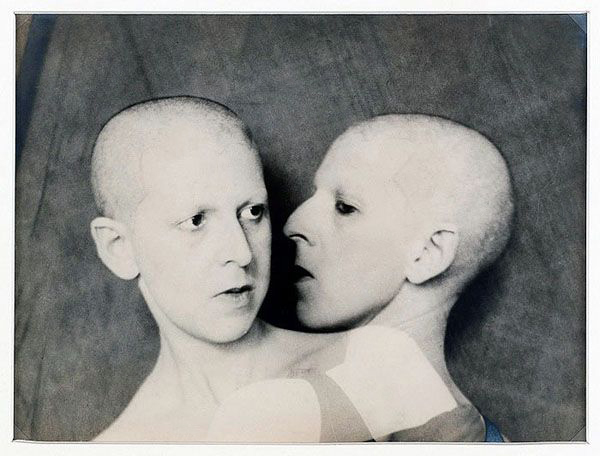
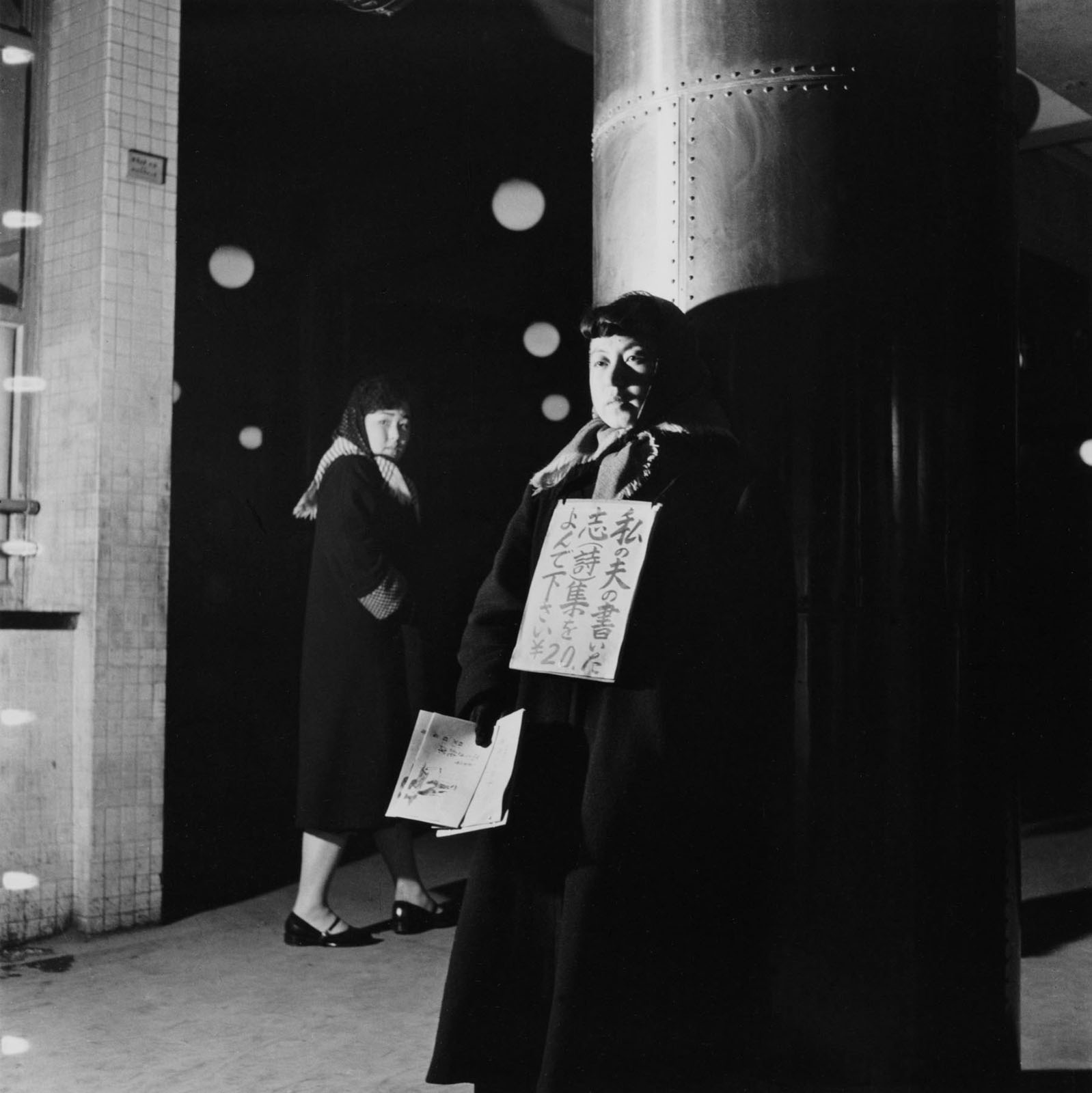
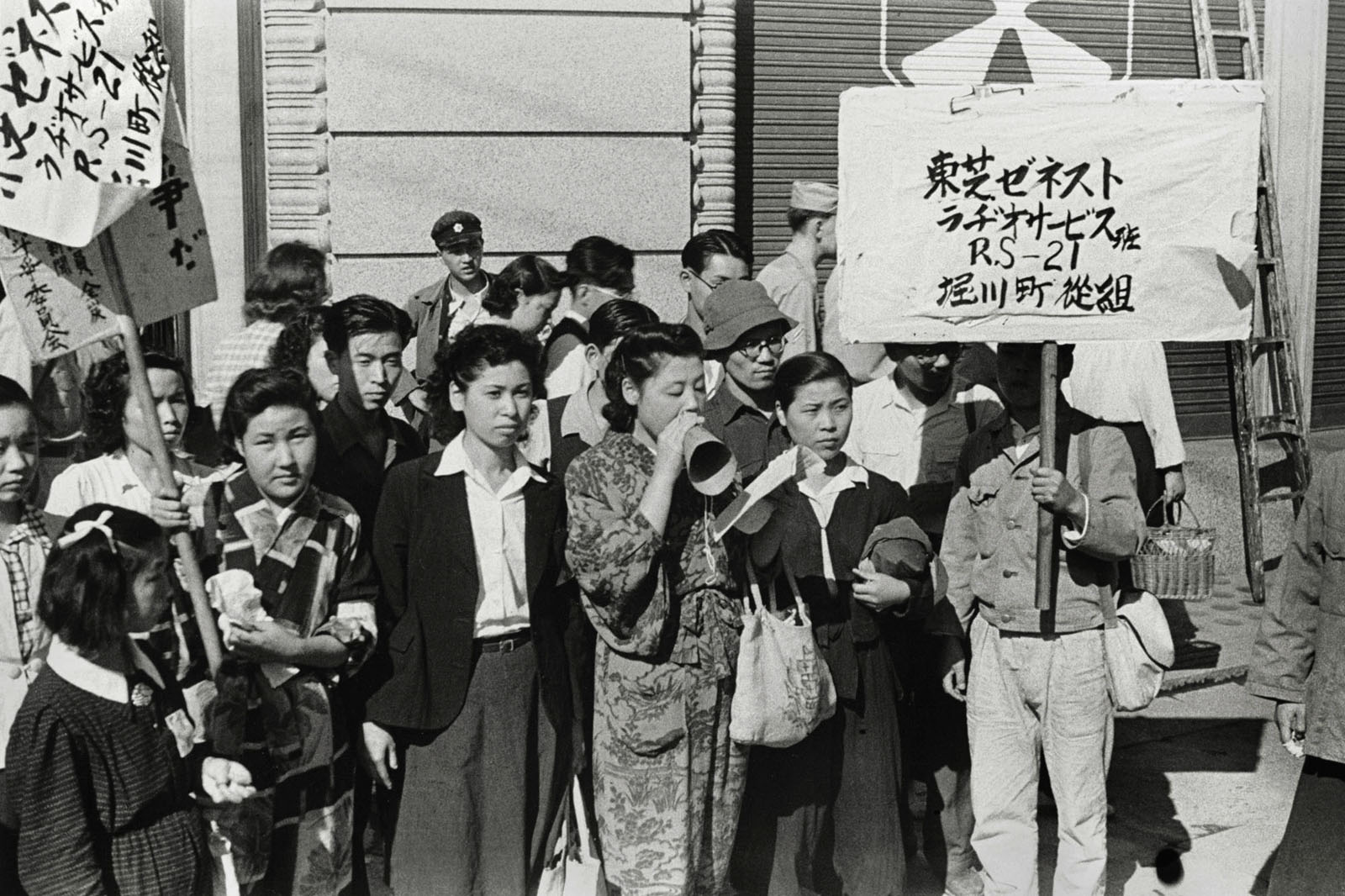


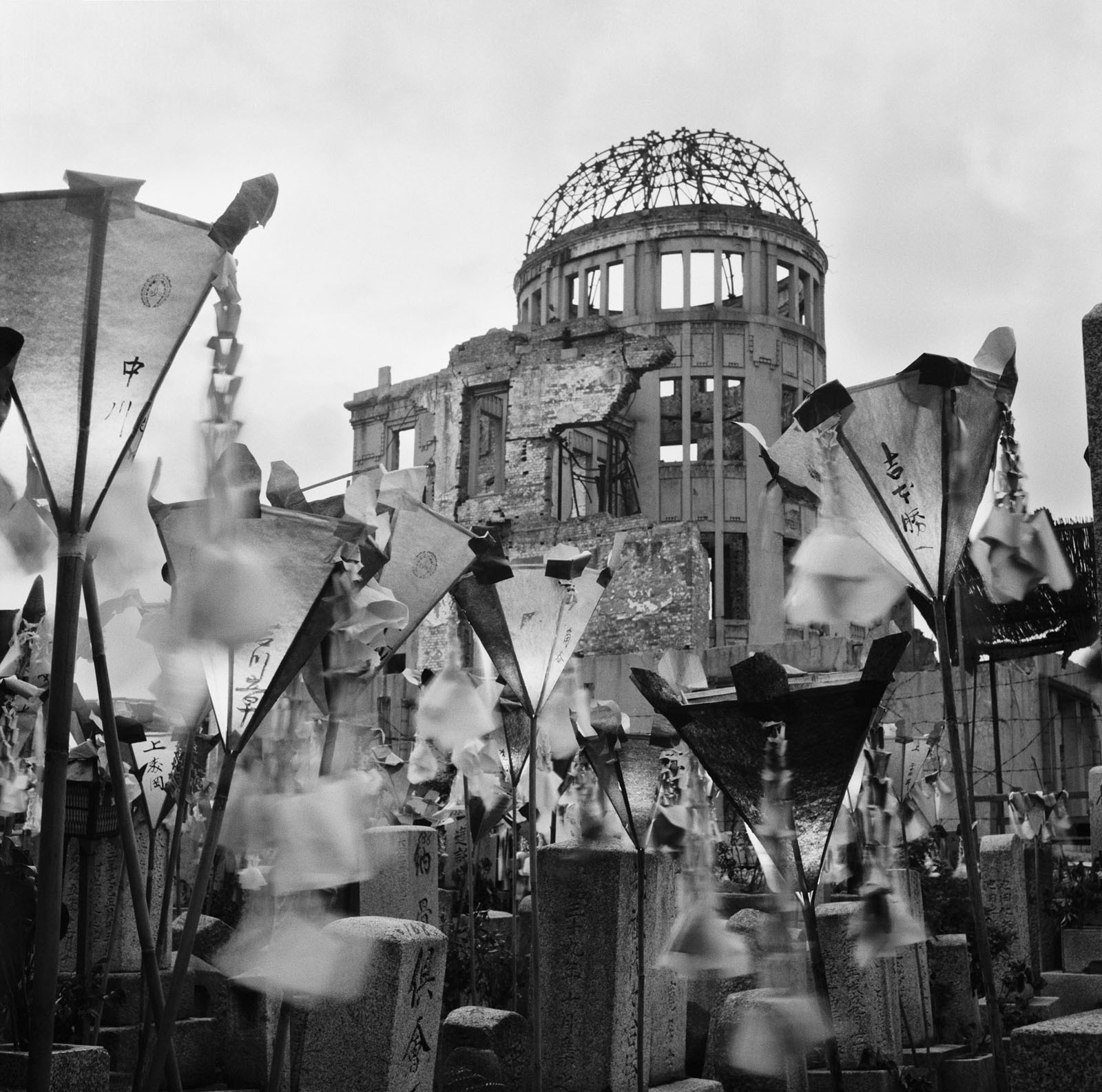
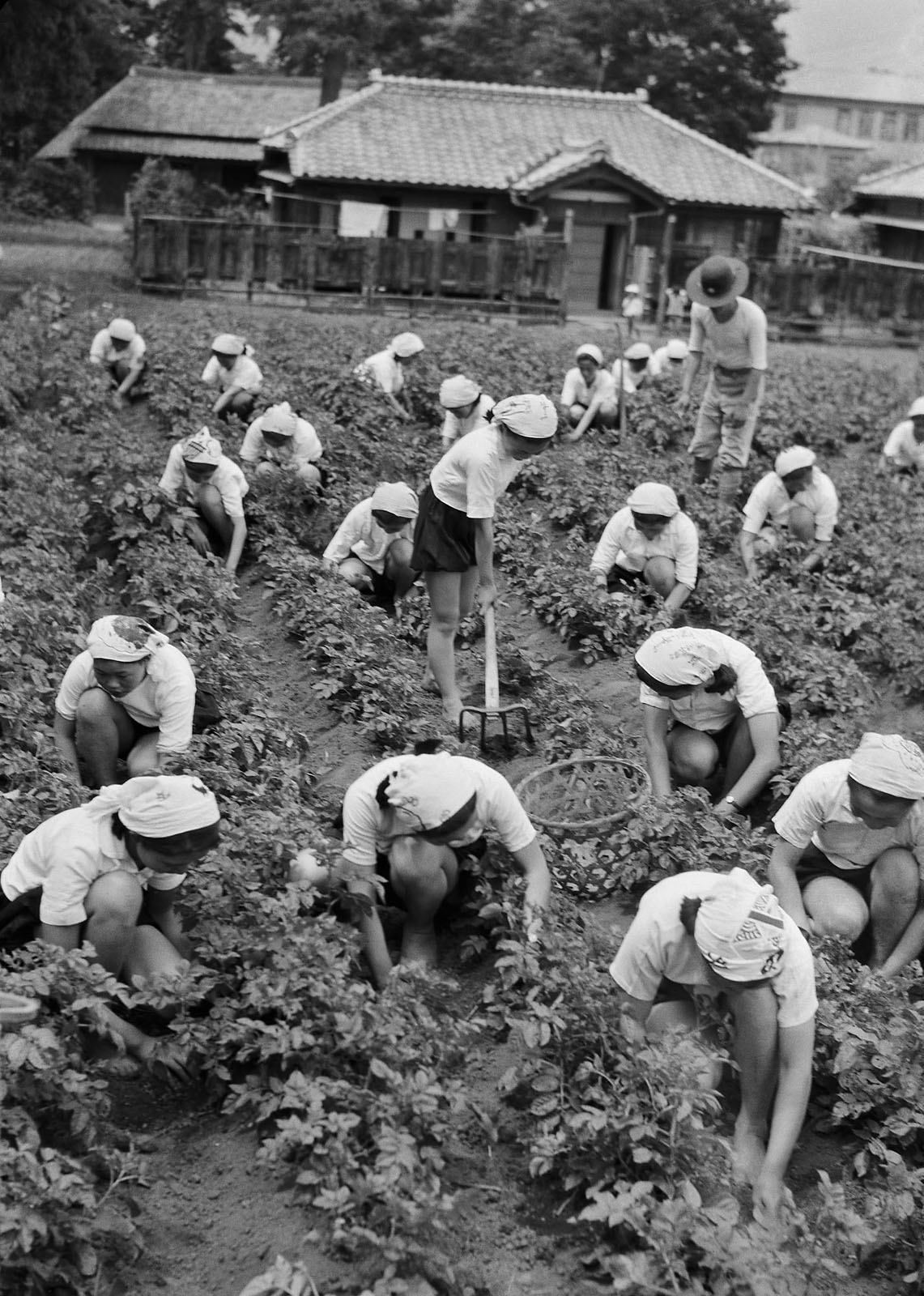
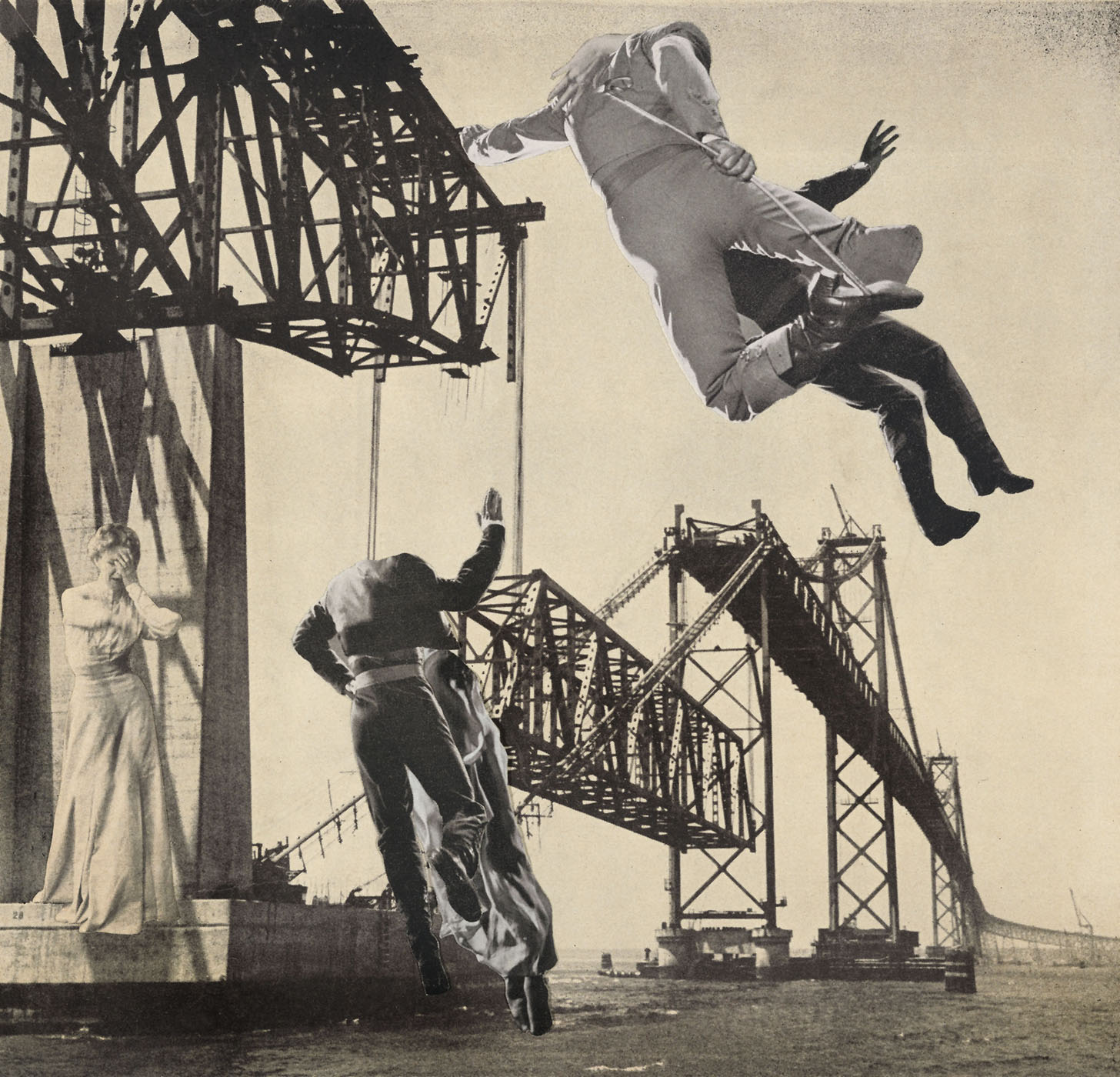


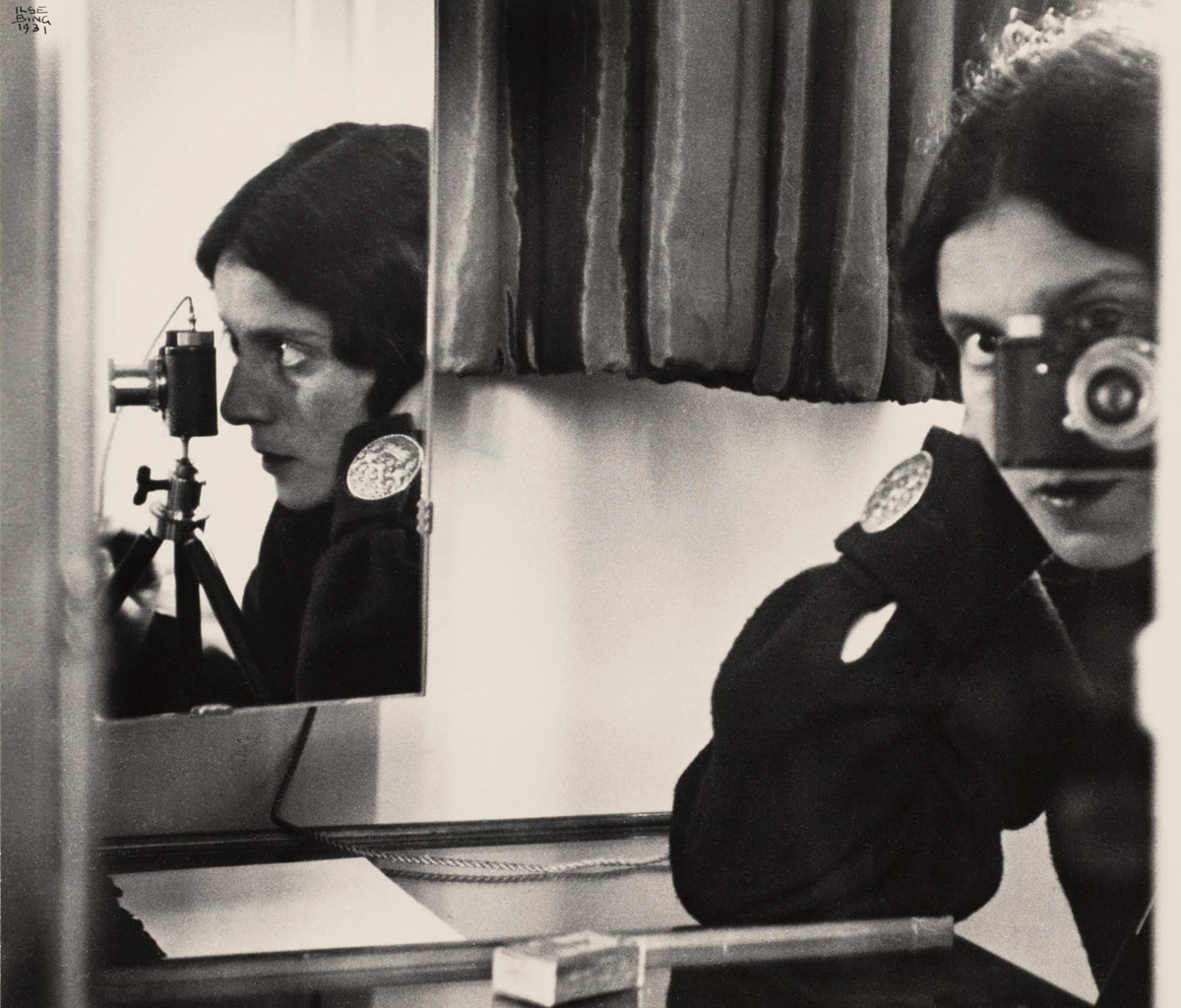

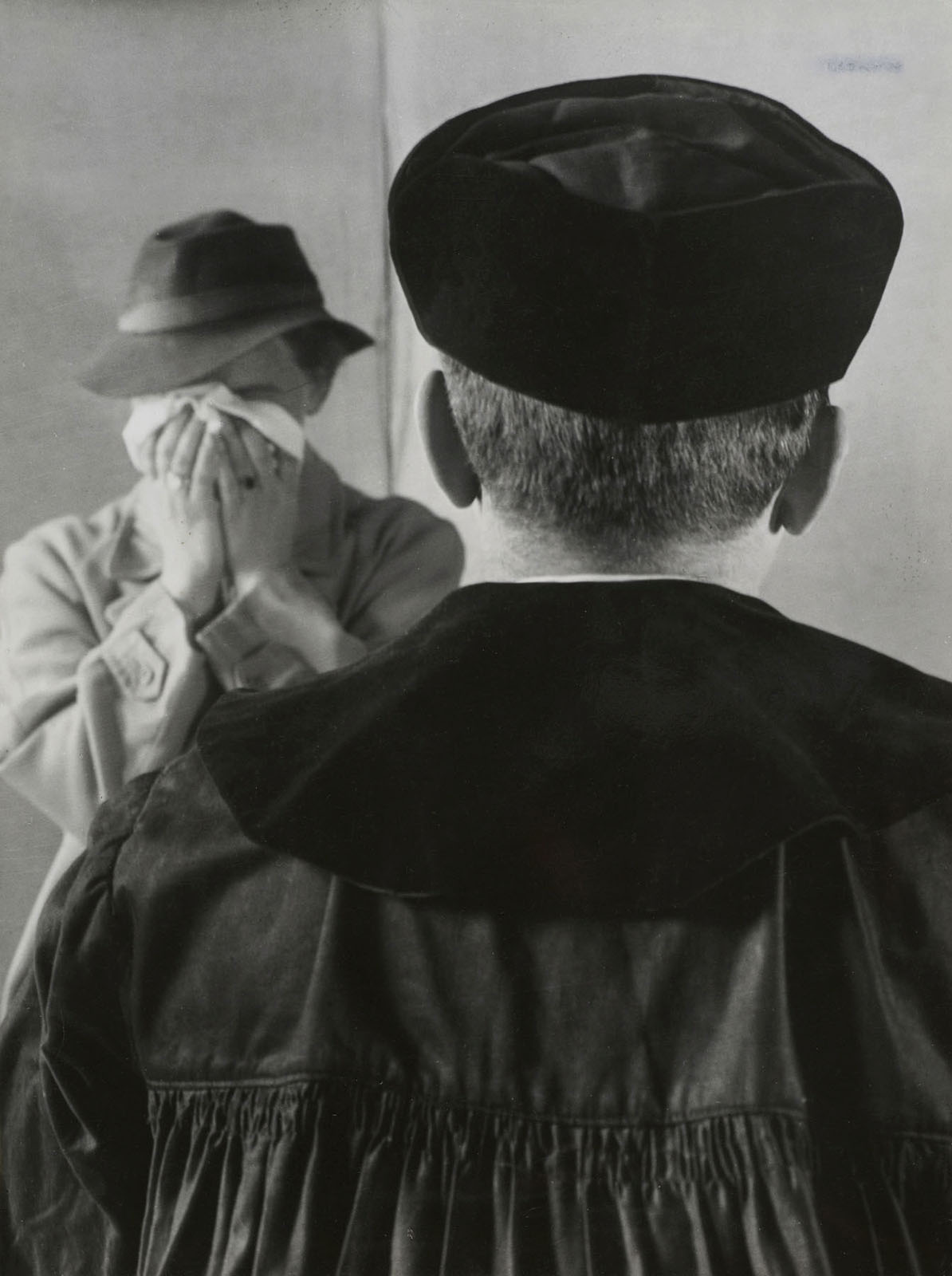


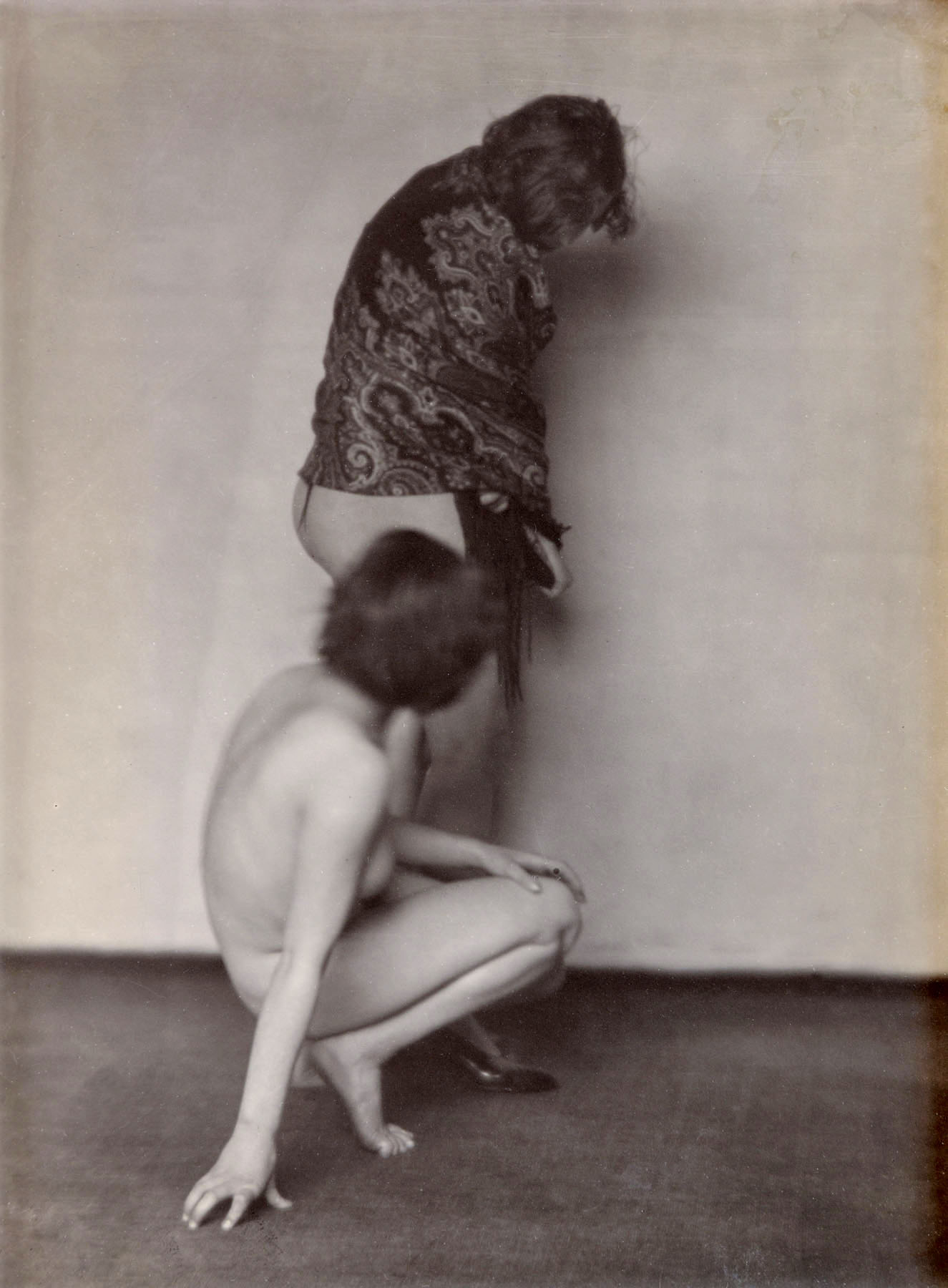
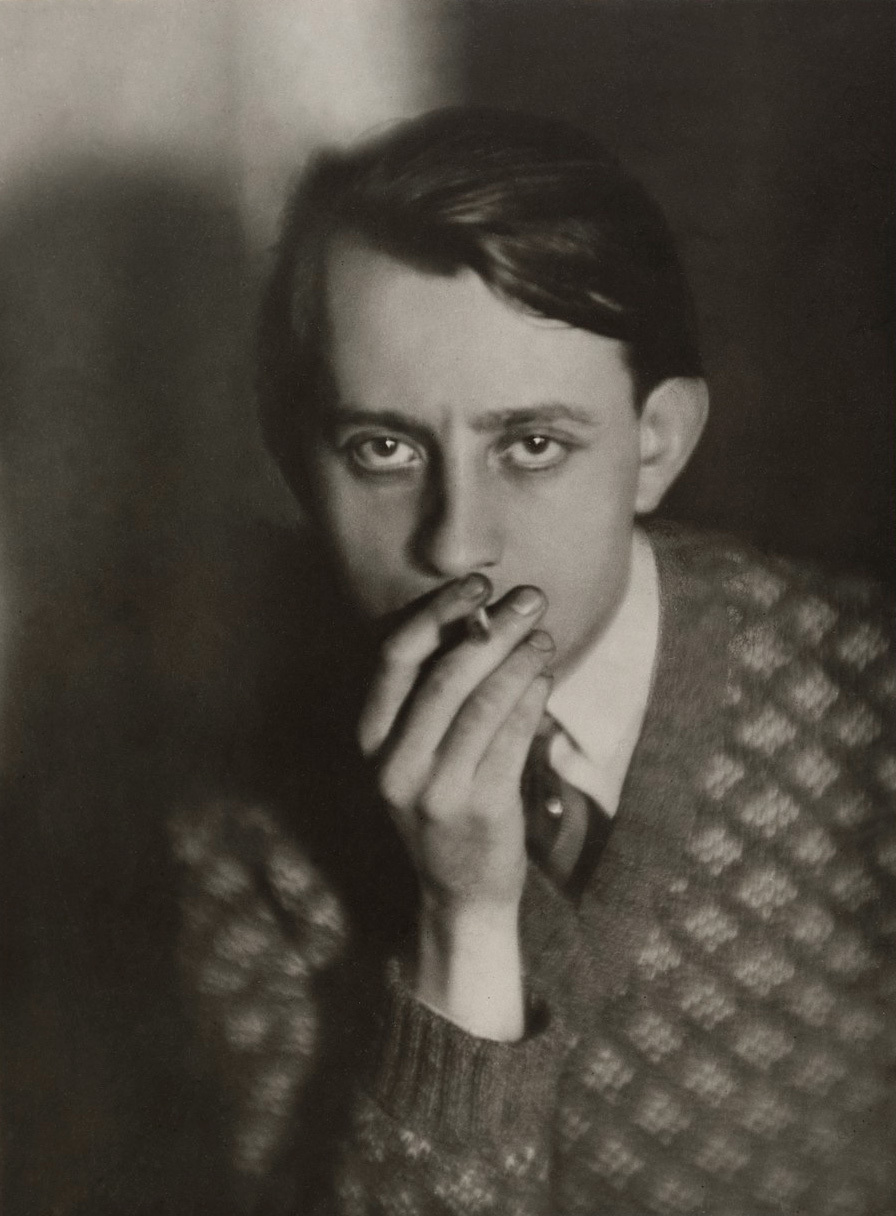

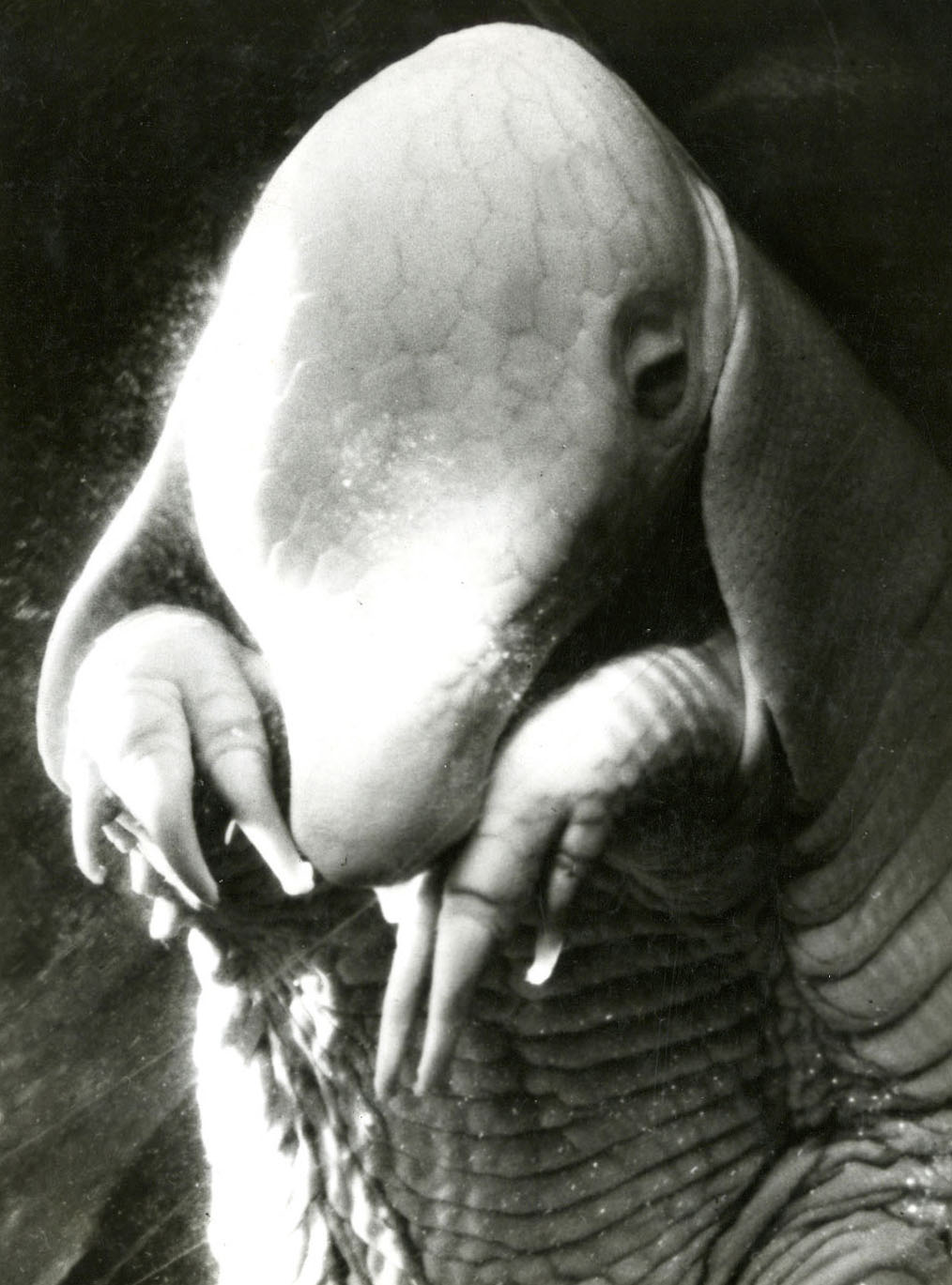
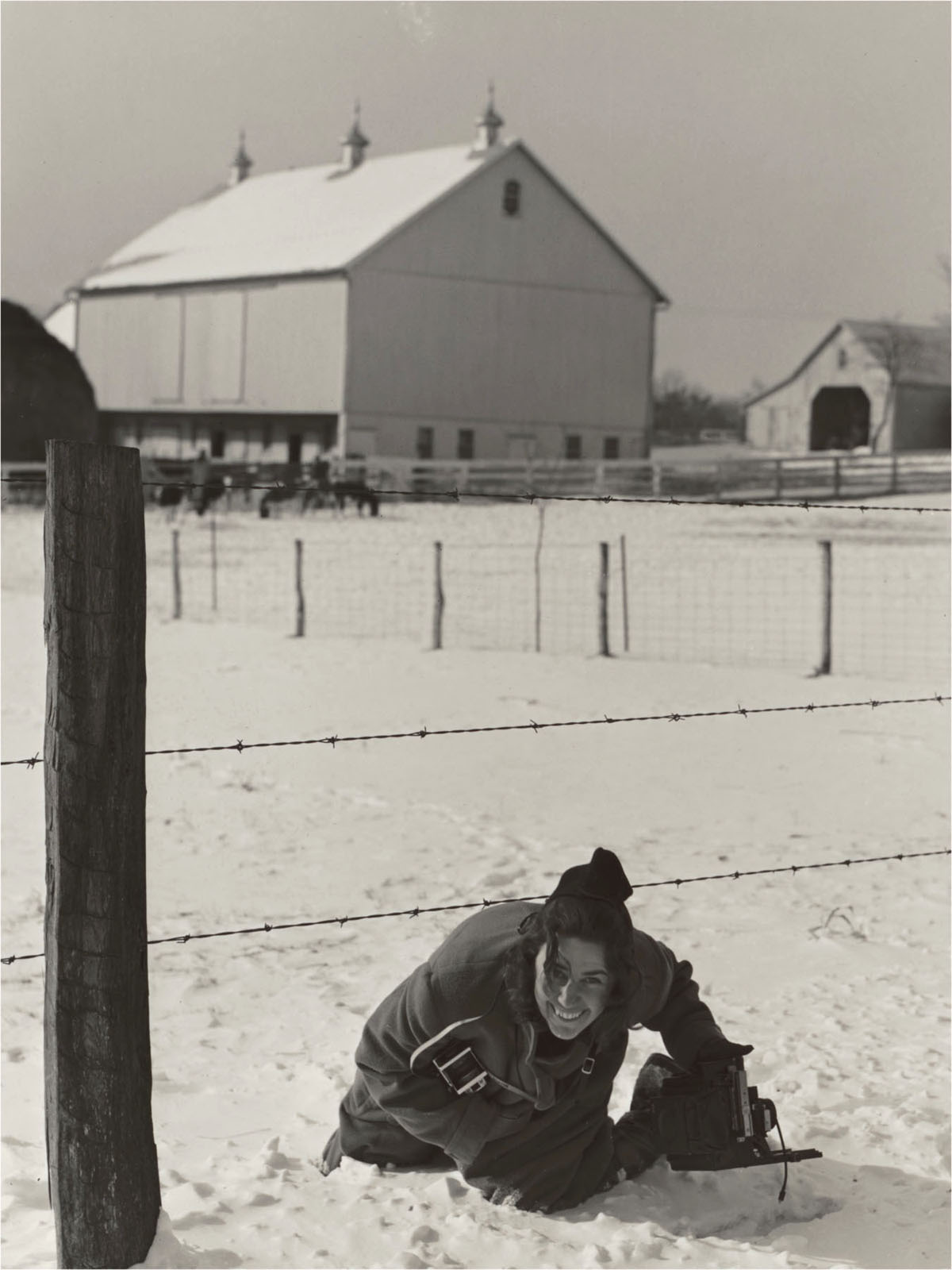
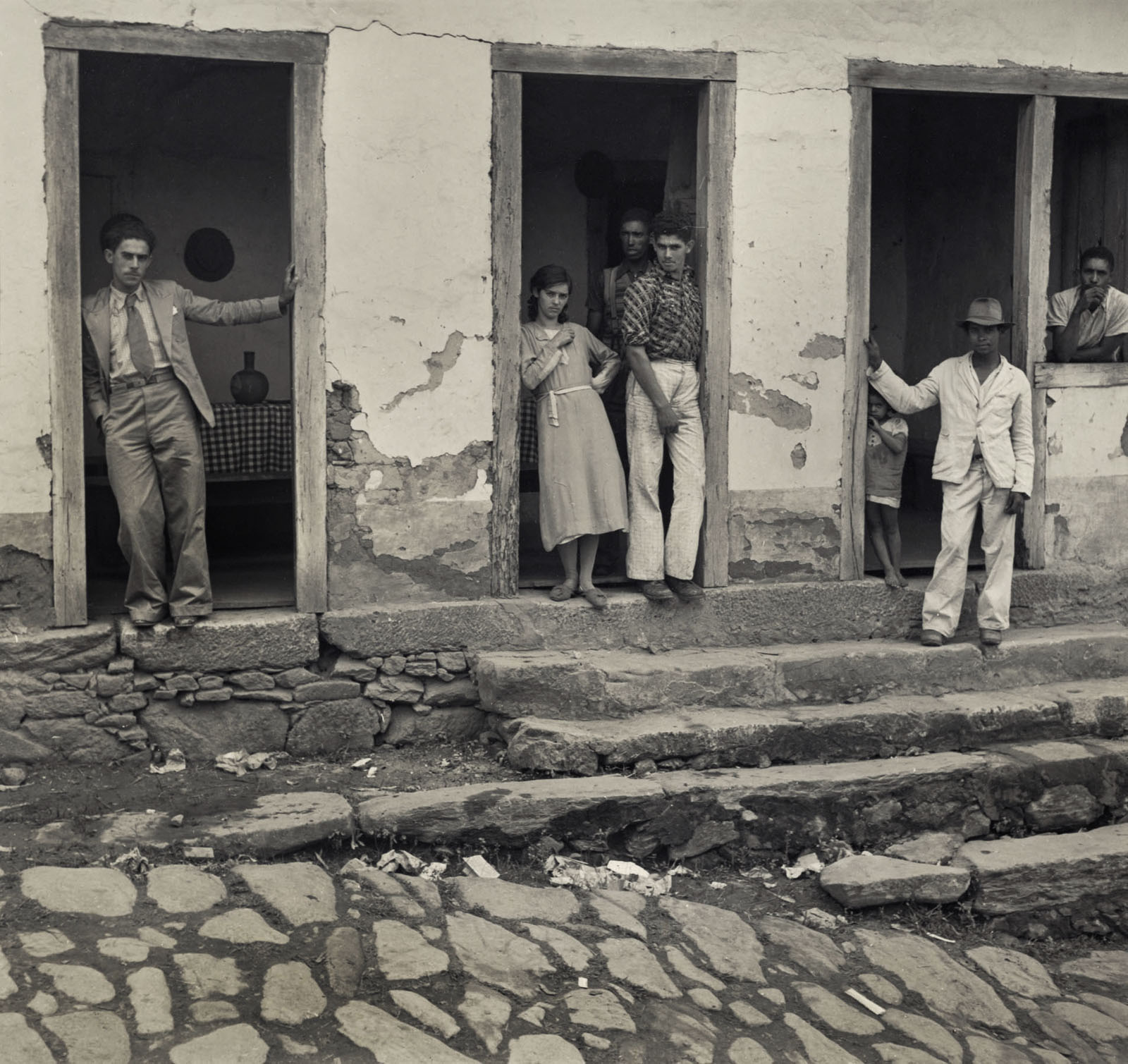


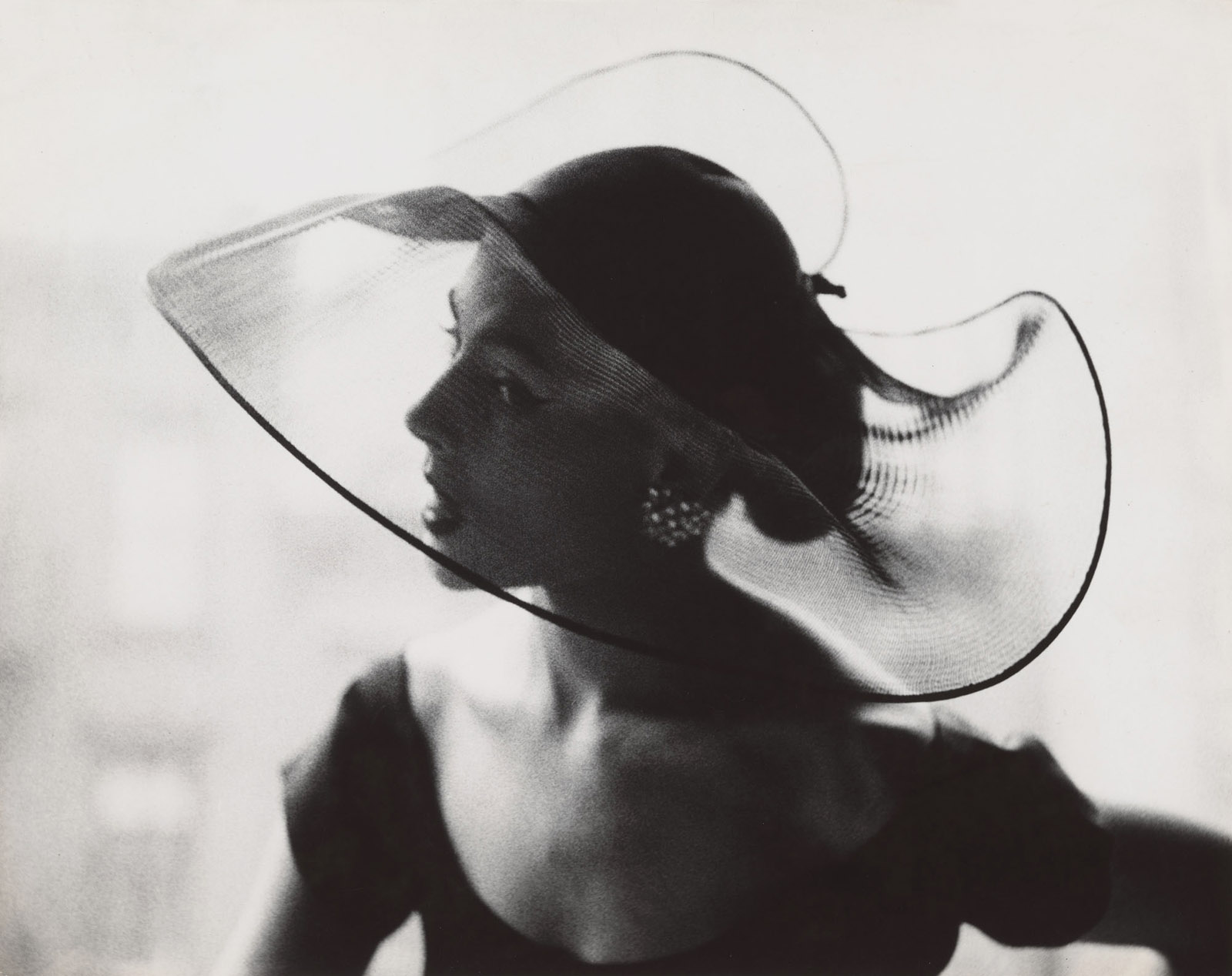
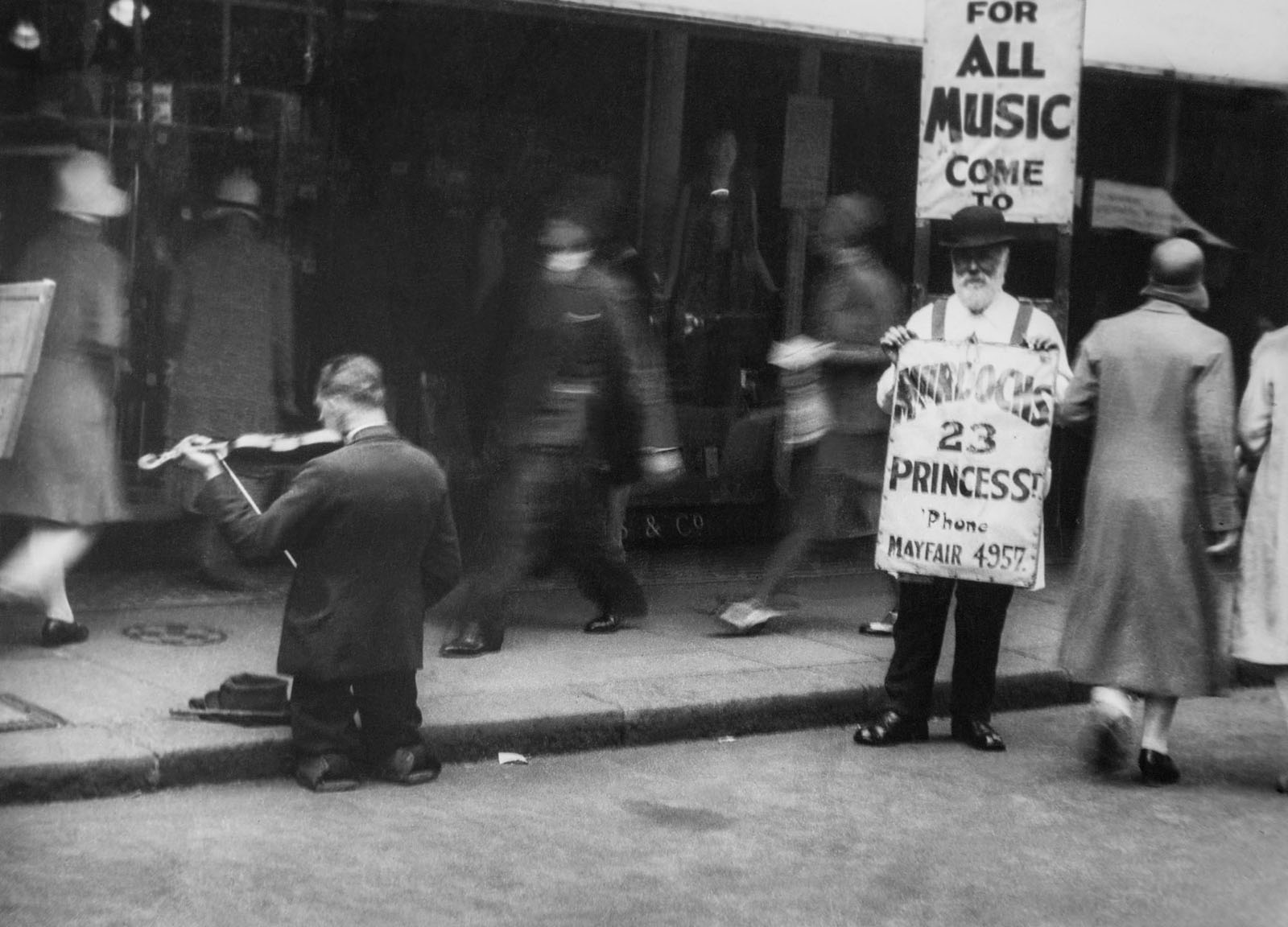
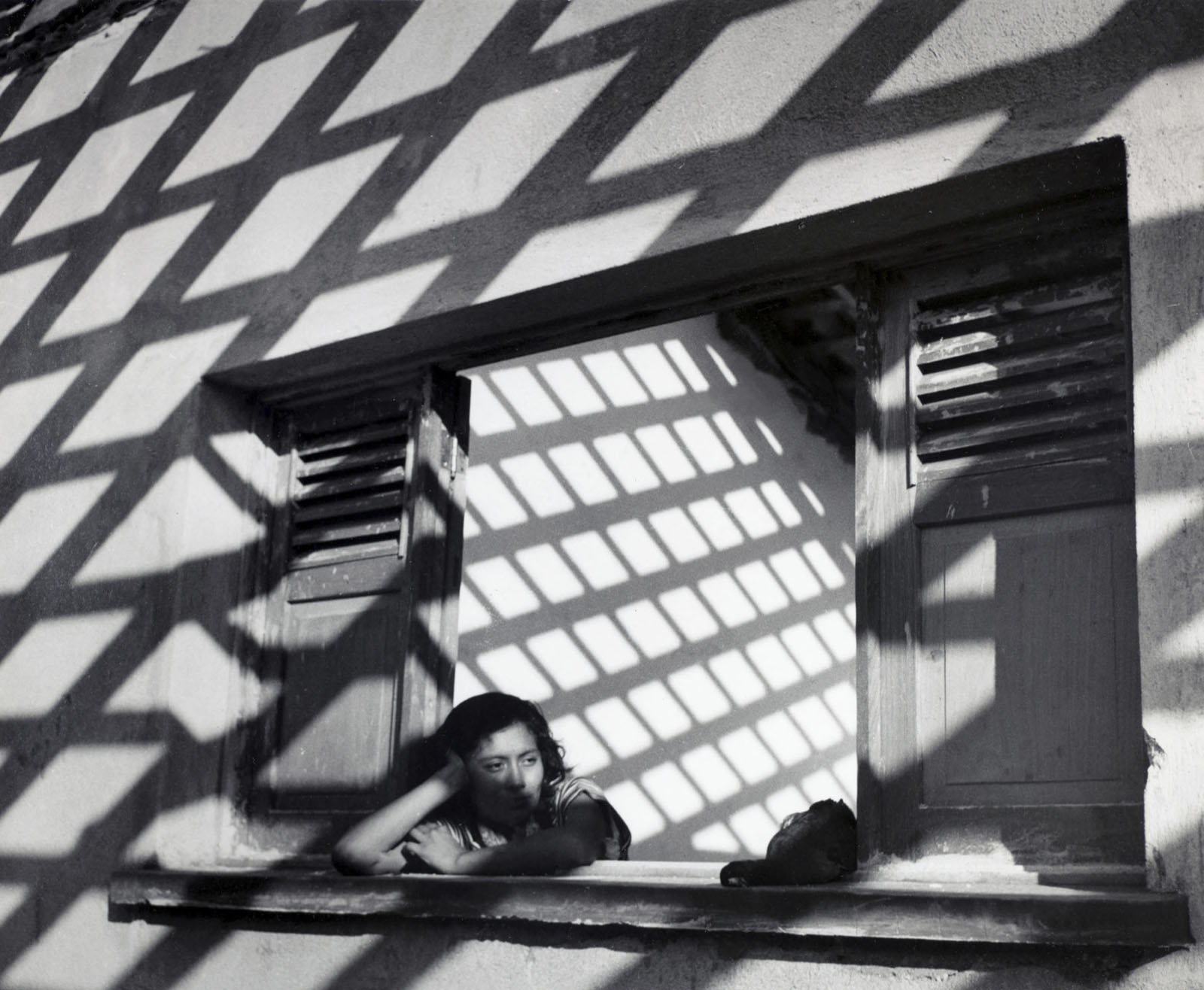





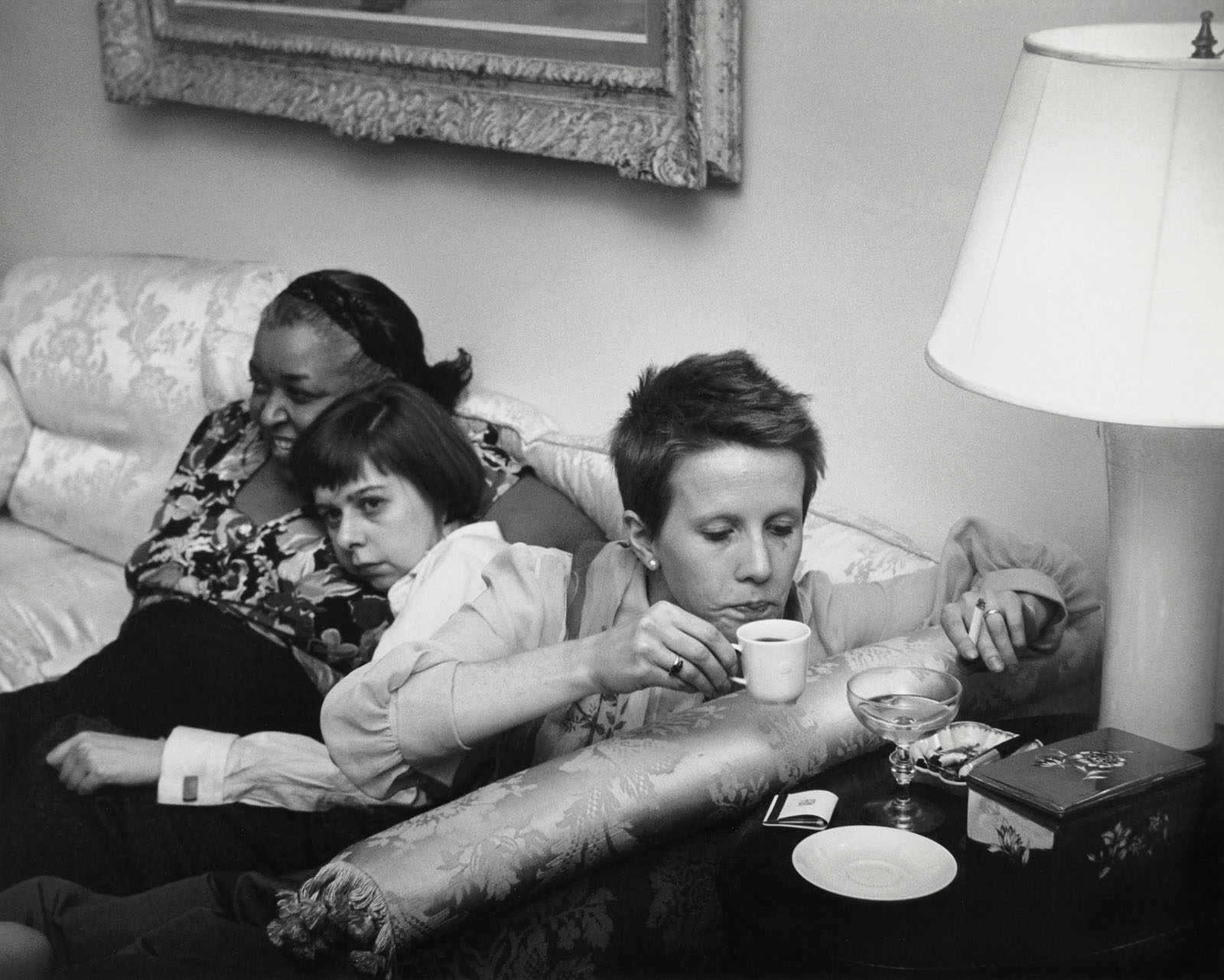
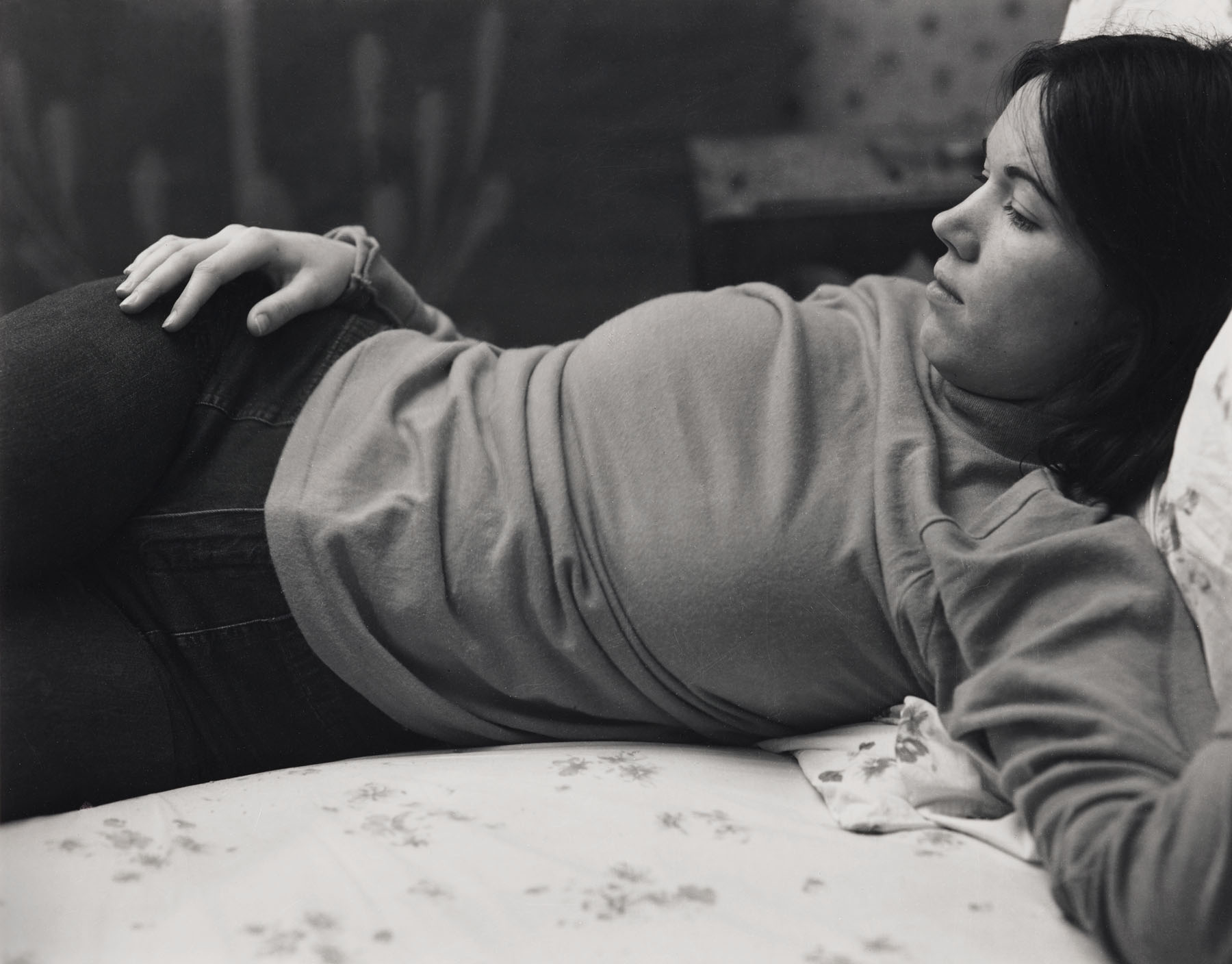
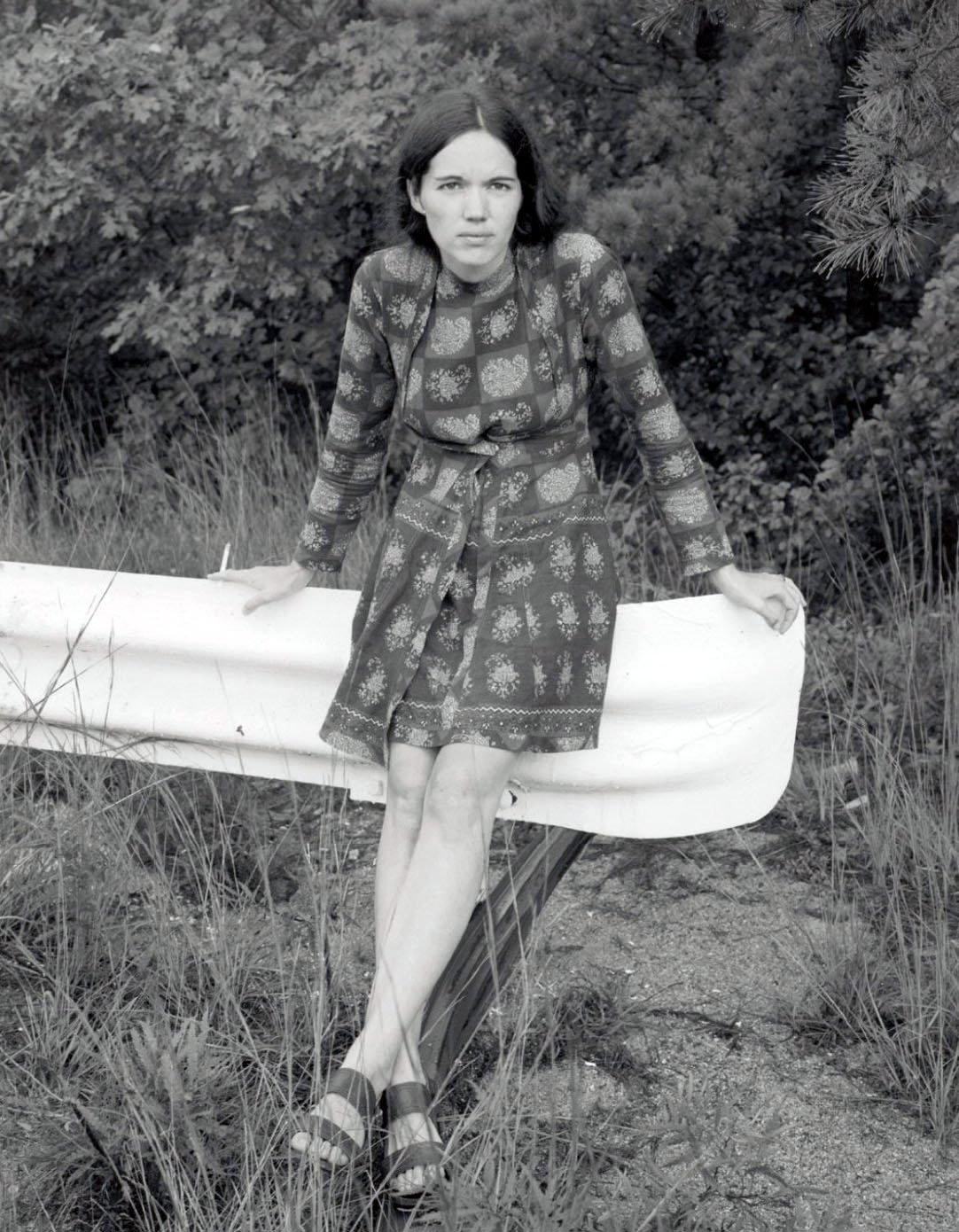
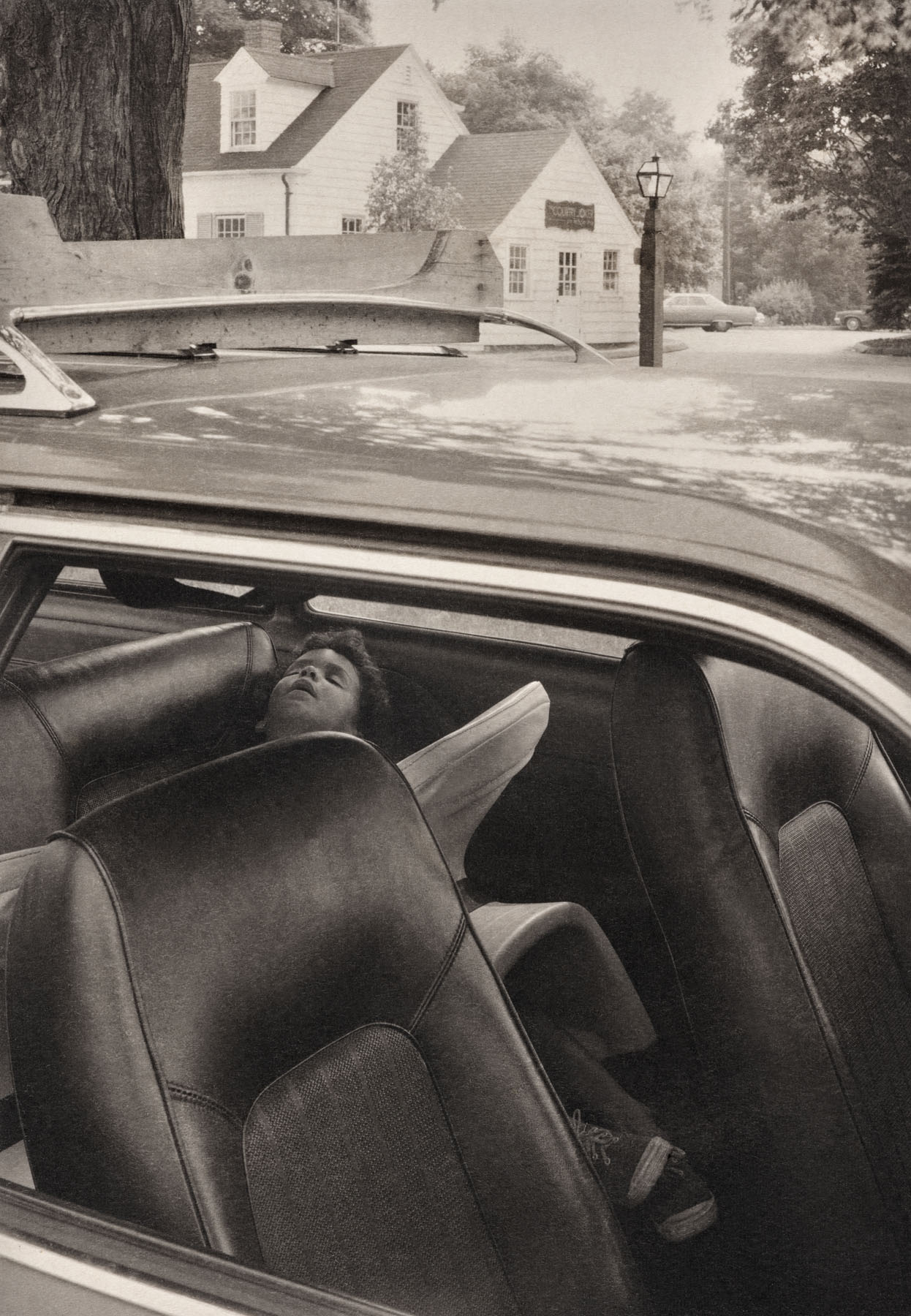


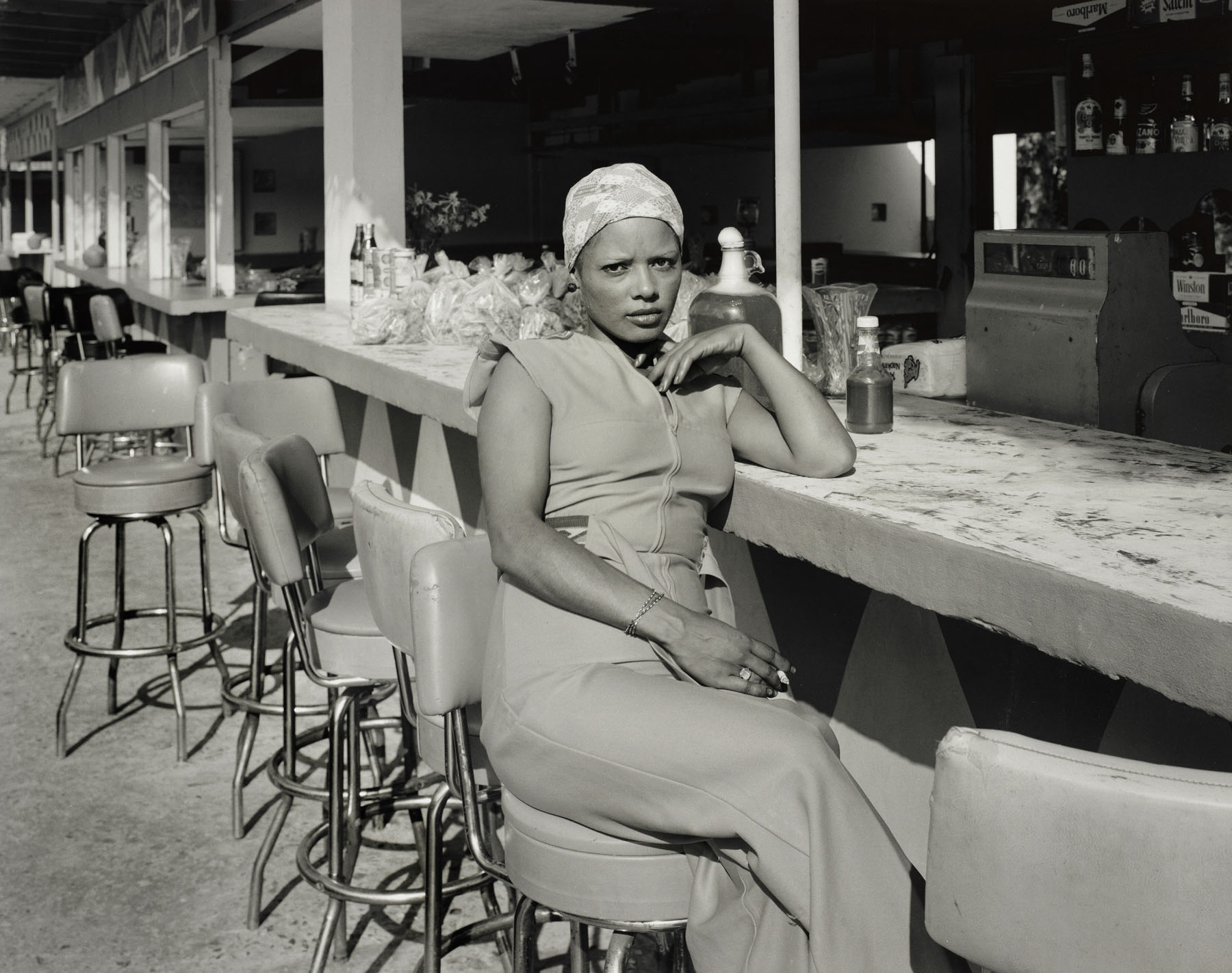
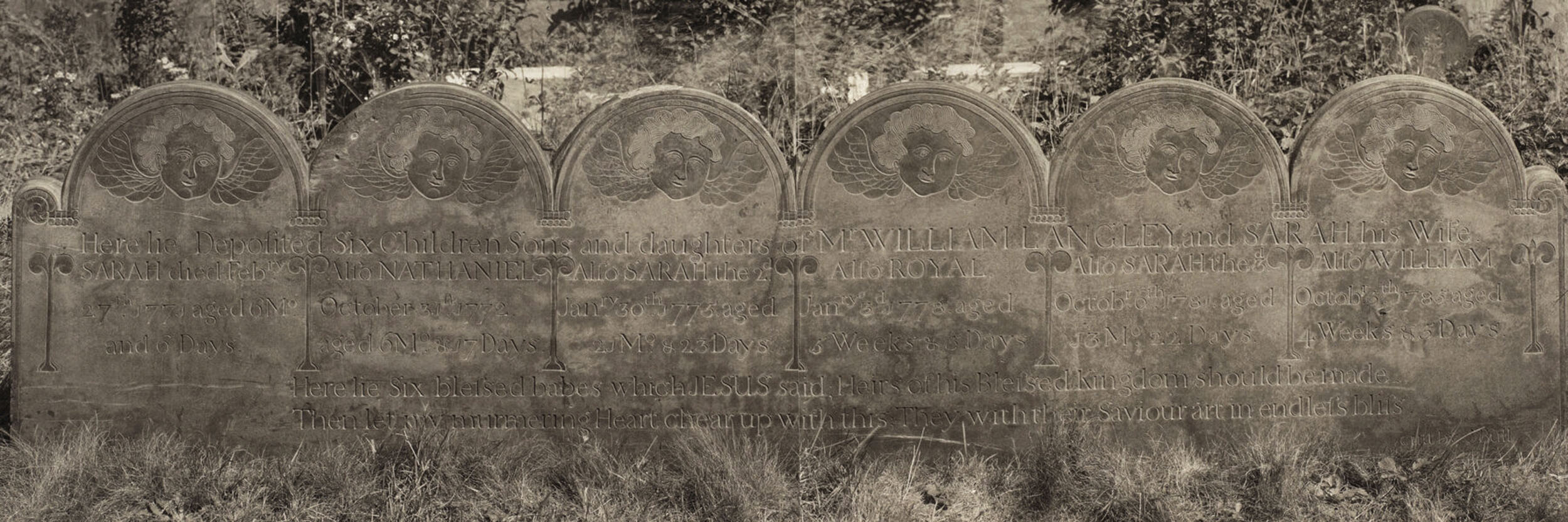

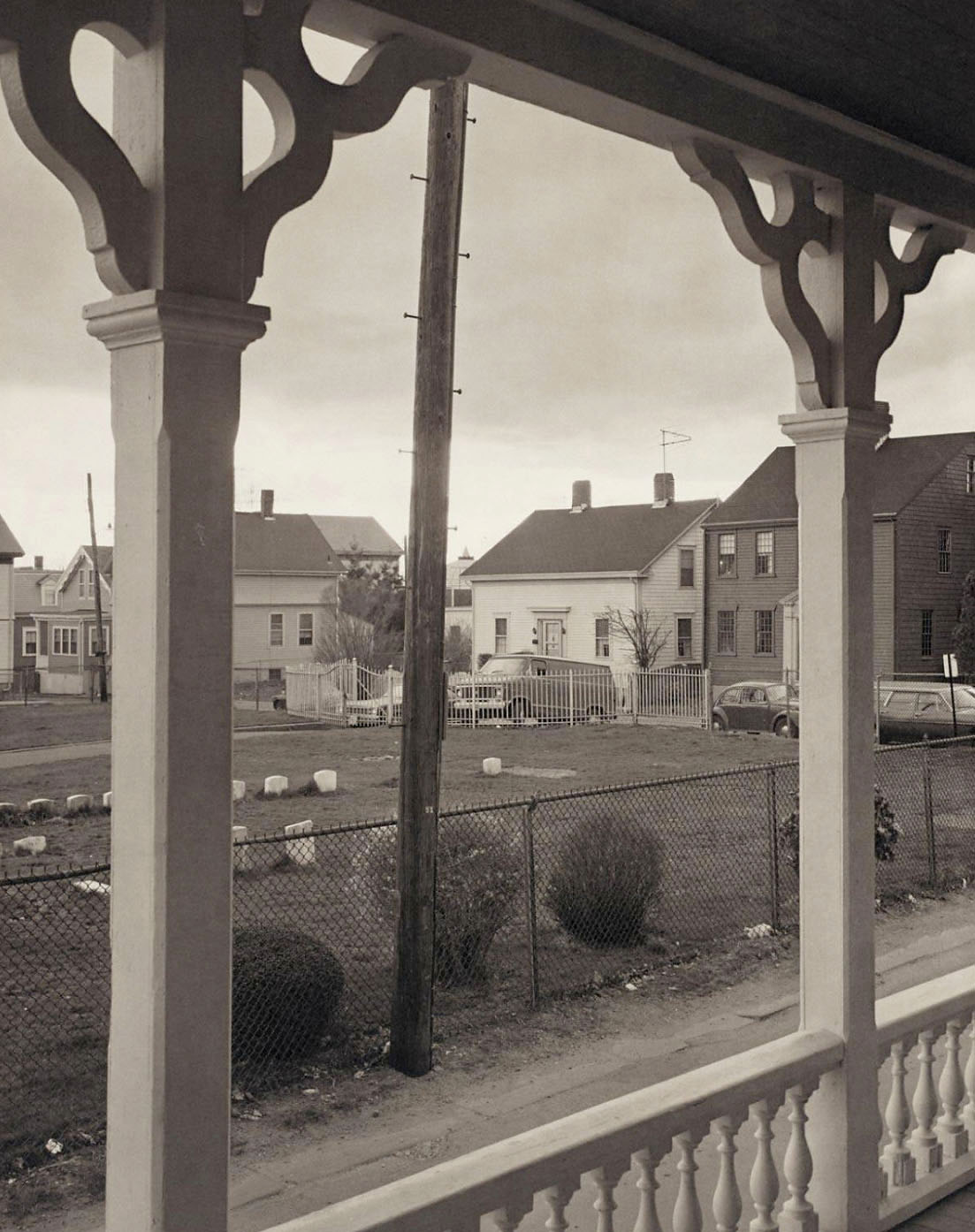
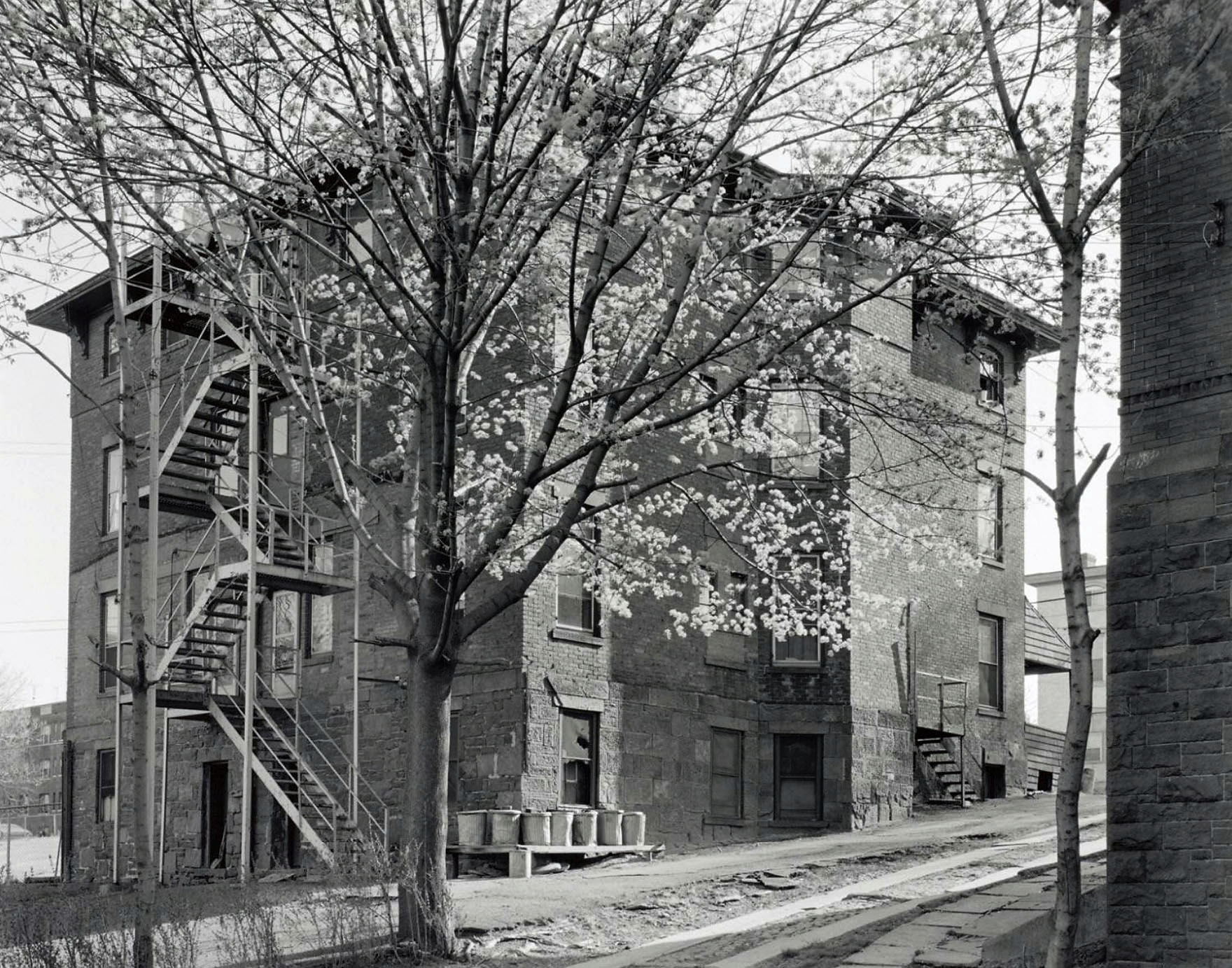
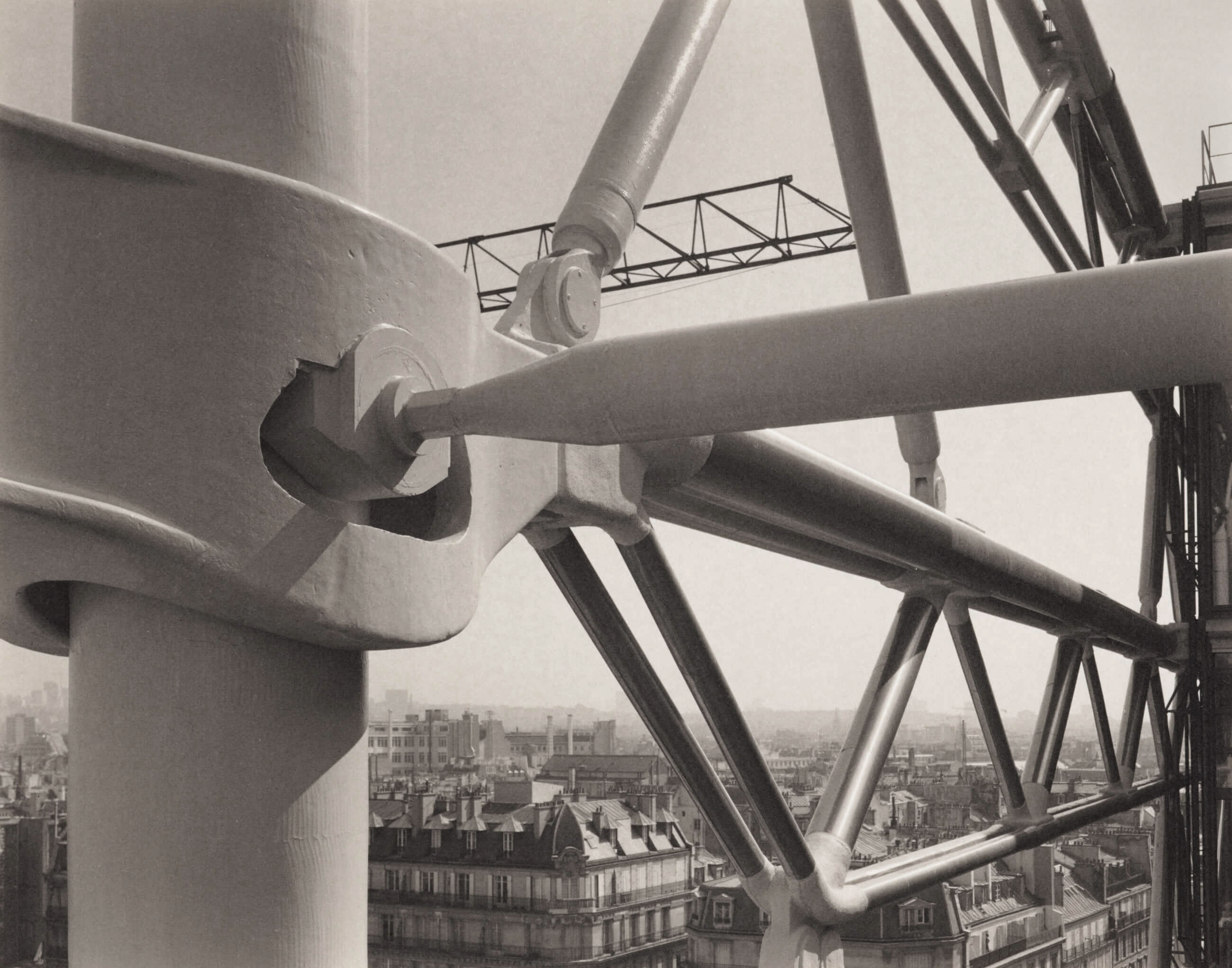

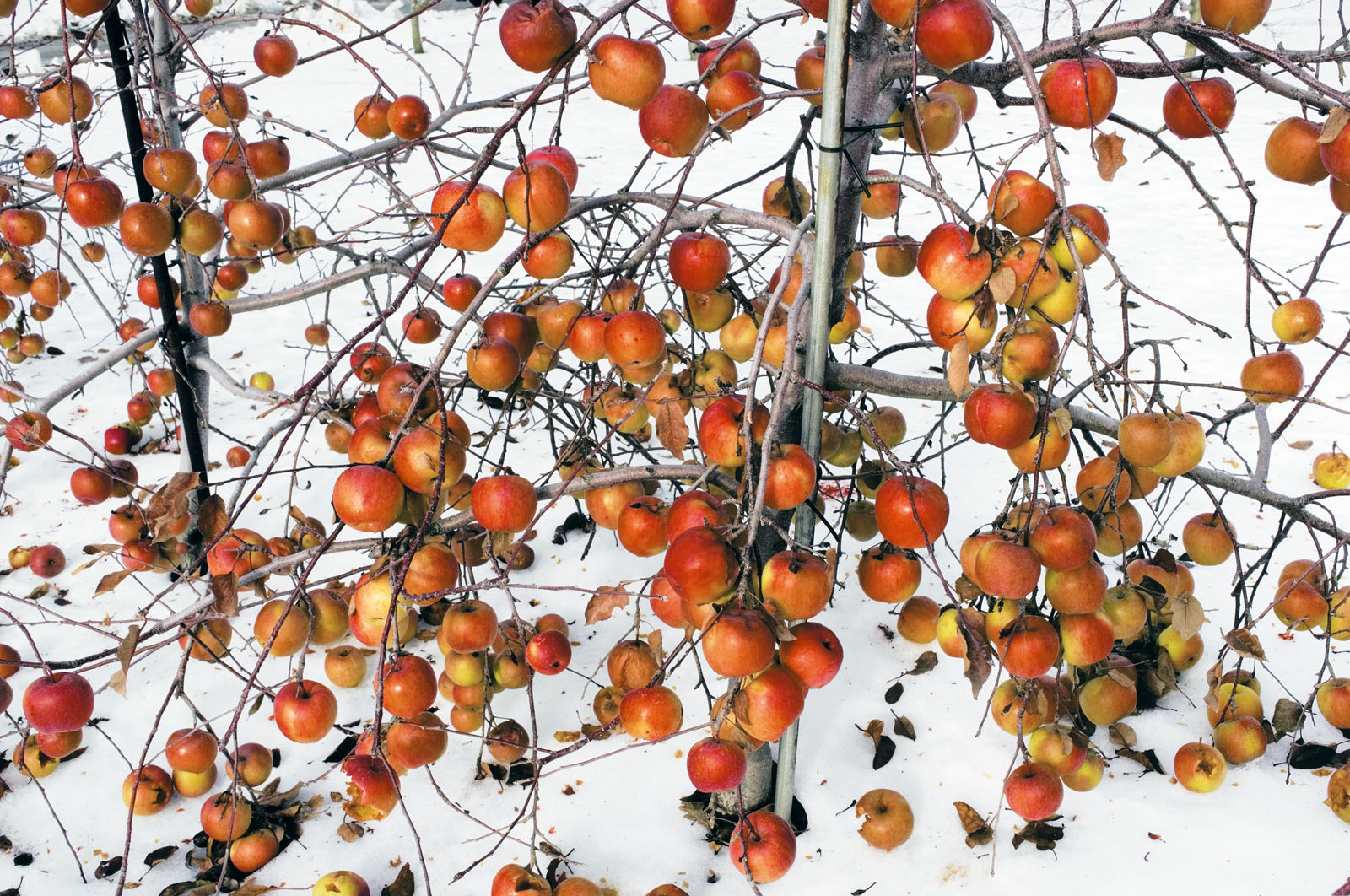








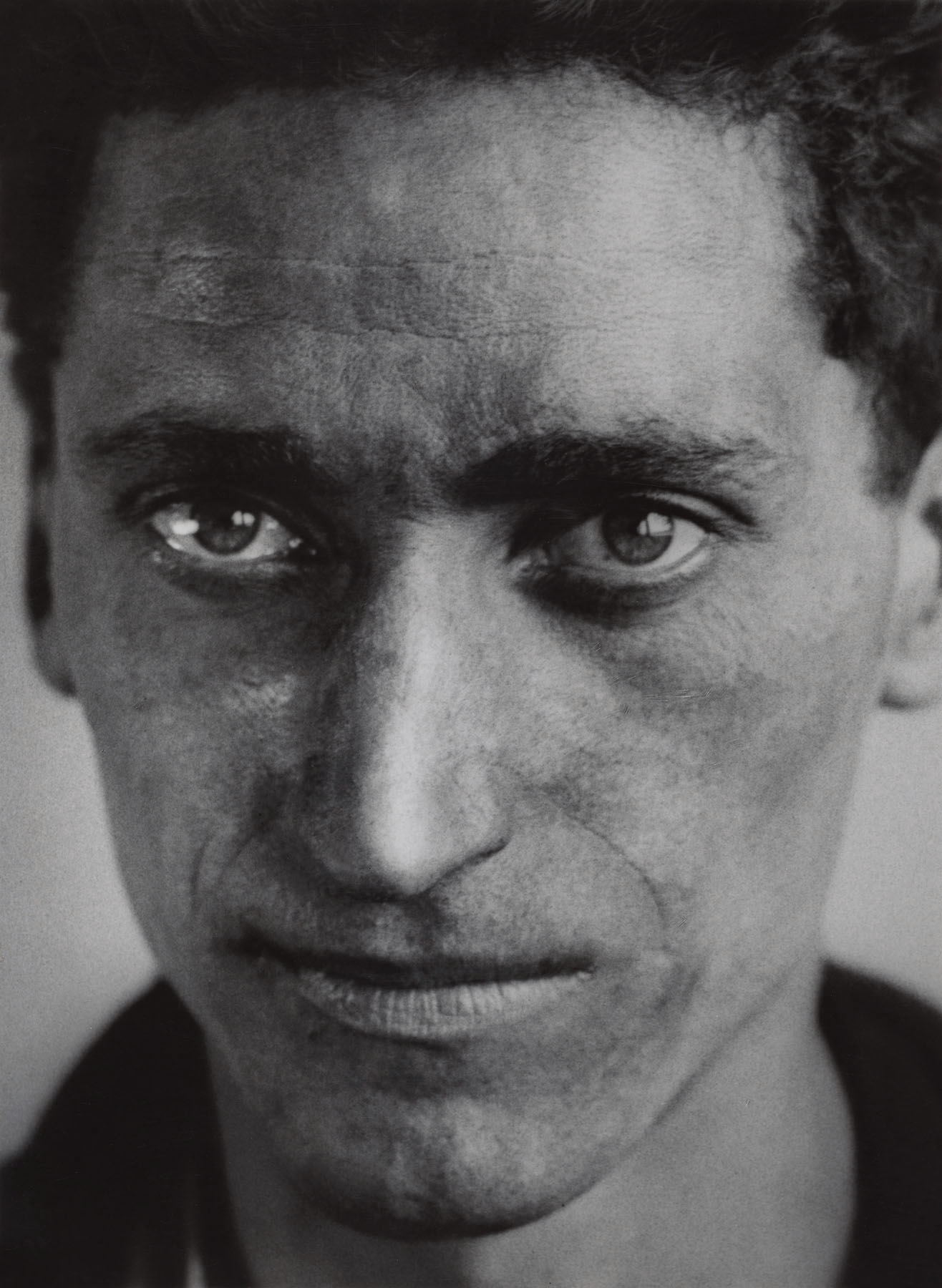


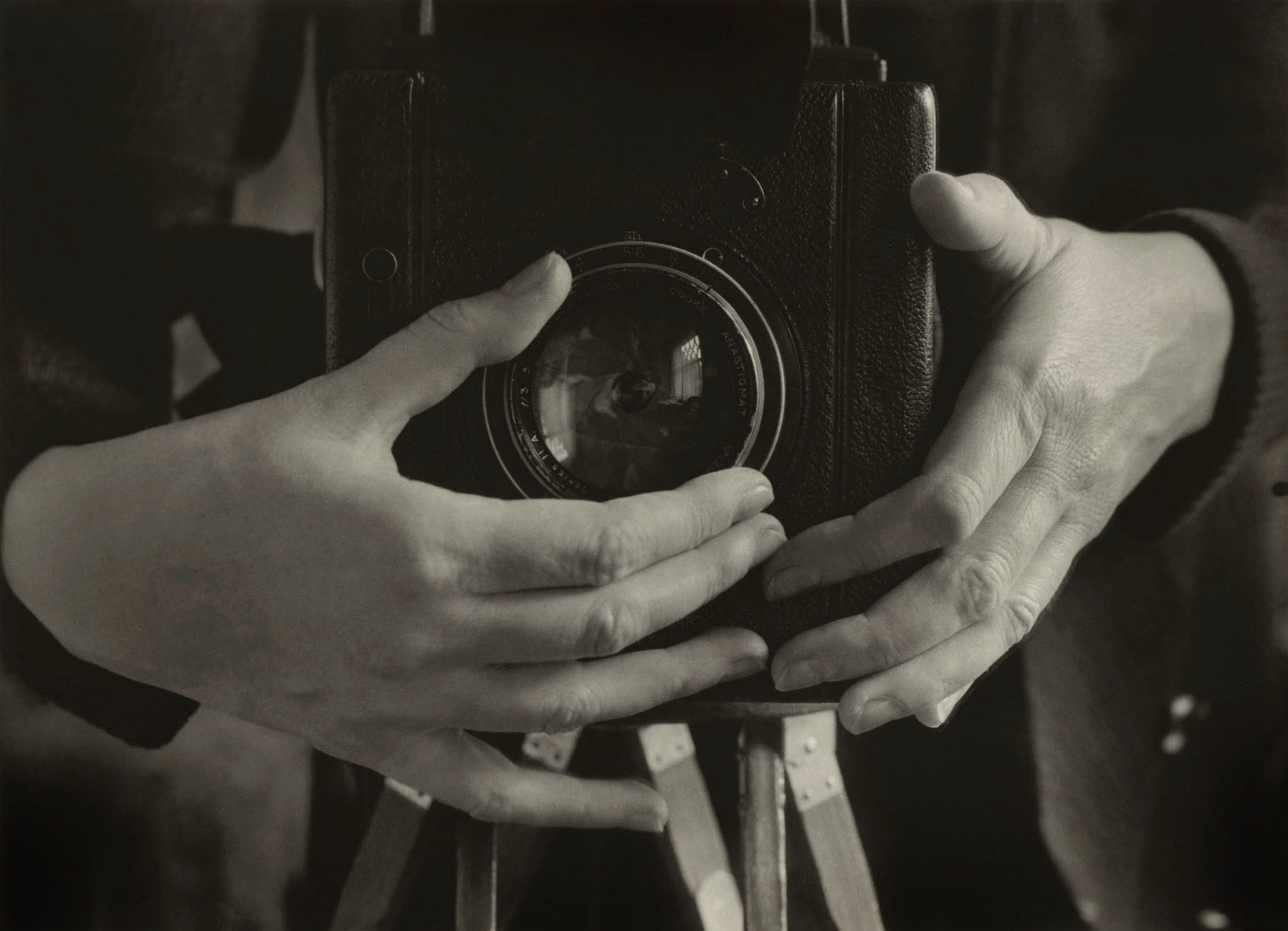
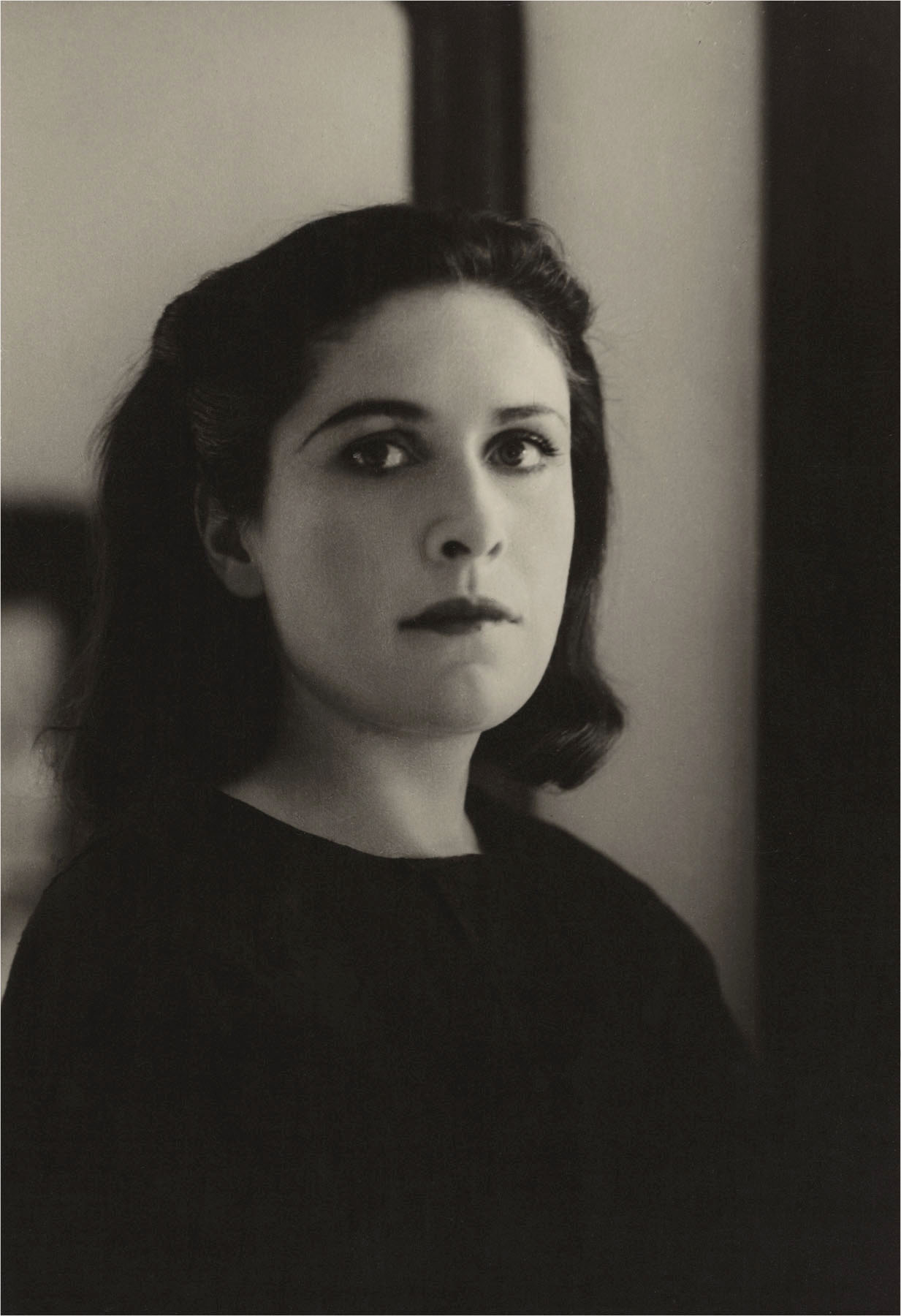


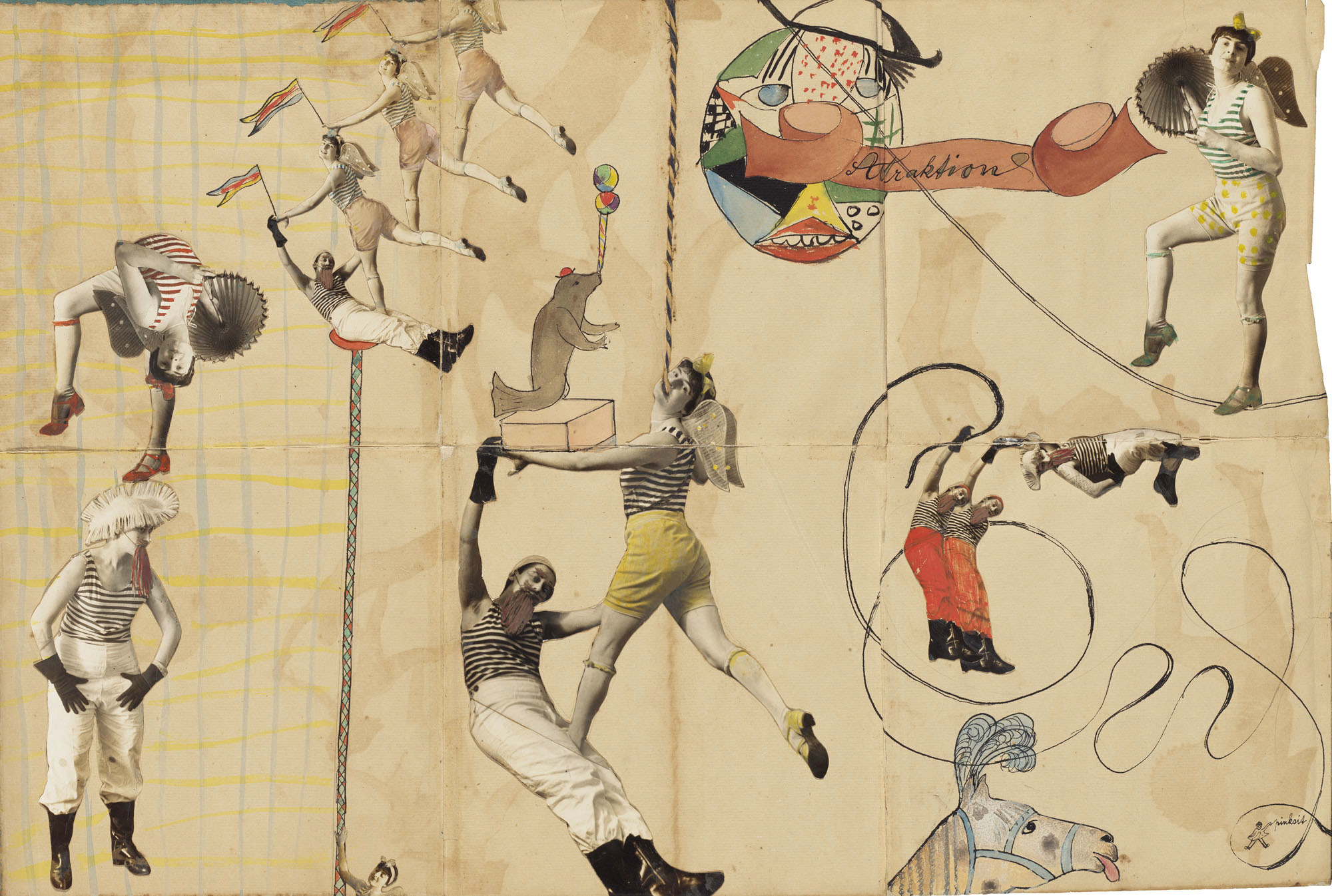


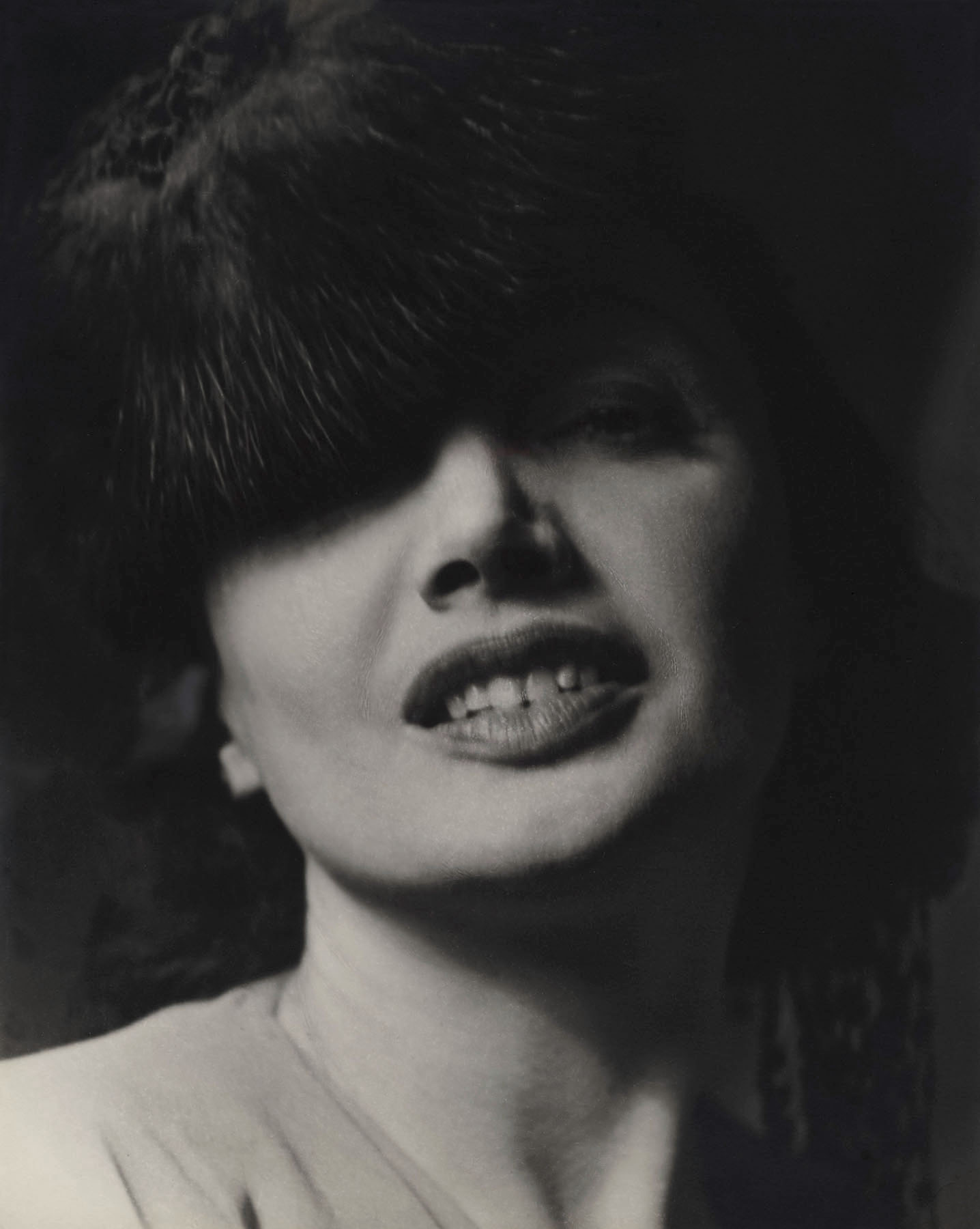


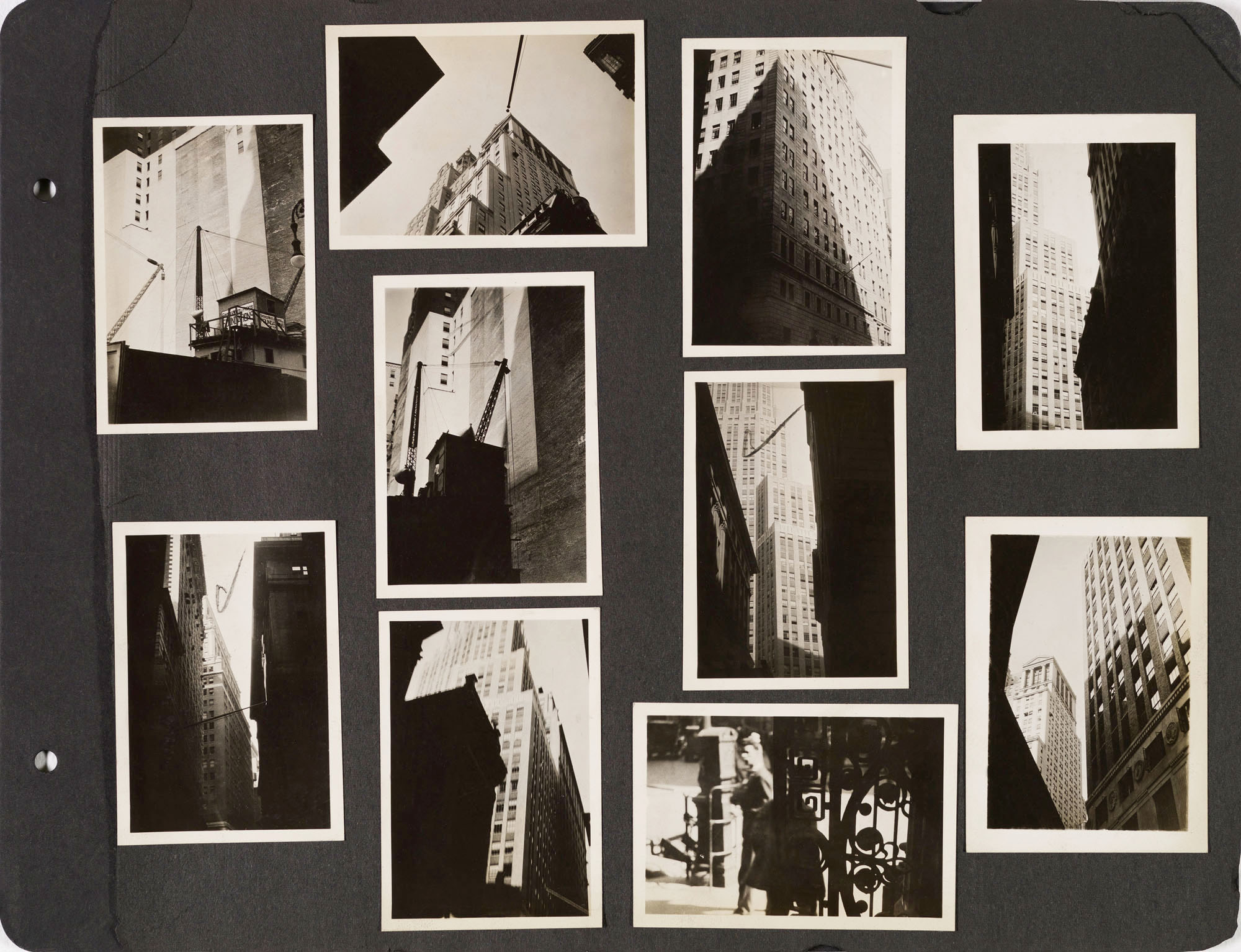


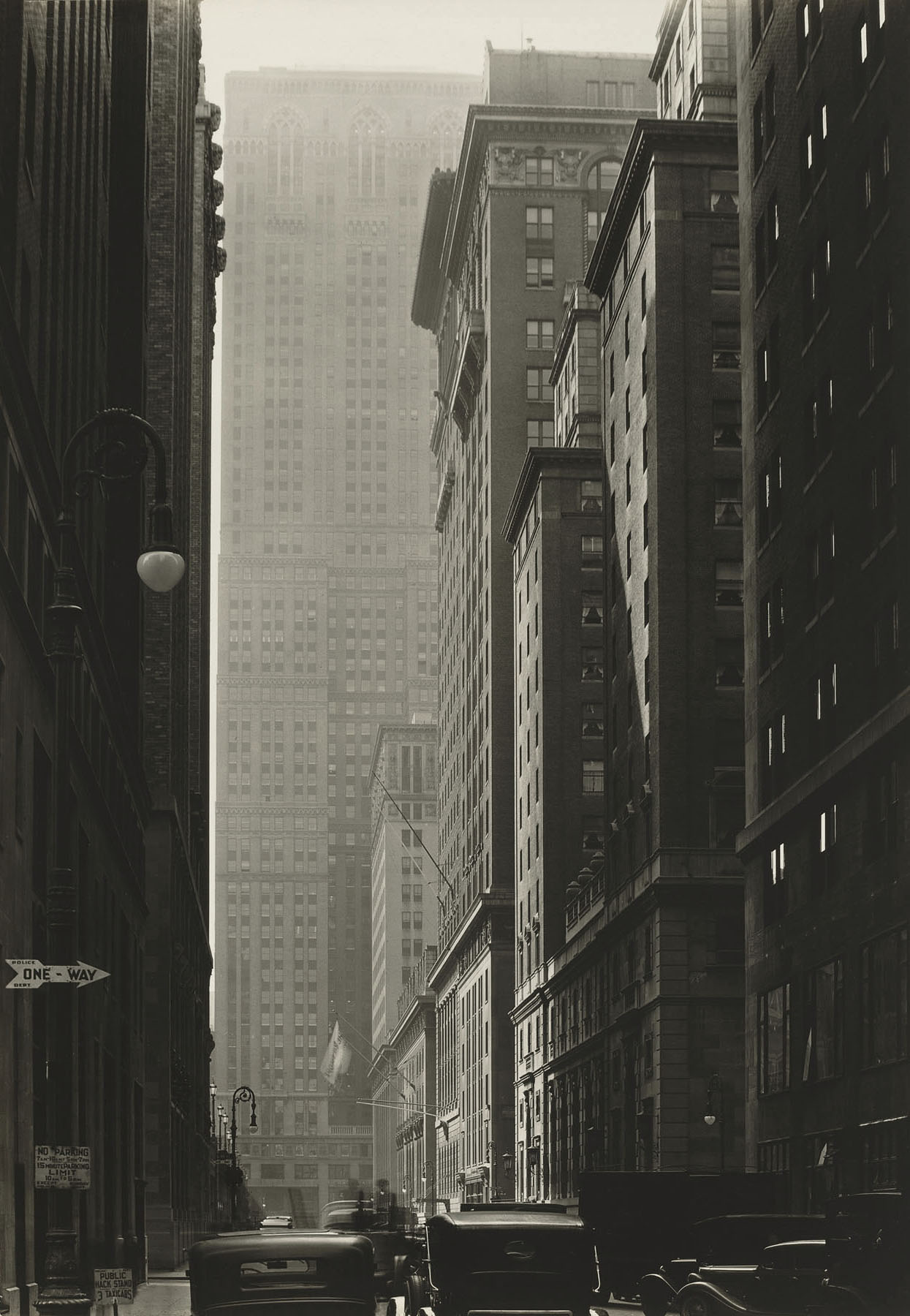


![Emmy Andriesse (Dutch, 1914-1953) 'Amsterdam tijdens de hongerwinter' (Amsterdam during the hunger winter) [1944-1945] book published 1947](https://artblart.com/wp-content/uploads/2021/11/5280-082-small.jpg "Emmy Andriesse (Dutch, 1914-1953) 'Amsterdam tijdens de hongerwinter' (Amsterdam during the hunger winter) [1944-1945] book published 1947")
![Emmy Andriesse (Dutch, 1914-1953) 'Amsterdam tijdens de hongerwinter' (Amsterdam during the hunger winter) [1944-1945] book published 1947 (detail)](https://artblart.com/wp-content/uploads/2021/11/5280-082-detail1.jpg "Emmy Andriesse (Dutch, 1914-1953) 'Amsterdam tijdens de hongerwinter' (Amsterdam during the hunger winter) [1944-1945] book published 1947 (detail)")
![Emmy Andriesse (Dutch, 1914-1953) 'Amsterdam tijdens de hongerwinter' (Amsterdam during the hunger winter) [1944-1945] book published 1947 (detail)](https://artblart.com/wp-content/uploads/2021/11/5280-082-detail2.jpg "Emmy Andriesse (Dutch, 1914-1953) 'Amsterdam tijdens de hongerwinter' (Amsterdam during the hunger winter) [1944-1945] book published 1947 (detail)")
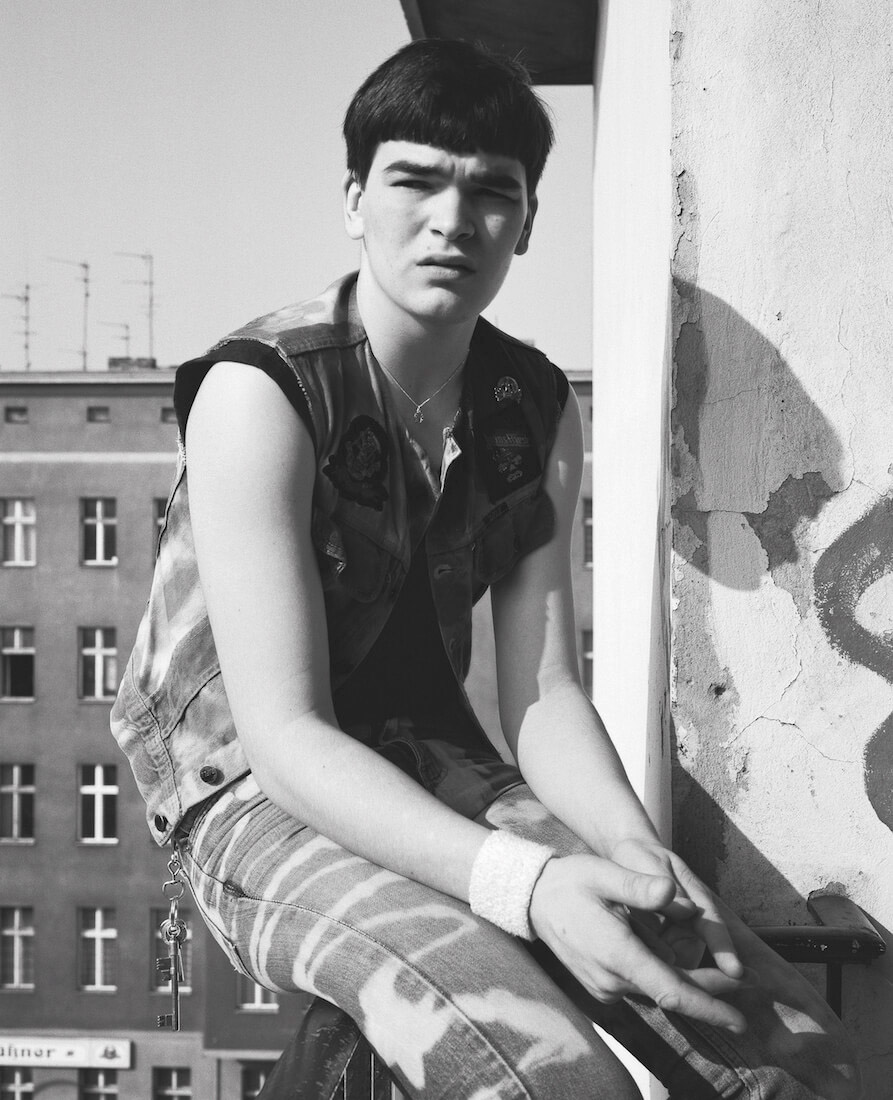

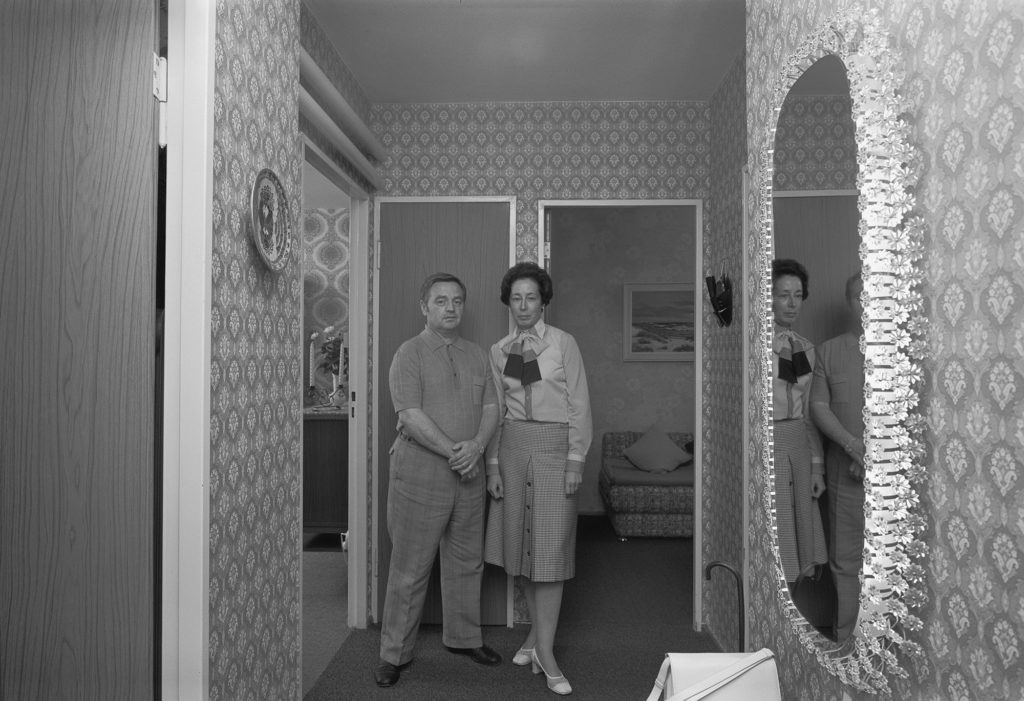
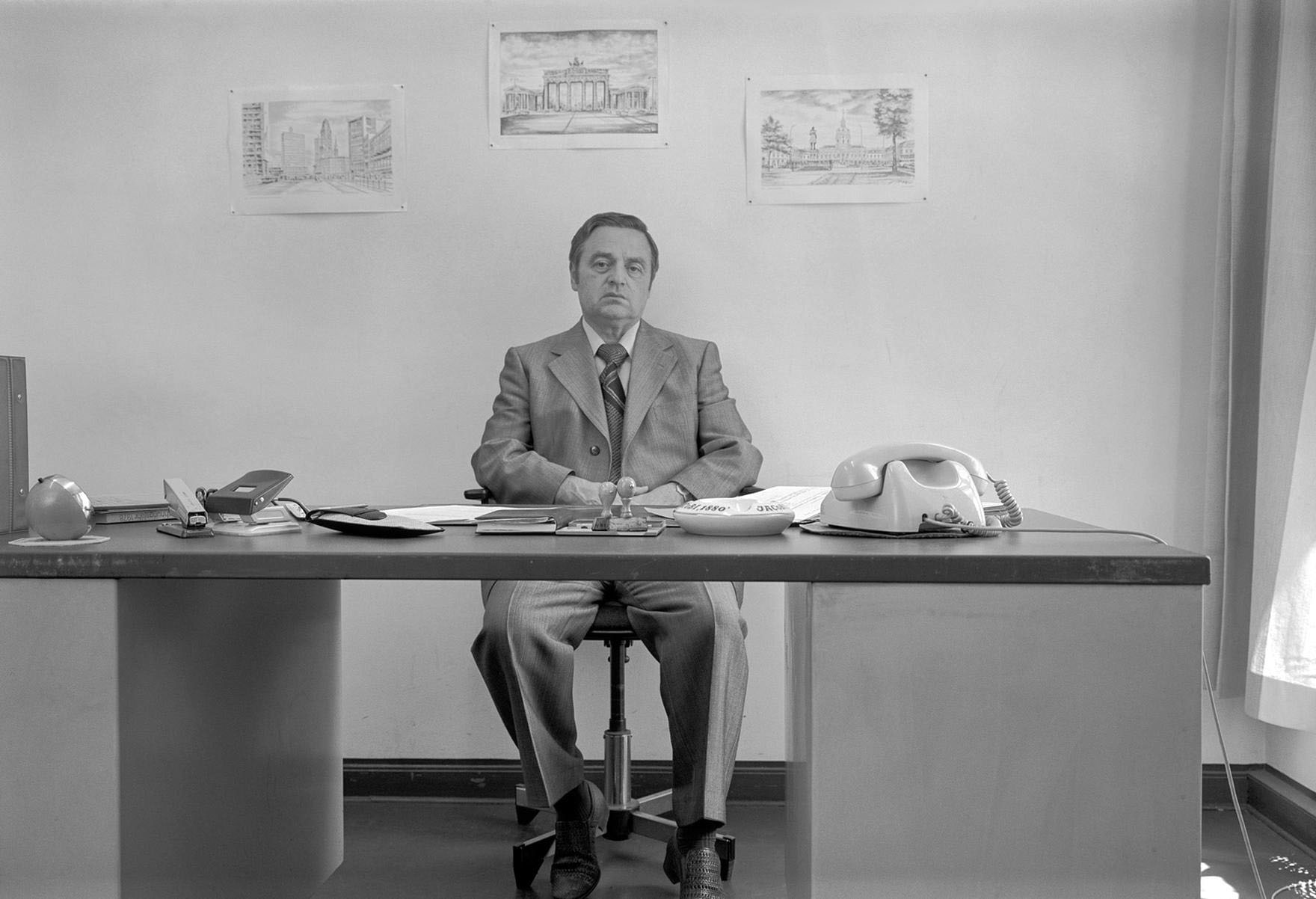
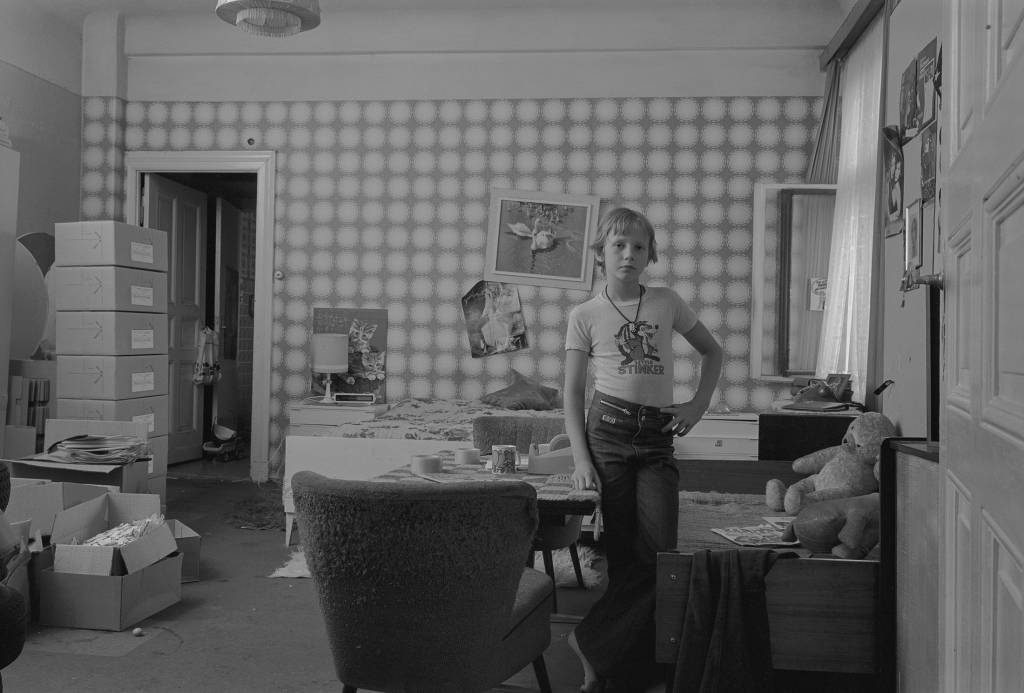
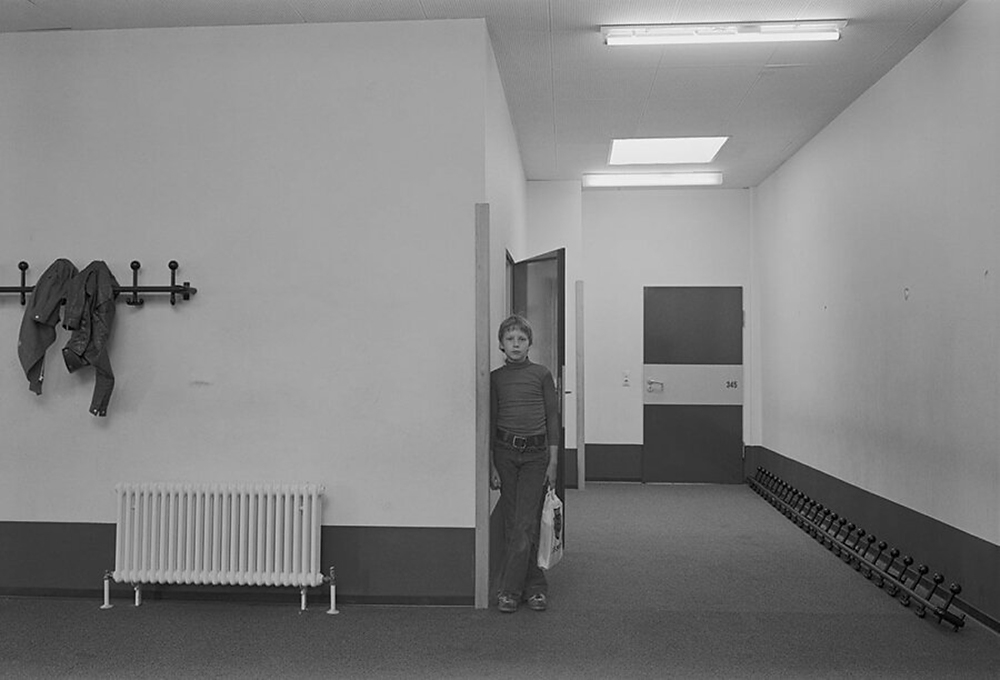
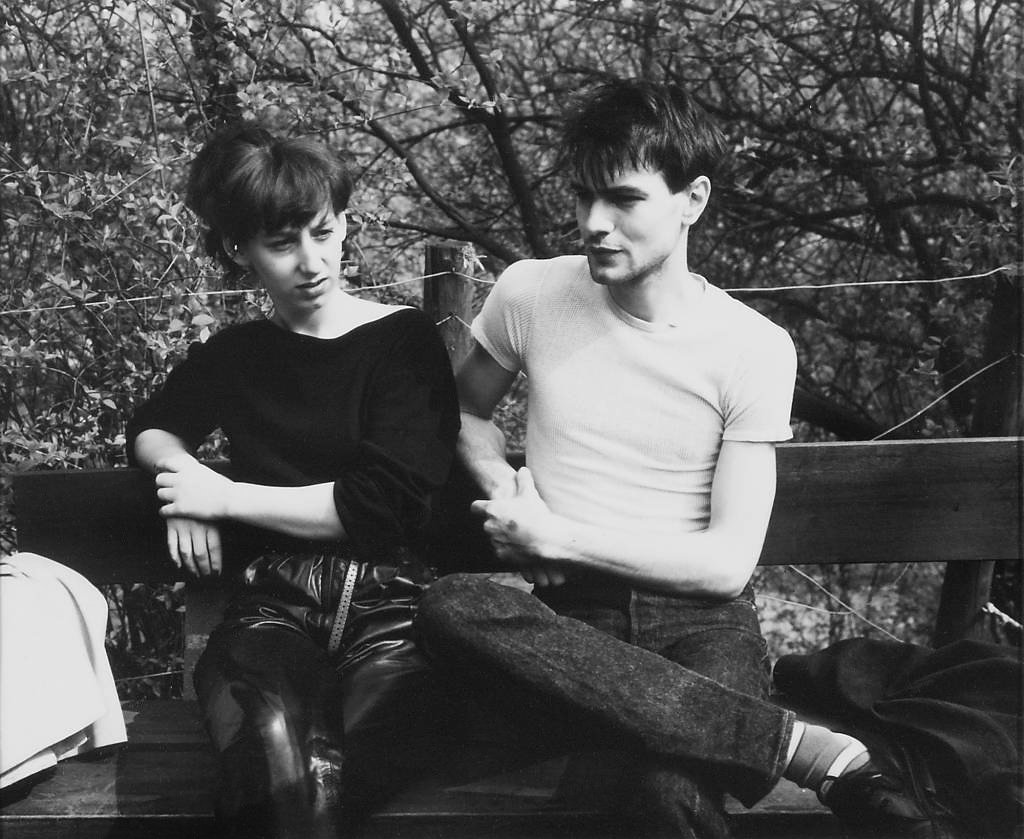
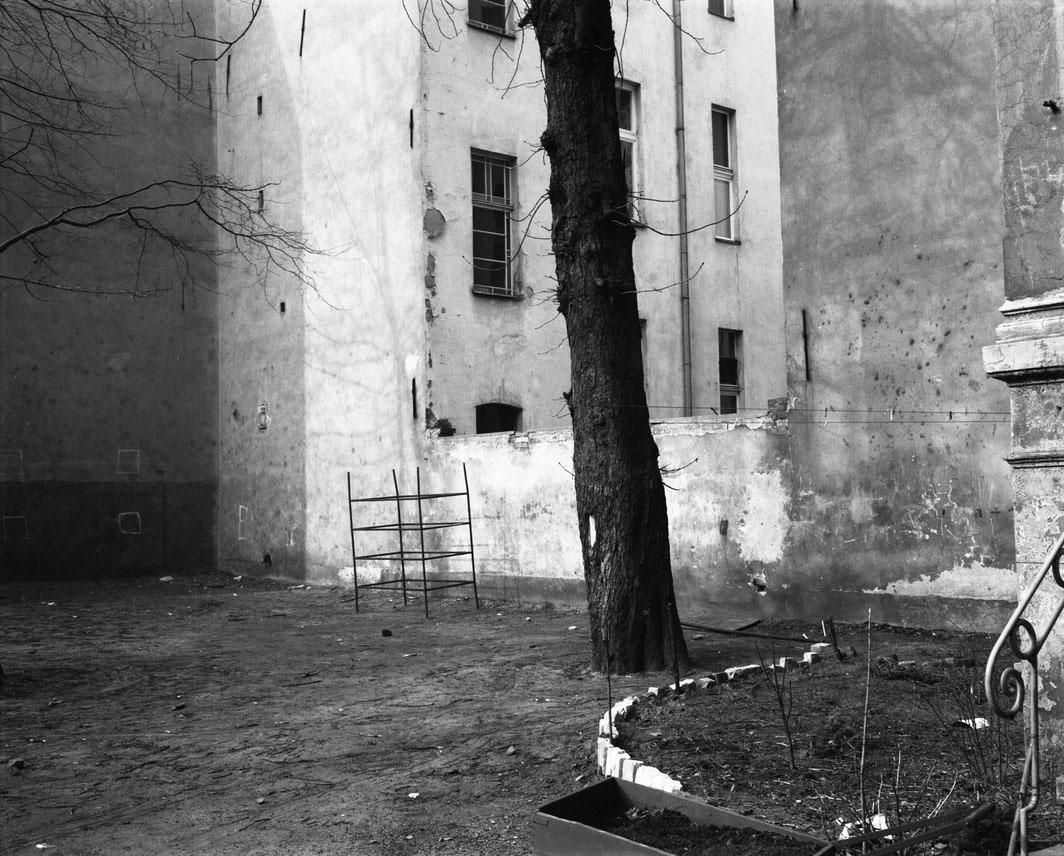
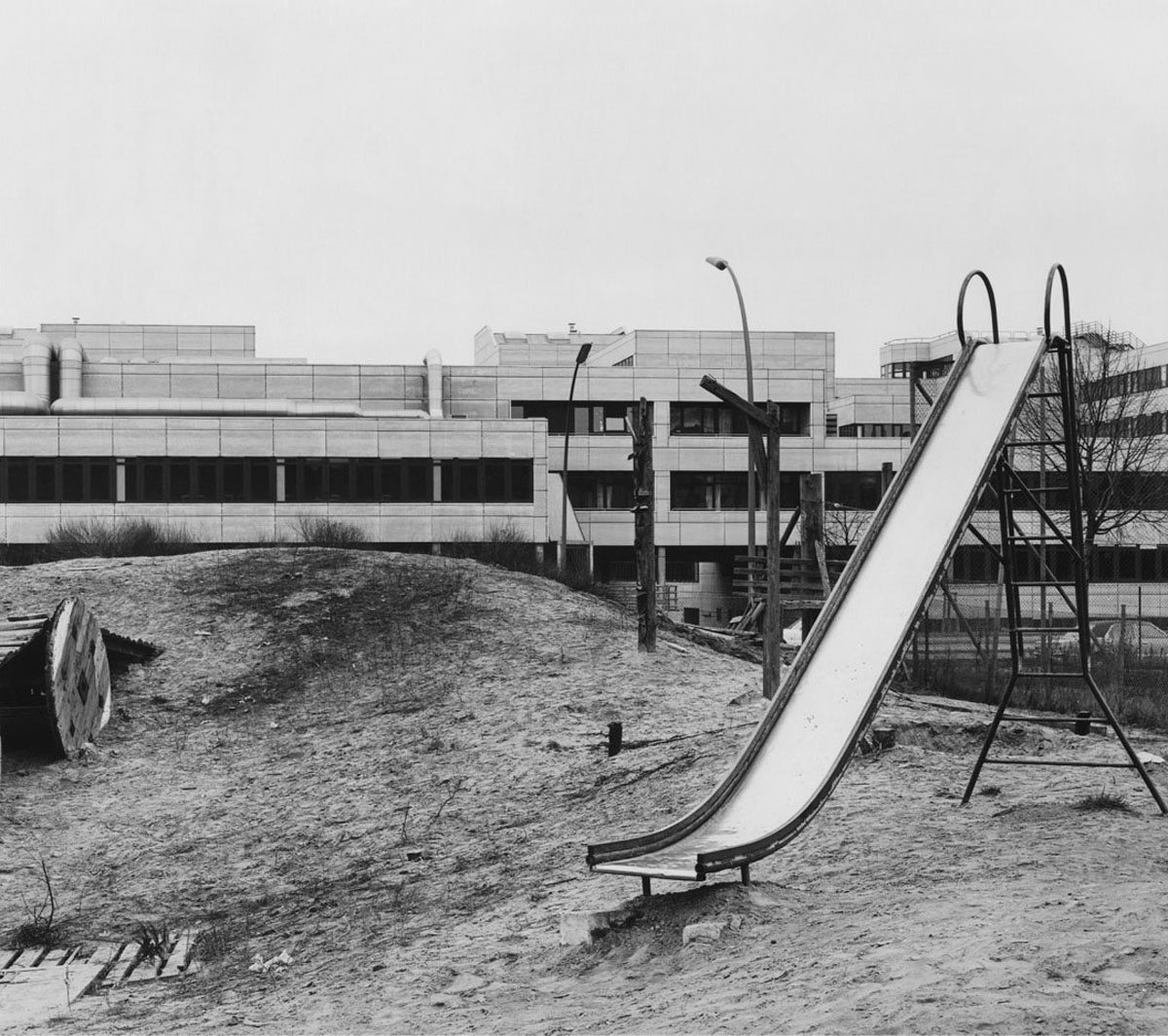
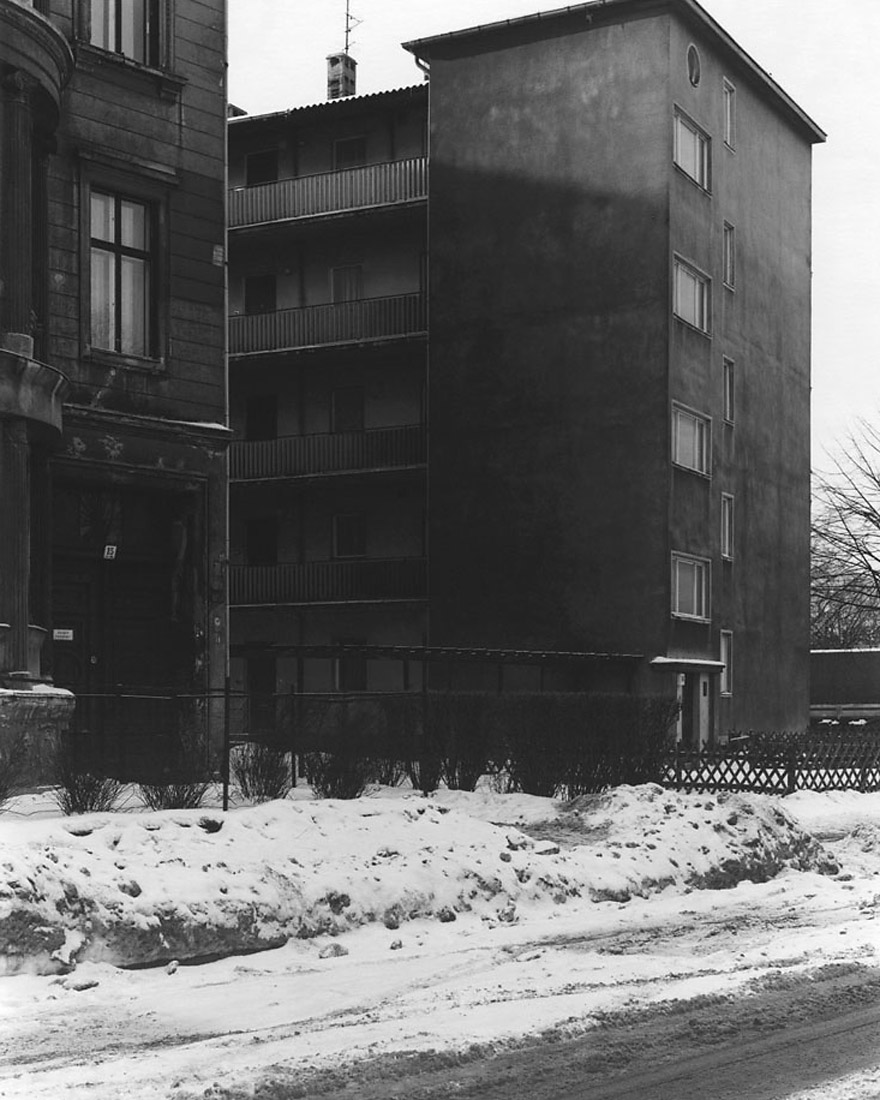
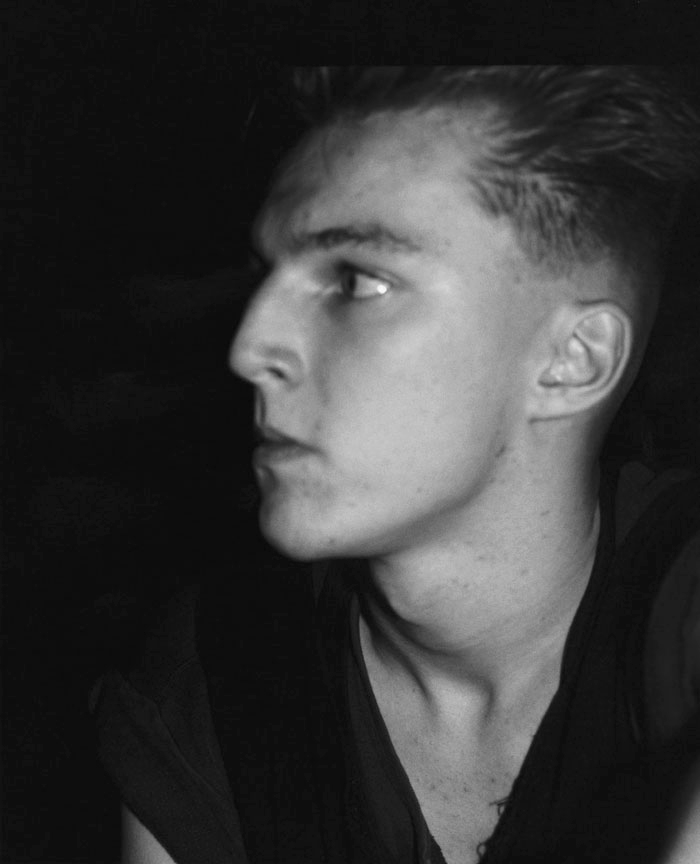
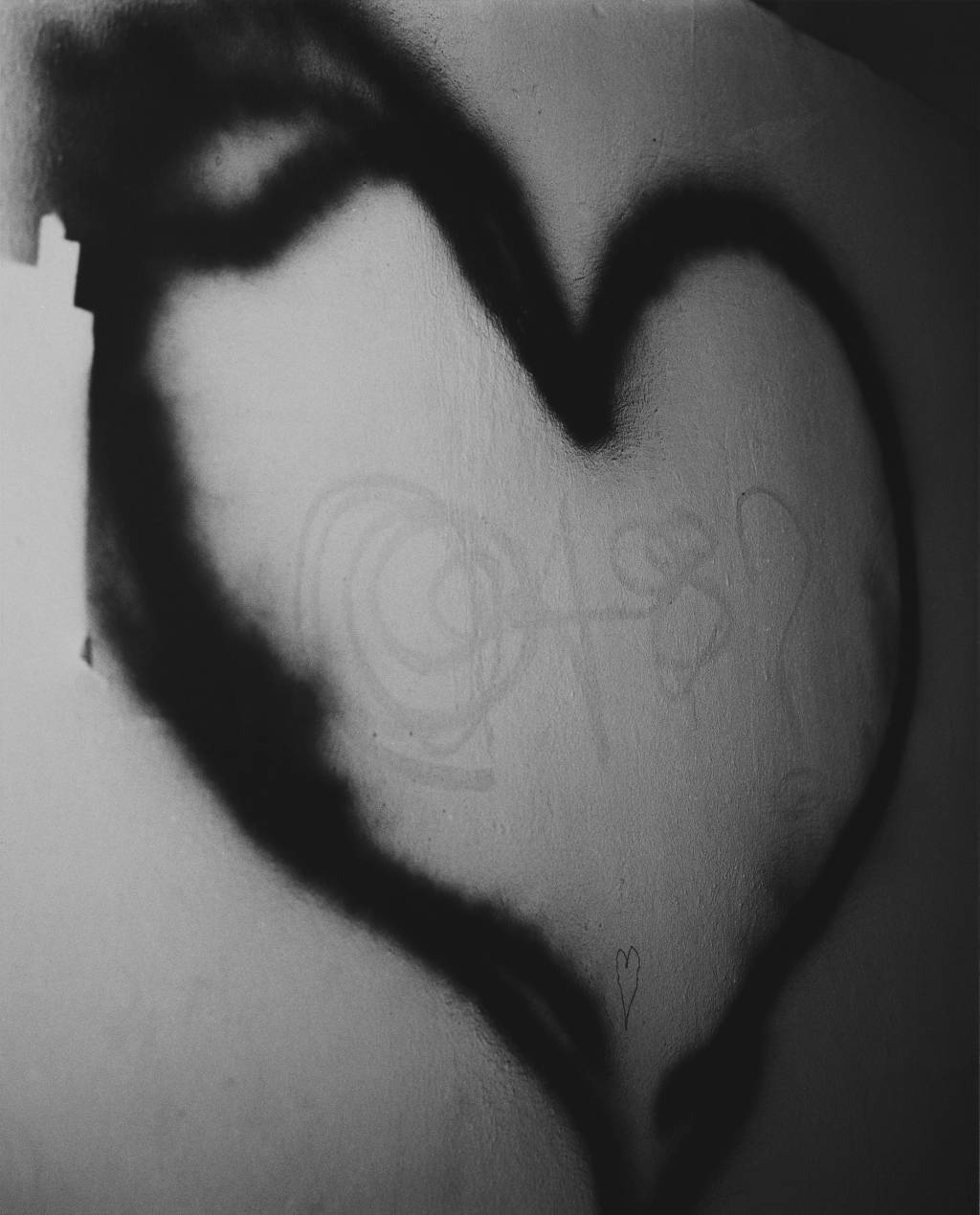
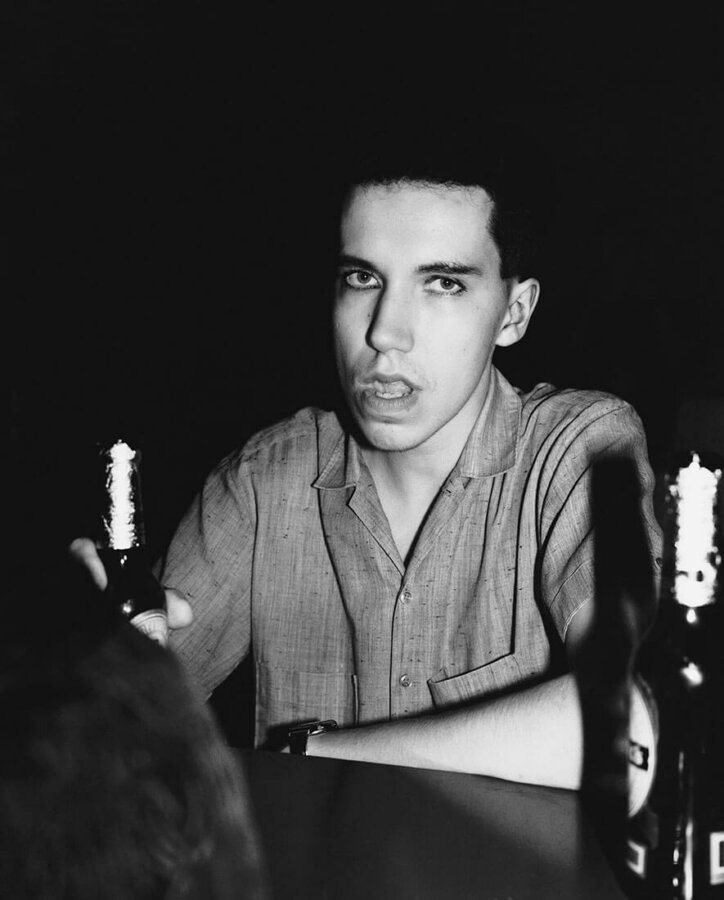
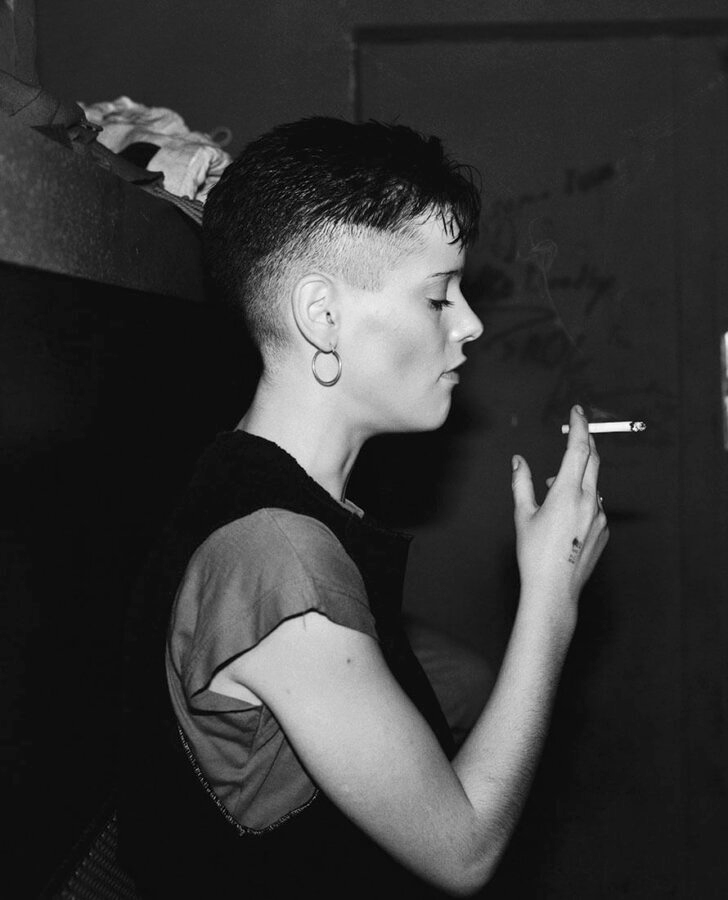
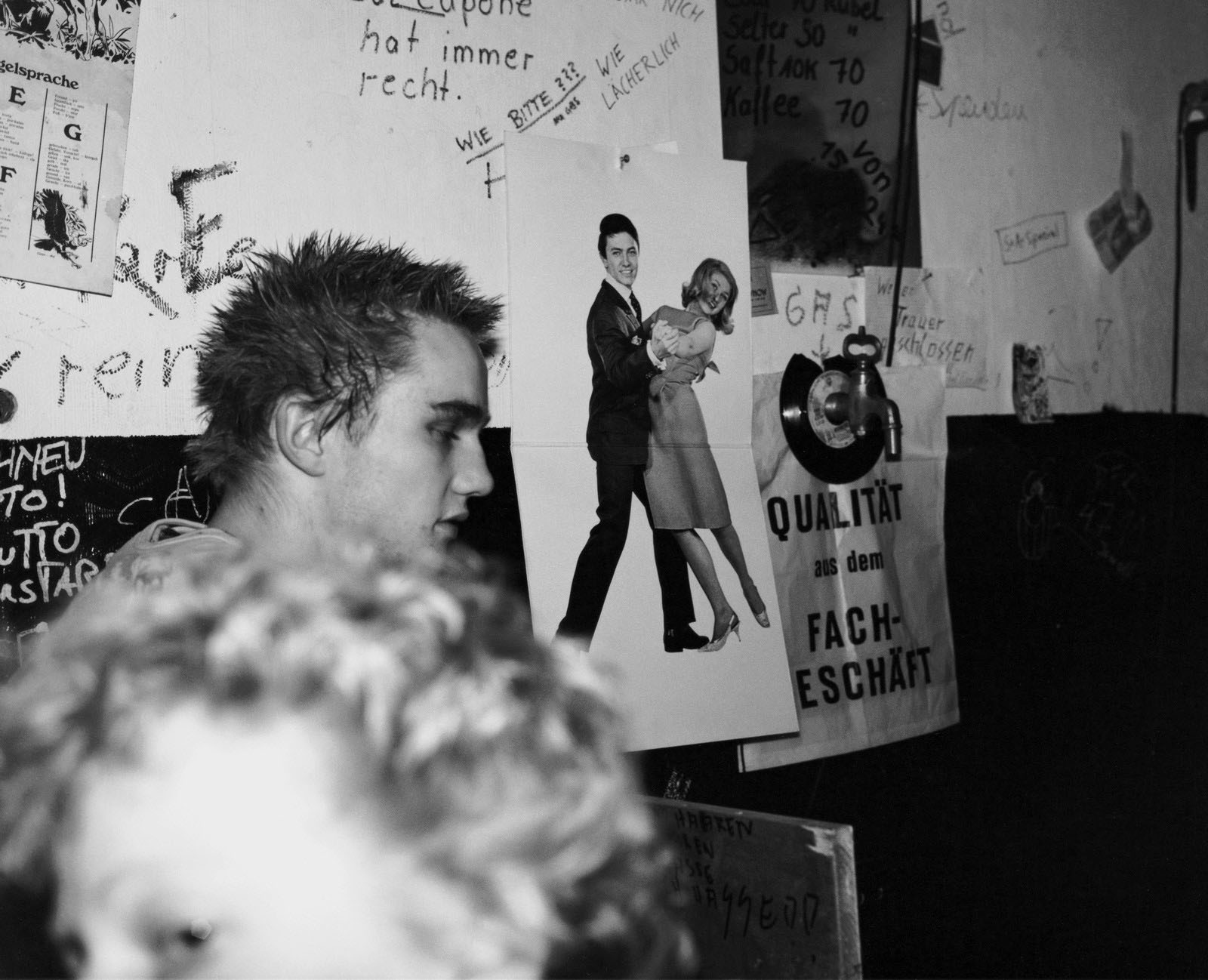
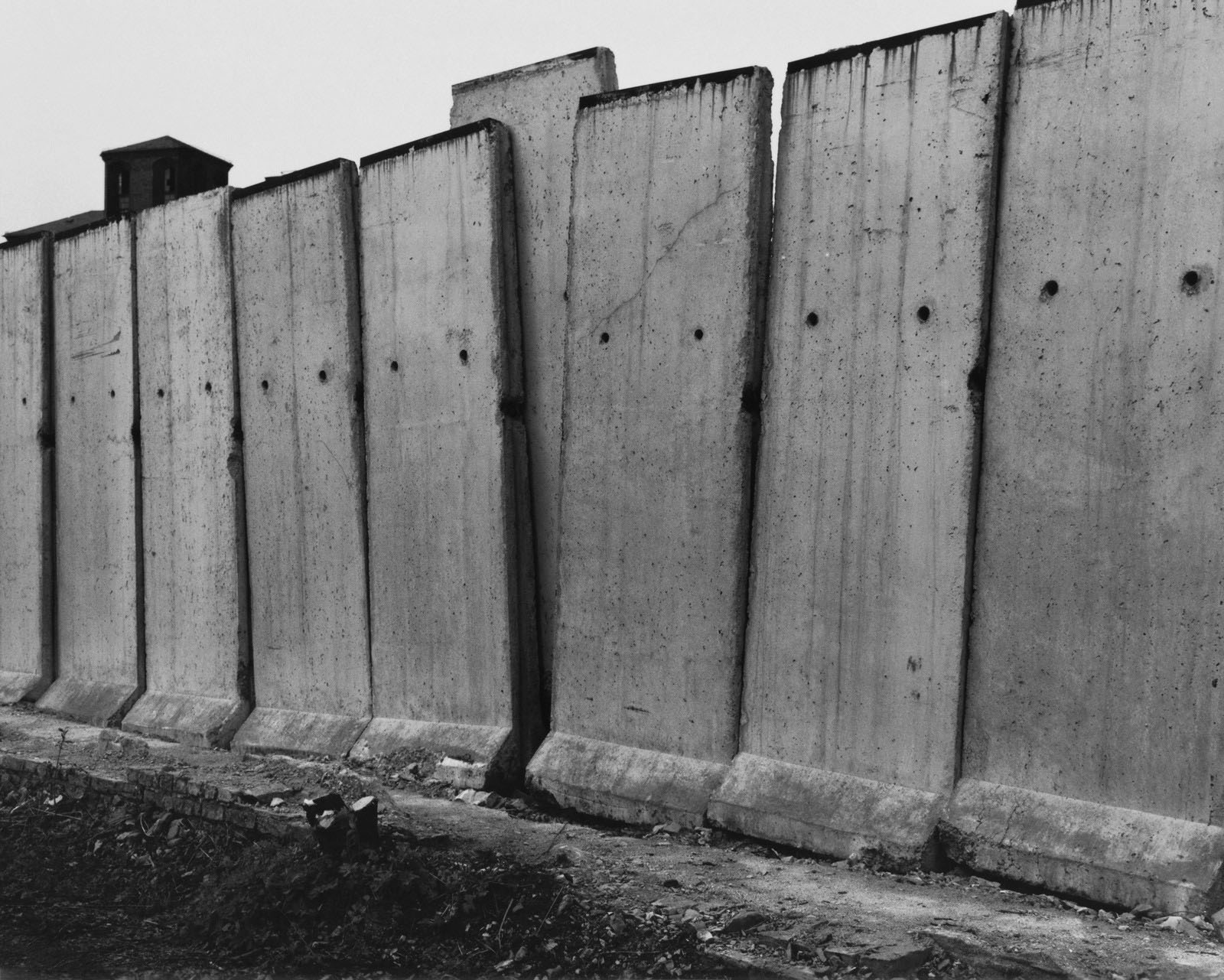
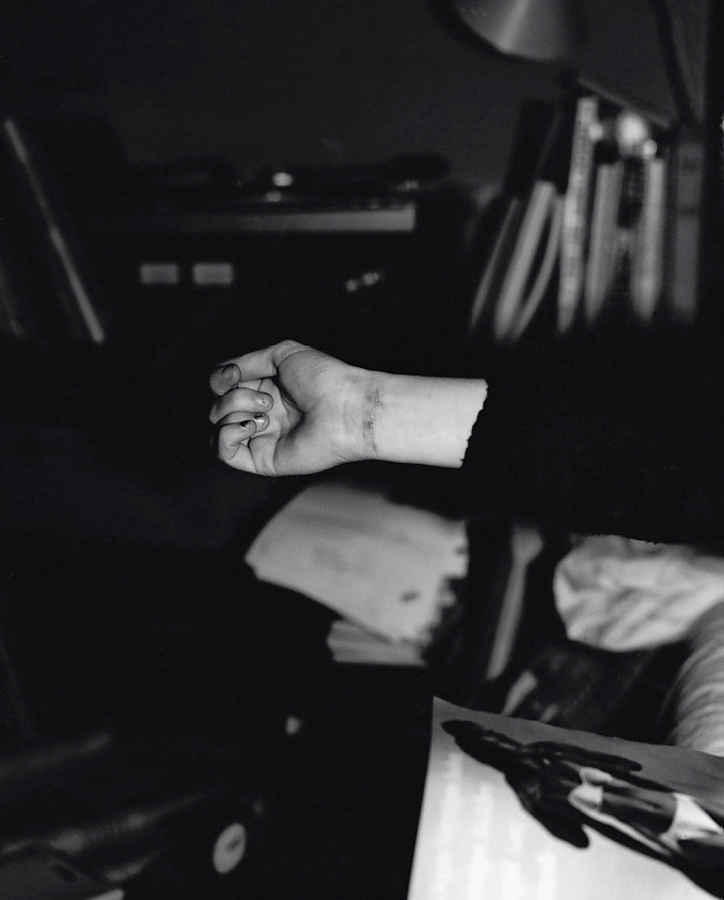
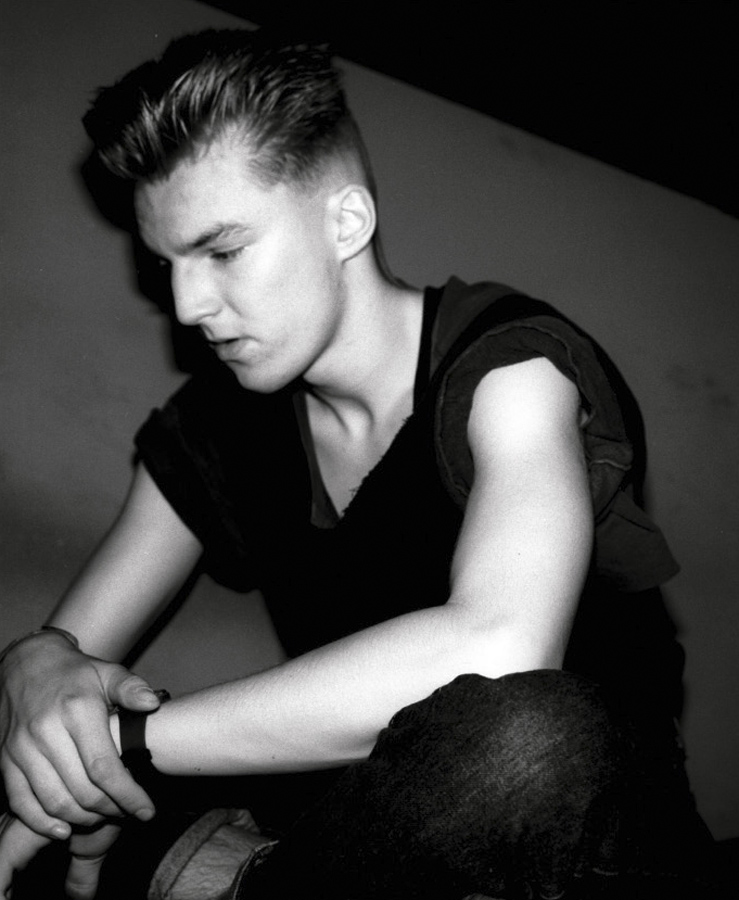
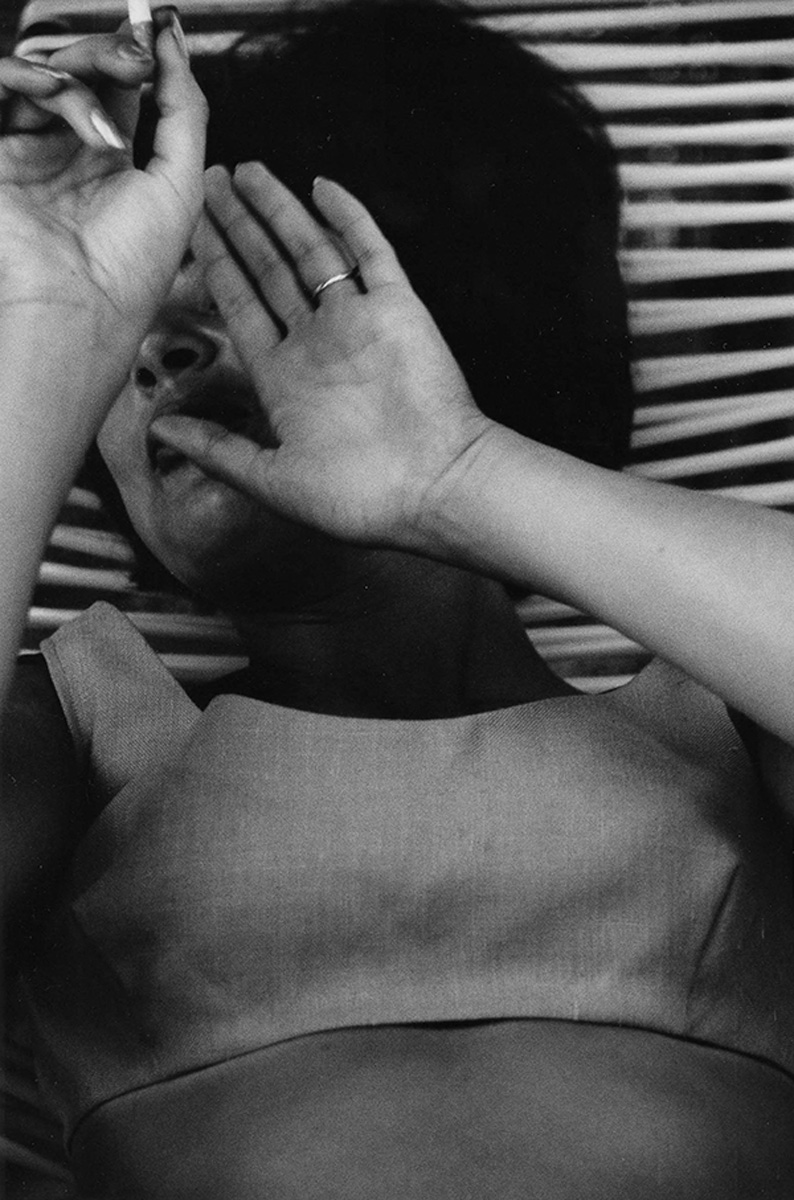
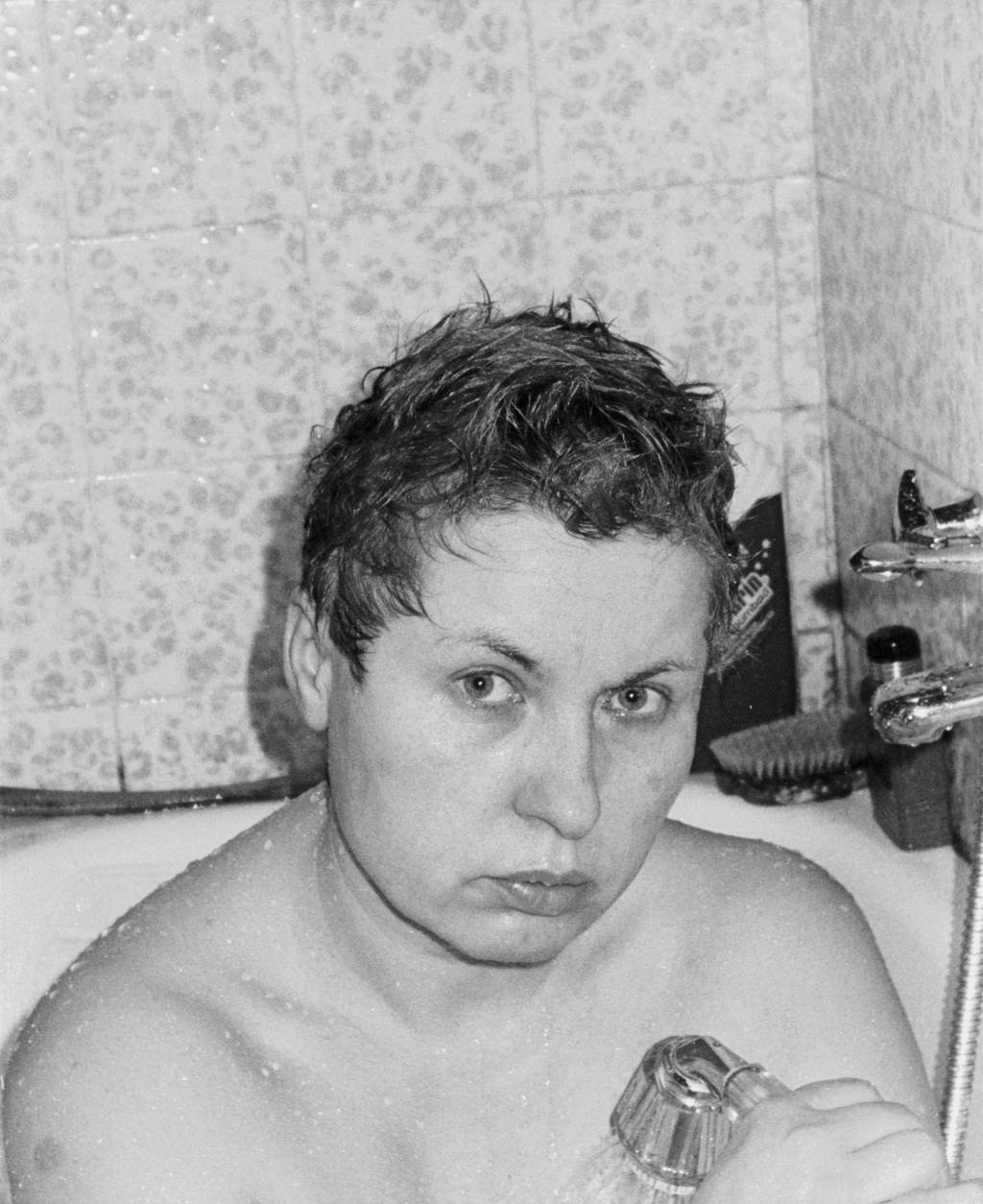
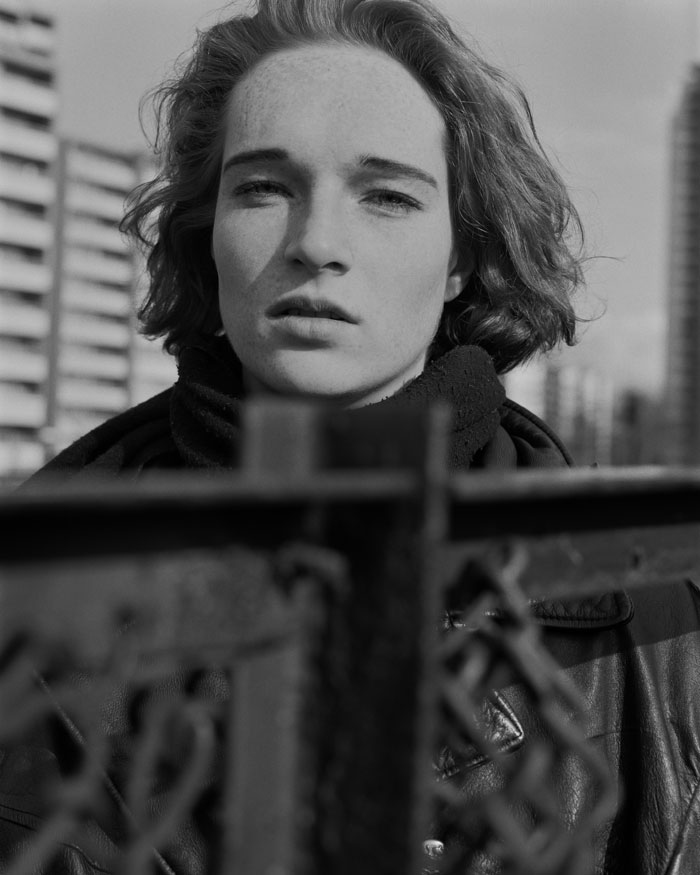
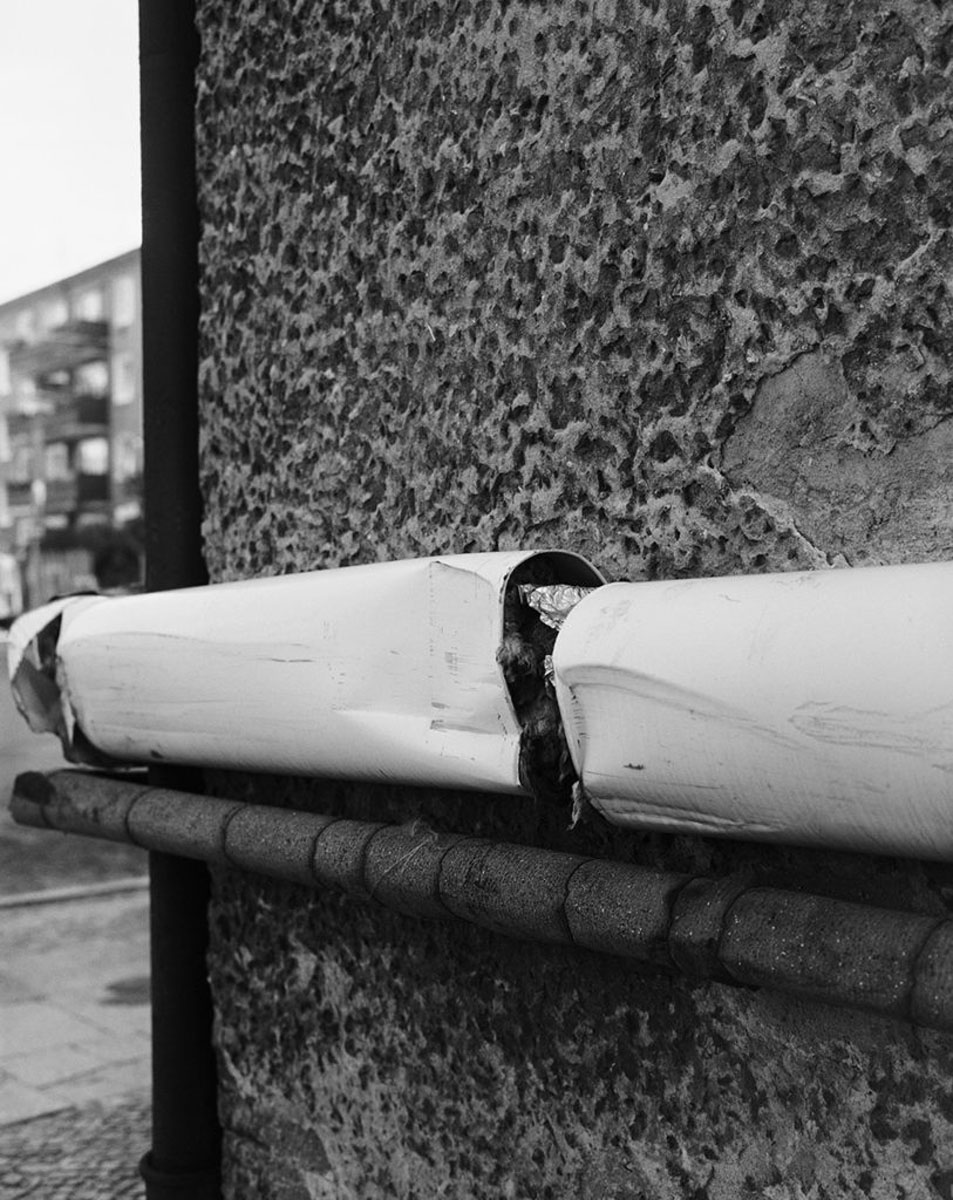
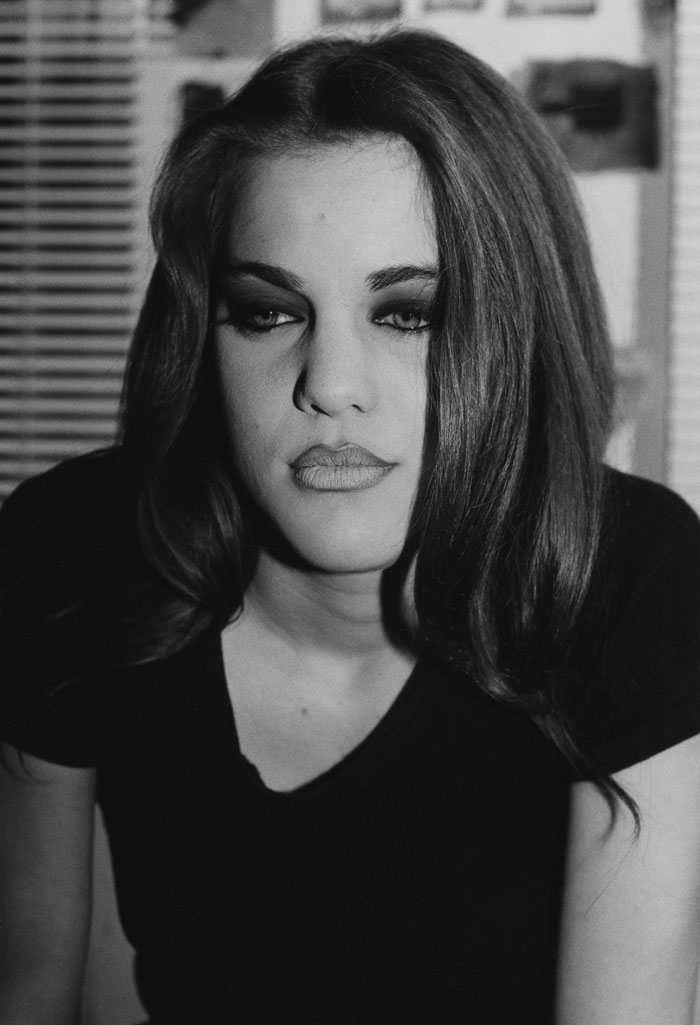
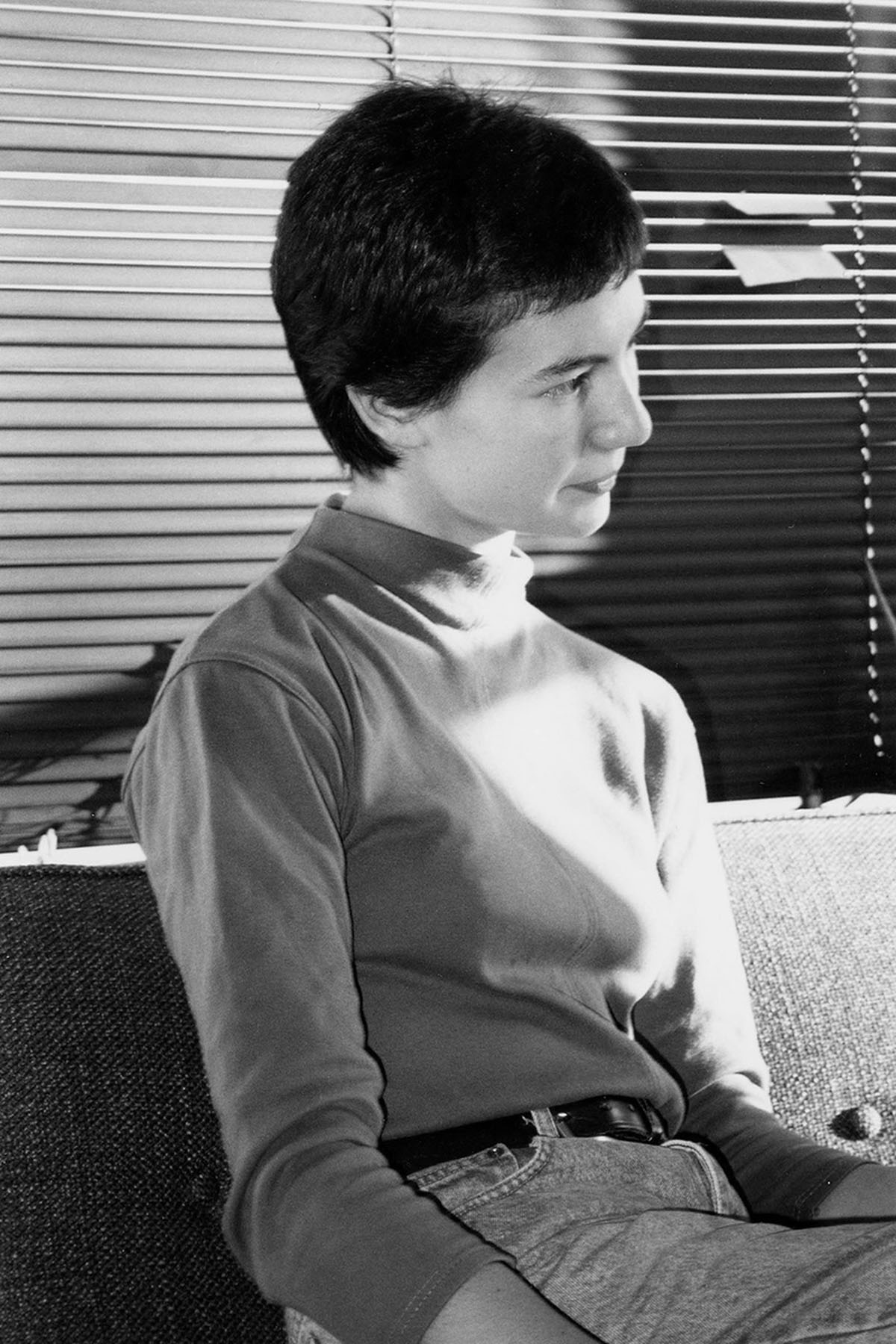
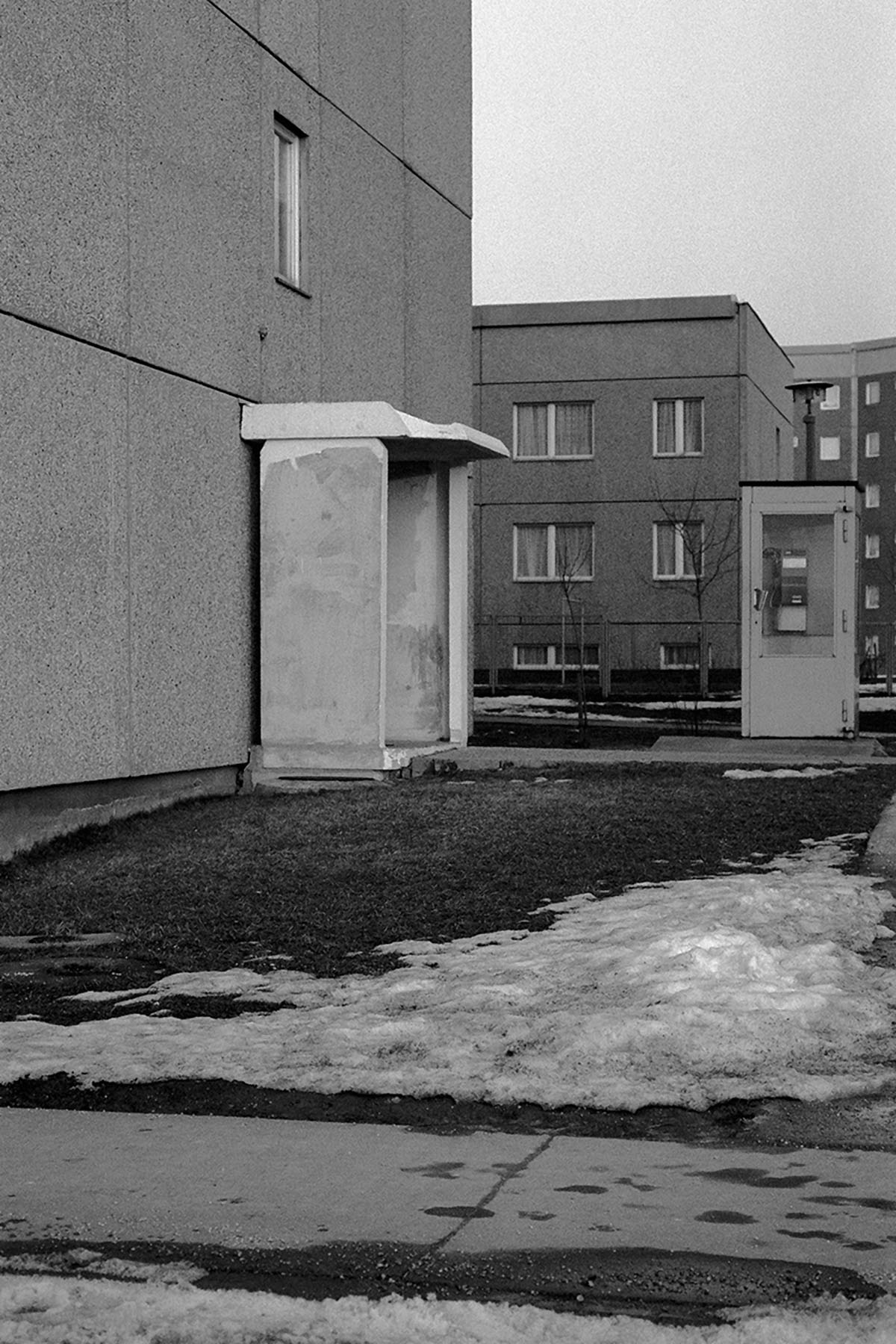
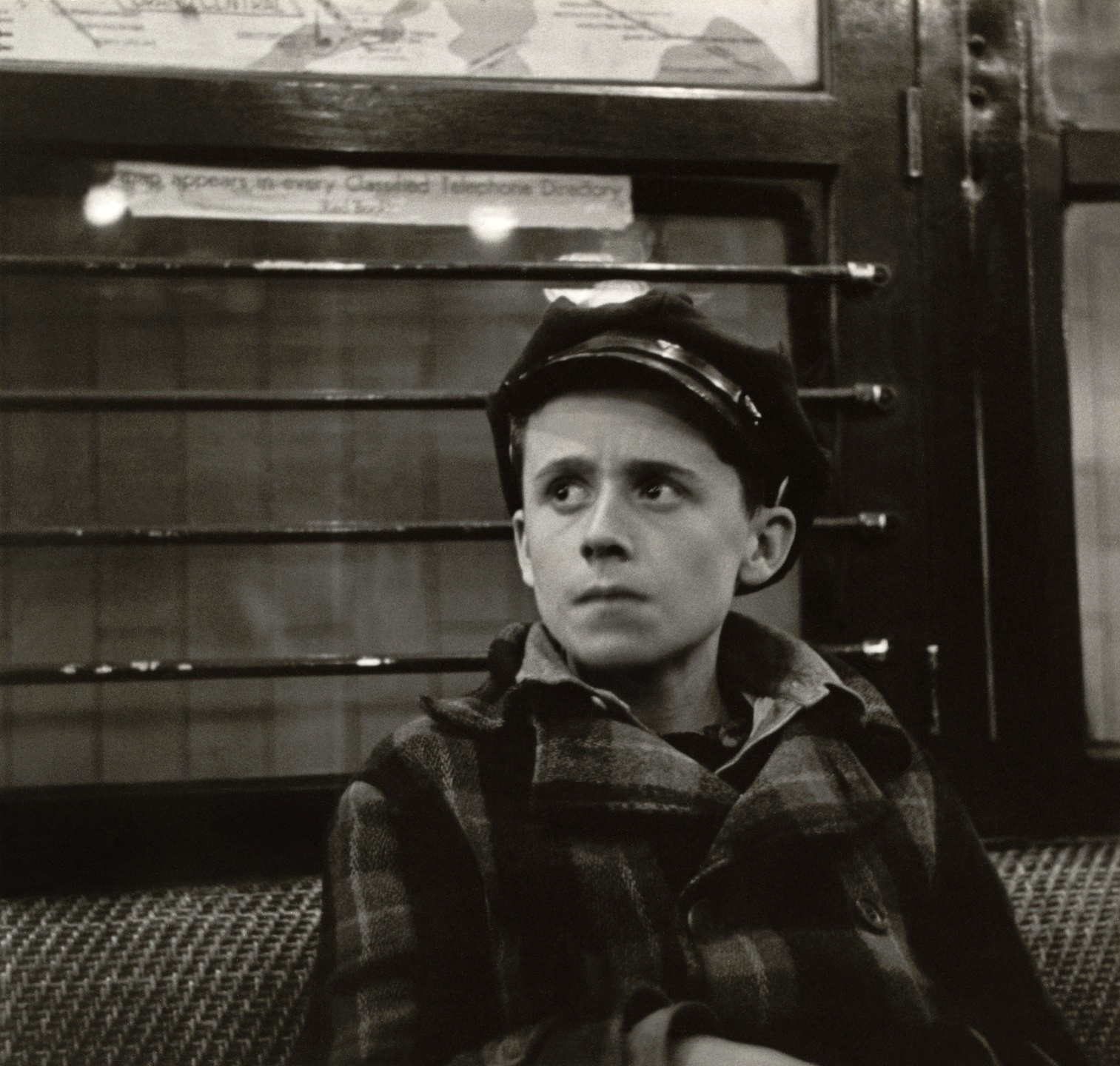


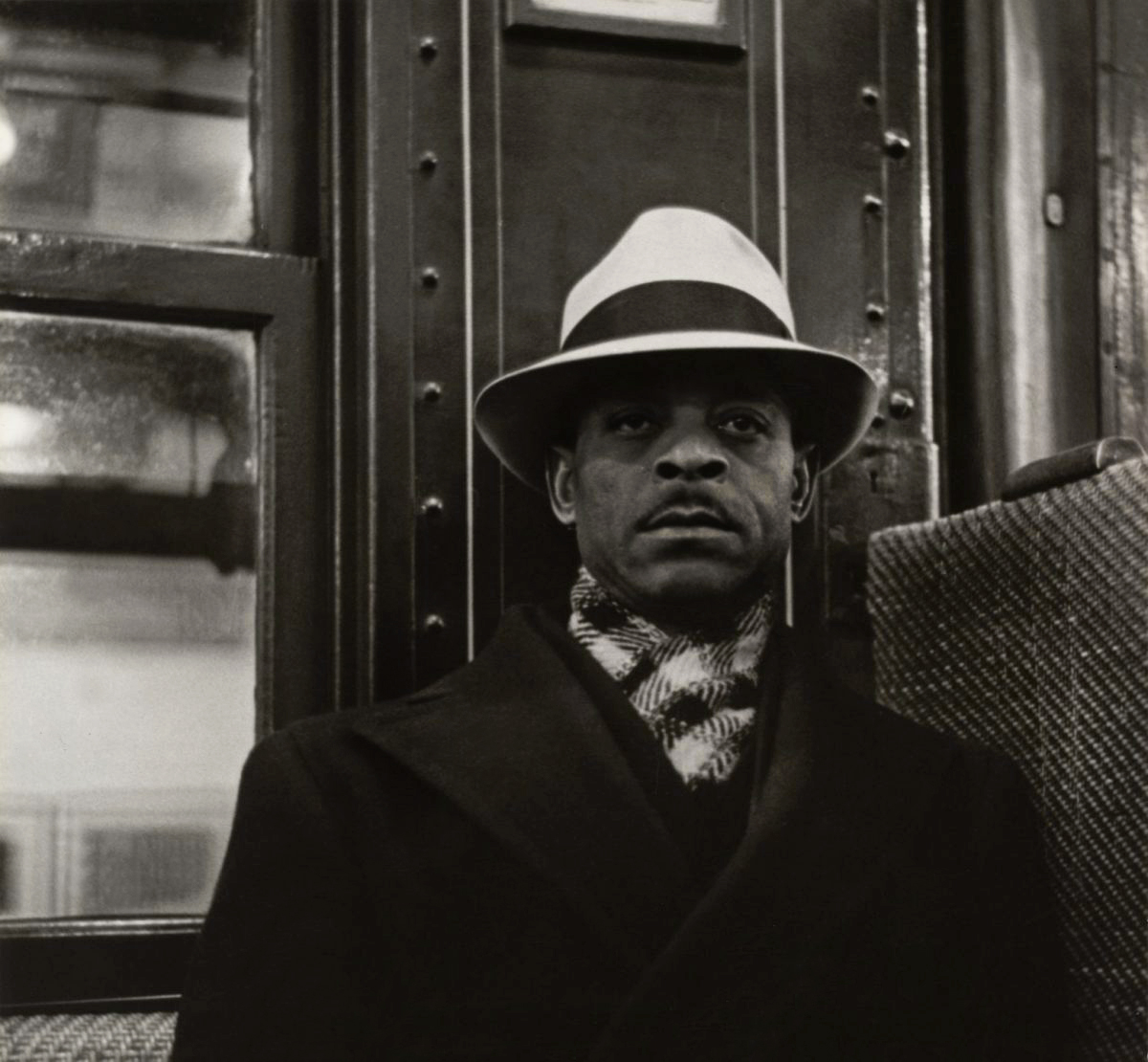








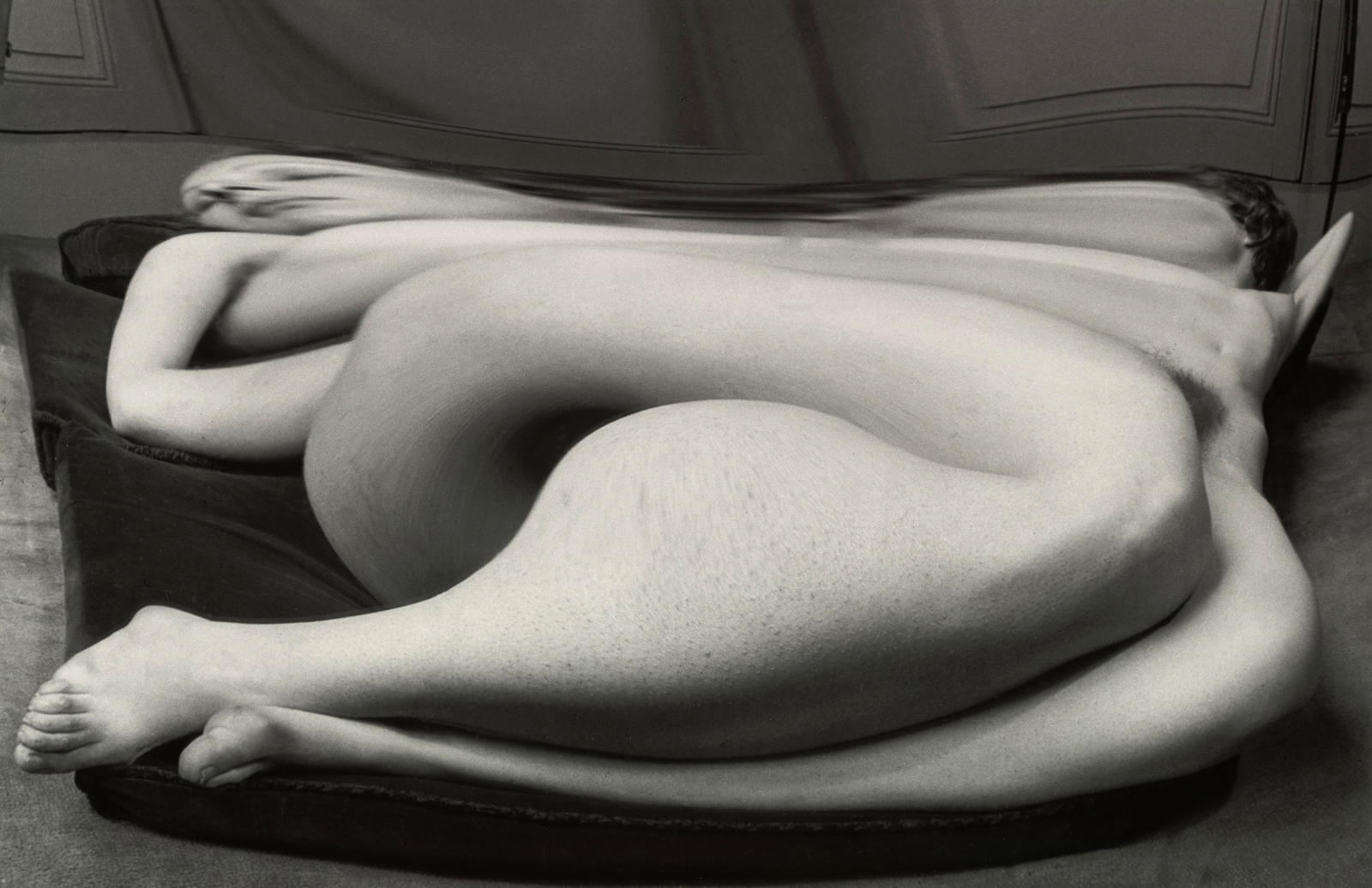
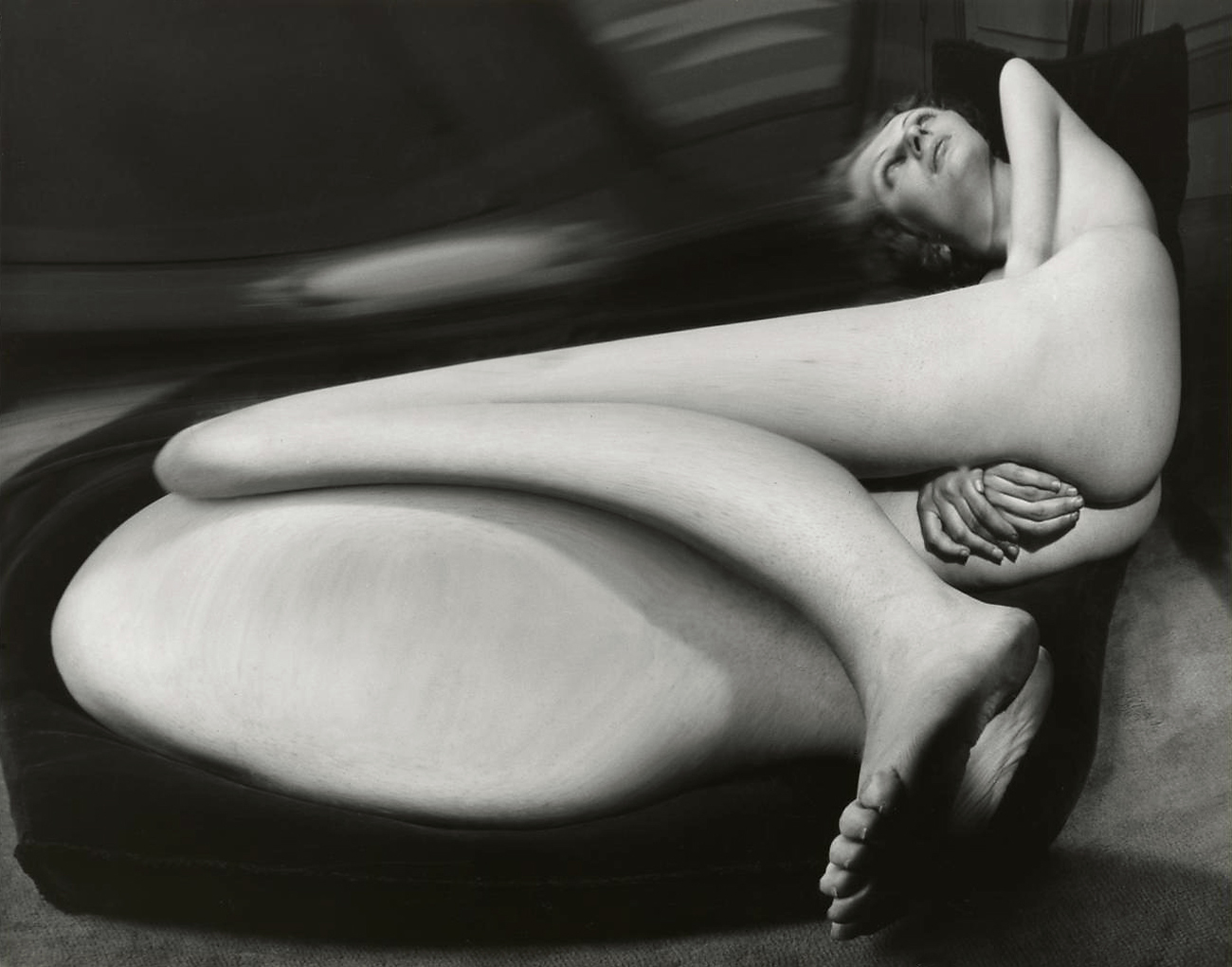

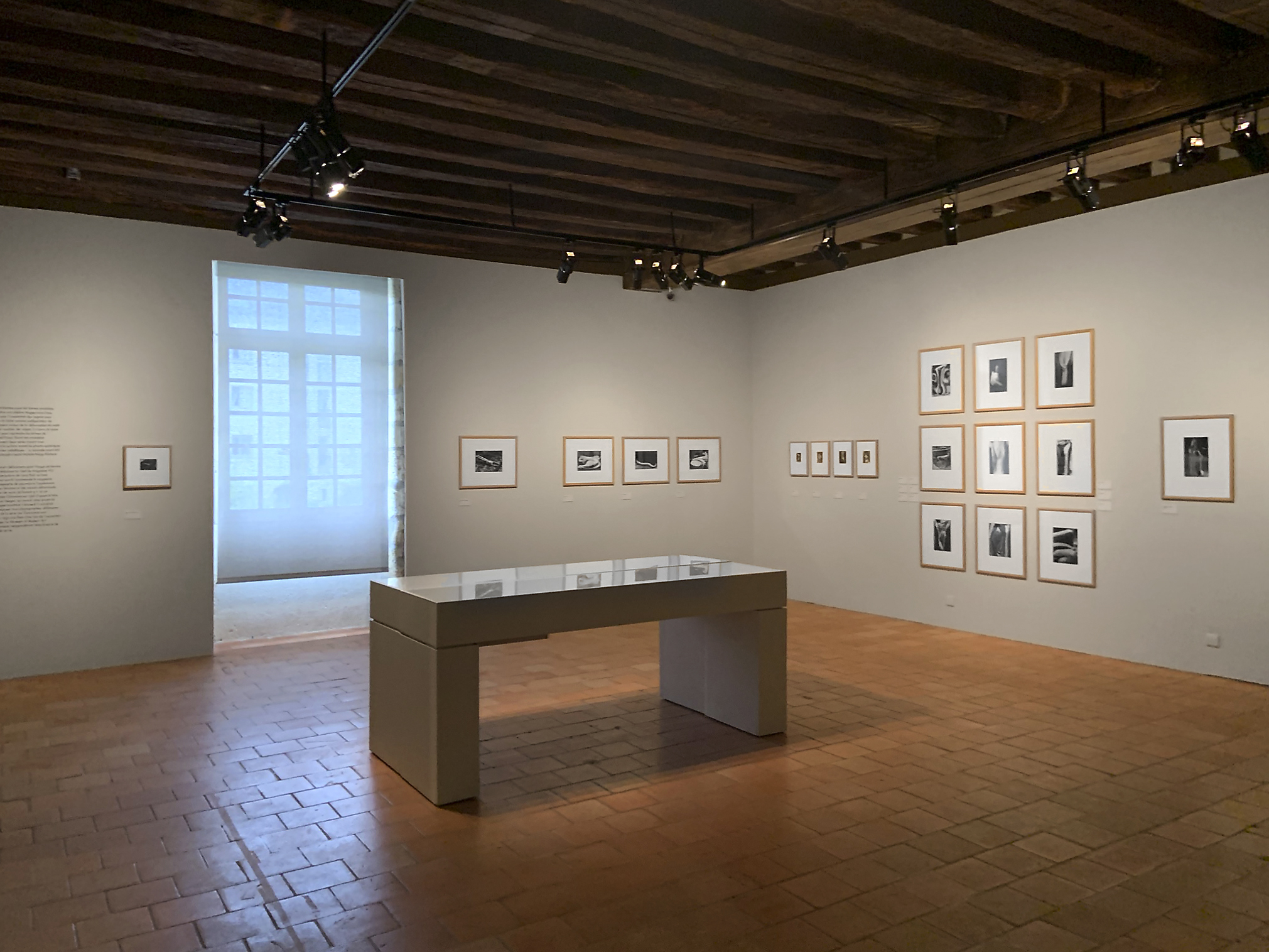
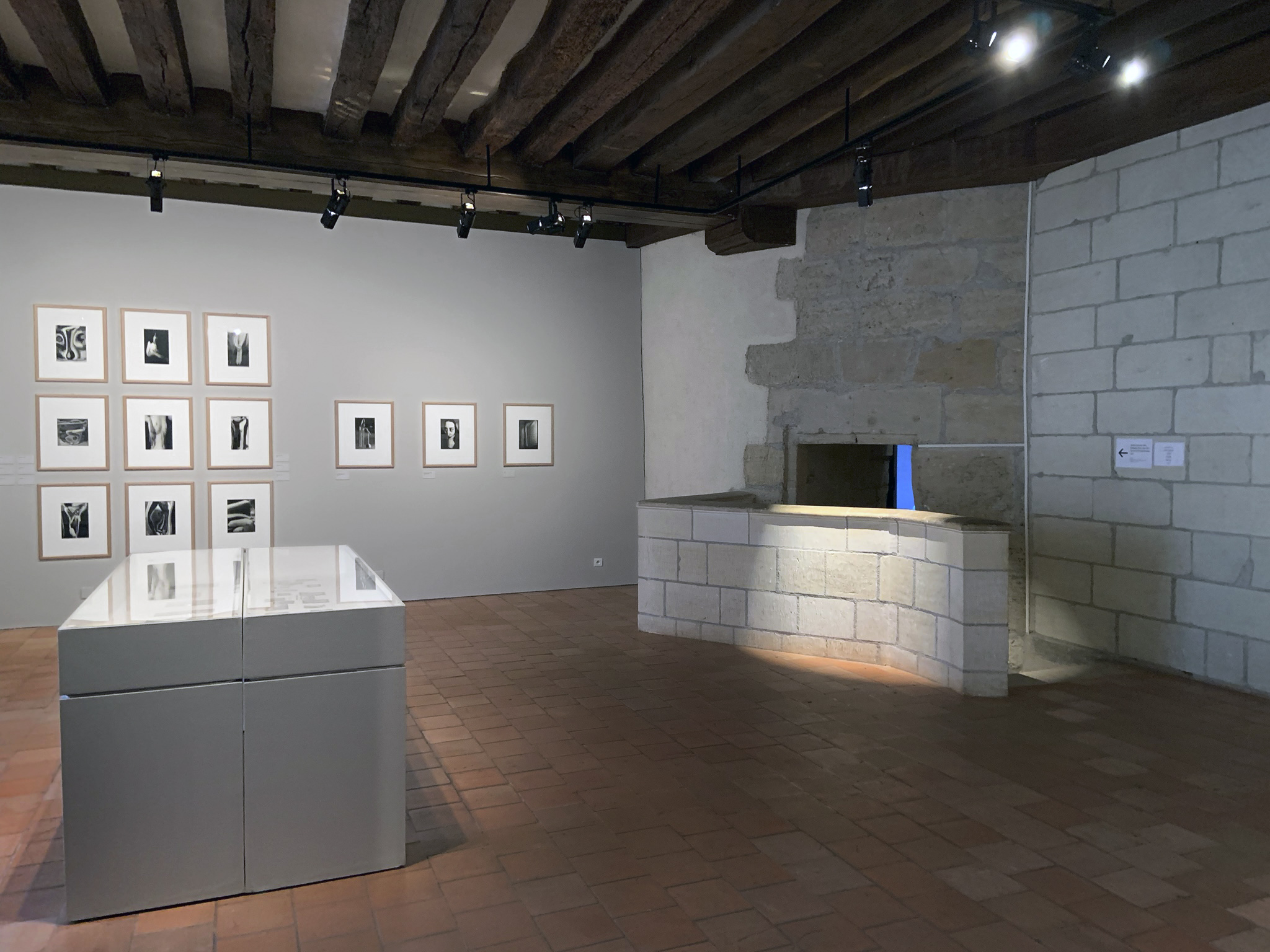



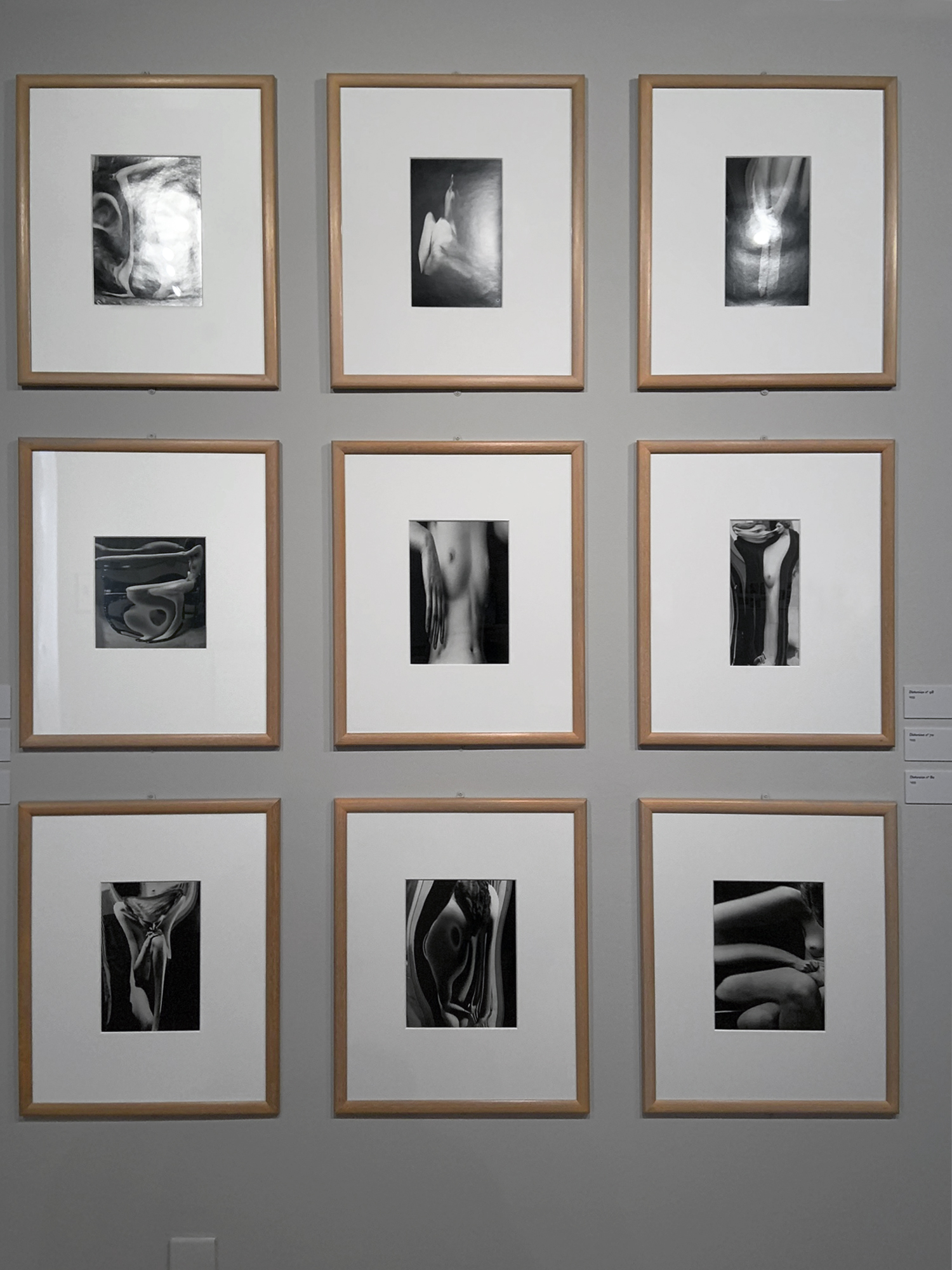
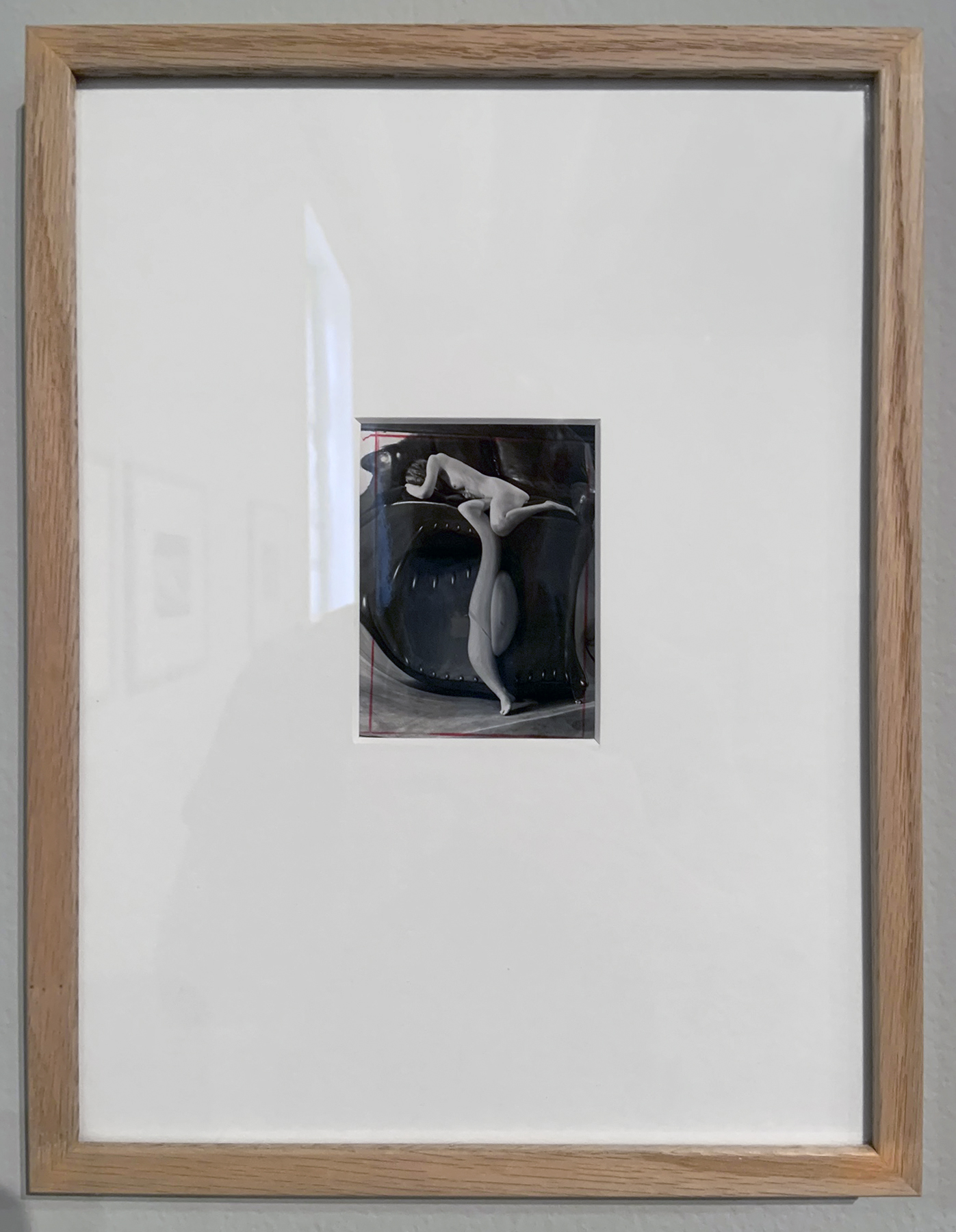
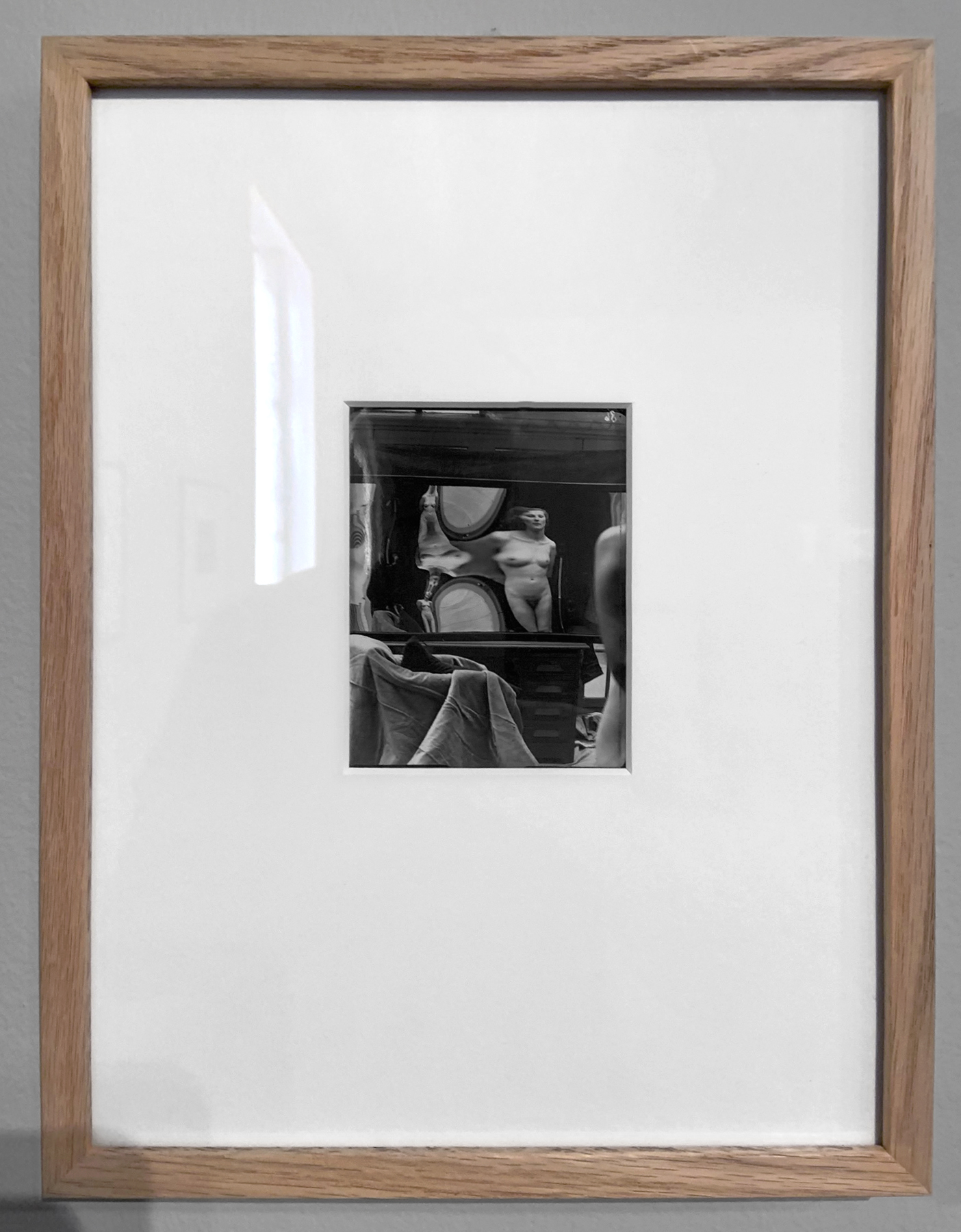
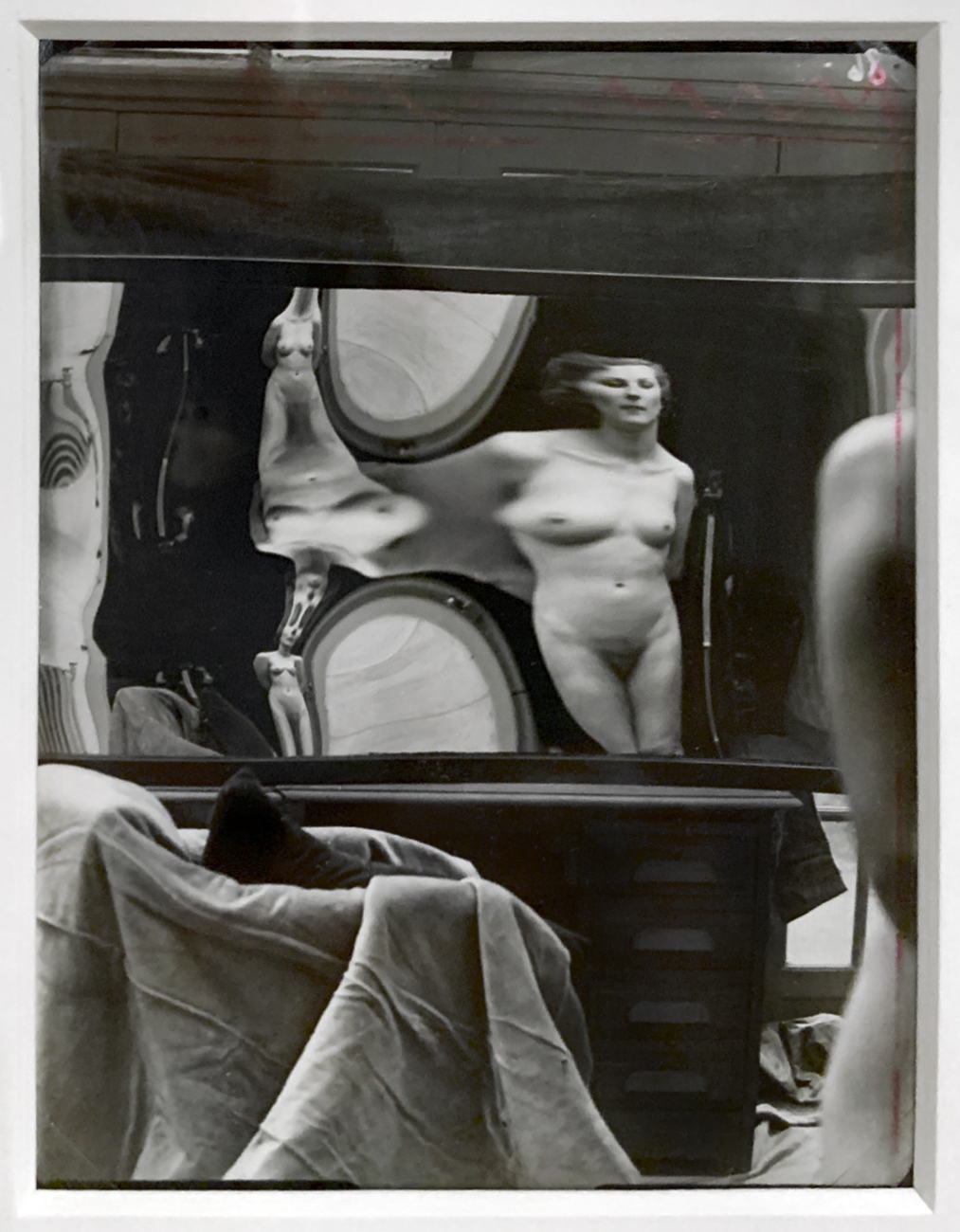
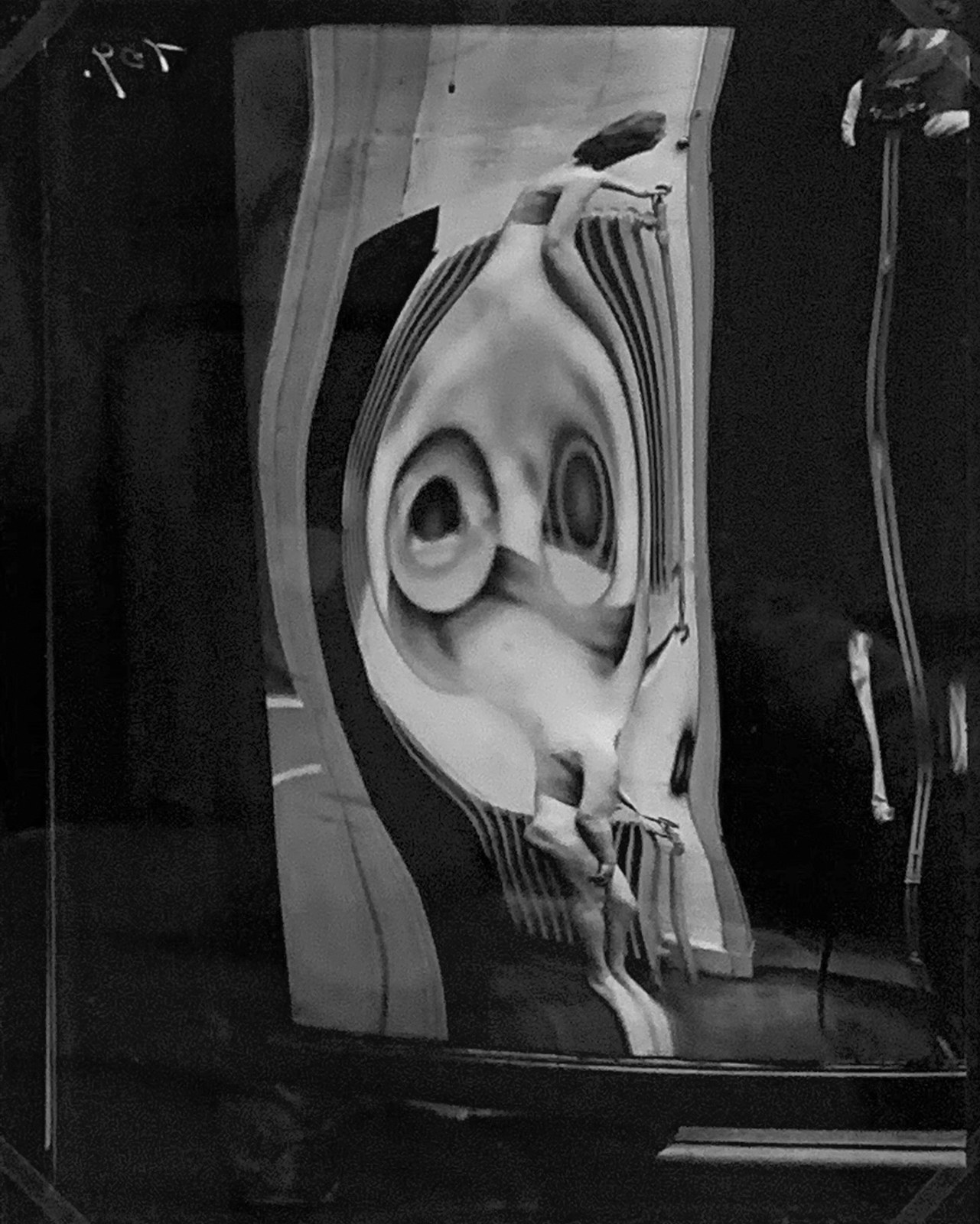
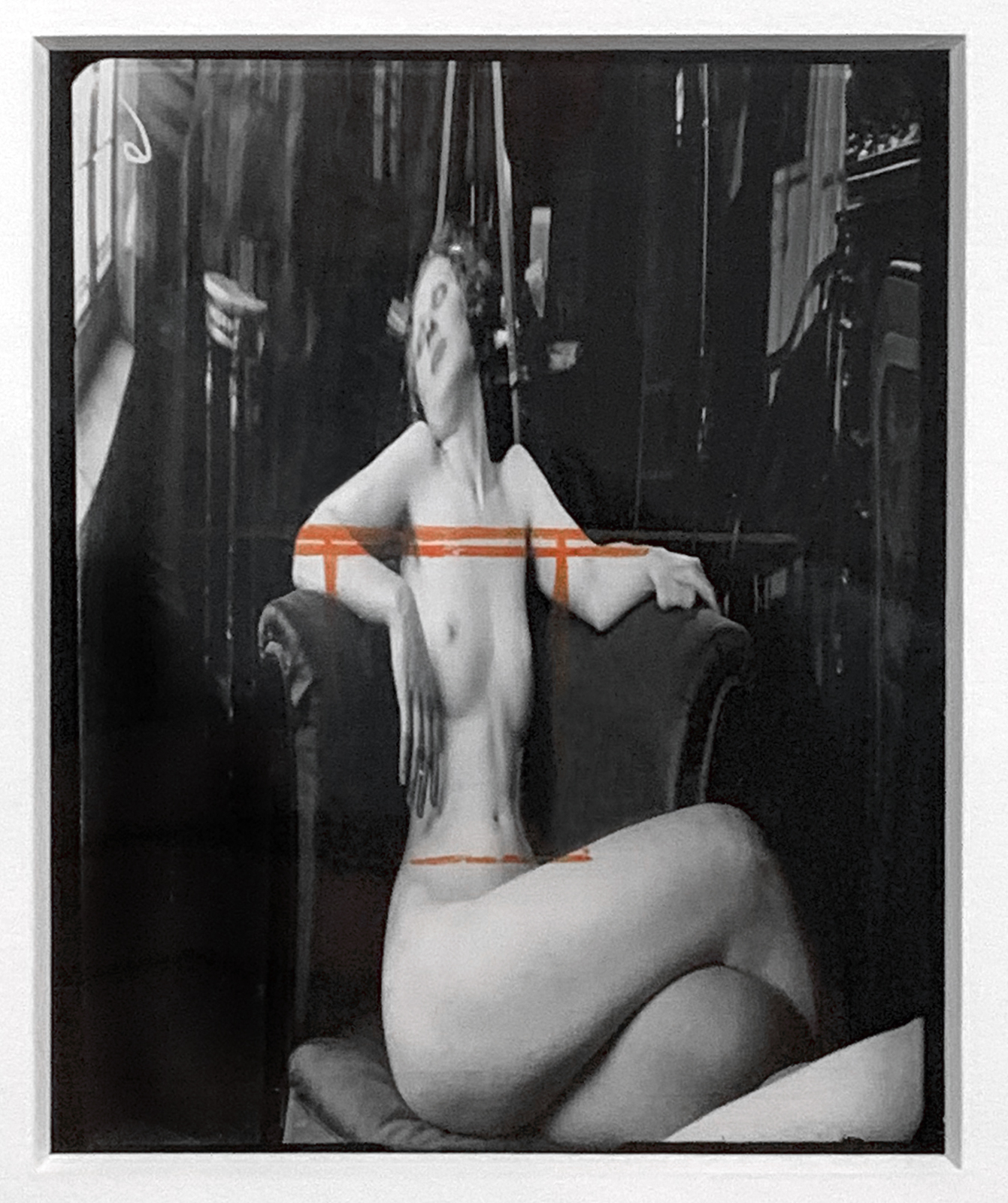
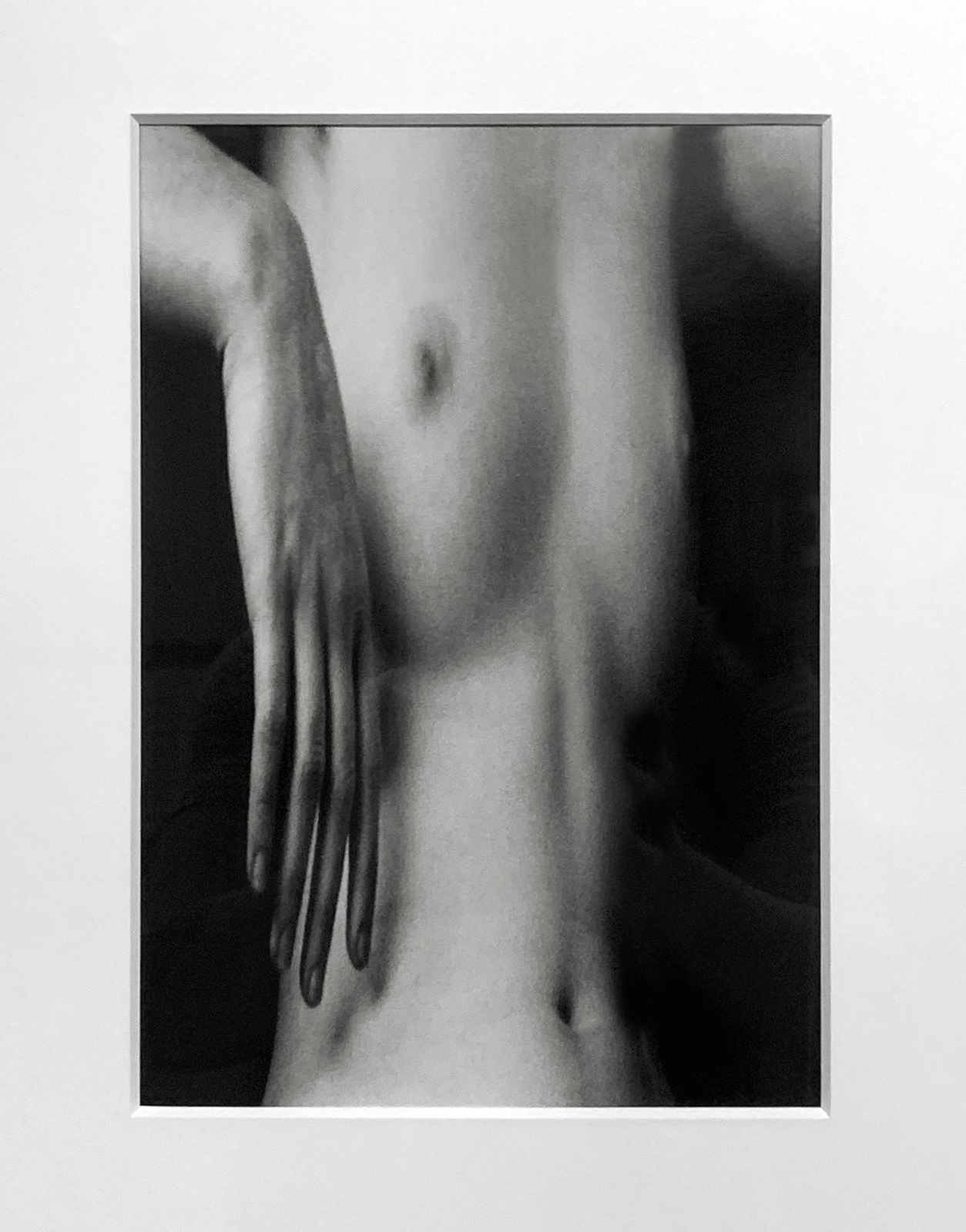
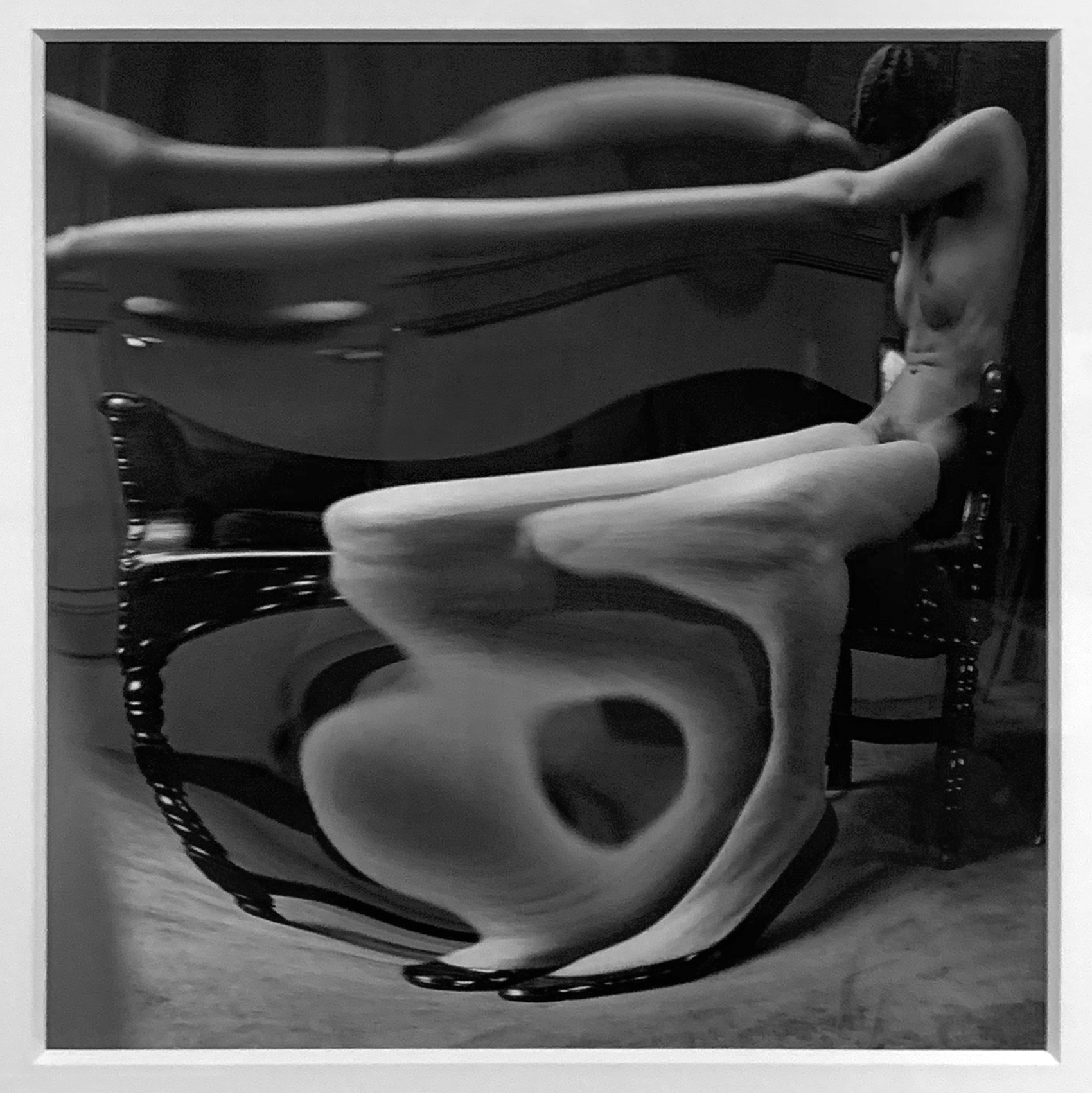
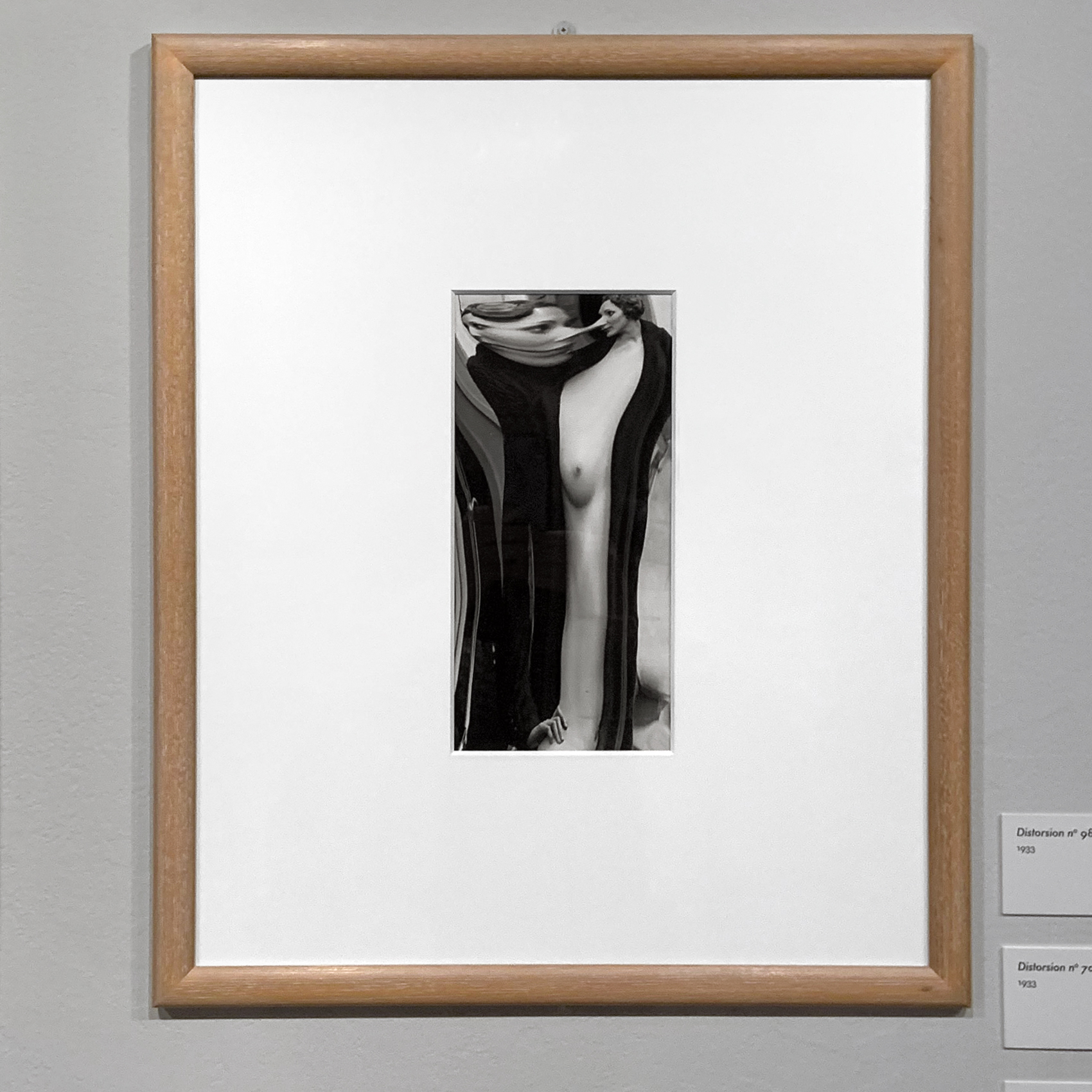
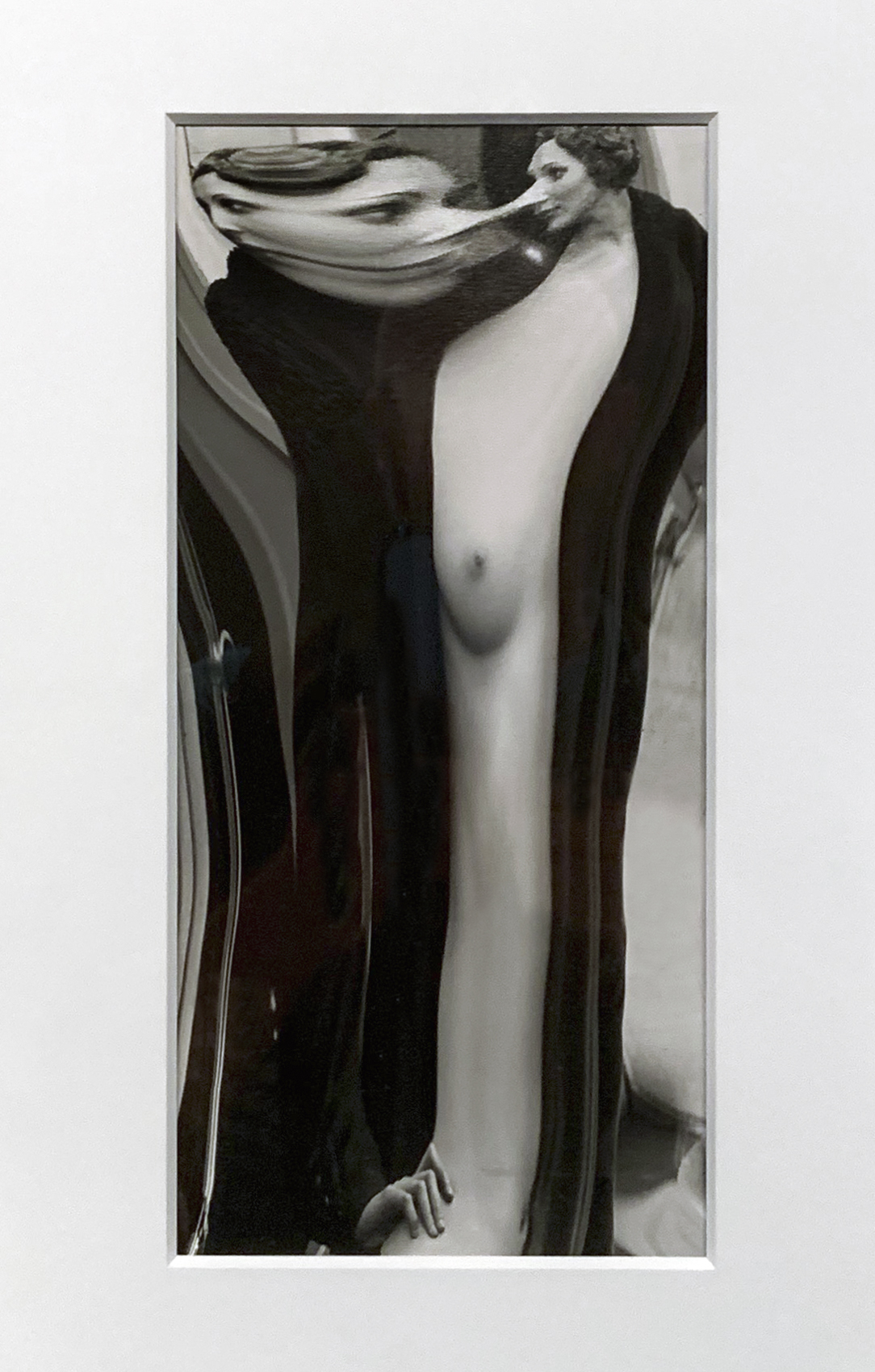
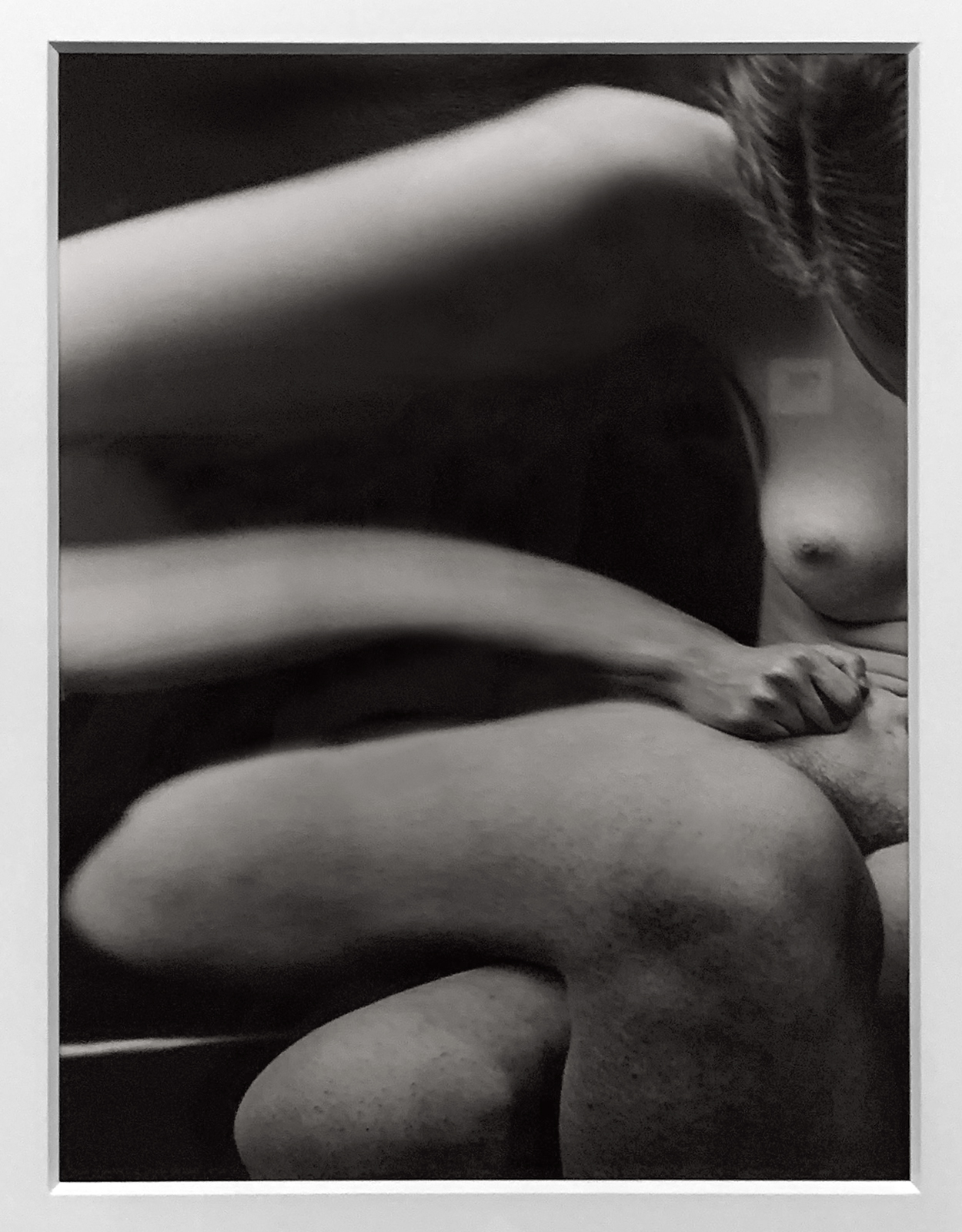

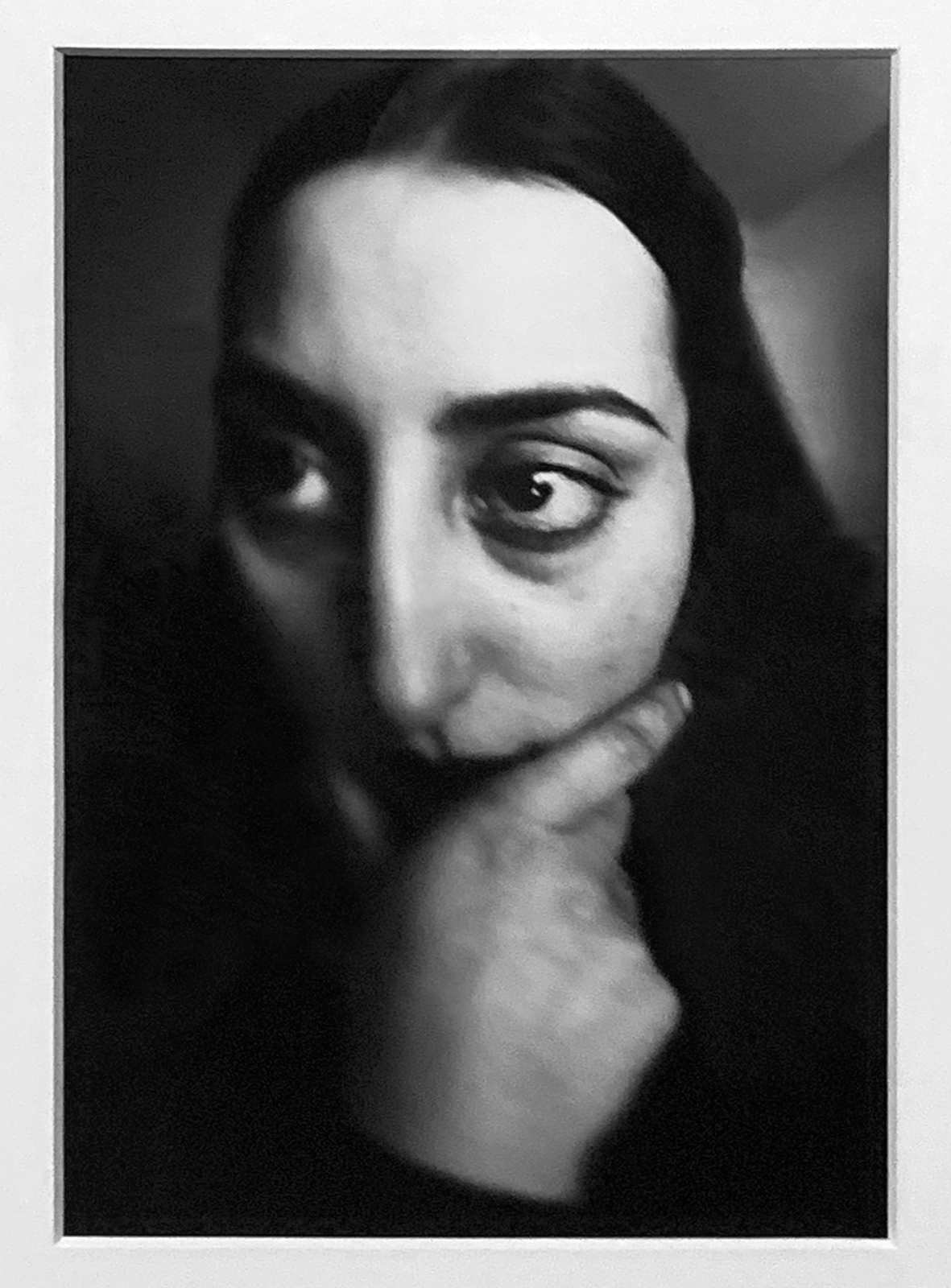

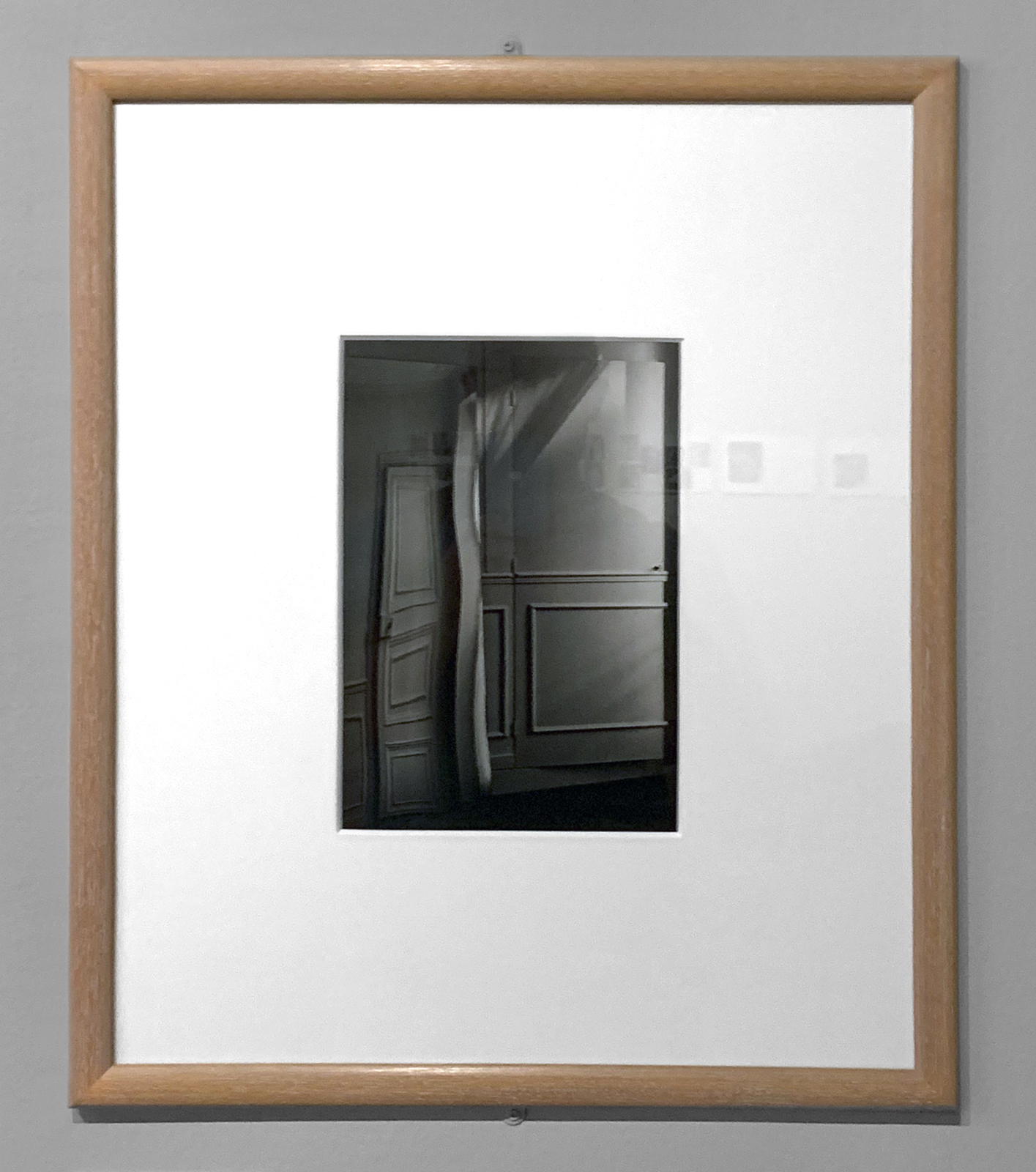
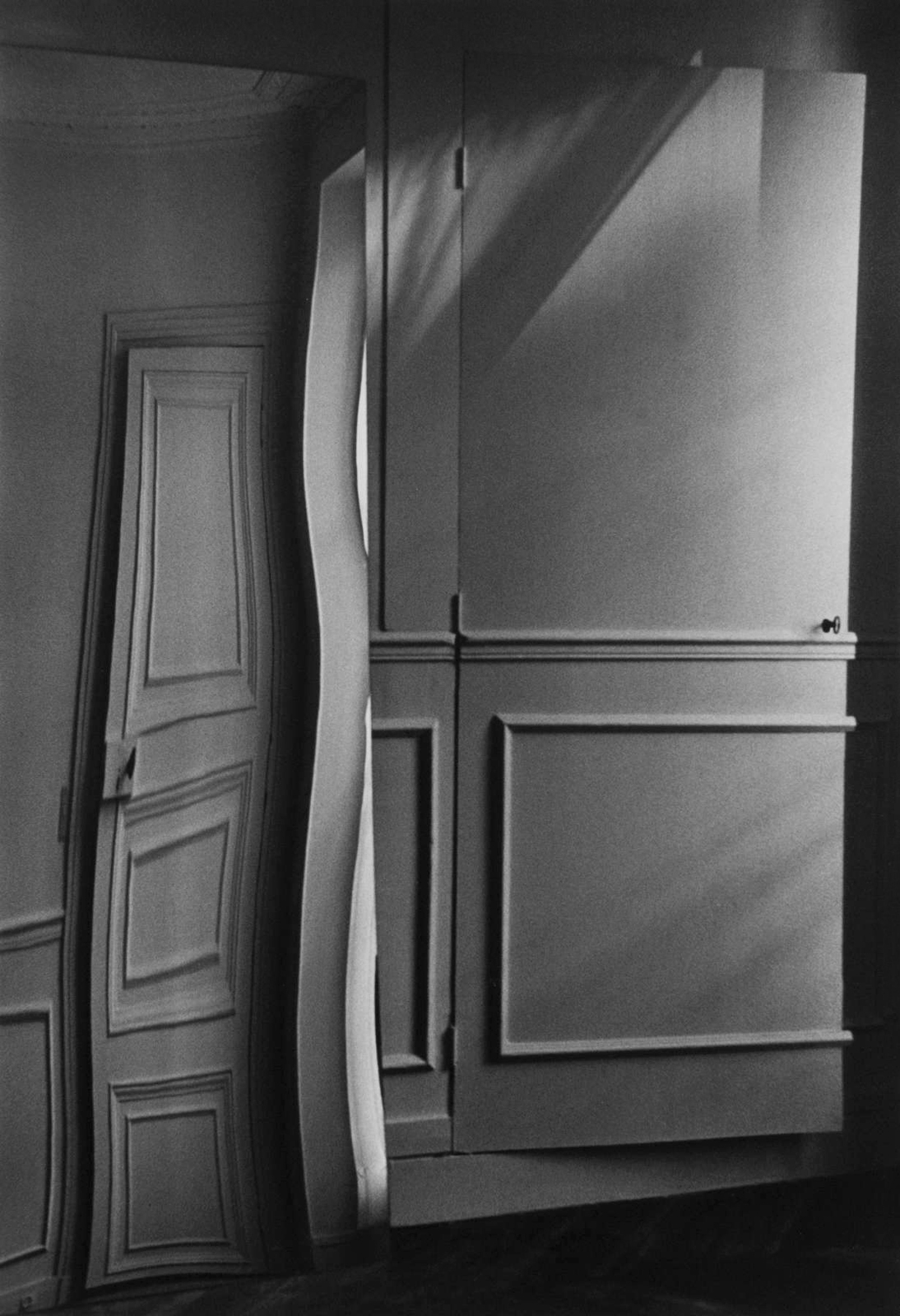
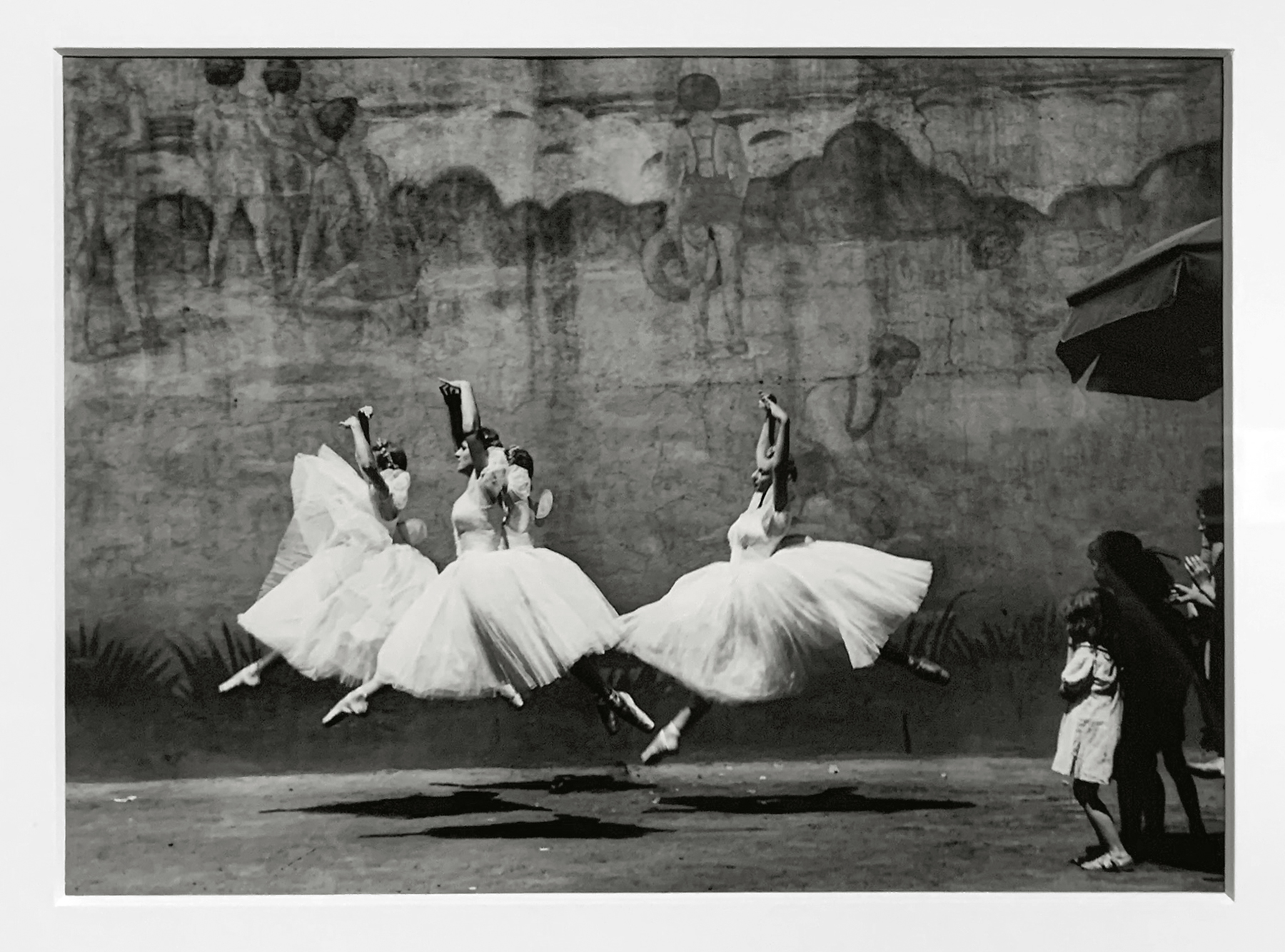
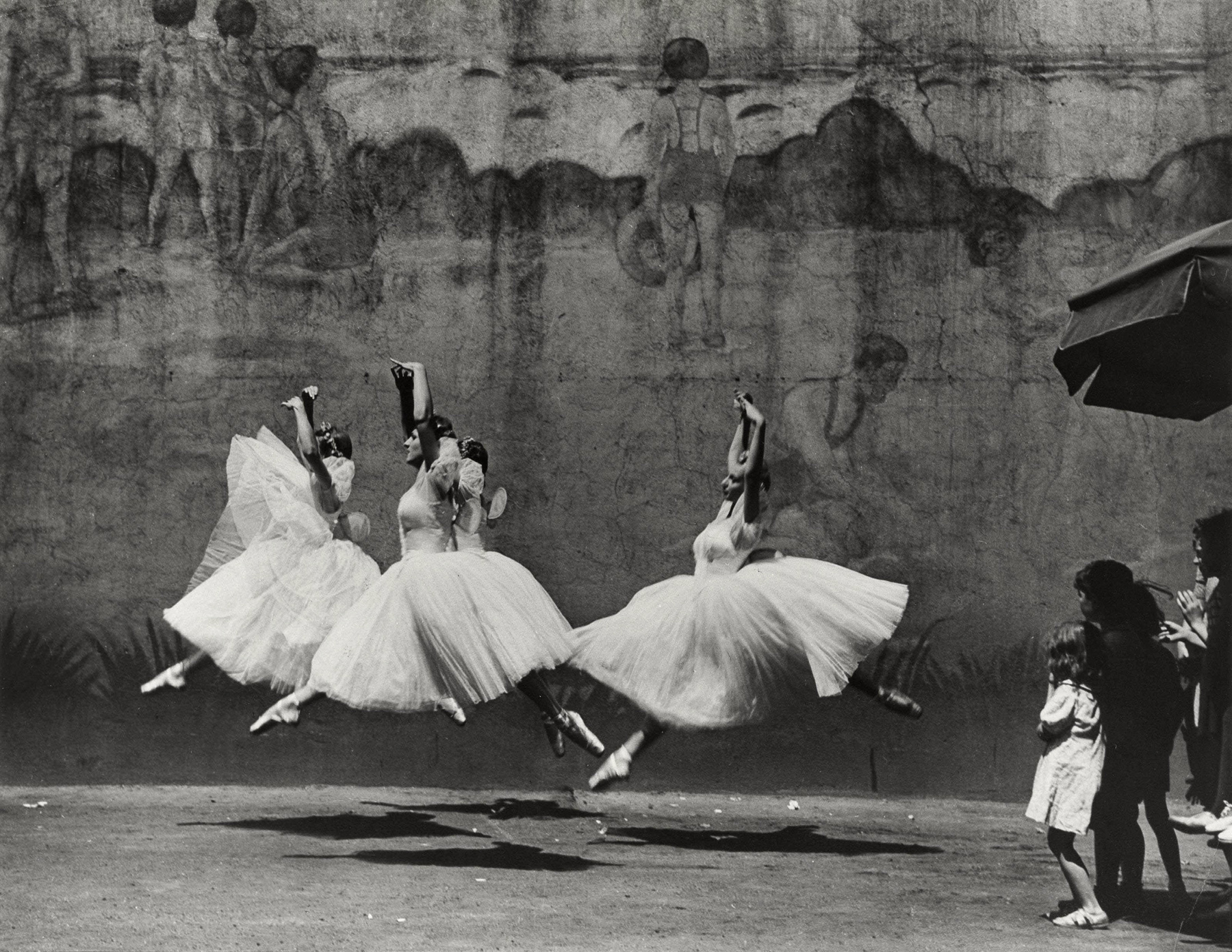


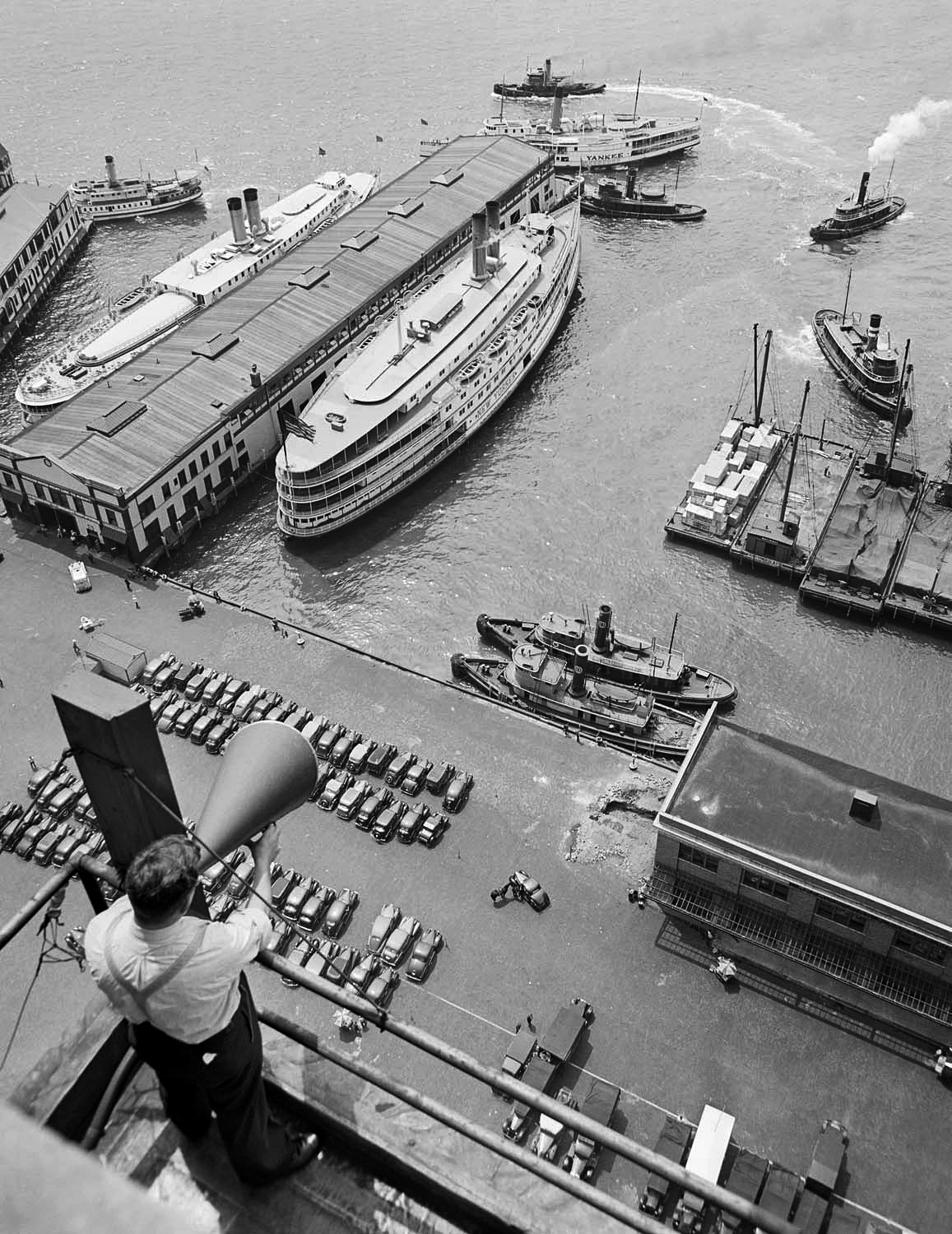
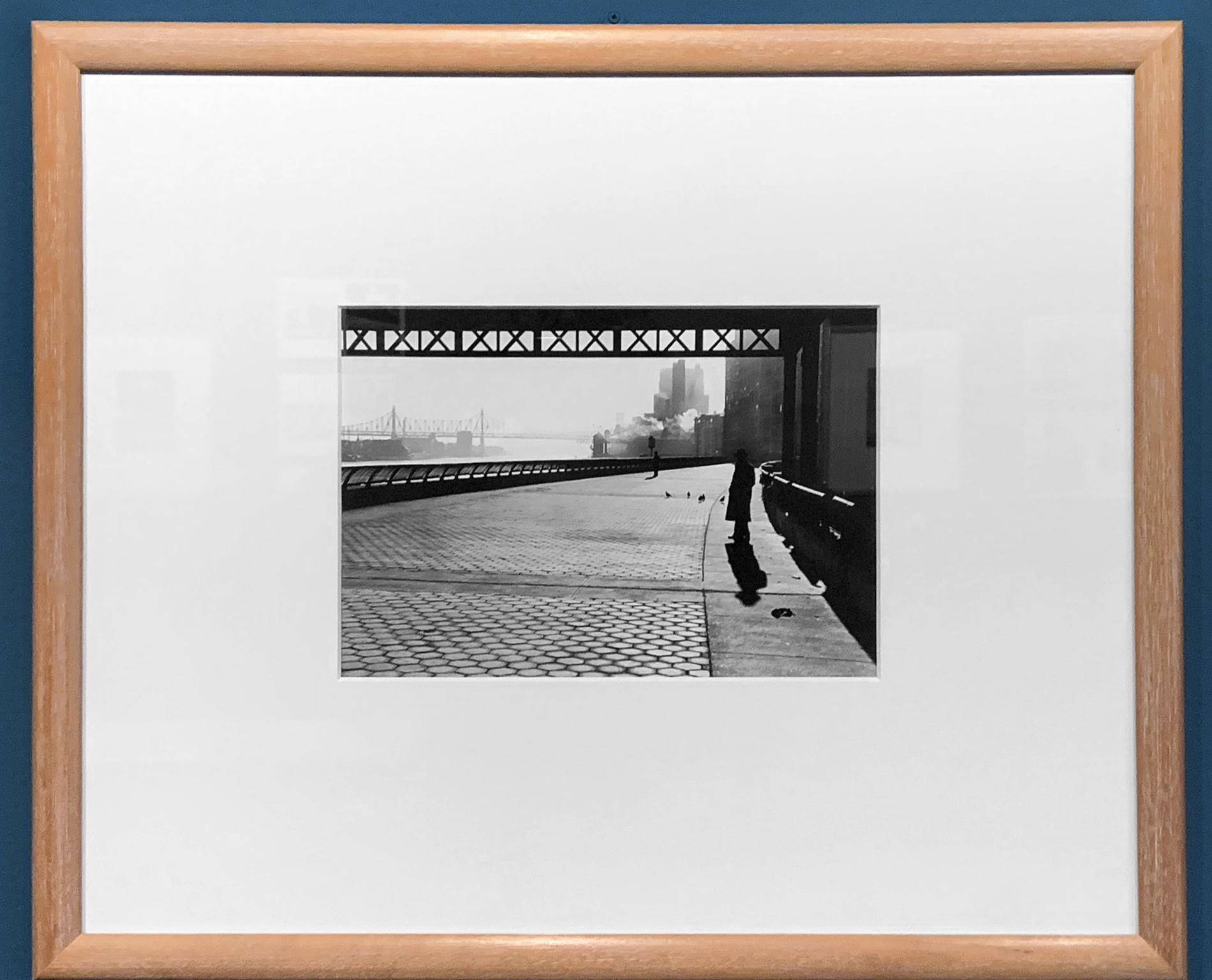


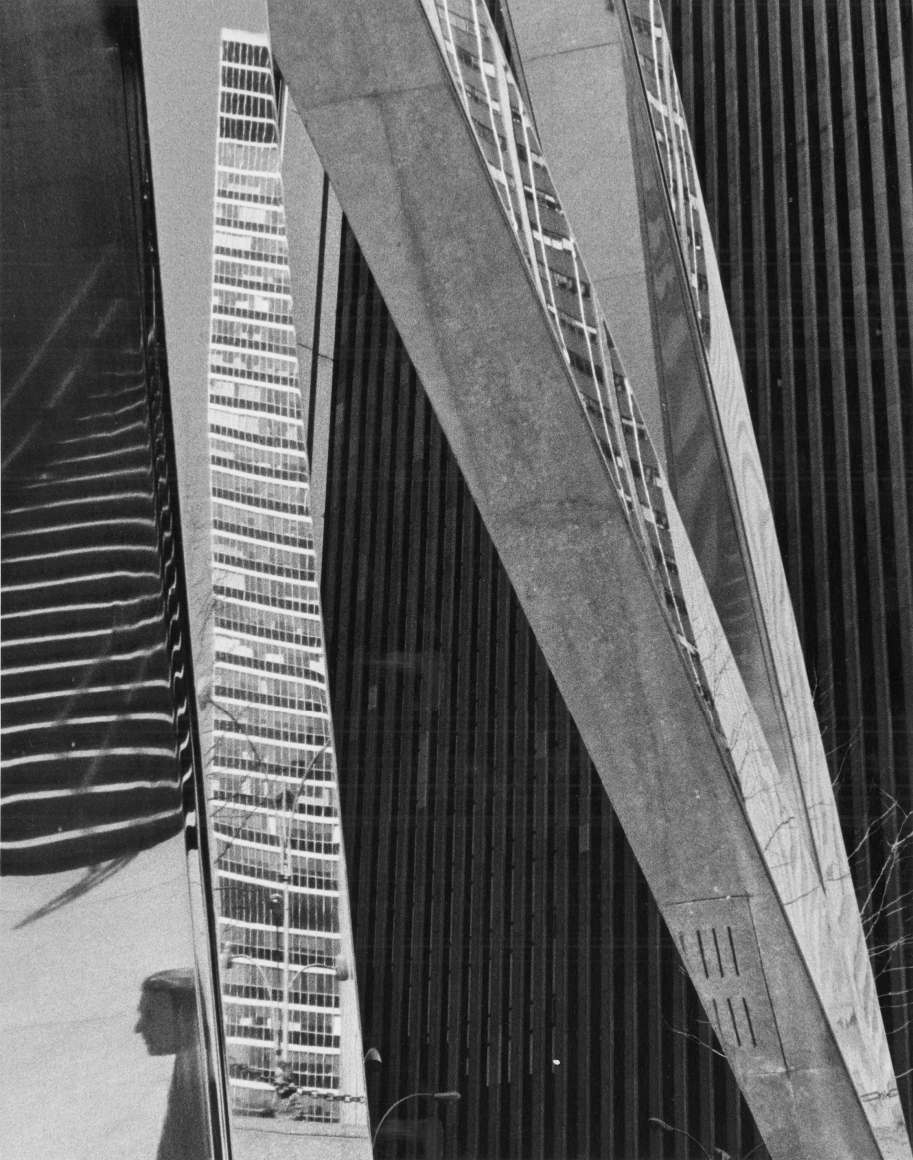
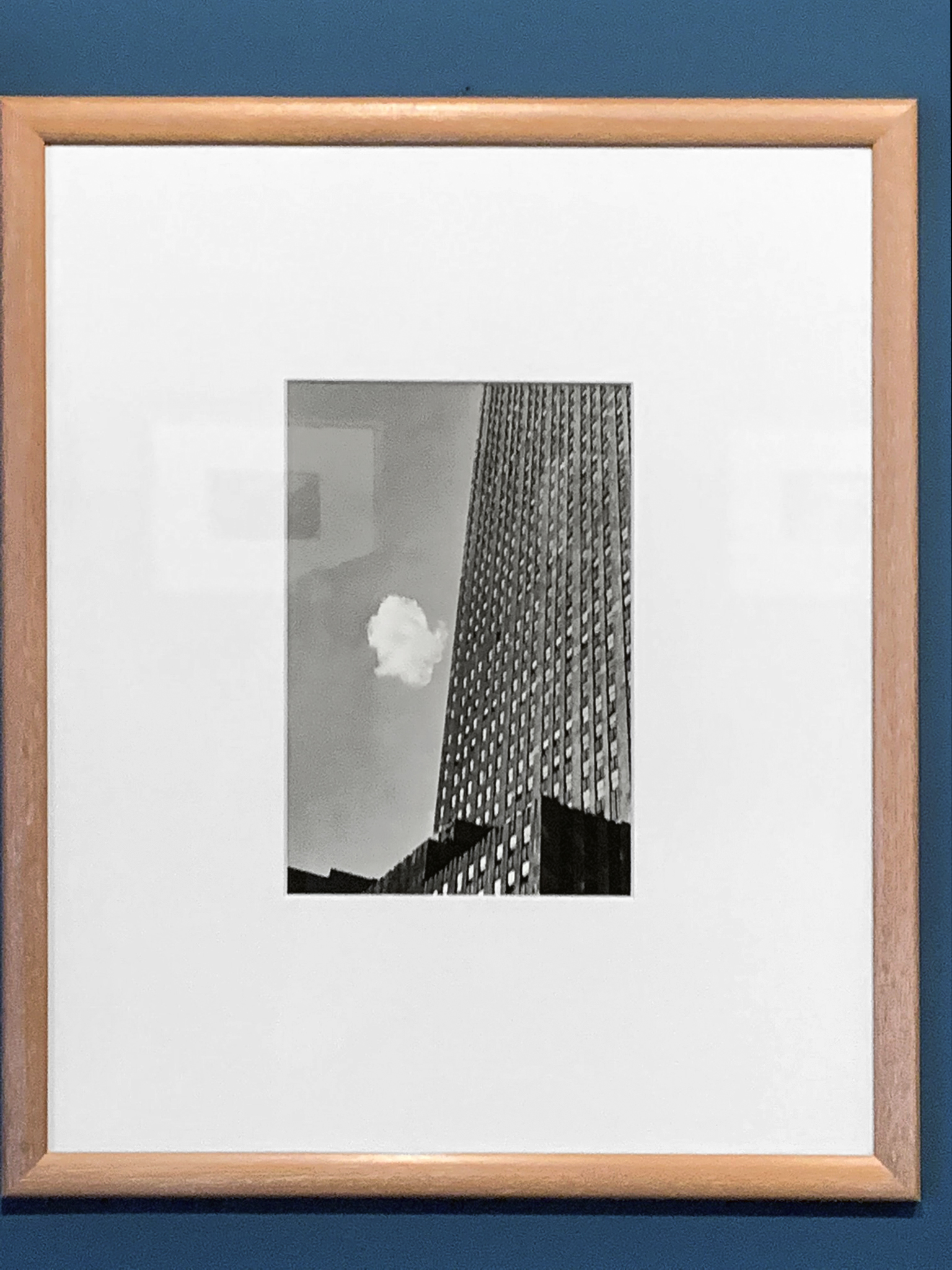
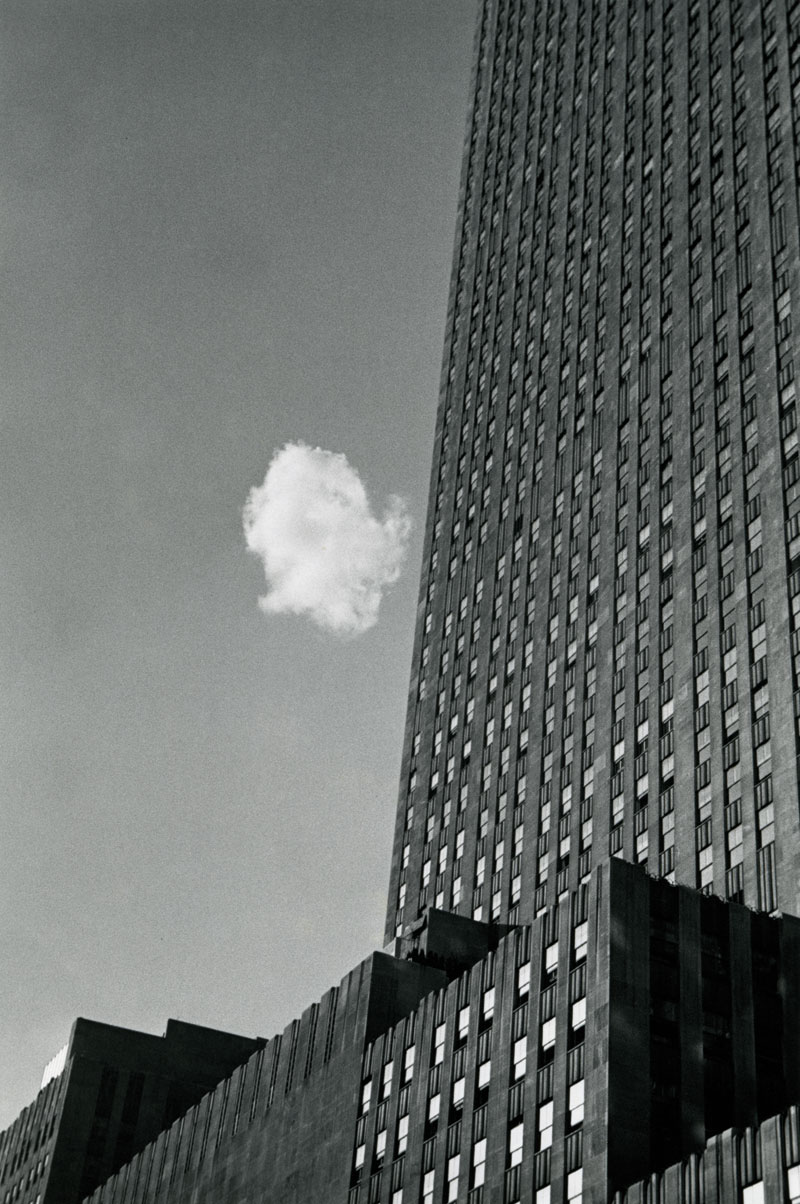












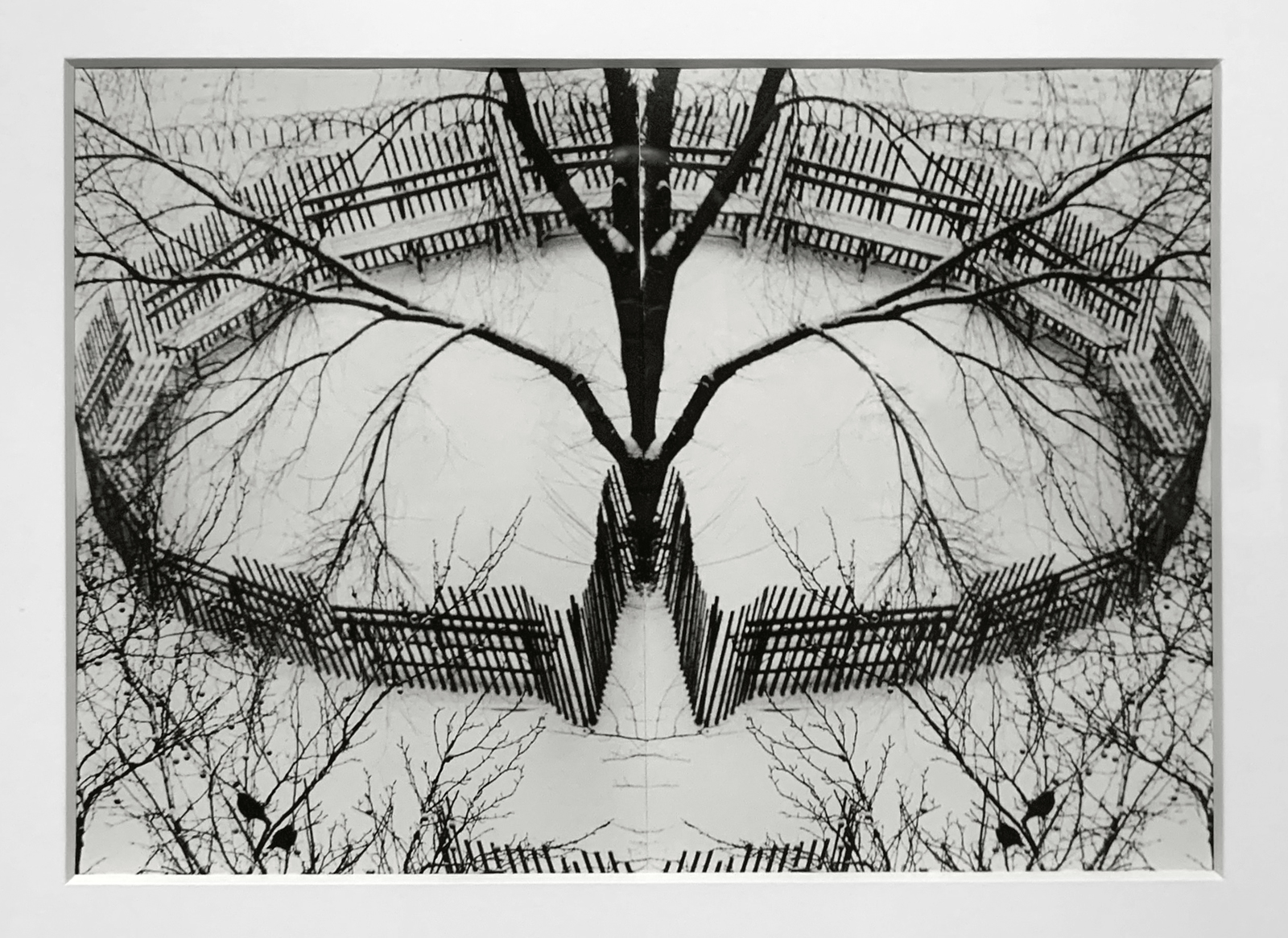


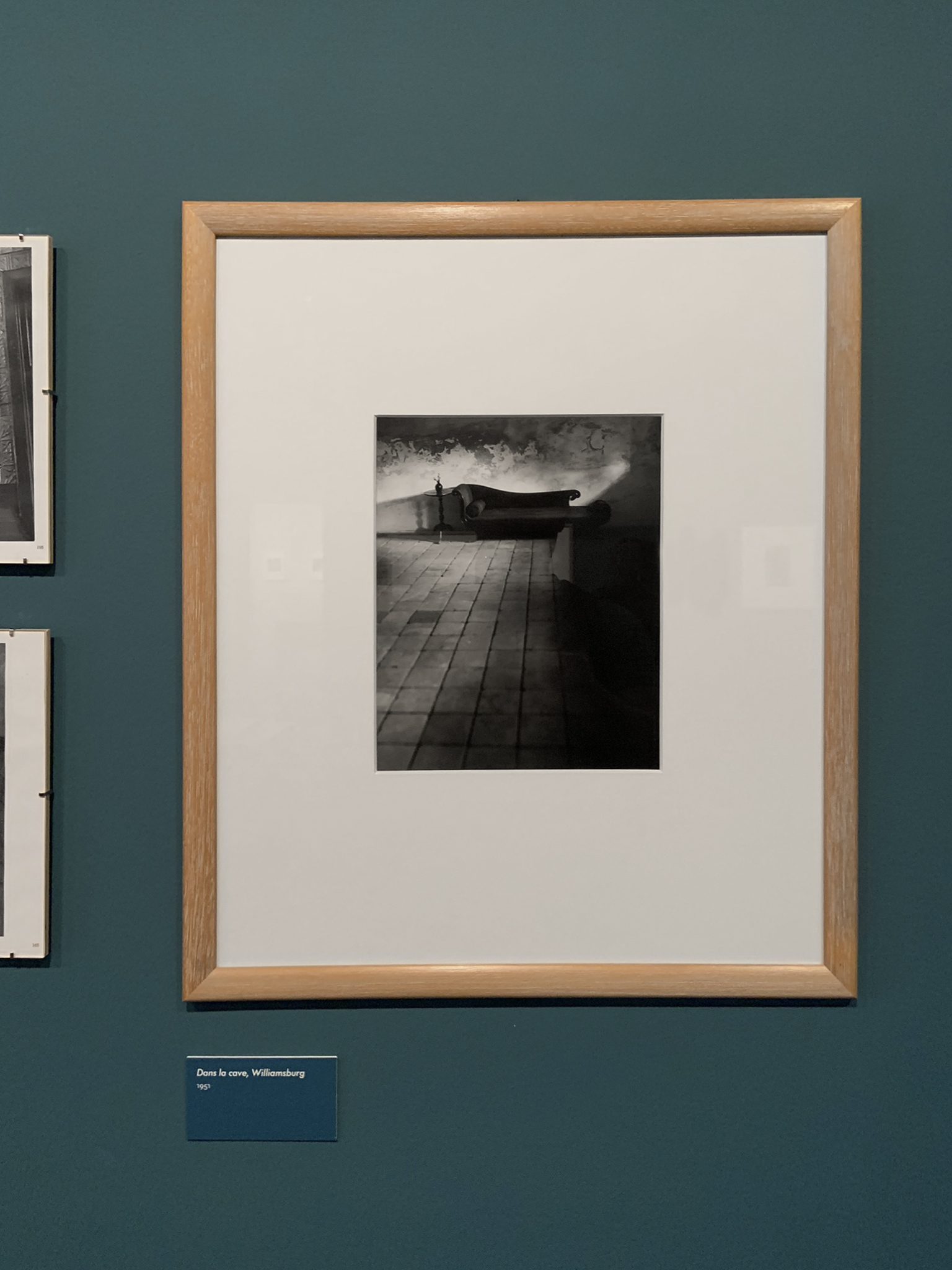
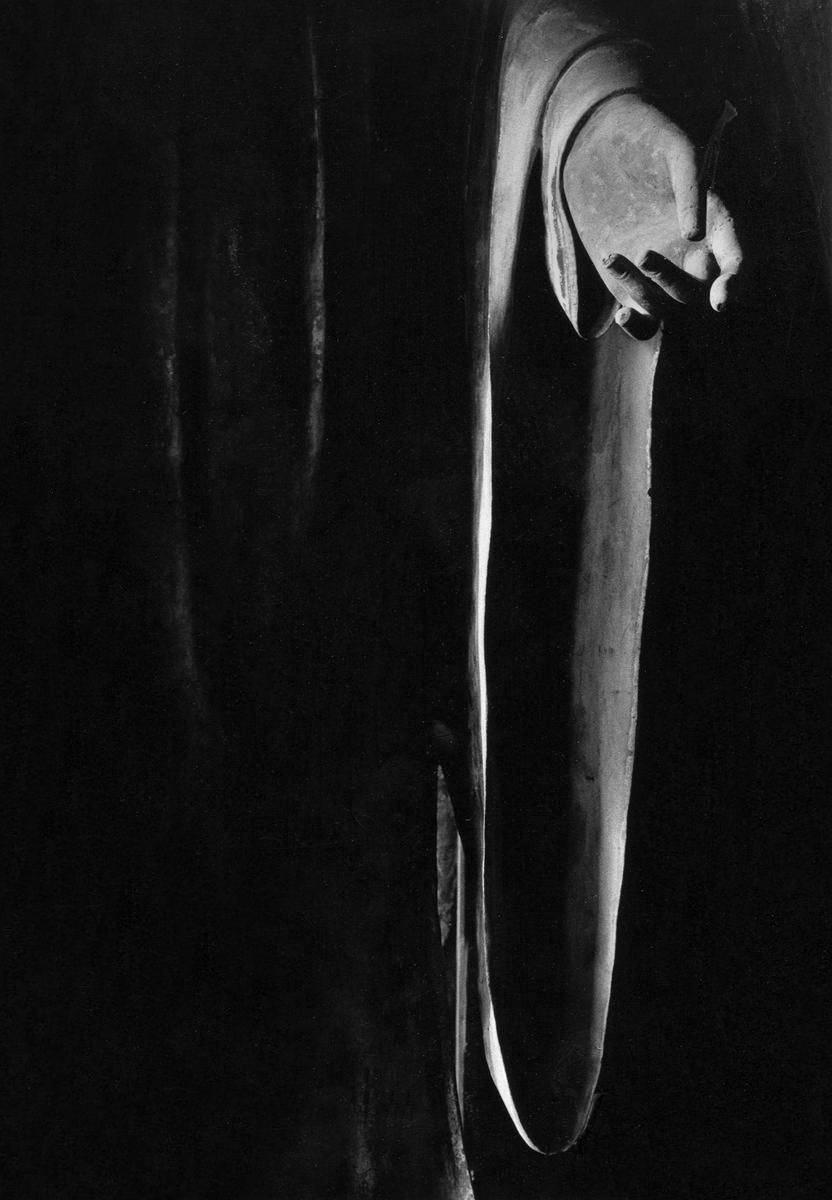
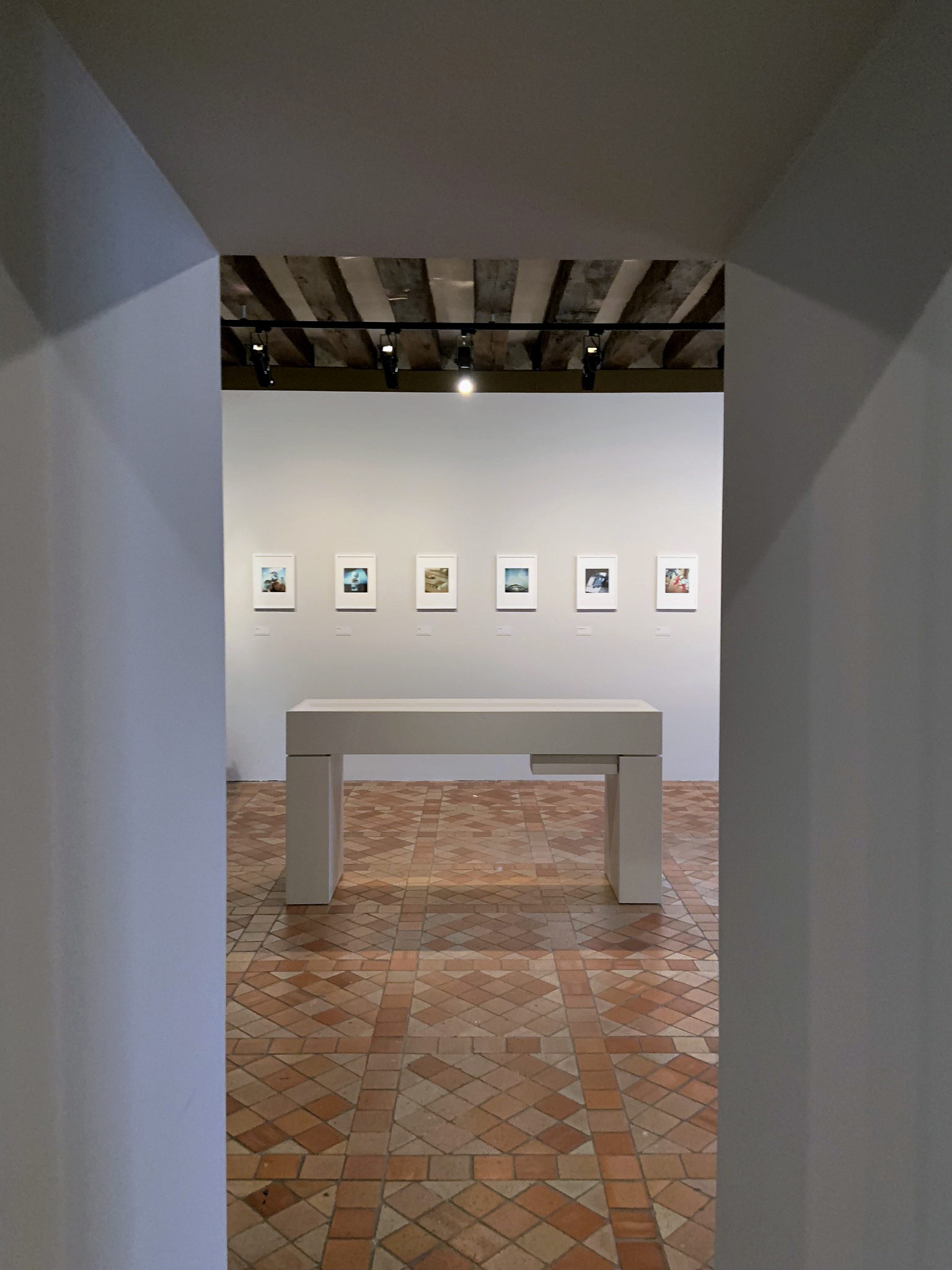
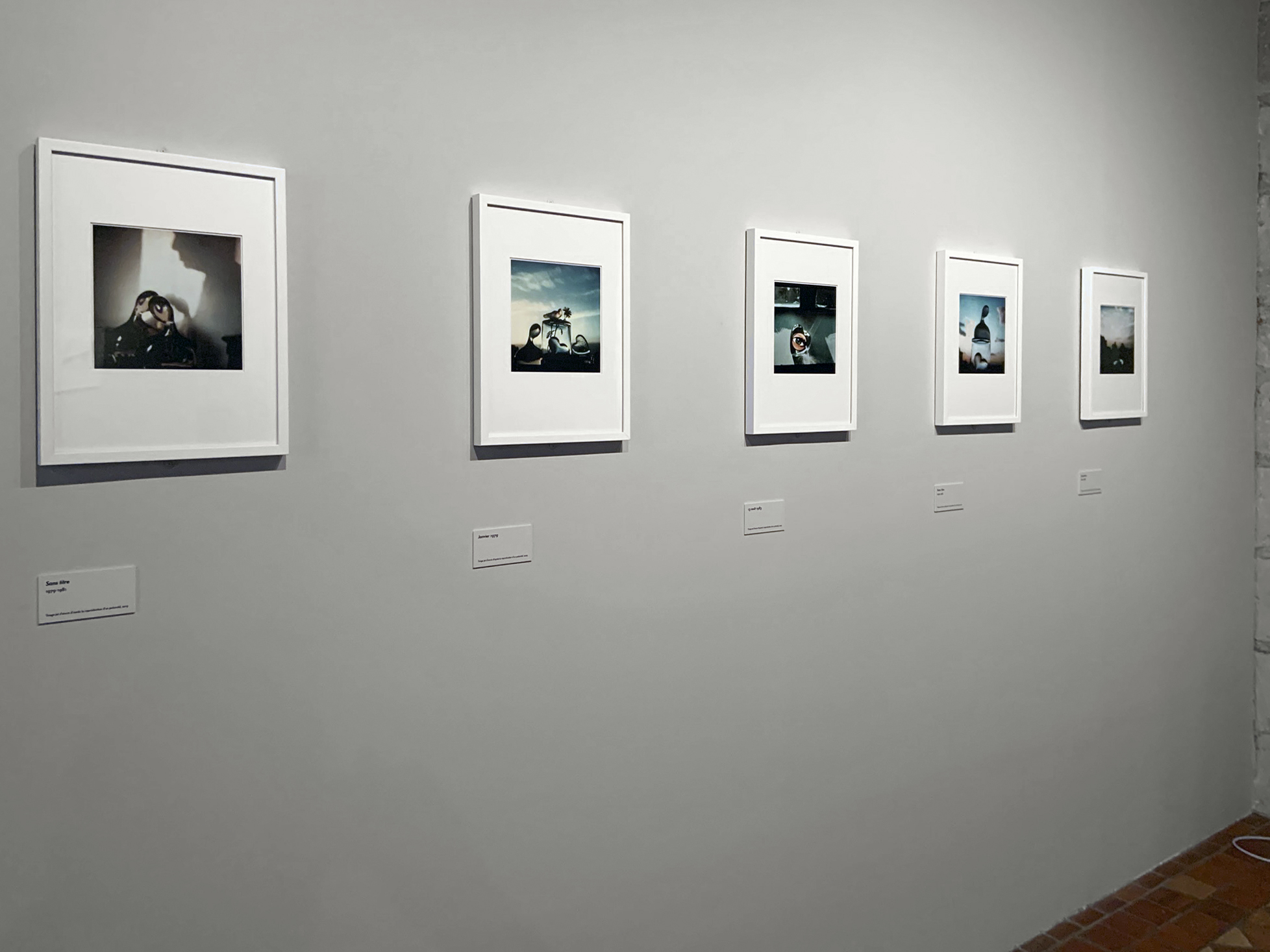

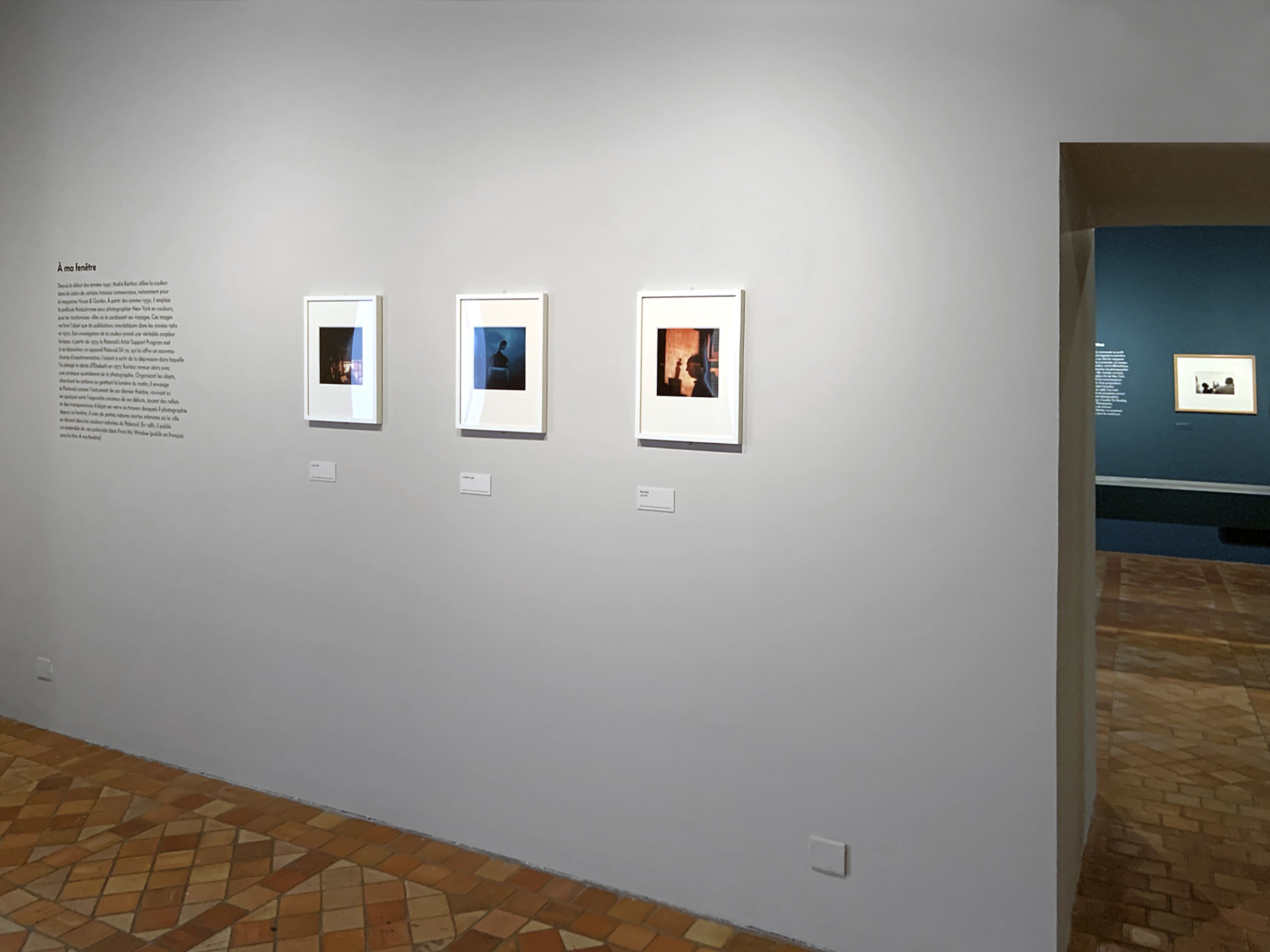
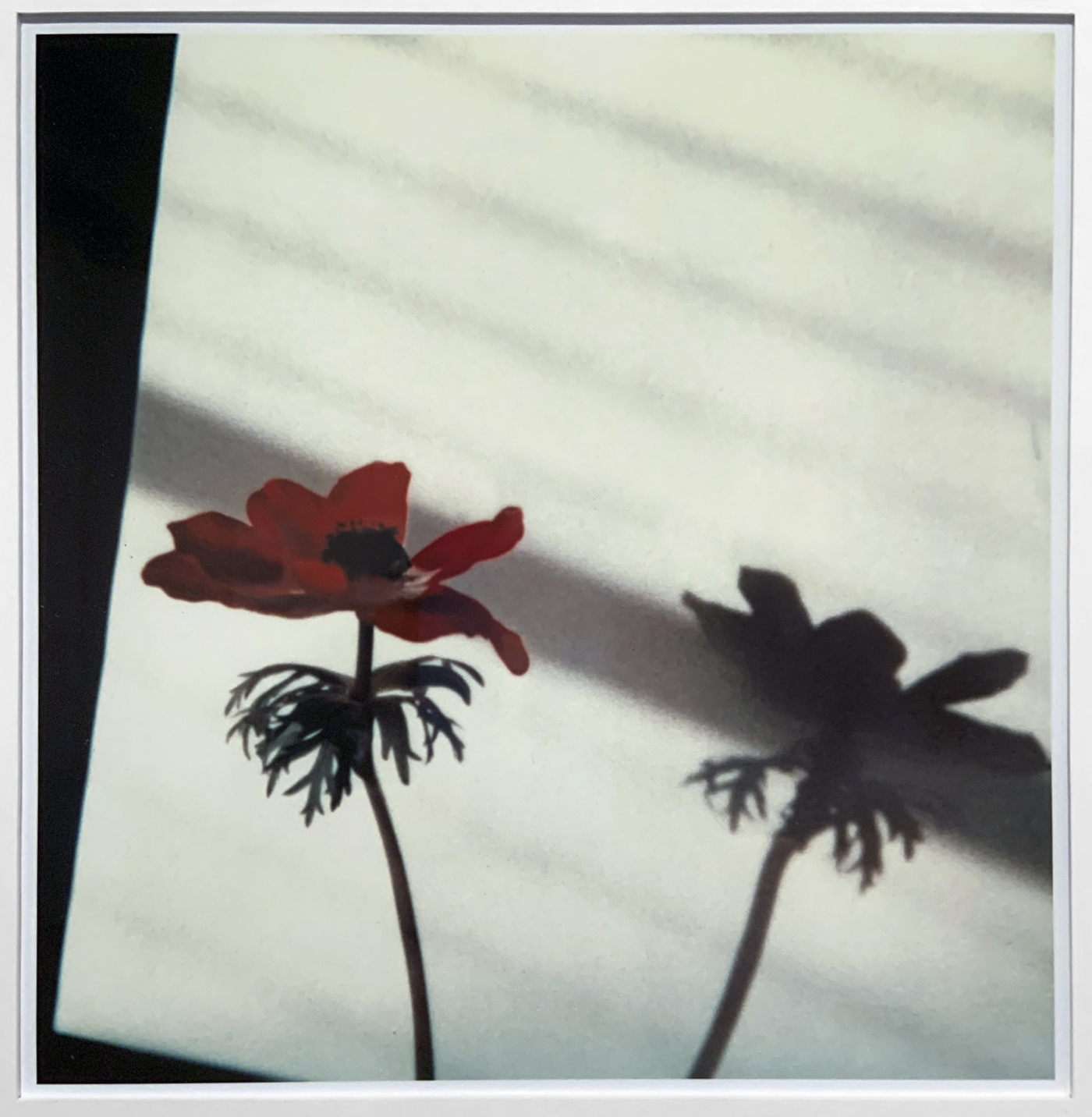
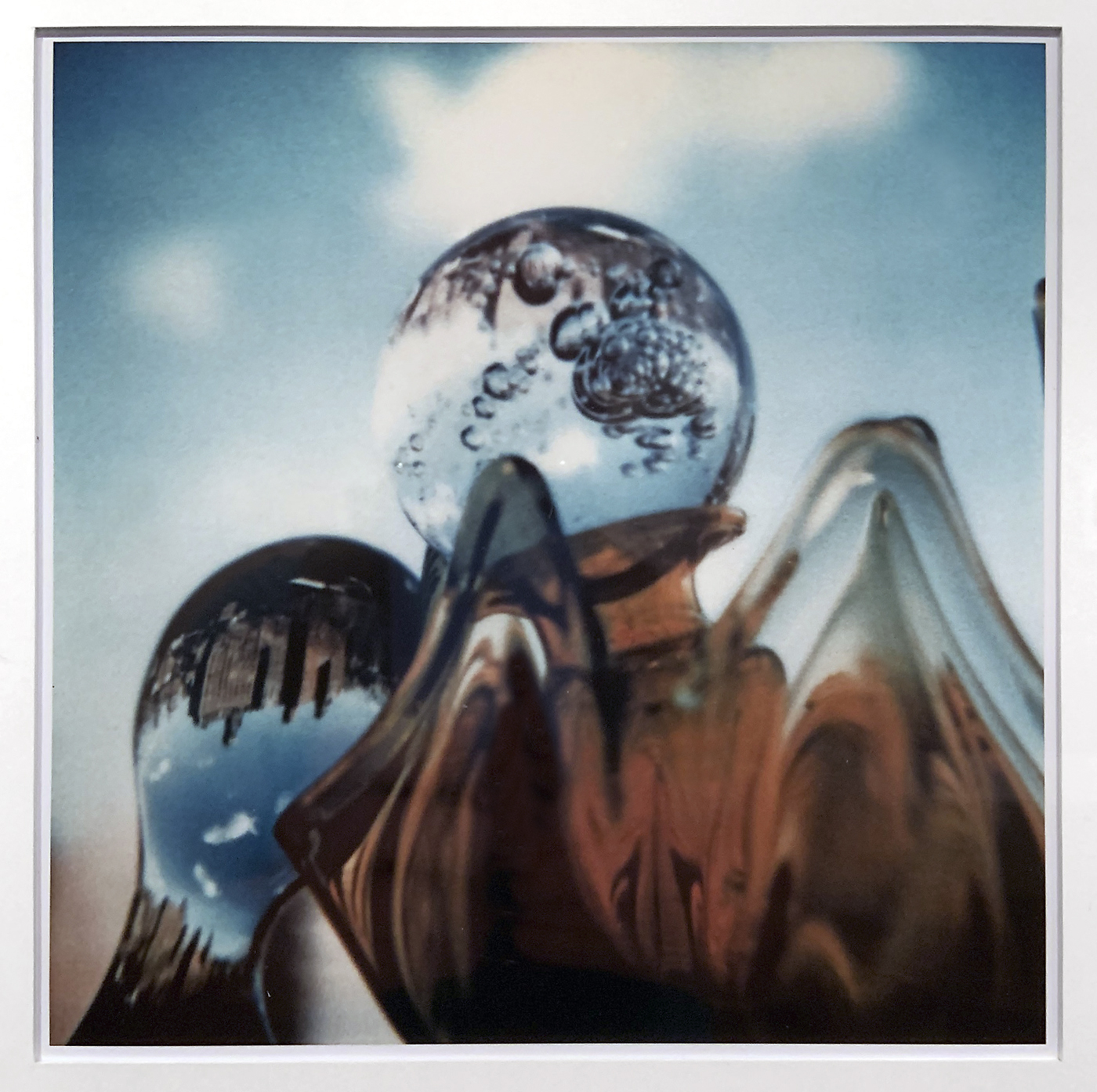
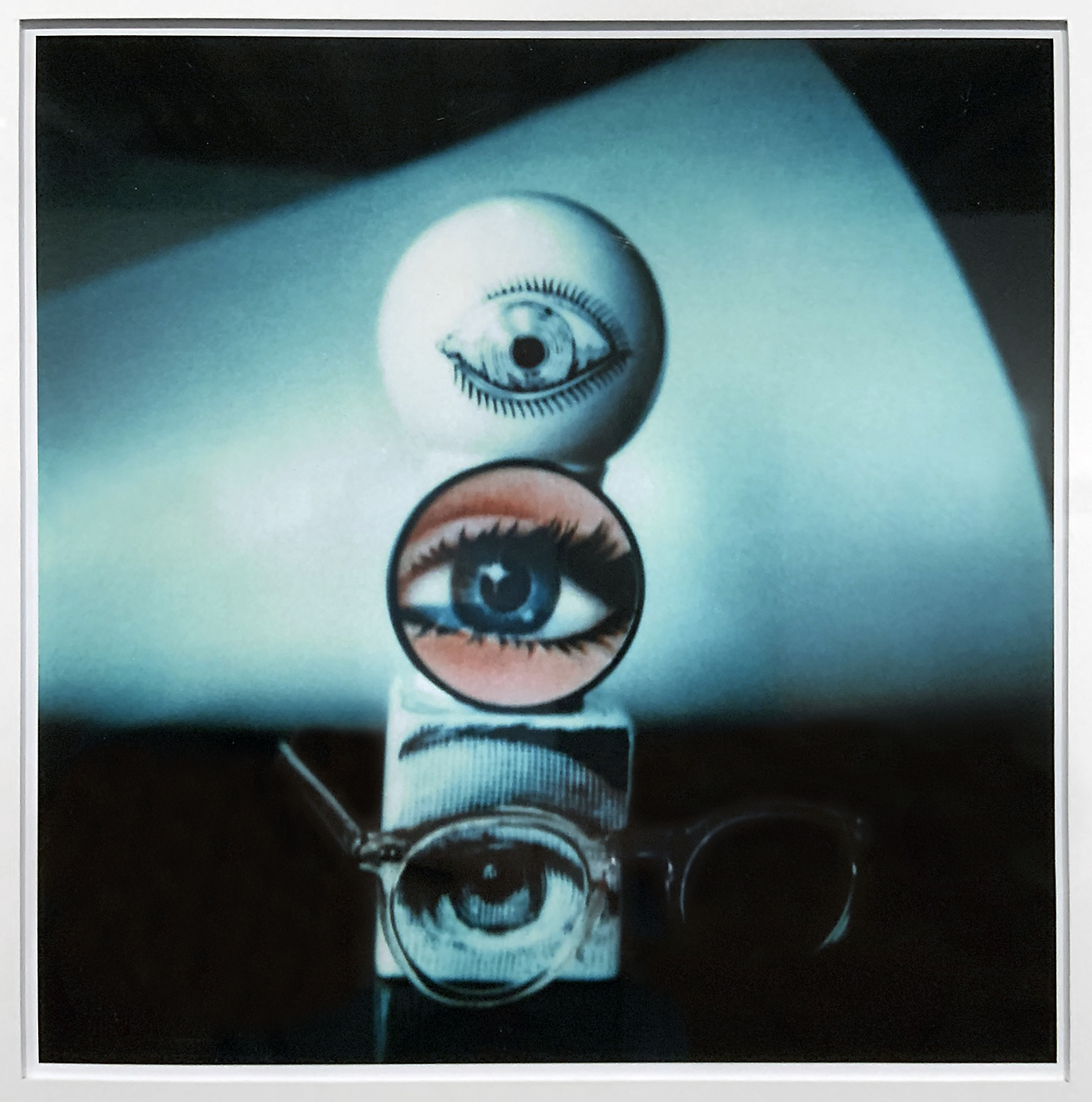


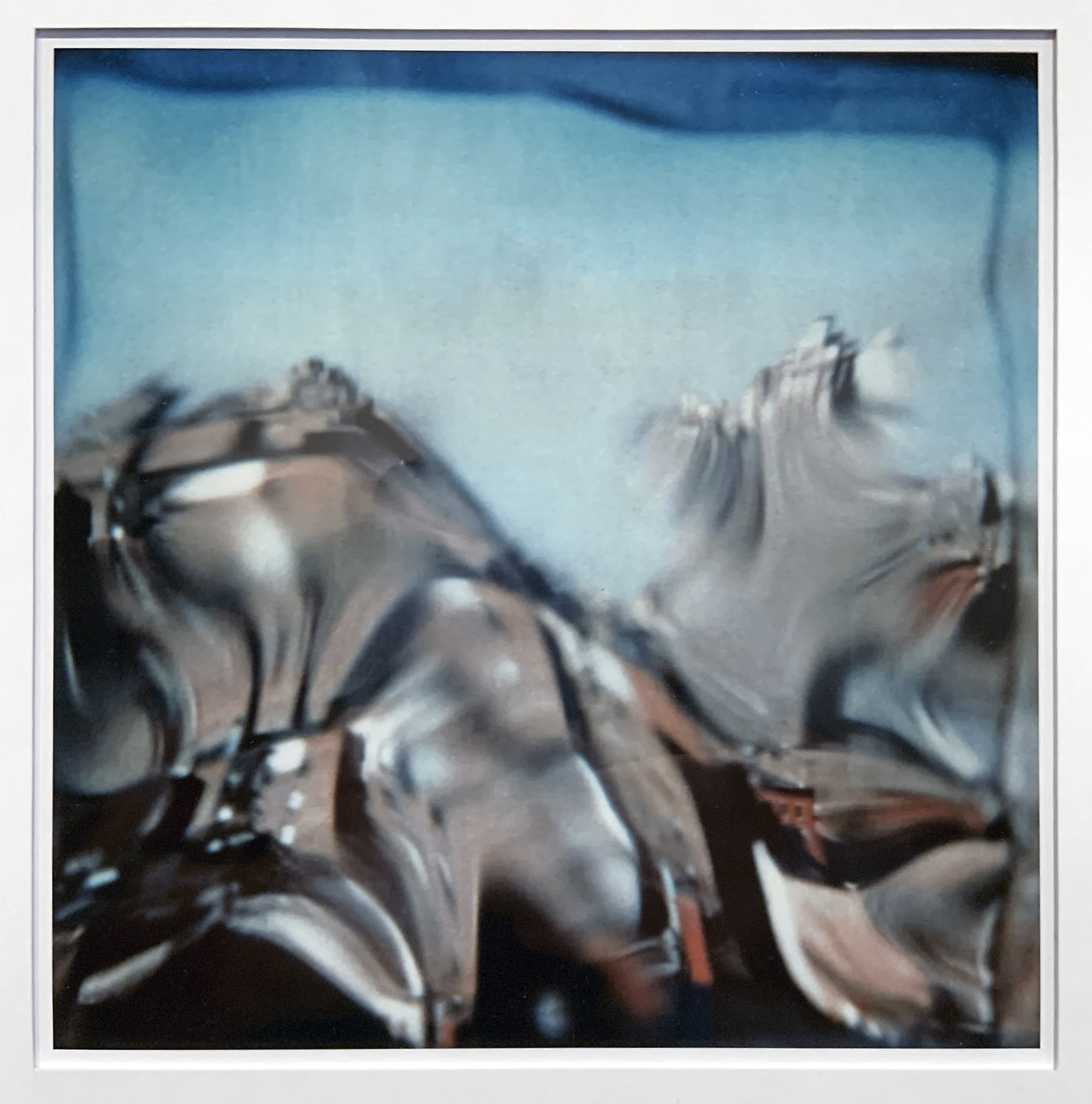
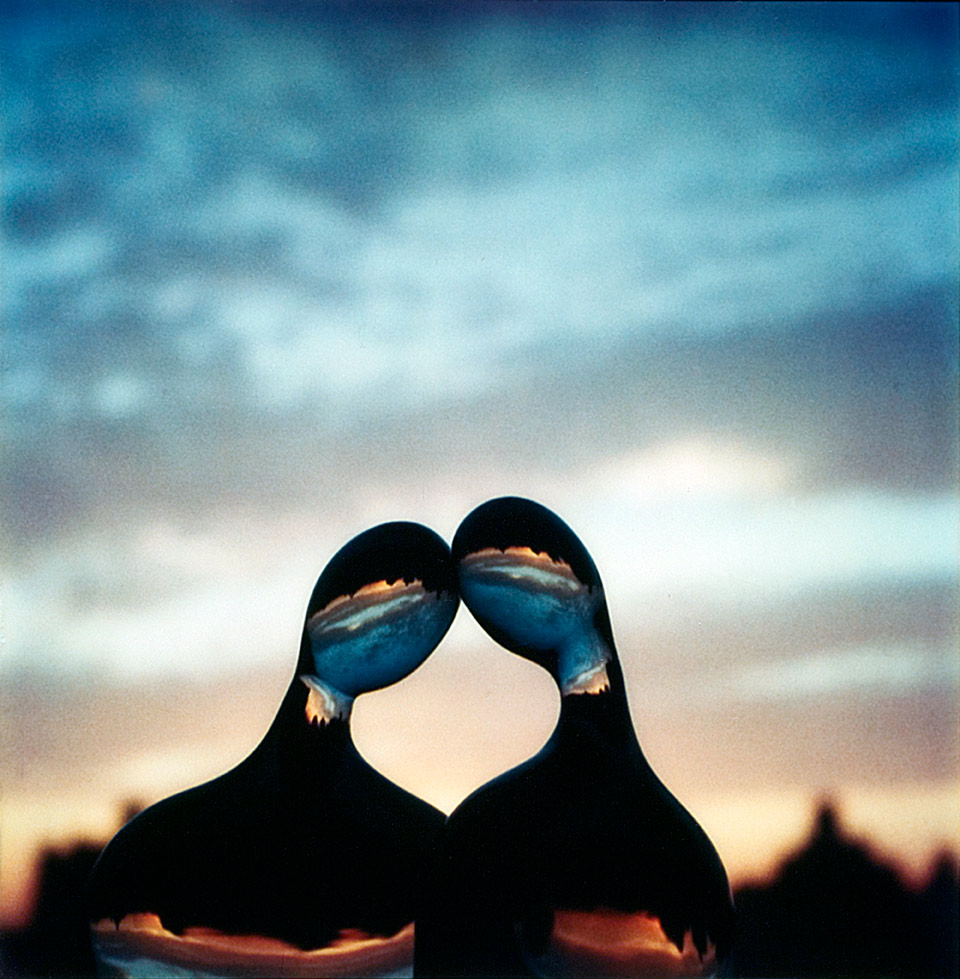
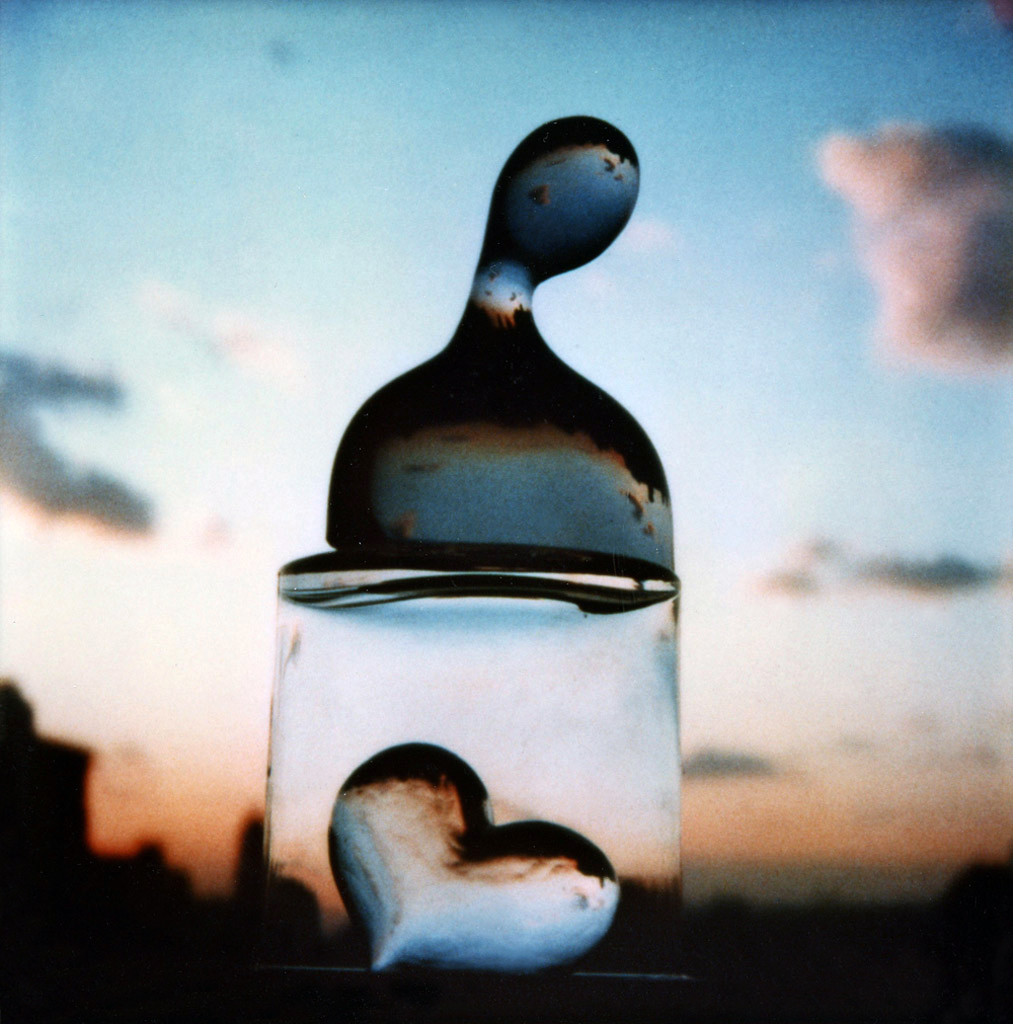




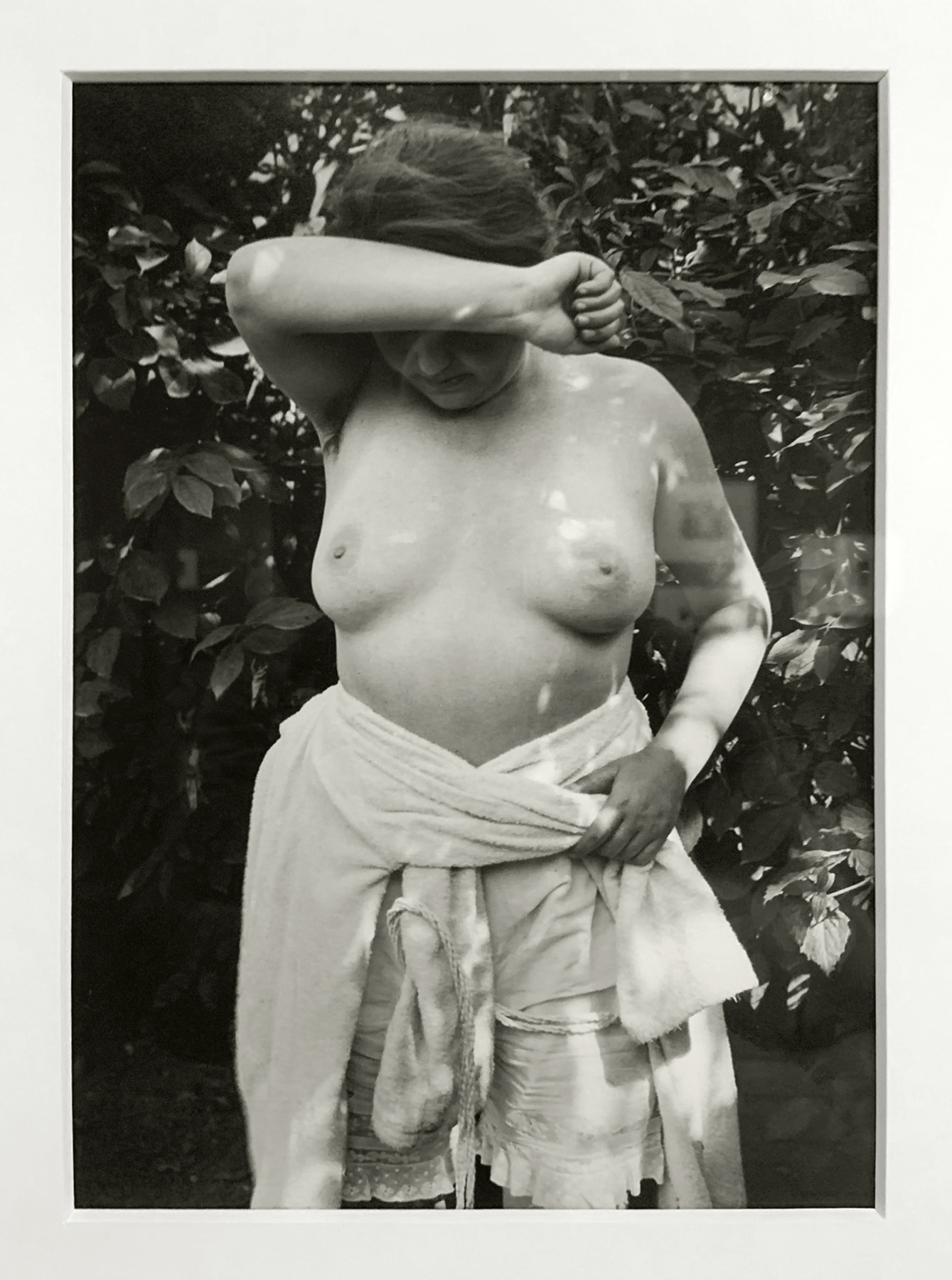
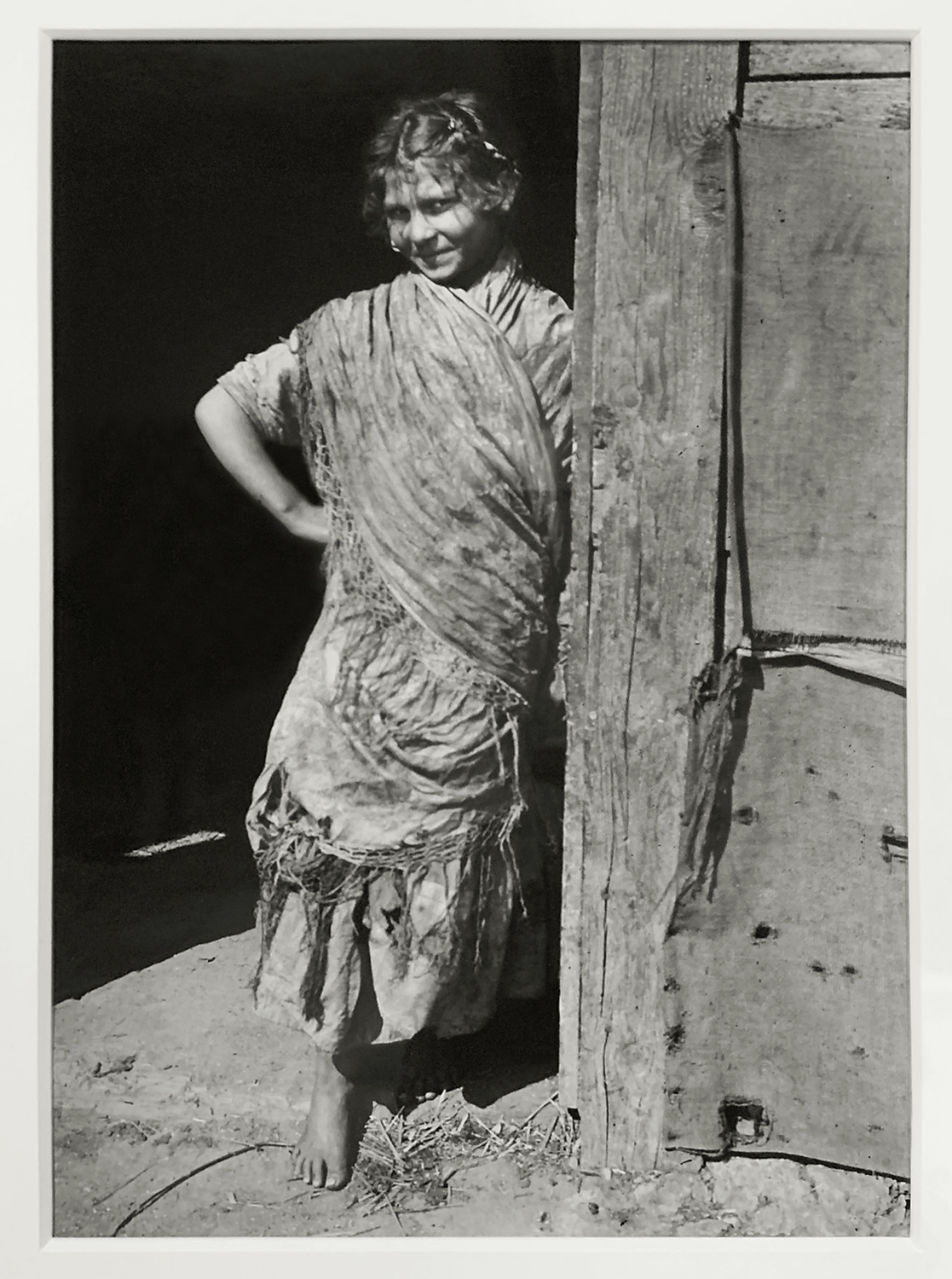



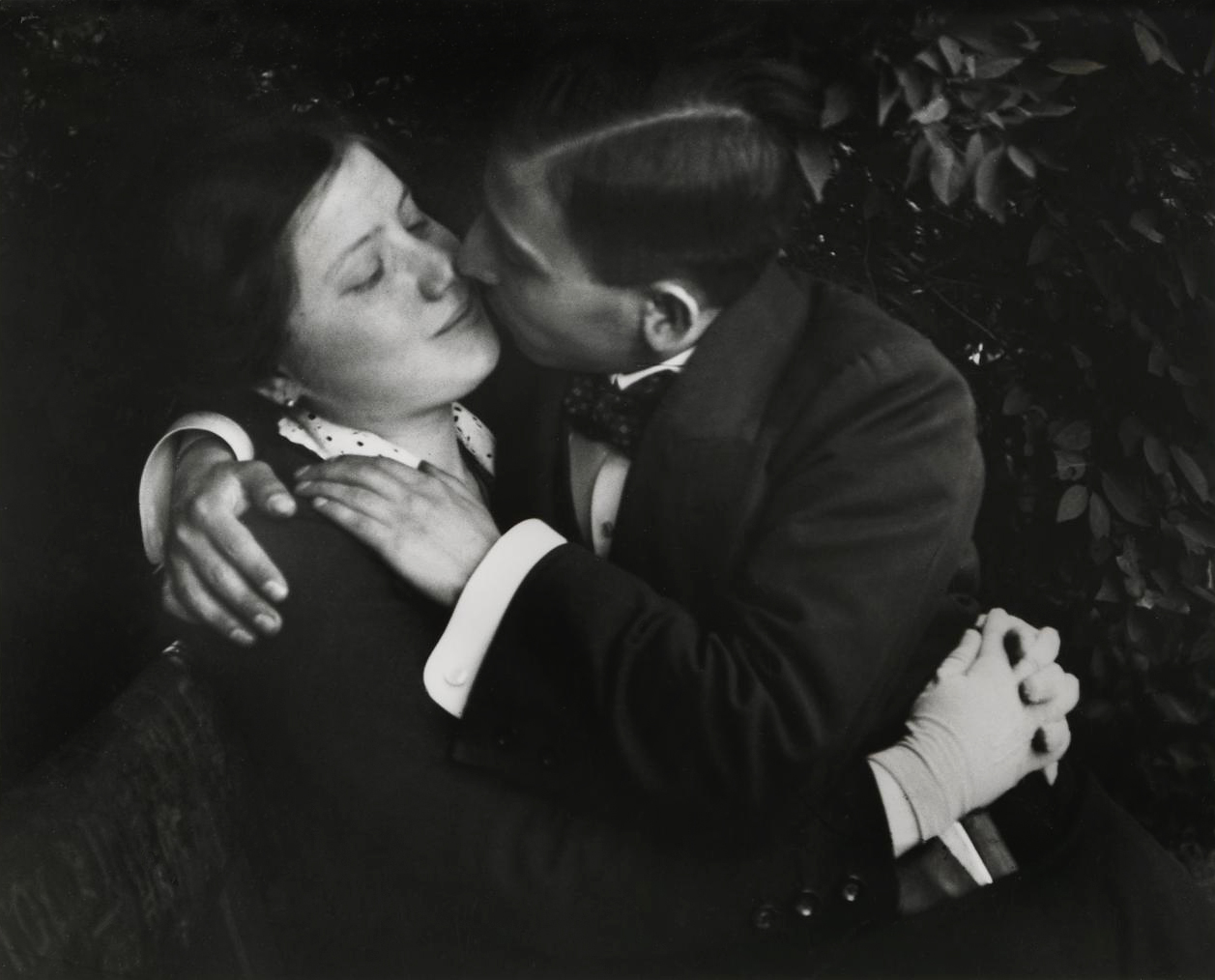





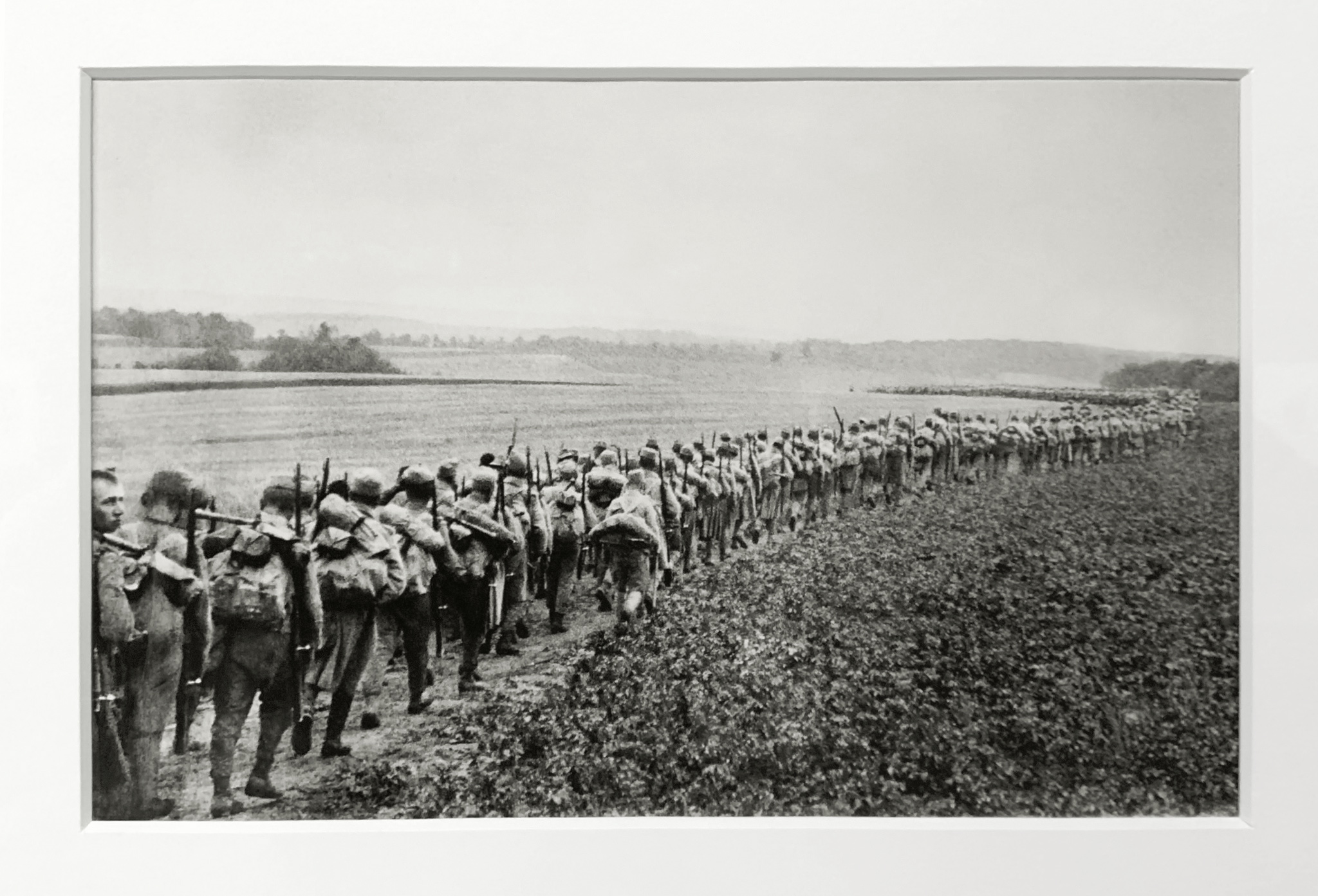
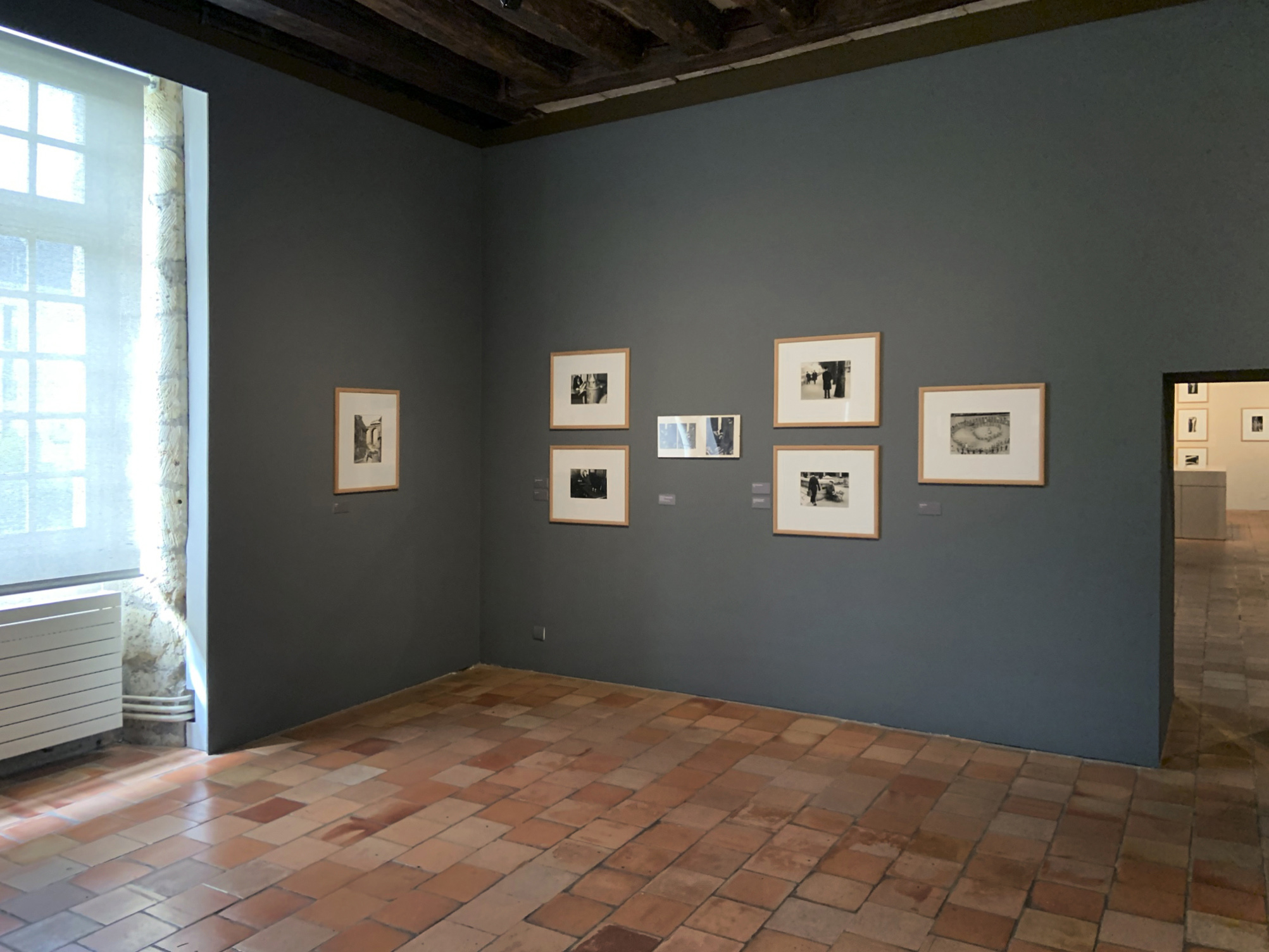
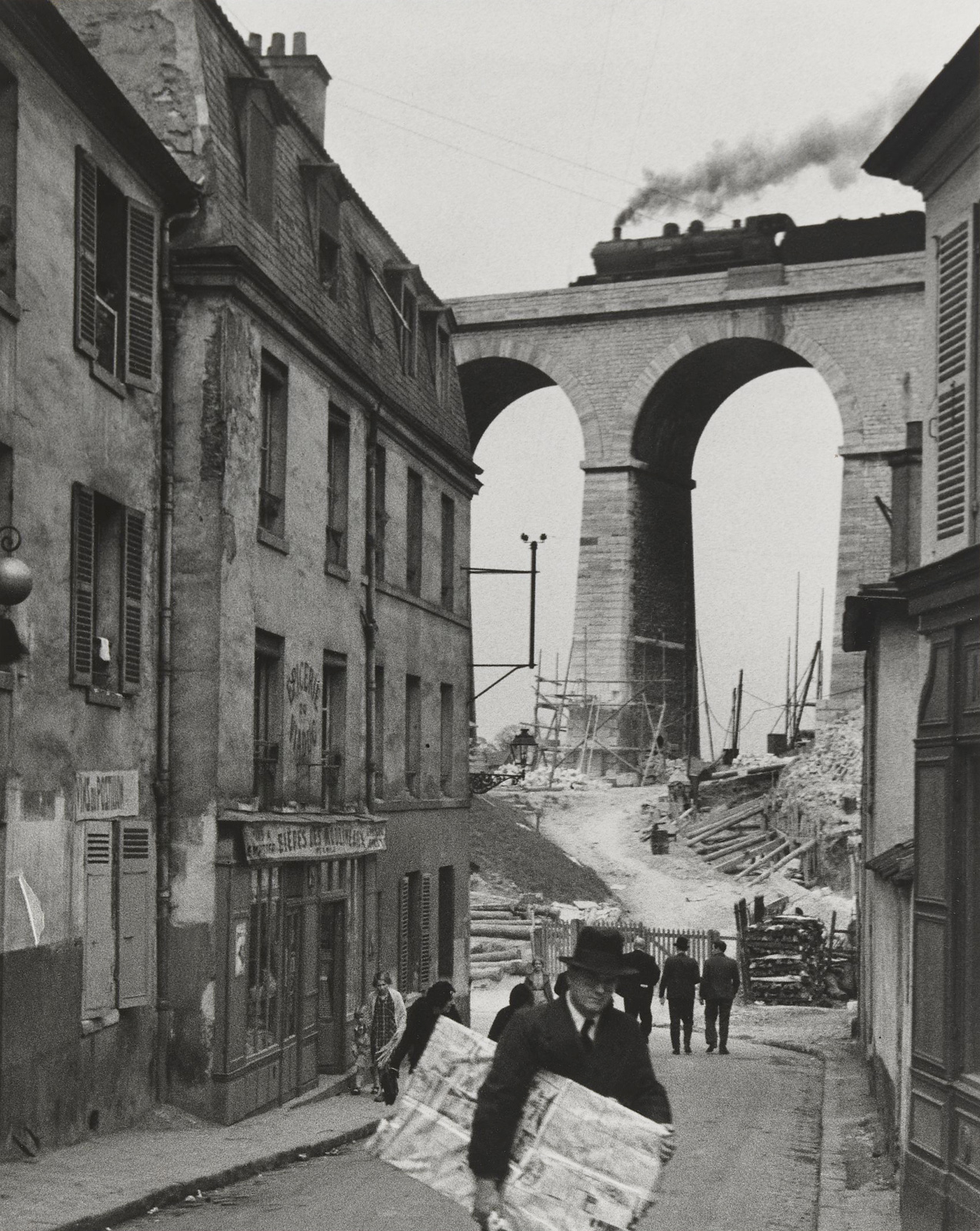
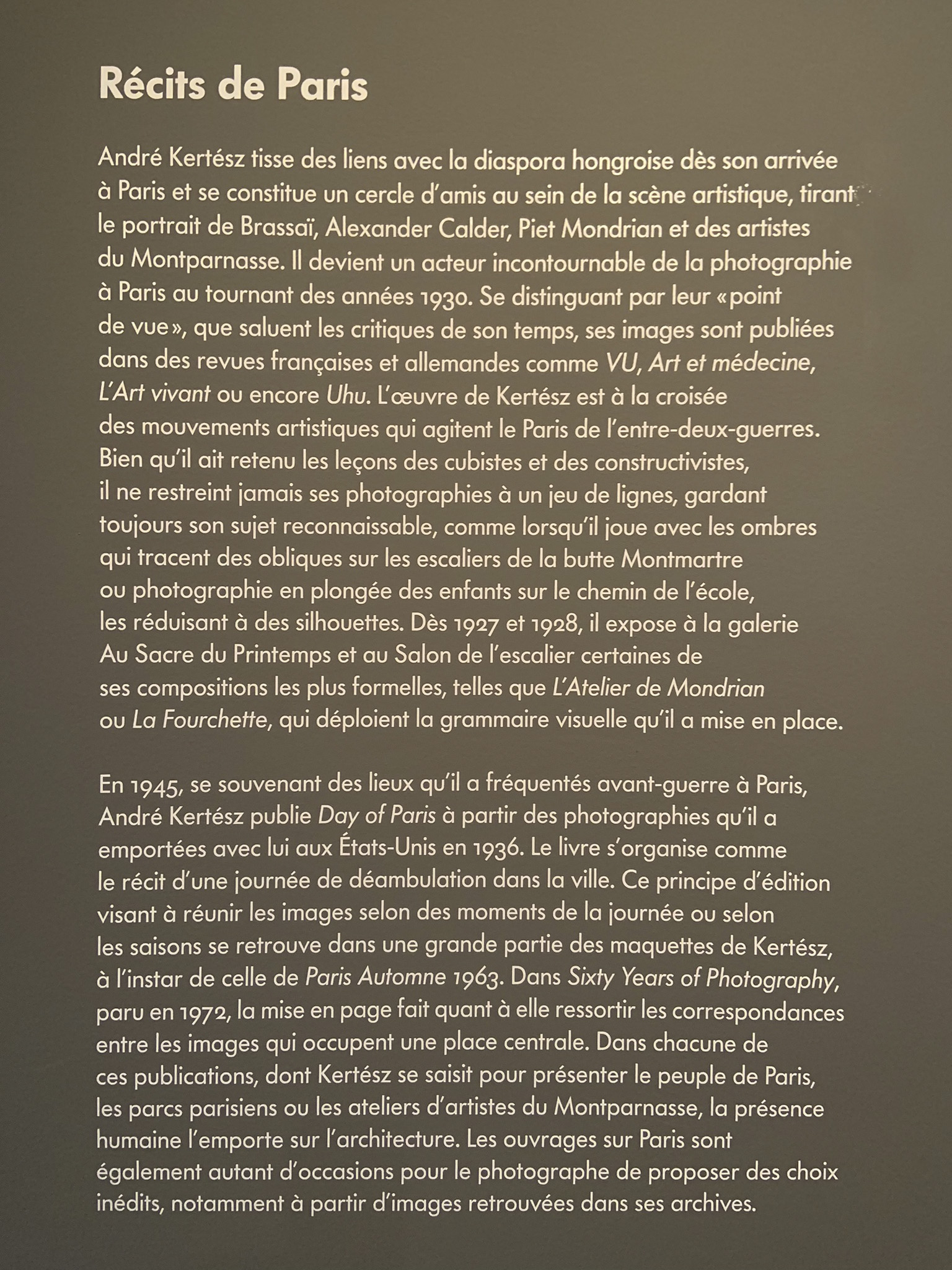
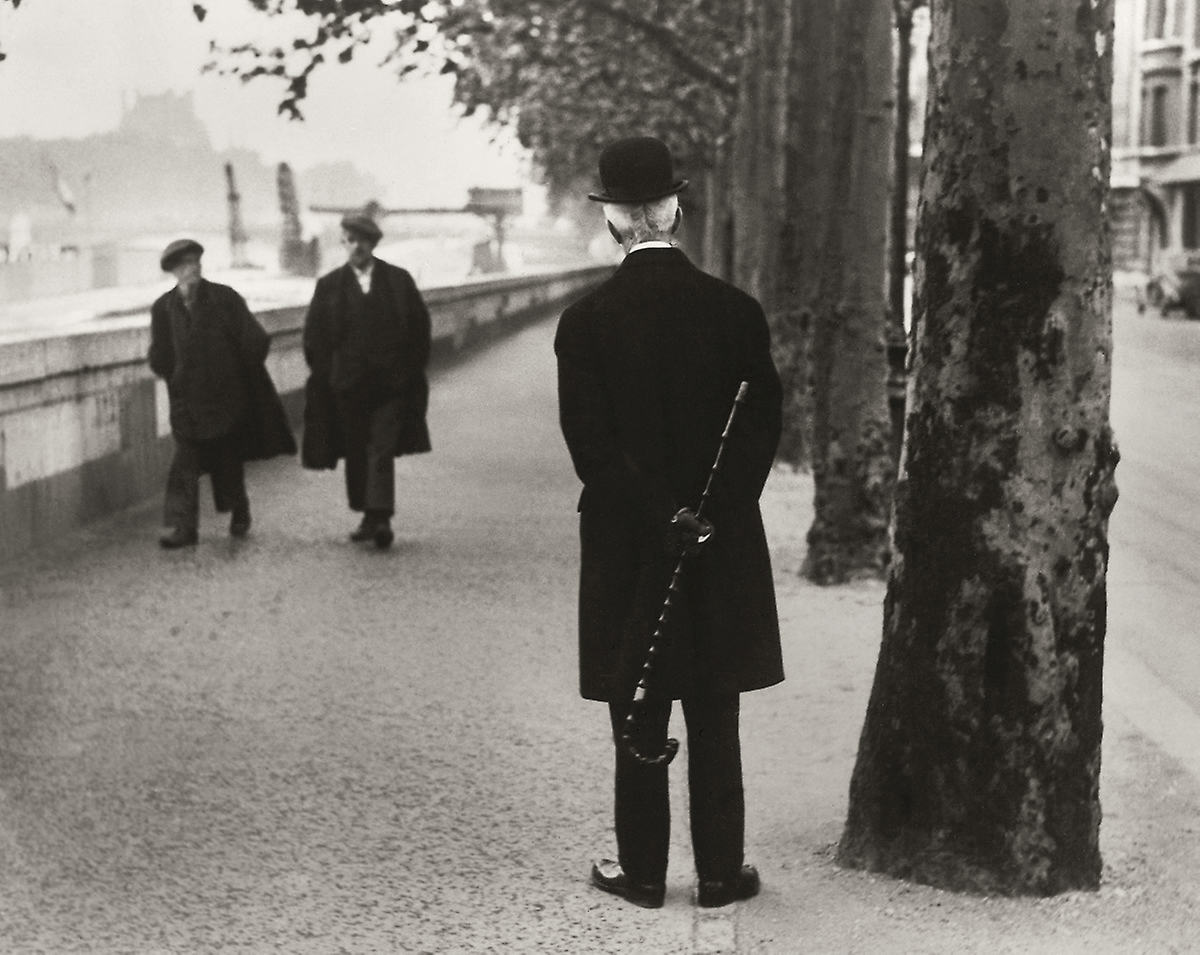
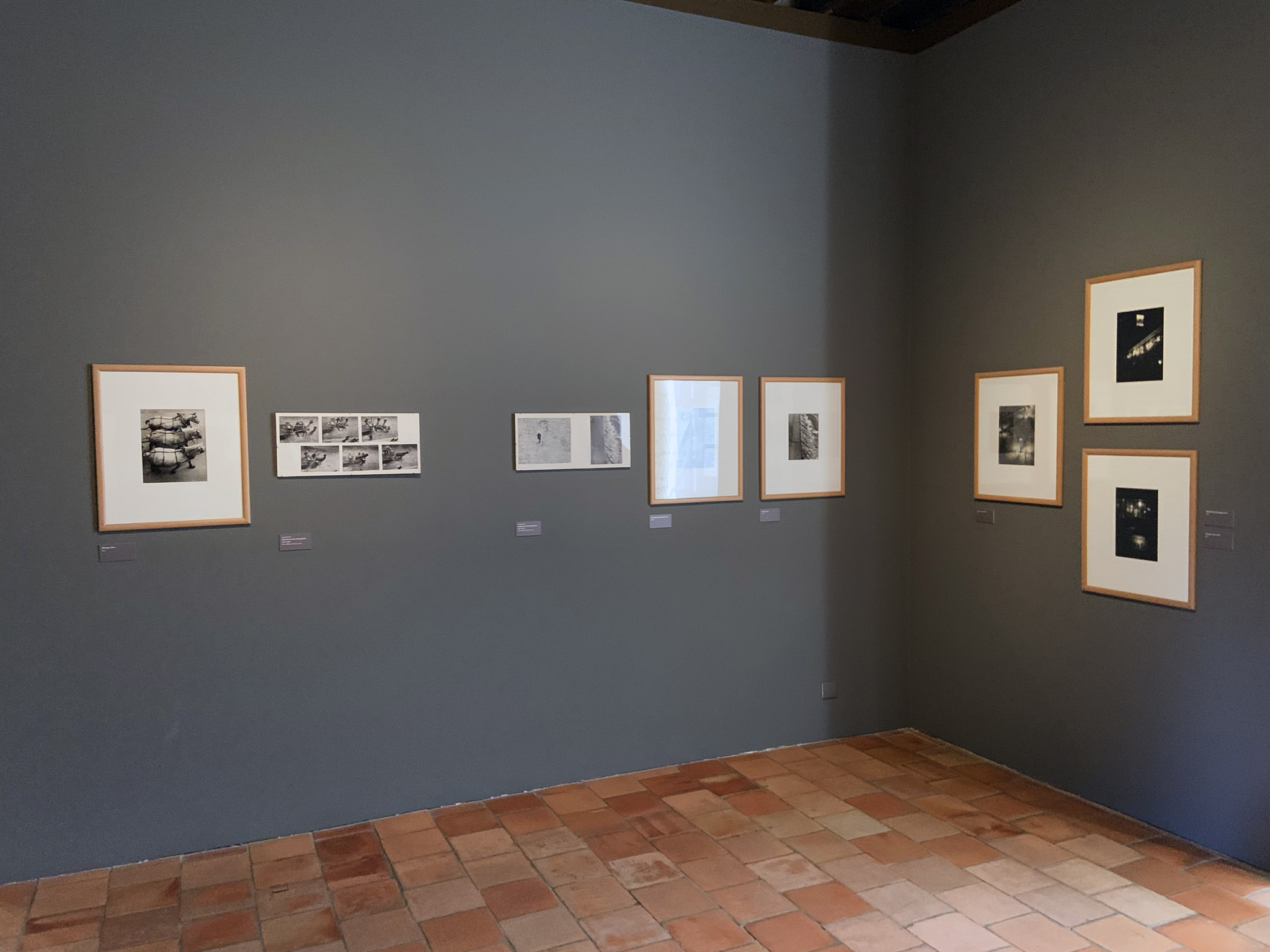

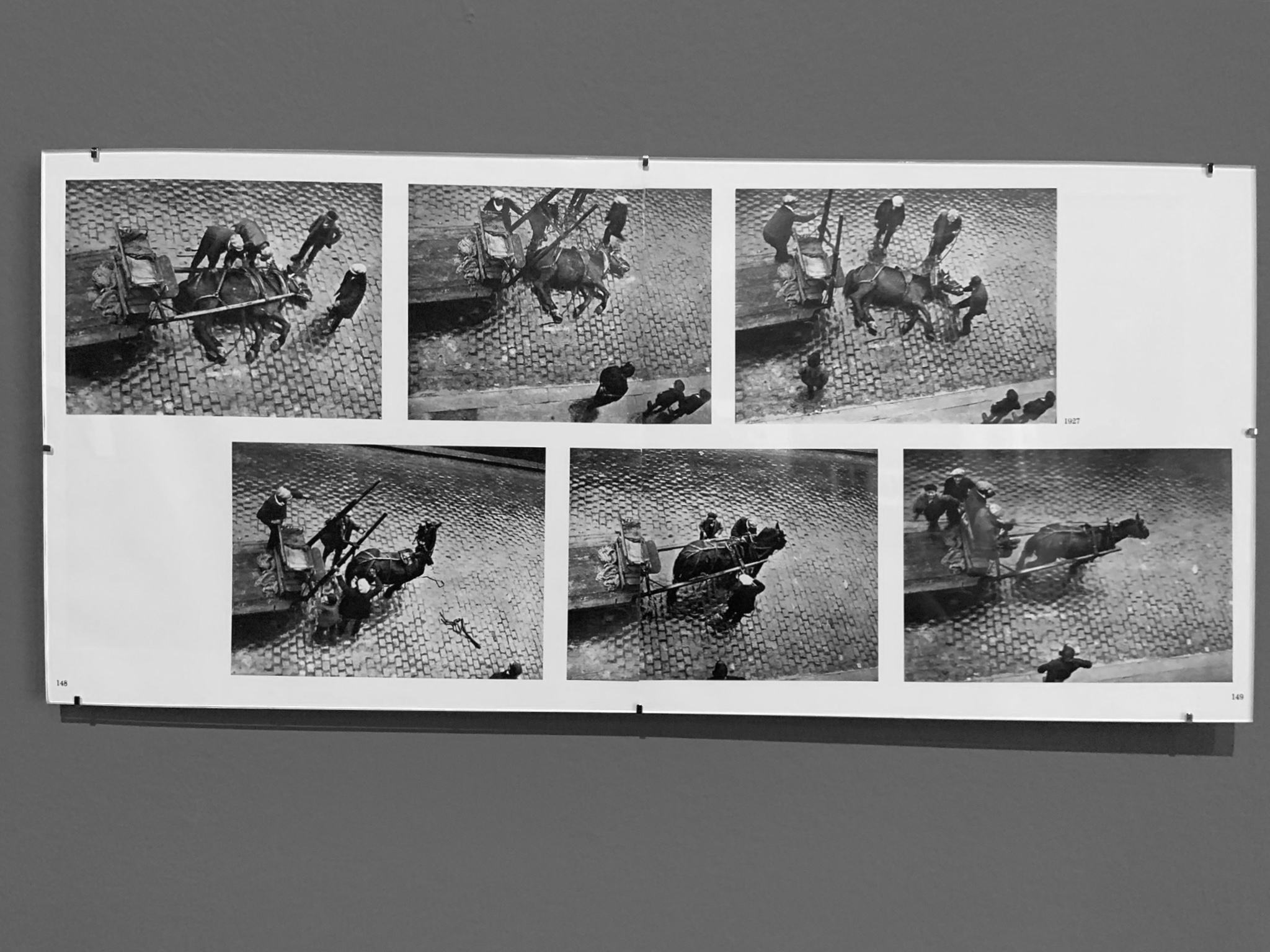

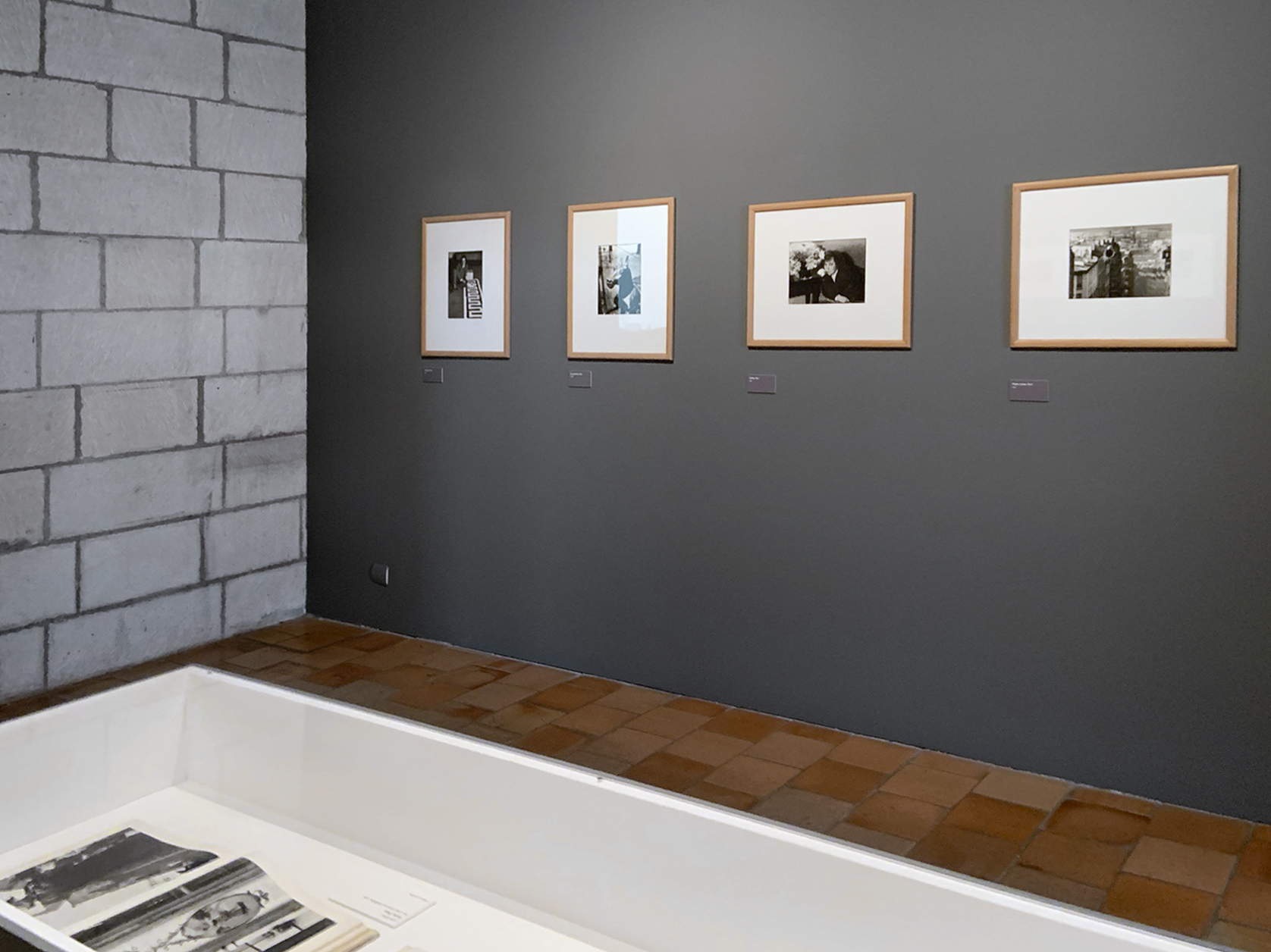
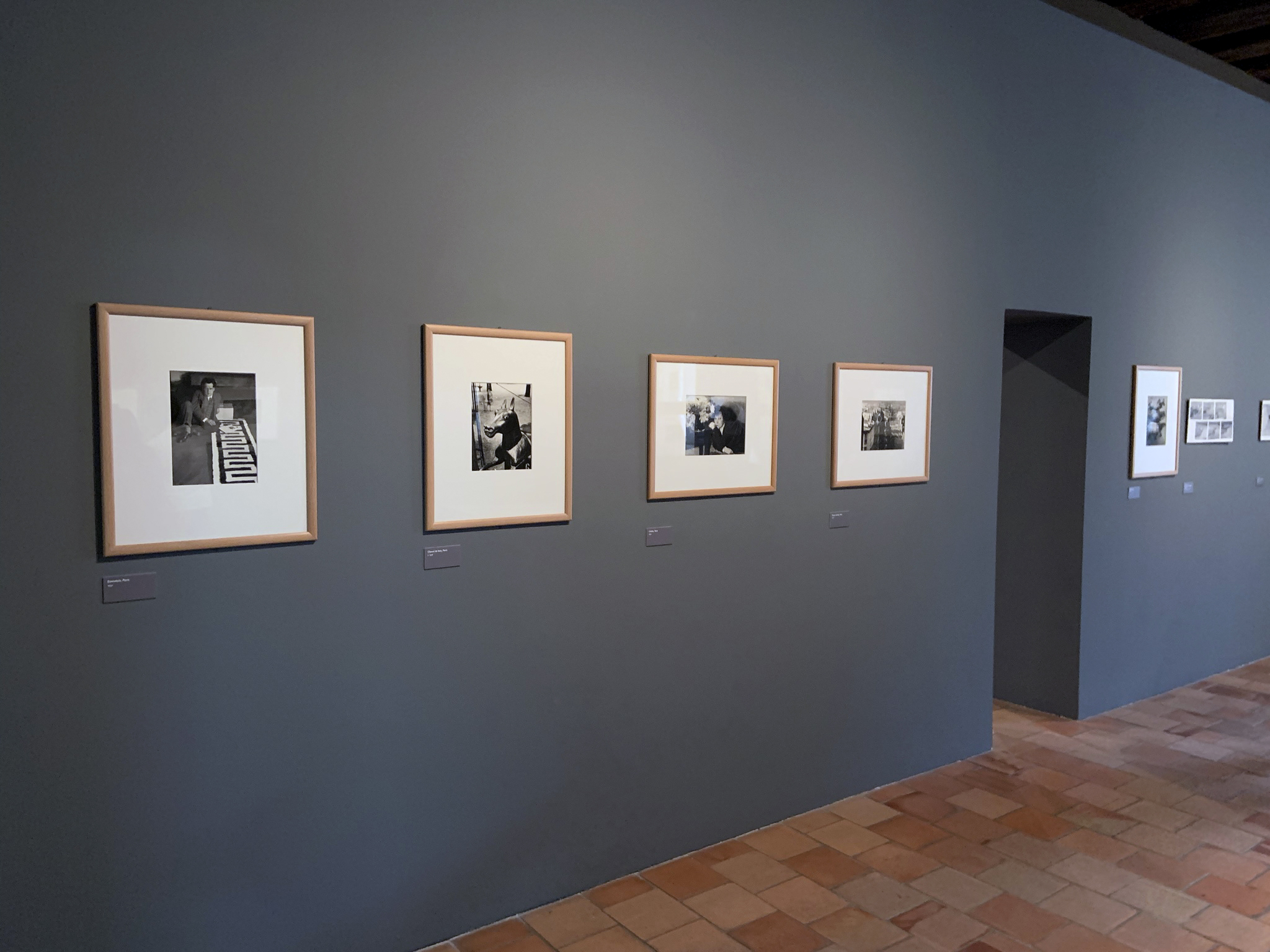


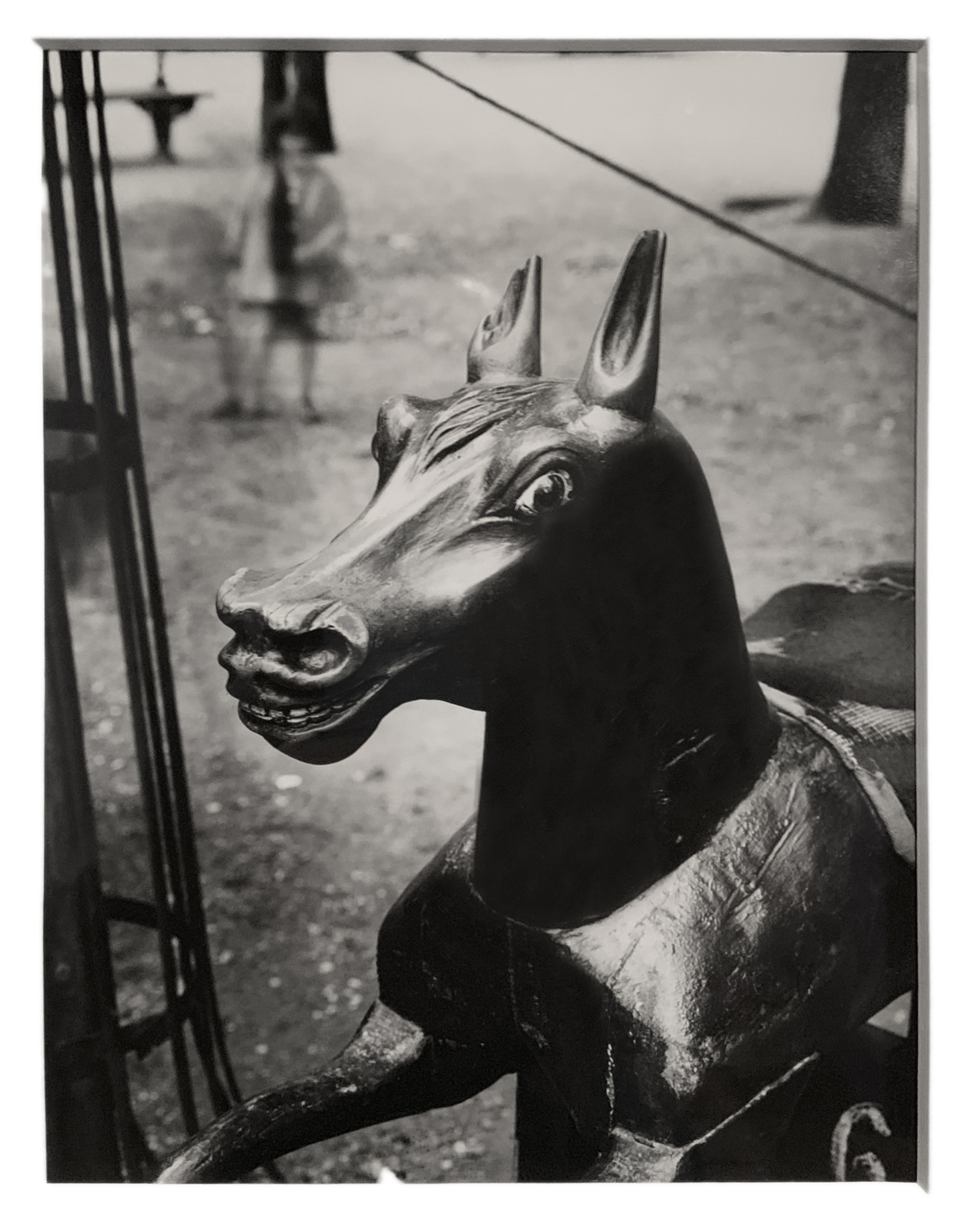
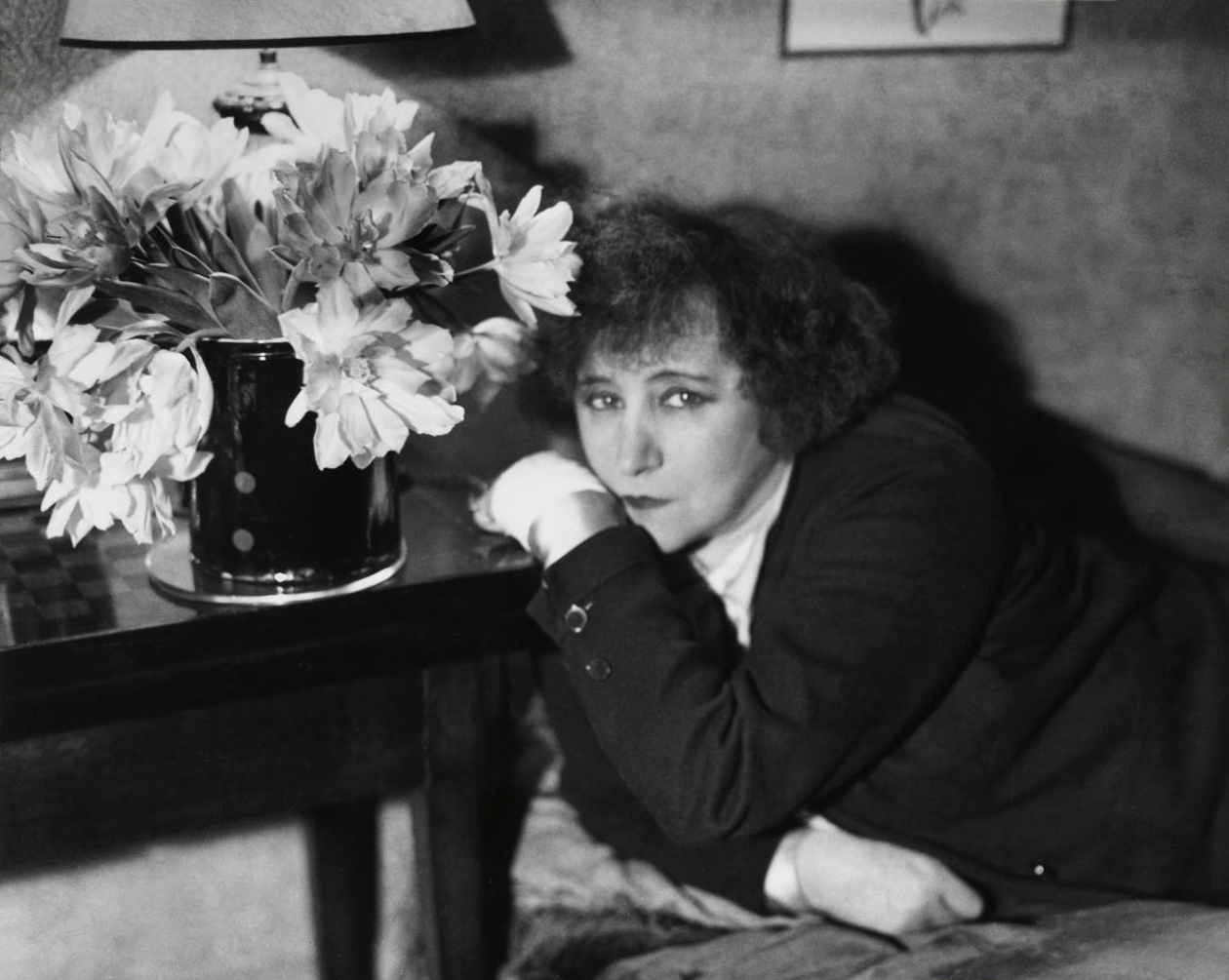
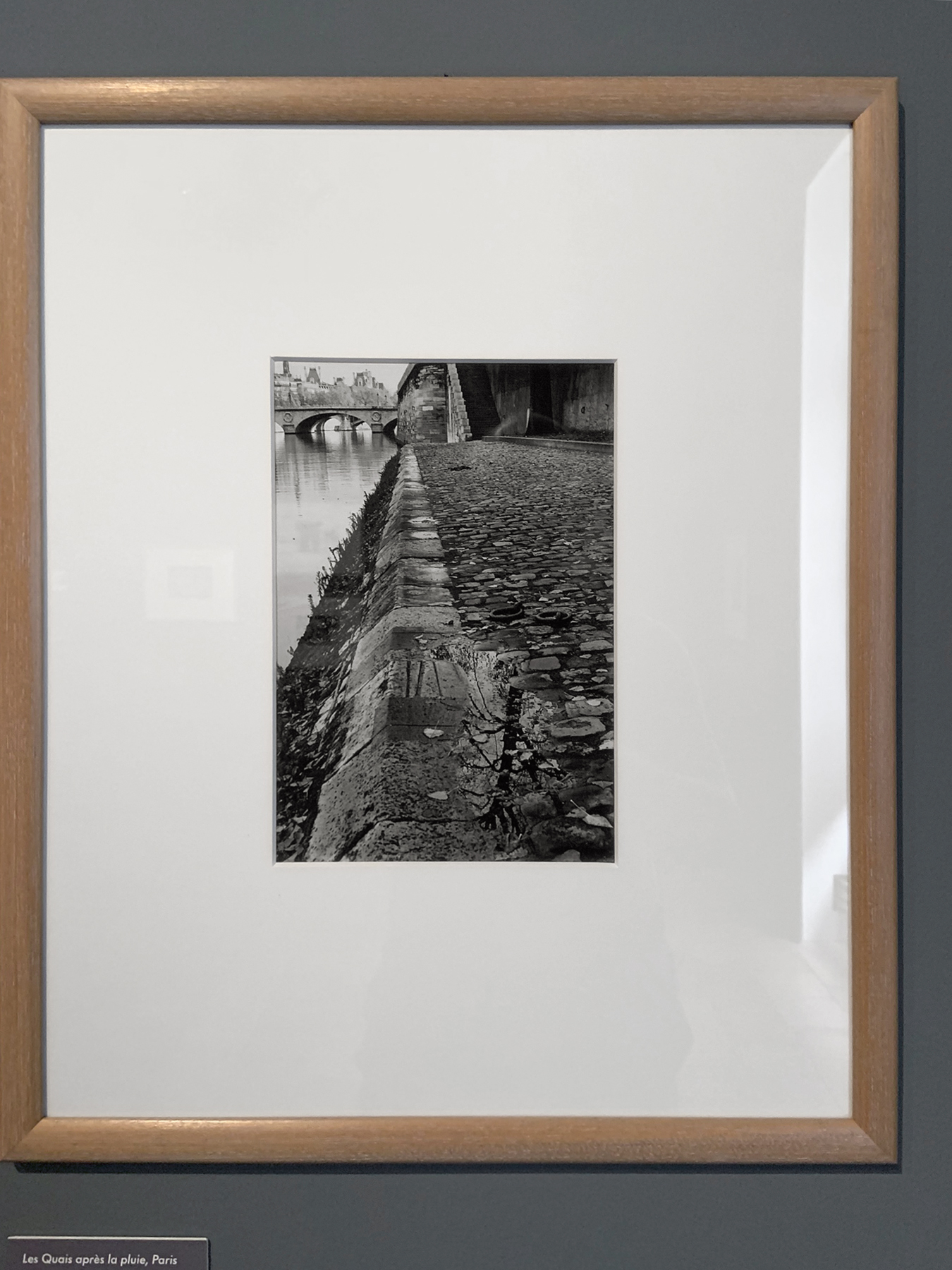



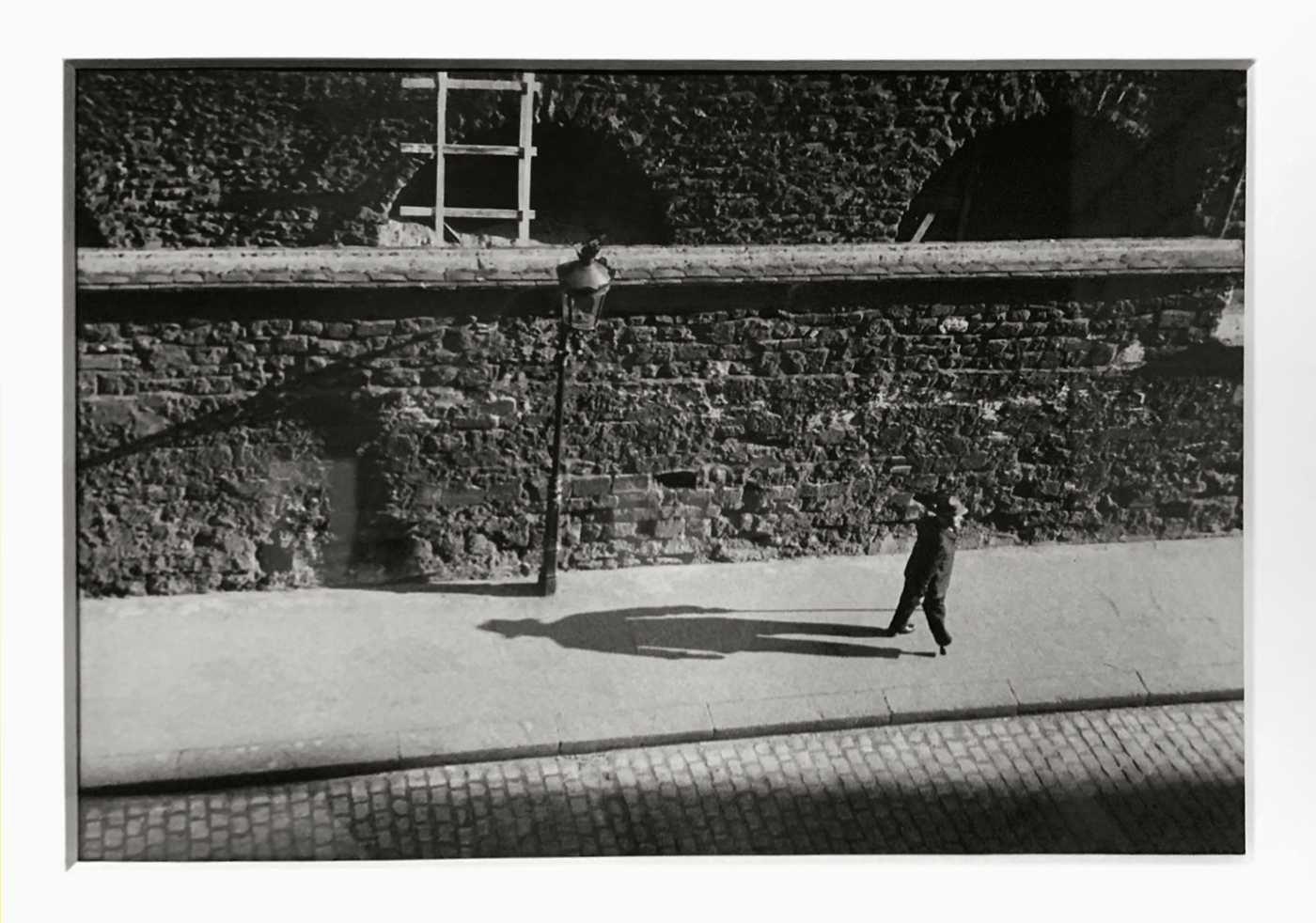

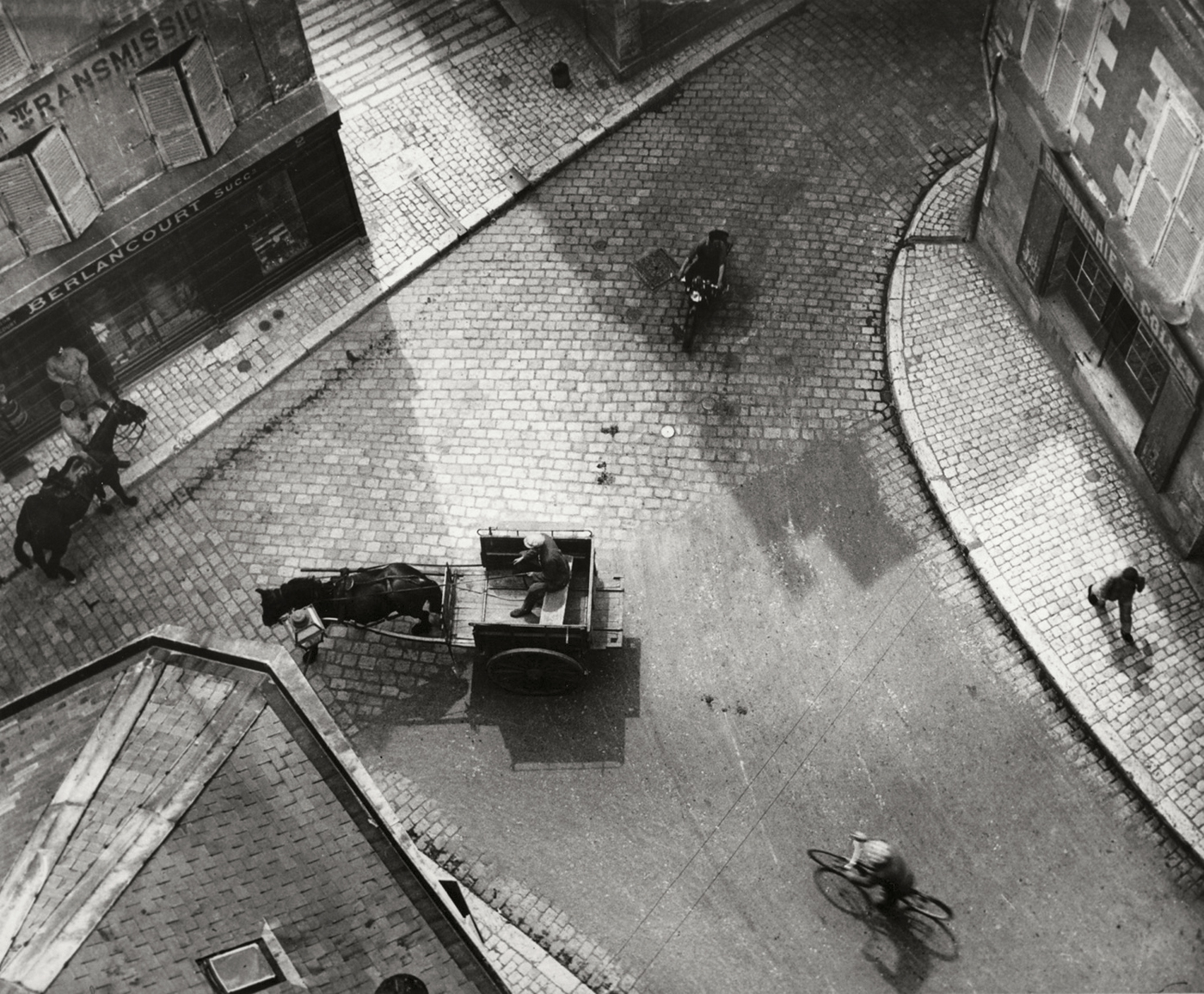


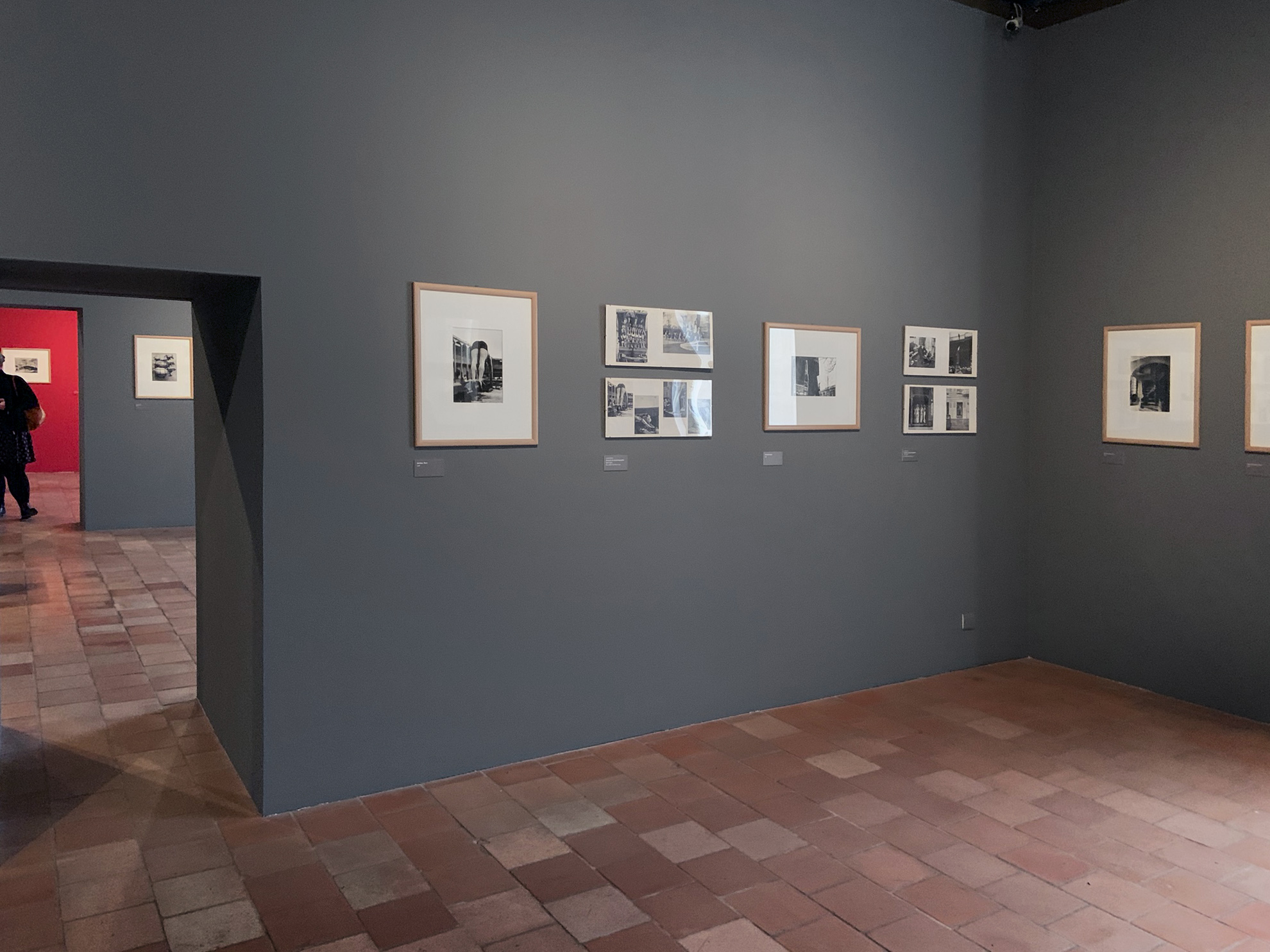
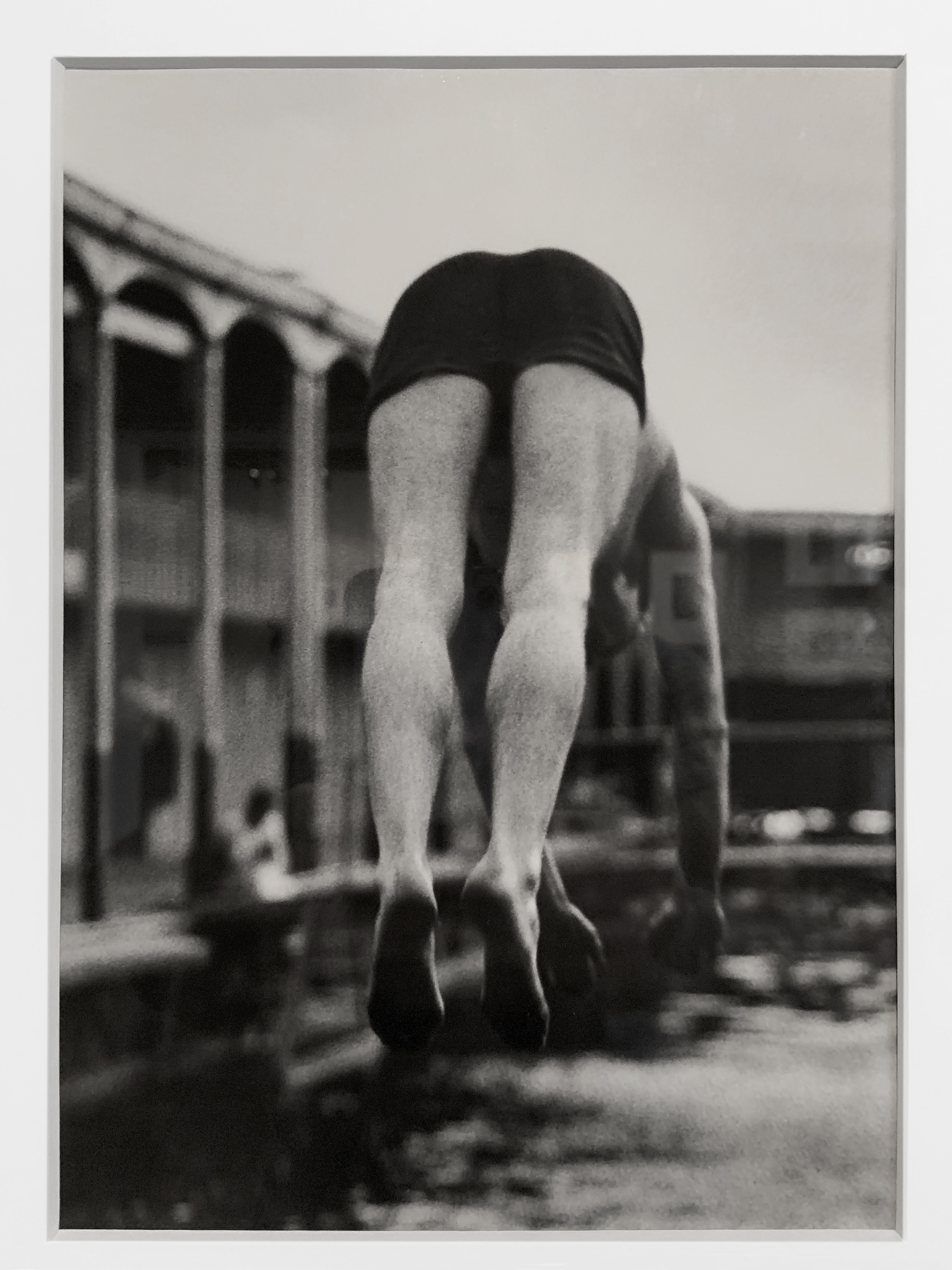
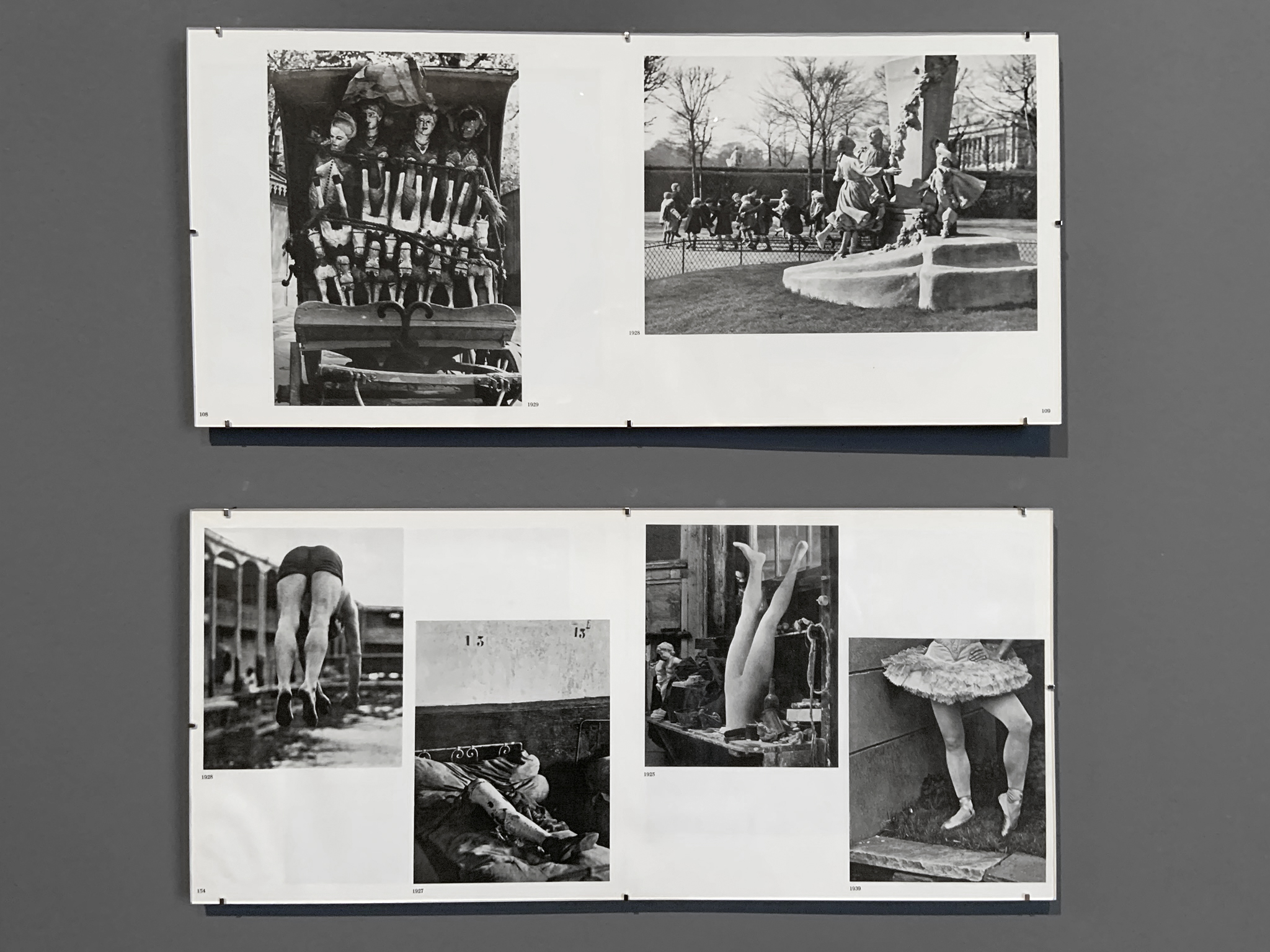
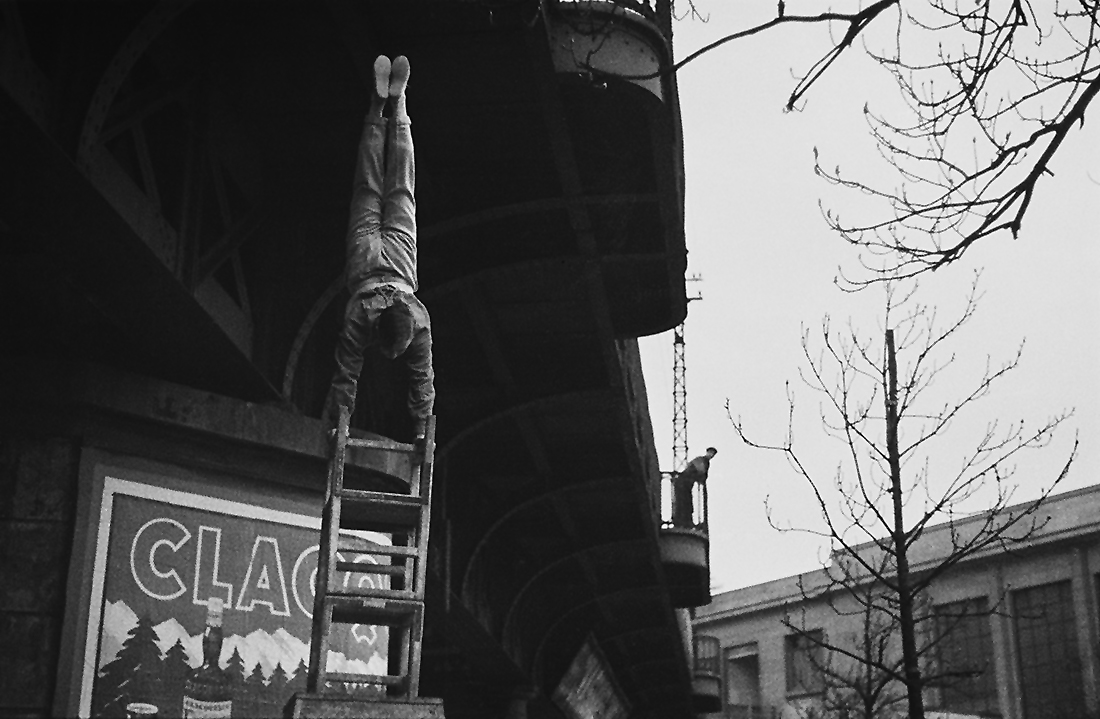

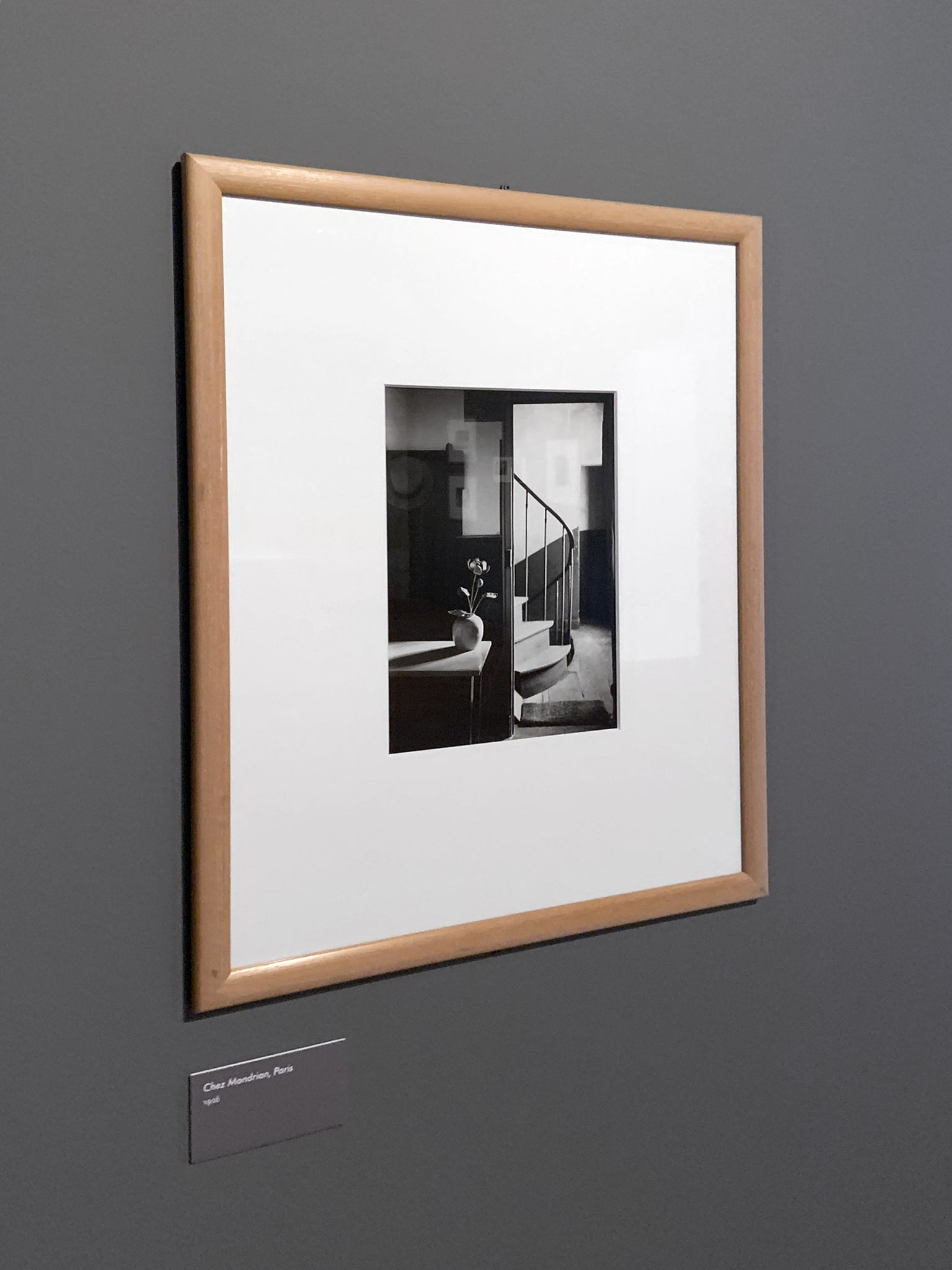
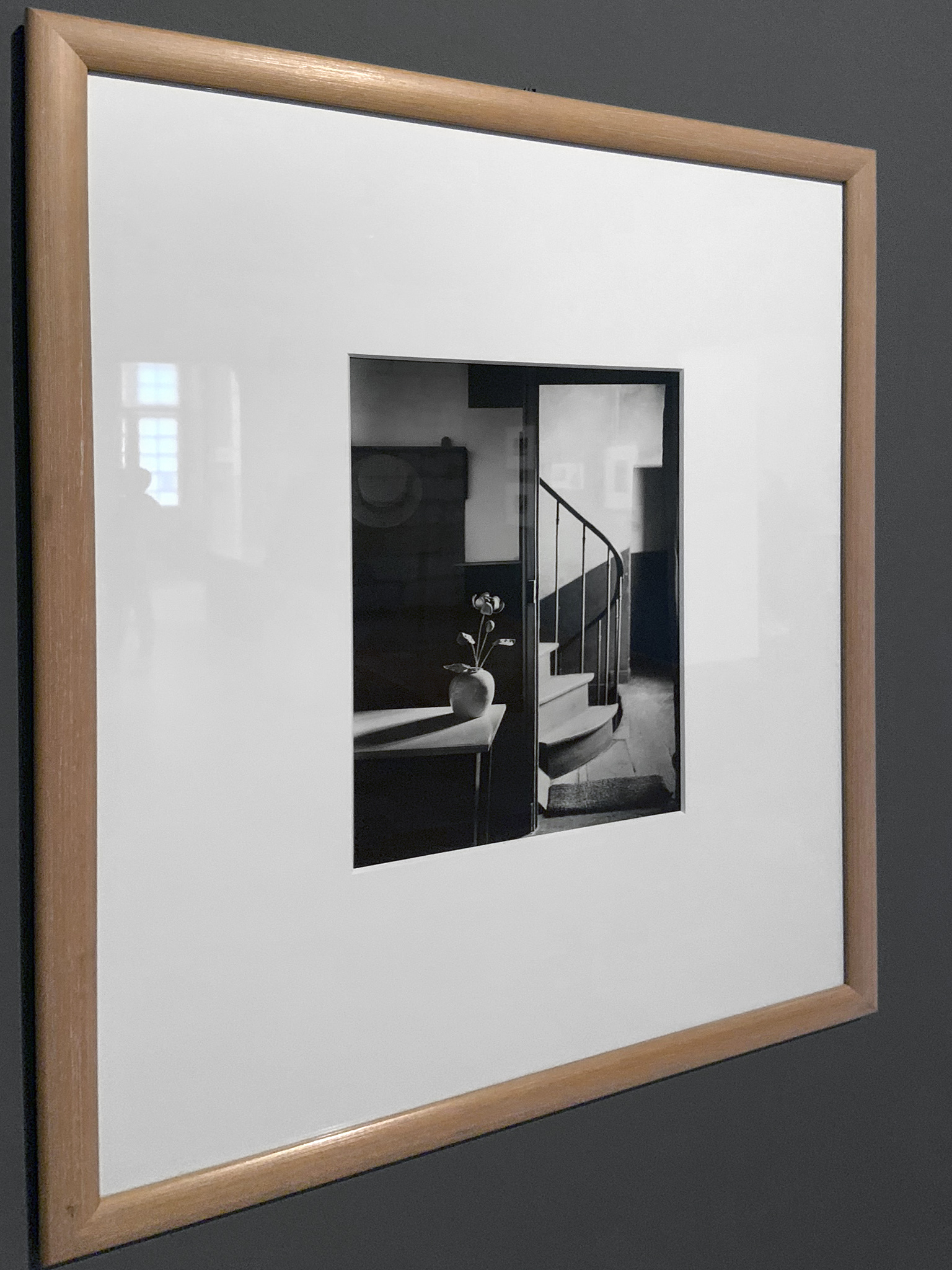


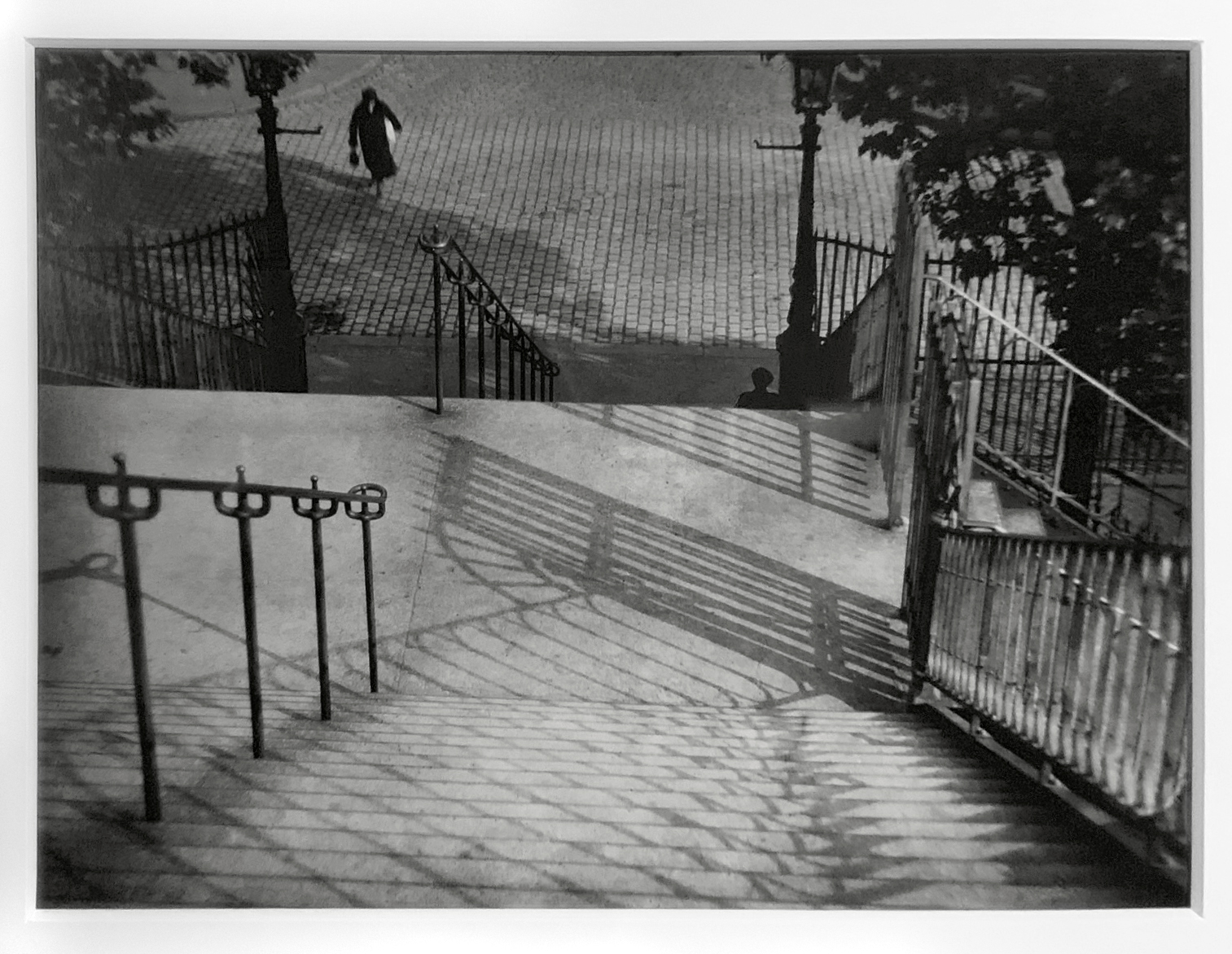


You must be logged in to post a comment.