Curators:Portraying a Nation: Germany 1919-1933 is made up of Otto Dix: The Evil Eye, Kunstsammlung Nordrhein-Westfalen, Düsseldorf and ARTIST ROOMS: August Sander, an exhibition of works from the ARTIST ROOMS collection of international modern and contemporary art. Otto Dix: The Evil Eye is curated by Dr Susanne Meyer-Büser, Kunstsammlung Nordrhein-Westfalen, Düsseldorf, Francesco Manacorda, Artistic Director and Lauren Barnes, Assistant Curator, Tate Liverpool. ARTIST ROOMS: August Sander is curated by Francesco Manacorda, and Lauren Barnes, Assistant Curator, with the cooperation of ARTIST ROOMS and the German Historical Institute.
Writing sociology: picturing an uncertain cultural landscape
There is something completely unexpected in the strange correlation and synergy between the work of these two artists.
While it is inadvisable to compare and contrast (why pick those particular images out of thousands!), I have paired several images from the exhibition together in this posting. Let’s look at the pairing above.
Technically, Sander’s photograph of The Painter Otto Dix and his Wife Martha (1925-1926) evidences a slightly flattened perspective especially in the “face on” aspect of the androgynous woman – but the photograph also possesses a surreal air, the silhouette of the woman’s hair contrasting with the swept back slickness of the man and his jutting, three-quarter profile. The unusual space between them adds admirably to the overall frisson of the photograph, it’s non/objectivity and performativity. In Dix’s painting Hugo Erfurth with Dog (1926) a greater distortion of perspective is in evidence. The mythic dog is painted as if photographed using a telephoto lens, while the man’s face is all over the place… the jaw elongated as if by using a wide angle lens, the front of the face flattened in an earnest manner. This is what painting can do, and is allowed to do, that photography can never match. But it doesn’t have to. It does it in a different way.
Here we need to excavate – that’s a good word for this investigation – we need to excavate the ethos in the zeitgeist. We need to understand the attitudes and aspirations of the cultural era in which these artists lived in order to comprehend the defining spirit of the period, as shown by the ideas and beliefs of the time. These artists emerge out of the same society, they inhabit the spirit of the age – those interwar years of the avant-garde, speed, and change; of poverty, postwar realities and politics; of The Great Depression, disfiguration and disenfranchisement.
I look at the obscurity of faces in Dix’s Assault Troops Advance under Gas (1924) and then adjust to the pensiveness of hand, pose and gaze in Sander’s Working Students (1926) … and then mentally add in Avedon’s later portraiture. Interesting. I look at Sander’s National Socialist, Head of Department of Culture (c. 1938) and note the “exemplary mastery of illumination”, but just as distinctively the averted gaze, the line on head where the unnamed man (who is he? what was his name?) had just taken his cap off. Just below is Dix’s Self-Portrait with Easel (1926) with three-quarter profile, piercing stare, bent finger. Who is capturing reality here? No body.
In his own way, Sander plays with the reality of time and space just as much as Dix. In my mind, Sander’s “staged performativity and the artifice of construction [which] is paramount to the surreal effects created,” are no less un/real than the paintings of Dix. There are things that just don’t fit. The strangeness of the era, the creation of these non/objective environments, cause an alignment of the stars between both artists. This is inspired curating, to bring these two extra-ordinary talents together.
These artists walked the same streets, they breathed the same air. They excavated the spirit of the age. And in so doing, their art becomes impervious to time.
Dr Marcus Bunyan
Many thankx to Tate Liverpool for allowing me to publish the photographs in the posting. Please click on the photographs for a larger version of the image.
“We want to see things completely naked, clear, almost without art. I invented the New Objectivity.”
Otto Dix, 1965
German artist Otto Dix was a committed painter of portraits. At a time when photography had diminished portraiture’s importance and the genre was seen as a deeply unfashionable pursuit for so-called serious artists, he was making a living – and cementing his reputation – out of exactly that. He commented:
“Painting portraits is regarded by modernist artists as a lower artistic occupation; and yet it is one of the most exciting and difficult tasks for a painter.”
Dix was a key supporter of the New Objectivity (Neue Sachlichkeit) movement, a name coined after an exhibition held in Mannheim, Germany in 1925. Described by art historian G.F. Hartlaub, as ‘new realism bearing a socialist flavour’, the movement sought to depict the social and political realities of the Weimar Republic.
Tate Liverpool presents the faces of Germany between the two World Wars seen through the eyes of painter Otto Dix (1891-1969) and photographer August Sander (1876-1964). Portraying a Nation: Germany 1919-1933 brings together two artists whose works document the glamour and misery of the Weimar Republic, a time of radical extremes and political and economic upheaval.
Portraying a Nation, which exhibits Dix and Sander as a pair for the first time, reflects a pivotal point in Germany’s history, as it introduced democratic rule in the aftermath of the First World War. The period was one of experimentation and innovation across the visual arts, during which both artists were concerned with representing the extremes of society, from the flourishing cabaret culture to intense poverty and civilian rebellions.
Featuring more than 300 paintings, drawings, prints and photographs, Portraying a Nation unites two complementary exhibitions. Otto Dix: The Evil Eye explores Dix’s harshly realistic depictions of German society and the brutality of war, while ARTIST ROOMS: August Sander presents photographs from Sander’s best known series People of the Twentieth Century, from the ARTIST ROOMS collection of international modern and contemporary art.
The exhibition focusses on the evolution of Dix’s work during his years in Düsseldorf, from 1922 to 1925, when he became one of the foremost New Objectivity painters, a movement exploring a new style of artistic representation following the First World War. Dix’s paintings are vitriolic reflections on German society, commenting on the country’s stark divisions. His work represents the people who made up these contradictions in society with highlights including Portrait of the Photographer Hugo Erfurth with Dog 1923, Self-Portrait with Easel 1926, as well as a large group of lesser known watercolours. Dix’s The War 1924 will also form a key element of the exhibition, a series of 50 etchings made as a reaction to and representation of the profound effect of his personal experiences of fighting in the First World War.
Sander’s photographs also observe a cross-section of society to present a collective portrait of a nation. Sander commenced his major photographic project People of the Twentieth Century in 1910, an ambitious task that occupied him until the 1950s. The project resulted in more than 600 images in which people were categorised into what he described as ‘types’, including artists, musicians, circus workers, farmers and, in the late 1930s, images of Nazi officers. More than 140 photographs from the ARTIST ROOMS collection will be displayed to create a large-scale timeline of Weimar Germany, placing individual subjects against a backdrop of the era’s tumultuous cultural and political history.
Portraying a Nation: Germany 1919-1933 is made up of Otto Dix: The Evil Eye, Kunstsammlung Nordrhein-Westfalen, Düsseldorf and ARTIST ROOMS: August Sander, an exhibition of works from the ARTIST ROOMS collection of international modern and contemporary art.
The ARTIST ROOMS collection is jointly owned by National Galleries of Scotland and Tate on behalf of the public, and was established through The d’Offay donation in 2008 with the assistance of the Heritage Memorial Fund, Art Fund and the Scottish and British governments. It is shared with UK museums and galleries including Tate, National Galleries of Scotland and a network of Associate venues through ARTIST ROOMS On Tour, which is a partnership until 2019 with lead Associate Ferens Art Gallery, supported by the National Lottery through Arts Council England, Art Fund and the National Lottery through Creative Scotland.
Otto Dix: The Evil Eye is curated by Dr Susanne Meyer-Büser, Kunstsammlung Nordrhein-Westfalen, Düsseldorf, Francesco Manacorda, Artistic Director and Lauren Barnes, Assistant Curator, Tate Liverpool. ARTIST ROOMS: August Sander is curated by Francesco Manacorda, and Lauren Barnes, Assistant Curator, with the cooperation of ARTIST ROOMS and the German Historical Institute.
Seen together, Sander’s images form a pictorial mosaic of inter-war Germany. Rapid social change and newfound freedom were accompanied by financial insecurity and social and political unrest. By photographing the citizens of the Weimar Republic – from the artistic, bohemian elite to the Nazis and those they persecuted – Sander’s photographs tell of an uncertain cultural landscape. It is a world characterised by explosions of creativity, hyperinflation and political turmoil. The faces of those he photographed show traces of this collective historical experience. Alfred Döblin, author of the 1929 novel Berlin Alexanderplatz said:
“Sander has succeeded in writing sociology not by writing, but by producing photographs – photographs of faces and not mere costumes.”
Dix served in the First World War from 1915, fighting on the Western front in the Battle of the Somme. Although an enthusiastic soldier – his service earned him the Iron Cross (Second Class) – Dix’s experiences affected him deeply. He marked the war’s 10th anniversary with a group of etchings entitled Der Krieg (The War), leaving few of the horrors of the front line to the imagination. Commenting later, he said:
“For years, [I] constantly had these dreams in which I was forced to crawl through destroyed buildings, through corridors through which I couldn’t pass. The rubble was always there in my dreams.”
From the early 1920s, he devoted himself to the study of old master painting techniques, using a layering effect, produced first with egg tempera and, later, finished with oils. This moved his contemporary George Grosz to jokingly call him ‘Otto Hans Baldung Dix’ (after the German old master Hans Baldung Grien). Later, Grosz would write:
“Dix did all the drawing in a thin tempera, then went over it with thin mastic glazes in various cold and warm tones. He was the only Old Master I ever watched using this technique.”
When the Nazis came to power in 1933, Dix was dismissed from his professorship teaching art at the Dresden Academy, where he had worked since 1927. The reason given was that, through his painting, he had committed a ‘violation of the moral sensibilities and subversion of the militant spirit of the German people’.
In the years following, some 260 of his works were confiscated by the Nazi Propaganda Ministry. Several of these works, including The Jeweller Karl Krall 1923 (which features in the Tate Liverpool exhibition Portraying a Nation), appeared in the Entartete Kunst (degenerate art) exhibition of 1937-1938. The exhibition was staged by the Nazis to destroy the careers of those artists they considered mentally ill, inappropriate or unpatriotic.
In the mid-1920s, Sander began his highly ambitious project People of the 20th Century. In it, Sander aimed to document Germany by taking portraits of people from all segments of society. The project adapted and evolved continuously, falling into seven distinct groups: ‘The Farmer’, ‘The Skilled Tradesman’, ‘The Woman’, ‘Classes and Professions’, ‘The Artists’, ‘The City’ and ‘The Last People’. Sander once said ‘The portrait is your mirror. It’s you’. He believed that, through photography, he could reveal the characteristic traits of people. He used these images to tell each person’s story; their profession, politics, social situation and background.
Sander did not use the newly invented Leica camera. Instead he remained devoted to an old-fashioned large-format camera, glass negatives and long exposure times. This allowed him to capture minute details of individual faces. Sander prized the daguerreotype, a photographic process introduced in the previous century, of which he said: ‘it cannot be surpassed in the delicacy of the delineation, it is objectivity in the best sense of the word’. Allied to this, his portraits were anonymous. Shot against neutral backgrounds and titled more often than not by profession alone, he let the images – and the faces in them – speak for themselves.
The ambition and reach of People of the 20th Century (both in terms of the quality of his photography and in his representation of a cross-section of society) made him a monumental figure of twentieth century photography. The likes of American social realist photographers such as Walker Evans and Dorothea Lange (whose works became iconic symbols of the depression), and later photographers such as Diane Arbus, each owe a debt to the trailblazing Sander. More recently, the work of conceptual artists such as Bernd and Hilla Becher (known for their typologies of industrial buildings and structures) and Rineke Dijkstra, whose photography is infused with psychological depth and social awareness, resonates with the influence of August Sander’s career-long project.
Featured artists (selection): Ottomar Anschütz | Bill Brandt | Brassaï | Günter Brus | John Coplans | Hugo Erfurth | Trude Fleischmann | Seiichi Furuya | Eikoh Hosoe | Martin Imboden | Dora Kallmus | Rudolf Koppitz | Johann Victor Krämer | Heinrich Kühn | Helmar Lerski | O. Winston Link | Will McBride | Arnulf Rainer | Henry Peach Robinson | Otto Schmidt | Rudolf Schwarzkogler | Franz Xaver Setzer | Anton Josef Trčka | Erwin Wurm
Anonymous photographer The Sculptor Hans Gasser and Workshop Assistants at Work 1855-1857 Daguerreotype Albertina, permanent loan of the Höhere Graphische Bundes-Lehr-und Versuchsanstalt, Vienna
I made this posting way before my operation, but have been unable to post until now because of my ongoing recuperation.
While the exhibition may have finished, I am so enamoured of the theme of the exhibition, the people and artists, that I think it’s valuable to have the posting, images and the additional research I did online. I especially like the striking work of Helmar Lerski and the “Aktionen” of Rudolf Schwarzkogler which reflect on the hurtfulness of the world, but remind me of the yet to come political art of the first wave of HIV/AIDS. What a beautiful installation as well…
Dr Marcus Bunyan
Many thankx to the Albertina for allowing me to publish the photographs in the posting. Please click on the photographs for a larger version of the image.
Anton Josef Trčka (Czech, 1893-1940) Egon Schiele 1914 Gelatin silver print Albertina, Vienna
Josef Anton Trčka, Antios (7. September 1893 Vienna – 16. March 1940), was a Czech photographer , painter, sculptor, draftsman, designer of tapestries and silver jewellery, collector of folk art Moravian, occasional antiquarian, poet and philosopher. He was a representative of Viennese Modernism, Art Movement, which influenced European culture of the 20th century…
Around 1910 the Trčka decided to study at the professional school of photography Lehr- Graphische und Versuchsanstalt in Vienna, one of the best in Europe. Coincidentally, at the school was Professor Karel Novák, in his time one of the most important personalities of the beginnings of art photography. In 1914 he got the opportunity to portray several leading personalities of Viennese Modernism. Among them was Gustav Klimt, Peter Alternberg and the 50 year old Josef Svatopluk Machar. However, the highlight for Trčka prewar contracts were the photographic series of portraits of Egon Schiele, which focused on facial expressions and hand gestures.
Franz Xaver Setzer, actually Franz Anton Adolf (6 August 1886 in Vienna – 10 January 1939) was an Austrian photographer.
Hans Walter Conrad Veidt (22 January 1893 – 3 April 1943) was a German actor best remembered for his roles in films such as The Cabinet of Dr. Caligari (1920), The Man Who Laughs (1928), and, after being forced to migrate to Britain by the rise of Nazism in Germany, his English-speaking roles in The Thief of Bagdad (1940), and, in Hollywood, Casablanca (1942). After a successful career in German silent film, where he was one of the best-paid stars of Ufa, he left Germany in 1933 with his new Jewish wife after the Nazis came to power. They settled in Britain, where he participated in a number of films before emigrating to the United States around 1941…
He starred in a few films, such as George Cukor’s A Woman’s Face (1941) where he received billing just under Joan Crawford’s and Nazi Agent (1942), in which he had a dual role as both an aristocratic German Nazi spy and as the man’s twin brother, an anti-Nazi American. His best-known Hollywood role was as the sinister Major Heinrich Strasser in Casablanca (1942), a film which was written and began pre-production before the United States entered the war.
In 1943, at the age of fifty, he died of a massive heart attack while playing golf at the Riviera Country Club in Los Angeles. In 1998, his ashes were placed in a niche of the columbarium at the Golders Green Crematorium in north London.
Dora Kallmus (Madame d’Ora) (Austrian, 1881-1963), Arthur Benda (German, 1885-1969) Anita Berber and Sebastian Droste in their dance Märtyrer [Martyrs] 1922 Gelatin silver print Albertina, Vienna
Dora Philippine Kallmus (20 March 1881 – 28 October 1963), also known as Madame D’Ora or Madame d’Ora, was an Austrian fashion and portrait photographer.
In 1907, she established her own studio with Arthur Benda in Vienna called the Atelier d’Ora or Madame D’Ora-Benda. The name was based on the pseudonym “Madame d’Ora”, which she used professionally. D’ora and Benda operated a summer studio from 1921 to 1926 in Karlsbad, Germany, and opened another gallery in Paris in 1925. She was represented by Schostal Photo Agency (Agentur Schostal) and it was her intervention that saved the agency’s owner after his arrest by the Nazis, enabling him to flee to Paris from Vienna.
Her subjects included Josephine Baker, Coco Chanel, Tamara de Lempicka, Alban Berg, Maurice Chevalier, Colette, and other dancers, actors, painters, and writers.
Arthur Benda (23 March 1885, in Berlin – 7 September 1969, in Vienna) was a German photographer. From 1907 to 1938 he worked in the photo studio d’Ora in Vienna, from 1921 as a partner of Dora Kallmus and from 1927 under the name d’Ora-Benda as the sole owner. …
In 1906, Arthur Benda met photographer Dora Kallmus, who also trained with Perscheid. When she opened the Atelier d’Ora on Wipplingerstrasse in Vienna in 1907, Benda became her assistant. The Atelier d’Ora specialised in portrait and fashion photography. Kallmus and Benda quickly made a name for themselves and soon supplied the most important magazines. The peak of renown was reached when Madame d’Ora photographed the present nobility in 1916 on the occasion of the coronation of Emperor Charles I as King of Hungary.
In 1921, Arthur Benda became a partner in Atelier d’Ora, which also ran a branch in Karlovy Vary during the season. In 1927 Arthur Benda took over the studio of Dora Kallmus, who had run a second studio in Paris since 1925, and continued it under the name d’Ora-Benda together with his wife Hanny Mittler. In addition to portraits, he mainly photographed nudes that made the new company name known in men’s magazines worldwide. A major order from the King of Albania Zogu I, who had himself and his family photographed in 1937 for three weeks by Arthur Benda in Tirana secured Arthur Benda financially. In 1938 he opened a new studio at the Kärntnerring in Vienna, which he continued to operate under his own name after the Second World War.
Anita Berber (10 June 1899 – 10 November 1928) was a German dancer, actress, and writer who was the subject of an Otto Dix painting. She lived during the time of the Weimar Republic. …
Her hair was cut fashionably into a short bob and was frequently bright red, as in 1925 when the German painter Otto Dix painted a portrait of her, titled “The Dancer Anita Berber”. Her dancer friend and sometime lover Sebastian Droste, who performed in the film Algol (1920), was skinny and had black hair with gelled up curls much like sideburns. Neither of them wore much more than low slung loincloths and Anita occasionally a corsage worn well below her small breasts.
Her performances broke boundaries with their androgyny and total nudity, but it was her public appearances that really challenged taboos. Berber’s overt drug addiction and bisexuality were matters of public chatter. In addition to her addiction to cocaine, opium and morphine, one of Berber’s favourites was chloroform and ether mixed in a bowl. This would be stirred with a white rose, the petals of which she would then eat.
Aside from her addiction to narcotic drugs, she was also a heavy alcoholic. In 1928, at the age of 29, she suddenly gave up alcohol completely, but died later the same year. She was said to be surrounded by empty morphine syringes.
Rudolf Koppitz (Austrian, 1884-1936) In the Arms of Nature [self-portrait] 1923 Multicolour gum bichromate print Albertina, permanent loan of the Höhere Graphische Bundes-Lehr-und Versuchsanstalt, Vienna
Rudolf Koppitz (4 January 1884 – 8 July 1936), often credited as Viennese or Austrian, was a Photo-Secessionist whose work includes straight photography and modernist images. He was one of the leading representatives of art photography in Vienna between the world wars. Koppitz is best known for his works of the human figure including his iconic Bewegungsstudie, “Motion Study” and his use of the nude in natural settings. …
After the [First World] war, Koppitz returned to the Institute to teach photography where in 1923 he took the nude self-portrait, In the Bosom of Nature [above], in which he framed himself by tree trunks, rocks, snowy mountains, and is posed to convey a dreamlike harmony reminiscent of a symbolist painting and graphic art. In c. 1925 Koppitz created his masterpiece, Bewegungsstudie, “Motion Study” in which he photographed dancers from the Vienna State Opera; the nude dancer, credited to be the Russian Claudia Issatschenko but is more likely, her daughter, ballet dancer and choreographer, Tatyana Issatschenko Gsovsky, with her head thrown dramatically back and flanked by three dark-robed women, lends Bewegungsstudie to the highly decorative and symbolist tradition of the Viennese Jugendstil.
Rudolf Koppitz (Austrian, 1884-1936) Bewegungsstudie (Motion Study) 1926 Multicolor gum bichromate print Albertina, permanent loan of the Höhere Graphische Bundes-Lehr-und Versuchsanstalt, Vienna
Rudolf Koppitz (4 January 1884 – 8 July 1936), often credited as Viennese or Austrian, was a Photo-Secessionist whose work includes straight photography and modernist images. He was one of the leading representatives of art photography in Vienna between the world wars. Koppitz is best known for his works of the human figure including his iconic Bewegungsstudie, “Motion Study” and his use of the nude in natural settings….
Koppitz’s work is marked by a pronounced awareness of form, line, and the surface play of light and shadow. Early in his career, Koppitz was known for staging groups of subjects in the style of the Vienna Secession, the most well known example of this being his Bewegungsstudie, “Motion Study”.
Bewegungsstudie (Motion Study) is surely the most widely published and best known image in Austrian photography from the early decades of the last century. This is for good reason, as no photograph better captures the cultural strands that characterized the Austrian avant-garde at that time. Here one can see a graphic strength and compositional clarity that reflects the modernist ambitions initiated in the fine as in the applied arts by the Secession and by the Wiener Werkstätte. But what gives the image its power is the aura of mystery, of symbolist sensuality that resonates through this enigmatic grouping of the three uniformly coiffed and draped figures and the one single naked figure.” ~ Christies
Bewegungsstudie’s languid nude, elaborately robed women and undeniable sensuality, in the context of its rigorous and artistic composition, bring to mind the sexual morbidity of Viennese artists like Gustav Klimt and Alphonse Mucha, as well as the Swiss symbolist painter Ferdinand Hodler and has made it as unforgettable then as it is today. It has become the Koppitz’s signature image, and was also his best-seller. Prints of the image were purchased by, among others, the Toledo Museum of Art; the New York Camera Club notable Joseph Bing, head of that club’s print committee; and the Englishman Stephen Tyng, who published it in a small portfolio of works from his collection.
His earliest works show evidence of influence by Gustav Klimt, Japanese art, Art Nouveau and Constructivism. During the First World War, Koppitz’s photographs took on a documentary quality when his photographs became more simple and direct in their subject matter and composition. Koppitz’s work came of age during the inter-war period when most of Austria’s photographers were supporters of art photography. Photographs from that time are full of symbolic meanings often capturing nude and clothed dancers as well as liberal use of both male and female, many of which were of Koppitz himself and female nudes placed in elements of nature and posed to give the impression of a Greek or Roman statue…
Although he did not possess a consistent style, Koppitz was a virtuoso of the dark room, seemingly determined to make the photograph as much of an art object as possible. His beautifully grainy, subtly tinted images align him with American Pictorialists like Edward Steichen and Clarence Smith. Koppitz’s work, much of it using the gum bichromate process, reflected his links with modern artists such as Gustav Klimt and Egon Schiele, and their involvement with the ‘life reform’ movement including; nudism, sun culture, and expressive dance popular in Central Europe from the early 1900s as well as agrarian romanticism. Koppitz’s extraordinary mastery of pictorial processes – pigment, carbon, gum, and bromoil process of transfer printing – gained the respect of his colleagues throughout the world and garnered mention in the Encyclopædia Britannica of 1929.
Trude Fleischmann (American born Austria, 1895-1990) Actress and Dancer Lucy Kieselhausen c. 1925 Gelatin silver print Albertina, Vienna
Trude Fleischmann (22 December 1895 – 21 January 1990) was an Austrian-born American photographer. After becoming a notable society photographer in Vienna in the 1920s, she re-established her business in New York in 1940. …
In 1920, at the age of 25, Fleischmann opened her own studio close to Vienna’s city hall. Her glass plates benefitted from her careful use of diffuse artificial light. Photographing music and theatre celebrities, her work was published in journals such as Die Bühne, Moderne Welt, ‘Welt und Mode and Uhu. She was represented by Schostal Photo Agency (Agentur Schostal). In addition to portraits of Karl Kraus and Adolf Loos, in 1925 she took a nude series of the dancer Claire Bauroff which the police confiscated when the images were displayed at a Berlin theatre, bringing her international fame. Fleischmann also did much to encourage other women to become professional photographers.
With the Anschluss in 1938, Fleischmann was forced to leave the country. She moved first to Paris, then to London and finally, together with her former student and companion Helen Post, in April 1939 to New York. In 1940, she opened a studio on West 56th Street next to Carnegie Hall which she ran with Frank Elmer who had also emigrated from Vienna. In addition to scenes of New York City, she photographed celebrities and notable immigrants including Albert Einstein, Eleanor Roosevelt, Oskar Kokoschka, Lotte Lehmann, Otto von Habsburg, Count Richard von Coudenhove-Kalergi and Arturo Toscanini. She also worked as a fashion photographer, contributing to magazines such as Vogue. She established a close friendship with the photographer Lisette Model.
Lucy Kieselhausen was born in 1897 in Vienna, Austria. She was an actress, known for Tausend und eine Frau. Aus dem Tagebuch eines Junggesellen (1918), Erdgeist (1923) and Die siebente Großmacht (1919). She was a student of Grete Wiesenthal and was celebrated as a successful dancer at the beginning of the 20th century who had great successes on German stages. Besides her dancing activity she also wrote the dance drama “Salambo”, which was set to music by Heinz Tiessen. She died in December 1926 in Berlin, Germany.
“Around 1915 another Viennese, Lucy Kieselhausen (1897-1927), began specializing in performing waltzes. She, too, had evolved out of ballet culture, but her embodiment of the waltz was virtually opposite that of Wiesenthal. She favoured luxuriously decorative hothouse costumes and the utmost refinement of movement. For her the waltz was not a lyrical expansion of space into the freedom of nature but an almost perfumed distillation of the stirrings within an opulent boudoir, with its scenography of exquisite privileges and voluptuous secrets. An adroit sense of irony shaded her movements with a abruptly “bizarre and jerky” rhythms; “her joyfully flashing temperament did not hover on a smooth surface but over a shadowy abyss from which issued her fool’s dance with its slumbering, half-animal rapture.” Her curious appropriation of the waltz ended suddenly when she died in a benzine explosion.”
Karl Eric Toepfer. Empire of Ecstasy: Nudity and Movement in German Body Culture, 1910-1935. University of California Press, 1997, pp. 161-162.
Hugo Erfurth (German, 1874-1948) Clotilde von Derp-Sacharoff c. 1928 Gelatin silver print Albertina, Vienna – permanent loan of the Austrian Ludwig Foundation for Art and Science
Hugo Erfurth (14 October 1874 – 14 February 1948) was a German photographer known for his portraits of celebrities and cultural figures of the early twentieth century. …
During the next ten years [after 1896] he ran the Schröder studio, then established his own studio, art gallery, and home in the Palais Lüttichau. He became a member of the German Werkbund and was appointed an honorary member of the London’s Royal Photographic Society and of Munich’s Süddeutsche Photographen-Verein. He married Helene Reuther in 1898 and fathered three children over the next 6 years. He photographed for the Royal Playhouse in Dresden from 1913-1919.
During this time, Dresden was home to a cultural elite that included Otto Dix, Erich Heckel, Paul Klee, and Oskar Kokoschka. These artists and writers, who considered Erfurth their creative equal, frequented his studio to have their portraits taken. He also photographed opera and dance performers, did work in industrial photography, and experimented with photograms and photomontage.
In 1922, Erfurth opened a gallery under the name “Graphisches Kabinett Hugo Erfurth” with an exhibition of works by Oskar Kokoschka. In 1925, works by Emil Nolde were shown and the exhibition “7 Bauhaus Masters” was organised, with works by Paul Klee and Wassily Kandinsky, among others. The gallery also supported young Dresden artists such as Hans Grundig, Wilhelm Lachnit, and Kurt Schütze.
By the late 1920s, Erfurth had established himself as one of Germany’s leading portraitists and was known for a broad range of work around photography…
Clotilde von Derp, stage name of Clotilde Margarete Anna Edle von der Planitz(5 November 1892 – 11 January 1974), was a German expressionist dancer, an early exponent of modern dance. Her career was spent essentially dancing together with her husband Alexander Sakharoff with whom she enjoyed a long-lasting relationship…
Among her admirers were artists such as Rainer Maria Rilke and Yvan Goll. For his Swiss dance presentations, Alexej von Jawlensky gave her make-up resembling his abstract portraits. From 1913, Clotilde appeared with the Russian dancer Alexander Sacharoff with whom she moved to Switzerland during the First World War. Both Sacharoff and Clotilde were known for their transvestite costumes. Clotilde’s femininity was said to be accentuated by the male attire. Her costumes took on an ancient Greek look which she used in Danseuse de Delphes in 1916. Her style was said to be elegant and more modern than that achieved by Isadora Duncan. Their outrageous costumes included wigs made from silver and gold coloured metal, with hats and outfits decorated with flowers and wax fruit.
They married in 1919 and. with the financial support of Edith Rockefeller, appeared at the Metropolitan Opera in New York but without any great success. They lived in Paris until the Second World War. Using the name “Les Sakharoff”. Their 1921 poster by George Barbier to advertise their work was seen as showing a “mutually complementary androgynous couple” “united in dance” joined together in an act of “artistic creation.”
They toured widely visiting China and Japan which was so successful that they returned again in 1934. They and their extravagant costumes visited both North and South America. They found themselves in Spain when France was invaded by Germany. They returned to South America making a new base in Buenos Aires until 1949. They toured Italy the following year and they took up an invitation to teach in Rome by Guido Chigi Saracini. They taught at the Accademia Musicale Chigiana in Siena for Saracini and they also opened their own dance school in Rome. She and Sakharoff stopped dancing together in 1956. They both continued to live in Rome until their deaths. Clotilde gave and sold many of their writings and costumes, that still remained, to museums and auctions. She eventually sold the iconic 1909 painting of her husband by Alexander Jawlensky. In 1997 the German Dance Archive Cologne purchased many remaining items and they have 65 costumes, hundreds of set and costume designs and 500 photographs.
Martin Imboden (Swiss, 1893-1935) The Dancer Gertrud Kraus c. 1929 Gelatin silver print Albertina, Vienna
Martin Imboden (born November 10, 1893 in Stans, Nidwalden; died August 19, 1935 in Zurich ) was a Swiss photographer. …
Born into a Swiss working-class family, Imboden first trained as a cabinetmaker 1909-1912 and worked as a carpenter in Switzerland and in France 1913-1917 then in Basel and Zurich 1918-1929. It was only in 1923 that he began to take photographs.
In 1929 Imboden moved to Vienna, where he began to work as a freelance architectural photographer, at the same time undertaking courses at the Urania (opened in 1910 by Franz Joseph I of Austria as an educational facility with a public observatory and named after the Muse Urania who represents Astronomy) and at the Photosezession which had inspired Steiglitz’s 1902 American version.
Imboden had arrived in the city during the peak of Red Vienna (1918 to 1934) when the Socialist Workers’ Party of German Austria repeatedly won absolute majorities in the elections to parliament and local council. The Socialists undertook extensive multi-storey social housing projects on the back of a fiscal policy that brought bold reforms in the social, health and education policies. He photographed many of these municipal buildings.
At this time he encountered Gertrud Kraus and her New School of Arts which she had opened in 1927 in Vienna. It was a private school for rhythmic gymnastics and artistic dance. In this rare group of images he documents Kraus’s own energetic and expressionist performances.
Interest in modern, or ‘free’, dance was not uncommon, especially in the German area, but also worldwide, in the first half of the 20th century given the popularity of physical culture Körperkultur, the hygiene and care of one’s own body.
Kraus devised training particularly to improve the physical health of women. Through her program many young women, including Jula Isenburger and Mia Slavenska, ventured into and found success in a career in dance and movement. Imboden’s photography pays tribute to their strength of personality and physical presence through this series of portraits.
His approach is clearly experimental, though it is Photo-Secessionist rather than Modernist in spirit. The lighting is appropriately theatrical, intensifying the performative nature of these portraits in which the self-contained concentration of each young woman is paramount. He used bromoil and carbon printing, favourite printing techniques of the Pictorialist photographers, which enable adjustment of lights and intensification of darks through the application of a brush during development, with a painterly quality and warmth, often on hand-laid papers. There is no sense that these women are posing for a male gaze (the gaze of only one meets the lens) and in fact it is hard to find full-length photographs of these individuals by Imboden…
James McArdle. “November 10: Dance,” on the On This Date In Photography website 10/11/2016 [Online] Cited 19/12/2021
Gertrud Kraus (Hebrew: גרטרוד קראוס; 5 May 1901 – 13 November 1977) was an Israeli pioneer of modern dance in Israel. …
In the 1920s, Gertrud Kraus’s style was known as expressionistic dance, or German dance. In 1929 Gertrud Kraus, together with Gisa Geert, was chief assistant to Rudolf von Laban, director of a trade union parade during the “Vienna Festival” in Vienna.
In 1930, an impresario invited her to perform in Mandate Palestine. Her tour was a great success and she was invited back the following season. In 1933, her company performed her work Die Stadt wartet (“The City Waits”), presenting the modern metropolis as a fascinating but dangerous place. It was based on a short story by Maxim Gorki. On the night that Adolf Hitler was elected chancellor of Germany, Kraus’s company performed this piece on the open-air stage in the Burg-garden next to the Hofburg.
In 1933, while she was in Prague performing for the Zionist Congress, leaders of a Czech communist cell contacted her and tried to recruit her for their purposes. The next day, she went to the Palestine Office in Prague, and applied for immigration. Kraus moved to Tel Aviv in 1935, first living with friends and then renting a basement that became her studio. She formed a modern dance company affiliated with the Tel Aviv Folk Opera, which was probably the only one of its kind in the world. In 1949, she won a scholarship to travel to the United States to learn the newest trends in modern dance.
In 1950-1951, she founded the Israel Ballet Theatre, and became its artistic director. The company folded after a year due to financial difficulties. Until her death in 1977, Kraus devoted herself to teaching dance, as well as painting and sculpture.
In the above image at left, Rudolph Koppitz’s Bewegungsstudie (Motion Study) 1926
In the above image at centre, Rudolph Koppitz’s In the Arms of Nature [self-portrait] 1923
In the above image at left and centre, the work of Jan Coplans
In the above image, Erwin Wurm’s One Minute Sculptures at right
Installation views of the exhibition Acting for the Camera at the Albertina, Vienna, March – June 2017
With circa 120 works from the Albertina’s Photographic Collection, the exhibition Acting for the Camera examines the diverse ways in which models are staged or stage themselves before the camera. The featured photographic works, created between the 1850s and the present, represent a cross-section of photographic history as well as the diversity of the Albertina’s own holdings. The present selection is divided between six thematic emphases: motion studies, models for artists, dance, picture stories, portraits of actresses and actors, and Viennese Actionist stagings of the body.
All of these photographs arose from diverse and multi-layered forms of collaboration between the model before and the photographer behind the camera lens. Some of the models are staged according to their photographers’ instructions, while other shots originated via a creative process in which model and photographer collaborated on an equal footing. And in some cases, the pictures were even taken according to highly specific instructions given by the model.
Beginnings
It was photographic studies done in the interest of scientific research that made it possible for the first time to visually analyse the processes of human locomotion in high detail. Anonymous models, such as in the photographs taken by Ottomar Anschütz beginning around 1890, made themselves available in order to render understandable processes such as spear-throwing. The individuals seen in such works act according to the exact instructions of the photographer. Series of this type were used to compare the motion patterns of “healthy” and “unhealthy” bodies as well as undergird medical theories with visual evidence.
While such motion studies occasionally doubled as working studies for artworks by other artists, there was also a category of works created specifically for this purpose such as Johann Victor Krämer’s staged studio photographs as well as Otto Schmidt’s nudes, and some of these were also sold “under the table” as pornography.
Expressive Gestures
A strong and likewise mutually influential relationship arose between photography and dance. At the beginning of the 20th century, modern expressionist dance was an avant-garde art form, and dancers would work together closely with photographers in order to document and disseminate their performances. Such partnerships made possible expressive stagings that helped define the styles of that era. The expressive gestures often seen therein were also taken up by Anton Josef Trčka, who had Egon Schiele pose with a hand position reminiscent of something one might see in dance.
Portraits of well-known actors such as a laughing Romy Schneider, along with role-portraits for film productions, were created in Viennese studios by photographers such as Trude Fleischmann and Madame d’Ora, and these iconic pictures represent yet another emphasis in this presentation.
Bodies as Photographic Material
Much like the way in which classic portraits convey the personalities of those being portrayed, photography can also stage the body in the opposite way, as something purely material. Helmar Lerski, for example, treated the human face as a landscape that could be modelled by light and shadow. John Coplans, on the other hand, explored his own naked body centimetre by centimetre, portraying himself without his head and thus questioning stagings of masculinity and social norms.
In Viennese Actionism, the artists likewise placed themselves front and centre as pictorial subjects. Rudolf Schwarzkogler, who wrapped himself like a mummy in muslin bandages during the late 1960s, as well as his Actionist colleague Günter Brus, staged performances specifically for the photographic camera. And the newest works in Acting for the Camera are as recent as Erwin Wurm’s One Minute Sculptures, for which the artist had models assume ridiculous poses with everyday objects.
Following Black & White (2015) and Landscapes & People (2016), this is the third large-scale presentation of the Albertina’s Photographic Collection. The Albertina, as a treasure trove of visual knowledge, began collecting photographs all the way back in the mid-19th century – but it was only upon the establishment of the Photographic Collection in 1999 that these fascinating works were rediscovered.
… In 1915 Lerski returned to Europe and started a career in cinematography. For over ten years, he worked as a cameraman, lighting technician and expert on special effects for numerous expressionistic silent films in Berlin, among others Fritz Lang’s “Metropolis” (1925/26). At the end of the 1920s, he turned his attention once again to portrait photography and took part in the avant-garde movement that was trying to effect radical changes in the language of the photographic image. At the legendary Werkbund exhibition “Film und Foto” (1929), at which the New Photography made its greatest appearance at first in Stuttgart and subsequently in Zurich, Lerski – who had in the meantime become the best-known portrait photographer of his time – was well represented with 15 photographs.
But Lerski’s pictures were only partly in line with the maxims of the New Photography, and they questioned the validity of pure objectivity. The distinguishing characteristics of his portraits included a theatrical-expressionistic, sometimes dramatic use of lighting inspired by the silent film. Although his close-up photographs captured the essential features of a face – eyes, nose and mouth –, his primary concern was not individual appearance or superficial likeness but the deeper inner potential: he emphasised the changeability, the different faces of an individual. Lerski, who sympathised with the political left wing, thereby infiltrated the photography of types that was practised (and not infrequently misused for racist purposes) by many of Lerski’s contemporaries.
In his book “Köpfe des Alltags” (1931), a milestone in the history of photographic books, Lerski clearly expressed his convictions: he showed portraits of anonymous people from the underclass of the Berlin society, presenting them as theatrical figures so that professional titles such as “chamber maid”, “beggar” or “textile worker” appeared as arbitrarily applied roles. Thus his photographs may be interpreted as an important opposite standpoint to the work of August Sander, who was at the same time working on his project “Menschen des 20. Jahrhunderts” – that large-scale attempt at a social localisation of various representatives of the Weimar society.
But Helmar Lerski’s attitude was at its most radical in his work entitled “Metamorphosis”. This was completed within a few months at the beginning of 1936 in Palestine, to where Lerski and his second wife Anneliese had immigrated in 1932. In “Verwandlungen durch Licht” (this is the second title for this work), Lerski carried his theatrical talent to extremes. With the help of up to 16 mirrors and filters, he directed the natural light of the sun in constant new variations and refractions onto his model, the Bernese-born, at the time out-of-work structural draughtsman and light athlete Leo Uschatz. Thus he achieved, in a series of over 140 close-ups “hundreds of different faces, including that of a hero, a prophet, a peasant, a dying soldier, an old woman and a monk from one single original face” (Siegfried Kracauer). According to Lerski, these pictures were intended to provide proof “that the lens does not have to be objective, that the photographer can, with the help of light, work freely, characterise freely, according to his inner face.” Contrary to the conventional idea of the portrait as an expression of human identity, Lerski used the human face as a projection surface for the figures of his imagination. We are only just becoming aware of the modernity of this provocative series of photographs.
Peter Pfrunder. “Helmar Lerski: Metamorphosis,” on the Fotostiftung Schweiz 2005 [Online] Cited 17/12/2021. No longer available online
Wall texts
Motion Studies
Photographs taken in the context of scientific experimental arrangements visualise the different phases of human and animal locomotion sequences. Several cameras are mounted one after another, their shutters release at short intervals while the model is moving. Shortly after Eadweard Muybridge, who makes a name for himself with motion studies of racehorses in 1877, achieves his first successes, the physician Étienne-Jules Marey and the photographers Ottomar Anschütz and Albert Londe also dedicate themselves to capturing movement sequences photographically. Londe works with Jean-Martin Charcot, a neurologist at the Pitié-Salpêtrière psychiatric hospital in Paris. Anonymous models have to perform certain movements defined by the scientists. The photographs are used to compare the movement patterns of “healthy” and”unhealthy” people and to provide visual evidence for medical theories. Artists interested in the anatomically correct representation of movements use the photographs as models.
Models for Artists
Photographs are used as a workaround in the fine arts quite early on; special collections are compiled. Photographs of models in motion, for example, come to replace preparatory drawings after nature. The expanding demand for photographic material creates a new market for professional studios. The Viennese photographer and publisher Otto Schmidt produces body and facial expression studies as well as nudes (so-called academies). Since these photographs, thanks to their erotic pictorial repertoire, enjoy great popularity not only with artists, Schmidt’s circle of customers keeps growing.
The reduction in price and the easier handling of the photographic material increases the number of artists that take up a camera themselves. The painter Johann Victor Krämer has his models pose in front of half-finished paintings to check or complete their posture and gestures. Grids drawn on the photographs sometimes help to transfer subjects to the canvas.
Dance
Germany’s and Austria’s cultural scenes of the early twentieth century see the triumphant progress of modern expressionist dance. Many dancers develop choreographies and movement vocabularies of their own. They visit photographic studios, commissioning presentation and promotion materials. The artists present themselves in the costumes of the performances they currently star in on the stage.
Photographers resort to various possibilities for their dance studies. Hugo Erfurth relies on sequences to convey the flow of movements. The emphasis is on the dancer’s pose in these photographs from the early days of modern dance. Shadows are eliminated by massive retouches, since the pictures were to be reproduced in the book Der Künstlerische Tanz unserer Zeit (The Artistic Dance of Our Time, 1928), published by Langewiesche. Martin Imboden, on the other hand, focuses on the expression of the artistic performance in his static suggestive photographs.
Picture Stories
Restaging paintings and other works of art is a favourite pastime of the upper middle classes and the aristocracy in the nineteenth century. Costumed amateur actors adopting rigid poses for a few moments present the “living pictures” at certain events. The emergence of photography makes it possible to reenact these fleeting performances in the studio and to preserve them for the long term. The theatrical group photos are sold as editions on the art market or used as models to emulate.
Henry Peach Robinson is one of those who devote themselves to staging photographs in a way that lean on the tradition of tableaux vivants. Brassaï’s and Bill Brandt’s photo reportages, which seem to document nocturnal scenes the photographers chanced upon, are actually staged for the occasion. Brandt, for example, has members of his family embody precisely conceived parts in his mysteriously toned series A Night in London. The American O. Winston Link, who shows a penchant for steam engines, plans his pictures in every detail. Relying on an elaborate flash technique and the use of spotlights, his photographs, taken in the open and by night, exhibit a filmic aesthetic.
Portraits of Actresses and Actors
In Vienna, Madame d’Ora, Franz Xaver Setzer, and Trude Fleischmann specialise in portraits of performing artists from the 1910s to the 1930s. They not only catered to the public’s great demand; focusing on the cultural scene’s clientele also ties in with the personal interest of the studios’ owners. The models collaborate with the photographers to realise the desired notions regarding their appearance and the interpretation of their look. Stars from the theatre world choose the costume, make-up, and pose they prefer for their photographic portraits. Some of the character portraits and scenic representations show sweepingly theatrical gestures. Film actresses and actors are only rarely captured in traditional character portraits in the early days of the medium. Setzer’s portrait of Conrad Veidt, who stars in The Cabinet of Dr. Caligari in 1919, is an exception. The lighting and styling as well as his facial expression and the expressive gesture of his hand mirror the film’s Expressionism.
Actionist Stagings of the Body
The Actionist art gaining momentum from the 1960s on shows itself inseparably bound up with photography. Next to film, photography is the only way to provide live documentations of performances. Some actions are specifically staged for the photo camera. From about the mid-1960s on, the Viennese Actionist artists Günter Brus and Rudolf Schwarzkogler realise constellations of bodies and objects for photographs that are intended as visual works of art.
Arnulf Rainer, whose grimaces, like the Vienna Actionists’s works, are aimed at criticising the socially standardised body, also poses for a photographer. The photographer was not supposed to pursue an artistic approach of his own but to neutrally capture the given representations of the body. After the pictures were taken, Rainer defines the final image area and overpaints the photos by relying on gestural techniques that emphasise physical and emotional moments of expression.
John Coplans combines observations on the representation of the body with reflections on the nature of media. Using a straightforward and precise exposure technique and keen on obtaining sharp pictures, he confronts the viewer with defamiliarised views of his body transforming it into sculptural fragments. The humorous and absurd poses in which models present themselves for Erwin Wurm’s One Minute Sculptures with the help of everyday objects are often based on drawn studies and are captured in factual photographs lending the ephemeral performances durability.
Rudolf Schwarzkogler (Austrian, 1940-1969) 2nd Action 1965 Gelatin Silver Print
Rudolf Schwarzkogler (Austrian, 1940-1969) 3rd Action 1965 Gelatin Silver Print
Rudolf Schwarzkogler (Austrian, 1940-1969) 4th Action 1965 Gelatin Silver Print
Rudolf Schwarzkogler (13 November 1940, Vienna – 20 June 1969, Vienna) was an Austrian performance artist closely associated with the Viennese Actionism group that included artists Günter Brus, Otto Mühl, and Hermann Nitsch.
He is best known today for photographs depicting his series of closely controlled “Aktionen” featuring such iconography as a dead fish, a dead chicken, bare light bulbs, coloured liquids, bound objects, and a man wrapped in gauze. The enduring themes of Schwarzkogler’s works involved experience of pain and mutilation, often in an incongruous clinical context, such as 3rd Aktion (1965) in which a patient’s head swathed in bandages is being pierced by what appears to be a corkscrew, producing a bloodstain under the bandages. They reflect a message of despair at the disappointments and hurtfulness of the world.
Schwarzkogler devoted himself entirely to free art from 1965 and quit his job. He started out with horse betting and was interested in winning systems. In 1968 he took part in film projects. In 1969, he died after falling from the window of his apartment. He was buried at the Vienna Central Cemetery.
Seiichi Furuya (古屋 誠一, Furuya Seiichi, born 1950) in Izu, Shizuoka is a Japanese photographer.
As a student Furuya studied architecture and then spent two years at Tokyo College of Photography. In 1973 he left his studies and his native Japan and traveled, ending up, according to Arthur Ollman in his book, The Model Wife, “a man in exile. He wears alienation like an obligation.” In Austria where he lived since 1982 he met and married Christine Gössler. From 1984 to 1987 he lived in East Berlin and worked as translator. Christine was to become the primary subject of his photography until her suicide in 1985. His last pictures of her are of her shoes, neatly placed by the window she had just jumped out of, and her body, shot from the same window, on the ground, nine stories below.
“The other person is absent as a point of reference but present as an addressee. This strangely warped situation causes an unbearable presence: You are gone (which I lament); you are here (because I am turning to you).”
~ Roland Barthes, A Lover’s Discourse
“If you consider the taking of photographs to be in a sense a matter of fixing time and space, then this work – the documenting of the life of one human being – is exceptionally thrilling… in facing her, in photographing her, and looking at her in photographs, I also see and discover “myself.””
~ Seiichi Furuya, 1979
Seiichi Furuya and Christine Gössler would soon marry, and they would later have a child, Komyo. Throughout their seven years together, Christine would plunge in and out of depressions and psychiatric institutions. And one Sunday in October of 1985, she would jump to her death from the 9th floor of their apartment building in East Berlin. Furuya photographed her throughout, to the very end. And this faithful and macabre portrait making would become his artistic and philosophical project.
Stacey Platt. “The Art of Losing Love, pt.2: Seiichi Furuya and Christine Gössler,” on the space in between website October 28, 2004 [Online] Cited 17/12/2021. No longer available online
Erwin Wurm (Austrian, b. 1954) One Minute Sculpture 1997 Silver dye bleach print Albertina, Vienna
Erwin Wurm (born 1954) is an Austrian artist born in Bruck an der Mur, Styria, Austria. He lives and works in Vienna and Limberg, Austria. …
Since the late 1980s, he has developed an ongoing series of One Minute Sculptures, in which he poses himself or his models in unexpected relationships with everyday objects close at hand, prompting the viewer to question the very definition of sculpture. He seeks to use the “shortest path” in creating a sculpture – a clear and fast, sometimes humorous, form of expression. As the sculptures are fleeting and meant to be spontaneous and temporary, the images are only captured in photos or on film.
To make a One Minute Sculpture, the viewer has to part with his habits. Wurm’s instructions for his audience are written by hand in a cartoon-like style. Either Wurm himself or a volunteer follow the instructions for the sculpture, which is meant to put the body in an absurd and ridiculous-looking relationship with everyday objects. Whoever chooses to do one of Wurm’s One Minute Sculptures holds the pose for a minute, or the time it takes to capture the scene photographically. These positions are often difficult to hold; although a minute is very short, a minute for a One Minute Sculpture can feel like an eternity.
“To meet the manifold requirements of this age with a definite program of human values, there must come a new mentality and a new type of personality. The common denominator is the fundamental acknowledgment of human needs; the task is to recognise the moral obligation in satisfying these needs, and the aim is to produce for human needs, not for profit.”
László Moholy-Nagy in Vision in Motion, published posthumously in 1947
New vision
One of the most creative human beings of the 20th century, and one of its most persuasive artists … “pioneering painter, photographer, sculptor, and filmmaker as well as graphic, exhibition, and stage designer, who was also an influential teacher at the Bauhaus, a prolific writer, and later the founder of Chicago’s Institute of Design.”
New visual creations, new combinations of technology and art: immersive installations featuring photographic reproductions, films, slides, posters, and examples of architecture, theatre, and industrial design that attempted to achieve a Gesamtwerk (total work) that would unify art and technology with life itself. Moholy’s “belief in the power of images and the various means by which to disseminate them” presages our current technological revolution.
It’s time another of his idioms – the moral obligation to satisfy human values by producing for human needs, not for profit – is acted upon.
The aim is to produce for human needs, not for profit.
Dr Marcus Bunyan
Many thankx to the Los Angeles County Museum of Art for allowing me to publish the photographs in the posting. Please click on the photographs for a larger version of the image.
The first comprehensive retrospective of the work of László Moholy-Nagy (1895-1946) in the United States in nearly 50 years, this long overdue presentation reveals a utopian artist who believed that art could work hand-in-hand with technology for the betterment of humanity. Moholy-Nagy: Future Present examines the career of this pioneering painter, photographer, sculptor, and filmmaker as well as graphic, exhibition, and stage designer, who was also an influential teacher at the Bauhaus, a prolific writer, and later the founder of Chicago’s Institute of Design. The exhibition includes more than 250 works in all media from public and private collections across Europe and the United States, some of which have never before been shown publicly in the U.S. Also on display is a large-scale installation, the Room of the Present, a contemporary construction of an exhibition space originally conceived by Moholy-Nagy in 1930. Though never realised during his lifetime, the Room of the Present illustrates Moholy’s belief in the power of images and the various means by which to disseminate them – a highly relevant paradigm in today’s constantly shifting and evolving technological world.
Moholy-Nagy: Future Present at LACMA
An exhibition walkthrough of Moholy-Nagy: Future Present at LACMA. Mark Lee, Principal of Johnston Marklee and Carol S. Eliel, Curator of Modern Art at LACMA discuss how Johnston Marklee’s design of the exhibition dialogues with the multiple mediums that constitute Moholy-Nagy’s vast body of work.
The Los Angeles County Museum of Art (LACMA) presents Moholy-Nagy: Future Present, the first comprehensive retrospective of the pioneering artist and educator László Moholy-Nagy (1895-1946) to be seen in the United States in nearly 50 years. Organised by LACMA, the Solomon R. Guggenheim Foundation, and the Art Institute of Chicago, this exhibition examines the rich and varied career of the Hungarian-born modernist. One of the most versatile figures of the twentieth century avant-garde, Moholy (as he is often called) believed in the potential of art as a vehicle for social transformation and in the value of new technologies in harnessing that potential. He was a pathbreaking painter, photographer, sculptor, designer, and filmmaker as well as a prolific writer and an influential teacher in both Germany and the United States. Among his innovations were experiments with cameraless photography; the use of industrial materials in painting and sculpture; research with light, transparency, and movement; work at the forefront of abstraction; fluidity in moving between the fine and applied arts; and the conception of creative production as a multimedia endeavour. Radical for the time, these are now all firmly part of contemporary art practice.
The exhibition includes approximately 300 works, including paintings, sculptures, drawings, collages, photographs, photograms, photomontages, films, and examples of graphic, exhibition, and theatre design. A highlight is the full-scale realisation of the Room of the Present, an immersive installation that is a hybrid of exhibition space and work of art, seen here for the first time in the United States. This work – which includes photographic reproductions, films, images of architectural and theatre design, and examples of industrial design – was conceived by Moholy around 1930 but realised only in 2009. The exhibition is installed chronologically with sections following Moholy’s career from his earliest days in Hungary through his time at the Bauhuas (1923-1928), his post-Bauhaus period in Europe, and ending with his final years in Chicago (1937-1946).
Moholy-Nagy: Future Present is co-organised by Carol S. Eliel, Curator of Modern Art, LACMA; Karole P. B. Vail, Curator, Solomon R. Guggenheim Museum; and Matthew S. Witkovsky, Richard and Ellen Sandor Chair and Curator, Department of Photography, Art Institute of Chicago. The exhibition’s tour began at the Solomon R. Guggenheim Museum in New York, continued at the Art Institute of Chicago, and concludes at LACMA.
“Moholy-Nagy is considered one of the earliest modern artists actively to engage with new materials and technologies. This spirit of experimentation connects to LACMA’s longstanding interest in and support of the relationship between art and technology, starting with its 1967-1971 Art and Technology Program and continuing with the museum’s current Art + Technology Lab,” according to Michael Govan, LACMA CEO and Wallis Annenberg Director. “This exhibition’s integrated view of Moholy’s work in numerous mediums reveals his relevance to contemporary art in our multi- and new media age.”
Moholy’s goal throughout his life was to integrate art, technology, and education for the betterment of humanity; he believed art should serve a public purpose. These goals defined the artist’s utopian vision, a vision that remained as constant as his fascination with light, throughout the many material changes in his oeuvre,” comments Carol S. Eliel, exhibition curator. “Light was Moholy’s ‘dream medium,’ and his experimentation employed both light itself and a range of industrial materials that take advantage of light.”
Photogram (1926): In the 1920s Moholy was among the first artists to make photograms by placing objects – including coins, lightbulbs, flowers, even his own hand – directly onto the surface of light-sensitive paper. He described the resulting images, simultaneously identifiable and elusive, as “a bridge leading to a new visual creation for which canvas, paintbrush, and pigment cannot serve.”
László Moholy-Nagy was born in Hungary in 1895. He enrolled as a law student at the University of Budapest in 1915, leaving two years later to serve as an artillery officer in the Austro-Hungarian army during World War I. He began drawing while on the war front; after his discharge in 1918 Moholy convalesced in Budapest, where he focused on painting. He was soon drawn to the cutting-edge art movements of the period, including Cubism and Futurism. Moholy moved to Vienna in 1919 before settling in Berlin in 1920, where he served as a correspondent for the progressive Hungarian magazine MA (Today).
The letters and glyphs of Dada informed Moholy’s visual art around 1920 while the hard edged geometries and utopian goals of Russian Constructivism influenced his initial forays into abstraction shortly thereafter, particularly works that explored the interaction among coloured planes, diagonals, circles, and other geometric forms. By the early 1920s Moholy had gained a reputation as an innovative artist and perceptive theorist through exhibitions at Berlin’s radical Galerie Der Sturm as well as his writings. His lifelong engagement with industrial materials and processes – including the use of metal plating, sandpaper, and various metals and plastics then newly-developed for commercial use – began at this time.
In 1923 Moholy began teaching at the Bauhaus, an avant-garde school that sought to integrate the fine and applied arts, where his colleagues included Wassily Kandinsky, Paul Klee, and other path breaking modernists. Architect Walter Gropius, founder of the Bauhaus, invited Moholy to expand its progressive curriculum, particularly by incorporating contemporary technology into more traditional methods and materials. He also had a part in Bauhaus graphic design achievements, collaborating with Herbert Bayer on stationery, announcements, and advertising materials.
Photography was of special significance for Moholy, who believed that “a knowledge of photography is just as important as that of the alphabet. The illiterates of the future will be ignorant of the use of the camera and pen alike.” In the 1920s he was among the earliest artists to make photograms by placing objects directly onto the surface of light-sensitive paper. He also made photographs using a traditional camera, often employing exaggerated angles and plunging perspectives to capture contemporary technological marvels as well as the post-Victorian freedom of the human body in the modern world. His photographs are documentary as well as observations of texture, captured in fine gradations of light and shadow. Moholy likewise made photomontages, combining assorted elements, typically newspaper and magazine clippings, resulting in what he called a “compressed interpenetration of visual and verbal wit; weird combinations of the most realistic, imitative means which pass into imaginary spheres.” Moholy-Nagy includes the largest grouping of the artist’s photomontages ever assembled.
After leaving the Bauhaus in 1928, Moholy turned to commercial, theatre, and exhibition design as his primary means of income. This work, which reached a broad audience, was frequently collaborative and interdisciplinary by its very nature and followed from the artist’s dictum “New creative experiments are an enduring necessity.”
Even as his commercial practice was expanding, Moholy’s artistic innovations and prominence in the avant-garde persisted unabated. He continued to bring new industrial materials into his painting practice, while his research into light, transparency, and movement led to his 35 mm films documenting life in the modern city, his early involvement with colour photography for advertising, and his remarkable kinetic Light Prop for an Electric Stage of 1930. An extension of his exhibition design work, Moholy’s Room of the Present was conceived to showcase art that embodied his “new vision” – endlessly reproducible photographs, films, posters, and examples of industrial design.
Forced by the rise of Nazism to leave Germany, in 1934 Moholy moved with his family to Amsterdam, where he continued to work on commercial design and to collaborate on art and architecture projects. Within a year of arriving the family was forced to move again, this time to London. Moholy’s employment there centred around graphic design, including prominent advertising campaigns for the London Underground, Imperial Airways, and Isokon furniture. He also received commissions for a number of short, documentary influenced films while in England. In 1937, the artist accepted the invitation (arranged through his former Bauhaus colleague Walter Gropius) of the Association of Arts and Industries to found a design school in Chicago, which he called the New Bauhaus – American School of Design. Financial difficulties led to its closure the following year, but Moholy reopened it in 1939 as the School of Design (subsequently the Institute of Design, today part of the Illinois Institute of Technology). Moholy transmitted his populist ethos to the students, asking that they “see themselves as designers and craftsmen who will make a living by furnishing the community with new ideas and useful products.”
Despite working full-time as an educator and administrator, Moholy continued his artistic practice in Chicago. His interest in light and shadow found a new outlet in Plexiglas hybrids of painting and sculpture, which he often called Space Modulators and intended as “vehicles for choreographed luminosity.” His paintings increasingly involved biomorphic forms and, while still abstract, were given explicitly autobiographical or narrative titles – the Nuclear paintings allude to the horror of the atomic bomb, while the Leuk paintings refer to the cancer that would take his life in 1946. Moholy’s goal throughout his life was to integrate art, technology, and education for the betterment of humanity. “To meet the manifold requirements of this age with a definite program of human values, there must come a new mentality,” he wrote in Vision in Motion, published posthumously in 1947. “The common denominator is the fundamental acknowledgment of human needs; the task is to recognise the moral obligation in satisfying these needs, and the aim is to produce for human needs, not for profit.”
Photograph (Berlin Radio Tower) (1928/29): Moholy used a traditional camera to take photos that often employ exaggerated angles and plunging perspectives to capture contemporary technological marvels such as the Berlin Radio Tower, which was completed in 1926. This photograph epitomises Moholy’s concept of art working hand-in-hand with technology to create new ways of seeing the world – his “new vision.”
The Room of the Present is an immersive installation featuring photographic reproductions, films, slides, posters, and examples of architecture, theatre, and industrial design, including an exhibition copy of Moholy’s kinetic Light Prop for an Electric Stage (1930). The Room exemplifies Moholy’s desire to achieve a Gesamtwerk (total work) that would unify art and technology with life itself. A hybrid between exhibition space and work of art, it was originally conceived around 1930 but realised only in 2009, based on the few existing plans, drawings, and related correspondence Moholy left behind.
Exhibition dates: 10th November, 2016 – 7th May, 2017
Curators: Shoair Mavlian with Simon Baker and Newell Harbin, Director of The Sir Elton John Photography Collection
Paul Strand (American, 1890-1976) Wall Street, New York 1915 Silver gelatin print The Sir Elton John Photographic Collection
Many thankx to Tate Modern for allowing me to publish the photographs in the posting. Please click on the photographs for a larger version of the image.
“This is a once-in-a-lifetime chance to see one of the world’s greatest private collections of photography, drawn from the classic modernist period of the 1920s-50s. An incredible group of Man Ray portraits are exhibited together for the first time, having been brought together by Sir Elton John over the past twenty-five years, including portraits of Matisse, Picasso, and Breton. With over 70 artists and nearly 150 rare vintage prints on show from seminal figures including Brassai, Imogen Cunningham, André Kertész, Dorothea Lange, Tina Modotti, and Aleksandr Rodchenko, this is a chance to take a peek inside Elton John’s home and delight in seeing such masterpieces of photography.”
Text from the Tate Modern website
Edward Weston (American, 1886-1958) White Door, Hornitos, California 1940 Silver gelatin print The Sir Elton John Photographic Collection
Tate Modern presents a major new exhibition, The Radical Eye: Modernist Photography from the Sir Elton John Collection, drawn from one of the world’s greatest private collections of photography. This unrivalled selection of classic modernist images from the 1920s to the 1950s features almost 200 works from more than 60 artists, including seminal figures such as Berenice Abbott, André Kertész, Man Ray, Alexandr Rodchenko and Edward Steichen among many others. The exhibition consists entirely of rare vintage prints, all created by the artists themselves, offering a unique opportunity to see remarkable works up close. The quality and depth of the collection allows the exhibition to tell the story of modernist photography in this way for the first time in the UK. It also marks the beginning of a long term relationship between Tate and The Sir Elton John Collection, as part of which Sir Elton and David Furnish have agreed to give important works to the nation.
The Radical Eye introduces a crucial moment in the history of photography – an exciting rupture often referred to as the ‘coming of age’ of the medium, when artists used photography as a tool through which they could redefine and transform visions of the modern world. Technological advancements gave artists the freedom to experiment and test the limits of the medium and present the world through a new, distinctly modern visual language. This exhibition reveals how the timeless genres of the portrait, nude and still life were reimagined through the camera during this period, also exploring photography’s unique ability to capture street life and architecture from a new perspective.
Featuring portraits of great cultural figures of the 20th century, including Georgia O’Keeffe by Alfred Stieglitz, Edward Weston by Tina Modotti, Jean Cocteau by Berenice Abbott and Igor Stravinsky by Edward Weston, the exhibition gives insight into the relationships and inner circles of the avant-garde. An incredible group of Man Ray portraits are exhibited together for the first time, having been brought together by Sir Elton John over the past twenty-five years, depicting key surrealist figures such as Andre Breton and Max Ernst alongside artists including Henri Matisse, Pablo Picasso and Dora Maar. Ground-breaking experimentation both in the darkroom and on the surface of the print, such as Herbert Bayer’s photomontage and Maurice Tabard’s solarisation, examine how artists pushed the accepted conventions of portraiture.
As life underwent rapid changes in the 20th century, photography offered a new means to communicate and represent the world. Alexandr Rodchenko, László Moholy-Nagy and Margaret Bourke-White employed the ‘worm’s eye’ and ‘bird’s eye’ views to create new perspectives of the modern metropolis – techniques associated with constructivism and the Bauhaus. The move towards abstraction is also explored, from isolated architectural elements to camera-less photography such as Man Ray’s rayographs and Harry Callahan’s light abstractions.
A dedicated section of the exhibition looks at the new approaches that emerged in capturing the human form, highlighted in rare masterpieces such as André Kertész’s Underwater Swimmer, Hungary 1917, while Imogen Cunningham’s Magnolia Blossom, Tower of Jewels 1925 and Tina Modotti’s Bandelier, Corn and Sickle 1927 feature in a large presentation dedicated to the Still Life. The important role of documentary photography as a tool of mass communication is demonstrated in Dorothea Lange’s Migrant Mother 1936 and Walker Evans’ Floyde Burroughs, Hale County, Alabama 1936, from the Farm Security Administration project.
The Radical Eye: Modernist Photography from the Sir Elton John Collection is at Tate Modern from 10 November 2016 until 7 May 2017. It is curated by Shoair Mavlian with Simon Baker and Newell Harbin, Director of The Sir Elton John Photography Collection. The exhibition is accompanied by an exclusive audio tour of the exhibition featuring commentary from Sir Elton John, and a major new catalogue from Tate Publishing including an interview with Sir Elton John by Jane Jackson.
Press release from Tate Modern
Max Dupain (Australian, 1911-1992) Sunbaker 1937 Silver gelatin print The Sir Elton John Photographic Collection
“We possess an extraordinary instrument for reproduction. But photography is much more than that. Today it is … bringing something entirely new into the world.”
László Moholy-Nagy, 1932
Artists in the modernist period explored what the camera could do that the human eye alone could not, and how this could be harnessed to present a new modern perspective on the world. Artist and theorist László Moholy-Nagy proclaimed that photography could radically change not just what, but how we see. He called this the ‘new vision’. Rather than emulating other art forms, photography began to embrace qualities unique to itself, from its ability to reproduce the world in sharp detail to its capacity to create new realities through the manipulation of light, chemicals and paper.
This re-evaluation of photography coincided with a period of upheaval. War, revolution and economic depression led to mass movements of people and great social change. The idea of the avant-garde took hold and dada and surrealism emerged, challenging both the art and social norms that had come before. At the same time, new art schools such as the Bauhaus in Germany and Vkhutemas in Russia fostered the role of the professional artist and challenged divisions between art and design.
The Radical Eye is arranged thematically and charts a changing emphasis from the subject of an image to the visual qualities of the photograph itself, irrespective of what it represents. The many vintage prints in this exhibition – made soon after the photographs were taken – give a rare insight into the artists’ processes and creative decisions, and foreground the photograph as a physical object. All works are shown in the frames in which they are displayed in the home of Sir Elton John and David Furnish.
Together, the works in this exhibition show how photography pushed the boundaries of the possible, changing the world through the ways in which it was seen and understood. ‘Knowledge of photography is just as important as that of the alphabet. The illiterates of the future will be ignorant of the use of camera and pen alike,’ wrote Moholy-Nagy in 1927, foreseeing the cultural dominance of the photographic image. This extraordinary period still impacts how we, the photo-literate future, read and create images today.
Alfred Stieglitz (American, 1864-1946) Georgia O’Keeffe 1922 Silver gelatin print The Sir Elton John Photographic Collection
“They collect themselves. Carefully, as if tying a cravat, they compose their features. Insolent, serious and conscious of their looks they turn around to face the world.”
From ‘Men before the Mirror’, published alongside portraits by Man Ray, 1934
Portraits
Modernist portraiture harnessed photography’s capacity to render an accurate likeness in clear, sharp focus and detail. But at the same time, artists and sitters pushed the conventions of portraiture with innovations in pose, composition and cropping.
Many of the portraits in this room are of artists, writers and musicians, giving a cross section of key cultural players of the time. Issues of control and collaboration arise particularly when the subject is an artist, raising the question of who is responsible for conveying the sitter’s persona. The modernist period also saw a boom of the illustrated press. Magazines reproduced photographic portraits of well-known figures which were instrumental in shaping their public images.
Man Ray (American, 1890-1976) Nusch Éluard 1928 Silver gelatin print The Sir Elton John Photography Collection Photograph: Man Ray Trust/ADAGP, Paris and DACS, London 2016
Nusch Éluard (born Maria Benz; June 21, 1906 – November 28, 1946) was a French performer, model and surrealist artist…
Nusch arrived in France as a stage performer, variously described as a small-time actress, a traveling acrobat, and a “hypnotist’s stooge”. She met Paul Éluard in 1930 working as a model, married him in 1934, produced surrealist photomontage and other work, and is the subject of “Facile,” a collection of Éluard’s poetry published as a photogravure book, illustrated with Man Ray’s nude photographs of her.
She was also the subject of several cubist portraits and sketches by Pablo Picasso in the late 1930s, and is said to have had an affair with him. Nusch worked for the French Resistance during the Nazi occupation of France during World War II. She died in 1946 in Paris, collapsing in the street due to a massive stroke.
Adolph de Meyer (European / American, 1868-1946) For Elizabeth Arden (The Wax Head) 1931 Silver gelatin print The Sir Elton John Photography Collection
Irving Penn (American, 1917-2009) Salvador Dali in New York 1947 Silver gelatin print The Sir Elton John Photography Collection Photograph: The Irving Penn Foundation
“The enemy of photography is convention, the fixed rules ‘how to do’. The salvation of photography comes from the experiment.”
László Moholy-Nagy, c. 1940
Experiments
This was not a period of discovery but of rediscovery. Artists were rewriting the preceding century’s rules of photographic technique, harnessing ‘mistakes’ such as distortions and double exposures, or physically manipulating the printed image, cutting, marking and recombining photographs. These interventions could occur at any point in the process, from taking the image to the final print.
Used in portraiture, such experiments allowed for more psychologically charged representations. However, the transformative power of a particular technique often becomes much more important than the particular subject of the image. Above all, the rich creative possibilities of the photographic process come to the fore. While artists were seriously investigating the medium, the results are often surprising and playful.
Josef Breitenbach (German, 1896-1984) Patricia, New York c. 1942 Silver gelatin print The Sir Elton John Photography Collection Photograph: Josef and Yaye Breitenbach Charitable Foundation, Courtesy Gitterman Gallery
“The camera should be used for a recording of life, for rendering the very substance and quintessence of the thing itself, whether it be polished steel or palpitating flesh.”
Edward Weston, 1924
Bodies
Experimental approaches to shooting, cropping and framing could transform the human body into something unfamiliar. Photographers started to focus on individual parts of the body, their unconventional crops drawing attention to shape and form, accentuating curves and angles. Fragmented limbs and flesh were depersonalised and could be treated like a landscape or still life, dissolving distinctions between different genres. Thanks to faster shutter speeds and new celluloid roll film, photographers could also freeze the body in motion outside of the studio for the first time, capturing dancers and swimmers with a clarity impossible for the naked eye.
Rudolph Koppitz (Austrian, 1884-1936) Movement Study 1925 Gelatin silver print The Sir Elton John Photography Collection Photograph: ADAGP, Paris and DACS London 2016
Man Ray (American, 1890-1976) Noire et Blanche 1926 Silver gelatin print The Sir Elton John Photography Collection Photograph: Man Ray Trust/ADAGP, Paris and DACS, London 2016
Edward Weston (American, 1886-1958) Nude 1936 Silver gelatin print The Sir Elton John Photography Collection Photograph: 1981 Center for Creative Photography, Arizona Board of Regents
Man Ray (American, 1890-1976) Dora Maar 1936 Silver gelatin print The Sir Elton John Photography Collection Photograph: Man Ray Trust/ADAGP, Paris and DACS, London 2016
Nino Migliori (Italian, b. 1926) Il Tuffatore (The Diver) 1951 Silver gelatin print The Sir Elton John Photography Collection
“The documentary photographer is trying to speak to you in terms of everyone’s experience.”
Dorothea Lange, 1934
Documents
During the 1930s, photographers refined the formula for what we now know as social documentary. To compel the public to look at less palatable aspects of contemporary society they married creative manipulation with an appeal to viewers’ trust in the photograph as an objective visual record. This combination proved itself uniquely capable of eliciting empathy but is fraught with artistic and ethical complexity. These works highlight the vexed position of documentary photographs: historical evidence, instruments of propaganda and, latterly, works of art.
The development of new technology – particularly the portable camera and roll film – allowed photographers to capture spontaneous moments unfolding in the everyday world. Taking viewers into neighbourhoods where they might never set foot, street photography and documentary opened up new perspectives socially as much as visually.
Dorothea Lange (American, 1895-1965) Migrant Mother 1936 Silver gelatin print The Sir Elton John Photographic Collection
Walker Evans (American, 1903-1975) Floyde Burroughs, a cotton sharecropper, Hale County, Alabama 1936 Silver gelatin print The Sir Elton John Photography Collection
Dorothea Lange (American, 1895-1965) A young girl living in a shack town near Oklahoma City, Oklahoma 1936 Silver gelatin print The Sir Elton John Photography Collection
Walker Evans (American, 1903-1975) Christ or Chaos? 1946 Gelatin silver print The Sir Elton John Photography Collection Photograph: Walker Evans Archives, The Metropolitan Museum of Art
“Contradictions of perspective. Contrasts of light. Contrasts of form. Points of view impossible to achieve in drawing and painting.”
Aleksandr Rodchenko, 1920s
Objects, Perspectives, Abstractions
The subjects and approaches of modernist photography vary widely, but are united by a fascination with the medium itself. Every image asks what photography is capable of and how it can be pushed further. This final room brings together three interlinked approaches. It shows the still life genre reimagined by photographers who used the technical capabilities of the camera to reveal the beauty of everyday things. Objects captured at unconventional angles or extreme close-up become strange, even unrecognisable.
A similar effect of defamiliarisation was accomplished by taking photographs from radically new perspectives, positioning a camera at the point of view of the ‘worm’s eye’ or ‘bird’s eye’. This created extreme foreshortening that transformed photographs from descriptive images of things into energetic compositions hovering between abstraction and representation.
Abstraction pushes against photography’s innate ability to record objectively. Radical techniques such as cameraless image-making simplified the medium to the point of capturing the play of light on photosensitive paper. By stripping it back to its most basic components, artists celebrated photography, not as a tool for reproduction, but as a creative medium capable of producing new imagery.
Edward Steichen (American, 1879-1973) A Bee on a Sunflower c. 1920 Gelatin silver print The Sir Elton John Photography Collection
Man Ray (American, 1890-1976) “Rayograph” 1923 Silver gelatin print The Sir Elton John Photography Collection Photograph: Man Ray Trust/ADAGP, Paris and DACS, London 2016
I seem to have a bit of a thing for film and photography at the moment!
More delicious film fascination, this time for the still camera. German Expressionism, film noir, science-fiction, horror, murder and mayhem – photographers using all manner of artistic techniques to get their message across. Now often found in fine art auction houses.
I love the heading “Intermediality and Self-Reflexivity” … “intermediate images” that unite aspects of both media (film and photography) and self-reflexive images that take on a life of their own, developing “a filmic work further in an independent manner, thereby allowing it to be regarded from new perspectives. Such stills often contain self-reflexive commentary on the work’s specifically “filmic” aspects.”
Sensitive, sensual, snapshot; stars and auteurism; murder and mayhem; avant-garde, beauty and sex – it has it all. Great stuff.
Dr Marcus Bunyan
PS. Look at the amazing colours in Horst von Harbou’s stills for Metropolis (1927) which were produced as transparent foils and elaborately coloured by hand. Never heard of such a thing before, coloured transparent foils.
Many thankx to the Albertina for allowing me to publish the photographs in the posting. Please click on the photographs for a larger version of the image.
Anonymous photographer La Passion de Jeanne d’Arc 1927 Karl Theodor Dreyer (Danish, 1889-1968) (director)
Carl Theodor Dreyer (3 February 1889 – 20 March 1968), commonly known as Carl Th. Dreyer, was a Danish film director. He is regarded by many critics and filmmakers as one of the greatest directors in cinema. His best known films include The Passion of Joan of Arc (1928), Vampyr (1932), Day of Wrath (1943), Ordet (1955), and Gertrud (1964) …
As a young man, Dreyer worked as a journalist, but he eventually joined the film industry as a writer of title cards for silent films and subsequently of screenplays. He was initially hired by Nordisk Film in 1913.
His first attempts at film direction had limited success, and he left Denmark to work in the French film industry. While living in France he met Jean Cocteau, Jean Hugo and other members of the French artistic scene and in 1928 he made his first classic film, The Passion of Joan of Arc. Working from the transcripts of Joan’s trial, he created a masterpiece of emotion that drew equally on realism and expressionism.
Who doesn’t know them: that picture from The Seven-Year Itch of a smiling Marilyn Monroe with her white dress blown upward by the air from a subway grate, or the photo of a conspiratorial James Stewart in Rear Window? Regardless of whether one has seen the actual movies, such images are familiar. It’s film stills like these that have burnt themselves into the collective memory and had a major impact on how their films are perceived.
Film stills embody visual traces of films as well as independent photographic images. Taken on set during production, they are based on an elaborate process in which film photographers re-stage film scenes for the still camera.
In the first-ever major exhibition devoted to this hybrid genre, the Albertina is showing 130 film stills taken between 1902 and 1975 in cooperation with the Austrian Film Museum. That was the period during which black-and-white film stills reached their highest level of technical and aesthetic quality, simultaneously covering a sweeping cross-section of various artistic movements from photographic and cinematic history such as Pictorialism and Expressionism. Employing pictures by Deborah Imogen Beer, Horst von Harbou, Pierluigi Praturlon, Karl Struss, and others, three aspects of this genre’s intermedial relationships are highlighted: the functions performed by film stills, the interfaces between photography and film with their breaks and couplings, and the additional artistic value of still photographs as such.
For the Media and the Press
The purpose of film stills is clearly defined: as material for the press and various types of advertising, they help to market films. And alongside their use in trailers, film journalism, and other marketing tools such as posters, film stills also represent a key ingredient of audience expectations pertaining to a film upon its release. Even so, it is the production of visually appealing images – rather than authentic reproduction of the film itself – that is important, here. In display windows and the media, still images visualise different aspects of a production ranging from key scenes to the actual filming work. This motivic variety corresponds to various film still categories: portrait photos of the actors and actresses taken by in-house studio photographers, as well as scene photos and making-of photos, are used in these contexts. And fed into numerous distribution processes, such photos also serve as models for posters, lobby cards, photo books, and press materials.
Intermediality and Self-Reflexivity
Film stills unite functional requirements with photographic and filmic intentions. And in fact, still photography is the only way in which to show visual traces of a production outside of the filmic event – the screening – itself. The challenges that photographers face in taking such shots lie in the difference between the media of moving (projected) film images and static (material) photography. In a complex and laborious process, they work on set to restage film scenes specifically for the still camera, thus transforming the film from a moving to a static medium.
The employment of various photographic strategies makes possible film stills’ “filmic” reception, with momentary photos that evoke a film’s dynamics being just as exemplary here as panoramic shots that require a longer look. Still photos thus repeat a film’s constituent elements, inscribing them onto a photographic medium in various ways and thus functioning as “intermediate images” that unite aspects of both media. They can be read not only as static views of a filmic reality, but also as independent types of photographic image. This quality is reinforced by the fact that stills frequently develop a filmic work further in an independent manner, thereby allowing it to be regarded from new perspectives. Such stills often contain self-reflexive commentary on the work’s specifically “filmic” aspects.
Film Stills at the Interface to Fine Art
Being situated between film and photography, many film stills also possess artistic qualities that are clearly photographic in nature. Here, composition plays a major role as it bears witness to a pictorial conception that differs from that of a filmic image. For while moving images are designed as horizontal arrangements, with the pictorial elements sequenced one after the other to effect their visual continuation, still photographers stage still photos according to the (static) central perspective governed by the camera’s vanishing point. This positions observers at that place which has been assigned them since the Renaissance – that is, looking straight down the picture’s central axis. Correspondingly, many stills exhibit reminiscences of the proscenium stage from traditional live theatre, favouring views that render scenes more immediate and thus more easily legible.
Photographers, in composing their images, often borrow iconographic and stylistic elements from various artistic movements: Expressionism, Art Nouveau, and Pictorialism are examples of these.
And in this way, still photographers depart from the original filmic work and realise their own pictorial ideas. Their photos thus refrain from “authentic” reproduction of a film’s various aspects, instead using these aspects to realise subjective artistic practices, thereby implying a reversal of the classic hierarchy between photography and film.
8½ (Italian title: Otto e mezzo) is a 1963 comedy-drama film directed by Federico Fellini. Co-scripted by Fellini, Tullio Pinelli, Ennio Flaiano, and Brunello Rondi, it stars Marcello Mastroianni as Guido Anselmi, a famous Italian film director. Shot in black-and-white by cinematographer Gianni di Venanzo, the film features a soundtrack by Nino Rota with costume and set designs by Piero Gherardi.
M (German: M – Eine Stadt sucht einen Mörder – “M – A city looks for a murderer”) is a 1931 German drama-thriller film directed by Fritz Lang and starring Peter Lorre. It was written by Lang and his wife Thea von Harbou and was the director’s first sound film. It concerns the manhunt for a serial killer of children, conducted by both the police and the criminal underworld. Now considered a classic, the film was deemed by Fritz Lang as his finest work.
Little Elsie Beckmann leaves school, bouncing a ball on her way home. She is approached by Hans Beckert, who is whistling “In the Hall of the Mountain King” by Edvard Grieg. He offers to buy her a balloon from a blind street-vendor [above] and walks and talks with her. Elsie’s place at the dinner table remains empty, her ball is shown rolling away across a patch of grass and her balloon is lost in the telephone lines overhead.
M – A City Searches for a Murderer (M – Eine Stadt sucht einen Mörder) 1931 – Public Domain Movies
M (German: M – Eine Stadt sucht einen Mörder, lit. M – A City Searches for a Murderer) is a 1931 German thriller film directed by Fritz Lang and starring Peter Lorre in his breakthrough role as Hans Beckert, a serial killer of children. An early example of a procedural drama, the film centers on the manhunt for Lorre’s character, conducted by both the police and the criminal underworld.
The film’s screenplay was written by Lang and his wife Thea von Harbou and was the director’s first sound film. It features many cinematic innovations, including the use of long, fluid tracking shots, and a musical leitmotif in the form of “In the Hall of the Mountain King” whistled by Lorre’s character. Now considered a timeless classic, the film was deemed by Lang to be his magnum opus. It is widely considered one of the greatest films of all time, and an indispensable influence on modern crime and thriller fiction.
Anonymous text from the YouTube website [Online] Cited 20/02/2017. No longer available online.
Unknown artist Poster for “M” 1931 Director: Fritz Lang (Austria, 1890-1976) Collection of La Cinémathèque française
Wall texts
Advertising pictures
Aimed at inviting the public to buy a ticket, film stills were used as advertising photographs in cinema lobbies and as press material for the media. Directors and production companies depended on them for promoting their movies, because the film as a projected moving image is immaterial and does not exist beyond the screen. Stills comprise various types of pictures that show different aspects of a movie’s production: scenes, portraits of its actresses and actors, as well as production photographs capturing its shooting.
The production of stills was based on a division of labor. In major production companies like those of Hollywood, still photographers were assigned to the companies’ advertising or publicity departments. Sometimes involving the director, these departments selected the photographs intended for publication. The promotion photographs for the movie palaces’ lobbies were published in sets of twenty to forty pictures each, which visualised characteristic aspects of the film. A wider selection of stills was used for the press. Picture editors adapted the photographs according to their purposes. We find instructions for the material’s reproduction and cropping marks indicating new image areas; retouches deleted undesired elements and changed the motif in line with the planned layout.
Anonymous photographer Still from The Night of the Hunter 1954 Silver gelatin print
The Night of the Hunter is a 1955 American film noir directed by Charles Laughton and starring Robert Mitchum, Shelley Winters and Lillian Gish. The screenplay by James Agee was based on the 1953 novel of the same name by Davis Grubb. The plot focuses on a corrupt reverend-turned-serial killer who attempts to charm an unsuspecting widow and steal $10,000 hidden by her executed husband.
The novel and film draw on the true story of Harry Powers, hanged in 1932 for the murder of two widows and three children in Clarksburg, West Virginia. The film’s lyrical and expressionistic style with its leaning on the silent era sets it apart from other Hollywood films of the 1940s and 1950s, and it has influenced later directors such as David Lynch, Martin Scorsese, Terrence Malick, Jim Jarmusch, Spike Lee, and the Coen brothers.
In 1992, The Night of the Hunter was deemed “culturally, historically, or aesthetically significant” by the United States Library of Congress and was selected for preservation in the National Film Registry. The influential film magazine Cahiers du cinéma selected The Night of the Hunter in 2008 as the second-best film of all time, behind Citizen Kane.
Anonymous photographer Still from the film Vertigo, Judy behind Madeleine 1957/1958 Director: Alfred Hitchcock (English, 1899-1980) Silver gelatin print
Regarded as the supreme discipline of still photography, the portraiture of stars was an integral part of the film industry’s elaborate promotion campaigns. Productions could be effectively marketed by using actresses and actors to project their image. With the emergence of the studio system, Hollywood perfected this business strategy from the 1920s on by employing specialised portrait photographers. These photographers worked in company-owned studios and – unlike set photographers who mostly remained anonymous – were known by name. Relying on sophisticated lighting and drastic retouching, they created the aesthetic of the glamour portrait. Don English perfectly translated the lighting as it had been exactly planned by Josef von Sternberg, the director, for his film in his portrait of Marlene Dietrich for Shanghai Express (1932). Generally, domestic production companies could not afford to run their own portrait studios and were thus unable to exercise any influence on photographic products from outside. This offered both the stars and the studios a certain degree of freedom when it came to the representation and interpretation of a certain look. The photograph taken of Hedy Kiesler (later Lamarr) in her role in Gustav Machatý’s Ecstasy (1933) by the renowned studio Manassé in Vienna is one of the rare portrait stills taken on the set at that time.
Don English (American, 1901-1964) Marlene Dietrich in Shanghai Express 1932 Director: Josef von Sternberg (American born Austria, 1894-1969) Silver gelatin print
Raymond Cauchetier(French, 1920-2021) Jean Paul Belmondo & Jean Seberg, Paris, 1959 1959 Still from the film Breathless Director: Jean-Luc Godard (French-Swiss, 1930-2022) Gelatin silver print
Breathless film poster 1960
Anonymous photographer Still from the film Breathless 1959 Director: Jean-Luc Godard (French-Swiss, 1930-2022) Gelatin silver print
Delphine Claire Beltiane Seyrig (10 April 1932 – 15 October 1990) was a Lebanese-born French stage and film actress, a film director and a feminist.
As a young woman, Seyrig studied acting at the Comédie de Saint-Étienne, training under Jean Dasté, and at Centre Dramatique de l’Est. She appeared briefly in small roles in the 1954 TV series Sherlock Holmes. In 1956, she returned to New York and studied at the Actors Studio. In 1958 she appeared in her first film, Pull My Daisy. In New York she met director Alain Resnais, who asked her to star in his film Last Year at Marienbad. Her performance brought her international recognition and she moved to Paris. Among her roles of this period is the older married woman in François Truffaut’s Baisers volés (1968).
During the 1960s and 1970s, Seyrig worked with directors including Truffaut, Luis Buñuel, Marguerite Duras, and Fred Zinnemann, as well as Resnais. She achieved recognition for both her stage and film work, and was named best actress at the Venice Film Festival for her role in Resnais’ Muriel ou Le temps d’un retour (1963). She played many diverse roles, and because she was fluent in French, English and German, she appeared in films in all three languages, including a number of Hollywood productions.
L’Année dernière à Marienbad (released in the US as Last Year at Marienbad and in the UK as Last Year in Marienbad) is a 1961 French-Italian film directed by Alain Resnais from a screenplay by Alain Robbe-Grillet.
Last Year at Marienbad is famous for its enigmatic narrative structure, in which truth and fiction are difficult to distinguish, and the temporal and spatial relationship of the events is open to question, even if it never quite ventures into surrealism. The film’s dreamlike nature has both fascinated and baffled viewers; many have hailed the work as a masterpiece, while others consider it incomprehensible.
At a social gathering at a château or baroque hotel, a man approaches a woman. He claims they met the year before at Marienbad and is convinced that she is waiting there for him. The woman insists they have never met. A second man, who may be the woman’s husband, repeatedly asserts his dominance over the first man, including beating him several times at a mathematical game (a version of Nim). Through ambiguous flashbacks and disorienting shifts of time and location, the film explores the relationships among the characters. Conversations and events are repeated in several places in the château and grounds, and there are numerous tracking shots of the château’s corridors, with ambiguous voiceovers. The characters are unnamed in the film; in the published screenplay, the woman is referred to as “A”, the first man is “X”, and the man who may be her husband is “M”.
L’Année dernière à Marienbad Japanese film poster 1961
Artistic pictures
Until the 1950s still photographers used large-format plate cameras, which projected an inverted image onto the focusing screen at the back of the body. These cameras produced technically brilliant pictures, yet were complicated to handle because of their size and comparatively long exposure times. The staging of stills had to be meticulously planned and was fundamentally different from the shooting of a film. While the film camera is geared to the story in motion and its visual continuation in the pictures to follow, actresses and actors posed for the photographer in tableaux-vivants-like arrangements using additional light. The resultant static and apparently artificial compositions mirroring the performative staging process are typical of this kind of photographs. Still photographers drew inspiration from works of art for their mise-en-scène. The anonymous photographer in charge of the stills for Henrik Galeen’s The Student of Prague (1926) quotes the Romantic painter Caspar David Friedrich’s works in his theatrical presentation of an atmospheric landscape. Horst von Harbou, who frequently worked with the director Fritz Lang, drew on Carl Otto Czeschka’s Jugendstil [Art Noveau] illustrations from 1908 for his stills accompanying the first part of Die Nibelungen (1924). Harbou translated ornamental motifs into two-dimensional pictures, as Czeschka had done before him. Presenting their pictures in exhibitions and providing fine-art prints, still photographers positioned their works as artistically independent achievements.
Anonymous photographer Werner Krauss in The Student of Prague 1926 Gelatin silver print Austrian Theatre Museum
Anonymous photographer Werner Krauss in The Student of Prague (detail) 1926 Gelatin silver print Austrian Theatre Museum
Intermediate pictures
The difficulty in capturing the scene of a movie in a still lies in the difference between the two media of (moving) film and (static) photograph. Still photographers employ intermedia strategies which facilitate a reading of the still in analogy to the experience of the film. Snapshots evoking the dynamics of the movie are as exemplary of this approach as are series of pictures rendering a sequence in the form of the movement’s individual phases captured at short intervals. Panorama pictures are also related to the film’s spatial and temporal dimensions, since a series of motifs resembling the chronological order of films successively “unwinds” in reading them. Informed by the interwar avant-garde, the photo montages for Walter Ruttmann’s experimental film Berlin – Symphony of a Great City (1927) show an extraordinary solution. They congenially transform the subjective modern filmic point of view by relating the motifs of the film to each other through illogical perspectives and proportions. Some of Horst von Harbou’s stills for Metropolis (1927) were produced as transparent foils and elaborately coloured by hand. Presented in backlight illumination, they established a self-reflexive reference to the cinema as films also reveal their ephemeral quality in their projection.
Berlin: Symphony of a Metropolis (German: Berlin: Die Sinfonie der Großstadt) is a 1927 German film directed by Walter Ruttmann, co-written by Carl Mayer and Karl Freund.
The film is an example of the city symphony film genre. A musical score for an orchestra to accompany the silent film was written by Edmund Meisel. As a “city symphony” film, it portrays the life of a city, mainly through visual impressions in a semi-documentary style, without the narrative content of more mainstream films, though the sequencing of events can imply a kind of loose theme or impression of the city’s daily life…
The film displays the filmmaker’s knowledge of Soviet montage theory. Some socialist political sympathies, or identification with the underclass can be inferred from a few of the edits in the film, though critics have suggested that either Ruttmann avoided a strong position, or else he pursued his aesthetic interests to the extent that they diminished the potential for political content. Ruttmann’s own description of the film suggests that his motives were predominantly aesthetic: “Since I began in the cinema, I had the idea of making something out of life, of creating a symphonic film out of the millions of energies that comprise the life of a big city.”
Some directors supported the production of stills that put characteristic aspects of their films into a new perspective. In his masterpiece Persona (1966) Ingmar Bergman reflects the support material of film by showing the film strip crack and burn up during the projection. This self-referentiality of the medium was visualised by adding perforations to the photographs so that they resembled film frames. The perforations only served to quote the film as a medium; the motifs were actually mounted in black frames afterwards. Elaborate montages not to be seen in the film were also produced for Alfred Hitchcock’s movies. Rear Window (1954) confronts us with a photographer who watches a man whom he suspects of having committed a murder with binoculars and through a long-focus lens. By mounting pictures of the persons in the lens whom Stewart watches from his window in the film, the still photographer emphasised the issue of voyeurism as a central subject of the movie. The Austrian silent movie director Erich von Stroheim used film stills for visualising contents of his films that were regarded as problematic. Because of their length and supposedly questionable sexual passages Stroheim’s movies were regularly cut down by censorship authorities and production companies. This is why stills continuing the movie were planned in advance. The sexual allusions in a scene of Foolish Wives (1922) in which Stroheim embodies a Don Juan figure about to indecently assault a sleeping woman, for example, manifested themselves in a still in which we see him kissing the sleeping woman’s foot.
Anonymous photographer Liv Ullman in Persona (detail) 1966 Director: Ingmar Bergman Silver gelatin print
Persona is a 1966 Swedish psychological drama film written and directed by Ingmar Bergman and starring Bibi Andersson and Liv Ullmann. Persona’s story revolves around a young nurse named Alma (Andersson) and her patient, a well-known stage actress named Elisabet Vogler (Ullmann), who has suddenly ceased to speak. The two move to a cottage, where Alma cares for and talks to Elisabet about intimate secrets, and becomes troubled distinguishing herself from her.
Bergman wrote the film with Ullmann and Andersson in mind for the lead parts, and some idea of exploring their identities, and shot the film in Stockholm and Fårö. Often categorised as a psychological horror, Persona deals with themes of duality, insanity, and personal identity…
Persona has lent itself to a variety of interpretations, with Professor Thomas Elsaesser remarking it “has been for film critics and scholars what climbing Everest is for mountaineers: the ultimate professional challenge. Besides Citizen Kane, it is probably the most written-about film in the canon.” Much of the focus has been on the resemblance of the characters, demonstrated in shots of overlapping faces, and the possibility that the two characters are one. If they are one person, there is a question if Alma is fantasising about the actress she admires, or if Elisabet is examining her psyche, or if the boy is trying to understand who his mother is. In a question of duality, Alma represents soul while Elisabet represents a stern goddess. Susan Sontag suggests that Persona is constructed as a series of variations on a theme of “doubling”. The subject of the film, Sontag proposes, is “violence of the spirit”.
Anonymous photographer Bibi Andersson and Liv Ullman in Persona (detail) 1966 Director: Ingmar Bergman (Swedish, 1918-2007) Silver gelatin print
Key pictures
Stills precede the presentation of a film, decisively informing the expectations held by the public at the time of its release. What is important for a movie’s later success (or failure) is presenting visually enticing pictures rather than conveying an authentic picture of the movie. The most famous example in this regard is Sam Shaw’s still showing a scene of Billy Wilder’s The Seven Year Itch (1955). Shaw highlighted the moment in which Marilyn Monroe stands on a subway grating far more pointedly than Wilder in the film, which neither shows the actress’s whole figure nor the dress billowing so clearly above her waist. The production company did its best for the promotion of the scene in the media: launching an elaborate publicity campaign, it fixed a special date for reporters and journalists to capture the sequence themselves. Such key images become characteristic signatures of a film with their dissemination by the media, sometimes inscribing themselves more deeply into the collective memory than the actual film scenes because of their iconic recognition value.
Anonymous photographer Werner Krauss, Conrad Veidt and Lil Dagover in The Cabinet of Dr. Caligari 1919 Director: Robert Wiene (German, 1873-1938) Gelatin silver print Austrian Theatre Museum
Anonymous photographer Werner Krauss, Conrad Veidt and Lil Dagover in The Cabinet of Dr. Caligari (detail) 1919 Director: Robert Wiene (German, 1873-1938) Gelatin silver print Austrian Theatre Museum
The Cabinet of Dr. Caligari (German: Das Cabinet des Dr. Caligari) is a 1920 German silent horror film, directed by Robert Wiene and written by Hans Janowitz and Carl Mayer. Considered the quintessential work of German Expressionist cinema, it tells the story of an insane hypnotist (Werner Krauss) who uses a somnambulist (Conrad Veidt) to commit murders. The film features a dark and twisted visual style, with sharp-pointed forms, oblique and curving lines, structures and landscapes that lean and twist in unusual angles, and shadows and streaks of light painted directly onto the sets…
The film presents themes on brutal and irrational authority; Dr. Caligari represents the German war government, and Cesare is symbolic of the common man conditioned, like soldiers, to kill. In his influential book From Caligari to Hitler, Siegfried Kracauer says the film reflects a subconscious need in German society for a tyrant, and it is an example of Germany’s obedience to authority and unwillingness to rebel against deranged authority. He says the film is a premonition of the rise of Adolf Hitler and the Nazi Party, and says the addition of the frame story turns an otherwise “revolutionary” film into a “conformist” one. Other themes of the film include the destabilised contrast between insanity and sanity, the subjective perception of reality, and the duality of human nature.
The European auteur cinema of the 1950s and 1960s produced films outside the rigid studio system that had been the rule until then. Formal means such as editing and montage were used in an experimental way, and handy cameras made the shooting process more spontaneous. The changes in the production of films went hand in hand with new conditions for still photographers. As the photographers did not belong to the staff of the companies’ promotion departments like their US colleagues, most of their names are known. Whereas Hollywood photographers relied on large-format plate cameras, small-format cameras were used in Europe during the shooting of the film or directly before or after it. This resulted in spontaneous snapshots alongside traditional tableau-like stills. In the wake of Henri Cartier-Bresson’s decisive moment, the constitutive act lay in the choice of the right moment. Still photographers such as Raymond Cauchetier and Angelo Novi had already tested this approach as photojournalists in reportages and documentaries before they started working on the set.
Pierluigi Praturlon (Italian, 1924-1999) Anita Ekberg as Sylvia in La Dolce Vita (The Sweet Life) 1959 Director: Federico Fellini (Italian, 1920-1993) Gelatin silver print Private Collection
La Dolce Vita (Italian for “the sweet life” or “the good life”) is a 1960 Italian comedy-drama film directed and co-written by Federico Fellini. The film follows Marcello Rubini, a journalist writing for gossip magazines, over seven days and nights on his journey through the “sweet life” of Rome in a fruitless search for love and happiness. La Dolce Vita won the Palme d’Or (Golden Palm) at the 1960 Cannes Film Festival and the Oscar for Best Costumes, and remains one of the most critically acclaimed films of all time.
Based on the most common interpretation of the storyline, the film can be divided into a prologue, seven major episodes interrupted by an intermezzo, and an epilogue. If the evenings of each episode were joined with the morning of the respective preceding episode together as a day, they would form seven consecutive days, which may not necessarily be the case.
Born in Berlin, Hans Natge began his career as a theatre photographer. In the 1920s, he turned to still photography. Taking pictures of Friedrich Wilhelm Murnau’s Faust (1926), he came to test a new photographic approach which he called “snapshot photography,” which was to revolutionise the tradition of static and artificial film stills. Using small-format cameras and doing without additional light, Natge photographed during the shooting of the film right next to the cameraman, which permitted him to produce spontaneous and dynamic pictures. As this form of still photography still resulted in blurred pictures and sometimes captured the actors to their disadvantage at that time, Natge also took conventional stills in the case of Faust.
Hans Natge (Germany, b. 1893) Still from the film Faust 1926 Director: Friedrich Wilhelm Murnau (German, 1888-1931) Gelatin silver print
It’s so good to see these essential, vital, rebellious images from Germany as a counterpoint and “additional chapter to the history of West German photography of the time beyond that of the Düsseldorf School,” ie. the New Objectivity of Bernd and Hilla Becher with their austere “images of the water towers, oil refineries and silos of the fast-disappearing industrial landscape of the Ruhr valley.”
“A special artistic approach emerged from a dialog between renowned photographers and amateurs, between conceptual approaches and documentary narrations, between technical mediation and substantive critique and altered the styles of many photographers over time thanks to its direct access to their reality.”
I love the rawness and directness of these images. They speak to me through their colour, high contrast, frontality and narrative. A conversation in art and life from people around the world.
Dr Marcus Bunyan
Many thankx to Museum Folkwang Essen and C/O Berlin for allowing me to publish the photographs in the posting. Please click on the photographs for a larger version of the image. All photographs from The Rebellious Image exhibition unless it states differently underneath the photograph.
The exhibition The Rebellious Image (December 9, 2016 – February 19, 2017) – part of the three-part collaborative project Werkstatt für Photographie 1976-1986 , held in association with C/O Berlin and Sprengel Museum Hannover – sheds light on this period of upheaval and generational change within German photography, focusing on the photography scene in Essen.
Towards the end of the 1970s, two developments took place in Essen: the first was a revolt, a search for a new path, for a ‘free’ form of artistic photography beyond the confines of photojournalism and commercial photography; the second was the institutionalisation of photography which occurred with the foundation of the Museum Folkwang’s Photographic Collection. Some 300 photographs and a range of filmic statements and documentary material help to bring this era of change and flux in the medium of photography back to life: showing the evolution of new visual languages which – in contrast to the Düsseldorf School’s aesthetics of distance ‘ placed an emphasis on colour, soft-focus blurring and fragmentation.
The show sets out from the climate of uncertainty that developed in the wake of the death of Otto Steinert in 1978, who, as a photographer, teacher and curator, had been particularly influential in Essen in the field of photojournalism. In the area of teaching, photographic design began to come to the fore, while with the founding of the Photographic Collection at Museum Folkwang under Ute Eskildsen, the institutionalisation of artistic photography began. Young students – among them, Gosbert Adler, Joachim Brohm, Uschi Blume, Andreas Horlitz and Petra Wittmar – developed a form of photography that was divorced from typical clichés and commercial utility. The impulse behind this development was provided by the Berlin-based photographer Michael Schmidt. In 1979 and 1980, he taught in Essen and fostered a close dialogue with the Berlin and American scenes.
Over seven chapters, The Rebellious Image traces the development of photography in the 1980s in Germany: the show presents the early alternative exhibitions of these young photographers and provides an insight into the formative projects of the first recipients of the Stipendium Für Zeitgenössische Deutsche Fotografie (German Contemporary Photography Award) awarded by the Alfried Krupp von Bohlen und Halbach-Stiftung. It shows how these young photographic artists refined topographic and documentary photography through their work with colour and their deliberate adoption of the anti-aesthetics of amateur photography. The Rebellious Image reflects on the debates and themes of the exhibition Reste Des Authentischen: Deutsche Fotobilder der 80er Jahre (The Remains of Authenticity: German Photography in the 80s). The largest and most ambitious photographic exhibition of this era, it took place in 1986 at the Museum Folkwang. This exhibition brought together representatives of the Berlin Werkstatt für Photographie, graduates of the Essen School and artists from the Rhineland who were united by their postmodern conception of reality. As such, The Rebellious Image presents a different, subjective perspective, which developed parallel to the objectivising style of the Düsseldorf School and their aesthetic of the large-format images.
The exhibition brings together important and rarely exhibited groups of works by former students in Essen such as Gosbert Adler, Volker Heinze, Joachim Brohm, Uschi Blume, Andreas Horlitz and Petra Wittmar. References to the American photography of the time – such as Stephen Shore, Larry Fink, Diane Arbus, Larry Clark or William Eggleston – make the preoccupations of this young scene apparent. In addition, with works by Michael Schmidt, Christa Mayer and Wilmar Koenig, members of the Berlin Werkstatt für Photographie are also represented.”
Press release from Museum Folkwang Essen
C/O Berlin is presenting the exhibition Kreuzberg – Amerika from December 10th, 2016 to February 12th, 2017. The exhibition is part of the project about the Werkstatt für Photographie 1976-1986, in which C/O Berlin, the Museum Folkwang Essen and the Sprengel Museum Hannover are presenting the history, influences and effects of the legendary Berlin-based photographic institute and its key players in an intercity cooperation.
“We try to help students to recognise or even find their personality, where photography becomes irrelevant with regard to its commercial applicability.” ~ Michael Schmidt, 1979
Starting in the 1970s, a unique departure in photography took place in Germany. A younger generation in various initiatives quickly established a new infrastructure for a different perspective on photography and consciously defined the medium as an independent art form – to this very day. The Werkstatt für Photographie (Workshop for Photography), founded in Berlin by Michael Schmidt in 1976, is one of these innovative models and as an institution was completely unique. That’s because it offered an openly accessible cultural production and intensified adult education beyond academic hurdles and without access limitations. A special artistic approach emerged from the unconventional dialog between renowned photographers and amateurs, between technical mediation and substantive critique as well as on the basis of documentary approaches. Its special access to reality defined styles for a long time. The Werkstatt für Photographie reached the international level through exhibitions, workshops and courses and established itself as an important location for the transatlantic photographic dialog between Kreuzberg, Germany and America. A unique and pioneering achievement!
In the beginning of the Werkstatt für Photographie, a strict documentary perspective prevailed that was based on the neutral aesthetic of the work of Michael Schmidt and concentrated on the blunt representation of everyday life and reality in a radical denial of common photographic norms. He and the young photographer scene later experimented with new forms of documentary that emphasised the subjective view of the author. They discovered colour as an artistic form of expression and developed an independent, artistic authorship with largely unconventional perspectives.
The Werkstatt für Photographie offered anyone who was interested a free space to develop their artistic talents. In addition to its open, international and communicative character, it was also a successful model for self-empowerment that at the same time was characterised by paradoxes. That’s because the vocational school set in the local community developed into a lively international network of contemporary photographers. The students were not trained photographers but rather self-taught artists and as such had a freer understanding of the medium than their professional counterparts. Moreover, the majority of teachers had no educational training but were all active in the context of adult education. At that time, there were also no curators for photography in Germany but the Werkstatt für Photographie were already independently hosting exhibitions alternating between unknown and renowned photographers…
On the occasion of the 40th anniversary of the Werkstatt für Photographie, C/O Berlin, the Museum Folkwang Essen and the Sprengel Museum Hannover are presenting a joint exhibition project, which for the first time portrays the history, influences and effects of this institution and its key players divided between three stages. Furthermore, the three stages outline the situation of a changing medium, which focuses on independent, artistic authorship encouraged by consciousness of American photography. As such, they’re designing a lively and multi-perspective presentation of photography in the 1970s and 1980s that adds an additional chapter to the history of West German photography of the time beyond that of the Düsseldorf School.
Text from the C/O Berlin website
Photography workshop 1976-1986. The beginnings / How it began. Part 1
On the occasion of the 40th anniversary of the workshop for photography, C/O Berlin, the Museum Folkwang, Essen, and the Sprengel Museum Hannover are presenting a joint exhibition project that describes the career of this institution and its actors for the first time. In addition, the three stations outline the situation of a medium on the move that – encouraged by the self-confidence of American photography – relies on independent, artistic authorship. The exhibitions create a lively, multi-perspective image of photography from the 1970s and 1980s, which adds another chapter to the history of West German photography at the time, in addition to the Düsseldorf School.
Andreas Langfeld studied photography at the Folkwang University in Essen. He is a freelance photographer and filmmaker. Svenja Paulsen is a scholarship holder in the Museum Curators for Photography program of the Alfried Krupp von Bohlen und Halbach Foundation. Between February and October 2016, on the occasion of the exhibition cooperation between C/O Berlin, Museum Folkwang and Sprengel Museum at the workshop for photography, they conducted interviews with the photographers involved.
Photography workshop 1976-1986. The Americans. Part 2
Photography workshop 1976-1986. Essen. Part 3
Photography workshop 1976-1986. Michael Schmidt. Part 4
Born in Dülken, Brohm studied at the Gesamthochschule, Essen and was one of the few photographers who used colour photography in the late 1970s. In his series Ruhr he tries to create a new view of the Ruhr area through the occasional recording of urban space. Brohm’s approach coincides with the claim of the then current “New Topographics” to capture the social reality in the direct environment in a documentary style. In the German-speaking photo landscape here he took a leading role.
The working-class district of Kreuzberg at the end of the 1970s on the outer edge of West Berlin – and yet the lively centre of a unique transatlantic cultural exchange. In the midst of the Cold War, the newly founded Werkstatt für Photographie (Workshop for Photography) located near Checkpoint Charlie started an artistic “air lift” in the direction of the USA, a democratic field of experimentation beyond traditional education and political and institutional standards. A special artistic approach emerged from a dialog between renowned photographers and amateurs, between conceptual approaches and documentary narrations, between technical mediation and substantive critique and altered the styles of many photographers over time thanks to its direct access to their reality. The Werkstatt für Photographie reached the highest international standing with its intensive mediation work through exhibitions, workshops, lectures, image reviews, discussions and specialised courses.
In 1976, the Berlin-based photographer Michael Schmidt founded the Werkstatt für Photographie at the adult education centre in Kreuzberg. Its course orientation with a focus on a substantive examination of contemporary photography was unique and quickly lead to a profound understanding of the medium as an independent art form. When the institution was closed in 1986, it fell into obscurity.
On the occasion of the 40th anniversary of the Werkstatt für Photographie, C/O Berlin, the Museum Folkwang Essen and the Sprengel Museum Hannover are presenting a joint exhibition project, which for the first time portrays the history, influences and effects of this institution and its key players divided between three stages. Furthermore, the three stages outline the situation of a changing medium, which focuses on independent, artistic authorship encouraged by consciousness of American photography. As such, they’re designing a lively and multi-perspective presentation of photography in the 1970s and 1980s that adds an additional chapter to the history of West German photography of the time beyond that of the Düsseldorf School.
C/O Berlin is addressing the history of the Werkstatt für Photographie in its contribution entitled Kreuzberg – Amerika (December 10, 2016 – February 12, 2017). Within the context of adult education, a unique forum for contemporary photography emerged. A special focus is placed on the exhibitions of the American photographers that were often presented in the workshop for the first time and had an enormous effect on the development of artistic photography in Germany. The exhibition combines the works of faculty, students and guests into a transatlantic dialogue.
The Museum Folkwang in Essen is exploring the reflection of the general change of those years in its own Folkwang history with its work entitled The Rebellious Image (December 9, 2016 – February 19, 2017). After the death of the influential photography teacher Otto Steinerts in 1978, a completely open and productive situation of uncertainty reigned. Essen became more and more of a bridgehead for the exchange with Berlin and a point of crystallisation for early contemporary photography in the Federal Republic. Along with Michael Schmidt, who made provocative points during his time as a lecturer at the GHS Essen, Ute Eskildsen counted among the key players at Museum Folkwang as a curator. Early photography based in Essen addressed urbanity and youth culture, discovered colour as a mode of artistic expression, asked questions following new documentarian approaches, authentic images and attitudes and contrasted the objective distance of the Düsseldorf School with a research-based and subjective view.
The Sprengel Museum Hannover complements both exhibitions with a perspective in which the focus rests on publications, institutions and exhibitions that encouraged the transatlantic exchange starting in the mid 1960s. Using outstanding examples And Suddenly this Expanse (December 11, 2016 – March 19, 2017) tells of the development of the infrastructure that laid the foundation for and accompanied the context of the documentarian approach. The photo magazine Camera also takes on an equally central role as the founding of the first German photo galleries such as Galerie Wilde in Cologne, Lichttropfen in Aachen, Galerie Nagel in Berlin and the Spectrum Photogalerie initiative in Hanover. The documenta 6 from 1977 and the photo magazines that emerged in the 1970s, particularly Camera Austria, have separate chapters devoted to them.
Werkstatt für Photographie 1976-1986 A cooperation between C/O Berlin, Museum Folkwang, Essen, and Sprengel Museum Hannover
Sprengel Museum Hannover And Suddenly this Expanse December 11, 2016 – March 19, 2017 www.sprengel-museum.de
C/O Berlin Kreuzberg – Amerika Werkstatt für Photographie 1976-86 December 10, 2016 – February 12, 2017 www.co-berlin.org
After seven years of curating Art Blart, finally I can talk about an exhibition on one of my favourite humanist/social documentary photographers. This fact alone shows how rare it is to get to see his photographs in an exhibition, let alone display them online, such is the control that agencies have over the artist’s work.
Personally, I prefer the earlier, more avant-garde work around the time of the Second World War which has more bite, more of a cutting edge. But then again how can you argue against the sheer beauty and formalism of Harbour of Kowloon (1952, below) or the “atmosphere” of that wondrous photograph Courtyard of the Meiji shrine (below) where the snow has been falling since 1951. I remember starting out as an artist, seeing this image and staring in disbelief at this vision.
Perhaps that is a good metaphor for Bischof’s work: that of a visionary, for you never sense the presence of the photographer in his work (unless he wants you to!) but always know that it is a Bischof photograph. The photographs are almost ego-less, which is one reason I suppose that they are so damn good. The artist gets physically close to the subject matter (as in Stallion Remus, 1944 and On the road to Cuzco, 1954) and then lets the subject reveal itself. This is such an art, to be present and absent in the work at the same time.
It is a great sadness that Bischof died so young (at age 38, when the jeep in which he was travelling plunged off a cliff in the area of Peña de Águila, in the Peruvian Andes) and that the work of such a sympathetic photographer is not as well known as the work of that other Swiss photographer, Robert Frank. Bischof’s work lives and breathes in the top echelons of photography but somehow, you never hear of him. In my humble opinion, one of the great photographers of all time.
Dr Marcus Bunyan
Many thankx to the Musée de l’Elysée for allowing me to publish the photographs in the posting. Please click on the photographs for a larger version of the image.
Werner Bischof, Point de vue et Helvetica
An Era Defined by Exile Korean War Photos by Werner Bischof
To mark the centenary of the birth of Swiss photographer Werner Bischof (1916-1954), the Musée de l’Elysée is presenting a retrospective of his work entitled Point of View, produced by Magnum Photos (Paris). The exhibition offers almost 200 original and sometimes unpublished prints selected from the Werner Bischof Estate (Zurich). The exhibition will also display contact sheets, books, magazines and private letters. Several projections will give a contemporary approach to his work. The exhibition will present his work in Switzerland (1934-1944), Europe (1945-1950), Asia (1951-1952), and North and South America (1953-1954).
A second exhibition, produced by the Musée de l’Elysée and entitled Helvetica focuses exclusively on Bischof’s Swiss years, the period of training, studio work fashion and advertising and then the war years in Switzerland during which he became a press photographer working for the magazine DU. The exhibition Helvetica is the subject of the first publication of the “Collection – Musée de l’Elysée”.
Text from the Musée de l’Elysée website
“The Swiss genius is an exceptional photographer possessing tremendous technical knowledge and experience for his age (he’s only 32 years old), being able to make great pictures, both inside studio (a sphere in which she gets superb results thanks to his lighting mastery, the control on the depth of field, etc) and with persons in outdoor assignments, where by means of his great humanistic sensitiveness, intuition, precision in the timing on pressing the release shutter button of his cameras, outstanding grasping to capture the most representative moments and passion for his trade, also creates very powerful and meaningful images once and again, taking care of the most minute details, even when working under the most extreme contexts, since he’s a great perfectionist… Throughout all of his career as a professional photographer, Bischof proved to be an accomplished master of medium format made using a 2 1/4 x 2 1/4 (6 x 6 cm) Rolleiflex medium format cameras. He also used a rangefinder 35 mm Leica IIIc camera with Leitz Elmar 5 cm f/3.5 lens with which he likewise got great photographs.”
“Another timeless photographic icon in which stands out the lavish level of detail in the garment of the boy and his typical hat, along with the intricate texture of the sack he is wearing on his back, the impression of volume of his right hand, the fibrous musculature in his calves, the soft bokeh in the mountainous area which can be seen in the background and above all a millenary synergy between man and nature that Werner Bischof realised was endangered.”
“Bischof creates a kind of living landscape highlighted by its unmatched formal and compositive precision, masterfully using the natural light, obtaining plentiful details and exceedingly delicate transitions and hues of grey scales, exploiting the capacities of square medium format to the utmost. The very pure whites of the snow on the ground, the temple roof and the tree tops are likewise worth being mentioned.”
Among the artists exhibited are: Emile Bernard, Edward Burne-Jones, Peter Behrens, Carlo Bugatti, Mariano For-tuny, Loïe Fuller, Emile Gallé, Paul Gauguin, Karl Gräser, Josef Hoffmann, Gustav Klimt, Fernand Khnopff, René Lalique, Elena Luksch-Makowsky, Charles R. Mackintosh, Madame D’Ora, Louis Majorelle, Paula Modersohn-Becker, William Morris, Alfons Mucha, Richard Riemerschmid, Dante Gabriel Rossetti, Louis C. Tiffany, Henry van de Velde.
The presentation of the work is excellent, just what one would hope for, and the works themselves are magnificent – objects that you would hope existed, but didn’t know for sure that they did.
Particularly interesting are the use of large historical photographs of the objects in use in situ, behind the actual object itself; the presence of large three-dimensional structures (such as the Erkerzimmer for the Hotel Gallia in Nice, 1894-1900) built in the gallery; and the welcome lack of “wallpaper noise” (as I call it) that has dogged recent exhibitions at the National Gallery of Victoria (eg. the ongoing Andy Warhol / Ai Weiwei exhibition). It is so nice to be able to contemplate these objects without the additional and unnecessary “noise” of competing wallpaper behind each object.
The work itself reflects the time from which it emanates – visual, disruptive, psychological, technical, natural, beautiful and sensual – locating “Art Nouveau in its historical context of ideas as a reform movement with all its manifold facets and extremes. Adopting a particular focus on the relationship between nature and technology, [the exhibition] illuminates the most varied disciplines, ranging far beyond the movement of arts and crafts and reaching as far as the history of medicine and the technology of film-making… The ideal of superior craft in contrast to industrial articles collides with the commercial idea of competition and the marketing strategies at that time. Therefore the exhibition project manoeuvres at the intersection of utopia and capitalism.”
One of the most vital periods of creativity in all fields in recent history.
Dr Marcus Bunyan
Many thankx to the Museum für Kunst und Gewerbe Hamburg for allowing me to publish the photographs in the posting. Please click on the photographs for a larger version of the image.
A Trip to the Moon – the 1902 Science Fiction Film by Georges Méliès
A Trip to the Moon (French: Le Voyage dans la Lune) is a 1902 French silent film directed by Georges Méliès. It’s considered one of the first science fiction film.
A Trip to the Moon ( Le Voyage dans la Lune) is a 1902 French adventure film directed by Georges Méliès. Inspired by a wide variety of sources, including Jules Verne’s novels From the Earth to the Moon and Around the Moon, the film follows a group of astronomers who travel to the Moon in a cannon-propelled capsule, explore the Moon’s surface, escape from an underground group of Selenites (lunar inhabitants), and return to Earth with a captive Selenite. It features an ensemble cast of French theatrical performers, led by Méliès himself in the main role of Professor Barbenfouillis, and is filmed in the overtly theatrical style for which Méliès became famous.A Trip to the Moon was named one of the 100 greatest films of the 20th century by The Village Voice, ranked 84th. The film remains the best-known of the hundreds of films made by Méliès, and the moment in which the capsule lands in the Moon’s eye remains one of the most iconic and frequently referenced images in the history of cinema. It is widely regarded as the earliest example of the science fiction film genre and, more generally, as one of the most influential films in cinema history.
The Museum für Kunst und Gewerbe Hamburg (MKG) would like to dare a quite new approach to the epoch of the Art Nouveau in its exhibition project Art Nouveau. The Great Utopia. In contrast to the period about a century ago, when Art Nouveau was le dernier cri, it can be seen today not just as a mere historical stylistic era, but can open up parallels to complex phenomena familiar to visitors from their own experience: scarcity of resources and issues of what materials to use, precarious working conditions and consumer behaviour, the trade-off between ecological and aesthetic considerations in manufacturing processes or the desire for stylishly elegant, prestigious interior furnishings. These are just a few of the aspects which emerge as central motives common to both the reform movement of the years around 1900 and for the decisions facing today’s consumers. The exhibition has therefore been chosen in order to bring out as clearly as possible in this new setting the roots of the ideas and motives which informed Art Nouveau. The new presentation still revolves, for instance, around the World Exhibition of 1900 as an international platform of modern design. Furthermore the flight away from European industrialisation and the march of technology to imagined places of yearning such as the Middle Ages or nature is highlighted.
A further aspect is the change in the way people experienced their bodies in the fashion of the rational dress reform movement and modern dance. The exhibition project will attempt to locate Art Nouveau in its historical context of ideas as a reform movement with all its manifold facets and extremes. Adopting a particular focus on the relationship between nature and technology, it illuminates the most varied disciplines, ranging far beyond the movement of arts and crafts and reaching as far as the history of medicine and the technology of film-making. The exhibits can be read as artistic positions that address technological innovation as well as theories from Karl Marx (1818-1883) to Sigmund Freud (1856-1939). The ideal of superior craft in contrast to industrial articles collides with the commercial idea of competition and the marketing strategies at that time. Therefore the exhibition project manoeuvres at the intersection of utopia and capitalism. Visitors will be able to see paintings, sculptures, drawings and prints, posters, books, tapestries, reform dresses, photo-graphs and films as well as scientific and historical medical apparatus and models.
Text from the Museum für Kunst und Gewerbe Hamburg website
Albert Londe (1858-1917) was an influential French photographer, medical researcher and chronophotographer.He is remembered for his work as a medical photographer at the Salpêtrière Hospital in Paris, funded by the Parisian authorities, as well as being a pioneer in X-ray photography. During his two decades at the Salpêtrière, Albert Londe developed into arguably the most outstanding scientific photographer of his time.
In 1878 neurologist Jean-Martin Charcot hired Londe as a medical photographer at the Salpêtrière.In 1882 Londe devised a system to photograph the physical and muscular movements of patients (including individuals experiencing epileptic seizures). This he accomplished by using a camera with nine lenses that were triggered by electromagnetic energy, and with the use of a metronome he was able to sequentially time the release of the shutters, therefore taking photos onto glass plates in quick succession. A few years later Londe developed a camera with twelve lenses for photographing movement. In 1893 Londe published the first book on medical photography, titled La photographie médicale: Application aux sciences médicales et physiologiques. In 1898 he published Traité pratique de radiographie et de radioscope: technique et applications médicales.
Paul Gauguin (French, 1848-1903) Vase mit Selbstbildnis | Vase with self-portrait 1889 Stoneware, engobe, copper and oxblood glaze 19.5 x 12cm Designmuseum Danmark, Kopenhagen Photo: Pernille Klemp
The goldsmiths and jewellers of the second half of the nineteenth century constantly strove to perfect and develop the techniques of enamelling for artistic purposes. Eugène Feuillâtre, who headed the Lalique enamelling workshop before opening his own workshop in 1897, specialised in enamel on silver. The dilatation of the metal and its reactions with the colouring agents made this technique difficult. But it allowed Feuillâtre to obtain the blurred, milky, pearly tones that are so characteristic of his work. Feuillâtre’s use of colours illustrates his ability to choose materials to suit the effect he wanted. He is one of the craftsmen whose talent swept artistic enamelling to a veritable apotheosis about 1900.
In the nineteenth century, Europe is shaken by the arrival of industrialisation which upsets the social organisation. This crisis is particularly felt in Germany where signs of rejection of the industrial world appear as early as 1870. Thus, in response to the urbanisation generated by a new organisation of work, Naturism appears. Attempting to flee the pollution of the cities, to create communities and “garden city” to live in harmony with nature. Those who share this view soon gather around the movement of Reform of the life (Lebensreform, 1892). The movement attracts followers of vegetarianism, naturism, spiritism, natural medicines, the Hygienism, the Theosophical Society, as well as artists.
In 1889, Franz Hartmann, German astrologer and Alfredo Pioda, a local man into progressive politics, both loving theosophical theories under strong Hindu influence, launched the idea of a “secular monastery” bringing together individuals “regardless of race, creed, sex, caste or colour. ” But nothing came of it. Eleven years later, he resurfaced with seven young men from good families, born in Germany, Holland, Slovenia and Montenegro, who landed in Ascona (Switzerland), attracted by the beauty of the place, its climate and possible telluric forces which the place would wear. The clan consists of Henri Oedenkoven (son of wealthy industrialists Antwerp), Karl Gräser (former officer of the Imperial Army, founder of the peace group Ohne Zwang, Unconstrained), his brother, the painter Gustav Gräser, Ida Hoffman (a feminist intellectual) Jeny and her sister, Lotte Hattemer (a beautiful young girl with anarchist ideas, breaking with a father who nonetheless supports herself needs) and Ferdinand Brune.
Spiritualist sects, pharmacists, nudists, philosophical circles, feminist movements, pacifists, socialists, libertarians, gurus, Theosophists, come together to form a nebula of more or less related interest, a band that will unite in a place that combines lifestyle and utopian effervescence. The hill is named Monte Verità, the Mountain of the truth. The group advocated free love, equality between men and women, they gardening scantily clad (or bare), alcohol was banned, meals consist of raw vegetables and fruits. As often, the ideal was overtaken by reality: after several months of reciprocity disagreement appears, especially between Henry Oedenkoven, who plans to open a place of cure, and the brothers Gräser. They who dedicate themselves to self-sufficiency and barter reject this conversion to money. Monte Verita knowns immediately two trends: the bourgeois dream paradise enjoying the modern comfort (water, electricity) and potentially profitable; and aspiration of returning to a liberated state of nature.
L.M.L.M. “Karl Gräser,” text translated from the La Maud La Maud website January 23, 2014 [Online] Cited 30/01/2016
If I had to nominate one period of art that is my favourite, it would be European avant-garde art between 1919-1939. The sense of renewed creativity, inventiveness, and sustained enquiry into the nature of things by artists, this texture of reality, just fascinates me. A hyper-sensory, objective sobriety, yes, but more – an opposite, apposite expression of critical, cultural opprobrium that sticks its proboscis into mental and machinic spaces.
The relations between the physical and the psychic are evidenced during this period “as a general movement and multiplicity, rather than just a series of mechanisms.” What surrounds the metaphysical body, its environment, is enacted as a performance upon the body through a “continuous set of relations, multiplicities, speeds, connections. Bodies are only distinguished by certain singularities, which are clarifications of expression drawing together certain multiplicities, under the aegis of an event.” Bodies are (en)acted upon. Conversely, “Just as bodies can be seen as machinic, so too does the machinic depend upon bodies wrought out of vibration [of energy, of ideas] by clarity of expression of events.” They are folded and refolded into each other, in a series of multiplicities and intensities – of architecture and art, of sex and gender, of flagellation and flight – so that there is a ‘synthesis of heterogeneties’, or hetero(gene)ties that evidence the DNA of our becoming, our diverse difference, our heterogeneic alterity. This folding, this vibration of energy, these clear zones of expression and performance produce this dazzling, de(gene)rate art.1
In this huge posting I have tried to sequence the machinic (the spelling auto correct keeps changing it to “mechanic” which is quite ironic) with the figurative, the painting of architecture with the architectural photograph; the photograph of the sewing machine with the painting of the Paper Machine; the distorted, etched face with the photographic war damaged face; the Modernist housing estate with the alienation of the Picture of Industry. You get the picture. One is folded into the other as performance, as vibration of energy, as (destructive, or creative) ritual of re/production. And there we have the gay lovers, the first transgender woman who dies after operations on her body, the climax – in an erotic sense – of the scar on the woman’s leg in Friedrich Seidenstücker’s Untitled (c. 1930, below) or the blood lines of the eyeball in Herbert Ploberger’s Self-Portrait with Ophthalmological Models (c. 1928-1930, below). Or the cool objectiveness of Sander’s photographs – Coal Carrier, Painter’s Wife, The Architect – against the detached titles (The Jeweller, Portrait of a Lawyer, Portrait of an Architect, name of person secondary) but outrageous colours and distortions / elongations of the painted portraits. Fascinating archetypal, subjective / objective correlation.
This is a mad, dangerous, exciting world in which these artists lived, which they mapped and depicted in all its glorious intensity. Flowering one minute, dead the next.
Dr Marcus Bunyan
Many thankx to the Los Angeles County Museum of Art for allowing me to publish the photographs in the posting. Please click on the photographs for a larger version of the image.
1/ Some of these ideas came from Murphie, Andrew. “Computers are not theatre: the machine in the ghost in Gilles Deleuze and Félix Guattari’s thought,” in Genosko, Gary (ed.,). Deleuze and Guattari: Critical Assessments of Leading Philosophers. London, Routledge, 2001, pp. 1311-1312
“German Expressionism is an art which above all, celebrated, inwardness.”
“There’s no contradiction between being a Fascist and being an artist… I’m sorry but there isn’t. It happens that not very many good artists have been Nazis.”
Willie Vicarage, suffering facial wounds in the Battle of Jutland 1916 Naval Battle was one of the first men to receive facial reconstruction using plastic surgery. Doctor Harold Gillies created the “tubed pedicle” technique that used a flap of skin from the chest or forehead and swung it into place over the face. The flap remained attached but was stitched into a tube, keeping the original blood supply intact and dramatically reducing the infection rate.
This photograph is not in the exhibition, but I have included it to show an actual case study of facial reconstruction during WW1. While there were few books in Britain about the war, soldiers injuries and facial reconstruction, Otto Dix produced his seminal portfolio Der Krieg (War)(below).
“Otto Dix was born in 1891 in Untermhaus, Thuringia, the son of an ironworker. He initially trained in Gera and at the Dresden School of Arts and Crafts as a painter of wall decorations and later taught himself how to paint on canvas. He volunteered as a machine-gunner during World War I and in the autumn of 1915 he was sent to the Western Front. He was at the Somme during the major allied offensive of 1916.
After the war he studied at the academies of Dresden and Dusseldorf. Together with George Grosz, he was one of the leading exponents of the artistic movement Die Neue Sachlichkeit (New Objectivity), a form of social realist art which unsentimentally examined the decadence and underlying social inequality of post-war German society. With the rise of the National Socialists in 1933, Dix was dismissed from his teaching post at the Dresden Academy. He moved south to Lake Constance and was only allowed to continue practising as an artist after he agreed to relinquish overtly political subject matter in favour of landscape painting. Dix was conscripted into the army during World War II and in 1945 was captured and put into a prisoner of war camp. He returned to Dresden after the war where his paintings became more religiously reflective of his war-time experiences. He died in 1969.
Der Krieg (War) 1924 arose out of Dix’s own experiences of the horrors of war. As outlined above, he had volunteered for service in the army and fought as a machine-gunner on the Western Front. He was wounded a number of times, once almost fatally. War profoundly affected him as an individual and as an artist, and he took every opportunity, both during his active service and afterwards, to document his experiences. These experiences would become the subject matter of many of his later paintings and are central to the Der Krieg cycle.
Der Krieg itself, as a cycle of prints (51 in total), is consciously modelled on Goya’s (1746-1828) equally famous and equally devastating Los Desastres de la Guerra (The disasters of war). Los Desastres detailed Goya’s own account of the horrors of the Napoleonic invasion and the Spanish War of Independence from 1808 to 1814. Goya’s cycle of 82 etchings, which he worked on for a decade after the Spanish War of Independence were not, however, published until 1863, long after his death.
Like Los Desastres, Der Krieg uses a variety of etching techniques and does so with an equally astonishing facility. Similarly, it exploits the cumulative possibilities of a long sequence of images and mirrors Goya’s unflinching, stark realism in terms of its fundamental presentation. GH Hamilton describes Dix’s cycle as ‘perhaps the most powerful as well as the most unpleasant anti-war statements in modern art… It was truly this quality of unmitigated truth, truth to the most commonplace and vulgar experiences, as well as the ugly realities of psychological experience, that gave his work a strength and consistency attained by no other contemporary artist, not even by (George) Grosz…’ It has become a commonplace to see this cycle as an admonition against the barbarity of war. And there is no doubt that as a human document it is a powerful cautionary work. At a psychological level, however, its truth goes deeper than this. Dix was both horrified and fascinated by the experience of war…
This nightmarish, hallucinatory quality pervades all of the Der Krieg images. Paradoxically, there is also a quality of sensuousness, an almost perverse delight in the rendering of horrific detail, which indicates that there was perhaps, in Dix’s case, an almost addictive quality to the hyper-sensory input of war. In terms of the general corpus of Dix’s work, Der Krieg occupies a central place amongst the large number of paintings and works-on-paper devoted to the theme of war. The work is astonishingly powerful and, as stated above, it remains one of the most powerful indictments of war ever conceived. It is universally regarded as one of the great masterpieces of twentieth century. Dix’s oeuvre as a whole, and Der Krieg in particular, was hugely influential on a number of other twentieth century artist such as Ben Shahn, Pablo Picasso and Robert Motherwell.”
Mark Henshaw. “The Art of War: Otto Dix’s Der Krieg [War] cycle 1924,” on the National Gallery of Australia website [Online] Cited 07/01/2016
The Los Angeles County Museum of Art (LACMA) presents New Objectivity: Modern German Art in the Weimar Republic, 1919-1933, the first comprehensive show in the United States to explore the themes that characterize the dominant artistic trends of the Weimar Republic. Organised in association with the Museo Correr in Venice, Italy, this exhibition features nearly 200 paintings, photographs, drawings, and prints by more than 50 artists, many of whom are little known in the United States. Key figures – Otto Dix, George Grosz, Christian Schad, August Sander, and Max Beckmann – whose heterogeneous careers are essential to understanding 20th century German modernism, are presented together with lesser known artists, including Herbert Ploberger, Hans Finsler, Georg Schrimpf, Heinrich Maria Davringhausen, Carl Grossberg, and Aenne Biermann, among others. Special attention is devoted to the juxtaposition of painting and photography, offering the rare opportunity to examine both the similarities and differences between the movement’s diverse media.
During the 14 years of the Weimar Republic (1919-1933), artists in Germany grappled with the devastating aftermath of World War I: the social, cultural, and economic effects of rapid modernisation and urbanisation; staggering unemployment and despair; shifting gender identities; and developments in technology and industry. Situated between the end of World War I and the Nazi assumption of power, Germany’s first democracy thrived as a laboratory for widespread cultural achievement, witnessing the end of Expressionism, the exuberant anti-art activities of the Dadaists, the establishment of the Bauhaus design school, and the emergence of a new realism.
This new turn to realism, best recognised by a 1925 exhibition in Mannheim, Neue Sachlichkeit (of which New Objectivity is the English translation), has at times been called Post-Expressionism, neo-naturalism, Verism, and Magic Realism. The diverse group of artists associated with this new realism was not unified by manifesto, political tendency, or geography, they shared a skepticism regarding the direction Germany society was taking in the years following World War I and an awareness of the human isolation these changes brought about.
Germany’s financial, sociopolitical, and emotional defeat in WWI took a profound toll on the nation. In contrast to their Expressionist predecessors – who had enthusiastically embraced the war before confronting its harrowing realities on the battlefield – practitioners of the New Objectivity movement were disillusioned with the complex realities of the new Germany. Digressing from Expressionism’s penchant for bold, abstract subjectivity, the Weimar Republic’s burgeoning group of artists favoured realism, precision, objective sobriety, and the appropriation of Old Master painting techniques, including a nostalgic return to portraiture and heightened attention to the appearance of surface…
Born in Munich, Hans Finsler was a gifted teacher of photography in Switzerland from the 1920s to the 1950s, where he taught students the vocabulary of modernism and its strength of vision. Finsler was also well-known for his stylish and innovative commercial work reflecting the contemporary Neue Sachlichkeit (New Vision) aesthetic of describing machinery, architecture and manufactured products with clarity and respect. His private work, however, was more profound and philosophical. He experimented tirelessly with simple and elemental forms, developing theories of motion and stillness with highlights and shadows, often using eggs as his principal subject matter. Finsler’s photographs were exhibited in the important exhibition Film und Foto in Stuttgart in 1929.
Carl Grossberg (German, 1894-1940) The Yellow Boiler (Der Gelbe Kessel) 1933 Oil on wood 37 x 29 in. (94 x 73.7cm) Von der Heydt-Museum Wuppertal, Germany Photo courtesy Von der Heydt-Museum Wuppertal, Germany
Carl Grossberg (German, 1894-1940) The Paper Machine (Die Papiermaschine) 1934 Oil on wood 35 7/16 x 45 11/16 in. (90 x 116cm) Private collection Photo by Benjamin Hasenclever, Munich
Wanda von Debschitz-Kunowski (German, 1870-1935) Sewing Machine (Nähmaschine) c. 1930 Photograph 7 7/16 x 5 5/16 in. (18.9 x 15.1cm) Galerie Berinson, Berlin Photo: Galerie Berinson, Berlin
Wanda von Debschitz-Kunowski was a German portrait photographer based in Munich. From 1902 through 1914, she worked at the Debschitz School, first in the metal workshop (1902-1905) and later teaching photography (1905-1914). By 1921, she had opened her own photography studio in Berlin. Her work included nudes, and dancers.
“We still don’t sufficiently appreciate the opportunity to capture the magic of material things. The structure of wood, stone, and metal can be shown with a perfection beyond the means of painting… To do justice to modern technology’s rigid linear structure… only photography is capable of that.”
So wrote Albert Renger-Patzsch in 1927 about the camera’s innate ability to depict the Industrial Age. Here he studied the materials of identically shaped, finished wooden handles and industrially produced steel heads, while also representing the flatirons as an army of tools standing at attention like bowling pins. Renger-Patzsch’s photograph celebrates the beauty of the commonplace object.
Text from the J. Paul Getty Museum website
Albert Renger-Patzsch(German, 1897-1966)
Renger-Patzsch was born in Würzburg and began making photographs by age twelve.After military service in the First World War he studied chemistry at Dresden Technical College. In the early 1920s he worked as a press photographer for the Chicago Tribune before becoming a freelancer and, in 1925, publishing a book, The choir stalls of Cappenberg. He had his first museum exhibition in 1927. A second book followed in 1928, Die Welt ist schön (The World is Beautiful). This, his best-known book, is a collection of one hundred of his photographs in which natural forms, industrial subjects and mass-produced objects are presented with the clarity of scientific illustrations. The book’s title was chosen by his publisher; Renger-Patzsch’s preferred title for the collection was Die Dinge (“Things”).
In its sharply focused and matter-of-fact style his work exemplifies the aesthetic of The New Objectivity that flourished in the arts in Germany during the Weimar Republic. Like Edward Weston in the United States, Renger-Patzsch believed that the value of photography was in its ability to reproduce the texture of reality, and to represent the essence of an object.He wrote: “The secret of a good photograph – which, like a work of art, can have aesthetic qualities – is its realism … Let us therefore leave art to artists and endeavour to create, with the means peculiar to photography and without borrowing from art, photographs which will last because of their photographic qualities.”
Lachnit was born in the small town of Gittersee; his family moved to Dresden in 1906. He studied at the Kunstgewerbeschule Dresden under Richard Guhr, and later at the Dresden Academy of Fine Arts, where he was acquainted with and influenced by Otto Dix, Conrad Felixmüller, and Otto Griebel. He joined the Communist Party of Germany in 1924 and was active in producing various forms of Agitprop throughout the 1920s. He co-founded the “Neue Gruppe” with Hans Grundig, Otto Griebel, and Fritz Skade; successful exhibitions in Paris, Düsseldorf, Ansterdam, and Dresden followed.
After the Nazis seized power in 1933, Lachnit’s work was declared “degenerate” and confiscated by authorities. During this period he was not allowed to make art and worked as an exhibition designer. Much of his confiscated work was destroyed during the February 1945 firebombing of Dresden. His 1923 watercolours Man and Woman in the Window and “Girl at Table” were found in the 2012 Nazi loot discovery.
Hans Mertens (German, 1906-1944) Still Life with Household Appliances (Stilleben mit Hausgeräten) 1928 Oil on canvas 25 5/8 x 27 9/16 in. (65 x 70cm) Sprengel Museum Hannover Photo: bpk, Berlin/Sprengel Museum/Aline Gwose/Art Resource, NY
Hans Mertens (German, 1906-1944)
Hans Mertens (January 2, 1906 – August 18, 1944) was a German painter associated with the New Objectivity. Mertens was born in Hanover and had his artistic training there at the School of Arts and Crafts during 1925-1926. He found work as a restorer, first in the Provinzialmuseum and then in the Kestner-Museum in Hanover. He was a friend of Carl Buchheister and Kurt Schwitters.
During the 1920s, Mertens painted still lifes, landscapes, and figurative subjects in a controlled style. A Constructivist tendency is visible in his painting Card Players (1926): the imposition of geometric order onto organic forms causes the man’s hair part, shirtfront, and cards to align with an edge of a background wall. Still Life with Household Articles (1928, above) is typical of much New Objectivity painting in its dispassionate rendering of mundane objects.
Mertens remained dependent on work as a commercial artist to make a living. In 1933 he married Hanna Vogel. In 1939 he was called to military service. Many of his works were destroyed when his studio was bombed by Allied forces in 1943. In 1944 Mertens was killed in action at Albi.
Karl Völker (17 October 1889 – 28 December 1962) was a German architect and painter associated with the New Objectivity movement. He was born in Halle, Saxony-Anhalt. After an apprenticeship as an interior decorator from 1904 to 1910, he studied in 1912-1913 at the Dresden School of Arts and Crafts where Richard Guhr was his teacher. His first solo exhibition was in 1918 at the Halle Kunstverein.
Völker was the director of the Halle Artists Group, founded in 1919 and associated with the Berlin November Group. In the early years of the Weimar Republic he contributed many articles and prints to newspapers of the KPD (Communist Party of Germany).
He joined the Berlin “Red Group” in 1924 and was a contributor to the journal Das Wort. His early paintings, such as Industriebild (Picture of Industry, 1923 above) are in a constructivist style. His painting Railroad Station (1924) celebrates both the station – newly built by Halle’s KPD government – and the unity of the massed workers descending the stairs.
He worked as an architect until 1933, when Hitler took power. Declared a degenerate artist by the Nazis, he was forced to support himself from 1933 to 1943 performing architectural conservation work. After military service in World War II he resumed working as an architect and painter. In 1949 he had a retrospective exhibition at the Moritzburgmuseum in Halle. He died in Halle in 1962.
Unknown photographer Karl Völker early 1930s Silver gelatin photograph
This photograph is not in the exhibition. The portrait looks like the man at left in the painting Picture of Industry (Industriebild) (c. 1924, above). Therefore, it could be a self-portrait of the artist in the painting.
“In Grosz’s Germany, everything and everybody is for sale. All human transactions, except for the class solidarity of the workers, are poisoned. The world is owned by four breeds of pig: the capitalist, the officer, the priest and the hooker, whose other form is the sociable wife. He was one of the hanging judges of art.”
~ Robert Hughes
Degenerate Art – 1993, The Nazis vs. Expressionism
This is a documentary from 1993 by David Grubin (written, produced, and directed) about the art exhibit under the Nazi regime of what they considered to be the most corrupting and corrosive examples of what they called ‘Entartete Kunst’ or ‘Degenerate Art.’ The exhibit, which opened in July of 1937, was meant to be laughed at and despised. I ran across it in a class on Modernism and Post-Modernism. The film is not generally available at the time of this writing (other than on VHS). Personally, I could think of no better backdrop for the ideas and pathos of expressionist art than Nazi Germany, shown by a great deal of actual footage (most provided by the Los Angeles County Museum of Art – they had an exhibit of their own based on the event that same year). The music is similarly striking, including Schoenberg, Hindemith, and Wagner.
“You know, one of the, most grotesque kind of, unintended results of this… I remember seeing as a kid one of the newsreels of the liberation of the camps… I never forgot that shot of the bulldozer rolling the mass of starved corpses, the typhoid dead, the murdered, into this mass grave… and it always comes back to me strangely enough when I look at the distortion and elongation in German, in certain German expressionist pictures… as though the, uh, the aesthetic distortions of expressionism had been made real, absolute and concrete on the real suffering human body by the Nazis, you know as though this was some kind of climactic work of art which ended up mimicking what they had attempted to suppress. This is a very superficial way of looking at it, I know, because it leaves out the actual content of the suffering, but for a, a gentile boy seeing that in Australia, forty-some years ago… uh, on a grainy movie – I compare the two images and I can’t help thinking of it.”
In 1934-1935 Räderscheidt lived in Berlin. He fled to France in 1936, and settled in Paris, where his work became more colourful, curvilinear and rhythmic. He was interned by the occupation authorities in 1940, but he escaped to Switzerland. In 1949 he returned to Cologne and resumed his work, producing many paintings of horses shortly before adopting an abstract style in 1957.
Anton Räderscheidt (German, 1892-1970)
Anton Räderscheidt (October 11, 1892 – March 8, 1970) was a German painter who was a leading figure of the New Objectivity.
Räderscheidt was born in Cologne. His father was a schoolmaster who also wrote poetry. From 1910 to 1914, Räderscheidt studied at the Academy of Düsseldorf. He was severely wounded in the First World War, during which he fought at Verdun. After the war he returned to Cologne, where in 1919 he cofounded the artists’ group Stupid with other members of the local constructivist and Dada scene. The group was short-lived, as Räderscheidt was by 1920 abandoning constructivism for a magic realist style. In 1925 he participated in the Neue Sachlichkeit (“New Objectivity”) exhibition at the Mannheim Kunsthalle.
Many of the works Räderscheidt produced in the 1920s depict a stiffly posed, isolated couple that usually bear the features of Räderscheidt and his wife, the painter Marta Hegemann. The influence of metaphysical art is apparent in the way the mannequin-like figures stand detached from their environment and from each other. A pervasive theme is the incompatibility of the sexes, according to the art historian Dennis Crockett. Few of Räderscheidt’s works from this era survive, because most of them were either seized by the Nazis as degenerate art and destroyed, or were destroyed in Allied bombing raids. His work was also part of the painting event in the art competition at the 1932 Summer Olympics.
His marriage to Marta ended in 1933. In 1934-1935 he lived in Berlin. He fled to France in 1936, and settled in Paris, where his work became more colourful, curvilinear and rhythmic. He was interned by the occupation authorities in 1940, but he escaped to Switzerland. In 1949 he returned to Cologne and resumed his work, producing many paintings of horses shortly before adopting an abstract style in 1957.
Räderscheidt was to return to the themes of his earlier work in some of his paintings of the 1960s. After suffering a stroke in 1967, he had to relearn the act of painting. He produced a penetrating series of self-portraits in gouache in the final years of his life. Anton Räderscheidt died in Cologne in 1970.
During the 1920s and ’30s Mantz photographed functionalist architecture such as houses, factories, bridge constructions and motorways. The pictures are extremely detailed, and with their bold cropping and angles they profit from architecture’s geometric and modern idiom. Mantz later moved to the Netherlands where he set up a portrait studio.
A Kodak Brownie camera launched Werner Mantz’s photographic career. As an adolescent, he photographed Cologne and the surrounding landscape and later studied photography at the Bavarian State Academy in Munich. He returned to Cologne, set up a studio and began a freelance career. Mantz soon distinguished himself as an architectural photographer, receiving numerous commissions. In 1932 he moved to Maastricht, in the Netherlands near the German border. He opened a second studio there and closed the Cologne studio in 1938. Mantz received public and private commissions throughout his career and retired in 1971.
Franz Radziwill was a German painter best known for his use of haunting, dream-like imagery. The artist often depicted apocalyptic cityscapes, overcome by war, death, and extreme weather, inspired by his service in both World War I and World War II.
Radziwill spent most of his life in the North Sea resort Dangast at Varel on Jadebusen. During the period of National Socialism he had repeatedly been banned from exhibiting, three of his early works were shown in the exhibition “Entartete Kunst”.Despite the exhibition ban he was committed to Nazism and was a functionary of the Nazi Party.He addressed the tension between art and nature.
Aenne Biermann (German, 1898-1933) Ficus elastic: Rubber Plant (Ficus elastic: Gummibaum) c. 1927 Gelatin silver print 18 2/5 x 13 3/4 in. (46.7 x 35cm) Bayerische Staatsgemäldesammlungen, Munich, Pinakothek der Moderne Photo: Bayerische Staatsgemäldesammlungen, Fotoarchiv
Aenne Biermann(German, 1898-1933)
Biermann’s photographs of minerals transformed her practice from the early personal views of her children to the close-up, direct studies of form that would define her photographs of plants and people that followed and make her a central figure in New Objectivity photography. Thus 1926 began a period of intense productivity for Biermann that lasted until her untimely death, from liver disease, at the age of thirty-five, in 1933.
A self-taught photographer, Aenne Biermann was born Anna Sibilla Sternfeld into a wealthy mercantile family in Goch, on the Lower Rhine, where she received an education in culture and music. In 1920 she married Herbert Joseph Biermann, a prosperous textile merchant and art lover whose family was a founding member of the Jewish community in Goch; following their wedding, they moved to the progressive town of Gera. The couple soon had two children, Helga (born 1921) and Gershon (born 1923), who were the photographer’s first subjects. An avid amateur mineralogist, it was through her collection of rocks that in 1926 she met the geologist Rudolf Hundt, who commissioned her to photograph his specimens the following year for his scientific work. Her photographs of minerals transformed her practice from the early personal views of her children to the close-up, direct studies of form that would define her photographs of plants and people that followed and make her a central figure in New Objectivity photography.
Thus 1926 began a period of intense productivity for Biermann that lasted until her untimely death, from liver disease, at the age of thirty-five, in 1933. In those years, Biermann published in international photography journals and participated in numerous exhibitions, including a solo show in 1929 at the Kunstkabinett, Munich, as well as the influential exhibitions Fotografie der Gegenwart in Essen and Film und Foto in Stuttgart, the same year. This exposure led to art historian Franz Roh’s choice to feature her work in the monograph 60 Fotos: Aenne Biermann (1930), the second (and, ultimately, final) volume in his Fototek series, securing her place in the photographic discourse of the era.
New Objectivity: Modern German Art in the Weimar Republic, 1919-1933 is organised into five thematic sections: Life in Democracy and the Aftermath of the War examines both the polar conditions dividing Germany’s rising bourgeoisie and those who suffered most from the war’s aftereffects, including maimed war veterans, the unemployed, prostitutes, and victims of political corruption and violence; The City and the Nature of Landscape addresses the growing disparity between an increasingly industrialised urbanity and nostalgic longing for the pastoral; Still Life and Commodities highlights a new form of the traditional still life in which quotidian objects – often indicative of mass production – are staged to create object-portraits; Man and Machine looks to artists’ attempts to reconcile the transformative yet dehumanising effects of rapid industrialisation; and lastly, New Identities: Type and Portraiture showcases a new trend in portraiture in which subjects are rendered as social typecasts rather than individual subjects.
Stephanie Barron, Exhibition Curator and Senior Curator of Modern Art at LACMA, said, “Close examinations of this period still yield new insights into a complicated chapter in modern German art. With very different backgrounds, these artists – some among the most well-known artists of the century, while others are virtually unknown outside Germany – eschewed emotion, gesture, and ecstasy, and sought instead to record and unmask the world around them with a close, impersonal, restrained gaze. Together, they created a collective portrait of a society in uneasy transition, in images that are as striking today as they were in their own time.”
“Contemporary art and popular culture alike are preoccupied with documenting ‘the real,’ and it is worth taking a fresh look at how artists in the 1920s dealt with the uses of realism in a time of postwar uncertainty,” said Michael Govan, LACMA CEO and Wallis Annenberg Director. “We hope that New Objectivity: Modern German Art in the Weimar Republic, 1919-1933 will shed new light on this important intersection of art, politics, and modernisation that marks one of the most crucial periods of the 20th century.”
Installation photograph, New Objectivity: Modern German Art in the Weimar Republic, 1919-1933, showing photographs by August Sander.
Installation photograph, New Objectivity: Modern German Art in the Weimar Republic, 1919-1933, showing Aenne Biermann, Woman with Monocle (Dame mit Monokel), c. 1928 at left, with photographs by Friedrich Seidenstücker (right top) and Franz Roh (right bottom)
Exhibition themes
New Objectivity is divided into five sections that address the competing and, at times, conflicting approaches that the adherents to this new realism applied to the turbulent and ever-changing Weimar years.
The first section, Life in the Democracy and the Aftermath of the War, highlights the disparity between victims of the Weimar Republic and the growing bourgeoisie that benefited from the deprivation of that period. Artists such as Max Beckmann, Otto Dix, George Grosz, August Sander, and Heinrich Maria Davringhausen, portrayed urban landscapes highlighting postwar outcasts and their environs: the unemployed, disfigured, victims of violence, and prostitutes are set amid backdrops of bordellos, street corners and other scenes fraught with menace. In contrast, the Weimar Republic’s burgeoning upper class was often depicted as corrupt and ruthless. Davringhausen’s The Profiteer (1920-1921), for example, caricatures a common social type of the early Weimar era: the exploitative businessman making his fortune during the period of hyperinflation. Davringhausen places his profiteer on the top floor of a skyscraper in a long, narrow room filled with windows that appear to be left open, as if there may be the danger of falling out. The brick red walls add to the psychological intensity of the hyper-modern space, in which the well-dressed businessman sits at his desk, enjoying a glass of wine and a cigar as he stares out dispassionately, avoiding the viewer’s gaze.
In The City and the Nature of Landscape, artists respond to the tensions caused by the effects of industrialisation, which bled from cities into rural areas. As factories and jobs proliferated, Germany experienced a mass migration of its population from the countryside to urban areas. The notion of the city became associated with the future while the rural was nostalgically regarded as the past, and those who experienced the transition of migration were subject to feelings of displacement. The complex relationship between the urban and rural reflected the disparate conditions of the Weimar Republic. In addition to artists such as Leonhard Schmidt, Gustav Wunderwald, Erich Wegner, Georg Scholz, and Anton Räderscheidt, this section features Arthur Köster, whose photographs of architect Otto Haesler’s Georgsgarten Siedlung represented architectural spaces using high-contrast lighting and experimental framing. In St. Georgs-Garten Siedlung, Architekt Otto Haesler, Köster’s human subjects, dwarfed by the buildings’ geometric rigour and frozen in the composition’s overriding sense of stillness, suggest an apprehension toward the new, modernised Germany; meanwhile, his images portraying the green spaces of Georgsgarten Siedlung distill nature through the lens of industry.
Still Life and Commodities proposes a new form of the still life, meticulously staged compositions that might be called object-portraits. Zeroing in on disparate, banal objects of everyday life, these images represent things as markers of modernity and mass production. This section sees a recurring motif of cacti and rubber plants – “exotic” plants that were common in households at the time – and includes work by Aenne Biermann, Georg Scholz, Albert Renger-Patzsch, and Finsler, among others.
Man and Machine, the penultimate section of New Objectivity, highlights artists’ attention to the Weimar Republic’s advancements in technology and industry. While some were skeptical about the lack of humanity found within networks of new machinery, others acknowledged the transformative power of technologies and sought new ways of conceiving man’s relationship to industry. Photography plays a key role in this section, not only commenting on its newly accepted position as an art form, but also serving as a key influence for painters such as Carl Grossberg, who executed paintings of factories with photographic precision as seen in Paper Machine (1934). Additionally, some artists, such as Renger-Patzch, attempted to bridge the psychological divide between the natural and the industrial by drawing structural parallels between machinery and botany.
The final section of New Objectivity is dedicated to New Identities: Type and Portraiture, which examines the way artists including Beckmann, Dix, Schad, and their peers turned to portraiture. While diverse in approach, the portraits featured numerous commonalities, including social typecasting, unsentimental renderings, and self-portraiture. Dominating these portraits are depictions of other artists, writers, and performers, the working class, and marginalsed members of society as well as newly established types specific to the period, such as the war veteran and the “new woman.” One of the most iconic images to derive from this new trend informal realism is Max Beckmann’s Self-Portrait in Tuxedo (1927) in which he wears a smoking jacket and its class connotations like a costume and stares brazenly at the viewer. Another of the most important practitioners of this new portraiture is August Sander, who photographed his many subjects in somber, unexpressive poses, which he then arranged according to profession. The faces captured in his unfinished series – his subjects are only rarely identified by name – form an indelible archive of Weimar society.
Text from the LACMA press release
Die Insel (The Island), L-R: June 1928, July 1930, April 1931 Schwules Museum, Berlin Photo by Nana Bahlmann
Die Freundin (The Girlfriend), September 1932, and Liebende Frauen (Women in Love), 1929 Spinnboden Berlin Photo by Nana Bahlmann
Niels Hoyer (editor) Lili Elbe. Ein Mensch wechseit sein Geschlecht (Man into Woman The First Sex Change) 1932 Los Angeles County Museum of Art Photo by Nana Bahlmann
Lili Elbe (Danish, 1882-1931)
Lili Ilse Elvenes, better known as Lili Elbe (28 December 1882 – 13 September 1931), was a Danish transgender woman and one of the first identifiable recipients of sex reassignment surgery.Elbe was born Einar Magnus Andreas Wegenerand was a successful artist under that name. She also presented as Lili, sometimes spelled Lily, and was publicly introduced as Einar’s sister. After transitioning, however, she made a legal name change to Lili Ilse Elvenesand stopped painting.
Elbe met Gerda Gottlieb at the Royal Danish Academy of Fine Arts in Copenhagen,and they married in 1904, when Gottlieb was 19 and Wegener was 22.The two of them worked as illustrators, with Elbe specialising in landscape paintings, while Gottlieb illustrated books and fashion magazines. They both travelled through Italy and France, eventually settling in Paris in 1912, where Elbe could live openly as a woman, and Gottlieb a lesbian.Elbe received the Neuhausens prize in 1907 and exhibited at Kunstnernes Efterårsudstilling (the Artists Fall Exhibition), at the Vejle Art Museum, and in the Saloon and Salon d’Automme in Paris. She is represented at Vejle Art Museum in Denmark.
Elbe started dressing in women’s clothes one day filling in for Gottlieb’s absentee model; she was asked to wear stockings and heels so her legs could substitute for those of the model. Elbe felt surprisingly comfortable in the clothing.Over time, Gottlieb became famous for her paintings of beautiful women with haunting almond-shaped eyes dressed in chic fashions. In 1913, the unsuspecting public was shocked to discover that the model who had inspired Gottlieb’s depictions of petites femmes fatales was in fact Gottlieb’s spouse, “Elbe”.
In 1930, Elbe went to Germany for sex reassignment surgery, which was experimental at the time. A series of four operations was carried out over a period of two years.The first surgery, removal of the testicles, was made under the supervision of sexologist Magnus Hirschfeld in Berlin.The rest of Elbe’s surgeries were carried out by Kurt Warnekros, a doctor at the Dresden Municipal Women’s Clinic.The second operation was to implant an ovary onto her abdominal musculature, the third to remove the penis and the scrotum,and the fourth to transplant a uterus and construct a vaginal canal. At the time of Elbe’s last surgery, her case was already a sensation in newspapers of Denmark and Germany. A Danish court invalidated the Wegeners’ marriage in October 1930,and Elbe managed to get her sex and name legally changed, including receiving a passport as Lili Ilse Elvenes…
In June 1931, Elbe had her fourth operation, which consisted of a uterus transplant and the construction of a vagina, both of which were new and experimental procedures at that time.She died three months after the surgery due to heart paralysis caused by the uterus transplant.
Der Eigene (The Unique) 1925 Schwules Museum, Berlin Photo by Nana Bahlmann
Der Eigene was one of the first gay journals in the world, published from 1896 to 1932 by Adolf Brand in Berlin. Brand contributed many poems and articles; other contributors included writers Benedict Friedlaender, Hanns Heinz Ewers, Erich Mühsam, Kurt Hiller, Ernst Burchard, John Henry Mackay, Theodor Lessing, Klaus Mann, and Thomas Mann, as well as artists Wilhelm von Gloeden, Fidus, and Sascha Schneider. The journal may have had an average of around 1500 subscribers per issue during its run, but the exact numbers are uncertain.
Christian Schad (August 21, 1894 – February 25, 1982) was a German painter associated with Dada and the New Objectivity movement. Considered as a group, Schad’s portraits form an extraordinary record of life in Vienna and Berlin in the years following World War I.
Schad’s art was not condemned by the Nazis in the way that the work of Otto Dix, George Grosz, Max Beckmann, and many other artists of the New Objectivity movement was; this may have been because of his lack of commercial success. He became interested in Eastern philosophy around 1930, and his artistic production declined precipitously.After the crash of the New York stock market in 1929, Schad could no longer rely on his father’s financial support, and he largely stopped painting in the early 1930s. In 1937, unknown to him, the Museum of Modern Art showed three Schadographs, given by Tristan Tzara, in a show about Dada and Surrealism. The same year, Nazis included Schad in Great German Art, their antidote to the Degenerate Art show.
Schad lived in obscurity in Germany through the war and after it. After the destruction of his studio in 1943 Schad moved to Aschaffenburg. The city commissioned him to copy Matthias Grünewald’s Virgin and Child (Stuppach, parish church), a project on which he worked until 1947. Schad continued to paint in the 1950s in Magic Realist style and returned in the 1960s to experiments with photograms.Schad’s reputation did not begin to recover until the 1960s, when a couple of shows in Europe dovetailed with the rise of Photorealism.
Meeting of Fetishists and Maniacal Flagellants (1921) is a group fantasy of clothed males, half-naked women, old men masturbating and young women with knee-high boots flashing what Mick Jagger once called “far away eyes”.
Rudolf Schlichter (German, 1890-1955)
Rudolf Schlichter (or Rudolph Schlichter) (December 6, 1890 – May 3, 1955) was a German painter and one of the most important representatives of the Neue Sachlichkeit (New Objectivity) movement.
Schlichter was born in Calw, Württemberg. After an apprenticeship as an enamel painter at a Pforzheim factory he attended the School of Arts and Crafts in Stuttgart. He subsequently studied under Hans Thoma and Wilhelm Trübner at the Academy in Karlsruhe. Called for military service in World War I, he carried out a hunger strike to secure early release, and in 1919 he moved to Berlin where he joined the Communist Party of Germany and the “November” group. He took part in a Dada fair in 1920 and also worked as an illustrator for several periodicals.
A major work from this period is his Dada Roof Studio, a watercolour showing an assortment of figures on an urban rooftop. Around a table sit a woman and two men in top hats. One of the men has a prosthetic hand and the other, also missing a hand, appears on closer scrutiny to be mannequin. Two other figures in gas masks may also be mannequins. A child holds a pail and a woman wearing high button shoes (for which Schlichter displayed a marked fetish) stands on a pedestal, gesturing inexplicably.
In 1925 Schlichter participated in the “Neue Sachlichkeit” exhibit at the Mannheim Kunsthalle. His work from this period is realistic, a good example being the Portrait of Margot (1924) now in the Berlin Märkisches Museum. It depicts a prostitute who often modelled for Schlichter, standing on a deserted street and holding a cigarette.
When Adolf Hitler took power, bringing to an end the Weimar period, his activities were greatly curtailed. In 1935 he returned to Stuttgart, and four years later to Munich. In 1937 his works were seized as degenerate art, and in 1939 the Nazi authorities banned him from exhibiting. His studio was destroyed by Allied bombs in 1942.
At the war’s end, Schlichter resumed exhibiting works. His works from this period were surrealistic in character. He died in Munich in 1955.
Gert Wollheim (German, 1894-1974) Untitled (Couple) (Ohne Titel [Paar]) 1926 Oil on canvas 39 1/2 x 29 1/2 in. (100.3 x 74.9cm) The Jewish Museum, New York, gift of Charlotte Levite in memory of Julius Nassau, 1990-1930 Photo: The Jewish Museum, New York/Art Resource, NY by John Parnell
Gert Wollheim (German, 1894-1974)
Immediately after Hitler’s seizure of power in 1933 his works were declared degenerate art and many were destroyed.He fled to France and became active in the Resistance. He was one of the co-founders of the artists’ federation, the Union des Artistes Allemandes Libres, an organisation of exiled German artists founded in Paris in autumn 1937.In that same year, he became the companion of the dancer Tatjana Barbakoff. Meanwhile, in Munich, three of his pictures were displayed in the defamatory Nazi exhibition Entartete Kunst (Degenerate Art) in 1937.
From Paris, he fled to Saarbrücken and later to Switzerland. He was arrested in 1939 and held in a series of labor camps in France (Vierzon, Ruchard, Gurs and Septfonds) until his escape in 1942, after which he and his wife hid in the Pyrénées with the help of a peasant woman.At war’s end in 1945 he returned to France, and in 1947 moved to New York and became an American citizen. He died in New York in 1974.
Homosexuality was invented in Germany? While this might at first sound like a rather preposterous proposition, the idea of an identity based on a fixed sexual orientation did indeed originate in Germany. The public discourse and political movement supporting this idea also started in Germany, in Berlin in particular, and not, as one might assume, in London or New York. As Robert Beachy describes in his recent groundbreaking book Gay Berlin: Birthplace of a Modern Identity (2014), even the term HOMOSEXUALITÄT itself was a German invention, first appearing in a German language pamphlet in 1869. Although the origins of the movement date back to the 19th century, it was during the Weimar Republic (1919-1933), with its new social and democratic freedoms, that gay life experienced its unprecedented heyday. Despite the fact that sexual acts between men (women were simply not addressed) were still criminalized by Paragraph 175 of the penal code, homosexual men and women were able to express their identity more visibly than ever before. By the mid-1920s, around fifty thousand gays and lesbians lived in Berlin. With its countless nightclubs and meeting points for homosexuals, bisexuals, or transvestites, the city became a true “Eldorado” for this growing and vibrant community.
Our exhibition, New Objectivity: Modern German Art in the Weimar Republic, 1919-1933 (on view until January 18, 2016), devotes a whole section to these new social identities of the Weimar Republic. Here you will find stunning paintings and photographs depicting the so-called New Woman, with her bob, monocle, cigarette, and overall masculine demeanor, next to striking renderings of even more androgynous types, whose gender identity is ambiguous and even inscrutable at times. Look at Gert Wollheim’s Couple (1926, above), for instance, who might have come straight out of the popular nightclub Eldorado. With its transvestite hostesses, the infamous establishment attracted an illustrious crowd from all over Europe and featured performances by the likes of Marlene Dietrich. A contemporary visitor described the clientele of the famous cabaret as follows: “… you had lesbians looking like beautiful women, lesbians dressed exactly like men and looking like men. You had men dressed like women so you couldn’t possibly recognise they were men (…) Then you would see couples dancing and wouldn’t know anymore what it was.”
Or look at Christian Schad’s extraordinary Boys in Love (1929, above). This exquisite silverpoint drawing is a rare rendering of male homosexuality. The tenderness of the embrace is astonishing and congruent with the delicate subject matter. The loving intimacy between men so sensitively represented here seems even more provocative than a more explicit depiction of homosexual acts.
To illustrate the vast and far-reaching discourse surrounding the new identities of the Weimar Republic and to introduce the main protagonists defining and steering the movement, we are presenting books, magazines, and other ephemeral objects alongside the artworks. The vitrines in the exhibition include publications by the influential physician and sexologist Magnus Hirschfeld, a pioneer and principal advocate of homosexual and transgender rights. The so-called “Einstein of Sex” founded the Scientific Humanitarian Committee, the first gay-rights organisation and gathered more than five thousand signatures to overturn Paragraph 175. His prolific empirical research resulted in the publication of several anthologies examining gender and sexual identity and in the founding of the Institute for Sexual Research in Berlin, a museum, clinic, meeting point, and research centre. There, in 1930, the first sex reassignment surgery in history was performed on Lili Elbe (previously Einar Wegener). This process is chronicled in the book Man into Woman, also displayed in the exhibition and the basis for the film The Danish Girl directed by Tom Hooper, which is currently playing in theatres across America.
Shining a light on the various publications – over thirty at the time – for homosexuals, bisexuals, transsexuals, and transvestites, a selection of the most important gay and lesbian magazines is also presented in these vitrines. They include Der Eigene (The Unique), the first gay journal in the world. Published from 1896 until 1932 by Adolf Brand, it featured texts about politics and homosexual rights, literature, art, and culture, as well as aesthetic nude photography. Der Eigene was followed by many other gay magazines like Friedrich Radzuweit’s Die Insel (The Island). Surprisingly, these publications were displayed publicly and sold at newsstands alongside other mainstream papers. They included advertisements and announcements for various kinds of nightspots and meeting points, catering to the respective preferences of their readers.
Throughout the 1920s, Radzuweit, who was also an important homosexual rights activist and author, established a publishing network for gay and lesbian magazines. In 1924 he issued Die Freundin (The Girlfriend: Journal for Ideal Friendship between Women), the first lesbian magazine, for instance, and later Das dritte Geschlecht (The Third Gender). After his death in 1932, his son Martin took over the business. Other lesbian magazines presented here are Liebende Frauen (Women in Love), and Frauenliebe (Women Love).
With Hitler’s assumption of power in 1933, the vibrant movement came to an abrupt and brutal end. The Nazis immediately raided Hirschfeld’s Institute for Sexual Research and burned its archives. Wisely, Hirschfeld had not returned from a speaking tour and remained in exile until his death in 1935. Gay publications and organisations were banned and homosexuals were incarcerated, sent to concentration camps, or murdered; the Nazis eradicated the achievements and memories of this pioneering movement in Germany. We are happy to bring it back to life here in our exhibition at LACMA.
Georg Schrimpf (13 February 1889 – 19 April 1938) was a German painter and graphic artist. Along with Otto Dix, George Grosz and Christian Schad, Schrimpf is broadly acknowledged as a main representative of the art movement Neue Sachlichkeit (usually translated New Objectivity), which developed, in Weimar Germany, from 1919 to 1933, as an outgrowth of Expressionism. Schrimpf was listed as a producer of Degenerate Art by the German National Socialist government in the 1930s.
Friedrich Seidenstücker (German, 1882-1966) Untitled c. 1930 Vintage print 6 15/16 x 5 1/16 in. (17.6 x 12.9cm) Galerie Berinson, Berlin Photo: Galerie Berinson, Berlin
Friedrich Seidenstücker (1882-1966) is noted for his atmospheric photographs of everyday life in Berlin during the Weimar Republic. Thanks to his compassionate studies of animals, he has an almost legendary reputation among animal and zoo lovers, and his haunting pictures of Berlin in ruins are a precious source of material for historians. His images seem to be spontaneous, sympathetic examples of the kind of photography that excels at capturing the moment. They are free of any exaggeration or extravagance, and display a sense of humour rarely found in photography. His work is buoyed by a fundamental optimism, yet it does not ignore the harshness, poverty, and suffering that prevailed at that time.
“We have to lay our hearts bare, to the cries of people who have been lied to.”
~ Max Beckmann
Max Beckmann (German, 1884-1950)
Unlike several of his avant-garde contemporaries, Beckmann rejected non-representational painting; instead, he took up and advanced the tradition of figurative painting. He greatly admired not only Cézanne and Van Gogh, but also Blake, Rembrandt, and Rubens, as well as Northern European artists of the late Middle Ages and early Renaissance, such as Bosch, Bruegel, and Matthias Grünewald. His style and method of composition are partially rooted in the imagery of medieval stained glass.
Engaging with the genres of portraiture, landscape, still life, and history painting, his diverse body of work created a very personal but authentic version of modernism, one with a healthy deference to traditional forms. Beckmann reinvented the religious triptych and expanded this archetype of medieval painting into an allegory of contemporary humanity.
From his beginnings in the fin de siècle to the period after World War II, Beckmann reflected an era of radical changes in both art and history in his work. Many of Beckmann’s paintings express the agonies of Europe in the first half of the 20th century. Some of his imagery refers to the decadent glamor of the Weimar Republic’s cabaret culture, but from the 1930s on, his works often contain mythologized references to the brutalities of the Nazis. Beyond these immediate concerns, his subjects and symbols assume a larger meaning, voicing universal themes of terror, redemption, and the mysteries of eternity and fate.
Sander’s Face of our Time was published in 1929. It contains a selection of 60 portraits from his series People of the 20th Century, and is introduced by an essay by Alfred Döblin titled “On Faces, Pictures, and their Truth.” Under the Nazi regime, his work and personal life were greatly constrained. His son Erich, who was a member of the left wing Socialist Workers’ Party (SAP), was arrested in 1934 and sentenced to 10 years in prison, where he died in 1944, shortly before the end of his sentence. Sander’s book Face of our Time was seized in 1936 and the photographic plates destroyed. Around 1942, during World War II, he left Cologne and moved to a rural area, allowing him to save most of his negatives. His studio was destroyed in a 1944 bombing raid. Thirty thousand of Sander’s roughly forty-thousand negatives survived the war, only to perish in an accidental fire in Cologne in 1946. Sander practically ceased to work as a photographer after World War II. He died in Cologne in 1964.
Wilhelm Schnarrenberger (June 30, 1892 – April 12, 1966) was a German painter associated with the New Objectivity. He was born in Buchen. From 1911 to 1916 he studied at the Munich School of Arts and Crafts. He had his first solo exhibition in 1916 at Hans Goltz’ gallery in Munich. In that same year he began a period of military service.
By 1920 he had returned to Munich, where he contributed illustrations to magazines such as Simplicissimus and Wieland. In 1921 he was made a professor of commercial art at the Karlsruhe Academy and joined the “Rih” group of artists that included Karl Hubbuch, Rudolph Schlichter, and Georg Scholz. At about this time, he published a series of lithographs of meticulously rendered landscape scenes.
The influence of Henri Rousseau is evident in Schnarrenberger’s work of the early 1920s. Paintings such as Old Men Going for a Walk (1922) adopt a deliberately naive approach to composition and the depiction of the figures. By 1924, when Schnarrenberger painted The Friends, his work fully exemplified the New Objectivity style in its sharp-edged, dispassionate rendering of a prosaic contemporary scene. According to art historian Sergiusz Michalski, “Schnarrenberger almost demonstratively refrains from portraying an emotional link between the persons in the picture.”
In 1925 Schnarrenberger’s paintings were included in the Neue Sachlichkeit (“New Objectivity”) exhibition organised by Gustav Friedrich Hartlaub at the Kunsthalle in Mannheim. By 1929, Schnarrenberger had begun to paint in a looser style. His work met with official disfavour during the Nazi era: In 1933 he was dismissed from his teaching job, and in 1937 he was declared a degenerate artist. From 1938 until 1947 he lived in Lenzkirch. In 1947 he regained his position as a professor the Karlsruhe Academy, and he relocated to Karlsruhe in 1948. In 1955 he began exhibiting with the Baden-Wurttemberg Federation of Artists. He was awarded the Hans Thoma State Prize [de] in 1962. Schnarrenberger died in Karlsruhe in 1966.
Aenne Biermann (German, 1898-1933) Woman with Monocle (Dame mit Monokel) c. 1928 Gelatin silver print 7 1/4 x 5 1/5 in. (18.4 x 13cm) Bayerische Staatsgemäldesammlungen, Munich, Pinakothek der Moderne Photo: Bayerische Staatsgemäldesammlungen, Fotoarchiv
Jeanne Mammen (21 November 1890 – 22 April 1976) was a German painter and illustrator of the Weimar period. Her work is associated with the New Objectivity and Symbolism movements. She is best known for her depictions of strong, sensual women and Berlin city life.
Perhaps the best-known work from Davringhausen’s New Objectivity period is Der Schieber (The Black-Marketeer), a Magic realist painting of 1920-1921, which is in the Kunstmuseum Düsseldorf im Ehrenhof. Painted in acidulous colours, it depicts a glowering businessman seated at a desk in a modern office suite that foreshortens dramatically behind him. Although Davringhausen rarely presented social criticism in his work, in Der Schieber “the artist created the classic pictorial symbol of the period of inflation that was commencing.”
Karl Blossfeldt (German, 1865-1932) Four Herbariums with groomed Thistels and Delphinium Undated Stiftung Ann und Jürgen Wilde, Pinakothek der Moderne, Munich
Karl Blossfeldt’s photographs have been associated with Modernism (Bauhaus), Surrealism and New Objectivity / New Vision.
“Blossfeldt’s factual yet finely detailed imagery was praised by Walter Benjamin, who declared that Karl Blossfeldt ‘has played his part in that great examination of the inventory of perception, which will have an unforeseeable effect on our conception of the world’. He compared him to Maholy-Nagy and the pioneers of New Objectivity, and ranked his achievements alongside the great photographers August Sander and Eugene Atget. The Surrealists also championed him, and George Bataille included his images in the periodical Documents in 1929.” (Wikipedia)
Hailed as a master for discovering a hitherto ‘unknown universe’ and for his exemplary technical feats as a photographer Blossfeldt’s work is, nevertheless, decidedly subjective as author Hanako Murata notes in her excellent essay on the artist Material Forms in Nature: The Photographs of Karl Blossfeldt(2014). “Not only did he carefully select, arrange, and in some cases physically modify his specimens, but his meticulous attention to detail and image refinement continued throughout each step of production, beginning with his negatives.” Blossfeldt uses the logic of the plant and the logic of his mind to achieve his final vision. A/symmetry as art form.
It was Blossfeldt’s conception of the world that created this inventory of perception. He was the human being who recognised these structures, who used the photographs as teaching aids, who saw them as art and a way of restoring the link between man and nature. His vision and his alone. Nothing was left to chance, everything was controlled. You only have to look at his Self portrait, Rome (1895, below) to see that here is a determined man. His body points one way in suit with braces and stiff, high collared shirt, hand clenched at waist while his head snaps towards us with the most incredible stare, almost piercing the viewer with its ferocity. You can still feel that stare after all these decades.
Ranking his photographs alongside that of Sander and Atget is a big call. Personally, too big a call. If I had to put my finger on it, what they lack for me is any form of context in relationship to an externalised nature. They rely on the form of the plant and not its relationship to the world in which it lives. To discover those forms in science and then transfer them to the field of art is a truly inspiring vision that only Blossfeldt had. He manipulated reality to achieve his beautiful, formal re/presentations. But do they take me to the places that Sander and Atget’s photographs do. No. Here is the thing itself, and not what else it can stand for. Despite their call to Surrealism, their attention to detail leaves the images little room for rumination. Perhaps he took each step of that image refinement too far. Sometimes you need a little chaos in your world order, for the world of pattern cannot exist without randomness and mutation.
Dr Marcus Bunyan
Many thankx to Pinakothek der Moderne for allowing me to publish the photographs in the posting. Please click on the photographs for a larger version of the image.
“If I give someone a horsetail he will have no difficulty making a photographic enlargement of it – anyone can do that. But to observe it, to notice and discover its forms, is something that only a few are capable of.”
“My botanical documents should contribute to restoring the link with nature. They should reawaken a sense of nature, point to its teeming richness of form, and prompt the viewer to observe for himself the surrounding plant world.”
“The plant never lapses into mere arid functionalism; it fashions and shapes according to logic and suitability, and with its primeval force compels everything to attain the highest artistic form.”
Karl Blossfeldt
“The striking uniformity of Blossfeldt’s photographs suggests an excellent mastery of studio technique, and indeed, for all the prints’ subsequent associations with New Objectivity, Blossfeldt’s work was decidedly subjective, insofar as he was not shy about modifying his subjects or his images to achieve his final vision. Not only did he carefully select, arrange, and in some cases physically modify his specimens, but his meticulous attention to detail and image refinement continued throughout each step of production, beginning with his negatives.”
Karl Blossfeldt (German, 1865-1932) Self portrait, Rome 1895 Stiftung Ann und Jürgen Wilde, Pinakothek der Moderne, München
Karl Blossfeldt (German, 1865-1932) Self portrait, Rome (detail) 1895 Stiftung Ann und Jürgen Wilde, Pinakothek der Moderne, München
Karl Blossfeldt (German, 1865-1932) Nature study (chestnut) 1890s Stiftung Ann und Jürgen Wilde, Pinakothek der Moderne, München
Karl Blossfeldt (German, 1865-1932) Papaver orientale. Oriental Poppy Before 1928 Stiftung Ann und Jürgen Wilde, Pinakothek der Moderne, München
The photographs of plants by the university professor and amateur photographer Karl Blossfeldt (1865-1932) are among the milestones in the history of 20th-century photography. To mark the 150th anniversary of Blossfeldt’s birth, the Ann and Jürgen Wilde Foundation at the Pinakothek der Moderne, Munich is staging a comprehensive exhibition on his life and work.
Focal points of the exhibition are Blossfeldt’s early training as a modeller, his work together with the reformer Moritz Meurer, the photographer’s own handcrafted designs and his teaching at the Königliche Kunstgewerbeschule in Berlin. The preliminary works he made for his seminal publication Urformen der Kunst (Art Forms in Nature) of 1928 and the reception it received at that time, for example at the Bauhaus in Dessau in 1929, form an additional aspect.
The exhibition comprises some 120 photographs, including numerous large-format, historical exhibition prints. Collages of his work, drawings in the artist’s own hand, drafts, archival material and documents render the concept behind Blossfeldt’s teaching and work visible.
The Ann and Jürgen Wilde Foundation manages the Karl Blossfeldt Archive with its unique holdings of original photographs, negatives and documents by Karl Blossfeldt. Together with a large volume of photographs in the Bayerische Staatsgemäldesammlungen, an exceptionally high-quality presentation of Karl Blossfeldt’s photographic work can now be staged and its development shown by means of historical documents and archival material that have hardly ever been seen by the general public.
Text from the Pinakothek der Moderne website
Karl Blossfeldt (German, 1865-1932) Adiantum pedatum. Maidenhair Fern Before 1926 Stiftung Ann und Jürgen Wilde, Pinakothek der Moderne, München
Karl Blossfeldt (German, 1865-1932) Eryngium bourgatii. Bourgatis Eryngo Before 1928 Stiftung Ann und Jürgen Wilde, Pinakothek der Moderne, München
Karl Blossfeldt (German, 1865-1932) Heracleum sphondylium. Hogweed 1898-1932 Stiftung Ann und Jürgen Wilde, Pinakothek der Moderne, München
Karl Blossfeldt (German, 1865-1932)
Karl Blossfeldt (June 13, 1865 – December 9, 1932) was a German photographer, sculptor, teacher, and artist who worked in Berlin, Germany. He is best known for his close-up photographs of plants and living things, published in 1929 as, Urformen der Kunst.He was inspired, as was his father, by nature and the way in which plants grow. He believed that ‘the plant must be valued as a totally artistic and architectural structure.’ Among his students at the Berlin Arts and Crafts School was Heinz Warneke.From 1924, he was professor at the Vereinigte Staatsschulen für freie und angewandete Kunst (United State School for Fine and Applied Art) in Berlin.
Blossfeldt made many of his photographs with a home-made camera that could magnify the subject up to thirty times its size, revealing details within a plant’s natural structure. Appointed for a teaching post at the Institute of Royal Arts Museum in 1898 (where he remained until 1930), he established an archive for his photographs. Blossfeldt never received formal training in photography. Blossfeldt developed a series of home-made cameras that allowed him to photograph plant surfaces in unprecedented magnified detail. This reflected his enduring interest in the repetitive patterns found in nature’s textures and forms.
In Berlin from the late nineteenth century until his death, Blossfeldt’s works were primarily used as teaching tools and were brought to public attention in 1928 by his first publication Urformen der Kunst (Art Forms in Nature). Published in 1928 when Blossfeldt was 63 and a professor of applied art at the Berliner Kunsthochschule (Berlin Academy of Art), Urformen der Kunst quickly became an international bestseller and in turn, made Blossfeldt famous almost overnight. His contemporaries were impressed by the abstract shapes and structures in nature that he revealed. Swiftly regarded as a seminal book on photography, Blossfeldt’s factual yet finely detailed imagery was praised by Walter Benjamin, who declared that Karl Blossfeldt ‘has played his part in that great examination of the inventory of perception, which will have an unforeseeable effect on our conception of the world’. He compared him to Maholy-Nagy and the pioneers of New Objectivity, and ranked his achievements alongside the great photographers August Sander and Eugene Atget. The Surrealists also championed him, and George Bataille included his images in the periodical Documents in 1929.
In 2001 Urformen der Kunst was included in “The Book of 101 Books” as one of the seminal photographic books of the twentieth century.

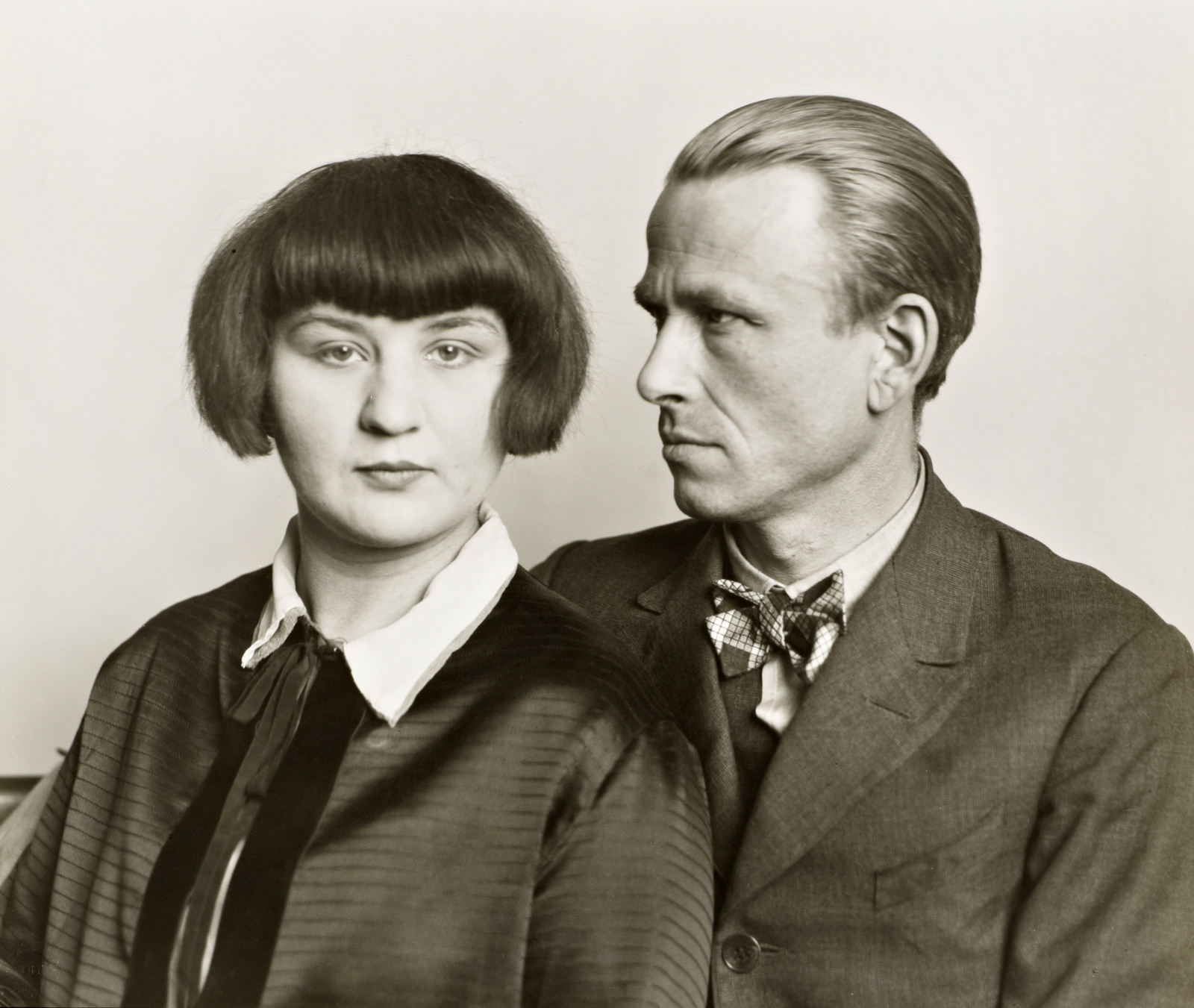


![August Sander (German, 1876-1964) 'Bohemians [Willi Bongard, Gottfried Brockmann]' c. 1922-1925, printed 1990](https://artblart.com/wp-content/uploads/2017/09/august-sander-bohemians-willi-bongard-gottfried-brockmann-c-1922e280935-web.jpg "August Sander (German, 1876-1964) 'Bohemians [Willi Bongard, Gottfried Brockmann]' c. 1922-1925, printed 1990")
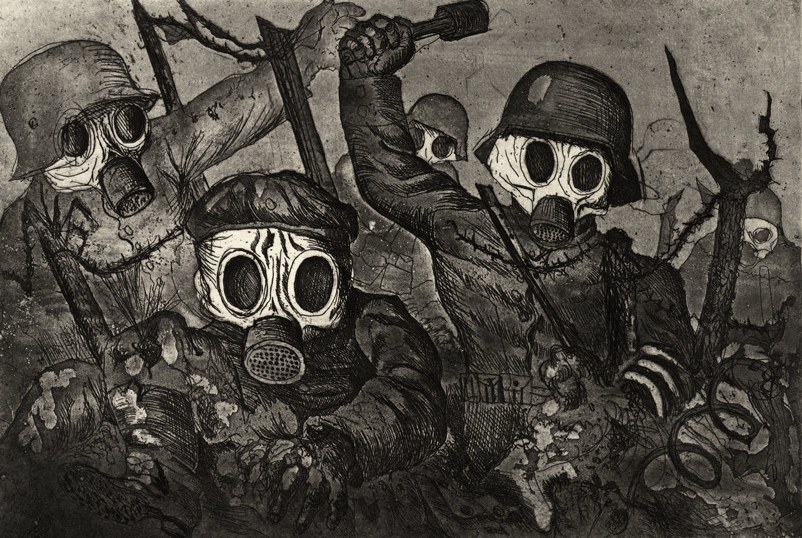


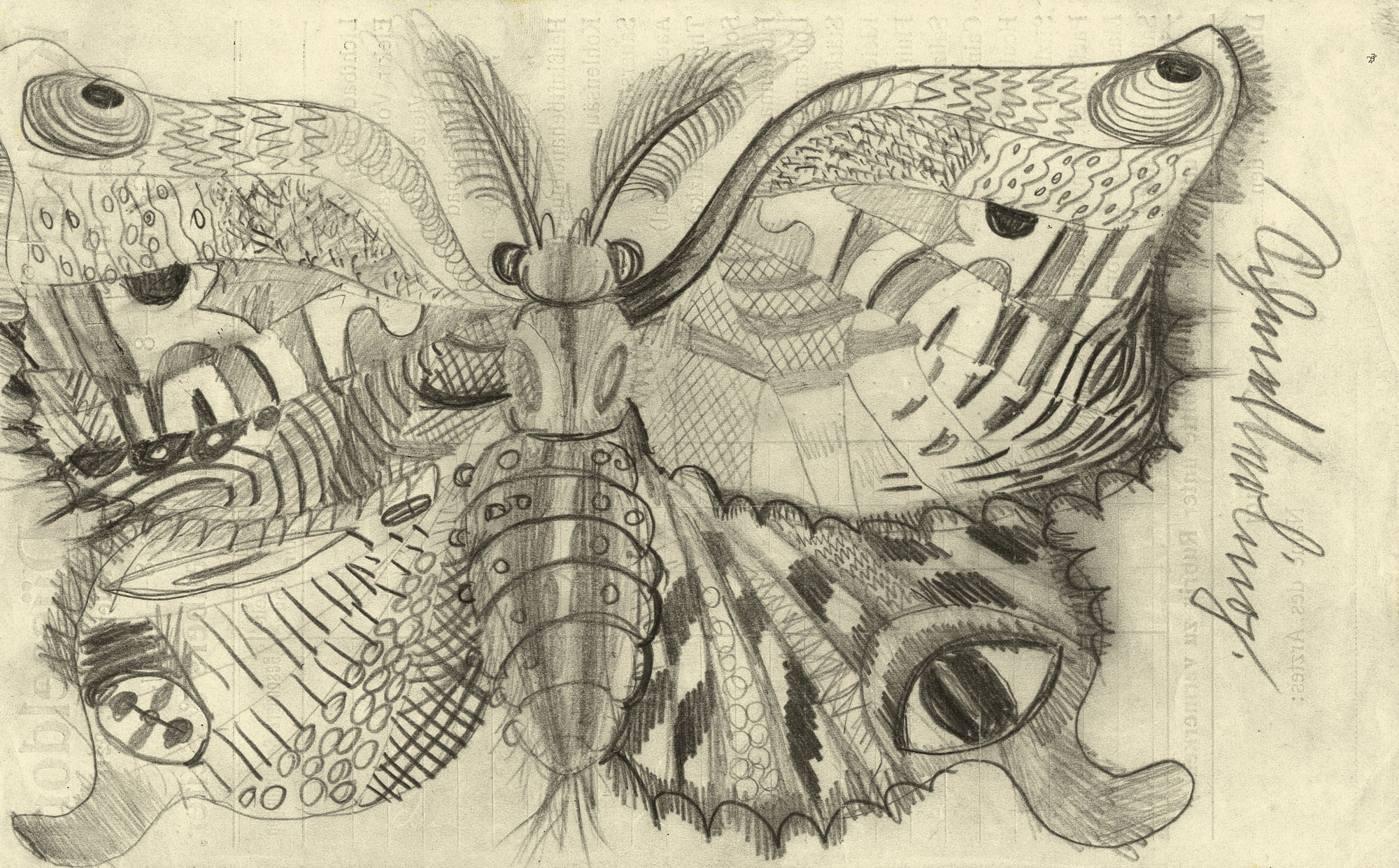
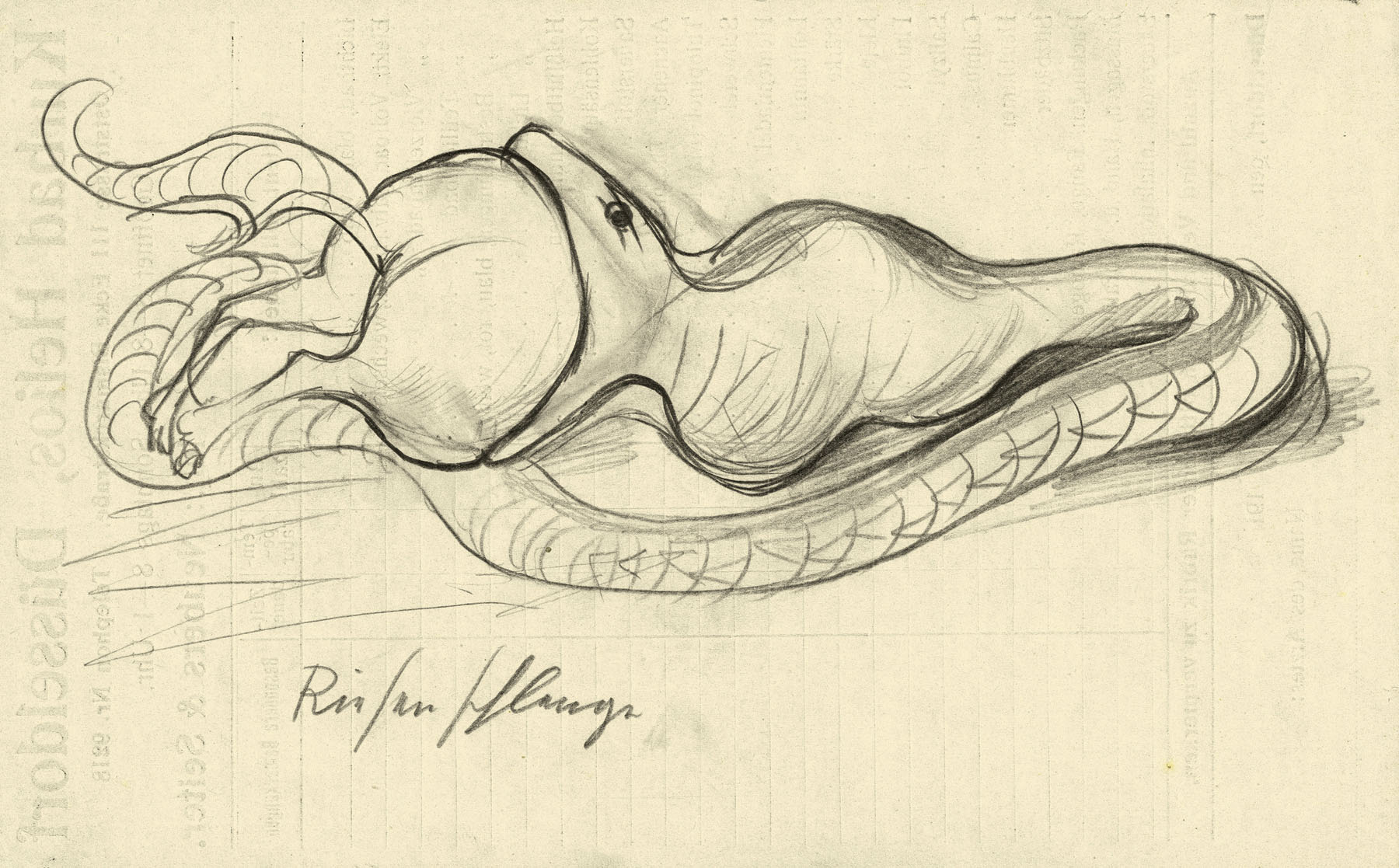


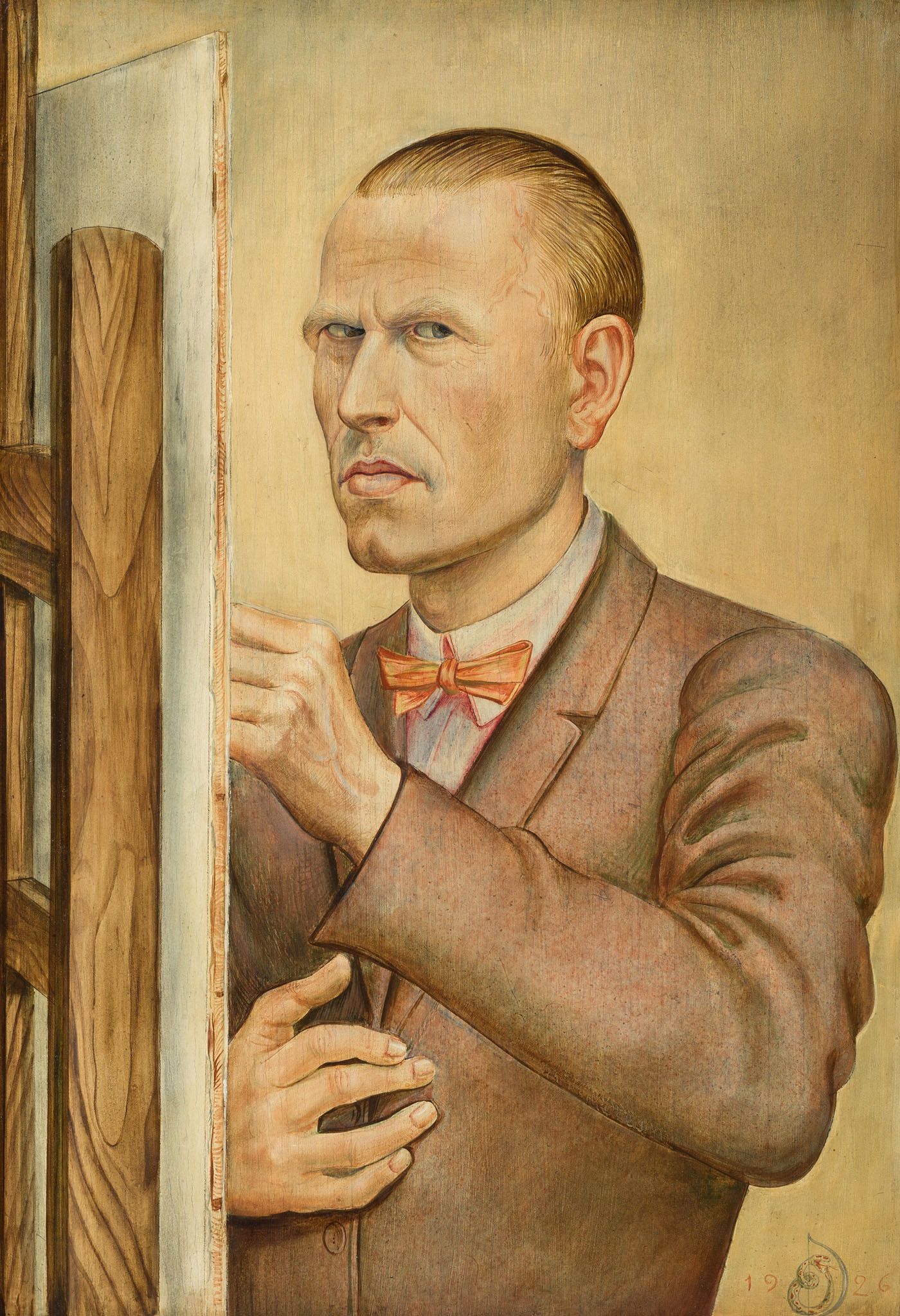
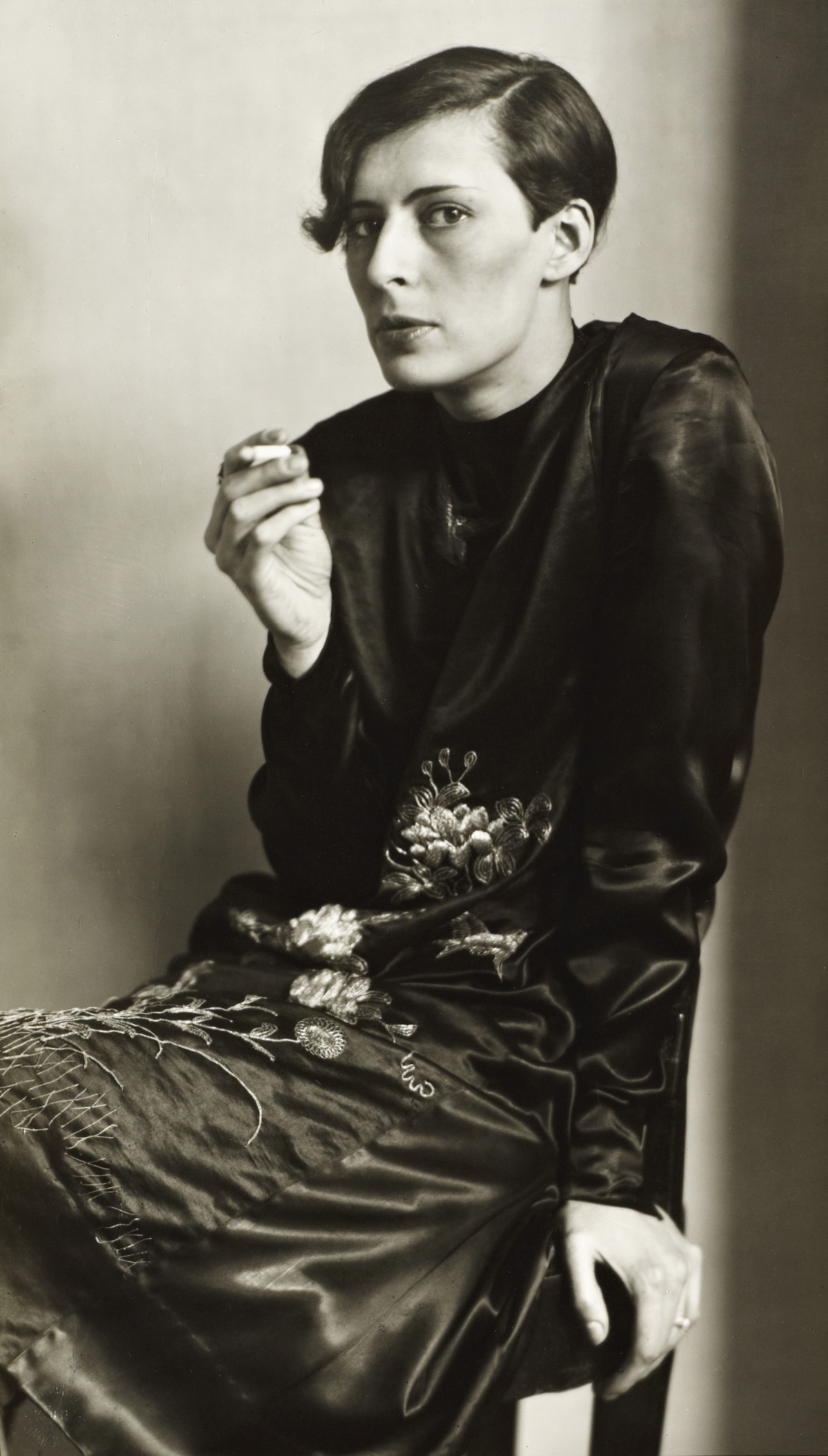


![August Sander (German, 1876-1964) 'Photographer [August Sander]' 1925, printed 1990](https://artblart.com/wp-content/uploads/2017/09/august_sander_august_sander_1925-web.jpg "August Sander (German, 1876-1964) 'Photographer [August Sander]' 1925, printed 1990")

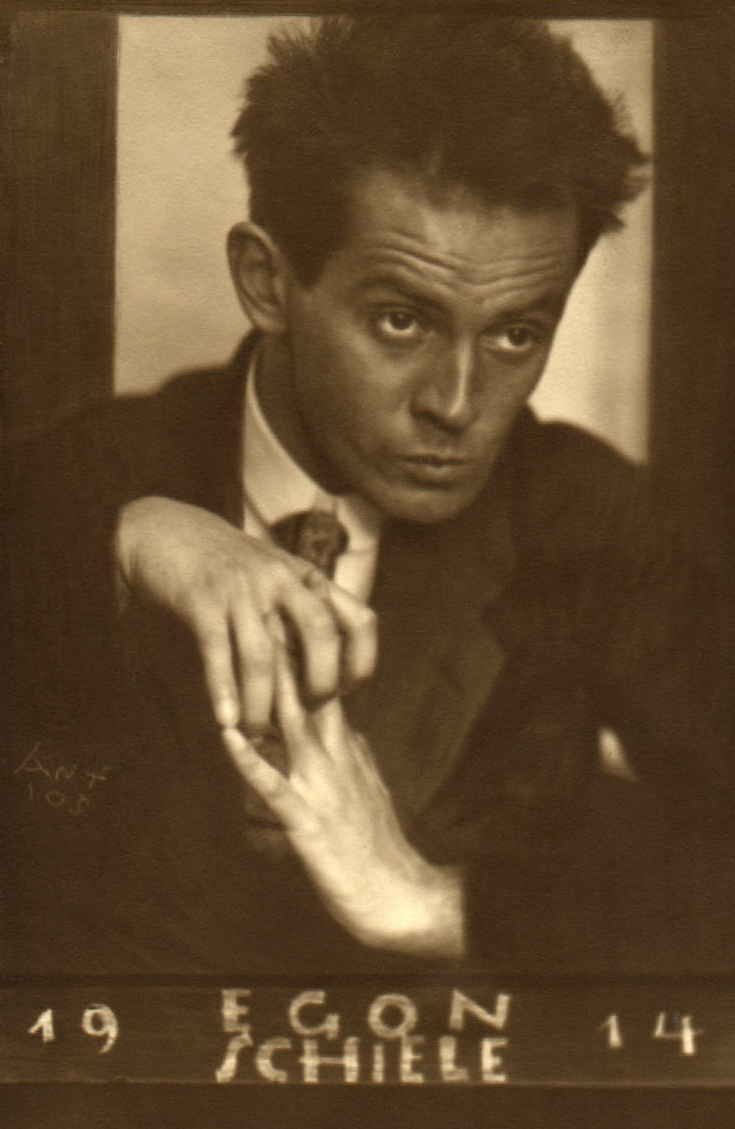

![Dora Kallmus (Madame d'Ora) (Austrian, 1881-1963), Arthur Benda (German, 1885-1969) 'Anita Berber and Sebastian Droste in their dance Märtyrer [Martyrs]' 1922](https://artblart.com/wp-content/uploads/2017/04/dora-kallmus-arthur-benda-anita-berber-and-sebastian-droste-web.jpg "Dora Kallmus (Madame d'Ora) (Austrian, 1881-1963), Arthur Benda (German, 1885-1969) 'Anita Berber and Sebastian Droste in their dance Märtyrer [Martyrs]' 1922")


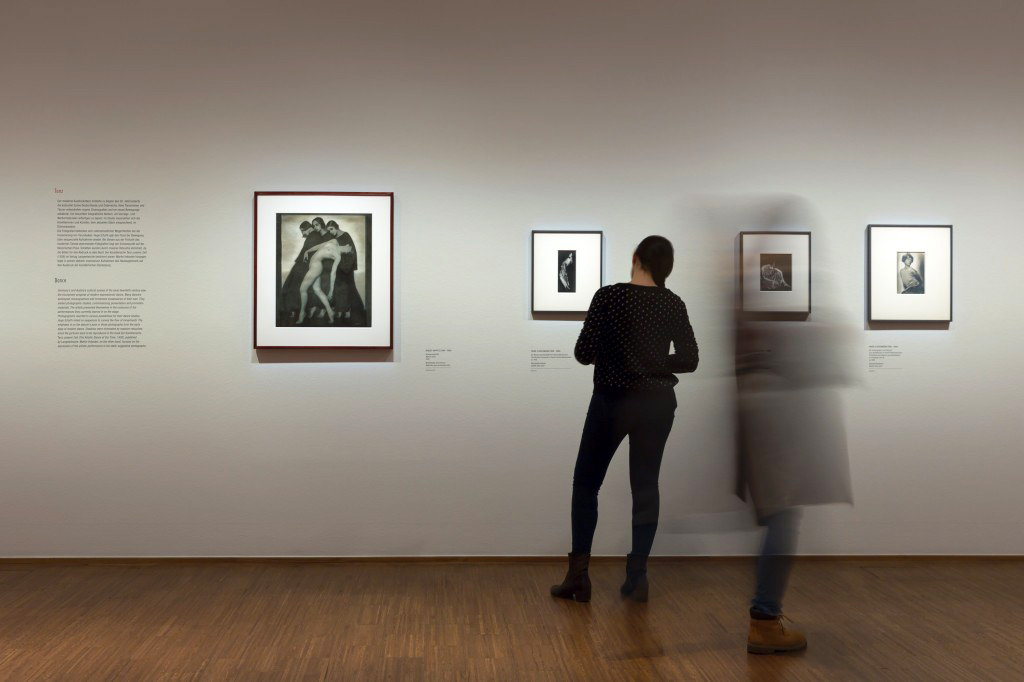
![Installation view of the exhibition 'Acting for the Camera' at the Albertina, Vienna, March - June 2017 showing at centre, Rudolph Koppitz's 'In the Arms of Nature [self-portrait]' 1923](https://artblart.com/wp-content/uploads/2017/04/install-c.jpg "Installation view of the exhibition 'Acting for the Camera' at the Albertina, Vienna, March - June 2017 showing at centre, Rudolph Koppitz's 'In the Arms of Nature [self-portrait]' 1923")


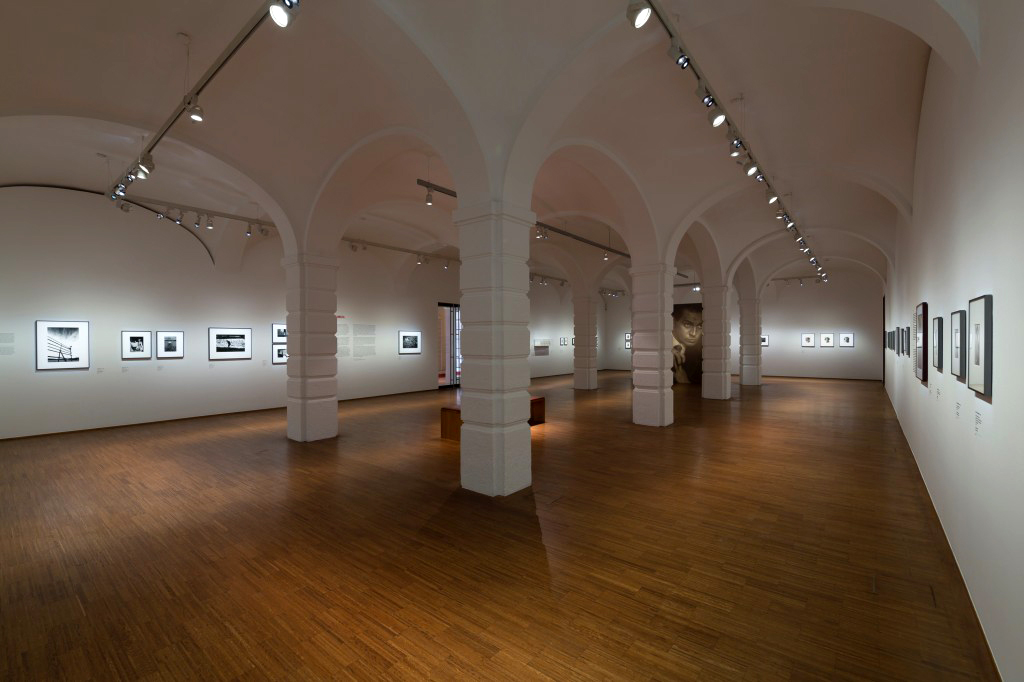


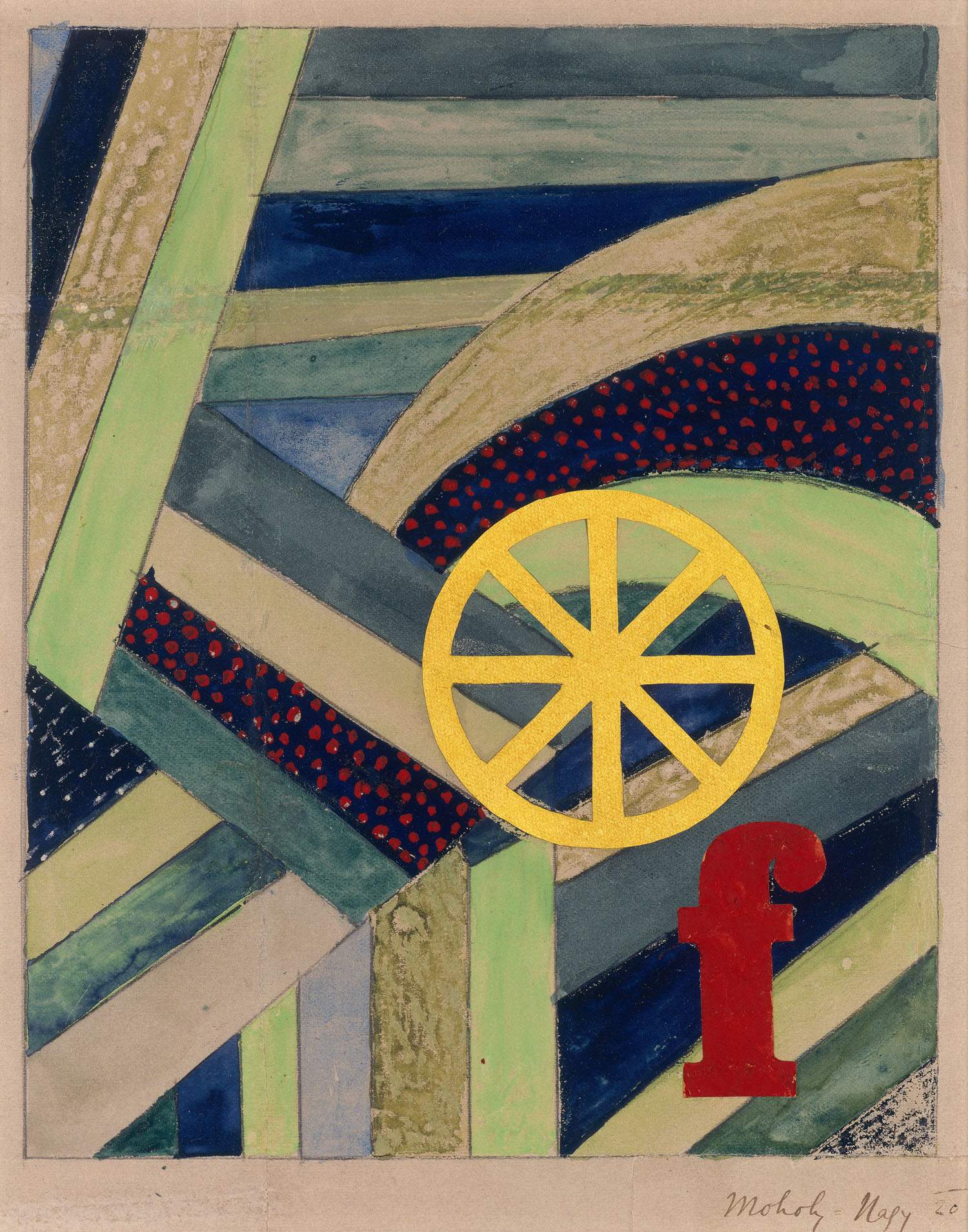
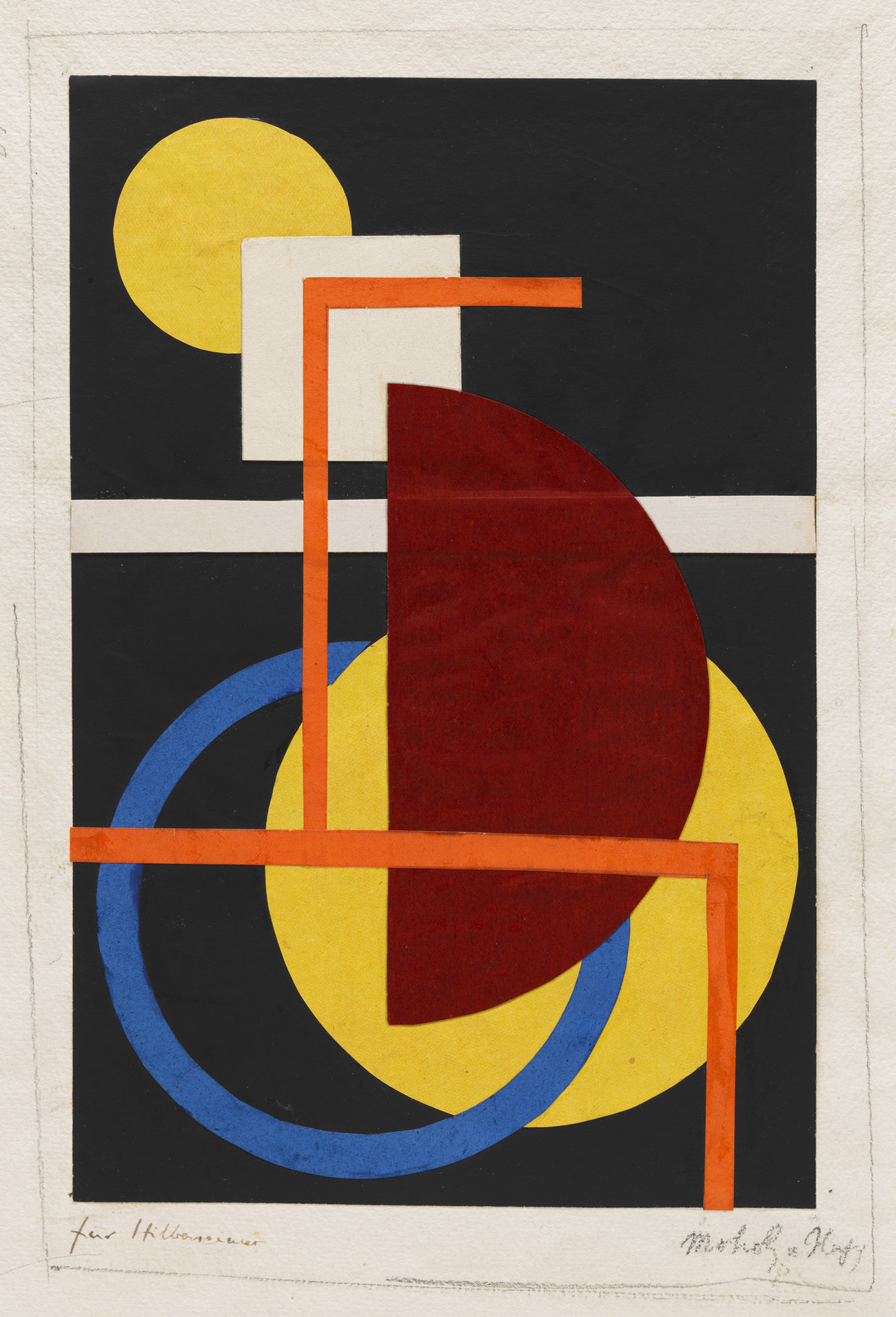
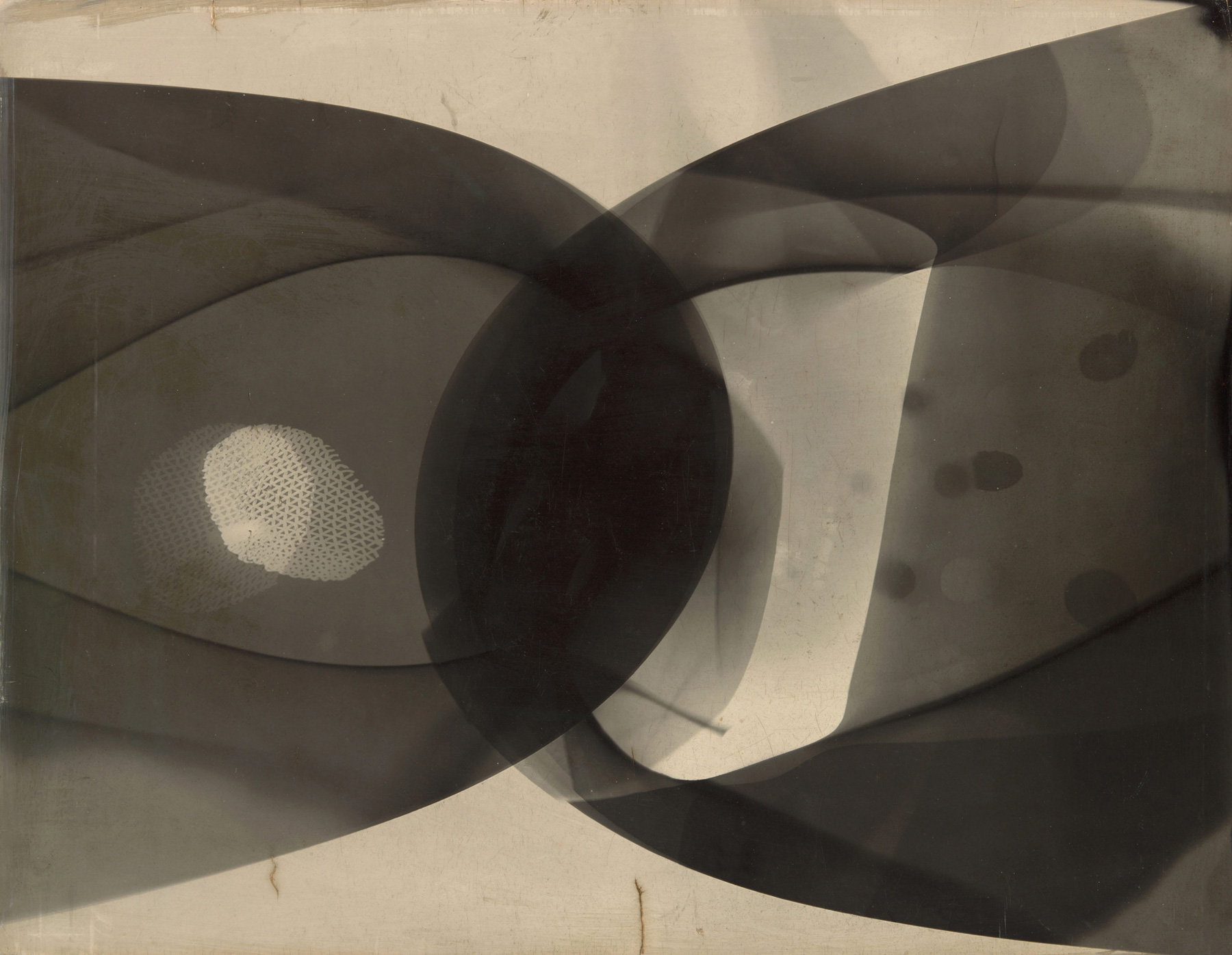
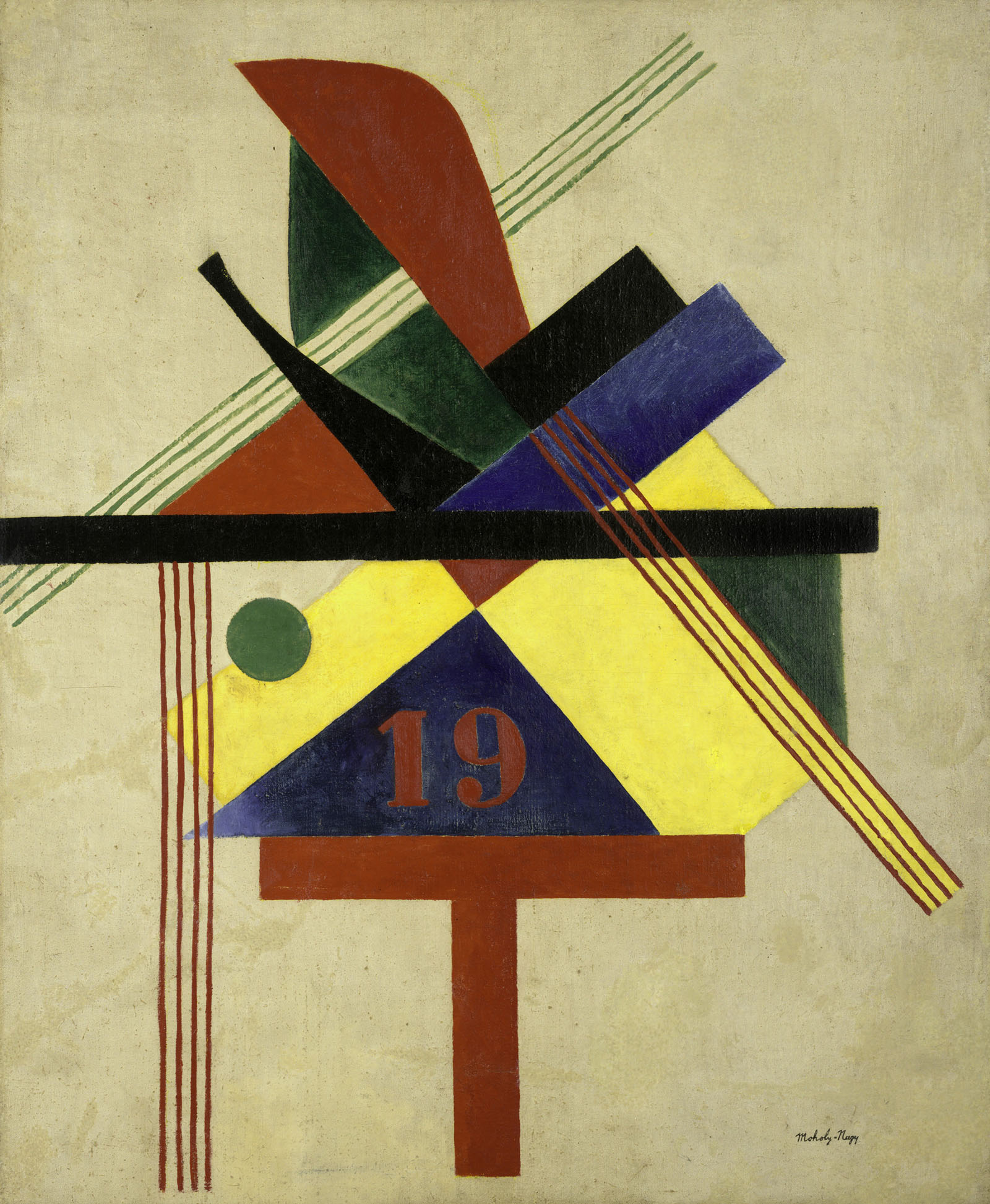
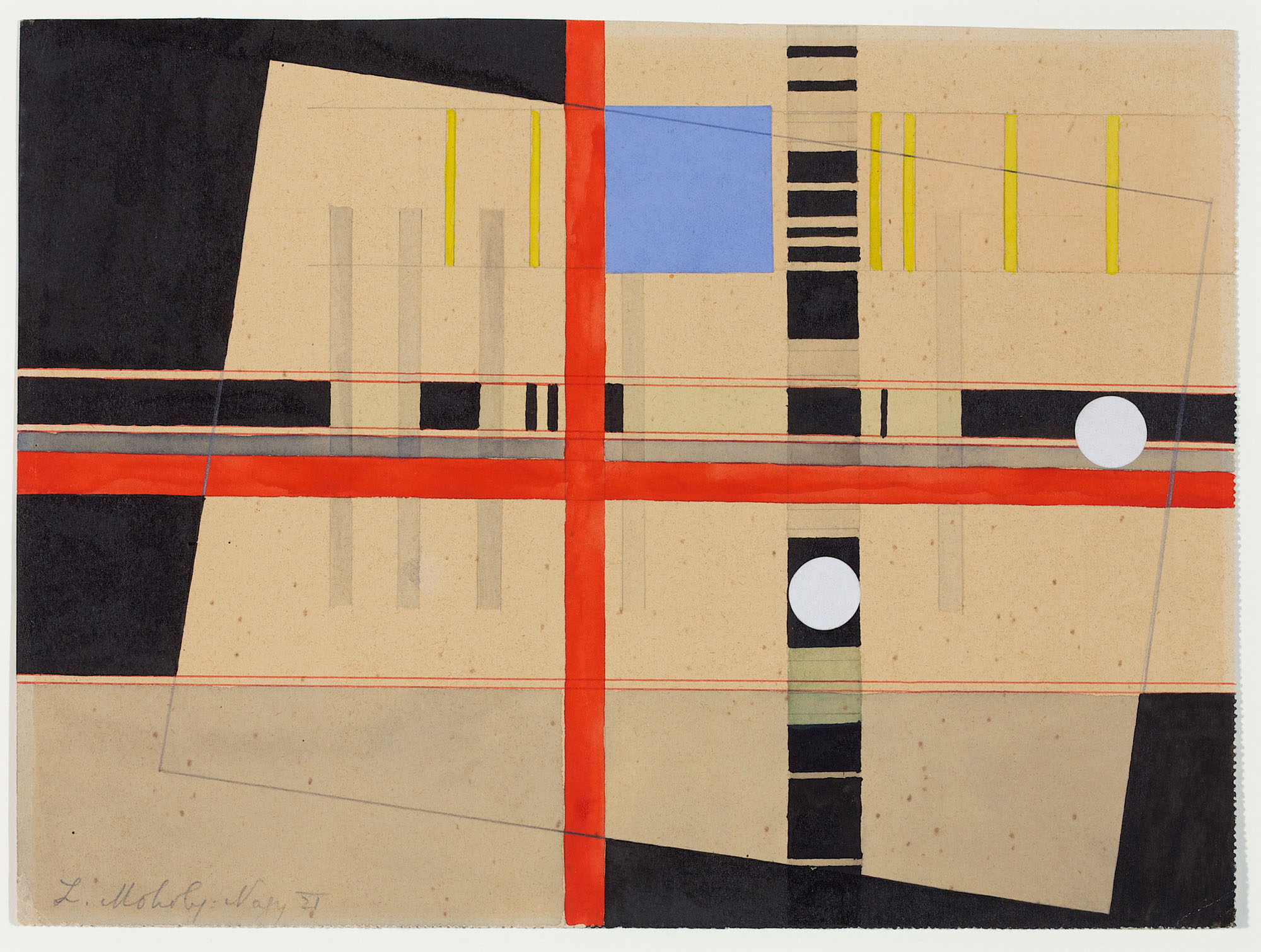
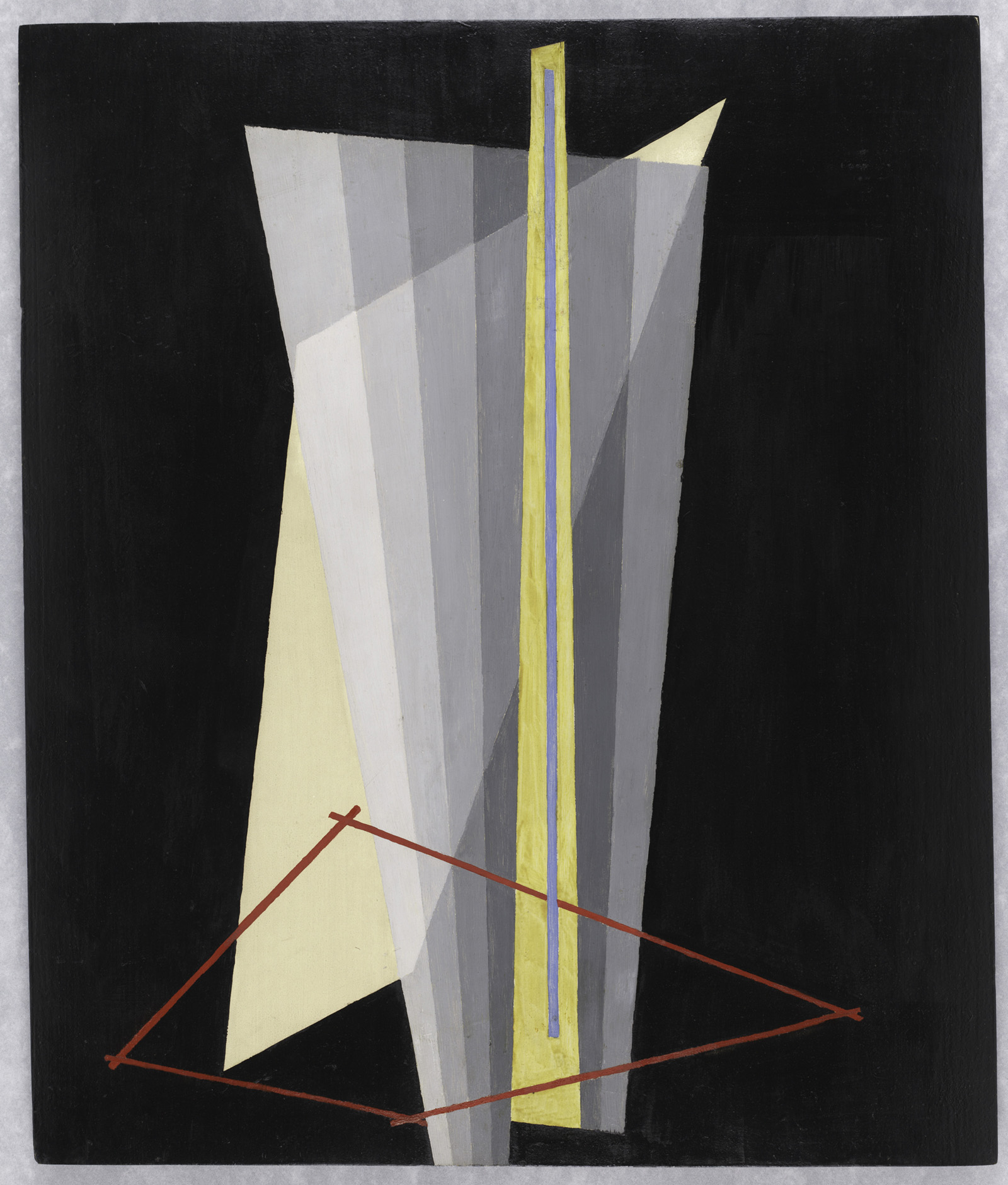
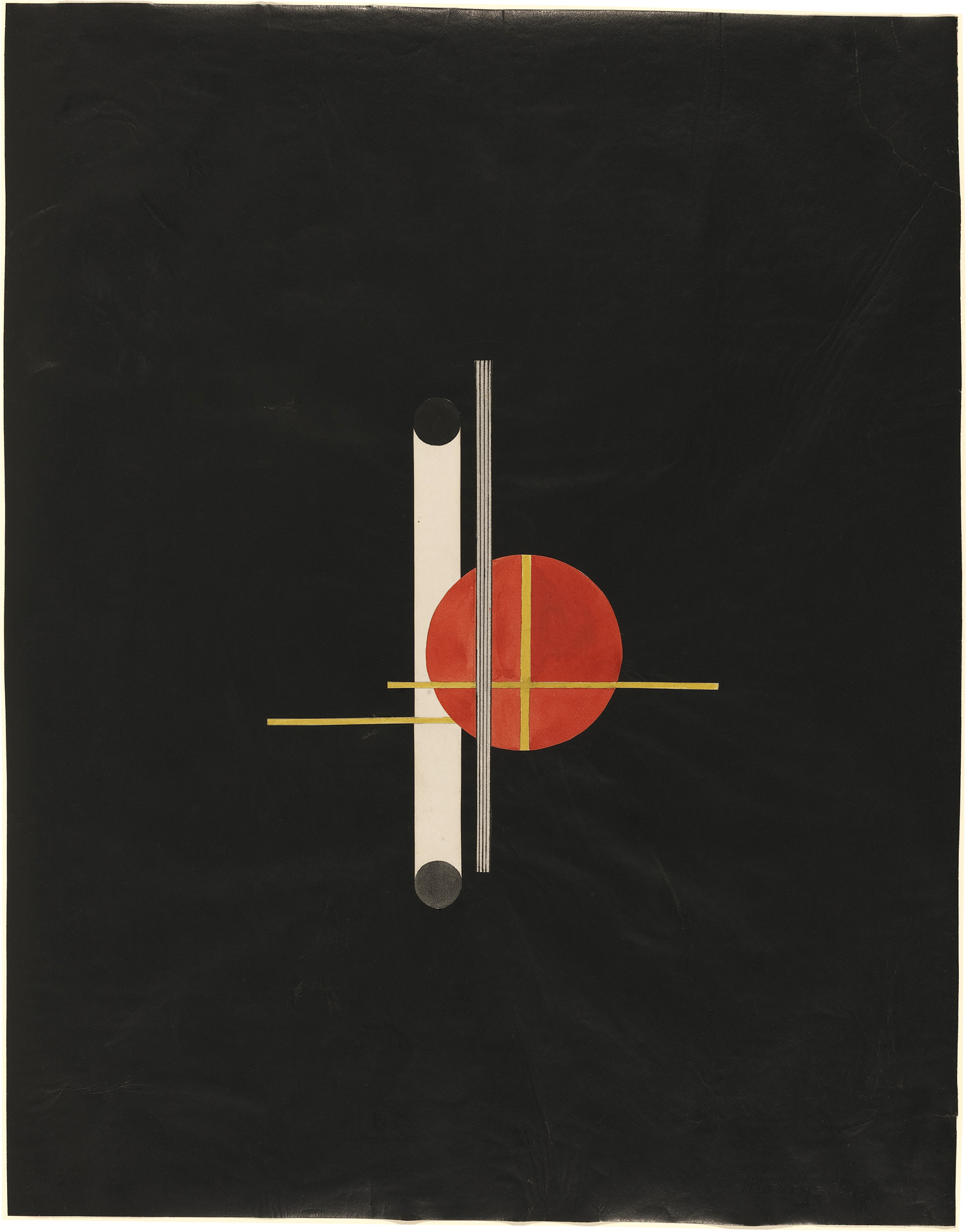
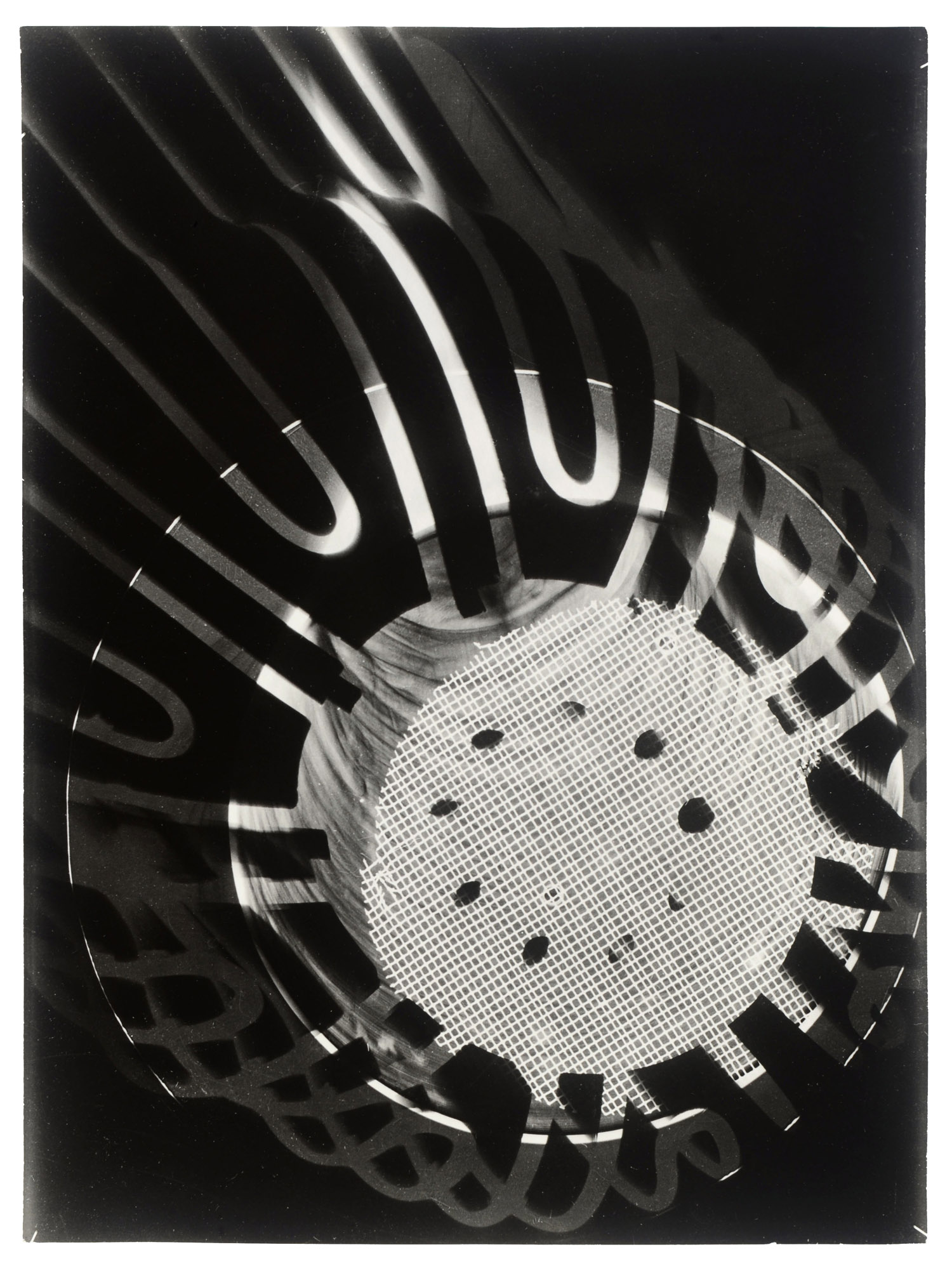

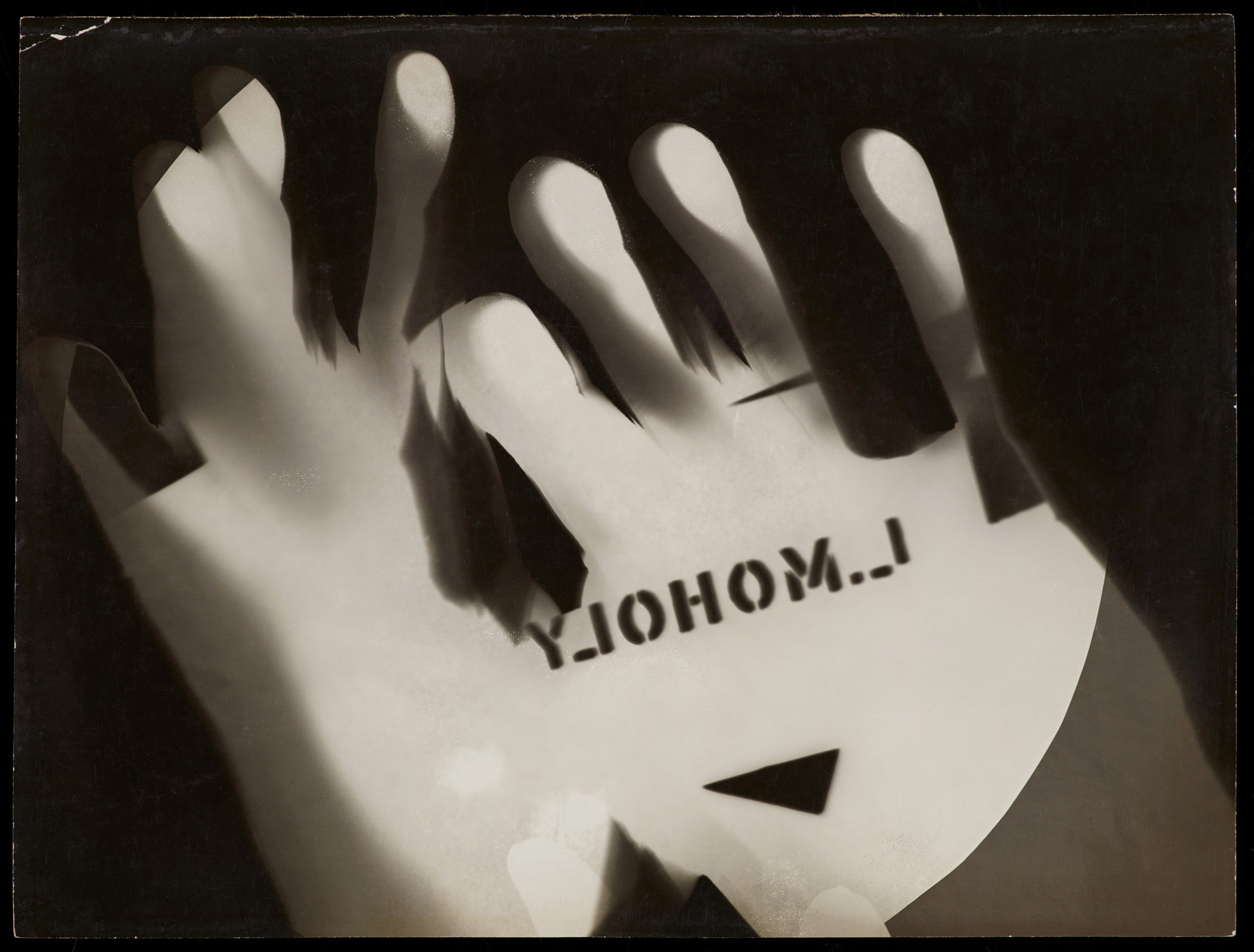
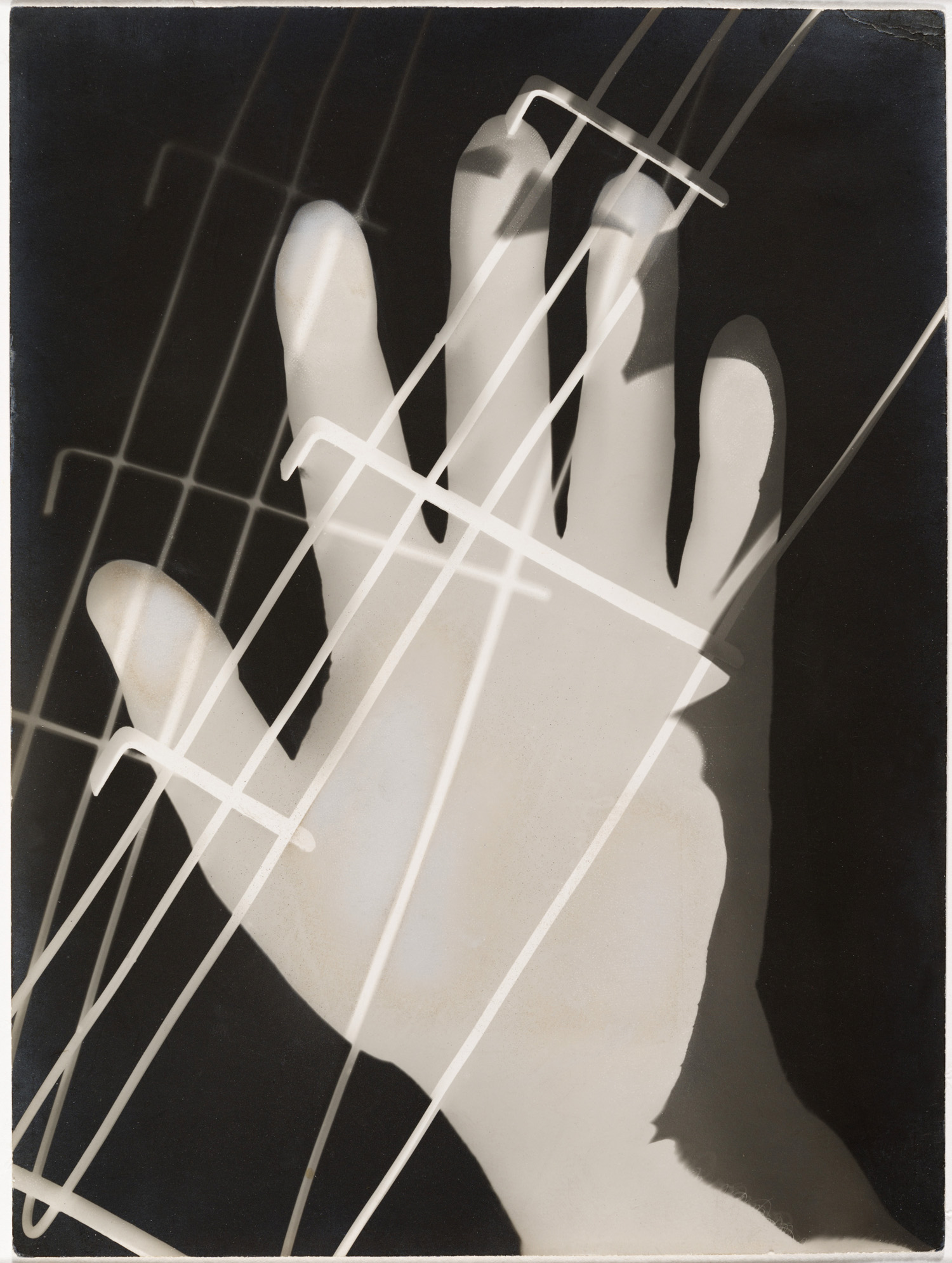
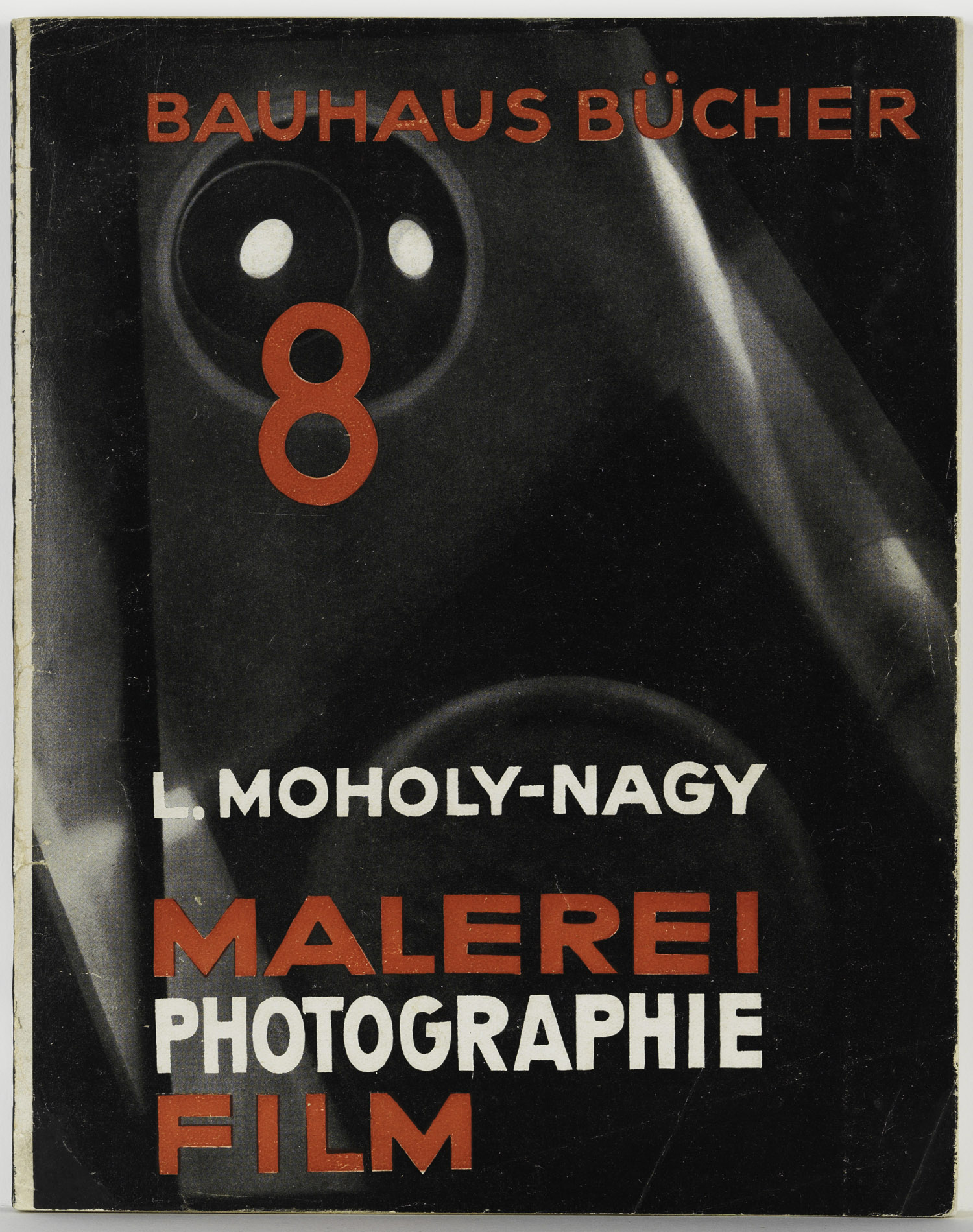
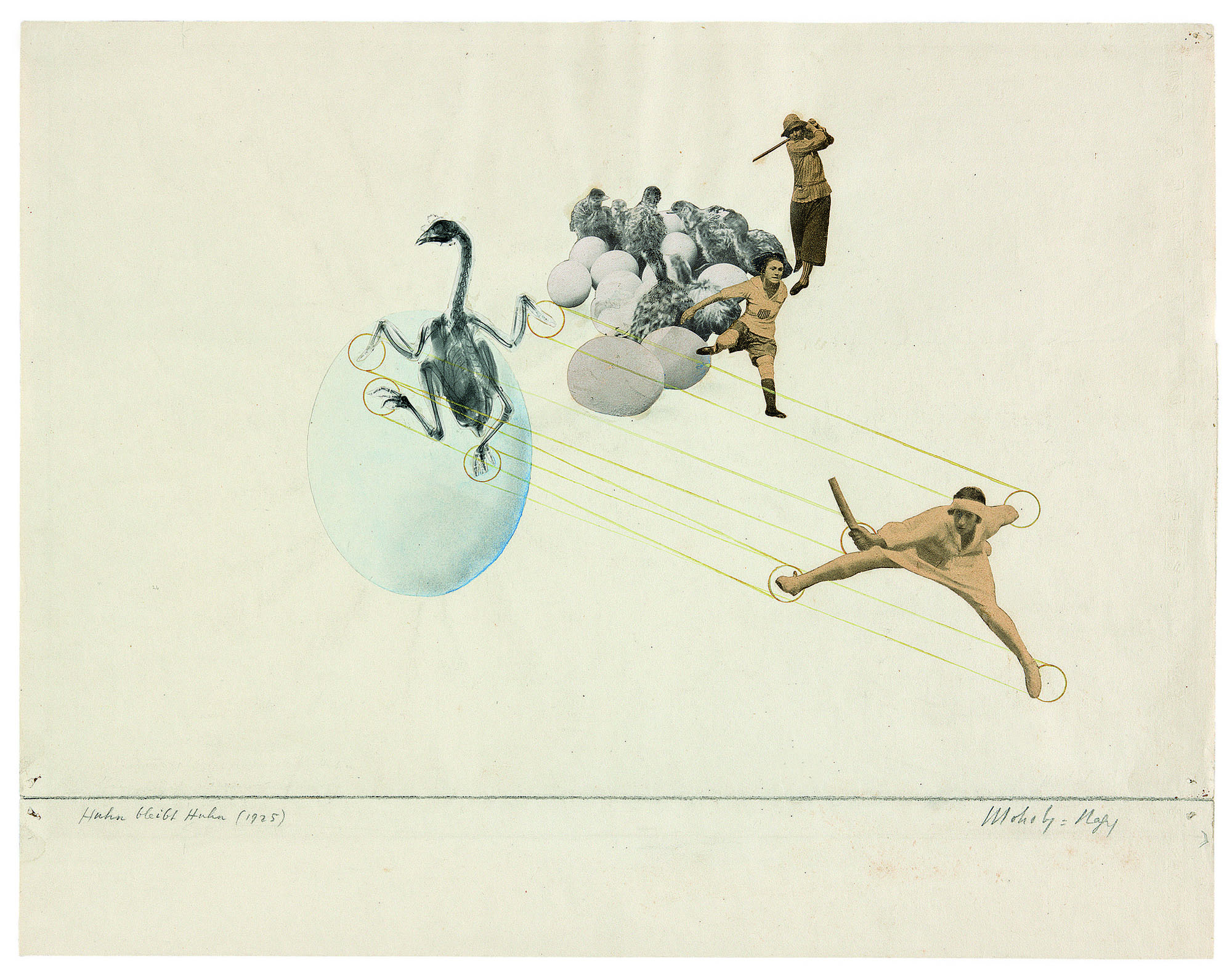
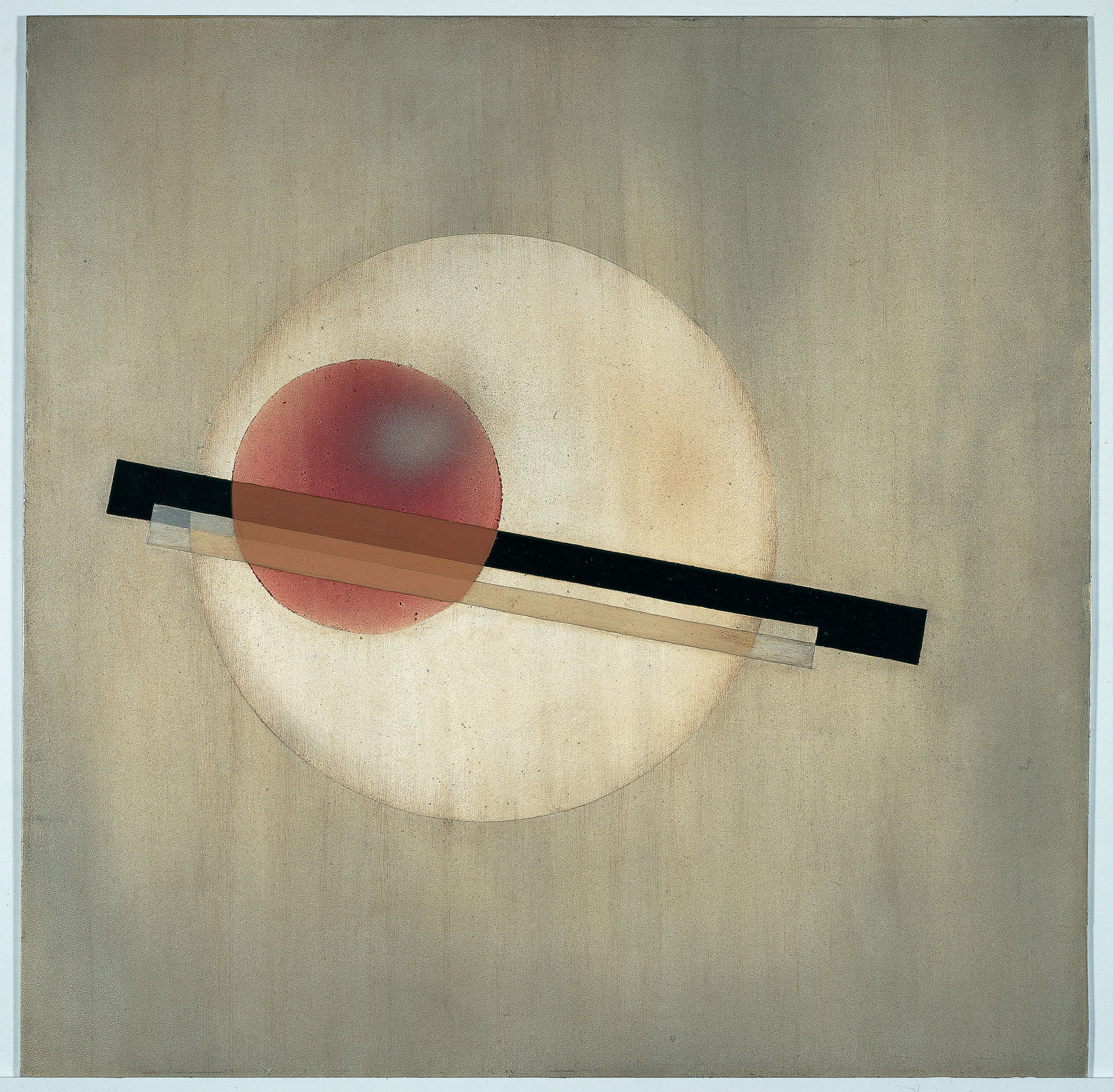
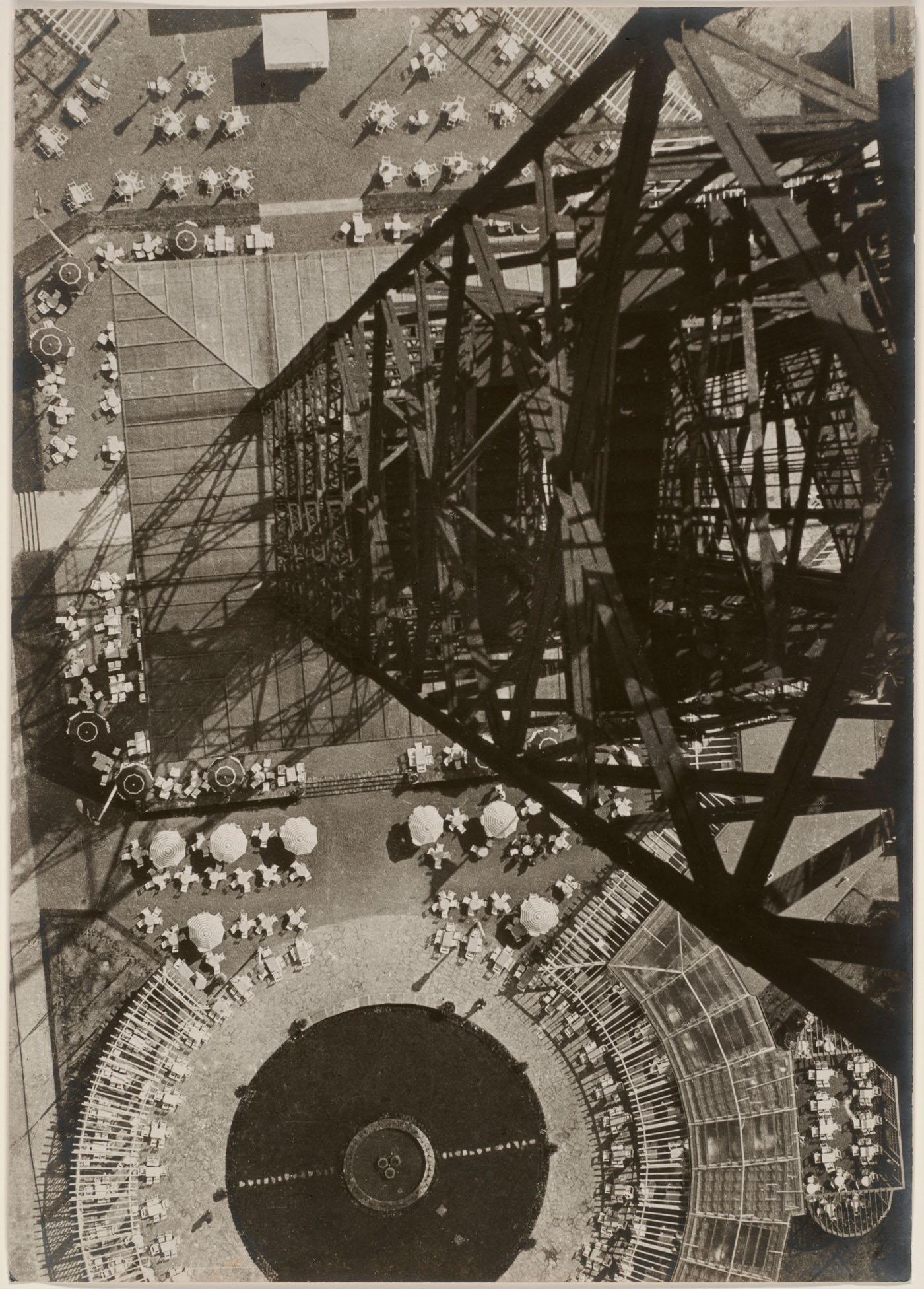
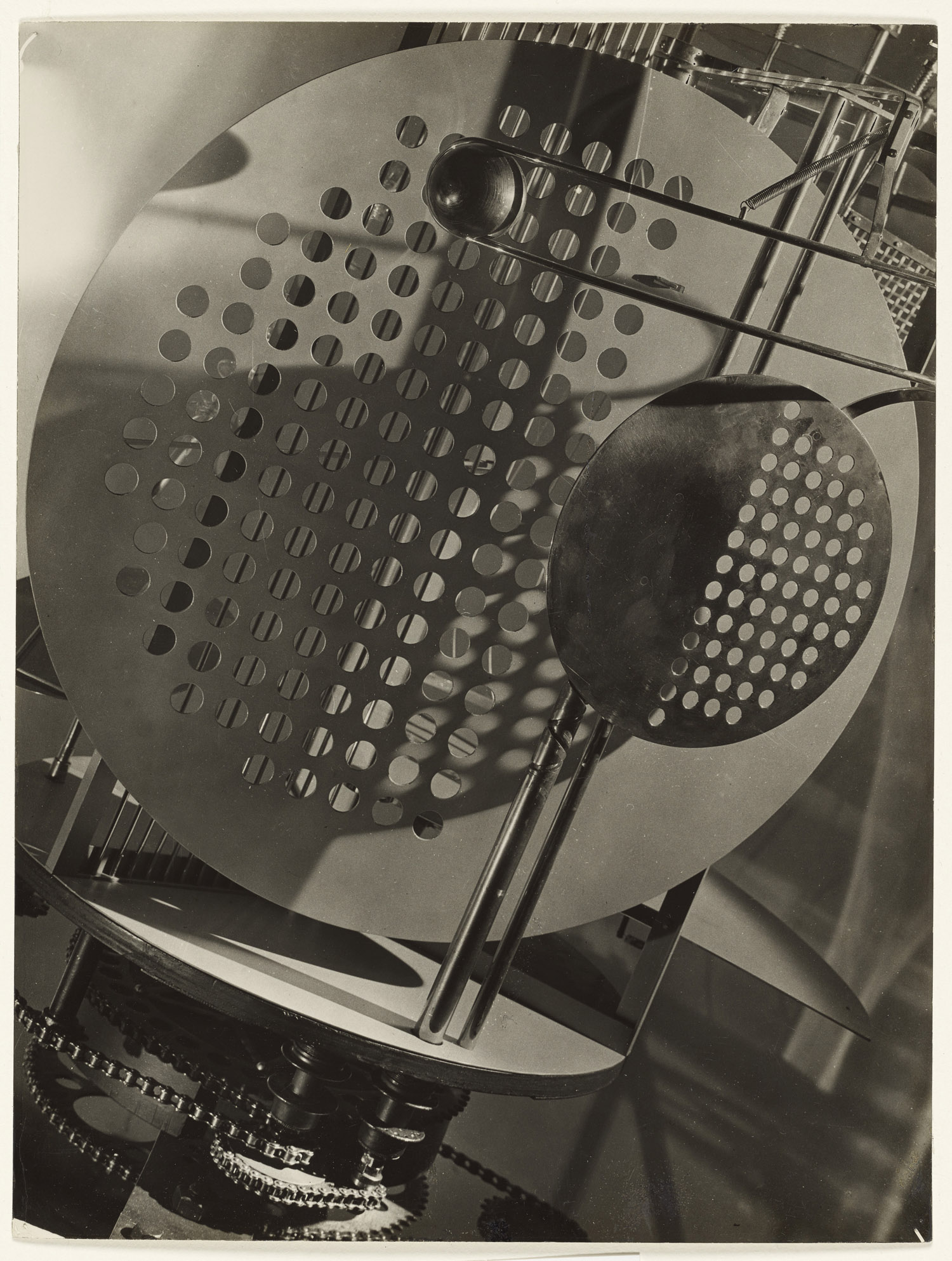
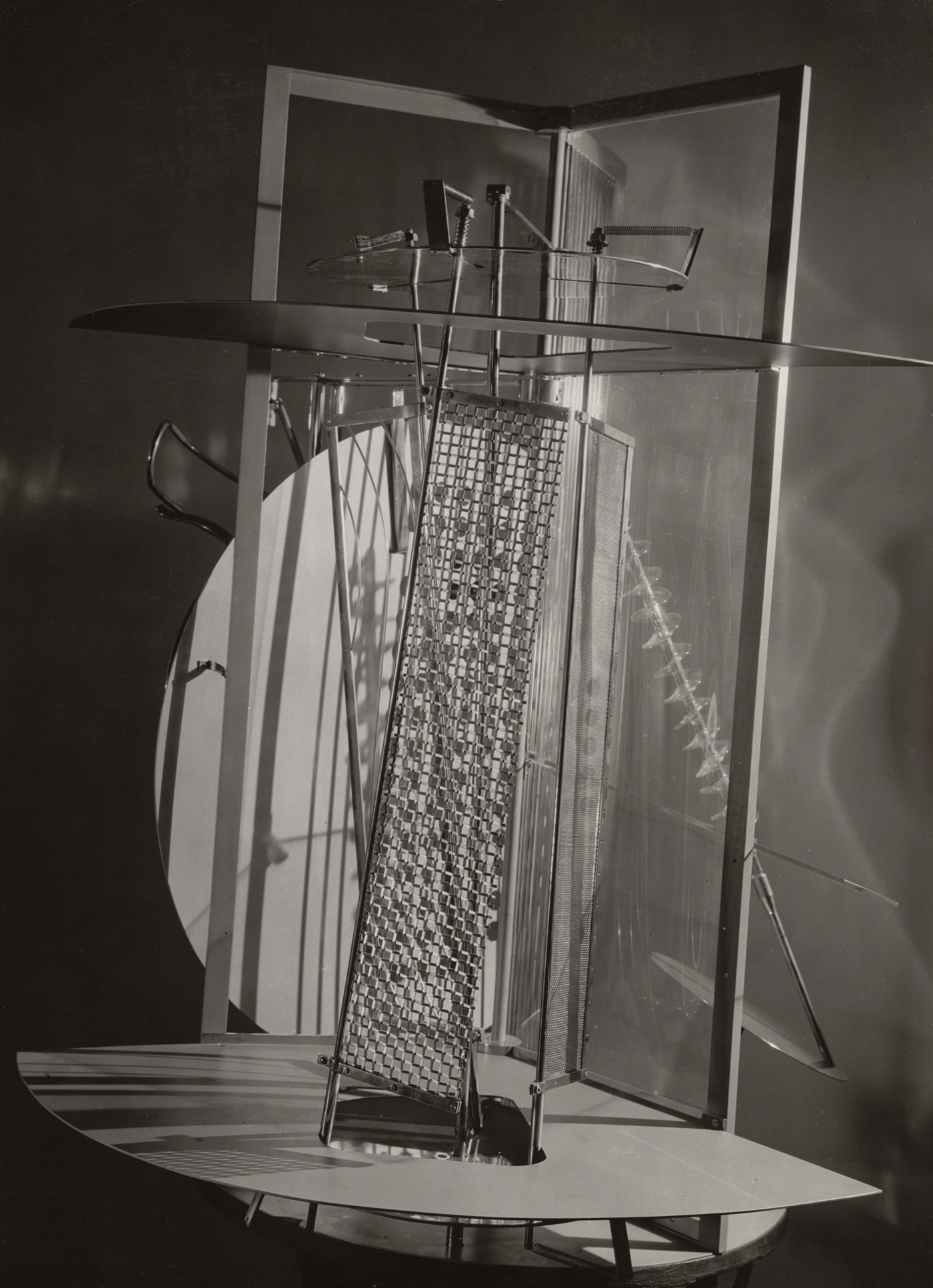
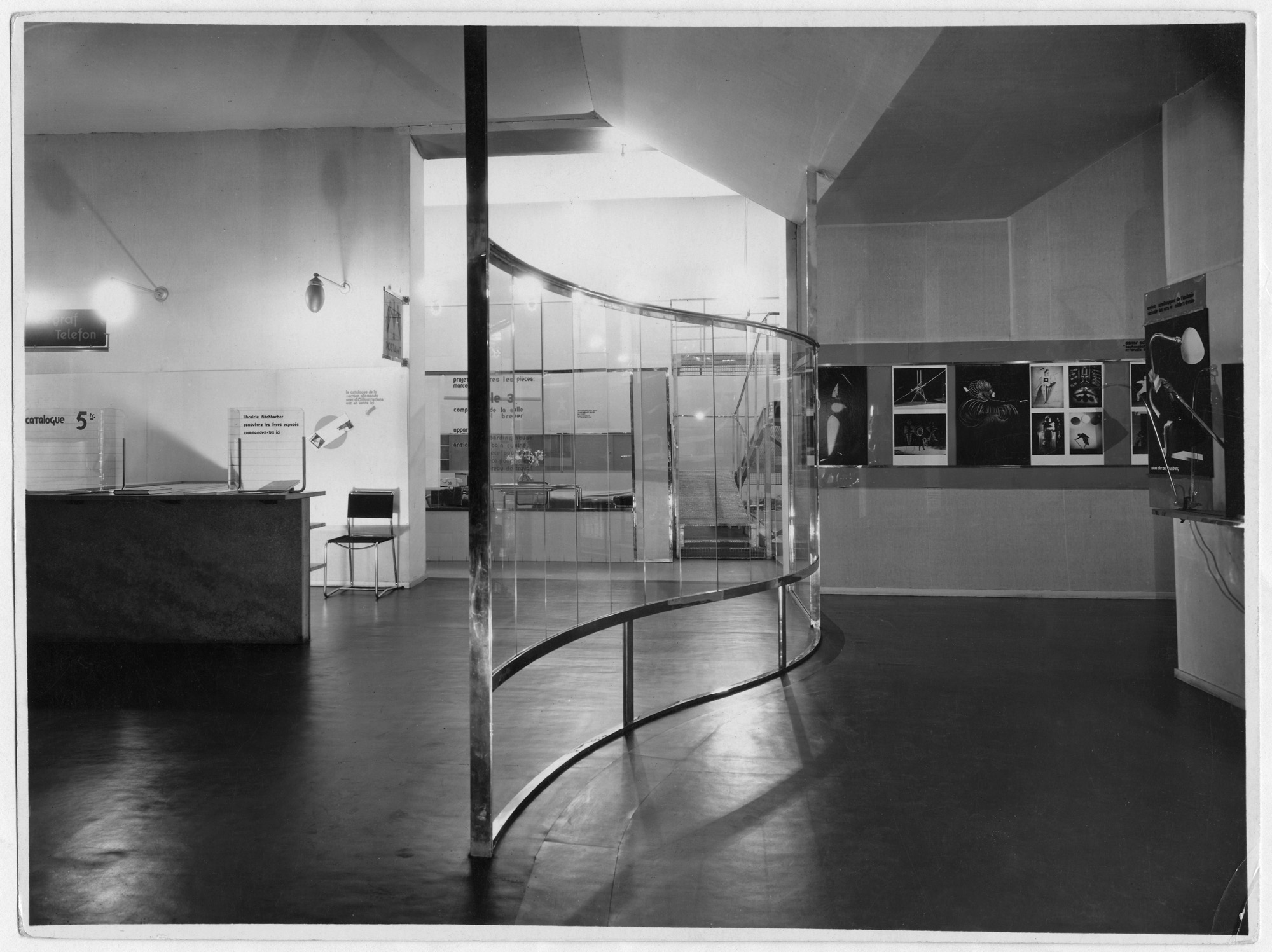
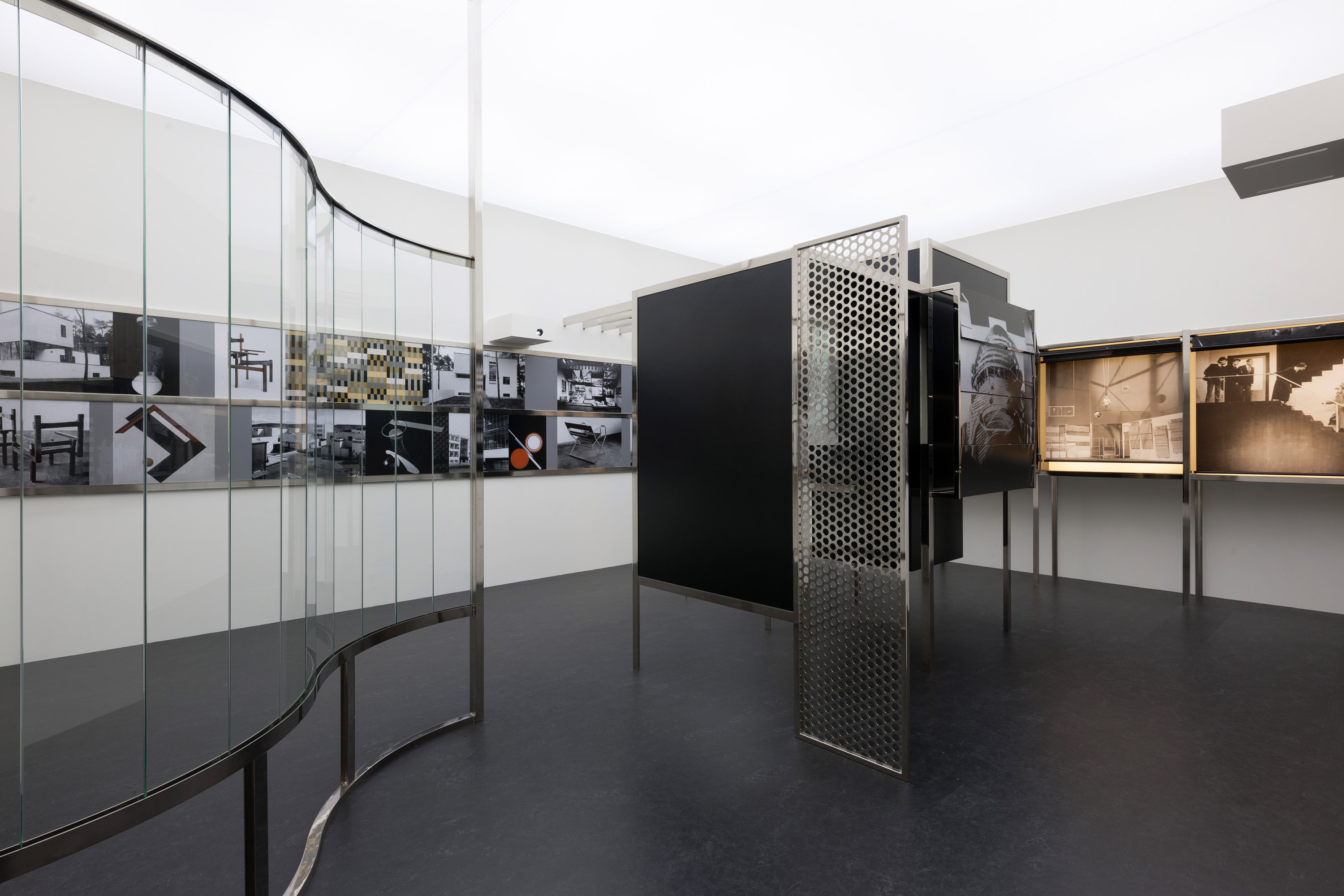
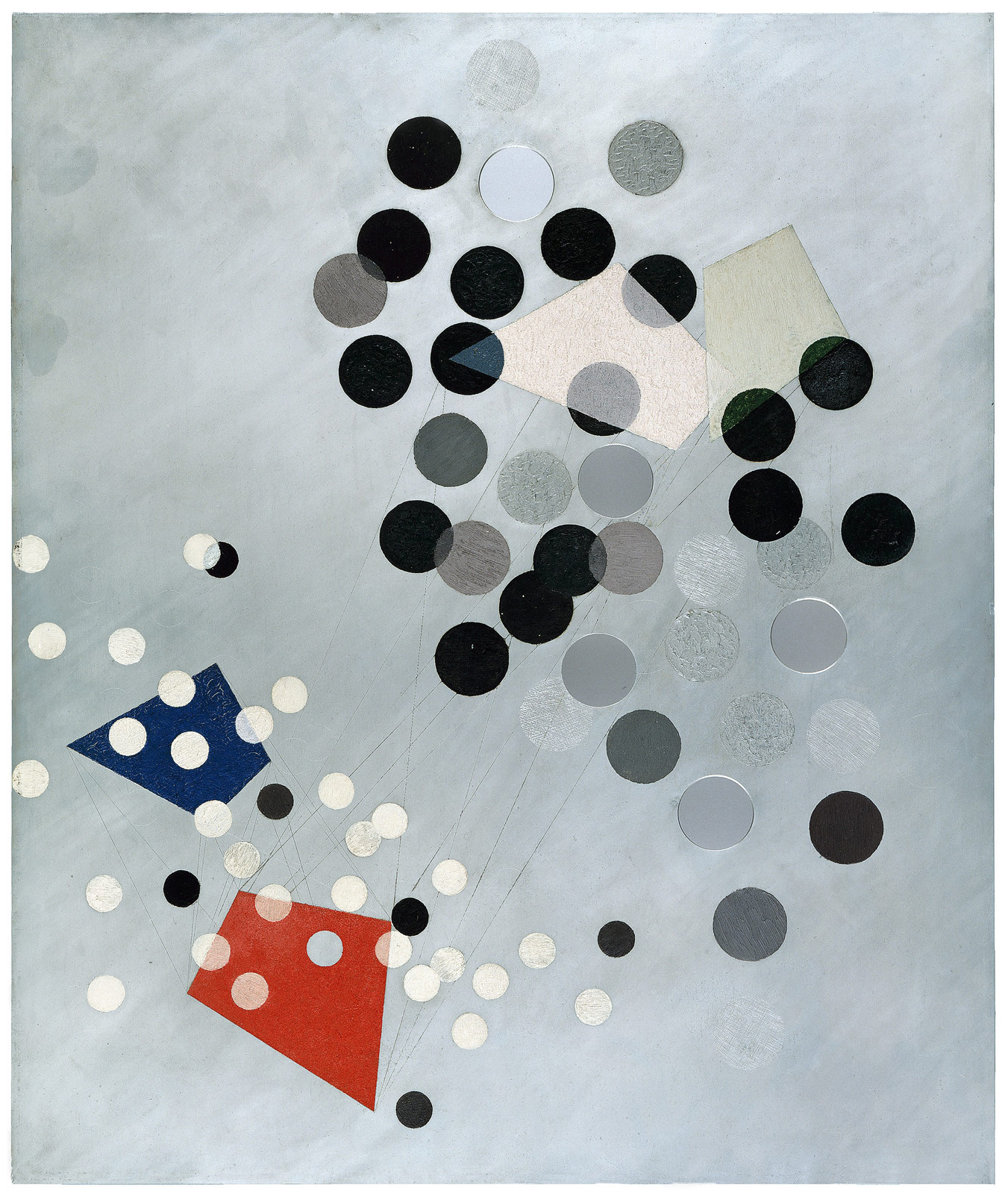
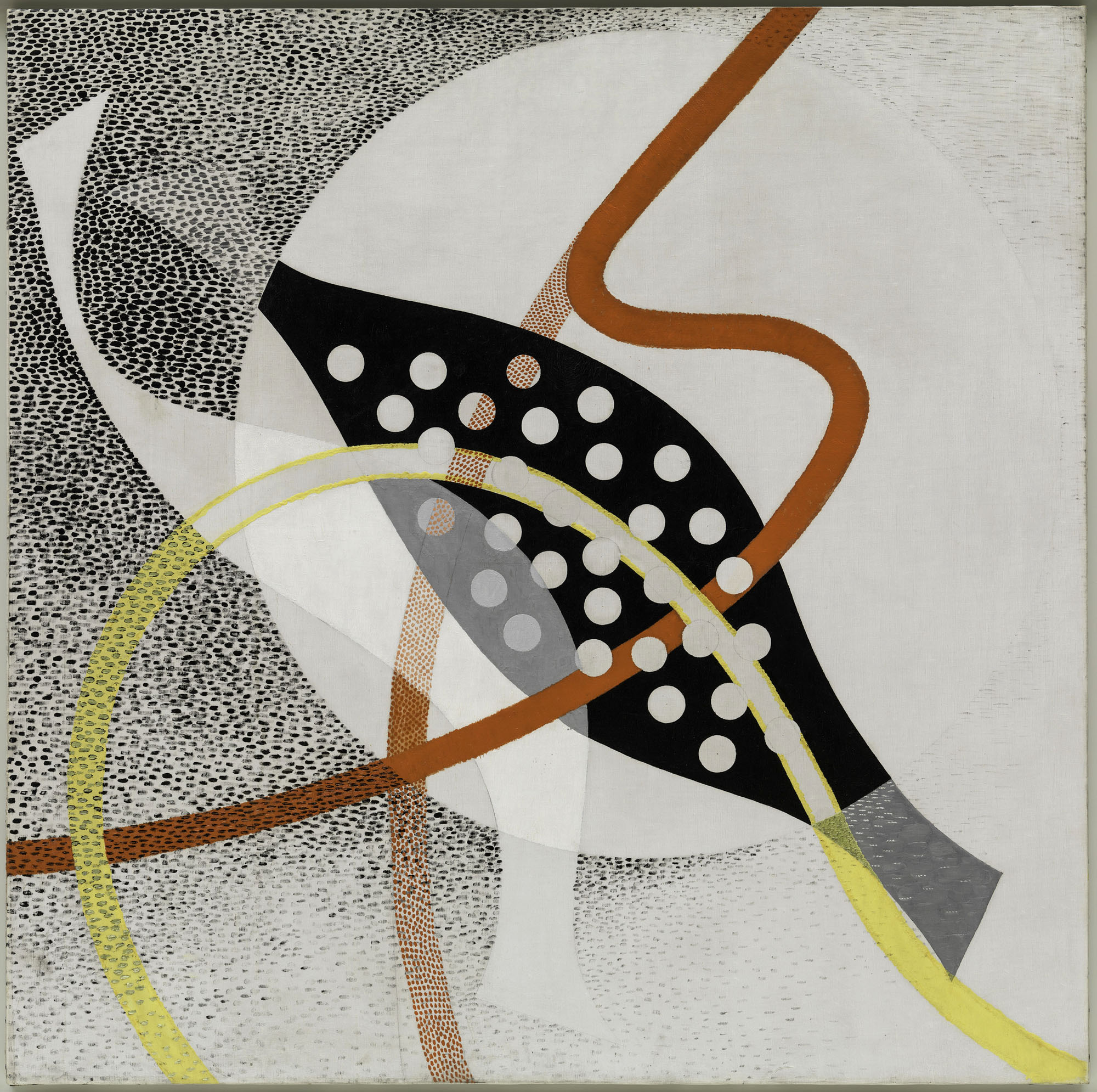
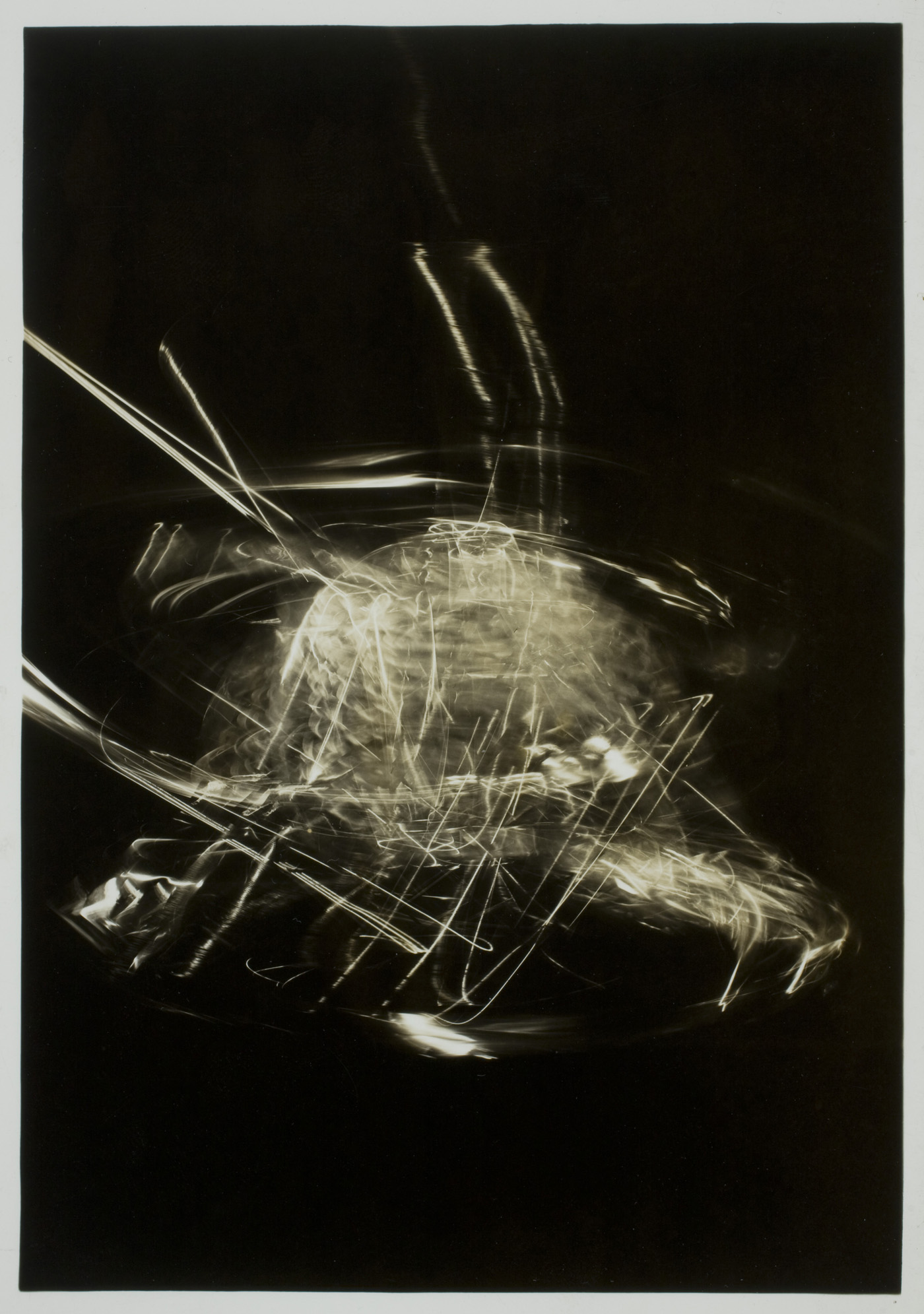
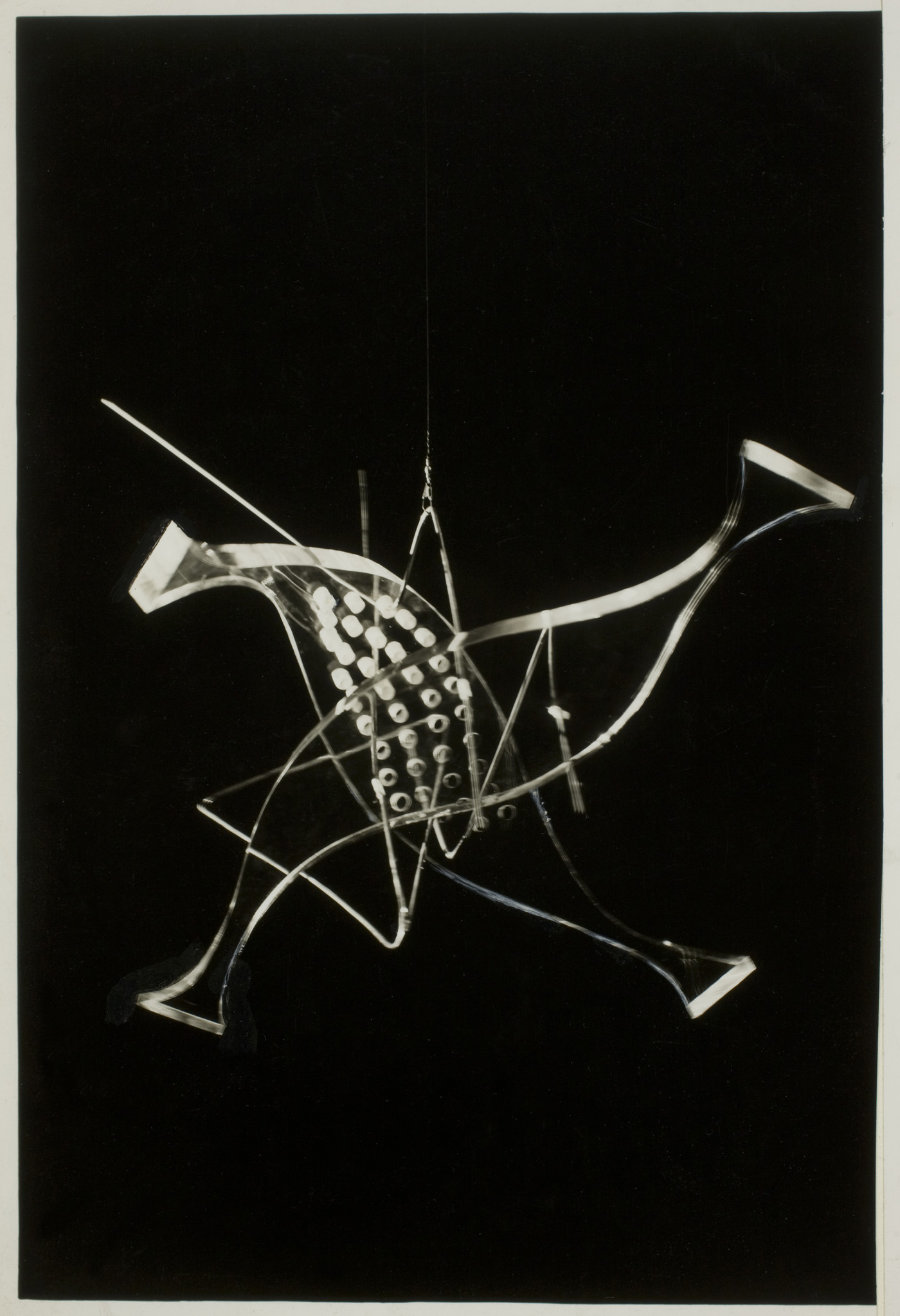
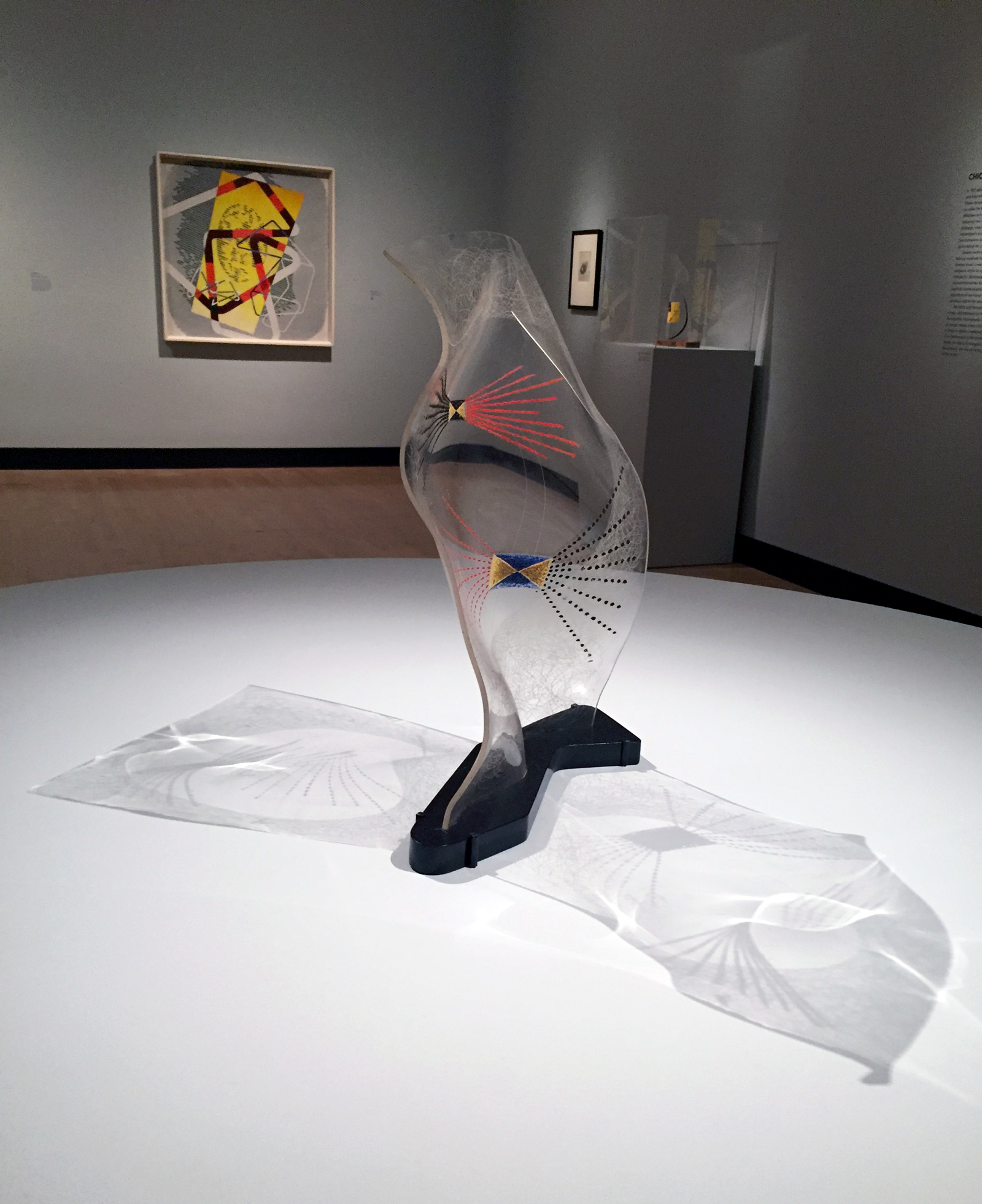
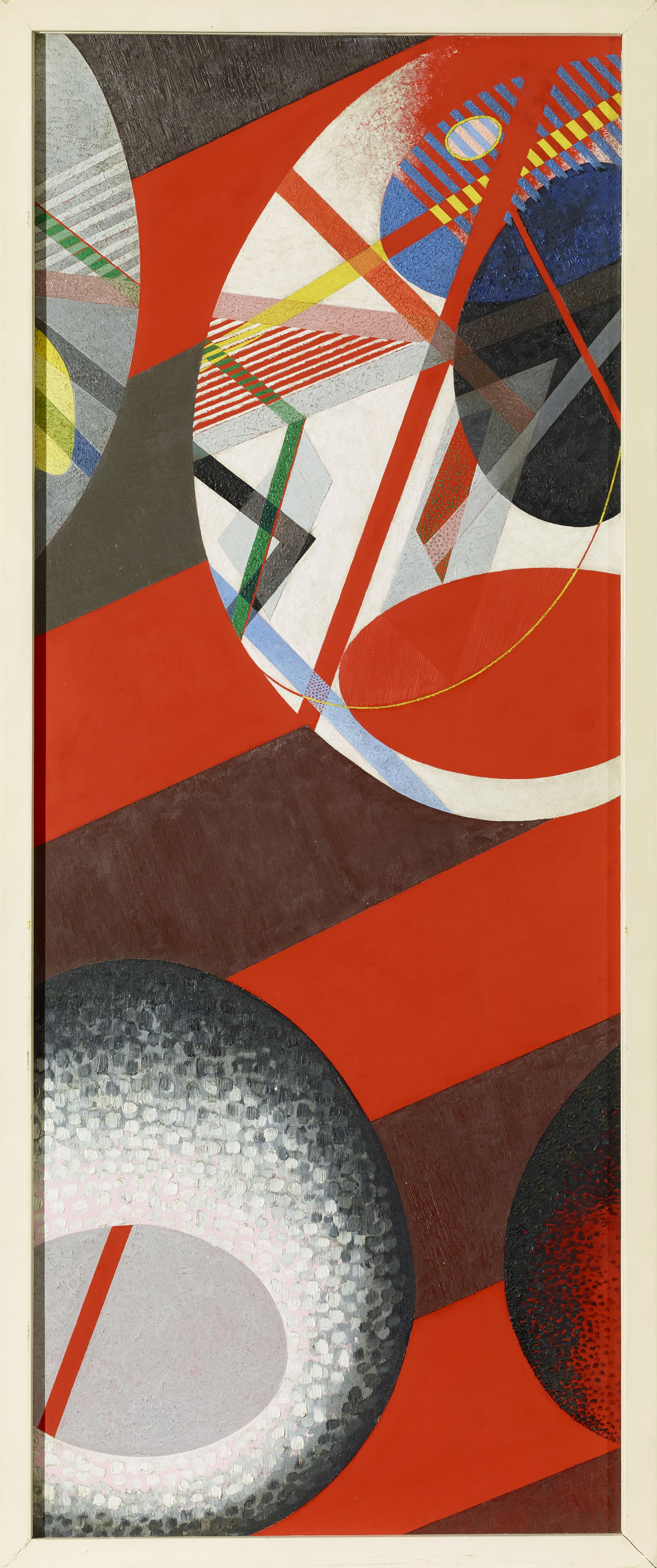

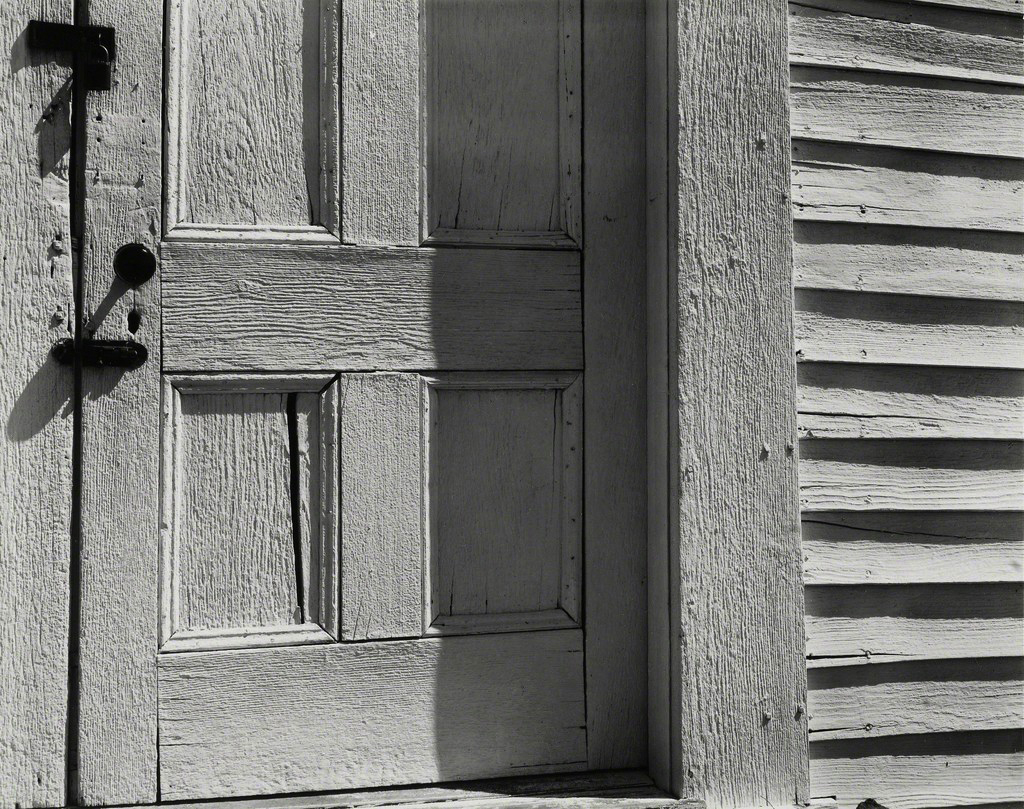
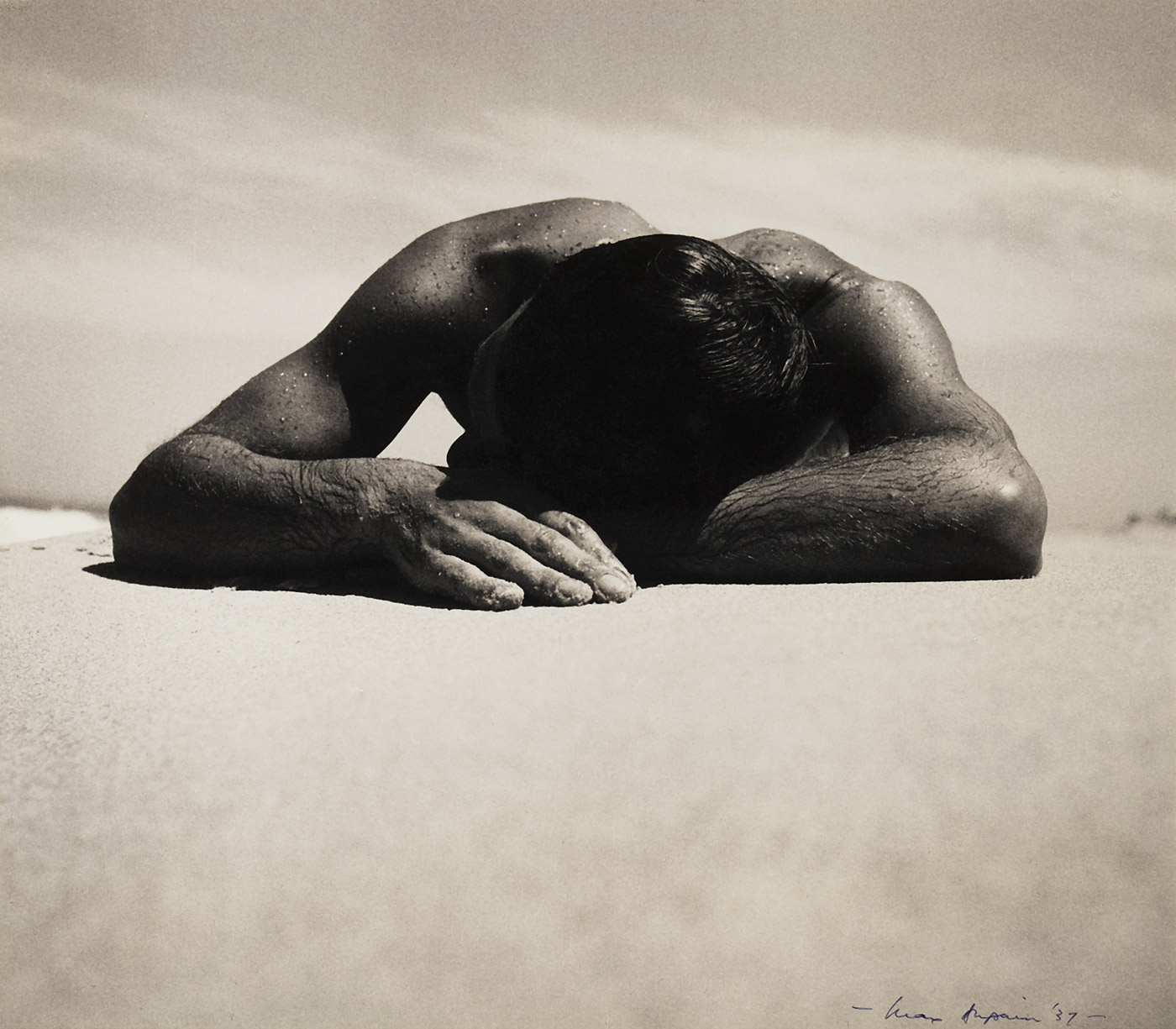


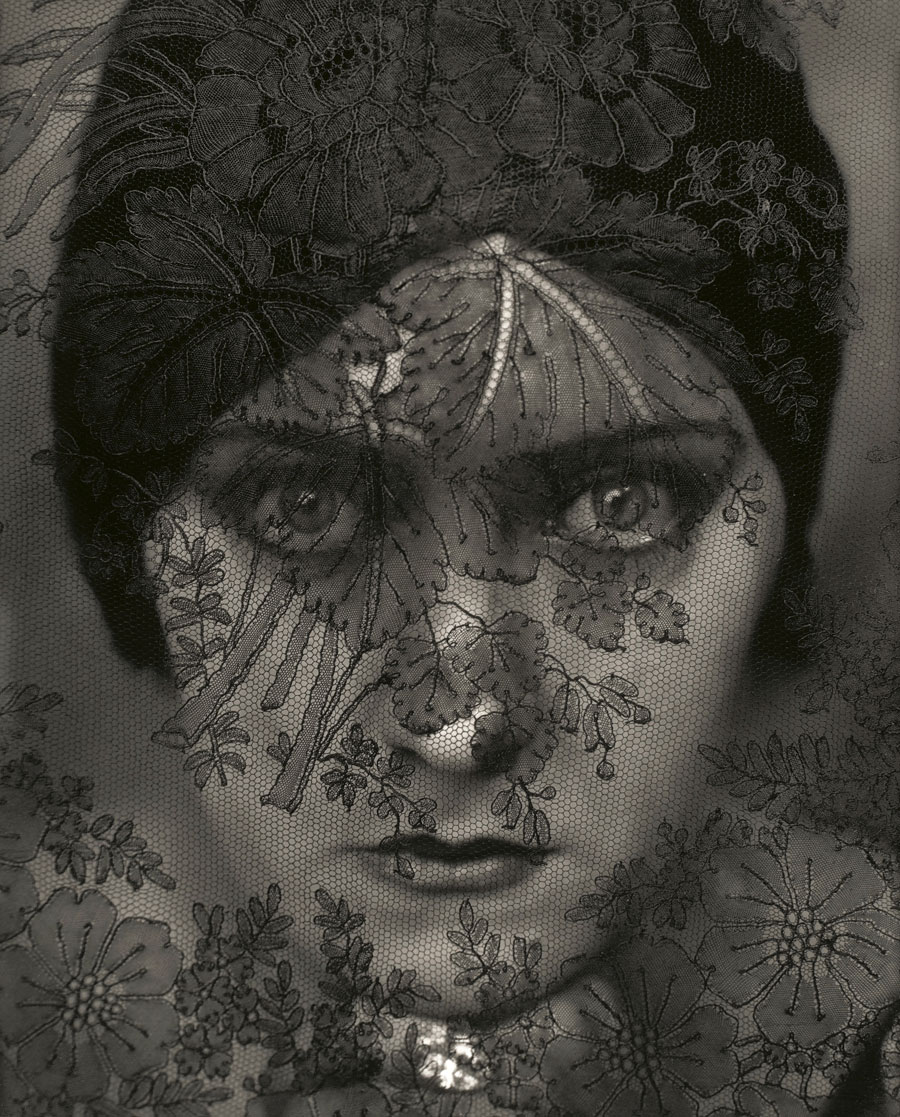
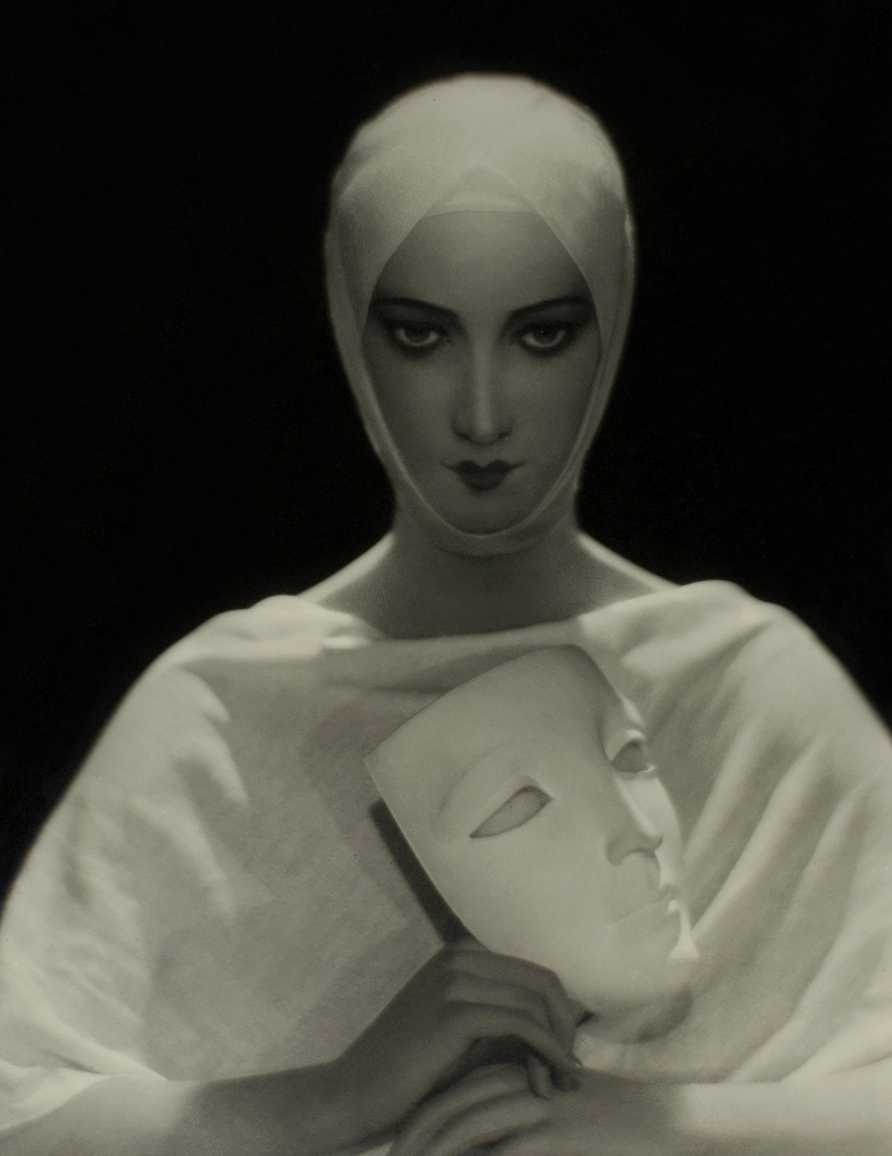
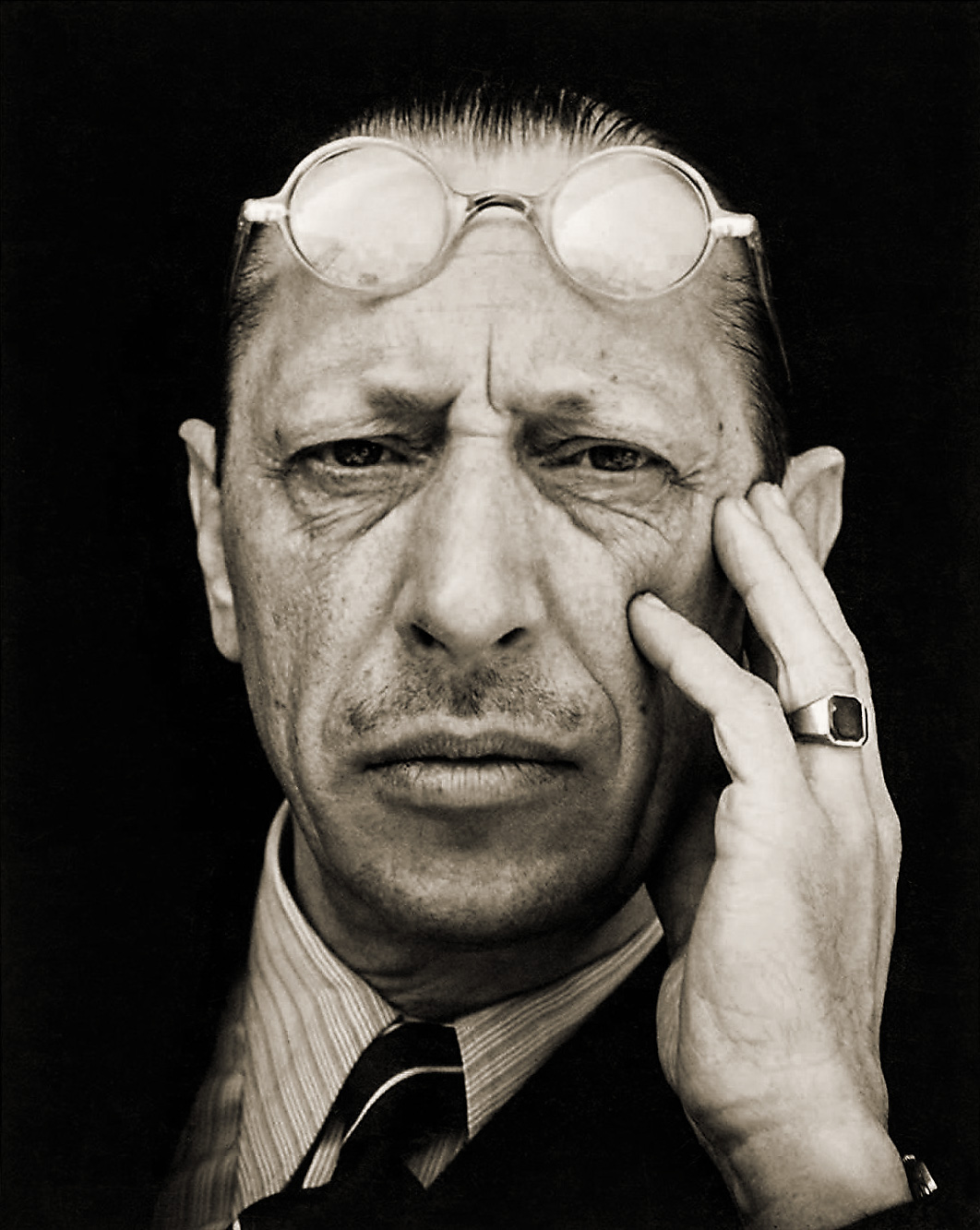


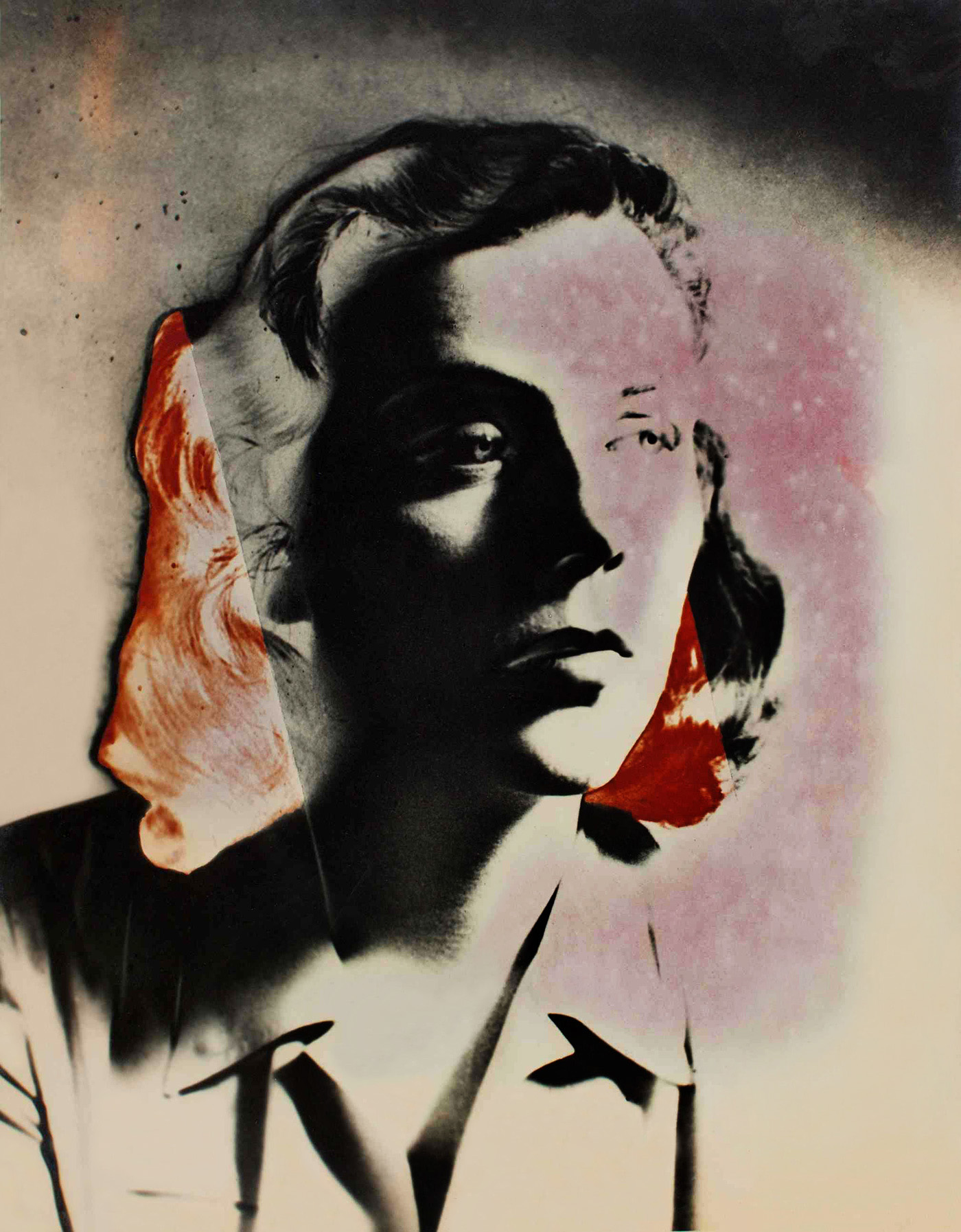


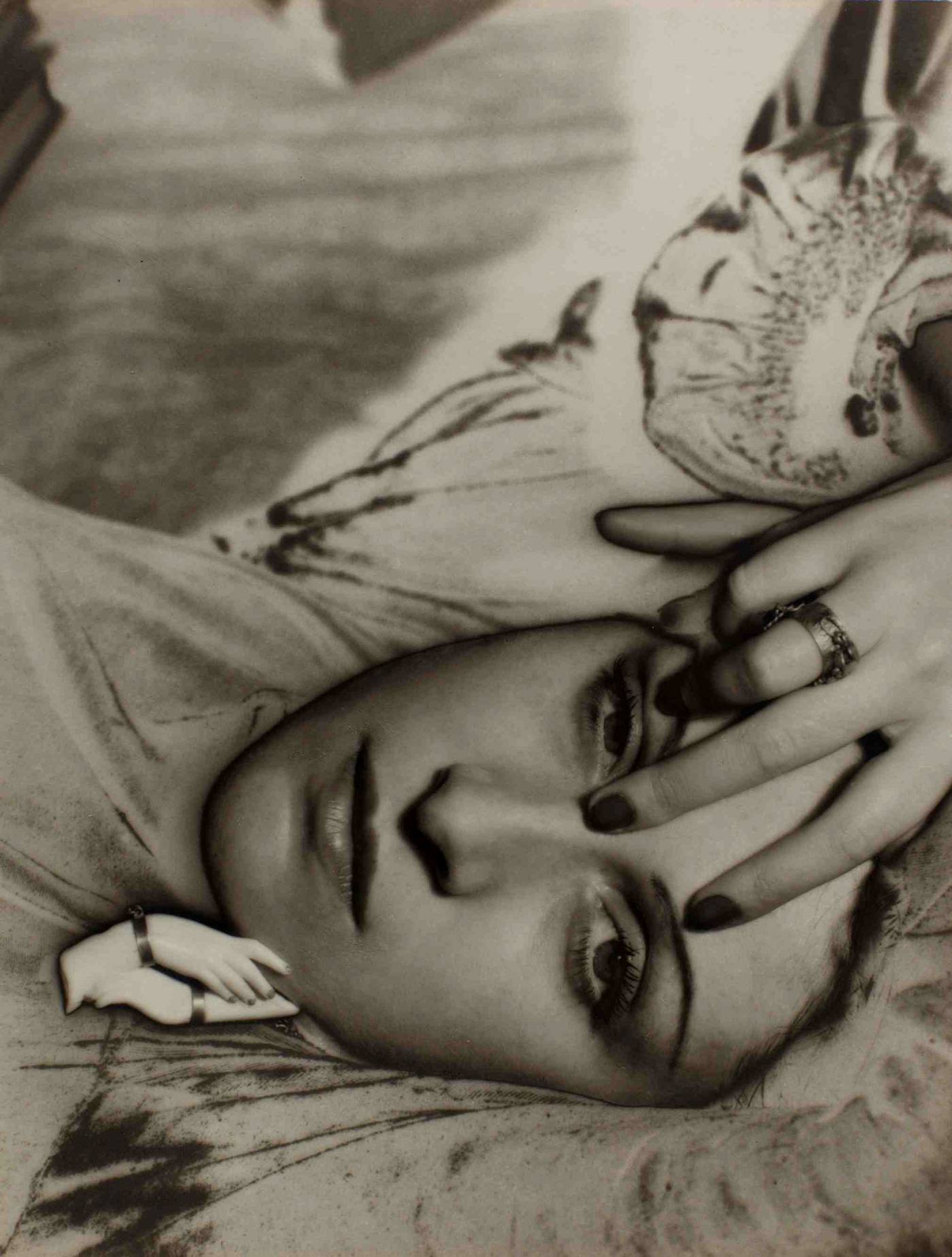

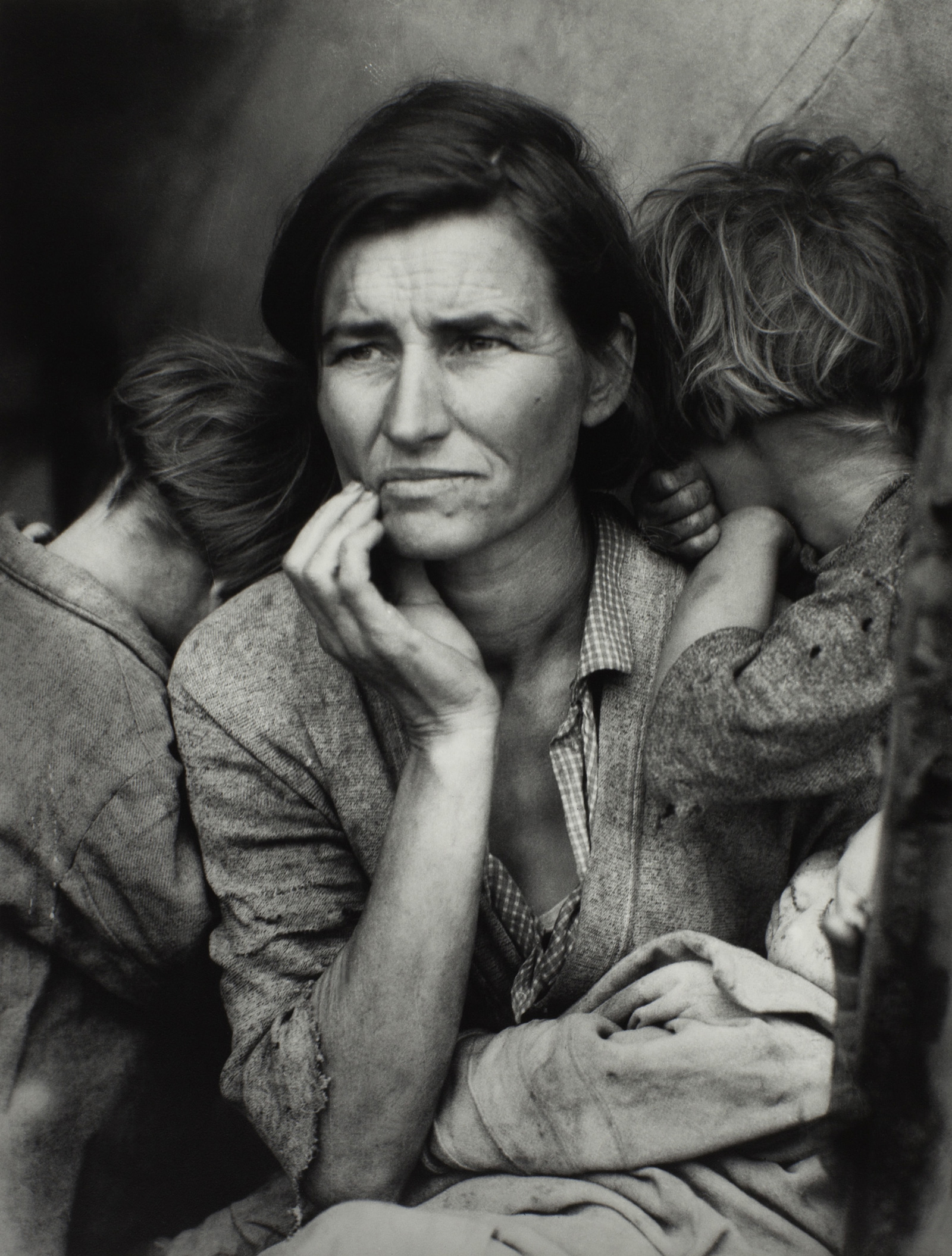
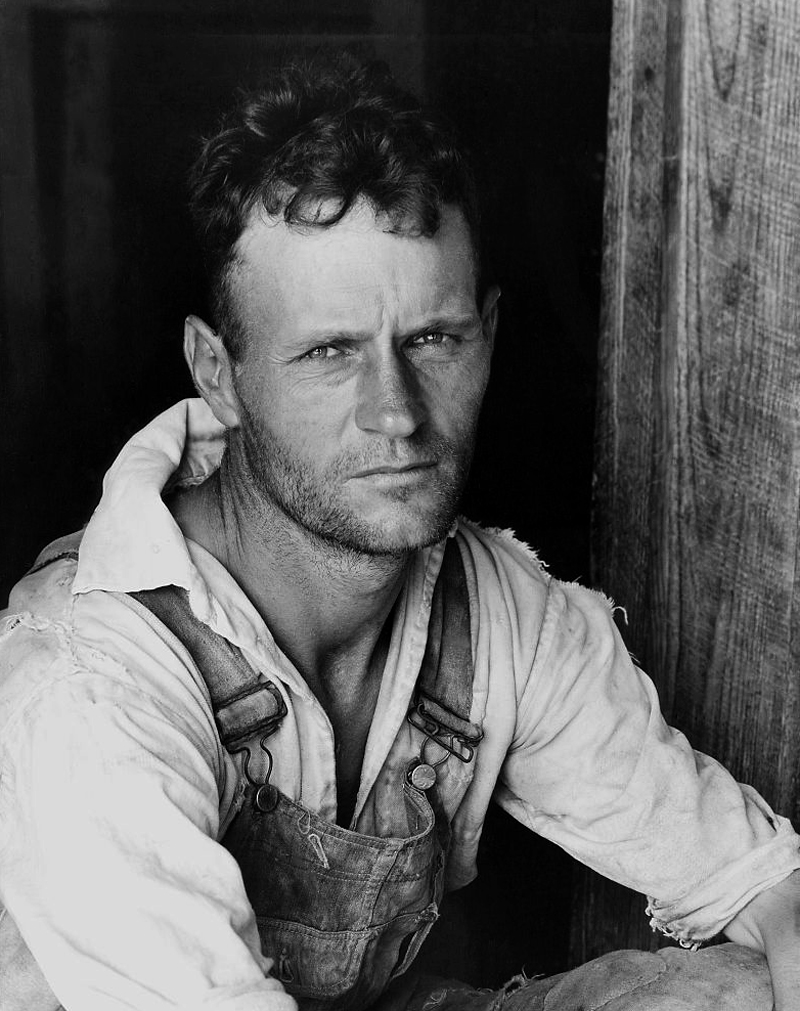


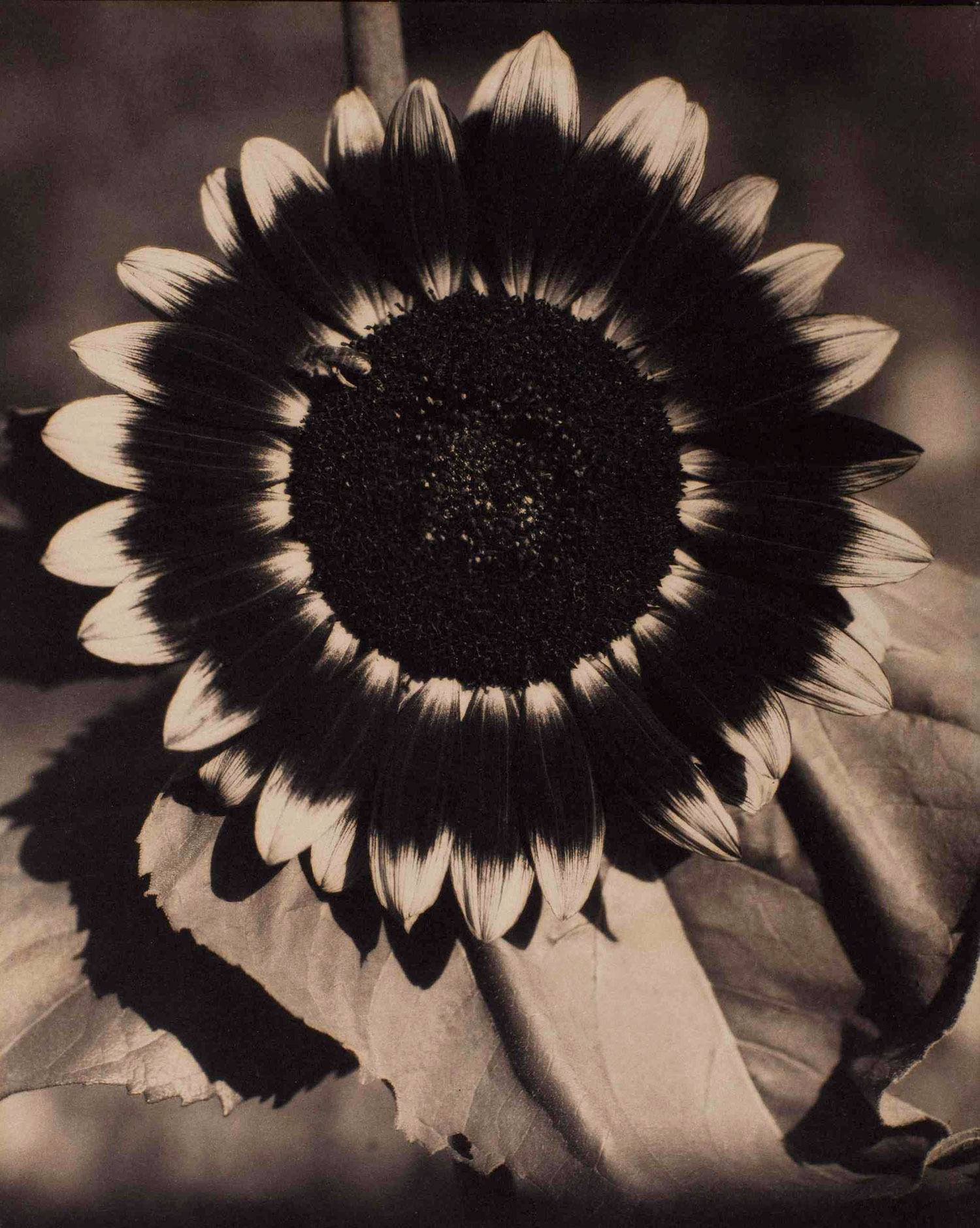


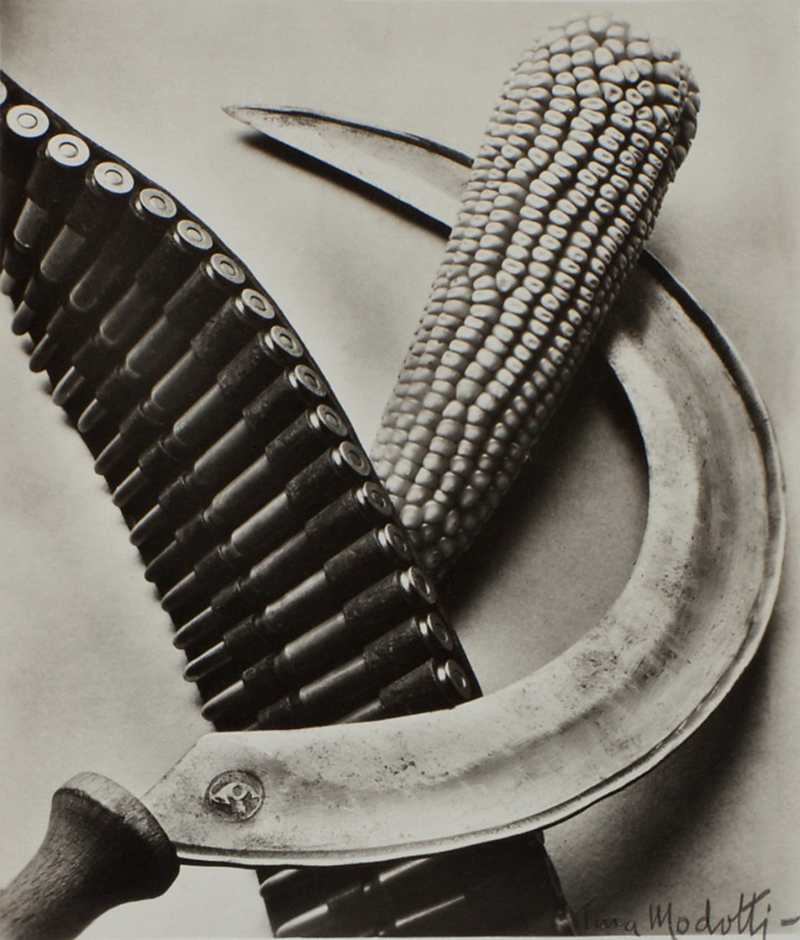


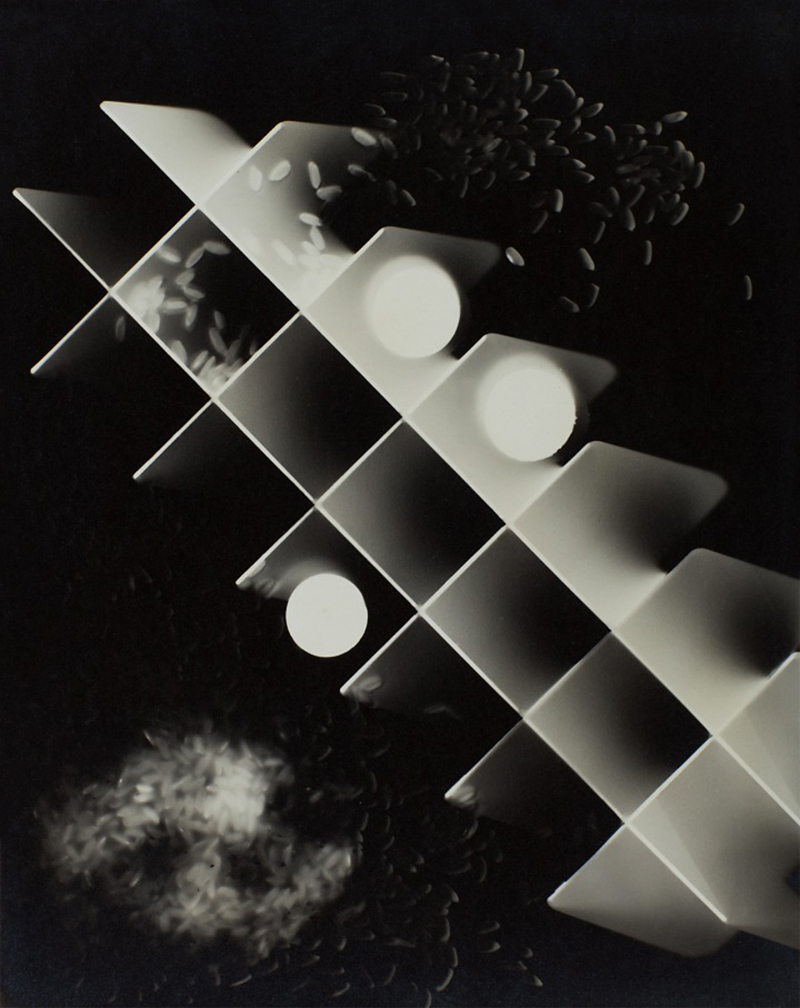
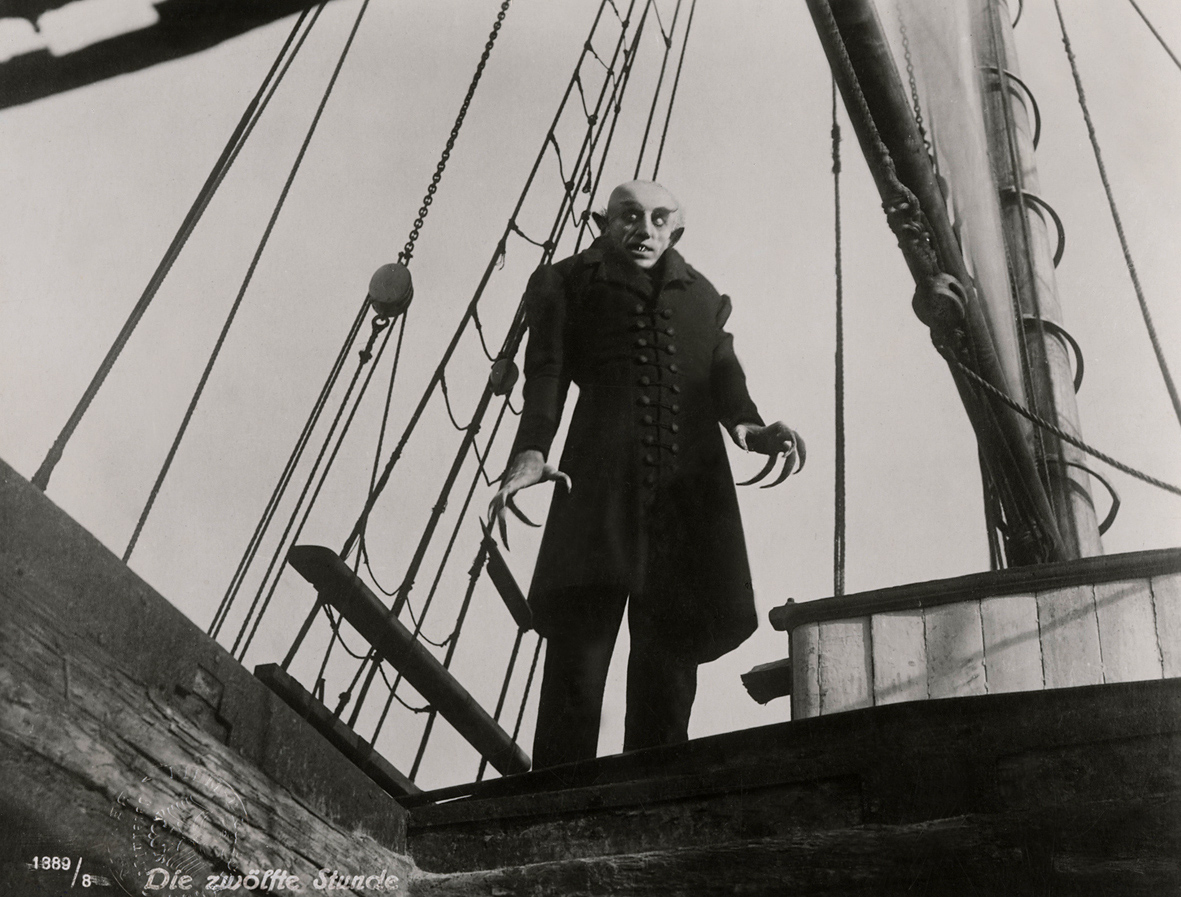


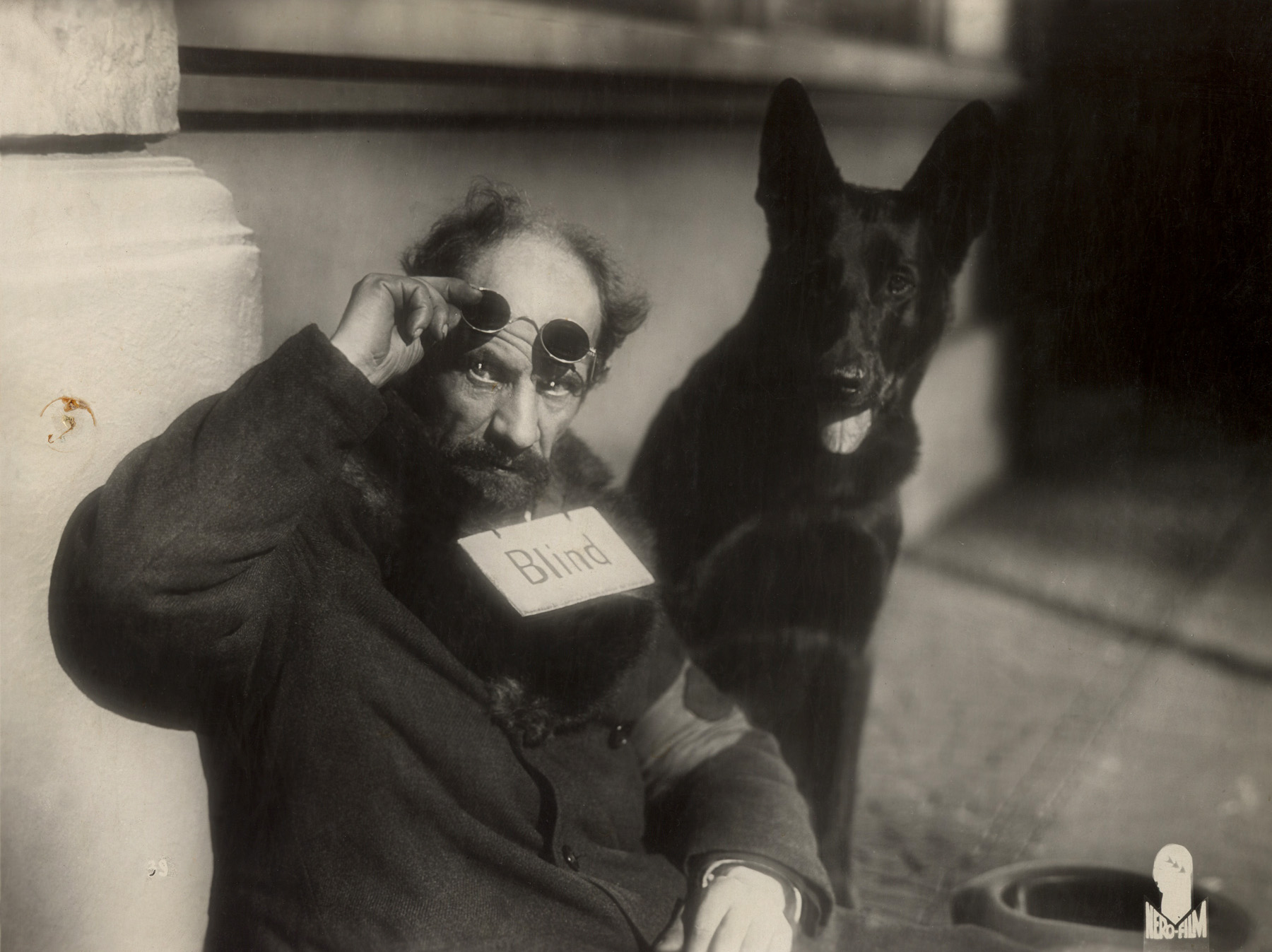
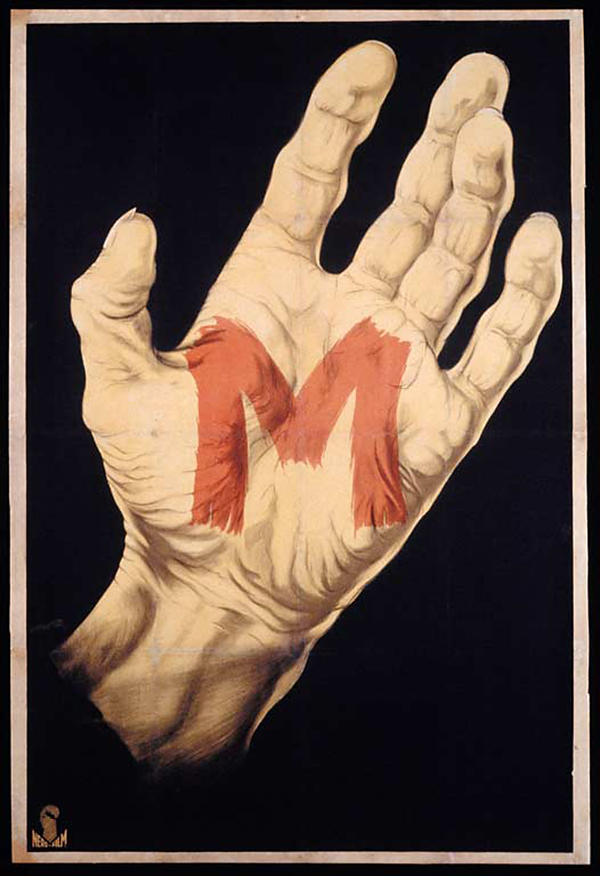
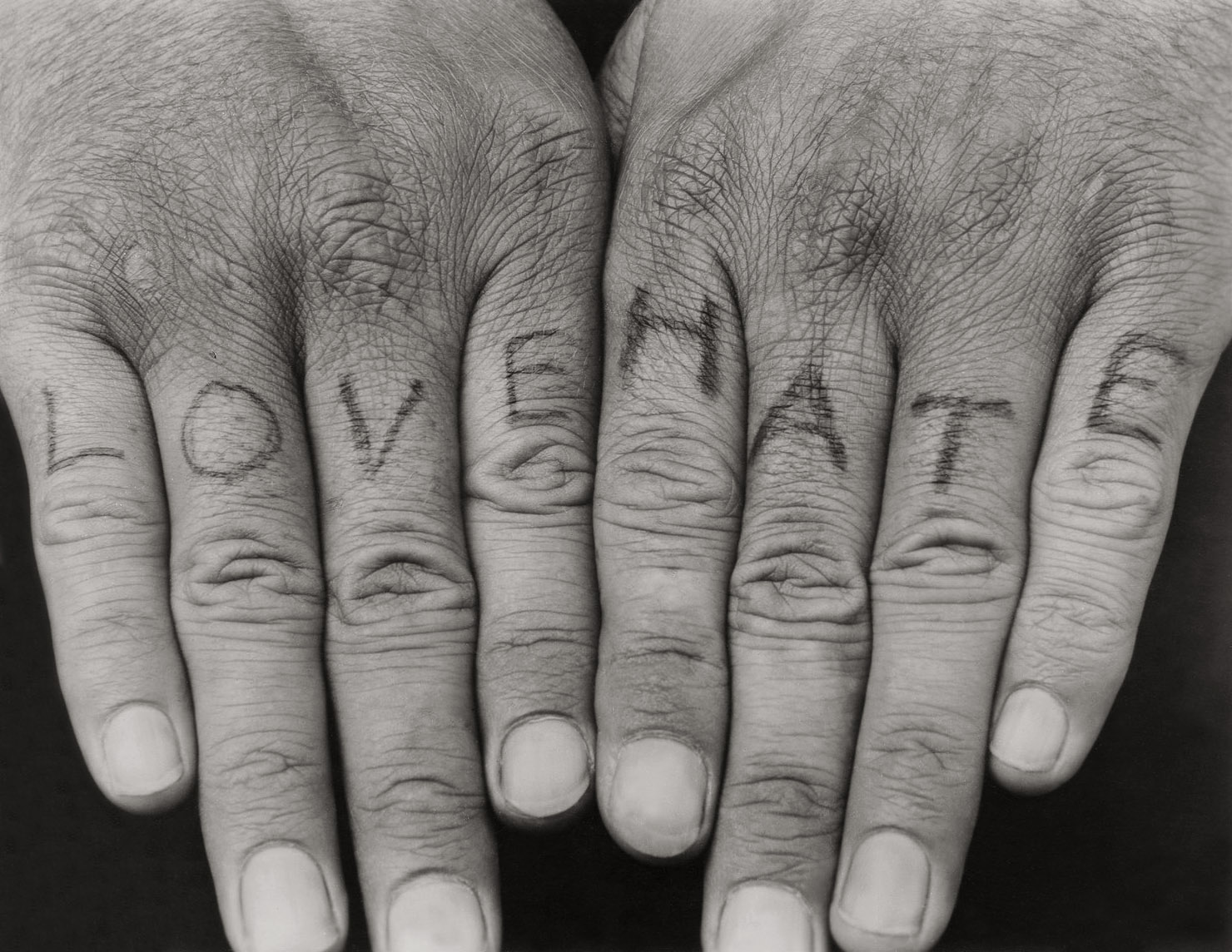


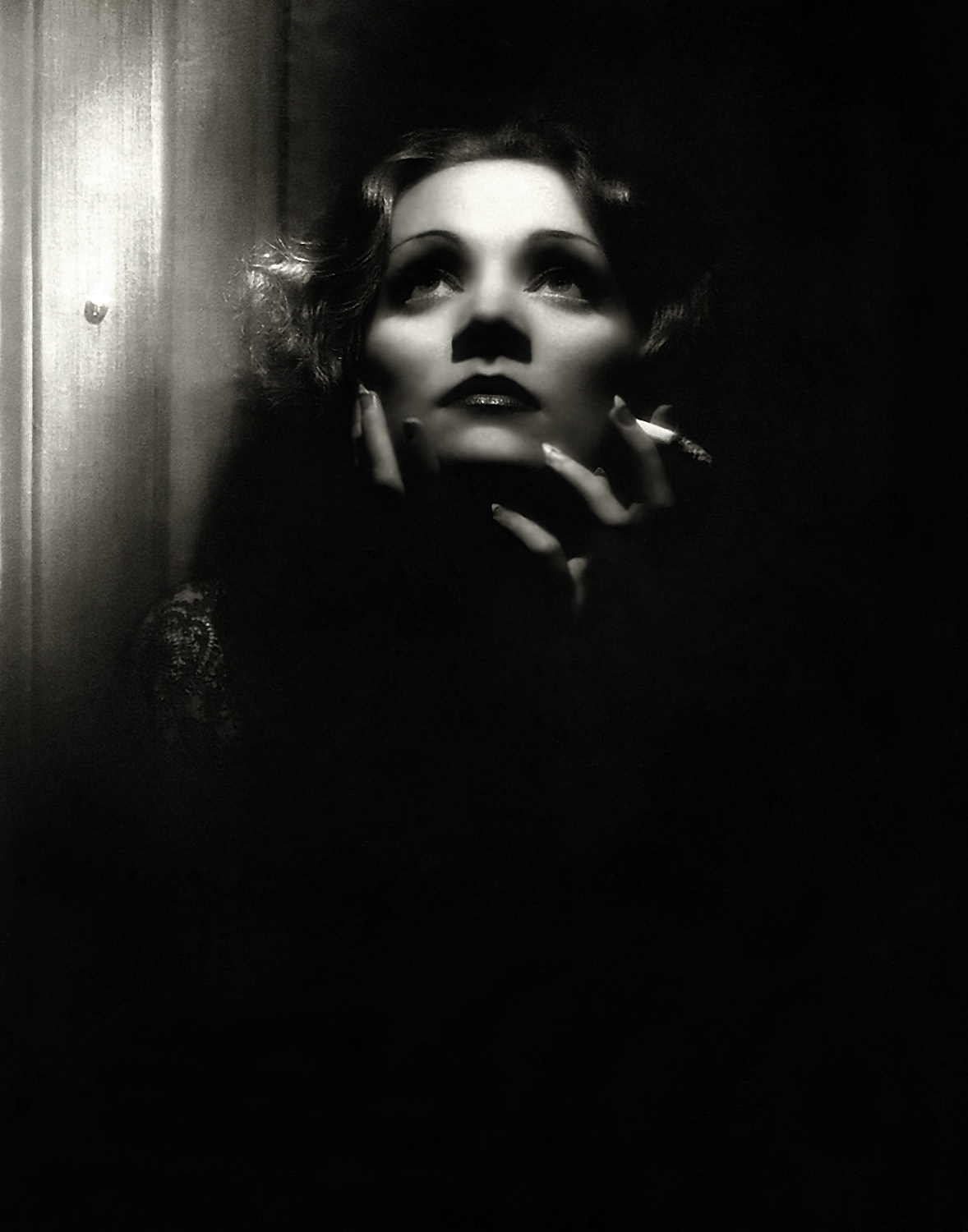


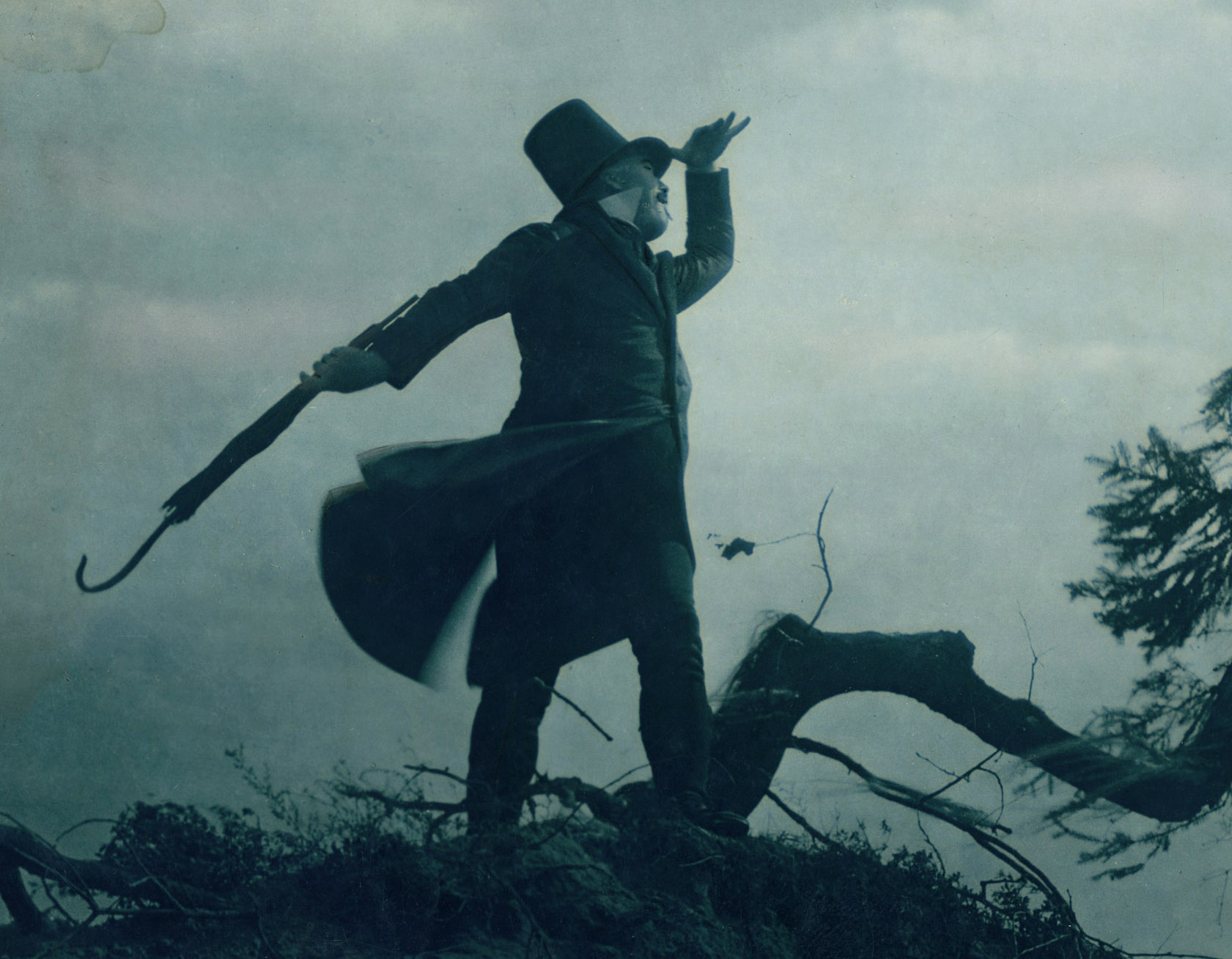


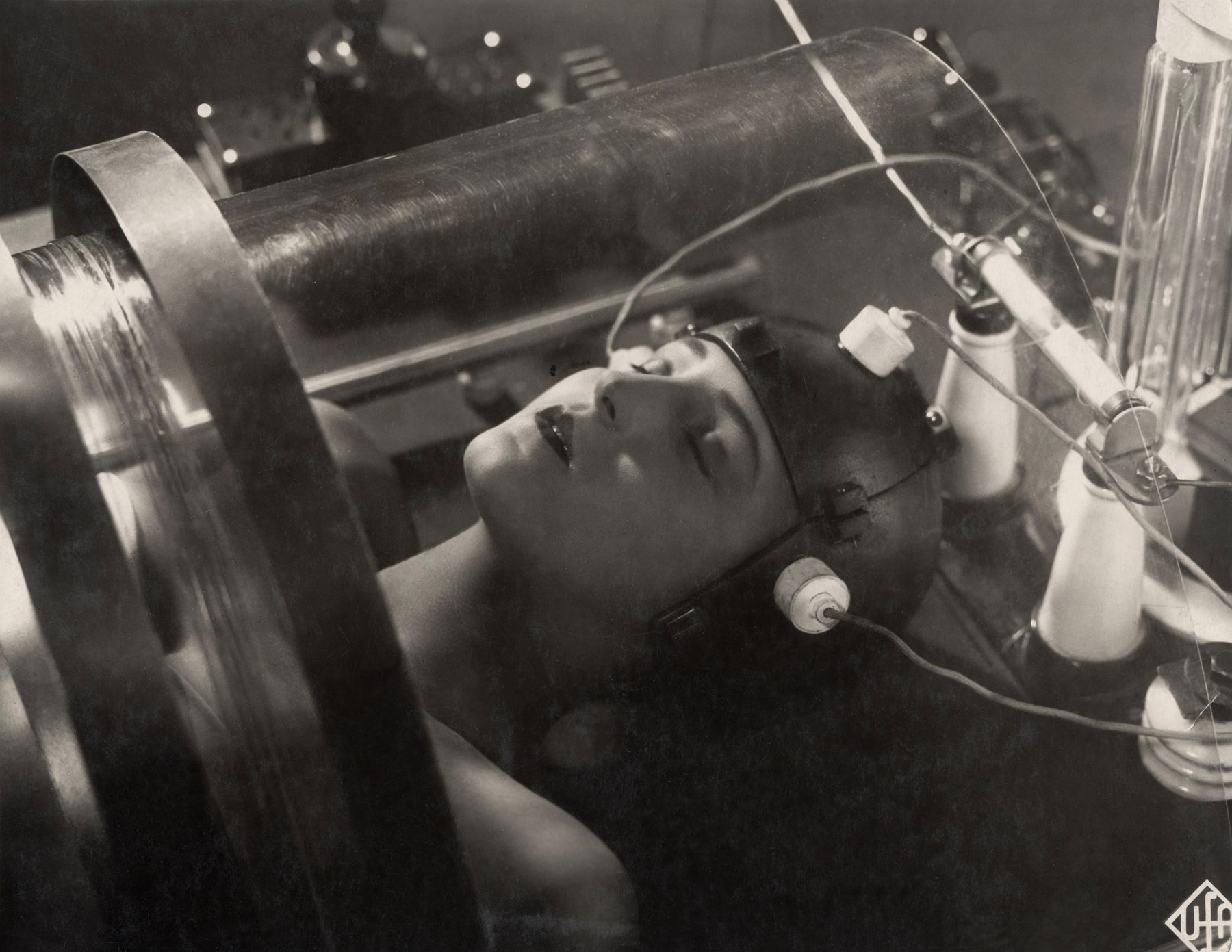




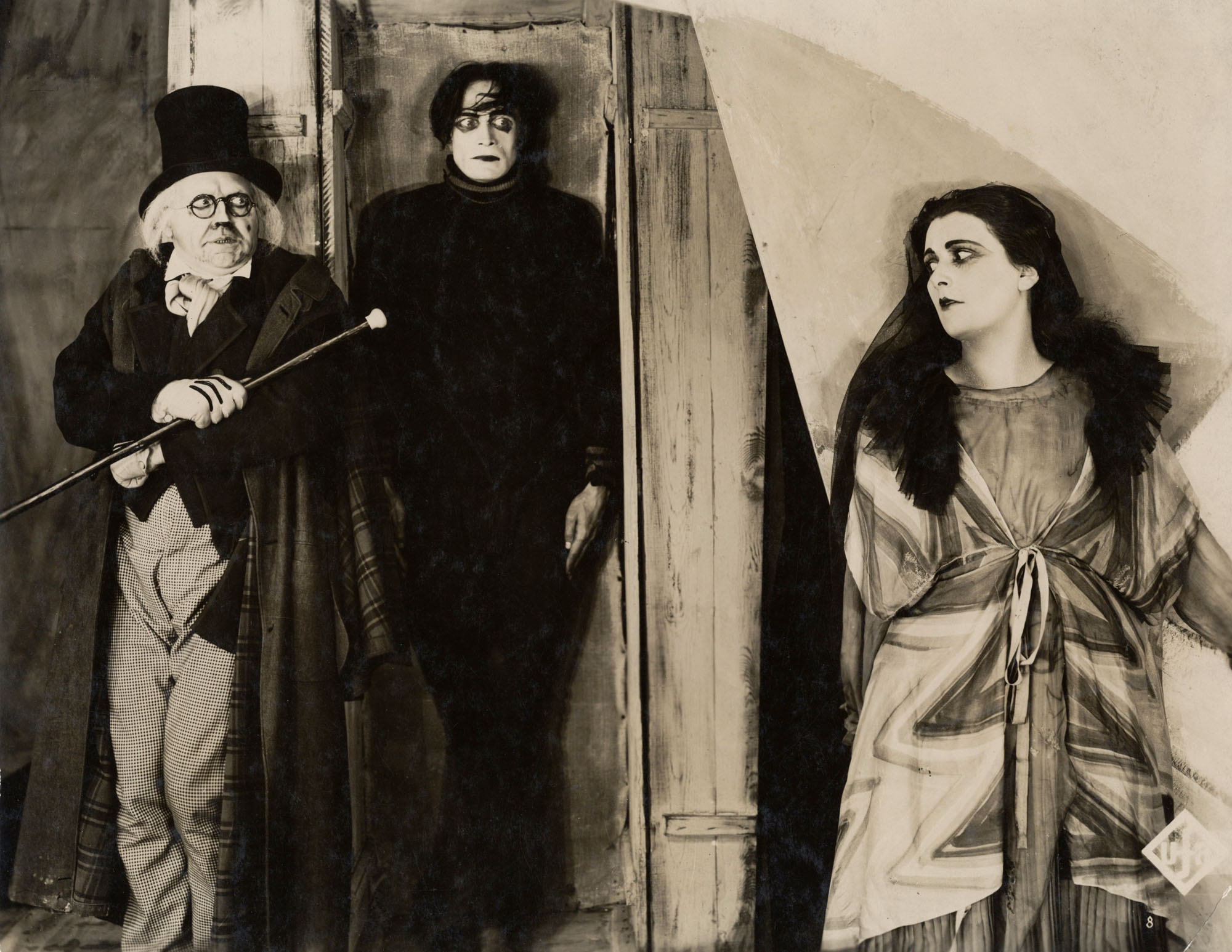
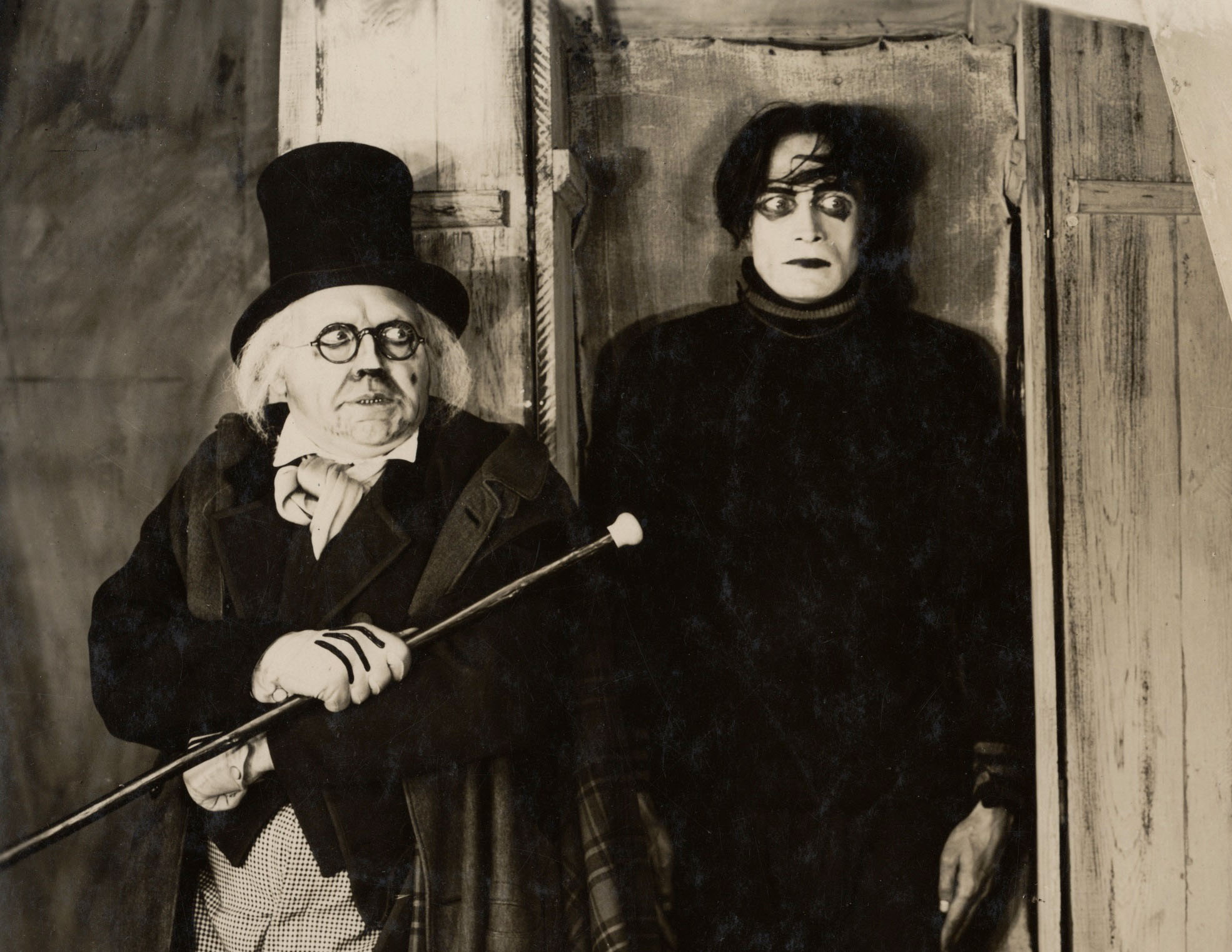



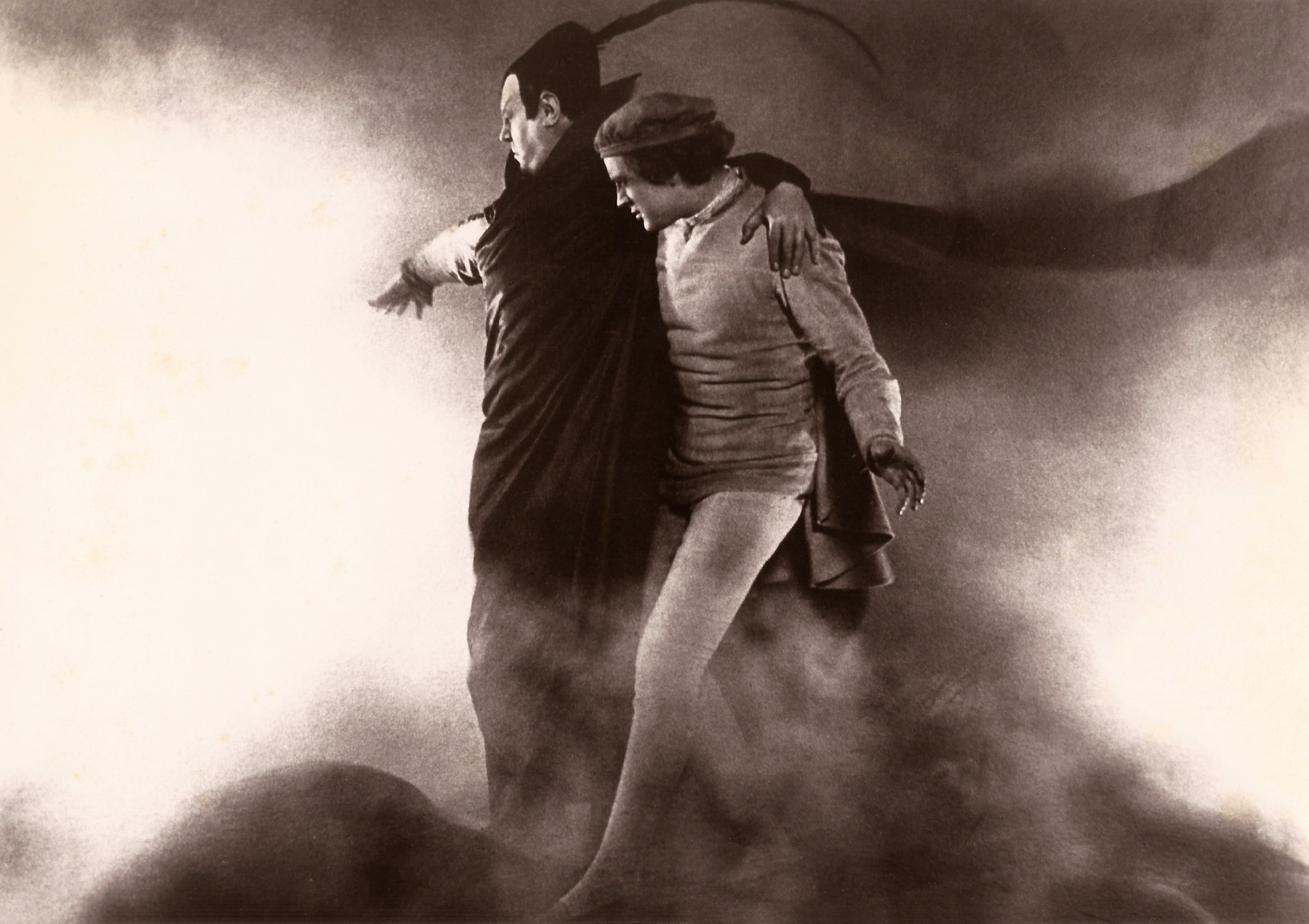
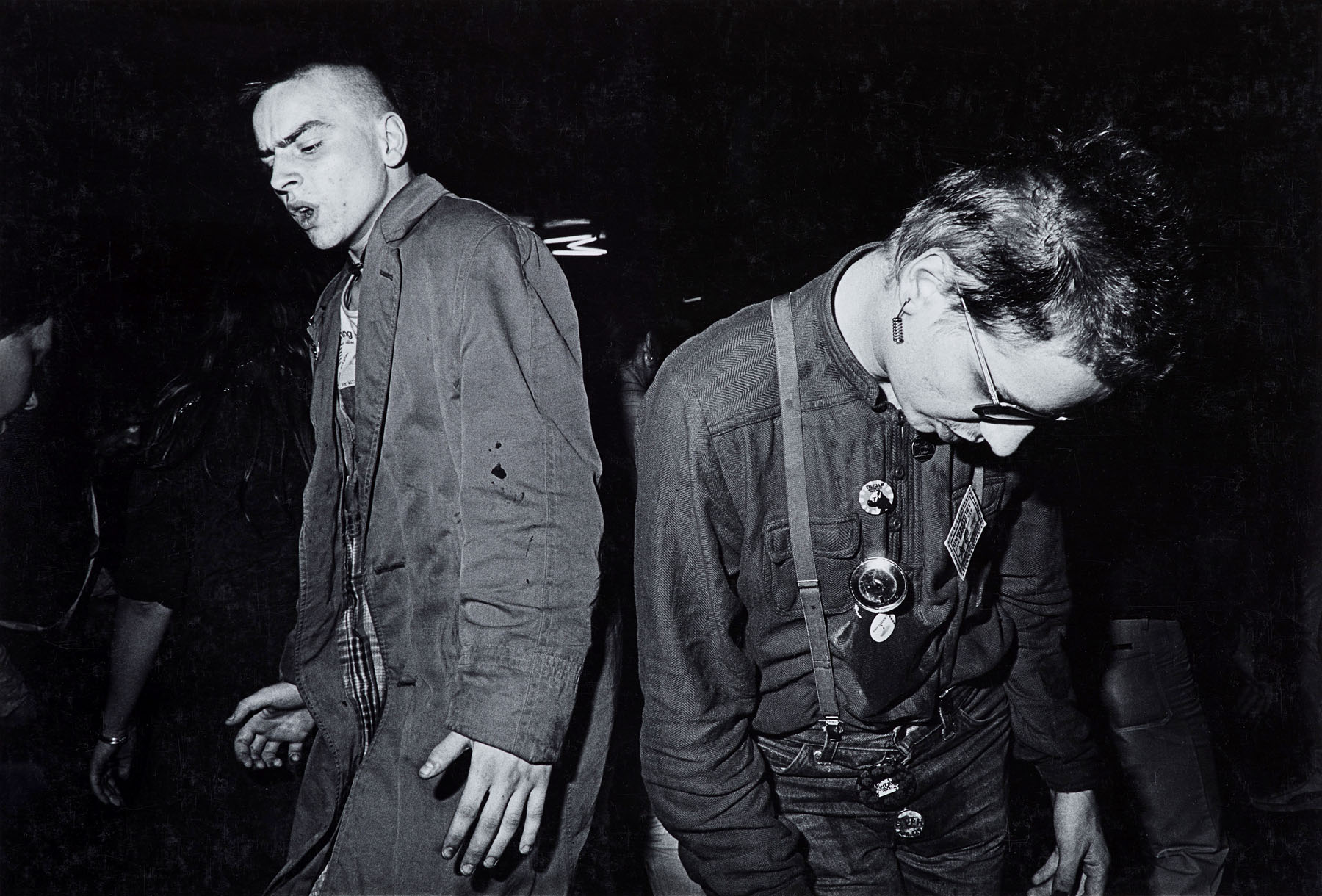
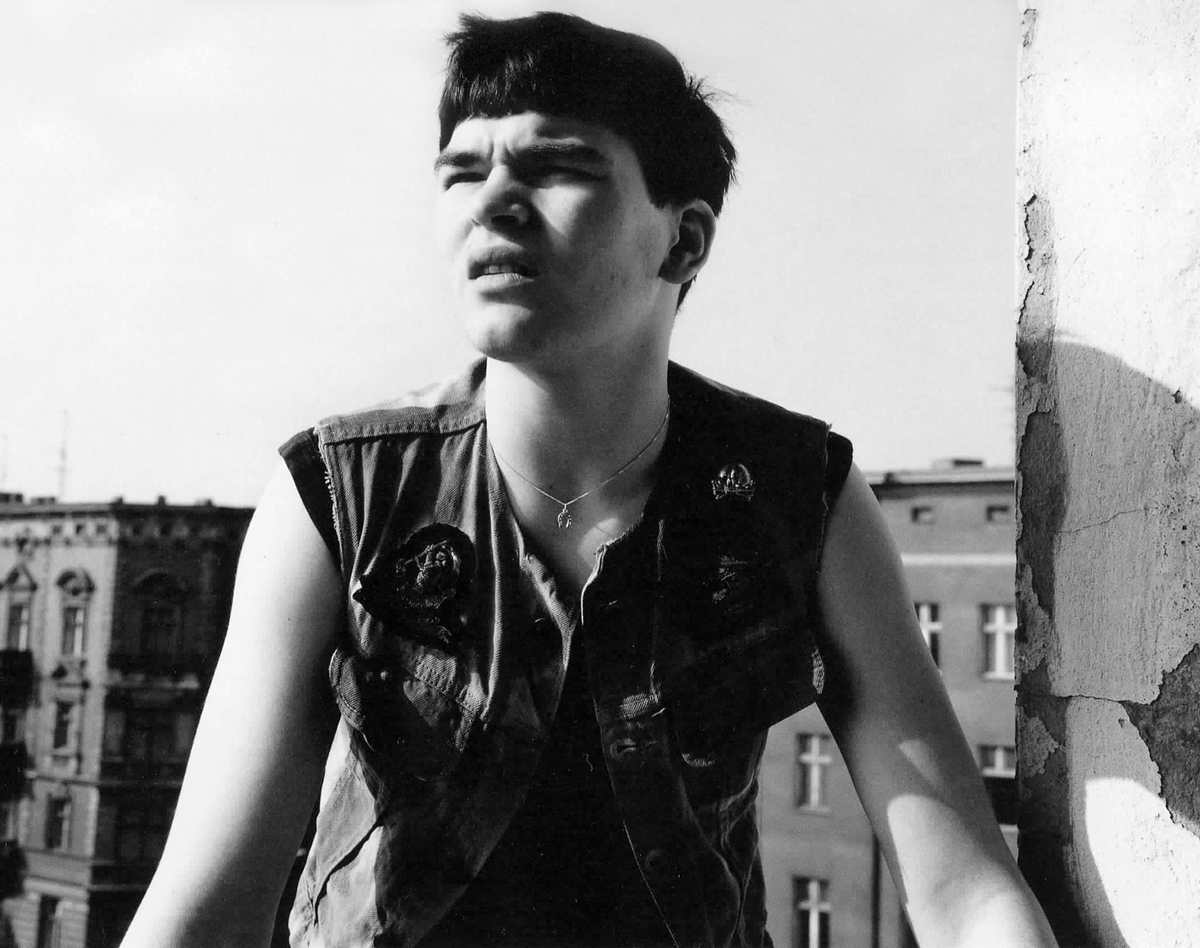
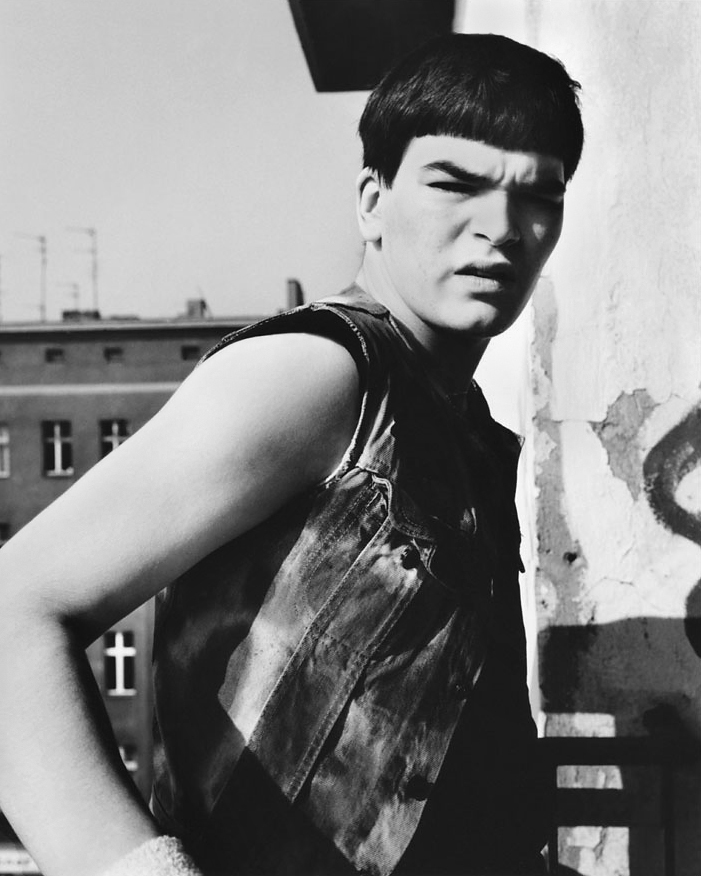

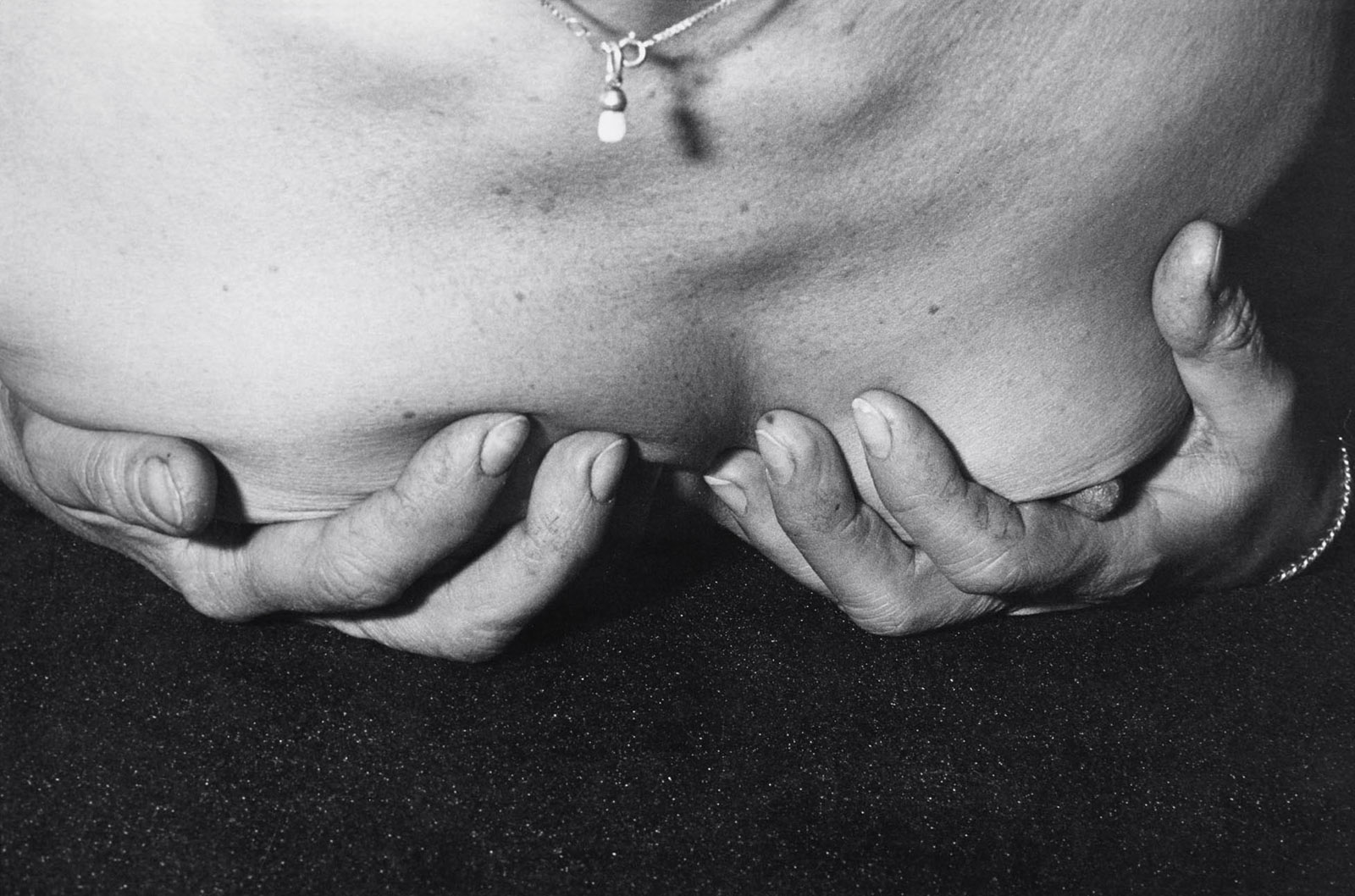
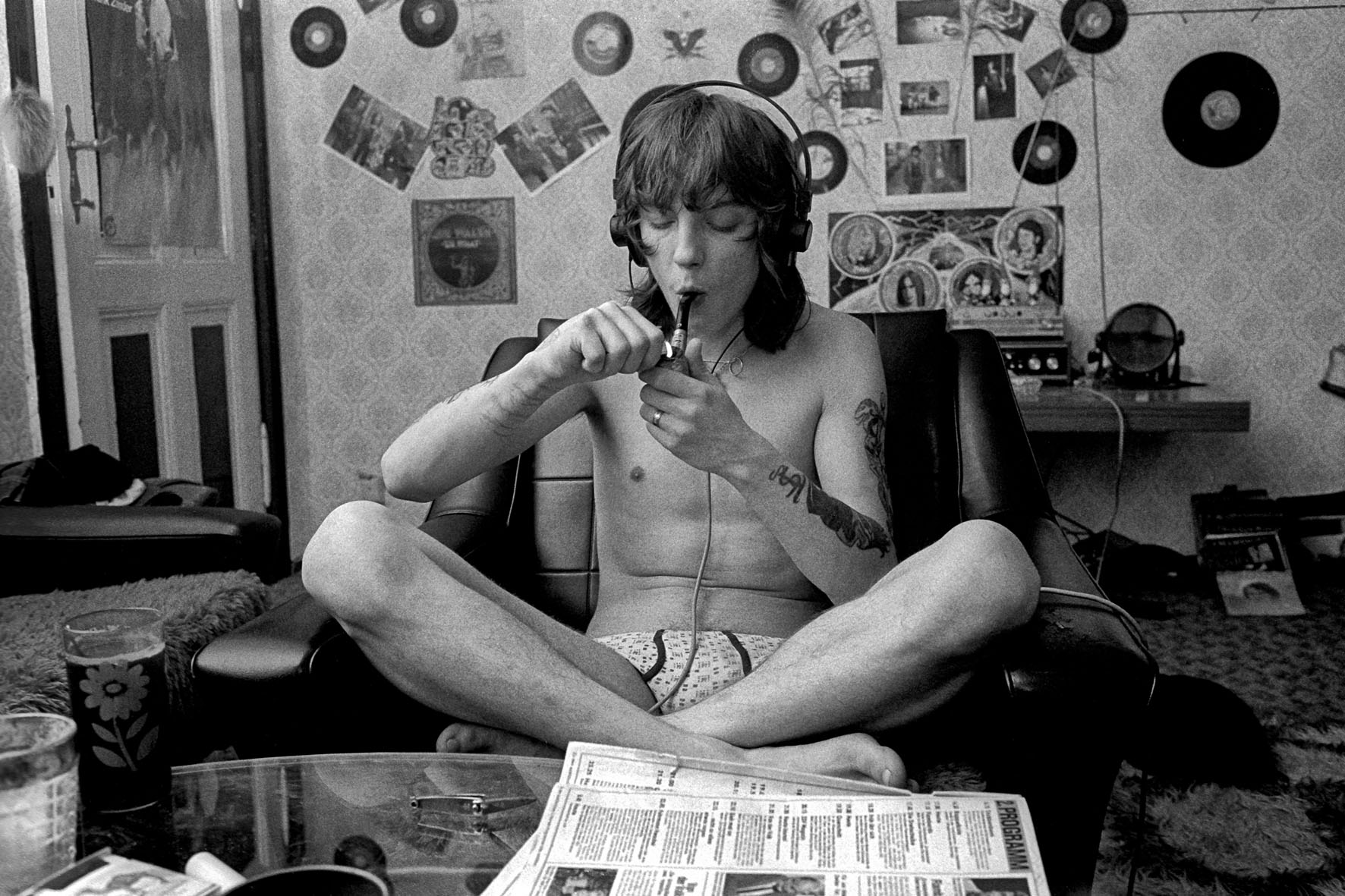
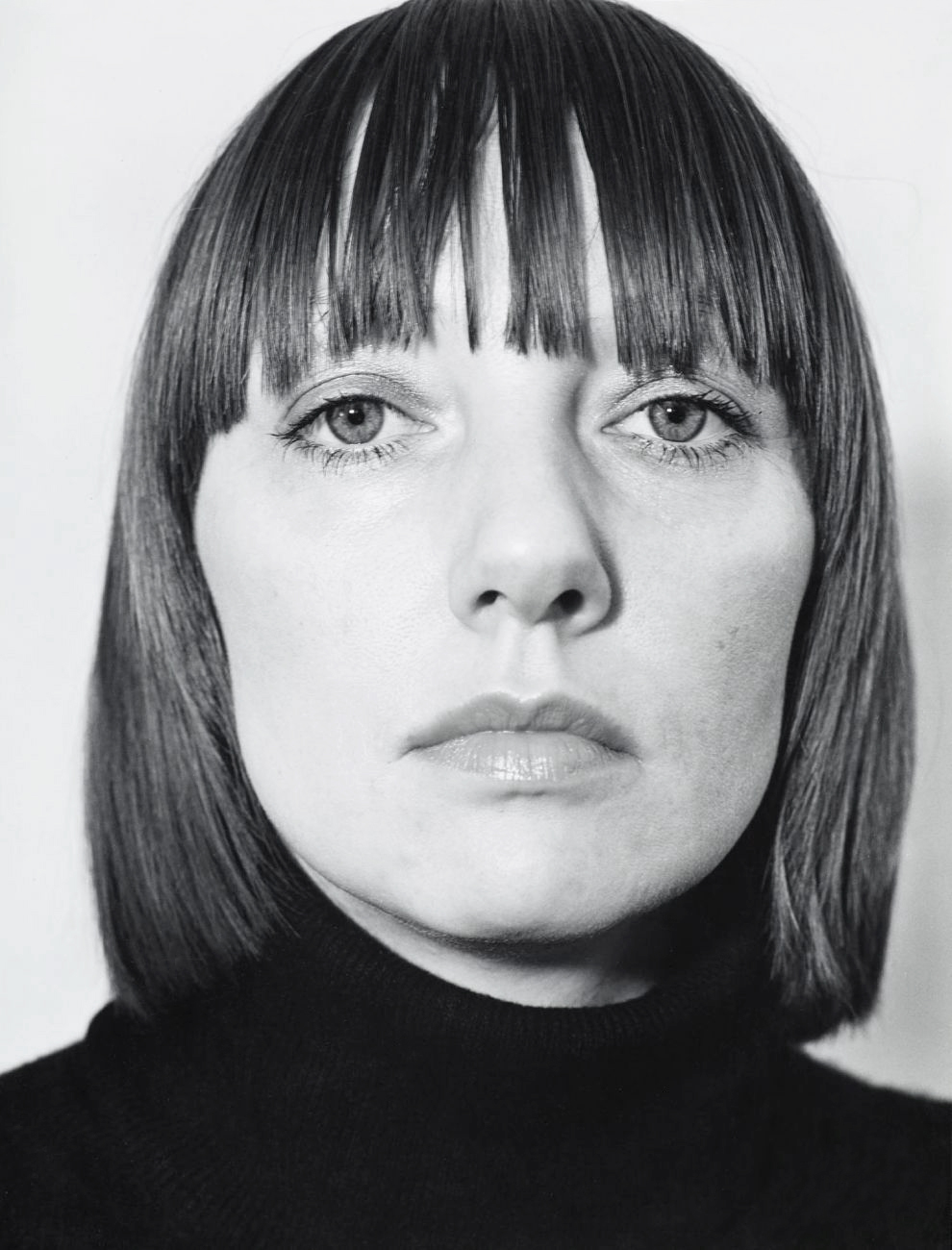

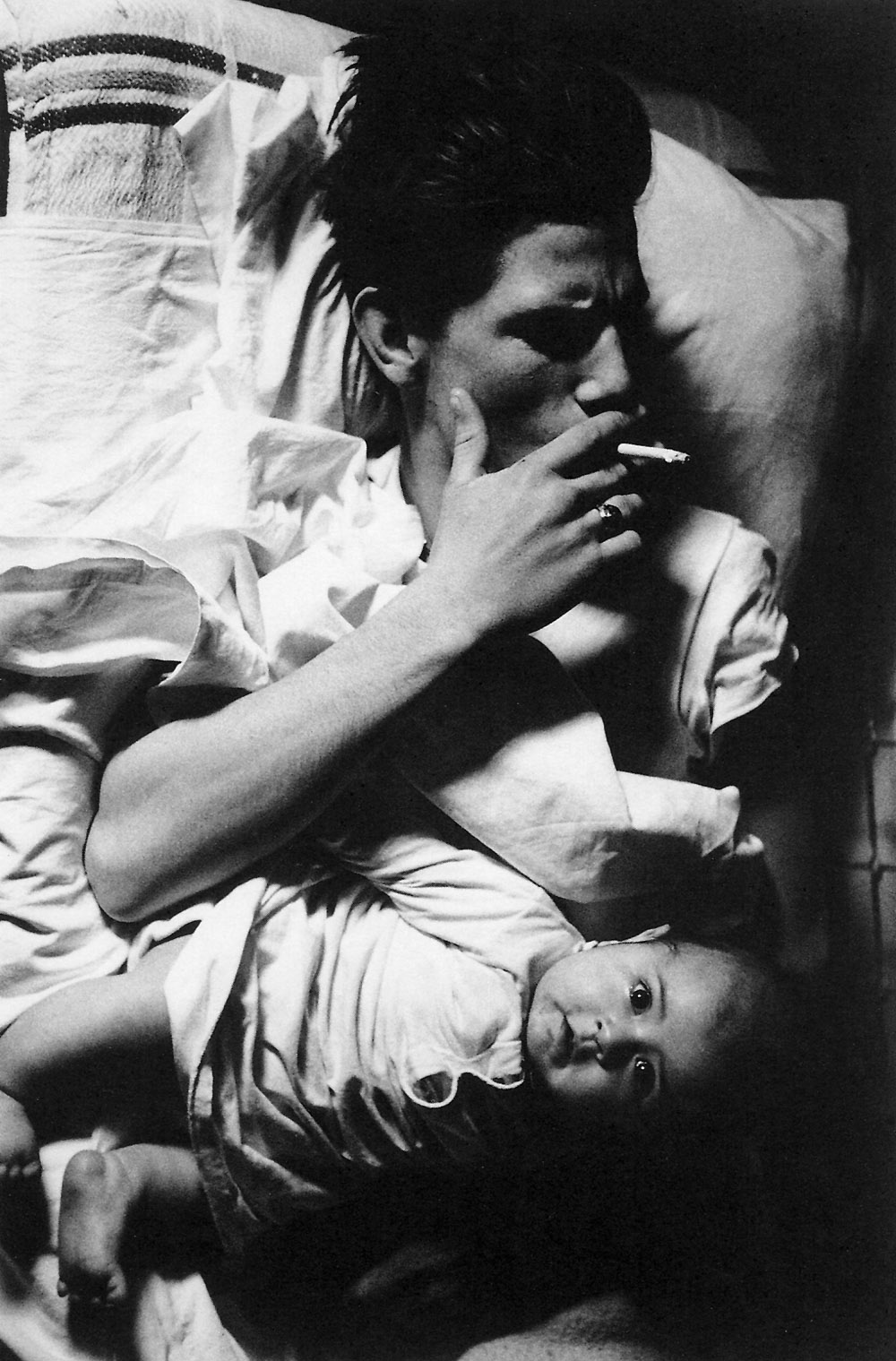
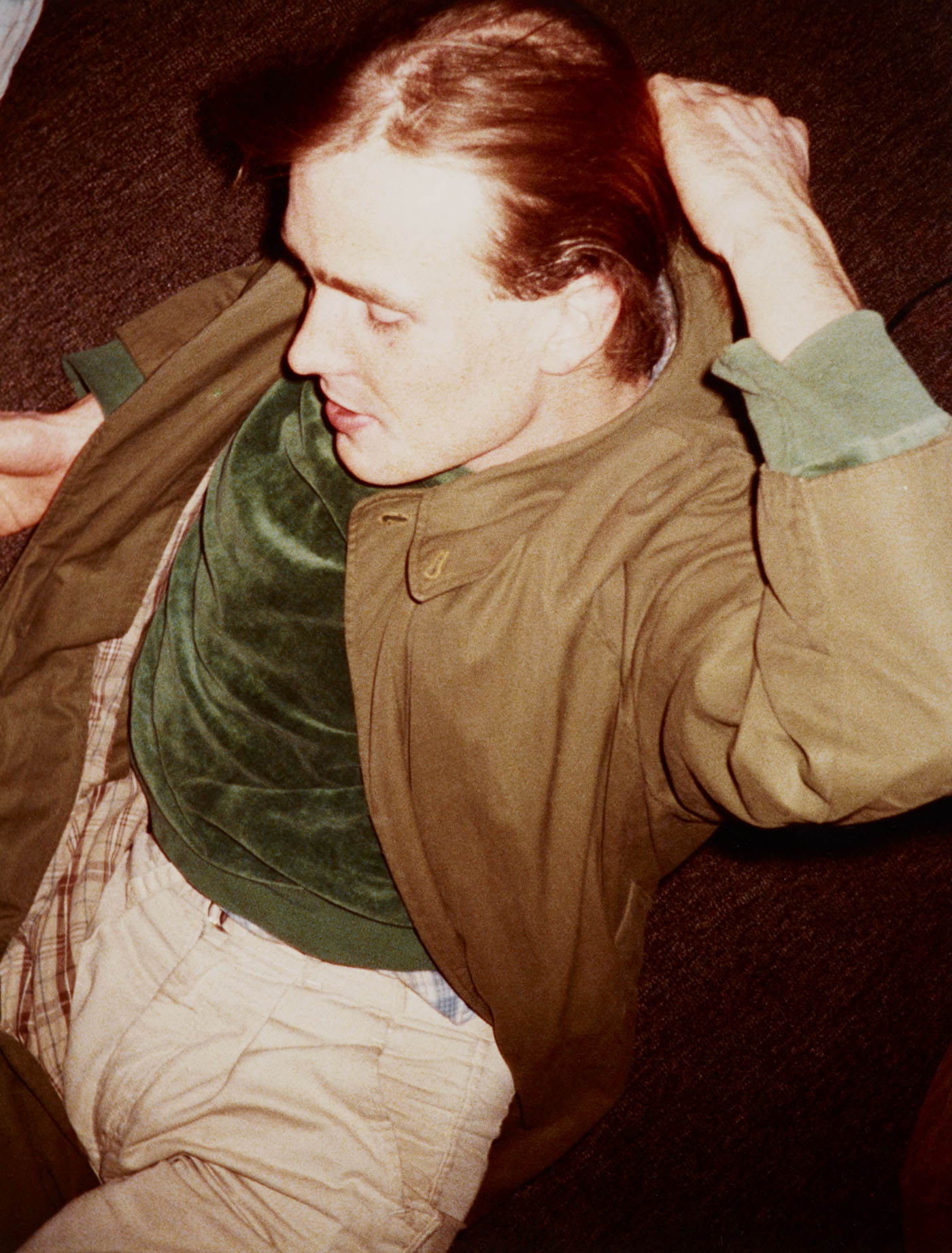
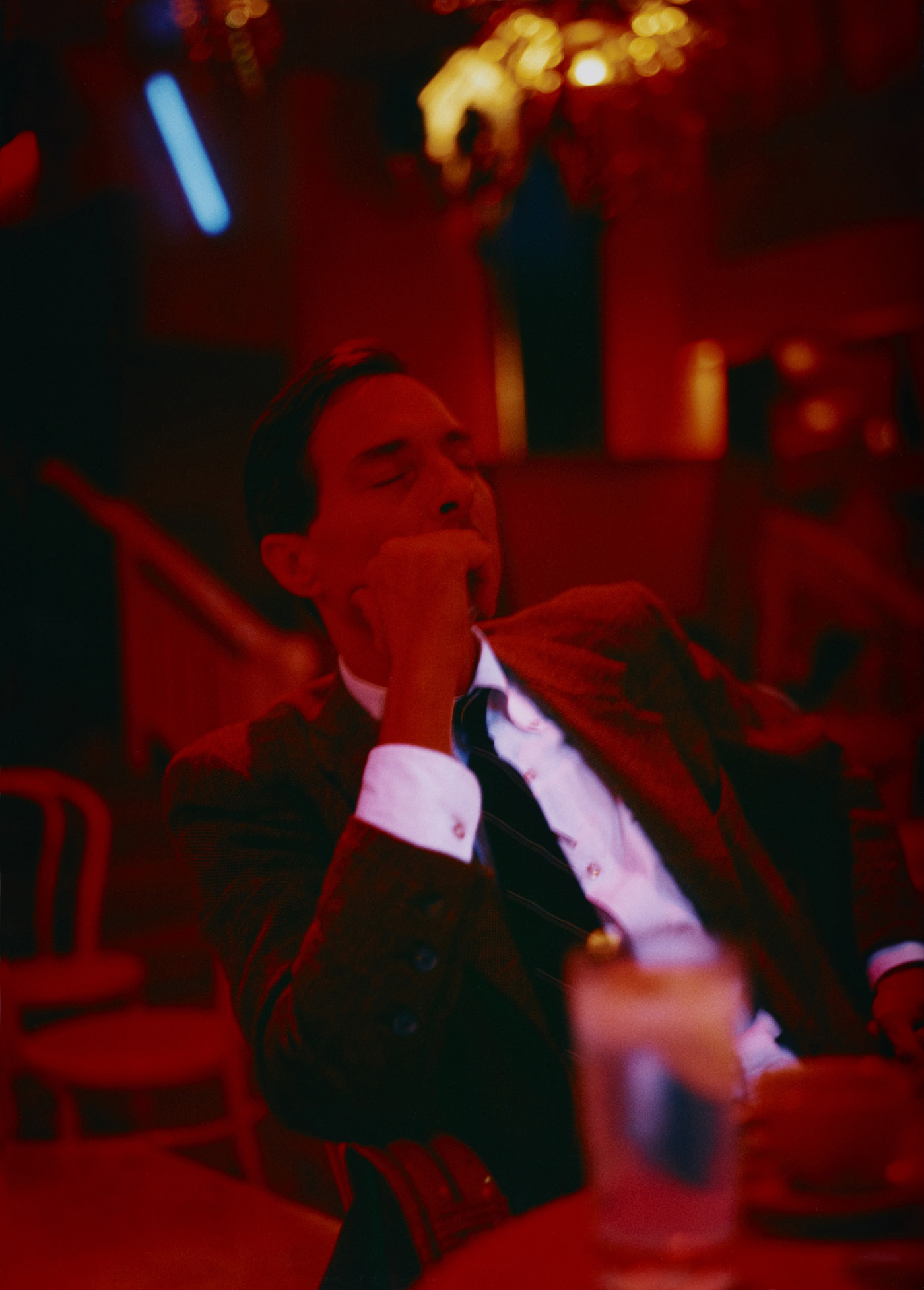
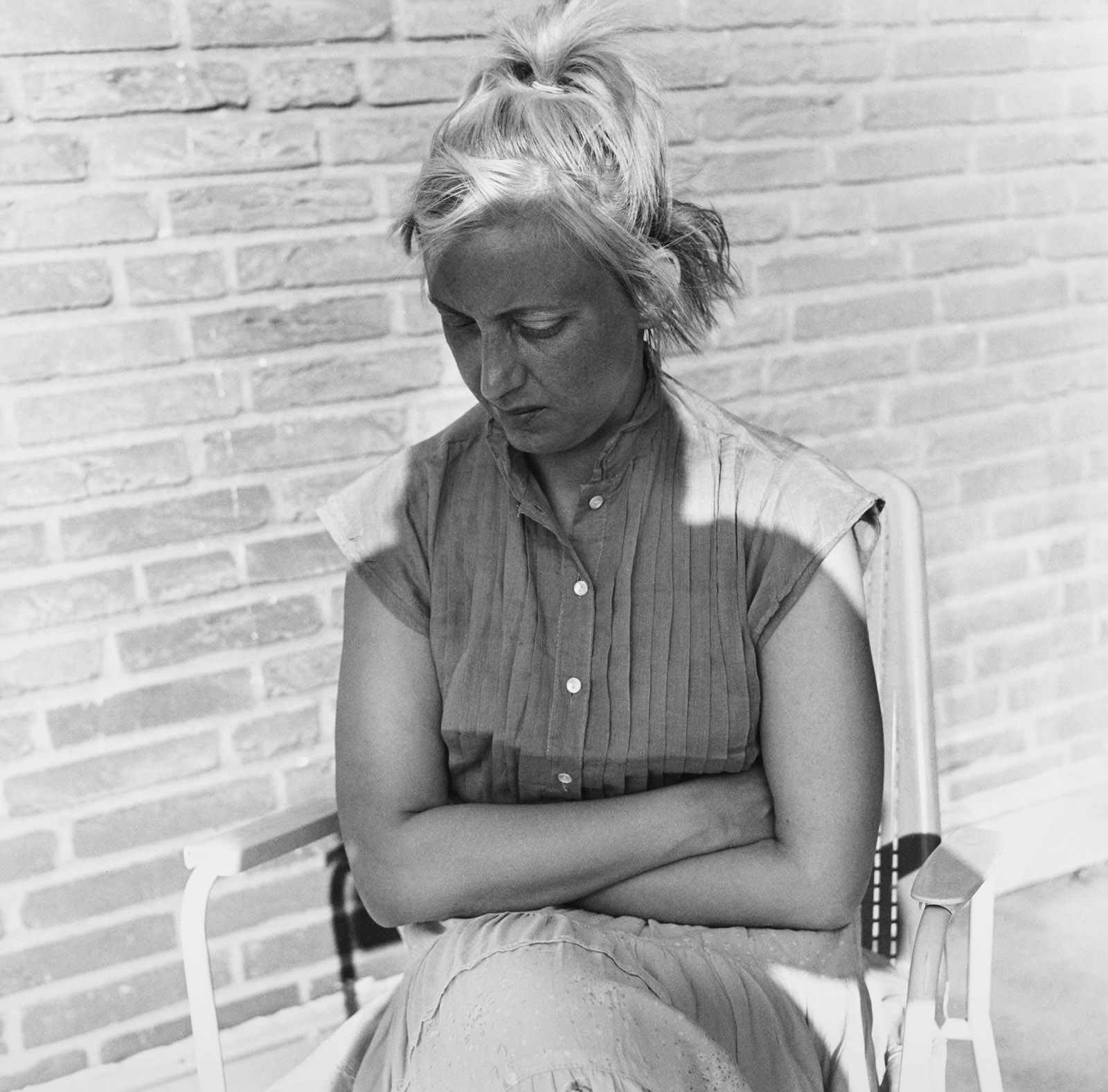
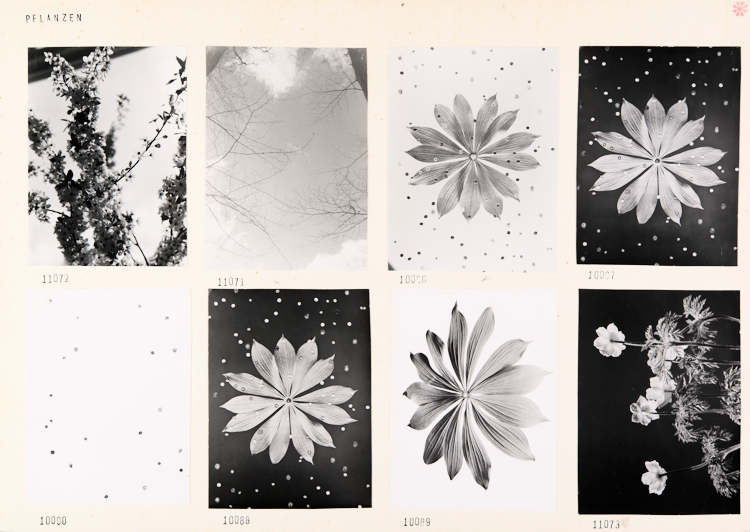


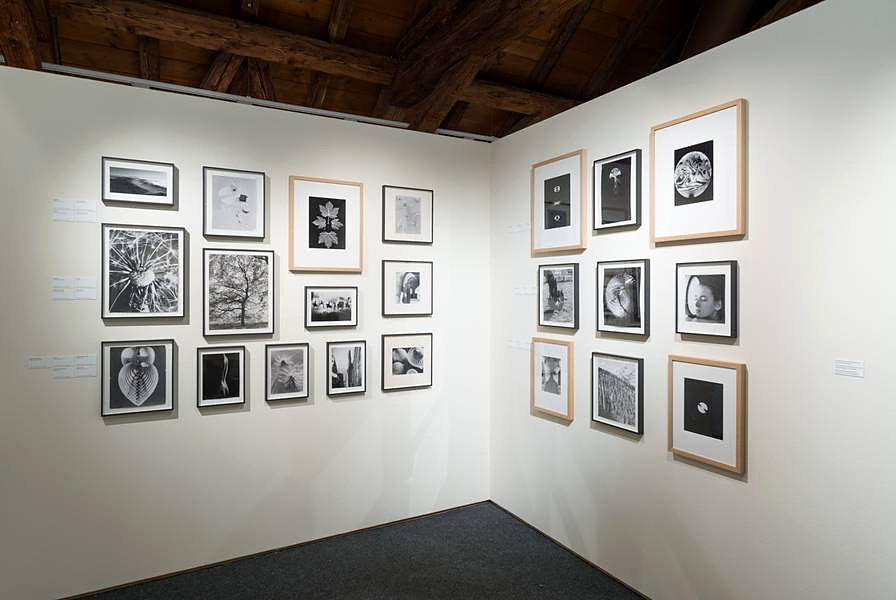
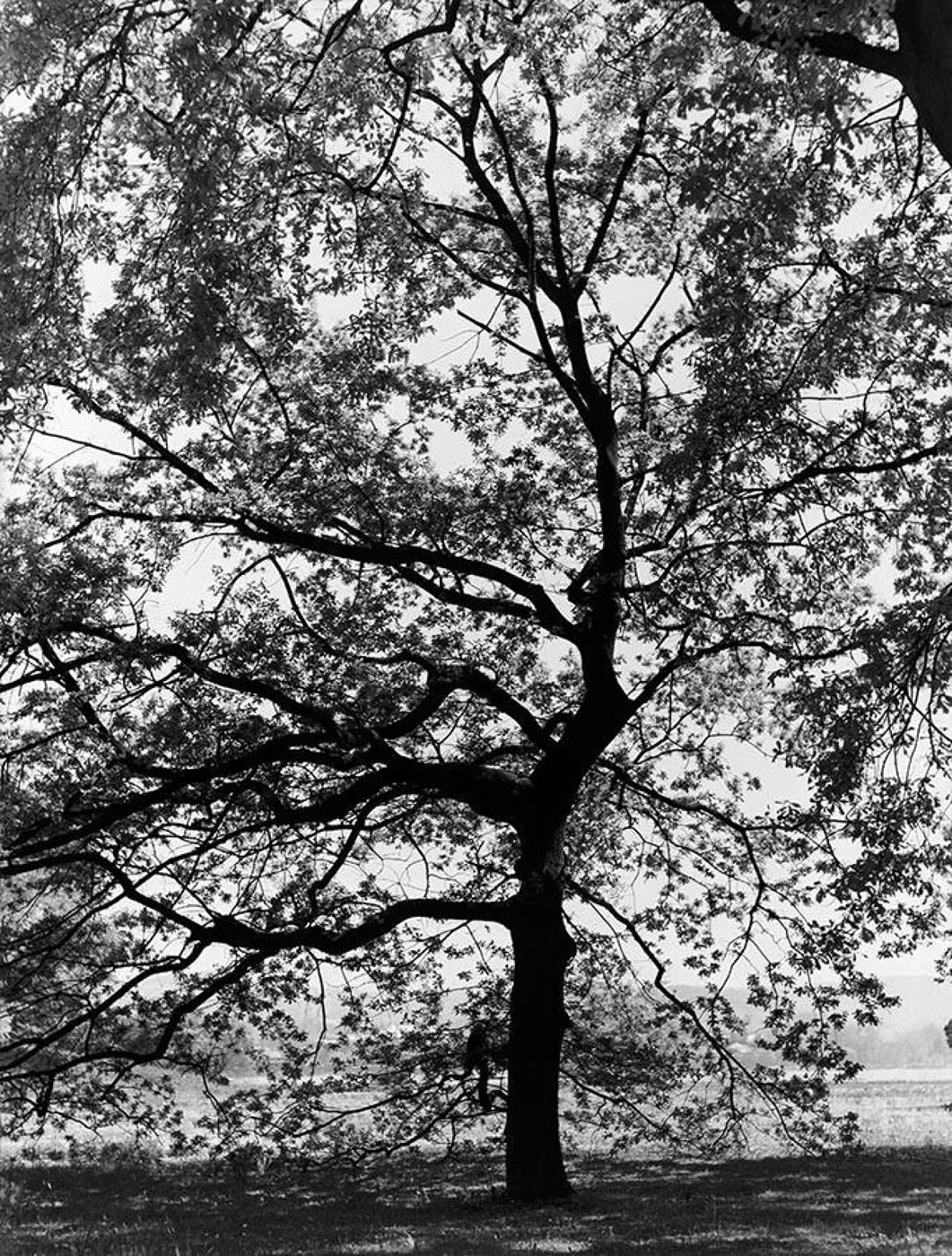
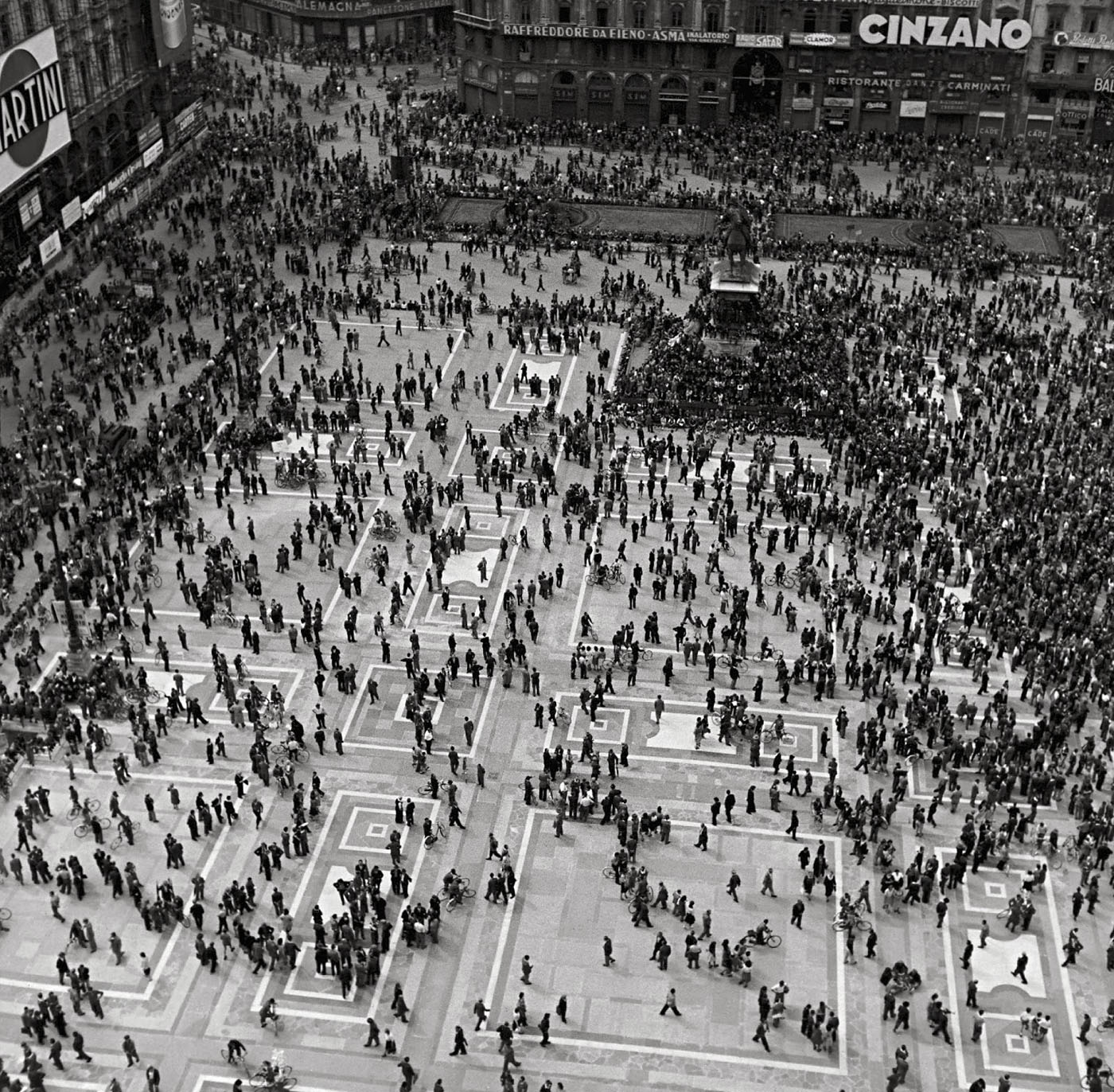

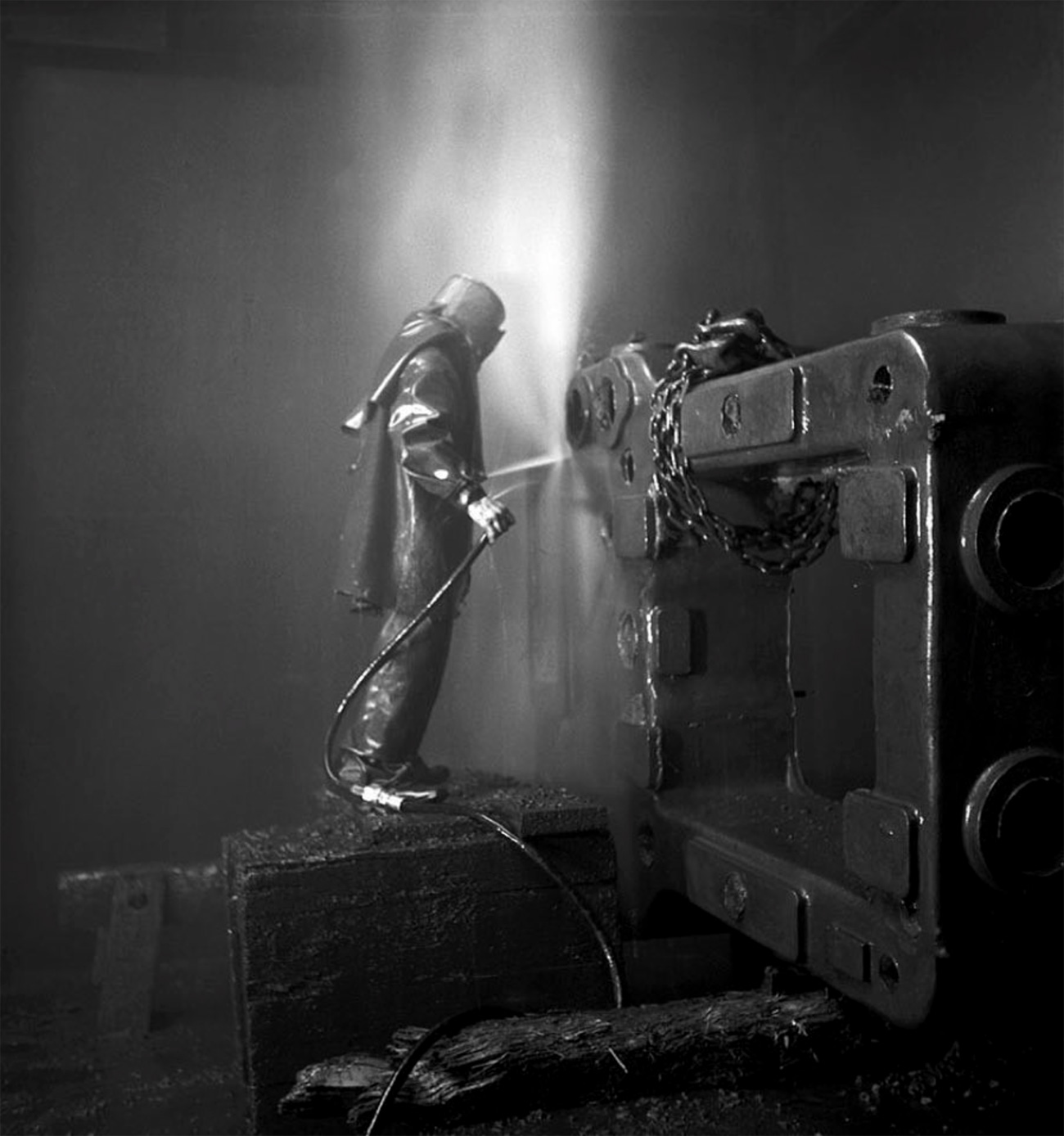
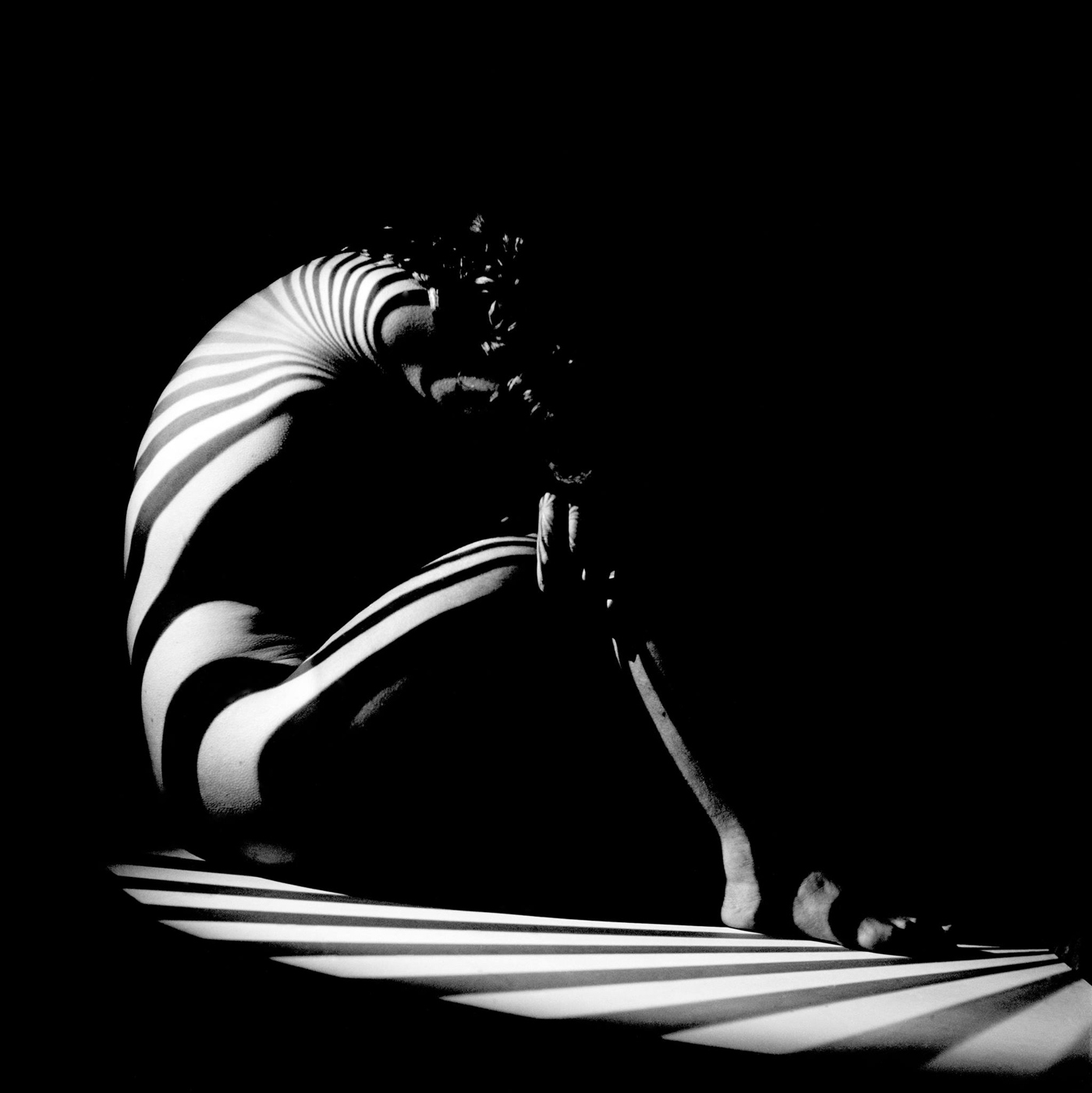
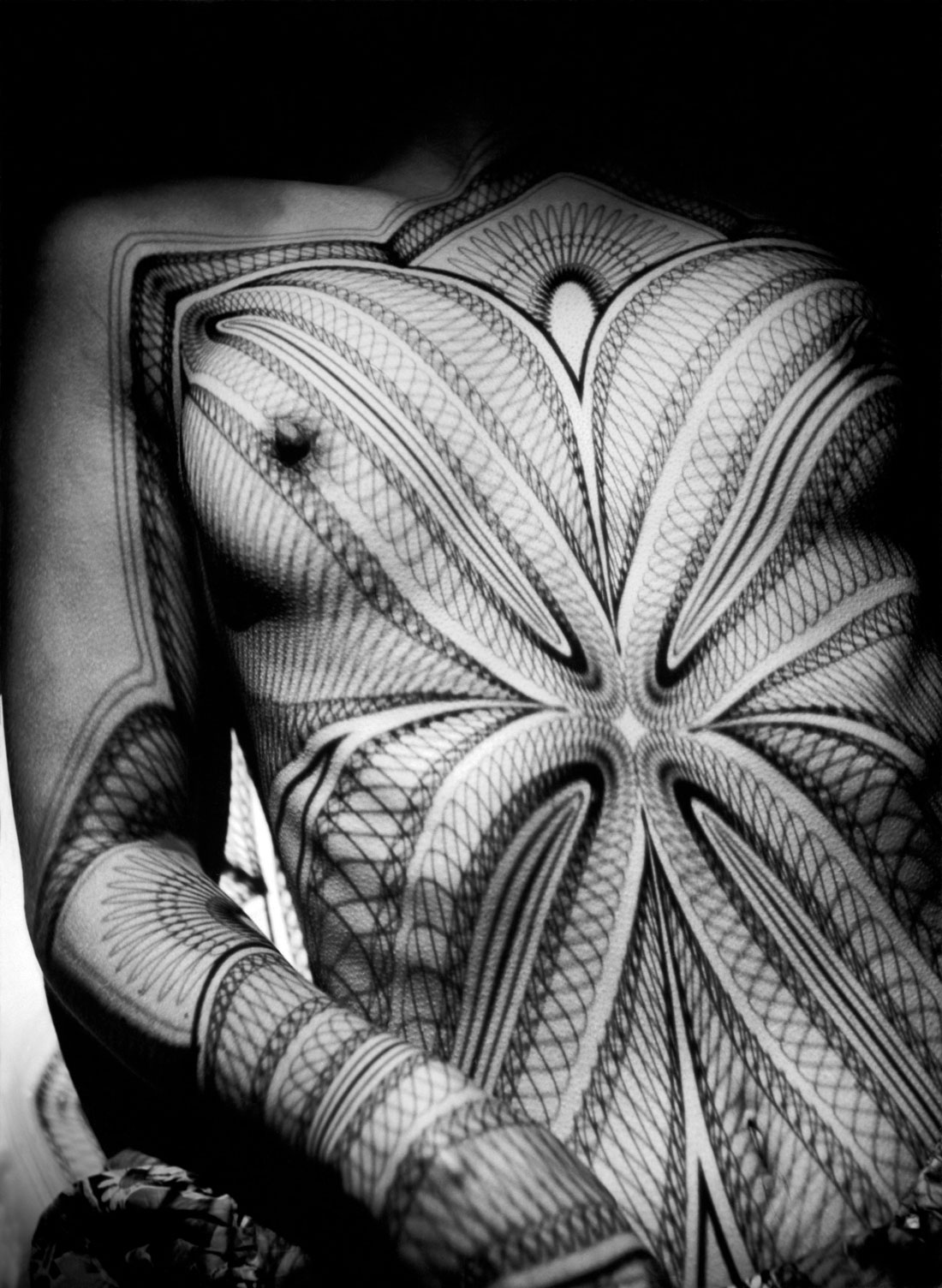


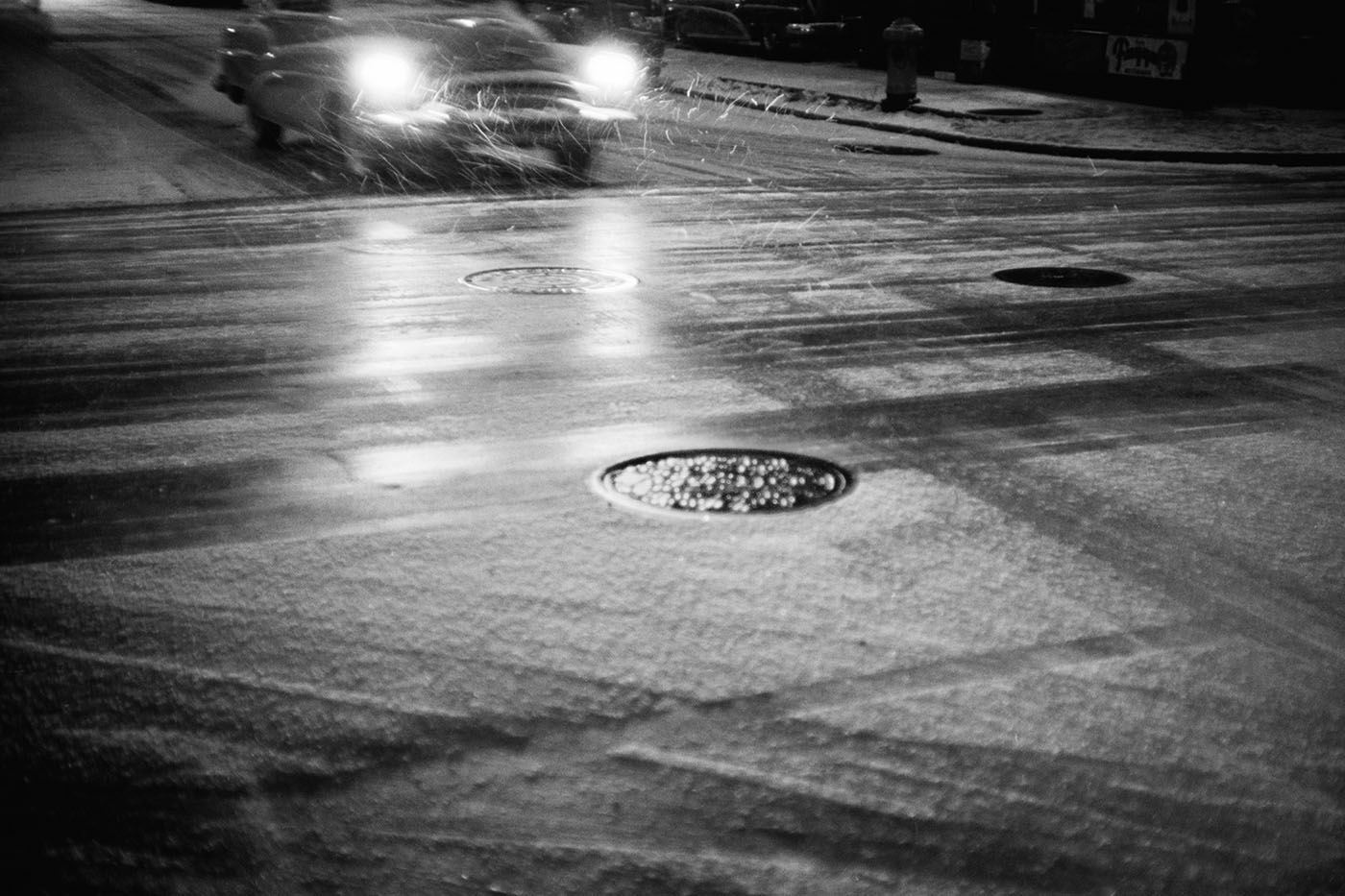















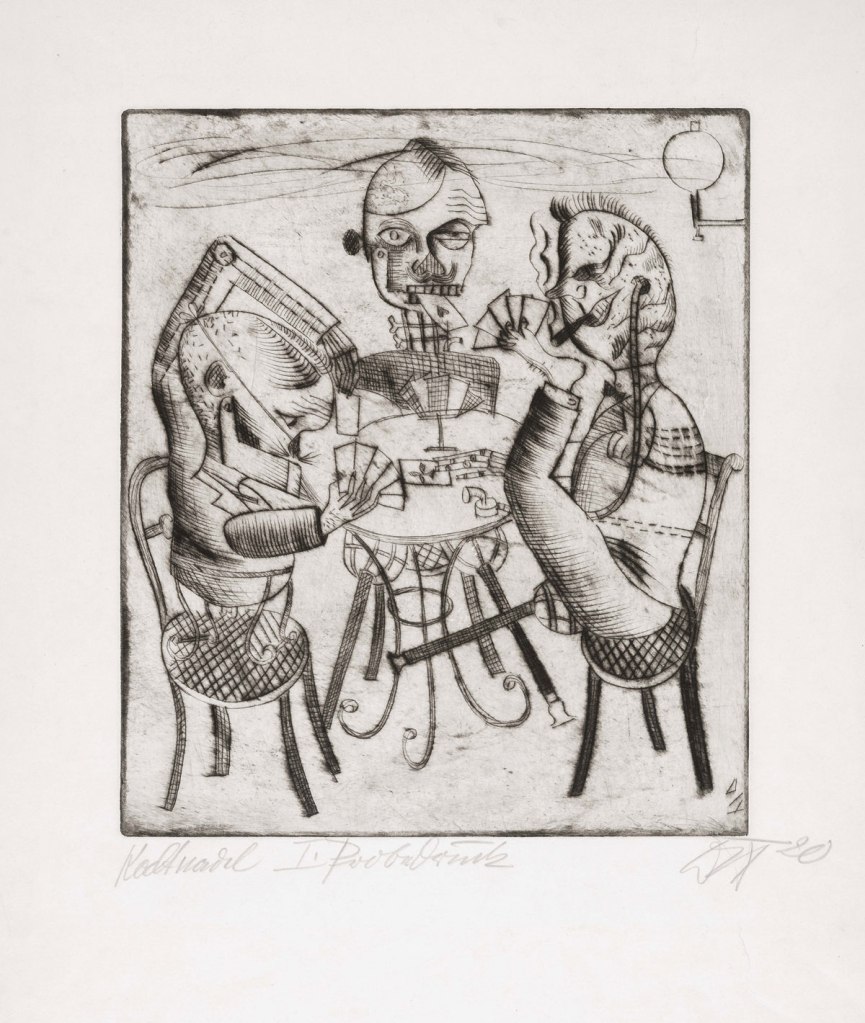
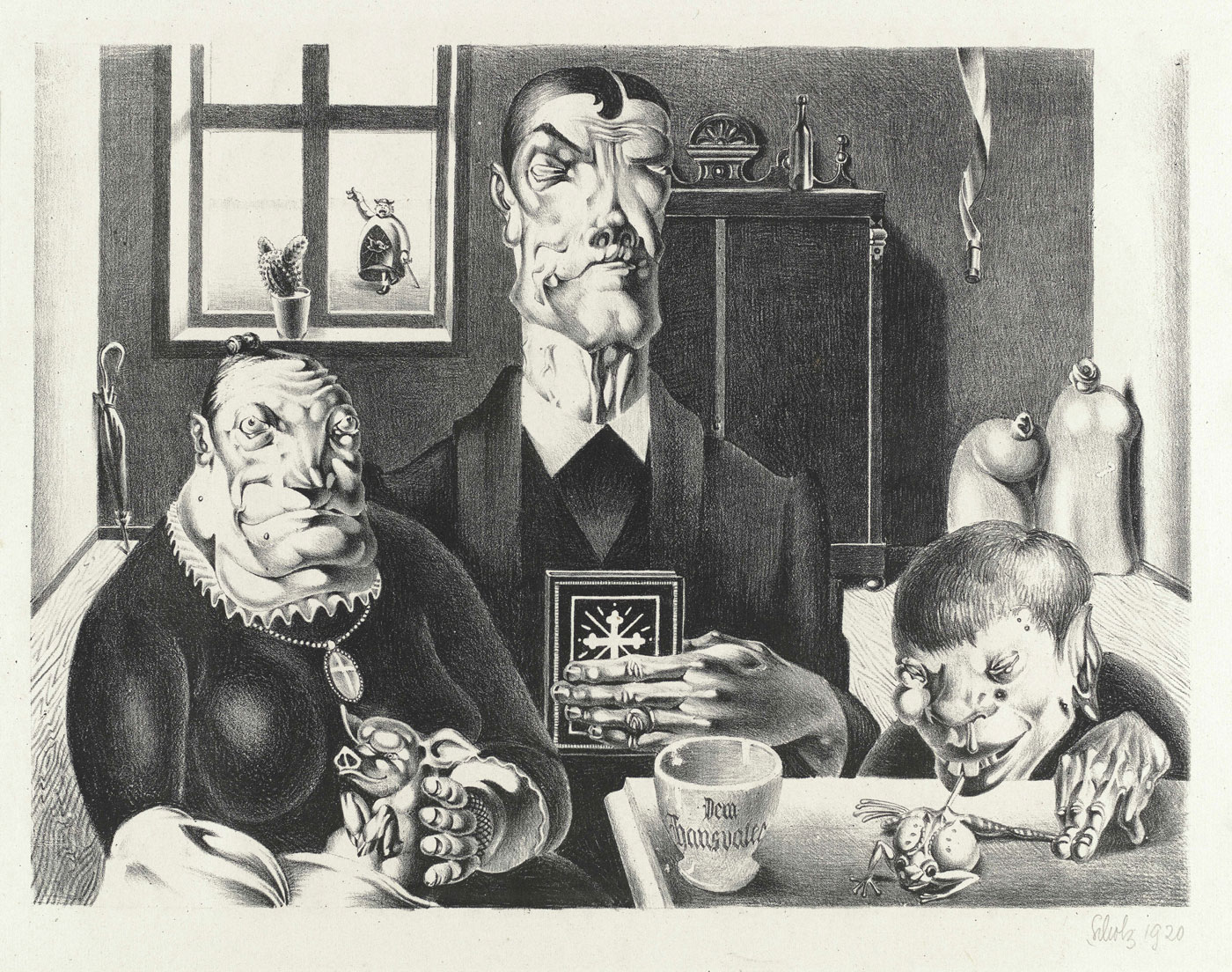

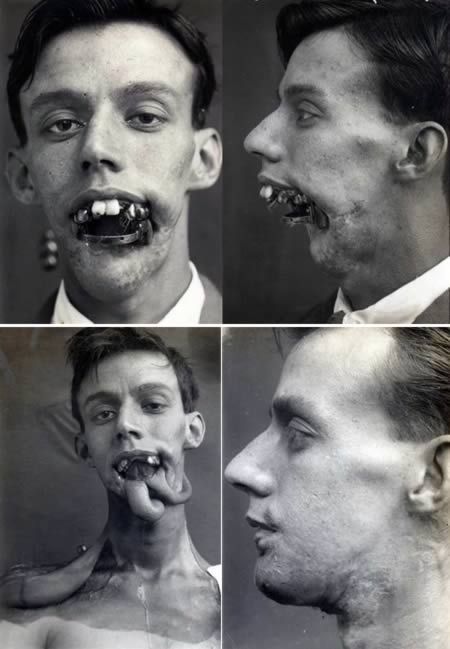
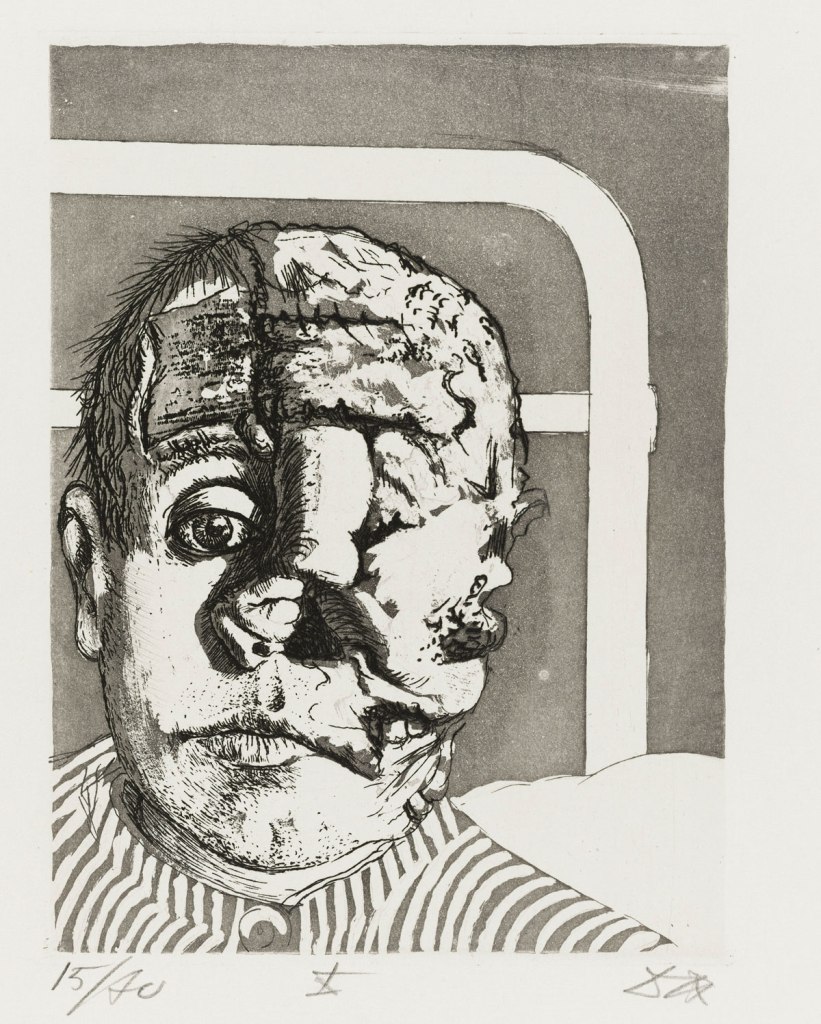

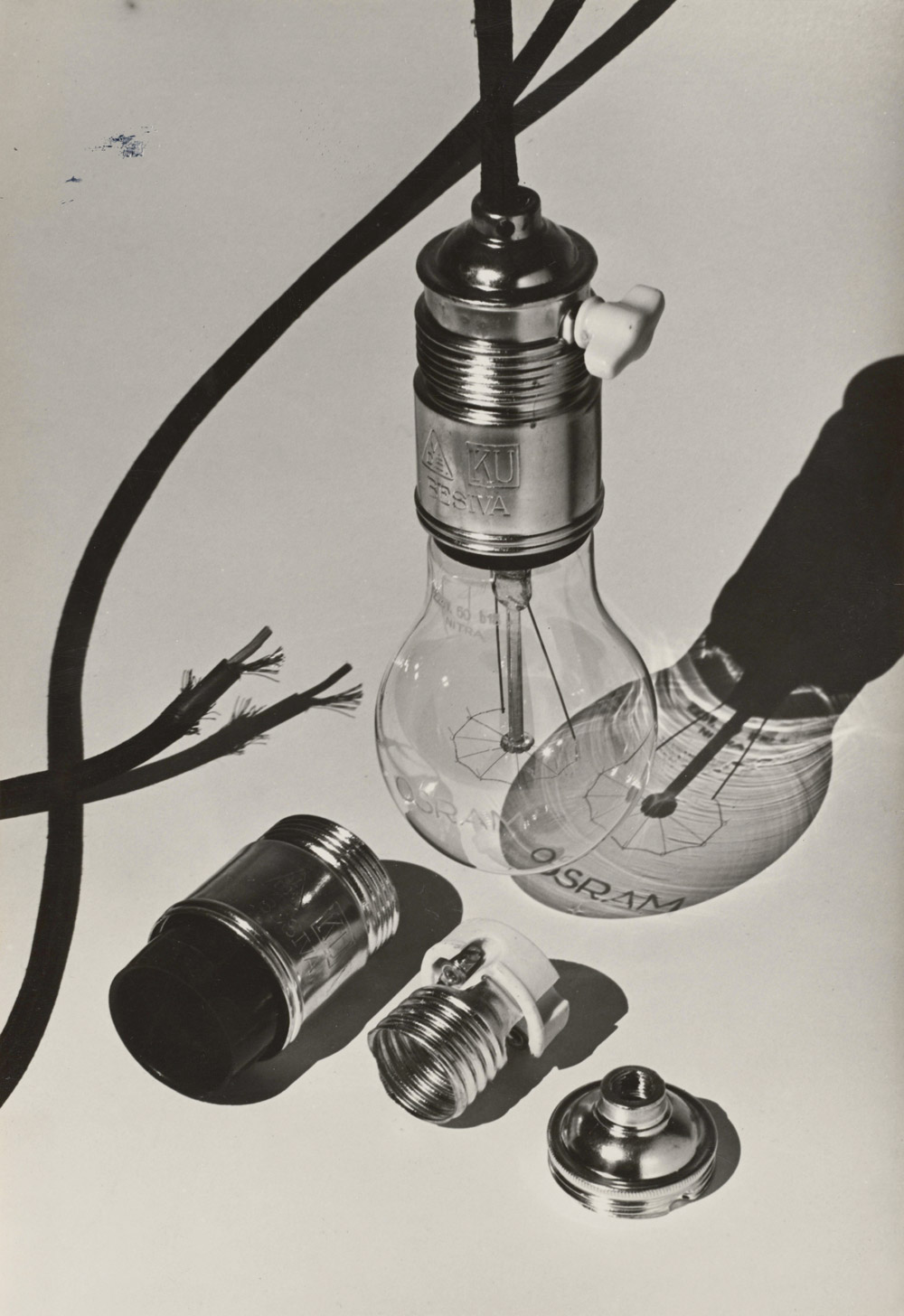
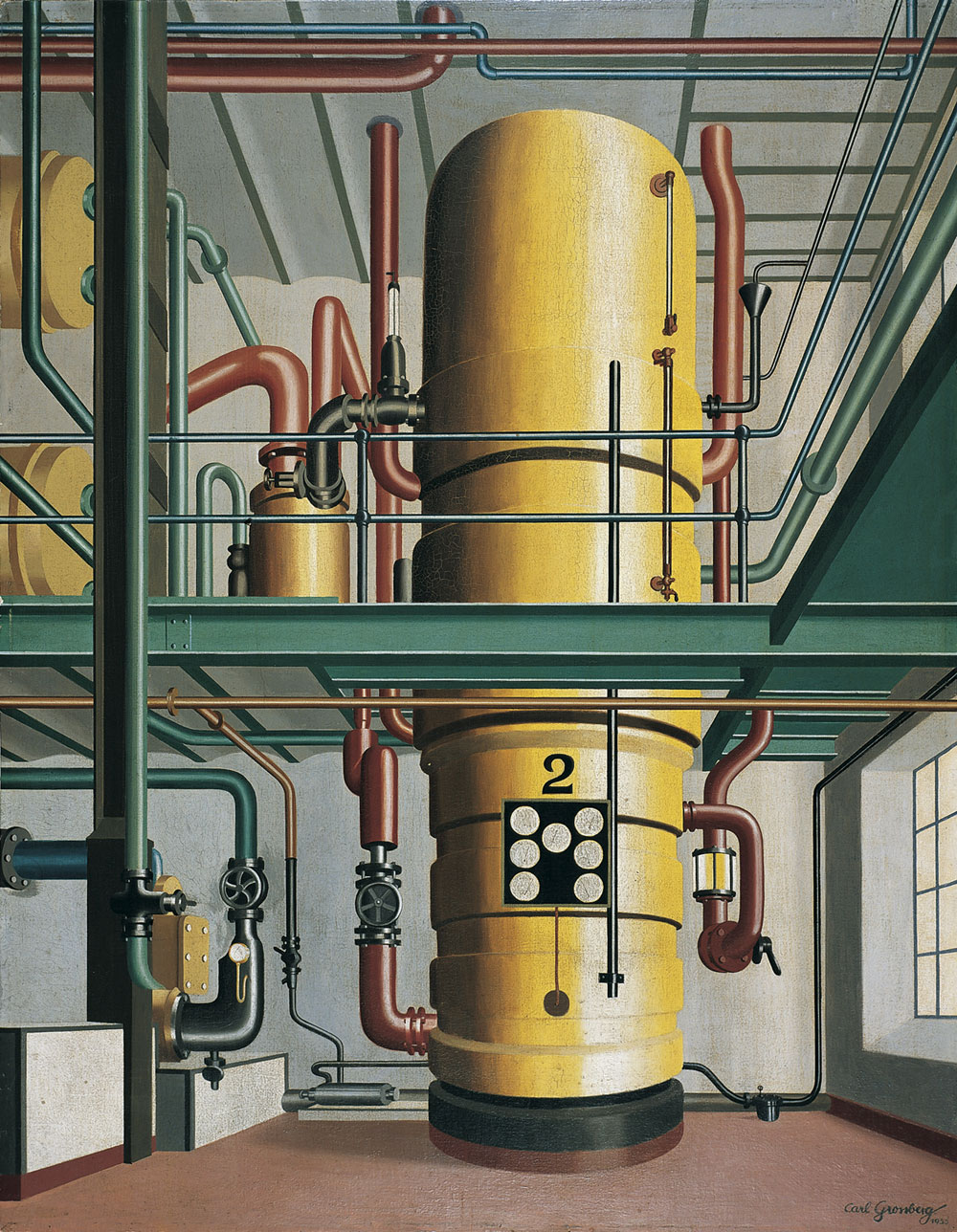

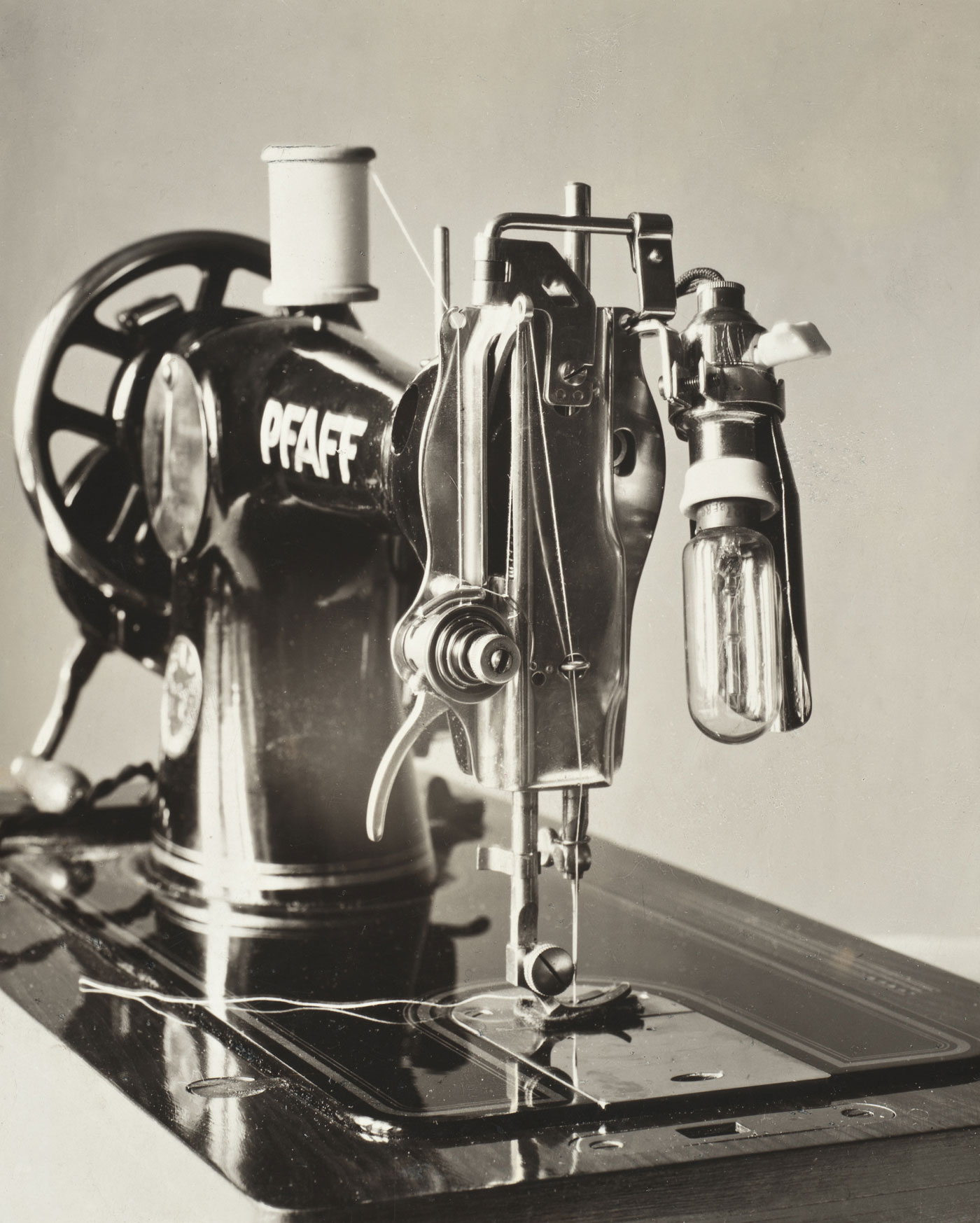


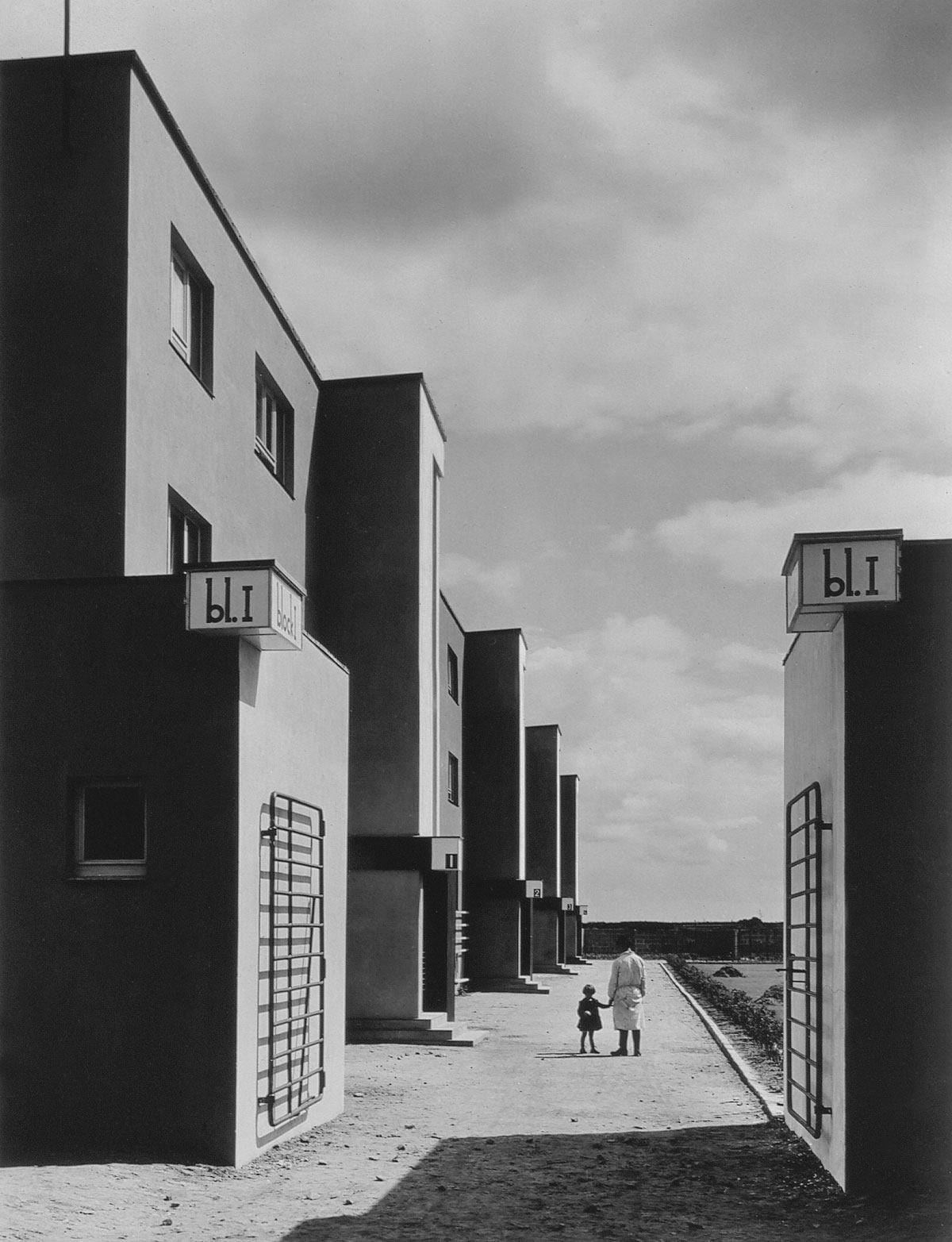


![George Grosz (German, 1893-1959) 'Construction (Untitled)' (Konstruktion [Ohne Titel]), 1920](https://artblart.com/wp-content/uploads/2016/01/grosz-construction.jpg "George Grosz (German, 1893-1959) 'Construction (Untitled)' (Konstruktion [Ohne Titel]), 1920")

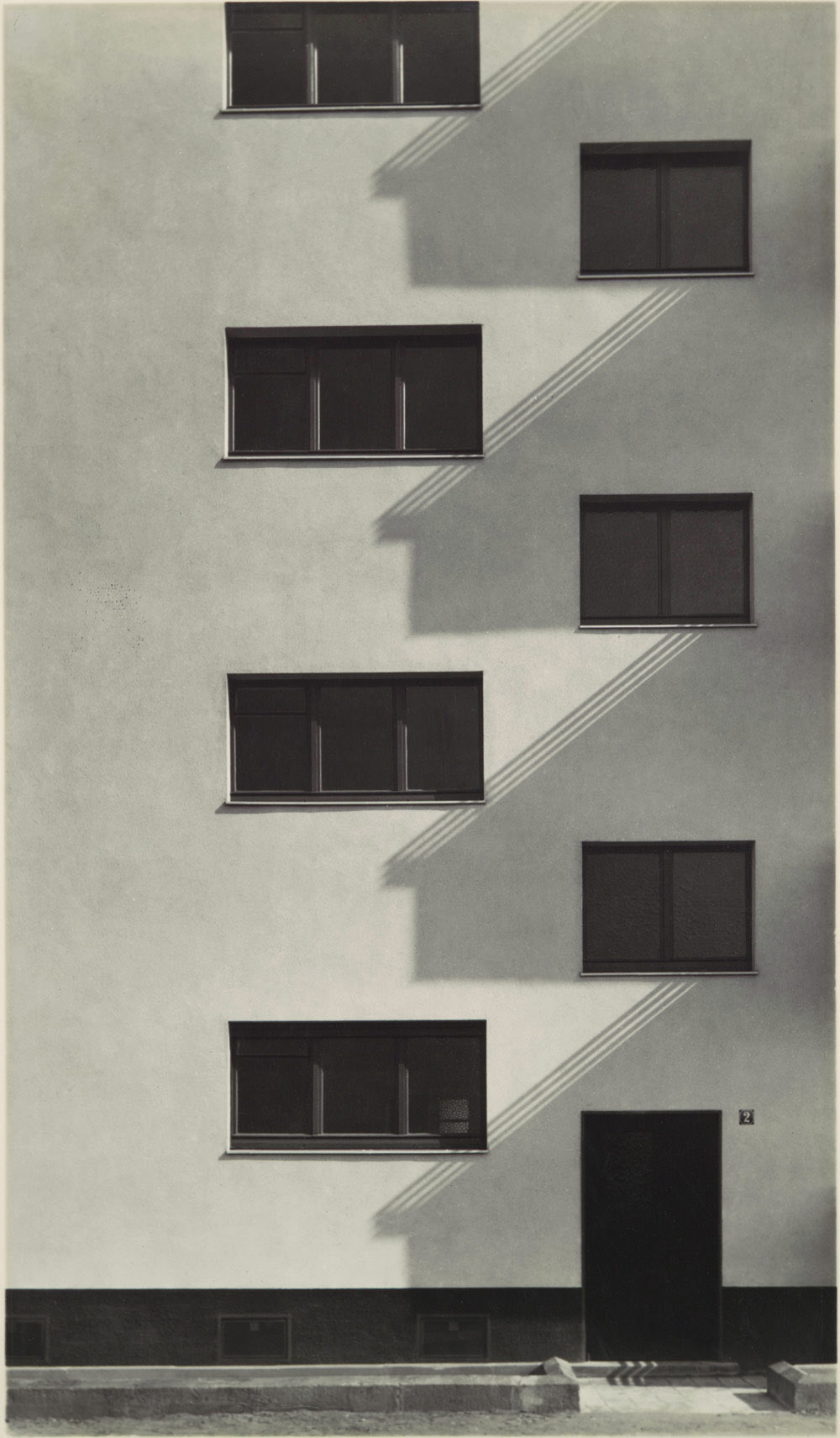

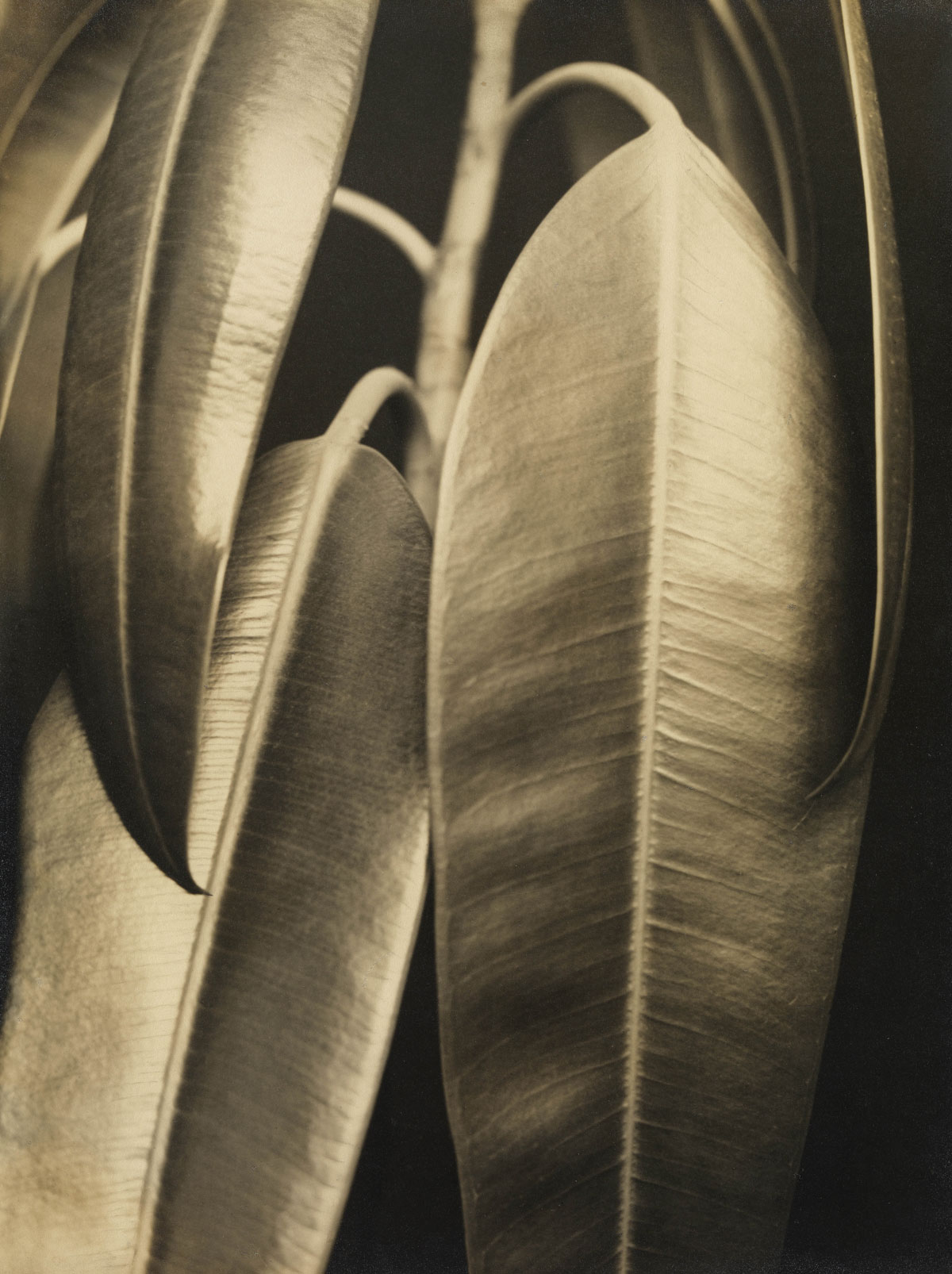


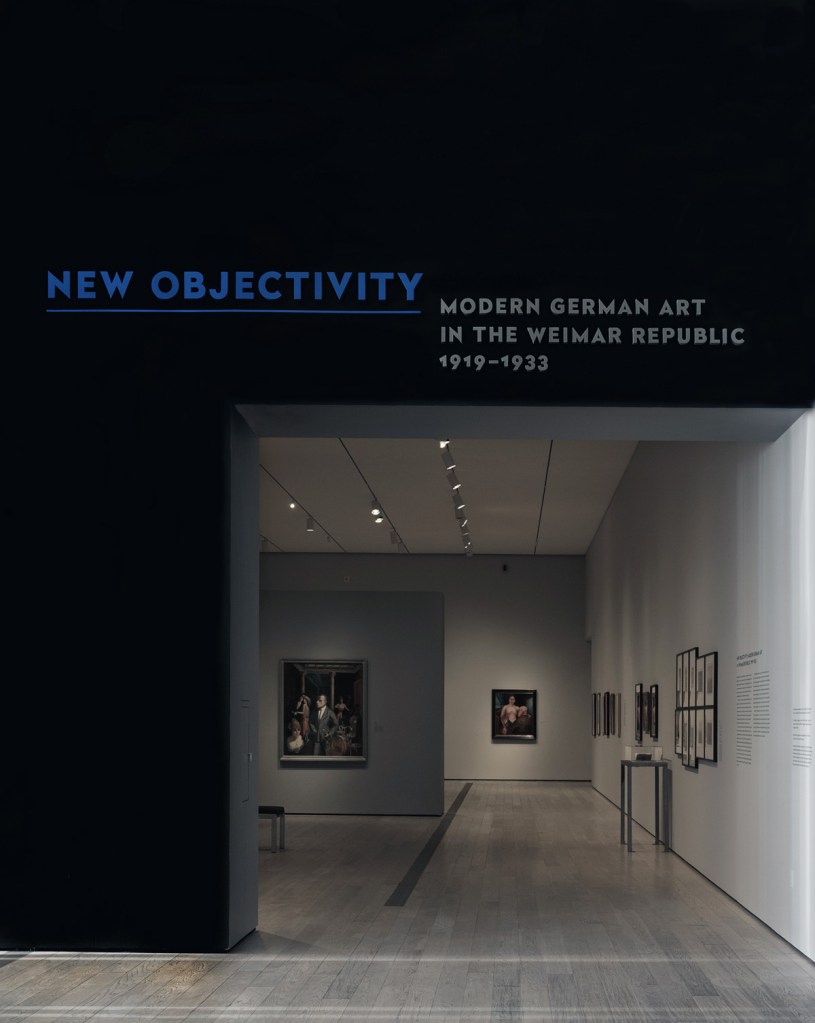
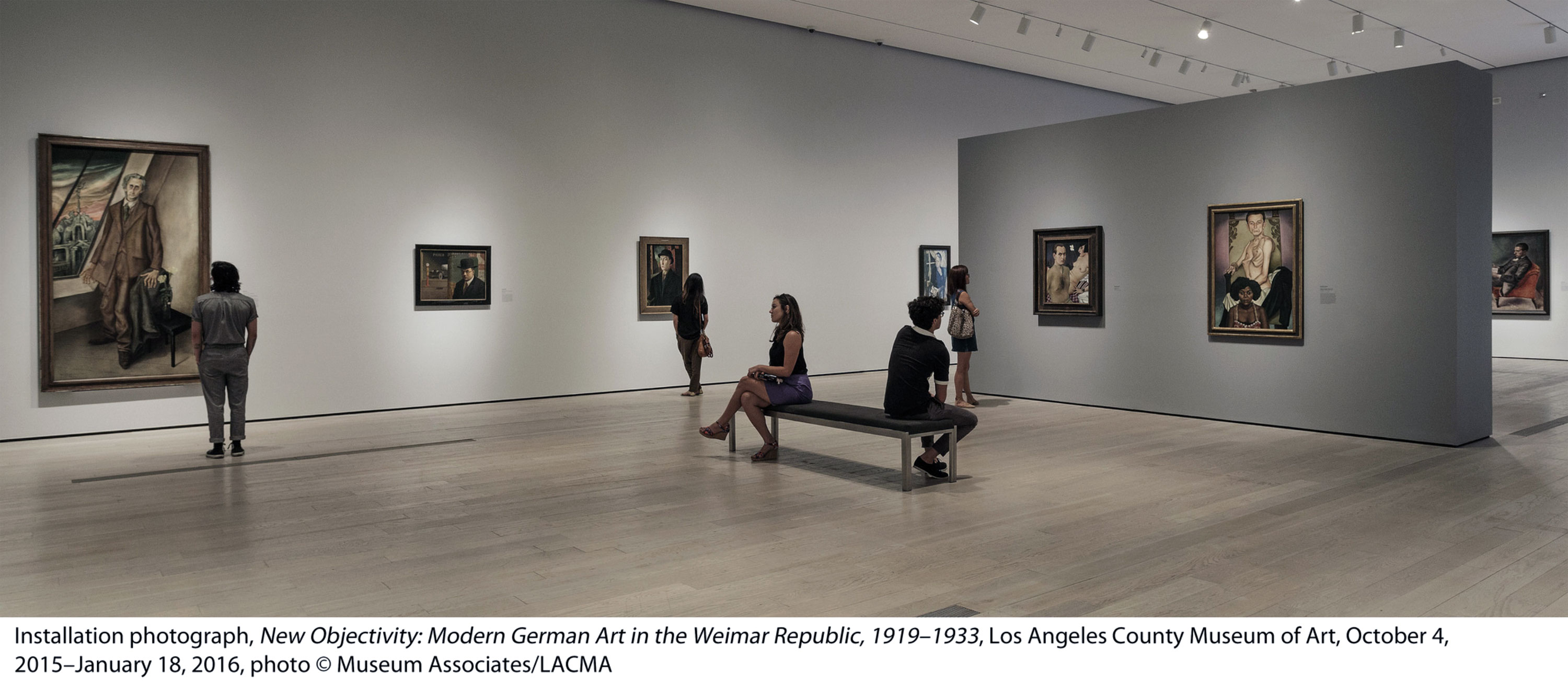
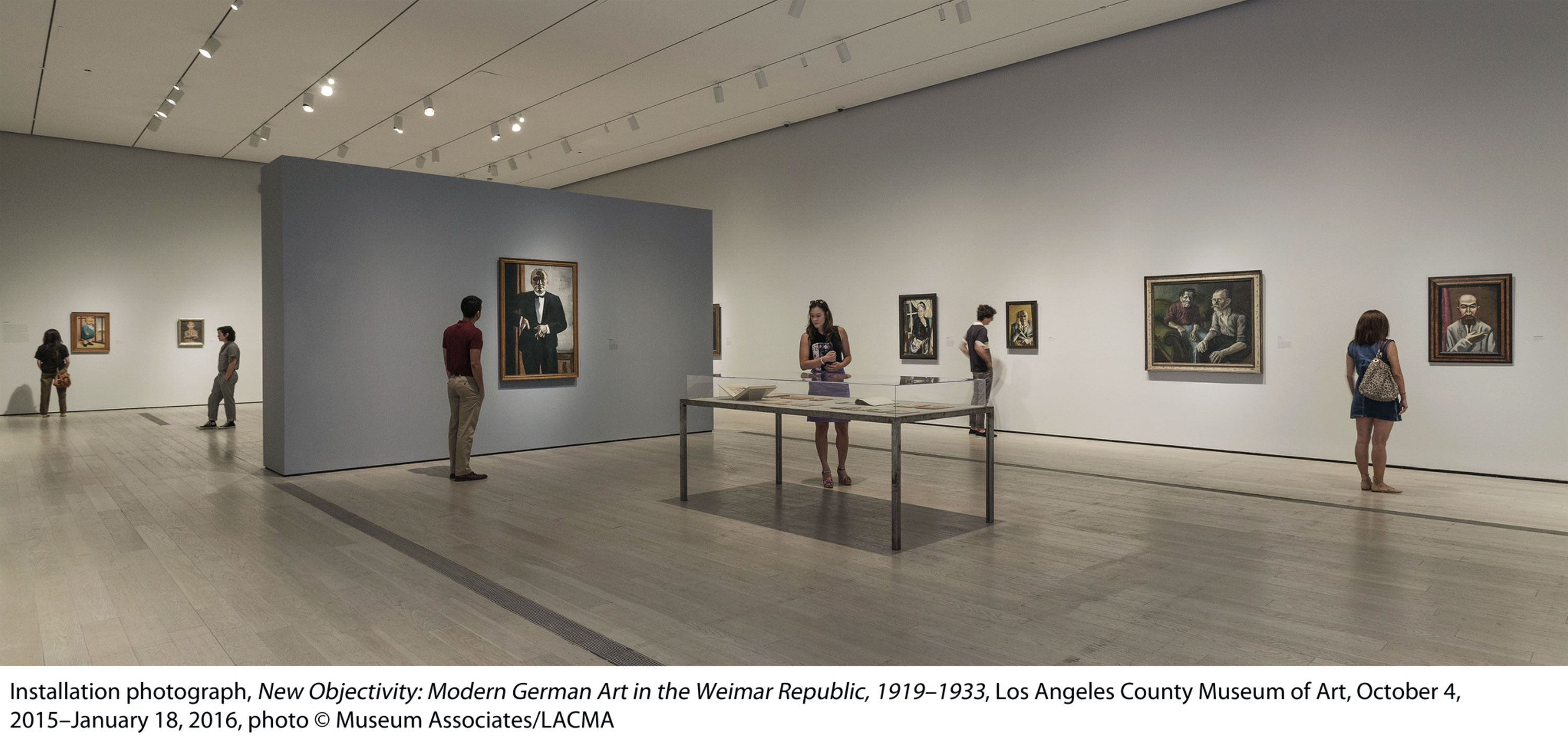
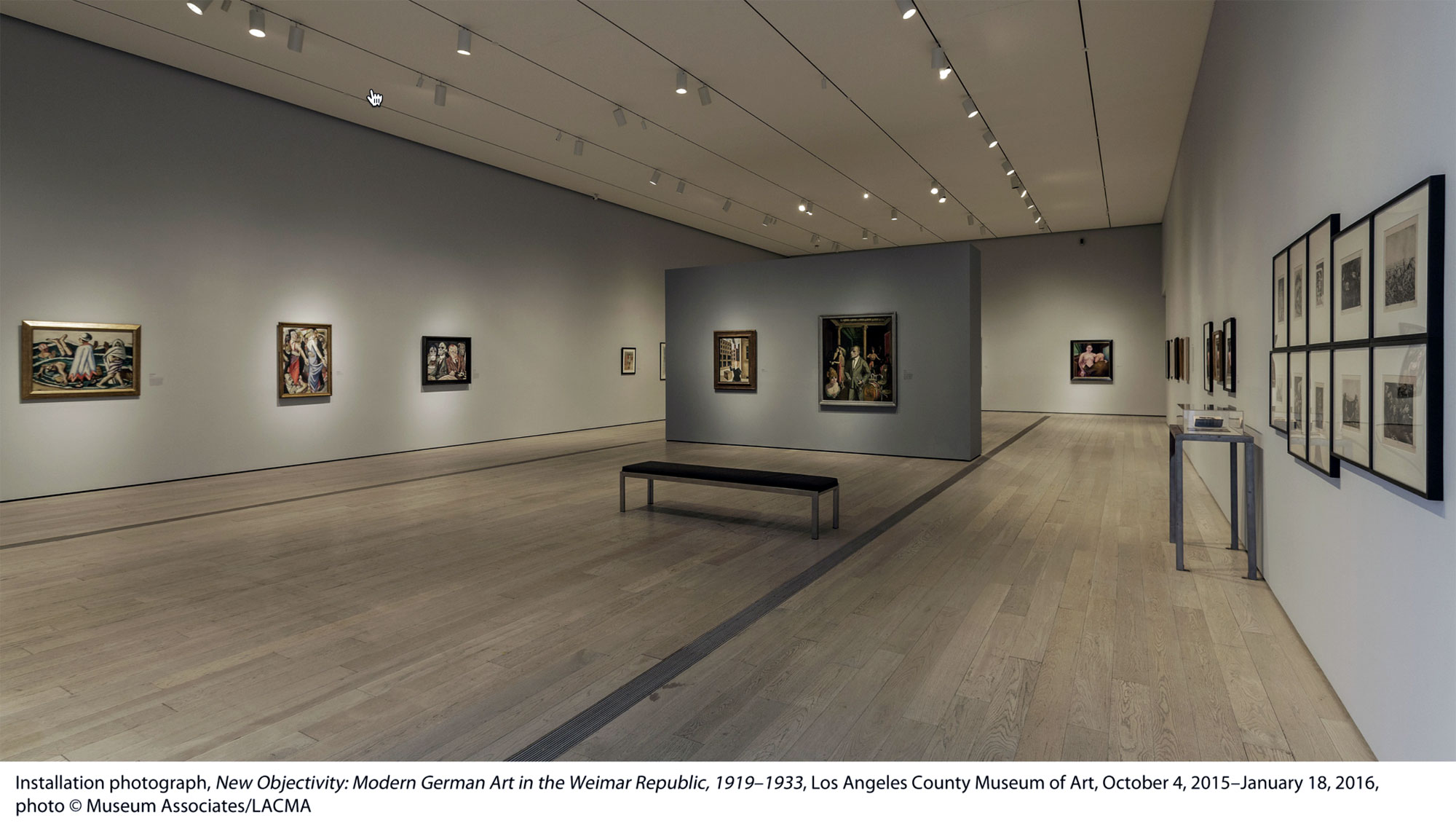
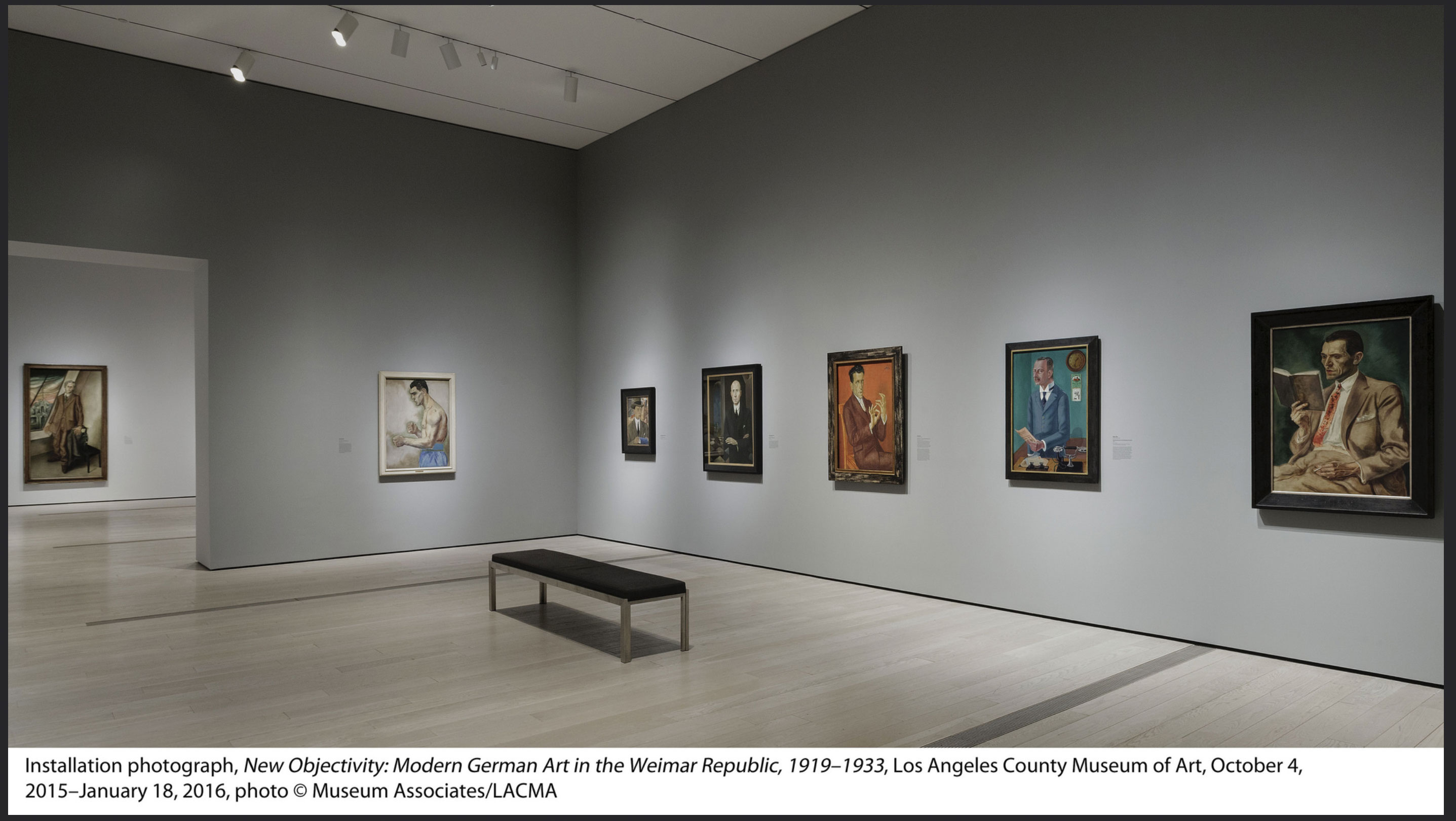
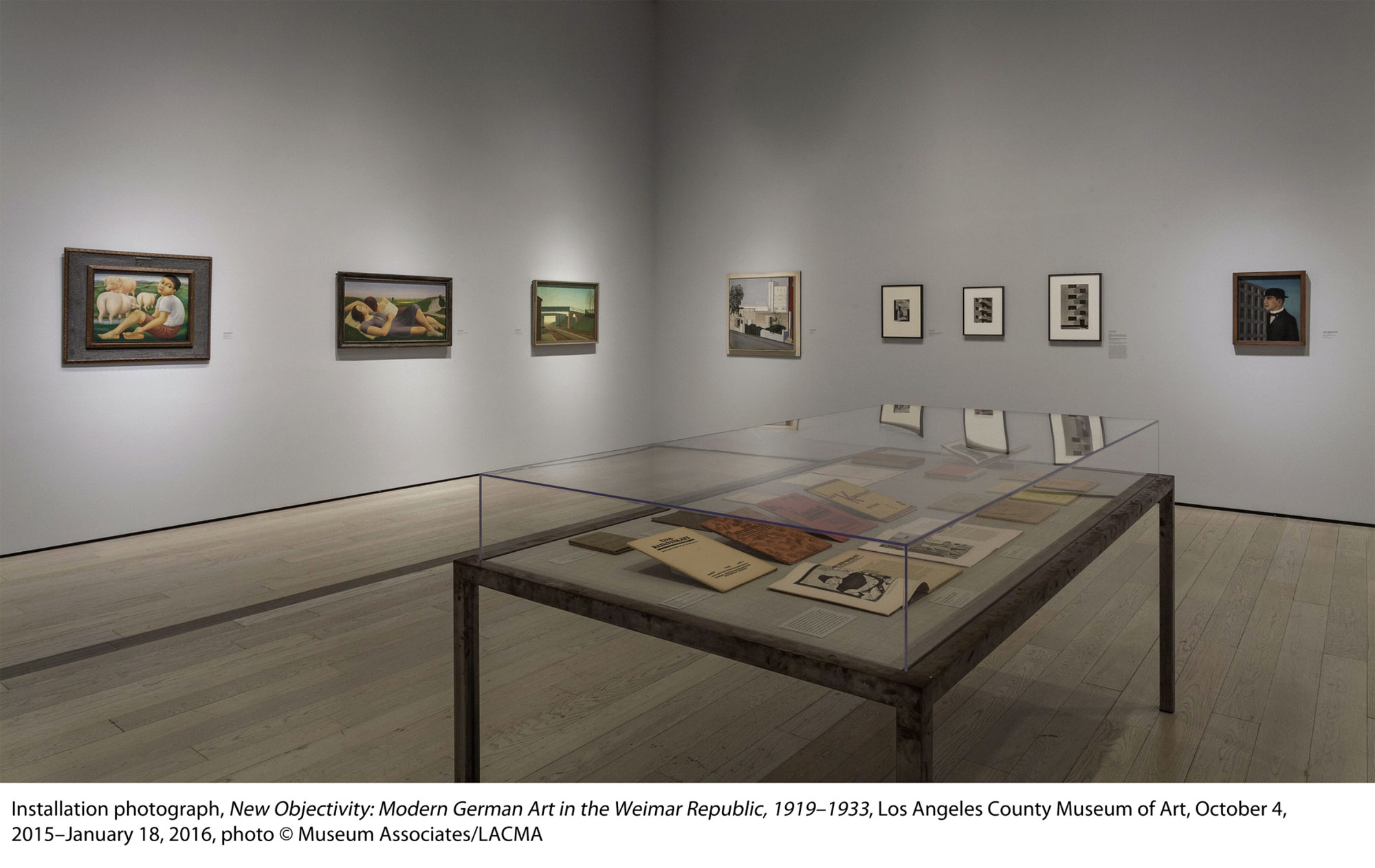
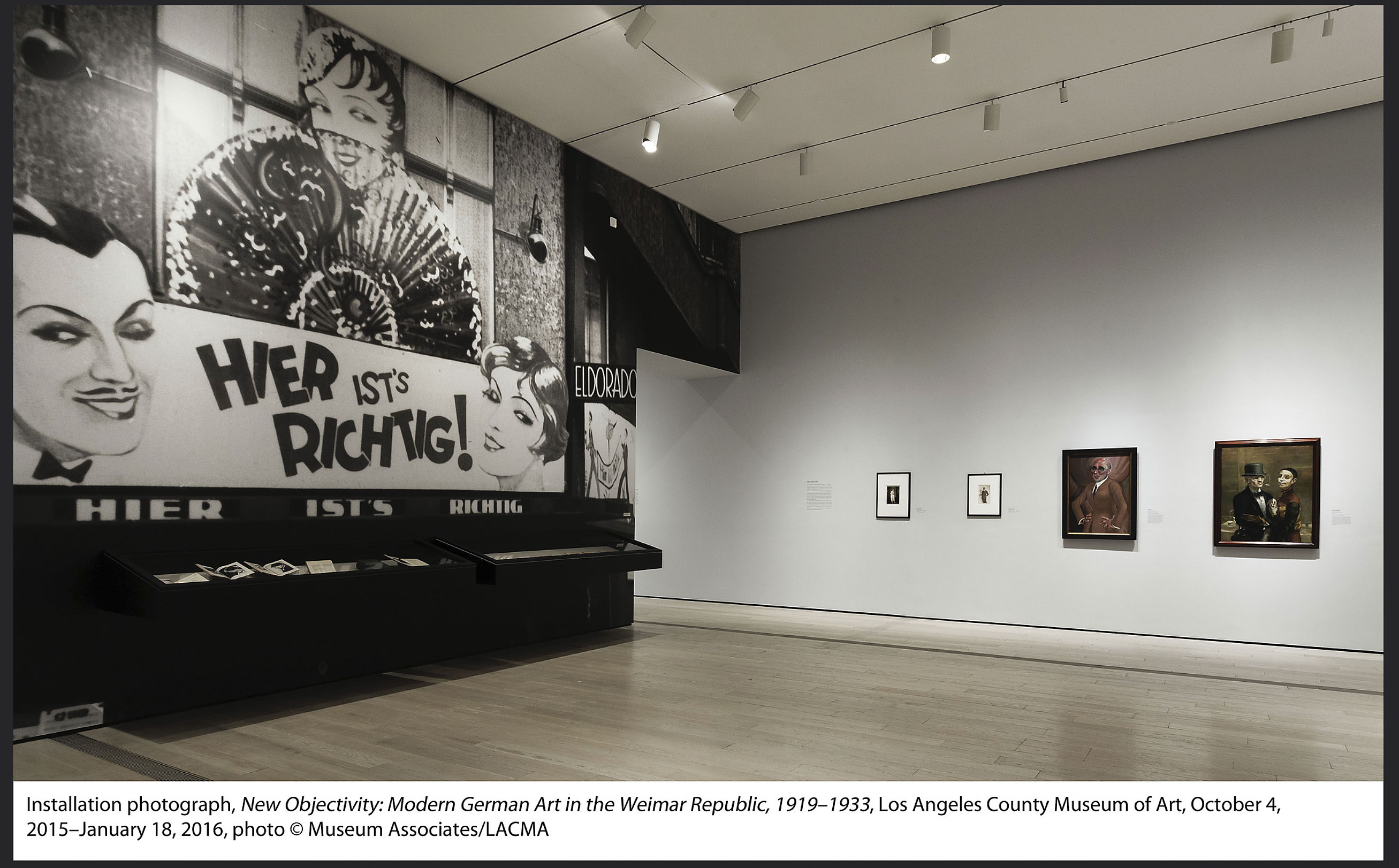
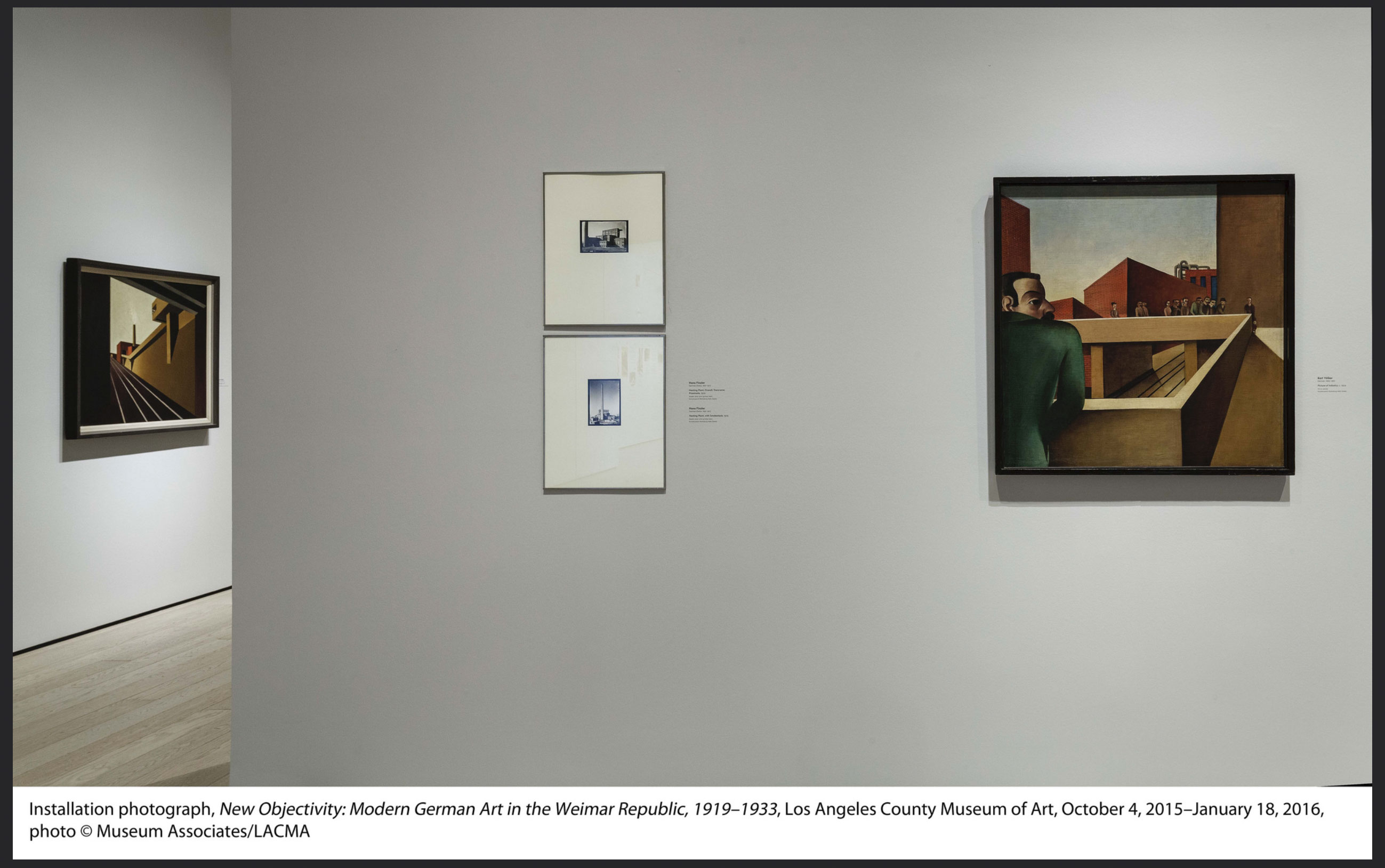
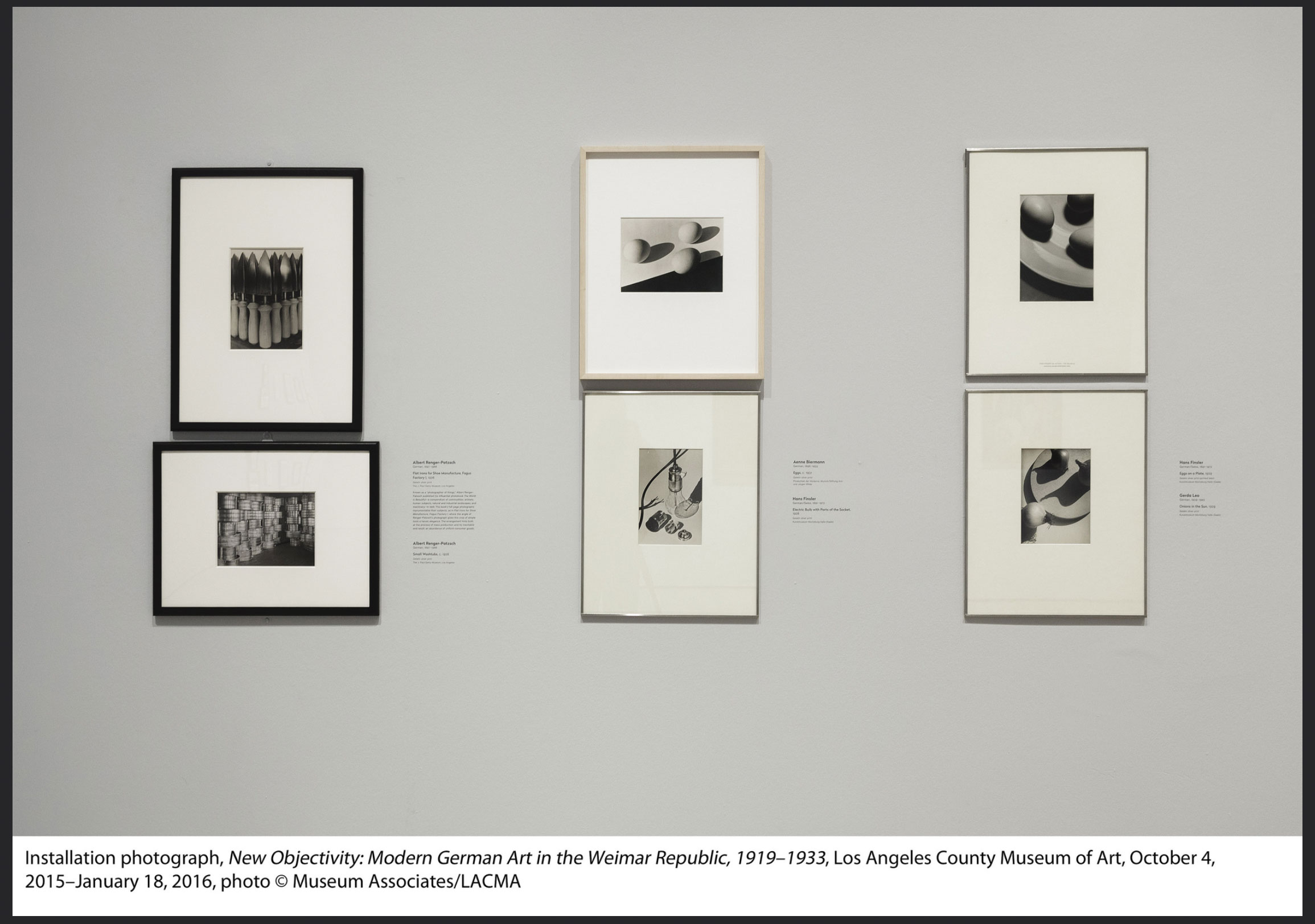
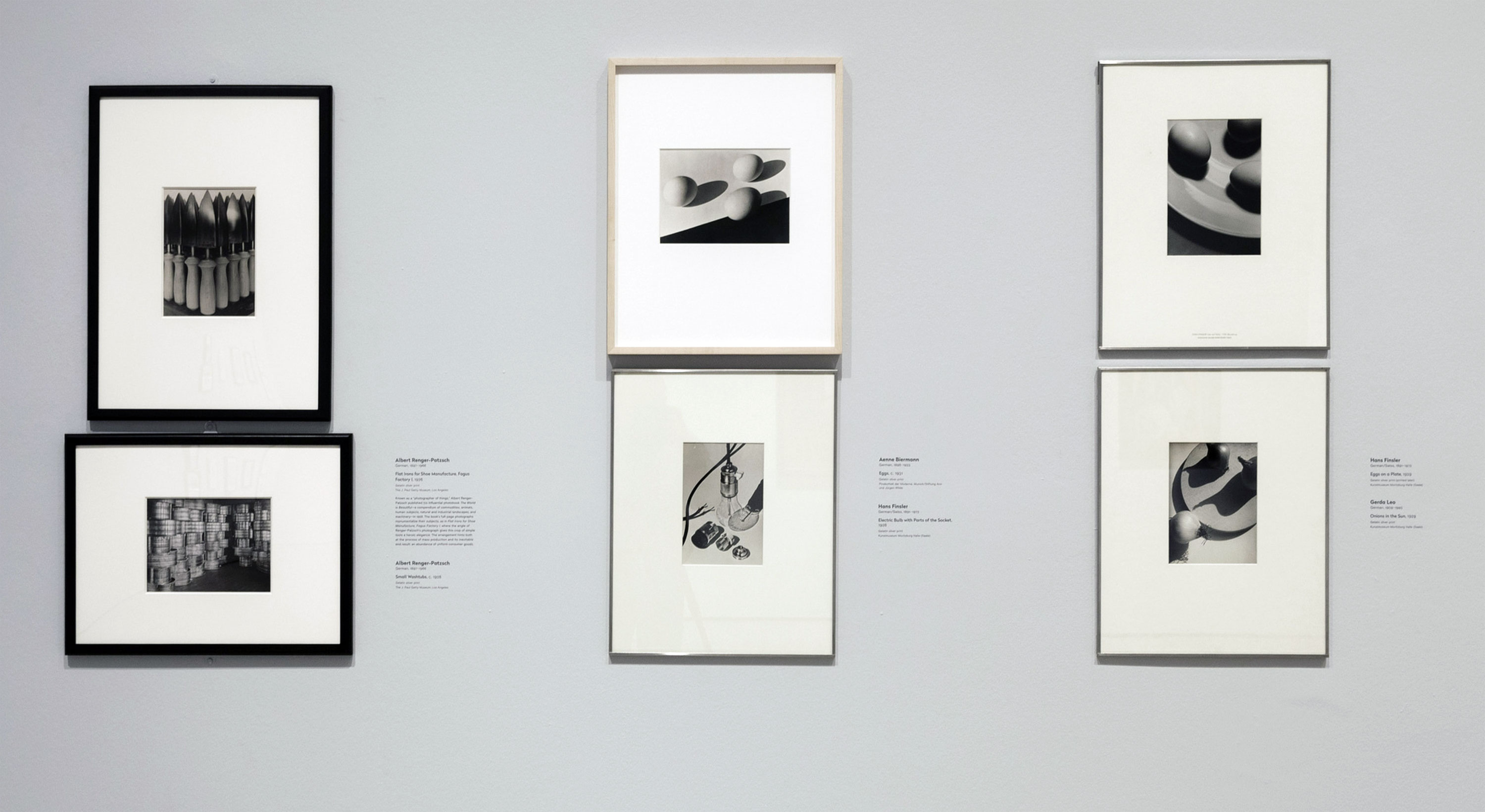
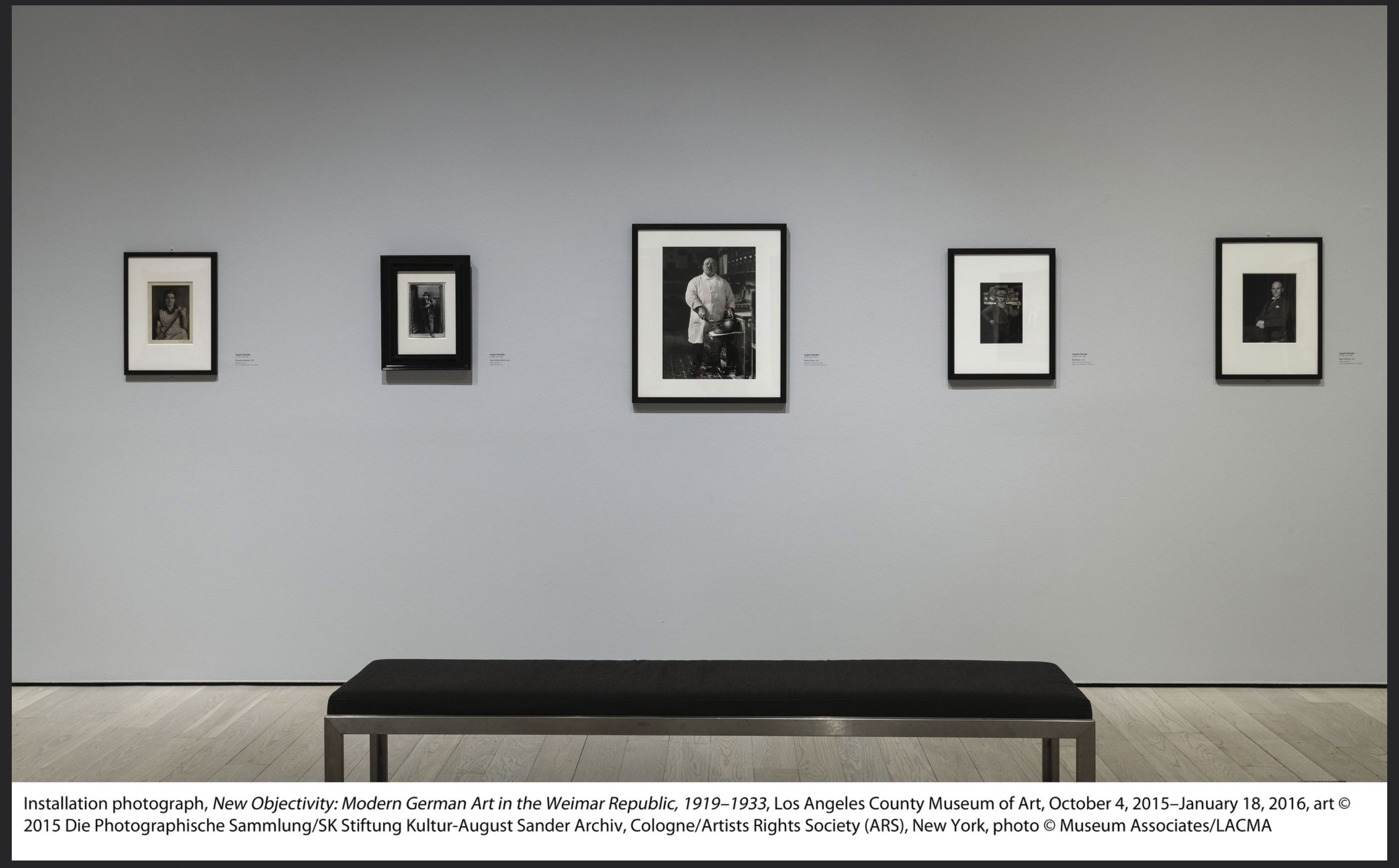
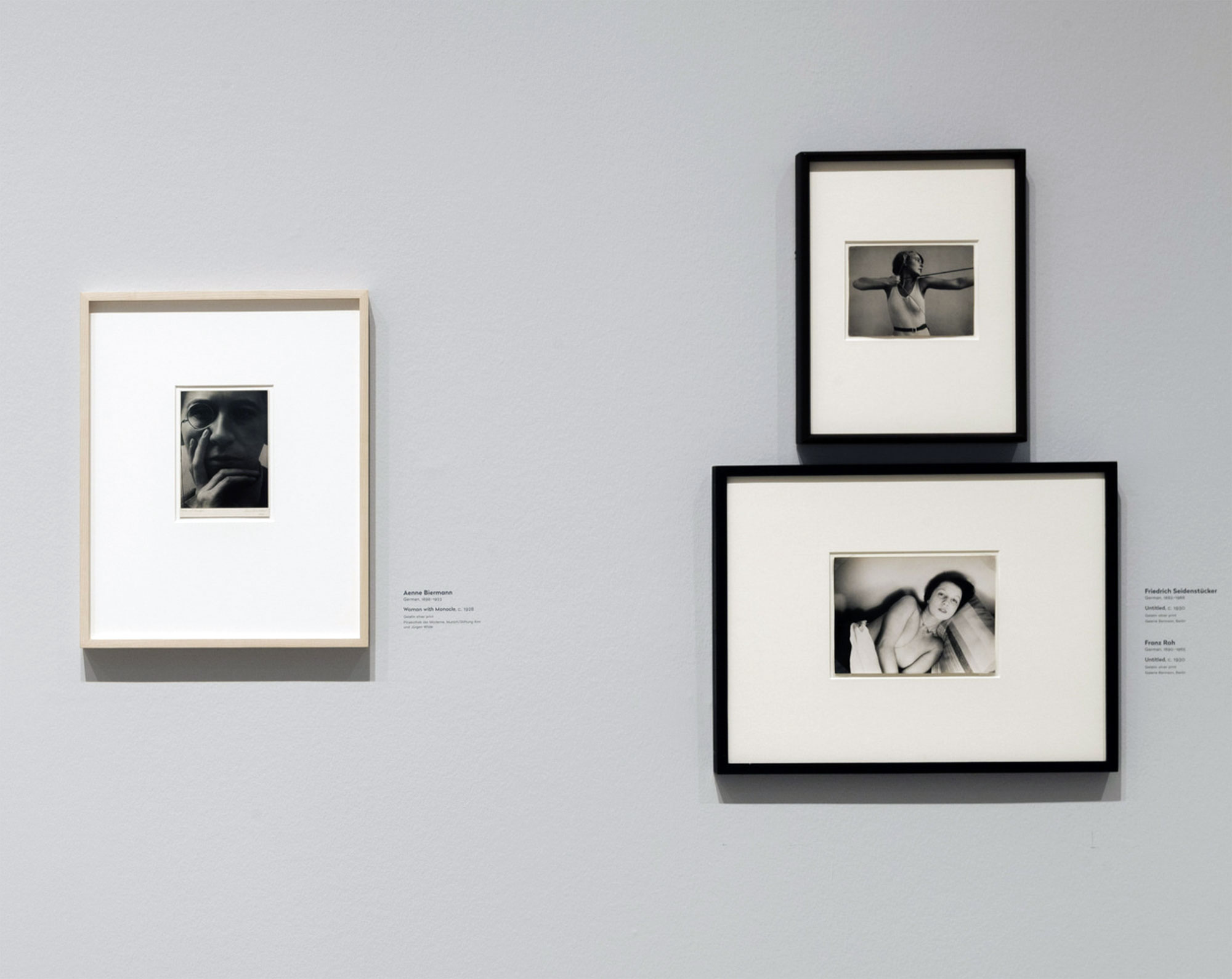

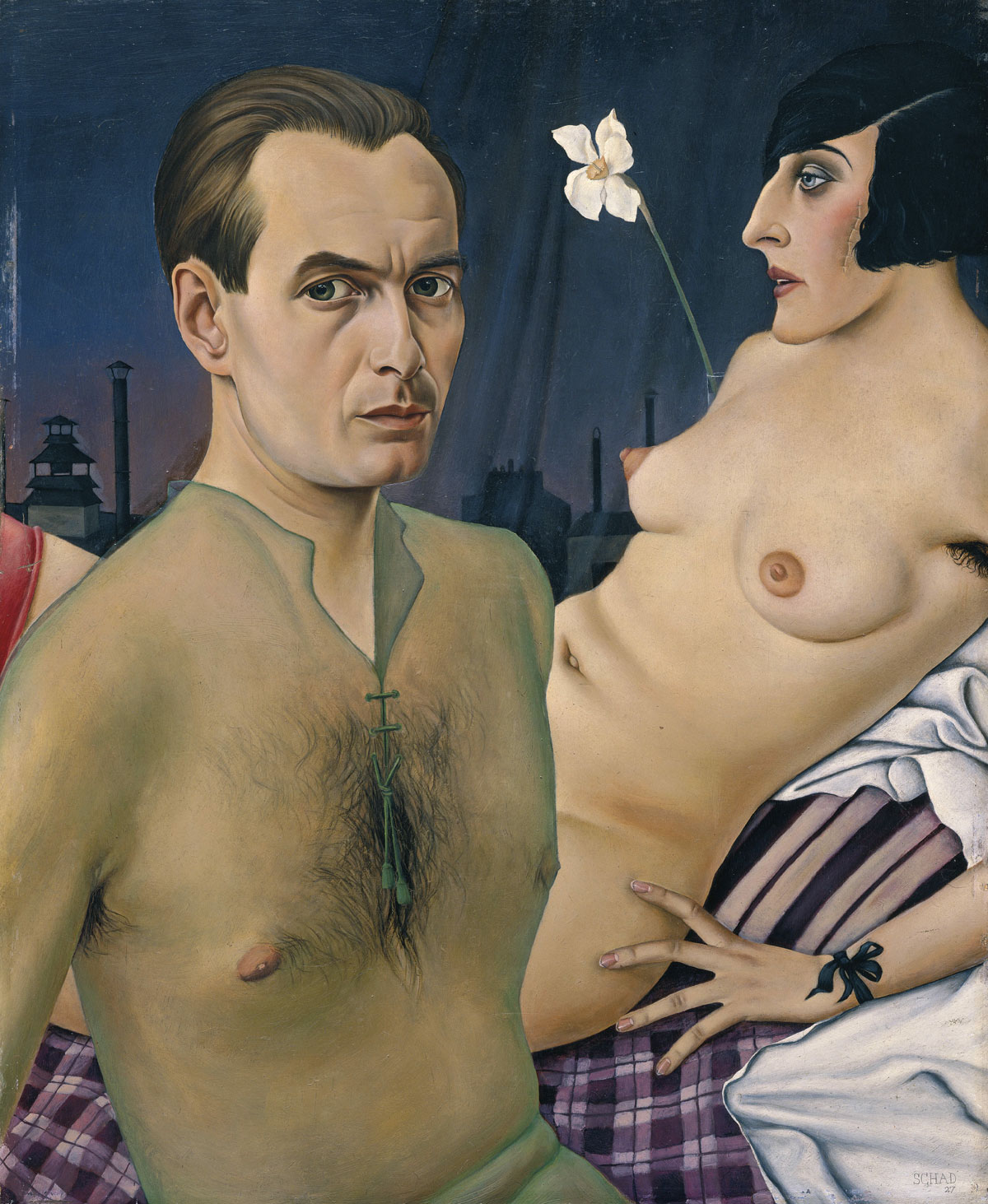

![Gert Wollheim (German, 1894-1974) 'Untitled (Couple)' (Ohne Titel [Paar]), 1926](https://artblart.com/wp-content/uploads/2016/01/wollheim-untitled.jpg?w=757 "Gert Wollheim (German, 1894-1974) 'Untitled (Couple)' (Ohne Titel [Paar]), 1926")

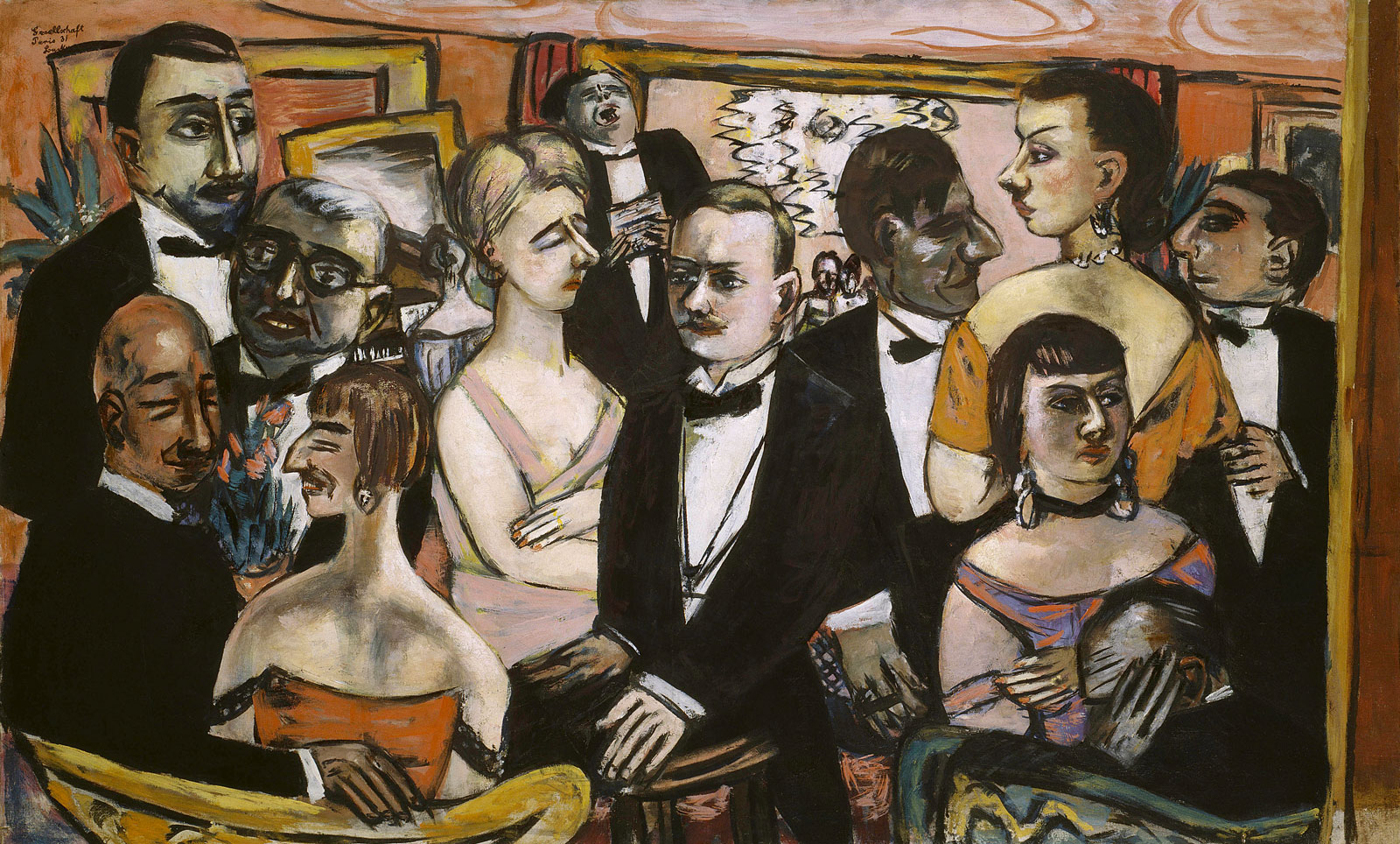
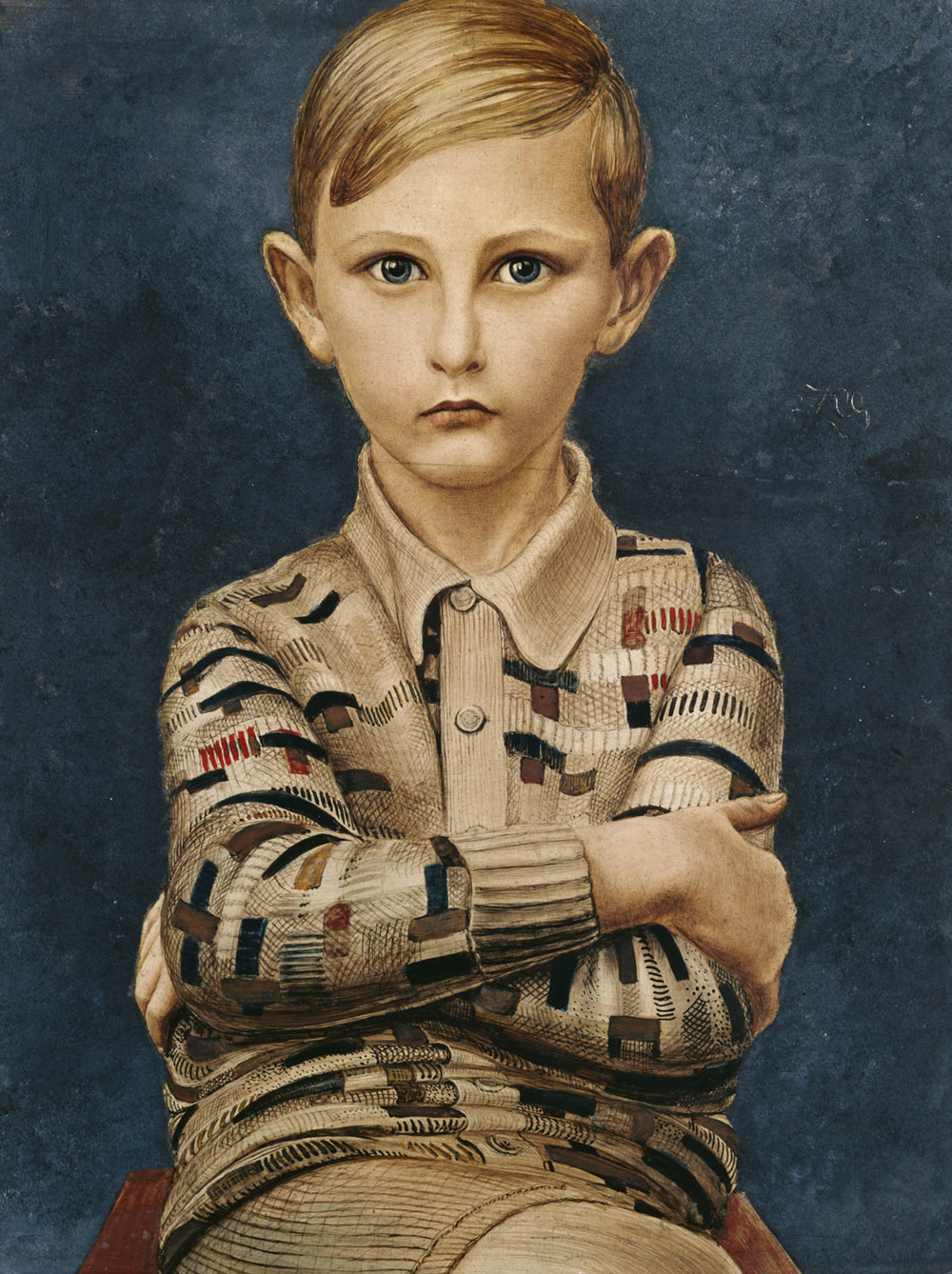


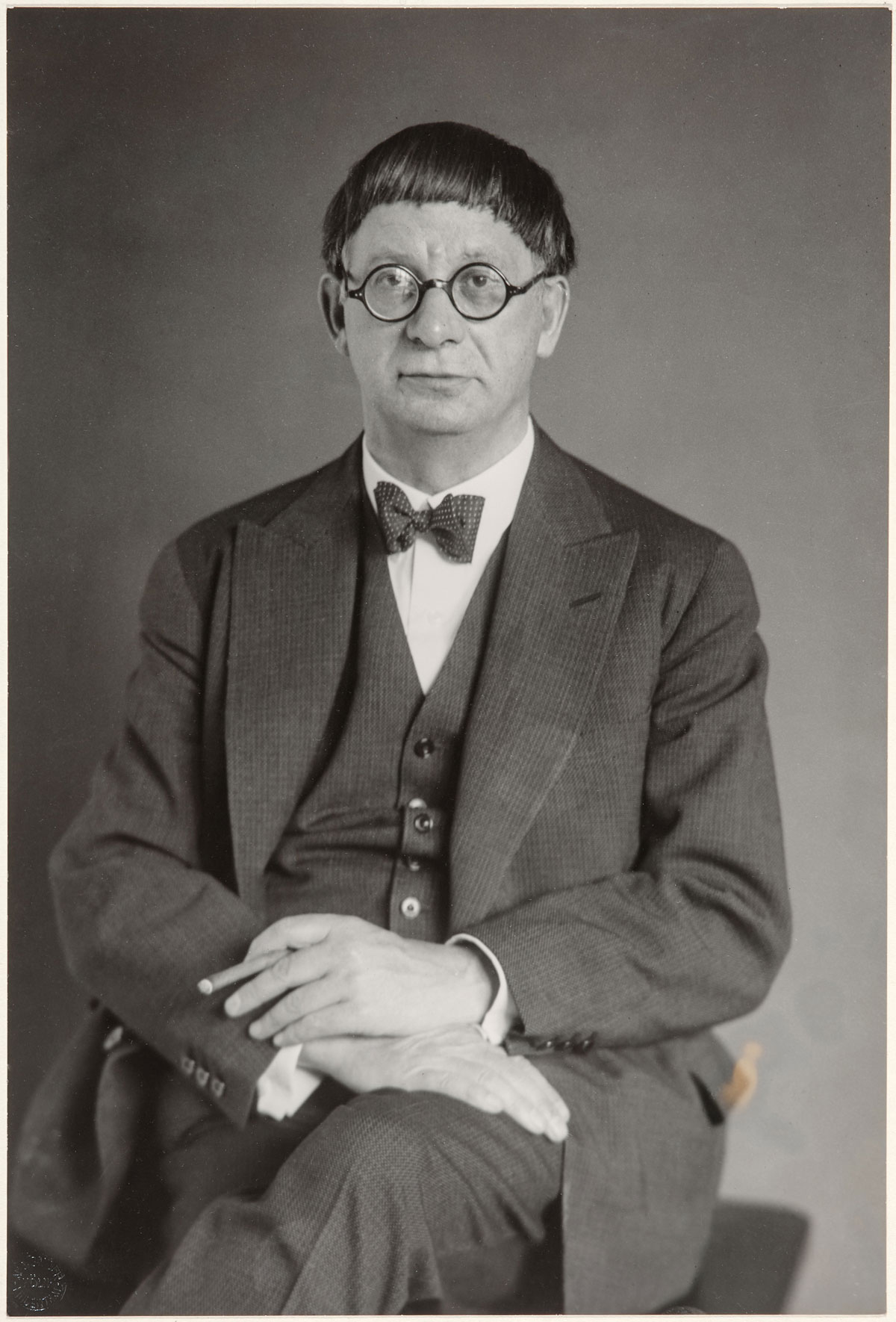


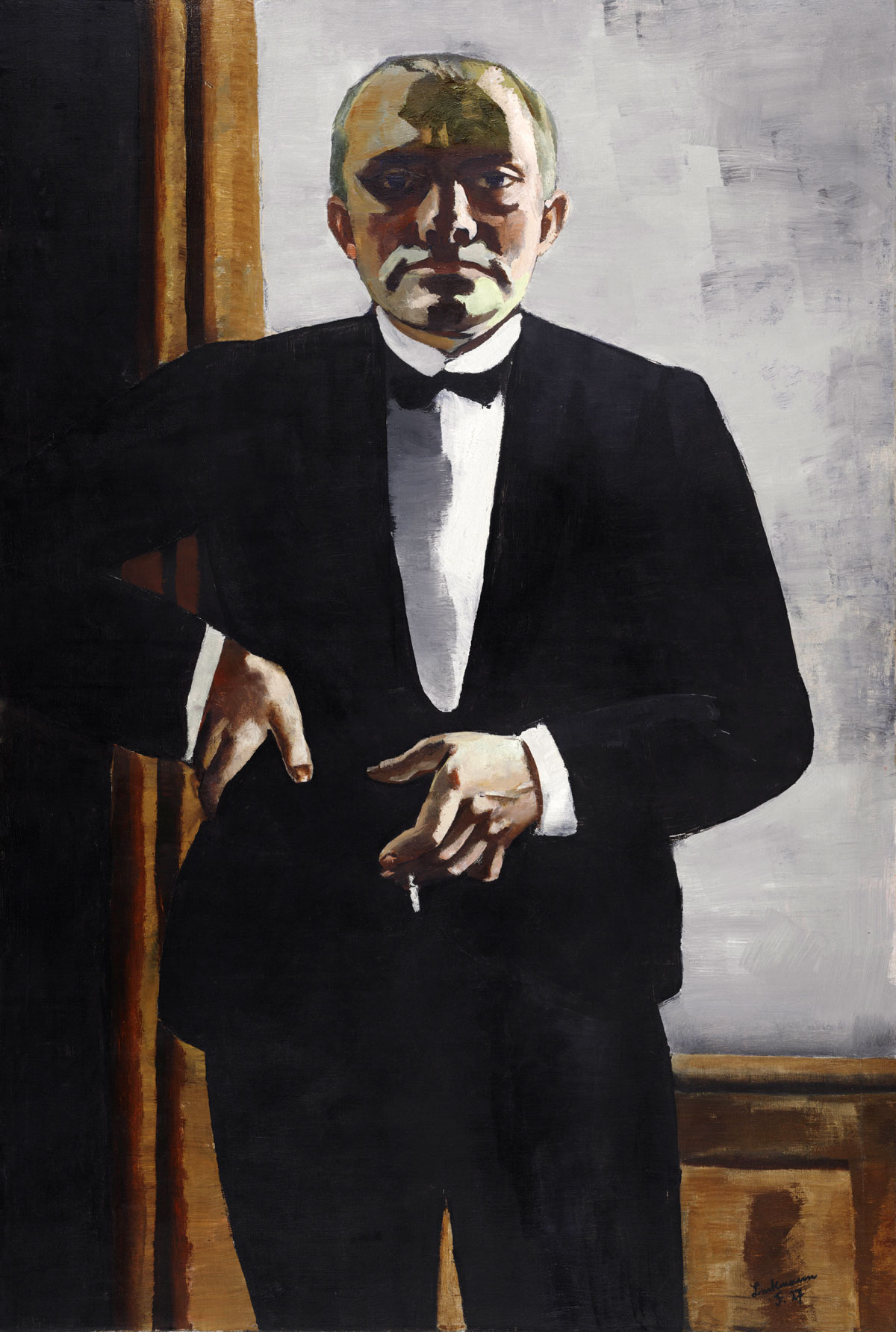

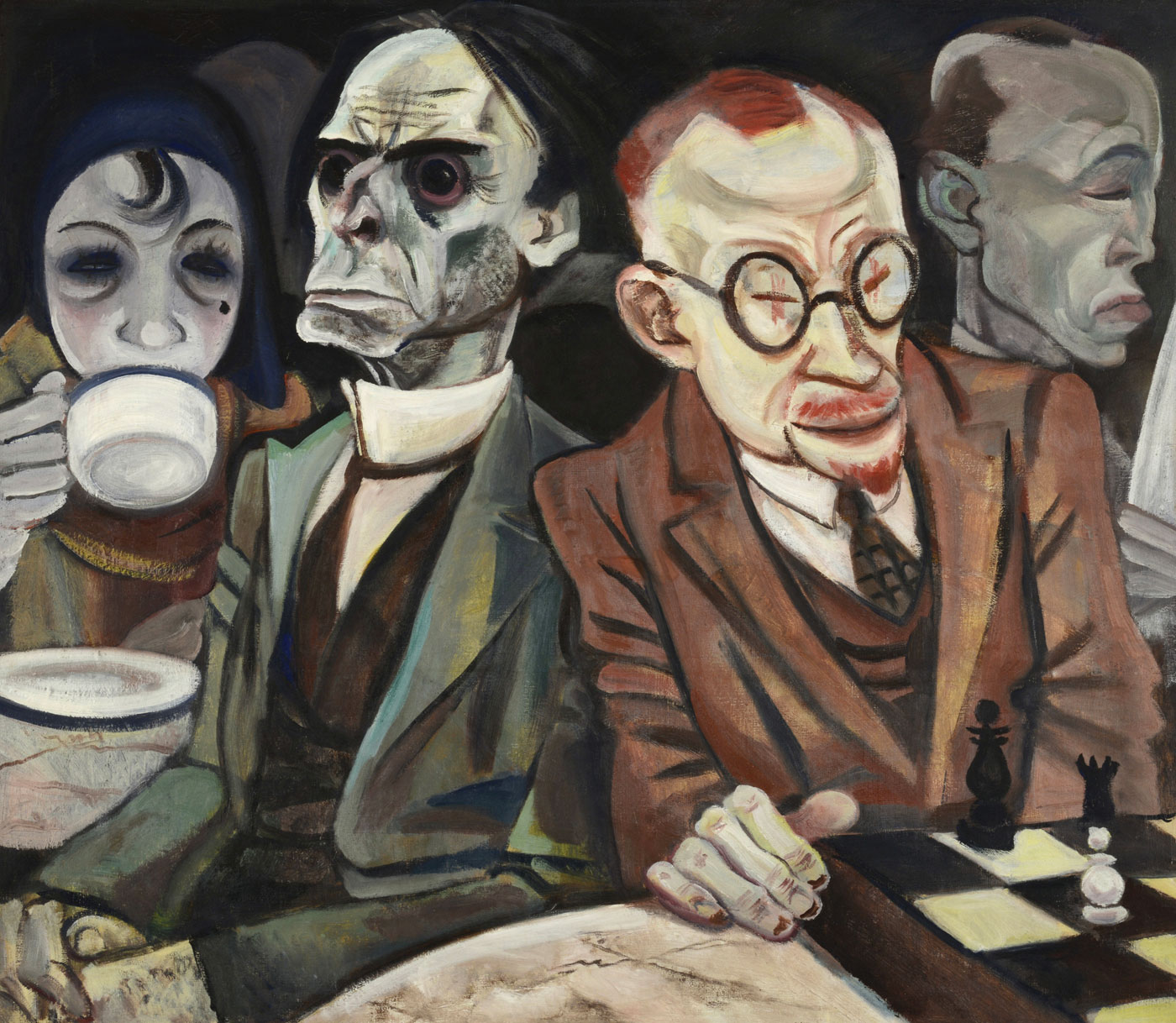

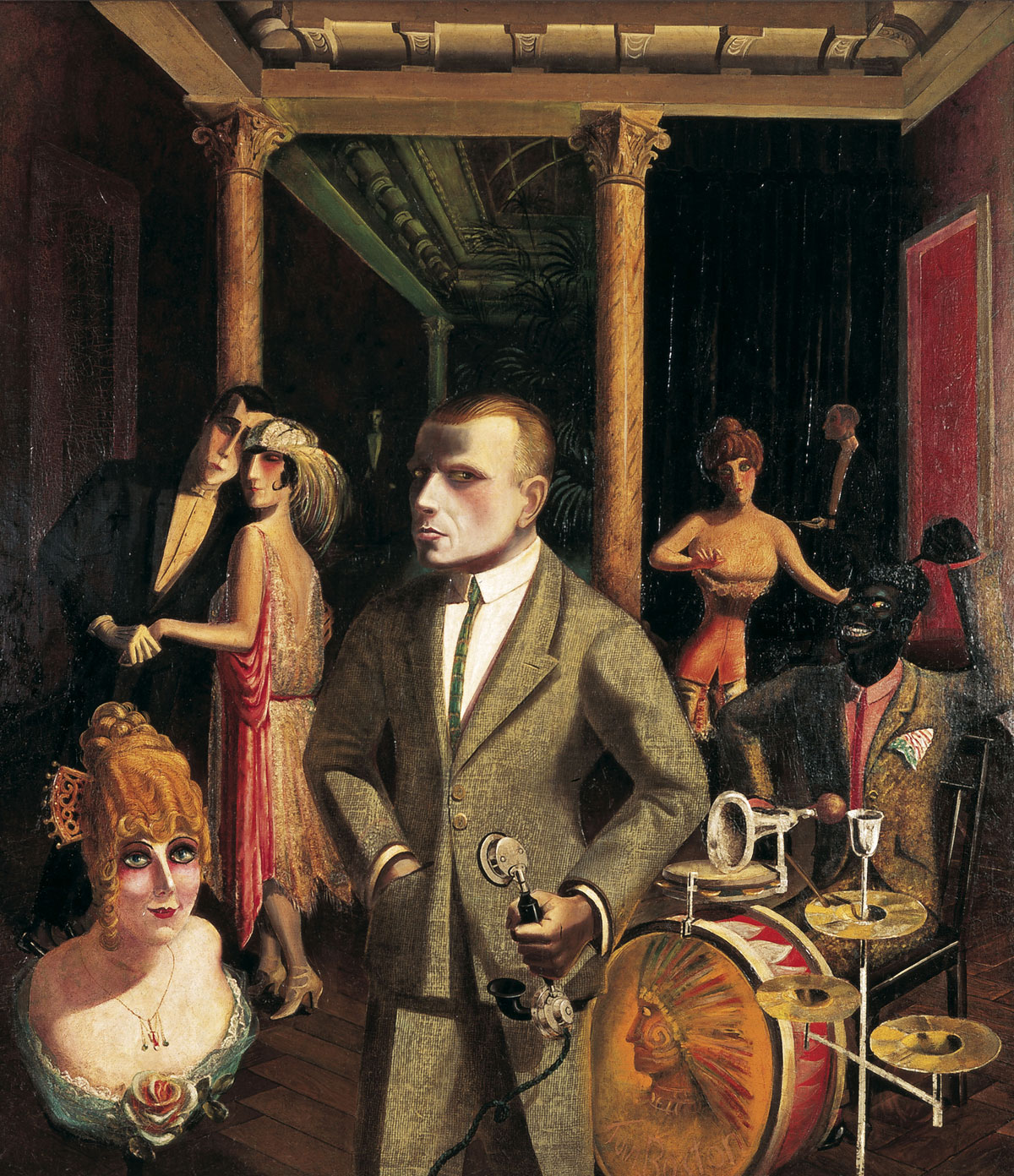


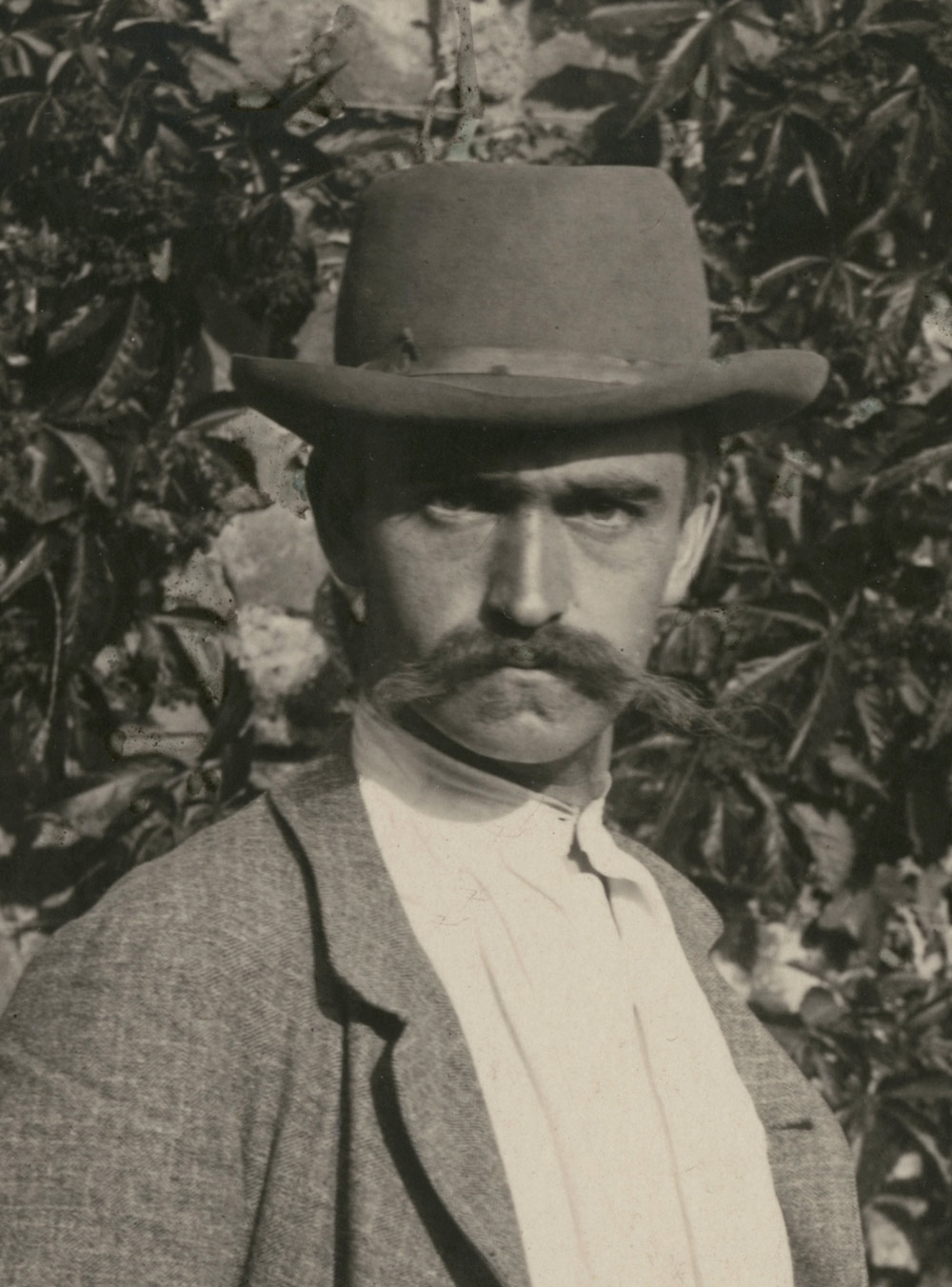


 Art Blart _ art and cultural memory archive
You must be logged in to post a comment.