Exhibition dates: Tuesday 22nd July – Saturday 26th, July, 2014
Opening: Tuesday 22nd July 6-8pm
Nite Art: Wednesday 23rd July until 11pm Artists represented: Philip Potter, John Storey, John Englart, Barbara Creed, Ponch Hawkes, Rennie Ellis Curators: Dr Marcus Bunyan and Nicholas Henderson Catalogue essays: Professor Dennis Altman (below) and Dr Marcus Bunyan (Being (t)here)
Five days, that’s all you’ve got! Just five days to see this fabulous exhibition. COME ALONG TO THE OPENING (Tuesday 22nd July 6-8pm) or NITE ART, the following night!
The exhibition Out of the closets, into the streets: gay liberation photography 1971-73 pictures the very beginning of the gay liberation movement in Australia through the work of Philip Potter, John Storey, John Englart, Barbara Creed, Ponch Hawkes and Rennie Ellis. The exhibition examines for the first time images from the period as works of art as much as social documents. The title of the exhibition is a slogan from the period.
As gay people found their voice in the early 1970s artists, often at the very beginning of their careers, were there to capture meetings in lounge rooms, consciousness raising groups and street protests. The liberation movement meant ‘being there’, putting your body on the line. “It was a key feature of the new left that this embodied politics couldn’t stop in the streets: that is, the public arena as conventionally understood. ‘Being there’ politically also applied to households, classrooms, sexual relations, workplaces and the natural environment.”1
Curated by Dr Marcus Bunyan and Nicholas Henderson and with catalogue essays by Professor Dennis Altman (below) and Dr Marcus Bunyan (Being (t)here: Gay Liberation Photography in Australia 1971-73), the show is a stimulating experience for those who want to be inspired by the history and art of the early gay liberation movement in Australia.
The exhibition coincides with AIDS 2014: 20th International AIDS Conference (20-25 July 2014) and Nite Art which occurs on the Wednesday night (23rd July 2014). The exhibition will travel to Sydney to coincide with the 14th Australia’s Homosexual Histories Conference in November at a venue yet to be confirmed.
Dr Marcus Bunyan
1/ Connell, Raewyn. “Ours is in colour: the new left of the 1960s,” in Carolyn D’Cruz and Mark Pendleton (eds.,). After Homosexual: The Legacies of Gay Liberation. Perth: UWA Publishing, 2013, p. 43.
Many thankx to all the artists for allowing me to publish the photographs in the posting. Please click on the photographs for a larger version of the image.
This exhibition chronicles a very specific time in several Australian cities, the period when lesbians and gay men first started demonstrating publicly in a demand to be accorded the basic rights of recognition and citizenship. Forty years ago to be homosexual was almost invariably to lead a double life; the great achievement of gay liberation was that a generation – although only a tiny proportion of us were ever Gay Liberationists – discovered that was no longer necessary.
The Archives have collected an extraordinary range of materials illustrating the richness of earlier lesbian and gay life in Australia, but this does not deny the reality that most people regarded homosexuality as an illness, a perversion, or a sin, and one for which people should be either punished or cured. It is revealing to read the first avowedly gay Australian novel, Neville Jackson’s No End to the Way [published in 1965 – in Britain – and under a pseudonym] to be reminded of how much has changed in the past half century.
Gay Liberation had both local and imported roots; the Stonewall riots in New York City, which sparked off a new phase of radical gay politics – when ‘gay’ was a term understood to embrace women, men and possibly transgender – took place in June 1969. They were barely noticed at the time in Australia, where a few people in the civil liberties world, most of them not homosexual, had started discussing the need to repeal anti-sodomy laws.
Small law reform and lesbian groups had already existed, but the real foundation of an Australian gay movement came in September 1970 when Christabel Pol and John Ware announced publicly the formation of CAMP, an acronym that stood for the Campaign Against Moral Persecution but also picked up on the most used Australian term for ‘homosexual’. Within two years there were both CAMP branches in most Australian capital cities, as well as small gay liberation groups that organised most of the demonstrations illustrated in this exhibition.
The differences between gay liberation and CAMP were in practice small, but those of us in Gay Liberation prided ourselves on our radical critique, and our commitment to radical social change. CAMP, with its rather daggy social events and its stress on law reform – at a time in history when homosexual conduct between men was illegal across the country – seemed to us too bourgeois, though ironically it was CAMP which organised the first open gay political protest in Australia [immediately identified by the balloons in the Exhibition photos].
It is now a cliché to say “the sixties” came to Australia in the early 1970s, but a number of forces came together in the few years between the federal election of 1969, when Gough Whitlam positioned the Labor Party as a serious contender for power, and 1972, the “It’s Time” election, when the ALP took office for the first time in 23 years. We cannot understand how a gay movement developed in Australia without understanding the larger social and cultural changes of the time, which saw fundamental shifts in the nature of Australian society and politics.
The decision of the Menzies government in 1965 to commit Australian troops to the long, and ultimately futile war in Vietnam, led to the emergence of a large anti-war movement, capable of mobilising several hundred thousand people to demonstrate by the end of the decade. Already under the last few years of Liberal government the traditional White Australia Policy was beginning to crumble, as it became increasingly indefensible, and awareness of the brutal realities of dispossession and discrimination against indigenous Australians was developing. Perhaps most significant for a movement based on sexuality, the second wave feminist movement, already active in the United States and Britain, began challenging the deeply entrenched sexist structures of society.
To quote myself, this at least reduces charges of plagiarism: “Anyone over fifty in Australia has lived through extraordinary changes in how we imagine the basic rules of sex and gender. We remember the first time we saw women bank tellers, heard a woman’s voice announce that she was our pilot for a flight, watched the first woman read the news on television. Women are now a majority of the paid workforce; in 1966 they made up twenty-nine per cent. When I was growing up in Hobart it was vaguely shocking to hear of an unmarried heterosexual couple living together and women in hats and gloves rode in the back of the trams (now long since disappeared). As I look back, it seems to me that some of the unmarried female teachers at my school were almost certainly lesbians, although even they would have been shocked had the word been uttered.”
In Australia Germaine Greer’s book The Female Eunuch became a major best seller, and Germaine appeared [together with Liz Fell, Gillian Leahy and myself] at the initial Gay Liberation forum at Sydney University in early 1972; looking back it is ironic that a woman who has been somewhat ambivalent in her attitudes to homosexuality was part of the public establishment of the gay movement.
But the early demonstrations illustrated in this exhibition did often include sympathetic “straights” – a term that seems to have disappeared from the language – for whom gay liberation was part of a wider set of cultural issues. It is essential to recognise that while political demonstrations may seem to assert certain claims they play widely different roles for those who participate. For some of us a public protest is a form of “coming out”; indeed many people had never been public about their sexuality before they attended their first demonstration. For others a demonstration is primarily a place to find solidarity, friendship, and, if lucky, sex.
For the gay movement more than any other just to declare oneself as gay was to take an enormous step, a step that some found remarkably easy while others had to wait until late in life to discover that actually almost everyone knew anyway. I remember the now dead Sydney playwright, Nick Enright, who was one of the first people to be open about his homosexuality, and was so without any sense of difficulty; at the same time there are still people who go to great lengths to hide their sexuality even while acknowledging they would face little risk of discrimination were they not to do so
Maybe there is a parallel for people who now declare their lost Aboriginal heritage, unsure how they will be regarded but aware that this is crucial to their sense of self. Every generation has its own version of coming out stories, this exhibition hones in on that time in our national history when everything seemed in flux, and gay liberation seemed a small part of creating a brave new world in which old hierarchies and restraints would disappear.
Looking back at the photos creates a certain nostalgia – we all look so young, so sure that we were changing the world, though in reality most of us were putting on a brave front. The oddest thing is that in some ways we did change the world. Forty years ago we looked at the police as threatening, symbolised in the photograph from Melbourne Gay Pride 1973 where the policeman is clearly telling people to move on. Today openly lesbian and gay cops march with us in the streets, and the very idea that homosexuality could be criminalised, as it still is in many parts of the world, has largely disappeared from historical memory. Indeed to many people attending this exhibition that may be the first time they confront the reality that being gay in Australia in the early 1970s was to live in a world of silence, evasion and fear.
As Minor White’s artist bookThe Temptation of St. Anthony is Mirrors (1948) is a visual love poem to Tom Murphy, so my artist book The Songs of Eternity (1994) is a visual love poem to my then long-time partner Paul. Both are exceedingly rare books: there are two copies of White’s book and there is one copy of mine.
The prints are even more beautiful in the flesh (so to speak).
Marcus
I am scanning my negatives made during the years 1991-1997 to preserve them in the form of an online archive as a process of active memory, so that the images are not lost forever. These photographs were images of my life and imagination at the time of their making, the ideas I was thinking about and the people and things that surrounded me.
Photographs are available from this series for purchase. As a guide, a vintage 8″ x 10″ silver gelatin print costs $700 plus tracked and insured shipping. For more information please see my store web page.
*PLEASE NOTE THIS POSTING CONTAINS ART PHOTOGRAPHS OF MALE NUDITY – IF YOU DO NOT LIKE PLEASE DO NOT LOOK, FAIR WARNING HAS BEEN GIVEN*
The Songs of Eternity
Images and poetry by M. Bunyan 1994
I stood at the edge of the precipice / and peered in as William Blake would say
The timepiece of eternity / swung hands through all the hours
so how naive I’ve been / not to see its powers
Did I deceive / or was I led
What a rude awakening / throughout my head
Many fabulous things were said /
many a doubt was in silence bled …
Nothing is certainty but the change – I was must be strong to attain
Depth, spirit, integrity and the rest
This affirmation I will confirm – not in conformity but in my own special way
Not this way nor that but my own path / that one day will whisper gently in my ear
Be strong, for we have much to say / when the sea becomes the sky.
Strong in your arms I become your scent
Lying in my bed the sheets of flowers enfold me
Trusting in my heart I know
Today Yesterday Tomorrow
The Songs of Eternity
Marcus Bunyan (Australian, b. 1958) Shroud 1994 From the series The Songs of Eternity Silver gelatin photograph
I stood at the edge of the precipice / and peered in as William Blake would say
Marcus Bunyan (Australian, b. 1958) Paul, shadows 1994 From the series The Songs of Eternity Silver gelatin photograph
The timepiece of eternity / swung hands through all the hours
Marcus Bunyan (Australian, b. 1958) Eternal timepiece 1994 From the series The Songs of Eternity Silver gelatin photograph
so how naive I’ve been / not to see its powers
Marcus Bunyan (Australian, b. 1958) Paul, head covered 1994 From the series The Songs of Eternity Silver gelatin photograph
Did I deceive / or was I led
Marcus Bunyan (Australian, b. 1958) Pendent #1 1994 From the series The Songs of Eternity Silver gelatin photograph
What a rude awakening / throughout my head
Marcus Bunyan (Australian, b. 1958) Untitled 1994 From the series The Songs of Eternity Silver gelatin photograph
Many fabulous things were said /
Marcus Bunyan (Australian, b. 1958) Untitled 1994 From the series The Songs of Eternity Silver gelatin photograph
many a doubt was in silence bled …
Marcus Bunyan (Australian, b. 1958) Suspension #1 1994 From the series The Songs of Eternity Silver gelatin photograph
Nothing is certainty but the change – I was must be strong to attain
Marcus Bunyan (Australian, b. 1958) Chrysalis 1994 From the series The Songs of Eternity Silver gelatin photograph
Depth, spirit, integrity and the rest
Marcus Bunyan (Australian, b. 1958) Décolleté 1994 From the series The Songs of Eternity Silver gelatin photograph
This affirmation I will confirm – not in conformity but in my own special way
Marcus Bunyan (Australian, b. 1958) Paul, doorway (for Georgia O’Keeffe) 1994 From the series The Songs of Eternity Silver gelatin photograph
Not this way nor that but my own path / that one day will whisper gently in my ear
Marcus Bunyan (Australian, b. 1958) Pendent #2 1994 From the series The Songs of Eternity Silver gelatin photograph
Be strong, for we have much to say / when the sea becomes the sky.
Marcus Bunyan (Australian, b. 1958) Shadow, wreath 1994 From the series The Songs of Eternity Silver gelatin photograph
Strong in your arms I become your scent
Marcus Bunyan (Australian, b. 1958) Madonna, male 1994 From the series The Songs of Eternity Silver gelatin photograph
Lying in my bed the sheets of flowers enfold me
Marcus Bunyan (Australian, b. 1958) Suspension #2 1994 From the series The Songs of Eternity Silver gelatin photograph
Trusting in my heart I know
Marcus Bunyan (Australian, b. 1958) Paul, wreath and hands 1994 From the series The Songs of Eternity Silver gelatin photograph
Today Yesterday Tomorrow
Marcus Bunyan (Australian, b. 1958) Untitled 1994 From the series The Songs of Eternity Silver gelatin photograph
Artists include: Marcus Bunyan, Juan Davila, Andrew Foster, Brent Harris, Mathew Jones, Peter Lyssiotis, Lex Middleton, Andi Nellsün, Marcus O’Donnell, Scott Redford, and Ross T Smith.
Opening: Wednesday 16 July 5.30 pm – 7.30 pm
Unknown photographer ACT UP D-Day on the steps of Flinders St. Station, 6 June 1991
1991
Image courtesy of the Australian Queer Archives
Another important exhibition to coincide with the 20th International AIDS Conference to be held in Melbourne this July. The exhibition – which focuses on the seminal exhibition Don’t Leave Me This Way: Art In The Age Of AIDS, curated by Ted Gott at the National Gallery of Australia in Canberra in 1994 – is supported by an extensive program of public events (see below) some of which I hope to get to. The community lost so many good people.
I just want to say ‘good on ya, Andi’, hope your smiling up there somewhere!
Dr Marcus Bunyan
Many thankx to Michael Graf and The George Paton Gallery for allowing me to publish the art work in the posting. Please click on the photographs for a larger version of the image. The exhibition will be open until 9pm on Wednesday 23 July as part of the Nite Art Walk.
Andi Nellsün (Australian) Matr’x 1993
To coincide with the 20th International AIDS Conference to be held in Melbourne in July, TRANSMISSIONS | Archiving HIV/AIDS | Melbourne 1979-2014 is an exhibition of artworks, manuscripts, and other material from private collections and public archives. It will focus on the partnership between government, health professionals, and Melbourne’s gay community, and on relations between activism, art and design.
Australia is recognised for having implemented one the world’s most successful HIV/AIDS prevention campaigns. The exhibition and conference, however, coincide with a twenty-year high in infection rates. To be able to reach a younger generation,current health promotion campaigns have become increasingly sophisticated. TRANSMISSIONS will investigate several of these campaigns in relation to others from the past thirty years.
TRANSMISSIONS will feature artworks by Marcus Bunyan, Juan Davila, Andrew Foster, Brent Harris, Mathew Jones, Peter Lyssiotis, Lex Middleton, Andi Nellsün, Marcus O’Donnell, Scott Redford, and Ross T Smith.
A publication and a comprehensive public program will accompany this two-week exhibition.
Exhibition curated by Michael Graf and Russell Walsh.
~ Thursday 17 July, 5.30 pm – 6.30 pm – Introduction to the archives
Nick Henderson (Australian Queer Archives) and Katie Wood (University of Melbourne Archives) in conversation with Russell Walsh.
~ Friday 18 July, 5.30 pm – 6.30 pm – Activism, archives and history
Graham Willett (Australian Lesbian & Gay Archives) in conversation with Russell Walsh.
~ Saturday 19 July, 3 pm – 4 pm – Curator floor-talk with Michael Graf and Russell Walsh
~ Wednesday 23 July – exhibition open till 9pm for Nite Art Walk
~ Wednesday 23 July 7.00 pm – 8.00 pm – Hares and Hyenas Word is Out presents: Charles Roberts, Infected Queer – 20 years on
Melbourne writer Javant Biarujia will read from the polemical AIDS diary that he helped edit and publish in 1994.
~ Thursday 24 July, 5.30 pm – 6.30 pm – Don’t Leave Me This Way: Art In The Age Of AIDS: 20 years on
Ted Gott, Curator of the seminal exhibition at the National Gallery of Australia in 1994, in conversation with Michael Graf, with several of the exhibition’s artists present for comment.
~ Friday 25 July, 5.30 pm – 6.30 pm – The Face of HIV/AIDS: Photographic Portraiture and HIV/AIDS 1984-1994
Susannah Seaholm-Rolan reflecting on why many of the artists featured in Don’t Leave Me This Way: Art In The Age Of AIDS worked in the medium of photographic portraiture and self-portraiture (includes exhibition closing drinks).
Please note: all events will commence sharply at advertised times owing to the early closure of the Student Union Building
The central theme of the exhibition is the response from Melbourne’s LGBT community to the HIV/AIDS epidemic. It will contain artworks from this period as well as activist, government and other cultural responses – some of the works have never been exhibited before.
Michael Graf is co-curator of Transmissions, along with Russell Walsh. Both Graf and Walsh have spent the past seven months trawling through the Australian Queer Archives (AQuA) and the University of Melbourne Archives, where they have discovered some of the most moving and unique stories in Melbourne’s LGBT history.
“We wanted to focus on some of the cultural responses to the crisis,” Graf says. “The main part of that has been Ted Gott’s exhibition at the National Gallery of Australia in 1994: Don’t leave me this way: art in the age of AIDS. That exhibition became an incredibly important event for a lot of people. The NGA actually thought they would get 10,000 people through the space in four or five months – they got 140,000 people.
“It became a kind of pilgrimage for people from Melbourne and Sydney and other places around Australia. They went to Canberra specifically to see that exhibition. It was the first time a national gallery anywhere in the world put on an exhibition about HIV/AIDS.”
Transmissions includes copies of the visitors books from Don’t leave me this way: art in the age of AIDS. As the exhibition became a place where people remembered those they had lost, they poured their emotions and their experiences of the exhibition into the visitors books.
“There are some extraordinary accounts,” Graf says. “They had this experience in a national gallery to actually grieve.”
Graf and Walsh also tracked down artists from this exhibition. While many concede that Don’t leave me this way has been long forgotten, the milieu surrounding Transmissions is that it is time for this work to be considered again.
“They [the artists] have also said this is the perfect time to remember it,” Graf says. “Sometimes these things have to wait until they have receded enough back into history before they can be looked at again.” …
Graf hopes people visiting Transmissions will take away the richness of these collections. He also hopes they attract a younger audience as well as those who will remember what life was like in the gay community at the height of the HIV/AIDS epidemic.
“We’re hoping people might be inspired to access places such as the Australia Lesbian and Gay Archives and for a younger generation of people in Melbourne to be exposed to this incredible important history.”
Rachel Cook. “Transmissions: Archiving HIV/AIDS – Melbourne 1979 – 2014,” on the Gay News Network website, 2nd July 2014 [Online] Cited 06/07/2014. No longer available online. Used under fair use conditions for the purposes of education and research
Marcus Bunyan (Australian, b. 1958) How will it be when you have changed 1994 Silver gelatin photograph
Marcus Bunyan (Australian, b. 1958) Tell me your face before you were born 1994 Silver gelatin photograph
George Paton Gallery Level 1 Arts and Cultural Building Monash Road, the University of Melbourne
Australian vernacular photography. Such a large subject. Such a small exhibition.
With only 27 photographs from various artists (18 of which are shown in this posting), this exhibition can only ever be seen as the runt of the litter. I would have thought such a large area of photographic investigation needed a more expansive exposition than is offered here. There are no photobook, photo booth, Aboriginal, anonymous, authorless, family, gay or marginalised cultural photographs / snapshots. There are no light leaks, blur, fingers obstructing lenses, double exposures – all examples of serendipity and happenstance which could enter into an aesthetic arena.
Vernacular photography1 can be defined as the “creation of photographs, usually by amateur or unknown photographers both professional and amateur, who take everyday life and common things as subjects… Examples of vernacular photographs include travel and vacation photos, family snapshots, photos of friends, class portraits, identification photographs, and photo-booth images. Vernacular photographs are types of accidental art, in that they often are unintentionally artistic.”2 ‘Found photography’ is the recovery of a lost, unclaimed, or discarded vernacular photograph or snapshot.
While all of the photographs in the exhibition are unique images, some are definitely not vernacular in their construction – they are planned and staged photographs, what I would call planned happenstance (after John Krumboltz’s theory of career development). A perfect example of this are the photographs by Sue Ford (Sue Pike, 1963, printed 1988, below), Anne Zahalka (The girls #2, Cronulla beach, 2007, below) and Fiona Hall (Bondi Beach, Sydney, Australia, October 1975, below) which have an air of ceremonial seriousness that belies their classification as part of this exhibition. My favourites are the fantastic images by Glen Sloggett – witty, colourful, humorous with the photographer “acutely aware of the photographer and photograph’s role in pointedly constructing a narrative around Australian identity and history” – they are nevertheless self-deprecating enough that this does not impact on their innate “found” quality, as though the artist had just wandered along and captured the shot.
The route that the AGNSW has taken is similar to that of MoMA. Residing in the collection and shot by artists, these “vernacular” photographs are placed in a high art context. Their status as amateur or “authorless” photographs is undermined. This exhibit does not present vernacular photographs as just that. As the article on the One Street blog notes, what is being exhibited is as much about what has been collected by the AGNSW, its methodical and historicising classification, as it is about vernacular photographic form: chance, mistake and miscalculation. It is about creating a cliché from which to describe an ideal Australian identity, be it the beach, larrikinism, or the ANZAC / sporting “warrior”, and not about a true emotional resonance in the image that is created by, or come upon by, chance.
Dr Marcus Bunyan
Many thankx to the Art Gallery of New South Wales for allowing me to publish the photographs in the posting. Please click on the photographs for a larger version of the image.
1/ “What is vernacular photography? Too broad to be understood as a genre per se, it can encompass anonymous snapshots, industrial photography, scientific photography, “authorless” photography, advertising, smut, as well as work that might be perceived as “other” than any of this random list. It could be understood as an oppositional photography – outside technical or artistic histories, yet, especially with the snapshot, it could also be entirely conventionalised, a manifestation of visual banalities, or an image so enigmatic that its meaning or genesis is entirely obscured. It is mistakes & failures as much as it may not be, & how we understand the images may or may not be separate from their initial intents. Is this a category we are making up?
The idea of the vernacular in photography is also an indication of photography as a medium informing the everyday, prevalent, “naturalised.””
One Way Street. “Vernacular photography,” on One Way Street blog 20th October 2007 [Online] Cited 11/05/2014
2/ Szarkowski, John. “INTERVIEW: “Eyes Wide Open: Interview with John Szarkowski” (2006)” by Mark Durden, Art in America, May, 2006, cited in “Vernacular photography,” on the Wikipedia website [Online] Cited 11/05/2014. No longer available online. Used under fair use conditions for the purposes of education and research
Words and Photos: Geoffrey Batchen’s Writing About Vernacular Photography
“At first, I was simply interested in bringing attention to a diverse range of photographic objects and practices that had not been much written about. But I soon recognised that these objects represented a significant challenge to the predominant history of photography. This history, dominated by the values and tropes of art history, was not well-equipped to talk about photographs that were openly commercial, hybrid and mundane. Ie: the history of photography ignores most types of photography. My interest, therefore, has become more methodological and theoretical, in an effort to establish new ways to think of photography that could address the medium as a whole. I suggest that any substantial inclusion of vernacular photographs into a general history of photography will require a total transformation of the character of that history…
I suggest that any inclusion of vernacular photography in the larger story, will require a complete transformation of the character of that story; it will require a new kind of history altogether. My writings may have encouraged this idea, but I am just one of many scholars who have been pursuing this goal. Indeed, I would say that this idea is now the norm. The next step is to look beyond this and engage other parts of the history of photography that have been similarly neglected. For example, there are many researchers at the moment that are examining the photographs produced outside Europe and the United States, such as China, Indonesia, and Africa…
Snapshots are complicated objects. They are unique to each maker and almost always completely generic. They happily adopt the visual economy that mediates most photographic practices: same but different. You might say that every snapshot is an authentic copy of a prescribed set of middle-class values and familiar pictorial clichés. That does not make them any less fascinating, especially for people who treasure them. But it does make them difficult to write about…
It is certainly possible to recognise the existence of regional practices of photography. I wrote, for example, about the making of fotoescultura in Mexico, and about a specific form of ambrotype in Japan. No doubt one could claim to see some regional aspects of snapshots made in the United States that distinguish them from ones made in Australia or, say, Indonesia. But the more challenging task is to talk about those things that can’t be seen. For example, snapshots made in Australia and China may look exactly the same to my eye, but it stands to reason that they don’t mean the same thing (after all, access to the camera for personal photos is a fairly recent phenomenon in China). We must learn how to write these kind of differences.”
Interview by LG. “Words and Photos: Geoffrey Batchen’s Writing About Vernacular Photography,” on the LesPHOTOGRAPHES.com website Nd (translated from the French) [Online] Cited 04/05/2014. No longer available online. Used under fair use conditions for the purposes of education and research
After relocating from USA to Australia in 1973, Ed Douglas spent a few years living in the country prior to taking on a teaching position at Sydney College for the Arts in 1976. The series City-spaces was commenced in Sydney and then developed further when Douglas moved to Adelaide in 1977. Having been schooled in the formal traditions of American documentary photography, Douglas’s images appear like notations of an urban explorer attempting to locate himself in a new country. Seemingly fragmentary, they look at the specificities of the mundane and the ordinary. Close acquaintances such as photographers Ingeborg Tyssen and John F. Williams appear in City spaces #29 and City spaces #28, indicating the personal nature of the series.
Intimately scaled and tonally rich, the black and white images exalt the formal beauty which can be found in the random textures of daily existence. They are also permeated with gentle humour and a sense of quiet drama that unfolds in the strangely misplaced confluences of objects, figures and spaces. Douglas’s interest in the formal and emotional qualities of topography was emblematic of new approaches in documentary photography of the time. His 1983 series of colour photographs depicting the gypsum mine on Kangaroo Island (collection of AGNSW) developed this trajectory further by fusing the aesthetics of abstraction and objective documentation.
Gerrit Fokkema’s photographs of everyday Sydney and Canberra in the early 1980s are examples of Australian photography becoming more self-aware. These decisive snapshots of suburban life reveal an irony and conjure Fokkema’s own history growing up in Queanbeyan. Though captured in seemingly banal settings, the images intrigue, pointing to issues beyond what is represented in the frame. The housewife watering the road and a young tattooed man in front of a car are both depicted alone within a sprawling suburban landscape, suggesting the isolation and boredom in the Australian dream of home ownership. The sense of strangeness in these images is consciously sought by Fokkema, aided by his embrace of the glaring and unforgiving ‘natural’ Australian light.
Gerrit Fokkema’s Woman hosing, Canberra is an affectionate and gently ironic portrait of suburban life in Canberra. Fokkema was familiar with his subject matter, raised as he was in the nearby township of Queanbeyan. After studying photography at Canberra Technical College 1974-77 he became the staff photographer for the Canberra Times in 1975. He held his first exhibition in the same year at the Australian Centre for Photography, Sydney. His career as a photo-journalist lead him to work with the Sydney Morning Herald in 1980 and participation with several international Day in the life of…. projects between 1986 and 1989.
Fokkema uses the ‘decisive moment’ of photo-journalism to reveal the incidental quirks of ordinary life in this image. The bland uniformity of the streetscape, with its identical archways and mundanely shuttered doors, is punctuated by the absurd proposition of a woman watering the street rather than the adjacent grass. Her presence is the only sign of life in an otherwise inanimate scene, and her actions suggest a kind of strangeness that lies within the normality of suburbia. Many of Fokkema’s images play with such chance incidences and odd juxtapositions, revealing his interest in surrealism and the notion of automatism. Indeed, the repeated archways and the lone figure inhabiting otherwise empty urban space of Woman hosing, Canberra recall the proto-typical surrealist painting, Mystery and melancholy of a street 1914, by Giorgio de Chirico. Fokkema’s image is, however, very much a product of Australia – of its bright ‘available’ light and of the dream of home-ownership. Fokkema has continued to document the Australian way of life. In 1986 he left newspapers to freelance as a commercial photographer and published Wilcannia, portrait of an Australian town. He has since exhibited works based on tender observations of his family members and of family life.
The work of Gerrit Fokkema exhibits a particular sensitivity to the uneasiness of people in Australian landscapes, both urban and rural. Fokkema was born in New Guinea in 1954, but raised in Canberra and worked as a press photographer before freelancing from 1986. Although his photographs demonstrate an interest in the formal qualities of landscape, the sense of rhythm his compositions generate also evoke the monotony of Australian space – sweeping terracotta roofs and long straight paths. This monotony is only interrupted by the presence of the human figure, usually isolated, alone and awkwardly out of place. In Blacktown Man 1983, the flat image of the man appears dramatically superimposed on the land and sky of the suburban street. By reminding us of our sometimes uncomfortable relationship with the spaces we inhabit, Fokkema’s work rejects any attempt to romanticise Australian life.
Australian vernacular photography traces developments in photographic practice from the postwar period through to the present day, with images ranging from documentary or ‘straight’ photography (where the subjects are usually unaware of the camera), through to those that look self-reflexively at the constructed nature of the medium.
The increasing role of photography in the latter part of the 20th century attests to the rising need Australians felt to apprehend the nation, personal identity and society through images. Many of these photographs offer frank perspectives on Australian culture without the romanticising tendencies of earlier photographers. Photographing the everyday became a way of understanding how Australia saw (and sees) itself, with recurrent themes such as beach culture, suburbia, race relations, protest and the role of women among the central concerns of image-makers then and now.
By the 1960s Australian photographers were comparing their work with international peers, thanks to photographic publications and the watershed 1959 tour of The family of man exhibition organised by the Museum of Modern Art, New York. Institutional support for photography didn’t come until the 1970s; however those committed to the medium forged on, intent on capturing their visions of Australia photographically. The family of man exhibition toured Australia in 1959 and was enormously influential, with its themes of birth, love and death common to all humanity. However, possibilities for Australian photographers to be noticed were rare until the 1970s due to the lack of institutional support. Nonetheless, photographers from David Moore and Robert McFarlane to the young Sue Ford forged on, trying to find their own vision of Australian life and how it could be represented photographically. This exhibition looks at some of the photographers from then as well as those working more recently – such as Anne Zahalka, Trent Parke and Glenn Sloggett – to consider their various approaches to the depiction of modern Australian life.
In the Australian Photography Annual of 1947, photographer and director of the Art Gallery of NSW Hal Missingham wrote: “In a country supposedly occupied by people indulging in a vigorous outdoor life, where are the [photographic] records of beach and sport… where are the photographs of the four millions of people who live and work in our cities? What are they like – what do they do – what do they wear, and think?”
“I don’t regard photography as an art form, although I know it can be for others… To me the camera is simply an unrivalled reporter’s tool. It is an aid to getting the story “properly true,”” Jeff Carter said in 2006. Working mainly as a photojournalist, Carter wanted to make images that depicted social reality. He aimed to show the ‘unknown’, those people who are rarely seen. His approach resulted in frank, arguably even unflattering, images of Australian life, such as this of a beach-goer in the 1960s, heralding the changing social mores of the time.
Sydney photographer, lecturer and historian John F. Williams has a long and personal interest in the ramifications of the Allies’ commitment to and sacrifice in the First World War which he later explored in his 1985 series From the flatlands. Williams became an amateur street photographer, inspired by Henri Cartier-Bresson and the photojournalist W. Eugene Smith. He read The family of man catalogue and saw the exhibition in 1959 but he rejected its “saccharine humanism and deliberate ahistoricism” choosing instead to socially document the raw character of Australia.1
When interviewed in 1994 Williams said: “After the [First World War] you had a range of societies which were pretty much exhausted, and they tended to turn inwards. In a society like Australia which had a poorly formed image of itself, where there was no intellectual underpinning, the image of the soldier replaced everything else as a national identity.”2
Sydney expresses the ‘Anzac spirit’ born in the battlefields of Gallipoli, the Somme and Flanders, a character study of an independent, introspective soldier. With an air of grit, determinedly smoking and wearing his badge, ribbons and rosemary as remembrance, Sydney stands apart from the crowd, not marching with his regiment. Williams embraced the ‘element of chance’ or the ‘decisive moment’ as he documented the soldier in a public place observing the procession. Taken from a low angle and very close up the man is unaware of the photographer at the moment the shot was taken, apparently lost in his own memories. The old soldier represents a generation now lost to history but portraits such as these continue to reinforce the myth of national identity.
1/ Jolly, M. “Faith sustained,” in Art Monthly, September 1989, pp. 18-19
2/ “John Williams – photographer and historian: profile,” in Sirius, winter, Macquarie University, Sydney, 1994, p. 5
Photographer and former Art Gallery of NSW director, Hal Missingham wrote in the 1947 Australian Photography annual: “In a country supposedly occupied by people indulging in a vigorous outdoor life, where are the [photographic] records of beach and sport…? Where are the photographs of the four millions of people who live and work in our cities? What are they like – What do they do – What do they wear, and think?” This image points to Missingham’s own attempts to answer that question. An interesting counterpoint to the images taken at Cronulla around 40 years later, here Missingham shows a group of young women standing behind a fence watching as young men train to be lifesavers.
Hal Missingham often holidayed at his beach house at Garie in the Royal National Park south of Sydney, not far from Cronulla. In 1970 he published Close focus a book of photographic details of rocks, pools, sand and driftwood. As a beachcomber and observer of beach culture Missingham delighted in his immediate environment. Surf carnival, Cronulla is a quintessential Australian scene, one that frames an important aspect of national identity and culture. As passive observers, the 1960s was a time when many girls were still ‘minding the towels’ for the boys who surfed or competed in carnivals. Barricaded from the beach and its male activity the young women in bikinis are oblivious to the photographer who has foregrounded their relaxed tanned bodies behind the wire as they in turn observe and discuss the surf lifesavers in formation at the water’s edge. Although a beach is accessible for the majority of Australians and is now an accepted egalitarian space where women bodysurf, ride surfboards and compete along with beachgoers from diverse ethnic backgrounds, Surf carnival, Cronulla suggests a specific demography.
Australian vernacular photography considers how photographers have used their cameras to depict Australian life, and how ideas of the nation have been constructed through photographic images.
Sixteen Australian photographers are represented by some 27 photographs taken from the 1960s to the 2000s. The photographs range from the more conventionally photo-documentary through to later works by photographers positioned more consciously in an art context. A selection of photography books of the period are also on display.
Artists include: Jeff Carter, Ed Douglas, Peter Elliston, Gerrit Fokkema, Sue Ford, Fiona Hall, Robert McFarlane, Hal Missingham, David Moore, Trent Parke, Roger Scott, Glenn Sloggett, Ingeborg Tyssen, John F Williams, William Yang and Anne Zahalka. Each of these artists in their own way interweave personal, documentary and fictional aspects through their images.
The works in Australian vernacular photography expose the sense of humour or larrikinism often seen as typical to Australia through showing aspects of beach and urban culture that hadn’t been imaged so bluntly before the 1960s. The characters that emerge range from leathery sunbathers, beer-drinking blokes and hippies, to beach babes, student protesters and suburban housewives, shedding light on the sense of liberation and self-recognition that arose during this period.
As photography struggled to gain recognition as an art form in the mid 20th century, the influence of exhibitions such as the Museum of Modern Art, New York’s Family of Man, which toured Australia in 1959, was vital in allowing Australian photographers to compare their work to that of their international peers.
Throughout the 1960s and ’70s, photographers such as Jeff Carter, Sue Ford, David Moore, Roger Scott and John F Williams worked in a photo-documentary mode that was less about staging a shot or creating formal harmony within the frame than about capturing a moment of lived reality. To this end, such photographs involved minimal intervention from the photographer, both before and after the shutter release. Subjects were often unaware of being photographed and extensive darkroom manipulation was frowned upon, the rawness of prints was supposed to signal authenticity.
This approach resulted in images that seemed to offer a frank perspective on Australian culture, without the romanticising tendencies of earlier photography, which had sought to construct ideals rather than document what was actually there. As artists began to realise what they could do with the camera, so too did the images evolve. By the 1980s and ’90s photographers were making images that showed the subject’s awareness of being photographed, as with Gerrit Fokkema, or presented a harsh, even aggressive perspective on the depicted situations by removing people altogether, as with Peter Elliston. This signalled the increasingly self-conscious role of photographers themselves in the equation, suggesting the influence of post-modern theories of subjectivity and their effect on the images produced.
By the time we reach the 2000s, artists such as William Yang, Anne Zahalka and Trent Parke are acutely aware of the photographer and photograph’s role in pointedly constructing a narrative around Australian identity and history. The exhibition maps out this history and offers unexpected insight into the construction of a particularly Australian vernacular within photographic practice.
Sue Ford’s photograph of her friend Sue Pike blow-drying her hair in the kitchen captures the young woman preparing for a night out. Ford often photographed those close to her as well as continually making self-portraits throughout her career. The photograph is domestic and intimate, showing a common aspect of life for young women in the 1960s. It suggests the procedure of preening necessary to go out and find ‘marriage and children’, while the alcohol and cigarette indicates the emerging movement for women’s liberation.
“My earliest “studio portraits” … were of my friends from school … These photo sessions were approached with a ceremonial seriousness, My friends usually brought different clothes with them and during the sessions we would change clothes and hairstyles.” Sue Ford 1987 1
Sue Ford took the majority of her photographs at this time with the camera set on a 1/60th of a second at f/11, a ‘recipe’ she wrote which had more chance of success. Poetic, fragmentary text relating to Ford’s 1961 photo-essay in “A sixtieth of a second: portraits of women 1961-1981” identify the young women’s recipe for flirtatious endeavour – ‘gossamer hairspray’, ‘peroxide’, ‘plucked eyebrows’, ‘big hair rollers to achieve “La Bouffant”‘, ‘Saturday nite’ and ‘Jive’. Sue Pike exemplifies the era of girls preparing for a night out with the boys in their ‘FJ Holdens and Hot Rods’. Staged in the kitchen, probably on a Saturday afternoon, Sue Pike, in a padded brunch coat with hair in rollers plugged into a portable hair dryer, will be a part of the action, the gossip and camaraderie. A further portrait taken in the same year shows Sue Pike metamorphosed as a beautiful bride, carefully coifed ash blonde hair under a white net veil, eyes momentarily shut, traditionally decorated with pearls and posy. Ford suggests in her prose and portraits that there are choices to be made – ‘marriage and children’ or mini-skirts and the Pill, as her old school friends go in different directions.
1/ Ford. S. “A sixtieth of a second: portraits of women 1961-1981,” Experimental Art Foundation, Adelaide, 1987, p. 4
As part of a generation of Australian women artists who came to the fore in the early 1980s, Anne Zahalka’s practice has always been concerned with questioning dominant myths and cultural constructs. The broad sweep of Zahalka’s oeuvre has often been underpinned by a common strategy: the world in her images appears as theatre where place, gender and national identity are questioned.
Many of Zahalka’s more recent works are located outside the studio though the natural environment can be seen to be equally constructed. In The girls #2, Cronulla beach, the photographer has returned to the seaside, which was the setting for one of her most iconic series, Bondi: playground of the Pacific 1989. The girls was made as a response to the Cronulla riots and after an introduction to Aheda Zanetti, the designer of the burqini. Zahalka “also knew of a documentary film being made following the recruiting of Lebanese men and women into the lifesaving club. It seemed like there was change adrift on the beachfront.”1 The permutations and post-modern anxiety about what constitutes Australian identity seen in the Bondi… series, have spilled out into the real world. But the image of these young Muslim women lifeguards seems to celebrate the potential to transgress accepted value systems.
Anne Zahalka said in 1995: “I am primarily concerned with… representations to do with place, identity and culture. Through the appropriation and reworking of familiar icons and styles I seek to question (and understand) their influence, meaning and value.” Twelve years later, Zahalka continues this line of inquiry with the series Scenes from the Shire. In this image, three Muslim girls wearing Burqinis (swimwear made for Muslim women conceived by Lebanese-Australian designer Aheda Zanetti) are standing cross-armed on Cronulla beach, a lifesaving raft is in the background. Zahalka made this work in response to the Cronulla riots of 2005. The image juxtaposes Muslim tradition with the Australian icon of the lifesaver, suggesting cultural overlap and changing national identity.
1/ A. Zahalka et al, “Hall of mirrors: Anne Zahalka portraits 1987-2007,” Australian centre of photography, Sydney 2007, p. 43
William Yang was born in North Queensland, a third generation Chinese-Australian. He is known both as a photographer and for his monologues with slides which he has presented around the world to great acclaim. One of these, Sadness 1992, was adapted for the screen by Tony Ayres and won AWGIEs amongst other awards. A major retrospective of Yang’s work, Diaries, was held at the State Library of NSW in 1998. Through April 24 – June 1, 2003 Yang presented all his monologues at Belvoir St Theatre, Sydney.
Yang has documented various subcultures over the last 30 years and this is reflected in his photographs as well as his monologues. A remarkable storyteller with a unique style, his current work is a synthesis of his ongoing concerns. While these concerns spring very much from his experiences growing up with a Chinese background in far north Queensland, through to his exploration of the gay community in Sydney, the work transcends the personal and becomes a meditation on the subtleties of the ordinary and everyday.
This series of images reflects Yang’s current life of travel and contact with his far flung friends and extended family. Though the subject, at its most superficial, is food, where, when and who is there at the time is of equal importance. Consequently each photograph in the series presents a web of connections and is underpinned with similar intentions to Yang’s other work, regardless of the subject.
“I don’t think I have a great technical attitude but I am interested in people,” William Yang said in 1998. Yang is known for his candid photographs of friends and situations he encounters. The images are usually accompanied by a story about his life, sometimes handwritten on the print itself, sometimes spoken aloud in performative contexts. He uses narrative as a way of locating his images in a particular moment in his personal history as well as social history at large. Yang explores themes around Australian and gay identity in a way that is frank and sometimes confronting. In this work, from a series about food, a chunk of kangaroo meat sits casually atop a laminate bench; other Australian icons such as Wonder White and Weet-Bix are also visible. The work allows for a multiplicity of signs to coexist: the slaughtered Australian mascot, the drab generic kitchen, the processed ‘white’ bread, with the Chinese-Australian photographer observing it all.
Based in Melbourne, Glen Sloggett has exhibited extensively across Australia, including a touring exhibition with the Australian Centre for Photography, New Australiana 2001. Internationally, his work was included in the 11th Asian Art Biennale in Bangladesh, 2004 and the 9th Mois de la Photo ‘Image and Imagination’ in Montreal 2005.
Sloggett’s work depicts scenes from Australian suburbia with a startling mix of warmth and melancholy. Devoid of people, his photographs reflect the isolation and abandonment that afflicts the fringes of Australian urban centres. His images don’t flinch from the ugly, kitsch, and bleak. Sloggett says, “No matter where I go, I always find places and environments that are in the process of falling down. These are the images of Australia that resonate most strongly for me as an artist. I want to capture the last signs of optimism before inevitable disrepair.” (Glen Sloggett, quoted in A. Foster. Cheaper and deeper, ex. Bro. ACP 2005) His images of disrepair are infused with black humour and at the same time, affection for Australian suburbia.
From dumpy derelict flats to pavements graffitied with the words ‘mum killers’, Sloggett’s photographs capture an atmosphere of neglect. One classic image depicts a pink hearse, with the slogan Budget burials cheaper & deeper!! stencilled in vinyl on the side window. Another image shows an industrial barrel, on which is scrawled the evocative word ‘Empty’. In a third image, a dog rests on the pavement outside ‘Kong’s 1 hour dry cleaning’ – the bold red and yellow lettering on its window in stark contrast to the cracked paint of the exterior wall, and half-clean sheet that forms a makeshift curtain. These images have a profundity that is at once touching and surprising; as Alasdair Foster has commented, “In a world of rabid materialism and shallow sentiment, Sloggett’s photographs show us that life really is much cheaper and deeper.”
These five works by Glenn Sloggett serve as forms of photographic black humour. Devoid of people and always in colour, his photographs often take mundane elements from the world and make us notice their tragicomedy. This group is rooted in a play with text, where the tension between what is written and what we see is paramount. Sloggett makes comment on Australian life and culture, showing how the fringes of towns and the paraphernalia of the everyday give insight into the Australian psyche.
Artists: Jane Brown, Ponch Hawkes, Siri Hayes, Ruth Maddison, Lloyd Stubber, David Tatnall, Claudia Terstappen
Emmet Gowin printing mask for The Hint That Is a Garden: Siena, Italy 1975 (below)
A Vocabulary of Printing and the Syntax of the Image
“No matter how slow the film, Spirit always stands still long enough for the photographer It has chosen.”
“One should not only photograph things for what they are but for what else they are.”
Minor White
As an artist who originally trained in the alchemical, analogue art of photography, the magic of this process will always hold sway in my heart. No matter how many excellent digital photographs I see, there is always a longing for silver – that indescribable feeling of looking at a master printers work, an image that literally takes your breath away. I hardly ever get that in a digital print. For me, it’s the difference between the fidelity of a CD and the aura of an LP, with all its scratches and pops, hisses and, yes, atmosphere.
Minor White, that guru of enlightenment, knew how difficult it was to capture spirit in a photograph. To make a connection between photographer and object, back through a glass lens and a metal box onto a piece of plastic or glass (completing a Zen circle), then printed onto a piece of paper. There are three ways it goes: you see something (you previsualise it) and you don’t capture it in the negative; you don’t see it, and the negative surprises you; but, best of all, you see it and you capture it – the object of your attention reveals itself to you. Then all you have to do is print it – easier said than done. Much testing and assessing, dodging and burning to balance the print knowing that, as MW says, each negative is like a dragon that an image has to be wrenched from.
No longer for ears …: sound which like a deeper ear, hears us, who only seem to be hearing. Reversal of spaces.
Extract from Rainer Maria Rilke Gong 1925
When you do the analogue printing yourself (or when assessing a digital test print at a lab such as CPL Digital), the most important thing is to understand the vocabulary of printing. In both analogue and digital printing it all starts from the negative/file. If you don’t understand your negative or digital file, what hope have you of attaining a good end result? You must study the negative to understand its pushes and pulls, what needs to be held back, what other areas brought forward in the image. You have to feel the balance within the negative/file in the sensibility of the print. Darren from CPL observes that he has a lot of photographers and students come in and say, “I don’t want it to be like that,” but then they can’t explain what they do want it to be like or how they can get there. They have no vocabulary of printing or how to get the “feel” that they want from the print. I believe this is where training in the analogue darkroom can stand digital photographers in good stead.
What photographers need to understand is the syntax of an image, “the system of organization used in putting lines together to form pictures that can stand as representations of particular objects,”1 where they is a clear association between the structure of photographic prints and the linguistic structure that makes verbal communication possible. Photographers are the Keepers of Light and photography broke the boundaries of the visual field that had been delimited by etchings and prints, to allow human beings to see far beyond the physical field of view, to have photographic power over space and time which fundamentally changed the scope of human consciousness.2 Photography makes drawing unnecessary in the physical sense, but through previsualisation photography is predicated on mental drawing (with light) and through the physical form of the photograph, the print, photography has a syntactical basis – which comes from the languages of the photographer inherent in human consciousness and the chemical, optical and mechanical relationships that make photography possible. Both feeling and technology.
I believe that these two things go hand in hand and when photographers have no language, no vocabulary to describe what they want from a photographic print, then they are basically coming up against the limitations of their feelings, technologies and the machine. “Genius is constantly frustrated – and tempered – by the machine.”3 As William Crawford observes, “You simply cannot look at photographs as if they were ends without means. Each is the culmination of a process in which the photographer makes his decisions and discoveries within a technological framework.”4 “Each step in the photographic process plays a syntactical role to the degree that it affects the way the information, the sentiment, the surprises, and the frozen moments found in photographs actually meet the eye.”5 In the case of the photographic print, this means understanding the emotional linguistic vocabulary of printing through the syntax of the image.
With these thoughts in mind, the two standouts in this delightful group exhibition are Claudia Terstappen and Ponch Hawkes. Terstappen’s Brazilian rainforest photographs are as well seen and exquisitely printed as ever but this time they are slightly let down by the nearness of the frame and the colour of the moulding, both of which seen to limit the breathe of the image. Hawkes’ photographs are sublime (especially the two reproduced below), the best silver gelatin photographs that I have seen by an Australian artist in since Terstappen’s last solo exhibition In the Shadow of Change at Monash Gallery of Art. They have wonderful tonality and presence, and a quietness that really lets you contemplate the image through the beauty of the print – and a snip at only $800 each framed!
Other artists in the exhibition have singular images that are interesting (pictured below), but the major disappointment are the prints of Jane Brown. When I first saw the images of Brown’s Australian Gothic at Edmund Pearce Gallery in 2012 I said that they were, “small, darkly hewn, traditionally printed silver gelatin photographs… surrealist tinged, film noir-ish mise-en-scènes, the ones that emphasise the metaphorical darkness of the elements gathered upon the stage. Photographs such as Big Trout, The Female Factory, Adelong, New South Wales and Captain’s Flat Hotel, New South Wales really invoke a feeling of unhomely (or unheimlich), where nature is out of kilter. These images unsettle our idea of Oztraliana, our perceived sense of Self and our place in the world. They disrupt normal transmission; they transmutate the seen environment, transforming appearance, nature and form.”6 This was again the feeling that I got when I saw the series at a later exhibition at the Centre for Contemporary Photography.
Not this time. The prints shown here are much darker and have become almost ungrammatical; where the syntax of the image has broken down so that the linguistic structure of the image makes communication nearly impossible. It is not enough just to make prints darker and darker, hoping for some mystery to magically appear in the image because it won’t. This is a case of overprinting the negative, forcing the vocabulary of the image through a wish to impart something emphatic, some condition of being from the negative that has been imperfectly understood. Is this because this is Edition 2 out of 7, a different printer and a different size? I don’t know the answer to those questions, but Brown really needs to go back to the negatives and reassess the results, especially as these nearly incomprehensible prints are selling for an overinflated $2,000 each framed.
Dr Marcus Bunyan
Footnotes
1/ Crawford, William. “Photographic Syntax,” in Crawford, William. The Keepers of Light: A History and Working Guide to Early Photographic Processes. Morgan and Morgan, 1979, p. 2
Many thankx to Strange Neighbour for allowing me to publish the photographs in the posting. Please click on the photographs for a larger version of the image.
Emmet Gowin (American, b. 1941) The Hint That Is a Garden: Siena, Italy Dedicated to Frederick Sommer, 1975 Gelatin silver print 19.5 x 24.5cm (7 11/16 x 9 5/8 in.) Gift of Mrs Saul Reinfeld
William Crawford. “Photographic Syntax,” in William Crawford. The Keepers of Light: A History and Working Guide to Early Photographic Processes. Morgan and Morgan, 1979, p. 6.
Claudia Terstappen (Australian born Germany, b. 1959) Jungle I (Brazil) 1991 From the series Ghosts at the Jucurucu Silver gelatin print 46 x 68cm
David Tatnall (Australian, b. 1955) Clifton Springs Jetty 2012 From the series Coastal Pinholes Silver gelatin contact print 20 x 25cm
Ruth Maddison (Australian, b. 1945) Bellambi, NSW 1989 Hand coloured gelatin silver print 19.6 x 49cm Vintage print, unique state
Ruth Maddison (Australian, b. 1945) Self-portrait #2 2004 From the series Light touches Sun print on black and white photographic paper Vintage print, unique state
“The process of analogue photography is created through darkness and light. To celebrate the launch of the Strange Neighbour Darkroom this exhibition brings together a group of artists who pursue and extend the practice of analogue and darkroom photography. These artists work across many of the countless possibilities of the medium: 35mm, medium format and large format photography, and their diverse processes include pinhole photography, photograms, sun prints, fibre printing and hand colouring. Contemporary photographers are driving the current resurgence in analogue photography and Strange Neighbour is excited to be able to facilitate this irreplaceable art form. Darkroom practice is unique and magickal, alive and well.”
Press release from the Strange Neighbour website
Khem; a possible derivative of the word alchemy, the native name of Egypt, is thought to mean black. Some scholars maintain that Khem is derived from a root meaning wise.1
Alchemy is described as chemistry endowed with magic, and alchemists as those who work with metals and keep these operations secret.2 Apart from the obvious associations of working with metals (silver) and chemistry, there are more subtle and intimate parallels between the art and science of alchemy and darkroom practice.
It is common among darkroom practitioners to consider the process as ‘magic’. When most people encounter printing their first photograph in the darkroom, the simple sight of an image appearing on the paper in the developer tray seems ‘magical’. Even experienced darkroom practitioners never lose this special feeling. Exhibiting artist, Siri Hayes notes, “Watching images come up in developing tray is as mysterious and exciting as any magic show. Perhaps more so as there are no tricks except that the photographic product is the grandest of illusions.”
Distinct from many other forms of photography, darkroom based practice is now specialised, with few people having access to the knowledge, equipment and skills associated with the medium. Like a secret esoteric order, few share this wisdom, and even those willing to teach it may keep special recipes, techniques and discoveries to themselves or within a select dedicated group. Some of this information, although scientific, is not completely understood in rational terms of facts or calculations, but is more related to intuition and perception. It is technical and it is intuitive.
The complex rituals associated with the process allow practitioners to get into a headspace that is conducive to contemplation, bringing forth intuition, allowing space for chance and universal cause and effect. In this art and science there are so many variables with endless possibilities. Ruth Maddison‘s Sun prints are made without camera, film, enlarger or developer. She states, “the tonal range depends on variables like paper stock, length of time in sun or shade, whether the objects are wet or dry … and an unpredictable magic that happens when light sensitive paper is touched by light.”
In this unpredictable environment often mistakes lead to new ideas and create new methodologies. One of the charms of analogue processes is the discovery of beauty through error. Ponch Hawkes recalls this as disasters and wonderful happenstance. Claudia Terstappen remarks it is the number of variables in the darkroom that leaves the creative process wide open and it is often these inaccuracies caused by chemical reactions that lead to a new meaning. This is what makes analogue processes so valuable and irreplaceable. There are many effects in the analogue process that one can recreate with digital technologies, but not invent.
Imperfections caused by these variables or ‘mistakes’ may imbue the image with a ‘spirit’ and otherworldliness, as if the energy of a place or person has been captured. Black and white photography too has the ability to transcend time, memory and death. Jane Brown says, “I examine this a lot in my work – landscapes seem to have vestiges or traces of past life and memorials become otherworldly.” Claudia Terstappen‘s work, “is motivated by the stories, beliefs and histories of the people who live there. Here people spoke about the forest spirits that one should be aware of. B+W images suggest a kind of silence.” At a symbolic level, silence is part of most sacred traditions3, and it is part of darkroom practice.
Using analogue processes and working in the darkroom can be aligned to the slow movement, of valuing quality over quantity and returning to a feeling of connectedness. For the images in this exhibition David Tatnall has used an 8 x 10 inch pinhole camera and made contact prints. He expresses of this technology, “my reasons for using this slow, cumbersome and fickle means to make photographs is because I feel it conveys the interaction of the sky and water, the presence of wind and the pulse of nature. I am particularly interested in how the long exposures and lack of sharpness make these features merge into something else… (The) simplicity: no lens, shutter or batteries, no need to upgrade, no click or buzz, no flashing lights or mega pixels no viewfinder and no distortion.” For Ruth Maddision, “she says of working with hand colouring, the pleasure of it – I love working on the real object again, and away from the screen.”
Clearly there is belief and an element of trust in the medium. Lloyd Stubber‘s images in this exhibition are taken from a one-month round the world trip. On return he processed the 15 rolls of film in his laundry. Perhaps the potential fear of loss is overwhelmed by the sense of anticipation, surprise and the flood of memories that return on seeing the work at a later date, as compared to digital, which is immediate and holds none of the mystery.
Another important distinction of darkroom and analogue practice from other forms of photography is the presence of artist’s hand throughout the entire progression of creation to final outcome. In each step of the process, significant choices are made from the many possibilities, from exposing light sensitive film in the camera, developing the film, to printing and finishing the art object. The artist’s mark is therefore not only discernible but also inherently valuable. To Ponch Hawkes, being the maker is of significance. For Terstappen, The physicality of arriving at the ‘perfect’ Gelatin Silver print – with its deep tonal ranges – is something that I highly value.
Contemporary artists are driving the current resurgence in analogue photography. This is a treasured, magickal4 and irreplaceable art form. It is with great pleasure that I declare the Strange Neighbour Darkroom open, and may it provide the space and opportunity for the love of darkroom practice to be enjoyed, shared and fostered.”
Linsey Gosper, curator, darkroom lover, 2014
1/ Francis Melville. The Book of Alchemy. Quarto Publishing plc, 2002, p. 6
2/ Kurt Seligman. Magic, Supernaturalism and Religion. Pantheon Books, 1948, p. 84
3/ Ami Ronnberg (ed.,). The Book of Symbols. Taschen, 2010, p. 676
4/ Magick, in the context of Aleister Crowley’s Thelema, is a term used to differentiate the occult from stage magic and is defined as the Science and Art of causing Change to occur in conformity with Will, including both mundane acts of will as well as ritual magic
Jane Brown (Australian, b. 1967) Decommissioned Art History Library, University of Melbourne 2012-2013 Fibre-based gelatin silver print 44 x 49.5cm Edition 2 of 7
Jane Brown (Australian, b. 1967) Lathamstowe 2011- 2013 Fibre-based, gelatin silver print 46 x 44cm Edition 2 of 7
Ponch Hawkes (Australian, b. 1946) Silken Seam 2005 Silver gelatin print 34 x 34cm Courtesy of the artist and Chrysalis Gallery, Melbourne
Ponch Hawkes (Australian, b. 1946) Rouleau 2005 Silver gelatin print 34 x 34cm Courtesy of the artist and Chrysalis, Melbourne
Siri Hayes (Australian, b. 1977) Aquatic listening device 2009 Silver gelatin print 39 x 45cm Courtesy of the artist and M.33, Melbourne
Research experience on the Charles Marville photographs at the State Library of Victoria update
Dear readers
Yah _ a lovely response from the State Library of Victoria !!
I look forward to seeing the Marville’s in all their glory. I will let you know how the visit goes…
Dr Marcus Bunyan
Hi Marcus, we’re sorry to hear your experience was not a positive one. The Marville Collection is an extraordinary anthology of photographs to be celebrated. While we certainly don’t wish to keep this treasure from the public, we do want to ensure these photographs are preserved for future generations to enjoy.
So that everyone can access these photographs at any time, we have digitised the entire collection in high resolution and made available online. We also arrange viewings of the original photographic prints by appointment but due to their age, size and delicate nature, it’s preferable that only a selection are brought out at any one time and handled with care. The plastic envelopes in which the photographs are kept are archival and the blue card on which they’re mounted is how the prints were exhibited in 1880 and include the original captions. Conservation staff have assessed the prints and original backing card and are of the opinion that the card is not causing any damage to these photographs.
Our Collection Services Manager is getting in touch with you to arrange another visit where you can see more from this wonderful collection. We look forward to seeing you back at the Library soon.
Charles Marville (French, 1813-1879) Rue Tirechape (de la rue St Honoré) c. 1853 – c. 1870 In collection: Photographic views of Paris Undated, dates assigned from time of Haussman’s renovation of Paris Photographic print mounted on cardboard: albumen silver 32 x 26cm Gift; Government of France; 1880
State Library of Victoria 328 Swanston St, Melbourne VIC 3000 Phone: (03) 8664 7000
Charles Marville (French, 1813-1879) Rue Chanoinesse (de la rue des Chantres) c. 1853 – c. 1870 In collection: Photographic views of Paris Undated, dates assigned from time of Haussman’s renovation of Paris Photographic print mounted on cardboard : albumen silver 34 x 27cm Gift; Government of France; 1880
Research experience on the Charles Marville photographs at the State Library of Victoria
I don’t usually get upset but this is an exception, and rightly so. They say that any publicity is good publicity but not in this case, because this posting goes right around the world.
After my recent posting on Charles Marville: Photographer of Paris at the National Gallery of Art, Washington I was contacted by Robert Heather, Manager Collection Interpretation at SLV about the 330 Marville’s they have in the Pictures collection, donated by the French Government in 1881 after the Melbourne International Exhibition of 1880 had finished. I had know about these photographs from pages 203-205 of the catalogue from the above exhibition (see images below). The Manager of Collection Interpretation encouraged me to make an appointment to come in an see the Marville.
Naturally I was excited at the prospect of doing some research on these recently rediscovered images. An idea was forming in my mind – about research that linked the redevelopment of Paris at the time of the Marville photographs with images of the expanding and developing Melbourne around the same time. The comparisons between cities and photographers, photographs, styles (such as Charles Nettleton pre-1880 and J. W. Lindt and Nicholas Caire post-1880), I thought would be illuminating.
Don’t forget I was encouraged to come in and see the marvellous Marville!
Contacted by the Picture Librarian, I was asked to select TWO, yes TWO images out of 330 to look at. I think I was lucky to be able to choose two but I chose three.
Upon arrival the Picture Librarian failed to introduce themselves and said, “Oh, your Marcus” in the most off hand manner. This person was brusque to the point of rudeness, so efficacious in their duty to protect the art work that I felt it was almost criminal to be there. It was like stepping back into the Victoria era their attitude was so unhelpful.
The Marville’s are not in albums as I had supposed (and the librarian had no knowledge of whether they had ever been in albums), but were mounted on blue cards and kept in plastic (presumably archival) sleeves. When I asked for the photographs to be removed so that I could look at the images I had chosen, I was refused! How can you possibly study an artist’s work, in this case photographs, without being able to see the surface of the print? It is just impossible to study these works under opaque plastic…
Even if the sleeves are archival, photographs need to breathe and not be suffocated in plastic. It’s like a Stradivarius violin – they need to be played, not kept locked up in a museum display cabinet because then they loose all of their resonance. And when I asked this person about what conservation was being undertaken on the images they had no idea, blithely announcing that the photographs had been on those cards for a century. This does not mean that the card is not leaching acid into the photographs and the necessary testing should be carried out to assess the stability of the material and photographs (see the response from the State Library below). And if they have been stable and survived for a hundred years as this person suggested, then what is the harm of actually showing them to people. A piece of cardboard that was shown to me as coming off one of the sheets is no reason to deny people the right to see these objects in the flesh.
This person had no idea who I was nor did they care that I am a professional researcher, writer and artist. But that is not the point, I could have been anyone from Joe Public wanting to look at something in the collection: it is a public institution and they have a duty and obligation to show things to the general public. In their ‘Vision Statement’ they say, and I quote:
“We want to be a place where all Victorians can discover, learn, create and connect. We want to be a cultural and heritage destination for Victorians, and a catalyst for generating new knowledge and ideas… We will focus on developing: services and physical facilities tailored to your needs.”
New knowledge and ideas. Services and physical facilities tailored to your needs. After the appalling experience that I had I am not so sure. I was going to apply for a Fellowship hoping to do the research I mentioned at the top of the posting, but after my awful experience I am thinking better of it. While all the Marville’s are online and downloadable at high resolution, which is a wonderful thing in itself, at this rate the Marville’s might as well be buried for another 100 years, other than being shown in an upcoming exhibition. At least at the National Gallery of Victoria when you go in to look at the work, you can actually see the photographs.
I have now requested another appointment to see the Marville’s and this time I don’t want to see just THREE PHOTOGRAPHS behind plastic – I want to see as many photographs as I would like, and be left in peace to study them, out of the plastic.
As a public institution the State Library of Victoria has a duty to make these photographs available for research. I have asked them to let me know when this visit can be conducted and have yet to receive a reply.
I don’t usually get upset, dear readers, but this situation is intolerable for anyone, let alone a person who loves photography. The attitude spoiled what was going to be a special and magical experience. Imagine if a researcher from overseas had arrived to view these works and they had had this reception. Unbelievable.
I will, of course, keep you updated with news.
Dr Marcus Bunyan
“Gee have you been using these plastic sleeves for a long time?”
“Do you have many people asking to see these images out of their covers?”
Thankx to my mentor Ian Lobb for these pearls of wisdom…
I think people are too afraid to speak out these days for fear of having an opinion, being seen as judgemental, upsetting the powers that be. I am not afraid to call them out, especially on a subject in which I have knowledge over many years. I have been studying the new Left of the 1960s and how they put their bodies on the line out on the streets – for anti-Vietnam, pro-Communist, gay liberation, feminism and Aboriginal rights. I grew up in an era where you say what you think, fight for your freedom and have the courage of your convictions…
Addendum
A response from the State Library of Victoria.
Hi Marcus, we’re sorry to hear your experience was not a positive one. The Marville Collection is an extraordinary anthology of photographs to be celebrated. While we certainly don’t wish to keep this treasure from the public, we do want to ensure these photographs are preserved for future generations to enjoy.
So that everyone can access these photographs at any time, we have digitised the entire collection in high resolution and made available online. We also arrange viewings of the original photographic prints by appointment but due to their age, size and delicate nature, it’s preferable that only a selection are brought out at any one time and handled with care. The plastic envelopes in which the photographs are kept are archival and the blue card on which they’re mounted is how the prints were exhibited in 1880 and include the original captions. Conservation staff have assessed the prints and original backing card and are of the opinion that the card is not causing any damage to these photographs.
Our Collection Services Manager is getting in touch with you to arrange another visit where you can see more from this wonderful collection. We look forward to seeing you back at the Library soon.
AS SEEN IN THE FLESH
Charles Marville (French, 1813-1879) Rue Chanoinesse (de la rue des Chantres) c. 1853 – c. 1870 In collection: Photographic views of Paris Undated, dates assigned from time of Haussman’s renovation of Paris Photographic print mounted on cardboard : albumen silver 34 x 27cm Gift; Government of France; 1880
Extracts from pages 203 and 205 of Reynaud, Françoise. “Marville and Old Paris,” in Kennel, Sarah. Charles Marville: Photographer of Paris. Washington: National Gallery of Art, 2013.
State Library of Victoria 328 Swanston St, Melbourne VIC 3000 Phone: (03) 8664 7000
Darron Davies (Australian) Encased 2012 Archival Pigment Print on Photo Rag 80 x 80cm / edition of 6
Here’s my pick of the nine best local exhibitions which featured on the Art Blart art and cultural memory archive in 2013 (plus a favourite of the year from Hobart). Enjoy!
Dr Marcus Bunyan
1/ Review: Terraria by Darron Davies at Edmund Pearce Gallery, Melbourne
This is the first “magical” exhibition of photography that I have seen in Melbourne this year. Comprising just seven moderately large Archival Pigment Print on Photo Rag images mounted in white frames, this exhibition swept me off my feet. The photographs are beautiful, subtle, nuanced evocations to the fragility and enduring nature of life…
A sense of day / dreaming is possible when looking at these images. Interior / exterior, size / scale, ego / self are not fixed but fluid, like the condensation that runs down the inside of these environments (much like blood circulates our body). This allows the viewer’s mind to roam at will, to ponder the mysteries of our short, improbable, joyous life. The poetic titles add to this introspective reflection. I came away from viewing these magical, self sustaining vessels with an incredibly happy glow, more aware of my own body and its relationship to the world than before I had entered Darron Davies enveloping, terrarium world.
Darron Davies (Australian) The Red Shard 2012 Archival Pigment Print on Photo Rag 80 x 80cm / edition of 6
Presently, contemporary photography is able to reveal intangible, constructed vistas that live outside the realm of the scientific. A photograph becomes a perspective on the world, an orientation to the world based on human agency. An image-maker takes resources for meaning (a visual language, how the image is made and what it is about), undertakes a design process (the process of image-making), and in so doing re-images the world in a way that it has never quite been seen before.
These ideas are what a fascinating exhibition titled Confounding: Contemporary Photography, at the National Gallery of Victoria, Melbourne investigates. In the confounding of contemporary photography we are no longer witnessing a lived reality but a break down of binaries such as sacred and profane, public and private, natural and artificial, real and dreamed environments as artists present their subjective visions of imagined, created worlds. Each image presents the viewerwith a conundrum that investigates the relationship between photographs and the “real” world they supposedly record. How do these photographs make you feel about this constructed, confounding world? These fields of existence?
This is a tough, stimulating exhibition of late works by Louise Bourgeois at Heide Museum of Modern Art, Melbourne. All the main themes of the artist’s work explored over many years are represented in these late works: memory, emotion, anxiety, family, relationships, childhood, pain, desire and eroticism are all present as are female subjectivity and sexuality, expressed through the body…
Bourgeois’ work gives me an overall feeling of immersion in a world view, one that transcends the pain and speaks truth to power. Bourgeois confronted the emotion, memory or barrier to communication that generated her mood and the work. She observed, “My art is an exorcism. My sculpture allows me to re-experience fear, to give it a physicality, so that I am able to hack away at it.” By weaving, stitching and sewing Bourgeois threaded the past through the present and enacted, through artistic performance, a process of repair and reconstruction, giving meaning and shape to frustration and suffering. I have not been so lucky. My mother refuses to discuss the past, will not even come close to the subject for the pain is so great for her. I am left with a heaviness of heart, dealing with the demons of the past that constantly lurk in the memory of childhood, that insistently impinge on the man I am today. Louise Bourgeois’ sculptures brought it all flooding back as the work of only a great artist can, forcing me to become an ethical witness to her past, my past. A must see exhibition this summer in Melbourne.
A stunning, eloquent and conceptually complex exhibition buy Petrina Hicks at Helen Gory Galerie…
I am just going to add that the photograph Venus (2013, below) is one of the most beautiful photographs that I have seen “in the flesh” (so to speak) for a long while. Hicks control over the ‘presence’ of the image, her control over the presence within the image is immaculate. To observe how she modulates the colour shift from blush of pink within the conch shell, to colour of skin, to colour of background is an absolute joy to behold. The pastel colours of skin and background only serve to illuminate the richness of the pink within the shell as a form of immaculate conception (an openness of the mind and of the body). I don’t really care who is looking at this photograph (not another sexualised male gaze!) the form is just beauty itself. I totally fell in love with this work.
Forget the neo-feminist readings, one string of text came to mind: The high fidelity of a fetishistic fecundity.
Petrina Hicks (Australian, b. 1972) Venus 2013 Pigment print, Edition of 8 100 x 100cm
Petrina Hicks (Australian, b. 1972) Enigma 2013 Pigment print, Edition of 8 100 x 100cm
5/ Exhibition: Density by Andrew Follows at Anita Traverso Gallery, Richmond
I include this in my list of magnificent photographic exhibitions for the year not because I curated it, but because of the conceptualisation, the unique quality of the images and the tenacity of a visually impaired artist to produce such memorable work.
A wonderful exhibition by vision impaired photographer Andrew Follows at Anita Traverso Gallery, Richmond. It has been a real pleasure to mentor Andrew over the past year and to see the fruits of our labour is incredibly satisfying. The images are strong, elemental, atmospheric, immersive. Due to the nature of Andrew’s tunnel vision there are hardly any traditional vanishing points within the images, instead the ‘plane of existence’ envelops you and draws you in.
Densityn.
The degree of optical opacity of a medium or material, as of a photographic negative;
Thickness of consistency;
Complexity of structure or content.
Andrew Follows (Australian, d. 2019) Number 31, Eltham 2013 Digital photograph on archival cotton rag 130 cm x 86.5cm
Andrew Follows (Australian, d. 2019 Green, Montsalvat 2013 Digital photograph on archival cotton rag 130 cm x 86.5 cm
This is a fascinating National Gallery of Australia exhibition about the work of Australian photographer Carol Jerrems at Monash Gallery of Art, Wheelers Hill – in part both memorable, intimate, informative, beautiful, uplifting and disappointing…
The pity is that she died so young for what this exhibition brought home to me was that here was an artist still defining, refining her subject matter. She never had to time to develop a mature style, a mature narrative as an artist (1975-1976 seems to be the high point as far as this exhibition goes). This is the great regret about the work of Carol Jerrems. Yes, there is some mediocre work in this exhibition, stuff that really doesn’t work at all (such as the brothel photographs), experimental work, individual and collective images that really don’t impinge on your consciousness. But there are also the miraculous photographs (and for a young photographer she had a lot of those), the ones that stay with you forever. The right up there, knock you out of the ball park photographs and those you cannot simply take away from the world. They live on in the world forever.
Does Jerrems deserve to be promoted as a legend, a ‘premier’ of Australian photography as some people are doing? Probably not on the evidence of this exhibition but my god, those top dozen or so images are something truly special to behold. Their ‘presence’ alone – their physicality in the world, their impact on you as you stand before them – guarantees that Jerrems will forever remain in the very top echelons of Australian photographers of all time not as a legend, but as a women of incredible strength, intelligence, passion, determination and vision.
What a gorgeous exhibition. It’s about time Melbourne had a bit of style put back into the National Gallery of Victoria, and this exhibition hits it out of the park. Not only are the photographs absolutely fabulous but the frocks are absolutely frocking as well. Well done to the NGV for teaming the photographs with the fashion and for a great install (makes a change to see 2D and 3D done so well together). Elegant, sophisticated and oozing quality, this is a sure fire winner….
Installation photograph of the exhibition Edward Steichen & Art Deco Fashion at NGV International
Monash University Museum of Art (MUMA) is generating an enviable reputation for holding vibrant, intellectually stimulating group exhibitions on specific ideas, concepts and topics. This exhibition is no exception. It is one of the best exhibitions I have seen in Melbourne this year. Accompanied by a strong catalogue with three excellent essays by Thierry de Duve, Dr Rex Butler and Patrice Sharkey, this is a must see exhibition for any Melbourne art aficionado before it closes.
“This transition is a flash, a boundary where this becomes that, not then, not that – falling in love, jumping of a bridge. Alive : dead; presence : absence; purpose : play; mastery : exhaustion; logos : silence; worldly : transcendent. Not this, not that. It is an impossible presence, present – a moment of unalienated production that we know exists but we cannot define it, place it. How can we know love? We can speak of it in a before and after sense but it is always a past moment that we recognise.”
Dr Marcus Bunyan. Made Ready: A Philosophy of Moments. December 2013
Jeff Koons (American, b. 1955) Balloon dog (Red) 1995 designed Porcelain, ed. 1113/2300 11.3 x 26.3 cm diameter National Gallery of Victoria, Melbourne Photo: Marcus Bunyan
Andrew Liversidge (Australian, b. 1979) IN MY MIND I KNOW WHAT I THINK BUT THAT’S ONLY BASED ON MY EXPERIENCE 2009 10,000 $1 coins (AUD) 30 x 30 x 30cm Courtesy of the artist and The Commercial Gallery, Sydney Photo: Marcus Bunyan
Claudia Terstappen (Australian born Germany, b. 1959) Cabbage trees (Queensland, Australia) 2002 From the series Our ancestors 1990- Gelatin silver print 29 x 29cm Courtesy of the artist
Claudia Terstappen (Australian born Germany, b. 1959) Zion Park (USA) 1996 From the series Sacred land of the Navajo Indians 1990- Gelatin silver print 37 x 37cm Courtesy of the artist
Without doubt this is the best pure photography exhibition I have seen this year in Melbourne. The exhibition is stimulating and enervating, the image making of the highest order in its aesthetic beauty and visual complexity. The artist explores intangible spaces which define our physical and spiritual relationship with the un/known world…
In Terstappen’s work there is no fixed image and no single purpose, a single meaning, or one singular existence that the images propose. They transcend claims about the world arising from, for example, natural or scientific attitudes or theories of the ontological nature of the world. As the artist visualises, records the feeling of the facts, such complex and balanced images let the mind of the viewer wander in the landscape. In their fecundity the viewer is enveloped in that situation of not knowing. There is the feeling of the landscape, a sensitivity to being “lost” in the landscape, in the shadow of ‘Other’, enhanced through the modality of the printing. Dreamworld vs analytical / descriptive, there is the enigma of the landscape and its spiritual places. Yes, the sublime, but more an invocation, a plea to the gods for understanding. This phenomenological prayer allows the artist to envelop herself and the viewer in the profundity – the great depth, intensity and emotion – of the landscape. To be ‘present’ in the the untrammelled places of the world as (divine) experience…
I say to you that this is the most sophisticated reading of the landscape that I have seen in a long time – not just in Australia but from around the world. This is such a joy of an exhibition to see that you leave feeling engaged and uplifted. Being in the gallery on your own is a privilege that is hard to describe: to see (and feel!) landscape photography of the highest order and by an Australian artist as well.
The claiming of things The touching of things The digging of land The tagging of place The taking over of the world
Tag and capture. Tag and capture. Shop, dig, spray, destroy.
An ironic critique of the pastoral, neo/colonial world, tagged and captured in the 21st century.
Excellent work. The construction, sensibility and humour of the videos is outstanding. I also responded to the two works Tag and capture and Shopping for butterfly (both 2013, below).
Joan Ross (Australian, b. 1961) Tag and capture 2013 Hand painted pigment print on cotton rag paper 50 x 47cm (image size) Edition of 3
Joan Ross (Australian, b. 1961) Shopping for butterfly 2013 Hand painted pigment print on cotton rag paper 51.5 x 50cm (image size) Edition of 3
Stephen Benwell (Australian, b. 1953) Statue (installation view)
2012 Photo: Marcus Bunyan
Throughout his career a major preoccupation of Benwell’s work has been the depiction of the male figure. In 2006 he commenced a series of figurative sculptural works that explore issues relating to masculinity, naked beauty and sensuality. These works, initially inspired by eighteenth century figurines and Greco-Roman statuary, have become a significant aspect of Benwell’s recent practice. The artist contributes a group of these evocative male figures for Melbourne Now.
This is the second of a two-part posting on the huge Melbourne Now exhibition at the National Gallery of Victoria, Melbourne. The photographs in this posting are from NGV Australia at Federation Square. The first part of the posting featured work from NGV International venue in St Kilda Road. Melbourne Now celebrates the latest art, architecture, design, performance and cultural practice to reflect the complex cultural landscape of creative Melbourne.
“Melbourne is a microcosm of the global art world. This is evident not only in its possession of world-class infrastructure, but also in the multitude of tendencies, styles and modes of practice that circulate in its midst. I doubt that there is an underlying formal unity, or even a hierarchy of movements, that holds together and directs the global art world. This then begs the question: does the teeming multitude of art forms in Melbourne suggest that the local scene is an isomorph [a substance or organism that exactly corresponds in form with another] of global chaos, or a unique fragment that coexists with other entities?
The answer is paradoxical. It is our haunted and resistant sense of place that allows for both a form of belonging that is forever seeking to be elsewhere, and a unique aesthetic that anticipates the many returns of a repressed past.”
Nikos Papastergiadis. “As Melbourne in the world.” 2013
“What the show delivers in spades is a sense of the city as a place of immense creativity and subtle exploration. While non-Melburnians might be tempted to see this as an especially large example of the city’s enduring fascination with itself, when the theme is the city, the inclusion of architecture and design makes sense.
And the result is anything but narcissistic; a turn round the exhibition reveals that although Melbourne features strongly in some works, it is also curiously incidental; at the heart of the show is an examination of urban and suburban, and what it feels like to live in a rapidly changing world where old certainties no longer apply.”
Papapetrou’s contribution to Melbourne Now comprises three photographs from her 2013 series The Ghillies. Working with her children as models and using the extreme camouflage costumes that are employed by the military, Papapetrou reflects on the passing of childhood and the moment when children separate themselves from their mothers. Young men often assume the costumes and identities of masculine stereotypes, hiding themselves, and their true identity, from plain sight in the process.
Hamer’s contribution to Melbourne Now pairs works referencing local signage, Blame and punish the individual, 2013, and Can’t, 2013, with three earlier tapestries from her American series I Send Mixed Messages, 2013. While the contrasting palettes and particular nuances of typography, built architecture and native vegetation point to specific times and places, when amplified and dislocated Hamer’s chosen texts suggest a more universal narrative of perplexity and turmoil. The artist describes these powerful distillations as ‘revealing the small in-between moments that characterise everyday life’.
Piccinini’s work for Melbourne Now is The carrier, 2012, a hyper-real sculpture of a bear-like figure holding an elderly woman. With his massive, hirsute and muscular physique, the creature is almost human; there is warmth and intimacy between the mismatched couple. The figures’ relationship is ambiguous. Are they mistress and servant, or simply unlikely friends, embarked on a journey together? It is nice to believe the latter, but hard to forget that humans rarely treat other animals equitably. The carrier investigates what we want from our creations, and wonders about unexpected emotional connections that might arise between us and them.
Metaxas’s contribution to Melbourne Now comprises five photographs from The Mourners series, 2011, which was first exhibited at the Centre for Contemporary Photography, Melbourne, in 2011. These stately portraits show women who have adopted the traditional practice of wearing black, symbolising perpetual mourning, following the death of their husbands. Photographed against plain black backdrops, dressed in their widows’ weeds, these women form an austere and mournful frieze.
Expanding the artist’s greater naturist project, Nudes, 2013, is a series of collages featuring images of twentieth-century modernist art objects and nudes taken from soft porn references. In these works, Ringholt complicates the original function of the images as the spectator considers the relationship between the nude and the work of art. Interested in how images can be transformed by simple interventions, Ringholt opens possibilities for new narratives to emerge between the nude, the object and the audience.
Since challenging fellow artist Luke Sinclair to a boxing match at Melbourne’s Northside Boxing Gym in 2001 (as a performance), Lewer has remained interested in the site, training there regularly and making art about it. For Melbourne Now Lewer presents an immersive recreation of the gymnasium, featuring a large-scale charcoal wall-drawing accompanied by mirrors, sound and a sweaty boxing bag.
The collective’s members are Cassandra Chilton, Molly O’Shaughnessy, Sarah Parkes, Caroline Price and Lyndal Walker. Their practice embraces themes of home life, feminism and craft and explores how collaborative participation in, and contemporising of, these activities creates a distinct cultural community. Their work’s innovative combination of humour and contemporary critique with nostalgic or familiar elements makes it appealing to a wide audience. Often thought of in terms of dysfunction, the share house in their hands becomes a site of creativity, cooperation and overindulgence.
Food is a constant presence in HSL’s work, from recipe swap meets, street art and public art commissions to controversial cake entries in the Royal Melbourne Show. For Melbourne Now the group take baking and icing to a whole new level. Their installation At home with the Hotham Street Ladies, 2013, transforms the foyer of The Ian Potter Centre: NGV Australia into an icing-bombed domestic wonderland. Their commission for kids invites children and families to photograph themselves within one of the scenes from HSL’s icing- and lolly encrusted share house.
For Melbourne Now Irvine has constructed a large site-specific work at The Ian Potter Centre: NGV Australia, Before the after, 2013, which establishes a dialogue with the gallery building, its architecture and the temporality of the exhibition. Spilling out across the floor, the serpentine form is an interruption of the order of things, a writhing obsidian mass that clings to the interior of the building. At the same time the work is a nuanced meditation on the nature of surfaces and skin. Irvine’s iterative practice argues for value in the gestural, and proposes the act of making as a form of knowledge.
Knight’s recent folded photographic works extend his interest in notions of authorship, photographic agency, the relationships between observer and observed, and ideas of intimacy and love. Each scene captures a couple lying together, bodies entwined, in bed – the artist privy to an intense, personal scene of absorption. There is an evident trust between Knight and his subjects, who sleep gently, seemingly unaware of, or perhaps complicit in, his presence. The illusion is ruptured by the folding of the photographic print, which has the effect of sometimes forcing the couples closer together, other times slicing them apart. The fold intensifies the sense of intimacy and draws attention to the physical state of the photograph.
For Melbourne Now, Wadelton contributes a series of recent photographs of suburban milk bars selected from his vast personal cache. Whereas these shots of corner-store facades – windows jammed with ice-cream, soft drink and newspaper logos, hand-painted typography and scrawled graffiti – echo the Pop paintings that made his name, insofar as they combine ready-made commercial symbols on the same flat, pictorial plane, the photographs’ grey-scale palette and documentary presentation differ from the futuristic aesthetic of Wadelton’s canvases. While the paintings delight in global commercial imagery, Milk Bars of Melbourne, 2010-2013, shows a local culture in terminal decline.
While at first iProtest, 2012-2013, resembles a display of endearing souvenir-style figurines hanging on a wall, its potency is revealed on closer inspection. Each figurine is personalised with details relating to one of the many conflicts driven by mass protests around the world. Nationalism is referenced by faces painted with flags; acts of violence leave bodies dismembered and bloodied; and the cutest figurines are in fact riot police, wielding guns and dressed as clowns. The omnipresent symbol of Facebook is also ingeniously added to the work. Byrne’s crowd of modified figurines explores the way social media has become a significant tool for coordinating protests around the world.
Informed by a fascination with death, memento mori and Victorian jewellery design, deVille’s work relies on traditional techniques and involves a broad range of animals, precious and semiprecious metals and gems. The artist is a vegan and passionate advocate for the fair and just treatment of animals, and only uses animals that have died of natural causes in her work. By examining death in this distinctive way, deVille urges us to consider our own mortality and the beauty of death and remembrance. For Melbourne Now she has created an installation titled Degustation, 2013, which evokes an ornate Victorian-style dining room, filled with her sculptural pieces and works from the NGV collection.
With Transfer station 2, 2011, Gojak creates a sculptural work of unfurling, freewheeling loops, shaky erratic lines and clusters of blossoming tangles that appears like a drawing suspended in space. A high-keyed palette of cobalt blues, soft pinks and fluorescent yellows activates heavier blackened thickets that punctuate perspectives of uninterrupted space. Suspended from the ceiling by a single line, Gojak’s sculpture is a not-quite-settled upon Venn diagram. Its openness is held still in a moment, together with all the scribbled-out mistakes, digressions and exclusions, stalling or directing the movement and exchange circulating around the forms.
The first version of 150 rotations was displayed recently in an exhibition, curated by Gower, that explored the appropriation and use of urban detritus as a visual art strategy by a variety of Melbourne artists. Further developed for Melbourne Now, Gower’s contribution now comprises 150 circular components, each made up of tea-bag tags, price tags and elements cut from junk mail catalogues, which colonise the wall like a galaxy of vibrant constellations. Akin to the light from long-dead stars, the familiar ephemera, which is usually thrown out, recycled or composted, now serves a new purpose and takes on a mesmeric, formal beauty.
Von Sturmer’s Melbourne Now commission for kids, Paradox park, 2013, creates a space for enquiry and interaction with art, conceived with a child’s innate sense of curiosity and wonder. Paradox park comprises a large tilted plane with small circular apertures through which a child (or adventurous adult) can push their head in order to view small projections of animated objects atop and below the surface. By placing the viewer’s point of reference inside the work, von Sturmer posits experience itself as a creative act – a unique interplay between viewer and viewed.
Melbourne Design Now is the first design exhibition of its kind to be shown at the National Gallery of Victoria. A presentation of localised creative intelligence in the fields of industrial, product, furniture and object design, this project comprises more than ninety design projects from forty designers, design studios and companies. Melbourne Design Now celebrates design’s relationship to everyday life and how contemporary designers are embedding unique and serial design production with ideas, meaning and emotion to resonate with the city of Melbourne.
The breadth of design projects in this ‘exhibition within the exhibition’ intends to communicate to the public that the work of Melbourne designers is influencing discourses, future scenarios and markets both at home and around the world. Ranging from cinema cameras by Blackmagic Design to the Bolwell EDGE caravan, eco-design education tools by Leyla Acaroglu to Monash Vision Group’s direct-to-brain bionic eye, and furniture made with ancient Australian timber by Damien Wright to biodegradable lampshades by LAB DE STU, these design projects consolidate Melbourne as one of the great design cities in the world today.
Gregory Bonasera is a ceramicist with an in depth understanding of the processes utilised in the production of ceramics; a methodical thinker who works more like an industrial designer than a potter to realise his creations and to advise and collaborate with other designers on their projects. Consistently adding new works to his range of innovative functional and sculptural ceramic wares, Gregory casts his creations in fine porcelain and bone china employing a hybrid of state of the art CAD technology with traditional 270 year old ceramic production methods. His works are strongly influenced by natural forms, science, biology, botany and geometry.
Kate Rohde’s jewellery and vessels are created in resin, a signature material that features extensively in her visual art practice. These pieces take a playful, decorative approach, often incorporating elements typical of Baroque and Rococo style, drawing particularly on the decorative arts and interior design of this era. The highly ornate nature reveals, on closer inspection, that much of the patterning is drawn from flora and fauna sources. The combination of the two intersecting interests creates a psychedelic supernature.
Text from the Pieces of Eight Gallery website [Online] Cited 25/11/2013
Johnson creates fantastic worlds in images that combine densely layered patterns, objects and figures within architectural settings. Cryptic words and phrases are part of her unique and idiosyncratic iconography. The artist’s drawing and installation practice is inspired by science fiction, mythological cosmology and comic books, and reflects a diverse interest in art, ranging from illuminated manuscripts to folk art traditions such as quilt making. Her contribution to Melbourne Now includes ten new drawings that depict the imagined formation of a future civilisation. These are displayed within a constructed environment featuring a raised podium, painted walls and patterned floor which, together with the drawings, offers an immersive experience.
Sampling the City: Architecture in Melbourne Now reveals the complex web of personalities, factions and trajectories that make up Melbourne’s vibrant contemporary architectural culture. This project asks: What are the ideas and themes that inform Melbourne’s design culture? Who are its agitators and protagonists? How are emerging architects driving new ways of thinking? The project is in four parts:
~ A ‘super graphic’ introduction sampling Melbourne’s contemporary architectural culture
~ A projection space with architectural imagery curated to five themes: representation and the city; craftsmanship and materiality; art-engaged practice; stitching the city; and bio-futures/advanced architecture
~ An incubator/studio environment providing insight into the processes of six leading Melbourne architects: Cassandra Fahey, Make Architecture, March Studio, Muir Mendes, Studio Bird and Studio Roland Snooks
~ An intimate screening room with a video artwork by Matthew Sleeth
Sampling the City is curated by Fleur Watson, with exhibition design by Amy Muir and Stuart Geddes, projection and soundscape design by Keith Deverall, introductory narrative by Watson and Michael Spooner and built environment imagery by Peter Bennetts.
For Melbourne Now, un Magazine presents un Retrospective – a selective history of artists, writers and art practice in Melbourne since 2004, as featured in the back catalogue of the magazine. Taking inspiration and content from past issues, un Retrospective assembles recent local works of art alongside correlating text – whether original essay, review or interview – from the pages of un Magazine, highlighting the relationships between criticism and practice, writers and artists, that have been fostered in the publication. un Retrospective celebrates ten years of un Magazine and contemporary art in Melbourne while providing a point of historical context within the newness of Melbourne Now.
Slave Pianos – a collaboration between artists, composers and musicians Rohan Drape, Neil Kelly, Danius Kesminas, Michael Stevenson and Dave Nelson – make historically grounded, research-based installations and performances utilising humour, immediacy and the conflation of ‘high’ and ‘low’ idioms to suggest connections and interrelations between the largely discrete fields of music, art and architecture.
For Melbourne Now Slave Pianos present Gamelan sisters, 2013, a self-governing electromechanical ‘slave’ gamelan, which allows audience members to select pieces from a repertoire of compositions arranged by Slave Pianos via a wall-mounted console alongside related scores. The Gamelan sisters instrument features in Slave Pianos’ space opera The Lepidopters, to be performed in Indonesia and Australia in 2014, which is based on a three part science fiction story set in Indonesia commissioned from American writer and art critic Mark von Schlegell. A comic depicting the first two parts of The Lepidopters, drawn by Yogyakarta-based artist ‘Iwank’ Erwan Hersi Susanto – a member, with Kesminas, of the Indonesian art-rock collective Punkasila – is also presented in the Melbourne Now Reading Room.
The Ian Potter Centre: NGV Australia Federation Square
Corner of Russell and Flinders Streets, Melbourne
This is the first of a two-part posting on the huge Melbourne Now exhibition at the National Gallery of Victoria, Melbourne. The photographs in this posting are from the NGV International venue in St Kilda Road. The second part of the posting features photographs of work at NGV Australia: The Ian Potter Centre at Federation Square. Melbourne Now celebrates the latest art, architecture, design, performance and cultural practice to reflect the complex cultural landscape of creative Melbourne.
Keywords
Place, memory, anxiety, democracy, death, cultural identity, spatial relationships.
The best
Daniel Crooks An embroidery of voids 2013 video.
Highlights
Patricia Piccinini The Carrier 2012 sculpture; Mark Hilton dontworry 2013 sculpture.
Honourable mentions
Stephen Benwell Statues various dates sculpture; Rick Amor mobile call 2012 painting; Destiny Deacon and Virginia Fraser Melbourne Noir 2013 installation.
Disappointing
The weakness of the photography. With a couple of notable exceptions, I can hardly recall a memorable photographic image. Some of it was Year 12 standard.
Low points
~ The lack of visually interesting and beautiful art work – it was mostly all so ho hum in terms of pleasure for the eye
~ The preponderance of installation / design / architectural projects that took up huge areas of space with innumerable objects
~ The balance between craft, form and concept
~ Too much low-fi art
~ Too much collective art
~ Little glass art
~ Weak third floor at NGV International
~ Two terrible installations on the ground floor of NGVA
Verdict
As with any group exhibition there are highs and lows, successes and failures. Totally over this fad for participatory art spread throughout the galleries. Too much deconstructed / performance / collective design art that takes the viewer nowhere. Good effort by the NGV but the curators were, in some cases, far too clever for their own (and the exhibitions), good. 7/10
Please note: All text below the images is from the guide book.
“Although the word “new” recurs like an incantation in the catalogue essays many exhibits are variations on well-worn themes. The trump cards of Melbourne Now are bulk and variety… It’s astonishing that curators still seem to assume that art which proclaims its own radicality must be intrinsically superior to more personal expressions. Yet mediocrity recognises no such distinctions. Most of this show’s avant-garde gestures are no better than clichés.”
John Macdonald. “Review of Melbourne Now,” in the Sydney Morning Herald, Saturday 11 January, 2014 [Online] Cited 03/10/2022
“A rich, inspiring critical context prevails within Melbourne’s contemporary art community, reflecting the complexity of multiple situations and the engaging reality of a culture that is always in the process of becoming. Local knowledge is of course specific and resists generalisation – communities are protean things, which elide neat definition and representation. Notwithstanding the inevitable sampling and partial account which large-scale survey exhibitions unavoidably present, we hope that Melbourne Now retains a sense of semantic density, sensory intensity and conceptual complexity, harnessing the vision and energy that lie within our midst. Perhaps most importantly, the contributors to Melbourne Now highlight the countless ways in which art is able to change, alter and invigorate the senses, adding new perspectives and modes of perceiving the world in which we live.”
Max Delany. “Metro-cosmo-polis: Melbourne now” 2013
With 10,000 paper planes – aftermath (1), 2011, Coulter encountered Melbourne’s intellectual heart, the State Library of Victoria (SLV). Being awarded the Georges Mora Foundation Fellowship in 2010 allowed Coulter to realise a concept he had been developing since he worked at the SLV in the late 1990s. The result is a playful intervention into what is usually a serious place of contemplation. Coulter’s paper planes, launched by 165 volunteers into the volume of the Latrobe Reading Room, give physical form to the notion of ideas flying through the building and the mind. This astute work investigates the striking contrast between the strict discipline of the library space and its categorisation system and the free flow of creativity that its holdings inspire in the visitor.
The drawings OK and KO, both 2013, which decorate the horizontal surfaces of two table-tennis tables and contain four large self-portraits portraying unease and concern, are more restrained. The hirsute beards of McGregor’s earlier works have evolved into all enveloping geometric grids, their hand-drawn asymmetry creating a subtle sense of distortion that contradicts the inherently flat surface of the tables.
Best known for his brooding urban landscapes, Amor’s work in Melbourne Now, Mobile call, 2012, stays true to this theme. The painting speaks to the heart of urban living in its depiction of a darkened city alleyway, with dim, foreboding lighting. A security camera on the wall surveys the scene, a lone, austere figure just within its watch. The camera represents the omnipresent surveillance of our modern lives, and an uneasy air of suspicion permeates the painting’s subdued, grey landscape. Amor’s reflections on the urban landscape are solemn, restrained and often melancholic. Quietly powerful, his work alludes to a mystery in the banality of daily existence. Mobile call is a realistic portrayal of a metropolitan landscape that opens our eyes to a strange and complex world.
Cloaked combat, 2013, is a visual exploration of the material and technological conflicts between cultures, and how these differences enable one culture to assert dominance over another. Five Aboriginal bark shields, customarily used in combat to deflect spears, repel psychedelic arrows shot from a foreign weapon. Fired by an unseen intruder cloaked in contemporary European camouflage, the psychedelic arrows rupture the bark shields and their diamond designs of identity and place, violating Aboriginal nationhood and traditional culture. The jarring clash of weapons not only illustrates a material conflict between these two cultures, but also suggests a deeper struggle between old and new. In its juxtaposition of prehistoric and modern technologies, Cloaked combat highlights an uneven match between Indigenous and European cultures and discloses the brutality of Australia’s colonisation.
Anchored around a dynamic tapestry of data by Melbourne data artist Greg More, this exhibit offers a window into the ‘system of systems’ that makes up the modern city, peeling back the layers to reveal a sea of information beneath us. Data ebbs and flows, creating patterns normally inaccessible to the naked eye. Set against this morphing data field, an analogue human survey asks the audience to guide the future design of Melbourne through choice and opinion. ZOOM proposes that every citizen influences the future of the city, and that the city in turn influences everyone within it. Accepting this co-dependent relationship empowers us all to imagine the city we want to create together.
For Melbourne Now Campbell presents DUNNO (T. Towels), 2012, a work that continues his fascination with the vernacular culture of suburban Australia. Comprising eighty-five tea towels, some in their original condition and others that Campbell has modified through the addition of ‘choice’ snippets of Australian slang and cultural signifiers, this seemingly quotidian assortment of kitsch ‘kitchenalia’ is transformed into a mock heroic frieze in which we can discover the values and dramas of our present age.
Initiation, 2013, a mural-scale, multi-panelled hoarding that subverts the negative stereotyping of Indigenous people living in contemporary Australian cities. This declarative, renegade installation work is a psychedelic farrago of street art, native flora and fauna, Kamilaroi patterns, X-ray images and text that addresses what it means to be an urban Aboriginal person. By yoking together contrary elements of graffiti, advertising, bling, street slogans and Kamilaroi diamond geometry, Rennie creates a monumental spectacle of resistance.
Installation view of Reko RennieInitiation, 2013 Photo: Marcus Bunyan
Shields from Papua New Guinea held in the National Gallery of Victoria’s collection provided an aesthetic catalyst for the artists to develop an open-ended series of their own ‘shields’. The Belief includes shields made by Burchill and McCamley between 2004 and 2013. In part, this installation meditates on the form and function of shields from the perspective of a type of reverse ethnography. As the artists explain:
“The shield is an emblematic form ghosted by the functions of attack and defence and characterised by the aggressive display of insignia … We treat the shield as a perverse type of modular unit. While working with repetition, each shield acts as a carrier or container for different types and registers of content, motifs, emblems and aesthetic strategies. The series as a whole, then, becomes a large sculptural collage which allows us to incorporate a wide range of responses to making art and being alive now.”
Melbourne Now is an exhibition unlike any other we have mounted at the National Gallery of Victoria. It takes as its premise the idea that a city is significantly shaped by the artists, designers, architects, choreographers, intellectuals and community groups that live and work in its midst. With this in mind, we have set out to explore how Melbourne’s visual artists and creative practitioners contribute to the dynamic cultural identity of this city. The result is an exhibition that celebrates what is unique about Melbourne’s art, design and architecture communities.
When we began the process of creating Melbourne Now we envisaged using several gallery spaces within The Ian Potter Centre: NGV Australia; soon, however, we recognised that the number of outstanding Melbourne practitioners required us to greatly expand our commitment. Now spreading over both The Ian Potter Centre: NGV Australia and NGV International, Melbourne Now encompasses more than 8000 square metres of exhibition space, making it the largest single show ever presented by the Gallery.
Melbourne Now represents a new way of working for the NGV. We have adopted a collaborative curatorial approach which has seen twenty of our curators work closely with both external design curators and many other members of the NGV team. Committing to this degree of research and development has provided a great opportunity to meet with artists in their studios and to engage with colleagues across the city as a platform not only for this exhibition, but also for long-term engagement.
A primary aim throughout the planning process has been to create an exhibition that offers dynamic engagement with our audiences. From the minute visitors enter NGV International they are invited to participate through the exhibition’s Community Hall project, which offers a diverse program of performances and displays that showcase a broad concept of creativity across all art forms, from egg decorating to choral performances. Entering the galleries, visitors discover that Melbourne Now includes ambitious and exciting contemporary art and design commissions in a wide range of media by emerging and established artists. We are especially proud of the design and architectural components of this exhibition which, for the first time, place these important areas of practice in the context of a wider survey of contemporary art. We have designed the exhibition in terms of a series of curated, interconnected installations and ‘exhibitions within the exhibition’ to offer an immersive, inclusive and sometimes participatory experience.
Viewers will find many new art commissions featured as keynote projects of Melbourne Now. One special element is a series of commissions developed specifically for children and young audiences – these works encourage participatory learning for kids and families. Artistic commissions extend from the visual arts to architecture, dance and choreography to reflect Melbourne’s diverse artistic expression. Many of the new visual arts and design commissions will be acquired for the Gallery’s permanent collections, leaving the people of Victoria a lasting legacy of Melbourne Now.
The intention of this exhibition is to encourage and inspire everyone to discover some of the best of Melbourne’s culture. To help achieve this, family-friendly activities, dance and music performances, inspiring talks from creative practitioners, city walks and ephemeral installations and events make up our public programs. Whatever your creative interests, there will be a lot to learn and enjoy in Melbourne Now. Melbourne Now is a major project for the NGV which we hope will have a profound and lasting impact on our audiences, our engagement with the art communities in our city and on the NGV collection. We invite you to join us in enjoying some of the best of Melbourne’s creative art, design and architecture in this landmark exhibition.
Tony Ellwood
Director, National Gallery of Victoria
Foreword from the Melbourne Now exhibition guide book
Adapting the quotidian formats of snapshot photography, home videos, community TV and performance modes drawn from vaudeville and minstrel shows, Deacon’s artistic practice is marked by a wicked yet melancholy comedic and satirical disposition. In decidedly lo-fi vignettes, friends, family and members of Melbourne’s Indigenous community appear in mischievous narratives that amplify and deconstruct stereotypes of Indigenous identity and national history. For Melbourne Now, Deacon and Fraser present a trailer for a film noir that does not exist, a suite of photographs and a carnivalesque diorama. The pair’s playful political critiques underscore a prevailing sense of postcolonial unease, while connecting their work to wider global discourses concerned with racial struggle and cultural identity.
For Melbourne Now Sylvester presents For you, 2013, an illuminated dance floor utilising the current palette of colours of an international make-up brand. By tapping into commonly felt fears of embarrassment and the desire to show off in front of others, For you provides a gentle push onto a dance floor flush in colours already proven by market research to appear flattering on the widest cross-section of people. It is a work that plays on viewers’ vanity while acting as their support. In Sylvester’s own words, this work ‘will make you look good whilst enjoying it. It is for you’.
Assembling over 250 outstanding commissions, acquired and loaned works and installations, Melbourne Now explores the idea that a city is significantly shaped by the artists, designers and architects who live and work in its midst. It reflects the complexity of Melbourne and its unique and dynamic cultural identity, considering a diverse range of creative practice as well as the cross-disciplinary work occurring in Melbourne today.
Melbourne Now is an ambitious project that represents a new direction for the National Gallery of Victoria in terms of its scope and its relationship with audiences. Drawing on the talents of more than 400 artists and designers from across a wide variety of art forms, Melbourne Now will offer an experience unprecedented in this city; from video, sound and light installations, to interactive community exhibitions and artworks, to gallery spaces housing working design and architectural practices. The exhibition will be an immersive, inclusive and participatory exhibition experience, providing a rich and compelling insight into Melbourne’s art, design and cultural practice at this moment. Melbourne Now aims to engage and reflect the inspiring range of activities that drive contemporary art and creative practice in Melbourne, and is the first of many steps to activate new models of art and interdisciplinary exhibition practice and participatory modes of audience engagement at the NGV.
The collaborative curatorial structure of Melbourne Now has seen more than twenty NGV curators working across disciplinary and departmental areas in collaboration with exhibition designers, public programs and education departments, among others. The project also involves a number of guest curators contributing to specific contexts, including architecture and design, performance and sound, as well as artist-curators invited to create ‘exhibitions within the exhibition’, develop off-site projects and to work with the NGV’s collection. Examples of these include Sampling the City: Architecture in Melbourne Now, curated by Fleur Watson; Drawing Now, curated by artist John Nixon, bringing together the work of forty-two artists; ZOOM, an immersive data visualisation of cultural demographics related to the future of the city, convened by Ewan McEoin; Melbourne Design Now, which explores creative intelligence in the fields of industrial, product, furniture and object design, curated by Simone LeAmon; and un Retrospective, curated by un Magazine. Other special projects present recent developments in jewellery design, choreography and sound.
Numerous special projects have been developed by NGV curators, including Designer Thinking, focusing on the culture of bespoke fashion design studios in Melbourne, and a suite of new commissions and works by Indigenous artists from across Victoria which reflect upon the history and legacies of colonial and postcolonial Melbourne. The NGV collection is also the subject of artistic reflection, reinterpretation and repositioning, with artists Arlo Mountford, Patrick Pound and The Telepathy Project and design practice MaterialByProduct bringing new insights to it through a suite of exhibitions, videos and performative installations.
In our Community Hall we will be hosting 600 events over the four months of Melbourne Now offering a daily rotating program of free workshops, talks, catwalks and show’n’tells run by leaders in their fields. And over summer, the NGV will present a range of programs and events, including a Children’s Festival, dance program, late-night music events and unique food and beverage offerings.
The exhibition covers 8000 square metres of space, covering much of the two campuses of the National Gallery of Victoria, and moves into the streets of Melbourne with initiatives such as the Flags for Melbourne project, ALLOURWALLS at Hosier Lane, walking and bike tours, open studios and other programs that will help to connect the wider community with the creative riches that Melbourne has to offer.
A camera’s ability to act as an extension of our eyes and to capture and preserve images renders it a potent instrument. In the case of Constable, this power has particular resonance and added poignancy. The artist lives with profound vision impairment and his compelling, hand-modelled ceramic reinterpretations of the camera – itself sometimes referred to as the ‘invented eye’ – possess an altogether more moving presence. For Melbourne Now, Constable has created a special group of his very personal cameras.
Marrinon’s art lingers romantically somewhere between the past and present. Her figures engage with notions of formal classical sculpture, with references to Hellenistic and Roman periods, yet remain quietly contemporary in their poise, scale, adornments and subject matter. Each work has a sophisticated and nonchalant air of awareness, as if posing for the audience. Informed by feminism and a keen sense of humour, Marrinon’s work is anti-heroic and anti-monumental. The figures featured in Melbourne Now range from two young siblings, Twins with skipping rope, New York, 1973, 2013, and a young woman, Debutante, 2009, to a soldier, Patriot in uniform, 2013, presented as a pantheon of unlikely types.
Andrew’s Vox: Beyond Tasmania, 2013, renders palpable as contemporary art a central preoccupation of his humanist practice – the legacy of historical trauma on the present. Inspired by a rare volume of drawings of fifty-two Tasmanian Aboriginal crania, Andrew has created a vast wunderkammer containing a severed human skeleton, anthropological literature and artefacts. The focal point of this assemblage of decontextualised exotica is a skull, which lays bare the practice of desecrating sacred burial sites in order to snatch Aboriginal skeletal remains as scientific trophies, amassed as specimens to be studied in support of taxonomic theories of evolution and eugenics. Andrew’s profound and humbling memorial to genocide was supported in its first presentation by fifty-two portraits and a commissioned requiem by composer Stéphanie Kabanyana Kanyandekwe.
Commissioned for Melbourne Now, Crooks’s most recent video work focuses his ‘time-slice’ treatment on the city’s famous laneways. As the camera traces a direct, Hamiltonian pathway through these lanes, familiar surroundings are captured in seamless temporal shifts. Cobblestones, signs, concrete, street art, shadows and people gracefully pan, stretch and distort across our vision, swept up in what the artist describes as a ‘dance of energy’. Exposing the underlying kinetic rhythm of all we see, Crooks’s work highlights each moment once, gloriously, before moving on, always forward, transforming Melbourne’s gritty and often inhospitable laneways into hypnotic and alluring sites.
Senbergs’s significance as a contemporary artist and his understanding of the places he depicts and their meanings make his contribution to Melbourne Now essential. Drawing inspiration from Scottish poet Edwin Muir’s collection The labyrinth (1949), Senbergs’s Extended Melbourne labyrinth, 2013, takes us on a journey through the myriad streets and topography that make up our sprawling city. His characteristic graphic style and closely cropped rendering of the city’s urban thoroughfares is at once enthralling and unsettling. While the artist neither overtly celebrates nor condemns his subject, there is a strong sense of Muir’s ‘roads that run and run and never reach an end’.
For Melbourne Now Pound has created The gallery of air, 2013, a contemporary wunderkammer of works of art and objects from across the range of the NGV collection. There are Old Master paintings depicting the effect of the wind, and everything from an exquisite painted fan to an ancient flute and photographs of a woman sighing. When taken as a group these disparate objects hold the idea of air. Added to works from the Gallery’s collection is an intriguing array of objects and pictures from Pound’s personal collection. On entering his installation, visitors will be drawn into a game of thinking and rethinking about the significance of the objects and how they might be activated by air. Some are obvious, some are obscure, but all are interesting.
For Melbourne Now, Fusinato presents Aetheric plexus (Broken X), 2013, a dispersed sculpture comprising deconstructed stage equipment that is activated by the presence of the viewer, triggering a sensory onslaught with a resonating orphic haze. The work responds to the wider context of galleries, in the artist’s words, ‘changing from places of reflection to palaces of entertainment’ by turning the engulfed audience member into a spectacle.
In her most recent project, Jacobs fabricates a rudimentary version of the material Hemacite (also known as Bois Durci) – made from the blood of slaughtered animals and wood flour – which originated in the late nineteenth century and was moulded with hydraulic pressure and heat to form everyday objects, such as handles, buttons and small domestic and decorative items. The attempt to re-create this outmoded material highlights philosophical, economic and ethical implications of manufacturing and considers how elemental materials are reconstituted. Wood flour for pig iron (vessel for mixing metaphors), 2013, included in Melbourne Now, explores properties, physical forces and processes disparately linked across various periods of history.
dontworry, 2013, included in Melbourne Now, is the most ambitious and personal work Hilton has made to date. A dark representation of events the artist witnessed growing up in suburban Melbourne, this wall-based installation presents an unnerving picture of adolescent mayhem and bad behaviour. Extending across nine intricately detailed panels, each corresponding to a formative event in the artist’s life, dontworry can be understood as a deeply personal memoir that explores the transition from childhood to adulthood, and all the complications of this experience. Detailing moments of violence committed by groups or mobs of people, the installation revolves around Hilton’s continuing fascination with the often indistinguishable divide between truth and myth.

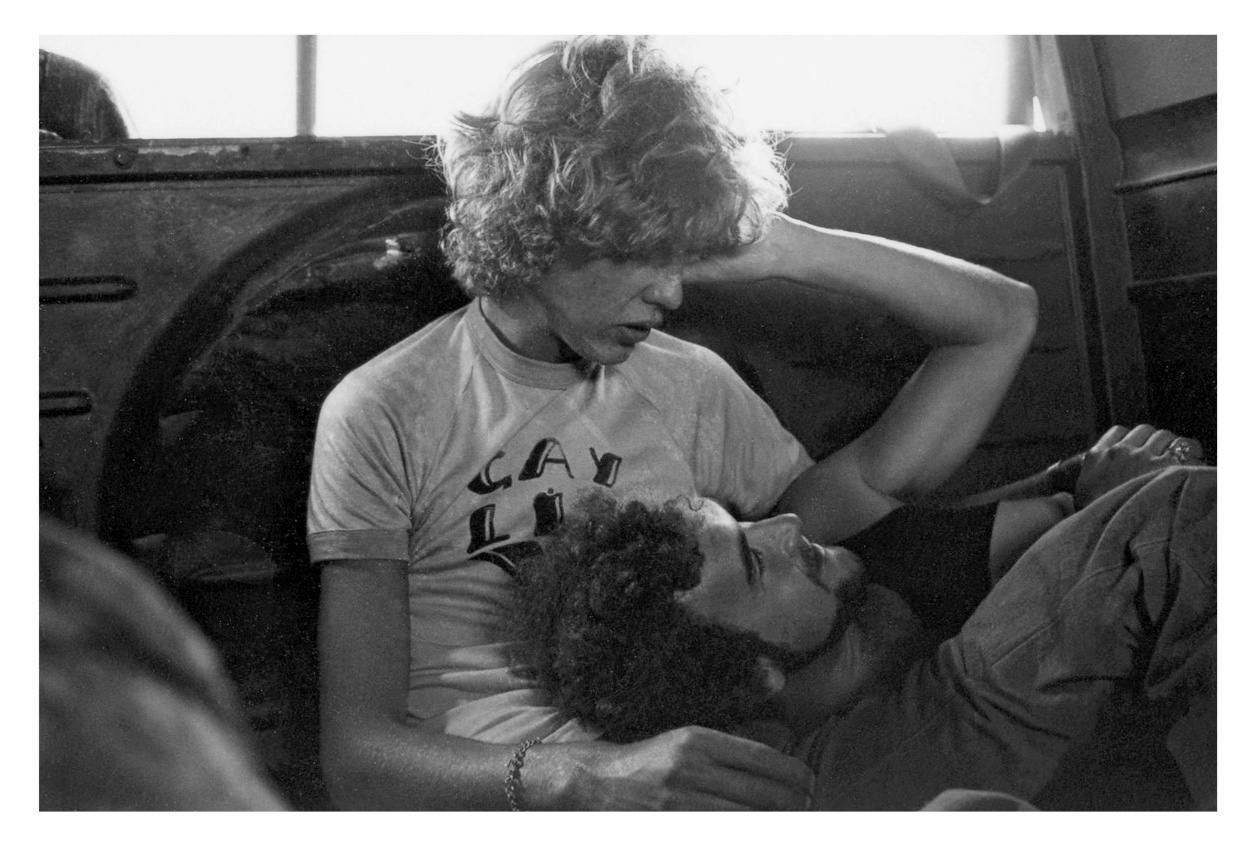
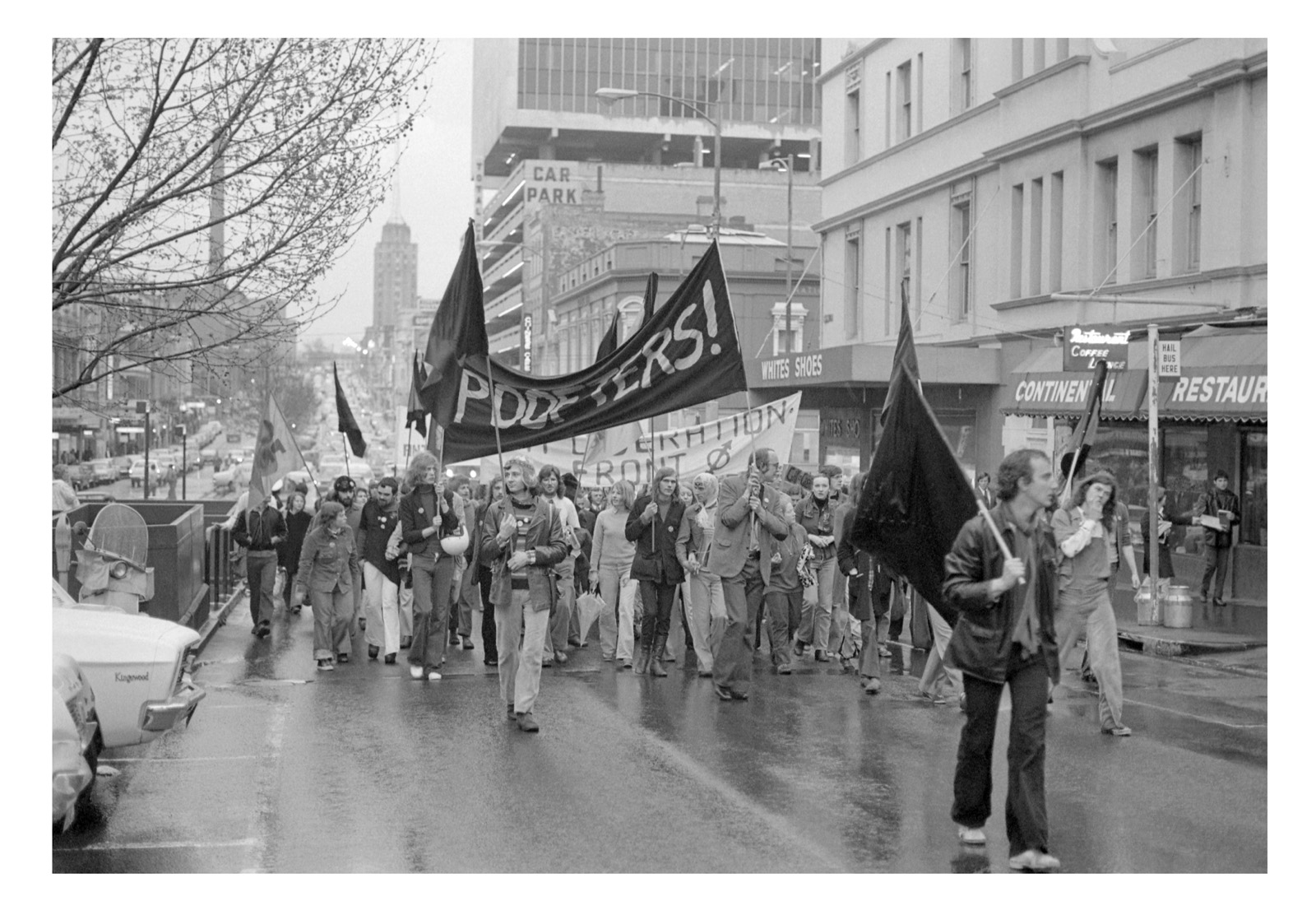
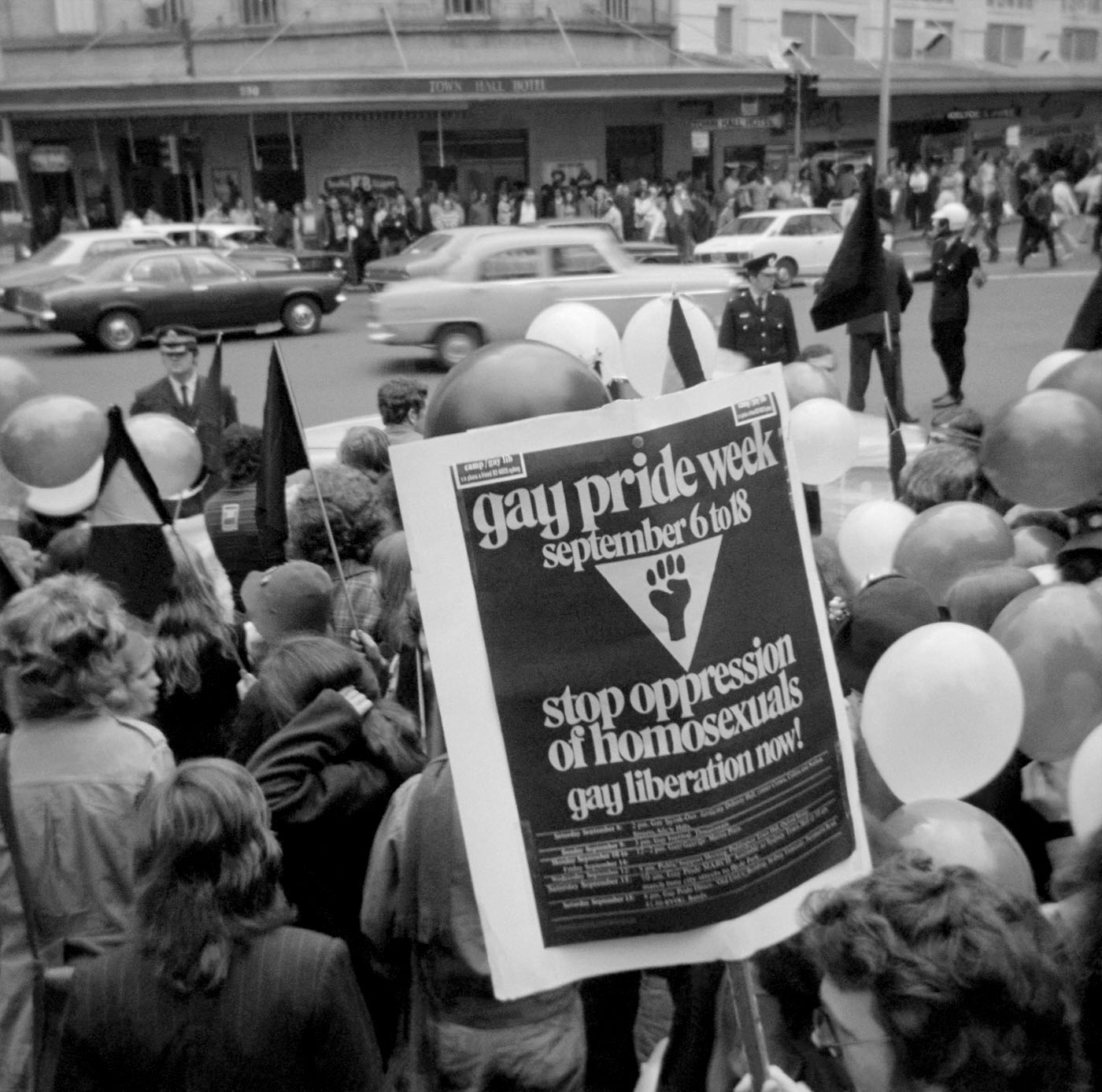
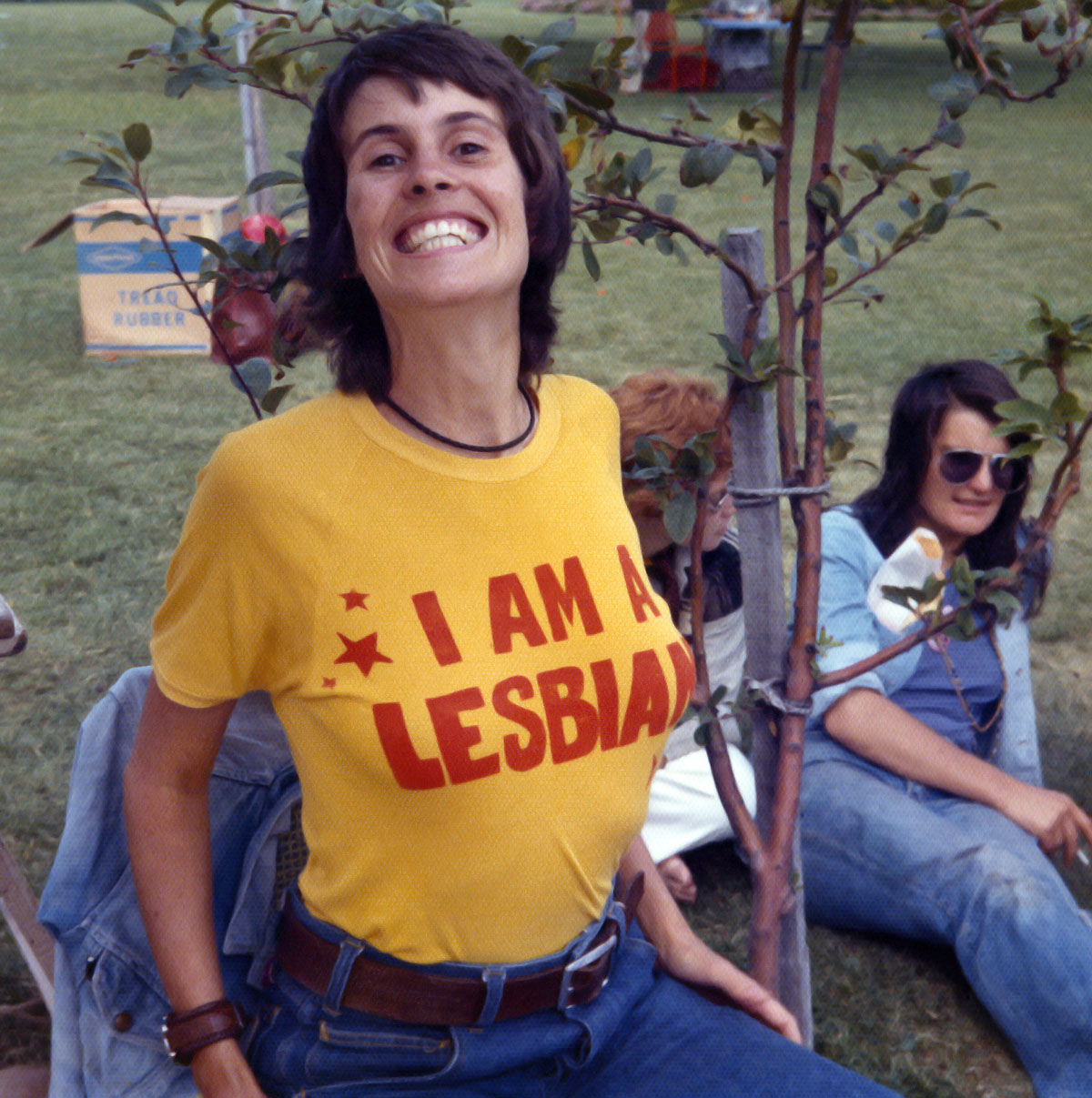




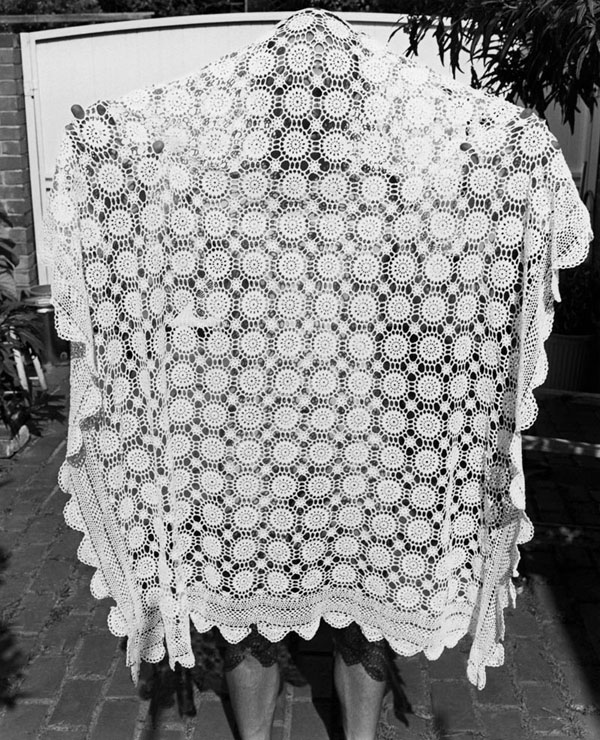
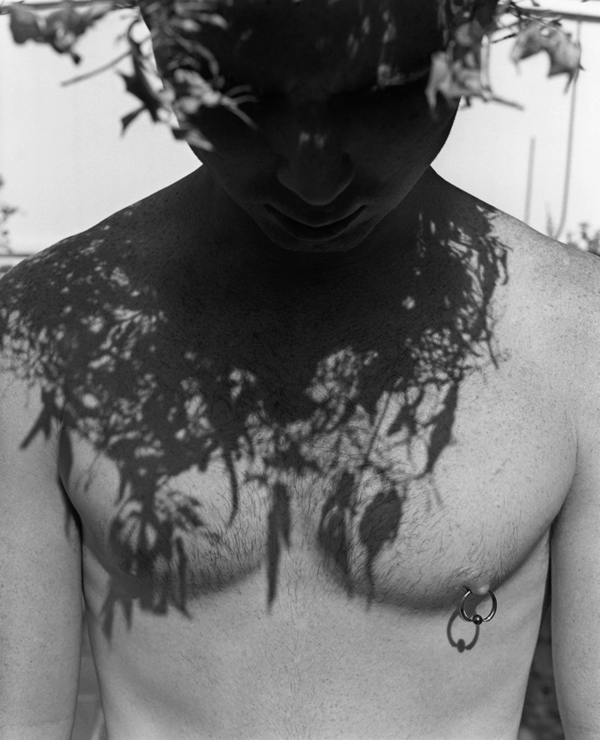
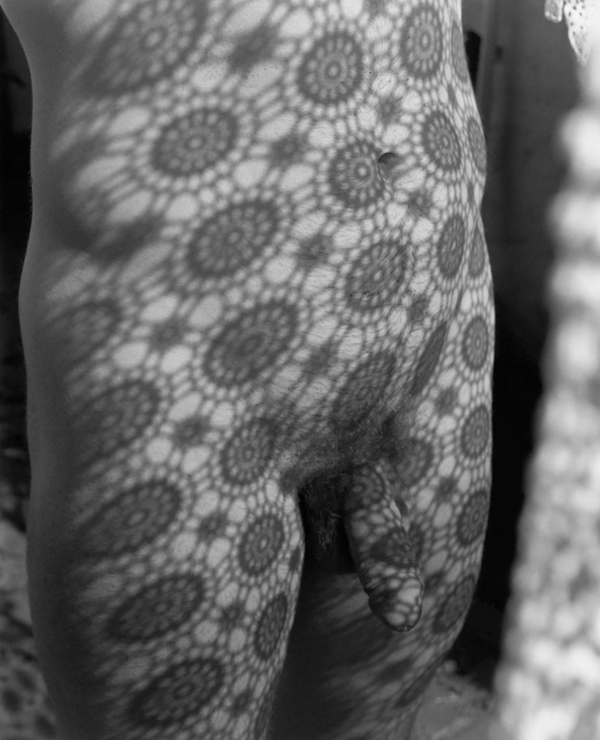
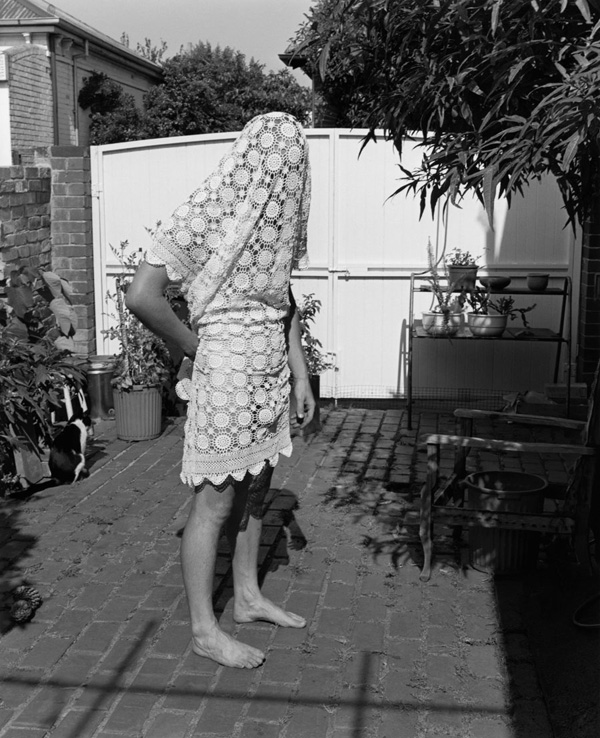
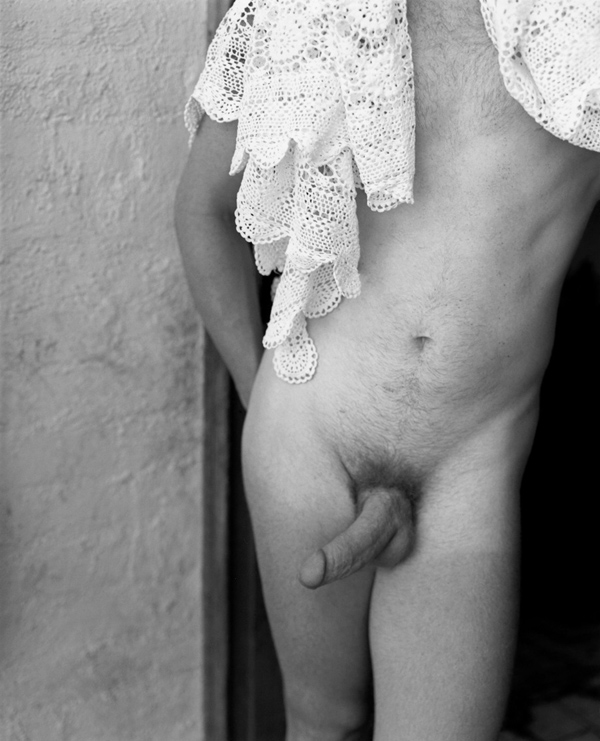
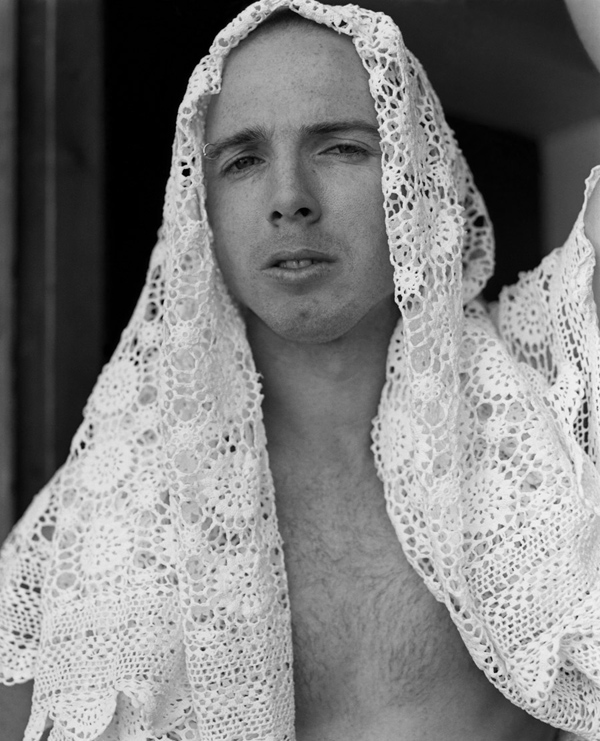
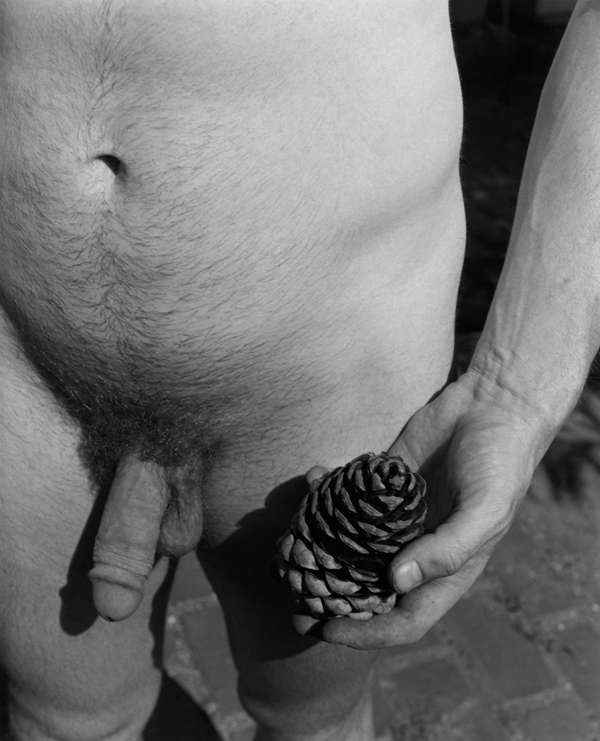
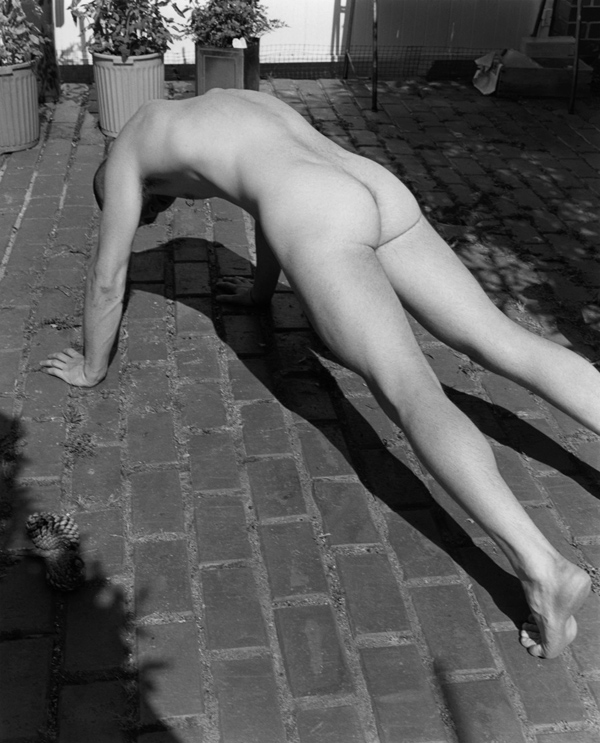
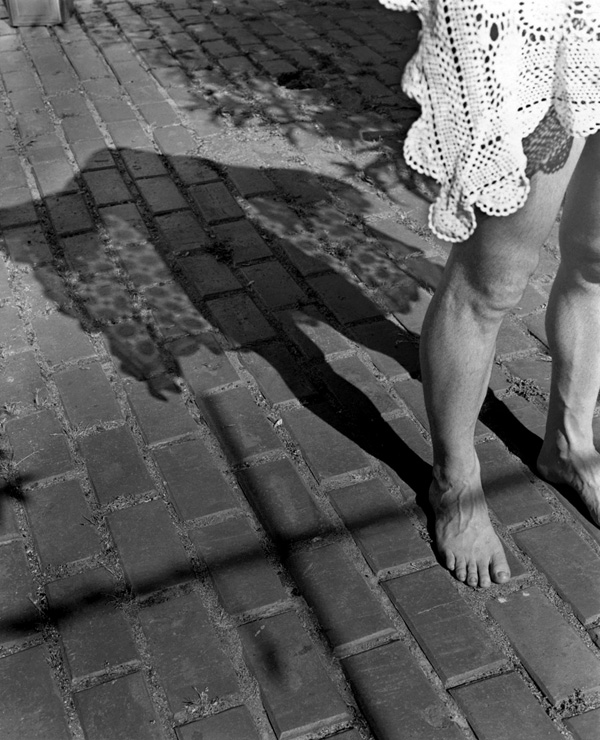
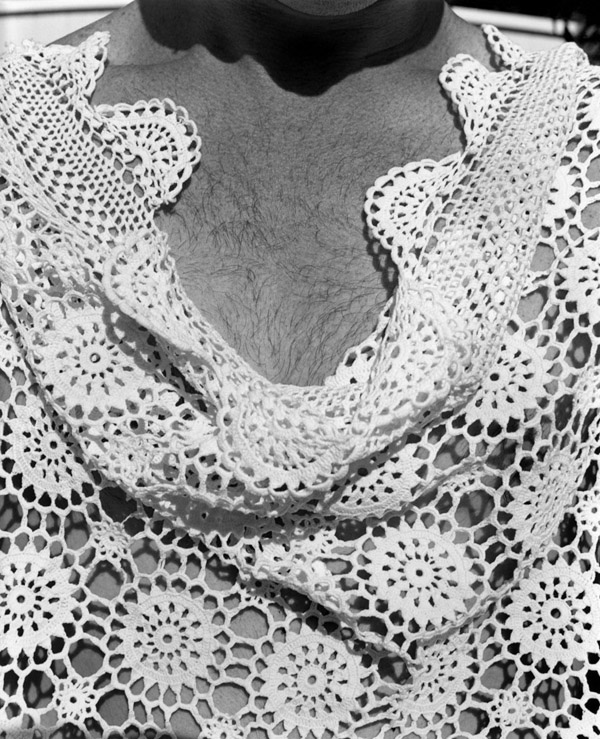
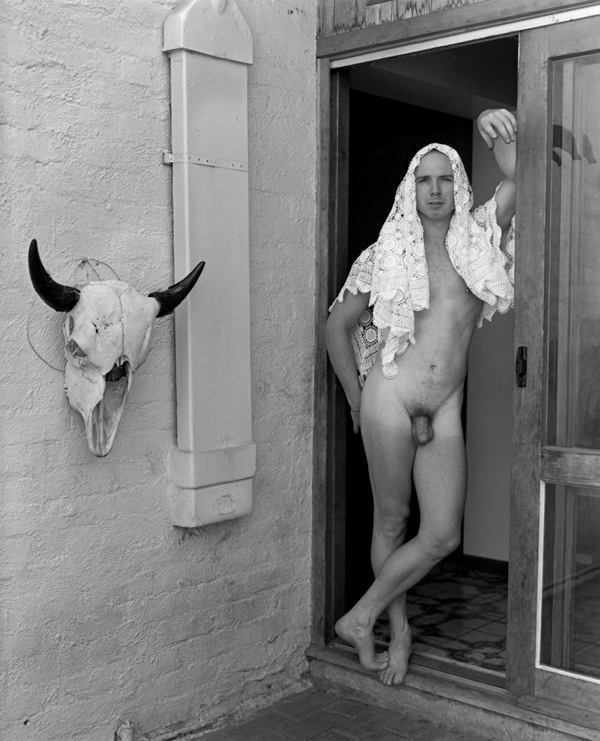
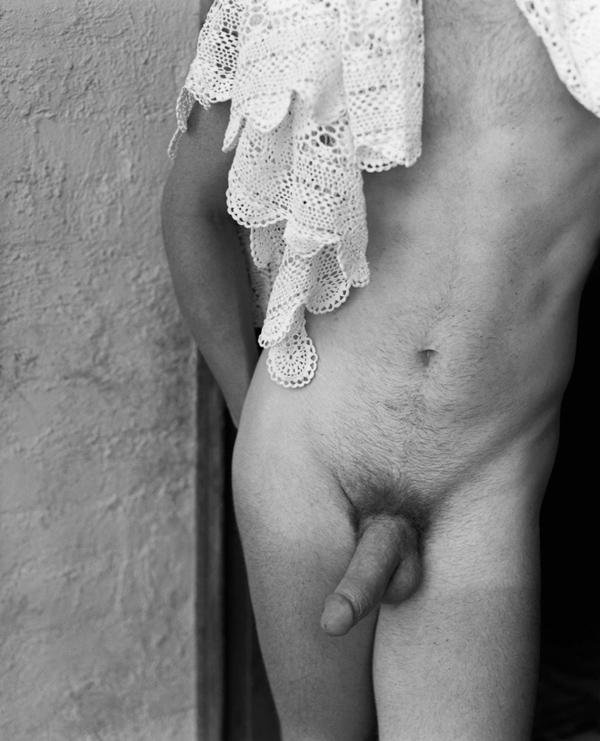
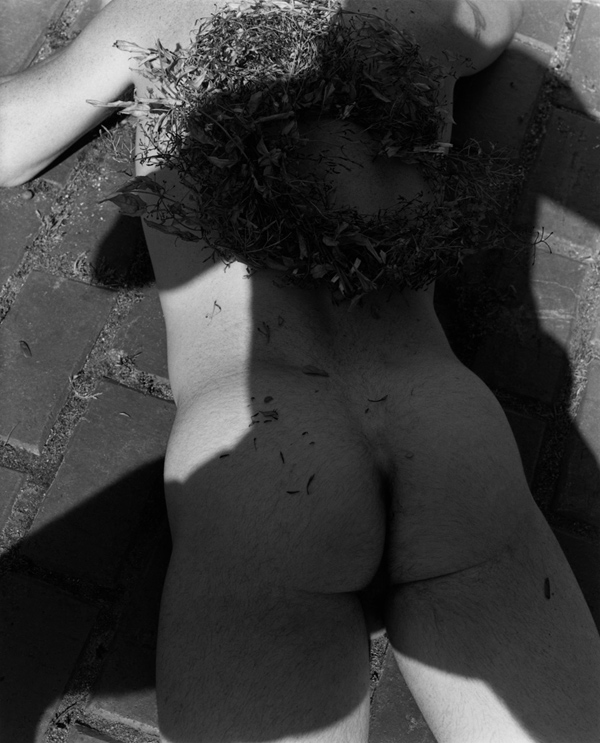
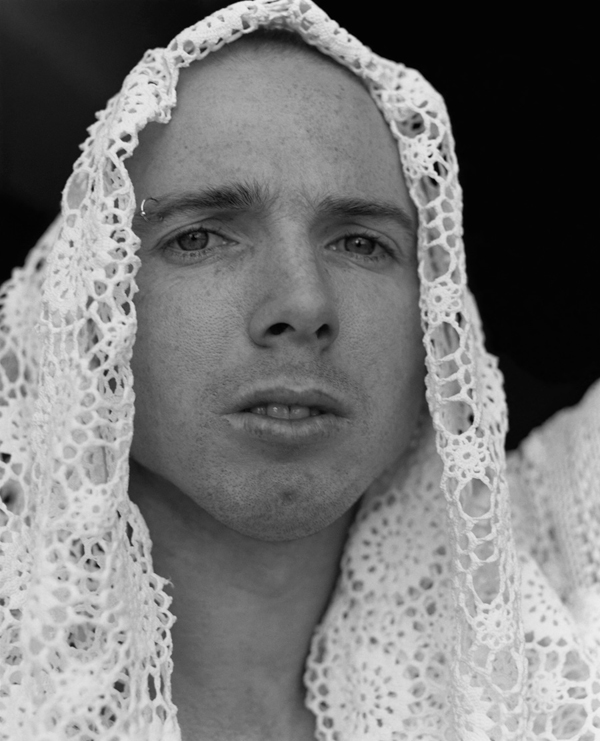
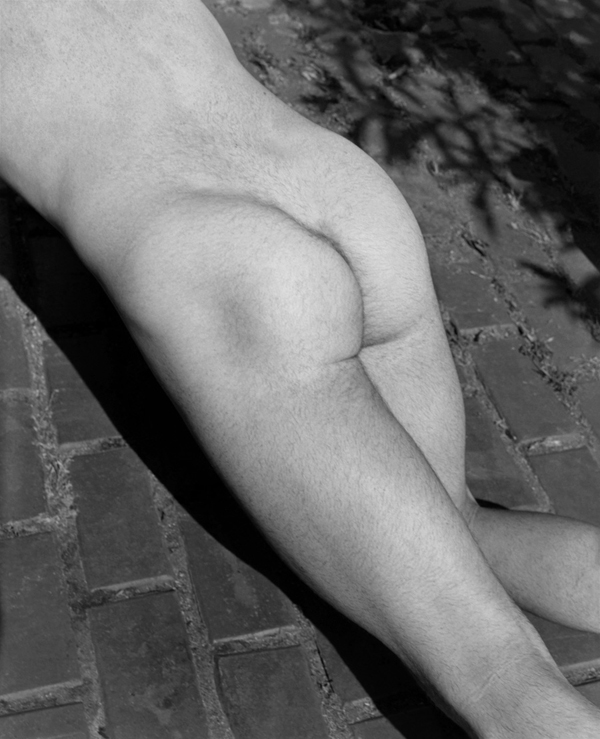
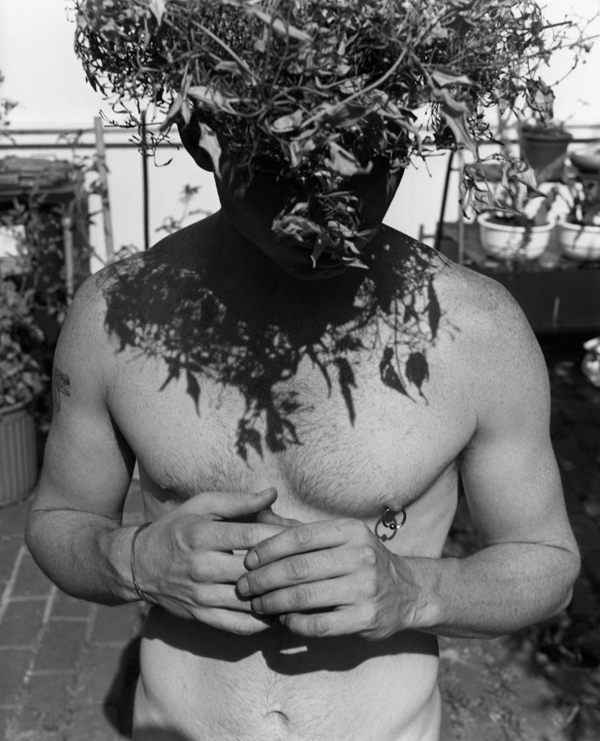
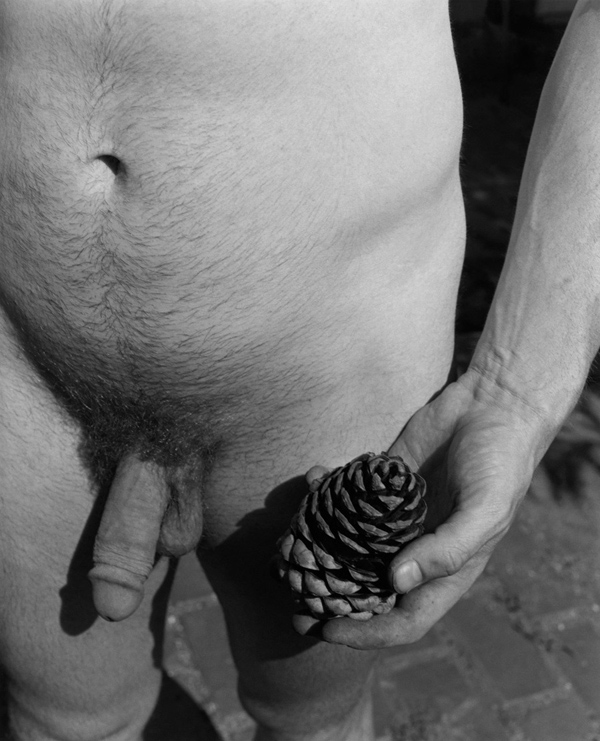
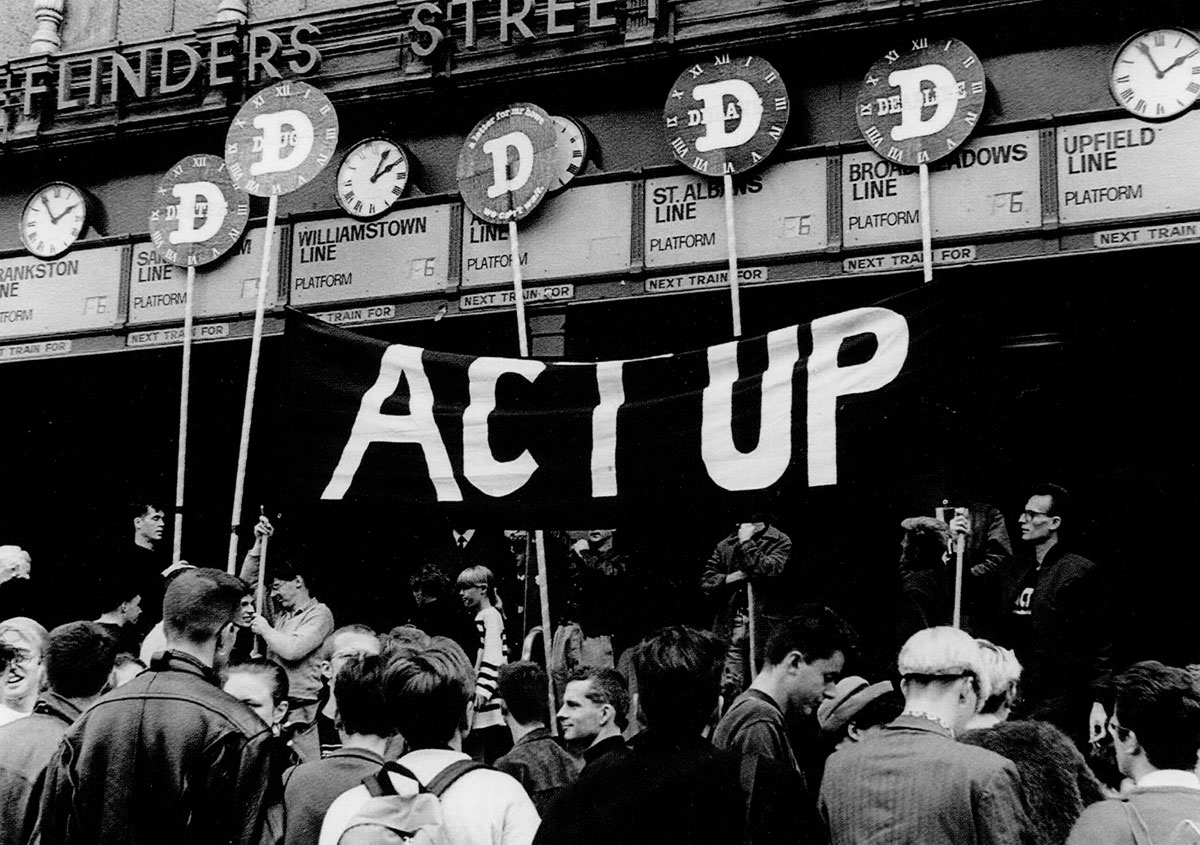
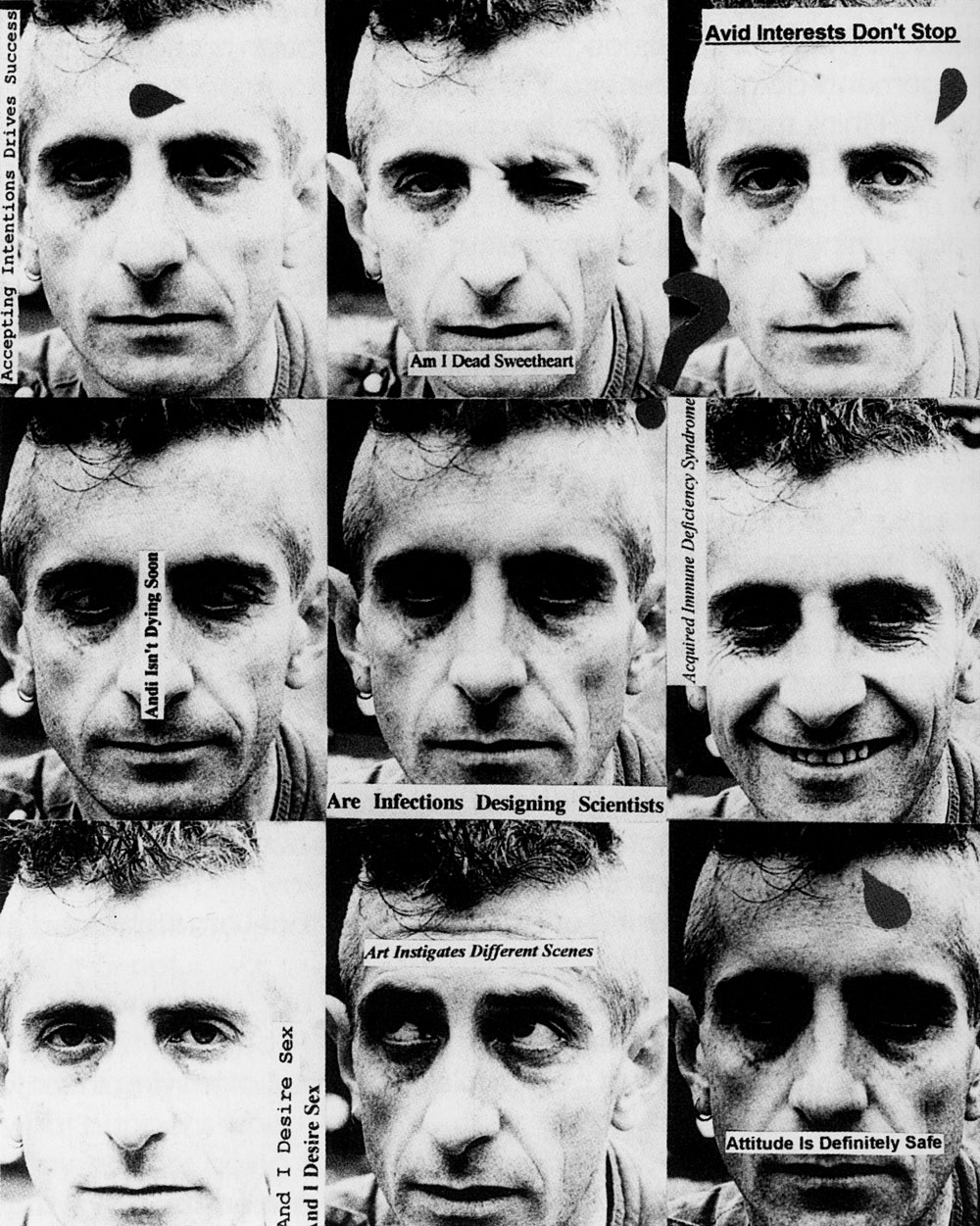
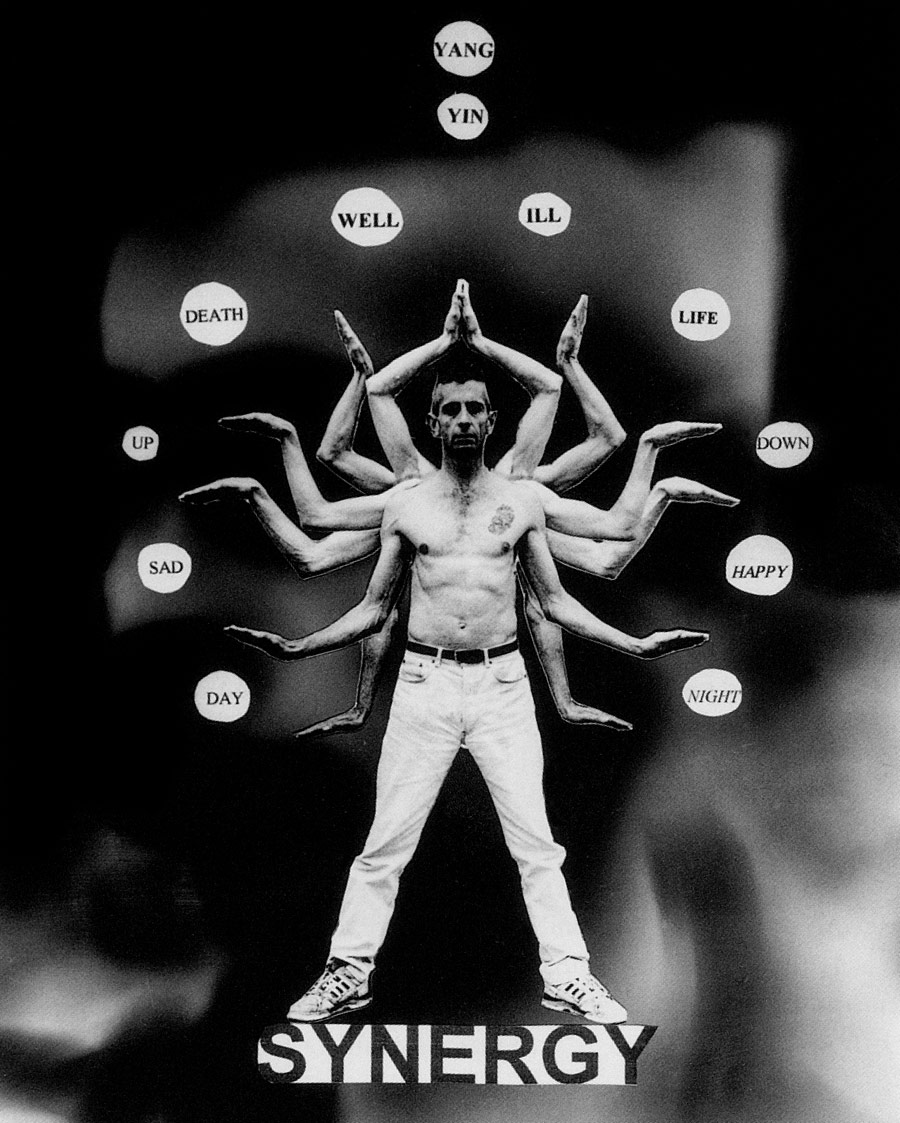
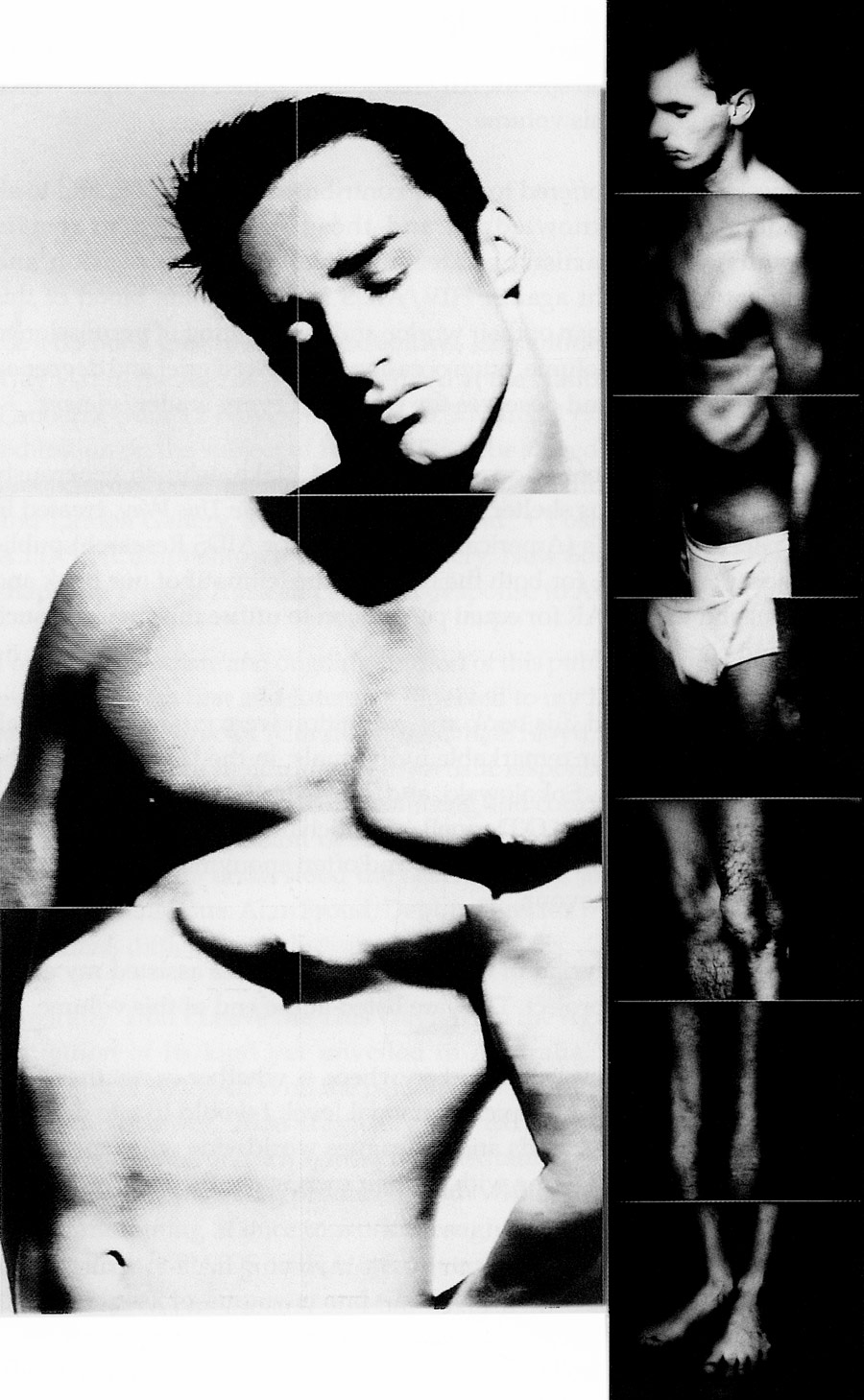
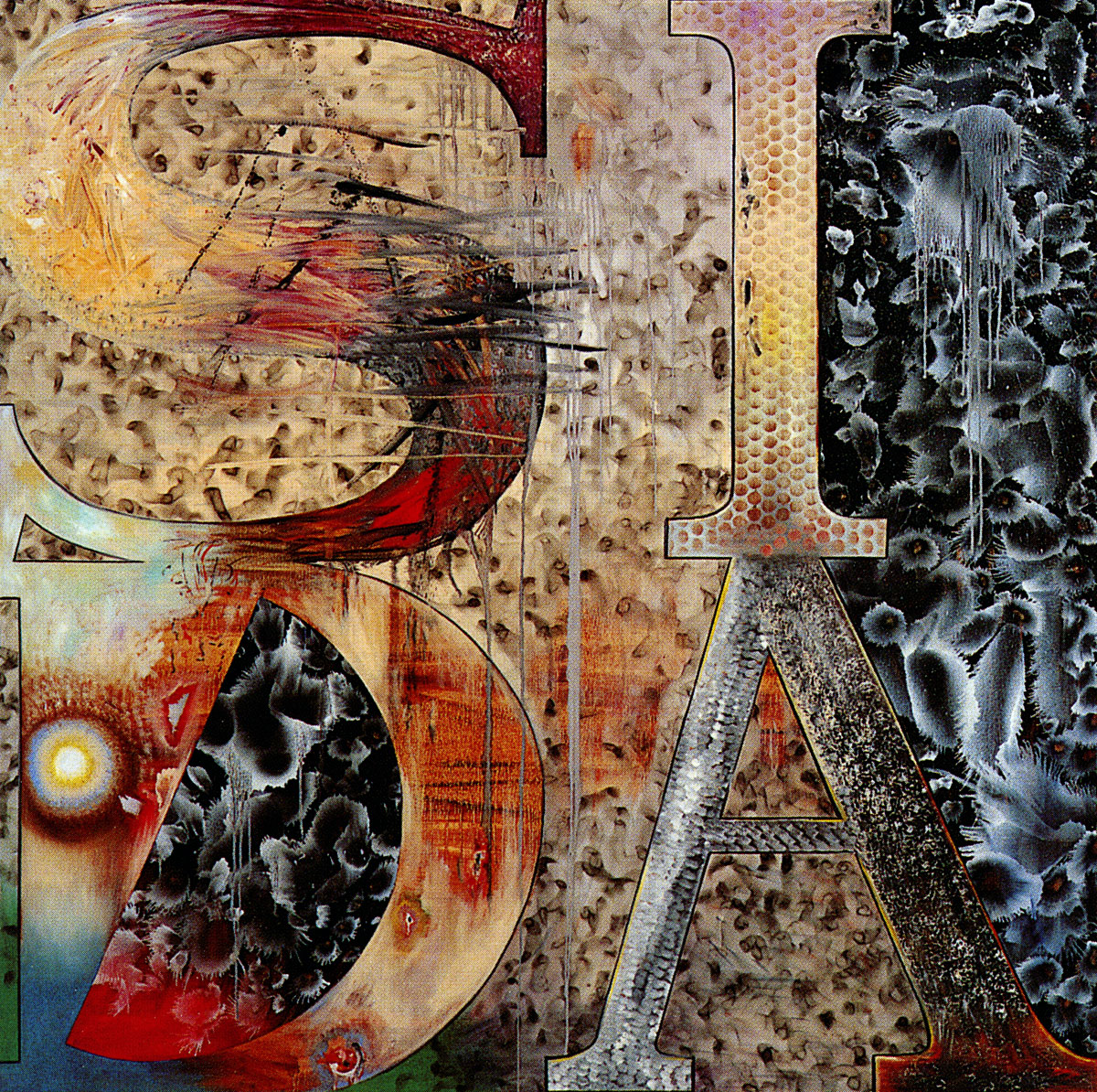
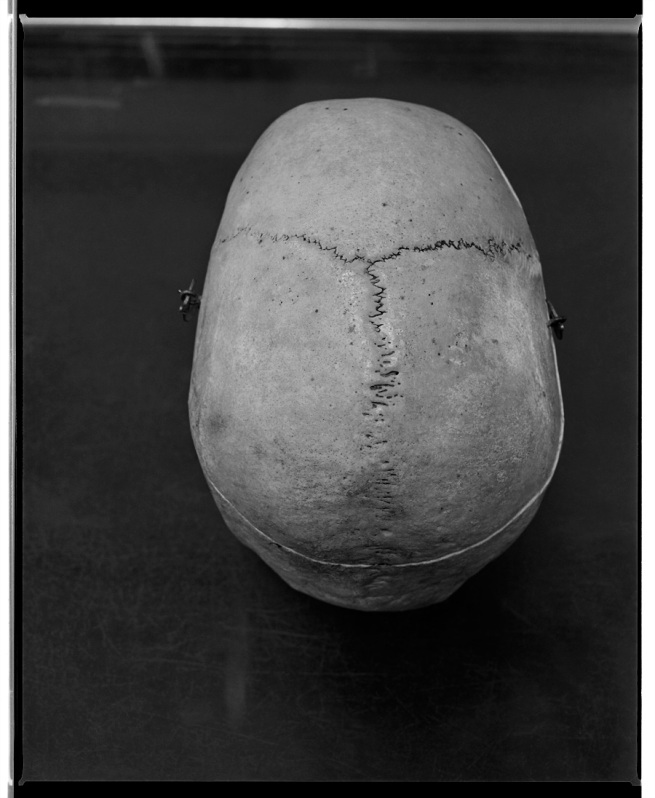
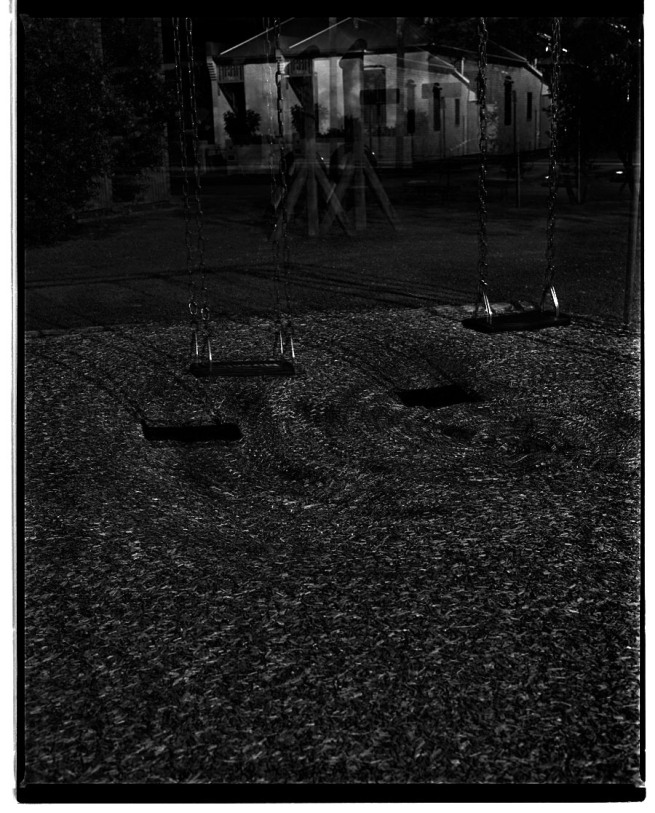








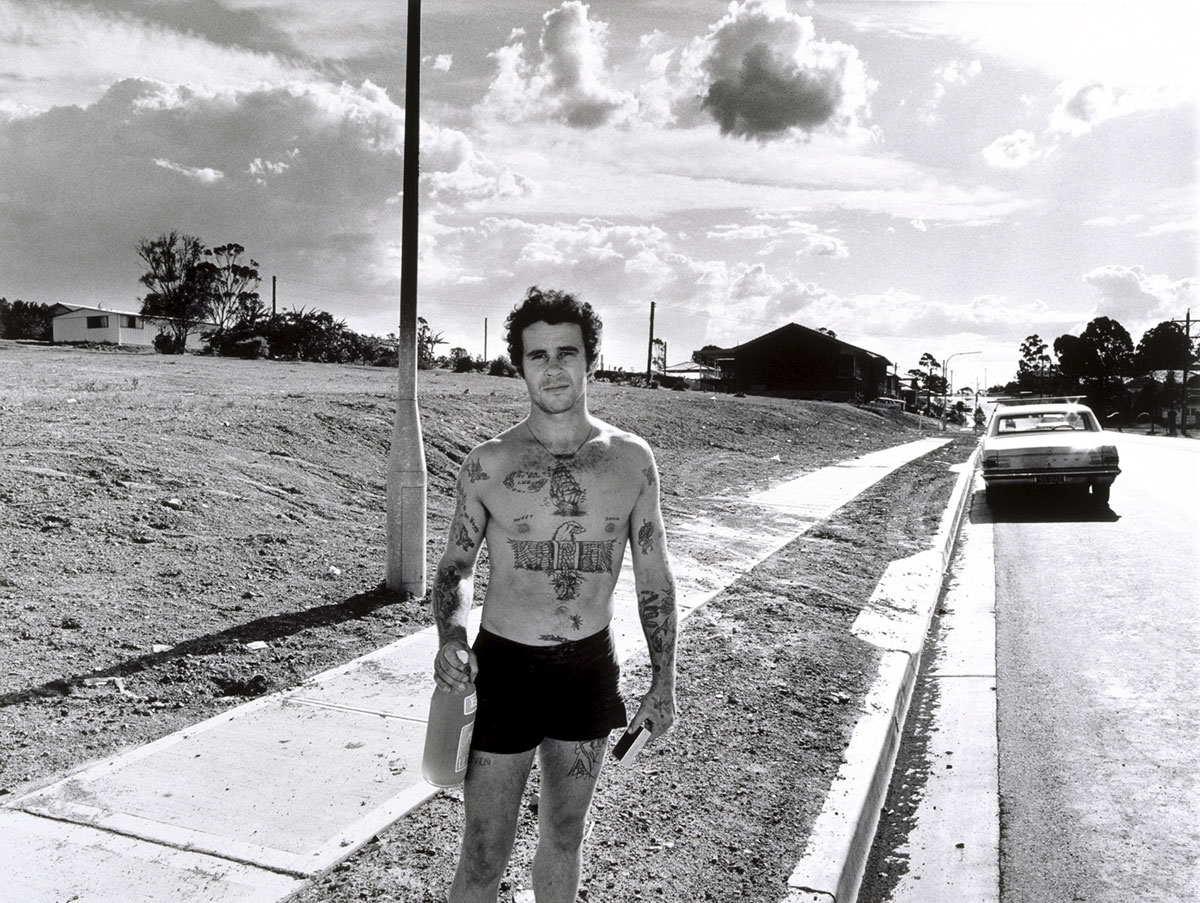


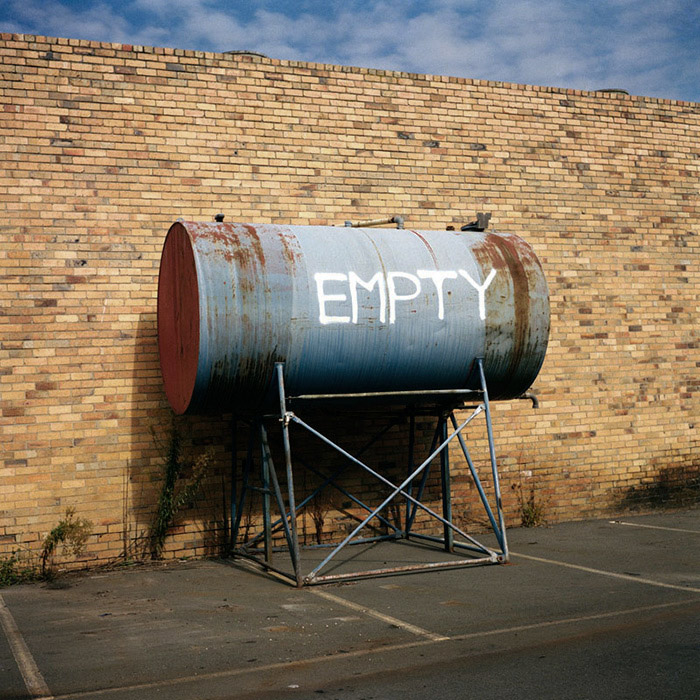
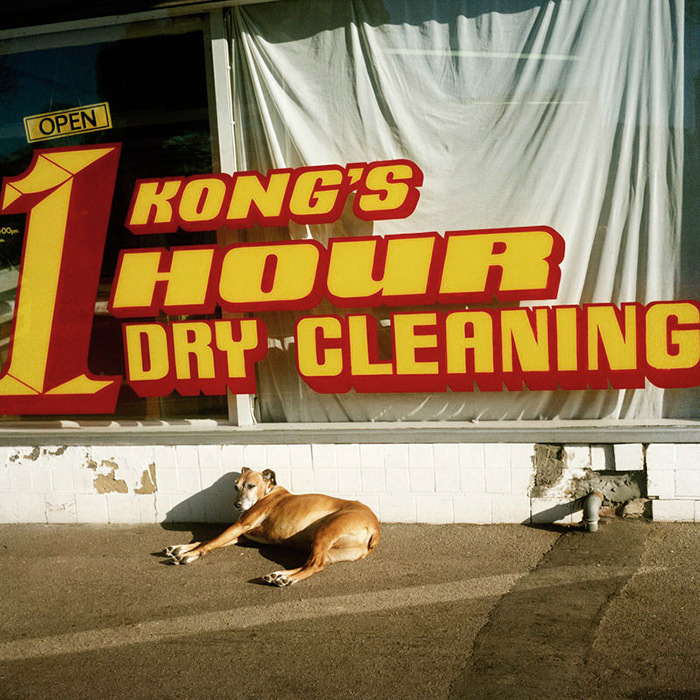
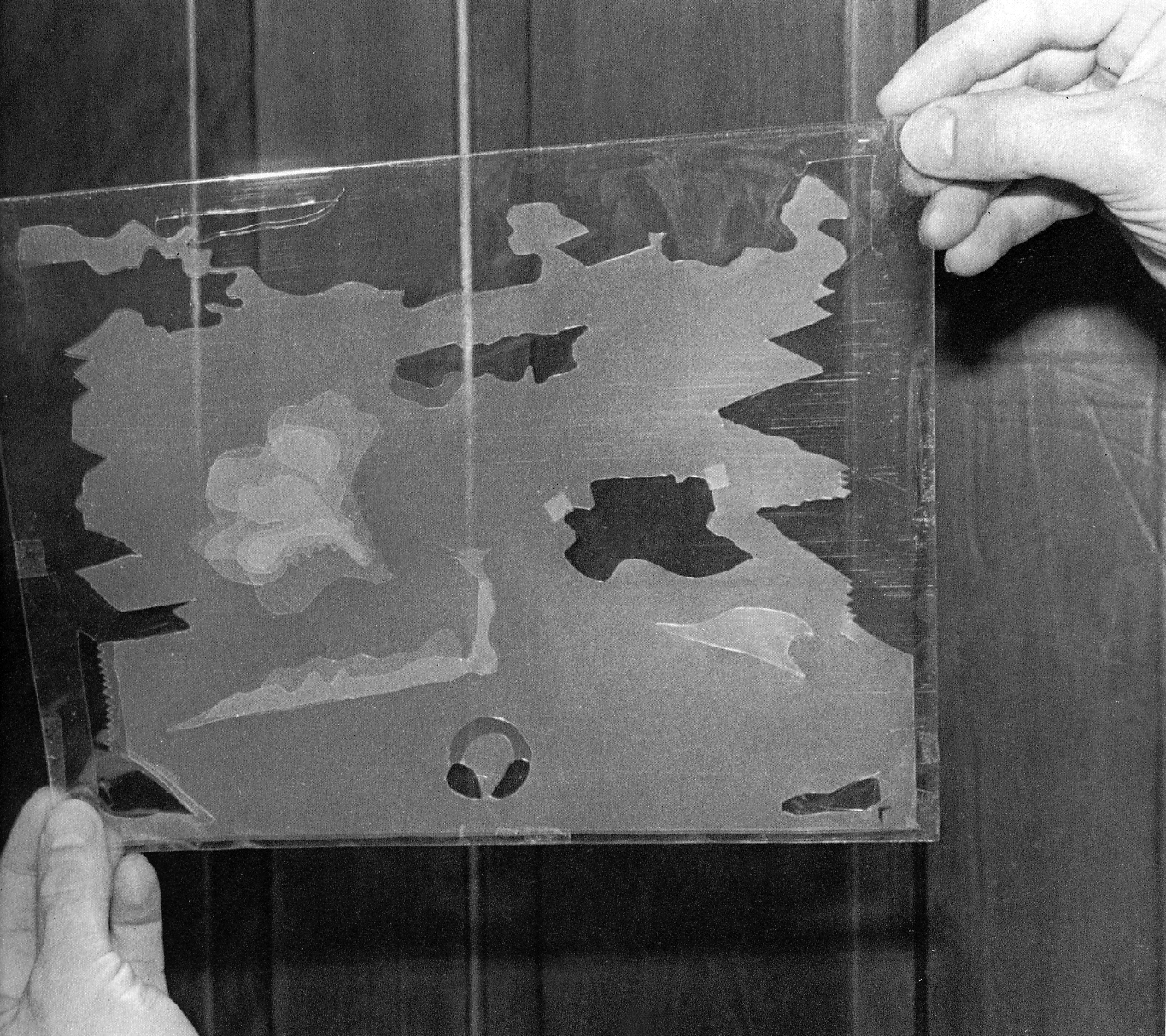
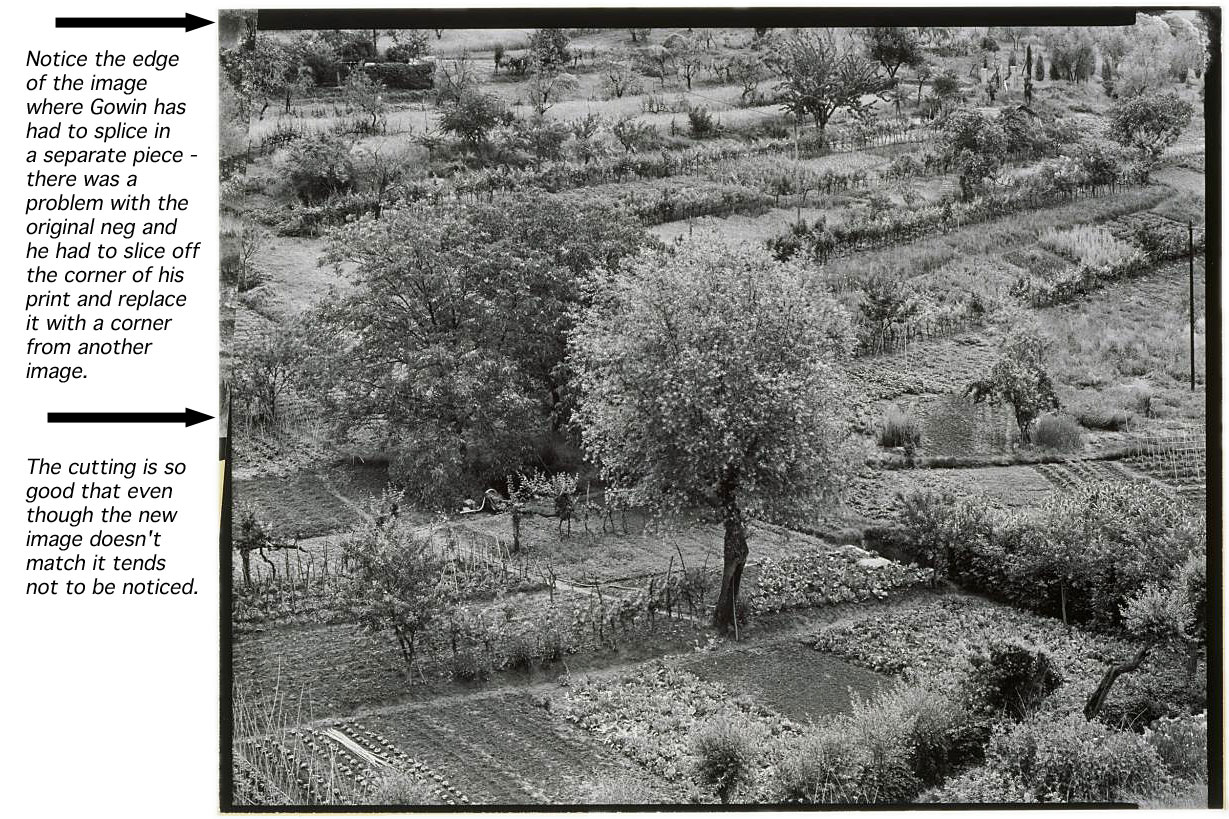
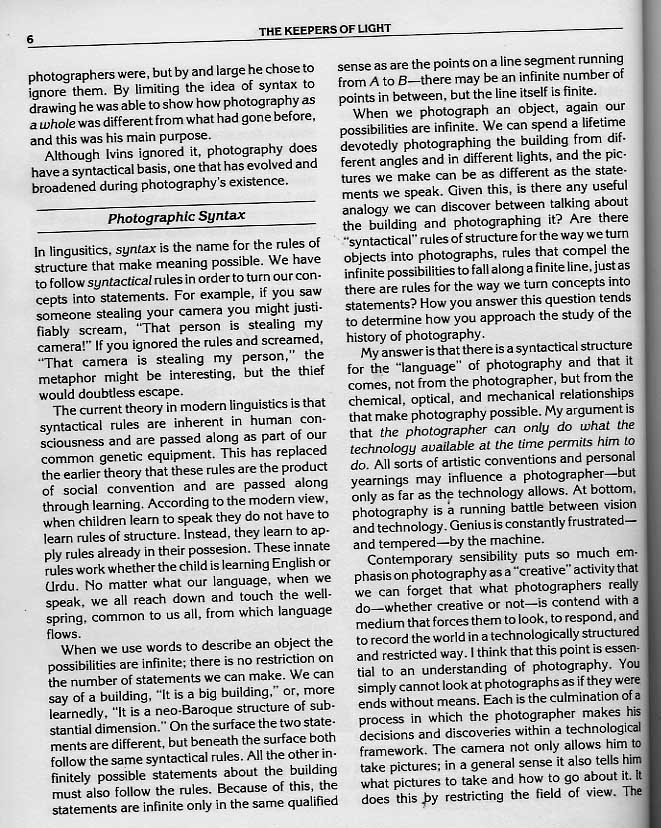
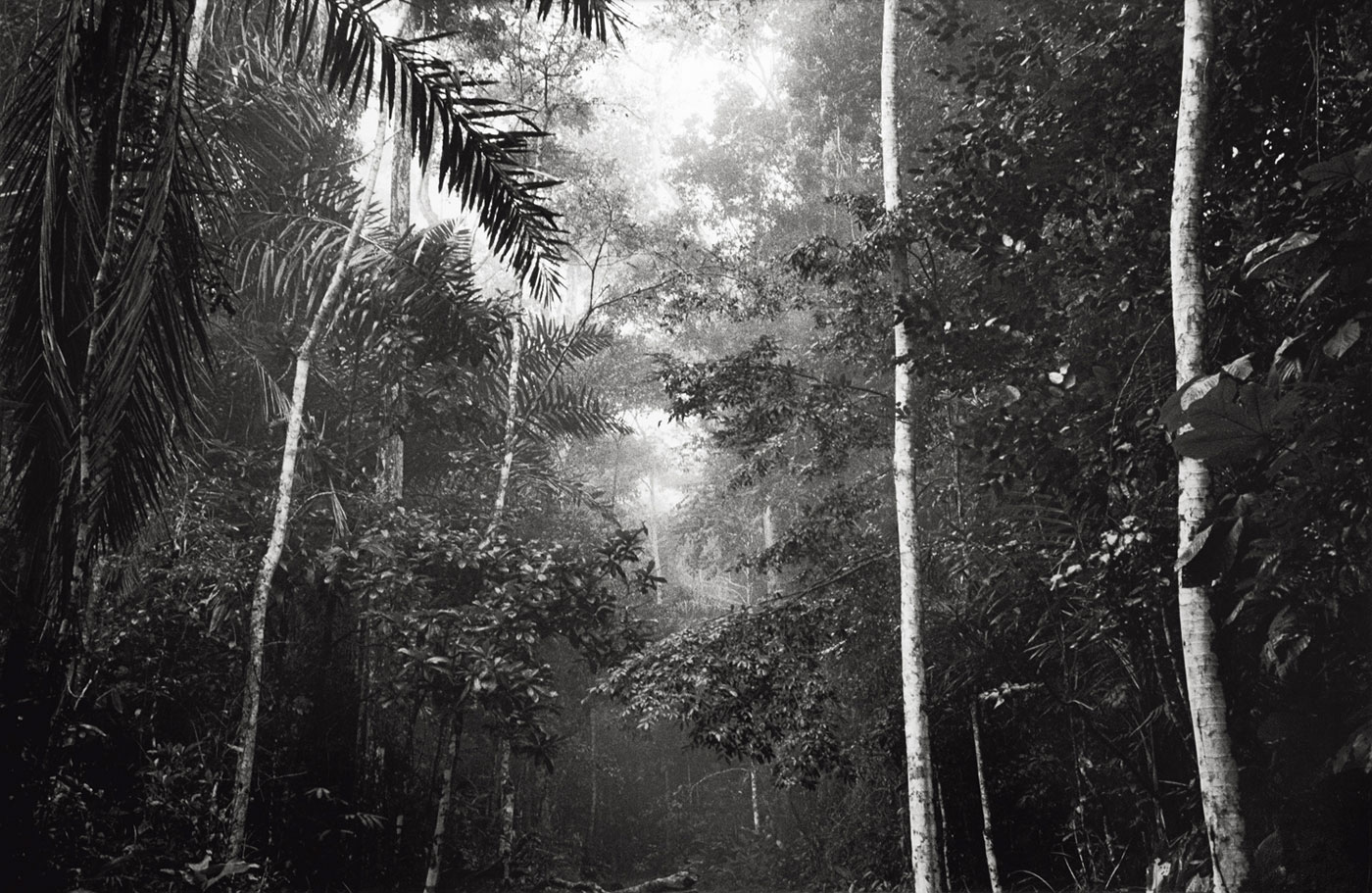
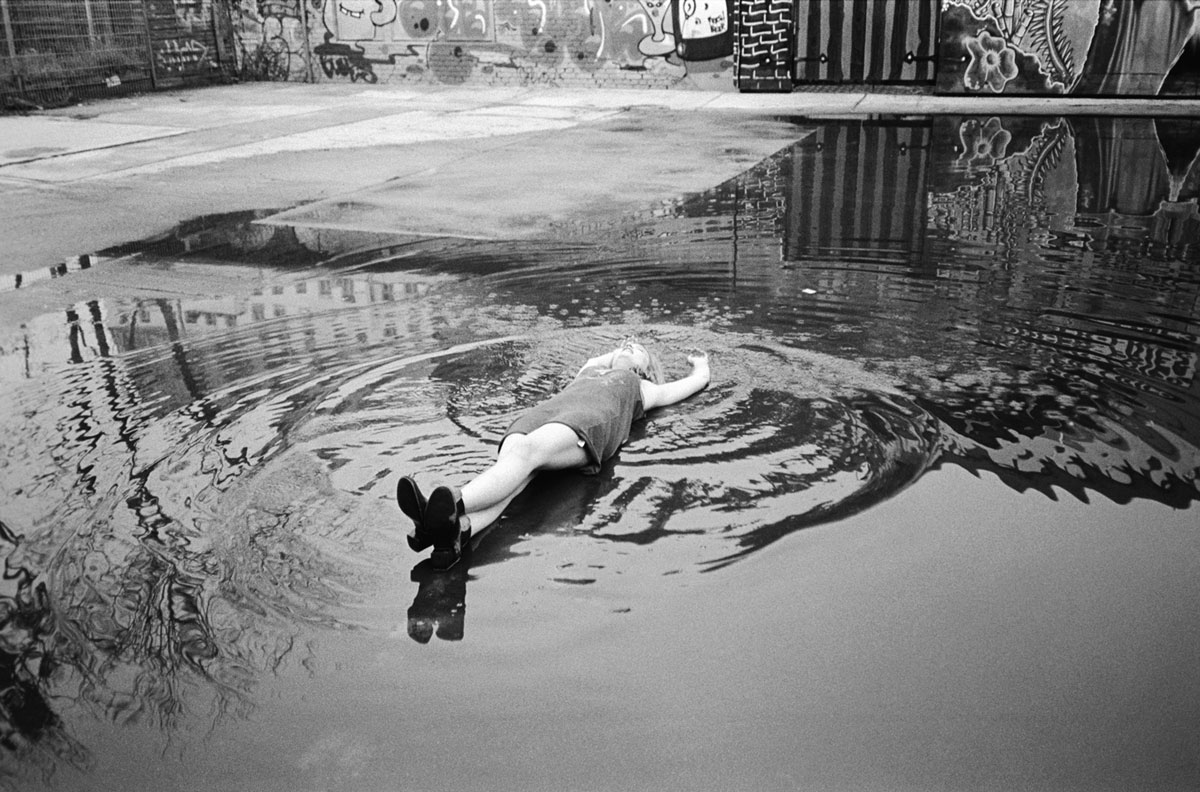
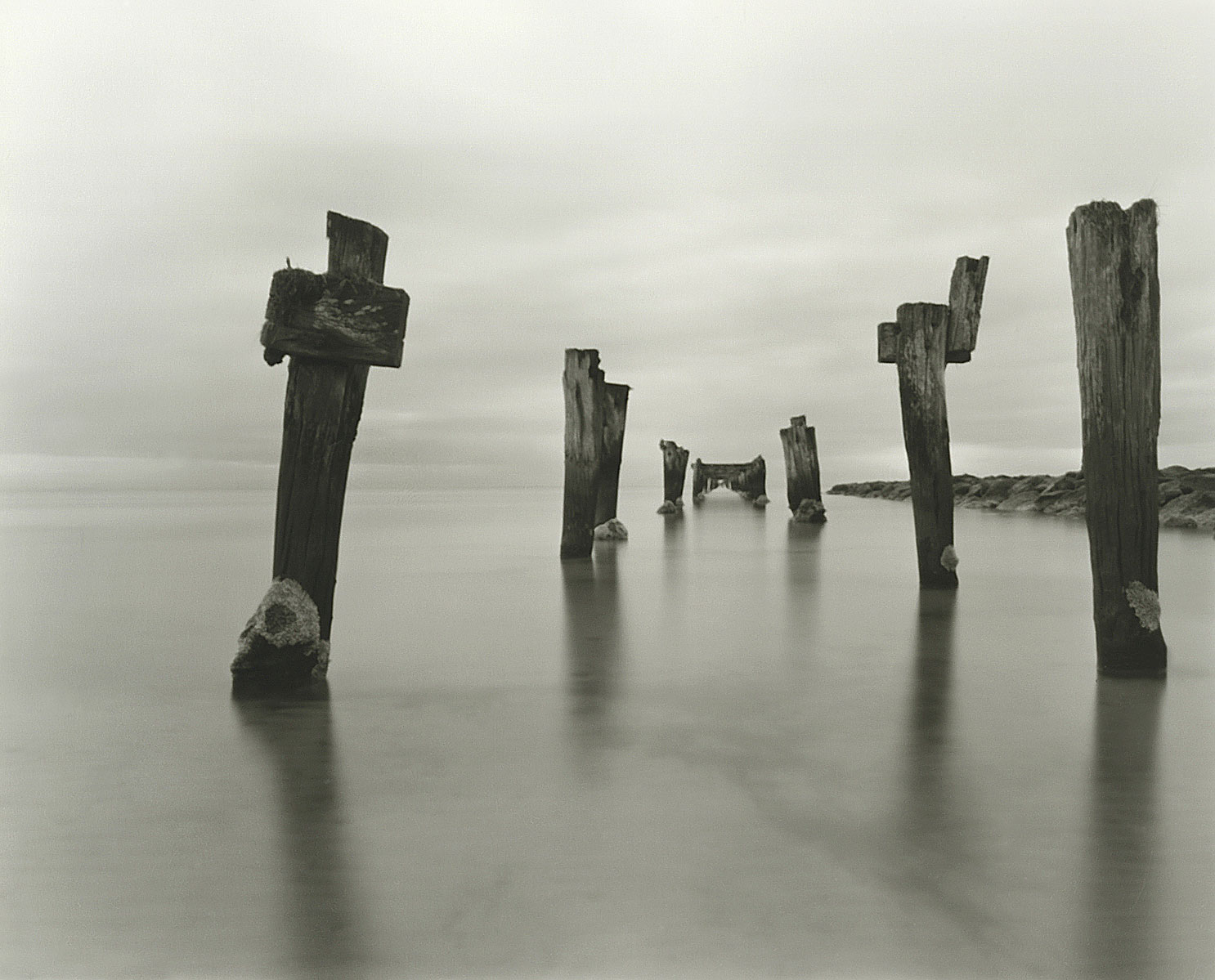
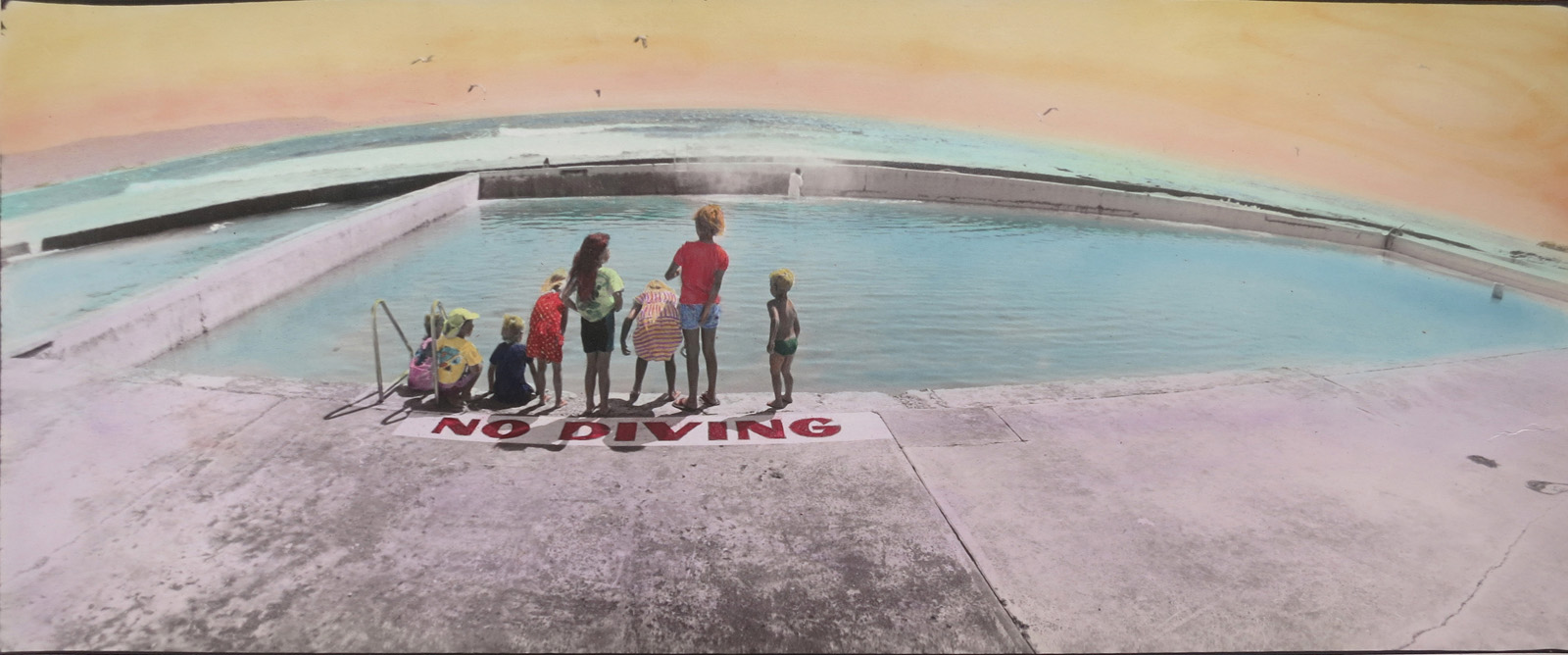
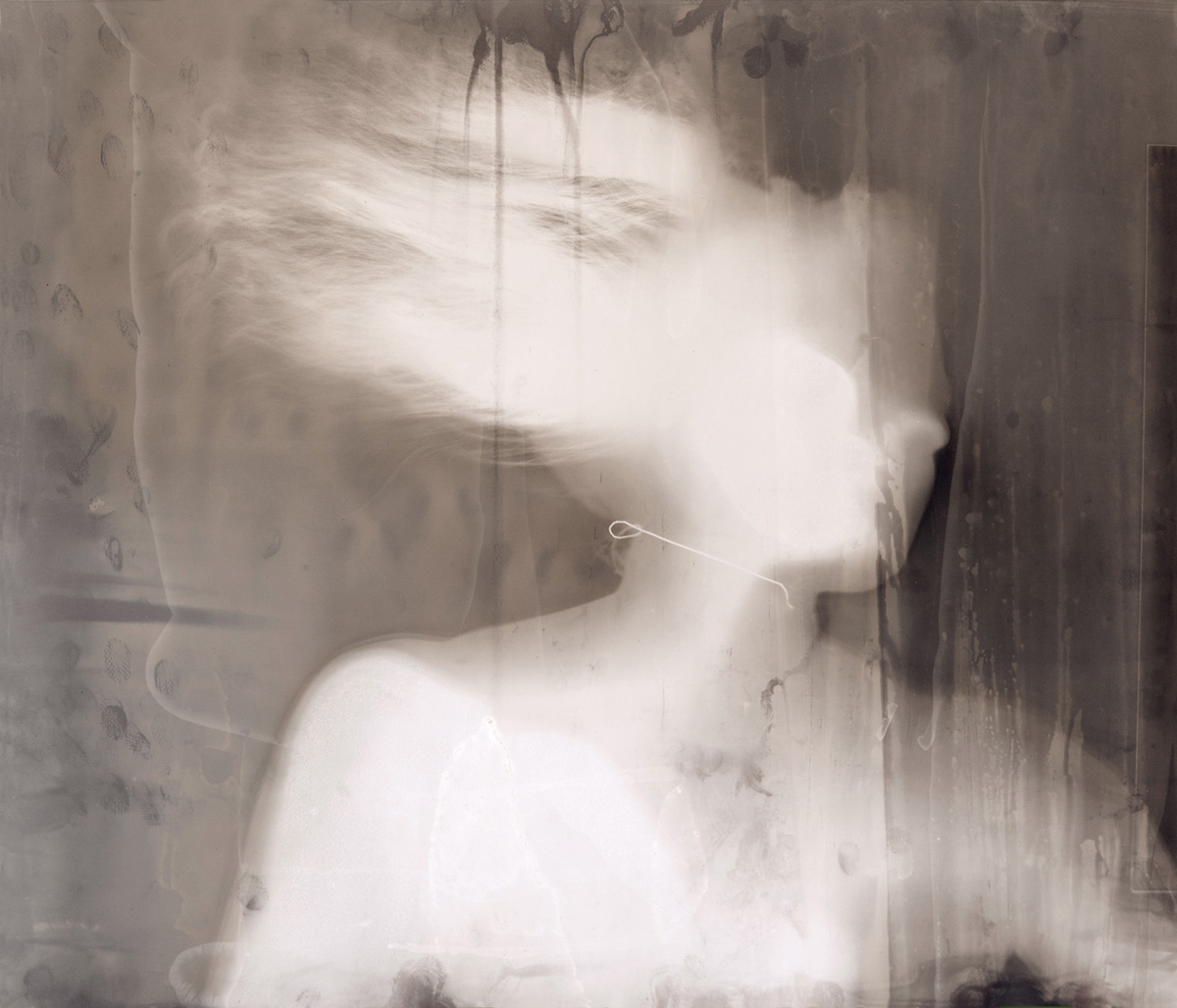
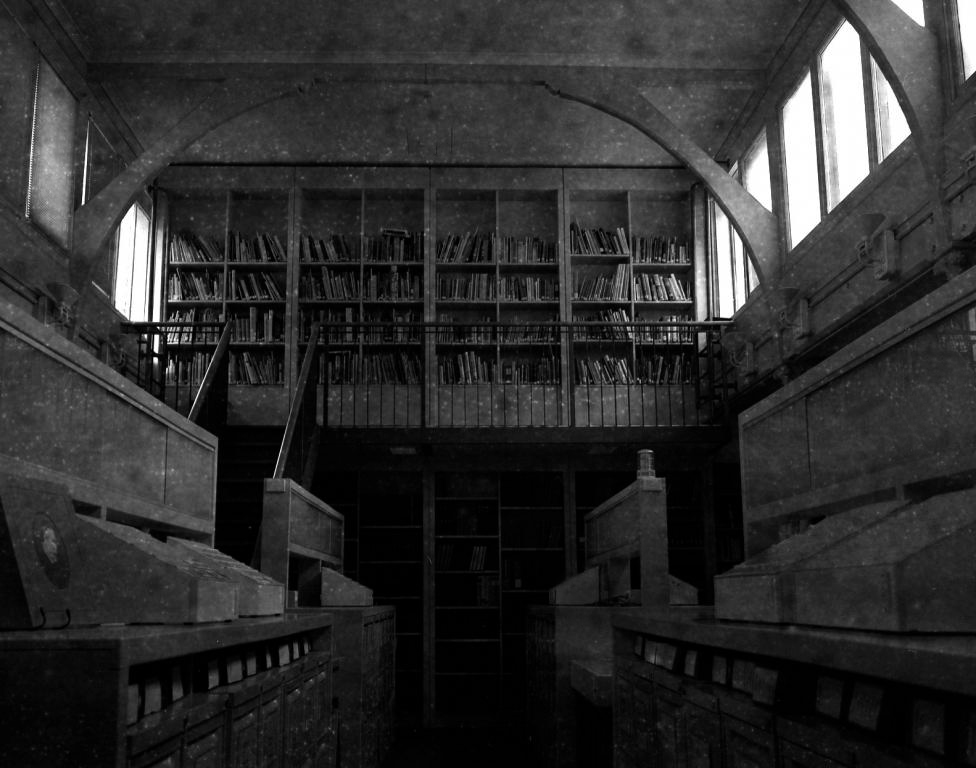
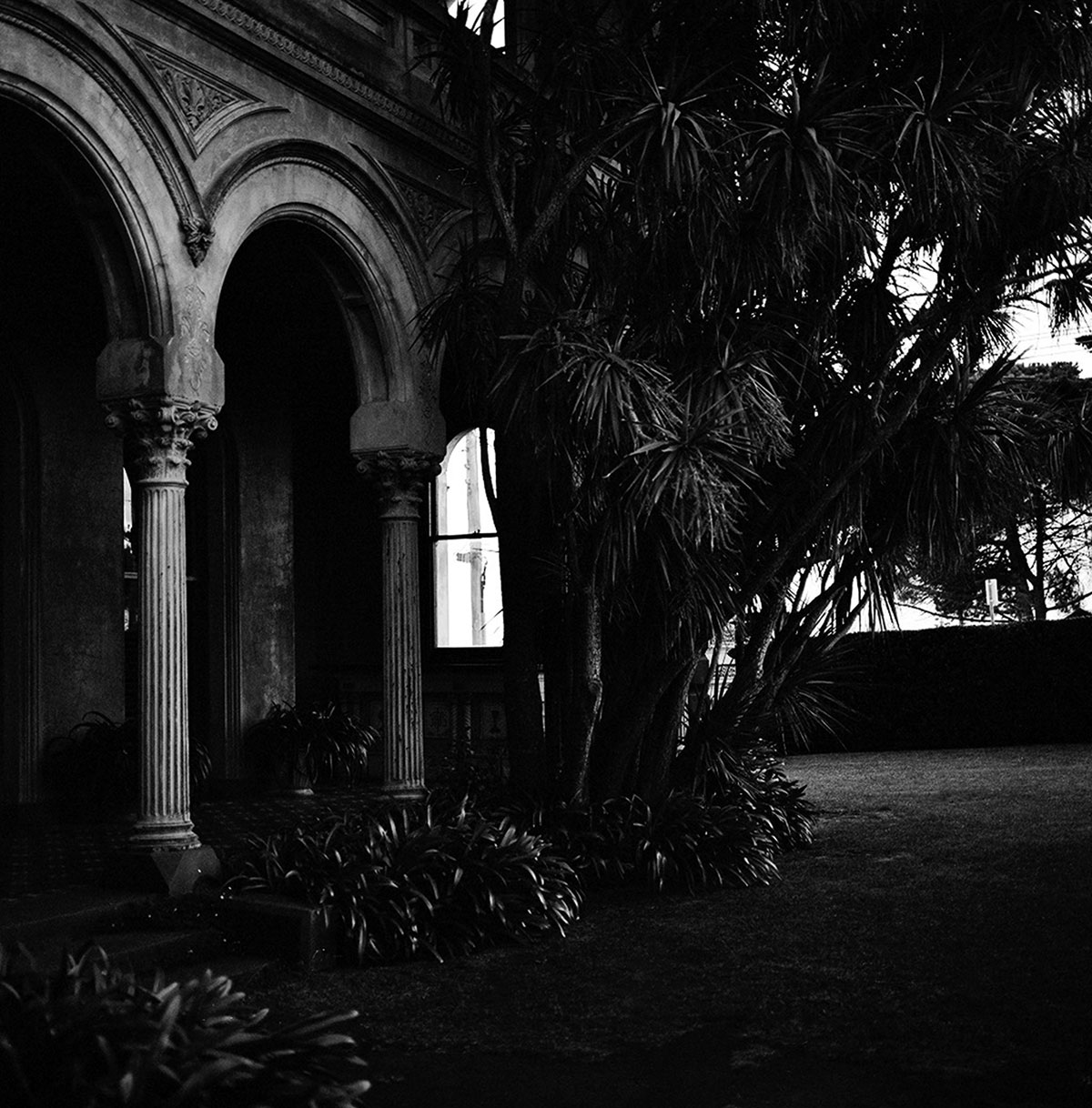
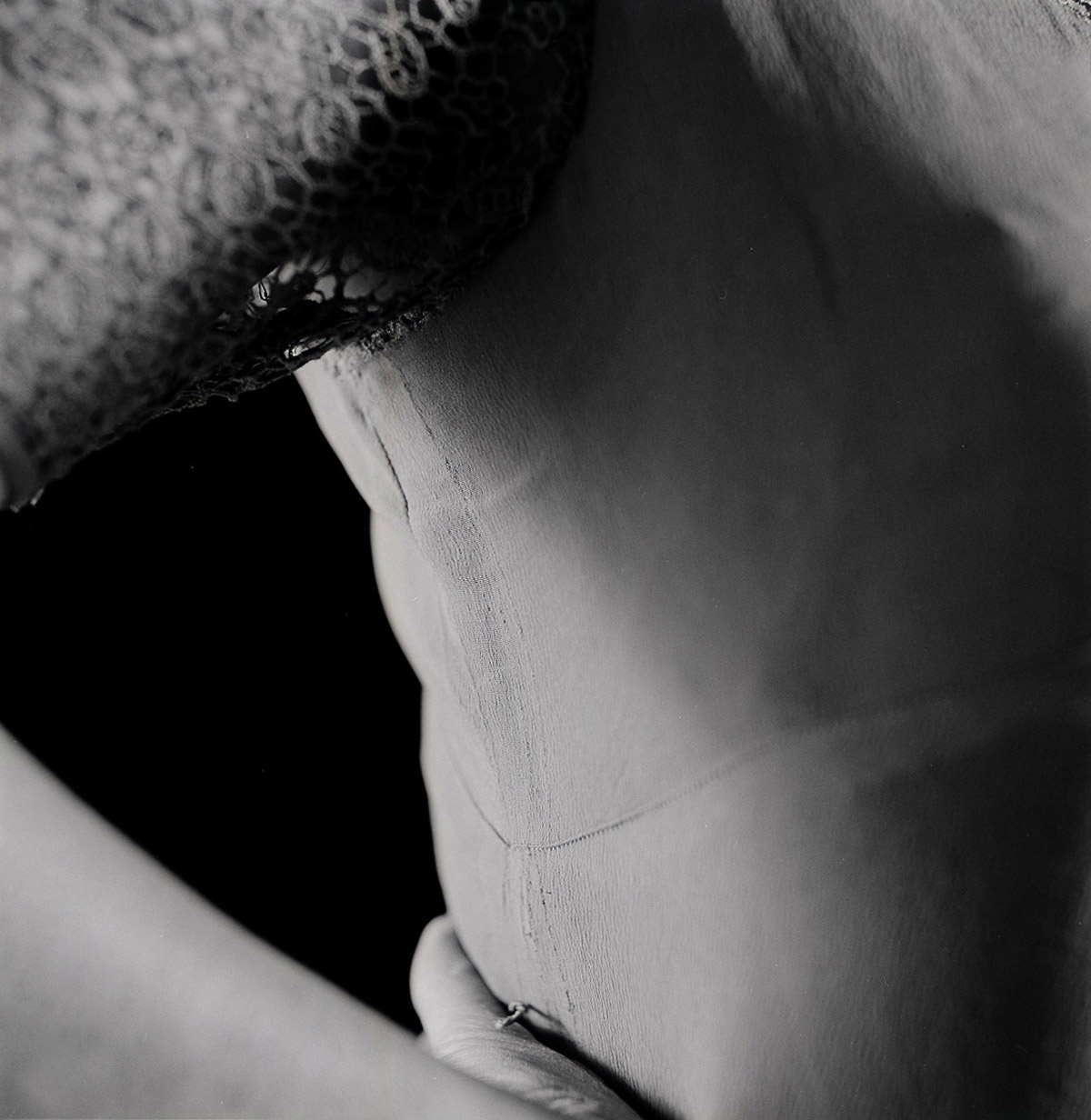
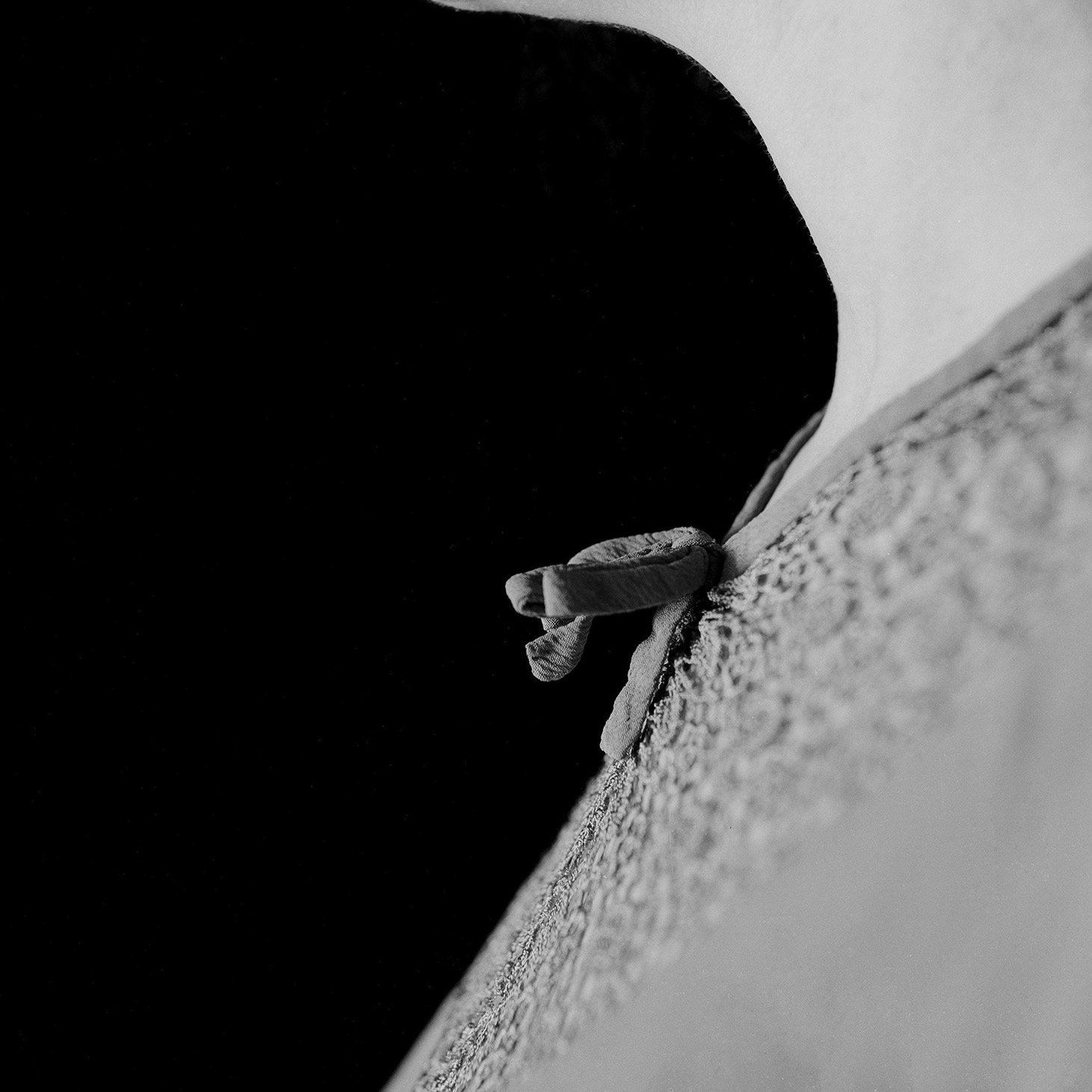
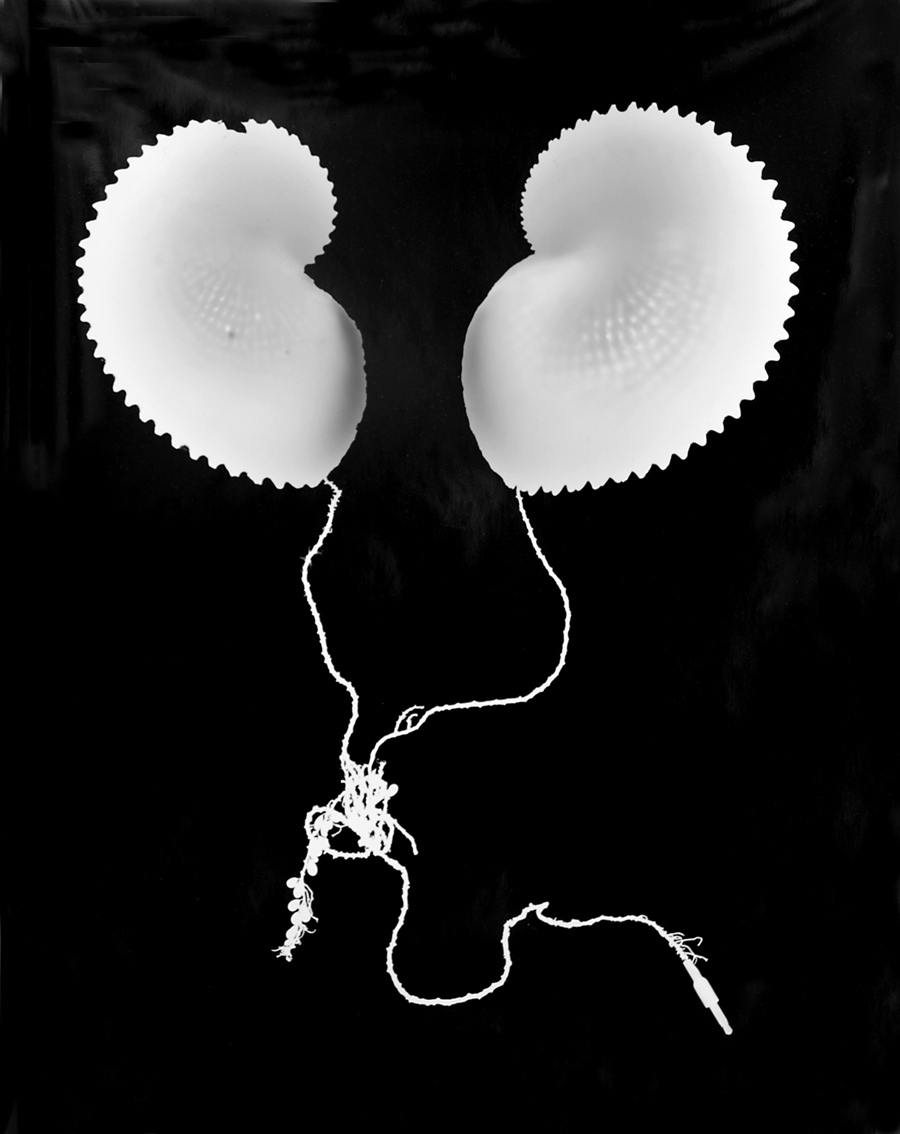


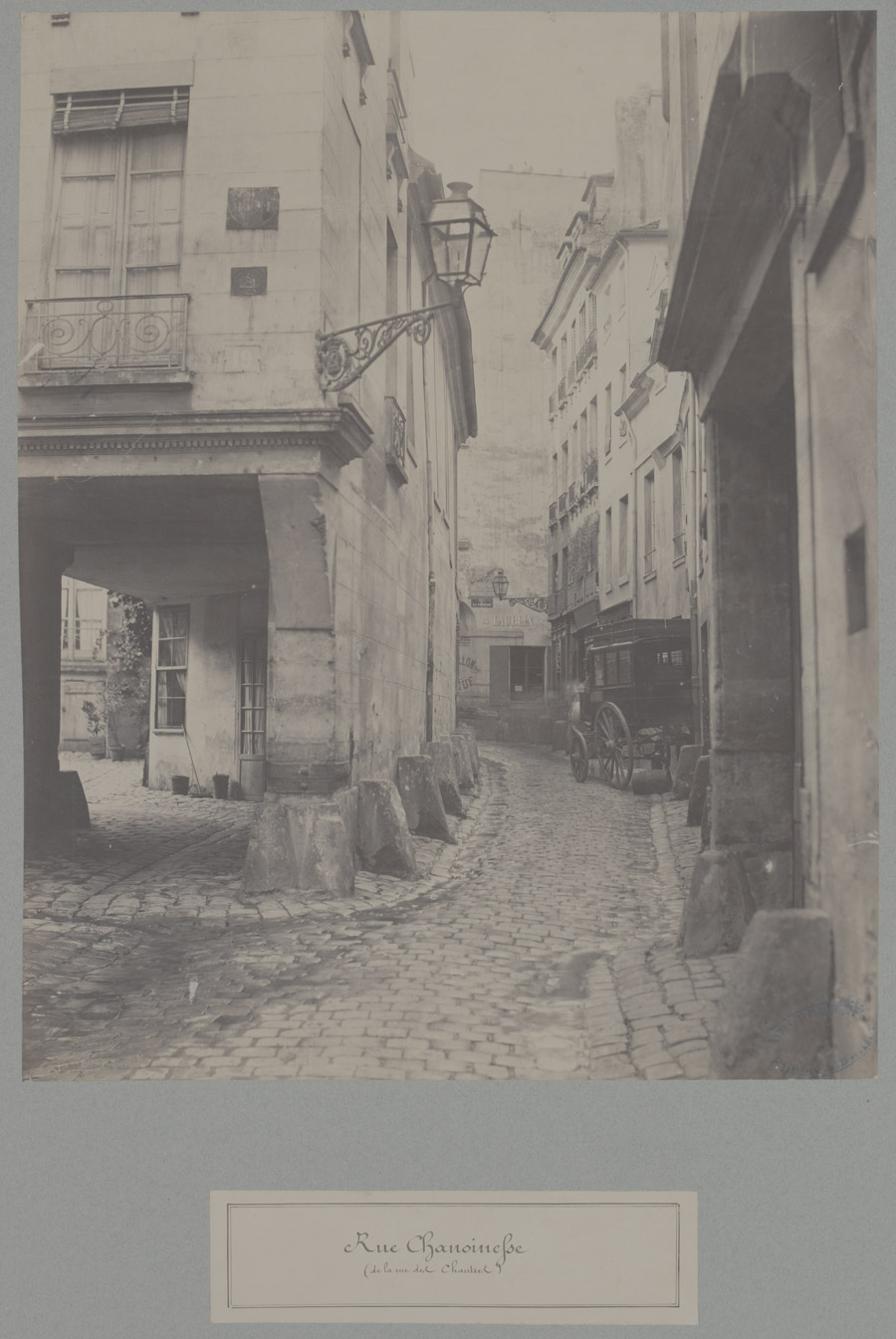

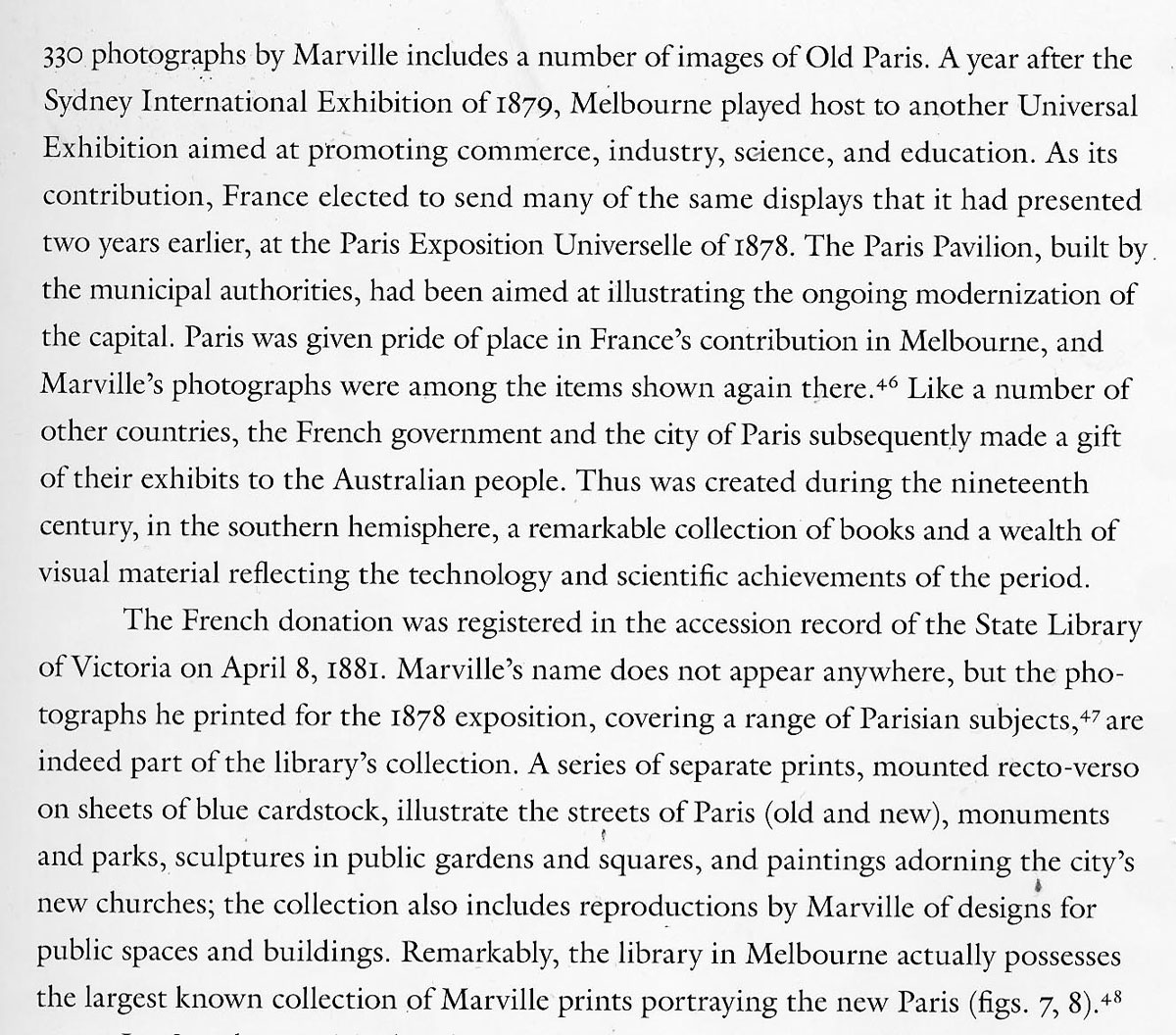


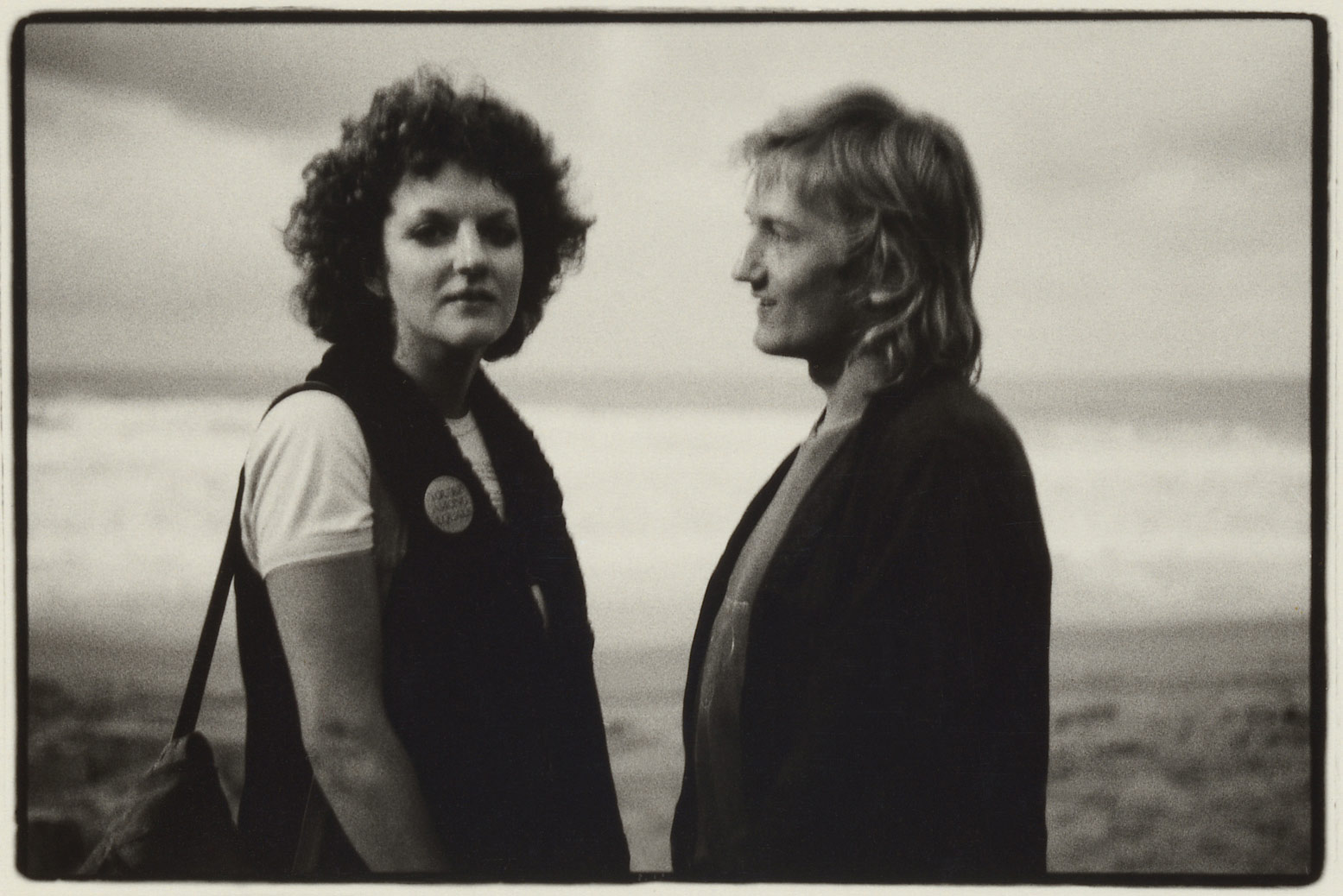




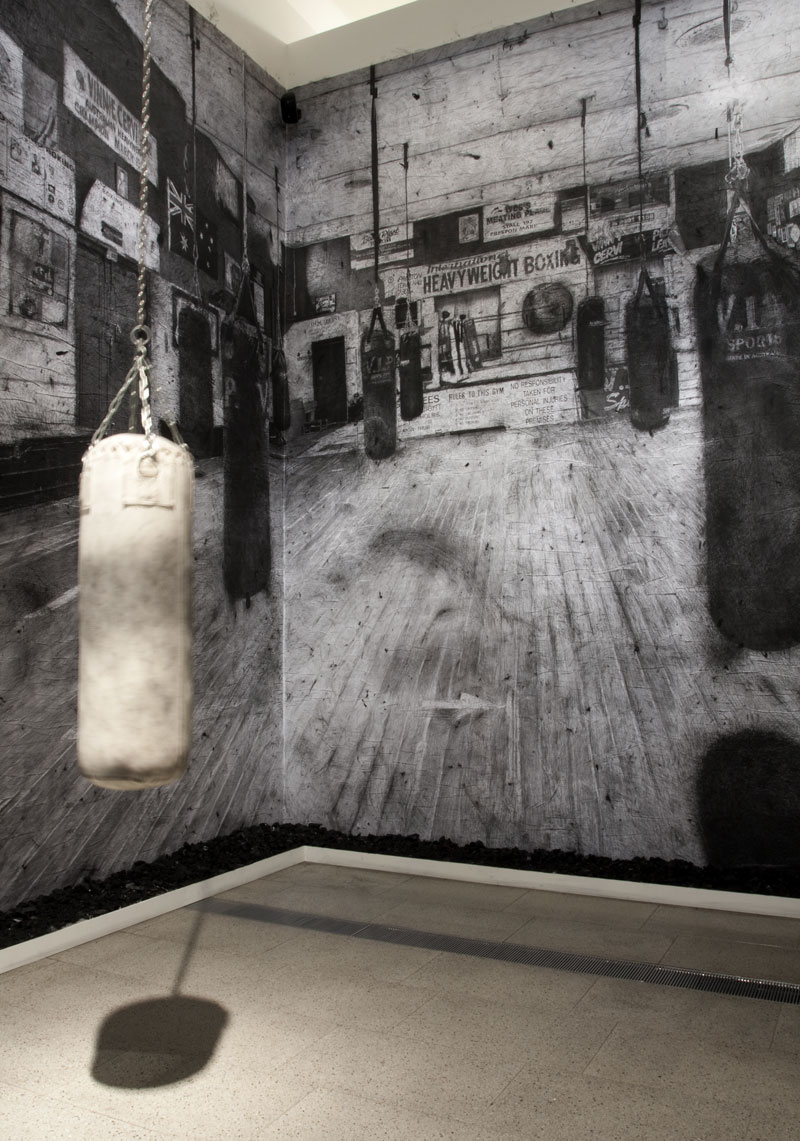
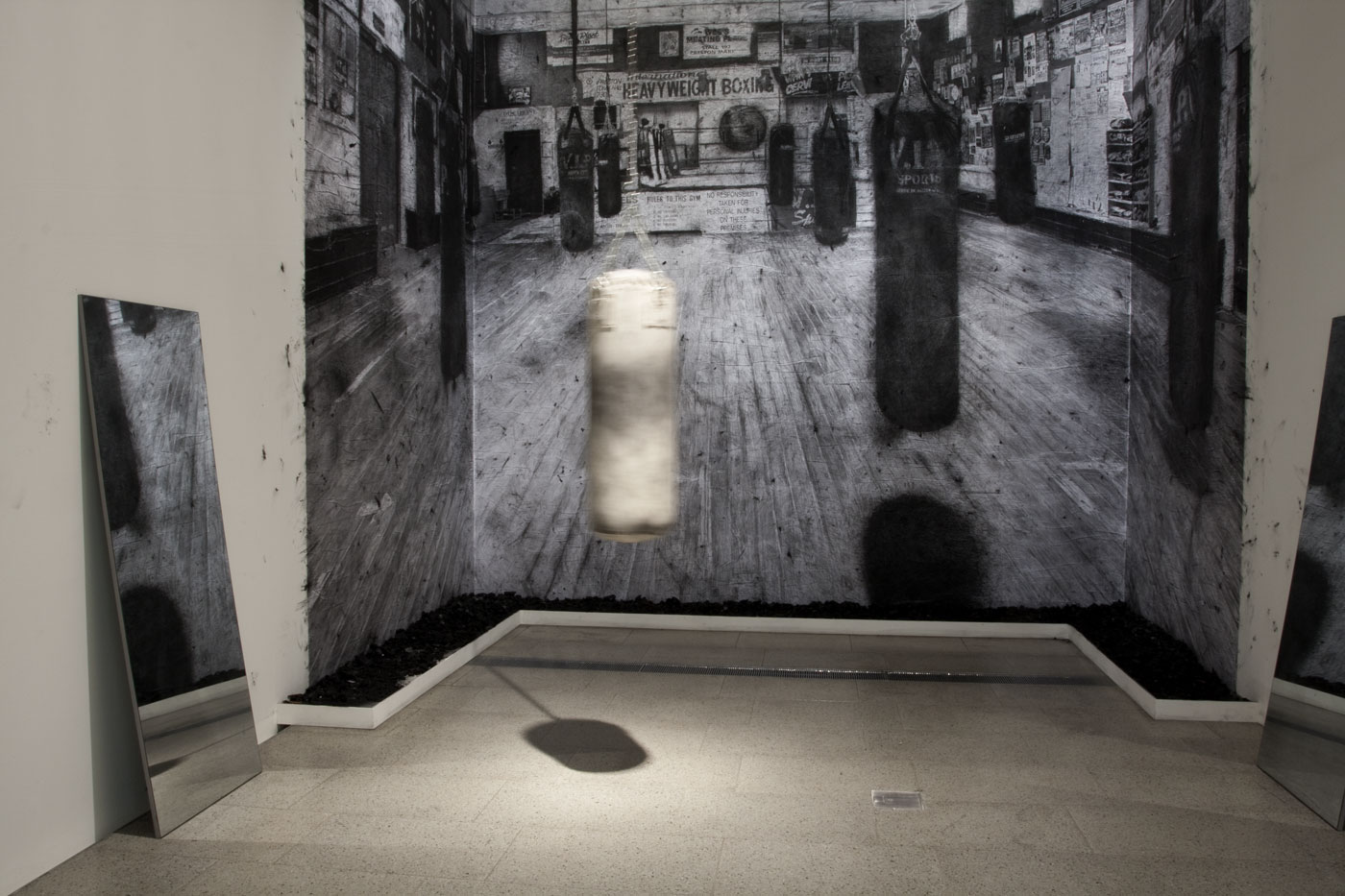

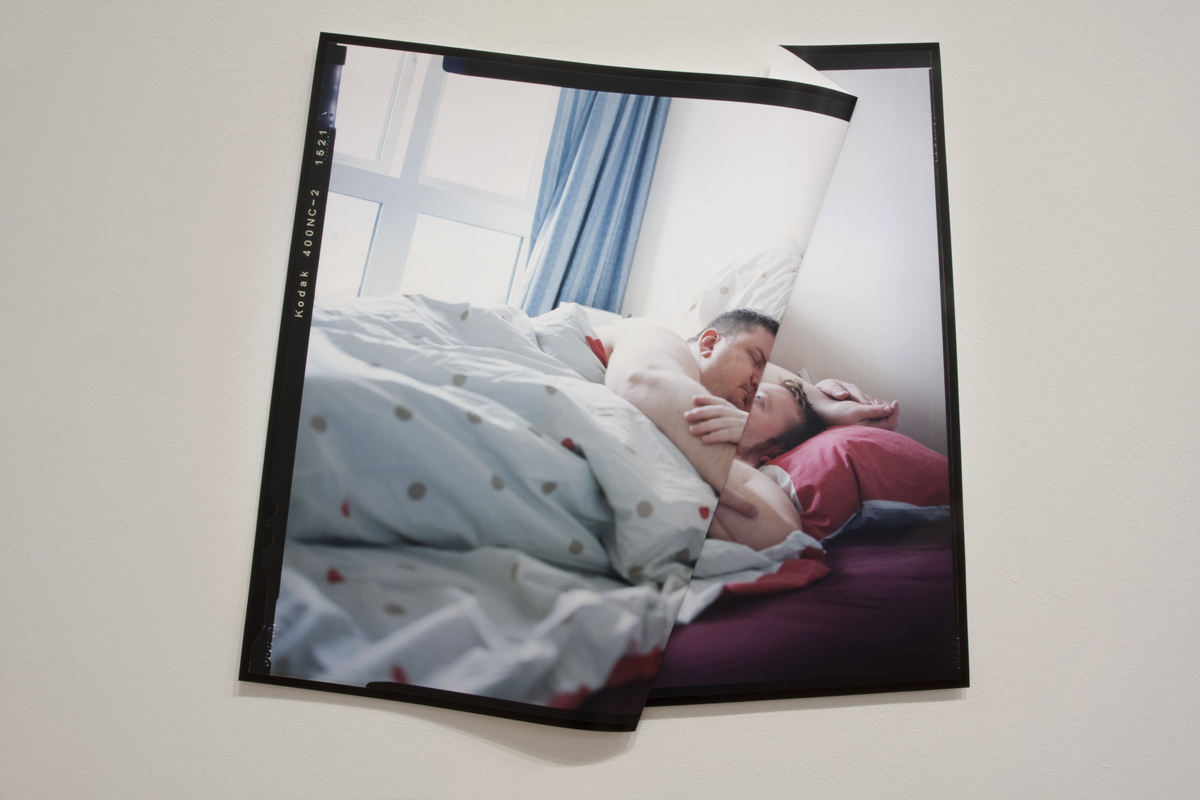
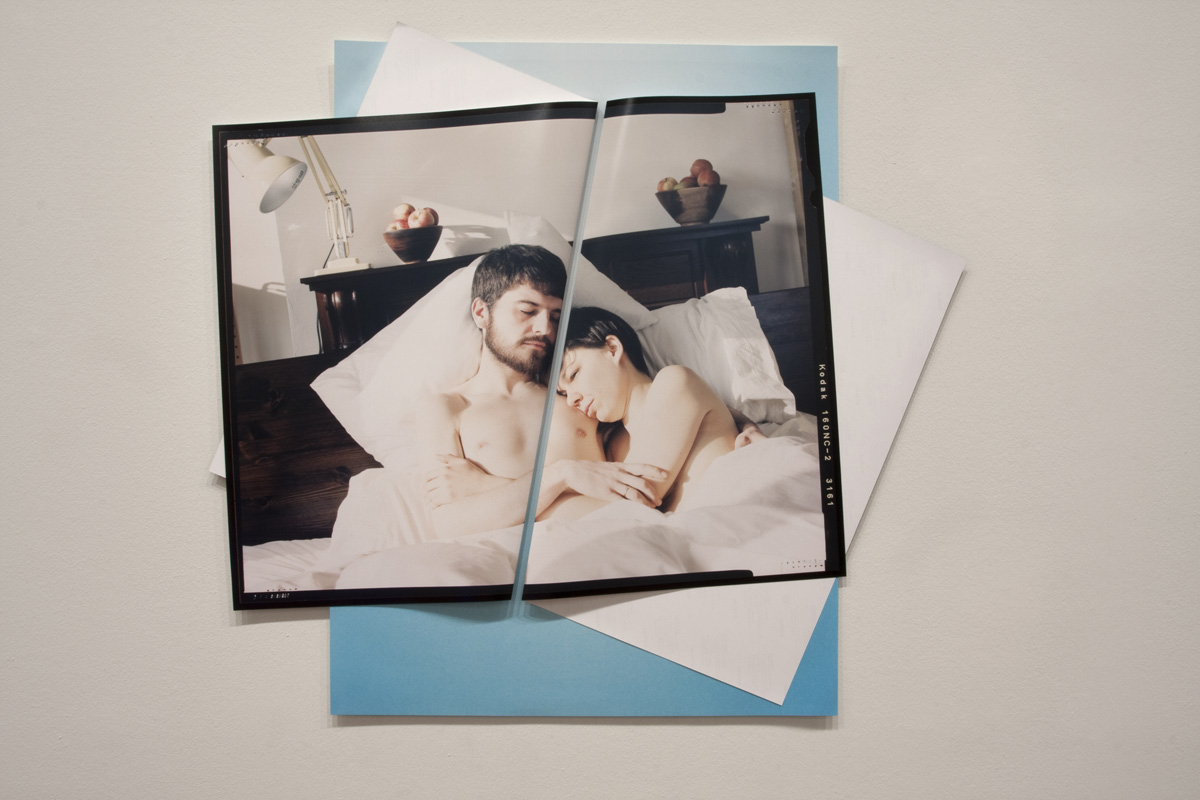


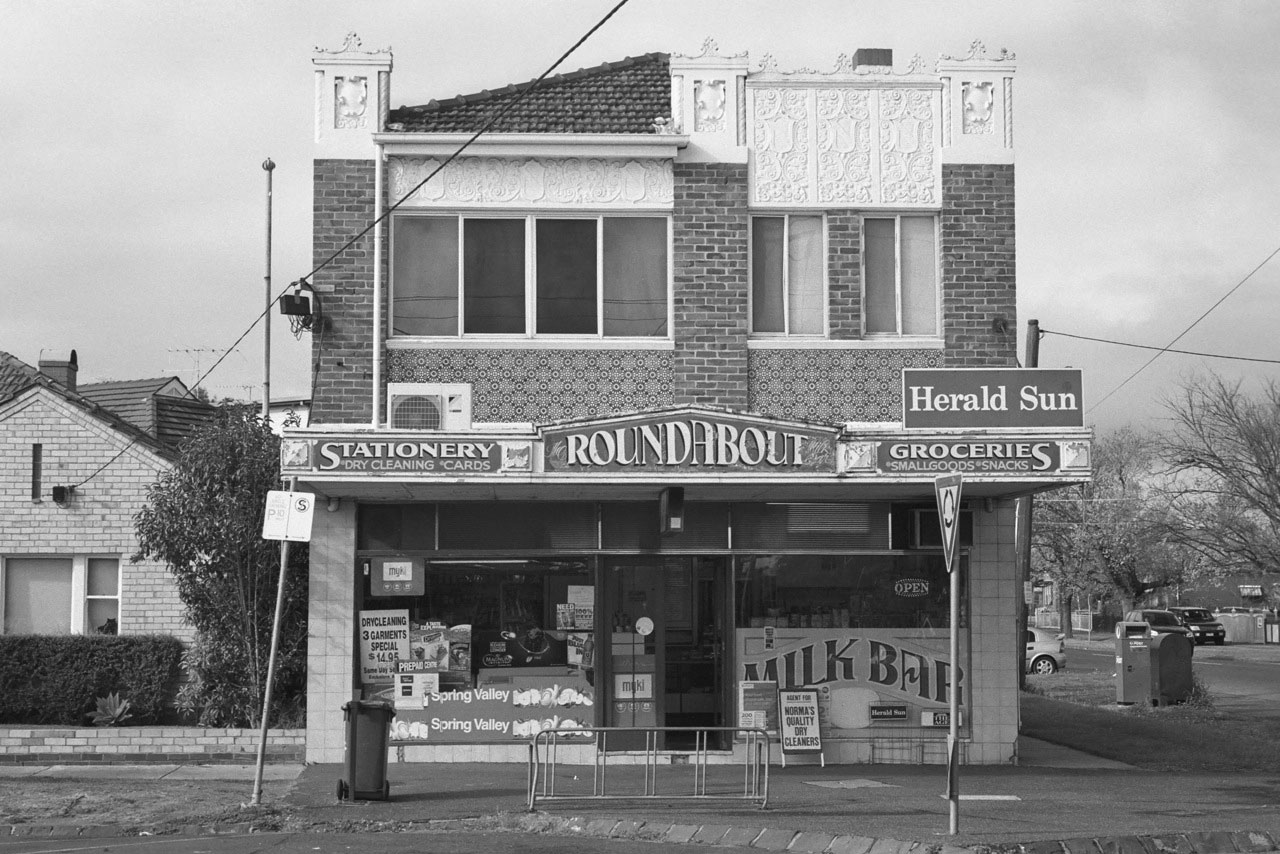
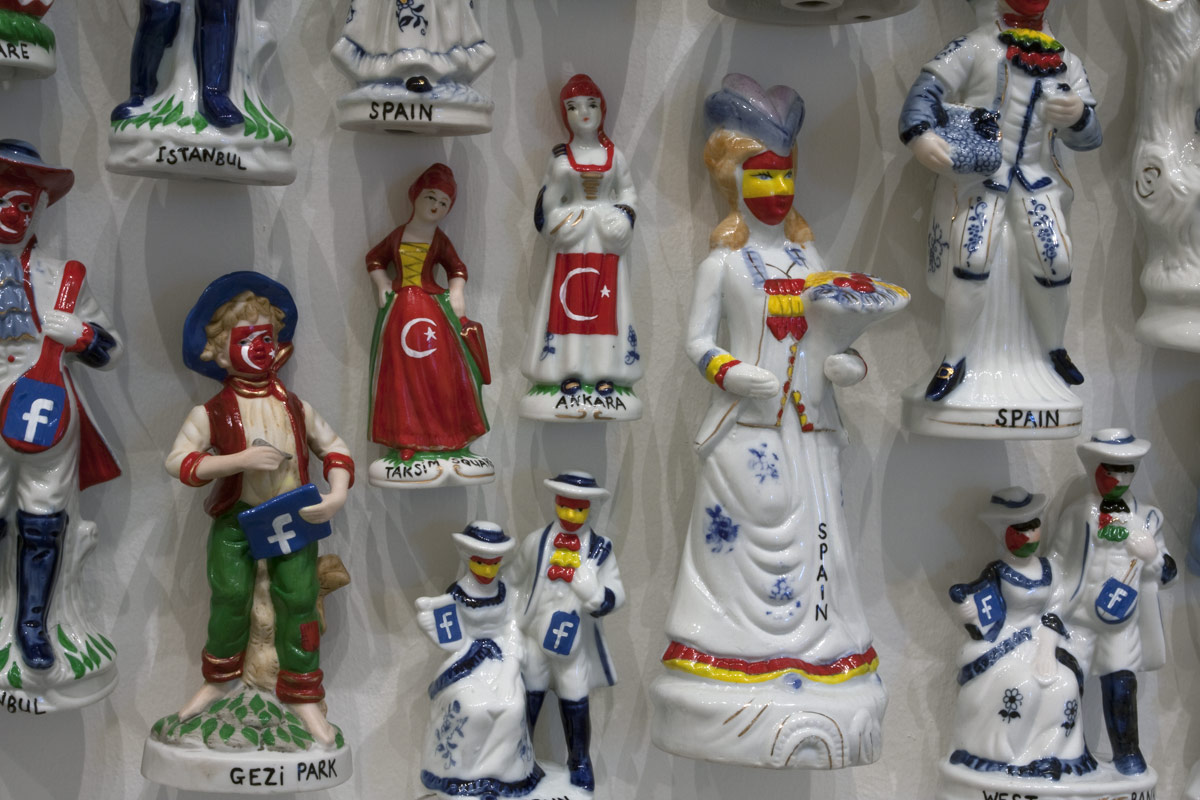


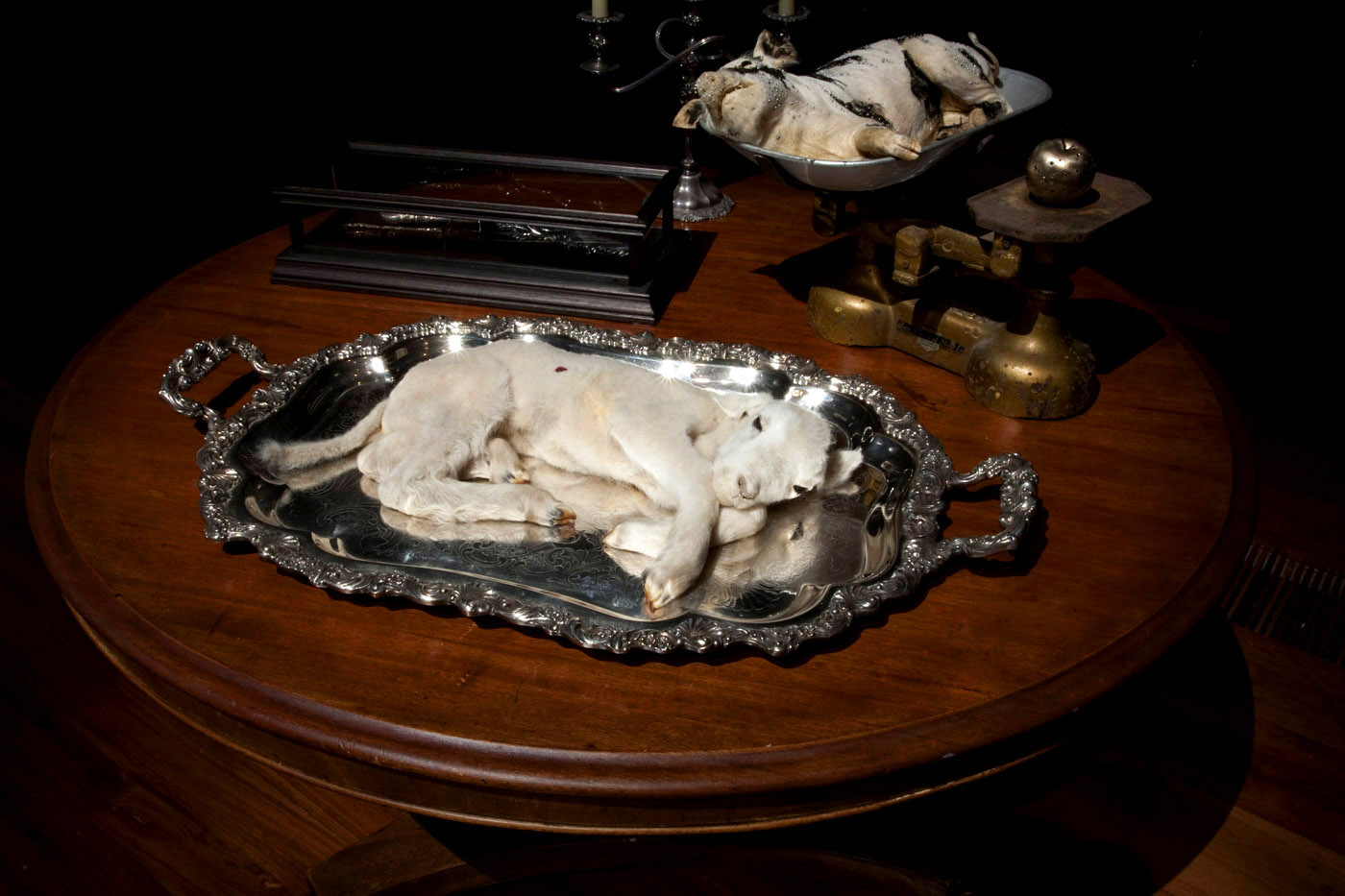






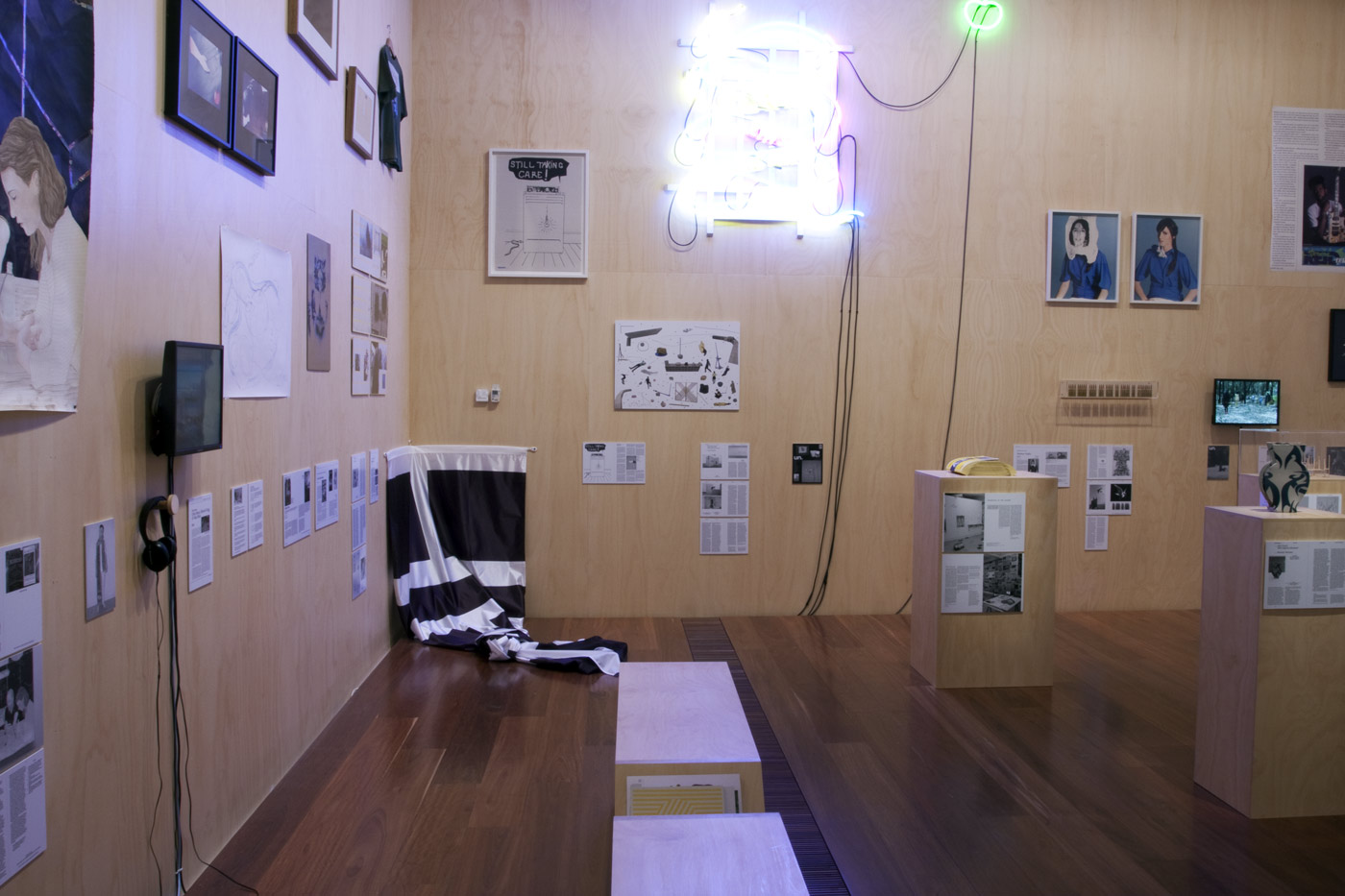

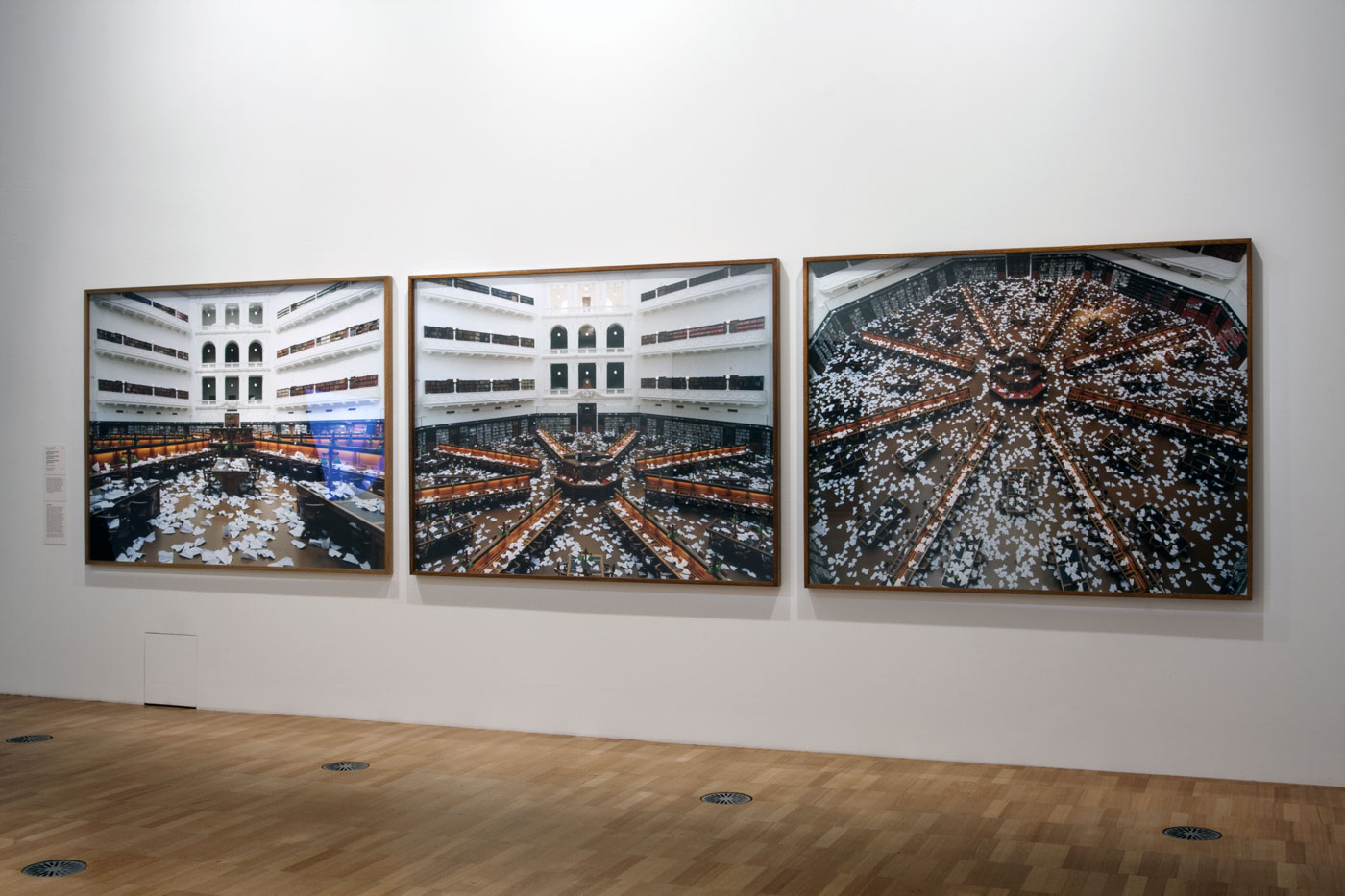
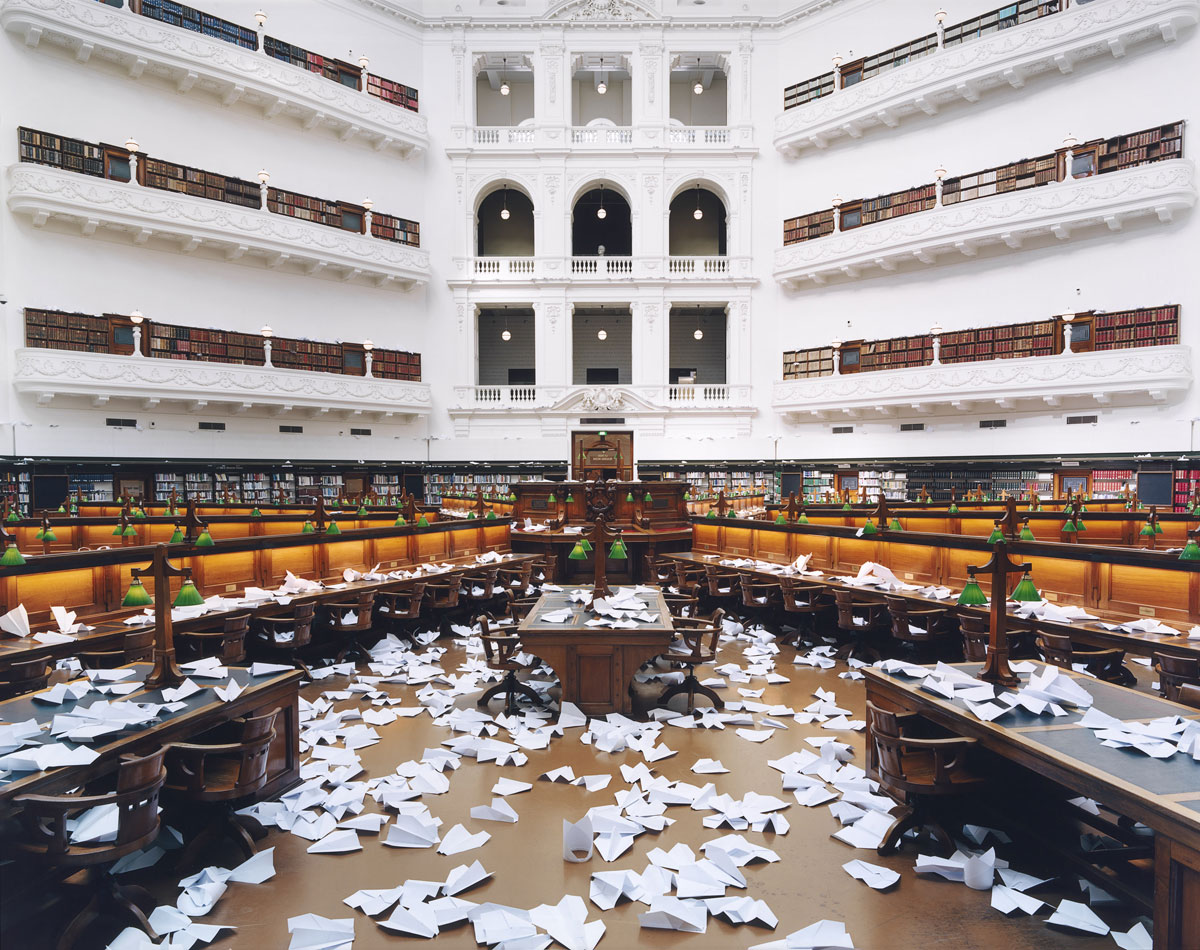









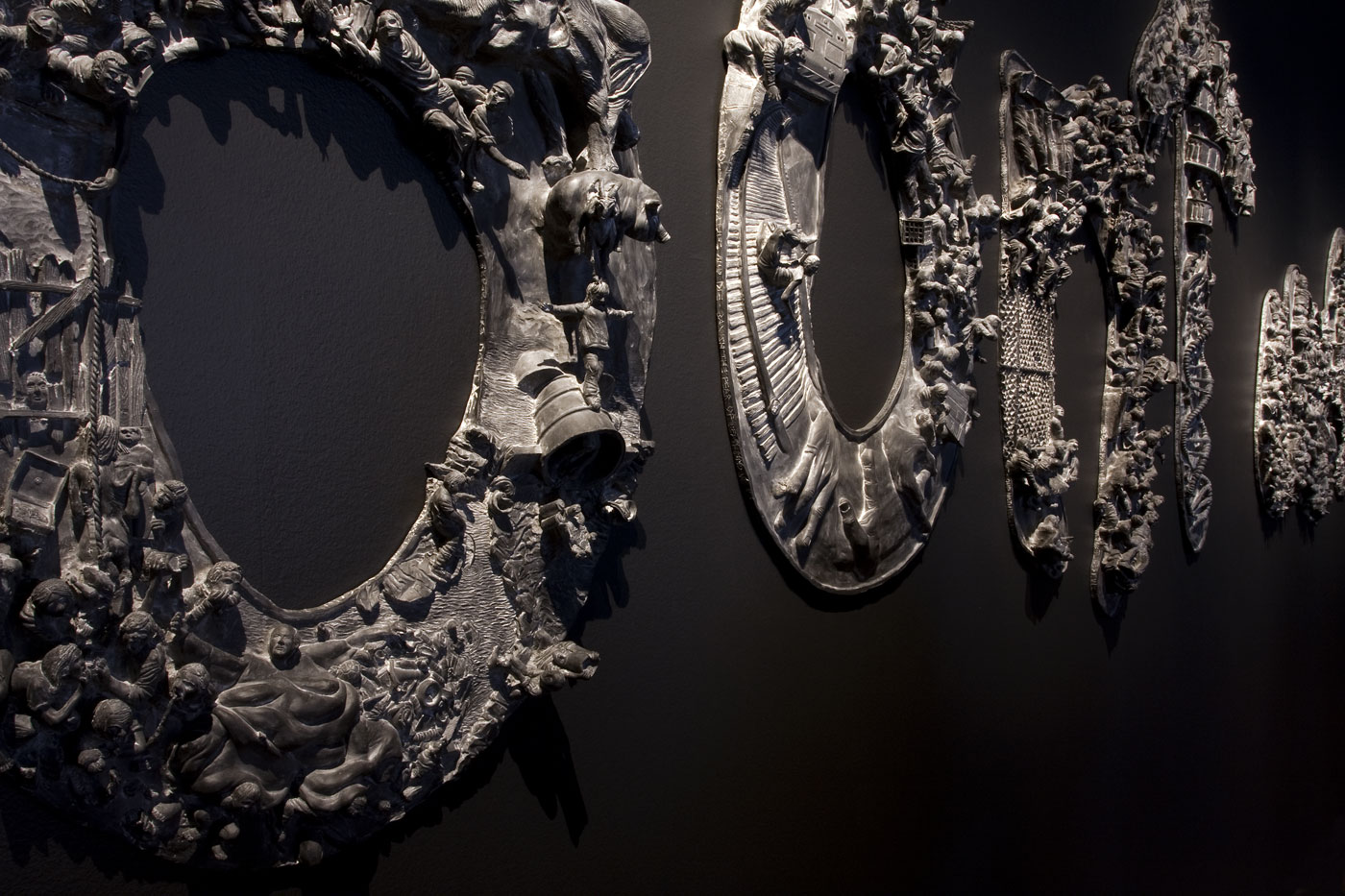

 Art Blart _ art and cultural memory archive
You must be logged in to post a comment.