NICARAGUA. Esteli. 1979. Sandinistas at the walls of the Esteli National Guard headquarters
The second of a double header from Jeu de Paume, Paris.
Whatever you write or say doesn’t matter. It’s the images that matter, the work before you.
Meiselas’ work offers respect, that is the key word, respect for the individuality of the people she photographs. You can feel it in her images; it is what gives them their power. Unlike the previous posting on the work of Raoul Hausmann, where it was all about the photographer, here the work is authored but the photographs are all about the subject: their place in the world, their trials and tribulations.
Meiselas’ photographs are very strong – graphic work (in form and declaration) balanced with an existential, human touch. Meiselas questions the nature of the original photograph and photographic process in order to understand how the photograph and its ongoing testimonies change in specific times and places, by developing multilayered narratives which integrate the participation of her subjects into her works. As such they are as much meditations on the human condition as much as mediations between place, her role as witness, storytelling, and how the meaning of images changes according to the context of their diffusion, which is facilitated by technology.
On the compilation of her visual histories, I can’t put it better than the text below:
“Lauded documentary photographer Susan Meiselas has been working at the nexus of history, politics, ethnography, art, and storytelling throughout her prolific career, producing multi-layered photographic narratives about individuals and societies across the U.S. and the world. Sensitive to both the potential and limitations of images, the 1992 MacArthur Fellow approaches her projects aware of their inevitable impartiality and incompleteness, supplementing her own photographs with texts, interviews, archival images, and other forms of documentation. “My projects are authored but I’d like to think they are not authoritative,” she says.”1
Dr Marcus Bunyan
1/ Anonymous text. “About Susan Meiselas” on the Artsy website Nd [Online] Cited 14/02/2022
Many thankx to Jeu de Paume for allowing me to publish the photographs in the posting. Please click on the photographs for a larger version of the image.
“It is important to me – in fact, it is central to my work – that I do what I can to respect the individuality of the people I photograph, all of whom exist in specific times and places.”
“This photograph is for whom. And so, for a long time that’s been the question motivating almost everything that I do.”
Susan Meiselas
A member of Magnum Photos since 1976, Susan Meiselas questions documentary practice. She became known through her work in conflict zones of Central America in the 1970s and 1980s in particular due to the strength of her colour photographs. Covering many subjects and countries, from war to human rights issues and from cultural identity to the sex industry, Meiselas uses photography, film, video and sometimes archive material, as she relentlessly explores and develops narratives integrating the participation of her subjects in her works. The exhibition highlights Susan Meiselas’ unique personal as well as geopolitical approach, showing how she moves through time and conflict and how she constantly questions the photographic process and her role as witness.
Susan Meiselas: Mediations at Jeu de Paume on Vimeo
USA. Essex Junction, Vermont. 1973. Lena after the show
“Meiselas is known for her searing, visceral photographs of civil unrest and political revolution around the world, from Central America to Kurdistan. However, it is her “Carnival Strippers” that defines her career for many.”
Meiselas’s first major photographic essay focused on the lives of women performing striptease at New England country fairs, whom she photographed during three consecutive summers while teaching photography in New York City public school classrooms. Carnival Strippers was originally published in 1976 with a new edition of the book (which included a CD of the audio recordings) produced by Steidl / Whitney in 2003. In 1976, Meiselas was invited to join the photographic cooperative Magnum Photos. Beginning in 1976, she photographed a group of young girls living in her neighbourhood of Little Italy, New York. Entitled Prince Street Girls, they inspired an on-going relationship.
Meiselas is best known for her coverage of the insurrection in Nicaragua and her documentation of human rights issues in Latin America for over a decade. In 1978 Meiselas made her first trip to Nicaragua, and that year one of her iconic images was published on the cover of the New York Times Magazine. In 1981, she published Nicaragua: June 1978-July 1979, reprinted in 2008 (with a DVD of the film “Pictures from a Revolution”) and in 2016 (with a customise AR app, to trigger film clips from the photographs). Her image of Pablo Jesús Aráuz, the ‘Molotov Man’, made on July 16, 1979 just before the triumph of the Sandinistas, has become an icon of the revolution. The image is shown recontextualised in the installation The Life of an Image: ‘Molotov Man’, 1979-2009. Meiselas served as an editor for two collaborative projects, both of which support and highlight the work of regional photographers. The first, El Salvador: The Work of Thirty Photographers, Writers and Readers, 1983, also features her own images. The second project, Chile from Within, W. W. Norton, 1991, focuses on work by photographers living under the Pinochet regime. Meiselas has also co-directed four films: Living at Risk: The Story of a Nicaraguan Family, 1986 ; Voyages, on her work in Nicaragua produced in collaboration with director M. Karlin, Pictures from a Revolution, 1991, with R. P. Rogers and A. Guzzetti; and Reframing History, 2004.
In 1992, Meiselas produced Kurdistan: In the Shadow of History, Random House, 1997; University of Chicago Press, 2008. The book was produced along with akaKURDISTAN, 1998, an online archive of collective memory, currently shown as a physical map with story books made by contributors from the Kurdish diaspora worldwide. Pandora’s Box, Trebruk/Magnum Editions, 2003, is an exploration of an underground New York S&M club that began in 1995. Both projects are shown as exhibition works.
The retrospective devoted to the American photographer Susan Meiselas (b. 1948, Baltimore) brings together a selection of works from the 1970s to the present day. A member of Magnum Photos since 1976, Susan Meiselas questions documentary practice. She became known through her work in conflict zones of Central America in the 1970s and 1980s in particular due to the strength of her colour photographs. Covering many subjects and countries, from war to human rights issues and from cultural identity to the sex industry, Meiselas uses photography, film, video and sometimes archive material, as she relentlessly explores and develops narratives integrating the participation of her subjects in her works. The exhibition highlights Susan Meiselas’s unique personal as well as geopolitical approach, showing how she moves through time and conflict and how she constantly questions the photographic process and her role as witness.
Her early works already illustrate her interest for documentary photography. Her very first project, 44 Irving Street (1971), was a series of black and white portraits. Here, she used her camera as a means of interacting with the other tenants of the boarding house where she lived during her time as a student. For Carnival Strippers (1972-1975), Meiselas followed strippers working in carnivals in New England over the course of three consecutive summers. The reportage is completed with audio recordings of the women, their clients and managers.
From this period originates also Prince Street Girls (1975-1992), which was shot in the district known as Little Italy, in New York, where Susan Meiselas still lives. She photographed a group of young girls over several years, capturing the changes that took place in their lives as they were growing up, constituting a chronicle of the evolving relationship between the young girls and the photographer.
Three important series represent the center of the exhibition: Nicaragua, El Salvador and Kurdistan. Made between the late 1970s and 2000, the works reveal the way in which the artist challenges and practises photography. During the course of her extensive travels in Latin America, over a number of decades, in times of war and peace, Meiselas returns to the sites where she took the original photographs, using the images to find the people she had met in order to pursue a record of their testimonies. With her project Mediations (1982), Susan Meiselas reveals how the meaning of images changes according to the context of their diffusion. Her novel approach is almost prophetic in a world where the diffusion of the image is facilitated by technology.
As from 1997, Meiselas addresses each conflict in a different way according to the context. Kurdistan: In the Shadow of History (1997) is an archive of the visual history of a people without a nation. Meiselas, who gathered those elements all around the world in collaboration with Kurdish people, constructed her work as an installation composed of a compilation of documents, photographs and videos.
In 1992, Meiselas, asked to contribute to an awareness campaign exposing domestic violence, began by photographing crime scenes, accompanying a team of police investigators, and then selected a number of documents with photographs from the archives of the San Francisco Police Department. This research led her to create Archives of Abuse, collages of police reports and photographs, exhibited in the city’s public spaces as posters on bus shelters.
For the retrospective at the Jeu de Paume, Susan Meiselas has created a new work, begun in 2015, based on her involvement with Multistory, a regional arts organisation based in the United Kingdom. This last series A Room of Their Own was made collaboratively in a refuge for women and focuses on domestic violence. The installation includes five narrative video works, featuring Meiselas’s photographs, first-hand testimonies, collages and drawings.
The exhibition of the Jeu de Paume is the most comprehensive retrospective of her work ever held in France. It retraces her trajectory since the 1970s as a visual artist who associates her subjects to her approach and questions the status of images in relation to the context in which they are perceived.
In the late 1970s, without an assignment of any sort, Susan Meiselas went to Nicaragua to cover the popular insurrection following the assassination of the editor of the opposition newspaper La Prensa. She became one of the most celebrated photojournalists in the world for her colour photographs of the Sandinista Popular Revolution. Some of them became icons of the Nicaraguan revolution. She didn’t see the insurrection as a series of isolated news events as a photojournalist would, but rather a historical process that was unfolding every day. Her approach was specific to the context of the conflict and the terrain.
With Mediations, 1982, the project that lends its title to this retrospective exhibition, Meiselas revealed the effects that the circulation of images produces on their meaning. At a time when, thanks to new technologies, photography has become the object of an all-reaching exchange, Meiselas’s attitude becomes unprecedented, while her archival projects constitute a valuable precedent. Two of them, the ones devoted to Nicaragua and Kurdistan, are widely represented in this exhibition.
NORTHERN IRAQ. Kurdistan. June, 1992. Widow at mass grave found in Koreme
The retrospective emphasises the development of Susan Meiselas’ photographic practice from the 1970s onwards. In most of her early work, she addresses the subjects of her portrait-based images by including them in one way or another in the process of her work. In 44 Irving Street, (1972), she asks the persons portrayed to comment on their representation and in Carnival Strippers (1975), a sound recording of the context in which the photographs are taken gives further perspective on the strippers lives. In addition to this aspect, her interest in archival documentation and the compilation of visual histories can also be traced back to this period (Lando, 1975) and one can see this develop in her research work on Kurdistan. Her treatment of images reveals that, in her artistic practice, she considers the photographic frame as a moment in time complementary to other forms of framing and capturing reality, which may be seen and reviewed over time.
Minor White (American, 1908-1976) Untitled (Dock) c. 1939 Gelatin silver print Courtesy of the Fine Arts Program, Public Buildings Service, U.S. General Services Administration Commissioned through the New Deal art projects Public domain
Catching fire
It is a memorable experience to be able to observe a great artist experimenting with his craft, which is exactly what MW is doing in the photographs in these two postings. Here is an artist at the start of the path, honing his skills as a “creative photographer”: for these are creative, public photographs not expressive, private ones.
The photographs are a strange mix… part modernism, part romanticism, with a large dose of Pictorialism (dare I mention the word!) thrown in for good measure. I can see influences of the night work of Brassaï; the architectural photographs of Charles Sheeler; the photographs of Albert Renger-Patzsch and the German New Objectivity; the urban and urbane photographs of Walker Evans (The Customer, c. 1939 and Joseph, Oregon (Joseph Cemetery) c. 1940 below); the spatiality, surrealism and detail of Eugene Atget’s Paris photographs; and the landscape work of Ansel Adams. Overlay these influences with feelings of spirituality, sexuality and the atmosphere of place and you have a heady mix. And yet these photographs are purely his own.
What a time MW was having when he made these photographs. There were no limits to where he could point his camera.
As I talk to my friend and mentor Ian Lobb about photography, we have brave conversations about artists, vision, looking, previsualisation, representation, the print, and more generally life, words, spirit. He observed of this group of photographs:
“There were things that looked like photographs that other people had made. There were things that were naively interesting to him for what they were. There were things that allowed him to experiment with ideas of metaphor. There was a combination of subject matter and light that enabled him to touch upon a world of symbol and ritual without him ever really being confident in that world (at this time).
There were also affirmations of how he could organise the world through his camera. He knew he was really accomplished with organising the edges of his image (particularly the right hand edge) and how this segued into the centre of his images where he hoped he could also organise subject matter – but he was not as skilled with this. He was still learning his craft.
He also knew that he could escape reality by changing scale, changing the lightness of his subject matter, changing the mood of his images with print colour (cold events printed warm) and then affirming the mood of his images with print colour. He knew there must be more with how he printed – was he beginning to understand that there his knowledge of printing chemistry could also be applied to film chemistry? Maybe there was an inkling of this but he was never extremely skilful with this. And he was not trying to expose and change film development techniques according to the subject matter – but there were emerging confused questions about this that would be exceptionally refined later.
I don’t think he applied labels like modernist or romantic to himself – but he was burningly aware of his authorship – and it excited him to the bone. Sometimes he was aware that he was walking an edge between various worlds and this was starting to take a form where he was both teacher and student – he could sense it starting to appear in his images and this made him secretly full of delight.”
(Ian Lobb in conversation with Marcus Bunyan)
My friend has such a tremendous knowledge of the work of MW and of photography and life in general. I most appreciate the passing on of these observations to me. You really can feel that the artist is walking an edge between various worlds and that the photographs embody a critical shift in consciousness, from “truth in appearances” to a longing for transcendence. The work is full of symbolic and metaphorical allusions/illusions.
That MW’s photographs still offer these affirmations to the viewer nigh on 80 years later show’s the intensity of their visualisation. They are a gift from the cosmos to one human being and back to the cosmos (in the form of an ensō, or Zen circle), and should be accepted as such.
Dr Marcus Bunyan
Many thankx to the Portland Art Museum for allowing me to publish the photographs in the posting. Please click on the photographs for a larger version of the image.
Minor White (American, 1908-1976) Untitled (Propeller) c. 1939 Gelatin silver print Courtesy of the Fine Arts Program, Public Buildings Service, U.S. General Services Administration Commissioned through the New Deal art projects Public domain
“A banquet of frustration”: Minor White penned the phrase in 1939, after reading T. S. Eliot’s 1922 poem The Waste Land. “I perceived that if one could put out the energy to produce a banquet of frustration, then frustration had power,” White commented. “It was worth pursuing.”1
“The duplicity one senses in White’s career, in both his writing and his images, stems certainly from this frustration about sexuality (as Peter Bunnell has written, “White’s sexuality underlies the whole of the autobiographical statement contained in his work”), but it also mirrors a much larger counter tradition found within modernism itself, a romantic tradition that draws from Romanticism, Symbolism, Dada, and Surrealism. More specifically, White’s frustration coincides with the collapse of modernist ideals during the postwar era. This passage in the history of photography, if examined at all, is normally pinned to the arid vision of Robert Frank. Aesthetically, White’s vision was less dark than Frank’s, and in no sense nihilistic. Yet White’s work embodies a critical shift in consciousness, from the heroic modernist notion of “truth in appearances” toward the acknowledgment – and even the cultivation – of illusion, deception, and buried meanings. White’s banquet of frustration would look like a tea setting compared to the theoretical abattoirs of generations of later artists; nevertheless, the historical narrative of photographic modernism’s dissolution owes an early chapter to White and his longing for transcendence, which he seems not to have attained.”
1/ Minor White. “Memorable Fancies,” 1932-1937 quoted in Peter C. Bunnell. Minor White: The Eye That Shapes. Princeton and Boston: The Art Museum, Princeton University; Bulfinch/Little Brown, 1989, p. 19.
Minor White (American, 1908-1976) Freight Depot c. 1939 Gelatin silver print Courtesy of the Fine Arts Program, Public Buildings Service, U.S. General Services Administration Commissioned through the New Deal art projects Public domain
Minor White (American, 1908-1976) Untitled (Girder) c. 1939 Gelatin silver print Courtesy of the Fine Arts Program, Public Buildings Service, U.S. General Services Administration Commissioned through the New Deal art projects Public domain
Minor White (American, 1908-1976) Untitled (Portland Lumber Mills) c. 1939 Gelatin silver print Courtesy of the Fine Arts Program, Public Buildings Service, U.S. General Services Administration Commissioned through the New Deal art projects Public domain
Minor White (American, 1908-1976) Log Boom c. 1940 Gelatin silver print Courtesy of the Fine Arts Program, Public Buildings Service, U.S. General Services Administration Commissioned through the New Deal art projects Public domain
Minor White (American, 1908-1976) Boats at Dock c. 1939 Gelatin silver print Courtesy of the Fine Arts Program, Public Buildings Service, U.S. General Services Administration Commissioned through the New Deal art projects Public domain
Minor White (American, 1908-1976) East Side of Willamette c. 1939 Gelatin silver print Courtesy of the Fine Arts Program, Public Buildings Service, U.S. General Services Administration Commissioned through the New Deal art projects Public domain
Minor White (American, 1908-1976) Boards c. 1939 Gelatin silver print Courtesy of the Fine Arts Program, Public Buildings Service, U.S. General Services Administration Commissioned through the New Deal art projects Public domain
Minor White (American, 1908-1976) Lily Pads and Pike c. 1939 Gelatin silver print Courtesy of the Fine Arts Program, Public Buildings Service, U.S. General Services Administration Commissioned through the New Deal art projects Public domain
Minor White (American, 1908-1976) The Patch c. 1939 Gelatin silver print Courtesy of the Fine Arts Program, Public Buildings Service, U.S. General Services Administration Commissioned through the New Deal art projects Public domain
Minor White (American, 1908-1976) Horsetail and Skunk Cabbage 1940 Gelatin silver print Courtesy of the Fine Arts Program, Public Buildings Service, U.S. General Services Administration Commissioned through the New Deal art projects Public domain
Minor White (American, 1908-1976) Tree Root c. 1939 Gelatin silver print Courtesy of the Fine Arts Program, Public Buildings Service, U.S. General Services Administration Commissioned through the New Deal art projects Public domain
Minor White (American, 1908-1976) Detail (California Foundry) c. 1939 Gelatin silver print Courtesy of the Fine Arts Program, Public Buildings Service, U.S. General Services Administration Commissioned through the New Deal art projects Public domain
Minor White (American, 1908-1976) Detail (227 Southeast Front Street) 1938 Gelatin silver print Courtesy of the Fine Arts Program, Public Buildings Service, U.S. General Services Administration Commissioned through the New Deal art projects Public domain
Minor White (American, 1908-1976) Front and Burnside c. 1939 Gelatin silver print Courtesy of the Fine Arts Program, Public Buildings Service, U.S. General Services Administration Commissioned through the New Deal art projects Public domain
Minor White (American, 1908-1976) Ladd and Tilton Bank (1868 Southwest First and Stark Streets) c. 1939 Gelatin silver print Courtesy of the Fine Arts Program, Public Buildings Service, U.S. General Services Administration Commissioned through the New Deal art projects Public domain
Minor White (American, 1908-1976) Pioneer Post Office and Portland Hotel Gate c. 1939 Gelatin silver print Courtesy of the Fine Arts Program, Public Buildings Service, U.S. General Services Administration Commissioned through the New Deal art projects Public domain
Minor White (American, 1908-1976) Southwest Fourth and Salmon Streets, Courthouse c. 1939 Gelatin silver print Courtesy of the Fine Arts Program, Public Buildings Service, U.S. General Services Administration Commissioned through the New Deal art projects Public domain
Minor White (American, 1908-1976) Kamm Building (Southwest Pine near First Avenue) c. 1939 Gelatin silver print Courtesy of the Fine Arts Program, Public Buildings Service, U.S. General Services Administration Commissioned through the New Deal art projects Public domain
Minor White (American, 1908-1976) Fifth at Yamhill (Public Service Building) c. 1939 Gelatin silver print Courtesy of the Fine Arts Program, Public Buildings Service, U.S. General Services Administration Commissioned through the New Deal art projects Public domain
Minor White (American, 1908-1976) New on Old (Southeast Corner, First and Burnside) c. 1939 Gelatin silver print Courtesy of the Fine Arts Program, Public Buildings Service, U.S. General Services Administration Commissioned through the New Deal art projects Public domain
Minor White (American, 1908-1976) The Iron Fronts c. 1939 Gelatin silver print Courtesy of the Fine Arts Program, Public Buildings Service, U.S. General Services Administration Commissioned through the New Deal art projects Public domain
Minor White (American, 1908-1976) Front Street 1939 Gelatin silver print Courtesy of the Fine Arts Program, Public Buildings Service, U.S. General Services Administration Commissioned through the New Deal art projects Public domain
Minor White (American, 1908-1976) Arches of the Dodd Building (Southwest Front Avenue and Ankeny Street) 1938 Gelatin silver print Courtesy of the Fine Arts Program, Public Buildings Service, U.S. General Services Administration Commissioned through the New Deal art projects No known copyright restrictions
In 1939 White was living at the Portland YMCA, where he had organised a camera club and had built a darkroom and modest gallery for exhibiting pictures. White’s photographs from this period concentrate on the environs of Portland, particularly the area of the commercial waterfront, which was undergoing demolition for redevelopment. Hired by the Oregon Art Project, an arm of the Works Progress Administration (WPA), White trawled the city’s Front Avenue neighbourhood, documenting the nineteenth-century buildings with cast-iron façades that were about to be torn down. White’s photographs are anything but clinical. His street views, many taken at night, have a ghostlike quality, with the occasional lone figure haunting the wet pavement; boarded-up doorways are cast in deep shadow; and mercantile objects, heaped onto the sidewalk before emptied warehouses, take on a forlorn anthropological character.
Among these pictures is a group of five depicting a handsome young man leaning in a doorway on Front Avenue. He is dressed like a labourer in jeans, work shirt, and boots, but there is something of the dandy in the raffish positioning of the man’s newsie cap, the tight cut of his trousers, pulled high and cinched at the waist, and the studied nonchalance of his pose. In one image, his hand is shoved into a pocket, leaving the index finger exposed and pointing downward toward a prominent bulge. Most importantly, he gazes – not at the photographer but down the street – intently and expectantly, as if anticipating something that has not yet come into view. A second photograph shows the man from behind, revealing the nape of his neck, a pair of rounded buttocks, and white stains splashed down the right thigh of his trousers. The pose suggests that he is urinating in this abject doorway with its peeling paint and debris underfoot; he could be taken for a plasterer relieving himself during a break. Another image, taken in a different boarded-up doorway, shows the man leaning with one arm raised and smiling coyly (again, not at the photographer), with his thumbs slipped under his belt and his fingers cupped, calling attention once again to his bulge. An “Air Circus” poster behind him advertises “Tex Rankin and other famous flyers” as well as “stunts” and “thrills.”
The scene is both explicit and coded, even to contemporary eyes. This handsome loitering man might have been taken by certain passersby for an ordinary labourer, on break or looking for work. Others might have recognised him as a man looking for sex (or for another kind of work) with other men. White’s sexual interest in men and his approach to looking at things “for what else they are” stratify the two narratives, establishing layers of meaning on parallel planes. This man is both a labourer and a cruising homosexual. He is, then, just what the photographic image in general would come to signify for White: a common trace from the visible world, transformed into another set of charged meanings.
Minor White (American, 1908-1976) Doorway, Dodd Building c. 1939 Gelatin silver print Courtesy of the Fine Arts Program, Public Buildings Service, U.S. General Services Administration Commissioned through the New Deal art projects Public domain
White’s earlier Portland series, by contrast, is the darker product of a romantic turn of mind and conveys not the affirmative, civic-minded Whitman of poems such as “A Broadway Pageant” but the melancholy, searching Whitman of the “Calamus” poems. In Portland, we see White engaging Front Avenue for its sense of mystery and possibility, an investigation among darkened doorways and in the silhouettes of passing strangers for moments of revelation. More than simply a celebration of the manifold aspects of the city, the desired charge might be specified as the possibility of an erotic connection, however ephemeral, as proposed by Whitman in “City of Orgies”:
City of orgies, walks and joys, City whom that I have lived and sung in your midst will one day make you illustrious, Not the pageants of you, not your shifting tableaus, your spectacles, repay me, Not the interminable rows of your houses, nor the ships at the wharves, Nor the processions in the streets, nor the bright windows with goods in them, Nor to converse with learn’d persons, or bear my share in the soiree or feast; Not those, but as I pass O Manhattan, your frequent and swift flash of eyes offering me love, Offering response to my own – these repay me, Lovers, continual lovers, only repay me.
Minor White (American, 1908-1976) Pilaster and Hood Molding, Dodd Building (Southwest Front and Ankeny) c. 1939 Gelatin silver print Courtesy of the Fine Arts Program, Public Buildings Service, U.S. General Services Administration Commissioned through the New Deal art projects Public domain
Minor White (American, 1908-1976) Door of Iron – First Brick Building in Portland, 1852 (Ladd and Tilton Building) 1939 Gelatin silver print Courtesy of the Fine Arts Program, Public Buildings Service, U.S. General Services Administration Commissioned through the New Deal art projects Public domain
Minor White (American, 1908-1976) China Town c. 1939 Gelatin silver print Courtesy of the Fine Arts Program, Public Buildings Service, U.S. General Services Administration Commissioned through the New Deal art projects Public domain
Minor White (American, 1908-1976) Morrison Bridge – Winter 1938 Gelatin silver print Courtesy of the Fine Arts Program, Public Buildings Service, U.S. General Services Administration Commissioned through the New Deal art projects Public domain
Minor White (American, 1908-1976) St. Johns Bridge c. 1939 Gelatin silver print Courtesy of the Fine Arts Program, Public Buildings Service, U.S. General Services Administration Commissioned through the New Deal art projects Public domain
Minor White (American, 1908-1976) Catherine Creek c. 1941 Gelatin silver print Courtesy of the Fine Arts Program, Public Buildings Service, U.S. General Services Administration Commissioned through the New Deal art projects Public domain
Minor White (American, 1908-1976) Joseph, Oregon (Joseph Cemetery) c. 1940 Gelatin silver print Courtesy of the Fine Arts Program, Public Buildings Service, U.S. General Services Administration Commissioned through the New Deal art projects Public domain
Minor White (American, 1908-1976) Hurricane Creek (Trees and Rock) 1941 Gelatin silver print Courtesy of the Fine Arts Program, Public Buildings Service, U.S. General Services Administration Commissioned through the New Deal art projects Public domain
Minor White (American, 1908-1976) Ice Lake 1940 Gelatin silver print Courtesy of the Fine Arts Program, Public Buildings Service, U.S. General Services Administration Commissioned through the New Deal art projects Public domain
Minor White (American, 1908-1976) The Customer c. 1939 Gelatin silver print Courtesy of the Fine Arts Program, Public Buildings Service, U.S. General Services Administration Commissioned through the New Deal art projects Public domain
Minor White (American, 1908-1976) 1323-29 Southwest First Avenue 1939 Gelatin silver print Courtesy of the Fine Arts Program, Public Buildings Service, U.S. General Services Administration Commissioned through the New Deal art projects Public domain
Minor White (American, 1908-1976) Untitled (Young Man) c. 1939 Gelatin silver print Courtesy of the Fine Arts Program, Public Buildings Service, U.S. General Services Administration Commissioned through the New Deal art projects Public domain
Minor White (American, 1908-1976) Shipmates Visit the Photographer c. 1939 Gelatin silver print Courtesy of the Fine Arts Program, Public Buildings Service, U.S. General Services Administration Commissioned through the New Deal art projects Public domain
Minor White (American, 1908-1976) Untitled (Woman Sitting) c. 1939 Gelatin silver print Courtesy of the Fine Arts Program, Public Buildings Service, U.S. General Services Administration Commissioned through the New Deal art projects Public domain
Minor White (American, 1908-1976) Untitled (Man Praying) c. 1939 Gelatin silver print Courtesy of the Fine Arts Program, Public Buildings Service, U.S. General Services Administration Commissioned through the New Deal art projects Public domain
Portland Art Museum 1219 SW Park Avenue Portland, OR 97205
Opening hours: Thursday – Sun 10am – 6pm Closed Monday, Tuesday and Wednesday
Exhibition dates: 9th December, 2017 – 6th May, 2018
Curated by Julia Dolan PhD, the Minor White Curator of Photography
Minor White (American, 1908-1976) Untitled (Union Station Loading Platform) c. 1939 Gelatin silver print Courtesy of the Fine Arts Program, Public Buildings Service, U.S. General Services Administration Commissioned through the New Deal art projects, public domain
Phase 1 of this exhibition, over two postings on Art Blart, features one of the greatest collections of early photographs by Minor White!
In this posting it’s so nice to see the great man metaphorically getting his hands dirty – feet in the water, hand cupped to the eye looking through it to gauge the composition (his previsualisation), before getting under the black cloth to make final adjustments to his 4 x 5 view camera.
Other things to note in the Minor White During a Workshop photographs of MW using his camera are this:
1/ MW has tilted forward the front of the camera to extend the depth of field that recedes away from him, for example the sand or the surface of the water
2/ MW has also raised the front of the camera slightly
3/ MW is using a large Majestic tripod
4/ MW is possibly using a Weston light meter, for which he gave specific instructions in the first edition of his Zone System manual. The light meter can be seen still in it’s leather case with hanging strap in various images, with MW’s thumb on the dial in two images. In one image you can see him calculating his light meter exposure
5/ His glasses case is in his top shirt pocket, and he is wearing a well used hat (so important when taking photographs) with sweat stains on its brim
In these valuable pictures, the 51 year-old Minor White is making tiny adjustments to the camera movements to control the depth of field.
Paul Caponigro, a student of Minor White, observed that watching MW use the view camera was more than instructive, it was a joy. The very last sentence in the Fourth Sequence colophon reinforces the notion that the camera’s strongest point was its photographic authenticity, that is, a faithful camera technique leads to an authentic photograph, or to authenticity.1
“For technical data – the camera was faithfully used.” ~ MW
1/ Andrew E. Hershberger. “White’s Theory of Sequential Photography,” in Anna-Teresa Tymieniecka (ed.,). Analecta Husserliana: The Yearbook of Phenomenological Research Vol. LXXXVII. Human Creation Between Reality and Illusion. Springer, 2005, p. 212.
Many thankx to the Portland Art Museum for allowing me to publish the photographs in the posting. Please click on the photographs for a larger version of the image.
Long before co-founding Aperture magazine or establishing the groundbreaking photography program at Massachusetts Institute of Technology, renowned modernist photographer Minor White (American, 1908-1976) moved to Portland, where he sowed the seeds of what would become a forceful artistic vision. This exhibition of White’s rarely exhibited early works celebrates the artist’s influence on the region, and honours the Portland Art Museum’s dedication to acquiring and exhibiting photography as the institution enters its 125th year.
In 1937, after traveling to Portland from Minnesota and taking up residence at the downtown YMCA, White joined the Oregon Camera Club, using its darkroom and library to hone his photography skills. He instituted a darkroom, education, and exhibition program at the YMCA, and in 1938 was hired as a “creative photographer” for the Oregon Art Project, a division of the federal government’s Works Progress Administration. Charged with documenting the Front Avenue buildings slated for demolition as well as the waterfront factories, he captured the beauty of iron-front facades, the distinct forms of industrial architecture, and the cultural undercurrents of a city under transition. These photographs, much more than straightforward government documents, mark a critical period in Portland’s history and hold clues to White’s mature modernist approach.
In 1942, after touring the nation, White’s WPA images returned to Portland and became the first photographs to be accessioned into the Museum’s permanent collection. That same year, the Museum gave White his first solo exhibition and commissioned him to photograph two historic Portland homes. White was drafted into the Army later that spring, and although he never returned to live in the city, his bonds to the community remained strong, resulting in multiple Oregon-based workshops in the 1950s and 1960s. To this day he remains a significant influence on photographic practice in the Northwest and beyond.
The first phase of In the Beginning (on view December 9, 2017, through May 6, 2018) presents approximately 60 photographs of waterfront industrial buildings, Portland Civic Theatre portraits, night scenes, and images of Minor White teaching workshops in Oregon during the late 1950s and early 1960s. The second phase of the exhibition (on view May 6 through October 21, 2018) will feature downtown and Front Street scenes, photographs of Eastern Oregon, and images of two historic houses that White photographed for the Museum in 1942.
Text from the Portland Art Museum website
Minor White (American, 1908-1976) Plane Study c. 1939 Gelatin silver print Courtesy of the Fine Arts Program, Public Buildings Service, U.S. General Services Administration Commissioned through the New Deal art projects, public domain
Minor White (American, 1908-1976) Plane Study c. 1939 Gelatin silver print Courtesy of the Fine Arts Program, Public Buildings Service, U.S. General Services Administration Commissioned through the New Deal art projects, public domain
Minor White (American, 1908-1976) Untitled (Grain Elevators) c. 1939 Gelatin silver print Courtesy of the Fine Arts Program, Public Buildings Service, U.S. General Services Administration Commissioned through the New Deal art projects Public domain
Minor White (American, 1908-1976) Grain Tanks c. 1940 Gelatin silver print Courtesy of the Fine Arts Program, Public Buildings Service, U.S. General Services Administration Commissioned through the New Deal art projects Public domain
Minor White (American, 1908-1976) Grain Loading Depot 1939 Gelatin silver print Courtesy of the Fine Arts Program, Public Buildings Service, U.S. General Services Administration Commissioned through the New Deal art projects, public domain
Minor White (American, 1908-1976) Untitled (Elevator, Tree, Car) c. 1939 Gelatin silver print Courtesy of the Fine Arts Program, Public Buildings Service, U.S. General Services Administration Commissioned through the New Deal art projects, public domain
Minor White (American, 1908-1976) Untitled (Grain Elevator from the Water) c. 1939 Gelatin silver print Courtesy of the Fine Arts Program, Public Buildings Service, U.S. General Services Administration Commissioned through the New Deal art projects, public domain
Minor White (American, 1908-1976) Untitled (Ship and Grain Elevator) c. 1939 Gelatin silver print Courtesy of the Fine Arts Program, Public Buildings Service, U.S. General Services Administration Commissioned through the New Deal art projects, public domain
Minor White (American, 1908-1976) Untitled (Dagmar Salen) c. 1939 Gelatin silver print Courtesy of the Fine Arts Program, Public Buildings Service, U.S. General Services Administration Commissioned through the New Deal art projects, public domain
Minor White (American, 1908-1976) Water Street, Portland 1939 Gelatin silver print Courtesy of the Fine Arts Program, Public Buildings Service, U.S. General Services Administration Commissioned through the New Deal art projects, public domain
Minor White (American, 1908-1976) After the Fire Architecture (1211 Southwest First Avenue at Madison) c. 1939 Gelatin silver print Courtesy of the Fine Arts Program, Public Buildings Service, U.S. General Services Administration Commissioned through the New Deal art projects, public domain
Minor White (American, 1908-1976) Untitled (House at 27th Southwest Hall Street) c. 1939 Gelatin silver print Courtesy of the Fine Arts Program, Public Buildings Service, U.S. General Services Administration Commissioned through the New Deal art projects, public domain
Minor White (American, 1908-1976) Untitled (Houses at Hall and First Street) 1940 Gelatin silver print Courtesy of the Fine Arts Program, Public Buildings Service, U.S. General Services Administration Commissioned through the New Deal art projects, public domain
Minor White (American, 1908-1976) Jacobs House (Jacobs-Dolph House, Southwest Park and Montgomery) c. 1939 Gelatin silver print Courtesy of the Fine Arts Program, Public Buildings Service, U.S. General Services Administration Commissioned through the New Deal art projects, public domain
Minor White (American, 1908-1976) Untitled (St. Mary’s Academy, Third Avenue Entrance) c. 1939 Gelatin silver print Courtesy of the Fine Arts Program, Public Buildings Service, U.S. General Services Administration Commissioned through the New Deal art projects, public domain
Minor White (American, 1908-1976) Untitled (Beach and Pilings) c. 1939 Gelatin silver print Courtesy of the Fine Arts Program, Public Buildings Service, U.S. General Services Administration Commissioned through the New Deal art projects, public domain
Minor White (American, 1908-1976) Portland 1939 Gelatin silver print Courtesy of the Fine Arts Program, Public Buildings Service, U.S. General Services Administration Commissioned through the New Deal art projects, public domain
Minor White (American, 1908-1976) Hand Forge c. 1939 Gelatin silver print Courtesy of the Fine Arts Program, Public Buildings Service, U.S. General Services Administration Commissioned through the New Deal art projects, public domain
Minor White (American, 1908-1976) Untitled (Sawdust) c. 1939 Gelatin silver print Courtesy of the Fine Arts Program, Public Buildings Service, U.S. General Services Administration Commissioned through the New Deal art projects, public domain
Minor White (American, 1908-1976) Untitled (Municipal Market, from a Barge on East Side of the River) c. 1939 Gelatin silver print Courtesy of the Fine Arts Program, Public Buildings Service, U.S. General Services Administration Commissioned through the New Deal art projects, public domain
Minor White (American, 1908-1976) Untitled (Pier B Municipal Terminal No. 1) c. 1939 Gelatin silver print Courtesy of the Fine Arts Program, Public Buildings Service, U.S. General Services Administration Commissioned through the New Deal art projects, public domain
Minor White (American, 1908-1976) Design (Portland Dry Docks) c. 1939 Gelatin silver print Courtesy of the Fine Arts Program, Public Buildings Service, U.S. General Services Administration Commissioned through the New Deal art projects, public domain
Minor White (American, 1908-1976) Design 1939 Gelatin silver print Image: 13 1/2 in x 10 3/8 in Sheet: 13 1/2 in x 10 3/8 in Courtesy of the Fine Arts Program, Public Buildings Service, U.S. General Services Administration. Commissioned through the New Deal art projects
Minor White (American, 1908-1976) Design (Cable and Chain) c. 1940 Gelatin silver print Courtesy of the Fine Arts Program, Public Buildings Service, U.S. General Services Administration Commissioned through the New Deal art projects, public domain
Portland Art Museum 1219 SW Park Avenue Portland, OR 97205
Opening hours: Thursday – Sun 10am – 6pm Closed Monday, Tuesday and Wednesday
Exhibition dates: 18th November, 2017 – 22nd April, 2018
Gustave Le Gray (French, 1820-1884) In the Forest of Fontainbleau (Bas-Bréau) 1852 Gold-toned albumen print from waxed paper negative Chauncey Hare Townshend Bequest 1868
Gustave Le Gray trained as a painter in the 1840s but took up photography soon after. He followed the Barbizon School painters to the French forest of Fontainebleau, where he made enchanting photographic studies. Combining technical knowledge with artistic flair, Le Gray rapidly became one of the most renowned photographers of his day.
I grew up on a farm for the first thirteen years of my life. I played in the fields and forests of England, and wandered the cart paths with my brother. I saw him for the first time in thirty years last August, after the passing of my father. We went back and walked those very same paths where we grew up and looked at the magnificent trees planted along the edge of the fields. After all that had happened, it was an emotional and healing journey for both of us…
The innocence of being a child growing up on the land returned, the innocence of something that is never really forgotten. I still am a country boy at heart; I still love the land and the trees. I always will.
It’s a pity then, that this seems to be just a “filler” exhibition from the V&A. No press release, two sentences on the website (see below) and no information about the images such as details of process etc… I had to dig into the collection to find the information you read here, including the text descriptions beneath the images. For such a magical and mythical subject that has fascinated human beings since the beginning of time, you might have expected a more in depth investigation.
As an addendum I have included my favourite tree images. You will have your own. The last image in particular has that element of threat and wonder that makes the forest such a rich, fluid and evocative space.
Dr Marcus Bunyan
Many thankx to the V&A for allowing me to publish the photographs in the posting. Please click on the photographs for a larger version of the image.
Trees have long been a source of inspiration for artists. This display explores the diverse representation of trees in photography – as botanical subjects and poetic symbols, in the context of the natural and human worlds.
Royal Engineers Cutting on the 49th Parallel, on the Right Bank of the Mooyie River Looking West about 1860 Albumen print from wet collodion-on-glass negative Photographed by a Royal Engineers photographer on a U.S.-Canada Border Survey Received from the Foreign Office 1863
In 1856 the War Department appointed the South Kensington Museum photographer Charles Thurston Thompson to teach photography to the Royal Engineers. On one expedition these soldier-photographers documented the border between the USA and Canada. From the crest of the Rockies westwards along the 49th Parallel to the coast, they painstakingly recorded everything that crossed their path, producing ‘one of the earliest significant bodies of photographs made in the Pacific Northwest’.
Samuel Bourne (British, 1834-1912) Poplar Avenue, Srinuggur, Kashmir, from the end 1864 Albumen print from wet collodion negative
In 1863 Samuel Bourne (1834-1912) arrived in India. He had left his job as a Nottingham bank clerk in order to develop his new career as a photographer. Bourne undertook three treks to Kashmir and the western Himalayas in 1863, 1864 and 1866, during which he photographed his surroundings extensively.
He began his second trip to India, during which this photograph was taken, in March 1864. It was to be a nine-month expedition through the Kashmir region. Throughout his travels Bourne wrote about his first impressions of the places he visited and these writings were published in the British Journal of Photography. Of his first impressions of the poplar avenues at Srinagar he noted: “The next day was devoted to an ascent of the Takht Hill and a stroll among the poplar avenues, of which, as I before stated, there are several about Srinugger. One of them is known as the “poplar avenue,” and is a mile long and quite straight. This is a fine walk and is almost perfect-hardly a tree is wanting, and the effect on looking down it is very striking. It is carpeted with grassy turf and a level grassy plain stretches on each side of it; at right angles to this are the three or four smaller avenues extending to the river, a walk down which when the grapes are ripe is by no means an enjoyable exercise, if one be a good climber. Running up, and entwining themselves among the poplars to a height of ninety or a hundred feet, are numbers of vines, whose tempting clusters hanging at this elevation only mock the wistful, watery eyes cast up to them.” Bourne, S. “Narrative of a Photographic Trip to Kashmir (Cashmere) and the Adjacent Districts,” in The British Journal of Photography, 23 January 1867, p. 38.
Towards the end of the 1860s, Bourne established a partnership with fellow photographer and Englishman Charles Shepherd (fl. 1858-1878) and in the space of a few years Bourne & Shepherd became the pre-eminent photographic firm in India. By the end of 1870 they had three branches, in Simla, Calcutta and Bombay.
Samuel Bourne’s ability to combine technical skill and artistic vision has led to him being recognised today as one of the most outstanding photographers working in India in the nineteenth century.
Lake George was the family estate where Stieglitz spent his summers, often with his wife, the painter Georgia O’Keefe. However, he took this photograph when O’Keefe was away in New Mexico. The loneliness of separation led Stieglitz to contemplate his own mortality, a theme reflected in this representation of poplars. Perhaps he identified with the trees’ dwindling vitality, as he photographed them repeatedly that summer, almost as one might check one’s pulse.
Ansel Adams (American, 1902-1984) Aspens, Northern New Mexico 1958 Gelatin silver print Given by Virginia and Ansel Adams
Ansel Adams is well-known for his portrayal of the mountain ranges, deserts, rivers and skies of the western United States. Adams was a passionate lover of the vast American wilderness and an active conservationist. He commented, “my approach to photography is based on my belief in the vigour and values of the world of nature – in the aspects of grandeur and of the minutiae all about us.” Having trained as a pianist before turning to photography in 1927, Adams often discussed his process of composition in musical terms.
Gerhard Stromberg is one of the foremost contemporary photographers working with the subject of the British landscape. His images demonstrate how constructed this landscape can be. The subtle, large format prints (5 x 6 ft approx.) allow the viewer to contemplate details that reveal the photographers’ intimacy and familiarity with the subject. This piece is one of the most representative of his works.
A C-type print, such as Ektachrome, is a colour print in which the print material has at least three emulsion layers of light sensitive silver salts. Each layer is sensitised to a different primary colour – either red, blue or green – and so records different information about the colour make-up of the image. During printing, chemicals are added which form dyes of the appropriate colour in the emulsion layers. It is the most common type of colour photograph.
This image of apples lying rotten on a peacock blue carpet was taken in a family garden on a Norfolk nature reserve. The owners use pieces of old carpet, often donated by a neighbouring Buddhist retreat, as weed control. The decorative juxtaposition of the natural with the man-made moved Mark Edwards to record the carpet as it became integrated into the fabric of the garden. The photograph hints at ideas of contemplation and the passage of time.
This photograph embodies Sato’s ephemeral imagination. It was made in the primeval Hakkoda forest, in northern Honshu on the main island of Japan. The image reveals a long fascination with the sculptural form of the Japanese Beech tree. Sato has said that to him ‘these trees suggest the ancient continental origins of the Japanese people while representing masculine strength and feminine sensitivity’. To make the picture, he exposed large-format film, during which he moved in front of the camera with a mirror reflecting the sun’s rays. The power of the sun momentarily ‘blinds’ the camera, creating an area that registers on film as an intense flare of light. Although we know that Sato is standing somewhere in the scene, we struggle to locate precisely where. While his traces are like pinpoint coordinates on a map, all we can do is estimate his continually moving location and follow the possible connecting trails. In this way, his photographs can be seen as enigmatic sculptural or physical performances. Knowing how Sato makes his images, we recognise there is not a multiplicity of presences indicated by the lights, but instead a multiplicity of one presence: the artist’s. His omnipresence might be a hint of some kind of divinity: the ever-present force of an invisible creator. Or it may simply be a record of the movement of one human force. However it is interpreted, human or divine, the light is a kind of mark that asserts both transcendence and specificity: “I was here,” even if, as in life, it is only momentarily.
Shochat applies the conventions of studio portraiture to photographing trees. The first stage in her meticulous process is to identify the perfect specimen of a particular type of tree. When the fruit is at the height of maturity, she cleans the dust off the branches, leaves and fruit. Finally, Shochat photographs the tree, artificially lit and isolated against a black cloth background. The photographs present a view of nature that would never actually exist in a natural environment. The work highlights the tensions in photography between reality and artifice.
Awoiska van der Molen (b. 1972, Groningen, Netherlands) is a Dutch photographer based in Amsterdam. She studied architecture and photography at the Academy of Fine Arts Minerva in Groningen. In 2003 she graduated from the St. Joost Academy of Art and Design in the Netherlands with an MFA in Photographic Studies. Her work is borne out of an immersion in nature and is concerned with the untamed landscape and the sense of solitude that can be experienced in isolated locations. She works with analogue technology and explains that her pictures should be ‘understood as a metaphysical quest, a journey to the essence of being.’
For the project Sequester, van der Molen walked alone in the Canary Islands, seeking to ‘gain access to the stoic nature of the landscape’, as she describes it. She made long exposure black-and-white pictures of the dramatic volcanic terrain and dense forests at dawn and dusk. The exposures could be as long as thirty minutes and result in photographs of great intensity and ambiguity.
Van der Molen’s photographs go beyond the long tradition of black and white landscape photography, exemplified by photographers in the V&A collection such as Gustave Le Gray, Samuel Bourne, Ansel Adams, and Edward Weston. Rather than emulating the visual approaches of past masters, she seeks to portray the inner condition that uninhabited natural spaces engender.
Her interest in psychological states in relation to landscape can be aligned with that of numerous contemporary practitioners, including Chrystel Lebas and Nicholas Hughes, whose landscape photographs are also created using long exposures and convey a similar atmosphere of primeval power and solitude.
The collotype process is a screenless photomechanical process that allows high-quality prints from continuous-tone photographic negatives. Collotypes are comprised of many layers of ink and have a velvety matte appearance; the process has the power to produce the depth and detail of these works faithfully. Other examples of collotypes in the collection largely date from the 19th century and include works by Eadweard Muybridge and Julia Margaret Cameron. Once a widespread process, today, there are only two professional collotype studios remaining, both of which are in Kyoto.
In 2014, van der Molen received the Japanese Hariban Award, which gave her the opportunity to collaborate with the master printmakers of the Benrido Collotype Atelier in Kyoto to produce this set of 8 collotypes from the Sequester project.
Addendum
Carleton Watkins (American, 1829-1916) Yosemite Valley from the “Best General View” 1866 From the album Photographs of the Yosemite Valley Albumen print Lent by Department of Special Collections, Stanford University Libraries
Carleton Watkins had the ability to photograph a subject from the viewpoint that allowed the most information to be revealed about its contents. In this image, he captured what he considered the best features of Yosemite Valley: Bridalveil Falls, Cathedral Rock, Half Dome, and El Capitan. By positioning the camera so that the base of the slender tree appears to grow from the bottom edge of the picture, Watkins composed the photograph so that the canyon rim and the open space beyond it seem to intersect. Although he sacrificed the top of the tree, he was able to place the miniaturised Yosemite Falls at the visual centre of the picture. To alleviate the monotony of an empty sky, he added the clouds from a second negative. This image was taken while Watkins was working for the California Geological Survey. His two thousand pounds of equipment for the expedition, which included enough glass for over a hundred negatives, required a train of six mules.
Curator: Beth Saunders, Assistant Curator in The Met’s Department of Photographs
Adolf de Meyer (American born France, 1868-1946) Water Lilies c. 1906, printed 1912 Platinum print 26.1 x 35.2cm (10 1/4 x 13 7/8 in.) Alfred Stieglitz Collection, 1933
The critic Charles H. Caffin described this photograph by de Meyer as “a veritable dream of loveliness.” It is one of several floral still life de Meyer made in London around 1906-1909, when he was in close contact with Alvin Langdon Coburn, a fellow photographer and member of the Linked Ring. Both men were inspired by the Belgian writer Maurice Maeterlinck’s 1906 book The Intelligence of Flowers, a mystical musing on the vitality of plant life. De Meyer exhibited several of his flower studies, including this platinum print, at Stieglitz’s influential Photo-Secession galleries in New York in 1909. The image also appeared as a photogravure in an issue of Stieglitz’s art and photography journal Camera Work.
While the “facts of Baron Adolf de Meyer’s early life have been obscured by contradictory accounts from various sources (including himself); he was born in Paris or Germany, spent his childhood in both France and Germany, and entered the international photographic community in 1894-1895,” by circa 1897-1900 he had assumed the title of “Baron.”
“In editions dating from 1898 until 1913, Whitaker’s Peerage stated that de Meyer’s title had been granted in 1897 by Frederick Augustus III of Saxony, though another source states “the photographer inherited it from his grandfather in the 1890s”. Some sources state that no evidence of this nobiliary creation, however, has been found.” (Wikipedia) He then married Donna Olga Caracciolo in 1899, “reputedly the illegitimate daughter of the British king Edward VII, who enjoyed a privileged position within the fashionable international set surrounding the monarch.” The marriage was one of convenience, since he was homosexual and she was bisexual or lesbian, but it was based on a perfect understanding and companionship between two people. As de Meyer observed in an unpublished biography, “Marriage based too much on love and unrestrained passion has rarely a chance to be lasting, whilst perfect understanding and companionship, on the contrary, generally make the most durable union.”
Meyer “gained recognition as a leading figure of Pictorialism and a member of the photographic society known as the Linked Ring Brotherhood in London. Alfred Stieglitz exhibited de Meyer’s work in his Little Galleries of the Photo-Secession and published his images as photogravures in his influential journal Camera Work.” In the early 20th century, he was famed for his photographic portraits and was the preeminent fashion photographer of the day; he was also the first official fashion photographer for the American magazine Vogue, appointed to that position in 1913-1914 until 1921. In 1922 de Meyer accepted an offer to become the Harper’s Bazaar chief photographer in Paris, spending the next 16 years there until he was forced out, his romantic style out of fashion with the modernist taste of the day.
I state these facts only to illustrate the idea that here was a “gay” of dubious lineage (reportedly born in Paris and educated in Dresden, Adolphus Meyer was the son of a German Jewish father and Scottish mother) who rose to associate with and photograph the upper echelons of society. He made it, and he made it good. His photographs of the well to do, film stars and fashion models are undoubtedly beautiful and his control of light magnificent, but they seem to me to be, well… constructed confections. His photographs of the elite and the fashion that they wore possess an ethereal beauty, de Meyer’s shimmering control of light adding to the photographs sense of enacted fantasy played out in the form of timeless classical elegance.
But there is that lingering doubt that these photographs were both his job and his entré (along with the connections and money of his wife) into high society. Look, for example, at the self-portrait of de Meyer in this posting. In the 1900 self-portrait in India when he was 32 and on his honeymoon, we see a coiffed, almost androgynous man who in his pose is as stiff as a board – his body contorted in the strangest way, the right hand gripping the arm of the cane chair, the left splayed and braced, ramrod straight against the seat and the feet crossed in the most unnatural manner. No matter the beautiful light and attractive setting, this is the image that this man wants to portray to the world, this is a man who thinks he has arrived. It is an affectation. And in the portrait of the aristocrat and patron of the avant-garde, Count Etienne de Beaumont (c. 1923, below), this is how he sees himself, as part of that elite. Because in the end, he was. But there is little feeling to any of his portrait work: style, surface, light, form and “the look” reign supreme. Only when he is so overwhelmed by stardust, such as in the brilliant photographs of Josephine Baker and her scintillating personality, does the mask of affection drop away.
Of more interest to me are his early photographs of Japan where you feel he has some personal investment in the work. The “tactile elegance of his early work” was influenced by “Japanese aesthetics, as well as the influence of the painter James McNeill Whistler, a key figure of the Aesthetic movement.” The photograph View Through the Window of a Garden, Japan (1900, below) is an absolute cracker, as are the Japanese influenced Water Lilies (c. 1906, below) and The Shadows on the Wall (Chrysanthemums) (1906, below). In her January 17, 2018 review of the exhibition “Quicksilver Brilliance: Adolf de Meyer Photographs @Met” on the Collector Daily website, Loring Knoblauch states, “While De Meyer’s scenes from Japan, his travel photos of his wife Olga at the Acropolis and in St. Moritz, and his experiments with autochromes in the early 1900s are also included in this eclectic sampler, these rarities aren’t particularly compelling or noteworthy, aside from their supporting role in filling out a broader picture of the artist and his life.” Aren’t particularly compelling! I beg to differ.
I don’t know how people look at photographs and interpret them so differently to how I see them. Perhaps I just feel the music, I see these photographs as if I were taking them, as a personal investment in their previsualisation. While I get very little from de Meyer’s fashion photographs I get a whole lot of pleasure and delight from his transcendent earlier work. I most certainly feel their energy. You only have to look at the reflection of the water lilies. Need I say more.
Dr Marcus Bunyan
Many thankx to the Metropolitan Museum of Art for allowing me to publish the photographs in the posting. Please click on the photographs for a larger version of the image.
Adolf de Meyer (American born France, 1868-1946) (Nude Models Posing for a Painting Class) 1890s Gelatin silver print Gift of Lunn Gallery, 1980
A member of the “international set” in fin-de-siècle Europe, Baron Adolf de Meyer (1868-1946) was also a pioneering photographer, known for creating works that transformed reality into a beautiful fantasy. Quicksilver Brilliance will be the first museum exhibition devoted to the artist in more than 20 years and the first ever at The Met. Some 40 works, drawn entirely from The Met collection, will demonstrate the impressive breadth of his career.
The exhibition will include dazzling portraits of well-known figures of his time: the American socialite Rita de Acosta Lydig; art patron and designer Count Étienne de Beaumont; aristocrat and society hostess Lady Ottoline Morrell; and celebrated entertainer Josephine Baker, among others. A highlight of the presentation will be an exceptional book – one of only seven known copies – documenting Nijinsky’s scandalous 1912 ballet L’Après-midi d’un faune. This rare album represents de Meyer’s great success in capturing the movement and choreography of dance, a breakthrough in the history of photography. Also on view will be the artist’s early snapshots made in Japan, experiments with colour processes, and inventive fashion photographs.
13 platinum prints, 1900, 1906, 1907, 1912, 1917 2 photogravures, 1908, 1912 2 carbon prints, 1900, 1925-1926 1 autochrome in lightbox (facsimile), 1908 4 gelatin silver prints, 1912, 1923, 1925, 1928 1 set of 9 gelatin silver prints (framed together), 1890s-1910 1 trichrome carbro print, 1929 6 collotypes, 1914 (with full collotype book showing 1 image in nearby vitrine, 1914) 4 magazine spreads (in bound volumes of Vogue and Harper’s Bazaar, 1913, 1919, 1927, in vitrine)
Text from The Metropolitan Museum of Art website
Adolf de Meyer (American born France, 1868-1946) (Adolf de Meyer Photographing Olga in a Garden) 1890s Gelatin silver print Gift of Lunn Gallery, 1980
Like many Pictorialist photographers, de Meyer became interested in the camera through collecting and making snapshots of family and close friends. Olga de Meyer (née Caracciolo) was his companion and muse until her death in 1931. Rumoured to be the illegitimate daughter of the British king Edward VII, she enjoyed a privileged position within the fashionable international set surrounding the monarch. De Meyer made numerous portraits of Olga throughout their famously chic and eccentric life together (in 1916 the couple changed their names to Gayne and Mharah on the advice of an astrologer).
Adolf de Meyer (American born France, 1868-1946) (Self-Portrait in India) 1900 Platinum print 14.8 x 19.8cm (5 13/16 x 7 13/16 in.) Gift of Isaac Lagnado, 1995
Adolf de Meyer (American born France, 1868-1946) (Self-Portrait in India) (detail) 1900 Platinum print 14.8 x 19.8cm (5 13/16 x 7 13/16 in.) Gift of Isaac Lagnado, 1995
Adolf de Meyer (American born France, 1868-1946) (Amida Buddah, Japan) 1900 Platinum print 19.2 x 14.3cm (7 9/16 x 5 5/8 in.) Purchase, Mrs. Jackson Burke Gift, 1981
Adolf de Meyer (American born France, 1868-1946) Ueno Tōshō-gū, Tokyo, Japan 1900 Platinum print 14.5 x 19.8cm (5 11/16 x 7 13/16 in.) Purchase, Mrs. Jackson Burke Gift, 1981
Adolf de Meyer (American born France, 1868-1946) Olga de Meyer, Japan 1900 Platinum print 19.3 x 15.1cm (7 5/8 x 5 15/16 in.) Purchase, Mrs. Jackson Burke Gift, 1981
Framed by the gridded panels of a sliding screen door, Olga de Meyer pauses from her reading to look languidly at the camera. De Meyer made this affectionate photograph of his new wife while on their honeymoon to Japan. The composition suggests his interest in Japanese aesthetics, as well as the influence of the painter James McNeill Whistler, a key figure of the Aesthetic movement. In its rebellion against Victorian morals, the movement sought inspiration from outside the European tradition. De Meyer’s travels in Japan – as well as China, Ceylon, India, North Africa, Turkey, and Spain – nourished Orientalist fictions, and gave rise to the subjects and compositions of many of his photographs.
Adolf de Meyer (American born France, 1868-1946) (View Through the Window of a Garden, Japan) 1900 Platinum print 13.8 x 20.3cm (5 7/16 x 8 in.) Purchase, Mrs. Jackson Burke Gift, 1981
Adolf de Meyer (American born France, 1868-1946) The Shadows on the Wall (Chrysanthemums) 1906 Platinum print 34.7 x 26.7cm (13 11/16 x 10 1/2 in.) Alfred Stieglitz Collection, 1933
Focusing his camera not on a still life per se, but on its evanescent trace, de Meyer creates a composition that approaches abstraction. He later applied a similar handling of light and shadow to enhance the drama of his fashion photographs. Here, the shadow of a vase of flowers cast onto the wall has the effect of a Japanese lacquered screen.
Adolf de Meyer (American born France, 1868-1946) The Silver Cap c. 1909, printed 1912 Gelatin silver print 45.7 x 27.6cm (18 x 10 7/8 in.) Alfred Stieglitz Collection, 1933
Born in Paris, Baron Adolf de Meyer settled in London in 1896. With his wife, Donna Olga Caraciollo, he joined the elegant set surrounding the Prince of Wales, later Edward VII, Olga’s godfather. They entertained lavishly, including concerts and small fancy-dress balls, which gave de Meyer a chance to devise marvellous costumes for Olga. Likely inspired by the de Meyers’ involvement with the Ballets Russes and time spent at their villa on the Bosporus, this dress features Ottoman elements such as the full skirt and decorative trimmings yet conforms to the Western fitted waistline – a fine example of the 1910s fashion trend of exoticism.
A member of the “international set” in fin-de-siècle Europe, Baron Adolf de Meyer (1868-1946) was also a pioneering art, portrait, and fashion photographer, known for creating images that transformed reality into a beautiful fantasy. The “quicksilver brilliance” that characterised de Meyer’s art led fellow photographer Cecil Beaton to dub him the “Debussy of the Camera.” Opening December 4 at The Metropolitan Museum of Art,
Quicksilver Brilliance: Adolf de Meyer Photographs will be the first museum exhibition devoted to the artist in more than 20 years and the first ever at The Met. Some 40 works, drawn entirely from The Met collection, will reveal the impressive breadth of his career.
The exhibition will include dazzling portraits of well-known figures of his time: the American socialite Rita de Acosta Lydig; art patron and designer Count Étienne de Beaumont; aristocrat and society hostess Lady Ottoline Morrell; and celebrated entertainer Josephine Baker, among others. A highlight of the presentation will be an exceptional book – one of only seven known copies – documenting Nijinsky’s scandalous 1912 ballet L’Après-Midi d’un Faune. This rare album represents de Meyer’s great success in capturing the choreography of dance, a breakthrough in the history of photography. Also on view will be the artist’s early snapshots made in Japan, experiments with colour processes, and inventive fashion photographs.
Born in Paris and educated in Germany, de Meyer was of obscure aristocratic German-Jewish and Scottish ancestry. He and his wife, Olga Caracciolo, goddaughter of Edward VII, were at the centre of London’s café society.
After starting in photography as an amateur, de Meyer gained recognition as a leading figure of Pictorialism and a member of the photographic society known as the Linked Ring Brotherhood in London. Alfred Stieglitz exhibited de Meyer’s work in his Little Galleries of the Photo-Secession and published his images as photogravures in his influential journal Camera Work. At the outbreak of World War I, de Meyer settled in the United States and applied his distinctive pictorial style to fashion imagery, helping to define the genre during the interwar period.
The exhibition was organised by Beth Saunders, Assistant Curator in The Met’s Department of Photographs.
Press release from the Metropolitan Museum of Art
Adolf de Meyer (American born France, 1868-1946) Tamara Karsavina c. 1908 Autochrome 9 x 11.9cm (3.5 x 4.6 in.) Gilman Collection, Purchase, Harriette and Noel Levine Gift, 2005
De Meyer enthusiastically embraced the autochrome process at its inception in 1907, writing to Stieglitz the following year that his work in black and white no longer satisfied him. An ardent admirer of Diaghilev’s Ballets Russes, de Meyer created this image of Tamara Karasavina (1885-1978), a leading dancer and partner to Nijinksy, during one of the company’s visits to England. The photographer chose a background of bellflowers and arranged a brocaded shawl to enhance the exotic elegance of the dancer.
The autochrome, which retains in its minuscule prisms the particular luminosity of a misty English day in summer, was thought to represent the Marchioness of Ripon in her garden at Coombe, Surrey. An early patron of de Meyer, Lady Ripon was also a staunch supporter of Diaghilev, bringing the Ballets Russes to London in 1911. She frequently entertained Karasavina and Nijinsky at Coombe, where they danced for Alexandra, the queen consort, and de Meyer dedicated to her his album documenting Nijinsky’s production of L’Après-midi d’un faune. A companion image to this autochrome is in the collection of the Victoria and Albert Museum in London.
Adolf de Meyer (American born France, 1868-1946) (Lady Ottoline Morrell) c. 1912 Platinum print 23.5 x 17.4cm (9 1/4 x 6 7/8 in.) Gilman Collection, Purchase, Harriette and Noel Levine Gift, 2005
Adolph de Meyer’s portrait of Lady Ottoline Morrell, eccentric hostess to Bloomsbury, is a stunning summation of the character of this aristocratic lady who aspired to live “on the same plane as poetry and as music.” Rebelling against the narrow values of her class, Lady Ottoline Cavendish Bentinck (1873-1938) married Philip Morrell, a lawyer and liberal Member of Parliament, and surrounded herself in London and on their estate at Garsington with a large circle of friends, including Bertrand Russell, W. B. Yeats, D. H. Lawrence, T. S. Eliot, Katherine Mansfield, Lytton Strachey, Virginia Woolf, Aldous Huxley, and E. M. Forster. Tall, wearing fantastic, scented, vaguely Elizabethan clothes, Lady Ottoline made an unforgettable impression. With her dyed red hair, patrician nose, and jutting jaw, she could look, according to Lord David Cecil, at one and the same moment beautiful and grotesque. Henry James saw her as “some gorgeous heraldic creature – a Gryphon perhaps or a Dragon Volant.”
De Meyer made several portraits of Lady Ottoline. None went as far as this one in conjuring up the sitter’s flamboyant persona, capturing, through dramatic lighting and Pre-Raphaelite design, her untamed, baroque quality. “Her long, pale face, that she carried lifted up, somewhat in the Rossetti fashion, seemed almost drugged, as if a strange mass of thoughts coiled in the darkness within her.” D. H. Lawrence’s inspired description of the character based on Lady Ottoline in “Women in Love” finds a vivid counterpart in the photographer’s art.
Adolf de Meyer (American born France, 1868-1946) The Cup c. 1910 Gum bichromate print
Adolf de Meyer (American born France, 1868-1946) Olga de Meyer c. 1912 Platinum print 22.4 x 16.4cm (8 13/16 x 6 7/16 in.) Gift of Paul F. Walter, 2009
Renowned for her beauty and style, de Meyer’s spouse was, in a sense, his first fashion model. Here, dramatic backlighting emphasises her sinuous form, enshrouded in shimmering fabric and fur. Her gaze conveys a haughty bemusement that elevates the tableau from costume play to regal sophistication.
Adolf de Meyer (American born France, 1868-1946) (Dance Study) c. 1912 Platinum print 32.7 x 43.5cm (12 7/8 x 17 1/8 in.) Alfred Stieglitz Collection, 1933
De Meyer photographed the dancer Nijinsky and other members of Diaghilev’s troupe when “L’Après-midi d’un Faun” was presented in Paris in 1912. It has been suggested that this photograph, the only nude by de Meyer, has some connection to the Russian ballet, but if so, it remains mysterious. The image vibrates with an uneasy erotic tension, a product of the figure’s exposed torso, startled body language, and disguised identity.
Adolf de Meyer (American born France, 1868-1946) Le Prelude à l’Après-Midi d’un Faune 1914 Collotypes Album: 15 1/4 x 11 5/8 inches Gilman Collection, Museum Purchase, 2005
In 1912 de Meyer made a remarkable series of photographs related to the Ballets Russes production L’après-midi d’un faune (Afternoon of a Faun). The avant-garde dance was choreographed by famed Russian performer Vaslav Nijinsky, set to a score by Claude Debussy, and inspired by a poem by Symbolist writer Stéphane Mallarmé. It follows a young faun distracted from his flute-playing by bathing nymphs who seduce and taunt him, leaving behind a scarf with which he allays his desire. When the ballet premiered in Paris on May 29, 1912, the overtly sexual climactic scene and unconventional choreography scandalised audiences. Nijinsky based the angular movements and frieze-like staging on Greek vase paintings, but Ballets Russes founder Sergei Diaghilev also likened them to Cubism.
Thirty of de Meyer’s photographs of the ballet were published as collotypes (photomechanical ink prints) in a 1914 edition of one thousand luxurious handcrafted books. Only seven copies are known today. Using alternately complex and fragmentary compositions, de Meyer’s images generate a rhythm of gesture and form. The thin Japanese papers offer a tactile echo of the diaphanous costumes (designed by artist Léon Bakst), and the heavily manipulated negatives enshroud the angular figures in a dreamlike haze. An object of desire, the book itself embodies the spirit of Nijinsky’s ballet.
Adolf de Meyer (American born France, 1868-1946) Nijinsky [Plate from Le Prelude à l’Après-Midi d’un Faune] 1912
Adolf de Meyer (American born France, 1868-1946) Nijinsky (Plate from Le Prelude à l’Après-Midi d’un Faune) 1914
Adolf de Meyer (American born France, 1868-1946) (Image from Prelude à l’Après-Midi d’un faune) 1914 Platinum print 4 3/16 × 7 1/16 in. (10.6 × 17.9cm) Gilman Collection, Purchase, Mrs. Walter Annenberg and The Annenberg Foundation Gift, 2005
Adolf de Meyer (American born France, 1868-1946) Rita de Acosta Lydig 1917 Platinum print 41.5 x 30.9cm (16 5/16 x 12 3/16 in.) Gift of Mercedes de Acosta, 1952
De Meyer’s portrait of the socialite, art patron, “shoe queen,” and suffragette Rita de Acosta Lydig is striking in its simplicity of tone and contour. The image, which appeared in Vogue in 1917, resonates with the classical elegance epitomised in the paintings of society portraitists John Singer Sargent and Giovanni Boldini, who also depicted this so-called alabaster lady.
Adolf de Meyer (American born France, 1868-1946) Portrait of the Marchesa Casati 1912 Plate from Camera Work No. XL August 1912
Luisa, Marchesa Casati Stampa di Soncino (23 January 1881 – 1 June 1957), also known as Luisa Casati, was an Italian heiress, muse, and patroness of the arts in early 20th-century Europe. …
A celebrity, the Marchesa was famed for eccentricities that dominated and delighted European society for nearly three decades. The beautiful and extravagant hostess to the Ballets Russes was something of a legend among her contemporaries. She astonished society by parading with a pair of leashed cheetahs and wearing live snakes as jewellery.
Adolf de Meyer (American born France, 1868-1946) Study for Vogue (Jan 1 – 1918, Betty Lee, Vogue, page 41) 1918-1921 Gelatin silver print
Adolf de Meyer (American born France, 1868-1946) Dolores 1921 Gelatin silver print
Adolf de Meyer (American born France, 1868-1946) Etienne de Beaumont (Count Etienne de Beaumont (French, 1883-1956)) c. 1923 Gelatin silver print 23.7 x 18.6cm (9 5/16 x 7 5/16 in.) Gift of Paul F. Walter, 2009
An aristocrat and patron of the avant-garde, Count Etienne de Beaumont (French, 1883-1956) cuts a dashing figure here, posed in one of the grand salons of his hôtel (grand townhouse) in Paris’s rue Masseran. The count hosted a series of legendary masquerade balls at his residence during the interwar period, attended by avant-garde artists such as Jean Cocteau, Pablo Picasso, and Man Ray. De Meyer described these parties, which he and Olga often attended, as “fêtes of unsurpassed magnificence” in a 1923 article for Harper’s Bazaar.
Adolf de Meyer (American born France, 1868-1946) Portrait of Josephine Baker 1925
Adolf de Meyer (American born France, 1868-1946) Josephine Baker 1925-1926 Direct carbon print 45.2 x 29.5cm (17 13/16 x 11 5/8 in.) Ford Motor Company Collection, Gift of Ford Motor Company and John C. Waddell, 1987
The Saint Louis, Missouri-born Josephine Baker arrived in Paris in 1925 and quickly made a sensation as part of the all-black Revue Nègre, a musical entertainment that capitalised on the French craze for American Jazz. Famously donning a banana skirt for her danse sauvage, Baker crafted performances that astutely deployed the stereotypes white Europeans associated with blackness, recouping them as instruments of her own empowerment and success. Baker shines amid the glittering backdrop and soft focus of de Meyer’s photograph, creating an iconic image of stardom.
Gertrude Käsebier (American, 1852-1934) Baron Adolf de Meyer 1903 Platinum print 13 3/8 x 10″ (34 x 25.5cm) Museum of Modern Art, Gift of Miss Mina Turner
Taken in the same photo session as the photograph below.
Gertrude Käsebier (American, 1852-1934) Baron Adolph de Meyer (Leaning Against Tree) 1903 Platinum photograph 8.5 x 6.5 in.
Sarah Choate Sears (American, 1858-1935) A Mexican (Adolf de Meyer (American born France, Paris 1868 – 1946 Los Angeles, California)) 1905 Platinum print 24.2 x 18.7cm (9 1/2 x 7 3/8 in.) Alfred Stieglitz Collection, 1933
With his brow arched beneath a tilted hat and hand elegantly grasping a stark white scarf, de Meyer dons a mysterious alter ego. Like de Meyer, Sears was involved with the two major groups devoted to art photography: the Photo-Secession and the Linked Ring Brotherhood. The two artists may have met through a mutual friend, the photographer F. Holland Day, who included their work in his exhibition “New School of American Photography,” on view in London in 1900 and Paris the following year. The title for this portrait follows a Photo-Secession tradition of withholding the sitter’s name when exhibiting publicly.
Sarah Choate Sears (1858-1935) was an American art collector, art patron, cultural entrepreneur, artist and photographer. …
About 1890 she began exploring photography, and soon she was participating in local salons. She joined the Boston Camera Club in 1892, and her beautiful portraits and still lifes attracted the attention of fellow Boston photographer F. Holland Day. Soon her work was gaining international attention. …
In 1899 she was given a one-woman show at the Boston Camera Club, and in 1900 she had several prints in Frances Benjamin Johnson’s famous exhibition in Paris. … In 1907, two of her photographs were published in Camera Work, but by that time she had lost much of her interest in photography.
Many thankx to the Los Angeles County Museum of Art for allowing me to publish the photographs in the posting. Please click on the photographs for a larger version of the image.
Richard Prince: Untitled (cowboy) presents two photographic series from the 2010s that are being publicly exhibited for the first time at LACMA. Continuing the artist’s career-long engagement with the motif of the cowboy, Untitled (cowboy), recently acquired by LACMA, and Untitled (original cowboy) achieve the grandeur of 19th-century history painting while also deconstructing the iconography of the American West. Once again challenging the conventional meanings and limits of the photographic medium, Prince reignites debates he sparked some 40 years ago.
In the mid-1970s, Prince was an aspiring painter working in Time Inc.’s tear sheet department, clipping texts for magazine writers. After he removed the articles, he was left with advertisements: glossy pictures of commodities, models, and other objects of desire. Between 1980 and 1992, Prince paid particular attention to the motif of the cowboy, as depicted in a series of advertisements for Marlboro cigarettes. Prince began to rephotograph the advertisements, cropping and enlarging them to make limited-edition prints as artworks of his own. Prince’s re-photography had an explosive effect on the art world, provoking lawsuits and setting auction records. With this controversial practice, he redefined what it means to “take” a photograph.
For his 2015-16 Untitled (cowboy) photographs, Prince revisited copies of TIME from the 1980s and 1990s using contemporary technology. In contrast to this studio-based manipulation, for the 2013 series Untitled (original cowboy) Prince went to Utah, seeking out quintessential viewpoints established by legions of photographers – tourists and artists alike – who preceded him. Extending his interrogation of this particular American protagonist into the era of Instagram, Prince demonstrates that the stakes around originality, appropriation, and truth in advertising are as high as ever.
Artists: Broersen and Lukács, Kate Daw, Peter Ellis, Dina Goldstein, Mirando Haz, Vivienne Shark Le Witt, Amanda Marburg, Tracey Moffatt, Polixeni Papapetrou, Patricia Piccinini, Paula Rego, Lotte Reiniger, Allison Schulnik, Sally Smart, Kiki Smith, Kylie Stillman, Tale of Tales, Janaina Tschäpe, Miwa Yanagi, Kara Walker and Zilverster (Goodwin and Hanenbergh).
Review synposis: Simply put, this is the best local exhibition I have seen this year. A must see before it closes.
Polixeni Papapetrou (Australian, 1960-2018) Hanging Rock 1900 #3 2006 Pigment ink print 105 x 105cm Courtesy the artist, Michael Reid Gallery, Sydney + Berlin and Jarvis Dooney Galerie, Berlin
Oh my, what big teeth you have! Wait just a minute, they need a good clean and they’re all crooked and subverted (or a: how well-known stories are turned on their head and b: how real histories become fantasies, and how fantasies are reimagined)
This is going to be the shortest review in the known universe. Just one word
SUPERLATIVE
Every piece of artwork in this extraordinary, quirky, spellbinding exhibition (spread over the three floors of the The Ian Potter Museum of Art at The University of Melbourne) is strong and valuable to the investigation of the overall concept, that of fairy tales transformed.
The hang, the catalogue, and the mix of a: international and local artists; b: historical and contemporary works; and c: animation, video, gaming, sculpture, photography, painting, drawing and other art forms – is dead set, spot on.
There are too many highlights, but briefly my favourites were the historical animations of Lotte Reiniger; the painting Born by Kiki Smith which adorns the catalogue cover; the theatrical tableaux of Polixeni Papapetrou; the mesmerising video art of Allison Schulnik; and the subversive etchings of both Peter Ellis and Mirando Haz. But really, every single artwork had something interesting and challenging to say about the fabled construction of fairy tales and their place in the mythic imagination, a deviation from the normative, patriarchal telling of tales.
My only regret, that a: there hadn’t been another three floors of the exhibition; b: that there was only one work by Kiki Smith; and c: that there were not another set of disparate voices other than the feminine and black i.e. transgender, gay, disabled – other artists (if they exist?) that were working with this concept.
Simply put, this is the best local exhibition I have seen this year. A must see before it closes.
Dr Marcus Bunyan
Many thankx to The Ian Potter Museum of Art for allowing me to publish the photographs in the posting. Please click on the photographs for a larger version of the image. Installation photographs by Christian Capurro.
All the better to see you with: Fairy tales transformed, the Ian Potter Museum of Art’s 2017 summer show, traces the genre of the fairy tale, exploring its function in contemporary society. The exhibition presents contemporary art work alongside a selection of key historical fairy tale books that provide re-interpretations of the classic fairy tales for a 21st-century context, including Little Red Riding Hood, Hansel and Gretel and The Little Mermaid.
Ground floor
Installation view of the exhibition All the better to see you with: Fairy tales transformed at The Ian Potter Museum of Art, Melbourne showing the work of Lotte Reiniger with Cinderella/Aschenputtel (1922) at left
Lotte Reiniger (born 1899, Berlin-Charlottenburg, Germany; died 1981, Dettenhausen, West Germany) with new music by Karim Al-Zand Cinderella/Aschenputtel 1922 Silhouette animation film Primrose Productions Directed and animated by Lotte Reiniger Production team: Carl Coch, Louis Hagen, Vivian Milroy Music: Freddie Phillips 12.35 minutes
Lotte Reiniger began making her ground-breaking animations in Berlin during the 1920s. Influenced by early fairy tale illustrations, in particular, Andrew Lang’s The Blue Fairy (1887), Reiniger was attracted to the graphic nature of the imagery but also the compelling complexities of fairy tale narratives. Adapting the art of shadow puppetry, she created more than forty intricately crafted fairy tale films.
In 1935, she left Berlin for England, in response to the unjust treatment of the Jewish people. World War II had an enduring impact on Reiniger’s work and life. For example, when she made Hansel and Gretel, in 1953-1954, she changed the ending of the narrative from the Brothers Grimm original, in which the witch is burnt in the over after being tricked by the children, because the taboo nature of this imagery was understandably too close to the horrors of the Holocaust. From her first film, Reiniger was attracted to the timelessness of fairy tale stories for her animations. Aschenputtel (Cinderella) (1922) was among her first filmic subjects and is amongst the words presented here. While Reiniger belonged to the cinematic avant-garde, working in independent production and experimental film making, her spirit harked back to an earlier age of innocence.
Wall text from the exhibition
The Art of Lotte Reiniger, 1970 | From the Vaults
Lotte Reiniger is known today for her extraordinarily elaborate silhouette animations. Her 1926 feature, “The Adventures of Prince Achmed,” is the oldest surviving full-length animated film. This short documentary provides a fascinating look at Reiniger’s process, offering viewers the opportunity to watch a prolific and pioneering artist at work. Here, she works on two projects: her fantastical short animation, “Papageno” (1935), about the cheerful bird-catcher from Mozart’s opera “The Magic Flute,” along with a dazzling struggle between the Frog Prince and a covetous octopus.
Text from the YouTube website
Installation view of the exhibition All the better to see you with: Fairy tales transformed at The Ian Potter Museum of Art, Melbourne showing the work of Lotte Reiniger (left) and Sally Smart (right)
Installation view of the exhibition All the better to see you with: Fairy tales transformed at The Ian Potter Museum of Art, Melbourne showing Sally Smart’s work Blaubart (The Choreography of Cutting) 2017
Sally Smart‘s Blaubart (The Choreography of Cutting) is a complex assemblage of elements and ideas that relate to Smart’s recent work on the Russian Fairy tale, Chout (1921) where she found connections to Perrault’s murderous tale of Blue Beard, a lurid story about a noble man who marries numerous women killing each of them and storing their bodies in an underground bloody chamber.
Smart’s work explores this narrative by combining the blue and black silhouetted forms from Lotte Reiniger’s animation of The Adventures of Prince Achmed (1926) with the black and white photographs of a modern dance performance of Blue Beard devised by Pina Bausch, a noted German dance choreographer. In Smart’s dramatic work a series of hanging dresses and wigs stand in for blue beards wives, whose bodies, in the story, were gruesomely hung from hooks. Blue Beard is a story of violence and betrayal that contains one of the most powerful fairy tale symbols, that of the forbidden room and the quest for knowledge. While we often try to make sense of the world through chronological narrative, Smart’s work suggests that it is the disconnected layers of experiences, stories, images and sensations that lead to a rich life of possibility.
Wall text
Sally Smart (born 1960, Quorn, South Australia; lives and works Melbourne, Victoria) Blaubart (The Choreography of Cutting) (detail) 2017 Mixed media installation Dimensions variable Courtesy of the artist and Sarah Scout Presents, Melbourne
Installation view of the exhibition All the better to see you with: Fairy tales transformed at The Ian Potter Museum of Art, Melbourne showing the work of Miwa Yanagi (left to right, Little Match Girl 2004; Gretel 2004; UntitledIV 2004; and Erendira 2004)
Japanese photographer, Miwa Yanagi constructs elaborate and complex images that examine the representation of women in contemporary Japanese society. Her third major series of works, Fairy tales focuses on a key theme, that of the young girl moving into womanhood and her relationship to the older woman.
Recasting the familiar tales of Grimm and Hans Christian Andersen, Yanagi explores the complex relationship between old women and young girls, often presented as the witch and the innocent princess. In this series, Yanagi returns to traditional methods of photography, creating complex backdrops, lighting and costumes. She dresses some of the young girls in wigs, make up and masks to look old and witch-like, creating a strangely unresolved image of an old woman with a young body, playing with the idea of binaries – innocence and heartlessness, maturity and youth.
Wall text from the exhibition
Miwa Yanagi (born in born in 1967 in Kobe, Japan; lives and works in Kyoto, Japan) Gretel 2004 Gelatin silver print 116 x 116cm (framed) Collection of the Hara Museum of Contemporary Art
Installation view of the exhibition All the better to see you with: Fairy tales transformed at The Ian Potter Museum of Art, Melbourne showing the work of Amanda Marburg (right) and Miwa Yanagi (left)
Installation view of the exhibition All the better to see you with: Fairy tales transformed at The Ian Potter Museum of Art, Melbourne showing the work of Amanda Marburg (Juniper Tree 2016; Hansel and Gretel 2016; Maiden without hands 2016; Death and the Goose boy 2015; The Golden Ass 2016; Hans My Hedgehog 2016; Briar Rose 2016; and All Fur 2016)
Amanda Marburg has an enduring fascination with the macabre, referencing dark tales from film, literature and art history to create distinctive paintings that often picture sinister and menacing subjects within brightly rendered, plasticine environments. In this body of work, Marburg looks to the famous Brothers Grimm tales, particularly the first edition of Grimm’s Fairy Tales, published in 1812. The brothers were dedicated to collecting largely oral folk tales from their German heritage, and among the first hey collected were narratives that told of the brutal living conditions of the time. In the better known 1857 edition of their Grimm’s Fairy Tales, more than thirty of the original stories have been removed from the earlier publication including ‘Death and the Goose Boy’ and ‘Juniper Tree’. These stories were often cautionary tales that encompassed gritty themes such as cannibalism, murder and child abuse and while they were popular when first published, they were deemed unsuitable for the later edition.
Wall text from the exhibition
Amanda Marburg (born 1976, Melbourne Australia; lives and works in Melbourne, Australia) Maiden without hands 2016 Oil on linen 122 x 92cm Courtesy the artist and Sutton Gallery, Melbourne
Installation view of the exhibition All the better to see you with: Fairy tales transformed at The Ian Potter Museum of Art, Melbourne showing the work of Lotte Reiniger (left), Sally Smart (middle), and Miwa Yanagi (right)
Broersen and Lukács (Persijn Broersen born in Delft, The Netherlands in 1974 and Margit Lukács, in Amsterdam, The Netherlands in 1973; both live and work in Amsterdam, The Netherlands and Paris, France) Mastering Bambi (video still) 2011 HD video 12:30 minutes Courtesy of the artists and Akinci, Amsterdam
Walt Disney’s 1942 classic animation film Bambi is well known for its distinct main characters – a variety of cute, anthropomorphic animals. However, an important but often overlooked protagonist in the movie is nature itself: the pristine wilderness as the main grid on which Disney structured his ‘Bambi’. One of the first virtual worlds was created here: a world of deceptive realism and harmony, in which man is the only enemy. Disney strived to be true to nature, but he also used nature as a metaphor for human society. In his view, deeply rooted in European romanticism, the wilderness is threatened by civilisation and technology. The forest, therefore, is depicted as a ‘magic well’, the ultimate purifying ‘frontier’, where the inhabitants peacefully coexist. Interestingly, the original 1924 Austrian novel Bambi, A Life in the Woods by Felix Salten (banned in 1936 by Hitler) shows nature (and human society) more as a bleak, Darwinist reality of competition, violence and death.
Broersen and Lukács recreate the model of Disney’s pristine vision, but they strip the forest of its harmonious inhabitants, the animals. What remains is another reality, a constructed and lacking wilderness, where nature becomes the mirror of our own imagination. The soundtrack is made by Berend Dubbe and Gwendolyn Thomas. They’ve reconstructed Bambi’s music, in which they twist and fold the sound in such a way that it reveals the dissonances in the movie.
Text from AKINCI Gallery Vimeo web page
Broersen and Lukács (Persijn Broersen born in Delft, The Netherlands in 1974 and Margit Lukács, in Amsterdam, The Netherlands in 1973; both live and work in Amsterdam, The Netherlands and Paris, France) Mastering Bambi (video still) 2011 HD video 12:30 minutes Courtesy of the artists and Akinci, Amsterdam
All the better to see you with: Fairy tales transformed, the Ian Potter Museum of Art’s 2017 summer show, traces the genre of the fairy tale, exploring its function in contemporary society. The exhibition presents contemporary art work alongside a selection of key historical fairy tale books that provide re-interpretations of the classic fairy tales for a 21st-century context, including Little Red Riding Hood, Hansel and Gretel and The Little Mermaid.
Featuring international and Australian contemporary artists including Kiki Smith, Patricia Piccinini, Amanda Marburg, Miwa Yanagi, Kara Walker, Allison Schulnik, Tracey Moffatt, Paula Rego, Broersen and Lukacs and Peter Ellis, All the better to see you with explores artists’ use of the fairy tale to express social concerns and anxieties surrounding issues such as the abuse of power, injustice and exploitation.
Curator, Samantha Comte said: “Fairy tales help us to articulate the way we might see and challenge such issues and, through transformation, triumph in the end. This exhibition looks at why fairy tales still have the power to attract us, to seduce us, to lure us and stir our imagination.”
A major exhibition across all three levels of the museum, the exhibition will be accompanied by a raft of public and education programs. American artist Kiki Smith uses fairy tales like Little Red Riding Hood as a metaphor to express her feelings about the feminist experience in patriarchal culture. The Portuguese-British artist Paula Rego has constructed the same tale as a feminist farce, with Red Riding Hood’s mother flaunting the wolf ‘s pelt as a stole. Japanese photographer Miwa Yanagi, in her “Fairy Tale” series has created large scale images enacted by children and adolescents in which playfulness and cruelty, fantasy and realism, merge.
The theme of the lost child in the forest is played out through tales such as Snow White and Hansel and Gretel. Tracey Moffatt’s Invocations series of 13 images is composed of three disjointed narratives about a little girl in a forest, a woman and man in the desert and a foreboding horde of spirits. The little girl lost in the forest is familiar from childhood fairy tales, and the style of these images is reminiscent of Disney movies.
Broersen and Lukacs’ powerful video work, Mastering Bambi depicts the forest as a mysterious, alluring and sinister place. Often the setting of a fairy tale, the forest is used as a metaphor for human psychology. Australian artist Amanda Marburg, in her series How Some Children Played at Slaughtering looks to the stories that both excited and haunted generations of children and adults the infamous Grimm’s fairy tales. The melancholy of Marburg’s subjects is counteracted by her use of bewitching bright colour, which creates fairy tale-like landscapes with deceptive charm.
Fairy tales can comfort and entertain us; they can divert, educate and help shape our sense of the world; they articulate desires and dilemmas, nurture imagination and encapsulate good and evil. All the Better to See You With invites us to delve into this shadowy world of ancient stories through the eyes of a diverse range of artists and art works.
Press release from the Ian Potter Museum of Art
Second floor
Installation view of the exhibition All the better to see you with: Fairy tales transformed at The Ian Potter Museum of Art, Melbourne showing the work of Paula Rego at left; Kylie Stillman’s Scape (2017) middle; and Kiki Smith’s Born (2002) at right
Installation view of the exhibition All the better to see you with: Fairy tales transformed at The Ian Potter Museum of Art, Melbourne showing the work of Paula Rego (from left to right, Happy Family – Mother, Red Riding Hood and Grandmother, 2003; Red Riding Hood on the Edge, 2003; The Wolf, 2003; The wolf chats up Red Riding Hood, 2003; Mother Takes Her Revenge, 2003; and Mother Wears the Wolf’s Pelt, 2003)
Portuguese born, British based artist Paula Rego subverts traditional folk stories and fairy tales, adapting these narratives to reflect and challenge the values of contemporary society, playing with feminine roles in culturally determined contexts and turning male dominance on its head.
In Little Red Riding Hood (2003), Rego presents an alternative telling of this well-known story. Her suite of paintings is based on Charles Perrault’s version of this fairy tale Le Petit Chaperon Rouge, 1695 in which the girl and the grandmother are eaten by the wolf, rather than the more famous Grimm version in which the girl and the grandmother survive after being rescued by a male protagonist. Rego reshapes the story for a contemporary context, reflecting on current ideas around gender roles in society and casting the mother as a sharply dressed avenger who overcomes the man-wolf without the aid of a male rescuer.
Installation view of the exhibition All the better to see you with: Fairy tales transformed at The Ian Potter Museum of Art, Melbourne showing Kylie Stillman’s Scape (2017) at left and Kiki Smith’s Born (2002) at right
Kylie Stillman (born in Mordialloc, Victoria, Australia in 1975 lives and works in Melbourne Australia) Scape (installation view) 2017 Hand cut plywood 200 x 240 x 30cm Courtesy of the artist and Utopian Art, Sydney
Kiki Smith‘s practice has been shaped by her enduring interest in the human condition and the natural world. She evocatively reworks representations and imagery found in religion, mythology and folklore. Exploring themes recurrent to her practice such as birth, death and regeneration, in Born (2002) Smith alludes to an idea that has fascinated her for many years, the relationship of animals, particularly wolves and human beings. This illustration of Red Riding Hood and her grandmother emerging from the wolf’s stomach, subverts the story line of this well-known fairy tale, depicting the couple rising from the body of he wolf rather than being consumed by him. The image is simultaneously savage and tender. Significantly the illustrations of the child and the grandmother are, in fact, both portraits of the artist, the depiction of the child’s face is derived from a drawing of Smith as a child. In this work, the two female figures are no longer victims and the wolf is no longer the aggressor. Instead there is a complicity between characters. Smith’s ongoing use of surprising narrative associations allows her to interrogate ideas around gender and identity, providing a disconcerting view of traditional fairy tale narratives.
Wall text from the exhibition
Installation view of the exhibition All the better to see you with: Fairy tales transformed at The Ian Potter Museum of Art, Melbourne showing Kylie Stillman’s Scape (2017) at left, Kiki Smith’s Born (2002) middle and Polixeni Papapetrou’s work at right
Polixeni Papapetrou (Australian, 1960-2018) The Encounter 2003 Type C print 100 x 100cm Courtesy the artist, Michael Reid Gallery, Sydney + Berlin and Jarvis Dooney Galerie, Berlin Reproduced with permission
Polixeni Papapetrou was fascinated with costume and disguise throughout her more than thirty years of photographic practice. In her Fairy Tales series (2004-2014), she restages well-known stories in highly theatrical environments, combining recognisable motifs, such as the snowy-white owl in The Encounter (2006) and the brightly coloured candy house in her work The Witch’s House (2003). Papapetrou places her child actors in fantastical landscapes, capturing them performing in front of vividly painted trompe l’oeil backdrops; that evocatively suggest the rich interior world of the child’s imagination.
In her work, Papapetrou also explored the narrative of the lost child, which in the European tradition has a parallel in the tale ‘Hansel and Gretel’. In Australia, the most famous story of children lost in the bush is Joan Lindsay’s Picnic at Hanging Rock (1967), a tale embedded in our cultural imagination through both the novel and subsequent movie (1975). Set on St Valentine’s Day 1900, it is the story of three young girls on the cusp of womanhood disappearing without a trace. Papapetrou’s Hanging Rock 1900 #3 (2006), from the Haunted Country series (2006), captures the eerie quality of the Australian landscape and the hopelessness of the lost girls.
Wall text from the exhibition
Polixeni Papapetrou (Australian, 1960-2018) The Witch’s House 2003 Type C print 100 x 100cm Courtesy the artist, Michael Reid Gallery, Sydney + Berlin and Jarvis Dooney Galerie, Berlin Reproduced with permission
Polixeni Papapetrou (Australian, 1960-2018) By the Yarra 1857 #1 2006 Pigment ink print 105 x 105cm Courtesy the artist, Michael Reid Gallery, Sydney + Berlin and Jarvis Dooney Galerie, Berlin Reproduced with permission
Polixeni Papapetrou (Australian, 1960-2018) By the Yarra 1857 #2 2006 Pigment ink print 105 x 105cm Courtesy the artist, Michael Reid Gallery, Sydney + Berlin and Jarvis Dooney Galerie, Berlin Reproduced with permission
Polixeni Papapetrou (Australian, 1960-2018) Lost 2005 Type C print 100 x 100cm Courtesy the artist, Michael Reid Gallery, Sydney + Berlin and Jarvis Dooney Galerie, Berlin Reproduced with permission
Installation view of the exhibition All the better to see you with: Fairy tales transformed at The Ian Potter Museum of Art, Melbourne showing Polixeni Papapetrou’s work at left and Kate Daw’s work at centre right
Installation view of the exhibition All the better to see you with: Fairy tales transformed at The Ian Potter Museum of Art, Melbourne showing Kate Daw’s work Lights No Eyes Can See (2) (2017) at left; the work of Paula Rego middle; and Kylie Stillman’s Scape (2017) right
Installation view of the exhibition All the better to see you with: Fairy tales transformed at The Ian Potter Museum of Art, Melbourne showing Kate Daw’s work Lights No Eyes Can See (2) (2017) at left, and her paintings Arietta’s House (2016), Lenci dolls (Lenu and Lila) (2016), and Lenci doll (back to the before) (2016) left to right
Kate Daw (Australian, 1965-2020) Lights No Eyes Can See (2) 2017 Fired and painted clay dimensions variable Courtesy the artist and Sarah Scout Presents, Melbourne
Kate Daw‘s practice was shaped by her ongoing interest in authorship, narrative and creative process. Daw’s work for this exhibition Lights No Eyes Can See (2) (2017, above), is one of many iterations that the artist has made: its original lyric form was written as the song ‘Attics of my Life’, in 1970 by Jerry Garcia and Robert Hunter for the rock band The Grateful Dead. In its first iteration Daw reshapes the lyrics into a typed canvas work scaled up to a giant print and a performative iteration in which she asked art students to sing this song at set times of the day.
For this exhibition, Daw transformed an excerpt of the song into a wall piece made in clay. The text describes the dreamy, subconscious space that fairy tales occupy, while the colour and form of the work suggests domestic decoration. Continuously moving between the domestic and the social, the everyday and the imagined, this work reflects Daw’s interest in how we constantly reshape and remake objects, texts and narratives to make sense of the world.
Wall text from the exhibition
Installation view of Kate Daw’s work Lenci dolls (Lenu and Lila) 2016 Photo: Marcus Bunyan
Installation view of the exhibition All the better to see you with: Fairy tales transformed at The Ian Potter Museum of Art, Melbourne with a still from the video work Mound (2011) by Allison Schulnik at left, and the work of Dina Goldstein from her Fallen Princess series at right
Allison Schulnik (born in 1978, San Diego; lives and works in Los Angeles, USA) Mound 2011 Clay-animated stop motion video 4.24 minutes Courtesy the artist and Mark Moore Gallery, California
Allison Schulnik (born in 1978, San Diego; lives and works in Los Angeles, USA) Mound (video still) 2011 Clay-animated stop motion video 4.24 minutes Courtesy the artist and Mark Moore Gallery, California
Dina Goldstein (born 1969 in Tel Aviv, Israel; lives and works Vancouver, Canada) Cinder 2007 From the Fallen Princess series Digital photograph 76.2 x 106.7cm Courtesy of the artist
Dina Goldstein (born 1969 in Tel Aviv, Israel; lives and works Vancouver, Canada) Princess Pea 2009 From the Fallen Princess series Digital photograph 76.2 x 106.7cm Courtesy of the artist
Dina Goldstein (born 1969 in Tel Aviv, Israel; lives and works Vancouver, Canada) Snowy 2008 From the Fallen Princess series Digital photograph 76.2 x 106.7cm Courtesy of the artist
Installation view of the exhibition All the better to see you with: Fairy tales transformed at The Ian Potter Museum of Art, Melbourne showing the work of Dina Goldstein at left, and the video Untitled (scream) by Janaina Tschäpe at right
Installation view of the exhibition All the better to see you with: Fairy tales transformed at The Ian Potter Museum of Art, Melbourne showing the work of Vivienne Shark LeWitt (born Sale, Victoria, Australia in 1956; lives and works in Melbourne, Victoria) with The Bloody Chamber (1983) left and Charles Meryon the voyeur 1827-1868. La belle et la bête (1983) right
Installation view of Vivienne Shark LeWitt’s The Bloody Chamber 1983 Photo: Marcus Bunyan
Installation view of Vivienne Shark LeWitt’s Charles Meryon the voyeur 1827-1868. La belle et la bête (The Beauty and the Beast) 1983 Photo: Marcus Bunyan
Installation view of the exhibition All the better to see you with: Fairy tales transformed at The Ian Potter Museum of Art, Melbourne showing the work of Kara Walker centre and Peter Ellis right
Kara Walker (born in 1969, Stockton, California; lives and works in New York, USA) Burning African Village Play Set with Big House and Lynching (installation view) 2006 Painted laser cut steel – 22 parts Dimensions variable (61 x 97.2 x 228.6cm) Collection of Naomi Milgrom AO, Melbourne
Kara Walker is well known for her investigation of race, gender, sexuality, and violence through her elaborate silhouetted works. Since the early 1990s, Walker has been creating works that present disturbing and often taboo narratives using the disarming iconography of historical fiction.
Through the form of a child’s play set Walker reveals the brutal racism and inequality in American history. Burning African Village Play Set with Big House and Lynching (2006) uses simple cut-out silhouettes to create a series of characters and motifs that occupy a chilling, nightmarish world. Drawing from Civil War imagery of the American south, Walker creates parts for the play set – a plantation mansion, small huts, weeping willows, shackled slaves, Confederate soldiers and southern belles – then arranges these into a narrative. In the artists words, she questions how ‘real histories become fantasies and fairy tales’ and how it is, perversely, that ‘fairy tales sometimes pass for history, for truth’. In this work, Walker suggests histories can be played with – manipulated and parts removed – but also that storytelling can be adapted and reshaped to remember and reimagine the past.
Wall text from the exhibition
Kara Walker (born in 1969, Stockton, California; lives and works in New York, USA) Burning African Village Play Set with Big House and Lynching (detail) 2006 Painted laser cut steel – 22 parts Dimensions variable (61 x 97.2 x 228.6cm) Collection of Naomi Milgrom AO, Melbourne
Installation view of the exhibition All the better to see you with: Fairy tales transformed at The Ian Potter Museum of Art, Melbourne showing the work of Kara Walker left and Peter Ellis right
The prince and the bee mistress portfolio 1986
Melbourne based artist, Peter Ellis is a prolific image maker who creates hallucinatory scenes of make-believe animals and human-like creatures. His work takes its inspiration from diverse historical sources including children’s art and literature, detective novels, the legacies of Dada and Surrealism and the transformative qualities of fairy tales.
In this narrative etching The Prince and the Bee Mistress (1986), the artist illustrates a contemporary adult fairy tale by writer Tobsha Learner. It’s a surreal Gothic horror tale about the seduction of a young prince who succumbs to the disastrous ‘charms’ of the Bee Mistress. The Bee Mistress is capable of altering and morphing her body, which is comprised of a swarm of bees. Using his encyclopaedic knowledge of animals, objects and images, Ellis creates densely layered configurations of surprising and unsettling forms. This disturbing and perplexing imagery also references traditional fairy tales, with the puppet prince (plate 3) wearing the same costume as Heinrich Hoffmann’s little boy from the 1845 German children’s book Der Struwwelpeter (Shock Haired Peter).
Wall text from the exhibition
Peter Ellis (born 1956 in Sydney, Australia, New South Wales; lives and works in Melbourne Australia) The Princes Dream 1986 Etching, soft-ground, drypoint, sugar-lift, photo-etching, plate-tone and relief printing 35.2 × 50.6cm (plate) 50.4 × 65.9cm (sheet) Courtesy of the artist
Peter Ellis (born 1956 in Sydney, Australia, New South Wales; lives and works in Melbourne Australia) Dog Screaming 1986 Etching, soft-ground, drypoint, sugar-lift, photo-etching, plate-tone and relief printing 35.2 × 50.6cm (plate) 50.4 × 65.9cm (sheet) Courtesy of the artist
Peter Ellis (born 1956 in Sydney, Australia, New South Wales; lives and works in Melbourne Australia) Examining the Bee Sting 1986 Etching, soft-ground, drypoint, sugar-lift, photo-etching, plate-tone and relief printing 35.2 × 50.6cm (plate) 50.4 × 65.9cm (sheet) Courtesy of the artist
Installation view of the exhibition All the better to see you with: Fairy tales transformed at The Ian Potter Museum of Art, Melbourne showing the work of Peter Ellis left and Mirando Haz (Amedeo Pieragostini) right
Installation view of the exhibition All the better to see you with: Fairy tales transformed at The Ian Potter Museum of Art, Melbourne showing the work of Mirando Haz (Amedeo Pieragostini), left to right The Little Mermaid (La Sirenetta), The Needle (L’Ago), The Emperor’s New Clothes (Gli Abiti Nuovi Dell’Imperatore), The Old Street Lamp (Il Vecchio Fanale), The Old House (La Vecchia Casa) all 1977
Installation view of Mirando Haz’s (Amedeo Pieragostini) work The Needle (L’Ago) 1977 Photo: Marcus Bunyan
Mirando Haz (Amedeo Pieragostini) (Italian, 1937-2018) The Little Mermaid (La Sirenetta) 1977 Etching Plate 15.5 x 11.5; sheet 19.0 x 15.3cm The University of Melbourne Art Collection Gift of the Italian Cultural Institute 1985 Courtesy of the artist
Installation view of the exhibition All the better to see you with: Fairy tales transformed at The Ian Potter Museum of Art, Melbourne showing the work of Zilverster (Sharon Goodwin born in Dandenong, Australia in 1973 and Irene Hanenbergh born in Erica, The Netherlands in 1966 formed the collaborative art practice Zilverster in 2010. They live and work in Melbourne, Australia) including The Table of Moresnet (2016) at centre
Third floor
Installation views of the exhibition All the better to see you with: Fairy tales transformed at The Ian Potter Museum of Art, Melbourne showing Tracey Moffat’s Invocations series (2000) (13 framed photo silkscreen works, dimensions variable, Museum of Contemporary Art Australia Collection)
Tracey Moffat‘s practice deals with the human condition in all its complexities, drawing on the history of cinema, art, photographs as well as popular culture and her own childhood memories to create works that explore themes around power, identity, passion, resistance and survival.
In her Invocations series, Moffatt explores a bizarre fairy tale world, inhabited by witches and spirits, a lost girl in a forest, and a man and woman in the desert battling their nightmares. It is a journey through landscape and scenes found in a rich array of different sources, from early Disney animations, Hitchcock movies such as The Birds, Goya paintings and the disturbing folkloric tales of the Brothers Grimm.
Using her skills as a filmmaker, Moffatt spent a year constructing the sets an directing actors to create each dramatic scene. She then worked with a printer for another year building the richly textured surfaces that give a powerful sense of illusion and otherworldliness to these works. Drawing on archetypal anxieties and fears, the lost child, the teenager yearning for escape and adult passions Moffatt’s Invocations series reveals the struggle for survival and the quest for power in a harsh and threatening environment.
Wall text from the exhibition
Tracey Moffatt (Australian, b. 1960) Invocations #5 2000 Photo silkscreen 156 x 131.5cm (framed) Museum of Contemporary Art, donated through the Australian Government’s Cultural Gifts Program by the artist, 2013 Courtesy of the artist and and Roslyn Oxley9 Gallery, Sydney
Tracey Moffatt (Australian, b. 1960) Invocations #7 2000 Photo silkscreen 156 x 131.5cm (framed) Museum of Contemporary Art, donated through the Australian Government’s Cultural Gifts Program by the artist, 2013 Courtesy of the artist and and Roslyn Oxley9 Gallery, Sydney
Tracey Moffatt (Australian, b. 1960) Invocations #11 2000 Photo silkscreen 119 x 105cm (framed) Museum of Contemporary Art, donated through the Australian Government’s Cultural Gifts Program by the artist, 2013 Courtesy of the artist and and Roslyn Oxley9 Gallery, Sydney
Installation view of the exhibition All the better to see you with: Fairy tales transformed at The Ian Potter Museum of Art, Melbourne showing a still from Allison Schulnik’s video Eager (2013-2014) at left, and Patricia Piccinini’s Still Life with Stem Cells (2002) at right
Allison Schulnik (American, b. 1978) Eager 2013-2014 Clay-animated stop motion video 8.25 minutes Courtesy the artist and Mark Moore Gallery, California
Allison Schulnik (American, b. 1978) Eager (video still) 2013-2014 Clay-animated stop motion video 8.25 minutes Courtesy the artist and Mark Moore Gallery, California
Installation view of the exhibition All the better to see you with: Fairy tales transformed at The Ian Potter Museum of Art, Melbourne showing at left, Patricia Piccinini’s Still Life with Stem Cells (2002, silicone, polyurethane, human hair, clothing, carpet dimensions variable Monash University Collection), and at right a still from her DVD The Gathering (2007)
These two works by Patricia Piccinini focus on one of the artists enduring interests, that of children and their ambiguous relationship with the imaginary creates that populate her work.
The child is the central character of most fairy tales, often at the point of transition to adulthood. Many of the tales reflect adult anxieties around this stage of childhood. But children, as both readers and central characters, often welcome fairy tales, as the stories nurture their desire for change and independence, and provide hope in a world that can be harsh and brutal. Children are also more willing to take on the strange and the magical, which we see in Piccinini’s sculptural work Still Life with Stem Cells (2002) in which a young girl is seated on the floor playing with her toys. These are not toys we are familiar with however, they are stem cells scaled up from their microscopic size, and each is different, as stem cell have the unique ability to change into other types of cells. The child is relaxed and happy, willing to take on this unfamiliar new environment. Piccinini re-enchants the world of the child, presenting an alternative narrative of the world we know. Creating possibility and wonder, she uses the fairy tale narrative to suggest new ways to look at issues facing contemporary culture.
In Piccinini’s video work The Gathering (2009) a young girl is lying on the floor of a dark house, asleep or unconscious. We watch with trepidation as furry blobs crawl towards her. Piccinini often depicts children in her work to evoke a sense of vulnerability and innocence, but it is often ambiguous as to who is more vulnerable, the creatures or the child. She confronts us with the strange and sometimes monstrous, just as fairy tales do.
Wall text from the exhibition
Patricia Piccinini (born in Freetown, Sierra Leone in 1965; lives and works in Melbourne, Australia) Still Life with Stem Cells (photo detail) 2002 Silicone, polyurethane, human hair, clothing, carpet dimensions variable Monash University Collection Purchased 2002 Courtesy the artist and Tolarno Galleries, Melbourne; Roslyn Oxley9 Gallery, Sydney; Hosfelt Gallery, San Francisco
Patricia Piccinini (born in Freetown, Sierra Leone in 1965; lives and works in Melbourne, Australia) The Gathering 2009 DVD, 16:9 PAL, stereo 3.30 mins Courtesy the artist and Tolarno Galleries, Melbourne; Roslyn Oxley9 Gallery, Sydney; Hosfelt Gallery, San Francisco
Auriea Harvey and Michaël Samyn (game designers and co-directors of tale of tales) Auriea Harvey was born in Indianapolis, USA in 1971 and Michaël Samyn was born in 1968 in Poperinge, Belgium; they live and work in Ghent, Belgium The Path (screen capture) 2009 Computer game developed by TALE OF TALES Music by Jarboe and Kris Force Courtesy of tale of tales, Belgium
The Ian Potter Museum of Art The University of Melbourne, Corner Swanston Street and Masson Road Parkville, Victoria 3010
Jeremiah Gurney (American) at 349 Broadway, New York Untitled (Cross-eyed man in three-quarter profile) Nd Half-plate daguerreotype
All of these photographs came from the Internet, most from an auction site selling them at prices way beyond what I could afford.
As you can see, I have given most of them a digital clean. Even though this might seem too clinical, unethical? or just wrong – you can now see the photographs as they were originally intended, without the grunge and gunk of years of dust and degradation over the top of them.
Just look at the photograph above, and you can immediately get an idea of the unique spatiality of the image, from front to back. A really low depth of field that is focused diagonally across the front of the body and jacket, making the hands, the table and the back of the head out of focus. Because it is occluded with all the scratches and dust on the original, you have little idea of the complexity of the visualisation of this portrait until you observe the image in its pristine state, as it was meant to be seen just after it was taken.
I just love these early portraits and photographic processes for the presence they bring to their subjects. For example the hair, the gaze and the attitude of the right hand in Handsome man with fifth finger ring is just magnificent. I could go on cleaning them for a very long time, and never get bored.
Dr Marcus Bunyan
Unknown photographer (American) Untitled (Group of three men) c. 1850 Sixth-plate daguerreotype Unusual period frame of cast thermoplastic
Unknown photographer (American) Untitled (Man on crutches) c. 1850-1860s Sixth-plate ambrotype Housed in a moulded leather case
Unknown photographer (American) Untitled (Man with pistols) c. 1850-1860s Sixth-plate daguerreotype, delicately tinted Housed in a moulded leather case
Unknown photographer (American) Untitled (Man, possibly a sailor, wearing hoop earrings) Nd Sixth-plate daguerreotype Housed in a moulded leather case
Unknown photographer (American) Untitled (African American) c. 1850s Sixth-plate daguerreotype
Unknown photographer (American) Untitled (African American) c. 1850s Sixth-plate daguerreotype
Unknown photographer (American) Untitled (Two men in caps, elegantly dressed) c. 1850s Sixth-plate daguerreotype Housed in a moulded leather case
Unknown photographer (American) Untitled (Handsome man with fifth finger ring) c. 1850s Sixth-plate daguerreotype
Unknown photographer (American) Untitled (Portrait of violinist holding instrument) c. 1855 Sixth-plate daguerreotype Union case
Unknown photographer (American) Untitled (Two men, one with trug of tools) c. 1850-1860s Sixth-plate ambrotype Housed in a moulded leather case
Unknown photographer (American) Untitled (Two firemen) c. 1850-1860s Quarter-plate tinted tintype Leather case
Unknown photographer (American) Untitled (Man in button braces) c. 1850 Ninth-plate daguerreotype
William J. Shew (American, 1820-1903) Charles Calistus Burleigh (1810-1878) c. 1845-1850 Quarter-plate daguerreotype 11.5 x 9.5cm (cased) Boston Public Library, Print Department
Charles Calistus Burleigh (American, 1810-1878)
An ardent abolitionist and journalist, Burleigh was vocal against Connecticut’s “Black Law” and became editor of the Unionist, originally published in defence of Prudence Crandall’s school.
Eccentric in dress and with a flowing beard he vowed not to remove until the end of slavery, Burleigh turned his back on a professional career to become agent and lecturer for the Middlesex Anti-Slavery. He was a regular contributor to the Liberator and one of the editors of the Pennsylvania Freeman.
He was a supportive friend of Abby Kelley. Active in a number of reform movements, Burleigh plunged into the Anti-Sabbatarian campaign after he was arrested in West Chester, Pennsylvania, in 1847 for selling antislavery literature on Sunday. Abby and Stephen Foster had been arrested in Ohio for the same offence in July 1846.
In 1845 he published a pamphlet, Thoughts on the Death Penalty, condemning capital punishment.
Karen Board Moran. “Charles Calistus Burleigh (1810-1878),” on the Worcester Women’s History Project website 26/3/2005 [Online] Cited 10/02/2022. No longer available online
William J. Shew (American, 1820-1903)
William Shew (1820-1903) made a name for himself as a Daguerrotype portrait artist in the United States. He maintained a mobile studio in a wagon that he called his “Daguerrotype Saloon.”
William Shew was born on a farm in Waterton, New York on March 1820. At the age of 20 he read an article by the inventor Samuel F.B. Morse about the daguerreotype process and, along with his three brothers, moved to New York City to study with Morse. His brothers Jacob, Myron and Trueman were also photographers, but not attained the stature of William Shew. Morse would become more famous as the inventor of the telegraph.
After completing his studies, Shew worked briefly in upstate New York before becoming the supervisor at John Plumbe’s gallery in Boston. Three years later he opened John Shew and Company in Boston, where he manufactured his own dyes and created daguerrotypes with wooden frames, thin veneer backings and embossed paper coverings. In 1846, Shew married Elizabeth Marie Studley and had a daughter they named Theodora Alice, born in Feb. 1848. He also became and active member of the Massachusetts Anti-Slavery Society.
In 1851, he sold his business and sailed on the steamer Tennessee to San Francisco, where he joined his brother Jacob who arrived in 1849. It is believed that Shew set up a gallery shortly after arriving in San Francisco, which may have been destroyed by the 1851 fire that swept the city. After the fire he set up “Shew’s Daguerreian Saloon.”
Unknown photographer (American) Untitled (Two young men with straw hats, seated beside each other) Nd Sixth-plate painted tintype Yale Collection of American Literature, Beinecke Rare Book and Manuscript Library
I have posted on this exhibition before, when it was at the Centre Pompidou in Paris, but this iteration at SFMOMA is the exclusive United States venue for the Walker Evans retrospective exhibition – and the new posting contains fresh media images not available previously.
I can never get enough of Walker Evans. This perspicacious artist had a ready understanding of the contexts and conditions of the subject matter he was photographing. His photographs seem easy, unpretentious, and allow his sometimes “generally unaware” subjects (subway riders, labor workers) to speak for themselves. Does it matter that he was an outsider, rearranging furniture in workers homes while they were out in the fields: not at all. Photography has always falsified truth since the beginning of the medium and, in any case, there is never a singular truth but many truths told from many perspectives, many different points of view. For example, who is to say that the story of America proposed by Robert Frank in The Americans, from the point of view of an outsider, is any less valuable than that of Helen Levitt’s view of the streets of New York? For different reasons, both are as valuable as each other.
Evans’ photographs for the Farm Security Administration (FSA) documenting the effects of the Great Depression on American life are iconic because they are cracking good photographs, not because he was an insider or outsider. He was paid to document, to enquire, and that is what he did, by getting the best shot he could. It is fascinating to compare Floyd and Lucille Burroughs, Hale County, Alabama (1936, below) with Alabama Tenant Farmer Floyd Bourroughs (1936, below). In the first photograph the strong diagonal element of the composition is reinforced by the parallel placement of the three feet, the ‘Z’ shape of Lucille Burroughs leg then leading into her upright body, which is complemented by the two vertical door jams, Floyd’s head silhouetted by the darkness beyond. There is something pensive about the clasping of his hands, and something wistful and sad, an energy emanating from the eyes. If you look at the close up of his face, you can see that it is “soft” and out of focus, either because he moved and/or the low depth of field. Notice that the left door jam is also out of focus, that it is just the hands of both Floyd and Lucille and her face that are in focus. Does this low depth of field and lack of focus bother Evans? Not one bit, for he knows when he has captured something magical.
A few second later, he moves closer to Floyd Burroughs. You can almost hear him saying to Floyd, “Stop, don’t move a thing, I’m just going to move the camera closer.” And in the second photograph you notice the same wood grain to the right of Floyd as in the first photograph, but this time the head is tilted slightly more, the pensive look replaced by a steely gaze directed straight into the camera, the reflection of the photographer and the world beyond captured on the surface of the eye. Walker Evans is the master of recognising the extra/ordinary. “The street was an inexhaustible source of poetic finds,” describes Chéroux. In his creation of visual portfolios of everyday life, his “notions of realism, of the spectator’s role, and of the poetic resonance of ordinary subjects,” help Evans created a mythology of American life: a clear vision of the present as the past, walking into the future.
With the contemporary decline of small towns and blue collar communities across the globe Evans’ concerns, for the place of ordinary people and objects in the world, are all the more relevant today. As the text from the Metropolitan Museum observes, it is the individuals and social institutions that are the sites and relics that constitute the tangible expressions of American desires, despairs, and traditions. And not just of American people, of all people… for it is community that binds us together.
Dr Marcus Bunyan
Many thankx to the San Francisco Museum of Modern Art for allowing me to publish the text and photographs in the posting. Please click on the photographs for a larger version of the image.
Walker Evans is one of the most influential artists of the twentieth century. His elegant, crystal-clear photographs and articulate publications have inspired several generations of artists, from Helen Levitt and Robert Frank to Diane Arbus, Lee Friedlander, and Bernd and Hilla Becher. The progenitor of the documentary tradition in American photography, Evans had the extraordinary ability to see the present as if it were already the past, and to translate that knowledge and historically inflected vision into an enduring art. His principal subject was the vernacular – the indigenous expressions of a people found in roadside stands, cheap cafés, advertisements, simple bedrooms, and small-town main streets. For fifty years, from the late 1920s to the early 1970s, Evans recorded the American scene with the nuance of a poet and the precision of a surgeon, creating an encyclopaedic visual catalogue of modern America in the making. …
Most of Evans’ early photographs reveal the influence of European modernism, specifically its formalism and emphasis on dynamic graphic structures. But he gradually moved away from this highly aestheticised style to develop his own evocative but more reticent notions of realism, of the spectator’s role, and of the poetic resonance of ordinary subjects. …
In September 1938, the Museum of Modern Art opened American Photographs, a retrospective of Evans’ first decade of photography. The museum simultaneously published American Photographs – still for many artists the benchmark against which all photographic monographs are judged. The book begins with a portrait of American society through its individuals – cotton farmers, Appalachian miners, war veterans – and social institutions – fast food, barber shops, car culture. It closes with a survey of factory towns, hand-painted signs, country churches, and simple houses – the sites and relics that constitute the tangible expressions of American desires, despairs, and traditions.
Between 1938 and 1941, Evans produced a remarkable series of portraits in the New York City subway. They remained unpublished for twenty-five years, until 1966, when Houghton Mifflin released Many Are Called, a book of eighty-nine photographs, with an introduction by James Agee written in 1940. With a 35mm Contax camera strapped to his chest, its lens peeking out between two buttons of his winter coat, Evans was able to photograph his fellow passengers surreptitiously, and at close range. Although the setting was public, he found that his subjects, unposed and lost in their own thoughts, displayed a constantly shifting medley of moods and expressions – by turns curious, bored, amused, despondent, dreamy, and dyspeptic. “The guard is down and the mask is off,” he remarked. “Even more than in lone bedrooms (where there are mirrors), people’s faces are in naked repose down in the subway.”
Extract from Department of Photographs. “Walker Evans (1903-1975),” in Heilbrunn Timeline of Art History. New York: The Metropolitan Museum of Art, 2000 on the Metropolitan Museum of Art website October 2004 [Online] Cited 08/02/2022
“These are not photographs like those of Walker Evans who in James Agee’s account in Let Us Now Praise Famous Men tookhis pictures of the bare floors and iron bedsteads of the American mid-western sharecroppers while they were out tending their failing crops, and who even, as the evidence of his negatives proves, rearranged the furniture for a ‘better shot’. The best shot that Heilig could take was one that showed things as they were and as they should not be. …
To call these ‘socially-conscious documentary’ photographs is to acknowledge the class from which the photographer [Heilig] comes, not to see them as the result of a benign visit by a more privileged individual [Evans], however well-intentioned.”
Extract from James McCardle. “Weapon,” on the On This Day In Photography website [Online] Cited 29/01/2018
Exhibition Displays Over 400 Photographs, Paintings, Graphic Ephemera and Objects from the Artist’s Personal Collection
The San Francisco Museum of Modern Art (SFMOMA) will be the exclusive United States venue for the retrospective exhibition Walker Evans, on view September 30, 2017, through February 4, 2018. As one of the preeminent photographers of the 20th century, Walker Evans’ 50-year body of work documents and distills the essence of life in America, leaving a legacy that continues to influence generations of contemporary photographers and artists. The exhibition will encompass all galleries in the museum’s Pritzker Center for Photography, the largest space dedicated to the exhibition, study and interpretation of photography at any art museum in the United States.
“Conceived as a complete retrospective of Evans’ work, this exhibition highlights the photographer’s fascination with American popular culture, or vernacular,” explains Clément Chéroux, senior curator of photography at SFMOMA. “Evans was intrigued by the vernacular as both a subject and a method. By elevating it to the rank of art, he created a unique body of work celebrating the beauty of everyday life.”
Using examples from Evans’ most notable photographs – including iconic images from his work for the Farm Security Administration (FSA) documenting the effects of the Great Depression on American life; early visits to Cuba; street photography and portraits made on the New York City subway; layouts and portfolios from his more than 20-year collaboration with Fortune magazine and 1970s Polaroids – Walker Evans explores Evans’ passionate search for the fundamental characteristics of American vernacular culture: the familiar, quotidian street language and symbols through which a society tells its own story. Decidedly popular and more linked to the masses than the cultural elite, vernacular culture is perceived as the antithesis of fine art.
While many previous exhibitions of Evans’ work have drawn from single collections, Walker Evans will feature over 300 vintage prints from the 1920s to the 1970s on loan from the important collections at major museums including the Metropolitan Museum of Art, the Getty Museum, the Museum of Modern Art, the Art Institute of Chicago, the National Gallery of Art, Washington, D.C., the National Gallery of Canada, the Musée du Quai Branly and SFMOMA’s own collection, as well as prints from private collections from around the world. More than 100 additional objects and documents, including examples of the artist’s paintings; items providing visual inspiration sourced from Evans’ personal collections of postcards, graphic arts, enamelled plates, cut images and signage; as well as his personal scrapbooks and ephemera will be on display. The exhibition is curated by the museum’s new senior curator of photography, Clément Chéroux, who joined SFMOMA in 2017 from the Musée National d’Art Moderne of the Centre Pompidou, Paris, organiser of the exhibition.
While most exhibitions devoted to Walker Evans are presented chronologically, Walker Evans‘ presentation is thematic. The show begins with an introductory gallery displaying Evans’ early modernist work whose style he quickly rejected in favour of focusing on the visual portfolio of everyday life. The exhibition then examines Evans’ captivation with the vernacular in two thematic contexts. The first half of the exhibition will focus on many of the subjects that preoccupied Evans throughout his career, including text-based images such as signage, shop windows, roadside stands, billboards and other examples of typography. Iconic images of the Great Depression, workers and stevedores, street photography made surreptitiously on New York City’s subways and avenues and classic documentary images of life in America complete this section. By presenting this work thematically, the exhibition links work separated by time and place and highlights Evans’ preoccupation with certain subjects and recurrent themes. The objects that moved him were ordinary, mass-produced and intended for everyday use. The same applied to the people he photographed – the ordinary human faces of office workers, labourers and people on the street.
“The street was an inexhaustible source of poetic finds,” describes Chéroux.
The second half of the exhibition explores Evans’ fascination with the methodology of vernacular photography, or styles of applied photography that are considered useful, domestic and popular. Examples include architecture, catalog and postcard photography as well as studio portraiture, and the exhibition juxtaposes this work with key source materials from the artist’s personal collections of 10,000 postcards, hand-painted signage and graphic ephemera (tickets, flyers, logos and brochures). Here Evans elevates vernacular photography to art, despite his disinclination to create fine art photographs. Rounding out this section are three of Evans’ paintings using vernacular architecture as inspiration. The exhibition concludes with Evans’ look at photography itself, with a gallery of photographs that unite Evans’ use of the vernacular as both a subject and a method.
About Walker Evans
Born in St. Louis, Walker Evans (1903-1975) was educated at East Coast boarding schools, Williams College, the Sorbonne and College de France before landing in New York in the late 1920s. Surrounded by an influential circle of artists, poets and writers, it was there that he gradually redirected his passion for writing into a career as a photographer, publishing his first photograph in the short-lived avant-garde magazine Alhambra. The first significant exhibition of his work was in 1938, when the Museum of Modern Art, New York presented Walker Evans: American Photographs, the first major solo exhibition at the museum devoted to a photographer.
In the 50 years that followed, Evans produced some of the most iconic images of his time, contributing immensely to the visibility of American culture in the 20th century and the documentary tradition in American photography. Evans’ best known photographs arose from his work for the Farm Security Administration (FSA), in which he documented the hardships and poverty of Depression-era America using a large-format, 8 x 10-inch camera. These photographs, along with his photojournalism projects from the 1940s and 1950s, his iconic visual cataloguing of the common American and his definition of the “documentary style,” have served as a monumental influence to generations of photographers and artists.
Charles DeForest Fredricks (American, 1823-1894) Inmigrantes alemanes en Buenos Aires jugando cartas / German Immigrants in Buenos Aires Playing Cards c. 1852 Daguerreotype Courtesy of Carlos G. Vertanessian
Charles DeForest Fredricks (American, 1823-1894)
Charles DeForest Fredricks (December 11, 1823 – May 25, 1894) was an American photographer.
Charles D. Fredricks was born in New York City on December 11, 1823. He learned the art of the daguerreotype from Jeremiah Gurney in New York, while he worked as a casemaker for Edward Anthony. In 1843, at the suggestion of his brother, Fredricks sailed for Angostura, today Ciudad Bolívar, Venezuela. His business took him to Pará, Rio Grande do Sul, Montevideo, Buenos Aires. He enjoyed great success in South America, remaining there until some time in the early 1850s.
Following a brief period in Charleston, South Carolina, Fredricks moved to Paris in 1853. Here he became the first photographer to create life-sized portraits, which artists (like Jules-Émile Saintin) were hired to colour using pastel.
On his return to New York City, he rejoined Jeremiah Gurney, though it is not clear whether he was initially a partner or an employee. By 1854, he had developed an early process for enlarging photographs. His partnership with Gurney ended in 1855.
During the latter half of the decade he operated a studio in Havana. Here he received awards for his photographic oil colours and watercolours. During the 1860s he operated a studio on Broadway that was noted for its cartes de visites. In the early 1860s, Charles Fredricks personally photographed John Wilkes Booth (the assassin of President Lincoln) on several occasions at his studio.
He retired from photography in 1889 and died in Newark, New Jersey, five years later, on May 25, 1894.
Charles DeForest Fredricks (American, 1823-1894) Inmigrantes alemanes en Buenos Aires jugando cartas / German Immigrants in Buenos Aires Playing Cards (detail) c. 1852 Daguerreotype Courtesy of Carlos G. Vertanessian
I knew very little about Argentinian photography before researching for this posting.
Such a rich historical photographic archive – Indigenous, political, activist, performative – engaged in the dissection of national identity construction. Lots of German émigrés, lots of strong women photographers e.g. Grete Stern, Annemarie Heinrich, Julio Pantoja and Graciela Sacco.
There is a deep probing in Argentinian photography. There is the irony of the not quite right and an investigation of the dark side, of danger, fear and violence, of loss, grief, rage and resignation. As one of the sections of the exhibition is titled, of Civilisation and Barbarism. A quotation in the posting observes, “One of the most effective means to exercise control of populations in contemporary capitalism is the production of fear.” Drop dead fear.
The bloodlines of the collective consciousness of the Argentinian people run very deep. The dead ones are still there…
Apologies for the lack of photographs in The Aesthetic Gesture section, there were just no good images available.
Dr Marcus Bunyan
Many thankx to the J. Paul Getty Museum for allowing me to publish the photographs in the posting. Please click on the photographs for a larger version of the image.
From its independence in 1810 until the economic crisis of 2001, Argentina was perceived as a modern country with a powerful economic system, a strong middle class, a large European-immigrant population, and an almost nonexistent indigenous culture. This perception differs greatly from the way that other Latin American countries have been viewed, and underlines the difference between Argentina’s colonial and postcolonial process and those of its neighbours. Comprising three hundred works by sixty artists, this exhibition examines crucial periods and aesthetic movements in which photography had a critical role, producing – and, at times, dismantling – national constructions, utopian visions, and avant-garde artistic trends.
This exhibition is part of Pacific Standard Time: LA/LA, a far reaching and ambitious exploration of Latin American and Latino art in dialogue with Los Angeles, taking place from September 2017 through January 2018 at more than 70 cultural institutions across Southern California. Pacific Standard Time is an initiative of the Getty. The presenting sponsor is Bank of America.
Contradiction and Continuity examines the complexities of Argentina’s history over 160 years, stressing the creation of contradictory narratives and the role of photography in constructing them. The exhibition concentrates on photographs that are fabricated rather than found, such as narrative tableaux and performances staged for the camera. However, it also includes examples of what has been considered documentary photography but can be interpreted as imagery intended as political propaganda or expressions of personal ideology.
The exhibition comprises seven sections: Civilization and Barbarism; National Myths: The Indigenous People; National Myths: The Gaucho; National Myths: Evita and the Modern City; The Aesthetic Gesture; The Political Gesture; and Fissures. These themes were chosen to emphasise crucial historical moments and aesthetic movements in Argentina in which photography played a critical role.
Civilisation and Barbarism
In 1845 Domingo Sarmiento (1811-1888), a prominent Argentine intellectual, published the novel Facundo, subtitled Civilization and Barbarism. Sarmiento, who would later be elected president, presented his political ideas in terms of an opposition between civilisation, represented by the capital city of Buenos Aires and European culture, and barbarism, represented by colonial customs, the gauchos, and the indigenous peoples. This section of the exhibition employs these antagonistic themes to introduce some of the complexities of Argentina’s history and culture. Nineteenth-century albums show the growth and advancement of the country through views of Buenos Aires and images that refer to progressive strategies initiated during this period, including railroad construction and the development of the educational system. In contrast, the work of several contemporary artists embodies the lifestyle and popular culture of the vast interior provinces of Argentina.
Like Sarmiento, Juan Bautista Alberdi (1810-1884), another influential intellectual, viewed immigration as a definitive measure for modernising the country. In Bases, published in 1853, he addressed the necessity of implementing policies to encourage immigration. The studio photographs in this section depict the growing presence of immigrant communities. Immigration is a key component to understanding Argentine society that continues to inspire contemporary artists.
Esteban Gonnet (French, 1830-1868) Recuerdos de Beunos Ayres / Memories of Beunos Aires 1864 Page opening: La pirámide / The Pyramid Albumen print
Benito Panunzi (Italian, 1835-1896) Monument to General San Martín c. 1860-1869 Albumen print
National Myths: The Gaucho
The National Myths section of the exhibition focuses on the construction of specific state symbols, including indigenous people, the gaucho, First Lady Eva Perón, and the city of Buenos Aires. Around 1880, coinciding with increasing waves of immigration and efforts at modernisation, an avid debate on national identity arose among Argentine intellectuals and politicians.
By 1910, when the Centennial of Independence was celebrated, the gaucho emerged as an emblematic figure in the national iconography. The gaucho was already a common theme in Costumbrista (customs and character types) paintings of the eighteenth and nineteenth centuries. Criollismo (native culture), a movement of the late nineteenth century, stimulated a wider interest in gaucho-themed art, fiction, theatre, and photographs.
José Hernández’s epic narrative poem Martín Fierro (1872) and Eduardo Gutiérrez’s novel Juan Moreira (1879) were major influences. About 1890, amateur photographer Francisco Ayerza staged a series of romanticised photographs meant to illustrate a later edition of Fierro. Commercial studios accommodated women and children who wanted to be pictured as gauchos. More than a national symbol, the gaucho embodied the idealised masculinity of the virile Argentine man; the contemporary fashion photographs of Gustavo Di Mario present a queer interpretation of the gauchesque.
Francisco Ayerza (Argentinian, 1860-1901) Estudio para la edición de “Martín Fierro,” gaucho con caballo / Study for an edition of Martín Fierro, Gaucho with Horse c. 1890, print about 1900-1905 Gelatin silver print Courtesy of a private collection
Francisco Ayerza (1860 – Buenos Aires, Argentina – 1901), was a photographic artist founding member of the Argentine Photographic Society. He formed an artistic movement in Latin America .
At the end of the 19th century, Doctor Francisco Ayerza cultivated the still new photographic art as an amateur. He was one of the organizers of the Argentine Amateur Photographic Society, the first entity of the genre created in that country.
It was at Francisco Ayerza’s house (1266 Piedad Street) where a group of gentlemen met “with the aim of forming a society of photography amateurs”, which ultimately constituted the Argentine Amateur Photographic Society (1889). The following participated in the first session: Leonardo Pereyra, who was elected president; Germán Kühr, Francisco Ayerza (secretary), José María Gutiérrez, Roberto Wernicke, Ricardo N. Murray, Fritz Büsch, Juan Quevedo, Isidro Calderón de la Barca Piñeyro, Daniel MacKinglay, Leonardo Pereyra Iraola, Fernando Steinius and Fernando Denis. …
An aspect of the immediate reality that seduced Francisco Ayerza and his friends for its picturesque appearance was the Pampa, whose geography began to be altered by machinism and immigration, as documented by some prints. From this interest in the Argentine countryside and its customs was born the idea of photographically illustrating the Martín Fierro and, although they made many shots, it could not be finished, despite the efforts made by the authors in such an exhausting task, and although the selected field to photograph was the Estancia San Juan de Pereyra, very close to Buenos Aires.
Malambo was born in the Pampas around the 1600. Malambo is a peculiar native dance that is executed by men only. Its music has no lyrics and it is based entirely on rhythm. The malambo dancer is a master of tap dancing wearing gaucho’s boots. Among the most important malambo moves are: “la cepillada” (the foot sole brushes the ground), “el repique” (a strike to the floor using the back part of the boot) and the “floreos”. Malambo dancers’ feet barely touch the ground but all moves are energetic and complex. Together with tap dancing, malambo dancers use “boleadoras” and other aids such as “lazos”. Like “Payadas” for gauchos (improve singing), malambo was *the* competition among gaucho dancers.
While the gaucho became a national myth, “official” images rarely addressed the existence of indigenous peoples. The practice of recording their presence in photography, however, was well established by the late nineteenth century. It began in the portrait studios of Buenos Aires when native caciques (chiefs) visited the capital for peaceful negotiations, or when they were brought in as prisoners and made to pose in traditional garb. Later, photographers would travel by train or wagon to Native American settlements or plantations where indigenous people worked.
These staged compositions, as in the rest of Latin America, portrayed indigenous people as exotic and passive, objectifying them and emphasising their “otherness.” Sitters were always isolated from signs of the “civilised” or “Christian” world. The iconography found in these nineteenth- and early twentieth century photographs corresponds to a nostalgic image of a backward and subjugated group ignored by progress. Modernist and contemporary artists, such as Grete Stern and Guadalupe Miles, presented a different and more accurate view of these people. Both Stern and Miles immersed themselves in indigenous communities, portraying their subjects as individuals rather than stereotypes.
Esteban Gonnet (French, 1830-1868) Cacique Tehuelche Casimiro Biguá / Tehuelche Chief, Casimiro Biguá 1864 Albumen print 14.1 x 9.7cm Courtesy of the Daniel Sale Collection Photo: Javier Augustín Rojas
Born in Grenoble, France, Esteban Gonnet moved to Argentina from Newcastle, England, in 1857. Gonnet became a photographer after arriving in Buenos Aires in 1857. He was a surveyor, working with his cousin Hippolyte Gaillard, also a surveyor.
Gonnet’s work reflected the rural lifetime and customs, showing the life and customs of Aboriginal people and paisanos of that era, although Gonnet also took photographies in urban places. In most of his photography he tried to show the typical image of the creole, stereotyping Argentine customs, and using objects as symbols that would create iconic images of the era. His photos were then sold abroad (mostly in Europe), when photography of travels or distant places where gaining in popularity. Gonnet’s innovative style of work consisted of the use of negative system rather than daguerreotype (that was the most common technique by then). Furthermore, Gonnet usually chose to take pictures outdoors instead of working at a studio, which was also his hallmark.
Antonio Pozzo (Argentinian born Italy, 1829-1910) Cacique Pincén (Chief Pincén) 1878 Printed by Samuel Rimathé, Swiss, born Italy, 1863-unknown Albumen print 20.2 x 14cm (7 15/16 x 5 1/2 in.) Collection of Diran Sirinian
Antonio Pozzo (Argentinian born Italy, 1829-1910) Cacique Pincén (Chief Pincén) Negative 1878; print c. 1900 Unknown printer, active Argentina, c. 1900 Hand-coloured halftone postcard 13.7 x 8.7cm Courtesy of the Daniel Sale Collection Photo: Javier Augustín Rojas
Sociedad Fotográfica Argentina de Aficionados (Argentine, active 1889-1926) India yagán u ona tejiendo una canasta / Yagán or Ona Woman Weaving a Basket c. 1890s Printing-out paper 21 x 17cm Courtesy of the Daniel Sale Collection Photo: Javier Augustín Rojas
Attributed to Carlos R. Gallardo (Argentinian, 1855-1938) Esperando el ataque / Waiting for the Attack 1902 Gelatin silver print 15.5 x 22cm Courtesy of the Diran Sirinian Photo: Javier Augustín Rojas
Grete Stern (9 May 1904 – 24 December 1999) was a German-Argentinian photographer. Like her husband Horacio Coppola, she helped modernise the visual arts in Argentina, and in fact presented the first exhibition of modern photographic art in Buenos Aires, in 1935. (Wikipedia)
In Berlin in 1927, Stern began taking private classes with Walter Peterhans, who was soon to become head of photography at the Bauhaus. A year later, in Peterhans’s studio, she met Ellen (Rosenberg) Auerbach, with whom she opened a pioneering studio specialising in portraiture and advertising. Named after their childhood nicknames, the studio ringl + pit embraced both commercial and avant-garde loyalties, creating proto-feminist works. In Buenos Aires during the same period, Coppola initiated his photographic experimentations, exploring his surroundings and contributing to the discourse on modernist practices across media in local cultural magazines. In 1929 he founded the Buenos Aires Film Club to introduce the most innovative foreign films to Argentine audiences. His early works show the burgeoning interest in new modes of photographic expression that led him to the Bauhaus in 1932, where he met Stern and they began their joint history.
Following the close of the Bauhaus and amid the rising threat of the Nazi powers in 1933, Stern and Coppola fled Germany. Stern arrived first in London, where her friends included activists affiliated with leftist circles and where she made her now iconic portraits of German exiles, including those of Bertolt Brecht and Karl Korsch. After traveling through Europe, camera in hand, Coppola joined Stern in London, where he pursued a modernist idiom in his photographs of the fabric of the city, tinged alternately with social concern and surrealist strangeness.
In the summer of 1935, Stern and Coppola embarked for Buenos Aires [the had married in the same year, divorcing in 1943], where they mounted an exhibition in the offices of the avant-garde magazine Sur, announcing the arrival of modern photography in Argentina. The unique character of Buenos Aires was captured in Coppola’s photographic encounters from the city’s centre to its outskirts, and in Stern’s numerous portraits of the city’s intelligentsia, from feminist playwright Amparo Alvajar to essayist Jorge Luis Borges to poet-politician Pablo Neruda.
Photography contributed substantially to the construction of the myths of Buenos Aires as the “Modern City” and Evita as the symbol of Peronism. From the 1930s into the 1950s, the capital, like other advanced cosmopolitan metropolises, continued to expand. Some of the emblematic streets and monuments of the city, such as the Obelisk (1936), Avenida 9 de Julio (begun 1935), and Avenida Corrientes (1936), were built or renovated during this period. Buenos Aires became a model of progress for photographers like Horacio Coppola and Sameer Makarius, who produced series reinforcing this view.
Photography was among the propagandistic strategies deployed by the populist Perón administration (1946-1955). Eva Duarte de Perón (1919-1952), known as Evita, had an important role during the first presidency of her husband, Juan Perón (1895-1974), and became the most enduring image of Peronist ideology. Numerous photographers contributed to building an image of Evita as both an elegant celebrity and a compassionate politician. While Juan Di Sandro, considered the father of photojournalism in Argentina, made her political life accessible through views of official events, Annemarie Heinrich helped create her “new” femininity in glamorous studio portraits. Jaime Davidovich’s installation Evita, Then and Now: A Video Scrapbook (1984) and Santiago Porter’s Evita (2008) offer contrasting – critical as well as multidimensional – views of this complex figure.
Annemarie Heinrich (9 January 1912 – 22 September 2005) was a German-born naturalised Argentine photographer, who specialised in portraits and nudity. She is known for having photographed various celebrities of Argentine cinema, such as Tita Merello, Carmen Miranda, Zully Moreno and Mirtha Legrand; as well as other cultural personalities like Jorge Luis Borges, Pablo Neruda and Eva Perón.
Heinrich was born in Darmstadt and moved to Larroque, Entre Ríos Province, with her family in 1926, her father having been injured during the First World War. In 1930 she opened her first studio in Buenos Aires. Two years later she moved to a larger studio, and began photographing actors from the Teatro Colón. Her photos were also the cover of magazines such as El Hogar, Sintonía, Alta Sociedad, Radiolandia and Antena for forty years.
Heinrich’s work was shown in New York for the first time in 2016 at Nailya Alexander Gallery in the show “Annemarie Heinrich: Glamour and Modernity in Buenos Aires.” Heinrich is considered one of Argentina’s most important photographers.
Sameer Makarius was without doubt one of the most prolific photographers in Buenos Aires during the 1950s and 60s. Almost every weekend, he ventured out taking along with him his two cameras, a Leica and an Olympus, to record his new home town. Makarius arrived in Buenos Aires in 1953 and the city must have made a real impact on him. Europe was scarred and slowly recuperating, but things were completely different here. A bustling, modern, elegant plus very confident capital was waiting to be explored. Taking photographs probably helped him to find his bearings and get to know the customs of the city’s inhabitants really well. But then, everybody’s past often determines both their present and their future. Makarius had studied art in Hungary and – being an artist – was inclined to a visual approach. He started out as a painter and abstraction, in all its various ramifications, was one of the main tendencies at the time, with Makarius following suit. Still, when he came to Argentina he was already principally interested in photography. At some stage, probably between the mid and late nineteen forties, a major shift had thus taken place and it is interesting to speculate why. Maybe, Makarius switched to photography because of practical reasons. Cameras were not only widely available at the time, but also coincided perfectly with his wandering life after the end of the war. Before moving to Argentina, he visited and lived in many countries, for example France and Switzerland. And, last but not least, because of his artistic background, he already knew how to deal with composition, light and shadow.
Marjan Groothuis. “Sameer Makarius,” on the Arte Aldia website Nd [Online] Cited 03/02/2022
The gesture of “pointing out” had its origin in conceptual Argentine photography of the 1960s and 1970s. The artistic act evolved into radical actions as the sociopolitical situation in Argentina deteriorated. This section of the exhibition investigates photographs of political gestures provoked by the last dictatorship of 1976-83, in relation to the earlier conceptual practice presented in the adjacent gallery, “The Aesthetic Gesture.”
The action of showing a photograph of a person who was kidnapped or “disappeared” during the dictatorship was employed by the activist group Madres de Plaza de Mayo. In their weekly marches, the Mothers always wore white head scarves and carried photographs of their children on homemade signs demanding they “Return Alive.” With the arrival of democracy and Nunca Más (Never Again), the official 1984 report of crimes against humanity, trials of the military leaders began. However, over the next fifteen years, many of those who were culpable operated with impunity due to such regulations as the Full Stop Law (1986), the Law of Due Obedience (1987), and the Pardons Act (1990). During this time, activist artist groups, such as Grupo Etcétera… and Escombros, emerged to remind the public of crimes and atrocities, pointing out those assassins who had hoped to remain anonymous.
Born in Buenos Aires in 1937, García Uriburu began painting at an early age and, in 1954, secured his first exhibition at the local Müller Gallery. He enrolled at the University of Buenos Aires, where he received a degree in architecture, and relocated to Paris with his wife, Blanca Isabel Álvarez de Toledo, in 1965. He would later father a child named “Azul” with Blanca. His Three Graces, a sculpture in the pop art style, earned him a Grand Prize at the National Sculpture Salon in 1968. Venturing into conceptual art, he mounted an acrylic display at the Iris Clert Gallery, creating an artificial garden that set a new direction for García Uriburu’s work towards environmental activism.
He was invited to the prestigious Venice Biennale in June 1968, where García Uriburu dyed Venice’s Grand Canal using fluorescein, a pigment which turns a bright green when synthesised by microorganisms in the water. Between 1968 and 1970, he repeated the feat in New York’s East River, the Seine, in Paris, and at the mouth of Buenos Aires’ polluted southside Riachuelo.
A pioneer in what became known as land art, he created a montage in pastel colours over photographs of the scenes in 1970, allowing the unlimited photographic reproduction of the work for the sake of raising awareness of worsening water pollution, worldwide. In addition to environmental conservation he also produced works of art that showcased humanistic naturalism and an antagonism between society and nature, such as: Unión de Latinoamérica por los ríos (Latin America Union for Rivers), and No a las fronteras políticas (No to Political Borders).
Grupo Escombros was born in 1988, in full hyperinflation, as a group of street art or public art as it is usually defined. In that Argentina where the economic value of things changed hour by hour, everything seemed to collapse, including democracy reconquered at the cost of 30,000 missing and collective wounds that may never close.
When analysing this social, political and economic situation, the founding artists of the group asked themselves what would be left of the country. The answer was: “the rubble.” That day the group acquired its name. A name that today is more current than ever, because Argentina continues to collapse, relentlessly. Next to the name, and beyond the inevitable changes, there are characteristics that remained intact:
Most of the works were made outdoors, one street, a square, a cellar, an urban stream
They always express the sociopolitical reality that the country lives at that moment
It is expressed through all possible forms of communication: installations, manifestos, murals, objects, posters, poems, prints, talks, visual poems, graffiti, postcards, net art
Its members come from various disciplines: plastic, journalism, design, architecture. Their works are always collective, annulling the individualities that compose it. They do not belong to any political party or religious creed in particular. Despite constantly denouncing the conditions of absolute injustice in which the men, women and children of Argentina and Latin America live, it is a mistaken simplification to say that it is only a protest group.
Anonymous text from the Grupo Escombros website Nd [Online] 24/01/2018. No longer available online
Etcétera is a multi-disciplinary collective created in Buenos Aires in 1997. It is made up of artists with a background in poetry, theater, visual arts and music. Its original purpose was to bring artistic expression closer to places of social conflict and shift these problems to cultural production spaces. These experiences take place at contemporary art venues such as museums, galleries and cultural centres, but also in the streets, at festivals, during protests and demonstrations, using different strategies including contextual and ephemeral public interventions. They consider themselves part of the “committed art” movement. In 2005, they created the Fundación del Movimiento Internacional Errorista (International Errorist Movement Foundation) with other artists and activists. This international organisation seeks to consolidate error as a life philosophy. The co-founders of the collective, Loreto Garín Guzmán y Federico Zukerfeld, are responsible for coordinating all activities, archives and other initiatives since 2007.
Escrache: Intimidatory action by citizens against persons in the political, administrative or military sphere, which consists in disseminating information about the abuses committed during their administration to their private homes or to any public place where they are identified.
Graciela Sacco (Argentina, Rosario, 1956 – November 5, 2017) was a visual artist and teacher from Argentina. She worked mainly with photography, video and installation.She received great recognition for the wide participation of his work in individual and collective exhibitions in his country, fairs and international biennials as those in Mexico, Venice and Shanghai , the most important worldwide… She was an artist committed to the problems of her country. …
Through light, shadows, space, time and movement, she captures the themes he addresses, builds, dialogues and discusses in his works; her first technical interest was photography as a visual language to portray time in a certain space, a certain context lived in a fixed image, navigating analogue and digital media, working with techniques such as Heliography , through which she transfers images to the surface of objects chosen for their compositions, which have been previously emulsified with photosensitive substances which allows their printing and thus provide wooden blocks, acrylic sheets, PVC, paintings, windows, suitcases, dishes, spoons, knives of new meanings and meanings that speak beyond their own meaning; how to use an empty spoon with the “reflection” of the mouth that will eat from it to talk about a society that goes hungry and needs, because as she herself has said: “we are individuals different from each other in their personal growth, but with shared or unresolved needs that unite us and relate”. For this reason Bocanada (1993-2014) and “Body to Body” (1996-2014) become an active work as long as the situation is repeated or is not solved (societies with hunger and ignored basic needs), will remain valid, in force and it can be traced and displayed as many times as necessary.
The first was a set of images reproduced and multiplied, a technique that took from the media and its means to advertise and promote ideas, events, news and products, but through art, taking advantage of the reproducibility of the same product, worth the redundancy, of modernity in the technification and technological evolution of the visual arts. It was born from the urban interventions that Sacco practiced in schools and public squares in Argentina, Brazil and European cities, in which she painted the streets with the image repeated hundreds of times of open mouths, which portray the hunger of the world, the poverty, the need, humility, problems that affect much of the world and that are of human and universal interest, anyone can understand or arouse.
Hence, the work can be reinterpreted anywhere in the world, alluding to the context in which it is presented. As in the second work mentioned in which is not hunger but protests and public demonstrations to claim rights and welfare of student and civil communities, then take advantage of public space as the space of free thought where they can be transformed, evidence and manifest the plurality of ideas and get the support or rejection of their listeners.
During the 1960s and 1970s, the art scene in Argentina fostered a radical break with traditional forms of art. The opening of new spaces dedicated to experimental art, most notably the Instituto Torcuato di Tella and CAyC (Centro de Arte y Comunicación), gave rise to conceptual art and the engagement of intellectual artists, who began to generate works in unconventional forms, including performances, actions, and installations.
Among these innovations was the “aesthetic gesture,” in which artists used actions and performances to “point out” or signal everyday life events, objects, and people, thus transforming them into works of art. Documented primarily with photographs, these pieces sought to invoke viewers as active participants in artistic actions, erasing the divisions between art and life. In his 1962 Vivo-Dito manifesto, for example, Alberto Greco advocated for “a living art”; and in his Signaling series of 1968, Edgardo Antonio Vigo “pointed out” common objects and events with the intention of producing aesthetic experiences. The difficult political climate of repression in the early 1970s, which culminated in the dictatorship period, provoked artists to undertake increasingly political productions.
The democracy restored to Argentina in 1983 followed a neoliberal model, one that favoured free-market capitalism. The implementation of neoliberalism, during the presidency of Carlos Menem (1989-99), together with the catastrophic economic collapse of 2001, provoked the questioning of long-held national ideals. The works in this section utilise architecture to highlight aspects of national history in relation to current sociopolitical issues. Santiago Porter’s photographs reflect the prosperity of the past in contrast to the present fiscal situation. Similarly, Nuna Mangiante’s graphite-altered pictures revolve around the 2001 crisis and, specifically, the corralito (when citizens were not allowed to withdraw their money from banks).
The works in this section stress inequality and its consequences in contemporary Argentina. SUB, Photographic Cooperative’s series A puertas cerradas (Behind Closed Gates) documents the comfortable life of a wealthy family in a gated neighbourhood outside Buenos Aires, while Gian Paolo Minelli’s photographs focus on people living in Barrio Piedrabuena, an impoverished neighbourhood in the capital city. Ananké Asseff’s portraits of middle-class citizens with their guns attest to rising fear and paranoia in contemporary Argentine society.
In the mid-nineteenth century, Argentina opened up to several waves of immigration, mostly European, which arrived through the port of Buenos Aires. The country also experienced strong waves of emigration: the first was in the 40s and was followed by two of a more political nature. One during the political persecution at universities under the dictatorship of Juan Carlos Onganía and the second following the coup in 1976. None however compared with the emigration that took place as from December 2001, when unemployment reached 22%.
Black-and-white TV began to be broadcast during Peron’s regime. The inaugural transmission showed Evita’s speaking from Plaza de Mayo. Color TV arrived under the military dictatorship of 1978, in time to broadcast soccer’s World Cup.
Alessandra Sanguinetti (1968, New York, New York) is an American photographer. Born in New York, Sanguinetti moved to Argentina at the age of two and lived there until 2003. Sanguinetti has stated that she began taking photographs to create a sense of permanence in her life after realising that “everything is transitory.” Currently, she lives in San Francisco, California.
Her most involved project is a documentary photography project about two cousins – Guillermina and Belinda – as they grow up outside of Buenos Aires. The project began in 1999 when Sanguinetti visited her grandmother, Juana, in Argentina. She intended to take pictures of the animals which occupied her grandmother’s rural farm. However, she saw potential in her cousins, whom she had previously disregarded. Sanguinetti recounts this, “I was shooting them without even thinking it was work. My first idea was to just do a single story trying to figure out what they imagined life to be, just so I could get into their world.” Titled The Adventures of Guille and Belinda and the Enigmatic Meaning of their Dreams, the project follows them as they fantasise about becoming adults, early motherhood, and becoming young women while their relationship changes. In this particular collection of photographs, Alessandra makes commentaries about feminine conventions of beauty and behaviour, as well as gender roles and gender identity. She occasionally ridicules social expectations through her images, which are often satirical in nature. These commentaries are best typified in Petals (2000) and The Couple (1999). Her images focus on the lives of young women and children. Sanguinetti told Vice reporter, Bruno Bayley, “Children are fascinating… As a society, we project so much of our hopes, frustrations, denials, and aspirations on children, and they are so transparent in how they reflect everything that is thrust upon them. How could I not photograph them?”
One of the most effective means to exercise control of populations in contemporary capitalism is the production of fear.
To talk about one of my projects, in “Potential” I worked on the reaction of contemporary society when facing fear, and I got involved with Argentinian society more directly when I photographed the middle and upper classes with weapons in their houses. In this country, this is not something socially accepted, on the contrary. The embedded image of people carrying weapons is something associated with low-income earners and criminals. I put into question the prototype of the “suspect” that is generated by each society, but this issue, like all the other aspects that make up this project, goes beyond Argentinian society. It is something that involves us on a global level. At the time I made this work, people talked exhaustively about the lack of safety in Argentina and terrorism around the world. At the time I lived in Germany for a while (I got a scholarship from KHM) and the sense of insecurity was evident there as well, the weariness before someone unknown approaching or the presence of a stranger (a feeling that was much stronger if the other person looked like they were from the Middle East). Everything was exacerbated and worsened by the obsession of the mass media which propagated fear and terror in society. How awake we had to be (and still have to be) to avoid succumbing to these manipulations!
As Leonor Arfuch says, “certain registers of contemporary communication, certain topics and media obsessions allow the defining, and building, of tendentious trends and consensus, shared beliefs and feelings that invade our intimate and family structures, thus spreading easily into our personal history.”
Fear is a feeling that’s experienced individually but built within a society.

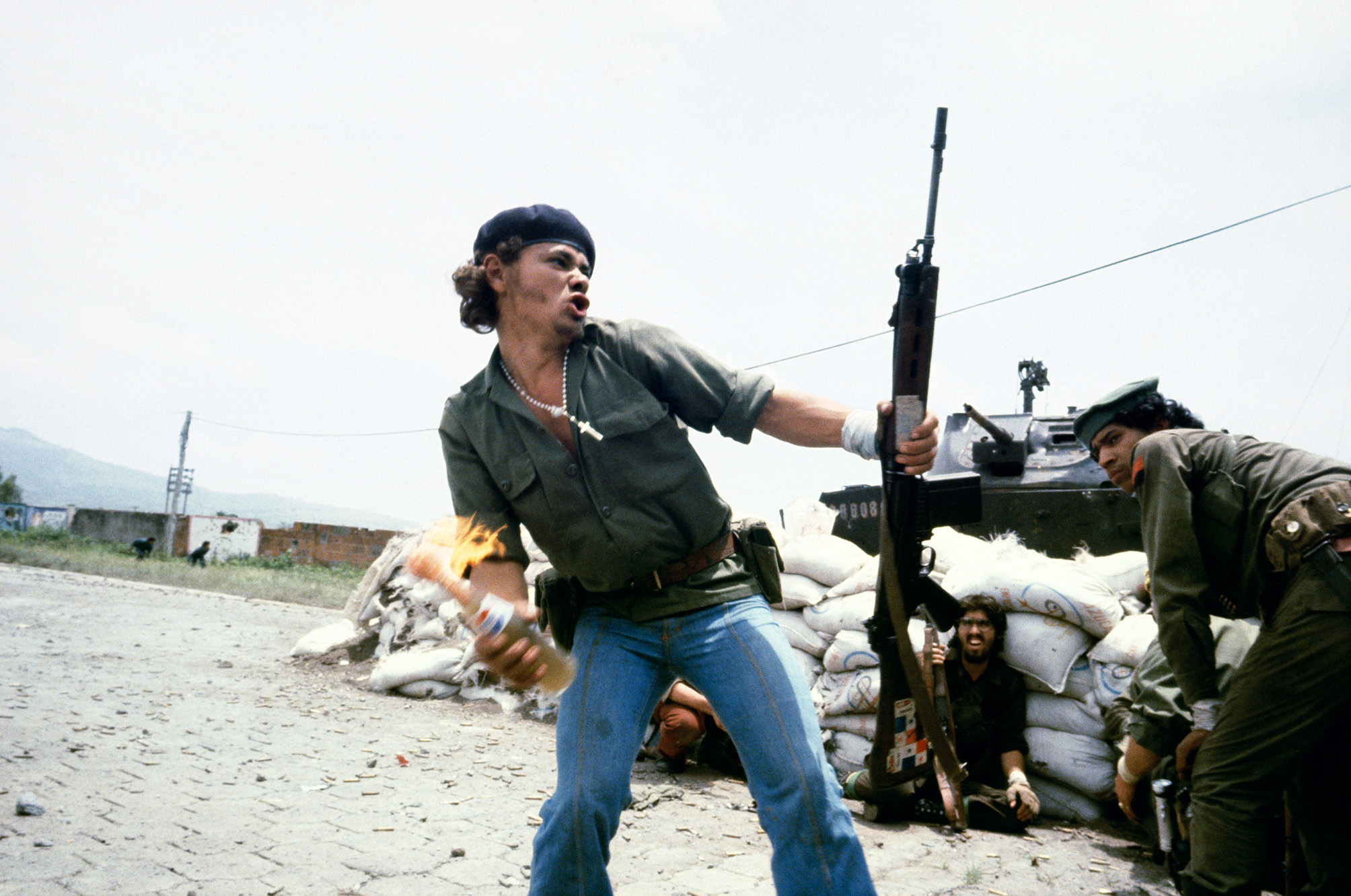


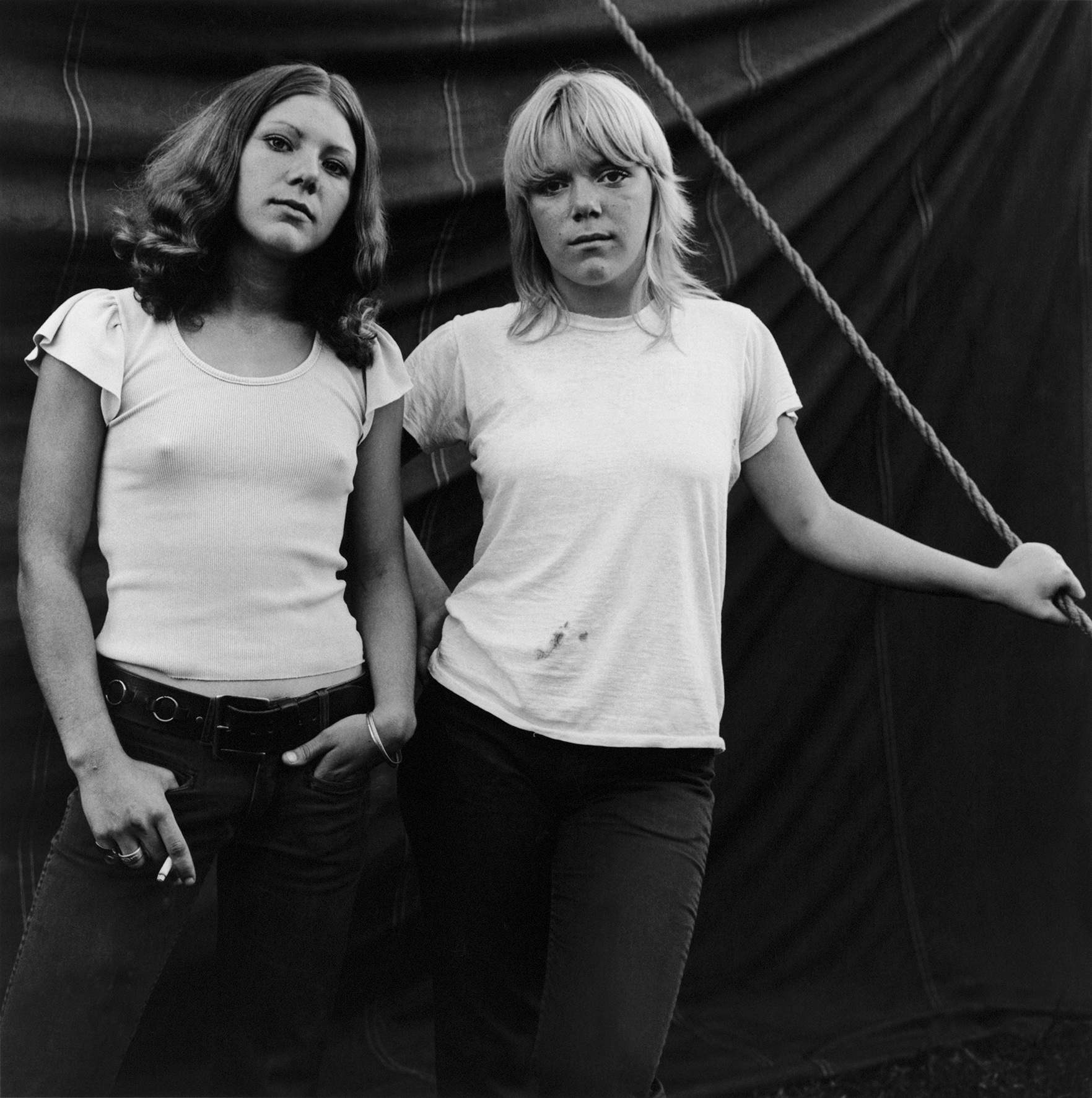


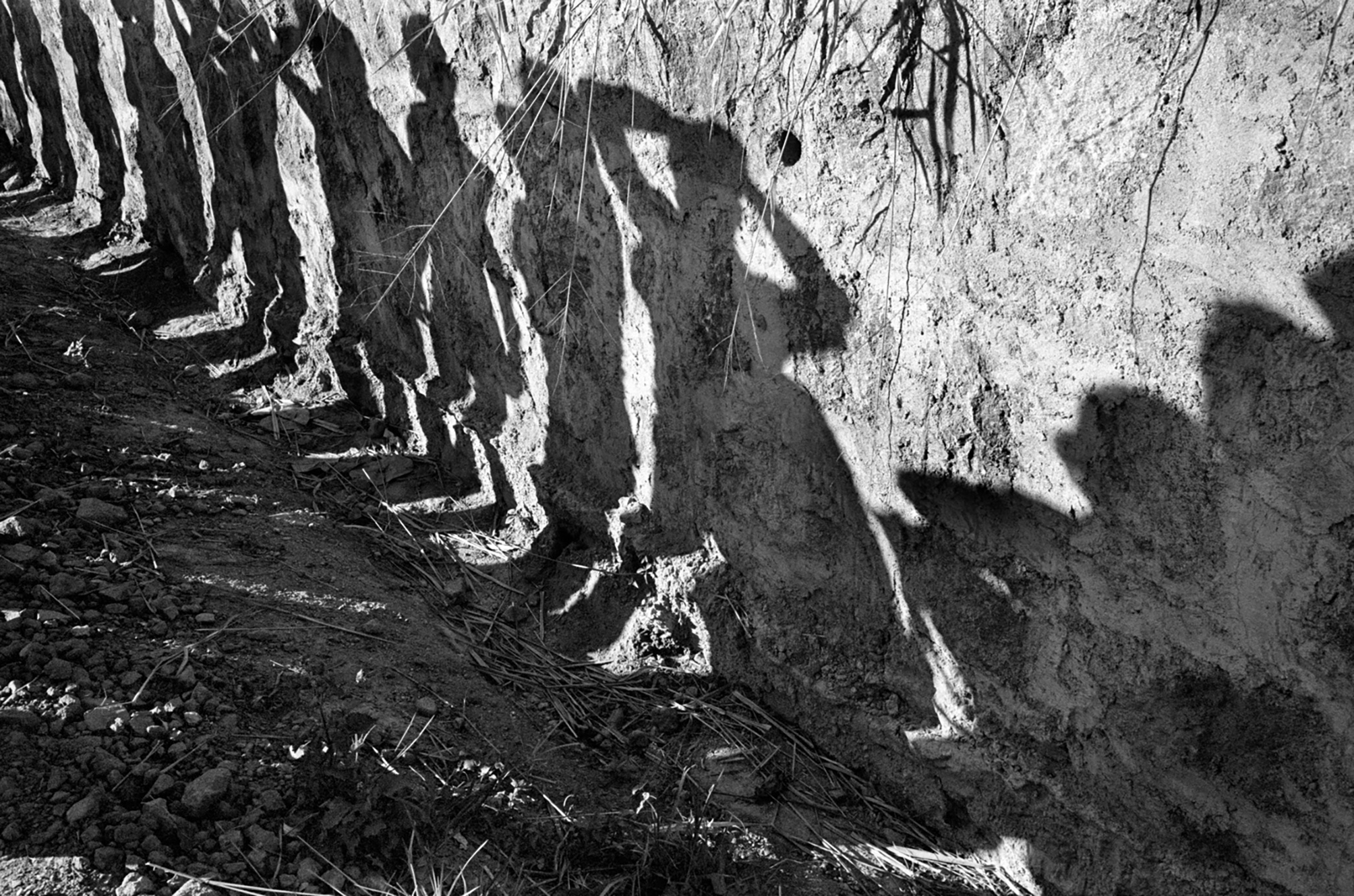


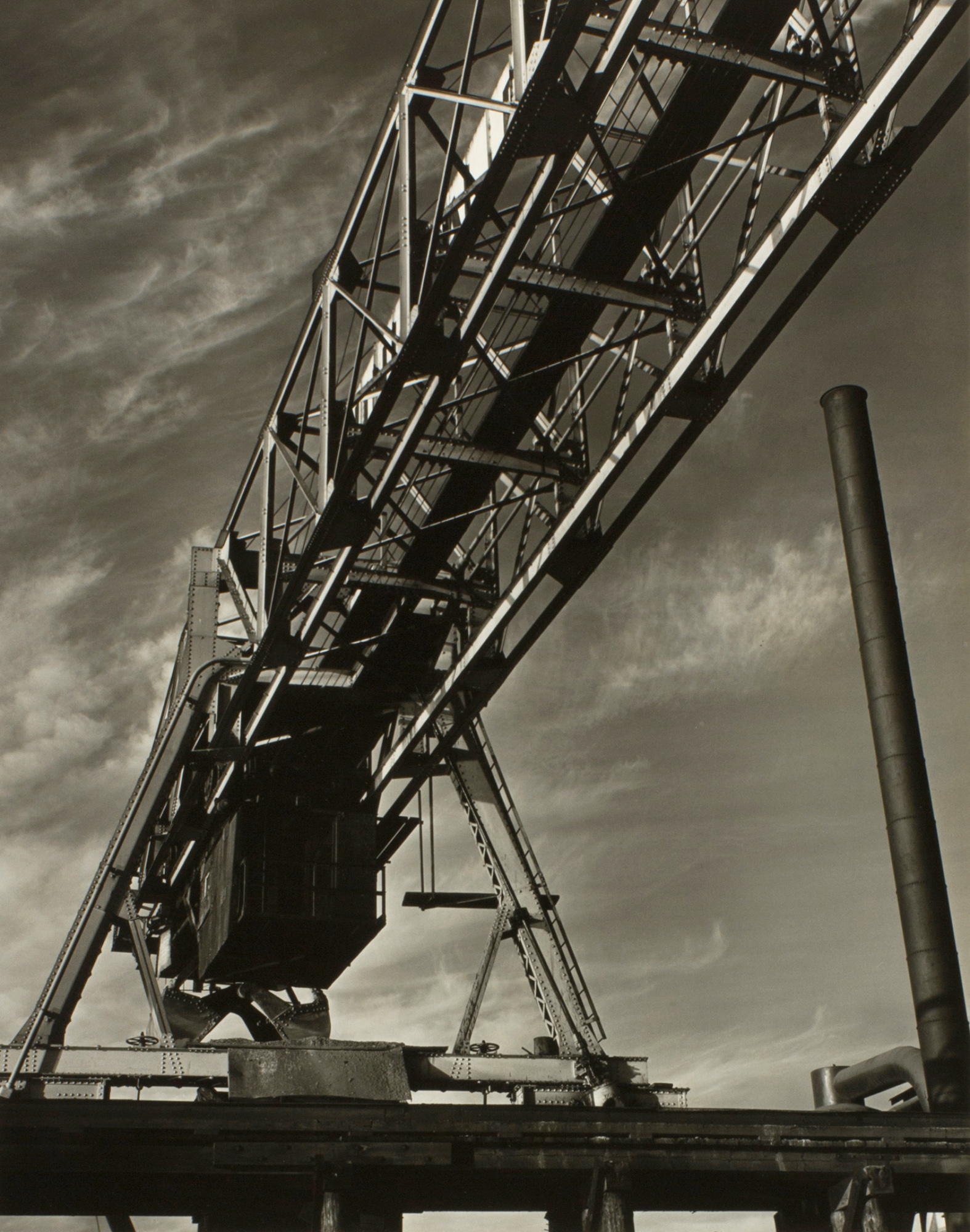

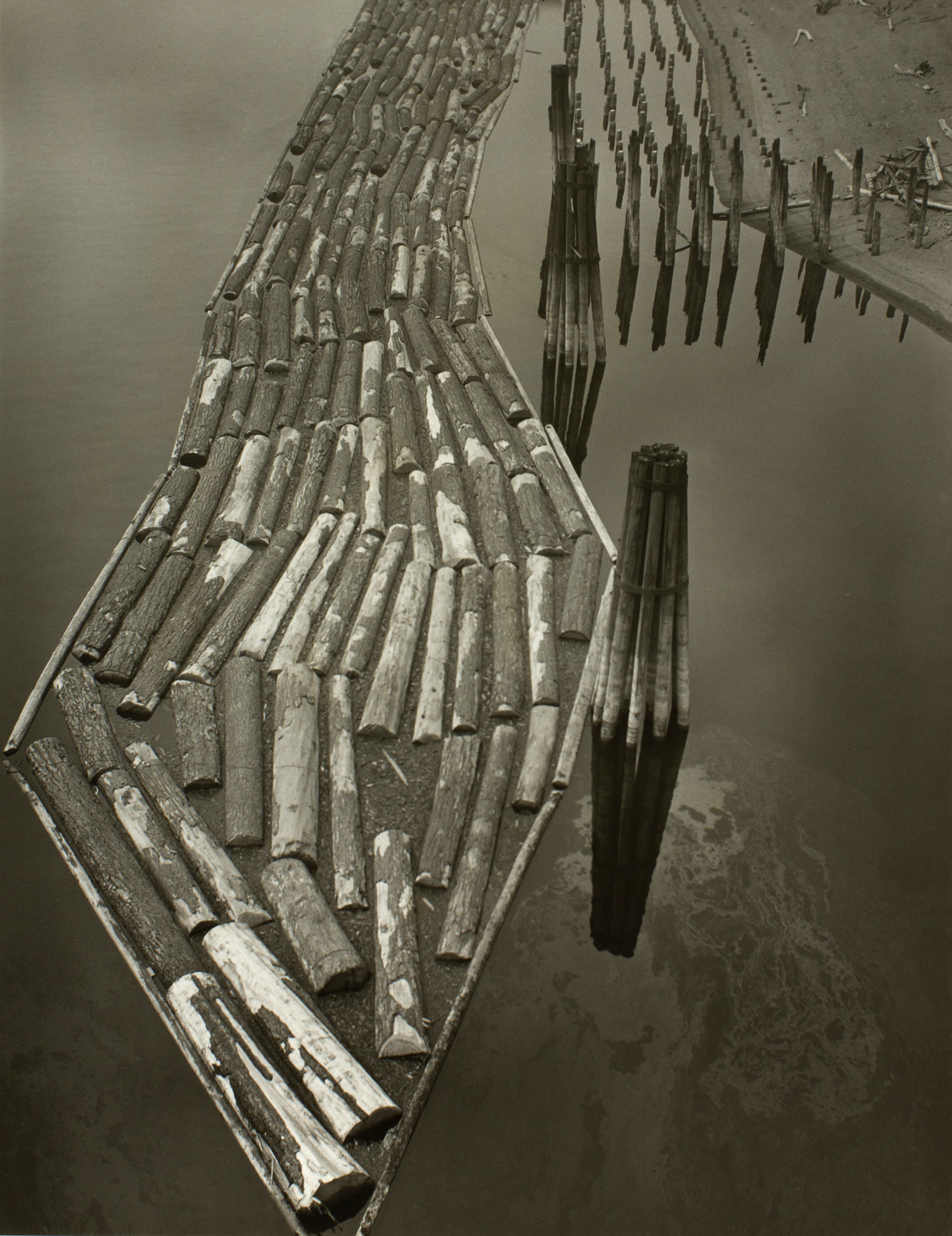


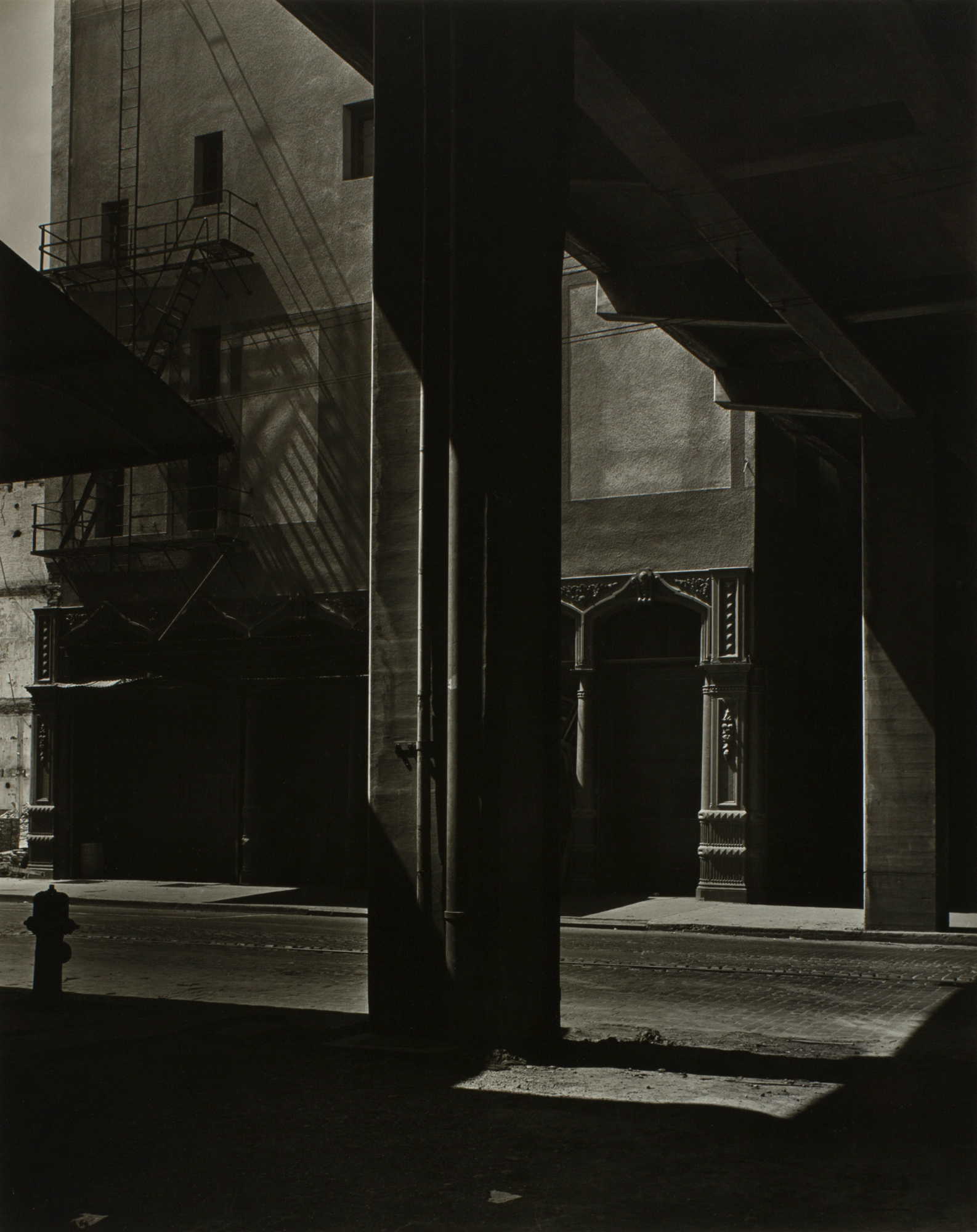


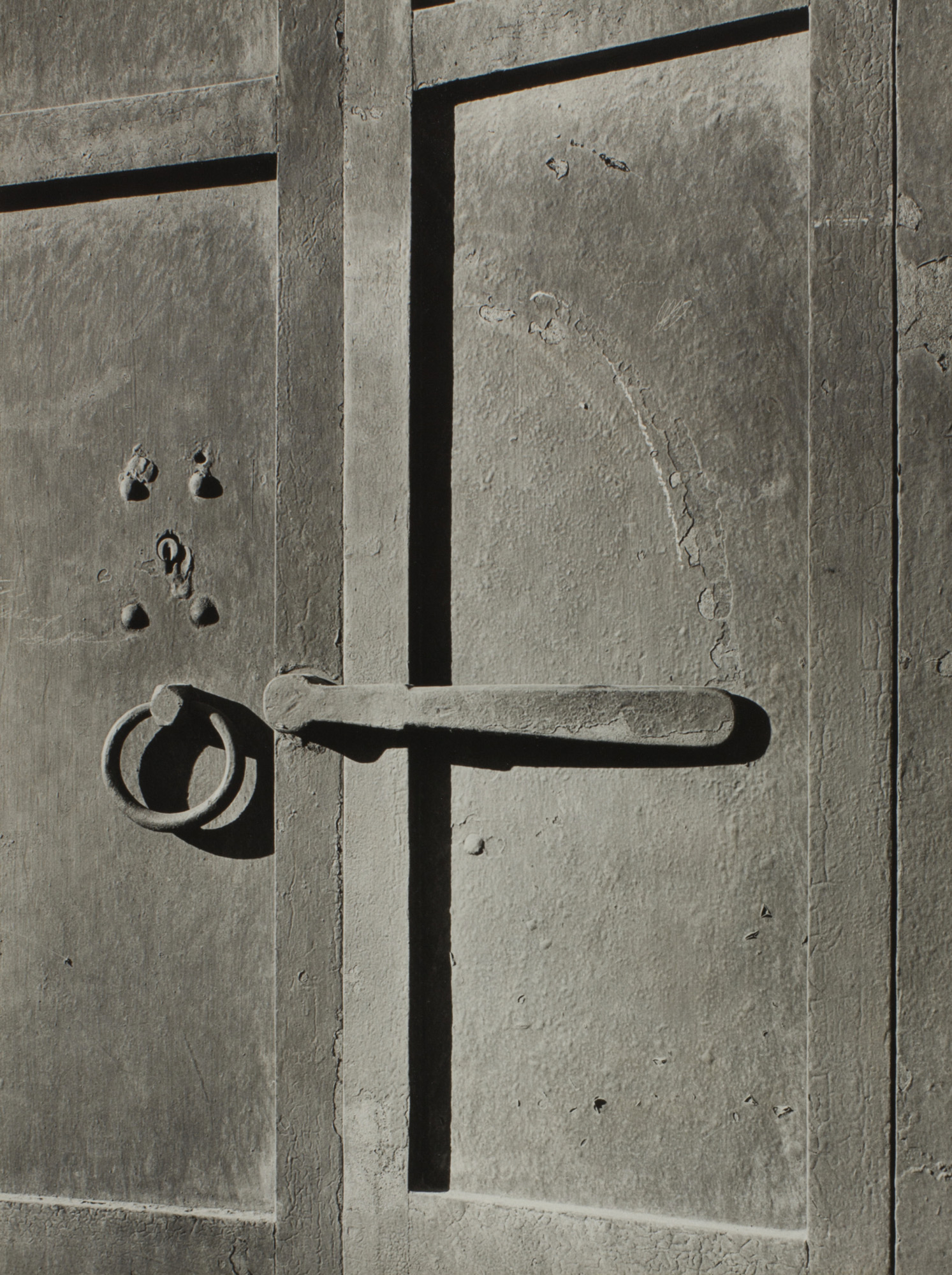


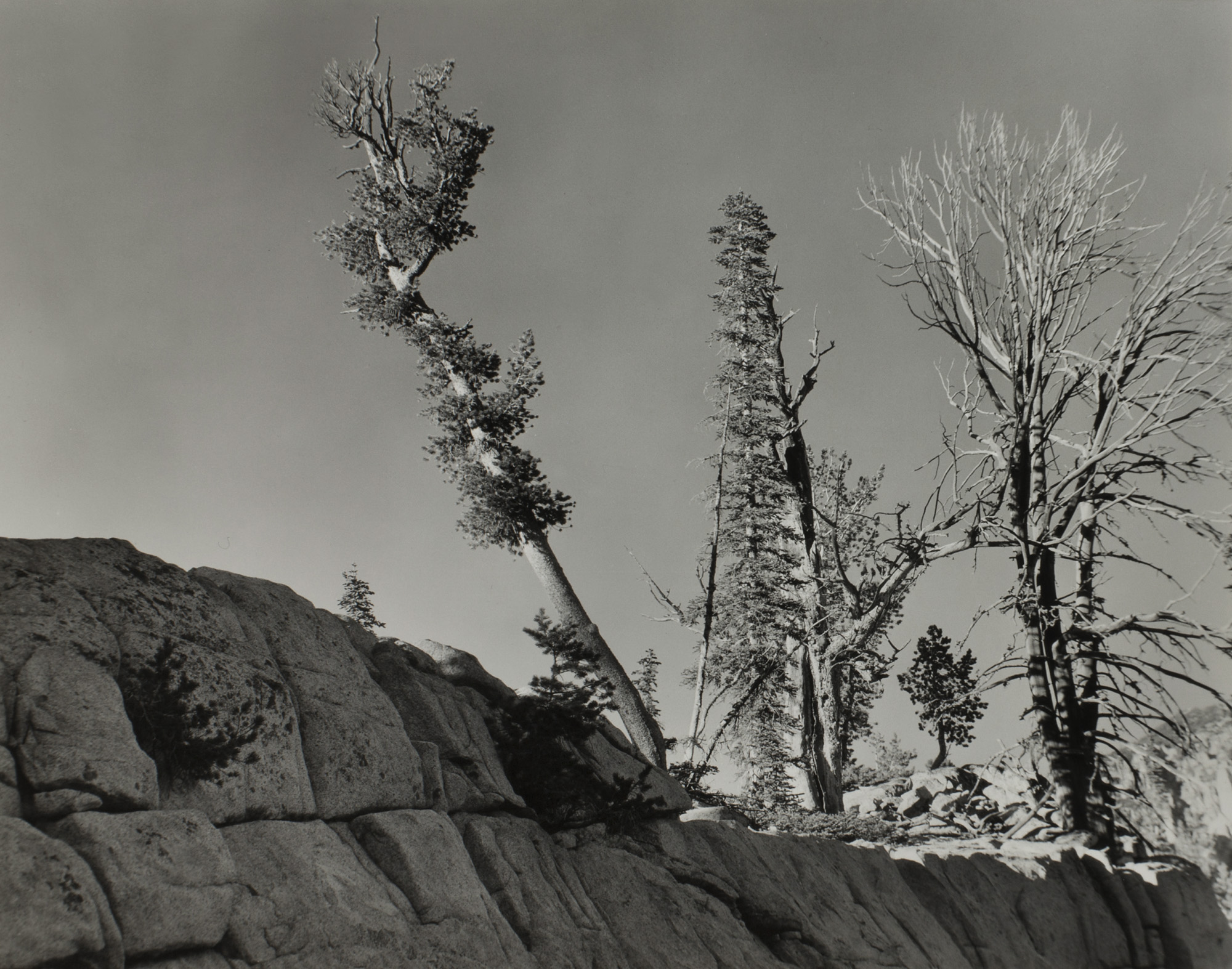


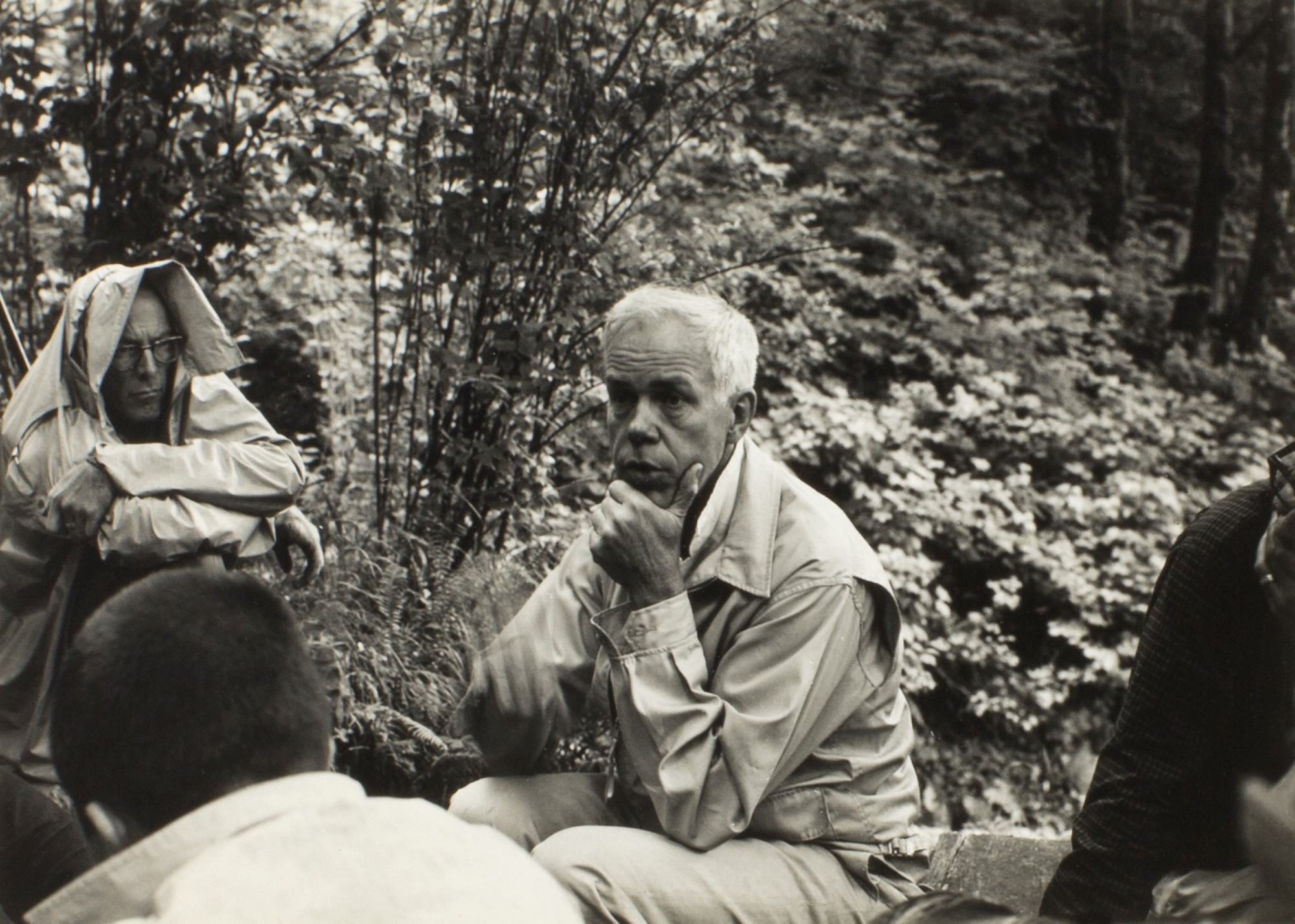

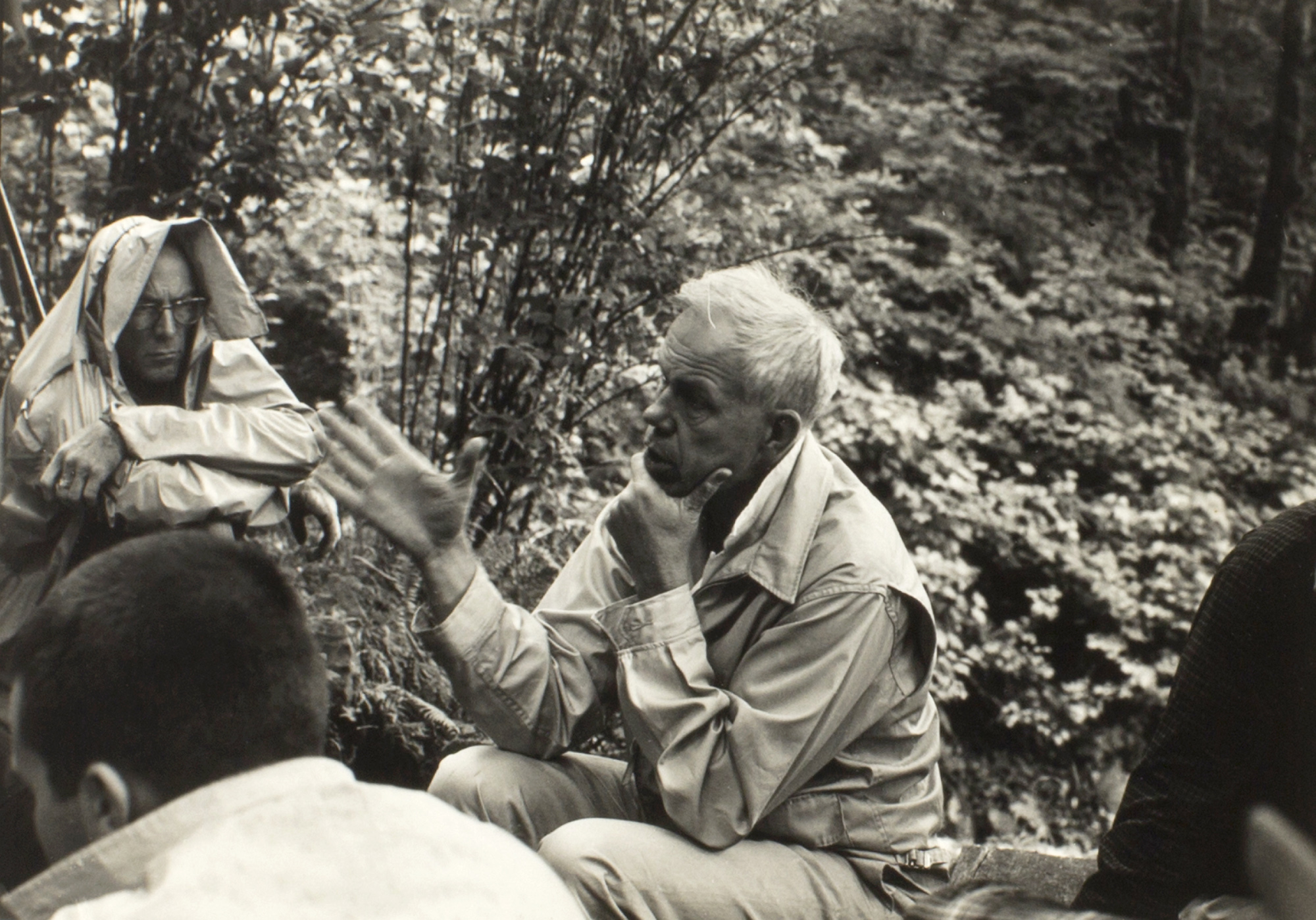


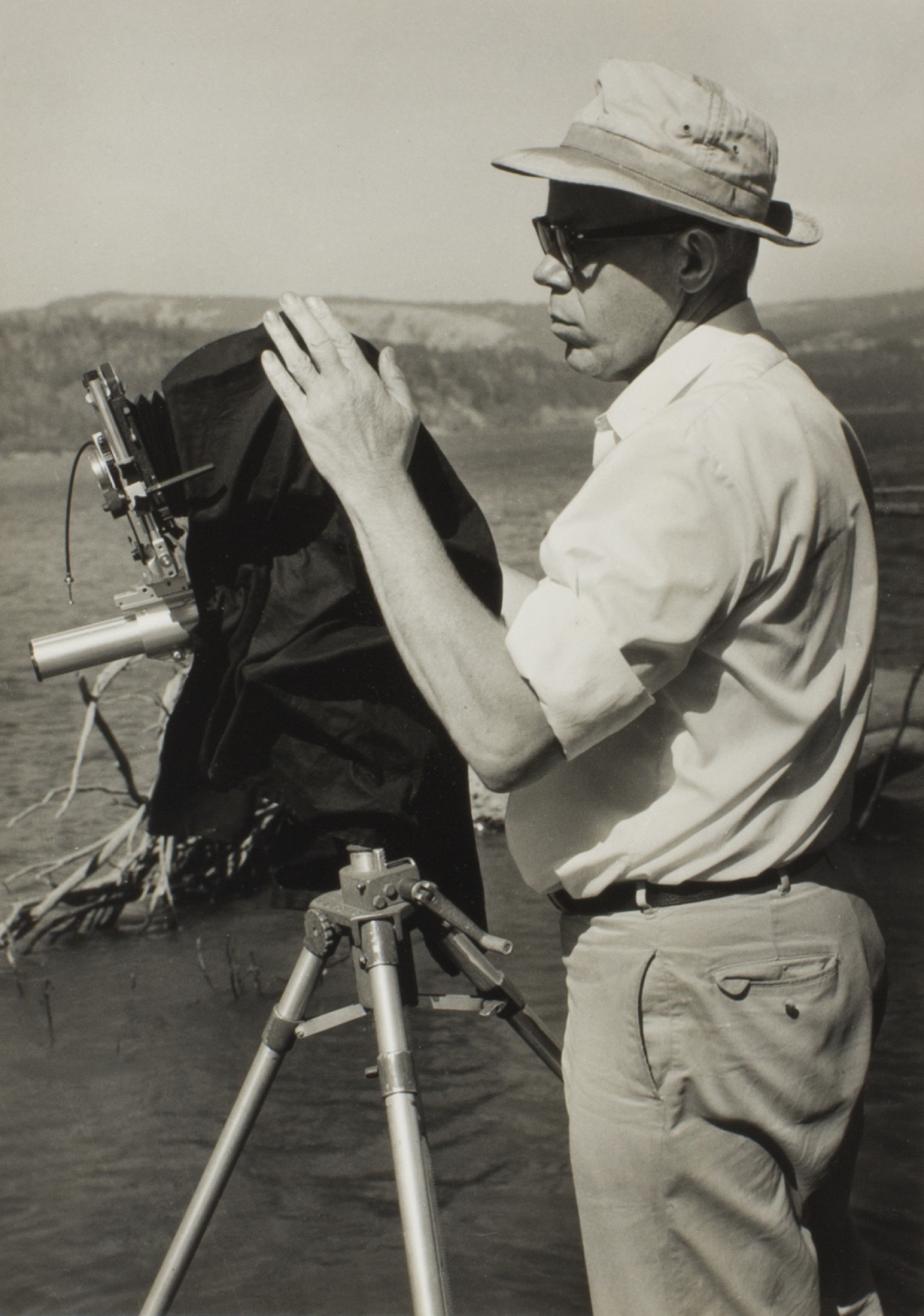

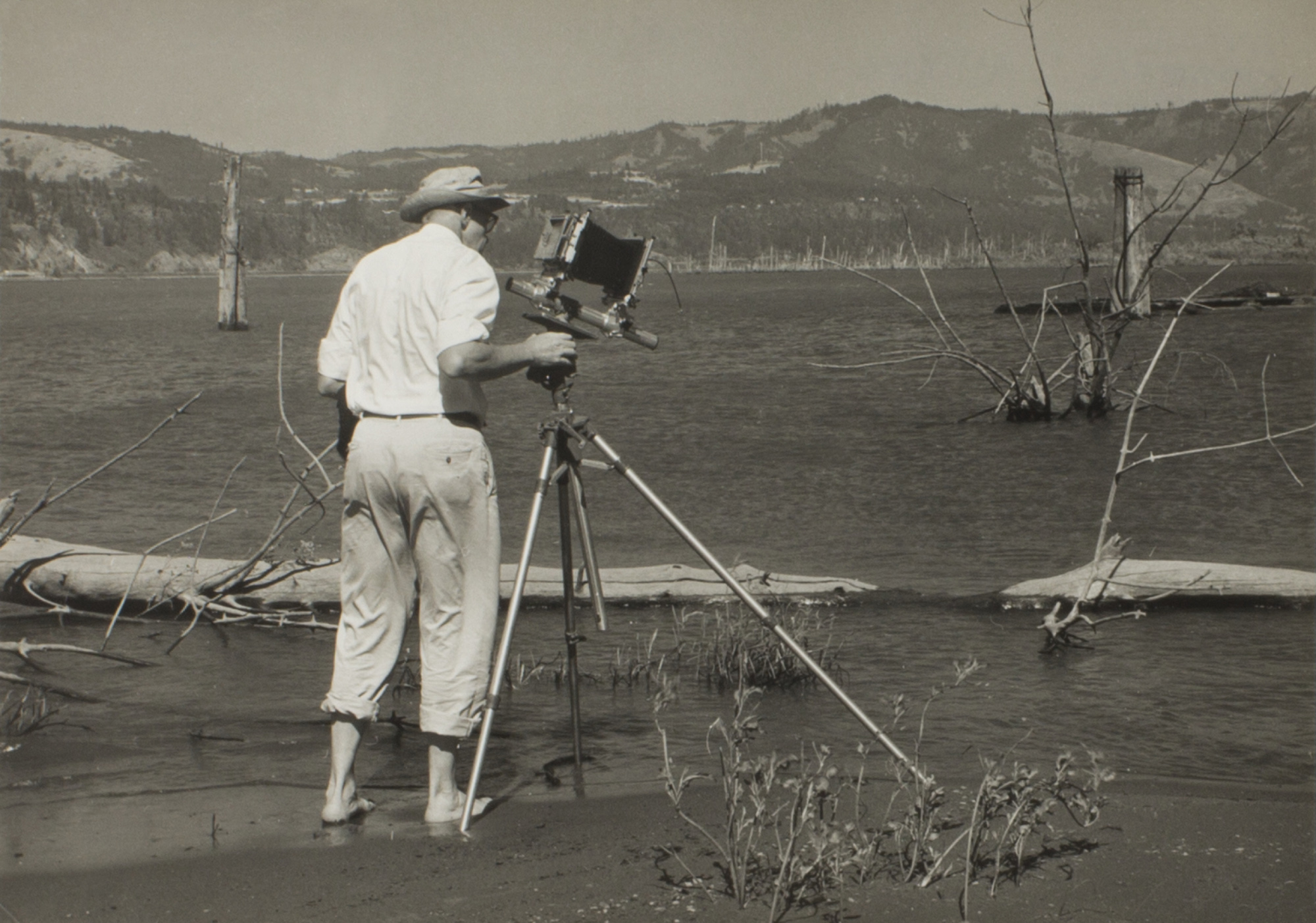
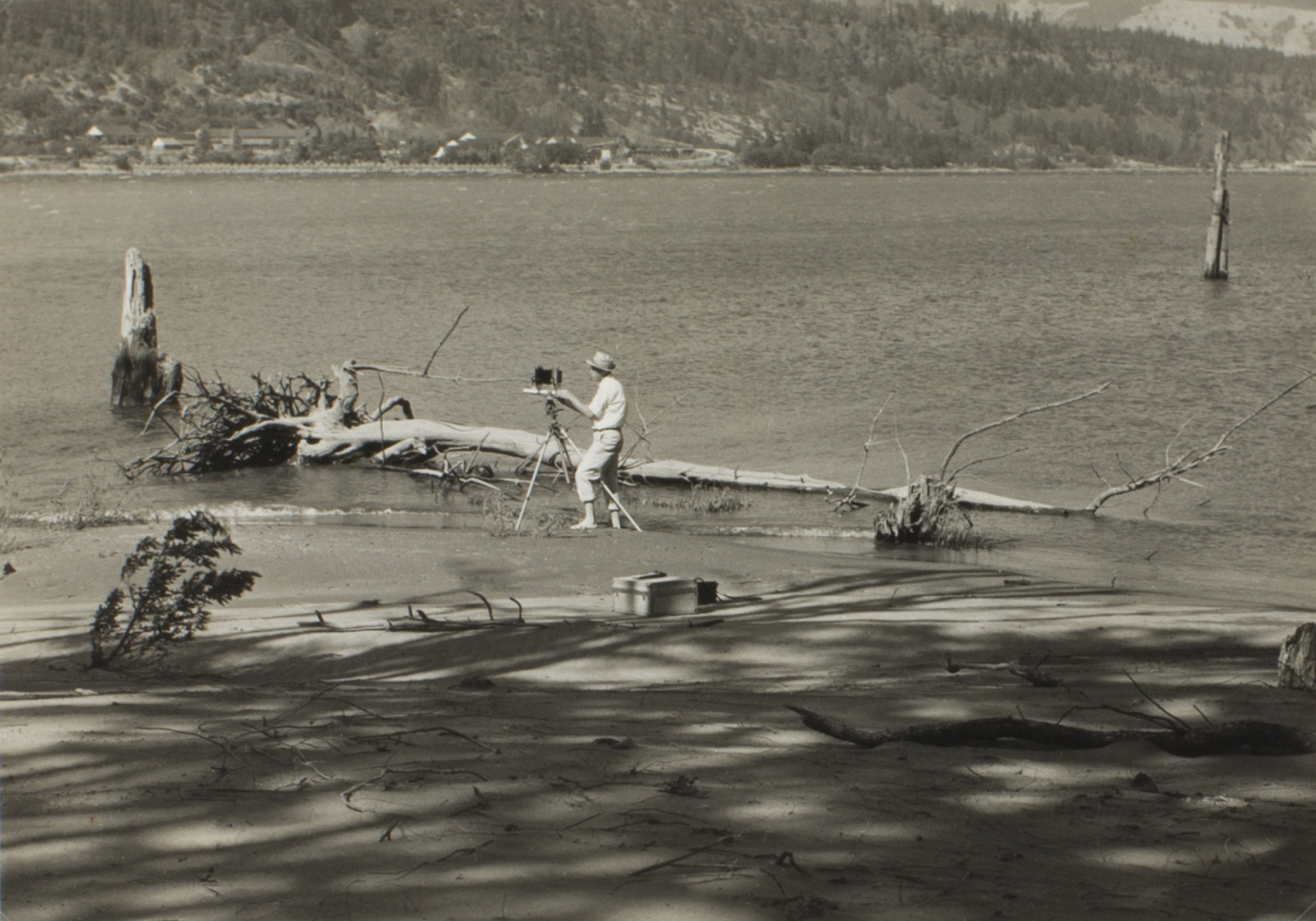


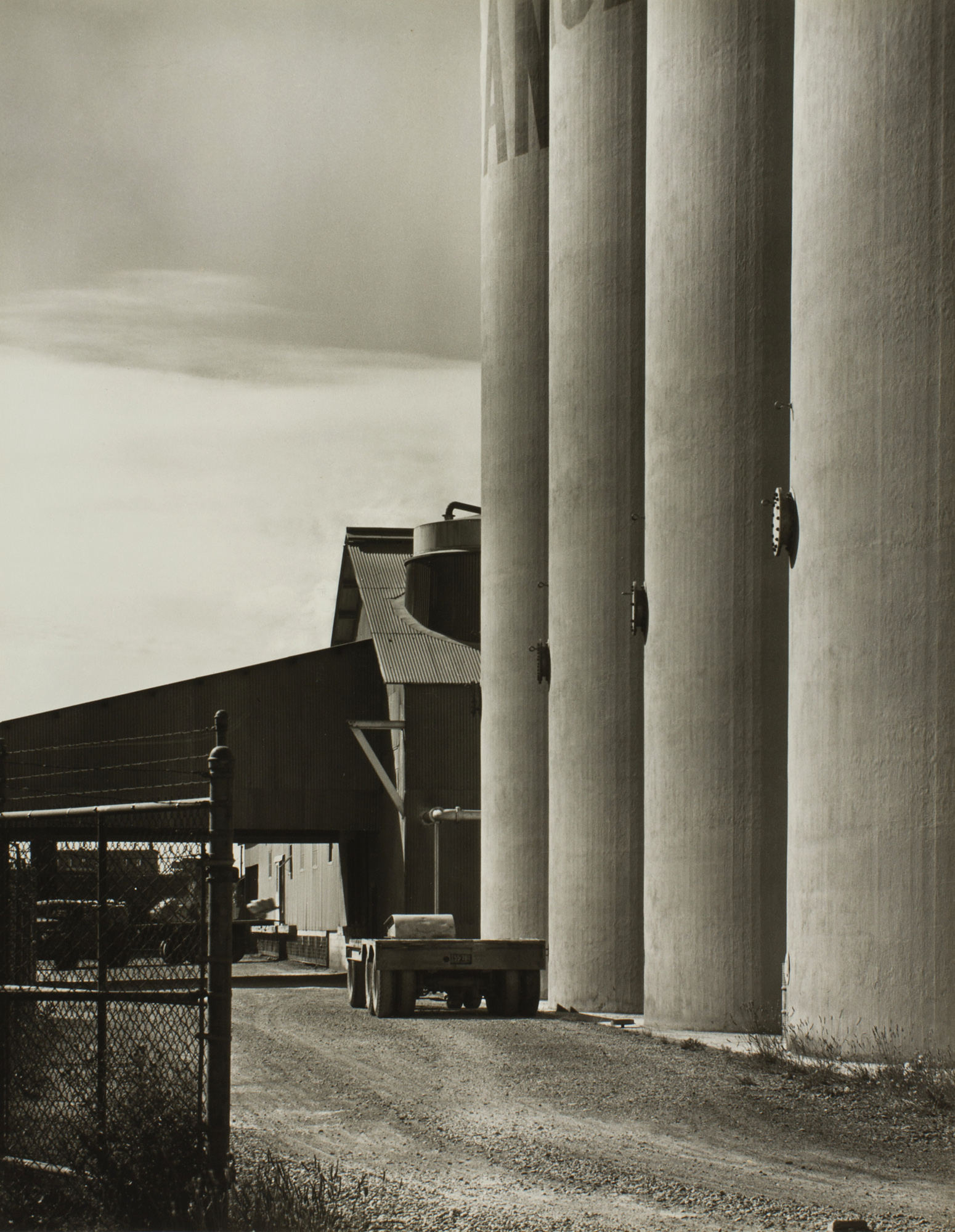

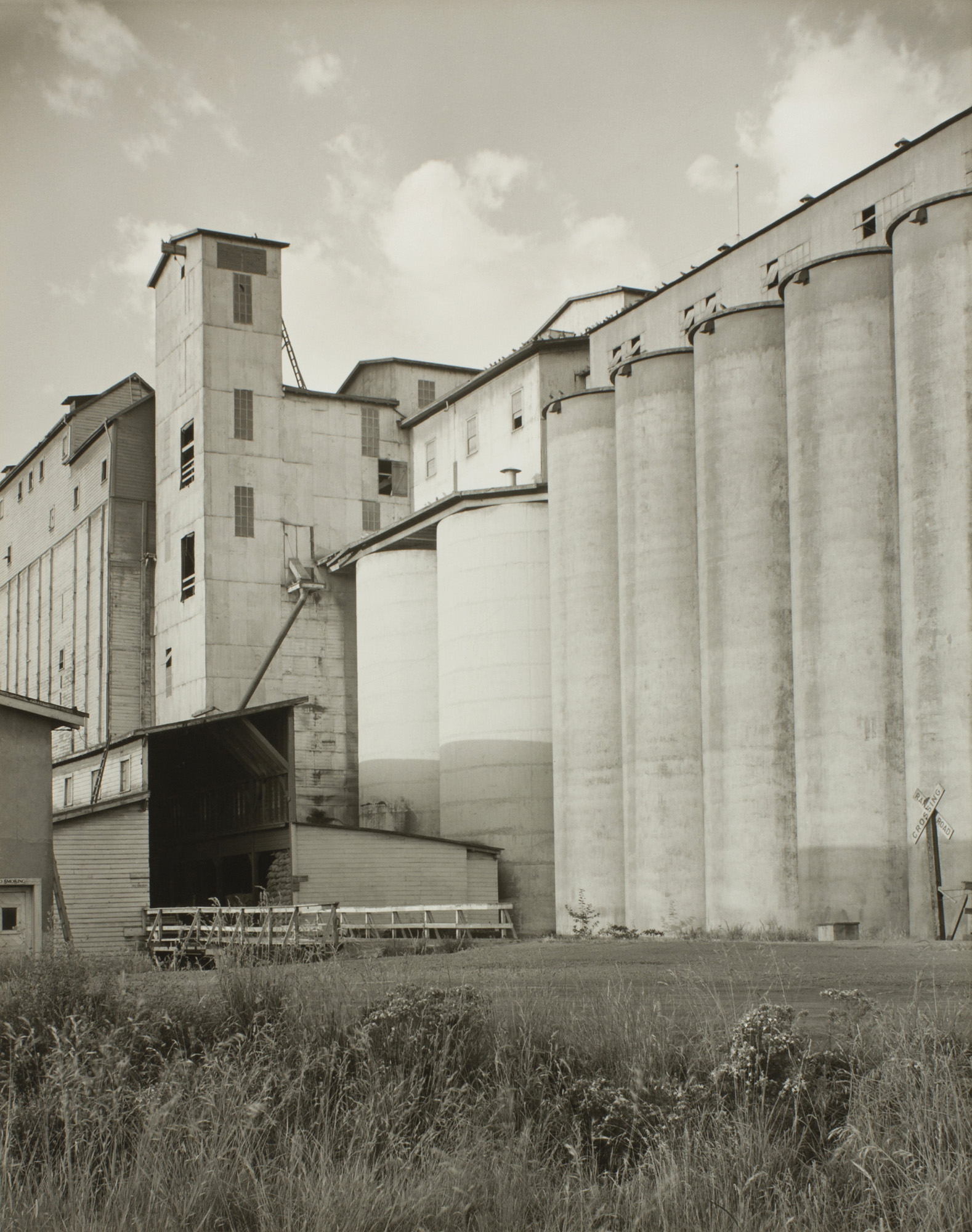


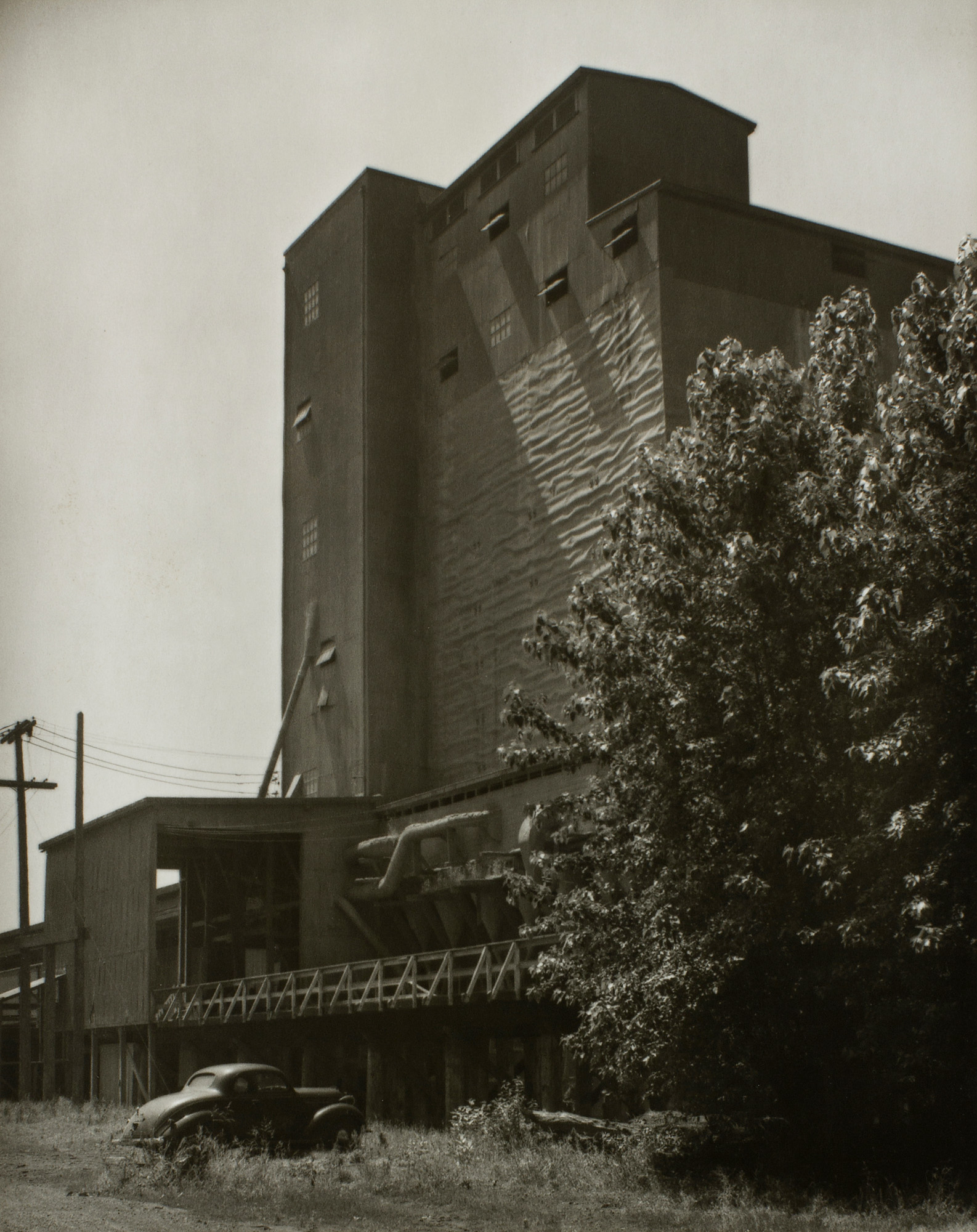


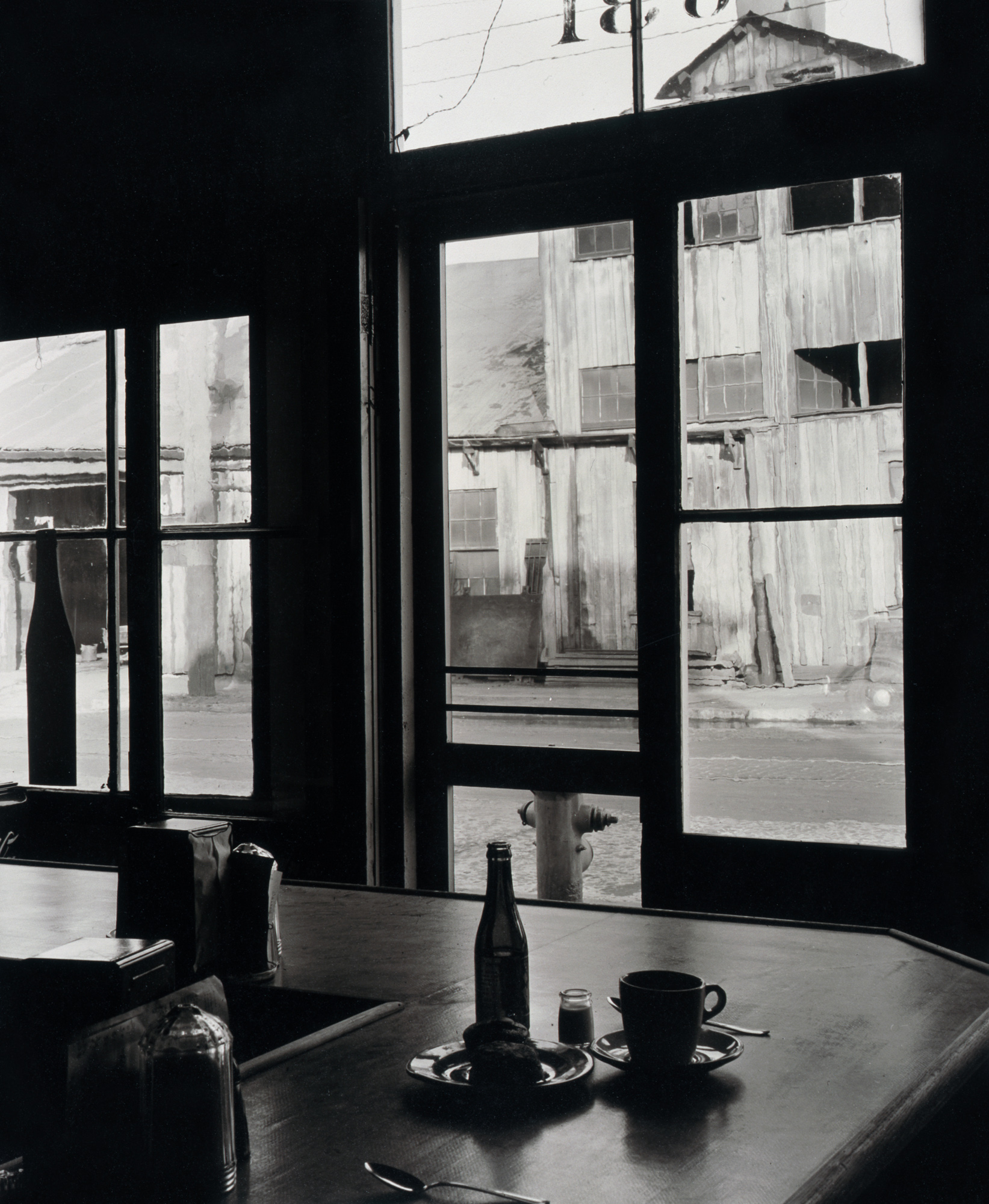


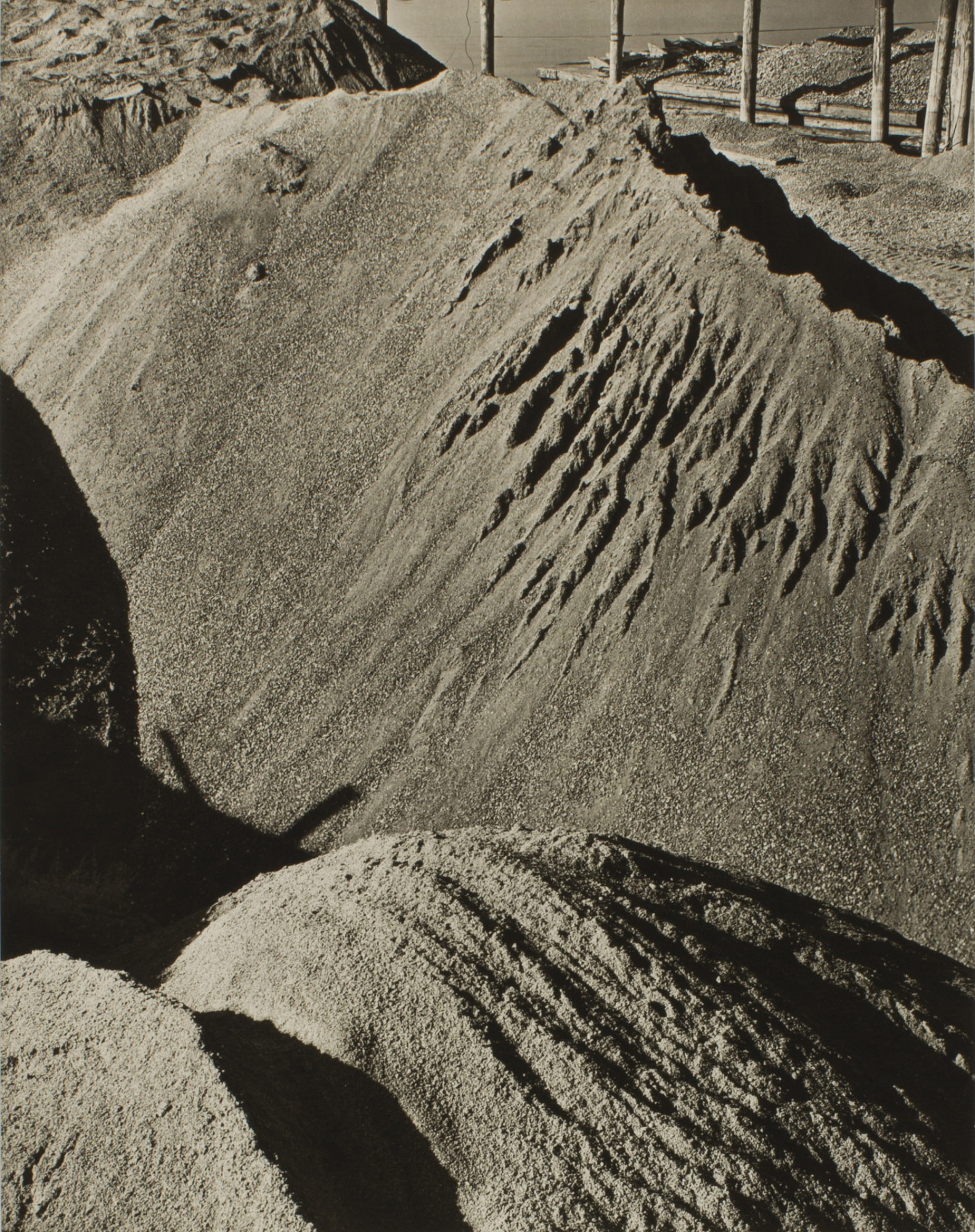


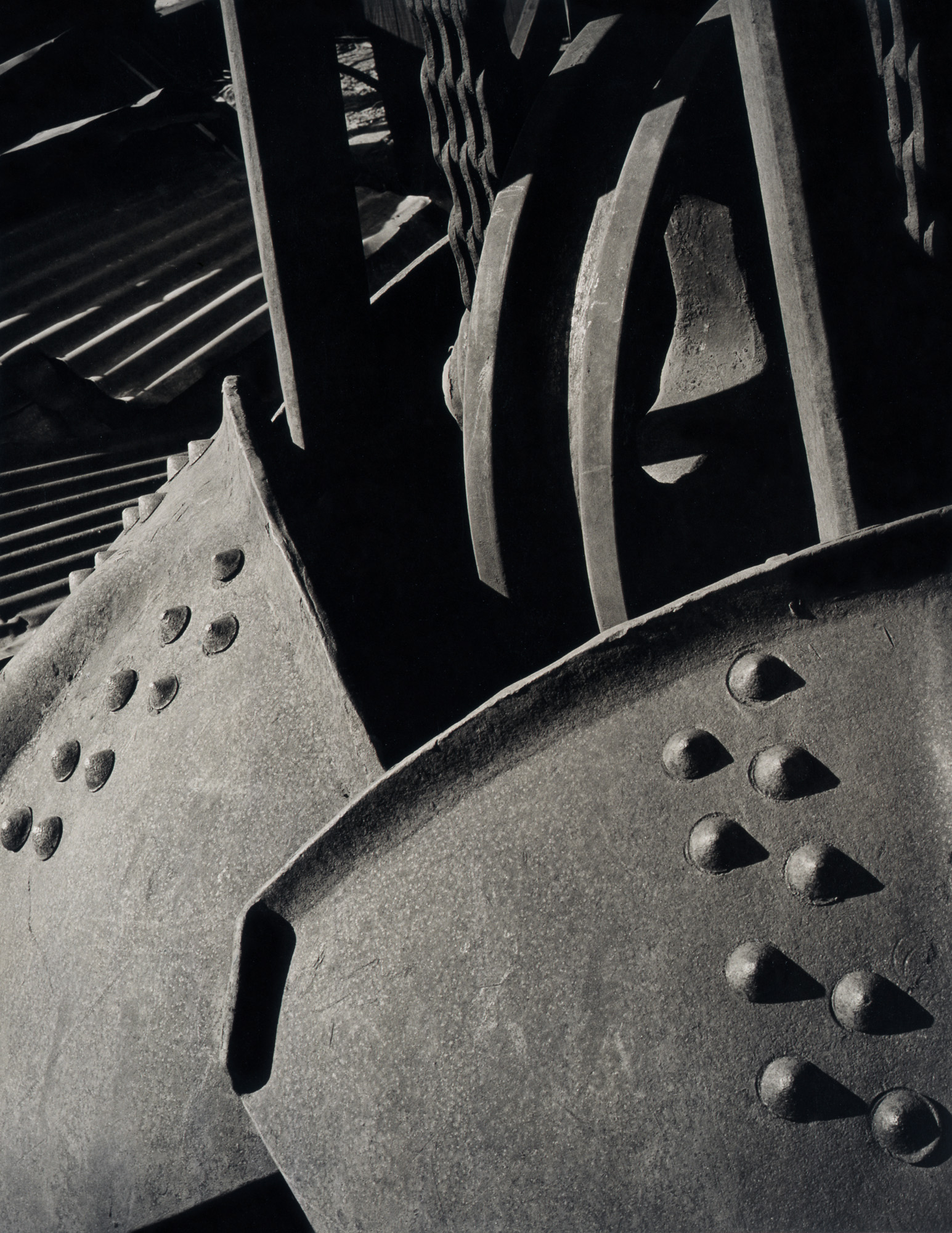

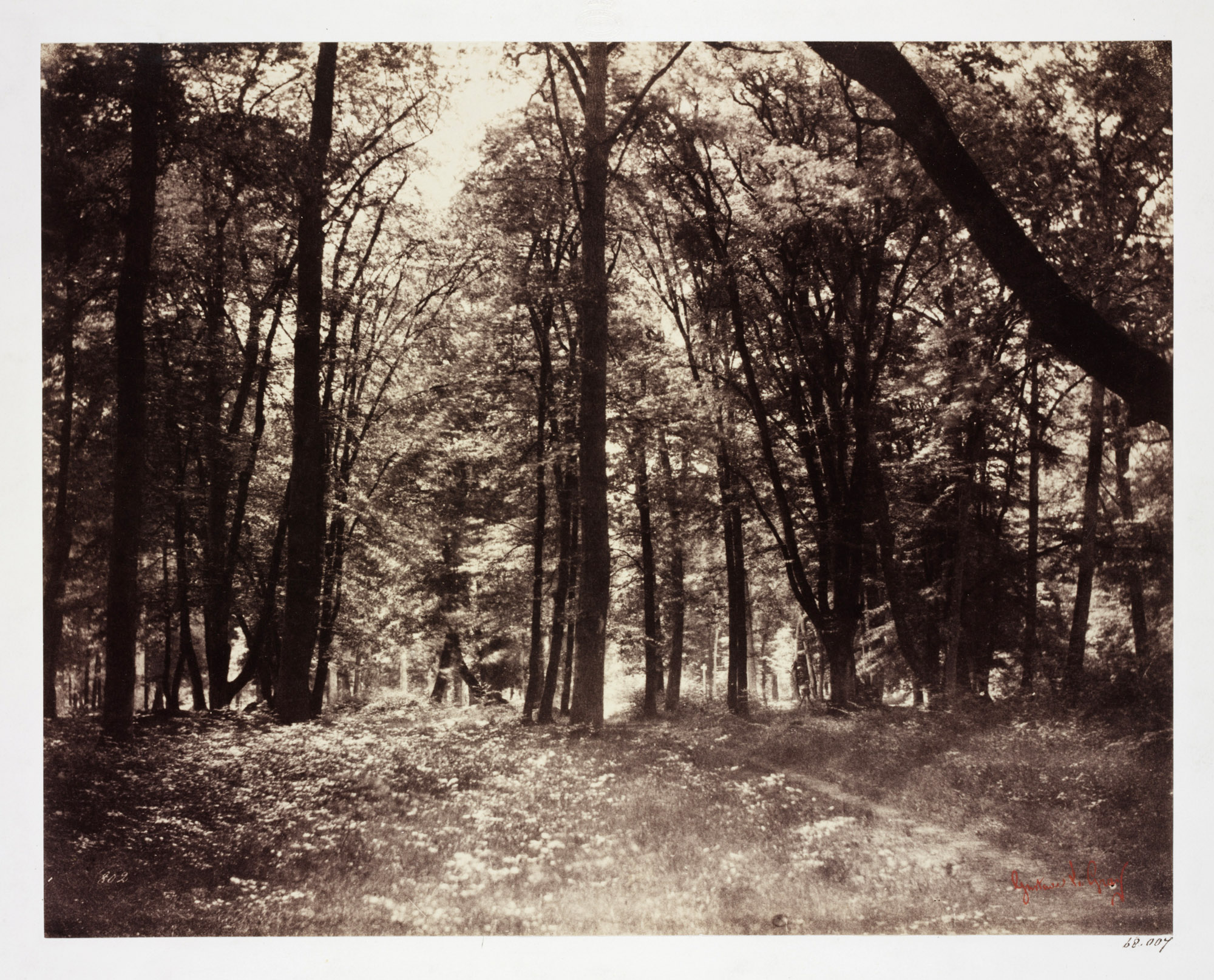
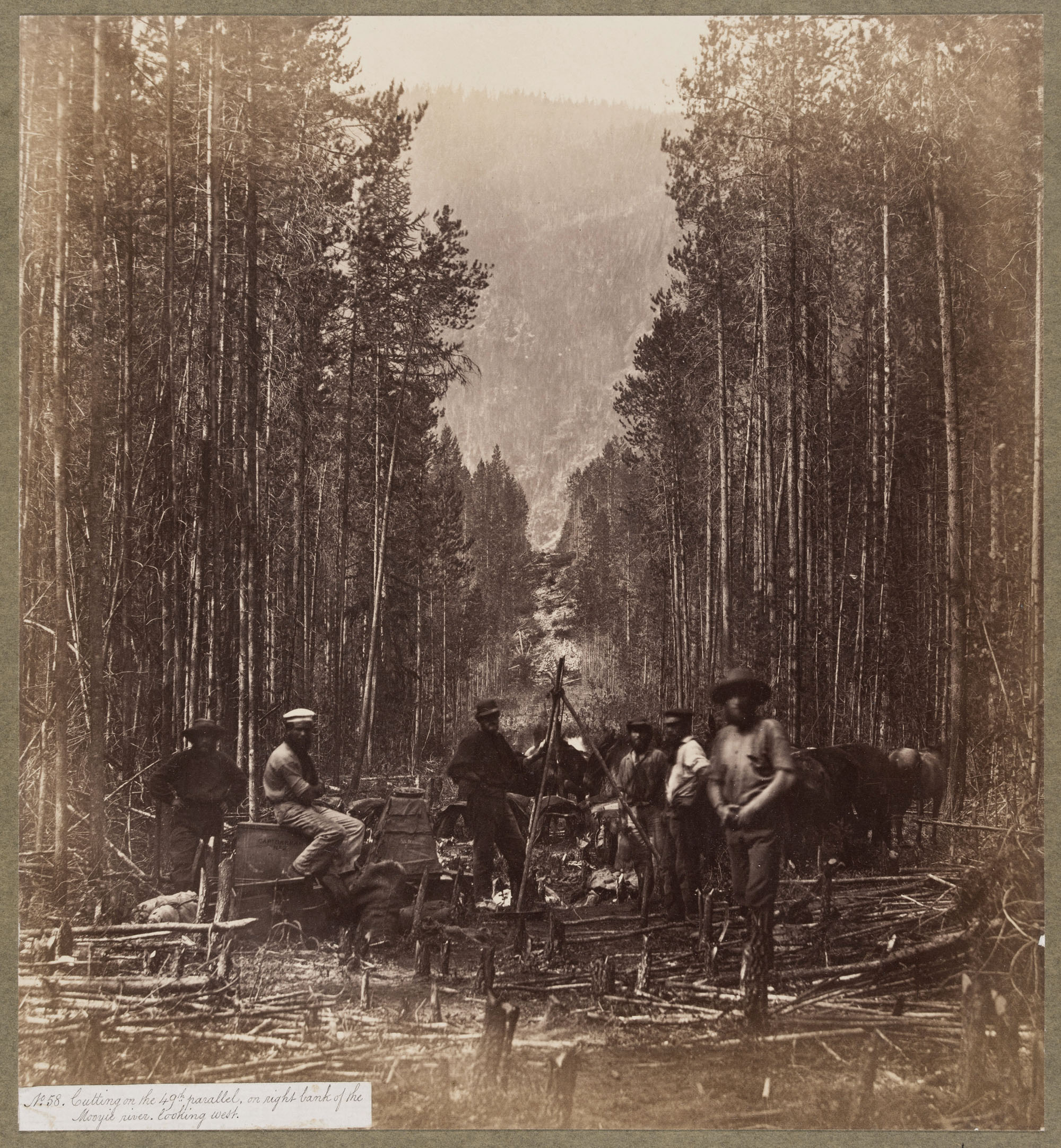


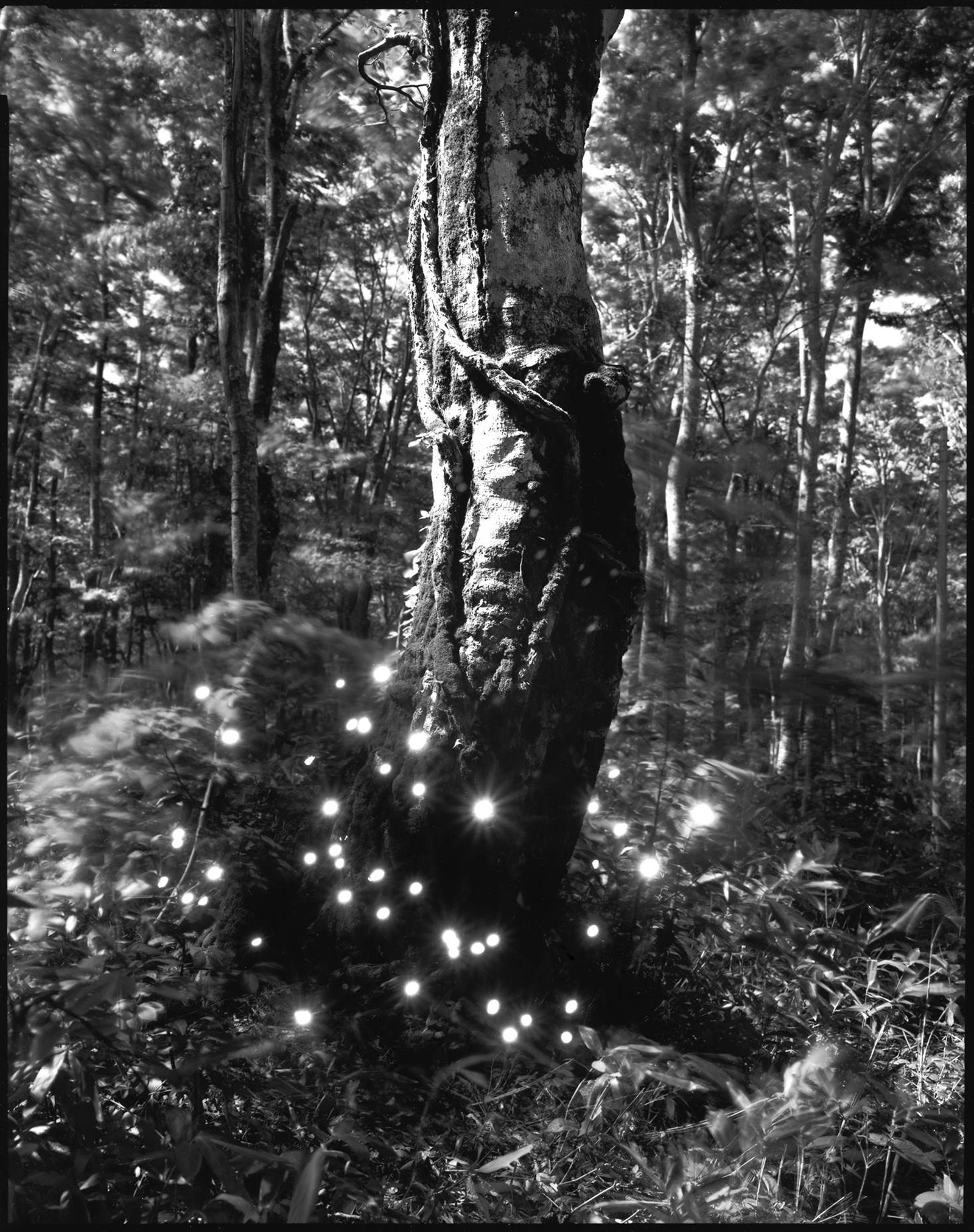
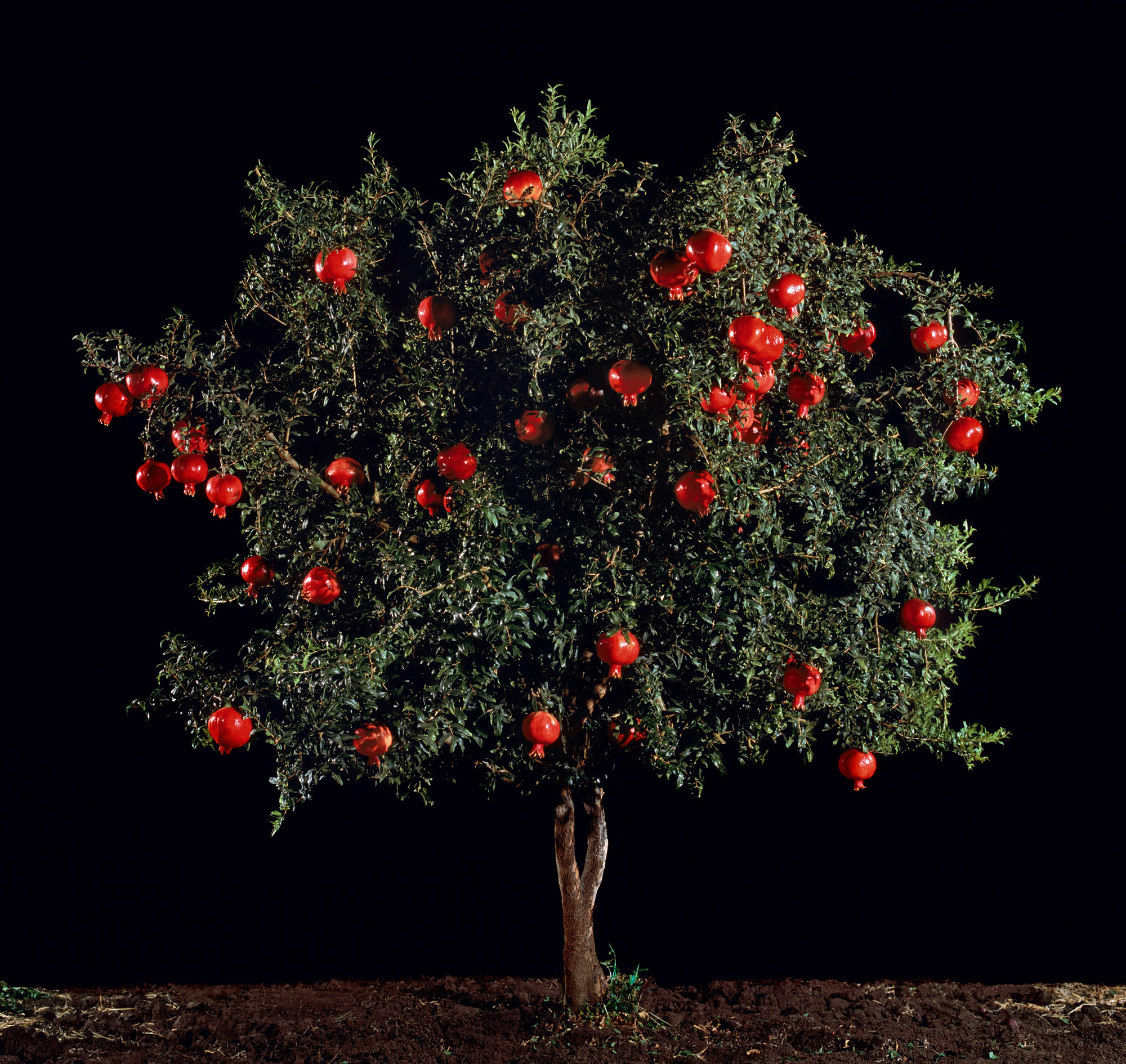
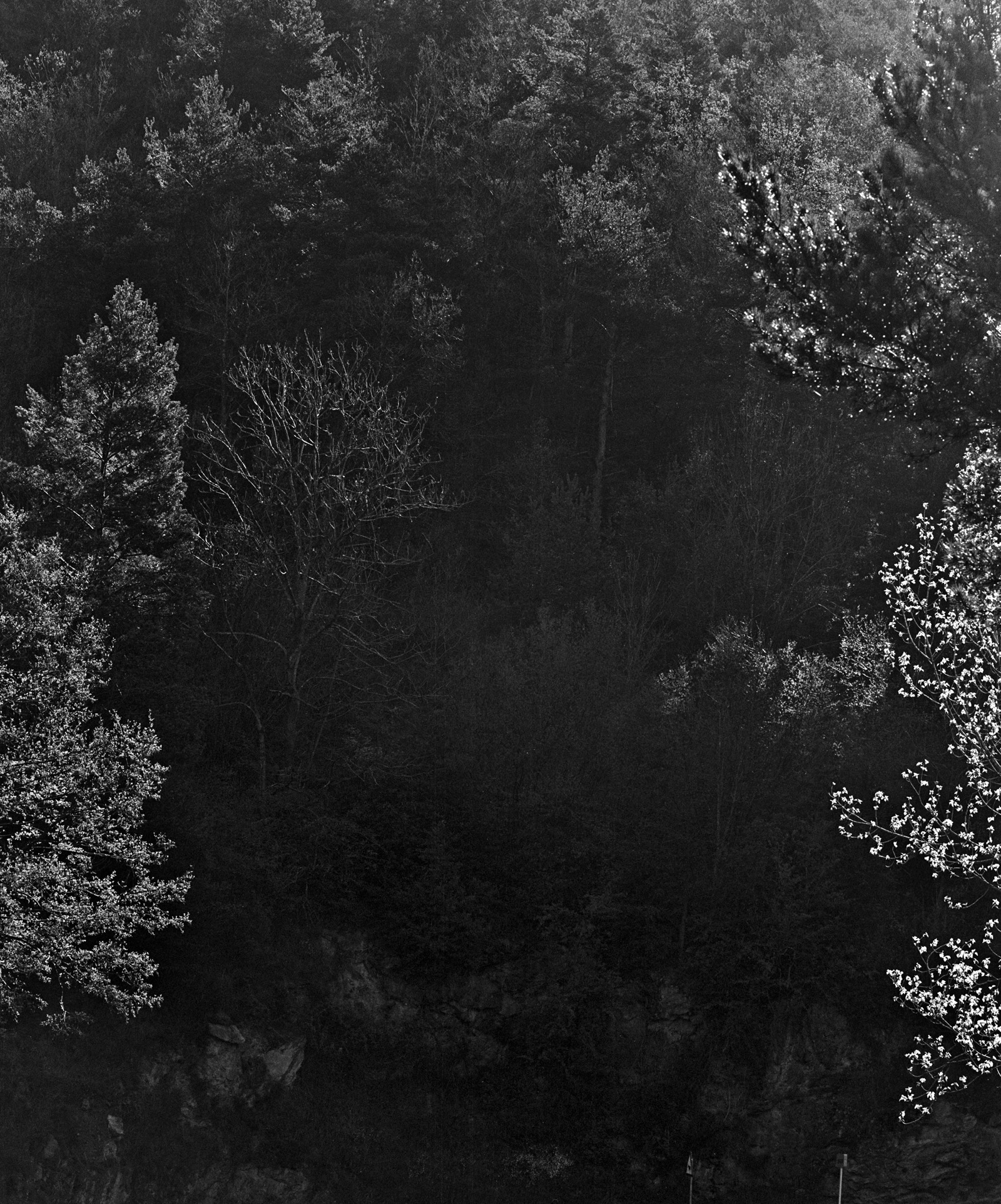
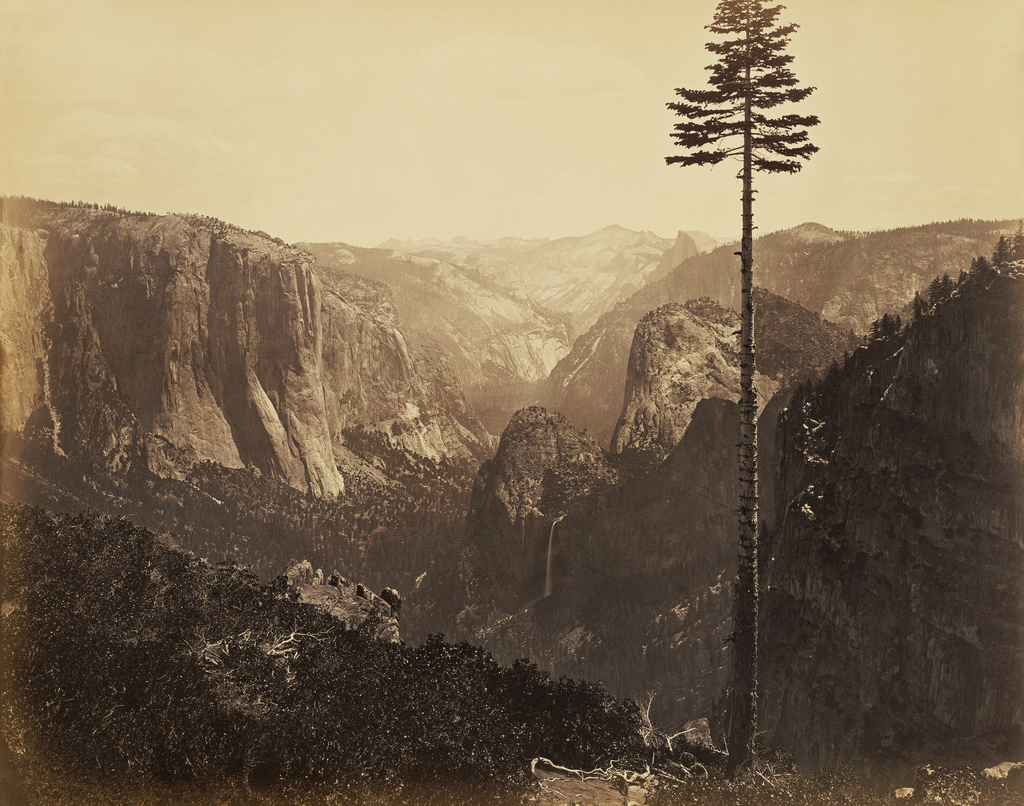
![Albert Renger-Patzsch (German, 1897-1966) 'Das Bäumchen [Sapling]' 1928](https://artblart.com/wp-content/uploads/2018/01/renger-patzsch-das-bacc88umchen.jpg "Albert Renger-Patzsch (German, 1897-1966) 'Das Bäumchen [Sapling]' 1928")

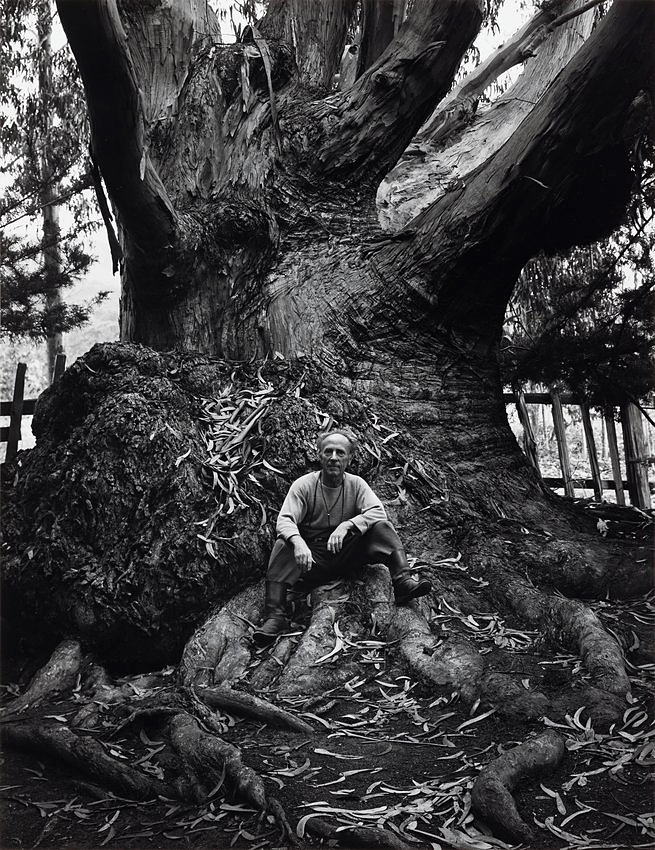

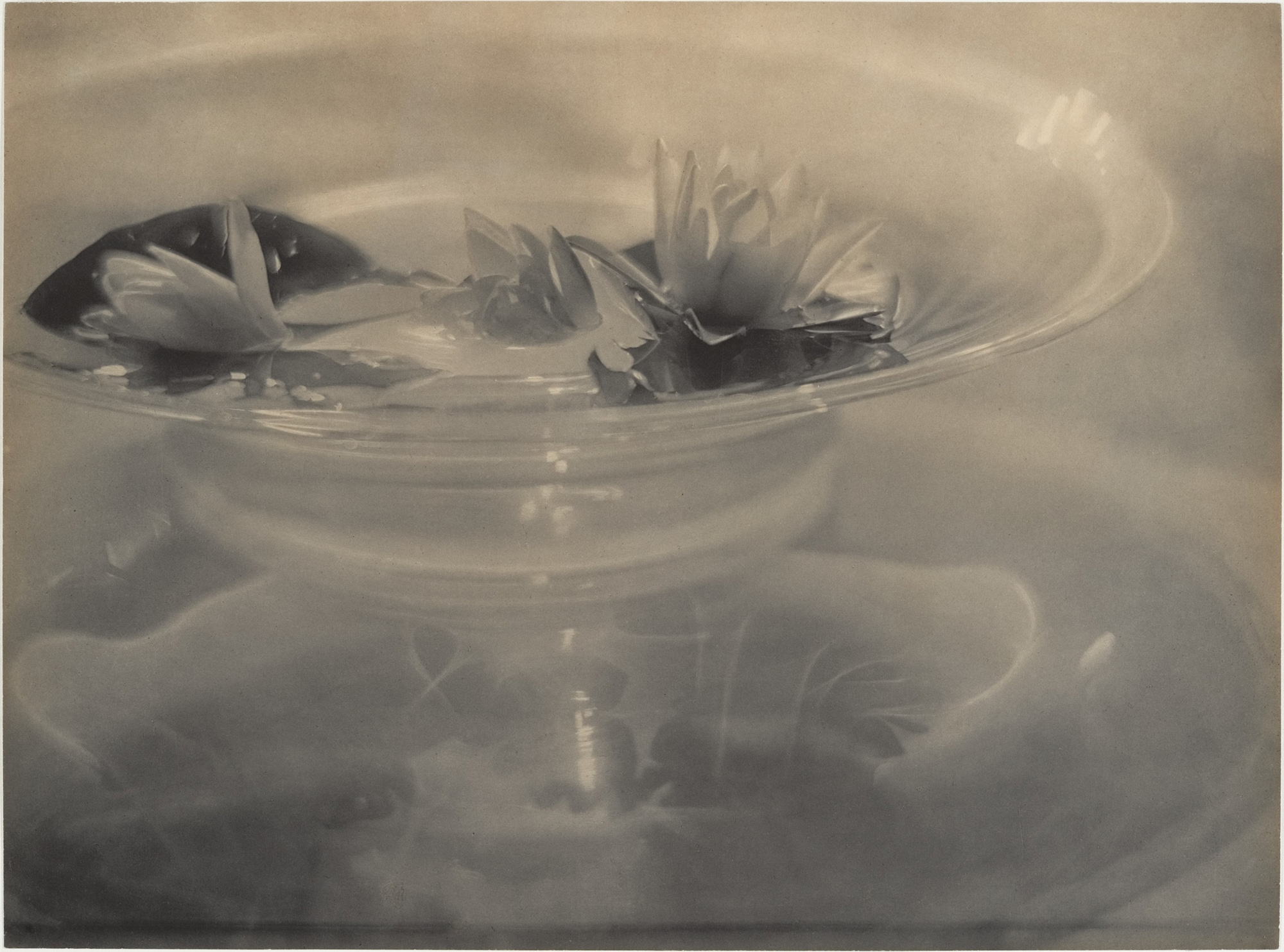
![Adolf de Meyer (American born France, 1868-1946) '[Nude Models Posing for a Painting Class]' 1890s from the exhibition 'Quicksilver Brilliance: Adolf de Meyer Photographs' at the Metropolitan Museum of Art, New York, Dec 2017 - March 2018](https://artblart.com/wp-content/uploads/2018/02/adolf-de-meyer-nude-models-posing-for-a-painting-class-web.jpg "Adolf de Meyer (American born France, 1868-1946) '[Nude Models Posing for a Painting Class]' 1890s from the exhibition 'Quicksilver Brilliance: Adolf de Meyer Photographs' at the Metropolitan Museum of Art, New York, Dec 2017 - March 2018")
![Adolf de Meyer (American born France, 1868-1946) '[Adolf de Meyer Photographing Olga in a Garden]' 1890s](https://artblart.com/wp-content/uploads/2018/02/adolf-de-meyer-photographing-olga-in-a-garden-web.jpg "Adolf de Meyer (American born France, 1868-1946) '[Adolf de Meyer Photographing Olga in a Garden]' 1890s")
![Adolf de Meyer (American born France, 1868-1946) '[Self-Portrait in India]' 1900](https://artblart.com/wp-content/uploads/2018/02/adolf-de-meyer-self-portrait-in-india-web.jpg "Adolf de Meyer (American born France, 1868-1946) '[Self-Portrait in India]' 1900")
![Adolf de Meyer (American born France, 1868-1946) '[Self-Portrait in India]' 1900 (detail)](https://artblart.com/wp-content/uploads/2018/02/adolf-de-meyer-self-portrait-in-india-detail.jpg "Adolf de Meyer (American born France, 1868-1946) '[Self-Portrait in India]' 1900 (detail")
![Adolf de Meyer (American born France, 1868-1946) '[Amida Buddah, Japan]' 1900](https://artblart.com/wp-content/uploads/2018/02/adolf-de-meyer-amida-buddah-web.jpg "Adolf de Meyer (American born France, 1868-1946) '[Amida Buddah, Japan]' 1900")


![Adolf de Meyer (American born France, 1868-1946) '[View Through the Window of a Garden, Japan]' 1900](https://artblart.com/wp-content/uploads/2018/02/adolf-de-meyer-view-through-the-window-of-a-garden-web.jpg "Adolf de Meyer (American born France, 1868-1946) '[View Through the Window of a Garden, Japan]' 1900")


![Adolf de Meyer (American born France, 1868-1946) '[Lady Ottoline Morrell]' c. 1912](https://artblart.com/wp-content/uploads/2018/02/adolf-de-meyer-lady-ottoline-morrell-web.jpg "Adolf de Meyer (American born France, 1868-1946) '[Lady Ottoline Morrell]' c. 1912")


![Adolf de Meyer (American born France, 1868-1946) '[Dance Study]' c. 1912](https://artblart.com/wp-content/uploads/2018/02/adolf-de-meyer-dance-study-web.jpg "Adolf de Meyer (American born France, 1868-1946) '[Dance Study]' c. 1912")
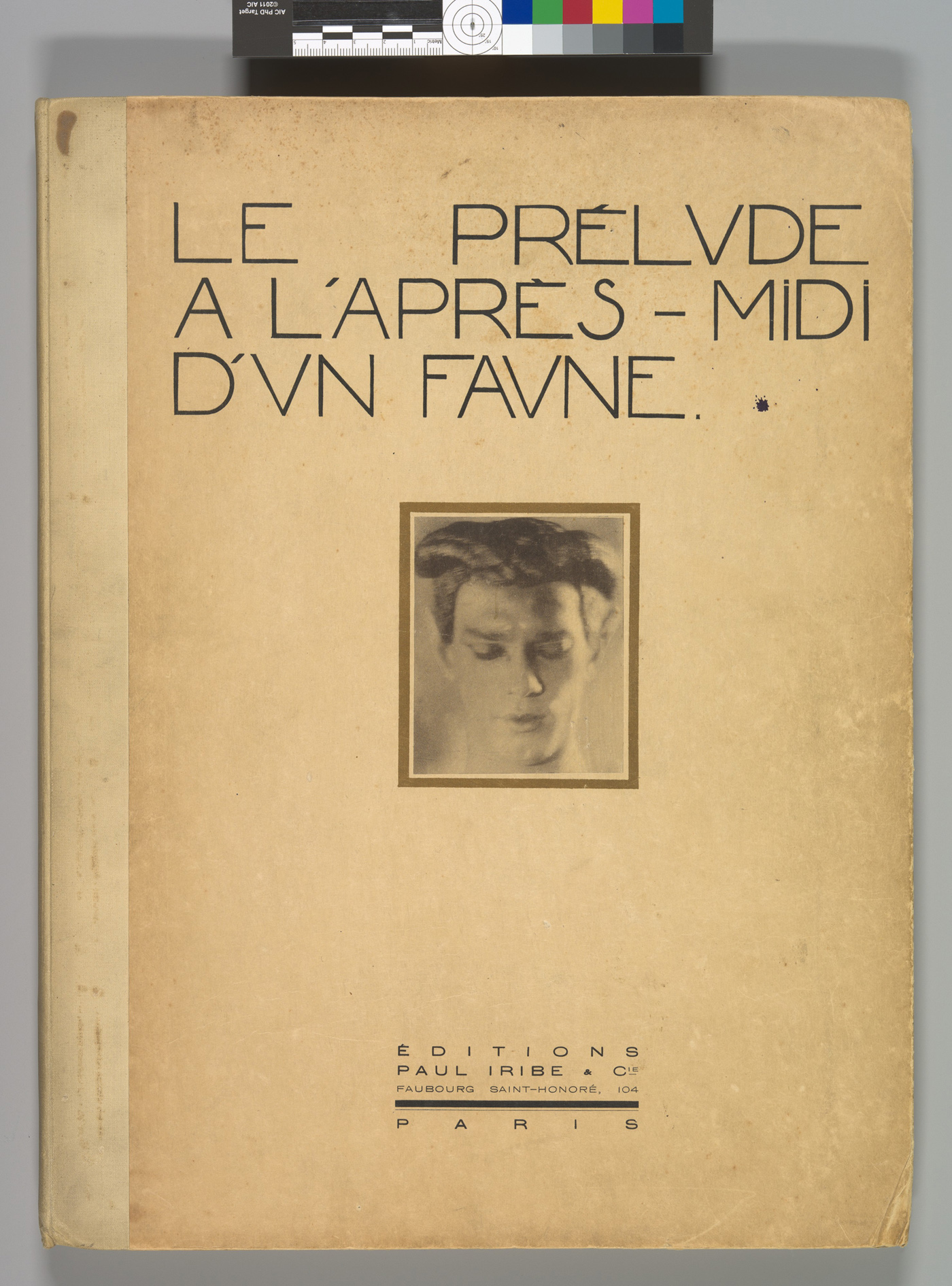
![Adolf de Meyer (American born France, 1868-1946) 'Nijinsky [Plate from Le Prelude à l'Après-Midi d'un Faune]' 1912](https://artblart.com/wp-content/uploads/2018/02/adolf-de-meyer-portrait-of-vaslav-nijinski-1912-web.jpg "Adolf de Meyer (American born France, 1868-1946) 'Nijinsky [Plate from Le Prelude à l'Après-Midi d'un Faune]' 1912")
![Adolf de Meyer (American born France, 1868-1946) 'Nijinsky [Plate from Le Prelude à l'Après-Midi d'un Faune]' 1914](https://artblart.com/wp-content/uploads/2018/02/adolf-de-meyer-nijinsky-plate-from-le-prelude-acc80-laprecc80s-midi-dun-faune-web.jpg "Adolf de Meyer (American born France, 1868-1946) 'Nijinsky [Plate from Le Prelude à l'Après-Midi d'un Faune]' 1914")
![Adolf de Meyer (American born France, 1868-1946) '[Image from "Prelude à l'Après-Midi d'un faune"]' 1914](https://artblart.com/wp-content/uploads/2018/02/adolf-de-meyer-image-from-prelude-web.jpg "Adolf de Meyer (American born France, 1868-1946) '[Image from \"Prelude à l'Après-Midi d'un faune\"]' 1914")

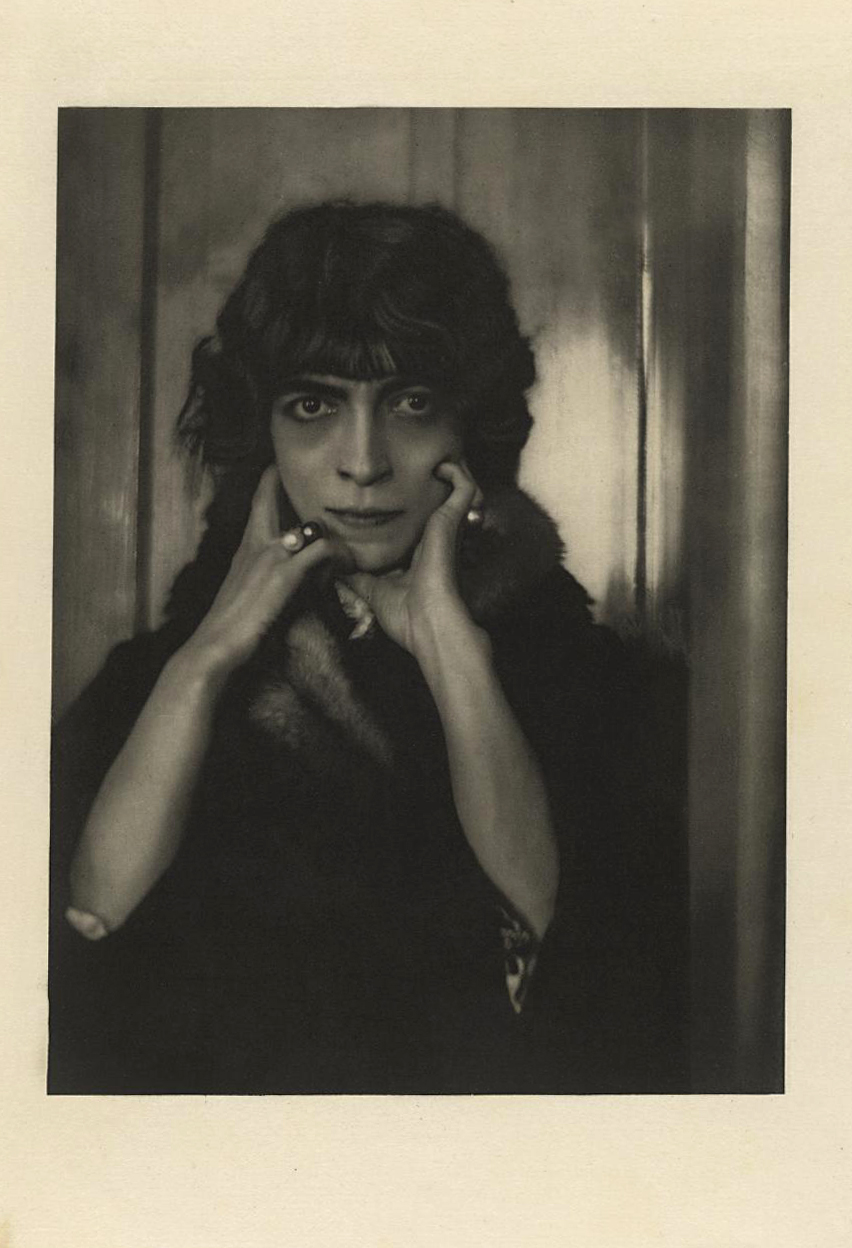
![Adolf de Meyer (American born France, 1868-1946) 'Study for Vogue [Jan 1-1918, Betty Lee, Vogue, page 41]' 1918-1921](https://artblart.com/wp-content/uploads/2018/02/adolf-de-meyer-study-for-vogue-web.jpg "Adolf de Meyer (American born France, 1868-1946) 'Study for Vogue [Jan 1-1918, Betty Lee, Vogue, page 41]' 1918-1921")

![Adolf de Meyer (American born France, 1868-1946) 'Etienne de Beaumont [Count Etienne de Beaumont (French, 1883-1956)]' c. 1923](https://artblart.com/wp-content/uploads/2018/02/adolf-de-meyer-etienne-de-beaumont-web.jpg "Adolf de Meyer (American born France, 1868-1946) 'Etienne de Beaumont [Count Etienne de Beaumont (French, 1883-1956)]' c. 1923")

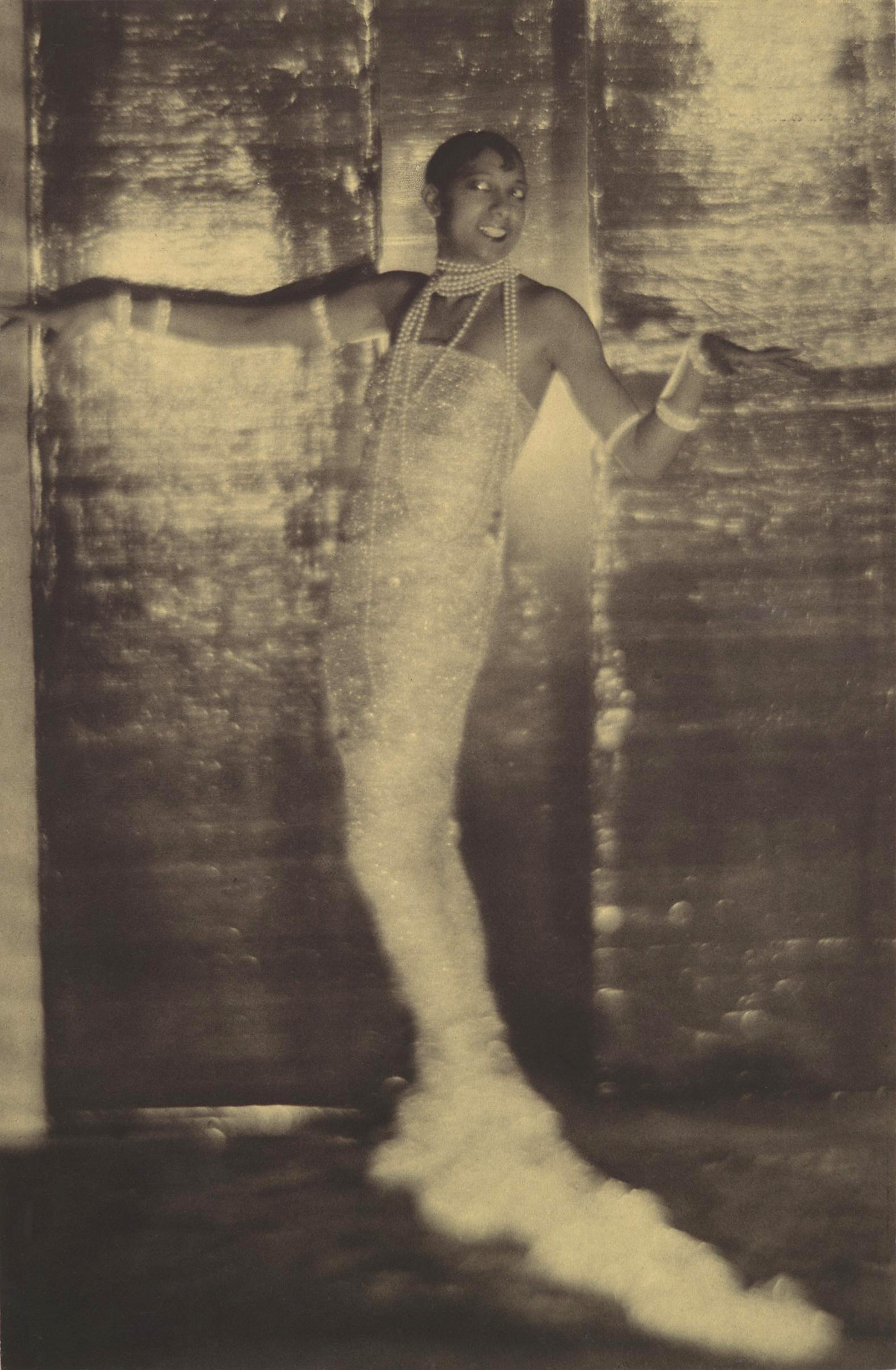


![Sarah Choate Sears (American, 1858-1935) 'A Mexican [Adolf de Meyer (American (born France), Paris 1868-1946 Los Angeles, California)]' 1905](https://artblart.com/wp-content/uploads/2018/02/sears-adolf-de-meyer-web.jpg "Sarah Choate Sears (American, 1858-1935) 'A Mexican [Adolf de Meyer (American (born France), Paris 1868-1946 Los Angeles, California)]' 1905")
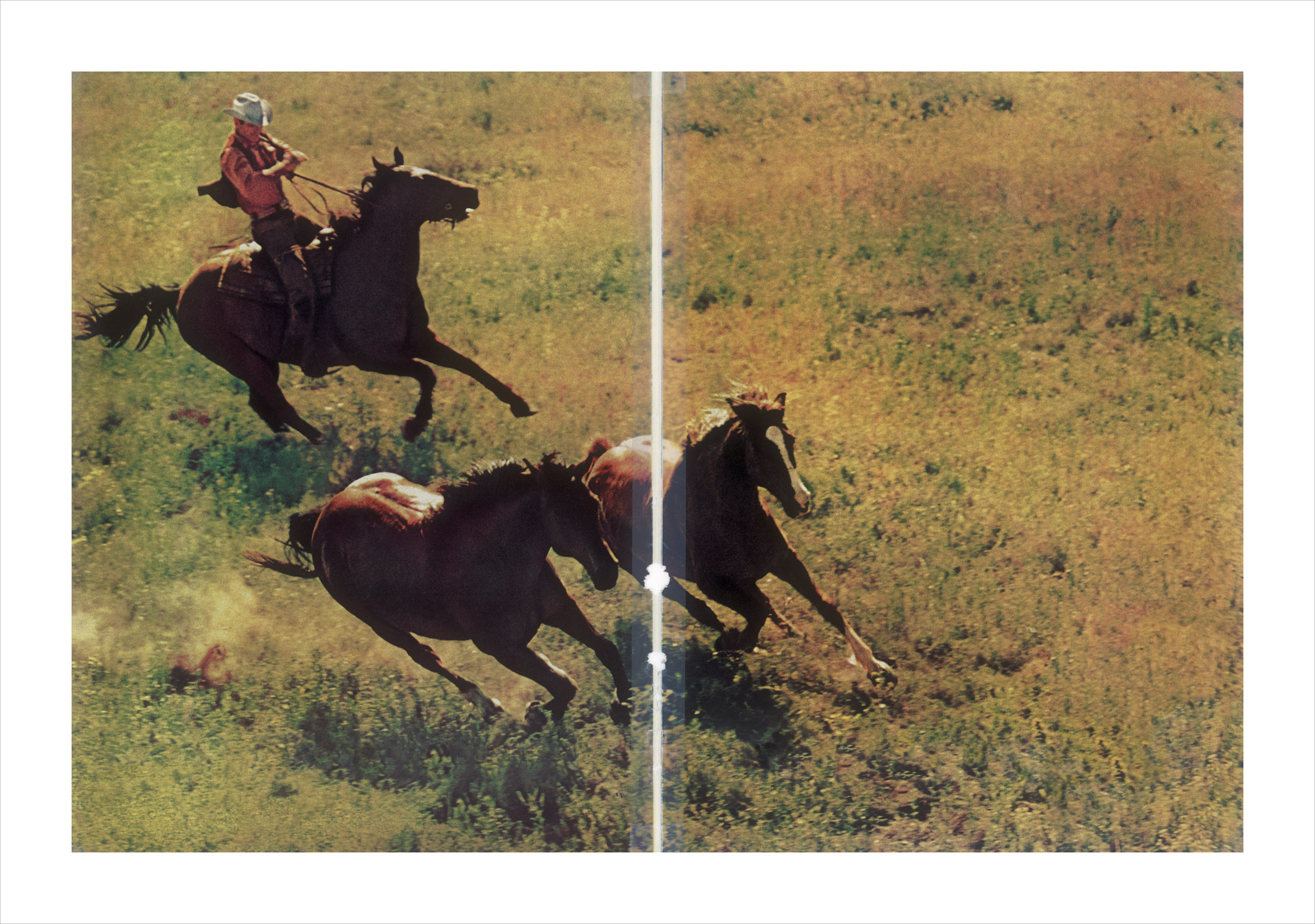
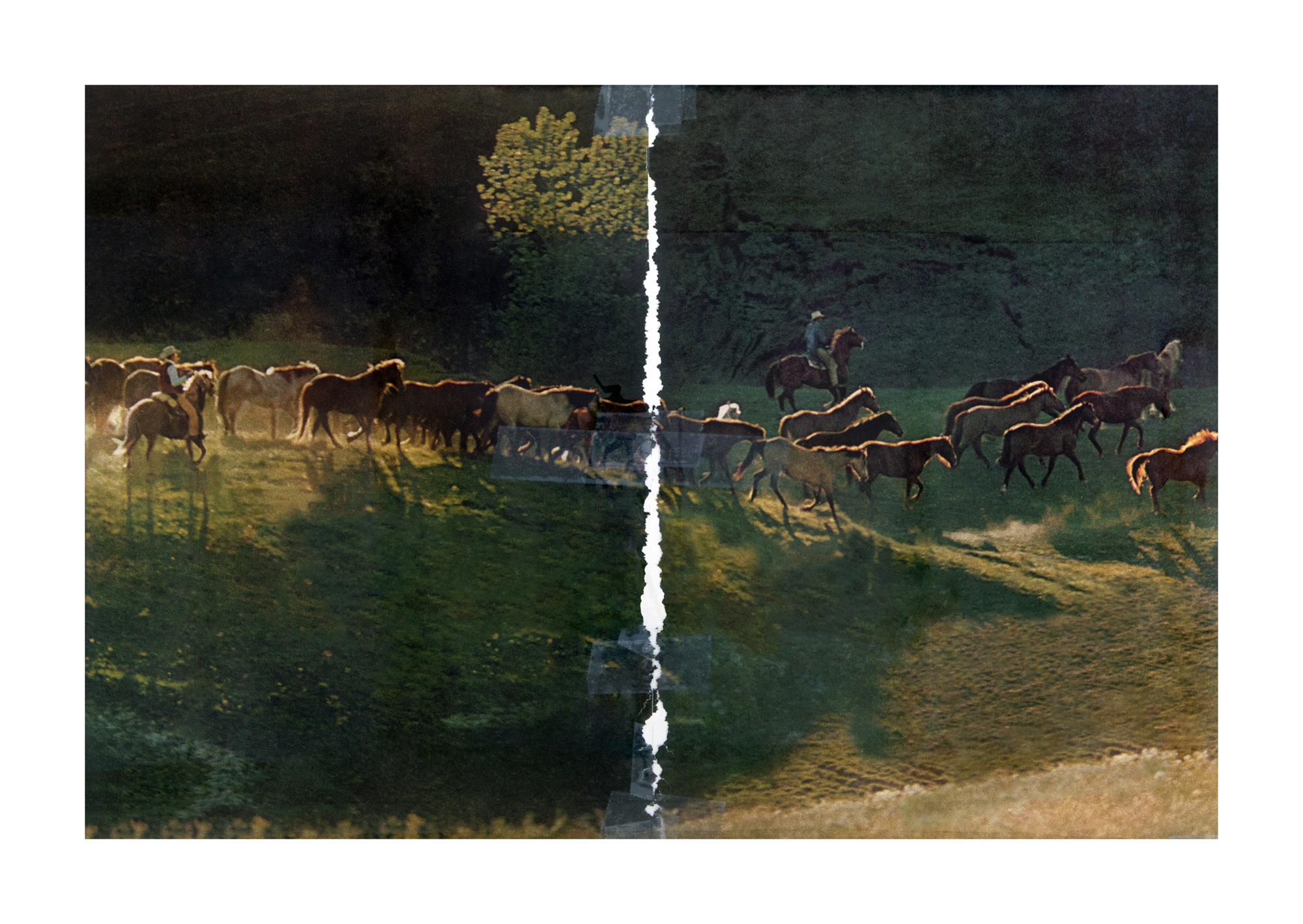
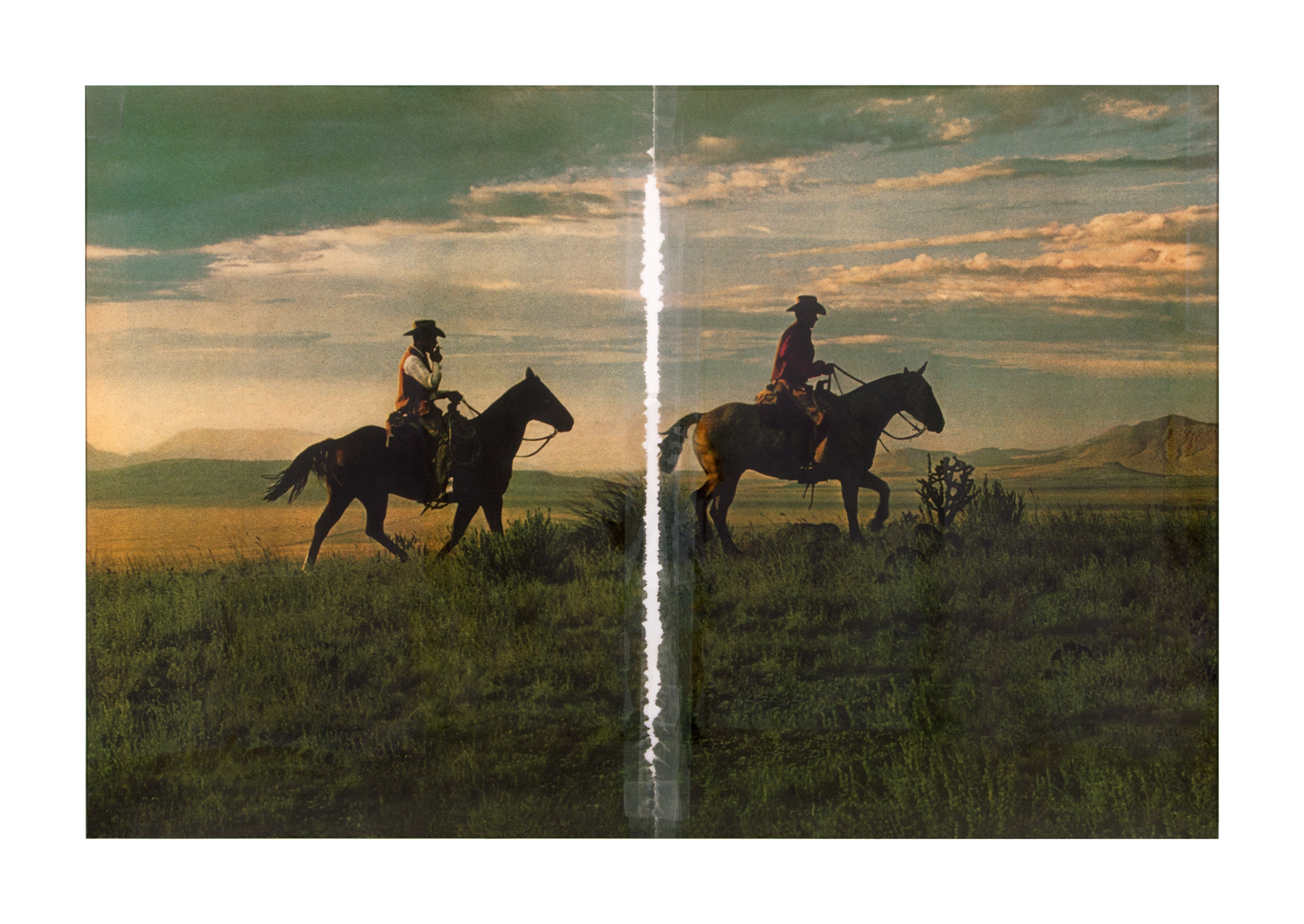
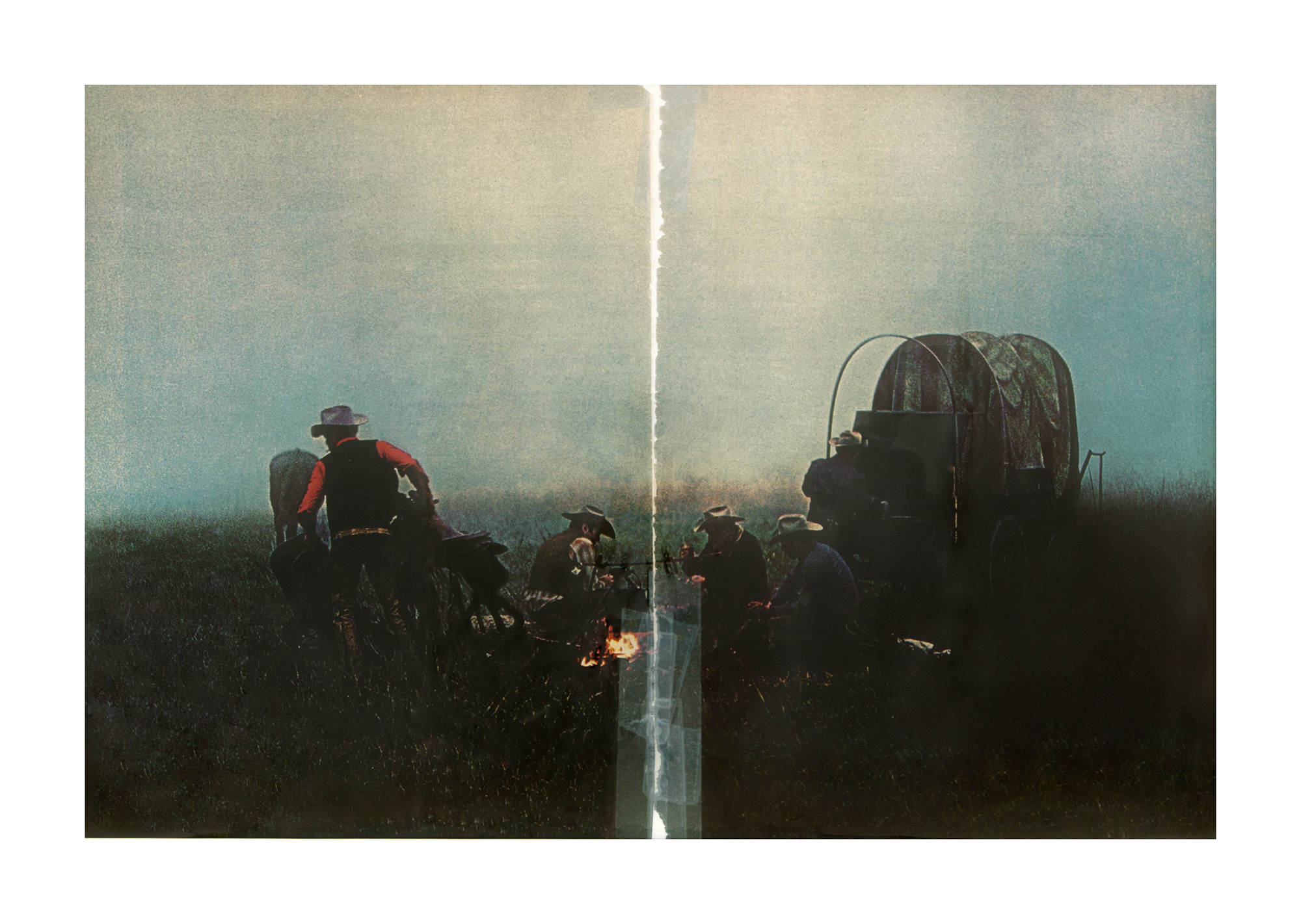
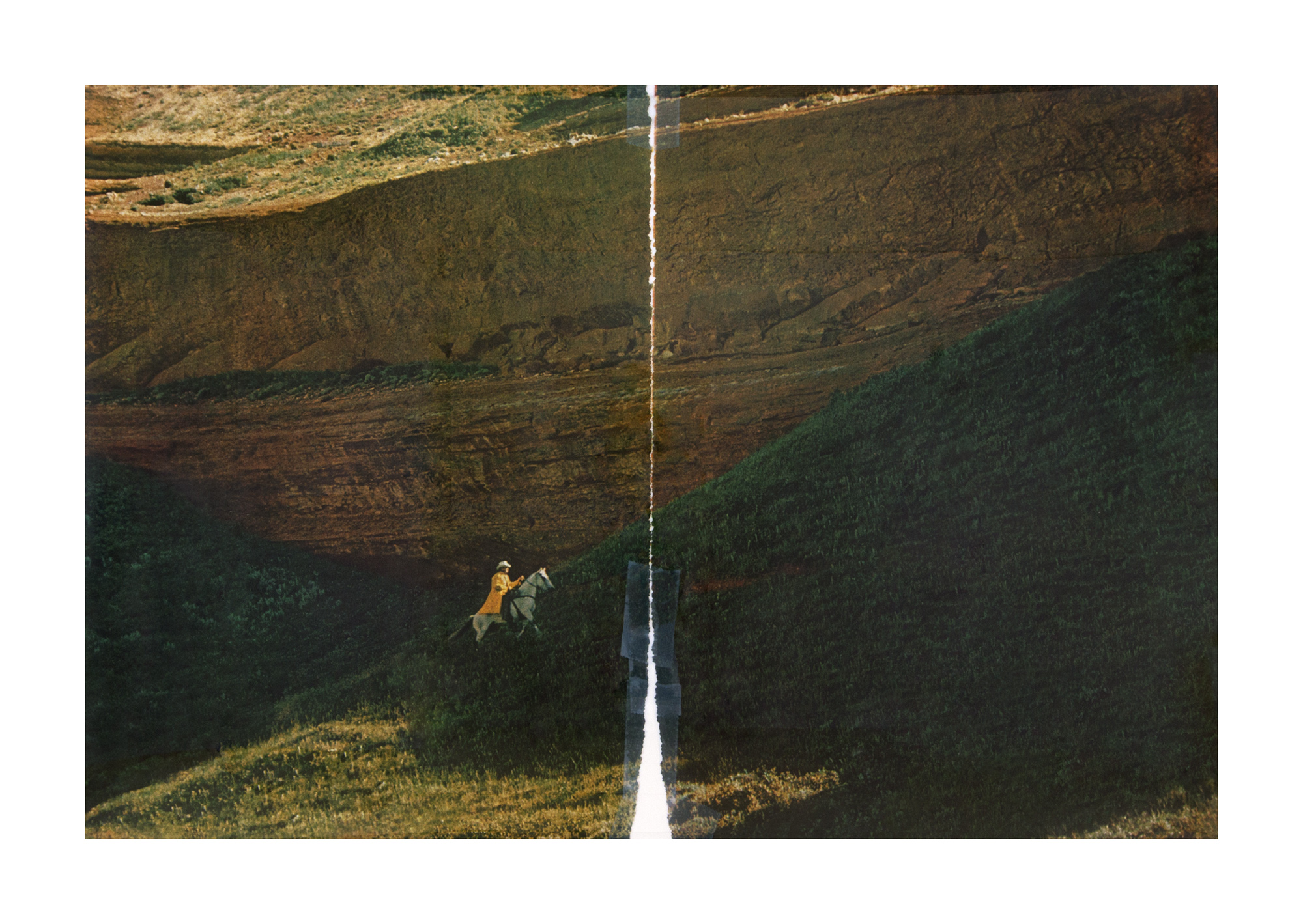
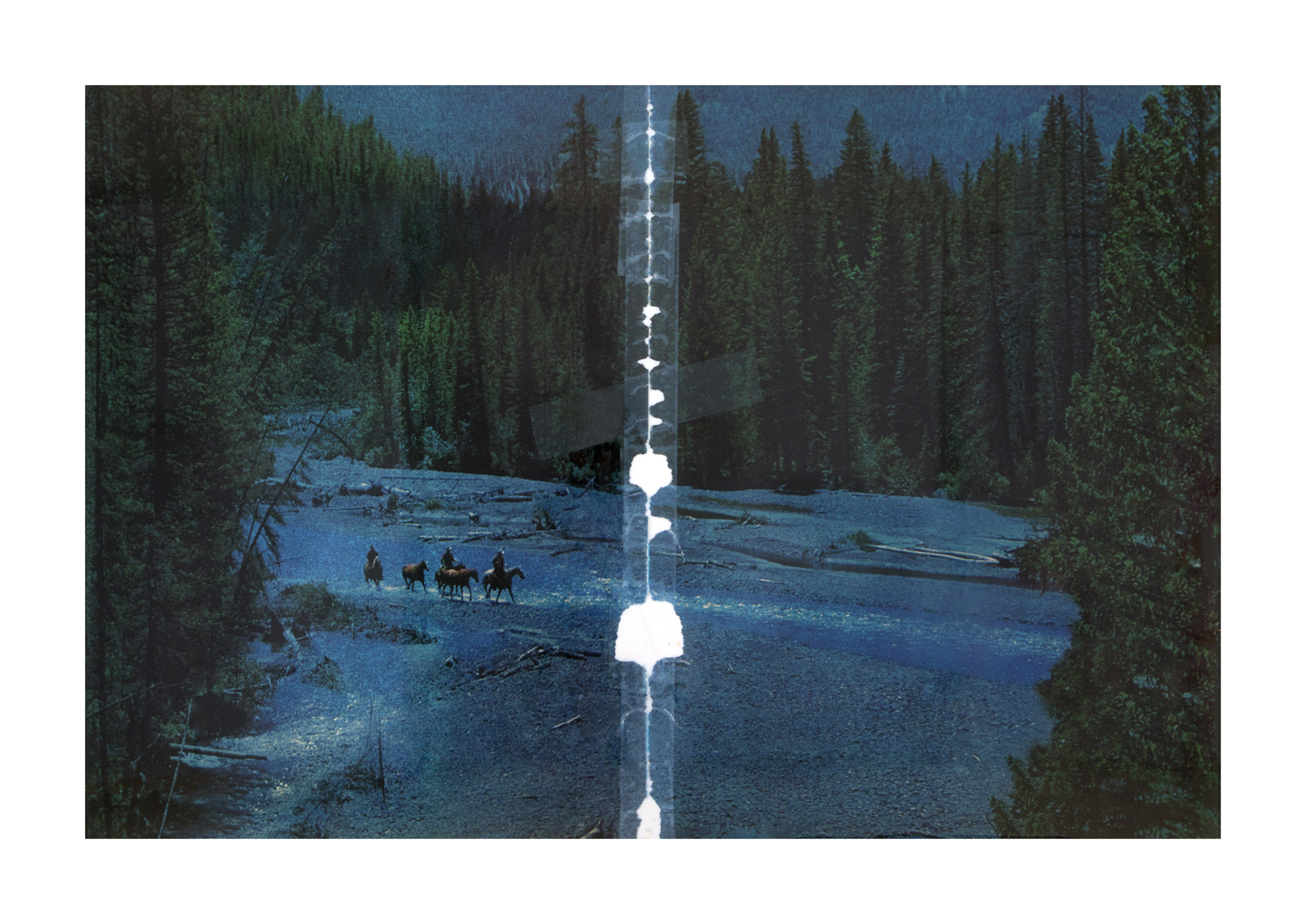
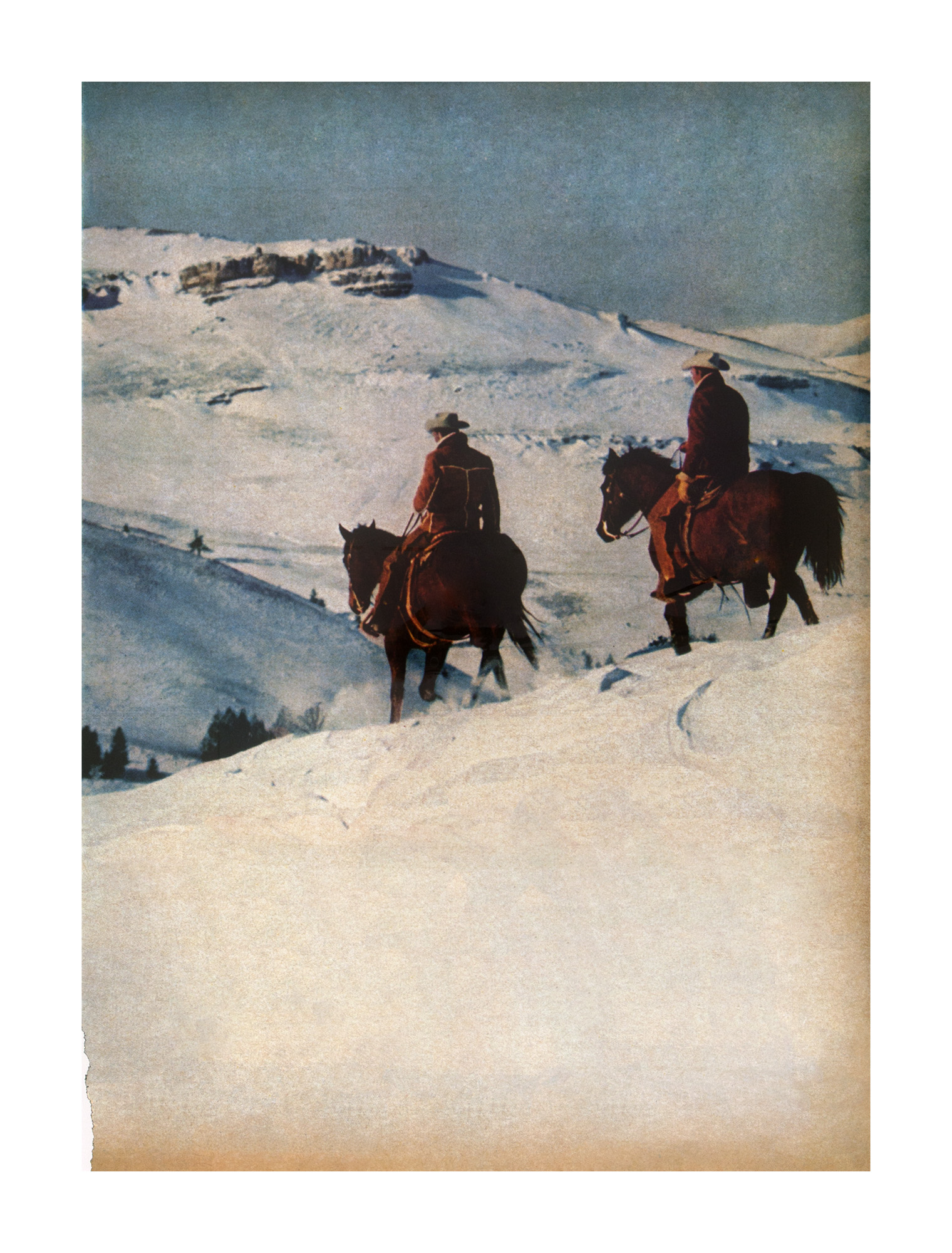
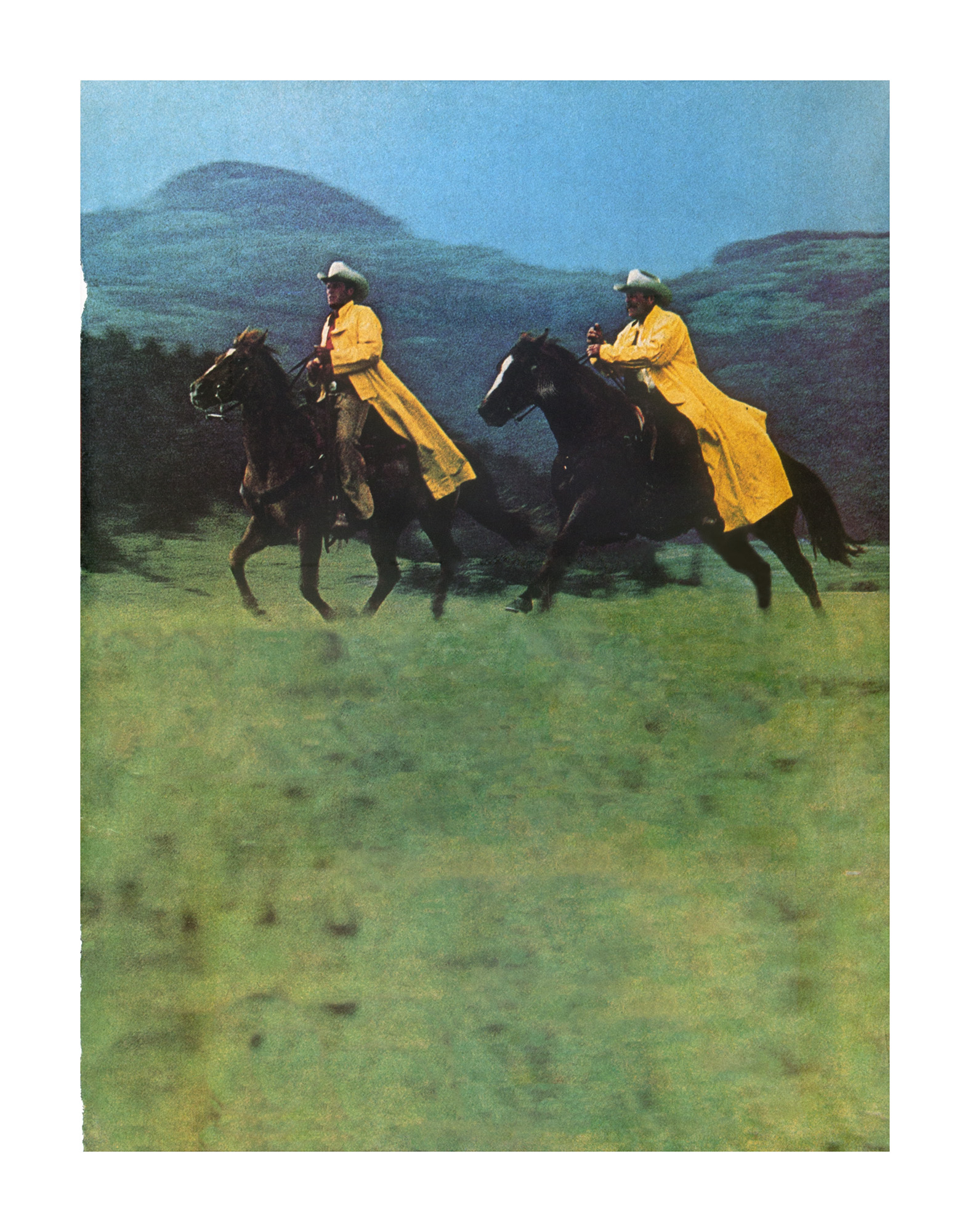


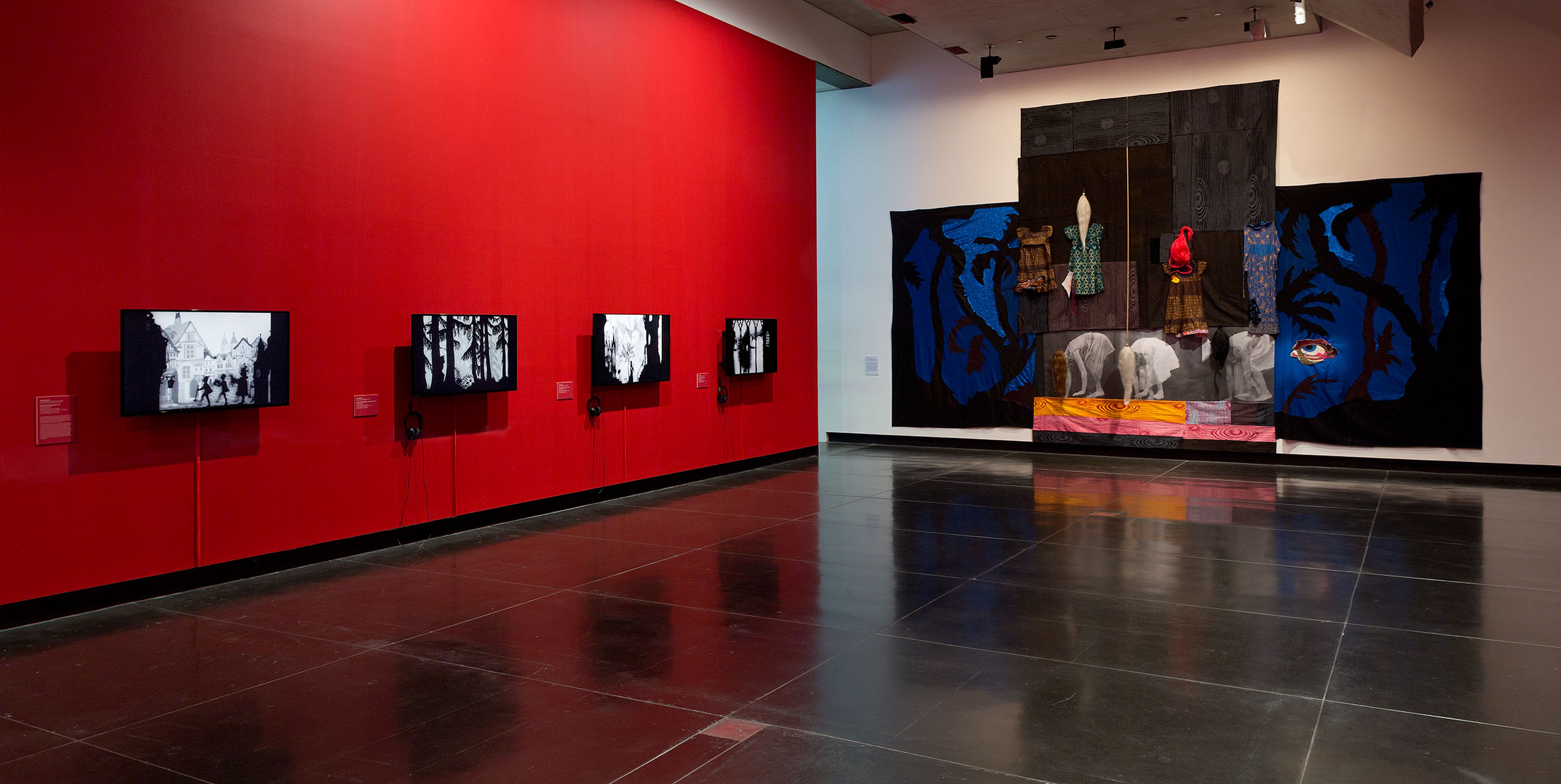
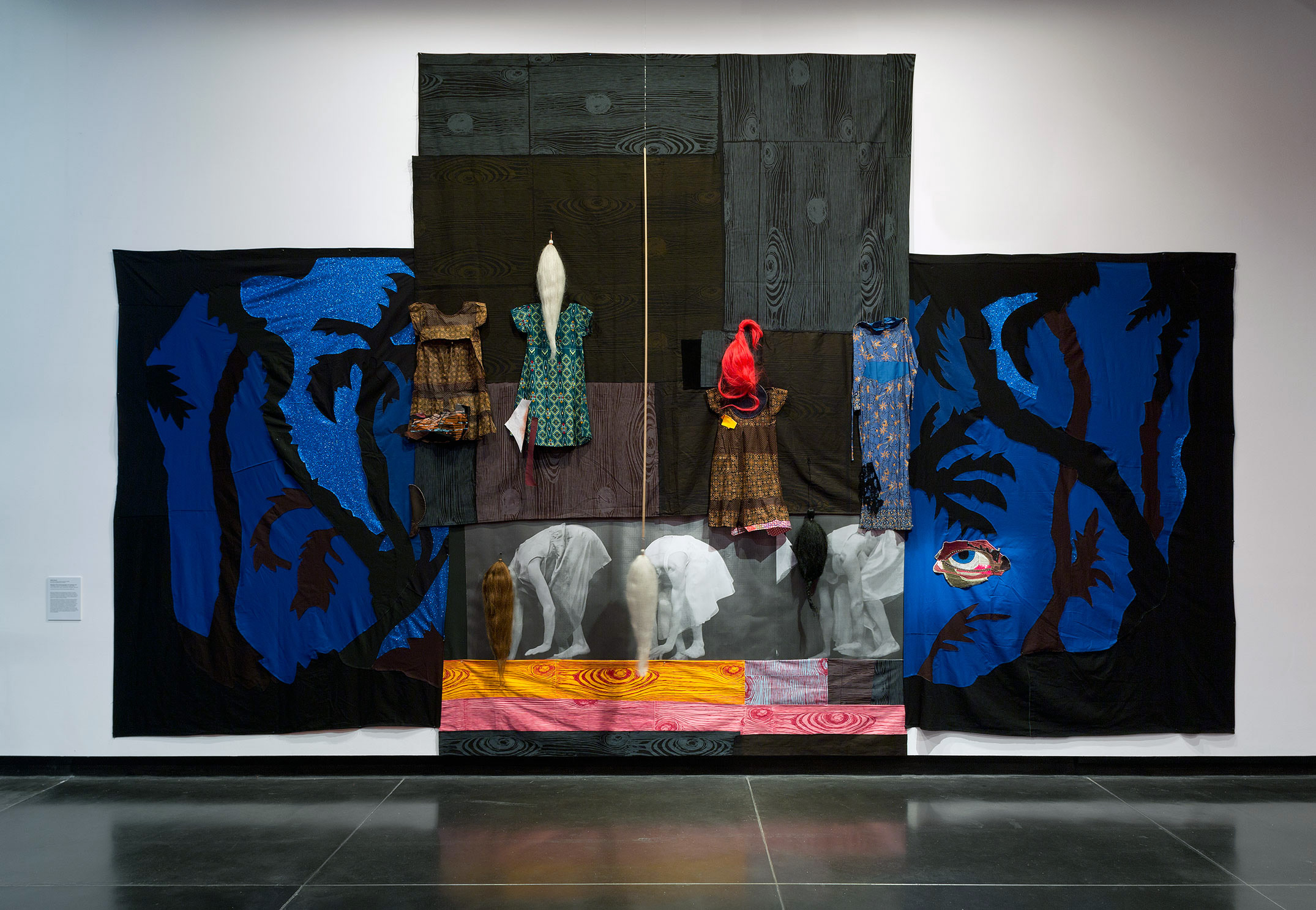




















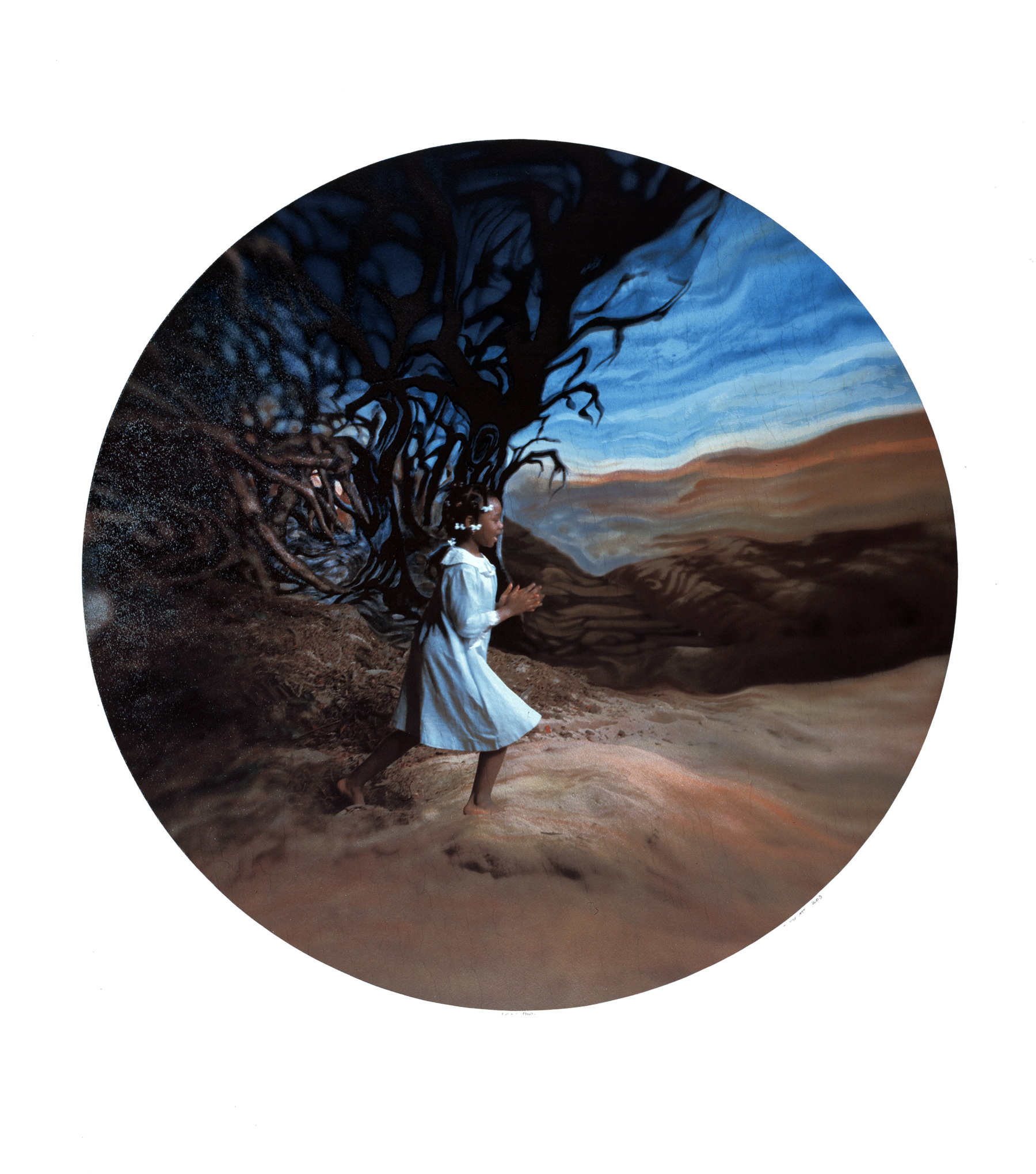
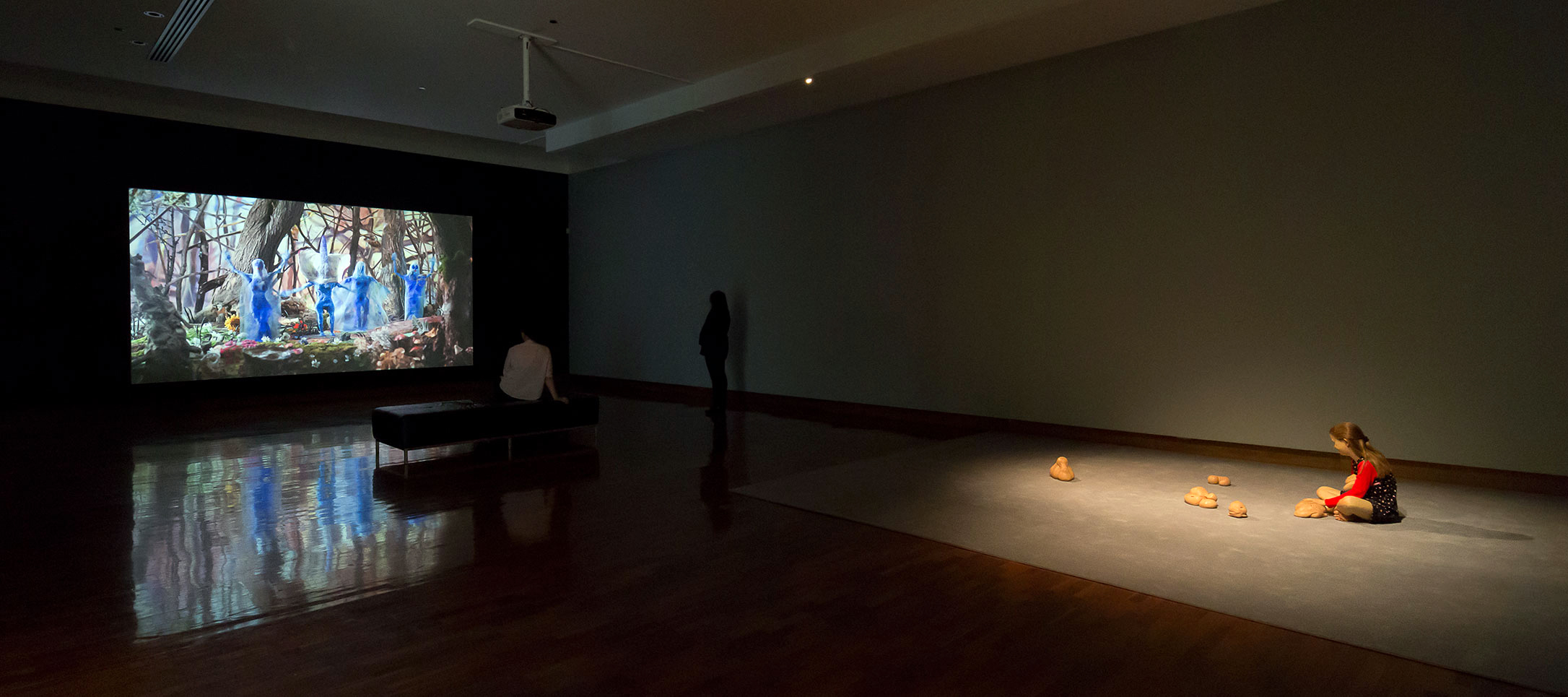

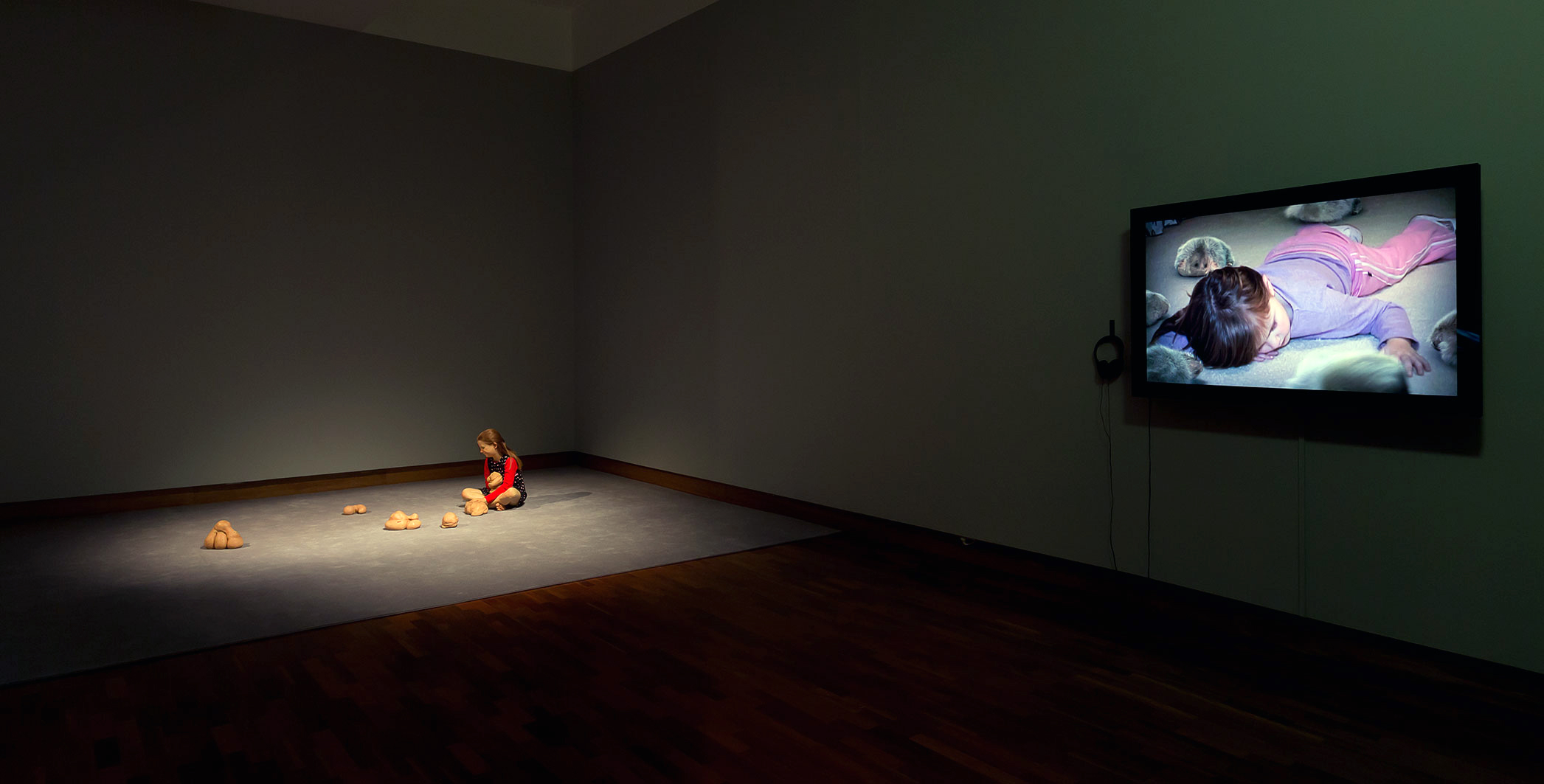

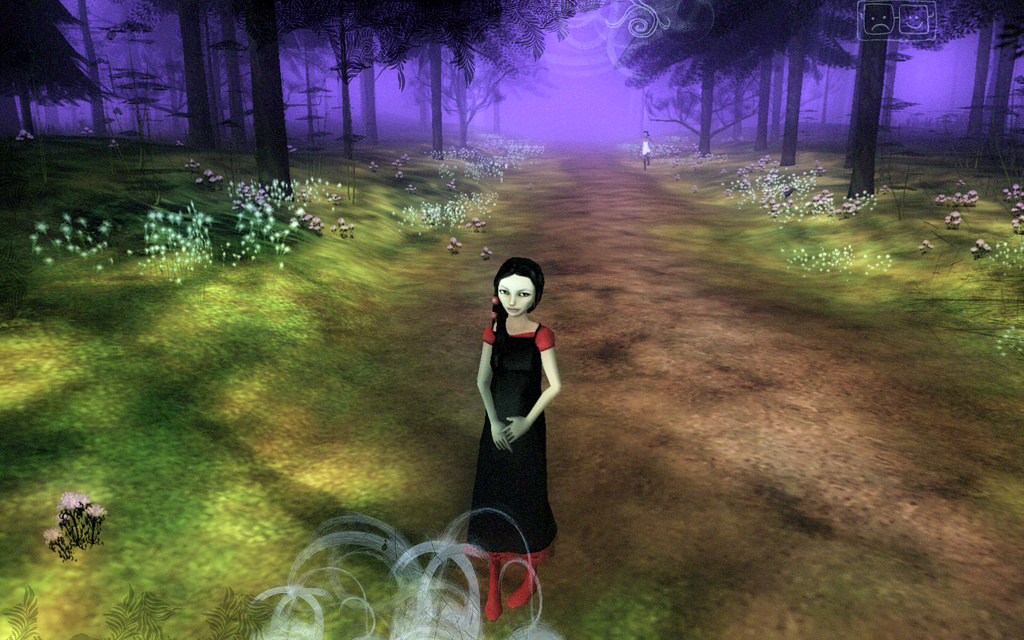
![J[eremiah] Gurney (American) 'Untitled [Cross-eyed man in three-quarter profile]' Nd](https://artblart.com/wp-content/uploads/2018/02/dag-half-plate-jeremiah-gurney-at-349-broadway-new-york-orig.jpg "J[eremiah] Gurney (American) 'Untitled [Cross-eyed man in three-quarter profile]' Nd")
![J[eremiah] Gurney (American) 'Untitled [Cross-eyed man in three-quarter profile]' Nd](https://artblart.com/wp-content/uploads/2018/02/dag-half-plate-jeremiah-gurney-at-349-broadway-new-york-web.jpg "J[eremiah] Gurney (American) 'Untitled [Cross-eyed man in three-quarter profile]' Nd")
![Unknown photographer (American) 'Untitled [Group of three men]' c. 1850](https://artblart.com/wp-content/uploads/2018/02/dag-unsigned-unusual-period-frame-of-cast-thermoplastic-circa-1850-web.jpg "Unknown photographer (American) 'Untitled [Group of three men]' c. 1850")
![Unknown photographer (American) 'Untitled [Man on crutches]' c. 1850-1860s](https://artblart.com/wp-content/uploads/2018/02/man-on-crutches-sixth-plate-ambrotype-1850-60s-web.jpg "Unknown photographer (American) 'Untitled [Man on crutches]' c. 1850-1860s")
![Unknown photographer (American) Untitled [Man with pistols] c. 1850-1860s](https://artblart.com/wp-content/uploads/2018/02/man-with-pistols-sixth-plate-daguerreotype-1850-60s-orig.jpg "Unknown photographer (American) Untitled [Man with pistols] c. 1850-1860s")
![Unknown photographer (American) Untitled [Man with pistols] c. 1850-1860s](https://artblart.com/wp-content/uploads/2018/02/man-with-pistols-sixth-plate-daguerreotype-1850-60s-web.jpg "Unknown photographer (American) Untitled [Man with pistols] c. 1850-1860s")
![Unknown photographer (American) 'Untitled [Man, possibly a sailor, wearing hoop earrings]' Nd](https://artblart.com/wp-content/uploads/2018/02/man-possibly-a-sailor-wearing-hoop-earrings-orig.jpg "Unknown photographer (American) 'Untitled [Man, possibly a sailor, wearing hoop earrings]' Nd")
![Unknown photographer (American) 'Untitled [Man, possibly a sailor, wearing hoop earrings]' Nd](https://artblart.com/wp-content/uploads/2018/02/man-possibly-a-sailor-wearing-hoop-earrings-web.jpg "Unknown photographer (American) 'Untitled [Man, possibly a sailor, wearing hoop earrings]' Nd")
![Unknown photographer (American) 'Untitled [African American]' c. 1850s](https://artblart.com/wp-content/uploads/2018/02/dag-unsigned-sixth-plate-american-circa-1850s-web.jpg "Unknown photographer (American) 'Untitled [African American]' c. 1850s")
![Unknown photographer (American) 'Untitled [African American]' c. 1850s](https://artblart.com/wp-content/uploads/2018/02/dag-unsigned-sixth-plate-american-circa-1850s-b-web.jpg "Unknown photographer (American) 'Untitled [African American]' c. 1850s")
![Unknown photographer (American) 'Untitled [Two men in caps, elegantly dressed]' c. 1850s](https://artblart.com/wp-content/uploads/2018/02/unsigned-dag-two-men-in-caps-elegantly-dressed-american-circa-1850s-web.jpg "Unknown photographer (American) 'Untitled [Two men in caps, elegantly dressed]' c. 1850s")
![Unknown photographer (American) 'Untitled [Handsome man with fifth finger ring]' c. 1850s](https://artblart.com/wp-content/uploads/2018/02/dag-unsigned-1850s-web.jpg "Unknown photographer (American) 'Untitled [Handsome man with fifth finger ring]' c. 1850s")
![Unknown photographer (American) 'Untitled [Portrait of violinist holding instrument]' c. 1855](https://artblart.com/wp-content/uploads/2018/02/dag-sixth-plate-portrait-of-violinist-holding-instrument-circa-1855-web.jpg "Unknown photographer (American) 'Untitled [Portrait of violinist holding instrument]' c. 1855")
![Unknown photographer (American) 'Untitled [Two men, one with trug of tools]' c. 1850-1860s](https://artblart.com/wp-content/uploads/2018/02/two-men-one-with-trug-of-tools-sixth-plate-ambrotype-web.jpg "Unknown photographer (American) 'Untitled [Two men, one with trug of tools]' c. 1850-1860s")
![Unknown photographer (American) 'Untitled [Two firemen]' c. 1850-1860s](https://artblart.com/wp-content/uploads/2018/02/two-firemen-quarter-plate-tinted-tintype-1850-60s-web.jpg "Unknown photographer (American) 'Untitled [Two firemen]' c. 1850-1860s")
![Unknown photographer (American) 'Untitled [Man in button braces]' c. 1850](https://artblart.com/wp-content/uploads/2018/02/dag-unsigned-ninth-plate-american-circa-1850-web.jpg "Unknown photographer (American) 'Untitled [Man in button braces]' c. 1850")
![Unknown photographer (American) 'Untitled [Man in button braces]' c. 1850](https://artblart.com/wp-content/uploads/2018/02/dag-unsigned-ninth-plate-american-circa-1850-web1.jpg "Unknown photographer (American) 'Untitled [Man in button braces]' c. 1850")

![Unknown photographer (American) 'Untitled [Two young men with straw hats, seated beside each other]' Nd](https://artblart.com/wp-content/uploads/2018/02/two-young-men-with-straw-hats-web.jpg "Unknown photographer (American) 'Untitled [Two young men with straw hats, seated beside each other]' Nd")

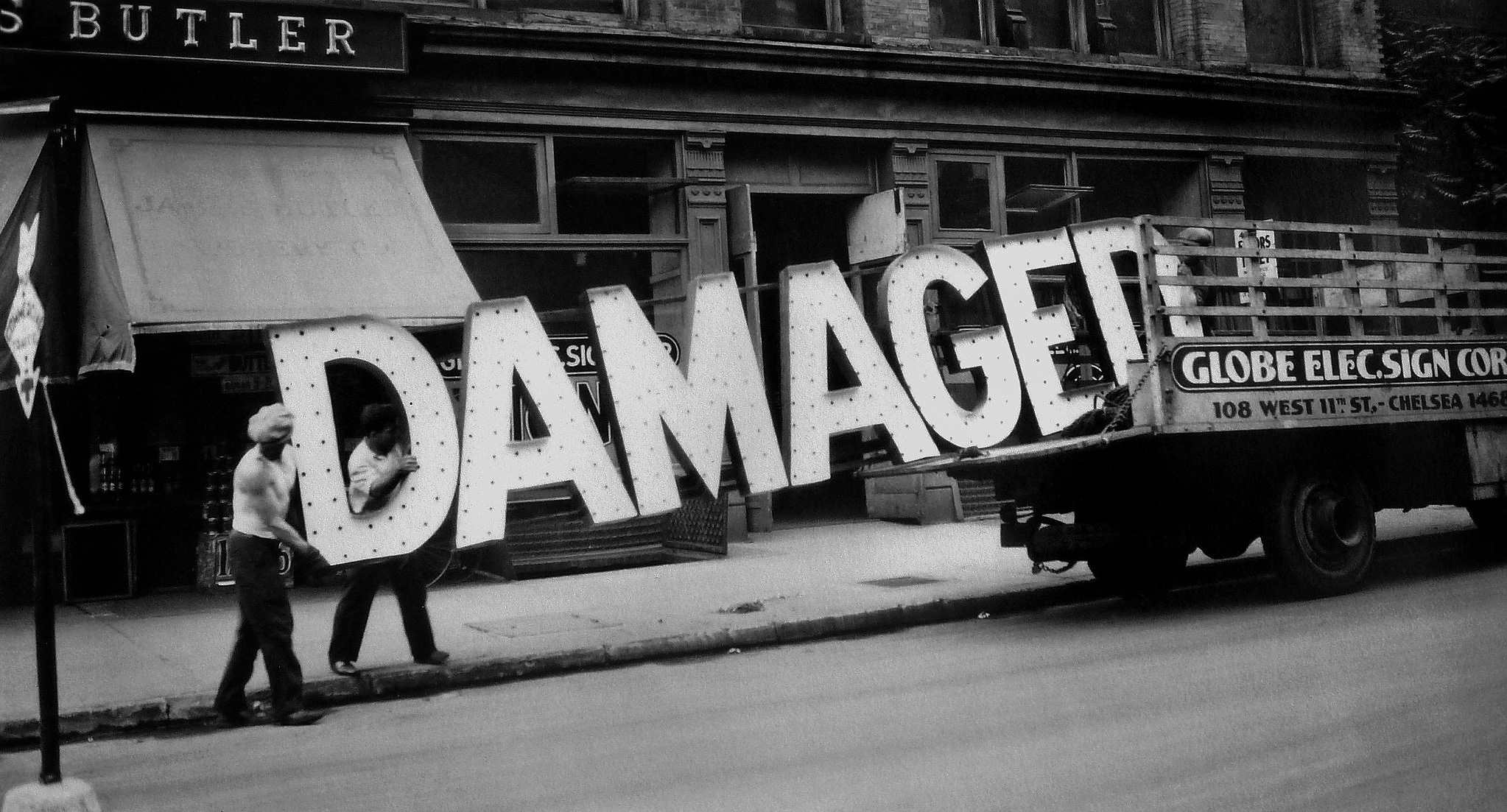


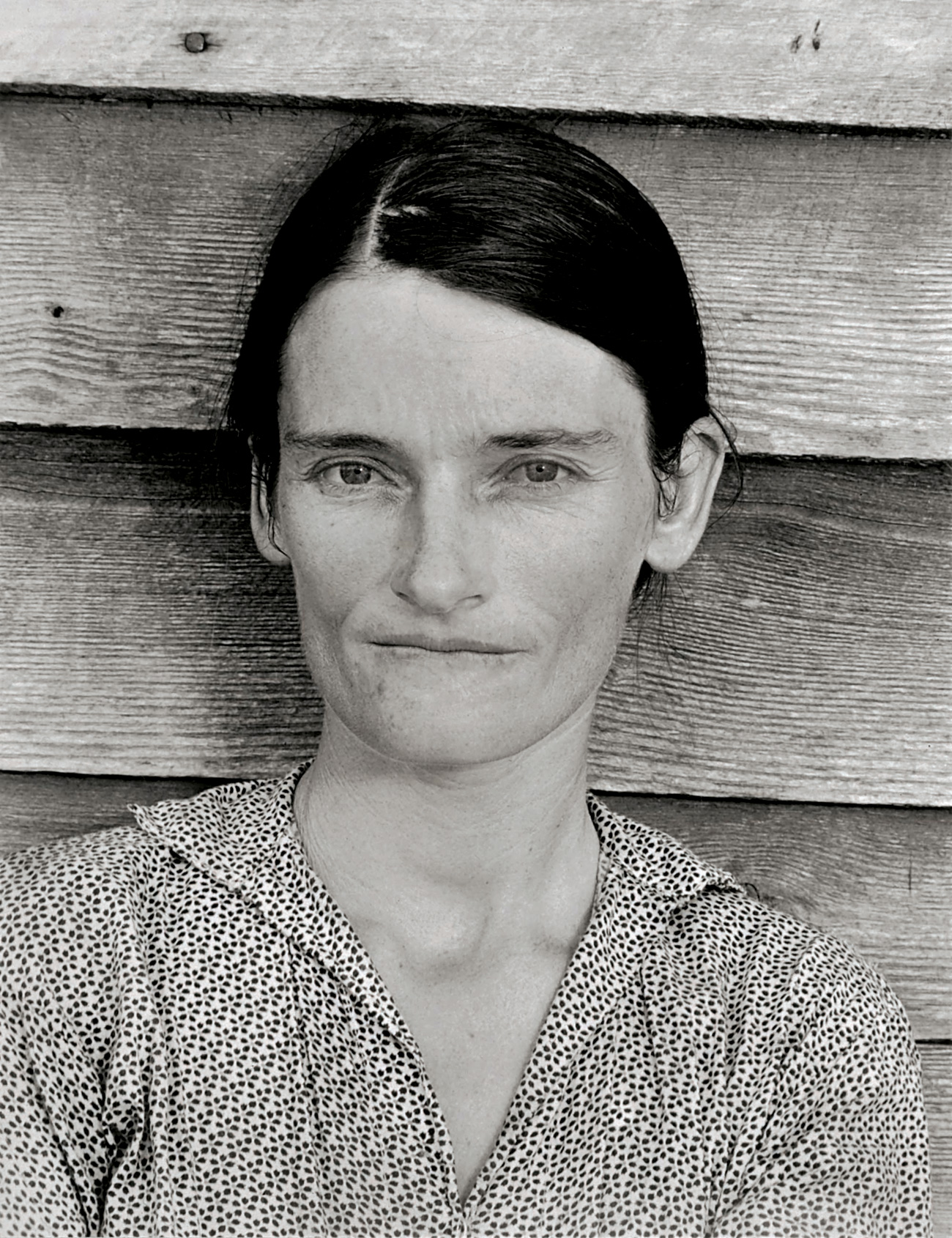


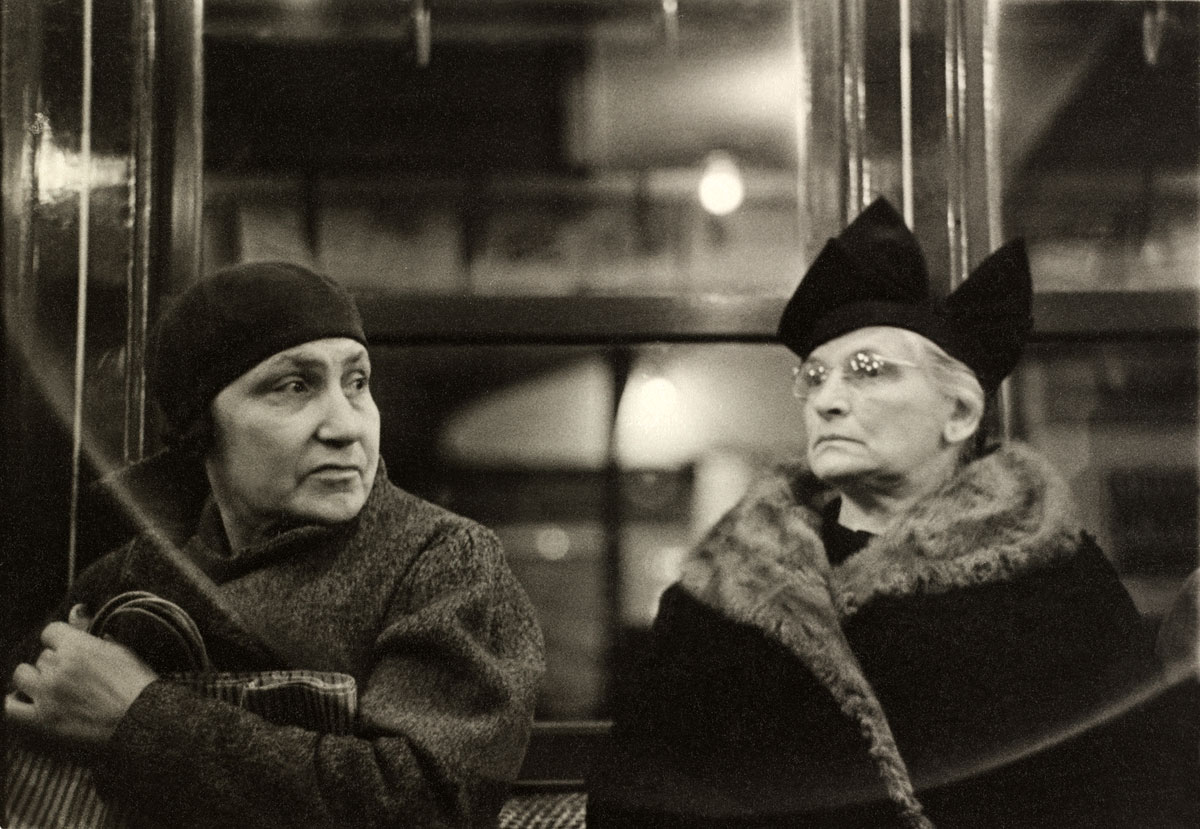

![Walker Evans (American, 1903-1975) '[Subway Passengers, New York City]' 1938](https://artblart.com/wp-content/uploads/2016/07/walker-evans-subway-passengers-new-york-city-web.jpg "Walker Evans (American, 1903-1975) '[Subway Passengers, New York City]' 1938")

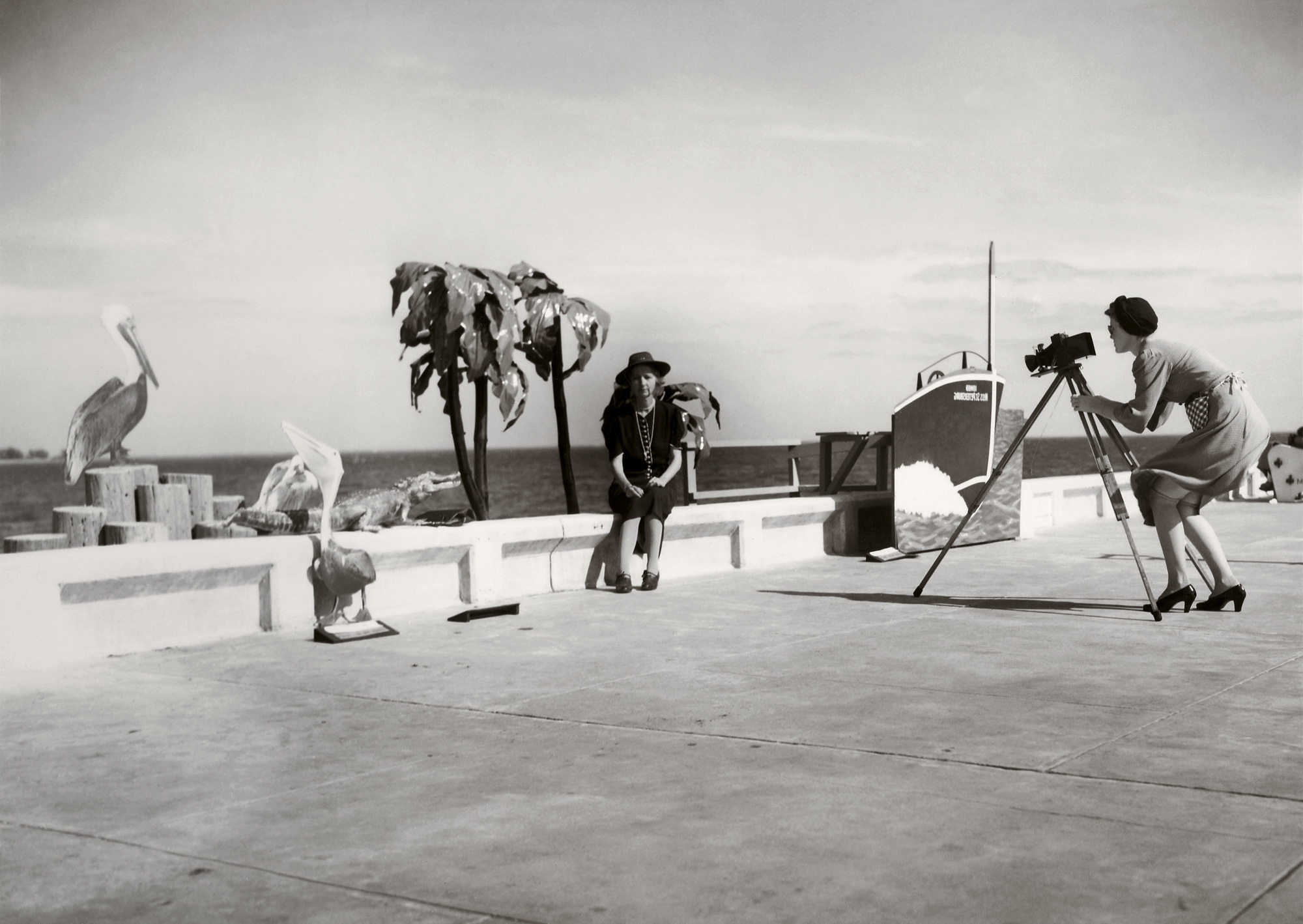
![Walker Evans (American, 1903-1975) 'Untitled [Street scene]' 1950s](https://artblart.com/wp-content/uploads/2018/01/walker-evans-untitled-web.jpg "Walker Evans (American, 1903-1975) 'Untitled [Street scene]' 1950s")

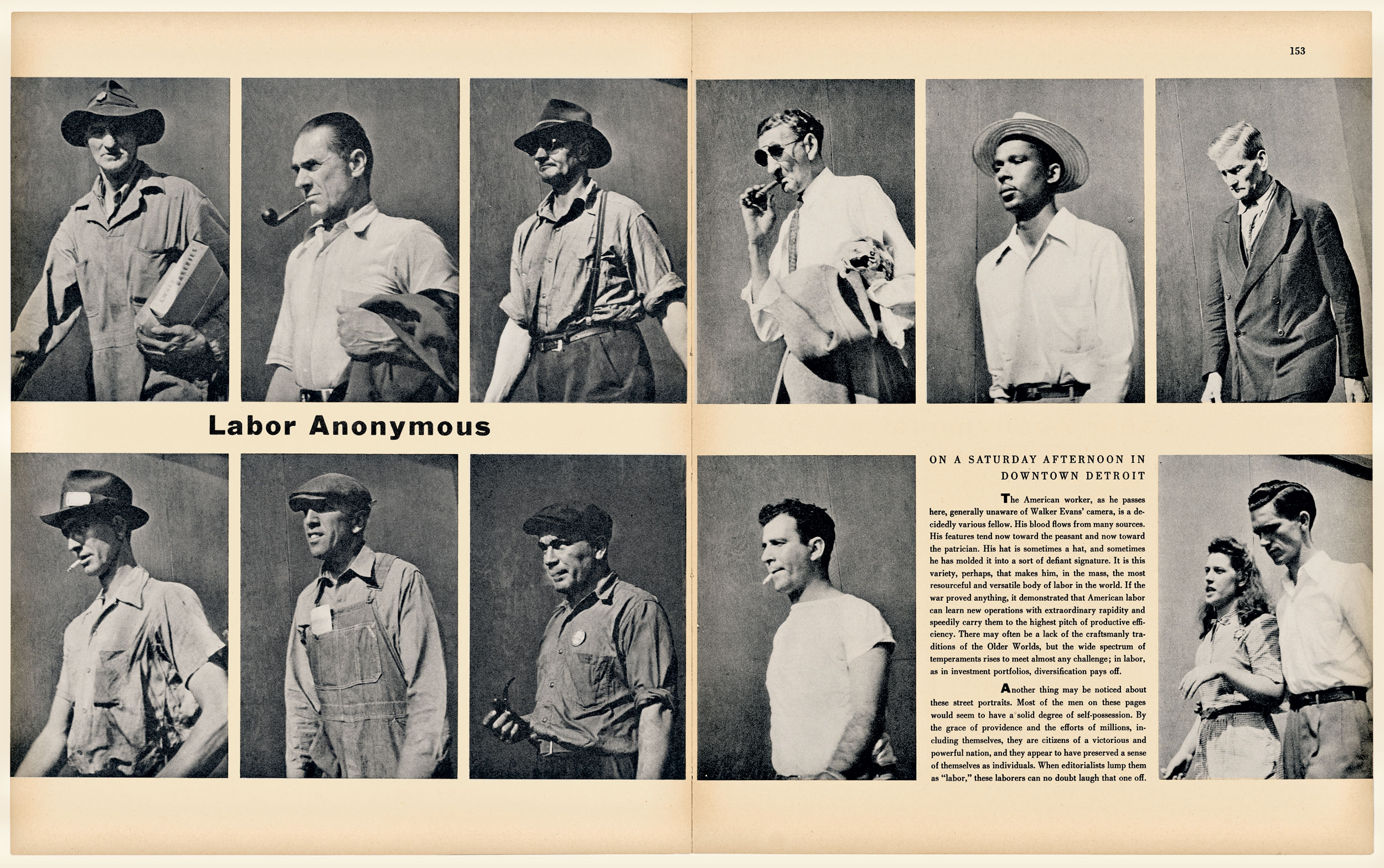


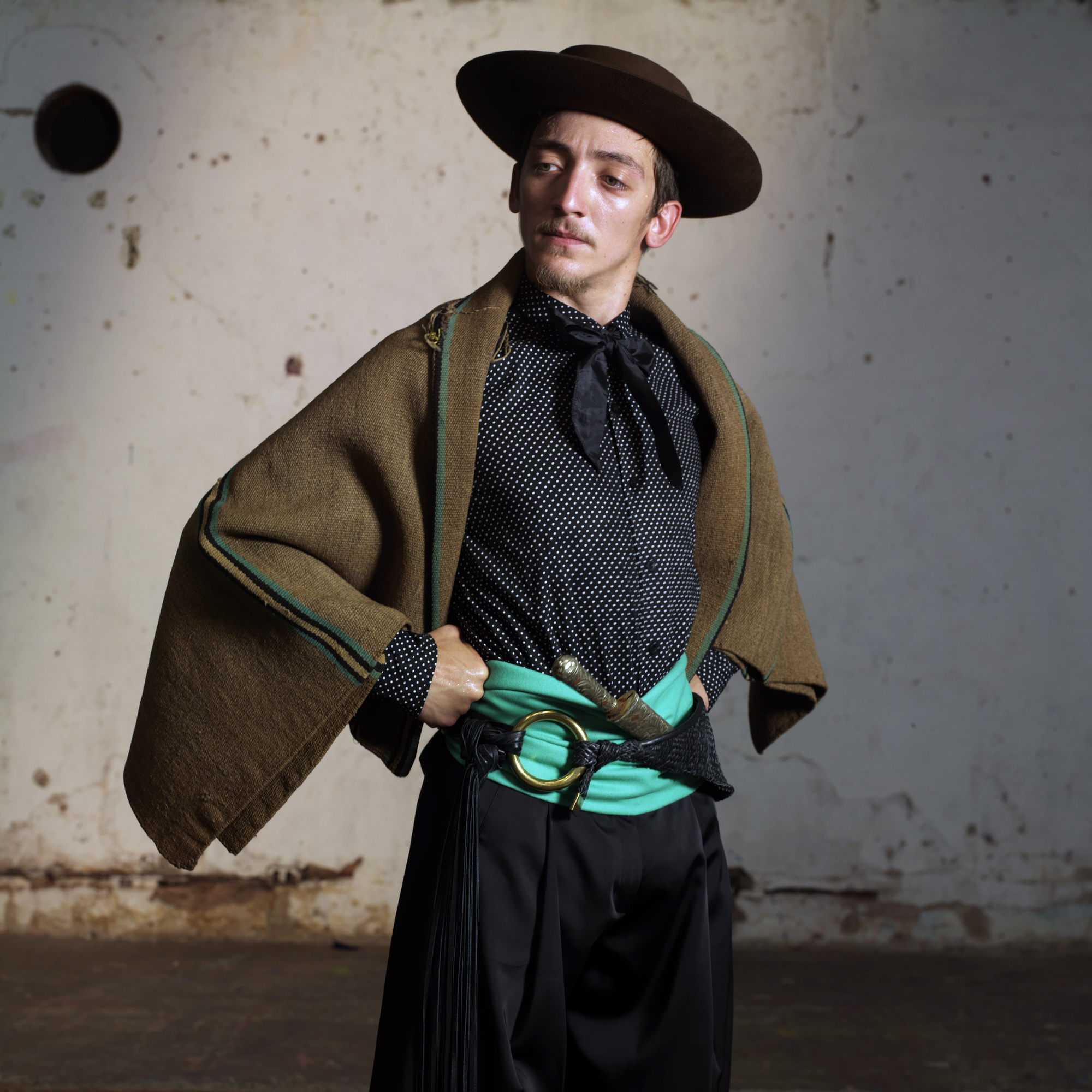
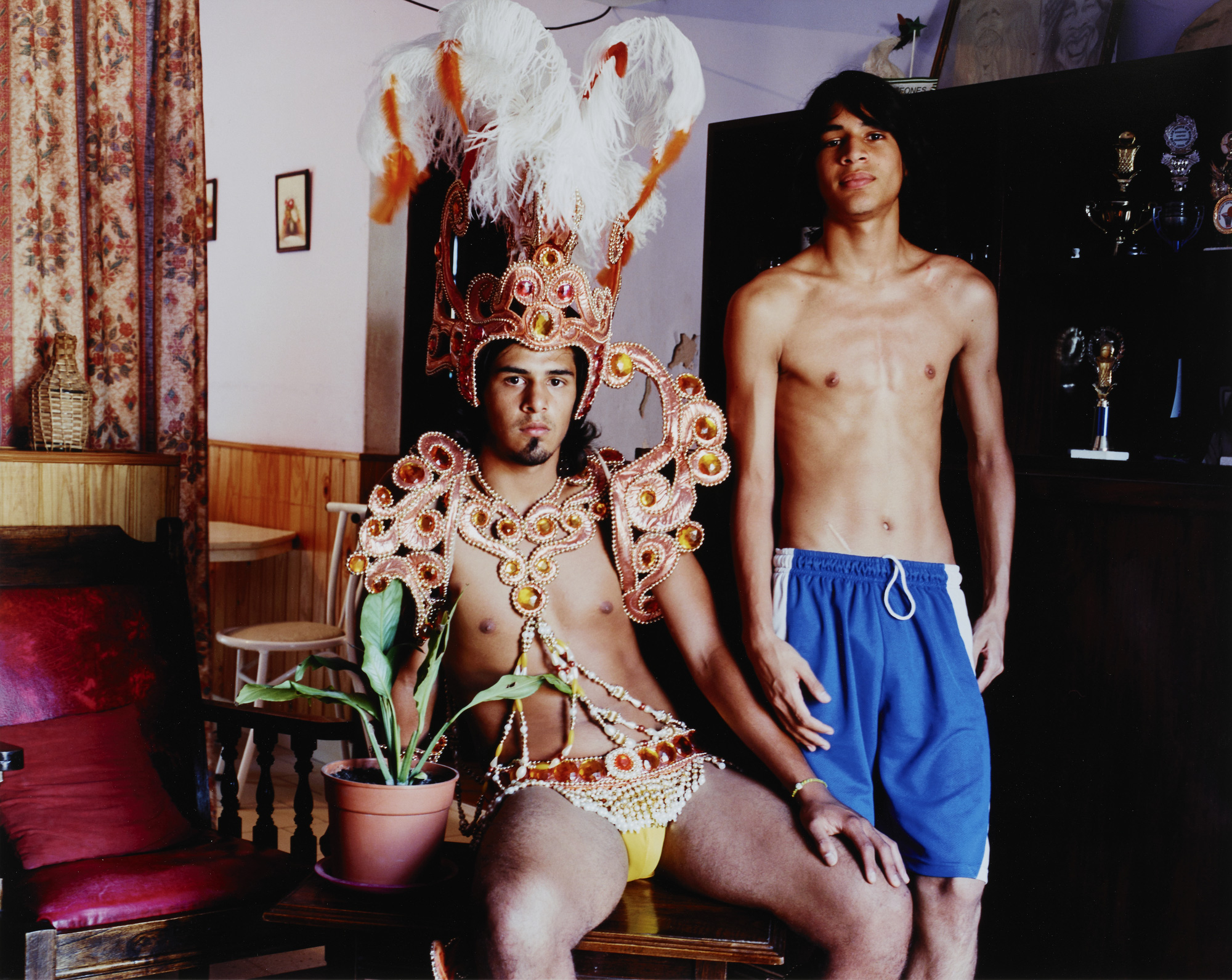

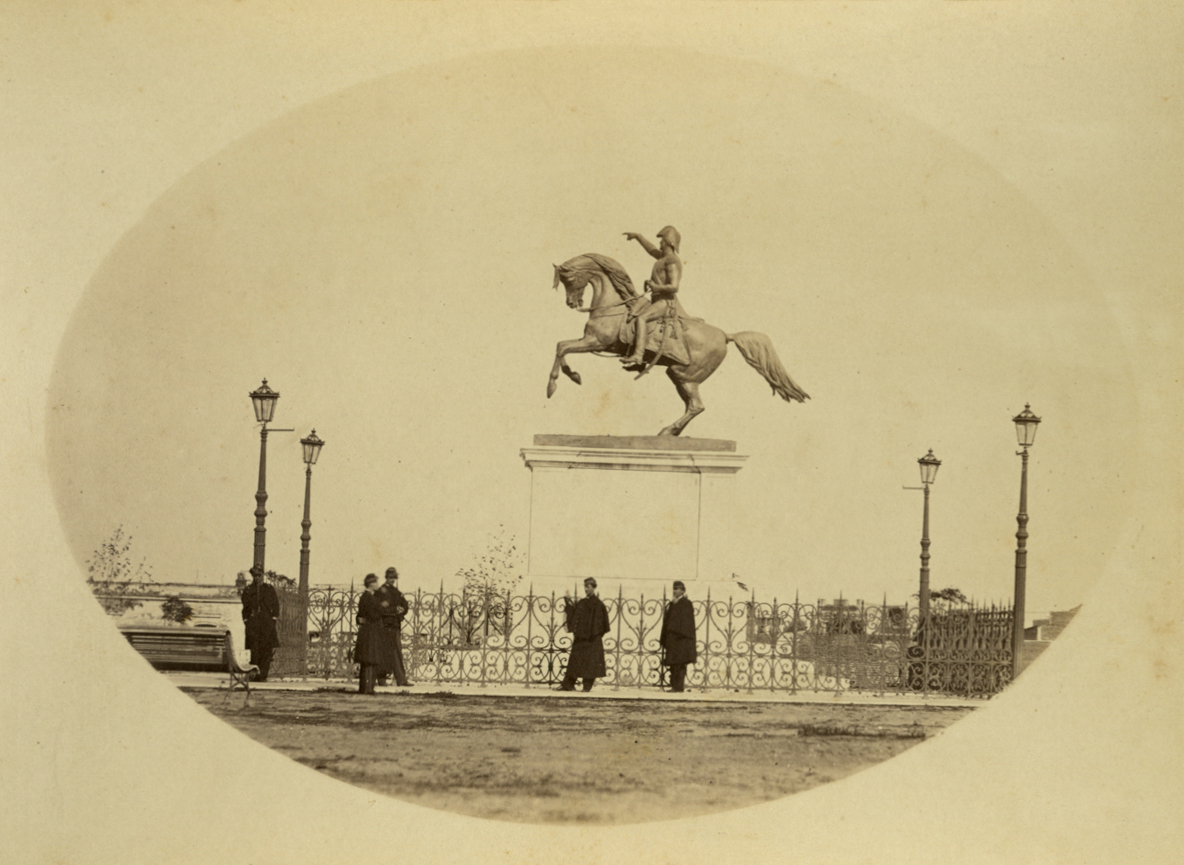









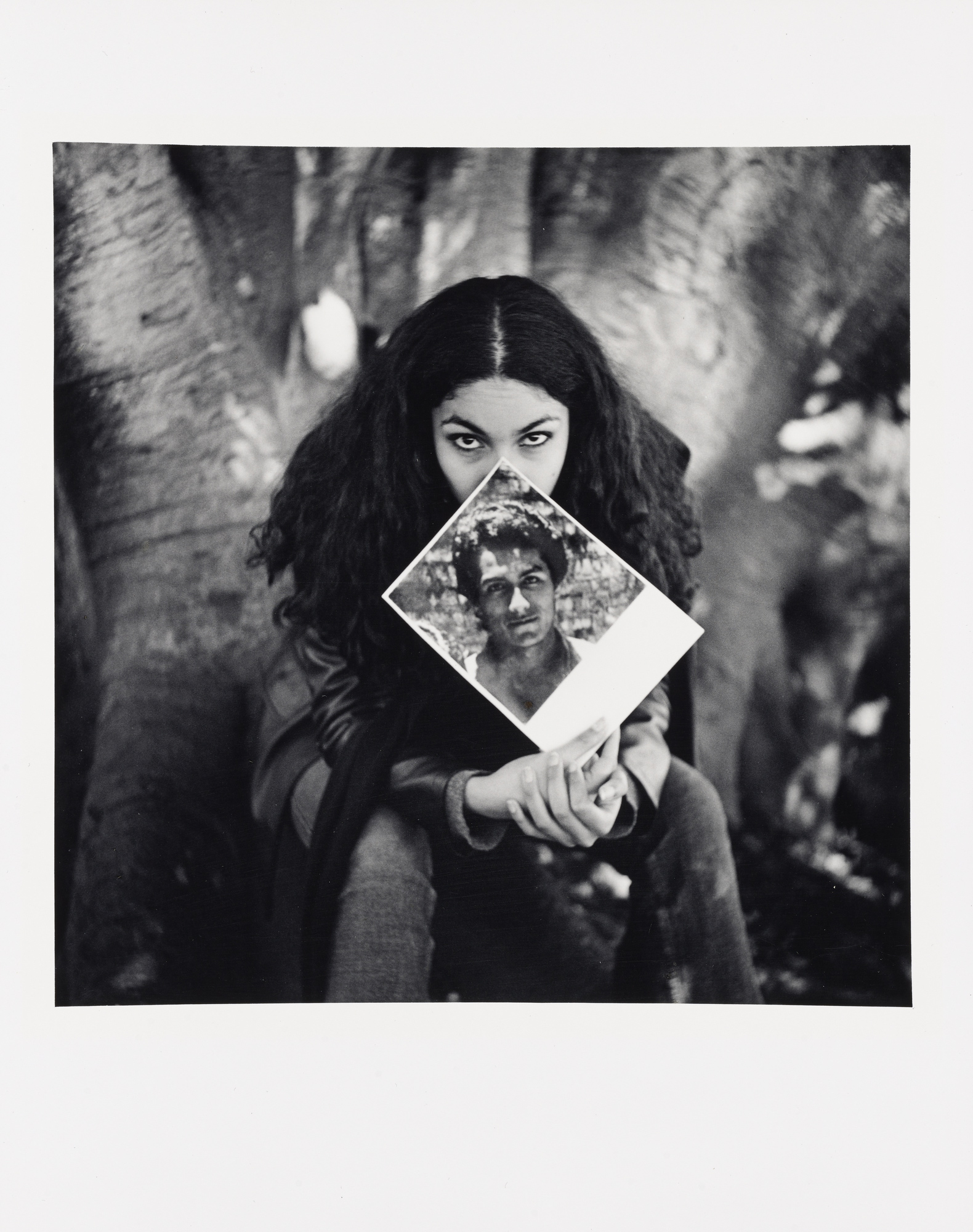


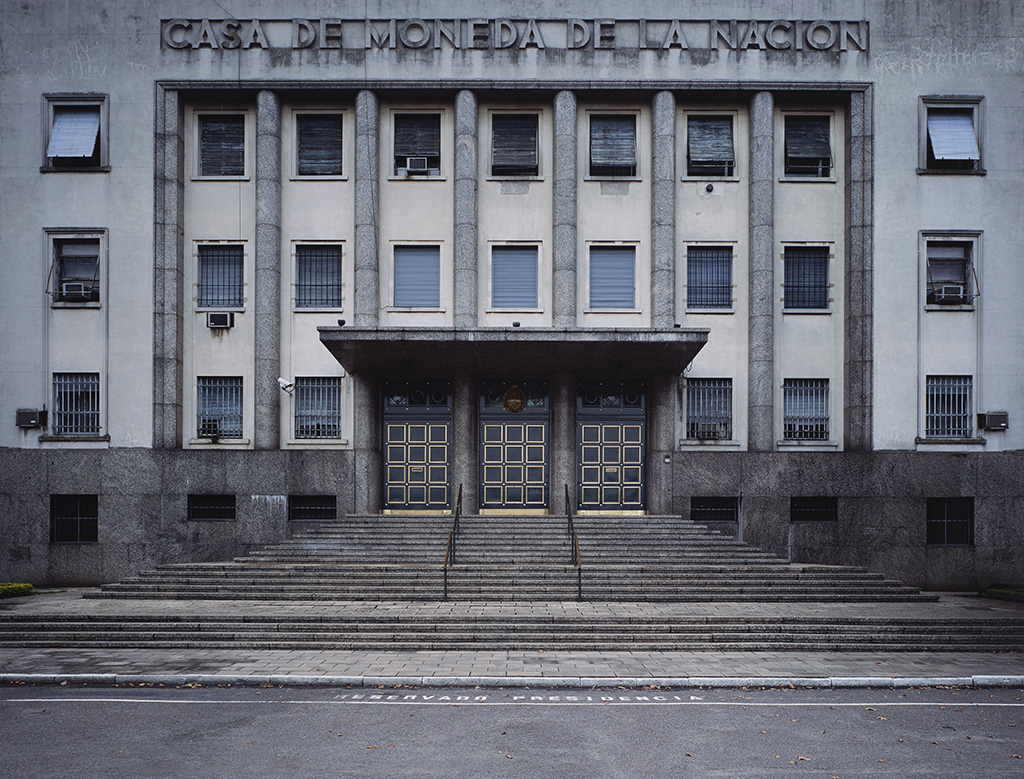

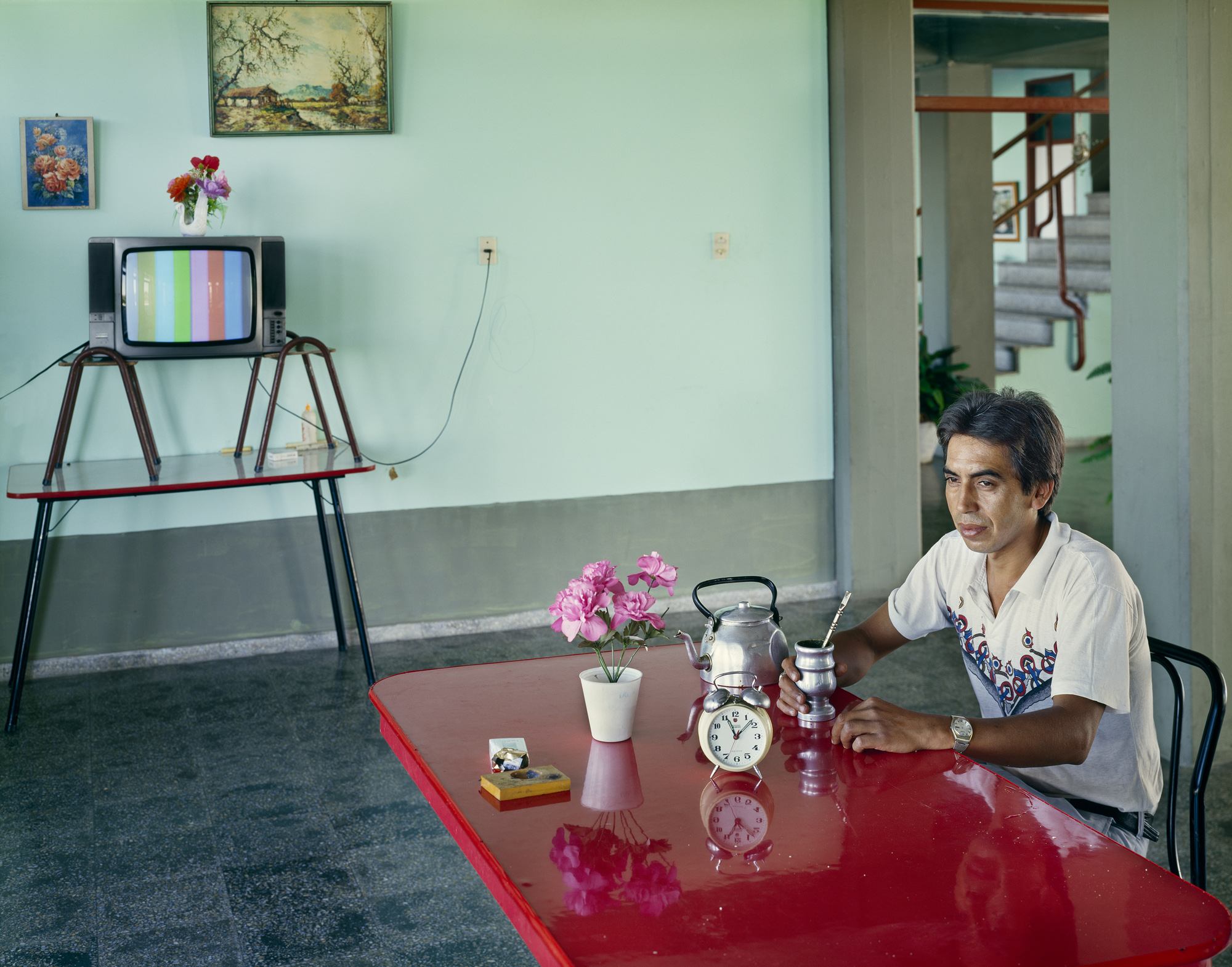



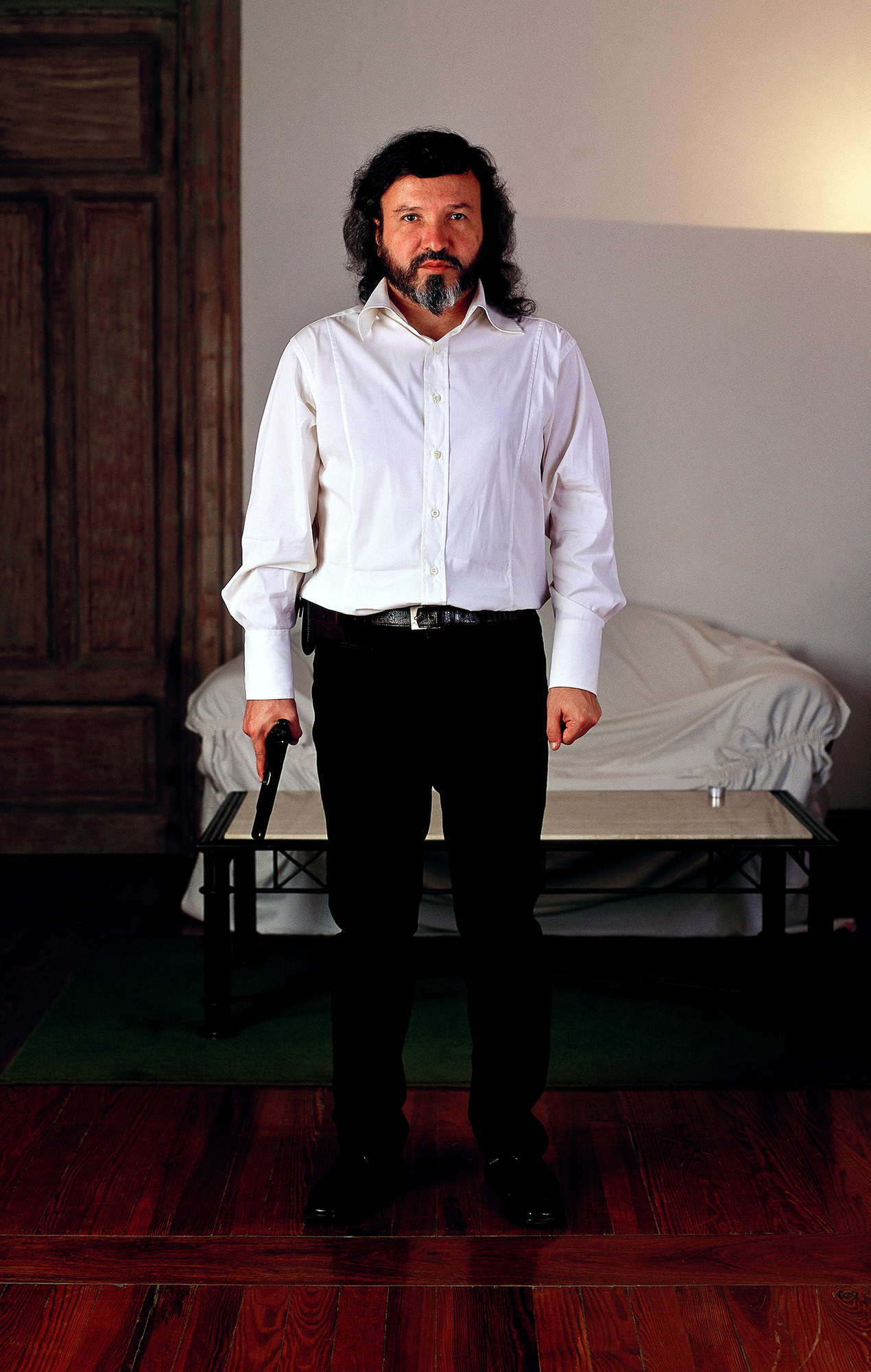


 Art Blart _ art and cultural memory archive
You must be logged in to post a comment.