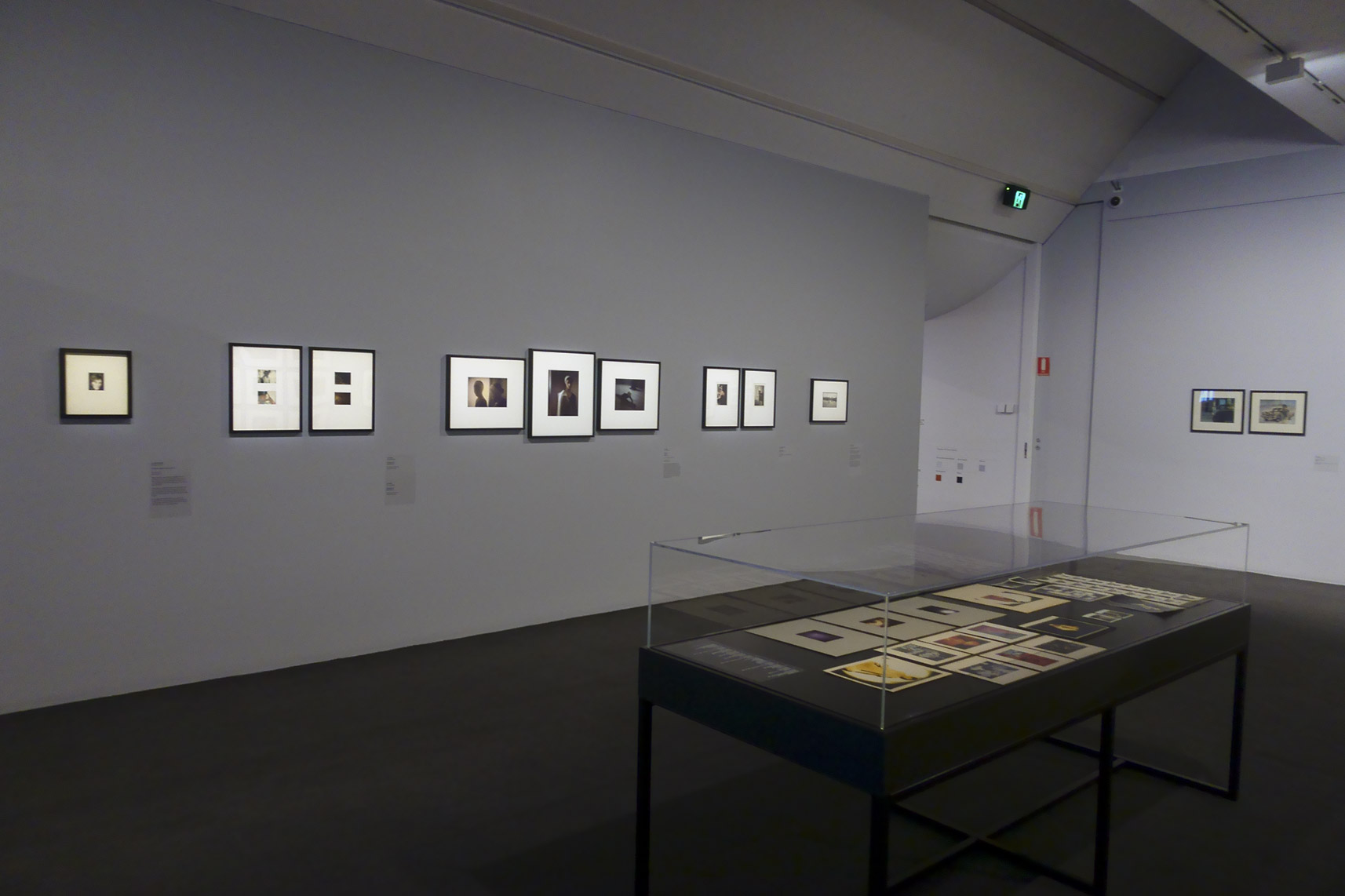
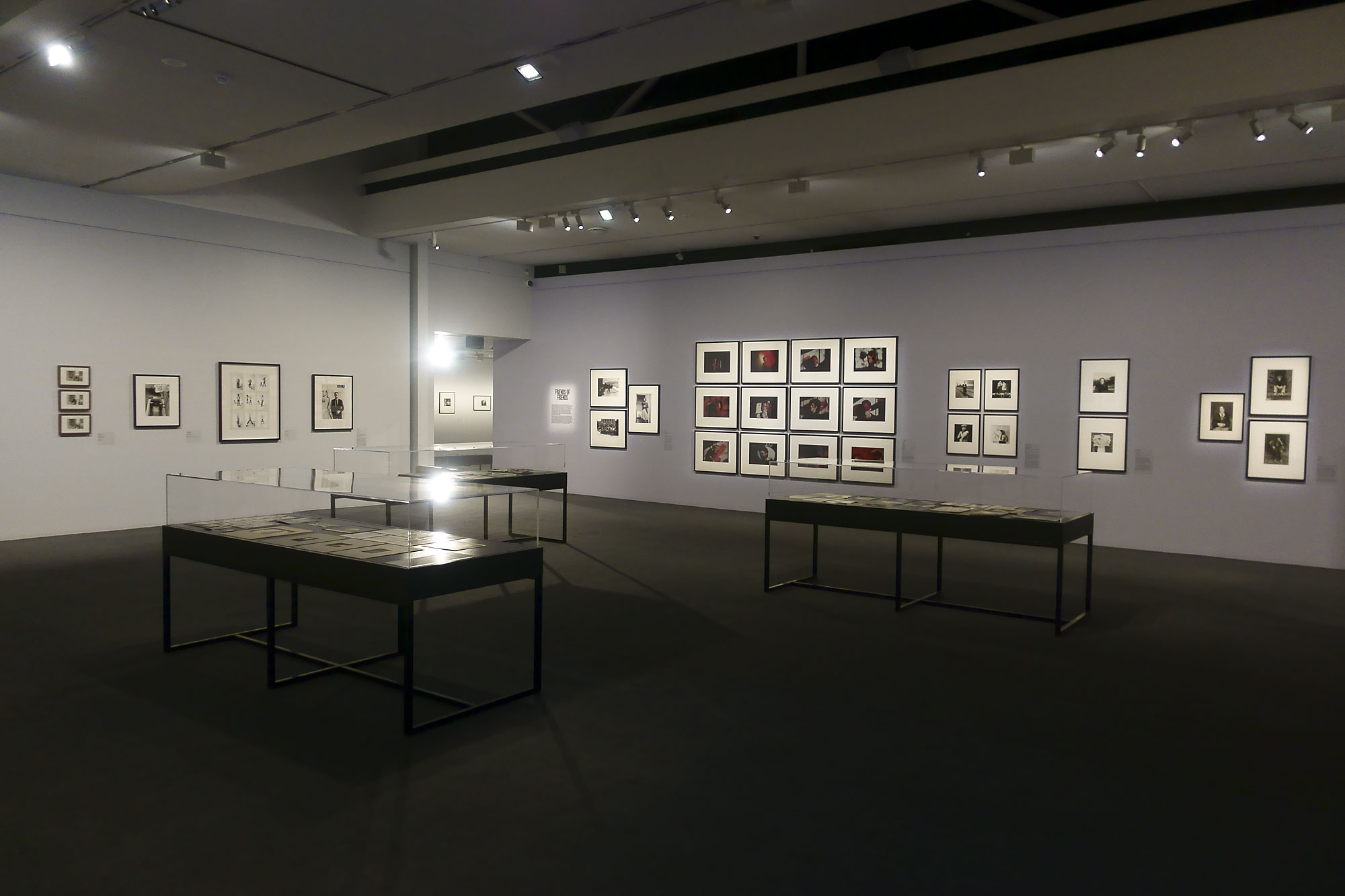
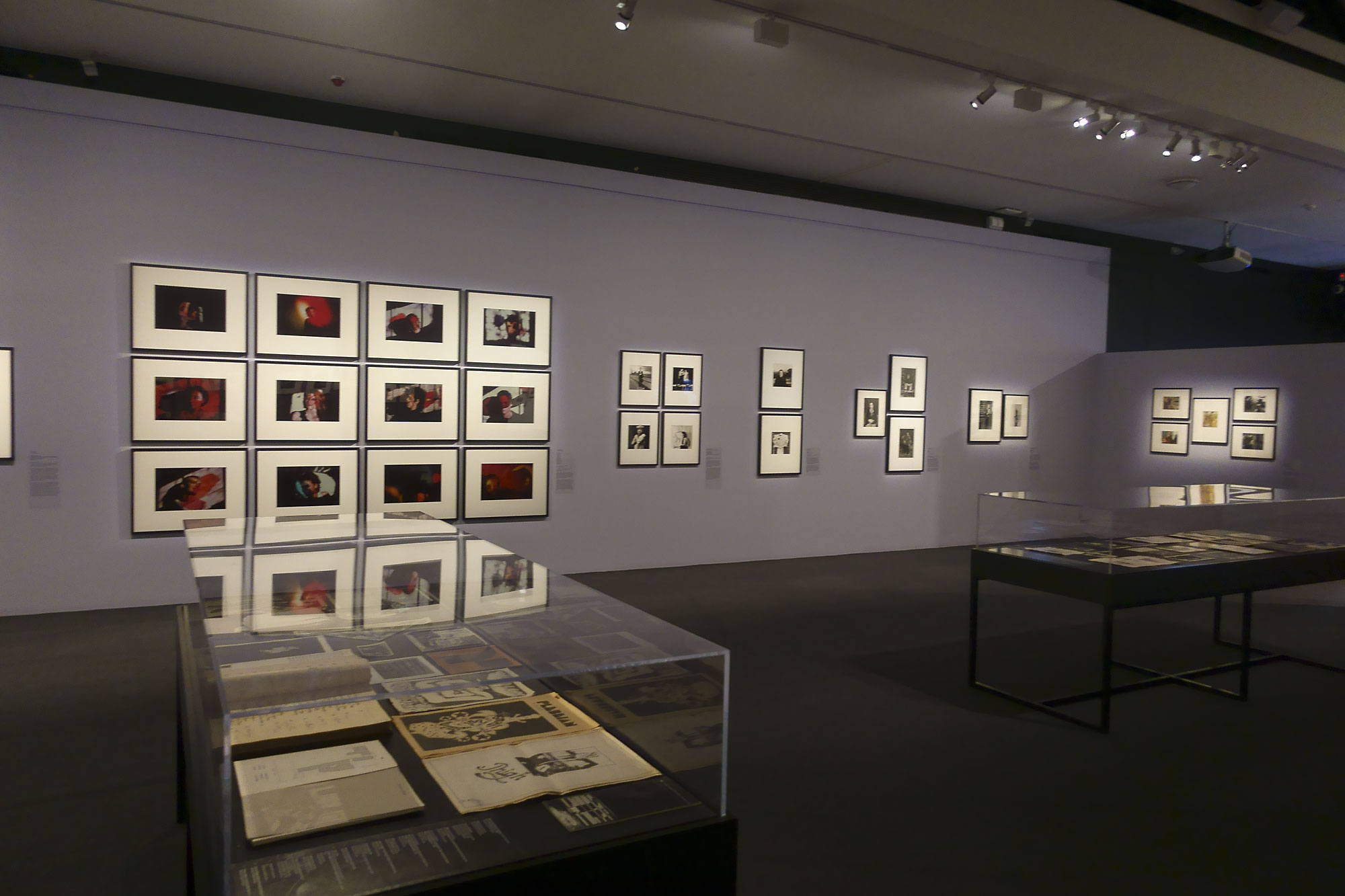
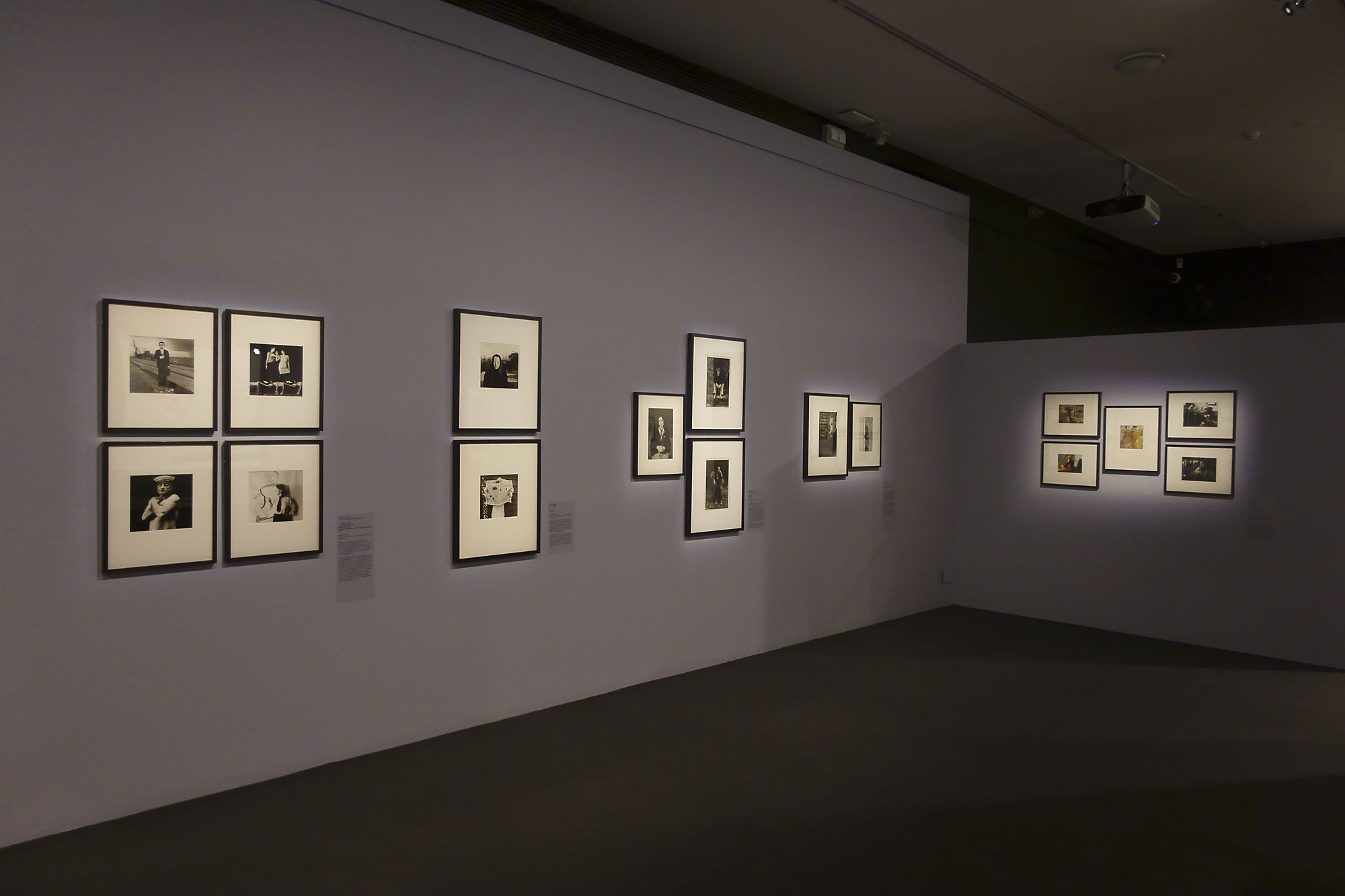
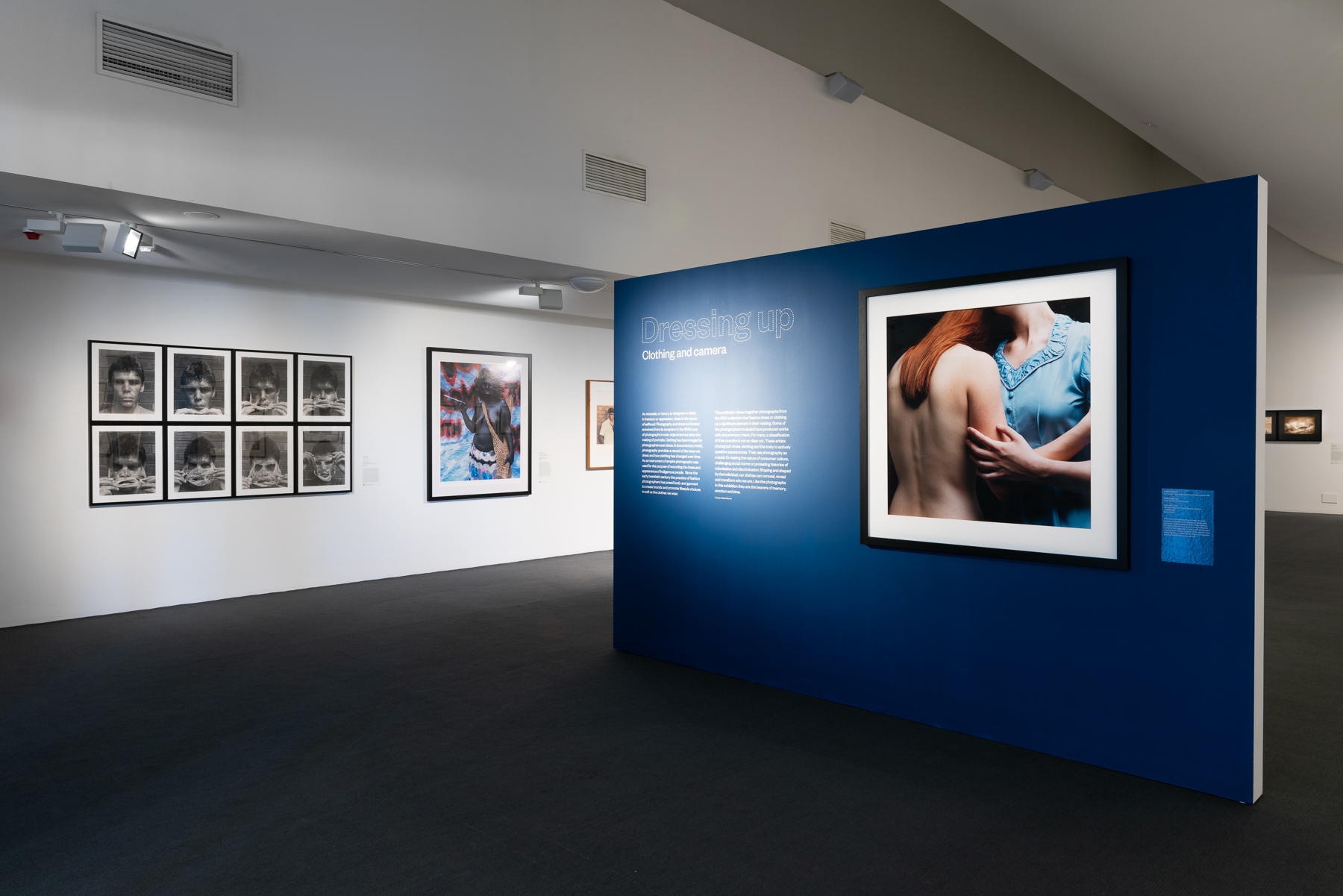
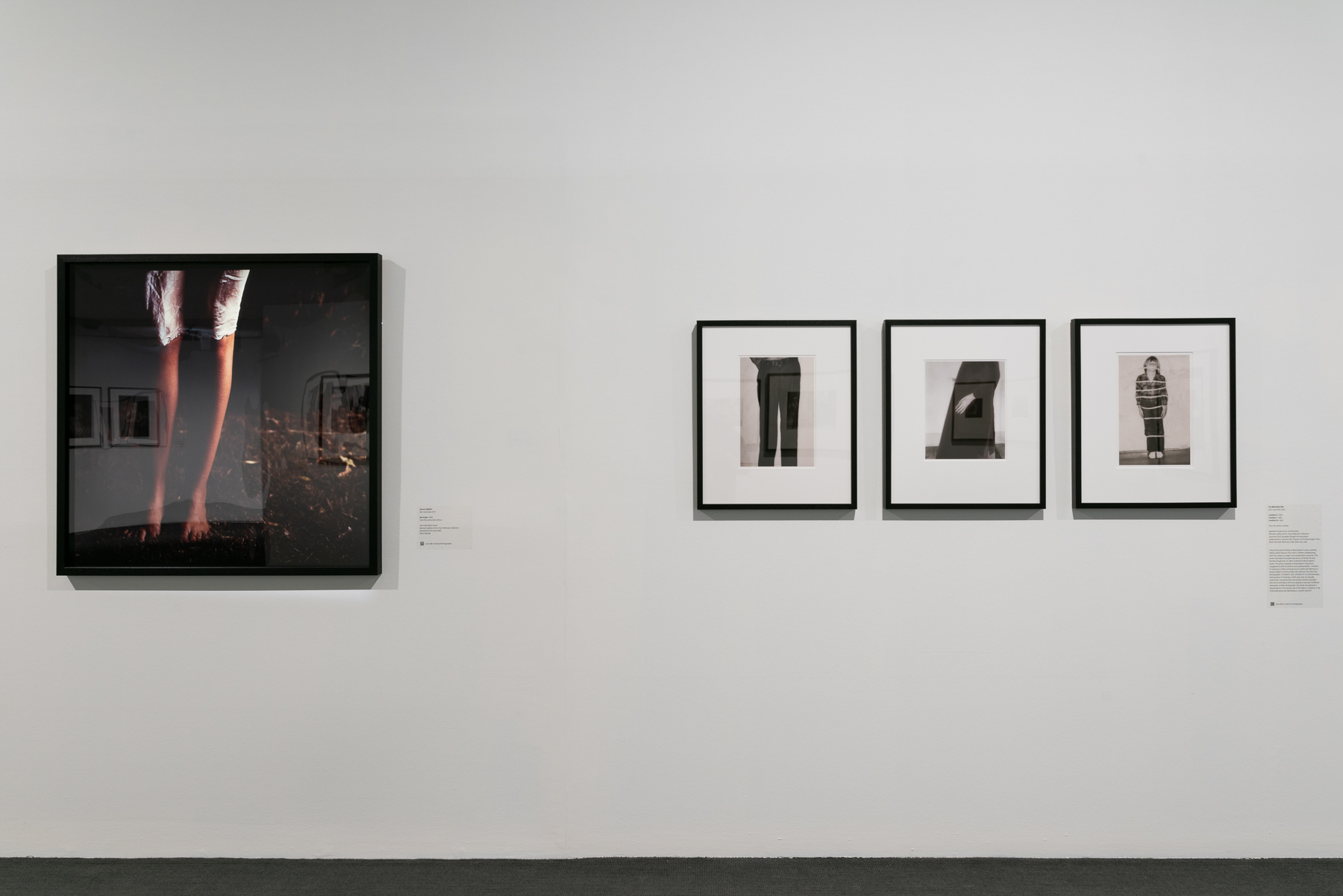
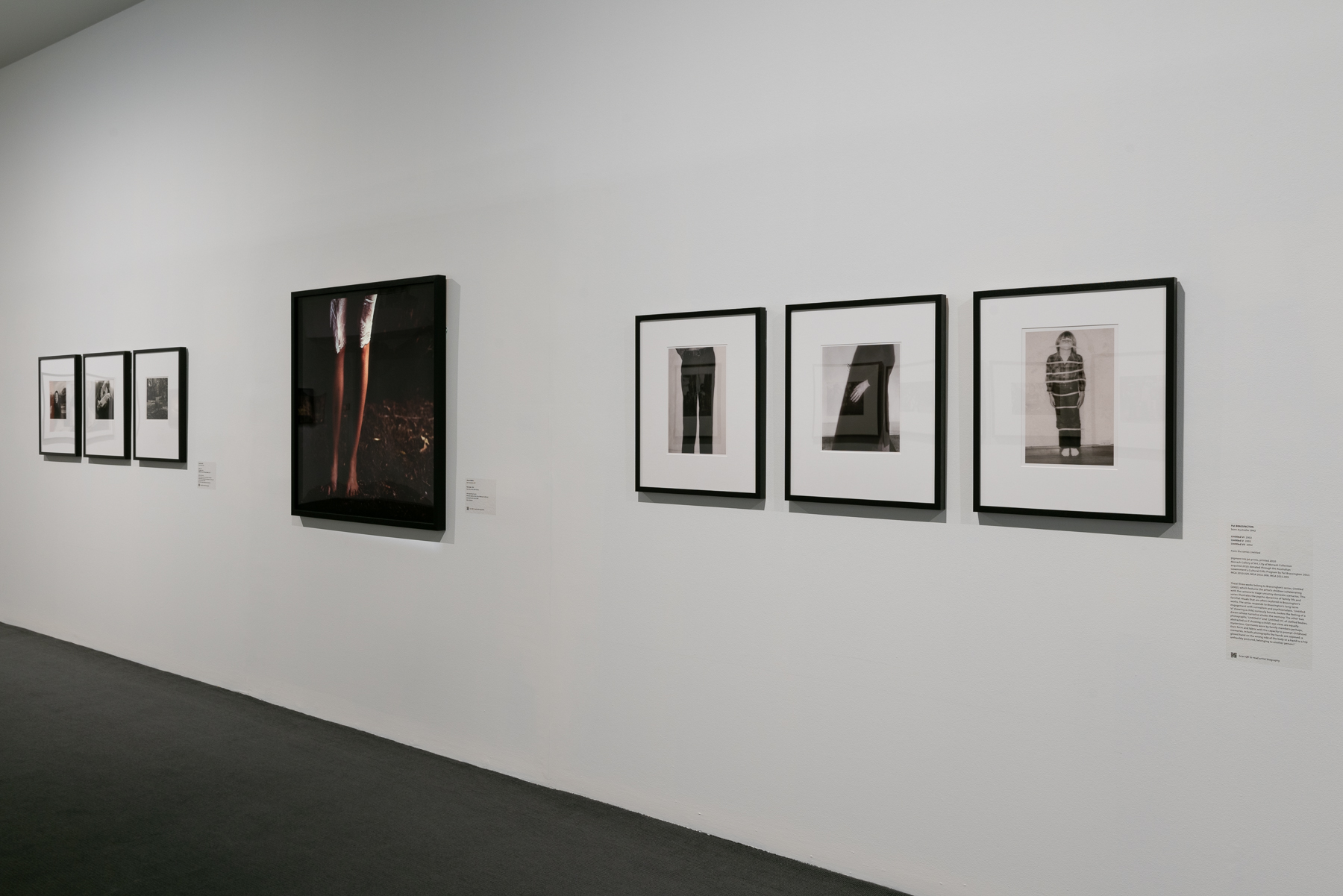
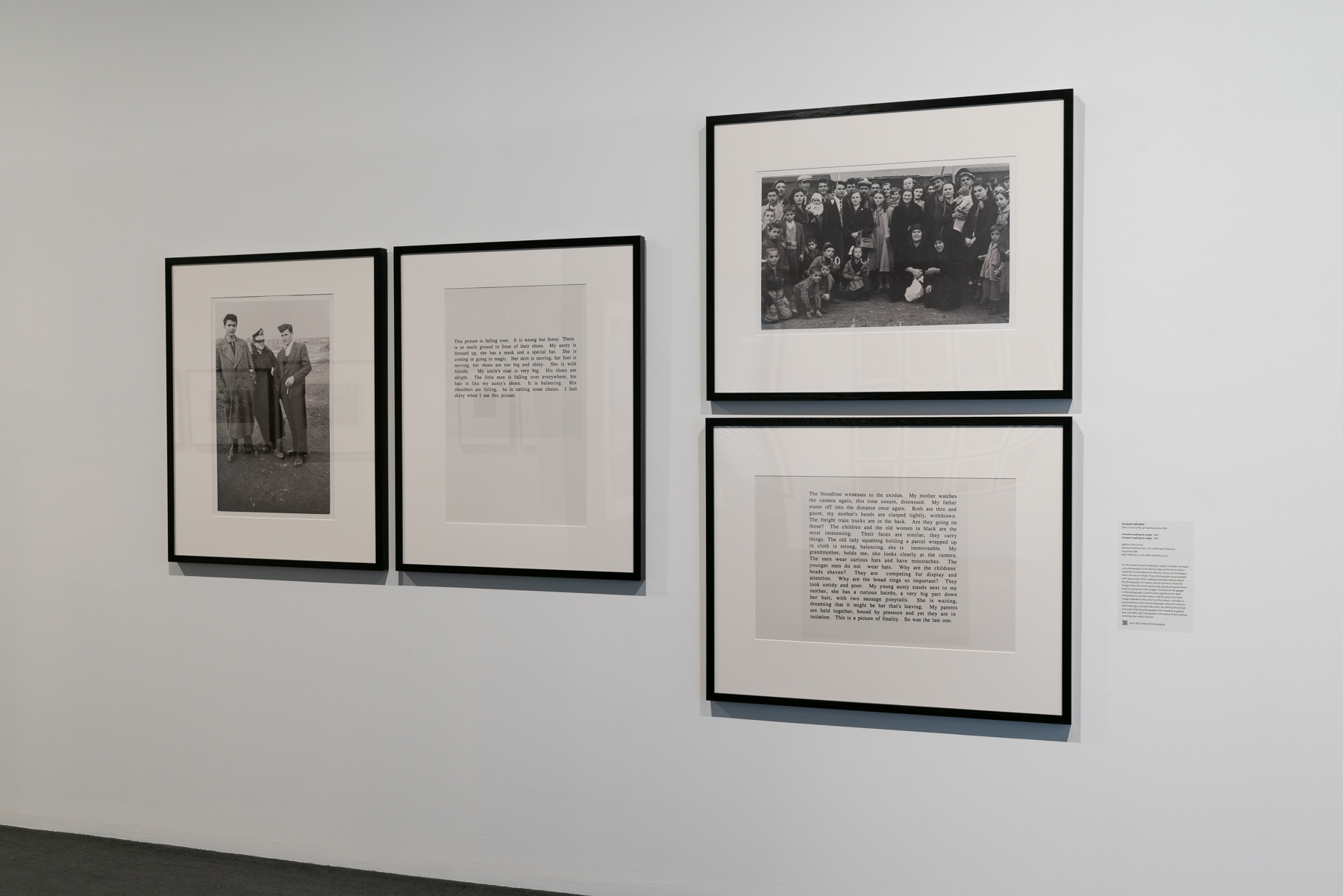
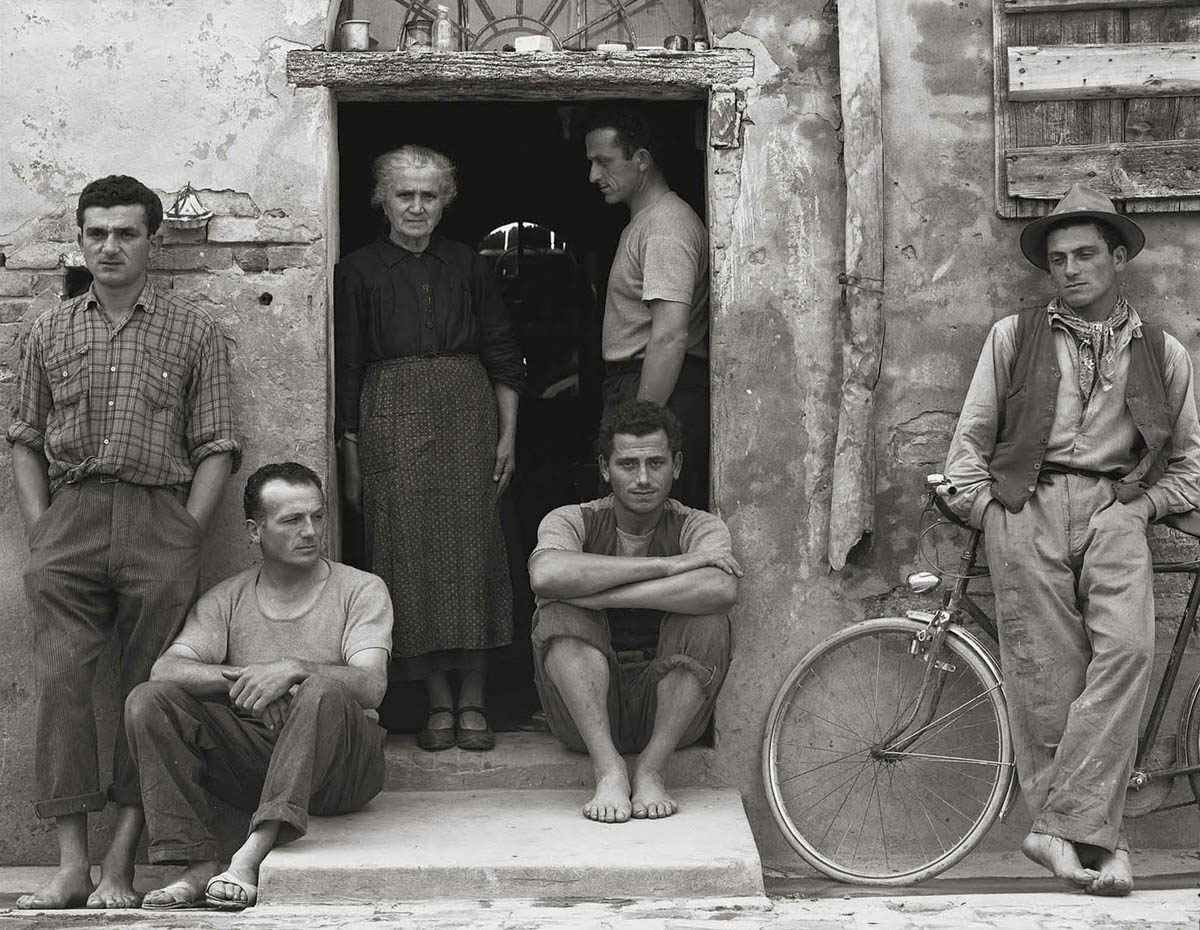
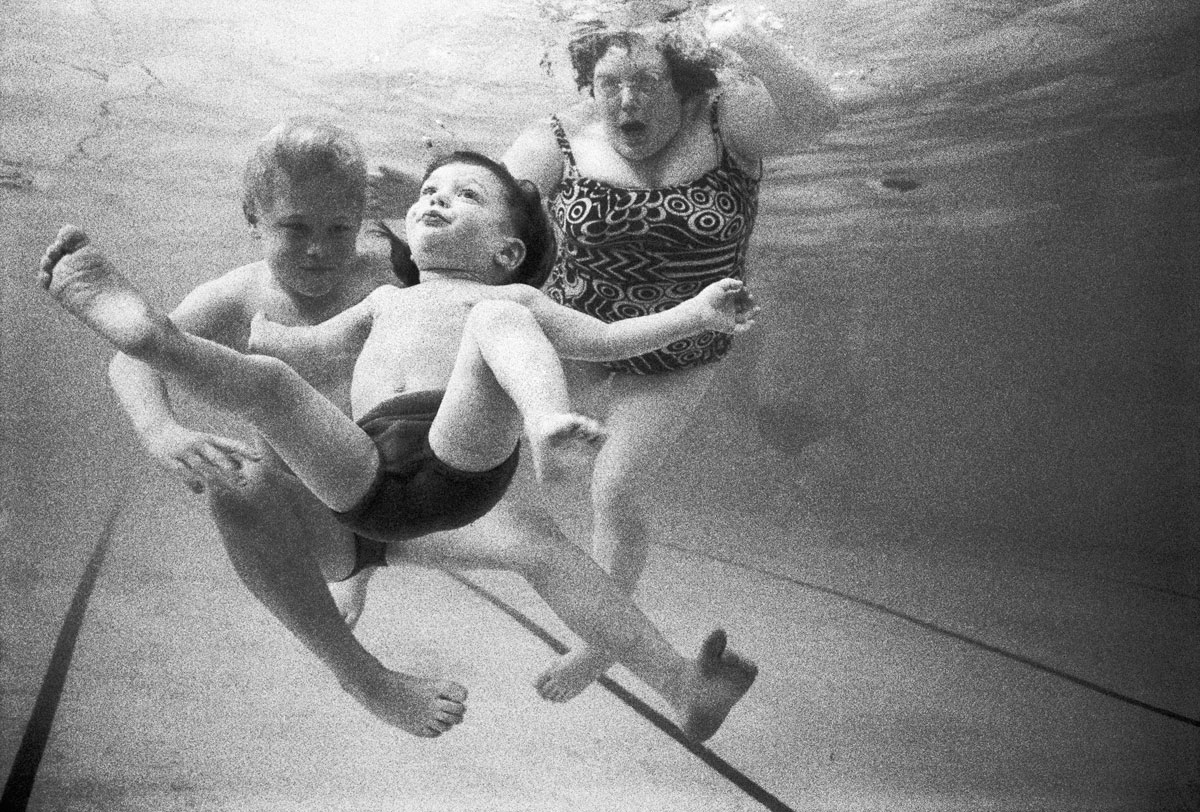
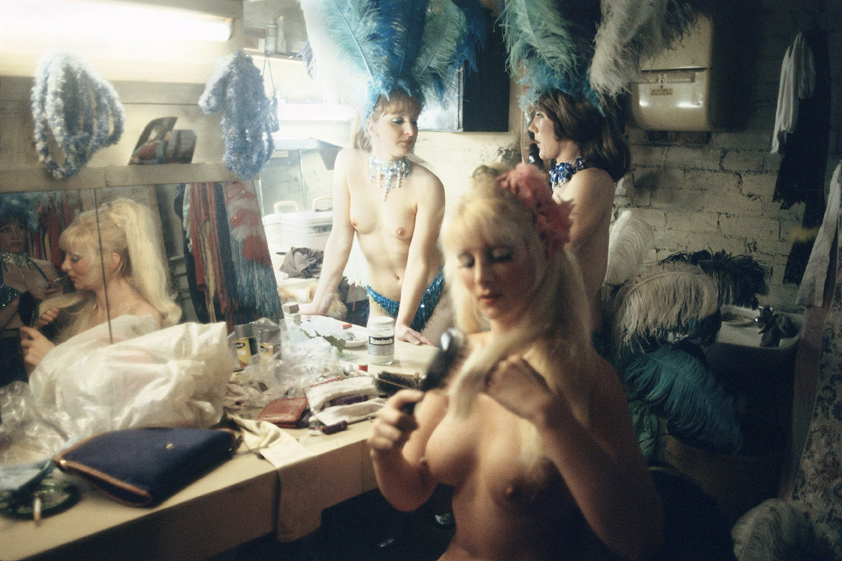
Exhibition: ‘The basement: photography from Prahran College (1968-1981)’ at the Museum of Australian Photography, Wheelers Hill, Melbourne

Exhibition dates: 1st March – 25th May, 2025

Curators: Angela Connor, MAPh Senior Curator, and Stella Loftus-Hills, MAPh Curator

Exhibiting artists: Colin Abbott, Robert Ashton, Con Aslanis, Polly Borland, Peter Bowes, John Brash, Peter Burgess, Nanette Carter, John Cato, Andrew Chapman, Lyn Cheong, Jon Conte, Kim Corbel, Paul Cox, Mimmo Cozzolino, Christina de Water, Duncan Frost, Rob Gale, Sandra Graham, Bill Henson, Julie Higginbotham, Graham Howe, Carol Jerrems, Moira Joseph, Peter Kelly, Christopher Köller, Johann Krix, Paul Lambeth, Derrick Lee, Peter Leiss, Carolyn Lewens, Steven Lojewski, Ian Macrae, James McArdle, Jim McFarlane, Rod McNicol, Julie Millowick, Peter Milne, Jacqueline Mitelman, Richard Muggleton, Martin Munz, Nicholas Nedelkopoulos, Greg Neville, Glen O’Malley, Viki Petherbridge, Ross Powell, Philip Quirk, Leonie Reisberg, Susan Russell, Stella Sallman, Athol Shmith, Geoff Strong, Ian Tippett, George Volakos, Stephen Wickham, Andrew Wittner, Ken Wright, Lynette Zeeng
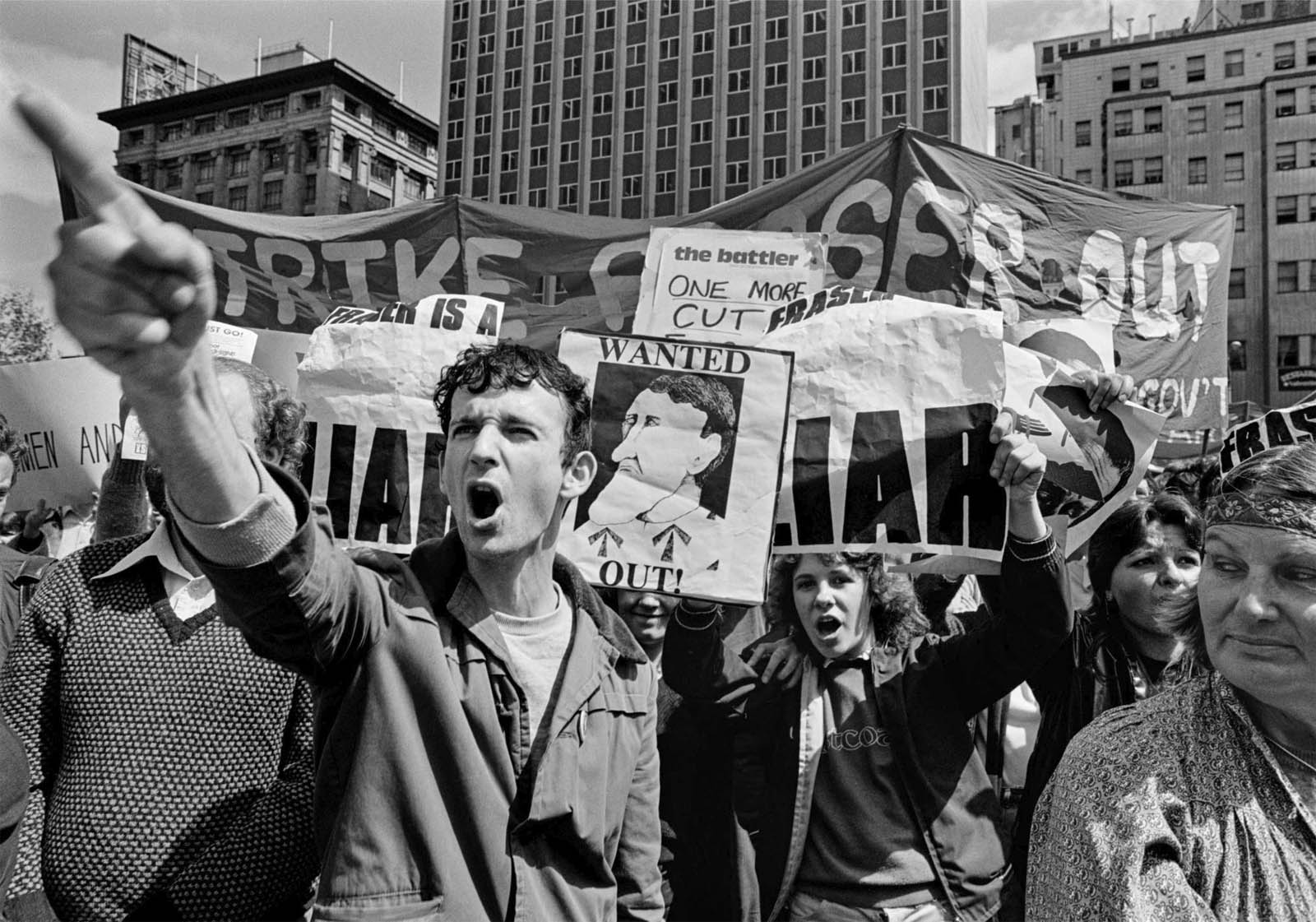
 

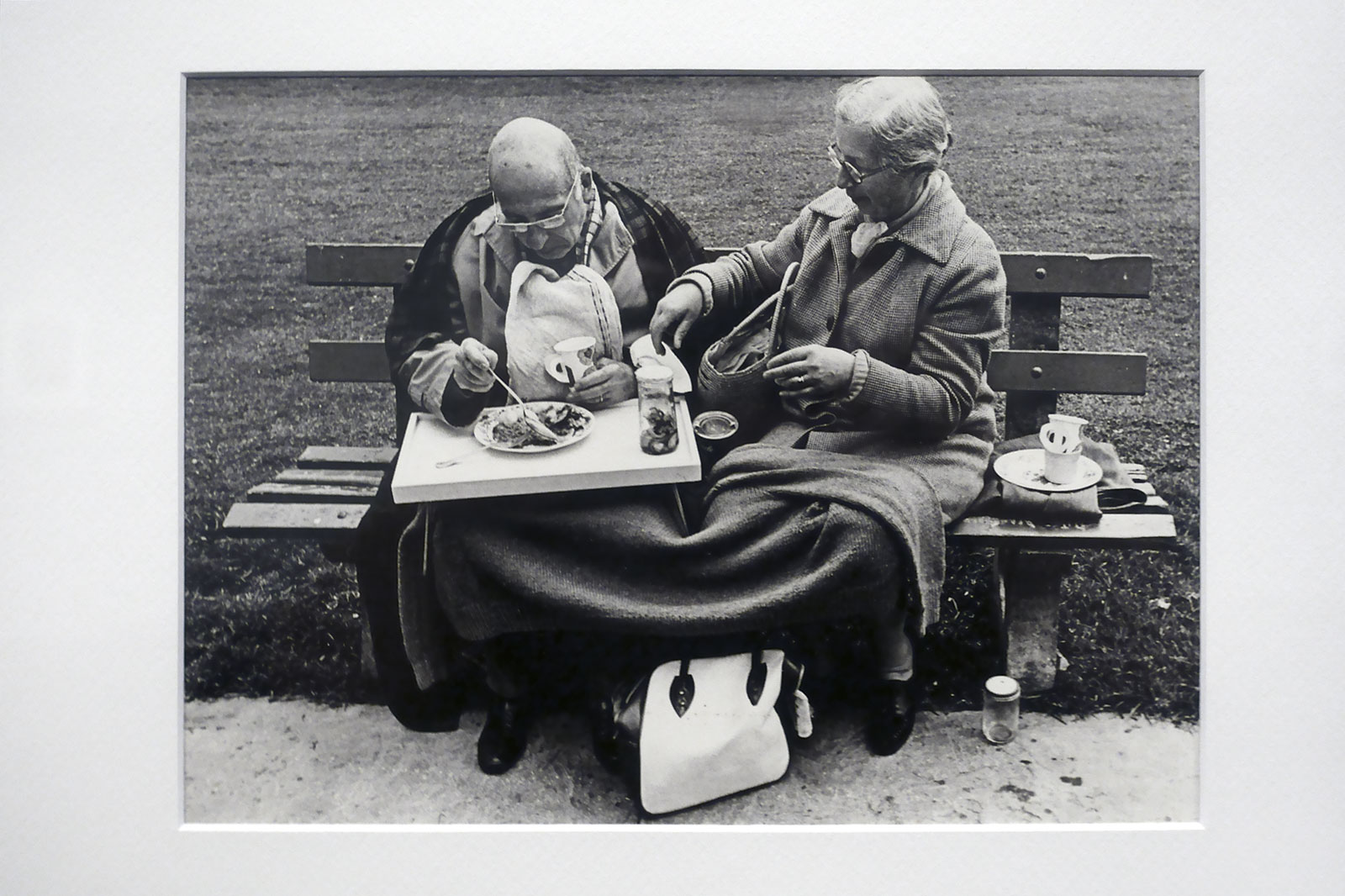
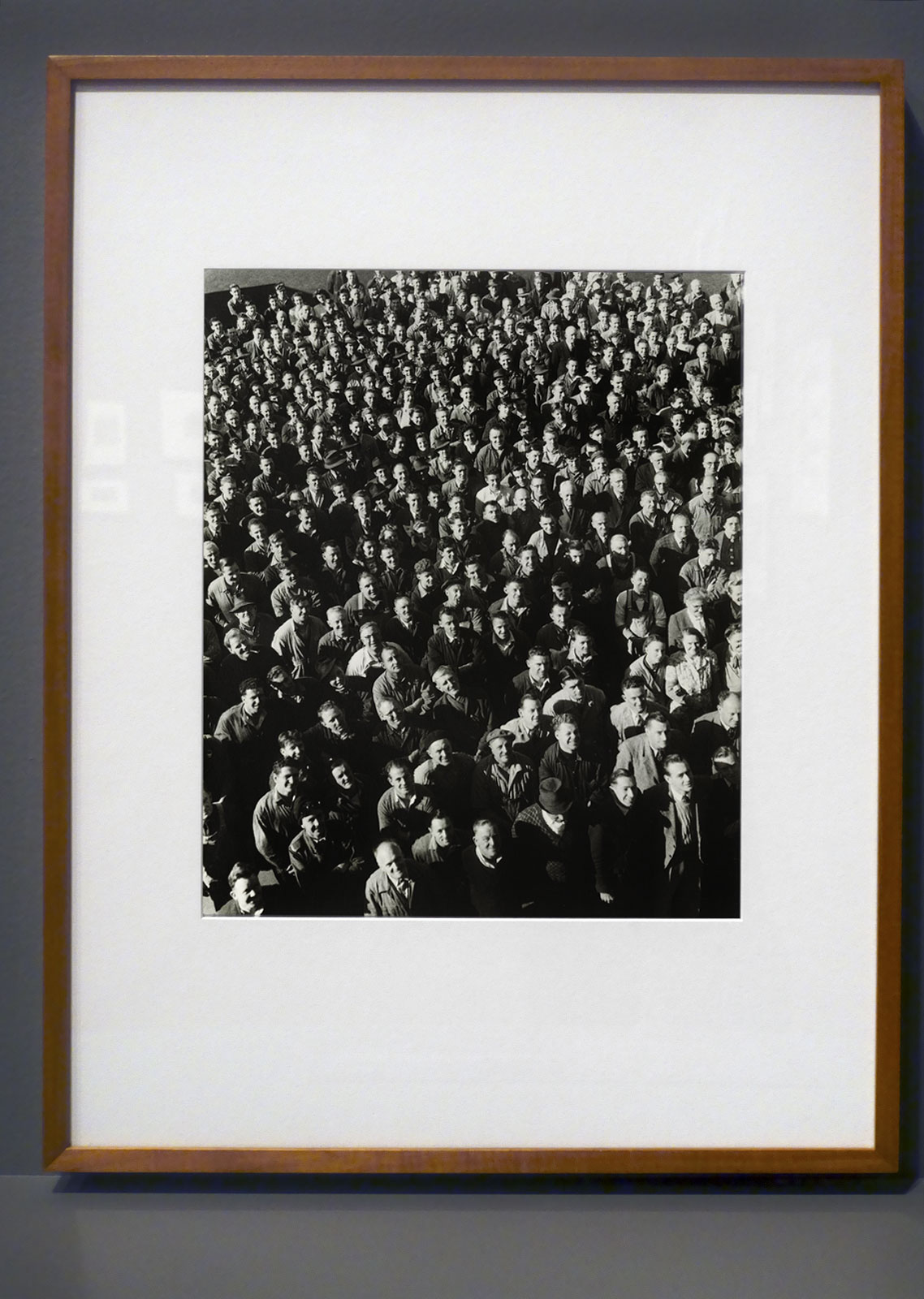
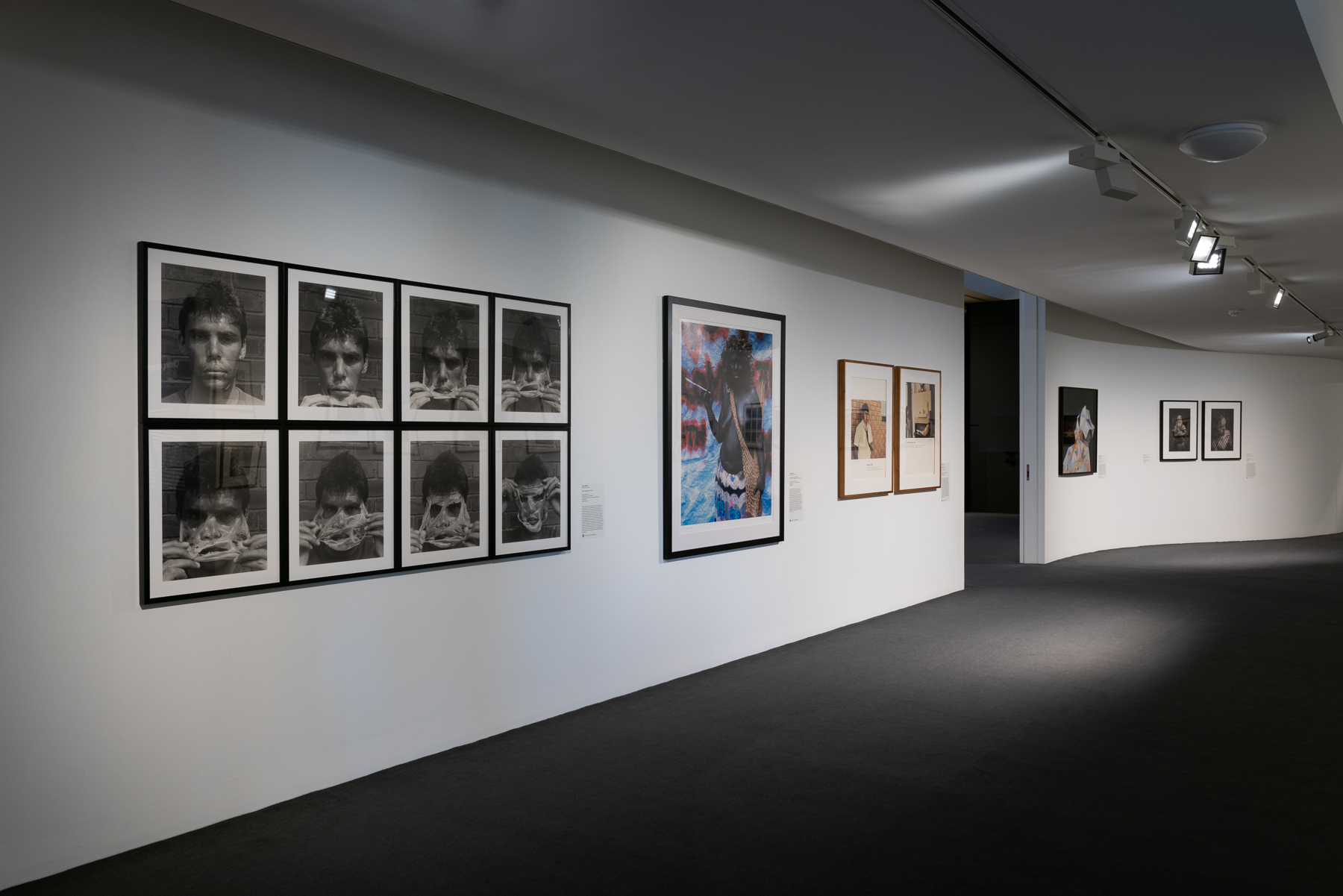
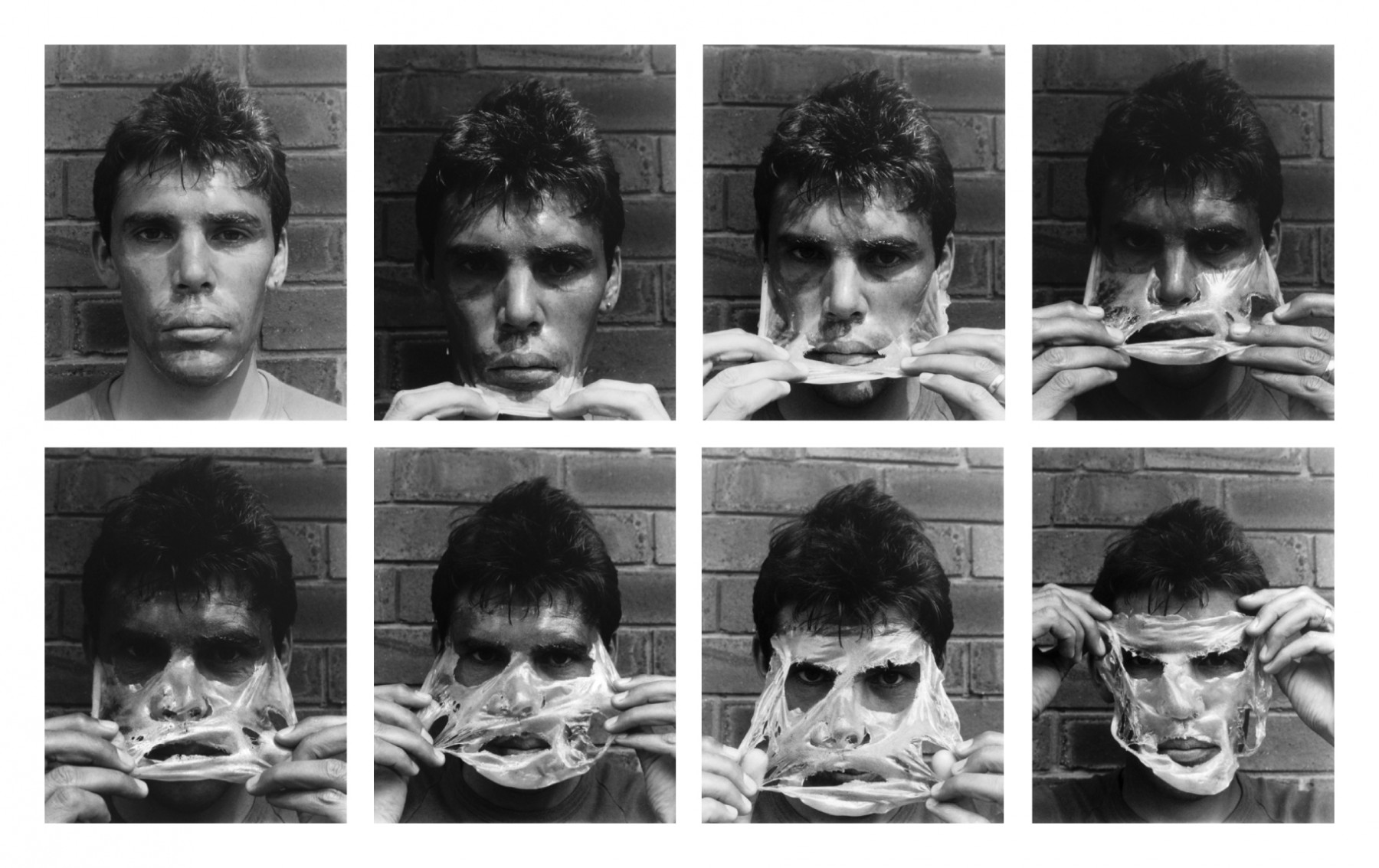
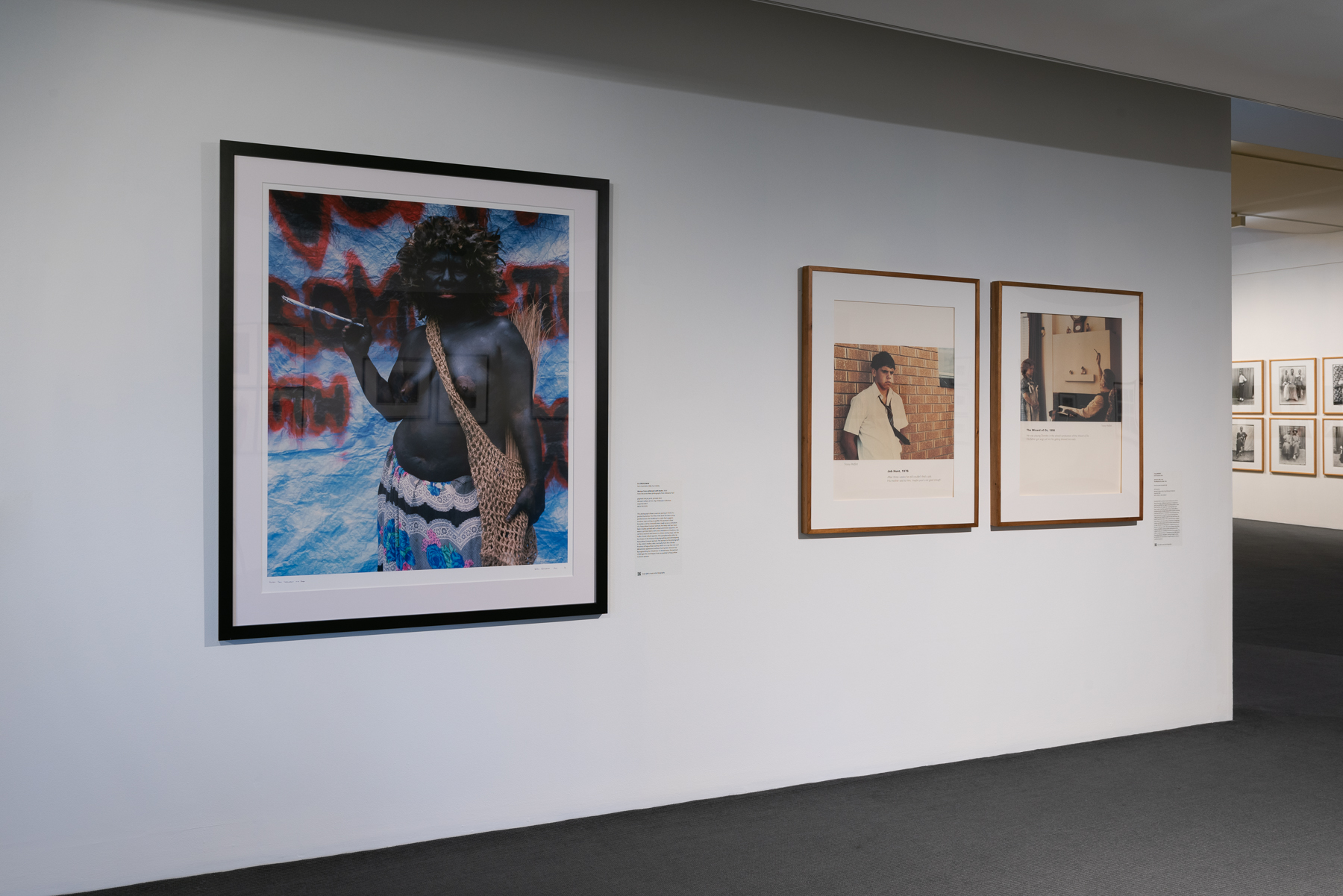
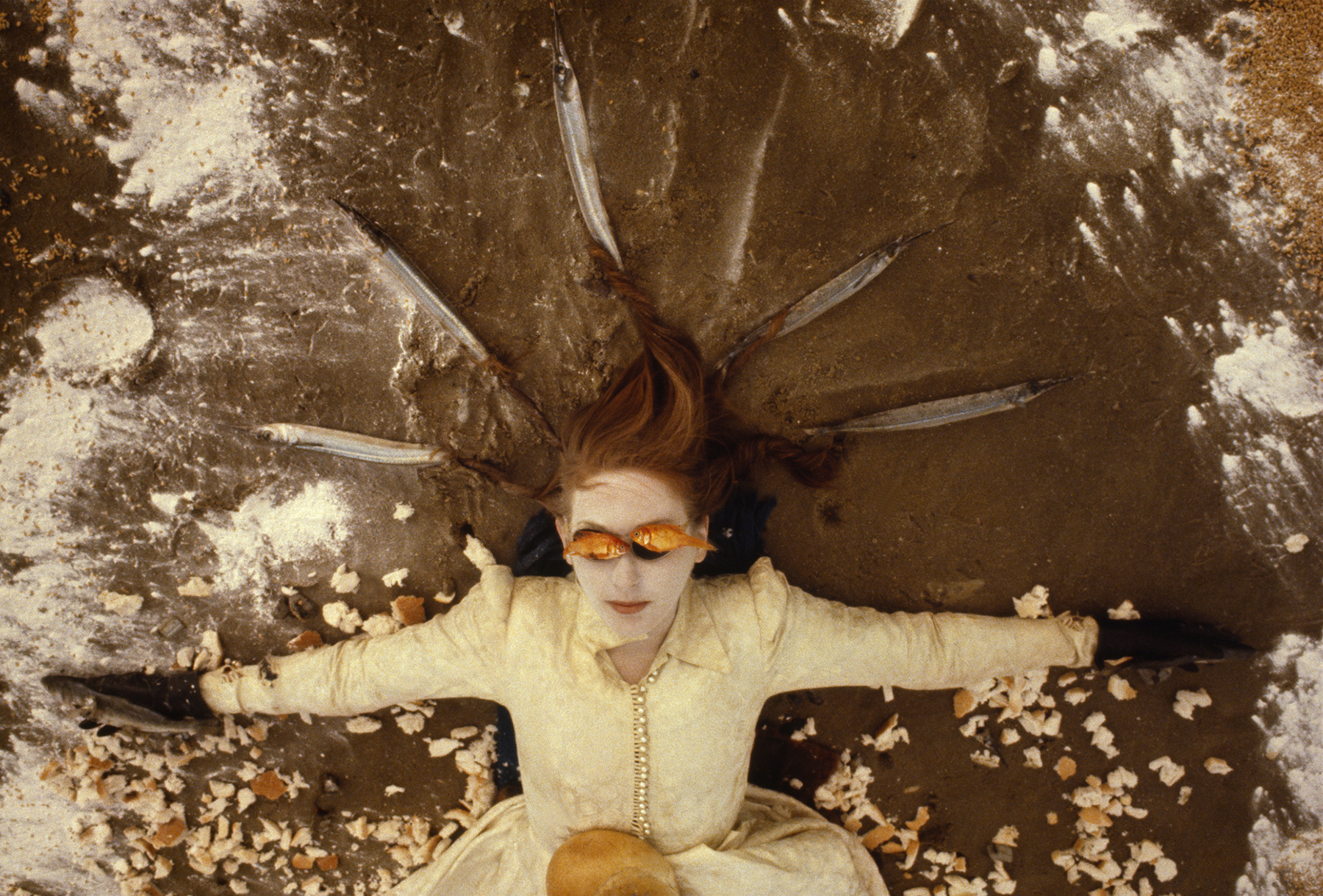
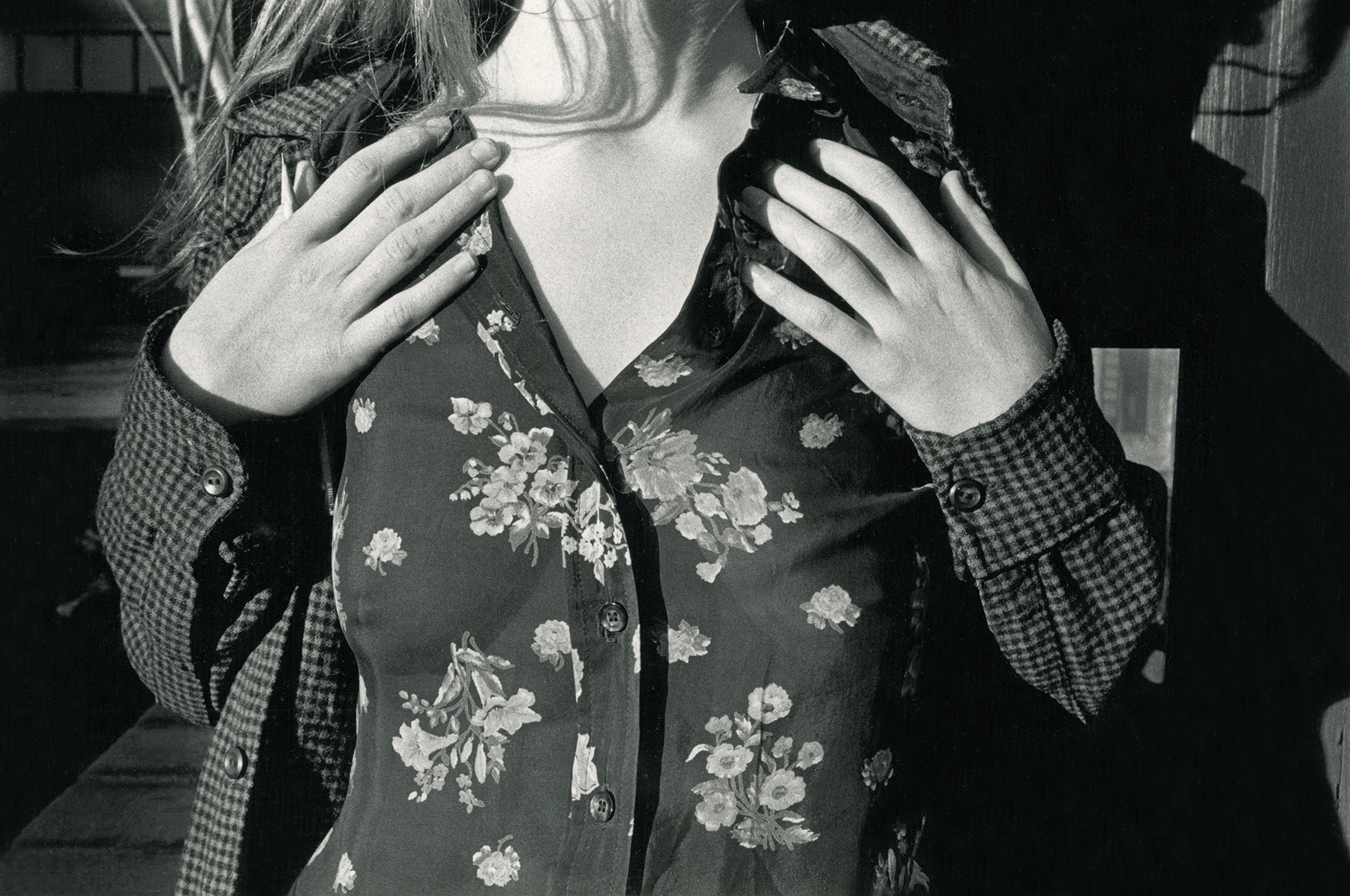
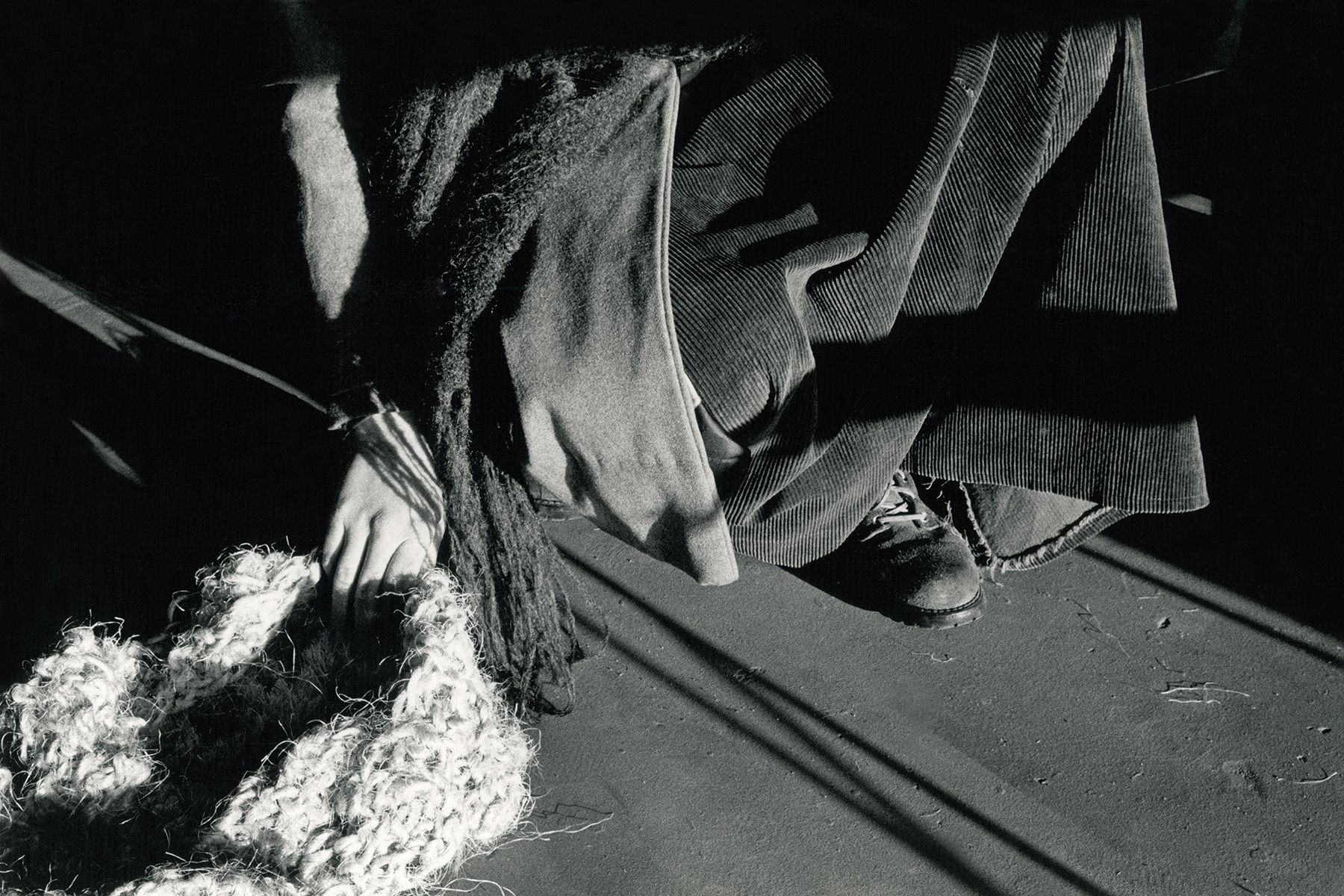
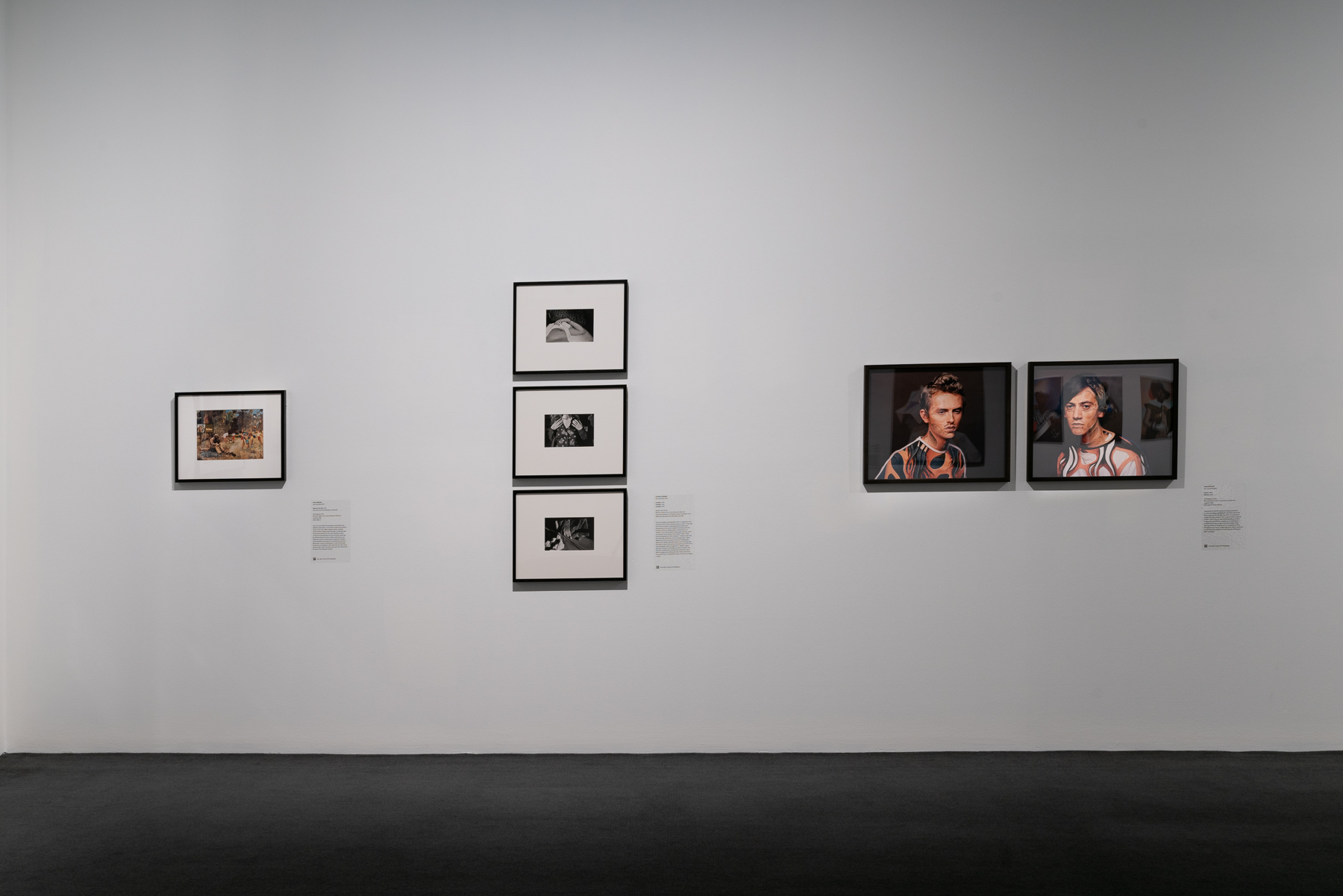
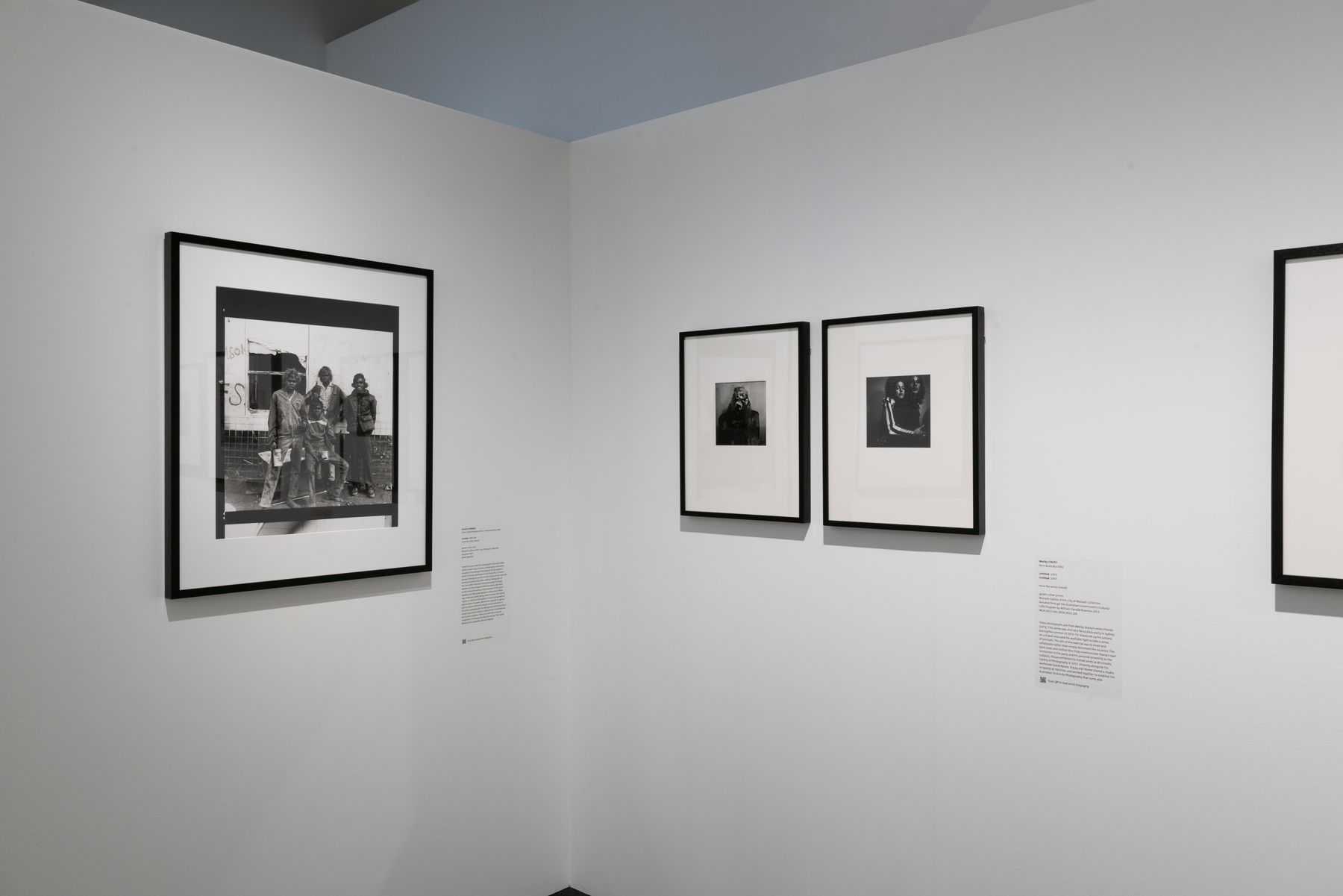
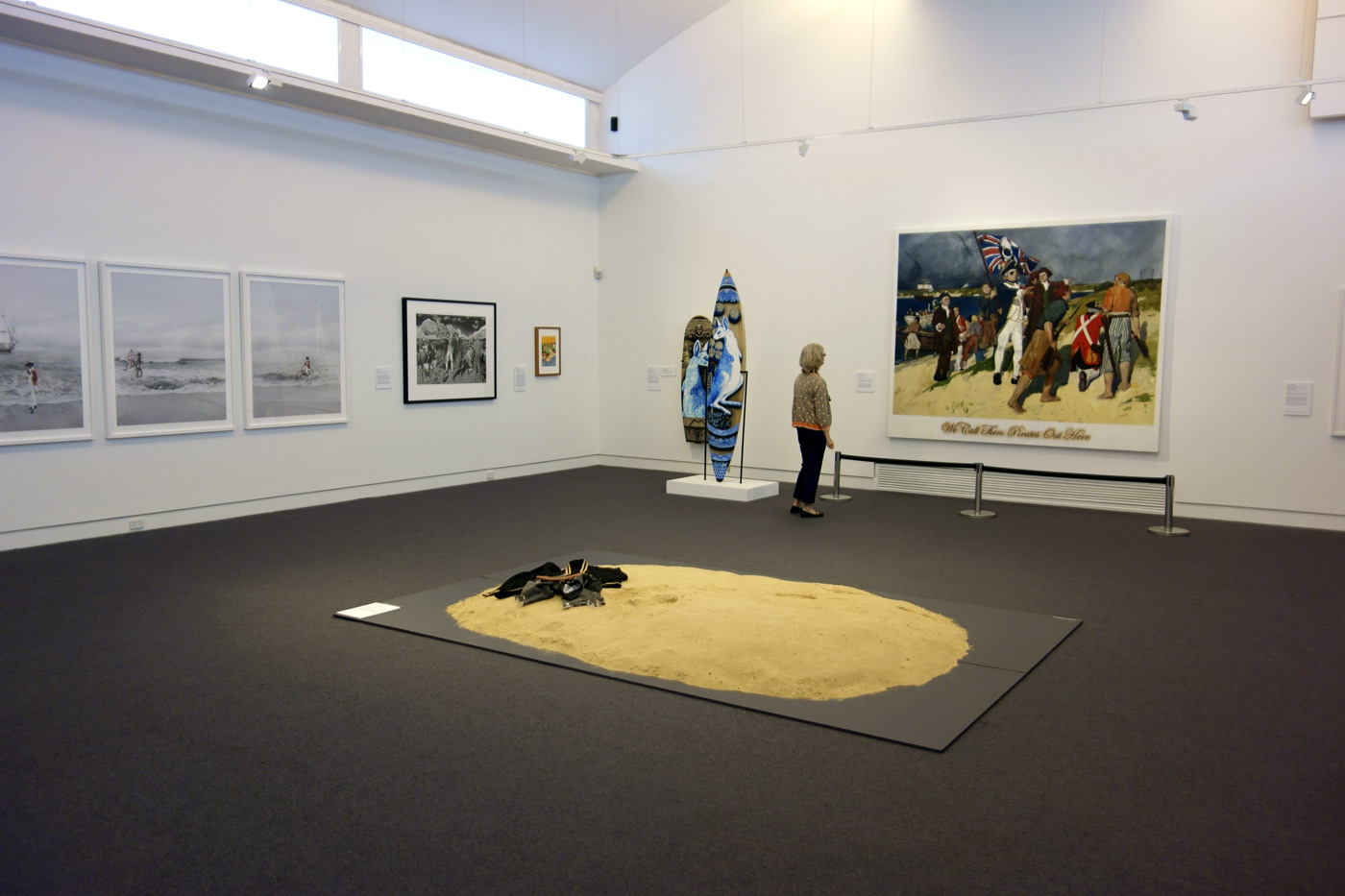
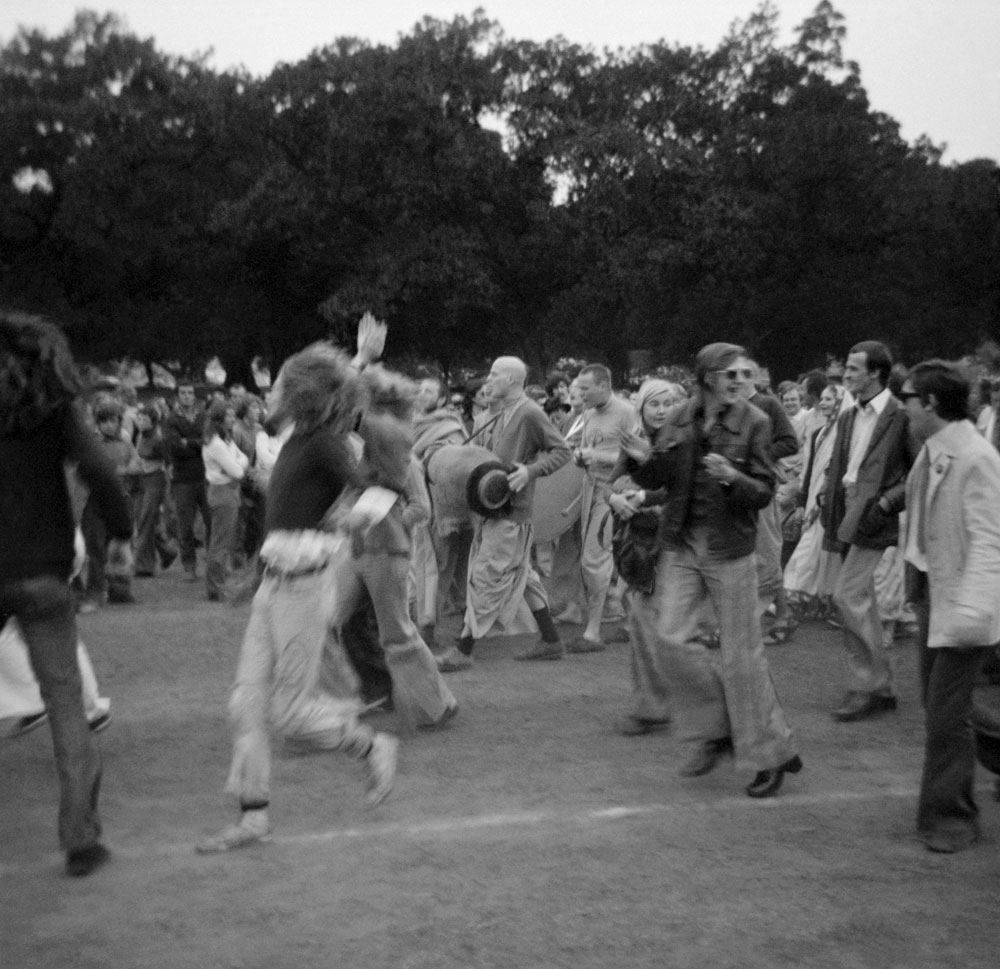
Andrew Chapman (Australian, b. 1954) 'Lest we forget' 1980 from the exhibition 'The basement: photography from Prahran College (1968-1981)' at the Museum of Australian Photography, Wheelers Hill, Melbourne, March - May 2025


Andrew Chapman (Australian, b. 1954)
Lest we forget
1980
Gelatin silver print
Museum of Australian Photography, City of Monash Collection donated 2024


Nurture

A world of creativity and transformation

This is a magnificent exhibition at the Museum of Australian Photography which showcases the work of students and teachers at Prahran College between 1958-1981.

People more eminent than myself have commented on the exhibition.

Gael Newton AM – formerly curator of photography at the Art Gallery of New South Wales, and the Senior Curator of Australian and International Photography at the National Gallery of Australia (NGA) in Canberra – “highlights the diverse and passionate nature of the Prahran College community, where an unstructured curriculum and open debates encouraged multiple approaches – from documentary and still life to collage and staged tableau – while the influence of European cinematic sensibilities and the local film and music scenes added depth to the artistic expression.”1

Daniel Palmer – Professor in the School of Art at RMIT University, his research and professional practice focuses on contemporary art and cultural theory, with a particular emphasis on photography and digital media – commenting on the era “frames the 1970s as a transformative era for Australian society and photography, characterised by social activism.”1

Helen Ennis – formerly Curator of Photography at the National Gallery of Australia and outstanding writer on Australian photography and photographers – emphasises “productive intergenerational exchanges between students and their older educators Prahran represented a space of creative possibility and hope” while acknowledging Prahran’s limitations including gender imbalance, “noting examination records from 1974 showing only five of twenty students were female, with the first woman (Julie Millowick) not appointed to teach until 1983.”1

“Ennis’s address brings to light from The Basement a critical reassessment of how we understand and present 1970s Australian photography. She advocated for approaches that preserve the complexity, contradictions, and energy of this formative period rather than imposing retrospective order that might simplify or misrepresent it. Her reflections bridge historical understanding with contemporary curatorial practice, suggesting ways to engage more authentically with photography’s rich past.”2

Bill Henson AO – former student and internationally acclaimed photographer – acknowledges that “that political movements such as feminism were present among Prahran’s students in the 1970s – “there were the feminists; there were little groups doing their social diligence” – he noted that these stances did not overshadow the college’s overarching emphasis on beauty and creative exploration. “There wasn’t this righteousness, this indignation, this kind of territorial thing about issues,” he said. In contrast there was an openness and enthusiasm that defined Prahran during his time there – a place where beauty and creativity were paramount.”3

On reflection

What struck me most about this exhibition was the creative strength of the STUDENT work … and that is something nobody mentions. This was student work.

These were artists finding their personal voice, exploring the world, being creative, learning how to envision the world in their photographs – through social documentary or conceptual, experimental photographs that challenged how Australian viewed itself. As Assoc. Professor James McArdle, a former student and one of the many driving forces behind this exhibition, insightfully observes:

“Prahran, at this time, was a nexus for the ‘New Photography’ movement in Australia, bringing to our country international developments from the 1960s, the candid, loosely structured photographic language that contrasted sharply with the rigid narratives of photojournalism and the increasingly commercial aesthetics of colour photography.

Prahran College itself played a critical role in the legitimisation of photography as an art form within Australia. It spearheaded the integration of art photography into tertiary education curricula, fostering an environment where young artists … could experiment formally and conceptually.”4

Indeed, Melbourne in the late 1960s and early 1970s could be seen as the nurturing centre of photography in Australia.

As my friend Ian Lobb said to me before he died, “In 1970 where did you go to see a fine art photograph on exhibition in a non-institutional gallery in Melbourne? The only place was the doorway to the John Cato / Athol Shmith / Peter Barr studio in Collins Street. You would never know which of the three photographers would have a print placed in that doorway.”5

But then things changed.

Variously, Melbourne had Jenny Boddington appointed curator of photography in 1972 at the National Gallery of Victoria, becoming the first such curator in Australia and perhaps only the third in the world.

Melbourne also had three commercial art photography galleries that supported local and international exhibitions, exposing major international photographers to local artists. These included Brummels Gallery of Photography reopened in the early 1970s by that wonderful photographer Rennie Ellis and deputy director Robert Ashton (Prahran), the first privately run art gallery in the country to be devoted specifically to photography; The Photographers’ Gallery and Workshop founded in 1973 by Paul Cox (Prahran), Ingeborg Tyssen, John F. Williams and Rod McNicol (Prahran), taken over by Ian Lobb in 1974 and joined by co-director Bill Heimerman in 1976 showcasing mostly American and some European original fine prints from major artists which were influential on Australian audiences and practitioners; and Church Street Photographic Centre opened by Joyce Evans OAM in 1976, the third commercial photographic gallery in 1970s Melbourne which exhibited international 19th and 20th Century photography

Prahran College was closely followed by Phillip Institute of Technology (PIT) which was a tertiary college in Bundoora which had an art photography course run by Ian Lobb and Les Walkling, from 6 January 1982 to 30 June 1992 at which time the school integrated as part of RMIT University. I attended PIT in 1991 and then RMIT University where I completed by doctorate, after having undertaken two years at Brighton Technical College completing two years on the basics of photography, a grounding for many budding photographers in those years under the direction of Peter Barker.

I remember at RMIT fine art photography course we would have reviews of student work every 4 weeks, where over 2 days students put up new work and we all sat together with the lecturers and discussed the ideas contained in the work. The atmosphere was electric, the disparate work, the in-depth conversations, the passion. Look at Greg Neville’s photograph Tutorial: lecturers and students [back row L–R Derrick Lee, Bryan Gracey, Athol Shmith, Paul Cox, Elizabeth Tainsh] (c. 1971, below) and you can feel a similar energy…

So Melbourne has been particularly blessed – I dislike that word but there is no other that really conveys what I mean – by this confluence of events, people and places that supported the rigorous investigation of photography and life that Prahran College was a part of. At Prahran there was optimism, social conscience, and an engagement with the street and with life, there was “creative rebellion and intellectual engagement”. I asked James McArdle at an artist’s talk about this: how exciting this would have been, the bouncing of ideas one off another, the sense of community and camaraderie, and yes they were all there … encouraging an “atmosphere” of creativity which has produced a generation of outstanding photographers who will leave a lasting legacy in the history of Australian photography.

As an artist who arrived as a “second generation” photographer after Prahran College I have a great affection for the people and the work produced in the exhibition.

I knew John Cato and his delightful wife Dawn Cato well and went down to their house for afternoon tea to discuss photography and life; together with Bill Heimerman I co-curated his retrospective at The Photographers’ Galley and Workshop in 2002, the text ‘and his forms were without number’ used in the book accompanying the exhibition John Cato Retrospective at the Ballarat International Foto Biennale in 2013 where Paul Cox and I made opening speeches. Both were good friends.

Joyce Evans was my substitute mother in Australia. What a wonderful, bohemian, creative, intelligent woman she was. I wrote “Nothing emerges from nothing,” foreword to her book We Had Such High Hopes: Student Activism and the Peace Movement 1949-1952, A Photographic Memoir by Joyce Evans 2019 published before she died, a book that instils the social conscience ethos emerging in postwar Australia which leads into the work of the Prahran College photographers. I still her miss greatly.

As I do both Ian Lobb and Bill Heimerman (pictured below in Peter Leiss’ Untitled [Bill Heimerman (right) and Ian Lobb (left) at the rear of The Photographers’ Gallery] c. 1975-1980), both good friends. Ian Lobb was my first photography lecturer at PIT and became my mentor and friend for over 30 years; Bill gave me three solo exhibitions at The Photographer’s Gallery and Workshop in my early days as an artist, and much excellent advice, for which I am forever grateful.

James McArdle and Gael Newton remain valued friends, both amazing fonts of knowledge in all aspects of photography and photographic research.


In conclusion, congratulations to all who have been involved in bringing this exhibition to fruition: artists, writers and curators. It is a magnificent achievement and a testament to the creativity and passion of the times, both theatre and document reflecting an era that sadly can no longer be repeated.

Prahran College photographers followed their heart and their eye, they possessed a curiosity which “evokes the care one takes for what exists or could exist; an acute sense of the real which, however, never becomes fixed; a readiness to find our surroundings strange and singular; a certain restlessness in ridding ourselves of our familiarities and looking at things otherwise; a passion for seizing what is happening now and what is passing away; a lack of respect for traditional hierarchies of the important and the essential.”6

However long I live, it has always been a privilege to be part of this community, to be part of the Melbourne photographic community.

Dr Marcus Bunyan


1/ James McArdle. “Launched!,” on the On This Date in Photography website, 6th April 2025 [Online] Cited 06/04/2025

2/ Helen Ennis quoted in James McArdle. “Unfixing,” on the On This Date in Photography website, 29th March 2025 [Online] Cited 06/04/2025

3/ Bill Henson opening speech summarised in James McArdle. “Opening!” on the On This Date in Photography website, 1st March, 2025 [Online] Cited 18/04/2025

4/ James McArdle. “Epoch,” on the On This Date in Photography website, 25th April, 2025 [Online] Cited 28/04/2025

5/ “Steve Lojewski [in the year ahead of me at PCAE] and I job shared at Shmith / Cato / Barr. A fantastic opportunity to work mainly in the darkroom, occasionally assisting in the studio and as they gained confidence in me sent out on [mickey mouse] jobs when they were double booked. A HUGE break and when Peter Barr bought out John and Athol and established Peter Barr & Associates he invited me to freelance out of his new studio. That offer would not have happened without the prior experience of the darkroom & studio work. My first job on the Monday morning of my 2 week trial for Athol, John and Peter was 250 prints [on fibre paper] of Malcom Fraser by 11.00 am [ie the wet deadline was 11.00. Dry and out the door was, from memory, 12.noon].”

Julie Millowick in conversation with Marcus Bunyan via Facebook, 20th May 2025

6/ Michel Foucault, “The Masked Philosopher” in Politics, philosophy, culture: interviews and other writings, 1977-1984. London: Routledge, 1988, p. 328


All installation photographs © Marcus Bunyan. Please click on the photographs for a larger version of the image.

Apologies if a couple of the photographs are slightly out of focus, these were digital RAW files shot on a Sony rx100 handheld at 1000ASA with low depth of field.

For more information please see The Prahran Photography website which upholds the legacy of Prahran College 1970s photography through posts on profiles of the alumni and lecturers (an ongoing project).


“Curiosity is a vice that has been stigmatized in turn by Christianity, by philosophy and even by a certain conception of science. Curiosity, futility. I like the word however. To me it suggests something all together different: it evokes concern; it evokes the care one takes for what exists or could exist; an acute sense of the real which, however, never becomes fixed; a readiness to find our surroundings strange and singular; a certain restlessness in ridding ourselves of our familiarities and looking at things otherwise; a passion for seizing what is happening now and what is passing away; a lack of respect for traditional hierarchies of the important and the essential.”


Michel Foucault, “The Masked Philosopher” in Politics, philosophy, culture: interviews and other writings, 1977-1984. London: Routledge, 1988, p. 328


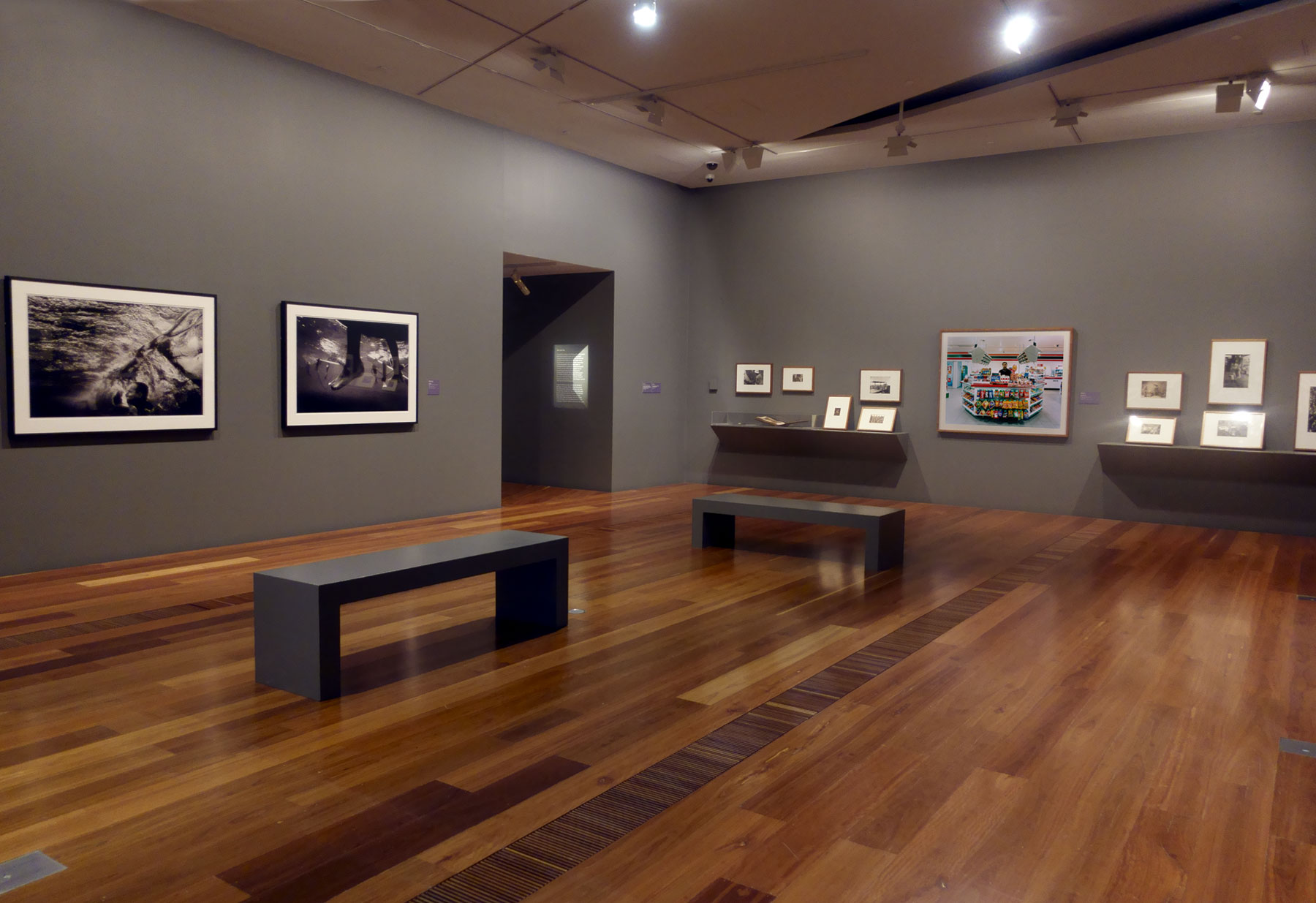
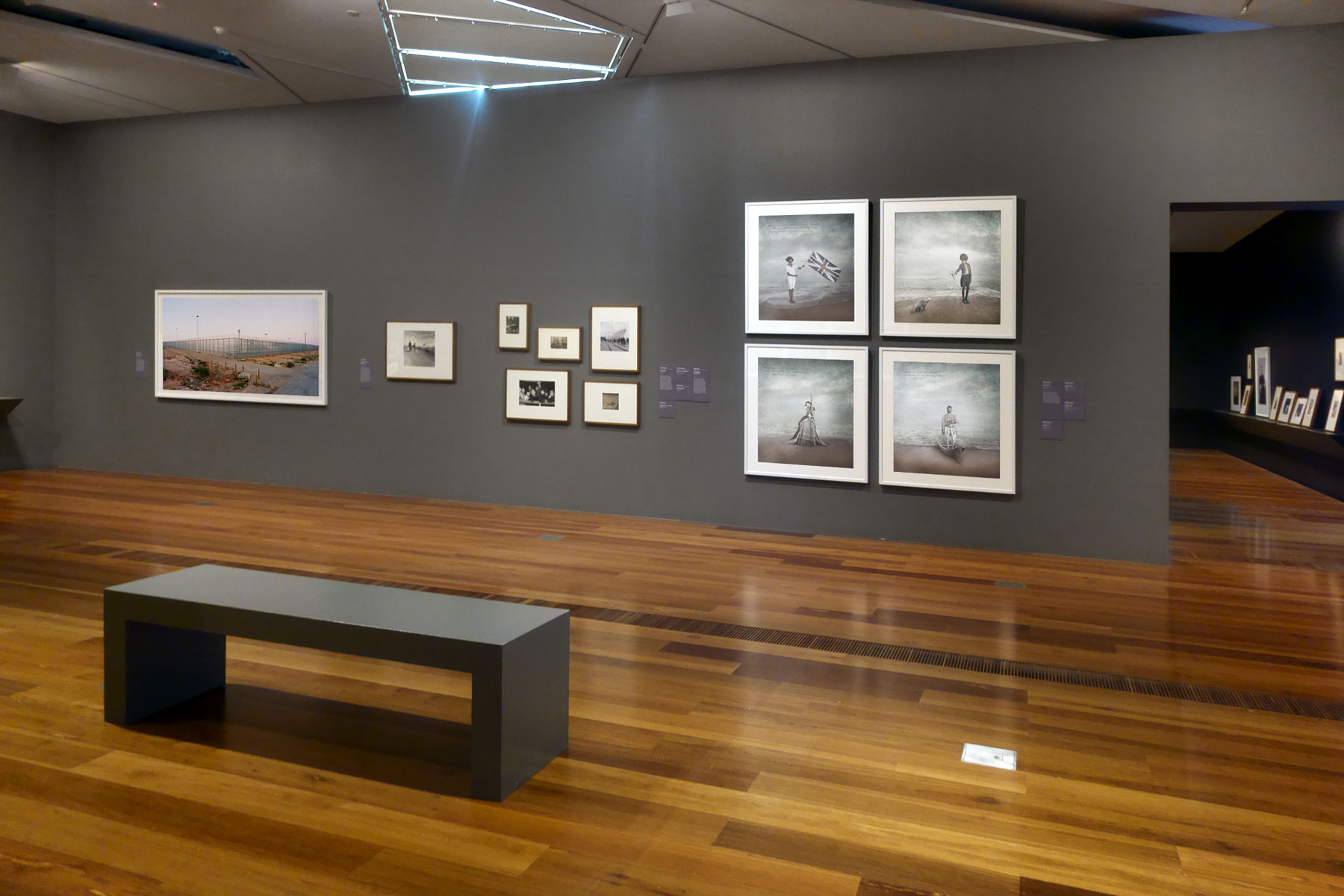
Gallery One (clockwise)


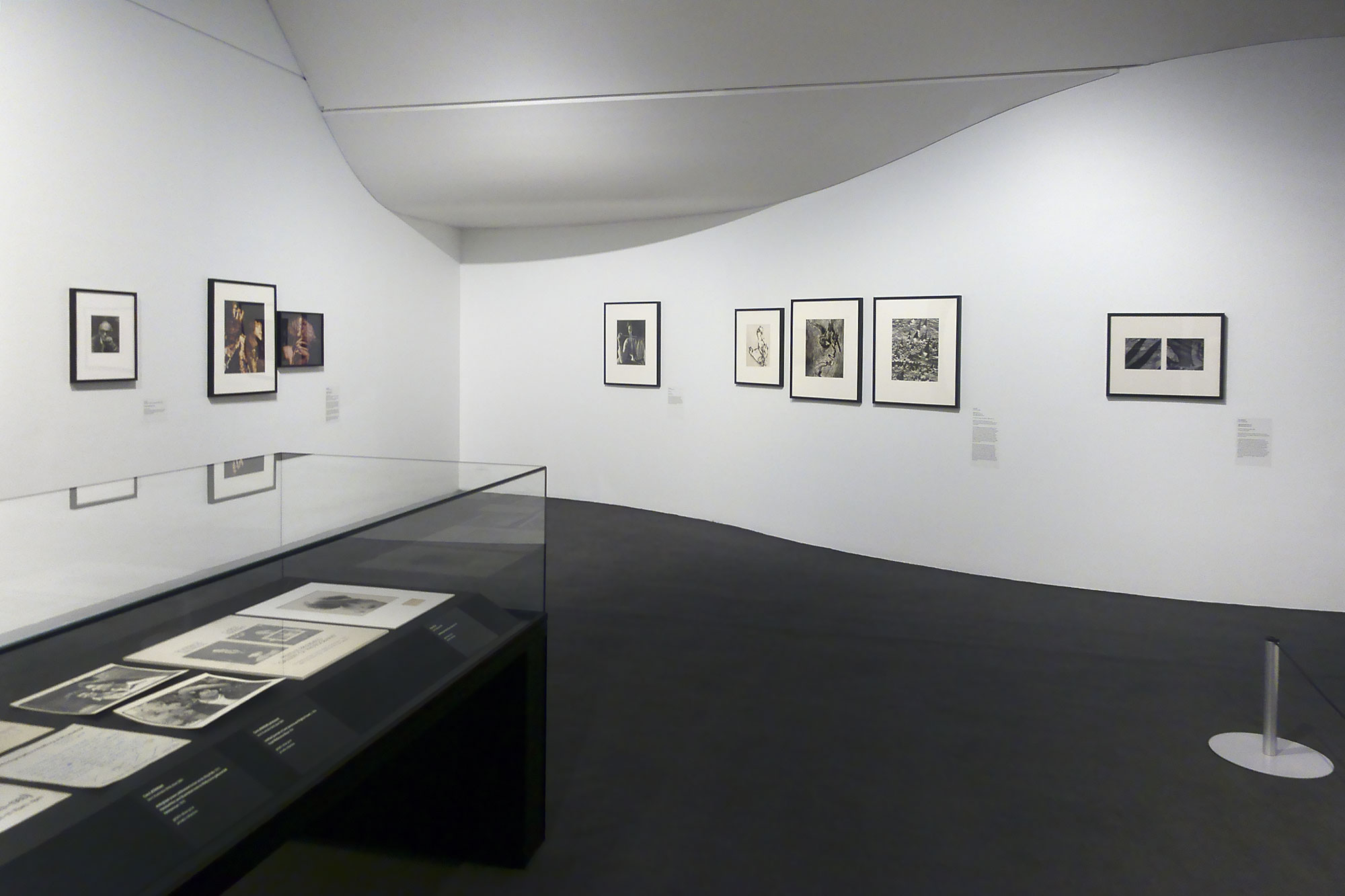
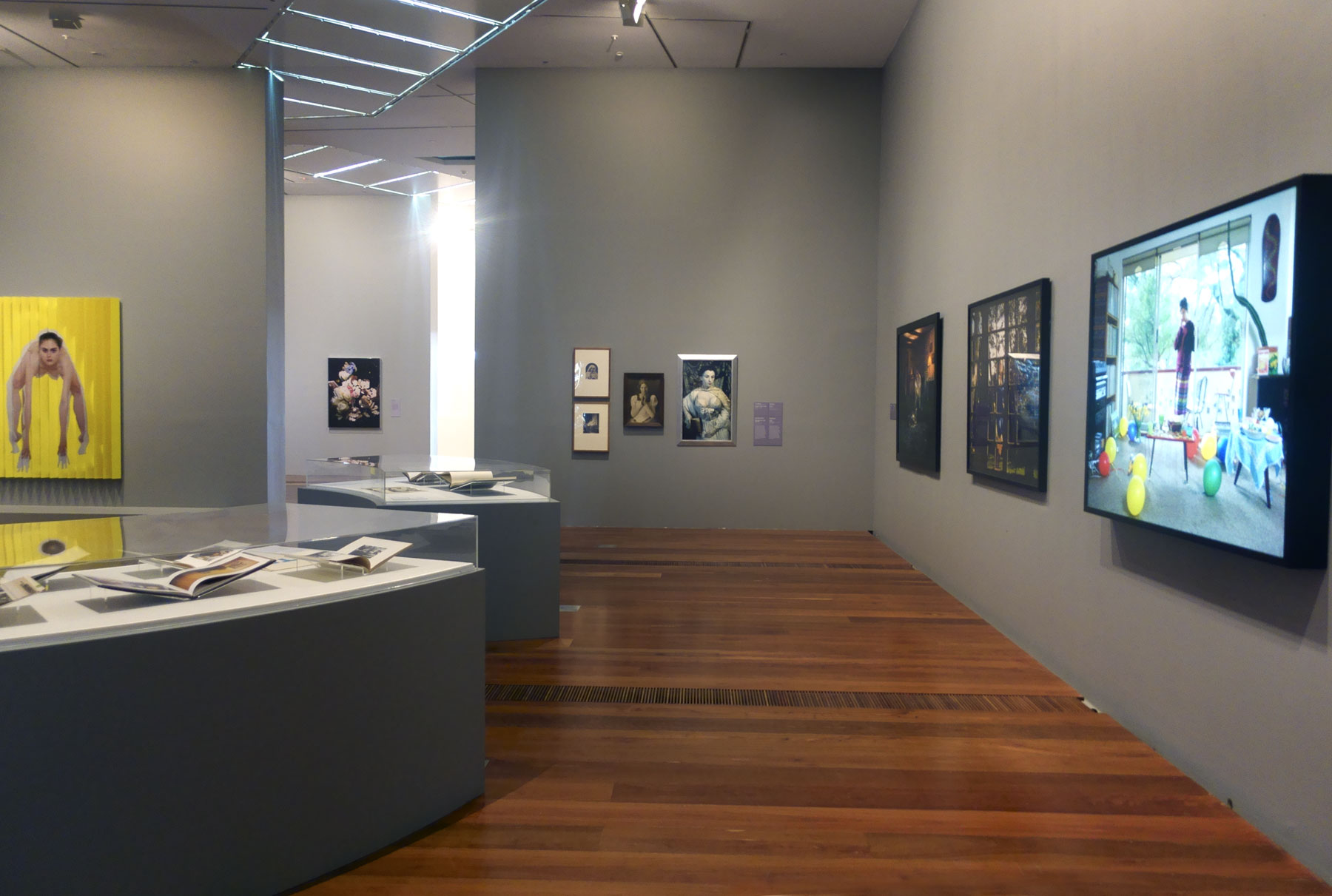
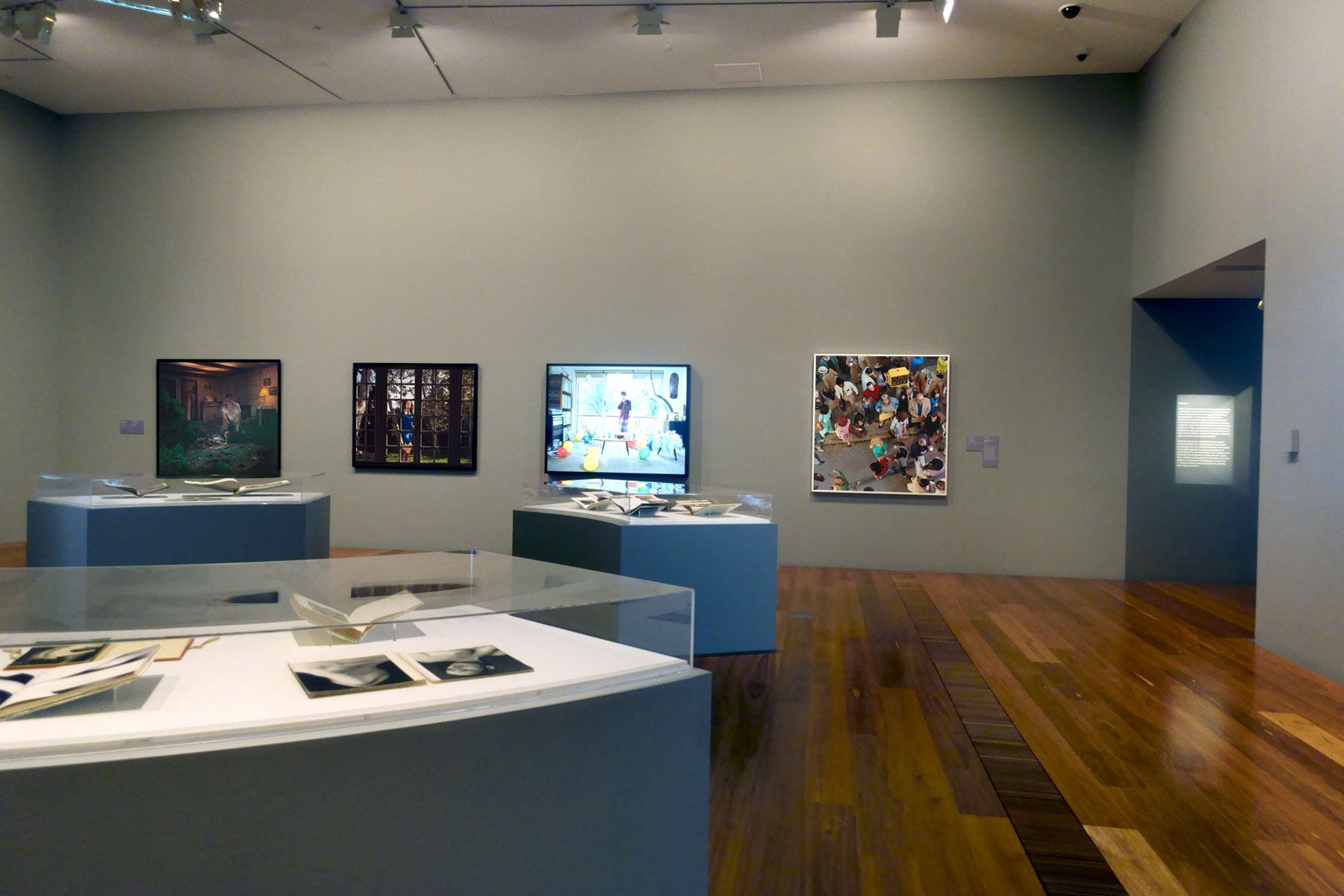
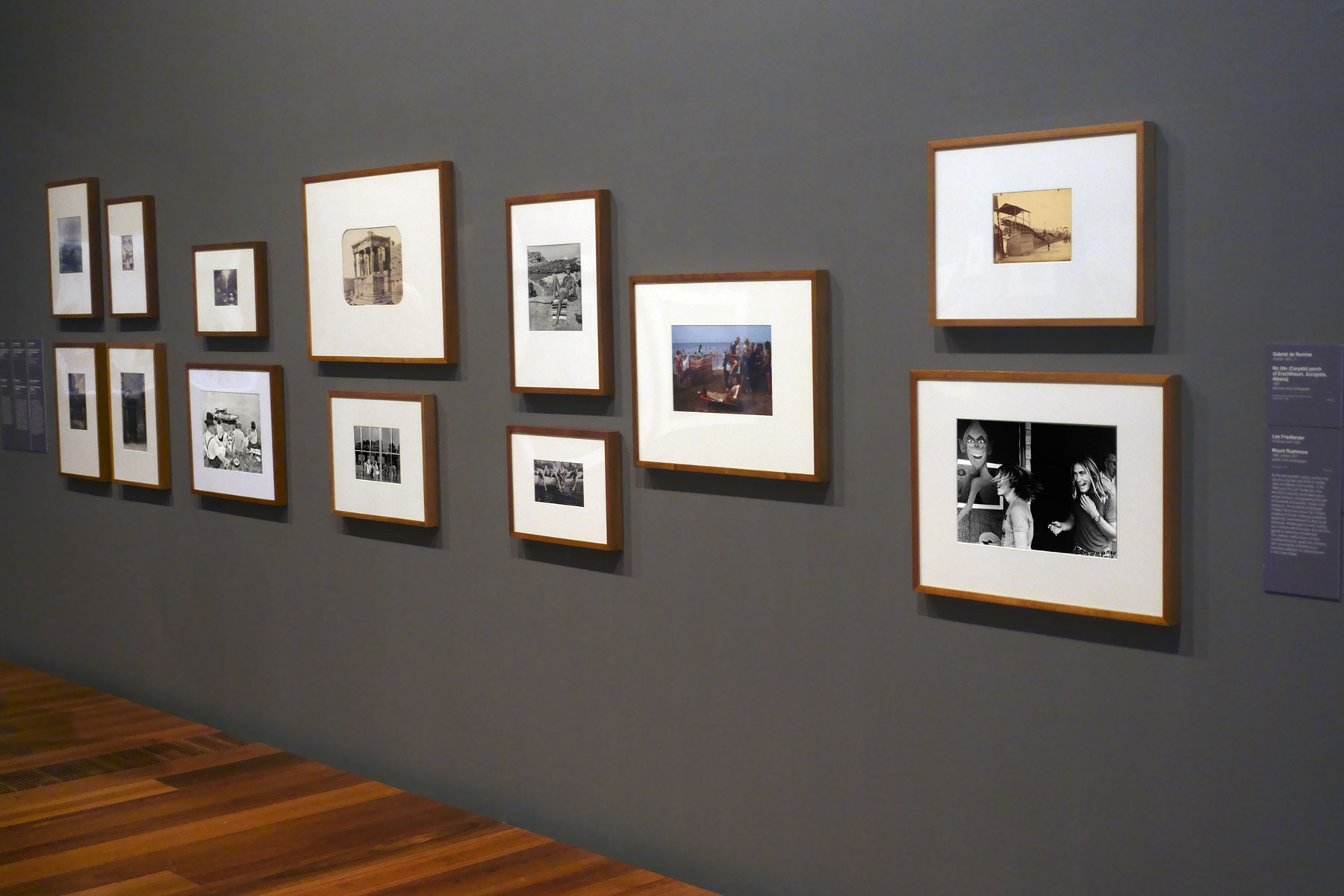
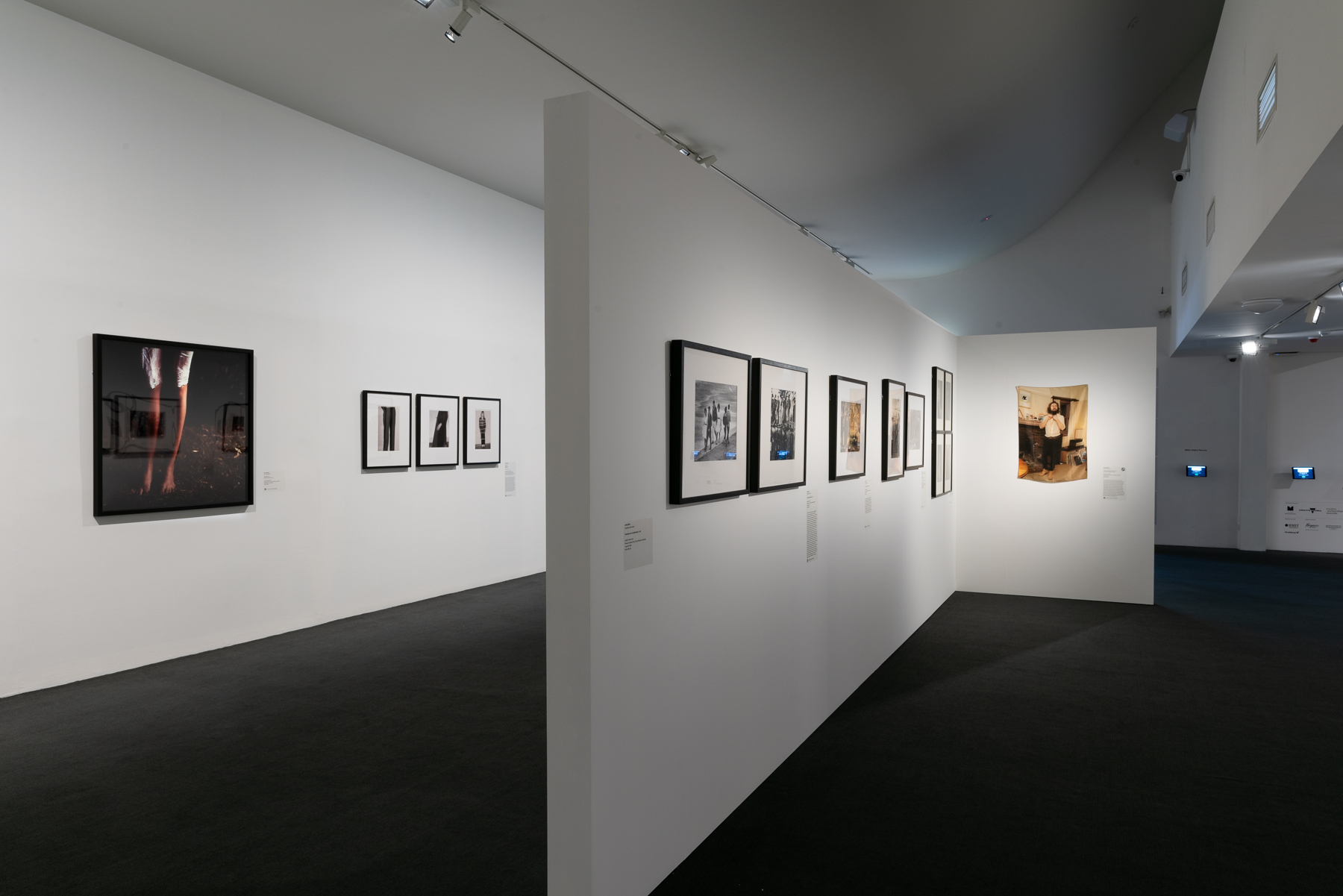
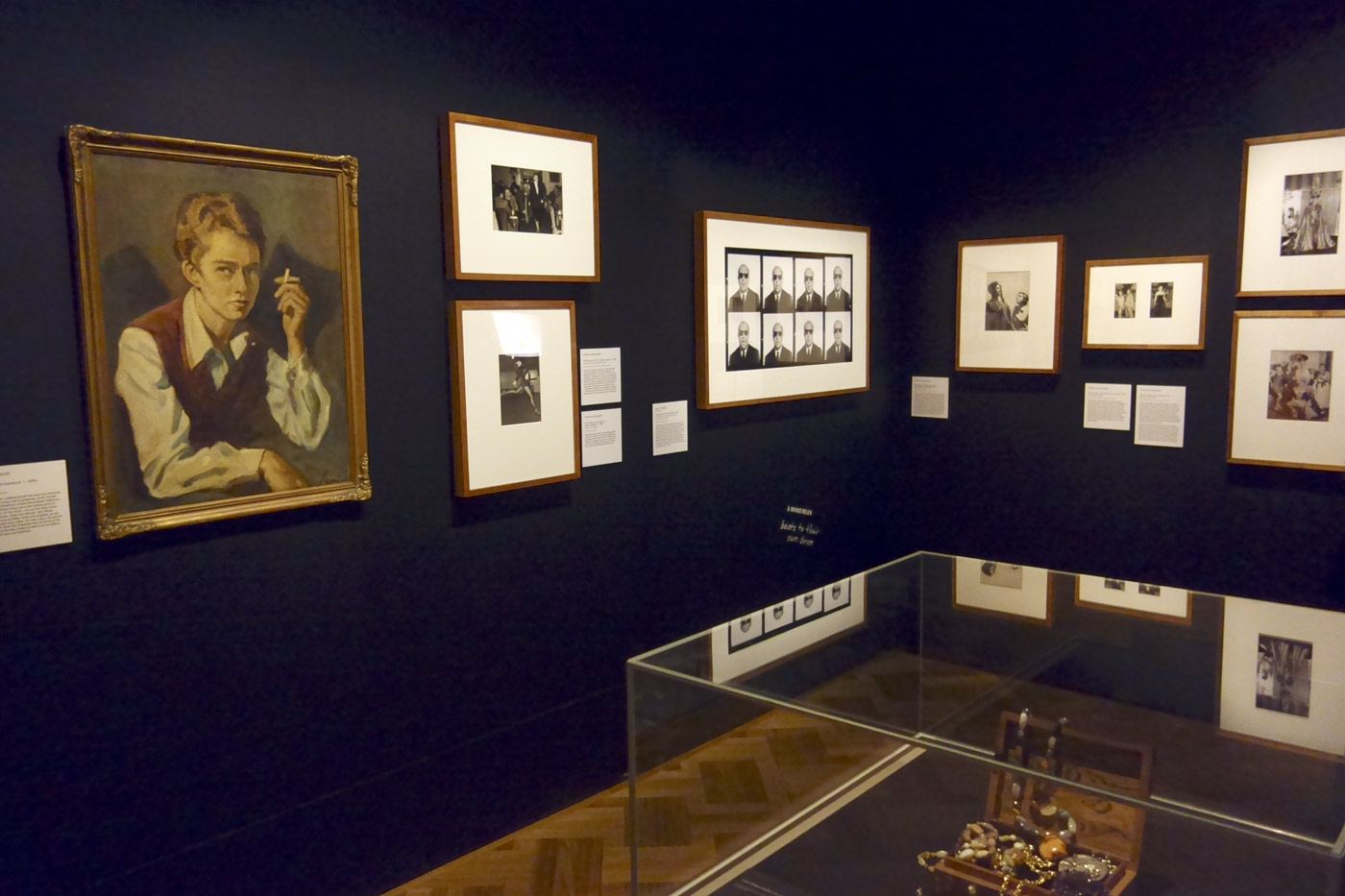
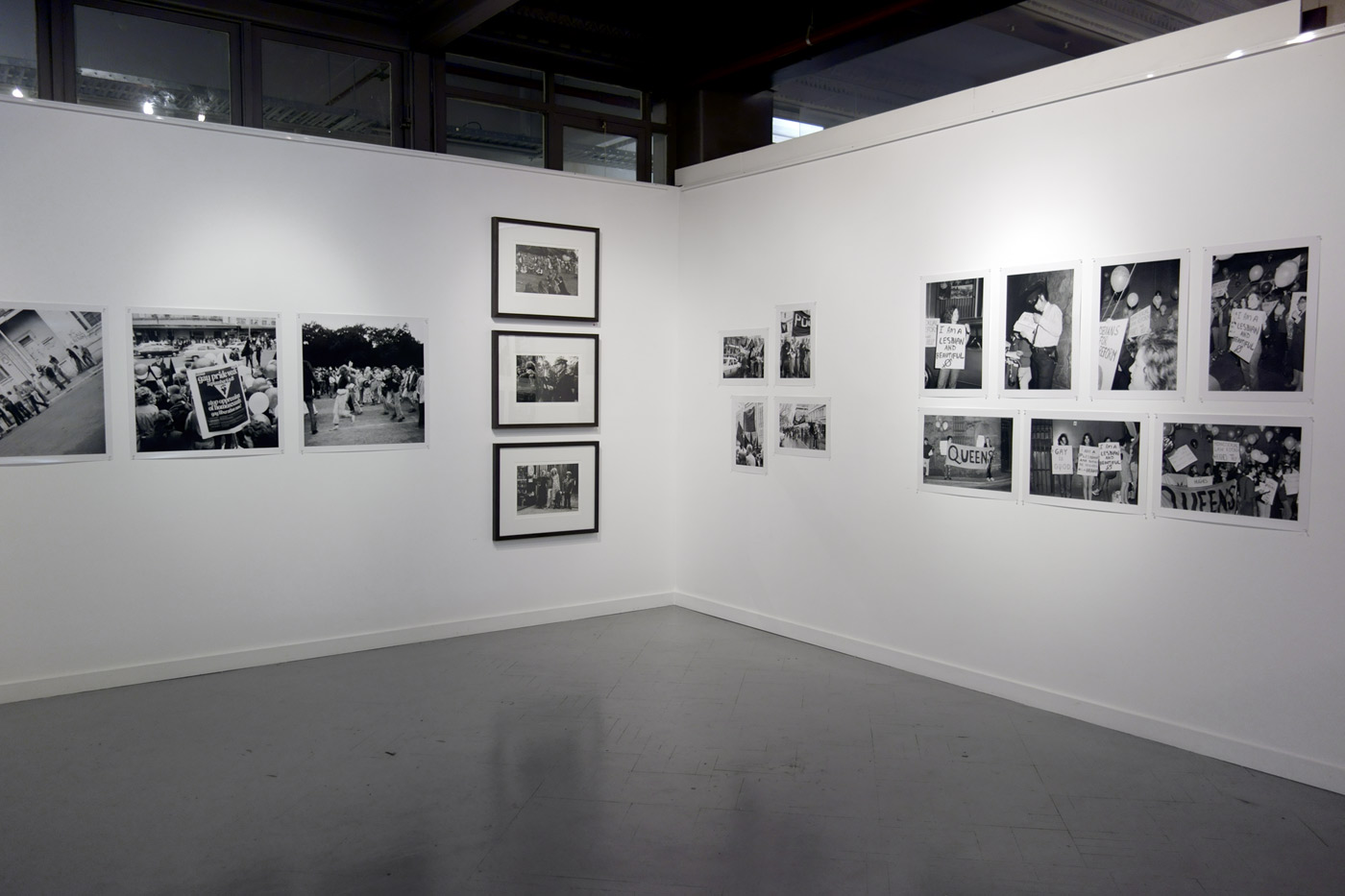
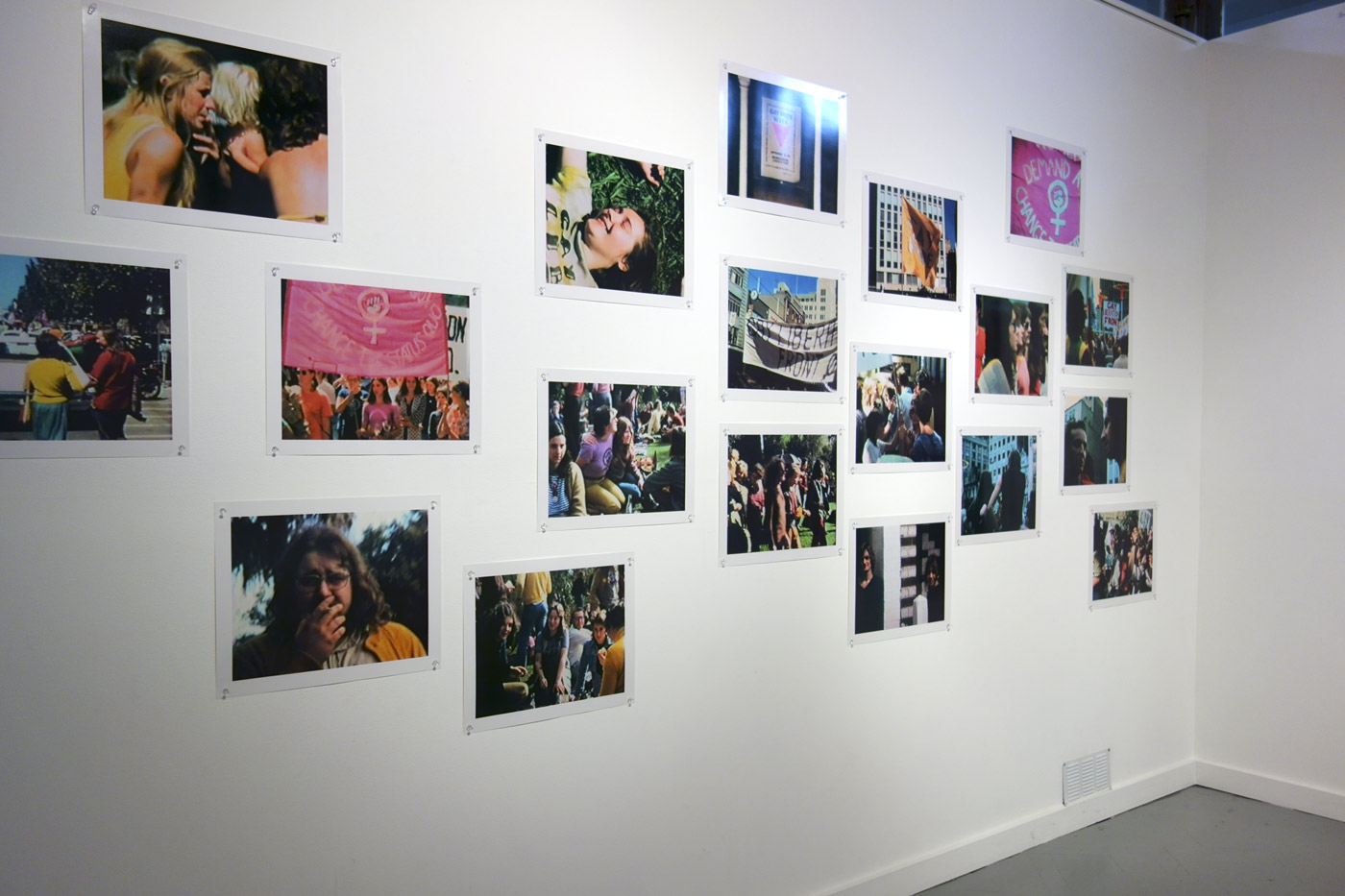
Installation view of the exhibition 'The basement: photography from Prahran College (1968-1981)' at the Museum of Australian Photography, Wheelers Hill, Melbourne
Wall text from the exhibition 'The basement: photography from Prahran College (1968-1981)' at the Museum of Australian Photography, Wheelers Hill, Melbourne, March - May, 2025
Installation view of the exhibition 'The basement: photography from Prahran College (1968-1981)' at the Museum of Australian Photography, Wheelers Hill, Melbourne, March - May, 2025


Installation views of the exhibition The basement: photography from Prahran College (1968-1981) at the Museum of Australian Photography, Wheelers Hill, Melbourne
Photos: Marcus Bunyan


In May 1968 the newly formed photography department of Prahran Technical School (known as Prahran College of Advanced Education (PCAE) from 1973) moved into the basement of a freshly completed art and design building on the corner of High Street and Thomas Street in Melbourne’s inner southeastern suburb of Prahran. Here, for the first time in Australia, photography was taught as an artform.

Featuring the work of approximately 60 artists, The basement brings to light rare vintage prints from the 1960s through to the early 1980s, key archival ephemera and folio work – from students and teachers of the College’s Diploma of Art & Design (Photography). It was a period where new discussions developed quickly around the possibilities of what photography could be. These students and teachers were part of a progressive, edgy wave of image-makers excited about the medium’s potential.

Under the vanguard of influential photographers such as John Cato, Paul Cox and Athol Shmith, the school became a breeding ground for some of this country’s most important art photographers: Carol Jerrems, Bill Henson, Nanette Carter, Rod McNicol, Polly Borland, Peter Milne, Robert Ashton, Philip Quirk, Peter Leiss, Jacqueline Mitelman, Mimmo Cozzolino, Graham Howe and Julie Millowick, among many others.

The exhibition’s accompanying publication elucidates the experience from several perspectives. As we hear from the curators, students, colleagues and academics, it’s clear that this course, in this time, was of great consequence to our photographic ecosystem and its development.

Curated by Angela Connor, MAPh Senior Curator, and Stella Loftus-Hills, MAPh Curator, The basement gathers works from close to 60 artists, traversing over 13 years of image-making and adjacent subcultures in music, protest, fashion and art criticism. This landmark exhibition will deliver new research into the canon of Australia’s cultural history through its assembled works and attendant publication.

Text from the Museum of Australian Photography website
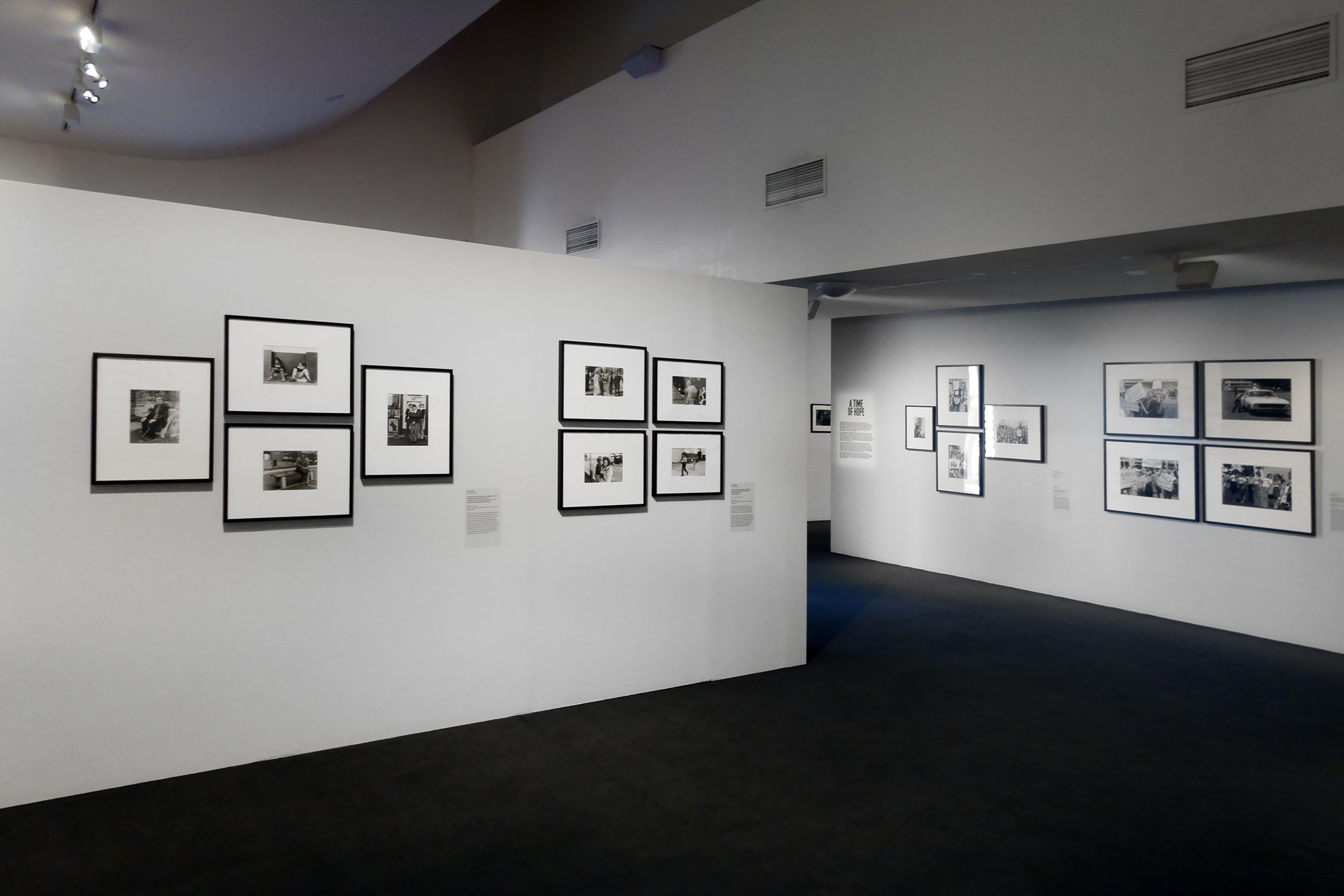
 

Installation view of the reverse of the opening wall of the exhibition 'The basement: photography from Prahran College (1968-1981)' at the Museum of Australian Photography, Wheelers Hill, Melbourne


Installation view of the reverse of the opening wall of the exhibition The basement: photography from Prahran College (1968-1981) at the Museum of Australian Photography, Wheelers Hill, Melbourne
Photo: Marcus Bunyan


Moira Joseph (Australian, b. 1955)
'Jack with a cigarette sitting in the church garden, St Kilda'  1974 (installation view) from the exhibition 'The basement: photography from Prahran College (1968-1981)' at the Museum of Australian Photography, March - May, 2025


Moira Joseph (Australian, b. 1955)
Jack with a cigarette sitting in the church garden, St Kilda (installation view)
1974
Gelatin silver print
Museum of Australian Photography, City of Monash Collection
Acquired 2024
Photo: Marcus Bunyan


Moira Joseph (Australian, b. 1955)
'Herald boys, Fitzroy Street, St Kilda' 1975 (installation view)


Moira Joseph (Australian, b. 1955)
Herald boys, Fitzroy Street, St Kilda (installation view)
1975
Gelatin silver print
Museum of Australian Photography, City of Monash Collection
Acquired 2024
Photo: Marcus Bunyan


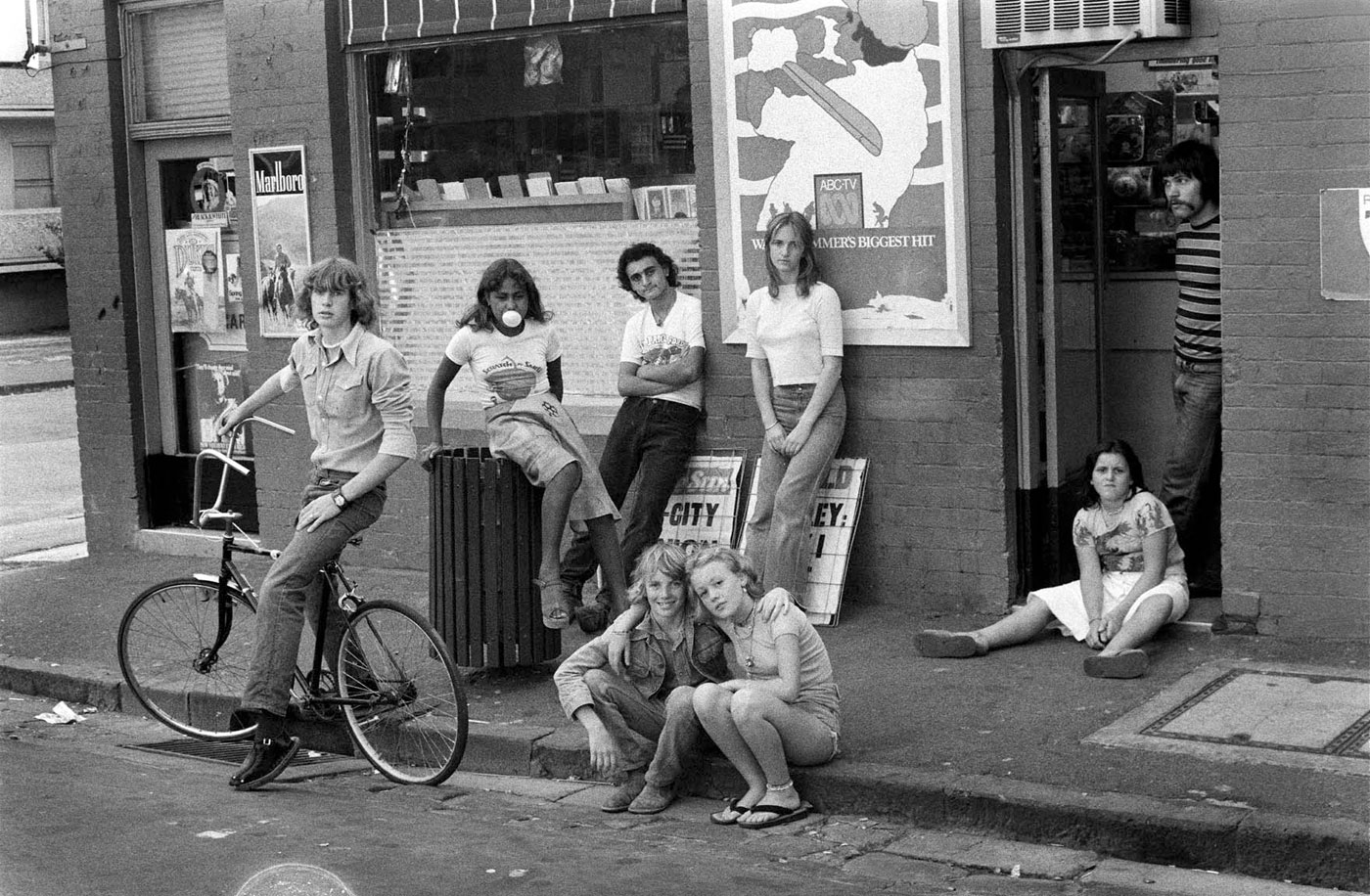
Moira Joseph is a Melbourne-based professional photographer, filmmaker and teacher. She studied photography at Prahran College from 1974 to 1977. Joseph created the works on display here while she was a student. Armed with her Mamiya 220 medium-format camera, Joesph often walked between the College and her home in St Kilda, affectionately documenting the characters she regularly encountered. Jack with a cigarette sitting in the church garden, St Kilda (1974), for example, shows an elderly gentleman from a nearby men’s refuge sitting alone in Acland Street’s church square. Children regularly feature in Joseph’s student work, and she spent time photographing at luna park, as well as Prahran Primary School.

Wall text from the exhibition

Moira Joseph alumni profile on the Prahran Legacy website


Moira Joseph (Australian, b. 1955)
'Three Herald boys, Acland Street, St Kilda' 1975 (installation view)


Moira Joseph (Australian, b. 1955)
Three Herald boys, Acland Street, St Kilda (installation view)
1975
Gelatin silver print
Museum of Australian Photography, City of Monash Collection
Acquired 2024
Photo: Marcus Bunyan
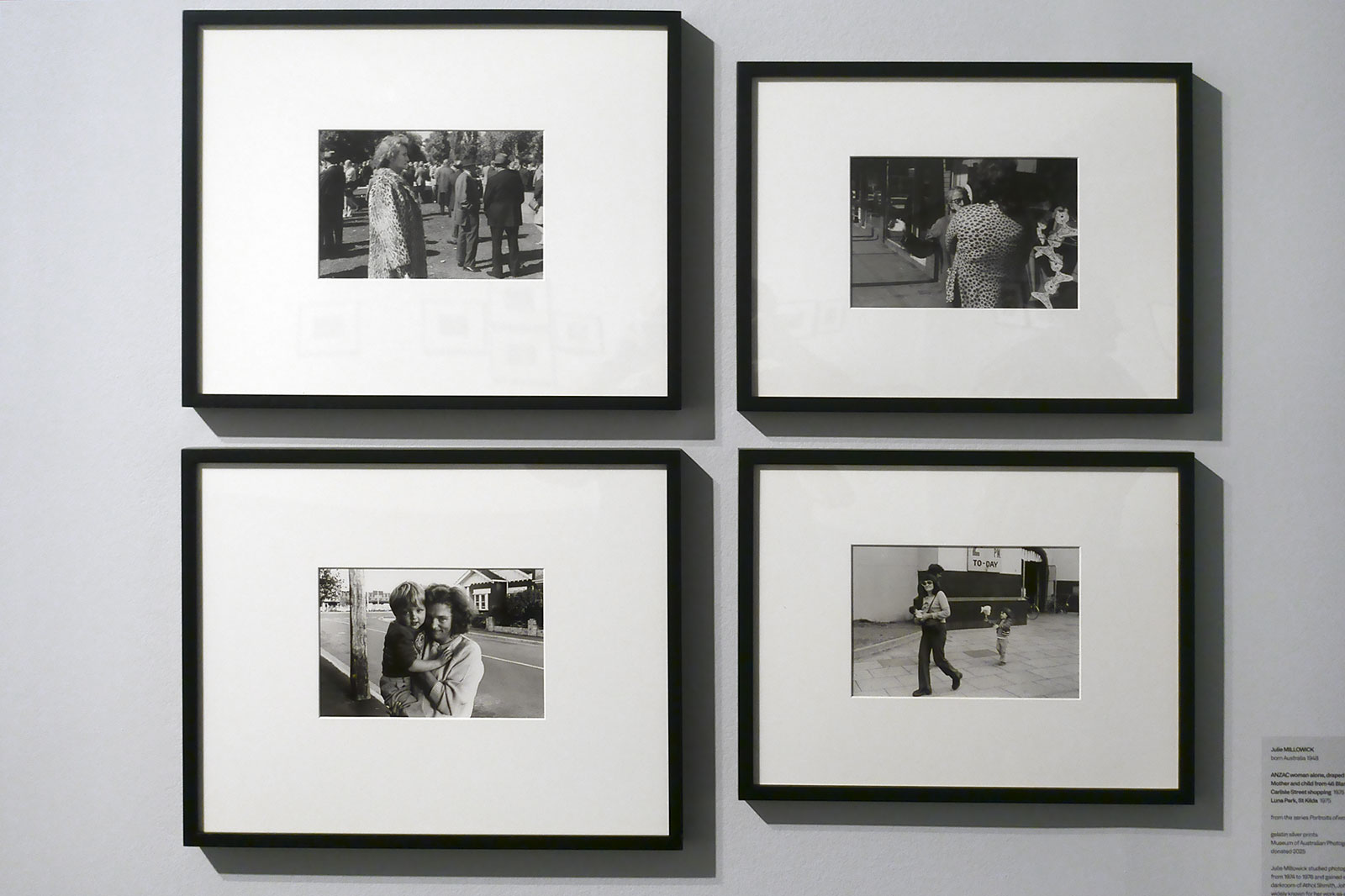
 

Installation view of the exhibition 'The basement: photography from Prahran College (1968-1981)' at the Museum of Australian Photography, Wheelers Hill, Melbourne showing Julie Millowick 's photographs


Installation view of the first gallery of the exhibition The basement: photography from Prahran College (1968-1981) at the Museum of Australian Photography, Wheelers Hill, Melbourne showing Julie Millowick ‘s photographs from clockwise: ANZAC woman alone, draped in leopard skin coat, 1975; Carlisle Street shopping, 1975; Luna Park, St Kilda, 1975; Mother and child from 46 Blanche Street, St Kilda, 1977 from the series Portraits of women
Photo: Marcus Bunyan


Julie Millowick studied photography at Prahran College from 1974 to 1976 and gained early experience working in the darkroom of Athol Shmith, John Cato and Peter Bart. She is widely known for her work as a commercial photographer and photojournalist as well as her personal documentary projects.

1975 was Millowick’s second year at Prahran College, and also International Women’s Year, as designated by the United Nations. With the spotlight set firmly on women’s rights, Millowick made an extensive series of photographs entitled Portraits of women, which she continued in subsequent years. This human-centred series with feminist undertones, sympathetically captured women in a variety of locations and depicted moments of motherhood, friendship, loneliness, old-age and youth.

Wall text from the exhibition

Read my review “Down with Earth,” on the exhibition Julie Millowick: Surrounding at the Castlemaine Art Museum, June 2024

Julie Millowick Alumni profile on the Prahran Legacy website


Julie Millowick (Australian, b. 1948)
'Mother and child from 46 Blanche Street, St Kilda' 1977 from the exhibition 'The basement: photography from Prahran College (1968-1981)' at the Museum of Australian Photography, Wheelers Hill, Melbourne, March - May 2025


Julie Millowick (Australian, b. 1948)
Mother and child from 46 Blanche Street, St Kilda
1977
Gelatin silver print
15.9 x 23.7cm
Museum of Australian Photography, City of Monash Collection donated by Julie Millowick 2024


Wall text from the exhibition 'The basement: photography from Prahran College (1968-1981)' at the Museum of Australian Photography, Wheelers Hill, Melbourne


Wall text from the exhibition The basement: photography from Prahran College (1968-1981) at the Museum of Australian Photography, Wheelers Hill, Melbourne
Photo: Marcus Bunyan
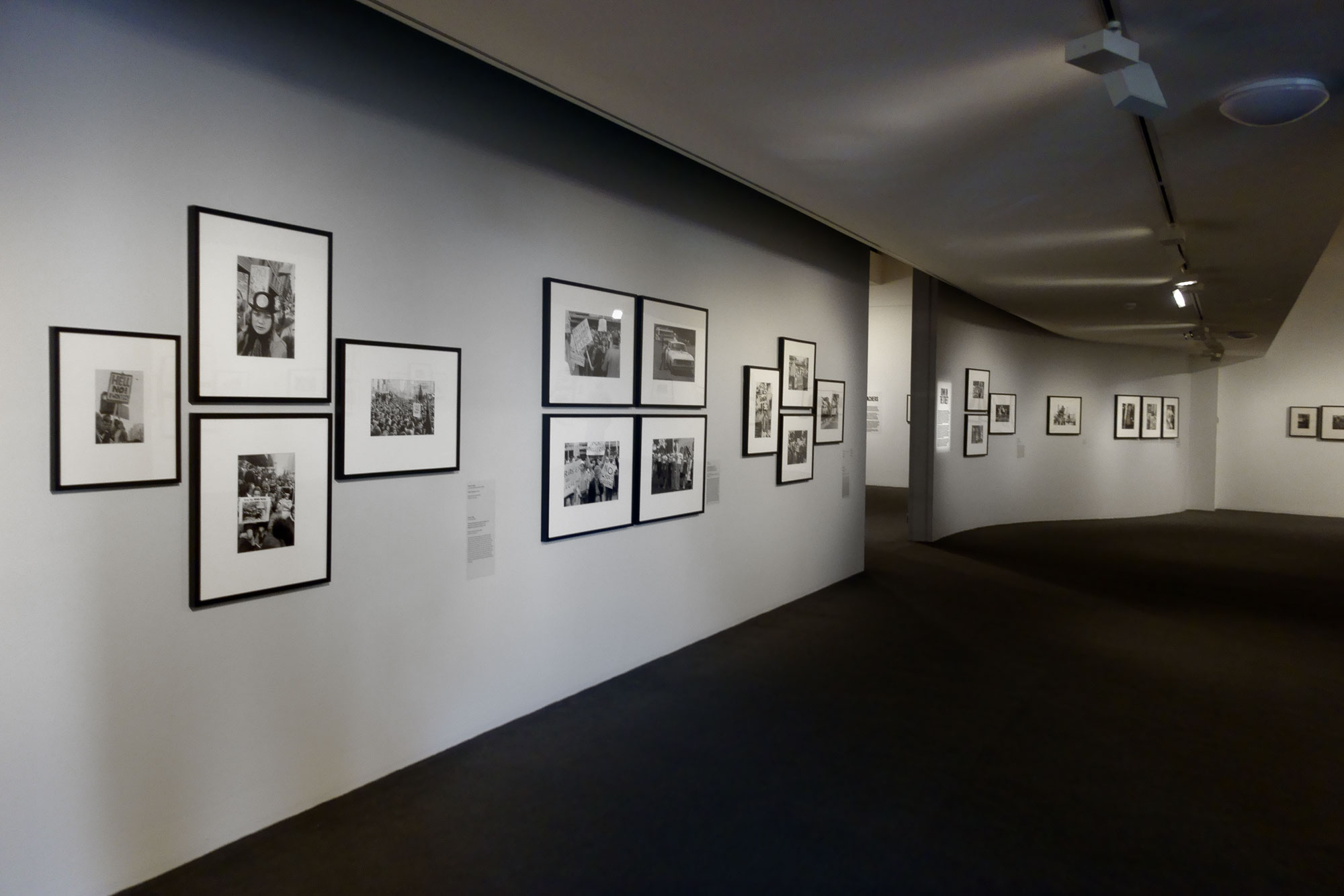
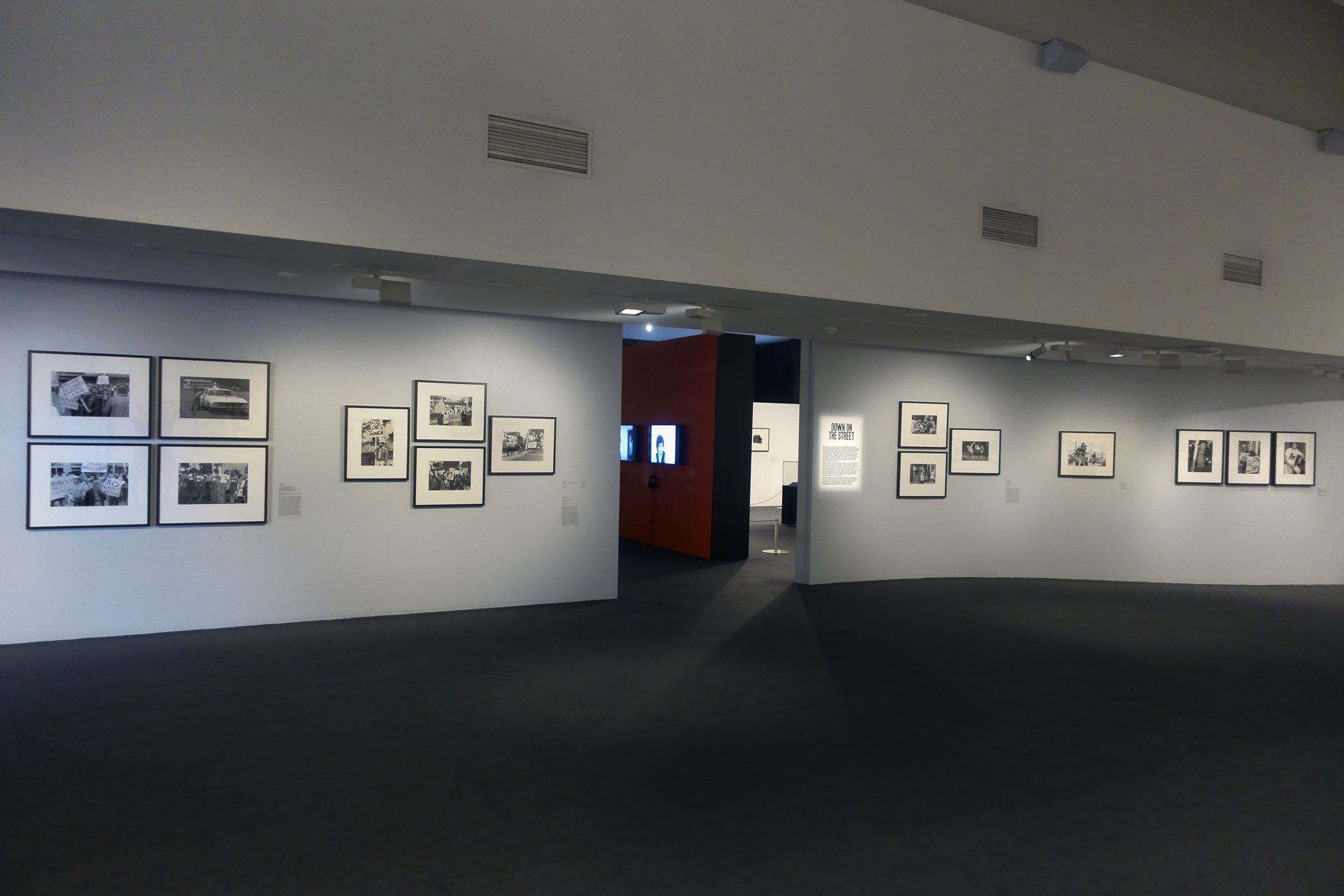
 

Installation view of the exhibition 'The basement: photography from Prahran College (1968-1981)' at the Museum of Australian Photography, Wheelers Hill, Melbourne
Installation view of the first gallery of the exhibition 'The basement: photography from Prahran College (1968-1981)' at the Museum of Australian Photography, Wheelers Hill, Melbourne


Installation views of the first gallery of the exhibition The basement: photography from Prahran College (1968-1981) at the Museum of Australian Photography, Wheelers Hill, Melbourne
Photos: Marcus Bunyan


Installation view of the exhibition 'The basement: photography from Prahran College (1968-1981)' at the Museum of Australian Photography, Wheelers Hill, Melbourne showing photography by George Volakos and Graham Howe


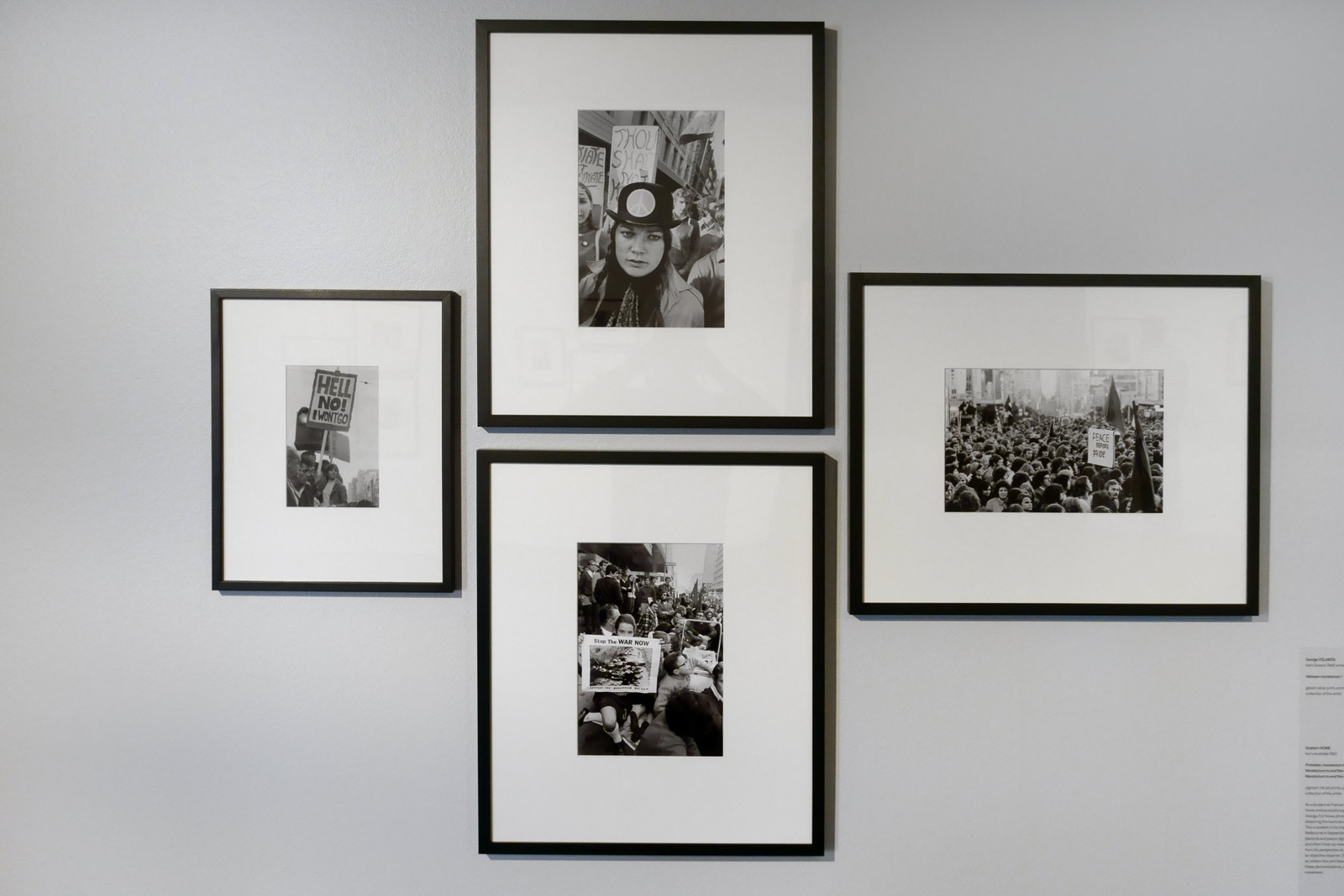
Installation view of the first gallery of the exhibition The basement: photography from Prahran College (1968-1981) at the Museum of Australian Photography, Wheelers Hill, Melbourne showing at left, George Volakos’ photograph Vietnam moratorium 1 1970; at top centre, Graham Howe’s photograph Protester, moratorium to end the war in Vietnam 1970 followed by two photographs Moratorium to end the war in Vietnam 1970 (below)
Photo: Marcus Bunyan


As a student at Prahran College in the early 1970s, Graham Howe embraced photography’s ability to document social change. For Howe, photography was the perfect medium for observing the world around him and expressing a point of view. This is evident in his images of a Vietnam War moratorium in Melbourne in September 1970. Immersed in a sea of people, placards and peace signs, Howe made a series of tightly framed and often close-up views of the protesters, showing the event from his perspective as an impassioned participant rather than an objective observer. Other Prahran College students, such as Johann Kris and George Volvos, also took photographs at these demonstrations, documenting the intensity of the activist movement

Wall text from the exhibition

Graham Howe alumni profile on the Prahran Legacy website


Graham Howe (Australian, b. 1950)
'Moratorium to end the war in Vietnam' 1970, printed 2024  (installation view)


Graham Howe (Australian, b. 1950)
Moratorium to end the war in Vietnam (installation view)
1970, printed 2024
Pigment inkjet print
Collection of the artist
Photo: Marcus Bunyan


Graham Howe (Australian, b. 1950)
'Moratorium to end the war in Vietnam' 1970, printed 2024  (installation view) from the exhibition 'The basement: photography from Prahran College (1968-1981)' at the Museum of Australian Photography, March - May, 2025


Graham Howe (Australian, b. 1950)
Moratorium to end the war in Vietnam (installation view)
1970, printed 2024
Pigment inkjet print
Collection of the artist
Photo: Marcus Bunyan


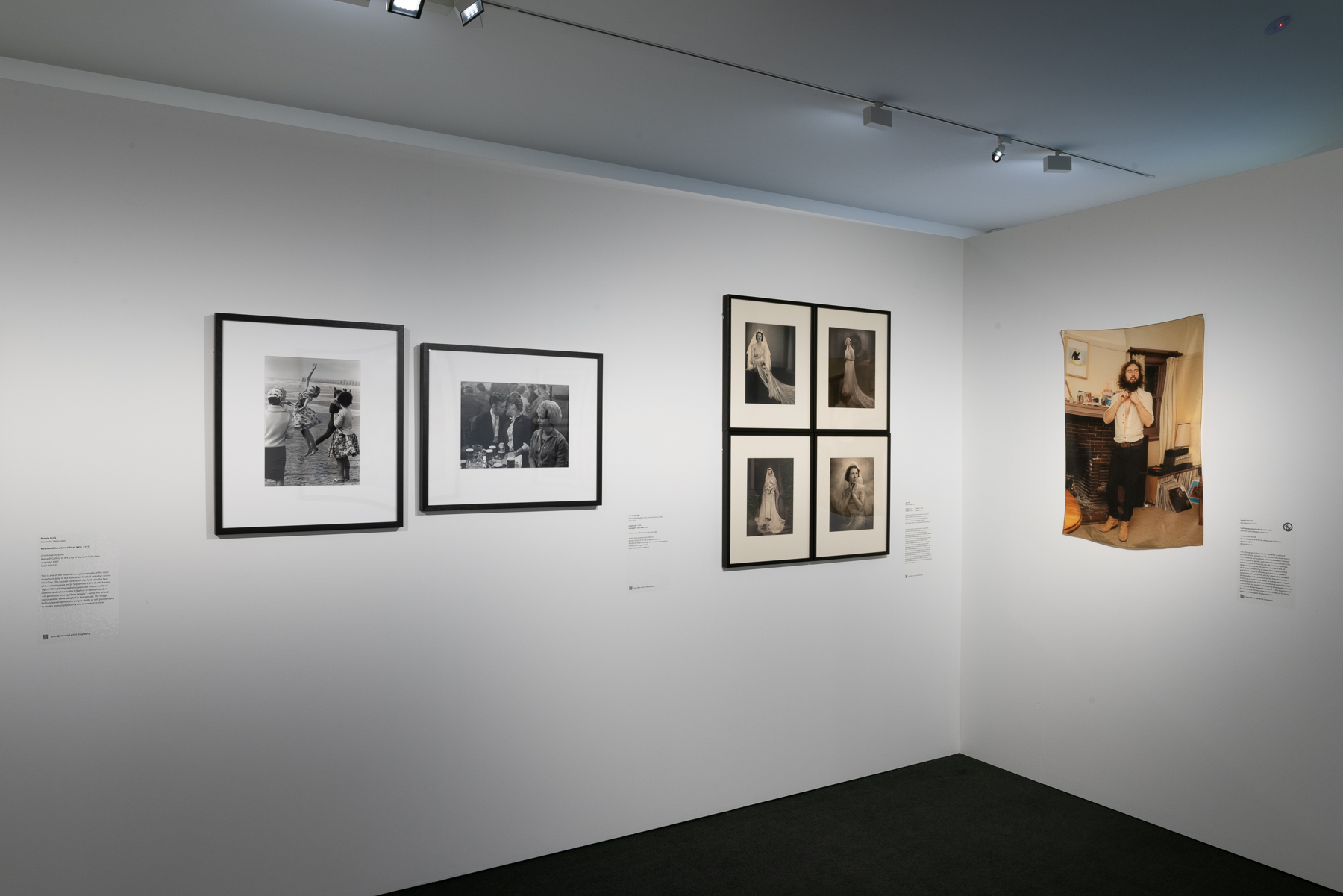
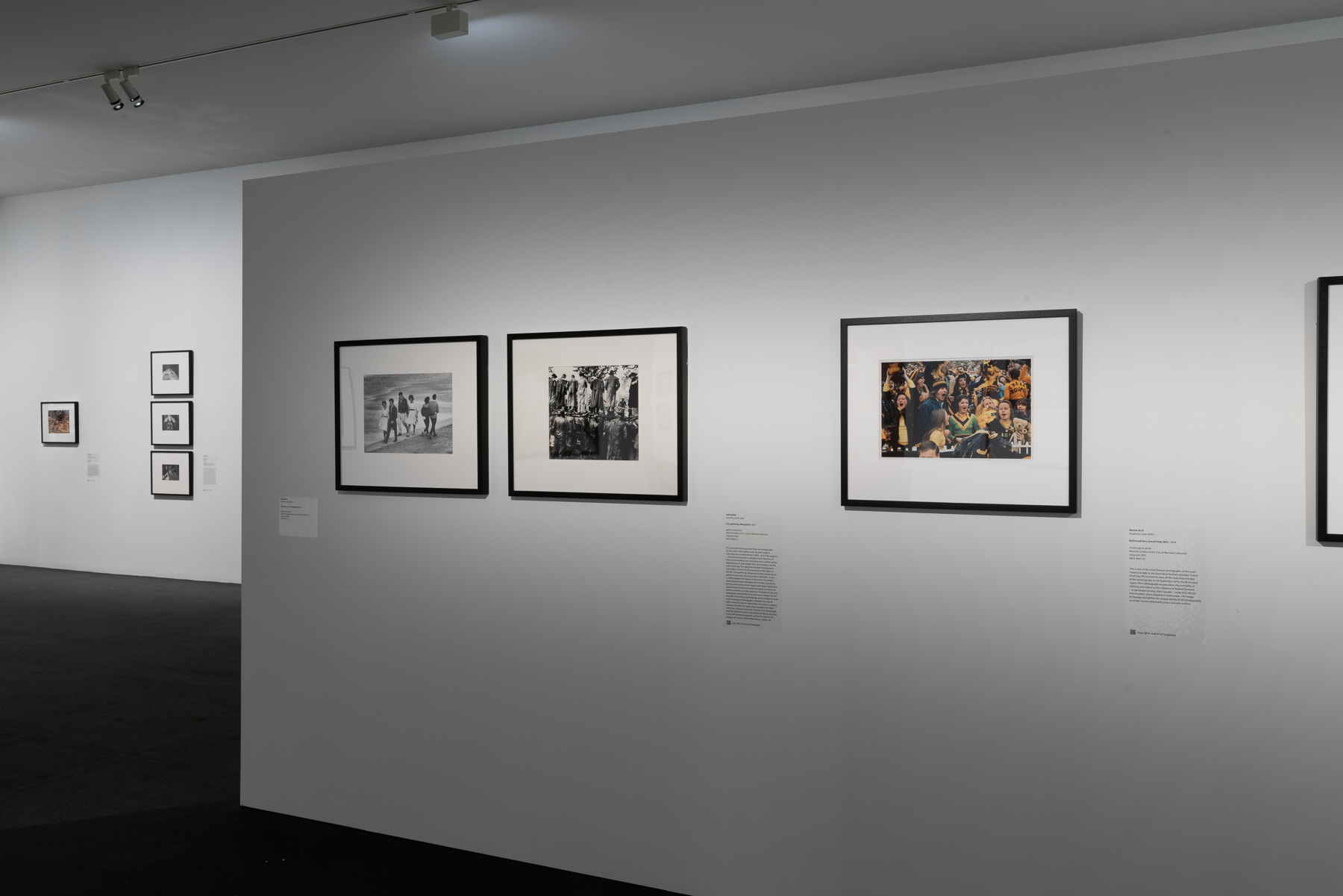
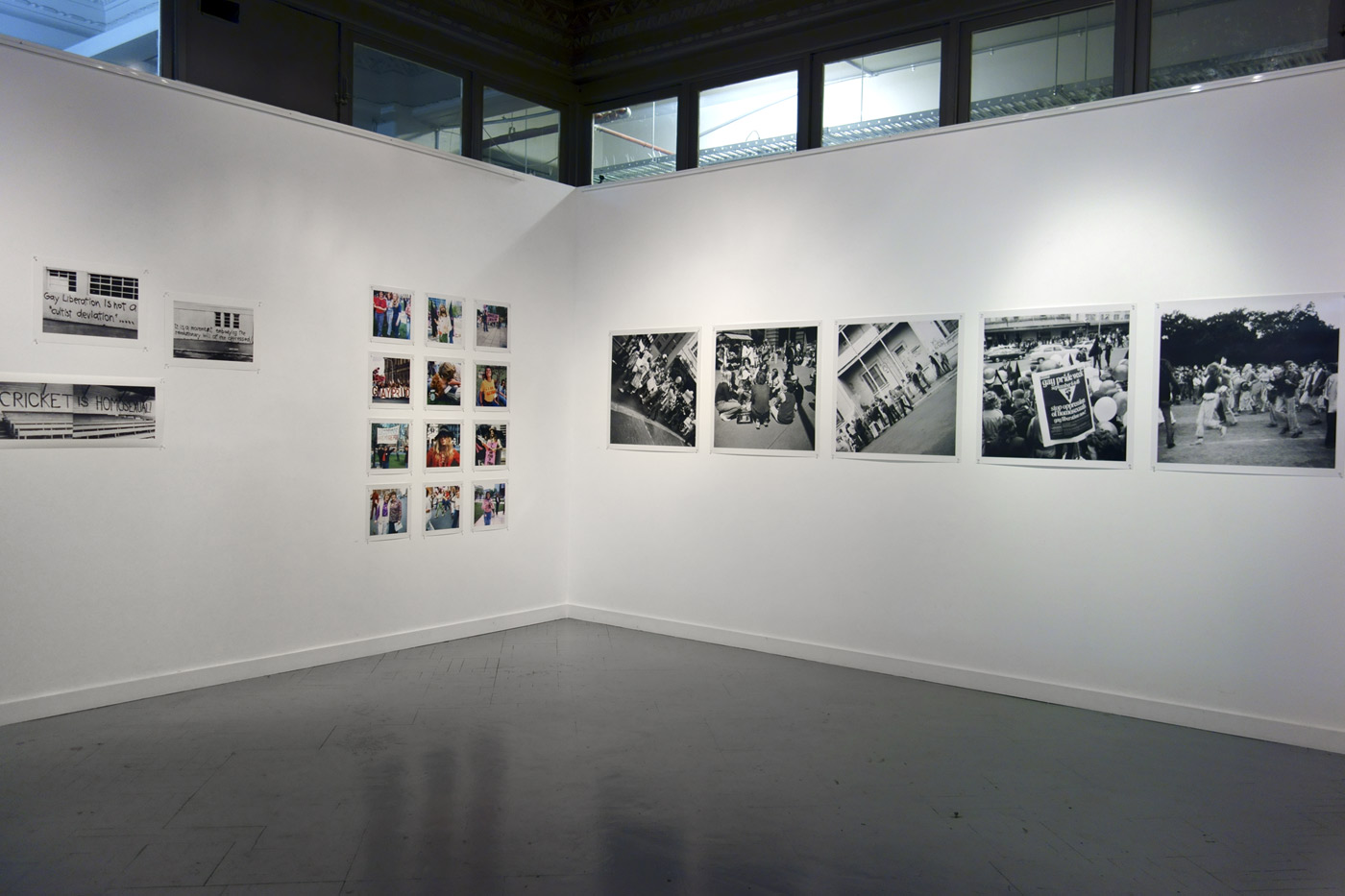
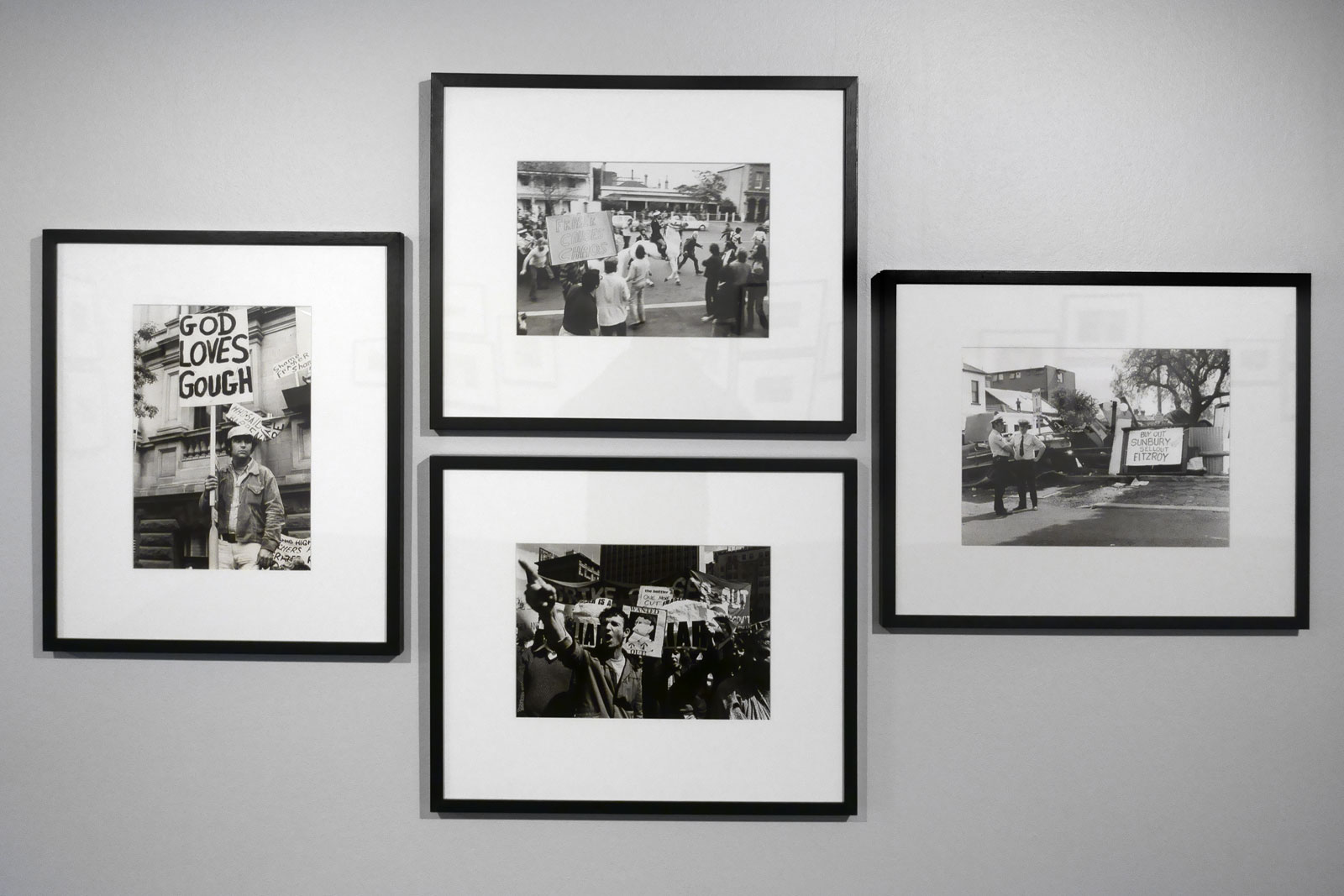
Installation view of the exhibition 'The basement: photography from Prahran College (1968-1981)' at the Museum of Australian Photography, Wheelers Hill, Melbourne showing from left clockwise, Ken Wright's 'Rally for Gough' 1975; Andrew Chapman's 'Street protest, November 11th' 1975; Richard Muggleton's 'Untitled (F19 protest)' c. 1977; and Andrew Chapman's 'Lest we forget' 1980


Installation view of the first gallery of the exhibition The basement: photography from Prahran College (1968-1981) at the Museum of Australian Photography, Wheelers Hill, Melbourne showing from left clockwise, Ken Wright’s Rally for Gough 1975; Andrew Chapman’s Street protest, November 11th 1975; Richard Muggleton’s Untitled (F19 protest) c. 1977; and Andrew Chapman’s Lest we forget 1980
Photo: Marcus Bunyan


Ken Wright (Australian / New Zealand, 1948-1998)
'Rally for Gough' 1975 (installation view)


Ken Wright (Australian/New Zealand, 1948-1998)
Rally for Gough (installation view)
1975
Gelatin silver print
Private collection
Photo: Marcus Bunyan


Andrew Chapman (Australian, b. 1954) 'Lest we forget' 1980 (installation view)


Andrew Chapman (Australian, b. 1954)
Lest we forget (installation view)
1980
Gelatin silver print
Museum of Australian Photography, City of Monash Collection donated 2024
Photo: Marcus Bunyan


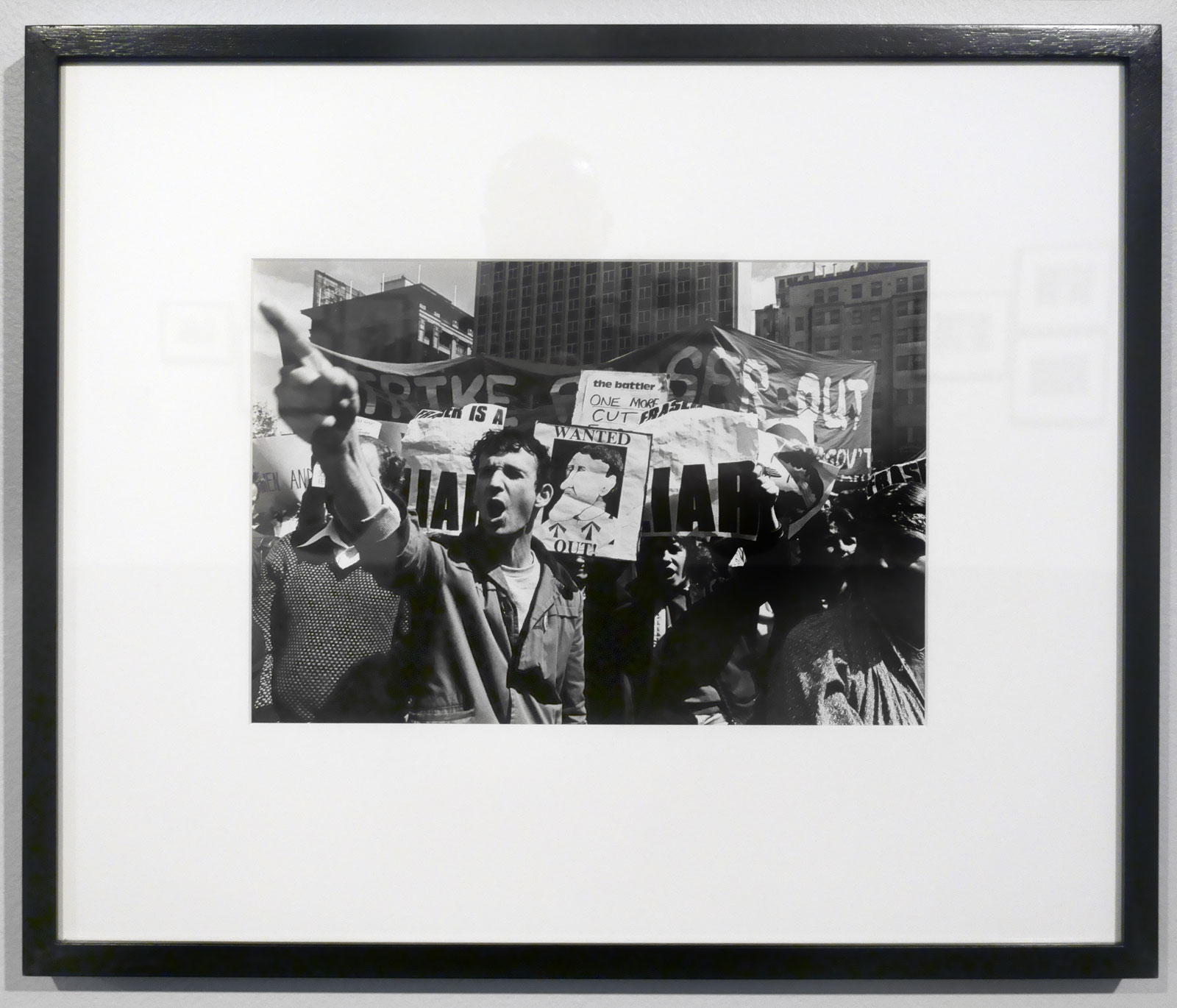
Andrew Chapman studied photography at Prahran College from 1974 to 1976 and then again in 1980. His Street protest, November 11th (1975) documents a politically motivated rally. It was taken on the corner of Albert Street and moray Street in South Melbourne. Chapman was in his second year at Prahran College and had been listening to parliament on the radio in the office of the then photography technician Murray White. When the news broke of the Whitlam Government’s dismissal, Chapman was quick to join the rallies that broke out in the streets. Later, in 1980, the streets were still politically charged when Chapman returned to Prahran to complete his course. His image, Lest we forget (1980) was made in City Square on Swanston Street at an anti-Fraser demonstration in the lead-up to the 1980 federal election. Described by Julie Millowick as the student who never stopped photographing, even during class, Chapman always has his Leica camera ready. Throughout his career Chapman has photographed much of Australia’s social and political landscape, working both personally and for clients, including as a photojournalist for major Australian newspapers and magazines.

Wall text from the exhibition

Andrew Chapman alumni profile on the Prahran Legacy website


Wall text from the exhibition 'The basement: photography from Prahran College (1968-1981)' at the Museum of Australian Photography, Wheelers Hill, Melbourne


Wall text from the exhibition The basement: photography from Prahran College (1968-1981) at the Museum of Australian Photography, Wheelers Hill, Melbourne
Photo: Marcus Bunyan
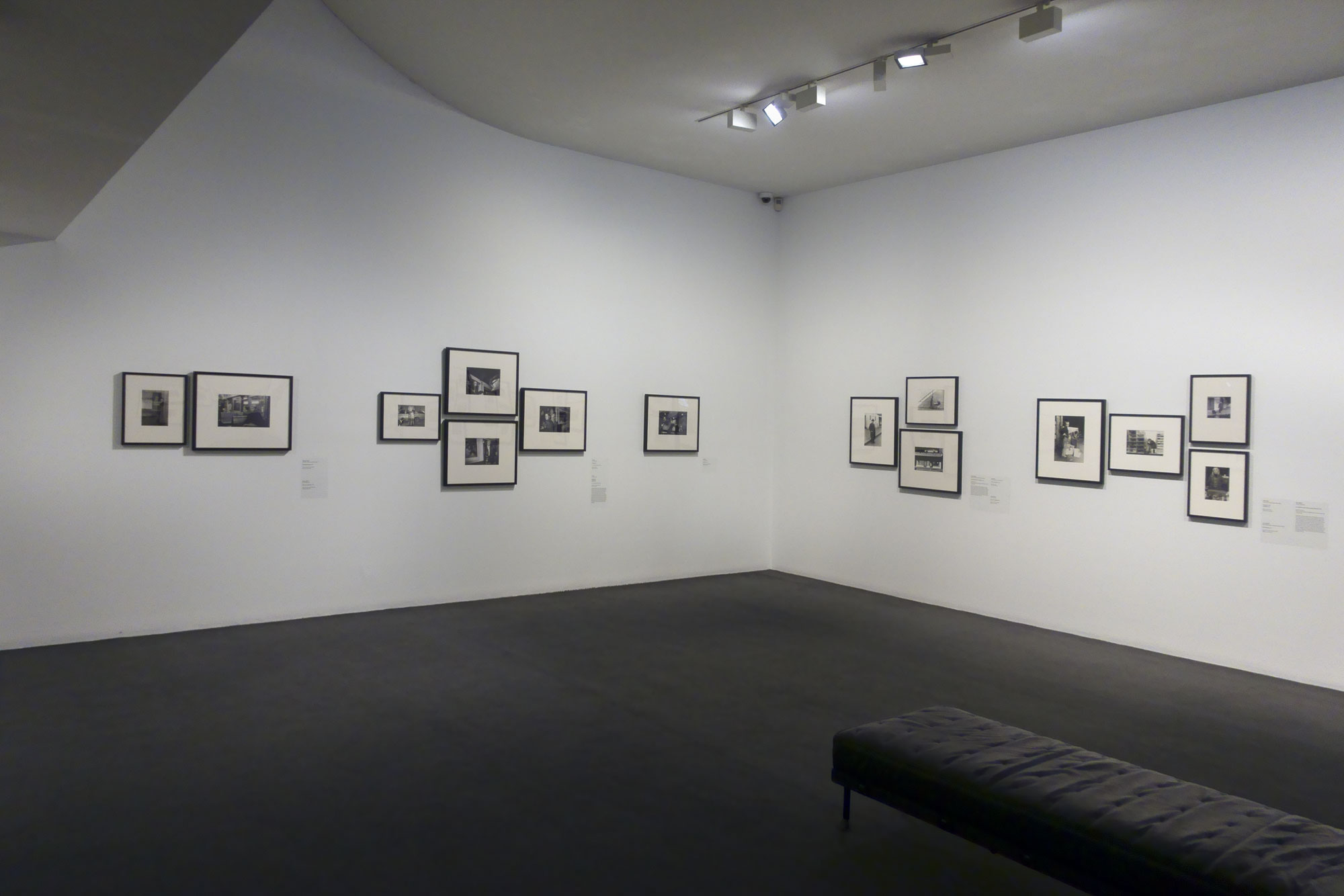
 

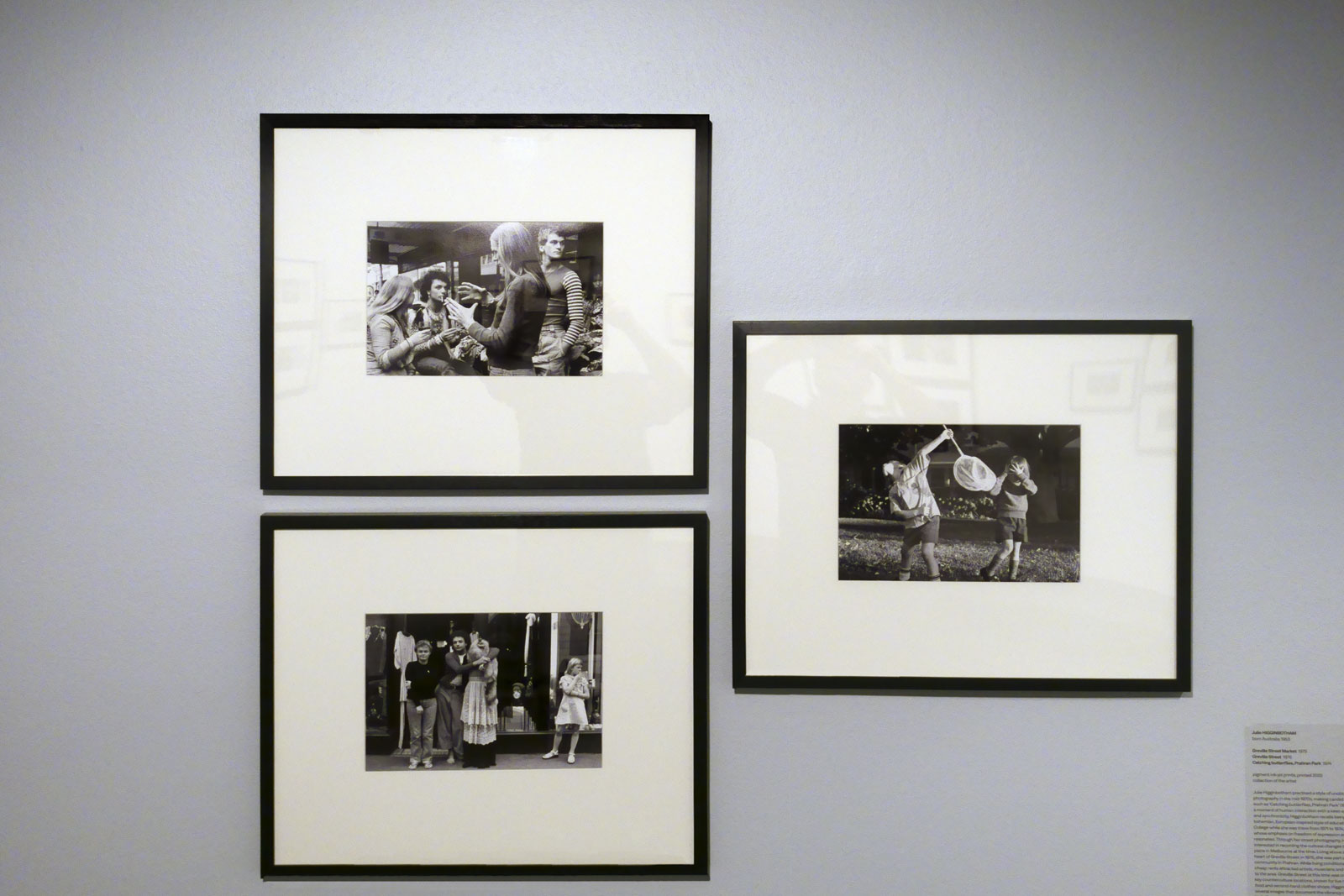
Installation view of the exhibition 'The basement: photography from Prahran College (1968-1981)' at the Museum of Australian Photography, Wheelers Hill, Melbourne showing from top left clockwise photographs by Julie Higginbotham: 'Greville Street Market', 1975; 'Catching butterflies, Prahran Park', 1974; and 'Greville Street', 1976


Installation view of the first gallery of the exhibition The basement: photography from Prahran College (1968-1981) at the Museum of Australian Photography, Wheelers Hill, Melbourne showing from top left clockwise photographs by Julie Higginbotham: Greville Street Market, 1975; Catching butterflies, Prahran Park, 1974; and Greville Street, 1976
Photo: Marcus Bunyan


Julie Higginbotham practiced a style of unobtrusive street photography in the mid-1970s, making candid expressive images such as ‘Catching butterflies, Prahran Park’ (1974), which records a moment of human interaction with a keen eye for composition and synchronicity. Higginbotham recalls being offered a bohemian, European-inspired style of education at Prahran College while she was there from 1971 to 1974, particularly by Cox whose emphasis on freedom of expression and personal choice resonated. Through her street photography, Higginbotham was interested in recording the cultural changes that were taking place in Melbourne at the time. Living above a shop in the heart of Greville Street in 1975, she was part of a lively hippie community in Prahran. While living conditions were squalid, the cheap rents attracted artists, musicians and alternative thinkers to the area. Greville Street at this time was one of Melbourne’s key counterculture locations, known for live music, organic food and second-hand clothes shops. Higginbotham produced several images that document the vibrancy of this movement, including a series of street photographs she made at the Greville Street Market on Saturday in 1975.

Wall text from the exhibition

Julie Higginbotham alumni profile on the Prahran Legacy website


Julie Higginbotham interview Prahran CAE 1971 – 74 Photography


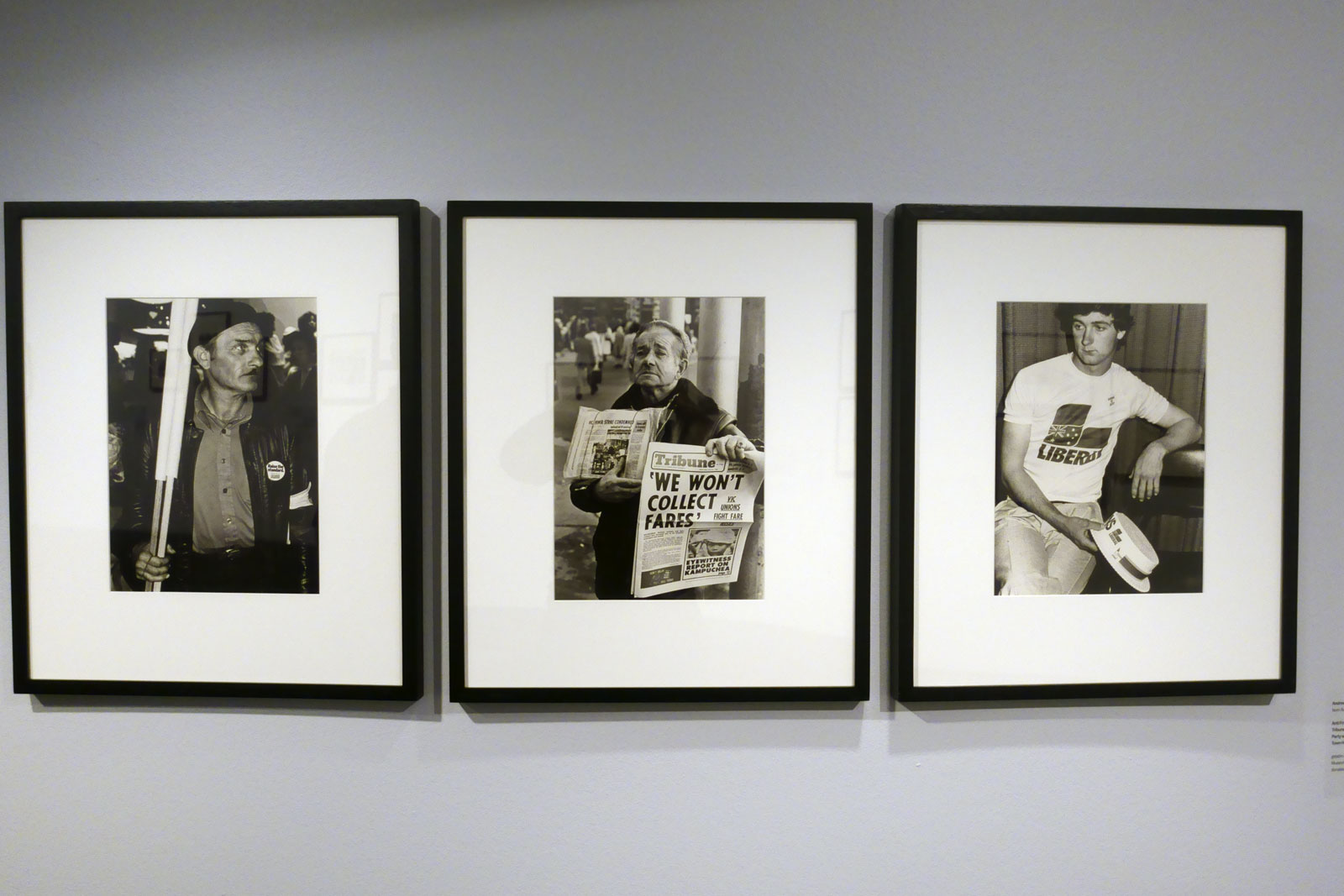
Installation view of the exhibition 'The basement: photography from Prahran College (1968-1981)' at the Museum of Australian Photography, Wheelers Hill, Melbourne showing from left, Andrew Chapman's photographs 'Anti Fraser demonstrator, Collins Street Melbourne' 1979; 'Tribune newspaper seller, Melbourne' 1980; 'Party supporter, Liberal Party campaign launch, Moorabbin Town Hall' 1980


Installation view of the first gallery of the exhibition The basement: photography from Prahran College (1968-1981) at the Museum of Australian Photography, Wheelers Hill, Melbourne showing from left, Andrew Chapman’s photographs Anti Fraser demonstrator, Collins Street Melbourne 1979; Tribune newspaper seller, Melbourne 1980; Party supporter, Liberal Party campaign launch, Moorabbin Town Hall 1980
Photo: Marcus Bunyan


Andrew Chapman (Australian, b. 1954) 'Tribune newspaper seller, Melbourne' 1980 (installation view)


Andrew Chapman (Australian, b. 1954)
Tribune newspaper seller, Melbourne (installation view)
1980
Gelatin silver print
Museum of Australian Photography, City of Monash Collection donated 2024
Photo: Marcus Bunyan


Andrew Chapman (Australian, b. 1954) 'Tribune newspaper seller, Melbourne' 1980 from the exhibition 'The basement: photography from Prahran College (1968-1981)' at the Museum of Australian Photography, Wheelers Hill, Melbourne, March - May 2025


Andrew Chapman (Australian, b. 1954)
Tribune newspaper seller, Melbourne (installation view)
1980
Gelatin silver print
Museum of Australian Photography, City of Monash Collection donated 2024


Andrew Chapman (Australian, b. 1954) 'Party supporter, Liberal Party campaign launch, Moorabbin Town Hall' 1980 (installation view)


Andrew Chapman (Australian, b. 1954)
Party supporter, Liberal Party campaign launch, Moorabbin Town Hall (installation view)
1980
Gelatin silver print
Museum of Australian Photography, City of Monash Collection donated 2024
Photo: Marcus Bunyan


Installation view of the exhibition 'The basement: photography from Prahran College (1968-1981)' at the Museum of Australian Photography, Wheelers Hill, Melbourne showing at left, George Volakos' 'Flinders Street Station' 1972; and at right, Graham Howe's 'Man on tram, Melbourne' 1970


Installation view of the exhibition The basement: photography from Prahran College (1968-1981) at the Museum of Australian Photography, Wheelers Hill, Melbourne showing at left, George Volakos’ Flinders Street Station 1972; and at right, Graham Howe’s Man on tram, Melbourne 1970
Photo: Marcus Bunyan


Installation view of the exhibition 'The basement: photography from Prahran College (1968-1981)' at the Museum of Australian Photography, Wheelers Hill, Melbourne


Installation view of the exhibition The basement: photography from Prahran College (1968-1981) at the Museum of Australian Photography, Wheelers Hill, Melbourne showing photographs by Rob Gale from his Dogs and their humans (1978) and Swanston Street 5pm (1978) series
Photo: Marcus Bunyan


Rob Gale (Australian, b. 1953) 'Untitled 01' 1978 (installation view)


Rob Gale (Australian, b. 1953)
Untitled 01 (installation view)
1978
From the series Swanston Street 5pm
Pigment ink-jet print, printed 2024
Collection of the artist
Photo: Marcus Bunyan


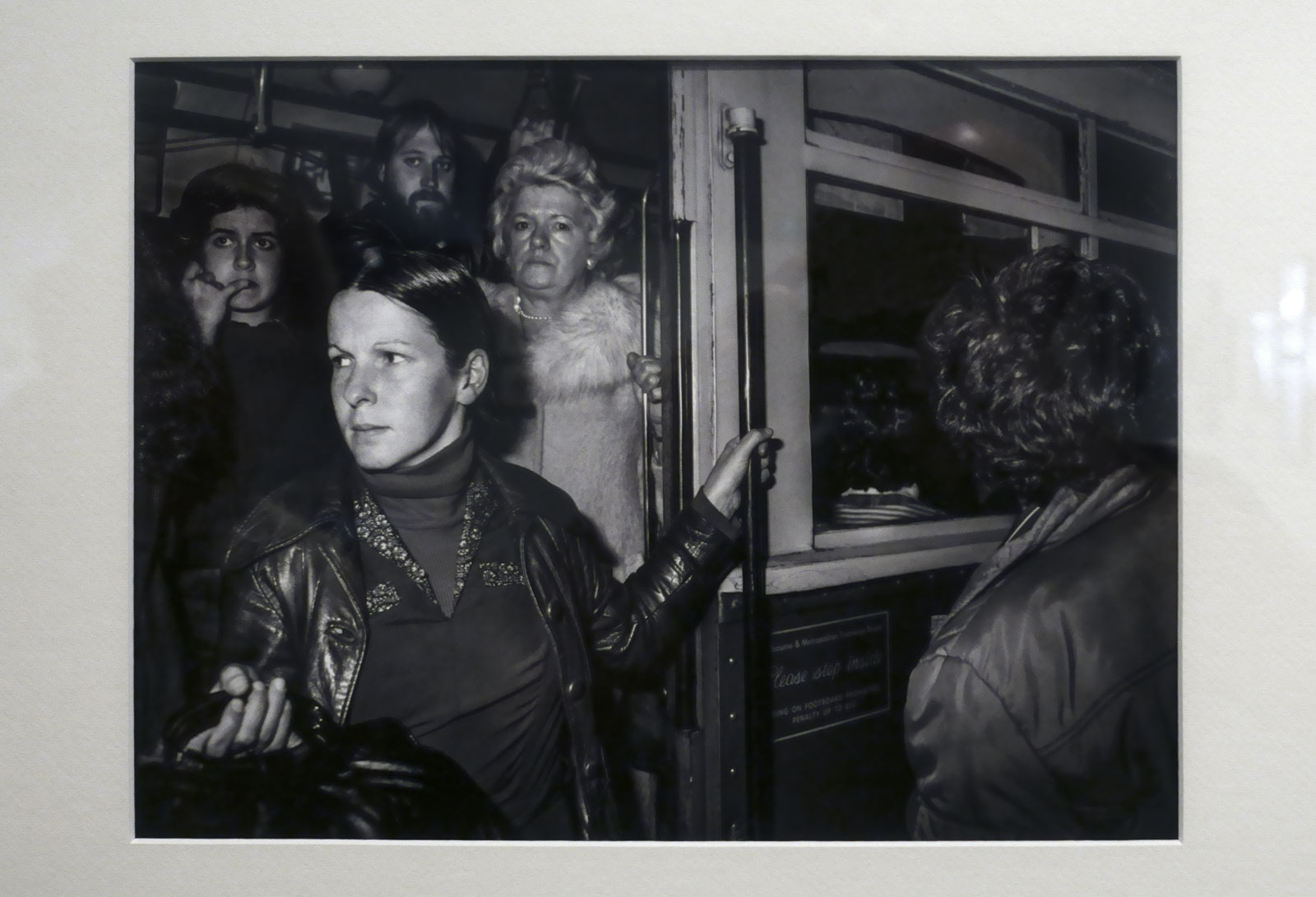
Rob Gale studied photography at Prahran Collect from 1976 to 1978. For his series, Swanston Street, 5pm (1978), Gale took inspiration from an iconic painting by the Australian artist John Brack, Collins Street, 5pm (1955). Gale’s photographic exploration of Brack’s stylised view of Melbourne’s office workers was made during peak hour at a busy tram stop near Flinders Street Station. Influenced by American street photographers such as Bruce Golden and Weegee, Gale used a hand-held flash to illuminate his subjects. In a nod to Brack’s painting, this technique allowed Gale to create harsh, stylised views of impatient commuters. The flash also seems to have induced grimaces and sideways stares which, along with the harsh lighting, shadows and unusual camera angles, served to accentuate the strange and surreal atmosphere in the photographs.

Wall text from the exhibition

Rob Gale alumni profile on the Prahran Legacy website


Rob Gale (Australian, b. 1953)
'Untitled 12' 1978 from the series 'Swanston Street 5pm' from the exhibition 'The basement: photography from Prahran College (1968-1981)' at the Museum of Australian Photography, Wheelers Hill, Melbourne, March - May 2025


Rob Gale (Australian, b. 1953)
Untitled 12
1978
From the series Swanston Street 5pm
Pigment ink-jet print, printed 2024
Collection of the artist


Installation view of the exhibition 'The basement: photography from Prahran College (1968-1981)' at the Museum of Australian Photography, Wheelers Hill, Melbourne showing photographs from left clockwise, Steven Lojewsi's 'Man with umbrella near curb, Melbourne' 1975; Johann Krix's 'Proud moment, Moomba' c. 1971; and Andrew Wittner's 'Where's my car, Melbourne' 1973


Installation view of the exhibition The basement: photography from Prahran College (1968-1981) at the Museum of Australian Photography, Wheelers Hill, Melbourne showing photographs from left clockwise, Steven Lojewsi’s Man with umbrella near curb, Melbourne 1975; Johann Krix’s Proud moment, Moomba c. 1971; and Andrew Wittner’s Where’s my car, Melbourne 1973
Photo: Marcus Bunyan


Andrew Wittner (Australian, b. 1955) 'Where's My Car?' 1973, printed 2024


Andrew Wittner (Australian, b. 1955)
Where’s My Car?
1973, printed 2024
Gelatin silver print
Collection of the artist

Andrew Wittner alumni profile on the Prahran Legacy website


Steven Lojewsi (Australian born England, b. 1952) 'Man with umbrella near curb, Melbourne' 1975 (installation view)


Steven Lojewsi (Australian born England, b. 1952)
Man with umbrella near curb, Melbourne (installation view)
1975
Gelatin silver print
Museum of Australian Photography, City of Monash Collection donated 2025
Photo: Marcus Bunyan


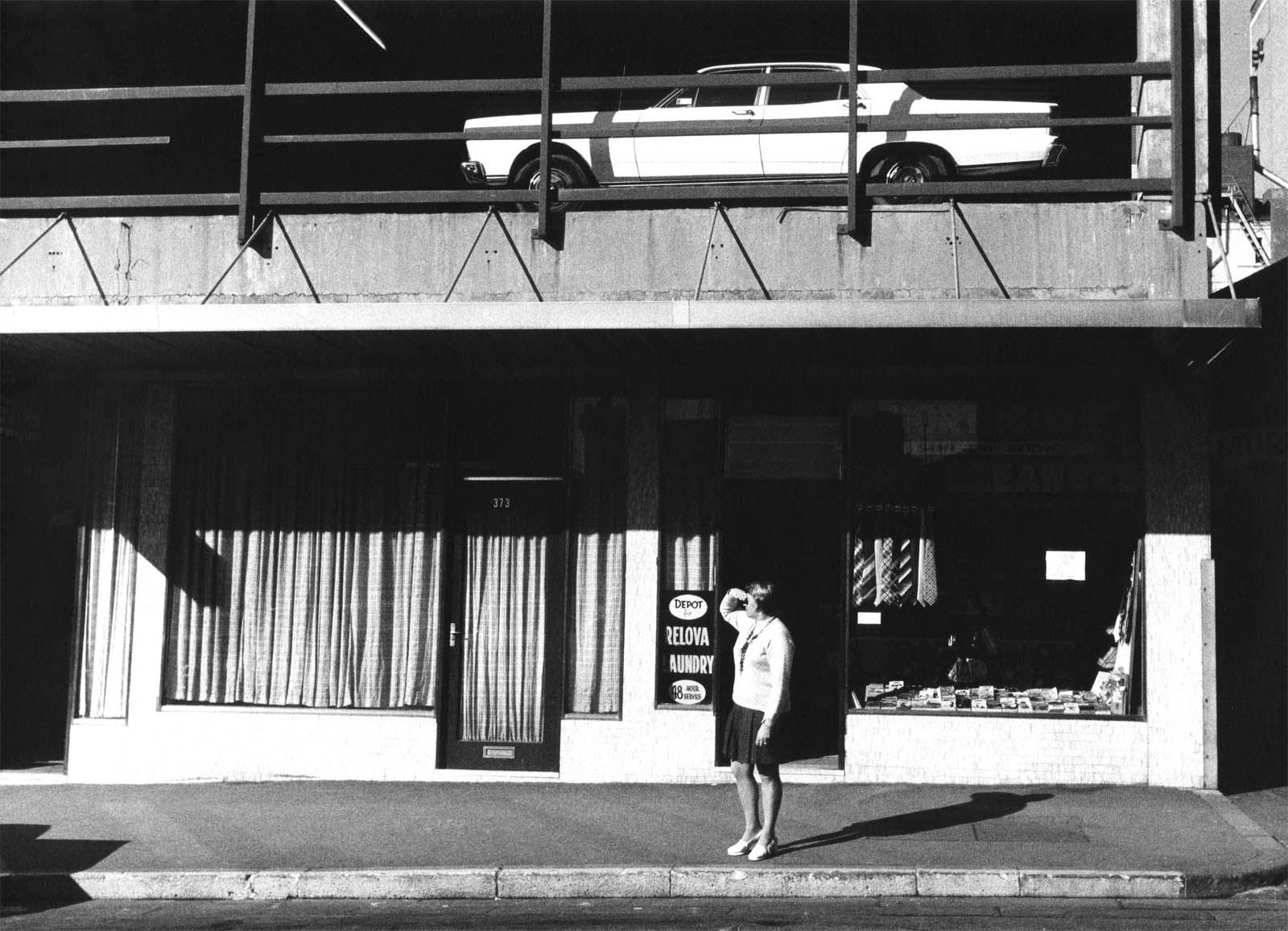
Steven Lojewski was born in London and grea up in Canada before arriving in Australian in 1969. He studied photography at Prahran College from 1974 to 1976 and later at Sydney College of the Arts. While studying at Prahran, Lojewski made a number of photographs on the streets of Melbourne. Sparsely populated, these early-career vintage prints demonstrate Lojewski’s highly defined, formal approach to documenting the urban landscape and illustrate his ability to produce a subtle range of silvery mid-tones and carefully styled compositions.

Wall text from the exhibition

Steven Lojewski alumni profile on the Prahran Legacy website


Steven Lojewsi (Australian born England, b. 1952) 'Man with umbrella near curb, Melbourne' 1975


Steven Lojewsi (Australian born England, b. 1952)
Man with umbrella near curb, Melbourne
1975
Gelatin silver print
Museum of Australian Photography, City of Monash Collection donated 2025


Installation view of the exhibition 'The basement: photography from Prahran College (1968-1981)' at the Museum of Australian Photography, Wheelers Hill, Melbourne showing at left, John Conte's 'Telephone, Prahran' 1971; at centre top, Philip Quirk's 'Lone ranger (Prahran resident with Royal Show souvenirs)' 1973; at centre bottom, Philip Quirk's 'The headmistress, sports day, Como Park' 1975; and at right, Johann Krix's 'Toorak Road, South Yarra' 1972


Installation view of the exhibition The basement: photography from Prahran College (1968-1981) at the Museum of Australian Photography, Wheelers Hill, Melbourne showing at left, John Conte’s Telephone, Prahran 1971; at centre top, Philip Quirk’s Lone ranger (Prahran resident with Royal Show souvenirs) 1973; at centre bottom, Philip Quirk’s The headmistress, sports day, Como Park 1975; and at right, Johann Krix’s Toorak Road, South Yarra 1972
Photo: Marcus Bunyan


Philip Quirk (Australian, b. 1948)
'Lone ranger (Prahran resident with Royal Show souvenirs)' 1973 (installation view)


Philip Quirk (Australian, b. 1948)
Lone ranger (Prahran resident with Royal Show souvenirs) (installation view)
1973
Gelatin silver print
15.9 x 23.8cm
Museum of Australian Photography, City of Monash Collection acquired 2024
Photo: Marcus Bunyan


Based in Sydney, Philip Quirk has been a practising documentary photographer since the 1970s. He studied photography at Prahran College from 1971 to 1973 and has frequently used his camera to capture endearing images of humanity. Influenced by international photographers such as Henri Cartier-Bresson and Diane Arbus, Quirk’s images feature unusual characters and situations, often incorporating humour and incongruity. His work, Lone ranger (Prahran resident with Royal Show souvenirs) (1973) formed part of his final portfolio assessment at Prahran College. Walking through the streets of Prahran, Quirk stopped to talk to this elderly resident and photographed him in the afternoon sunlight. With its emphasis on light and composition combined with an interest in Australian culture, this photograph is a precursor to the street and social documentary work Quirk produced in the years immediately following his time at Prahran College.

Wall text from the exhibition

Phil Quirk alumni profile on the Prahran Legacy website


Johann Krix (Australian born Austria, b. 1948) 'Toorak Road, South Yarra' 1972 (installation view)


Johann Krix (Australian born Austria, b. 1948)
Toorak Road, South Yarra (installation view)
1972
Gelatin silver print
Collection of the artist
Photo: Marcus Bunyan


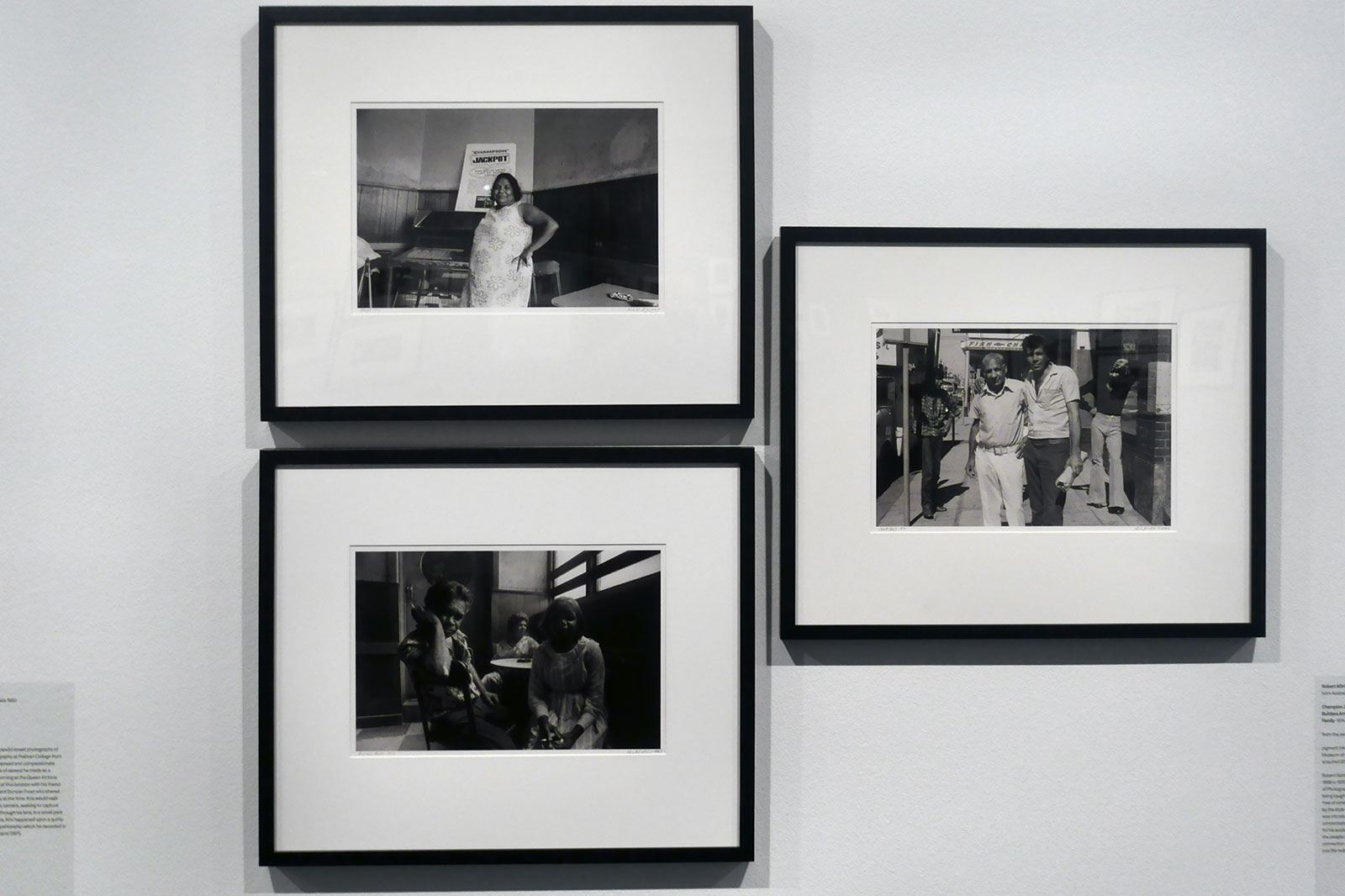
Installation view of the exhibition 'The basement: photography from Prahran College (1968-1981)' at the Museum of Australian Photography, Wheelers Hill, Melbourne showing Robert Ashton's photographs, 'Champion Jackpot' 1974; 'Builders Arms Hotel' 1974; 'Family' 1974 from the series 'Fitzroy'


Installation view of the exhibition The basement: photography from Prahran College (1968-1981) at the Museum of Australian Photography, Wheelers Hill, Melbourne showing Robert Ashton’s photographs, Champion Jackpot 1974; Builders Arms Hotel 1974; Family 1974 from the series Fitzroy
Photo: Marcus Bunyan


Robert Ashton (Australian, b. 1950)
'Champion Jackpot' 1974, printed 2008 (installation view)


Robert Ashton (Australian, b. 1950)
Champion Jackpot (installation view)
1974, printed 2008
Pigment inkjet print
Museum of Australian Photography, City of Monash Collection acquired 2010
Photo: Marcus Bunyan


Robert Ashton studied photography at Prahran college from 1968 to 1970 and first exhibited his work at Brummels Gallery of Photography in 1973. As a student at Prahran, Ashton recalls being taught to follow his heart and his eye in a way that was free of constraints, developing a visual language influenced by the style of European black-and-white photography that he was introduced to by Paul Cox. His early documentary work concentrated on inner-city subjects, and he is widely known for his acclaimed series Fitzroy, which warmly documents the people of Fitzroy, focusing on human life and community connection. This series was originally published as a photobook, Into the hollow mountains a portrait of Fitzroy, in 1974.

Wall text from the exhibition

Robert Ashton alumni profile on the Prahran Legacy website


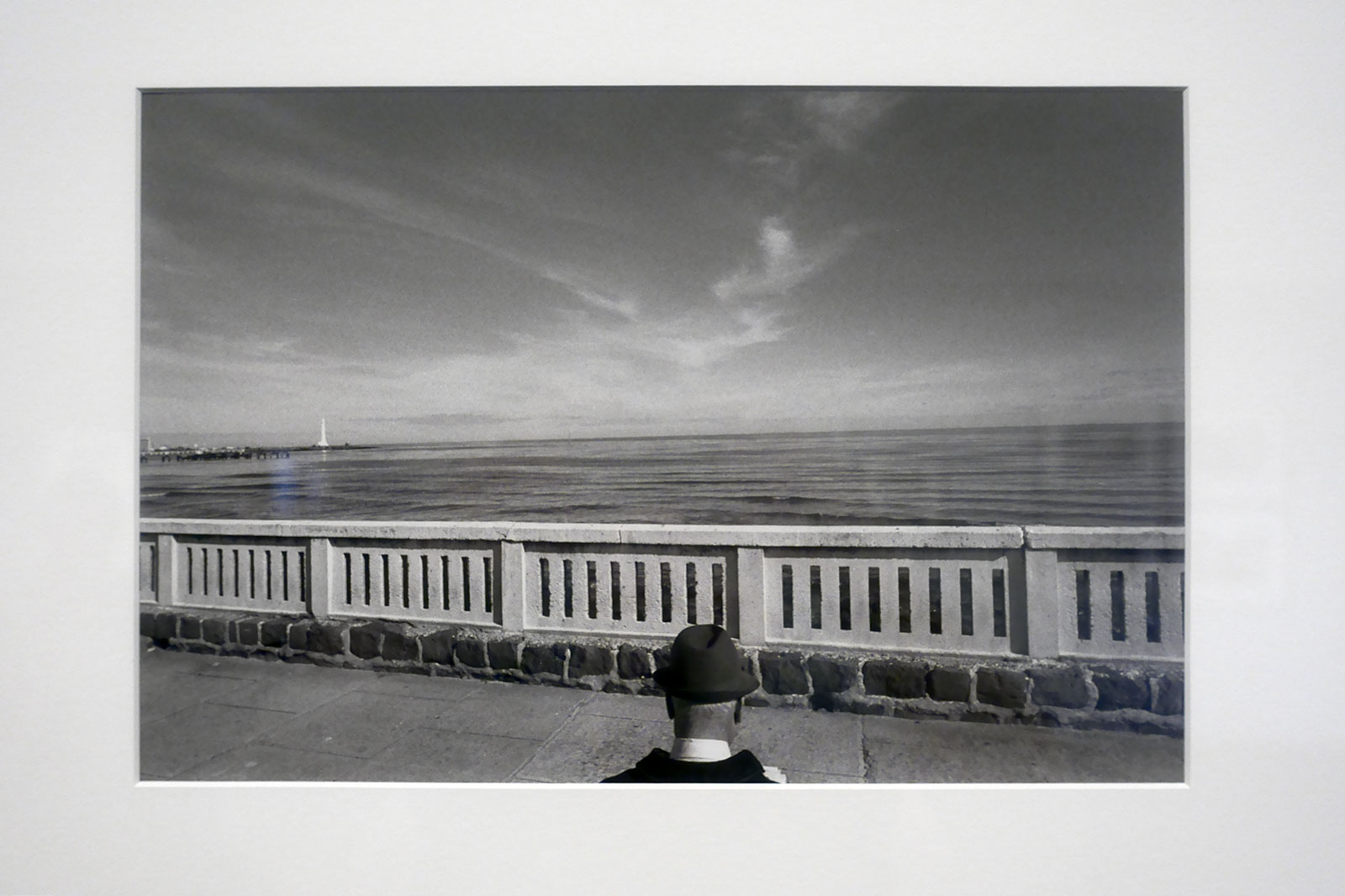
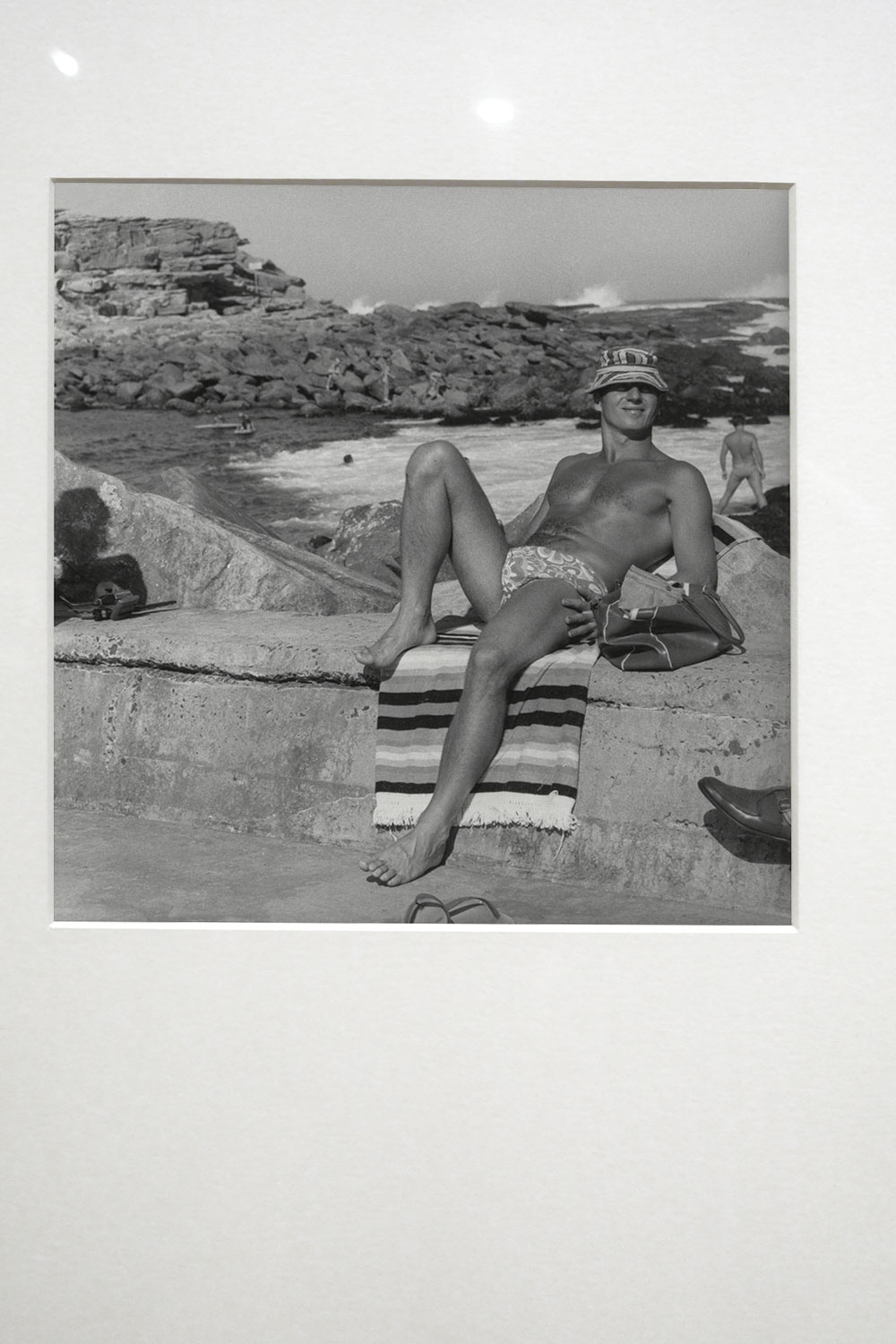
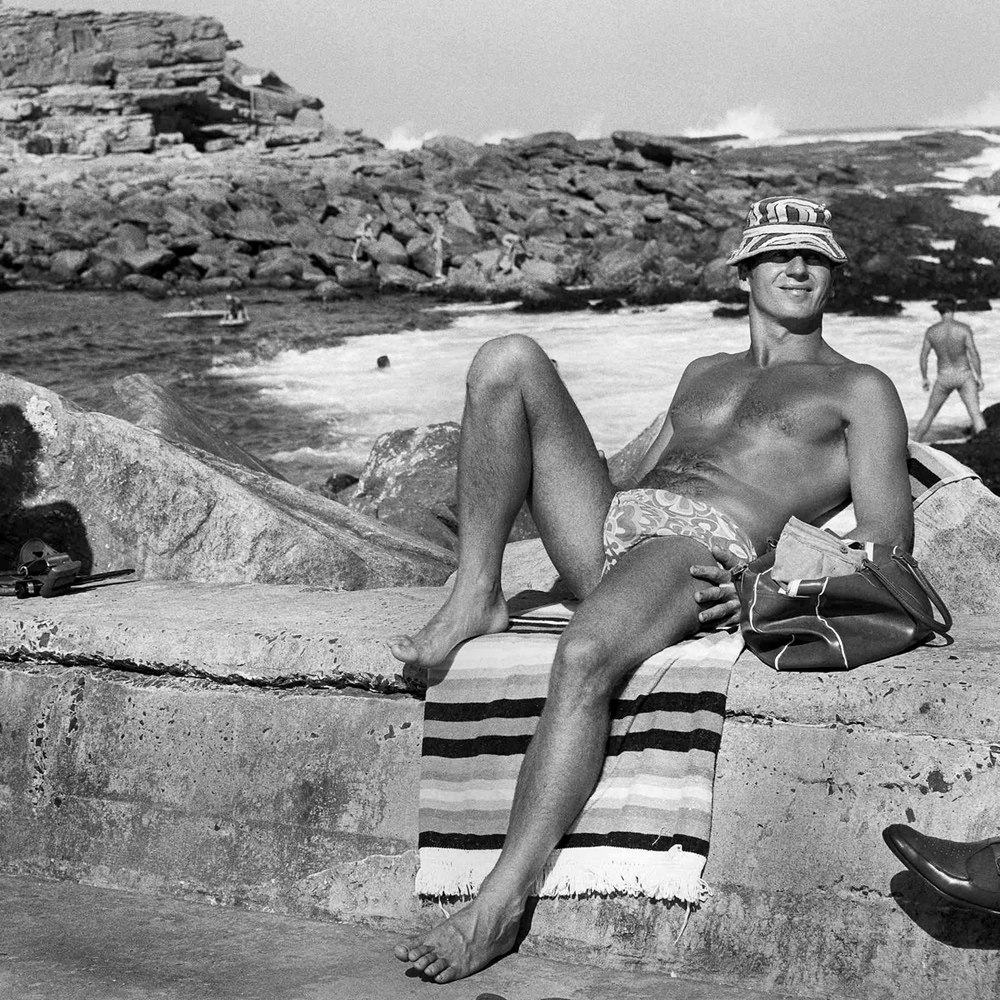
Installation view of the exhibition 'The basement: photography from Prahran College (1968-1981)' at the Museum of Australian Photography, Wheelers Hill, Melbourne  showing from left clockwise, Geoff Strong's 'Bald man enjoying the sun, St Kilda' 1975; Steven Lojewski's 'Man with hat and lighthouse, St Kilda' 1975; Glen O'Malley's 'St Kilda' 1973; and Steven Lojewski's 'Man on bench, Stardust St Kilda' 1975


Installation view of the exhibition The basement: photography from Prahran College (1968-1981) at the Museum of Australian Photography, Wheelers Hill, Melbourne showing from left clockwise, Geoff Strong’s Bald man enjoying the sun, St Kilda 1975; Steven Lojewski’s Man with hat and lighthouse, St Kilda 1975; Glen O’Malley’s St Kilda 1973; and Steven Lojewski’s Man on bench, Stardust St Kilda 1975
Photo: Marcus Bunyan


Geoff Strong (Australian, b. 1950) 'Bald man enjoying the sun, St Kilda'
1975


Geoff Strong (Australian, b. 1950)
Bald man enjoying the sun, St Kilda
1975
Gelatin silver print
19.1 x 26.3cm
Museum of Australian Photography, City of Monash Collection donated 2025


Geoff Strong moved to Melbourne from Brisbane for the photography course at Prahran College, which he began in 1975 after already having established himself as a political journalist. Strong’s image, Bald man enjoying the sun, St Kilda (1975) showcases his acute interest in the qualities of Melbourne’s sunlight. The human element, a man’s bald head, becomes a formal, compositional device, which appears more like a bronze ball than a human form. Strong’s depiction of harsh light in this sparse composition accentuates the photograph’s formal elements and calls to mind the surreal paintings of Georgio de Chirico.

Text from the Museum of Australian Photography website

Geoff Strong alumni profile on the Prahran Legacy website


Steven Lojewsi (Australian born England, b. 1952) 'Man with hat and lighthouse, St Kilda' 1975 (installation view)


Steven Lojewsi (Australian born England, b. 1952)
Man with hat and lighthouse, St Kilda (installation view)
1975
Gelatin silver print
Museum of Australian Photography, City of Monash Collection donated 2025
Photo: Marcus Bunyan


James McArdle (Australian, b. 1950)
'Couple, Luna Park' 1976 (installation view)


James McArdle (Australian, b. 1950)
Couple, Luna Park (installation view)
1976
Gelatin silver print
Museum of Australian Photography, City of Monash Collection donated 2025
Photo: Marcus Bunyan


James McArdle (Australian, b. 1950)
'Conscript, Luna Park' 1976 (installation view)


James McArdle (Australian, b. 1950)
Conscript, Luna Park (installation view)
1976
Gelatin silver print
Museum of Australian Photography, City of Monash Collection donated 2025
Photo: Marcus Bunyan


James McArdle is a photographic artist, curator, writer and educator based in Castlemaine, Victoria. While studying photography at Prahran College from 1974 to 1976, McArdle took his camera out onto the streets of Melbourne. He made several social documentary images as well as more playful, abstract compositions, which highlight his interest in shadow and form. The vintage silver gelatin prints on display here come mostly from McArdle’s first-and second-year street photography folios. They were made during long walks around St Kilda and Elwood. Conscript, Luna Park (1976) formed part of McArdle’s third-year major project on Luna Park, which included portraits taken in the Penny Arcade. Created using a Linhof 4 x 5 inch press camera and flash, this folio was assessed by Wolfgang Sievers.

Wall text from the exhibition

Dr James McArdle profile on the Academia website


Installation view of the exhibition 'The basement: photography from Prahran College (1968-1981)' at the Museum of Australian Photography, Wheelers Hill, Melbourne


Installation view of the exhibition The basement: photography from Prahran College (1968-1981) at the Museum of Australian Photography, Wheelers Hill, Melbourne
Photo: Marcus Bunyan
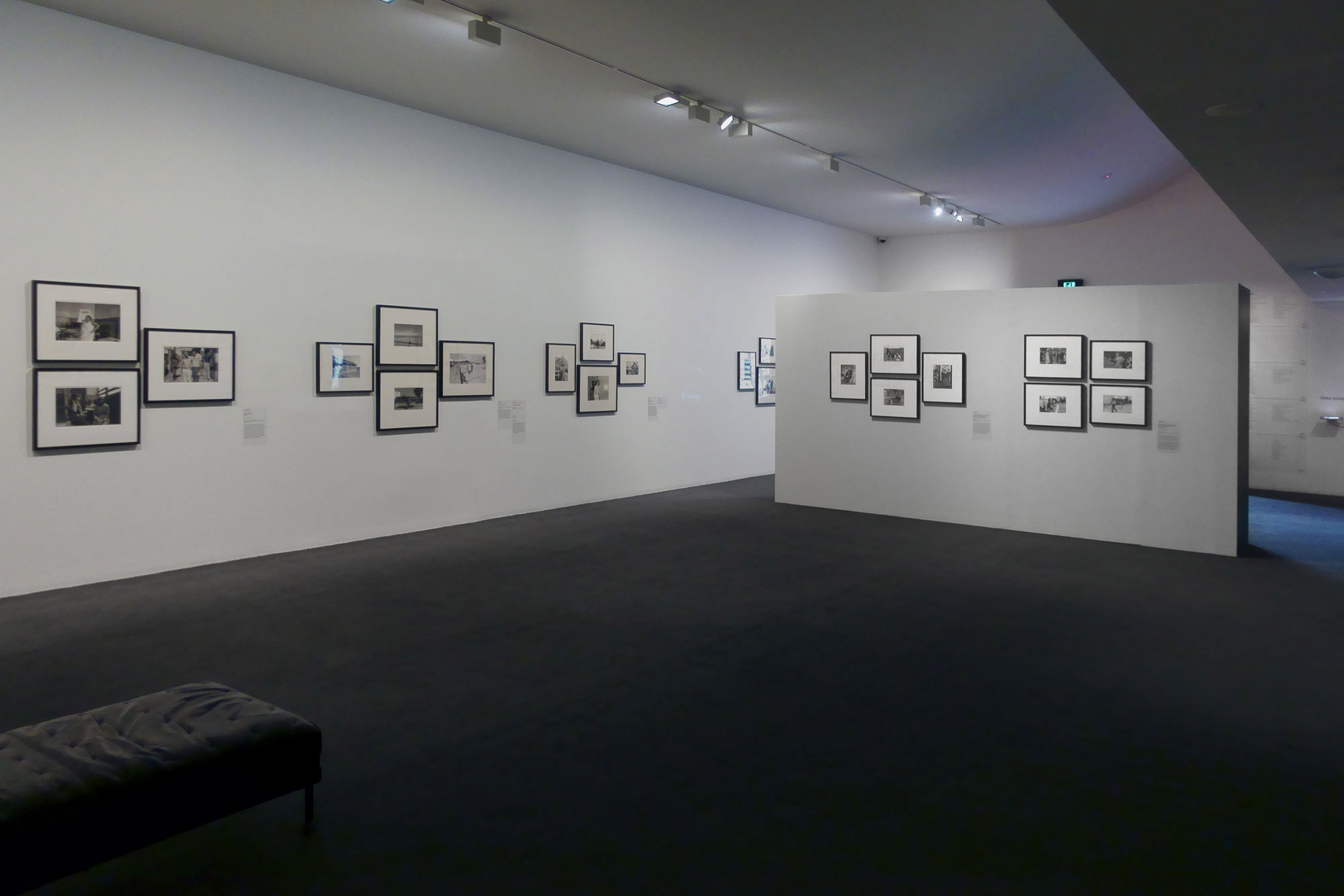
 

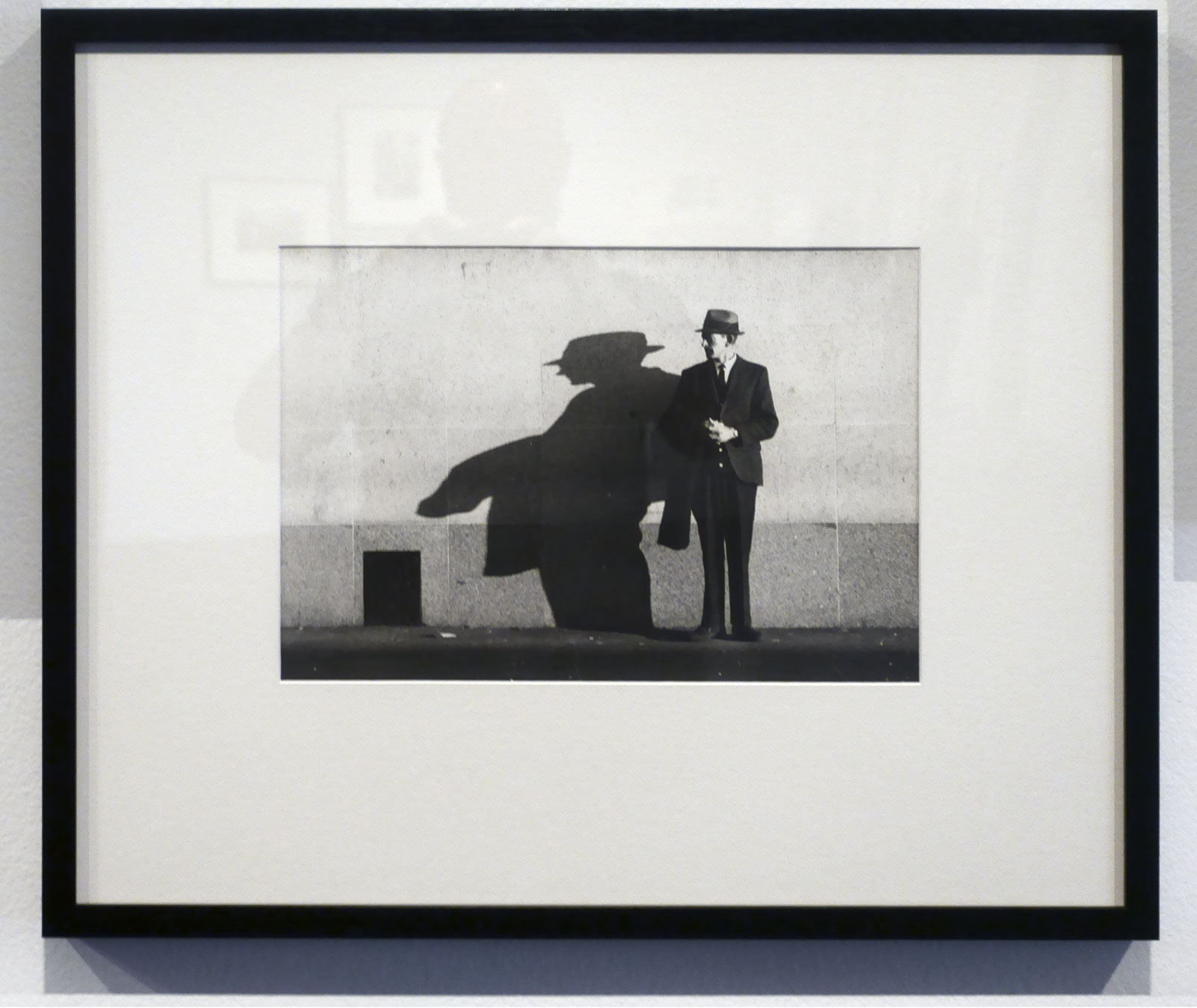
Installation view of the exhibition 'The basement: photography from Prahran College (1968-1981)' at the Museum of Australian Photography, Wheelers Hill, Melbourne showing from left clockwise, James McArdle's 'Hungry puddle, Elwood' 1975 and 'St Kilda Courthouse' 1974; Martin Munz's 'Man at crossing, Lower Esplanade St Kilda' 1979; and Greg Neville's 'Man and shadow' 1971


Installation view of the exhibition The basement: photography from Prahran College (1968-1981) at the Museum of Australian Photography, Wheelers Hill, Melbourne showing from left clockwise, James McArdle’s Hungry puddle, Elwood 1975 and St Kilda Courthouse 1974; Martin Munz’s Man at crossing, Lower Esplanade St Kilda 1979; and Greg Neville’s Man and shadow 1971
Photo: Marcus Bunyan


James McArdle (Australian, b. 1950)
'Hungry puddle, Elwood' 1975


James McArdle (Australian, b. 1950)
Hungry puddle, Elwood
1975
Gelatin silver print
27.0 x 18.5cm
Museum of Australian Photography, City of Monash Collection donated by James McArdle in honour of John Cato 2025


Greg Neville (Australian, b. 1950) 'Man and shadow' 1971 (installation view)


Greg Neville (Australian, b. 1950)
Man and shadow (installation view)
1971
Gelatin silver print
Collection of the artist
Photo: Marcus Bunyan


Installation view of the exhibition 'The basement: photography from Prahran College (1968-1981)' at the Museum of Australian Photography, Wheelers Hill, Melbourne showing Sandra Graham's photographs 'Walls 3 (Joseph)' and 'Walls 2 (cloak 1)' 1976 from the series 'Walls' (left); and 'Backstage, Chapel street bridge, Prahran' 1976 (right)


Installation view of the exhibition The basement: photography from Prahran College (1968-1981) at the Museum of Australian Photography, Wheelers Hill, Melbourne showing Sandra Graham’s photographs Walls 3 (Joseph) and Walls 2 (cloak 1) 1976 from the series Walls (left); and Backstage, Chapel street bridge, Prahran 1976 (right)
Photo: Marcus Bunyan


Sandra Graham (Australian, b. 1947)
'Walls 3 (Joseph)' 1976 (installation view)


Sandra Graham (Australian, b. 1947)
Walls 3 (Joseph) (installation view)
1976
Gelatin silver print
Collection of the artist
Photo: Marcus Bunyan


Formal concerns permeate the street portraits by Sandra Graham who studied photography at Prahran college fromollege from 1974-1975. In her series Walls, Graham relates the human forms of her subjects to the textured walls behind them. For instance, in Walls 3 (Joseph) (1976), the weathered face and stained clothes of a painter are shown in front of a mottled wall that he is about to paint white. Graham blends figure and ground in this image, playing with tonal relationships in black and white. She creates a painterly style of flatness through this series, which was made on streets around St Kilda and Albert Park.

Wall text from the exhibition

Sandra Graham alumni profile on the Prahran Legacy website


Sandra Graham (Australian, b. 1947)
'Walls 3 (Joseph)' 1976


Sandra Graham (Australian, b. 1947)
Walls 3 (Joseph)
1976
Gelatin silver print
Collection of the artist


Gallery two section one (clockwise)


Installation view of the exhibition 'The basement: photography from Prahran College (1968-1981)' at the Museum of Australian Photography, Wheelers Hill, Melbourne


Installation views of the second gallery part A of the exhibition The basement: photography from Prahran College (1968-1981) at the Museum of Australian Photography, Wheelers Hill, Melbourne
Photos: Marcus Bunyan
 

Wall text from the exhibition 'The basement: photography from Prahran College (1968-1981)' at the Museum of Australian Photography, Wheelers Hill, Melbourne


Wall text from the exhibition The basement: photography from Prahran College (1968-1981) at the Museum of Australian Photography, Wheelers Hill, Melbourne
Photo: Marcus Bunyan


Lyn Cheong (Australian, b. 1954)
'Self-portrait' 1977; 'Self-portrait' 1977 (installation view)


Lyn Cheong (Australian, b. 1954)
Self-portrait (installation view)
1977
Self-portrait (installation view)
1977
Dye diffusion transfer prints
Collection of the artist
Photo: Marcus Bunyan


Nicholas Nedelkopoulos (Australian, b. 1955)
'Shrunken head' 1978-1991; 'Dark wedding' 1978-1990 (installation view)


Nicholas Nedelkopoulos (Australian, b. 1955)
Shrunken head (installation view)
1978-1991
Dark wedding (installation view)
1978-1990
Chromogenic prints
Museum of Australian Photography, City of Monash Collection acquired 1992
Photo: Marcus Bunyan


Nicholas Nedelkopoulos (Australian, b. 1955) 'Shrunken head' 1978-1991 (installation view)


Nicholas Nedelkopoulos (Australian, b. 1955)
Shrunken head (installation view)
1978-1991
Chromogenic print
Museum of Australian Photography, City of Monash Collection acquired 1992
Photo: Marcus Bunyan


Leonie Reisberg (Australian, b. 1955) 'Portrait of Peggy Silinski, Merimbula, NSW' 1974 (installation view)


Leonie Reisberg (Australian, b. 1955)
Portrait of Peggy Silinski, Merimbula, NSW (installation view)
1974
Gelatin silver print
Museum of Australian Photography, City of Monash Collection donated by Janice Hinderaker through the Australian Government’s Cultural Gifts Program 2023
Photo: Marcus Bunyan


Leonie Reisberg attended Prahran College between 1974 and 1975, where she developed her photographic practice. Her work from this period is often associated with a growing interest in experimental and documentary photography that emerged in Melbourne during the 1970s.

Reisberg’s approach blends real-life moments with a more composed and conceptual style, often exploring themes of intimacy, femininity and social dynamics. She is part of a cohort of photographers that helped shape the trajectory of contemporary Australian photography, particularly within the context feminist and documentary practices.

Wall text from the exhibition

Leonie Reisberg alumni profile on the Prahran Legacy website


Leonie Reisberg (Australian, b. 1955)
'Portrait of Peggy Silinski, Merimbula, NSW' 1974


Leonie Reisberg (Australian, b. 1955)
Portrait of Peggy Silinski, Merimbula, NSW
1974
Gelatin silver print
Museum of Australian Photography, City of Monash Collection donated by Janice Hinderaker through the Australian Government’s Cultural Gifts Program 2023


Installation view of the exhibition 'The basement: photography from Prahran College (1968-1981)' at the Museum of Australian Photography, Wheelers Hill, Melbourne


Installation view of the exhibition The basement: photography from Prahran College (1968-1981) at the Museum of Australian Photography, Wheelers Hill, Melbourne showing at centre, Andrew Chapman’s Self-portrait in bath 1975; and at right, Viki Petherbridge’s Frames 10-18 1975 from the series Frames
Photo: Marcus Bunyan


Viki Petherbridge (Australian, b. 1954) 'Frames 10-18' 1975 (installation view)


Viki Petherbridge (Australian, b. 1954)
Frames 10-18 (installation view)
1975
from the series Frames
Gelatin silver print
Collection of the artist
Photo: Marcus Bunyan


Wall text from the exhibition 'The basement: photography from Prahran College (1968-1981)' at the Museum of Australian Photography, Wheelers Hill, Melbourne


Wall text from the exhibition The basement: photography from Prahran College (1968-1981) at the Museum of Australian Photography, Wheelers Hill, Melbourne
Photo: Marcus Bunyan


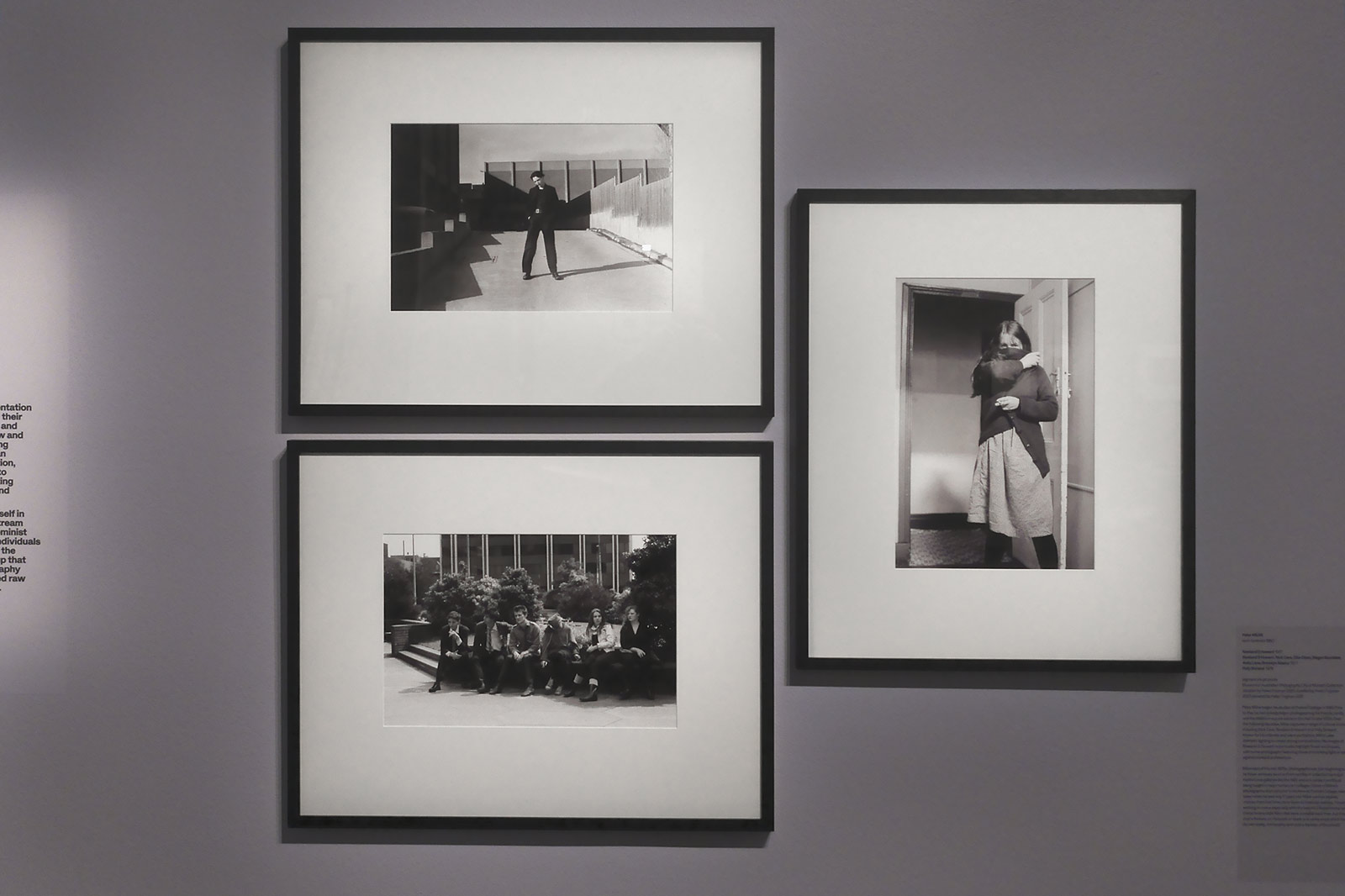
Installation view of the exhibition 'The basement: photography from Prahran College (1968-1981)' at the Museum of Australian Photography, Wheelers Hill, Melbourne showing Peter Milne's photographs from top clockwise, 'Rowland S Howard' 1977; 'Polly Borland' 1979; and 'Rowland S Howard, Nick Cave, Ollie Olsen, Megan Bannister, Anita Lane, Bronwyn Adams' 1977


Installation view of the exhibition The basement: photography from Prahran College (1968-1981) at the Museum of Australian Photography, Wheelers Hill, Melbourne showing Peter Milne’s photographs from top clockwise, Rowland S Howard 1977; Polly Borland 1979; and Rowland S Howard, Nick Cave, Ollie Olsen, Megan Bannister, Anita Lane, Bronwyn Adams 1977
Photo: Marcus Bunyan


Peter Milne (Australian, b. 1960)
'Rowland S Howard' 1977 (installation view)


Peter Milne (Australian, b. 1960)
Rowland S Howard (installation view)
1977
Pigment inkjet print
Museum of Australian Photography, City of Monash Collection donated by Helen Frajman 2023
Photo: Marcus Bunyan


Peter Milne began his studies at Prahran College in 1980. Prior to this, he had already begun photographing his friends, family, and the Melbourne punk scene in the mid-to late 1970s. Over the following decades, Milne captured a range of cultural icons, including Nick Cave, Rowland S Howard and Polly Borland. Known for his intimate and warm portraiture, Milne uses dramatic lighting to create strong compositions. His images of Rowland S Howard, in particular, highlight these techniques, with some photographs featuring Howard in striking light or set against brutalist architecture.

Wall text from the exhibition

See the exhibition Juvenilia: Peter Milne at Strange Neighbour, Fitzroy, Melbourne February – March 2015


Peter Milne (Australian, b. 1960)
'Polly Borland' 1979


Peter Milne (Australian, b. 1960)
Polly Borland
1979
Pigment ink-jet print
48 x 32cm
Museum of Australian Photography, City of Monash Collection donated by Helen Frajman 2021


Installation view of the exhibition 'The basement: photography from Prahran College (1968-1981)' at the Museum of Australian Photography, Wheelers Hill, Melbourne showing portraits by Polly Borland from 1983


Installation view of the exhibition The basement: photography from Prahran College (1968-1981) at the Museum of Australian Photography, Wheelers Hill, Melbourne showing portraits by Polly Borland from 1983
Photo: Marcus Bunyan


Polly Borland (Australian, b. 1959)
'Dave' 1983, printed 2025 (installation view)


Polly Borland (Australian, b. 1959)
Dave (installation view)
1983, printed 2025
Silver dye bleach print
Collection of the artist
Photo: Marcus Bunyan
 

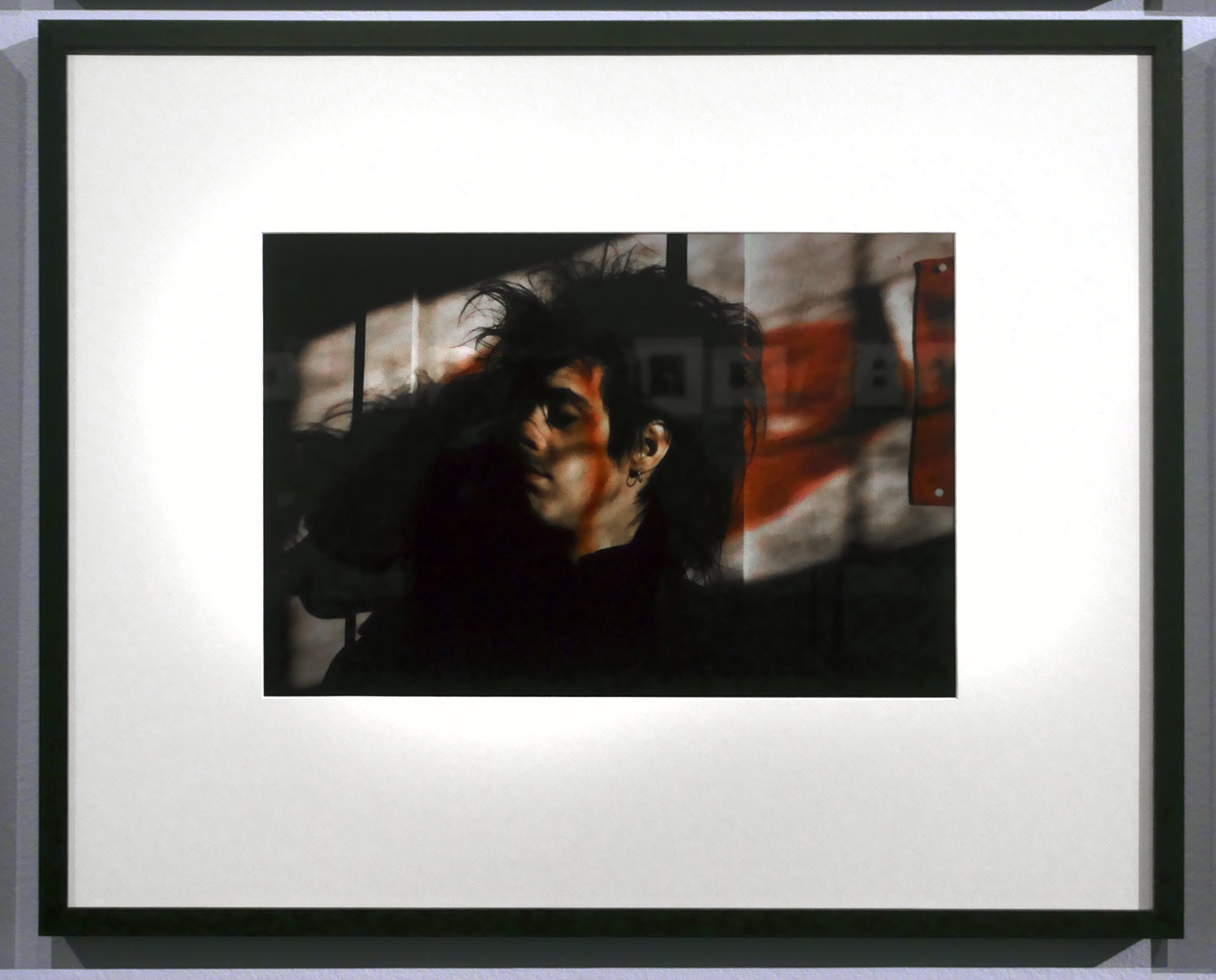
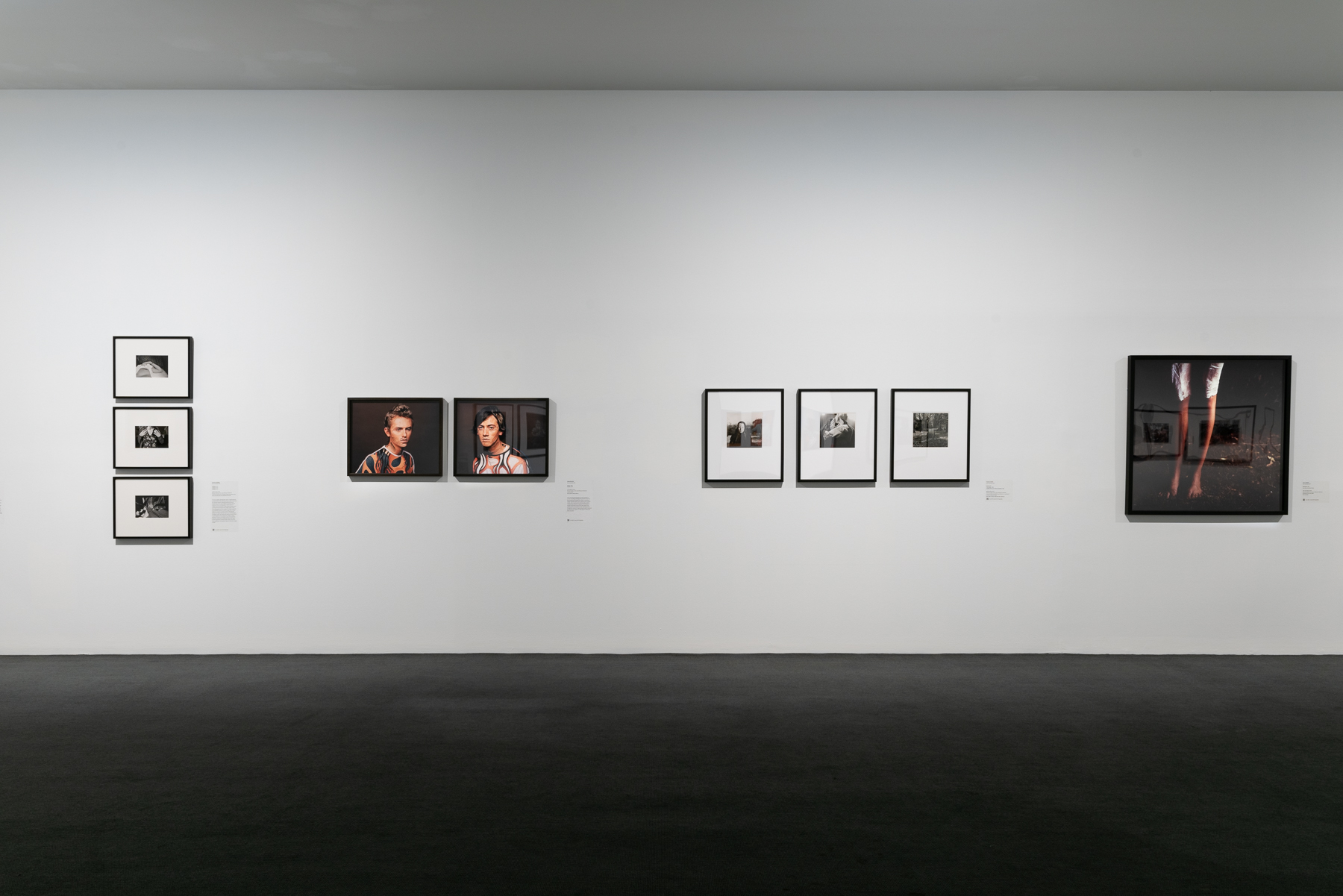
Polly Borland attended Prahran College between 1980 and 1983. Borland shot most of her student work, featured here, on Kodachrome. She shot the works in her Camberwell apartment with direct sunlight pouring through the window. Pieces of carefully placed cellophane on the window created coloured shadows across the subjects’ faces. …

Borland and Cave first began working together in the early 1980s after they met at a party in St Kilda in 1979. The image of Borland at the St Kilda party is documented by fellow friend Peter Milne. Borland’s formative photographs in the early 1980s were part of a new wave of experimental images that departed from renderings of ordinary life.

Wall text from the exhibition


Polly Borland (Australian, b. 1959) 'Nick' 1983, printed 2025 (installation view)


Polly Borland (Australian, b. 1959)
Nick (installation view)
1983, printed 2025
Silver dye bleach print
Museum of Australian Photography, City of Monash Collection acquired 2025
Photo: Marcus Bunyan


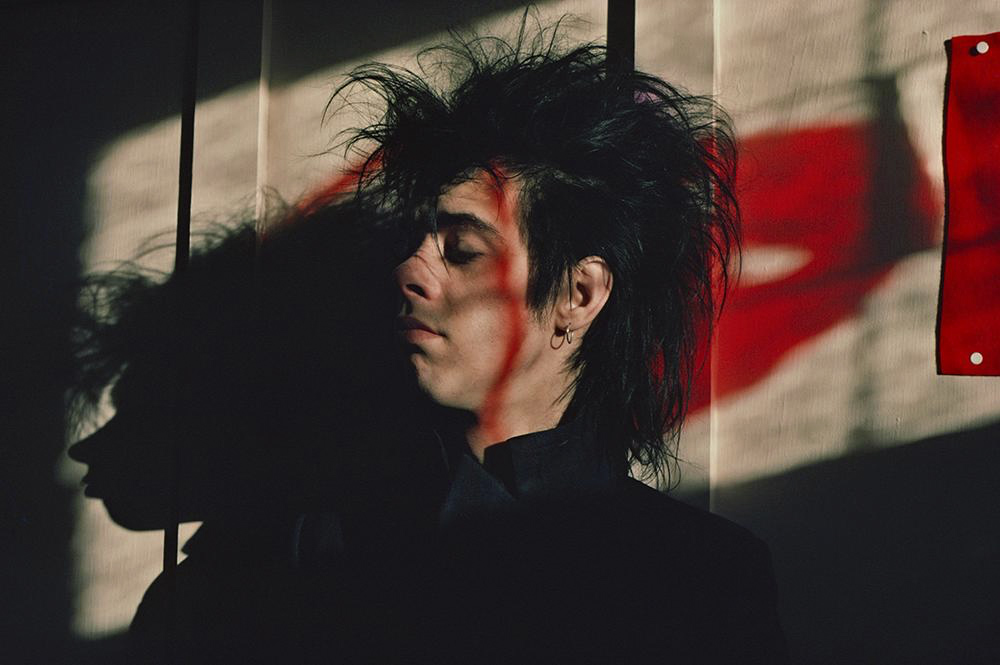
Polly Borland (Australian, b. 1959) 'Nick' 1983, printed 2025


Polly Borland (Australian, b. 1959)
Nick
1983, printed 2025
Silver dye bleach print
Museum of Australian Photography, City of Monash Collection acquired 2025


Polly Borland made this work during her student days at Prahran College where she studied between 1980 and 1983. Borland shot most of her student work on Kodachrome. Shot on Kodachrome, this work forms part of a series of portraits Borland made in her Camberwell apartment with direct sunlight pouring through the window. Pieces of carefully placed cellophane on the window created coloured shadows across the subjects’ faces. 

Borland’s images of Nick Cave from the 1980s and 1990s have become legendary. Often described as raw and intense, these images highlight the tension between the public persona of the famous musician and the more vulnerable, human side of the singer and artist. Borland and Cave first began working together in the early 1980s after they met at a party in St Kilda in 1979.

Text from the Museum of Australian Photography website


Installation view of the exhibition 'The basement: photography from Prahran College (1968-1981)' at the Museum of Australian Photography, Wheelers Hill, Melbourne showing from top left clockwise, Christopher Köller's photographs 'Past self portrait' 1980; 'Philip and Maria' 1981; 'Joe as a Russian soldier' 1980; and 'Bauhausler (homage to Oscar Schlemmer and August Sander)' 1980


Installation view of the exhibition The basement: photography from Prahran College (1968-1981) at the Museum of Australian Photography, Wheelers Hill, Melbourne showing from top left clockwise, Christopher Köller’s photographs Past self portrait 1980; Philip and Maria 1981; Joe as a Russian soldier 1980; and Bauhausler (homage to Oscar Schlemmer and August Sander) 1980
Photo: Marcus Bunyan


Christopher Köller (Australian born England, b. 1943) 'Past self-portrait' 1980


Christopher Köller (Australian born England, b. 1943)
Past self-portrait
1980
Gelatin silver print
23.0 x 24.0cm
Museum of Australian Photography, City of Monash Collection acquired 2024


Christopher Köller trained as a silk-screen printer before travelling extensively throughout the late 1960s and 1970s. Upon his return to Australia, Köller studied photography at Prahran college fromollege, graduating in 1980. Köller enrolled in Prahran with the intention of doing an expose on the conditions experienced by the miners of Bolivia as he had learnt about their plight while travelling in South America.

In his second year Köller stopped looking at photography books and started poring over the pages of art book, influenced by his now partner and historian Nanette Carter and lecturer Norbert Loeffler. Inspired by these teachings, Köller started to set up his images. His first self-portrait titled Past self portrait (1980) is an image of a young artist arriving at Station Pier, Melbourne with his passport in hand. It was part of a series of self-portraits that were shown at The Photographers’ Gallery and Workshop. Other works in this period were influenced by Russian Constructivism – particularly Vladimir Mayakovsky – and 1930s German avant-garde art. In another image, Köller’s subject, dressed in a shirt and tie, stand in front of an Oskar Schlemmer drawing, made by the artist.

Wall text from the exhibition

Christopher Köller alumni profile on the Prahran Legacy website


Christopher Köller (Australian born England, b. 1943) 'Joe as a Russian soldier' 1980 (installation view)


Christopher Köller (Australian born England, b. 1943)
Joe as a Russian soldier (installation view)
1980
Gelatin silver print
Museum of Australian Photography, City of Monash Collection acquired 2024
Photo: Marcus Bunyan


Christopher Köller (Australian born England, b. 1943) 'Joe as a Russian soldier' 1980


Christopher Köller (Australian born England, b. 1943)
Joe as a Russian soldier
1980
Gelatin silver print
Museum of Australian Photography, City of Monash Collection acquired 2024


Installation view of the exhibition 'The basement: photography from Prahran College (1968-1981)' at the Museum of Australian Photography, Wheelers Hill, Melbourne showing Nanette Carter's photographs 'Proof' 1979 and 'Newspaper' 1980


Installation view of the exhibition The basement: photography from Prahran College (1968-1981) at the Museum of Australian Photography, Wheelers Hill, Melbourne showing Nanette Carter’s photographs Proof 1979 and Newspaper 1980
Photo: Marcus Bunyan


Nanette Carter (Australian, b. 1954) 'Proof' 1979 (installation view)


Nanette Carter (Australian, b. 1954)
Proof (installation view)
1979
Gelatin silver print
Museum of Australian Photography, City of Monash Collection acquired 1981
Photo: Marcus Bunyan


Nanette Carter studied first-year photography at Prahran College in 1974 and then completed a diploma (1977) and post graduate diploma (1980) in fine art at the Phillip Institute of Technology, majoring in photography. Her practice explored feminist issues with autobiographical overtones, and she exhibited her work widely between 1981 and 1995. She ceased practising as a Photographer in the early 1990s to pursue her career as a lecturer in design history.

Carter’s image Proof (1979) is a striking self-portrait that reflects on the concept of identity and addresses the idea of photographic ‘proof’ in a multifaceted way. The word written across her face explores the proof of identity and the assertion of existence that photography claims. Newspaper (1980) utilities her partner Christopher Köller as subject. From early on in their relationship, Carter and Köller used each other as models.

Wall text from the exhibition

Nanette Carter alumni profile on the Prahran Legacy website


Nanette Carter (Australian, b. 1954)
'Proof' 1979


Nanette Carter (Australian, b. 1954)
Proof
1979
Gelatin silver print
Museum of Australian Photography, City of Monash Collection acquired 1981


Installation view of the exhibition 'The basement: photography from Prahran College (1968-1981)' at the Museum of Australian Photography, Wheelers Hill, Melbourne showing from left clockwise, Rod McNicol's photographs 'Nanette' 1978; 'Stewart' 1978; and 'Kent' 1978 from the series 'Permanent mirrors'


Installation view of the exhibition The basement: photography from Prahran College (1968-1981) at the Museum of Australian Photography, Wheelers Hill, Melbourne showing from left clockwise, Rod McNicol’s photographs Nanette 1978; Stewart 1978; and Kent 1978 from the series Permanent mirrors
Photo: Marcus Bunyan


Rod McNicol (Australian, b. 1946)
'Nanette' 1978 (installation view)


Rod McNicol (Australian, b. 1946)
Nanette (installation view)
1978
From the series Permanent mirrors
Gelatin silver print
Museum of Australian Photography, City of Monash Collection donated 2024
Photo: Marcus Bunyan


Rod McNicol (Australian, b. 1946) 'Nanette' 1978 from the series 'Permanent mirrors'


Rod McNicol (Australian, b. 1946)
Nanette
1978
From the series Permanent mirrors
Gelatin silver print
Museum of Australian Photography, City of Monash Collection donated 2024


Rod McNicol has been drawn to portraiture ever since he attended Prahran College in 1974. His fellow classmates included Nanette Carter and Bill Henson, and he formed a close connection with Athol Shmith, who would become, in McNicol’s words, ‘a lifelong mentor and friend’. McNicol held his first exhibition and Brummels Gallery of Photography with Carol Jerrems, where he exhibited works from his Permanent mirrors series. This exhibition marked a transition to what McNicol would call his structured approach to portraiture. In the image Nanette, McNicol made a makeshift studio on Paul Cox’s front veranda and placed Carter against a neutral backdrop.

In late 1978, McNicol moved into his warehouse apartment on Smith Street, Fitzroy. Since this move, he has incorporated this space into his work and it has become an important component, both as a location and as an aesthetic context.

Wall text from the exhibition

Rod McNicol alumni profile on the Prahran Legacy website


Rod McNicol (Australian, b. 1946)
'Kent' 1978 (installation view)


Rod McNicol (Australian, b. 1946)
Kent (installation view)
1978
From the series Permanent mirrors
Gelatin silver print
Museum of Australian Photography, City of Monash Collection acquired 2013
Photo: Marcus Bunyan


Rod McNicol’s series of portraits Permanent mirrors grew out of his interest in nineteenth-century photographic portraiture, whereby the slow exposure times necessitated what he calls a ‘gauche, self-conscious, fatalist stare’. For McNicol, these portraits carried the ‘spectre of mortality itself’. The environmental portraits that make up his Permanent mirrors series embody many of the formal attributes of nineteenth-century portraiture that appealed to him, insofar as the sitters are seated in highly static poses, staring directly and blankly at the camera. Soon after, McNicol introduced a range of highly significant formal changes to his portraits, whereby sitters were photographed on a kitchen chair against a plain, neutral background in the artist’s Fitzroy studio. McNicol continues to photograph people from his neighbourhood in this way.

Text from the Museum of Australian Photography website


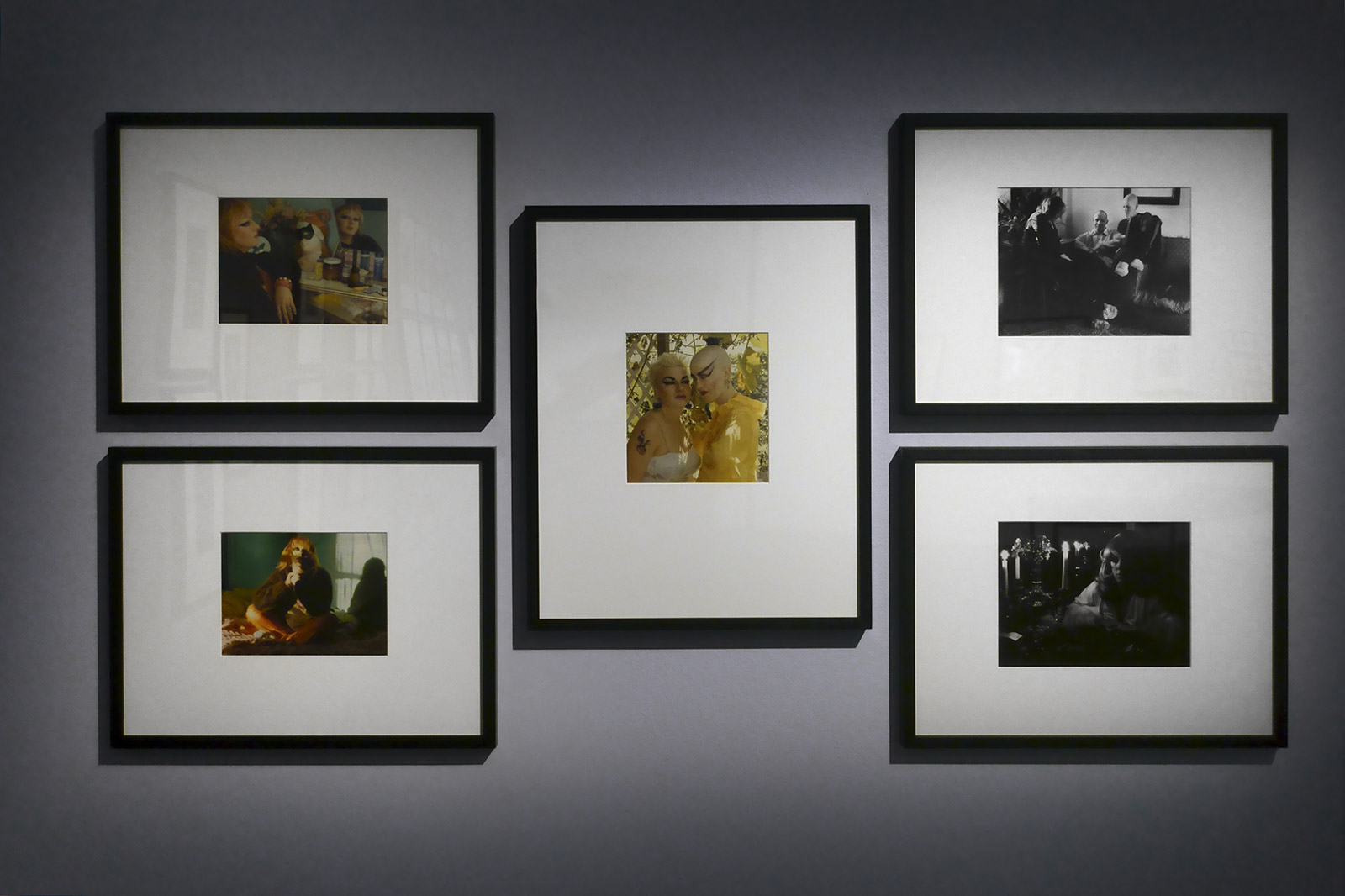
Installation view of the exhibition 'The basement: photography from Prahran College (1968-1981)' at the Museum of Australian Photography, Wheelers Hill, Melbourne showing from left top to bottom, Stella Sallman's photographs 'Sue at the mirror' 1977; 'Sue on the bed' 1977; 'Sue and Carmen' 1978; 'Sue, Simon and Carmen' 1977; 'Beautiful transvestite' 1975


Installation view of the exhibition The basement: photography from Prahran College (1968-1981) at the Museum of Australian Photography, Wheelers Hill, Melbourne showing from left top to bottom, Stella Sallman’s photographs Sue at the mirror 1977; Sue on the bed 1977; Sue and Carmen 1978; Sue, Simon and Carmen 1977; Beautiful transvestite 1975
Photo: Marcus Bunyan


Stella Sallman (Australian, b. 1956)
'Sue and Carmen' 1978 (installation view)


Stella Sallman (Australian, b. 1956)
Sue and Carmen (installation view)
1978
Chromogenic print
Museum of Australian Photography, City of Monash Collection acquired 2025
Photo: Marcus Bunyan


Stella Sallman attended Prahran College from 1976 to 1978. She had originally planned to study fashion design at RMIT, but she was unable pursue the course because she didn’t have a folio. Instead, after completing the preliminary year in Art and Design at Prahran College, she discovered a deep fascination with photography.

Sallman was invited by Rennie Ellis to exhibit her series of glam punks, which she started in her second year, at Brummels Gallery of Photography in 1978, as a support for fellow photographer Jon Rhodes. She said, ‘Rennie came and did some lectures at Prahran. I found him very inspiring because he wasn’t about things looking technically correct.’ He was also brimming with ‘exuberant enthusiastic positive energy.’ The 13 works exhibited at Brummels were portraits of people that Sallman had encountered. Sallman had seen Sue whilst travelling on a train and asked if she could take her portrait. ‘I was very curious about people that didn’t conform.’ In Sallman’s images, she uses colour to emphasise the personality and mood of her subjects, challenging the more traditional, formal portraiture that had prevailed at the time.

Wall text from the exhibition

Stella Sallman alumni profile on the Prahran Legacy website


Gallery two section two (clockwise)


Installation view of the exhibition 'The basement: photography from Prahran College (1968-1981)' at the Museum of Australian Photography, Wheelers Hill, Melbourne
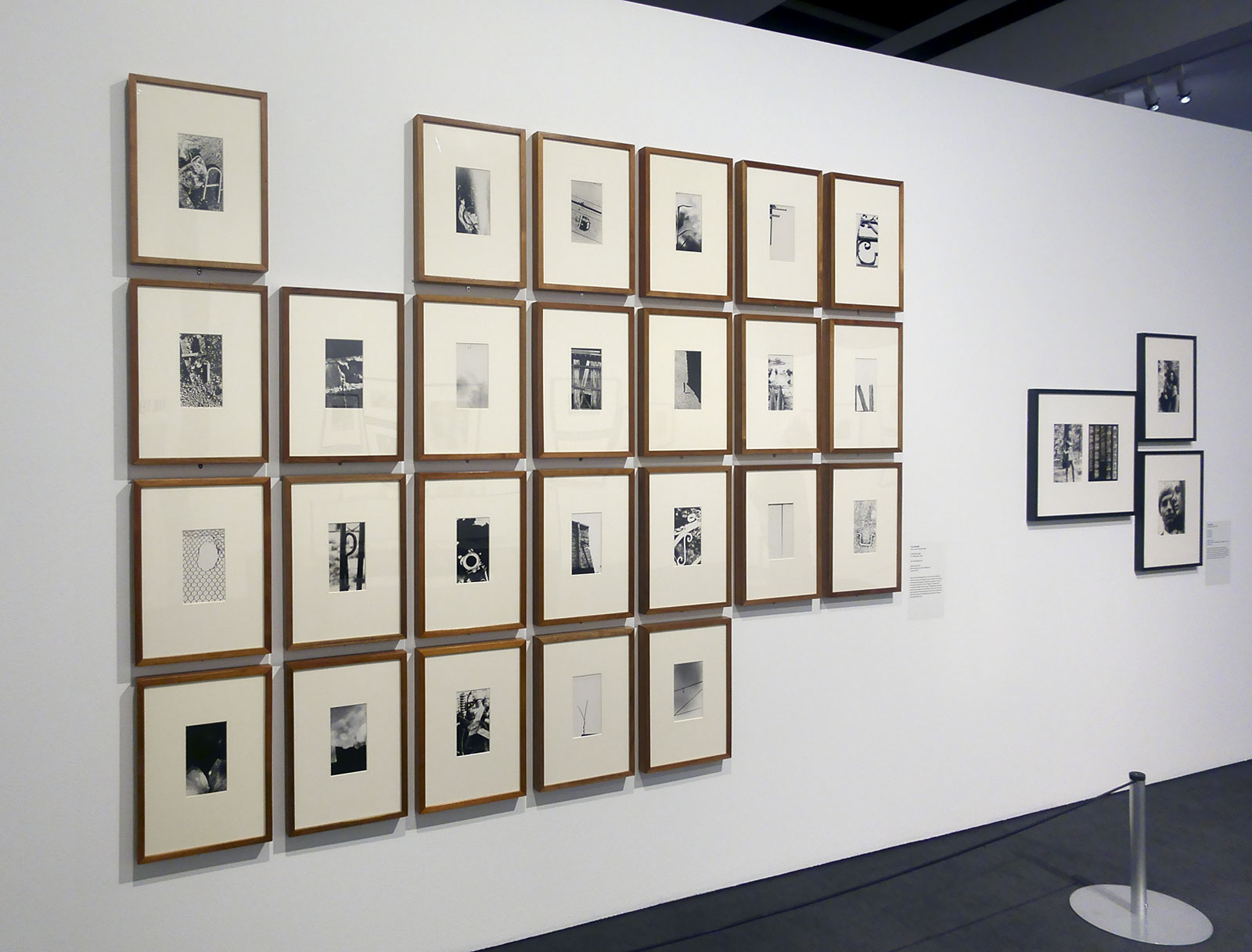
Installation view of the exhibition 'The basement: photography from Prahran College (1968-1981)' at the Museum of Australian Photography, Wheelers Hill, Melbourne showing at left, Carol Jerrems 'Alphabet folio' 1968 dated 1969


Installation view of the exhibition The basement: photography from Prahran College (1968-1981) at the Museum of Australian Photography, Wheelers Hill, Melbourne showing at left, Carol Jerrems Alphabet folio 1968 dated 1969
Photos: Marcus Bunyan


Carol Jerrems (Australian, 1949-1980) Letter from the 'Alphabet folio' 1968 dated 1969 (installation view)


Carol Jerrems (Australian, 1949-1980)
Letters from the Alphabet folio (installation views)
1968 dated 1969
Gelatin silver print
National Gallery of Victoria, Melbourne
Purchased 1971
Photos: Marcus Bunyan


Carol Jerrem’s Alphabet folio is one of her most celebrated and iconic works, and it holds an important place in the history of Australian photography, Created as an assignment during her time as a student at Prahran College, the Alphabet folio consists of 25 letters, with the letter ‘S’ deliberately omitted by Jerrems. The assignment left a lasting impression on Jerrems, as she regularly set this assignment for her own students when she was teaching at the Heidelberg Technical School and the Tasmania School of Art.

Wall text from the exhibition

Carol Jerrems studied at Prahran College between 1967-1969 and graduated in 1970, studying under lecturers McKenzie, Cox, and Lee.

Carol Jerrems alumni profile on the Prahran Legacy website


Installation view of the exhibition 'The basement: photography from Prahran College (1968-1981)' at the Museum of Australian Photography, Wheelers Hill, Melbourne


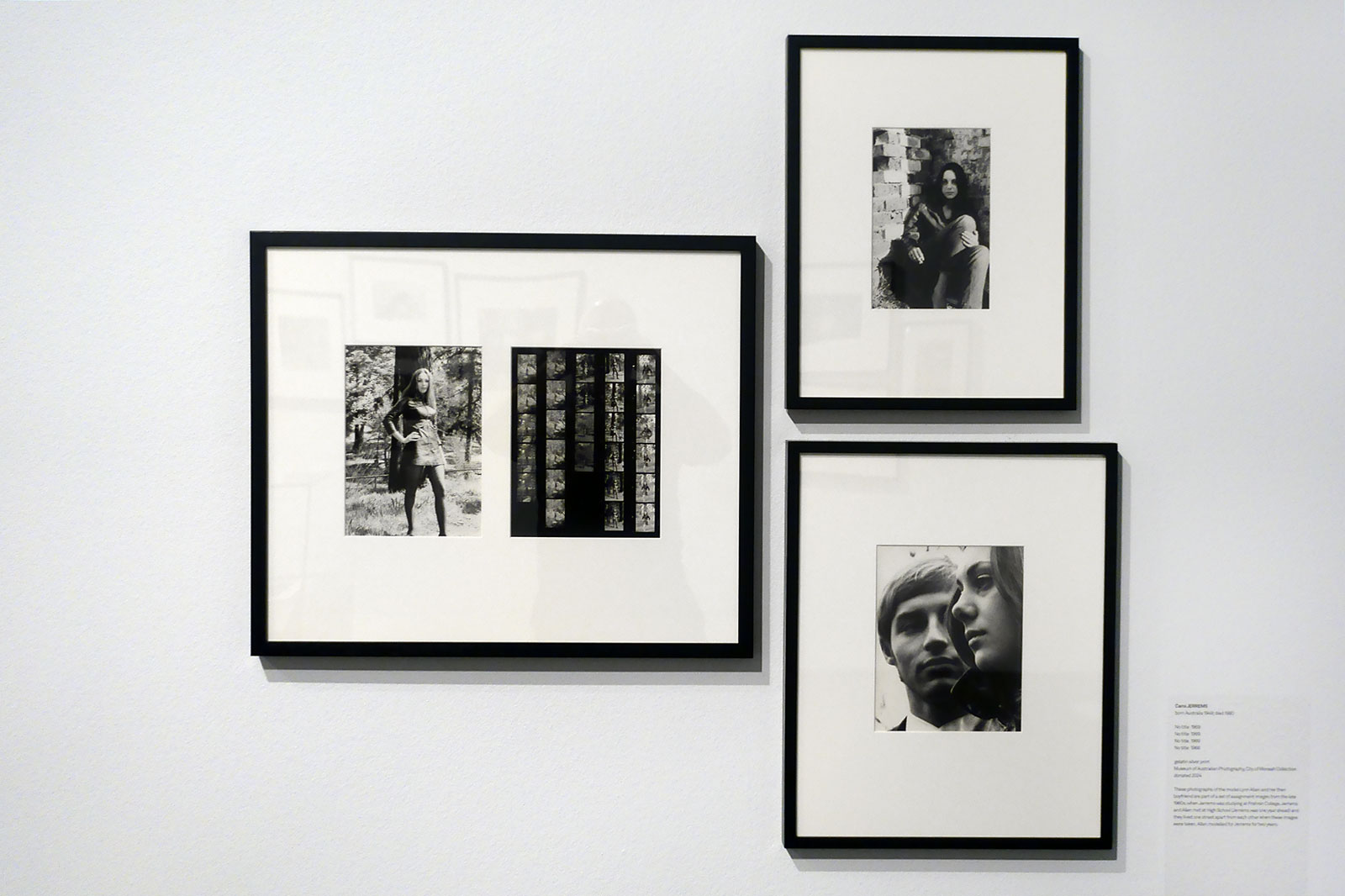
Installation view of the exhibition The basement: photography from Prahran College (1968-1981) at the Museum of Australian Photography, Wheelers Hill, Melbourne showing Carol Jerrems’ No title photographs 1968/1969
Photos: Marcus Bunyan


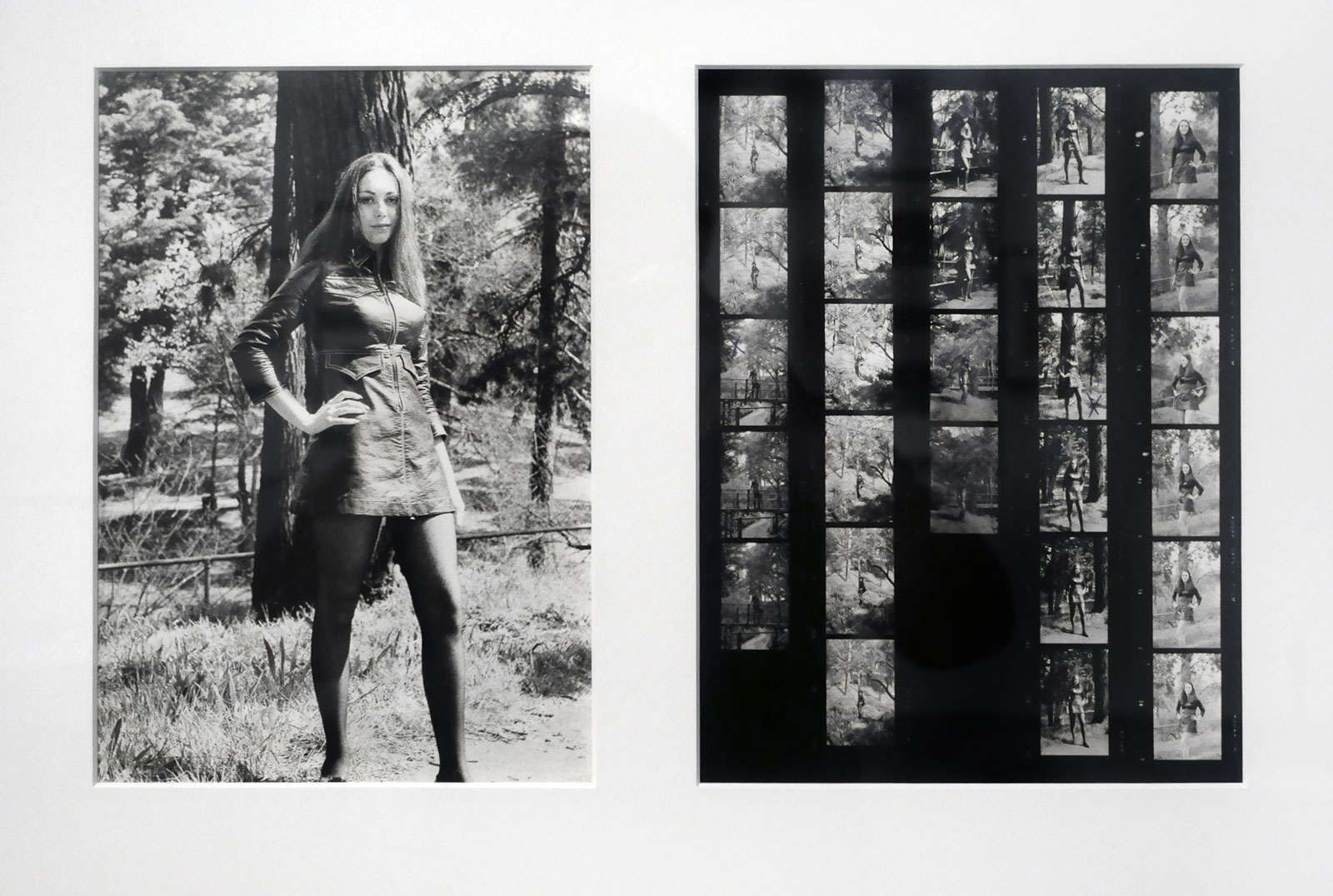
These photographs of the model Lynn Allen and her then boyfriend are part of a set of assignment images from the late 1960s, when Jerrems was studying at Prahran College. Jerrems and Allen met at High School (Jerrems was one year ahead) and they lived one street apart from each other when these images were taken. Allen modelled for Jerrems for two years.

Wall text from the exhibition


Carol Jerrems (Australian, 1949-1980) 'No title' 1969; 'No title' 1969 (installation view)


Carol Jerrems (Australian, 1949-1980)
No title (installation view)
1969
No title (installation view)
1969
Gelatin silver print
Museum of Australian Photography, City of Monash Collection donated 2024
Photo: Marcus Bunyan


Carol Jerrems (Australian, 1949-1980) 'No title' 1969 (installation view)


Carol Jerrems (Australian, 1949-1980)
No title (installation view)
1969
Gelatin silver print
Museum of Australian Photography, City of Monash Collection donated 2024
Photo: Marcus Bunyan


Installation view of the exhibition 'The basement: photography from Prahran College (1968-1981)' at the Museum of Australian Photography, Wheelers Hill, Melbourne showing photographs by Carol Jerrems


Installation view of the exhibition The basement: photography from Prahran College (1968-1981) at the Museum of Australian Photography, Wheelers Hill, Melbourne showing photographs by Carol Jerrems
Photo: Marcus Bunyan


Installation view of the exhibition 'The basement: photography from Prahran College (1968-1981)' at the Museum of Australian Photography, Wheelers Hill, Melbourne


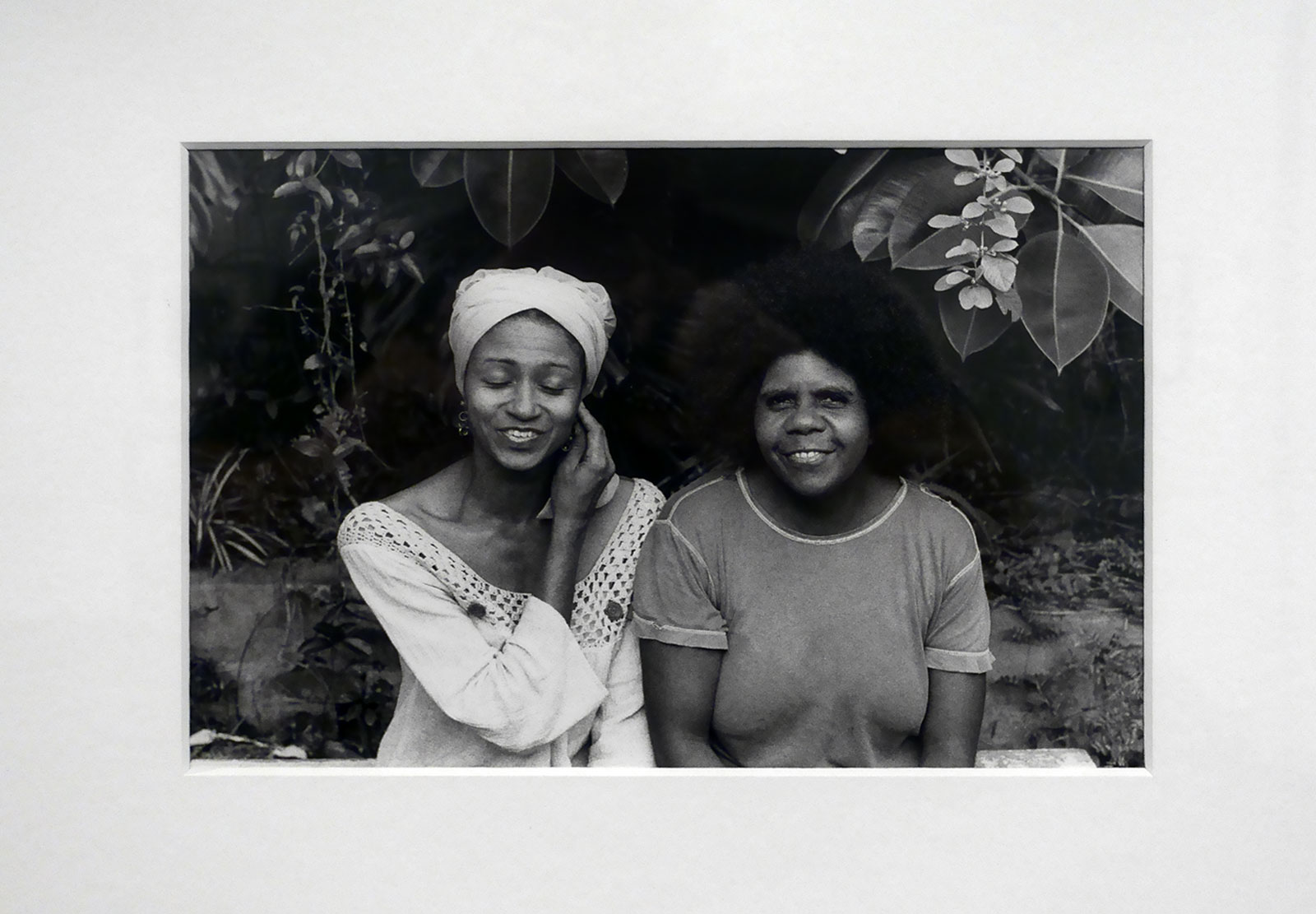
Installation view of the exhibition The basement: photography from Prahran College (1968-1981) at the Museum of Australian Photography, Wheelers Hill, Melbourne showing Carol Jerrems’ photographs at left top, Kath Walker 1974; at bottom left, Thancouple (Gloria Fletcher) and Carole Johnson 1974; and at right, Ron Johnson 1974
Photo: Marcus Bunyan


Carol Jerrems (Australian, 1949-1980) 'Thancouple (Gloria Fletcher) and Carole Johnson' 1974 (installation view)


Carol Jerrems (Australian, 1949-1980)
Thancouple (Gloria Fletcher) and Carole Johnson (installation view)
1974
Gelatin silver print
National Gallery of Australia, Canberra
Gift of Mrs Joy Jerrems 1981
Photo: Marcus Bunyan


Carol Jerrems (Australian, 1949-1980) 'Ron Johnson' 1974


Carol Jerrems (Australian, 1949-1980)
Ron Johnson
1974
Gelatin silver print
Museum of Australia Photography, City of Monash Collection donated through the Australian Government’s Cultural Gifts Program 2015
Photo: Marcus Bunyan


Installation view of the exhibition 'The basement: photography from Prahran College (1968-1981)' at the Museum of Australian Photography, Wheelers Hill, Melbourne


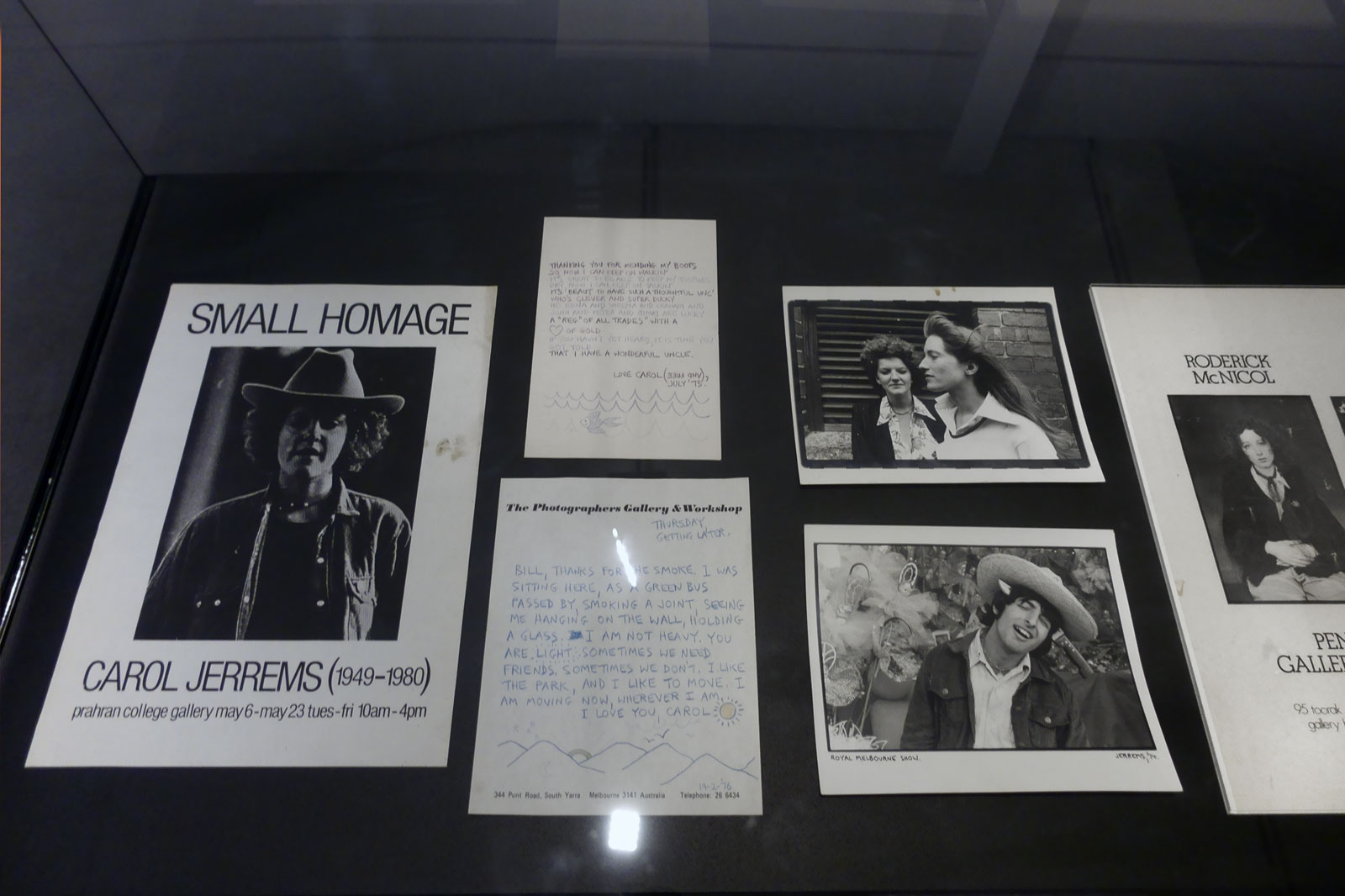
Installation view of the exhibition The basement: photography from Prahran College (1968-1981) at the Museum of Australian Photography, Wheelers Hill, Melbourne showing Carol Jerrem’s photographs at left, Esoteric personal (mini) recent exhibition 1976; at top right, Vale Street 1975; at bottom right, Juliet holding ‘Vale Street’ at Murray Road 1976
Photo: Marcus Bunyan


Carol Jerrems (Australian, 1949-1980) 'Esoteric personal (mini) recent exhibition' 1976 (installation view)


Carol Jerrems (Australian, 1949-1980)
Esoteric personal (mini) recent exhibition (installation view)
1976
Gelatin silver prints
Private collection
Photo: Marcus Bunyan
 

Carol Jerrems (Australian, 1949-1980) 'Vale Street' 1975 (installation view)


Carol Jerrems (Australian, 1949-1980)
Vale Street (installation view)
1975
Gelatin silver print
Museum of Australia Photography, City of Monash Collection donated through the Australian Government’s Cultural Gifts Program by Susan Hesse 2012
Photo: Marcus Bunyan


Carol Jerrems (Australian, 1949-1980) 'Vale Street' 1975


Carol Jerrems (Australian, 1949-1980)
Vale Street
1975
Gelatin silver print
Museum of Australia Photography, City of Monash Collection donated through the Australian Government’s Cultural Gifts Program by Susan Hesse 2012


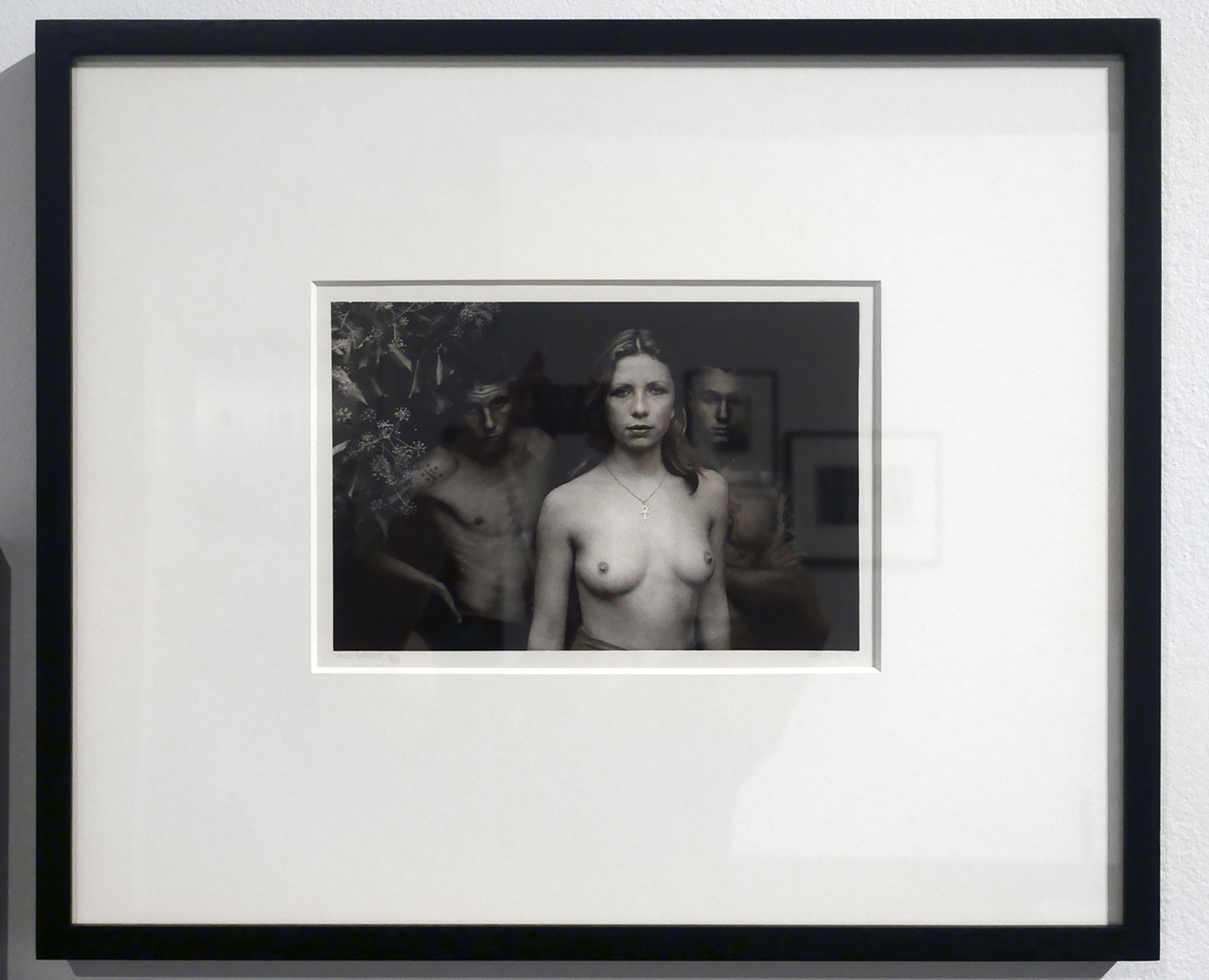
In 1975, Carol Jerrems made what would become her most famous photograph. Vale Street shows Jerrem’s friend Catriona Brown standing in front of Mark Lean and Jon Bourke, teenage boys from Heidelberg Technical School where Jerrems was teaching at the time. The photograph, taken in the back yard of a house at 52 Vale Street, St Kilda, comes from a series of pictures that show the three subjects socialising, smoking and, under the direction of Jerrems, gradually disrobing. Jerrems carefully set up and managed this no-iconic image, which quickly came to personify the optimism and ambitions of countercultural and feminist politics at the time

Wall text from the exhibition


Installation view of the exhibition 'The basement: photography from Prahran College (1968-1981)' at the Museum of Australian Photography, Wheelers Hill, Melbourne showing photographs by Carol Jerrems (left) and Paul Cox (centre)


Installation view of the exhibition The basement: photography from Prahran College (1968-1981) at the Museum of Australian Photography, Wheelers Hill, Melbourne showing photographs by Carol Jerrems (left) and Paul Cox (centre)
Photo: Marcus Bunyan


Installation view of the exhibition 'The basement: photography from Prahran College (1968-1981)' at the Museum of Australian Photography, Wheelers Hill, Melbourne


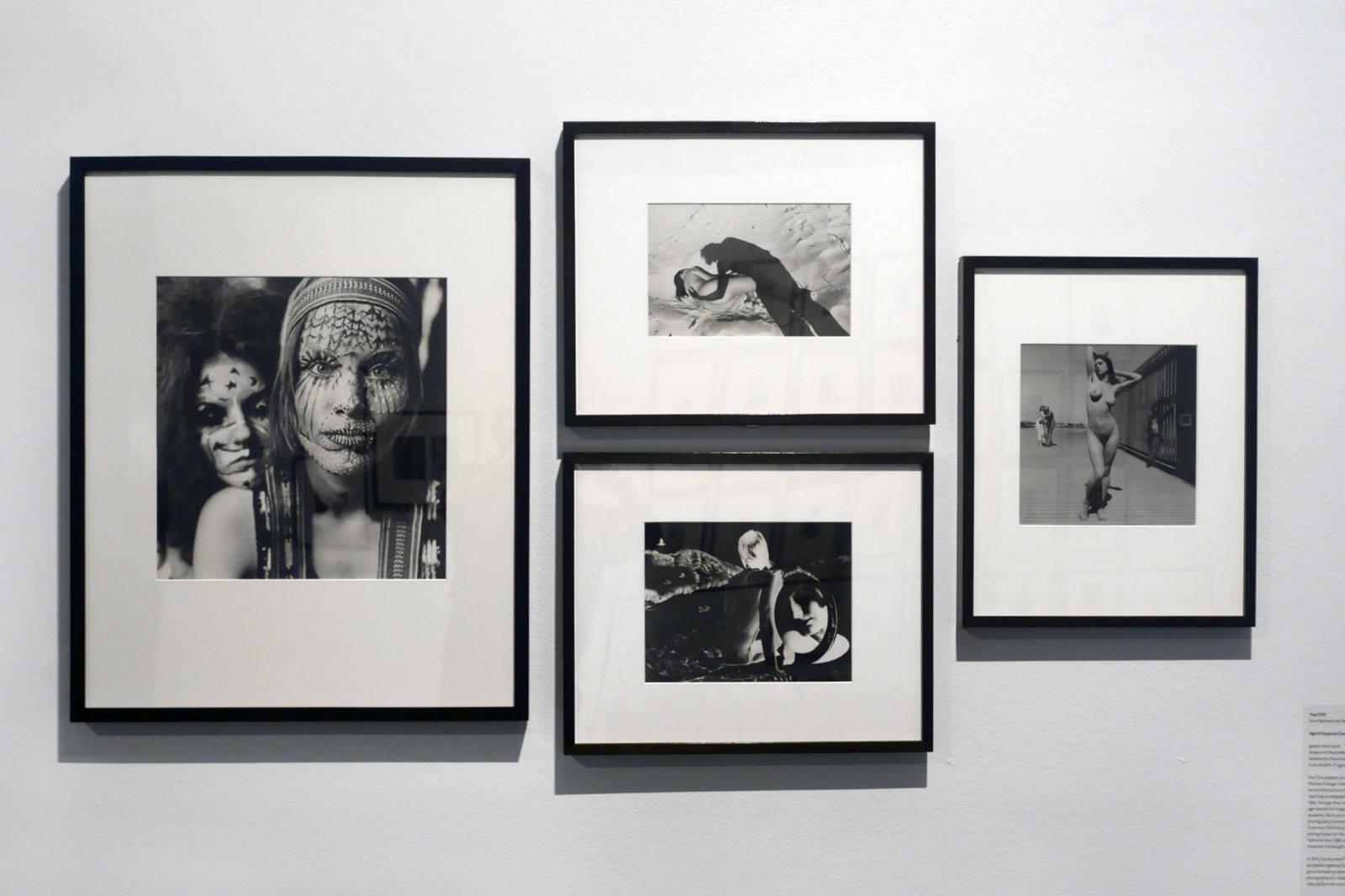
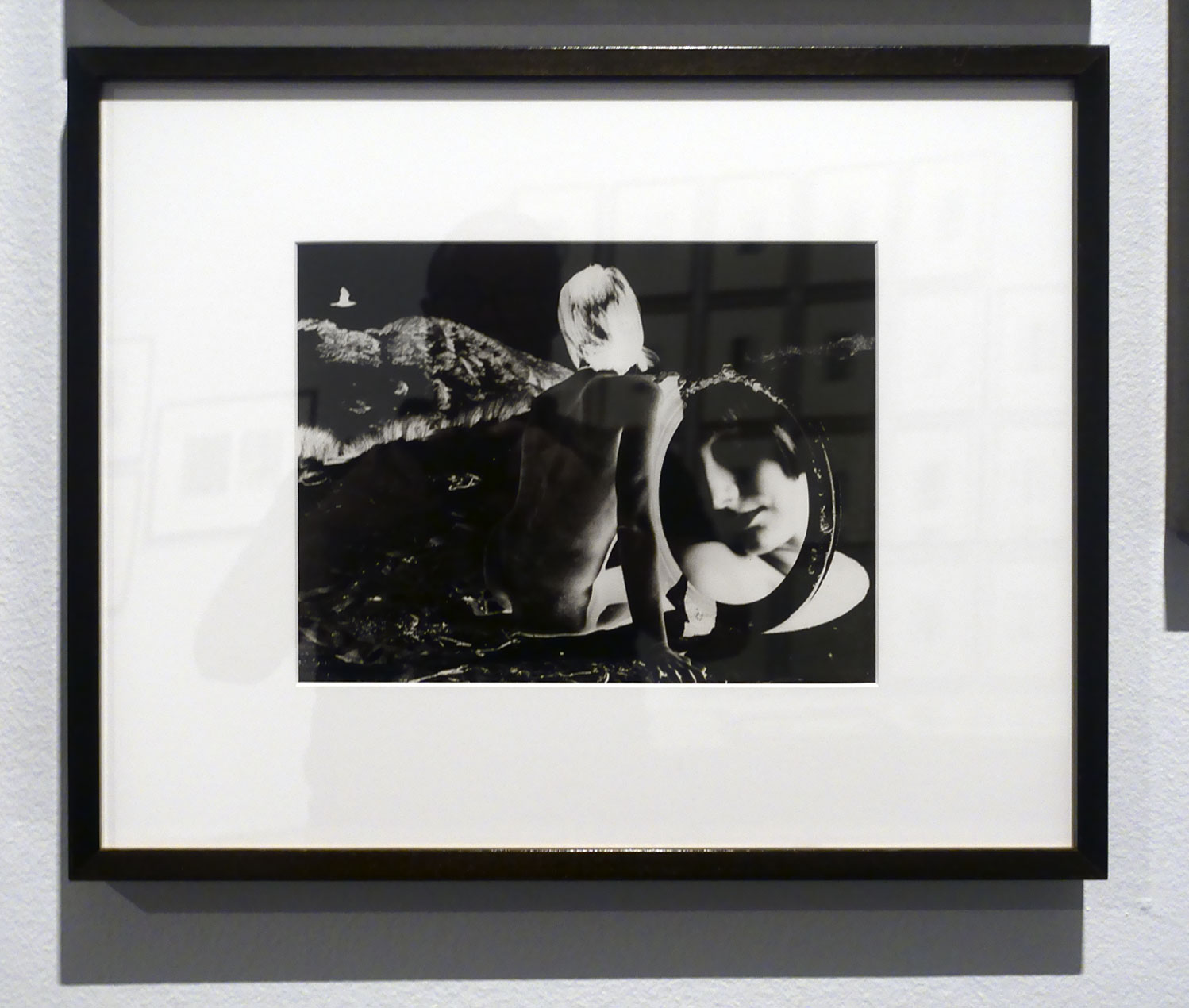
Installation view of the exhibition The basement: photography from Prahran College (1968-1981) at the Museum of Australian Photography, Wheelers Hill, Melbourne showing Paul Cox’s photographs with at left, Age of Aquarius (Carol Jerrems, Jan Hurrell) 1970; at centre top, Elizabeth 1 1972; at centre bottom, Fantasy of divine illusion 1972; and at right, Prahran 2 1974
Photo: Marcus Bunyan


Paul Cox (Australian born Netherlands, 1940-2016) 'Age of Aquarius (Carol Jerrems, Jan Hurrell)' 1970 (installation view)


Paul Cox (Australian born Netherlands, 1940-2016)
Age of Aquarius (Carol Jerrems, Jan Hurrell)
1970
Gelatin silver print
Museum of Australia Photography, City of Monash Collection donated by the artist through the Australian Government’s Cultural Gifts Program
Photo: Marcus Bunyan


Paul Cox played a pivotal role in the Photography Department at Prharan College, initially appointed part-time in February 1968, he transitioned to full-time position in 1970 and continued teaching photography and filmmaking until his departure in 1982. Younger than colleagues such as Cato and Shmith, Cox’s age helped him forge strong, personal connections with his students. Many alumni attribute their exposure to international photography luminaries to Cox’s influence. However, it was Cox’s own distinctive approach to photography that left a lasting impact on his students. Cox moved to Australia from the Netherlands in 1965 and although he was not formally trained as a teacher, he brought with him a European sensibility.

In 1973, Cox founded The Photographers’ Gallery and Workshop, alongside Ingeborg Tyssen, John F William and Rod McNicol, a groundbreaking space that played a crucial role in establishing photography as a respected art form in Australia and provided a vital platform for contemporary photographers.

Wall text from the exhibition

Paul Cox on the Prahran Legacy website


Paul Cox (Australian born Netherlands, 1940-2016) 'Age of Aquarius (Carol Jerrems, Jan Hurrell)' 1970


Paul Cox (Australian born Netherlands, 1940-2016)
Age of Aquarius (Carol Jerrems, Jan Hurrell)
1970
Gelatin silver print
Museum of Australia Photography, City of Monash Collection donated by the artist through the Australian Government’s Cultural Gifts Program


Paul Cox (Australian born Netherlands, 1940-2016) 'Fantasy of divine illusion' 1972 (installation view)


Paul Cox (Australian born Netherlands, 1940-2016)
Fantasy of divine illusion (installation view)
1972
Gelatin silver print
Museum of Australia Photography, City of Monash Collection donated by the artist through the Australian Government’s Cultural Gifts Program
Photo: Marcus Bunyan


Paul Cox (Australian born Netherlands, 1940-2016) 'Prahran 2' 1974 (installation view)


Paul Cox (Australian born Netherlands, 1940-2016)
Prahran 2 (installation view)
1974
Gelatin silver print
Museum of Australia Photography, City of Monash Collection donated by the artist through the Australian Government’s Cultural Gifts Program
Photo: Marcus Bunyan


Wall text from the exhibition 'The basement: photography from Prahran College (1968-1981)' at the Museum of Australian Photography, Wheelers Hill, Melbourne


Wall text from the exhibition The basement: photography from Prahran College (1968-1981) at the Museum of Australian Photography, Wheelers Hill, Melbourne
Photo: Marcus Bunyan


Installation view of the exhibition 'The basement: photography from Prahran College (1968-1981)' at the Museum of Australian Photography, Wheelers Hill, Melbourne showing a poster for an exhibition by Tod McNicol and Carol Jerrems at Brummels Gallery of Photography, August - September 1978
Installation view of the exhibition 'The basement: photography from Prahran College (1968-1981)' at the Museum of Australian Photography, Wheelers Hill, Melbourne two letters from Carol Jerrems including at bottom a letter to William (Bill) Heimerman (1950-2017) co-director at the time of The Photographers' Gallery and Workshop
Installation view of the exhibition 'The basement: photography from Prahran College (1968-1981)' at the Museum of Australian Photography, Wheelers Hill, Melbourne


Installation views of the exhibition The basement: photography from Prahran College (1968-1981) at the Museum of Australian Photography, Wheelers Hill, Melbourne with artefacts in a vitrine, showing a poster for an exhibition by Tod McNicol and Carol Jerrems at Brummels Gallery of Photography, August – September 1978; two letters from Carol Jerrems including at bottom a letter to William (Bill) Heimerman (1950-2017) co-director at the time of The Photographers’ Gallery and Workshop; and two gelatin silver prints by Carol Jerrems
Photos: Marcus Bunyan


Installation view of the exhibition 'The basement: photography from Prahran College (1968-1981)' at the Museum of Australian Photography, Wheelers Hill, Melbourne showing at centre, work by John Cato


Installation view of the exhibition The basement: photography from Prahran College (1968-1981) at the Museum of Australian Photography, Wheelers Hill, Melbourne showing at far left a photograph by Paul Cox, at second and third left photographs by Athol Shmith and at centre, photographs by John Cato
Photo: Marcus Bunyan


Installation view of the exhibition 'The basement: photography from Prahran College (1968-1981)' at the Museum of Australian Photography, Wheelers Hill, Melbourne


Installation view of the exhibition The basement: photography from Prahran College (1968-1981) at the Museum of Australian Photography, Wheelers Hill, Melbourne showing at left, Paul Cox’s Portrait of Athol Shmith 2 1983; and at right, Athol Shmith’s Anamorphic image No. 17 and Anamorphic image No. 1 both 1973
Photo: Marcus Bunyan


Athol Shmith is widely known for his commercial portraiture and fashion photography. His style became emblematic of an era that was transitioning from the more formal rigid photographic style of the early 20th century to something more dramatic. His portraits are highly polished, sophisticated and capture the essence of the post-war era’s glamour.

Shmith’s sale was characterised by a strong focus on lighting and composition, often using dramatic lighting setups to create bold, striking images. As Head of the Photography Department from 1972 to 1979 Art Prahran College, Shmith brought a high level of technical expertise.

Shmith created his Anamorphic series while teaching at Prahran College, and exhibited the series at Realities Gallery in 1973. Student Suzanne Budds recalls being a model for one of the images in this series.

Wall text from the exhibition

Athol Shmith Lecturer profile on the Prahran Legacy website


Paul Cox (Australian born Netherlands, 1940-2016) 'Portrait of Athol Shmith 2' 1983 (installation view)


Paul Cox (Australian born Netherlands, 1940-2016)
Portrait of Athol Shmith 2 (installation view)
1983
Gelatin silver print
Museum of Australia Photography, City of Monash Collection donated by the artist through the Australian Government’s Cultural Gifts Program 2000
Photo: Marcus Bunyan


Installation view of the exhibition 'The basement: photography from Prahran College (1968-1981)' at the Museum of Australian Photography, Wheelers Hill, Melbourne showing from left, John Cato's photographs 'Seawind' 1871-1975; 'Tree - a journey' 1971-1973; and 'Tree - a journey #13' 1971-1973 from the series 'Essay I: landscape in a figure' 1971-1979


Installation view of the exhibition The basement: photography from Prahran College (1968-1981) at the Museum of Australian Photography, Wheelers Hill, Melbourne showing from left, John Cato’s photographs Seawind 1871-1975; Tree – a journey 1971-1973; and Tree – a journey #13 1971-1973 from the series Essay I: landscape in a figure 1971-1979
Photo: Marcus Bunyan


John Cato (Australian, 1926-2011) 'Tree - a journey' 1971-1973 (installation view)


John Cato (Australian, 1926-2011)
Tree – a journey (installation views)
1971-1973
Gelatin silver print
Museum of Australian Photography, City of Monash Collection donated by the Cato Estate 2021


John Cato (Australian, 1926-2011) 'Tree - a journey' 1971-1973


John Cato (Australian, 1926-2011)
Tree – a journey
1971-1973
Gelatin silver print
Museum of Australian Photography, City of Monash Collection donated by the Cato Estate 2021


John Cato began his informal studies in photography with his father, the photographer Jack Cato, in 1938. He worked as a commercial photographer from 1947 to 1974, including a notable stint as a press photographer for The Argus from 1947 to 1950. Over the course of his career, Cato collaborated with Athol Shmith for more than two decades, before shifting away from commercial photography in 1974 to focus on his own fine art practice. That same year, Cato also embarked on his career as a photography educator, taking a teaching position at Prahran College, eventually succeeding Shmith as Head of the Photography Department in 1980.

Cato was known for his mystical and spiritual approach to photography, a philosophy that deeply influenced both his teaching style and his own photographic work. His method was unconventional, emphasising not just technical skill, but the creation of images with a deeper, almost transcendent resonance. Many of Cato’s works are minimalist, capturing quiet, still moments in nature, where form and texture take precedence over literal representation. These images often have an abstract quality, inviting the viewer to engage with the landscape on a more introspective, emotional level. Cato’s photography was not just about capturing a scene, it was about evoking a deeper connection to the transformative power of the natural world.

Wall text from the exhibition

Read my Vale to Dr John Cato (1926-2011)

John Cato on the Prahran Legacy website


John Cato (Australian, 1926-2011) 'Tree - a journey #13' 1971-1973 (installation view)


John Cato (Australian, 1926-2011)
Tree – a journey #13 (installation views)
1971-1973
Gelatin silver print
Museum of Australian Photography, City of Monash Collection donated by the artist
Acquired 1981


John Cato (Australian, 1926-2011) 'Tree - a journey #13' 1971-1973


John Cato (Australian, 1926-2011)
Tree – a journey #13
1971-1973
Gelatin silver print
Museum of Australian Photography, City of Monash Collection donated by the artist
Acquired 1981


“Thanks are due to…. Phil Quirk, Peter Leiss, and the now deceased Jon Conte, who started finding alumni (starting with those of 1968-1972) in 2012; Colin Abbott who encouraged Photonet gallery (now MAGNET) in 2014 to put on a show of 1 sample each of student-era and contemporary work of most of the 1974-1976 cohort; Colin has generously part-funded the book that MAPh has produced; designer and archivist Mimmo Cozzolino has contributed beautifully preserved ephemera from his College years, as well as donating his design skills to the ongoing project. Peter Leiss, assisted by Nicholas Nedelkopoulos, produced fine video interviews with alumni… a labour of love!

James McArdle joined the project in 2017. Merle Hathaway, who accepted an invitation to work with the team in 2021, has been an invaluable and key driver of the project in getting this exhibition (and future showings). Merle has secured upcoming shows of contemporary work by 1968-1991 alumni for MAGNET (through May 2025),  the BIFB (August 2025) and elsewhere…

Above all, MAPh curators, Angela Connor and Stella-Loftus-Hills, have been extraordinary in their enthusiasm for the concept, and their realisation of it through their expertise and hard work and is beyond our wildest expectations.  To have contributing writers of the calibre of Gael Newton, Helen Ennis, Daniel Palmer, Adrian Danks et al. is an honour and a further tribute to MAPh organisation and thoroughness.”

Associate Professor James McArdle


For more information please see The Prahran Photography website which upholds the legacy of Prahran College 1970s photography through posts on profiles of the alumni (an ongoing project). The site was initiated by James McArdle, who graduated in 1977 with a Diploma of Art and Design from Prahran College and Merle Hathaway, who coined the title, and who joins James in writing some of the posts.


Making film

Required to collaborate on a class film or create one of their own, photography students often took on multiple roles in each other’s projects. Paul Cox frequently cast his students as actors in his films, forging relationships that continued long after they graduated from college. In Cox’s productions, students also filled essential technical roles such as stills photographer and cinematographer. As well as developing their skills, this collaborative environment fostered a sense of community among aspiring filmmakers.

Paul Cox is known for his distinctive, often introspective films that explore human relationships, emotions, and existential themes. His work, while not always mainstream, is highly regarded in the Australian film industry and internationally for its emotional depth and unique storytelling style.

Mirka is a short film that features French-Australian visual artist Mirka Mora, a key figure in the Melbourne art scene. Mora gained recognition for her distinctive and colourful works, and her blend of surrealism, fantasy and personal experiences. The film explores her journey as an artist and her personal life, showcasing her experiences and her unique approach to art. The film offers a personal perspective into her world and is a rare glimpse into the life of one of Australia’s most beloved and influential artists.

Mirka was a collaborative project, directed by Paul Cox with the assistance of several Prahran students.

Student life

The students at Prahran College were part of a vibrant and dynamic environment that nurtured creativity, experimentation and community. Many drew inspiration from their immediate circles – friends and acquaintances – for their class assignments. They actively participated in exhibitions, showcasing their work to the public and their peers. Students presented their works in critique sessions that played a vital role in the learning process, providing a forum for discussion, debate and critical feedback.

Assignments often revolved around chosen topics such as fashion, portraiture or family, and sometimes involved field trips out into the landscape or excursions to places like hospitals, factories and the beach. Taking advantage of a ‘free assignment’ in 1976 a group of rebellious students got together to produce images of themselves dressed as revolutionaries, wearing clothes sourced from local opportunity shops and carrying real guns.

The images of students from Prahran College in the 1970s serve as visual documents of the bohemian spirit and encapsulate the idealism of the time. The way students were photographed, often in unposed and relaxed settings, captures the free-spirited nature of the College, with the camera becoming a tool for exploring vulnerability and personal expression, rather than just recording events or situations.

The legacy of the bohemian spirit that was cultivated at Prahran College during the 1970s is still evident in the work of contemporary Australian artists today, many of whom continue to embrace self-expression, individuality and alternative narratives.

Text from the Museum of Australian Photography website


Gallery three


Installation view of the exhibition 'The basement: photography from Prahran College (1968-1981)' at the Museum of Australian Photography, Wheelers Hill, Melbourne


Installation view of the exhibition The basement: photography from Prahran College (1968-1981) at the Museum of Australian Photography, Wheelers Hill, Melbourne
Photo: Marcus Bunyan


Installation view of the exhibition 'The basement: photography from Prahran College (1968-1981)' at the Museum of Australian Photography, Wheelers Hill, Melbourne showing Andrew Wittner's photograph 'John Cato leading a group on a photographic expedition, Steve Lojewski using a film camera' 1975; and George Volakos' 'Rye back beach 1' 1972


Installation view of the exhibition The basement: photography from Prahran College (1968-1981) at the Museum of Australian Photography, Wheelers Hill, Melbourne showing at left, Andrew Wittner’s photograph John Cato leading a group on a photographic expedition, Steve Lojewski using a film camera 1975; and at right, George Volakos’ Rye back beach 1 1972
Photo: Marcus Bunyan


Andrew Wittner (Australian, b. 1955) 'John Cato leading a group on a photographic expedition, Steve Lojewski using a film camera' 1975, printed 2024 (installation view)


Andrew Wittner (Australian, b. 1955)
John Cato leading a group on a photographic expedition, Steve Lojewski using a film camera (installation view)
1975, printed 2024
Gelatin silver print
Collection of the artist
Photo: Marcus Bunyan


George Volakos (Australian born Greece, b. 1948) 'Rye back beach 1' 1972, printed 2024 (installation view)


George Volakos (Australian born Greece, b. 1948)
Rye back beach 1 (installation view)
1972, printed 2024
Gelatin silver print
Collection of the artist
Photo: Marcus Bunyan


Installation view of the exhibition 'The basement: photography from Prahran College (1968-1981)' at the Museum of Australian Photography, Wheelers Hill, Melbourne showing photographs by Richard Muggleton, George Volakos, Colin Abbott, Graham Howe, Philip Quirk, Jim McFarlane, Greg Neville, Andrew Wittner, Peter Bowes, and an unknown photographer


Installation view of the exhibition The basement: photography from Prahran College (1968-1981) at the Museum of Australian Photography, Wheelers Hill, Melbourne showing photographs by Richard Muggleton, George Volakos, Colin Abbott, Graham Howe, Philip Quirk, Jim McFarlane, Greg Neville, Andrew Wittner, Peter Bowes, and an unknown photographer
Photo: Marcus Bunyan


Installation view of the exhibition 'The basement: photography from Prahran College (1968-1981)' at the Museum of Australian Photography, Wheelers Hill, Melbourne showing photographs by Philip Quirk, Jim McFarlane, Peter Bowes, and Peter Leiss


Installation view of the exhibition The basement: photography from Prahran College (1968-1981) at the Museum of Australian Photography, Wheelers Hill, Melbourne showing photographs by Philip Quirk, Jim McFarlane, Peter Bowes, and Peter Leiss
Photo: Marcus Bunyan


Installation view of the exhibition 'The basement: photography from Prahran College (1968-1981)' at the Museum of Australian Photography, Wheelers Hill, Melbourne showing photographs by Julie Higginbotham, Andrew Wittner, and Colin Abbott


Installation view of the exhibition The basement: photography from Prahran College (1968-1981) at the Museum of Australian Photography, Wheelers Hill, Melbourne showing photographs by Julie Higginbotham, Andrew Wittner, and Colin Abbott
Photo: Marcus Bunyan


Julie Higginbotham (Australian, b. 1953) 'Mirka film' 1973


Julie Higginbotham (Australian, b. 1953)
Mirka film
1973
Pigment ink-jet print
Courtesy of the artist


Installation view of the exhibition 'The basement: photography from Prahran College (1968-1981)' at the Museum of Australian Photography, Wheelers Hill, Melbourne


Installation view of the exhibition The basement: photography from Prahran College (1968-1981) at the Museum of Australian Photography, Wheelers Hill, Melbourne showing photographs by Philip Quirk, Peter Leiss, and Peter Bowes including at centre left, Peter Leiss’ Untitled [Bill Heimerman (right) and Ian Lobb (left) at the rear of The Photographers’ Gallery] c. 1975-1980 (below); and at centre Peter Leiss’ Jean-Marc Le Pechoux 1976
Photo: Marcus Bunyan


Ian Lobb was co-director of The Photographers’ Gallery and Workshop with Bill Heimerman. Jean-Marc Le Pechoux was editor of the important Light Vision: Australia’s international photography magazine launched in September 1977.

Read my Vale Ian Lobb (1948-2023), photographer
Read my Vale William Heimerman (1950-2017)


Peter Leiss (Australian born England, b. 1951) 'Untitled [Bill Heimerman and Ian Lobb at the rear of the Photographers' Gallery]' c. 1975-1980


Peter Leiss (Australian born England, b. 1951)
Untitled [Bill Heimerman and Ian Lobb at the rear of the Photographers’ Gallery]
c. 1975-1980
Silver gelatin print


Greg Neville (Australian, b. 1950)
'Tutorial: lecturers and students [back row L–R Derrick Lee, Bryan Gracey, Athol Shmith, Paul Cox, Elizabeth Tainsh]' c. 1971 (installation view)


Greg Neville (Australian, b. 1950)
Tutorial: lecturers and students [back row L–R Derrick Lee, Bryan Gracey, Athol Shmith, Paul Cox, Elizabeth Tainsh] (installation view)
c. 1971
Pigment ink-jet print
Collection of the artist
Photo: Marcus Bunyan

Greg Neville alumni profile on the Prahran Legacy website


Greg Neville (Australian, b. 1950)
'Tutorial: lecturers and students [back row L–R Derrick Lee, Bryan Gracey, Athol Shmith, Paul Cox, Elizabeth Tainsh]' c. 1971


Greg Neville (Australian, b. 1950)
Tutorial: lecturers and students [back row L–R Derrick Lee, Bryan Gracey, Athol Shmith, Paul Cox, Elizabeth Tainsh]
c. 1971
Pigment ink-jet print
Collection of the artist

Unidentified students with lecturers editing 35mm transparencies on a light box.


Summary of Bill Henson’s opening speech for The basement exhibition, 1st March, 2025

Internationally acclaimed photographer Bill Henson delivered a characteristically personal, challenging and reflective speech to mark the opening of The Basement.

He began his address by reminiscing about his time at Prahran in the mid-1970s – a period he remembered as unconventional and formative, despite his own intermittent attendance. “The only catch in my experience there is that I never went,” he quipped to rising laughter from the audience. Henson recalled how his interactions with lecturers such as John Cato and Athol Shmith shaped his artistic philosophy more than technical instruction ever could. “They were setting a moral example, an ethical example, an example of empathy,” he said, emphasising the profound impact their mentorship had on him.

Henson fondly and colourfully described Shmith, a glamorous portraitist who photographed Hollywood stars, and Cato, a figure of quiet wisdom, conjuring their style as an “imperious insouciance” – a blend of grandeur and carefree independence. He emphasised that, unlike today’s art educators who have to navigate academic formalities, these lecturers were practicing artists who brought hard-won experience into the classroom.

“They hadn’t gone through a professional teaching career,” Henson explained. “They weren’t like the kind of lecturer that I seem to see in art schools now, who have to go and get a ‘doctorate of painting’ to keep their job,” but were decidedly “outlandish” and unorthodox.

Their focus was not on rigid curricula but on fostering creativity and curiosity. “They were very generous with their comments,” Henson noted, recalling how they encouraged him to pursue his own path. He would disappear for months at a time, working on his own projects before returning with a bundle of photographs to share with his lecturers; “John would turn around and say, ‘Fuck, we thought you’d left!'” Despite his absences, they were formative in shaping his artistic independence, Shmith advised him to “just piss off and do your own work.”

Henson also shared anecdotes that highlighted the camaraderie and spontaneity of those years. One memorable moment was when Shmith surprised Henson by arranging for his work to be shown at the National Gallery of Victoria – a gesture that underscored his pride in his students’ potential. “That was as big a shock for me as anyone else,” Henson admitted.

Henson advised aspiring young artists to “try to be true to yourself, and don’t… stop… working!” Also important was intergenerational dialogue in art; he urged young people to seek wisdom from older artists before their insights are lost. Drawing on his own friendships with figures like Barry Humphries, Leo Schofield and Marc Newson, he highlighted how such exchanges enrich both parties through shared experiences and perspectives.

Beyond personal anecdotes, Henson used his speech to reflect on broader themes in art education and practice. He lamented what he sees as the increasing politicisation of contemporary art, which he believes has shifted focus away from aesthetics toward “box-ticking exercises” driven by ideology. While acknowledging that political movements such as feminism were present among Prahran’s students in the 1970s – “there were the feminists; there were little groups doing their social diligence” – he noted that these stances did not overshadow the college’s overarching emphasis on beauty and creative exploration. “There wasn’t this righteousness, this indignation, this kind of territorial thing about issues,” he said. In contrast was an openness and enthusiasm that defined Prahran during his time there – a place where beauty and creativity were paramount. Quoting Plato, he remarked, “Beauty is the splendour of truth,” positioning this ideal as central to artistic endeavour.

In opening The Basement exhibition Henson’s speech served not only as a tribute to Prahran College’s legacy – the enduring influence of its educators and alumni on Australia’s photographic landscape – but also as a call to preserve the values of curiosity, independence, and beauty in art.

Bill Henson opening speech summarised in James McArdle. “Opening!” on the On This Date in Photography website, 1st March, 2025 [Online] Cited 18/04/2025

Many thankx to James McArdle for allowing me to reproduce this text.


 Julie Millowick (Australian, b. 1948)
'John Cato, PCAE basement, Prahran' 1976 (installation view)


Julie Millowick (Australian, b. 1948)
John Cato, PCAE basement, Prahran (installation view)
1976
Gelatin silver print
Museum of Australian Photography, City of Monash Collection donated by Julie Millowick 2024
Photo: Marcus Bunyan


Julie Millowick (Australian, b. 1948)
'John Cato, PCAE basement, Prahran'
1976


Julie Millowick (Australian, b. 1948)
John Cato, PCAE basement, Prahran
1976
Gelatin silver print
Museum of Australian Photography, City of Monash Collection donated by Julie Millowick 2024
Photo: Marcus Bunyan


Peter Leiss (Australian born United Kingdom, b. 1951) 'Robert Besanko and Nanette Carter at The Photographers' Gallery, Punt Road' 1976 (installation view)


Peter Leiss (Australian born United Kingdom, b. 1951)
Robert Besanko and Nanette Carter at The Photographers’ Gallery, Punt Road (installation view)
1976
Gelatin silver print
Collection of the artist
Photo: Marcus Bunyan

Peter Leiss alumni profile on the Prahran Legacy website


Stella Sallman (Australian, b. 1956)
'Peter Leiss' 1976 (installation view)


Stella Sallman (Australian, b. 1956)
Peter Leiss (installation view)
1976
Gelatin silver print
Private collection
Photo: Marcus Bunyan


Carol Jerrems (Australian, 1949-1980) 'Rennie Ellis and Robert Ashton'
1976 (installation view)


Carol Jerrems (Australian, 1949-1980)
Rennie Ellis and Robert Ashton (installation view)
1976
Gelatin silver print
Private collection
Photo: Marcus Bunyan


In the early 1970s, advertising photographer and photojournalist Rennie Ellis with deputy director Robert Ashton reopened the space as Brummels Gallery of Photography. Assisted with two Arts Council grants, it was non-profit, and the first privately run art gallery in the country to be devoted specifically to photography…

The gallery closed in January 1980, the month before the premature death of its inaugural exhibitor, Carol Jerrems. Having run for eight years, the gallery had advanced the standing of photography as art and the careers of many Australian photographers including Warren Breninger, Godwin BradbeerPonch HawkesDavid Moore, Gerard Groeneveld, Peter Leiss, Steven Lojewski, Rod McNicol, Wesley Stacey, Robert Ashton, Ian Dodd, Sue FordGeorge Gittoes, Ashe Venn, John Williams, Jon Rhodes, Geoff Strong, Jean-Marc Le Pechoux and Henry Talbot.

“Brummels Gallery,” on the Wikipedia website


Carol Jerrems (Australian, 1949-1980) 'Paul Cox' 1977 (installation view)


Carol Jerrems (Australian, 1949-1980)
Paul Cox (installation view)
1977
Gelatin silver print
Private collection
Photo: Marcus Bunyan


Museum of Australian Photography
860 Ferntree Gully Road, Wheelers Hill
Victoria 3150 Australia
Phone: + 61 3 8544 0500

Opening hours:
Tue – Fri: 10am – 5pm
Sat – Sun: 10pm – 5pm
Mon/public holidays: closed

Museum of Australian Photography website

LIKE ART BLART ON FACEBOOK

Back to top

Exhibition: ‘Photography: Real & Imagined’ at The Ian Potter Centre: NGV Australia, Melbourne Part 1

Exhibition dates: 13th October 2023 – 4th February 2024

Warning: Aboriginal and Torres Strait Islander readers should be aware that this posting contains images and names of people who may have since passed away.


O. G. Rejlander (British born Sweden, 1813-1875) No title (The Virgin in prayer) c. 1858-1860


O. G. Rejlander (British born Sweden, 1813-1875)
No title (The Virgin in prayer)
c. 1858-1860
Albumen silver photograph
20.2 × 15.4cm irreg. (image and sheet)
National Gallery of Victoria, Melbourne
Purchased, 2002
Public domain


This is an ambitious, complex but flawed exhibition of photographic works from the NGV Collection. Further comment in Part 2 of the posting…

Dr Marcus Bunyan


Many thankx to the NGV for allowing me to publish the media images in the posting. Other photographs in the posting are public domain. All installation images are by Marcus Bunyan.


Photography: Real and Imagined examines two perspectives on photography; photography grounded in the real world, as a record, a document, a reflection of the world around us; and photography as the product of imagination, storytelling and illusion. On occasion, photography operates in both realms of the real and the imagined.

Highlighting major photographic works from the NGV Collection, including recent acquisitions on display for the very first time, Photography: Real and Imagined examines the complex, engaging and sometimes contradictory nature, of all things photographic. The NGV’s largest survey of the photography collection, the exhibition includes more than 300 works by Australian and international photographers and artists working with photo-media from the nineteenth, twentieth and twenty-first centuries.

Text from the NGV website


Installation view of the entrance to the exhibition 'Photography: Real & Imagined' at The Ian Potter Centre: NGV Australia, Melbourne


Installation view of the entrance to the exhibition Photography: Real & Imagined at The Ian Potter Centre: NGV Australia, Melbourne with introduction wall text to the right
Photo: Marcus Bunyan


Introduction

Photography was once described by writer and critic Lucy Lippard as having ‘a toe in the chilly waters of verisimilitude’. Photographs, Lippard posits, may be a close – rather than exact – reflection of truth. This proposition raises a raft of questions. Is reality so uncomfortable that we only engage with it partially, or out of necessity? Can a photograph show the truth, and if it does, whose truth is it showing – the photographer’s, the subject’s or the viewer’s? If truth is the end game, what does this mean for creative practice and other types of photography? The suggestion that photography is only partially, and somewhat uncomfortably, engaged with the notion of truth highlights the complexity encountered when trying to nearly encapsulate any selection of photographs.

Through works from the NGV Collection, Photography: Real and Imagined teases out connections between iconic and lesser known photographs, putting them in a dialogue with one another that both explores and transcends the time in which they were made. It dos not set out to be a history of photography, but historical context does inform the content, leading to nuanced discussions of past and present, real and imagined.

Introductory wall text from the exhibition


Installation view of the exhibition 'Photography: Real & Imagined' at The Ian Potter Centre: NGV Australia, Melbourne showing at right, Mike and Doug Starn's 'Invictus' (1992)


Installation view of the exhibition Photography: Real & Imagined at The Ian Potter Centre: NGV Australia, Melbourne showing at right, Mike and Doug Starn’s Invictus (1992); and at left works by John Kauffmann, Norman Deck and Edward Steichen (see below)
Photo: Marcus Bunyan


The sun was the light source that enabled the earliest photographs to be made in the 1830s. More than 150 years later the sun is the subject of this photographic sculpture by Mike and Doug Starn that embraces the possibilities of light and its potential effects on photography, in terms of both producing an image and as a force contributing to its irreparable damage. In the centre of their installation, the circular form of a sun seems to pulse and leach out of the layers of exposed orthographic film, which is stretched and layered across steel beams and held with pipe clamps and tape.

Wall text from the exhibition


Installation view of the exhibition 'Photography: Real & Imagined' at The Ian Potter Centre: NGV Australia, Melbourne


Installation view of the exhibition Photography: Real & Imagined at The Ian Potter Centre: NGV Australia, Melbourne showing at top left, John Kauffmann’s The Cloud (c. 1905, below); at bottom left, Kauffmann’s The grey veil c. 1919; at top right, Norman Deck’s Sunset, Parramatta River (1909); and a bottom right, Edward Steichen’s Moonrise (1904)
Photo: Marcus Bunyan


John Kauffmann (Australian, 1864-1942) 'The cloud' c. 1905


John Kauffmann (Australian, 1864-1942)
The cloud
c. 1905
Gelatin silver photograph
28.2 × 37.2cm
National Gallery of Victoria, Melbourne
Gift of Mr John Bilney, 1976
Public domain


John Kauffmann (Australian, 1864–1942) 'The grey veil' c. 1919


John Kauffmann (Australian, 1864-1942)
The grey veil
c. 1919
Gelatin silver photograph
National Gallery of Victoria, Melbourne
Purchased through The Art Foundation of Victoria with the assistance of the Herald & Weekly Times Limited, Fellow, 1990
Public domain


The Yarra River, the Princes Bridge and the Melbourne city skyline beyond shimmer in this photograph by John Kauffmann. And yet, they are not the image’s subject. Using a highly refined Pictorialist treatment, a reduced tonal range and luminous mid tones, the artist has manipulated light to the extent that the feeling and atmospheric qualities become the focus of the image – it is the impression that is paramount. With the choice of title, too, the photograph moves away from a specific documentation of place or time.

Wall text from the exhibition


Norman Deck (Australian 1882-1980) 'Sunset, Parramatta River' 1909


Norman Deck (Australian 1882-1980)
Sunset, Parramatta River
1909
Gelatin silver photograph
30.5 × 24.9cm
National Gallery of Victoria, Melbourne
Gift of Joyce Evans, 1993
Public domain


Installation view of the exhibition 'Photography: Real & Imagined' at The Ian Potter Centre: NGV Australia, Melbourne showing at centre, David Thomas' 'The Movement of Colour (White), Taking a Monochrome for a Walk (London)' (2010-2011)


Installation view of the exhibition Photography: Real & Imagined at The Ian Potter Centre: NGV Australia, Melbourne showing at centre, David Thomas’ The Movement of Colour (White), Taking a Monochrome for a Walk (London) (2010-2011), with at right works by David Noonan, Hiroshi Sugimoto, László Moholy-Nagy and Susan Fereday (see below)
Photo: Marcus Bunyan


David Thomas (British, b. 1951, Australia 1958- ) 'The Movement of Colour (White), Taking a Monochrome for a Walk (London)' 2010-2011 (installation view)


David Thomas (British, b. 1951, Australia 1958- )
The Movement of Colour (White), Taking a Monochrome for a Walk (London) (installation view)
2010-2011
National Gallery of Victoria, Melbourne
Gift of an anonymous donor through the Australian Government’s Cultural Gifts Program 2015
Photo: Marcus Bunyan


“It was made during a residency at the Centre for Drawing Research at Wimbledon School of Art University of the Arts London… and plays on Paul Klee’s definition of drawing as taking a line for a walk on a page… this is taking a monochrome for a walk in the world where the monochrome becomes a key for seeing other colours… an interval in the world. It also suggests the ideas of movement in time and feelings of impermanence.”

~ David Thomas


Installation view of the exhibition 'Photography: Real & Imagined' at The Ian Potter Centre: NGV Australia, Melbourne showing works by David Noonan, Hiroshi Sugimoto, Laslo Moholy-Nagy and Susan Fereday


Installation view of the exhibition Photography: Real & Imagined at The Ian Potter Centre: NGV Australia, Melbourne showing at top right, David Noonan’s Untitled (1992); at bottom left, Hiroshi Sugimoto’s Winnetka Drive-In, Paramount (1993); at top right, László Moholy-Nagy’s Fotogram, 1925 (1925); and at bottom right, Susan Fereday’s Untitled (2001)
Photo: Marcus Bunyan


Light and time are both the means and subject of Hiroshi Sugimoto’s Drive-In Theaters series. To produce the images, the artist directs his camera at the movie screen. Once the film starts, Sugimoto opens the lens shutter of his large-format camera and shuts it the moment the movie ends. The result is a visual condensation of the moving images and projected light of the film for its duration into a vivid, hovering rectangle of virtually pulsating light and, in the case of this drive-in cinema, the surrounding human-made and astronomical light, too.

Wall text from the exhibition


Installation view of the exhibition 'Photography: Real & Imagined' at The Ian Potter Centre: NGV Australia, Melbourne showing David Noonan's 'Untitled' (1992)


Installation view of the exhibition Photography: Real & Imagined at The Ian Potter Centre: NGV Australia, Melbourne showing David Noonan’s Untitled (1992)
Photo: Marcus Bunyan


László Moholy-Nagy (Hungarian 1895-1946, Germany 1920-1934, England 1935-1937, United States 1937-1946) 'Fotogram, 1925' 1925


László Moholy-Nagy (Hungarian 1895-1946, Germany 1920-1934, England 1935-1937, United States 1937-1946)
Fotogram, 1925
1925
Gelatin silver photograph
National Gallery of Victoria, Melbourne
Presented by the National Gallery Society of Victoria, 1985
Public domain


From 1922 to 1943 László Moholy-Nagy experimented extensively with the photogram process – he was passionate about the optical effects and inherent properties of these camera-less images freed from a purely representational mode. In this work a pale shape, an organic swathe, streams across a page while curved shapes dance at the base. A halo above emits small geometric patterns. The work is a celebration of abstraction of the image – of the effects of playing with light, objects and photographic paper in a darkroom.

Wall text from the exhibition


Installation view of the exhibition Photography: Real & Imagined at The Ian Potter Centre: NGV Australia, Melbourne showing at left, Barbara Kasten's Composition 8T (2018); and at right, Lydia Wegner's Purple square (2017)


Installation view of the exhibition Photography: Real & Imagined at The Ian Potter Centre: NGV Australia, Melbourne showing at left, Barbara Kasten’s Composition 8T (2018, below); and at right, Lydia Wegner’s Purple square (2017, below)
Photo: Marcus Bunyan


Barbara Kasten (American, b. 1936) 'Composition 8T' 2018


Barbara Kasten (American, b. 1936)
Composition 8T
2018
Digital type C print
160.0 x 121.9cm (image and sheet)
ed. 1/1
National Gallery of Victoria, Melbourne
Purchased NGV Foundation, 2018
© Barbara Kasten, courtesy Kadel Willborn, Düsseldorf


This photograph from Barbara Kasten’s Collisions/Compositions series continues her practice of creating architectural spaces in the studio using a range of materials, such as plexiglas and mirrors, which she lights and photographs at close range. Influenced by Constructivism and the teachings of the Bauhaus, specifically the work of László Moholy-Nagy, Kasten has experimented with the parameters of abstract photography for around five decades. She has written of her ongoing fascination with light in the creation and conceptual development of her photographs, saying, ‘The interdependency of shadow and light is the essence of photographic exploration and an inescapable part of the photographic process’.

Wall text from the exhibition


Installation view of the exhibition Photography: Real & Imagined at The Ian Potter Centre: NGV Australia, Melbourne showing Lydia Wegner's 'Purple square' (2017)


Installation view of the exhibition Photography: Real & Imagined at The Ian Potter Centre: NGV Australia, Melbourne showing Lydia Wegner’s Purple square (2017)
Photo: Marcus Bunyan


Installation view of the exhibition 'Photography: Real & Imagined' at The Ian Potter Centre: NGV Australia, Melbourne showing at left, Todd McMillan's 'Equivalent VIII' (2014); and at right, Sue Pedley's 'Sound of lotus 1' (2000)


Installation view of the exhibition Photography: Real & Imagined at The Ian Potter Centre: NGV Australia, Melbourne showing at left, Todd McMillan’s Equivalent VIII (2014); and at right, Sue Pedley’s Sound of lotus 1 (2000)
Photo: Marcus Bunyan


Installation view of the exhibition 'Photography: Real & Imagined' at The Ian Potter Centre: NGV Australia, Melbourne


Installation view of the exhibition Photography: Real & Imagined at The Ian Potter Centre: NGV Australia, Melbourne showing at back left, Thomas Ruff’s Portrait (V. Liebermann D) (1999); and at back second left, Ruff’s Portrait (A. Koschkarow) (2000)
Photo: Marcus Bunyan


Installation view of the exhibition Photography: Real & Imagined at The Ian Potter Centre: NGV Australia, Melbourne showing at left, Thomas Ruff’s 'Portrait (V. Liebermann D)' (1999); and at right, Ruff's 'Portrait (A. Koschkarow)' (2000)


Installation view of the exhibition Photography: Real & Imagined at The Ian Potter Centre: NGV Australia, Melbourne showing at left, Thomas Ruff’s Portrait (V. Liebermann D) (1999); and at right, Ruff’s Portrait (A. Koschkarow) (2000)
Photo: Marcus Bunyan


The earnest gazes of the man and woman in these two monumental photographs by Thomas Ruff are so calm and serene that they bely the intense experience of viewing their enlarged faces. Applying a standardised approach – similar to a generic passport photograph – these portraits have a timeless quality that invites you to attempt to ‘read’ their faces and to search for clues as to the inner state of the person. Ruff, however, lets nothing slip. The faces are known to the artist but remain anonymous to the viewer.

Wall text from the exhibition


Installation view of the exhibition 'Photography: Real & Imagined' at The Ian Potter Centre: NGV Australia, Melbourne showing Robert Rooney's 'AM-PM: 2 Dec 1973-28 Feb 1974' (1973-1974) (detail)


Installation view of the exhibition Photography: Real & Imagined at The Ian Potter Centre: NGV Australia, Melbourne showing Robert Rooney’s AM-PM: 2 Dec 1973-28 Feb 1974 (1973-1974) (detail)
Photo: Marcus Bunyan


Featuring some of the most iconic photographs ever created alongside contemporary approaches to the photographic medium, Photography: Real & Imagined is the largest survey of the NGV’s Photography collection in the institution’s history and features more than 270 photographs by Australian and international practitioners.

Four years in the making, this landmark exhibition features photographs from across the 200-year period since the invention of photography in the 19th century, including work by leading international photographers including Man Ray, Cindy Sherman, Wolfgang Tillmans, Gilbert & George and Nan Goldin, alongside Australian photographers Max Dupain, Olive Cotton, Mervyn Bishop, Polly Borland, Destiny Deacon and Darren Sylvester.

Through twenty-one thematic sections, this large-scale exhibition explores the proposition that a photograph can be grounded in the real world, recording, documenting and reflecting the world around us; or be the product of imagination, storytelling and illusion; and on occasion operate in both realms. The thematic sections explore subject matter such as light, place and environment, consumption, conflict, community, and death.

Exhibition highlights include Mervyn Bishop’s important photograph of former Prime Minister of Australia, Gough Whitlam, pouring sand into the open palm of Gurindji Elder Vincent Lingiari. The 1975 image captures the historic meeting between these two figures where Lingiari received the crown lease of his ancestral lands. Also on display is Joe Rosenthal’s World War II photograph Raising the flag on Iwo Jima, 1945, in which American marines raise their country’s flag over the Japanese Island. Both Bishop and Rosenthal’s photographs were staged, or re-constructed for better pictorial effect, illustrating the fluid space between the real and imagined.

The exhibition also presents fashion and advertising photography, including key examples by Lilian Bassman, Athol Smith, Horst P. Horst and Dora Maar. These images showcase a world of designer fashion and high-end products, which set a standard in advertising that continues today. Ilse Bing’s Surrealist inspired photograph commissioned by Elsa Schiaparelli to launch her new perfume Salut in 1934 is a highlight of the exhibition.

Highlighting an area of focused collecting for the NGV, the exhibition recognises the work of women practicing in the early 20th century, including Barbara Morgan whose acclaimed photo montage City shell, 1938, shows an unexpected view of the then recently completed Empire State Building.

Through to the current day, Photography: Real & Imagined presents contemporary photographers of the 21st century including Zanele Muholi, Richard Mosse and Alex Prager. Highlights include Cindy Sherman’s celebrated self-portrait in the guise of Renaissance aristocrat. Also on display will be the oldest photographic work in the NGV Collection, an early 19th century portrait by Englishman William Henry Fox Talbot, one of the inventors of the medium, as well as examples of daguerreotypes, unique images on silver plated copper sheets that are amongst the earliest forms of photography.

The exhibition is accompanied by a major publication – the most ambitious book published on the NGV Photography Collection, generously supported by the Bowness Family Foundation. The publication comprises essays from NGV Senior Curator of Photography, Susan van Wyk, Susan Bright and David Campany; alongside texts by Curator of Photography, Maggie Finch and external authors from Australia, Europe, North America and Southeast Asia.

Regular introductory talks for students are held on weekdays during term times, and free drop-by guided tours each Thursday and Sunday at 10.30am during the exhibition period.

Tony Ellwood AM, Director, NGV, said: ‘This exhibition celebrates the collections and achievements of the NGV’s photography department, which has presented more than 180 exhibitions in its 55-year history. The exhibition is a testament to the strength of the NGV Collection, with so many key examples of the history of photography represented, from the earliest examples from the 19th century, through to contemporary images being produced right now in the twenty-first century. We are grateful for the support of the many donors and philanthropists, such as the Bowness Family Foundation, who have helped to grow and strengthen the NGV’s photography collection.’

Press release from the NGV


Installation view of the exhibition 'Photography: Real & Imagined' at The Ian Potter Centre: NGV Australia, Melbourne at top left, O. G. Rejlander's 'The Virgin in prayer' (c. 1858-1860); at bottom left, Henry Peach Robinson's 'Elaine watching the shield of Lancelot' (1859); at centre, Ruth Hollick's 'Thought' (1921); and at right Cindy Sherman's 'Untitled' (1988) from the 'History Portraits' series (1988-1990)


Installation view of the exhibition Photography: Real & Imagined at The Ian Potter Centre: NGV Australia, Melbourne at top left, O. G. Rejlander’s The Virgin in prayer (c. 1858-1860, below); at bottom left, Henry Peach Robinson’s Elaine watching the shield of Lancelot (1859); at centre, Ruth Hollick’s Thought (1921); and at right Cindy Sherman’s Untitled (1988) from the History Portraits series 1988-1990
Photo: Marcus Bunyan


Describing the complex conundrum presented by Cindy Sherman in this photograph, photographer and curator Patrick Pound once wrote: ‘Fake chested and with a face like a mask, here Cindy Sherman is costumed to the max. She stares out like a disapproving Renaissance figure who has just walked off set from a Peter Greenaway extravaganza. Here we have a photographer looking like a painting that walked out of a film. Sherman’s photographs speak of the fragilities of the visage in an image-saturated world where information and construction slip into foreplay. In Sherman’s photographic world gender and identity is a compilation album. There is a toughness to the excess that is all her own’.

Wall text from the exhibition


Installation view of the exhibition Photography: Real & Imagined at The Ian Potter Centre: NGV Australia, Melbourne showing O. G. Rejlander's 'The Virgin in prayer' (c. 1858-1860)


Installation view of the exhibition Photography: Real & Imagined at The Ian Potter Centre: NGV Australia, Melbourne showing O. G. Rejlander’s The Virgin in prayer (c. 1858-1860, below)
Photo: Marcus Bunyan


Henry Peach Robinson (English, 1830-1901) 'Elaine watching the shield of Lancelot' 1859


Henry Peach Robinson (English, 1830-1901)
Elaine watching the shield of Lancelot
1859
Albumen silver photograph
24.3 × 19.3cm (image and sheet)
National Gallery of Victoria, Melbourne
Purchased from Admission Funds, 1988
Public domain


In the 1850s Henry Peach Robinson was renowned for producing elaborately staged narrative images based on scenes from popular literary sources. He was particularly interested in Arthurian legends and drew upon these stories as inspiration for some of his most admired photographs. Elaine watching the shield of Lancelot is based on Alfred Tennyson’s version of the story of Lancelot and Elaine. Peach Robinson has recreated the scene in which the lovelorn Elaine gazes dreamily at the shield of Lancelot. She is shown as a woman who has shunned reason and propriety and abandoned herself to the intensity of her emotions, making this photograph both a tragic love story and a cautionary narrative.

Wall text from the exhibition


Ruth Hollick (Australian, 1883-1977) 'Thought' 1921


Ruth Hollick (Australian, 1883-1977)
Thought
1921
Gelatin silver photograph
37.4 × 25.3cm
National Gallery of Victoria, Melbourne
Presented through The Art Foundation of Victoria by Mrs Lucy Crosbie Morrison, Member, 1993
Public domain


Installation view of the exhibition 'Photography: Real & Imagined' at The Ian Potter Centre: NGV Australia, Melbourne


Installation view of the exhibition Photography: Real & Imagined at The Ian Potter Centre: NGV Australia, Melbourne
Photo: Marcus Bunyan


Installation view of the exhibition 'Photography: Real & Imagined' at The Ian Potter Centre: NGV Australia, Melbourne


Installation view of the exhibition Photography: Real & Imagined at The Ian Potter Centre: NGV Australia, Melbourne showing Bernd and Hilla Becher’s Coal tipple, Goodspring, Pennsylvania 1975 from the Artists and Photographs folio 1975
Photo: Marcus Bunyan


In 1959, German-born artists Bernd and Hilla Becher began travelling throughout Europe to create photographic typologies of vanishing industrial architecture (a practice they continued for more than four decades). While predominantly documenting German structures and landscapes, they occasionally worked overseas. This image, four views of a coal tipple, was taken on their first trip to North America in the mid 1970s. The Bechers constructed a system for comparing structures: photographed from a consistent angle, with virtually identical lighting conditions, printed at the same size and often displayed in grids.

Wall text from the exhibition


Edward Ruscha (American, b. 1937) 'Twentysix Gasoline Stations' 1963, published 1967 (installation view)

Edward Ruscha (American, b. 1937) 'Twentysix Gasoline Stations' 1963, published 1967 (installation view)


Edward Ruscha (American, b. 1937)
Twentysix Gasoline Stations (installation view)
1963, published 1967
Artist’s book: photo-offset lithograph and printed text, 48 pages, printed cover, glued binding
National Gallery of Victoria, Melbourne
Gift of Robert Rooney through the Australian Government’s Cultural Gifts Program, 2009
Photos: Marcus Bunyan


With the first publication of Twentysix Gasoline Stations, and his subsequent artist books, Edward Ruscha’s work was influential in initiating the widespread interest in photographic book publishing that continues today. Ruscha’s use of photographs as a means of recording – a seemingly unemotional, detached cataloguing of the world – and simply as a ‘device to complete the idea’ influenced the interest in serial imaging adopted by many conceptual artists. Ruscha’s use of the book format was also crucial, providing a transportable way of presenting art in varied contexts that existed as a type of ‘map’ to be read and interpreted, with the subject matter becoming less important than the documentation as a whole.

Wall text from the exhibition


John Baldessari (American 1931-2020) ‘Fable: A Sentence of Thirteen Parts (with Twelve Alternate Verbs) Ending in a Fable’ 1977 (installation view)

John Baldessari (American 1931-2020) ‘Fable: A Sentence of Thirteen Parts (with Twelve Alternate Verbs) Ending in a Fable’ 1977 (installation view)


John Baldessari (American 1931-2020)
Fable: A Sentence of Thirteen Parts (with Twelve Alternate Verbs) Ending in a Fable (installation views)
1977
Artist’s book: photo-offset lithography on concertina fold-out in cross formation, folded paper cover
9.8 × 14.0 × 1.8cm (closed) 70.0 × 126.5cm approx. (overall, opened)
National Gallery of Victoria, Melbourne
Purchased, Friends of the Gallery Library, 2017
Photos: Marcus Bunyan


Conceptual artist John Baldessari, is renowned for his often-playful investigations into ideas of language, image and authenticity, once said: ‘I was always interested in language. I thought, why not? … And then I also had a parallel interest in photography … I could never figure out why photography and art had separate histories. So I decided to explore both’. Taking art off the walls and requiring someone to unfold and activate it is a central idea of this artist’s book. A visual puzzle, it invites an interaction between looking and reading, creating your own fables as you jump from image to word to image again.

Wall text from the exhibition


Eve Sonneman (American, b. 1946) 'Real time' 1968-1974 (installation view)

Eve Sonneman (American, b. 1946) 'Real time' 1968-1974 (installation view)


Eve Sonneman (American, b. 1946)
Real time (installation view)
1968-1974, published 1976
Artist’s book: photo-offset lithograph and printed text, 46 folios, printed paper cover, glued binding
National Gallery of Victoria, Melbourne
Purchased NGV Supporters of Photography, 2021
Photos: Marcus Bunyan


Eve Sonneman’s photobook Real time includes paired photographs, each separated by a black line border. The diptychs allow for the occurrence of movement and gestures and changes between the artist’s camera clicks. The ordered presentation, however, takes the images away from a straight documentary reading and to a consideration of their ‘objectness’. After first showing the photographs at MoMA, New York, then photography curator, John Szarkowski, set up a mentorship for Sonneman with the photographer Diane Arbus. As Sonneman recalled: ‘[Arbus] loved my pictures and we got along great. For two years she helped me edit’. Sonneman then published the images through the newly established Printed Matter in New York in 1976.

Wall text from the exhibition


Installation view of the exhibition 'Photography: Real & Imagined' at The Ian Potter Centre: NGV Australia, Melbourne showing at top left, Carol Jerrems and Virginia Fraser's book 'A Book About Australian Women' (1974);  at top centre, Nan Goldin's book 'The Ballad of Sexual Dependency' (1986); and at bottom left, Tracey Emin's 'Exploration of the Soul' (1994) 


Installation view of the exhibition Photography: Real & Imagined at The Ian Potter Centre: NGV Australia, Melbourne showing at top left, Carol Jerrems and Virginia Fraser’s book A Book About Australian Women (published 1974);  at top centre, Nan Goldin’s book The Ballad of Sexual Dependency (published 1986); and at bottom left, Tracey Emin’s Exploration of the Soul (published 1994)
Photo: Marcus Bunyan


Installation view of the exhibition 'Photography: Real & Imagined' at The Ian Potter Centre: NGV Australia, Melbourne showing at bottom left, Harold Cazneaux's book 'The Bridge Book' (published 1930); and at top right, Lee Friedlander's 'The American Monument' (published 1976)


Installation view of the exhibition Photography: Real & Imagined at The Ian Potter Centre: NGV Australia, Melbourne showing at bottom left, Harold Cazneaux’s book The Bridge Book (published 1930); and at top right, Lee Friedlander’s book The American Monument (published 1976)
Photo: Marcus Bunyan


Lee Friedlander (American, b. 1934) 'The American Monument' Published by The Eakins Press Foundation, New York, 1976 (installation view)


Lee Friedlander (American, b. 1934)
The American Monument (installation view)
Published by The Eakins Press Foundation, New York, 1976
Half-tone plate
Shaw Research Library, National Gallery of Victoria
Photo: Marcus Bunyan


Berenice Abbott (American 1898-1991, worked in France 1921-1929) 'Changing New York' Published by E. P. Dutton & Co, New York, 1939 (installation view)


Berenice Abbott (American 1898-1991, worked in France 1921-1929)
Changing New York (installation view)
Published by E. P. Dutton & Co, New York, 1939
Half-tone plate and letterpress text
National Gallery of Victoria, Melbourne
Purchased NGV Foundation, 2022
Photo: Marcus Bunyan


Installation view of the exhibition 'Photography: Real & Imagined' at The Ian Potter Centre: NGV Australia, Melbourne showing at top left, Man Ray's book 'Photographs by Man Ray Paris 1920-1934' (published 1934); at bottom left, Claude Cahun and Marcel Moore's book 'Aveux non Avenus' (Disavowals or Cancelled Confessions) (published 1930); at top right, Bill Brandt's book 'Perspective of Nudes' (published 1961); and at bottom right, Germaine Krull's book 'Nude studies' (Études de nu) (published 1930)


Installation view of the exhibition Photography: Real & Imagined at The Ian Potter Centre: NGV Australia, Melbourne showing at top left, Man Ray’s book Photographs by Man Ray Paris 1920-1934 (published 1934); at bottom left, Claude Cahun and Marcel Moore’s book Aveux non Avenus (Disavowals or Cancelled Confessions) (published 1930); at top right, Bill Brandt’s book Perspective of Nudes (published 1961); and at bottom right, Germaine Krull’s book Nude studies (Études de nu) (published 1930)
Photo: Marcus Bunyan


Photographs today are often viewed in galleries in frames, hung on walls. Many photographs, however, were originally created for display in combination with text and graphic design; to be laid out on a page and reproduced in different formats; to be held, worn on the body, published, and shared.

With recognition of these expanded histories of photography, and the contemporary resurgence in publishing, this exhibition includes artist books, magazines and photobooks that use the photographic image in print, publishing and design. These two cases include examples that show the influence of Surrealism, the New Objectivity and Constructivist graphic design in dynamic modern publications.

Artist and author Martin Parr has described the photobook as the ‘supreme platform’ for photographers to share the work with a broad audience. The 1920s to the 1970s were arguably the most important period for the publication of photobooks. These two cases include examples that show the influence of modernist, humanist and documentary photography traditions in innovative publications from this time. These include exhibition catalogues, examples of first edition books, publications published in larger un-editioned print runs and coveted collectable limited-edition books and portfolios.

Wall text from the exhibition


Installation view of the exhibition 'Photography: Real & Imagined' at The Ian Potter Centre: NGV Australia, Melbourne showing Man Ray’s book 'Photographs by Man Ray Paris 1920-1934' published 1934


Installation view of the exhibition Photography: Real & Imagined at The Ian Potter Centre: NGV Australia, Melbourne showing Man Ray’s book Photographs by Man Ray Paris 1920-1934 (published 1934) with at right, Man Ray’s Anatomies (1930, below)
Photo: Marcus Bunyan


Man Ray (1890-1976) 'Anatomies' 1930


Man Ray (Emmanuel Radnitzky) (American, 1890-1976)
Anatomies
1930
Gelatin silver photograph

Please note: this photograph is not in the exhibition


Claude Cahun (French, 1894-1954) Marcel Moore (French, 1892-1972) 'Aveux non Avenus' (Disavowals or Cancelled Confessions) Published by Éditions du Carrefour, Paris, 1930 (installation view)

Claude Cahun (French, 1894-1954) Marcel Moore (French, 1892-1972) 'Aveux non Avenus' (Disavowals or Cancelled Confessions) Published by Éditions du Carrefour, Paris, 1930 (installation view)


Claude Cahun (French, 1894-1954) Marcel Moore (French, 1892-1972)
Aveux non Avenus (Disavowals or Cancelled Confessions) (installation view)
Published by Éditions du Carrefour, Paris, 1930
Illustrated book: photogravure, letterpress text, 237 pages, 10 leaves of plates, paper cover, stitched binding
National Gallery of Victoria, Melbourne
Shaw Research Library, acquired through the Friends of the Gallery Library endowment, 2017
Photos: Marcus Bunyan


Aveux non Avenus, by the celebrated poet, writer, sculptor and photographer Claude Cahun, was published in 1930 by Éditions du Carrefour, Paris, in an edition of five hundred. The book comprises a series of texts in French: poems, literary aphorisms, recollections of dream sequences and philosophical thoughts, ideas and meanderings. Pierre Mac Orlan, a French novelist who wrote the preface to the book, described Mademoiselle Claude Cahun’s text as ‘de poèmes-essais et d’essais-poèmes’, or ‘poem-essays and essay-poems’, and said that overall ‘the book is virtually entirely dedicated to the word adventure’

The alliterative title presents a conundrum for English translation – ‘aveux’ meaning ‘avowals’ or ‘confessions’, and ‘non avenus’ meaning ‘voided’ – and is variously translated as Disavowals, Denials, and Unavowed confessions, among other things. Curator Jennifer Mundy has written that the title suggests ‘an affirmative expression immediately followed by some form of negation or retraction’.

Ambiguities around the title aside, there is a strong visual aspect to the book too. The texts are each demarcated with a complex and fantastical photogravure created by Cahun’s partner, Marcel Moore. These photogravure (where an image from the negative of a photograph is etched into a metal plate, similar to printmaking) are collages made up of photographic images of, and by, Cahun. Throughout the book, graphic devices of stars, eyes and lips are also used to separate sections of text. Aveux non Avenus, which has been described as an anti-realist or surrealist-autobiography of the multi-disciplinary Cahun, exists as a potential critique of the autobiography format altogether, is wonderfully irreducible.

Maggie Finch and Isobel Crombie. “Claude Cahun,” in the 2019 July/August edition of NGV Magazine on the NGV website 9th April 2020 [Online] Cited 28/01/2024


Claude Cahun (French, 1894-1954) and Marcel Moore (French, 1892-1972) 'Untitled' 1930


Claude Cahun (French, 1894-1954) and Marcel Moore (French, 1892-1972)
Untitled
1930
In Aveux non avenus 1930
published by Éditions du Carrefour, Paris
illustrated book: heliographs
National Gallery of Victoria, Melbourne
Shaw Research Library, acquired through the Friends of the Gallery Library endowment, 2017


Germaine Krull (German, 1897-1985) 'Nude Studies' (Études de Nu) Published by Librarie des arts décoratifs, Paris, 1930 (installation view)


Germaine Krull (German, 1897-1985)
Nude Studies (Études de Nu) (installation view)
Published by Librarie des arts décoratifs, Paris, 1930
24 photogravures, letterpress on paper, white cloth-backed orange paper-covered board portfolio with ribbons
National Gallery of Victoria
Purchased, NGV Foundation, 2022
Photo: Marcus Bunyan


Bill Brandt (English born Germany, 1904-1983) 'Perspective of Nudes' Published Bodley Head, London, 1961 (installation view)


Bill Brandt (English born Germany, 1904-1983)
Perspective of Nudes (installation view)
Published Bodley Head, London, 1961
Half-tone plate
Shaw Research Library, National Gallery of Victoria
Photo: Marcus Bunyan


Karl Blossfeldt (German, 1865-1932) 'Art Forms in Nature: Examples from the Plant World Photographed Direct from Nature' Published by A. Zwemmer, London, 1929 (installation view)


Karl Blossfeldt (German, 1865-1932)
Art Forms in Nature: Examples from the Plant World Photographed Direct from Nature (installation view)
Published by A. Zwemmer, London, 1929
Half-tone plate
Shaw Research Library, National Gallery of Victoria
Photo: Marcus Bunyan


Karel Teige typographer (Czechoslovakia 1900-1951) Karel Paspa photographer (Czechoslovakia 1862-1936) 'ABECEDA (Alphabet)' Published by J. Otto, Prague, 1926 (installation view)


Karel Teige typographer (Czechoslovakia 1900-1951)
Karel Paspa photographer (Czechoslovakia 1862-1936)
ABECEDA (Alphabet) (installation view)
Published by J. Otto, Prague, 1926
Photomontage
National Gallery of Victoria
Shaw Research Library, acquired through the Friends of the Gallery Library endowment, 2017
Photo: Marcus Bunyan


Aleksandr Rodchenko (Russian, 1891-1958) Varvara Stepanova (Russian, 1894-1958) 'USSR in Construction, no. 12 (Parachute issue)' (URSS en Construction) 1935


Aleksandr Rodchenko (Russian, 1891-1958) and Varvara Stepanova (Russian, 1894-1958)
USSR in Construction, no. 12 (Parachute issue) (URSS en Construction) (installation view)
1935
Illustrated journal: colour rotogravure, 22 pages with fold-out inserts, lithographic cover
National Gallery of Victoria
Purchased, NGV Supporters of Prints and Drawings, 2019
Photo: Marcus Bunyan


Installation view of the exhibition 'Photography: Real & Imagined' at The Ian Potter Centre: NGV Australia, Melbourne showing at top left, Eliza Hutchinson's 'No. 9' (2010); at bottom left, Ewa Narkiewicz's 'Copper flax #4' (1999); at centre top, Harry Nankin's 'The first wave: fragment 2' (1996); at centre bottom, Peter Peryer's 'Seeing' (1989); and at right, Aaron Siskind's 'New York' (1950)


Installation view of the exhibition Photography: Real & Imagined at The Ian Potter Centre: NGV Australia, Melbourne showing at top left, Eliza Hutchinson’s No. 9 (2010); at bottom left, Ewa Narkiewicz’s Copper flax #4 (1999); at centre top, Harry Nankin’s The first wave: fragment 2 (1996); at centre bottom, Peter Peryer’s Seeing (1989); and at right, Aaron Siskind’s New York (1950)
Photo: Marcus Bunyan


In much the same way that tactile writing systems such as braille are impenetrable to those with vision, a photograph printed in two dimensions can be incomprehensible for people with vision impairment. Each system presents a conversion – of letters, texts and illustration – into raised dots on a page; of visible wavelengths of light into an image on a light-sensitive surface. Each relies on an irreversible alteration of the surface. Seeing, the title of this Peter Peryer photograph, infers an action – seeing something. Yet the conversion into a photographic image draws attention to the impenetrability of both acts.

Wall text from the exhibition


Installation view of the exhibition 'Photography: Real & Imagined' at The Ian Potter Centre: NGV Australia, Melbourne showing at left, Gregory Crewdson's 'Untitled' (1999) from the Twilight series (1998-2002); at centre, Malerie Marder's 'Untitled' (2001); and at right, Anne Zahalka's 'Sunday, 2:09pm' (1995) 


Installation view of the exhibition Photography: Real & Imagined at The Ian Potter Centre: NGV Australia, Melbourne showing at left, Gregory Crewdson’s Untitled (1999) from the Twilight series (1998-2002); at centre, Malerie Marder’s Untitled (2001); and at right, Anne Zahalka’s Sunday, 2:09pm (1995)
Photo: Marcus Bunyan


Gregory Crewdson (American, b. 1962) 'Untitled' 1999 (installation view)


Gregory Crewdson (American, b. 1962)
Untitled (installation view)
1999
From the Twilight series 1998-2002
Type C photograph
121.9 × 152.4cm
National Gallery of Victoria, Melbourne
Kaiser Bequest, 2000
Photo: Marcus Bunyan


Anne Zahalka (Australian, b. 1957) 'Sunday, 2:09pm' 1995, printed 2019 (installation view)


Anne Zahalka (Australian, b. 1957)
Sunday, 2:09pm
1995, printed 2019
From the Open House series 1995
Colour cibachrome transparency, light box
121.7 × 161.4cm
National Gallery of Victoria, Melbourne
Purchased, Victorian Foundation for Living Australian Artists, 2019
Photo: Marcus Bunyan


Installation view of the exhibition 'Photography: Real & Imagined' at The Ian Potter Centre: NGV Australia, Melbourne showing at left, Polly Borland's 'Untitled' (2018); and at right, Anne Zahalka's 'Sunday, 2:09pm' (1995)


Installation view of the exhibition Photography: Real & Imagined at The Ian Potter Centre: NGV Australia, Melbourne showing at left, Polly Borland’s Untitled (2018); and at right, Anne Zahalka’s Sunday, 2:09pm (1995)
Photo: Marcus Bunyan


Installation view of the exhibition 'Photography: Real & Imagined' at The Ian Potter Centre: NGV Australia, Melbourne showing at rear from left to right, Gregory Crewdson's 'Untitled' (1999) from the 'Twilight' series (1998-2002); at second left, Malerie Marder's 'Untitled' (2001); and centre, Anne Zahalka's 'Sunday, 2:09pm' (1995); and at right, Alex Prager's 'Crowd #11 (Cedar and Broad Street)' (2013)


Installation view of the exhibition Photography: Real & Imagined at The Ian Potter Centre: NGV Australia, Melbourne showing at rear from left to right, Gregory Crewdson’s Untitled (1999) from the Twilight series (1998-2002); at second left, Malerie Marder’s Untitled (2001); and centre, Anne Zahalka’s Sunday, 2:09pm (1995); and at right, Alex Prager’s Crowd #11 (Cedar and Broad Street) (2013, below)
Photo: Marcus Bunyan


Installation view of the exhibition Photography: Real & Imagined at The Ian Potter Centre: NGV Australia, Melbourne showing Alex Prager's 'Crowd #11 (Cedar and Broad Street)' (2013)


Installation view of the exhibition Photography: Real & Imagined at The Ian Potter Centre: NGV Australia, Melbourne showing Alex Prager’s Crowd #11 (Cedar and Broad Street) (2013, below)
Photos: Marcus Bunyan


Alex Prager (American, b. 1979) 'Crowd #11 (Cedar and Broad Street)' 2013


Alex Prager (American, b. 1979)
Crowd #11 (Cedar and Broad Street)
2013
Inkjet print
149.7 × 142.0cm (image and sheet)
National Gallery of Victoria, Melbourne
Bowness Family Fund for Contemporary Photography, 2014


Alex Prager’s staged photographs openly reference the aesthetics of mid-twentieth century American cinema, fashion photography and the photographs of Cindy Sherman. Her images resemble film stills and are packed with emotion and human melodrama. Working with actors, directing their placement and interaction to create a hyperreal dramatisation of crowd behaviour, Prager’s narrative tableaux pair the banal and fantastic, the everyday and the theatrical, real life and cinematic representation. In this image we have a bird’s eye view of a mass of people crossing the road. We can see the patterns of movement, contact and avoidance and a suggestion of the narrative possibilities of the interacting crowd.

Wall text from the exhibition


Installation view of the exhibition 'Photography: Real & Imagined' at The Ian Potter Centre: NGV Australia, Melbourne showing at second right, Pat Brassington's 'Rosa' (2014); and at right, Yvonne Todd's 'Werta' (2005)


Installation view of the exhibition Photography: Real & Imagined at The Ian Potter Centre: NGV Australia, Melbourne showing at second right, Pat Brassington’s Rosa (2014); and at right, Yvonne Todd’s Werta (2005)
Photo: Marcus Bunyan


Zoë Croggon (Australian, b. 1989) 'Fonteyn' 2012 (installation view)


Zoë Croggon (Australian, b. 1989)
Fonteyn (installation view)
2012
Digital type C print
102.8 × 99.9cm
Purchased with funds arranged by Loti Smorgon for Contemporary Australian Photography, 2013
Photo: Marcus Bunyan


Installation view of the exhibition 'Photography: Real & Imagined' at The Ian Potter Centre: NGV Australia, Melbourne showing Loretta Lux's 'The Drummer' (2004)


Installation view of the exhibition Photography: Real & Imagined at The Ian Potter Centre: NGV Australia, Melbourne showing Loretta Lux’s The Drummer (2004, below)
Photo: Marcus Bunyan


Loretta Lux (German, b. 1969) 'The drummer' 2004


Loretta Lux (German, b. 1969)
The drummer
2004
Cibachrome photograph
45.0 x 37.7cm
National Gallery of Victoria, Melbourne
Purchased, NGV Foundation, 2006
© Loretta Lux. VG Bild-Kunst/Copyright Agency, 2023


Loretta Lux is known for her eerie, hyperreal photographs of children. The luminous pallor of the boy’s skin and the subtle tonal range throughout the photograph is achieved through Lux’s delicate use of digital manipulation to reduce the palette in her image. Lux’s history as a painter informs photographs such as this, which seem to owe as much of a debt to Old Master paintings as modern technology. Her skilful combination of photographic reality and painterly effect gives the image a profoundly disconcerting quality that is reminiscent of the fantastical (and disturbing) character of Oskar, the little drummer boy, in the Günter Grass novel The Tin Drum (1959).

Wall text from the exhibition


Installation view of the exhibition 'Photography: Real & Imagined' at The Ian Potter Centre: NGV Australia, Melbourne showing at bottom left, Raoul Ubac's 'Penthésilée' (c. 1938, below); at top centre, André Kertész's Satiric Dancer, Paris (1926, below); and at right, Max Dupain's 'Impassioned clay' (1936, below)


Installation view of the exhibition Photography: Real & Imagined at The Ian Potter Centre: NGV Australia, Melbourne showing at bottom left, Raoul Ubac’s Penthésilée (c. 1938, below); at top centre, André Kertész’s Satiric Dancer, Paris (1926, below); and at right, Max Dupain’s Impassioned clay (1936, below)
Photo: Marcus Bunyan


Raoul Ubac (Belgian, 1909-1985) 'Penthésilée' c. 1938


Raoul Ubac (Belgian, 1909-1985)
Penthésilée
c. 1938
Gelatin silver photograph
31.0 × 41.5cm
National Gallery of Victoria, Melbourne
Purchased NGV Foundation, 2013


From the mid 1930s onwards Surrealist photographer Raoul Ubac experimented with collage, photomontage and solarisation. These processes disrupted the surface of his photographs, enabling him to create new and fantastic realities and introducing an element of chance into his image making. Penthésilée is from his most important series of photographs. The image is based on the story of Penthesilea, queen of the Amazons, who was killed by Achilles while fighting alongside the Trojans. To represent this mythic battle Ubac created this complex photomontage by cutting up, collaging, rephotographing and solarising photographs of nude female figures. The resulting image has an uncanny sense of movement suggesting the height of battle.

Wall text from the exhibition


André Kertész. 'Satiric Dancer' 1926


André Kertész (Hungarian 1894-1985, France 1925-1936, United States 1936-1985)
Satiric Dancer, Paris
1926, printed c. 1972
Gelatin silver photograph
Purchased, 1973


Installation view of the exhibition 'Photography: Real & Imagined' at The Ian Potter Centre: NGV Australia, Melbourne showing Max Dupain's 'Impassioned clay' (1936)


Installation view of the exhibition Photography: Real & Imagined at The Ian Potter Centre: NGV Australia, Melbourne showing Max Dupain’s Impassioned clay (1936, below)
Photo: Marcus Bunyan


Max Dupain (Australian 1911-1992) 'Impassioned clay' 1936


Max Dupain (Australian 1911-1992)
Impassioned clay
1936
Gelatin silver photograph
50.4 × 36.7cm irreg.
National Gallery of Victoria, Melbourne
William Kimpton Bequest, 2016
Public domain


Installation view of the exhibition 'Photography: Real & Imagined' at The Ian Potter Centre: NGV Australia, Melbourne showing at left, Pat Brassington's 'Rosa' (2014); and at right, Yvonne Todd's 'Werta' (2005)


Installation view of the exhibition Photography: Real & Imagined at The Ian Potter Centre: NGV Australia, Melbourne showing at left, Pat Brassington’s Rosa (2014); and at right, Yvonne Todd’s Werta (2005)
Photo: Marcus Bunyan


Yvonne Todd selects her subjects, most often young women, from ‘call outs’ seeking certain types, people encountered on the street, or modelling agencies where she invariably chooses those with little or no industry experience. In her studio Todd uses costumes, heavy make-up and wigs to style her models. Costuming is an important aspect of Todd’s practice; her interest lies in in what she describes as, ‘the way they carry character and narrative connotations’. Todd’s finished photographs are heavily reworked using Photoshop so that they appear obviously artificial. This overt use of artifice shifts her images from simply being nostalgic recreations to being strangely familiar and undeniably creepy.

Wall text from the exhibition


Installation view of the exhibition 'Photography: Real & Imagined' at The Ian Potter Centre: NGV Australia, Melbourne showing at back left, Robyn Stacey's 'Nothing to see here' (2019) and at back centre, Polly Borland's 'Untitled' (2018)


Installation view of the exhibition Photography: Real & Imagined at The Ian Potter Centre: NGV Australia, Melbourne showing at back left, Robyn Stacey’s Nothing to see here (2019) and at back centre, Polly Borland’s Untitled (2018)
Photo: Marcus Bunyan


Robyn Stacey (Australian, b. 1952) 'Nothing to see here' 2019


Robyn Stacey (Australian, b. 1952)
Nothing to see here
2019
From the Nothing to See Here series 2019
Lenticular image
155.5 × 119cm
National Gallery of Victoria, Melbourne
Purchased, Victorian Foundation for Living Australian Artists, 2020


This large-scale lenticular photograph shows the face of a woman projected onto a curtain. The curtain suggests a hidden cinema screen; however, Robyn Stacey’s curtains cannot be pulled back. From one viewpoint a beautiful face with eyes softly closed as if in sleep appears, but as you move past the image you can only see the curtain. The curtain becomes what the artist described as ‘a membrane between reality and allegory’ and acts as the screen as the portrait appears and disappears.

Wall text from the exhibition


Installation view of the exhibition 'Photography: Real & Imagined' at The Ian Potter Centre: NGV Australia, Melbourne showing Polly Borland's lenticular photograph 'Untitled' (2018)

Installation view of the exhibition 'Photography: Real & Imagined' at The Ian Potter Centre: NGV Australia, Melbourne showing Polly Borland's lenticular photograph 'Untitled' (2018)

Installation view of the exhibition 'Photography: Real & Imagined' at The Ian Potter Centre: NGV Australia, Melbourne showing Polly Borland's lenticular photograph 'Untitled' (2018)


Installation views of the exhibition Photography: Real & Imagined at The Ian Potter Centre: NGV Australia, Melbourne showing Polly Borland’s lenticular photograph Untitled (2018) from the MORPH series
Photos: Marcus Bunyan


Polly Borland (Australia, b. 1959) 'Untitled' 2018


Polly Borland (Australia, b. 1959)
Untitled
2018
From MORPH series 2018
Inkjet print on rice paper on lenticular cardboard
216.0 × 172.7 × 13.0cm
National Gallery of Victoria, Melbourne
Purchased, Victorian Foundation for Living Australian Artists, 2019
© Polly Borland


Installation view of the exhibition Photography: Real & Imagined at The Ian Potter Centre: NGV Australia, Melbourne showing at left, Narelle Autio's two photographs 'Untitled' from 'The Seventh Wave' series (1999-2000); and at right, Selina Ou's 'Convenience' (2001)


Installation view of the exhibition Photography: Real & Imagined at The Ian Potter Centre: NGV Australia, Melbourne showing at left, Narelle Autio’s two photographs Untitled from The Seventh Wave series (1999-2000); and at centre right, Selina Ou’s Convenience (2001)
Photo: Marcus Bunyan


Installation view of the exhibition Photography: Real & Imagined at The Ian Potter Centre: NGV Australia, Melbourne showing Narelle Autio's two photographs 'Untitled' from 'The Seventh Wave' series (1999-2000)


Installation view of the exhibition Photography: Real & Imagined at The Ian Potter Centre: NGV Australia, Melbourne showing Narelle Autio’s two photographs Untitled from The Seventh Wave series (1999-2000)
Photo: Marcus Bunyan


Narelle Autio (Australian, b. 1969) 'Untitled' 2000 (installation view)


Narelle Autio (Australian, b. 1969)
Untitled (installation view)
2000
From The Seventh Wave series 1999-2000
Gelatin silver photograph
90.0 × 134.1cm
National Gallery of Victoria, Melbourne
Purchased with funds arranged by Loti Smorgon for Contemporary Australian Photography, 2001
Photo: Marcus Bunyan


Installation view of the exhibition Photography: Real & Imagined at The Ian Potter Centre: NGV Australia, Melbourne showing at back centre, Selina Ou’s Convenience (2001); and at right, Rosemary Laing’s welcome to Australia (2004)
Photo: Marcus Bunyan


Installation view of the exhibition 'Photography: Real & Imagined' at The Ian Potter Centre: NGV Australia, Melbourne showing at back left, Ben Shahn's 'Young cotton picker, Pulaski County, Arkansas. Schools for coloured children do not open until January 1st so as not to interfere with cotton picking' 1935; and back right, Lewis Hine's 'Finishing garments, 10 Hanover Ave., Boston, Massachusetts' 1912; and at right in the cabinet, Kusakabe Kimbei's album '(Landscape and portraits)' (1880s-1910s) 


Installation view of the exhibition Photography: Real & Imagined at The Ian Potter Centre: NGV Australia, Melbourne showing at back left, Ben Shahn’s Young cotton picker, Pulaski County, Arkansas. Schools for coloured children do not open until January 1st so as not to interfere with cotton picking 1935; and back right, Lewis Hine’s Finishing garments, 10 Hanover Ave., Boston, Massachusetts 1912; and at right in the cabinet, Kusakabe Kimbei’s album (Landscape and portraits) (1880s-1910s)
Photo: Marcus Bunyan


Ben Shahn (Lithuanian 1898-1969, United States c. 1925-1969) 'Young cotton picker, Pulaski County, Arkansas. Schools for coloured children do not open until January 1st so as not to interfere with cotton picking' 1935, printed c. 1975 (installation view)


Ben Shahn (Lithuanian 1898-1969, United States c. 1925-1969)
Young cotton picker, Pulaski County, Arkansas. Schools for coloured children do not open until January 1st so as not to interfere with cotton picking (installation view)
1935, printed c. 1975
Gelatin silver photograph
21.7 × 32.8cm
National Gallery of Victoria, Melbourne
Purchased, 1975
Photo: Marcus Bunyan


Lewis Hine (American, 1874-1940) 'Finishing garments, 10 Hanover Ave., Boston, Massachusetts' 1912


Lewis Hine (American, 1874-1940)
Finishing garments, 10 Hanover Ave., Boston, Massachusetts
1912
Gelatin silver photograph
11.4 × 16.4cm
National Gallery of Victoria, Melbourne
Purchased, 1980
Public domain


Installation view of the exhibition Photography: Real & Imagined at The Ian Potter Centre: NGV Australia, Melbourne showing Kusakabe Kimbei's album '(Landscape and portraits)' (1880s-1910s) 


Installation view of the exhibition Photography: Real & Imagined at The Ian Potter Centre: NGV Australia, Melbourne showing Kusakabe Kimbei’s album (Landscape and portraits) (1880s-1910s)
Photo: Marcus Bunyan


Installation view of the exhibition 'Photography: Real & Imagined' at The Ian Potter Centre: NGV Australia, Melbourne showing  at left, John Thomson's 'The crawlers' (1876-1877, below); at top right, Heather George's 'Stockyards, stockmen in distance. Wave Hill Station, Northern Territory' (1952); and at bottom right, Fred Kruger's 'Group of Aborigines in hop gardens, Coranderrk' (1876, below)


Installation view of the exhibition Photography: Real & Imagined at The Ian Potter Centre: NGV Australia, Melbourne showing  at left, John Thomson’s The crawlers (1876-1877, below); at top right, Heather George’s Stockyards, stockmen in distance. Wave Hill Station, Northern Territory (1952); and at bottom right, Fred Kruger’s Group of Aborigines in hop gardens, Coranderrk (1876, below)
Photo: Marcus Bunyan


Installation view of the exhibition 'Photography: Real & Imagined' at The Ian Potter Centre: NGV Australia, Melbourne showing John Thomson's 'The crawlers' (1876-1877)


Installation view of the exhibition Photography: Real & Imagined at The Ian Potter Centre: NGV Australia, Melbourne showing John Thomson’s The crawlers (1876-1877, below)
Photo: Marcus Bunyan


John Thomson (Scottish 1837-1921) 'The crawlers' 1876-1877


John Thomson (Scottish 1837-1921)
The crawlers
1876-1877
From the Street Life in London series 1877
Woodbury type
11.5 × 8.7cm (image and sheet)
National Gallery of Victoria, Melbourne
Felton Bequest, 1977
Public Domain


Heather George (Australian 1907-1983) 'Stockyards, stockmen in distance. Wave Hill Station, Northern Territory' 1952, printed 1978 (installation view)


Heather George (Australian 1907-1983)
Stockyards, stockmen in distance. Wave Hill Station, Northern Territory (installation view)
1952, printed 1978
From the Northern Territory series 1952
Gelatin silver photograph
Purchased, 1980
Photo: Marcus Bunyan


In 1952 the Australian magazine Walkabout included a series of images made by photojournalist Heather George at Wave Hill Station in the Northern Territory. The vast pastoral lease on the lands of the dispossessed Gurindji people would later become famous as a turning point in the recognition of land rights for Australia’s First Nations peoples, but when George visited, it was a place of entrenched, officially sanctioned discrimination. In George’s photograph, the Gurindji stockmen appear overshadowed by the stockyards in the foreground, perhaps reflecting the attitude of pastoralists who, having been granted leases, took advantage of people living on Country, exploiting them as an unpaid workforce.

Wall text from the exhibition


Fred Kruger (German 1831-1888, Australia 1860-1888) 'Group of Aborigines in hop gardens, Coranderrk' 1876


Fred Kruger (German 1831-1888, Australia 1860-1888)
Group of Aborigines in hop gardens, Coranderrk
1876
Albumen silver photograph
13.3 × 20.2cm
National Gallery of Victoria, Melbourne
Gift of Mrs Beryl M. Curl, 1979
Public domain


In 1876 Fred Kruger was commissioned to produce two series of photographs at Coranderrk, a settlement and working farm established to rehouse dispossessed people of the Kulin Nation. One of the many subjects he photographed was the productive farmland and the activities of the community working the land. Kruger’s photograph shows a multigenerational group of people in the lush Arcadian setting of the hop garden, but what it obscures is the reality of exploitation and poverty that afflicted First Nations people in this place. Kruger’s photographs met a brief to promote the so-called ‘civilising’ work of colonial authorities but in doing so represented a largely imagined reality and created an effective form of propaganda.

Wall text from the exhibition


Selina Ou (Australian, b. 1977) 'Convenience' 2001 (installation view)


Selina Ou (Australian, b. 1977)
Convenience (installation view)
2001
From the Serving You Better series 2001
Type C photograph
National Gallery of Victoria, Melbourne
Purchased with funds arranged by Loti Smorgon for Contemporary Australian Photography, 2005
Photo: Marcus Bunyan


Installation view of the exhibition 'Photography: Real & Imagined' at The Ian Potter Centre: NGV Australia, Melbourne showing at top left, Kusakabe Kimbei's 'Vegetable peddler' (1880s, below); at bottom left, David Wadelton's 'Richmond hairdresser' (1979, below); at top centre, Rennie Ellis' 'Between strips, Kings Cross' (1970-1971, below); at bottom centre, Brassai's 'Washing up in a brothel, Rue Quincampoix (La Toilette, rue Quincampoix (Bidet))' (1932, below); and at right, Wolfgang Sievers' 'Shiftchange at Kelly and Lewis engineering works, Springvale, Melbourne' (1949, below)


Installation view of the exhibition Photography: Real & Imagined at The Ian Potter Centre: NGV Australia, Melbourne showing at top left, Kusakabe Kimbei’s Vegetable peddler (1880s, below); at bottom left, David Wadelton’s Richmond hairdresser (1979, below); at top centre, Rennie Ellis’ Between strips, Kings Cross (1970-1971, below); at bottom centre, Brassai’s Washing up in a brothel, Rue Quincampoix (La Toilette, rue Quincampoix (Bidet)) (1932, below); and at right, Wolfgang Sievers’ Shiftchange at Kelly and Lewis engineering works, Springvale, Melbourne (1949, below)
Photo: Marcus Bunyan


Kusakabe Kimbei (Japanese, 1841-1934) 'Vegetable peddler' 1880s


Kusakabe Kimbei (Japanese, 1841-1934)
Vegetable peddler
1880s
Albumen silver photograph, colour dyes
20.6 × 26.3cm (image and sheet)
National Gallery of Victoria, Melbourne
Gerstl Bequest, 2000
Public domain


Japanese photographer Kusakabe Kimbei established his studio in 1881, making photographs for the domestic and tourist markets. Most of the photographs in this elaborate album are conventional, staged domestic scenes; picturesque views of popular tourist attractions; and street scenes. This image, however, stands alone in the album as an unusual view of contemporary life. Despite the women weavers wearing traditional dress and working hand-operated looms, the factory in which they are working is lit by electric lights and they are supervised by men wearing European-style dress. Unlike its companion works in Kimbei’s album, this photograph speaks to the industrialisation that was part of the Meiji-era modernisation in Japan.

Wall text from the exhibition


Kusakabe Kimbei (Japanese, 1841-1934)

Kusakabe Kimbei (日下部 金兵衛; 1841-1934) was a Japanese photographer. He usually went by his given name, Kimbei, because his clientele, mostly non-Japanese-speaking foreign residents and visitors, found it easier to pronounce than his family name

Kusakabe Kimbei worked with Felice Beato and Baron Raimund von Stillfried as a photographic colourist and assistant. In 1881, Kimbei opened his own workshop in Yokohama, in the Benten-dōri quarter. From 1889, the studio operated in the Honmachi quarter. By 1893, his was one of the leading Japanese studios supplying art to Western customers. Many of the photographs in the studio’s catalogue featured depictions of Japanese women, which were popular with tourists of the time.  Kimbei preferred to portray female subjects in a traditional bijinga style, and hired geisha to pose for the photographs. Many of his albums are mounted in accordion fashion.

Around 1885, Kimbei acquired the negatives of Felice Beato and of Stillfried, as well as those of Uchida Kuichi. Kusakabe also acquired some of Ueno Hikoma’s negatives of Nagasaki. Kimbei retired as a photographer in 1914.

Text from the Wikipedia website


Installation view of the exhibition Photography: Real & Imagined at The Ian Potter Centre: NGV Australia, Melbourne showing David Wadelton's 'Richmond hairdresser' (1979) (installation view)


Installation view of the exhibition Photography: Real & Imagined at The Ian Potter Centre: NGV Australia, Melbourne showing David Wadelton’s Richmond hairdresser (1979, below)
Photo: Marcus Bunyan


David Wadelton (Australian, b. 1955) 'Richmond hairdresser' 1979


David Wadelton (Australian, b. 1955)
Richmond hairdresser
1979
Gelatin silver photograph
13.4 × 20.2cm
National Gallery of Victoria, Melbourne
Gift of David Wadelton through the Australian Government’s Cultural Gifts Program, 2015
© David Wadelton


Rennie Ellis (Australian, 1940-2003) 'Between strips, Kings Cross' 1970-1971


Rennie Ellis (Australian, 1940-2003)
Between strips, Kings Cross
1970-1971; 2000 {printed}
from the Kings Cross series 1971
gelatin silver photograph
37.1 x 24.1 cm (image) 40.3 x 30.4 cm (sheet)
National Gallery of Victoria, Melbourne
Purchased, 2005
© Rennie Ellis Photographic Archive


Installation view of the exhibition 'Photography: Real & Imagined' at The Ian Potter Centre: NGV Australia, Melbourne showing Brassaï's 'Washing up in a brothel, Rue Quincampoix (La Toilette, rue Quincampoix (Bidet))' (1932)


Installation view of the exhibition Photography: Real & Imagined at The Ian Potter Centre: NGV Australia, Melbourne showing Brassaï’s Washing up in a brothel, Rue Quincampoix (La Toilette, rue Quincampoix (Bidet)) (1932, below)
Photo: Marcus Bunyan


Brassaï (Hungarian-French, 1899-1984) 'Washing up in a brothel, Rue Quincampoix' (La Toilette, rue Quincampoix (Bidet)) 1932; printed c. 1979


Brassaï (Hungarian-French, 1899-1984)
Washing up in a brothel, Rue Quincampoix
(La Toilette, rue Quincampoix (Bidet))
1932; printed c. 1979
from The secret of Paris in the 30s series 1931–1935
Gelatin silver photograph
20.5 × 29.2cm (image and sheet)
National Gallery of Victoria, Melbourne
Purchased, 1980
Public Domain


In the 1930s Brassaï became well-known for his photographs of the nightlife of Paris, but it was the sex workers, along with other characters of the city’s underbelly, who excited his imagination. Reflecting on this time, he wrote, ‘Rightly or wrongly, I felt at that time that this underground world represented Paris at its least cosmopolitan, at its most alive, its most authentic, that in these colourful faces of its underworld there had been preserved, from age to age, almost without alteration, the folklore of its remote past’. This photograph presents a matter-of-fact view – there is nothing exotic or erotic about the woman washing herself as her client ties his shoes and prepares to leave.

Wall text from the exhibition


Installation view of the exhibition Photography: Real & Imagined at The Ian Potter Centre: NGV Australia, Melbourne showing Wolfgang Sievers' 'Shiftchange at Kelly and Lewis engineering works, Springvale, Melbourne' (1949)


Installation view of the exhibition Photography: Real & Imagined at The Ian Potter Centre: NGV Australia, Melbourne showing Wolfgang Sievers’ Shiftchange at Kelly and Lewis engineering works, Springvale, Melbourne (1949, below)
Photo: Marcus Bunyan


Wolfgang Sievers (Australian born Germany, 1913-2007) 'Shiftchange at Kelly and Lewis engineering works, Springvale, Melbourne' 1949; printed 1986


Wolfgang Sievers (Australian born Germany, 1913-2007)
Shiftchange at Kelly and Lewis engineering works, Springvale, Melbourne
1949; printed 1986
Gelatin silver photograph
49.4 × 40.5cm
National Gallery of Victoria, Melbourne
Purchased, 1986
© National Library of Australia


Wolfgang Sievers arrived in Australia in 1938, bringing photographic equipment, rigorous training in modernist photography, a firmly held belief in the union of art and industry, left-leaning political views, and the self-declared desire to ‘assist this country through my knowledge as thanks for the freedom I can enjoy here’. The human face of industrial Australia is captured in Sievers’s celebrated photograph of the change of shift at a Melbourne engineering works, showing a sea of men and women surging into work. The upturned, smiling faces of the masses speaking to Sievers’s firmly held belief in the dignity of work.

Wall text from the exhibition


Rosemary Laing (Australian, 1959-2024) 'welcome to Australia' 2004 (installation view)


Rosemary Laing (Australian, 1959-2024)
welcome to Australia (installation view)
2004
Type C photograph
110.8 × 224.4cm
National Gallery of Victoria, Melbourne
Purchased with funds from the Victorian Foundation for Living Australian Artists, 2005
Photo: Marcus Bunyan


This photograph by Rosemary Laing makes an obviously ironic statement, as curator Kyla MacFarlane notes: ‘The title and compositional beauty of this photograph … purposefully jar against its subject matter – the remote Woomera Immigration Detention and Processing Centre in South Australia. Photographing the site while the sun sits low in the sky, Laing observes the Centre’s mechanisms of containment and surveillance – a violent presence on the red dirt and gravel road, and sun-tinged, cloudless sky of its remote location’. The photograph’s formal emptiness reflects the lack of freedom imposed on those seeking asylum and the loss of their civil liberties once detained.

Wall text from the exhibition


Installation view of the exhibition 'Photography: Real & Imagined' at The Ian Potter Centre: NGV Australia, Melbourne showing at left, Rosemary Laing's 'welcome to Australia' (2004, above); and at right, four photographs from Michael Cook's 'Civilised' series (2012)


Installation view of the exhibition Photography: Real & Imagined at The Ian Potter Centre: NGV Australia, Melbourne showing at left, Rosemary Laing’s welcome to Australia (2004, above); and at right, four photographs from Michael Cook’s Civilised series (2012)
Photo: Marcus Bunyan


Installation view of the exhibition 'Photography: Real & Imagined' at The Ian Potter Centre: NGV Australia, Melbourne showing Dorothea Lange's 'Towards Los Angeles, California' (1936)


Installation view of the exhibition Photography: Real & Imagined at The Ian Potter Centre: NGV Australia, Melbourne showing Dorothea Lange’s Towards Los Angeles, California (1936, below)
Photo: Marcus Bunyan


Dorothea Lange (United States 1895-1965) 'Towards Los Angeles, California' 1936, printed c. 1975


Dorothea Lange (United States 1895-1965)
Towards Los Angeles, California
1936; c. 1975 {printed}
Gelatin silver photograph
39.6 x 39.1cm
National Gallery of Victoria, Melbourne
Purchased, 1975


In this photograph Dorothea Lange has ironically juxtaposed the aspiration of clean, comfortable train travel with the exhausting reality of the unemployed traversing America in search of work in the 1930s. Renowned for making photographs that combine empathy and clear-eyed observation, Lange also believed that photographs and text should be presented together to amplify the messages carried in both mediums. She understood that captions ‘fortified’ her photographs and that they should ‘not only (carry) factual information, but also add clues to attitudes, relationships and meanings’. Although it doesn’t have a caption, the opportunistic combination of image and text in this image highlights the gulf between the haves and have nots.

Wall text from the exhibition


Installation view of the exhibition 'Photography: Real & Imagined' at The Ian Potter Centre: NGV Australia, Melbourne showing at top left, Alfred Stiegliz's 'The steerage' (1907); at bottom left, David Moore's 'Migrants arriving in Sydney' (1966); at centre, Charles Nettleton's 'Hobsons Bay railway pier' (1870s); at top right, Maggie Diaz's 'The Canberra, Port Melbourne' (1961-1967); and at bottom right, Paul Haviland's 'Passing steamer' (1910)


Installation view of the exhibition Photography: Real & Imagined at The Ian Potter Centre: NGV Australia, Melbourne showing at top left, Alfred Stiegliz’s The steerage (1907, below); at bottom left, David Moore’s Migrants arriving in Sydney (1966, below); at centre, Charles Nettleton’s Hobsons Bay railway pier (1870s, below); at top right, Maggie Diaz’s The Canberra, Port Melbourne (1961-1967); and at bottom right, Paul Haviland’s Passing steamer (1910)
Photo: Marcus Bunyan


Alfred Stiegitz (American, 1864-1946) 'The Steerage' 1907


Alfred Stieglitz (American 1864-1946, Germany 1881-1990)
The steerage
1907, printed 1911
Photogravure
National Gallery of Victoria, Melbourne
Purchased, 1979
Public domain


Alfred Stieglitz was a pioneering photographer, publisher and gallery director. The steerage, arguably his most important photograph, is regarded as his first great modernist work. The composition, with its compressed space, apparent lack of horizon and striking diagonal lines, is suggestive of avant-garde painting of the time. Showing the densely packed lower decks of the of the transatlantic steamer Kaiser Wilhelm II, Stieglitz’s oblique reference to the return movement of unsuccessful immigrants to America offers an insight into the social outcomes and complexities of mass global migration in the early twentieth century.

Wall text from the exhibition


David Moore (Australia, 1927-2003) 'Migrants arriving in Sydney' 1966


David Moore (Australia, 1927-2003)
Migrants arriving in Sydney
1966
Gelatin silver photograph
26.7 × 40.4cm
National Gallery of Victoria, Melbourne
Purchased, 1991
© Estate of David Moore


David Moore was Australia’s pre-eminent photojournalist of the 1960s. His work was regularly seen in leading local and international magazines. Moore’s Migrants arriving in Sydney, was commissioned and published by National Geographic in 1966. This now iconic image shows the climactic moment when a ship carrying migrants to Australia docks at Sydney harbour. The tightly framed photograph reveals a range of emotions on the faces of a group of people about to disembark and begin a new life. “We must do more than record the sensational, the bizarre, and the tragic. The lens of the camera must probe, with absolute sincerity, deep into the lives of ordinary men and women and show how we work and play.” David Moore, 1953

Text from the National Gallery of Victoria website

THIS IS NOT CORRECT NGV!

In 2015, Judy Annear [Head of Photography at the Art Gallery of New South Wales] said of this famous photograph: “It’s great to consider that it’s not actually what it seems.” Years after the photo was published, it emerged that four of the passengers in it were not migrants but Sydneysiders returning home from holiday.


Charles Nettleton (English 1825-1902, Australia 1854-1902) 'Hobsons Bay railway pier' 1870s


Charles Nettleton (English 1825-1902, Australia 1854-1902)
Hobsons Bay railway pier
1870s
Albumen silver photograph
12.8 × 19.2cm
National Gallery of Victoria, Melbourne
Purchased, 1992
Public domain


Maggie Diaz (American, 1925-2016, Australia 1961-2016) 'The Canberra, Port Melbourne' 1961-1967, printed 2014


Maggie Diaz (American, 1925-2016, Australia 1961-2016)
The Canberra, Port Melbourne
1961-1967, printed 2014
Pigment print
National Gallery of Victoria, Melbourne
Purchased, Victorian Foundation for Living Australian Artists, 2015


As a young woman, Maggie Diaz had been fascinated by the work of French photographer Henri Cartier-Bresson. Her photographs are a ‘slice of life’ offering similar insights into the everyday experiences of people wherever she encountered them. The ship she photographed at Melbourne’s Station Pier in the 1960s was The Canberra, the largest of the passenger ships sailing between Britain and Australia at that time. Often bringing British migrants on assisted passages, the ship also held personal significance for Diaz: as a migrant from the United States, she travelled one-way from the US to Australia on The Canberra’s maiden voyage in 1961.

Wall text from the exhibition


Installation view of the exhibition 'Photography: Real & Imagined' at The Ian Potter Centre: NGV Australia, Melbourne showing four photographs from Michael Cook's 'Civilised' series (2012)


Installation view of the exhibition Photography: Real & Imagined at The Ian Potter Centre: NGV Australia, Melbourne showing four photographs from Michael Cook’s Civilised series (2012)
Photo: Marcus Bunyan


Michael Cook (Australian / Bidjara, b. 1968) 'Civilised #11' 2012


Michael Cook (Australian / Bidjara, b. 1968)
Civilised #11
2012
From the Civilised series 2012
Inkjet print
100.0 x 87.5cm
ed. 3/8
National Gallery of Victoria, Melbourne
Purchased NGV Foundation, 2013
© Michael Cook and Michael Reid Sydney + Berlin


Bidjara artist Michael Cook poses a question in his Civilised series: ‘What makes a person civilised?’ In these photographs he represents the ways Europeans – English, French, Portuguese and Spanish colonists – responded to First Nations people when they arrived on these shores. The artist asserts that his Civilised series ‘suggests how different history might have been if those Europeans had realised that the Aborigines were indeed civilised’.

Wall text from the exhibition


Installation view of the exhibition 'Photography: Real & Imagined' at The Ian Potter Centre: NGV Australia, Melbourne showing at right, Narelle Autio's two photographs 'Untitled' from 'The Seventh Wave' series (1999-2000)


Installation view of the exhibition Photography: Real & Imagined at The Ian Potter Centre: NGV Australia, Melbourne showing at right, Narelle Autio’s two photographs Untitled from The Seventh Wave series (1999-2000)
Photo: Marcus Bunyan


Installation view of the exhibition 'Photography: Real & Imagined' at The Ian Potter Centre: NGV Australia, Melbourne showing at third left bottom, Henri Cartier-Bresson's 'Sunday on the banks of the Marne' (1938, below); at fourth left top, Gabriel de Rumine’s 'Caryatid porch of Erechtheum, Acropolis, Athens' (1859, below); at fourth left bottom, Lee Friedlander's 'Mount Rushmore' (1969, below); at centre top, John Williams' 'Clovelly Beach, Sydney' (1969, below); at top right, Eugène Atget's 'The roller coaster, Invalides funfair (Montagnes russes, fête des Invalides)' (1898, below); and at bottom right, Roger Scott's 'Ghost train, Sydney Royal Easter Show' (1972? 1975? below)


Installation view of the exhibition Photography: Real & Imagined at The Ian Potter Centre: NGV Australia, Melbourne showing at third left bottom, Henri Cartier-Bresson’s Sunday on the banks of the Marne (1938, below); at fourth left top, Gabriel de Rumine’s Caryatid porch of Erechtheum, Acropolis, Athens (1859, below); at fourth left bottom, Lee Friedlander’s Mount Rushmore (1969, below); at centre top, John Williams’ Clovelly Beach, Sydney (1969, below); at top right, Eugène Atget’s The roller coaster, Invalides funfair (Montagnes russes, fête des Invalides) (1898, below); and at bottom right, Roger Scott’s Ghost train, Sydney Royal Easter Show (1972? 1975? below)
Photo: Marcus Bunyan


Installation view of the exhibition 'Photography: Real & Imagined' at The Ian Potter Centre: NGV Australia, Melbourne showing David Goldblatt's 'The playing fields of Tladi, Soweto, Johannesburg, August 1972'


Installation view of the exhibition Photography: Real & Imagined at The Ian Potter Centre: NGV Australia, Melbourne showing David Goldblatt’s The playing fields of Tladi, Soweto, Johannesburg, August 1972
Photo: Marcus Bunyan


Harold Cazneaux (Australian born New Zealand, 1878-1953) 'Fairy Lane steps' 1910


Harold Cazneaux (Australian born New Zealand, 1878-1953)
Fairy Lane steps
1910
Bromoil print
24.8 × 18.5cm
National Gallery of Victoria, Melbourne
Purchased, 1979
© The Cazneaux family


Harold Cazneaux was one of the most important and influential Australian photographers of the early twentieth century. He had a great love of the natural world but early in his career also found a rich subject in the inner-city streets of Sydney. Cazneaux made photographs that appear lively and spontaneous, although given the limitations of the equipment at the time they are almost certain to have been staged to a degree. His charming studies of children at play in city streets transformed the bleak, impoverished urban environments of inner-city Sydney into a wonderful playground.

Wall text from the exhibition


Installation view of the exhibition 'Photography: Real & Imagined' at The Ian Potter Centre: NGV Australia, Melbourne showing Helen Levitt's 'New York (Boys fighting on a pediment)' c. 1940


Installation view of the exhibition Photography: Real & Imagined at The Ian Potter Centre: NGV Australia, Melbourne showing Helen Levitt’s New York (Boys fighting on a pediment) c. 1940
Photo: Marcus Bunyan


Helen Levitt (American, 1913-2009) 'New York (Boys fighting on a pediment)' c. 1940


Helen Levitt (American, 1913-2009)
New York (Boys fighting on a pediment)
c. 1940
Gelatin silver print
31.8 × 21.1cm
National Gallery of Victoria, Melbourne
Bowness Family Fund for Photography, 2022
Public domain


Francis Bedford (attributed to) (English, 1815-1894) 'Fairy Glen, Betws-y-Coed' (Ffos Noddyn, Betws-y-Coed) c. 1860


Francis Bedford (attributed to) (English, 1815-1894)
Fairy Glen, Betws-y-Coed
(Ffos Noddyn, Betws-y-Coed)
c. 1860
from the No title (Stephen Thompson album) (1859 – c. 1868)
Albumen silver photograph
13.7 × 17.8cm (image and sheet)
National Gallery of Victoria, Melbourne
Purchased from Admission Funds, 1988
Public domain


Henri Cartier-Bresson (French, 1908-2004) 'Sunday on the banks of the Marne, Juvisy, France' 1938


Henri Cartier-Bresson (French, 1908-2004)
Sunday on the banks of the Marne, Juvisy, France
1938; (1990s) {printed}
Gelatin silver photograph
29.1 x 43.9 cm (image)
National Gallery of Victoria, Melbourne
Purchased NGV Foundation, 2015
2015.566
© Fondation Henri Cartier-Bresson/Magnum Photos


In 1938 Henri Cartier-Bresson photographed a group of people picnicking on the banks of the river Marne. It is a celebratory image showing a quintessential aspect of everyday life in France: long Sunday lunches. But it also reveals something of the revolutionary politics of the period and their profound influence on Cartier-Bresson in the 1930s. In 1938 the left-wing Popular Front swept into power in France and the newly elected government mandated two weeks paid leave for all workers. At the time, Cartier-Bresson worked for the Paris-based communist press and was commissioned by Regards magazine to photograph an extended series that looked at the social impact of this initiative.

Wall text from the exhibition


Gabriel de Rumine (European, 1841-1871) 'No title (Caryatid porch of Erechtheum, Acropolis, Athens)' 1859


Gabriel de Rumine (European, 1841-1871)
No title (Caryatid porch of Erechtheum, Acropolis, Athens)
1859
Albumen silver photograph
25.7 × 35.8cm irreg. (image and sheet)
National Gallery of Victoria, Melbourne
Presented by the National Gallery Women’s Association, 1995
Public domain


Installation view of the exhibition 'Photography: Real & Imagined' at The Ian Potter Centre: NGV Australia, Melbourne showing Lee Friedlander's 'Mount Rushmore' (1969)


Installation view of the exhibition Photography: Real & Imagined at The Ian Potter Centre: NGV Australia, Melbourne showing Lee Friedlander’s Mount Rushmore (1969, below)
Photo: Marcus Bunyan


Lee Friedlander (United States, b.  1934) 'Mount Rushmore' 1969, printed c. 1977


Lee Friedlander (United States, b.  1934)
Mount Rushmore
1969; printed c. 1977
Gelatin silver print
18.3 × 27.5cm
National Gallery of Victoria, Melbourne
Purchased, 1977
© Lee Friedlander, courtesy Fraenkel Gallery, San Francisco and Luhring Augustine, New York


Installation view of the exhibition 'Photography: Real & Imagined' at The Ian Potter Centre: NGV Australia, Melbourne showing John Williams' 'Clovelly Beach, Sydney' (1969)

Installation view of the exhibition 'Photography: Real & Imagined' at The Ian Potter Centre: NGV Australia, Melbourne showing John Williams' 'Clovelly Beach, Sydney' (1969)


Installation views of the exhibition Photography: Real & Imagined at The Ian Potter Centre: NGV Australia, Melbourne showing John Williams’ Clovelly Beach, Sydney (1969, below)
Photos: Marcus Bunyan


John Williams (1933- 2016) 'Clovelly Beach' 1964


John Williams (Australian, 1933-2016)
Clovelly Beach, Sydney
1969; printed 1988
Gelatin silver photograph
25.6 × 25.4cm
National Gallery of Victoria, Melbourne
Purchased, 1989
© John Williams


Eugène Atget (French, 1857-1927) 'The roller coaster, Invalides funfair (Montagnes russes, fête des Invalides)' 1898


Eugène Atget (French, 1857-1927)
The roller coaster, Invalides funfair (Montagnes russes, fête des Invalides)
1898
From the Festivals and Fairs series in the Art in Old Paris series 1898-1927
Albumen silver photograph
National Gallery of Victoria, Melbourne
Gift of Patrick Pound through the Australian Government’s Cultural Gifts Program, 2020
Public domain


Roger Scott. 'Ghost train, Sydney Royal Easter Show' 1972? 1975?


Roger Scott (Australian, b. 1944)
Ghost train, Sydney Royal Easter Show
1972? 1975?
Gelatin silver print
30.4 × 45.6cm
National Gallery of Victoria, Melbourne
Gift of Mr James Mollison, 1994
© Roger Scott


The Ian Potter Centre: NGV Australia
Federation Square
Corner of Russell and 
Flinders Streets, Melbourne

Opening hours:
Daily 10am – 5pm

National Gallery of Victoria website

LIKE ART BLART ON FACEBOOK

Back to top

Exhibition: ‘Dressing up: clothing and camera’ at the Monash Gallery of Art, Wheelers Hill, Melbourne

Exhibition dates: 23rd November, 2019 – 9th February, 2020

Curator: Gareth Syvret

Artists: Gordon Bennett, Polly Borland, Pat Brassington, Eric Bridgeman, Jeff Carter, Nanette Carter, Jack Cato, Zoë Croggon, Sharon Danzig, Rennie Ellis, Elizabeth Gertsakis, Christine Godden, Alfred Gregory, Craig Holmes, Tracey Moffatt, Derek O’Connor, Jill Orr, Deborah Paauwe, David Rosetzky, Damien Shen, Wesley Stacey, Christian Thompson, Lyndal Walker, Justene Williams, Anne Zahalka.


Installation view of the exhibition 'Dressing Up' at the Monash Gallery of Art, Melbourne showing at centre right, Deborah Paauwe's 'Foreign body' (2004)


Installation view of the exhibition Dressing Up at the Monash Gallery of Art, Melbourne showing at centre right, Deborah Paauwe’s Foreign body (2004)
Photo: Marcus Bunyan


Making an appearance

There are some stimulating and challenging works in this first exhibition curated by new MGA Associate Curator Gareth Syvret, who was parachuted into the project at the last moment. The curator has pulled together work that examines the complex interweaving of “cultural scenarios,” “interpersonal scripts,” and “intrapsychic scripts” that ground how the camera, and the photographer, picture our relationship to dressing up… and how we see ourselves pictured by the camera.

In various ways, the works interrogate how clothes (or the lack of them) reinforce the postmodern fragmentation of the individual or group, the self being decentred and multiple, as when we change from work clothes, to drag, to leather, to wearing our footy beanie and scarf… and how these e/facements, these everyday performances (for that is what they are), camouflage or reveal our “true” nature. Do we dress up to fit in (to a tribe or group, or representation), or do we rebel against the status quo, as did that enfant terrible who refused all categorisation throughout his life, the Australian fashion pioneer Leigh Bowery. How do we turn our face towards, or away from, the camera? (turning away is a re/action to the power of representation, even if a negative one)

Firstly we must recognise that “cultural forms do not have single determinate meanings – people make sense of them in different ways, according to the cultural (including sub-cultural) codes available to them.” And secondly, we must acknowledge that, “the analysis of images always needs to see how any given instance is embedded in a network of other instances”1 through intertexuality – where we, reality, our representation, and the image, are just nodes within a network whose unity is variable and relative.

“Critical to understanding the construction of these constantly shifting networks in contemporary society are the concepts of weaving and intertexuality. Intertextuality is the concept that texts do not live in isolation, ‘caught up as they are in a system of references to other books, other texts, other sentences: it is a node within a network… Its unity is variable and relative’ (Foucault, 1973). In other words the network is decentred and multiple allowing the possibility of transgressive texts or the construction of a work of art through the techniques of assemblage [Deleuze and Guattari] – a form of fluid, associative networking that is now the general condition of art production.”2

This weaving of surfaces disrupts histories and memories that are already narrativised, already textualised. It disrupts this marking, the continual reiteration of norms, by weaving a lack of fixity into objects, namely how we see ourselves, how we pictures ourselves. Through dress, and the camera, through a constant process of reconceptualisation of space and matter, we can redefine the significations of the body of the animal in the fold of inscription, through a process of materialisation. The production of this materialisation (the matériel, or arms, of sartorial elegance) – of this signified – is open to struggle, the simulation “by virtue of its being referent-free invites a reading of a different order: it is a perpetual examination of the code.”3 A code which, Julia Kristeva notes, is not simply the product of a single author, but of its relationship to other texts and to the structures of language itself. “[A]ny text,” she argues, “is constructed of a mosaic of quotations; any text is the absorption and transformation of another.”4 And this is what is happening in this exhibition – work, and images, which are a mosaic of quotations fighting over unity and fragmentation, reality and representation… and the construction of identity.

What this exhibition, and this materialisation, does not, and cannot answer, is the critical question: why do we dress up in the first place? What is the overriding reason for this ritualistic, performative enactment, this action, which happens time after time, day after day. And what is that face that we present to the camera during this performance? As Roland Barthes lucidly observes in Camera Lucida, “The PORTRAIT-PHOTOGRAPH is a closed field of forces. Four image-repertoires intersect here, oppose and distort each other. In front of the lens, I am at the same time: the one I think I am, the one I want others to think I am, the one the photographer thinks I am, and the one he makes use of to exhibit his art.”5

So, who I am?

Dr Marcus Bunyan


1/ Dyer, Richard. The Matter of Images: Essays on Representations. London: Routledge, 1993, pp. 2-3

2/ Foucault, Michel cited in Thumlert, Kurt. Intervisuality, Visual Culture, and Education. Nd [Online] Cited 01/04/2011 no longer available online

3/ Tseëlon, E. The Masque of Femininity: The Representation of Women in Everyday Life. London: Sage, 1995, pp. 128-130

4/ Kristeva, Julia. “Word, Dialog and Novel”, in Moi, Toril (ed.,). The Kristeva Reader, New York: Columbia University Press, 1986, p, 37 quoted in Keep, Christopher; McLaughlin, Tim and Parmar, Robin. “Intertextuality,” on The Electronic Labyrinth website [Online] Cited 07/02/2020

5/ Barthes, Roland. Camera Lucida, London, 1984, p. 13


Many thankx to Monash Gallery of Art for allowing me to publish the photographs in the posting. All installation photographs © Marcus Bunyan proceed in a clockwise order around the exhibition. Please click on the photographs for a larger version of the image.


Dress and clothing are so much a part of the way people present themselves to the camera and this subject provides a strong theme through which to explore MGA’s extraordinary collection. Some photographs in the exhibition are well known, others have not previously been shown. All are equally compelling in showing the way photographers record and manipulate dress to tell their stories.


Gareth Syvret, MGA Associate Curator


As cultural hybrids, images are used as if they simultaneously block and unveil truth, reality, ways of seeing and understanding.


Ron Burnett. Cultures of Vision: Images, Media, & the Imaginary. Bloomington: Indiana University Press, 1995, p. 237


The meanings of clothes may usefully be divided into two types, ‘denotation’ and ‘connotation’, each working in its own way on its own level. … Denotation is sometimes called a first order of signification or meaning. It is the literal meaning of a word or image… Connotation is sometimes called a second order of signification or meaning. It may be described as the things that the word to the image makes a person think or feel, or as the associations that a word or an image has for someone…


Barnard, Malcolm. Fashion as Communication. London: Routledge, 1996


Installation view of the exhibition 'Dressing Up' at the Monash Gallery of Art, Melbourne

Installation view of the exhibition 'Dressing Up' at the Monash Gallery of Art, Melbourne showing Deborah Paauwe's 'Foreign body' (2004)

Installation view of the exhibition 'Dressing Up' at the Monash Gallery of Art, Melbourne showing Gordon Bennett's 'Self-portrait (Nuance II)' (1994)

Installation view of the exhibition 'Dressing Up' at the Monash Gallery of Art, Melbourne

Installation view of the exhibition 'Dressing Up' at the Monash Gallery of Art, Melbourne with at left, Gordon Bennett's 'Self-portrait (Nuance II)' (1994) and at right, Deborah Paauwe's 'Foreign body' (2004)


Installation views of the exhibition Dressing Up at the Monash Gallery of Art, Melbourne with at left in the bottom image, Gordon Bennett’s Self-portrait (Nuance II) (1994) and at right, Deborah Paauwe’s Foreign body (2004)
Photos: Marcus Bunyan


Gordon Bennett (Australian, 1955-2014) 'Self-portrait (Nuance II)' 1994 from the exhibition 'Dressing up: clothing and camera' at the Monash Gallery of Art, Wheelers Hill, Melbourne, November 2019 - February 2020


Gordon Bennett (Australian, 1955-2014)
Self-portrait (Nuance II)
1994
Gelatin silver prints
50.8 x 40.6cm (each)
Photographer: Leanne Bennett
Monash Gallery of Art, City of Monash Collection acquired 1995
Courtesy of the Estate of Gordon Bennett and Sutton Gallery (Melbourne)


Gordon Bennett’s Self -portrait (nuance II) performance was staged for the camera rather than a live audience. The artist prepared for the performance by painting his face with polyvinyl acetate glue. The process of peeling away the pale skin, created by the dry glue, was then documented in a series of photographs. This work is a subtle critique of simplistic oppositions between people who have light skin and people who have dark skin. Bennett discovered that he was of Aboriginal descent when he was 11 years old, but he resisted identifying as an Indigenous Australian for another 20 years. Conceived as a self-portrait, this work alludes to Bennett’s own process of ‘coming out’ as an Aboriginal man; removing his white mask. But, rather than representing this process in terms of a simple opposition, the photographs emphasise the nuanced ambiguities and transitory nature of identity.


Deborah Paauwe (Australian, b. 1972) 'Foreign body' 2004 from the exhibition 'Dressing up: clothing and camera' at the Monash Gallery of Art, Wheelers Hill, Melbourne, November 2019 - February 2020


Deborah Paauwe (Australian, b. 1972)
Foreign body
2004
From the series Chinese whispers
Chromogenic print
120 x 120cm
Monash Gallery of Art, City of Monash Collection acquired 2004
Courtesy of the artist, GAGPROJECTS Greenaway Art Gallery (Adelaide) and Michael Reid (Sydney)


Deborah Paauwe’s photographs are loaded and coded psychosexual puzzles. In this photograph Foreign body, who are the subjects and what is their relation? What is the nature of the embrace Paauwe concocts: eroticism or comfort? In their opposition as clothed and naked Paauwe’s models perform a drama, on desire, for the camera in which dress is figured as a method for revealing or concealing the body as the border between eye and flesh.


Installation view of the exhibition 'Dressing Up' at the Monash Gallery of Art, Melbourne showing at left, Eric Bridgeman's 'Woman from settlement with boobs' (2010) and at right, two photographs from Tracey Moffatt's series 'Scarred for life'


Installation view of the exhibition Dressing Up at the Monash Gallery of Art, Melbourne showing at left, Eric Bridgeman’s Woman from settlement with boobs (2010) and at right, two photographs from Tracey Moffatt’s series Scarred for life
Photo: Marcus Bunyan


Installation view of the exhibition 'Dressing Up' at the Monash Gallery of Art, Melbourne showing two photographs from Tracey Moffatt's series 'Scarred for life'


Installation view of the exhibition Dressing Up at the Monash Gallery of Art, Melbourne showing two photographs from Tracey Moffatt’s series Scarred for life
Photo: Marcus Bunyan


Tracey Moffatt (Australian, b. 1960) 'Job hunt' 1976 1994


Tracey Moffatt (Australian, b. 1960)
Job hunt
1976 1994
From the series Scarred for life
Off-set print
80 x 60cm
Monash Gallery of Art, City of Monash Collection acquired 1998
Courtesy of the artist and Roslyn Oxley9 Gallery (Sydney)


Scarred for life is a series of works based on true stories about traumatic childhood experiences. In response to each story, Moffatt has staged and photographed a scene that illustrates the tragic tale. The photographs have been made to look like snapshots from a family album, emphasising the everyday nature of the incidents and their ongoing significance as memories. The photographs have been presented in a way that mimics the format of the 1960s American magazine, Life, which was well known for publishing photo-essays in this captioned format. Moffatt often draws on the story-telling conventions of magazines, cinema and other popular forms of visual communication in ways that give her photographs a heightened sense of drama. In Job hunt the tension between the fictive nature of Moffatt’s artistry and the ordinariness of the subject’s dress as a schoolboy dramatises the everyday. This effect is explored further in The Wizard of Oz where the awkwardness of Moffatt’s casting of a boy in a dress as Dorothy in her own fiction is heightened by his father’s overblown gesture.


Installation view of the exhibition 'Dressing Up' at the Monash Gallery of Art, Melbourne showing at left, Christian Thompson's 'Gods and kings' (2015) and at right, Damien Shen's 'Ventral aspect of a male #1 and #2' (2014)

Installation view of the exhibition 'Dressing Up' at the Monash Gallery of Art, Melbourne showing at left, Christian Thompson's 'Gods and kings' (2015) and at right, Damien Shen's 'Ventral aspect of a male #1 and #2' (2014)

Installation view of the exhibition 'Dressing Up' at the Monash Gallery of Art, Melbourne showing at left, Christian Thompson's 'Gods and kings' (2015) and at right, Damien Shen's 'Ventral aspect of a male #1 and #2' (2014)


Installation views of the exhibition Dressing Up at the Monash Gallery of Art, Melbourne showing at left, Christian Thompson’s Gods and kings (2015) and at right, Damien Shen’s Ventral aspect of a male #1 and #2 (2014)
Photos: Marcus Bunyan


Christian Thompson (Australian / Bidjara, b. 1978) 'Gods and kings' 2015


Christian Thompson (Australian / Bidjara, b. 1978)
Gods and kings
2015
From the series Imperial relic
Chromogenic print
100.0 x 100.0cm
Monash Gallery of Art, City of Monash Collection acquired 2018
Courtesy of the artist and Michael Reid (Sydney + Berlin)


In this photograph by Christian Thompson the artist wears a makeshift hooded cape fashioned out of multiple maps of Australia charting different and conflicting Indigenous and colonial histories. The melding of these narratives through a careful but fragmented process of folding references the instrumentality of the map as a weapon of territoriality to challenge the idea of colonial power predicated on the designation of Australia as terra nullius. Describing his use of portraiture Thompson says, ‘I don’t think of them as being ‘myself’, because I think of my works as conceptual portraits. I’m really just the armature to layer ideas on top of … I really like the idea of wearing history, I like the idea of adorning myself in references to history.’ By wearing his cloak of maps, Thompson transfigures his body into a terrain where difficult histories are re-explored.


Damien Shen (Australian / Ngarrindjeri, b. 1976) 'Ventral aspect of a male #1' 2014


Damien Shen (Australian / Ngarrindjeri, b. 1976)
Ventral aspect of a male #1
2014
From the series On the fabric of the Ngarrindjeri body – volume II
Pigment ink-jet print
59.4 x 42.0cm
Photographer: Richard Lyons
Monash Gallery of Art, City of Monash Collection acquired 2016
Courtesy of the artists and MARS Gallery (Melbourne)


This work is from Shen’s series On the fabric of the Ngarrindjeri body – volume II (2014), which comprises 12 black-and-white photographs showing the artist and his uncle, a Ngarrindjeri elder known as Major Sumner. Across the series, the two subjects are shown from different angles, either together or individually. Their bodies have been painted in the traditional Ngarrindjeri way and they perform in front of the camera in a studio setting. While the majority of the images were taken in front of the studio backdrop, four of the images document Major Sumner ‘behind the scenes’.

This series is typical of Shen’s practice in that it explores his Indigenous identity and family history through portraiture. For Shen this series is extremely personal, as it documents his uncle sharing his cultural knowledge and experience with him. However, the series was also created to more broadly document Ngarrindjeri culture and the history of his ancestors. Furthermore, Shen’s use of a plain studio backdrop and sepia toning, along with his prosaic titles, directly reference 19th-century ethnographic portraiture, drawing attention to the history of the representation of Indigenous people. The candid backstage images are not sepia toned and have been juxtaposed with the staged portraits in a way that further highlights the artificiality of the studio setting.


Damien Shen (Australian / Ngarrindjeri, b. 1976) 'Ventral aspect of a male #2' 2014


Damien Shen (Australian / Ngarrindjeri, b. 1976)
Ventral aspect of a male #2
2014
From the series On the fabric of the Ngarrindjeri body – volume II
Pigment ink-jet print
59.4 x 42.0cm
Photographer: Richard Lyons
Monash Gallery of Art, City of Monash Collection acquired 2016
Courtesy of the artists and MARS Gallery (Melbourne)


Installation view of the exhibition 'Dressing Up' at the Monash Gallery of Art, Melbourne showing at left, Jill Orr's 'Lunch with the birds' (1979) and at centre, Zoë Croggon's 'Lucia' (2018) and at centre right, Justene Williams 'Blue foto' (2005)

Installation view of the exhibition 'Dressing Up' at the Monash Gallery of Art, Melbourne showing at left, Jill Orr's 'Lunch with the birds' (1979) and at centre, Zoë Croggon's 'Lucia' (2018) and at centre right, Justene Williams 'Blue foto' (2005)


Installation views of the exhibition Dressing Up at the Monash Gallery of Art, Melbourne showing at left, Jill Orr’s Lunch with the birds (1979) and at centre, Zoë Croggon’s Lucia (2018) and at centre right, Justene Williams Blue foto (2005)
Photos: Marcus Bunyan


Jill Orr (Australian, b. 1952) 'Lunch with the birds #3' 1979


Jill Orr (Australian, b. 1952)
Lunch with the birds #3
1979
Ink-jet print, printed 2007
Photographer: Elizabeth Campbell
30 x 44cm
Monash Gallery of Art, City of Monash Collection acquired 2008
Courtesy of the artist


Jill Orr’s Lunch with the birds performance took place on St Kilda beach on a wintery day in 1979. It was conceived as a shamanistic ritual that would provide an antidote to the junk food that is often thrown to scavenging seagulls. Dressed in her mother’s wedding gown, Orr lay on the beach surrounded by a meal of whole bread, fresh fish and pure grain, and waited for the birds to come and commune with her on the foreshore. Apart from the photographer Elizabeth Campbell, who had been commissioned to document the event, there was no human audience on the beach. Like other performances that Orr has enacted in the landscape, nature itself is the primary audience for this ritual. All the same, Orr is quite conscious of using photography to share the performance with gallery audiences. Working with the photographic documentation after the event, Orr composed the images as a narrative sequence (from which these works are taken) and presented them on black mount boards to suggest a filmstrip.


Zoë Croggon (Australian, b. 1989) 'Lucia' 2018


Zoë Croggon (Australian, b. 1989)
Lucia
2018
From the series Luce Rossa
Pigment ink-jet print
65 x 79cm
Monash Gallery of Art, City of Monash Collection acquired 2019
Courtesy of the artist and Daine Singer Gallery (Melbourne)


Zoë Croggon uses collage techniques to explore spatial relationships between the human form, architecture and the physical world. Her practice is informed by her experience of studying ballet and dance. In many of Croggon’s works, found photographs of the human body are cut out and re-placed, in tension, against surface and structure to explore the politics and poetics of space. For the series Lucia Rossa, the source materials are derived from Italian pornography, eroctica and fashion magazines. Although it is not overtly depicted, this work responds to the ways that the female body is ‘arranged, fragmented and presented for consumption…’ As such, ‘Lucia’ considers the condition of fabric, clothing and dress as a space for the body, laden with the politics of sexuality.


Installation view of the exhibition 'Dressing Up' at the Monash Gallery of Art, Melbourne showing at left, Justene Williams 'Blue foto' (2005) and at right, Christine Godden's photographs


Installation views of the exhibition Dressing Up at the Monash Gallery of Art, Melbourne showing at left, Justene Williams Blue foto (2005) and at right, Christine Godden’s photographs
Photo: Marcus Bunyan


Christine Godden (Australian, b. 1947) 'Untitled' 1976


Christine Godden (Australian, b. 1947)
Untitled
1976
Gelatin silver print
15.3 x 22.8cm
Monash Gallery of Art, City of Monash Collection acquired with the assistance of The Robert Salzer Foundation 2015
Courtesy of the artist


Christine Godden’s photographic work is a highly personal and poetic form of documentary practice, which is informed by a feminist interest in developing distinctly female perspectives on the world. Godden’s familiarity with the tradition of fine art photography in North America is evident in her commitment to high quality printing, which accentuates the sensuality of her subject matter. This photograph is from a body of Untitled works that was originally exhibited in 1976 at George Paton Gallery, Melbourne and the Australian Centre for Photography, Sydney. This tightly organised sequence of 44 photographs intended to show ‘how women see [and] how women think.’ The photographs present fragments or tightly cropped glimpses of textures and bodies (usually of women) that, with their combination of tenderness and formal rigour, take the appearance of being ‘female,’ while at the same time unpicking or unhinging the logic of a feminine imagery or style.


Christine Godden (Australian, b. 1947) 'Untitled' 1976


Christine Godden (Australian, b. 1947)
Untitled
1976
Gelatin silver print
15.3 x 22.8cm
Monash Gallery of Art, City of Monash Collection acquired with the assistance of The Robert Salzer Foundation 2015
Courtesy of the artist


Christine Godden (Australian, b. 1947) 'Untitled' 1976


Christine Godden (Australian, b. 1947)
Untitled
1976
Gelatin silver print
15.3 x 22.8cm
Monash Gallery of Art, City of Monash Collection acquired with the assistance of The Robert Salzer Foundation 2015
Courtesy of the artist


Installation view of the exhibition 'Dressing Up' at the Monash Gallery of Art, Melbourne showing at centre, Christine Godden's photographs; at right, David Rosetzky's photographs

Installation view of the exhibition 'Dressing Up' at the Monash Gallery of Art, Melbourne showing at left, Christine Godden's photographs; at middle left David Rosetzky's photographs; and at far right Sharon Danzig's 'No escape' (2004)


Installation views of the exhibition Dressing Up at the Monash Gallery of Art, Melbourne showing at left in the bottom image, Christine Godden’s photographs; at middle left David Rosetzky’s photographs; and at far right Sharon Danzig’s No escape (2004)
Photos: Marcus Bunyan


David Rosetzky (Australian, b. 1970) 'Hamish' 2004


David Rosetzky (Australian, b. 1970)
Hamish
2004
Chromogenic prints
50 x 61cm
Monash Gallery of Art, City of Monash Collection acquired 2005
Reproduction courtesy of the artist and Sutton Gallery (Melbourne)


This work by David Rosetzky is an early examples of cut-out and collaged photographic portraits that he has been producing periodically since 2004. To create these images, Rosetzky produces slick studio portraits of young models, referencing the style of photography prevalent in advertising and fashion magazines. He then layers a number of portraits on top of each other before hand-cutting sections to reveal parts of the underlying prints. Through this method of image making he seeks to represent the identity of his subjects as multi-layered, shifting and often concealed.


Installation view of the exhibition 'Dressing Up' at the Monash Gallery of Art, Melbourne

Installation view of the exhibition 'Dressing Up' at the Monash Gallery of Art, Melbourne

Installation view of the exhibition 'Dressing Up' at the Monash Gallery of Art, Melbourne showing at left, Sharon Danzig's 'No escape' (2004) and at right, the work of Pat Brassington

Installation view of the exhibition 'Dressing Up' at the Monash Gallery of Art, Melbourne showing at second left, Sharon Danzig's No escape (2004) and at right, the work of Pat Brassington


Installation views of the exhibition Dressing Up at the Monash Gallery of Art, Melbourne showing at second left in the bottom image, Sharon Danzig’s No escape (2004) and at right, the work of Pat Brassington
Photos: Marcus Bunyan


Installation view of the exhibition 'Dressing Up' at the Monash Gallery of Art, Melbourne showing work from Elizabeth Gertsakis' series 'Innocent reading for origin' (1987)

Installation view of the exhibition 'Dressing Up' at the Monash Gallery of Art, Melbourne showing work from Elizabeth Gertsakis' series 'Innocent reading for origin' (1987)

Installation view of the exhibition 'Dressing Up' at the Monash Gallery of Art, Melbourne showing work from Elizabeth Gertsakis' series 'Innocent reading for origin' (1987)


Installation views of the exhibition Dressing Up at the Monash Gallery of Art, Melbourne showing work from Elizabeth Gertsakis’ series Innocent reading for origin (1987)
Photos: Marcus Bunyan


Elizabeth Gertsakis. 'Innocent reading for origin' 1987


Elizabeth Gertsakis (Australian, b. 1954)
Innocent reading for origin
1987
Gelatin silver prints
74.0 x 48.5cm (each)
Monash Gallery of Art, City of Monash Collection acquired 1994
Courtesy of the artist


For the series Innocent reading for origin, Elizabeth Gertsakis uses photographs of her family taken at the time of their migration to Australia from Florina, Greece, her birthplace, when she was an infant. These photographs are presented with typescripts of her readings and observations about the photographs. As viewers we are witness to how the images form the artist’s words and, placed alongside them, how her words form the images. The dress of the people in the photographs is particularly significant for their interpretation and description and the ways that these images operate on the artist and the viewer. Gertsakis is concerned here with how photographs transmit memory and meaning in private and public. By shifting the format and scale of family photographs from shoebox to gallery wall, Gertsakis calls into question the status of the medium as vernacular and/or fine art.


Elizabeth Gertsakis. 'Innocent reading for origin' 1987


Elizabeth Gertsakis (Australian, b. 1954)
Innocent reading for origin
1987
Gelatin silver prints
74.0 x 48.5cm (each)
Monash Gallery of Art, City of Monash Collection acquired 1994
Courtesy of the artist


As necessity or luxury, to integrate or rebel, in freedom or oppression, dress is the nexus of selfhood. Photography and dress are forever entwined; from its inception in the 1840s one of photography’s main objectives has been the making of portraits. Clothing has been imaged by photographers ever since. In documentary mode, photography provides a record of the ways we dress and how clothing has changed over time. As an instrument of empire photography was used for the purpose of recording the dress and appearance of Indigenous people. Since the early twentieth century the practice of fashion photographers has posed body and garment to create brands and promote lifestyle choices to sell us the clothes we wear.

This exhibition draws together photographs from the MGA collection that feature dress or clothing as a significant element in their making. Some of the photographers included have produced works with documentary intent. For many, a classification of their practice is not so clear cut. These artists photograph dress, clothing and the body to actively question appearances. They use photography as a tactic for testing the nature of consumer culture, challenging social norms or protesting histories of colonisation and discrimination. Shaping and shaped by the individual, our clothes can conceal, reveal and transform who we are. Like the photographs in this exhibition they are the bearers of memory, emotion and time.

Text from the Monash Gallery of Art website [Online] Cited 22/12/2019


Installation view of the exhibition 'Dressing Up' at the Monash Gallery of Art, Melbourne showing the work of Polly Borland from her 'Bunny' series (2004-2005)


Installation view of the exhibition Dressing Up at the Monash Gallery of Art, Melbourne showing the work of Polly Borland from her Bunny series (2004-2005)
Photo: Marcus Bunyan


Polly Borland. 'Untitled XXIII' 2004-2005


Polly Borland (Australian, b. 1959)
Untitled XXIII
2004-2005
From the series Bunny
Chromogenic print, printed 2008
25.3 x 17.1cm
Monash Gallery of Art, City of Monash Collection acquired 2008
Courtesy of the artist and Murray White Room (Melbourne)


This photograph is from Polly Borland’s Bunny series, which consists of more than 50 images. Borland worked over an extended period of time in close collaboration with actress Gwendoline Christie as the subject of the photographs. The Bunny series plays upon the physicality of its model – who is extraordinarily tall – rendering tense, awkward and absurd poses. The surreal character of Bunny created through gestures of masking and dressing up acts as a darkly playful riposte to the objectification of the Playboy centrefold. Through a process of costuming explored between photographer and subject these images lampoon the fetishism of the glamour shot, supplanting it with their own fantasies both revealed and concealed.


Installation view of the exhibition 'Dressing Up' at the Monash Gallery of Art, Melbourne

Installation view of the exhibition 'Dressing Up' at the Monash Gallery of Art, Melbourne showing at left the work of Alfred Gregory, at centre the work of Jack Cato (1930s-1940s), and at right Lyndal Walker's Lachlan 'sprucing by the hearth' (2013) from the series 'Modern romance'


Installation views of the exhibition Dressing Up at the Monash Gallery of Art, Melbourne showing at left in the bottom image, the work of Alfred Gregory, at centre the work of Jack Cato (1930s-1940s), and at right Lyndal Walker’s Lachlan sprucing by the hearth (2013) from the series Modern romance.
Photo: Marcus Bunyan


Installation view of the exhibition 'Dressing Up' at the Monash Gallery of Art, Melbourne showing the work of Jeff Carter and Rennie Ellis

Installation view of the exhibition 'Dressing Up' at the Monash Gallery of Art, Melbourne showing the work of Jeff Carter and Rennie Ellis

Installation view of the exhibition 'Dressing Up' at the Monash Gallery of Art, Melbourne showing the work of Jeff Carter with at left 'Saturday arvo, Cronulla Beach' (1960) and 'Clan gathering, Wangaratta' (1955); and at right, Rennie Ellis' 'Richmond fans, Grand Final, MCG' (1974)


Installation views of the exhibition Dressing Up at the Monash Gallery of Art, Melbourne showing the work of Jeff Carter with at left in the bottom image: Saturday arvo, Cronulla Beach (1960) and Clan gathering, Wangaratta (1955); and at right, Rennie Ellis’ Richmond fans, Grand Final, MCG (1974)
Photos: Marcus Bunyan


Jeff Carter (Australian, 1928-2010) 'Saturday arvo, Cronulla Beach' 1960


Jeff Carter (Australian, 1928-2010)
Saturday arvo, Cronulla Beach
1960
Gelatin silver print
26.8 x 38.0cm
Monash Gallery of Art, City of Monash Collection acquired 1992
Courtesy of the artist


Jeff Carter (Australian, 1928-2010) 'Clan gathering, Wangaratta' 1955


Jeff Carter (Australian, 1928-2010)
Clan gathering, Wangaratta
1955
Gelatin silver print
29.1 x 31.9cm
Monash Gallery of Art, City of Monash Collection acquired 1992
Courtesy of the artist


Rennie Ellis (Australian, 1940-2003) 'Richmond fans, Grand Final, MCG' 1974


Rennie Ellis (Australian, 1940-2003)
Richmond fans, Grand Final, MCG
1974
Chromogenic print
26.7 x 40.7cm
Monash Gallery of Art, City of Monash Collection acquired 2007
Courtesy of the Rennie Ellis Photographic Archive (Melbourne)


This is one of the most famous photographs of the most important date in the Australian football calendar: Grand Final Day. Ellis turned his lens off the field onto the fans of the winning side on 28 September 1974, the Richmond Tigers. Ellis’s photograph encapsulates the centrality of clothing and colour to the tribalism of football fandom – in particular among ‘cheer squads’ – some of it official merchandise, some adapted or homemade. The image brilliantly exemplifies the unique ability of still photography to render human physicality and a moment in time.


Installation view of the exhibition 'Dressing Up' at the Monash Gallery of Art, Melbourne

Installation view of the exhibition 'Dressing Up' at the Monash Gallery of Art, Melbourne showing at left, Derek O'Connor's 'Untitled' (1981-1984) and at right, four Rennie Ellis photographs


Installation views of the exhibition Dressing Up at the Monash Gallery of Art, Melbourne showing at left in the bottom image, Derek O’Connor’s Untitled (1981-1984) and at right, four Rennie Ellis photographs (see below).
Photos: Marcus Bunyan


Rennie Ellis (Australian, 1940-2003) 'Confrontation, Gay Pride Week Picnic, Botanical Gardens' 1973


Rennie Ellis (Australian, 1940-2003)
Confrontation, Gay Pride Picnic, Botanic Gardens
1973
Selenium-toned gelatin silver print
22.8 x 34.3cm
Monash Gallery of Art, City of Monash Collection acquired 2016
Courtesy of the Rennie Ellis Photographic Archive (Melbourne)


Rennie Ellis (Australian, 1940-2003) 'Drag queens and security guard' 1973


Rennie Ellis (Australian, 1940-2003)
Drag queens and security guard
1973
Selenium-toned gelatin silver print
30 x 44cm
Monash Gallery of Art, City of Monash Collection acquired 2016
Courtesy of the Rennie Ellis Photographic Archive (Melbourne)


In 1973 the Australian Gay Liberation movement instigated a series of Gay Pride festivals in Adelaide, Brisbane, Melbourne and Sydney. This was a time when homosexual sex was classified as a criminal act across Australia, and the Gay Pride events sought to challenge these repressive laws and openly celebrate gay and lesbian culture in public spaces.

Rennie Ellis, one of the most prolific photojournalists of Australian society during the 1970s and 1980s, documented Melbourne’s Gay Pride Week with his characteristic warmth and candour. Commissioned to photograph the event for the National Review, Ellis captured everything from transgressive cross-dressers and camped up political banners to same-sex couples enjoying romantic interludes on the lawns of the Botanic Gardens.

Ellis made the only substantial visual record of Melbourne’s first gay and lesbian festival. These photographs show the importance of dress as a method for open expression of gay and queer identities. Since the making of these photographs, significant progress has been made on this issue, most notably with the Marriage Amendment (Definition and Religious Freedoms) Bill, 2017 providing equal rights to same sex couples. Continued work and education towards the eradication of discrimination on the basis of sexual orientation, however, remains imperative.


Installation view of the exhibition 'Dressing Up' at the Monash Gallery of Art, Melbourne showing at left, Derek O'Connor's 'Untitled' (1981-1984) and at right, two photographs by Wesley Stacey, both 'Untitled' (1973) from the series 'Friends'


Installation views of the exhibition Dressing Up at the Monash Gallery of Art, Melbourne showing at left, Derek O’Connor’s Untitled (1981-1984) and at right, two photographs by Wesley Stacey, both Untitled (1973) from the series Friends
Photo: Marcus Bunyan


Derek O'Connor (Australian born England, b. 1959) 'Untitled' 1981-1984 (installation view)


Derek O’Connor (Australian born England, b. 1959)
Untitled (installation view)
1981-1984
From the series Amata
Image 2 of a series of 4
Gelatin silver print
50.8 x 61.2cm
Monash Gallery of Art, City of Monash Collection acquired 2007
Courtesy of the artist
Photo: Marcus Bunyan


Derek O’Connor took this series of photographs in the early 1980s while he was living at Amata, an Aboriginal community situated in the Anangu Pitjantjatjara / Yankunyjatjara Lands in the far northwest of South Australia. They show a group of Aboriginal youths congregating around a campfire on the outskirts of the township, casually incorporating various elements of capitalist culture into their own communal space: second-hand ’70s clothing, a portable cassette player, a tin can with a Hans Heysen label, and petrol.

Photographs of this sort, which represent Aboriginal people as fringe-dwellers on the margins of White Australia, date back to the nineteenth century. Early examples of this genre typically cast Aboriginal people as a dying race, whose way of life was rapidly being undermined by the colonial regime. In O’Connor’s photographs, however, the Aboriginal youths personify a sense of persistent vitality, in spite of their circumstances. As O’Connor explains, ‘there is no self-pity or passive resignation in the way they face the camera. Their quiet defiance has a palpable sense of integrity.’


Monash Gallery of Art
860 Ferntree Gully Road, Wheelers Hill
Victoria 3150 Australia
Phone: + 61 3 8544 0500

Opening hours:
Tue – Fri: 10am – 5pm
Sat – Sun: 10pm – 4pm
Mon/public holidays: closed
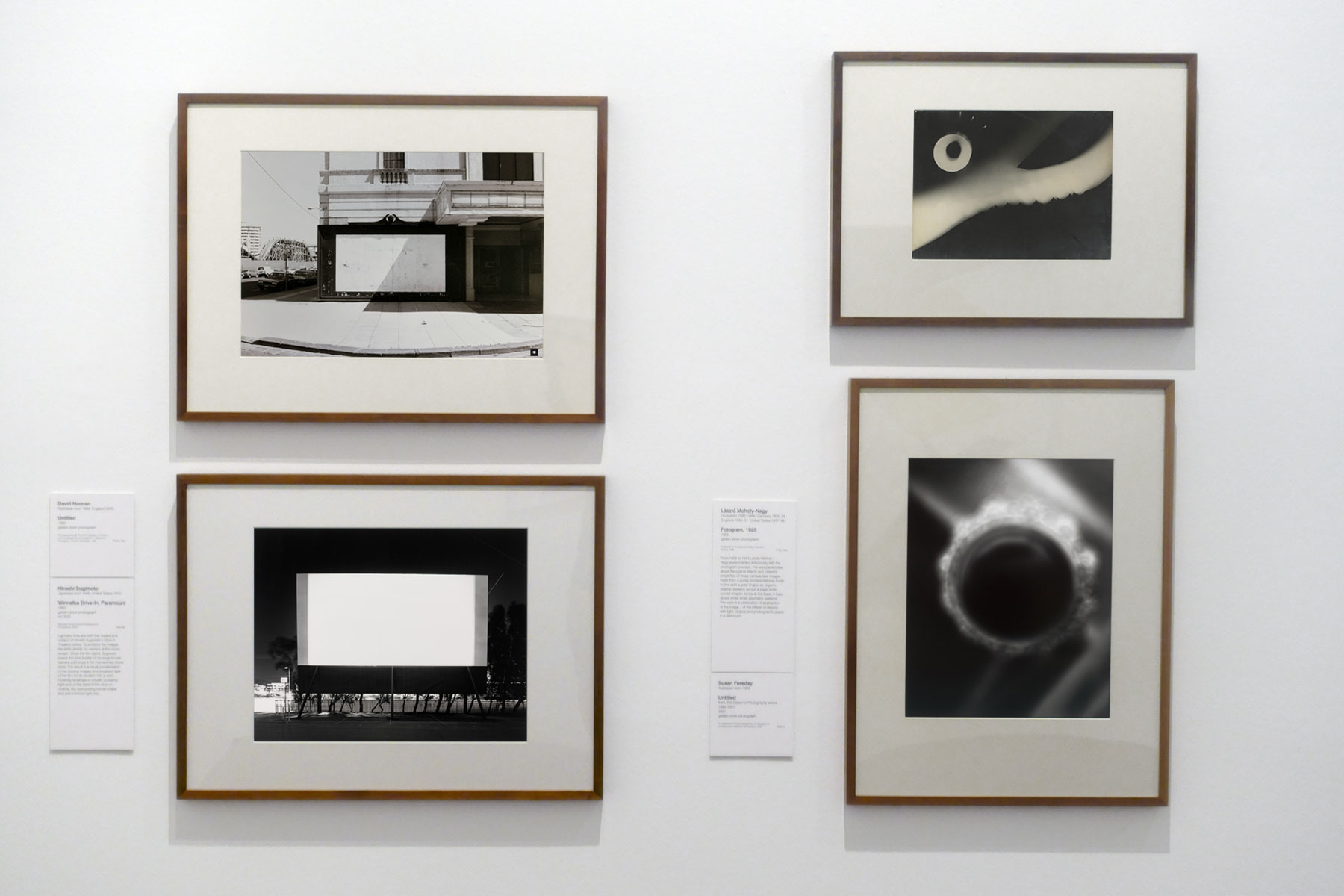
Monash Gallery of Art website

LIKE ART BLART ON FACEBOOK

Back to top

Review: ‘On the beach’ at the Mornington Peninsula Regional Art Gallery, Mornington

Exhibition dates: 11th December 2015 – 28th February 2016

Curator: Wendy Garden


Installation view of the exhibition 'On the beach' at the Mornington Peninsula Regional Art Gallery


Installation view of the exhibition On the beach at the Mornington Peninsula Regional Art Gallery
Photo: © Marcus Bunyan and the Mornington Peninsula Regional Art Gallery


This is another solid thematic group exhibition at the Mornington Peninsula Regional Art Gallery (curator Wendy Garden), following on from their recent success, Storm in a teacup.

The exhibition is not as successful as Storm in a teacup, mainly because most of the works are based on the monolithic, monosyllabic representation of beach culture, and its figuration, during the early decades of the twentieth century (White Australia policy, Australian stereotypes of the interwar period) and the re-staging of these ideas in the contemporary art presented through a diachronic (through/time), performative discourse.

There is so much re-staging in this exhibition I was left to wonder whether there was any original art work being produced that does not quote sources of history, memory, identity, representation and art from past generations. Daniel Boyd re-stages Captain Cook’s landing at Botany Bay with said hero as a pirate. Stephen Bowers replicates the Minton willow pattern motif and early paintings of kangaroos. Leanne Tobin re-stages Bungaree’s disrobing on the beach during his journey with Matthew Flinders. Diane Jones re-stages Max Dupain’s Sunbaker replacing the anonymous prostrate man with her head looking into the camera, or Dupain’s Form at Bondi with her head turned towards the camera. Worst offender is Anne Zahalka who re-states Dupain’s Sunbaker (again!) as a red-headed white women on the beach; or re-presents Charles Meere’s Australian beach pattern (1940, below) not once but twice – the first time in The bathers (1989) broadening the racial background of people to depict multicultural Australia in the 1980s, the second time in The new bathers (2013) broadening the mix even further. Most successful of these re-stagings is Michael Cook’s series of photographs Undiscovered in which the artist subverts deeply ingrained understandings of settlement, that of terra nullius, by depicting Captain Cook as black and positioning him in high-key, grey photographs of impressive beauty and power, surveying the land he has ‘discovered’ while perched upon an invisibly balanced ladder.

But with all of the works that quote from the past there is a sense that, even as the artists are critiquing the culture, they are also buying into the system of patriarchy, racism and control that they seek to comment on. They do not subvert the situation, merely (and locally) extrapolate from it. The idealised, iconic representation of early 20th century Australia culture in the paintings from the 1920-30s and the photographs from the 1940s-70s – specimens of perfect physical beauty – are simply shifted to a new demographic – that of iconic, individual figures in the same poses as the 1940s but of a different ethnicity. The colour of the figure and the clothing might have changed, but the underlying structure remains the same. And if you disturb one of the foundation elements, such as the base figure in one of George Caddy’s balancing beachobatics photographs, the whole rotten edifice of a racism free, multicultural Australia will come tumbling down, just as it did during the Cronulla Riot.

What I would have liked to have seen in this exhibition was a greater breadth of subject matter. Where are the homeless people living near the beach, the sex (for example, as portrayed in Tracey Moffat’s voyeuristic home video Heaven which shows footage of male surfers changing out of their wetsuits in car parks – “shot by Moffatt and a number of other women as if they were making a birdwatching documentary” – which challenges the masculinity of Australian surf culture and the ability of women to stare at men, instead of the other way around), death (drownings on beaches, the heartbreak of loss), and debauchery (the fluxus of Schoolies, that Neo-Dada performance of noise and movement), the abstract nature of Pictorialist photographs of the beach, not to mention erosion and environmental loss due to global warming. The works presented seem to have a too narrowly defined conceptual base, and a present narrative constructed on a coterie of earlier works representing what it is to be Australian at the beach. The contemporary narrative does not address the fluidity of the landscape in present time (in works such as Narelle Autio’s series Watercolours or The place in between).

The dark underside of the beach, its abstract fluidity, its constant movement is least well represented in this exhibition. Although I felt engaged as a viewer the constant re-quoting and rehashing of familiar forms left me a little bored. I wanted more inventiveness, more insight into the conditions and phenomena of beach culture in contemporary Australia. An interesting exhibition but an opportunity missed.

Dr Marcus Bunyan


Many thankx to the Mornington Peninsula Regional Art Gallery for allowing me to publish most of the photographs in the posting. Other photographs come from Art Blart’s archive and those freely available online. Thankx also go to Manuela Furci, Director of the Rennie Ellis Photographic Archive for allowing me to publish his photographs in the posting. Please click on the photographs for a larger version of the image. All text comes from the wall labels to the exhibition. Images noted © Marcus Bunyan and the Mornington Peninsula Regional Art Gallery.


Installation view of the exhibition 'On the beach' at the Mornington Peninsula Regional Art Gallery with Daniel Boyd's 'We call them pirates out here' (2006)


Installation view of the exhibition On the beach at the Mornington Peninsula Regional Art Gallery with Daniel Boyd’s We call them pirates out here (2006, below)
Photo: © Marcus Bunyan and the Mornington Peninsula Regional Art Gallery


Daniel Boyd (Australian, b. 1982) 'We call them pirates out here' 2006 (installation view)


Daniel Boyd (Australian, b. 1982)
We call them pirates out here (installation view)
2006
Museum of Contemporary Art
Purchased with funds provided by the Coe and Mordant families, 2006
Photo: © Marcus Bunyan and the Mornington Peninsula Regional Art Gallery


“The landing of Captain Cook in Botany Bay, 1770 by E. Phillips Fox is such an iconic and important image relating to the birth of Australia. Shifting the proposed view of Fox’s painting to something that was an indigenous person’s perspective allowed for me to challenge the subjective history that has been created.”

Daniel Boyd, 2008


In this painting Daniel Boyd parodies E. Phillips Fox’s celebrated painting which was commissioned in 1902 by the Trustees of the National Gallery of Victoria to commemorate federation. No longer an image valorising colonial achievement, Boyd recasts the scene as one of theft and invasion. Captain Cook is depicted as a pirate to contest his heroic status in Australia’s foundation narratives. Smoke in the distance is evidence of human occupation and is a direct retort to the declaration that Australia was ‘terra nullius’ – land belonging to no-one, which was used to justify British possession.


Stephen Bowers (Australian, b. 1952) Peter Walker (board maker) (Australian, b. 1961) 'Antipodean willow surfboard' 2012 'Antipodean willow surfboard (Mini Simmons)' 2012 (installation view)


Stephen Bowers (Australian, b. 1952)
Peter Walker (board maker) (Australian, b. 1961)
Antipodean willow surfboard (installation view)
2012
Antipodean willow surfboard (Mini Simmons) (installation view)
2012
Hollow core surfboard, Paulownia wood, fibreglass, synthetic polymer paint
Courtesy of the artist and Lauraine Diggins Fine Art, Caulfield
Photo: © Marcus Bunyan and the Mornington Peninsula Regional Art Gallery


Stephen Bowers (Australian, b. 1952) Peter Walker (board maker) (Australian, b. 1961) 'Antipodean willow surfboard (Mini Simmons)' 2012 (installation view detail)


Stephen Bowers (Australian, b. 1952)
Peter Walker (board maker) (Australian, b. 1961)
Antipodean willow surfboard (Mini Simmons) (installation detail)
2012
Hollow core surfboard, Paulownia wood, fibreglass, synthetic polymer paint
Courtesy of the artist and Lauraine Diggins Fine Art, Caulfield
Photo: © Marcus Bunyan and the Mornington Peninsula Regional Art Gallery


In these works Bowers combines the willow pattern motif, a ready-made metaphor of hybridity, with an image of a kangaroo as envisioned by George Stubbs in 1772. The willow pattern as an English invention, created by Thomas Minton in 1790. It is an imaginative geography and, like the first known European painting of a kangaroo, considers other lands as strange, exotic places. In this work the imagery of colonial occupation is visualised as a fusion of cultures underpinned by half-truths, fantasy and desire.


Leanne Tobin (Australian, b. 1961) 'Clothes don't always maketh the man' 2012 (installation view)

Leanne Tobin (Australian, b. 1961) 'Clothes don't always maketh the man' 2012 (installation view detail)


Installation views of Leanne Tobin’s Clothes don’t always maketh the man (2012)


Leanne Tobin (Australian, b. 1961)
Clothes don’t always maketh the man (installation details)
2012
Sand, textile, wood
Collection of the artist
Photos: © Marcus Bunyan and the Mornington Peninsula Regional Art Gallery


Bungaree (c. 1755-1830) was a Garigal man who circumnavigated the continent of Australia with Matthew Flinders on the H.M.S. Investigator between 1802-1803. Unlike Bennelong, who attempted to assimilate with British ways and Pemulwuy, who resisted, Bungaree made the decision to navigate a relationship with the British while still maintaining his cultural traditions. He played an important role as an envoy on Flinder’s voyages, negotiating with the different Aboriginal groups they encountered. A skilled mediator, Bungaree was adept at living between both worlds. When coming ashore he would shed his white man’s clothes so that he could conduct protocol relevant to the local elders. In this respect the beach became a zone of transformation and exchange.


Installation view of the exhibition 'On the beach' at the Mornington Peninsula Regional Art Gallery with in the foreground, Leanne Tobin's 'Clothes don't always maketh the man' (2012), and in the background left, photographs from Michael Cook's 'Undiscovered' series (2010)

Installation view of the exhibition 'On the beach' at the Mornington Peninsula Regional Art Gallery with in the foreground, Leanne Tobin's 'Clothes don't always maketh the man' (2012), and in the background right, photographs from Michael Cook's 'Undiscovered' series (2010)


Installation views of the exhibition On the beach at the Mornington Peninsula Regional Art Gallery with in the foreground, Leanne Tobin’s Clothes don’t always maketh the man (2012), and in the background photographs from Michael Cook’s Undiscovered series (2010, below)
Photos: © Marcus Bunyan and the Mornington Peninsula Regional Art Gallery


Michael Cook (Australian, b. 1968) 'Undiscovered 4' 2010


Michael Cook (Australian, b. 1968)
Undiscovered 4
2010
inkjet print on Hahnemuhle paper
124.0 x 100.0cm
Australian National Maritime Museum


A selection of works from a series of ten photographs in which Michael Cook contests the idea of ‘discovery’ that underpins narratives of the British settlement of Australia… Cook depicts the historic Cook as an Aboriginal man replete in his British naval officers attire. His ship, the famed Endeavour, is anchored in the sea behind him. By mimicking the moment of first discovery Cook subverts deeply ingrained understandings of settlement and asks us to consider what type of national Australia would be if the British had acknowledged Aboriginal people’s prior ownership.


Installation view of the exhibition 'On the beach' at the Mornington Peninsula Regional Art Gallery showing, at top left, Max Dupain's 'Form at Bondi' (1939); to the right of that Dupain's 'At Newport' (1952); to the right upper is George Caddy's 'Chest strength and breathing exercise, 20 February 1937'; followed at far right by Rennie Ellis' 'St Kilda Lifesavers' (1968, top) and David Moore's 'Lifesavers at Manly' (1959, bottom)


Installation view of the exhibition On the beach at the Mornington Peninsula Regional Art Gallery showing, at top left, Max Dupain’s Form at Bondi (1939); to the right of that Dupain’s At Newport (1952, below); to the right upper is George Caddy’s Chest strength and breathing exercise, 20 February 1937 (below); followed at far right by Rennie Ellis’ St Kilda Lifesavers (1968, top) and David Moore’s Lifesavers at Manly (1959, bottom)
Photo: © Marcus Bunyan and the Mornington Peninsula Regional Art Gallery


Max Dupain (Australian, 1911-1992) 'At Newport' 1952, Sydney


Max Dupain (Australian, 1911-1992)
At Newport
1952, Sydney
Silver gelatin photograph


George Caddy (Australian, 1914-1983) 'Chest strength and breathing exercise, 20 February 1937' 1937


George Caddy (Australian, 1914-1983)
Chest strength and breathing exercise, 20 February 1937
1937
Digital print on paper
Paul Caddy collection
Courtesy of Paul Caddy


Like Max Dupain, who was three years his senior, Caddy was interested in the new modernist approach to photography. During 1936 he read magazines such as Popular Photography from New York and US Camera rather than Australasian Photo-Review which continued to champion soft-focus pictorialism. This photograph was taken the same year as Dupain’s famous Sunbather photograph. The framing and angle is similar reflecting their common interest in sharp focus, unusual vantage points and cold composition.


George Caddy (Australian, 1914-1983) 'Freshwater Surf Life Saving Club reel team march past, 3 April 1938' 1938


George Caddy (Australian, 1914-1983)
Freshwater Surf Life Saving Club reel team march past, 3 April 1938
1938
Digital print
Collection of the Mitchell Library, State Library of New South Wales
Purchased from Paul Caddy, 2008


This photograph was taken only months after an infamous rescue at Bondi. On 6 February 1938 a sand bar collapsed sweeping two hundred people out to sea. 80 lifesavers rescued all but 5 people in a day subsequently described as Black Sunday. By 1938 the Surf Life Saving Association, which incorporated clubs from around Australia, had rescued 39,149 lives in its 30 year history. In 1938 alone there were 3,442 rescues. Up until the events of Black Sunday no one had drowned while lifesavers were on duty at Australian beaches. In comparison 2,000 people drowned in England each year.1

1/ Alan Davies, Bondi Jitterbug: George Caddy and his amera, Sydney: State Library of New South Wales, p. 13.


Installation view of the exhibition 'On the beach' at the Mornington Peninsula Regional Art Gallery showing at far left, Anne Zahalka's 'The sunbather #2' (1989) and, at right, a selection of George Caddy's beachobatics photographs


Installation view of the exhibition On the beach at the Mornington Peninsula Regional Art Gallery showing at far left, Anne Zahalka’s The sunbather #2 (1989, below) and, at right, a selection of George Caddy’s beachobatics photographs
Photo: © Marcus Bunyan and the Mornington Peninsula Regional Art Gallery


Installation view of the exhibition 'On the beach' at the Mornington Peninsula Regional Art Gallery showing at far left, Max Dupain's 'Sunbaker' (1937, top) with Diane Jones 'Sunbaker' (2003, below); in the centre Anne Zahalka's 'The sunbather #2' (1989); then Max Dupain's 'Form at Bondi' (1939, top) with Diane Jones 'Bondi' (2003) underneath


Installation view of the exhibition On the beach at the Mornington Peninsula Regional Art Gallery showing at far left, Max Dupain’s Sunbaker (1937, top) with Diane Jones Sunbaker (2003, below); in the centre Anne Zahalka’s The sunbather #2 (1989, below); then Max Dupain’s Form at Bondi (1939, top) with Diane Jones Bondi (2003) underneath
Photo: © Marcus Bunyan and the Mornington Peninsula Regional Art Gallery


Anne Zahalka (Australian, b. 1957) 'The sunbather #2' 1989


Anne Zahalka (Australian, b. 1957)
The sunbather #2
1989
From the series Bondi: playground of the Pacific 1989
Type C photograph


Installation photograph of Charles Meere's painting 'Australian beach pattern' (1940) and Anne Zahalka's photograph 'The bathers' (1989) from the series 'Bondi: playground of the Pacific' 1989


Installation photograph of Charles Meere’s painting Australian beach pattern (1940, below) and Anne Zahalka’s photograph The bathers (1989) from the series Bondi: playground of the Pacific 1989
Photo: © Marcus Bunyan and the Mornington Peninsula Regional Art Gallery


Zahalka restates Charles Meere’s painting in order to subvert the narrow stereotype of the Australian ideal… In this work Zahalka broadens the racial background of people depicted to create a more representative image of multicultural Australia in the 1980s


Charles Meere (Australian born England, 1890-1961) 'Australian beach pattern' 1940 (installation view detail)


Charles Meere (Australian born England, 1890-1961)
Australian beach pattern (installation view detail)
1940
Oil and wax on canvas
Collection of Joy Chambers-Grundy and Reg Grundy AC OBE
Photo: © Marcus Bunyan and the Mornington Peninsula Regional Art Gallery


A now iconic representation of early 20th century Australia culture… The scene is dominated by a mass of suntanned bodies: muscular, square-jawed white Australians – specimens of perfect physical beauty – enjoying the strenuous physical activities of the beach. A glorification of the strong, healthy, racially pure Australian ideal of the 1930s, it is eerily reminiscent of Nazi German Aryan propaganda between the wars.

Notably, the figures themselves all appear anonymous and disconnected, with indistinct facial features that show no acknowledgement of their fellow beach-goers. Their identities are overwhelmed by Meere’s obsession with arrangement. Rather than reflect real life, the figures are placed to create an idealised work of perfect balance. It is fascinating to consider that this iconic representation of Australian beach culture actually came from the imagination of an Englishman, who had only lived in Australia since the mid-1930s and who, according to his apprentice, ‘never went to the beach’ and ‘made up most of the figures’.1

1/ Freda Robertshaw quoted in Linda Slutzkin, Charles Meere 1890-1961. Sydney: S. H. Ervin Gallery, 1987, p. 6.


Installation view of the exhibition 'On the beach' at the Mornington Peninsula Regional Art Gallery showing at far left, George Caddy's beachobatic photographs, and on the far wall Sidney Nolan's 'Bathers' (1943) and Jeffrey Smart's 'Surfers Bondi' (1963)


Installation view of the exhibition On the beach at the Mornington Peninsula Regional Art Gallery showing at far left, George Caddy’s beachobatic photographs, and on the far wall Sidney Nolan’s Bathers (1943, below) and Jeffrey Smart’s Surfers Bondi (1963, below)
Photo: © Marcus Bunyan and the Mornington Peninsula Regional Art Gallery


Sidney Nolan (Australian, 1917-1992) 'Bathers' 1943 (installation view)


Sidney Nolan (Australian, 1917-1992)
Bathers (installation view)
1943
Ripolin enamel on canvas
Headed Museum of Modern Art, Melbourne
Bequest of John and Sunday Reed, 1982
Photo: © Marcus Bunyan and the Mornington Peninsula Regional Art Gallery


Jeffrey Smart (Australian, 1921-2013) 'Surfers Bondi' 1963 (installation view)


Jeffrey Smart (Australian, 1921-2013)
Surfers Bondi
1963
Oil on board
Private collection


When bans on daylight bathing were lifted in 1902, the beach became a prime leisure destination. The beach became not only as a public space of recreation but also as a place where the Australian identity was developing, for many epitomising the liberties of Australia’s society. On the beach brings together 76 outstanding and iconic paintings, photographs and installations to consider the defining relationship we have to the shore.

Works by artists including Vernon Ah Kee, Arthur Boyd, Gordon Bennett, Daniel Boyd, Max Dupain, Charles Meere, Tracey Moffatt, David Moore, Sidney Nolan, Polixeni Papapetrou, John Perceval, Scott Redford, Jeffrey Smart, Albert Tucker, Guan Wei and Anne Zahalka, as well as outstanding recently discovered works by George Caddy (see above). A champion jitterbug dancer, Caddy’s photographs of ‘beachobatics’ were kept undisturbed in a shoebox for 60 years until they were ‘discovered’ by his son after his death. They capture the exuberance and optimism of Australian society between the wars.

The beach first became a prime leisure destination in the early decades of the twentieth century. Up to Federation many artists had looked to the bush to galvanise a fledging nationalism, but during the interwar years this shifted and increasingly the beach became the site of Australian identity. Already by 1908 one Melbourne newspaper commented upon the ‘vast throng of holidaymakers all along the coast.’ In the years following the First World War, against a backdrop of a growing interest in physical fitness, the beach was seen as a place for creating ‘a fine healthy race of men.’ Understandings of the beach as an Australian way of life emerged during this period and increasingly the Australian type was associated with bronzed athletic bodies on the beach.

On the beach looks at artists’ responses to the stereotype of the interwar period and juxtaposes modernist works with contemporary artists’ responses to include a more culturally diverse mix of people. Other artists in the exhibition challenge understandings of the beach as a benign space and consider the history of violence that is latent.

Press release from the Mornington Peninsula Regional Art Gallery


Photographer Joyce Evans looking at two colour photographs by Rennie Ellis in the exhibition 'On the beach' at the Mornington Peninsula Regional Art Gallery


Photographer Joyce Evans looking at two colour photographs by Rennie Ellis in the exhibition
Photo: © Marcus Bunyan and the Mornington Peninsula Regional Art Gallery


Installation view of the exhibition 'On the beach' at the Mornington Peninsula Regional Art Gallery showing on the wall left hand side, photographs by Rennie Ellis


Installation view of the exhibition On the beach at the Mornington Peninsula Regional Art Gallery showing on the wall left hand side, photographs by Rennie Ellis
Photo: © Marcus Bunyan and the Mornington Peninsula Regional Art Gallery


Installation view of the exhibition 'On the beach' at the Mornington Peninsula Regional Art Gallery showing on the wall right hand side, photographs by Rennie Ellis; and at right, Fiona Foley's 'Nulla 4 eva IV' (2009)


Installation view of the exhibition On the beach at the Mornington Peninsula Regional Art Gallery showing on the wall right hand side, photographs by Rennie Ellis; and at right, Fiona Foley’s Nulla 4 eva IV (2009)
Photo: © Marcus Bunyan and the Mornington Peninsula Regional Art Gallery


Rennie Ellis (Australian, 1940-2003) 'Union Jack, Lorne' c. 1968


Rennie Ellis (Australian, 1940-2003)
Union Jack, Lorne
c. 1968
Silver gelatin selenium toned fibre-based print
Rennie Ellis Photographic Archive


Rennie Ellis (Australian, 1940-2003) 'Four Sunbathers, Lorne' c. 1968


Rennie Ellis (Australian, 1940-2003)
Four Sunbathers, Lorne
c. 1968
Type C photograph (ed. AP)
Rennie Ellis Photographic Archive


Rennie Ellis (Australian, 1940-2003) 'Bondi, New South Wales' 1997


Rennie Ellis (Australian, 1940-2003)
Bondi, New South Wales
1997


“On the beach we chuck away our clothes, our status and our inhibitions and engage in rituals of sun worship and baptism. It’s a retreat to our primal needs.”

Rennie Ellis


Vernon Ah Kee (Australian, b. 1967; Kuku Yalandji, Waanji, Yidinji and Gugu Yimithirr) 'cantchant' 2007-2009 (installation view)

Vernon Ah Kee (Australian, b. 1967; Kuku Yalandji, Waanji, Yidinji and Gugu Yimithirr) 'cantchant' 2007-2009 (installation view detail)

Vernon Ah Kee (Australian, b. 1967; Kuku Yalandji, Waanji, Yidinji and Gugu Yimithirr) 'cantchant' 2007-2009 (installation view detail)

Vernon Ah Kee (Australian, b. 1967; Kuku Yalandji, Waanji, Yidinji and Gugu Yimithirr) 'cantchant' 2007-2009 (installation view detail)

Vernon Ah Kee (Australian, b. 1967; Kuku Yalandji, Waanji, Yidinji and Gugu Yimithirr) 'cantchant' 2007-2009 (installation view detail)

Vernon Ah Kee (Australian, b. 1967; Kuku Yalandji, Waanji, Yidinji and Gugu Yimithirr) 'cantchant' 2007-2009 (installation view detail)

Vernon Ah Kee (Australian, b. 1967; Kuku Yalandji, Waanji, Yidinji and Gugu Yimithirr) 'cantchant' 2007-2009 (installation view detail)

Vernon Ah Kee (Australian, b. 1967; Kuku Yalandji, Waanji, Yidinji and Gugu Yimithirr) 'cantchant' 2007-2009 (installation view detail)

Vernon Ah Kee (Australian, b. 1967; Kuku Yalandji, Waanji, Yidinji and Gugu Yimithirr) 'cantchant' 2007-2009 (installation view detail)


Installation views of Vernon Ah Kee’s cantchant 2007-09


Vernon Ah Kee (Australian, b. 1967; Kuku Yalandji, Waanji, Yidinji and Gugu Yimithirr)
cantchant (installation views)
2007-2009
Synthetic polymer paint and resin over digital print on roamer, vinyl
Courtesy of the artist and Milani Gallery, Brisbane
Photos: © Marcus Bunyan and the Mornington Peninsula Regional Art Gallery


Vernon Ah Kee’s response to the events at Cronulla (the Cronulla Riot) us a powerful retort to the racists and their mantra ‘we grew here, you flew here’ chanted on the beach during the riots. Ah Kee takes issue pointing out the hypocrisy in their statement.

“We grew here, you flew here is an insincere statement and they were chanting it over and over again. It’s a way to exercise racism. I’m like ‘WE’ grew here, say what you want, but we’re the fellas that grew here.”

The surfboards are printed with Yidinji shield designs and the portraits are members of the artists family. The work was exhibited in the Australian Pavilion at the 2009 Venice Biennale.


Installation view of the exhibition 'On the beach' at the Mornington Peninsula Regional Art Gallery showing on the far wall, Charles Blackman's 'Sunbather' (c. 1954) and Arthur Boyd's 'Kite flyers (South Melbourne)' (1943)


Installation view of the exhibition On the beach at the Mornington Peninsula Regional Art Gallery showing on the far wall, Charles Blackman’s Sunbather (c. 1954, below) and Arthur Boyd’s Kite flyers (South Melbourne) (1943, below)
Photo: © Marcus Bunyan and the Mornington Peninsula Regional Art Gallery


Charles Blackman (Australian, b. 1928) 'Sunbather' c. 1954 (installation view)


Charles Blackman (Australian, b. 1928)
Sunbather (installation view)
c. 1954
Oil on board
Private collection, Melbourne
Photo: © Marcus Bunyan and the Mornington Peninsula Regional Art Gallery


This is one of a number of paintings and drawings made in response to Blackman’s observations of life on Melbourne’s beaches. Blackman moved from Sydney to Melbourne in 1945 to be part of Melbourne’s burgeoning art scene, making friends with John Perceval, Joy Hester and John and Sunday Reed amongst others.

During this period Blackman regularly took the tram to St Kilda beach to swim and paint. Although he enjoyed spending time on the beach, there is a sinister overtone to this painting of a prostrate figure lying on the sand. A bleak, grey palette articulates the pallid lifeless flesh amplifying a sense of death. The hollow slits that substitute for eyes further accentuate the corpse-like appearance. It is a stark contrast to many paintings of the era that emphasise physical vitality and wellbeing. Rather the sense of isolation and heavy treatment of shadows and water creates a painting that is psychologically disturbing. This painting can be seen as a response to his wife, Barbara’s developing blindness. It has been noted that as the ‘darkness grew in her life, his pictures got darker.’1 Blackman stated many years later ‘I was trying to paint pictures which were unseeable.’2

1/ Barry Humphries quoted in Peter Wilmoth. “An artist in wonderland,” in The Age, 21 May 2006
2/ Charles Blackman interviewed by James Gleeson, 28 April 1979


Arthur Boyd (Australian, 1920-1999) 'Kite flyers (South Melbourne)' 1943 (installation view)


Arthur Boyd (Australian, 1920-1999)
Kite flyers (South Melbourne) (installation view)
1943
Oil on canvas mounted on cardboard
46.3 x 60.9cm
National Gallery of Victoria
The Arthur Boyd Gift, 1975
Photo: © Marcus Bunyan and the Mornington Peninsula Regional Art Gallery


Installation view of the exhibition 'On the beach' at the Mornington Peninsula Regional Art Gallery showing in the centre, Brett Whiteley's 'Balmoral' (1975-1978). To the left of this painting is Nancy Kilgour's 'Figures on Manly Beach' (1930) and to the right Norma Bull's 'Bathing Beach' (c. 1950-1960s) with at bottom, George W. Lambert's 'Anzacs bathing in the sea' (1915)

Installation view of the exhibition 'On the beach' at the Mornington Peninsula Regional Art Gallery showing in the centre, Brett Whiteley's 'Balmoral' (1975-1978). To the left of this painting is Nancy Kilgour's 'Figures on Manly Beach' (1930) and to the right Norma Bull's 'Bathing Beach' (c. 1950-1960s) with at bottom, George W. Lambert's 'Anzacs bathing in the sea' (1915)

Installation view of the exhibition 'On the beach' at the Mornington Peninsula Regional Art Gallery showing in the centre, Brett Whiteley's 'Balmoral' (1975-1978). To the left of this painting is Nancy Kilgour's 'Figures on Manly Beach' (1930) and to the right Norma Bull's 'Bathing Beach' (c. 1950-1960s) with at bottom, George W. Lambert's 'Anzacs bathing in the sea' (1915)


Installation views of the exhibition On the beach at the Mornington Peninsula Regional Art Gallery showing in the centre, Brett Whiteley’s Balmoral (1975-1978, below). To the left of this painting is Nancy Kilgour’s Figures on Manly Beach (1930, below) and to the right Norma Bull’s Bathing Beach (c. 1950-1960s, below) with at bottom, George W. Lambert’s Anzacs bathing in the sea (1915, below)
Photos: © Marcus Bunyan and the Mornington Peninsula Regional Art Gallery


Brett Whiteley (Australian, 1939-1992) 'Balmoral' 1975-1978 (installation view detail)


Brett Whiteley (Australian, 1939-1992)
Balmoral (installation detail)
1975-1978
Oil and collage on canvas
180 x 204cm
Collection of the Hunter-Dyer family
Photo: © Marcus Bunyan and the Mornington Peninsula Regional Art Gallery


Nancy Kilgour (Australian, 1904-1954) 'Figures on Manly Beach' c. 1930


Nancy Kilgour (Australian, 1904-1954)
Figures on Manly Beach
c. 1930
Oil on canvas
76 x 117cm
Manly Art Gallery and Museum, Sydney
Purchase with the assistance of the NSW Ministry for the Arts, 1986


Nancy Kilgour’s artificial arrangement of figures is believed to have been painted in the 1930s before Charles Meere painted his highly contrived composition Australian Beach Pattern, 1940. The staged poses create a tableau of Australians enjoying the freedoms of life on the beach. What is interesting about Kilgour’s painting is that a number of people are depicted fully clothed. so the emphasis is not so much on toned physiques but rather the pleasures of relaxing on the beach. The painting is also unusual because, whereas most beach scenes are cast in brilliant sunshine, the figures in the foreground in this painting are rendered in shadow suggesting the presence of the towering Norfolk Island Pine trees which form a crescent along the Manly foreshore.


Norma Bull (Australian, 1906-1980) 'Bathing Beach' c. 1950-1960s


Norma Bull (Australian, 1906-1980)
Bathing Beach
c. 1950s-60s
Oil on aluminium
30.5 x 40cm
Collection of the Warrnambool Art Gallery, Victoria


Norma Bull began her career at the National Gallery School in 1929, Receiving acclaim for her portraits she won the Sir John Longstaff Scholarship in 1937 and travelled to London where she worked as a war artist during the Second World War. After nine years in Europe, Bull returned to Australia and spent the next year following Wirth’s Circus, painting acrobats, clowns and scenes from circus life. She settled in the Melbourne suburb of Surrey Hills and spent her summer holidays at Anglesea which provided the opportunity to paint seascapes and beach scenes.


George W. Lambert (Australian, 1867-1930) 'Anzacs bathing in the sea' 1915 (installation view)

George W. Lambert (Australian, 1867-1930) 'Anzacs bathing in the sea' 1915 (installation view detail)


George W. Lambert (Australian, 1867-1930)
Anzacs bathing in the sea (installation full and detail)
1915
Oil on canvas
25 x 34cm
Mildura Arts Centre
Senator R.D. Elliott Bequest, presented to the City of Mildura by Mrs Hilda Elliott, 1956
Photos: © Marcus Bunyan and the Mornington Peninsula Regional Art Gallery


George Lambert, Australia’s official war artist, travelled to Gallipoli where he created detailed studies of large battle scenes. He also painted a number of smaller, more intimate works which were execute rapidly on the spot such as this scene of men bathing in the sea. Lambert’s focus is the musculature of their bodies. They are depicted as exemplars of heroic Australian masculinity. Historian C.E.W. Bean reflected in the 1920s that it was through the events on Anzac Cove on 25th April 1915 ‘that the consciousness of Australian nationhood was born.’1 In this respect the painting can be seen to have baptismal overtures.

1/ C.E.W. Bean, Official history of Australia in the War of 1914-1918 Volume 2, Sydney: Angus and Robertson, 1934, p. 346.


Installation view of the exhibition 'On the beach' at the Mornington Peninsula Regional Art Gallery showing at second left, Anne Zahalka's 'The girls #2, Cronulla Beach' (2007); at left on the far wall John Anderson's 'Abundance' (2015) followed by John Hopkins 'The crowd' (1970)


Installation view of the exhibition On the beach at the Mornington Peninsula Regional Art Gallery showing at second left, Anne Zahalka’s The girls #2, Cronulla Beach (2007, below); and at left on the far wall John Anderson’s Abundance (2015, below) followed by John Hopkins The crowd (1970, below)
Photo: © Marcus Bunyan and the Mornington Peninsula Regional Art Gallery


Anne Zahalka (Australian, b. 1957) 'The girls #2, Cronulla Beach' 2007 from the series 'Scenes from the Shire' 2007


Anne Zahalka (Australian, b. 1957)
The girls #2, Cronulla Beach
2007
From the series Scenes from the Shire 2007
Type C photograph
73.3 x 89.2cm
Mornington Peninsula Regional Art Gallery
Gift of the artist, 2012


John Anderson (Australian, b. 1947) 'Abundance' 2015 (installation view detail)


John Anderson (Australian, b. 1947)
Abundance (installation view detail)
2015
Oil on linen
Courtesy of the artist and Australian Galleries, Melbourne and Sydney
Photo: © Marcus Bunyan and the Mornington Peninsula Regional Art Gallery


John Hopkins (Australian, b. 1943) 'The crowd' 1970


John Hopkins (Australian, b. 1943)
The crowd
1970
Synthetic polymer paint on canvas
172.7 x 245.2cm
Mornington Peninsula Regional Art Gallery
Gift of the artist, 1974


Polixeni Papaetrou (Australian, 1960-2018) 'Ocean Man' 2013


Polixeni Papaetrou (Australian, 1960-2018)
Ocean Man
2013
From the series The Ghillies 2012-13
National Gallery of Victoria, Melbourne
Purchased NGV Foundation, 2013


The ghillie suit is a form of camouflage originally used by hunters and the military. Recently popularised in the video game, Call of duty, the ghillie suit is worn by Papapetrou’s son, Solomon, who poses on the beach at Queenscliff. Appearing neither man nor nature, his indistinct form speaks of transformation and becoming – of prison and absence. By depicting the figure as some sort of monster emerging from the depths of the ocean, Papapetrou creates an image that draws upon Jungian understanding of the sea as a symbol of the collective unconscious – both a source of life and return.


Mornington Peninsula Regional Art Gallery
Civic Reserve, Dunns Road, Mornington

Opening hours:
Tuesday – Sunday 10am – 5pm

Mornington Peninsula Regional Art Gallery website

LIKE ART BLART ON FACEBOOK

Back to top

Exhibition: ‘Bohemian Melbourne’ at the State Library of Victoria, Melbourne

Exhibition dates: 12th December 2014 – 22nd February 2015


Unknown photographer. 'Members of the Ishmael Club' c. 1900


Unknown photographer
Members of the Ishmael Club
c. 1900
Gelatin silver photograph
State Library Victoria


Definition

Bohemianism is the practice of an unconventional lifestyle, often in the company of like-minded people, with few permanent ties, involving musical, artistic, or literary pursuits. In this context, Bohemians may be wanderers, adventurers, or vagabonds. (Wikipedia)

A Bohemian is a person, as an artist or writer, who lives and acts free of regard for conventional rules and practices.


This is a fantastic exhibition at the State Library of Victoria, one of the best I have seen so far in Melbourne this year. I have seen it three times and each time it has been a thoroughly rewarding experience.

~ Visually and intellectually stimulating, with a plethora of artefacts, texts and photographs

~ Excellent curatorship, with the exhibition logically structured in order to cohesively display the history, characters and stories, and strands of creativity and rebellious spirit that make up Melbourne’s cultural life

~ A great hang, with disparate elements and mediums all informing each other, pithy quotes, unique film footage, video, music

~ Not too big, just the right size to indulge your senses and brain power


One downside was that the exhibition needed a book or exhibition catalogue to flesh out the themes. Hopefully this will eventuate down the track. Also, it would have been nice to see more of what I would call ‘vernacular bohemianism’ – not just the famous people in each era, but the people that lived the life out on the streets, that supported the subcultures that sprung up from the 1950s onwards, but in a small exhibition it is understandable that there was not enough space.

Another perspective is that, in ordering such a diverse group of people who don’t want to be classified, who lived on the edge of society – you remove their cultural and historical ability to be transgressive, to cross moral and social taboos. By naming them as “bohemian” you seek to classify and order their existence and bring them within a frame of reference that is about control, power and visibility. This disciplinary power, Michel Foucault maintains, relies on surveillance to transform the subjects and the exhibition taxonomy is just that… a form of surveillance of the subject as well as a form of ordering it. Under this phenomena of power, dissonance / dissidence is neutralised and human beings are made subjects: through ‘the systematic linking of the categories of power and knowledge to form a hybrid, power-knowledge.’ (Hirst, 1992, “Foucault and Architecture,” in AA Files, No. 26, Autumn, pp. 52-60)

As John Tagg notes in his book The Burden of Representation (and this is what this exhibition does, it ‘represents’ a particular construction of identity as seen from the viewpoint of the establishment, the institution), “when Foucault examines power he is not just examining a negative force operating through a series of prohibitions … We must cease once and for all to describe the effects of power in negative terms – as exclusion, censorship, concealment, eradication. In fact, power produces. It produces reality. It produces domains of objects, institutions of language, rituals of truth.” (Tagg, John. The Burden of Representation: Essays on Photographies and Histories. Basingstoke: Macmillan, 1988, p. 87)

Ultimately, that is what this exhibition does, it produces a reality that many of these bohemians would not have bought into, for they lived outside the fold. It produces domains of objects, institutions of language, rituals of truth that, through their naming, seek to classify and negate the transgressive and subversive nature of many of these people and groups. These people lived in opposition to the tenants and morals of everyday society and that is why we still love them – for their creativity, their individuality, their thoughts and above all their panache, stepping outside the orthodoxies and regi/mentality of everyday life. Against the system, for life.

Dr Marcus Bunyan


Many thankx to the State Library of Victoria for allowing me to publish the photographs in the posting. Installation photographs © Marcus Bunyan and the State Library of Victoria. Please click on the photographs for a larger version of the image.


“The mania of young artists to
wish to live outside of their time,
with other ideas and other customs,
isolate them from the world,
render them strange and bizarre,
puts them outside the law, banished
from society. These are today’s
bohemians.”


Félix Pyat (French, 1810-1889)


Artist, rebel, hippie, hipster?

Revealing Melbourne’s enduring counter-cultures, Bohemian Melbourne celebrates a who’s who of creative free spirits through their art and the bohemian legacy that has shaped the character of this city. The exhibition shines a light on Melbourne’s cultural bohemians from 1860 to today, tracing individuals who have pushed against convention in their lives and art, from Marcus Clarke, Albert Tucker and Mirka Mora to Barry Humphries, Vali Myers and Nick Cave.

Venture into history’s backstreets and smoky salons to discover the stories of the daring poets, artists, visionaries, rebels and rock stars who changed Melbourne forever.

Text from the website


Marcus Clarke: “A Punk in the Age of Steam”

Marcus Clarke, writer, journalist and later a librarian at the Melbourne Public Library, is generally celebrated as the father of Bohemian Melbourne – although he was more its wild child. After a privileged start in a wealthy English family, which allowed him to cultivate the life of a young dandy and to indulge his passion for the writings of Honoré de Balzac and others, a 16-year-old Clarke suddenly found himself in colonial Melbourne in 1863, thanks to a turn in the family fortune.

Determined to maintain a semblance of the life to which he had become accustomed, Clarke was soon to be found strolling the streets of Melbourne as a flâneur, an observer of the city spectacle. A short-lived post as a bank clerk was followed by a stint on the land as a jackaroo, but by the age of 21 he was back in Melbourne and working as a journalist for the Argus newspaper.

Clarke’s bohemian ways soon attracted other young journalists and writers, and they began to congregate at various Melbourne watering holes, in particular the Cafe de Paris establishing the Yorick Club, the early members of which included fellow writers Henry Rendall, George Gordon McCrae and Adam Lindsay Gordon. The Yorick had a human skull for a mascot and rules that parodied the gentleman’s clubs of establishment Melbourne. Its members gathered in rooms adjoining the office of Melbourne Punch to smoke clay pipes, drink from pewter mugs, recite poetry and generally engage in horseplay. Bohemian society had found a Melbourne home and a creative community was born.

Wall text from exhibition


Unknown photographer. 'Marcus Clarke' 1866


Unknown photographer
Marcus Clarke
1866
Albumen silver photograph
State Library Victoria


Bohemian culture in marvellous Melbourne

Marvellous Melbourne, which arose out of the egalitarianism of the gold rushes, gave birth to a strong bohemian culture. Marcus Clarke, the London-born journalist, writer, librarian and professional bohemian, joined the Athenaeum Club and founded in 1868 the Yorrick Club, Australia’s first bohemian club, which became a magnet for men of letters.

He was a dressed-up dandy, a flâneur and a heavy drinker, but had a touch of genius with his novel, For the Term of His Natural Life (1874/75), one of the classics of Australian colonial literature. He was dead by the age of 35, with suicide rumoured but rejected by his actress wife, Marian Dunn, the mother of his six children. Clarke in his behaviour and creative achievement became a model for other Australian bohemians to follow.

Extract from Professor Sasha Grishin. “Celebrating Melbourne bohemians at the State Library of Victoria,” on The Conversation website, 16 January 2015 [Online] Cited 03/02/2015


Unknown photographer. 'Marcus Clarke'1866 (detail)


Unknown photographer
Marcus Clarke (detail)
1866
Albumen silver photograph
State Library Victoria


In 1863, when the young Marcus Clarke arrived in Melbourne, he could have slipped easily into what passed for mannered society in the booming gold-rush city. His uncle was a County Court judge, his cousin a politician, and Clarke himself was granted honorary membership of the elite Melbourne Club. But he chose to turn his back on the bunyip aristocracy. “I am a bohemian,” declared the man who would go on to write the first great Australian novel. “I live, I walk, I eat, drink and philosophise.”

All of which sounds perfectly normal – except, perhaps, for the philosophising – but in reality, Marcus Clarke’s life was far from average. He became a celebrated satirist of Marvellous Melbourne, by turns outraging and titillating 19th-century sensibilities in Australia’s modern metropolis. He befriended fellow intellectuals and bon vivants to form underground literary clubs that didn’t so much turn their backs on as raise an insulting finger to colonial mores. He was a poet and a playwright, a journalist and a novelist, a jackaroo, a wastrel and, above all, quite the tremendous wit.

Clarke’s most enduring gift is his writing, particularly the classic convict novel For The Term Of His Natural Life. But a new exhibition at the State Library of Victoria pays tribute to his other major legacy – that of Australia’s first bona fide bohemian.

“Clarke was an iconoclast, dangerous to know and a dandy about town,” explains historian Dr Tony Moore, author of Dancing With Empty Pockets: Australia’s Bohemians

“Most people think of him as a venerable old Victorian gentleman, but I characterise him as a punk in the age of steam.” [Marcus: I don’t know why a venerable old Victorian gentleman – he was dead at 35]

Moore, who is a Monash University academic and passionate chronicler of unconventional Australians, was an adviser to the exhibition and worked alongside curator Clare Williamson to create this retrospective of radicals. Melbourne’s roaming free spirits have been corralled together for the first time using material – some of it never previously displayed in public – drawn from State Library archives and borrowed from public and private collections. Viewed en masse, they comprise a rogues’ gallery of some of the country’s most indelible cultural icons…

His [Clarke’s] image adorns the exhibition posters, a larger-than-life bohemian in breeches and knee-high boots with a cabbage-tree hat perched jauntily above his broad, handsome face. Melbourne’s original radical would be thrilled to see that his notoriety lives on, more than a century after his death.

Extract from Kendall Hill. “Bohemian Melbourne: Exhibition” on the Qantas Travel Insider website [Online] Cited 03/02/2015. No longer available online


Installation view of the exhibition 'Bohemian Melbourne' at the State Library of Victoria, Melbourne

Installation view of the exhibition 'Bohemian Melbourne' at the State Library of Victoria, Melbourne


Installation views of the exhibition Bohemian Melbourne at the State Library of Victoria, Melbourne
Photos: Marcus Bunyan


Wall text 'Bohemians of the Bush' from the exhibition 'Bohemian Melbourne' at the State Library of Victoria, Melbourne


Wall text from the exhibition Bohemian Melbourne at the State Library of Victoria, Melbourne
Photo: Marcus Bunyan


Justus Jörgensen (Australian, 1893-1975) 'Fifteen of the Founders' 1944 (installation view)


Justus Jörgensen (Australian, 1893-1975)
Fifteen of the Founders (installation view)
1944
Oil on canvas and gauze mounted on panel
Collection of the Montsalvat Trust
Photo: Marcus Bunyan


Montsalvat is the result of Justus Jörgensen’s vision for a collective experience of art and life. Jörgensen had trained in architecture and then in painting with earlier bohemian Max Meldrum. His studio in Queen Street, the Mitre Tavern and the Latin and Chung Wah restaurants were sites for lively discussions in which Jörgensen put forward his philosophies of art, the revival of medieval craftsmanship and communal living. This vision began to take shape in 1934 when he and his wife, Lily, brought land at Eltham; with the assistance of friends and followers, he built Montsalvat, an artists’ colony of studios, workshops and the communal Great Hall.

While Justus Jörgensen rarely exhibited, his great love was painting. This multi-panelled work comprises portraits by Jörgensen of 15 significant figures from the early years of Montsalvat. They are, from top to bottom, left to right:

Ian Robertson – student of Jorgensen who also ran an antiques shop
Leo Brierley – businessman and backer of Mervyn Skipper’s Pandemonium journal
Helen (Nell) Lempriere – niece of Dame Nellie Melba, painter, sculptor, and an earl student of Jorgensen
Norman Porter – friend and student of Jorgensen and lecturer in philosophy
Mervyn Skipper – author, journalist and Melbourne editor of the Bulletin
Helen Skipper – Mervyn’s first daughter, Jorgensen’s partner for many years, and mother of Sebastian and Sigmund Jorgensen
Justus Jorgensen – founder and architect of Montsalvat, painter, assistant to artist Max Meldrum and teacher.
Sonia Skipper – second daughter of Mervyn Skipper, and painter and teacher
Arthur Munday – law student, sculptor and stonemason trained by Jorgensen
William (Bill) Cook – teacher, philosophy and president of the Victorian Rationalist Society
Norman Radcliffe – student and friend of Jorgensen, and philosopher
Ray Grant – student of Jorgensen and philosopher
Edward Goll – internationally renowned pianist and teacher at Melbourne Conservatorium of Music
Arthur (George) Chalmers – pharmacist, student of Jorgensen, stonemason and carver, who also planted the first vineyard at Montsalvat

(Label texts)


Montsalvat is an artist colony in Eltham, Victoria, Australia, established by Justus Jörgensen in 1934. It is home to over a dozen buildings, houses and halls set amongst richly established gardens on 48,562 m2 (12 acres) of land. The colony of Montsalvat has a detailed history that reflects the life of Jörgensen and his friends and family; there is also a legend behind its name, while its buildings and gardens are steeped in the art and culture of Melbourne and its surroundings.

Visitors can pay a small fee to walk throughout the colony’s historical gardens, artists’ houses/workshops and explore the surrounding buildings. All of the buildings on the site were designed and built by residents with locally available materials, from various sources. The Great Hall offers an extensive network of spaces from extravagant halls and vast exhibition spaces, to small corridors and tiny balconies overlooking the gardens.

Text from the Wikipedia website


Percy Grainger (Australian, 1882-1961) Ella Grainger (Australian, 1889-1979) 'Towelling tunic, shirt, leggings, belt, shoes worn by Percy Grainger' c. 1934 (installation view)


Percy Grainger (Australian, 1882-1961)
Ella Grainger (Australian, 1889-1979)
Towelling tunic, shirt, leggings, belt, shoes worn by Percy Grainger (installation view)
c. 1934
Cotton bath towels, plastic, leather and metal
Grainger Museum collection, University of Melbourne
Photo: Marcus Bunyan


“In 1932 or 1933 my wife and I took up again this idea of clothing made of towelling and when in Australia in 1934 and 1935 we were amazed by the beauty of the bath towels on sale in Australia – some imported from England, Czechoslovakia and America, but most of them (and among them the most beautiful ones) manufactured in Australia. Here was a chance to show what could be done with the beauty born of machinery – a beauty as rich and subtle, in its own way, as anything made by hand or loom.”

Percy Grainger, c. 1955-1956


Unknown photographer, New York. 'Percy Grainger wearing a towelling clothes outfit at his home in White Plains' 1936


Unknown photographer, New York
Percy Grainger wearing a towelling clothes outfit at his home in White Plains
1936
Silver gelatin print
Grainger Museum collection, University of Melbourne


Installation photograph of the exhibition 'Bohemian Melbourne' at the State Library of Victoria February 2015, including at left Albert Tucker, 'Self-portrait with Joy Hester', 1939


Installation photograph of the exhibition Bohemian Melbourne at the State Library of Victoria February 2015, including at left Albert Tucker, Self-portrait with Joy Hester, 1939 (see below)
Photo: Marcus Bunyan


Albert Tucker (Australian, 1914-1999) 'Self-portrait with Joy Hester' 1939


Albert Tucker (Australian, 1914-1999)
Self-portrait with Joy Hester
1939
Gelatin silver photograph
State Library Victoria


Albert Tucker Interview with an Australian Artist – Heide Museum

An Interview with Albert Tucker conducted by Justin O’Brien in 1997.

Albert expands on his many insights,during the time he spent with John and Sunday Reed and other artists at Heide during the1940’s. An intimate insight into a unique man.


Unknown photographer. 'Opening of Mirka Café' 1954


Unknown photographer
Opening of Mirka Café
1954
Gelatin silver photograph
Courtesy of Heide Museum of Modern Art and William Mora Galleries


Unknown photographer. 'Opening of Mirka Café' 1954 (detail)


Unknown photographer
Opening of Mirka Café (detail)
1954
Gelatin silver photograph
Courtesy of Heide Museum of Modern Art and William Mora Galleries


These clips features home movie footage taken by Gertie Anschel (c. 1953-1954) with audio commentary by film director Philippe Mora.

Part 1 of 3 features scenes of Melbourne, The Mirka Café and Joy Hester and Gray Smith’s property. Philippe reflects on his childhood and identifies key figures of the Melbourne art scene. 


Part 2 of 3 features the property of Roger de Stoop, artist friends and Arthur Boyd at work on his 1956 Melbourne Olympic statue. Philippe reflects on his childhood identifies key figures of the Melbourne art scene.


Part 3 of 3 features the Moras, the art gang at a balcony party and late American actor Melvyn Douglas. Philippe reflects on his childhood, parents and identifies key figures of the Melbourne art scene.


Making Your Own Fun in the 50s

On the surface at least, Melbourne in the 1950s was a rather dour affair. For some non-conformists, such as Vali Myers and Barry Humphries, it was a place to escape rather than a place to be. For others, however, it was a site for creating underground cultures that were largely invisible to the mainstream.

This was no more so than in the case of gay and lesbian, or ‘camp’, culture, as it was known at the time. Homosexuality was illegal in Victoria until 1960, and in the 1950s it was sensationalised in the tabloid press as a subject for mockery if not horror. As a result, homosexual men and women developed alternative bohemian cultures and communities, with their own covert venues, house parties, secret languages and dress codes.

The gala costume arts balls that raised money for mainstream theatre and other arts charities were grand exceptions to the generally underground clubs and private parties. They offered rare moments in which camp culture could be expressed in public without fear for reprisal. Theatres and dance companies provided employment for many, and bars, such as the one nicknamed the Snake Pit at the Hotel Australia, and restaurants such as Val’s Coffee Lounge, provided opportunities for the camp community to meet and to mix with others who were outside the establishment.


Norman Ikin (Australian, 1925-1962) 'Vali Myers' c. 1949


Norman Ikin (Australian, 1925-1962)
Vali Myers
c. 1949
Gelatin silver photograph
State Library Victoria


Mark Strizic (Australian, 1928-2012) 'Barry Humphries in Melbourne' 1969


Mark Strizic (Australian, 1928-2012)
Barry Humphries in Melbourne
1969
Exhibition print from flexible-base negative
State Library of Victoria
Courtesy of the Estate of the artist


A never seen on broadcast TV programme with Barry Humphries as Dame Edna Everage made in 1975. Barry Humphries was promoting his film ‘Barry McKenzie holds his own’. Films clips were provided officially by EMI. The interviewer trying to hold things together is Mark Caldwell. The programme was made in black and white.


Wall text 'North of the River' from the exhibition Bohemian Melbourne at the State Library of Victoria, Melbourne


Wall text from the exhibition Bohemian Melbourne at the State Library of Victoria, Melbourne
Photo: Marcus Bunyan


Installation photograph of the exhibition 'Bohemian Melbourne' at the State Library of Victoria February 2015 with, in the distance, Henry Talbot 'Portraits of actor Frank Thring' 1963, with Thring's jewellery box and contents in the foreground


Installation photograph of the exhibition Bohemian Melbourne at the State Library of Victoria February 2015 with, in the distance, Henry Talbot Portraits of actor Frank Thring 1963, with Thring’s jewellery box and contents in the foreground
Photo: Marcus Bunyan


It has been said of Frank Thring that he could make most stages or foyers seem small. His larger-than-life personality was almost matched by his frame, often decked out in imposing black and with flamboyant jewellery. Son of Frank Thring snr, founder of Efftee Films and 3XY Radio, Thring jnr earned fame as an actor in London’s West End and in Hollywood films such as Ben Hur, often playing sinister or decadent characters. In the 1950s, he would recite poems laden with innuendo and hold court at the ‘head table’ at Val’s Coffee Lounge. To be welcome at his table was a sign one was part of the ‘in’ crowd.

Label text


Unknown photographer. 'Arts Ball, Palais de Danse - John Anderson as Sun God' c. 1963-1964


Unknown photographer
Arts Ball, Palais de Danse – John Anderson as Sun God
c. 1963-1964
Gelatin silver photograph
Australian Lesbian and Gay Archives


John Anderson was first-prize winner at a number of arts balls in the 1960s. His costume shown here reflects the creativity and effort that many put into their outfits. Costumes and headdresses were sometimes so large that Anderson and others regularly hired furniture vans to take them to the ball. One year the van that was transporting Anderson broke down and he completed the journey strapped upright on the back of a ute. His Sun  God costume wowed new audiences when he was invited to take part in a pageant on ice base on the theme of The Kind and I – with Anderson as the King – at the Southland shopping centre ice rink around 1970.

Label text

But you will go to the ball, you will sweetie!


Richard Walsh (editor) 'The Review', Vol. 22, No. 22 Melbourne incorporated Newsagencies Co., March 1972


Richard Walsh (editor)
The Review, Vol. 22, No. 22
Melbourne incorporated Newsagencies Co.,
March 1972
State Library of Victoria
Photo: Marcus Bunyan


Before editing the irreverent Melbourne weekly The Review (Nation Review from July 1972, Richard Walsh edited counter-cultural Oz magazine with Richard Neville and Martin Sharp. Contributors to Nation Review included Max Harris, Bob Ellis, Phillip Adams, Michael Leunig and Germaine Greer. Greer had been part of the Drift in Melbourne, a loose association of artists, students and graduates. Enrolling in a Masters degree at Sydney University, in 1962 she becomes a leading light in the Sydney libertarian Push, an intellectual bohemia of larrikin anarchists. Gaining her PhD at Cambridge University, Greer then published her groundbreaking book The Female Eunuch.

Label text


Ashley Mackevicius (Australian, b. 1958) 'Nick Cave' 1973


Ashley Mackevicius (Australian, b. 1958)
Nick Cave
1973
Gelatin silver photograph
National Portrait Gallery, Canberra
Gift of the artist 2006


Ponch Hawkes (Australian, b. 1946) 'Soapbox Circus – The Fabulous Spagoni Family' c. 1977


Ponch Hawkes (Australian, b. 1946)
Soapbox Circus – The Fabulous Spagoni Family
c. 1977
Gelatin silver photograph
State Library Victoria
© the artist


Ponch Hawkes (Australian, b. 1946) 'Melantroppos, Circus Oz, Princes Park' 1979


Ponch Hawkes (Australian, b. 1946)
Melantroppos, Circus Oz, Princes Park
1979
Gelatin silver photograph
State Library Victoria
© the artist


Installation photograph of the exhibition 'Bohemian Melbourne' at the State Library of Victoria February 2015 with artist Ponch Hawkes' work at right


Installation photograph of the exhibition Bohemian Melbourne at the State Library of Victoria February 2015 with artist Ponch Hawkes’ work at right
Photo: Marcus Bunyan


Rennie Ellis (Australian, 1940-2003) 'Mirka Mora in her studio' 1978


Rennie Ellis (Australian, 1940-2003)
Mirka Mora in her studio
1978
Colour transparency
State Library Victoria
© Rennie Ellis Photographic Archive


For more information see the Rennie Ellis Archive website.


Vali Myers (Australian, 1930-2003) 'Passions' 1981-1982


Vali Myers (Australian, 1930-2003)
Passions
1981-82
Pen, black ink, sepia, burnt sienna and watercolour
Vali Myers Art Gallery Trust


Vali Myers discovered a love of drawing at an early age. Over the years it became her primary mode of artistic expression in place of contemporary dance. She dedicated her life to her art and would spend up to two years creating each of her intricately drawn artworks. Passions contains many elements that symbolically represent aspects of Vali Myers’ art and life. These include a fox (referencing her pet Foxy), ravens (Edgar Allan Poe’s The Raven being one of her favourite poems, a gypsy-like figure playing a violin and, at the centre of it all, a woman with flaming red hair.

Label text


Liz Ham (Australian born England, b. 1975) 'Vali Myers in her studio in the Nicholas Building' 1997


Liz Ham (Australian born England, b. 1975)
Vali Myers in her studio in the Nicholas Building
1997
Gelatin silver photograph
State Library Victoria


Ed van der Elsken “Vali” 1972

Australian artist Vali Myers moved to Paris from Australia at age 19 where she lived on the streets, danced in cafes, met Satre, Cocteau, Genet and Django Reinhardt. She moved to New York, tattooed Patti Smith’s knee, befriended Salvador Dali and met Andy Warhol and Tennessee Williams.

Vali was a great influence on lots of famous people Tennessee Williams, Jean Cocteau, Mick Jagger, Marianne Faithfull, Debbie Harry, Patti Smith, Jean Genet and Kate Bush.


Installation photograph of the exhibition 'Bohemian Melbourne' at the State Library of Victoria February 2015


Installation photograph of the exhibition Bohemian Melbourne at the State Library of Victoria February 2015
Photo: Marcus Bunyan


Howard Arkley

Australian artist Howard Arkley interviewed by ABC television shortly before his untimely death in 1999.


Howard Arkley (Australian, 1951-1999) 'The Ritual' 1986


Howard Arkley (Australian, 1951-1999)
The Ritual
1986
Synthetic polymer paint on canvas
State Library of Victoria


Howard Arkley is recognised as one of Australia’s most significant 20th-century artists. He is unique in embracing not only urban culture but also life in suburbia, a space generally shunned or scorned by bohemians, with exception of that other flaneur of suburbia, Barry Humphries. Like many bohemians before him, Arkley lived on the edge and experimented with mind-altering substances, and, like a good proportion of them, his life was tragically cut short as a result. Despite its large scale, comic-book style and pop colours, The Ritual is as much a cool and judgment-free study in composition and the human form as it is in the rituals or ‘habits’ associated with drug use.

Label text


State Library of Victoria
328 Swanston St,
Melbourne VIC 3000
Phone: (03) 8664 7000

Opening hours:
Daily 10am – 6pm

State Library of Victoria website

LIKE ART BLART ON FACEBOOK

Back to top

Exhibition: ‘Out of the closets, into the streets: gay liberation photography 1971-73’ at Edmund Pearce Gallery, Melbourne

Exhibition dates: Tuesday 22nd July – Saturday 26th July, 2014

Artists represented: Philip Potter, John Storey, John Englart, Barbara Creed, Ponch Hawkes, Rennie Ellis

Curators: Dr Marcus Bunyan and Nicholas Henderson


LAST DAY TOMORROW = MAKE SURE YOU DON’T MISS IT IF YOU ARE IN MELBOURNE!

Dr Marcus Bunyan


Many thankx to all the artists for allowing me to publish the photographs in the posting. Please click on the photographs for a larger version of the image.


https://www.youtube.com/watch?v=wCpqzRGOqUE


Curator Dr Marcus Bunyan talks about the exhibition Out of the closets, into the streets: Gay Liberation photography 1971-73 at Edmund Pearce Gallery, Melbourne July 2014


Phillip Potter. 'Gay is Good' 1971, printed 2014


Phillip Potter
Gay is Good
1971, printed 2014
Digital C type print on Kodak Endura Matte
© Phillip Potter


Phillip Potter. 'Queens' 1971, printed 2014


Phillip Potter
Queens
1971, printed 2014
Digital C type print on Kodak Endura Matte
© Phillip Potter


John Storey (Australian, 1950-2019) 'Homosexual Law Reform' 1971, printed 2014


John Storey (Australian, 1950-2019)
Homosexual Law Reform
1971, printed 2014
Digital C type print on Kodak Endura Matte
© John Storey


John Storey was a self-taught photographer who ran his own commercial photography business from 1979 until his move into academia in 1985. As a free-lance photographer, he documented the Gay Liberation Movement in Sydney as well as contributing photography to several publications including Peter Spearitt’s Sydney since the Twenties (1978); Waterfront Sydney 1860-1920, (1984, 1991) co-authored with Graeme Applin; and Anne Richter’s 1994 publication, Arts and Crafts of Indonesia, (1994). Photographs by John Storey are also included in Peter Spearitt’s history: The Sydney Harbour Bridge: a life (2007, 2011).

John took-up a part-time lecturer’s position in Photography at Charles Sturt University, Wagga Wagga in 1985 where he also established a film society and camera club. In 1986 he accepted a position as Lecturer in Photography at RMIT, where he worked until 2004, by which time he was Associate Professor and Post Graduate Coordinator in the School of Creative Arts. John’s commitment to practice based PhDs and the intersection between the creative and the scholarly was critical to the establishment of that programme. His Doctorate of Creative Arts from the University of Wollongong in 2992 entitled Journals of a Stranger: documents of a life, brings together image and text in a discontinuous narrative using photography, creative and exegetical writing.

As an artist, John’s work was exhibited both nationally and internationally, and he curated a number of exhibitions that reflected his interests in social justice, urban landscape, gender and intimacy for hospitals and old people’s homes. He was a member of the Stills Art Co-operative Melbourne and sat on the Board of Directors at Melbourne’s Centre of Contemporary Photography.

Dogged by ill health for many years, Dr John Storey is remembered as a committed, tenacious and caring teacher, artist and researcher. Charming, witty and a rigorous and progressive thinker, he is greatly missed by his family, friends and colleagues.

Anonymous text. “Obituary: Dr John Storey (1950-2019),” on the Non | Traditional Research Outcomes website April 18, 2019 [Online] Cited 02/11/2022. No longer available online


Phillip Potter. 'I am a Lesbian and Beautiful' 1971, printed 2014


Phillip Potter
I am a Lesbian and Beautiful
1971, printed 2014
Digital C type print on Kodak Endura Matte
© Phillip Potter


Ponch Hawkes (Australian, b. 1946) 'Gay Liberation march, Russell Street, Melbourne' Melbourne, 1973


Ponch Hawkes (Australian, b. 1946)
Gay Liberation march, Russell Street, Melbourne
Melbourne, 1973
Digital C type print on Kodak Endura Matte
© Ponch Hawkes


Ponch Hawkes (Australian, b. 1946) 'Gay Liberation march, Elizabeth Street, Melbourne' Melbourne, 1973


Ponch Hawkes (Australian, b. 1946)
Gay Liberation march, Elizabeth Street, Melbourne
Melbourne, 1973
Digital C type print on Kodak Endura Matte
© Ponch Hawkes


Photographer Rennie Ellis front and centre as always…


Rennie Ellis (Australian, 1940-2003) 'The Kiss, Gay Pride Week, Melbourne' 1973


Rennie Ellis (Australian, 1940-2003)
The Kiss, Gay Pride Week, Melbourne 1973
1973, printed 2014
Silver gelatin photograph
© Rennie Ellis


Gays held a picnic in the Botannical Gardens, Melbourne during Gay Pride Week. They decided to play spin the bottle after forming a circle – the bottle can be seen at bottom left – and much kissing ensued. Lots of straights stopped to watch and laugh. Someone called the cops and the confrontation occurred that can be seen in the photograph below. Apparently, they were breaking some council by law about not playing games in the gardens, even though families were kicking footballs right next to them on the lawn.


Rennie Ellis (Australian, 1940-2003) 'Confrontation, Gay Pride Week Picnic, Botanical Gardens' 1973


Rennie Ellis (Australian, 1940-2003)
Confrontation, Gay Pride Week Picnic, Botanical Gardens 1973
1973, printed 2014
Silver gelatin photograph
© Rennie Ellis


Barbara Creed (Australian, b. 1943) 'Julian Desaily and Peter McEwan in the back of a VW Combi van, Melbourne' Melbourne, c. 1971-1973


Barbara Creed (Australian, b. 1943)
Julian Desaily and Peter McEwan in the back of a VW Combi van, Melbourne
Melbourne, c. 1971-1973
Digital C type print on Kodak Endura Matte
© Barbara Creed


Barbara Creed (Australian, b. 1943) 'Julian Desaily and Peter McEwan in the back of a VW Combi van, Melbourne' Melbourne, c. 1971-1973


Barbara Creed (Australian, b. 1943)
Julian Desaily and Peter McEwan in the back of a VW Combi van, Melbourne
Melbourne, c. 1971-1973
Digital C type print on Kodak Endura Matte
© Barbara Creed


Barbara Creed (Australian, b. 1943) 'Stills from a Super 8mm film of a Women’s Liberation march' Melbourne, 1973, printed 2014

Barbara Creed (Australian, b. 1943) 'Stills from a Super 8mm film of a Women’s Liberation march' Melbourne, 1973, printed 2014

Barbara Creed (Australian, b. 1943) 'Stills from a Super 8mm film of a Women’s Liberation march' Melbourne, 1973, printed 2014

Barbara Creed (Australian, b. 1943) 'Stills from a Super 8mm film of a Women’s Liberation march' Melbourne, 1973, printed 2014

Barbara Creed (Australian, b. 1943) 'Stills from a Super 8mm film of a Women’s Liberation march' Melbourne, 1973, printed 2014


Barbara Creed (Australian, b. 1943)
Stills from a Super 8mm film of a Women’s Liberation march
Melbourne, 1973, printed 2014
Still from a Super 8mm film
Digital C type print on Kodak Endura Matte
© Barbara Creed


Anonymous photographer. 'Photographs from Gay Pride Week, Adelaide, 1973'

Anonymous photographer. 'Photographs from Gay Pride Week, Adelaide, 1973'

Anonymous photographer. 'Photographs from Gay Pride Week, Adelaide, 1973'

Anonymous photographer. 'Photographs from Gay Pride Week, Adelaide, 1973'


Anonymous photographers
Photographs from Gay Pride Week, Adelaide, 1973
Adelaide, 1973
Digital C type print on Kodak Endura Matte
© Australian Lesbian and Gay Archives


John Englart (Australian, b. 1955) 'Sit down protest in Martin Place in protest at Council Officers preventing us handing out material' Sydney, 1973


John Englart (Australian, b. 1955)
Sit down protest in Martin Place in protest at Council Officers preventing us handing out material
Sydney, 1973
Digital C type print on Kodak Endura Matte
© John Englart


John Englart (Australian, b. 1955) 'Gay Pride Week poster, outside the Town Hall Hotel, Sydney Town Hall' Sydney, 1973


John Englart (Australian, b. 1955)
Gay Pride Week poster, outside the Town Hall Hotel, Sydney Town Hall
Sydney, 1973
Digital C type print on Kodak Endura Matte
© John Englart


John Englart (Australian, b. 1955) 'Dancing with the Hare Krishnas in the Sydney Domain' Sydney, 1973


John Englart (Australian, b. 1955)
Dancing with the Hare Krishnas in the Sydney Domain
Sydney, 1973
Digital C type print on Kodak Endura Matte
© John Englart


Anonymous photographer. 'Graffiti on Melbourne streets' 1971-1973

Anonymous photographer. 'Graffiti on Melbourne streets' 1971-1973

Anonymous photographer. 'Graffiti on Melbourne streets' 1971-1973


Anonymous photographers
Graffiti on Melbourne streets
1971-73


Phillip Potter. 'Portraits for CAMP Ink magazine' 1973

Phillip Potter. 'Portraits for CAMP Ink magazine' 1973

Phillip Potter. 'Portraits for CAMP Ink magazine' 1973

Phillip Potter. 'Portraits for CAMP Ink magazine' 1973 (Lex Watson)


Phillip Potter
Portraits for CAMP Ink magazine
1973


Gay activist Lex Watson is the person in the bottom photograph. Lex sadly died very recently.


Installation photographs

Around the room, surrounded by colour and movement with elements of stillness


Installation photograph of the exhibition 'Out of the closets, onto the streets: Gay Liberation photography 1971-73' at Edmund Pearce Gallery, Melbourne, July 2014

Installation photograph of the exhibition 'Out of the closets, onto the streets: Gay Liberation photography 1971-73' at Edmund Pearce Gallery, Melbourne, July 2014

Installation photograph of the exhibition 'Out of the closets, onto the streets: Gay Liberation photography 1971-73' at Edmund Pearce Gallery, Melbourne, July 2014

Installation photograph of the exhibition 'Out of the closets, onto the streets: Gay Liberation photography 1971-73' at Edmund Pearce Gallery, Melbourne, July 2014

Installation photograph of the exhibition 'Out of the closets, onto the streets: Gay Liberation photography 1971-73' at Edmund Pearce Gallery, Melbourne, July 2014


Title of the exhibition and opening images


Title of the exhibition with Barbara Creed's three 35mm black and white photographs


Title of the exhibition with Barbara Creed’s three 35mm black and white photographs


Phillip Potter and John Storey photographs of the first ever Gay Liberation protest in Sydney in 1971 to the right; then Ponch Hawkes four photographs followed by three photographs by Rennie Ellis


Phillip Potter and John Storey photographs of the first ever Gay Liberation protest in Sydney in 1971 to the right; then Ponch Hawkes four photographs followed by three photographs by Rennie Ellis


Phillip Potter and John Storey photographs of the first ever Gay Liberation protest in Sydney in 1971


Phillip Potter and John Storey photographs of the first ever Gay Liberation protest in Sydney in 1971.

From a series of photographs of the very first gay rights demonstration which attracts 70 people outside NSW Liberal Party headquarters in support of the pre-selection of Tom Hughes against a right wing challenge following his support for homosexual law reform.


Installation photograph of the exhibition 'Out of the closets, onto the streets: Gay Liberation photography 1971-73' at Edmund Pearce Gallery, Melbourne, July 2014

John Englart's five photographs of Sydney Gay Pride Week march 1973 in the centre with Rennie Ellis at right of these


John Englart’s five photographs of Sydney Gay Pride Week march 1973 in the centre with Rennie Ellis at right of these


Phillip Potter portraits for CAMP Ink magazine 1973 at left with Graffiti in Melbourne 1971-73 at right


Phillip Potter portraits for CAMP Ink magazine 1973 at left with Graffiti in Melbourne 1971-73 at right


Graffiti in Melbourne 1971-73


Graffiti in Melbourne 1971-73


Stills from a super 8mm Women's Liberation march by Barbara Creed, 1973, at left with Phillip Potter portraits for CAMP Ink magazine 1973 at right


Stills from a super 8mm Women’s Liberation march by Barbara Creed, 1973, at left with Phillip Potter portraits for CAMP Ink magazine 1973 at right


Barbara Creed (Australian, b. 1943) 'Stills from a Super 8mm film of a Women’s Liberation march' Melbourne, 1973, printed 2014

Barbara Creed (Australian, b. 1943) 'Stills from a Super 8mm film of a Women’s Liberation march' Melbourne, 1973, printed 2014


Barbara Creed (Australian, b. 1943)
Stills from a Super 8mm film of a Women’s Liberation march
Melbourne, 1973, printed 2014


Sponsored by

CPL Digital logo
For photographic services in Australia, Art Blart highly recommends CPL Digital (03) 8376 8376 cpldigital.com.au
Art Blart logo
Dr Marcus Bunyan and the best photography archive in Australia sponsor this event artblart.com
ALGA logo
The Archives actively collects and preserves lesbian and gay material from across Australia queerarchives.org.au

Supported by

Rennie Ellis logo
Rennie Ellis is an award winning photographer and writer (03) 9525 3862 www.rennieellis.com.au


Edmund Pearce Gallery

This gallery has now closed.

LIKE ART BLART ON FACEBOOK

Back to top

Catalogue essay: ‘Being (t)here: Gay liberation photography in Australia 1971-73’ from the exhibition ‘Out of the closets, onto the streets’

Exhibition dates: Tuesday 22nd July – Saturday 26th July, 2014

Artists represented: Philip Potter, John Storey, John Englart, Barbara Creed, Ponch Hawkes, Rennie Ellis

Curators: Dr Marcus Bunyan and Nicholas Henderson


Photographer unknown. 'The original eight hour day banner' 1856


Figure 1
Photographer unknown
The original eight hour day banner
1856


This is my catalogue essay that accompanies the exhibition Out of the closets, into the streets: gay liberation photography 1971-73 at Edmund Pearce Gallery, Melbourne. It’s a bit of a read (3,000 words) but stick with it. I hope you like the insights into the background of the images and the people in the exhibition.

Dr Marcus Bunyan


Many thankx to all the artists for allowing me to publish the photographs in the posting. Please click on the photographs for a larger version of the image. Download the Being (t)here catalogue essay (2.2Mb pdf)


Being (t)here: Gay liberation photography in Australia 1971-73


“For the colour and the soundtrack to be part of the politics, even a central part of the politics… meant something new by way of embodiment. Much of the political action was about being there, about putting one’s body on the line. A demonstration, sit-in or blockade is centrally about occupying space. A nonviolent movement tried to occupy space with bodies, not bullets.

It was a key feature of the new left that this embodied politics couldn’t stop in the streets: that is, the public arena as conventionally understood. ‘Being there’ politically also applied to households, classrooms, sexual relations, workplaces and the natural environment.”1


I came out as a gay man in 1975, six years after Stonewall and only a few short years after the photographs in this exhibition were taken. The first open acknowledgement of my nascent sexuality was to walk into a newsagent in Notting Hill Gate, London, head down, red as a beetroot and pick up a copy of Gay Times. I literally flung the money at the person behind the counter and ran out. I was so embarrassed. I was seventeen.

From the gay rag I found the name of the local convenor of the Campaign for Homosexual Equality (CHE) and went to meet him at his home. John was the very first openly gay man that I had ever met. We became lifelong friends. He used to hold coffee evenings a couple of times a week in his flat so that the local gay men had somewhere safe and secure to meet – to chat and laugh, to talk about love and life. Once a month there was a pub that we all went to in the country for a bit of a dance night, but that was it unless you went up to London to a nightclub.

None of us were very active politically, although we kept an eye on the papers and we all understood the discrimination and persecution we faced. But by the very act of being openly gay, as most of us were, we were making a political statement. I was openly gay at college in London and stopped “passing” as something I was not (a straight man) by coming out to my family and friends. I placed my being – there, there and there, in different contexts, so that my family, friends and the community could not ignore my sexuality. I never lived in fear but there was a great deal of self-loathing going on behind the scenes. In those days you were always thought of as “abnormal” and defective if you were a poofter. And there was the guilt of that association. As James Nichols observes, “To be gay or lesbian meant belonging to a genealogy of suffering, to have a dramatic, if not a tragic, destiny. Despite the many battles and certain victories that ensued, the homosexual remained a victim in the collective consciousness; a hidden man.”2  William Leonard continues the theme: “If concealment is a psychic wounding that divides each gay man against himself, it is also a collective division that precludes the forms of public association and political affiliation on which gay liberation depends. As gay men confront their own internalised feelings of self-recrimination, if not disgust, they begin to rattle the closet door and seek out, in public, others of their own kind.”3 And rattle the closet door I did. I flaunted my hi-vis identity for all to see. If the liberation movement meant putting your body on the line – not so much by consciously protesting on the streets but by being visible in whatever setting as a gay man – then I certainly did that.

Photography documented this Gay Liberation thing, the emergence in public and private of gay people. It not only documented this visibility but also represented it in very aesthetic and artistic ways that up until now have not really been recognised as such. This is where the photographs in this exhibition make their presence known. As gay people found their voice in the early 1970s artists, often at the very beginning of their careers, were there to capture meetings in lounge rooms, consciousness raising groups and street protests. The photographer as artist was not just a witness to these events but actively participated in these actions, which they envisioned in a subjective way. Unlike earlier images of protest marches where there is an observational distance between the photographer / event which allowed for the depiction of environment and numbers (for example in the 8 hour day marches, see figures 1-4) – from the mid-1960s onwards there is a seismic shift in how photographs represent social change and observed history. Now the photographer marches with the inmates and becomes an intimate participant in the proceedings (see figures 5-6).

In this revolutionary era, the artist evidences an empathy with the events being photographed, an up close and personal point of view. Whatever meeting or protest they were there to record was important to them, be it anti-Vietnam war, anti-Apartheid, pro abortion, nuclear disarmament, Gay Liberation, Women’s Liberation, Aboriginal rights, anti-fascist marches and student protests from around the world. And it didn’t matter whether the photographers were gay, straight or whatever. People appropriated public and private space as a form of collective activism, using social movement cultures to re-make the world. The ways of imagining life and transformation, of imaging life and transformation were enabled by the photographer actively participating in these events. The photographer’s “second sight” did not consist in “seeing” but in being there.

As Professor Barbara Creed states of her interest in artistically documenting these actions, “I was very keen on the slogan – ‘The personal is political’. I was in favour of political action of all kinds – direct action, demonstrations, marches, meetings, consciousness raising groups, media publicity, television appearances, coming out at work, talks to schools etc. I was also very interested in the possibility of using artistic practices (film, photography, poetry, fiction, art) to build solidarity among gay people and to help change public opinion.”4

While “the early demonstrations illustrated in this exhibition did often include sympathetic “straights” – a term that seems to have disappeared from the language – for whom gay liberation was part of a wider set of cultural issues,”5 for gay men pictured in the photographs these meetings and marches could be seen as a form of “coming out”, or a place to find solidarity, friendship or sex.6 Gay Pride Week in 1973, for example, was seen as a chance to target, “all the institutions of our oppression: the police courts, job discrimination, the bigoted churchmen and politicians, the media, the psychiatrists, the aversion therapists, the military, the schools, the universities, the work-places … It will also seek to change the mind of the prejudiced, the fearful, the conditioned, the sexually repressed, all those who in oppressing us, oppress themselves.”7 It was also intended to say to gay and straight alike, “gay is good, gay is proud, gay is aggressively fighting for liberation. It will say to gays: come out and stand up. Only you can win your own liberation. Come out of the ghettos, the bars and beats, from your closets in suburbia and in your own minds and join the struggle for your own liberation.”8

For photographers it was a chance to picture a changing world. As Sydney photographer Roger Scott has observed, “I knew I could make a point with my camera. It was exciting. The old conservative world was ending and a new Australia was beginning.”9 With the birth of a new Australia came the end of the White Australia policy when the Whitlam Government passed laws to ensure that race would be totally disregarded as a component for immigration to Australia in 1973; with it came the presence of gay people on the streets shouting ‘come out, come out, wherever you are’ – but certainly not in the newspapers or on television for there was, essentially, the suppression of any reference to, or reportage of ‘homosexuals’ in the mainstream press in Australia.10 If they were pictured, gay people still usually turned away from the camera or had their faces blacked out for fear of discrimination and abuse. As artist John Storey notes, “Conservatism flooded the media, government and all the rest. Homophobia was everywhere but was not a term used in public.”11

As for what prompted artists to document organisations and events, Professor Creed remarks, “I loved to film life around me. I had access to good equipment. I thought it was important to have a visual record of the emergence of Gay Liberation. I believed that films and photos would help to create a sense of community for everyone involved in Gay Liberation. Many members of Gay Lib had been ‘closeted’ all of their lives and so it was a new experience for them to join what is best described as an alternative family. In those days, the Gay Lib group was relatively small – perhaps 30-40 members, so we all knew each other. We held regular meetings, joined CR groups, took part in demonstrations, went away for weekend group events, held dances etc. I also wanted to capture the way we looked, couples together, friends, what we wore, our fashions and styles. Some of the guys had a fantastic sense of style – much more than many of the women who were in revolt against ‘feminine’ fashion. I hoped my films and photos would give support to the gay community and to our emerging sense of forming a new identity.”12

By their very embodiment, the art and politics of these photographs awakens what Roland Barthes calls the “intractable reality” of the image 13 – that prick of consciousness (the punctum), that madness that documents activism and freedom from persecution as both aesthetic and ethical, performative and political. Here, the idea of “being there” – being fully present, in mind and body; being there at the marches; being in the images; being in front of the image looking at it; coupled with the physical presence of the photograph, manifests itself most strongly. Even today, the photographs shock the viewer with their intractable reality. You can just feel the passion of these people, the police presence, the fear, and the authenticity of the photographers’ voice – raw, in your face, people really standing up to be counted.

There is also another side to these photographs – the documentation of the more private moments (meetings, consciousness raising groups, friends in the car etc) and the portrayal of gays one on one, close up and personal with the camera in mugshots used in a grid for the cover of CAMP Ink magazine in 1972. Only today can we truly appreciate the intimacy and beauty of these photographs: the photographs of two young gay men in the back of a VW Kombi van that exists only as a 35mm contact print, now scanned and rescued from oblivion; or the presence of gays posing for the camera against a neutral backdrop, every pore of their skin able to be seen (a precursor to the large colour portraits of Thomas Ruff). As Professor Creed states of her desire to capture these intimate moments, “In the 70s film, media and television rarely if ever depicted us at all – let alone our public or private lives. I have always been drawn to the aesthetic power of film and photography to represent the inner world and inner lives of people. The visual image is a great leveller – it reveals the commonality of living things, the need for affection, companionship, community. Contrary to popular myths of the time, gays and lesbians also have a need for intimacy, as does everyone else. When I made my documentary, Homosexuality A Film For Discussion, I included a segment of intimate moments between couples before the commencement of the documentary street interviews, to link the two (private and public together) and to show that many of the negative comments from the general public about loneliness did not match the actual lives of gay people.”14

So where did the photographs that were taken by these artists end up? Often they were collectively passed from hand to hand and used in newsletters, pamphlets and magazines such as CAMP Ink. As Jill Matthews, who compiled the album of Adelaide photographs observes, “The groups and events were very collective enterprises. In those days anyone who had a camera took photos. If people took photos of you, you asked for copies or they gave you prints. There were many prints made and various people had copies. At the time the use of the photos was personal and collective. The newsletters were collective enterprises with everyone chipping in, using whatever was to hand. There was no editor, although some efforts were made to achieve a sense of continuity. Making the newsletters were always fun group events, with a lot of different things you could do, they were basically parties really.”15

Eventually the photographs settled in personal archives and were largely forgotten or were donated to institutions such as the Australian Lesbian and Gay Archives (now the Australian Queer Archives). And then they all but disappeared from view.

A second (but different) “coming out”

With this exhibition these eclectic photographs re-emerge in a kind of second “coming out.” Having been put away for so many years they appear in the clear light of day, in the clear light of new thinking about their artistic merit and how they act as memory aids to feelings and relationships, events and politics.

While analogue photographic images carry Roland Barthes imprint ‘this has been’ – in other words, a photograph is a depiction of something that has already happened, that is already dead – images do not have fixed or settled meanings. As Scott McQuire insightfully observes, meaning in images “is always transactive: it is the result of complex and dynamic processes of interpretation, contestation and translation. Evidence and testimony is always to be actively produced in the complex present… the photograph’s combination of unprecedented visual detail, which seems to anchor the image in a particular time and place, [is] coupled to the endless capacity for images to travel into new times and places.”16 He goes on to say that photographic history is littered with images that have their meaning altered by entry into a new setting. The images in this exhibition are a case in point for I am examining them as artworks as much as they can be seen as documentary evidence of things that have been.

We should not be afraid of this new interpretation for, as McQuire notes, “Too often when we talk about ‘context’ in relation to a photograph, it is as if there is a finite set of connections that might be fully reproduced, if only we had the time or resources. In other words, the polysemy of the image is given a cursory and limited acknowledgement, in the hope that it can be thereby tamed. Rather than this partial, rather defensive acknowledgement of the fragility of meaning, I am arguing that we need to begin with acceptance of the irreducible openness of technological images. This quality is integrally related to the capacity of any image to circulate and appear in new situations.”17 In other words there is no definitive context for any image and we should not be afraid to approach new interpretations of the work or the coexistence of many possible meanings within that work. This process can be seen as analogous in a contextual sense to the construction of what the French philosopher Henri Bergson (1859-1941) called the ‘composite’ in the physical sense, which he defined as, “construction / model where things different in kind are reconciled through our experience over time. Differences are reconciled not unified. The composite embraces ideas of complexity and multiplicity, allowing different conventions, materials and contents to coexist in an artwork. It therefore permits complexities and relationships of readings to coexist. The viewer becomes aware of new and shifting layers of content revealed over the time of viewing, and of our role in constructing, interpreting and experiencing content(s). This is not just theoretical, it is the way we experience and negotiate the world everyday, as complexity in the continuum of time and space.”18 The viewer thus creates a composite view of these images in the here and now.

The images importance, then, lies in the interplay between the historical and the contemporary, between self-representation and imposed representation, and the relationship between subject and photographer. Their residence in the Australian Lesbian and Gay Archives (ALGA) archive (now the Australian Queer Archives (AQuA), which undoubtedly preserves them, marks this institutional passage, this transition of marginalised histories from private to public, “which does not always mean from the secret to the non-secret.” Under the privileged topology of ALGA they are classified and ordered and made available for study and research, but we must also acknowledge that archives give shape to and regulate cultural memory. They influence our perception of the past and present. As Jacques Derrida writes in Archive Fever: “”There is no political power without control of the archive, if not of memory.” He indicates that the stakes are high over the memorialisation and excavation of sites and people’s histories.”19 This does not mean that ALGA does not promote an active engagement with the works it holds in safe keeping, far from it. They encourage the use of the archive by artists and the recontextualisation and renarrativisation of the images in this exhibition, from documentary objects to visual art works and back again, could not have occurred without their forthright help. But as Mathias Danbolt notes in his excellent article Not Not Now: Archival Engagements in Queer Feminist Art, archives will always be sites of contestation: “The conversations on archives in queer and feminist contexts tend to center on ways to break with the strictures and structures of archival logics, in order to give room for alternative forms of historical (and herstorical) transmissions. But even though archival logics tend to be a continual object of critique in feminist and queer work, the desire for archives is still present… If the process of archivisation is fundamentally about conferring historical status upon material, how to avoid that the status as archival disconnect the queer feminist “past” from the “present” – the “then” from the “now”?”20 Danbolt goes on to suggest that this process is a balancing act, “between the desire for having a history, and the anxiety for being historicised, in the sense of being cut off – metaphorically, practically, systemically – from the present.”21

For me, then, this exhibition is as much about freeing these images from the guardianship of the archive, if ever so briefly, to let them live again in the real world, to let them speak for themselves, as those first gay protesters did all those years ago. To free them of the shackles of being seen as “historical” documentary photographs, the official history of gay liberation in Australia and for them to be seen works of art in their own right. It is about the representation of queer identity through the evidence of photography – from that place, in that time, now breathing in a different era, these people fighting for their liberty. It is about these images and the people in them being (t)here.

In contemporary society, where we are flooded with a maelstrom of images, I believe it is important to contemplate these images for more than just a few seconds in order to understand their history and importance not just for the past, but also for the present and the future. Today, we compose our stories and our histories out of fragments and alterations of spaces. We gather together our sources (in archives, for example) and try and make sense of the past in the present for the future. This process of understanding is about an acknowledgement of the past in the present for the future. Again I say, it is about being (t)here.

In an era of ubiquitous media images, the photographs in this exhibition deserve our attention and contemplation for they are survivors – images that perceptively visualise the initial stages of Gay Liberation in Australia, images that are still alive in the present. Their contemporary re-emergence may lead the community to finally have some iconographic images of the early stages of gay resistance and visibility – intimate representations of protests, meetings and events that ultimately changed the lives of many GLBTI people. They may also have some damn good art upon which to feast their eyes.


Dr Marcus Bunyan
July 2014

Word count: 3,423


Endnotes

1/ Connell, Raewyn. “Ours is in colour: the new left of the 1960s,” in Carolyn D’Cruz and Mark Pendleton (eds.,). After Homosexual: The Legacies of Gay Liberation. Perth: UWA Publishing, 2013, p. 43.

2/ Nichols, James. “Sébastien Lifshitz Releasing ‘The Invisibles: Vintage Portraits of Love and Pride’,” on The Huffington Post website 05/01/2014 [Online] cited 02/05/2014.

3/ Leonard, William. “Altman on Halperin: politics versus aesthetics in the constitution of the male homosexual,” in Carolyn D’Cruz and Mark Pendleton (eds.,). After Homosexual: The Legacies of Gay Liberation. Perth: UWA Publishing, 2013, p. 197.

4/ Email text in response to the question ‘What were your politics during your involvement with Gay Liberation/events (Gay Pride Week etc)’ to co-curator Nicholas Henderson 01/06/2014.

5/ Altman, Dennis. “Out of the closets, into the streets.” Catalogue essay. Melbourne, 2014, p. 2.

6/ Ibid.,

7/ Anon. “Gay Pride Week,” in Melbourne Gay Liberation Newsletter, 1973 quoted in Ritale, Jo and Willett, Graham. “Rennie Ellis at Gay Pride Week, September 1973,” in The La Trobe Journal No. 87, May 2011, pp. 87-88 [Online] Cited 11/07/2014.

8/ Ibid., p. 88.

9/ Scott, Roger quoted in Scott, Roger; McFarlane, Robert and Hock, Peter. Roger Scott: from the street. Neutral Bay, N.S.W.: Chapter & Verse, 2001, p. 13.

10/ Email text from co-curator Nicholas Henderson 12/03/2014.

11/ Email text from John Storey to co-curator Nicholas Henderson 17/05/2014.

12/ Email text in response to the question ‘What prompted you to document the organisations/events?’ to co-curator Nicholas Henderson 01/06/2014.

13/ Barthes, Roland. Camera lucida: Reflections on photography. Hill and Wang, 1st American edition, 1981.

14/ Email text in response to the question ‘One of the aspects of your photographs that I am quite intrigued by is the documentation of the more private moments (meetings, consciousness raising groups, friends in the car etc), what brought you to photograph these subjects?’ to co-curator Nicholas Henderson 01/06/2014.

15/ Jill Matthews notes from telephone conversation to Nicholas Henderson, Tuesday 22 April 2014.

16/ McQuire, Scott. “Photography’s afterlife: Documentary images and the operational archive,” in Journal of Material Culture 18(3) 2013, p. 227.

17/ Ibid.,

18/ Thomas, David. “Composite Realities Amid Time and Space: Recent Art and Photograph,” on the Centre for Contemporary Photography website [Online] Cited 12/07/2014. No longer available online

19/ Derrida, Jacques. Archive Fever. Chicago: University of Chicago Press, 1996, 4, note 1 quoted in Eckersall, Peter. “The Site is a Stage/The Stage is a Site,” on the Archaeology and Narration blog, Saturday, April 9, 2011 [Online] Cited 05/07/2014.

20/ Danbolt, Mathias. “Not Not Now: Archival Engagements in Queer Feminist Art,” in Imhoff, Aliocha and Quiros, Kantuta (eds.,). Make an effort to remember. Or, failing that, invent. Bétonsalon No. 14, 2013, p. 4. ISSN: 2114-155X.

21/ Ibid., p. 5.


John F. Shale (Australian, 1855-1924) 'Mounted police assembled in the square during the General Strike, Brisbane' 1912


Figure 2
John F. Shale (Australian, 1855-1924)
Mounted police assembled in the square during the General Strike, Brisbane
1912


Photographer unknown. 'Eight Hour Day parade in Brisbane' 1912


Figure 3
Photographer unknown
Eight Hour Day parade in Brisbane
1912


Photographer unknown. 'Women evening students' float on Park Street in the 1940s' Photo, Mitchell Library, State Library of NSW


Figure 4
Photographer unknown
Women evening students’ float on Park Street in the 1940s
Photo, Mitchell Library, State Library of NSW


Ponch Hawkes (Australian, b. 1946) 'Poofters!' 1973, printed 2014


Figure 5
Ponch Hawkes (Australian, b. 1946)
Poofters!
1973, printed 2014
Digital C type print on Kodak Endura Matte
© Ponch Hawkes


John Englart (Australian, b. 1955) 'Gay Pride Week poster, Gay Pride march outside the Town Hall Hotel, Sydney Town Hall' Sydney, 1973


Figure 6
John Englart
(Australian, b. 1955)
Gay Pride Week poster, Gay Pride march outside the Town Hall Hotel, Sydney Town Hall
Sydney, 1973
Digital C type print on Kodak Endura Matte
© John Englart


LIKE ART BLART ON FACEBOOK

Back to top

Review: ‘The Rennie Ellis Show’ at Monash Gallery of Art, Wheelers Hill, Melbourne

Exhibition dates: 3rd April – 8th June 2014


Ponch Hawkes (Australian, b. 1946) 'Rennie Ellis photographing at the Gay Liberation march, Elizabeth Street, Melbourne, 1973' 1973


Ponch Hawkes (Australian, b. 1946)
Rennie Ellis photographing at the Gay Liberation march, Elizabeth Street, Melbourne, 1973
1973
Silver gelatin photograph
© Ponch Hawkes


In researching photographs for the upcoming exhibition Out of the closets, onto the streets: Gay Liberation photography 1971-73 I came across this photograph taken by Ponch Hawkes of the Gay Liberation march that was part of Gay Pride week in 1973. Ponch had never seen this image before until I scanned the negative. And there, front and centre as always, is Rennie Ellis capturing the action… What a special find and a wonderful photograph by Ponch!


We Are Family

This is FAB, one of the best experiences I have had this year at an exhibition in Melbourne. You know you are having a good time when you laugh out loud at so many photographs, sharing the experience of the artist as though you had been there. As indeed I had, for in many cases the clubs pictured in Rennie Ellis’ photographs are the ones I went to.

I remember: Wednesday nights at Inflation in the late 80s, where to satisfy licensing restrictions you had to be served a “meal” so that you could drink alcohol (Dining Out, Inflation, 1980 below). The famous Razor Club (1986-1992), based at the Light Car Club of Australia’s clubrooms on the corner of Queens Road and Roy Street, opposite the Albert Park Lake and golf course. “It was Melbourne’s version of Studio 54, the hedonistic, off-the-wall New York disco of the late ’70s – both places notoriously hard to get into but once inside a wonderland of celebrities, freaks, transvestites and fantastic music free from the tyranny of genre.” Once on a big party night the gang of us tried to get in but the queue was so long it was impossible – so I went down the side, climbed up the drain pipes past the ladies loo, and up to the first floor balcony where someone pulled me over – completely off my face, just to get my friends in. Zu Zu’s, Cadillac Bar, 397, Commerce Club, Tasty, Freakazoid, Dome, Baseline, Hardware Club, The Peel and so many parties you could poke a stick at – what a time we had!

There to capture it all – affectionately, non-judgementally – was Rennie Ellis. He wasn’t like Diane Arbus, who thrust her camera as an outsider at people, waiting for a reaction. He was always part of the action because he was part of the family. He was a humanist photographer in the true sense of the word, for he loved photographing human beings, their social relations and their habitats, whatever that might be – sunning, partying, boozing, smoking, picking up. He referred to himself as a “people perv.”

Ellis had an eloquently clumsy eye, and for the type of baroque photographs he took this is a great thing. No perfect framing, no perfect tension points within the image, no regular alignment of horizontals, verticals or diagonals – just instinctual images taken in a split second, with his own particular brand of humour embedded in them. And always with this slight eccentricity in his vision. Look at the image of Dancing People, Razor Club (1991, below) and notice the odd hand poking in at the left hand side and the attitude of the dancers, or Fully equipped, Albert Park Beach (c. 1981, below), with the angle of the three cigarettes, the drink and the bottle of sun tan lotion strapped to the hip – FIERCE!

But he was not averse to understanding the structure of his images either, as can be seen by my comparison between the tight, formal structure of Paul Strand’s The Family, Luzzara, Italy (1953, below) and the looser, more natural gathering in Ellis’ The Gang, Windsor (1976, below); or the influence of other artists on his work, for example Norman Lindsay in his My Bare Lady, The Ritz, St Kilda (1977, below). Ellis also liked to push and pull at the pictorial plane; he liked to use pairs of people; he was not afraid of out of focus elements in the foreground of his images; he used chiaroscuro; and his use of light is always excellent. Above all, there is a consistency to his vision that never falters – a concatenation of images that is his style?

This is not just nostalgia. These are bloody good images, and Ellis takes these insightful type of images over and over again – the excesses of hedonism, the influences of wealth, the see-and-be-seen syndrome, things erotic and bizarre and, most importantly, enduring friendships. He photographs what he sees with a love and affection for his subject matter. None of this “staged” vernacular photography that I recently featured in an exhibition at the Art Gallery of New South Wales. This is the real deal. A friend said to me recently, “Ah, but you know, he never did in depth photo-essays like Mary Ellen Mark did of the circus, for example.” To which I have a one word reply: BULLSHIT. His whole oeuvre is a huge photo-essay on the human race, specifically the construction of Australian identity as evidenced in sections like portraits, gangs, sharpies, Aboriginals, Kings Cross, Social Documentary, Decadence, Graffiti, Life’s a Parade, Life’s a Beach etc…

When you look at his photography it would seem to me that his images dissolve the barriers between image / subject / viewer. It’s a strange phenomena to feel so connected to a person’s work. It’s the journey that he takes us on, that we went on too – not so much the destination but the rejoicing in this journey… of company, of environment, friends, places – the joy of being human. He was allowed entry into these public/private spaces because he earned our trust. He lived with the people, and they allowed him to take a bit of their life with him – as a photographic memory, to be retold and relived in the present, allowing us all to relive those times and places. It’s the love, trust, humour and anticipation of the journey that make Ellis’ images truly unique in the history of Australian photography.

Dr Marcus Bunyan


Many thankx to Manuela Furci, Rennie Ellis Photographic Archive and the Monash Gallery of Art for allowing me to publish the photographs in the posting. Please click on the photographs for a larger version of the image.


Rennie Ellis (Australian, 1940-2003) 'Dancing People, Razor Club' 1991


Rennie Ellis (Australian, 1940-2003)
Dancing People, Razor Club
1991
Selenium-toned gelatin silver print
26.7 x 40.7cm
Courtesy of the Rennie Ellis Photographic Archive


Robyn Dean (Australian) 'Marcus dancing at an unknown club, Melbourne' c. 1991-1992


Robyn Dean (Australian)
Marcus dancing at an unknown club, Melbourne
c. 1991-1992


Rennie Ellis (Australian, 1940-2003) 'Dining Out, Inflation' 1980


Rennie Ellis (Australian, 1940-2003)
Dining Out, Inflation
1980
Selenium-toned gelatin silver print
26.7 x 40.7cm
Courtesy of the Rennie Ellis Photographic Archive


SISTER SLEDGE – WE ARE FAMILY (1979) OFFICIAL VIDEO


Rennie Ellis (Australian, 1940-2003) 'Fitzroy extrovert' 1974


Rennie Ellis (Australian, 1940-2003)
Fitzroy extrovert
1974
Selenium-toned gelatin silver print
40.5 x 50.8cm
Courtesy of the Rennie Ellis Photographic Archive


Rennie Ellis (Australian, 1940-2003) 'Dino Ferrari, Toorak Road' 1976


Rennie Ellis (Australian, 1940-2003)
Dino Ferrari, Toorak Road
1976
Selenium-toned gelatin silver print
26.7 x 40.7cm
Courtesy of the Rennie Ellis Photographic Archive


Rennie Ellis (Australian, 1940-2003) 'Bon Scott and Angus Young, Atlanta, Georgia' 1978


Rennie Ellis (Australian, 1940-2003)
Bon Scott and Angus Young, Atlanta, Georgia
1978
Selenium-toned gelatin silver print
26.7 x 40.7cm
Courtesy of the Rennie Ellis Photographic Archive


Ronald Belford “Bon” Scott (9 July 1946 – 19 February 1980) was a Scottish-born Australian rock musician, best known for being the lead singer and lyricist of Australian hard rock band AC/DC from 1974 until his death in 1980.

Angus McKinnon Young (born 31 March 1955) is a Scottish-born Australian guitarist best known as a co-founder, lead guitarist, and songwriter of the Australian hard rock band, AC/DC. Known for his energetic performances, schoolboy-uniform stage outfits, and popularisation of Chuck Berry’s duckwalk, Rolling Stone magazine ranked Young as the 24th greatest guitarist of all time.

AC/DC’s popularity grew throughout the 1970s, initially in Australia, and then internationally. Their 1979 album Highway to Hell reached the top twenty in the United States, and the band seemed on the verge of a commercial breakthrough. However, on 19 February 1980, Scott died after a night out in London. AC/DC briefly considered disbanding, but the group quickly recruited vocalist Brian Johnsonof the British glam rock band Geordie. AC/DC’s subsequent album, Back in Black, was released only five months later, and was a tribute to Scott.

Text from the Wikipedia website


AC/DC – Highways to Hell (Official Video)


Rennie Ellis (Australian, 1940-2003) 'At the Pub, Brisbane' 1982


Rennie Ellis (Australian, 1940-2003)
At the Pub, Brisbane
1982
Selenium-toned gelatin silver print
26.7 x 40.7cm
Courtesy of the Rennie Ellis Photographic Archive


Rennie Ellis (Australian, 1940-2003) 'The Gang, Windsor' 1976


Rennie Ellis (Australian, 1940-2003)
The Gang, Windsor
1976
Selenium-toned gelatin silver print
26.7 x 40.7cm
Courtesy of the Rennie Ellis Photographic Archive


Paul Strand (American, 1890-1976) 'The Family, Luzzara, Italy' 1953


Paul Strand (American, 1890-1976)
The Family, Luzzara, Italy
1953
Silver gelatin photograph


The photographer Rennie Ellis (1940-2003) is a key figure in Australian visual culture. Ellis is best remembered for his effervescent observations of Australian life during the 1970s-90s, including his now iconic book Life is a beach. Although invariably inflected with his own personality and wit, the thousands of social documentary photographs taken by Ellis during this period now form an important historical record.

The Rennie Ellis Show highlights some of the defining images of Australian life from the 1970s and ’80s. This is the period of Gough Whitlam and Malcolm Fraser, Paul Keating and Bob Hawke; AC/DC and punk rock; cheap petrol and coconut oil; Hare Krishnas and Hookers and Deviant balls.

This exhibition of over 100 photographs provides a personal account of what Ellis termed ‘a great period of change’. Photographs explore the cultures and subcultures of the period, and provide a strong sense of a place that now seems worlds away, a world free of risk, of affordable inner city housing, of social protest, of disco and pub rock, of youth and exuberance.

Text from the MGA website


Rennie Ellis (Australian, 1940-2003) 'My son Josh learns to swim' 1972


Rennie Ellis (Australian, 1940-2003)
My son Josh learns to swim
1972
Selenium-toned gelatin silver print
26.7 x 40.7cm
Courtesy of the Rennie Ellis Photographic Archive


Rennie Ellis (Australian, 1940-2003) 'My Bare Lady, The Ritz, St Kilda' 1977


Rennie Ellis (Australian, 1940-2003)
My Bare Lady, The Ritz, St Kilda
1977
Digital C Type photograph
Fuji Crystal Archive print
Courtesy of the Rennie Ellis Photographic Archive


Norman Lindsay (Australian, 1879-1969) 'The Olympians' Nd


Norman Lindsay (Australian, 1879-1969)
The Olympians
Nd
Oil on canvas
Collection of Hamilton Art Gallery


Rennie Ellis (Australian, 1940-2003) 'Richmond fans, Grand Final, MCG' 1974


Rennie Ellis (Australian, 1940-2003)
Richmond fans, Grand Final, MCG
1974
Chromogenic print
40.5 x 50.8 cm
Courtesy of the Rennie Ellis Photographic Archive


Interesting to note that Ellis must have been shooting both black and white and colour film during the VFL Grand Final of 1974. He must have had two cameras with him (this is more likely than swapping between films in the same 35mm camera) to shoot the photograph above in colour and the black and white image of Robbie McGhie (1974, below).


Rennie Ellis (Australian, 1940-2003) 'Mr Muscleman, Albert Park Beach' c. 1986


Rennie Ellis (Australian, 1940-2003)
Mr Muscleman, Albert Park Beach
c. 1986
Chromogenic print
26.7 x 40.7cm
Courtesy of the Rennie Ellis Photographic Archive


Rennie Ellis (Australian, 1940-2003) 'Fully equipped, Albert Park Beach' c. 1981


Rennie Ellis (Australian, 1940-2003)
Fully equipped, Albert Park Beach
c. 1981
Digital C Type photograph
Fuji Crystal Archive print
Courtesy of the Rennie Ellis Photographic Archive


Rennie Ellis (Australian, 1940-2003) 'Don and Patrizia, St Kilda Beach' 1985


Rennie Ellis (Australian, 1940-2003)
Don and Patrizia, St Kilda Beach
1985
Chromogenic print
40.5 x 50.8cm
Courtesy of the Rennie Ellis Photographic Archive


Rennie Ellis (Australian, 1940-2003) 'Berlin Party, Inflation, Melbourne' 1980


Rennie Ellis (Australian, 1940-2003)
Berlin Party, Inflation, Melbourne
1980
Digital C Type photograph
Fuji Crystal Archive print
Courtesy of the Rennie Ellis Photographic Archive


Rennie Ellis book covers: 'Decade, 1970-1980' (left) and 'Decadent, 1980-2000' (right)


Rennie Ellis book covers: Decade: 1970-1980 (left) and Decadent: 1980-2000 (right)


Decade: 1970-1980 is a photography book showcasing Rennie Ellis’ (1940-2003) contribution to photography and social history. With an introduction by film maker and Rennie contemporary Paul Cox and an essay by academic Susan Van Wyk, Decade highlights Ellis as one of Australia’s most important chroniclers of the 1970s. The photographs, predominantly black and white, are drawn from a core selection originally made by Rennie from his own unpublished book, supplemented by other significant and iconic images from 1970 to 1980 drawn from the Rennie Ellis Photographic Archive and the State Library of Victoria Rennie Ellis collection. Many of the photographs are accompanied by extended captions written by Rennie himself, published here for the first time. Decade explores the cultures and sub-cultures of the seventies: the political upheavals, alternative lifestyles and counter culture, the women’s movement, gay liberation, the new religions and cults, pop festivals, Vietnam and other protests, massage parlours, the disco scene, the blossoming of Australia’s film industry, the new sexual freedom, Aboriginal rights, street festivals, the new theatre, fashion, drugs and the emergence of a decadent and hedonistic society that would later characterise the 1980s.

Decadent: 1980-2000 is a photography book showcasing Rennie Ellis’ (1940-2003) contribution to photography and social history. It is a fascinating snapshot of the wild, opulent, sometimes tacky and always decadent 1980s in Australia by a true original. With an introduction by photographer and Rennie contemporary William Yang and an essay by photographer and art critic Robert McFarlane, Decadent highlights Ellis as one of Australia’s most important chroniclers of the 1980s. The photographs, both colour and black and white, are drawn from the Rennie Ellis Photographic Archive and the State Library of Victoria Rennie Ellis collection. Decadent explores the rise of the hedonism that we now associate with the 1980s. Ellis’ boundary-pushing, racy and sometimes voyeuristic works capture a society that seems to be revelling in its abandonment of the politically charged 1970s documented in Decade.

About the Author

No other photographer has documented – in such depth – the life and times in Australia, throughout the 1970s until his death in 2003, with such insight into the human condition as Rennie Ellis. His non-judgmental approach was his ‘access-to-all-areas’ pass. Ellis used his camera as a key to open the doors to the social arenas of the rich and famous and to enter the underbelly of the nightclubs, bearing witness to the indulgences and excesses. In today’s post-Henson era, these captured moments offer an intimate access to an Australia tantalisingly, but sadly, now almost out of reach.


Rennie Ellis (Australian, 1940-2003) 'Robert McGhie, Grand Final, MCG' 1974


Rennie Ellis (Australian, 1940-2003)
Robert McGhie, Grand Final, MCG
1974
Selenium-toned gelatin silver print
50.8 x 40.5cm
Courtesy of the Rennie Ellis Photographic Archive


Robert ‘Robbie’ McGhie is a former Australian rules football player who played in the VFL between 1969 and 1972 and again in 1979 for the Footscray Football Club, from 1973 to 1978 for the Richmond Football Club and in 1980 and 1981 for the South Melbourne Football Club. His height was 192 cm and he weighed 85.5 kg. He played 46 games for Footscray, 80 games for Richmond and 16 games for South Melbourne. He was a Richmond Premiership Player 1973, 1974 (the year this photograph by Rennie Ellis was taken at the Grand Final).


Rennie Ellis (Australian, 1940-2003) 'Property of Hells Angels, Kings Cross' 1970-1971


Rennie Ellis (Australian, 1940-2003)
Property of Hells Angels, Kings Cross
1970-1971
Selenium-toned gelatin silver print
50.8 x 40.5cm
Courtesy of the Rennie Ellis Photographic Archive


Invitation to The Rennie Ellis Show at the Monash Gallery of Art


Invitation to The Rennie Ellis Show at the Monash Gallery of Art


Monash Gallery of Art
860 Ferntree Gully Road, Wheelers Hill
Victoria 3150 Australia
Phone: + 61 3 8544 0500

Opening hours:
Tue – Fri: 10am – 5pm
Sat – Sun: 10pm – 4pm
Mon/public holidays: closed
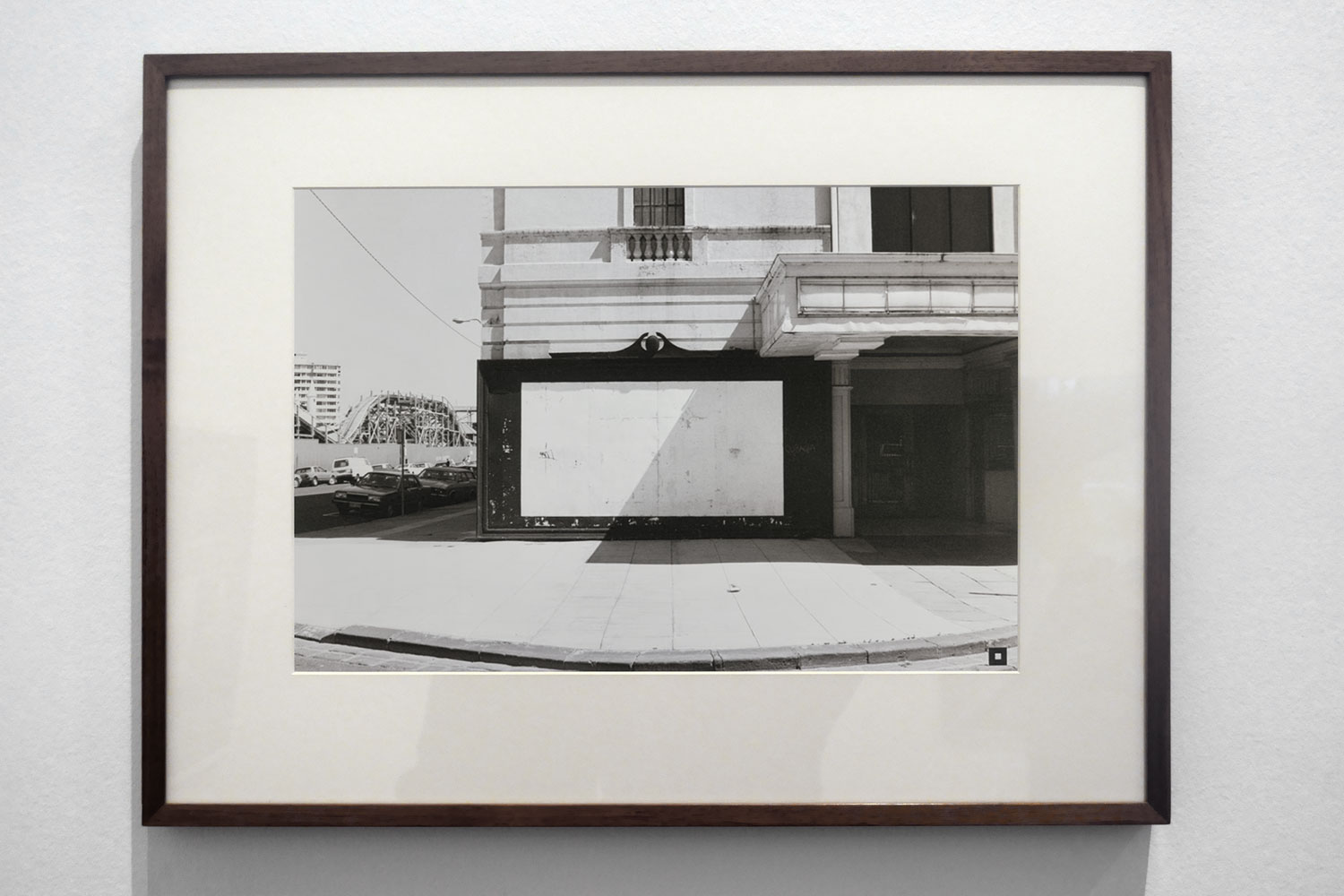
Monash Gallery of Art website

Rennie Ellis Photographic Archive

LIKE ART BLART ON FACEBOOK

Back to top

Exhibition and book launch preview: ‘THE RENNIE ELLIS SHOW’ and ‘Decadent 1980-2000’ at Monash Gallery of Art, Wheelers Hill, Melbourne

Exhibition dates: 3rd April – 8th June 2014
Exhibition and book launch: 3-5 pm Saturday 5th April 2014


Rennie Ellis (Australian, 1940-2003) 'Fully equipped, Albert Park Beach' c.1981


Rennie Ellis (Australian, 1940-2003)
Fully equipped, Albert Park Beach
c.1981, printed later
Digital colour print
© Rennie Ellis Photographic Archive


I saw a digital preview of the new book Rennie Ellis – Decadent 1980-2000, shown to me by the delightful Director of the Rennie Ellis Photographic Archive, Manuela Furci – and I must say I was mighty impressed… it was absolutely, colourfully, outrageously FAB !

My god Rennie Ellis was a fantastic artist, what an eye, and what a sense of humour he imparts in his work. And in colour this time. The exhibition draws work from BOTH books – Decade 1970-1980 and Decadent 1980-2000. The colour images in the posting are from the Decadent book and are also in the exhibition. Do come along to the opening and book launch… it will be a solid gold event!

Marcus


Many thankx to Manuel Furci and the Rennie Ellis Archive for allowing me to publish the photographs in the posting. Please click on the photographs for a larger version of the image.


“Without my photography life would be boring. Photography adds an extra dimension to my life. Somehow it confirms my place in the world”


Rennie Ellis


Rennie Ellis (Australian, 1940-2003) 'Berlin Party, Inflation Melbourne' c. 1981


Rennie Ellis (Australian, 1940-2003)
Berlin Party, Inflation, Melbourne
c. 1981, printed later
Digital colour print
© Rennie Ellis Photographic Archive


Rennie Ellis book covers


Rennie Ellis Decade 1970-1980 and Decadent 1980-2000


The photographer Rennie Ellis (1940-2003) is a key figure in Australian visual culture. Ellis is best remembered for his effervescent observations of Australian life during the 1970s-90s, including his now iconic book Life is a beach. Although invariably inflected with his own personality and wit, the thousands of social documentary photographs taken by Ellis during this period now form an important historical record.

The Rennie Ellis Show highlights some of the defining images of Australian life from the 1970s and ’80s. This is the period of Gough Whitlam and Malcolm Fraser, Paul Keating and Bob Hawke; AC/DC and punk rock; cheap petrol and coconut oil; Hare Krishnas and Hookers and Deviant balls.

This exhibition of over 100 photographs provides a personal account of what Ellis termed ‘a great period of change’. Photographs explore the cultures and subcultures of the period, and provide a strong sense of a place that now seems worlds away, a world free of risk, of affordable inner city housing, of social protest, of disco and pub rock, of youth and exuberance.

Text from the MGA website


Rennie Ellis (Australian, 1940-2003) 'Dining Out, Inflation' 1980


Rennie Ellis (Australian, 1940-2003)
Dining Out, Inflation
1980, printed later
Selenium-toned silver gelatin print
© Rennie Ellis Photographic Archive


Rennie Ellis (Australian, 1940-2003) 'At the Pub, Brisbane' 1982


Rennie Ellis (Australian, 1940-2003)
At the Pub, Brisbane
1982, printed later
Selenium-toned silver gelatin print
© Rennie Ellis Photographic Archive


Exhibition and book launch preview: 'THE RENNIE ELLIS SHOW' and 'Decadent 1980-2000'


Rennie Ellis Photographic Archive website


Rennie Ellis Photographic Archive
Level 1 / 26 Acland Street
St Kilda 3182
Victoria, Australia
Phone: +61 3 9525 3862
E: info@RennieEllis.com.au

Rennie Ellis Photographic Archive website


Monash Gallery of Art
860 Ferntree Gully Road, Wheelers Hill
Victoria 3150 Australia
Phone: + 61 3 8544 0500

Opening hours:
Tue – Fri: 10am – 5pm
Sat – Sun: 10pm – 4pm
Mon/public holidays: closed

Monash Gallery of Art website

LIKE ART BLART ON FACEBOOK

Back to top

Exhibition preview: ‘Out of the closets, into the streets: gay liberation photography 1971-73’ at Edmund Pearce Gallery, Melbourne

Exhibition dates: Tuesday 22nd July – Saturday 26th July, 2014

Opening: Tuesday 22nd July 6-8pm
Nite Art: Wednesday 23rd July until 11pm
Artists represented: Philip Potter, John Storey, John Englart, Barbara Creed, Ponch Hawkes, Rennie Ellis

Curated by Dr Marcus Bunyan and Nicholas Henderson
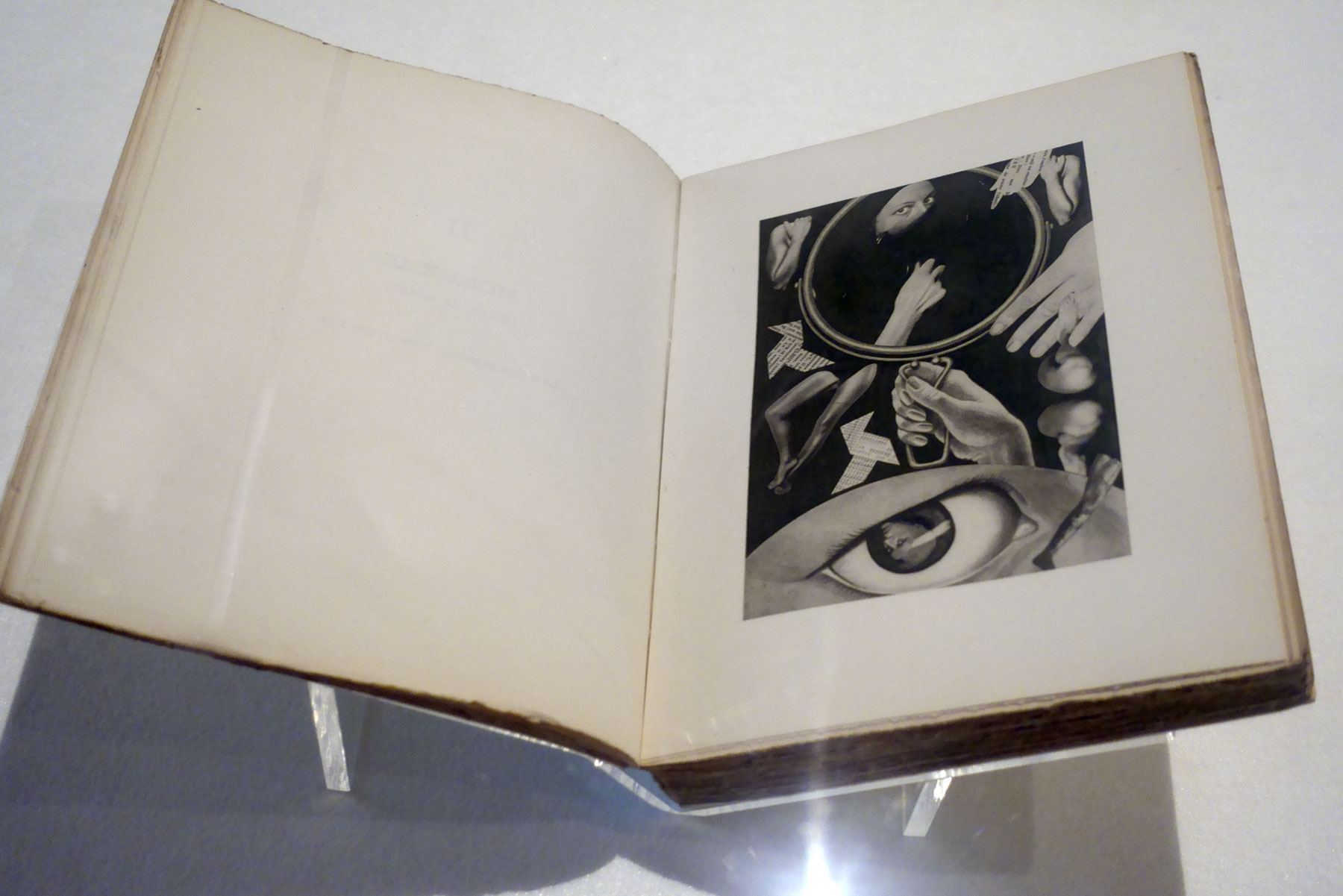
 

Rennie Ellis (Australian, 1940-2003 'Confrontation, Gay Pride Week Picnic, Botanical Gardens 1973' 1973, printed later


Rennie Ellis (Australian, 1940-2003)
Confrontation, Gay Pride Week Picnic, Botanical Gardens 1973
1973, printed 2014
Silver gelatin photograph
© Rennie Ellis


Five days, that’s all you’ve got! Just five days to see this fabulous exhibition, so make a note of it now in your diaries…

The exhibition Out of the closets, into the streets: gay liberation photography 1971-73 pictures the very beginning of the gay liberation movement in Australia through the work of Philip Potter, John Storey, John Englart, Barbara Creed, Ponch Hawkes and Rennie Ellis. The exhibition examines for the first time images from the period as works of art as much as social documents. The title of the exhibition is a slogan from the period.

As gay people found their voice in the early 1970s artists, often at the very beginning of their careers, were there to capture meetings in lounge rooms, consciousness raising groups and street protests. The liberation movement meant ‘being there’, putting your body on the line. “It was a key feature of the new left that this embodied politics couldn’t stop in the streets: that is, the public arena as conventionally understood. ‘Being there’ politically also applied to households, classrooms, sexual relations, workplaces and the natural environment.”1

Curated by Dr Marcus Bunyan and Nicholas Henderson and with a catalogue essay by Professor Dennis Altman, the show is a stimulating experience for those who want to be inspired by the history and art of the early gay liberation movement in Australia.

The exhibition coincides with AIDS 2014: 20th International AIDS Conference (20-25 July 2014) and Nite Art which occurs on the Wednesday night (23rd July 2014). The exhibition will travel to Sydney to coincide with the 14th Australia’s Homosexual Histories Conference in November at a venue yet to be confirmed.

Dr Marcus Bunyan


1/ Connell, Raewyn. “Ours is in colour: the new left of the 1960s,” in Carolyn D’Cruz and Mark Pendleton (eds.,). After Homosexual: The Legacies of Gay Liberation. Perth: UWA Publishing, 2013, p. 43.

Many thankx to all the artists for allowing me to publish the photographs in the posting. Please click on the photographs for a larger version of the image.


Phillip Potter (Australian) 'Queens' 1971


Phillip Potter (Australian)
Queens
1971, printed 2014
Digital C type print on Kodak Endura Matte
© Phillip Potter


From a series of photographs of the very first gay rights demonstration which attracts 70 people outside NSW Liberal Party headquarters in support of the pre-selection of Tom Hughes against a right wing challenge following his support for homosexual law reform.


Unknown artist. 'Cricket is homosexual' Melbourne, c. 1971 - 1973


Unknown artist
Cricket is homosexual!
Melbourne, c. 1971-1973, printed 2014
Giclee print on Hahnemuhle william turner 310gsm
© Australian Lesbian and Gay Archives


Barbara Creed (Australian, b. 1943) 'Stills from a Super 8mm film of a Women’s Liberation march' Melbourne, 1973


Barbara Creed (Australian, b. 1943)
Stills from a Super 8mm film of a Women’s Liberation march
Melbourne, 1973, printed 2014
Still from a Super 8mm film
Digital C type print on Kodak Endura Matte
© Barbara Creed


Still from a super 8mm movie of a Women’s Liberation march, Melbourne, 1973.


Barbara Creed (Australian, b. 1943) 'Stills from a Super 8mm film of a Women’s Liberation march' Melbourne, 1973


Barbara Creed (Australian, b. 1943)
Stills from a Super 8mm film of a Women’s Liberation march
Melbourne, 1973, printed 2014
Still from a Super 8mm film
Digital C type print on Kodak Endura Matte
© Barbara Creed


Still from a super 8mm movie of a Women’s Liberation march, Melbourne, 1973.


John Storey (Australian, 1950-2019) 'I am a Lesbian and Beautiful' 1971, printed 2014


John Storey (Australian, 1950-2019)
I am a Lesbian and Beautiful
1971, printed 2014
Digital C type print on Kodak Endura Matte
© John Storey


From a series of photographs of the very first gay rights demonstration which attracts 70 people outside NSW Liberal Party headquarters in support of the pre-selection of Tom Hughes against a right wing challenge following his support for homosexual law reform.


Phillip Potter (Australian) 'Policeman reading 'Camp Ink' magazine' 1971


Phillip Potter (Australian)
Policeman reading ‘Camp Ink’ magazine
1971, printed 2014
Digital C type print on Kodak Endura Matte
© Phillip Potter


From a series of photographs of the very first gay rights demonstration which attracts 70 people outside NSW Liberal Party headquarters in support of the pre-selection of Tom Hughes against a right wing challenge following his support for homosexual law reform.


Sponsored by

CPL Digital logo

For photographic services in Australia, Art Blart highly recommends CPL Digital (03) 8376 8376 cpldigital.com.au

Art Blart logo

Dr Marcus Bunyan and the best cultural archive in Australia sponsor this event artblart.com

ALGA logo

AQUA actively collects and preserves lesbian and gay material from across Australia
queerarchives.org.au

Supported by

Rennie Ellis logo

Rennie Ellis is an award winning photographer and writer (03) 9525 3862 www.rennieellis.com.au


AIDS 2014: 20th International AIDS Conference
20 July – 25 July 2014
Melbourne, Australia

Edmund Pearce Gallery

This gallery has now closed.

LIKE ART BLART ON FACEBOOK

Back to top