Felipe Romero Beltrán (Colombian, b. 1992) Breach #1 2021-2024 40 x 50cm Lambda print
At their best there are some wonderfully spare and tensioned photographs of “crossing points” in this posting which examine the space between one state and another, one land and another, one country and another.
Other photographs go the usual performative “dead pan” route, some more successfully than others, and documentary observations of seemingly unremarkable spaces, derivative of the work of the Canadian photographer Jeff Wall who did the same thing more effectively way back in 1993 (see Diagonal Composition below).
Dr Marcus Bunyan
Many thankx to Fundación MAPFRE for allowing me to publish the photographs in the posting. Please click on the photographs for a larger version of the image.
Felipe Romero Beltrán (Colombian, b. 1992) Breach #18 2021-2024 40 x 50cm Lambda print
After earning a degree in Visual Arts in Buenos Aires, Felipe Romero Beltrán (Bogotá, Colombia, 1992) traveled to Jerusalem on a scholarship, where he developed photographic projects in the Middle East. In 2016, he moved to Madrid to further his studies in photography.
Throughout his work, Felipe Romero has been drawn to territories that have been or continue to be sites of tension, conflict and visual reflection.
In the Bravo project, he focuses on the more than 1,000 kilometers of the Río Bravo (known as the Rio Grande in the United States) that form the border between the United States and Mexico. His images place the viewer in a specific section of the Mexican side. People from Colombia, Honduras, El Salvador and Guatemala arrive, reaching the final stage of a long and arduous journey. In this setting, the river dictates everything, ultimately shaping the identity and way of life of those who encounter it.
Bravo is conceived as a photographic essay composed of fifty-two images that explore this reality through a series of photographs of architecture, people and landscapes: closures, bodies and breaches. Almost bare interiors, walls and surfaces where textures, colors and portraits of individuals the artist has encountered during his travels to the region stand out. Ultimately: a poignant visual essay, both stark and poetic, on the themes of waiting and border identity.
Text from the Fundación MAPFRE website
Felipe Romero Beltrán (Colombian, b. 1992) Breach #33 2021-2024 40 x 50cm Lambda print
Felipe Romero Beltrán (Colombian, b. 1992) Breach #57 2021-2024 40 x 50cm Lambda print
Felipe Romero Beltrán (Colombian, b. 1992) El Friki’s friend and pink wall 2021-2024 120 x 150cm Lambda print
Felipe Romero Beltrán (Colombian, b. 1992) Sound system 2021-2024 120 x 150cm Lambda print
Felipe Romero Beltrán (Colombian, b. 1992) San Juan Bautista. Nina’s visit 2021-2024 120 x 150cm Lambda print
Felipe Romero Beltrán (Colombian, b. 1992) Sofa and table. Rebeca’s house 2021-2024 120 x 150cm Lambda print
Introduction
In 2021, Fundación MAPFRE launched its first KBr Photo Award, a prize created with the aim of reaffirming the institution’s commitment to emerging artistic creation, offering the winner of the contest significant visibility in both the national and international art scenes. In keeping with the biennial nature of this award, the second edition took place in 2023, with Colombian artist Felipe Romero Beltrán as the winner.
The artist
Felipe Romero Beltrán was born in 1992 in Bogota , Colombia. After studying visual arts in Buenos Aires, he traveled to Jerusalem on a scholarship to work on photographic projects in the Middle East. In 2016, he moved to Madrid to continue his training in photography and in 2024, he received his PhD from the Faculty of Information Sciences of the Complutense University with a thesis on the documentary image. Romero Beltrán’s photographic practice lies at the edge of documentary photography, using typical elements of this genre – direct recordings of everyday life, documentation of specific historical realities, etc. – and placing them in dialogue with other artistic, pictorial, and performative elements. The result consists of images that transcend the purely photographic realm to encompass the entire field of visual representation.
Throughout his career, Romero Beltrán has always been interested in territories that are or have been marked by tension, conflict and visual reflection.
The first project that brought him recognition was Magdalena, one of Colombia’s most important rivers and a witness to the armed struggle that began in 1960 between the guerrilla organisation Revolutionary Armed Forces of Colombia (FARC) and the country’s government, one of the bloodiest events in history, which ended with a peace agreement in late 2016. For more than fifty years, the river became a graveyard where the bodies of those killed were hidden. Many of these bodies, either intact or dismembered, were later swept away by the Magdalena’s powerful currents.
Later, in Dialecto/Dialect, the author explored the situation of the Strait of Gibraltar – a crossing point for immigrants entering Europe through Spain – through a group of migrant minors who, once at their destination – a center in Seville – find themselves in legal limbo under the guardianship of the Spanish State. This second work, which was accompanied by a series of performative audiovisual pieces, Recital (2020), Instrucción/Instruction (2022) and Esta es tu ley/This is Your Law, a reference to immigration law, marked a turning póint in his career, as he began to gain international recognition as an artist and photographer and his work was exhibited at the Fotografiemuseum in Amsterdam (FOAM) in January 2024.
Bravo
Bravo, the winning project of this second edition of the KBr Photo Award, is once again structured around a border as its leitmotif. The Bravo River has a dual identity: it is both a river and a border between the United States and Mexico. Its geography carries a heavy political burden that has accumulated conflicts and tensions since the nineteenth century, reaching an unsustainable situation in recent years. In this case, Romero Beltrán places the viewer in a specific stretch of this river, more than three thousand kilometers long. It is an area near the Mexican city of Monterrey, where both the river and the flow of people attempting to cross it shape the identity and way of life of the local population. This movement of people affects not only Mexican citizens, but extends to all of Central and South America. Migrants also come from Colombia, Honduras, El Salvador and Guatemala; for them, crossing the river is the last stage of a long and arduous journey. The border acts as a magnet, drawing people in despite the risks involved in crossing it and the fact that it has almost become a militarized zone. The author considers the river as a political actor, as a border, although throughout the photographs it only appears as a supporting character. As Romero Beltrán himself points out: “The Bravo River, rather than being the central axis that structures the project, functions as its limit, that is to say, it is an exercise in exhaustion until one reaches the river, without the possibility of crossing it. In this sense, the river exists as its visual negation, focusing interest on what comes after it: the entrance to the United States.”
Bravo was conceived as a photographic essay of fifty-two photographs that explore this reality through a series of images of architecture, people and landscapes: endings, bodies and breaches. Almost bare interiors, walls and surfaces where textures and colors stand out; fragments and remains of roads and buildings that show the traces of the passage of migrants; and portraits of people that the artist encountered during his visits to the area where he carried out the project.
The audiovisual work El cruce (The Crossing), which accompanies the exhibition, was created by the artist before the photographs. Romero Beltran thus expands the visual reflection on the river, showing us scenes that challenge its condition as a border, revealing other uses and situations linked to its dual geographical and political character: a Protestant baptism in the river itself; a fishing competition between the United States and Mexico at La Amistad dam, built in the 20th century to control the waters of the Bravo River; a series of interviews between the author and some migrants focused on linguistic changes; the testimonies of Guadalupe, a man who grew up on the Mexican side of the river and regularly swims in it with no intention of crossing it, and Luis, who frequently crosses the river to collect the wet clothes that migrants leave behind in the illegal breaches after crossing, so that he can sell them once he brings them back to Mexico.
Catalogue
The catalog accompanying the exhibition contains reproductions of all the works on display, as well as an essay by the curator, Victoria del Val, and an interview with Felipe Romero Beltrán himself. The publication also includes texts by Albert Corbí , who writes an essay on the very nature of the photographic medium in the context of migration; by artist Alejandra Aragon, on what it means to be a border person; and by Dominick Bermudez, a migrant of Salvadoran origin who describes how, after a long journey, he arrived in Monterrey, where he currently lives. Finally, the catalog features illustrations from the diary of Thom Díaz, Romero Beltrán’s “traveling companion”.
The catalog is published in Spanish by Fundación MAPFRE. The English version is co-published with Loose Joint Publishing.
Text from Fundación MAPFRE
Felipe Romero Beltrán (Colombian, b. 1992) Grecia Evangelina. Thom’s house 2021-2024 120 x 150cm Lambda print
This photographer was unknown to me before starting to assemble this posting.
I love Japanese photography. In Nomura’s photographs I particularly like the “shadowy atmospheres” contained and revealed in her work, the fact that a female has turned the camera lens on the nude male body, and how the artist has combined bodies “with other nighttime views of animals, urban and natural landscapes, airplanes, ships, empty roads, streets, trees, flowers, fireworks, cemeteries, the sea, the sky, weather events, and bedrooms. The photographs are dark, grainy, and even blurry; they depict a world of ambiguous and mysterious, albeit celebratory, shadows.”
The press release puts it more eloquently than ever I could:
“The black and white male nudes, barely illuminated or sometimes silhouetted against nocturnal and shadowy atmospheres, are the best-known pieces in her body of work. The subjects are young and attractive, like the protagonists of Tender Is the Night, the novel by F. Scott Fitzgerald that is explicitly referenced in the title, as power and erotic tension in these images are wrapped in an air of tenderness and certain mystery. These portraits (a real challenge to certain taboos and traditional stereotypes in Japanese culture) alternate in the exhibition with images of animals, still lifes, urban landscapes, atmospheric phenomena, lights and shifting reflections, creating a series of fragmented narratives with a cinematic quality, rich with allegorical meanings about the fleetingness of existence.”
Making a lateral connection, the idea of “atmosphere” can be related to the theatrical work (both landscape and portrait) of the German born British photographer Bill Brandt (1904-1983) who in his landscapes “aimed to introduce an atmosphere that connects with the viewer in order to provoke an emotional response from contemplation of the work.”1
“When these landscapes started to include stone constructions such as tombs and crosses Brandt considered that he had achieved his aim: “Thus it was I found atmosphere to be the spell that charged the commonplace with beauty. … I only know it is a combination of elements … which reveals the subject as familiar and yet strange.””1
In his book Literary Britain published in 1951 “an explanation of his somewhat imprecise concept of “atmosphere” can be found: the moment when the different elements that make up the landscape (nature, light, viewpoint, weather conditions) converge in an aesthetic canon rooted in a cultural tradition.”1
Extending this principle we acknowledge in Nomura’s photographs of nudes, animals, still lifes, urban landscapes, atmospheric phenomena, lights and shifting reflections et al an aesthetic canon rooted in the Japanese cultural tradition, photographs so Japanese that they could be no other, so utterly familiar and yet so magnificently strange.
Dr Marcus Bunyan
1/ Text from the exhibition Bill Brandt at the Fundación Mapfre, Madrid, June – August, 2021
Many thankx to Fundación MAPFRE for allowing me to publish the photographs in the posting. Please click on the photographs for a larger version of the image.
Sakiko Nomura (1967) is one of the most outstanding Japanese photographers of her generation. She worked for 20 years as an assistant to Nobuyoshi Araki and since 1993 has exhibited regularly in Japan and other Asian countries, as well as in Europe and Mexico. This exhibition is her first major retrospective.
The black and white male nudes, barely illuminated or sometimes silhouetted against nocturnal and shadowy atmospheres, are the best-known pieces in her body of work. The subjects are young and attractive, like the protagonists of Tender Is the Night, the novel by F. Scott Fitzgerald that is explicitly referenced in the title, as power and erotic tension in these images are wrapped in an air of tenderness and certain mystery. These portraits (a real challenge to certain taboos and traditional stereotypes in Japanese culture) alternate in the exhibition with images of animals, still lifes, urban landscapes, atmospheric phenomena, lights and shifting reflections, creating a series of fragmented narratives with a cinematic quality, rich with allegorical meanings about the fleetingness of existence.
The exhibition also devotes special attention to her photobooks, which constitute a significant part of her career.
Sakiko Nomura (Shimonoseki, Yamaguchi Prefecture, 1967) is one of the most prominent Japanese photographers of her generation, the first to include a significant number of women. In 1990 Nomura graduated in photography from the University of Kyushu Sangyo (Fukuoka), known for its innovative artistic and cultural programs. Upon completing her studies, she became the assistant of Nobuyoshi Araki, the renowned Japanese photographer, with whom she worked for twenty years. Nomura’s career began in 1993, exhibiting and publishing photobooks. Now numbering close to forty, these publications have always been carefully produced by the artist herself and represent a key aspect of her work. This exhibition constitutes her first retrospective in Europe.
Sakiko Nomura is best known for her dark and nocturnal photographs of male nudes in black and white. She alternates these works with other nighttime views of animals, urban and natural landscapes, airplanes, ships, empty roads, streets, trees, flowers, fireworks, cemeteries, the sea, the sky, weather events, and bedrooms. The photographs are dark, grainy, and even blurry; they depict a world of ambiguous and mysterious, albeit celebratory, shadows. Seen together, these images form temporal narratives that are reminiscent of cinema. Although she also makes portraits of women, as a woman who photographs male nudes, Nomura breaks Japanese stereotypes, taking on feminist perspectives.
The 1990s are known as the “lost years” in Japan: the economic bubble and the financial crisis of 1989 had stifled the growth of Japanese society. Conversely, photography and art experienced a period of internationalization and change. Museums and galleries opened, while infrastructures surrounding photography were strengthened and both public and private institutions began to collect photographs. Nevertheless, Japanese society, at that time, harbored enormous discrimination against women, which was no different in the world of photography. There were outstanding women photographers, but they were few and far between, and it was difficult for them to abandon anonymity. It was precisely in this context, within a traditional society, that women’s consciousness changed radically, and a true blossoming of new women artists emerged. Nomura was part of this wave and began to pave her way as an important Japanese photographer.
This exhibition presents the works of Sakiko Nomura in thematic categories, which may be specific, such as flowers, nudes, animals, and portraits of a renowned kabuki actor. Likewise, the show features the artist’s photobooks, including Night Flight, and photographs grouped together based on technical characteristics, such as the series Another Black Darkness. Lastly, a selection of photographs produced in Granada during the summer of 2024 that were commissioned by Fundación MAPFRE on the occasion of this exhibition will also be on display.
Night Flight
Night Flight is the title of a photobook produced by Sakiko Nomura in 2008; one of her few publications in color. In this instance, the artist alternates photographs of nude men – who look directly at the camera as they pose on beds in dark hotel rooms and are either smoking or with their lovers – with images of airplanes taking off or landing, out-of-focus night lights, fuming industrial chimneys, and fireworks that acquire obvious erotic undertones. These images appear to be the memories of different sexual encounters and are centered on the moments before or after said encounters, as if ultimately each one were a journey.
The photobook includes a text authored by the filmmaker Tatsushi Omori, in which he recalls posing nude for Nomura ten years earlier, in a dark room with orange light. According to Omori, Nomura places her subjects in a melancholic, chaotic, and seemingly fleeting world of light and shadow, with no precise boundaries, in which the beds are a representation of the sky. Everything is shifty and unstable, conjuring a metaphor of memory as something emotional that is simultaneously precise and inaccurate.
Flowers
Many of the motifs photographed by Sakiko Nomura evoke the intrinsic relationship between life and death. Likewise, the staging of her compositions, the darkness of their atmospheres, and the monotony of tonalities also suggest the coldness of death, as if – despite the artist’s restraint – they were expressing hidden notions of tenderness and intimacy. An example of this can be found in her series of flowers, in which orchids, lilies, roses, chrysanthemums, and other decomposing flowers are placed in vases in the middle of a room; together their form an extension of baroque vanitas and represent allegories of the fleetingness of existence, its beauty being purely transitory.
Three Photobooks
Black Darkness (2008), NUDE / A ROOM / FLOWERS (2012), and Fate in spring (2020) are three of Nomura’s most cherished photobooks, perhaps because they all include photographs that bear the artist’s hallmarks: dark photographs that convey an epic of intimacy.
Black Darkness – a Buddhist term that is related to hell – was jokingly proposed to the artist as a title by the master photographer Nobuyoshi Araki. This book includes images of male nudes, skyscrapers that become visible through the fog, empty bedrooms, flowers, and the seafoam created by crashing waves, all depicted in black and white. The photographs are rather dark, conjuring a variety of dreamlike meanings and ancient emotions.
NUDE / A ROOM / FLOWERS includes a number of photographs in colour and broadens Nomura’s vocabulary with images of trips through different cities – such as Venice, Berlin, Beijing, and Krakow – combined with interiors of hospitals, churches, cemeteries, and a few daytime scenes.
Conversely, in Fate in spring the artist presents pairs of images – which are not necessarily related to one another – that evoke unexpected ideas when combined.
Another Black Darkness
After participating at the Rencontres d’Arles photography festival in 2016, Nomura published her first experimental works utilising the technique of solarisation. These images were printed with glossy black ink on matte black paper under the title Another Black Darkness.
Dark and hermetic at first sight, on this occasion the viewer is forced into contemplating this untitled and undated series. One must make a considerable effort to decipher the content of these images, which is practically hidden. The figures appear as landscapes flickering in distant memories – the silhouette of a naked man laying on a bed, another of a man sitting down and smoking with his back turned to the viewer as a woman exposes her buttocks, a kiss, the outlines of a city, a forest, a car, a flower, and a tree can all be spotted amidst the shadows – akin to images found in the work of Junichiro Tanizaki.
Nudes
Nomura’s male nudes first appear in her 1994 photobook titled Naked Room. She has since produced this type of portrait recurrently in private or semi-private spaces. When she published her book in the 1990s, Japanese society exerted much discrimination towards women, which extended into the world of photography. Then it was common for women to be the protagonists of nudes, exhibiting themselves for the patriarchal gaze. Nomura subverted the norms that had been tacitly accepted for decades by featuring males as her subjects, despite her work being distanced from the cliché of the naked body as a sexual fantasy. Hiroki Kurotaki was the first model to pose nude for her. The artist portrayed him over the course of twenty years, until his death. Through Kurotaki, Nomura conveyed one of her main beliefs regarding the medium: “Photography is taking pictures of nudes, confronting bare existence,” as she pointed out in an interview in 2022.
Miscellaneous
Koshiro Matsumoto X is another individual who Nomura has portrayed for decades. Born into a family of male Kabuki actors – a genre of Japanese theater that originated in Kyoto in the early 17th century – dating back to his great grandfather, Matsumoto began his career as Kintaro Matsumoto at the age of six. Two years later, he changed his name to Somegoro Ichikawa and acquired his current name in 2018 at the age of forty-five, which he inherited from his father and had been previously carried by nine actors in his family. Nomura published My Last Remaining Dream in 2018, documenting the actor’s career through 593 photographs.
In the photobook majestic, published in 2022, Nomura gathers images of tattooed men who are part of the Edo-choyukai association in their yearly pilgrimage to Mount Oyama. Along with these photographs, this room also includes images of animals – which the artist is interested in as symbols of instinct and desire – combined with others that capture the precise moment when sight is about to vanish at dawn and dusk.
The 1990s are known as “the lost years” in Japan: the financial crisis of 1989 and the bursting of the economic bubble inhibited Japanese society’s growth. Conversely, photography and art experienced a period of change and internationalisation. Museums and galleries opened, while infrastructures surrounding photography were strengthened. Public and private institutions alike began to treasure collections that featured this artform. Nevertheless, Japanese society, at that time, harboured enormous discrimination against women, which was no different in the world of photography. There were outstanding women photographers, but they were few and far between, and it was difficult for them to abandon anonymity. It was precisely in this context that women’s consciousness changed radically, and a true blossoming of new women artists – whose work was often disrespectfully referred to as “girl photographs” – emerged.
Sakiko Nomura (Shimonoseki, Yamaguchi Prefecture, 1967) was part of this current and began to shape her path as a relevant photographer in her country, with interests that would differentiate her from her contemporaries. Nomura worked as Nobuyoshi Araki’s (Tokyo, 1940) assistant for twenty years, one of the most prominent Japanese photographers. In 1993 she began to exhibit her work frequently in Japan and other Asian nations, as well as in Europe and Mexico. Aside from her images, photobooks make up a large portion of her artistic production, publishing close to forty to this day.
Presented by Fundación MAPFRE, this retrospective borrows its title from the renowned F. Scott-Fitzgerald novel Tender Is the Night, published in 1934. Much like the book, the protagonists that make up the artist’s photographs are young and attractive. Likewise, Nomura’s images also convey the power and tension of erotic desire, albeit with much tenderness.
Portrayed almost exclusively in black and white, in mysterious nighttime settings that are full of shadows, and often grainy or out-of-focus, Nomura’s male nudes, which she is best known for, alternate with images of animals, still lives (particularly flowers), views of cities, hotel room interiors, weather events, lights, and moving reflections, to name a few of the motifs developed by the artist.
As a whole, these images have temporal connotations that are reminiscent of cinema. Scenes that the viewer can infer and are loaded with allegorical meanings, such as the transient nature of things and the fleetingness of time; in other words, the passing of life.
Photographs often serve as a registry of events or people. They refer to a date, or to the place where they were taken; they speak of one or several specific individuals. However, Nomura avoids these inquiries. Thus, a chronological order encompassing all of her works does not exist.
For this reason, most rooms have been organised according to the photographs that make up the artist’s photobooks. In others, works are grouped thematically, with occasional overlaps. The show also features a selection of images produced in Granada during the summer of 2024, commissioned by Fundación MAPFRE on the occasion of this exhibition, along with eighteen photobooks and a film created from three shorter films – HIROKI, FLOWER, and, SEA – directed by Nomura herself.
KEYS
Nudes
Titled Naked Room, Nomura’s first book was published in 1994 and includes a cover featuring the silhouette of a young man’s naked chest. The image is grainy, low in contrast, and out of focus. These are some of the traits that would define the artist’s work from that point onward. Alternatively, the history of nudes in photography suggests that this genre has been geared toward a male perspective and is often produced by male photographers, who use the female body as an object to portray. By focusing on male bodies, Nomura has subverted the rules and has challenged the stereotypes of an entire tradition that is greatly influential in both the West and the Far East, particularly in Japan.
Journey Into the Night
Attracted to darkness as the counterpart of light, Nomura’s photographs feature out-of-focus nighttime scenes, shadows, and dim light, as if the artist were seeking a way out, or the light at the end of a journey. The elements and subjects that she captures seem to appear within the magic brought about by darkness, which the artist occasionally discovers only after the film is developed.
Photobooks
Sakiko Nomura has published close to fourty photobooks throughout her career, which is still far from the 450 published by her mentor, the renowned photographer Nobuyoshi Araki, yet play a key role in Nomura’s work. The artist herself supervises their publication with great care and often finds meaning in her work through this process. Viewed from a different perspective, perhaps it is the audience who discovers their meaning, since her photographs – which are undated and do not include specific references – are not always easy to decipher and require some effort. Viewers must be committed to their role as active subjects.
I have posted twice before on Art Blart on Dawoud Bey’s An American Project exhibition – once when it was at the High Museum of Art (November 2020 – March 2021) and then the Whitney Museum of American Art (April – October, 2021)
I waxed lyrical about his photographs which I greatly admire.
“From formal to informal portraiture, through conceptual “bodies”, Bey’s work visualises Black American history in the present moment, not by using the trope of reusing colonial photographs or memorabilia, but by presenting afresh the history of injustice enacted on a people and a culture, picturing their ongoing pain and disenfranchisement – in the here and now – through powerful and deeply political photographs…
From his early street photographs through the later large format Polaroid work and on to the conceptual series, Bey’s photographs have an engaging directness and candour to them. There are no photographic or subjective histrionics here, just immensely rich social documentary photographs that speak truth to subject. The subjects stare directly at the camera and reveal themselves with a poignant honesty.”
If you look at the installation photographs of both postings you will notice the small-scale prints of his notable black and white large-format (4 × 5-inch) camera and Polaroid Type 55 film photographs. But in this exhibition, Dawoud Bey: Street Portraits at the Denver Art Museum, Bey has used the large format negatives “to make large-scale, highly detailed prints that could be enlarged to create monumental portraits.”
To my eye and mind, these monumental portraits simply don’t work … on many levels.
Firstly, the size seems totally inappropriate as a form of theatre (for that is what Bey is making them at this size) and as a photographic document to the honest representation of these people – to me, completely at odds with the spirit of the subject being captured.
Secondly – and remembering that I have not seen the exhibition or walked through it but I am using the numerous installation photographs as my guide – there seems to be little flow to the images, installed as they are cheek by jowl, on the line, with no groupings or spacing, facing off against each other, face after face – with seemingly no understanding by curator or artist of Minor White’s idea of ice/fire, or the space between, the frisson that is generated between two or more images, in conversation, in sequence. Even the lines of sight between exhibition spaces leave little to be discovered afresh.
I have never understood this need for “monumentalism” in contemporary photography especially when the work does not need it and the energy of the work does not support it.
The advent of digital printing and large scale printers have enabled the production of gigantic contemporary photographs. “Large-scale photography challenges traditional notions of what constitutes a photograph and can be seen as a way to engage with the history of painting and cinema… Large-scale photography allows artists to explore the relationship between the overall composition and the individual details within the image. This can create a sense of both macro and micro, where the viewer can zoom in and out to appreciate different aspects of the image… Large-scale photography is used by many artists to explore themes related to identity, technology, consumerism, and environmental issues. The size of the prints can be a way to amplify these themes and create a more impactful visual statement. Large-scale photographs are well-suited for exhibition spaces where they can be displayed in a way that maximizes their impact. The large size of the prints can also create a sense of awe and wonder for the viewer.” (Generative AI on Google)
“In the 1990s, the group most commonly associated with large-scale photography, and in many ways responsible for the worldwide popularity of the technique, were the students of Bernd and Hilla Becher at the Kunstakademie Düsseldorf, including Thomas Struth, Andreas Gursky, Candida Höfer, and Thomas Ruff.” (Artsy website) With the work of artist’s such as Jeff Wall or Gregory Crewdson we become immersed in their cinematically constructed, staged fantasy worlds through the sheer scale of the photographs. With the gigantic portraits of Thomas Ruff it is not so much about the individual persona in the photograph as their every pore, a scientific examination of the surface micro death contained within every image.
Of course, I understand the desire for large photographs in creating a sense of immersion and exploring themes related to scale, power, identity and the human experience … but I don’t necessarily agree with the conditions of their becoming, nor do I think scale necessarily works for every photographic image. A photograph can be printed so that it has many sizes where it “speaks” to you and the viewer, but not every size works. I vividly remember seeing the exhibition Richard Avedon People at The Ian Potter Museum of Art, Melbourne in 2015 and observing that Avedon’s reaction to the ever expanding size of postmodern “gigantic” photography were floor to ceiling photographs, vertiginous overblown edifices which fell as flat as a tack.
I get the same feeling here.
Impact not intimacy, (visually) overwhelming not (visually) engaging.
Fundamentally, these “monumental” photographs by Dawoud Bey are no longer “street portraits” for they lack the intimacy and intensity of that style, becoming something rather less … beguiling, in the process.
Dr Marcus Bunyan
Many thankx to the Denver Art Museum for allowing me to publish the photographs in the posting. Please click on the photographs for a larger version of the image.
Installation views of the exhibition Dawoud Bey: Street Portraits at the Denver Art Museum
From 1988 to 1991, Dawoud Bey (American, born 1953) photographed African Americans in the streets of various American cities. He asked a cross section of these communities to pose for him, creating a space of self-presentation and performance in their urban environments. Bey used a large format tripod-mounted camera and a unique positive/negative Polaroid film that created both an instant print and a reusable negative. As part of every encounter, Bey gave each person the small black-and-white print as a way of reciprocating and returning something to the people who allowed him to make their portraits. The resulting photographs reveal the Black subjects in their psychological complexity, presenting themselves openly and intimately to the camera, the viewer, and the world.
Installation views of the exhibition Dawoud Bey: Street Portraits at the Denver Art Museum
Dawoud Bey: Street Portraits is the first standalone museum show to explore a transformational phase of the celebrated photographer and 2017 MacArthur Fellow Dawoud Bey’s work. The show features 37 portraits he made between 1988 and 1991, when he collaborated with Black Americans of all ages whom he met on the streets of various American cities. He asked a cross section of people in these communities to pose for him, creating a space of self-presentation and performance in their urban environments.
Bey used a large format tripod-mounted camera and a unique positive/negative Polaroid film that created both an instant print and a reusable negative. Bey considers photography an ethical practice that requires collaboration with his subjects. As part of every encounter, he gave each person a small black-and-white Polaroid print as a way of reciprocating and returning something to the people who allowed him to make their portrait.
Street Portraits is organised by the community the photographs were made in: Brooklyn; Washington, D.C.; Rochester; Amityville; and Harlem. Bey defies racial stereotypes by encouraging Black people to present themselves openly and intimately to the camera, the viewer, and the world.
The Denver Art Museum (DAM) is proud to present Dawoud Bey: Street Portraits, featuring 37 portraits by celebrated photographer and 2017 MacArthur Fellow Dawoud Bey (American, born 1953).
From 1988 to 1991, Bey collaborated with Black Americans of all ages whom he met on the streets of various American cities. He asked a cross section of people in these communities to pose for him, creating a space of self-presentation and performance in their urban environments.
“We’re pleased to present the first standalone museum show of this important work,” said Eric Paddock, Curator of Photography for DAM. “Dawoud Bey’s Street Portraits mark a turning point where the deliberate, closely observed portraits he had been making with a handheld camera began to contain what he has called ‘the kind of lush physical description’ he wanted his pictures to convey – and that is a consistent part of all the work he has made since. The slower process of working with a camera on a tripod invited collaboration between the artist and his subjects, making each picture both an experiment and a discovery.”
Bey used a large format tripod-mounted camera and a unique positive/negative Polaroid film that created both an instant print and a reusable negative. Bey considers photography an ethical practice that requires collaboration between the artist and his subjects. As part of every encounter, he gave each person a small black-and-white Polaroid print as a way of reciprocating and returning something to the people who allowed him to make their portrait.
The exhibition is organised by the community the photographs were taken in: Brooklyn; Washington, D.C.; Rochester; Amityville; and Harlem. Defying racial stereotypes, the resulting photographs reveal the Black subjects in all of their psychologically rich complexity, presenting themselves openly and intimately to the camera, the viewer, and the world.
Grant Mudford (Australian, b. 1944) El Paso, Texas 1976 Vintage gelatin silver print 16 x 20 inches Joseph Bellows Gallery
Let There Be Light
For so long I have wanted to do a posting on the Australian photographer Grant Mudford (b. 1944) and finally the time is here. Mudford has lived in the United States of America since his final move to the Los Angeles area in mid-1977 but I still think of him as Australian.
Between 1974 – 1977 he undertook an intensive program of travel and work in the United States before his final move. In 1977 he had major exhibitions at the Australian Centre for Photography, Sydney; The Photographers’ Gallery, London; and Light Gallery, New York and is represented in major collections such as The J. Paul Getty Museum, Los Angeles; Los Angeles County Museum of Art, Los Angeles; International Museum of Photography, George Eastman House; and the National Gallery of Australia, Canberra which holds sixty six of his photographs in their collection.
Mudford’s mature style – capturing in beautiful, minimalist black and white photographs the essence and reality of the built landscape envisioned without people, usually working with common, generally uncelebrated subject-matter – emerged at a time that was parallel to that of the groundbreaking exhibition of contemporary landscape photography New Topographics: Photographs of a Man-Altered Landscape held at the George Eastman House’s International Museum of Photography, October 1975 – February 1976.
This important exhibition proposed a new way of looking at the American landscape, a concept that was historically grounded in the Neue Sachlichkeit (New Objectivity) – new order – movement of Germany in the 1920s, developed further and most importantly by the German artists Bernd and Hiller Becher in the late 1960s – early 1970s.
The New Topographics photographers (including the Bechers) “documented built and natural landscapes in America, often capturing the tension between natural scenery and the mundane structures of post-war America: parking lots, suburban homes, crumbling coal mines. The photographs, stark and documentary, are often devoid of human presence. William Jenkins [curator of the New Topographics exhibition] described the images as “neutral” in style, “reduced to an essentially topographic state, conveying substantial amounts of visual information but eschewing entirely the aspects of beauty, emotion, and opinion”.1
As I have argued elsewhere I believe that the photographs of the Bechers and alike are just as much about the beauty of the subject as they are their topographic state.
“Despite protestations to the contrary (appeals to the objectivity of the image, eschewing entirely the aspects of beauty, emotion and opinion; the rigorous frontality of the individual images giving them the simplicity of diagrams, while their density of detail offers encyclopaedic richness) these are subjective images for all their objective desire. The paradox is the more a photographer strives for objectivity, the more ego drops away, the more the work becomes their own: subjective, beautiful, emotive.”2
At least Mudford is honest enough to own up to desiring beauty. “I am deeply interested in the relationship between man-made structures and the landscape,” says Mudford. “Photography allows me to capture that intersection, where design meets nature, light, and texture. I strive to create images that reflect both beauty and complexity.” (Text from the Joseph Bellows website)
Evidence of the development of his later mature style can be seen in photographs taken in Australia such as Jenolan (1972, below) and Woolloomooloo (Stop sign) (1973, below) which already contain a minimalist, paired back, topographic yet beautiful aesthetic. But it was his move to Los Angeles, and above all the LIGHT and TEXTURE of the new world, that seem to have brought forth the best within this artist.
While, as Foucault observes, texts “are caught up in a system of references to … other texts, other sentences: it is a node within a network … Its unity is variable and relative”3 – in other words there is a close relationship between the work of Mudford and the New Topographics movement – his work is very much his own.
There is a crispiness, frontality and seeming simplicity to Mudford’s photographs and yet also almost a painterly aspect, that belies the complexity of these well resolved and beautiful images. He captures “the emotional resonance of a moment, whether it be the play of light on a building’s surface or the dynamic contrasts found in nature.” (Text from the Joseph Bellows website) And unlike the huge photographs of Dawoud Bey in an upcoming posting – which seem to me completely at odds with the spirit of the subject being captured – Mudford’s 16 x 20 inches photographs allow the viewer to focus on the images inherent qualities of beauty, nature, light and texture.
Finally, it is beyond me why Grant Mudford has not received greater recognition in the country of his birth. Forget that he has lived for years in the United States of America, Mudford is a magnificent photographer par excellence and his worldwide achievement should be celebrated at a national level. Perhaps it is time that a gallery such as the National Gallery of Australia or the Museum of Australian Photography should put on a major retrospective of this artist’s work… before it is too late!
We are loosing too many great photographers from this era already.
Dr Marcus Bunyan
1/ New Topographics: Photographs of a Man-Altered Landscape was a groundbreaking exhibition of contemporary landscape photography held at the George Eastman House’s International Museum of Photography (Rochester, New York) from October 1975 to February 1976. The show, curated by William Jenkins, had a lasting impact on aesthetic and conceptual approaches to American landscape photography. The New Topographics photographers, including Robert Adams, Lewis Baltz, Bernd and Hilla Becher, Frank Gohlke, Nicholas Nixon, and Stephen Shore, documented built and natural landscapes in America, often capturing the tension between natural scenery and the mundane structures of post-war America: parking lots, suburban homes, crumbling coal mines. The photographs, stark and documentary, are often devoid of human presence. Jenkins described the images as “neutral” in style, “reduced to an essentially topographic state, conveying substantial amounts of visual information but eschewing entirely the aspects of beauty, emotion, and opinion”.
3/ Foucault, Michel. The Order of Things: An Archeology of the Human Sciences.New York: Vintage, 1973 quoted in Thumlert, Kurt. Intervisuality, Visual Culture, and Education. [Online] Cited 10/08/2006. www.forkbeds.com/visual-pedagogy.htm (link no longer active)
Many thankx to Joseph Bellows Gallery for allowing me to publish the photographs in the posting. Please click on the photographs for a larger version of the image.
“Photographs reveal unexpected mysteries within the familiarities of our existence. We over familiarise ourselves with our surroundings and after become unaware and insensitive to the forces of the essence or reality before us. It is that essence or reality which I strive to photograph.”
Grant Mudford quoted in Graham Howe (ed.,). New Photography Australia. Paddington, N.S.W.: Australian Centre for Photography, 1974, p. 8
“I think it is incredibly difficult to define a building with photographs. Space and spatial relationships within and around a building are not fully experienced from photographs. The photograph imposes its own sense of these relationships, which to me are abstract representations having little to do with architecture or reality. So what I am interested in are the photographic manifestations of what buildings and structures can present when specifically scrutinised as a photograph. To extend this transformation, I prefer to work with common, generally uncelebrated subject-matter”
Grant Mudford in Archetype Magazine Spring 1981 quoted in Reimund Zunde. Photography: An Approach For Secondary Schools. Education Department of Victoria, Curriculum Services Unite, in association with the Secondary Art/Craft Standing Committee, 1982
Grant Mudford (Australian, b. 1944) Jenolan 1972 Gelatin silver print 34.5 h x 38.8 w cm National Gallery of Australia Gift of the artist, 1985
Grant Mudford (Australian, b. 1944) Woolloomooloo (Stop sign) 1973 Gelatin silver print 34.5 h x 38.4 w cm National Gallery of Australia Gift of the artist, 1985
Grant Mudford (Australian, b. 1944) Houston, Texas 1975 Gelatin silver print 33.8 h x 49.8 w cm National Gallery of Australia Gift of the Phillip Morris Arts Grant 1982
Graham Howe (ed.,). New Photography Australia. Paddington, N.S.W.: Australian Centre for Photography, 1974, p. 8.
Reimund Zunde. Photography: An Approach For Secondary Schools. Education Department of Victoria, Curriculum Services Unite, in association with the Secondary Art/Craft Standing Committee, 1982
Renowned photographer Grant Mudford had made his mark in the art world with a distinctive vision, capturing anonymous structures with a profound sense of space, light, texture and form. With a career spanning several decades, Mudford’s work remains a testament to his unique ability to meld the art of photography with the subtle intricacies of design, nature, and human influence.
Mudford’s photographic style is known for its dramatic compositions and meticulous attention to detail. Whether focusing on the clean lines of modern architecture or the rugged textures of natural landscapes, his work consistently transcends traditional photographic boundaries. His images invite viewers to engage with the built environment and the natural world in new and thought-provoking ways.
His work has been described by Keith Davis in An American Century of Photography as “an appreciation for both the alienations and incongruities of the urban landscape.”
“I am deeply interested in the relationship between man-made structures and the landscape,” says Mudford. “Photography allows me to capture that intersection, where design meets nature, light, and texture. I strive to create images that reflect both beauty and complexity.”
Mudford’s approach to photography is marked by his commitment to capturing the emotional resonance of a moment, whether it be the play of light on a building’s surface or the dynamic contrasts found in nature. His work not only documents his subjects but also engages viewers in a deeper conversation about the spaces they inhabit.
Mudford’s photographs have been exhibited internationally in solo and group exhibitions since the mid 1970’s; beginning this history with a solo show at the notable Light Gallery. His photographs are in numerous private and public collections, including the Los Angeles County Museum of Art, the J. Paul Getty Museum, the Museum of Modern Art, the George Eastman House, the Nelson-Atkins Museum, and the National Museum of American Art. In 2014, Mudford received the Julius Shulman Institute Excellence in Photography Award. His photographs have been featured in publications such as Architectural Digest, The New York Times, and Artforum, solidifying his place as one of the most respected photographers of his generation.
Grant Mudford’s photography is more than just an aesthetic experience; it is an invitation to reconsider how we perceive the world around us. His lens captures what is often overlooked – the powerful simplicity of everyday structures and the quiet majesty of the natural world. Through his work, Mudford encourages viewers to find beauty in both the grand and the subtle, offering a fresh perspective on the environments we encounter.
Text from the Joseph Bellows Gallery website
Grant Mudford (Australian, b. 1944) Los Angeles, CA 1977 Vintage gelatin silver print 16 x 20 inches
Grant Mudford (Australian, b. 1944) Los Angeles, CA 1976 Vintage gelatin silver print 16 x 20 inches
Grant Mudford (Australian, b. 1944) Irvine, CA 1976 Vintage gelatin silver print 16 x 20 inches
Grant Mudford (Australian, b. 1944) Los Angeles, CA 1976 Vintage gelatin silver print 16 x 20 inches
Grant Mudford (Australian, b. 1944) Los Angeles, CA 1977 Vintage gelatin silver print 16 x 20 inches
Grant Mudford
b. 1944
Grant Mudford (b. 1944) is a Sydney-born, Los Angeles-based photographer renowned for his large-format, abstract depictions of the urban landscape and built environment. Mudford developed an interest in photography as a child, and turned the laundry into a darkroom at the age of ten. For several years in his teens he photographed children on Santa Claus’ lap at Christmas. After studying architecture at the University of NSW for two years from 1964-1964, he chose to focus on photography, opening his own studio. In the 1960s and early 1970s he photographed for a range of advertising, fashion and theatre clients, as well as working as a cinematographer on short films. Mudford held his first solo show at Bonython Gallery in Sydney in 1972 and shortly after received funding from the Australia Council for the Arts, enabling him to travel throughout the USA and Mexico between 1975 and 1977. He then settled in Los Angeles, where he worked for various American and international publications including Harper’s Bazaar, Esquire, Architectural Digest, Vanity Fair, the LA Times and the New York Times. The Museum of Contemporary Art in Los Angeles commissioned him as photographer for the exhibition and book, Louis I. Kahn: In the Realm of Architecture (1991). Mudford’s work is in many American and international collections including the Museum of Modern Art, the J. Paul Getty Museum and Los Angeles County Museum of Art, Art Gallery of NSW and National Gallery of Australia.
Auguste and Louis Lumière (French, 1862-1954) (French, 1864-1948) Bangles 1893-1900 ALL Chroma 8.4 x 17.8cm The ALBERTINA Museum, Vienna – Permanent loan by Höhere Graphische Bundes-Lehr- und Versuchsanstalt
What a wonderful exhibition.
It’s so exciting to see the history and development of colour photography pre the ubiquitous, American artists William Eggleston and Stephen Shore, much as I like both artists.
In my eyes, that would have made the exhibition even better!
Dr Marcus Bunyan
Many thankx to the Albertina Modern for allowing me to publish the photographs in the posting. Gracious thankx also to Karin Svadlenak-Gomez for allowing me to use her wonderful photographs of the exhibition in the posting, noted below each image. Please click on the photographs for a larger version of the image.
Installation view of the exhibition True Colors: Color in Photography from 1849 to 1955 at Albertina Modern, Vienna showing in the bottom image, Léon Vidal’s photograph Oriental Onyx Saucier, 16th century, from Le Tresor artistique de la France, c. 1876-1878 (below)
Léon Vidal (French, 1833-1906) Oriental Onyx Sardonyx Cup (16th century) 1876 Photomechanical proof (photochromy using the Léon Vidal process) mounted on cardboard H. 20.8 ; L. 26.2 cm. Don Fondation Kodak-Pathé, 1983
Installation view of the exhibition True Colors: Color in Photography from 1849 to 1955 at Albertina Modern, Vienna showing at left, Heinrich Kühn’s Twilight 1896 (below); and at right, Heinrich Bachmann’s Winter Landscape 1903
One of my personal highlights from True Colours was the section dedicated to pictorialist photography. Emerging in the late 19th and early 20th centuries, pictorialism sought to elevate photography to the level of fine art, favouring soft focus, painterly compositions, and atmospheric effects. In fact the Albertina modern had a whole exhibition on Pictorialism in 2023, which was a great joy to me.
Heinrich Kühn’s Twilight (1896, above), produced through the autochrome process, was a standout for me, its subtle gradations of light and shadow creating an almost dreamlike serenity. Kühn was also one of the pioneers of the autochrome process, the first commercially successful colour photography method introduced by the Lumière brothers in 1907. Autochromes used a fine layer of dyed potato starch grains to filter light, creating rich and softly textured images. Kühn masterfully employed this process to enhance the painterly, impressionistic quality of his photographs, further bridging the gap between photography and fine art. Seeing these images up close, I was reminded of how photographers of the past fought for their medium to be recognised as more than mere documentation – it was, and remains, an art form in its own right.
Karin Svadlenak-Gomez. “Photography in Full Spectrum,” on the ViennaCultgram website 13th March 2025 [Online] Cited 25/03/2024
Installation view of the exhibition True Colors: Color in Photography from 1849 to 1955 at Albertina Modern, Vienna Photo:Karin Svadlenak-Gomez
Installation view of the exhibition True Colors: Color in Photography from 1849 to 1955 at Albertina Modern, Vienna showing Anonymous. Laboratory Still Life 1906
Installation view of the exhibition True Colors: Color in Photography from 1849 to 1955 at Albertina Modern, Vienna showing two photographs by Atelier D’Ora with at right, Maria Delvard as Tambour 1913
The aesthetics of fine art photography had their greatest impact on studio photograph. In the early twentieth century, such progressive studios as Atelier d’Ora (later called Atelier d’Ora Benda) adopted the reformed portrait style and its elaborate techniques. The bromoil and broccoli transfer processes finally offered an alternative to gum prints, so that works in colour could be produced in a much less complicated and inexpensive way.
Wall text from the exhibition
Installation view of the exhibition True Colors: Color in Photography from 1849 to 1955 at Albertina Modern, Vienna showing Kurt Husnik’s three photographs Untitled 1950s
Installation view of the exhibition True Colors: Color in Photography from 1849 to 1955 at Albertina Modern, Vienna showing Kurt Husnik’s Untitled 1950s
Installation view of the exhibition True Colors: Color in Photography from 1849 to 1955 at Albertina Modern, Vienna showing at left, Hans Madensky’s Fashion Portrait – Student of the Vienna-Hetzendorf School of Fashion 1952 (below)
The exhibition True Colors – Color in Photography from 1849 to 1955 answers this question with outstanding works from the Albertina Museum’s photo collection.
The desire for colour in photography has dominated the world of photography from the very beginning. True Colors traces the development of colour photography, from the first experimental techniques in the 19th century to generally applicable analog colour photography.
Even in the early days of photography, daguerreotypes and salt paper prints were colored by hand to create colorful images. Monochrome pigment papers, which enjoyed great popularity until the 1890s, also contributed to the broad chromatic diversity of 19th century photographs.
The first successful color process, which was reserved for an exclusive circle, was introduced in 1891. The brilliant images in the so-called interference colour process are based on the physical principle of standing waves, which also allows us to see coloured reflections in soap bubbles. The unique pieces from the Albertina Museum’s Collection represent a unique focal point.
The autochrome process, which was introduced in 1907, brought about a major change in image culture. It was also practicable for amateurs and helped its inventors, the Lumière brothers, to achieve great commercial success. However, it was mainly used as a glass slide for projection. At the same time, around 1900, fine art printing processes were developed that used color pigments to produce multicolored image solutions. They fulfilled the artistic aspirations of the Pictorialists and were commonplace in large photo studios until the 1930s. For a long time, the challenge was to obtain colored prints on paper. This was also achieved at the beginning of the 20th century with the use of various three-color processes, which were assembled in several steps.
Kodak finally achieved the breakthrough to easy-to-use and therefore mass-market colour photography in 1936 with the first 35mm colour slide films. These products revolutionised the use of colour photography in the following decades, which form the conclusion of this Albertina Museum exhibition.
True Colors provides an insight into the rich holdings of the Albertina Museum’s photography collection, the historical part of which is based on the collection of the Höhere Graphische Bundes- Lehr- und Versuchsanstalt (GLV). The exhibition demonstrates the great public interest, the constant development and the various fields of application of historical photography in colour. True Colors also explores the impact of popular colour processes on the visual culture of the early 20th century.
The exhibition is on view from 24 January until 21 April 2025 at the Albertina Modern
Photochrom Print Collection (photographer) The Falls of the Rhine, by Bengal Light, Schaffhausen, Switzerland Between 1890 and 1900 Print no. “16491”.; Forms part of: Views of Switzerland in the Photochrom print collection.; Title from the Detroit Publishing Co., Catalogue J-foreign section, Detroit, Mich.: Detroit Publishing Company, 1905. Photomechanical print, photochrom, colour
True Colors: Color in Photography from 1849 to 1955
Today, colour photography is omnipresent, but the knowledge about its complex genesis is not very familiar. This exhibition highlights the multifaceted developments that were initiated starting in the mid-nineteenth century to bring colour into photography. Thanks to the extensive photographic collection of the Imperial-Royal Institution of Graphic Education and Research, the Albertina possesses unique holdings of important examples from this exciting chapter of photographic history.
As early as the middle of the nineteenth century, individual scientists managed to create unique photographs in color, which, however, were not intended for everyday use. Therefore, it was common from the early days to employ colouration or toned photographic papers. In 1891, Gabriel Lippmann achieved a crucial success in direct color photography by formulating the interferential colour process, which produced brilliantly vivid images. The Lumière brothers finally accomplished the first revolution in color photography: in 1907, they brought industrially manufactured autochromes to market. It was now for the first time that photographers and amateurs could access a practicable process for the production of colour glass slides. Thanks to more elaborate three-colour processes and Pictorialist fine art printing, which were developed around the same time, it was also possible to produce photographs in colour on paper.
The desire for colour in photography, which had been evident since it had existed, continued to prevail in the twentieth century. A decisive breakthrough was achieved by the Kodak Company in the mid-1930s, when it produced the first 35 mm photographic color slide film. Starting out from the USA, more practical materials for analog color photography, which had been developed gradually, also established themselves in Europe after World War II. It was now impossible to stop the triumph of modern colour photography.
All objects on display here come from the holdings of the Albertina or are on permanent loan from the collection of the Höhere Graphische Bundes-Lehr- und Versuchsanstalt [Higher Federal Institution of Graphic Education and Research].
Chromatic Diversity
Before it was possible to produce color photographs, photographers made use of a number of methods to bring color into their images. Even in the early days, daguerreotypes and salted paper prints were coloured by hand. While daguerreotypes were usually colored only partially, salted paper prints were sometimes heavily painted over. The so-called pigment papers, which enjoyed great popularity from the 1850s onward, enabled monochrome prints in various colours. Industrial manufacturers offered a wide range of nuances that could be variably used depending on the motif. Another way of lending prints uniform colour effects were toning baths. It was thus variable methods that were employed to produce photographs displaying a rich chromatic diversity.
A vital contribution to photography in colour was the introduction of the so called orthochromatic negative plates. In 1873, Hermann Wilhelm Vogel discovered the sensitisation of the photographic emulsion, so that the plates truthfully rendered the brightness values of blue, orange, yellow, and green. Earlier, the grey values of the blue areas had appeared overly bright, while the other colours had often seemed too dark. With the development of so-called panchromatic negative material it became possible from 1902 on to accurately record the entire visible spectral range according to tonal values. This progress was crucial for colour photography, as an incorrect recording of the tonal values during a shot could result in a distorted colour impression in the final product.
A Solitaire – the Interferential Colour Process
The interferential colour process, with which Gabriel Lippmann went public in Paris in 1891, is considered a first milestone in direct color photography. The method ensured permanently stable, brilliantly vivid colour images. It is based on the interference of light waves caused during exposure by the reflections of incident light rays off a reflective layer of mercury behind the negative. In the photographic emulsion, the finest layers are created alongside the standing waves, in which accumulations of silver are deposited. The spacing between the layers corresponds to the wavelength of the recorded colour, so that when the image is viewed at the correct angle, the individual parts reflect their original colour. Standing waves are the phenomenon that also causes the colour effects on soap bubbles.
The process, which had its pitfalls, was enthusiastically received by specialists. The Lumière brothers, who as producers of photographic plates were highly interested in colour photography, collaborated with Lippmann to improve emulsions. The Berlin-based scientist Richard Neuhauss also dealt intensively with this method, based on the research conducted by the Viennese photochemist Eduard Valenta. Due to its chromatic purity, the spectrum offered itself as an ideal motif for images. Neuhauss’s plates fascinate us not only because of their luminous colours, but mainly for their wide range of motifs, which was facilitated by the reduction of exposure times.
Photomechanical Color Printing Processes
Since the development of chromolithography in 1837, color reproductions had been increasingly used for luxury volumes. In combination with photography, the printing plates could either be exposed directly, or the photographic images were transferred to the plates by means of transfer printing. This and related procedures led to an increase of elaborately produced publications of scholarly character. For the work Le Trésor artistique de la France, which contained high-quality colour reproductions of art objects held by the Louvre, the French photographer Léon Vidal developed a complex process referred to as photochromie. Photographic prints constituted the base layer onto which he printed several tinted lithographic plates. Through the additional use of metallic colours or papers and a layer of varnish, Vidal achieved three-dimensional effects.
Another important step was the introduction of the collotype process, which, from 1868 onward, allowed printing black-and-white photographs in halftones. Institutions like the Imperial-Royal Austrian Trade Museum in Vienna published such luxurious scholarly publications as the illustrated volume Orientalische Teppiche [Oriental Rugs], which appeared in 1892. For this work, black-and-white collotypes and the chromolithographic plates were partly each executed across the entire surface and partly combined with each other in order to document the knotting technique and the colouration of the objects equally accurately. A colour sample based on the original rug was first painted on the collotype and then transferred by lithography. Up to thirteen individually tinted printing plates were employed in the process. Both publications stand out for the effort to imitate the object character in the coloured reproduction.
Commercial Successes – the Autochrome and Other Color Screen Processes
In 1893, in search of a viable color process, the industrialists Auguste and Louis Lumière developed the ALL Chroma, a transparency made up of three coloured layers. Since its production and use involved a high input of costs and time, the method did not prevail, despite the vivid colors it produced. Following further research, the Lumière brothers eventually achieved a breakthrough with the autochrome in 1907, which was to revolutionise colour photography for the first time. The autochrome is also a positive transparency, yet based on the principle of additive color synthesis. A glass plate functioning as carrier material is covered with a photosensitive layer on one side. A mixture of red, green, and blue starch granules is applied on top of it, forming an irregular pattern. The image is created after exposure and negative and positive development, as the granules fuse together to form coloured areas when viewed in transmitted light. Its vibrant colors and uncomplicated handling earned the inventors of this method great commercial success. The autochrome was no longer exclusively accessible to specialists. The process was not only employed for scientific images, but also and mainly in amateur photography.
In addition to the autochrome, there were numerous products relying on the principle of additive color synthesis, such as the Joly process, which had already been developed in England ten years earlier and which was based on a grid of vertical lines. By 1910, further colour screen processes had made it onto the market, such as Omnicolore or the Agfacolor plate. But the autochrome remained the most widely used colour process until the early 1930s because of its unsurpassed chromatic brilliance.
Colour by “Indirect” Means – Three-Colour Processes
Three-colour photographic printing methods on paper are based on the principle of subtractive colour mixing. The processes, their implementation differing in detail, followed a multistep procedure. At first, three subsequent black-and-white shots were taken behind red, green, and blue filters. The so called colour separation negatives were then inverted into positives. From the three positives, three matrices – in the complementary colours cyan, magenta, and yellow – were then produced. The colour image was finally composed of these three colours.
For the pinatype, three matrices were transferred onto a sheet of prepared paper. What mattered for an accomplished picture was not only proper colour adjustment, but also an absolutely precise alignment of the images. The still life of various laboratory utensils demonstrates the individual steps leading to a colourful picture. The so-called interpositives provide the basis for the coloured matrices, which, printed one upon the other, provide the final version of the picture. Apart from still lifes, photographers also employed this technique, which was developed to market maturity by Ernst König in 1905, for portraits. In these photographs, they showcased their creative skills in handling colour.
Pictorialist Endeavors – Fine Art Printing Processes
Artistic photography around 1900 was propagated by wealthy amateurs who wished to elevate photography to the level of fine art. Their ambition was to be able to manipulate the photographic print by hand, as the mechanical aspect of photography was criticised as being inartistic. The gum bichromate print, a so-called fine art printing process, allowed them to control the work as much as possible. A mixture of pigments, gum arabic, and photosensitive salts was applied to coarse paper and then exposed. After washing out the unexposed areas, the image became visible. For multicolor works, this process could be repeated as often as desired, each time using a different pigment. This advancement of the gum bichromate printing technique toward multicolour printing was first implemented by members of the Camera Club in Vienna, an association of amateur photographers. The possibility of creating such colourful images that could be used as decorative works of art on the wall and sometimes reach large dimensions, was particularly enthusiastically received in German-speaking countries.
Paths to Modern Colour Photography
The consequential breakthrough to mass-market color photography was achieved in the mid-1930s, when the companies Eastman Kodak (USA) and, shortly thereafter, Agfa (Germany) put so-called modern multilayer films with dye couplers on the market. By 1936, the first 35mm colour slide films and, by 1942, the first colour films and corresponding photographic papers for the negative-positive process were available, the latter of which revolutionised colour photography a second time. Yet the outbreak of World War II initially delayed the spread of these innovations in Europe. But from the 1950s onward, the triumph of modern analog colour photography could not longer be stopped.
However, contemporary high-quality copying and printing processes were still extremely expensive and complicated. The Duxochrome and dye-transfer processes, for example, were valued not only for the brilliance and stability of their colours, but also because they could be manipulated during the production process. But due to the high cost of production, they were mainly used for commercial purposes. Product and fashion photography accommodated the needs of advertising and the press. In Vienna, the photographers Arthur Benda and Hans Madensky were very successful in these fields.
Text from the Albertina Museum
Installation views of the exhibition True Colors: Color in Photography from 1849 to 1955 at Albertina Modern Photos:Karin Svadlenak-Gomez
Ernst König (German, 1869-1924) Still-life with flowers 1905 Pinatype Photo:Karin Svadlenak-Gomez
Installation view of the exhibition True Colors: Color in Photography from 1849 to 1955 at Albertina Modern, Vienna showing Kodak Company. Photo Magazines for Amateurs 1957-1959
Installation views of the exhibition True Colors: Color in Photography from 1849 to 1955 at Albertina Modern, Vienna Photos:Karin Svadlenak-Gomez
True Colors: Color in Photography from 1849 to 1955 at Albertina Modern poster
The Albertina Museum Albertinaplatz 1 1010 Vienna Phone: +43 (0)1 534 83 0
Curators: Hujar’s biographer John Douglas Millar, Hujar’s close friend the artist and master printer Gary Schneider, with Raven Row’s director Alex Sainsbury
And then there is Peter Hujar (American, 1934-1987).
Using contextless backgrounds and simple settings, Hujar’s non-judgmental portraits of friends and lovers rely on the slight twist of the head, the drop of a shadow, the photographer’s look and subjects pose, performance, that curves and bends reality into a presence that is magnetic, magical, eternal.
Hujar’s direct, intimate photographs, suggestive of both love and loss, proffer a mirror to strength and determination / to friendship / to love. His pictures gather, together, a feeling for the freedom of people and places, that essence of being true to yourself (getting to the bone as Harrison Adams puts it). A direct connection between the photographer and subject captured by the camera revealed to the world.
You might have guessed I am in love with his photographs.
Thus, it is a great delight to post on this exhibition at Raven Row in London which looks to be an absolute delight, Hujar’s photographs simply and beautifully presented in the space.
His images reveal themselves over time, expounding his love of life and his intimate and free engagement with the world around him.
That is Hujar’s music, his signature.
Dr Marcus Bunyan
1/ Harrison Adams. Photography in the First Person: Robert Mapplethorpe, Peter Hujar, Nan Goldin and Sally Mann (Dissertation). Yale University, 2018 quoted on the “Peter Hujar” Wikipedia page Nd [Online] Cited 14/03/2025
Further postings on this incredible artist on Art Blart can be found at
Many thankx to Raven Row for allowing me to publish the photographs in the posting. Please click on the photographs for a larger version of the image.
One aspect of this intimate quality was Hujar’s ability to connect with his sitters. One of his models was quoted after an unsuccessful session as saying:
“We couldn’t ‘reveal’. As an actor you have to reveal. And Hujar’s big thing was that you had to reveal. I know that now, but I didn’t know it at the time. In other words, blistering, blazing honesty directed towards the lens. No pissing about. No posing. No putting anything on. No camping around. Just flat, real who-you-are…You must strip down all the nonsense until you get to the bone. That’s what Peter wanted and that was his great, great talent and skill.”
This is the first exhibition to take on the full breadth of Peter Hujar’s later photography. Hujar was a central figure in the downtown scene of 1970s and early 80s New York, but at his death in 1987 from AIDS-related pneumonia his work was largely unknown to a broader art world. Now it is widely admired for its austere elegance and emotional charge. Hujar’s principal concern was with forms of portraiture – of his friends and denizens of the downtown scene, whom he encountered on the street, shot in his apartment studio or sought out backstage. He also turned his attention to animals, whom he photographed with particular empathy, as well as to architectural, landscape and street photography.
Eyes Open in the Dark concentrates on his later work, when his emergence from a debilitating depression in 1976 brought about a new expansiveness. The exhibition also reveals the darkening tone of his photography in the early 1980s, as the AIDS crisis devastated his community, and his work entered into dialogue with the younger artist David Wojnarowicz. Peter Hujar – Eyes Open in the Dark is curated by Hujar’s biographer John Douglas Millar, and Hujar’s close friend, the artist and master printer Gary Schneider, with Raven Row’s director Alex Sainsbury. As well as lifetime prints it will include prints of little-known works specially prepared by Gary Schneider, working closely with the artist’s Estate.
Stephen Lloyd Varble (American, 1946-1984) was a notorious American performance artist, playwright, and fashion designer in lower Manhattan during the 1970s. His work challenged mainstream conceptions of gender and exposed the materialism of the established, institutionalised world.
This is the first exhibition to take on the full breadth of Peter Hujar’s later photography. Hujar was a central figure in the downtown scene of 1970s and early 80s New York, but at his death in 1987 from AIDS-related pneumonia his work was largely unknown to a broader art world. Now it is widely admired for its austere elegance and emotional charge.
Hujar’s principal concern was with forms of portraiture – of his friends and denizens of the downtown scene, whom he encountered on the street, shot in his apartment studio or sought out backstage. He also turned his attention to animals, whom he photographed with particular empathy, as well as to architectural, landscape and street photography. Eyes Open in the Dark concentrates on his later work, when his emergence from a debilitating depression in 1976 brought about a new expansiveness. The exhibition also reveals the darkening tone of his photography in the early 1980s, as the AIDS crisis devastated his community, and his work entered into dialogue with the younger artist David Wojnarowicz.
Peter Hujar – Eyes Open in the Dark is curated by Hujar’s biographer John Douglas Millar, and Hujar’s close friend, the artist and master printer Gary Schneider, with Raven Row’s director Alex Sainsbury. As well as lifetime prints it will include prints of little-known works specially prepared by Gary Schneider, working closely with the artist’s Estate.
The exhibition is free to attend and open Wednesday to Sunday, 11am to 6pm, no booking required. Please note that some images in this exhibition feature explicit sexual content.
David Wojnarowicz (American, 1954-1992) Untitled 1989 From Sex Series (for Marion Scemama) 1988-1989 Gelatin silver print
One of Wojnarowicz’s most remarkable pieces here is the “Sex Series (for Marion Scemama),” a miracle of technical prowess and visual intensity. Wojnarowicz began it in 1988, a year after the photographer Peter Hujar, his close friend and former lover, died of AIDS. These photomontages combine stock photographs with circular insets salvaged from Hujar’s porn collection [among other insets of, for example, police, medical, money, religion and life], which he’d thrown away after his diagnosis.
Much of Wojnarowicz’s work is about sex in an age of death. During the AIDS crisis, sexual activity, particularly that of gay men, was demonized. Resisting the dogma and censorship of the Right’s conservatism and the Left’s moralism alike, the “Sex Series” vibrates with anxious and desirous energy, a mood amplified by the eerie reversal of the printing process, in which light and dark have been inverted to create a near negative.
Exhibition dates: 6th October, 2024 – 6th April, 2025
Curator: Andrea Nelson, associate curator in the department of photographs, National Gallery of Art
Martha Rosler (American, b. 1943) Cleaning the Drapes 1967-1972, printed 2007 From the series House Beautiful: Bringing the War Home Inkjet print Image: 44.2 x 60.4cm (17 3/8 x 23 3/4 in.) National Gallery of Art Gift of the Collectors Committee and Pepita Milmore Memorial Fund
Martha Rosler originally distributed photocopies from this series, House Beautiful: Bringing the War Home, as flyers at anti – Vietnam War demonstrations. She made the original photomontages by combining gritty news photographs of fighting in Vietnam with homerelated advertisements culled from glossy women’s magazines. Here Rosler paired a woman cleaning patterned drapes with two tired soldiers smoking amid rocks and sandbags. The woman’s vacuum wand points to and echoes the soldiers’ rifles. The jolting collision of war imagery and affluent domestic space gives visual form to the description of the conflict as “the living room war” – so called because it appeared on television news nightly.
Wall text from the exhibition
“Ce n’est pas une pipe mais de la photographie, sous toutes ses formes variables et multivalentes”
René Magritte’s 1929 painting Ceci n’est pas une pipe is also known as La Trahison des images … The Treachery of Images.
Treachery – the betrayal of trust – is an apposite word in relation to photography of the 1970s. Finally, once and for all, documentary photography in America broke free of the West Coast fine art photography tradition of mainly white male artists and the “aura” of the fine art print (Walter Benjamin). Photography betrayed the trust placed in the authenticity of the image and its link to the “truth” of reality represented in the photograph to become a medium of variability, in concept, execution and outcome. Photography became whatever you wanted it to be.
Documentary photography and its link to the reality of the referent – its assumed representation of a truth that existed in reality – began to be subsumed into the whole of photography, just part of a conceptual, art, performative, staged, street, cameraless, documentary, fashion, photojournalist, activist, amoebic (from the Greek ἀμοιβή amoibe, meaning “change”), and viral (Paul Virilio) medium.
Photography had always been a medium of communication but now became multi-perspectival – whether that be imaginings of the mind relayed through photographs, conceptual ideas about the world and how we interact with it created and staged through photographs, or new colour photography that challenged the orthodoxy of fine art black and white West Coast American photography.
As Anne-Marie Willis observes on the On This Date In Photography website, “any curator who would challenge the orthodox Beaumont Newhall-style photo history limited to images that are distinctively photographic, aesthetic, and “Straight” … would open a Pandora’s box full of photographs pervasive across so many fields, of such limitless subject matters, and crossing so many disciplines that their histories in photography would be obscured.”1
This is the alleged treachery of multi-perspectival photography, the betraying of photographic histories that stretched back to the beginnings of the medium… but it had to be done for photography to fully open itself up to the imaginings of the human and the media flows of the world. “It was a time when photography challenged the art photography norm: photography should not, could not be restricted to what was considered ‘art’.”2
Thus, it is a great joy to see photographs from this stimulating exhibition, photographs that challenge the established “norm” of what photography should be. But what is surprising to me when looking at the complete list of photographs in this exhibition is the important artists who changed the face of photography in the 1970s who are not represented at all or only have one or two images on show:
Gordon Parks 0 Garry Winogrand 1 Lee Friedlander 2 Diane Arbus 1 Robert Mapplethorpe 0 Robert Heinecken 0 Richard Avedon 0 Andy Warhol 1 Polaroid Cindy Sherman 0 Barbara Kruger 0 Nan Goldin 1 Stephen Shore 1
Diane Arbus, who was instrumental in changing portrait photography at the time, only has one photograph in the exhibition; Barbara Kruger and Robert Heinecken, both “para-photographers” whose work stood “beside” or “beyond” traditional ideas associated with photography have none; Stephen Shore who, along with William Eggleston, was responsible for making colour photography acceptable in art photography has only one photograph.
But most surprisingly of all, Cindy Sherman whose Untitled Film Stills were made predominantly between 1977-1980 and who casts herself as clichés or feminine types, becoming both the artist and subject in the work … is not there at all. Her loss, her evisceration, and the absence of “arguably one of the most significant bodies of work made in the twentieth century and thoroughly canonized by art historians, curators, and critics,”3 is unfathomable.
Dr Marcus Bunyan
1/ Anne-Marie Willis quoted in Dr James McArdle. “DECEMBER 14: CONTEXT,” on the On This Date In Photography website 15/12/2019 [Online] Cited 26/02/2025
2/ Ibid.,
3/ Exhibition Catalogue, New York, Museum of Modern Art, Cindy Sherman, 2012, p. 18 quoted in the “Untitled Film Stills” page on the Wikipedia website
Many thankx to the National Gallery of Art for allowing me to publish the photographs in the posting. Please click on the photographs for a larger version of the image.
Martha Rosler (American, b. 1943) Roadside Ambush 1967-1972, printed 2007 Inkjet print Image/sheet: 50.8 x 61cm (20 x 24 in.) National Gallery of Art Gift of the Artist and Mitchell-Innes and Nash
Rosler originally distributed photocopies of House Beautiful: Bringing the War Home at anti–Vietnam War demonstrations. “I saw House Beautiful not as art,” she later reflected. “I wanted it to be agitational.” The artist created the original photomontages, from which these collages are derived, by combining news photographs of scorched battlefields in Vietnam with glossy advertisements for US homes, layering images of soldiers within cut-out silhouettes of men from polo-shirt advertisements; and splicing pictures of soldiers’ burials with those of military marches. By tying the destruction abroad to untroubled affluence at home, Rosler gave visual form to the description of the conflict as “the living-room war” – so called because it was the first war to be televised.
The exhibition The ’70s Lens: Reimagining Documentary Photography examines how new approaches to documentary photography that emerged during the 1970s reflected a radical shift in American life – and in the medium itself.
The 1970s was a decade of uncertainty in the US – soaring inflation, energy crises, the Watergate scandal, and protests about pressing social issues – and the profound upheaval that rocked the country formed the backdrop for a revolution in documentary photography. Now on view at @ngadc, The ’70s Lens: Reimagining Documentary Photography explores this compelling and contested moment of reinvention when the genre’s association with objectivity and truthfulness came into question. Featuring works from over eighty artists, the exhibition delves into how the camera was used to examine life in the US from a diverse range of perspectives, and in doing so, transformed the practice of documentary photography.
The ’70s Lens: A Conversation with Anthony Hernandez
Artist Anthony Hernandez discusses 50 years of work with curator Andrea Nelson on October 24, 2024. The conversation celebrates the exhibition The ’70s Lens: Reimagining Documentary Photography (October 2024 – April 2025).
Anthony Hernandez (b. 1947, Los Angeles, California) has crafted a richly varied oeuvre, ranging from a distinctive style of black-and-white street photography to colour photographs of abstracted details of his surroundings. Much of Hernandez’s work focuses on his native Los Angeles, revealing a unique insight into the people and landscape of the much-pictured city. Hernandez is a recipient of a Guggenheim Fellowship (2018), the Rome Prize (1999) and has been named a United States Artists Fellow (2009).
Eggleston is celebrated for his use of colour photography, which he began experimenting with in the late 1960s. Eggleston’s 1976 exhibition Colour Photographs, held at the Museum of Modern Art, New York, is considered a pivotal moment in the development of colour photography as a contemporary art form and widely credited with increasing recognition of the medium.
Since first picking up a camera in 1957, Eggleston has photographed his family, friends and the people that he encountered in his everyday life, particularly in his native Memphis. Eggleston is said to find the beauty in the everyday and his work has inspired many present day photographers, artists and filmmakers, including Martin Parr, Sofia Coppola, David Lynch and Juergen Teller.
Anthony Friedkin (American, b. 1949) Young Man, Troupers Hall, Hollywood 1969 From the series The Gay Essay Gelatin silver print National Portrait Gallery Gift of Mary and Dan Solomon
In 1969, Anthony Friedkin was only 19 years old when he set out to document the queer communities of San Francisco and Los Angeles. The resulting project, The Gay Essay, is an expressive and nuanced portrait. Friedkin charts various facets of the culture, from street life and protests to parades and drag performances.
Friedkin’s photographs record the beginnings of the gay liberation movement in California. With a respectful intimacy he pictures individuals living true to themselves while defying prevailing social norms.
Wall text from the exhibition
Mel Bochner (American, 1940-2025) Misunderstandings (A Theory of Photography) (details) 1970 10 offset lithographs on notecards and envelope Sheet (each): 12.7 x 20.32cm (5 x 8 in.) National Gallery of Art, Gift of Mary and Dan Solomon
When Mel Bochner started documenting his works of sculpture with a camera, he realised that his practice had “become about photography without [my] wanting it to.” He studied the history of the medium and found conflicting ideas about what photography is or should be. By illustrating these “misunderstandings” with quotes from notable figures and sources, Bochner underscored the gap between a photograph itself and what it purports to represent. He even fabricated three of the quotations, further playing on photography’s tenuous relationship to truth. The photograph of the artist’s hand and forearm is also a misunderstanding: it is much smaller than the actual body part it depicts. It also appears to be a negative of a Polaroid photograph, but Polaroids exist only as positive prints.
Wall text from the exhibition
Mel Bochner was a key figure in the Conceptual Art movement of the 1960s and 70s. Bochner was part of a group of artists who challenged the traditional notion of art as a physical object to be admired for its aesthetic qualities and instead sought to explore the ideas and concepts behind the object, often using language and text as their medium.
Bochner’s early works were influenced by his interest in mathematics and logic, which he applied to create intricate geometric patterns. As his practice evolved, he incorporated language and words into his artwork, exploring the relationship between language, thought, and perception.
Anthony Barboza (American, b. 1944) New York City 1970s Gelatin silver print Image/sheet: 23.7 × 16.1cm (9 5/16 × 6 1/4 in.) National Gallery of Art Pepita Milmore Memorial Fund
Anthony Barboza’s photography has been integral in shaping the image of Black America. A founding member of the Kamoinge Workshop, a group of Black photographers formed in New York in 1963, Barboza went on to establish a thriving commercial and personal practice focused largely on Black subjects. His affirmative representations of African Americans in daily life – like this photograph of two ultra-stylish men standing in front of a hotel coffee shop in midtown Manhattan – contributed to an empowering narrative for the Black community in the face of inequality and adversity. Describing his approach to making pictures on the street, Barboza commented, “”The photograph finds you, you don’t find the photograph.”
Wall text from the exhibition
Anthony Barboza (American, b. 1944) New York City 1970s Gelatin silver print Image: 23.7 × 15.9cm (9 5/16 × 6 1/4 in.) National Gallery of Art Pepita Milmore Memorial Fund
Lee Friedlander (American, b. 1934) Hillcrest, New York 1970 Gelatin silver print Image: 20.3 x 30.5cm (8 x 12 in.) National Gallery of Art Patrons’ Permanent Fund
The fracturing of the image plane, where multiple, diverse realities are represented within one photograph, deconstructing the reality of fine art photography. ~ Marcus
Lee Friedlander’s layered compositions wittily observe connections between American life and commerce. In this dizzying photograph, Friedlander captures himself, at center, in a sideview mirror while at a filling station. In the reflection behind him we see a strip mall with the stores’ signs reversed. Near and far vie for attention and parts of the composition are blocked from our view.
The photograph with a World War I memorial similarly features vertical elements that break up the composition into separate frames. At left, the memorial’s soldier with rifle – who appears to be on guard – goes completely unnoticed as pedestrians make their way along a street full of storefronts.
Wall text from the exhibition
Kenneth Josephson (American, b. 1932) Wyoming 1971 From the History of Photography series Gelatin silver print Image: 22.8 x 14.1cm (9 x 5 9/16 in.) National Gallery of Art Patrons’ Permanent Fund
Kenneth Josephson’s conceptual photography experiments with playful illusion to explore and question his medium. Josephson was a graduate among the first generation of photography candidates from the Illinois Institute of Design. A student of such masters as Aaron Siskind, Harry Callahan, and Minor White, Josephson went on to teach for 35 years at the Art Institute of Chicago, where he routinely taught the “Introduction to Photography” course as it inspired him to continue experimentation.
“This photograph of a photograph held in space causes the viewer to question assumptions about truthful representation according to size and scale; it also draws attention to the principle that photographic reality is constructed through an artist’s ideas and choices. The subject of the photograph is photography itself, and the ways that life is documented, manipulated, trivialised, and celebrated with photographs.”
Lewis Baltz (American, 1945-2014) Tract House #4 1971 From the portfolio The Tract Houses Gelatin silver print Image/sheet: 14.5 × 22.5cm (5 11/16 × 8 7/8 in.) National Gallery of Art Corcoran Collection (Gift of the artist)
Lewis Baltz’s The Tract Houses captures the austere geometry of the shoddily built homes that sprang up in California’s suburban landscape beginning in the mid-1940s. Straight-edge architectural details, positioned strictly parallel to the picture plane, recall the reductive forms of minimalist art. Entire, recently constructed houses appear forlorn. None of the pictures include shadows, clouds, or people. Baltz’s series is a powerful critique of the transformation of the American landscape into an unending terrain of anonymous architecture. At the same time, the exquisitely rendered tones and textured surfaces emphasise the subtle beauty to be found in this bleak environment.
Wall text from the exhibition
With his iconic, minimalist photographs of suburban landscape, Lewis Baltz was at the forefront of a revolutionary shift in the medium of photography. Baltzs work exemplifies the ways in which photography started to loose the bonds of its isolation within its own segregated history and aesthetics and began to take its place among other media. In the late 1960s and early 1970s Baltz became fascinated by the stark, man-made landscape rolling over Californias then still-agrarian terrain. His earliest portfolio, The Tract Houses (1971), and his preliminary forays into a minimal aesthetic, The Prototype Works (1967-1976), illuminate his drive to capture the reality of a sprawling Western ecology gone wild.
Diane Arbus (American, 1923-1971) A young man and his girlfriend with hot dogs in the park 1971 Gelatin silver print Image: 37.7 x 36.5cm (14 13/16 x 14 3/8 in.) National Gallery of Art, Corcoran Collection Gift of Stephen G. Stein
Diane Arbus prowled New York’s public spaces looking for humor and strangeness in the everyday. Here a young couple walks in Central Park, wearing similar clothes, hairstyles, and dejected expressions. Arbus’s carefully composed but disorienting photograph – the subjects are in crisp focus while the background is blurred – compels us to look anew at the familiar. Is this couple unhappy in love or expressing the uncertainty of the times? Arbus made this photograph the year she died. Her influence on documentary photography would continue through the decade.
Wall text from the exhibition
Eleanor Antin (American, b. 1935) Philip Steinmetz (American, 1944-2013) (photographer) 100 Boots (details) 1971-1973 51 halftone prints (postcards) image/sheet (each): 11.5 x 17.75cm (4 1/2 x 7 in.) National Gallery of Art Pepita Milmore Memorial Fund
In this epic visual narrative, black rubber boots stand in for a fictional hero traveling from California to New York City. Eleanor Antin created temporary installations with the boots, had them photographed (by Philip Steinmetz), and made 51 postcards, copies of which she mailed to approximately 1,000 people and institutions involved in the arts. The journey starts at a Bank of America and ends at Central Park – after a visit to the Museum of Modern Art, where the boots and a set of postcards and photographs were later exhibited. Using the postal service, Antin bypassed the traditional gallery system, which had long overlooked women artists. While many of these scenes are humorous, the empty army boots also recall the Vietnam War and the soldiers who did not come home.
Wall text from the exhibition
100 Boots, 1971-1973
For her 51-piece instalment 100 Boots Eleonor Antin positioned one hundred ordinary black rubber boots on various locations all over Southern California and consequently in New York City. She took photos, printed them on postcards and assembled a mailing list of about a thousand names – mainly artists, writers, critics, galleries, universities and museums – who received the various postcards over a period of two and a half years between 1971 and 1973. The first card, 100 Boots Facing the Sea, was mailed on the Ides of March, 1971, unannounced and without further comment. A few weeks later it was followed by 100 Boots on the Way to Church and three weeks thereafter by the next one.
In a total of 51 photographs, Eleanor Antin documented the travels of the 100 Boots, her so called “hero” – from a beach close to San Diego to a church, to a bank, to the supermarket, trespassing, under the bridge, to a saloon and on their travels eastward. Finally, on May 15th, 1973 100 Boots arrived at the Museum of Modern Art in New York. By this time, 100 Boots had long become an epic visual narrative and a picaresque work of conceptual art.
Henry Wessel (American, 1942-2018) Walapai, Arizona 1971 Gelatin silver print Image: 26.51 x 39.85cm (10 7/16 x 15 11/16 in.) National Gallery of Art Gift of Mary and Dan Solomon and Patrons’ Permanent Fund
In 1975 New Topographics: Photographs of a Man-Altered Landscape opens at the International Museum of Photography in Rochester, N.Y. It includes photographs by Robert Adams, Lewis Baltz, Bernd and Hilla Becher, Joe Deal, Frank Gohlke, Nicholas Nixon, John Schott, Stephen Shore, and Henry Wessel Jr.
“Henry Wessel began taking photographs while majoring in psychology at Pennsylvania State University in the mid-1960s. Travel throughout the United States in subsequent years led him to direct his gaze increasingly to details of human interaction with the natural and man-made environment. Wessel’s move to the West Coast in the early 1970s inspired him to incorporate light and climate into his work. His inclusion in the seminal exhibition New Topographics: Photographs of a Man-Altered Landscape, organised in 1975 by the George Eastman House in Rochester, New York, solidified his reputation as a keen observer of the American topography.”
Text from Pacific Standard Time at the Getty
John Simmons (American, b. 1950) Will on Chevy, Nashville, Tennessee 1971, printed 2024 Gelatin silver print Image: 30.48 x 20.32cm (12 x 8 in.) National Gallery of Art Alfred H. Moses and Fern M. Schad Fund
A fashionably dressed older man crosses the street with his umbrella. A young woman turns to look at the camera while holding hands with a man in uniform. These were people John Simmons encountered while studying art at Fisk University in Nashville. Raised on Chicago’s South Side, Simmons had first published photographs as a teenager in the African American newspaper Chicago Defender. Refuting white-centered media’s failure to show positive imagery of the Black experience, Simmons has focused on people enjoying everyday life.
“I always feel like my subject and I were meant to share that moment together,” he has said. “So many of the pictures I take, it was like our paths were meant to cross.”
Wall text from the exhibition
Simmons began his career at 15 as a photographer for the oldest African American-owned newspaper, The Chicago Daily Defender in 1965. Over his decades long career, he’s photographed icons of the Civil Rights Movement, turbulent protests and demonstrations, famed musicians and poignant intimate moments of everyday life. “I’m glad to see photographs I took back in my teens are still relevant today,” he says.
Helen Levitt frequently made photographs of children on the streets of New York City, exploring their relationships to the urban setting as they played, imagined, and discovered together. After decades of working in black and white, Levitt became an early advocate of color documentary photography. Color allowed her to tell a fuller story of everyday life. Here, the green of the boy’s T-shirt is echoed in the poster and frame behind him. “I thought my photographs would be closer to reality if I got the color of the streets,” she said. “Black and white is an abstraction.”
Wall text from the exhibition
Bill Owens (American, b. 1938) Ronald Reagan 1972 From the series Suburbia Gelatin silver print Image: 16.4 x 21.6cm (6 7/16 x 8 1/2 in.) National Gallery of Art Patrons’ Permanent Fund
Over the course of a year, Bill Owens made photographs of the housing developments that had recently sprung up outside of Oakland and San Francisco. With an eye to humor, he captured the apparent conformity and materialism of the new suburbs. Here, a home is decorated for Christmas. At center, Nativity figures sit atop a television console showing an old film featuring Ronald Reagan, who had been a movie actor before becoming a politician. Owens also respected the liberation that many suburbanites felt, as well as their determination to build better lives. In his book Suburbia (1972), he included quotations from his subjects describing the opportunities and challenges they faced in their new environments.
Wall text from the exhibition
Owens began his photographic career in the late 1960s as a staff photographer for a local newspaper in Livermore, California. During this period, he began his most noteworthy project, “Suburbia,” which would become a major body of work in American documentary photography.
“Suburbia” was published as a book in 1973, featuring Owens’ images and conversations with suburban dwellers. The project’s goal was to investigate the goals, aspirations, and inconsistencies of suburbia life, offering a critical yet sympathetic study of the American Dream.
Owens’ images depicted scenes of backyard barbecues, family gatherings, children at play, and the myriad rituals and social interactions that constituted suburban areas. He highlighted both the humor and the underlying intricacies of suburban life through his good observation and direct attitude.
What distinguished Owens’ work was his ability to see past the surface and capture the soul of his subjects. His images conveyed a sense of realism by portraying suburbanites in their natural settings and enabling their tales to flow through genuine moments captured in time.
Owens’ art struck a chord with a large audience because it highlighted a huge societal transition in America during the 1970s. Owens’ images challenged the idealized image of suburban life by exposing the hardships, wants, and inconsistencies inherent in the pursuit of the American Dream.
Anonymous. “Bill Owens,” on the Photo.com website Nd [Online] Cited 06/20/2025
See how documentary photography transformed during the 1970s.
The 1970s was a decade of uncertainty in the United States. Americans witnessed soaring inflation, energy crises, and the Watergate scandal, as well as protests about pressing issues such as the Vietnam War, women’s rights, gay liberation, and the environment. The country’s profound upheaval formed the backdrop for a revolution in documentary photography. Activism and a growing awareness and acceptance of diversity opened the field to underrepresented voices. At the same time, artistic experimentation fueled the reimagining of what documentary photographs could look like.
Featuring some 100 works by more than 80 artists, The ’70s Lens examines how photographers reinvented documentary practice during this radical shift in American life. Mikki Ferrill and Frank Espada used the camera to create complex portraits of their communities. Tseng Kwong Chi and Susan Hiller demonstrated photography’s role in the development of performance and conceptual art. With pictures of suburban sprawl, artists like Lewis Baltz and Joe Deal challenged popular ideas of nature as pristine. And Michael Jang and Joanne Leonard made interior views that examine the social landscape of domestic spaces.
The questions these artists explored – about photography’s ethics, truth, and power – continue to be considered today.
Text from the National Gallery of Art
Lee Friedlander (American, b. 1934) Doughboy. Stamford, Connecticut 1973 Gelatin silver print Image: 17.8 x 27cm (7 x 10 5/8 in.) National Gallery of Art Robert B. Menschel Fund
William Eggleston has said that he has “a democratic way of looking around,” where nothing is more important or less important. For him, everyday subjects are not boring but instead offer visual richness. Here, that richness has a pronounced edge. Eggleston directed his lens up to a red ceiling with a single bare lightbulb at center. We glimpse only the top of a doorframe and a fragment of an explicit poster. The saturated, bloodlike color that dominates the composition is shocking, even menacing. It also challenged Eggleston technically as he developed his skills with dye imbibition printing. Commonly known as dye transfer, the process was labor intensive but allowed for customisation and a wide range of colours and tones.
Viewers of a certain age will recognize this setting as the parking lot of a Howard Johnson’s restaurant. HoJos, as they were nicknamed, were once ubiquitous along America’s highways. The cheery saturated colors belie the scene’s subject: a couple having a bad travel day. A man in suit and tie works under the hood of a beat-up Chevy Impala. His partner, wearing a pale pink skirt and top, arms crossed, appears frustrated. The cars zooming by seem to mock their immobility. Part of Mitch Epstein’s Recreation series, which documented Americans engaging in leisure activities, the photograph today evokes melancholy and nostalgia. Explaining his early turn to colour film, the artist said, “The world is in color, so why not photograph in color?”
Wall text from the exhibition
I started to work in colour, which was a radical, and some thought foolish, move in 1973. Colour photography was not yet a medium for serious photography – it was used almost exclusively for slick advertising and illustration. Within a month of shooting in colour, though, I wanted to do nothing else…
As I developed, I learned that a photograph is other than the thing itself photographed, and this freed me to think about how I could use photography to fictional effect, even while my pictures were drawn from the real world…
Photography remains a tool with which I form and sharpen my response to the world around me. Anything and everything is photographable in an infinite number of ways. That excites me.
Mitch Epstein in Lewis Blackwell. PhotoWisdom: Master Photographers on Their Art quoted quoted in “Mitch Epstein – Meet The Master Photographer,” on the Milkbooks website Nd [Online] Cited 06/02/2025
Adams’ photographic vision is extra ordinary and I cannot fault his individual photographs. I become engrossed in them. I breathe their atmosphere. He has a resolution, both in terms of large format aesthetic, the aesthetic of beauty and of using materials, light and composition… that seems exactly right. He possesses that superlative skill of few great photographers, and by that I mean: sometimes he has true compassion** / parallel to a religious compassion, but not based on something higher / just perfect human. In some of his photographs (such as East from Flagstaff Mountain, Boulder County, Colorado 1975) he possesses real forgiveness, in others there is the perfection of cruel, the perfection of de/composition.
** achieved by Arbus, Atget and sometimes by Clift, Gowin.
And then, each image holds small clues vital to the overall conversation that is the accumulation of his work and it is in their collective accumulation of meaning that Adams’ photographs grow and build to shatter not just the American silence on environmental issues, but the deafening silence of the whole industrialised world. In their holistic nature, Adams’ body of work becomes punctum and because of this his work produces other “things”, things as great as anything the French literary theorist, essayist, philosopher, critic, and semiotician Roland Barthes wrote about. As in Barthes’ seminal work Camera Lucida, Adams’ work reminds us that the “photograph is evidence of ‘what has ceased to be’. Instead of making reality solid, it reminds us of the world’s ever changing nature.”1
Marcus Bunyan. “The quiet of the great beyond,” on the exhibition American Silence: The Photographs of Robert Adams at the National Gallery of Art, Washington, May – October 2022 on Art Blart: art and cultural memory archive website, September 25, 2022 [Online] Cited 06/02/2025
1/ Anonymous. “Roland Barthes,” on the Wikipedia website Nd [Online] Cited 23/09/2022
Michael Jang (American, b. 1951) Study Hall 1973 Gelatin silver print 15.5 × 23.5cm (6 1/8 × 9 1/4 in.) National Gallery of Art Charina Endowment Fund
In Study Hall, Michael Jang’s extended family sits together on a couch reading comics and a television guide, a messy tray of Kraft Teez Dip and potato chips on the table in front of them. The covers of the decidedly not studious publications block their faces, becoming stand-ins for their portraits. In Aunts and Uncles (nearby), relatives are caught joking around while posing for an official family portrait in silly sunglasses.
Jang’s humorous photographs of his Chinese American family and the trappings of their suburban lives offer a refreshing take on the often staid genre of family portraiture. They also debunk the 1970s stereotype – think The Brady Bunch – that the “all-American” family could only be white.
Wall text from the exhibition
In his series The Jangs, Michael Jang photographed family at home. His humorous photographs of their suburban lives expanded the concept of the “all-American” family – the Chinese American Jangs didn’t look like The Brady Bunch.
In Study Hall, Jang’s cousins and aunt sit together on a couch reading comics and a television guide, a messy tray of potato chips and dip on the table in front of them. The covers of decidedly not studious publications block their faces, becoming stand-ins for their portraits.
Jang’s delightful series was almost entirely forgotten. The photographs, which he had first made while a student, sat in a box in the artist’s house for decades while he established a career as a commercial photographer.
In the 2000s, Jang reconsidered this series and shared it with museums, which began adding the photographs to their collections. His photographs took on a new light in the wake of a rise of anti-Asian hate during the COVID-19 pandemic. In 2021, Jang wheat pasted images from The Jangs on buildings in San Francisco’s Chinatown.
Susan Meiselas (American, b. 1948) Lena on the Bally Box, Essex Junction, Vermont 1973 Gelatin silver print Image: 22 x 32.5cm (8 11/16 x 12 13/16 in.) National Gallery of Art Anonymous Gift in honor of Sarah Greenough and Andrea Nelson
The final and most essential selection in this posting – Susan Meiselas’ 1972-1975 Carnival Strippers series – goes behind the “front” to document the lives of women who performed striptease for small-town carnivals in New England, Pennsylvania and South Carolina. “Meiselas’ frank description of these women brought a hidden world to public attention, and explored the complex role the carnival played in their lives: mobility, money and liberation, but also undeniable objectification and exploitation. Produced during the early years of the women’s movement, Carnival Strippers reflects the struggle for identity and self-esteem that characterised a complex era of change.” (Booktopia)
Intense, intimate and revealing, the series proves that we can think we know something (the phenomenal) and yet photography reveals how strange and different each world is – whether that be in trying to understand the mind of the artist and what they intended in a constructed photograph or, in this case, having an impression of someone else’s life, a life we can perceive (through the “presence” of the photograph) but never truly know (the noumenal).
Susan Meiselas (American, b. 1948) Tentful of Marks, Tunbridge, Vermont 1974 Gelatin silver print Image: 19.7 x 29.4cm (7 3/4 x 11 9/16 in.) National Gallery of Art, Corcoran Collection Museum Purchase, Photography Acquisition Fund
In Tentful of Marks, Susan Meiselas trains her camera from backstage on the legs and high heels of a carnival dancer. The all-male audience – the “marks” of the title – are in sharp focus, and they crowd around the small stage, lustfully gawking up at her. Meiselas spent three summers documenting women who performed striptease at small-town carnivals in New England, Pennsylvania, and South Carolina. In addition to making photographs, she recorded audiotapesof conversations with the dancers, giving them agency to describe their experience. Meiselas saw her project as a collaboration. Merging listening and looking, it expanded perspectives on a largely invisible and – from the dancers’ perspective – misunderstood world.
Wall text from the exhibition
Installation view of the exhibition The ’70s Lens: Reimagining Documentary Photography at the National Gallery of Art, Washington showing at left, Milton Rogovin’s photograph Jimmy Webster with His Father, Verne (1973, below); and at right, Jimmy Webster (1985)
Milton Rogovin (American, 1909-2011) Jimmy Webster with His Father, Verne 1973 Gelatin silver print Image: 17.4 x 15.5cm (6 7/8 x 6 1/8 in.) National Gallery of Art Gift of Pierre Cremieux and Denise Jarvinen
Verne Webster, sitting on his front stoop, looks guardedly at the camera while sheltering his toddler son Jimmy in a protective embrace. This is an early work from Milton Rogovin’s 30-year series documenting Buffalo’s Lower West Side. The project focused on a six-block neighbourhood that was among Buffalo’s most diverse and most impoverished. Rogovin asked permission to photograph his subjects, let them choose their poses and settings, and gave them free prints. He returned every decade or so to photograph the same individuals. A nearby picture shows Jimmy 12 years later. Looking back at Rogovin’s photographs in 2003, Jimmy Webster said, “Whenever you look at his photographs, you just see people for who they are.”
Wall text from the exhibition
John Baldessari (American, 1931-2020) Throwing three balls in the air to get a straight line: (best of thirty-six attempts) 1973 Colour offset photolithographs National Gallery of Art Library David K. E. Bruce Fund
West Coast conceptual art has a whimsical air. Artists such as John Baldessari and Ed Ruscha created scenarios that lampoon both the pretense of “high art” and the self-seriousness of conceptual art, particularly as the latter was developing in New York. Beneath the humor, however, their works spoke to more substantive issues like artistic failure and social mores. In 1973 Baldessari photographed his 36 attempts to throw three balls in the air to form a straight line. He never succeeded but included his 12 best attempts in a portfolio.
Wall text from the exhibition
Henry Wessel (American, 1942-2018) Utah 1974 gelatin silver print Image: 26.5 x 39.7cm (10 7/16 x 15 5/8 in.) National Gallery of Art Patrons’ Permanent Fund
Stephen Shore (American, b. 1947) Holden Street July 13, 1974 Chromogenic print Image: 20.5 x 25.4cm (8 1/16 x 10 in.) National Gallery of Art Diana and Mallory Walker Fund
Stephen Shore’s photograph may appear casual, but it is carefully constructed. The vertical of the lamppost draws our attention to the shadowed foreground. Buildings and sidewalks on each side act as perspective lines that meet in the brighter background. Shore was exploring how three-dimensional space is rendered in two dimensions, particularly in a colour photograph. He was also examining where a once-powerful New England industrial town abruptly ended and the verdant countryside began. The lack of people, saturated colours, and clarity of detail – made possible by using a large-format 8 × 10 camera – give the picture an air of timelessness but also hyperreality.
Wall text from the exhibition
Thomas Barrow (American, 1938-2024) Dart 1974, printed 1994 From the series Cancellations Gelatin silver print 23.9 × 34.6cm (9 7/16 × 13 5/8 in.) National Gallery of Art Randi and Bob Fisher Fund
In Dart, Thomas Barrow photographed a huge arrow that appears to have plunged from the threatening clouds above into a parking lot shared by Snappy Photos, a Goodwill drop-off bin, and a K-Mart. The work is part of his series Cancellations, documenting the suburban sprawl overtaking much of the United States. Barrow “cancelled” his images before printing by slashing the negatives with an icepick. (“Cancelling” refers to the practice of defacing a printing plate or negative to ensure no more official prints can he made from it.) This action calls attention to the photograph’s surface and its materiality, which in turn emphasise the choices Barrow made in its production.
Wall text from the exhibition
Thomas F. Barrow is an artist working with photography more than he is a photographer… For Barrow, the ideas are what matter, not the material they are realized with.
Barrow’s Cancellations series is an early expression of this artistic philosophy. Created between 1973-1981, it began when Barrow moved from Rochester, New York to Albuquerque, New Mexico to teach at UNM. Like many photographers of this era (Lewis Baltz, Frank Gohlke, Robert Adams) Barrow was struck by the transformation underway with the (sub)urbanization of the Western landscape. However, he was inspired to do more than document with his camera; he wanted to challenge his viewers while subverting some fundamental truths of photography. Inspired by a cancelled Marcel Duchamp etching (a process where the etching plate is defaced to indicate that no more official prints may be made), he began defacing his negatives with an ice pick and hole punch, “cancelling” them before making the images.
Almost 40 years later, it’s still unclear whether Barrow is canceling the photograph or the scene in the picture. He is certainly calling attention to the matrix that produced the photograph, an unheard of practice at the time and still rare today. By defacing his negatives, he has created photographs that are as much about the physical image as they are about the subject in the photograph.
David Ondrik. “Cancellations by Thomas Barrow,” in Fraction Magazine Issue 49 on the Fraction Magazine website Nd [Online] Cited 07/02/2025
Blythe Bohnen (American, 1940-2022) Self-Portrait: Triangular Motion, Small 1974 From the series Self-Portraits: Studies in Motion Gelatin silver prints National Gallery of Art Gift of Herbert and Paula Molner
Most self-portraits offer some idea of the artist’s physical appearance and perhaps psychological state. The focus of Blythe Bohnen’s intentionally distorted self-portraits, however, is altogether different. Bohnen was interested in the physical element of artmaking – specifically, the role of her body’s movements or gestures in the creative process. Photographs usually capture an instant, but Bohnen instead used exposures of several seconds and the precise, predetermined gestures identified in her titles to distill the essence of motion. The portraits, blurry and disorienting, become more of a performance in time, condensed into a single image.
For the works in his series Altered Landscape, John Pfahl playfully juxtaposed the organic and natural with the manipulated and constructed. In this picture, he placed six oranges on a path in the woods. Typically, if the fruits were all the same size they would appear to grow smaller the farther from the camera they were located. Here, however, the artist has reversed that expectation, with the smallest orange sitting nearest the camera and the largest in place at the top of the picture. Through his staging, Pfahl makes the viewer aware of how a camera, by recording three-dimensional space onto a two-dimensional surface, actually produces a distorted view.
Wall text from the exhibition
In 1981, Peter C. Bunnell observes in his Introduction to James Alinder’s book Altered Landscapes: The Photographs of John Pfahl, “Our momentary, fragmented and captured vision of disorder and emotion has been replaced by a cool rendering of purposefulness as if to accord another dimension of positivism to the moving force of contemporary human awareness. Pfahl’s work is an attack on the problems of space and, ultimately, existence from a rational point of view.”
Forty years later, these photographs seem not so much rational, or picturesque, as spiritual. The human construction touches the earth lightly, almost reverentially. As Pfahl notes, utmost care is taken not to alter the actual subject in a way he would consider harmful to his positivist respect for nature. In this delicate footprint, these photographs are very prescient of the dangers of our own Anthropocene – of climate change, of raging bushfires, drought, flood and bio-exinction. We are literally destroying this planet and its creatures. Bunnell states, “Pfahl’s imagery is a sure manifestation of the belief that society can produce an art suitable to its nature and, in this case, a specific kind of photographic presence that expresses current societal values.”
Unfortunately, it’s all too late. The lesson has not been learned.
Marcus Bunyan on the exhibition John Pfahl Altered Landscapes at Joseph Bellows Gallery, La Jolla, California, November – December 2019
Anthony Hernandez (American, b. 1947) Washington, DC #11 1975 Gelatin silver print Image: 18.1 × 27.31cm (7 1/8 × 10 3/4 in.) National Gallery of Art Corcoran Collection (Museum Purchase)
Anthony Hernandez cleverly uses the crook of a woman’s raised arm to frame a fruit seller on the street behind her. A Los Angeles – based photographer, Hernandez was invited to Washington, DC, in 1975 to participate in The Nation’s Capital in Photographs, a bicentennial documentary project organized by the Corcoran Gallery of Art. Ignoring the city’s monuments, Hernandez captured life in commercial downtown areas where the architecture and people on the street defined the landscape. This sparsely populated composition evokes urban alienation. Neither figure seems aware of the other, and both look small against the austere modern building and grate-covered sidewalk that fill the background.
Wall text from the exhibition
Anthony Hernandez’s 1970s photographs of urban inhabitants are often focused on odd-looking people staring right at the camera. His subjects often appear surprised and slightly perturbed, as if caught unaware in private moments of thought or conversation.
Following two years of study at East Los Angeles College and two years of service in the United States Army as a medic in the Vietnam War, Hernandez took up photography in earnest around 1970. He walked the streets of his native Los Angeles, observing its inhabitants. In order to work quickly and intuitively, he would pre-focus the camera and then wait for subjects to come into the zone of focus – only briefly bringing the camera to his eye as he walked past them. He repeated this strategy in other cities, including London, Madrid, Saigon, and Washington, D.C.
Joanne Leonard (American, b. 1940) Memo Center with Wall Plaque c. 1975 Gelatin silver print Image: 33.3 × 43.1cm (13 1/8 × 16 15/16 in.) National Gallery of Art Gift of the Artist in honor of her daughter, Julia Marjorie Leonard
Dotted curtains, a flowered light switch plate, and a humorous wall plaque add a personal touch to this carefully framed picture of a so-called memo center – an area near a wall phone where notes could be jotted down that was popular in 1970s homes. A practitioner of what she called “intimate documentary,” feminist artist Joanne Leonard recorded familiar but often overlooked domestic spaces traditionally associated with women. She explained, “Through my work as an artist I’ve discovered that the realms of the personal and the public are rarely as separate as I once imagined.”
Wall text from the exhibition
In the 1970s Leonard began examining how domestic spaces are transformed through the presence of technology by photographing the interiors of her neighbours’ homes in West Oakland, California, later moving on to other locations. She captured personal objects in bedrooms and found repetition in the common appliances present in kitchen after kitchen. She also documented the proliferation of “memo centers” – areas where notes could be jotted down near the location of a telephone, which at this time was still tethered in place by a cord.
Museum of Modern Art (MoMA) Gallery label from 2022
Joanne Leonard (American, b. 1940) Lupe’s Kitchen Window, San Leandro, California c. 1975 Gelatin silver print Image: 41.8 x 43.1cm (16 7/16 x 16 15/16 in.) National Gallery of Art Gift of the Artist in honor of her daughter, Julia Marjorie Leonard
Peter Hujar (American, 1934-1987) Susan Sontag 1975 Gelatin silver print Image: 37.15 x 37.15cm (14 5/8 x 14 5/8 in.) National Gallery of Art Stephen G. Stein Employee Benefit Trust
Robert Cumming (American, 1943-2021) 67-Degree Body Arc Off Circle Center 1975, printed 2022 Inkjet print Image: 148.59 x 185.42cm (58 1/2 x 73 in.) National Gallery of Art Gift of David Knaus
Sometimes Cumming used his own body as an eccentric subject, as in “67-degree body arc off circle center” from 1975. Shown in profile with his hips thrust forward, his torso arched back and his neck and head awkwardly aligned with the angle of his legs, he’s a mathematical or scientific demonstration whose geometry turns the graceful rationality of Leonardo da Vinci’s “Vitruvian Man” on its ear. The title’s geometric forms drawn around his body on the surface of the photograph might have been made with an oversized pen-nib, into which the hand on Cumming’s hip is discreetly hidden.
The artist’s photograph, like a drawing, is an artifice.
His work as a painter, sculptor and performance artist informed his distinctive, often witty approach to images made with a camera, which Cumming began to explore in 1969 and continued for more than a decade. Artists as diverse as Eve Sonneman, Jan Groover, Lew Thomas, Judy Fiskin and Lewis Baltz were blurring traditional boundaries in different but Conceptually cogent ways. Photography would never be the same.
Francesca Woodman (American, 1958-1981) House #3 c. 1975-1976, printed 1997-2004 Gelatin silver print Image: 16.1 x 16.3cm (6 5/16 x 6 7/16 in.) National Gallery of Art Gift of the Heather and Tony Podesta Collection
At the far end of a decrepit room, the phantom-like figure of the photographer appears to be merging with, or emerging from, the wall. In contrast to the sharply rendered interior, she is an ethereal blur whose face can barely be made out. Both the creator and subject of most of her work, Francesca Woodman staged dreamlike performances that explore self-portraiture, the female body, and architectural space. Although sometimes carefully planned, they more often represented her spontaneous, imaginative responses to an environment. Woodman made this photograph in an abandoned house in Providence when she was in her late teens.
Wall text from the exhibition
The 1970s was a decade of uncertainty in the United States. Americans witnessed soaring inflation, energy crises, and the Watergate scandal, as well as protests about the Vietnam War, women’s rights, gay liberation, and the environment. The profound upheaval that rocked the country formed the backdrop for a revolution in documentary photography. Activism and growing support of multiculturalism opened the field to underrepresented voices, while artistic experimentation fuelled the reimagining of what documentary photographs could look like.
The ’70s Lens: Reimagining Documentary Photography examines this compelling and contested moment of reinvention when documentary photography’s automatic association with objectivity and truthfulness came into question. The photographs on view record subjects, communities, and landscapes previously overlooked and expand the boundaries of the genre. During this turbulent decade, documentary practice became more deeply entwined with fine art, while conceptual and performance artists used the medium to preserve their ideas and record their actions. An openness to individual expression and a turn from black and white to color film further transformed a field previously celebrated for accurately representing the world and its social ills.
Drawn primarily from the National Gallery’s collection and featuring some 100 photographs by more than 80 artists, The ’70s Lens is on view from October 6, 2024, through April 6, 2025, in the West Building.
“The profound upheaval in American life during the 1970s inspired artists to question the objective nature of documentary photography,” said Kaywin Feldman, director of the National Gallery. “The extraordinary photographs on view in this exhibition explore their diverse and compelling responses, revealing relevant connections to today’s thinking about community and who gets to represent it, as well as broader concepts including photographic truth, equity, and environmental responsibility.”
The Exhibition
Organised thematically, The ’70s Lens: Reimagining Documentary Photography examines how the many documentary approaches that emerged during the 1970s reflected a radical shift in American life – and in photography itself.
Seeing Community
Spurred by the civil rights movement and a growing recognition of the rich ethnic and cultural diversity within the United States, photographers – especially from the Black, Latinx, and LGBTQ+ communities – reclaimed documentary practice to represent the fullness of their lives. Responding to a history of misrepresentation by outsiders, Anthony Barboza, Frank Espada, Mikki Ferrill, Nan Goldin, Jeanne Moutoussamy-Ashe, John Simmons, among others, focused their cameras on close-knit neighborhoods, often their own, building trusting relationships with the people they photographed. These artists worked collaboratively with their subjects to challenge preconceived notions of their communities.
Experimental Forms
Influenced by the groundbreaking photographs made by Roy DeCarava and Robert Frank beginning in the 1950s, a new generation of documentary photographers used the camera to visualise the world and their place in it. By combining clear-eyed observation with individual expression, artists such as Jim Goldberg, Sophie Rivera, and Shawn Walker revealed the complexity of the human condition from a more personal perspective. Others, such as Diane Arbus, Lee Friedlander, Anthony Hernandez, and Garry Winogrand, focused their attention on the irony and ambivalence rooted in American culture of the time, depicting everyday life with a psychological frankness. Together their revitalization of portraiture and street photography merged documentary practice with fine-art photography.
Conceptual Documents
Documentary photography became central to the practice of many conceptual artists in the 1970s. For them, the idea behind a work was more important than the finished object. John Baldessari, Thomas Barrow, and Robert Cumming interrogated the conventions of photography’s widely assumed objectivity and truthfulness by highlighting the difference between photographic appearance and reality. Others, like Susan Hiller and Dennis Oppenheim, used the camera to record their creative process, often integrating photographs with texts to address larger social issues about gender and the environment.
Performance and the Camera
Documentary photography was also integral to performance-based art during the 1970s. Many artists used the medium to record their otherwise ephemeral actions – including those who made performances specifically for the camera. This photographic documentation became a new form of art inseparable from the overall conception of the performance. Senga Nengudi in collaboration with Maren Hassinger explored the elasticity of the body through choreographed actions. Ana Mendieta and Francesca Woodman examined their identities through interventions in the environment, while Tseng Kwong Chi, Marcia Resnick, and David Wojnarowicz staged journeys and constructed histories that pushed the boundaries between truth and fiction.
Life in Color
The art world’s embrace of color film in the 1970s transformed documentary photography. Commercial color processes had existed for more than 50 years, but serious documentary photography was strictly associated with black-and-white prints. Color photography’s status changed gradually over the decade, and especially in the wake of an exhibition of William Eggleston’s mundane but incisive photographs at the Museum of Modern Art in 1976. Pictures of everyday life made in color by William Christenberry, Mitch Epstein, Richard Misrach, and John Valadez held an immediacy that fascinated viewers and offered a new framework for reflecting on contemporary life.
Alternative Landscapes
The 1970s witnessed a radical shift in how landscapes were understood and photographed. Robert Adams, Lewis Baltz, and Joe Deal challenged popular ideas of nature as pristine and timeless with pictures of environmental destruction and suburban sprawl. From grain elevators to roadside motels, Frank Gohlke and John Schott focused on structures that form the built environment, revealing how humans have shaped their surroundings. The artists in this section documented with an austere eye, and at times subversive wit, a rampant consumer culture and the damage done in the name of progress.
Intimate Documentary
Many photographers in the 1970s turned their cameras on themselves and close family members to analyze the social landscape of domestic spaces. Often informed by second-wave feminism, they prioritized interiors and life at home as topics for artistic examination. Joanne Leonard has described her narrative-rich scenes of everyday life as “intimate documentary,” while Bill Owens observed the rise of suburbia as both a place and a mentality. Concerned that documentary photography was losing its activist force, Martha Rosler and Eleanor Antin engaged with politics – especially the home front during the Vietnam War – more directly.
Sunil Gupta documented the emergence of a gay public space in New York’s Greenwich Village during the 1970s. The India-born Gupta had arrived from his adopted home in Montreal in 1976 to study business, but quickly decided instead to fine-tune his photographic skills. Energized by the overtly gay environment – a result, in part, of LGBTQ+ demonstrations in 1969 known as the Stonewall uprising – he started photographing people on the streets. Not impartial, Gupta was enthralled by those he encountered, including two stylishly dressed men who seem to acknowledge Gupta’s camera. In the Christopher Street series, Gupta recorded the then extraordinary act of being openly gay – a practice both political and deeply personal.
Still moved by this project, the artist has recently started making large-scale prints from his original negatives.
Wall text from the exhibition
This series was shot in New York in 1976 when I spent a year studying photography with Lisette Model in the New School… I spent my weekends cruising with my camera, it was the heady days after Stonewall and before AIDS when we were young and busy creating a gay public space such as hadn’t really been seen before.
Ana Mendieta (Cuban-American, 1948-1985) Untitled 1977-1978 From the Silueta Series Gelatin silver print Image: 33.8 x 49.5cm (13 5/16 x 19 1/2 in.) National Gallery of Art Gift of the Collectors Committee
In her Silueta Series, Cuban American artist Ana Mendieta used the outline of her body to carve and shape silhouettes into the land. Informed by her interest in Afro-Cuban ritual, her fusion of performance and earthworks explored spiritual connections between nature and the female body. Mendieta’s exile with her family from Communist Cuba to the United States in the 1960s left her with a deep sense of loss. She remarked, “I have no motherland; I feel a need to join with the earth.” Photography was crucial in documenting these ephemeral pieces, preserving them before they were lost to the elements. Hauntingly beautiful, the pictures enable Mendieta’s practice to be both transitory and enduring.
Wall text from the exhibition
Larry Fink (American, 1941-2023) Studio 54, New York City May 1977 From the series Social Graces Gelatin silver print 37.2 × 38cm (14 5/8 × 14 15/16 in.) National Gallery of Art Gift of Tony Podesta Collection, Washington, DC
In the photography of Lynne Cohen, you won’t see a single person. But you’ll find their traces everywhere. Her images feel haunted by people, as if the action has just ended or has yet to begin. Despite their absence, however, people are the true subject of the artist’s gaze. Former Gallery curator Ann Thomas explained in her essay for the 2001 National Gallery of Canada exhibition No Man’s Land: The Photography of Lynne Cohen: “While her photographs do not include human beings, they are on occasion more revealing about human behaviour than any group portrait.”
From her earliest photographs in 1971 to her final works before her death in 2014, Cohen made deadpan images of interior spaces, training her lens on the everyday peculiarities of living rooms, offices, banquet halls, social clubs, learning centres, salons, laboratories and shooting ranges. Her signature style used flat lighting, deep focus and symmetrical compositions to lend her works what she termed “a cool, dispassionate edge.” The works can be funny, sinister, maddening, familiar, bizarre and often surreal.
Although in later years Cohen would make prints large enough to envelope the viewer – introducing colour and shifting her choice of subject from domestic interiors and clubhouses to more restricted environments, such as military installations – her conceptual mission never wavered from the start. Her photography investigates how setting makes a simulation of experience, how reality is more engineered than we may care to recognize and how the spaces we design also design us in turn.
Chris Hampton. “Lynne Cohen: Art Surrounds Us,” on the National Gallery of Canada website November 22, 2024 [Online] Cite 07/02/2025
Joanne Leonard (American, b. 1940) Dining Area and Patterned Wallpaper, Blake Street, Berkeley, California c. 1977 Gelatin silver print Image: 18 x 17.7cm (7 1/16 x 6 15/16 in.) National Gallery of Art Gift of the Artist in honor of her daughter, Julia Marjorie Leonard
David Wojnarowicz (American, 1954-1992) Arthur Rimbaud in New York (Diner) 1978-1979 Gelatin silver print Image: 17.15 x 24.13cm (6 3/4 x 9 1/2 in.) National Gallery of Art Gift of Funds from Heather Muir Johnson
“Transition is always a relief. Destination means death to me. If I could figure out a way to remain forever in transition, in the disconnected and unfamiliar, I could remain in a state of perpetual freedom.”
~ David Wojnarowicz , Close to the Knives: A Memoir of Disintegration
David Wojnarowicz made a series of pictures featuring friends donning a homemade mask of the 19th-century French poet Arthur Rimbaud. Staged at sites around New York that were significant to the photographer, the surrogate self-portraits explore parallels between Wojnarowicz and Rimbaud – both gay artists who rebelled against the social mores of their times. The historical figure with its unchanging expression appears alone or apart from others, a man eerily out of time. The series also documents many of the then vibrant spaces of gay life shortly before the AIDS epidemic ravaged the city’s gay community. Wojnarowicz died from AIDS-related complications at the age of 37.
Wall text from the exhibition
Sophie Rivera (American, 1938-2021) Untitled 1978 Gelatin silver print Image/sheet: 25.4 x 25.4cm (10 x 10 in.) National Gallery of Art Estate of Martin Hurwitz
Bathed in light against a dark background, each sitter in Sophie Rivera’s portrait series of fellow New Yorkers of Puerto Rican descent, known as Nuyoricans, addresses the viewer directly. To find her subjects, Rivera asked passersby in her Harlem neighborhood if theywere Puerto Rican. If so, she invited them to her home to have their pictures taken. The mutual trust between artist and subject is reflected in the sitters’ grace and dignity.
Rivera, who defined herself as “an artist, Latino, and feminist,” sought to make Nuyoricans part of the distinguished history of American portrait photography. As she noted, “I have attempted to integrate my cultural heritage into an artistic continuum.”
Wall text from the exhibition
Rivera’s monumental portraits of Puerto Ricans in New York (or Nuyoricans) counteract the stereotypes that have circulated in the mass media. The artist found her subjects by asking passersby outside her building if they were Puerto Ricans. If they said yes, she invited them to her studio and photographed them against a dark background. Rivera’s subjects remain anonymous but never powerless. Her direct photographs allow the unassuming individuality of everyday people to speak for itself.
Our America: The Latino Presence in American Art, 2013
Multidisciplinary artist John Valadez has long been committed to depicting the lived experiences of Chicanx Angelenos like himself. Using the camera to record the world around him, Valadez first made photographs principally as source material for his drawings and paintings. In 1978 he exchanged black and white for colour film and made a series of powerful full-length portraits. His subjects included people he knew, such as the stylish young couple dressed for a birthday party, as well as people he encountered on the street, like the two men sporting identical clothes. Valadez’s aim, he said, was to capture people who weren’t being seen – by doing so, he has become a key chronicler of Chicanx identity.
Tseng Kwong Chi leaps into the air in front of the Brooklyn Bridge, mimicking the joy of a first time visitor to New York. This work is from Tseng’s series East Meets West, which was inspired in part by the thaw in Chinese – United States relations following President Nixon’s visit to Beijing in 1972. A performance artist and photographer, Tseng made self-portraits as his adopted persona, Ambiguous Ambassador, at popular spots across the country. Assuming the guise of a Chinese official, Tseng – wearing what is now called a Mao suit – mischievously exposed cultural biases and notions of “the other” in American society. He made his selfies with a shutter release cable, which is visible in his right hand.
Wall text from the exhibition
Tseng Kwong Chi, known as Joseph Tseng prior to his professional career (Chinese: 曾廣智; c. 1950 – March 10, 1990), was a Hong Kong-born American photographer who was active in the East Village art scene in the 1980s.
Tseng was part of a circle of artists in the 1980s New York art scene including Keith Haring, Kenny Scharf, and Cindy Sherman. Tseng’s most famous body of work is his self-portrait series, East Meets West, also called the “Expeditionary Series”. In the series, Tseng dressed in what he called his “Mao suit” and sunglasses (dubbed a “wickedly surrealistic persona” by the New York Times), and photographed himself situated, often emotionlessly, in front of iconic tourist sites. These included the Statue of Liberty, Cape Canaveral, Disney Land, Notre Dame de Paris, and the World Trade Center. Tseng also took tens of thousands of photographs of New York graffiti artist Keith Haring throughout the 1980s working on murals, installations and the subway. In 1984, his photographs were shown with Haring’s work at the opening of the Semaphore Gallery’s East Village location in a show titled “Art in Transit”. Tseng photographed the first Concorde landing at Kennedy International Airport, from the tarmac. According to his sister, Tseng drew artistic influence from Brassai and Cartier-Bresson.
In these images Tseng inhabits a persona he referred to as the “Ambiguous Ambassador.” Wearing a Mao suit (the grey uniform associated with the Chinese Communist Party) and mirrored sunglasses, he poses next to landmarks and monuments, many of them emblems of American national identity. Like the Untitled Film Stills of Cindy Sherman – also produced in the late 1970s – East Meets West is a groundbreaking photographic work that illuminates the changeable and socially constructed nature of identity. It is also a rare piece of conceptual art to specifically reflect on the racialised experiences of Asian people in the United States. …
A gay man, Tseng was well-aware of the signifying power of dress, gesture, and posture. His donning of the Mao suit can be understood as racial camp – a playful, self-protective manoeuvre that did not prevent Tseng from being misinterpreted but did allow him to take control of the manner of the misreading. To those who perceived the levity with which Tseng wore the suit, something was revealed about his ironic sensibility. The dissonance of his appearance – the fact that the suit looked both “natural” and “unnatural” on him was not effaced but highlighted, at least to the knowing beholder. But when people were unable to see past type, the misconception did not come at the cost of Tseng’s psychic humiliation.
Tseng went on to create roughly 150 images comprising East Meets West. His performance of “Chineseness” in these photographs reveals his acute awareness of the stereotypes of Euro-American Orientalism. His blank, robotic demeanour in images such as Disneyland, California invite stock associations of the Chinese as “Yellow Peril,” and the repetition of this pose in numerous photographs would seem to tap into White America’s century-long dread of being overrun by Asian immigrants. In other images, Tseng’s stylishness and humor come through – some of the earliest photographs picture him coolly strolling the boardwalk and beaches of the popular gay vacation spot of Provincetown, Massachusetts, appearing more like a character from a French New Wave film than a visitor from the People’s Republic of China. The shutter release Tseng plainly grasps in many pictures reminds us that he is the author of these varied depicted realities; that, even as he presents himself to the Orientalist gaze, he is in command of the means of representation. Given that racial identities circulate and perpetuate via staged images – and that European American assumptions have traditionally driven those images – this is a significant gesture.
The Gullah Geechee – enslaved people who labored on the Sea Island plantations, and their descendants – built communities all along the eastern coast of the US, from North Carolina to Florida…
From 1977 to 1982, Moutoussamy-Ashe visited Daufuskie, building relationships with the Gullah Geechee people and snapshotting rare pictures of their quotidian life. Born in Chicago, Illinois, the photographer had just returned from a six-month independent study in west Africa before she traveled to the island. At the time of her initial visit, there were only 80 permanent residents left on Daufuskie, a drastic drop from the thousands of Gullah people who had once resided there. Today, just 3% of the island’s population is Black.
Moutoussamy-Ashe’s series of monochrome images include candids of weddings, stills of a church gathering and everyday portraits of the island, showing a way of life that is treasured and fast fading.
Like many historic Black alcoves, Daufuskie has been altered by decades of gentrification. After the American civil war, many Gullah people who were already on Daufuskie made the island their permanent home once the plantation owners had left. They cultivated the land and preserved their rich culture and language, an English-based creole. But development, unfair zoning practices and other challenges have caused a sharp decrease in the Black population on the island.
Moutoussamy-Ashe’s photos offer a more private understanding of Black folks in Daufuskie, one not defined by white developers who have turned Daufuskie into a destination for tourists. The area is a placid haven in Moutoussamy-Ashe’s images. Jake and his Boat Arriving on Daufuskie’s Shore, Daufuskie Island, SC, for instance, features a man paddling a boat across a rippling river. Swooping trees frame either side of the man, who peacefully rows the vessel. The landscape looks expansive, with the scenery appearing to go on for miles. Such scenes of stillness would become rare as residents were largely driven out by the encroachment of others.
Between 1977 and 1981, Jeanne Moutoussamy-Ashe made extended visits to Daufuskie Island in South Carolina. The island’s relative isolation from the mainland allowed its inhabitants, who descended directly from enslaved people, to keep their distinct Gullah language and culture. Moutoussamy Ashe’s landscapes, still lifes, and portraits convey a holistic impression of the community. She captured residents’ dignity and joy – as in this photograph of a bride in fuzzy slippers, sharing a laugh with her maid of honor – but she also recorded their uncertainty in the face of development. Daufuskie’s permanent Gullah population had dwindled to 85 residents by the time Moutoussamy-Ashe published her photographs as a book in 1982.
“I see myself as a fine-arts photographer with a documentary foundation,” Shawn Walker has explained. “I look for the truth within the image, the multi-layers of existence and the ironies in our everyday lives.” Walker grounded his photographic practice in the Harlem community where he was born and raised. He joined the Kamoinge Workshop and learned from a collective of Black photographers. Inspired by Ralph Ellison’s novel Invisible Man (1952), Walker created a series of self-portraits that reveal only his silhouette. Here, the photographer pictures his reflection in a window while looking directly at us: “I look into the intersections of dark and light, into the shadows that grow the seeds of existence.”
Wall text from the exhibition
Jim Goldberg (American, b. 1953) Vickie Figueroa 1981 Gelatin silver print Image/sheet: 35.4 x 27.6cm (13 15/16 x 10 7/8 in.) National Gallery of Art Corcoran Collection, Gift of the Artist
“My dream was to become a schoolteacher. Mrs. Stone is rich. I have talents but not opportunity. I am used to standing behind Mrs. Stone. I have been a servant for 40 years. Vickie Figueroa.”
Jim Goldberg (American, b. 1953) Clyde Norbert 1978 From the series Rich and Poor Gelatin silver print Corcoran Collection Gift of the Artist, 1994
Framed against a tall window, Clyde Norbert appears slight, flanked by his modest but carefully ordered possessions. The caption in Norbert’s own words speaks to his contrasting bold ambition: “I am going to build an empire.” In his series Rich and Poor, Jim Goldberg made portraits of both wealthy and marginalised San Franciscans where they lived. He radically shifted the relationship between photographer and subject by asking the people he photographed to respond to his pictures by writing directly on them. He believed this collaboration, which he referred to as “total documentation,” “would bring an added dimension, a deeper truth” than a photograph alone.
Wall text from the exhibition
The ’70s Lens: Reimagining Documentary Photography poster
National Gallery of Art National Mall between 3rd and 7th Streets Constitution Avenue NW, Washington
Daido Moriyama (Japanese, b. 1938) Ebina, Kanagawa 1969 From A Hunter Gelatin silver print 23 x 35″ Courtesy of the Daido Moriyama Photo Foundation and The Photographers’ Gallery
I have so many exhibitions lined up in the next few weeks that there will be some mid-week postings!
It is a great privilege and pleasure to be able to publish these photographs by master Japanese photographer Daido Moriyama (Japanese, b. 1938), many of which were unknown to me. Thank you to The Photographers’ Gallery for allowing me to do so…
Moriyama’s photographic style is unmistakable. “Renowned for his bold are, bure, boke aesthetic – grainy, blurry and out-of-focus images that defy photographic convention”, Moriyama’s contrasty, slightly high key, sometimes flash photographs of unusual perspectives and intimate glances capture “something that’s mysterious and unknown in everyday life.”
This buying exhibition highlights the quieter, more reflective moments of Moriyama’s work. I know only too well what sensitivity and envisioning it takes to picture these intimacies of everyday life … almost inconsequential until they are bought into the photographer’s consciousness in a resolved manner (previsualisation), then through negative and print and eye into the consciousness of the viewer.
The images are memorable and unforgettable. Buy one!
Dr Marcus Bunyan
Many thankx to The Photographers’ Gallery for allowing me to publish the photographs in the posting. Please click on the photographs for a larger version of the image.
“It may look like I’m just pointing the camera at what’s in front of me. But I’m trying to photograph what people see, but don’t notice – something that’s mysterious and unknown in everyday life.”
Daido Moriyama
Daido Moriyama (Japanese, b. 1938) Untitled 1968 From Japan: A Photo Theater Gelatin silver print 14 x 17″ Courtesy of the Daido Moriyama Photo Foundation and The Photographers’ Gallery
Daido Moriyama (Japanese, b. 1938) Camera Mainichi, Hiroshima 1974 Gelatin silver print 11 x 14″ Courtesy of the Daido Moriyama Photo Foundation and The Photographers’ Gallery
Daido Moriyama (Japanese, b. 1938) Hokkaido 1978 Gelatin silver print 10 x 12″ Courtesy of the Daido Moriyama Photo Foundation and The Photographers’ Gallery
Daido Moriyama (Japanese, b. 1938) Hokkaido 1978 Gelatin silver print 11 x 14″ Courtesy of the Daido Moriyama Photo Foundation and The Photographers’ Gallery
Daido Moriyama (Japanese, b. 1938) Cherry Blossom, Zushi, Kanagawa 1982 Gelatin silver print 18 x 22″ Courtesy of the Daido Moriyama Photo Foundation and The Photographers’ Gallery
Screenshot
Daido Moriyama (Japanese, b. 1938) How to Make Beautiful Photos 1987 Gelatin silver print 11 x 14″ Courtesy of the Daido Moriyama Photo Foundation and The Photographers’ Gallery
Born in Osaka, Japan, in 1938, Daido Moriyama’s celebrated career has been shaped by constant reinvention and experimentation. Over six decades, he has become renowned for his bold are, bure, boke aesthetic – grainy, blurry and out-of-focus images that defy photographic convention. A pivotal figure in the radical Provoke movement of the late 1960s, Moriyama redefined photography, unbound by traditional constraints, capturing fragments of reality that “cannot be expressed in language as it is.”
Moriyama is best known for recording the freneticism and anonymity of life in the city, Encounters reveals his lesser-explored ability to show beauty and stillness in the everyday. Softly lit city streets, rendered in grainy textures, evoke a surreal and poetic visual language that embraces imperfection. Fleeting moments of calm and intimacy are paired with whimsical glimpses of animals and delicate vignettes of nature – blossoms, snowflakes and quiet, weathered corners of urban sprawl – revealing an unexpected tenderness amongst his raw and gritty aesthetic.
In recent years, Moriyama has described his work as a visual diary, shooting pictures daily to document the ever-changing landscape of urban life. His enduring question- “What is photography?”-remains an open one which continues to probe the medium’s position between the objective and the subjective, the illusory and the real.
Text from The Photographers’ Gallery website
Daido Moriyama (Japanese, b. 1938) Japan Photo Theater 1968 Gelatin silver print 11 x 14″ Courtesy of the Daido Moriyama Photo Foundation and The Photographers’ Gallery
Daido Moriyama (Japanese, b. 1938) Asahi Journal 1969 Gelatin silver print 11 x 14″ Courtesy of the Daido Moriyama Photo Foundation and The Photographers’ Gallery
Daido Moriyama (Japanese, b. 1938) A Hunter 1972 Gelatin silver print 11 x 14″ Courtesy of the Daido Moriyama Photo Foundation and The Photographers’ Gallery
Daido Moriyama (Japanese, b. 1938) Shinjuku 2002 Gelatin silver print 10 x 12″ Courtesy of the Daido Moriyama Photo Foundation and The Photographers’ Gallery
The Print Sales Gallery at The Photographers’ Gallery will be showing a gentler side of the iconic Japanese photographer Daido Moriyama’s work this Spring. Following 2023’s major retrospective at The Photographers’ Gallery, which offered an in-depth exploration into his groundbreaking career, Daido Moriyama: Encounters takes a more intimate approach. Focusing on a smaller selection of photographs, this selling exhibition highlights the quieter, more reflective moments of Moriyama’s work. “It may look like I’m just pointing the camera at what’s in front of me. But I’m trying to photograph what people see, but don’t notice – something that’s mysterious and unknown in everyday life.”
Born in Osaka, Japan, in 1938, Daido Moriyama’s celebrated career has been shaped by constant reinvention and experimentation. Over six decades, he has become renowned for his bold are, bure, boke aesthetic – grainy, blurry and out-of-focus images that defy photographic convention. A pivotal figure in the radical Provoke movement of the late 1960s, Moriyama redefined photography, unbound by traditional constraints, capturing fragments of reality that “cannot be expressed in language as it is.”
Moriyama is best known for recording the freneticism and anonymity of life in the city, Encounters reveals his lesser-explored ability to show beauty and stillness in the everyday. Softly lit city streets rendered in grainy texture evoke a surreal and poetic visual language that embraces imperfection. Fleeting moments of calm and intimacy paired with whimsical glimpses of animals and delicate vignettes of nature – blossoms, snowflakes and quiet, weathered corners of urban sprawl – reveal an unexpected tenderness amongst his usual raw and gritty aesthetic.
This selling exhibition marks the Print Sales Gallery’s new representation of Daido Moriyama. All prints on show and from Moriyama’s archive are available to buy, in a range of sizes. Prices start at £1,200 + VAT. All profits from Print Sales support The Photographers’ Gallery’s public programme.
Print Sales at The Photographers’ Gallery
Print Sales at The Photographers’ Gallery is a dedicated space for discovering and buying fine-art photographic prints, with all proceeds supporting The Photographers’ Gallery public programme. Representing a roster of international photographers – from established names to emerging talent – a curated series of selling exhibitions each year brings you the best of both sought-after classics and brand-new contemporary work.
Press release from The Photographers’ Gallery
Daido Moriyama (Japanese, b. 1938) Untitled, from Record No. 14 2010 Gelatin silver print 18 x 22″ Courtesy of the Daido Moriyama Photo Foundation and The Photographers’ Gallery
Daido Moriyama (Japanese, b. 1938) Untitled, from Record No. 18 2011 Gelatin silver print 14 x 17″ Courtesy of the Daido Moriyama Photo Foundation and The Photographers’ Gallery
Daido Moriyama (Japanese, b. 1938) Untitled, from Record No. 22 2012 Gelatin silver print Courtesy of the Daido Moriyama Photo Foundation and The Photographers’ Gallery
Daido Moriyama (Japanese, b. 1938) Untitled, from K 2017 Gelatin silver print 14 x 17″ Courtesy of the Daido Moriyama Photo Foundation and The Photographers’ Gallery
Daido Moriyama (Japanese, b. 1938) Untitled, from K 2017 Gelatin silver print 10 x 12″ Courtesy of the Daido Moriyama Photo Foundation and The Photographers’ Gallery
Daido Moriyama (Japanese, b. 1938) Untitled, from Record No. 35 2017 Gelatin silver print 10 x 12″ Courtesy of the Daido Moriyama Photo Foundation and The Photographers’ Gallery
Daido Moriyama (Japanese, b. 1938) Untitled, from Ango 2017 Gelatin silver print 23 x 35″ Courtesy of the Daido Moriyama Photo Foundation and The Photographers’ Gallery
The Photographers’ Gallery 16-18 Ramillies Street London W1F 7LW
John Vachon (American, 1914-1975) Untitled photo [possibly related to Farms of Farm Security Administration clients, Guilford and Beaufort Counties, North Carolina, April 1938] 1938 Negative
Please note: photograph not in the exhibition
Contested ground
This exhibition traces, through the development of documentary photography, the interweaving strands that make up the fluidity of identity, race and culture that is the American South, addressing through a variety of photographic processes and styles across a large time period the concerns that have engaged human beings in this area for decades and now centuries: freedom, equality, liberty, nation, religion and economic subjugation. As the introductory panel says, “A Long Arc” demonstrates “how Southern photography has shaped American concepts of race, place, and history.”
Gregory Harris, curator of photography at the High Museum of Art in Atlanta, observes that, “one of the main themes of the exhibition is how race is articulated and how racial hierarchies and racial stereotypes are reinforced through photographs across the history of photography.” “A Long Arc: Photography and the American South since 1845″ shields viewers from nothing, presenting the South as a chilling microcosm of U.S. culture. The region’s history of violence, disenfranchisement and political strife are not censored in the exhibit.”
Periods and themes addressed in the exhibition include but are not limited to the Antebellum South, abolition of slavery, American Civil War, Reconstruction era, Jim Crow era, Farm Security Administration, Southern Gothic, Civil Rights Movement and, “in the most modern section, images dive into Southern femininity, the growing acceptance of interracial relationships in the Deep South and the emergence of a thriving LGBTQIA+ culture.”
This is such a complex and contested field to address in one photographic survey exhibition but it seems to me an admirable way to interrogate the ongoing histories and injustices of the American South. As my friend and fellow photographer Colin Vickery observes, “the sheer variety of images gives a richness of viewing experience that I think goes some way towards illustrating life, in all its complexities and contradictions, of the region.” Well said.
“A Long Arc: Photography and the American South since 1845” succeeds in surveying the South in its most complete form: not as a place that is “backward,” but as a place that has forever been the epicenter of contention and change. Documentary photography thrives in the South because the region has always been ground zero of the social disorder reverberating throughout the nation, a place that seems lost in the past. Modern photographers honor the region’s complicated legacy by accenting even the most idyllic, beautiful scenes with a nod to its brutalistic history. The South is not the South without acknowledgment of the bloodshed on its soil…”1
While I am certainly no American scholar, far from it, to me this opposition of utopian and dystopian seems to reflect the infinite duality of the American psyche: the desire for attainment of money and success (any one can become president, anyone can make good) versus the dark underbelly of a brutal history: puritanical, one nation under god, a nation conceived in Liberty, and dedicated to the proposition that all men are created equal … except that’s never going to happen, forever and ever amen.
Indeed this richly layered and nuanced exhibition seems to be more fully focused on the dystopic rather than any celebration of American South culture per se and here I am particularly thinking of all the achievements in the areas of arts, literature, food, music – for example the energy of gospel, bluegrass and jazz. Yes, there are poetic photographs in the exhibition but there is little sign of joy or happiness in any of the images.
Margaret Renkl observes that, “The most powerful images capture the beauty and the tenderness and the self-possession of people who are living out their lives mostly invisible to the rest of the world,”2 and the stoicism of these lives, but I have struggled to find but a single photograph that evidences the joy of living among the assembled throng in this posting. Which is why I have included that most singular image at the top of the posting (not in the exhibition) by John Vachon of a Black American smiling and laughing. What a joy!
The Southern landscape can be seen as the repository of memory, history, and trauma but it can also be seen as the repository for families, love, kindness, respect and connection between human beings – not always opposition and conflict. And while the photographs in the exhibition “ask us to contemplate the dark, sublimated aspects of American popular culture, including violence, shame, and fear” they also ask us to share our experiences of who we are across time, race and culture. The photographs are memory containers for (still) living people.
By which I mean
Photographs are containers of, fragments of, memories of, histories of, events – remembrances of events – brought from past into present, informing the future, showing only snippets of the stories of both past and present lives. Parallel to the usual thought that photographs are about death, they are also memory containers for (still) living people.
As we look back into these photographs the people in them look forward to us, and live in us here and now. They expect more from us, to fight still against the further rise of intolerance, racism and right wing fascism, and to grasp that the joys and mysteries of life should be open to all.
Many thankx to the Virginia Museum of Fine Arts for allowing me to publish the photographs in the posting. Please click on the photographs for a larger version of the image.
“I have a strong attraction to the American South. People there have a marvellous exterior – wonderful manners, warm friendliness until you touch on things you’re not supposed to touch on. Then you see the hardness beneath the mask of nice manners.”
Elliott Erwitt
“When it comes to the unspeakable facts in the history of America, it’s largely the artists who’ve been willing to show us what others would not.”
“The foundation of this country is built upon speakable tensions – between ideas that we love and hold dear, between liberty, equality, and slavery itself.”
Sarah Lewis
The most powerful images capture the beauty and the tenderness and the self-possession of people who are living out their lives mostly invisible to the rest of the world. Or of the scarred but beautiful landscapes they call home. Or of the ramifications of an unresolved history still unspooling in this history-haunted part of the country. …
The magnificence of a retrospective like this is not just the accounting offered by its historical sweep, but the way it conveys the immense complexity of this region, to inspire a renewed attention to the cruel radiance of what is. Suffering does not always lead to compassion and change, but photographs like these remind us that standing in witness to suffering surely should.
“… no small part of the show’s richness is the allowance it makes for inwardness and mystery. “Southern Gothic,” after all, is no less a part of the region’s cultural baggage than “Lost Cause” or “New South.” Among the most memorable images here, because they’re often the most inscrutable and / or evocative, come from Mann, E.J. Bellocq, Clarence John Laughlin, and Ralph Eugene Meatyard.”
Unidentified photographer Georgian house, with posed African-American family, Norfolk Harbor, Virginia Late 1850s Whole-plate ambrotype Collection of Michael Mattis and Judith Hochberg Photo: Steven Paneccasio
Unidentified photographer Young biracial artilleryman Undated Ambrotype High Museum of Art, Atlanta Purchase with funds from the Lucinda Weil Bunnen Fund and the Donald and Marilyn Keough Family
The majority of photographs made during the Civil War were inexpensive, small, portable portraits for soldiers on the field and their families at home. As precious keepsakes, these portraits served as testaments to familial bonds, social relations, economic positions, and political ideologies. In carefully orchestrating their dress, accoutrement, and bearing, sitters signaled their allegiances or staged their transformation from citizen to soldier. The opportunity to reinvent themselves before the camera at times even led to a bit of fakery, as soldiers sometimes gussied themselves up with props and uniforms that did not always fit with their military rank.
Text from the Large Print Guide at the Virginia Museum of Fine Arts
William Abott Pratt (American born England, 1818, active 1844-1856) View of Main Street, Richmond, Virginia 1847-1851 Half-plate daguerreotype Virginia Museum of Fine Arts Floyd D. and Anne C. Gottwald Fund
One of a handful of known daguerreotypes of the city of Richmond, this view of Main Street looking east toward Church Hill was probably taken from the window of William Pratt’s first “Virginia Daguerriean Gallery,” in the centre of the city’s printing and publishing industry. The distinctive roof of the Richmond Masonic lodge is visible in the distance, as is the three-story City Hotel just beyond the trees to the east. The hotel served as one of the major auction houses for enslaved individuals, as did the firm Pulliam & Davis across the street.
Text from the Large Print Guide at the Virginia Museum of Fine Arts
Take an epic journey through the American South from 1845 to today. In A Long Arc: Photography and the American South since 1845, presented at the Virginia Museum of Fine Arts, encounterthe everyday lives and ordinary places captured in evocative photos that contemplate the region’s central role in shaping American history and identity and its critical impact on the development of photography. This is the first major exhibition in more than 25 years to explore the full history of photography in and about the South.
A Long Arcexplores the American South’s distinct, evolving, and contradictory character through an examination of photography and how photographers working in the region have reckoned with the South’s fraught history and posed urgent questions about American identity. Organised chronologically, the exhibition traces the South’s shifting identity in more than two hundred photographs made over more than 175 years.
The exhibition’s individual sections delve into the themes of photography before, during, and after the Civil War; documentary photography of the 1930s and ’40s; images of a post-World War II South in economic, racial, and psychic dissonance with the nation; photography as catalyst for change during the civil rights movement; reflective narrative photography of the late 20th century; and contemporary photography examining social, environmental, and economic issues.
A Long Arc presents a richly layered archive that captures the region’s beauty and complexity. Offering a full visual accounting of the South’s role in shaping American history, identity and culture, the exhibition includes photographs by Alexander Gardner, George Barnard, P.H. Polk, Lewis Hine, Walker Evans, Dorothea Lange, Marion Post Wolcott, Robert Frank, Clarence John Laughlin, Ralph Eugene Meatyard, Bruce Davidson, Danny Lyon, Doris Derby, Ernest Withers, William Eggleston, William Christenberry, Baldwin Lee, Sally Mann, Carrie Mae Weems, Susan Worsham, Carolyn Drake, Sheila Pree-Bright, RaMell Ross, and others.
Text from the Virginia Museum of Fine Arts website
Unidentified photographer Woman wearing secession sash c. 1860 Ambrotype High Museum of Art, Atlanta Purchase with funds from the Lucinda Weil Bunnen Fund and the Donald and Marilyn Keough Family
In 1860-61, patriotic fervour (both pro- and anti-secession) was at its height, according to the Creative Cockades website. Women, in particular, wore dresses or other garments festooned with cockades, or they might wear a sash, such as this Southern woman. The reality of a bloody war had not yet set in and many thought the coming conflict would be minimal.
In South Carolina, civilian men and women, and even companies of soldiers, wore palmetto emblems during the Civil War, according to Hinman Auctions.
“Southern cockades were generally all blue, all red, or red and white,” according to Creative Cockades. “Once again, center emblems include stars, military buttons and pictures, but additionally Southern products such as palmetto fronds, pine burs, corn or cotton were used.”
Smith & Vannerson (77 Main St., Richmond, Va) Gilbert Hunt (c. 1780-1863), Virginia freed slave 1861-1863 Salt print on card stock 7 3/8 x 5 1/4 inches print Public domain
Gilbert Hunt was an African-American blacksmith in Richmond who became known in the city for his aid during two fires: the Richmond Theatre fire in 1811 and the Virginia State Penitentiary fire in 1823. Born enslaved in King William County, Hunt trained as a blacksmith in Richmond and remained there most of the rest of his life. After the Richmond Theatre caught fire on December 26, 1811, he ran to the scene and, with the help of Dr. James D. McCaw, helped to rescue as many as a dozen women. He performed a similar feat of courage on August 8, 1823, during the penitentiary fire. Hunt purchased his freedom and in 1829 immigrated to the West African colony of Liberia, where he stayed only eight months. After returning to Richmond, he resumed blacksmithing and served as an outspoken, sometimes-controversial deacon in the First African Baptist Church. In 1848 he helped form the Union Burial Ground Society. In 1859, a Richmond author published a biography of Hunt, largely in the elderly blacksmith’s own words, but portraying him as impoverished and meek, a depiction at odds with the historical record. Hunt died on April 26, 1863, and a notice in the next day’s Richmond Dispatch described him as “a useful and respected resident of Richmond.” He was buried at Phoenix Burying Ground, later Cedarwood Cemetery, and eventually part of Richmond’s Barton Heights Cemeteries.
Dionna Mann. “Gilbert Hunt (ca. 1780-1863),” in Encyclopedia Virginia. Virginia Humanities, 07 December 2020
Gilbert Hunt, a skilled blacksmith from Richmond shown here gripping a hammer, understood the power of photography as a tool for self-creation, especially for the formerly enslaved. Hunt, who was lauded for rescuing numerous people from two blazing fires, one in 1811 and one in 1823, ultimately purchased his freedom for $800 in 1829. Over the next three decades, he led a remarkable life, traveling to Liberia to explore the possibilities for Black resettlement with the American Colonization Society before returning to Richmond and serving as an outspoken pastor and blacksmith. This portrait was commissioned by a benevolent society in Richmond who sold prints to raise funds for the elderly Hunt.
Text from the Large Print Guide at the Virginia Museum of Fine Arts
McPherson & Oliver, Baton Rouge William D. McPherson (? – October 9, 1867) and J. Oliver (?-?) Peter or The Scourged Back of “Peter” an escaped slave from Louisiana April 2, 1863 Albumen silver print (carte de visite) High Museum of Art, Atlanta Purchase with funds from the Lucinda Weil Bunnen Fund and the Donald and Marilyn Keough Family Public domain
“Overseer Artayou Carrier whipped me. I was two months in bed sore from the whipping. My master come after I was whipped; he discharged the overseer. The very words of poor Peter, taken as he sat for his picture.”
Gordon, a runaway slave seen with severe whipping scars in this haunting carte-de-visite portrait, is one of the many African Americans whose lives Sojourner Truth endeavored to better. Perhaps the most famous of all known Civil War-era portraits of slaves, the photograph dates from March or April 1863 and was made in a camp of Union soldiers along the Mississippi River, where the subject took refuge after escaping his bondage on a nearby Mississippi plantation.
On Saturday, July 4, 1863, this portrait and two others of Gordon appeared as wood engravings in a special Independence Day feature in Harper’s Weekly. McPherson & Oliver’s portrait and Gordon’s narrative in the newspaper were extremely popular, and photography studios throughout the North (including Mathew B. Brady’s) duplicated and sold prints of The Scourged Back. Within months, the carte de visite had secured its place as an early example of the wide dissemination of ideologically abolitionist photographs.
The photograph of “Whipped Peter,” who fled a Louisiana plantation after a savage whipping, was among the most widely circulated images of the 19th century. “Peter barely survived the beating that made his back a map,” writes the scholar Imani Perry in an Aperture monograph that accompanies the exhibit, “and then ran to freedom, barefoot and chased by bloodhounds.”
The raised scars in that photograph were undeniable in a way that other accounts of slavery’s brutality, however powerful, had not been. The image tells the truth about slavery “in a way that even Mrs. [Harriet Beecher] Stowe can not approach,” wrote a journalist of the time, “because it tells the story to the eye.”
During the Civil War, studio photographers produced and disseminated carte de visite portraits, or small format photographs that could be mass produced, of enslaved and emancipated Black individuals to promote abolitionist causes and reinforce support for the Union Army. Some were meant to shock and spur abolitionist outrage, especially among those who may have only heard accounts of cruelty. This portrait was made in a Union camp in the South where a formerly enslaved man named Peter – often misidentified as Gordon – sought refuge after escaping from a plantation. The image of his horrific whipping scars testified to the violence of slavery and contradicted the narrative that slavery was an economic concern rather than a racist institution. After Harper’s Weekly reproduced the image, photography studios throughout the North duplicated and sold prints to raise funds for abolitionist causes.
Text from the Large Print Guide at the Virginia Museum of Fine Arts
Mathew B. Brady Studio (American, active 1844-1873) Slave Pens, Alexandria, VA 1862 Albumen silver print (carte de visite) High Museeum of Art, Atlanta Purchase with funds from the Lucinda Weil Bunnen Fund and the Donald and Marilyn Keough Family
Andrew Joseph Russell (American, 1829-1902) Slave Pen, Alexandria, Virginia 1863 Albumen silver print High Museum of Art Purchased with funds Lucinda Weill Bunnen Fund and the Donald and Marilyn Keogh Family
Better known for his later views commissioned by the Union Pacific Railroad, A. J. Russell, a captain in the 141st New York Infantry Volunteers, was one of the few Civil War photographers who was also a soldier. As a photographer-engineer for the U.S. Military Railroad Con struction Corps, Russell’s duty was to make a historical record of both the technical accomplishments of General Herman Haupt’s engineers and the battlefields and camp sites in Virginia. This view of a slave pen in Alexandria guarded, ironically, by Union officers shows Russell at his most insightful; the pen had been converted by the Union Army into a prison for captured Confederate soldiers.
Between 1830 and 1836, at the height of the American cotton market, the District of Columbia, which at that time included Alexandria, Virginia, was considered the seat of the slave trade. The most infamous and successful firm in the capital was Franklin & Armfield, whose slave pen is shown here under a later owner’s name. Three to four hundred slaves were regularly kept on the premises in large, heavily locked cells for sale to Southern plantation owners. According to a note by Alexander Gardner, who published a similar view, “Before the war, a child three years old, would sell in Alexandria, for about fifty dollars, and an able-bodied man at from one thousand to eighteen hundred dollars. A woman would bring from five hundred to fifteen hundred dollars, according to her age and personal attractions.”
Late in the 1830s Franklin and Armfield, already millionaires from the profits they had made, sold out to George Kephart, one of their former agents. Although slavery was outlawed in the District in 1850, it flourished across the Potomac in Alexandria. In 1859, Kephart joined William Birch, J. C. Cook, and C. M. Price and conducted business under the name of Price, Birch & Co. The partnership was dissolved in 1859, but Kephart continued operating his slave pen until Union troops seized the city in the spring of 1861.
Even before photographs of battle fortifications and mass graves and prison camps and cities in ruin brought home in detail the enormous scale and human cost of the Civil War, images of the realities of enslaved people in the South inspired widespread moral outrage and aided the abolitionist movement. Southern politicians had been lying about both the benevolence of enslavers and the “three-fifths” nature of Black humanity since the founding of this country, but the real truth about slavery began to come clear to most people outside the South only when the first photographs of enslaved people emerged.
“Slave pens at Alexandria,” reads the hand-labeled reproduction of a photo by the celebrated Civil War photographer Mathew B. Brady. Think about the cold fact of that label for a moment. The places where enslaved people were imprisoned before being sold weren’t called jails. They were called pens. Built to contain livestock.
At the start of the Civil War, Northerners arriving in Alexandria, Virginia, were shocked to find a site known as the “old slave pen.” Designed by slave traders, these locations housed enslaved individuals as they awaited auction in the District of Columbia or before being transported south. Mathew Brady’s 1862 photograph of the notorious slave trading firm Price Birch & Company (see nearby case) testified to the utter inhumanity of slavery. Made in 1863, Russell’s photograph captured the site when it served a different function, as a holding cell for Confederate prisoners of war.
Text from the Large Print Guide at the Virginia Museum of Fine Arts
Unidentified photographer “Ram”, 2nd Regiment, United States Colored Light Artillery, Battery A c. 1864 Albumen silver print High Museum of Art, Atlanta Purchase with funds from the Lucinda Weil Bunnen Fund and the Donald and Marilyn Keough Family
Organised in Nashville in 1864 and dispatched until 1866, Battery A of the 2nd regiment of the US Colored Light Artillery accompanied the infantry and cavalry troops into battle with horse-drawn cannons. More than twenty-five thousand Black artillerymen, many of whom were freedmen from Confederate states, served in the Union Army. Artillerymen, including the cannoneers shown here, were required to handle hundreds of pounds of supplies, such as the gun, its limber, a travelling forge, and caissons to store the ammunition. Though many batteries were relegated to everyday garrison duty, Battery A fought in the Battle of Nashville in December 1864, where these photographs chronicling the loading and firing of the gun may have been taken.
Text from the Large Print Guide at the Virginia Museum of Fine Arts
George N. Barnard (American, 1819–1902) Rebel Works in Front of Atlanta, Ga., No. 1 1864 Albumen silver print High Museum of Art, Atlanta Gift of Mrs. Everett N. McDonnell
On September 1, 1864, the Confederates abandoned Atlanta, and Barnard headed to the evacuated city with his camera to explore its elaborative defenses. Barnard presents nine views of the destruction of Atlanta – half made during the war, half in 1866. Collectively, the series remains among the most celebrated by any nineteenth-century American photographer. This view is one of the most frequently cited and reproduced of all Barnard’s war photographs. The subject is an abandoned Confederate fort with rows of chevaux-de-frise running through the landscape. As he did in one-third of the photographs in Sherman’s Campaign, Barnard used two negatives to produce the print: one for the landscape, one for the sky. The powerful effect seems to have inspired the set designers of many Civil War motion pictures, from Gone with the Wind (1939) to the present.
George Barnard was one of several photographers who worked for Civil War photographer Mathew Brady before setting out on his own in 1863. Barnard’s best-known works are striking images of General Sherman’s March to the Sea as the Union Army burned nearly everything in its path between Atlanta and Savannah. He published sixty-one albumen plates from this project in 1866 as an album titled Photographic Views of Sherman’s Campaign. More than a documentarian, Barnard wanted his landscapes made in the wake of destruction to convey the emotional complexity that followed the end of the war. He carefully retouched his negatives and often combined two negatives – one exposed for the ground and the other for the sky – to create moody, atmospheric images.
Text from the Large Print Guide at the Virginia Museum of Fine Arts
A.J. Riddle (American, 1825-1893) Union Prisoners of War at Camp Sumter, Andersonville Prison, Georgia. View from the main gate of the stockade, August 17 1864 Albumen print High Museum of Art, Atlanta Purchase with funds from the Lucinda Weil Bunnen Fund and the Donald and Marilyn Keough Family
Andersonville prison was created in February 1864 and served until April 1865. The site was commanded by Captain Henry Wirz, who was tried and executed after the war for war crimes. The prison was overcrowded to four times its capacity, and had an inadequate water supply, inadequate food, and unsanitary conditions. Of the approximately 45,000 Union prisoners held at Camp Sumter during the war, nearly 13,000 (28%) died. The chief causes of death were scurvy, diarrhoea, and dysentery.
Unidentified photographer Picket station of colored troops near Dutch Gap Canal, Dutch Gap, Virginia 1864 Albumen silver print (stereocard) Dimensions High Museum of Art, Atlanta Purchase with funds from the Lucinda Weil Bunnen Fund and the Donald and Marilyn Keough Family
A Long Arc presents the diversity, beauty, and complexity of photography made in the American South since the 1840s. It examines how Southern photography has articulated the distinct and evolving character of the South’s people, landscape, and culture and reckoned with its complex history. It shows the role played by Southern photography at key crisis points in the country’s history, including the Civil War, the Great Depression, and the civil rights movement. And it explores the ways that photographers working in the region have both sustained and challenged its prevailing mythologies.
As both region and concept, the South has long held a central place within American culture. Profoundly influential American musical and literary movements emerged here, and many great political and social leaders hail from the region, yet histories of violence, disenfranchisement, and struggle dating back centuries continue to reverberate and shape it. For these reasons, the South is perhaps the most mythologized, romanticised, and stereotyped place in America.
The many contradictions inherent in this country’s history, ideals, and myths are arguably closer to the surface in the South’s unruly landscape and diverse faces than elsewhere in the United States. This makes it ideal terrain for photographers to critically engage with and examine American identity. Through the pictures in this exhibition, the South – so often dismissed as backward or marginalised as a place of alluring eccentricity – emerges as the fulcrum of both American photography and American history.
1845-1865: To Vex the Nation: Antebellum South and the Civil War
Photography arrived in the American South very soon after its introduction in Europe in 1839. By the early 1840s, numerous portrait studios popped up throughout the region, affording people a way to preserve their likenesses. Portrait photography in the antebellum South was most distinctive for how it projected and channelled racial and social identity at a moment of intense debate over slavery. It was not unusual for Southern slaveholders to commission photographs of their children with enslaved members of their households, a means of reinforcing social hierarchies. Yet, significantly, the medium also offered free Black Americans a means to declare their presence and self-possession in a society that did not regard them as citizens.
With the outbreak of the Civil War in 1861, photography emerged as a crucial medium through which Americans witnessed and confronted the horrors of modern warfare and understood the conflict’s significance to themselves and to their country. The mass mobilisation of soldiers coincided with the development of cheaper and faster ways of making pictures, fuelling a vibrant market for Civil War portraits. These precious keepsakes allowed sitters to display their political allegiances and sustain connections between the battlefield and the home front.
While portraiture was the most common form of photography at this time, the demand for photographs of battlefields, military encampments, and sites of conflict grew throughout the course of the war. These pictures circulated widely as both photographs and as newspaper illustrations made from photographs. Images of carnage, ruin, and especially the destruction of Southern cities helped Americans grasp the enormity of loss. They also introduced an enduring photographic trope: the Southern landscape as the repository of memory, history, and trauma.
Organised in Nashville in 1864 and dispatched until 1866, Battery A of the 2nd regiment of the US Colored Light Artillery accompanied the infantry and cavalry troops into battle with horse-drawn cannons. More than twenty-five thousand Black artillerymen, many of whom were freedmen from Confederate states, served in the Union Army. Artillerymen, including the cannoneers shown here, were required to handle hundreds of pounds of supplies, such as the gun, its limber, a traveling forge, and caissons to store the ammunition. Though many batteries were relegated to everyday garrison duty, Battery A fought in the Battle of Nashville in December 1864, where these photographs chronicling the loading and firing of the gun may have been taken.
Text from the Large Print Guide at the Virginia Museum of Fine Arts
George N. Barnard (American, 1819-1902) Destruction of Hood’s Ordnance Train 1864 From Photographic Views of Sherman’s Campaign Albumen silver print High Museum of Art, Atlanta Purchase
This dramatic bird’s-eye view documents the aftermath of the destruction of a Confederate military train filled with gunpowder. When abandoning Atlanta, Confederate General John Bell Hood ordered his troops to set the boxcars on fire so that the Union army would never be able to make use of the train. The explosion also completely levelled the nearby mill, leaving evidence of only a few rail wheels and axles.
George N. Barnard (American, 1819-1902) Ruins in Charleston, S.C. 1865-1866, printed 1866 Albumen silver print High Museum of Art, Atlanta Purchase
Before the war, landscape photography in the South was rare and usually indicated the social or economic function of a place. But as the war spread throughout the South, photographers not only documented the military encampments on the battlefields but often rendered the landscape itself as an object of contemplation, reverie, and mourning. In this work, Barnard carefully seated two figures amid the rubble, their gazes casting out onto the ruined city. Posed as observers taking in the scope and spectacle of tragedy, they stand in for the viewers who experienced the war from afar. Photographs like these also served rhetorical purposes by making the immense destruction seem like divine retribution. As Sherman himself wrote, “I doubt any city was ever more terribly punished than Charleston, but as her people had for years been agitating for war and discord, and had finally inaugurated the Civil War, the judgment of the world will be that Charleston deserved the fate that befell her.”
Text from the Large Print Guide at the Virginia Museum of Fine Arts
George Barnard – widely considered one of the most important documentarians of the Civil War – began working with photography only several decades after its invention. The limitations of this burgeoning technology influenced how, when, and where Barnard shot his images. At the time, it was essentially impossible to capture quick motion, so Barnard primarily documented the effects of the war on landscapes and architecture. His richly detailed images are filled with anecdotal details that help tell the story of the Civil War and Sherman’s massive campaign through the South.
Text from the High Museum of Art website
George N. Barnard (American, 1819-1902) The “Hell Hole” New Hope Church, Georgia 1861-1866 Albumen silver print from glass negative Addison Gallery of American Art
The Battle of New Hope Church (May 25-26, 1864) was a clash between the Union Army under Major General William T. Sherman and the Confederate Army of Tennessee led by General Joseph E. Johnston during the Atlanta Campaign of the American Civil War. Sherman broke loose from his railroad supply line in a large-scale sweep in an attempt to force Johnston’s army to retreat from its strong position south of the Etowah River. Sherman hoped that he had outmaneuvered his opponent, but Johnston rapidly shifted his army to the southwest. When the Union XX Corps under Major General Joseph Hooker tried to force its way through the Confederate lines at New Hope Church, its soldiers were stopped with heavy losses.
John Reekie (American, 1829-1885) A Burial Party, Cold Harbor, Virginia 1865, published 1866 Albumen silver print High Museum of Art, Atlanta Purchase with funds from the Lucinda Weil Bunnen Fund and the Donald and Marilyn Keough Family, and the Addison Gallery of American Art
Few of the photographs in the Sketch Book evoke the intense sadness of A Burial Party, Cold Harbor, Virginia, one of the seven photographs Gardner included by the still-obscure field operative John Reekie. It is the only plate in the second volume that shows corpses, here being collected by African American soldiers. Four soldiers with shovels work in the background; in the foreground, a single labourer in a knit cap sits crouched behind a bier that holds the lower right leg of a dead combatant and five skulls – one for each member of the living work crew. Reekie’s atypical low vantage point and tight composition ensure that the foreground soldier’s head is precisely the same size as the bleached white skulls and that the head of one of the workers rests in the sky above the distant tree line. It is a macabre and chilling portrait – literally a study of black and white – that is as memorable as any made during the war.
Isaac H. Bonsall (American, 1833-1909) Bonsil’s Photo Gallery, Chattanooga, TN 1865 Albumen silver print High Museum of Art, Atlanta Purchase with funds from the Lucinda Weil Bunnen Fund and the Donald Marilyn Keough Family
Note the framed photographs at far left on the wooden slat fence advertising the photographer’s work and examples of his carte de visite photographs to the left and right of the entrance. This photograph must have been taken not long after the assassination of President Abraham Lincoln on 15th April 1865 as the president’s image above the door is surrounded by black mourning cloth ~ Marcus
Isaac H. Bonsall was one of many enterprising photographers who took advantage of the public’s growing demand for portraits at the onset of the Civil War. In 1862, the New York Tribune published an observer’s account of the onslaught of travelling portrait studios among the army: “A camp is hardly pitched before one of the omnipresent artists in collodion and amber […] pitches his canvas gallery and unpacks his chemicals.”
Text from the Large Print Guide at the Virginia Museum of Fine Arts
Isaac H. Bonsall (American, 1833-1909) Bonsil’s Photo Gallery, Chattanooga, TN (detail) 1865 Albumen silver print High Museum of Art, Atlanta Purchase with funds from the Lucinda Weil Bunnen Fund and the Donald Marilyn Keough Family
1865-1930: Less Splendid on the Surface
Between 1865 and 1930, the South experienced the abandonment of the promises of Reconstruction and the violent and legal enforcement of racial segregation. Yet this period also witnessed rebuilding of cities and industries, the founding of new institutions (including a significant number of Black schools), continued cultivation of the land, and the development of creative cultures that spread throughout the nation. Photography bore witness to these developments. Some photographers used the camera to sell an idyllic vision of the South that was at odds with the harsh reality, while others documented injustice and poverty with the goal of calling broader attention to the region’s struggles.
During this period, photography also became an increasingly familiar part of everyday life, accelerated by the rise of “penny picture” photography studios, cheap snapshot cameras, and the proliferation of inexpensive stereographs (a form of 3D photography) that brought the wonders of the world – and the South – into nearly every household. The greater accessibility of photography also opened the profession to a growing number of women and Black makers. Community portraiture in particular flourished, giving ordinary people the opportunity to document their lives and envision themselves as modern citizens. Across the South, studio photographers produced thousands of pictures – of public events, private celebrations, city streets, architectural views, and landscapes – that reveal the texture of everyday life and observe the ways people in the South lived, both together and apart from each other.
Text from the Large Print Guide at the Virginia Museum of Fine Arts
John Horgan Jr. (American, 1859-1926) James Richardson’s Plantation, Jackson, MS 1892 Albumen silver print High Museum of Art, Atlanta Purchase
As Alabama’s “first commercial and industrial specialist,” in the 1890s John Horgan Jr. photographed the vast cotton plantations owned by industrial magnate Edmund Richardson, who also founded the lucrative and exploitative practice of convict labour (leasing prisoners from the state for forced, unpaid labour in exchange for supplying housing). Photographing at a plantation owned by Richardson’s son James, Horgan shows Black labourers, including young children, engaged in the backbreaking toil of harvesting and sorting cotton. Though made almost thirty years after the abolition of slavery, Horgan’s views of antebellum-style labour were a form of propaganda that minimised the conditions of extreme poverty and inequality that shaped African American life in the South.
Text from the Large Print Guide at the Virginia Museum of Fine Arts
William Henry Jackson (American, 1843-1942) Florida. Tomaka River. The King’s Ferry 1898 Chromolithograph Virginia Museum of Fine Arts Gift of an Anonymous Donor
William Henry Jackson (American, 1843-1942) St. Charles Street, New Orleans 1900 Chromolithograph High Museum of Art, Atlanta Gift of Joshua Mann Pailet in memory of Charlotte Mann Pailet (1924-1999)
The painter, explorer, and survey photographer William Henry Jackson is best known for his images of the American West, many of which he produced as part of the United States Geological Survey. In 1897, Jackson became a director of the Detroit Publishing Company in a venture to publish colour lithographic prints from black-and-white negatives by himself and other photographers. These views were taken across the United States, including the American South, and were widely disseminated as prints and postcards.
Text from the Large Print Guide at the Virginia Museum of Fine Arts
William Henry Jackson (American, 1843-1942) Cotton on the Levee 1900 Chromolithograph High Museum of Art, Atlanta Gift of Joshua Mann Pailet in memory of Charlotte Mann Pailet (1924-1999)
The first major exhibition of Southern photography in more than 25 years, A Long Arc: Photography and the American South since 1845, will be on display at the Virginia Museum of Fine Arts in Richmond from Oct. 5, 2024, to Jan. 26, 2025.
A Long Arc comprises more than 175 years of photography from a broad swath of the American South – from Maryland to Florida to Arkansas to Texas and places in between. Visitors to the expansive exhibition will encounter everyday lives and ordinary places captured in evocative photos that contemplate the region’s central role in shaping American history and identity. The exhibition also examines the South’s critical impact on the development of photography.
“The Virginia Museum of Fine Arts is excited to present A Long Arc: Photography and the American South since 1845, an astounding exhibition of powerful images of our shared Southern – and American – history by many of this country’s foremost photographers,” said the museum’s Director and CEO Alex Nyerges. “The exhibition also includes a number of captivating images of Richmond and the Commonwealth from the museum’s ever-growing collection of photographs.”
A Long Arc is organised by the High Museum of Art (Atlanta, Georgia) and co- curated by Gregory Harris, the Donald and Marilyn Keough Family curator of photography at the High Museum of Art, and Dr. Sarah Kennel, the Aaron Siskind curator of photography and director of the Raysor Center for Works on Paper at VMFA.
“A Long Arc reckons with the region’s fraught history, American identity and culture at large, asking us to consider the history of American photography with the South as its focal point,” said Dr. Kennel. “The exhibition examines the ways that photographers from the 19th century to the present have articulated the distinct and evolving character of the South’s people, landscape and culture.”
More than 180 works of historical and contemporary photography are featured in A Long Arc, which includes many from VMFA’s permanent collection.
Organised chronologically, A Long Arc opens with an exploration of the years from 1845 to 1865, where visitors will encounter compelling photographs made before and during the American Civil War. Photographers of this time, including Alexander Gardner and George Barnard, transformed the practice of the medium and established visual codes for articulating national identity and expressing collective trauma. Following the war, photographs made from 1865 to 1930 reveal the South’s incomplete project of Reconstruction, including new industries, a rise of community- based photography studios, the erection of white supremacist monuments and scenes conveying social division.
With the emergence of documentary photography in the 1930s, photographs made in the South raised national consciousness around social and racial inequities. During this time, Farm Security Administration photographers working in the region, including Walker Evans, Dorothea Lange and Marion Post Wolcott, defined a kind of documentary approach that dominated American photography for decades and recast a Southern vernacular into a new kind of national style.
During the 25 years following World War II, from 1945 to 1970, photography in the South was characterised by an incongruence between America’s optimistic image of itself and the enduring shadow of Jim Crow-era segregation. Artists like Robert Frank, Clarence John Laughlin and Ralph Eugene Meatyard made jarring and unsettling photographs that revealed economic, racial and psychic dissonance at odds with conventional images of American prosperity, while photographs of the civil rights movements by Bruce Davidson, Danny Lyon, Doris Derby and James Karales galvanised and shocked the nation with raw depictions of violence and the struggle for justice.
Photography in the South exhibits a sense of reflection, return and renewal in the three decades following the tumult of the 1960s, as artists like Sally Mann, William Eggleston and William Christenberry created narrative, self-reflexive bodies of work that simultaneously sustained and interrogated the South’s brutal histories and enduring cultural mythologies.
A Long Arc concludes with a wide-ranging and provocative selection of photographs made in the past two decades. Artists like Richard Misrach, Lucas Foglia, Gillian Laub, An-My Lê, Sheila Pree-Bright, RaMell Ross and Jose Ibarra Rizo explore Southern history and American identity in the 21st century as forged by legacies of slavery and white supremacy, marked by economic inequality and environmental catastrophe and transformed by immigration, technology, urbanisation, globalisation and shifting ethnic, cultural, racial and sexual identities.
A complex and layered archive of the region, A Long Arc captures how the South has occupied an uneasy place in the history of American photography while simultaneously exemplifying regional exceptionalism and the crucible from which American identity has been forged over the past two centuries.
Press release from the Virginia Museum of Fine Arts
This is an early photograph by the self taught photographer James Van Der Zee when he was only 21 years old, made in Phoebus, Virginia where he had moved with his wife Kate L. Brown. He returned to Harlem in 1916 and became a leading figure in the Harlem Renaissance, his portrait of black New York people and culture becoming the most comprehensive artistic photographs of the period.
In the years following the Civil War, numerous schools were founded throughout the South to educate the emancipated Black population. Literacy, which was strictly forbidden by plantation overseers, became a beacon of hope and accomplishment for Black Americans. This dedication to education was so strong among freed peoples that the literacy gap between white and Black communities in the American South closed within a generation. The Whittier Preparatory School in Phoebus, Virginia, was distinguished among its peer institutions for its expanded curriculum, including classes up to ninth grade that encompassed art and music education and dedicated science facilities.
Text from the Large Print Guide at the Virginia Museum of Fine Arts
Ernest Joseph Bellocq (American, 1873-1949) Storyville prostitute / Storyville Portrait, New Orleans c. 1912, printed 1966 Gelatin silver print Addison Gallery of American Art, Phillips Academy, Andover, Massachusetts Museum purchase
Storyville was born on January 1, 1898, and its bordellos, saloons and jazz would flourish for 25 years, giving New Orleans its reputation for celebratory living. Storyville has been almost completely demolished, and there is strangely little visual evidence it ever existed – except for Ernest J. Bellocq’s other wordly photographs of Storyville’s prostitutes. Hidden away for decades, Bellocq’s enigmatic images from what appeared to be his secret life would inspire poets, novelists and filmmakers. But the fame he gained would be posthumous. …
E. J. Bellocq wasn’t just photographing ships and machines. What he kept mostly to himself was his countless trips to Storyville, where he made portraits of prostitutes at their homes or places of work with his 8-by-10-inch view camera. Some of the women are photographed dressed in Sunday clothes, leaning against walls or lying across an ironing board, playing with a small dog. Others are completely or partially nude, reclining on sofas or lounges, or seated in chairs.
The images are remarkable for their modest settings and informality. Bellocq managed to capture many of Storyville’s sex workers in their own dwellings, simply being themselves in front of his camera – not as sexualised pinups for postcards. If his images of ships and landmark buildings were not noteworthy, the pictures he took in Storyville are instantly recognisable today as Bellocq portraits – time capsules of humanity, even innocence, amid the shabby red-light settings of New Orleans. Somehow, perhaps as one of society’s outcasts himself, Bellocq gained the trust of his subjects, who seem completely at ease before his camera. …
In 1958, 89 glass negatives were discovered in a chest, and nine years later the American photographer Lee Friedlander acquired the collection, much of which had been damaged because of poor storage. None of Bellocq’s prints were found with the negatives, but Friedlander made his own prints from them, taking great care to capture the character of Bellocq’s work. It is believed that Bellocq may have purposely scratched the negatives of some of the nudes, perhaps to protect the identity of his subjects.
From 1898 to about 1923, New Orleans’s legally protected red-light district, known as Storyville, flourished with saloons, jazz clubs, gambling halls, and brothels. The prostitutes of these establishments were the favourite subjects of E. J. Bellocq, a photographer from a wealthy family of creole origins who was better known at the time for his industrial pictures of ships and machinery for local companies. His personal photographs of the women of Storyville do not glamorise or eroticise their subjects but instead show them in their private quarters, often at ease in varying states of dress. Although Bellocq destroyed many of his negatives before his death, in the mid-1960s the photographer Lee Friedlander discovered a cache of Storyville glass plates, made prints from them, and showed them at New York’s Museum of Modern Art in 1970, launching the once-obscure Bellocq into newfound, posthumous fame.
Text from the Large Print Guide at the Virginia Museum of Fine Arts
Unidentified photographer Keystone View Company (American, 1892-1972) Mining Phosphate and Loading Cars Near Columbia, Tennessee c. 1898 Albumen silver print (stereocard) Addison Gallery of American Art
Unidentified photographer Keystone View Company (American, 1892-1972) Flooding the Rice Fields, South Carolina c. 1904 Albumen silver print (stereocard) Addison Gallery of American Art
Unidentified photographer Keystone View Company (American, 1892-1972) A Turpentine Farm – Dippers and Chippers at Work, Savannah, Georgia 1904 Albumen silver print (stereocard) Addison Gallery of American Art
Unidentified photographer Keystone View Company (American, 1892-1972) Alligator Joe’s Battle with a Wounded Gator, Palm Beach, Florida 1904 Albumen silver print (stereocard) Addison Gallery of American Art
Unidentified photographer Keystone View Company (American, 1892-1972) Hoeing Rice, South Carolina 1904 Albumen silver print (stereocard) Addison Gallery of American Art
Lewis Hine (American, 1874-1940) A Young Oyster Fisher, Apalachicola, Florida 1909 Gelatin silver print Virginia Museum of Fine Arts Museum Arts purchase fund
Lewis Hine (American, 1874-1940) A little spinner in a Georgia Cotton Mill 1909 Gelatin silver print Addison Gallery of American Art
As a member of the National Child Labor Committee, Lewis Hine was an activist who deployed photography as an instrument of social reform. At the turn of the 1900s, there were two million children in the labor force, and Hine traveled to mines, textile mills, and factories to document their dismal working conditions. In order to gain access to these sites, he often posed as a salesman, insurance agent, or other profession. His photographs of children working in textile mills in Georgia appeared in pamphlets and posters throughout the country, contributing to a shift in public perception that ultimately led to child labor laws, many of which are still in effect today.
Text from the Large Print Guide at the Virginia Museum of Fine Arts
Lewis Hine (American, 1874-1940) Cherokee Hosiery Mill, Rome, Georgia 1913 Gelatin silver print High Museum of Art, Atlanta Gift of Murray H. Bring
Doris Ulmann (American, 1884-1934) Laborers, Kingdom Come School House c. 1931 Platinum print High Museum of Art, Atlanta Purchase
Doris Ulmann was an American photographer, best known for her portraits of the people of Appalachia, particularly craftsmen and musicians, made between 1928 and 1934.
Prentice Herman Polk (American, 1898-1984) The Boss c. 1932 Gelatin silver print Virginia Museum of Fine Arts, Richmond, VA Kathleen Boone Samuels Memorial Fund
P. H. Polk worked as the official photographer for Alabama’s Tuskegee Institute, a private, historically Black land grant university that was founded in 1881. For more than forty-five years, Polk documented the school’s activities and its illustrious faculty and staff. He made photographs that challenged stereotypical images of Black life in the South by chronicling scientific, industrial, and academic advancements by Black innovators and capturing portraits of nearby residents. At a time when most popular images portrayed Black Southerners as subservient, Polk showed the aptly named “boss” standing self-assured, in full control of her image and addressing the camera confidently.
Text from the Large Print Guide at the Virginia Museum of Fine Arts
Louise Dahl-Wolfe (American, 1895-1989) Black Man In Bijou Theatre, Nashville, Tennessee 1932, printed later Gelatin silver print Addison Gallery of American Art
The Bijou Theatre became the Nashville flagship of the Bijou Amusement Company, one of the first African American theatre chains in the south.
Dorothea Lange (American, 1895-1965) Three Generations of Texans (Now Drought Refugees) c. 1935 Gelatin silver print Addison Gallery of American Art
The artwork captures a poignant and compelling scene of three men representing different generations, standing together, likely under difficult circumstances as suggested by the title referencing them as “drought refugees.” The expressions, attire, and the stark composition tell a visual story of resilience and hardship, which is characteristic of Dorothea Lange’s work. The photograph’s detail and the subjects’ piercing gazes evoke a sense of solemn dignity despite their apparent adversities, reflecting the social realism movement’s focus on the lives of everyday people affected by social and economic issues.
Walker Evans (American, 1903-1975) House in New Orleans c. 1935 Gelatin silver print Addison Gallery of American Art
Walker Evans (American, 1903-1975) West Virginia Living Room 1935 Gelatin silver print High Museum of Art, Atlanta Purchase with funds from the Atlanta Foundation
Evans made this photograph during the first year of the photography division of the Resettlement Administration (later renamed the Farm Security Administration). The mission of this newly formed government agency was to document the hardships of the Great Depression and the positive effects of New Deal policies. The furnishings of this coal miner’s home are spare and worn; the walls are decorated with commercial advertisements that reflect a prosperity this family was not likely to experience. But this photograph transcends its immediate mission as government propaganda. Rather than a condescending look at poverty, “West Virginia Living Room” captures the dignity of the family. The barefoot boy sitting awkwardly in the chair looks straight into the camera and challenges the viewer. His direct stare shows no shame and asks for no pity.
Walker Evans (American, 1903-1975) Allie Mae Burroughs, Hale County, Alabama 1936 Gelatin silver print Addison Gallery of American Art, Phillips Academy, Andover, Massachusetts Gift of Norman Selby (PA 1970) and Melissa G. Vail
On assignment for Fortune, Walker Evans collaborated with writer James Agee in Hale County, Alabama, for three weeks, recording the lives of three families of white tenant farmers. The photographs offer a raw, direct perspective on a sharecropper’s life yet also diminish the depth and nuance of their subjects. In the original title, Evans referred to Allie Mae Burroughs as a sharecropper’s wife, anonymising her and negating her role in the farm’s operations. Yet through the photograph, her face has become one of the defining images of the Great Depression. The story never ran in Fortune, whose wealthy readers wanted no reminder of the impoverished conditions of rural America, but it was published in 1941 as the book Let Us Now Praise Famous Men and remains one the most influential works of photography and literary nonfiction.
Text from the Large Print Guide at the Virginia Museum of Fine Arts
Walker Evans (American, 1903-1975) Penny Picture Display, Savannah 1936 Gelatin silver print Virginia Museum of Fine Arts Sherritt Art Purchase Fund
Walker Evans was enthralled by the traditional and folk cultures of the South. He developed a direct, often flat manner of photographing that echoed the spareness of the signage and architecture he encountered throughout the region. In his photograph of a portrait photographer’s studio window, he plays on the consonance between the flatness of the window, the plane of his camera, and the resulting photographic print. In photographing the anonymous photographer’s advertisement, he not only condenses time, labor, individuality, and generations but also flattens history. When he made this image, forty percent of Savannah’s population was Black, a fact belied by the over two hundred white faces that make up the image.
Text from the Large Print Guide at the Virginia Museum of Fine Arts
Arthur Rothstein (American, 1915-1985) Weighing Cotton, Texas 1936 Gelatin silver print High Museum of Art, Atlanta Gift of Howard Greenberg
Plantation owner’s daughter checks weight of cotton.
1930-1945: The Cruel Radiance: A New Documentary Tradition
The impact of the Great Depression on the American South – a region that was already poorer than the rest of the nation – was devastating. In addition to economic havoc, many of the other problems convulsing the country – poverty, racism, and the erosion of rural cultures – appeared in their most concentrated and vivid forms in the South. Photographers responded to these crises with indelible images of hardship and injustice that they hoped would spur reform and modernize the region. In this way, the Great Depression changed the course of American photography by cementing the concept and practice of documentary photography as a tool for social reform.
Most of these documentary photographs were produced under the auspices of the federal government as part of a New Deal effort to provide relief to rural areas. From 1935-1942, some two dozen photographers were hired by the government to capture images of rural poverty in order to raise both public sympathy and congressional support for resettlement and other forms of aid. Although there was not a single native Southerner among them, together this group of photographers produced around sixteen thousand photographs of the region and profoundly changed how the nation saw the South, and by extension, itself. Widely reproduced in newspaper articles, magazines, exhibitions, and photo books, these documentary projects brought the South into national focus and debate.
Not all of the photographers who flocked to the South during this time sought to document its stricken conditions. The region’s seeming resistance to progress also seduced photographers who saw vestiges of agrarian life that nurtured distinctive folkways and vernacular architecture – that is to say, buildings based on regional or local traditions. To them, this South – so different from the rapidly changing urban centres in the Northeast and Midwest – resembled a cultural eddy, an alluring place cut off from the flow of time where one could photograph the beautiful remnants of a largely imagined past.
Text from the Large Print Guide at the Virginia Museum of Fine Arts
Margaret Bourke White (American, 1904-1971) Louisville Flood Victims 1937, printed later Gelatin silver print Addison Gallery of American Art
In January 1937, the swollen banks of the Ohio River flooded Louisville, Kentucky, and its surrounding areas. With one hour’s notice, photojournalist Margaret Bourke-White caught the next plane to Louisville. She photographed the city from makeshift rafts, recording one of the largest natural disasters in American history for Life magazine, where she was a staff photographer. The Louisville Flood shows African-Americans lined up outside a flood relief agency. In striking contrast to their grim faces, the billboard for the National Association of Manufacturers above them depicts a smiling white family of four riding in a car, under a banner reading “World’s Highest Standard of Living. There’s no way like the American Way.” As a powerful depiction of the gap between the propagandist representation of American life and the economic hardship faced by minorities and the poor, Bourke-White’s image has had a long afterlife in the history of photography.
Dorothea Lange (American, 1895-1965) Displaced Tenant Farmers, Goodlett, Hardeman County, Texas July 1937 Gelatin silver print Collection of Michael Mattis and Judith Hochberg
“All displaced tenant farmers, the oldest 33. None able to vote because of Texas poll tax. They support an average of four persons each on $22.80 a month.” ~ Dorothea Lange
Six Tenant Farmers Without Farms exemplifies the best of Lange’s Depression-era photographs from the deep South. The dignity of her subjects – young farmers who had lost their livelihood when tractors replaced horse-and-plow tilling of the land – is immortalised by Lange, who portrays them with clear compassion but no sentimentality.
Text from the Sotheby’s website
Prentice Herman Polk (American, 1898-1984) Mildred Hanson Baker 1937 Gelatin silver print Virginia Museum of Fine Arts John C. and Florence S. Goddin, by exchange
Dorothea Lange (American, 1895-1965) Formerly Enslaved Woman, Alabama 1938 Gelatin silver print National Gallery of Art
Dorothea Lange’s Depression-era portrait of a woman who had been born enslaved offers a poignant and understated meditation on the legacy of slavery. Lange’s empathic approach to portraiture was distinct for its ability to express the lasting effects of trauma, poverty, and prejudice in the lives of formerly enslaved people and their descendants. Her photographs demonstrate how the deprivation of the Jim Crow era was compounded by the aftermath of World War I and the Great Depression, making life in the South increasingly turbulent for Black Americans.
Text from the Large Print Guide at the Virginia Museum of Fine Arts
Peter Sekaer (Danish, 1901-1950) Irish Channel, Future Site of St. Thomas Housing Project, New Orleans c. 1938 Gelatin silver print Addison Gallery of American Art Museum purchase
St. Thomas Development was a notorious housing project in New Orleans, Louisiana. The project lay south of the Central City in the lower Garden District area. As defined by the City Planning Commission, its boundaries were Constance, St. Mary, Magazine Street and Felicity Streets to the north; the Mississippi River to the south; and 1st, St. Thomas, and Chippewa Streets, plus Jackson Avenue to the west. In the 1980s and 1990s, St. Thomas was one of the city’s most dangerous and impoverished housing developments. It made national headlines in 1992 after the deadly shooting of Eric Boyd.
It is interesting to compare photographs by Walker Evans and his assistant Peter Sekelear, whose pictures reflect similar interests with different eyes. Both photographers turned their attention to the vernacular, bringing a sense of place into focus. Many of the photographers exhibiting in A Long Arc were neither southern nor poor. This calls into question the contribution that 1930’s depictions of southern poverty had on stereotyping, imploring viewers to feel sorry for the destitute rather than questioning the systems that kept their communities impoverished.
Suzanne Révy and Elin Spring. “A Long Arc,” on the What Will You Remember website March 20, 2024 [Online] Cited 19/12/2024
Russell Lee (American, 1903-1986) Louisiana 1939 Gelatin silver print Addison Gallery of American Art
Marion Post Wolcott (American, 1910-1990) Black Man Using “Colored” Entrance to Movie Theatre, Belzoni, Mississippi 1939, printed later Gelatin silver print High Museum of Art, Atlanta Gift of Ann and Ben Johnson
Marion Post Wolcott (American, 1910-1990) Waiting to be Paid for Picking Cotton, Inside Plantation Store, Marcella 1939 Gelatin silver print Collection of Michael Mattis and Judith Hochberg
Mike Disfarmer (American, 1884–1959) Wallace Sloane, Elliot Smith and Brother Homer c. 1940 Gelatin silver print High Museum of Art, Atlanta Purchase with funds from Jane and Clay Jackson
Mike Disfarmer operated the only professional photography studio in Heber Springs, Arkansas, between the 1930s and ’50s. His spare and at times severe portraits offer a plainspoken vision of rural, predominantly white America during and after the Great Depression. For most of his sitters, being photographed was an unusual occurrence, and a visit to the studio marked a milestone. People often posed for Disfarmer in groups, as in his portrait of three young men casually draping their arms around each others’ shoulders, reinforcing their sense of familiarity and friendship, perhaps on their last night together before one of them heads off for military service.
Text from the Large Print Guide at the Virginia Museum of Fine Arts
Clarence John Laughlin (American, 1905-1985) Time Phantasm, Number Six 1941 Gelatin silver print High Museum of Art, Atlanta Gift of Joshua Mann Pailet in honor of his mother, Charlotte Mann Pailet; her family members Josef, Jiri and Alma Beran Mann, all of whom perished in the Holocaust; and Sir Nicholas Winton, the British hero who orchestrated Charlotte’s escape with 669 Czechoslovakian children in 1939
A strong southern penchant for the surreal can be observed in images like those by Clarence John Laughlin, Ralph Eugene Meatyard and Emmet Gowin. Laughlin photographed a decaying antebellum structure alongside Edward Weston in 1941. His soft focus and presence of a ghostly figure in a window create a mysterious mood in contrast to the sharp reality of Weston’s image. And his use of a mask and slight camera shake in “The Masks Grow to Us” transforms a beautiful face into an hypnagogic visage.
Twenty years later, Meatyard photographed his sons in similarly abandoned structures and fields in the countryside surrounding Louisville, Kentucky. Also known for employing masks, Meatyard creates a dreamlike reverence for vanishing rural life in some of the best quality prints of his that we have ever seen. Emmet Gowin’s balmy composition of his multi-generational family splayed around their backyard with two watermelons is, like so many images of the south, both prosaic and magical.
Suzanne Révy and Elin Spring. “A Long Arc,” on the What Will You Remember website March 20, 2024 [Online] Cited 19/12/2024
Edward Weston (American, 1886-1958) Woodland Plantation 1941 Gelatin silver print New Orleans Museum of Art
In 1941, Clarence John Laughlin and Edward Weston photographed alongside one another for a few days as Weston traveled the South making photographs to illustrate a new edition of Walt Whitman’s Leaves of Grass. Both photographers produced images of the same location but in notably different ways. Weston, who is known for his mastery of sharp focus and a rich tonal range, created a precise and balanced view of the scene. Meanwhile, Laughlin, who was dubbed the “Father of American Surrealism” for his atmospheric depictions of decaying antebellum architecture, spun a more ambiguous and haunting tale. He even posed Weston’s collaborator and wife, Charis Wilson, as a ghostly apparition on the second floor.
Text from the Large Print Guide at the Virginia Museum of Fine Arts
Clarence John Laughlin (American, 1905-1985) The Masks Grow to Us 1947 Gelatin silver print High Museum of Art, Atlanta Purchase with funds from Robert Yellowlees
1945-1970: History as Myth, Progress as Peril
Following World War II, two competing visions shaped popular views of the South: one based on the country’s image of itself as optimistic and prosperous and the other grounded in the continued poverty, racial violence, and segregation that marked the region. Photographers grappled with the dissonance between conventional images of American affluence and progress in popular culture and mass media and the reality of life for many in the South by making a startling mix of images, from powerful examples of photojournalism to more subjective pictures that explored psychological and emotional states.
As the first Black staff photographer for LIFE, in 1956 Gordon Parks shocked Americans with lush, colourful pictures made in Mobile, Alabama, that powerfully revealed the ugliness and psychological anguish of segregation. Other photojournalists traveling to the American South – including Elliot Erwitt and Henri Cartier-Bresson – homed in on the contradictions between Southern gentility and the reality of race relations. While these photographers continued to employ the documentary style that had taken shape in the 1930s, with its crisp focus, straightforward compositions, and faith in the possibilities of objectivity, others, like Robert Frank, broke from this tradition to make raw, searing, and idiosyncratic pictures that grasped something elemental about American culture.
Other photographers – especially those who knew the South intimately – turned inward. Some, like Virginia native Emmet Gowin, chose to photograph their families and loved ones, seeking sustenance in what was closest at hand. Others, like the Kentucky optician-turned photographer Ralph Eugene Meatyard, embraced a dreamlike surrealism to create pictures suffused with social and psychological tension, capturing the alienation produced within such a divided society.
Text from the Large Print Guide at the Virginia Museum of Fine Arts
Consuelo Kanaga (American, 1894-1978) Young Girl, Tennessee 1948 Gelatin silver print Virginia Museum of Fine Arts Adolph D. and Wilkins C. Williams Fund
In the late 1940s, many photographers traversed the country with the support of fellowships and grants to capture the spirit of postwar America. Consuelo Kanaga traveled throughout the South, concentrating her lens on communities of color. Rather than dwelling on hardships or poverty, she presents her subjects with dignity, often framed in spare compositions that focus on the emotions conveyed in their facial expressions. Emblematic of this approach, her photograph of this contemplative girl silhouetted against a light sky while gazing upward echoes classical portraiture.
Text from the Large Print Guide at the Virginia Museum of Fine Arts
Marion Palfi (American born Germany, 1907-1978) Josie Hill, Wife of a Lynch Victim, Irwinton, Georgia 1949 Gelatin silver print High Museum of Art, Atlanta Gift of Ben Bivins
Born in Germany, Marion Palfi worked as a freelance photographer and portraitist in Berlin before emigrating to the United States in 1936. Shocked at the racial and economic inequalities she encountered, she devoted her photographic career to documenting various communities to expose the virulent effects of racism and poverty. In 1949, she made this portrait of Josie Hill, widow of Caleb Hill, the victim of the first reported lynching of that year. A father of three, the twenty-eight year old Hill had been arrested for allegedly stabbing a man. After the sheriff left the jail’s front door open and the keys to the cell on his desk, Hill was pulled from jail in the middle of the night and shot to death. Two white men were charged with the crime, but the all-white grand jury did not indict them.
Text from the Large Print Guide at the Virginia Museum of Fine Arts
Leonard Freed (American, 1929-2006) North Carolina (segregation fountain) 1950 Gelatin silver print Addison Gallery of American Art
W. Eugene Smith (American, 1918-1978) Maude at Stove 1951 Gelatin silver print Virginia Museum of Fine Arts Floyd D. and Anne C. Gottwald Fund
In December 1951, LIFE published W. Eugene Smith’s photo essay on Maude Callen, a nurse and midwife who worked in rural South Carolina. Smith’s powerful photographs illuminated Callen’s extraordinary efforts to serve her patients, who were among the poorest and most neglected in the country. As detailed in the magazine, “Callen drives 36,000 miles within the county each year, is reimbursed for part of this by the state, and must buy her own cars, which last 18 months. Her workday is often sixteen hours and she earns $225 a month.” After the article was published, readers sent donations totalling more than $27,000, allowing Callen to build a clinic and train others to become healthcare workers.
Text from the Large Print Guide at the Virginia Museum of Fine Arts
Robert Frank (Swiss-American, 1924-2019) Trolley, New Orleans 1955 Gelatin silver print Addison Gallery of American Art, Phillips Academy, Andover, Massachusetts Museum purchase
In 1955 and 1956, Switzerland-born photographer Robert Frank travelled across the United States with the support of a Guggenheim Fellowship. With an incisive, unsparing eye, he sought to understand and decode the brutal beauty of his adopted home. Raw, violent, tender, and edgy, his photographs of an America plagued by racial division, economic disparity, consumerism, and wilful ignorance shocked viewers for how they savagely undercut the country’s postwar view of itself as prosperous, peaceful, and progressive. In the South, Frank was keenly attuned to the persistence of segregation. His photograph of a New Orleans trolley, white people up front and Black people behind, succinctly captures the ruthlessness and anguish of racial stratification.
Text from the Large Print Guide at the Virginia Museum of Fine Arts
Robert Frank (Swiss-American, 1924-2019) Café, Beaufort, South Carolina 1955 Gelatin silver print High Museum of Art, Atlanta
Robert Frank (Swiss-American, 1924-2019) Charleston, South Carolina 1955-1956 Gelatin silver print Addison Gallery of American Art, Phillips Academy, Andover, Massachusetts Museum purchase
Gordon Parks (American, 1912-2006) Outside Looking In, Mobile, Alabama 1956 Inkjet print High Museum of Art, Atlanta Gift of The Gordon Parks Foundation Courtesy of and copyright The Gordon Parks Foundation
Gordon Parks was the first African American photographer to work for LIFE – the preeminent picture magazine of the day – and published some of the 20th century’s most iconic photo essays about social justice. In 1956, the magazine published Parks’s “Segregation Story,” a photo essay comprising twenty-six colour photographs depicting a multigenerational family in Alabama. Despite the grave danger he faced as a Black photographer working in the South at the height of Jim Crow, Parks firmly believed that photographs could alter a viewer’s perspective and expose a wide readership to the pervasive effects of racial segregation.
Text from the Large Print Guide at the Virginia Museum of Fine Arts
Gordon Parks (American, 1912–2006) Ondria Tanner and Her Grandmother Window-Shopping, Mobile, Alabama 1956, printed 2012 Inkjet print High Museum of Art, Atlanta Gift of The Gordon Parks Foundation Courtesy of and copyright The Gordon Parks Foundation
“Ondria Tanner and Her Grandmother Window-Shopping, Mobile, Alabama”was taken in 1956 by Gordon Parks during the Jim Crow era as part of his 1956 LIFE series “Segregation Story.”
Gene Herrick (American, b. 1926) Rosa Parks Being Fingerprinted, Montgomery, Alabama 1956 Gelatin silver print High Museum of Art, Atlanta Purchase with funds from Sandra Anderson Baccus in loving memory of Lloyd Tevis Baccus, M.D.
Rosa Parks being fingerprinted on February 22, 1956, by Lieutenant D.H. Lackey as one of the people indicted as leaders of the Montgomery bus boycott. She was one of 73 people rounded up by deputies that day after a grand jury charged 113 African Americans for organizing the boycott. This was a few months after her arrest on December 1, 1955, for refusing to give up her seat to a white passenger on a segregated municipal bus in Montgomery, Alabama.
The Montgomery bus boycott was a political and social protest campaign against the policy of racial segregation on the public transit system of Montgomery, Alabama. It was a foundational event in the civil rights movement in the United States. The campaign lasted from December 5, 1955 – the Monday after Rosa Parks, an African-American woman, was arrested for her refusal to surrender her seat to a white person – to December 20, 1956, when the federal ruling Browder v. Gayle took effect, and led to a United States Supreme Court decision that declared the Alabama and Montgomery laws that segregated buses were unconstitutional.
Unidentified Photographer Elizabeth Eckford Entering Central High School, Little Rock, Arkansas 1957 Gelatin silver print High Museum of Art, Atlanta Purchase with funds from Sandra Anderson Baccus in loving memory of Lloyd Tevis Baccus, M.D.
The Little Rock Nine were the first Black students to integrate Arkansas’s Little Rock Central High School on September 25, 1957, three years after the Supreme Court ruled segregation in public schools unconstitutional. After being stopped during multiple attempts to get in the school, they were finally able to enter while escorted by the 101st Airborne Infantry. This press photograph shows Elizabeth Eckford, one of the nine students, resolutely proceeding into the school building flanked by uniformed soldiers while white students jeer at her.
Text from the Large Print Guide at the Virginia Museum of Fine Arts
Charles Moore (American, 1931-2010) Martin Luther King Jr. Arrested, Montgomery, Alabama 1958 Gelatin silver print High Museum of Art, Atlanta Purchase with funds from Lucinda W. Bunnen for the Bunnen Collection
On September 3, 1958, as Dr. Martin Luther King Jr. tried to enter the Montgomery courtroom that was hearing a case involving his friend and colleague, the Reverend Ralph David Abernathy, King was arrested and charged with loitering. Charles Moore, a photographer for the Montgomery Advertiser, captured the moment as police officers aggressively placed him in handcuffs. Like many of the most well-known photographers of the civil rights movement, Moore was white, and his race allowed him to photograph many violent incidents involving law enforcement at close range. This photograph contributed to an outpouring of outrage and support for King’s cause after its release nationwide by the Associated Press.
Text from the Large Print Guide at the Virginia Museum of Fine Arts
Henri Cartier-Bresson (French, 1908-2004) The Daughters of the Confederacy, Richmond, Virginia 1960 Gelatin silver print 9 1/2 × 6 1/2 in. (24.13 × 16.51cm) Virginia Museum of Fine Arts Arthur and Margaret Glasgow Endowment
The United Daughters of the Confederacy (UDC) is a women’s heritage organisation best known for honouring Confederate veterans of the Civil War, memorialising the Confederacy, and promoting the “Lost Cause” interpretation of southern history, which positions Old South slavery as a benevolent institution, Confederate soldiers as heroic defenders of states’ rights, and Reconstruction as a period of northern aggression, through its monuments and educational campaigns. Members are required to prove that they are bloodline descendants of men and / or women who served honourably in the Confederal States of America.
Ralph Eugene Meatyard (American, 1925-1972) Prescience #135 1960 Gelatin silver print Collection of Joe Williams and Tede Fleming
Ralph Eugene Meatyard (American, 1925-1972) Romance (N.) from Ambrose Bierce #3 1962 Gelatin silver print Addison Gallery of American Art, Phillips Academy, Andover, Massachusetts Museum purchase
Leonard Freed (American, 1929-2006) Children in the Mirror, Johns Island, South Carolina 1964 Gelatin silver print Addison Gallery of American Art
Bruce Davidson (American, b. 1933) A female protester being arrested and led away by police, Birmingham, Alabama 1963 Gelatin silver print High Museum of Art, Atlanta Anonymous gift
Bill Hudson (American, 1932-2010) An African American high school student, Walter Gadsden, 25, is attacked by a police dog during a civil rights demonstration in Birmingham, Alabama, May 3, 1963 1963 Gelatin silver print High Museum of Art, Atlanta Purchase with funds from Sandra Anderson Baccus in loving memory of Lloyd Tevis Baccus, M.D.
“[Hudson] took a photo on May 3, 1963, of Walter Gadsden, an African-American bystander who had been grabbed by a sunglasses-wearing police officer, while a German Shepherd lunged at his chest. The photo appeared above the fold, covering three columns in the next day’s issue of The New York Times, as well as in other newspapers nationwide. Author Diane McWhorter wrote in her Pulitzer Prize-winning 2001 book Carry Me Home: Birmingham, Alabama, the Climactic Battle of the Civil Rights Revolution that Hudson’s photo that day drove “international opinion to the side of the civil rights revolution”.
An experienced photographer of the civil rights movement, Bill Hudson often avoided hostility from the police by keeping his camera hidden under his jacket and only bringing it out at the optimal moment. He was in Birmingham’s Kelly Ingram Park when he captured the moment a police officer grabbed fifteen-year-old protestor Walter Gadsden by the collar and pulled Gadsden toward his police dog. The photograph emblematised police brutality and was published in newspapers and magazines across the country, sparking nationwide support for the civil rights movement.
Text from the Large Print Guide at the Virginia Museum of Fine Arts
An optician from Lexington, Kentucky, Ralph Eugene Meatyard considered himself a “dedicated amateur.” He became widely known for his enigmatic scenes and dreamlike portraits that infuse the everyday with a sense of mystery and unease. Meatyard often staged his own family as actors, clad in rubber masks and enacting cryptic dramas that reveal the influence of Southern gothic literature. In this photograph of his son Christopher reclining in a bucolic field littered with masks, youthful innocence reckons with intimations of mortality.
Text from the Large Print Guide at the Virginia Museum of Fine Arts
Matt Herron (American, 1931-2020) The March from Selma 1965 Gelatin silver print High Museum of Art, Atlanta Gift of Gloria and Paul Sternberg
Selma to Montgomery marches
The Selma to Montgomery marches were three protest marches, held in 1965, along the 54-mile (87 km) highway from Selma, Alabama, to the state capital of Montgomery. The marches were organized by nonviolent activists to demonstrate the desire of African-American citizens to exercise their constitutional right to vote, in defiance of segregationist repression; they were part of a broader voting rights movement underway in Selma and throughout the American South. By highlighting racial injustice, they contributed to passage that year of the Voting Rights Act, a landmark federal achievement of the civil rights movement. …
The first march took place on March 7, 1965, led by figures including Bevel and Amelia Boynton, but was ended by state troopers and county possemen, who charged on about 600 unarmed protesters with batons and tear gas after they crossed the Edmund Pettus Bridge in the direction of Montgomery. The event became known as Bloody Sunday. Law enforcement beat Boynton unconscious, and the media publicised worldwide a picture of her lying wounded on the bridge. The second march took place two days later but King cut it short as a federal court issued a temporary injunction against further marches. That night, an anti-civil rights group murdered civil rights activist James Reeb, a Unitarian Universalist minister from Boston. The third march, which started on March 21, was escorted by the Alabama National Guard under federal control, the FBI and federal marshals (segregationist Governor George Wallace refused to protect the protesters). Thousands of marchers averaged 10 mi (16 km) a day along U.S. Route 80 (US 80), reaching Montgomery on March 24. The following day, 25,000 people staged a demonstration on the steps of the Alabama State Capitol.
1956-1968: Civil Rights and the Language of Activism
From the start, photography was both a document of and engine for the civil rights movement. From the Montgomery Bus Boycott in 1956 to the Poor People’s Campaign of 1968, photographs of the civil rights movement galvanized and shocked the nation with raw depictions of violence and the struggle for racial justice. Civil rights organisers recognised the power of the medium and ensured that its actions were thoroughly documented. Countless photojournalists, artists, movement photographers, and amateurs documented the marches, sit-ins, and showdowns with counterprotesters and law enforcement, communicating the urgency of these events to the public with an intimate proximity. These photographs appeared in widely circulated publications such as the New York Times, LIFE, Ebony, and Jet and played a crucial role in informing and motivating the public to challenge the complicated and deeply entrenched history of segregation.
On the other side of the camera, activists and organisers skilfully orchestrated their civic actions, knowing the singular power that photographs would have in shaping public opinion. A key tactic of many activists was nonviolent direct action – by refusing to defend themselves even when physically attacked, activists could bring attention to the immorality of the aggressors’ actions and beliefs. Photographs of these violent public scenes lent a sense of martyrdom and principled sacrifice to the protestors’ efforts and sparked a social revolution unlike anything the country had experienced. The photographs gathered here show just a handful of the thousands of selfless acts of courage that helped transform the nation.
Text from the Large Print Guide at the Virginia Museum of Fine Arts
Lee Friedlander (American, b. 1934) New Orleans 1968 Gelatin silver print Addison Gallery of American Art, Phillips Academy, Andover, Massachusetts Museum purchase
Steve Schapiro (American, 1934-2022) Martin Luther King Jr.’s Motel Room Hours After He Was Shot, Memphis, Tennessee 1968 Gelatin silver print High Museum of Art, Atlanta Purchased with funds from the H. B. and Doris Massey Charitable Trust
“When Martin Luther King Jr. was shot, LIFE Magazine asked me to go immediately down to Memphis. I had done much civil rights work and had photographed King preaching in Birmingham and in Selma. In Memphis, I first photographed the third-floor bathroom, in the rooming house from which the shot had been fired. Supposedly, it was James Earl Ray standing in the tub and leaning the barrel of his gun in the windowsill pointing at the Lorraine Motel. There was a black hand print on the wall at the side of the tub which I photographed. LIFE ran it as a full-page picture the following week, assuming it was Ray’s. When I went to what had been King’s room at the motel, the door was closed. There were two photographers already inside with Hosea Williams, a King aide. I knocked on the door. One of the photographer blurted out, “Don’t let him in,” but Williams opened the door for me anyway. The room was as it had been. I photographed King’s briefcase which held books he had written (one with my Selma March photograph on its cover) and a newspaper called Soul Force, along with dirty shirts and a few cans. The television was on. A commentator was talking about King on the TV with King’s ghostly image behind him. I made a wide shot of the table with King’s briefcase and dirty shirts on it, and on the wall, the TV set with King’s image. ‘The man’ had left the room, his human form forever lost – but his incidental material belongings, and more than that, the spirit of his image, remained.”
Steve Schapiro, 2017
Diane Arbus (American, 1923-1971) Mrs. Martin Luther King Jr. on Her Front Lawn, Atlanta, Ga. 1968 Gelatin silver print 20 x 16 inches High Museum of Art, Atlanta Purchase with funds from Wanda Hopkins
Bob Adelman (American, 1930-2016) Mule Wagon for the Poor People’s Campaign, Memphis, Tennessee 1968 Gelatin silver print High Museum of Art, Atlanta Gift of the artist
1970-2000: Returns and Renewals
Following the tumultuous civil rights era, in the 1970s the South grappled as much with its history as with its future. Although the region continued to expand and diversify, particularly in urban centers like Atlanta, Nashville, and Charlotte, many photographers turned their lenses inward, exploring the past and their surroundings in an intimate and subjective manner. This shift in approach can be seen in a strong emphasis on portraiture, especially of family and community members. Meanwhile, the rise of color photography as a widely accepted artistic medium took hold in the South, thanks in no small part to the work of William Eggleston, who merged the casual banality of a snapshot with an enchanting use of color. In the process, he established a new Southern photographic aesthetic: the ordinary rendered extraordinary though lurid, eye-popping colour.
Southern photography in this period was also marked by a new interest in landscape as the nexus of history and place. The impact of the civil rights movement and rise of more inclusive and critical histories of the South prompted a new generation of photographers to interrogate the region’s prevailing myths, particularly those that established and reinforced racial hierarchies. Others bore witness to the ways that histories – of slavery in particular, but also economic and environmental destruction – left their traces on the land itself. Meanwhile, the ever-growing cracks in the image of the New South, with its dream of national reconciliation, prosperity, and racial equality, drew the attention of photographers who sought to understand and convey the disparities they witnessed.
Text from the Large Print Guide at the Virginia Museum of Fine Arts
Diane Arbus (American, 1923-1971) Three Boys on a Porch, Beaufort County, S.C. 1968 Gelatin silver print High Museum of Art, Atlanta Purchase with funds from the Friends of Photography
Diane Arbus made this portrait on assignment from Esquire for a story about a doctor who fought parasitic diseases and hunger in the impoverished parts of Beaufort County, South Carolina. Arbus’s unflinching depiction of rural deprivation recalls Walker Evans’s photographs made three decades earlier of similar conditions in Hale County, Alabama. Her direct style of portraiture combined with the graphic qualities of the clapboard siding in the background echo the social documentary photography of the 1930s, underscoring how little conditions had changed for the South’s rural poor in the years following the Great Depression.
Text from the Large Print Guide at the Virginia Museum of Fine Arts
Doris Derby (American, 1939–2022) Women’s sewing cooperative, Mississippi 1968 Gelatin silver print High Museum of Art, Atlanta Gift of David Knaus
Emmet Gowin (American, b. 1941) Family, Danville 1970 Gelatin silver print High Museum of Art Purchased with funds from the H.B. and Doris Massey Charitable Trust
Since the 1960s, Emmet Gowin has made intimate and poignant photographs of his wife, Edith, and her family at their home in Danville, Virginia. Here, he shows three generations lounging in a yard, and though everyone is within touching distance of one another, all are separate, with their attention turned inward. Gowin’s tender composition masterfully imbues the informality of a family snapshot with a sense of deep trust and precise thought, undermining the common stereotype of rural Southerners as backward and disconnected.
Text from the Large Print Guide at the Virginia Museum of Fine Arts
Paul Kwilecki (American, 1928-2009) Girl, Battle’s Quarters 1971 Gelatin silver print High Museum of Art, Atlanta Gift of the artist
Paul Kwilecki spent his life in Bainbridge, Georgia, running his family’s hardware store and pursuing a decades-long project of documenting the people and events of the area, believing that “insight into a life in Decatur County is insight into lives everywhere.” The homes in Battle’s Quarters, a working-class neighbourhood, were originally built for lumber workers employed by Battle and Metcalf Lumber Company. Decades later, the company had long since closed, and the area declined economically. Perched on the bumper of an old car, the girl in this photograph assertively faces the camera, rebuking any impulse of pity or shame on the part of the viewer.
Text from the Large Print Guide at the Virginia Museum of Fine Arts
Born in Memphis, self-taught photographer William Eggleston photographed everyday life in lush, saturated color. This scene contains nearly all the hues in the colour spectrum, from the violet darkening sky to the boy’s red headscarf. Eggleston made this exposure at dusk, when the waning natural light mixed with the artificial light of streetlamps to dramatic effect. Since the two light sources register differently on film, Eggleston was able to render the scene as strange and fictional, which is fitting as the children masquerade on Halloween.
Text from the Large Print Guide at the Virginia Museum of Fine Arts
William Eggleston (American, b. 1939) Untitled (Sumner, Mississippi, Cassidy Bayou in Background) 1971 Dye transfer print Collection of Winston Eggleston
Though he began his career working in black and white, by the late 1960s the Memphis-born William Eggleston had mastered the expressive possibilities of colour, photographing ordinary subjects around Memphis and making deeply saturated dye transfer prints, a primarily commercial process. He explored how colour could add psychological depth to his photographs, as in this scene awash in shades of brown aside from the stark white car and two figures – a Black man in a white coat and a White man in a black suit. Eggleston emphasises the familiarity between the chauffeur and his employer through their identical stances, yet their attire and physical and psychological distance underscore the rigid social hierarchy that divides them based on race and class.
Text from the Large Print Guide at the Virginia Museum of Fine Arts
William Eggleston (American, b. 1939) Jackson, Mississippi (Devoe Money in Jackson, Mississippi) c. 1972 Dye transfer print Virginia Museum of Fine Arts Funds provided by the Museum Purchase Program of the National Endowment for the Arts, matching funds provided by the Volunteer Committees of Art Museums
As a teacher in rural Kentucky, Wendy Ewald worked closely with her students, encouraging and empowering them to tell their own stories through writing and photography. Among her students was a boy named Johnny who created the narratives and staging for the pictures that Ewald would then photograph. In this work, Johnny posed his brother Charles hanging over a clothesline slung with tattered quilts while holding a small revolver in his hand. Yet Charles is careful to point the gun away from the viewer, as if uncomfortable with confrontation or violence – a demeanour echoed in his open, almost tender gaze.
Text from the Large Print Guide at the Virginia Museum of Fine Arts
William Eggleston (American, b. 1939) Huntsville, Alabama 1978 Dye transfer print 18 5/16 x 12 3/4 inches High Museum of Art, Atlanta Museum purchase
Nicholas Nixon (American, b. 1947) Yazoo City, Mississippi 1979 Gelatin silver print High Museum of Art, Atlanta
William Christenberry (American, 1936-2016) Building, Hale County, Alabama 1980 Dye coupler print High Museum of Art, Atlanta Purchase with funds from Photo Forum
This series of a building in Greensboro stands out among Christenberry’s work due to its clear depiction of time’s cyclical nature. The character of the structure changes so completely from general store to juke joint over the years that it is at first difficult to recognise that the photographs document the same building. With each new name, fresh coat of paint, and architectural modification, the building reflects the surrounding community’s changing economics, culture, and politics through times of decline and rebirth.
Text from the High Museum of Art website
William Christenberry (American, 1936-2016) Red Building in Forest, Hale County, Alabama 1983 Dye coupler prints High Museum of Art, Atlanta Gift of the artist
After encountering a copy of Walker Evans’s and James Agee’s book, Let Us Now Praise Famous Men, William Christenberry began to photograph vernacular architecture in Hale County, a rural farming area of central Alabama where his family had lived for several generations. Christenberry was one of the first American photographers to harness and popularise colour photography for artistic purposes, and he chronicled the march of time by returning to photograph specific buildings over decades. He exhibited these photographs – often made years apart – in groups to extend the experience of time through the lifespans of buildings and surrounding landscapes.
Text from the Large Print Guide at the Virginia Museum of Fine Arts
Joel Sternfeld (American, b. 1944) Domestic workers waiting for the bus, Atlanta, Georgia 1983 Dye coupler print High Museum of Art, Atlanta Gift of Dr. Judy and Kevin Wolman
Joel Sternfeld’s Domestic workers waiting for the bus, Atlanta, Georgia, April, (1983) might be the most mundane of nearly 200 photographs on view in “A Long Arc: Photography and the American South since 1845.” …
The picture’s title refers to Atlanta, I’d place this as a particular neighborhood in the suburban community of Sandy Springs, where I once lived. If I haven’t been on this exact street, perhaps even in one of these homes, I’ve been within a half mile of it.
That was more like 2003, but whether 1983, 2003, or 2023, I would be willing to bet a dollar to a donut – to use a Southern phrase – the street looks exactly the same today. Lawns uniformly closely clipped. Pine straw covering the landscaping. Everything just so.
Order. Conformity. Genteel. Southern.
There’s no need for a “white’s only” sign, it’s implied.
The women employed dusting and polishing inside the brick mansions wait on the bus because they can’t afford to own a car. I can assure you no one living in any of the houses along the street would be caught dead riding the bus in Atlanta – or even know how to. It’s just not done.
The picture speaks to America’s structural racism and its racial wealth gap with a whisper, not a scream. Doing so reveals how it’s not just the racist sheriffs and brutes who poured milkshakes over the head of sit-in protesters at the Woolworth’s counter back in the day who are complicit in those systems. Doing so reminds us that the struggle for equality extends beyond the dramatic. Beyond the Edmond Pettis Bridge in Selma, or the bus boycotts in Montgomery.
In the tradition of Robert Frank’s book The Americans, Joel Sternfeld embarked on a nationwide road trip for his book American Prospects, which grappled with the state of the country during the Reagan era. Here, three Black women are the only signs of life in the suburban Atlanta neighborhood of Sandy Springs. Driveways segment parcels of land within the seemingly endless subdivision, emphasising the primary mode of transport for the affluent residents. By contrast, the women wait for public transportation to ferry them to and from their jobs maintaining their employers’ homes. Sternfeld’s critical stance lays bare the region’s income and racial inequalities, still present twenty years after the civil rights movement.
Text from the Large Print Guide at the Virginia Museum of Fine Arts
Baldwin Lee (American, b. 1951) Nashville, Tennessee 1983 Gelatin silver print
Beginning in 1983, Baldwin Lee made many road trips from his adopted home of Knoxville, Tennessee, throughout the South to photograph. He was drawn to Black Americans, often poor, at work, about town, or gathering on their yards or front porches. His strikingly dynamic and active compositions feel simultaneously spontaneous and meticulous in the way he arranges numerous people into complex scenes. His photographs offer poignant portrayals of daily life in rural and small towns across the South that are empathic, intimate, and often humorous, without shying away from his subjects’ material and economic challenges.
Text from the Large Print Guide at the Virginia Museum of Fine Arts
Baldwin Lee (American, b. 1951) Montgomery, Alabama 1984 Gelatin silver print High museum of Art, Atlanta
Sally Mann (American, b. 1951) Blowing Bubbles 1987 Gelatin silver print High Museum of Art, Atlanta Purchase with funds from Lucinda W. Bunnen for the Bunnen Collection
From 1985-1994, Sally Mann photographed her three children – Emmett, Jessie, and Virginia – at the family’s rustic cabin in the Shenandoah Valley. The pictures she created evoke the freedom and tranquility of unhurried days spent exploring outdoors but also capture the complexities of childhood, showing it from both the child and adult’s point of view. In this photograph, Mann presents childhood as at once magical and fleeting. While Jessie delights in producing the shimmering bubbles, Virginia faces us with an anxious expression. If the doll on the railing suggests the innocence of childhood, the pair of abandoned women’s shoes and toy shopping cart hint at its inevitable end.
Text from the Large Print Guide at the Virginia Museum of Fine Arts
Deborah Luster (American, b. 1951) Donald Garringer, Angola, Louisiana September 17, 1999 Gelatin silver prints on aluminium Virginia Museum of Fine Arts Eric and Jeanette Lipman Fund
In 1998, Deborah Luster began photographing incarcerated people in Louisiana, aiming to give this population visibility and voice. Some of her sitters posed with objects of importance, while others vividly expressed themselves through gesture and expression. Luster printed the portraits on small metal plates that evoke 19thcentury tintypes, intimate objects meant to be touched and handled. On the back of each plate, she recorded information about the sitter, including name, age, length of sentence, prison job, number of children, and future hopes and dreams. While each photograph commemorates an individual’s existence, the project serves as a disquieting reminder of the dehumanisation, grief, and generational trauma the prison industrial complex produces.
Text from the Large Print Guide at the Virginia Museum of Fine Arts
Deborah Luster (American, b. 1951) “REAL,” Transylvania, Louisiana 1999 Gelatin silver prints on aluminium Virginia Museum of Fine Arts Eric and Jeanette Lipman Fund
Richard Misrach (American, b. 1949) Swamp and Pipeline, Geismar, Louisiana 1998 Pigmented inkjet print High Museum of Art, Atlanta Commissioned with funds from the H. B. and Doris Massey Charitable Trust, Lucinda W. Bunnen, and High Museum of Art Enhancement Fund for the Picturing the South series
In 1998, Richard Misrach produced a detailed and disturbing visual study of the ecological degradation along a 150-mile section of the Mississippi River between Baton Rouge and New Orleans – a stretch indelibly marked by the more than one hundred petrochemical plants that have spewed pollutants into the air, water, and land surrounding them. Through his evocative large-scale colour photographs, Misrach reveals not only the destruction of the Mississippi’s delicate ecosystem but also the layers of history, power, and politics complicit in engineering a system that has both wreaked havoc on the land and covertly exploited and poisoned nearby residents, primarily African Americans.
Text from the Large Print Guide at the Virginia Museum of Fine Arts
Sally Mann (American, b. 1951) Deep South, Untitled (Scarred Tree) 1999 Gelatin silver print High Museum of Art, Atlanta Purchase with funds from Jane and Clay Jackson
Even in today’s “New South,” photography is largely a story of dichotomies: turbulent versus languorous, urban versus rural, privileged versus impoverished, and still, white versus Black. What appears to separate current photographic practice from other eras is that image-makers today seem compelled to address such dual realities with a critical, often indicting interrogation of the south’s legacies. Sally Mann’s “Deep South, Untitled (Scarred Tree)” evokes the brutality of the south’s violent history in the scar on her romantically crafted print of an oak tree.
Suzanne Révy and Elin Spring. “A Long Arc,” on the What Will You Remember website March 20, 2024 [Online] Cited 19/12/2024
In this evocative study of an oak tree, Sally Mann focuses on a dark gash across the trunk, its scarred appearance a metaphor for the South’s traumatic history. The combination of beauty and brutality recalls Mann’s description of the South as “a place extravagant in its beauty, reckless in its fecundity, terrible in its indifference, and dark with memories.” The photograph also reveals Mann’s mastery of the 19th-century wet plate process, which enabled her to materially conjure the past in the present.
Text from the Large Print Guide at the Virginia Museum of Fine Arts
An-My Lê (American born Vietnam, b. 1960) Explosion, from the Small Wars series 1999-2002 Gelatin silver print Virginia Museum of Fine Arts Adolph D. and Wilkins C. Williams Fund
For her series Small Wars, An-My Lê photographed reenactments of Vietnam War battles in North Carolina and Virginia. In these elaborately staged theatrical events with authentically costumed reenactors, Lê photographed in a manner that mirrors the verisimilitude and immediacy of combat photography, blurring the lines between truth and fiction. The blast of fireworks in Explosion mimics the burst of an ordinance being discharged, illuminating the surrounding pine trees and thereby revealing that the battle is set in a temperate forest rather than in a dense Vietnamese jungle.
Text from the Large Print Guide at the Virginia Museum of Fine Arts
In the past twenty-five years, the American South has emerged as one of the most dynamic locales for contemporary photographic production and has nurtured both homegrown talents and attracted photographers from across the world who seek to better understand both the region and the nation. For these artists, bearing witness to the people, places, and culture of the American South is crucial to comprehending the United States’ collective ethos, and the images these artists produce are key to renegotiating our foundational myths and present realities.
The abiding preoccupations of photographers intent on articulating and scrutinising the character of the region touch on a range of overlapping topics and themes: the unruly and understated nature of the landscape coupled with the looming threat of climate change; storytelling and myth making, with a penchant for the gothic and unsettling; history’s persistence in the present and the need to challenge conventional narratives; the rapid urbanisation and globalisation of the region and the attendant shifting demographics; increasingly visible cultural and political division; and across all these other leitmotifs, race and the long shadow cast by slavery and Jim Crow.
In their efforts to expand and complicate both the myths and realities of the region, these contemporary photographers prompt us to redefine our concepts of who, and what, counts as American. They also show how the South continues to serve as a crucible of American identity, the uneasy place where our contradictions meet our aspirations.
Text from the Large Print Guide at the Virginia Museum of Fine Arts
Whetstone’s photographs …are drawn from his New Wilderness series, in which he explores contemporary understandings of wilderness and charts ways in which longstanding stories of connection to the natural world around us are encoded in today’s culture. He is interested in the ways in which our identities mediate our relationship with the wild and in our stereotypes relating to rural populations.
For Whetstone the mythical frontier is synonymous with the line between humanity and inexorable nature, and as such, it never disappeared. Instead, it is all around us; indeed, it is in us, underlining as nonsense the idea that we could ever truly tame it. The myth of control over the wilderness animates Whetstone’s photography. Through images made both on his doorstep and across the region in settings from caves to hunting blinds, he explores tenuous moments of human dominance over places in the natural world.
Whetstone finds elements of both human culture and nature in the transitional zone between the two, which for him is the new wilderness… Whetstone’s photographs are a bridge to the inevitable complexity of relationships between humans and nature, which are likely to become ever more pressing as climatological and environmental processes of change weigh heavily in the region over coming decades.
Anonymous. “Jeff Whetstone,” on the Southbound Project website Nd [Online] Cited 23/01/2025
Lucas Foglia (American, b. 1983) Acorn with Possum Stew, Wildroots Homestead, North Carolina 2006 Pigmented inkjet print High Museum of Art, Atlanta Gift of Irene Zhou
In the tradition of photographers such as Walker Evans, William Eggleston, and Stephen Shore, Alec Soth seeks to expose and elevate pedestrian aspects of American life. His poetic images capture the harsh beauty of disenfranchised people and places, underscoring the romantic ideals espoused by American society and the realities of living in such a vast and varied country. Inspired by the writing of Flannery O’Connor, Soth’s project explores spiritual and hermetic life in the South. The photographs include studies that represent a variety of natural subjects such as landscapes, woods, and caves; examples of man-made intervention including tree houses, forts, cabins and tents; and portraits of monks, hermits, and survivalists.
Text from the High Museum of Art website
Traveling through the American South, Alec Soth explored the romantic allure of escape through the hermetic lives of outsiders living in the region. He photographed landscapes, structures (tree houses, forts, cabins), and people, primarily men, who choose to live on the outskirts of organized society. Distanced in their compositional and psychological approaches, Soth’s photographs demonstrate empathic insight with the desire for solitude, without shying away from the potentially nefarious impulses that motivate some people to withdraw from the mainstream.
Text from the Large Print Guide at the Virginia Museum of Fine Arts
Sheila Pree Bright (American, b. 1967) Untitled 28 2007 From the Suburbia series Dye coupler print High Museum of Art, Atlanta, purchase with funds from the Hagedorn Family and the Friends of Photography
In her Suburbia series, Sheila Pree Bright creates narratives that allude to socioeconomic status and racial identity. The arrangement of the rooms and their contents invites the viewer to imagine the lives of their inhabitants. Bright’s inclusion in this well-appointed mid-century living room of titles such as The End of Blackness, books about Frida Kahlo and Pablo Picasso, masks from Africa, and vases from Asia underscore the inhabitant’s refinement and expansive cultural sophistication. Bright’s carefully composed photographs of the interiors of Black-owned homes in suburban Atlanta seek to counter often-stereotyped representations of Black communities in the mainstream media with a more realistic, nuanced view of middle-class African American family life.
Text from the Large Print Guide at the Virginia Museum of Fine Arts
Susan Worsham (American, b. 1969) Marine, Hotel near Airport, Richmond, Virginia 2009 Pigmented inkjet print Virginia Museum of Fine Arts Aldine S. Hartman Endowment Fund
Gillian Laub (American, b. 1975) Prom Prince and Princess Dancing at the Integrated Prom 2011 Pigment print
Although she is from New York and has lived the majority of her life there, Laub spent many years visiting Montgomery County, Georgia, after first learning about its high school’s segregated prom and homecoming dances. Laub became aware of this situation in 2002 when a former student from the school wrote to Spin magazine saying that she, a white student, had not been permitted to take her boyfriend, who was black, to homecoming. Laub took on the assignment of visiting the county to learn more. What she found and began documenting was that two separate proms and homecoming dances were organized by student committees overseen by parents. One set of dances was held exclusively for white students; no students of color were allowed to attend. The other dances were held after the first and could be attended by students of any race but were mostly attended by black students. Separate sets of black and white prom and homecoming kings and queens were crowned for each dance. Laub’s photograph Homecoming Court (2002) captures the only time that the white and black homecoming court appeared together. The white homecoming queen and black homecoming queen were each crowned separately by white and black first graders from the local elementary school, thus reinforcing the teaching of segregation from a young age.
With all her photographic subjects, Laub works carefully to establish strong relationships based on trust. Though members of the community backing the segregated proms met her with hostility, she developed strong bonds with several students and continued to follow up with them over the years during subsequent trips. Julie and Bubba, Mount Vernon (2002) shows two of the students Laub met when she first visited this community. Julie, whose older sister Anna was the young white woman who wrote to Spin, had white friends who were not allowed to socialize with her due to the race of her African American boyfriend, Bubba. Laub captures the couple in a relaxed embrace. They look at the camera openly, without armor or defensiveness. Their relationship, the picture seems to suggest, is something simple and honest that the surrounding community does not support due to entrenched histories of racism.
In 2010, after the community had received national attention because of Laub’s photographs, the school elected to integrate the prom. Although Montgomery County had seen social progress with the integration of the dance, the community was divided once more when one of the school’s former students, twenty-two-year-old African American Justin Patterson, was killed in January of 2011 by a white father who found Patterson in his home with his daughter. In light of this event, Laub began exploring this story and the broader issues of racial violence in the community. Her work resulted not only in a 2015 monograph of photographs, Southern Rites, but also in an HBO documentary film by the same name, as well as a traveling exhibition organized by the International Center of Photography. Her photograph Prom Prince and Princess Dancing at the Integrated Prom (2011, above) shows an interracial couple dancing at the prom, first made possible only the year before. The young princess wraps her arms around her prince, holding him close while they dance. Though enjoying this moment of relaxed intimacy, the young man also seems somewhat anxious, or at least aware, of the continuing dangers of such relationships for men of color in his community. Laub’s intimate photographs dig deeply into the complex emotions of young men and women grappling with the weight of the South’s long history of racism.
Anonymous. “Gillian Laub,” on the Southbound Project Nd website [Online] Cited 23/01/2025
Dawoud Bey’s Birmingham Project bridges gaps of time to foreground how the past continues to resonate in the present. In this diptych, he reframes the tragic events of September 15, 1963, in Birmingham, Alabama – the bombing of the 16th Street Baptist Church, which killed four African American girls, and in its aftermath, the murder of two African American boys. The series pairs portraits of citizens of contemporary Birmingham: a child the same age as one of the victims with an adult the age the child would have reached had they lived. In this way, Bey memorialises the victims and effectively imagines a future that was never realised.
Text from the Large Print Guide at the Virginia Museum of Fine Arts
For years, RaMell Ross has immersed himself in Hale County, Alabama, a place made iconic in the history of photography by Walker Evans and William Christenberry. Where Evans and Christenberry studied the white residents and decaying architecture, respectively, Ross focuses on the Black community and their untold stories. In iHome, he intertwines present and past by photographing a cell phone screen that shows a white antebellum house, also shown out of focus in the background. He relishes in the anachronism of employing modern technology to view a structure of the past. His inclusion of the hand holding the phone authors a new perspective on time, place, agency, and who gets to write history and imagine the future.
Text from the Large Print Guide at the Virginia Museum of Fine Arts
Mark Steinmetz (American, b. 1961) International Terminal, Atlanta Airport 2016 Gelatin silver print High Museum of Art, Atlanta Commissioned with funds from the H.B. and Doris Massey Charitable Trust and the Picturing the South Fund for the Picturing the South series
Mark Steinmetz spent two years photographing in, around, and above Hartsfield-Jackson Atlanta International, the world’s most heavily trafficked airport. He considered the activity and interactions that take place at this crossroads of the contemporary South and masterfully captured the ordinary-yet-fascinating human dramas that play out in a decidedly liminal public place. This image of a young woman relaxing on a luggage cart lends a poignant perspective to how this gateway to the wider world is a place of delightful paradoxes: a massive modern complex sitting in the midst of a sublime natural environment; a bustling global transit hub as the site of solitary experiences; and a stifling bureaucratic tangle as a portal to possibility and opportunity.
Text from the Large Print Guide at the Virginia Museum of Fine Arts
Irina Rozovsky (American born Russia, b. 1981) Untitled (Traditions Highway) 2018 Inkjet print Virginia Museum of Fine Arts Kathleen Boone Samuels Memorial Fund
Rozovsky’s series Traditions Highway takes its name from Georgia’s State Route 15, a road that runs northsouth through the entire state and passes through Sparta and Athens, towns named after ancient Greek cities, the latter of which birthed the concept of democracy. Rozovsky’s photographs explore contemporary ideas and expressions of democracy, especially as they are situated in the American South, and examine the ways that past and present are layered in the region. Here, an abandoned carriage decorated with hearts in the woods conjures myriad ideas and feelings: the romanticism and dilapidation of the Old South, the tension between beauty and destruction and between the natural and built environments, and the blurred lines between fantasy and reality.
Text from the Large Print Guide at the Virginia Museum of Fine Arts
Kris Graves (American, b. 1982) Lee Square, Richmond, Virginia 2020 Pigmented inkjet print High Museum of Art, Atlanta Purchase with funds from the H.B. and Doris Massey Charitable Trust
This was the graffiti covered base to the bronze statue of Confederate General Robert E. Lee on horseback in Lee Square, Richmond, Virginia. The statue was part of the Robert E. Lee Monument, which was removed in September 2021.
An-My Lê photographed evidence of the social unrest that emerged in Washington, D.C., in 2020 amid the COVID-19 pandemic and the aftermath of the murder of George Floyd. “It often seems that there are two Americas, left and right, looking at the same place from radically different and irreconcilable perspectives,” she explained. Centered here on the waning moment of a protest, with national monuments and federal buildings as the backdrop, Lê takes a wide view to offer context for a scene. She carefully assembles details that reveal how America’s challenges of the past shape and rhyme with the heated debates of the present.
Text from the Large Print Guide at the Virginia Museum of Fine Arts
Immigrants from Mexico and Latin America living in the United States are often perceived as distrustful. The portraits of Jose Ibarra Rizo, an immigrant, show people with pride and dignity, revealing a strong sense of identity. His series, Somewhere in Between, tells the utterly human story of the migrant community in Georgia.
José Ibarra Rizo’s series Somewhere In Between documents the Latinx immigrant experience in the American South. Rizo’s tender photographs focus on a community that is ubiquitous in the region yet often misrepresented or simply invisible in popular media and political debates. This portrait of a man standing in front of his prized roses – hand tightly grasping a bag of insecticide – was made soon after he retired from a gruelling job at a poultry processing plant in Gainesville. Georgia’s poultry industry employs numerous immigrants, including the photographer’s own parents.
Text from the Large Print Guide at the Virginia Museum of Fine Arts
A Long Arc: Photography and the American South since 1845 Hardcover – 1 April 2024
The South is perhaps the most mythologized region in the United States and also one of the most depicted. Since the dawn of photography in the nineteenth century, photographers have articulated the distinct and evolving character of the South’s people, landscape, and culture and reckoned with its fraught history. Indeed, many of the urgent questions we face today about what defines the American experience – from racism, poverty, and the legacy of slavery to environmental disaster, immigration, and the changes wrought by a modern, global economy- appear as key themes in the photography of the South. The visual history of the South is inextricably intertwined with the history of photography and also the history of America, and is therefore an apt lens through which to examine American identity.
A Long Arc: Photography and the American South accompanies a major exhibition at the High Museum of Art in Atlanta, with more than one hundred photographers represented, including Walker Evans, Robert Frank, Gordon Parks, William Eggleston, Sally Mann, Carrie Mae Weems, Dawoud Bey, Alec Soth, and An-My Le. Insightful texts by Imani Perry, Sarah Kennel, Makeda Best, and Rahim Fortune, among others, illuminate this broad survey of photographs of the Southern United States as an essential American story.
Co-published by Aperture and High Museum of Art, Atlanta
from the series Travelling the wonderful loneliness 2019-2024
March 2024
The third sequence from my new series.
Urban wandering, or travel as Hadjicostis writes, “more than any other activity cultivates the art of asking questions.“1
During 2019 I took a photographic journey through Europe. The trip was an ascetic experience, hardly talking to anyone for 2 months, immersed in photography, taking almost 10,000 photographs on three digital cameras. I have whittled these photographs down to around 120 images in four sequences.
This sequence, Tell Me Why, is one of the four sequences in the series collectively titled Travelling the wonderful loneliness (2019-2024).
1/ Nicos Hadjicostis. Destination Earth : A New Philosophy of Travel by a World-Traveler. Bamboo Leaf Press, 2016, p. 85 quoted in quoted in Olivia Schlichting. “Women in Cities & the Art of the Flaneuse,” in Urban Space & Women paper November 30, 2018, p. 11.
Please click on the photographs for a larger version of the image.
The Red CarMan in blue
The Green Man
Clare Castle, England
Three cracked eggs
The profit of industry
Rue des Ursulines, Paris
PhotospheresIn Memory Of (In Memory of the forty three people who died as a result of the tragic accident at Moorgate Underground Station on the 28th February 1975)
Christmas in October
The Riding School, England
The Blue Fan
The Casualities of War
Atget (colour)
Self-portrait with dog
After (Hokusai)
Photographs are available from this series for purchase. As a guide, a digital colour 16″ x 20″ print costs $1,000 plus tracked and insured shipping. For more information please see the Store web page.

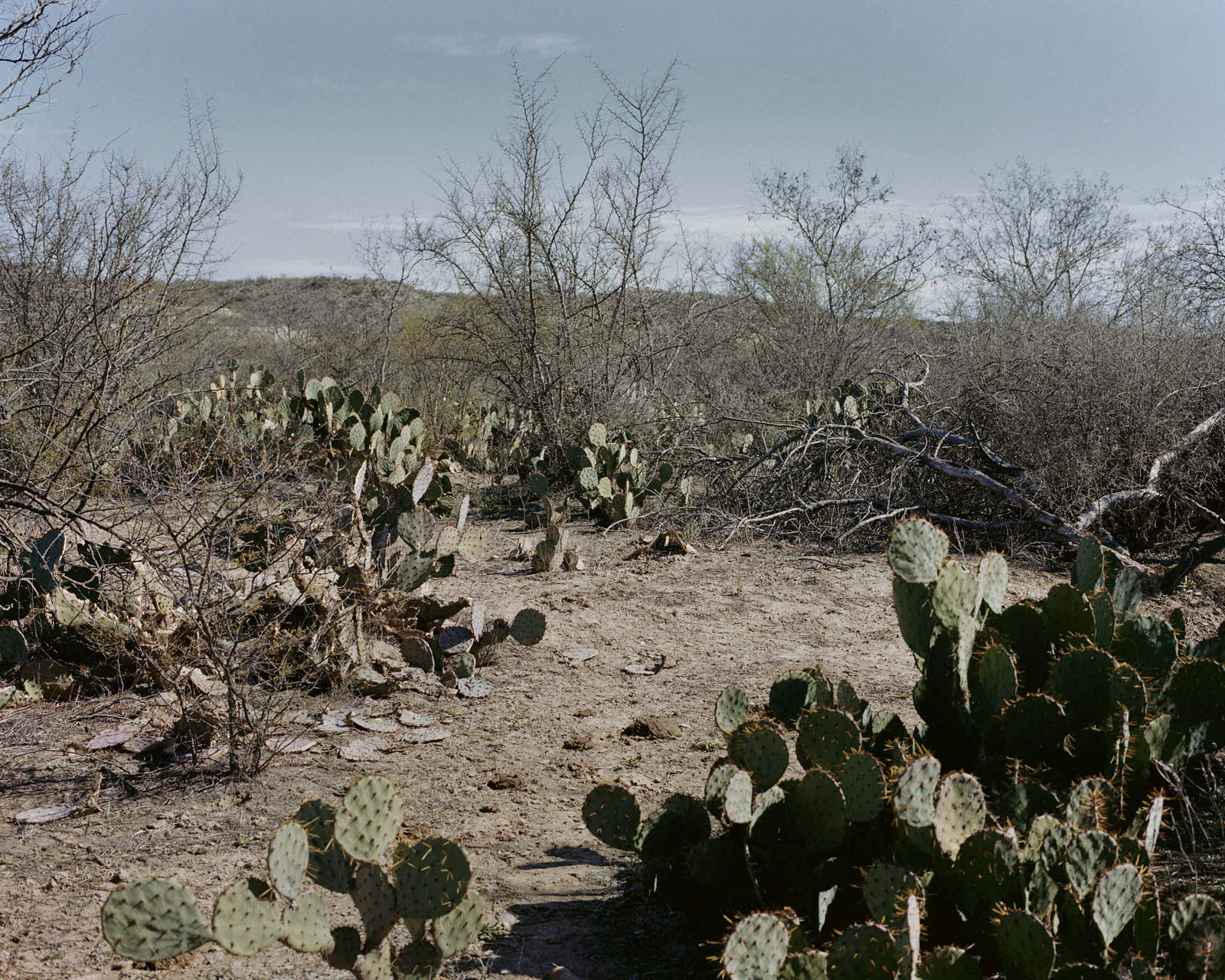
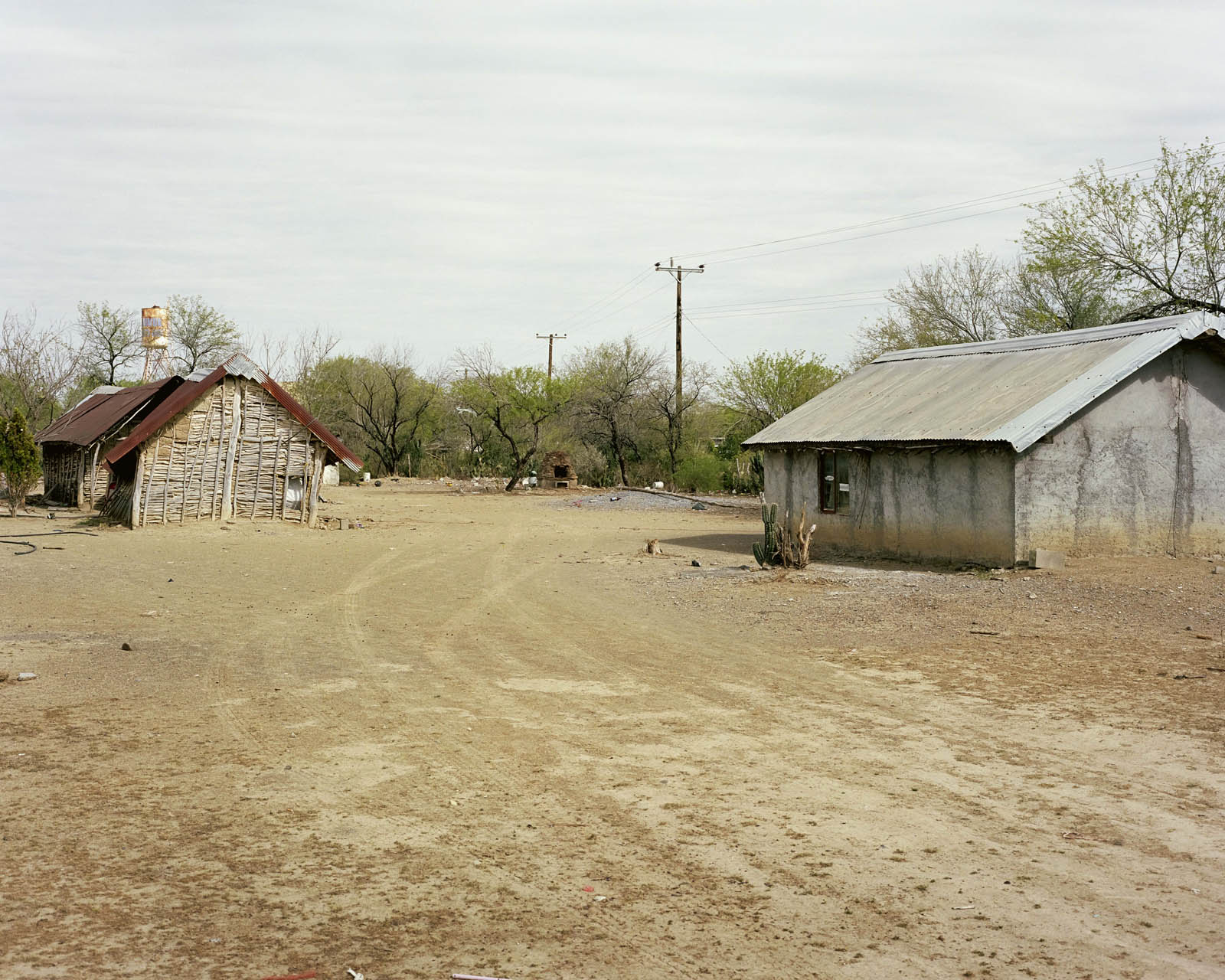


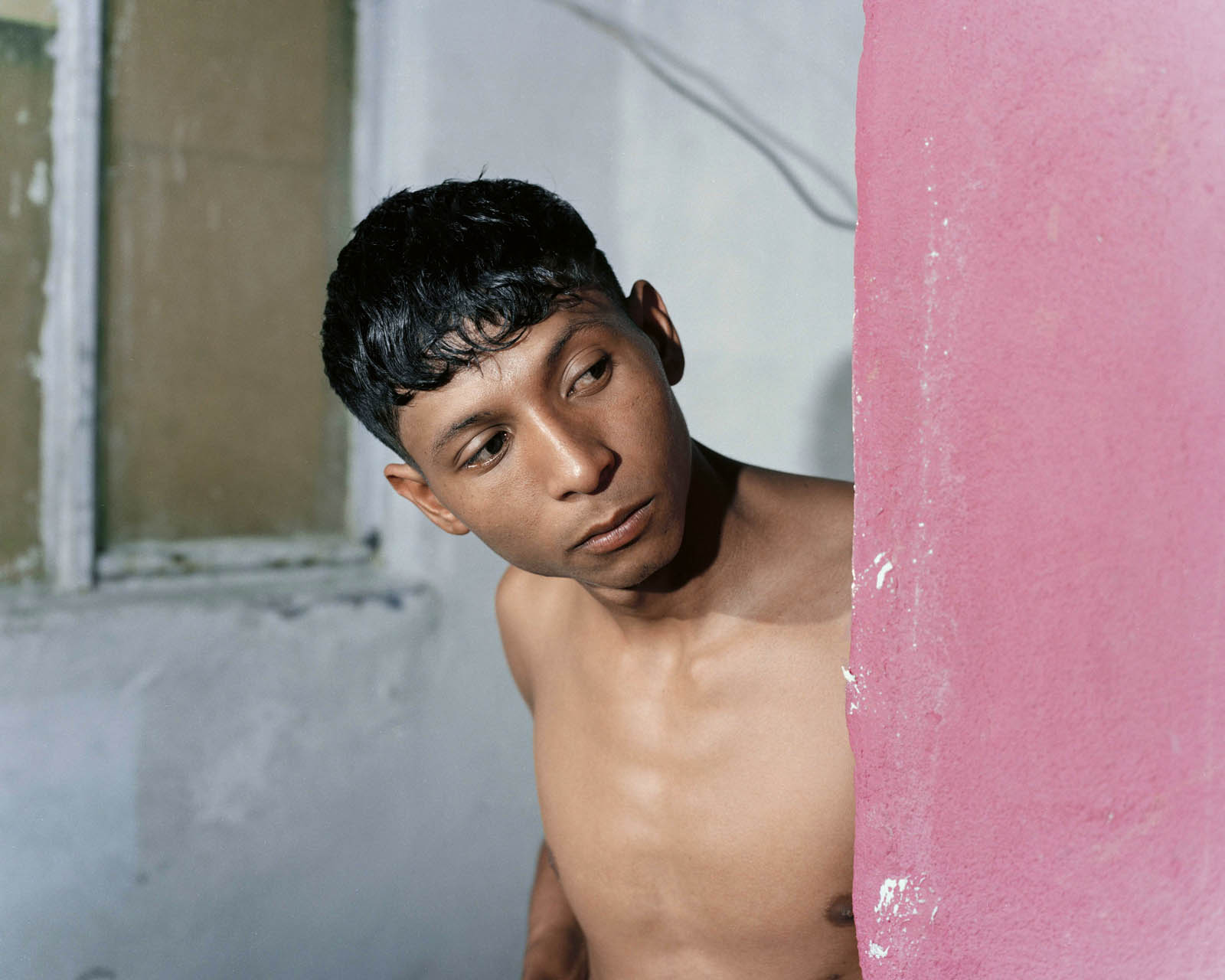

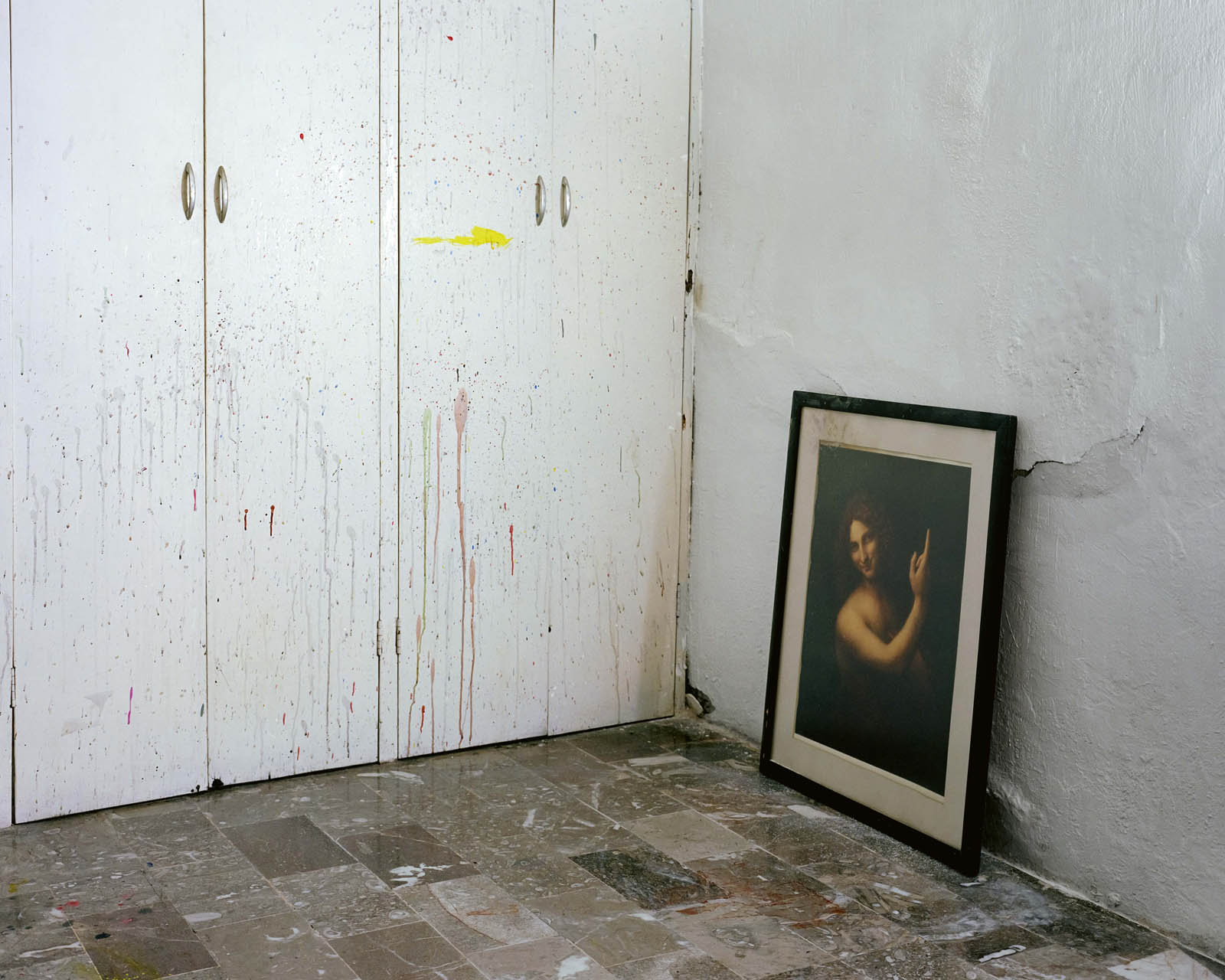
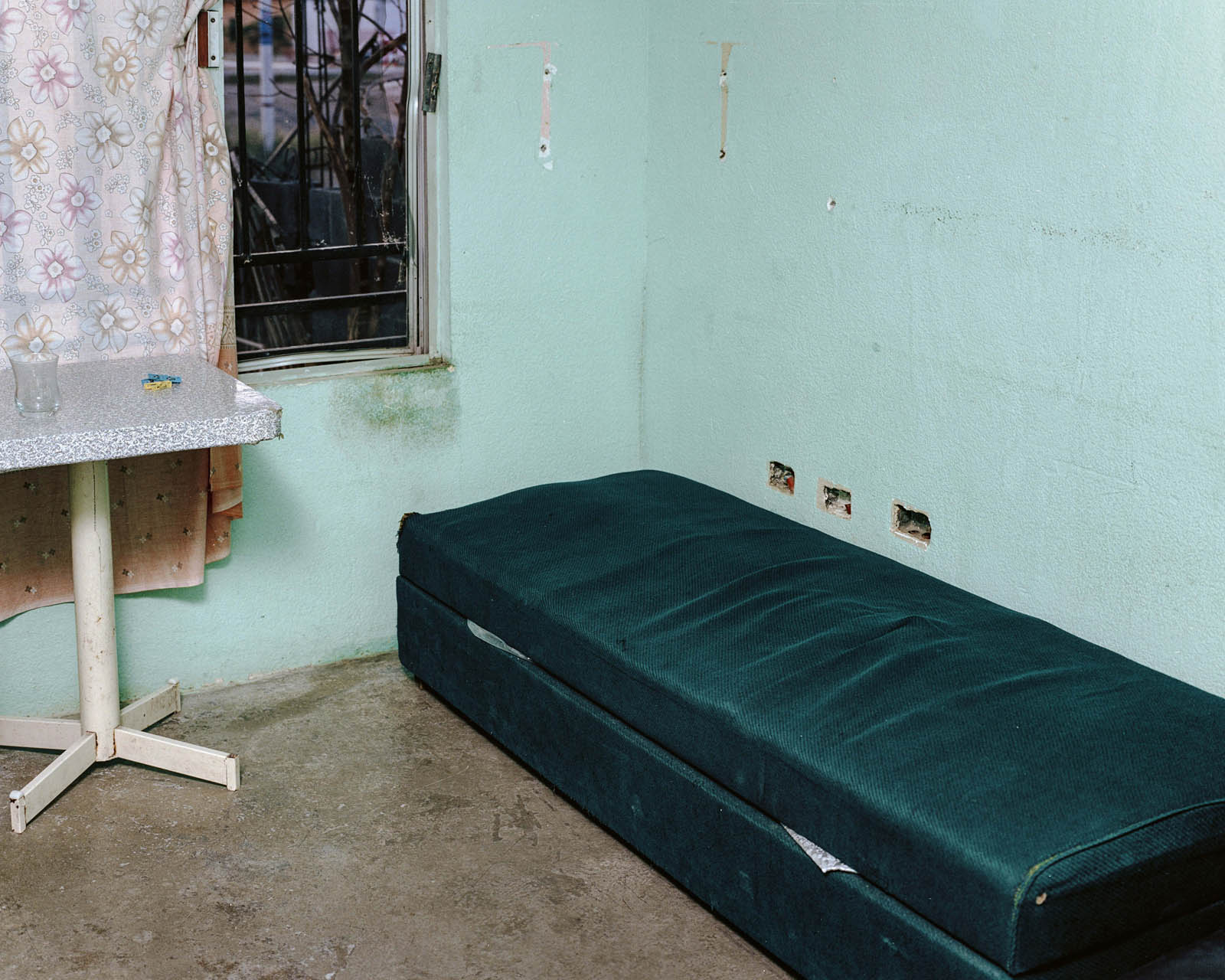

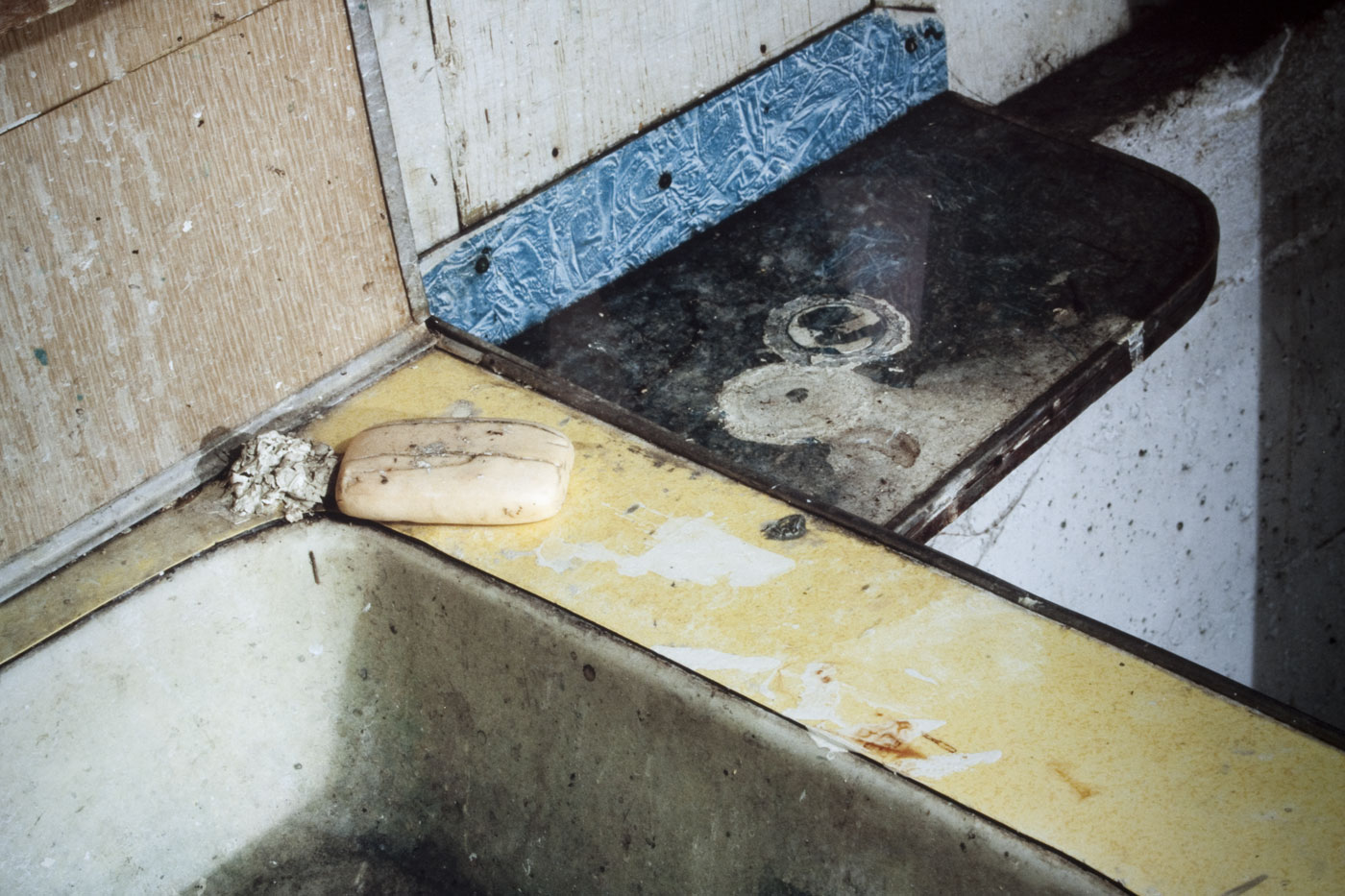
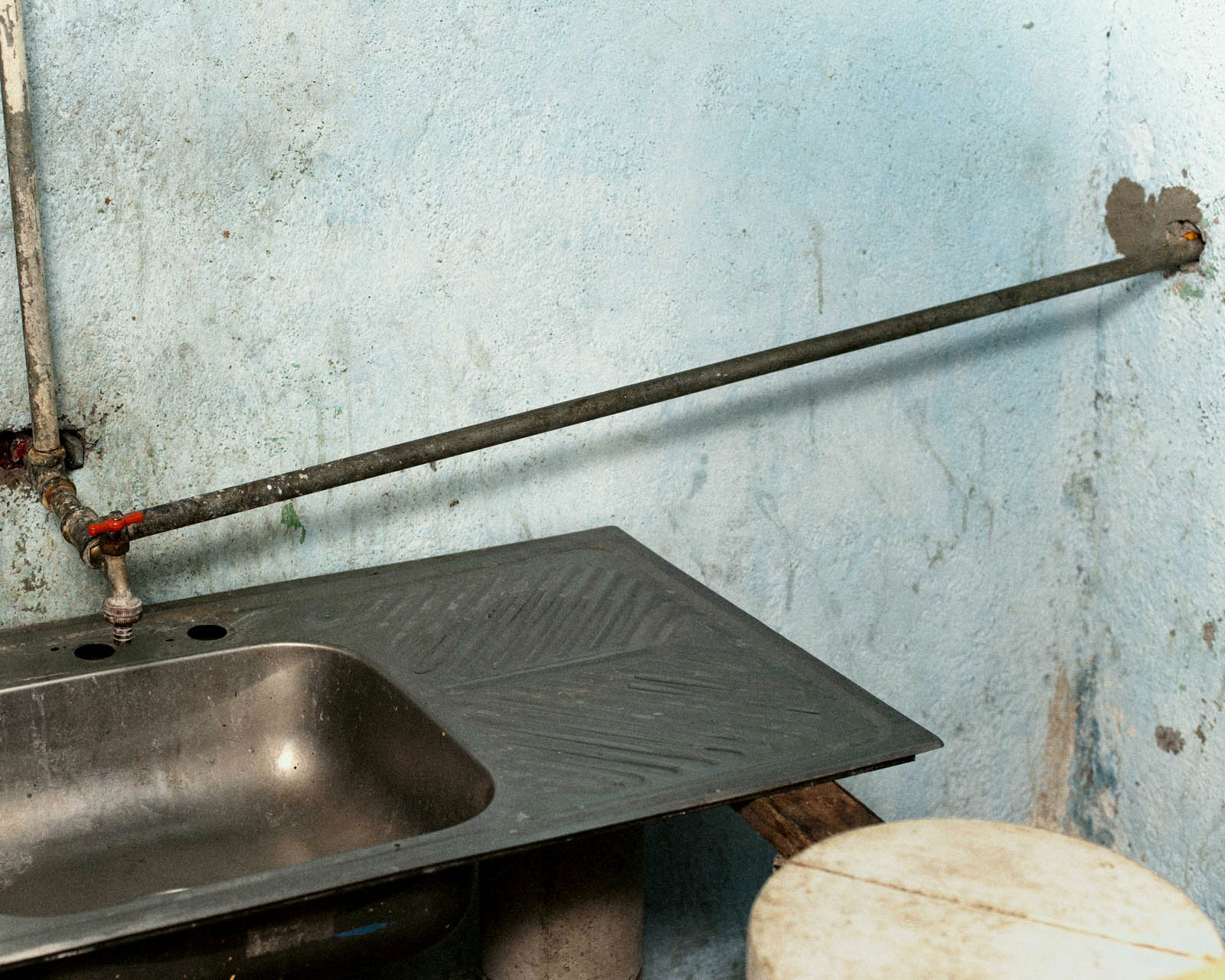
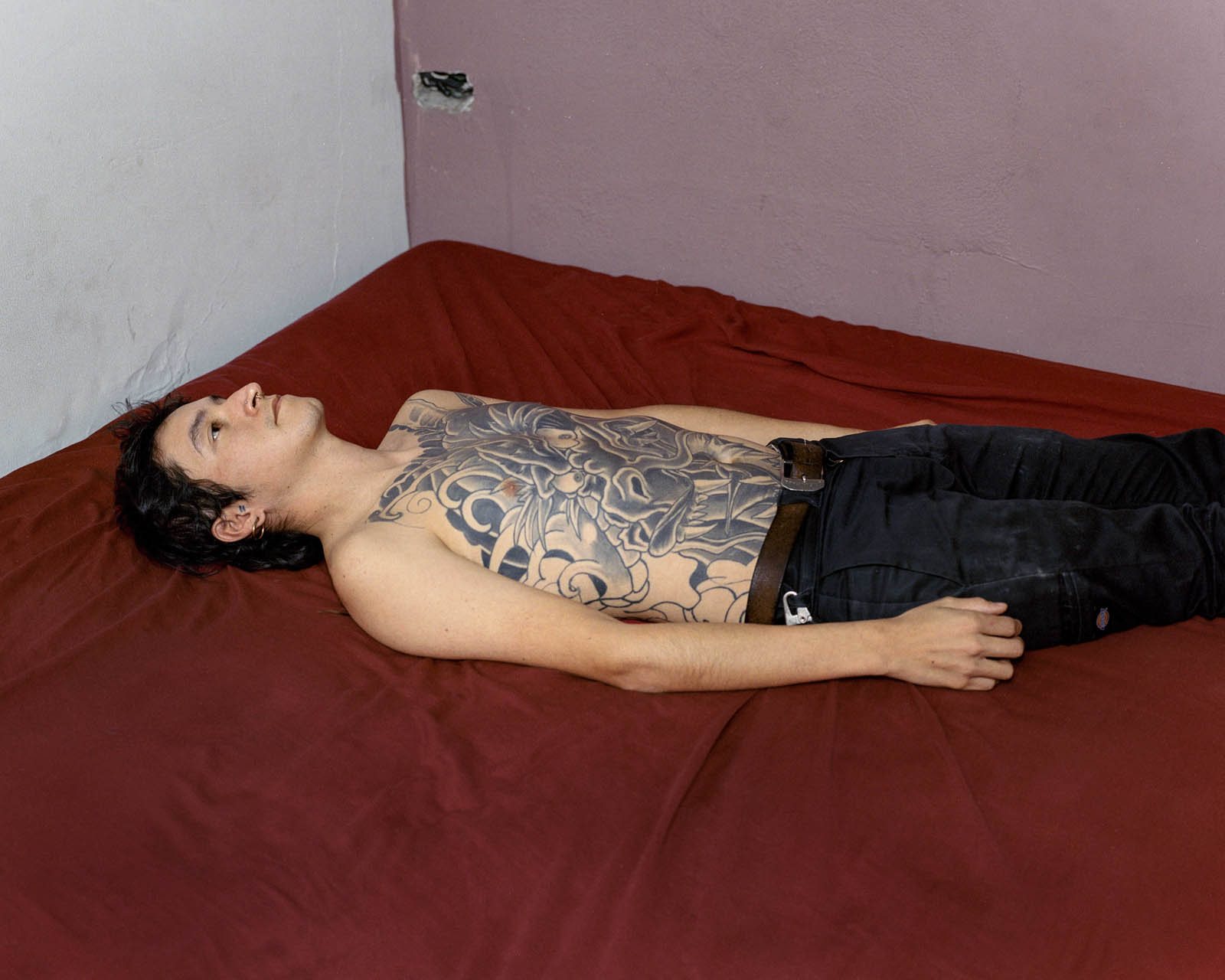
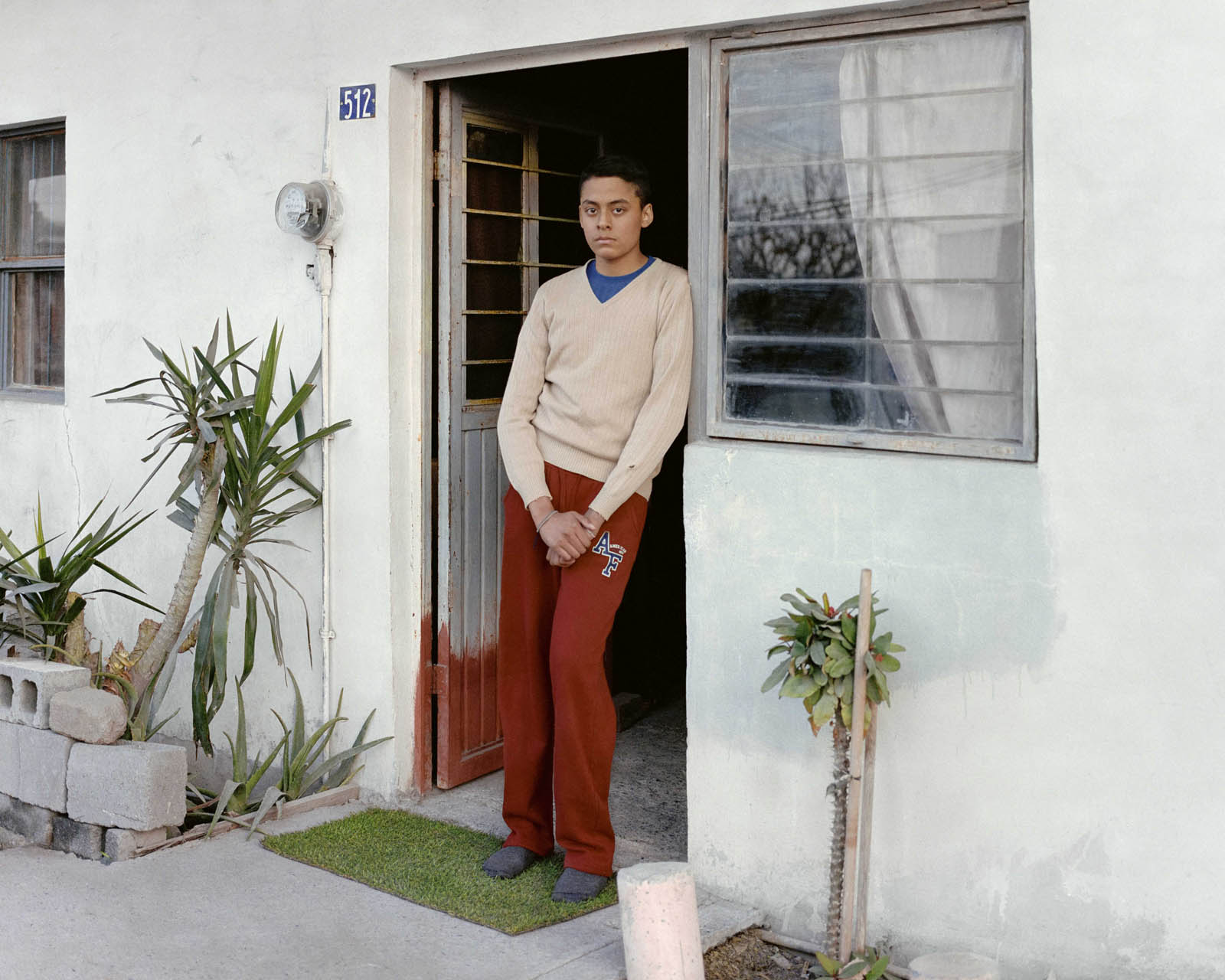
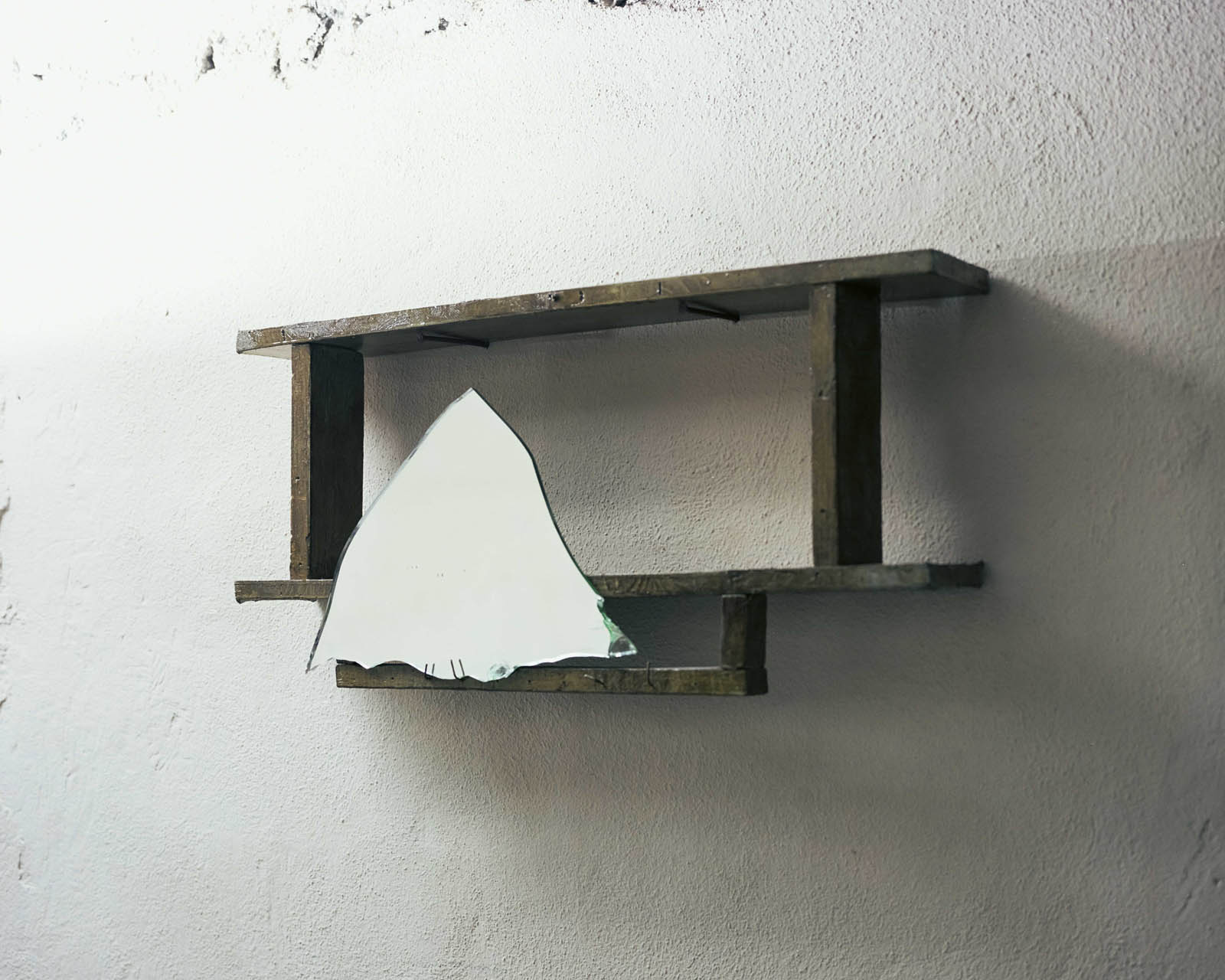
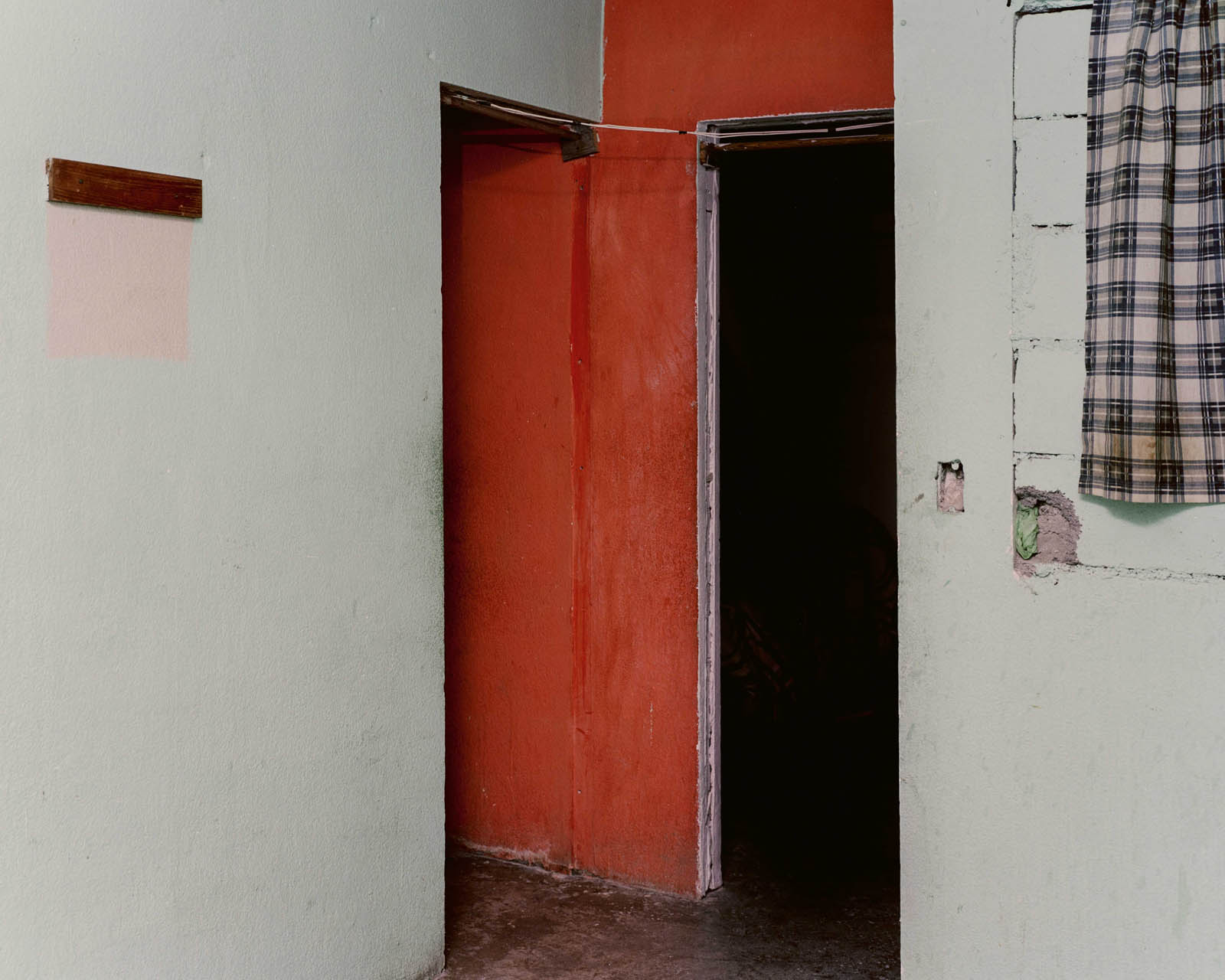
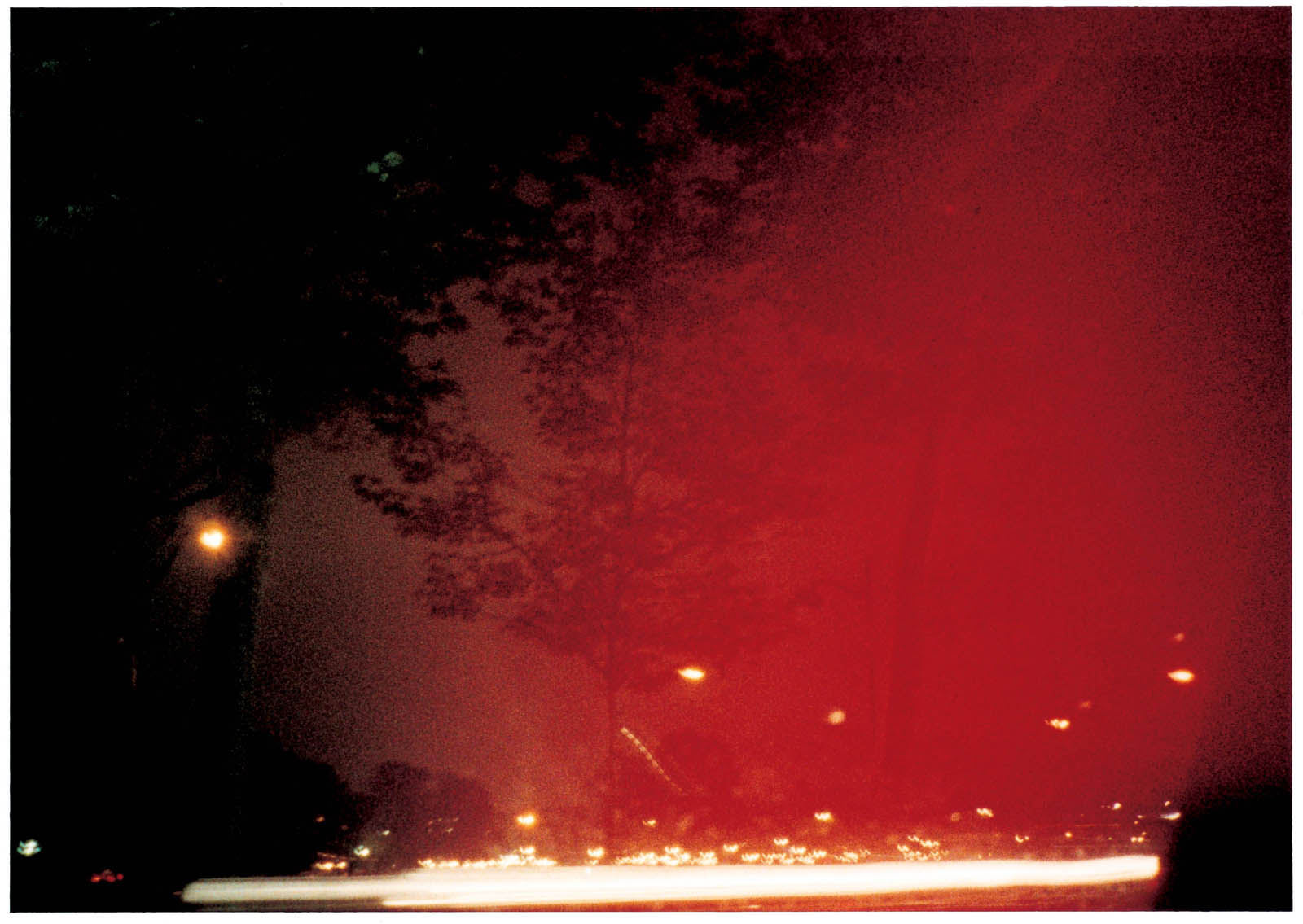
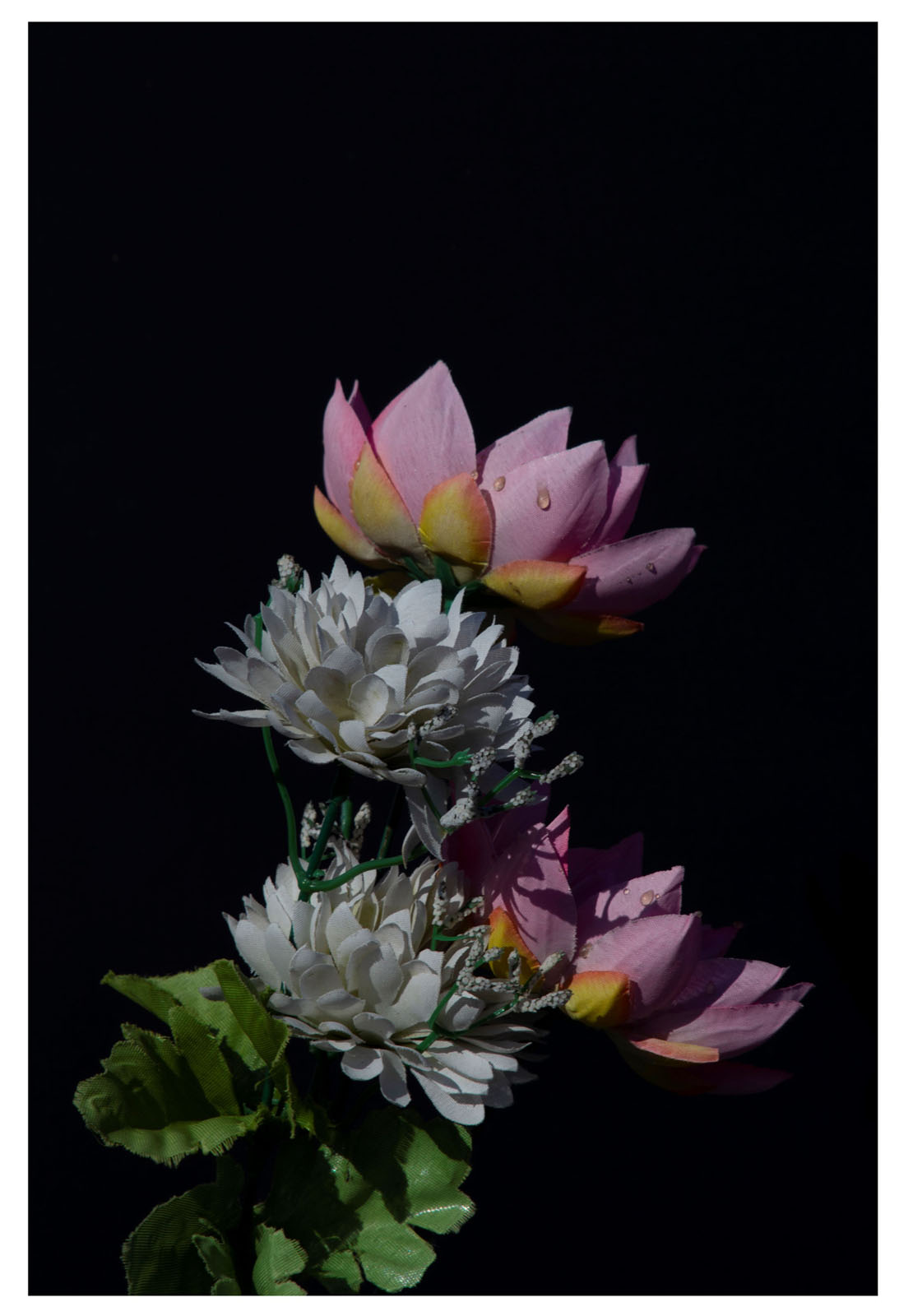
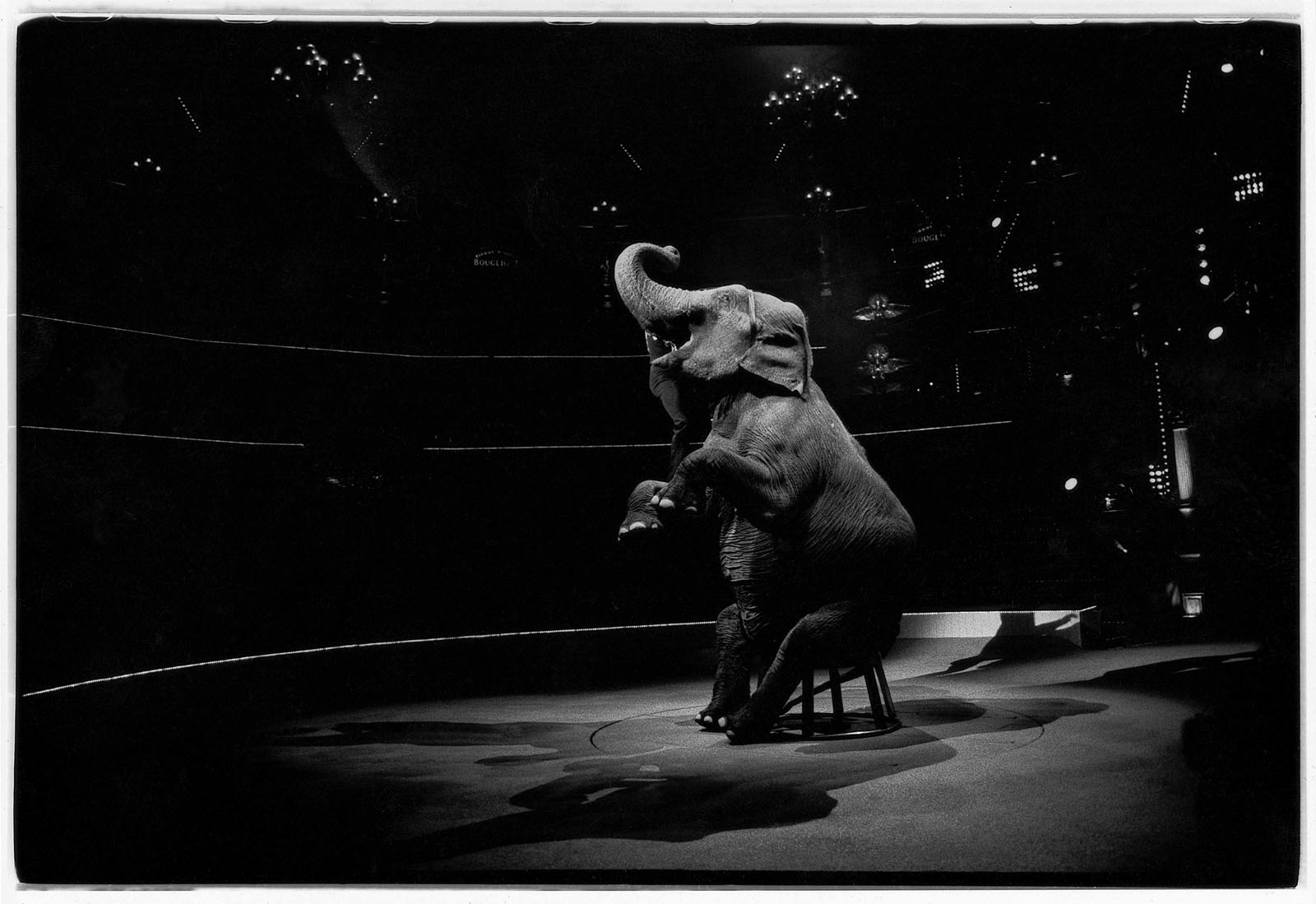
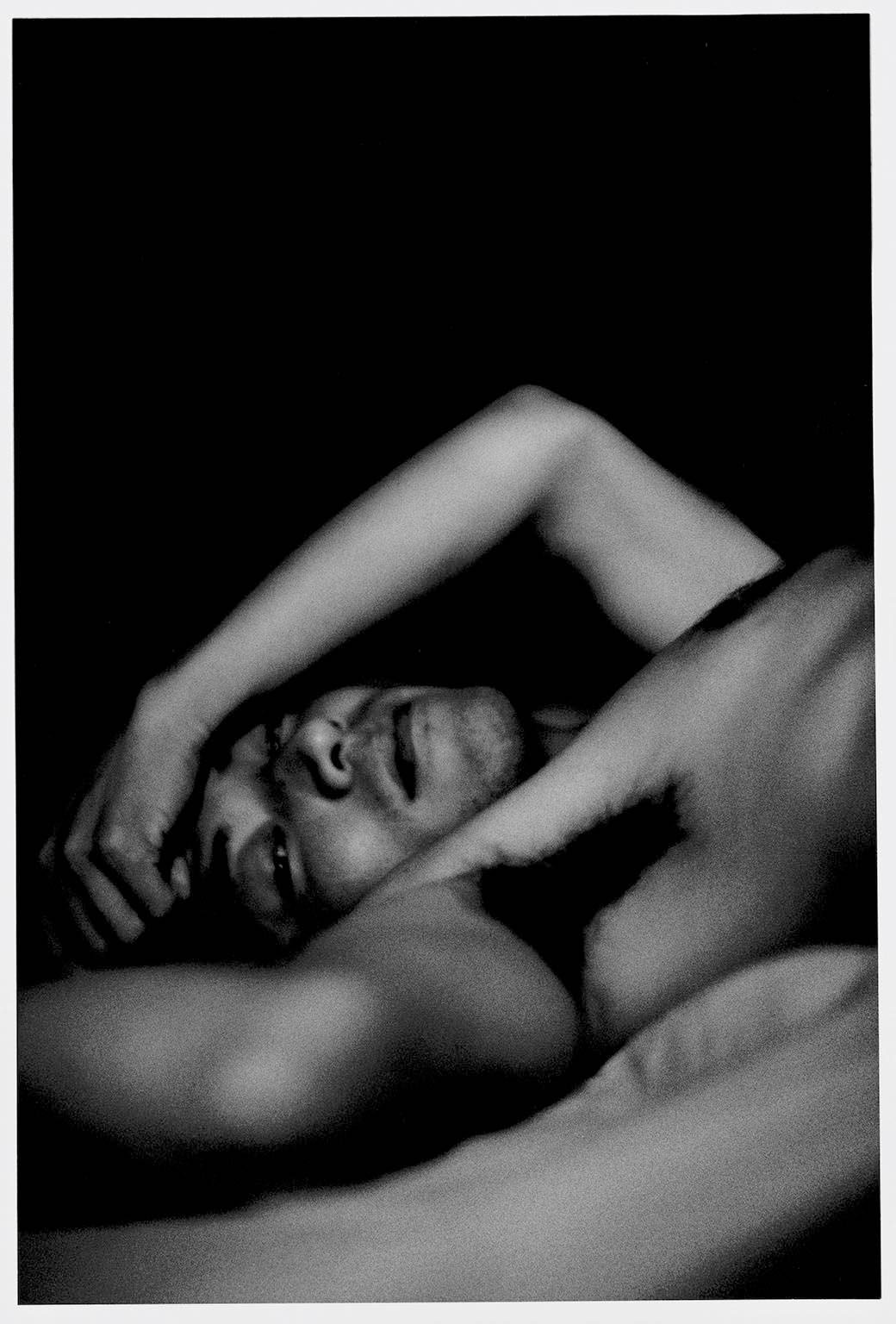
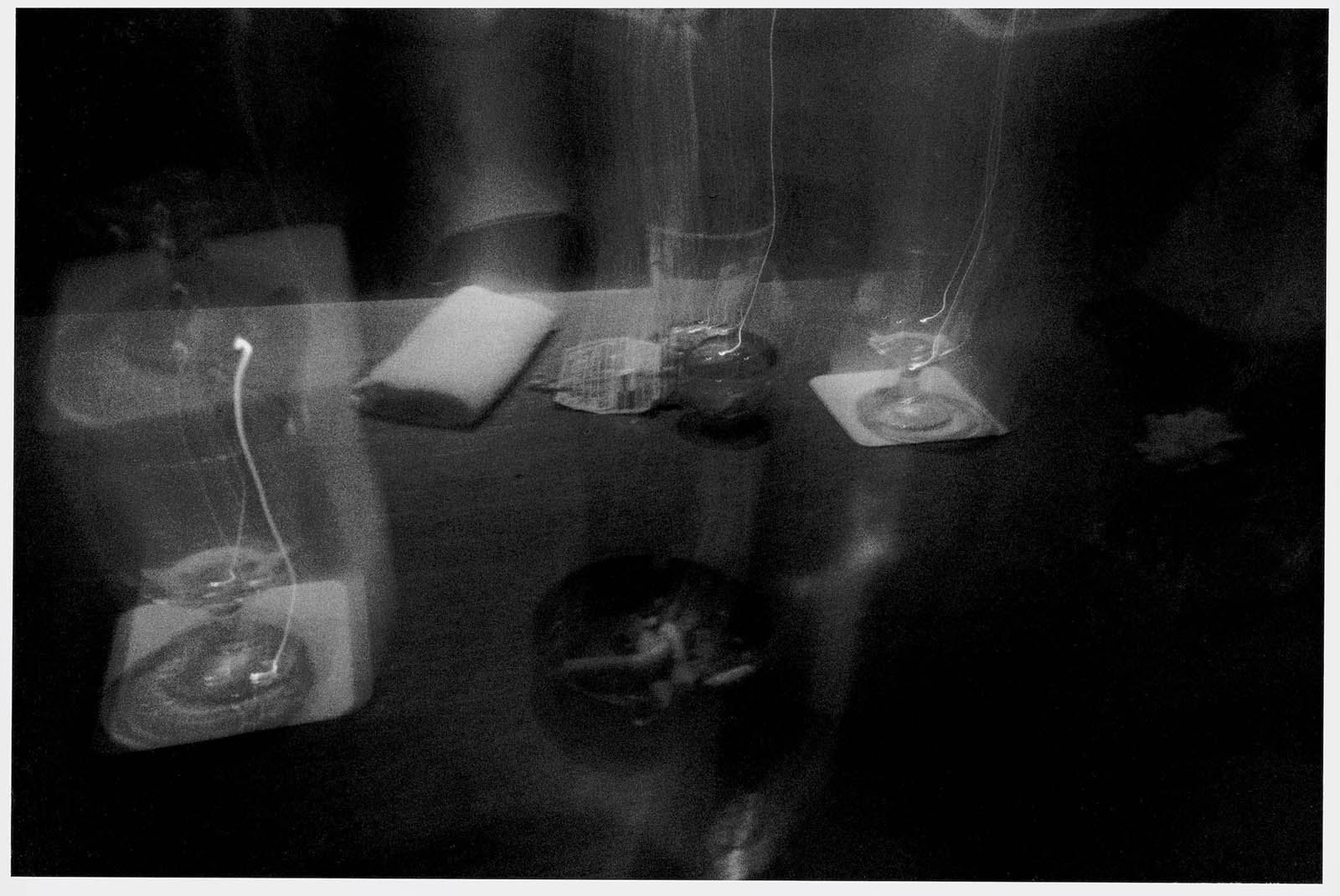
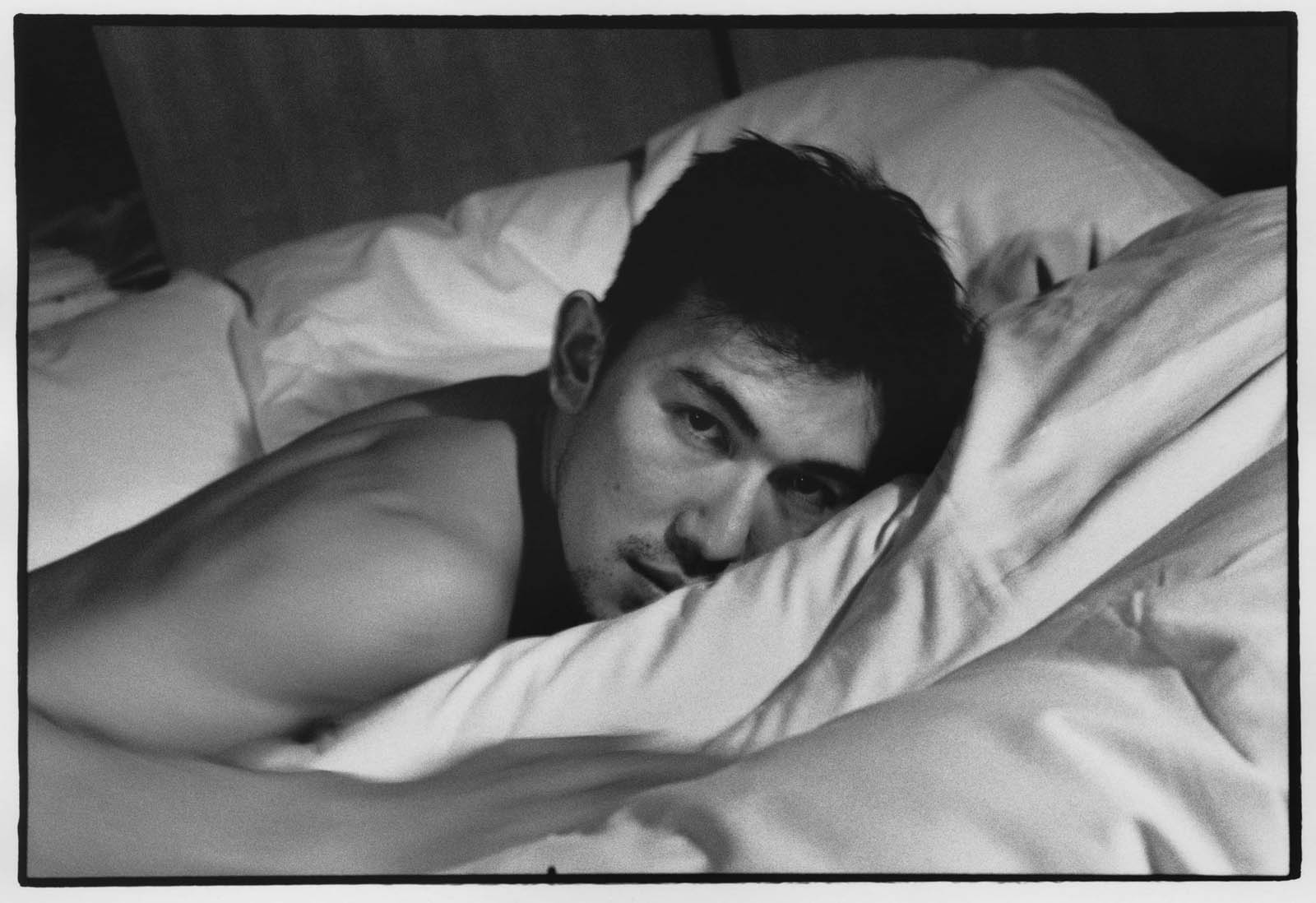
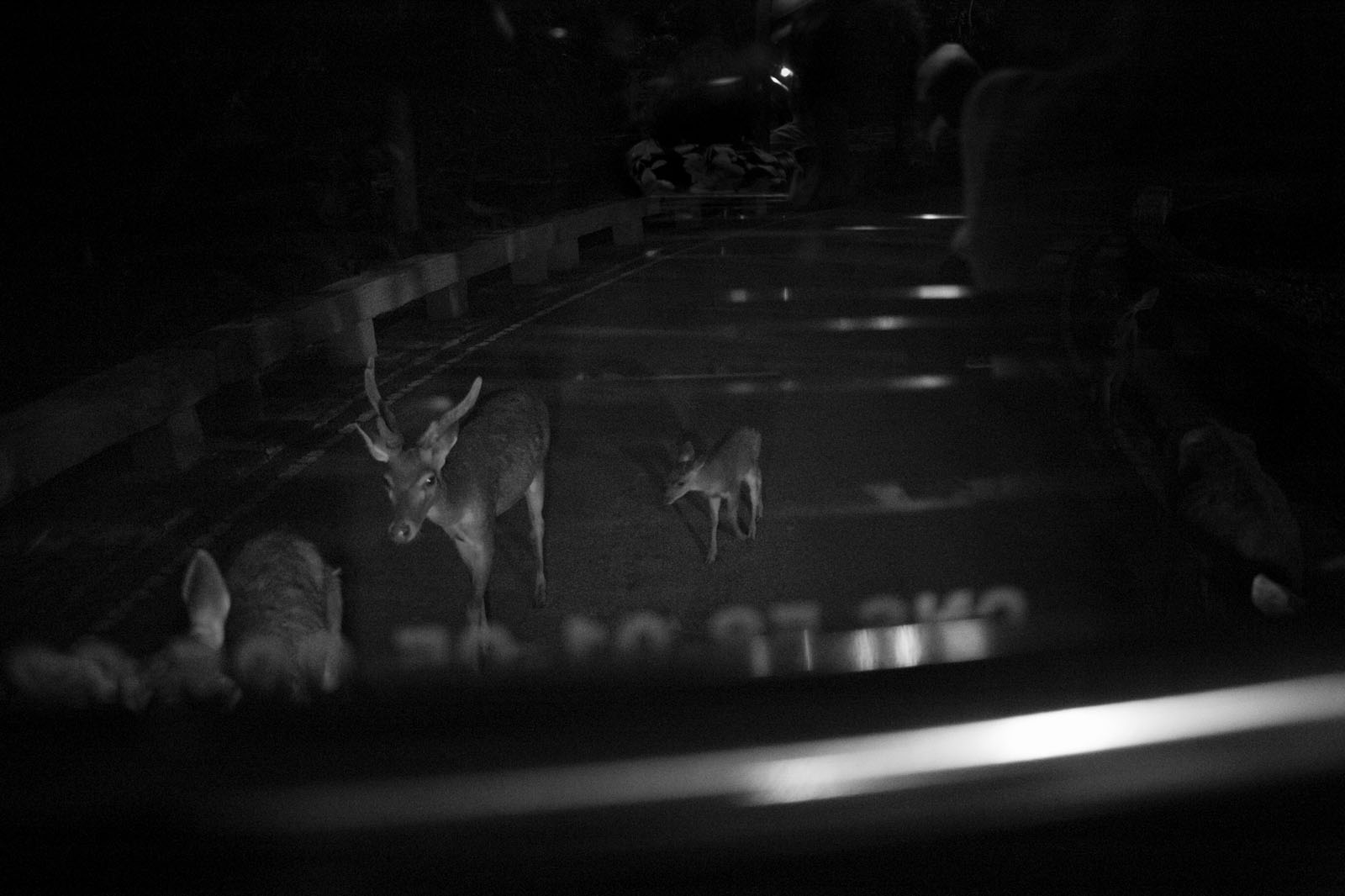
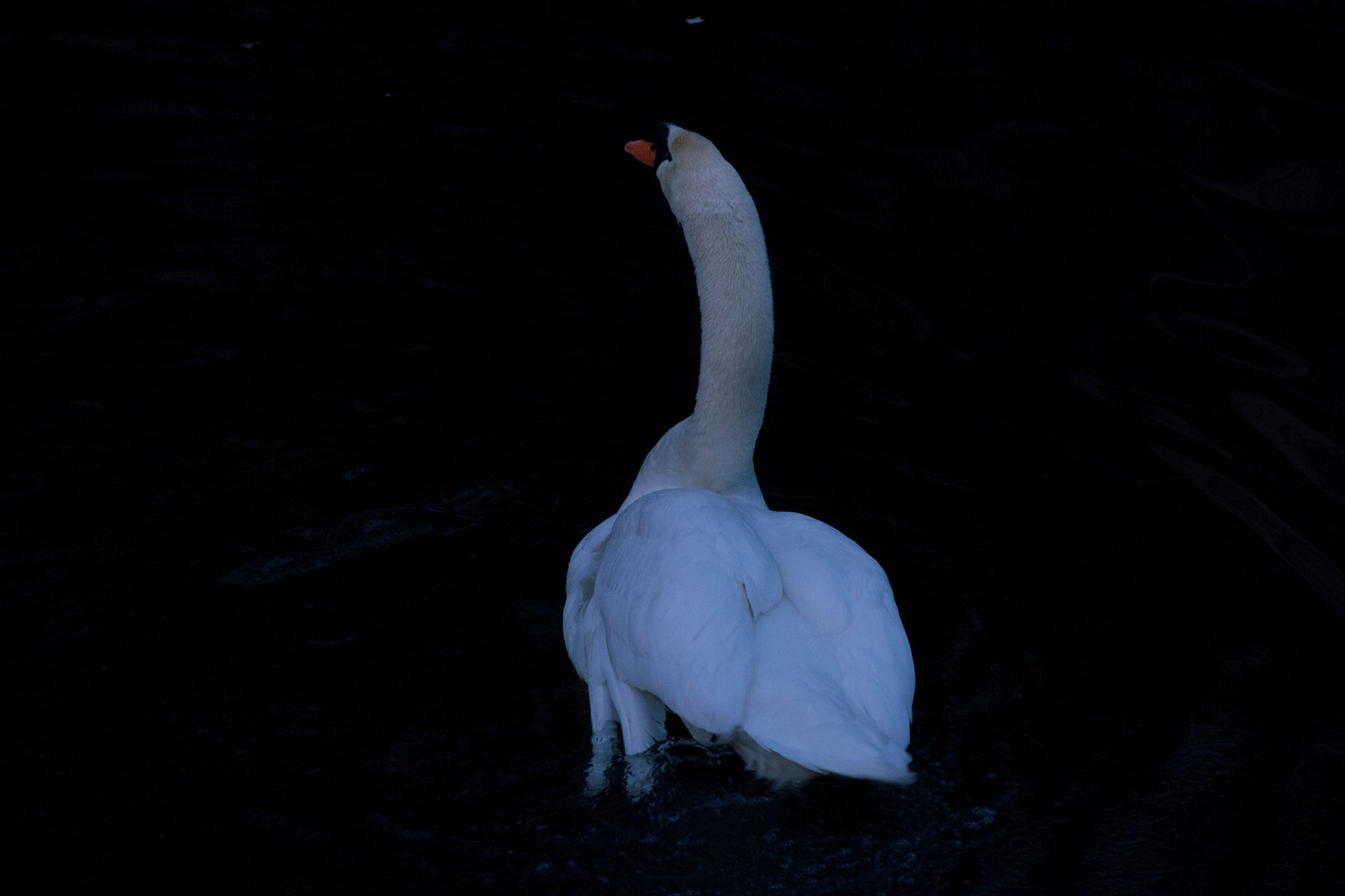
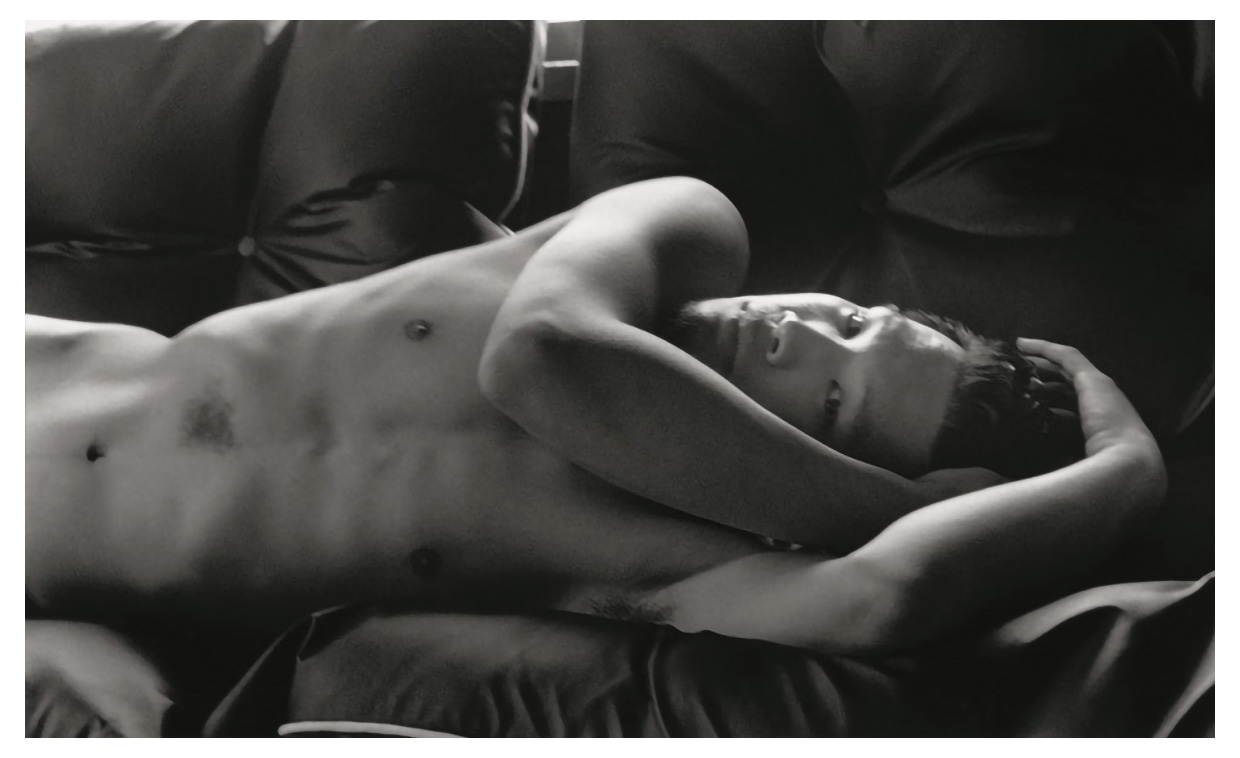
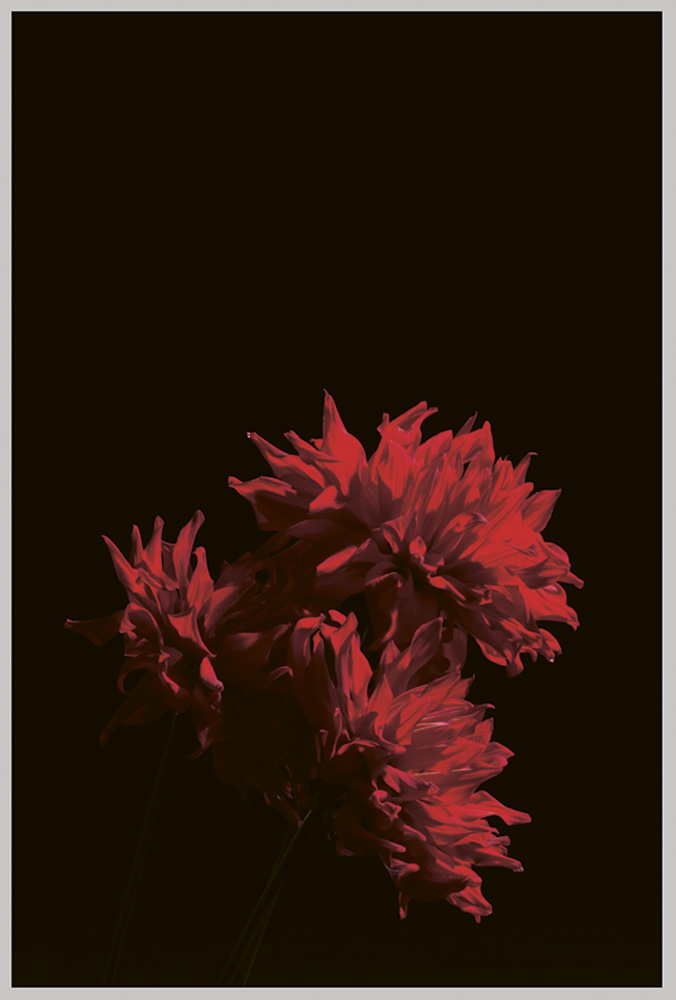
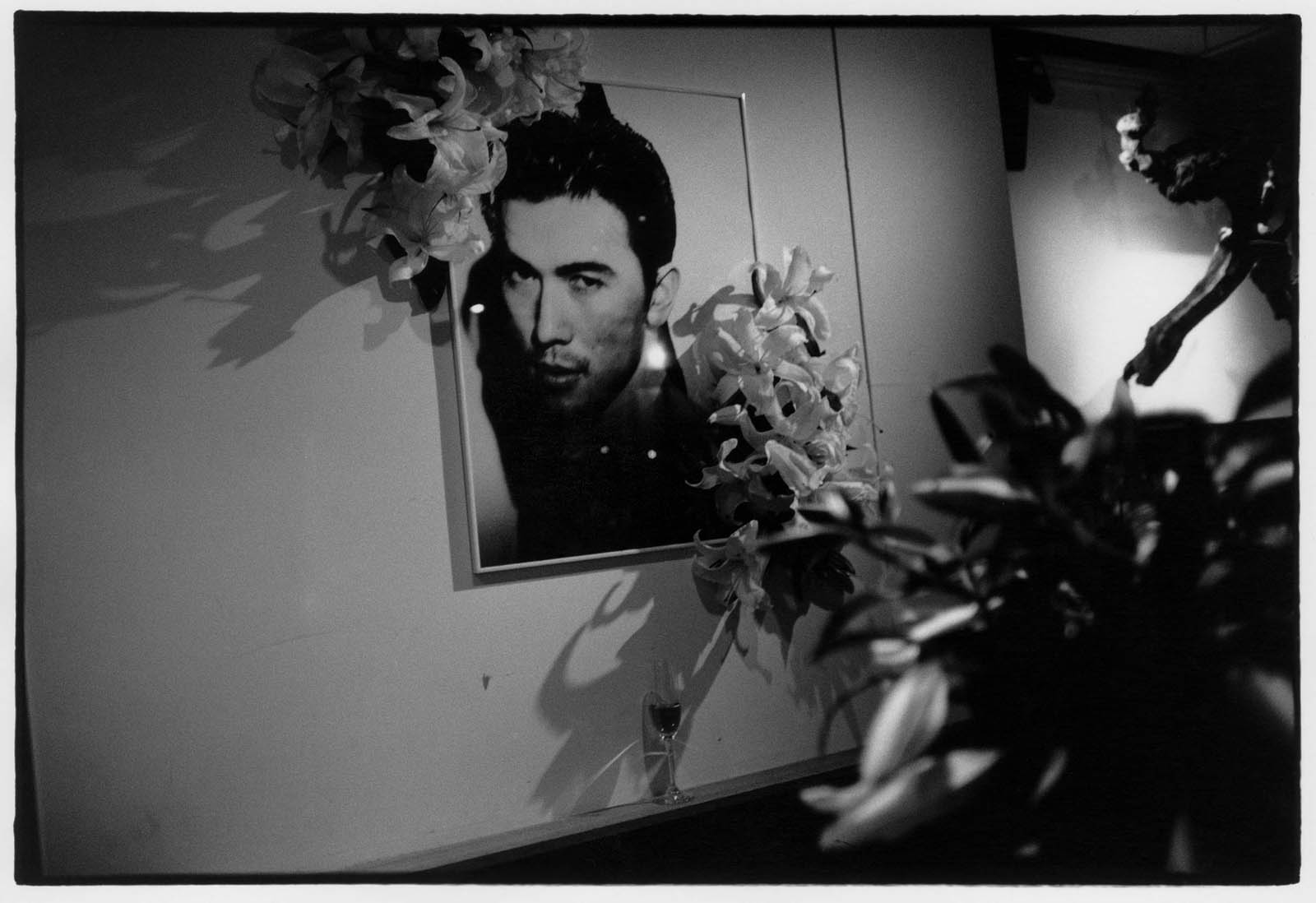
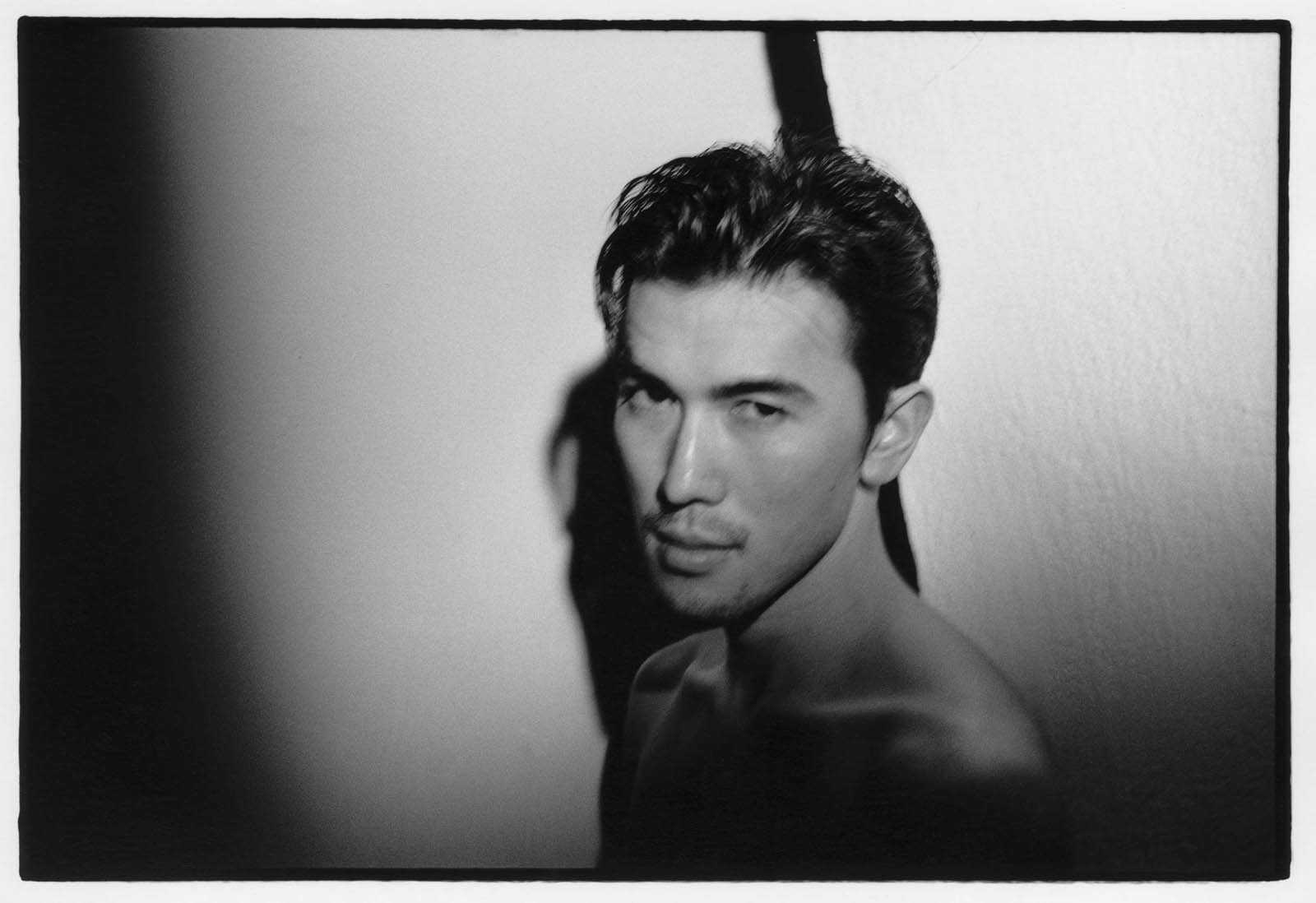
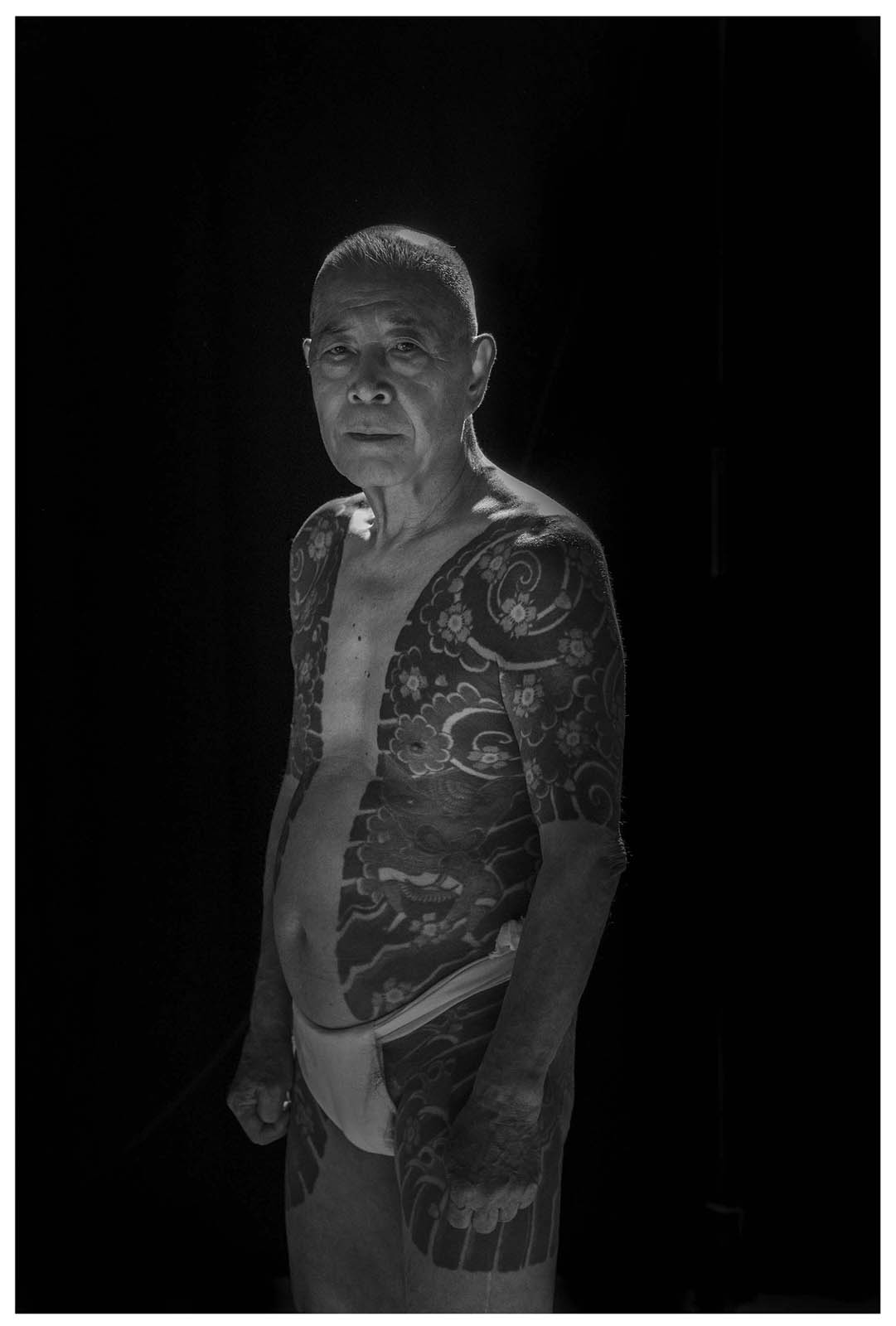

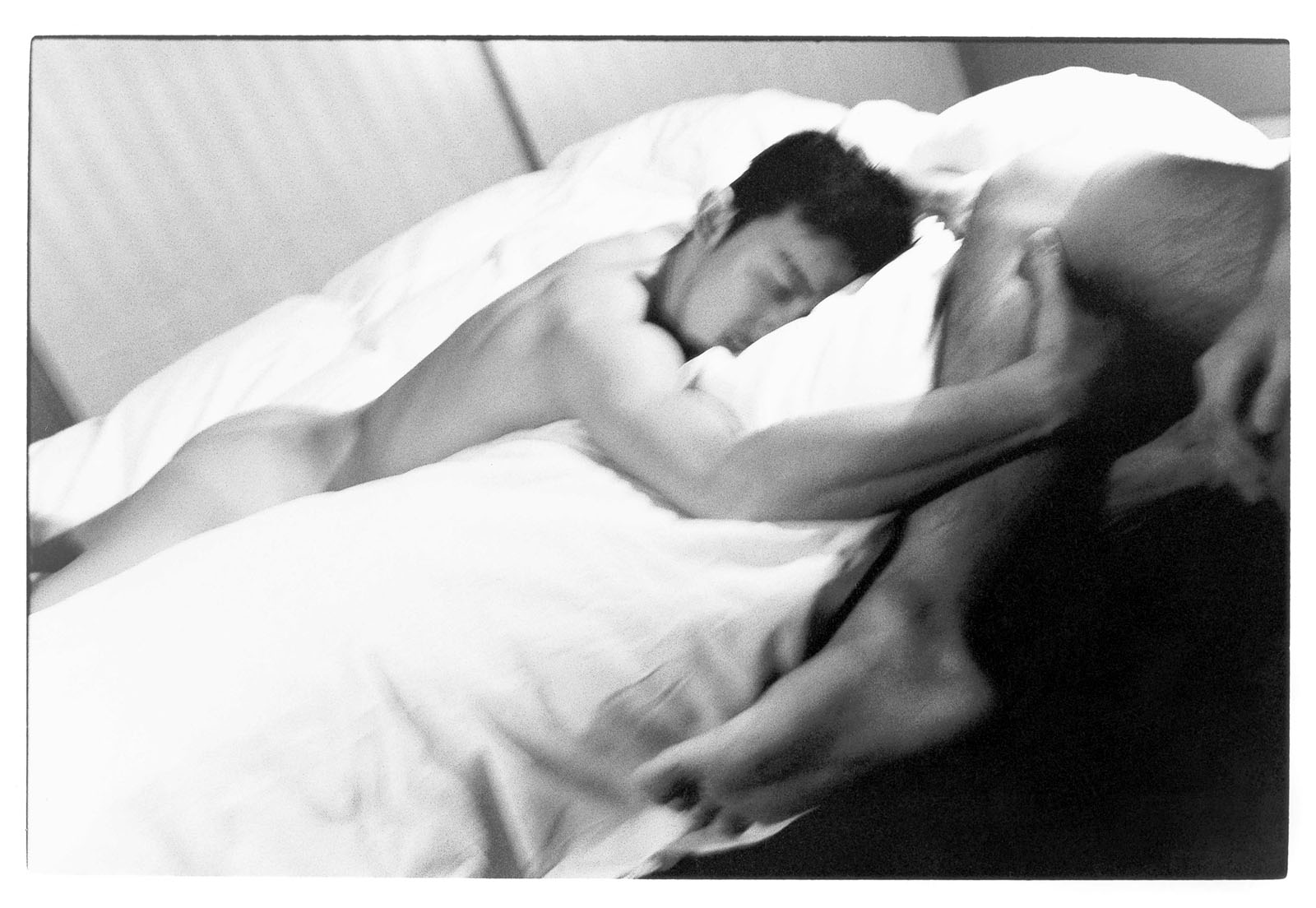
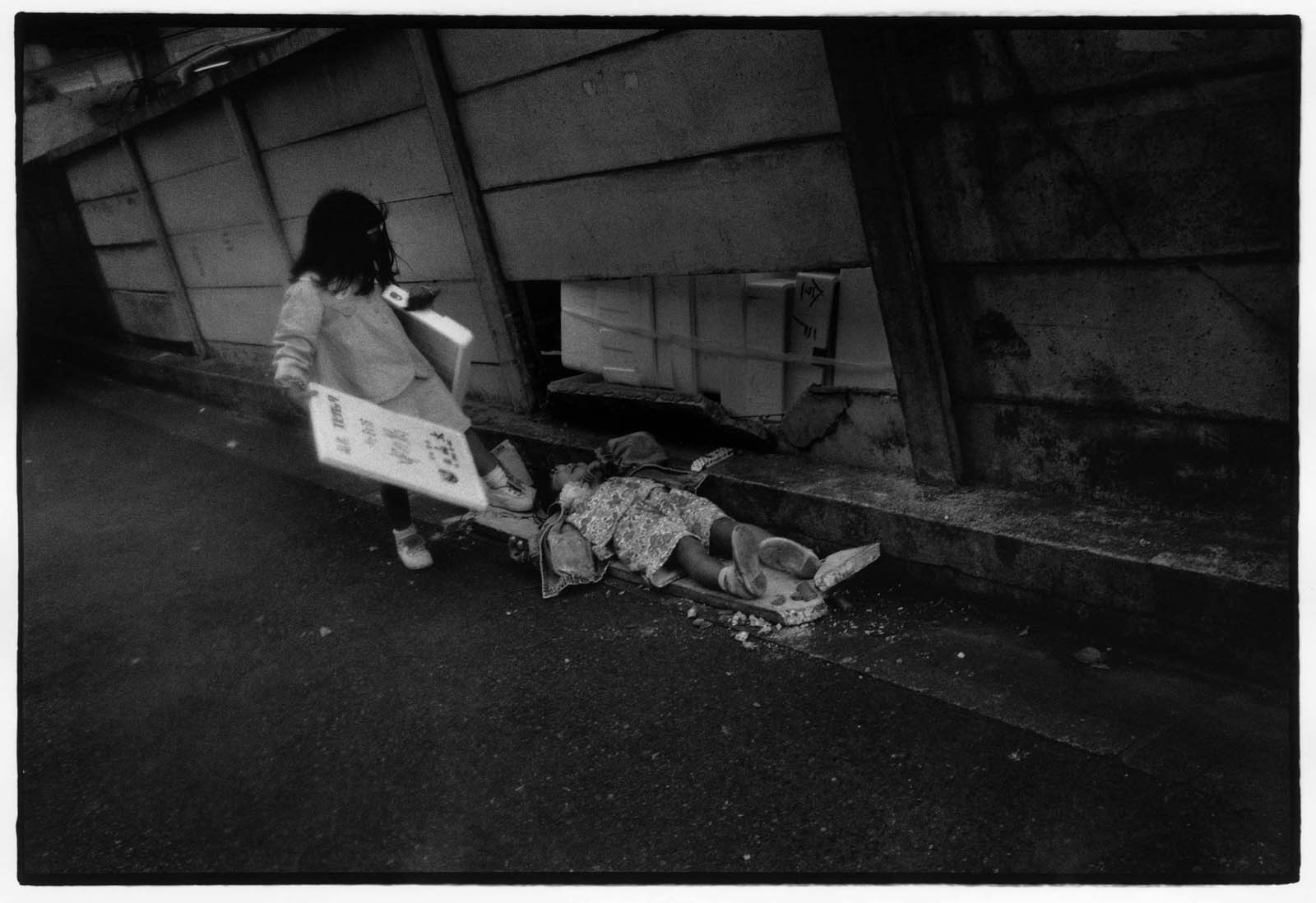


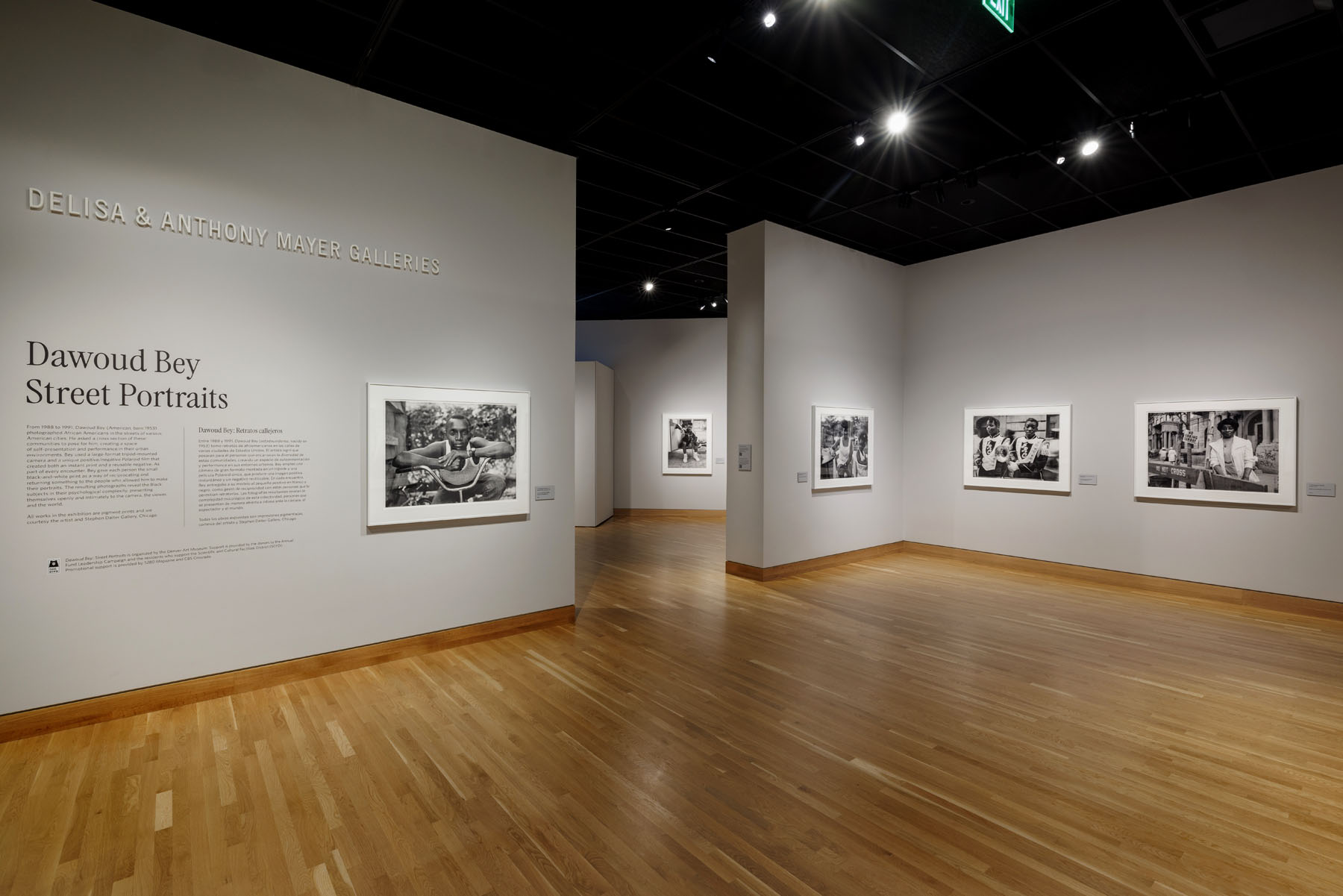
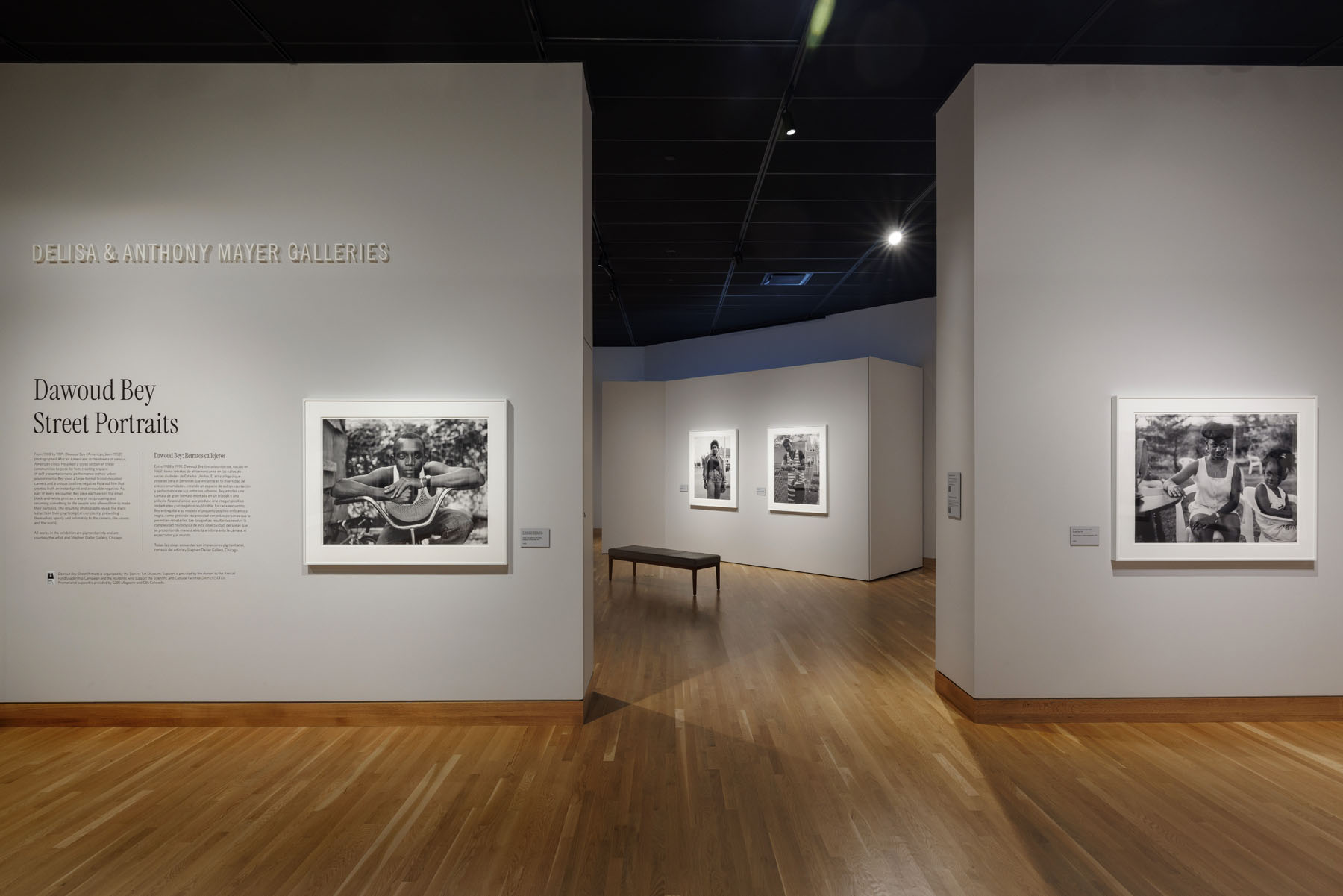
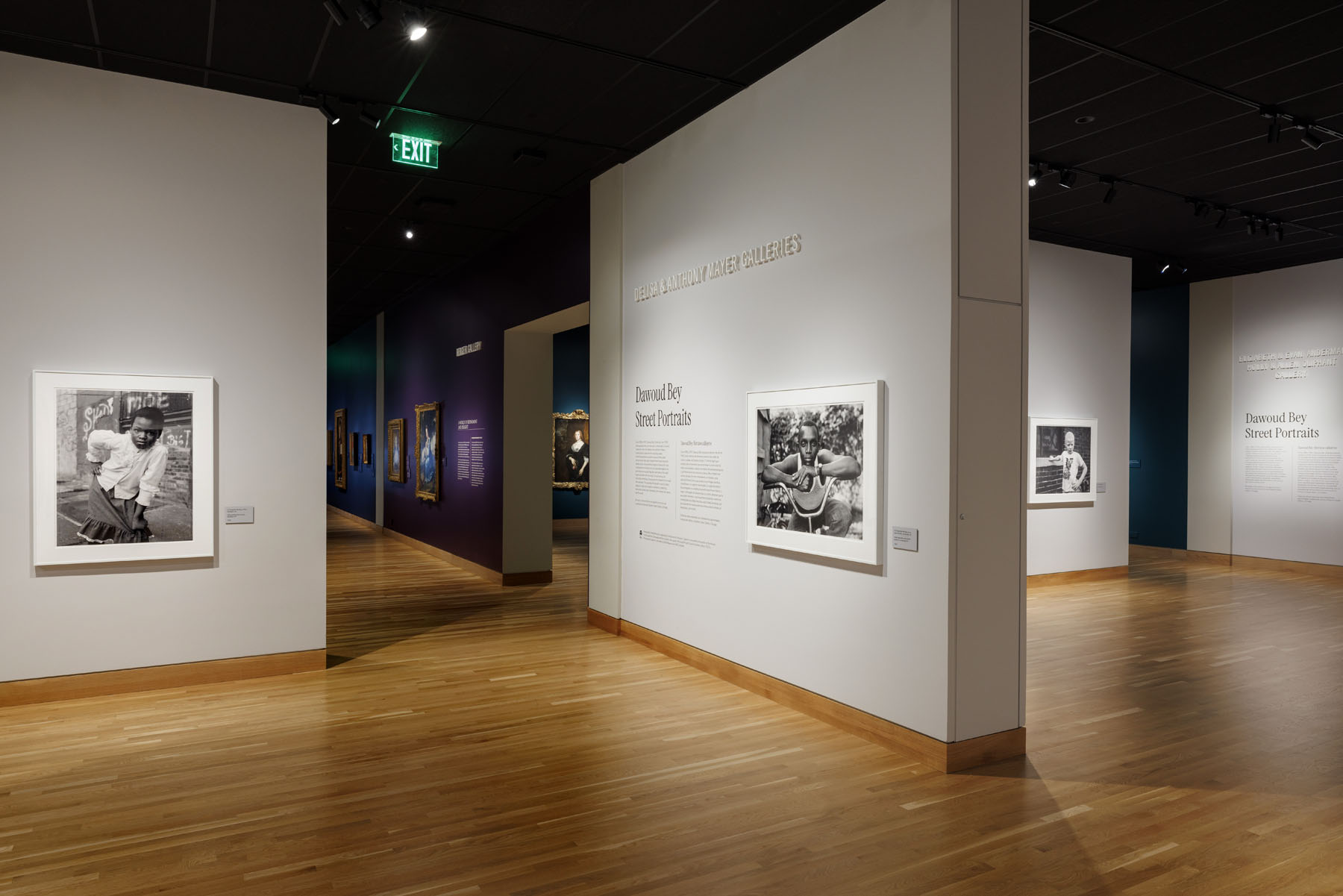
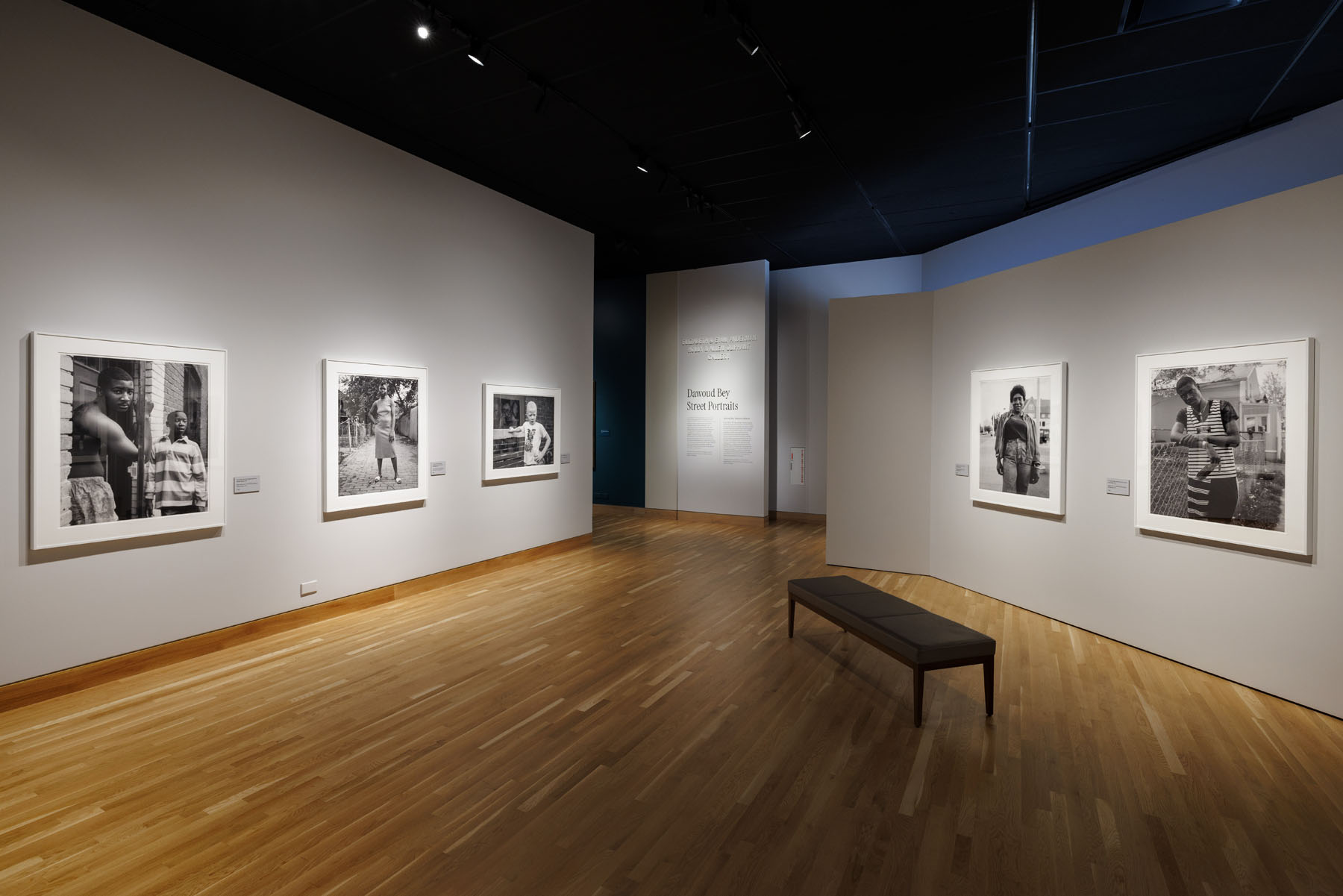
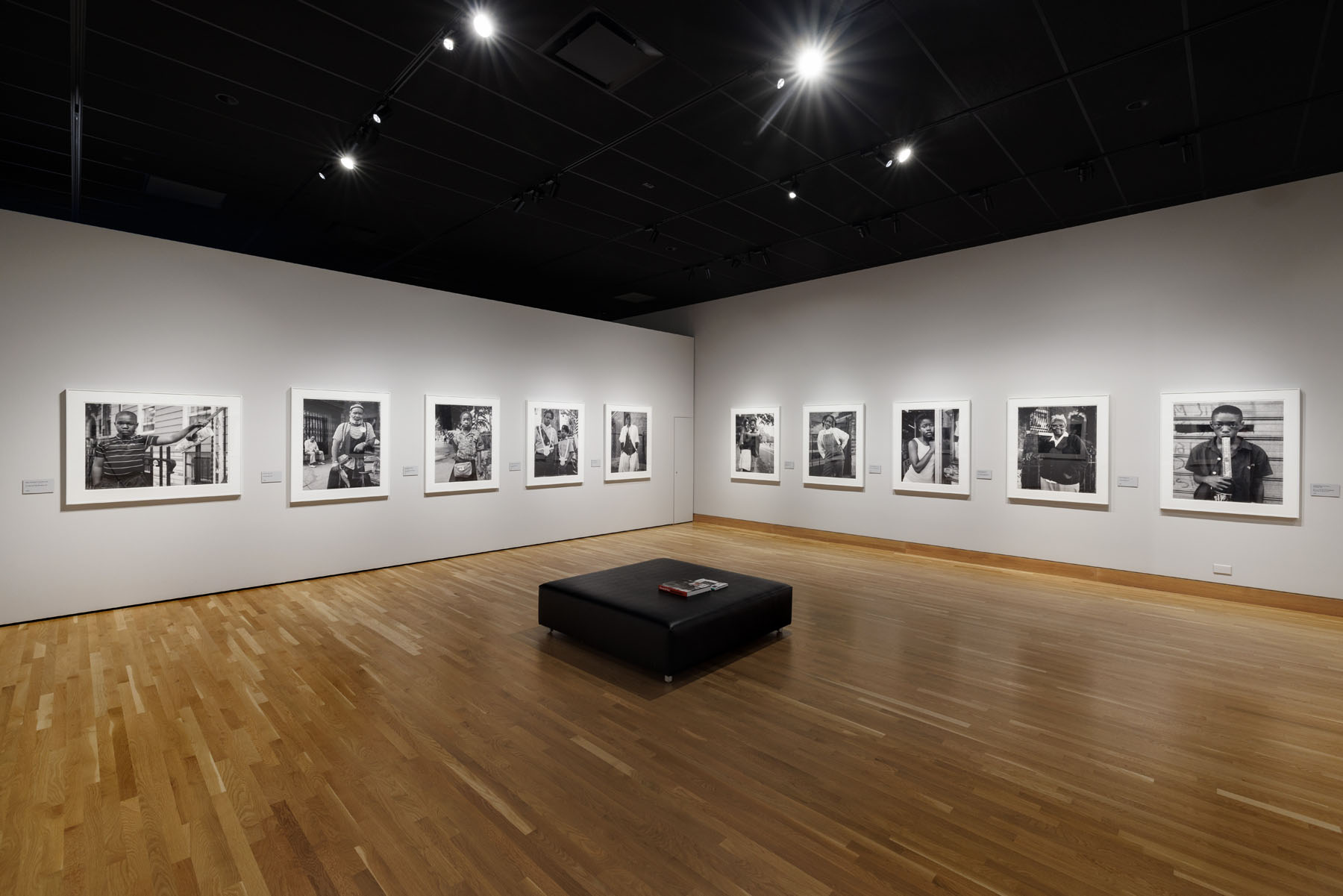
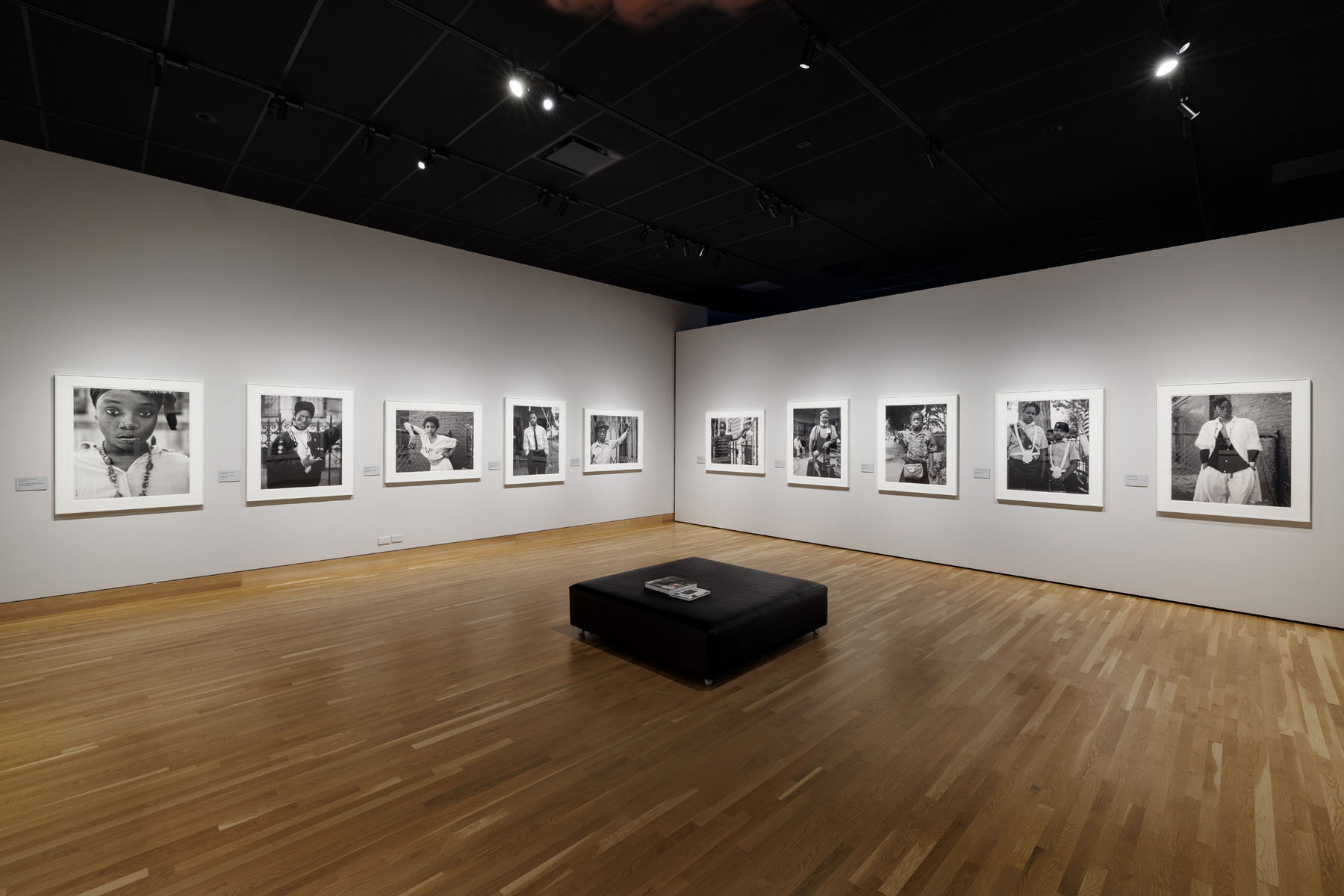
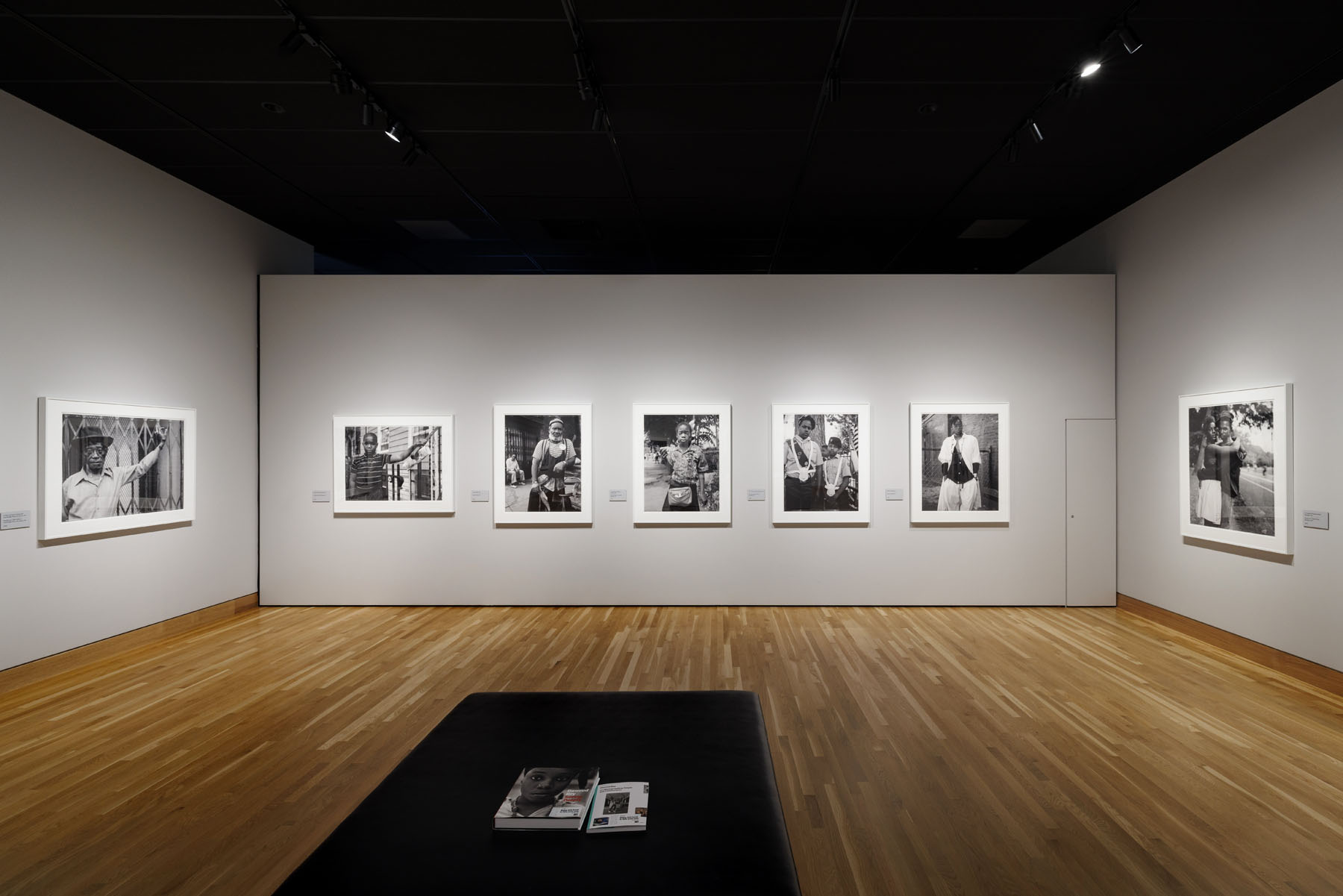
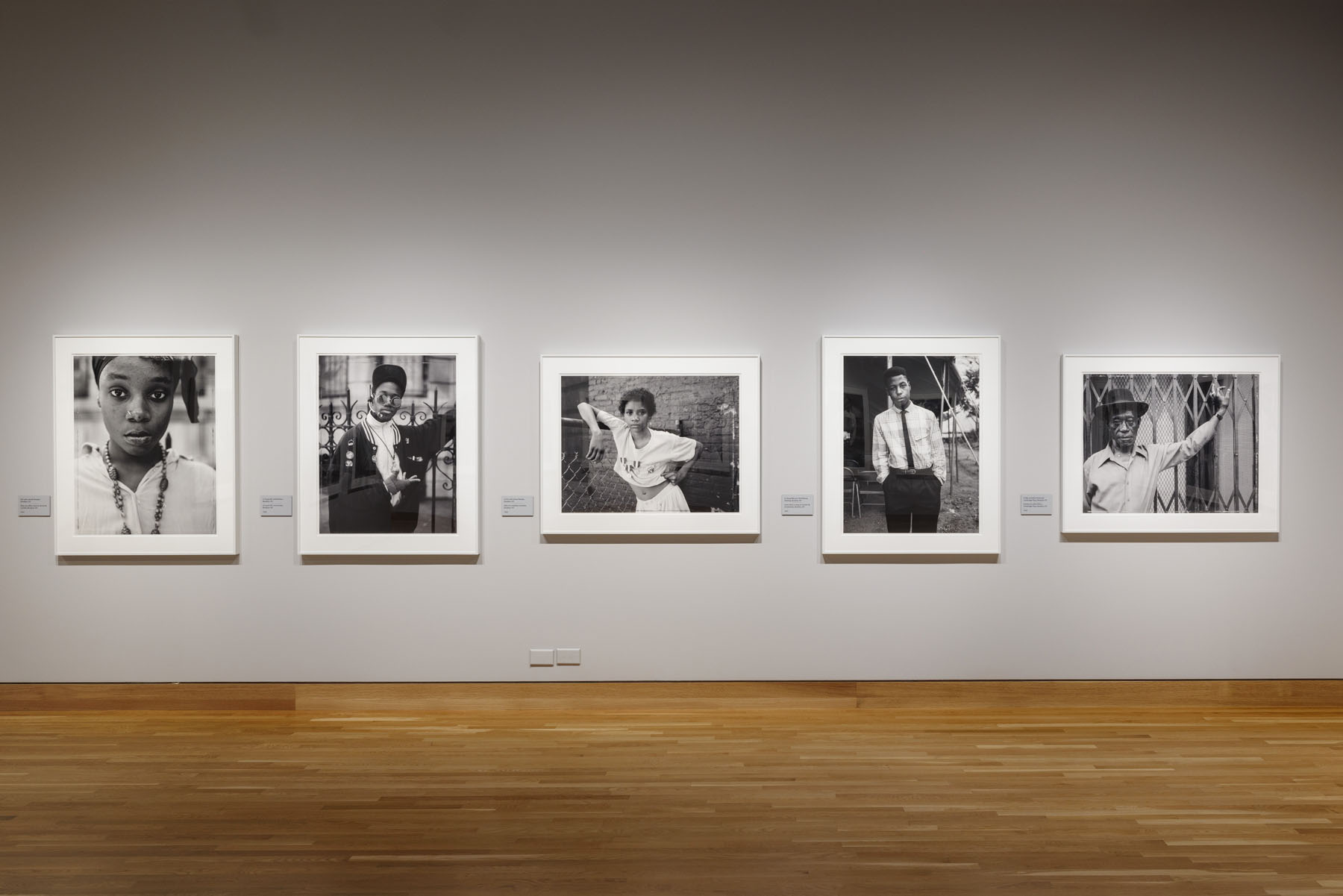
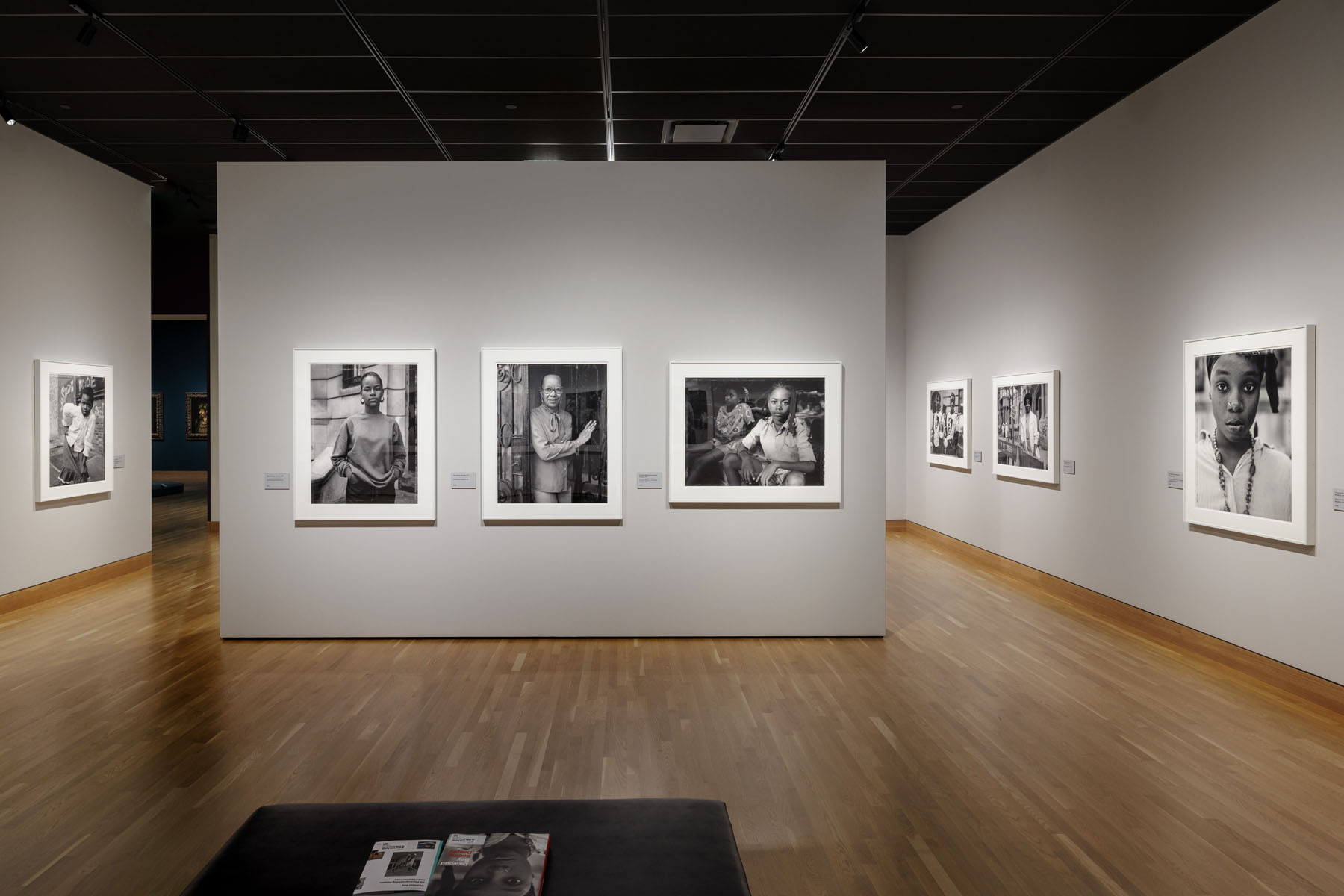
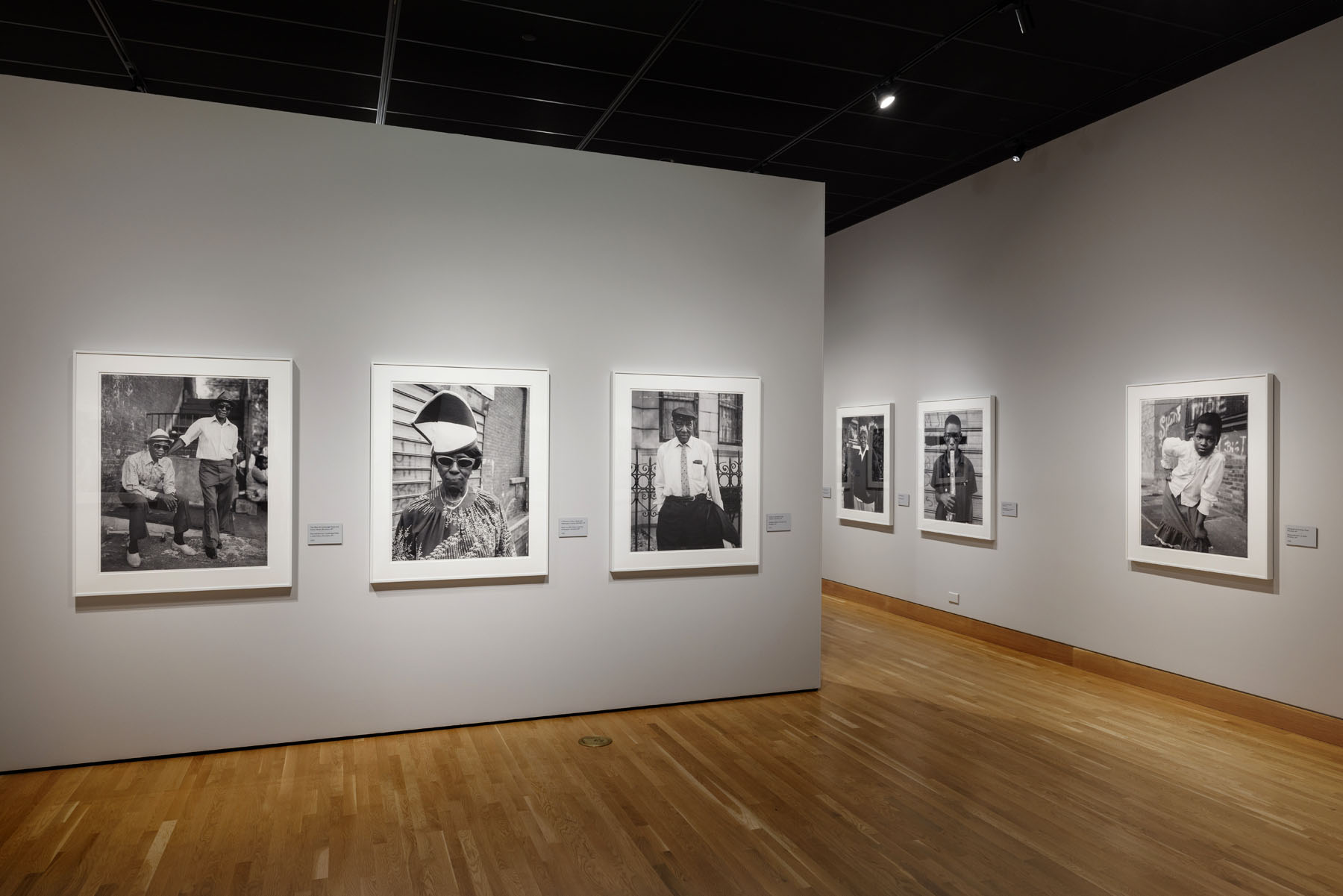
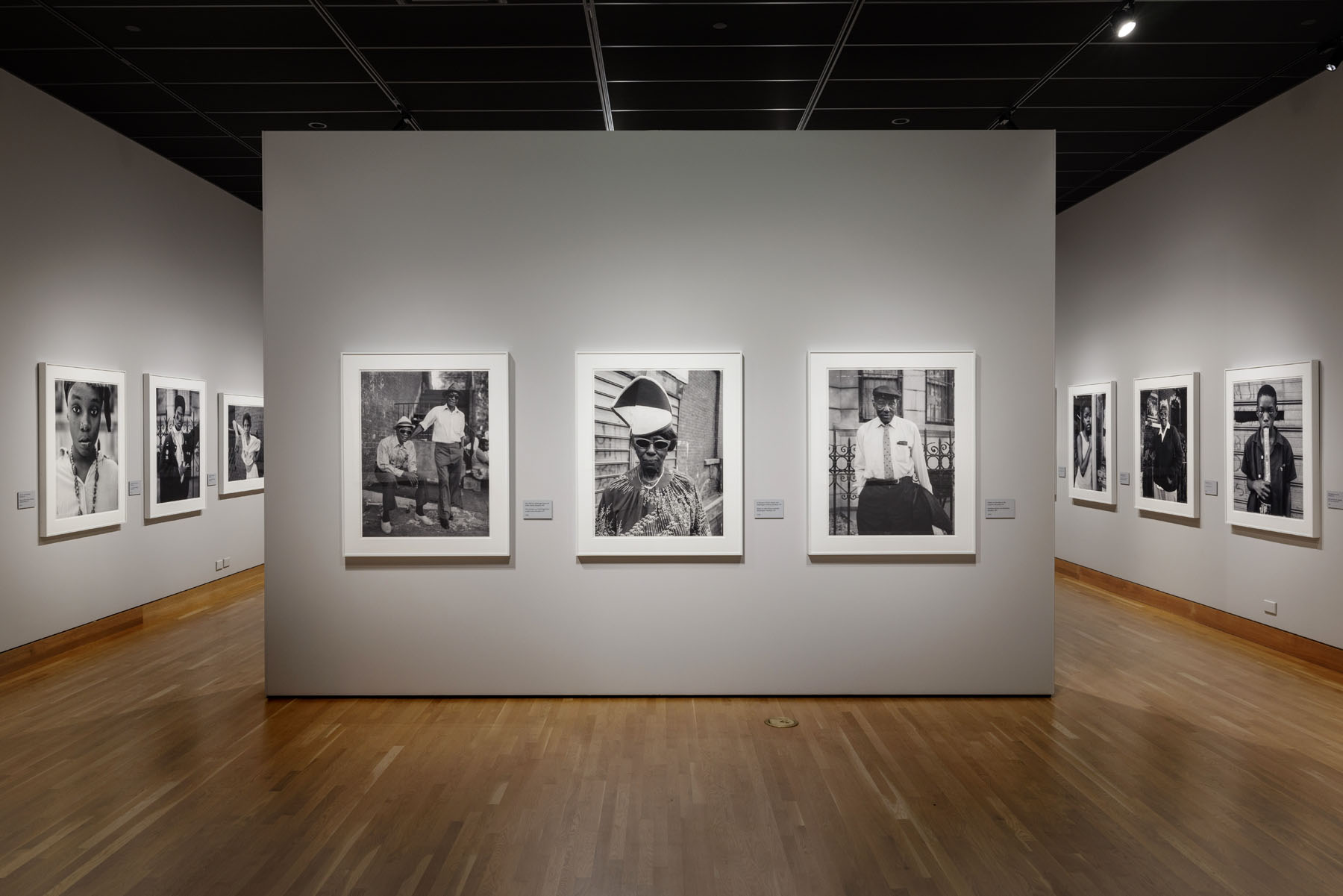
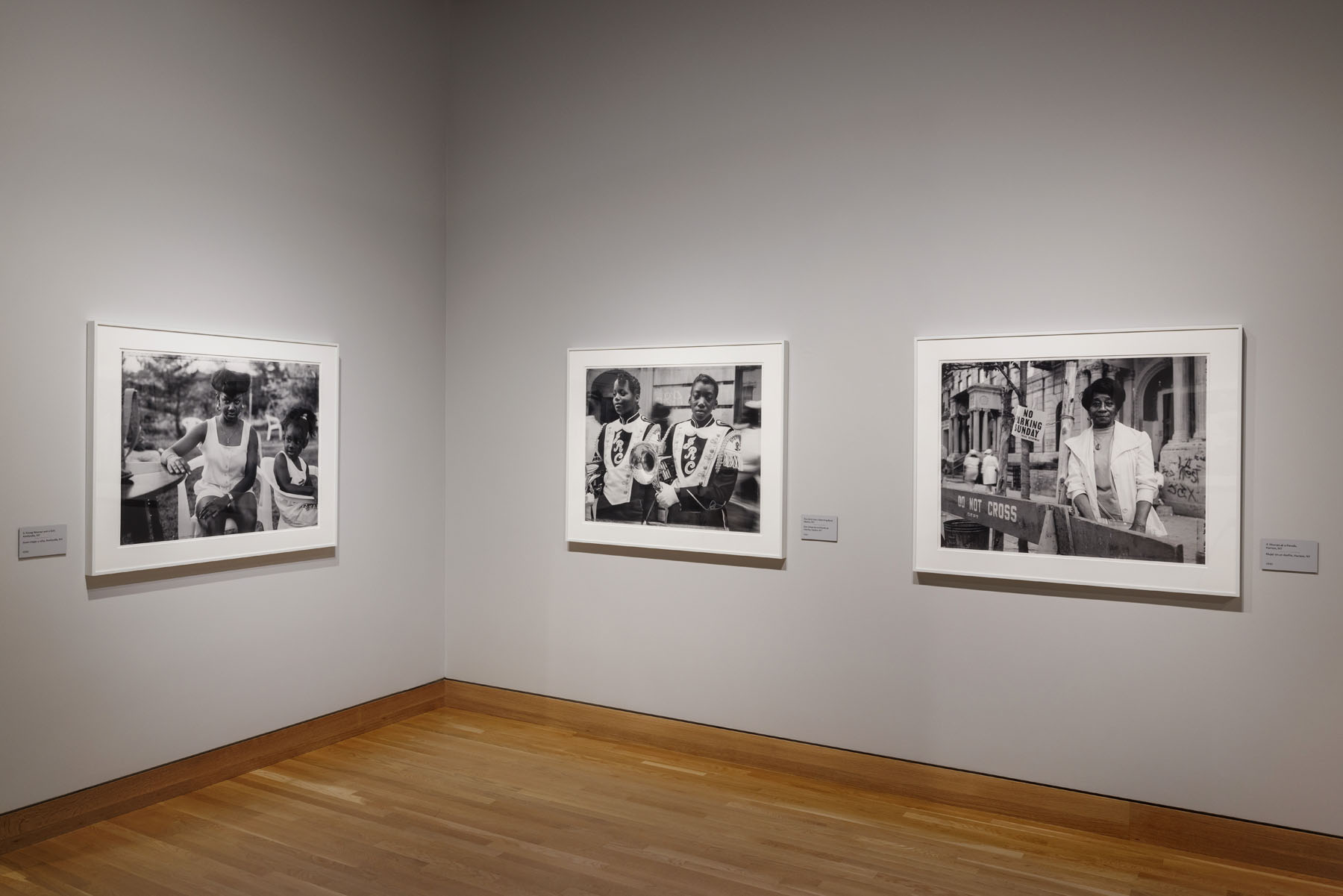
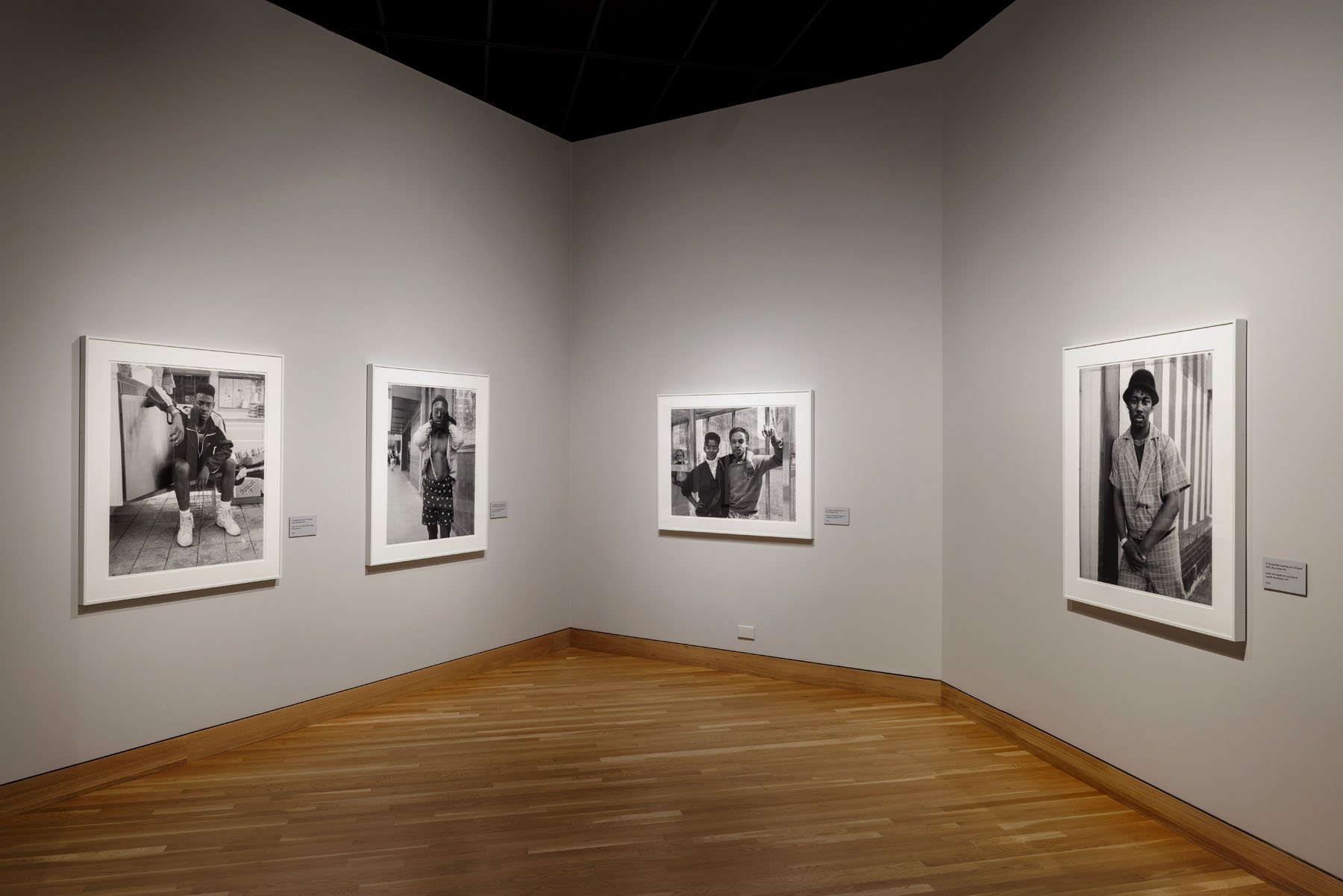
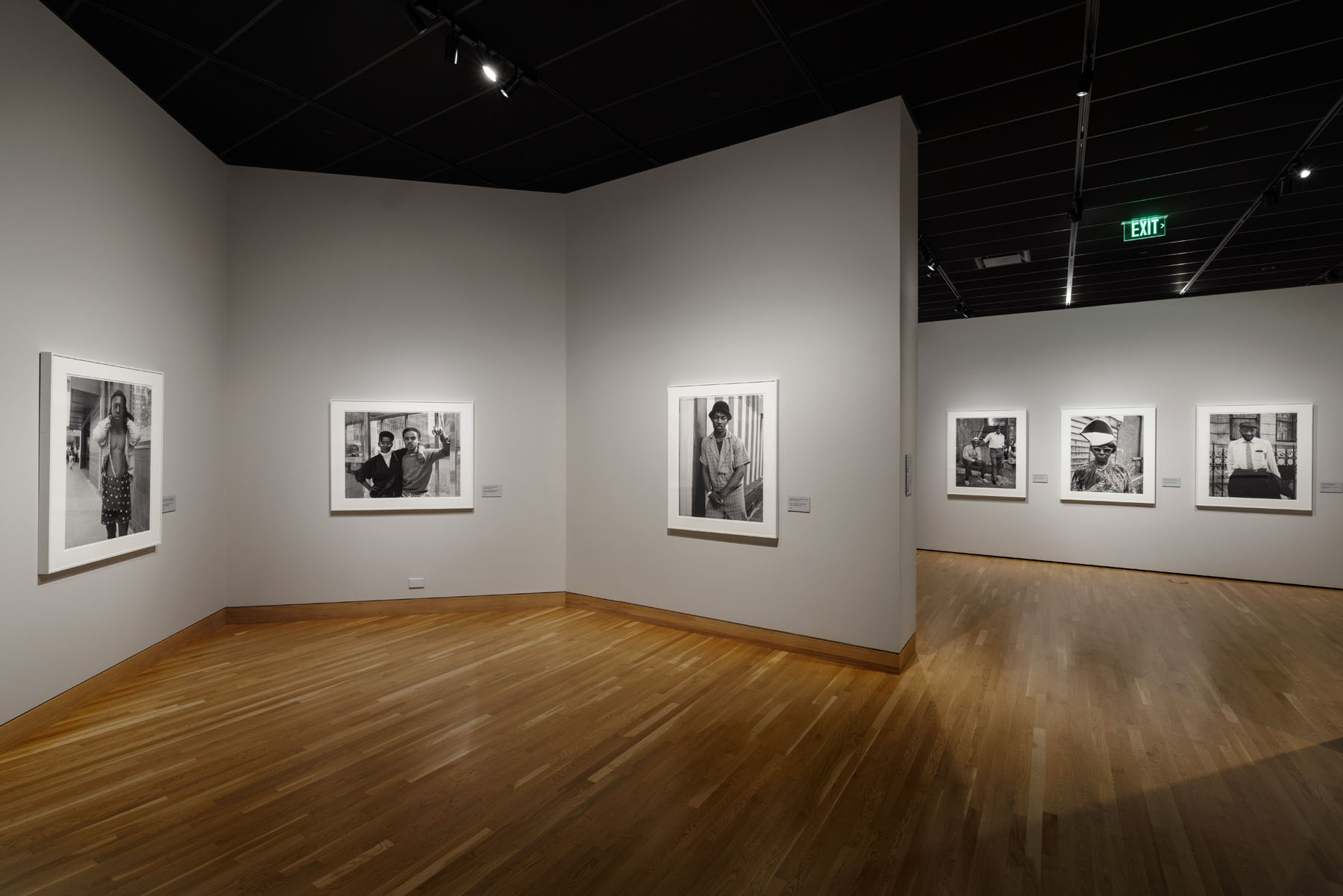
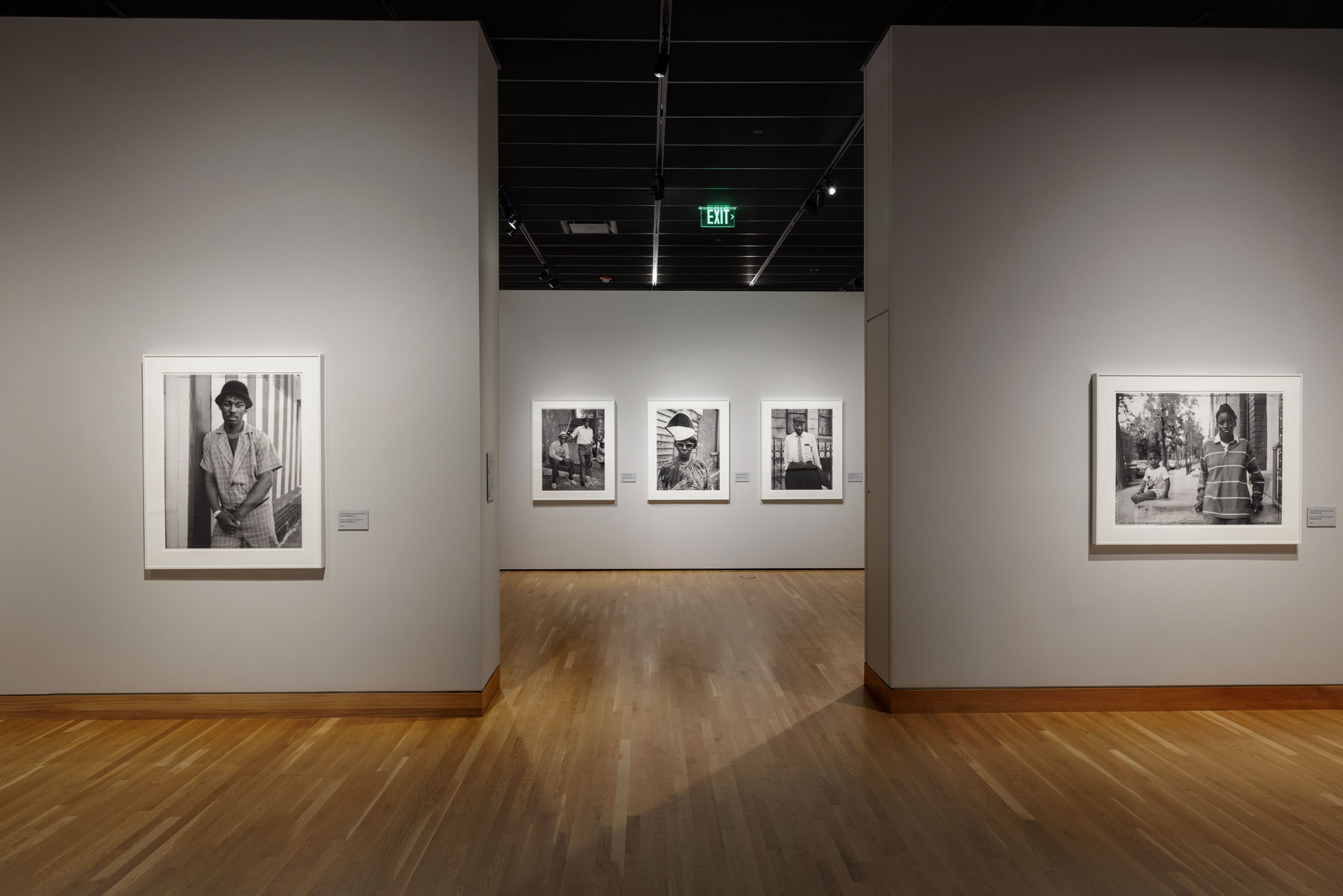
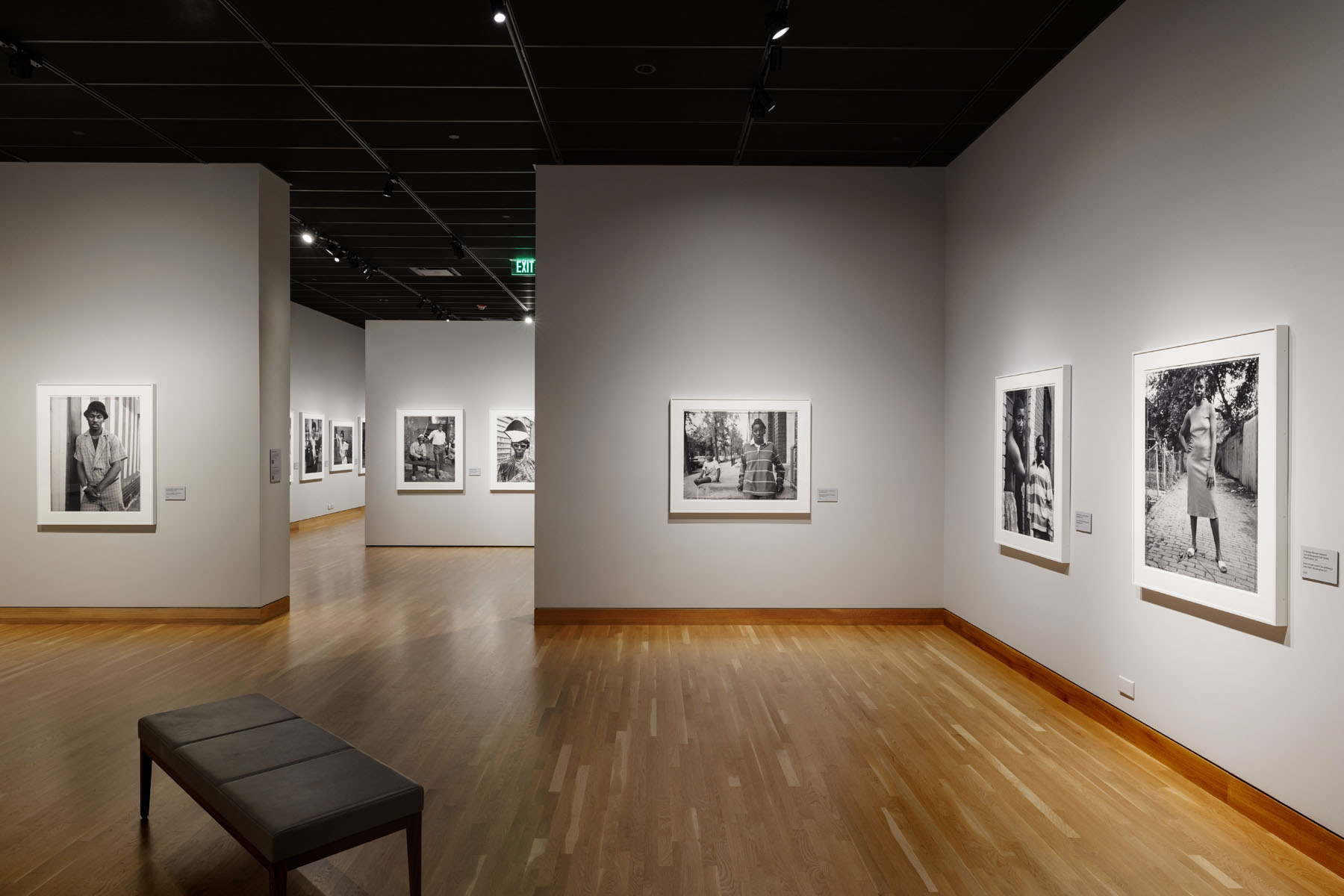
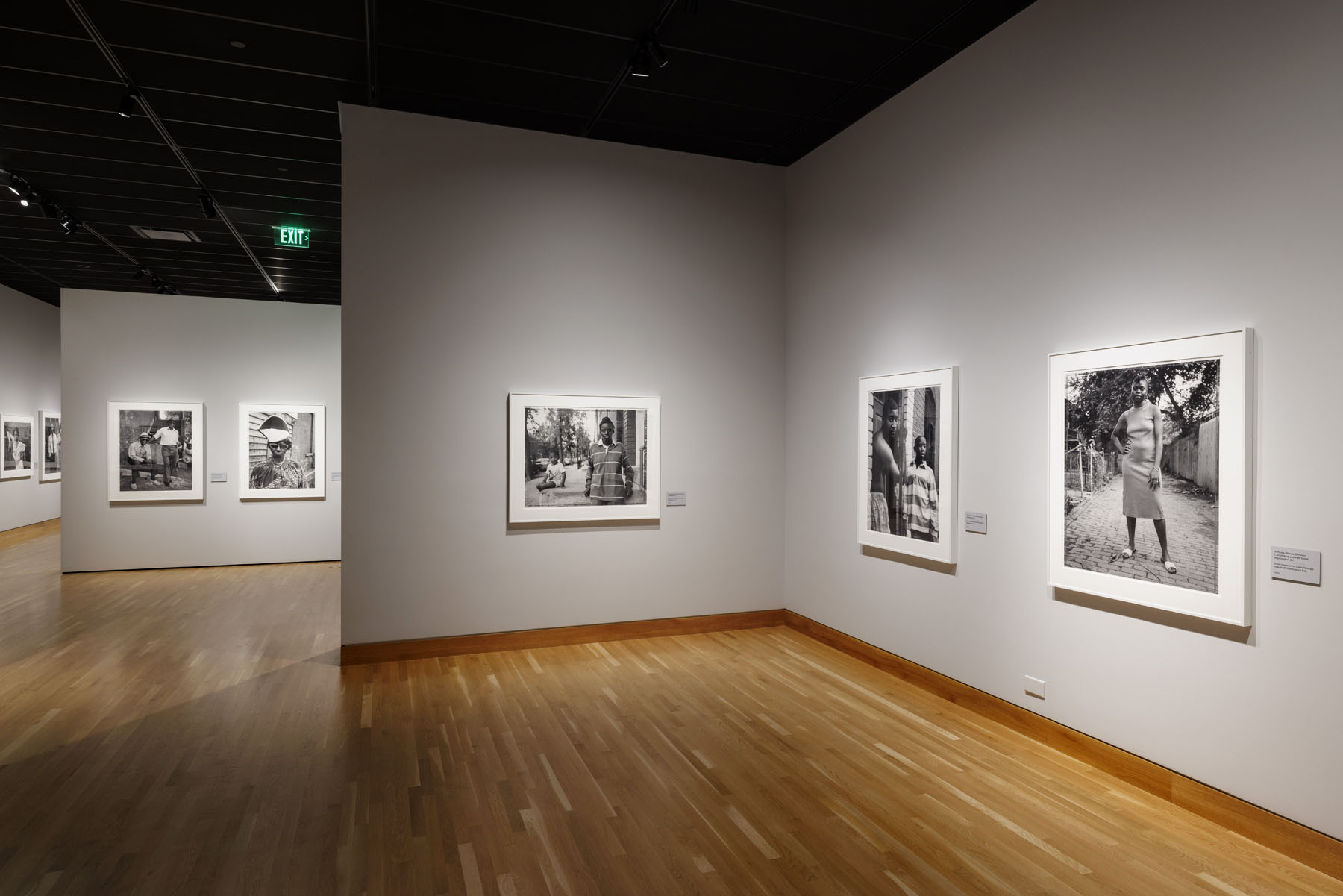
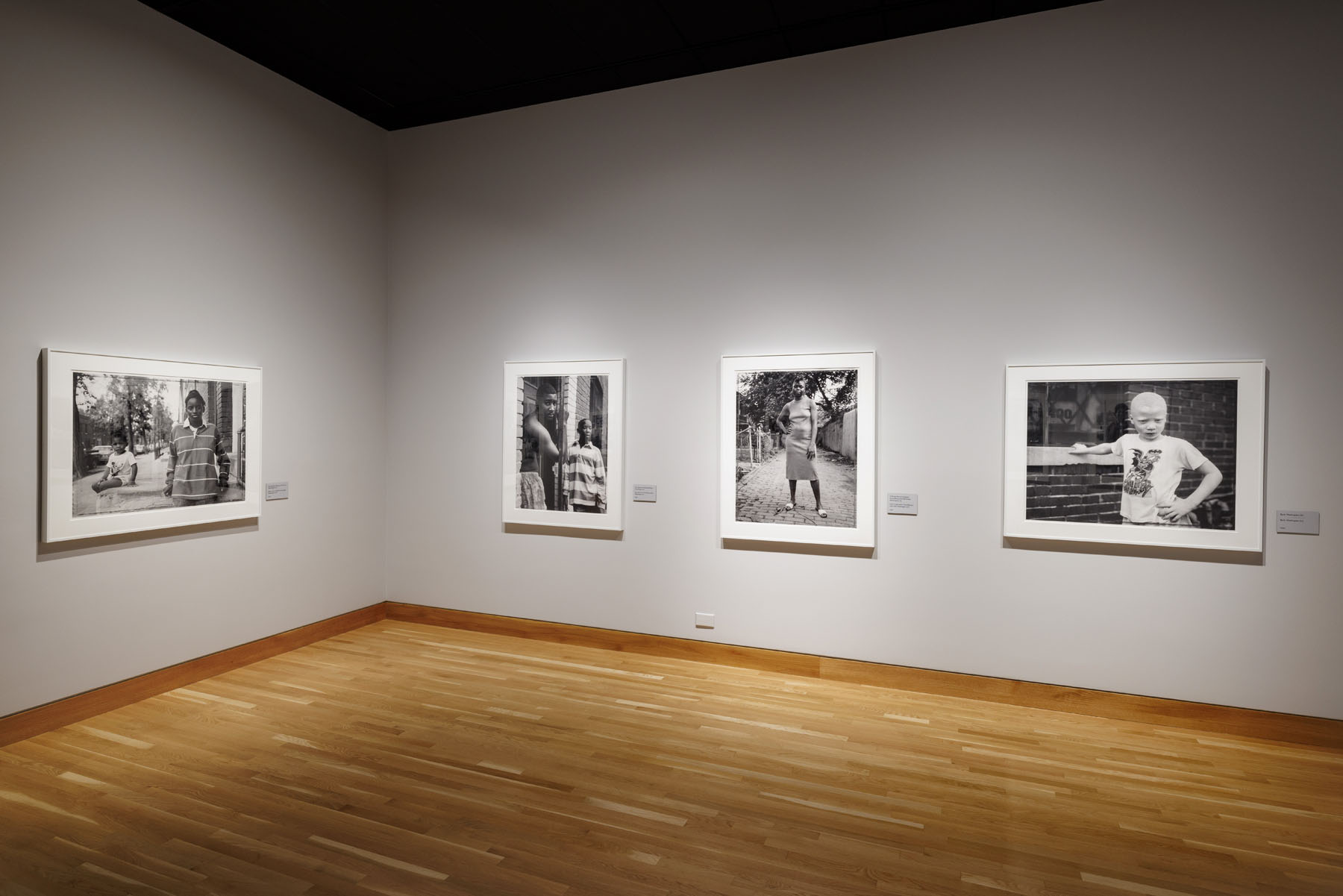
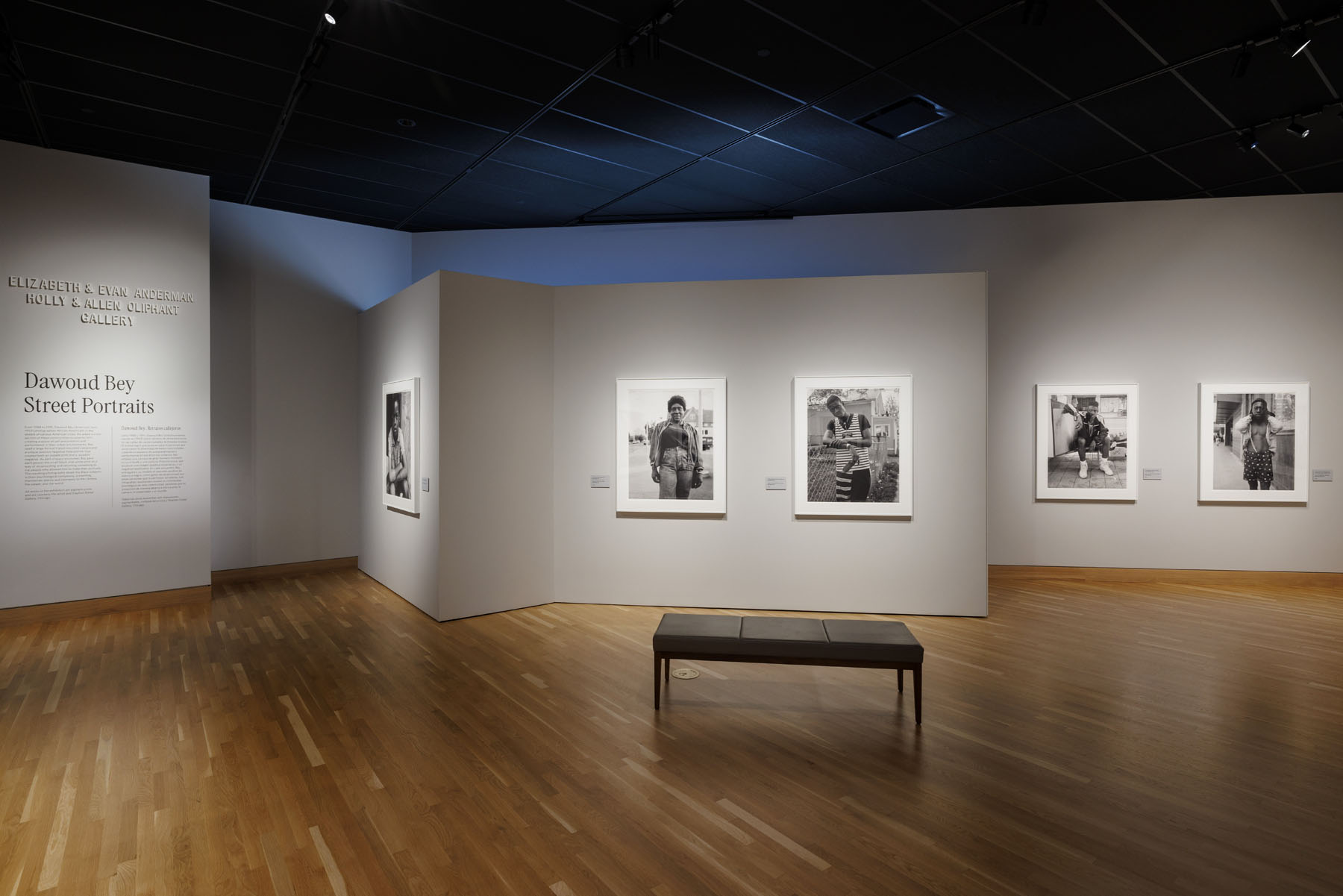
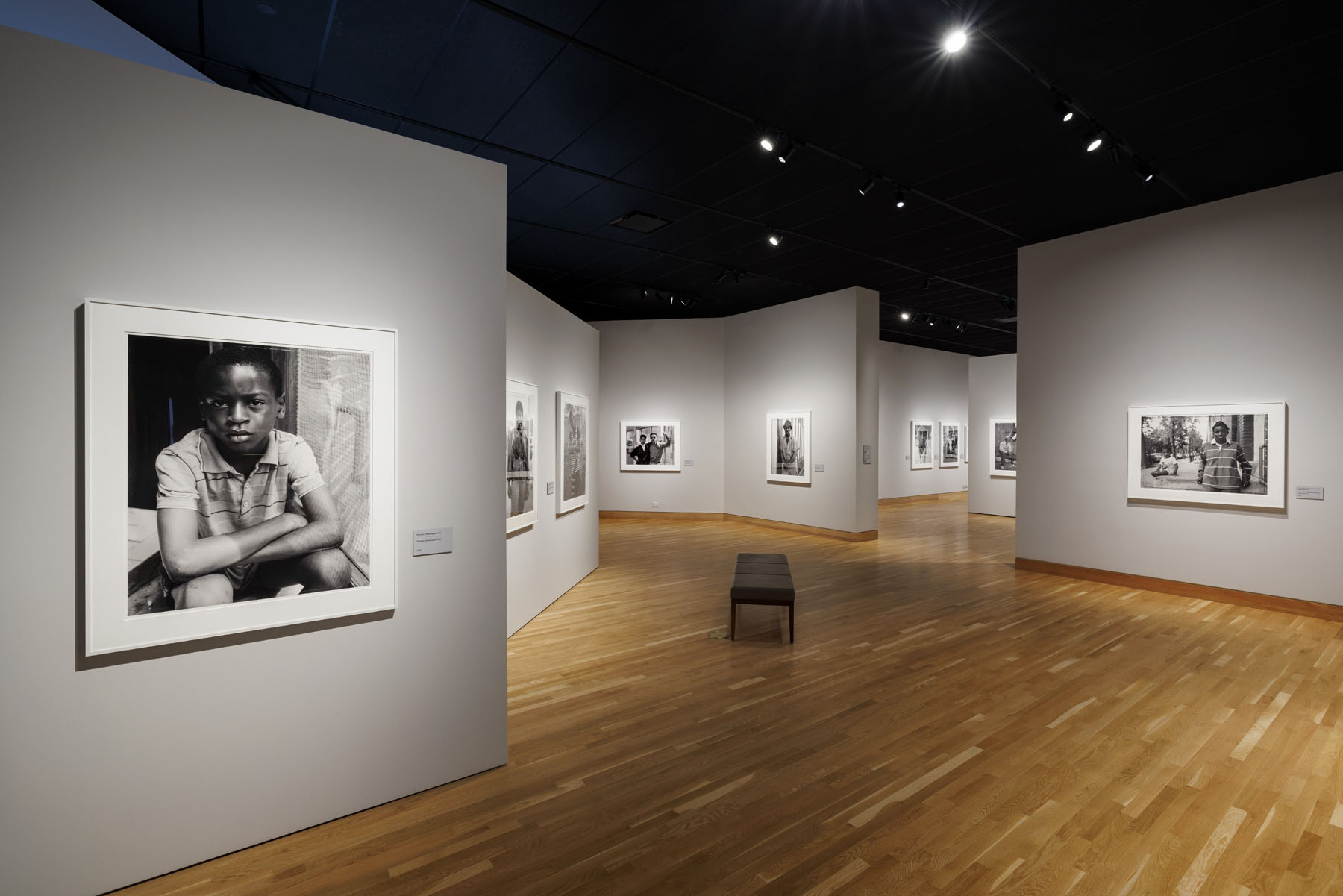
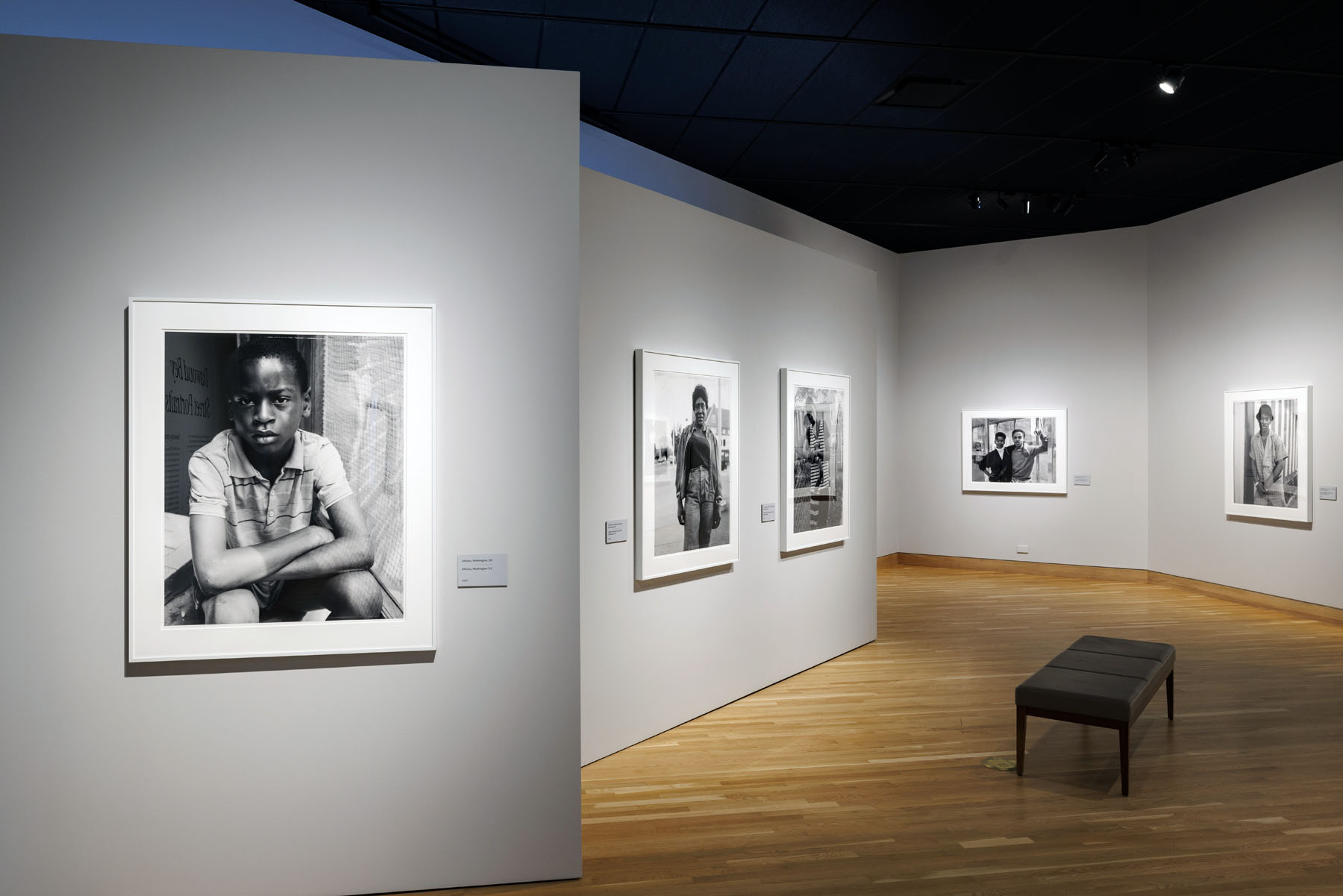


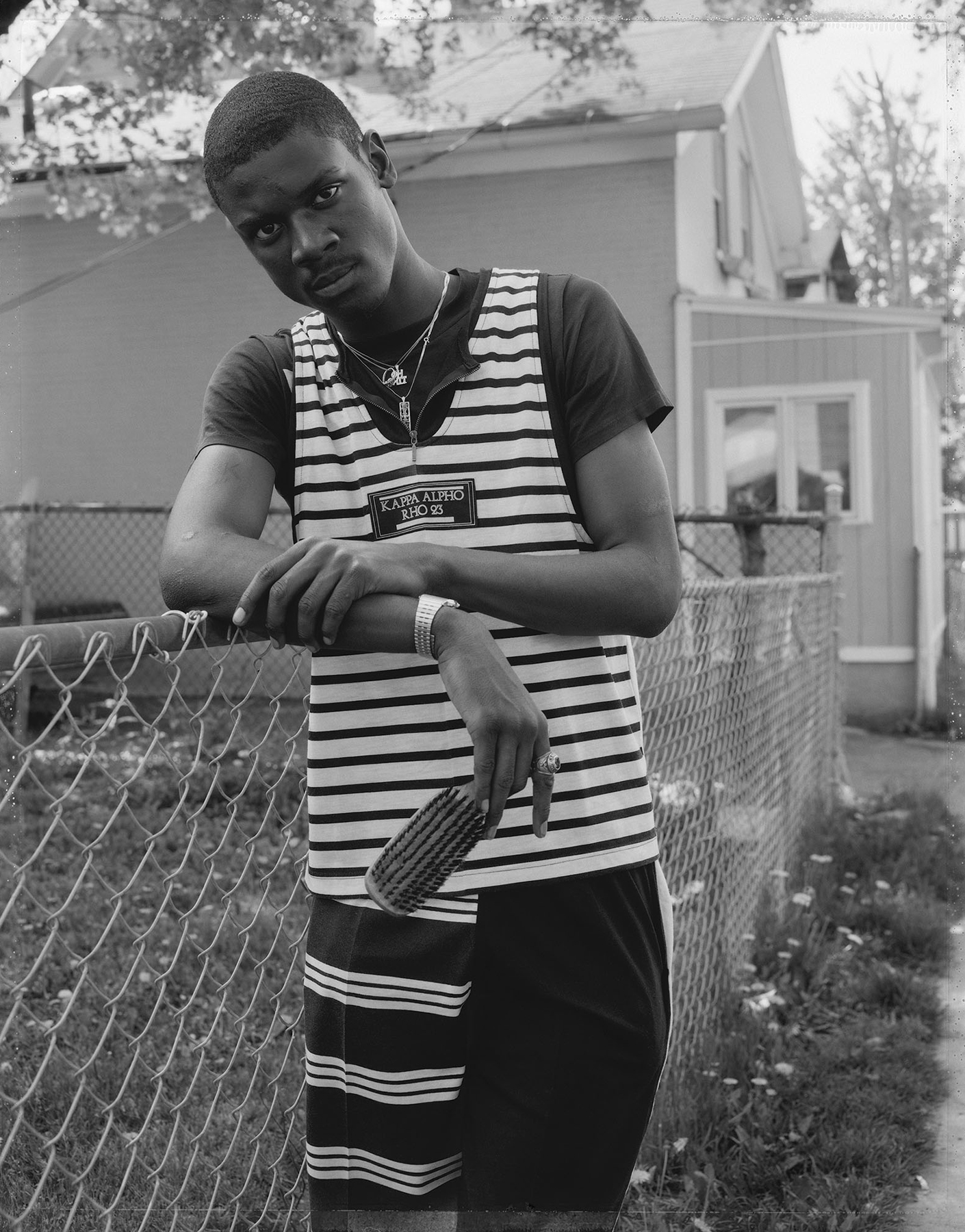


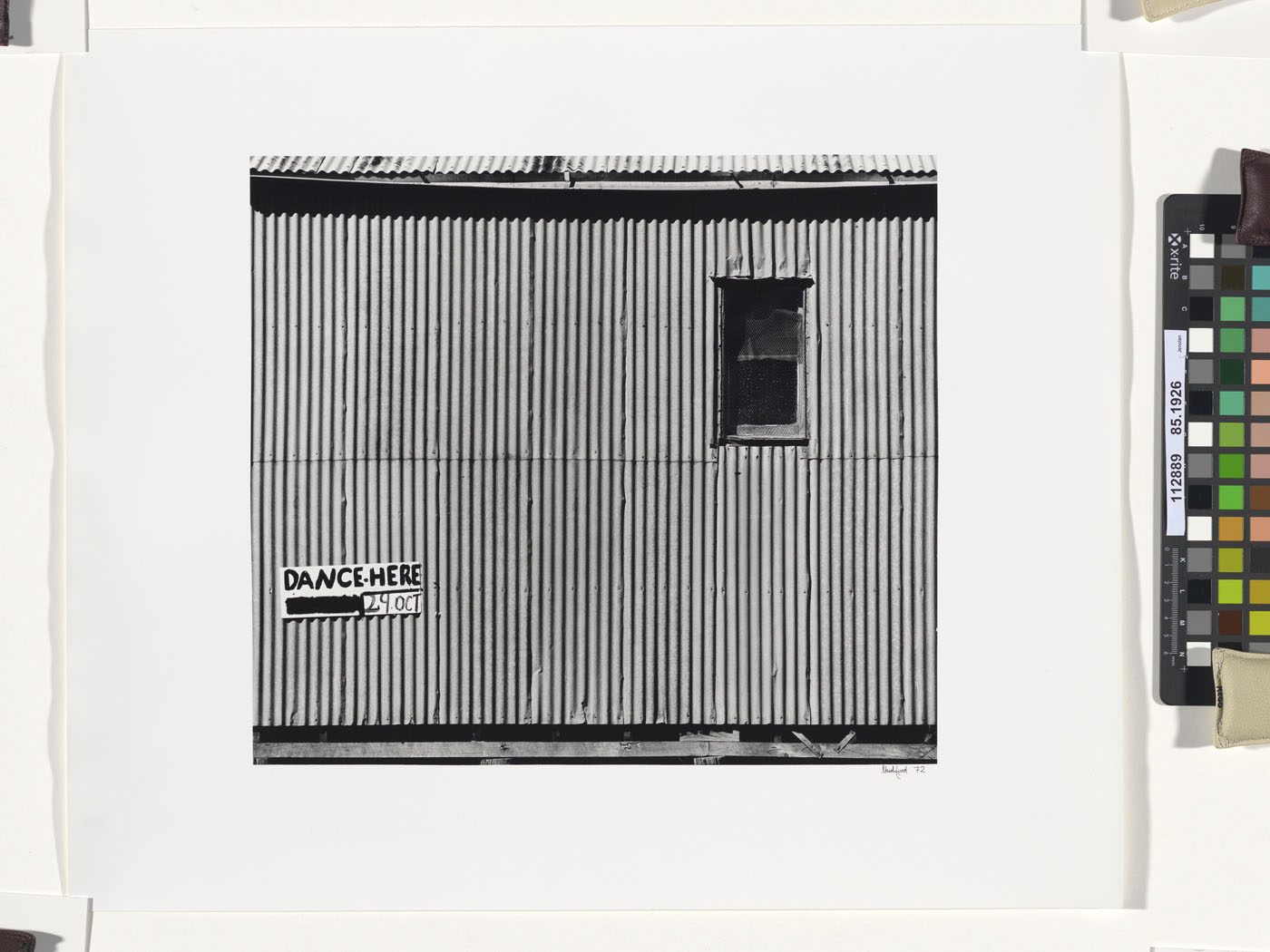
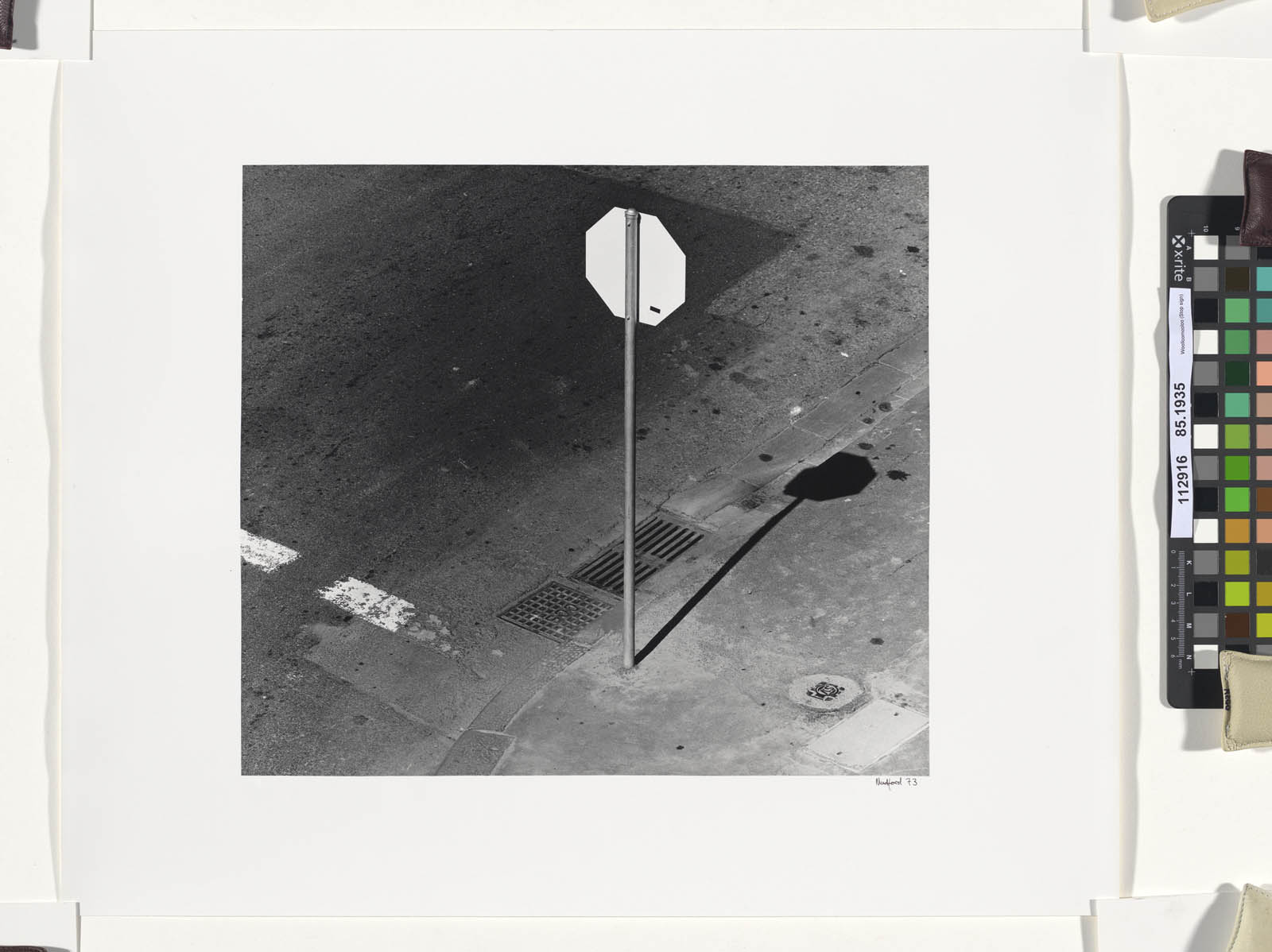
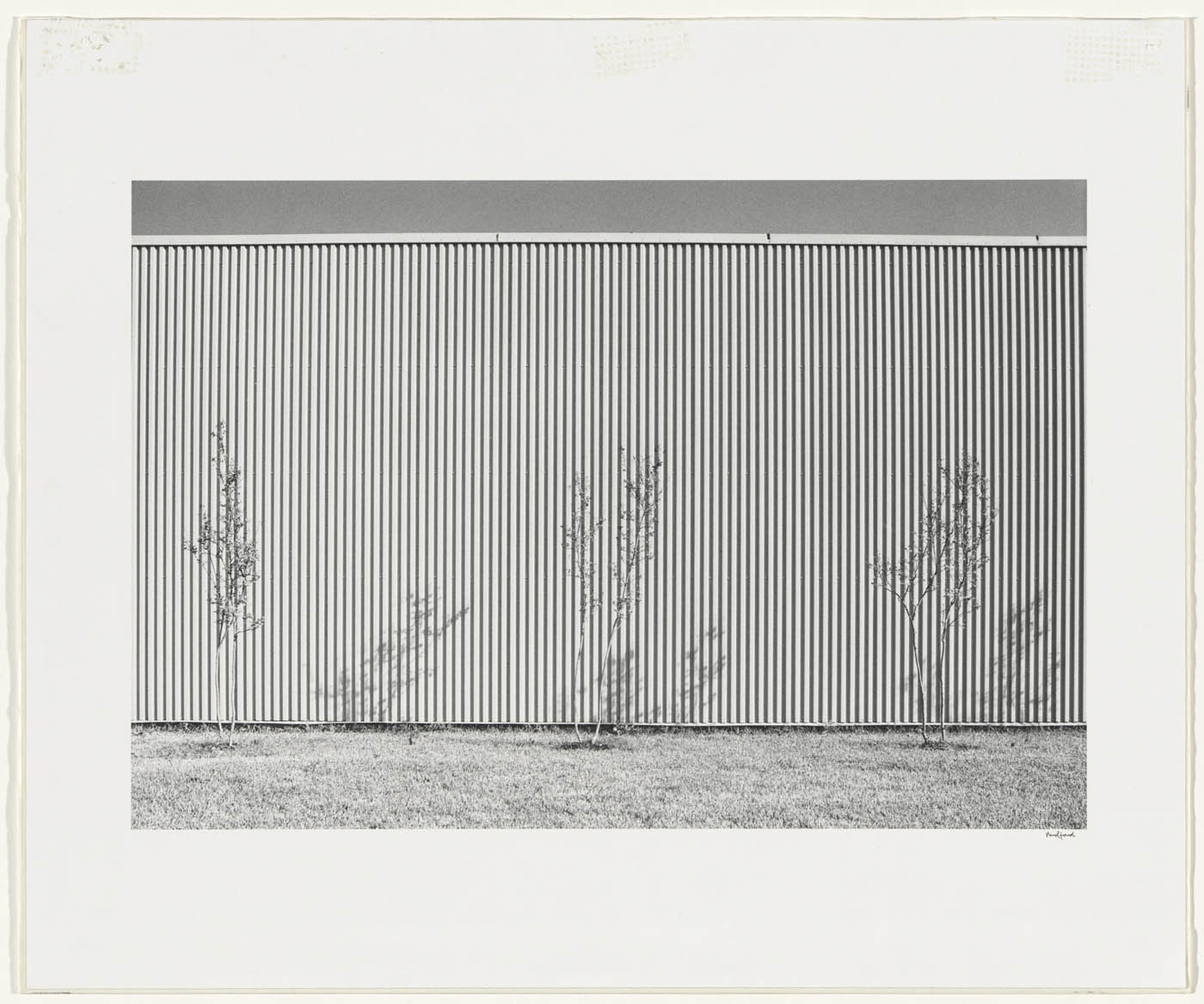
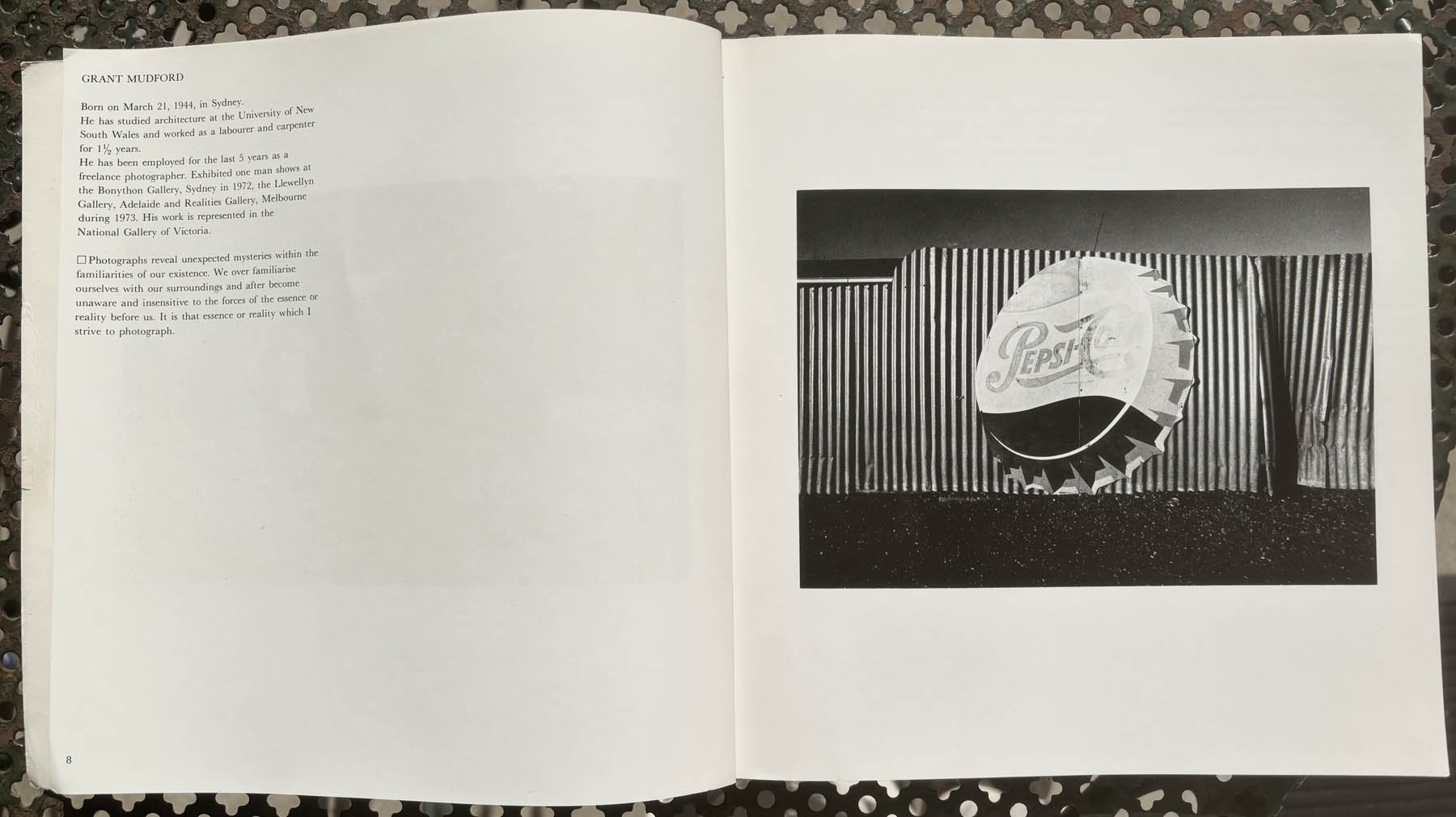
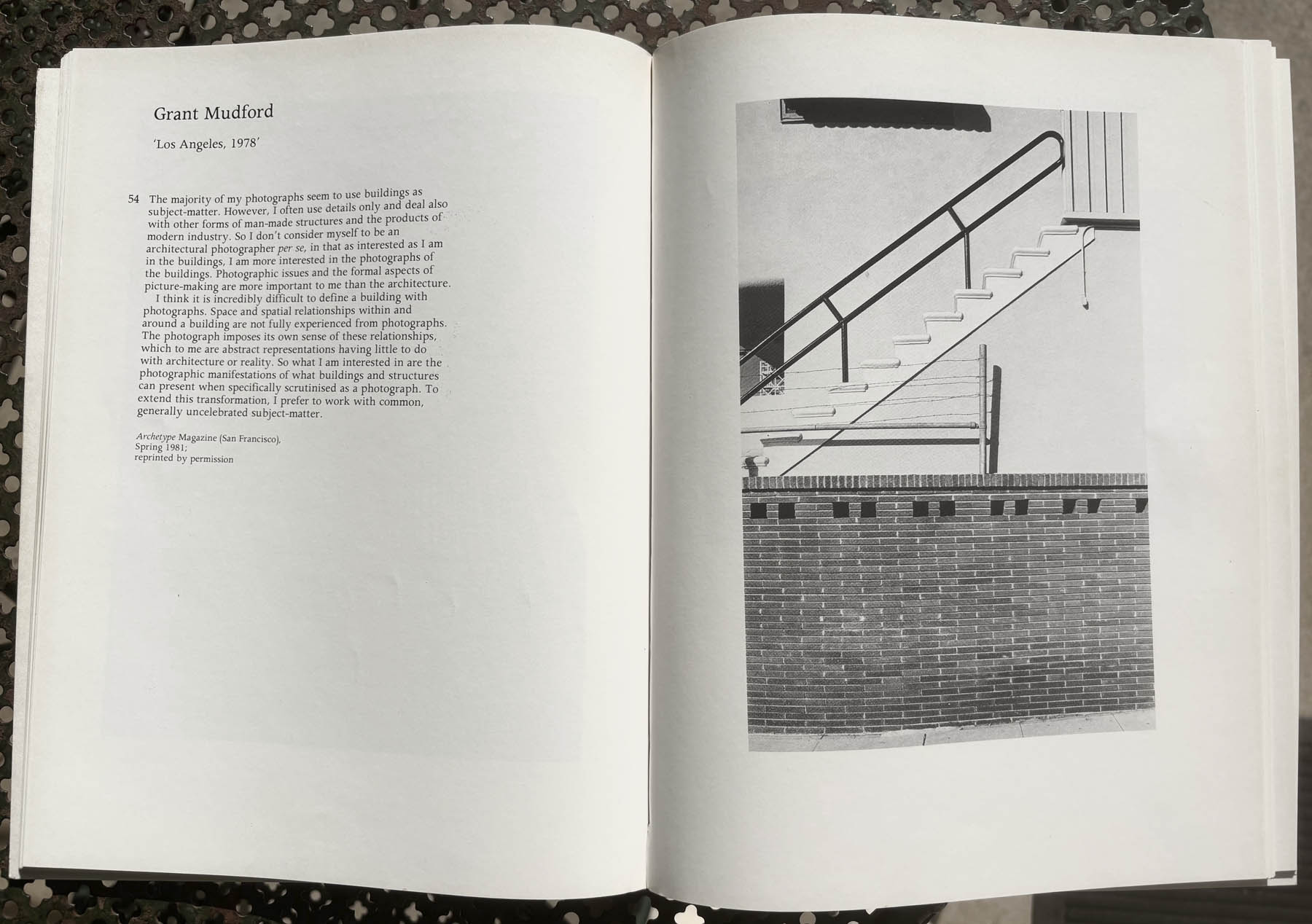
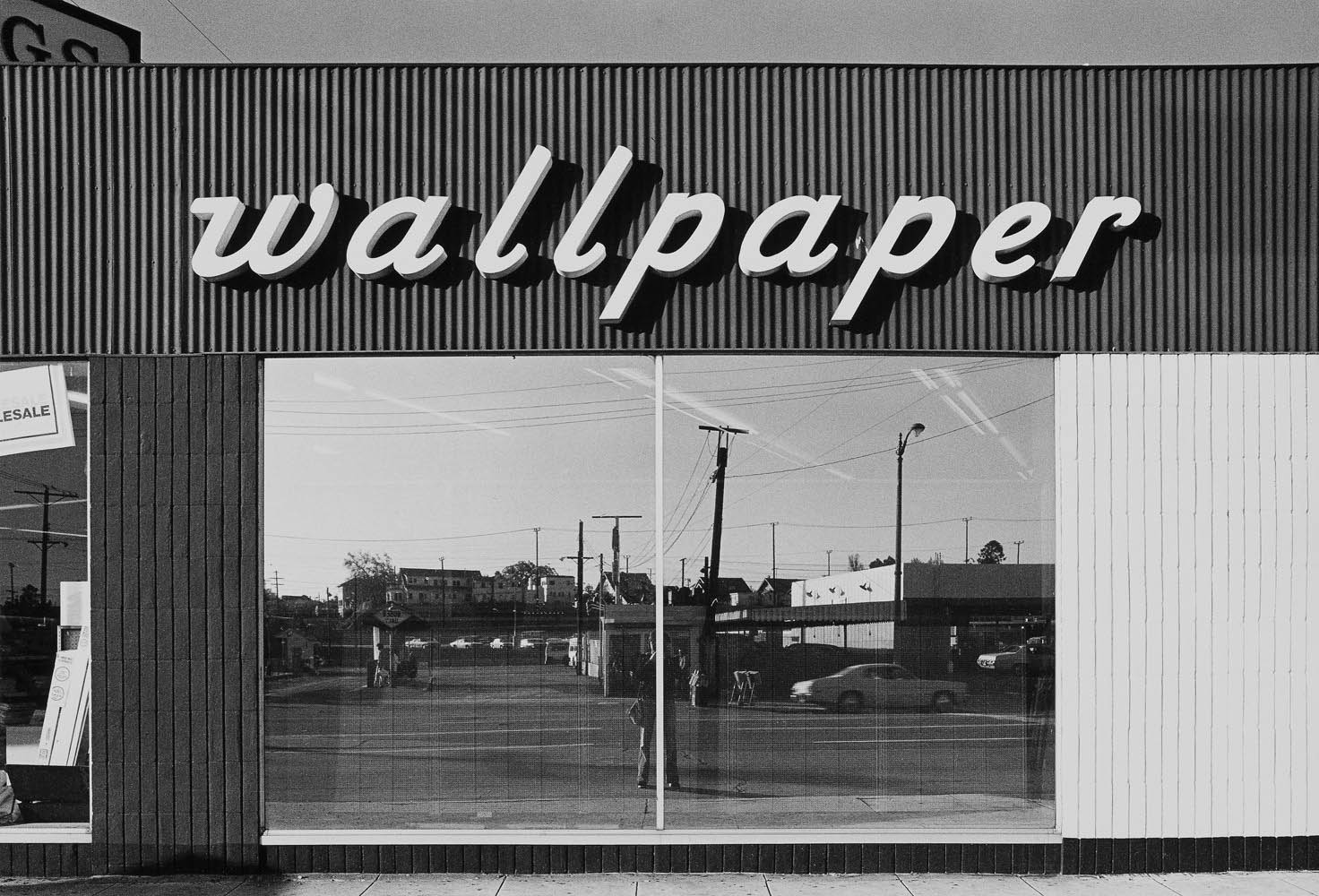
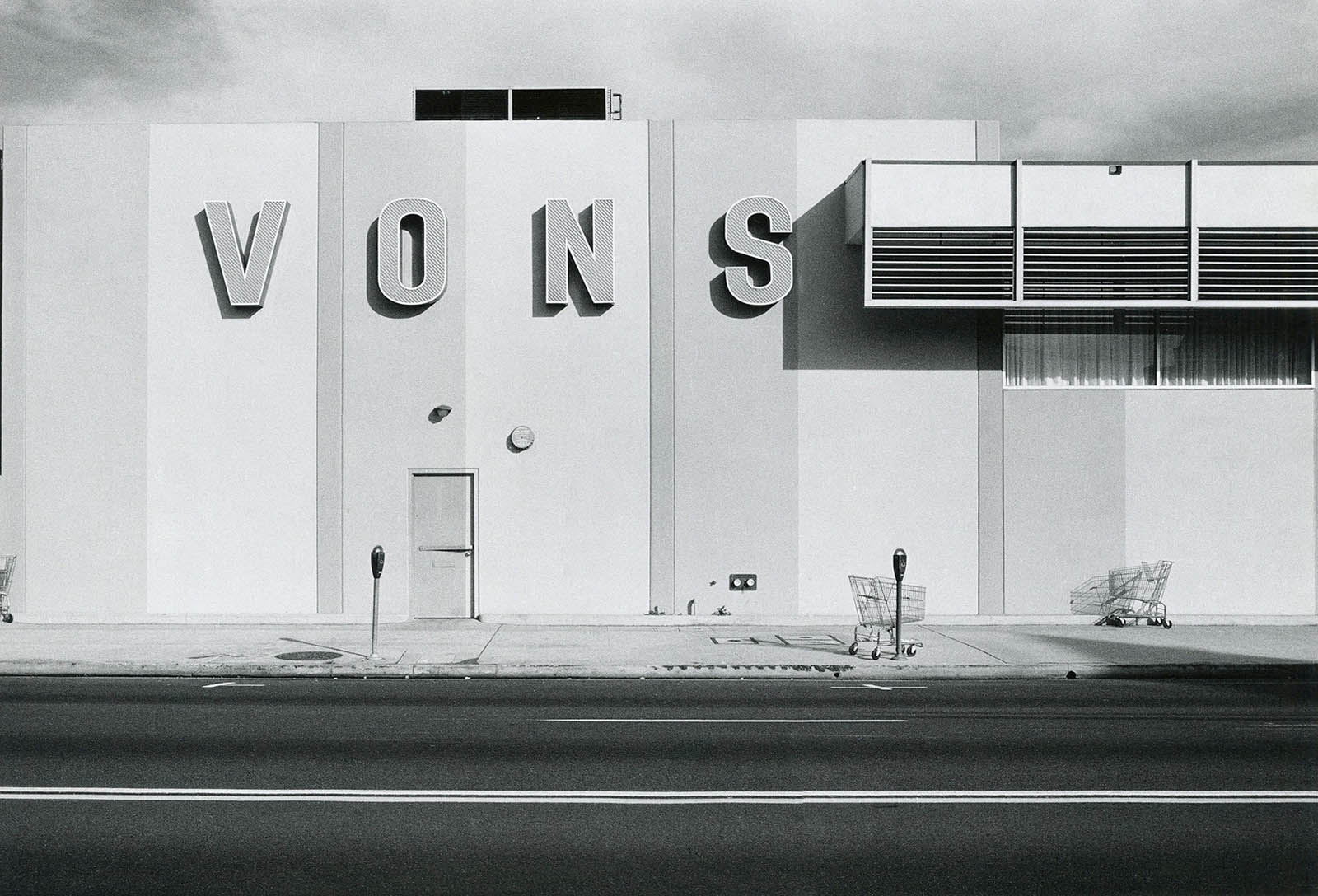
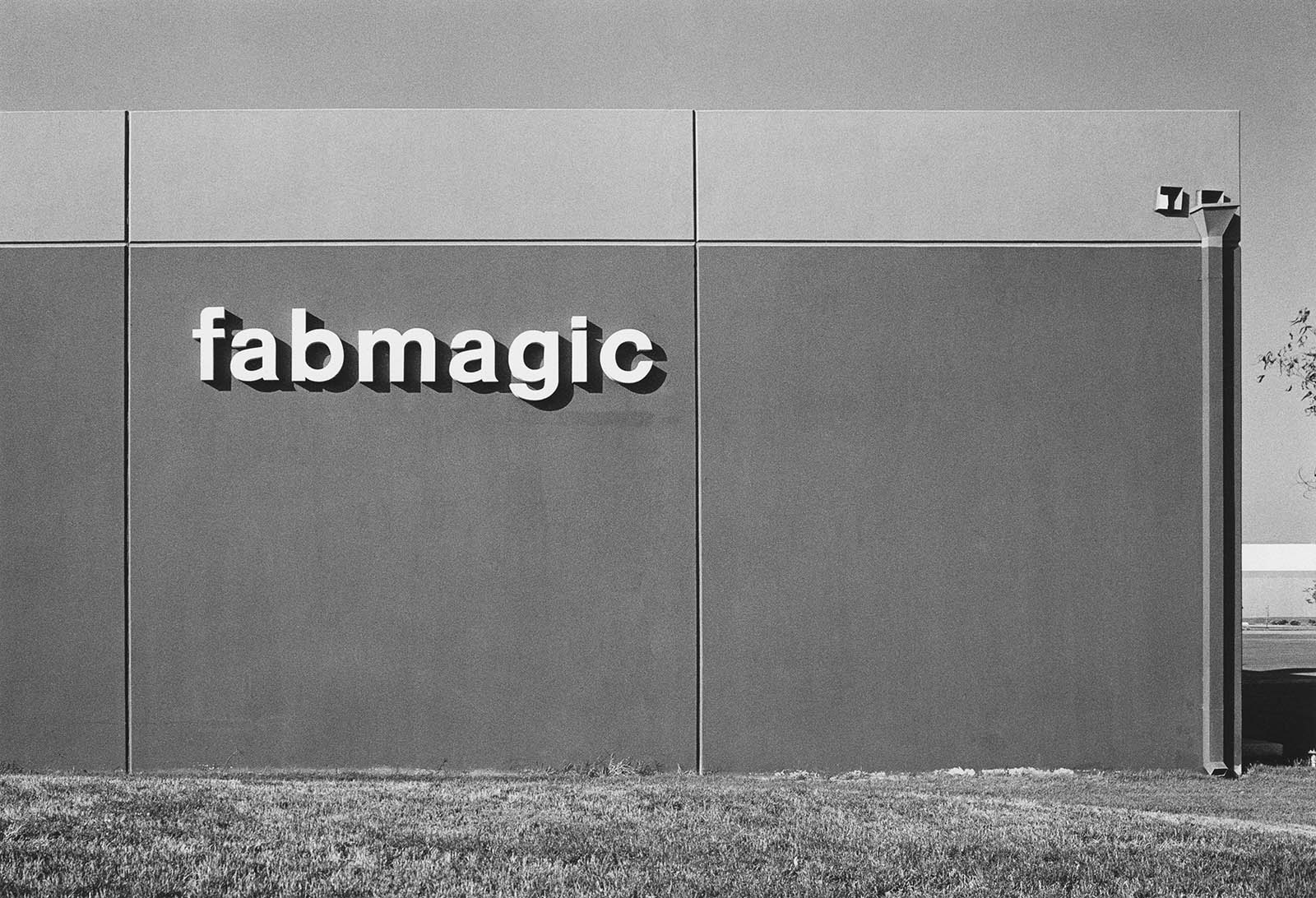
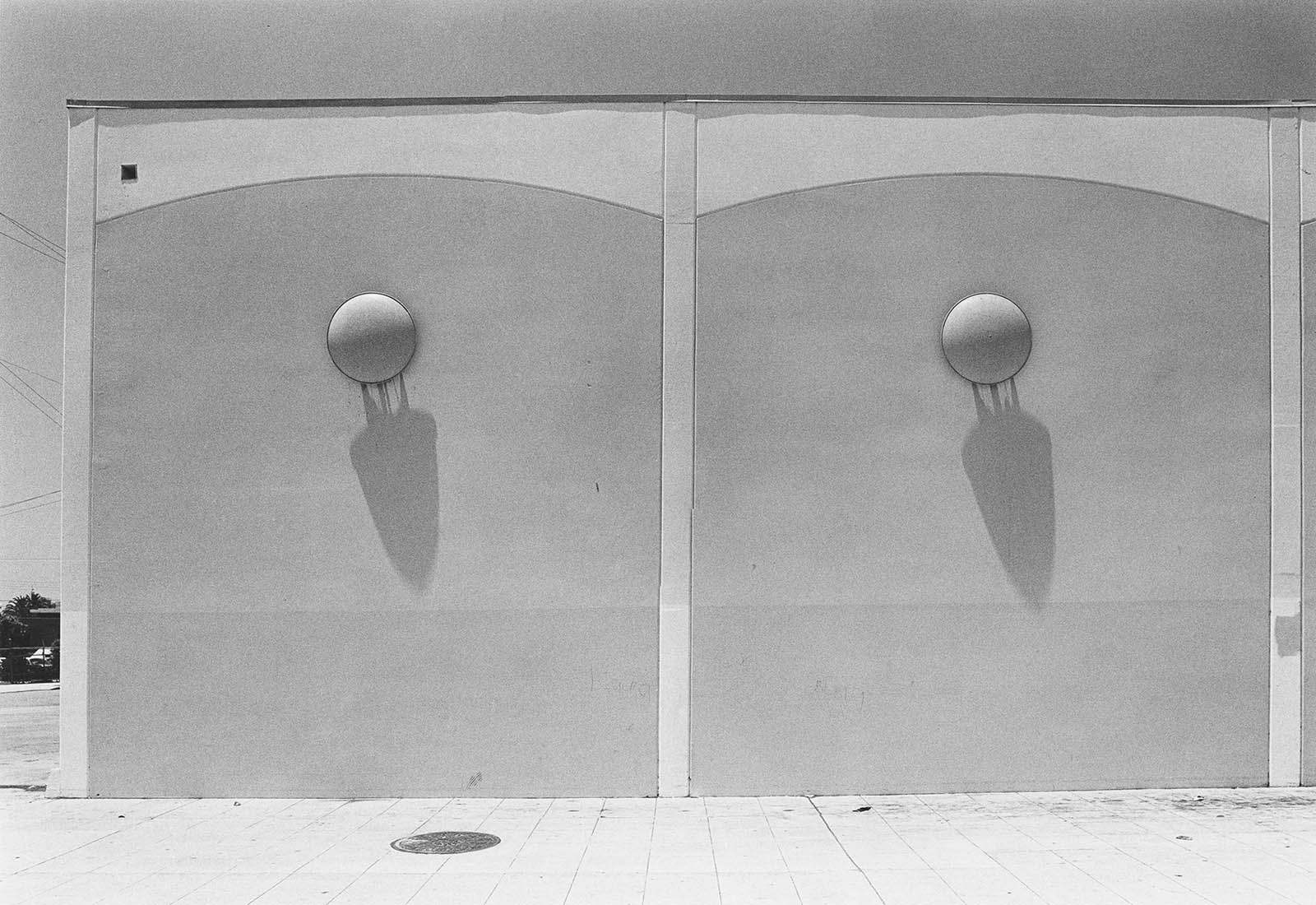
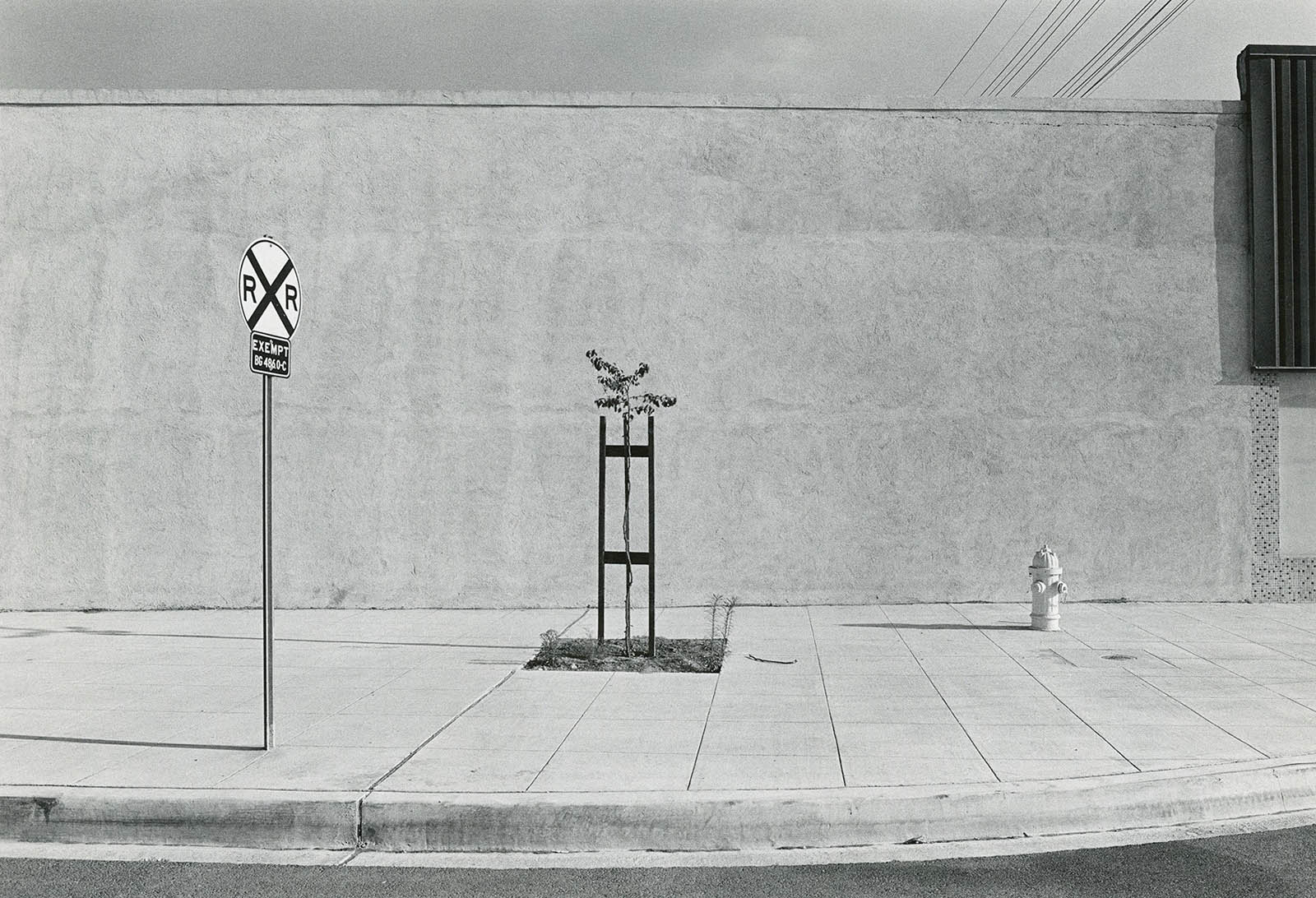
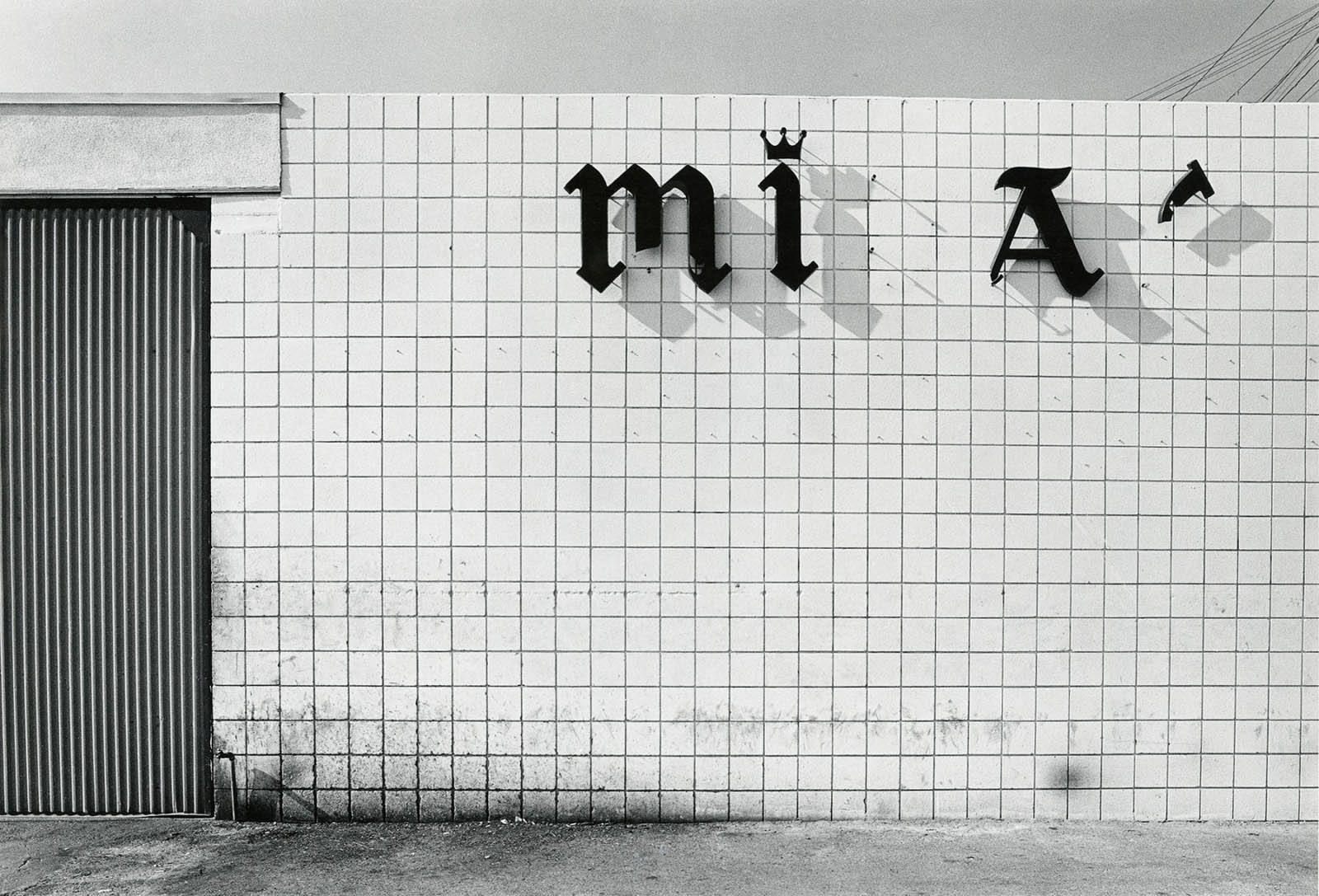
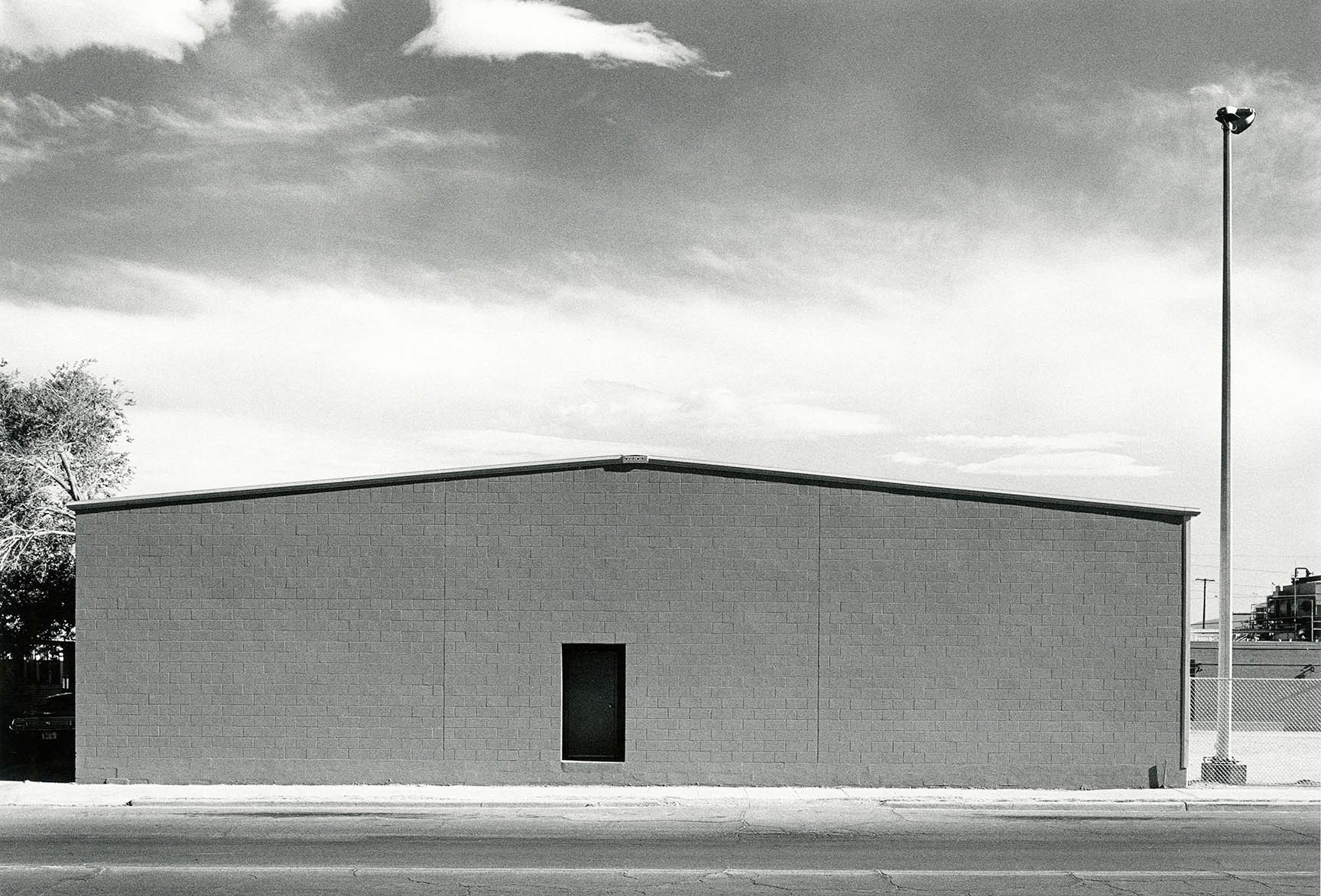
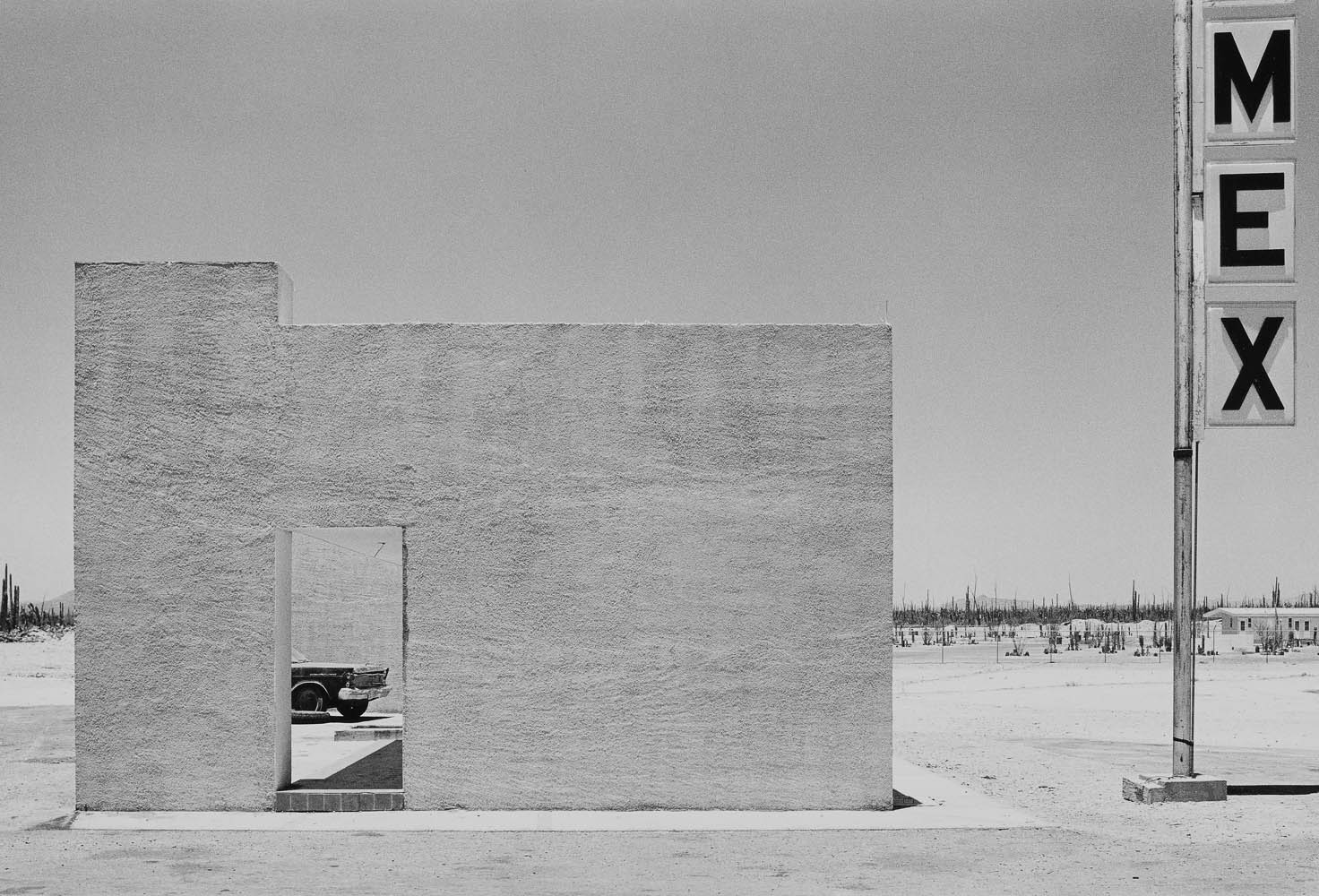
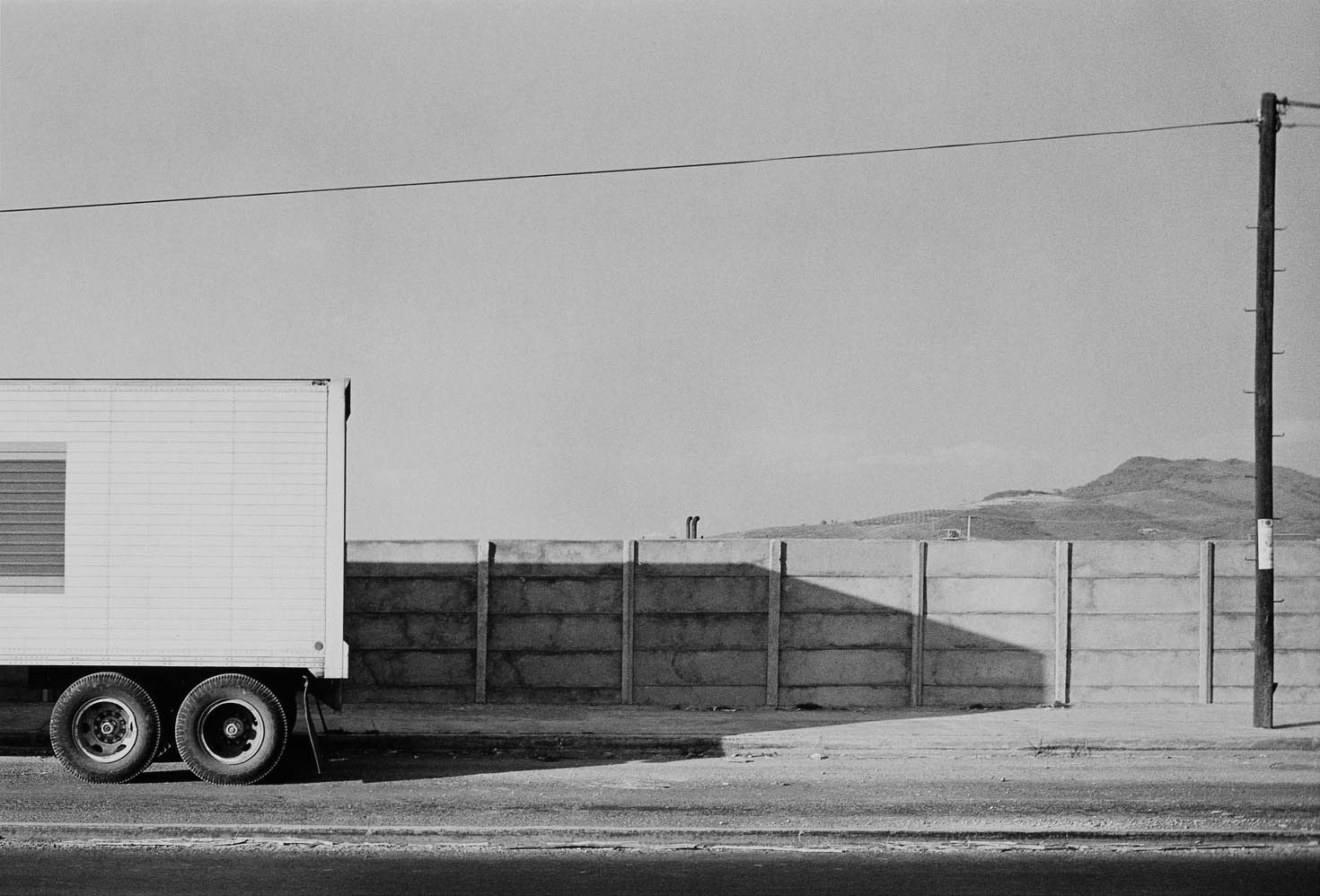
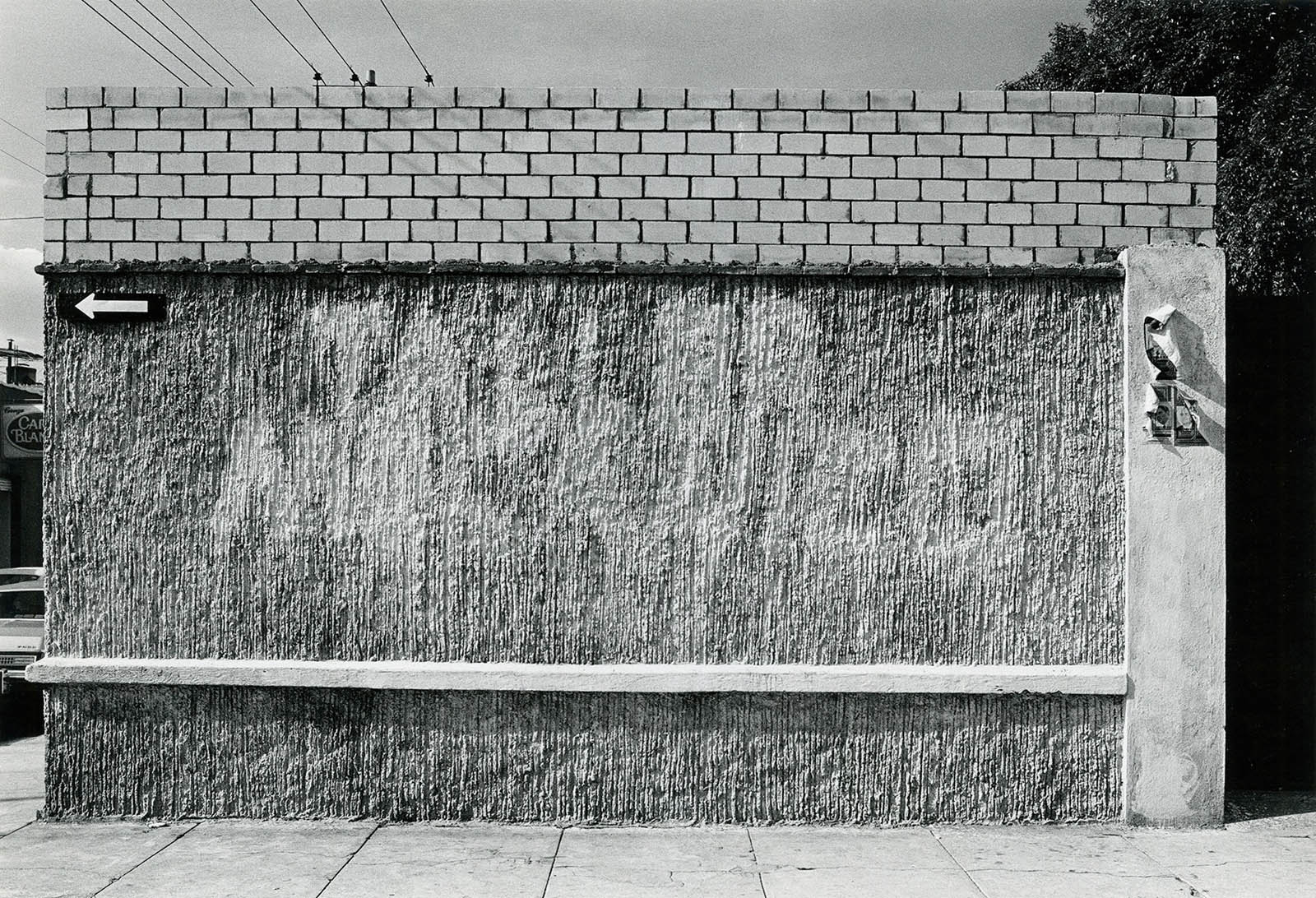
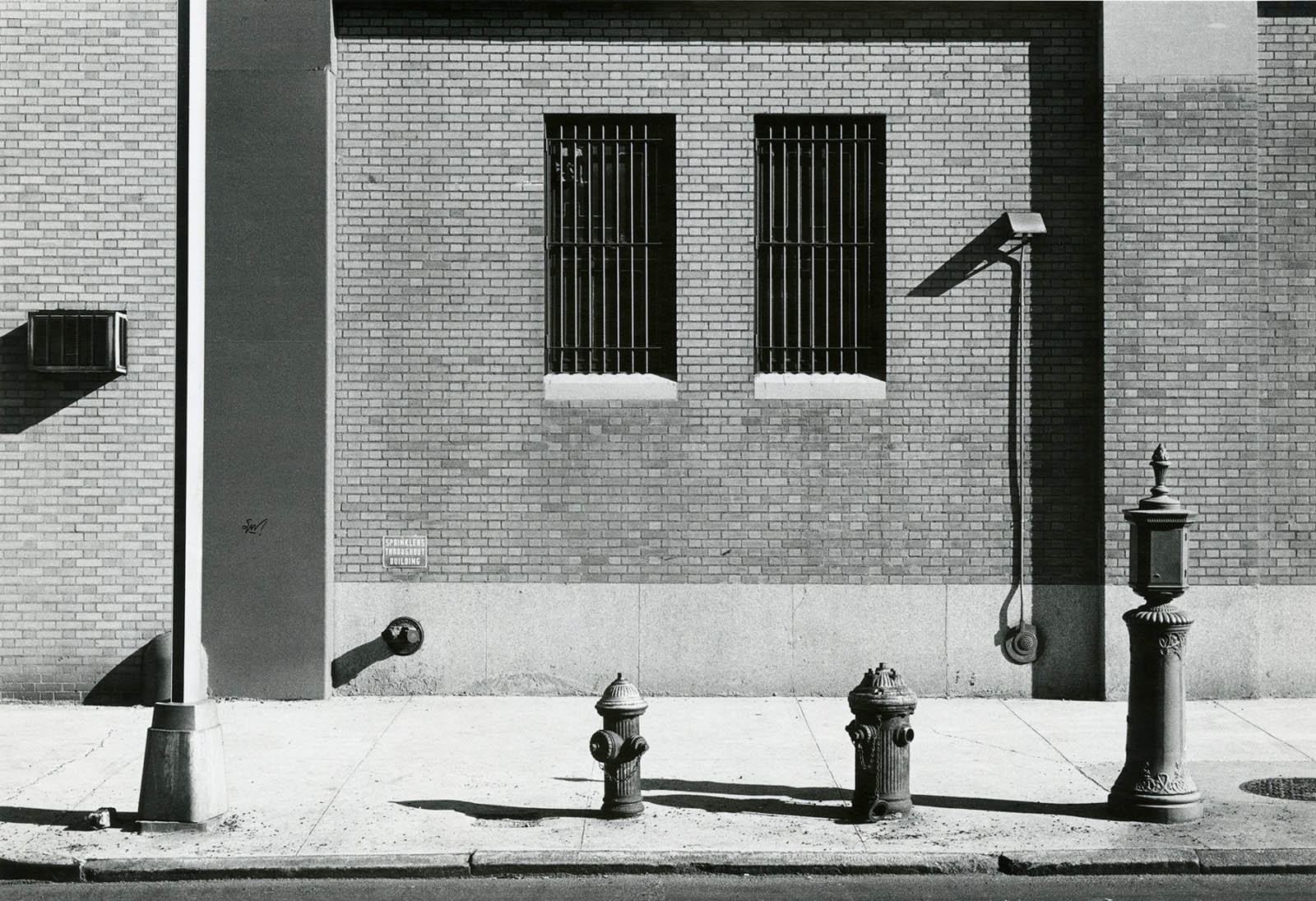
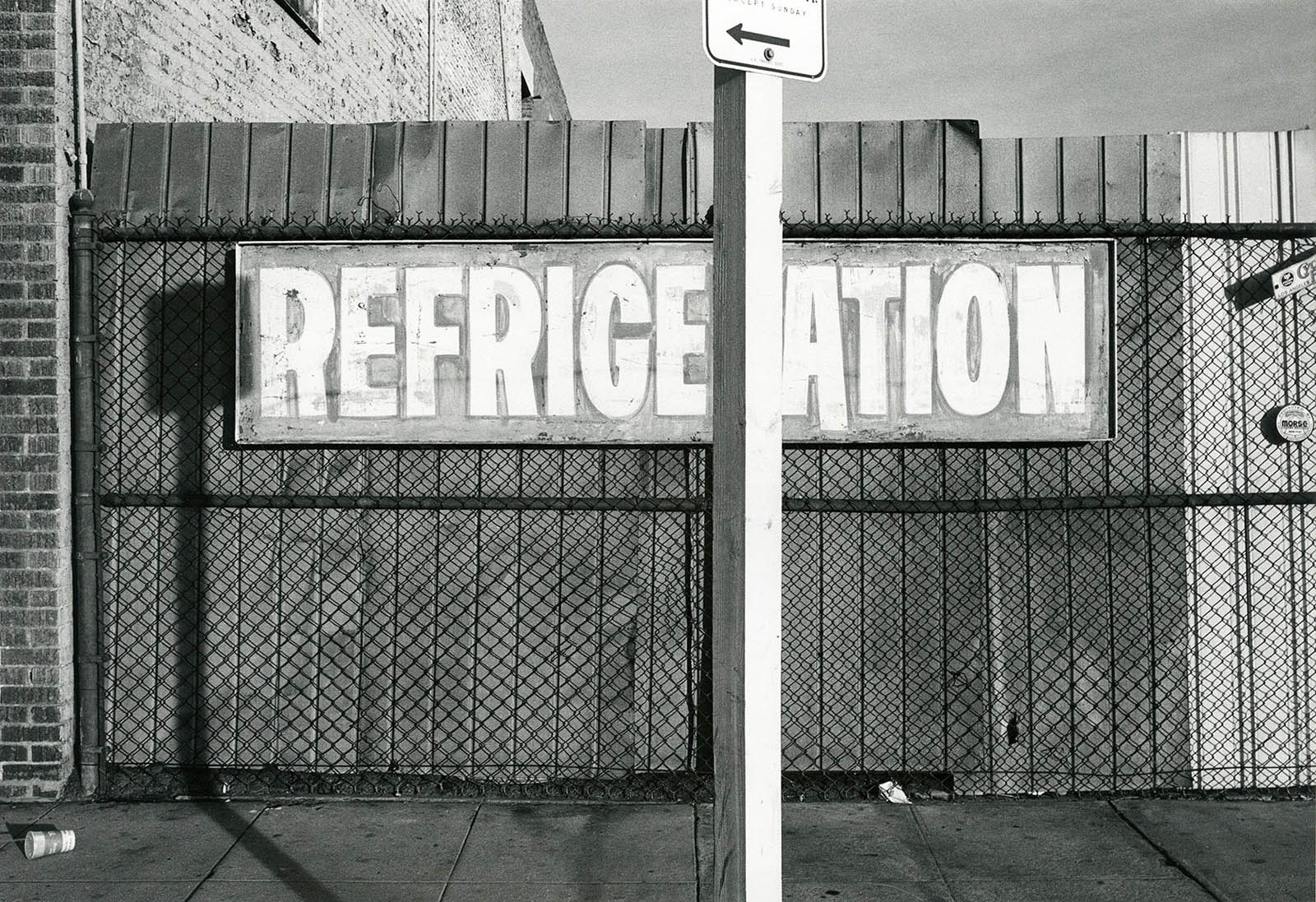
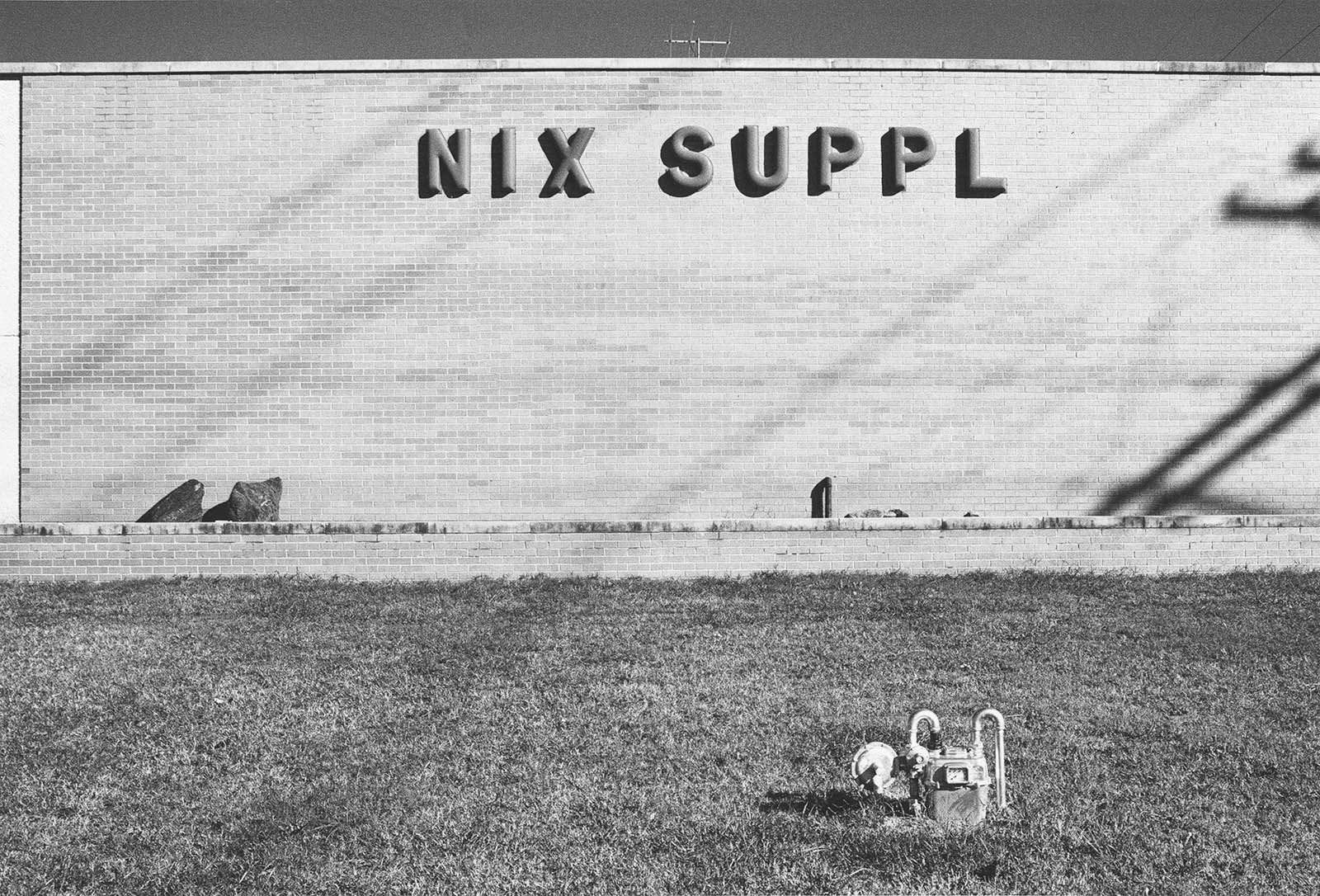
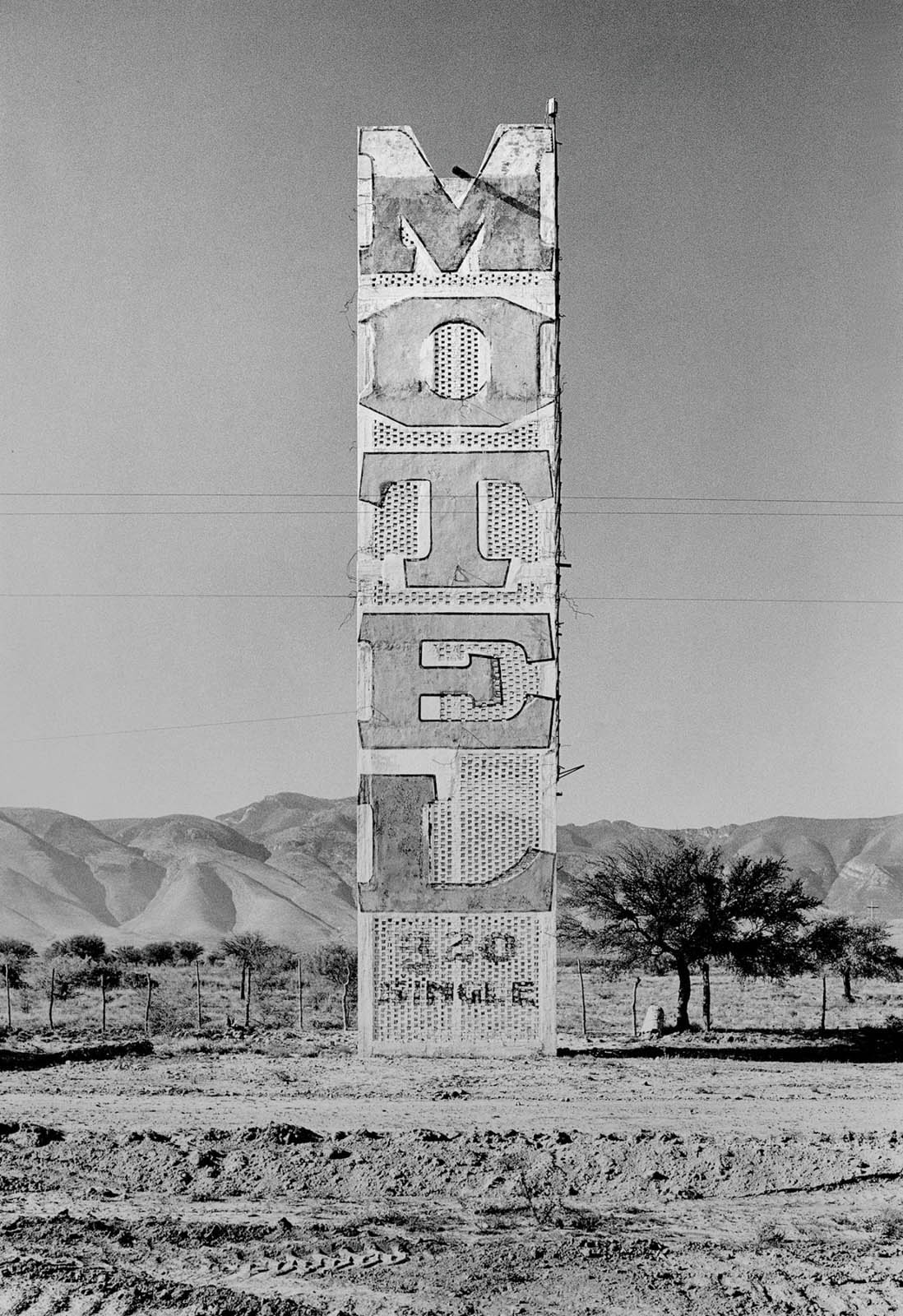
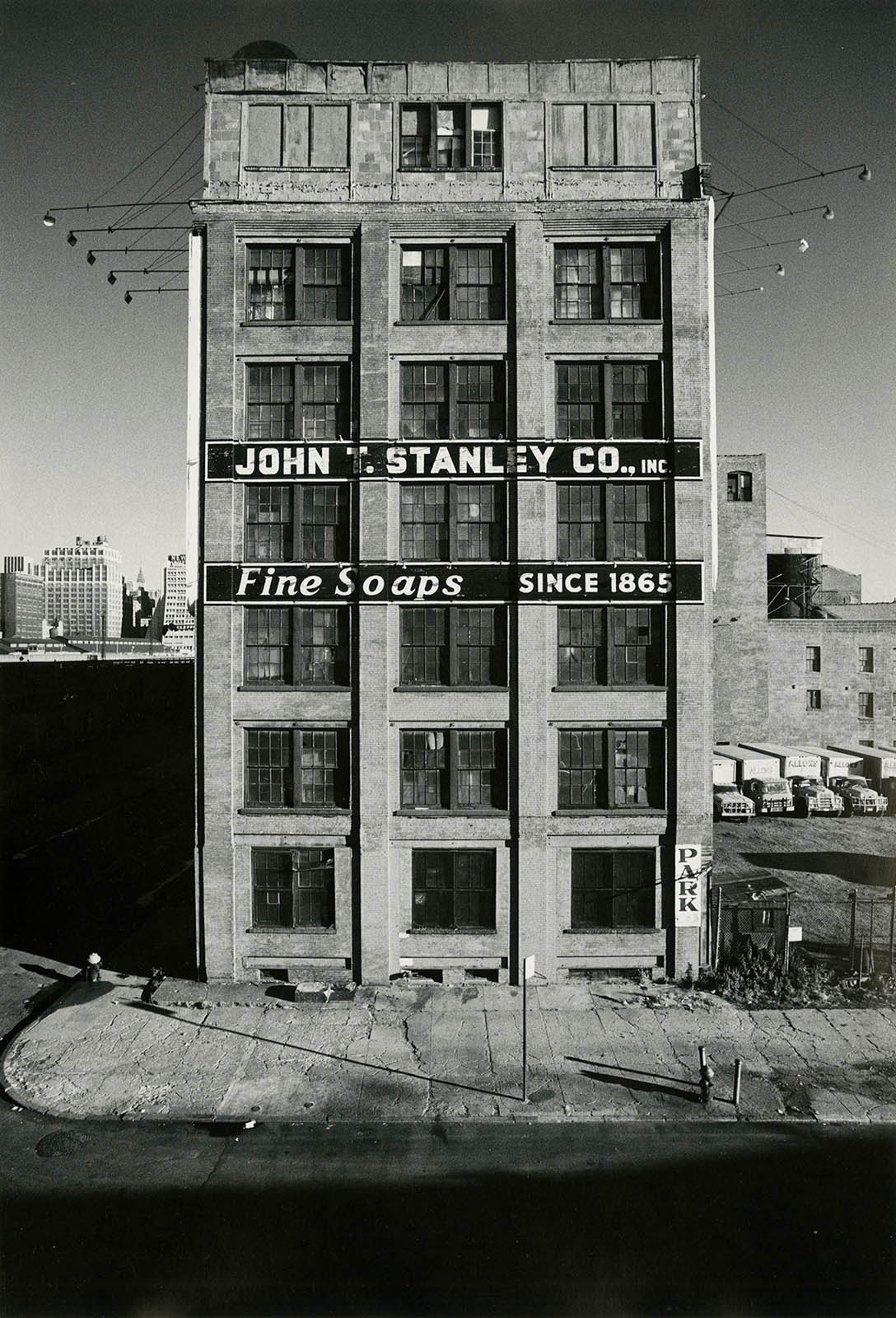
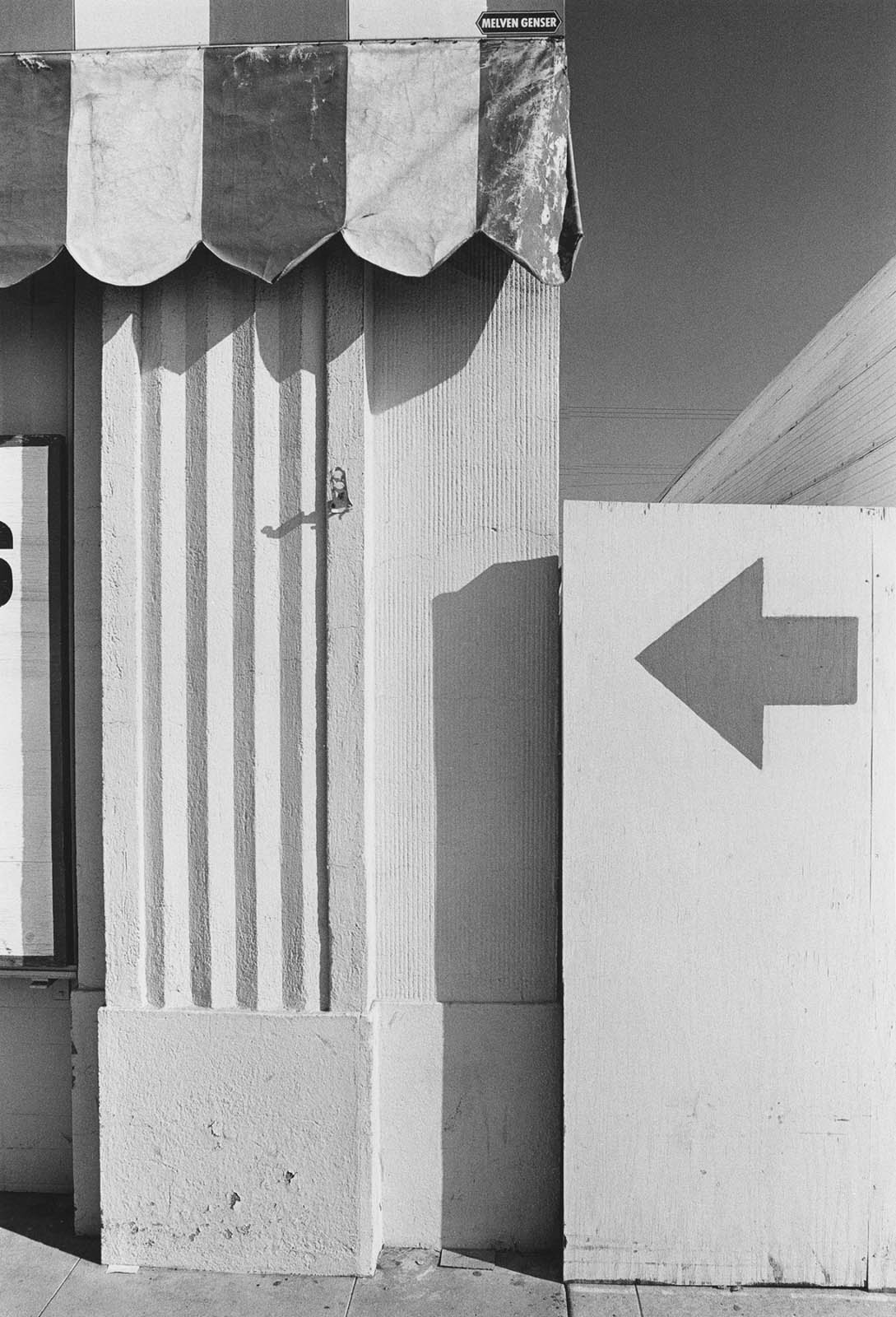
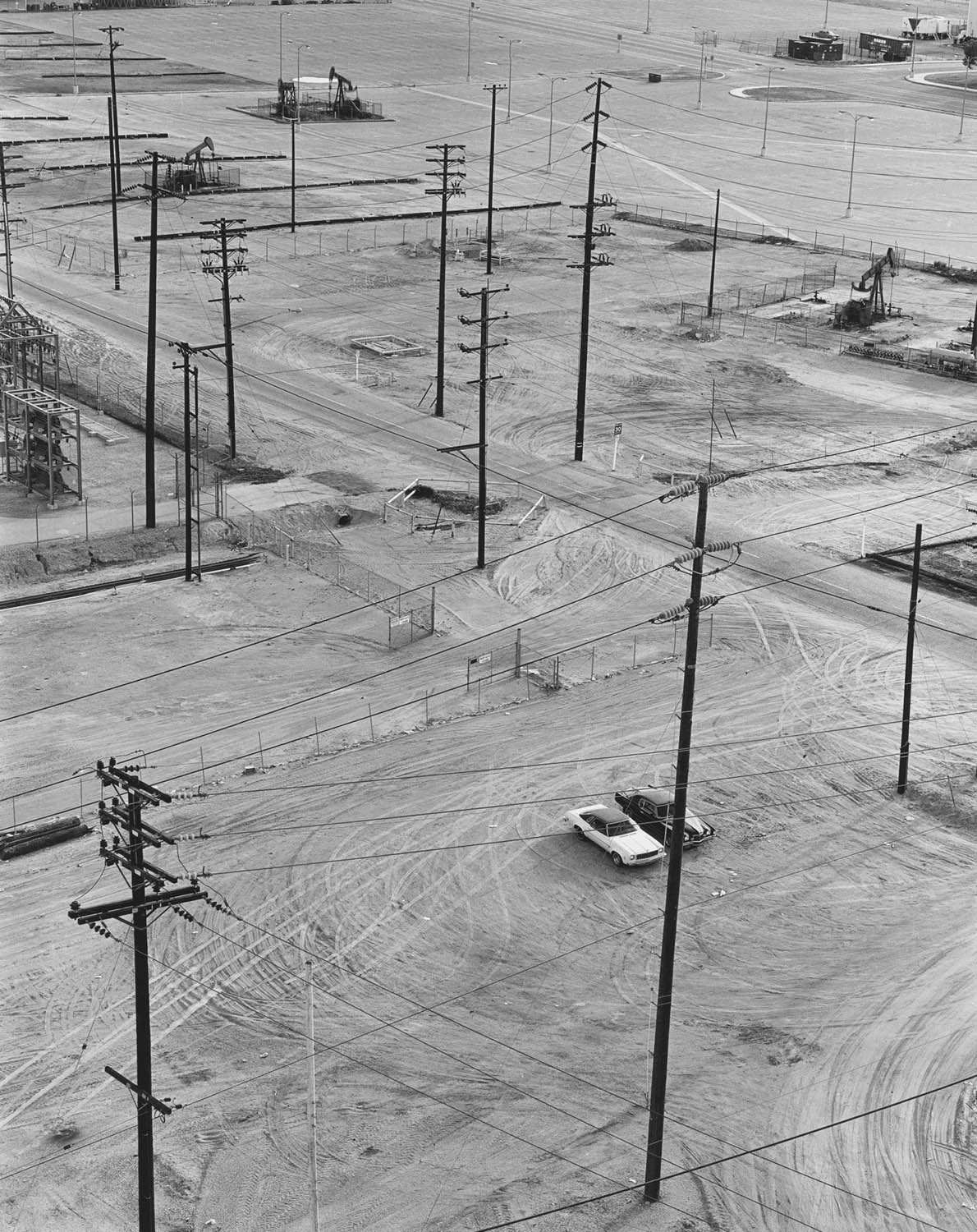
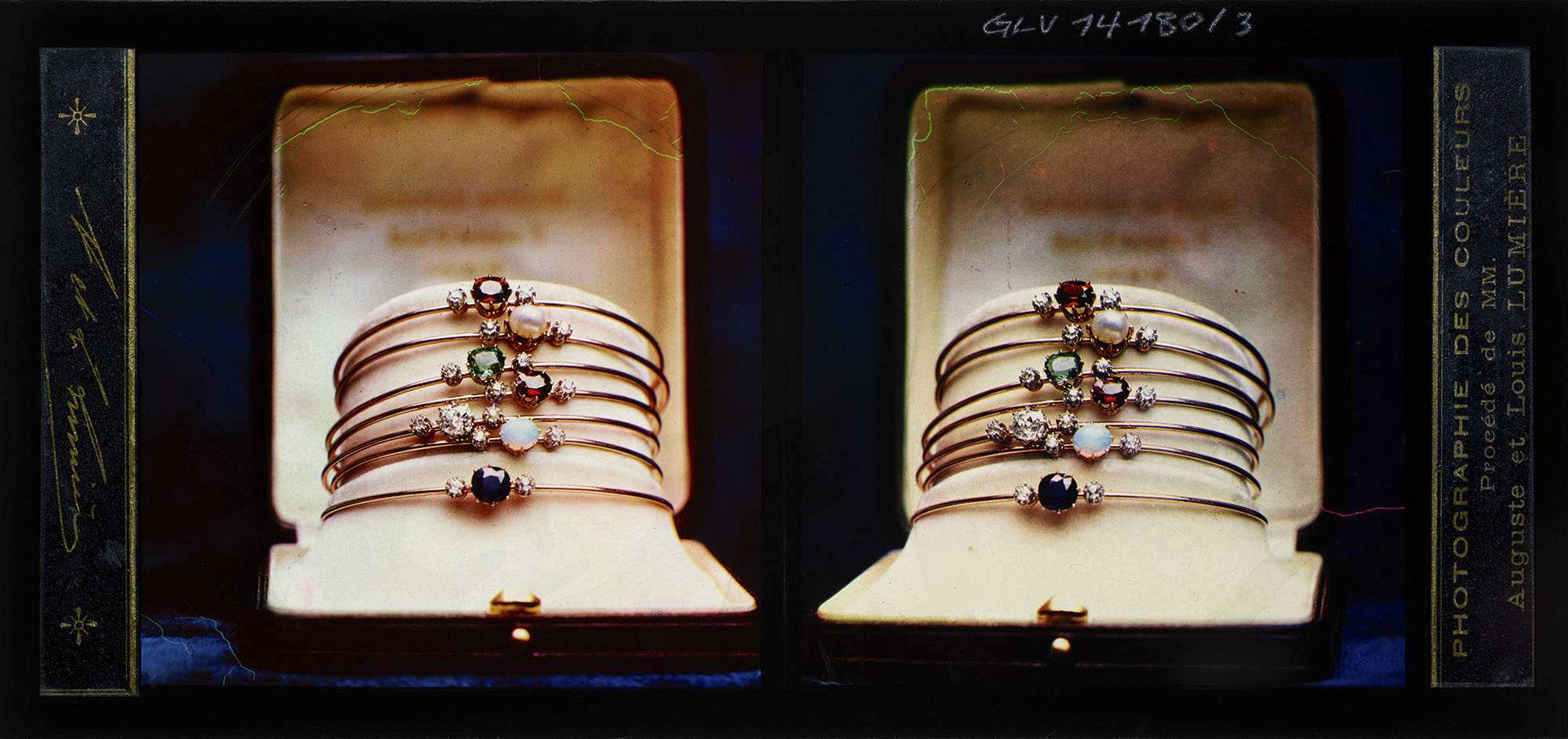

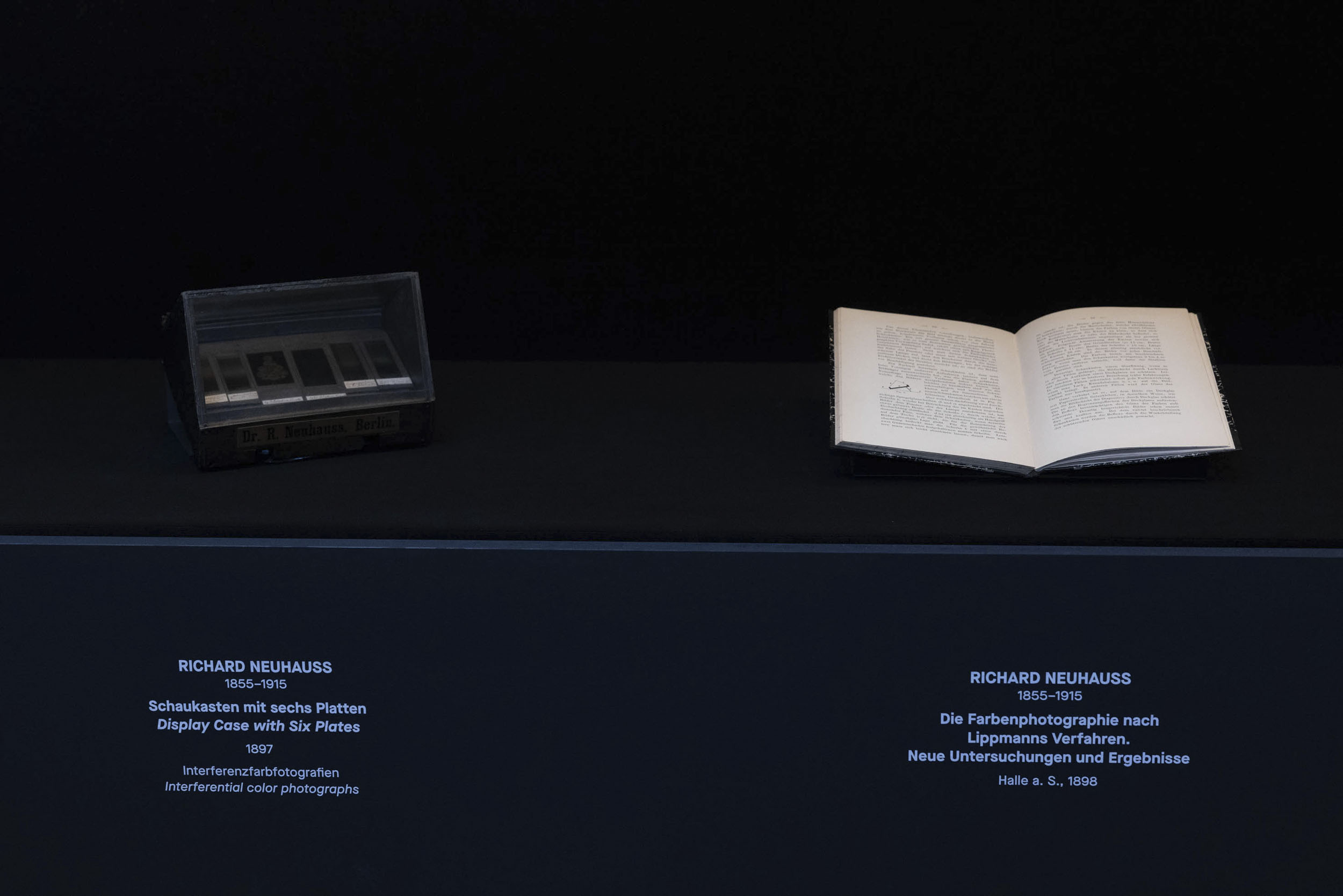

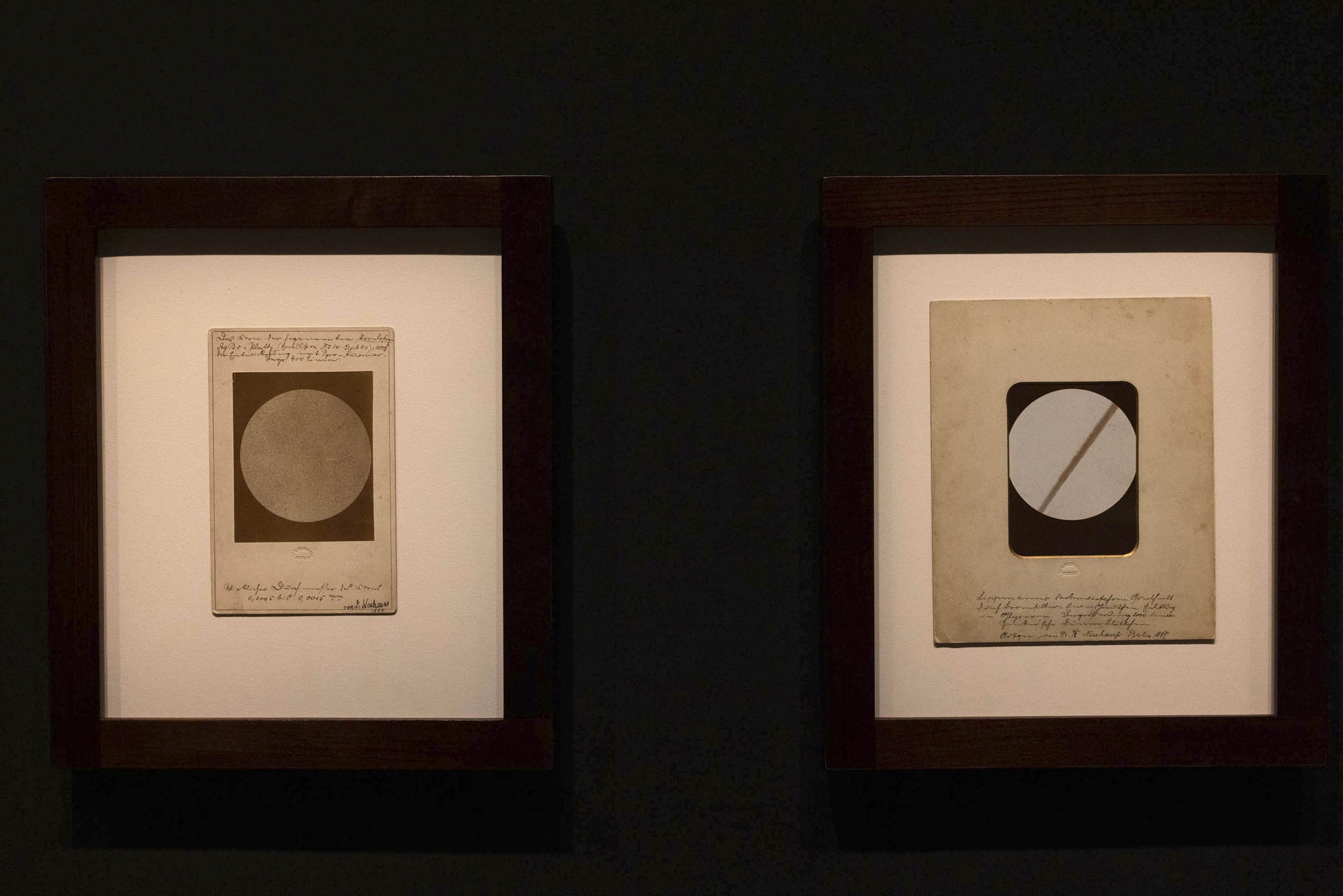
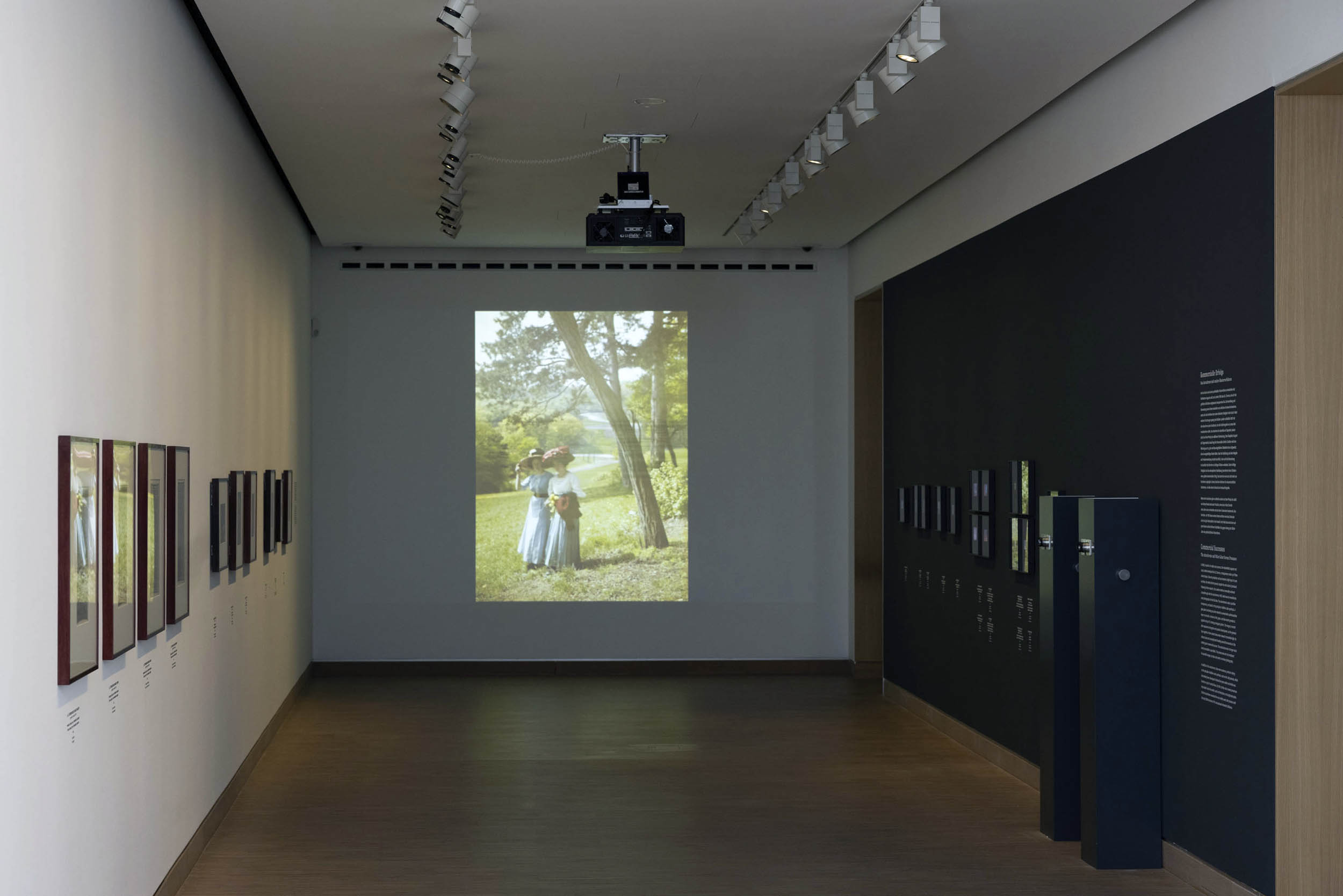

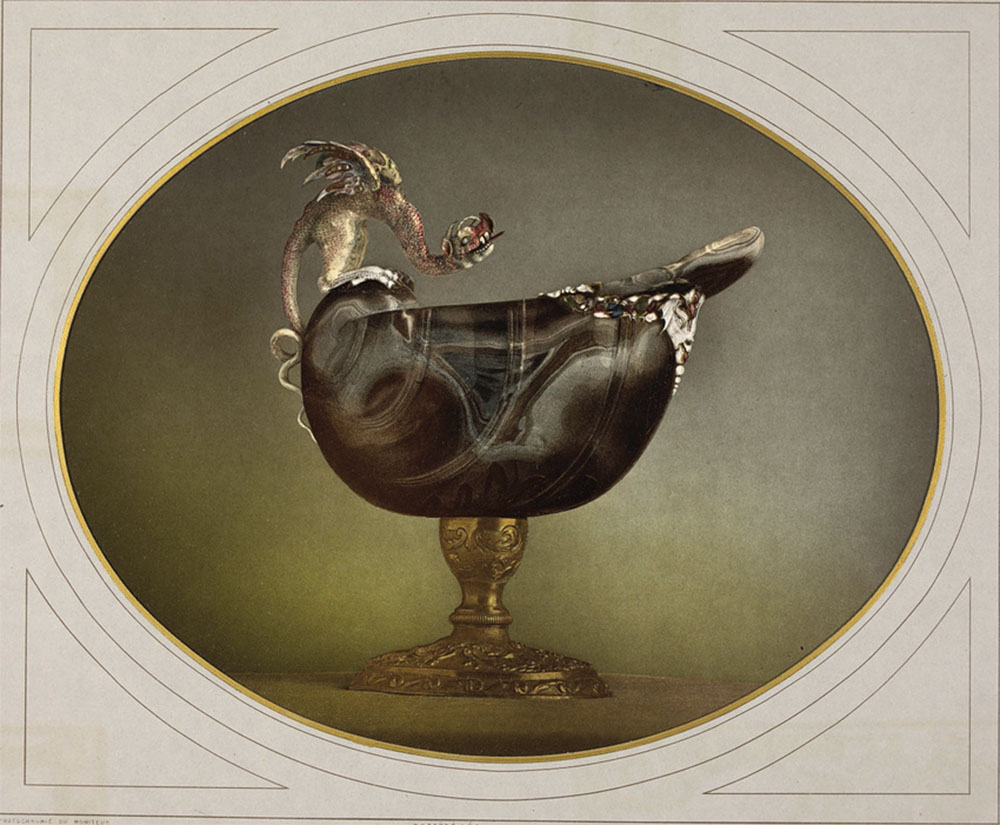
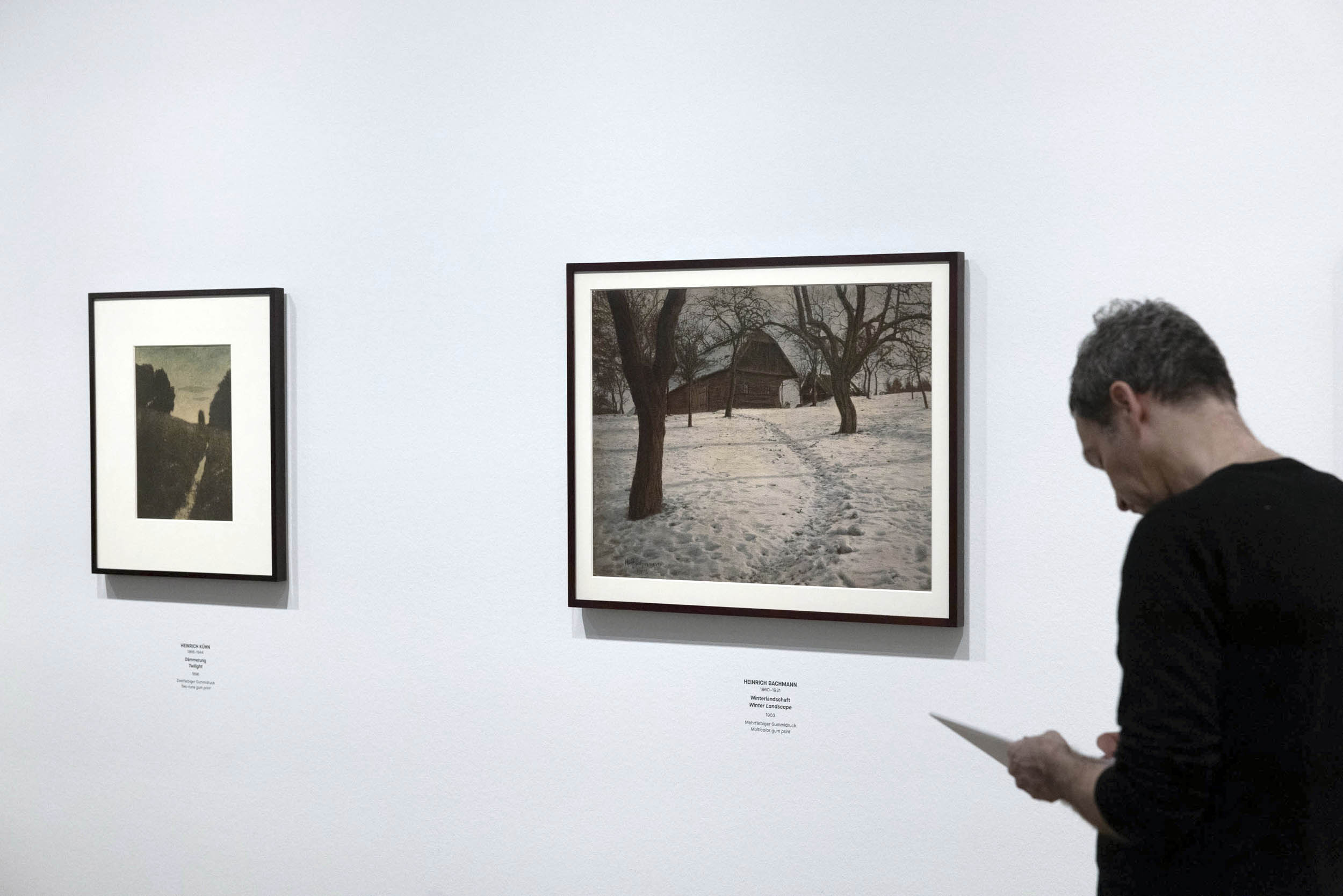
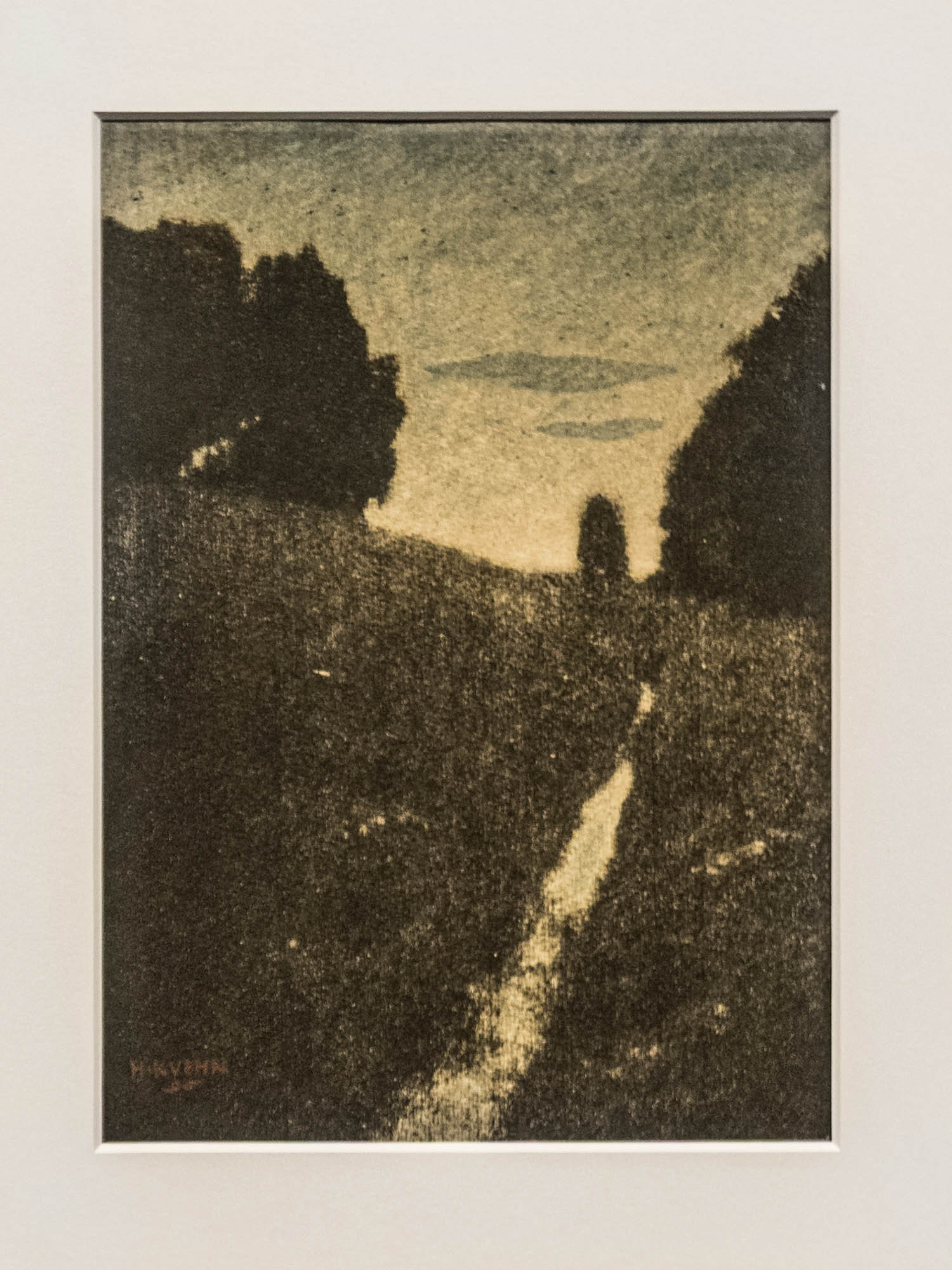
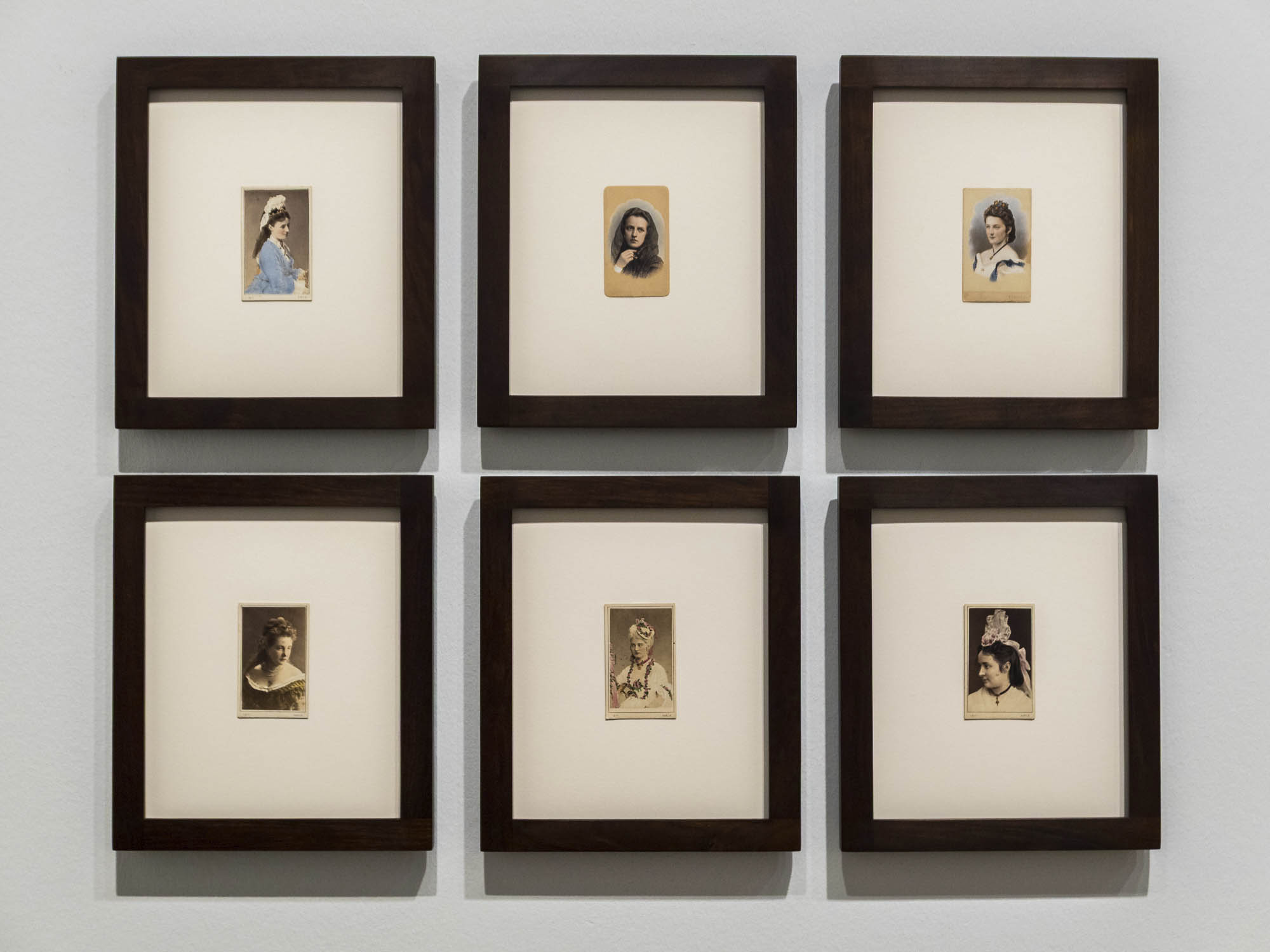
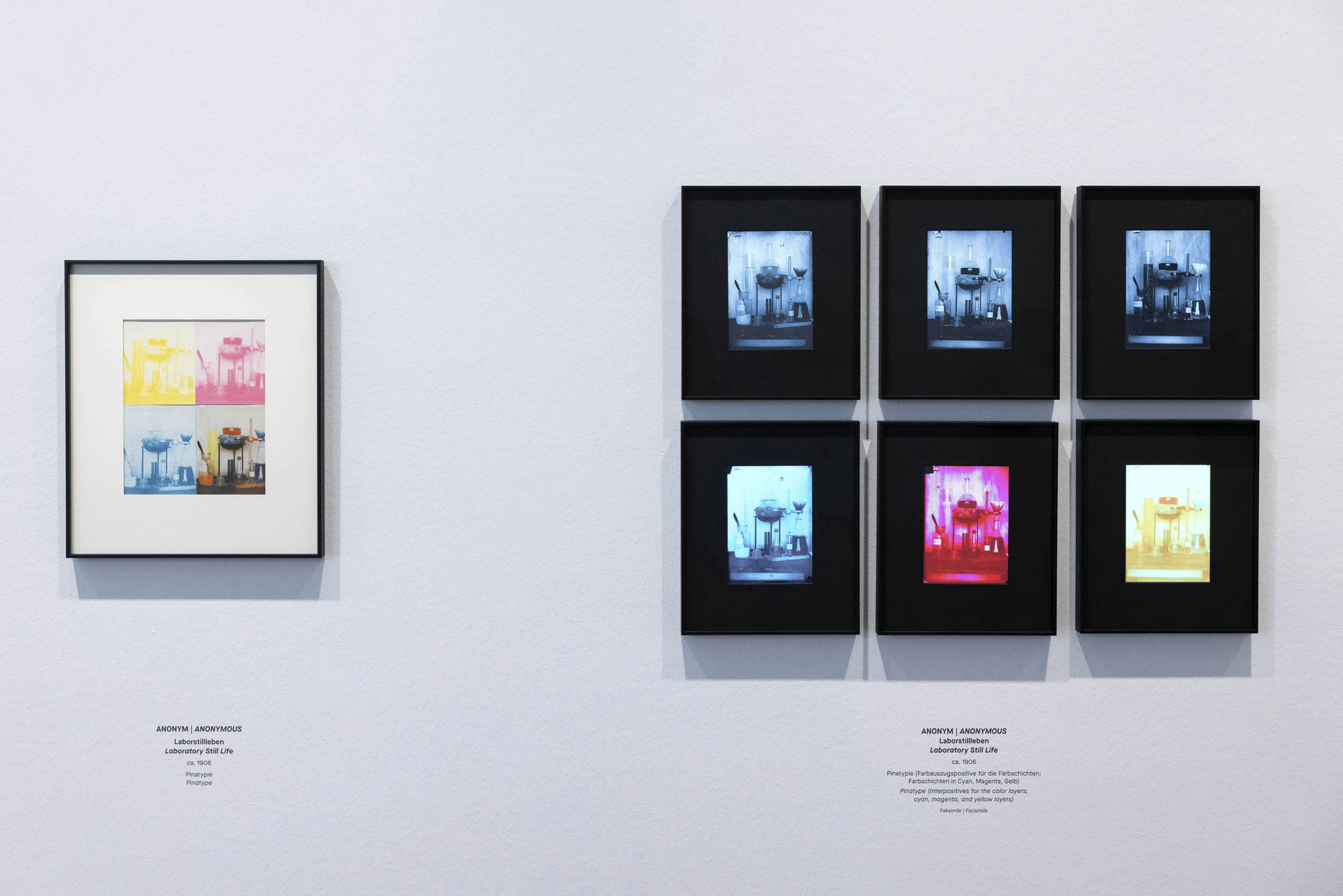
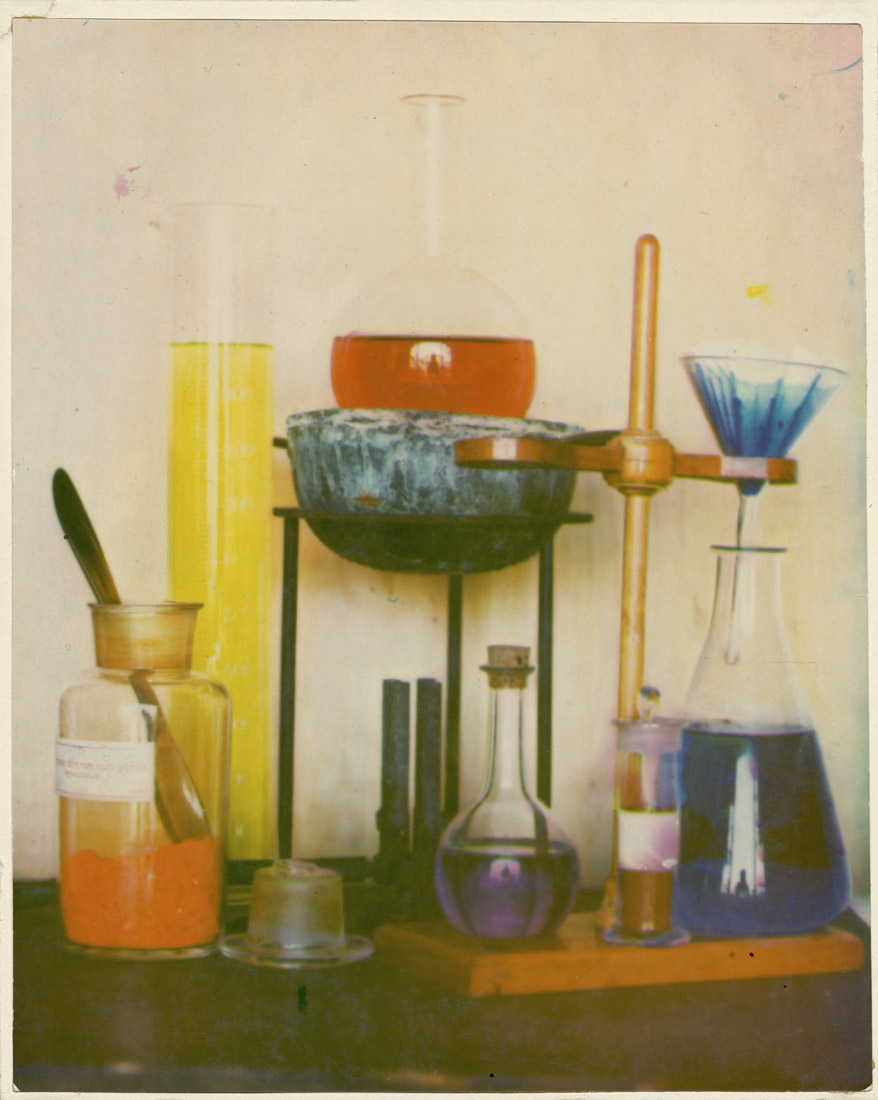
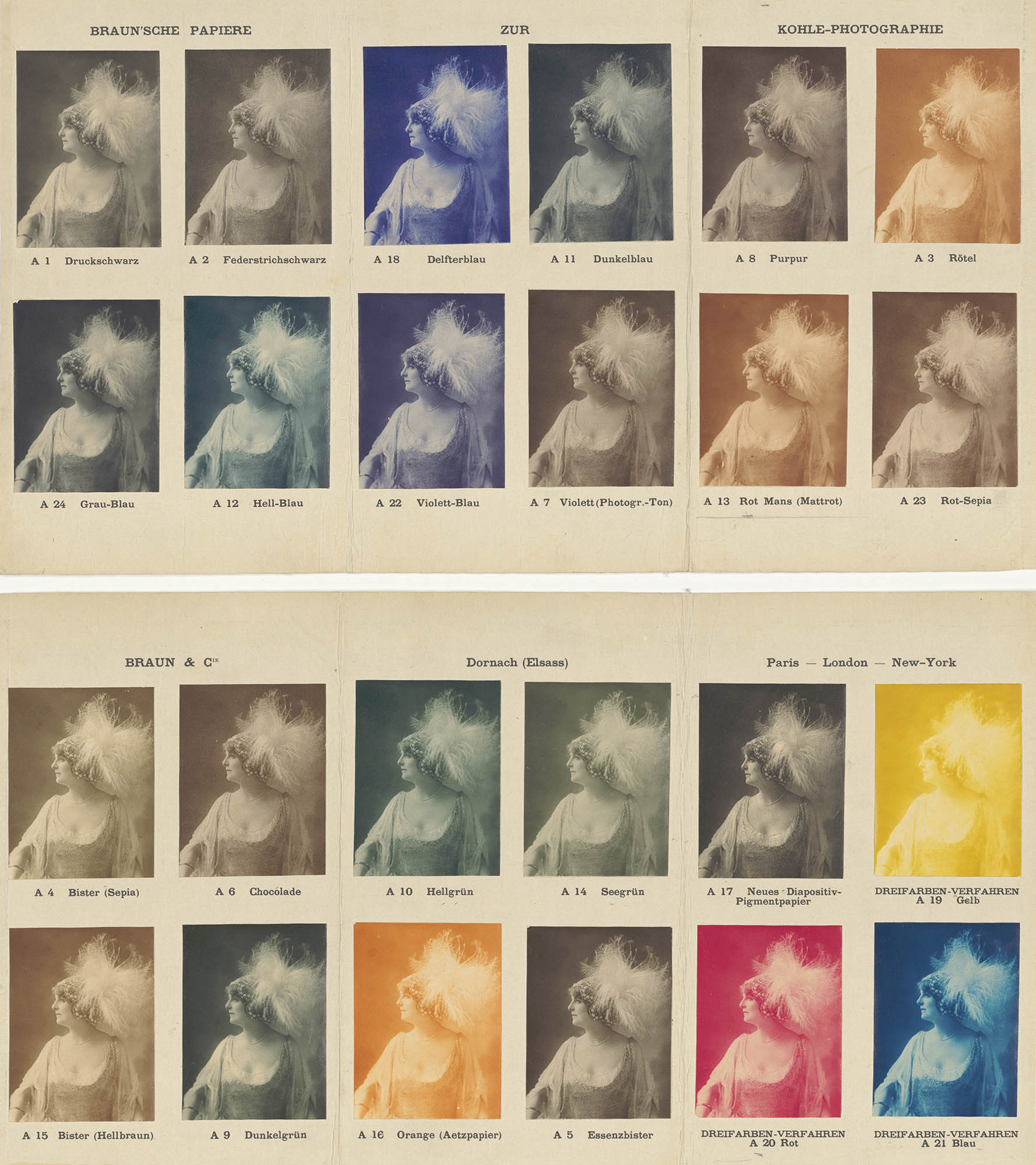


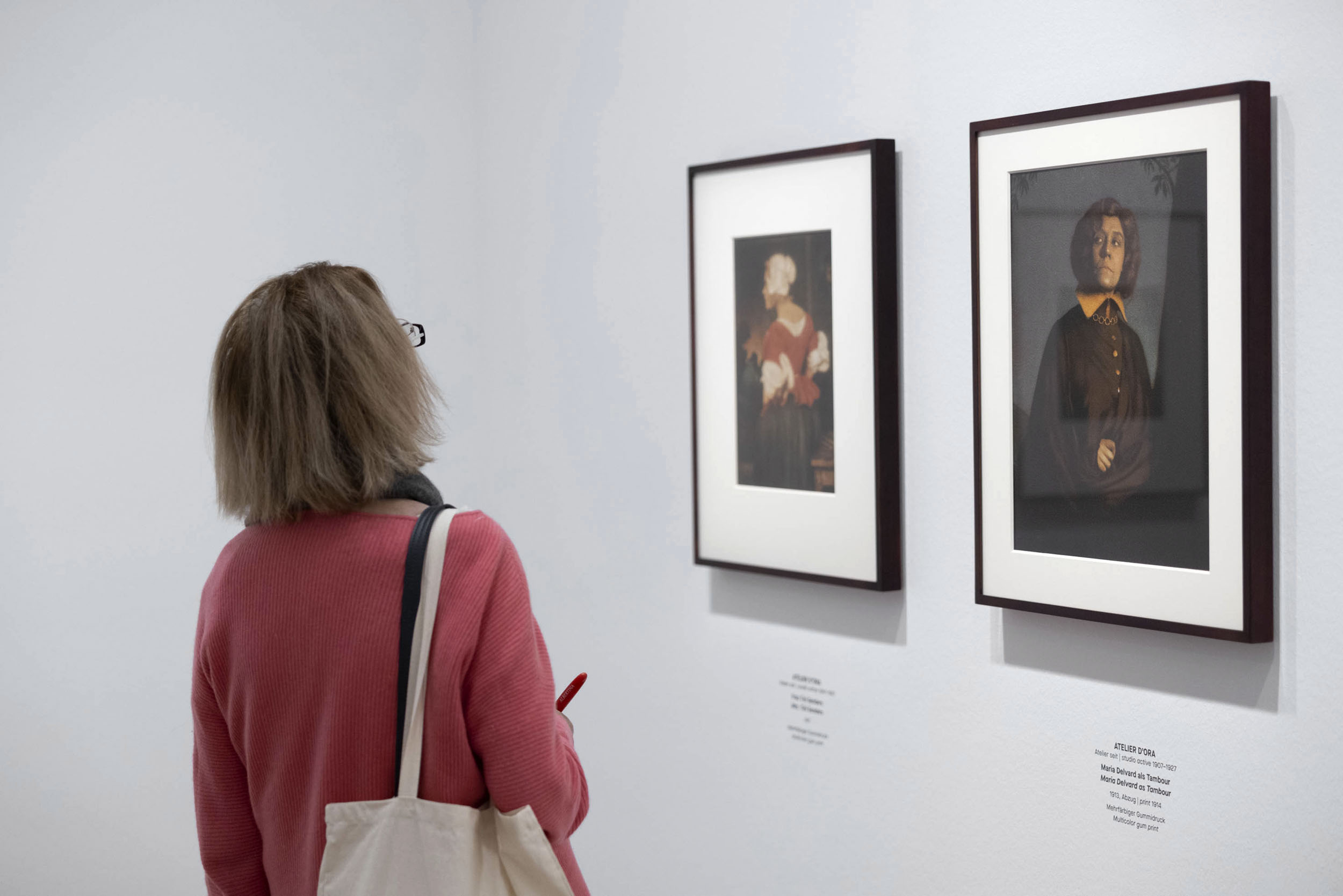

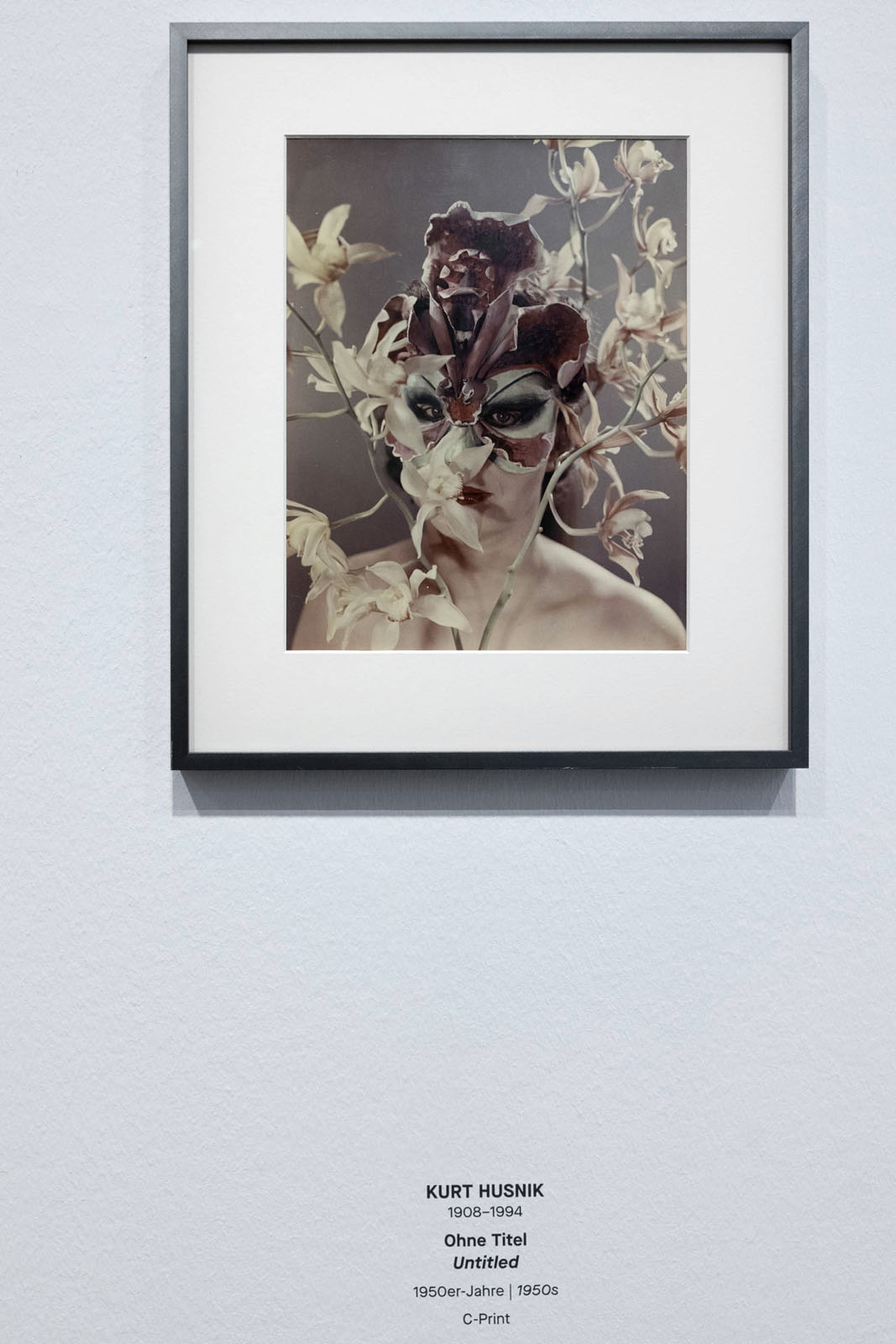


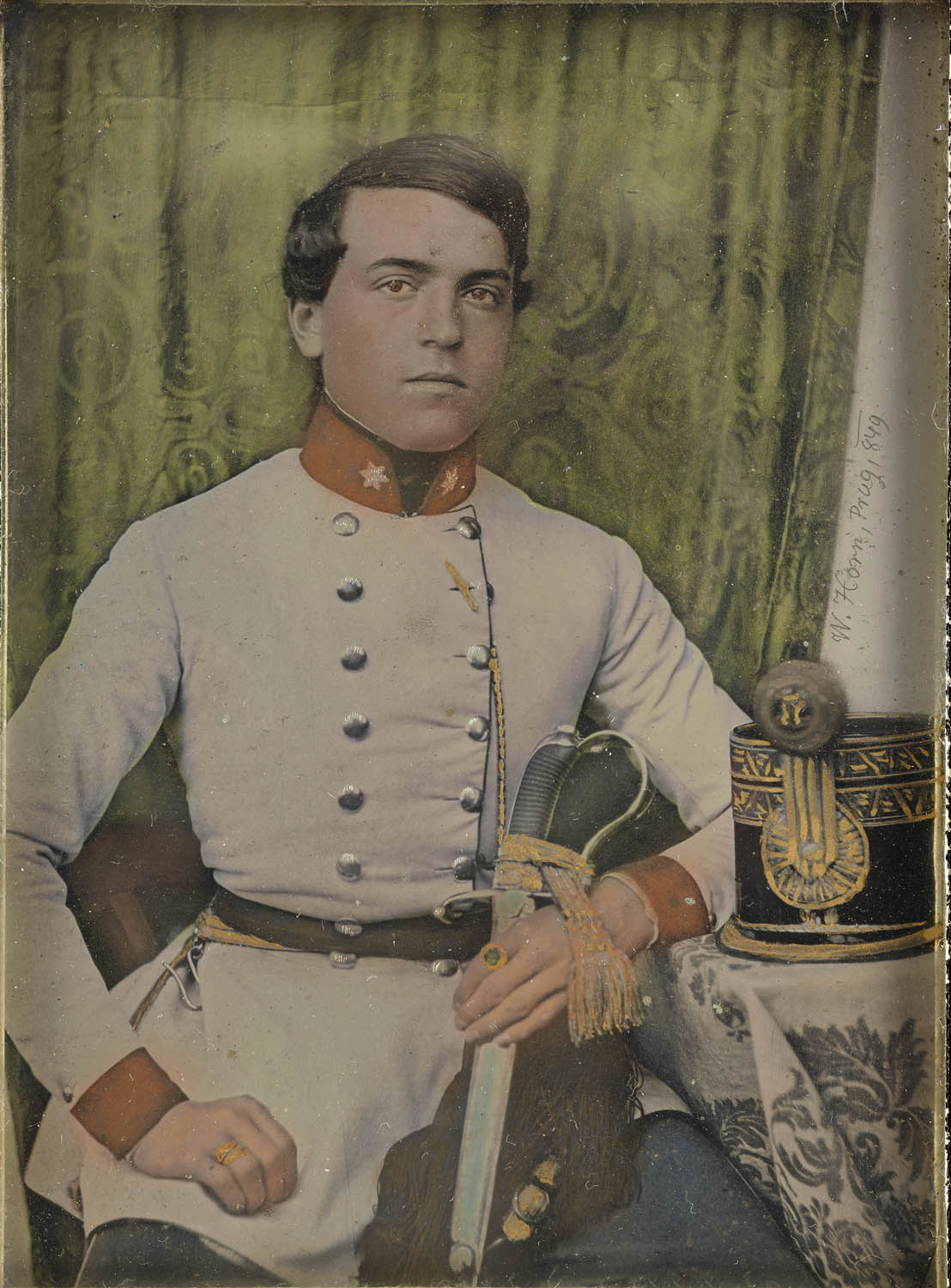
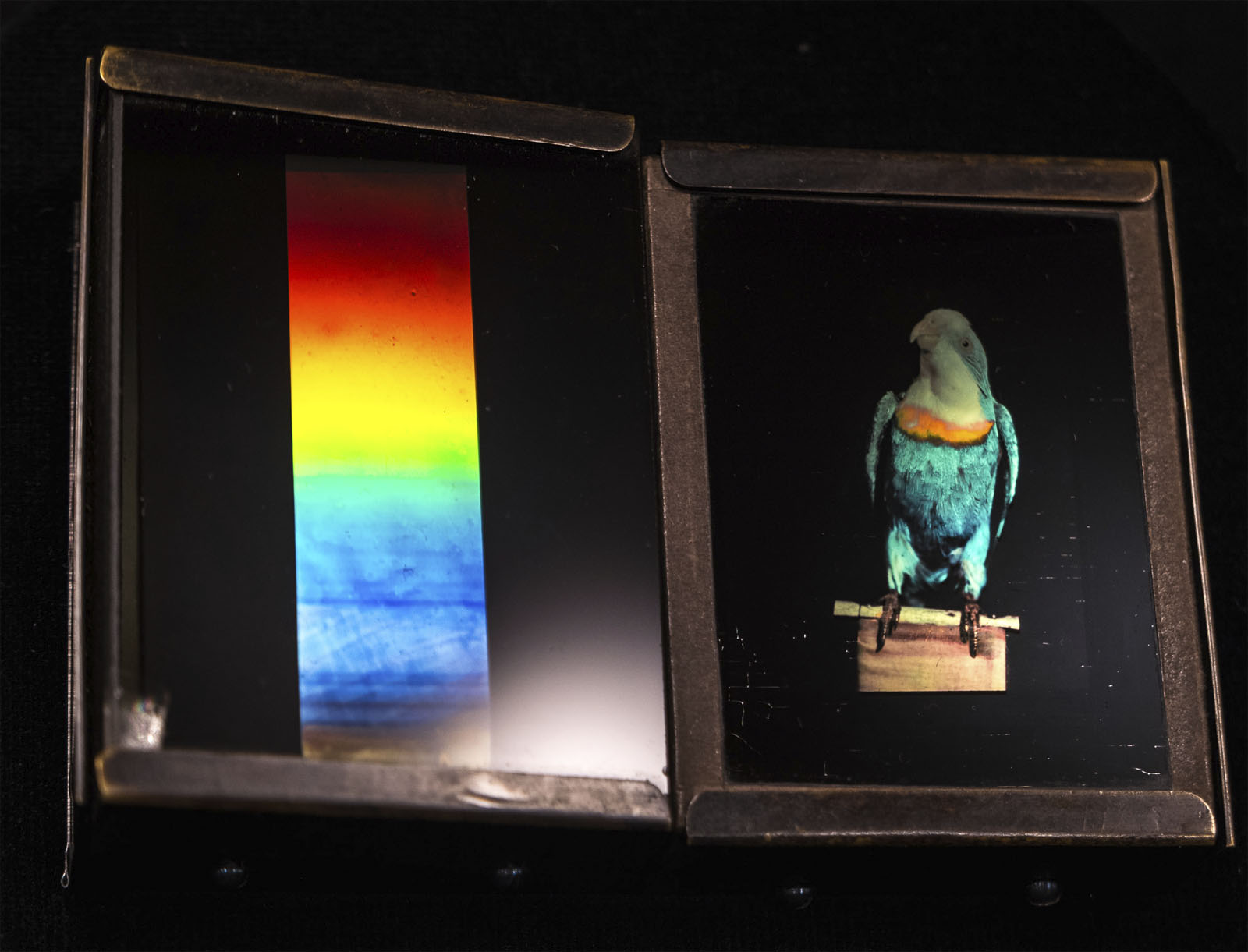
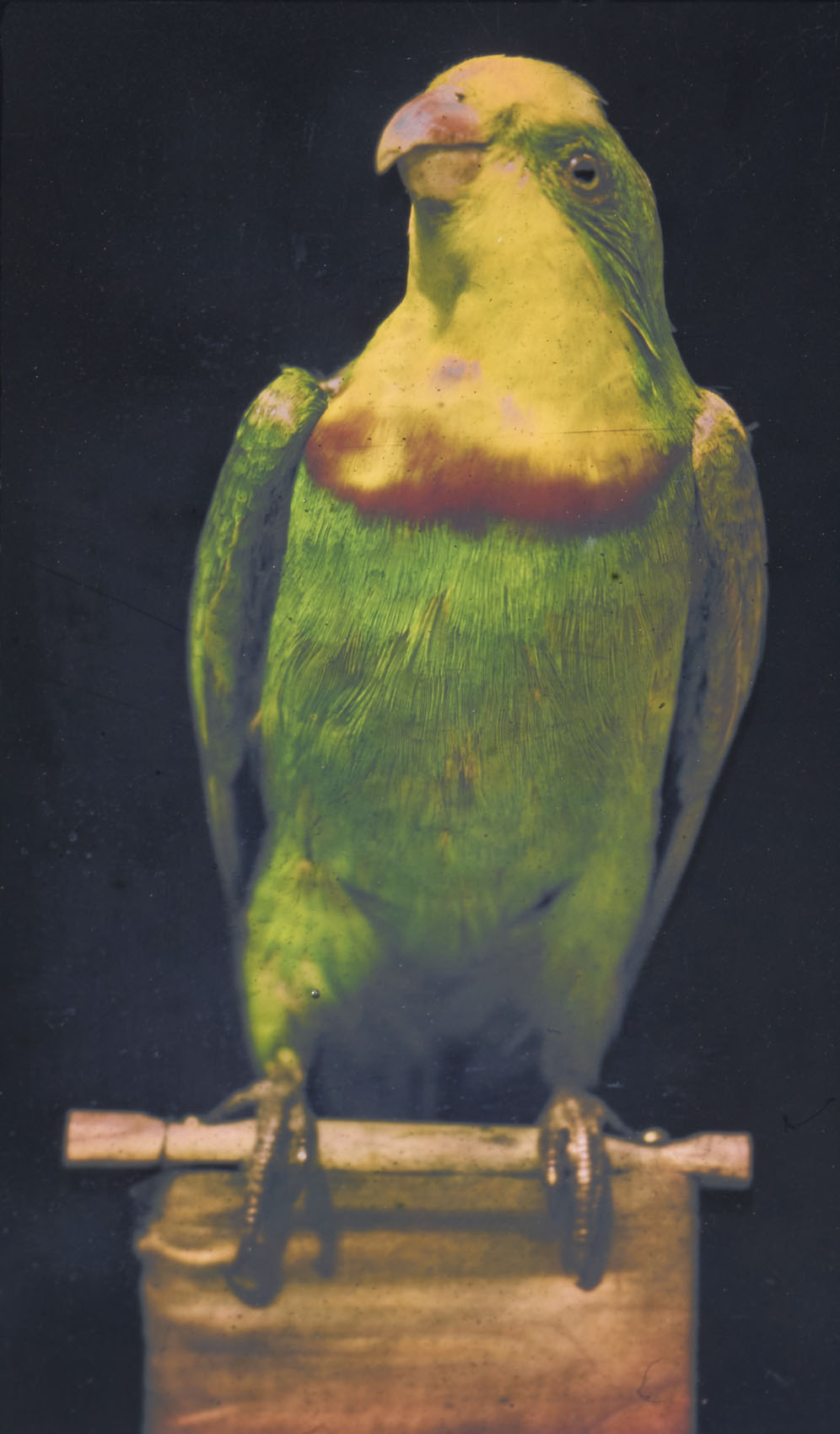
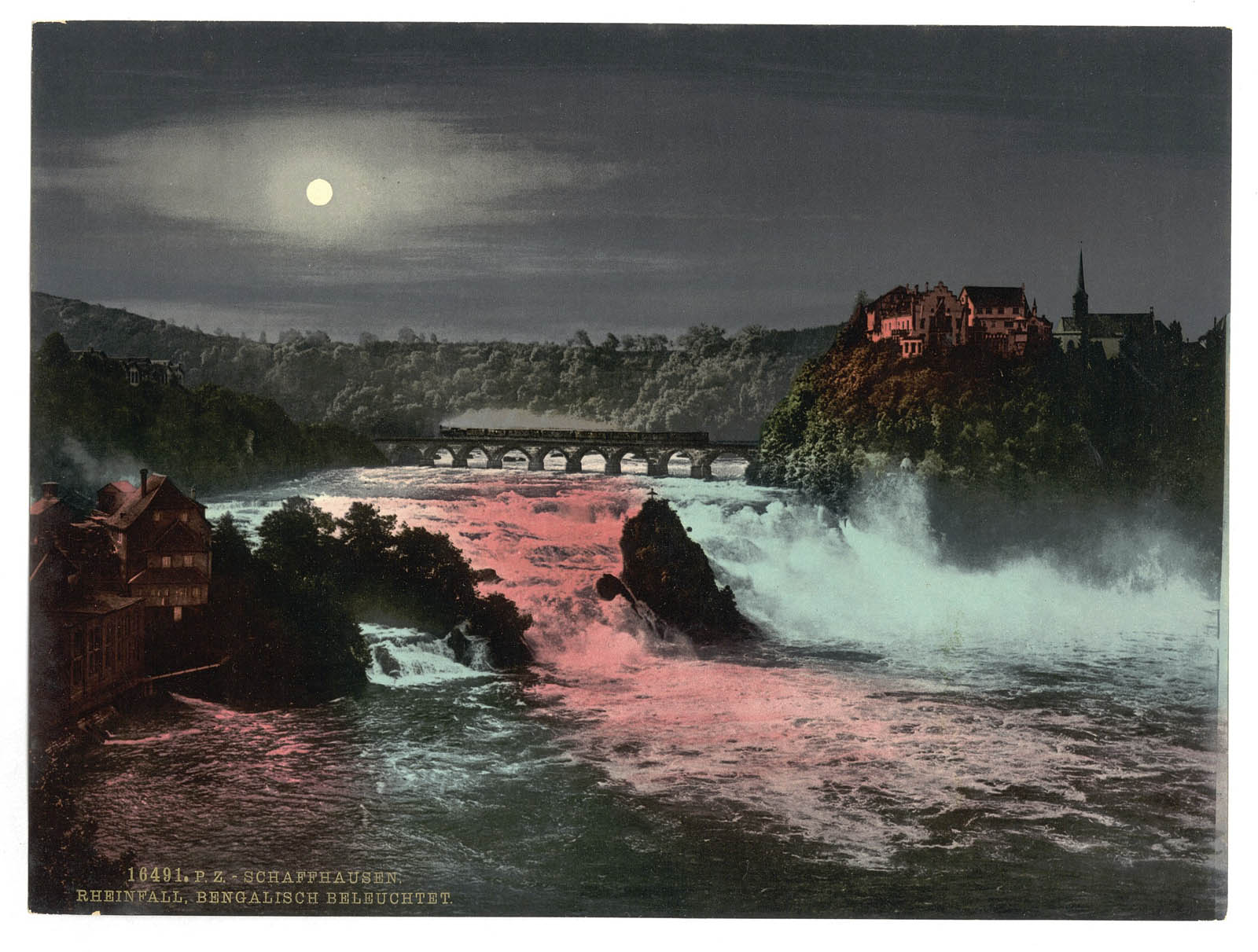
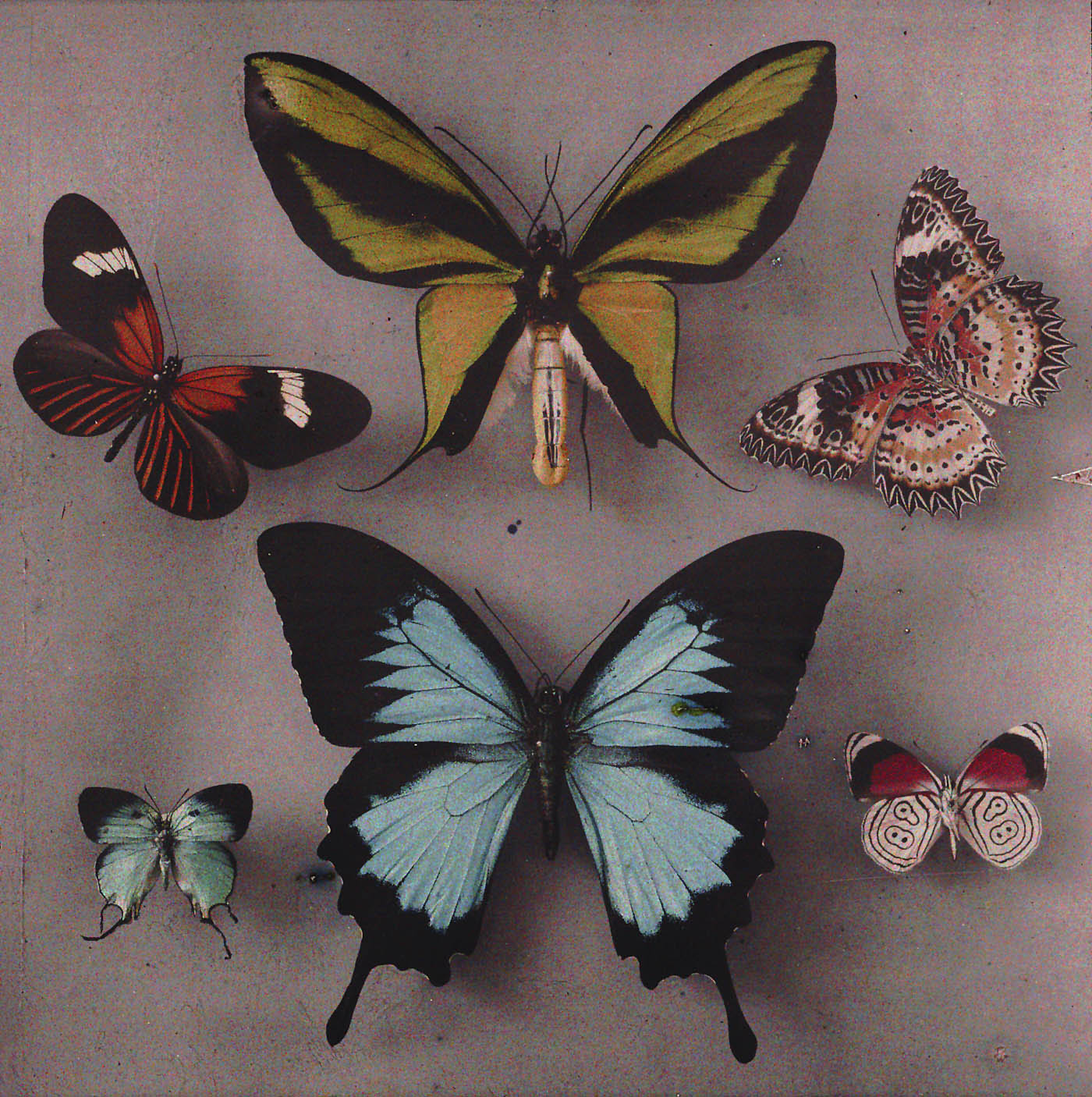
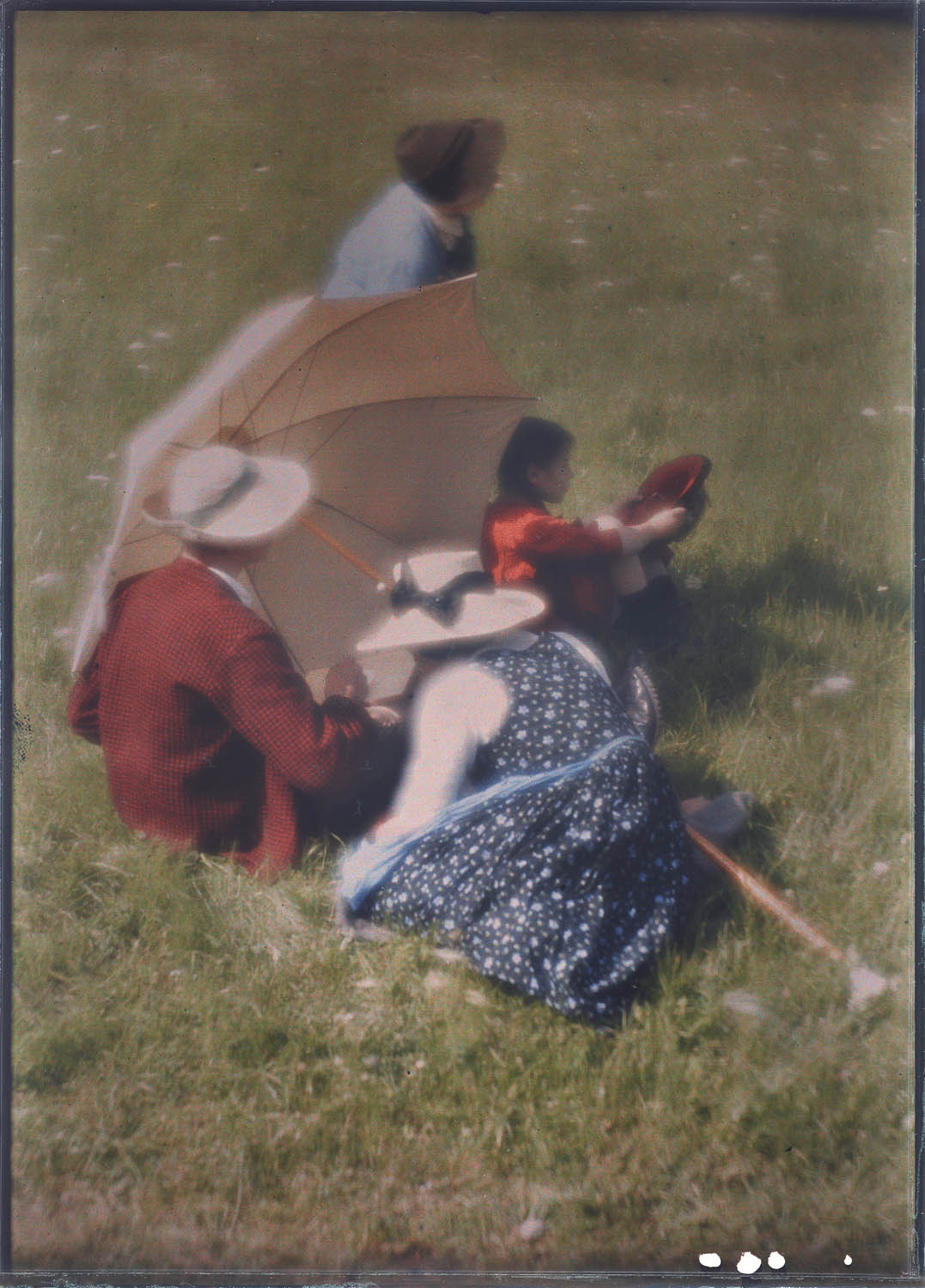
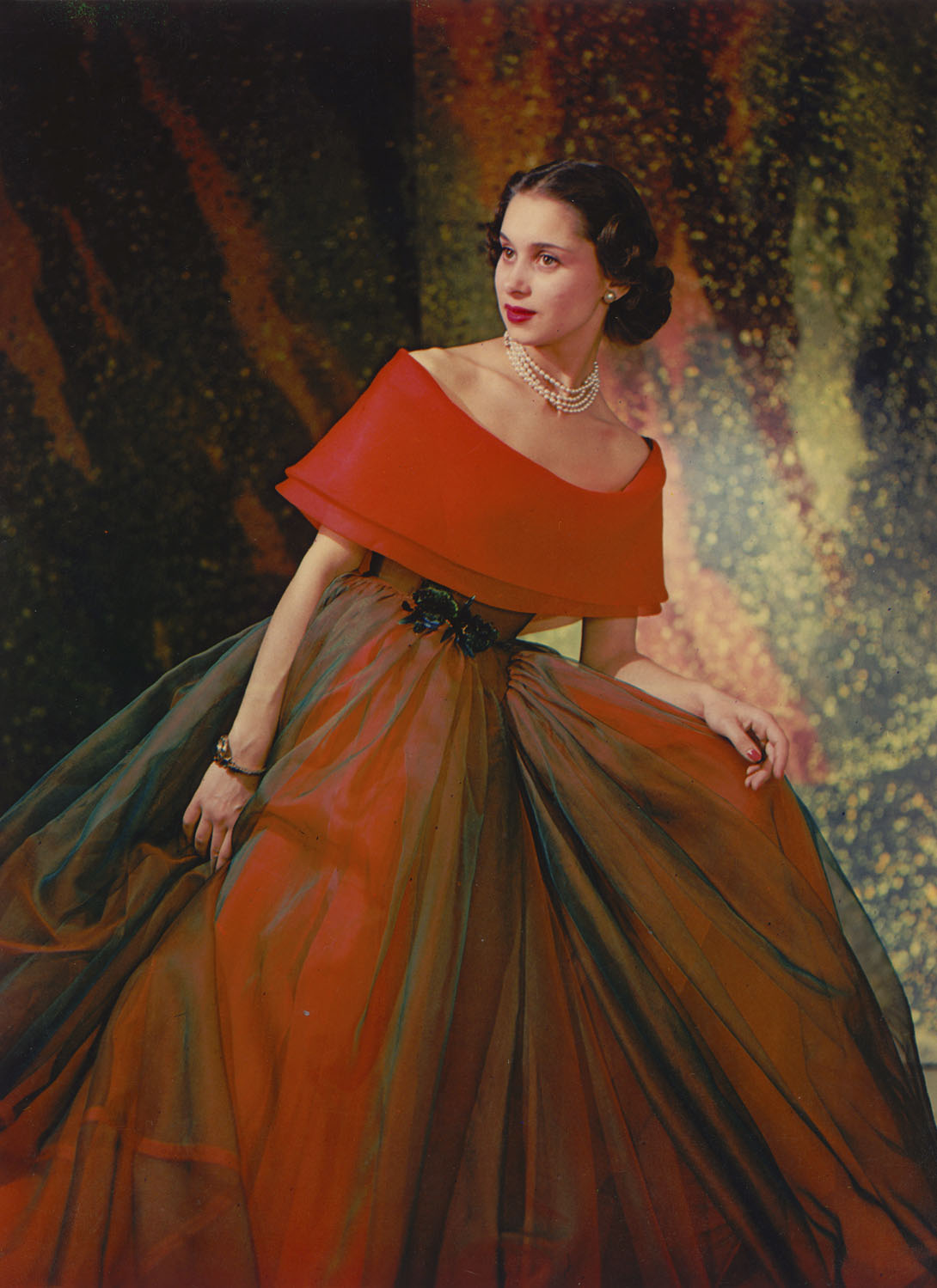

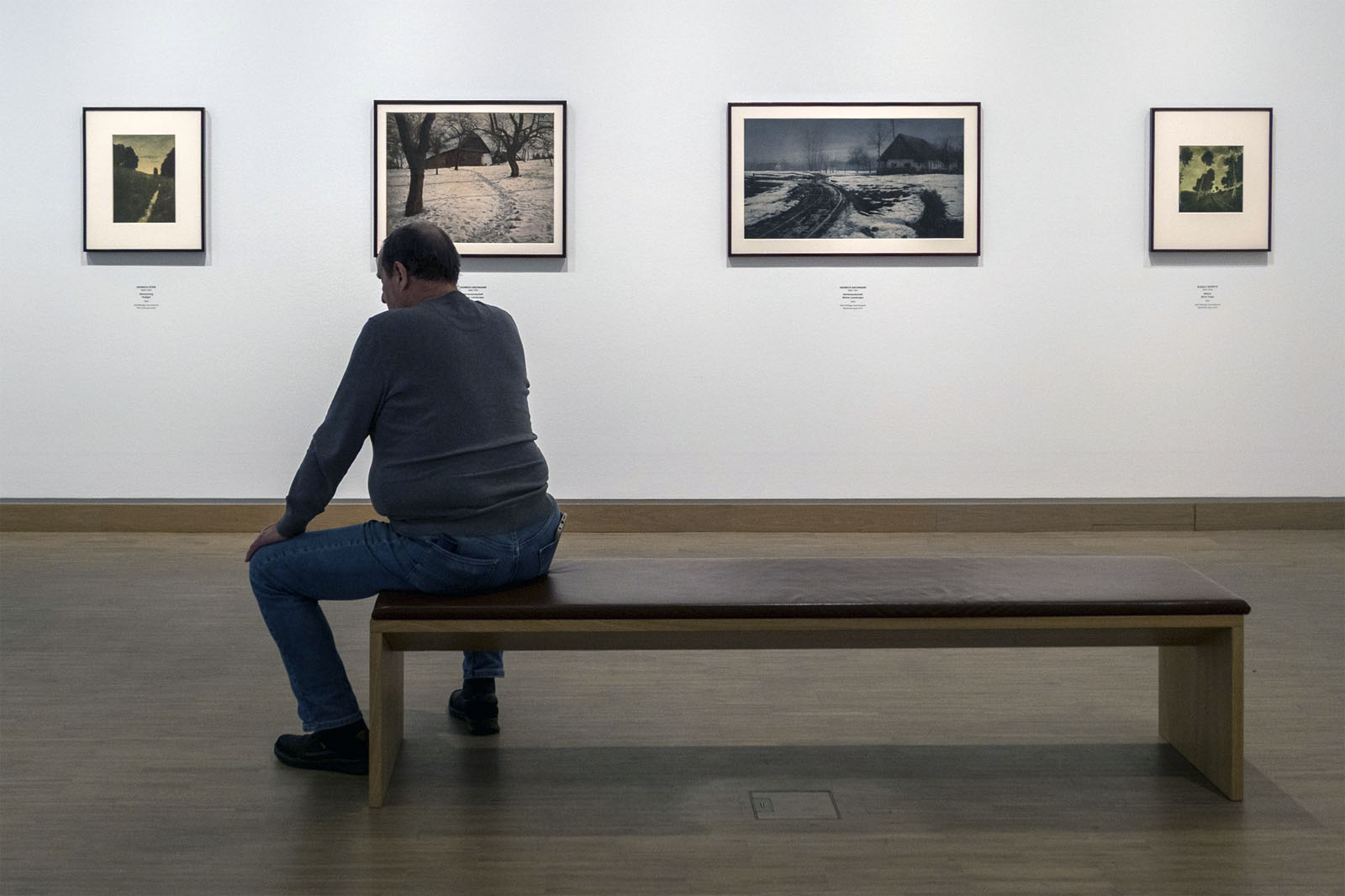
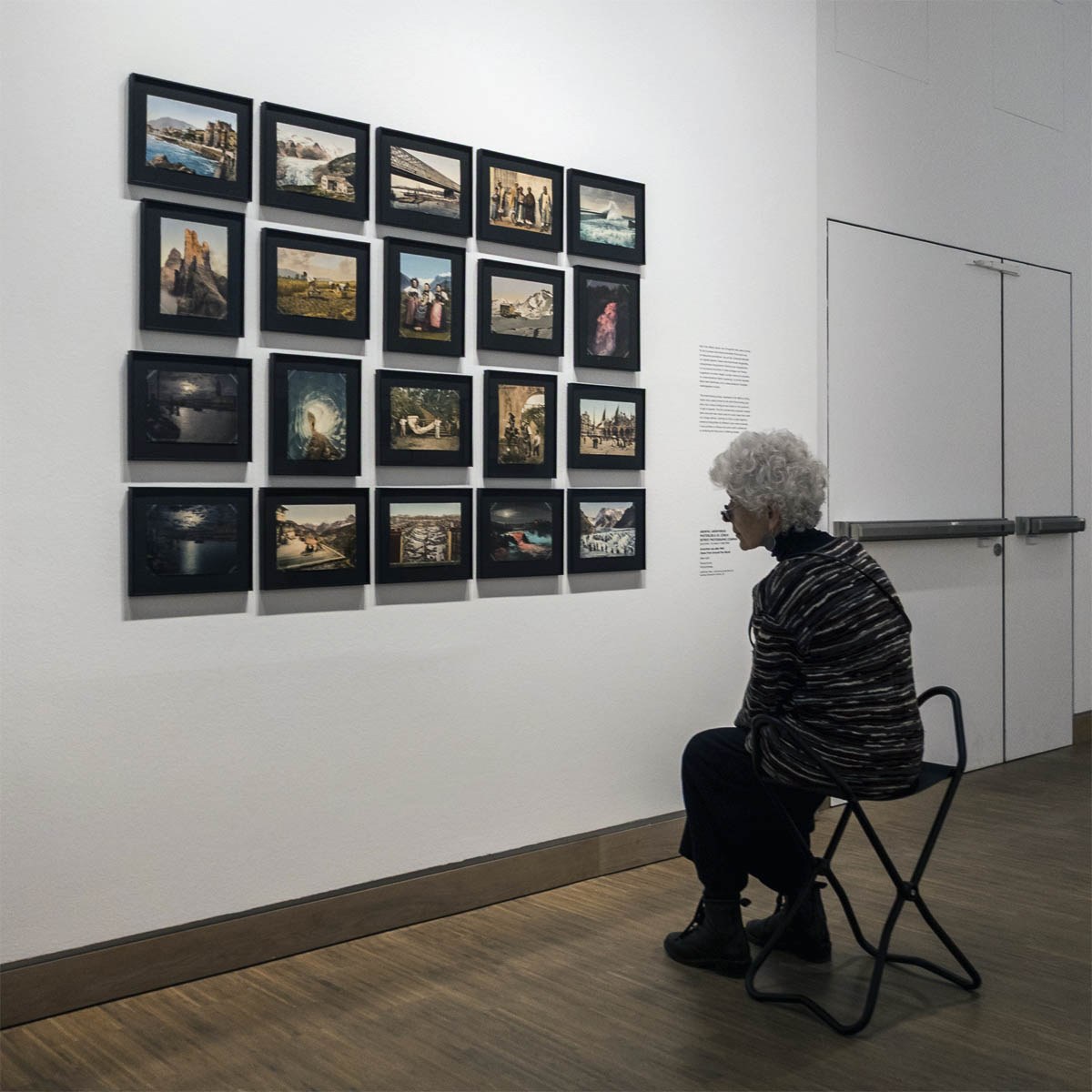
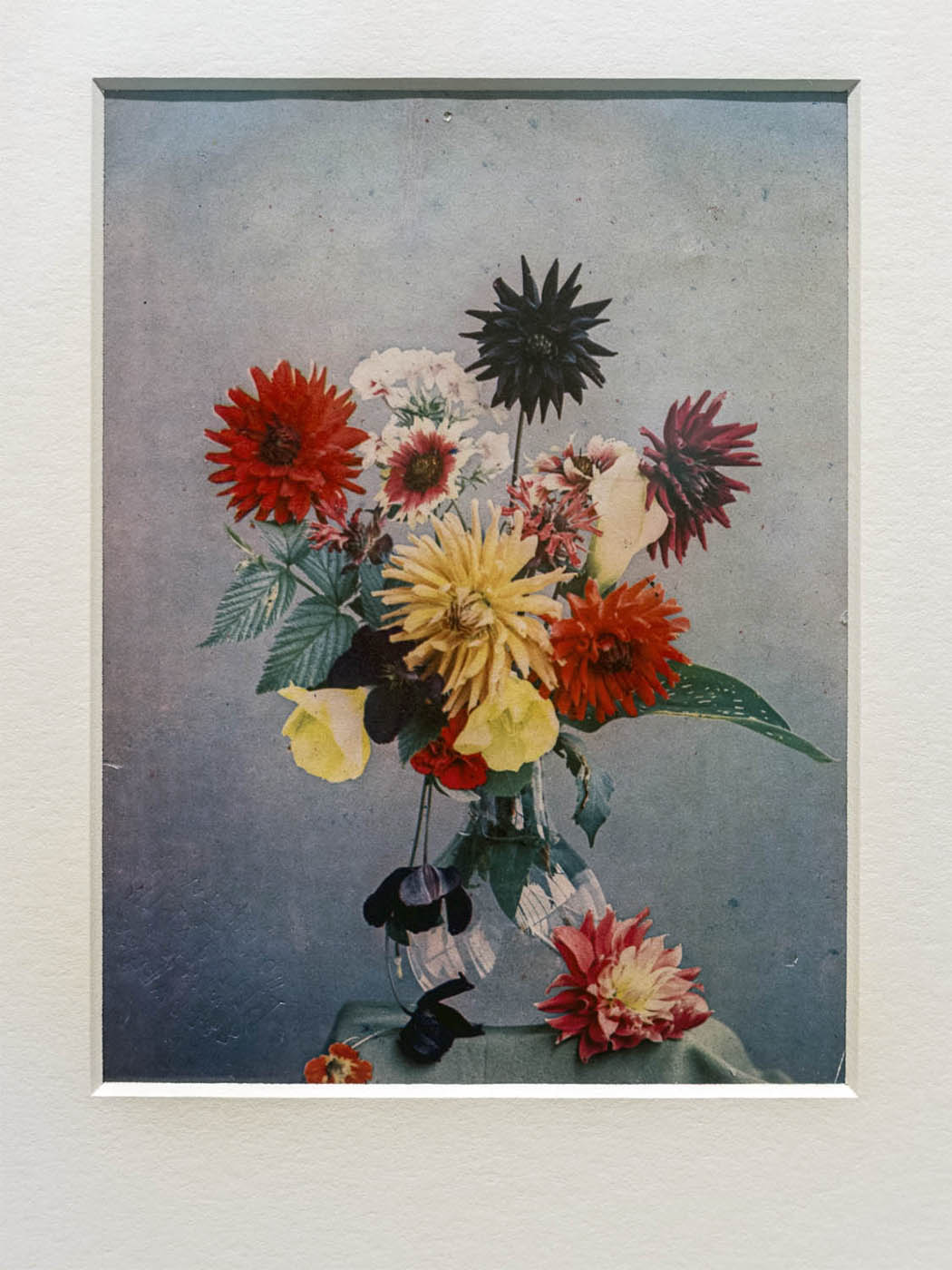
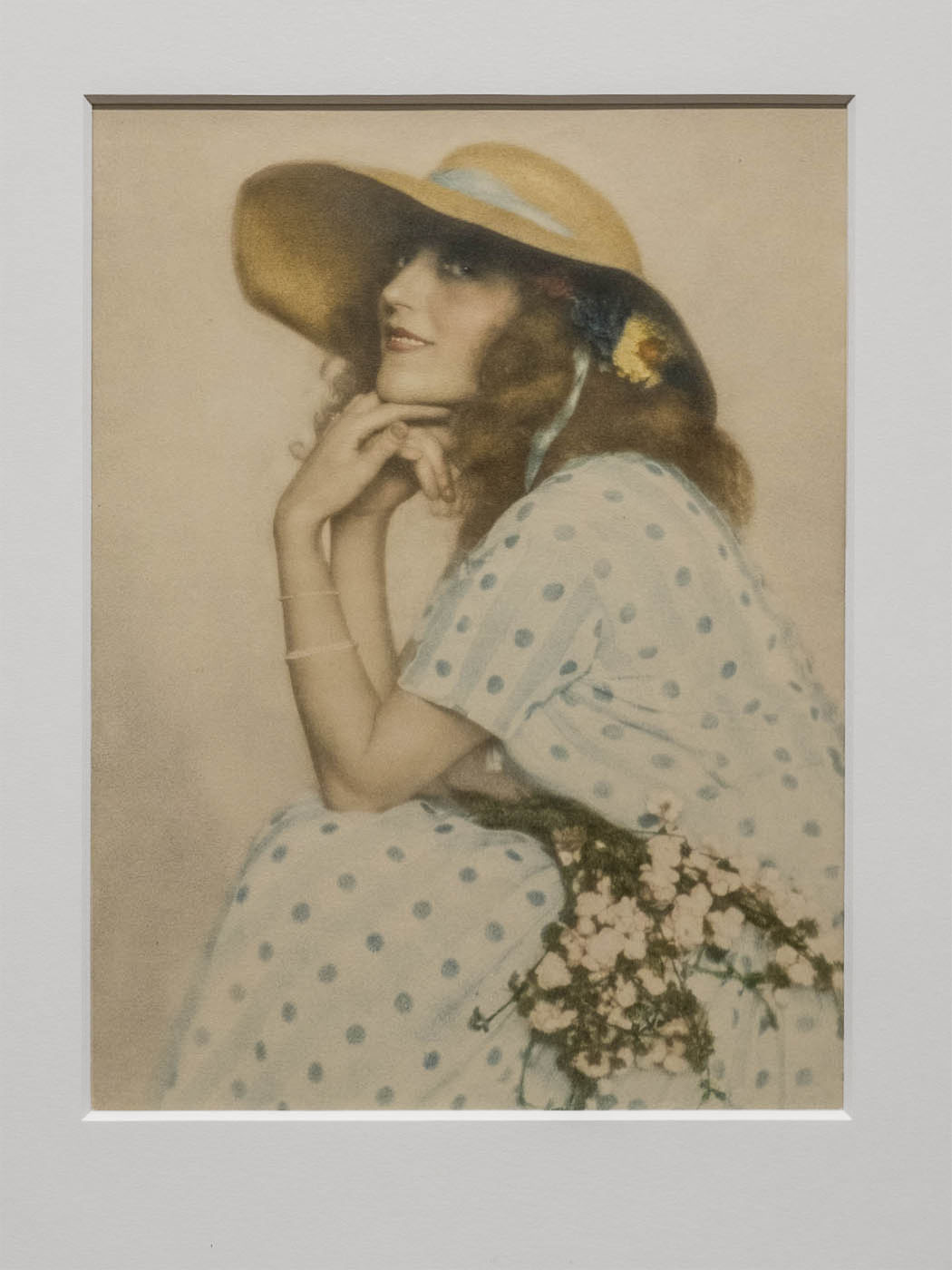
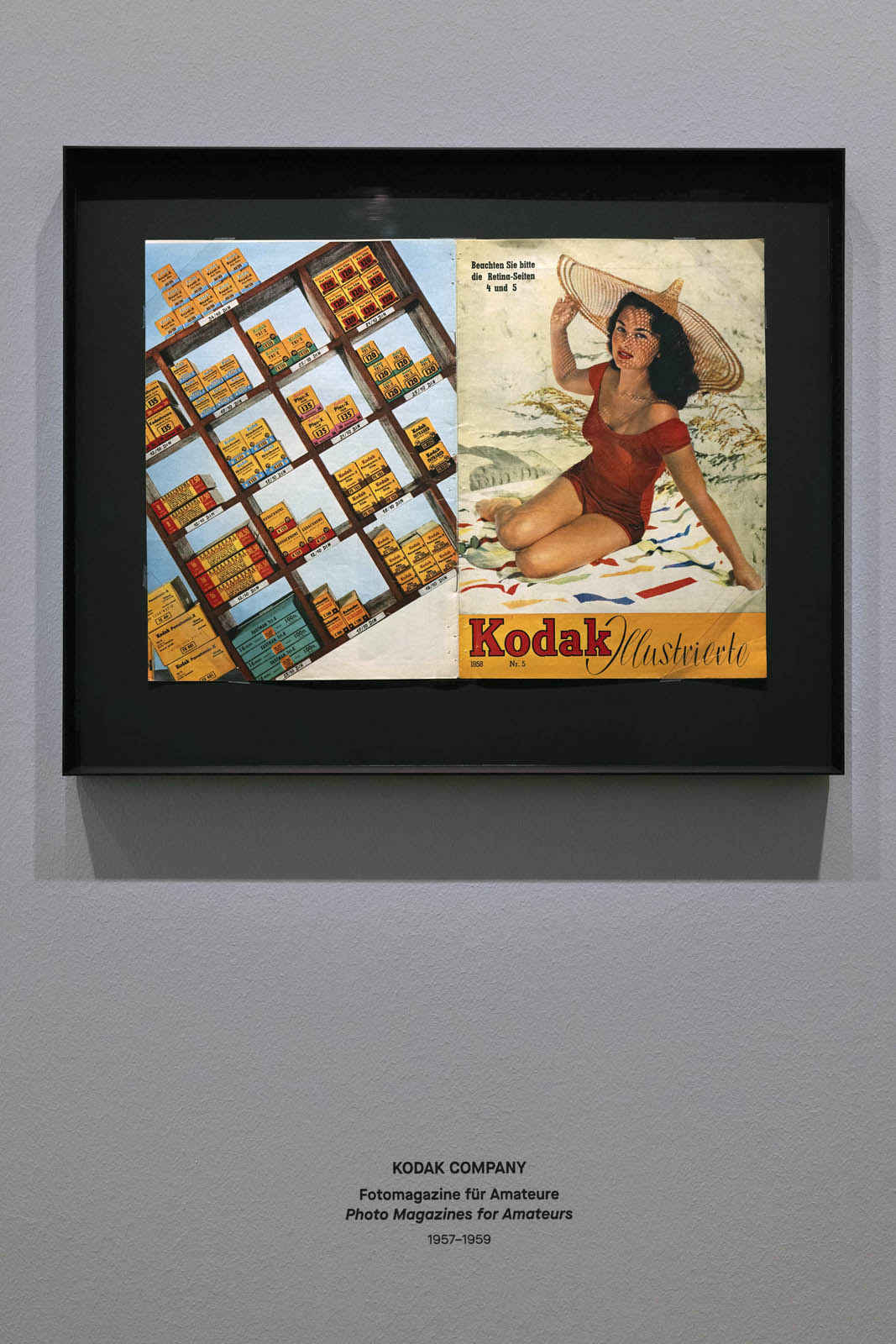
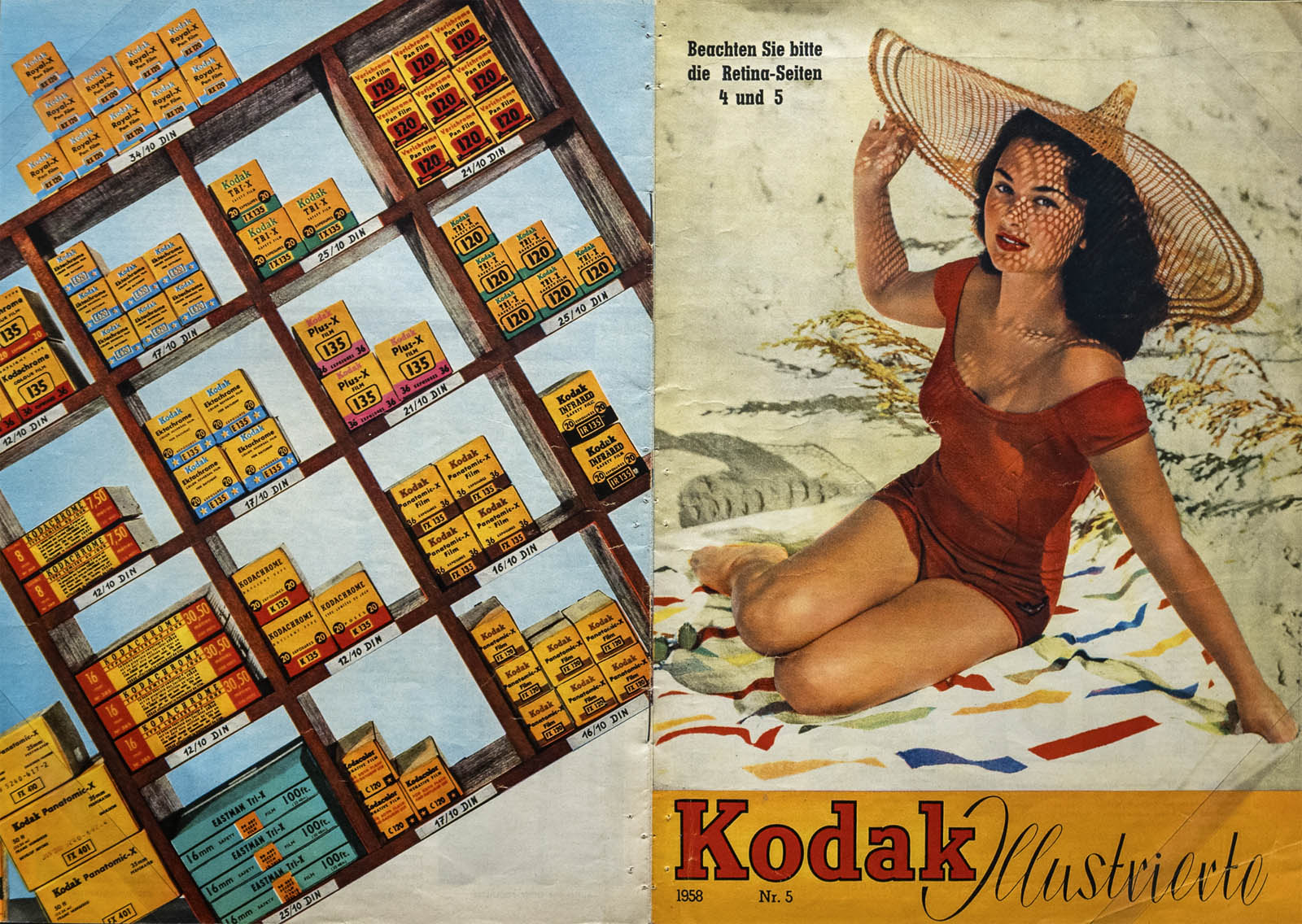
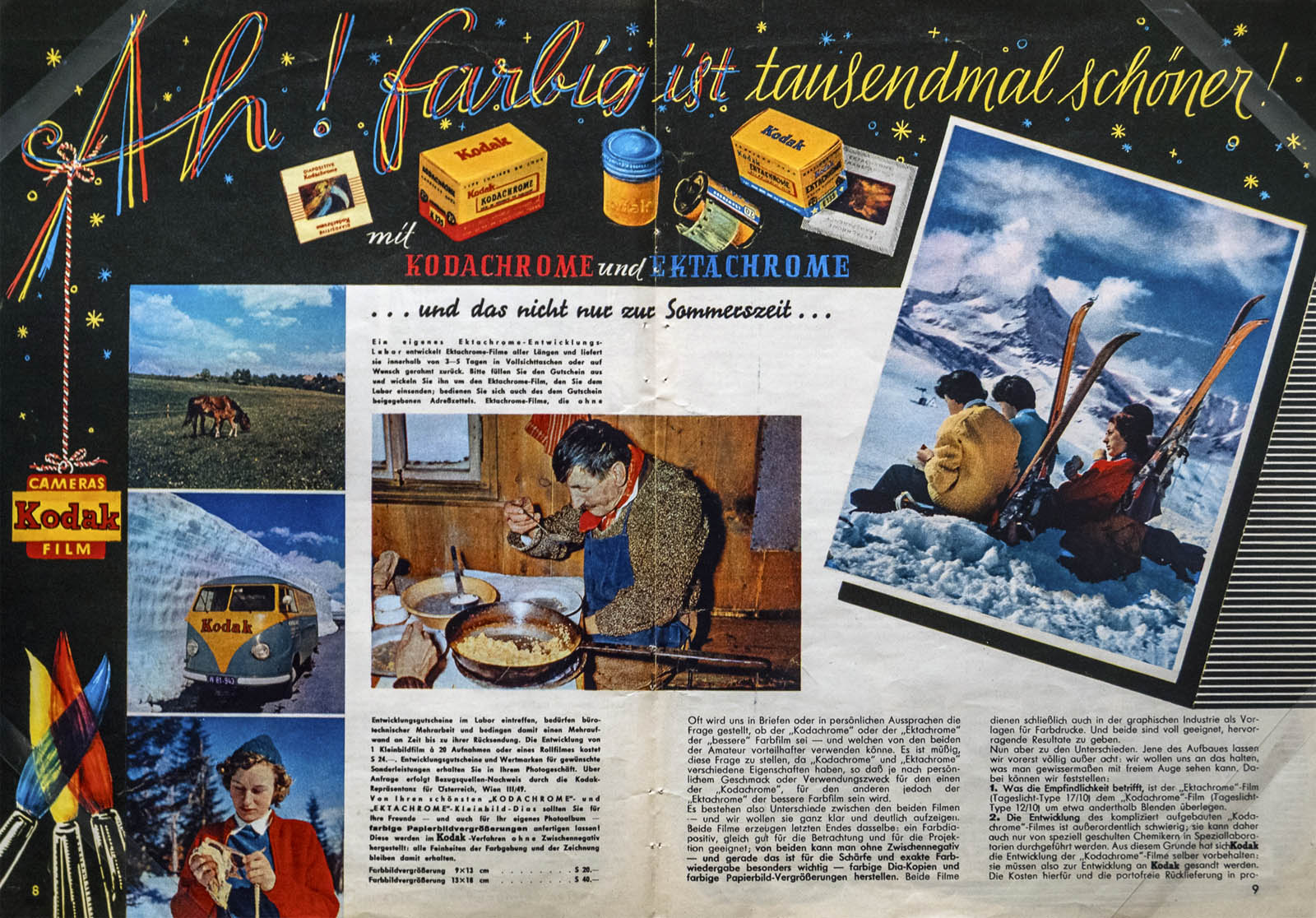
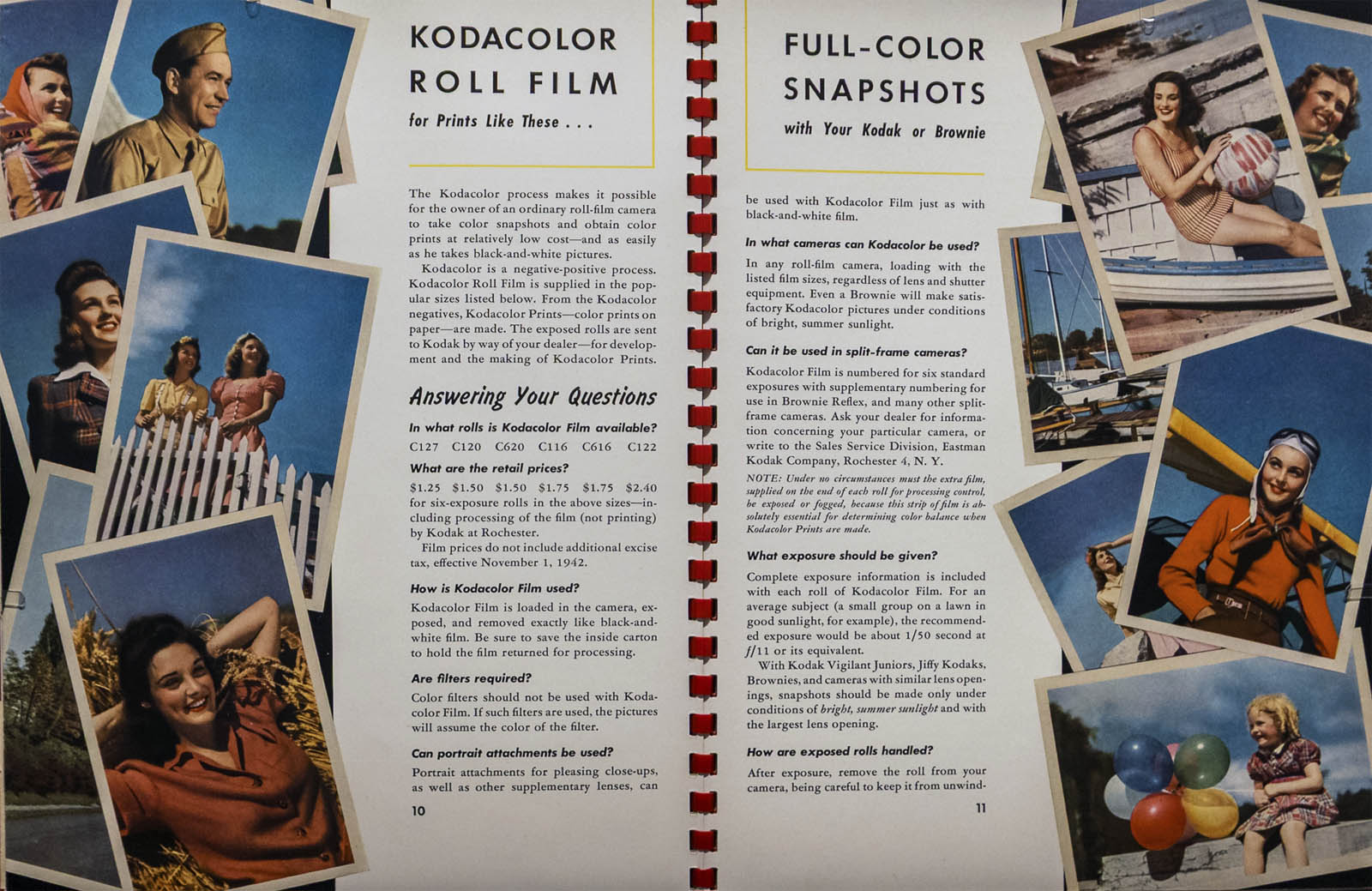
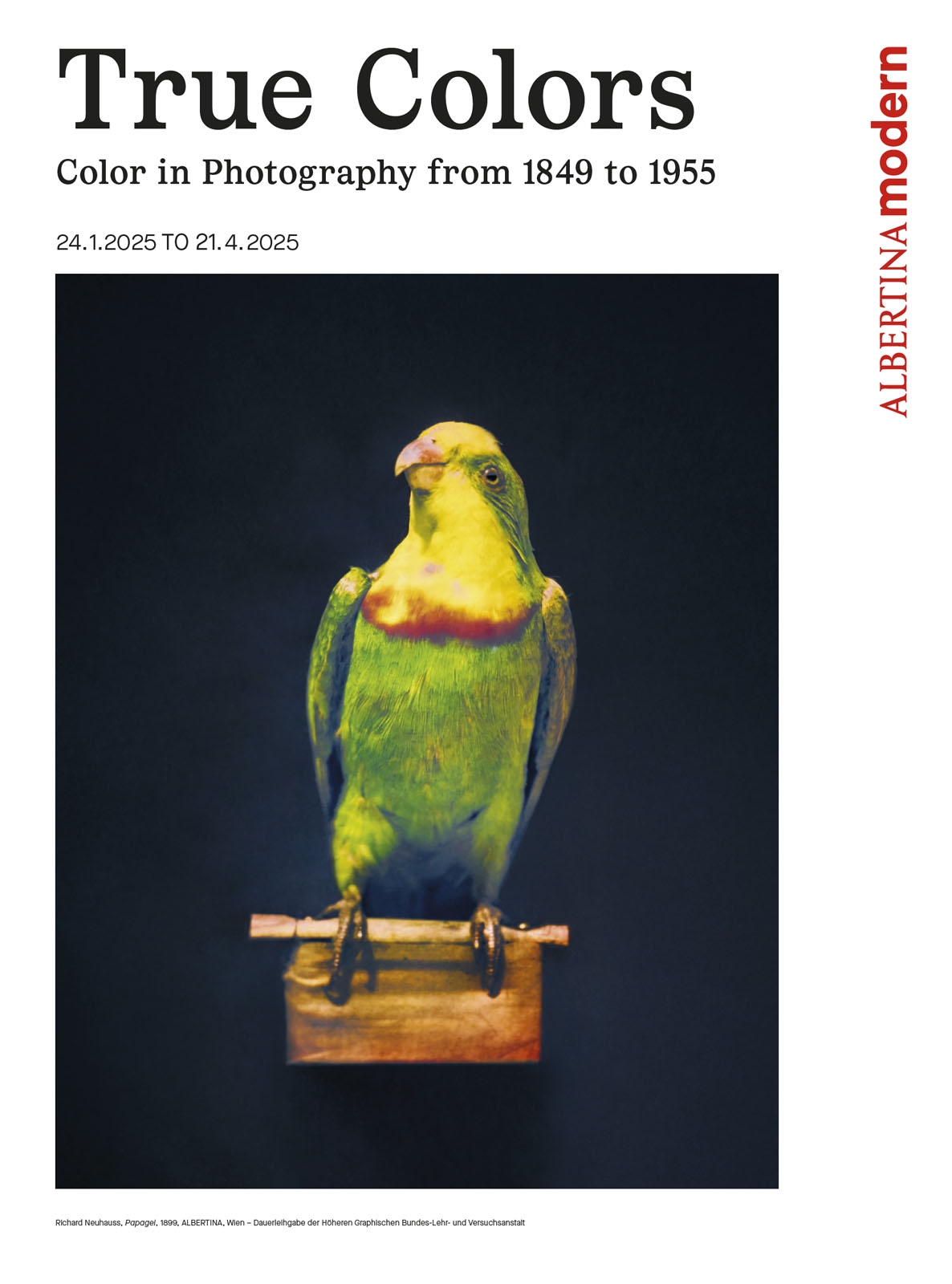


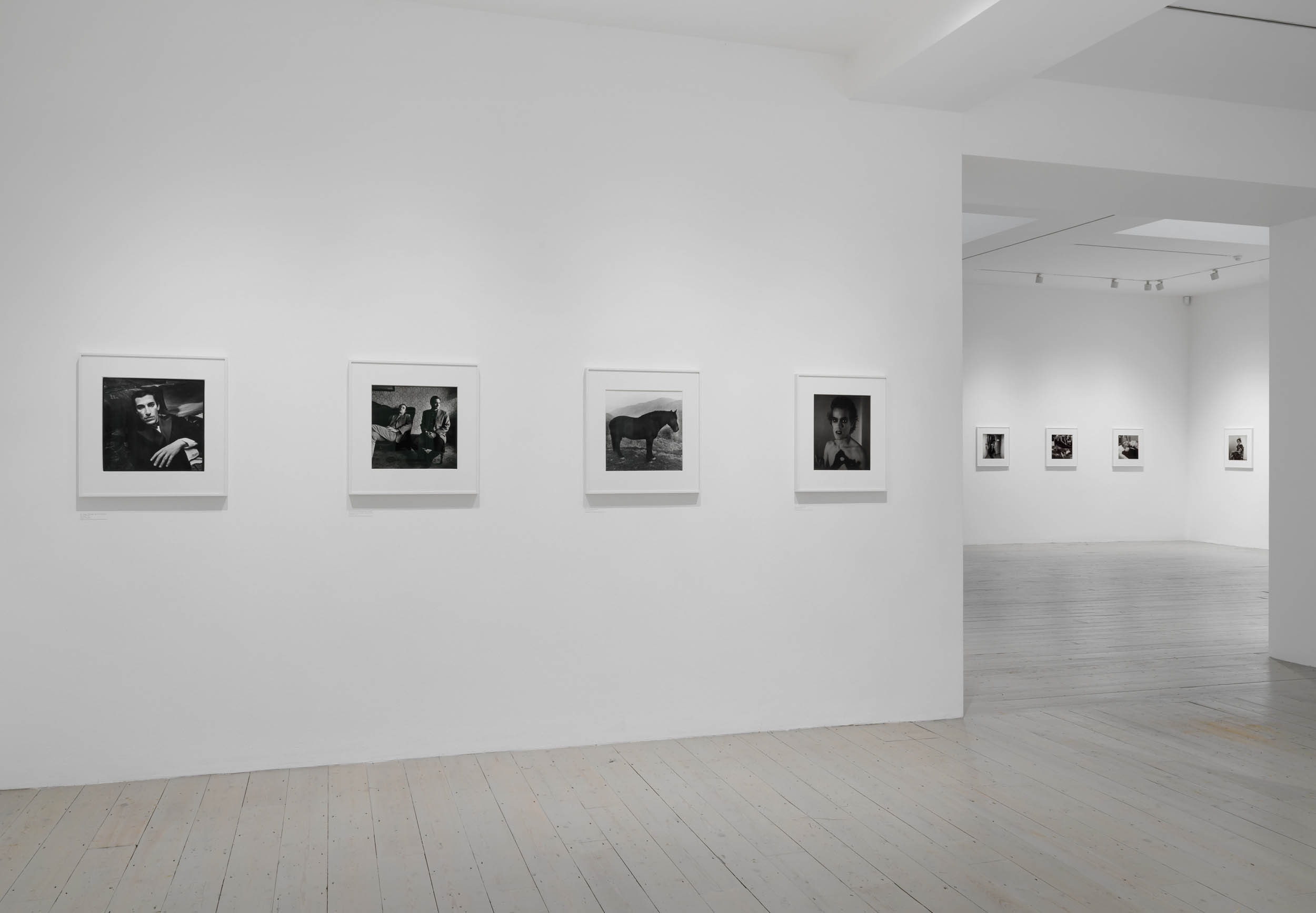
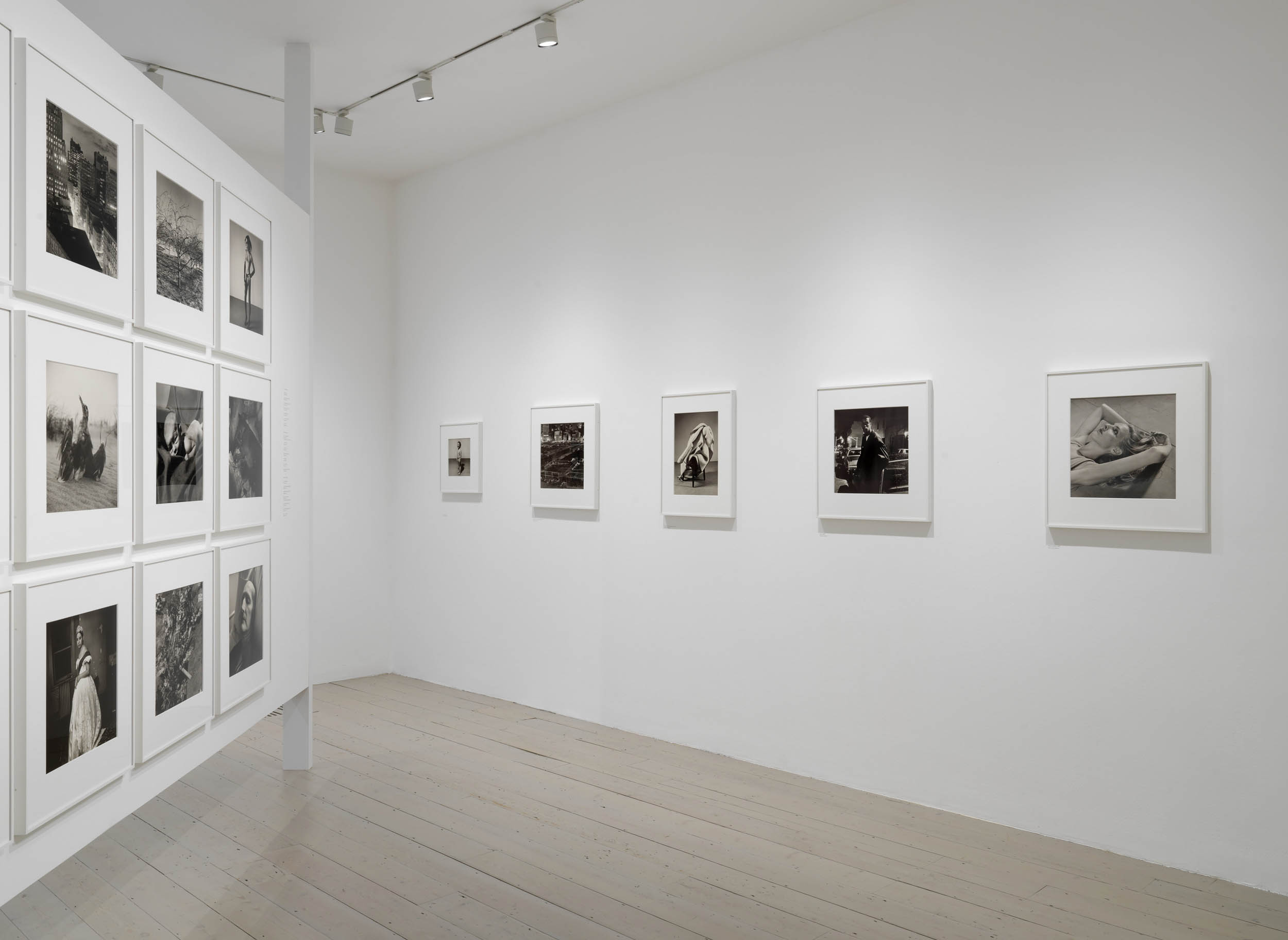
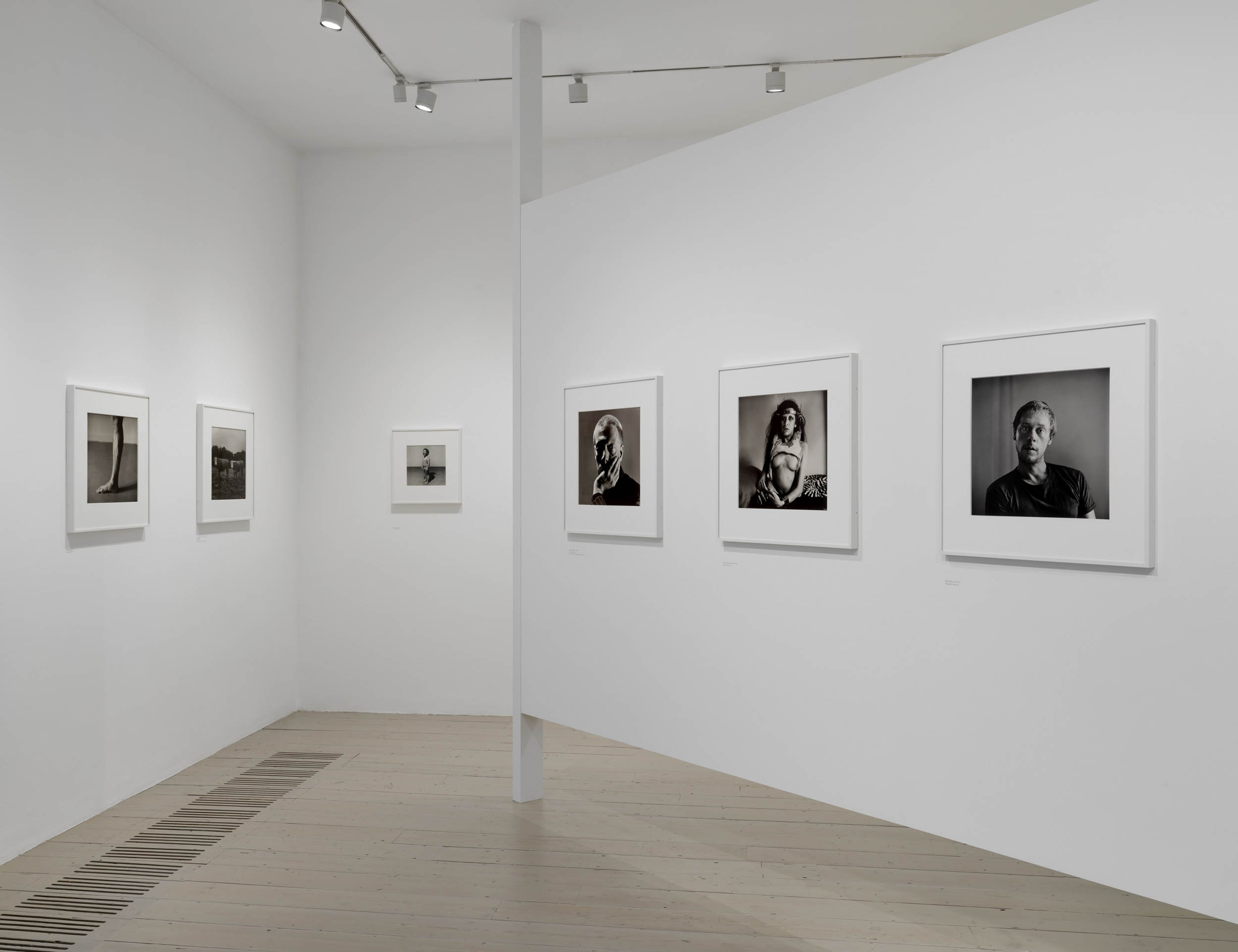
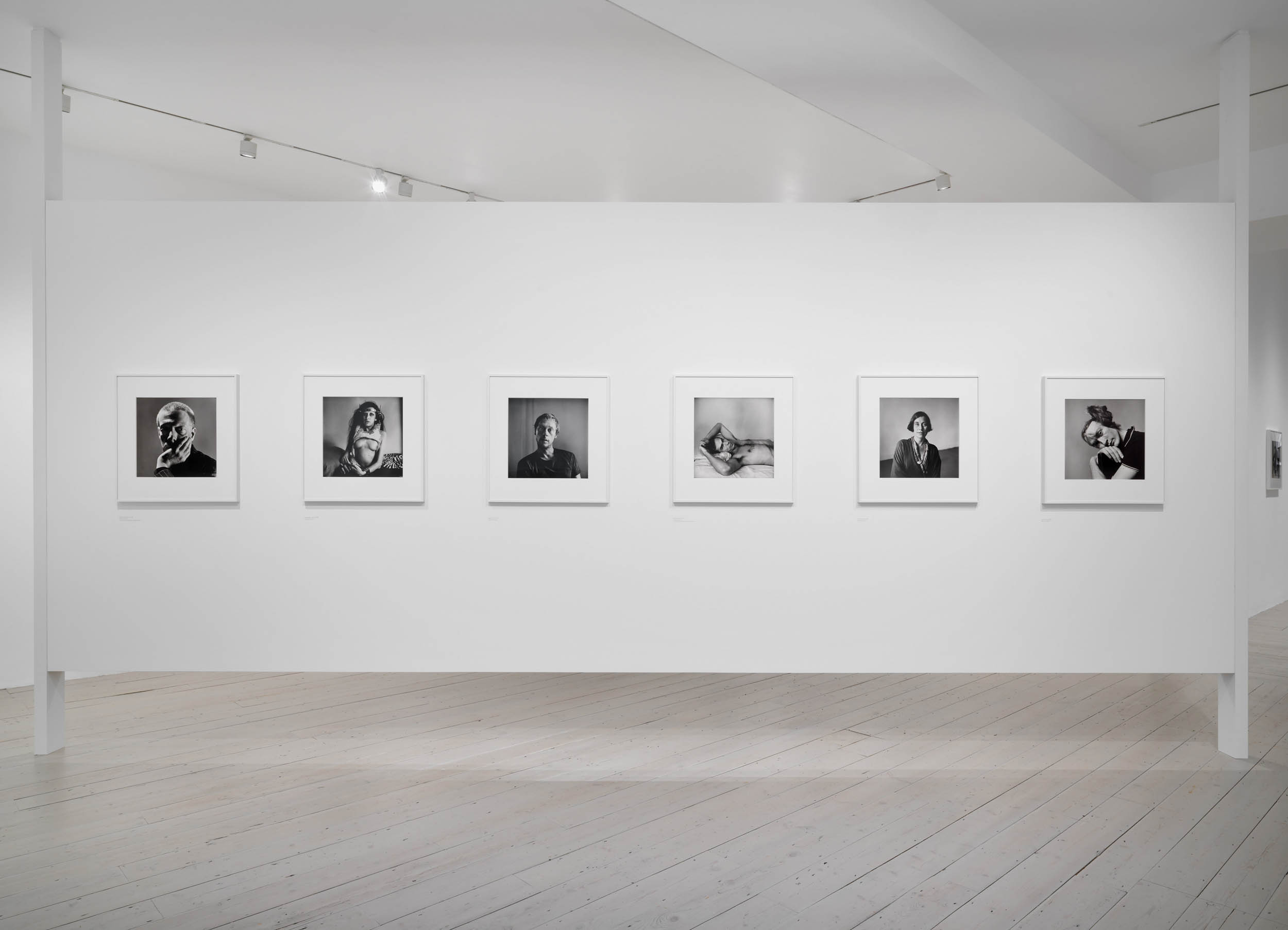
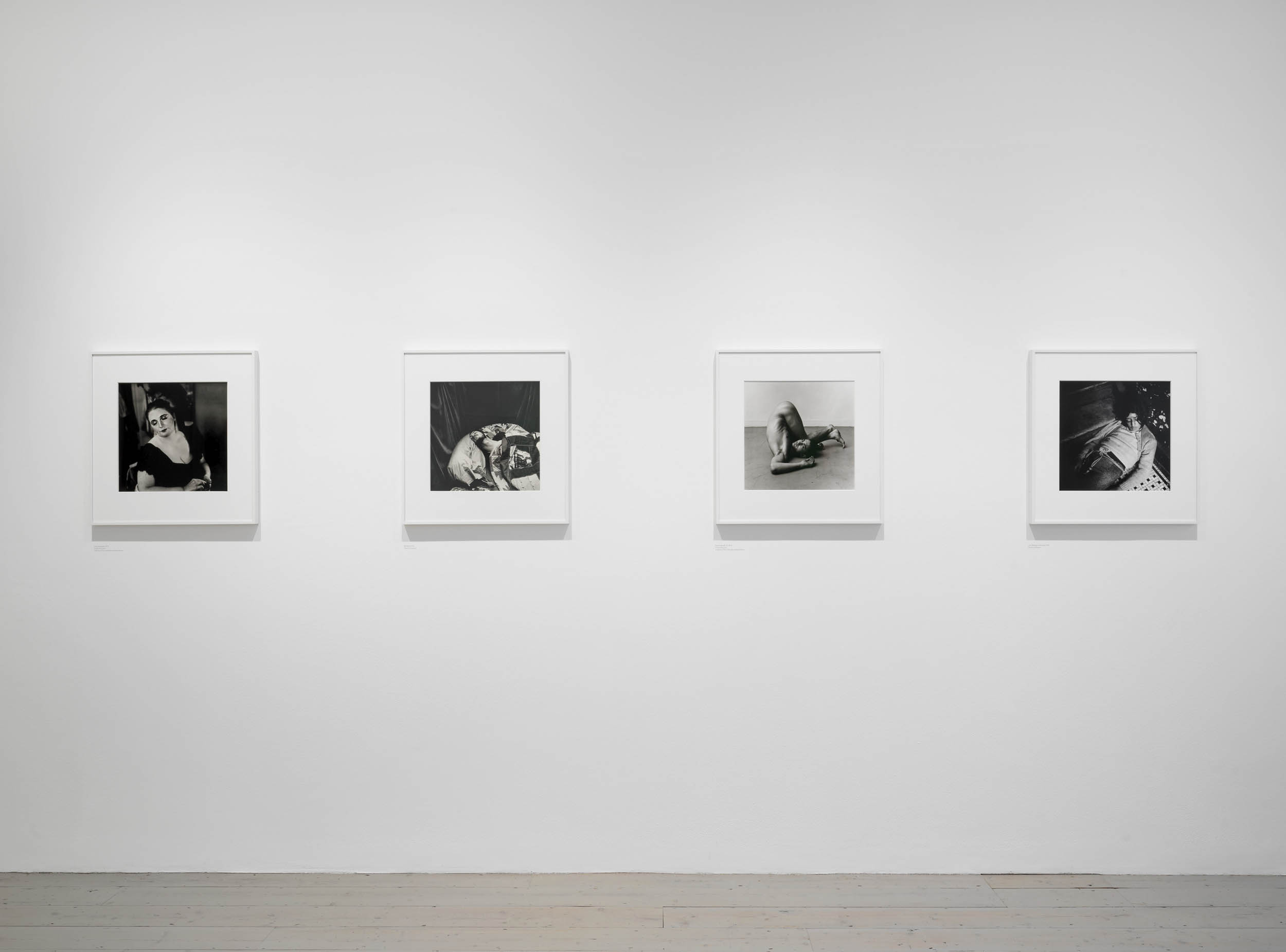
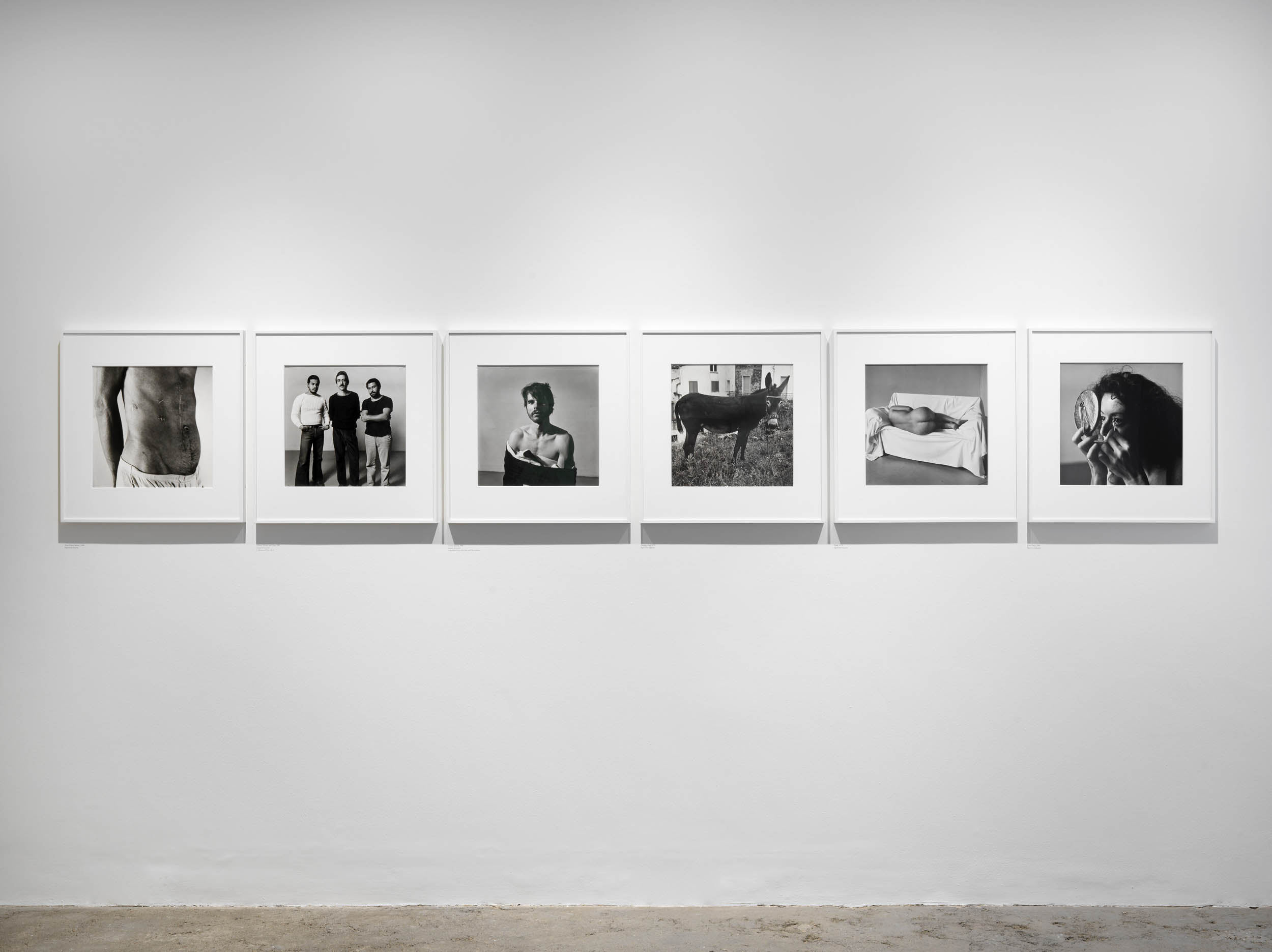


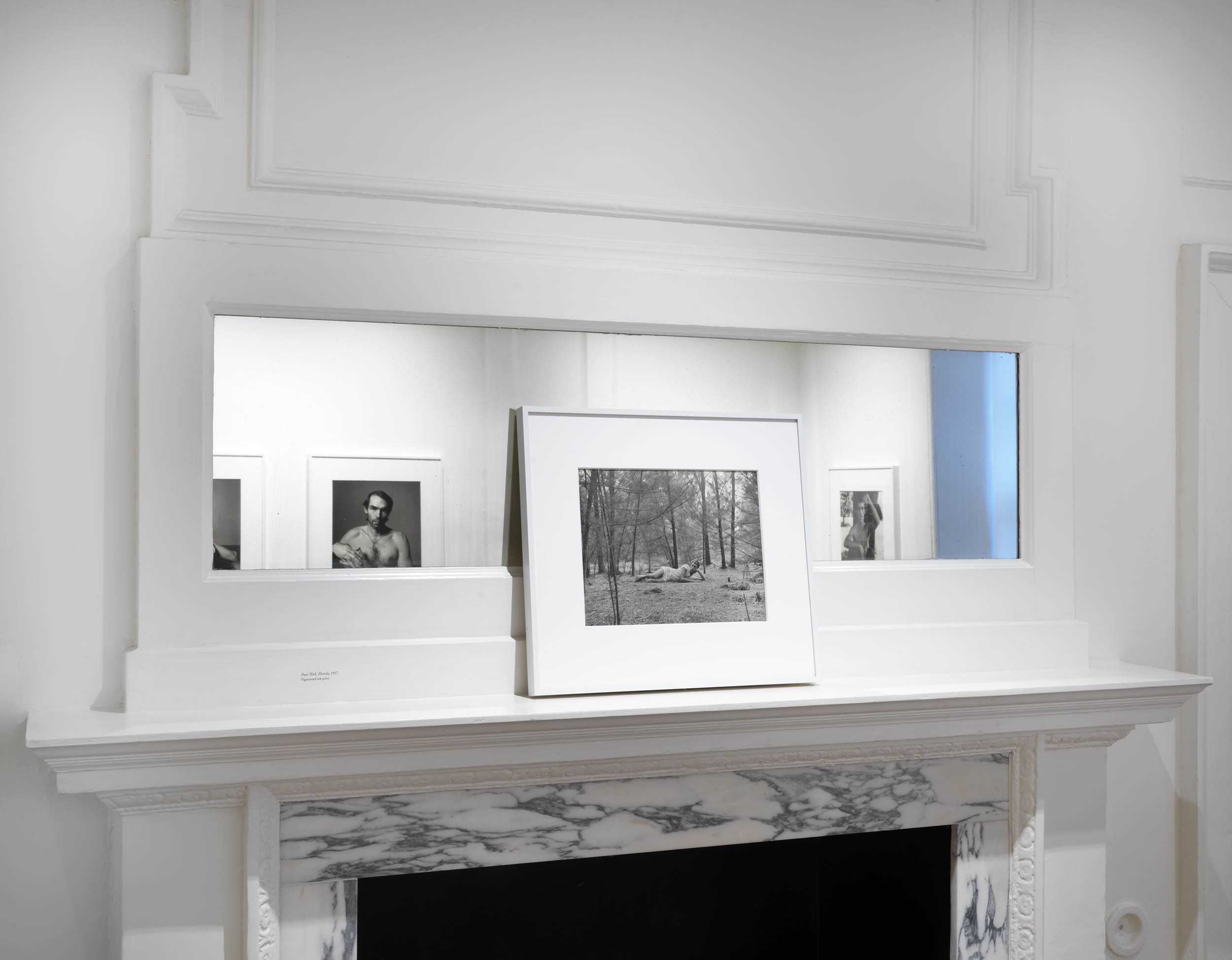
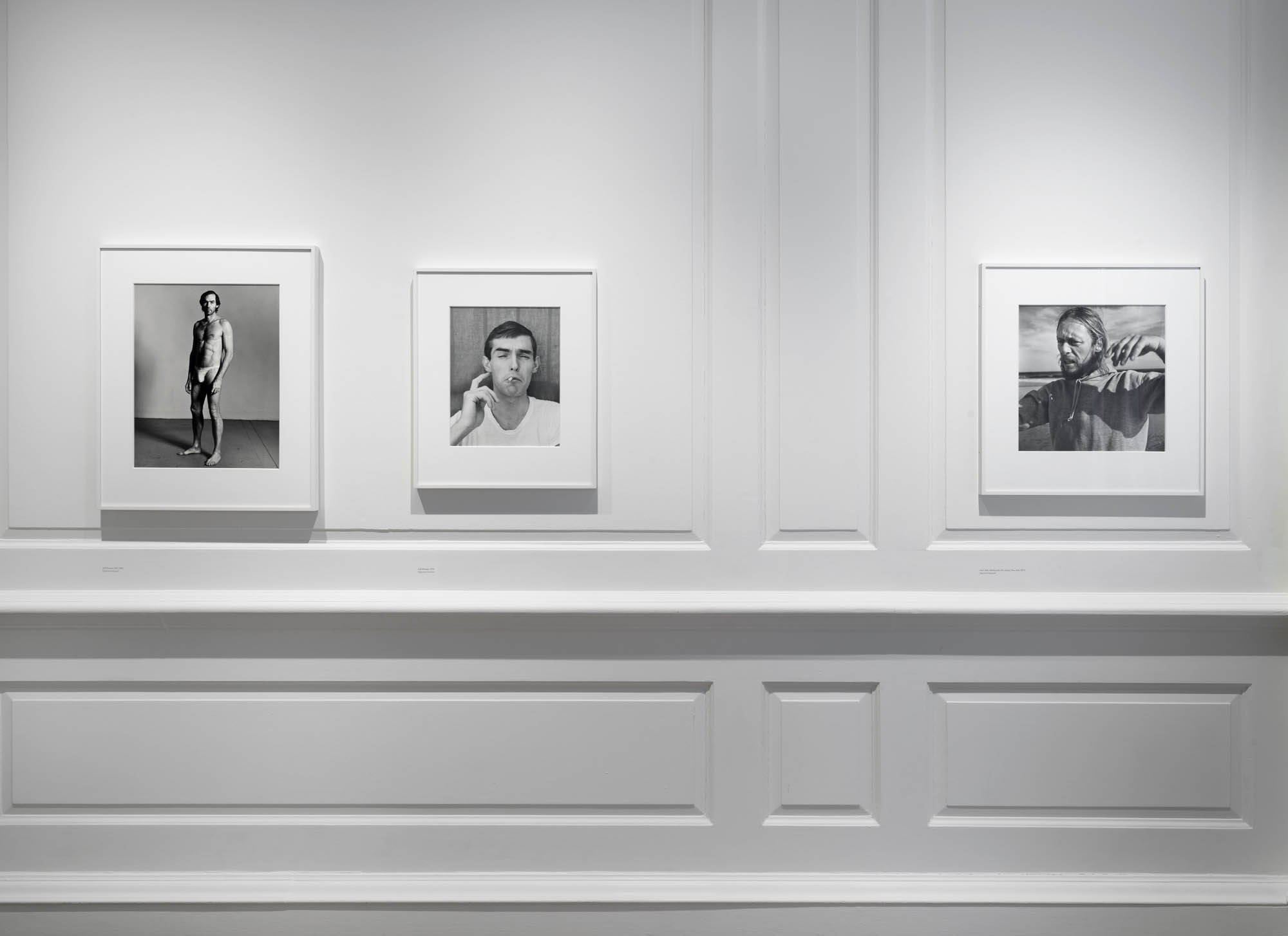

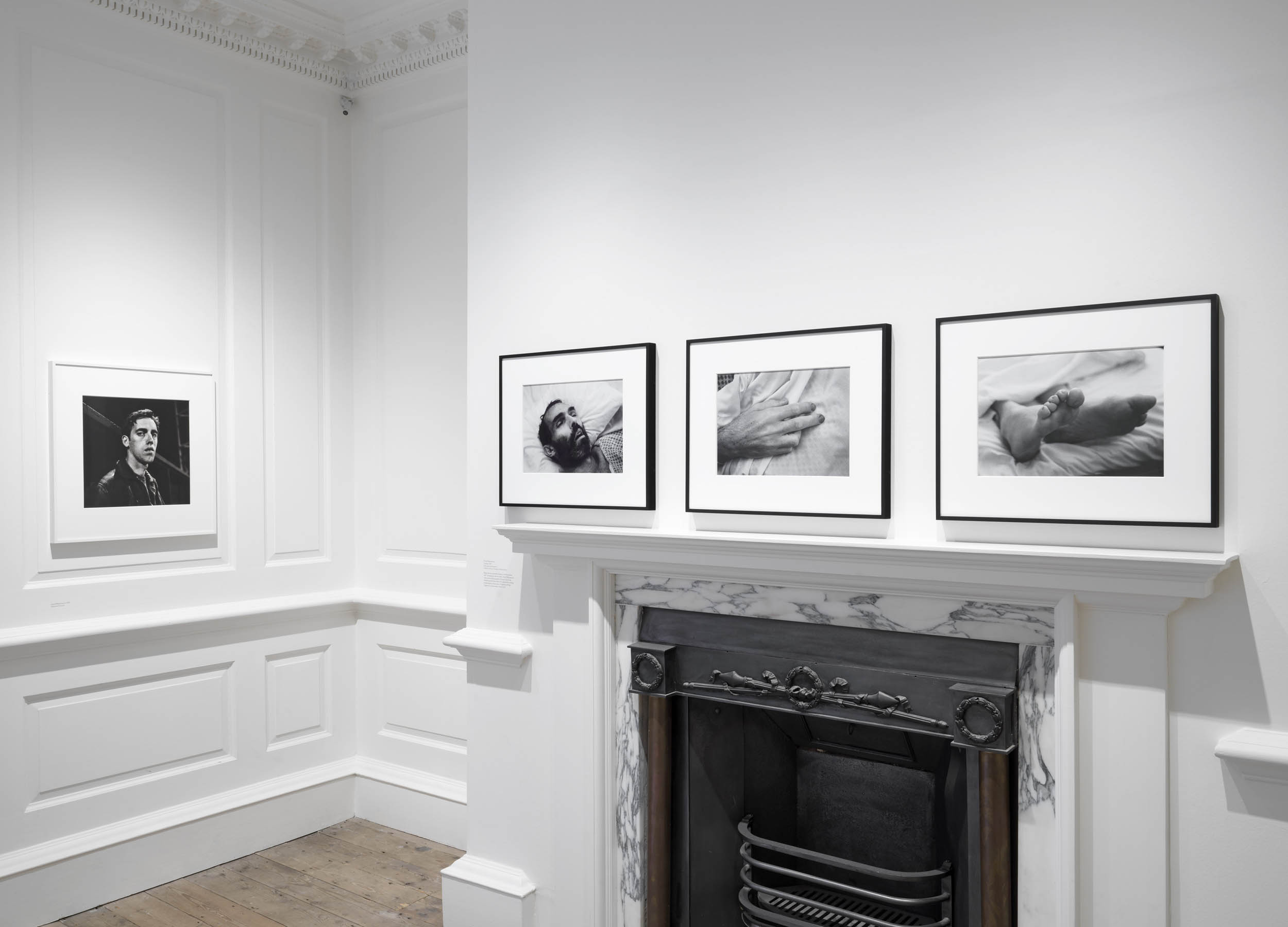
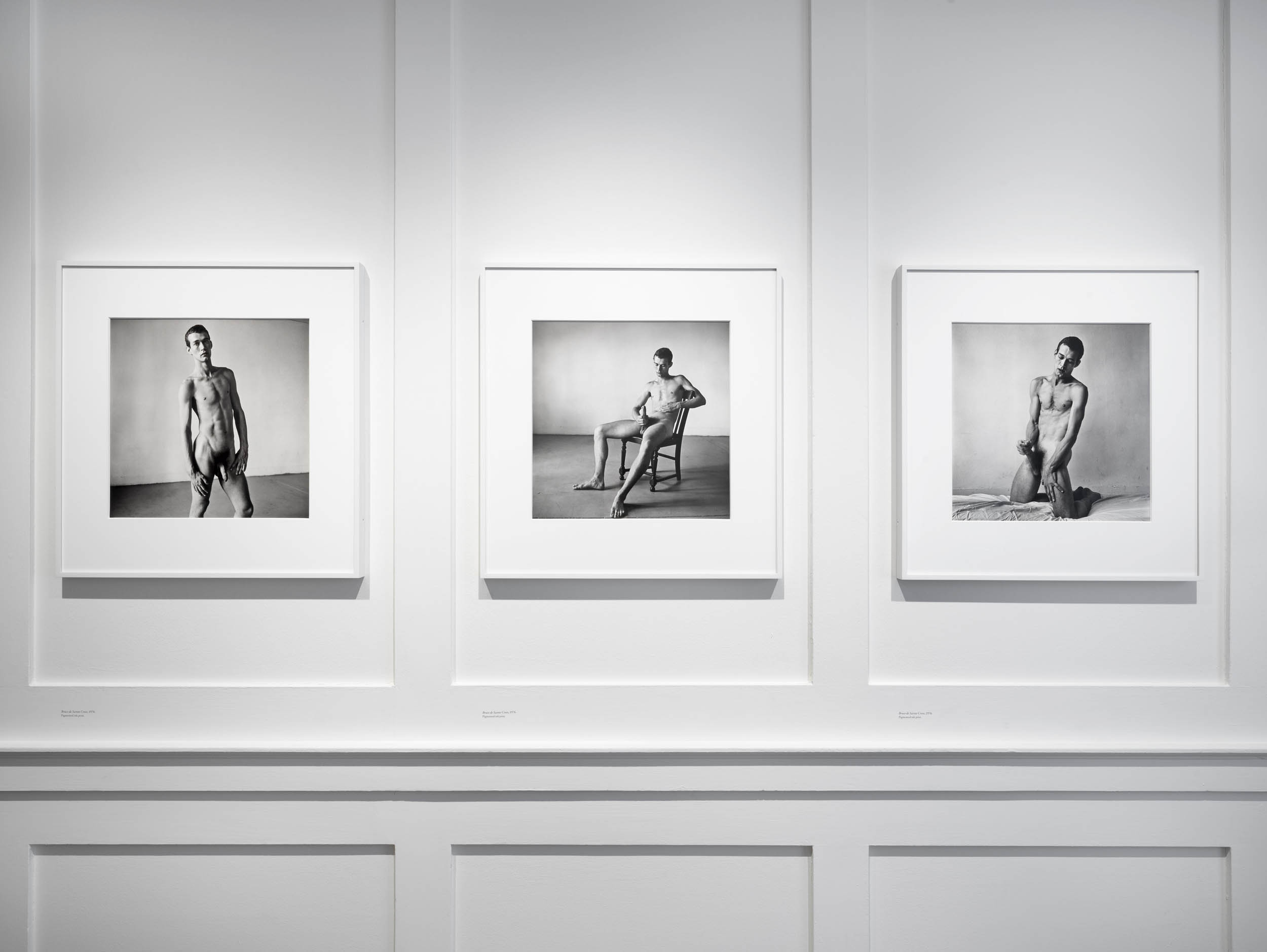
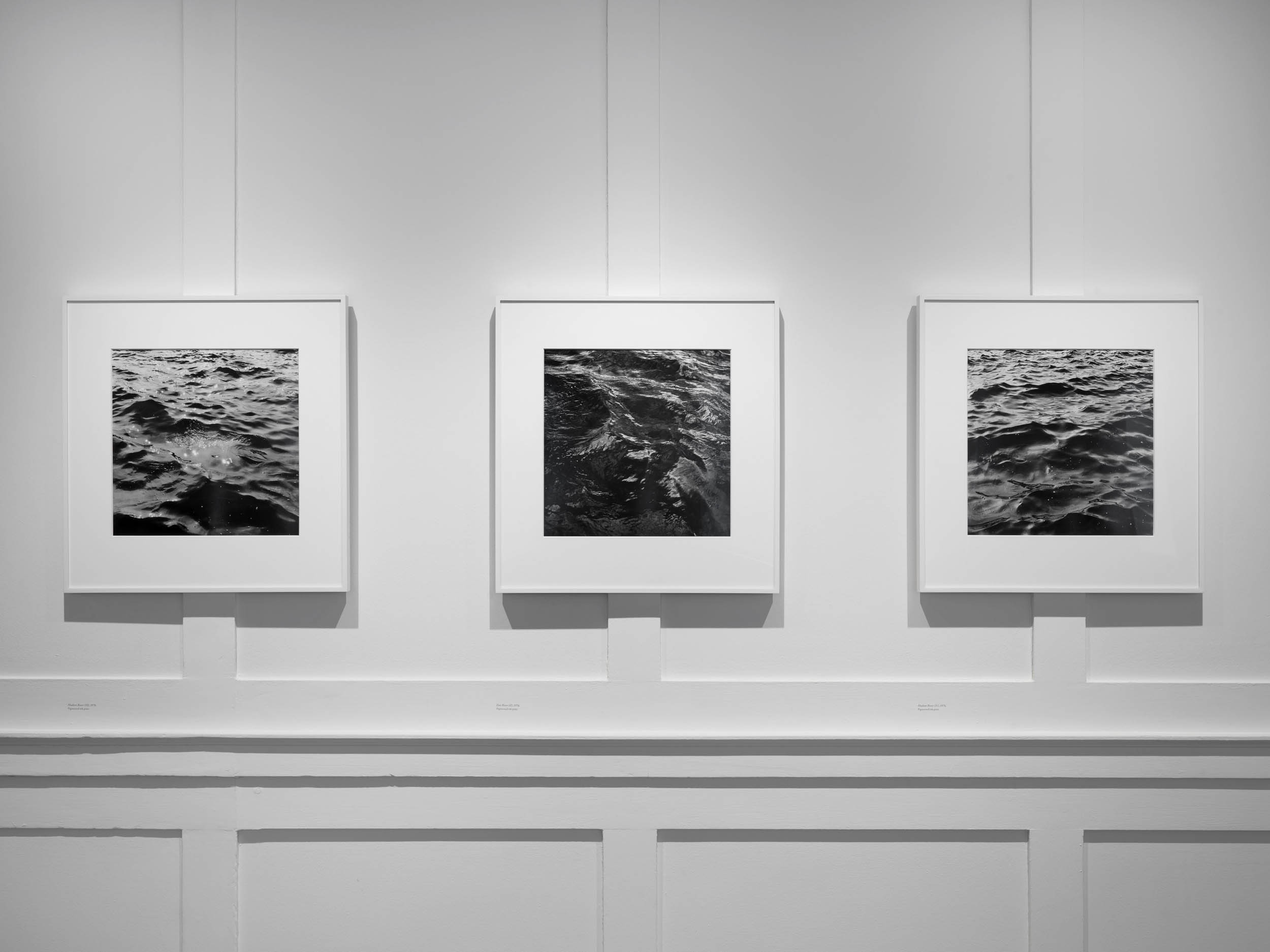
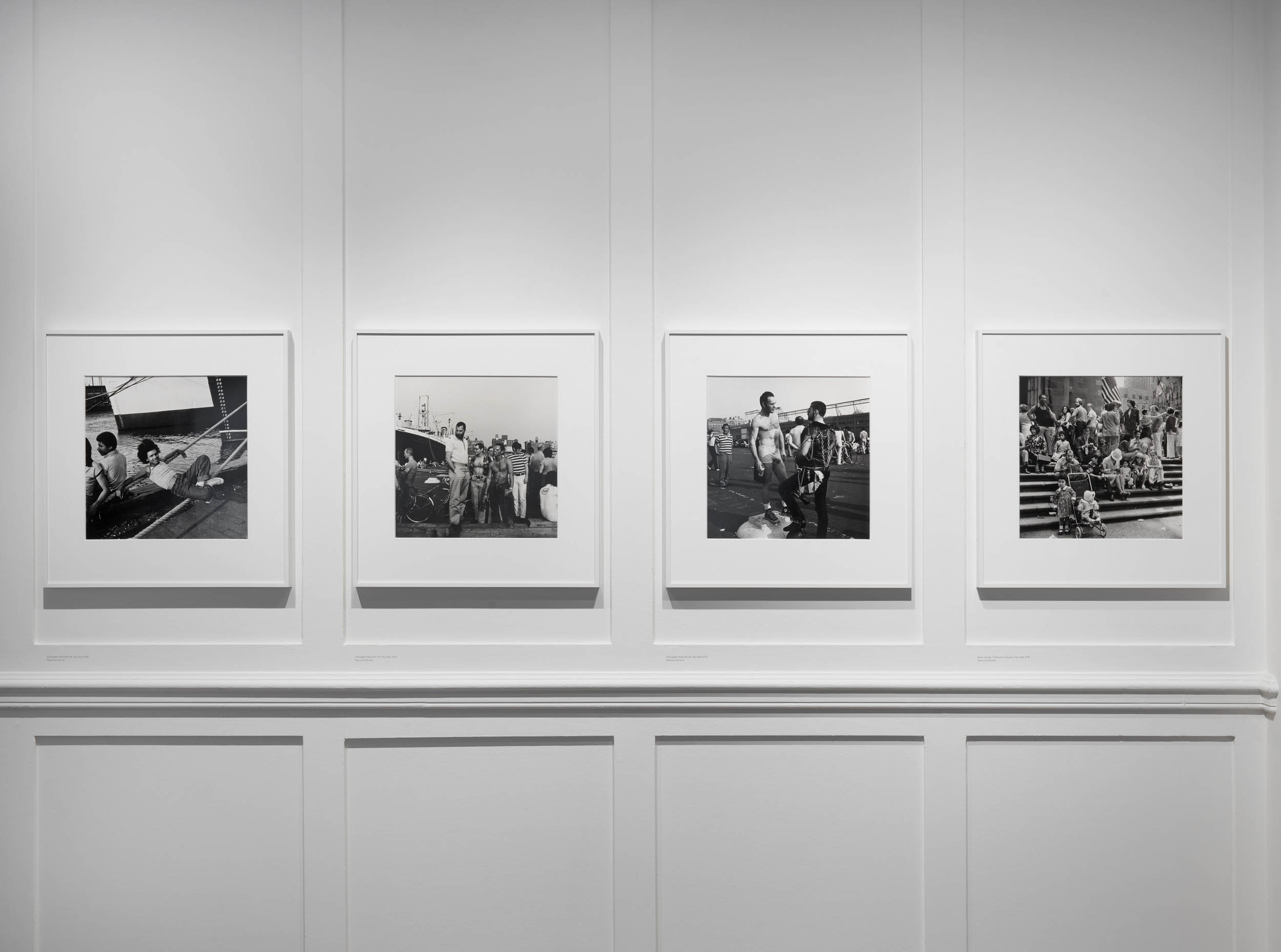


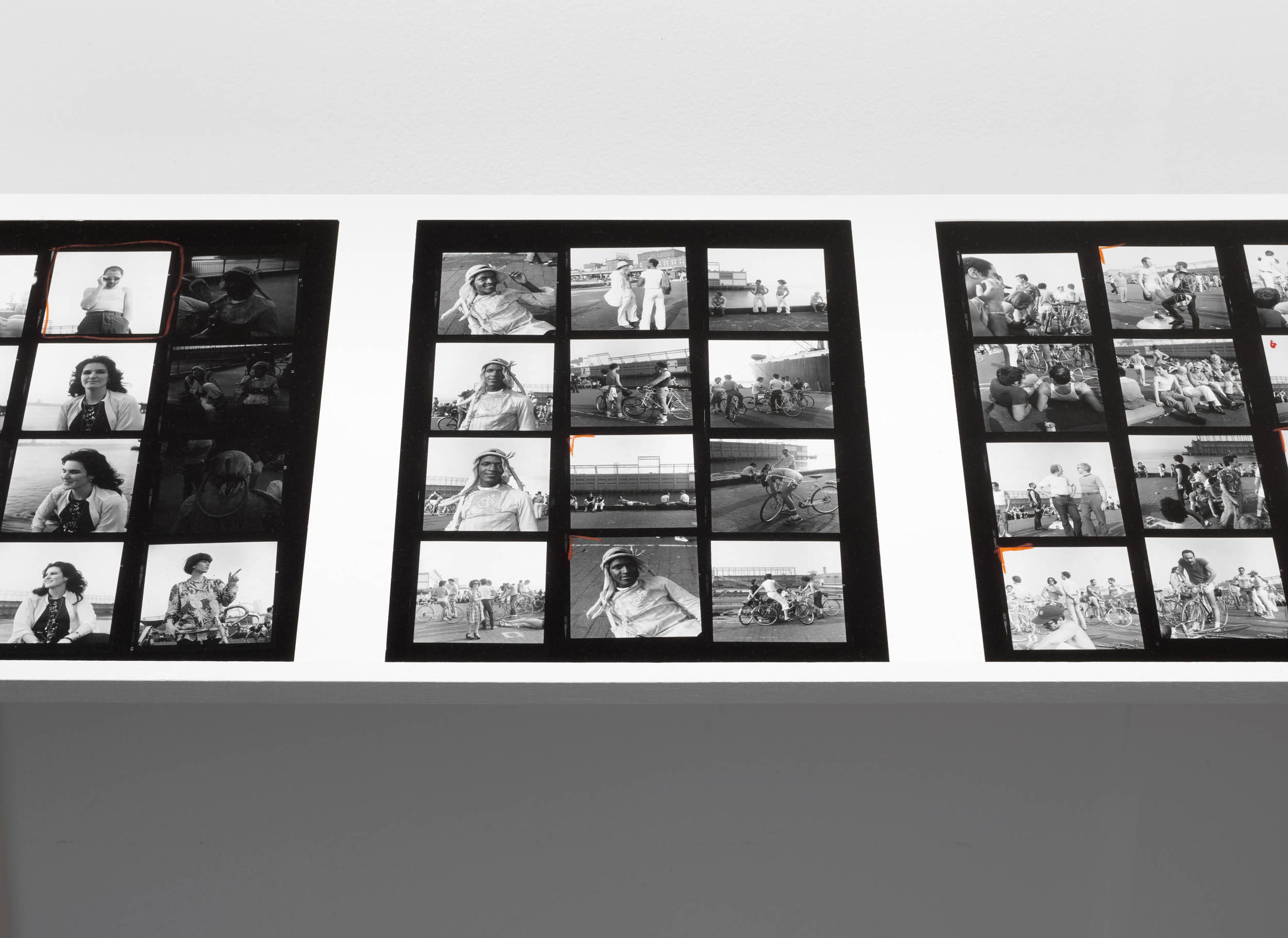
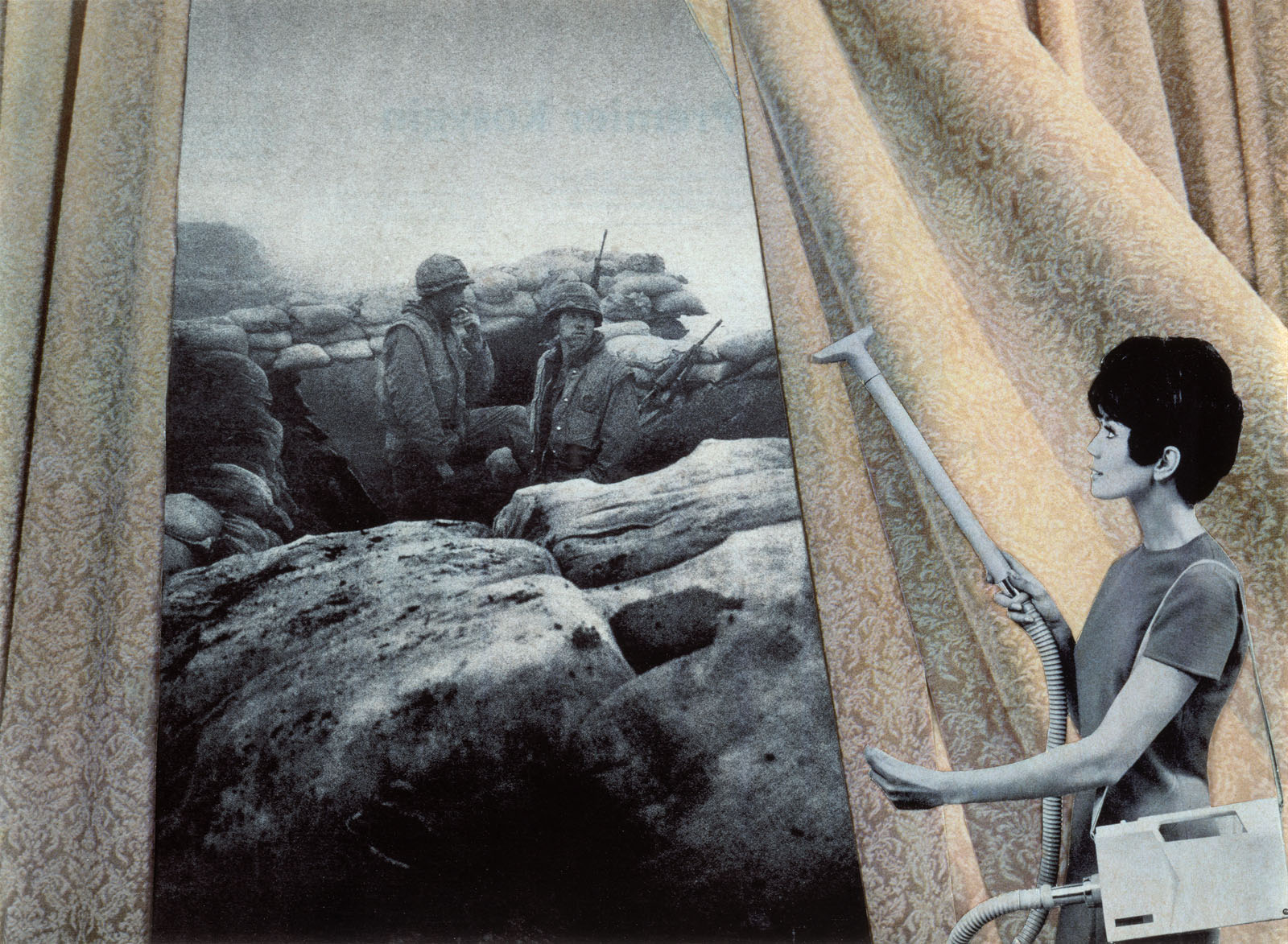




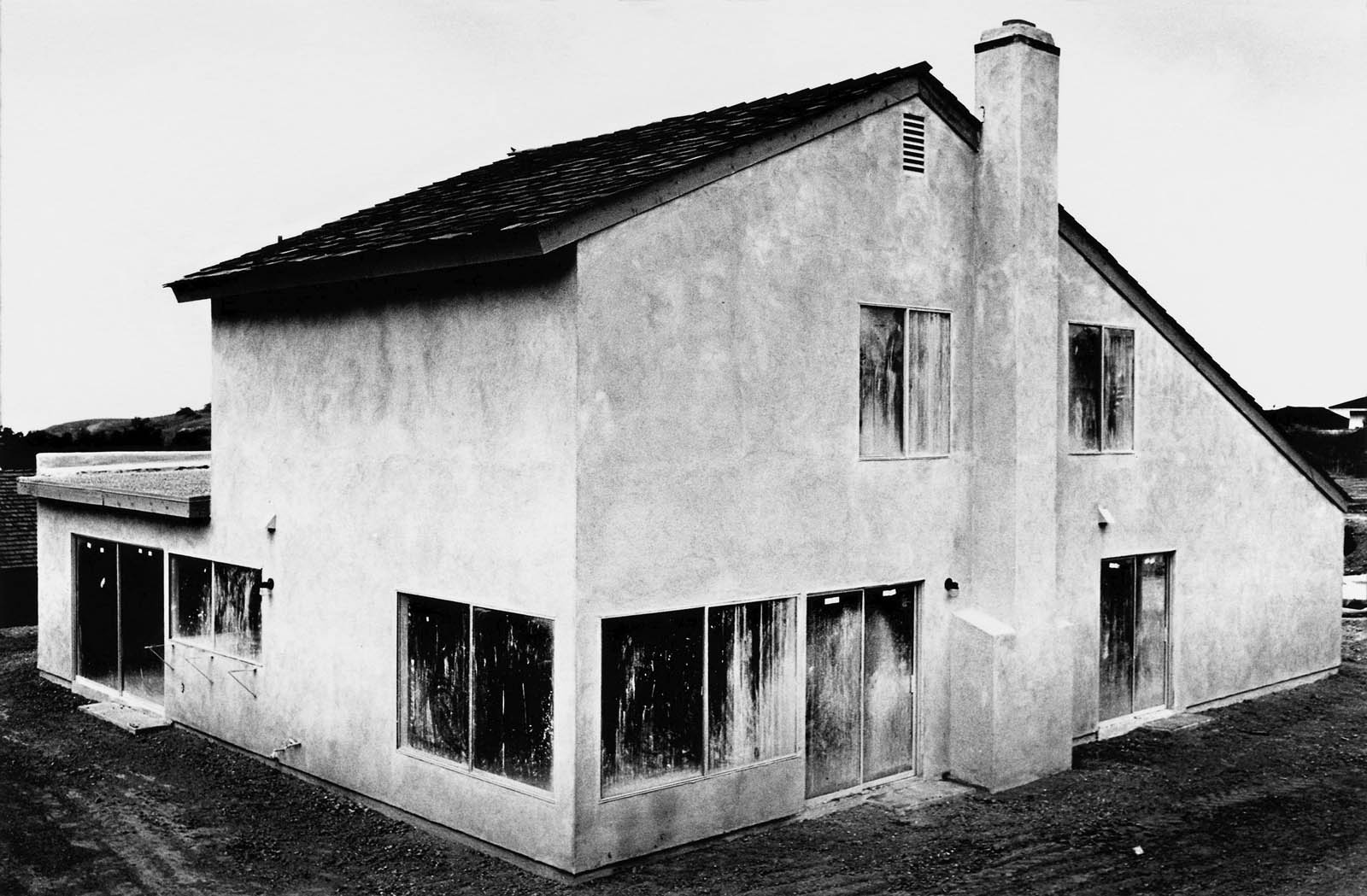


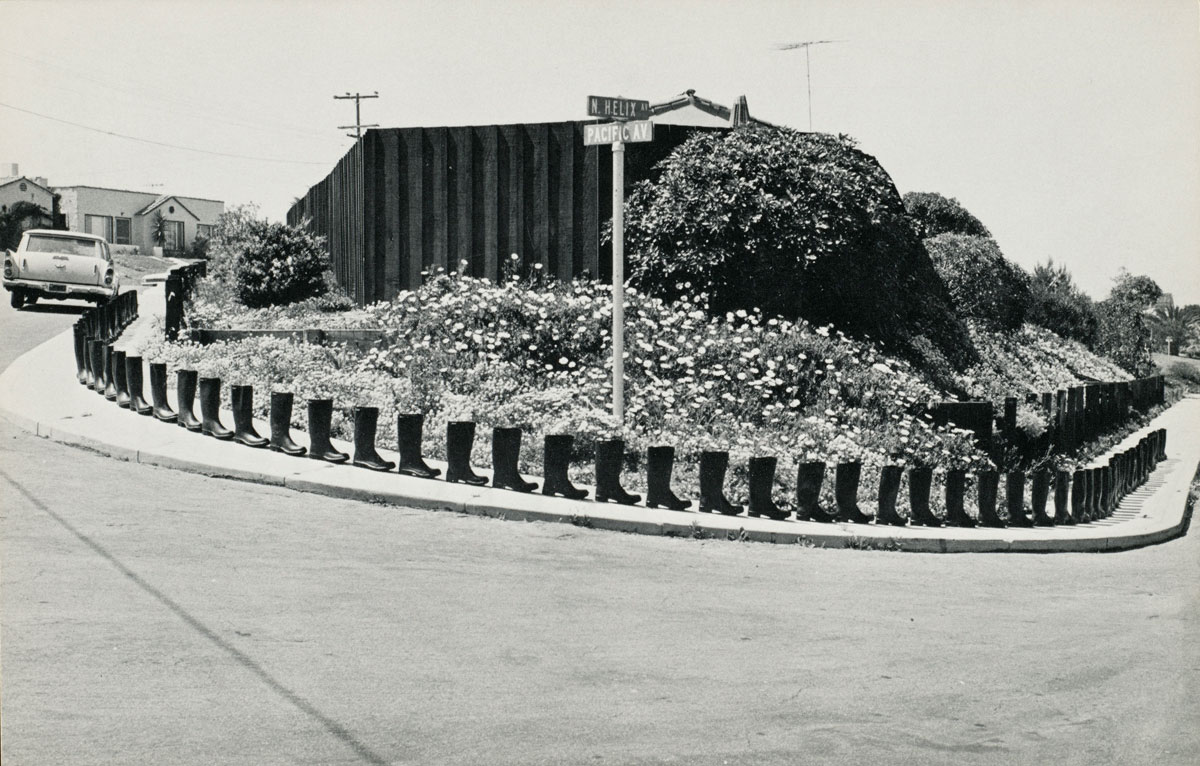
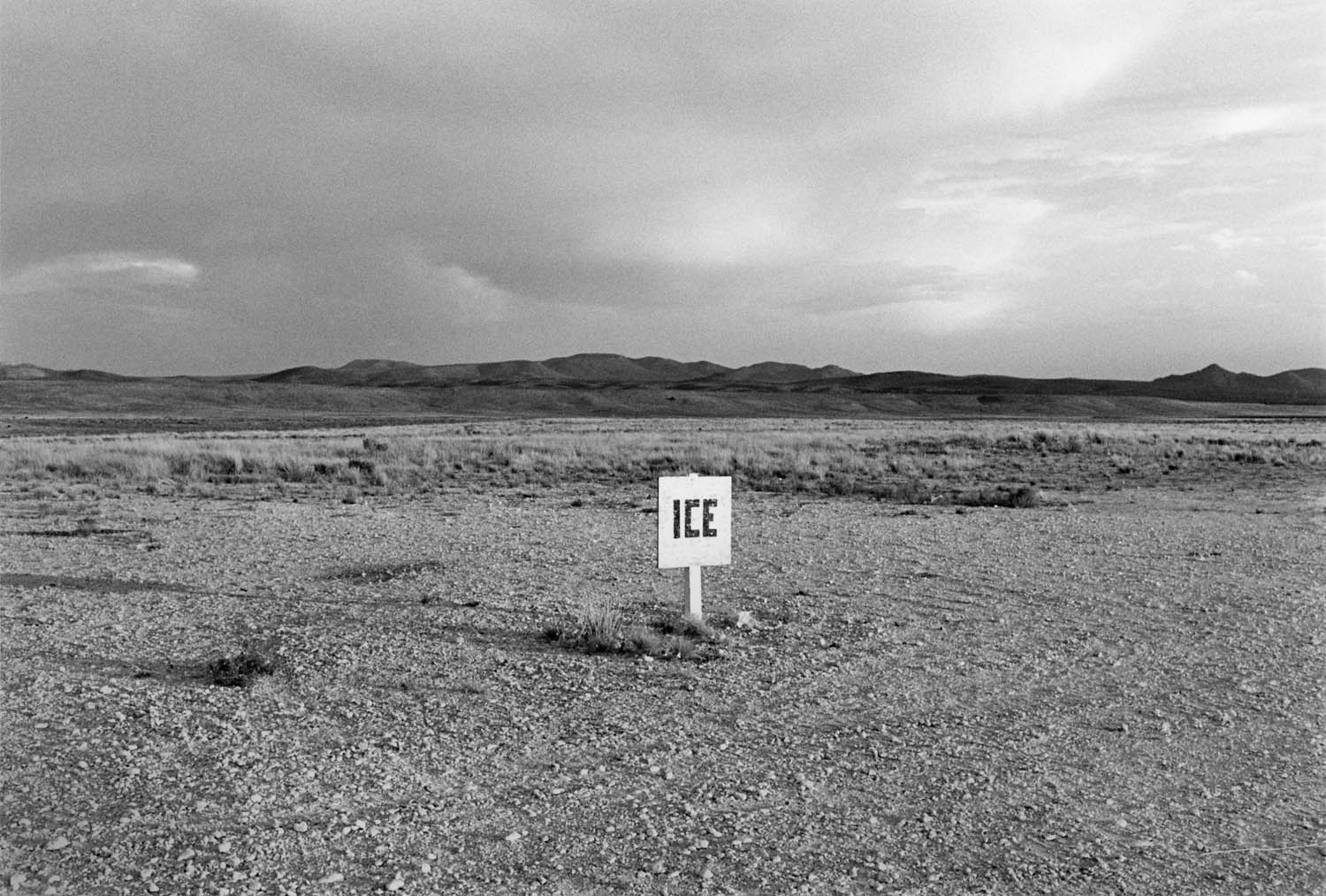




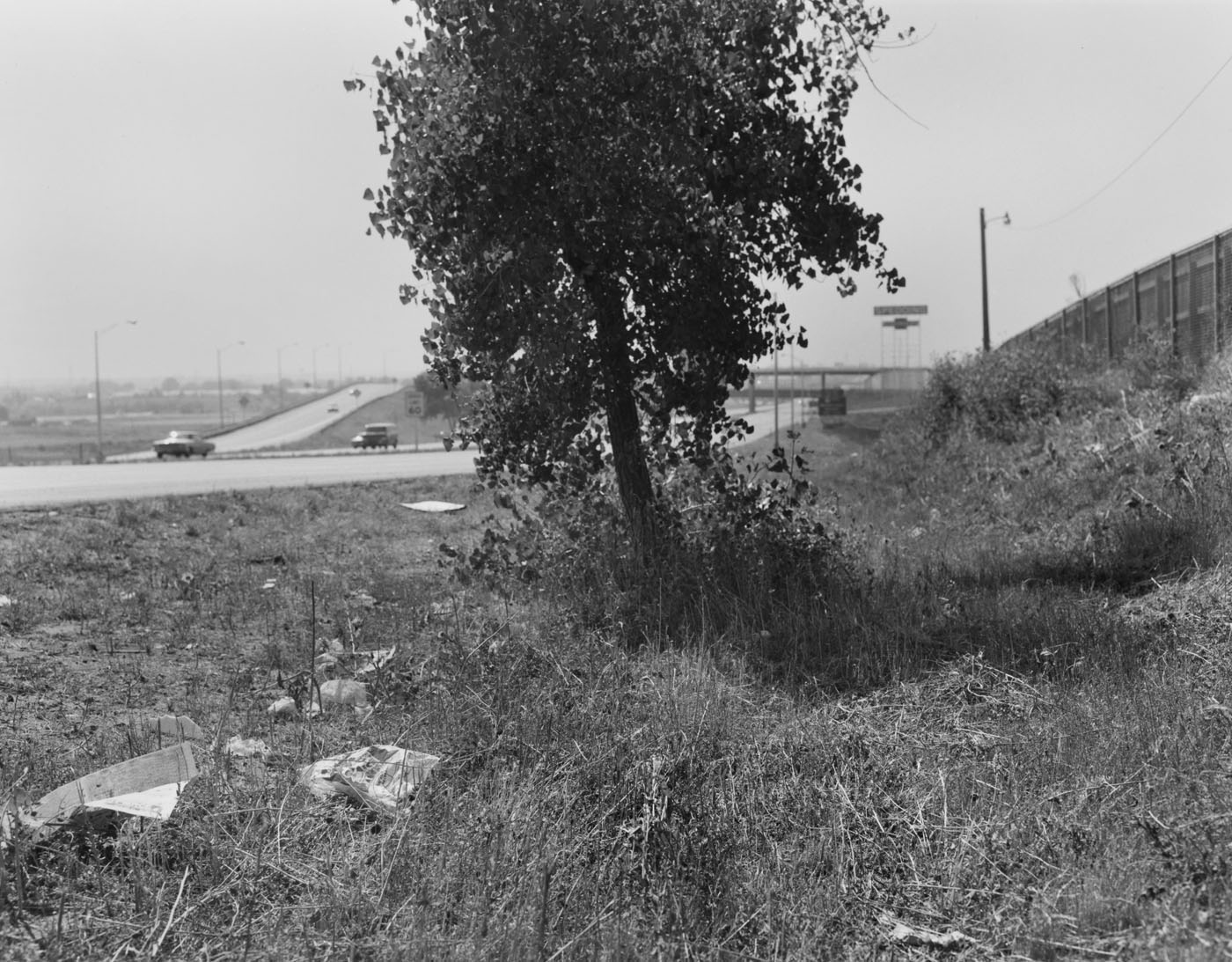




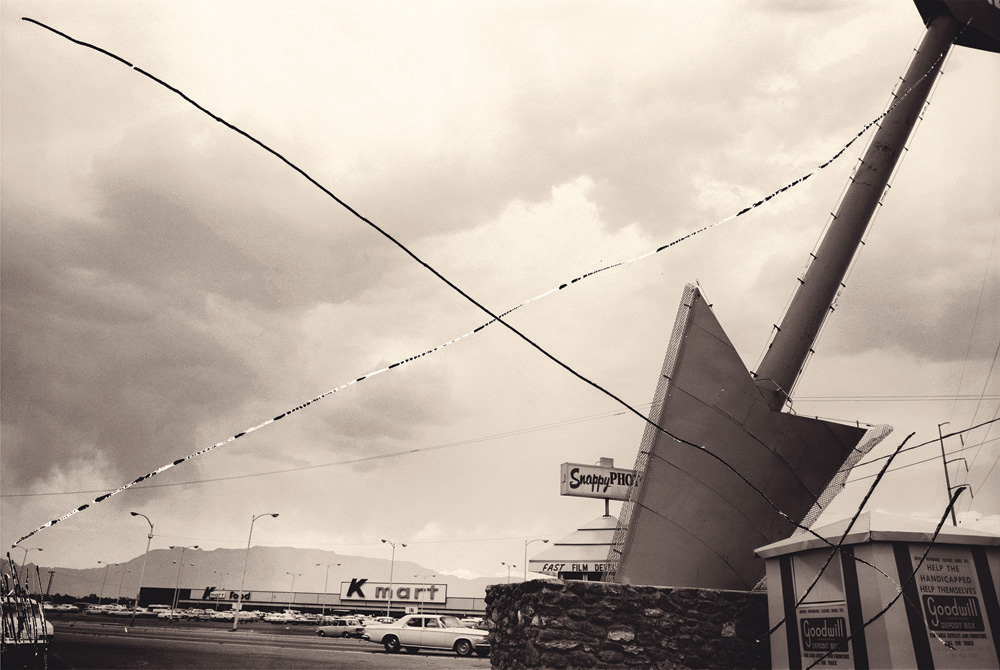
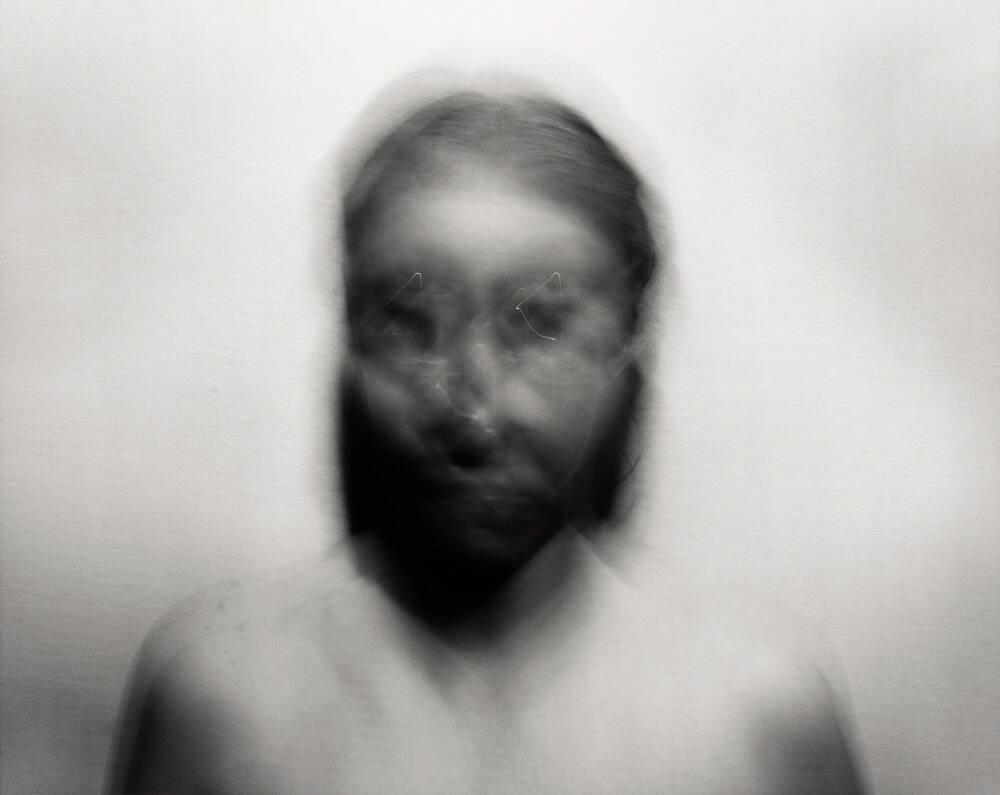
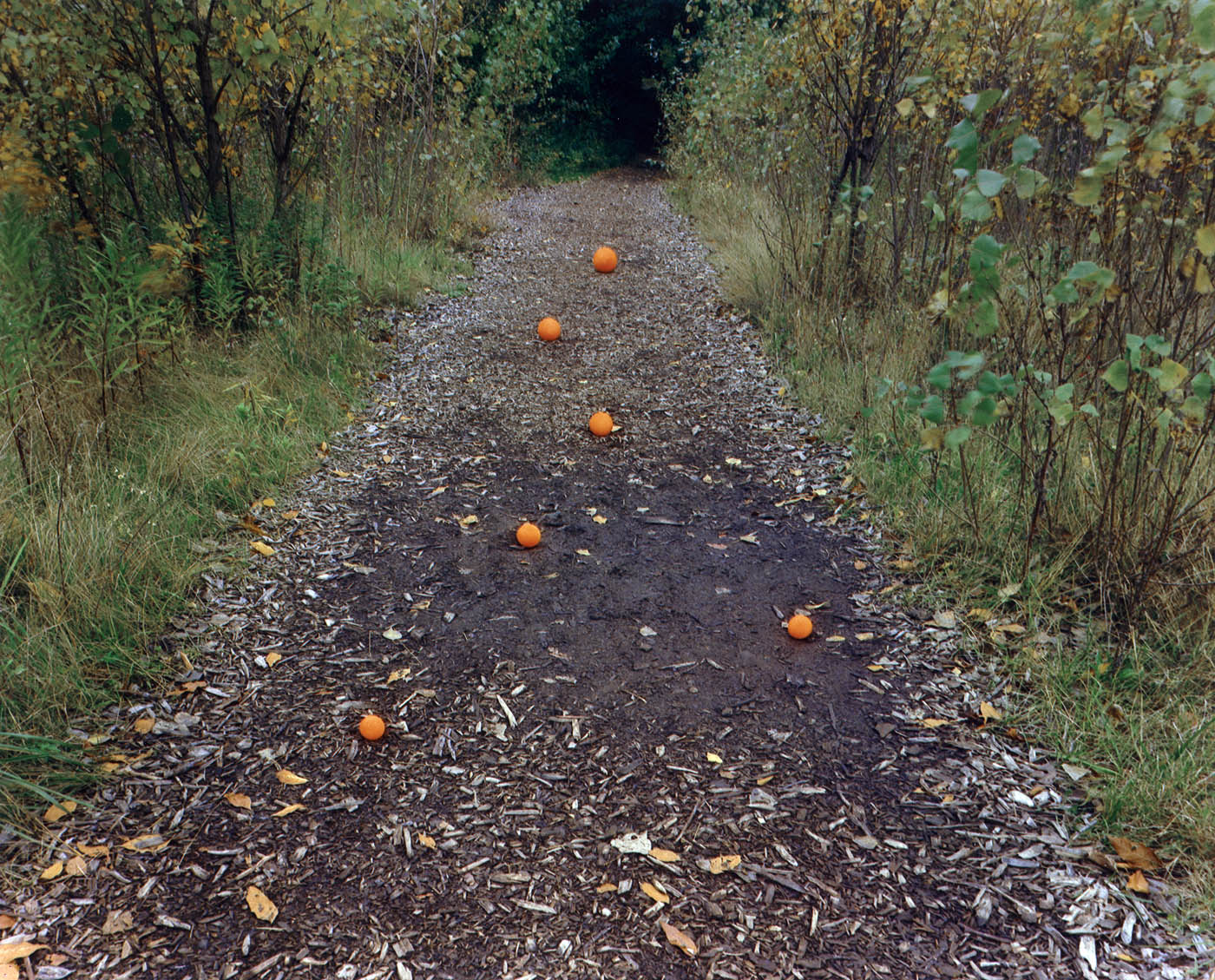
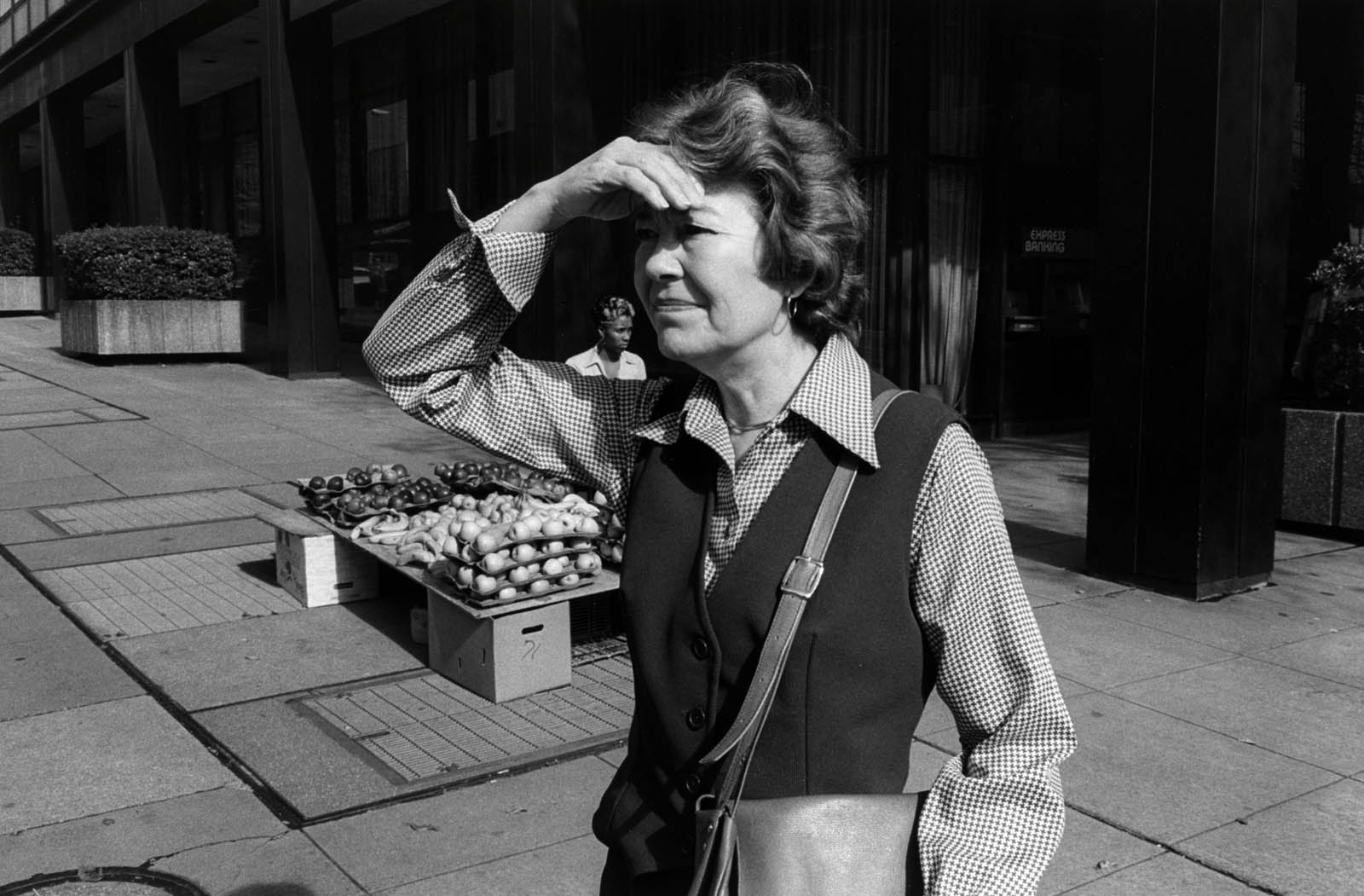


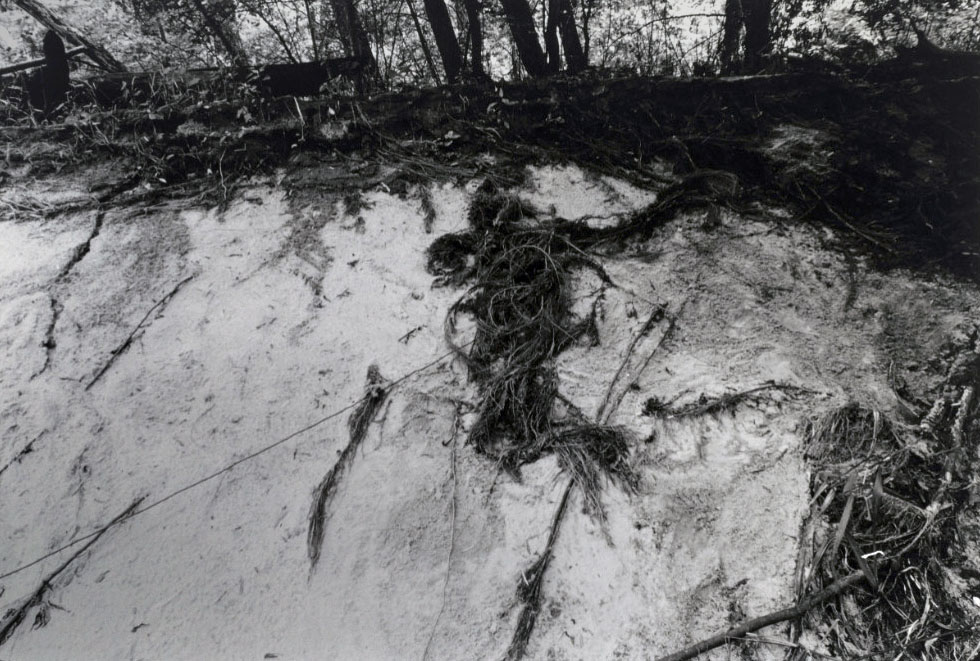

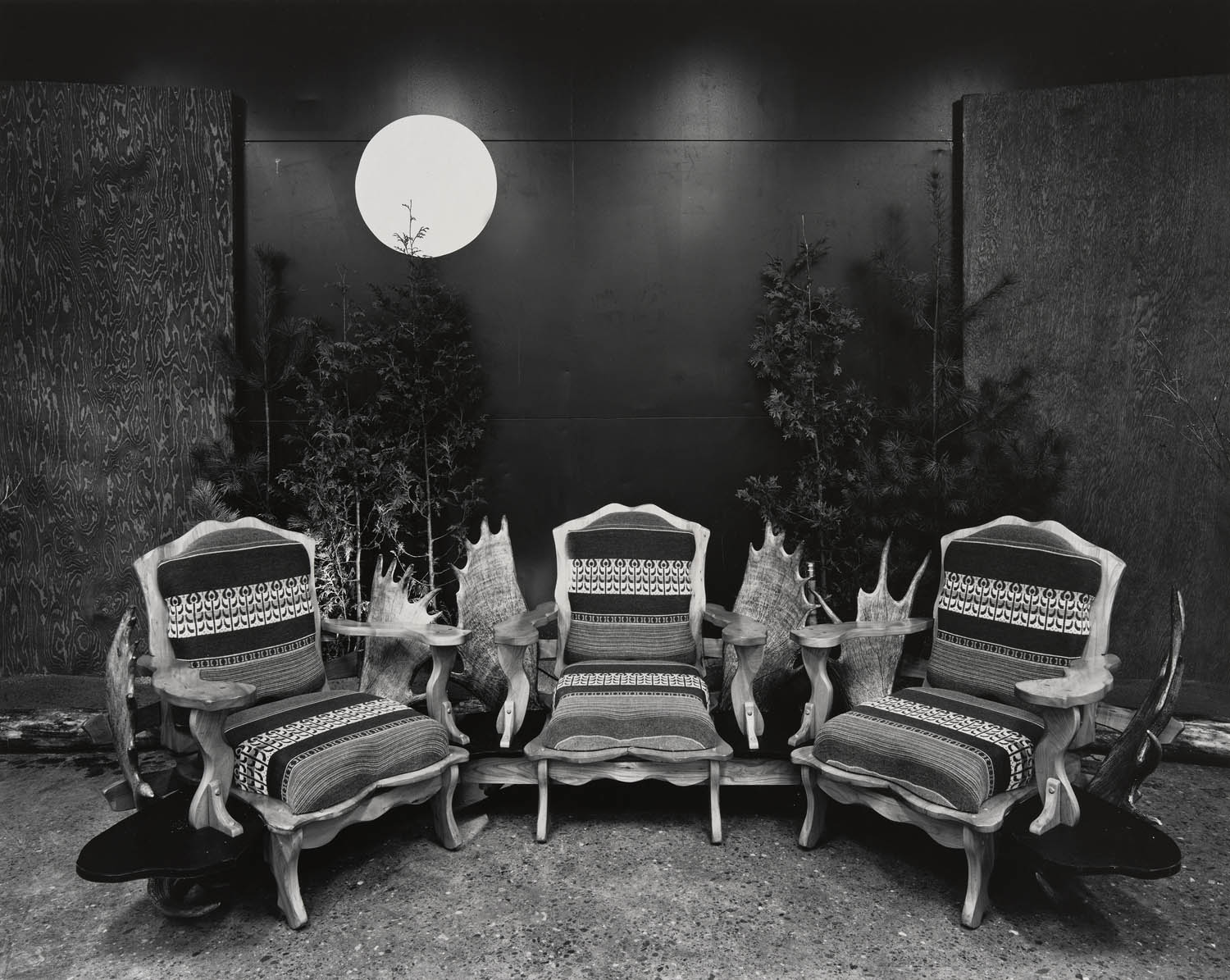

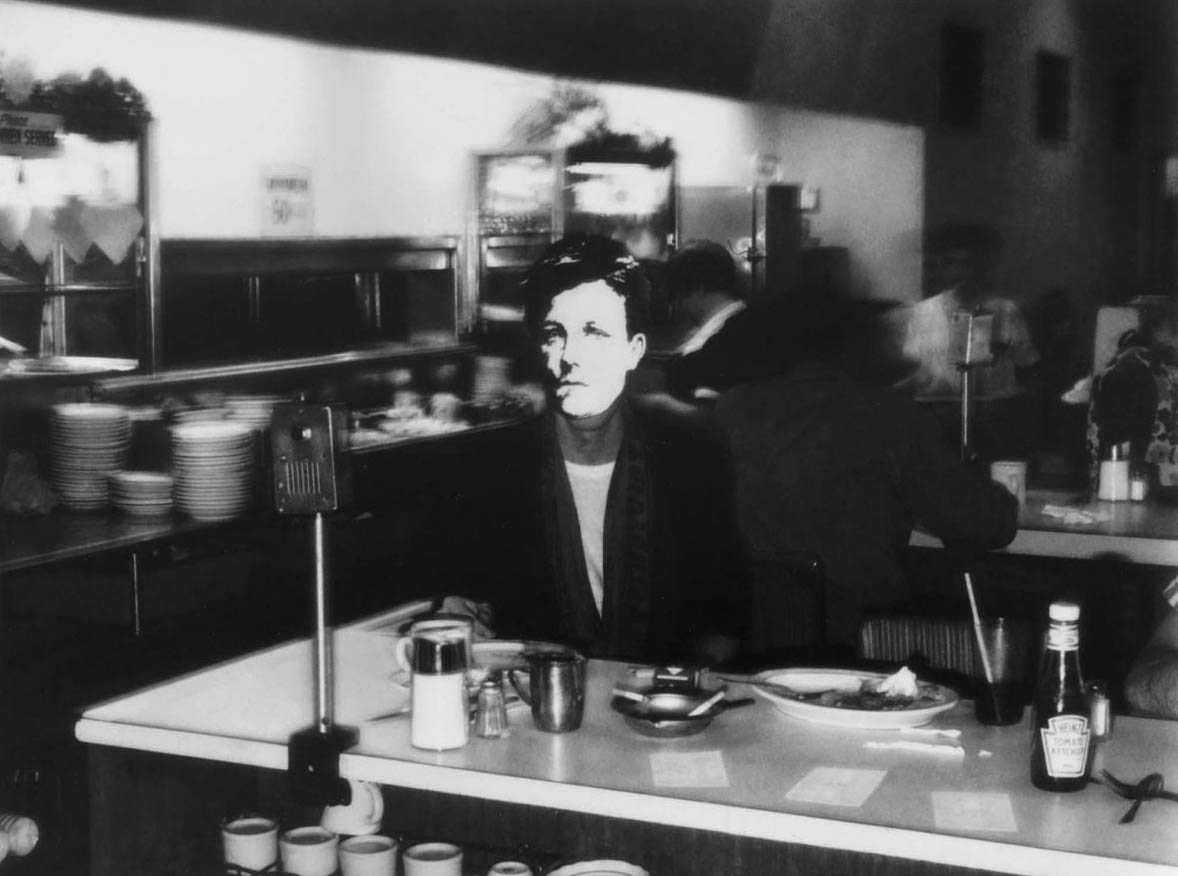


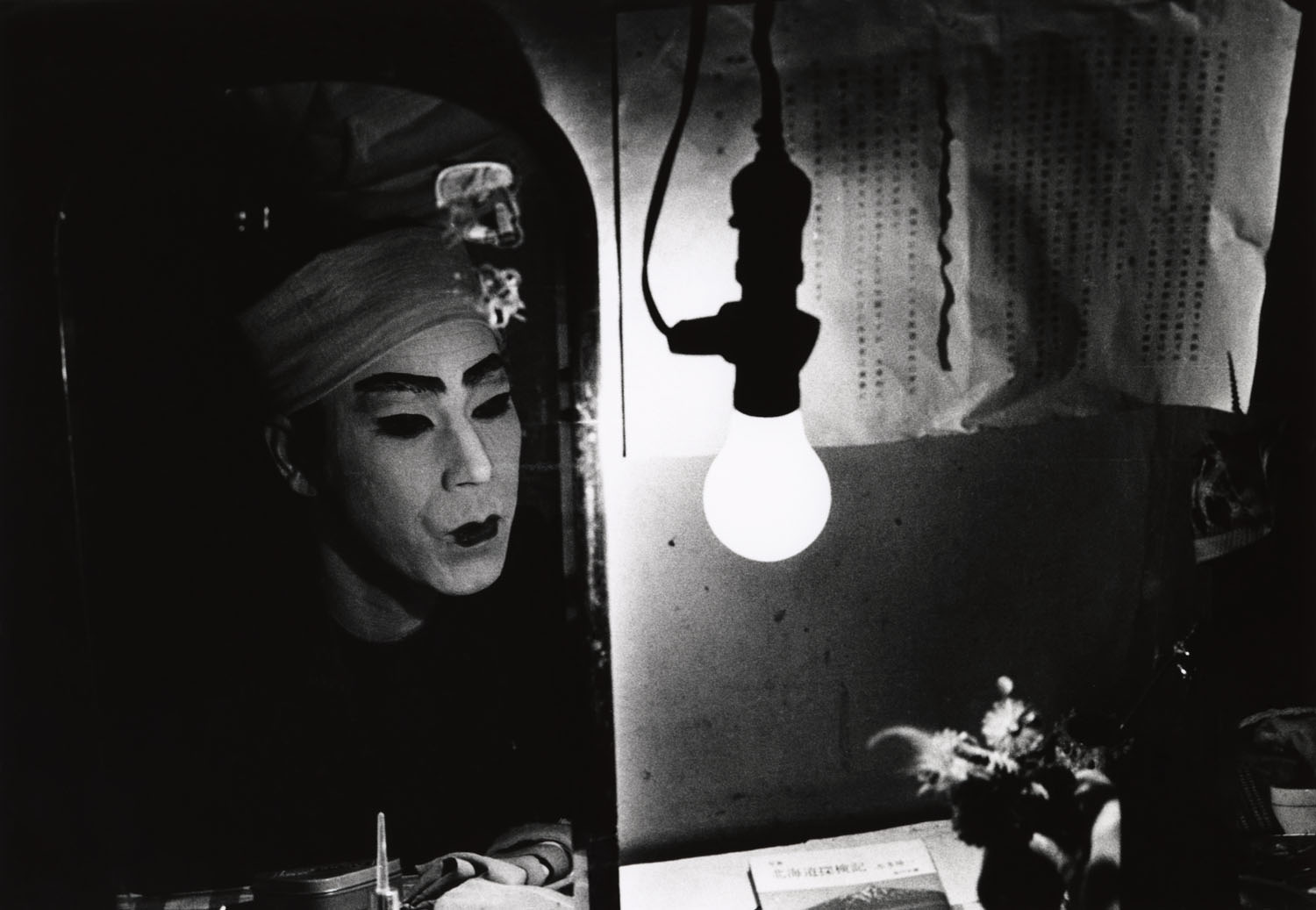
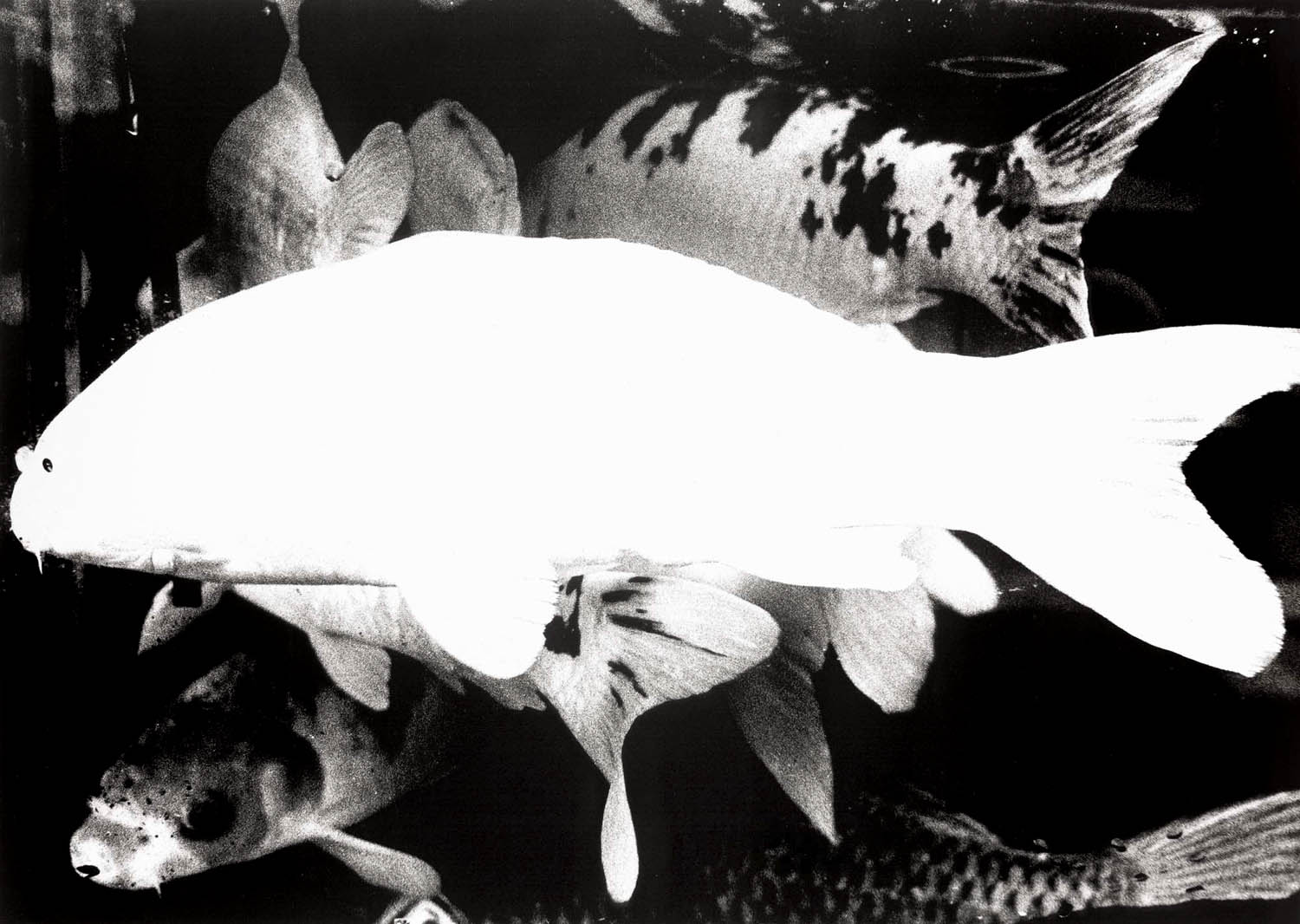
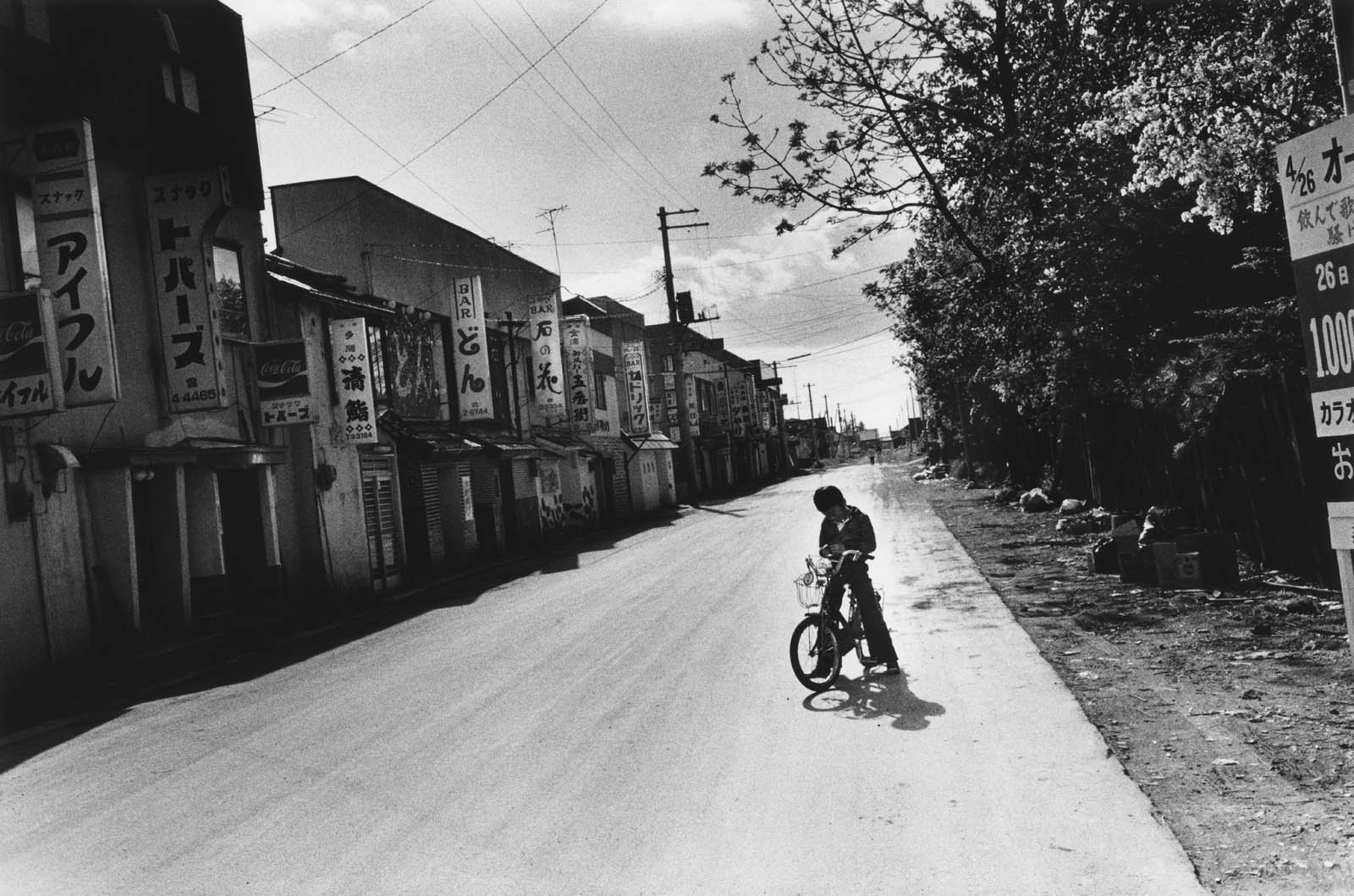
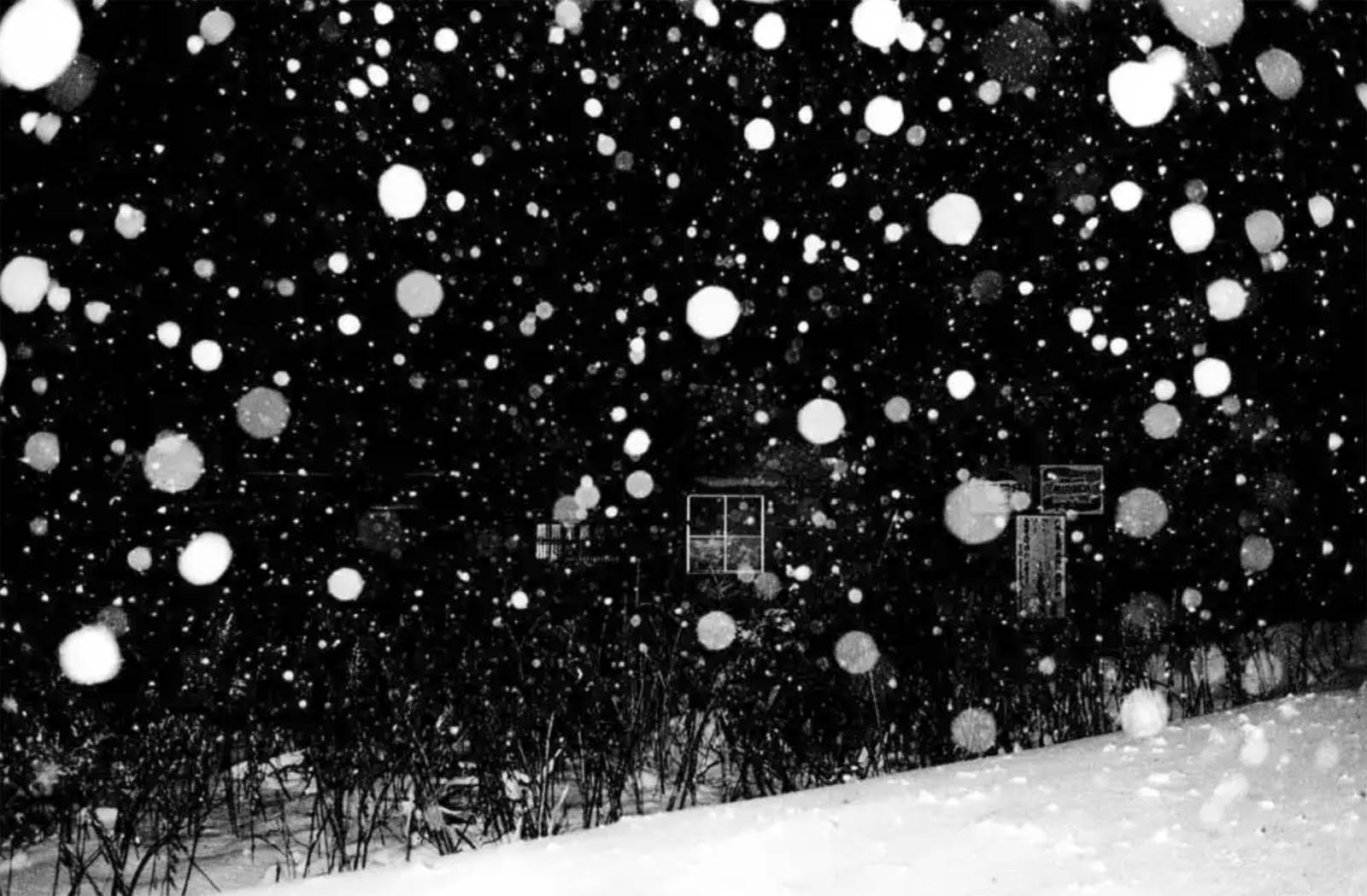
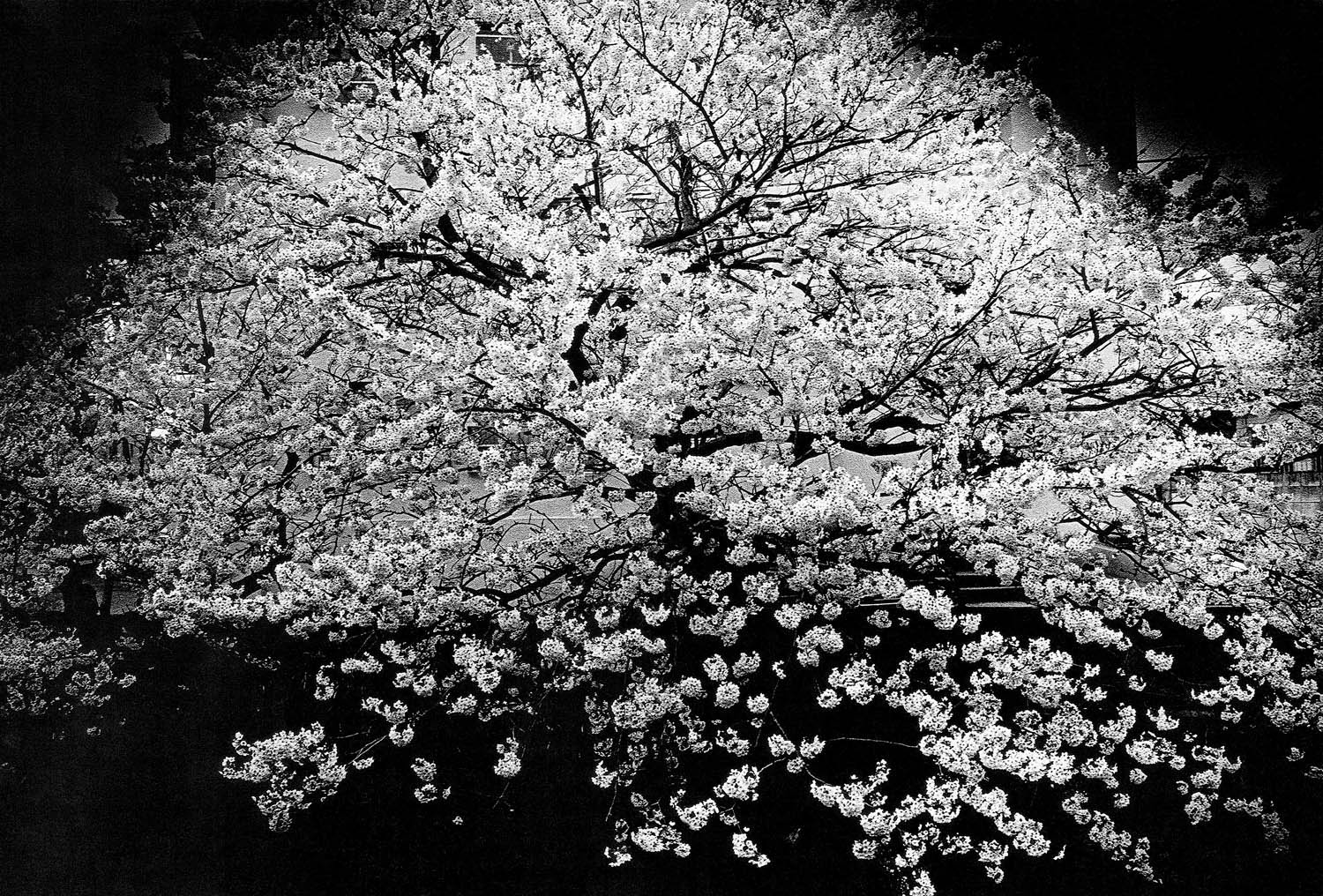
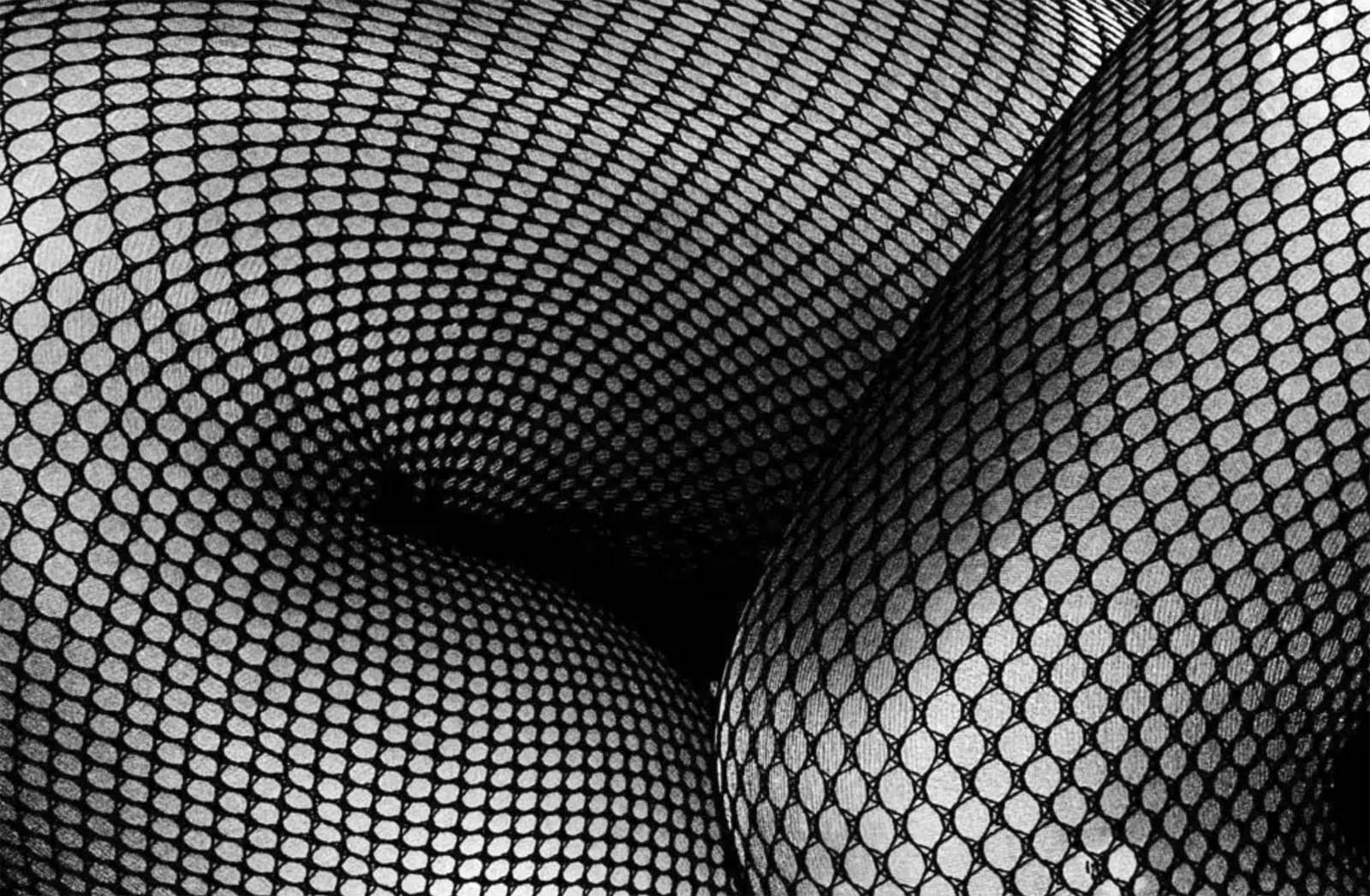
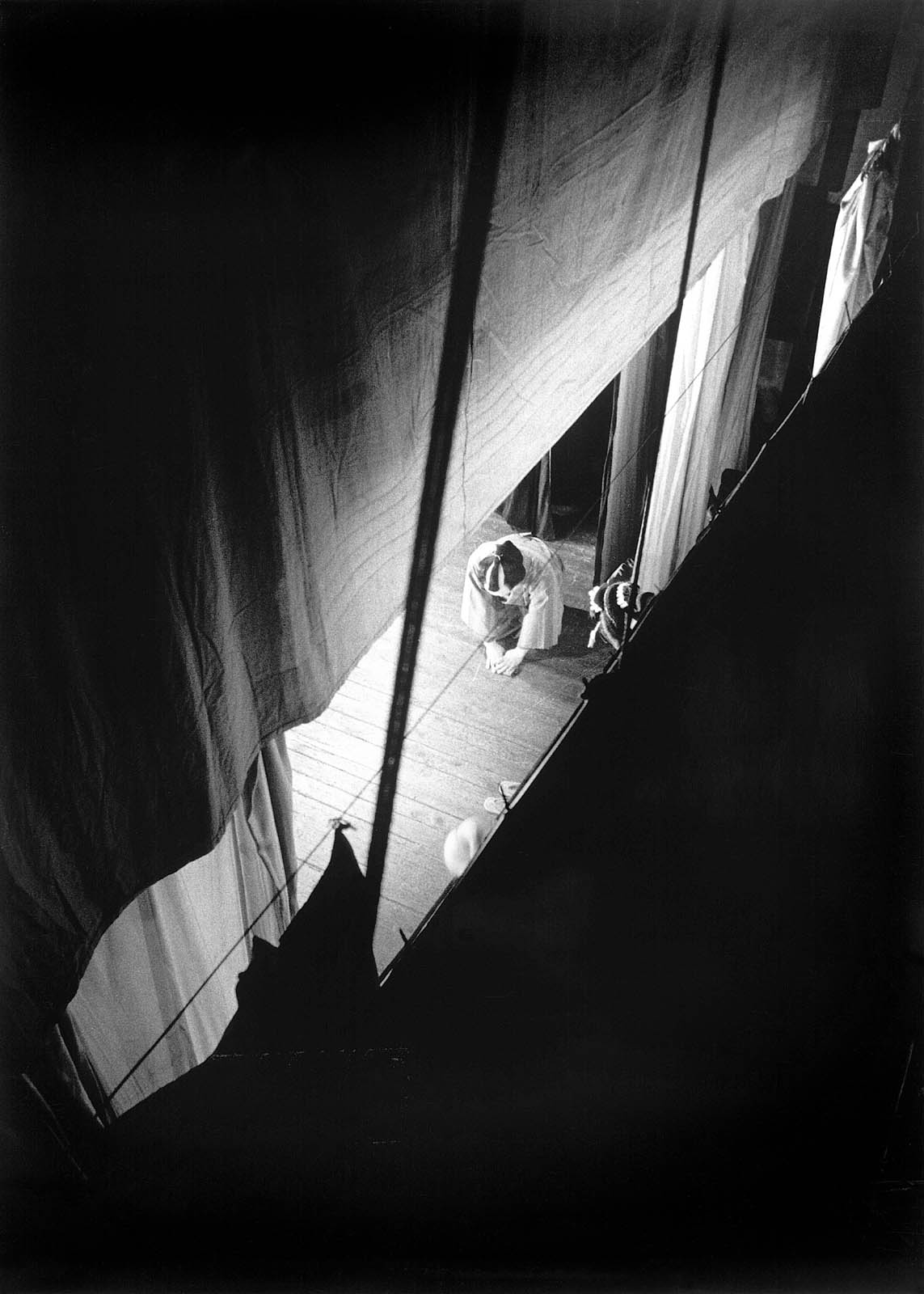
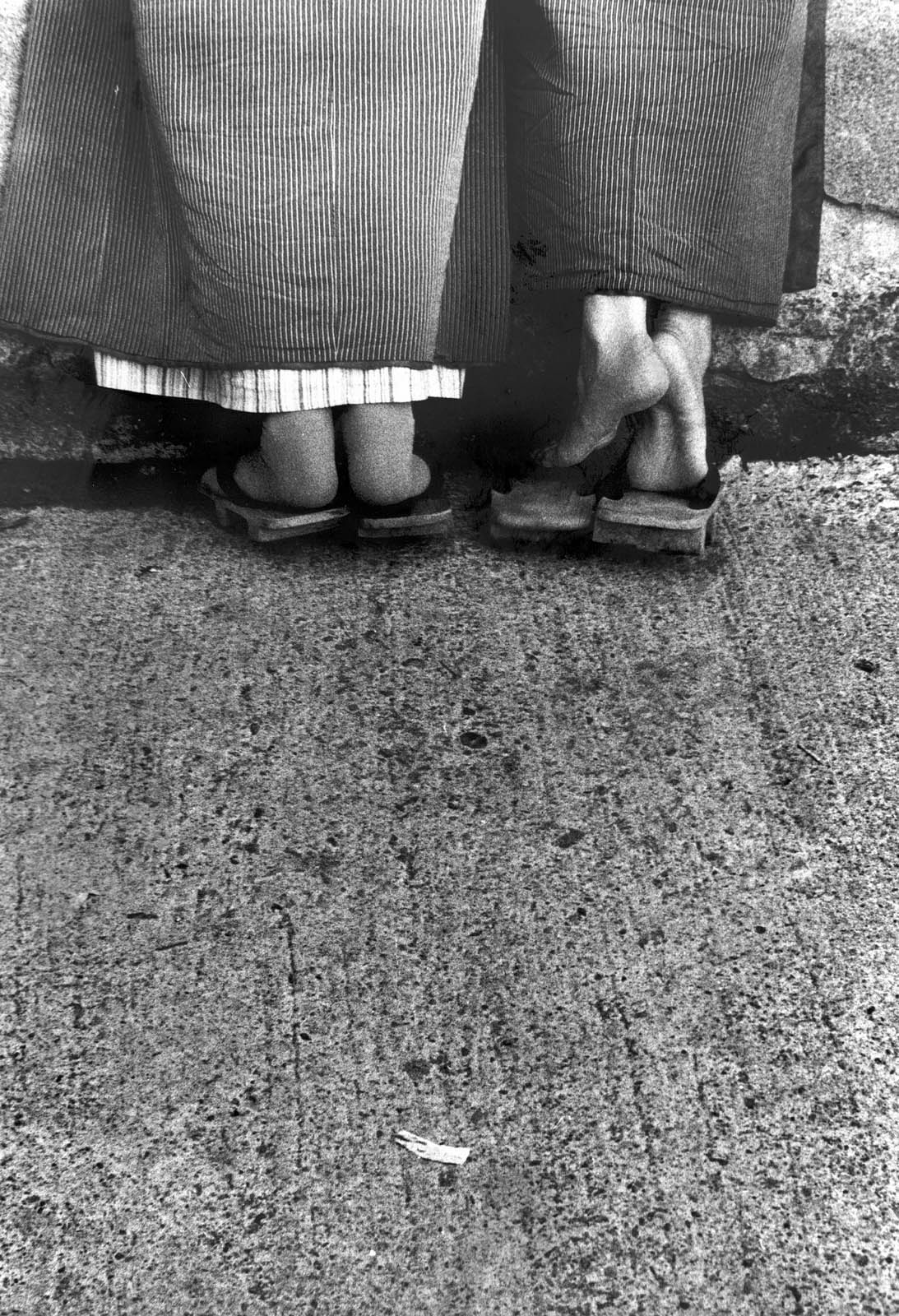
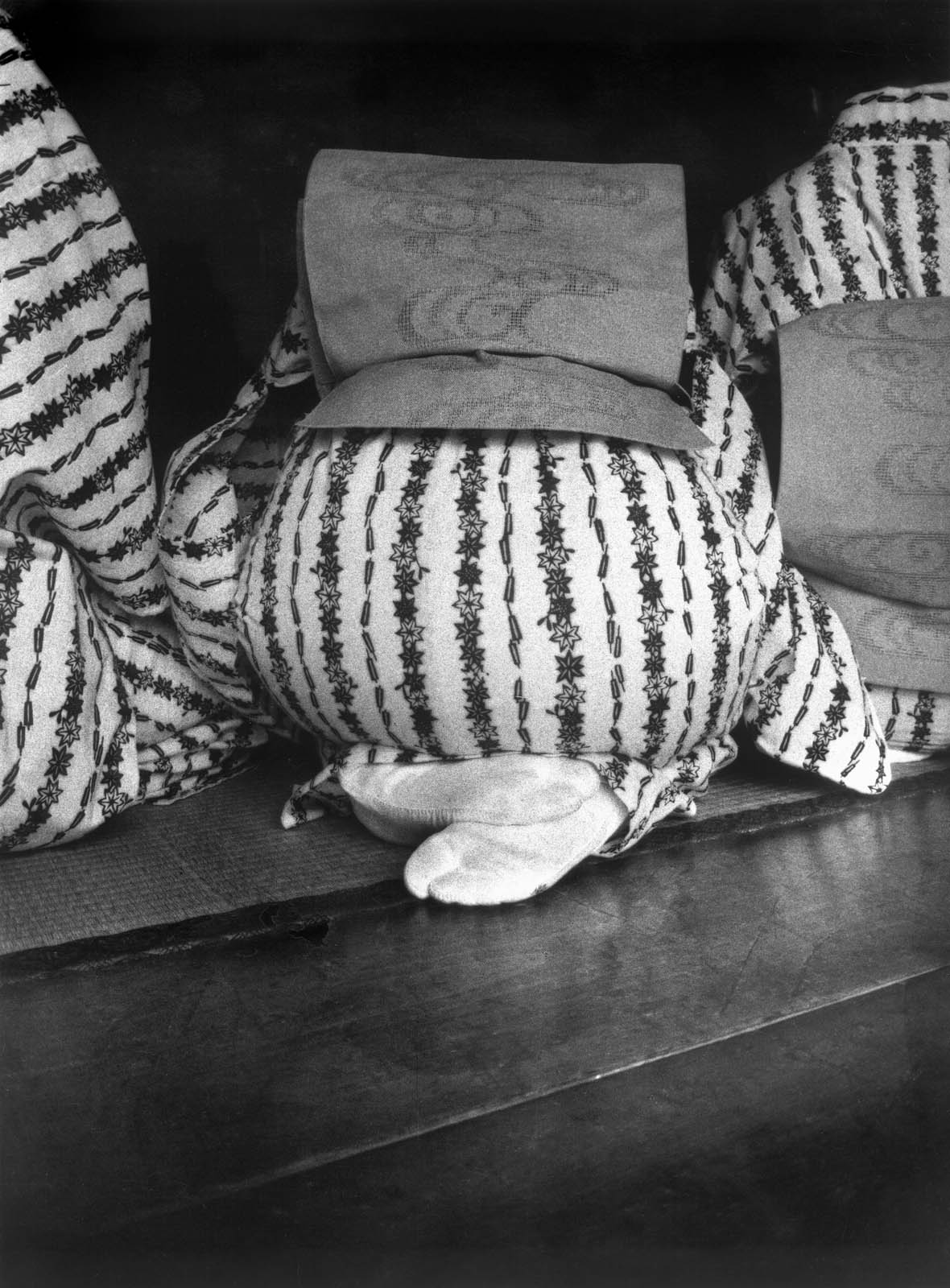

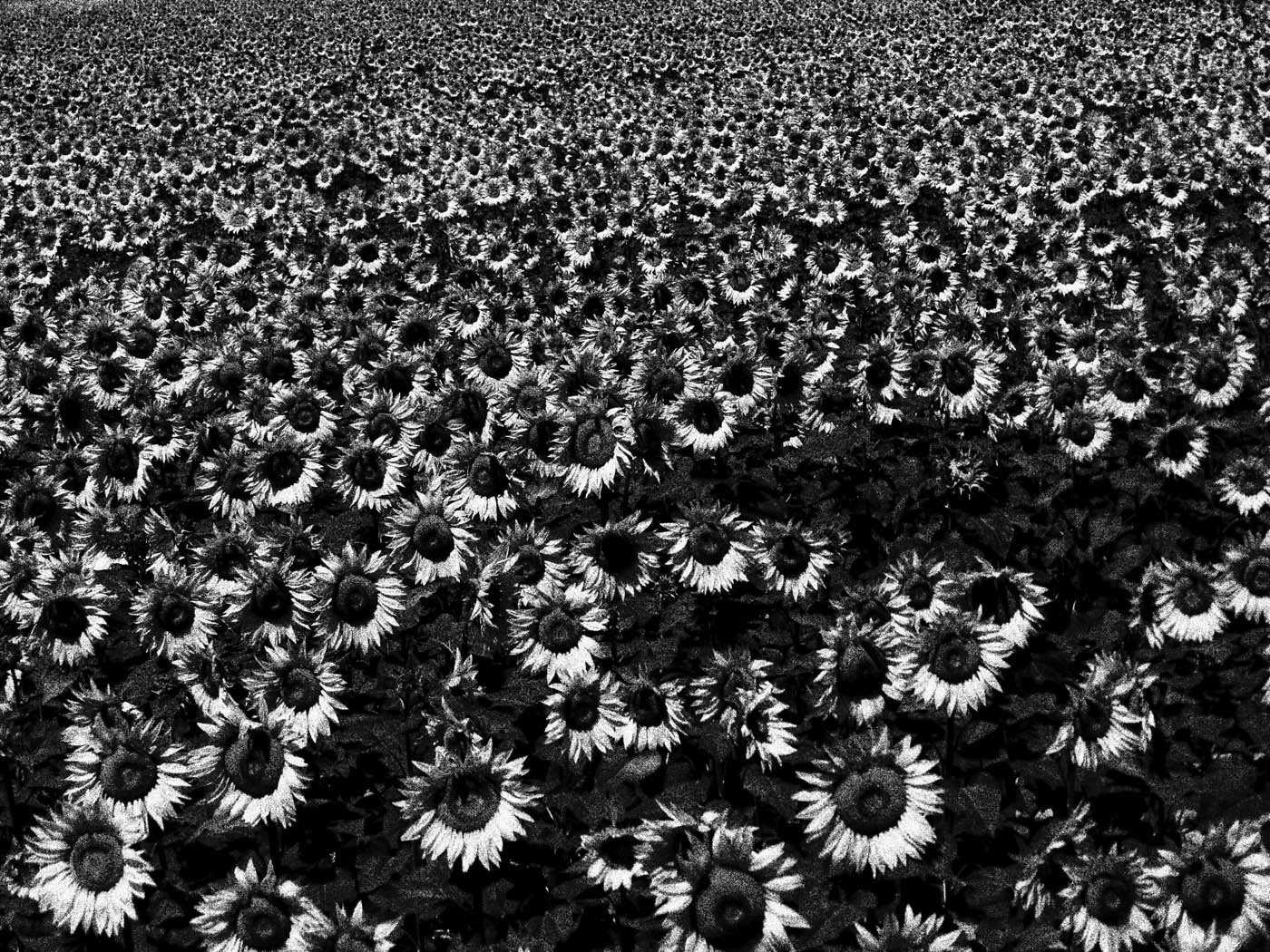
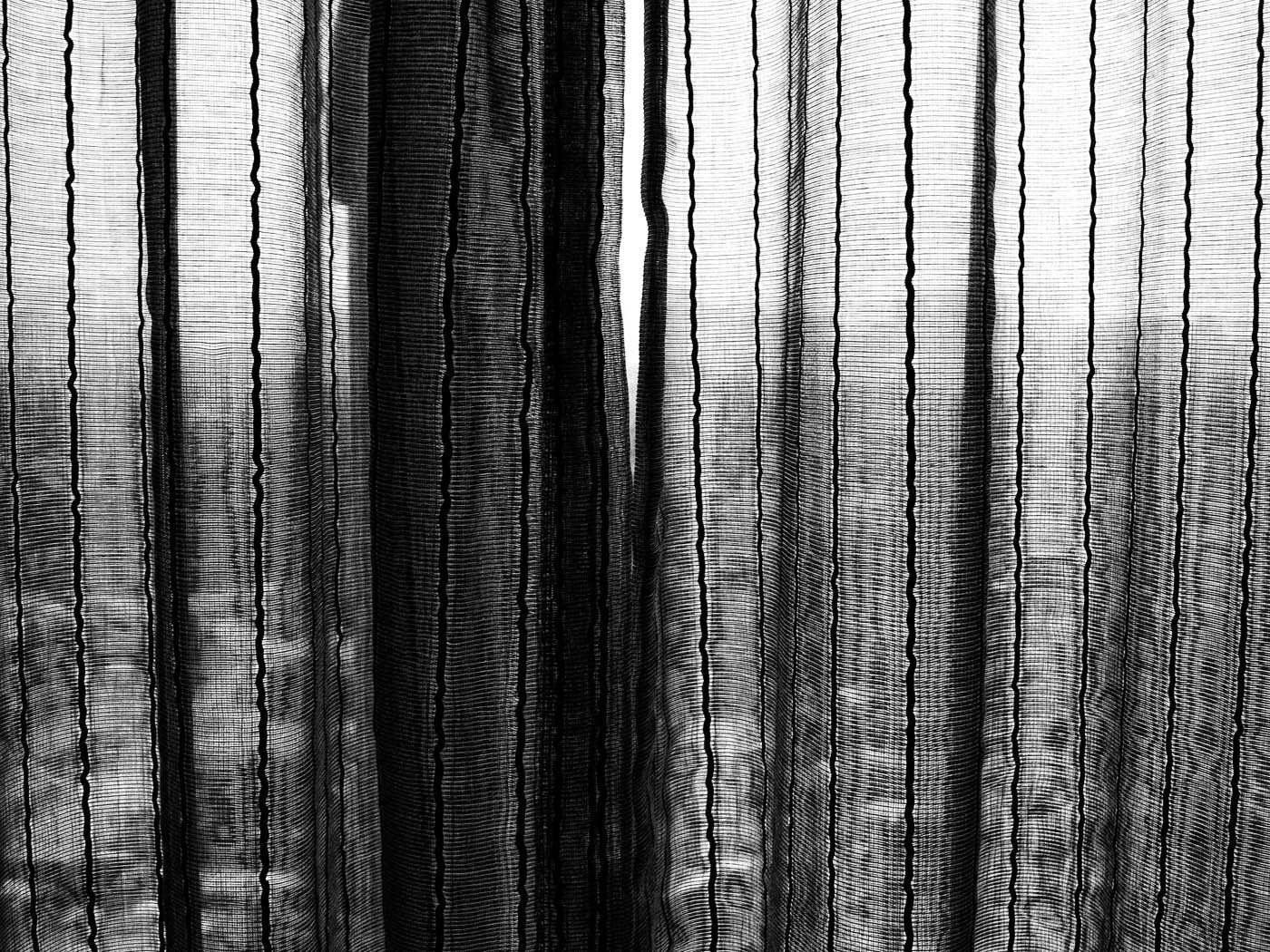
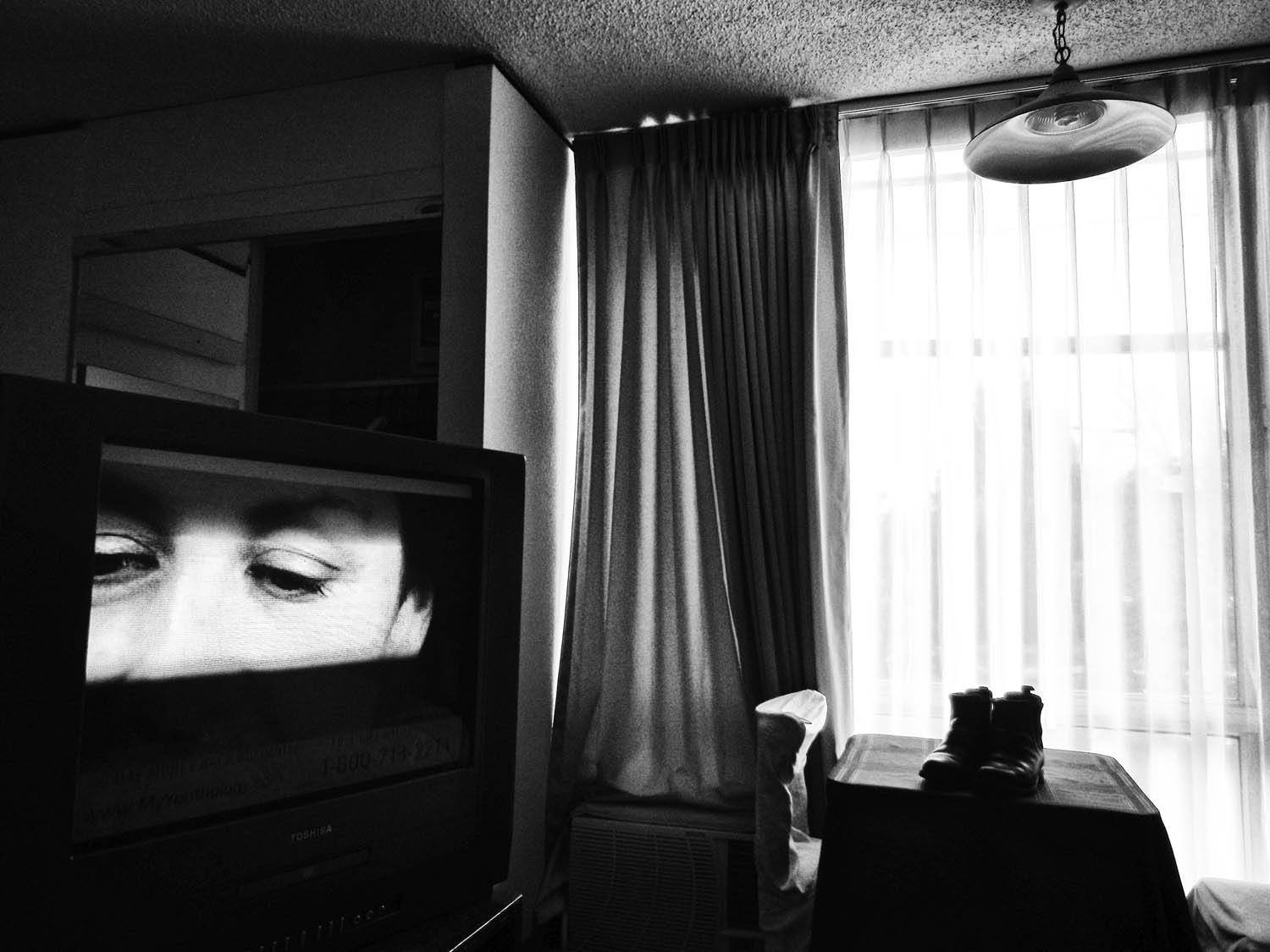
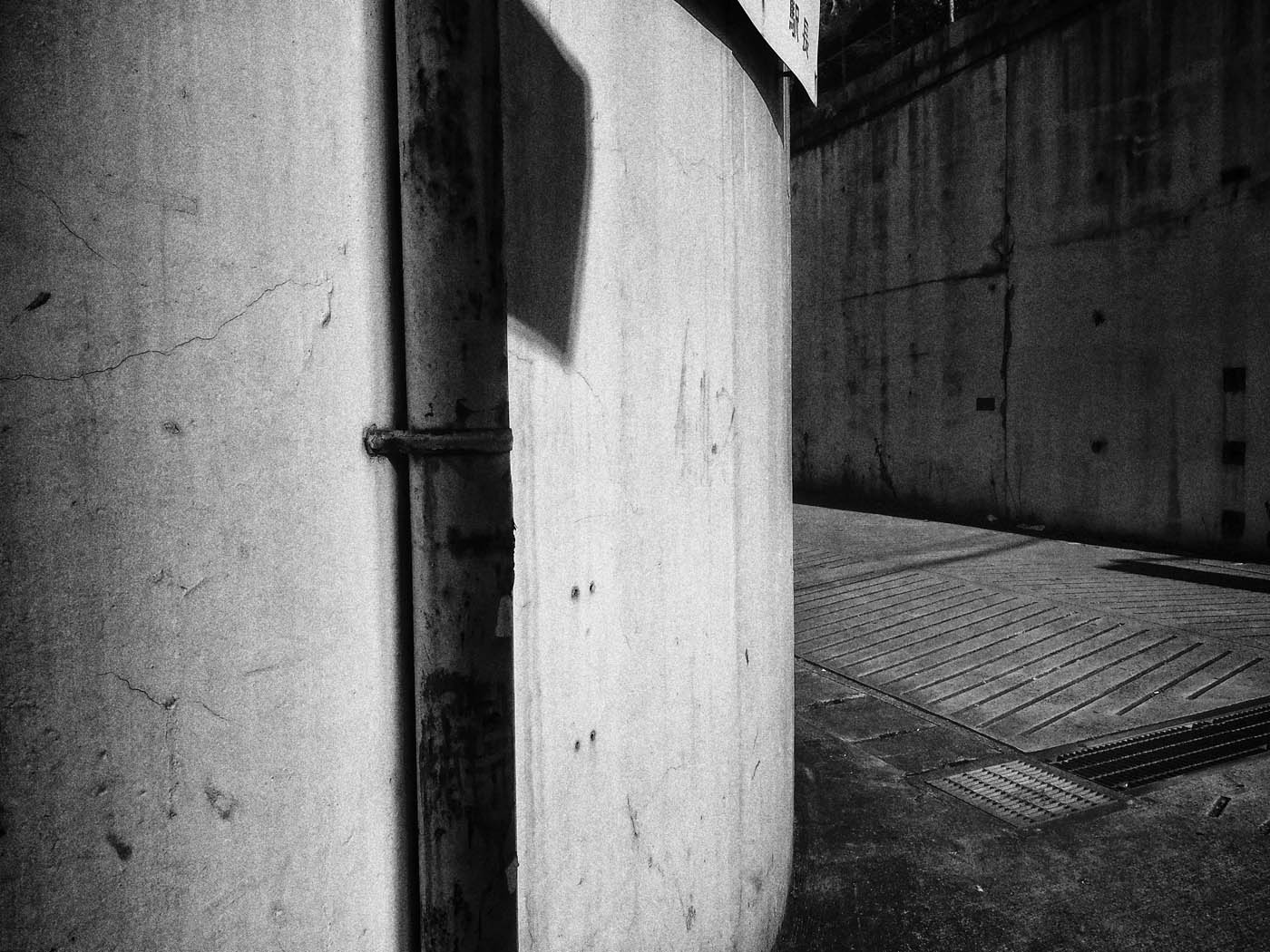
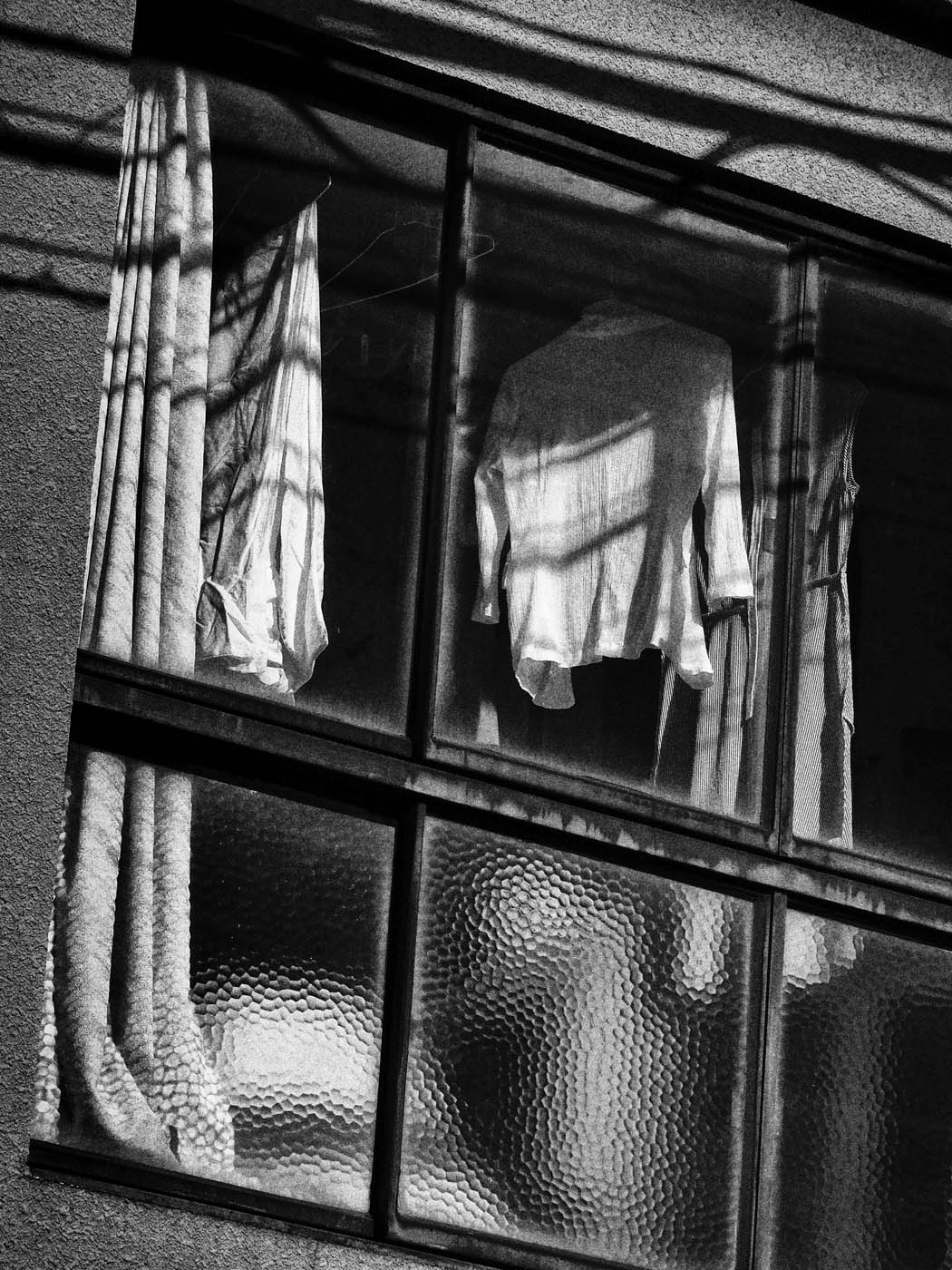

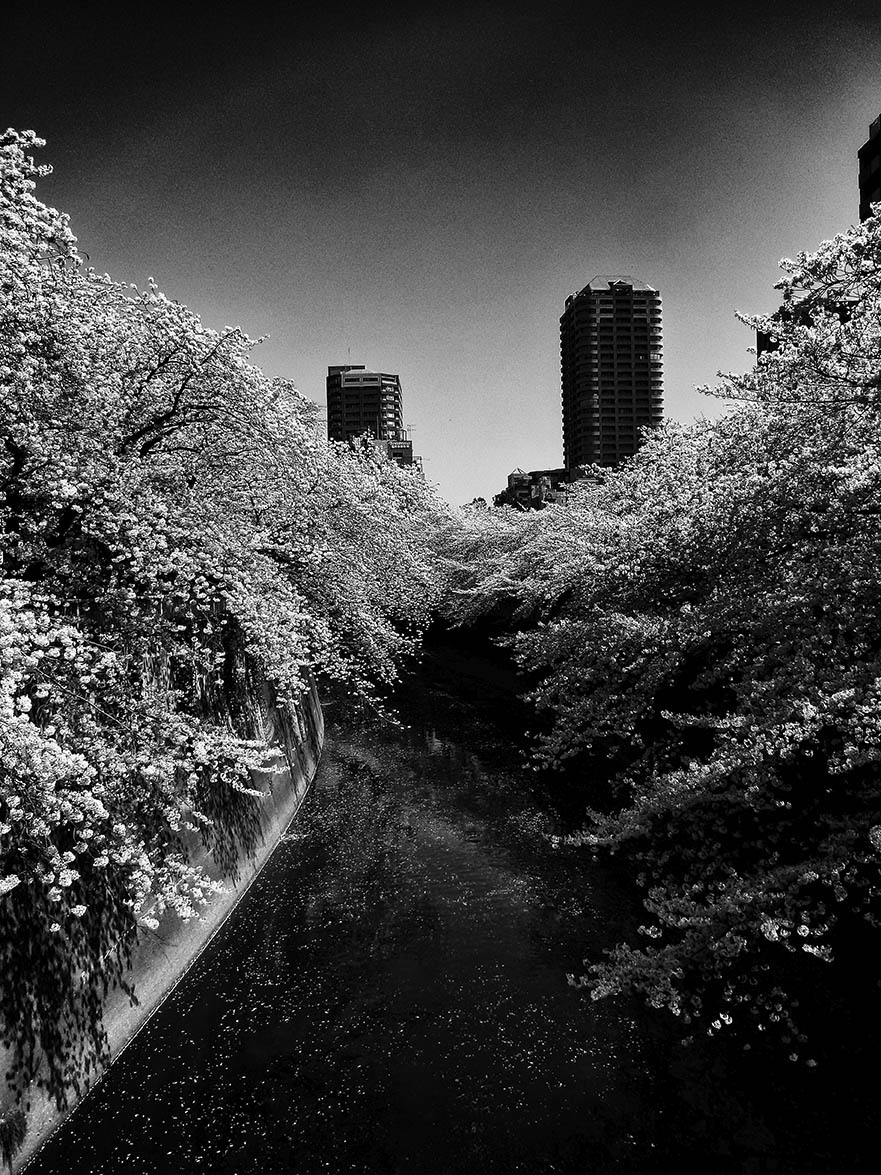
![John Vachon (American, 1914-1975) 'Untitled photo [possibly related to Farms of Farm Security Administration clients, Guilford and Beaufort Counties, North Carolina, April 1938]' 1938](https://artblart.com/wp-content/uploads/2024/12/john-vachon-untitled-photo.jpg "John Vachon (American, 1914-1975) 'Untitled photo [possibly related to Farms of Farm Security Administration clients, Guilford and Beaufort Counties, North Carolina, April 1938]' 1938")
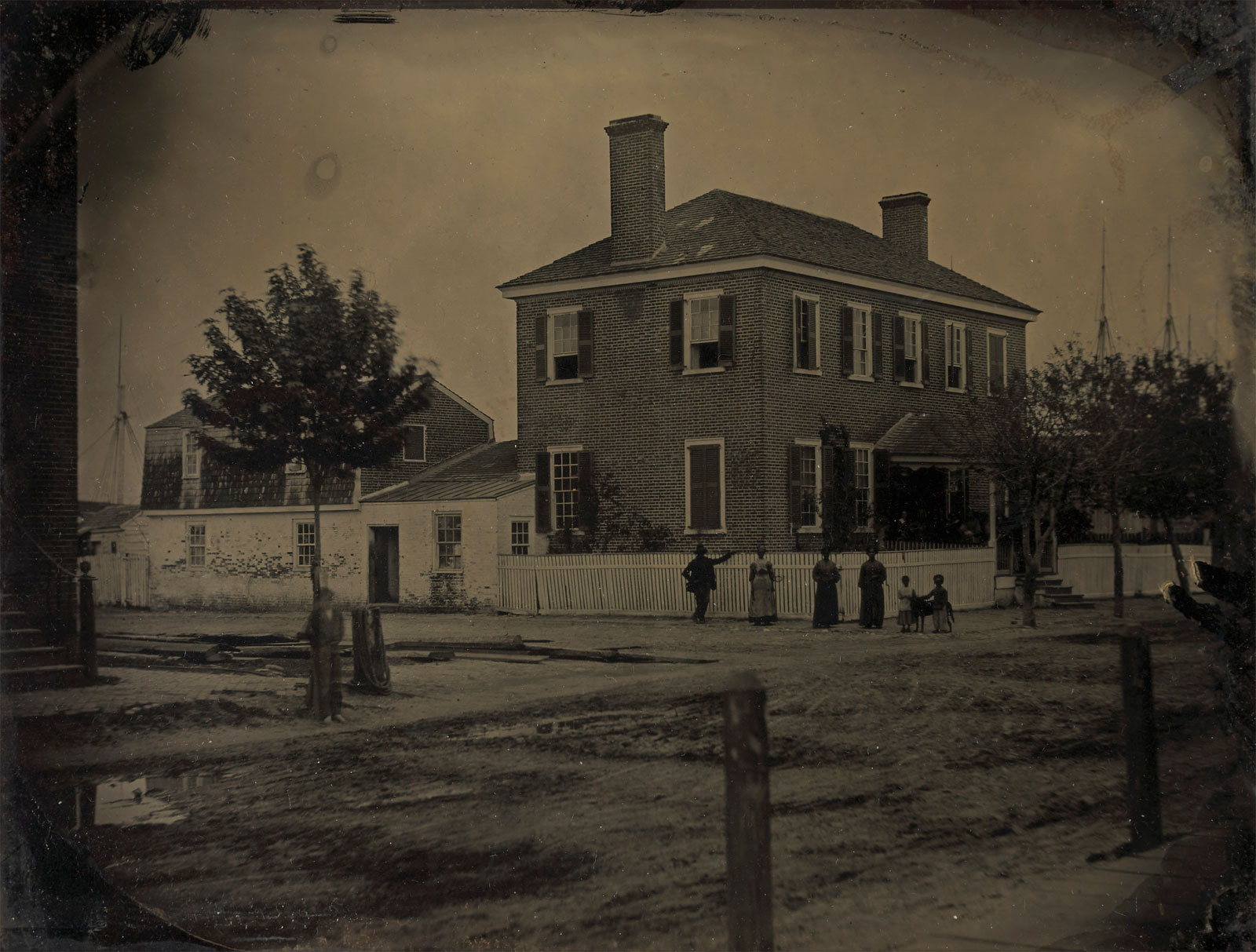


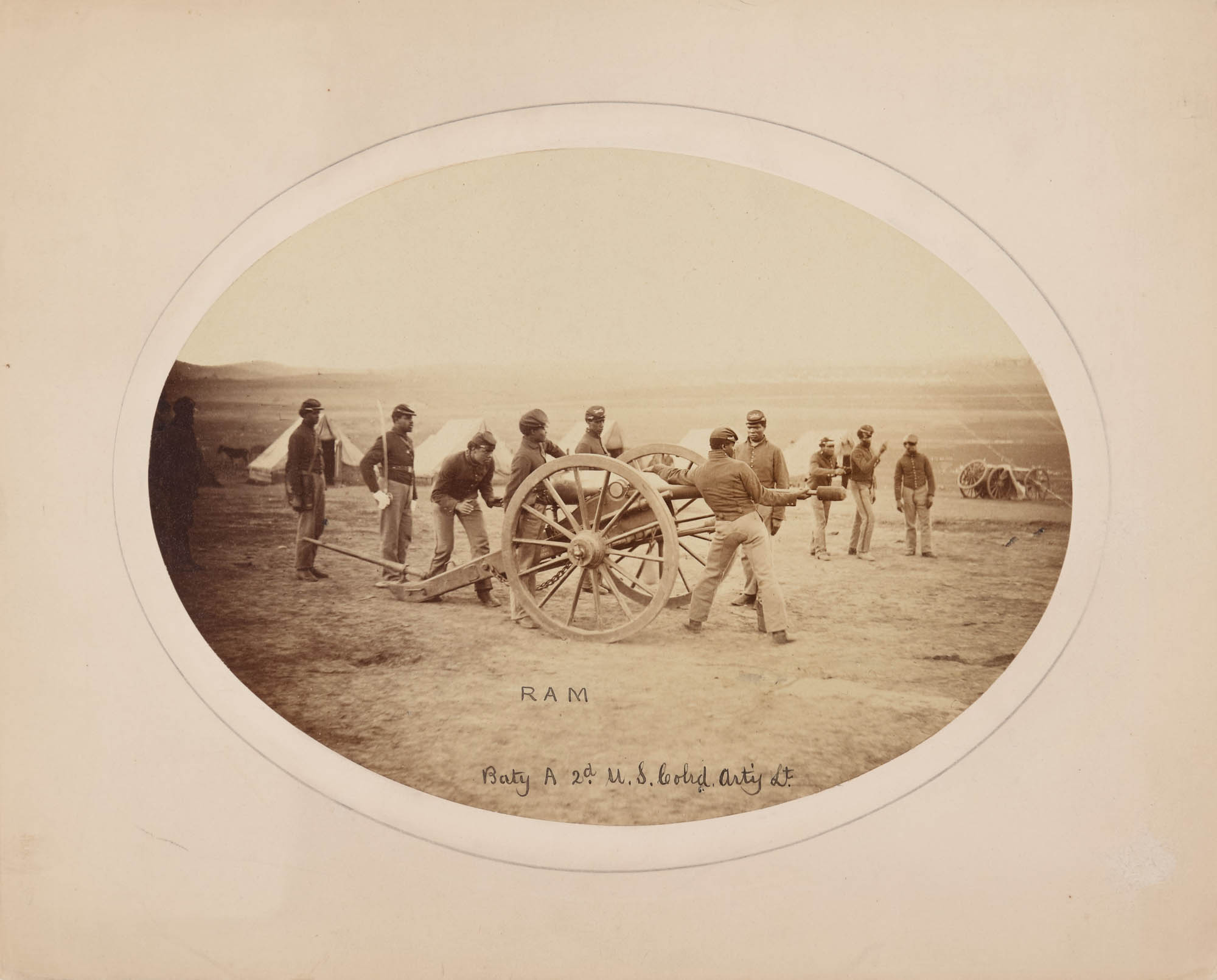

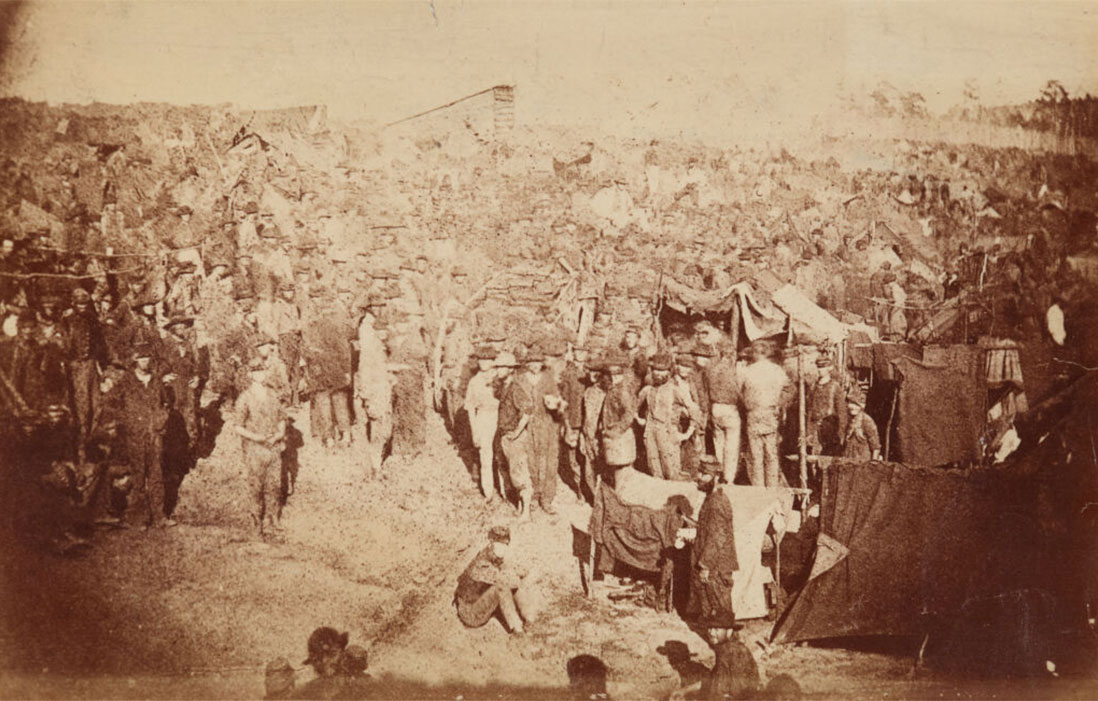
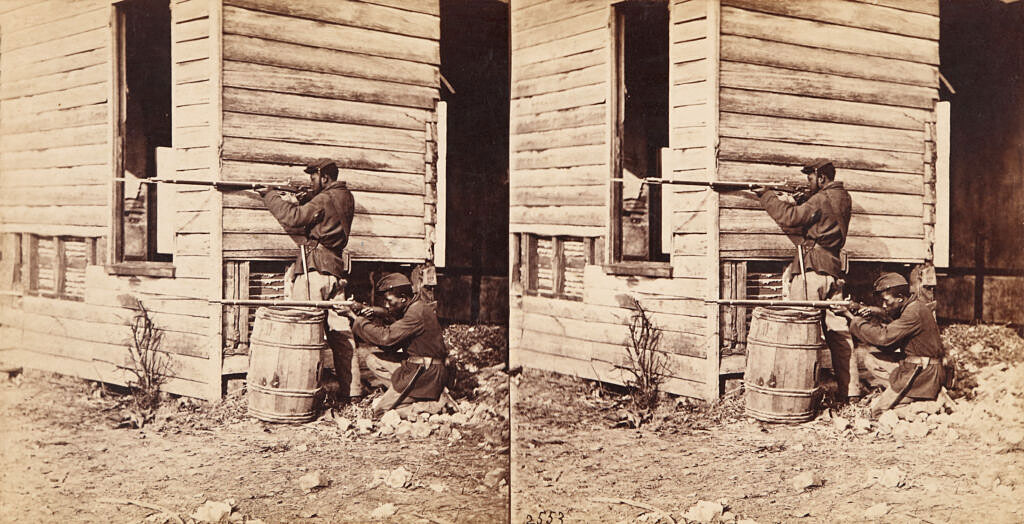

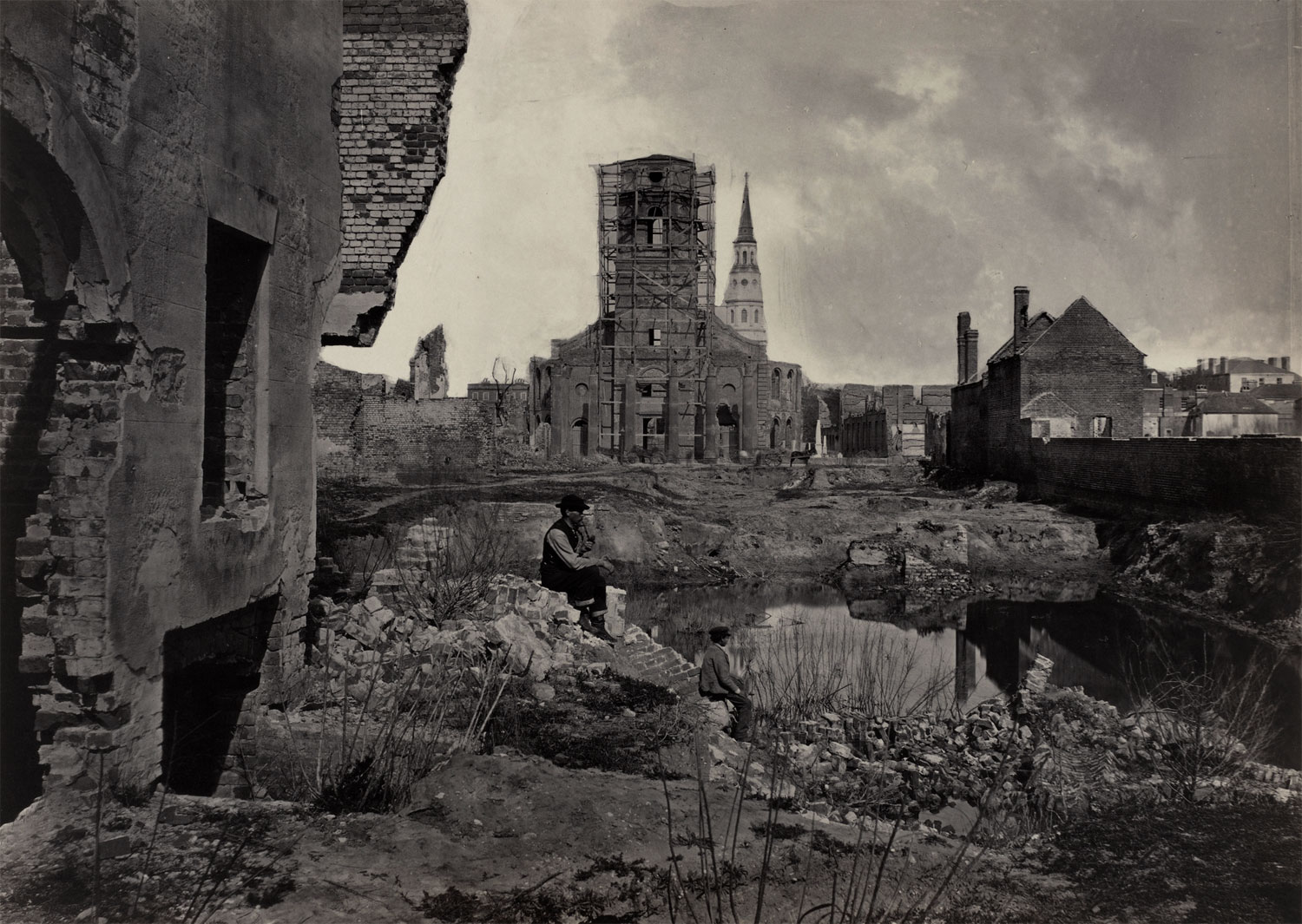

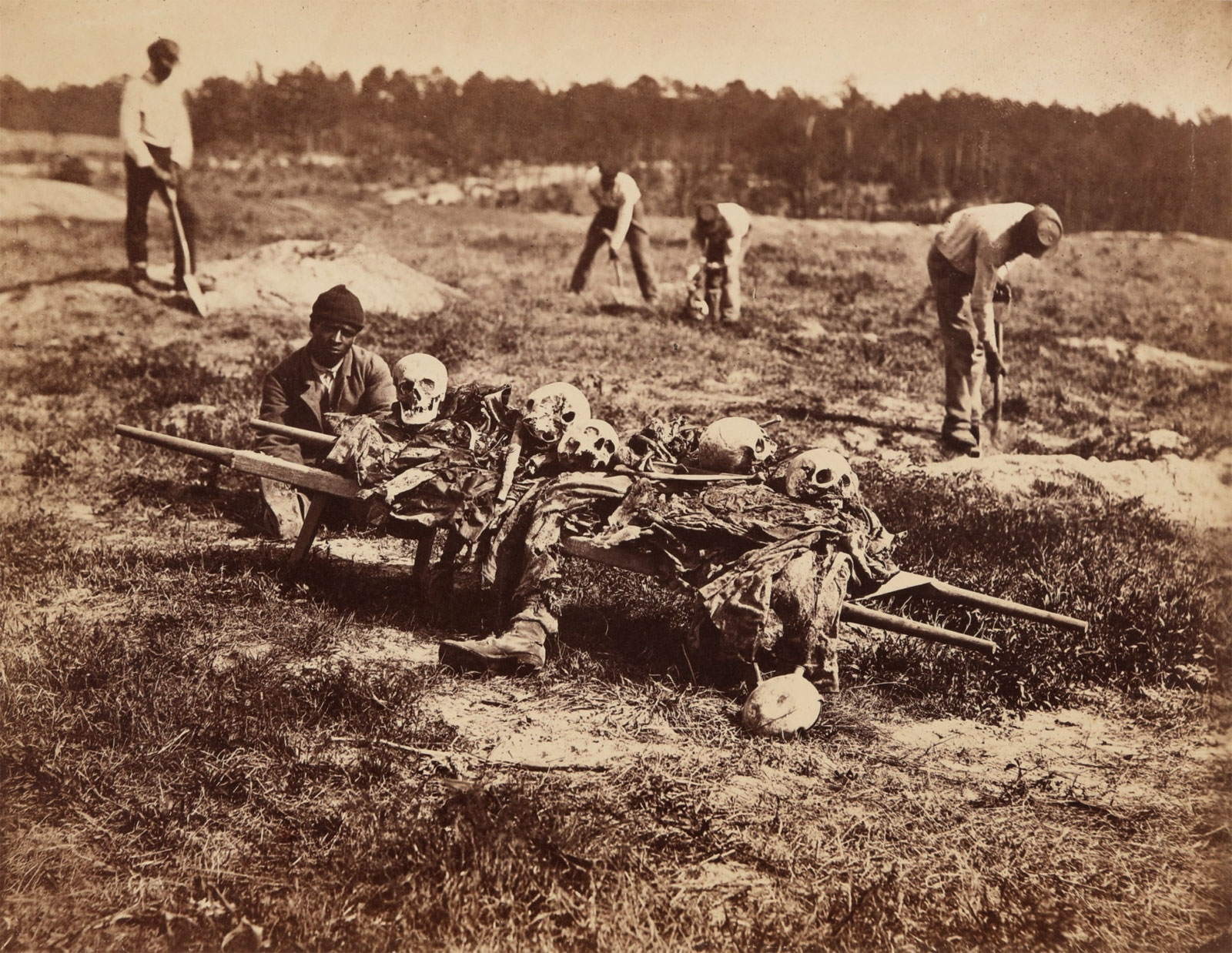


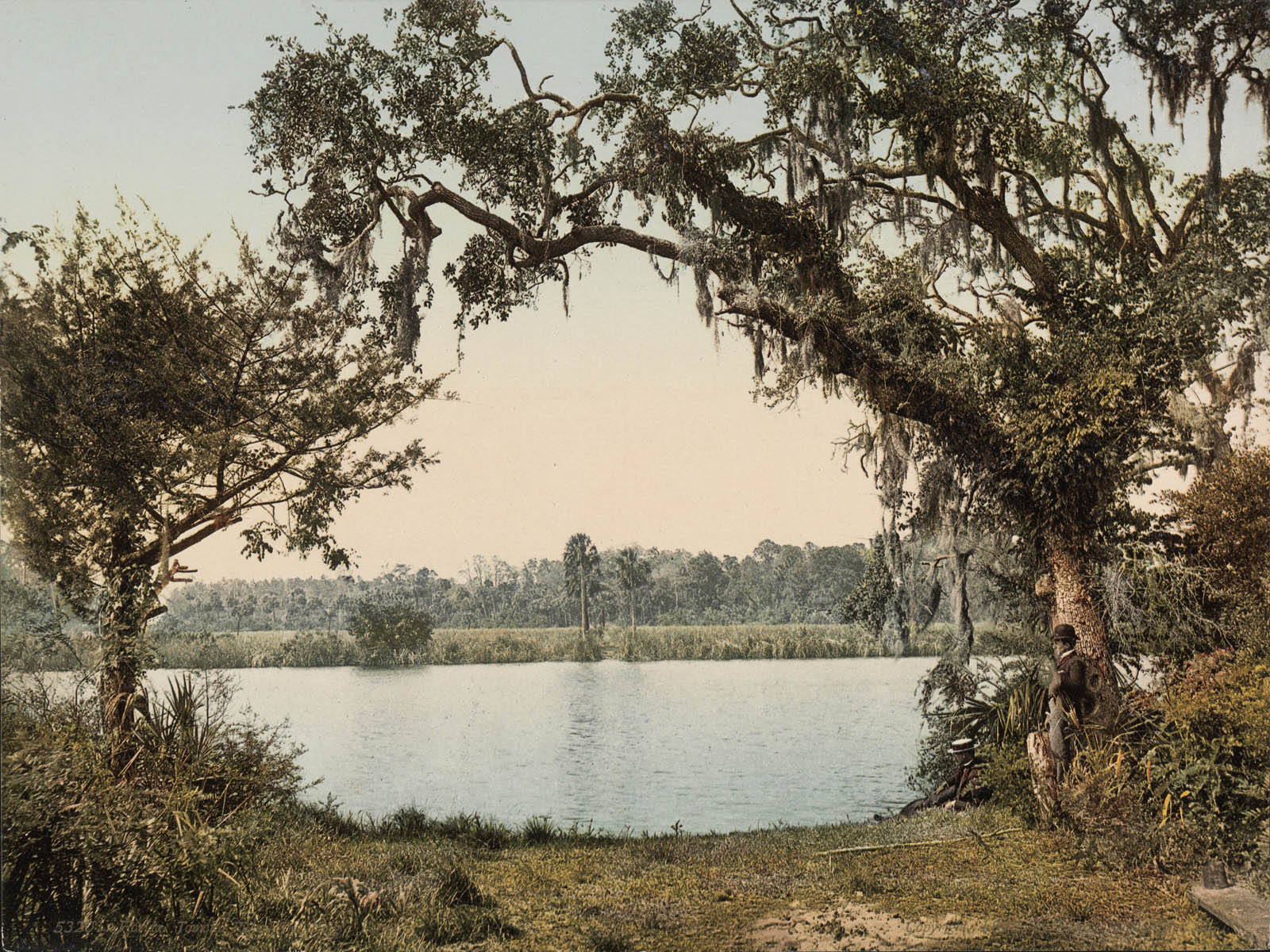


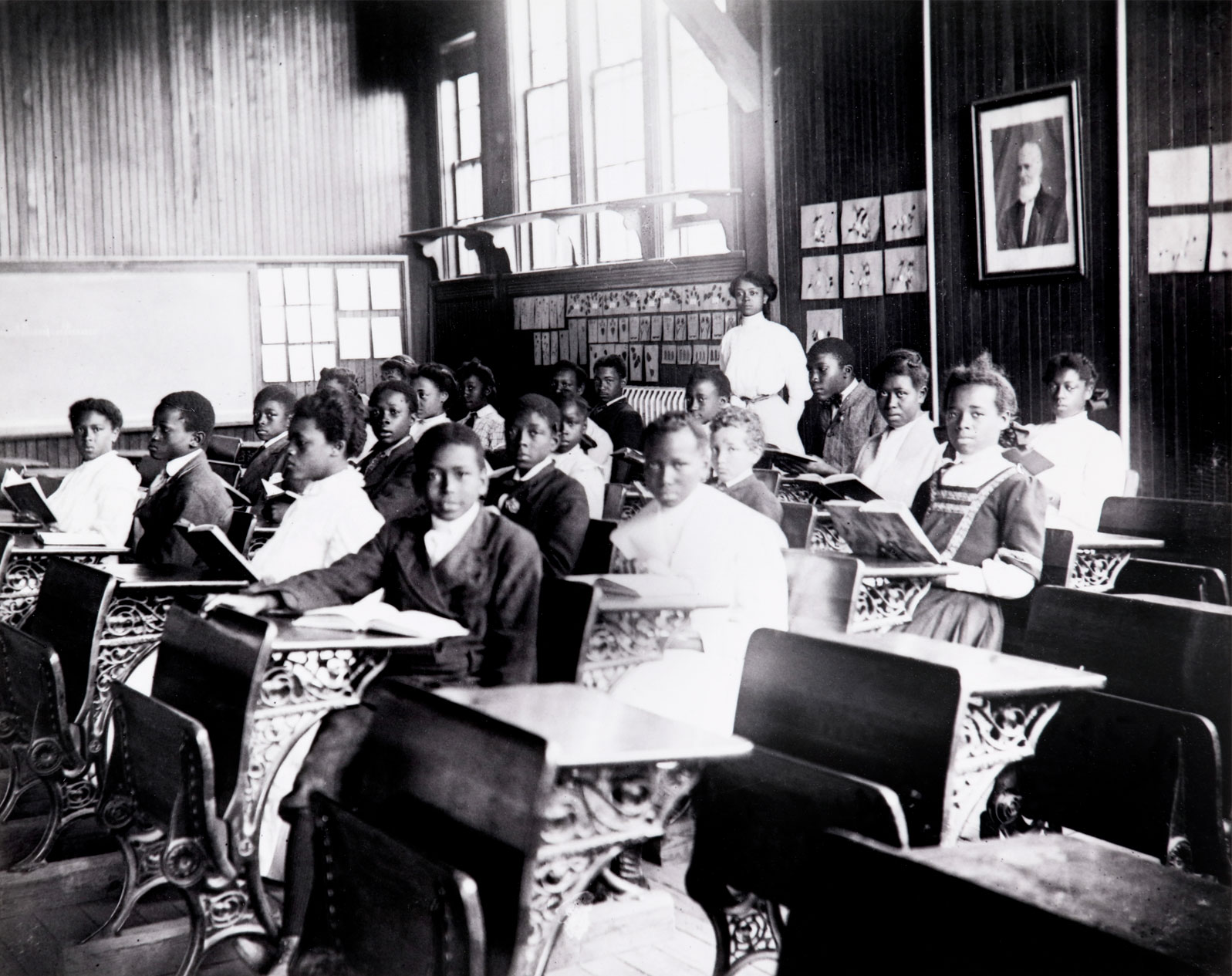

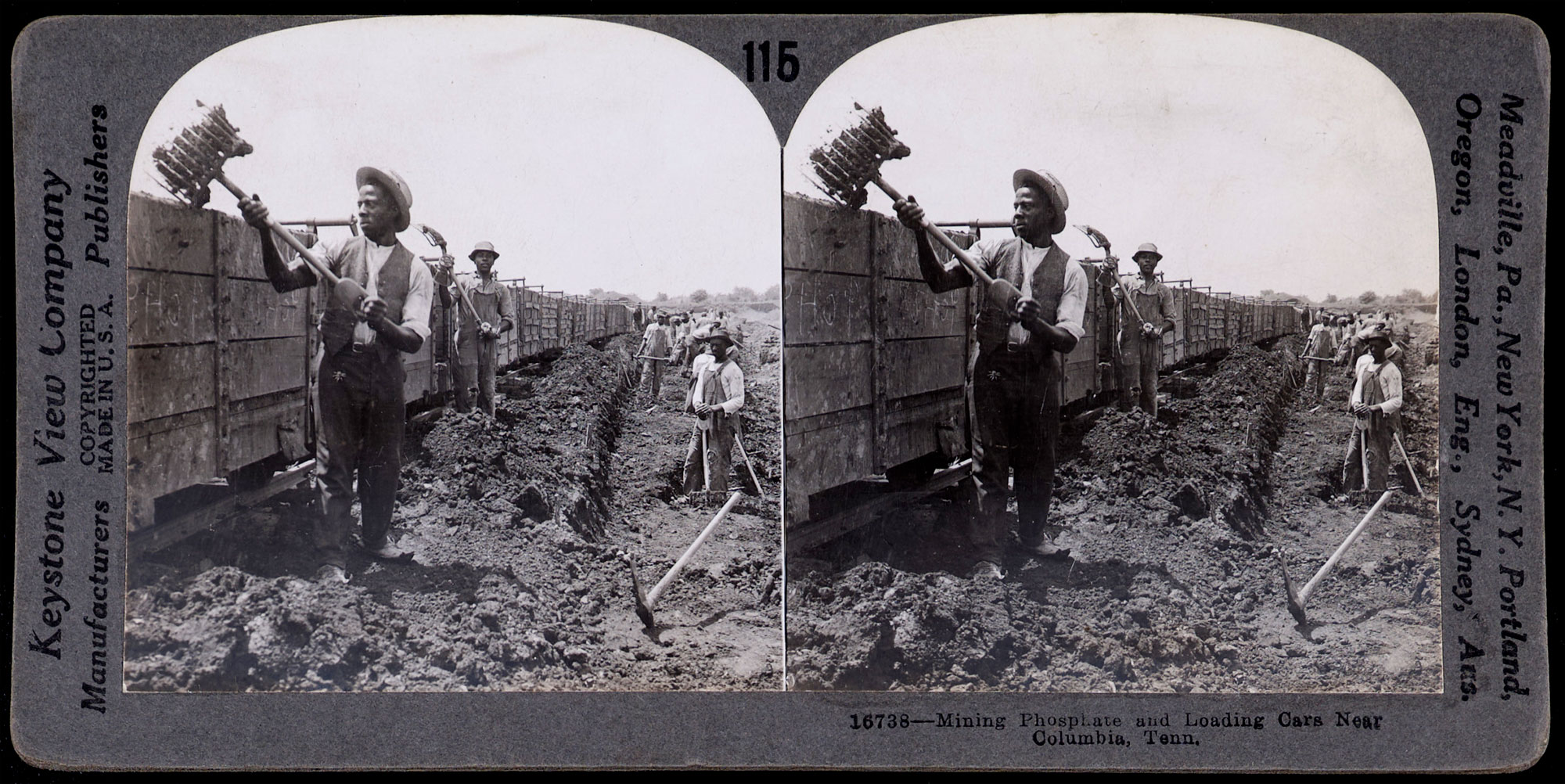
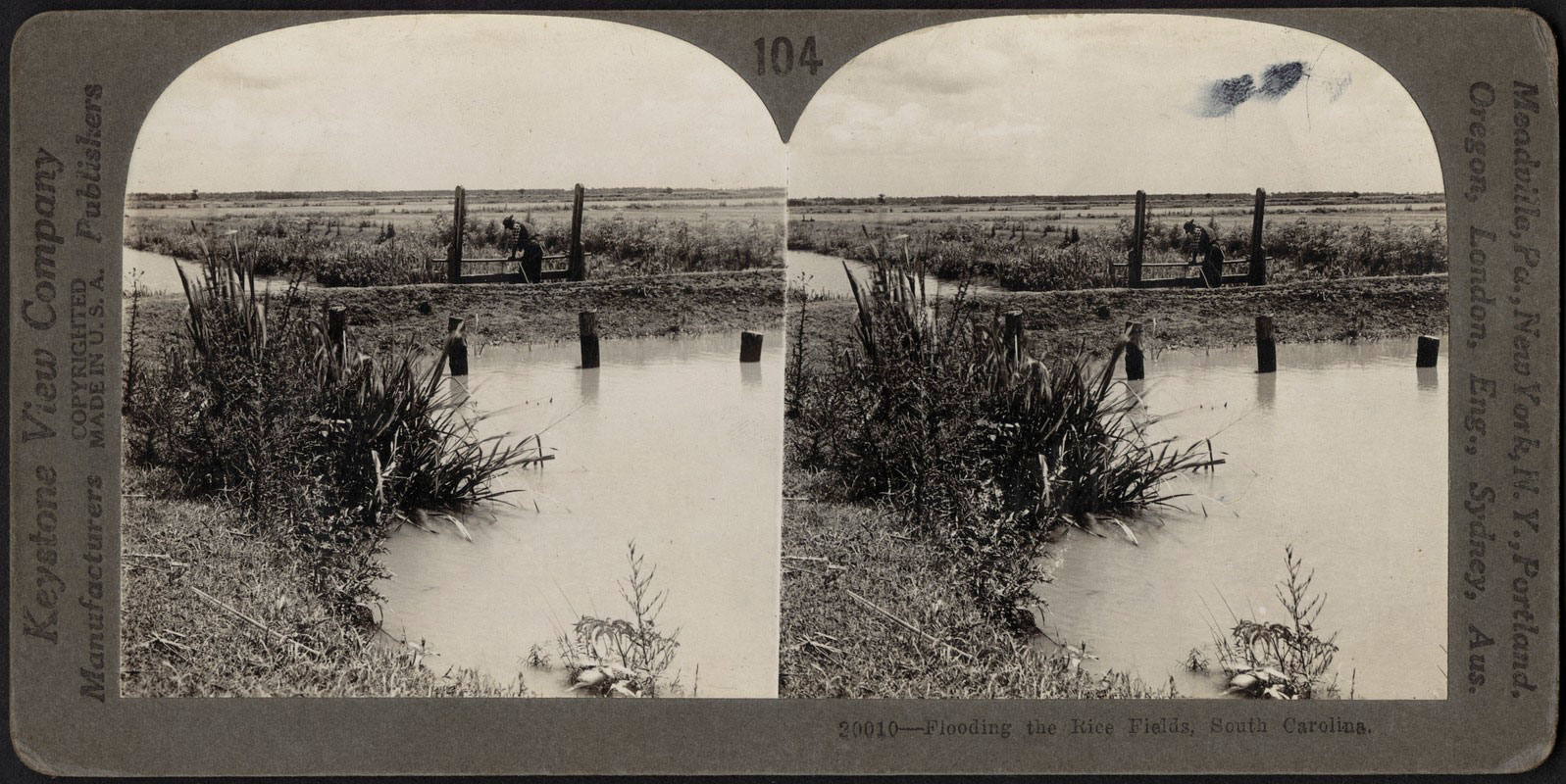



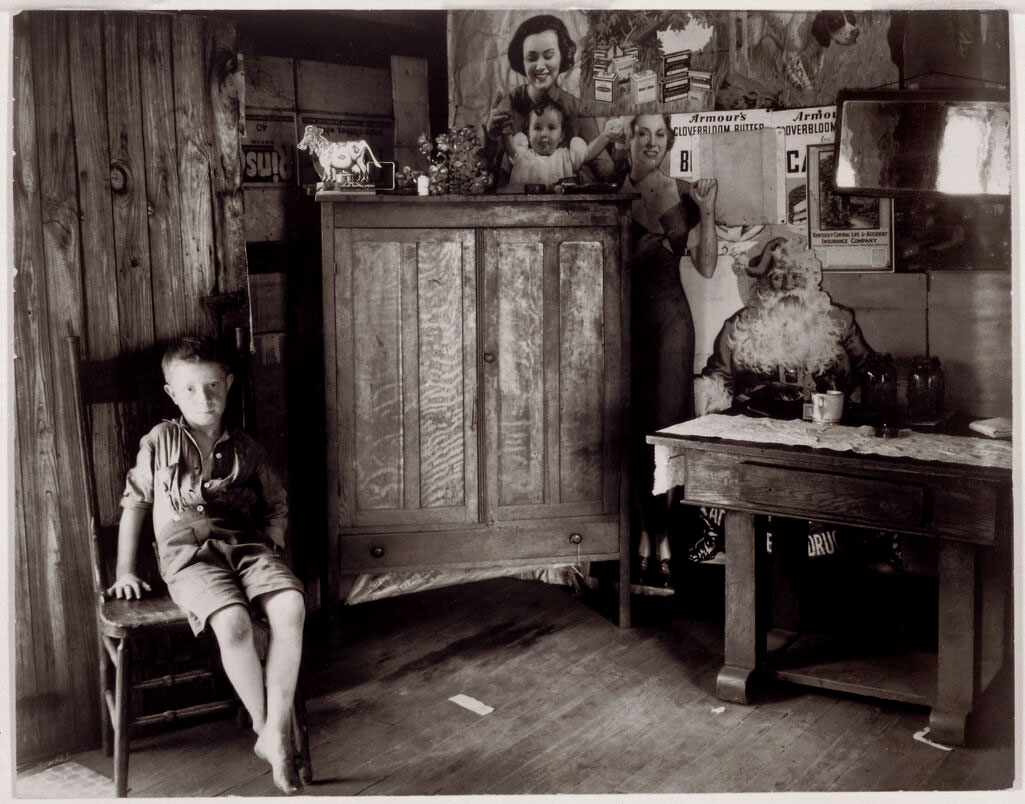
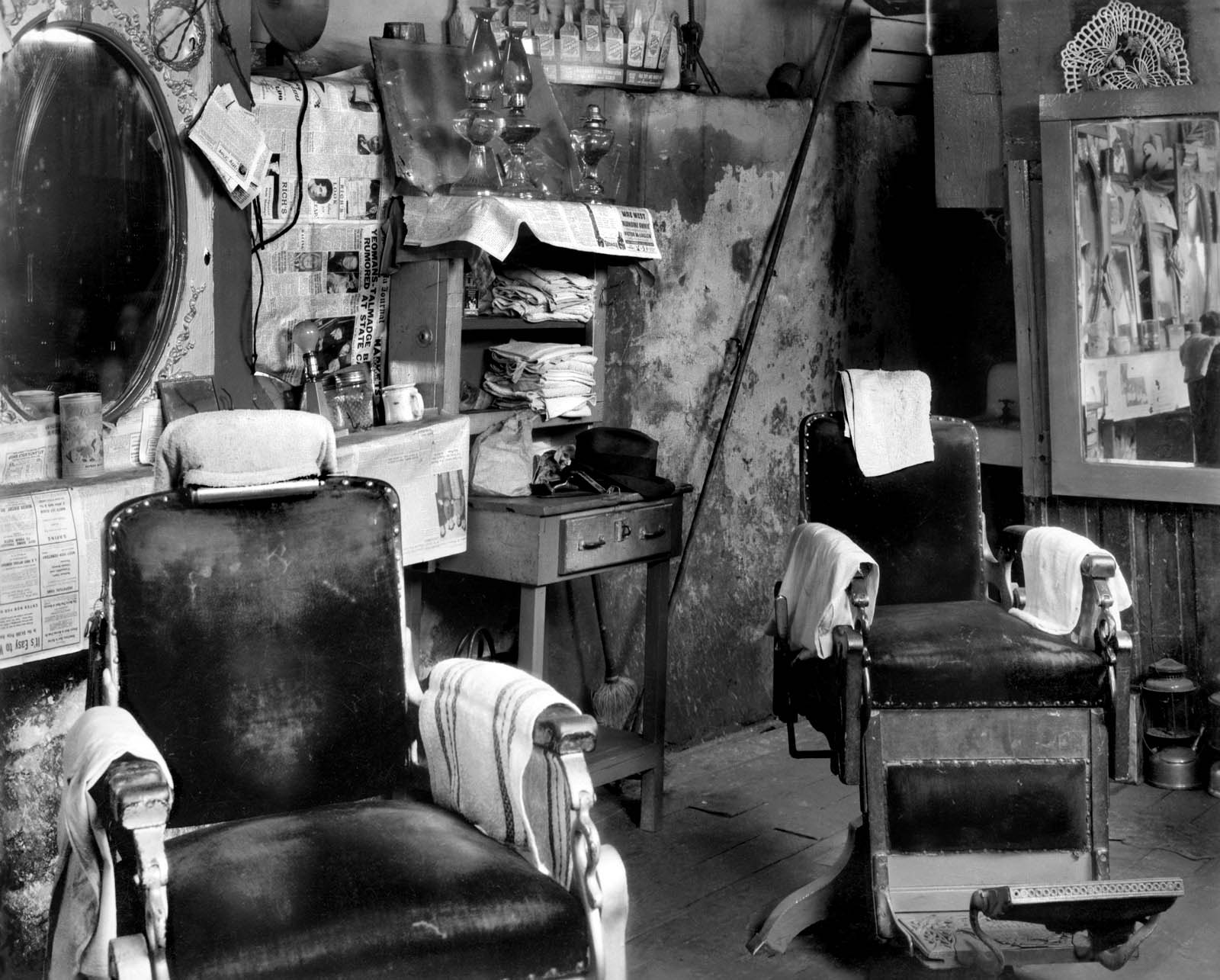


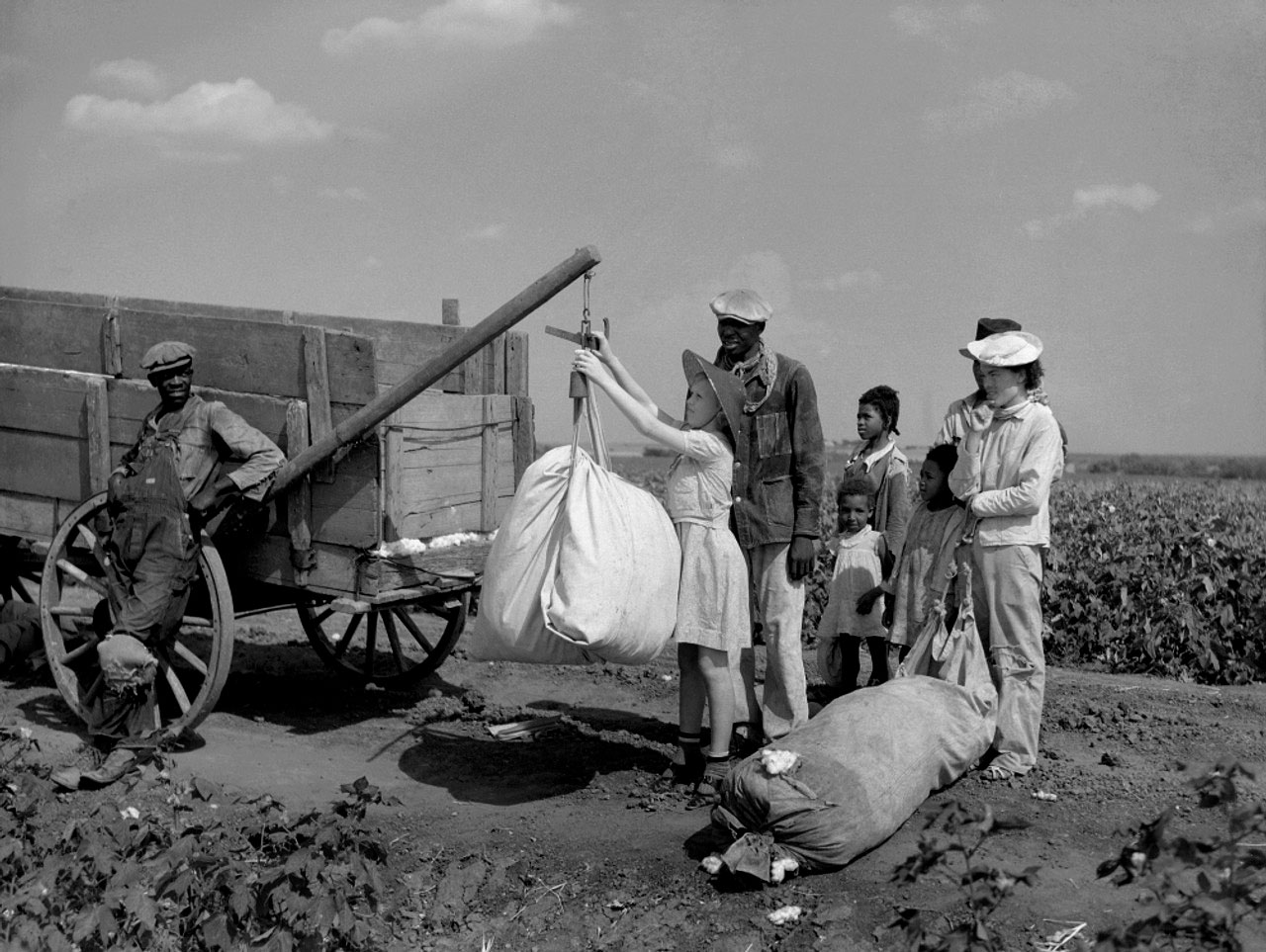
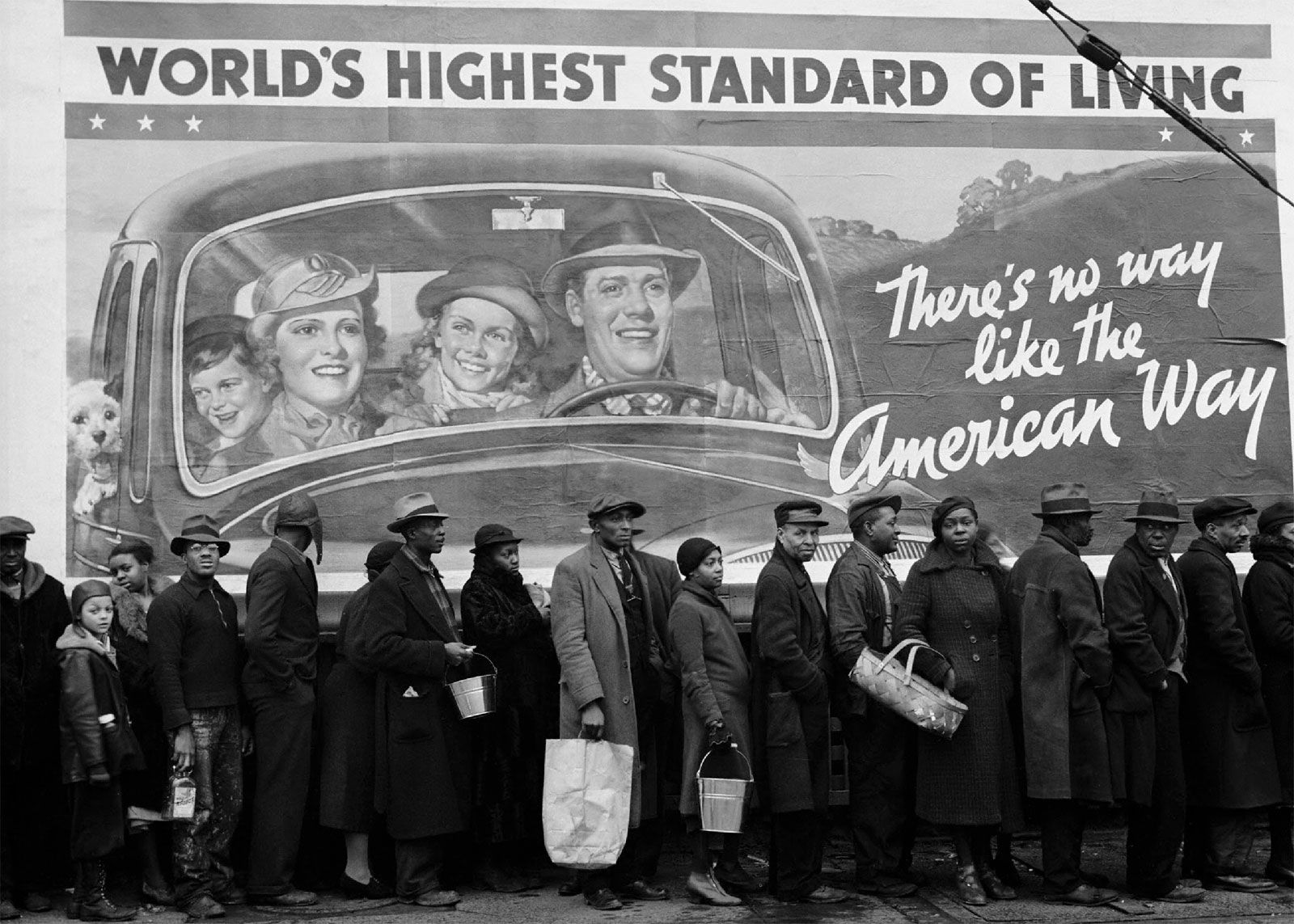

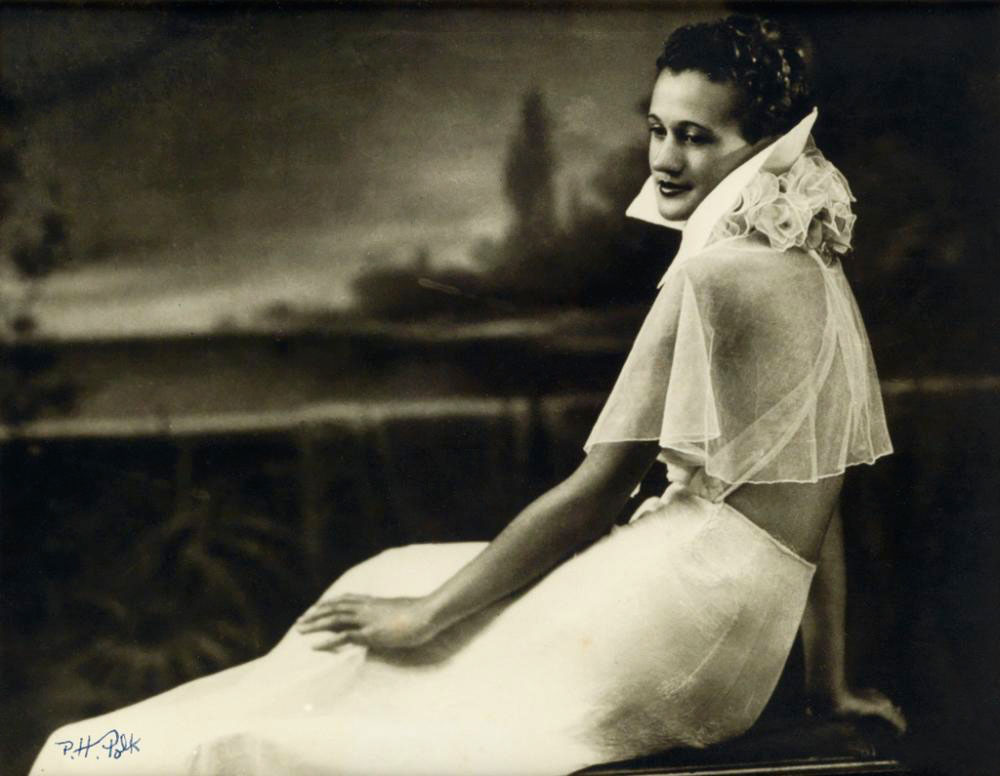

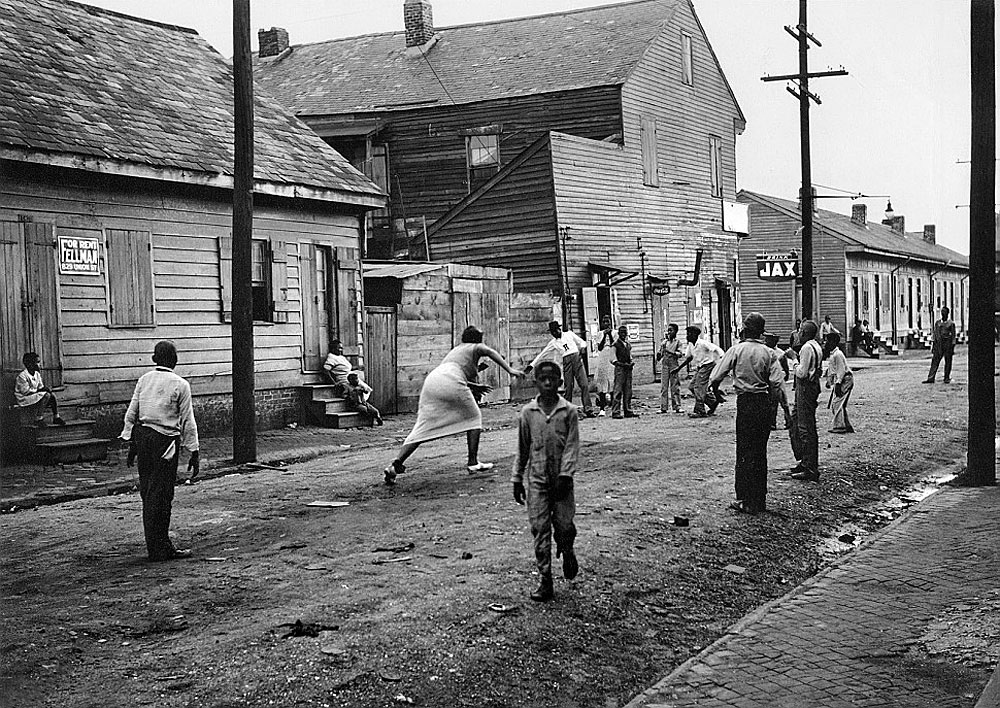
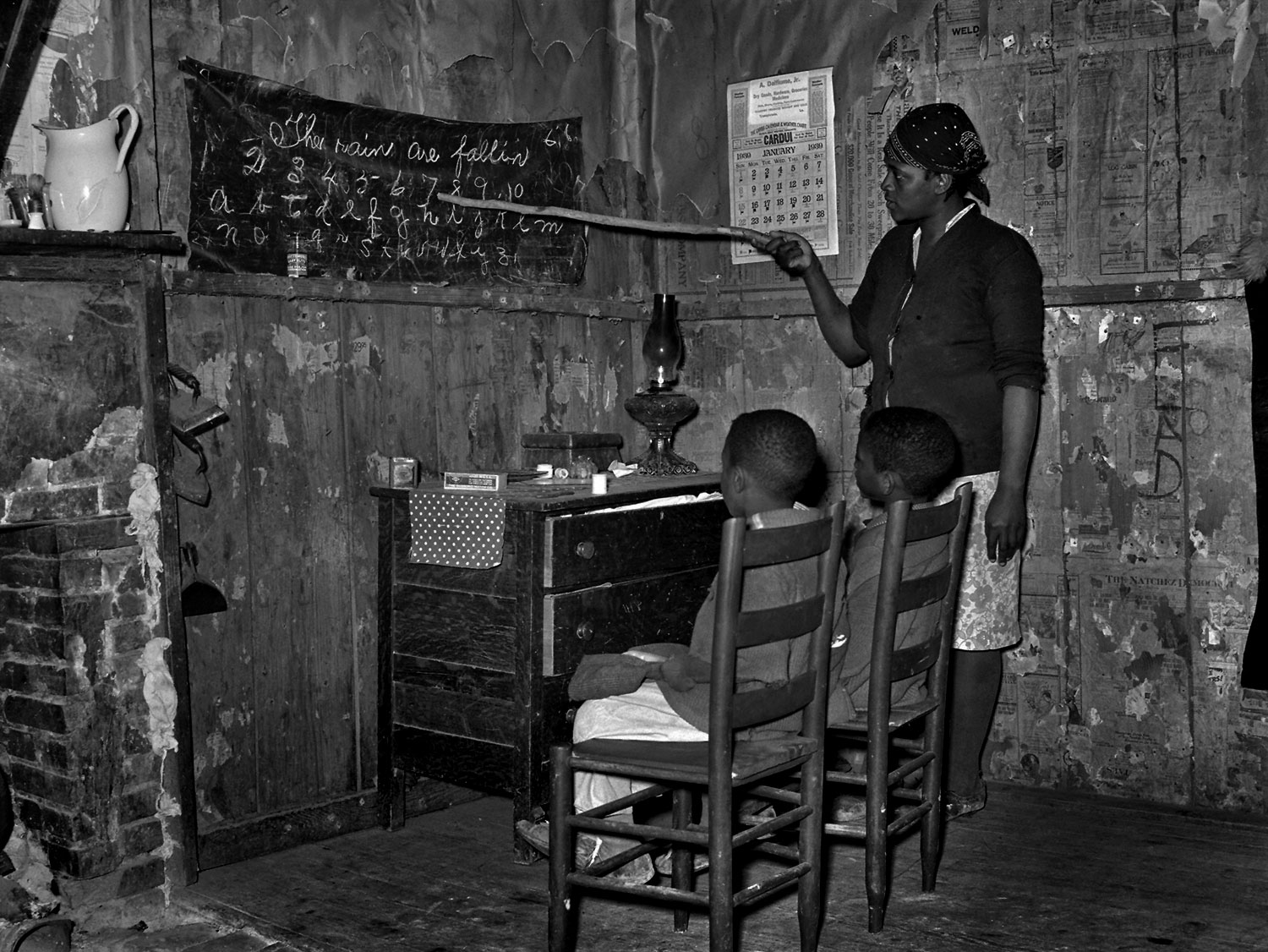
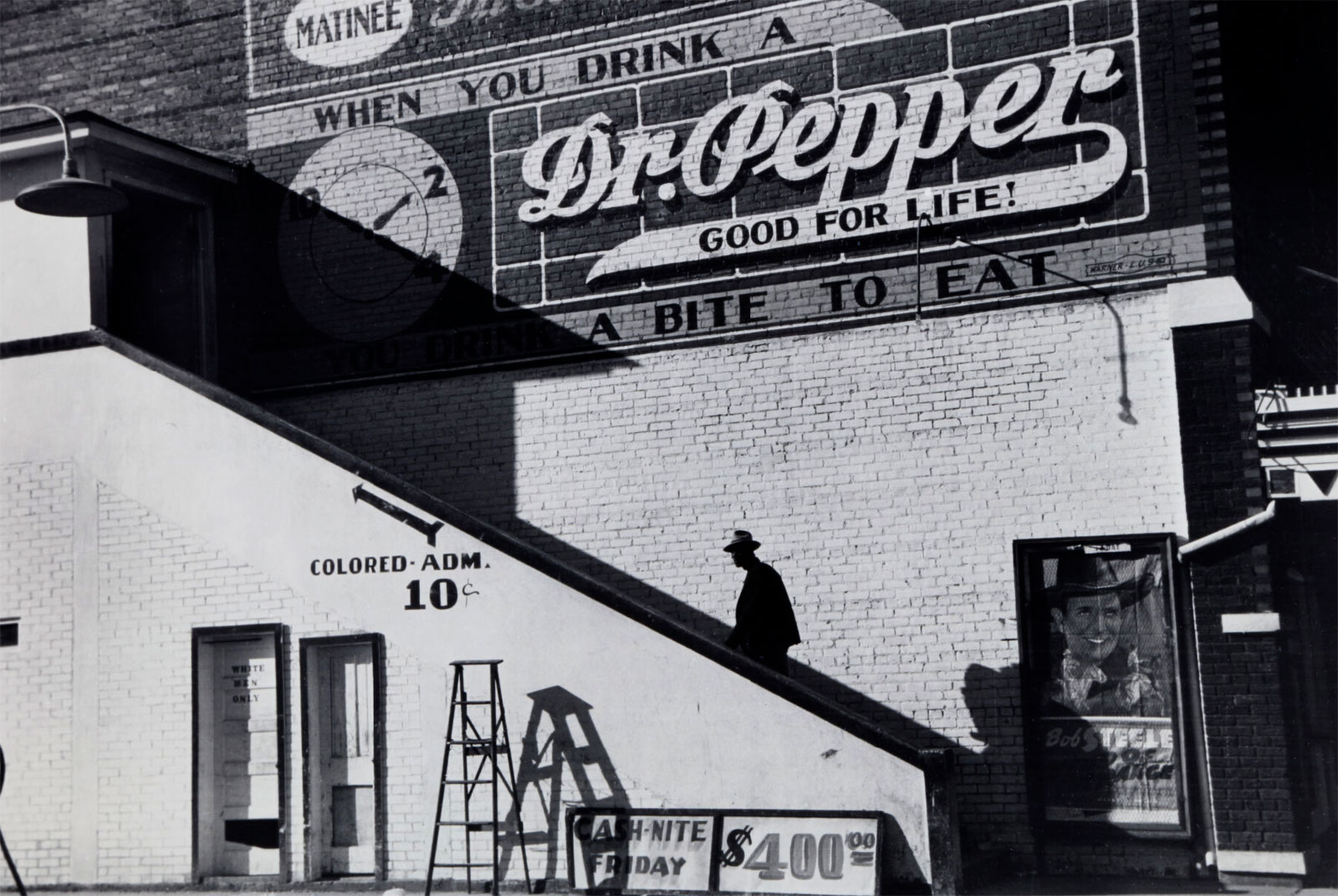


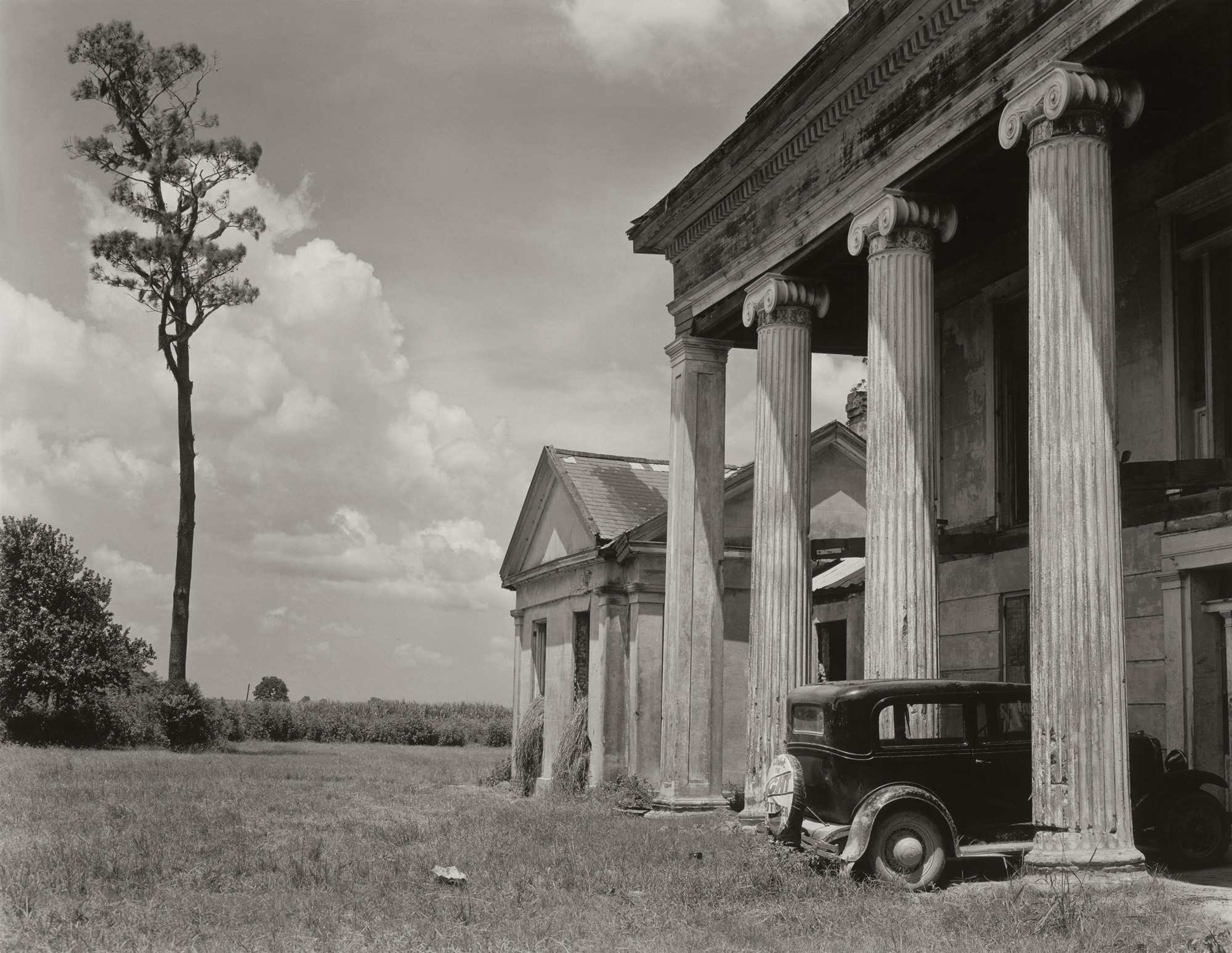


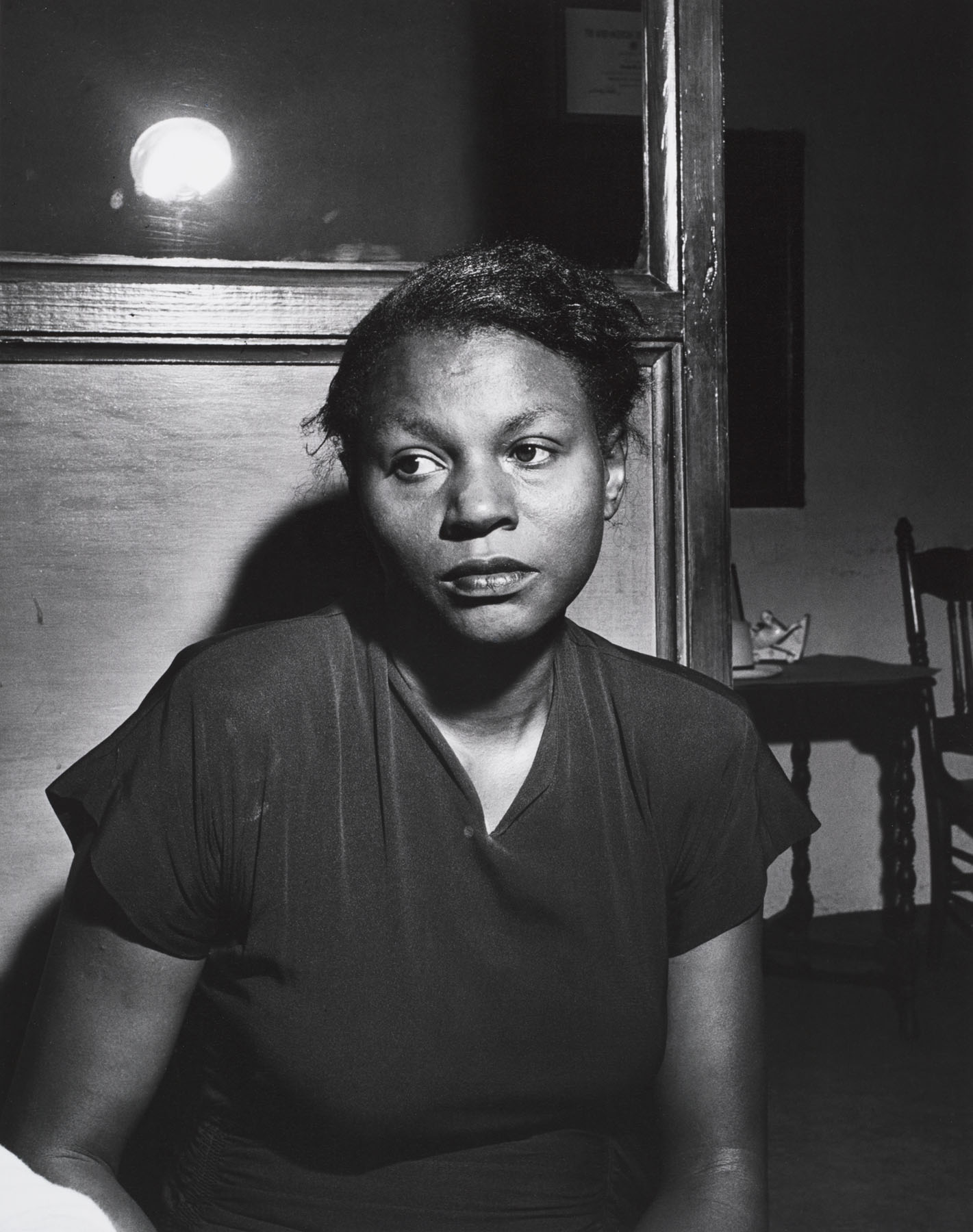
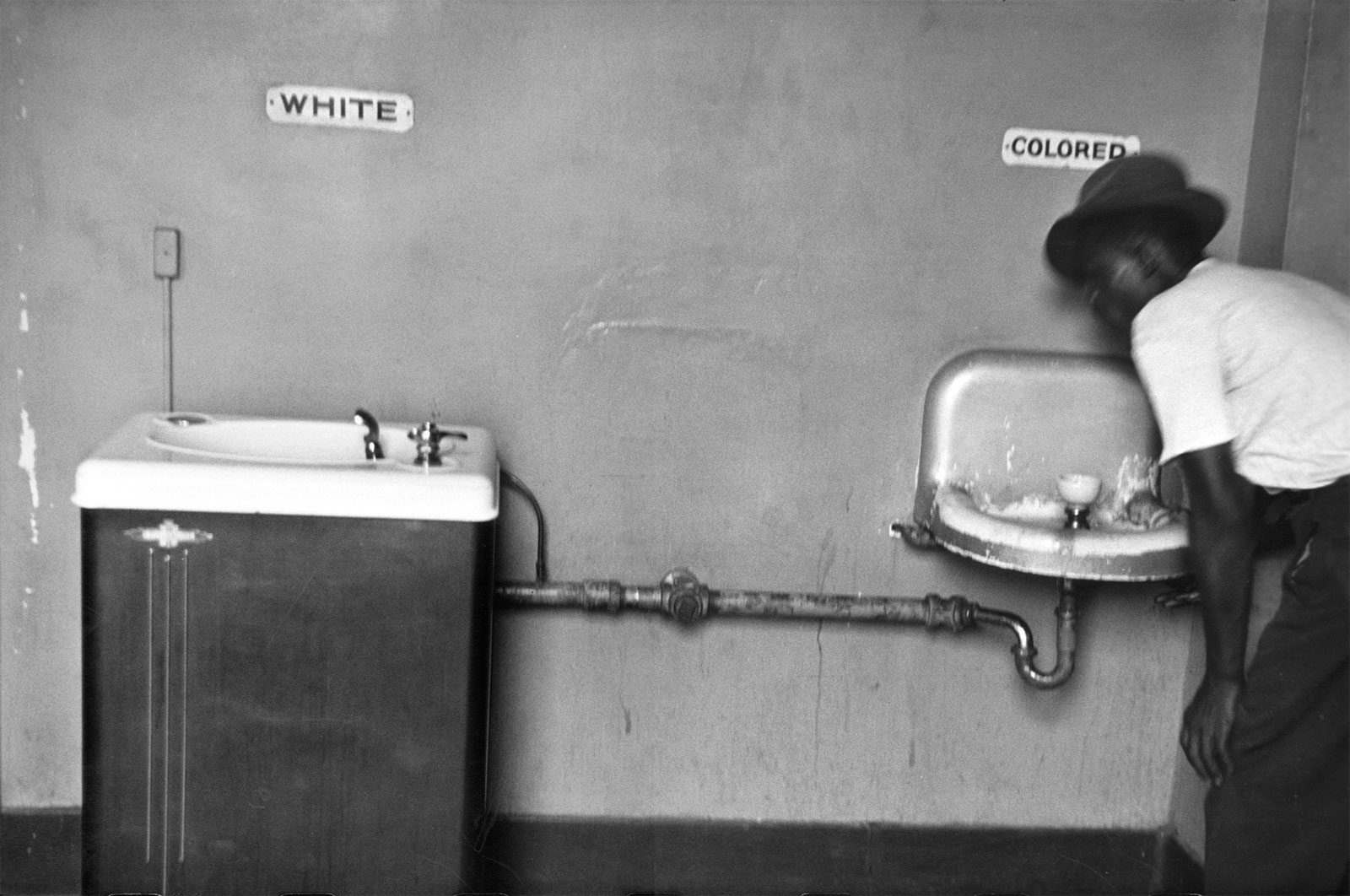
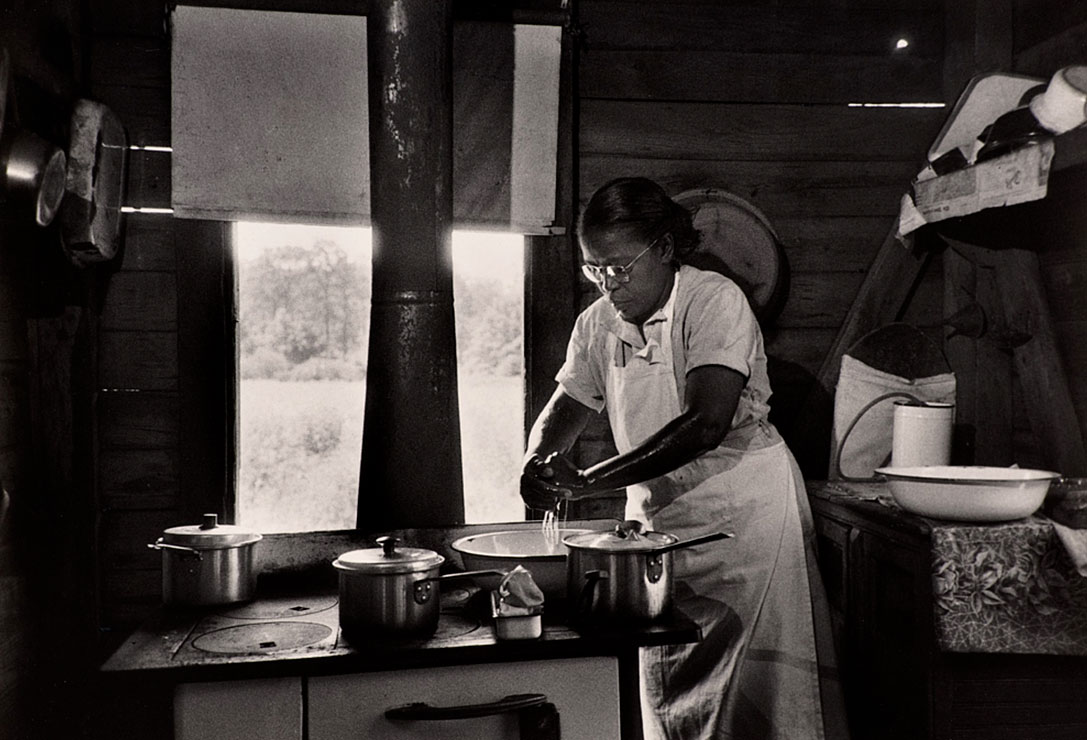





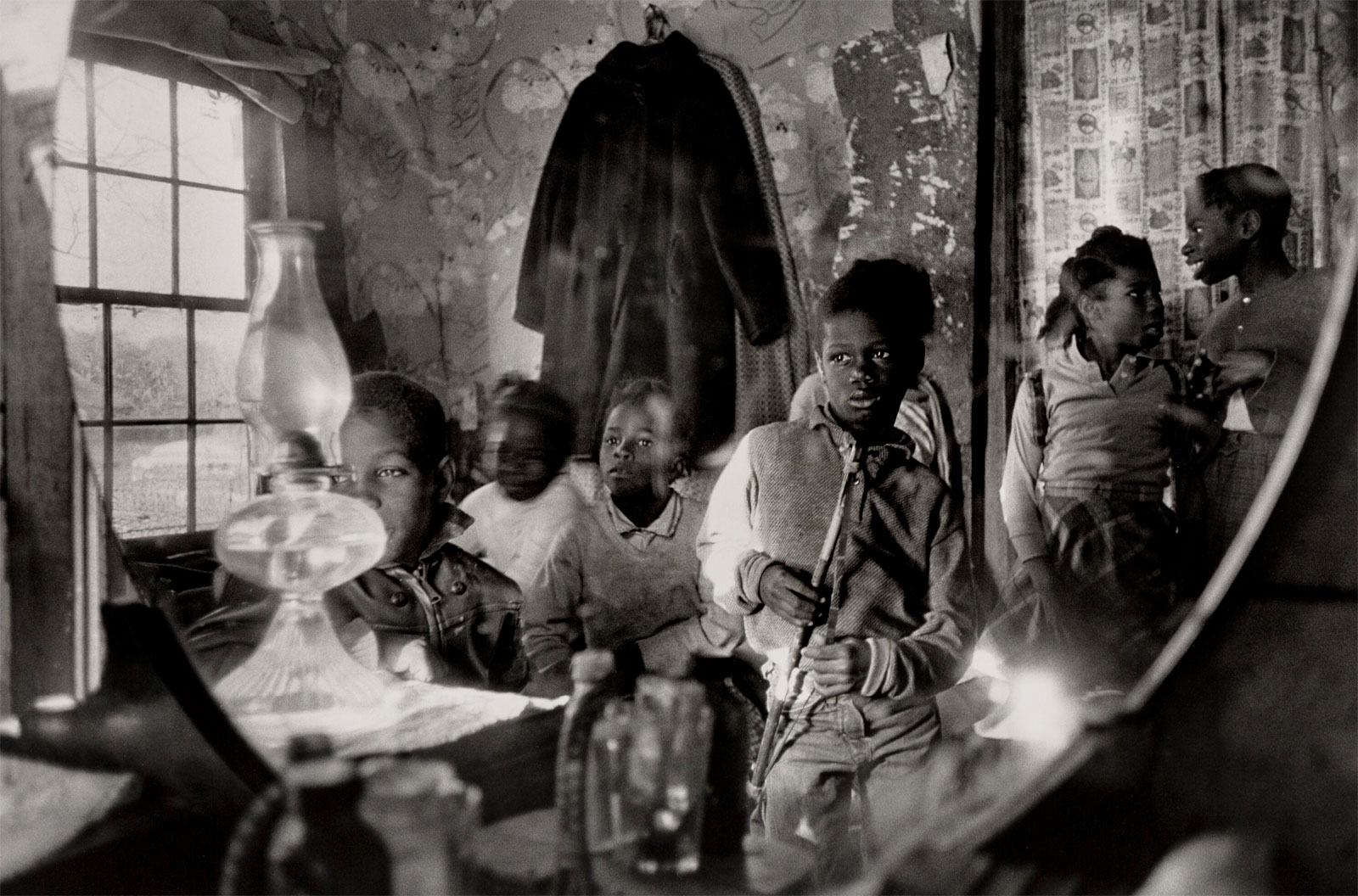
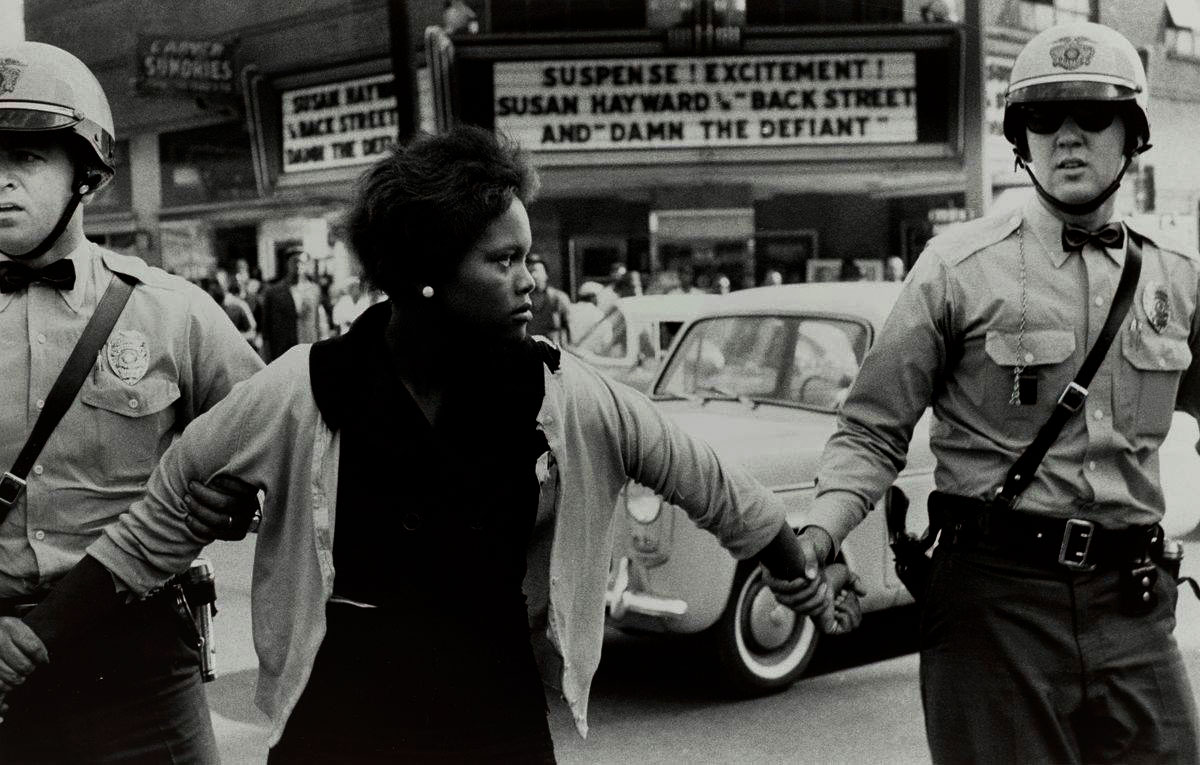

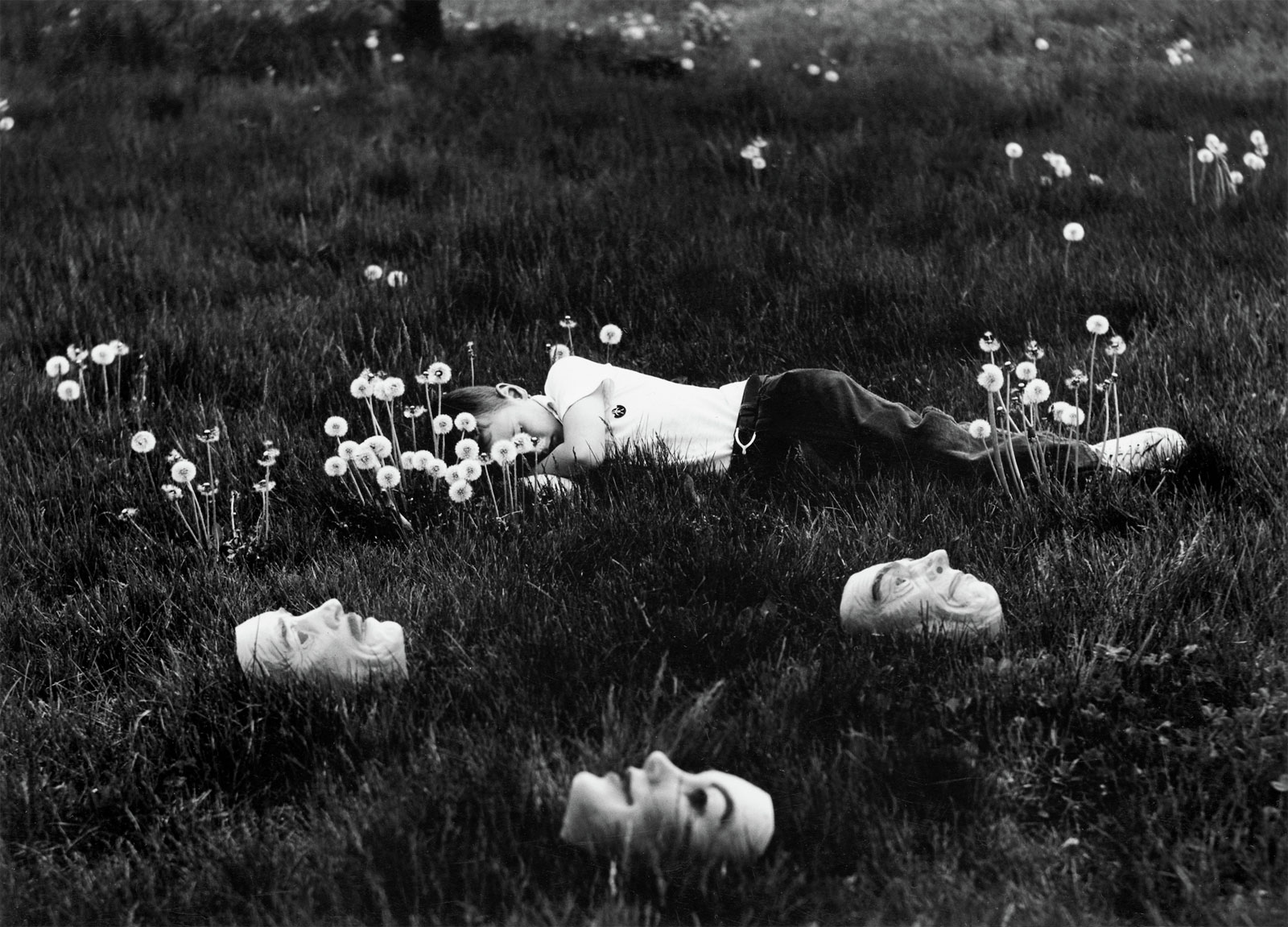
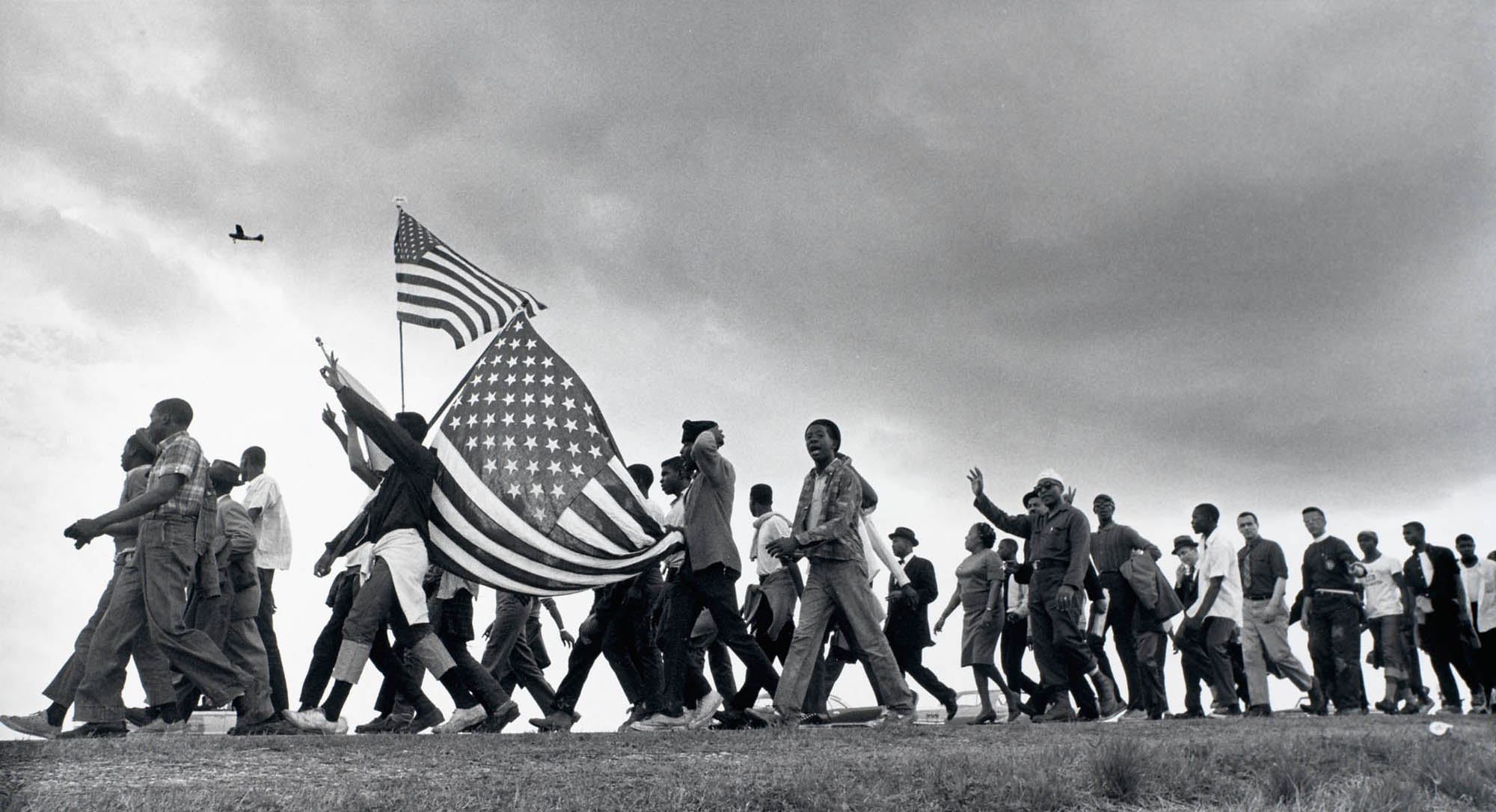

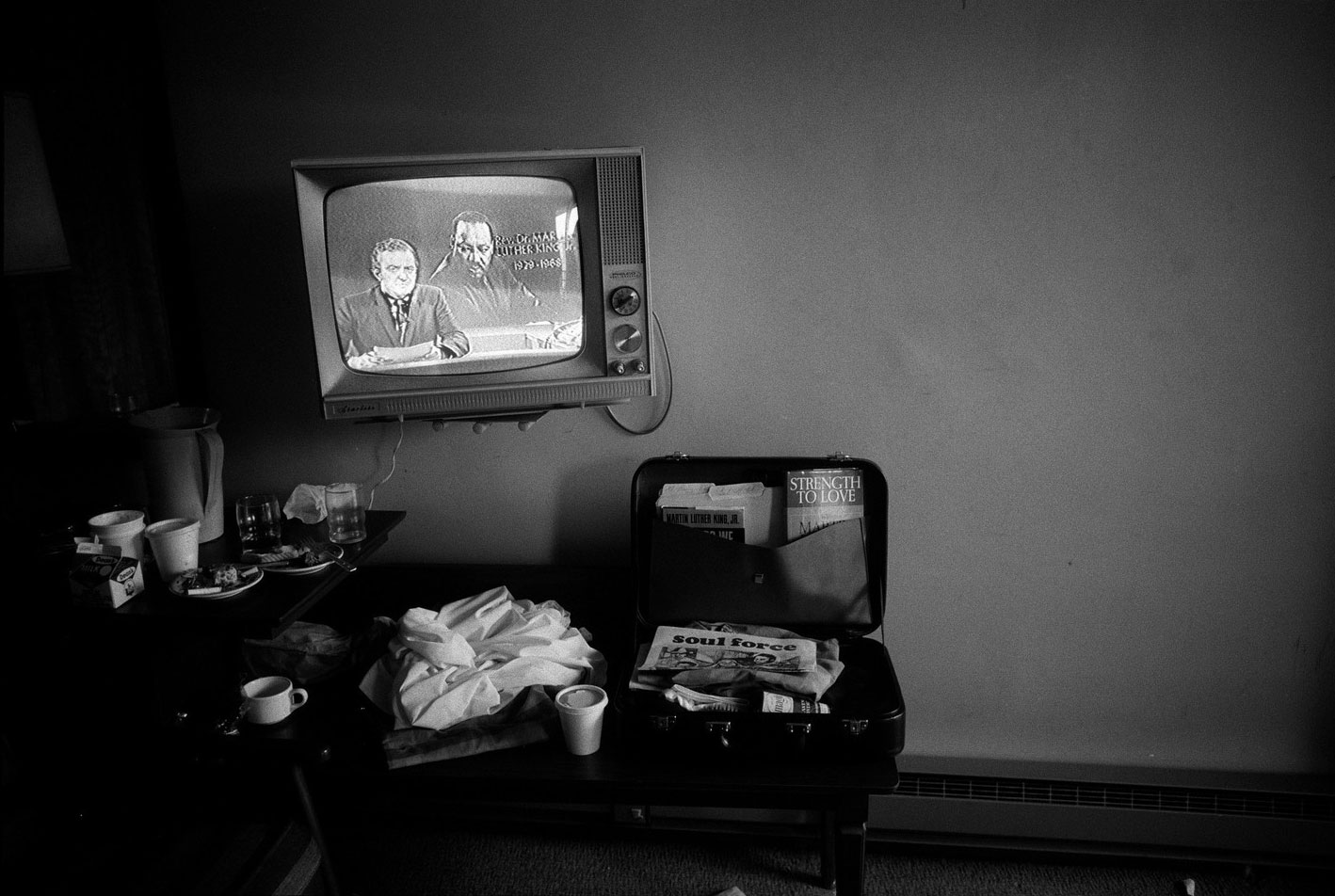
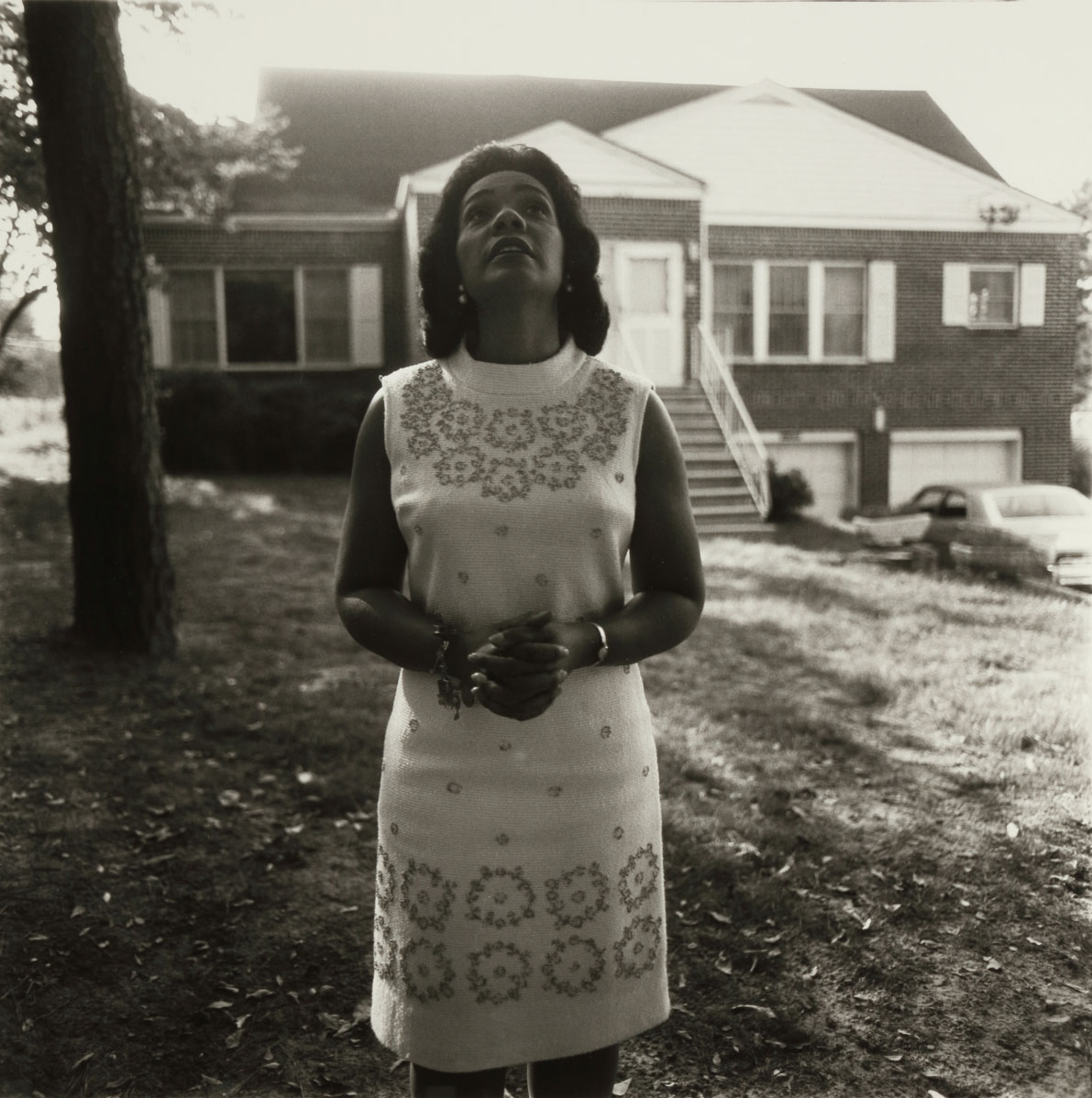
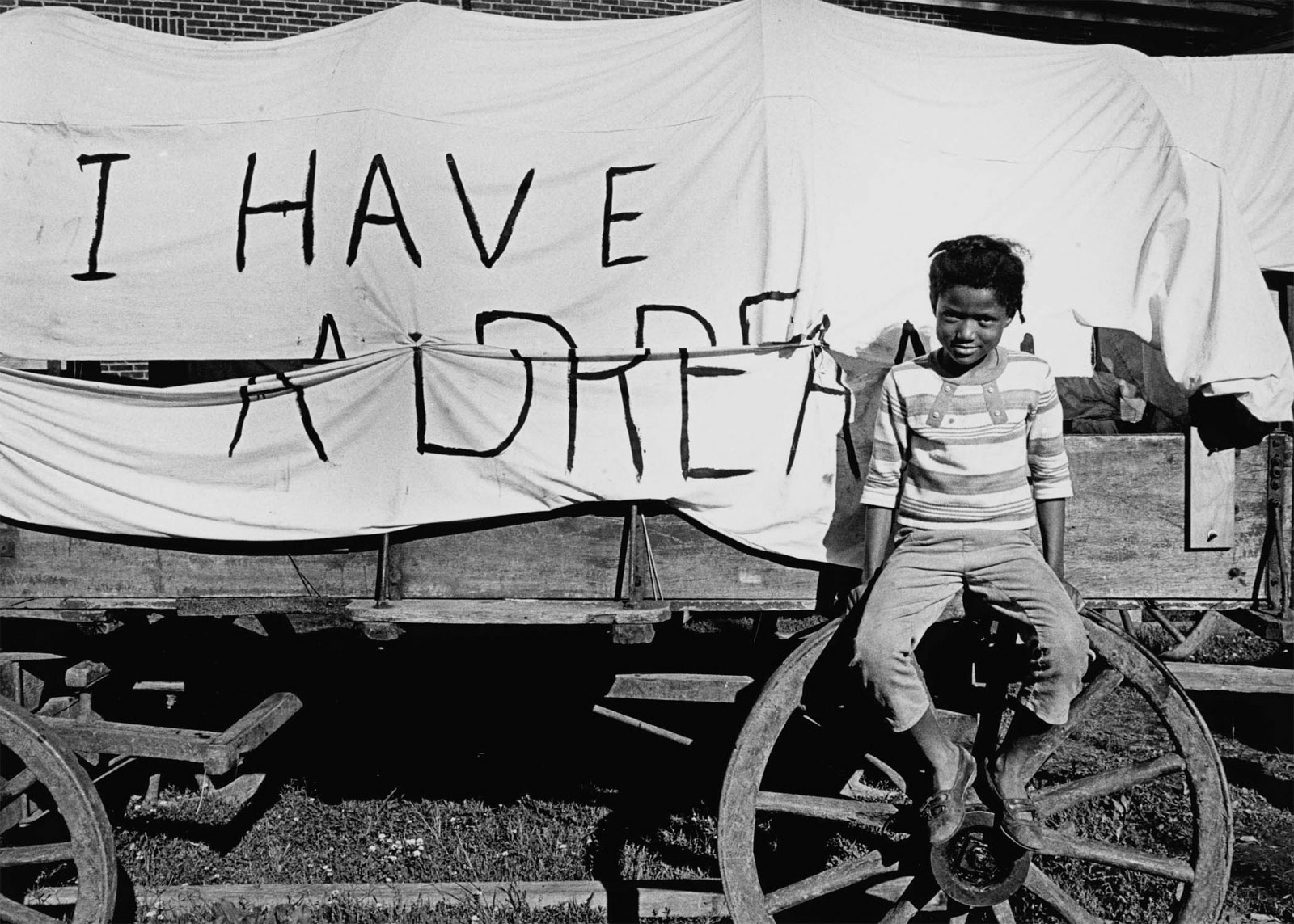
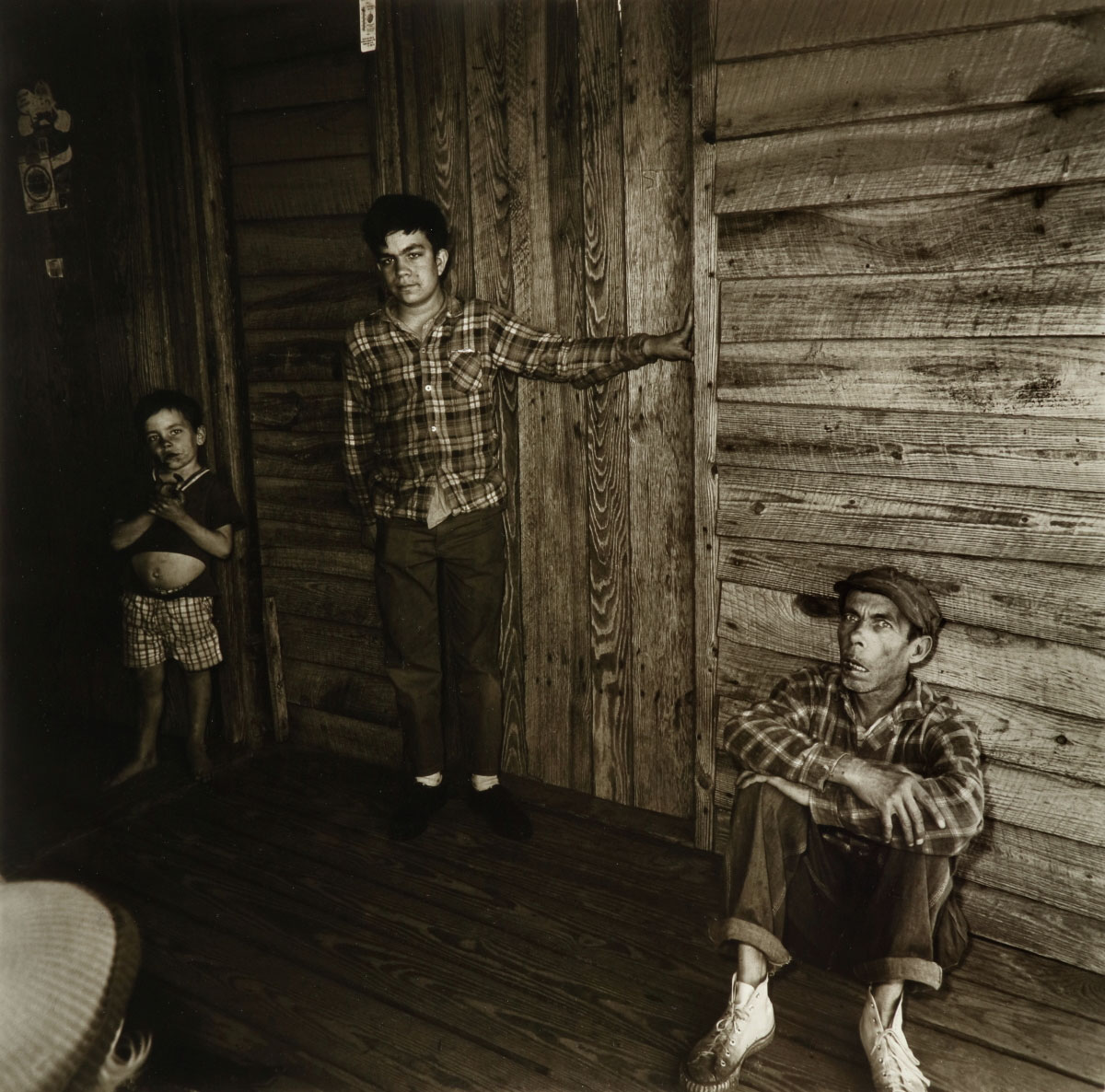


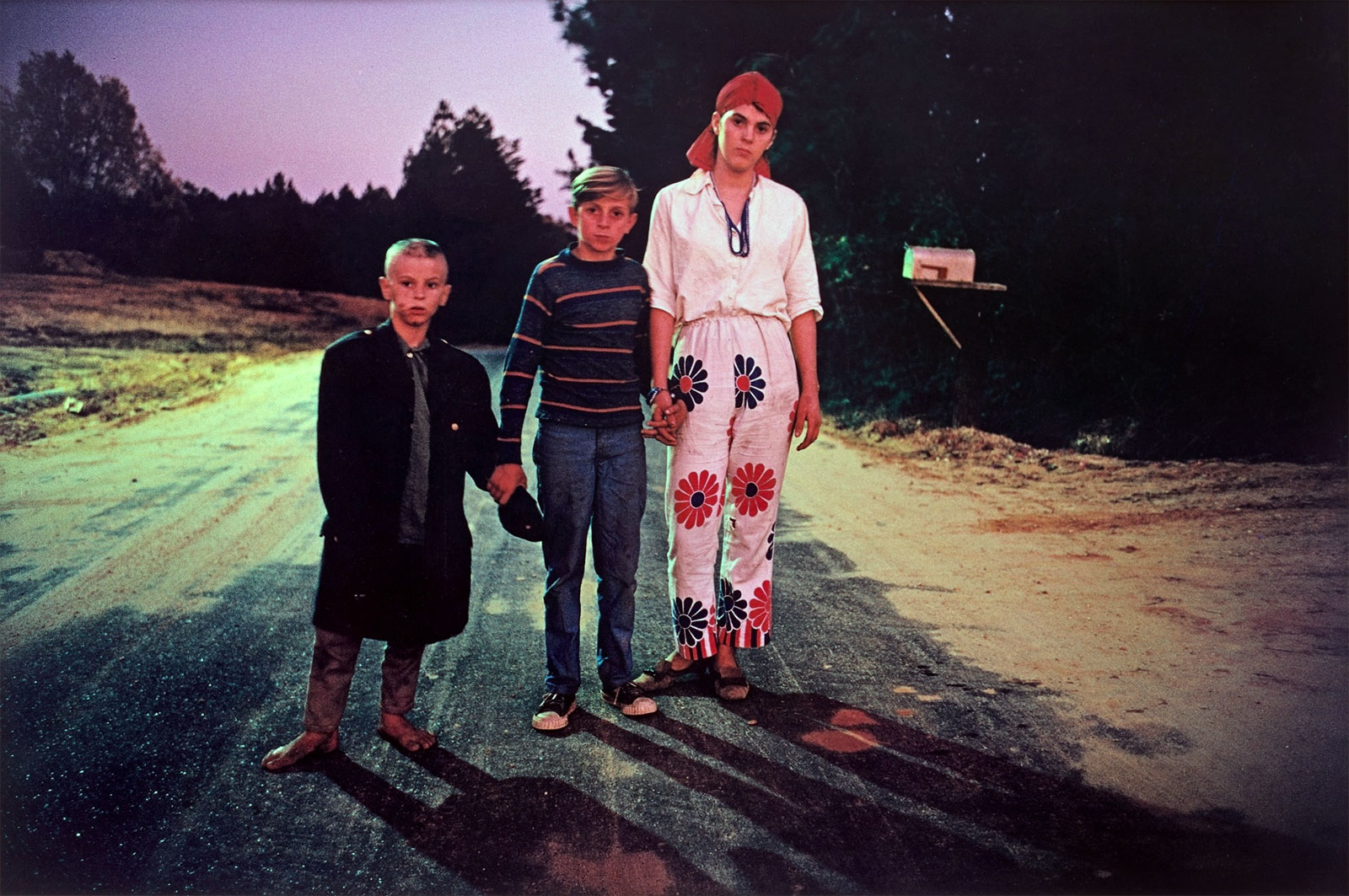
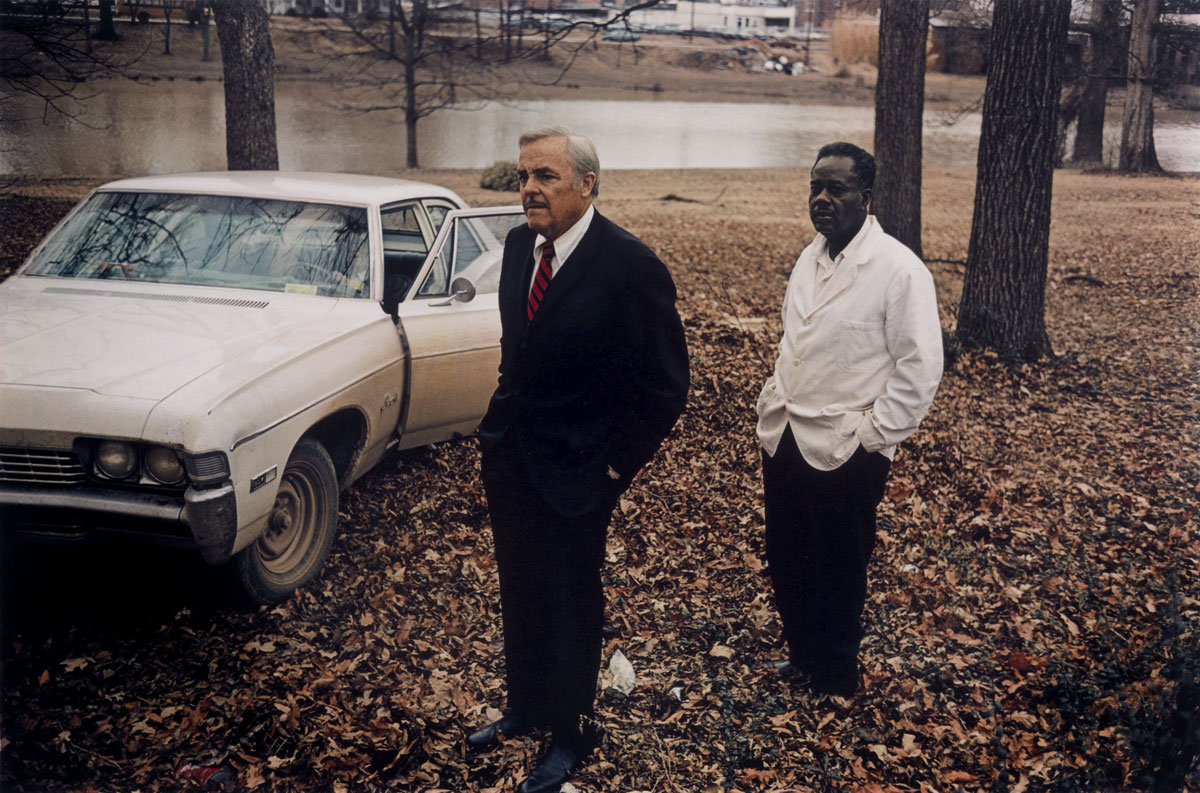
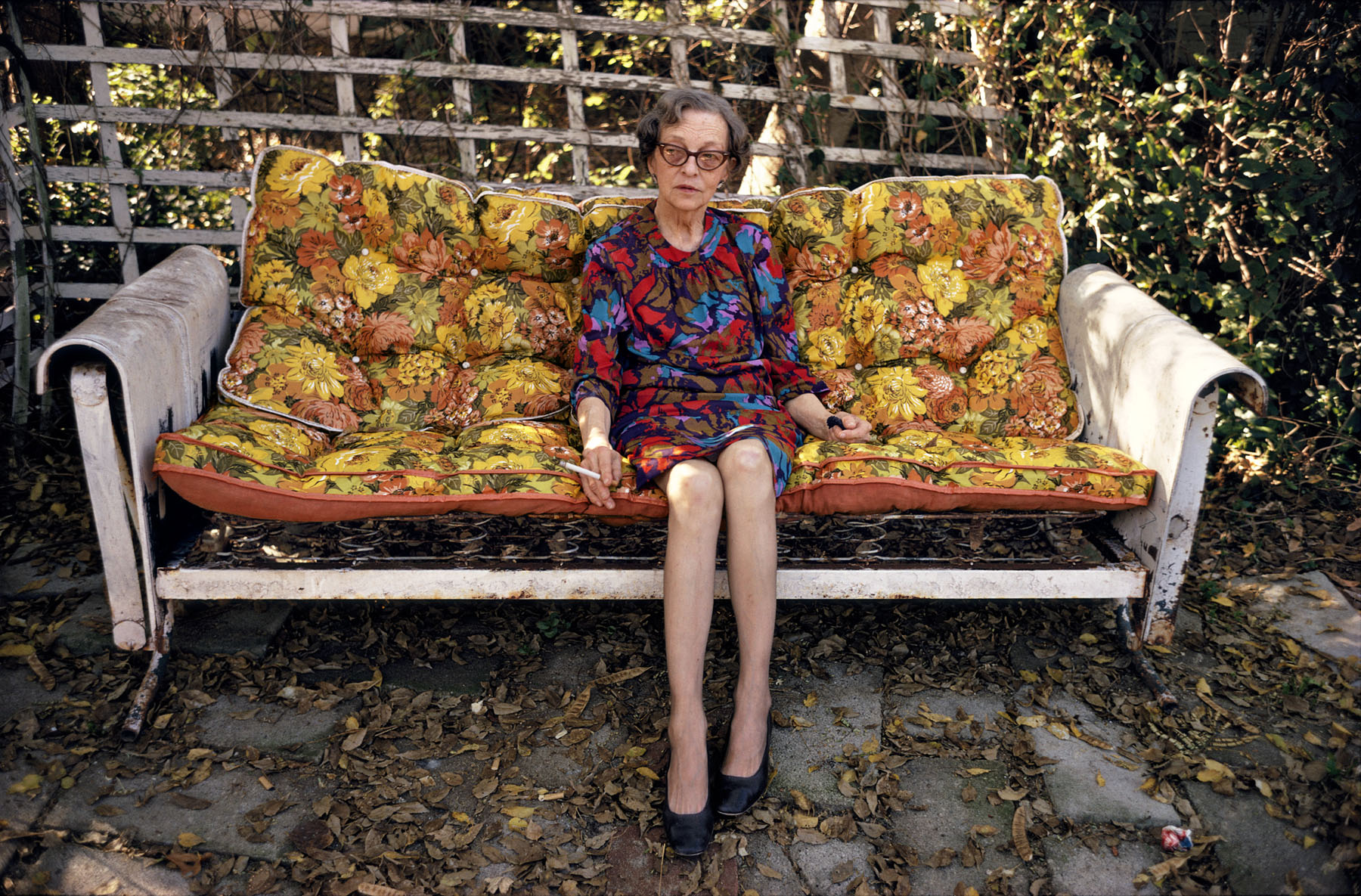

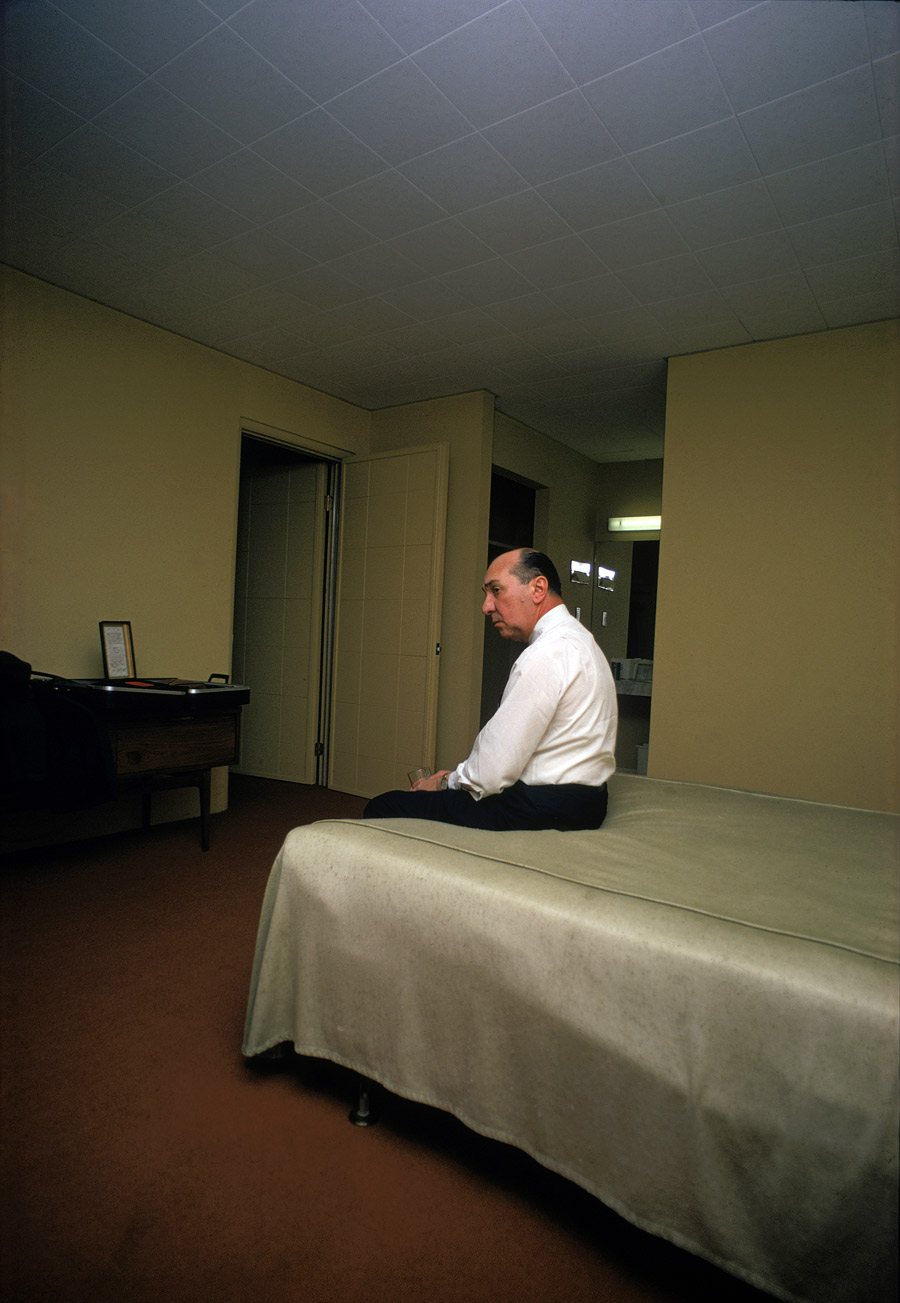

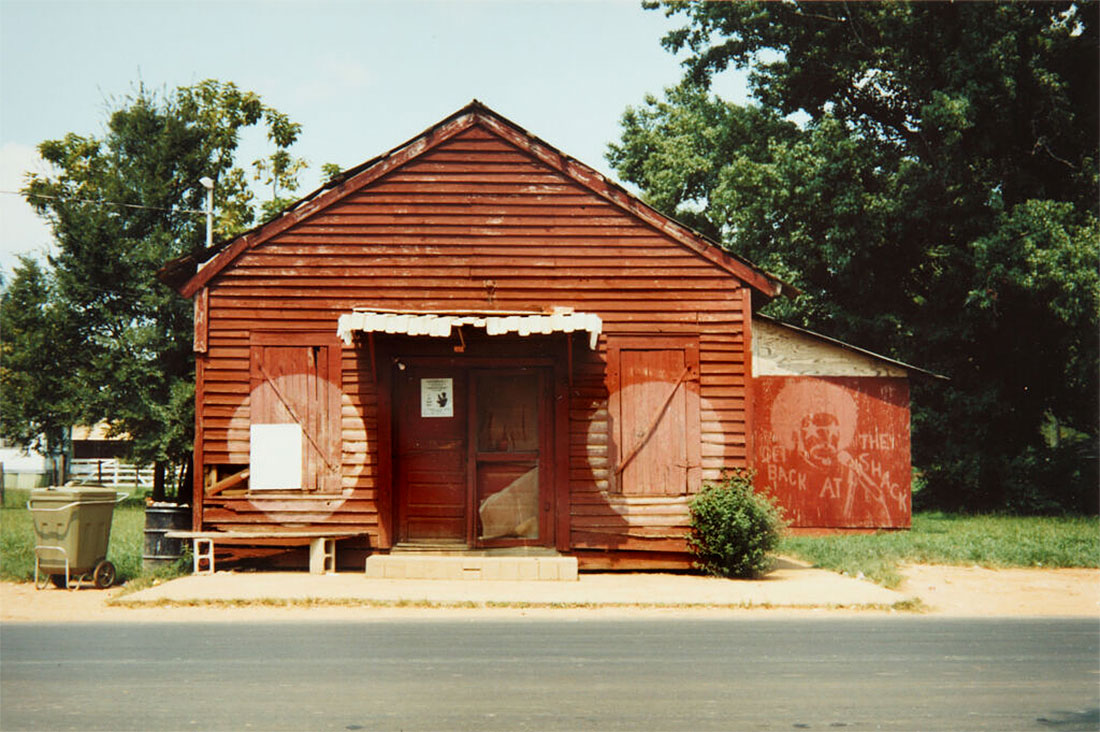

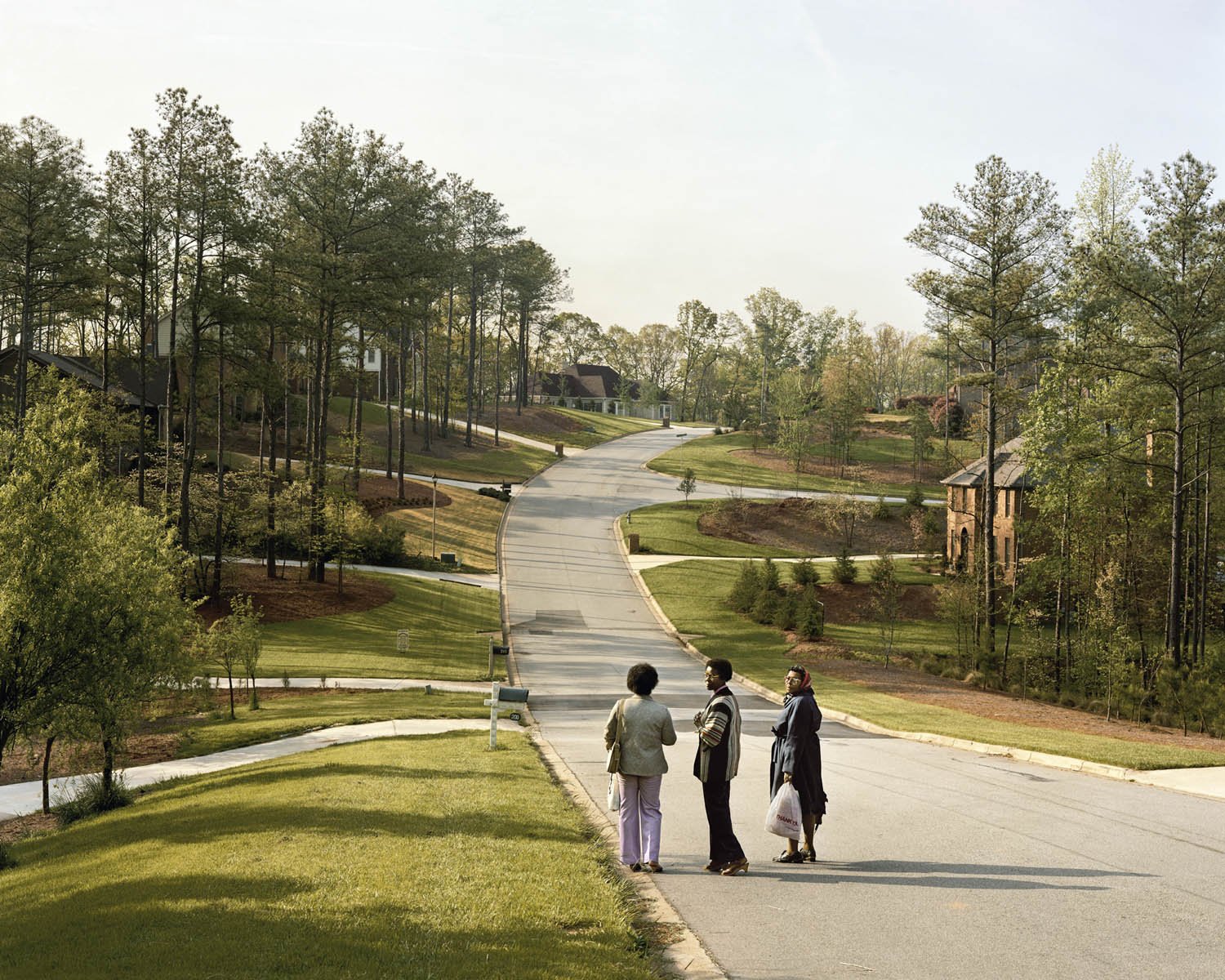
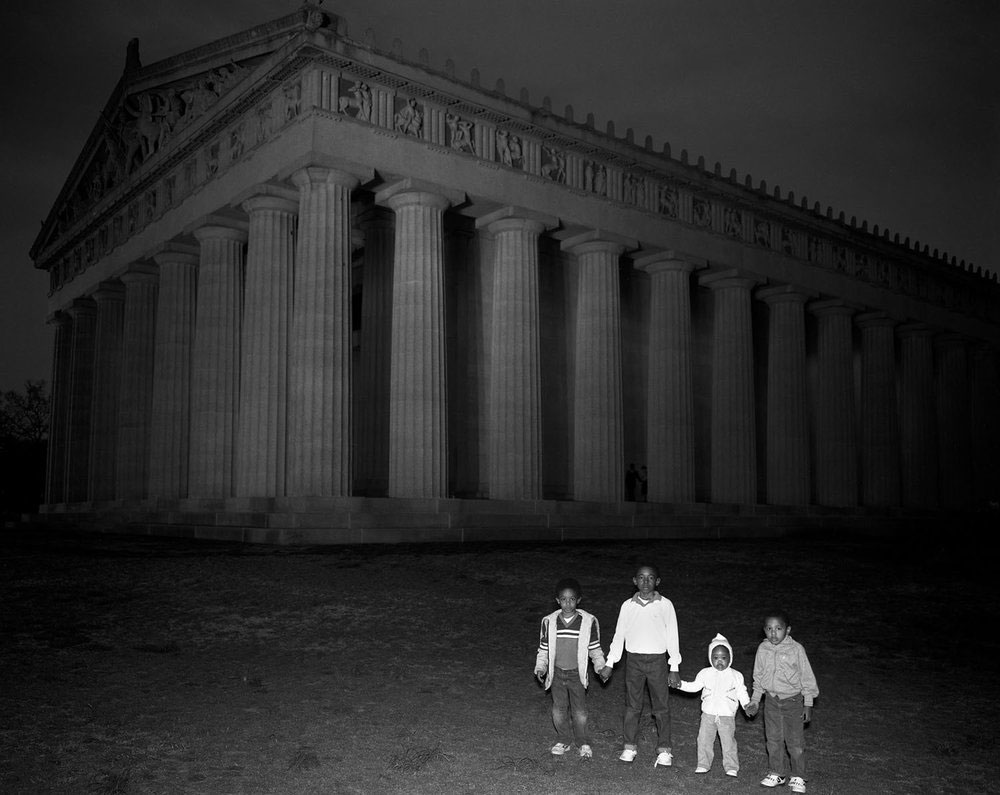
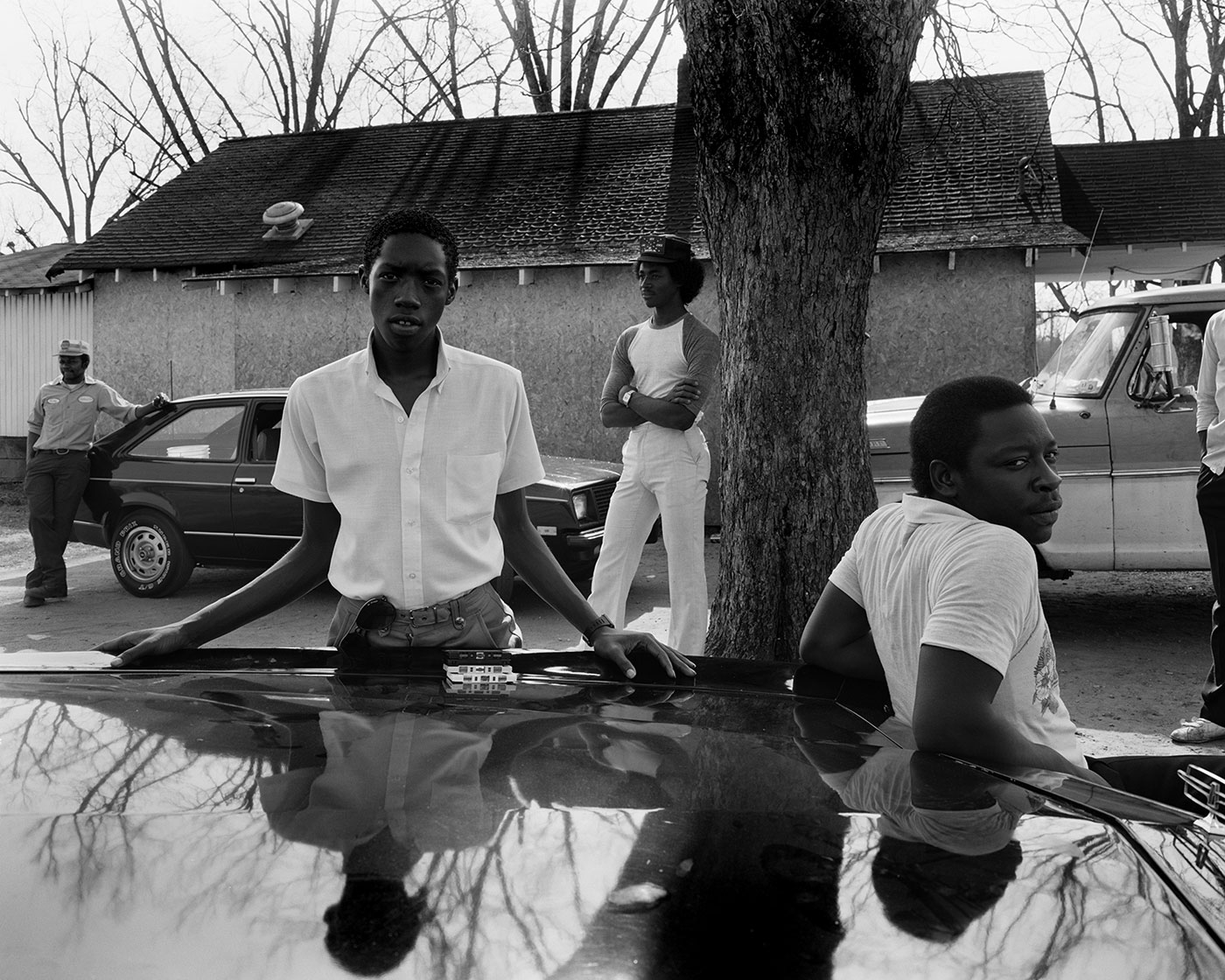


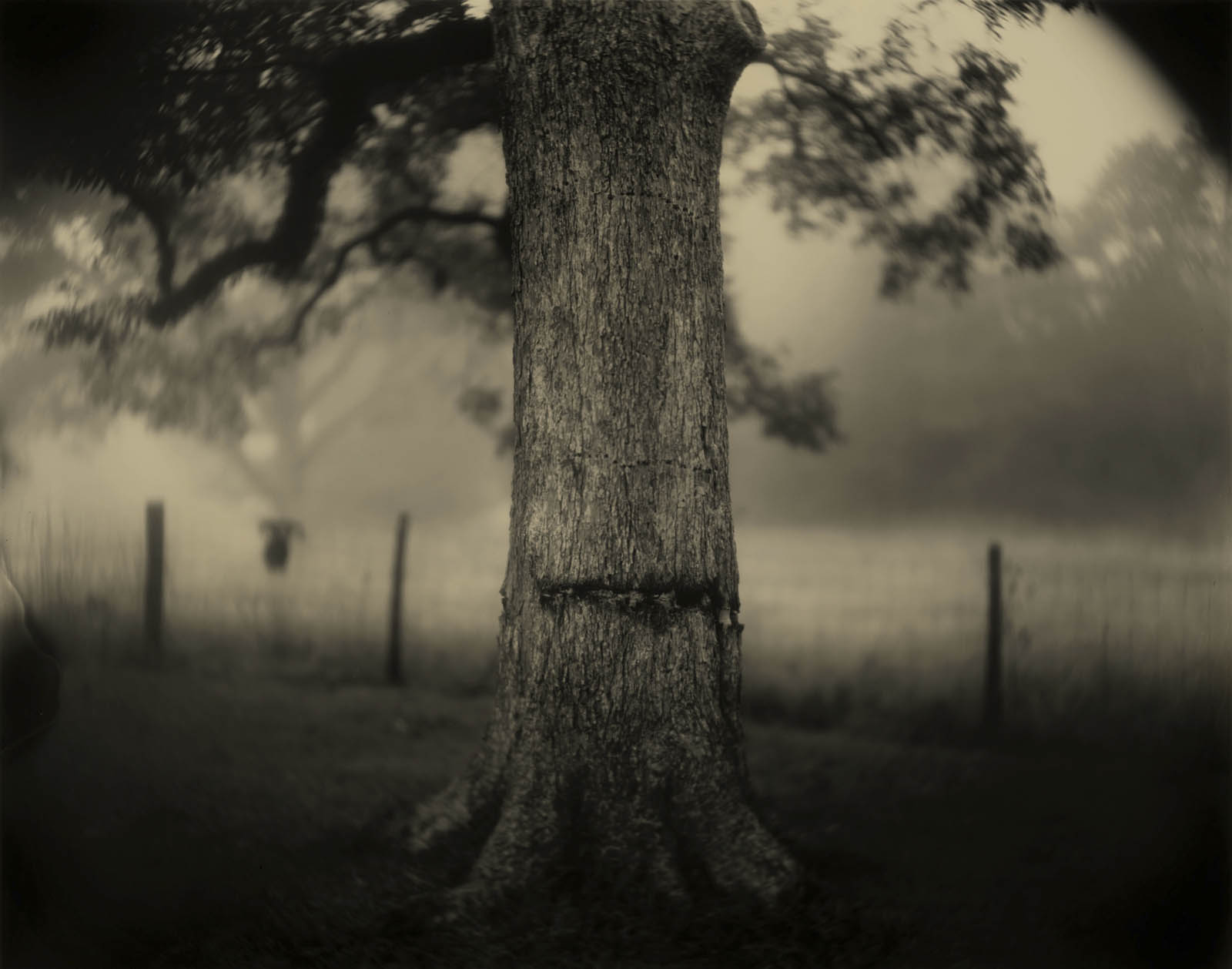
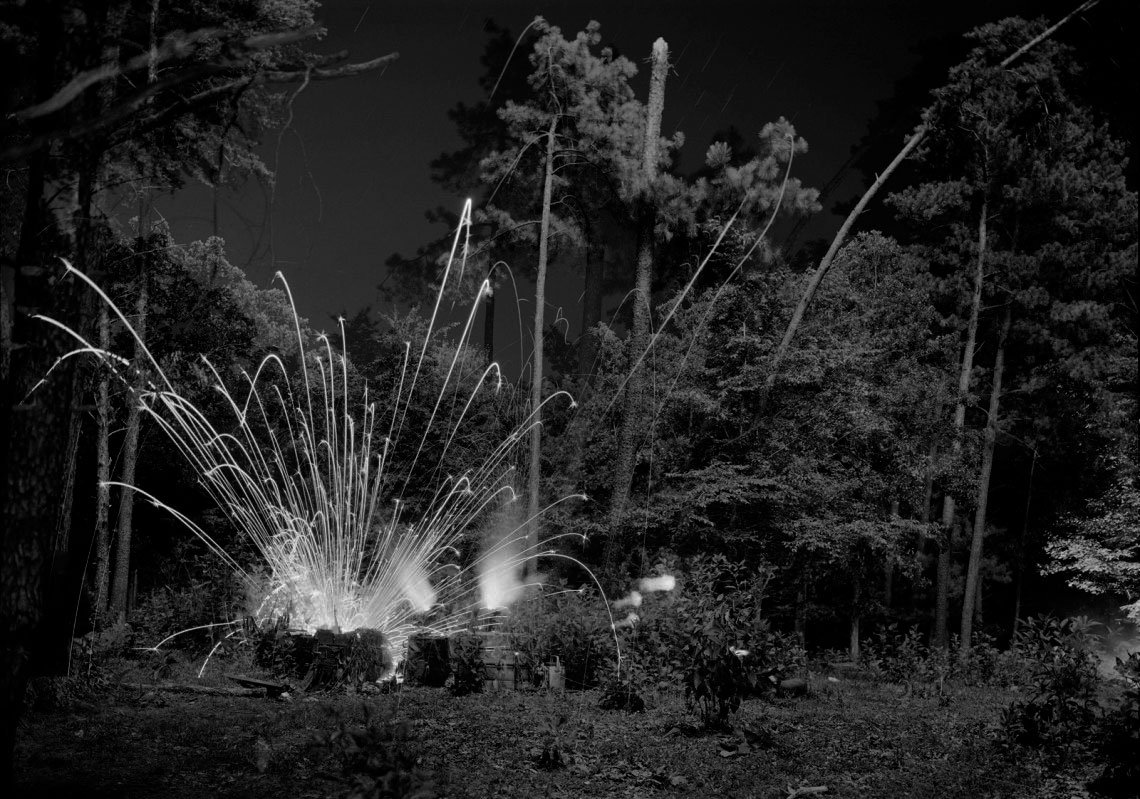
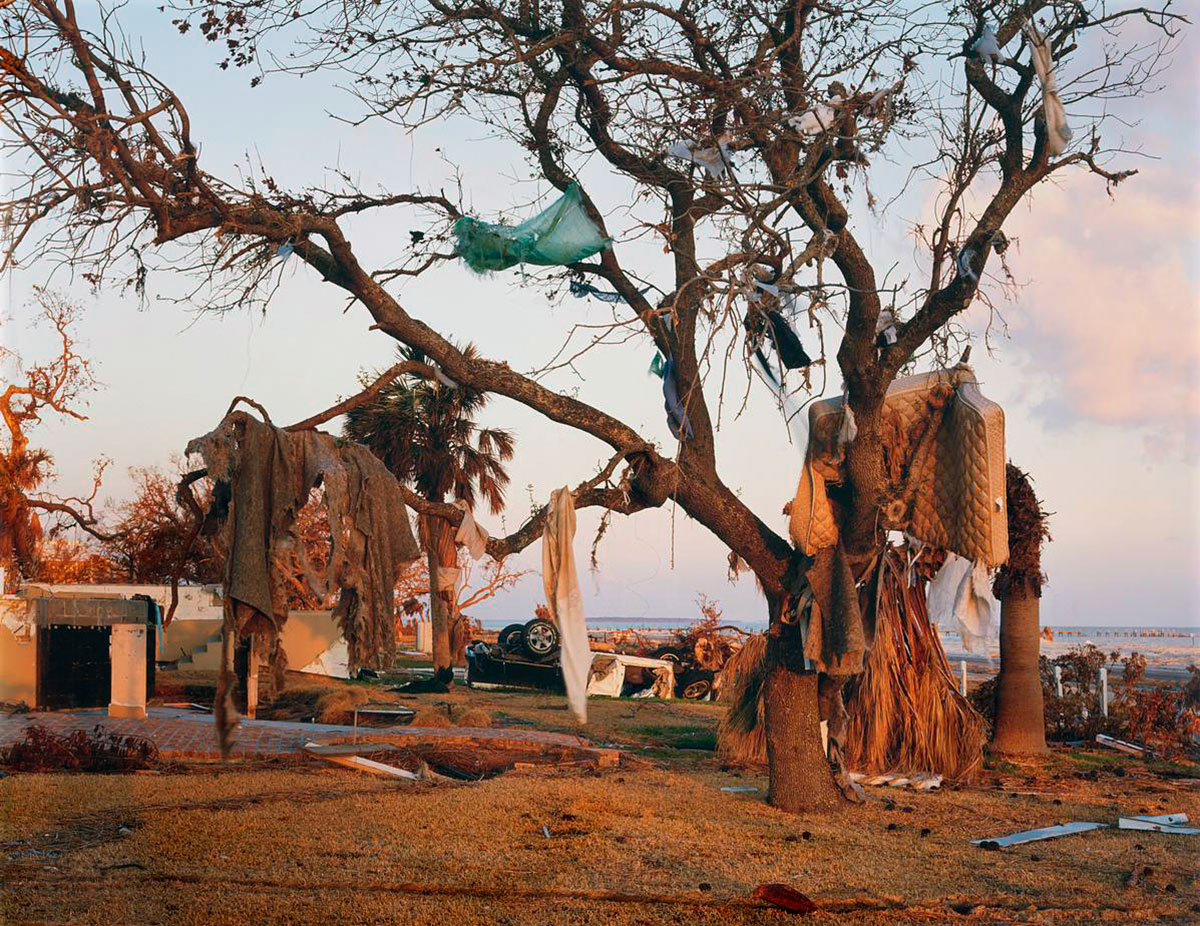


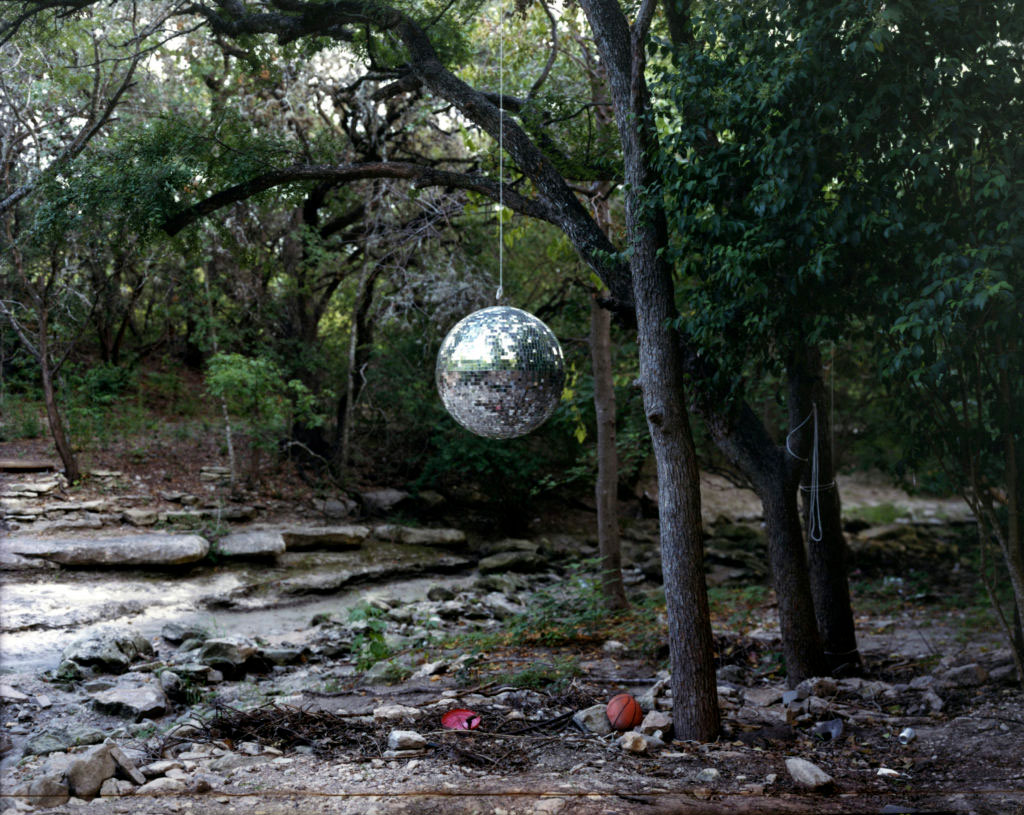

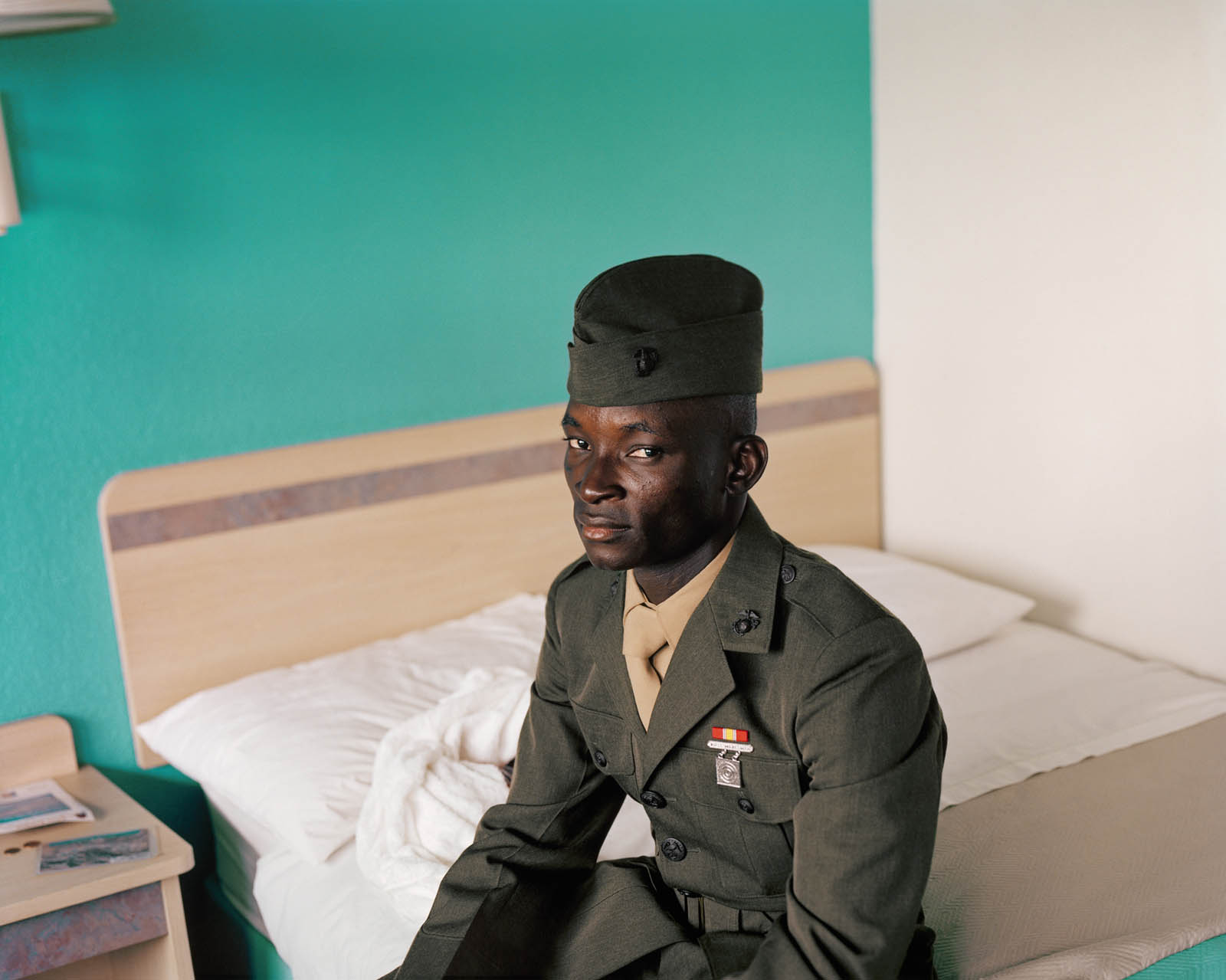
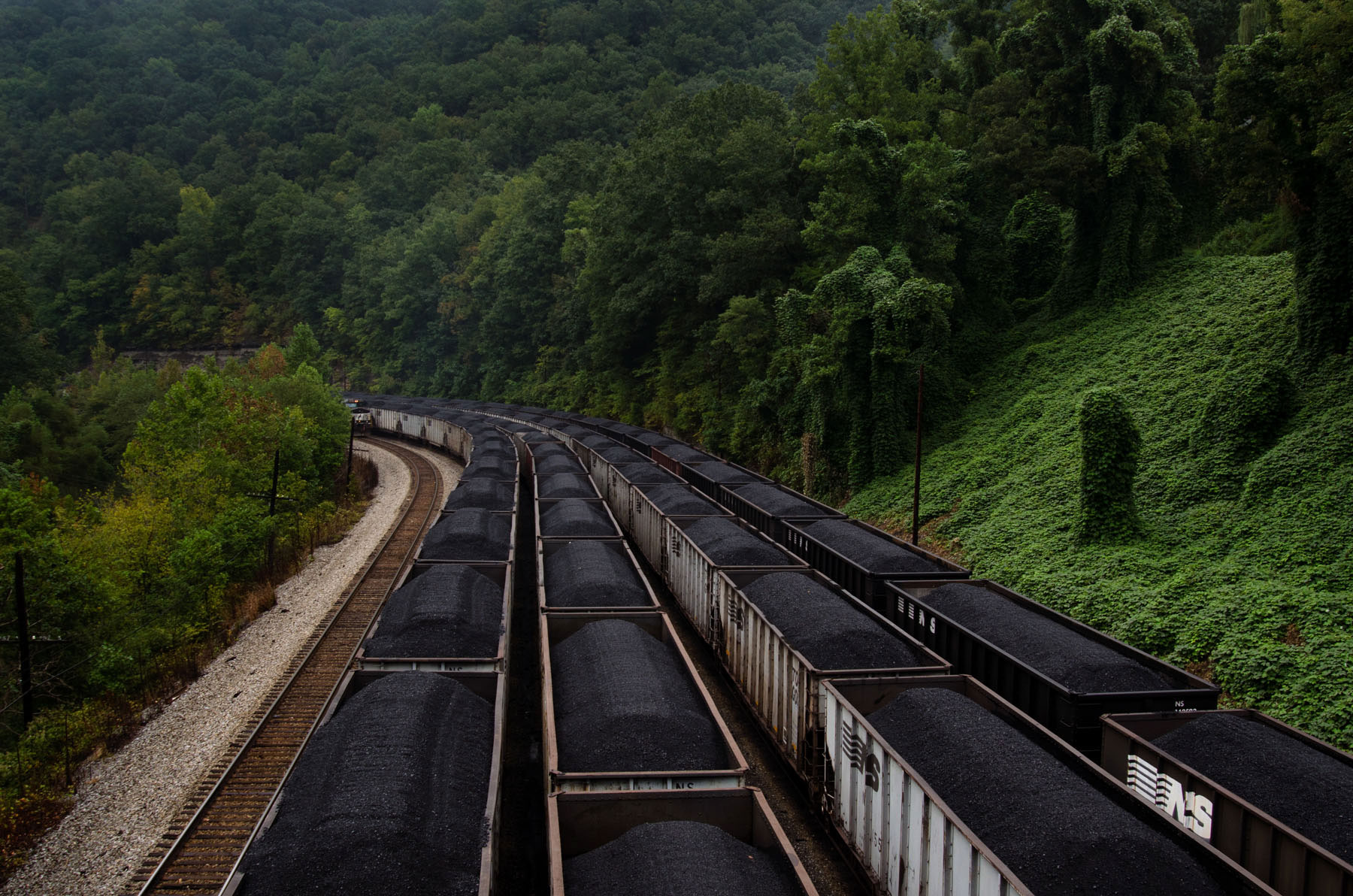

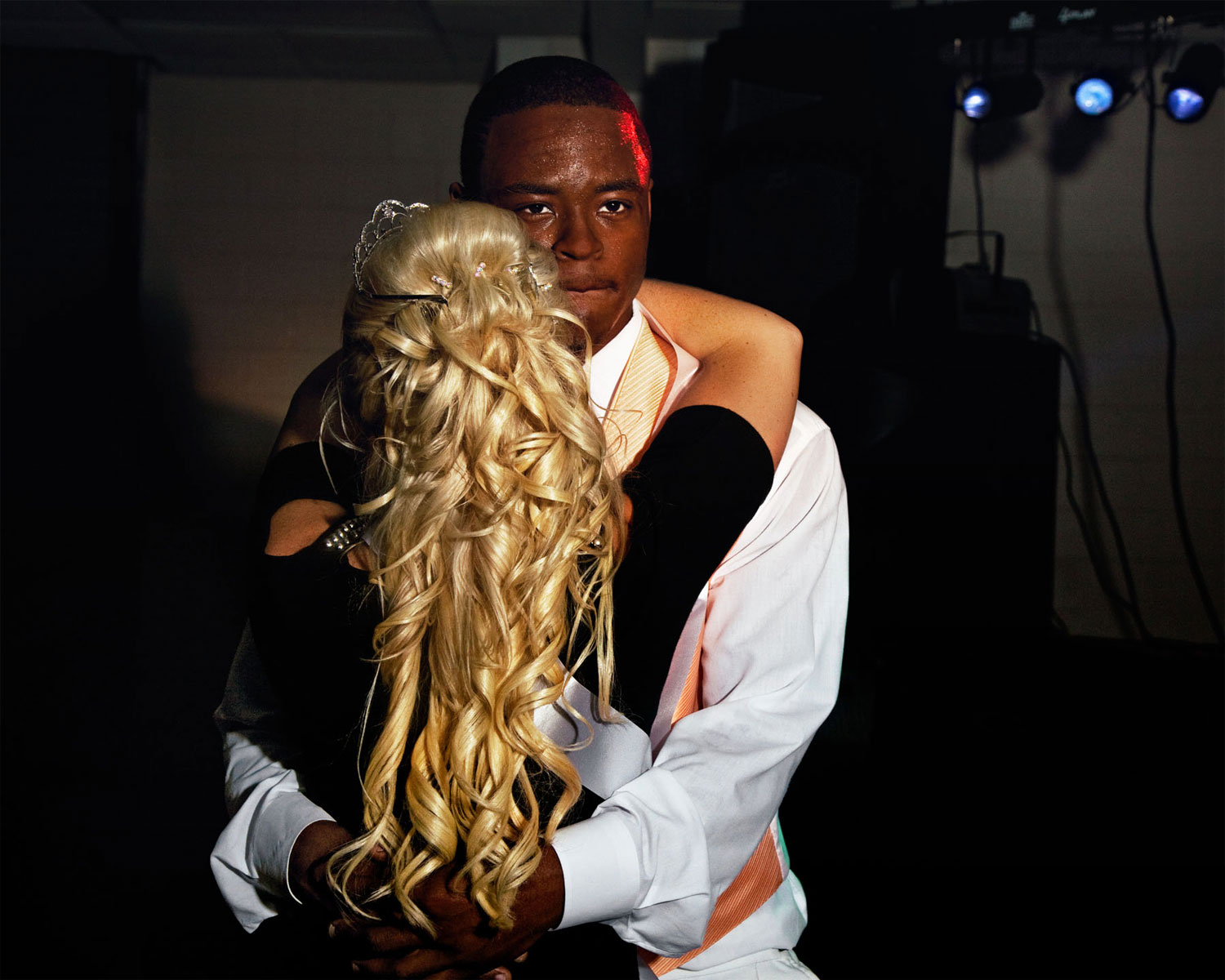


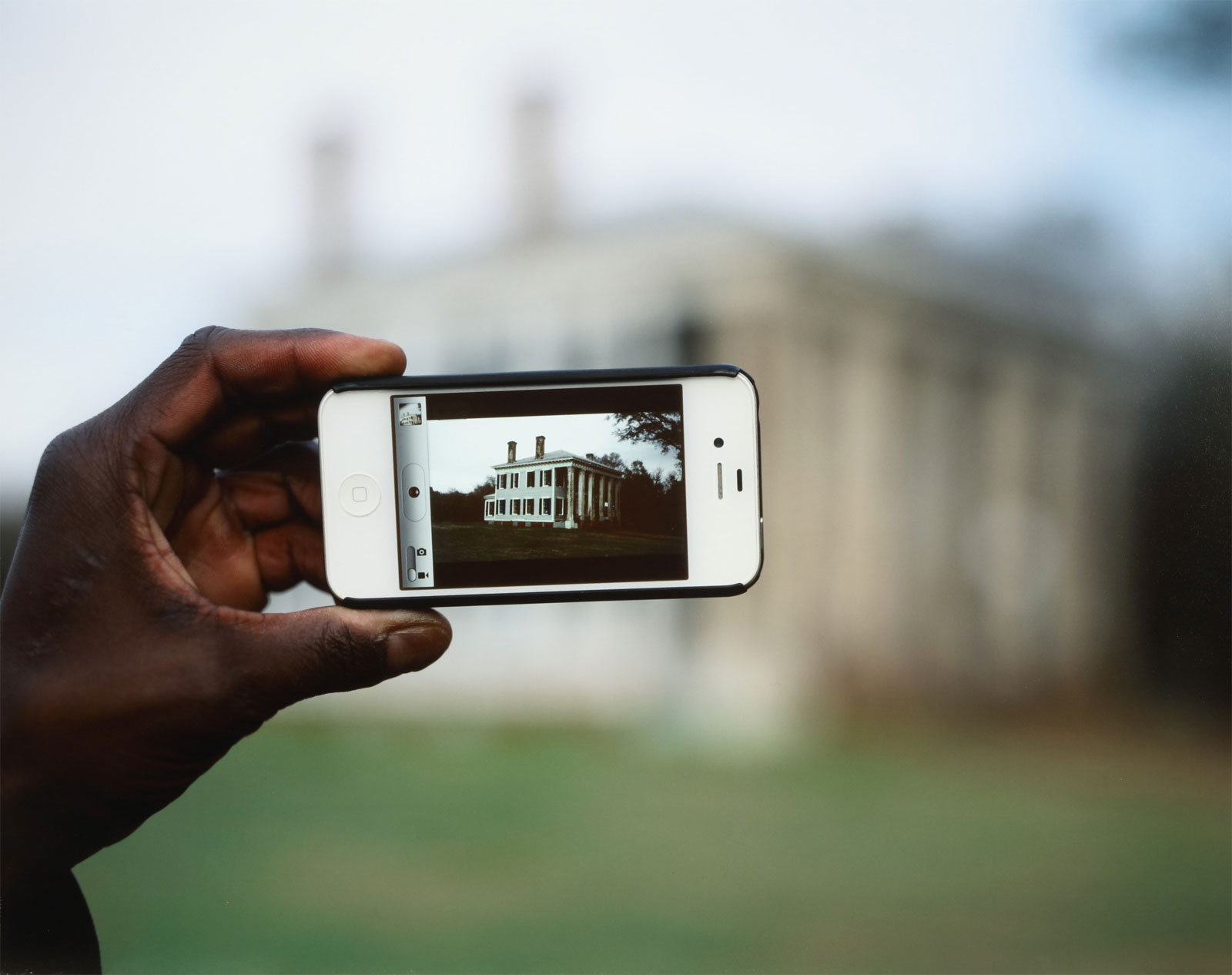
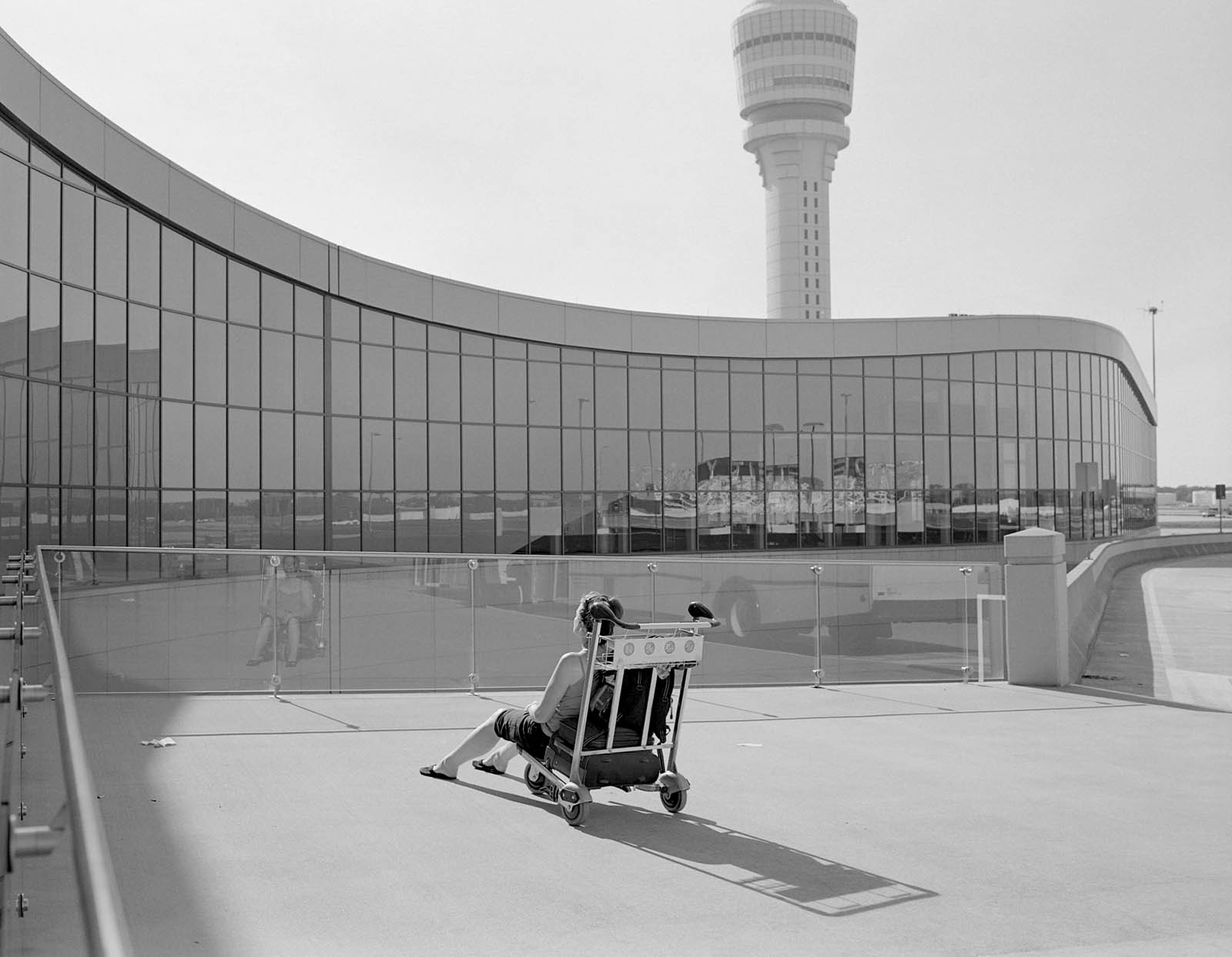
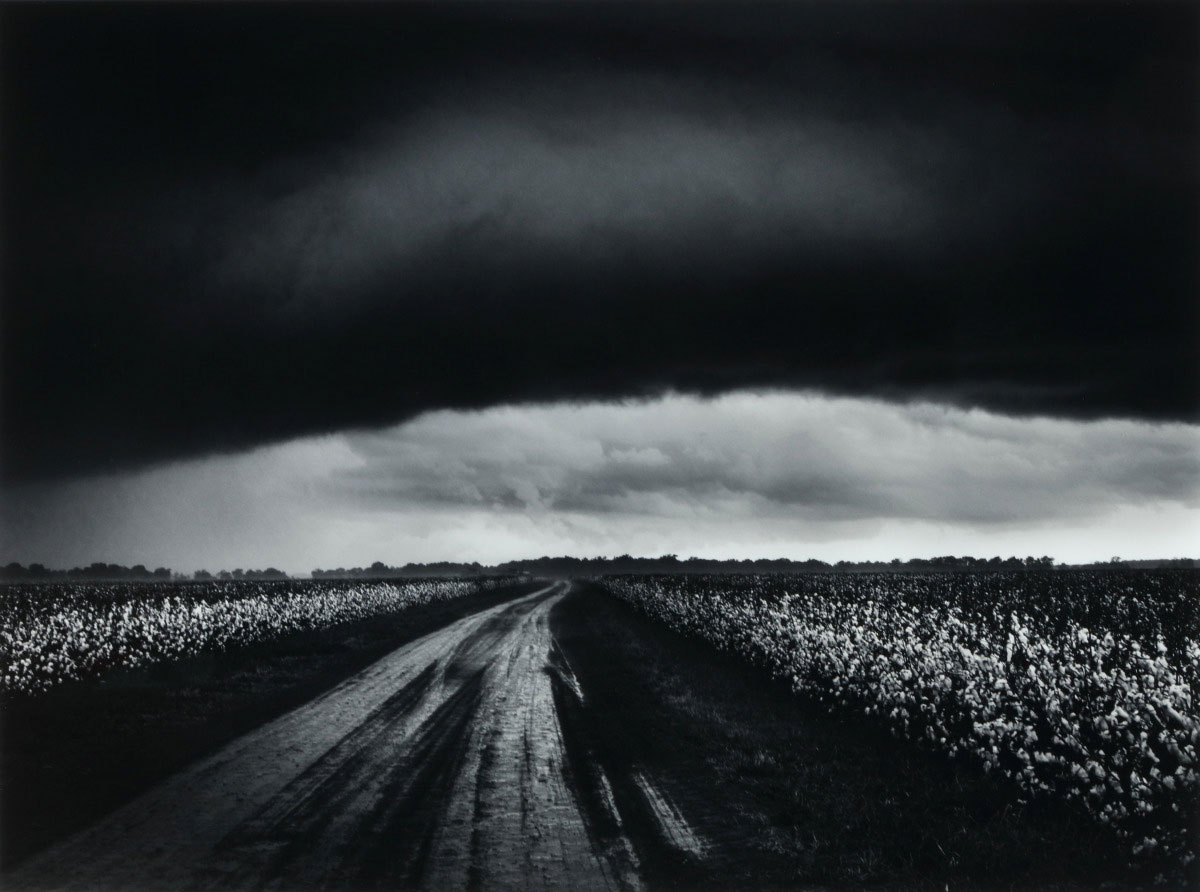
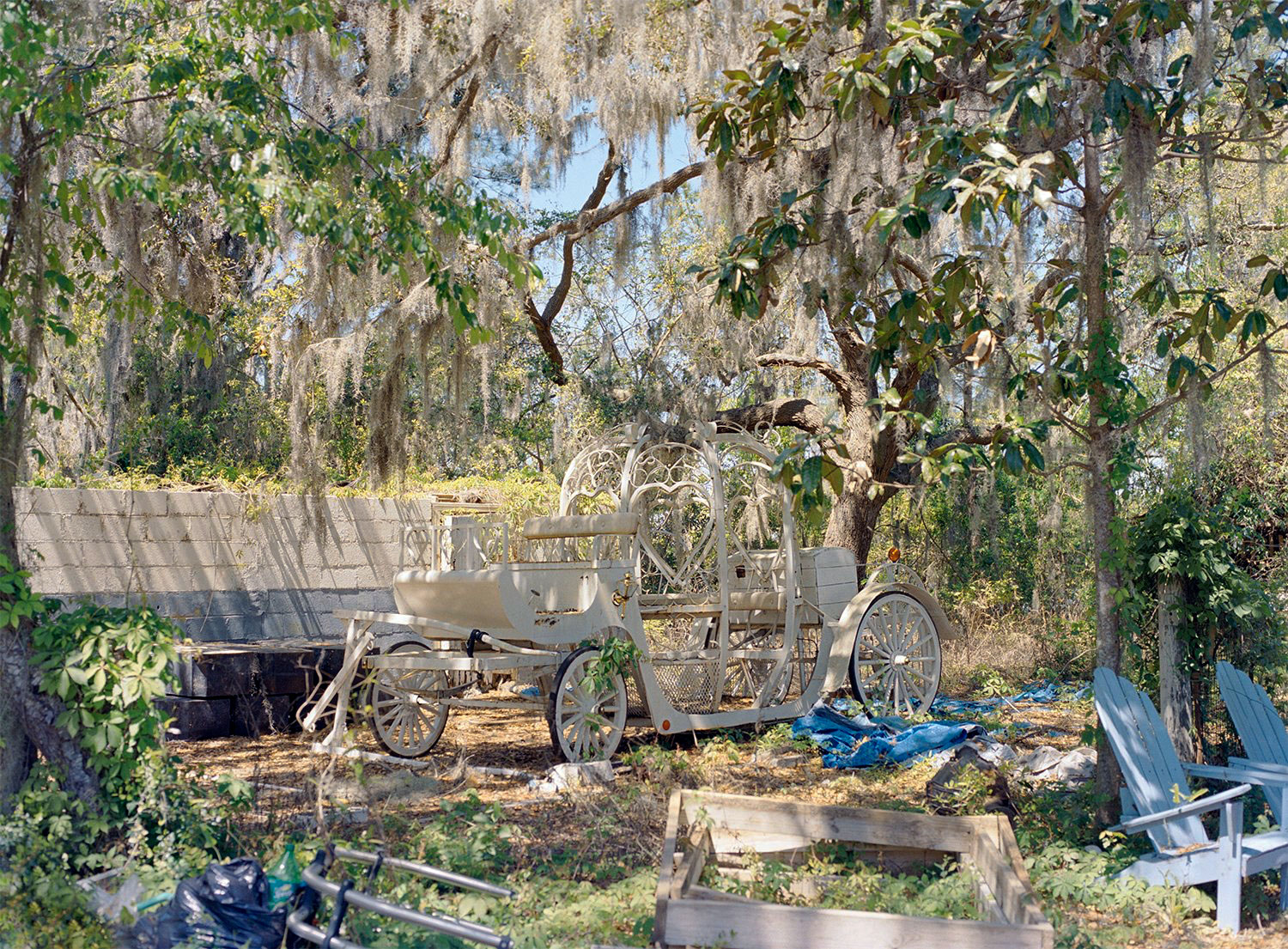

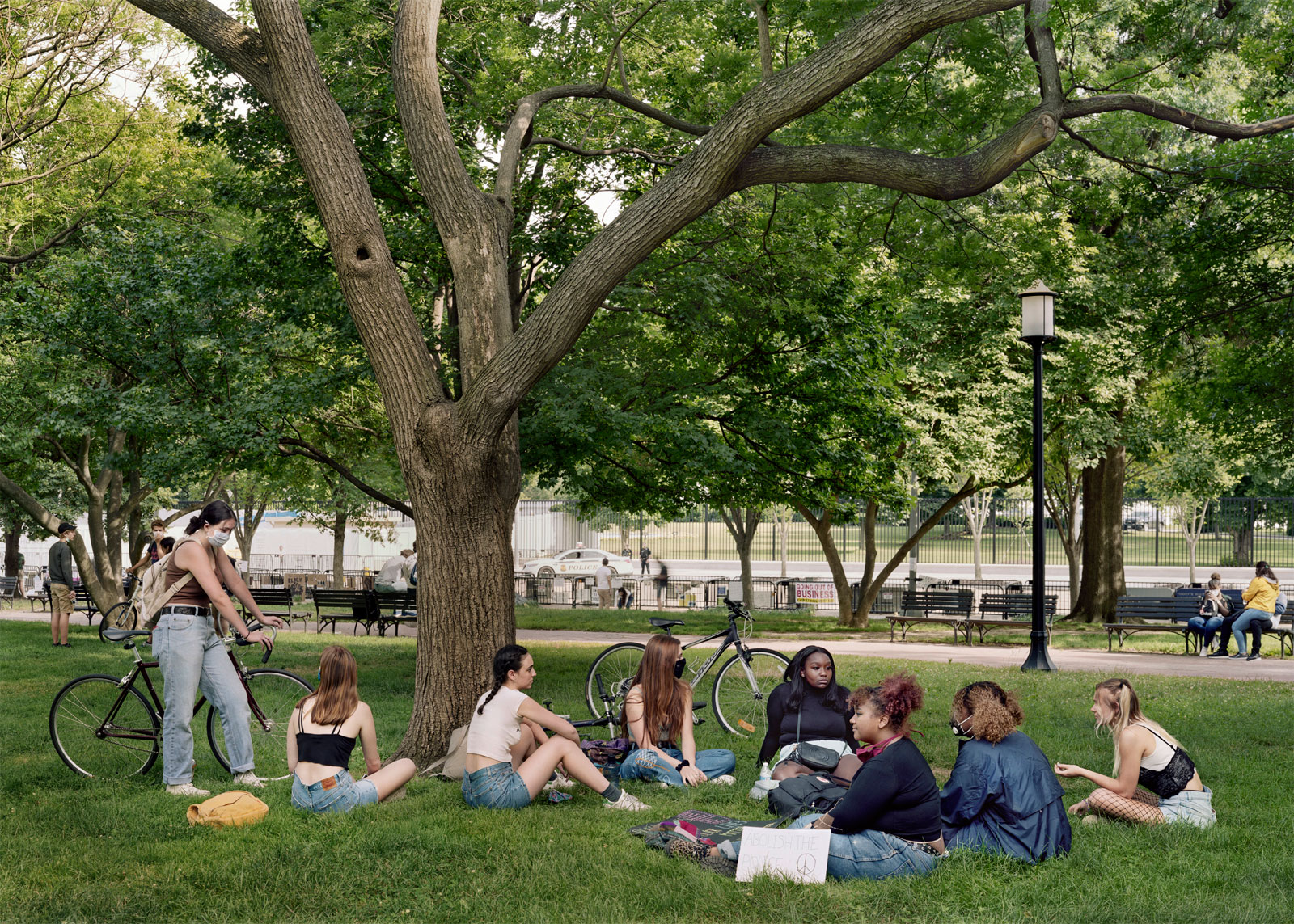
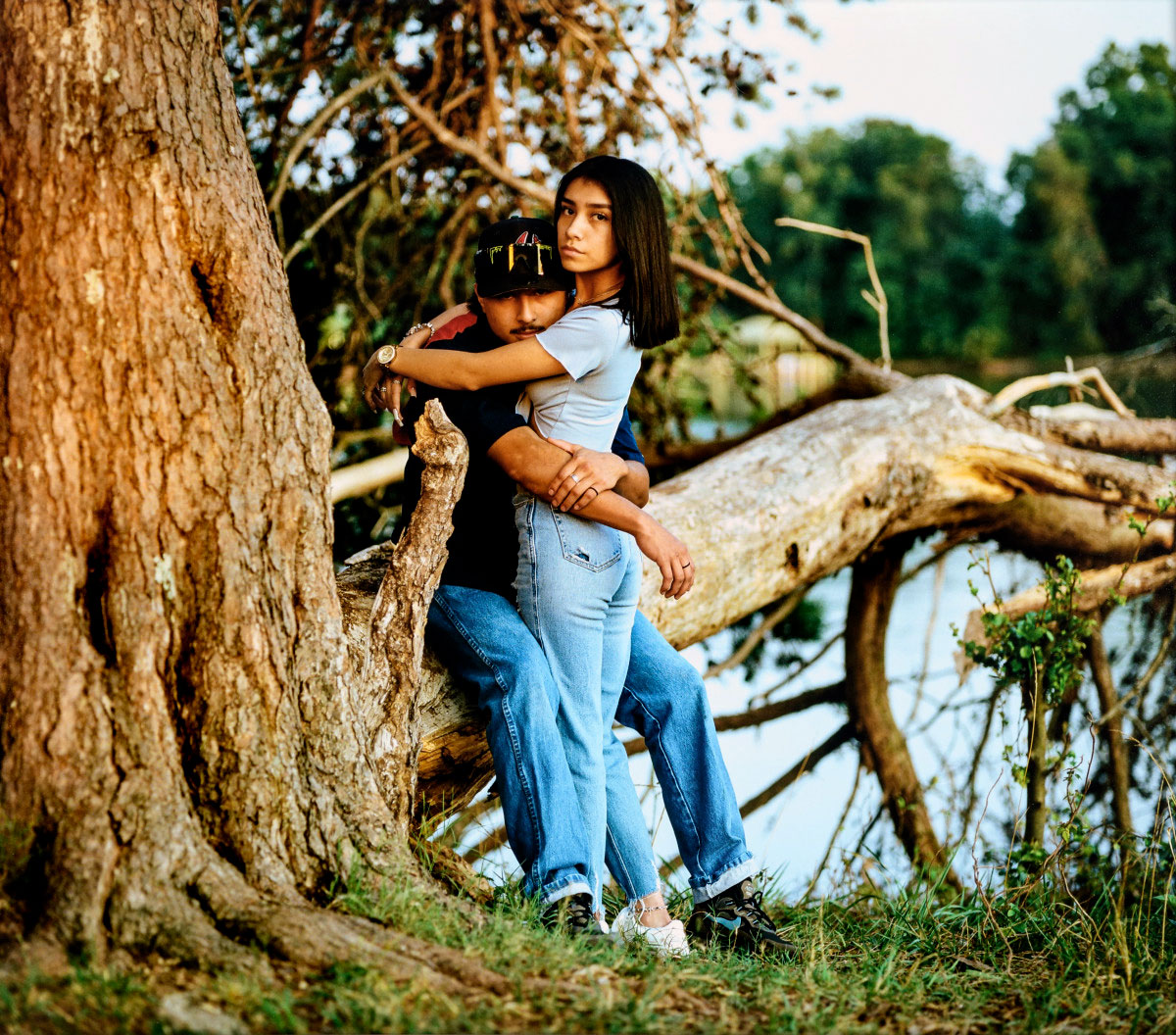


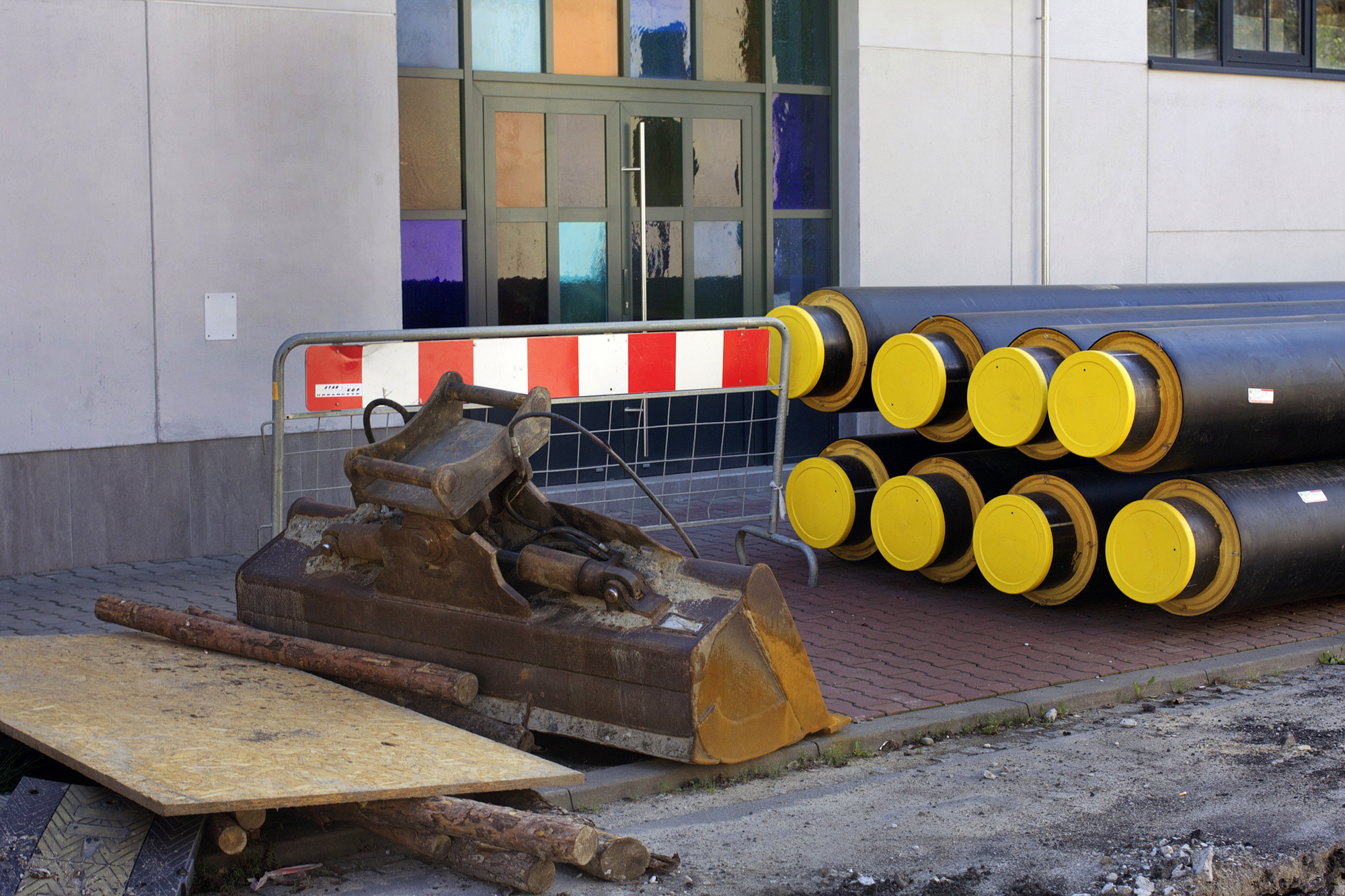

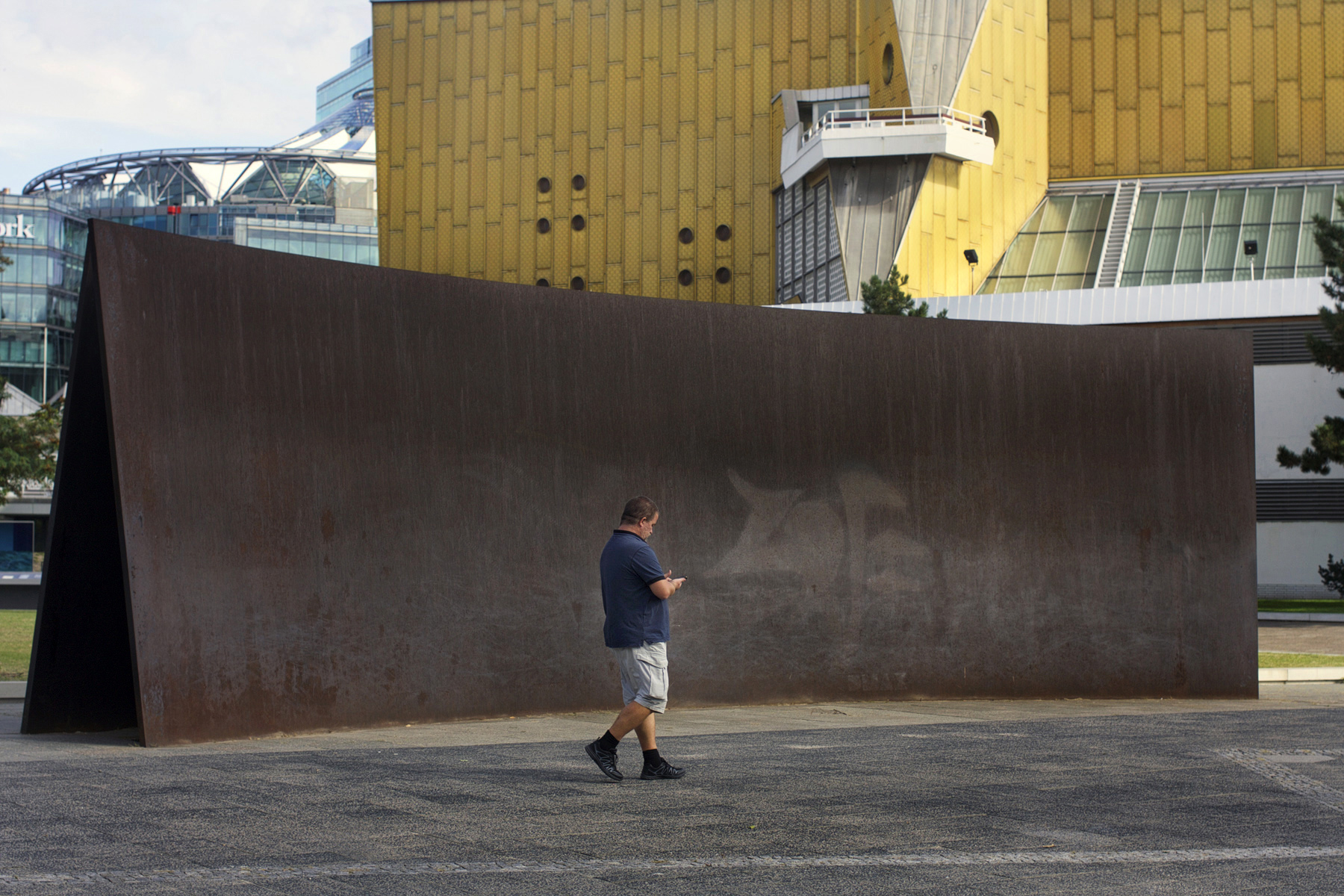

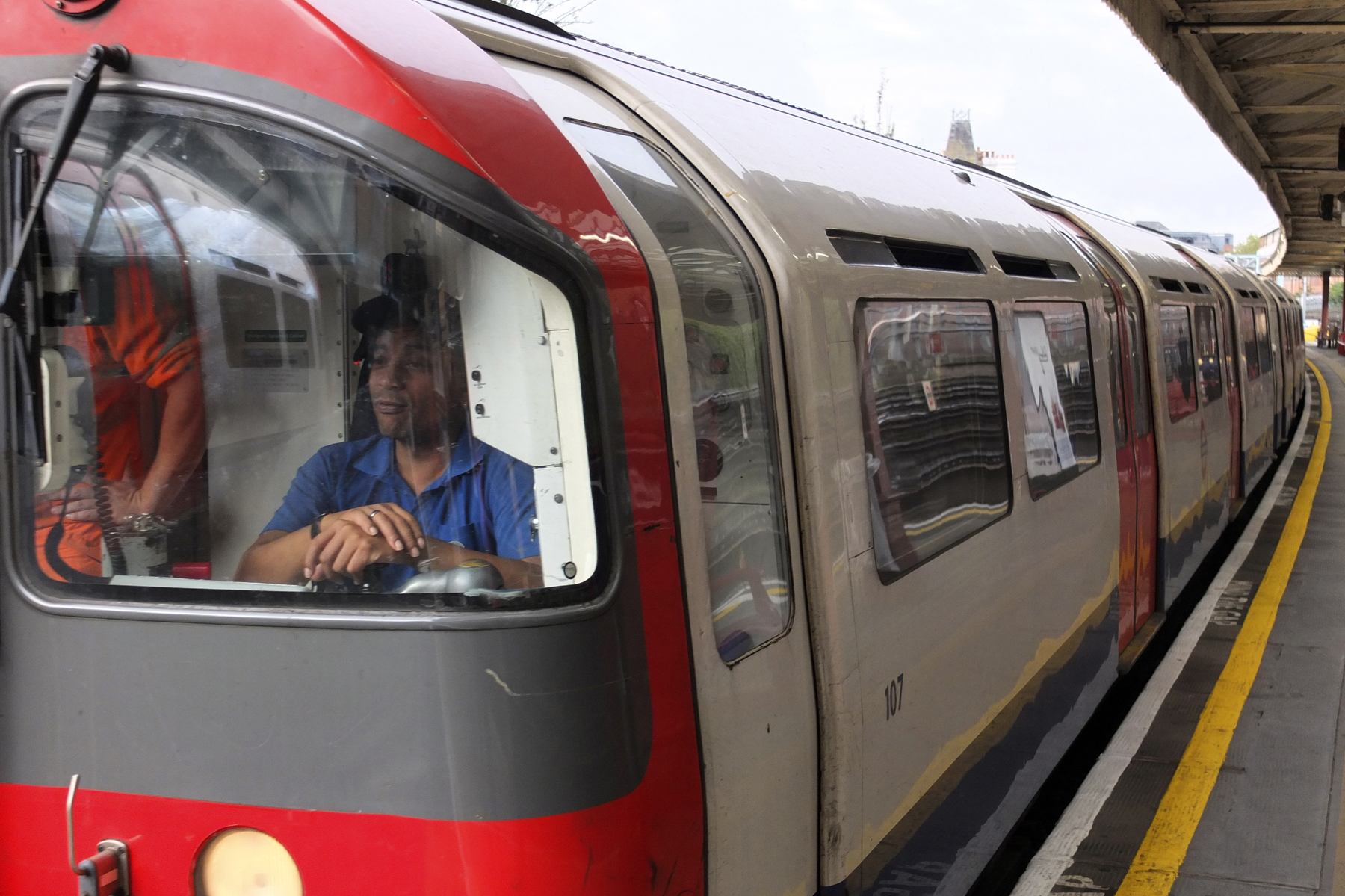
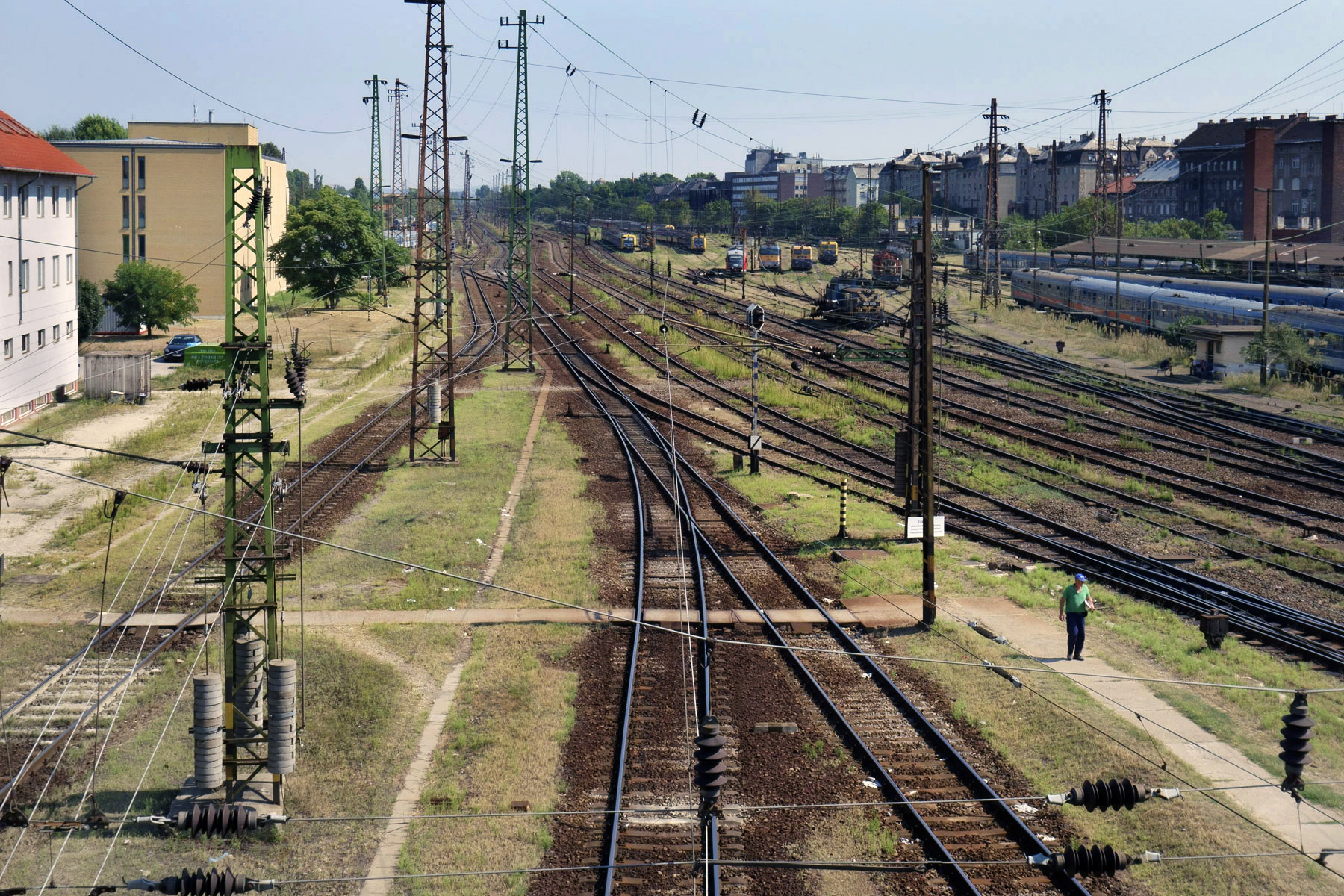
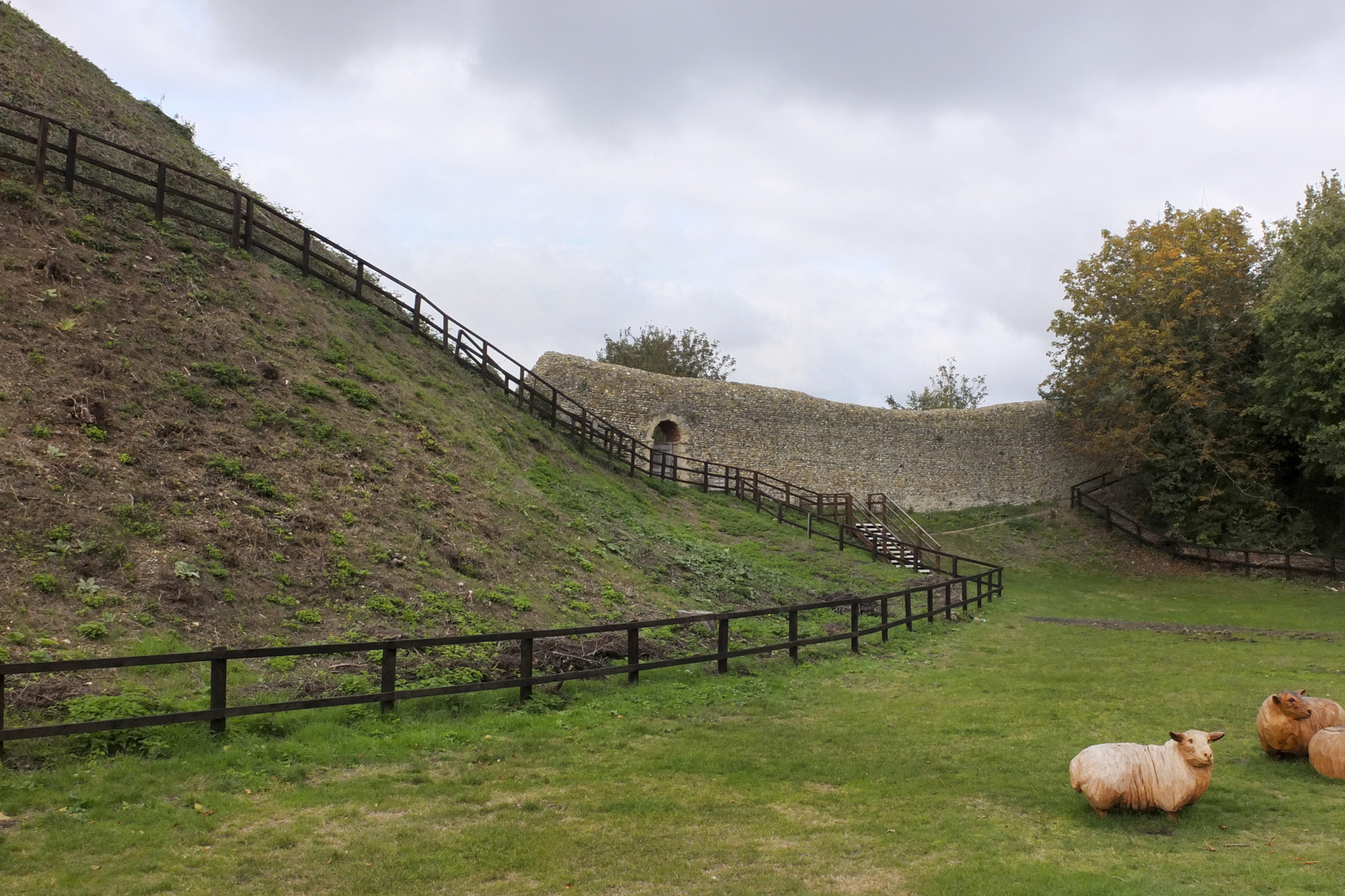


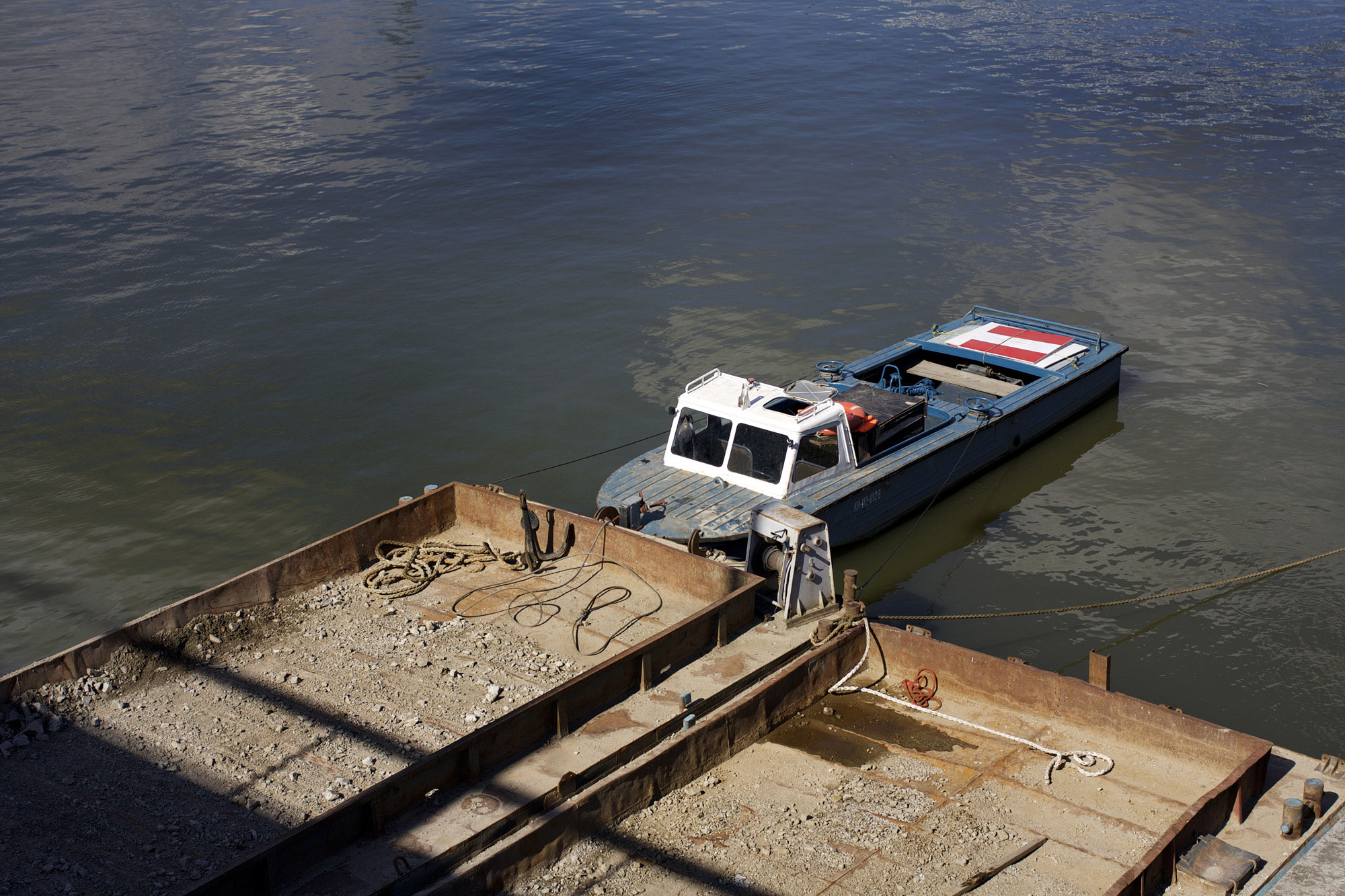


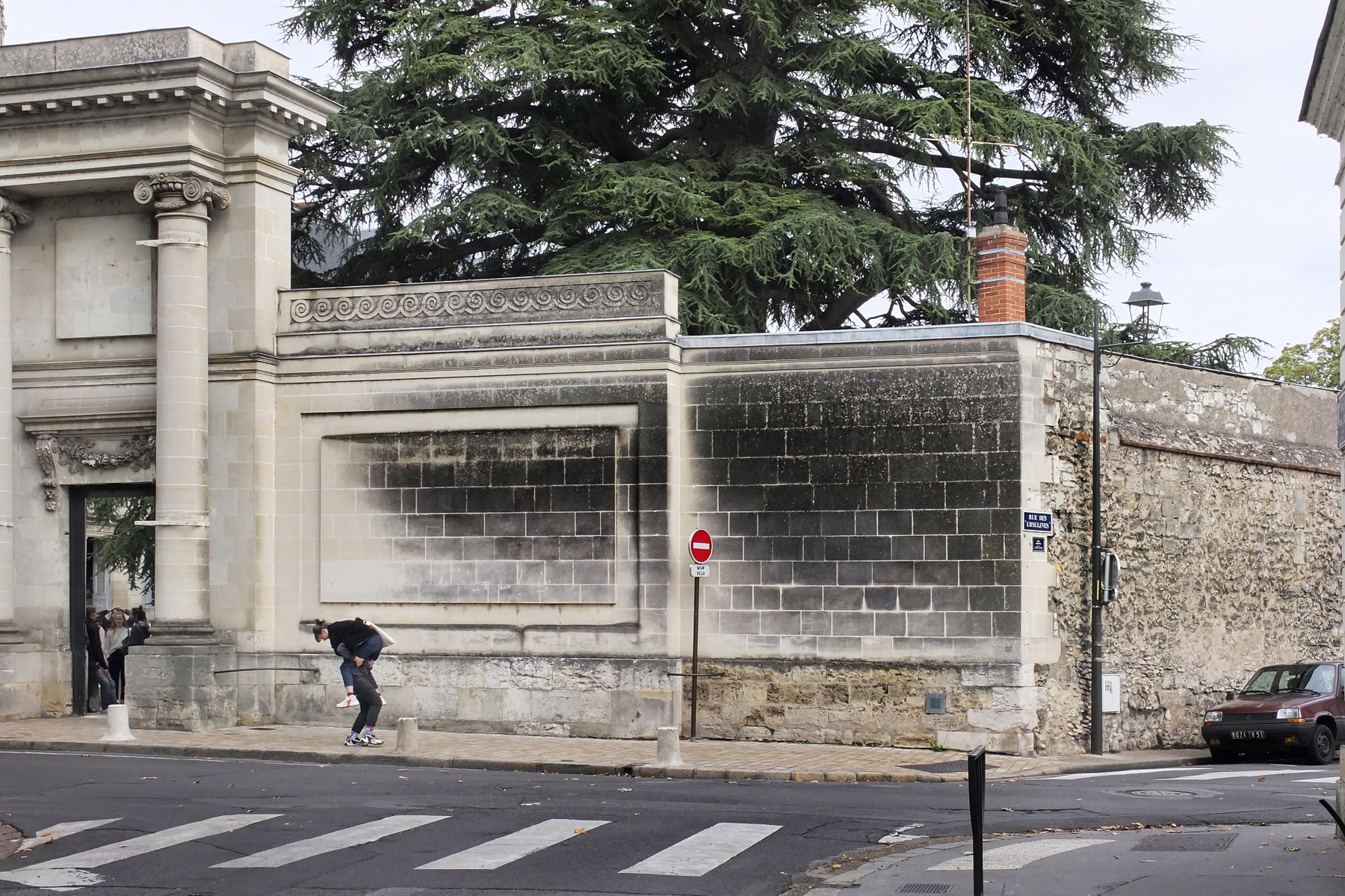




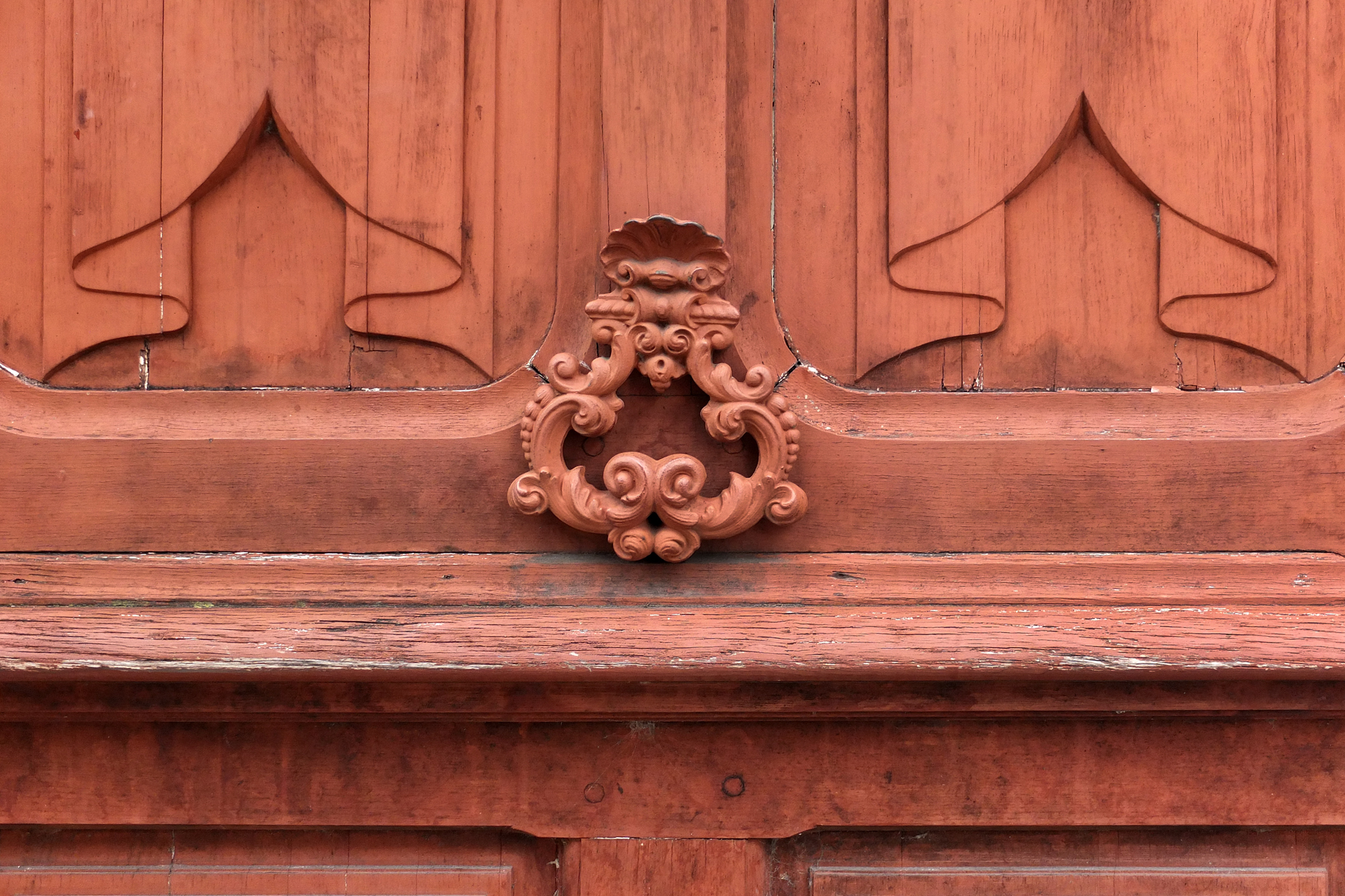
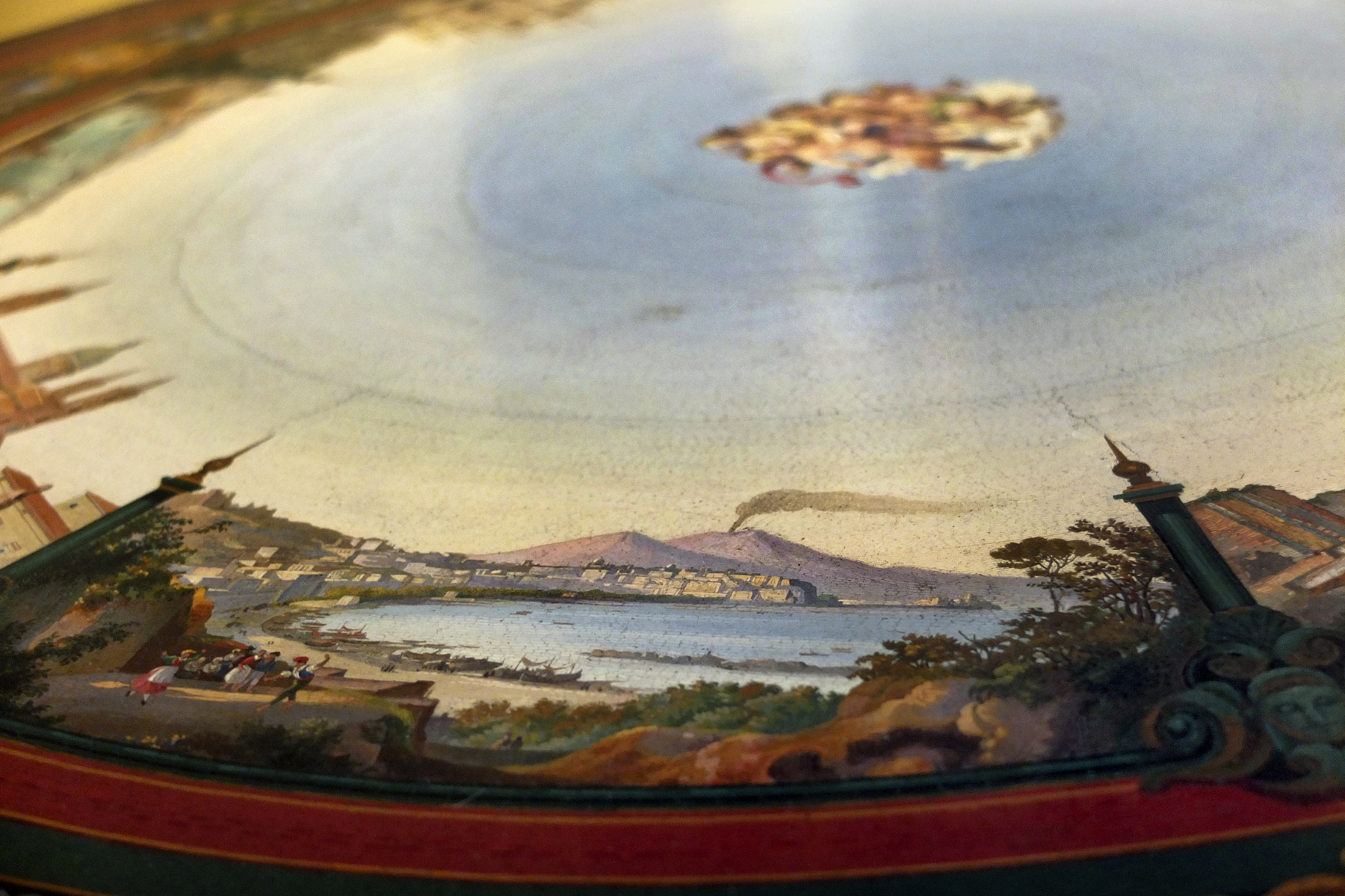


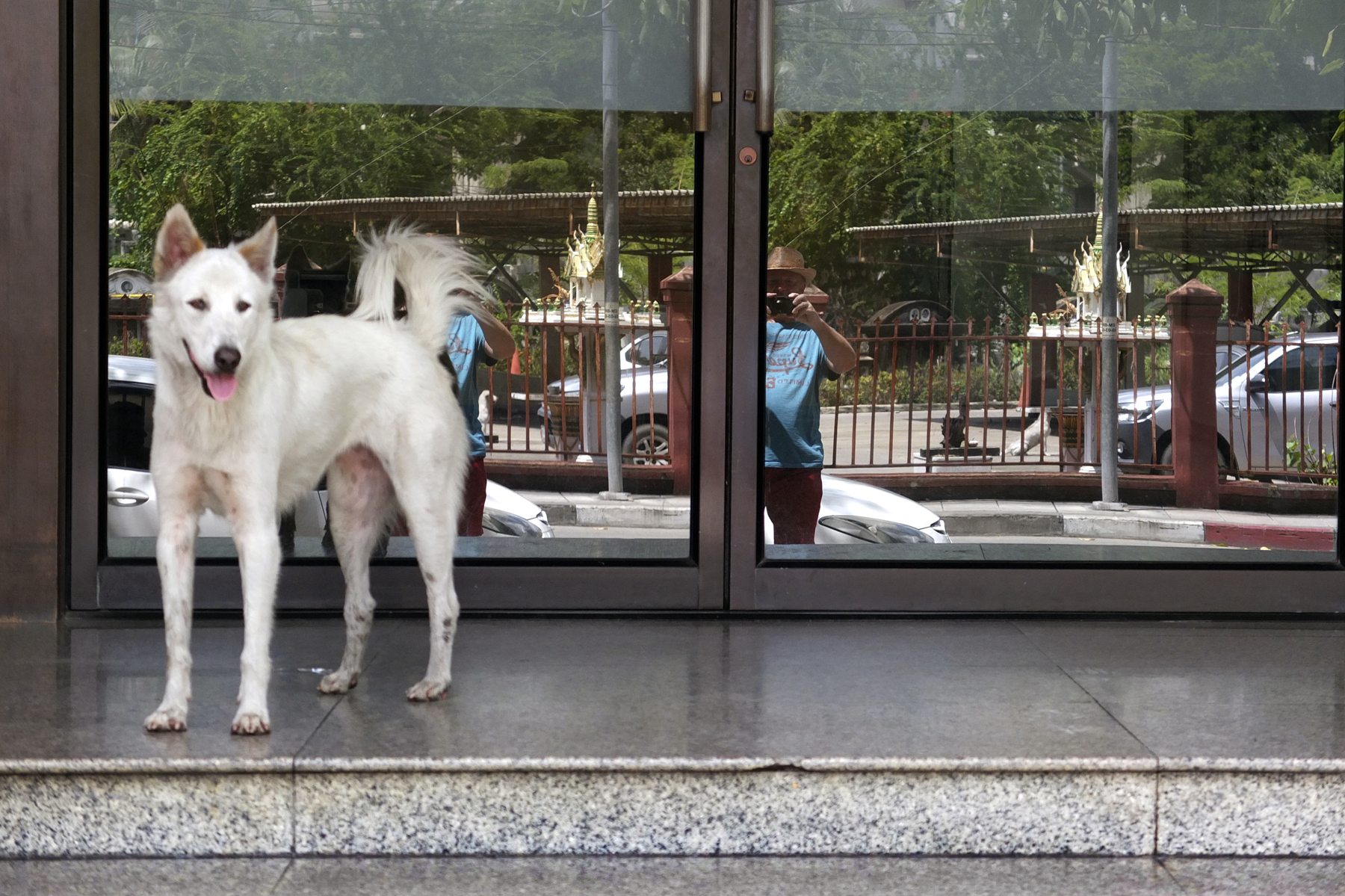
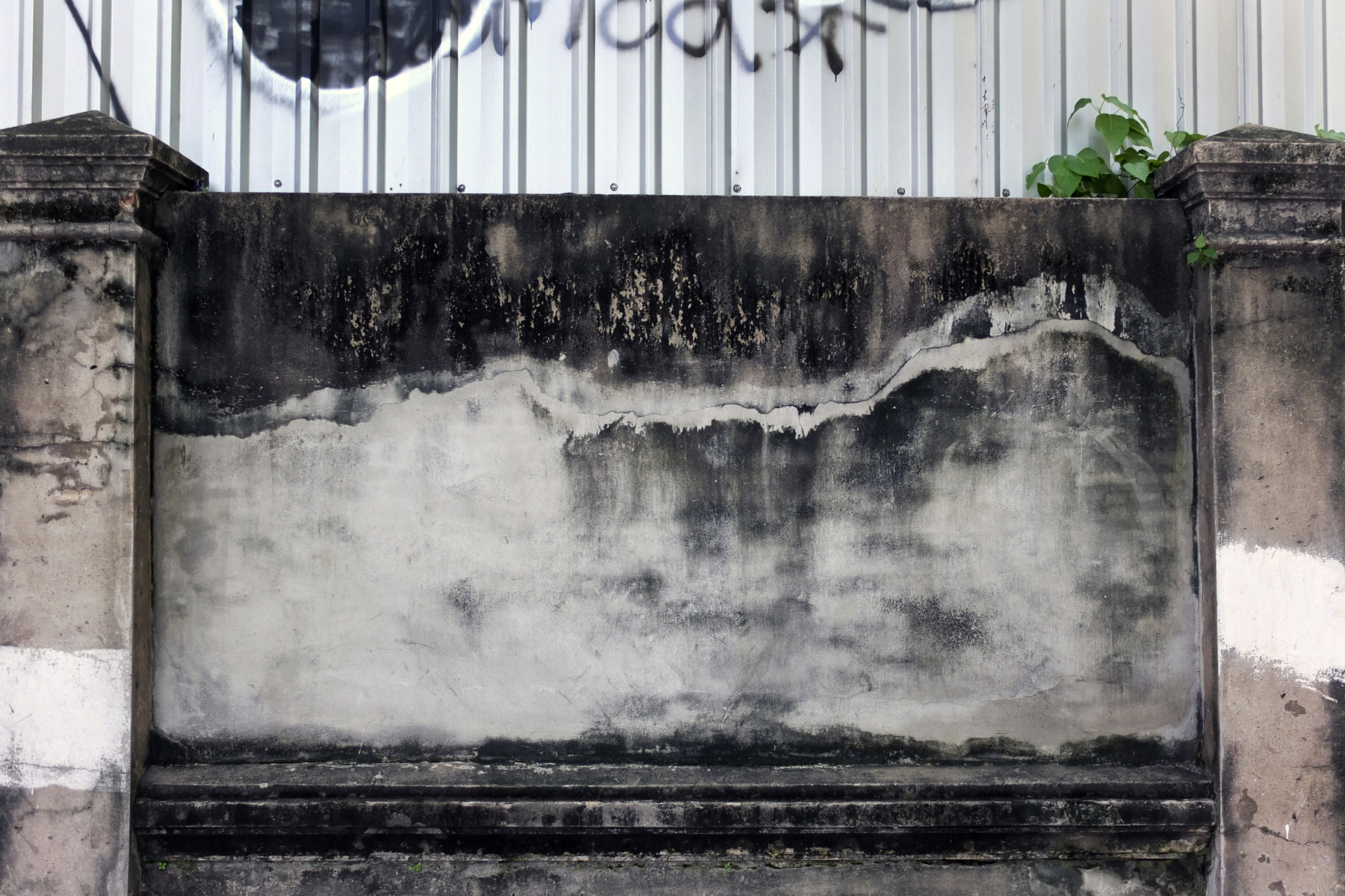
 Art Blart _ art and cultural memory archive
You must be logged in to post a comment.