This photographer was unknown to me before starting to assemble this posting.
I love Japanese photography. In Nomura’s photographs I particularly like the “shadowy atmospheres” contained and revealed in her work, the fact that a female has turned the camera lens on the nude male body, and how the artist has combined bodies “with other nighttime views of animals, urban and natural landscapes, airplanes, ships, empty roads, streets, trees, flowers, fireworks, cemeteries, the sea, the sky, weather events, and bedrooms. The photographs are dark, grainy, and even blurry; they depict a world of ambiguous and mysterious, albeit celebratory, shadows.”
The press release puts it more eloquently than ever I could:
“The black and white male nudes, barely illuminated or sometimes silhouetted against nocturnal and shadowy atmospheres, are the best-known pieces in her body of work. The subjects are young and attractive, like the protagonists of Tender Is the Night, the novel by F. Scott Fitzgerald that is explicitly referenced in the title, as power and erotic tension in these images are wrapped in an air of tenderness and certain mystery. These portraits (a real challenge to certain taboos and traditional stereotypes in Japanese culture) alternate in the exhibition with images of animals, still lifes, urban landscapes, atmospheric phenomena, lights and shifting reflections, creating a series of fragmented narratives with a cinematic quality, rich with allegorical meanings about the fleetingness of existence.”
Making a lateral connection, the idea of “atmosphere” can be related to the theatrical work (both landscape and portrait) of the German born British photographer Bill Brandt (1904-1983) who in his landscapes “aimed to introduce an atmosphere that connects with the viewer in order to provoke an emotional response from contemplation of the work.”1
“When these landscapes started to include stone constructions such as tombs and crosses Brandt considered that he had achieved his aim: “Thus it was I found atmosphere to be the spell that charged the commonplace with beauty. … I only know it is a combination of elements … which reveals the subject as familiar and yet strange.””1
In his book Literary Britain published in 1951 “an explanation of his somewhat imprecise concept of “atmosphere” can be found: the moment when the different elements that make up the landscape (nature, light, viewpoint, weather conditions) converge in an aesthetic canon rooted in a cultural tradition.”1
Extending this principle we acknowledge in Nomura’s photographs of nudes, animals, still lifes, urban landscapes, atmospheric phenomena, lights and shifting reflections et al an aesthetic canon rooted in the Japanese cultural tradition, photographs so Japanese that they could be no other, so utterly familiar and yet so magnificently strange.
Dr Marcus Bunyan
1/ Text from the exhibition Bill Brandt at the Fundación Mapfre, Madrid, June – August, 2021
Many thankx to Fundación MAPFRE for allowing me to publish the photographs in the posting. Please click on the photographs for a larger version of the image.
Sakiko Nomura (1967) is one of the most outstanding Japanese photographers of her generation. She worked for 20 years as an assistant to Nobuyoshi Araki and since 1993 has exhibited regularly in Japan and other Asian countries, as well as in Europe and Mexico. This exhibition is her first major retrospective.
The black and white male nudes, barely illuminated or sometimes silhouetted against nocturnal and shadowy atmospheres, are the best-known pieces in her body of work. The subjects are young and attractive, like the protagonists of Tender Is the Night, the novel by F. Scott Fitzgerald that is explicitly referenced in the title, as power and erotic tension in these images are wrapped in an air of tenderness and certain mystery. These portraits (a real challenge to certain taboos and traditional stereotypes in Japanese culture) alternate in the exhibition with images of animals, still lifes, urban landscapes, atmospheric phenomena, lights and shifting reflections, creating a series of fragmented narratives with a cinematic quality, rich with allegorical meanings about the fleetingness of existence.
The exhibition also devotes special attention to her photobooks, which constitute a significant part of her career.
Sakiko Nomura (Shimonoseki, Yamaguchi Prefecture, 1967) is one of the most prominent Japanese photographers of her generation, the first to include a significant number of women. In 1990 Nomura graduated in photography from the University of Kyushu Sangyo (Fukuoka), known for its innovative artistic and cultural programs. Upon completing her studies, she became the assistant of Nobuyoshi Araki, the renowned Japanese photographer, with whom she worked for twenty years. Nomura’s career began in 1993, exhibiting and publishing photobooks. Now numbering close to forty, these publications have always been carefully produced by the artist herself and represent a key aspect of her work. This exhibition constitutes her first retrospective in Europe.
Sakiko Nomura is best known for her dark and nocturnal photographs of male nudes in black and white. She alternates these works with other nighttime views of animals, urban and natural landscapes, airplanes, ships, empty roads, streets, trees, flowers, fireworks, cemeteries, the sea, the sky, weather events, and bedrooms. The photographs are dark, grainy, and even blurry; they depict a world of ambiguous and mysterious, albeit celebratory, shadows. Seen together, these images form temporal narratives that are reminiscent of cinema. Although she also makes portraits of women, as a woman who photographs male nudes, Nomura breaks Japanese stereotypes, taking on feminist perspectives.
The 1990s are known as the “lost years” in Japan: the economic bubble and the financial crisis of 1989 had stifled the growth of Japanese society. Conversely, photography and art experienced a period of internationalization and change. Museums and galleries opened, while infrastructures surrounding photography were strengthened and both public and private institutions began to collect photographs. Nevertheless, Japanese society, at that time, harbored enormous discrimination against women, which was no different in the world of photography. There were outstanding women photographers, but they were few and far between, and it was difficult for them to abandon anonymity. It was precisely in this context, within a traditional society, that women’s consciousness changed radically, and a true blossoming of new women artists emerged. Nomura was part of this wave and began to pave her way as an important Japanese photographer.
This exhibition presents the works of Sakiko Nomura in thematic categories, which may be specific, such as flowers, nudes, animals, and portraits of a renowned kabuki actor. Likewise, the show features the artist’s photobooks, including Night Flight, and photographs grouped together based on technical characteristics, such as the series Another Black Darkness. Lastly, a selection of photographs produced in Granada during the summer of 2024 that were commissioned by Fundación MAPFRE on the occasion of this exhibition will also be on display.
Night Flight
Night Flight is the title of a photobook produced by Sakiko Nomura in 2008; one of her few publications in color. In this instance, the artist alternates photographs of nude men – who look directly at the camera as they pose on beds in dark hotel rooms and are either smoking or with their lovers – with images of airplanes taking off or landing, out-of-focus night lights, fuming industrial chimneys, and fireworks that acquire obvious erotic undertones. These images appear to be the memories of different sexual encounters and are centered on the moments before or after said encounters, as if ultimately each one were a journey.
The photobook includes a text authored by the filmmaker Tatsushi Omori, in which he recalls posing nude for Nomura ten years earlier, in a dark room with orange light. According to Omori, Nomura places her subjects in a melancholic, chaotic, and seemingly fleeting world of light and shadow, with no precise boundaries, in which the beds are a representation of the sky. Everything is shifty and unstable, conjuring a metaphor of memory as something emotional that is simultaneously precise and inaccurate.
Flowers
Many of the motifs photographed by Sakiko Nomura evoke the intrinsic relationship between life and death. Likewise, the staging of her compositions, the darkness of their atmospheres, and the monotony of tonalities also suggest the coldness of death, as if – despite the artist’s restraint – they were expressing hidden notions of tenderness and intimacy. An example of this can be found in her series of flowers, in which orchids, lilies, roses, chrysanthemums, and other decomposing flowers are placed in vases in the middle of a room; together their form an extension of baroque vanitas and represent allegories of the fleetingness of existence, its beauty being purely transitory.
Three Photobooks
Black Darkness (2008), NUDE / A ROOM / FLOWERS (2012), and Fate in spring (2020) are three of Nomura’s most cherished photobooks, perhaps because they all include photographs that bear the artist’s hallmarks: dark photographs that convey an epic of intimacy.
Black Darkness – a Buddhist term that is related to hell – was jokingly proposed to the artist as a title by the master photographer Nobuyoshi Araki. This book includes images of male nudes, skyscrapers that become visible through the fog, empty bedrooms, flowers, and the seafoam created by crashing waves, all depicted in black and white. The photographs are rather dark, conjuring a variety of dreamlike meanings and ancient emotions.
NUDE / A ROOM / FLOWERS includes a number of photographs in colour and broadens Nomura’s vocabulary with images of trips through different cities – such as Venice, Berlin, Beijing, and Krakow – combined with interiors of hospitals, churches, cemeteries, and a few daytime scenes.
Conversely, in Fate in spring the artist presents pairs of images – which are not necessarily related to one another – that evoke unexpected ideas when combined.
Another Black Darkness
After participating at the Rencontres d’Arles photography festival in 2016, Nomura published her first experimental works utilising the technique of solarisation. These images were printed with glossy black ink on matte black paper under the title Another Black Darkness.
Dark and hermetic at first sight, on this occasion the viewer is forced into contemplating this untitled and undated series. One must make a considerable effort to decipher the content of these images, which is practically hidden. The figures appear as landscapes flickering in distant memories – the silhouette of a naked man laying on a bed, another of a man sitting down and smoking with his back turned to the viewer as a woman exposes her buttocks, a kiss, the outlines of a city, a forest, a car, a flower, and a tree can all be spotted amidst the shadows – akin to images found in the work of Junichiro Tanizaki.
Nudes
Nomura’s male nudes first appear in her 1994 photobook titled Naked Room. She has since produced this type of portrait recurrently in private or semi-private spaces. When she published her book in the 1990s, Japanese society exerted much discrimination towards women, which extended into the world of photography. Then it was common for women to be the protagonists of nudes, exhibiting themselves for the patriarchal gaze. Nomura subverted the norms that had been tacitly accepted for decades by featuring males as her subjects, despite her work being distanced from the cliché of the naked body as a sexual fantasy. Hiroki Kurotaki was the first model to pose nude for her. The artist portrayed him over the course of twenty years, until his death. Through Kurotaki, Nomura conveyed one of her main beliefs regarding the medium: “Photography is taking pictures of nudes, confronting bare existence,” as she pointed out in an interview in 2022.
Miscellaneous
Koshiro Matsumoto X is another individual who Nomura has portrayed for decades. Born into a family of male Kabuki actors – a genre of Japanese theater that originated in Kyoto in the early 17th century – dating back to his great grandfather, Matsumoto began his career as Kintaro Matsumoto at the age of six. Two years later, he changed his name to Somegoro Ichikawa and acquired his current name in 2018 at the age of forty-five, which he inherited from his father and had been previously carried by nine actors in his family. Nomura published My Last Remaining Dream in 2018, documenting the actor’s career through 593 photographs.
In the photobook majestic, published in 2022, Nomura gathers images of tattooed men who are part of the Edo-choyukai association in their yearly pilgrimage to Mount Oyama. Along with these photographs, this room also includes images of animals – which the artist is interested in as symbols of instinct and desire – combined with others that capture the precise moment when sight is about to vanish at dawn and dusk.
The 1990s are known as “the lost years” in Japan: the financial crisis of 1989 and the bursting of the economic bubble inhibited Japanese society’s growth. Conversely, photography and art experienced a period of change and internationalisation. Museums and galleries opened, while infrastructures surrounding photography were strengthened. Public and private institutions alike began to treasure collections that featured this artform. Nevertheless, Japanese society, at that time, harboured enormous discrimination against women, which was no different in the world of photography. There were outstanding women photographers, but they were few and far between, and it was difficult for them to abandon anonymity. It was precisely in this context that women’s consciousness changed radically, and a true blossoming of new women artists – whose work was often disrespectfully referred to as “girl photographs” – emerged.
Sakiko Nomura (Shimonoseki, Yamaguchi Prefecture, 1967) was part of this current and began to shape her path as a relevant photographer in her country, with interests that would differentiate her from her contemporaries. Nomura worked as Nobuyoshi Araki’s (Tokyo, 1940) assistant for twenty years, one of the most prominent Japanese photographers. In 1993 she began to exhibit her work frequently in Japan and other Asian nations, as well as in Europe and Mexico. Aside from her images, photobooks make up a large portion of her artistic production, publishing close to forty to this day.
Presented by Fundación MAPFRE, this retrospective borrows its title from the renowned F. Scott-Fitzgerald novel Tender Is the Night, published in 1934. Much like the book, the protagonists that make up the artist’s photographs are young and attractive. Likewise, Nomura’s images also convey the power and tension of erotic desire, albeit with much tenderness.
Portrayed almost exclusively in black and white, in mysterious nighttime settings that are full of shadows, and often grainy or out-of-focus, Nomura’s male nudes, which she is best known for, alternate with images of animals, still lives (particularly flowers), views of cities, hotel room interiors, weather events, lights, and moving reflections, to name a few of the motifs developed by the artist.
As a whole, these images have temporal connotations that are reminiscent of cinema. Scenes that the viewer can infer and are loaded with allegorical meanings, such as the transient nature of things and the fleetingness of time; in other words, the passing of life.
Photographs often serve as a registry of events or people. They refer to a date, or to the place where they were taken; they speak of one or several specific individuals. However, Nomura avoids these inquiries. Thus, a chronological order encompassing all of her works does not exist.
For this reason, most rooms have been organised according to the photographs that make up the artist’s photobooks. In others, works are grouped thematically, with occasional overlaps. The show also features a selection of images produced in Granada during the summer of 2024, commissioned by Fundación MAPFRE on the occasion of this exhibition, along with eighteen photobooks and a film created from three shorter films – HIROKI, FLOWER, and, SEA – directed by Nomura herself.
KEYS
Nudes
Titled Naked Room, Nomura’s first book was published in 1994 and includes a cover featuring the silhouette of a young man’s naked chest. The image is grainy, low in contrast, and out of focus. These are some of the traits that would define the artist’s work from that point onward. Alternatively, the history of nudes in photography suggests that this genre has been geared toward a male perspective and is often produced by male photographers, who use the female body as an object to portray. By focusing on male bodies, Nomura has subverted the rules and has challenged the stereotypes of an entire tradition that is greatly influential in both the West and the Far East, particularly in Japan.
Journey Into the Night
Attracted to darkness as the counterpart of light, Nomura’s photographs feature out-of-focus nighttime scenes, shadows, and dim light, as if the artist were seeking a way out, or the light at the end of a journey. The elements and subjects that she captures seem to appear within the magic brought about by darkness, which the artist occasionally discovers only after the film is developed.
Photobooks
Sakiko Nomura has published close to fourty photobooks throughout her career, which is still far from the 450 published by her mentor, the renowned photographer Nobuyoshi Araki, yet play a key role in Nomura’s work. The artist herself supervises their publication with great care and often finds meaning in her work through this process. Viewed from a different perspective, perhaps it is the audience who discovers their meaning, since her photographs – which are undated and do not include specific references – are not always easy to decipher and require some effort. Viewers must be committed to their role as active subjects.
What They Saw: Historical Photobooks by Women, 1843-1999 (Nueva York, 10×10 Photobooks, 2021) cover images Design: Ayumi Higuchi Photography: Jeff Gutterman
A mid-week posting!
I wouldn’t have forgiven myself if I had missed this important exhibition about an interesting subject, the “underexposed and undocumented photobooks by women made between 1843 and 1999.”
So I thought I would squeeze it into the posting schedule which stretches a couple of months into the future…
Other than the group photographs of the book covers and installation photographs of the exhibition (below), there were no individual book covers nor details about some of the books in the media images, so I have added a few were it has been possible along with accompanying text.
I have also included photographs from what I think is one of the most iconic photobooks, even though I am not sure it is in the exhibition: Marion Palfi’s There is No More Time: An American Tragedy (1949).
So many important photobooks by so many glorious photographers.
Dr Marcus Bunyan
Many thankx to the Museo Nacional Centro de Arte Reina Sofía for allowing me to publish the photographs in the posting. Please click on the photographs for a larger version of the image.
What They Saw: Historical Photobooks by Women, 1843-1999 (Nueva York, 10×10 Photobooks, 2021) cover images (detail) Design: Ayumi Higuchi Photography: Jeff Gutterman
What They Saw: Historical Photobooks by Women, 1843-1999 (Nueva York, 10×10 Photobooks, 2021) cover images (detail) Design: Ayumi Higuchi Photography: Jeff Gutterman
What They Saw: Historical Photobooks by Women, 1843-1999 (Nueva York, 10×10 Photobooks, 2021) cover images (detail) Design: Ayumi Higuchi Photography: Jeff Gutterman
What They Saw project, a touring exhibition accompanied by a publication and series of public programs, is a means to ignite interest in underexposed and undocumented photobooks by women made between 1843 and 1999 and to begin a process of filling in the gaps. The present show is organised in collaboration with 10×10 Photobooks, a nonprofit organisation with a mission to share photobooks globally and encourage their appreciation and understanding.
In seeking out the omissions in photobook history, the standard definition of the photobook: a bound volume with photographic illustrations published by the author, an independent publisher or a commercial publisher, needed to be expanded to incorporate those who do not call themselves photographers or artists but who nevertheless put together a “book” composed of photographs taken by themselves or others: individual albums, slim exhibition pamphlets, scrapbooks, mock-ups, fanzines and artists’ books to be more inclusive.
This iteration of the What They Saw exhibition includes 60 books of the more than 250 volumes highlighted in the associated publication. Most of these publications are from the collection of the Museo Reina Sofía’s Library and Documentation Centre. They are presented chronologically and show examples of books from around the globe. From the pioneers, such as Anna Atkins, who was the first person ever to print and distribute a photobook, or Isabel Agnes Cowper, who used photography to document museum objects, subsequently reproduced in numerous books, to the independent and self-published photobooks of the 1990s, including Colored People: A Collaborative Book Project by Adrian Piper or Twinspotting by Ketaki Seth, this selection allows for greater inclusion of previously marginalised photographic communities, including women, queer communities, people of colour and artists from outside Europe and North America.
Although only twenty-five years old, photobook history has been written primarily by men and has focused on publications authored by men. Very few books by women photographers appear in past anthologies documenting photobook history, and those included are already quite well known. This exhibition of women’s role in the production, dissemination, and authoring of photobooks is a necessary step in unwriting the current photobook history and rewriting an updated photobook history that is more equitable and inclusive.
Text from the Museo Nacional Centro de Arte Reina Sofía website
Anna Atkins, Photographs of British Algae: Cyanotype Impressions, 1843
Claude Cahun (Lucy Schwob) (French, 1894-1954) Aveux non avenus (Disavowals or Cancelled Confessions) 1930
In her 1930 publication, Aveux non Avenus, Claude Cahun used the relationship between her inwardly focused poetic writing and symbolic photomontages to construct a unique reality for self-expression. This article focuses on three chapters and respective photographic images from the publication to relate Cahun’s, and by association her partner Marcel Moore’s, discussion on sexuality and gender expression. The utopian dreamscape created investigates issues of narcissism and otherness, female homosexuality, dandyism and going beyond gender, individual and social critique, mocking the antiquated views of art and writing, accepting and breaking taboos, while allowing for other departures from the accepted norm. Through analysis of the publication and supporting evidence from early influences, it can be seen that Cahun created a world in Aveux non Avenus where she could exist in a space between the established feminine–masculine binary of 20th-century Europe.
Germaine Krull (photographer) Cover design by M. Tchimoukow. MÉTAL cover 1928
Germaine Krull (1897-1985) Image from the portfolio MÉTAL 1928, p. 33
I did not have a special intention or design when I took the Iron photographs. I wanted to show what I see, exactly as the eye sees it. ‘MÉTAL’ is a collection of photographs from the time. ‘MÉTAL’ initiated a new visual era and open the way or a new concept of photography. ‘MÉTAL’ was the starting point which allowed photography to become an artisanal trade and which made an artist of the photographer, because it was part of this new movement, of this new era which touched all art.
Germaine Krull. Extract from the Preface to the 1976 edition of ‘MÉTAL’
Germaine Krull (1897-1985) Image from the portfolio MÉTAL 1928 p. 37
Eyes on Russia by Margaret Bourke-White. New York: Simon and Schuster, 1931
In 1951, Westbrook Pegler wrote numerous articles attacking Margaret Bourke-White for her associations with leftist politics in the 1930s. It is probably for this reason that in her autobiography, Portrait of Myself, written about ten years later, Bourke-White didn’t mention her first book, Eyes on Russia, published in 1931. And yet, this book is of extraordinary interest, not only as a landmark in Bourke-White’s career but also as a source, both visual and narrative, on the Soviet Union during its first Five Year Plan. With letters of recommendation from influential people, including the Russian film maker, Sergei Eisenstein, Bourke-White arrived in Moscow in the fall of 1930, where she obtained the official endorsement of A.B. Khalatoff, chief of the Soviet publishing house (he was later liquidated in the 1937 purges). Khalatoff supplied her with a thick roll of rubles and a guide. Bourke-White then toured some of the most important industrial and other sites and came back with stellar images of Russia under construction, which she complemented by a spritely and charming narrative of her experiences as the first foreign photographer to photograph in the Soviet Union with official permission. On her trip, she made 800 negatives, of which 40 were published in Eyes on Russia in a sepia tone. This book, along with at least eight related illustrated articles in Fortune, the New York Times Sunday Magazine, and other periodicals, significantly enhanced Bourke-White’s reputation (and commercial business). They also helped initiate relationships she established both with Soviet officials and Americans sympathetic to the U.S.S.R. She returned to Russia in 1931 and 1932 for additional photography, but Eyes on Russia, a fascinating book for a variety of reasons, remains the largest single published collection of her work in that country. It was very well received in numerous book reviews when it appeared. For a more detailed review, see my article, Gary D. Saretzky “Margaret Bourke-White: Eyes on Russia,” The Photo Review, 22: 3-4 (Summer & Fall 1999),
Text from a comment on the Amazon website
Roll, Jordan, Roll by Julia Peterkin (text) and Doris Ulmann (photographs) New York: Robert O. Ballo, 1933
Doris Ulmann’s photographic collaboration with Julia Peterkin focuses on the lives of former slaves and their descendants on a plantation in the Gullah coastal region of South Carolina. Peterkin, who won the Pulitzer Prize in 1929, was born in South Carolina and raised by a black nursemaid who taught her the Gullah dialect before she learned standard English. She married the heir to Lang Syne in today’s Calhoun County, SC, one of the state’s richest plantations, which became the setting for Roll, Jordan, Roll. Ulmann’s soft-focus photos-rendered as tactile as charcoal drawings in the superb gravure reproductions here-straddle Pictorialism and Modernism even as they appear to dissolve into memory.
Text from the Amazon website
Leni Riefenstahl Schönheit im olympischen Kampf [Beauty in the Olympic Games] Berlin: Im Deutschen Verlag, (1937)
Leni Riefenstahl Schönheit im olympischen Kampf [Beauty in the Olympic Games] Berlin: Im Deutschen Verlag, (1937) pp. 220-221
Berenice Abbott and Elizabeth McCausland. Changing New York. New York: E. P. Dutton & Company, 1939
“The camera alone can catch
the swift surfaces of the
cities today and speaks a
language intelligible to all.”
~ Berenice Abbott
Abbott’s landmark work on New York, illustrated with 97 halftone plates that display “the historical importance of the documentary model its power as a medium of personal expression” (Parr & Badger).
In January 1929, after eight years in Europe, Abbott boarded an ocean liner to New York City for what was meant to be a short visit. Upon arrival, she was struck by the rapid transformation of the built landscape and saw the city as ripe with photographic potential. “When I saw New York again, and stood in the dirty slush, I felt that here was the thing I had been wanting to do all my life,” she recalled. “Old New York is fast disappearing,” Abbott observed. “At almost any point on Manhattan Island, the sweep of one’s vision can take in the dramatic contrasts of the old and the new and the bold foreshadowing of the future. This dynamic quality should be caught and recorded immediately in a documentary interpretation of New York City. The city is in the making and unless this transition is crystallised now in permanent form, it will be forever lost…. The camera alone can catch the swift surfaces of the cities today and speaks a language intelligible to all.”
On the eve of the Great Depression, she began a series of documentary photographs of the city that, with the support of the Works Progress Administration’s Federal Art Project from 1935 to 1939, debuted in 1939 as the traveling exhibition and publication Changing New York.
With a handheld camera, Abbott traversed the city, photographing its skyscrapers, bridges, elevated trains, and neighbourhood street life. She pasted these “tiny photographic notes” into a standard black-page album, arranging them by subject and locale.
Consisting of 266 small black-and-white prints arranged on thirty-two pages, Abbott’s New York album marks a key turning point in her career – from her portrait work in Paris to the urban documentation that became one of her lasting legacies.
From 1935 to 1965, Berenice Abbott and art critic Elizabeth McCausland (1899-1965) lived and worked in two flats they shared on the fourth floor of the loft building at 50 Commerce Street.
Berenice Abbott and Elizabeth McCausland. Changing New York. New York: E. P. Dutton & Company, 1939
An American Exodus: A Record of Human Erosion. Photographs by Dorothea Lange; text by Paul Taylor. New York: Reynal & Hitchcock, 1939
“We need to be reminded these days about what women have been, and can be. It’s a question of their really deep and fundamental place in society. I have a feeling that women need to be reminded of it. They are needed.”
~ Dorothea Lange
First published in 1939, An American Exodus is one of the masterpieces of the documentary genre. Produced by incomparable documentary photographer Dorothea Lange with text by her husband, Paul Taylor, An American Exodus was taken in the early 1930s while the couple were working for the Farm Security Administration (FSA) The book documents the rural poverty of the depression-era exodus that brought over 300,000 migrants to California in search of farm work, a westward mass migration driven by economic deprivation as opposed to the Manifest Destiny of 19th century pioneers.
Text from the Google Books website
In 1938, Dorothea Lange and her husband Paul Taylor began sorting through the stacks of photographs she had made documenting migrant farmworkers and homeless drought refugees. Their goal was to create a book that would reveal the human dimension of the crisis to the American people and, hopefully, prompt government relief. One of several books released in the late 1930s that made use of the Farm Security Administration photo archive, An American Exodus: A Record of Human Erosion was innovative in several ways. Rather than tell the story from their own perspective, Lange and Taylor used direct quotes from the migrants themselves, which Lange had painstakingly collected in the field. Released as war tensions were building in Europe and Asia, An American Exodus was largely overlooked at the time. In the years since its publication, the book has gained power, presenting an iconic image of the Dust Bowl era that has shaped the way we think of those difficult years.
Text from the Dorothea Lange Digital Archive, Oakland Museum of California website
Eslanda Goode Robeson. African Journey. New York: John Day Company, 1945
Eslanda Robeson’s 1936 African journal with her own photographs. Africa seen through the eyes of an African American. She went to South Africa, Kenya, Uganda, and Congo, and visited African kings and British governors, villages, gold mines, plantations, herdswomen, and modern African leaders.
Eslanda Goode Robeson (1895-1965) was an American anthropologist, author, actress, and civil rights activist. She was born in Washington, D.C., graduated from Columbia University in 1917 with a degree in chemistry, and in 1921 married the singer and actor Paul Robeson. In 1936, she received her degree in anthropology from the London School of Economics, and in 1946, the year following the publication of African Journal, earned her anthropology Ph.D. from Hartford Seminary where she specialised in African studies and race relations.
Text from the Boyd Books website
Wrens in Camera by Lee Miller (London: Hollis and Carter, 1945)
During the Second World War Lee Miller was the official war photographer for Vogue magazine. The images contained in Wrens in Camera were commissioned by the Admiralty and show the female navy officers and workers fulfilling their war duties. There are signallers, technicians, trainers, housekeepers and transport crews. The whole is an important document of women’s roles in war-time Britain.
Text from the Beaux Books website
Wrens in Camera by Lee Miller (London: Hollis and Carter, 1945) p. 47
“As a photographer, she was as interested in the discriminator as in the victims of discrimination. Long before what we tend to think of as the crux of the civil rights struggle in the 1960s, Palfi went to Georgia at a particularly dangerous time. In 1949, she was drawn to do an in-depth portrait of Irwinton, a small community where a young black man had been torn out of jail and shot by a lynch mob. The tremendous public outcry over this barbaric incident included front-page coverage and editorials by the New York Times. Obviously, the presence of a photographer in such a community would attract unwanted attention and might have endangered her life. But by a happy stroke of luck, the Vice-President of the Georgia Power Company was interested in her work. Warning her that she must “photograph the South as it really is, not as the North slanders it,” he wanted her to get to meet the “right” people. As it happened, the “right” people turned out to be the very discriminators she wanted to photograph. Left in the protection of the local postmistress, she proceeded to take terms, objective pictures of overseers and white-suited politicians.
Even if the press had not indicted Irwinton for its racism, the extreme conservatism and tension were evident in the faces of its citizens. She found a white supremacist group, “The Columbians,” whose insignia was a thunderbolt, the symbol of Hitler’s elite guard. “Mein Kampf was their bible,” she believed. Meanwhile, the wife of the lunch victim said, simply, “Caleb was a good man … he believed in his rights and therefore he died.”
Elizabeth Lindquist-Cock. “Marion Palfi: An Appreciation,” in The Archive Research Series Number 19, September 1983, Center for Creative Photography, University of Arizona, pp. 7-8.
Acapulco en el sueño by Francisco Tario (text) with photographs by Lola Alvarez Bravo, 1951
“If my photographs have any meaning, it’s that they stand for a Mexico that once existed.”
~ Lola Alvarez Bravo
Dare Wright. The Lonely Doll. New York: Doubleday & Co, 1957
Once there was a little doll. Her name was Edith. She lived in a nice house and had everything she needed except someone to play with. She was lonely! Then one morning Edith looked into the garden and there stood two bears! Since it was first published in 1957, The Lonely Doll has established itself as a unique children’s classic. Through innovative photography Dare Wright brings the world of dolls to life and entertains us with much more than just a story. Edith, the star of the show, is a doll from Wright’s childhood, and Wright selected the bear family with the help of her brother. With simple poses and wonderful expressions, the cast of characters is vividly brought to life to tell a story of friendship.
Mourka, the autobiography of a Cat, by Tanaquil Le Clercq and Martha Swope. Stein and Day 1964
Le Clercq is the wife of choreographer George Balanchine; she wrote this book after Mourka became famous because of the photograph of Martha Swope in Life magazine, where George Balanchine assists Mourka in his grand jeté. Mourka writes about his exercises in dance and his aspirations to travel in outer space.
Text from the Cats in Books albums Facebook page
Mourka, the autobiography of a Cat, by Tanaquil Le Clercq and Martha Swope. Stein and Day 1964
A Way of Seeing, 1965. Photographs by Helen Levitt
Dublin: A Portrait by V.S. Pritchett (text) and Evelyn Hofer (photographs). New York: Harper & Row, 1967
The starting point for this book is Evelin Hofer’s Dublin: A Portrait, which features an in-depth essay by V. S. Pritchett and photos by Hofer, and enjoyed great popularity upon its original publication in 1967. Dublin: A Portrait is an example of Hofer’s perhaps most important body of work, her city portraits: books that present comprehensive prose texts by renowned authors alongside her self-contained visual essays with their own narratives. Dublin: A Portrait was the last book published in this renowned series. …
In Dublin Hofer repeatedly turned her camera to sights of the city, but mainly to the people who constituted its essence. She made numerous portraits – be they of writers and public figures or unknown people in the streets. Her portraits give evidence of an intense, respectful engagement with her subjects, who participate as equal partners in the process of photographing.
When Diane Arbus died in 1971 at the age of forty-eight, she was already a significant influence-even something of a legend-among serious photographers, although only a relatively small number of her most important pictures were widely known at the time. The publication of Diane Arbus: An Aperture Monograph in 1972 – along with the posthumous retrospective at The Museum of Modern Art – offered the general public its first encounter with the breadth and power of her achievements. The response was unprecedented.
The monograph of eighty photographs was edited and designed by the painter Marvin Israel, Diane Arbus’s friend and colleague, and by her daughter Doon Arbus. Their goal in making the book was to remain as faithful as possible to the standards by which Diane Arbus judged her own work and to the ways in which she hoped it would be seen. Universally acknowledged as a classic, Diane Arbus: An Aperture Monograph is a timeless masterpiece with editions in five languages and remains the foundation of her international reputation.
Nearly half of a century has done nothing to diminish the riveting impact of these pictures or the controversy they inspire. Arbus’s photographs penetrate the psyche with all the force of a personal encounter and, in doing so, transform the way we see the world and the people in it.
Jill Freedman. Circus Days. New York: Harmony Books/Crown, 1975
A photographic documentation of the Beatty-Cole Circus, recording and portraying the customs, activities, animals, and singular personalities of an endangered way of life.
Jill Freedman. Circus Days. New York: Harmony Books/Crown, 1975
Susan Meiselas. Carnival Strippers book cover 1975
From 1972 to 1975, Susan Meiselas spent her summers photographing women who performed striptease for small-town carnivals in New England, Pennsylvania and South Carolina. As she followed the shows from town to town, she captured the dancers on stage and off, their public performances as well as their private lives, creating a portrait both documentary and empathetic: “The recognition of this world is not the invention of it. I wanted to present an account of the girl show that portrayed what I saw and revealed how the people involved felt about what they were doing.” Meiselas also taped candid interviews with the dancers, their boyfriends, the show managers and paying customers, which form a crucial part of the book.
Meiselas’ frank description of these women brought a hidden world to public attention, and explored the complex role the carnival played in their lives: mobility, money and liberation, but also undeniable objectification and exploitation. Produced during the early years of the women’s movement, Carnival Strippers reflects the struggle for identity and self-esteem that characterised a complex era of change.
Text from the Booktopia website [Online] Cited 22/04/2022
Claudia Andujar, Amazônia, 1978
Since the early 1970s, Claudia Andujar has been committed to the cause of the Yanomami Indians living in the heart of the Amazon rainforest and is the author of the most important photographic work dedicated to them to date. A founding member of the Brazilian NGO Comissão Pró Yanomami (CCPY), the photographer has played a fundamental role in the recognition of their territory by the Brazilian government. …
Claudia Andujar first met the Yanomami in 1971 while working on an article about the Amazon for Realidade magazine. Fascinated by the culture of this isolated community, she decided to embark on an in-depth photographic essay on their daily life after receiving a Guggenheim fellowship to support the project. From the very beginning, her approach differed greatly from the straightforward documentary style of her contemporaries. The photographs she made during this period show how she experimented with a variety of photographic techniques in an attempt to visually translate the shamanic culture of the Yanomami. Applying Vaseline to the lens of her camera, using flash devices, oil lamps and infrared film, she created visual distortions, streaks of light and saturated colors, thus imbuing her images with a feeling of the otherworldly.
Cover image of Eye to Eye: Portraits of Lesbians (1979). Photographs by JEB (Joan E. Biren)
In 1979, JEB (Joan E. Biren) self-published her first book, Eye to Eye: Portraits of Lesbians. Revolutionary at that time, JEB made photographs of lesbians from different ages and backgrounds in their everyday lives-working, playing, raising families, and striving to remake their worlds. The photographs were accompanied by testimonials from the women pictured in the book, as well as writings from icons including Audre Lorde, Adrienne Rich and a foreword from Joan Nestle. Eye to Eye signalled a radical new way of seeing – moving lesbian lives from the margins to the centre, and reversing a history of invisibility. More than just a book, it was an affirmation of the existence of lesbians that helped to propel a political movement. Reprinted for the first time in forty years and featuring new essays from photographer Lola Flash and former soccer player Lori Lindsey, Eye to Eye is a faithful reproduction of a work that continues to resonate in the queer community and beyond.
Text from the Amazon website
Jo Spence. Putting Myself In The Picture: A Political, Personal, and Photographic Autobiography. London: Camden Press Ltd, 1986
Photographer Jo Spence challenges the assumptions of conventional photography in this groundbreaking visual autobiography, which traces her journey from self-censorship to self-healing.
Nan Goldin, The Ballad of Sexual Dependency, 1986
Cristina García Rodero. España Oculta. 1989
When Spanish photographer Cristina Garcia Rodero went to study art in Italy, in 1973, she fully understood the importance of home. Yet her time abroad formented a deeper interest in was happening in her own country and, as a result, at the age of 23, Garcia Rodero returned to Spain and started a project that she hoped would capture the essence of the myriad Spanish traditions, religious practices and rites that were already fading away. What started as a five-year project ended up lasting 15 years and came to be the book España Oculta (Hidden Spain) published in 1989. At 39 years old, Garcia Rodero had managed to compile a kind of anthropological encyclopedia of her country. The work also captured a key moment in Spain’s history – with Spanish dictator Franco dying in 1975, and the country commencing a period of transition – something that would come to have a huge effect on the way the nation’s cultural traditions and rites were experienced and performed from then on.
Text from the Google Books website
Barbara Kruger: Thinking of You. The MIT Press & The Museum of Contemporary Art, 1999
This is the most comprehensive publication ever produced on the work of American artist Barbara Kruger. Kruger, one of the most influential artists of the last three decades, uses pictures and words through a wide variety of media and sites to raise issues of power, sexuality, and representation. Her works include photographic prints on paper and vinyl, etched metal plates, sculpture, video, installations, billboards, posters, magazine and book covers, T-shirts, shopping bags, postcards, and newspaper op-ed pieces.
This book serves as the catalog for the first major one-person exhibition of Kruger’s work to be mounted in the United States. The book, designed by Lorraine Wild in collaboration with the artist, contains texts by Rosalyn Deutsche, Katherine Dieckmann, Ann Goldstein, Steven Heller, Gary Indiana, Carol Squiers, and Lynne Tillman on subjects associated with Kruger’s work, including photography, graphic design, public space, power, and representation, as well as an extensive exhibition history, bibliography, and checklist of the exhibition. The cover features a new piece by Kruger, entitled Thinking of You, created especially for the catalog.
Text from the Amazon website
Graciela Iturbide. Juchitán de las Mujeres. Mexico: Ediciones Toledo, 1991
In 1979 Graciela Iturbide took a series of photographs of the Zapotec culture, published as Juchitán de la mujeres. This is certainly the best known of all her works. It is the result of ten years of work, numerous trips to the Isthmus of Tehuantepec, and a prolonged experience of living among its inhabitants. None of the subjects of these photographs was captured candidly; all were carefully posed.
Photobook history is a relatively recent area of study, with one of the first “book-on-books” anthologies published in 1999 with the release of Fotografía Pública / Photography in Print 1919-1939, a catalogue associated with an exhibition of the same title at the Museo Nacional Centro de Arte Reina Sofía. Over the past two decades, a virtual cottage industry of books-on-photobooks has emerged, documenting photographically illustrated books based on geography or around a theme. Photobooks by women are in short supply in most of these anthologies, which is why 10×10 Photobooks launched the How We See: Photobooks by Women touring reading room and associated publication in 2018. Focusing on contemporary photobooks by women from 2000 to 2018, the project was the first step in 10×10 Photobooks’ ongoing interest in reassessing photobook history as it relates to women. Although only twenty-five years old, photobook history has been written primarily by men and has focused on publications authored by men. Very few books by women photographers appear in past photobook anthologies, and those included are already quite well known.
As a nonprofit organisation with a mission to share photobooks globally and encourage their appreciation and understanding, the 10×10 Photobooks team frequently discusses how photobook history was – and continues to be – written from a skewed perspective and that a “new” history needs to emerge. Early in our discussions, we recognised photobook history as needing to be “rewritten,” but this implied we accepted the partial history already in existence, which we did not. Instead, we concluded that photobook history needs to be “unwritten,” as the existing history is riddled with omissions. What is left out is not by mistake – it indicates bias and incomplete research by the current gatekeepers. To present a more inclusive and diverse vision, we must collectively address these omissions.
What They Saw: Historical Photobooks by Women, 1843-1999, a touring reading room accompanied by a publication and series of public programs, is a means to ignite interest in some of the underexposed and undocumented photobooks by women made between 1843 and 1999 and to begin a process of filling in the gaps. We say “some photobooks” because we are keenly aware that much work is still required, and we have only opened the door a crack. In several cases, particularly for books done before 1900 in regions other than North America and Europe or by women of colour, we heard about an artist who may have produced a photographically illustrated book or album, but we were unable to find any further documentation other than a brief mention before the trail went cold. Other impediments emerged among the cohort of women who collaborated with their husbands. Many of their collaborative books are credited only with their husbands’ names, and their contributions, if mentioned at all, are included as footnotes. In some cases, women authors marked their works with a gender-neutral signature that used only their studio name or first initial and last name. In addition, our initial research was impeded by the standard definition of a photobook: a bound volume with photographic illustrations published by the author, an independent publisher, or a trade publisher.
We found that we had to widen the frame to include individual albums, slim exhibition pamphlets, scrapbooks, maquettes, zines, and artists’ books in order to be more inclusive. This wider frame necessitated redefining a photobook author to incorporate those who may not call themselves a photographer or artist but who nonetheless assembled a “book” composed of photographs taken by themselves or others. Funding was another limitation. Many women photographers who actively exhibited their work either lacked the personal resources to produce a book or could not find anyone willing to underwrite such a venture.
This iteration of the What They Saw reading room includes 60 books of the more than 250 volumes highlighted in the associated publication. Most of these publications are kept in the collection of the Museo Reina Sofía’s Library and Documentation Centre. They are presented chronologically and show examples of books from around the globe. We begin with Anna Atkins, a British botanist, who was the first person ever to print and distribute a photobook. Her simple desire to share images of her algae specimens ushered in a new art form that presents photography in the book format. In the following years, women such as Isabel Agnes Cowper, the Official Museum Photographer at the South Kensington Museum (now the Victoria and Albert Museum), used photography to document museum objects, subsequently reproduced in numerous books. Until recently, her name was forgotten, as none of the South Kensington Museum publications credit her as the photographer.
In the early twentieth-century, women authors of photobooks gained some visibility. Fine-art photographer Germaine Krull published numerous books that approached photography from a creative and inventive perspective. Margaret Bourke-White emerged as a well-regarded photojournalist who traveled worldwide photographing for Fortune and Life magazines and producing countless books. In the 1930s, in Russia, Varvara Stepanova collaborated with her husband, Aleksandr Rodchenko, to create books filled with experimental photomontages. As the century progressed, women in other parts of the world also found their voices in photobooks. African American anthropologist Eslanda Cardozo Goode Robeson traveled to Uganda and South Africa and published African Journey in 1945, one of the earliest books written on Africa by a female scholar of color. In Mexico in 1951, Lola Álvarez Bravo contributed photographs to Acapulco en el sueño, a bold publication created to attract tourism to Acapulco. A few years later, Fina Gómez Revenga, a Venezuelan photographer, worked in Paris with the famed French printing house Draeger Frères to illustrate the poems of Surrealist poet Lise Deharme.
With the arrival of the 1960s, women emerged from the sidelines and began to produce widely distributed, often socially focused, photobooks. A New York City street photographer, Helen Levitt, published A Way of Seeing in 1965, while Carla Cerati collaborated on Morire di classe in 1969, a visually compelling commentary on the appalling conditions in Italian psychiatric hospitals. With the women’s movement finding its full voice in the 1970s, women photographers took center stage in the last three decades of the twentieth-century, releasing a steady flow of photobooks. A year after her death in 1971, Aperture published Diane Arbus’s monograph, a photobook that continues to influence generations of photographers. Barbara Brändli, a Swiss immigrant to Venezuela, documents the energy and rapid transformations of Caracas, while activist-photographer JEB (Joan E. Biren) toured the United States, capturing lesbian pride events. In South Africa, Lesley Lawson, a member of the Afrapix photo agency, combined interviews and her photographs to reveal the working conditions of Black women in Johannesburg. Cameroonian Angèle Etoundi Essamba shares the beauty and spirit of Black women in Passion (1989), while American Donna Ferrato unflinchingly explores domestic violence in Living with the Enemy (1991), and Nan Goldin exposes violent love and loss in her personal narrative, The Ballad of Sexual Dependency (1986). In books centered on cultural explorations, Wang Hsin photographs the fading traditions of Lanyu (Orchid Island) off the coast of Taiwan, Cristina García Rodero records religious festivals and rituals in her native Spain, and Ketaki Sheth documents twins and triplets in the Indian Gujarati community.
In reaching out to the far corners of the world, we uncovered numerous forgotten books, but many remain undiscovered. For example, we learned about a nineteenth-century woman in Iran who kept her husband’s diary and most probably added her photographs to the volume, but no visual documentation of this diary could be found. We also discovered several books that featured the participation of women in collaboration with male photographers where the women’s contributions were ambiguous. There were several “leads” of this nature, and we decided that leaving them out would be a missed opportunity. Therefore, in the associated anthology, we have included a “timeline” that presents several historically significant publishing, magazine, small press, photography, and feminist events that may or may not have produced a photobook, but have undoubtedly influenced its history. To support further exploration of these unresolved “leads,” 10×10 Photobooks has launched a research grant program to encourage scholarship on underexplored topics in photobook history.
From its inception, What They Saw has sought to include a diverse group of photographically illustrated publications by women. For photobook history to become more inclusive, it requires everyone (men, women, nonbinary, white, Black, Asian, African, Latinx, Indigenous, Western, Eastern, etc.) to contribute. We see this reading room of women’s role in the production, dissemination, and authoring of photobooks as a necessary step in the unwriting of the current photobook history and a rewriting of a photobook history that is more equitable and inclusive. We invite future researchers to take the next steps to explore further women and other marginalised people’s historical impact in the realm of photobooks and to expand upon the books we present in this reading room and its associated anthology.
Text from the Museo Nacional Centro de Arte Reina Sofía
Installation views of the exhibition What They Saw: Historical Photobooks by Women, 1843-1999 at the Museo Nacional Centro de Arte Reina Sofía, Madrid
Museo Nacional Centro de Arte Reina Sofía
Sabatini Building
Santa Isabel, 52
Nouvel Building
Ronda de Atocha (with plaza del Emperador Carlos V)
28012 Madrid Phone: (34) 91 774 10 00
Publisher: Ernst Wasmuth A.G. / Berlin With an Introduction by Charles F. G. Masterman
E. O. Hoppé (British born Germany, 1878-1972) 225: York Minster 1926
The last in my four part series on photographs which appear in E. O. Hoppé’s Picturesque Great Britain: Its Architecture and Landscape (1926).
This posting features photographs of the Lake District, Scotland and Ireland.
Today, it seems incredibly strange that Hoppé would include Dublin and all parts Ireland in the catch all “Great Britain”, especially as most of Ireland gained independence from Great Britain in 1922, after the bloody Irish War of Independence.
Dr Marcus Bunyan
Please click on the photographs for a larger version of the image. These photographs are published under fair use conditions for educational purposes only. See Part 1; Part 2; Part 3 of the posting.
This magnificent set of pictures displays, with all the art of genius both in selection and technical skill, the beauty of the British Isles. I know of no similar collection which could give alike to the foreigner who wonders what England is like, to the Englishman who has wandered from his native land into all the great dominions of the world, and to the man who has remained behind, that particular sense of pleasure mingled with pain which all beauty excites, and excites especially a passionate love in the vision of home.
This is an introduction to pictures of the landscapes and the works of man; these latter ennobled by the associations of time, and in some cases by time’s decay. They open vistas through which one may gaze at the history of England for a thousand years.
Charles F. G. Masterman
E. O. Hoppé (British born Germany, 1878-1972) 234: Roman Wall 1926
E. O. Hoppé (British born Germany, 1878-1972) 235: In Westmorland Country 1926
E. O. Hoppé (British born Germany, 1878-1972) 236: Kendal, Westmorland 1926
E. O. Hoppé (British born Germany, 1878-1972) 237: Windemere, Westmorland 1926
E. O. Hoppé (British born Germany, 1878-1972) 238: Newcastle, Northumberland 1926
E. O. Hoppé (British born Germany, 1878-1972) 239: Carter Bar, Northumberland 1926
E. O. Hoppé (British born Germany, 1878-1972) 240: Dunbar, Scotland 1926
E. O. Hoppé (British born Germany, 1878-1972) 241: Dunbar, Scotland 1926
E. O. Hoppé (British born Germany, 1878-1972) 242: Edinburgh Castle, Scotland 1926
E. O. Hoppé (British born Germany, 1878-1972) 243: The Castle, Edinburgh, Scotland 1926
E. O. Hoppé (British born Germany, 1878-1972) 244: Canongate with Tolbooth, Edinburgh, Scotland 1926
E. O. Hoppé (British born Germany, 1878-1972) 248: The Advocates Walk, Edingburgh, Scotland 1926
E. O. Hoppé (British born Germany, 1878-1972) 249: Forth Bridge, Edingburgh, Scotland 1926
E. O. Hoppé (British born Germany, 1878-1972) 255: The Viaduct, Montrose, Scotland 1926
E. O. Hoppé (British born Germany, 1878-1972) 257: Near Peebles, Scotland 1926
E. O. Hoppé (British born Germany, 1878-1972) 259: The Harbour, Aberdeen, Scotland 1926
E. O. Hoppé (British born Germany, 1878-1972) 261: Deeside, Aberdeen, Scotland 1926
E. O. Hoppé (British born Germany, 1878-1972) 262: Braemar Castle, Scotland 1926
E. O. Hoppé (British born Germany, 1878-1972) 264: Devil’s Elbow, Scotland 1926
E. O. Hoppé (British born Germany, 1878-1972) 265: On the Road to Balmoral, Scotland 1926
E. O. Hoppé (British born Germany, 1878-1972) 267: Highland Cattle, Scotland 1926
E. O. Hoppé (British born Germany, 1878-1972) 268: Loch Lomond, Scotland 1926
E. O. Hoppé (British born Germany, 1878-1972) 269: A Scottish Sunset 1926
E. O. Hoppé (British born Germany, 1878-1972) 272: The Scottish Highlands 1926
E. O. Hoppé (British born Germany, 1878-1972) 273: The College Green, Dublin, Ireland 1926
E. O. Hoppé (British born Germany, 1878-1972) 274: Loch Tulla, Argyllshire, Scotland 1926
E. O. Hoppé (British born Germany, 1878-1972) 275: Dumbarton, Scotland 1926
E. O. Hoppé (British born Germany, 1878-1972) 276: Glasgow, Lanarkshire, Scotland 1926
E. O. Hoppé (British born Germany, 1878-1972) 277: Christchurch, Dublin, Ireland 1926
E. O. Hoppé (British born Germany, 1878-1972) 278: Christchurch, Dublin, Ireland 1926
E. O. Hoppé (British born Germany, 1878-1972) 279: The Custom’s House, Dublin, Ireland 1926
E. O. Hoppé (British born Germany, 1878-1972) 280: Spittal of Glenshee, Scotland 1926
E. O. Hoppé (British born Germany, 1878-1972) 281: Powerscourt, Enniskerry, Ireland 1926
E. O. Hoppé (British born Germany, 1878-1972) 283: Lambay Castle, Ireland 1926
E. O. Hoppé (British born Germany, 1878-1972) 284: Luccan, Ireland 1926
E. O. Hoppé (British born Germany, 1878-1972) 287: Glendalough Lake, Ireland 1926
E. O. Hoppé (British born Germany, 1878-1972) 289: Glendalough, Ireland 1926
E. O. Hoppé (British born Germany, 1878-1972) 291: Carrick-on-Suir, Ireland 1926
E. O. Hoppé (British born Germany, 1878-1972) 292: Carrick-on-Suir, Ireland 1926
E. O. Hoppé (British born Germany, 1878-1972) 293: The Middle Lake, Killarney, Ireland 1926
E. O. Hoppé (British born Germany, 1878-1972) 296: The Cathedral, Cork, Ireland 1926
E. O. Hoppé (British born Germany, 1878-1972) 297: The Memorial Church, Cork, Ireland 1926
E. O. Hoppé (British born Germany, 1878-1972) 299: The Lower Lake, Killarney, Ireland 1926
E. O. Hoppé (British born Germany, 1878-1972) 301: The River Shannon, Limerick, Ireland 1926
E. O. Hoppé (British born Germany, 1878-1972) 302: Limerick, Ireland 1926
E. O. Hoppé (British born Germany, 1878-1972) 303: The Cathedral, Limerick, Ireland 1926
E. O. Hoppé (British born Germany, 1878-1972) 304: The Scalp Mountains, Ireland 1926
Publisher: Ernst Wasmuth A.G. / Berlin With an Introduction by Charles F. G. Masterman
E. O. Hoppé (British born Germany, 1878-1972) Publisher Ernst Wasmuth A.G. / Berlin Picturesque Great Britain: Its Architecture and Landscape cover 1926 304 photoprints
E. O. Hoppé
Now there’s a name to conjure with!
I found this book in a charity shop, for $5. I couldn’t believe my luck. Here is a book, published in 1926, by one of the most underrated and oft forgotten of the great master photographers of the early twentieth century. It contains 304 photoprints of his journey around Great Britain – “picturesque” photographs – with all the implications that this name brings forth, with its link to Pictorialist photography.
Except, some of these photographs are far from “picturesque” ((of a place or building) visually attractive, especially in a quaint or charming way.) In fact, for the time, they can be seen as downright modern in their composition. Hoppé’s construction of the pictorial frame is exquisite. A wonderful sense of balance and proportion, use of chiaroscuro, low depth of field, geometric form, and a shear sense of space pervade these images. His use of near / far is a joy to behold, as he holds the foreground while drawing the viewers gaze into the distance, to an attendant bridge or dome of St Paul’s cathedral.
In this, the first of a four-part posting, what also strikes one is the rich tonality of these photogravure-like photoprints, with their dark, inky shadows and the sfumato blending of mid tones and highlights. Just look at Plate 33, Hoppé’s photograph of Stonehenge (below) and be swept away by this masters voice. In this photograph, as in many of the photographs, there is an almost abstract quality to them coupled with a wistful romanticism for time and place, for the history of the country he is photographing. Just imagine, hiring a car (or possibly a van) and travelling through a summer around Great Britain taking many many photographs, before whittling them down to the final 300 or so. Did he develop the film in the back of the van after each days shooting, before piling into bed at the local hotel? I don’t know, but I want to go on that road journey!
Being British, these photographs have a great pull and nostalgia for me. I love the British countryside and miss it dearly. What particularly strikes me about them is the absence of people and cars in the photographs, and how archaic and ancient this land seems. Despite being the head of the British Empire, despite being the leader of the Industrial Revolution (pictured throughout the book with pictures of Manchester and the Northern industrial cities), you cannot imagine that this country, a mere 14 years after these photographs were taken, would be on its knees after the withdrawal from Dunkirk, facing invasion from the Nazis… and yet, somehow, hold out, and eventually win the Second World War with the help of Russia and America.
These photographs portray Great Britain as an almost medieval country complete with castle and moat, cathedral and henge, fog descending over the Thames, horse and plough tilling the fields with nere a tractor in sight. People in one’s and two’s tramp the deserted streets, while thatched cottages silently await the rushing conflagration. How Great Britain, pictured here in all its beauty and serenity, survived the coming Armageddon – can perhaps be seen in these photographs very essence, their sense of history and place, of steadfastness and Britishness.
Dr Marcus Bunyan
Please click on the photographs for a larger version of the image. These photographs are published under fair use conditions for educational purposes only. See Part 2; Part 3; and Part 4 of the posting.
This magnificent set of pictures displays, with all the art of genius both in selection and technical skill, the beauty of the British Isles. I know of no similar collection which could give alike to the foreigner who wonders what England is like, to the Englishman who has wandered from his native land into all the great dominions of the world, and to the man who has remained behind, that particular sense of pleasure mingled with pain which all beauty excites, and excites especially a passionate love in the vision of home.
This is an introduction to pictures of the landscapes and the works of man; these latter ennobled by the associations of time, and in some cases by time’s decay. They open vistas through which one may gaze at the history of England for a thousand years.
Charles F. G. Masterman
E. O. Hoppé (British born Germany, 1878-1972) Publisher Ernst Wasmuth A.G. / Berlin Picturesque Great Britain: Its Architecture and Landscape title page 1926 304 photoprints
E. O. Hoppé (British born Germany, 1878-1972)
Emil Otto Hoppé (14 April 1878 – 9 December 1972) was a German-born British portrait, travel, and topographic photographer active between 1907 and 1945. Born to a wealthy family in Munich, he moved to London in 1900 to train as a financier, but took up photography and rapidly achieved great success.
He was the only son of a prominent banker, and was educated in the finest schools of Munich, Paris and Vienna. Upon leaving school he served apprenticeships in German banks for ten years, before accepting a position with the Shanghai Banking Corporation. He never arrived in China. The first leg of his journey took him to England where he met an old school friend. Hoppé married his old school friend’s sister, Marion Bliersbach, and stayed in London. While working for the Deutsche Bank, he became increasingly enamored with photography, and, in 1907, jettisoned his commercial career and opened a portrait studio. Within a few years, E.O. Hoppé was the undisputed leader of pictorial portraiture in Europe. To say that someone has a “household name” has become a cliché, yet in Hoppé’s case the phrase is apt. Rarely in the history of the medium has a photographer been so famous in his own lifetime among the general public. He was as famous as his sitters. It is difficult to think of a prominent name in the fields of politics, art, literature, and the theatre who did not pose for his camera.”
Although Hoppé was one of the most important photographic artists of his era and highly celebrated in his time, in 1954, at the age of 76, he sold his body of photographic work to a commercial London picture archive, the Mansell Collection. In the collection, the work was filed by subject in with millions of other stock pictures and no longer accessible by author. Almost all of Hoppé’s photographic work – that which gained him the reputation as Britain’s most influential international photographer between 1907 and 1939 – was accidentally obscured from photo-historians and from photo-history itself. It remained in the collection for over thirty years after Hoppé’s death, and was not fully accessible to the public until the collection closed down and was acquired by new owners in the United States.
In 1994 photographic art curator Graham Howe retrieved Hoppé’s photographic work from the picture library and rejoined it with the Hoppé family archive of photographs and biographical documents. This was the first time since 1954 that the complete E.O. Hoppé Collection was gathered together. Many years were spent in cataloguing, conservation, and research of the recovered work.
Exhibition dates: 28th June – 22nd September, 2019
Martin Gerlach (Austro-German, 1846-1918) Mikroskopische Aufnahmen, Aus: Formenwelt aus dem Naturreiche (Die Quelle, Bd. V) Microscopic Images, From: Form world from the natural kingdom (Die Quelle, Vol. V) 1902-1904 Vienna: Gerlach u. Wiedling Albertina Vienna, on permanent loan from the Federal Department of Education and Research Fotografien von Hugo Hinterberger
A fascinating posting on early photo books, photographic book printing, luxury volumes and advertising brochures.
Dr Marcus Bunyan
Many thankx to the Albertina for allowing me to publish the photographs in the posting. Please click on the photographs for a larger version of the image.
It is now such a given for photography to be the dominant medium of illustration in all types of publications that the beginnings of its involvement have faded into oblivion. But the process by which photography came to books was lengthy and accompanied by myriad technical difficulties. While impressive volumes with mounted originals featuring motifs such as butterfly wings magnified 1,000 times, Emperor Maximilian’s ceremonial armour, military exercises, and aristocratic theatrical performances reached enthusiastic audiences as early as 1860, few people could afford to purchase such publications.
Only when it became possible to reproduce photographs in print, which permitted book editions of practically unlimited copies, did photography grow into a mass medium that would go on to visually dominate the 20th century. But even so, the combination of convincing photography, refined book design, and artisanal perfectionism did produce a broad spectrum of those earliest photo volumes in Austria – of which this is the first-ever public exhibition.
While photography now dominates nearly every type of publishing genre, the origins of its interplay with publishing have increasingly been forgotten – but the path by which photography entered books was long and littered with numerous technical hurdles, a fact that makes the various creative solutions fielded by pioneers in this area all the more intriguing. Original photographs, test prints, and book maquettes (original book designs) from the collections of the Albertina Museum open up a new perspective on a previously overlooked aspect of Austrian cultural history, which is characterised by diverse interrelationships between scientific curiosity, industrial interests, artistic experimentation, and an educational policy beholden to the Enlightenment.
This exhibition, which includes around 300 items from between 1840 and 1940, sheds light on an extraordinary panorama of innovative achievements manifested as luxury volumes and advertising brochures, travelogues and scientific atlases, artists’ designs and industrial documentation. And a broad spectrum of early photo books from Austria – of which this is the first-ever exhibition – presents fascinating combinations of convincing photography, refined book design, and artisanal perfection. The publication produced for this exhibition traces photography’s path to books in even more depth: on over 200 pages, comprehensive texts and full-scale facsimiles reveal fascinating historical relationships between text, image, and book object.
The advent of photography in 1839 inspired even its earliest commentators to express promising visions of the future, visions that associated this medium with that of books from the very beginning. They compared the innovation of photography with that of book printing long before it became possible to duplicate photographs in large numbers. Photography’s revolutionary potential was recognised not only in its ability to depict details authentically without human intervention but also in its mechanical reproducibility – the development of which, however, was still in its nascence.
Even so, photographic depiction’s aura of authenticity and infallibility was so strong that this new medium quickly came to be considered indispensable in printed books. So at first, publishers made do with illustrations after photographs – realised as lithographs or wood engravings. 1857 saw the appearance of books with photographs glued in to illustrate the text. The demand for such productions was to be found above all in innovative areas of scientific research and in that era’s expanding industry, but there were also volumes produced privately as luxurious mementos. The print runs involved here were to remain far smaller than those that had been made possible by the revolutionary invention of the printing press, which had first facilitated the widespread dissemination of written works.
There followed decades of institutionally led attempts to render photography printable, with such a technology being viewed as something of an “Egg of Columbus” (Ludwig Schrank, 1864). This phase witnessed the development of refined printing techniques that made possible high-quality image reproduction, thus satisfying a universal desire among scientists to publish comprehensive pictorial atlases with detailed photographic depictions that could serve as authentic comparative material suitable for use in research.
The definitive “professionalisation” of photographic printing in Austria occurred at the Graphische Lehr- und Versuchsanstalt (photographic and graphic art school) under its director Josef Maria Eder, and the present exhibition’s main focus is devoted to this institution. Photographic images were then quick to find their way into the sophisticatedly designed books of the Viennese art nouveau.
1914 witnessed the International Exhibition of the Book Industry and Graphic Arts in Leipzig, an event for which Josef Hoffmann designed an Austrian pavilion as a contemporary setting in which to celebrate the significance of the Austrian Empire’s book industry. While the outbreak of World War I – which brought this event to a premature conclusion – did produce its own genre of illustrated volumes, it simultaneously marked the end of the era of luxury editions.
The interwar period brought with it further improvements in methods of printing photographs that finally allowed the production of inexpensive illustrated volumes. And for the first time, colourful book jackets were designed with photographic motifs – thus ringing in a whole new era on the book market. In the process, photography was liberated from its functions of illustrating text and storing “authentic” factual information. It indeed took on an entirely new character in avant-garde “photo books”: such books contained photographic images printed in deliberate sequences or juxtaposed, and it is as part of a clear interplay between images and text that the photos in books such as the the Wiener Werkstätte’s jubilee volume of 1929 or Stefan Kruckenhauser’s Snow Canvas (1937) appear in a quality that had never been seen before.
Press release from the Albertina website [Online] Cited 02/08/2019
Ernst Heeger (Austrian, 1783-1866) Album microscopisch-photographischer Darstellungen aus dem Gebiete der Zoologie Album of microscopic-photographic representations from the field of zoology 1860 Wien: Carl Gerold’s Sohn, 4, 1860 Fotograf: k. k. Hof- und Staatsdruckerei
Martin Gerlach (Austro-German, 1846-1918) Mikroskopische Aufnahmen, Aus: Formenwelt aus dem Naturreiche (Die Quelle, Bd. V) Microscopic Images, From: Form world from the natural kingdom (Die Quelle, Vol. V) 1902-1904 Vienna: Gerlach u. Wiedling Albertina Vienna, on permanent loan from the Federal Department of Education and Research Fotografien von Hugo Hinterberger
Österreichische Staatsdruckerei “Der Eisbär” und “Der Schimpanse”, Aus: Die neue Arche. Dreißig Tierbilder nach photographischen Naturaufnahmen Austrian State Printing House “The Polar Bear” and “The Chimpanzee”, From: The New Ark. Thirty animal pictures after photographs of nature 1923 Vienna: Austrian State Printing House Photoinstitut Bonartes
Die Wiener Werkstätte 1903-1928: Modernes Kunstgewerbe und sein Weg. Festschrift zu 25jährigen Bestehen der Wiener Werkstätte The Wiener Werkstätte 1903-1928: Modern arts and crafts and its way. Commemoration on the 25th anniversary of the Wiener Werkstätte 1929 Vienna: Krystall-Verlag Photoinstitut BONARTES
Bucheinband zu Roger Ginsburger: Frankreich. Die Entwicklung der neuen Ideen nach Konstruktion und Form Book cover to Roger Ginsburger: France. The development of new ideas according to design and form 1930 Vienna: Anton Schroll & Co Cover design el Lissitzky Private collection
Umschlag von C. Angerer & Göschl Wien Sechzig Jahre Cover by C. Angerer & Göschl Vienna Sixty years 1932 Fotograf: Angerer & Göschl
Wall texts
Photo. Book. Art 1840-1940
The production of systematic knowledge and its dissemination were the key driving forces behind nineteenth-century enlightenment, with a flourishing book industry serving as mediator. From the moment it became known in 1839, photography, a guarantor of images true to detail made without human intervention, seemed to be cut out for not only supporting but speeding up this project.
The ambition to reproduce technically generated pictures unlimited in number like texts would only be fulfilled several decades later thanks to the invention of inexpensive printing techniques. This exhibition is dedicated to the period spanning from the first “vision” of such a feat with its aspiring scientific experiments to manually produced splendid volumes, to the high print-runs of popular illustrated books of the 1930s.
The definitive professionalisation of photo printing in Austria took place at Vienna’s Graphische Lehr- und Versuchsanstalt, whose historical library, preserved as a permanent loan at the Albertina, has provided the starting point for this presentation thanks to its cataloguing supported by Photoinstitut Bonartes.
“A fortunate thought …”: Photo Publications 1850-1870
Almost twenty years after the invention of the new medium, a few enthusiasts began to illustrate mainly scientific works with original photographs, which were glued in. Although their publications were hailed by the critics, it soon became apparent that high costs and long production times curbed the number of printed copies. As documented by surviving subscriber lists, books illustrated with photographs were expensive prestige objects. Nonetheless, the suggestion of the photographic image as being authentic and infallible had such a strong impact that one did not want to completely do without the new medium: prints after photographs served as substitutes ensuring credibility. “
“Gradually delivering the whole world in pictures”: The Imperial and Royal Court and Government Printing Office
When Alois Auer was appointed director of the Imperial and Royal Court and Government Printing Office in 1841, he found himself faced with a run-down enterprise whose business consisted in printing legal texts and official forms. Being able to rely on almost unlimited funds from the responsible ministry, he succeeded in turning this printing office into a media company in the modern sense committed to a variety of fields. Auer was the first man in the history of (analog) media to regard writing and images of every kind as a potential unit for the reproduction and distribution of human knowledge.
Pursuing ideas that were far ahead of his time, Auer foundered on the huge scope of his plans: he intended to use photography and nature printing to compile material collections of encyclopaedic dimensions in laboratories or on expeditions that would not only provide reliable information but were also affordable.
A State-Run Educational Institution for Photography and Reproduction Techniques
The first pivotal invention on photography’s way into books was that of the collotype method in 1868 (a planographic printing process like lithography), which made the first printed photo books possible. Heliogravure (an elaborate intaglio technique in the manner of etching, which achieved particularly brilliant results) followed in 1878, the pioneering autotype method as a relief printing process (woodblock printing being a much simpler form) in 1883. It was no coincidence that these inventions were directly followed by the founding phase of the state-run “Lehr- und Versuchsanstalt für Photographie und Reproduktionsverfahren” (Educational and Experimental Institute for Photography and Reproduction Techniques) in Vienna, which from 1895 onward also included departments for book design and production. It was this institution that, under the direction of Josef Maria Eder, a photochemist, made all these new processes usable for the printing trade and industry: it not only trained the relevant specialists but also initiated or supported innovative photography and book projects.
From Luxury Volumes to Small-Format Books
World War I ushered in a radical transformation in book production. Whereas a few large volumes of plates adhering to the style of the prewar period were published, the now-common cheaper production of small-format books also brought about a change in the presentation of traditional themes. This shift manifested itself in illustrated books on foreign cultures, among others, which had already been popular in the nineteenth century. The result was a separation between scientific and popular books, of which, like in the case of Hugo Bernatzik, as many as 250,000 copies were printed.
Industry and Architecture
Since the sporadic pioneering feats of the 1860s, the brand management of big industrial companies in the form of photographic documentations and illustrated publications had increased considerably. Jubilee works and advertising brochures of all kinds offered a not to be underestimated new market for the professionalized and thus cheaper producing reproduction and printing industries. Among the most innovative users of photography were architects who – a rare case in Austria – were also open to new types of book design in the vein of the Bauhaus.
Specialised Publishers and Their Subjects
The improvement of printing techniques allowed some publishers to specialise in publications illustrated with photographs. Extensive compilations of pictures in a wide variety of fields, from ophthalmology to the holdings of museums and contemporary architecture, testify to the widespread desire to make visual information available in encyclopaedic form.
On the other hand, it was necessary to cater to new, only recently developed subject areas that emerged directly from the possibilities of technical image production. Elaborately designed and manufactured in small editions, these works ranged from volumes of wealthy amateur photographers flaunting their craftsmanship to promotionally effective illustrated books of the municipality of Vienna, which were intended to introduce the achievements of Mayor Karl Lueger to a broad public.
Bucheinband zu Alexander Niklitschek: Ratschläge für Amateurphotographen Book cover to Alexander Niklitschek: Advice for amateur photographers 1934 Leipzig, Vienna, Berlin: Steyrermühl Albertina Wien, Dauerleihgabe der Höheren Graphischen Bundes-Lehr- und Versuchsanstalt Albertina Vienna, on permanent loan from the Federal Department of Education and Research
Harald Lechenper Das Rätsel Indien [The Indian Puzzle] 1935 Verlag Ullstein Autotypie auf Karton nach Fotografie von Harald Lechenperg Autotype on cardboard with photography by Harald Lechenperg
Stefan Kruckenhauser (Austro-German, 1904-1988) In großen Linien zeichnet der Schnee, Aus: Du schöner Winter in Tirol. Ski- und Hochgebirgs-Erlebnisse mit der Leica In big lines the snow draws, From: You beautiful winter in Tyrol. Ski and high mountain experiences with the Leica 1937 Berlin: Photokino-Verlag, Otto Elsner The Albertina Museum, Vienna
Otto Croy: Es liegt auf der Hand, Aus: Fotomontage. Der Weg zu den Grenzen der Fotografie Otto Croy: It is obvious, From: photomontage. The Road to the Limits of Photography 1937 Halle (Saale): Wilhelm Knapp The Albertina, Vienna
Stefan Kruckenhauser (Austro-German, 1904-1988) Das Meisterwerk von Kefermarkt, Salzburg The masterpiece of Kefermarkt, Salzburg 1941 Leipzig: Otto Müller Fotograf: Stefan Kruckenhauser
Much as I love the grittiness and stark contrast of Japanese photography of the 1960-70s – its reaction against the pro-American optimism of The Family of Man exhibition that went to Tokyo in the 1950s, its rejection of journalistic illustration, its I-reality that is not a objective record but a personal story, “a poem composed in photography”, its spirit of ennui, a state of dissatisfaction with the status quo – there is also another, less edifying side to Japanese photography of this period.
Basically, it’s a male view of the world, any world, any reality, but always with the “I” at the front of it, the world of the male ego. A world where women are objectified, bound and gagged in pretty gruesome “erotic” sex scenes (not in this posting, but you can Google them online). No matter that the photographer had permission, these photographs are about male power and the male gaze. Nothing more, nothing less. A world where cameras pry on people having anonymous sex in the park in the dark. Let’s call it what it is, it’s misogynistic and voyeuristic.
The obverse of a concern for the sitter, or the landscape, or the object, can be observed (did you see what I did there… obverse / observe), in that there is a concern with the minutiae of life in extremis, rather than an empathy for it. Maybe that is the Japanese culture. Perhaps this microscopic analysis comes about because of the fast pace of their life, their mixture of state, religion, culture and capitalism, their violent history and the submissive place of women within that society (The traditional role of women in Japan has been defined as “three submissions”: young women submit to their fathers; married women submit to their husbands, and elderly women submit to their sons ~ Wikipedia)
There is something I cannot put my finger on about the power of the photograph to capture a dominance over women, the landscape, people, protests – a suppressed violence against the self?
I’m just thinking out loud here…
Dr Marcus Bunyan
Many thankx to the Museum der Moderne Salzburg for allowing me to publish the photographs in the posting. Please click on the photographs for a larger version of the image.
The collections of the Museum der Moderne Salzburg include an outstanding and sizeable ensemble of Japanese photographs from the 1960s and 1970s. These works will be on view for the first time in many years in a series of exhibitions. The opening presentation is dedicated to the depiction of humans and perceptions of postwar Japanese society in transformation. A future second exhibition will focus on images of city and countryside.
In the history of Japanese photography, the idea of the “I-photo” is a kind of photographic adaptation of the literary convention of first-person narrative. The photographic image is conceived and employed as a medium articulating the photographer’s self as well as an instrument with which to scrutinise reality. A pioneer of postwar photography, Masahisa Fukase in the late 1960s created photographic series mixing documentary and fictional elements. His central motifs and models were his wife Yoko and their family. Nobuyoshi Araki, the best-known, most prolific, and probably also most provocative Japanese photography artist, launched his career as a fashion and advertising photographer in 1963. The collection contains highly personal photographic notes by him and his wife Yoko, who died early. Fukase, Araki, and the other Japanese “I-photographers” such as Issei Suda, Shin Yanagisawa, and Daidõ Moriyama regard the “I-photo” as a blend of truth and falsification that can elicit an emotional response and disconcert. The aesthetic of the pictures is characterised by hard black-and-white contrasts and lacerated abstract structures. It signals the artists’ rejection of the tradition of classical art photography while also probing the potentials of the medium itself. The Japanese photography scene is highly controversial; the spectrum of themes ranges from erotic depictions of bodies to political statements.
Daidō Moriyama (Japanese, b. 1938) Untitled (l. a. r.) c. 1970 Lips from a Poster 1975 3 gelatin silver prints on Baryte paper Museum der Moderne Salzburg
Daidō Moriyama (Japanese, b. 1938) Stray Dog, Misawa (installation view at right) 1971 From the series Hunter Untitled c. 1970 9 gelatin silver prints on Baryte paper Museum der Moderne Salzburg
Daidō Moriyama is one of Japan’s leading contemporary photographers. He studied design and photography in Kōbe before moving to Tokyo in 1961 and deciding to focus entirely on photography. After a stint as Eikō Hosoe’s assistant, he went into business for himself as a photographer in 1964.
Like the art critic Kōji Taki and the photographers Yutaka Takanashi, Shōmei Tōmatsu, and Takuma Nakahira, Moriyama was a member of the group around the influential magazine Provoke (1968-1969). Although no more than three issues appeared in print, its importance in the history of the medium in Japan can hardly be overstated. The Provoke Manifesto declared that photography was capable of registering what could not be expressed in words. The visual style of the photographs Provoke would run was to be are-bure-boke, Japanese for “grainy, blurry, and out of focus” – a specification that still aptly describes Moriyama’s photographs; the same style is evident in his work for magazines such as Camera Mainichi, Asahi Journal, and Asahi Camera.
Moriyama’s inexhaustible signature theme is the city of Tokyo, but he has also worked elsewhere. In an interview, he once said: “For me cities are enormous bodies of people’s desire.” He still prowls the streets day after day, taking pictures of appealing or striking sights, never peering into his small compact camera’s viewfinder. Shots of traffic, of pedestrians and shop windows, of posters and details such as lips, eyes, or plants are recurrent motifs. Hard black-and-white contrasts lend his prints a strangely alien and otherworldly allure, but the depictions always remain anecdotal, as though from a dream. Moriyama’s photobooks may accordingly be read as photonovels of a sort. Japan A Photo Theater (1968) was the first book in this vein he published; his oeuvre has now grown to several hundred photobooks.
The Photographic Society of Japan, whose purpose is to promote photography in Japan, elected him its photographer of the year in 1983. In 2012, he received the Infinity Award for Lifetime Achievement of the International Center of Photography, New York, which honours outstanding accomplishments in photography and visual art.
Masahisa Fukase (Japanese, 1934-2012) Untitled 1971 From the series Yoko 9 gelatin silver prints on Baryte paper (Vintage prints) Museum der Moderne Salzburg
Masahisa Fukase completed a PhD at the Institute of Photography at Nihon University, Tokyo, in 1956. He worked as a photographer for advertising agencies and various publishing houses until 1968 and then as a freelance photographer until his death in 2012. His work was included in the 1974 group exhibition New Japanese Photography at the Museum of Modern Art, New York, followed by numerous solo and group shows all over the world. In 1976, he received the annual Ina Nobuo Award, which has been given out by the Nikon Salon in Tokyo since 1976. At the 1992 Higashikawa International Photo Festival, his exhibition Karasu (Ravens) earned him a Higashikawa Photography Award in the Special Award category.
In the 1960s, his photography is largely focused on his own life and that of his wife Yoko. She stars in pictures that show her in all sorts of situations in life, private as well as public. Fukase captures Yoko as his bride, in the nude, during sex, or as a tourist in the street. He is also interested in the passage of time and ageing in general. After separating from Yoko, Fukase started photographing ravens as symbols of loneliness and loss. The photobook Karasu (Ravens) became one of the most coveted works of its kind in postwar Japan; it was first reprinted just last year.
Bishin Jumonji (Japanese, b. 1947) Untitled 1971 3 gelatin silver prints on Baryte paper Museum der Moderne Salzburg
After studying at the Tokyo College of Photography, Bishin Jumonji became an assistant to the photographer Kishin Shinoyama, who had risen to renown with publications about Kabuki theater, erotic depictions in photography magazines, and work in unusual book formats such as flipbooks. Since 1971, Jumonji has worked both freelance and as an advertising photographer. This was also when he began to take pictures for the series on view, Untitled. Shot around Tokyo, the works portray families, day-trippers, a quartet of rock musicians, dancers, or bodybuilders – in short, representatives of modern Japan. The details are chosen so that the heads and faces do not appear in the prints. This underscores the subjective quality of photography as such while also conveying the anonymity of life in the megalopolis.
Otto Breicha had seen the series as early as 1974, when it was featured in New Japanese Photography, a group exhibition John Szarkowski organised at the MoMA in New York. Breicha decided to include it in Neue Fotografie aus Japan, the follow-up show he mounted in Graz in 1977.
In 1990, Jumonji receives the Domon Ken Award, one of the most important Japanese photography prizes. The work of the honourees is showcased at the Ginza Nikon Salon, Tokyo, and the Domon Ken Museum of Photography, Sakata, the first museum in Japan dedicated to photography. Some of Jumonji’s pictures are published in international magazines including the German newsweekly Stern.
Akihide Tamura (Japanese, b. 1947) Yokohama, 1966 (l.) Yokosuka, 1969 (r.) 7 gelatin silver prints on Baryte paper From the series Base Museum der Moderne Salzburg
Akihide Tamura studied at the Tokyo College of Photography and got his degree in 1967. Even before he graduated, the academy’s director, the photography critic Shigemori Koen, recognised his unusual approach. In 1974, the MoMA in New York featured Tamura’s House series in its group exhibition New Japanese Photography and acquired it for the museum’s collection. Taken over the course of a year – from July to July – the pictures show houses in abandoned landscapes. The alternation of day and night and the cycle of the seasons play a prominent part in the series.
Tamura’s life was defined by the wrenching changes Japan underwent after World War II. His work is an astute photographic record of these metamorphoses. For the series Base (1966-1970), he captured landscapes, people, and combat aircraft and other military planes at several American bases south of Tokyo. In retrospect, he wrote: “When I was a photography student, I knew that the military base existed in a territory that had been created due to the tensions between the United States and the Soviet Union and the possibility of a nuclear war. I was shaken by the incredibly beautiful and yet insane fighter jets before my eyes. The contradiction between my fear that the world would vanish in an instant if someone were to push the nuclear button and the exotic and eerie spell the military base cast over me left me perpetually torn.”
The works on view are part of the major cycle Erehwon – the title is the word “nowhere” read backwards – that Tamura worked on between 1967 and 1973. The series combines combat aircraft taking off and hurtling off into the sky, their engines a pair of glowing eyes, with ghostly portraits of children that gradually fade into the dark. The composition reflects the photographer’s mindset, a hard-to-pin-down blend of admiration and fear.
Diverse and controversial, sometimes mysterious and often at odds with stereotypical ideas about Japan: there is much to discover in Japanese photography from the 1960s and 1970s. The Museum der Moderne Salzburg now presents its extensive and singular collection in a two-part exhibition series.
For the first time in many years, the Museum der Moderne Salzburg puts its collection of c. 600 original prints of Japanese photography from the 1960s and 1970s, which was purchased in the museum’s early years, on display. The series of two shows begins with IPhoto. Japanese Photography 1960-1970 from the Collection, which presents works that focus on the depiction of the human being and the changes in postwar Japanese society.
“In this exhibition, my vigorous efforts to undertake a thorough review of our collections are bearing fruit, and so I am especially pleased that we are able to present our holdings of Japanese photography – a sizeable ensemble of outstanding works – which have not been seen by the public in a long time. The show also spotlights a chapter in the history of the museum, which started collecting and conserving photography early on. Otto Breicha, the museum’s first director, personally traveled to Japan to meet many of the artists and select works for the projected exhibition,” Sabine Breitwieser, Director of the Museum der Moderne Salzburg, observes. Curator of Photography and Media Art Christiane Kuhlmann emphasises that “this effort to champion Japanese culture and acquire Japanese art for the nascent collection constitutes a pioneering achievement.” “At the time, the primary media in which Japanese photographers presented their pictures were photobooks and magazines,” Kuhlmann notes, “so that vintage prints in the quality and form at our disposal are now hard or impossible to come by. Breicha’s initiative to build a centre for contemporary photography in Austria was in part motivated by his experiences in Japan.”
In the early 1960s, Japan enters a period of fast-paced economic growth, becoming a leading technology manufacturer. A quarter-century after the end of the war and the nuclear bombs over Hiroshima and Nagasaki, Japan hosts Expo’70, the first world’s fair to be held in an Asian country. Tokyo grows into an enormous megalopolis; construction on an international airport that will connect it to the entire world begins in 1971. These developments mark the definite end of the island nation’s decades-long isolation from the West, bringing rapid changes that affect Japanese society as well. In the 1960s, millions of Japanese citizens rally to protest against educational and land reforms and the security treaty with the former enemy, the United States of America. The Japanese photography scene devises a new and dynamic visual language that reflects the country’s more expansive self-image. Distinctive features include the reflection on perception, the quest for novel ways to express the self, and a revised definition of the photographic medium. Hard black-and-white contrasts and lacerated abstract structures are characteristic of the aesthetic of these pictures.
The idea of the “I-photo” is an adaptation of the term “I-novel,” which designates a genre of first-person narrative fiction in Japanese literature. Conceiving of themselves as authors, the photographers understand the “Iphoto” as the instrument of an exploration of reality. Japan’s photography scene is often highly controversial, with themes ranging from erotic depictions of bodies to political statements. Western observers are bound to find some pictures enigmatic and unsettling; they run counter to how Japan is generally imagined abroad. Yet it was Western art institutions that, in the 1970s, first included Japanese contemporary photography in their programming. Neue Fotografie aus Japan (New Photography from Japan) was the title of the first exhibition in Europe that Otto Breicha mounted in Graz in 1977; with I-Photo. Japanese Photography 1960-1970 from the Collection, the Museum der Moderne Salzburg brings back the exhibits from that historic show, though with different emphases. The presentation includes works by the photographers associated with the magazine Provoke (1968-1969) in which reality seems to be dismantled into its constituent elements, as well as by artists such as Nobuyoshi Araki and Masahisa Fukase who pursued their own highly individual creative agendas. Also on display are pictures by the members of the Kompora group, who sought to render a lucid and accurate portrait of everyday life in a clinical visual idiom.
Yoshihiro Tatsuki was born in 1937 in Tokushima, where his family had long run an established portrait studio. He studied at the Tokyo College of Photography (today’s Tokyo Polytechnic University) and graduated in 1958. Initially joining the advertising agency Adcenter in Tokyo as a photographer, Tatsuki went freelance in 1969, working for clients in the advertising, fashion, and publishing industries. In 1965, his series Just Friends and Fallen Angels, which had appeared in the photography magazine Camera Mainichi, earned him the emerging photographer’s award of the association of Japanese photography critics. The works garnered wide attention in Japan. Among his best-known creations are GIRL, EVES, Private Mariko Kaga, Aoi Toki, My America, and Portrait of Family.
Tatsuki has long focused on nude photography, combining traditional Japanese compositional templates with the characteristic poses of Western models. It is hard to tell whether he wants to debunk or cater to the – primarily Western – fantasy of the Geisha as concubine.
Nobuyoshi Araki (Japanese, b. 1940) Untitled 1971 From the series Sentimental Journey 7 gelatin silver prints on Baryte paper Museum der Moderne Salzburg
Nobuyoshi Araki studied photography and film studies at Chiba University from 1959 until 1963. After completing his degree, he joined an advertising agency; in the spare time left by his work as a commercial photographer, he started developing his own photographic ideas.
1970, the artist declared, would be “The First Year of Araki.” Increasingly dissatisfied with the status quo that prevailed in established photography, he launched a variety of creative experiments. The popular photography that dominated the market in Japan at the time, he thought, traded in illusions and dishonesty, and so he proposed to change the situation and create a new kind of photography that would reveal the true face of a society undergoing rapid change.
In 1971, he was married to Yoko. His documentation of their honeymoon was published as the small photobook Sentimental Journey. The travelogue – several pictures from it are in the Museum der Moderne Salzburg’s collection – opens with a portrait of Yoko on the train. The title and this picture are a reference to Doris Day’s 1945 worldwide hit. The series continues with shots of places, sights, and, again and again, pictures of Yoko, in the street, nude, or having sex. As Araki sees it, the book is a new form of reportage about life. Taking photographs and living, to his mind, are synonymous. In a statement accompanying Sentimental Journey, he writes: “The I-novel comes closer to photography.” The title of our exhibition, I-Photo, alludes to this Japanese literary genre, in which the author’s experiences, rendered in as much realistic detail as possible, form the material out of which a fictional story is wrought.
In 1992, Camera Austria, Graz, hosted Araki’s first solo exhibition in Europe. He is famous for his widely debated photographs of erotic bondage, but also for his photobooks, which now number almost six hundred.
Takashi (Lyu) Hanabusa was born in Osaka in 1949. After graduating from the Kuwasawa Design School, Tokyo, he joined the staff of the publishing house that produced the magazine Nippon Camera. In 1971, he became an assistant to the photographer Yutaka Takanashi, whose well-known series Tôshi-e (Towards the City) surveyed Tokyo as the Japanese began to embrace modern metropolitan life.
Hanabusa’s works build on this influence, documenting the city as a mysterious place defined by jarring contrasts between tradition and modernity, high tech and nature. His photographs are marked by deliberately ambiguous particulars, as when faces are obscured by shadows. The shots are framed so as to render bodies in fragments or bring out details in classic Japanese fabric patterns that European beholders cannot place.
Hanabusa has been a freelance photographer and member of the Japan Professional Photographers Society since 1973.
Masaaki Nakagawa completed his studies of Japanese literature at Kōnan University, Kōbe, in 1966. He then worked for various advertising agencies and created fashion shots and reportages for magazines. From 1969 until his death in 2005, he was a freelance photographer in Tokyo and taught at the Kuwasawa Design School.
Otto Breicha described Nakagawa as a storyteller and compared him to the American photographer Duane Michals, whose notion that “things are queer” seems to inform his Japanese colleague’s work as well. Created in series, Nakagawa’s sequences of pictures, rather than aiming for an obvious punch line, appear to move in circles. In the series Self-Portrait against Wall of My Home, the photographer’s shadow looms on the wall, as do things the title identifies as his possessions. Yet the pictures remain vague, almost ghostly, and it is not clear what the focus is on. In this respect, Nakagawa joins the ranks of those conceptual photographers who employ photography as a tool of pictorial analysis, scrutinising the medium’s intrinsic technical-visual potential.
Masaaki Nakagawa was one of the photographers who assisted Otto Breicha during his research in Japan in preparation for the exhibition Neue Fotografie aus Japan.
Issei Suda was trained at the Tokyo College of Photography, from which he graduated in 1962. From 1967 until 1970, he worked as a stage photographer for the avant-garde theater ensemble Tenjō Sajiki, which was led by the writer and filmmaker Shūji Terayama.
In the late 1960s, Suda and others opposed to the style championed by the magazine Provoke founded the group Kompora. The label is a typical Japanese compound, a contraction of the English terms “contemporary” and “photography.” The group’s key point of reference was Contemporary Photographers: Toward a Social Landscape, an exhibition held at the George Eastman House in Rochester, N.Y., in 1966. Their goal was to create lucid and accurate portrayals of everyday life in a clinical visual idiom. Despite the aspiration to cool objectivity, however, some of their pictures strike Western beholders as no less enigmatic and unsettling.
That is certainly the impression one gets from the works we present, a selection from the series Fûshi Kaden (1975-1976), which was published as a photobook – Suda’s first – by Asahi Sonorama in 1978. The series proposes a visual discourse on tradition and modernity. The enormous tension between Japan’s hyper-modern cities and the deep-rooted traditions lingering in rural areas is a theme that preoccupies Suda throughout his life. For Fûshi Kaden, he crisscrossed the country; many pictures were taken at the traditional festivals known as matsuri. The title is difficult to translate. It is a tribute to a theoretical disquisition on Nō theater penned in the early fifteenth century by one of its leading practitioners, the grand master Zeami Motokiyo. Sketching his vision of the beauty and style of drama, the author compares it to a flower that has not yet fully blossomed. But he also examines questions of inward perception and outward expression in theatrical performance. Issei Suda translates this vision into his mode of photography. The figures in his pictures sometimes seem to be involved in some kind of stage action and yet utterly unaware of it, as though only the photographer knew the director’s script.
Suda was a professor at the Osaka University of Arts and received the Domon Ken Award in 1997.
Shin Yanagisawa, who was born in Tokyo in 1936, was a member of the eminent generation of Japanese photographers who, in the 1960s and 1970s, saw contemporary life in their country with fresh eyes, discovering themes for photography that still inform how we imagine Japan between tradition and modernity. Yanagisawa studied at the Tokyo College of Photography in Shibuya and then worked as a freelance photographer.
He was interested in the changing face of the landscape and the raw reality of nature as well as the many facets of life in the big city. The series Traces of the City (1965-1970) reflects the worldview of an entire generation; as early as 1979, it was the subject of a solo presentation in Tokyo. Yanagisawa also contributed work to numerous group shows, including the famous 15 Photographers Exhibition at the Tokyo National Museum of Modern Art (1974), which featured work by Daidō Moriyama und Yutaka Takanashi as well.
The shots we present are a selection from the series In the Street (1972) and show a group of dancers and performers in costumes that would seem to fit in seamlessly with our vision of traditional Japanese culture. Upon closer inspection, however, dissonant notes creep in, especially when individuals turn to face the camera directly or a flashlight illuminates the situation. They reveal Yanagisawa’s presence as the photographer or, more properly, author of the picture. He has abandoned the position of the uninvolved observer, and although he is not visible in the picture as such, he becomes an active participant in the action before the camera. This approach may be regarded as characteristic of the principle of I-photography.
After concluding his active career as a photographer, Shin Yanagisawa wrote about various aspects of photography.
A grandson of the Japanese painter Kawai Gyokudō, Shunji Ōkura graduated from Dokkyo High School, Tokyo, in 1956. In 1958, he became an assistant to the photographer Akira Satō while also starting out as a freelance photographer, creating fashion shots for the magazines Fukuso, Wakai Josei, and So-en. Numerous photographs appeared in periodicals such as Camera Mainici, Hanashin No Tokushu, and Sunday Mainichi.
In the photographs in the Museum der Moderne Salzburg’s collection, Ōkura devotes himself to a classic subject of photography: the children’s portrait. These are situation-bound snapshots taken a playground; no posing was involved. It is interesting to note how the photographer embraces the way children see the world. Some parts of the scene are invisible in the low-angle shots or obscured by other objects, while Ōkura’s portraits suggest profound empathy; we feel we get a sense of these children’s fears and anxieties.
Museum der Moderne Salzburg Mönchsberg 32 5020 Salzburg Phone: +43 662 842220
Exhibition dates: 27th May, 2014 – 5th January, 2015
Curator: Horacio Fernández
Artists: Francesc Català-Roca, Colita (Isabel Steva Hernández), Joan Colom, Salvador Costa, Ramón Masats, Xavier Miserachs, Francisco Ontañón, José Ortiz Echagüe Puertas, Leopoldo Pomés, Alfonso Sánchez Portela
Installation photograph of the exhibition photobooks. Spain 1905-1977 at the Museo Nacional Centro de Art Renia Sofia
This is one of those eclectic exhibitions that this archive likes to promote. What a fascinating subject, something that I knew nothing about.
The posting is especially for my colleague Professor Martinez Alfredo-Exposito, Head of the School of Languages and Linguistics at the University of Melbourne.
Dr Marcus Bunyan
Many thankx to the Museo Nacional Centro de Art Renia Sofia for allowing me to publish the photographs in the posting. Please click on the photographs for a larger version of the image.
Installation photographs of the exhibition photobooks. Spain 1905-1977 at the Museo Nacional Centro de Art Renia Sofia
Álvaro Bartolomé (poems) and Joaquín del Palacio (Spanish, 1905-1989) (photographer) Momentos 1944 Madrid: edición del autor
Joaquín del Palacio (Kindel) was a Spanish photographer who was born in Madrid in 1905 and died in Madrid in 1989. He changed his name to Kindel to adapt to the foreign names that were starting to work in Spain and so look modern too: KIN came from Joaquín and DEL was for the beginning of his last name.
He did most of his work between 1940 and 1970. He started in 1939, taking pictures of devastated regions of Spain after the Spanish Civil War had finished. Those pictures were social and dramatic scenes according to that period of time.
Later, he began to travel around Spain working for the “Dirección General de Turismo” (General Tourism Office). He took pictures of people and landscapes of Spain in the 1950s. This was a kinder image of the reality.
He was a master of photography that was able to capture the correct natural light for each image.
Enrique Palazuelo Sans Titre. Nuevas escenas matritenses c. 1957 / posthumous print, 2013 Copia de exposición
Francesc Català-Roca (Valls, Tarragona, Spain, 1922 – Barcelona, Spain, 1998) Llegada a Barcelona (Arriving at Barcelona) 1950 (circa) / posthumous print, 2003 Selenium-toned gelatin silver print on paper 34.8 x 47.5cm
Francesc Català Roca (Spain, 1922-1998)
Son of Pere Català i Pic, a pioneer of avant-garde photography in Catalonia, Francesc Català Roca is considered the master of Catalan documentary photography. Learning his trade within the family, he opened his own studio in 1947 and began making street photography for editorial assignments. Thereafter, he worked continuously producing photographs for publications such as Destino, Gaceta Ilustrada and La Vanguardia. This was to be accompanied by studio work, illustrating artists’ books in collaboration with renowned architects, sculptors and painters such as Josep M. Sert, Eduardo Chillida and Joan Miró, books about the history of Catalan art and documentary photography on the real Spain. As a neo-realist photographer, Català Roca’s took risks, looking for unusual and unconventional viewpoints, playing with the plastic strength of shadows and contrasts, and always focusing on the human element. His technical skill was matched by a great ability to relate to the people he portrayed. His photography acts as a witness to a time when the country had one foot in the hardest era of the Franco regime and the other in what is known as the period of ‘developmentalism’. Following his first solo exhibition in 1953 at Sala Caralt, Barcelona, Català Roca exhibited extensively in parallel with his activity as a book illustrator, publishing numerous titles. Retrospective exhibitions of his work include those held at the Fundació Joan Miró (2000), La Pedrera, Barcelona (2012) and the Círculo de Bellas Artes, Madrid (2013).
Anonymous. “Francesc Català Roca,” on the MACBA Museu d’Art Contemporani de Barcelona website Nd [Online] Cited 23/12/2014. Used under fair use conditions for the purposes of education and research
Francesc Català-Roca (Valls, Tarragona, Spain, 1922 – Barcelona, Spain, 1998) La Vía Layetana entre las calles Junqueras y Condal (The Vía Layetana between Junqueras and Condal streets) 1950 / posthumous print, 2003 Selenium-toned gelatin silver print on paper 36.9 x 45.3cm
Francesc Català-Roca (Valls, Tarragona, Spain, 1922 – Barcelona, Spain, 1998) La Vía Layetana, Barcelona (The Via Layetana, Barcelona) 1950 (circa) / posthumous print, 2003 Selenium-toned gelatin silver print on paper
Francesc Català-Roca (Valls, Tarragona, Spain, 1922 – Barcelona, Spain, 1998) Monumento a Colón (Columbus Monument) 1949 / posthumous print, 2003 Selenium-toned gelatin silver print on paper With frame: 114 x 88cm
Francesc Català-Roca (Valls, Tarragona, Spain, 1922 – Barcelona, Spain, 1998) Calle Muntaner (Muntaner Street) 1950 (circa) / Posthumous print, 2003 Selenium-toned gelatin silver print on paper 47.5 x 32.8cm
Francesc Català-Roca (Valls, Tarragona, Spain, 1922 – Barcelona, Spain, 1998) Las Ramblas con lluvia (The Ramblas in the Rain) 1950 (circa) / posthumous print, 2003 Selenium-toned gelatin silver print on paper 47.7 x 37.5cm
Francesc Català-Roca (Valls, Tarragona, Spain, 1922 – Barcelona, Spain, 1998) Vestíbulo de la tienda, Barcelona (Shop Vestibule, Barcelona) 1950 (circa) / posthumous print, 2003
Francesc Català-Roca (Valls, Tarragona, Spain, 1922 – Barcelona, Spain, 1998) El hombre del saco (The Bogeyman) 1950 (circa) / posthumous print, 2003 Selenium-toned gelatin silver print on paper 47.8 x 35.7cm
The exhibition photobooks. Spain 1905-1977 presents a journey through the history of the photobook in Spain, setting off at the beginning of the 20th century and ending in the mid seventies, via a selection from the Museo Reina Sofía Collection, contextualised and accompanied by an assortment of complementary material.
For a long time the aesthetic consideration of photography has been limited to individual images that are able to work in a similar way to paintings or etchings, a blueprint developed by historians and museum curators alike to assemble a canon of ‘masterpieces’ for studios or exhibitions. Yet this model is not the only one, and many photographers cannot synthesise their work in a single image, devising it instead in a series. Both models give rise to two coherent histories of photography: one comprised of photos to hang on walls, with a limited number of copies and on sale at art galleries; the other in book form, possibly with a reissue, available in bookstores. By and large, photographers prefer the last option: “pictures on walls and photos in books” (Cartier-Bresson).
A photobook is a publication made up of photographs ordered as a set of images, with plots and complex meanings, and the medium used by some of the most pre-eminent photographers to produce their greatest work; a tried-and-tested model to present, communicate and read photos. Photobooks are becoming more widely recognised as the best medium for presenting series of photographs.
As far as Spain is concerned, the history of photo books is determined by the avatars of its own national history, for instance the Civil War and the transition to democracy, the focus of some of the finest work produced. In addition to propaganda, changes to the image and social role of peasants and, above all, women, are also prominent issues that are explored. The relationship between literature and photography is another characteristic of Spanish photobooks, which also include works in closer proximity to the international history of the format, such as publications on urban matters.
The study of photobooks is leading to a reinterpretation of the history of photography in diverse countries, as well as in Spain. Along with well-known photographers (the likes of José Ortiz Echagüe, Alfonso, Francesc Català-Roca, Ramón Masats, Xavier Miserachs, Francisco Ontañón and Colita), the exhibition features a considerable number of practically unknown frontline artists who in their day actually published first-rate photography collections, as is the case with photographers like Antonio Cánovas, the collective work of Misiones Pedagógicas (Teaching Missions), José Compte, Enrique Palazuelo, Luis Acosta Moro and Salvador Costa.
Curated by Horacio Fernández, the exhibition photobooks. Spain 1905-1977 is in collaboration with Acción Cultural Española (AC/E) to present part of the line of investigation and acquisition carried out by the Museo Reina Sofía concerning photobooks. The exhibition, which coincides with the PHE2014 festival, is concluded with the publication of a catalogue raisonné, jointly published by the Museo Reina Sofía, AC/E and RM.
Text from the Museo Reina Sofía website
Enrique Palazuelo (photographs) and Camilo José Cela (text) Nuevas escenas matritenses Madrid, Alfaguara 1965-1966
Colita (Spanish, 1940-2023) (photographs) and Maria Aurèlia Capmany (Spanish, 1918-1991) (text) Antifémina (Antifemale) Madrid, Editorial Nacional 1977
Maria Aurelia Capmany i Farnés (3 August 1918, in Barcelona – 2 October 1991) was a Catalan novelist, playwright and essayist. She was also a prominent feminist cultural and anti-Franco activist.
Isabel Steva i Hernández (24 August 1940 – 31 December 2023), whose pseudonym was Colita, was a Spanish photographer. She trained with Xavier Miserachs i Ribalta, and began her professional career in 1961 as a laboratory technician and stylist for Miserachs.
Initially, she demonstrated great interest in dance photography – almost always flamenco music – and later she also specialised in portraits and journalistic photography. She had numerous exhibitions with photographs of Catalan artists and singers from the Nova Cançó era to the present. She published many books. …
Colita’s work in the press was published in magazines such as Siglo XX, Destino, Fotogramas, Interviú, Boccaccio, Primera Plana and Mundo Diario.
Throughout her career, Colita put on more than forty exhibitions and published some fifty books of photographs. Stylistically, she was closer to the ideas of the Barcelona School, although she was considered an all-purpose photographer. Her work is part of the collections of the Museu Nacional d’Art de Catalunya.
Colita (Isabel Steva Hernández) (Spanish, 1940-2023) Novios gitanos. Barcelona (Gypsy Couple. Barcelona) 1962 / later print, 2011 Gold-toned chlorobromide print on paper 17.9 x 18cm
Joan Colom (Spanish, 1921-2017) Raval 1958 (circa) / vintage print Gelatin silver print on paper 23.5 x 11cm
Joan Colom published his series on Barcelona’s Chinatown in the magazine AFAL (1962) with an autobiography: “Age: 40. Profession: Accountant. Hobbies: Apart from photography, obviously, none.” Of his method, Colom said: “I have decided to only work with subjects that I have predetermined.” Oriol Maspons adds the technical details: “Everything was taken using a Leica M2, shot from the hip without framing or focusing. A real photographer’s work. More than a year on the same subject.” The series had been exhibited with some success (and controversy) at the Sala Aixelá in Barcelona the previous year, under the title El carrer (The Street). In 1964 it was finally published by Lumen in one of the finest photo-books in their Palabra e Imagen collection, “Izas, rabizas y colipoterras”, designed by Oscar Tusquets and Cristian Cirici. Camilo José Cela contributed a text based around Colom’s (surreptitious but captionless) photos that was full of broad, cruel humour, pitilessly mocking the women, photographed by Colom and judged by Cela. Somewhat ahead of her time, one of the women actually sued the photographer, the only result of which was the photo-book’s withdrawal from bookshops, and Colom’s retirement from photography for years. From the 1980s onwards public obscurity became public recognition, which has continued to grow.
Horacio Fernández
Joan Colóm (Spain, 1921-2017)
Joan Colóm was born in Barcelona in 1921. Following his military service, he became accountant in a firm where he stayed until his retirement in 1986. At the age of 36 he developed a passion for photography, joined the Photographic Association of Catalonia where he learnt very fast the technical skills that helped him in his atypical career: “I discovered the Barrio Chino in 1958, I understood that it was my world. I was fascinated by its diversity and its social richness… I literally got sucked in by the human quality of these characters…”
Every week end, for more than two years, Joan Colóm explored the “Raval”* neighbourhood, the “bas-fonds” of Barcelona; by photographing without aiming the camera, he was concerned about staying discreet and breaking with the aesthetised tradition of his elders. He was very aware of what he was doing “images that touch me,” he was an impassioned witness of a social theatre. It is whilst printing that he exactly framed the image, with a constant search for truth.
Today, the “imaginaire” of urban life of the Barrio Chino is rooted in Colóm’s images… His work was praised early on by personalities such as Ramon Massats and Josep Maria Casademont who wrote in 1961: “with Joan Colóm, we are entering a new phase of our history of photography.” In these images the modernist avant garde of the fifties is interwined with the “dark” and pessimist tradition of Spain during the Franco era.
In 1964 part of his work on the Barrio Chino – the prostitutes – was published in a book that is now legendary “Izas, rabizas y colipoterras” published by Lumen in Barcelona with a text by Camilo José Cela, who received the Nobel prize for literature in 1989. The book was a great success but also the subject of a scandal: in this repressive era dominated by Franco’s regime, it was obvious that this zone of unrestrained freedom was not appreciated. In addition one of the women photographed wanted to sue Colóm, this event disgusted him and led him to give up the pursuit of his project: “these women had all my respect and there was nothing exotic about them, they were part of whole, that tried to present a neighbourhood with authenticity.”
His work has been compared to Walker Evans’s New York Subway project: the strait crude vision, the rejection of the Pictorialist aesthetic. This work for sure is close to a search for pure realist photography, comparable to Brassai in its content.
Joan Colóm returned to photography when he retired in 1986: every day he roamed the streets in pursuit of his motto: “Yo hago la calle”– “Je fais le trottoir”– a play on words that Henri Cartier-Bresson liked to use often also. Some memorable images by HCB of the Barrio Chino in the 30’s are present in everyone’s memory. Joan Colóm didn’t know these photographs when he began his project, different but animated with this same desire to show life as it is.
*The “Raval” is the real name for this district of Barcelona which is known today as the “Barrio Chino”.
Anonymous. “Joan Colóm: Les Gens du Raval,” on the Fondation Henri-Cartier Bresson website April 2006 [Online] Cited 01/06/2024. Used under fair use conditions for the purposes of education and research
Joan Colom (Spanish, 1921-2017) No Title 1958 / vintage print From the series El carrer (The Street) Gelatin silver print on paper 27 x 21cm
Joan Colom (Spanish, 1921-2017) No Title 1958 / vintage print From the series El carrer (The Street) Gelatin silver print on paper 23.2 x 16.2cm
Joan Colom (Barcelona, Spain, 1921) No Title 1958 / vintage print From the series El carrer (The Street) Gelatin silver print on paper 23.2 x 16.2cm
photobooks. Spain 1905-1977 is a history of Spanish photography through a selection of its best photobooks, many of them little known. The exhibition, organised by the Museo Nacional Centro de Arte Reina Sofía and Acción Cultural Española (AC/E), is the result of a line of acquisitions and research undertaken by the Museum’s Department of Collections with the collaboration of Horacio Fernández, curator of the exhibition.
This exhibition offers a new perspective on Spanish photography during its most important period through the work of photographers like Luis Acosta Moro, Alfonso, Jalón Ángel, Antonio Cánovas, Robert Capa, Francesc Català-Roca, Colita, Joan Colom, José Compte, Salvador Costa, Ramón Masats, Xavier Miserachs, Misiones Pedagógicas, Fernando Nuño, Francisco Ontañón, José Ortiz Echagüe, Joaquín del Palacio, Enrique Palazuelo and Leopoldo Pomés.
photobooks. Spain 1905-1977 shows works published in Spain between 1905 and 1977 – in different styles, in limited or mass editions, printed using refined techniques or on inexpensive paper, for all audiences or for minorities. They are about people, things, behaviours, and ideas. Photobooks were few and far between at the start of the twentieth century, increased in number during the war, and reached their height of development in the sixties. They subsequently grew scarce, only to make a triumphal comeback in the new century, represented in the Museum’s Library in the show Books that are Photos, Photos that are Books. Together they make up a specialised collection that is unique in its kind and embodies the Museo Reina Sofia’s commitment to all aspects of photographic images.
The works on display, most of which are little known, provide a fresh insight into Spanish photography. photobooks probes the broad and suggestive relationships between photography, publishing, design and literature, popular art and culture, history and politics, and public and private life. In the pages of these works is a plural history of the profound transformation of Spanish society. Thanks to the collective work of photographers, publishers, designers and writers, the themes presented in photobooks include the image of woman, seen from perspectives as different as the submission to patriarchal culture in the works of Cánovas and Compte and the militant feminism of Colita. Another major topic is the representation of the Spanish Civil War from both sides, with books like Madrid, which deals with the victims of the bombings during the siege of the capital, contrasting with Jalón Ángel’s portraits of soldiers on the side of the uprising. The war is followed by the sadness and harshness of the dictatorship, shown in photobooks by Joaquín del Palacio and Alfonso.
The relationship between photography and literature emerges throughout the exhibition, starting with the book by Cánovas mentioned above. From the period of the Civil War, special attention is merited by the photobooks of Antonio Machado, Miguel Hernández and Arturo Barea. In the sixties, the Lumen publishing house brought out the Palabra e Imagen (Word and Image) collection, designed by Oscar Tusquets, with extraordinary contributions by writers like Aldecoa, Cela, Delibes, Vargas Llosa and Caballero Bonald, and photographers like Masats, Maspons, Miserachs and Colita. One outstanding work in this section is Nuevas escenas matritenses (New Scenes of Madrid), with photos by Enrique Palazuelo.
Urban culture is also present in the photobooks of Alfonso, Català-Roca, Miserachs and Ontañón. Mention should be made too of the books on the end of the dictatorship by Nuño and the Diorama and Foto FAD teams, which show the gradual disappearance of the old identifying features of Spanish society under the influence of tourism and the global economy.
Apart from displaying some photographs autonomously, the show also features systems that allow visitors to view the plural content of each work exhibited, since it is in the work as a whole, as a coherent sequence of images, that the true entity of the photobook resides.
The first Spanish photobooks
“What a history painter would have painted I photographed,” wrote Antonio Cánovas of ¡Quién supiera escribir!… (If Only I Knew How to Write!…), his adaptation of a poem by Ramón de Campoamor about women’s dependence in a patriarchal world. Using actors and sets, Cánovas recreated a group of tableaux vivants or living pictures subtitled like films, which were as novel as photobooks in 1905. The photographic poem came out in two editions: one in postcards, which was a great commercial success; and a limited edition printed using the technique of the finest twentieth-century photobooks, photogravure.
José Ortiz Echagüe’s photobook Spanische Köpfe, later published as España, tipos y trajes (Spain: Types and Costumes), is the first instalment of an extensive photographic project to document folk culture by seeking out tradition. His aim was to preserve ways of life that were dying out; to show situations from the past: “In wandering through the little villages, I talk to the people, select models one by one, start the difficult task of dressing them in the typical garb.” The result was photographs that were chiefly aesthetic, close to the paintings of Sorolla or Zuloaga, but also political, as they visualised concepts (people, race, collective identity…) used by different ideologies.
With the Misiones Pedagógicas (Educational Missions), the Second Republic set out to bring urban life closer to the rural world through culture. The ‘missionaries’ were university students who took the theatre, music, art, and the cinema to villages. Some of them, such as José Val del Omar and Guillermo Fernández, photographed the audiences, capturing shots that are devoid of local character. Instead of seeking references to the past, they hint at a better future represented by the people’s curious gazes: the photographs chosen for the photobook Patronato de Misiones Pedagógicas (Educational Missions Trust) are intended to disseminate democratic values and confidence in progress.
Both sides of the Spanish Civil War
The Spanish Civil War was photogenic. Dozens of photographers engaged in documenting it. Media all over the world published images of the war, which were used by the both sides to convey their own virtues and the atrocities committed by their opponents.
The collective photobook Madrid is a visual account of the consequences of a siege: destruction, homeless people, the exodus of refugees. The effects of the bombings on the civilian population are captured in montages and photographs by Luis Lladó, Robert Capa, Hans Namuth, Chim, and Margaret Michaelis, among others. The faces of the child victims should be stressed – some appalling forensic photographs that were widely used in Republican propaganda and have been mentioned by Arturo Barea, Virginia Woolf, and Susan Sontag, among other writers.
A type of cultural propaganda characteristic of the Republican side was the publication of books combining words and pictures. Several came out during the war, among them Madrid baluarte de nuestra guerra de independencia (Madrid Bulwark of Our War of Independence), with texts by Antonio Machado; Miguel Hernández’s book of poems Viento del pueblo (Winds of the People); and Arturo Barea’s collection of stories titled Valor y miedo (Courage and Fear). All three feature photographs whose authorship is not credited, though we now know that they were taken by photographers such as Walter Reuter or designers such as Mauricio Amster.
The cult of personality was a salient feature of the Nationalist side’s propaganda. In 1939 the rebel military were presented as serious and efficient technicians in Jalón Ángel’s Forjadores de imperio (Empire Builders), a triumphal parade by no means epically portrayed and much less generous with the defeated. This collection of portraits of the men who had won a war was published in a luxury version designed to hang in public offices and in a popular version in postcard form for mass distribution.
The conservative values of the new fascist regime were conveyed in photographs. In Mujeres de la Falange (Women of the Falange, a collection of photographs by José Compte published in luxury magazines and as humble postcards) woman as mother, subordinate to man and an outsider to society and employment, was a compulsory role model, the only exception being that dictated by war itself, which required her to perform “heavy work with feminine grace for when the men return…”
The postwar years
The hardship of the postwar years is conveyed in a few photobooks that managed to slip past the censors. Literature with photos continued to be published in books such as Momentos (Moments), whose poems would be less sad without the ruins, deserted villages, and bare trees found in the photographs of Joaquín del Palacio (Kindel). Rincones del Viejo Madrid (Corners of Old Madrid), a collection of night shots by Alfonso, is an expressionist photobook printed in the opaque tones of the finest photogravure work. Alfonso portrays the capital as yet another victim – a frozen and sinister backdrop as dead as its missing inhabitants.
The book of poems titled Les fenêtres (The Windows) features many closed windows that also resemble abstract paintings in Leopoldo Pomés’s photos, which bring to mind a confined, stifling place. But in spite of everything, life carries on, as shown by the photos in Barcelona, the city of Francesc Català-Roca, who believed that “what words describe photography places on view”: images found in the street, as alive as the people in the photos, in a pleasant urban photobook.
The 60’s: the golden decade of Spanish photography
Palabra e Imagen (Word and Image) was the creation of publisher Esther Tusquets and designer Oscar Tusquets. It was advertised by the Lumen publishing house as “a collection that is different from everything that has been done so far.” Its books “are not art books, they are not photography books, they are not literary works,” but “a new concept.” They all have a theme “and the writers, the photographer and those who plan and produce the book work on it as a team.” The aim was to present “an idea” using different means: “not just words but also the photography, the composition, the type of lettering, and the colour of the paper can be used to express it.”
Palabra e Imagen was Spain’s main contribution to the history of photobooks. For fifteen years it was a laboratory for experimenting with different ways of publishing a collective work produced by writers, designers, photographers, and editors that attached equal importance to visual and textual readings – word and image.
The photographs are by Jaime Buesa, F. Català-Roca, Colita, Joan Colom, Julio Cortázar, Dick Frisell, Antonio Gálvez, Paolo Gasparini, Sergio Larrain, César Malet, Ramón Masats, Oriol Maspons, Xavier Miserachs, Francisco Ontañón, and Julio Ubiña. Prominent among the graphic designers, in addition to the collection’s creator Oscar Tusquets, are Mariona Aguirre, José Bonet, Lluís Clotet, Toni Miserachs, and Enric Satué. Finally, the authors of the texts include writers such as Rafael Alberti, Ignacio Aldecoa, Carlos Barral, Juan Benet, José María Caballero Bonald, Alejo Carpentier, Cavafis, Camilo José Cela, Julio Cortázar, Miguel Delibes, Federico García Lorca, Alfonso Grosso, Ana María Matute, Pablo Neruda, Octavio Paz, Julián Ríos, and Mario Vargas Llosa.
Important photo-essays were published in the sixties, such as Los Sanfermines (The San Fermín Festivities) by Ramón Masats and Barcelona blanc i negre (Barcelona Black and White) by Xavier Miserachs, both of them masters of documentary photography. The first book was hailed as “the most personal photographic work that has been produced in Spain.” It is a “story told in pictures” that shows the expressive possibilities of the photobook and to what extent “a still photograph is not sufficient for a photographer who pursues a narration.” The second is a stroll through the streets of Barcelona in search of its inhabitants, and is more interested in life than in history. It is a “book to look at” that attempts a difficult combination of the subjective humanist photography of the previous decade and the new international urban photography based on the model established by William Klein, a “highly original way of hinting at cities” without succumbing to commonplaces or picturesqueness.
Also by Miserachs is Costa Brava Show, a photobook based on the mass phenomenon of tourism and featuring black-and-white photos on subjects such as young people enjoying themselves, sexual liberation, and the consequences of economic progress: chaotic town planning, corruption, and loss of authenticity. An equally critical intention underlies the photobook Vivir en Madrid (Living in Madrid), which is documentary in content and experimental in form – both the text and the pictures. Francisco Ontañón’s distant, stark photographs are kind to the common folk and critical of the privileged classes, but always humorous.
Nuevas escenas matritenses (New Scenes of Madrid) is a collection of 63 urban tales written by Camilo José Cela based on street photographs by Enrique Palazuelo that show an “incredible Madrid, where time stood still, oblivious and forgotten.” Published in several formats (from low to high culture: popular weekly and literary review; in normal and bibliophile editions), it tells stories invented from documentary photographs – a literary procedure that has been dubbed the ‘Celian picture-story.’ The photos make possible “hearing with new ears, seeing with different eyes what we believed to have been seen and heard forever.”
Luis Acosta Moro believed that the book of the future would be “a poem of short words and great pictures” of the kind embodied by his photobook Cabeza de muñeca (Doll’s Head), a symbolic work that alludes, among other themes, to the Civil War and the image of women. The publisher regarded it as a new type of book, a “film-novel-artistic essay.” The main subject is the model featured in all the pictures, sometimes dancing (or wrestling) with the photobook’s absolute author, who was responsible for everything: photographs, design, and text.
The 70’s: the last auteur photobooks
Los últimos días de Franco (The Last Days of Franco) is a photobook that is unique in both form and content: the funeral rites of the dictator. Live history is fleeting and the propaganda chiefs needed an official history capable of preserving “the living warmth of memories.” To achieve this, Fernando Nuño photographed videos. The result was a photobook consisting of television images that were second-hand but equally or more documentary than the original reports. “As they have been reproduced from video, [the photos] have the quality of a living document,” explains the book, a visual account that is completed with a second volume titled Los primeros días del Rey (The First Days of the King).
The second half of the seventies witnessed the transition to democracy, a highly politicised period in Spain. Two photobooks, Pintadas del referendum (Graffiti on the Referendum) and Pintades Pintadas (Graffiti), compile the propaganda of the day, in this case in the form of street graffiti – a subject also dealt with in French and Portuguese publications. The aim is to preserve the graffiti “as a necessary testament to and document of the vicissitudes of a people in pursuit of their future.” The authors are two short-lived groups of photographers, Equipo Diorama of Madrid and the Barcelona based Foto Fad.
The photobook Punk is pioneering in its portrayal of an international popular culture phenomenon. In Salvador Costa’s photographs taken from “close up and above the subject,” the scene is less important than the audience featured in the shots of ultramodern people, clothing, and rituals captured by the photographer, who was lucky enough to find a publisher capable of discovering more than just another short-lived fad in his photos.
Photographer Colita and writer Maria Aurèlia Capmany, collaborators on the Vindicación feminista magazine, are the authors of Antifémina (Antifemale), a photobook that set out to portray a type of woman “no one wants to look at” but who “is genuine and real, who is not twenty years old, who is not pretty.” To achieve this, Colita selected photos from her archives on themes such as old age, marriage, work, religion, prostitution, the body, marginalisation, advertising, fashion, and the practice of making flirtatious remarks at women. Antifémina is a visual and political essay, a manifesto in favour of women but against ‘femininity,’ which is always “related to the passive role of women.”
Catalogue
A catalogue on this exhibition has been published by the Museo Reina Sofía, Acción Cultural Española (AC/E) and RM. This books includes a text written by the curator and Javier Ortiz-Echagüe, photographies of all the artworks shown and complete and individual information about each photobook by different specialized authors (Horacio Fernández, Javier Ortiz-Echagüe, Concha Calvo, Rocío Robles, Mafalda Rodríguez, Angélica Soleiman and Laura Terré).
Press release from the Museo Nacional Centro de Art Renia Sofia website
José Ortiz Echagüe Puertas (Guadalajara, Spain, 1886 – Madrid, Spain, 1980) Sermón en la aldea (Village Sermon) 1903 Carbondir on laid paper 40.5 x 38.7cm
One of José Ortiz Echagüe’s objectives is to achieve “the strange feeling of travelling to a different time.” He comes very close in one of his earliest photographs, Sermón en la aldea (Village Sermon), taken at the parish church of Viguera, a village in La Rioja, using a Photosphere 9 x 12 camera. With artistic photographs, what really matters is the quality of the copies, which in this case are numerous and have varying dates. Ortiz Echagüe made them himself in a laboratory using a personal variant on the technique known as direct carbon, developed under the name of “Carbondir”: a fine pigment print method which is complicated, slow and absolutely artisanal, that results in velvety blacks and clouds of pointillist faded half-colours. The specifics of the carbon direct method mean that Ortiz Echagüe’s prints approach the quality of chalcography, one of the aspirations of less imaginative artistic photography. However, these prints get further from photography the closer they get to engravings. As early as 1923 a review was criticising the disappearance of “what there originally may have been of photography” in his prints, and the artist’s excesses as he “scraped, eliminated, rubbed, smudged, lightened and darkened it.”
Horacio Fernández
José Ortiz-Echagüe (Spain, 1886-1980)
José Ortiz-Echagüe (2 August 1886 in Guadalajara – 7 September 1980 in Madrid) was a Spanish entrepreneur, industrial and military engineer, pilot and photographer…
Photographic work
Ortiz-Echagüe believed strongly on the one hand that Spain must modernise itself in accordance with the spirit of the times – inter alia by founding industrial companies – but on the other hand was well aware that a broad modernisation could lead to disappearance of traditional clothing, a change in the villages and even a transformation of the landscape. He wanted at least to capture with his camera and hold this cultural heritage, before the change occurred.
Aesthetics
In the field of artistic photography, he is perhaps the most popular photographer in Spain and one of the most well known abroad. In 1935 the magazine ‘American Photography’ named him one of the top three photographers in the world, while some critics have also considered him to be one of the best Spanish photographers to date. This recognition becomes even more meritorious when it is considered that photography was a hobby to which he only devoted his spare time, especially during weekends and his various trips.
From an artistic point of view one might consider him as a representative of the generation of ’98 in photography, but he is also often included within the photographic movement of Pictorialism, being in fact the best known representative of the Spanish photographic Pictorialism, even though this late definition was never liked by Ortiz-Echagüe. His photographic work focuses on portraying the most defining characteristics of a people, their customs and their traditional costumes as well as locations. He managed to project through his pictures a personal expression which is closer to painting, often using effects during photo processing. Echagüe remained faithful throughout his life to the aesthetics and techniques of Pictorialism, including using gum bichromate and coal.
Working technique
Since 1898 when he got his first camera, he took thousands of photographs entirely in black-and-white. He exposed his negatives using a special technique similar to the carbon printing one (‘carbón fresson’) which was the mainstream practice during his youth. Soon its use would become outdated, however he followed that technique throughout his art, giving a special hue and a greater contrast result to his positives, which now makes his work easily recognisable.
Both paper-making as well as the procedure of obtaining photographs required a lot of patience, an extraordinary ability and a perfect management of that particular technique. Therefore, over the years and as photographic processes would become more simplified and automated, the few photographers still using this technique would tend to abandon it.
The sheet had a thin layer of gelatin onto which was added a black pigment and it was sensitised to light. The photographer obtained his copies under a process based on the principle that in the parts of the image receiving less light the gelatin would remain soft whereas in the parts of the image receiving more light the gelatin would become hardened. The treatment of the copy – bathing in water and sawdust – dissolved the unhardened gelatin together with the pigment onto it revealing a white zone underneath, while the hardened gelatin resisted the bathing process, trapping the pigment inside and subsequently producing black areas. In this way the image on paper was exposed. But furthermore this printed image with the paper still wet, could be retouched using brushes and cotton swabs or scrapers, giving a lot of freedom for creativity.
The ability to intervene in the outcome of a photograph, the greater richness of tones given from the pigment and its stability were the main reasons that Jose Ortiz-Echagüe used this technique. Nevertheless, this archaic method is not considered to be the strongest component in his images. Without an intriguing subject, a good composition, well directed lights on models and the correct layout of the scene, the procedure of coal placed directly to Fresson paper would give a vulgar result.
José Ortiz Echagüe Puertas (Guadalajara, Spain, 1886 – Madrid, Spain, 1980) Puertas Lagarteranas (Women of Lagartera) 1920-1923 (circa) Carbondir on laid paper 49.8 x 33.1cm
In 1929 José Ortiz Echagüe’s first photo-book came out in Berlin, Spanische Köpfe (Spanish Heads), published in Madrid in 1930 as Tipos y Trajes de España (Characters and Costumes of Spain), a title which, by 1971, would reach twelve editions. The photos needed to be set up, as the author wrote in 1925: “As I walk around the little villages, I talk to the people, I choose the models and then, one by one, I start the job of dressing them in traditional costumes. Having overcome the models’ objections to dressing up in their ancestors’ clothes, I get them together in a setting that I have chosen beforehand, which might be a typical square, the little church or a nearby hillside, from which one can see the village with its majestic castle which is included to create a wonderful backdrop. The sun has just come out, or is about to go down: its rays light the characters perfectly.” Ortiz Echagüe’s references are paintings by Ignacio Zuloaga and Joaquín Sorolla, particularly the Visión de España (Vision of Spain) series from New York’s Hispanic Society of America. Sorolla’s aim was to observe “without symbolisms or literature, the psychology of every region.” Ortiz Echagüe, on the other hand, is content to “perpetuate in graphic documents unalterable by time’s passage, all that Spanish attire has been and continues to be.” Lagartera, a village in the province of Toledo famous for its crafts, was one of his favourite places for photography, particularly with its unusual festival clothing, which the philosopher José Ortega y Gasset does not believe to be native. In the prologue to Tipos y trajes, he writes: “Lagartera attire is common to almost all Europe: with slight differences, it can be found across the whole of the central and Northern part of the continent.”
Horacio Fernández
José Ortiz Echagüe Puertas (Guadalajara, Spain, 1886 – Madrid, Spain, 1980) Lagarteranas en misa (Women of Lagartera at Mass) 1920-1923 (circa) Carbondir on laid paper 46.9 x 33.4cm
Xavier Miserachs (Barcelona, Spain, 1937 – Badalona, Barcelona, Spain, 1998) No Title 1964 (circa) / vintage print From the seriesCosta Brava Show Gelatin silver print on paper 21.4 x 30.3cm
Costa Brava Show (1966) is a photo-book by the photographer Xavier Miserachs, also the author of Barcelona. Blanc i negre (1964), another urban photo-book that travels paths opened up by William Klein. Miserachs claims that in Costa Brava Show “the incorporation of Pop Art elements is obvious, because this is an aesthetic movement that absolutely fascinated me.” And it is true that the subject matter really could not be more perfect for Pop Art: firstly, there is what Manuel Vázquez Montalbán describes as “the paradise of leisure”, secondly “the party (that) is the most baroque display of that leisure time” and finally a “peculiar eroticism”, noted by Josep Pla, who wrote introduction and claims that the photographs are “the best ever taken of what is known as the Costa Brava.” Basically, this is mass tourism as experienced and presented by Miserachs with excellent humour in 155 colour and black and white photographs, covering all the clichés and presaging the globalisation awaiting us all.
Horacio Fernández
Xavier Miserachs (Barcelona, Spain, 1937 – Badalona, Barcelona, Spain, 1998) No Title 1965 (circa) / vintage print From the seriesCosta Brava Show Gelatin silver print on paper
Xavier Miserachs i Ribalta (Spain, 1937-1998)
Xavier Miserachs i Ribalta (July 12, 1937 – August 14, 1998) was a Spanish photographer. He studied medicine at the University of Barcelona, but left school to be a photographer. He exhibited his work in Barcelona from 1956. His work is reminiscent of neorealism and is representative of the years of Spanish economic recovery, 1950-1960. His photographs show him as a creator of a new image of the city and its people.
Miserachs was born in Barcelona on July 12, 1937, in the middle of the Spanish Civil War. He was the son of a hematologist and a librarian, Manuel Miserachs and Montserrat Ribalta. He discovered photography at the Technical Institute of Santa Eulàlia, in Barcelona, where he met Ramon Fabregat and his brother Antonio. He studied four courses of a career in medicine, but left shortly before the end to embark on a career as a professional photographer.
In 1952, he became a member of the Photographic Association of Catalonia (Agrupació Fotogràfica de Catalunya), where he became friends with Oriol Maspons. He first exhibited at the headquarters of the Photographic Association of Catalonia in 1957, along with Ricard Terré and Ramon Masats. In 1959 they presented work together again in the Sala Aixelà of Barcelona. He began his professional career in 1959, when Xavier Busquets commissioned him to guide Picasso in his drawings of the facade of the College of Architects of Catalonia.
In 1961, after returning from military service, Miserachs wanted independence, and set up his first studio in Casa David at Carrer Tuset in Barcelona. He began photographing on request and for book authors with his work appearing in books such as Barcelona Blanc i Negre (with 400 photographs recounting the war in Barcelona) and Costa Brava Show.
During the 1960s he also served as a news reporter for Spanish magazines. In 1968 he signed an exclusive contract with the Revista Triunfo. He also published several articles in La Vanguardia, Gaceta Ilustrada, Interviú, Bazaar and Magazin. He was thus able to witness such historic events as May 68, Swinging London and Prague Spring. Miserachs engaged mainly in editorial photography but also did work doing reports.
In January 1967 he co-founded the Escola Eina, where he was one of the first professors of photography. He occasionally frequented Boccaccio’s, then the meeting place par excellence of the gauche divine [a movement of left-wing intellectuals, professionals and artists that emerged in Barcelona during the sixties and early seventies]. In 1997 he published his memoir, contact sheets, which won a Gaziel prize.
Xavier Miserachs (Barcelona, Spain, 1937 – Badalona, Barcelona, Spain, 1998) No Title 1964 (circa) / vintage print From the seriesCosta Brava Show Gelatin silver print on paper 17.9 x 21.4cm
Francisco Ontañón (Barcelona, Spain, 1930 – Madrid, Spain, 2008) La actual M-30 (Madrid) (The M-30 Ring Road Today [Madrid]) 1963 (May) / posthumous print, 2013 From the series Vivir en Madrid (Living in Madrid) Selenium-toned chlorobromide print on fibre-based paper 24.7 x 37.1cm
“It has been several years since I discovered photography; Today it is a physiological necessity for me. It was what I intended; It took me a lot to prove to myself that it was an open path, with an indefinite horizon; and without these conditions I would surely have abandoned […] with my work I have discovered everything that I imagined existed in the world; and little by little I have been penetrating into life and its things […] I think I am a little in the middle of it all as a simple spectator; As a photographer I am in a privileged place. […] In addition to all this, I am also one of those who think, with modesty, that I am contributing something to life and history. Having reached this conclusion, it should be added that it is also necessary to say something; that this testimony alone as such is not enough […] photography is also a utilitarian art.”
~ Francisco Ontañón, translated from the Spanish by Google Translate
Francisco Ontañón (Barcelona, Spain, 1930 – Madrid, Spain, 2008) Sans Titre (Madrid) (No Title [Madrid]) 1963 (May) / posthumous print, 2013 Selenium-toned chlorobromide print on fibre-based paper 25.6 x 38.4cm
Francisco Ontañón (Barcelona, Spain, 1930 – Madrid, Spain, 2008) Sans Titre (Madrid) (No Title [Madrid]) 1964-65 / posthumous print, 2013 From the series Vivir en Madrid (Living in Madrid) Selenium-toned chlorobromide print on fibre-based paper 25.4 x 38.2cm
Francisco Ontañón (Barcelona, Spain, 1930 – Madrid, Spain, 2008) Sans Titre (Madrid) (No Title [Madrid]) 1964-65 / posthumous print, 2013 From the series Vivir en Madrid (Living in Madrid) Selenium-toned chlorobromide print on fibre-based paper 25.7 x 38.4cm
Francisco Ontañón (Barcelona, Spain, 1930 – Madrid, Spain, 2008) Sans Titre (Madrid) (No Title [Madrid]) 1964 / posthumous print, 2013 From the series Vivir en Madrid (Living in Madrid) Selenium-toned chlorobromide print on fibre-based paper 25.6 x 38.5cm
Francisco Ontañón (Barcelona, Spain, 1930 – Madrid, Spain, 2008) 600 en Casa de Campo con familia (Madrid) (Outing to Casa de Campo in the 600, with Family [Madrid]) 1964-65 / posthumous print, 2013 From the series Vivir en Madrid (Living in Madrid) Selenium-toned chlorobromide print on fibre-based paper 25.5 x 37.7cm
Francisco Ontañón (Barcelona, Spain, 1930 – Madrid, Spain, 2008) Parque Sindical (Madrid) (Parque Sindical Sports Area [Madrid]) 1964 / posthumous print, 2013 From the series Vivir en Madrid (Living in Madrid) Selenium-toned chlorobromide print on fibre-based paper 25.5 x 38.1cm
Francisco Ontañón (Barcelona, Spain, 1930 – Madrid, Spain, 2008) Entierro (Madrid) (Burial [Madrid]) 1967 / posthumous print, 2013 From the series Vivir en Madrid (Living in Madrid) Selenium-toned chlorobromide print on fibre-based paper 25.5 x 38.1cm
VV.AA. Madrid Barcelona, Industries Graphiques Seix i Barral 1937
“Ramón Masats’ work dovetails with the end of the autarchy of the Franco regime and new policy of openness, which the photographer captured with a dynamic, unflinching language.”
“Masats, a man of few words, phlegmatic and stubborn in his convictions, coherent in his eye-heart connection, created a photographic legacy that is essential to understanding the development of graphic reporting in Spain.”
~ Chema Conesa
Mario Vargas Llosa (Peruvian, b. 1936) (text),Xavier Miserachs (Spanish, 1937-1988) (photographs) Los cachorros 1967 Barcelona: Lumen, colección Palabra e Imagen
Xavier Miserachs (Spain, 1937-1998)
Xavier Miserachs (Barcelona, 1937-1998) was one of Catalonia’s leading photographers. His career began when he joined the Agrupació Fotogràfica de Catalunya as a teenager in 1952. It was there that he met Oriol Maspons and began what would become a lifelong friendship. In 1954, aged seventeen, he won the 1st Luis Navarro Trophy at the 2nd National Salon of Modern Photography organised by the Agrupació Fotogràfica de Catalunya. That same year, he began studying medicine, although he dropped out in the last year of his studies in order to concentrate fully on photography. The first of the two now-classic exhibitions with photographs by Xavier Miserachs, Ricard Terré and Ramón Masats was held in 1957 at the Agrupació Fotogràfica de Catalunya in Barcelona, at AFAL in Almeria, and at the Real Sociedad Fotográfica in Madrid. Two years later, in 1959, the second Terré-Miserachs-Masats show was held at Sala Aixelà in Barcelona.
From then on, Miserachs became one of the driving forces behind the renewal of documentary photography in Catalonia, which picked up the thread of a tradition that had been cut short by the Spanish Civil War. Miserachs published books that have, for decades, shaped the imaginary of Barcelona and the Costa Brava. Barcelona. Blanc i negre (Avmà, 1964), Costa Brava Show (Kairós, 1966) and Los cachorros (Lumen, 1967) are two key works from the photographic avant-garde of the time. Miserachs was strongly influenced by the work of the photographer William Klein and his books on cities, particularly the first one dealing with New York, which was published in 1955. The 1955 exhibition The Family of Man also left a deep impression on Miserachs and his contemporaries, and helped to shape the neutralist poetics that showed the working classes moving towards the new urban environment. From the late sixties onwards, Miserachs expanded his professional activities to include advertising, photojournalism and editorial photography. In 1966, be began travelling around the world as correspondent for La Actualidad Española, Gaceta Ilustrada, La Vanguardia, Interviú and Triunfo. In 1969 he co-founded Eina art school and became its first photography teacher, and in 1970 he began his occasional experiments with film: he was producer and director of photography for two underground films directed by Enrique Vila-Matas and Emma Cohen, and directed and produced the short film Amén, historieta muda. In the final years of his life, Miserachs became interested in writing as a way of leaving a written record of his way of conceiving photography, and he wrote books such as Fulls de contactes. Memòries (Edicions 62, 1998) and Criterio fotográfico (Omega, 1998). His photographs are part of some of the most important collections of the photography of the period, including Fotocolectania and MACBA.
Anonymous. “Xavier Miserachs,” on the MACBA Museu d’Art Contemporani de Barcelona website Nd [Online] Cited 23/12/2014. Used under fair use conditions for the purposes of education and research
Salvador Costa (Spanish, 1948-2008) and Jordi Valls (Spanish) Sans Titre 1977 From the series Punk
Salvador Costa (Spain, 1948-2008)
Salvador Costa (Barcelona, 1948-2008), photographer and author of one of the seminal photo-books on the international punk phenomenon. In the spring of 1977, called by his cousin Jordi Valls, he was a direct witness to its emergence in London, attending in the span of just a few days numerous concerts held in the British capital in venues such as the Roxy, where he documented with his camera not only the performances of Cherry Vanilla, The Cortinas, Generation X, The Jam, Johnny Mopped, The Lurkers, Models, The Polices, XTC, and The Strangles, but also the audience who became the undisputed protagonists of his shots, including Johnny Rotten of the Sex Pistols as well just hanging out.
Back from his London foray, Costa presented the work to Juan José Fernández, who published it that same year under his label Producciones Editoriales label with the title Punk (below), the eighth publication of his Especial Star Books collection, in which there are only two dedicated to photography (the other, Disparos, bears witness to the hippie movement of the sixties).
Anonymous. “Salvador Costa,” on the Archivo Lafuente website Nd [Online] Cited 23/12/2014. Used under fair use conditions for the purposes of education and research
Salvador Costa (Spanish, 1948-2008) and Jordi Valls (Spanish) Punk Barcelona: Producciones Editoriales, colección Especial Star Book 1977
Museo Nacional Centro de Art Renia Sofia Calle Santa Isabel, 52 28012 Madrid
“Yes, there’s a certain power to a photograph. The camera has a way of disorienting a person, if it wants to and, for me, when it disorients, it’s got real value.”
“My pictures are not that interesting, nor the subject matter. They are simply a collection of “facts”; my book is more like a collection of “Ready-mades”.”
Ed Ruscha
Cultural curiosities. A language of the street.
Dr Marcus Bunyan
Many thankx to the J. Paul Getty Museum for allowing me to publish some of the photographs in the posting. The rest I sourced from the internet (and spent hours cleaning) to make a better posting about the exhibition. Please click on the photographs for a larger version of the image.
In Focus: Ed Ruscha, on view at the J. Paul Getty Museum, at the Getty Center, April 9 – September 29, 2013, offers a concentrated look at Ruscha’s deep engagement with Los Angeles’s vernacular architecture and the urban landscape. The exhibition is part of Pacific Standard Time Presents: Modern Architecture in Los Angeles, and opens simultaneously with Overdrive: L.A. Constructs the Future, 1940-1990, another exhibition presented at the Getty Museum as part of this regional initiative. The Overdrive exhibition also contains images by Ruscha.
One of the most influential American artists working today, Ed Ruscha moved to Los Angeles in 1956 and continues to live and work in the city, incorporating local architecture, streets, and even the city’s attitude into paintings, prints, drawings, and photographs that are known for their graphic directness. Beginning in the 1960s, he began publishing photo books and using photographs to document thoroughfares in the Los Angeles area.
“Throughout his career, photography has played an important role in Ruscha’s exploration of the vernacular architecture, urban landscape, and car culture of Los Angeles,” commented Timothy Potts, director of the J. Paul Getty Museum. “By bringing together photographs from our collection and archival materials from the Getty Research Institute, we have been able to present a much richer understanding of Ruscha’s work and process.”
Highlighting an important joint acquisition of the artist’s work by the J. Paul Getty Museum and the Getty Research Institute in 2011, this exhibition features a selection of vintage prints related to Twentysix Gasoline Stations (1963) and Some Los Angeles Apartments (1965), the original camera-ready maquettes for Every Building on the Sunset Strip (1966), and contact sheets from this documentation of the Pacific Coast Highway (1974). The exhibition is co-curated by Virginia Heckert, curator in the Department of Photographs at the Getty Museum, and John Tain, assistant curator in Collection Development at the Getty Research Institute.
“Gas stations and apartment buildings are among the quintessentially Southern Californian motifs that feature in Ruscha’s work,” says Heckert. “The Getty Museum’s acquisition of photographs made in conjunction with his photo books of the early 1960s gives us the opportunity to share his enthusiasm for the logos, signage, and language that enliven even the most banal architecture.”
Adds Tain, “What’s exciting about the photography that came out of Ruscha’s documentation of the Sunset Strip is that it really altered the sense of what was possible with street photography, which had always been from the viewpoint of the pedestrian. Today we have the Google Maps roving fleet of camera cars, but Ruscha was doing this kind of photography more than forty years ago.”
The exhibition gives visitors the opportunity to appreciate Ruscha’s photographs not as halftone reproductions in modest, mass-produced books, but as prints of the period. One of the best known images included in the exhibition is Standard, Amarillo, Texas (1962), which Ruscha used as the basis for his iconic oil painting Standard Station, Amarillo, Texas (1963). Other unpublished images from the iconic series of gasoline stations will be on view as well. Also included are the original camera-ready maquettes and press pulls for Every Building on the Sunset Strip, Ruscha’s fourth and arguably best-known photo book. Due to light sensitive annotations, each panel will be on view for eight weeks. The complete set of three maquettes will be on view during the first week of the exhibition only, April 9-14.
On display for the first time is a selection of contact sheets of the Pacific Coast Highway, representing a small sample of this monumental undertaking. Ruscha’s documentation captures the dramatically different landscapes of both the view west toward the Pacific Ocean and the view east toward the cliffs. The Pacific Coast Highway is just one of several streets that Ruscha has photographed over the past four and a half decades, beginning in 1965 with Sunset Boulevard. These contact sheets are part of Ruscha’s Streets of Los Angeles archive, including thousands of photographic negatives, proof sheets, contact prints, and related documents and ephemera, which was acquired by the Getty Research Institute in 2011. Nearly sixty photographs were acquired by the Getty Museum at the same time, making the Getty a preeminent resource for understanding the role of photography in Ruscha’s practice.
In Focus: Ed Ruscha is co-organised by the J. Paul Getty Museum and the Getty Research Institute, and features 50 works from both collections.
Press release from the J. Paul Getty Museum website
PLEASE NOTE: THIS POSTING CONTAINS ART PHOTOGRAPHS OF FEMALE NUDITY – IF YOU DO NOT LIKE PLEASE DO NOT LOOK, FAIR WARNING HAS BEEN GIVEN
Carol Jerrems (Australian, 1949-1980) A poem (installation view)
1970
Gelatin silver photographs, letterpress, installed at Monash Gallery of Art Photograph: Katie Tremschnig
The one and only…
This is a fascinating National Gallery of Australia exhibition about the work of Australian photographer Carol Jerrems at Monash Gallery of Art, Wheelers Hill – in part both memorable, intimate, informative, beautiful, uplifting and disappointing. Let me explain what I mean.
The first section of the exhibition is devoted to Jerrems student work, notably her experiments with overlapping bodies, depth of field, movement and the layering of space and time that can be seen in her vibrant photo boooks and concertina books (see installation photographs below), accompanied by her own poems. This early work, which I had never seen, provides a wonderful insight into how the later images came to be: the shooting down hallways into the light, the pairing and tripling of bodies one behind the other, and how she constructed narrative in her later set piece photographs. This is the informative part of the exhibition.
As the exhibition moves on to the main body of Jerrems work there, in all their glory, are the famous images: Evonne Goolagong, Melbourne (1973), Flying dog (1973), Vale Street (1975), Mark and Flappers (1975), Mark Lean: rape game (1975), Mozart Street (1975), Butterfly behind glass [Red Symons from Skyhooks] (1975), Lyn (1976), Lyn and the Buick (1976), Dusan and Esben, Cronulla(1977), the self portraits and the lads with their car down by the river bank. These are memorable, intimate images, at the top of tree in terms of their importance as some of the greatest images taken by any Australian photographer of all time. They are right up there with the very best and there is no denying this. But what else is there? Take away the top dozen images of any photographer and look at the next twenty images. Now, what do you see? In Jerrems case, the results (as evidenced by this exhibition) are a little disappointing. Of course, this is not unusual with any artist.
In her low key, diaristic documentary style, Jerrems focuses on life before her lens. She finds joy, intimacy, love, danger, transgression and rape; she portrays women and gay liberation, youth on the streets, sharpies and the indigenous population. As Christopher Allen notes, sexuality and its darker side was never far from the surface in Jerrems work and there was a “mix of defiance, erotic assertiveness and vulnerability of that time… [an] intimate closeness to the subject and the direct and unmodified transcription of the world before her.”1 Her intelligent imaging of everyday subject matter “produced a body of photographs that symbolised the hopes and aspirations of the counter-culture in Australia in the 1970s,” but this investigation did not produce particularly memorable photographs. Outside the top group of images I am struggling to remember her other images.
But what we must remember is that this Australia was another time and place. Art photography books had only just arrived in Melbourne in 1970 and Jerrems was one of the first women to point her camera at other women (producing the book A Book About Australian Women in 1974) and people of the revolution. These are socially important documents in terms of Australian (photographic) history. I believe that she said to herself – I know who I am, but I want to know what other people are like – and she transcribed how she was thinking about the world to the people around her through her photographs. Building on the legacy of artists like Henri Cartier-Bresson, André Kertész and Robert Frank, her photographs are like an after-image of some other place, some other Australia that is only forty years ago but now seems eons away in time and space.
What we take for granted, in terms of sexual liberation, freedom of action and speech, she had to fight for. She had to fight for photographic, conceptual and technical knowledge to arm herself as an intelligent women (for that is what she was), so that she could image / imagine the world. She had to fight damn hard for these things – and then she upped the ante and pushed even harder, even further. These are dangerous photos, for women and gay men were vulnerable and threatened, marginalised and they were a target. Even in the act of photographing, her going into these places (brothels for example), she would have been a target. Does this make for memorable photographs? Not necessarily, and you can see this in the unevenness of the results of her investigation. But socially these are very important images.
The pity is that she died so young for what this exhibition brought home to me was that here was an artist still defining, refining her subject matter. She never had to time to develop a mature style, a mature narrative as an artist (1975-1976 seems to be the high point as far as this exhibition goes). This is the great regret about the work of Carol Jerrems. Yes, there is some mediocre work in this exhibition, stuff that really doesn’t work at all (such as the brothel photographs), experimental work, individual and collective images that really don’t impinge on your consciousness. But there are also the miraculous photographs (and for a young photographer she had a lot of those), the ones that stay with you forever. The right up there, knock you out of the ball park photographs and those you cannot simply take away from the world. They live on in the world forever.
Does Jerrems deserve to be promoted as a legend, a ‘premier’ of Australian photography as some people are doing? Probably not on the evidence of this exhibition but my god, those top dozen or so images are something truly special to behold. Their ‘presence’ alone – their physicality in the world, their impact on you as you stand before them – guarantees that Jerrems will forever remain in the very top echelons of Australian photographers of all time not as a legend, but as a women of incredible strength, intelligence, passion, determination and vision.
Dr Marcus Bunyan
1/ Allen, Christopher. “Between suburbia and radicalism,” in The Australian newspaper, October 20th, 2012 [Online] Cited 20/09/2013 no longer available online.
Many thankx to Mark Hislop for his help and Monash Gallery of Art for allowing me to publish the photographs in the posting. Please click on the photographs for a larger version of the image.
Carol Jerrems (Australian, 1949-1980) A poem 1970
Gelatin silver photographs, letterpress, installed at Monash Gallery of Art Photograph: Katie Tremschnig
Carol Jerrems (Australian, 1949-1980) Jim Fields, a portrait (installation view)
1970
Gelatin silver photographs, letterpress, installed at Monash Gallery of Art Photograph: Katie Tremschnig
Carol Jerrems (Australian, 1949-1980) The Royal Melbourne Show…1968, an essay (L) and Movement with Zara (R)
1968
Gelatin silver photographs, letterpress, installed at Monash Gallery of Art Photograph: Katie Tremschnig
Living in the seventies
Carol Jerrems’s gritty, poetic and elusive images show people trying to find a new way of life and action in the 1970s. Her images have come to define a decade in Australia’s history. In contrast to an earlier generation of internationally renowned magazine photojournalists such as David Moore, the new generation did not seek commissioned commercial or magazine work and took instead a low key intimate approach with a diaristic personal-documentary style of imagery focussed on themselves and their own, mostly urban, environments. Jerrems put her camera where the counter culture suggested; women’s liberation, social inclusiveness for street youths and Indigenous people in the cities who were campaigning for justice and land rights.
Carol Jerrems was the first contemporary Australian woman photographer to have work acquired by a number of museums including the National Gallery of Australia. The National Gallery holds an extensive archive of Jerrems photographs and film work gifted by the artist’s mother Joy Jerrems in 1983. The current exhibition concentrates on prints signed or formally exhibited, by Carol Jerrems in her lifetime dating from 1968-1978. MGA is the only Victorian venue to host the National Gallery of Australia’s major new exhibition Carol Jerrems: photographic artist. This extraordinary exhibition tells the story of Jerrems’ complex and highly influential practice. Drawn from the National Gallery of Australia’s massive holdings of the artist’s work, Carol Jerrems: photographic artist features more than 100 works, most of which have not been seen in Melbourne since Jerrems lived here during the late ’60s and ’70s.
Jerrems was born in Melbourne in 1949 and studied photography at Prahran Technical College under Paul Cox and Athol Shmith. Although she practised as an artist for only a decade, Jerrems has acquired a celebrated place in the annals of Australian photography. Her reputation is based on her intensely compassionate, formally striking pictures, her intimate connection with the people involved in social movements of the day, and her role in the promotion of ‘art photography’ in this country.
Jerrems was one of several Australian women whose work during the 1970s challenged the dominant ideas of what a photographer was and how they worked. She adopted a collaborative approach to making photographs, often featuring friends and associates, and sought a photographic practice that would bring about social change. Her gritty, poetic and elusive images show people trying to find a new way of life in the 1970s. Her images have come to define Melbourne in a decade of great social and political upheaval.
Carol Jerrems: photographic artist pays tribute to this important period in recent Australian history, showing how Jerrems participated in and helped to define Melbourne’s subculture and style in the 1970s. MGA Director Shaune Lakin said Jerrems’ vision would particularly resonate with Melbourne audiences, especially as her vision was revealed across the full breadth of her work. “Carol Jerrems: photographic artist is a perfect story for MGA to tell, as it is also the story of Melbourne in the 1970s. Jerrems captured Melbourne’s sub-cultures – sharpies, mods, hippies, feminists and gay liberationists – with powerful images that engage the viewer intimately with her subjects.”
As Dr Lakin notes, this is a rare chance to see the works Jerrems intended for exhibition: “Carol Jerrems: photographic artist concentrates on prints signed or formally exhibited by Jerrems in her lifetime, most returning to Melbourne for the first time. In addition to many of the images for which Jerrems is rightly famous, visitors to MGA can see Jerrems’ early work, including her extraordinary concertina books and other photo books,” Lakin said.”
Press release from the Monash Gallery of Art website
From the outset, Jerrems was interested in the expressive possibilities of the photographic medium, declaring that she was ‘an artist whose tool of expression is the camera’. She concentrated on photographing people; her subjects included her students, and her friends and acquaintances. Her first photographs were documentary in style, but by the mid-1970s the scenes she photographed were often contrived. She used a non-exploitative approach, based on the consent of her subjects. For Jerrems, photography had a crucial social role: ‘the society is sick and I must help change it’. Her photographs were a means of ‘bringing people together’ and offered affirmative views of certain aspects of contemporary life. With Virginia Fraser, she published A Book About Australian Women (Melbourne, 1974), to which she contributed the photographs…
Although one critic regarded her work as uneven – ‘she took a casual approach’ – Jerrems’s talents as a photographer were widely recognised. With her camera ‘firmly pointed at the heart of things’, she produced a body of photographs that symbolised the hopes and aspirations of the counter-culture in Australia in the 1970s.
Another fascinating exhibition and a bumper posting to boot (pardon the pun!)
A panoply of famous photographers along with a few I had never heard of before (such as Georges Hugnet) are represented in this posting. As the press blurb states, through “key photographic projects, experimental films, and photobooks, The Shaping of New Visions offers a critical reassessment of photography’s role in the avant-garde and neo-avant-garde movements, and in the development of contemporary artistic practices.”
The large exhibition seems to have a finger in every pie, wandering from the birth of the 20th-century modern metropolis, through “New Vision” photography in the 1920s, experimental film, Surrealism, Constructivism and New Objectivity, Dada, Rayographs, photographic avant-gardism, photocollages, photomontages, street photography of the 1960s, colour slide projection performance, through New Topographics, self-published books, and conceptual photography, featuring works that reevaluate the material and contextual definitions of photography. “The final gallery showcases major installations by a younger generation of artists whose works address photography’s role in the construction of contemporary history.”
Without actually going to New York to see the exhibition (I wish!!) – from a distance it does seem a lot of ground to cover within 5 galleries even if there are 250 works. You could say this is a “meta” exhibition, drawing together themes and experiments from different areas of photography with rather a long bow. Have a look at the The Shaping of New Visions exhibition checklist to see the full listing of what’s on show and you be the judge. There are some rare and beautiful images that’s for sure. From the photographs in this posting I would have to say the distorted “eyes” have it…
Dr Marcus Bunyan
Many thankx to MoMA for allowing me to publish the photographs in the posting. Please click on the photographs for a larger version of the image.
In 1920 Paul Strand and artist Charles Sheeler collaborated on Manhatta, a short silent film that presents a day in the life of lower Manhattan. Inspired by Walt Whitman’s book Leaves of Grass, the film includes multiple segments that express the character of New York. The sequences display a similar approach to the still photography of both artists. Attracted by the cityscape and its visual design, Strand and Sheeler favoured extreme camera angles to capture New York’s dynamic qualities. Although influenced by Romanticism in its view of the urban environment, Manhatta is considered the first American avant-garde film.
Aleksandr Rodchenko (Russian, 1891-1956) Sovetskoe foto (Soviet Photo) No. 10
October 1927
Letterpress
10 3/8 x 7 1/4″ (26.3 x 18.4cm) Publisher: Ogonek, Moscow
The Museum of Modern Art, New York. Gift of the Judith Rothschild Foundation
Dziga Vertov (Russian, 1896-1954) Chelovek s kinoapparatom (Man with a Movie Camera) (still) 1929
35mm film
65 min ( black and white, silent)
The Museum of Modern Art, New York
Department of Film
Dziga Vertov (Russian, 1896-1954) Chelovek s kinoapparatom (Man with a Movie Camera)
1929
Film
1 hr 6 mins 49 secs
Excerpt from a camera operators diary
ATTENTION VIEWERS:
This film is an experiment in cinematic communication of real events
Without the help of Intertitles
Without the help of a story
Without the help of theatre
This experimental work aims at creating a truly international language of cinema based on its absolute separation from the language of theatre and literature
Man with a Movie Camera (Russian: Человек с киноаппаратом (Chelovek s kinoapparatom) is an experimental 1929 silent documentary film, with no story and no actors by Soviet-Russian director Dziga Vertov, edited by his wife Elizaveta Svilova.
Vertov’s feature film, produced by the film studio VUFKU, presents urban life in the Soviet cities of Kiev, Kharkov, Moscow and Odessa. From dawn to dusk Soviet citizens are shown at work and at play, and interacting with the machinery of modern life. To the extent that it can be said to have “characters,” they are the cameramen of the title, the film editor, and the modern Soviet Union they discover and present in the film.
This film is famous for the range of cinematic techniques Vertov invents, deploys or develops, such as double exposure, fast motion, slow motion, freeze frames, jump cuts, split screens, Dutch angles, extreme close-ups, tracking shots, footage played backwards, stop motion animations and self-reflexive visuals (at one point it features a split-screen tracking shot; the sides have opposite Dutch angles).
In the British Film Institute’s 2012 Sight & Sound poll, film critics voted Man with a Movie Camera the 8th best film ever made. In 2014 Sight & Sound also named it the best documentary of all time.
Text from the YouTube website
László Moholy-Nagy (Hungarian, 1895-1946) Ein Lichtspiel: schwarz weiss grau (A Lightplay: Black White Gray) (excerpt)
1930
This short film made by László Moholy-Nagy is based on the shadow patterns created by his Light-Space Modulator, an early kinetic sculpture consisting of a variety of curved objects in a carefully choreographed cycle of movements. Created in 1930, the film was originally planned as the sixth and final part of a much longer work depicting the new space-time.
Georges Hugnet (French, 1906-1974) Untitled [Surrealist beach collage]
c. 1935
Collage of photogravure, lithograph, chromolithograph and gelatin silver prints on gelatin silver print
11 7/8 x 9 7/16″ (30.2 x 24cm)
The Museum of Modern Art, New York
Gift of Timothy Baum in memory of Harry H. Lunn, Jr.
William Klein (American, 1928-2022) Gun, Gun, Gun, New York
1955
Gelatin silver print
10 1/4 x 13 5/8″ (26 x 34.6cm)
The Museum of Modern Art, New York
Gift of Arthur and Marilyn Penn
Martha Rosler (American, b. 1943) Red Stripe Kitchen
1967-1972
From the series Bringing the War Home: House Beautiful
Pigmented inkjet print, printed 2011
23 3/4 x 18 1/8″ (60.3 x 46cm)
The Museum of Modern Art, New York
Purchase and The Modern Women’s Fund
The Museum of Modern Art draws from its collection to present the exhibition The Shaping of New Visions: Photography, Film, Photobook on view from April 18, 2012, to April 29, 2013. Filling the third-floor Edward Steichen Photography Galleries, this installation presents more than 250 works by approximately 90 artists, with a focus on new acquisitions and groundbreaking projects by Man Ray, László Moholy-Nagy, Aleksandr Rodchenko, Germaine Krull, Dziga Vertov, Gerhard Rühm, Helen Levitt, Robert Frank, Daido Moriyama, Robert Heinecken, Edward Ruscha, Martha Rosler, Bernd and Hilla Becher, Philip-Lorca diCorcia, Paul Graham, and The Atlas Group / Walid Raad. The exhibition is organised by Roxana Marcoci, Curator, Department of Photography, The Museum of Modern Art.
Punctuated by key photographic projects, experimental films, and photobooks, The Shaping of New Visions offers a critical reassessment of photography’s role in the avant-garde and neo-avant-garde movements, and in the development of contemporary artistic practices. The shaping of what came to be known as “new vision” photography in the 1920s bore the obvious influence of “lens-based” and “time-based” works. The first gallery begins with photographs capturing the birth of the 20th-century modern metropolis by Berenice Abbott, Edward Steichen, and Alfred Stieglitz, presented next to the avant-garde film Manhatta (1921), a collaboration between Paul Strand and Charles Sheeler.
The 1920s were a period of landmark constructions and scientific discoveries all related to light – from Thomas Edison’s development of incandescent light to Albert Einstein’s theory of relativity and light speed. Man Ray began experimenting with photograms (pictures made by exposing objects placed on photosensitive paper to light) – which he renamed “rayographs” after himself – in which light was both the subject and medium of his work. This exhibition presents Man Ray’s most exquisite rayographs, alongside his first short experimental film, Le Retour à la raison (Return to Reason, 1923), in which he extended the technique to moving images.
In 1925, two years after he joined the faculty of the Bauhaus school in Weimar Germany, László Moholy-Nagy published his influential book Malerei, Fotografie, Film (Painting, Photography, Film) – part of a series that he coedited with Bauhaus director Walter Gropius – in which he asserted that photography and cinema are heralding a “culture of light” that has overtaken the most innovative aspects of painting. Moholy-Nagy extolled photography and, by extension, film as the quintessential medium of the future. Moholy-Nagy’s interest in the movement of objects and light through space led him to construct Light-Space Modulator, the subject of his only abstract film, Ein Lichtspiel: schwarz weiss grau (A Lightplay: Black White Gray, 1930), which is presented in the exhibition next to his own photographs and those of Florence Henri.
The rise of photographic avant-gardism from the 1920s to the 1940s is traced in the second gallery primarily through the work of European artists. A section on Constructivism and New Objectivity features works by Paul Citroën, Raoul Hausmann, Florence Henri, Germaine Krull, El Lissitzky, Albert Renger-Patzsch, and August Sander. A special focus on Aleksandr Rodchenko underscores his engagement with the illustrated press through collaborations with Vladimir Mayakovsky and Sergei Tretyakov on the covers and layouts of Novyi LEF, the Soviet avant-garde journal of the “Left Front of the Arts,” which popularised the idea of “factography,” or the manufacture of innovative aesthetic facts through photomechanical processes. Alongside Rodchenko, film director Dziga Vertov redefined the medium of still and motion-picture photography with the concept of kino-glaz (cine-eye), according to which the perfectible lens of the camera led to the creation of a novel perception of the world. The exhibition features the final clip of Vertov’s 1929 experimental film Chelovek s kinoapparatom (Man with a Movie Camera), in which the eye is superimposed on the camera lens to form an indivisible apparatus fit to view, process, and convey reality, all at once. This gallery also features a selection of Dada and Surrealist works, including rarely seen photographs, photocollages, and photomontages by Hans Bellmer, Claude Cahun, George Hugnet, André Kertész, Jan Lukas, and Grete Stern, alongside such avant-garde publications as Documents and Littérature.
The third gallery features artists exploring the social world of the postwar period. On view for the first time is a group of erotic and political typo-collages by Gerhard Rühm, a founder of the Wiener Gruppe (1959-1960), an informal group of Vienna-based writers and artists who engaged in radical visual dialogues between pictures and texts. The rebels of street photography – Robert Frank, William Klein, Daido Moriyama, and Garry Winogrand – are represented with a selection of works that refute the then prevailing rules of photography, offering instead elliptical, off-kilter styles that are as personal and controversial as are their unsparing views of postwar society. A highlight of this section is the pioneering slide show Projects: Helen Levitt in Color (1971-1974). Capturing the lively beat, humour, and drama of New York’s street theatre, Levitt’s slide projection is shown for the first time at MoMA since its original presentation at the Museum in 1974.
Photography’s tradition in the postwar period continues in the fourth gallery, which is divided into two sections. One section features “new topographic” works by Robert Adams, Bernd and Hilla Becher, Stephen Shore, and Joel Sternfeld, along with a selection of Edward Ruscha’s self-published books, in which the use of photography as mapmaking signals a conceptual thrust. This section introduces notable works from the 1970s by artists who embraced photography not just as a way of describing experience, but as a conceptual tool. Examples include Eleanor Antin’s 100 Boots (1971-1973), Mel Bochner’s Misunderstandings (A theory of photography) (1970), VALIE EXPORT’s Einkreisung (Encirclement) (1976), On Kawara’s I Got Up… (1977), and Gordon Matta-Clark’s Splitting (1974), all works that reevaluate the material and contextual definitions of photography. The other section features two major and highly experimental recent acquisitions: Martha Rosler’s political magnum opus Bringing the War Home (1967-1972), developed in the context of her anti-war and feminist activism, for which the artist spliced together images of domestic bliss clipped from the pages of House Beautiful with grim pictures of the war in Vietnam taken from Life magazine; and Sigmar Polke’s early 1970s experiments with multiple exposures, reversed tonal values, and under-and-over exposures, which underscore the artist’s idea that “a negative is never finished.” The unmistakably cinematic turn that photography takes in the 1980s and early 1990s is represented with a selection of innovative works ranging from Robert Heinecken’s Recto/Verso (1988) to Philip-Lorca diCorcia’s breakthrough Hustler series (1990-1992).
The final gallery showcases major installations by a younger generation of artists whose works address photography’s role in the construction of contemporary history. Tapping into forms of archival reconstitution, The Atlas Group / Walid Raad is represented with My Neck Is Thinner Than a Hair: Engines (1996-2004), an installation of 100 pictures of car-bomb blasts in Beirut during the Lebanese civil war (1975-1990) that provokes questions about the factual nature of existing records, the traces of war, and the symptoms of trauma. A selection from Harrell Fletcher’s The American War (2005) brings together bootlegged photojournalistic pictures of the U.S. military involvement in Southeast Asia, throwing into sharp focus photography’s role as a documentary and propagandistic medium in the shaping of historical memory. Jules Spinatsch’s Panorama: World Economic Forum, Davos (2003), made of thousands of still images and three surveillance video works, chronicles the preparations for the 2003 World Economic Forum, when the entire Davos valley was temporarily transformed into a high security zone. A selection of Paul Graham’s photographs from his major photobook project a shimmer of possibility (2007), consisting of filmic haikus about everyday life in today’s America, concludes the exhibition.
Helen Levitt (American, 1913-2009) Projects: Helen Levitt in Color (detail)
1971-1974
40 colour slides shown in continuous projection
Originally presented at The Museum of Modern Art, New York, September 26-October 20, 1974
On Kawara (Japanese, 1932-2014) I Got Up At…
1974-1975
(Ninety postcards with printed rubber stamps)
The semi autobiographical I Got Up At… by On Kawara is a series of postcards sent to John Baldessari. Each card was sent from his location that morning detailing the time he got up. The time marked on each card varies drastically from day to day, the time stamped on each card is the time he left his bed as opposed to actually waking up. Kawara’s work often acts to document his existence in time, giving a material form to which is formally immaterial. The series has been repeated frequently sending the cards to a variety of friends and colleagues.
Atlas Group, Walid Raad My Neck is Thinner Than a Hair: Engines (detail)
1996-2004
100 pigmented inkjet prints
9 7/16 x 13 3/8″ (24 x 34cm) each
The Museum of Modern Art, New York
Fund for the Twenty-First Century
The Museum of Modern Art 11 West 53 Street
New York, NY 10019 Phone: (212) 708-9400
Opening hours:
10.30am – 5.30pm
Open seven days a week

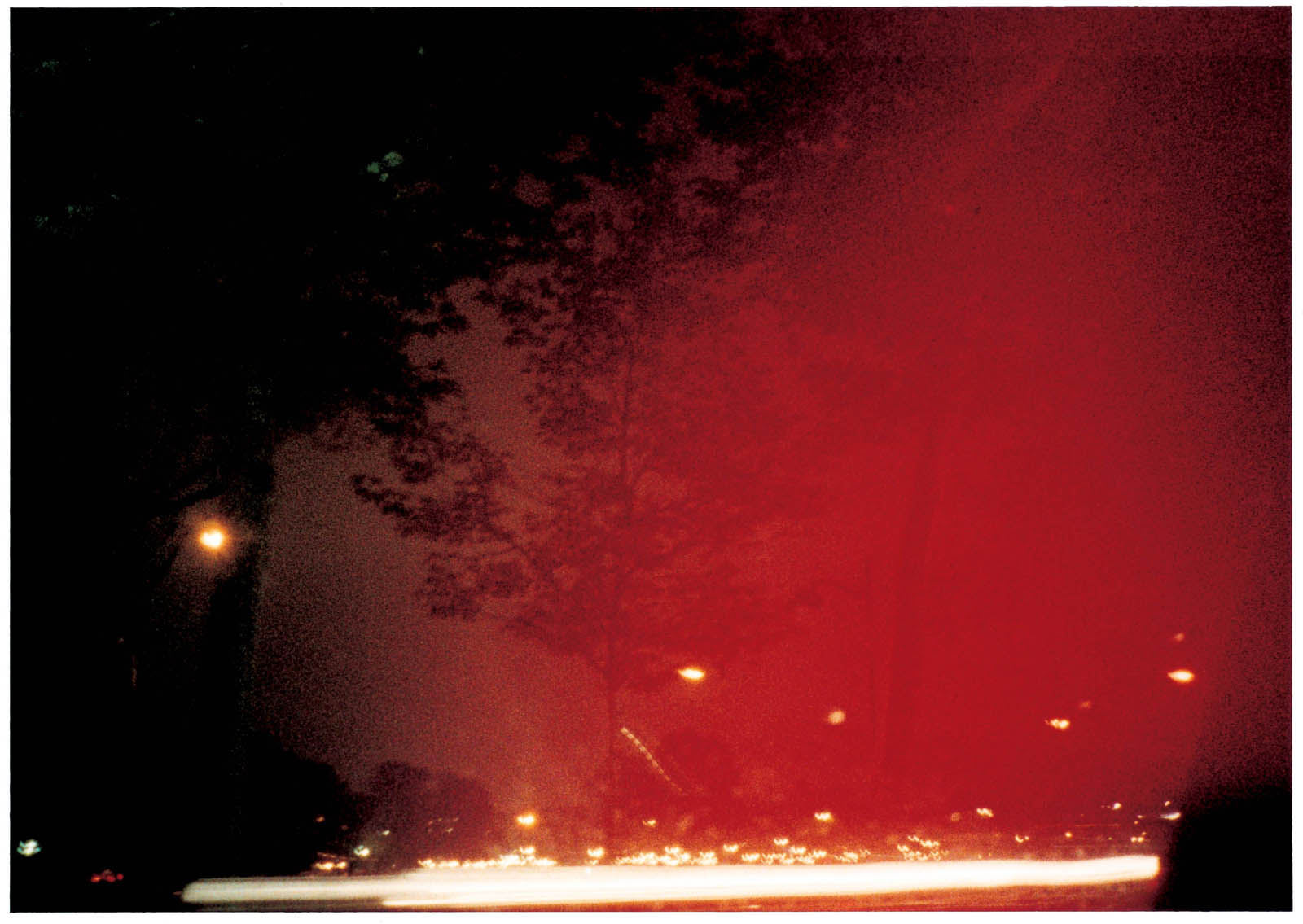
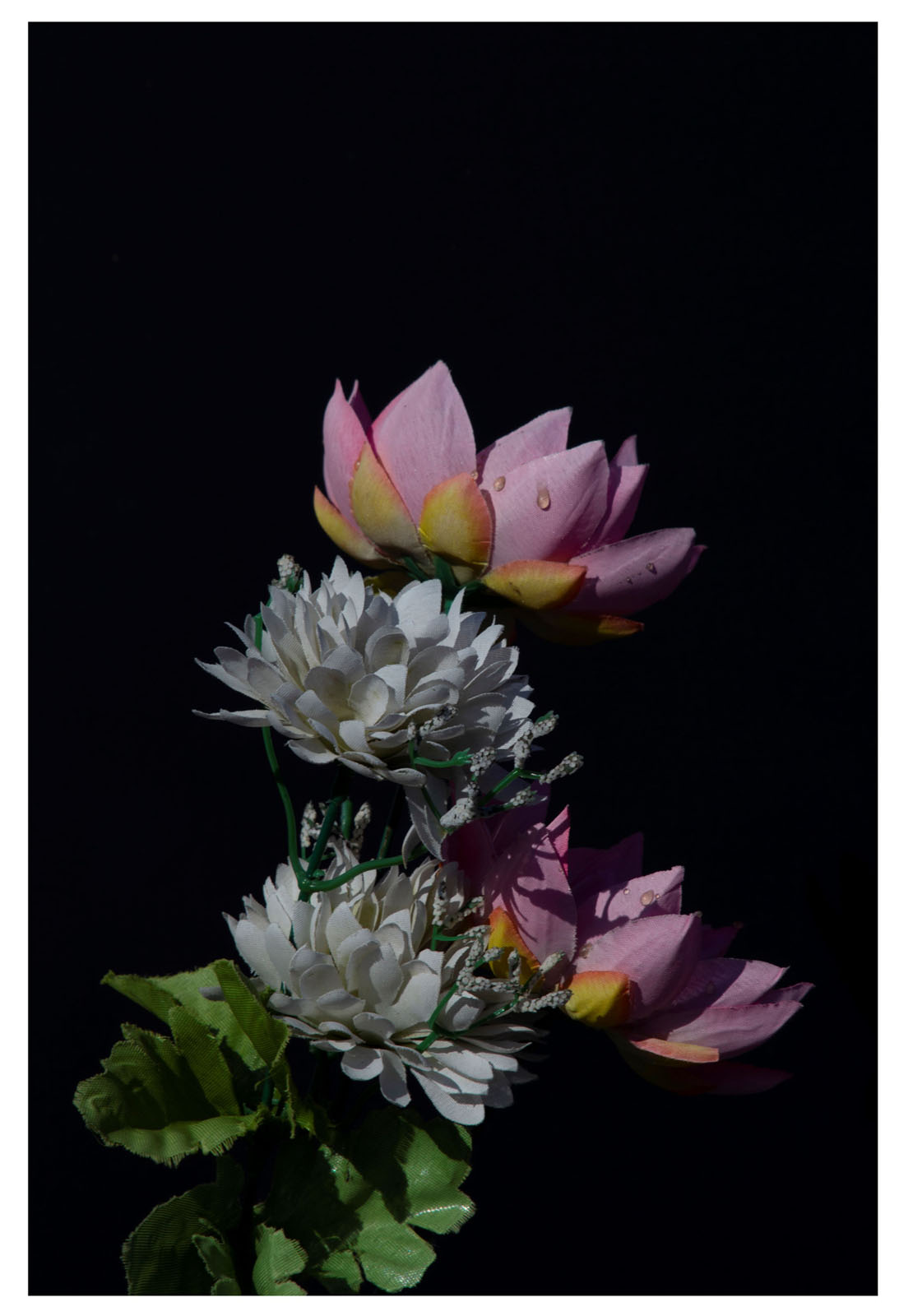
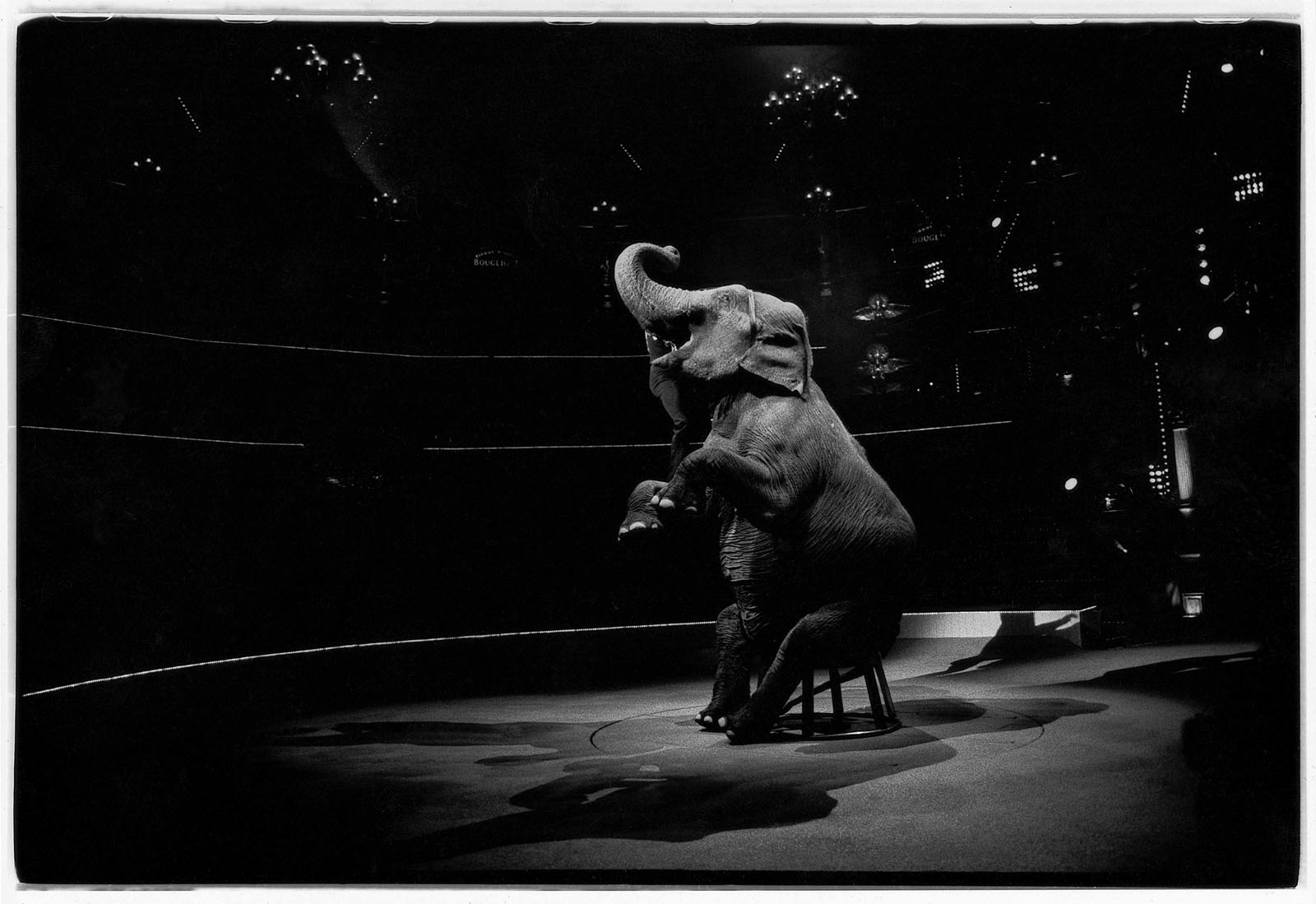
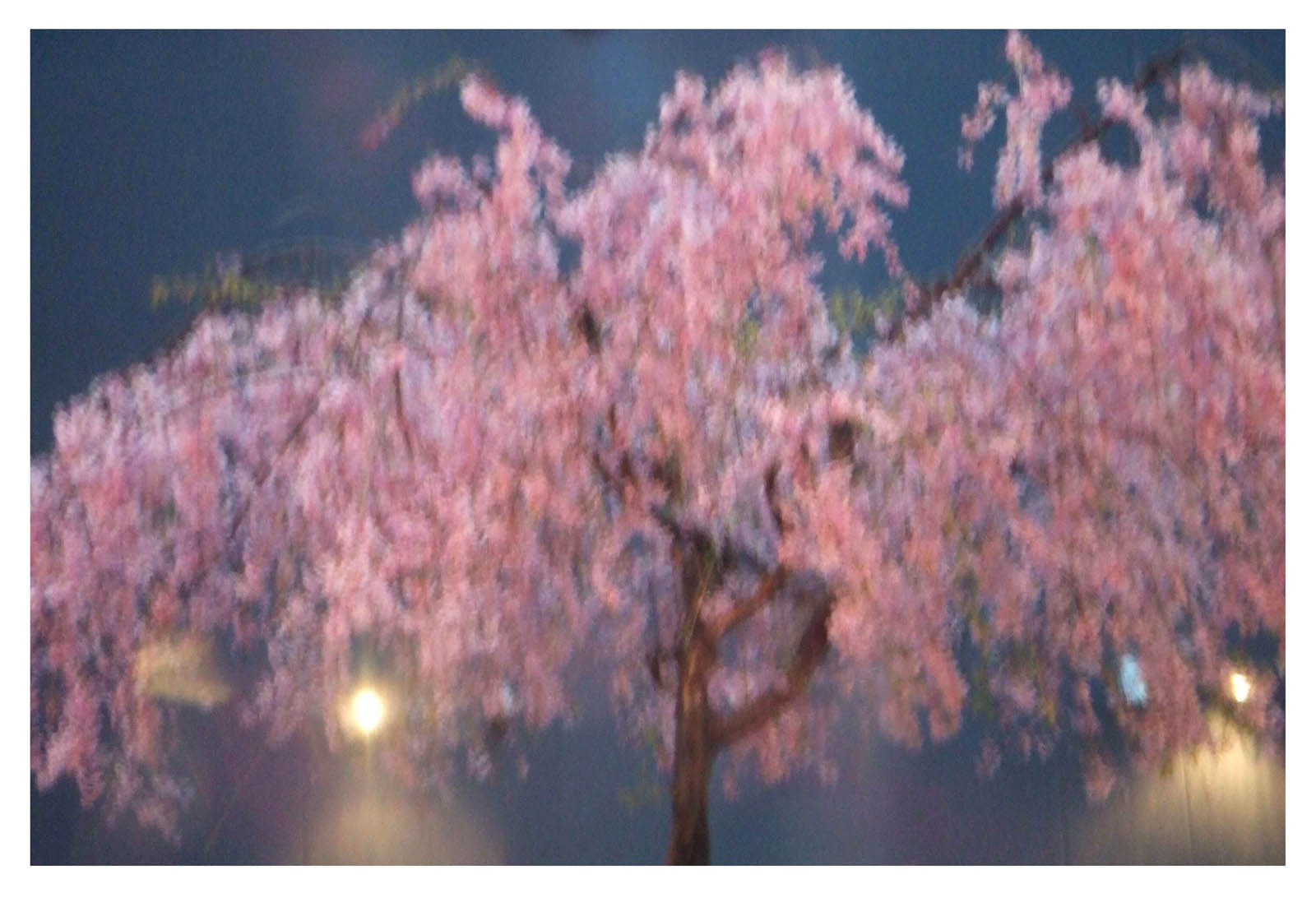
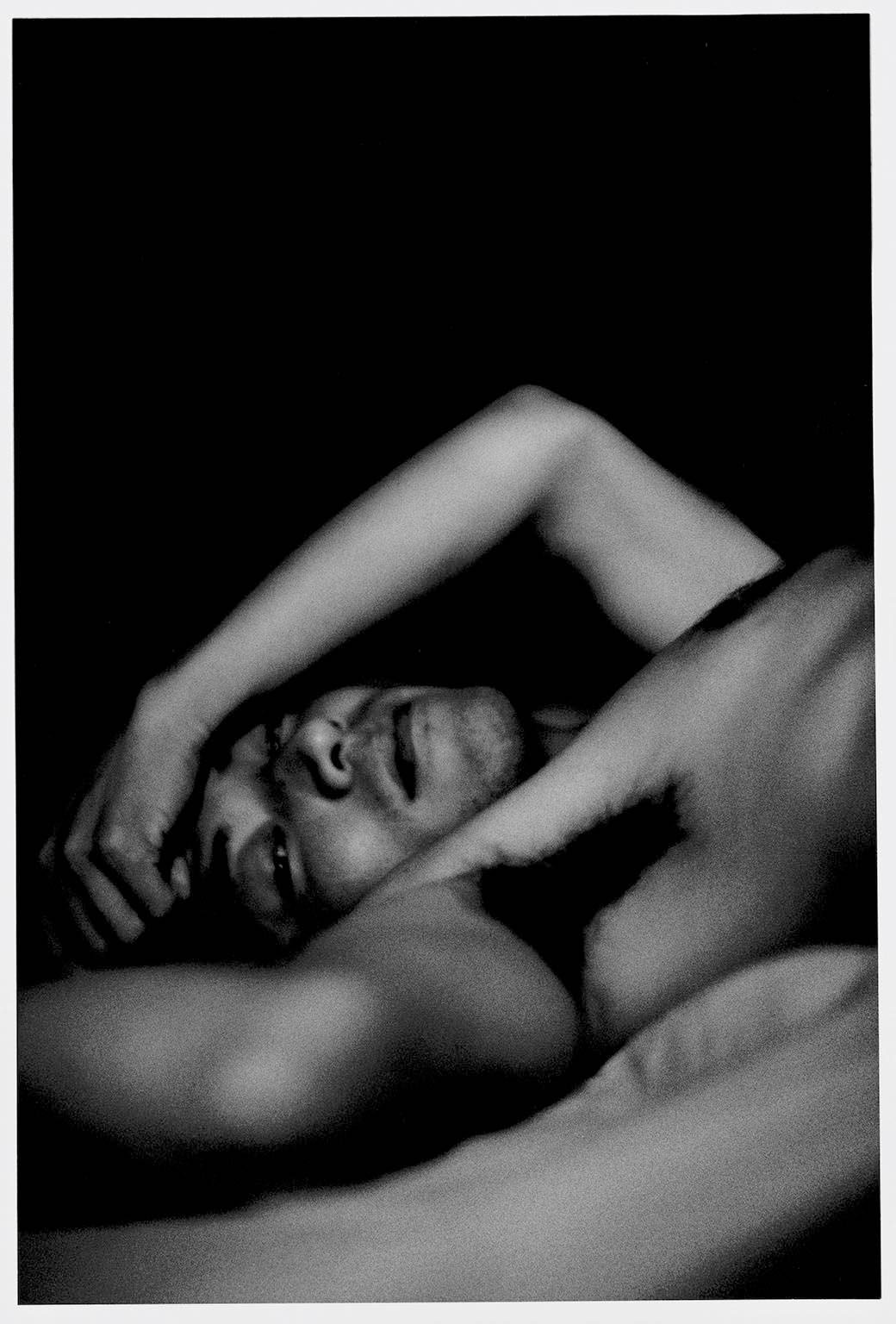
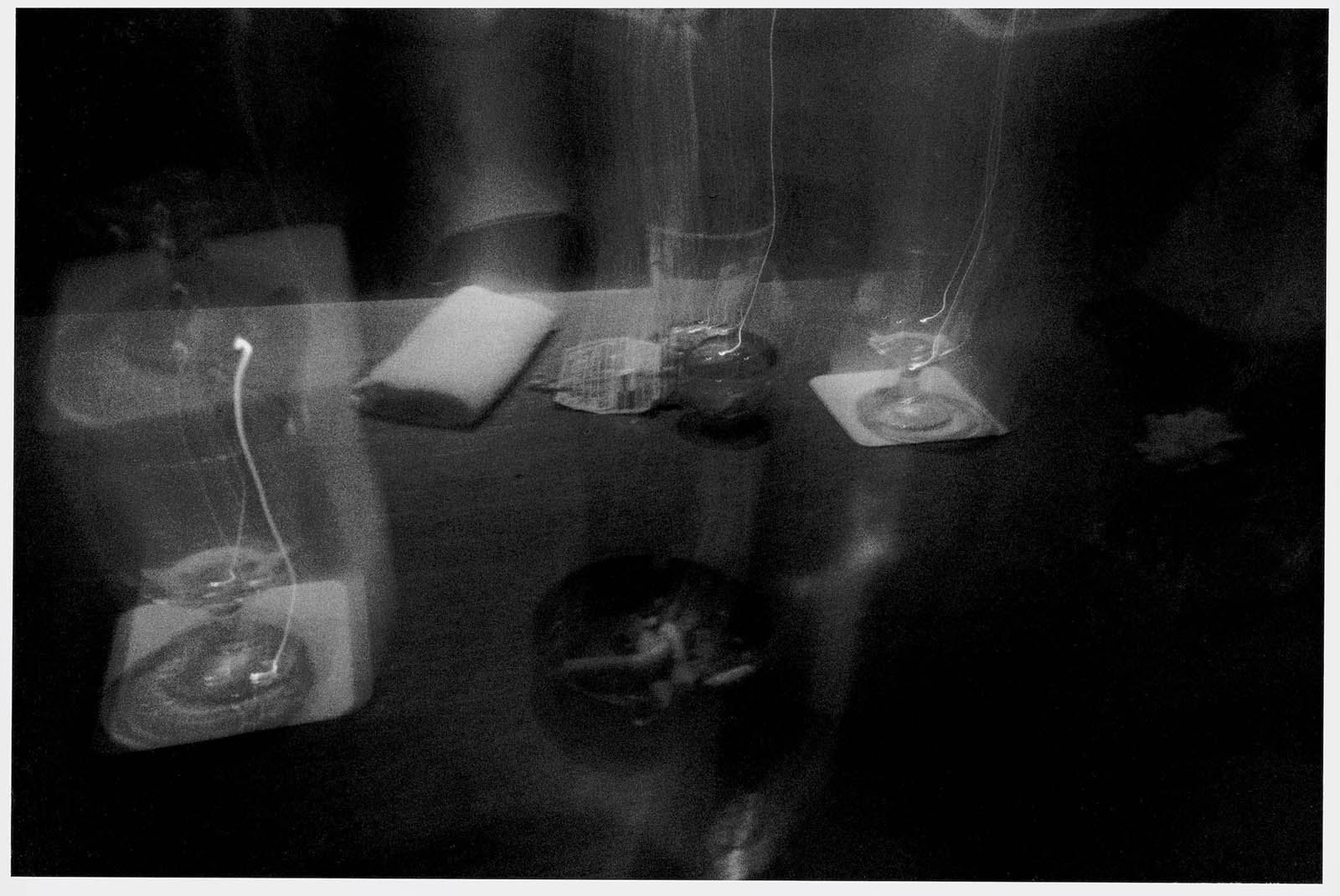
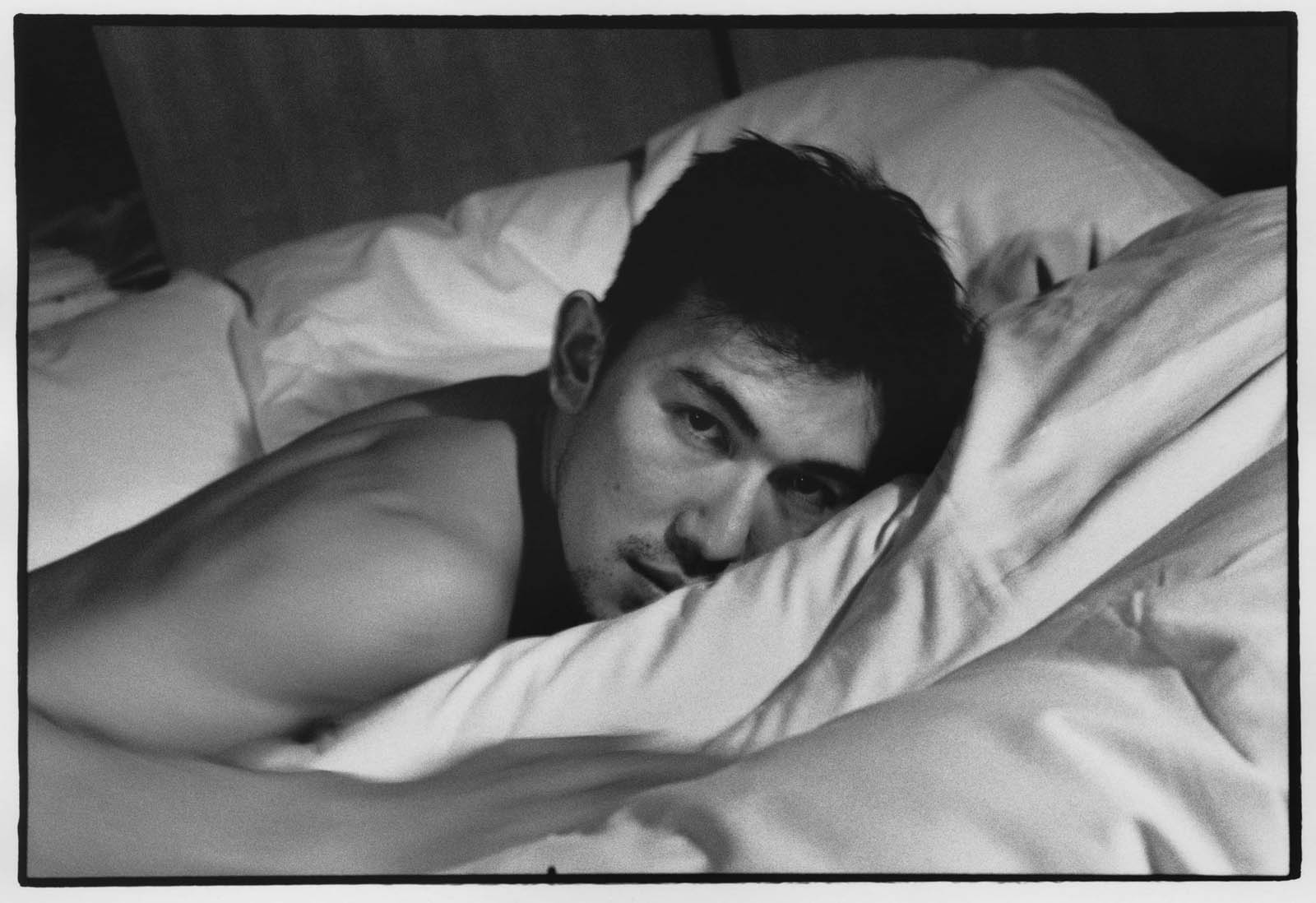
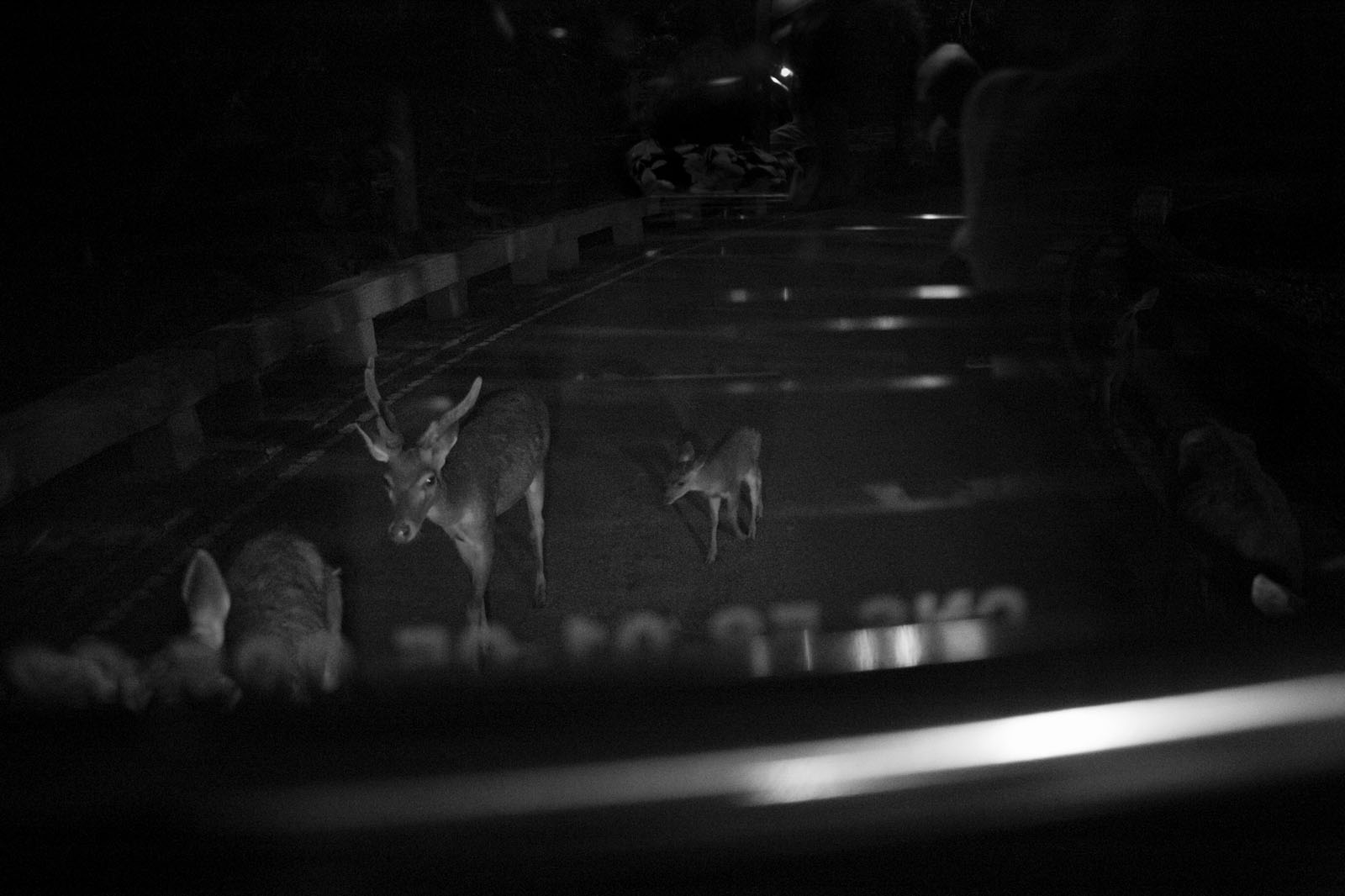
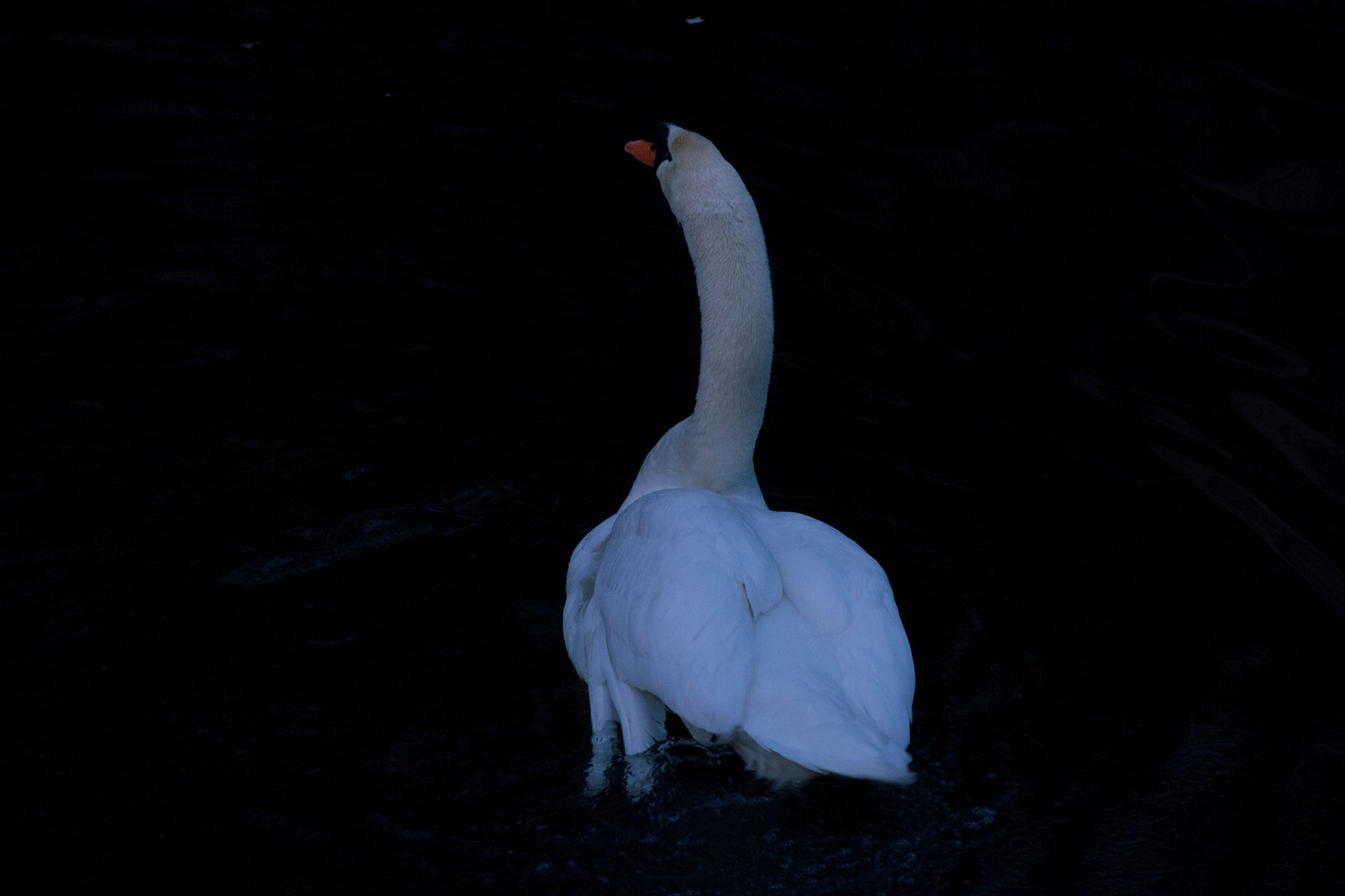
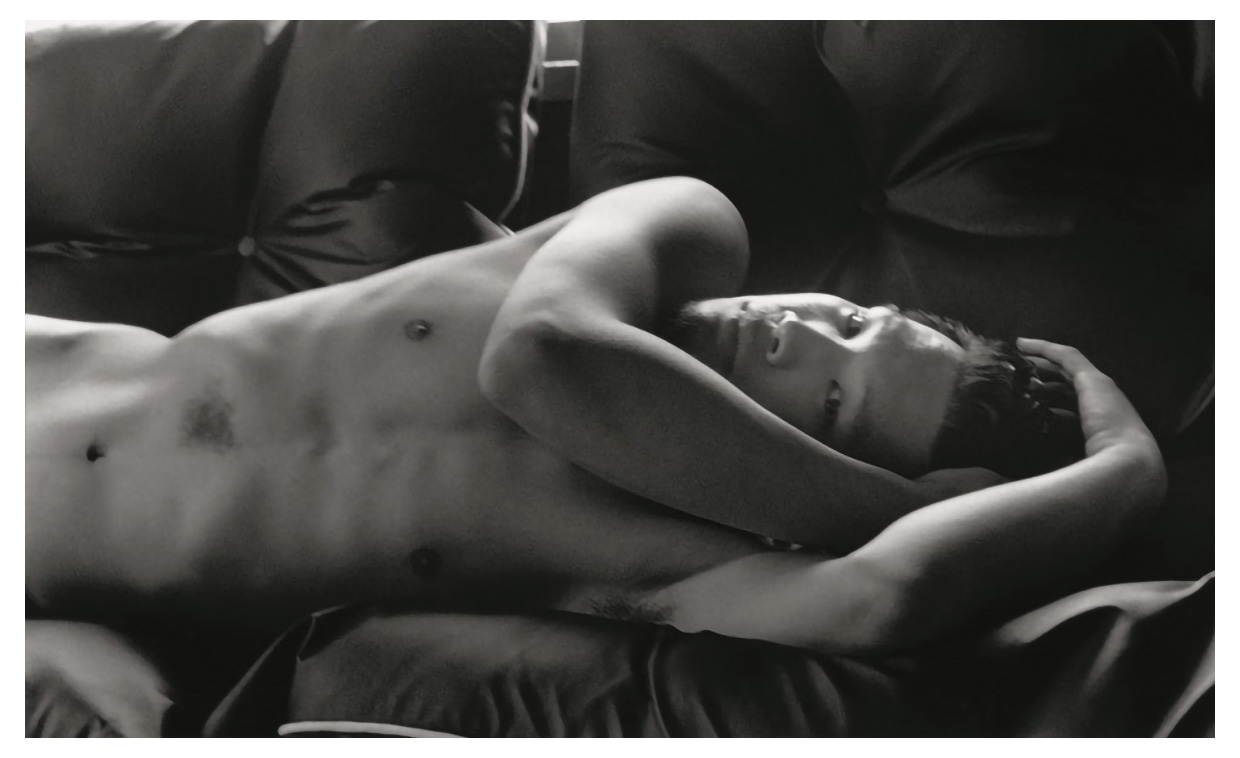
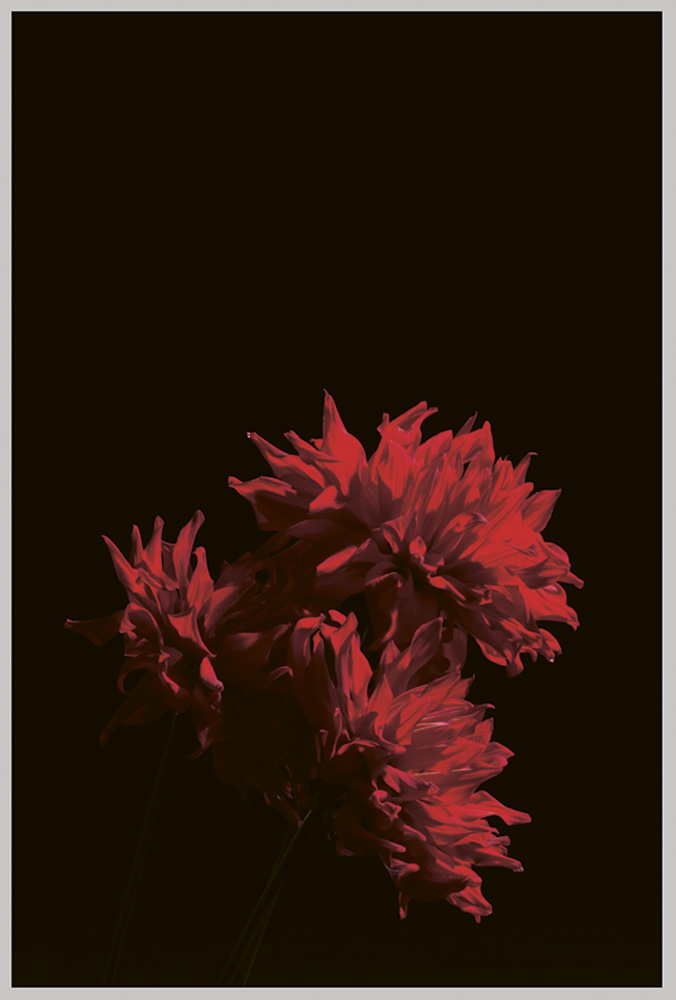
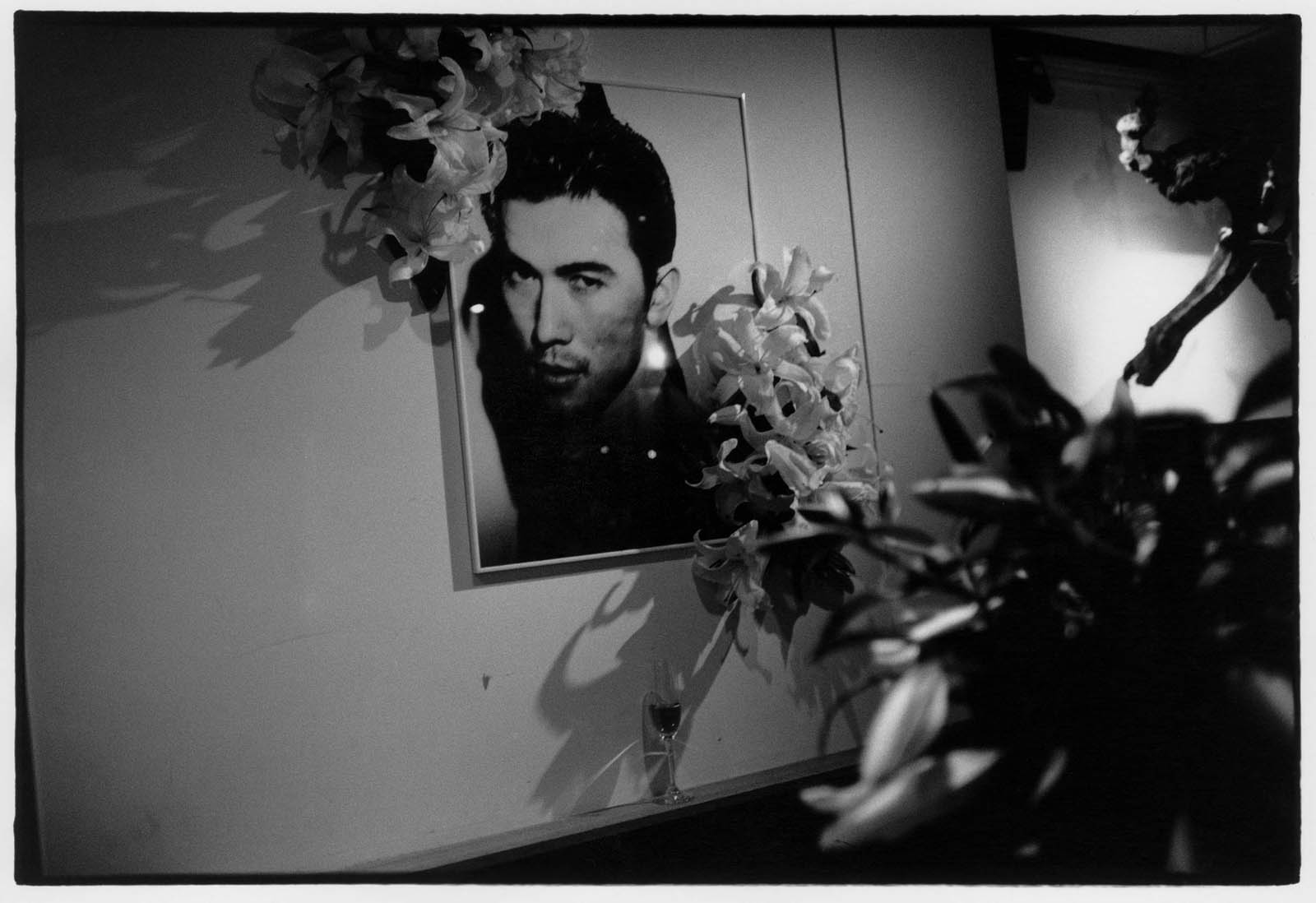
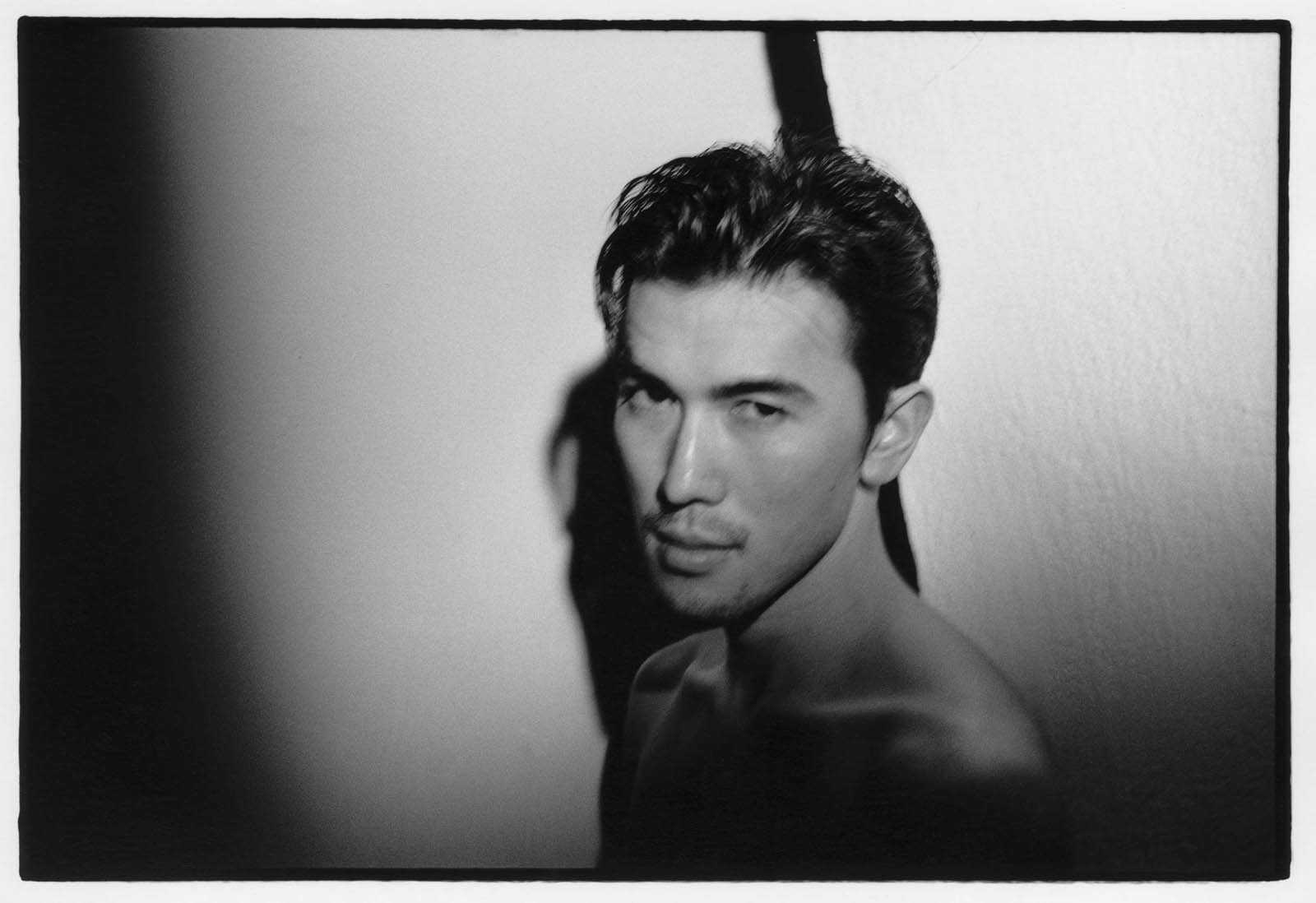
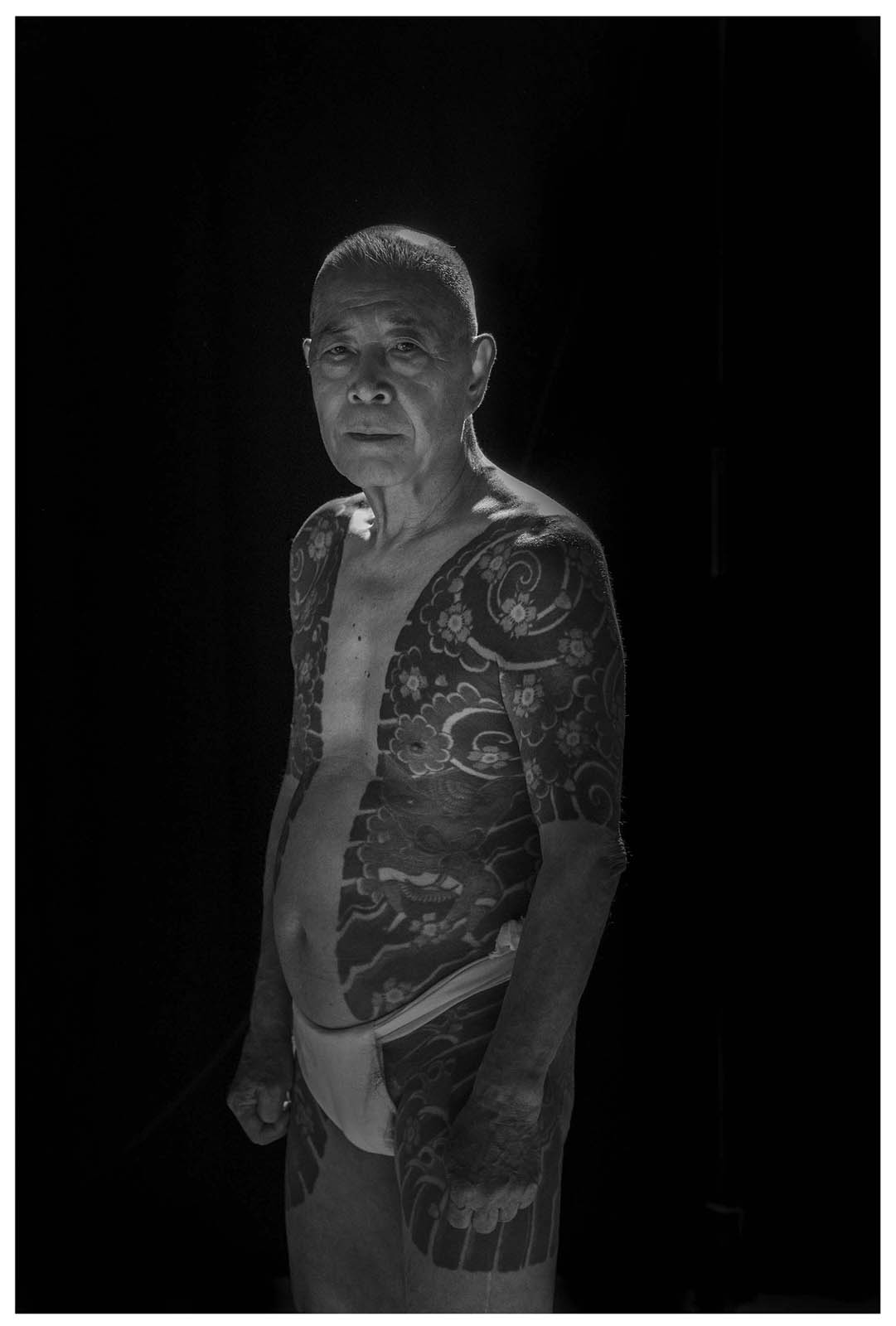

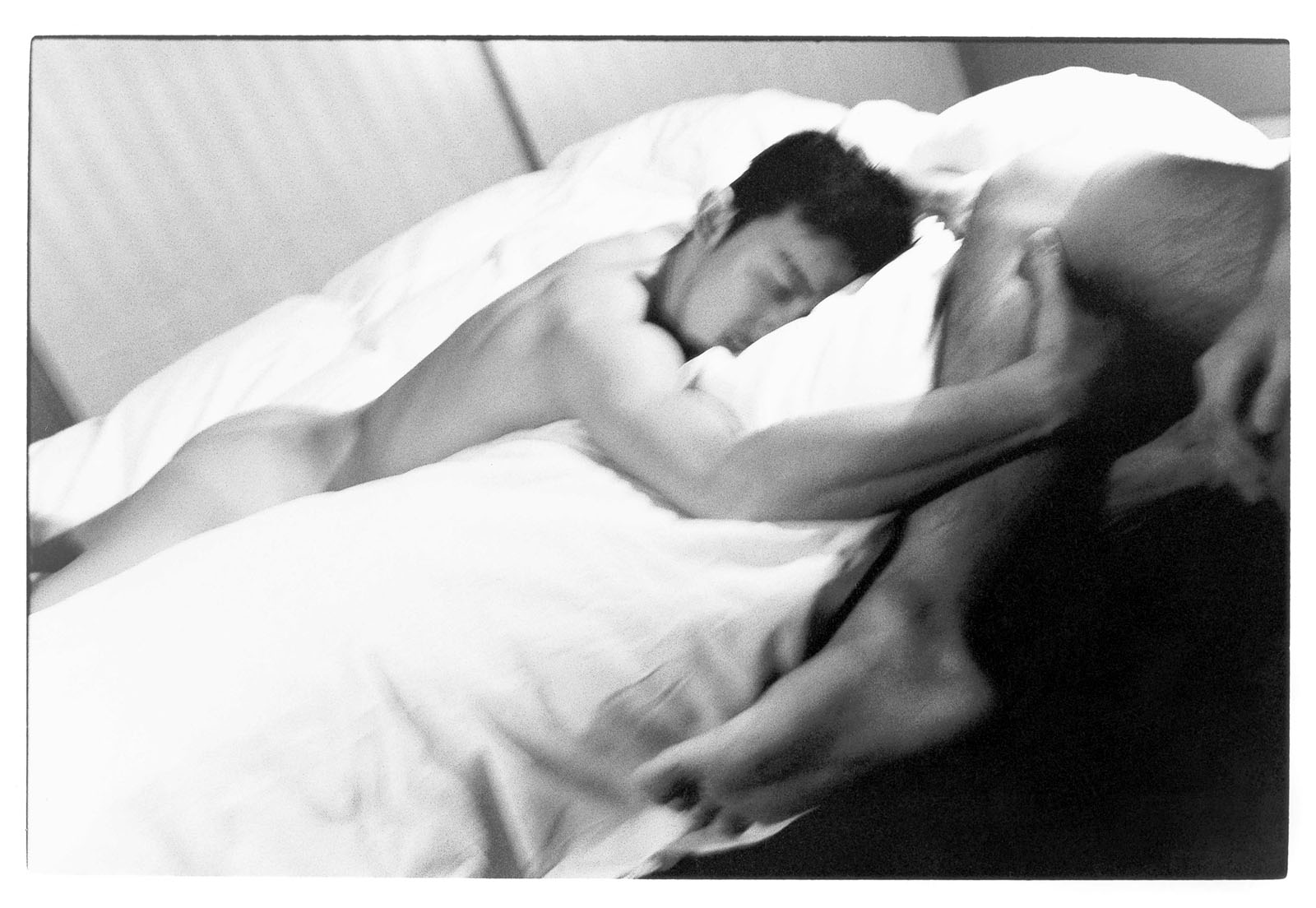
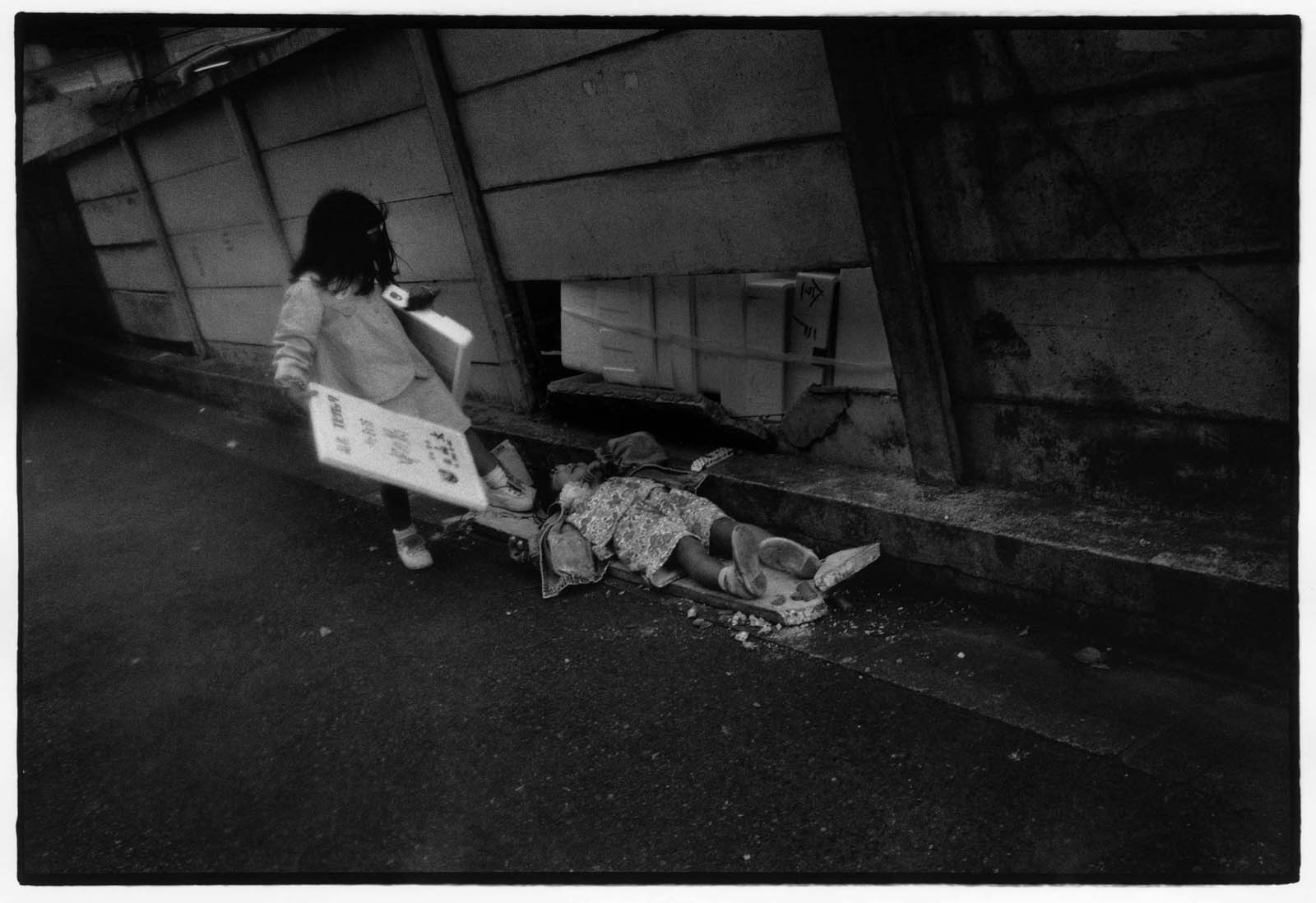


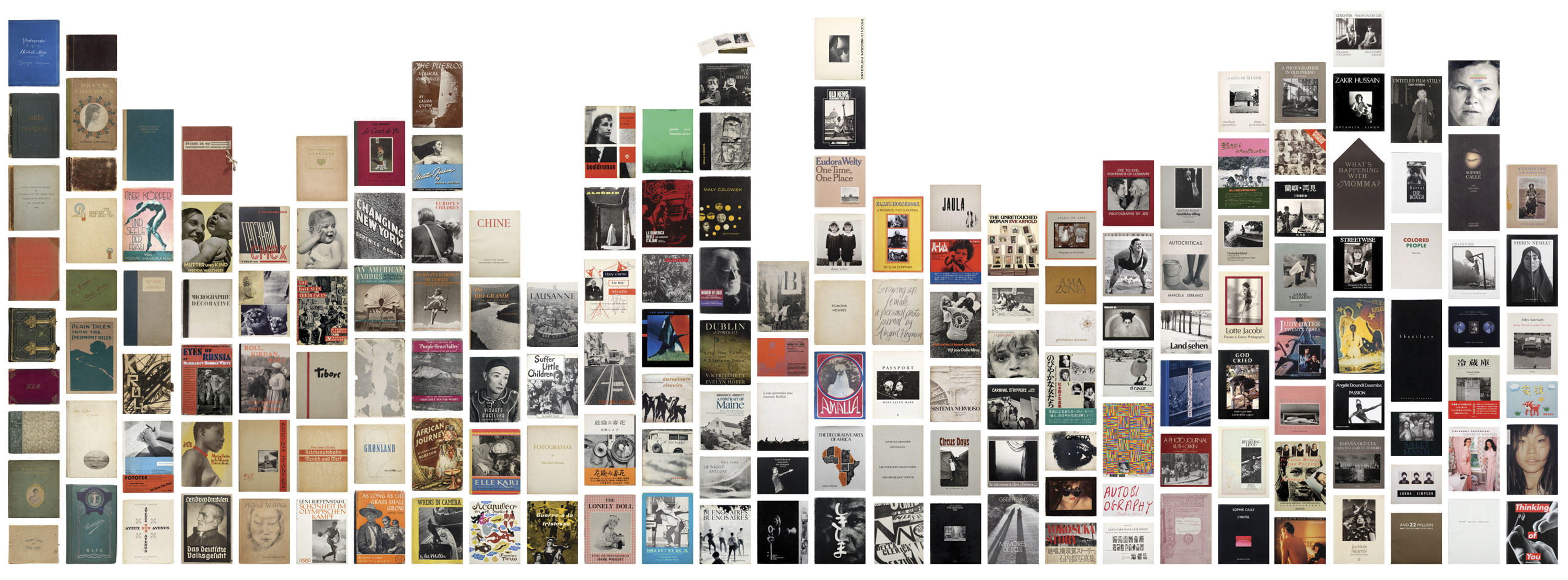

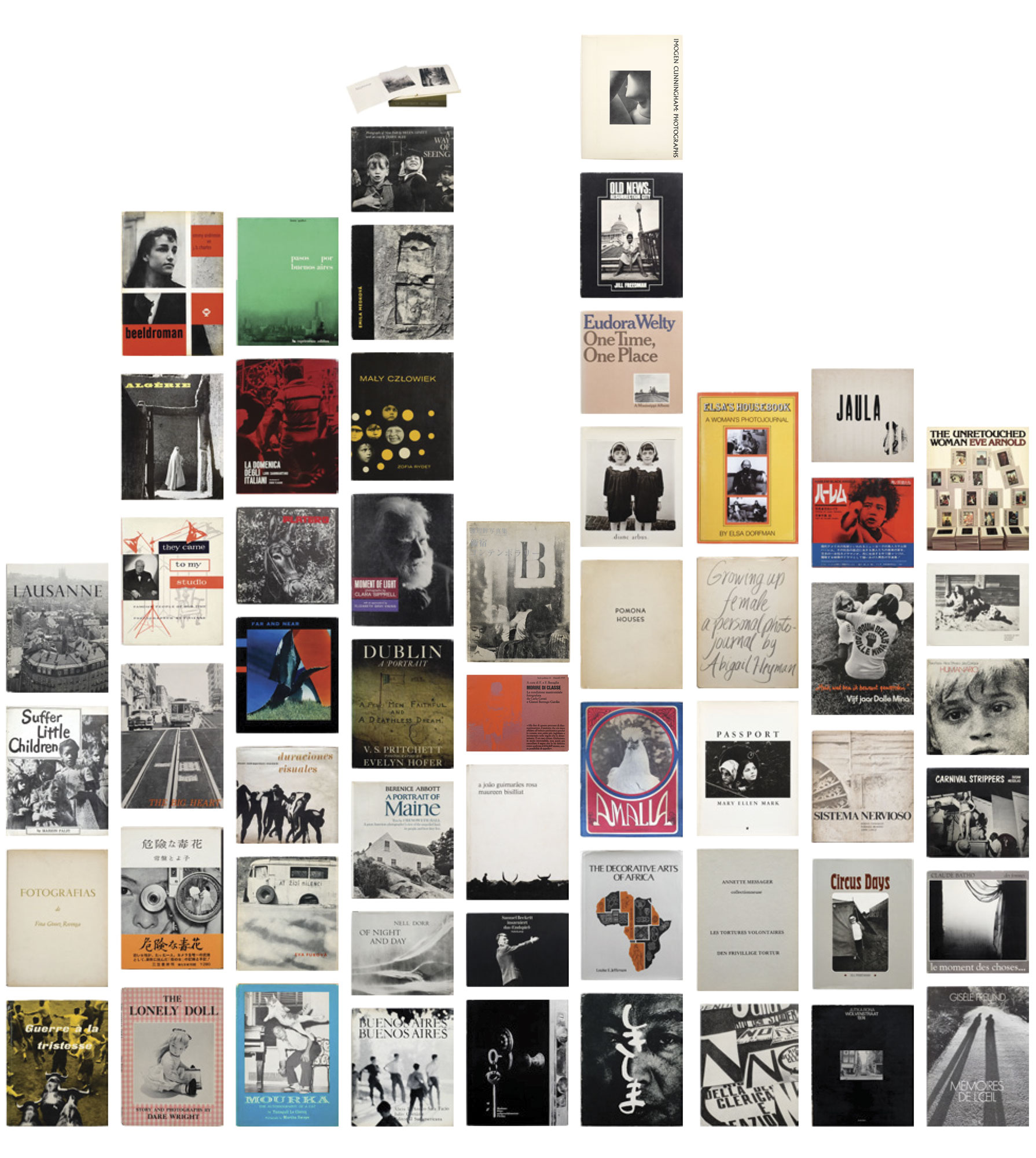
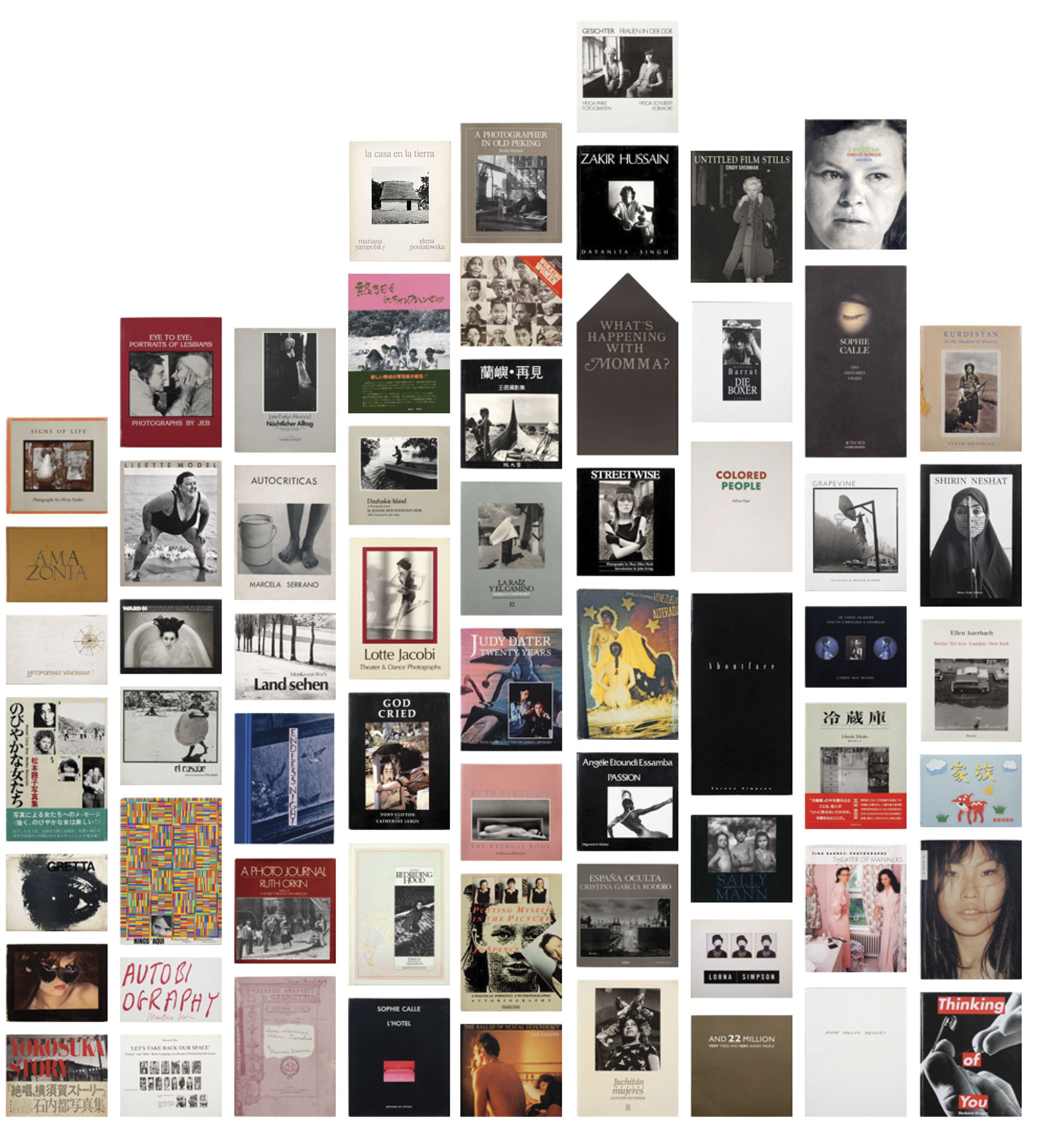

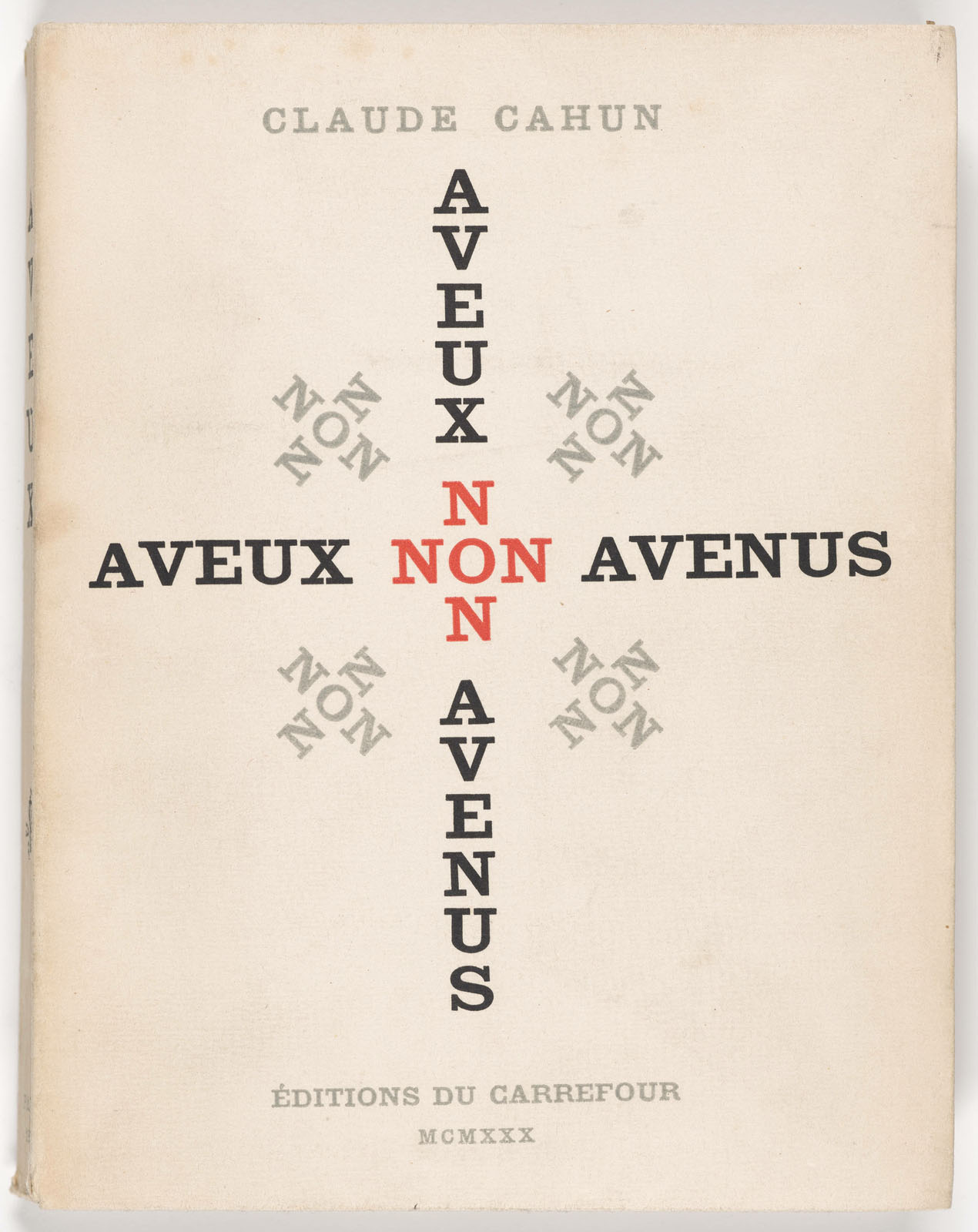


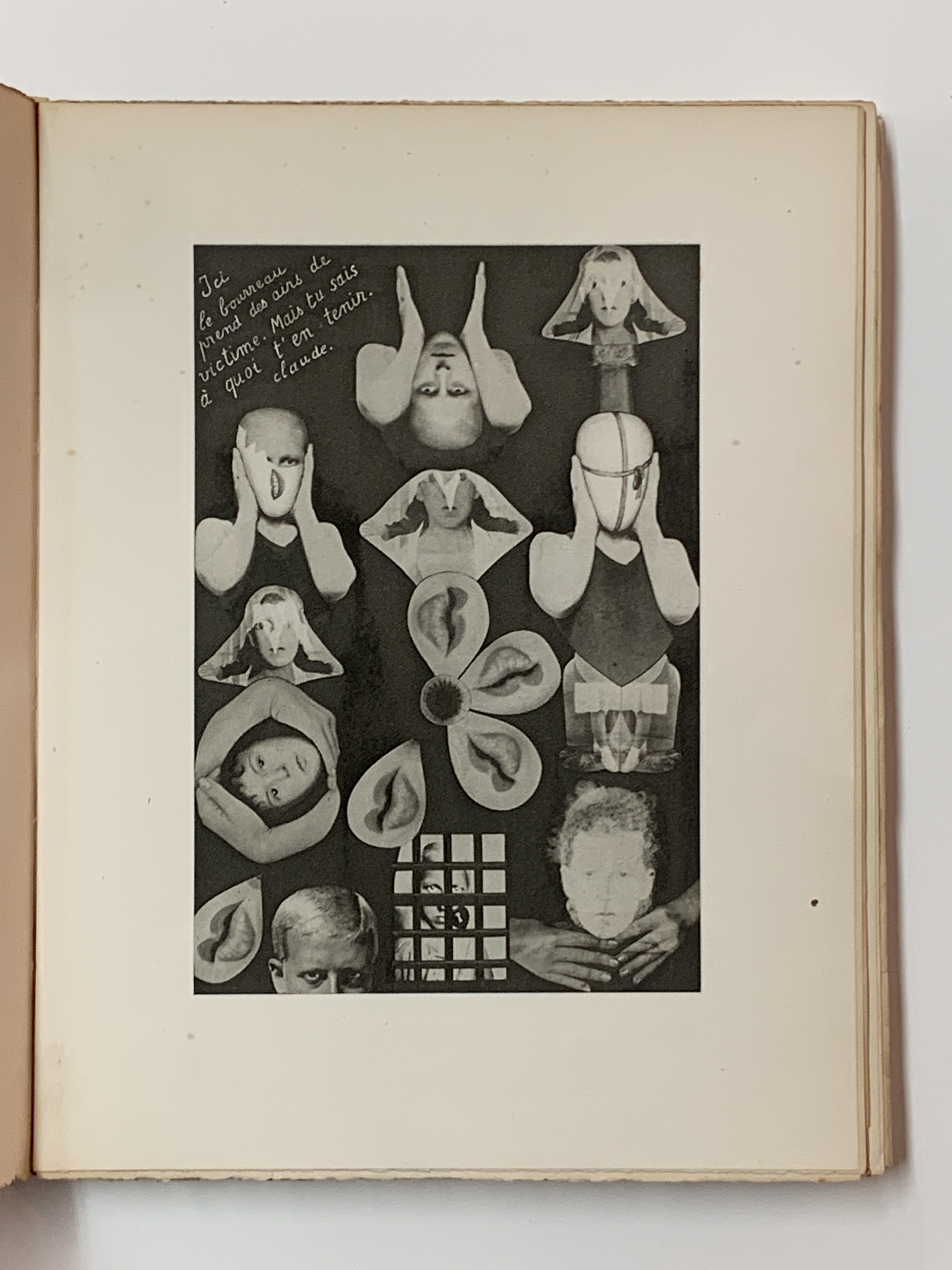
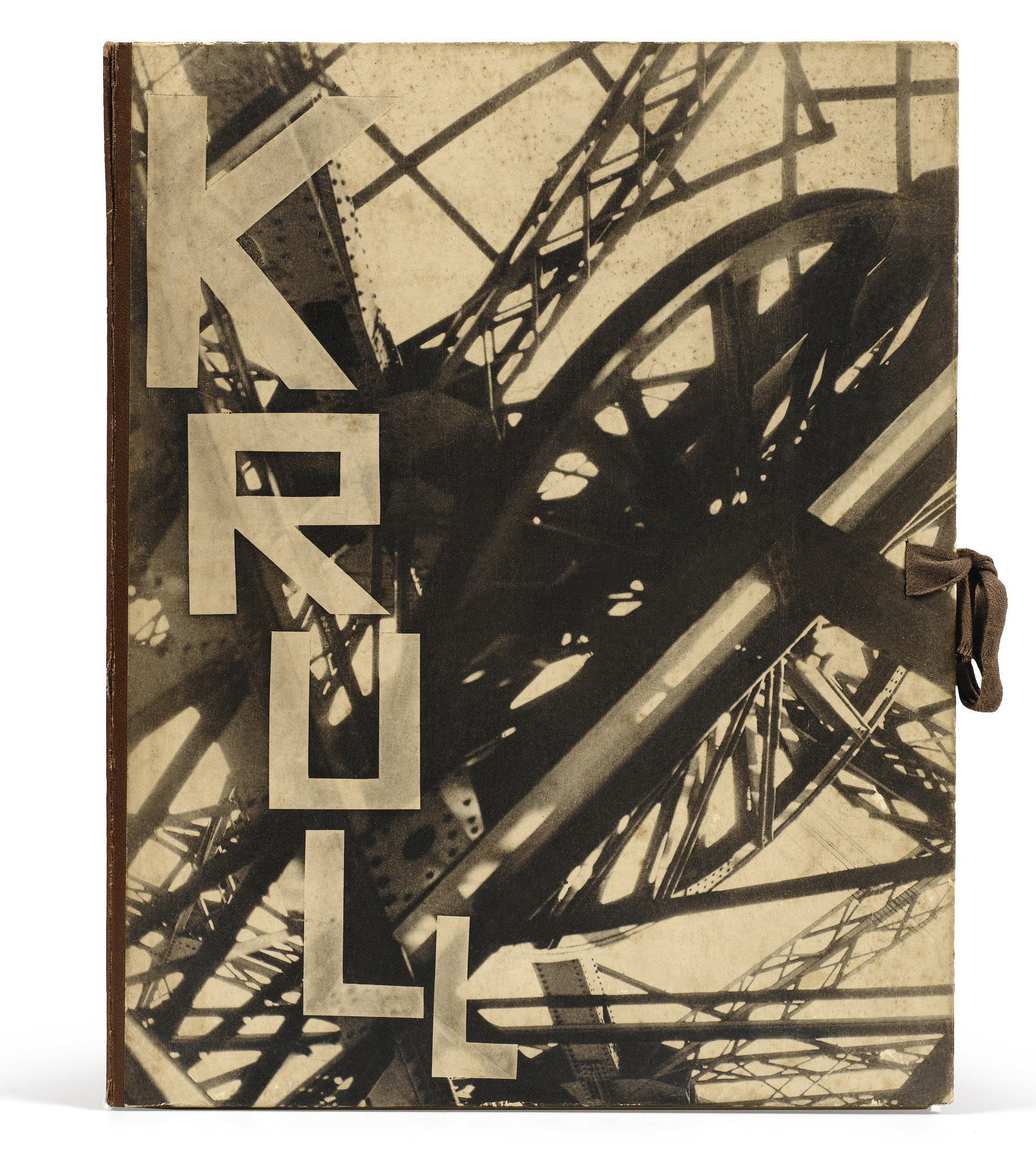

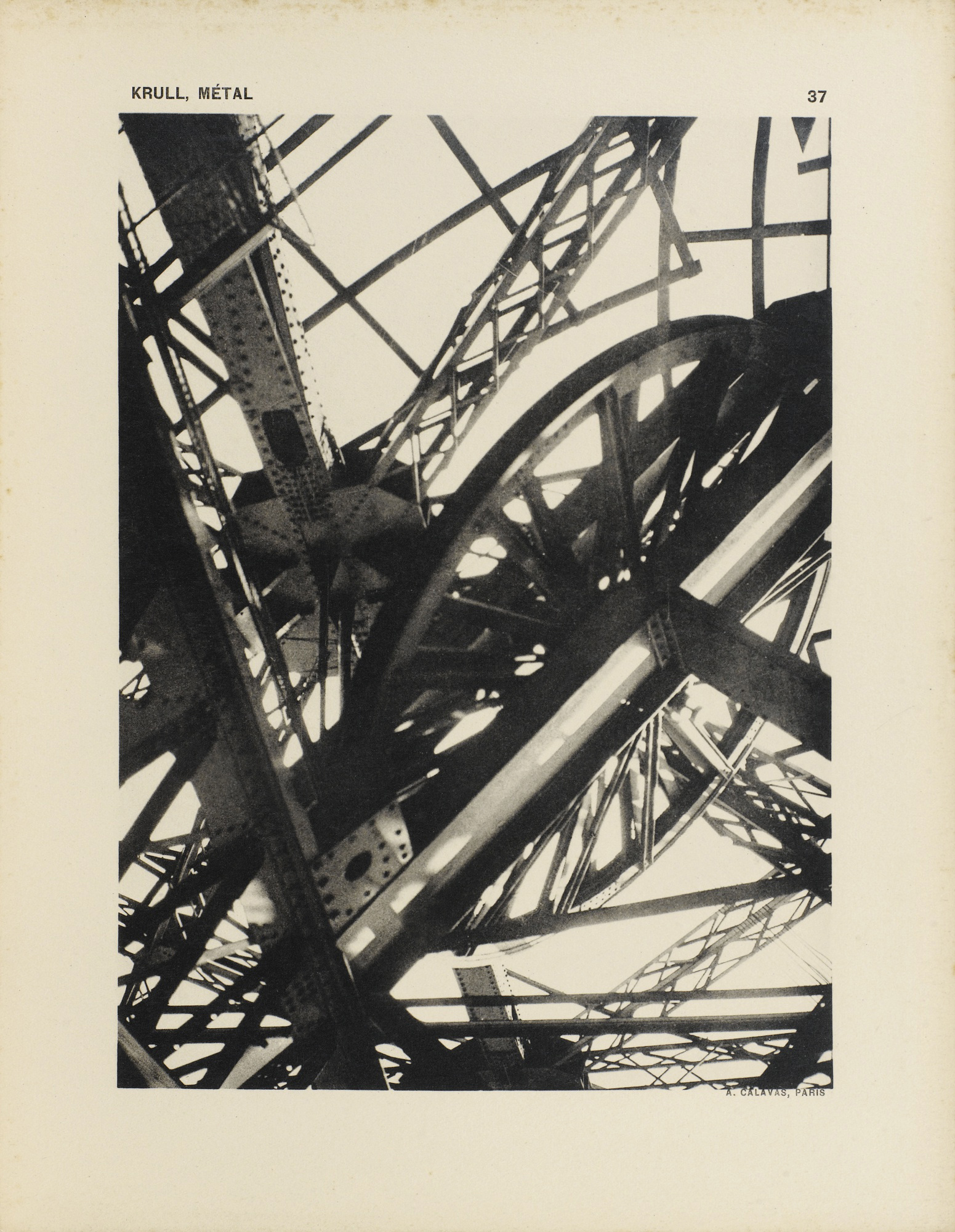
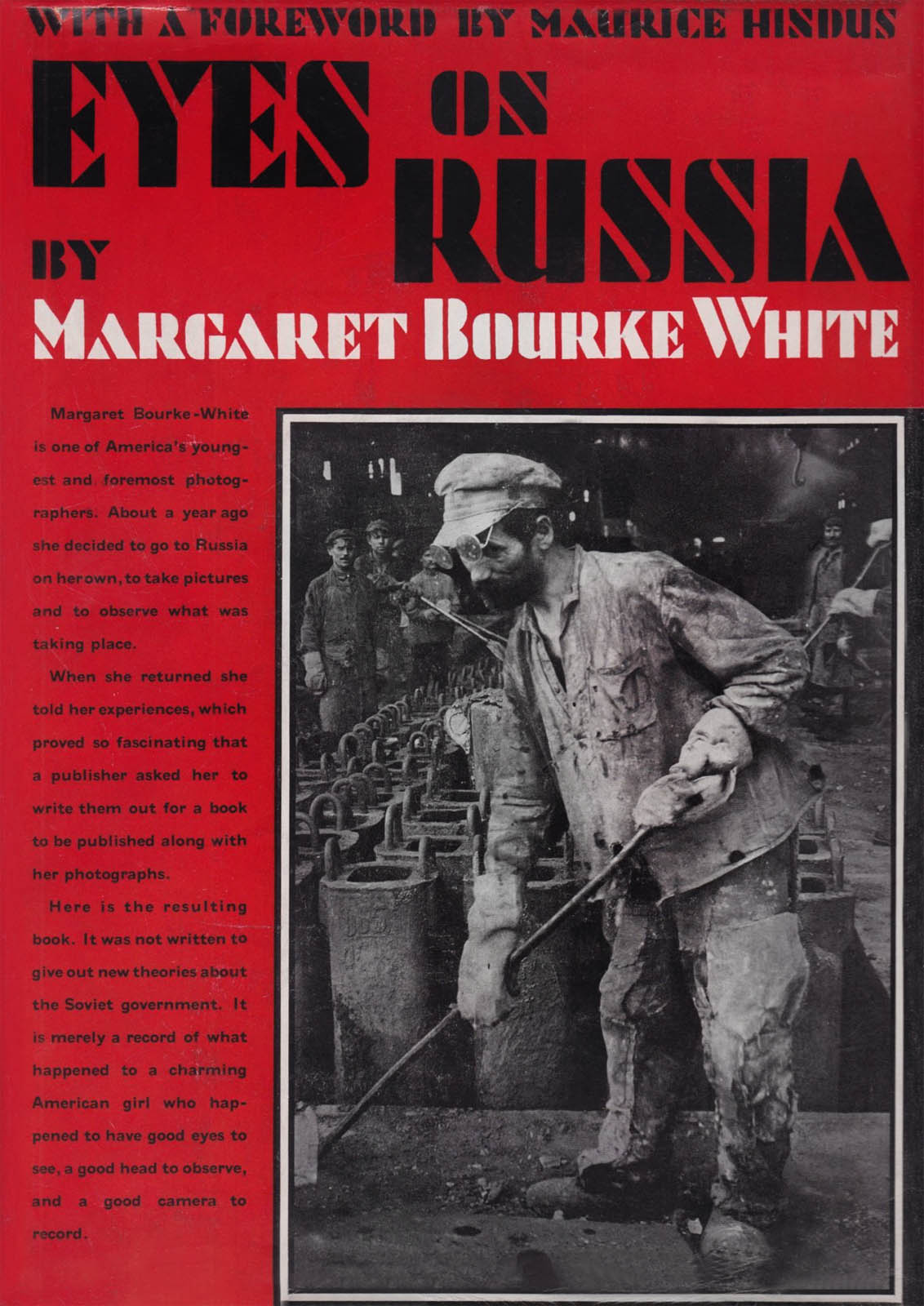

![Leni Riefenstahl 'Schönheit im olympischen Kampf' [Beauty in the Olympic Games] Berlin: Im Deutschen Verlag, (1937)](https://artblart.com/wp-content/uploads/2024/05/leni-riefenstahl-schonheit-im-olympischen-kampf.jpg "Leni Riefenstahl 'Schönheit im olympischen Kampf' [Beauty in the Olympic Games] Berlin: Im Deutschen Verlag, (1937)")
!['Leni Riefenstahl Schönheit im olympischen Kampf' [Beauty in the Olympic Games] Berlin: Im Deutschen Verlag, (1937) pp. 220-221](https://artblart.com/wp-content/uploads/2024/05/leni-riefenstahl-schonheit-im-olympischen-kampf-a.jpg "'Leni Riefenstahl Schönheit im olympischen Kampf' [Beauty in the Olympic Games] Berlin: Im Deutschen Verlag, (1937) pp. 220-221")
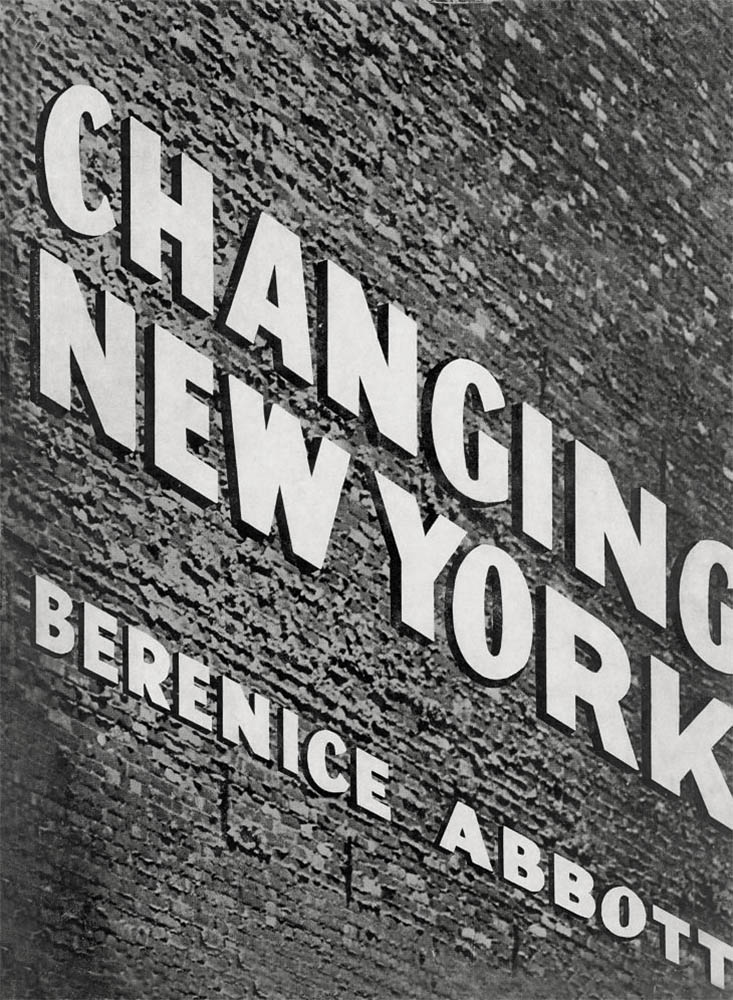


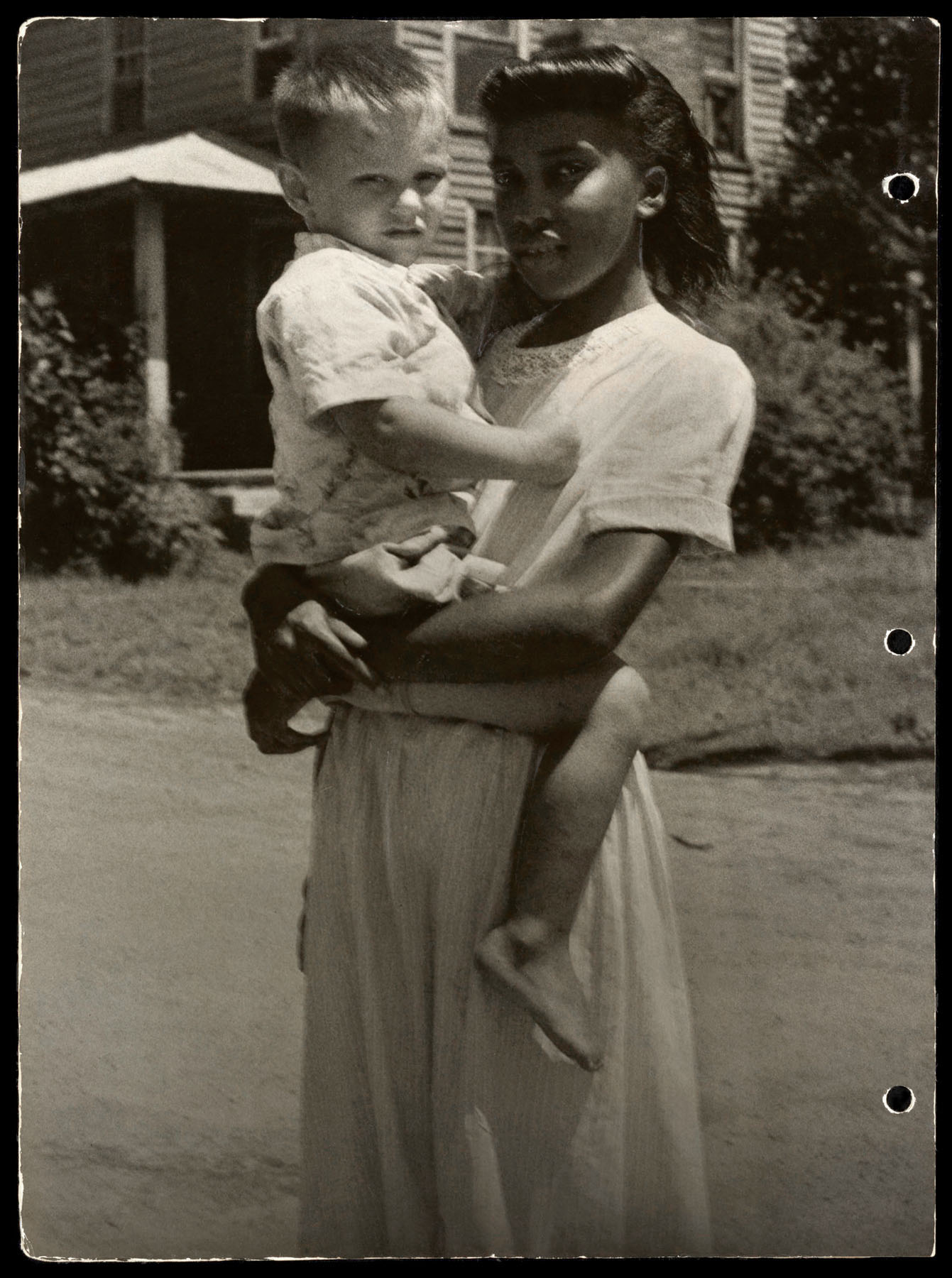
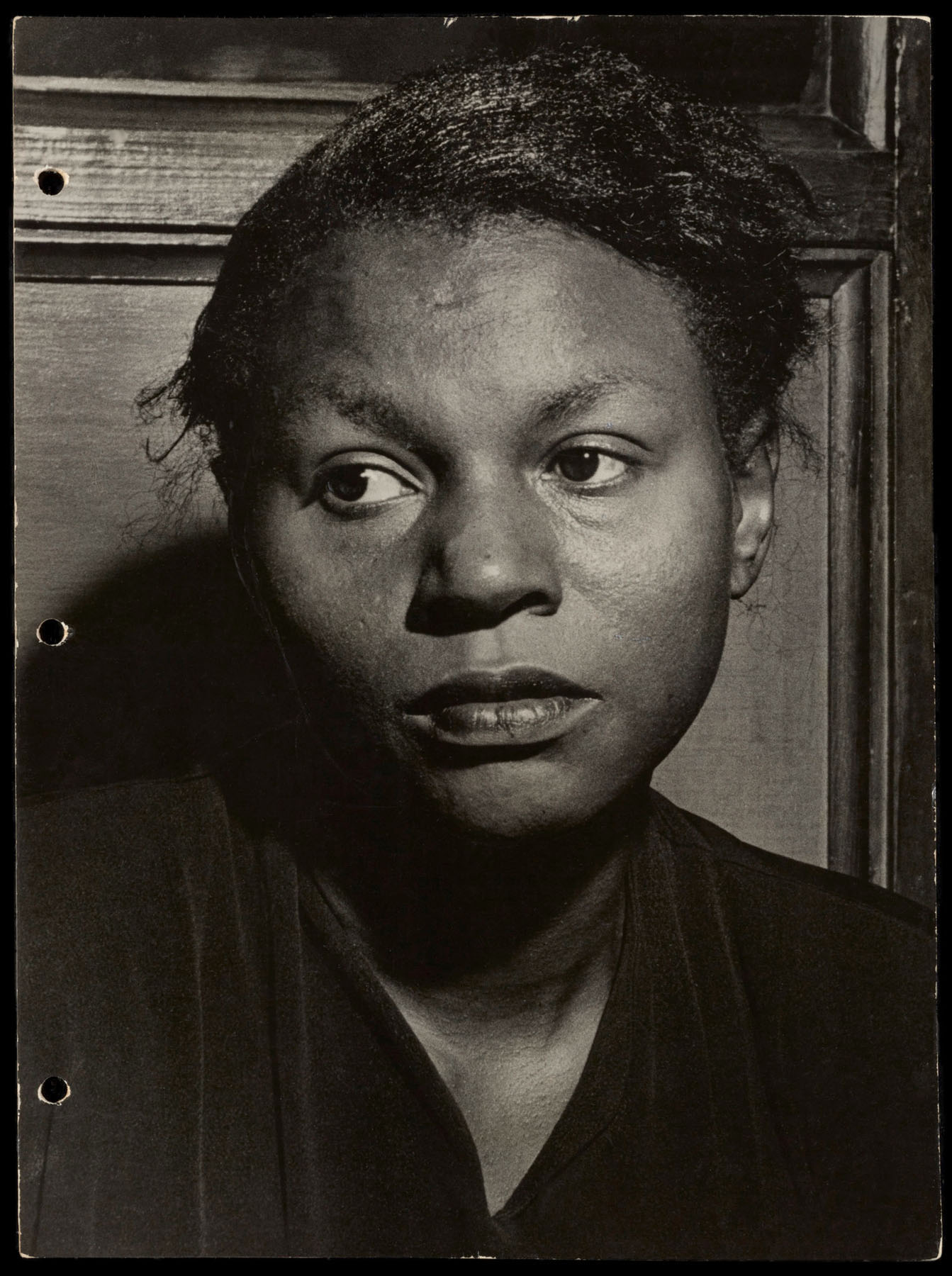
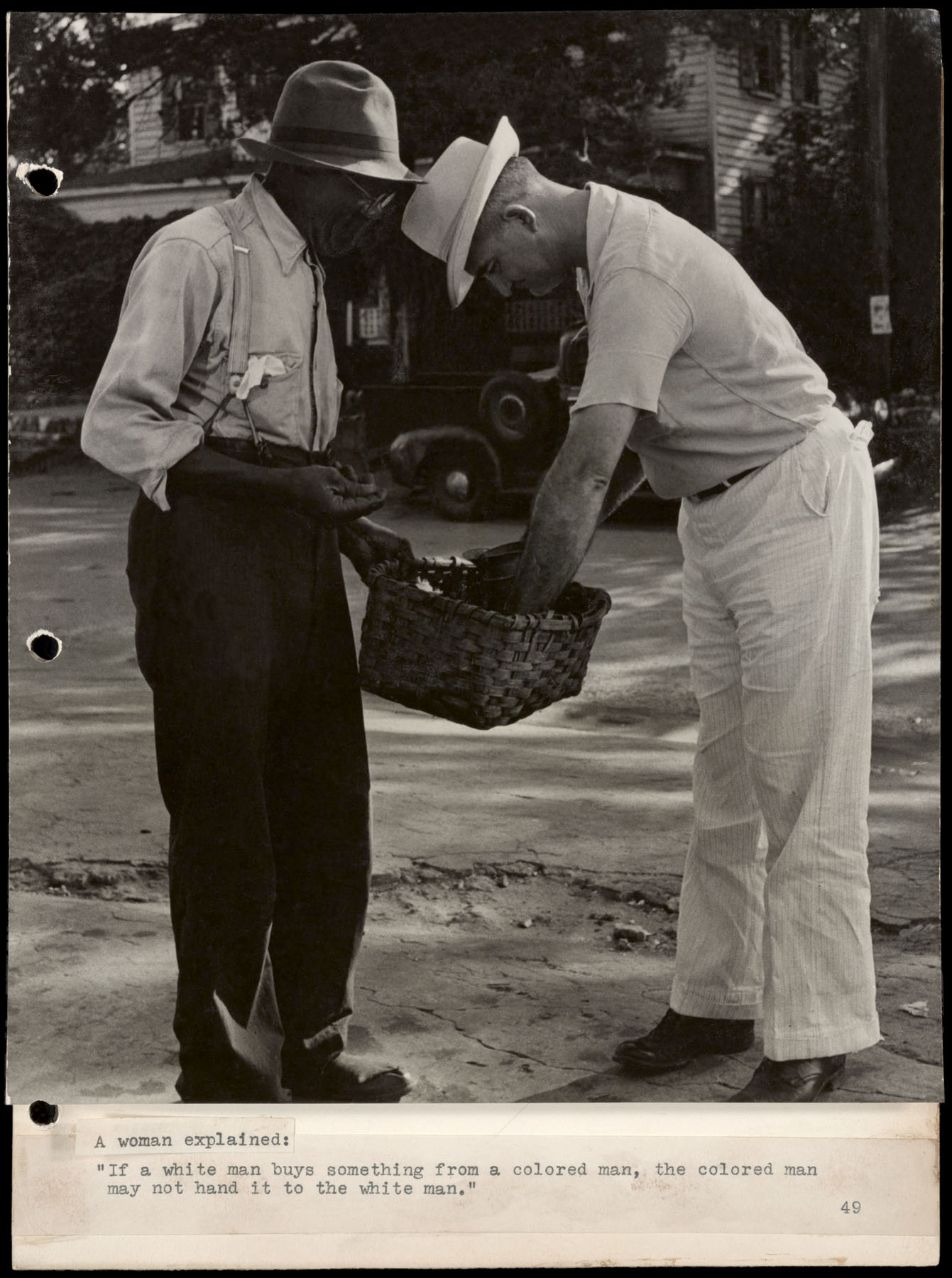


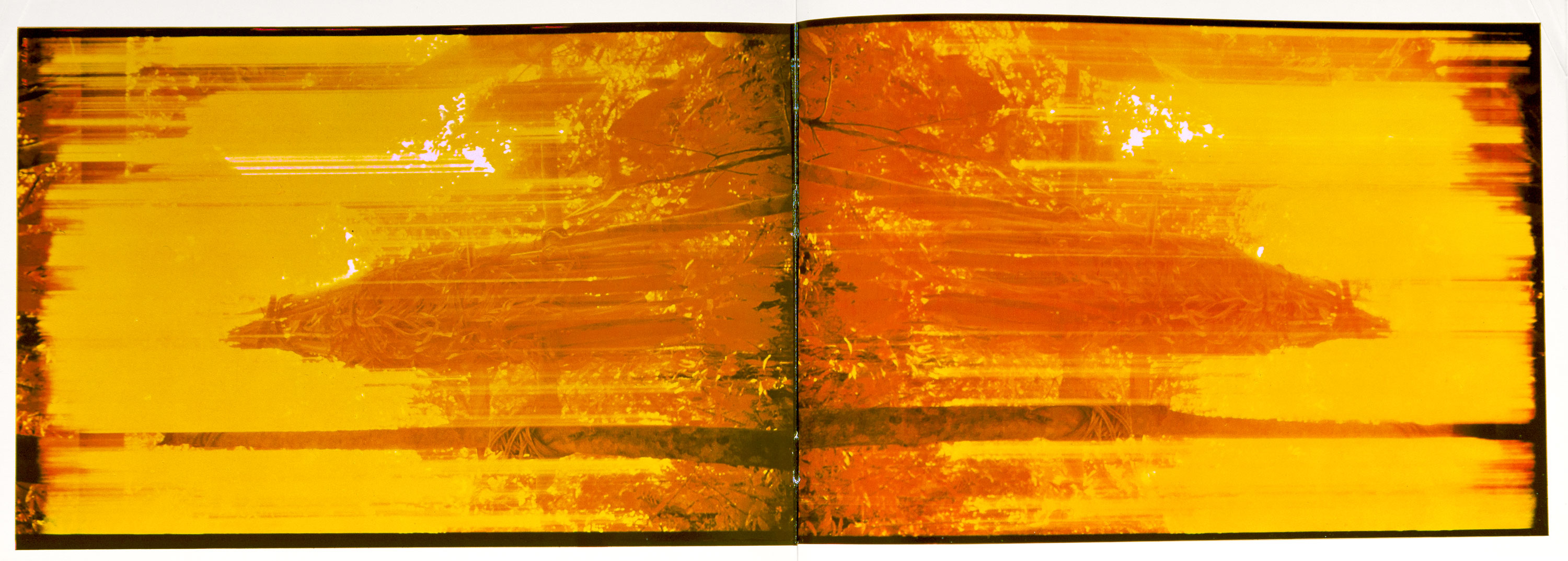
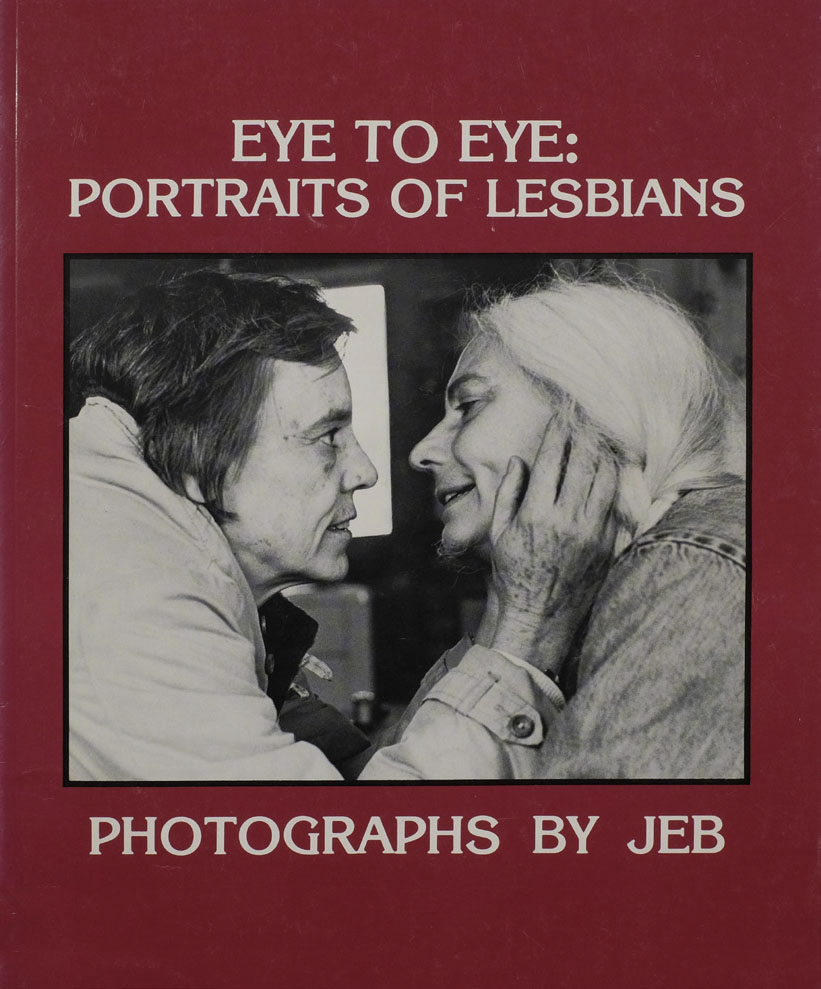
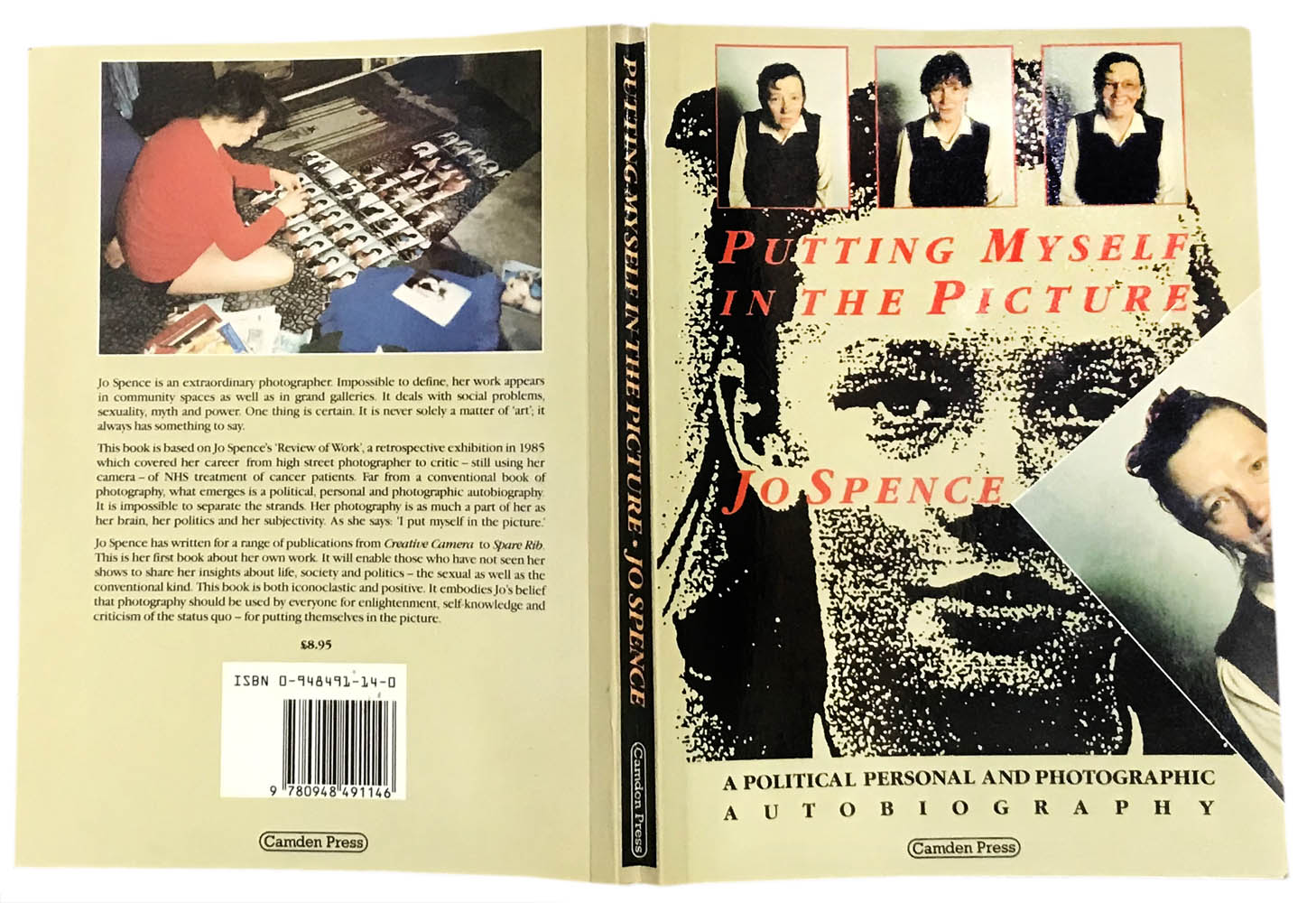
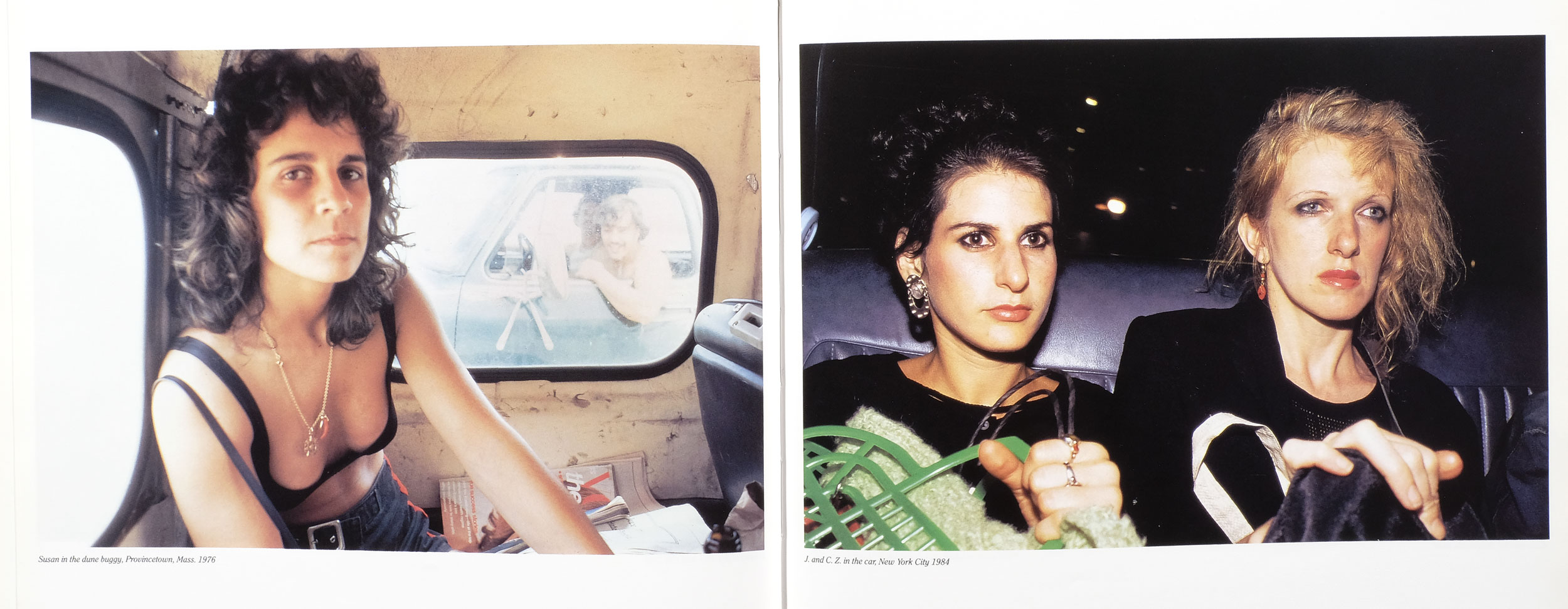


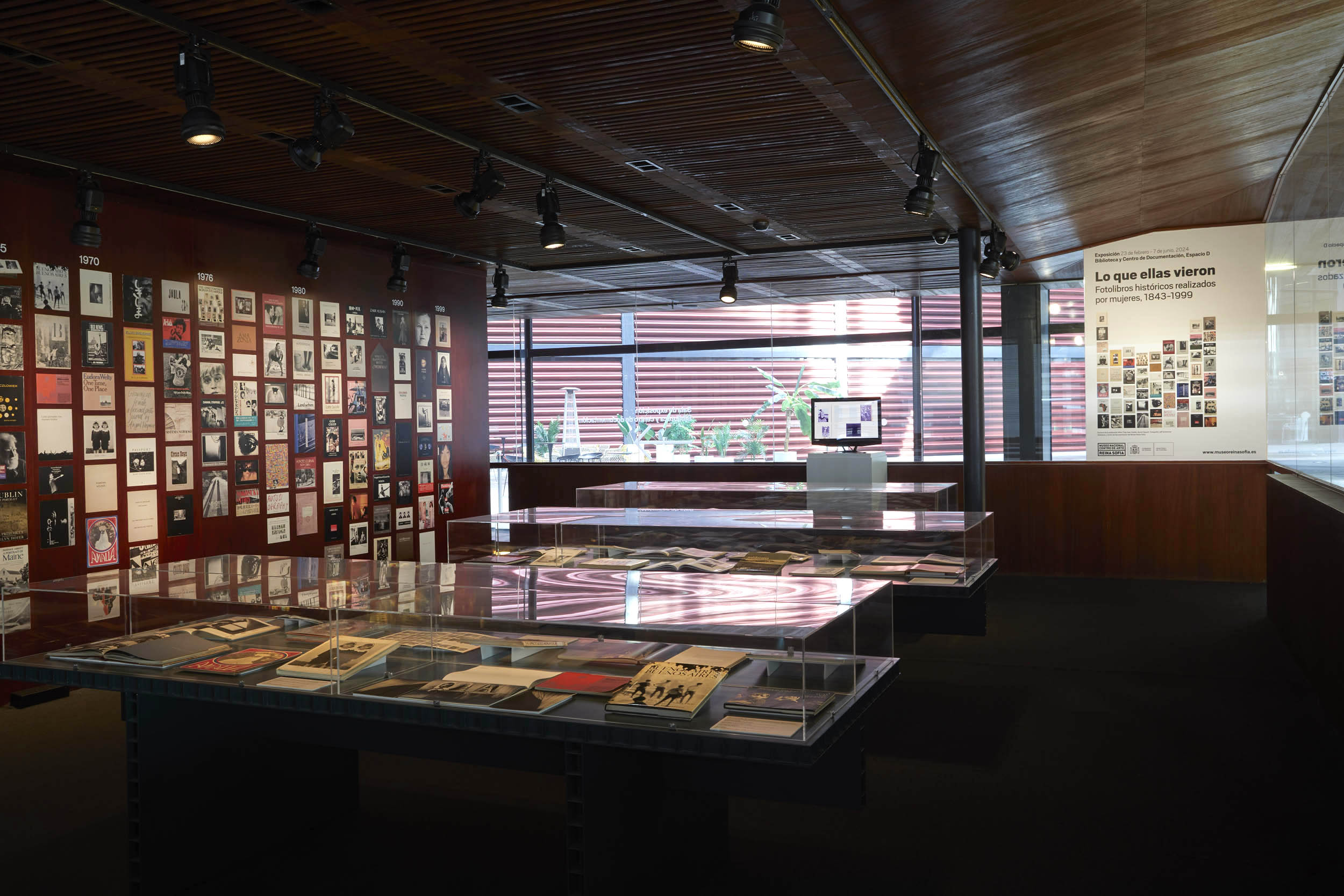


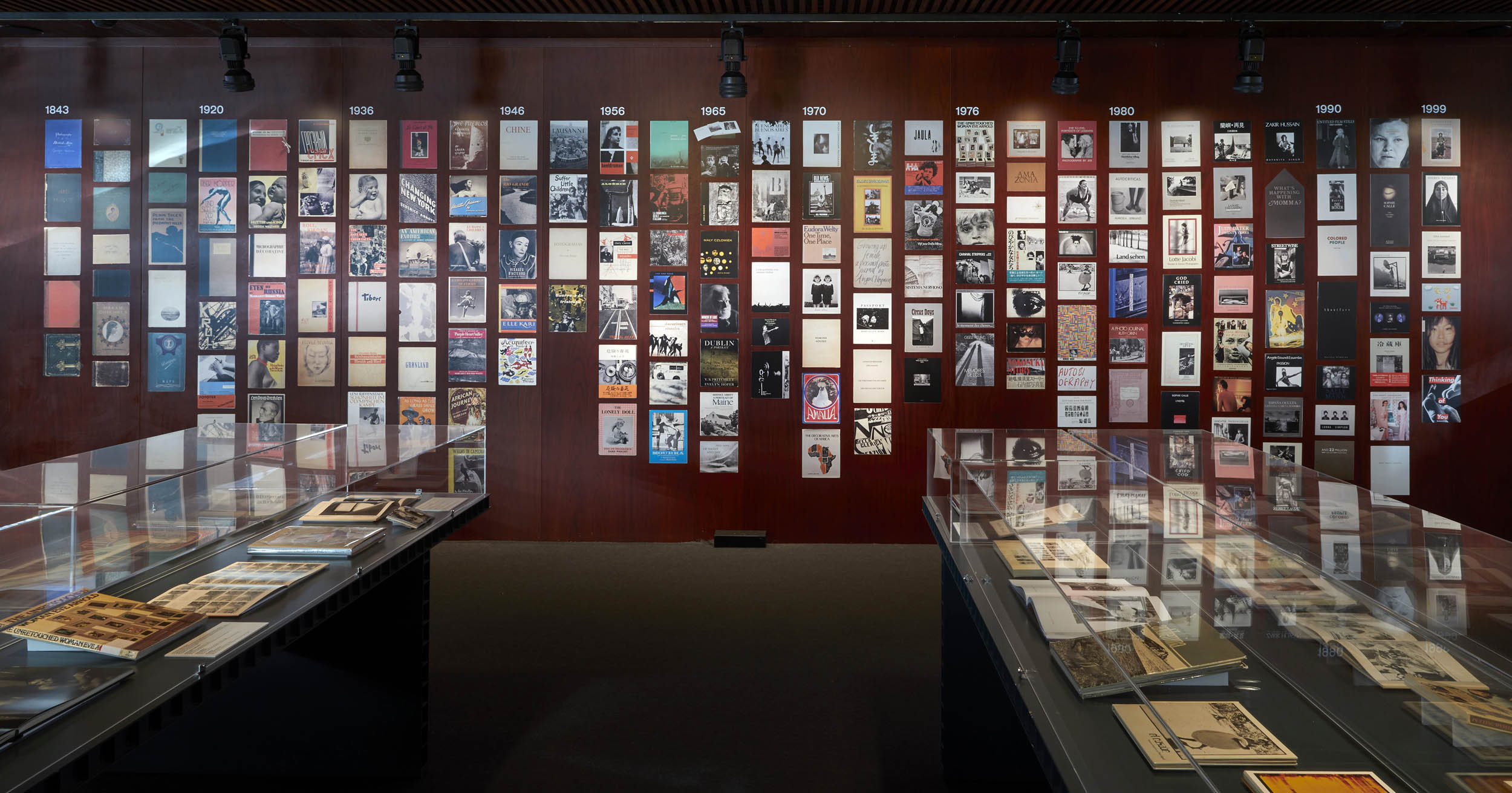


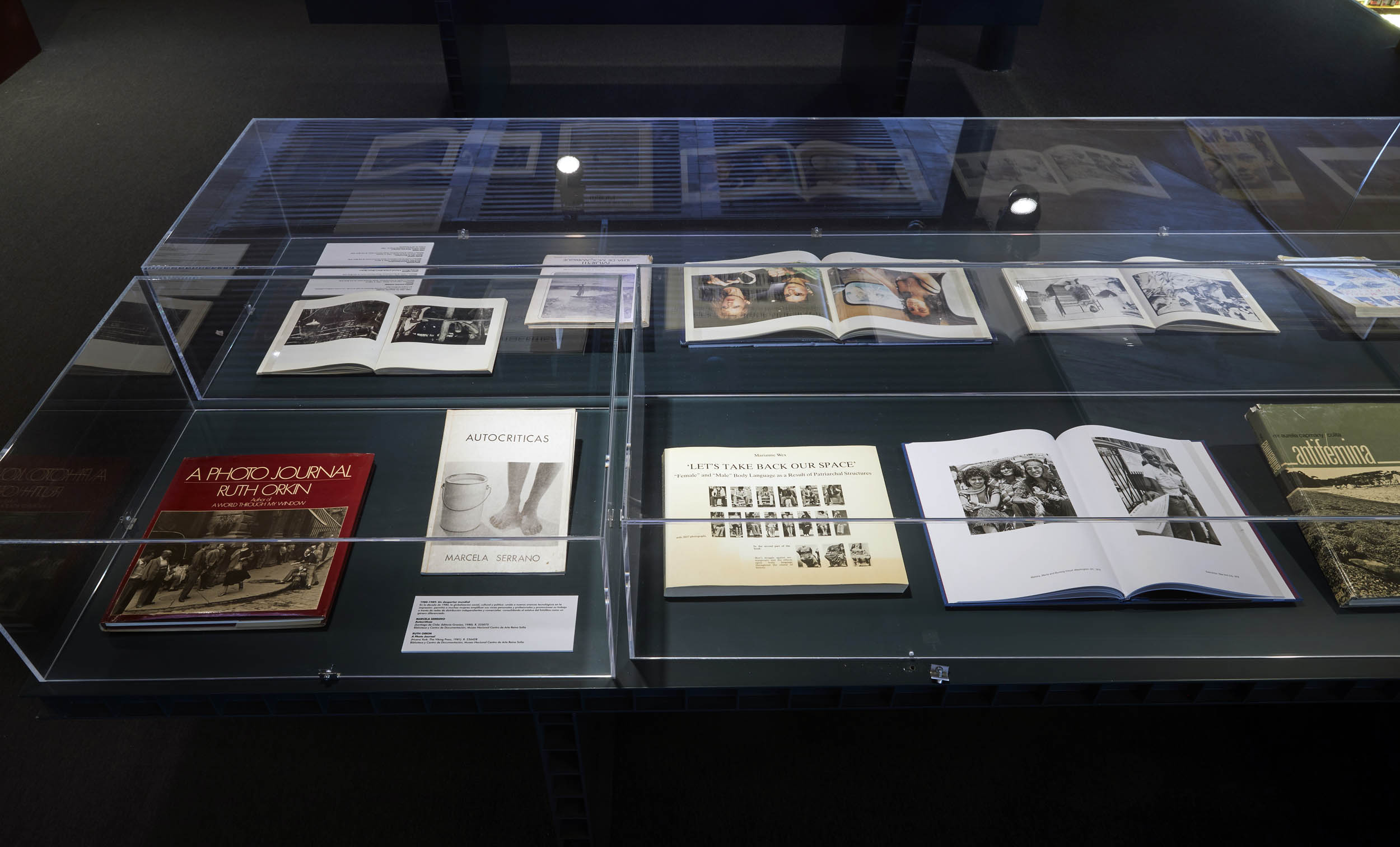
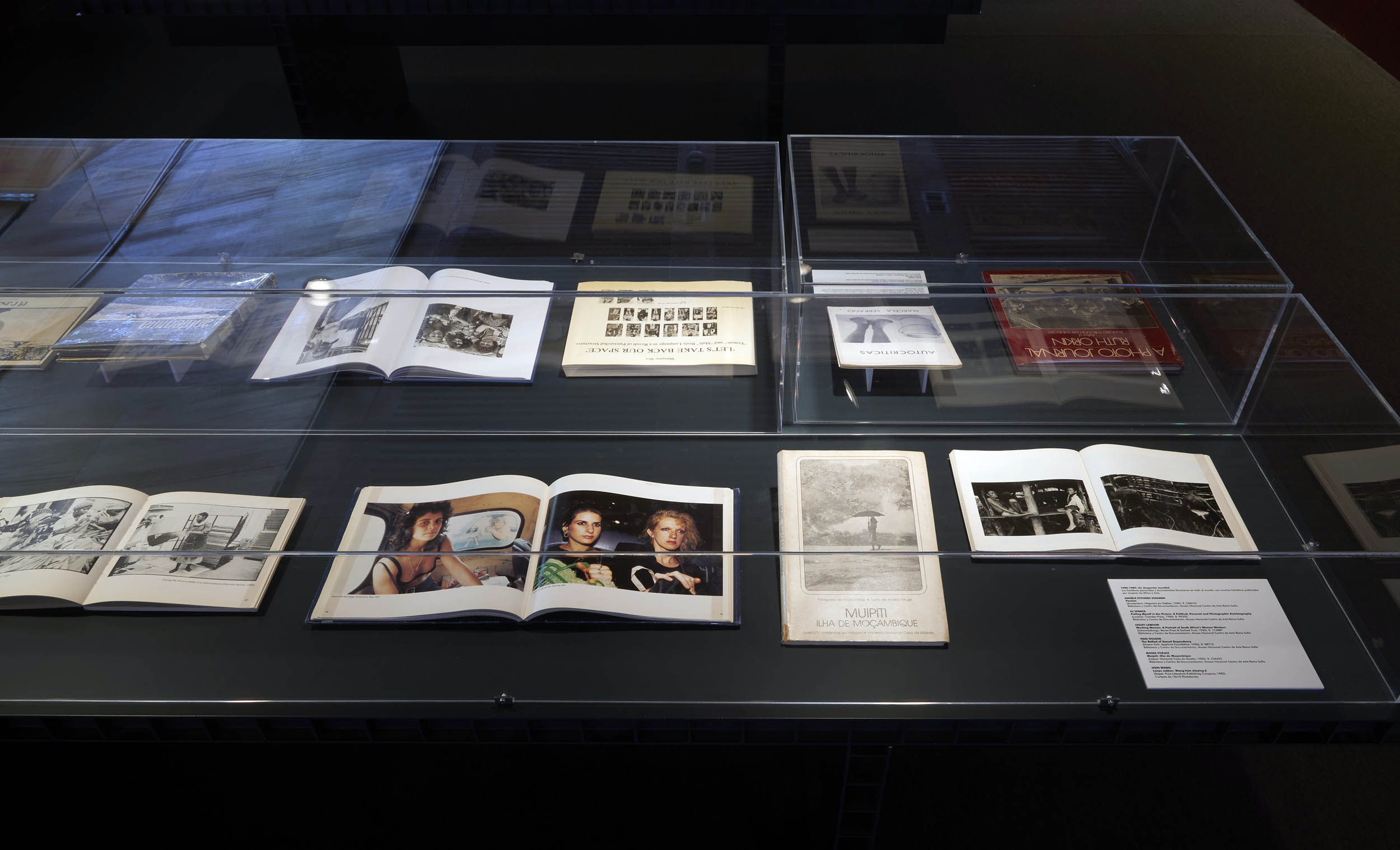

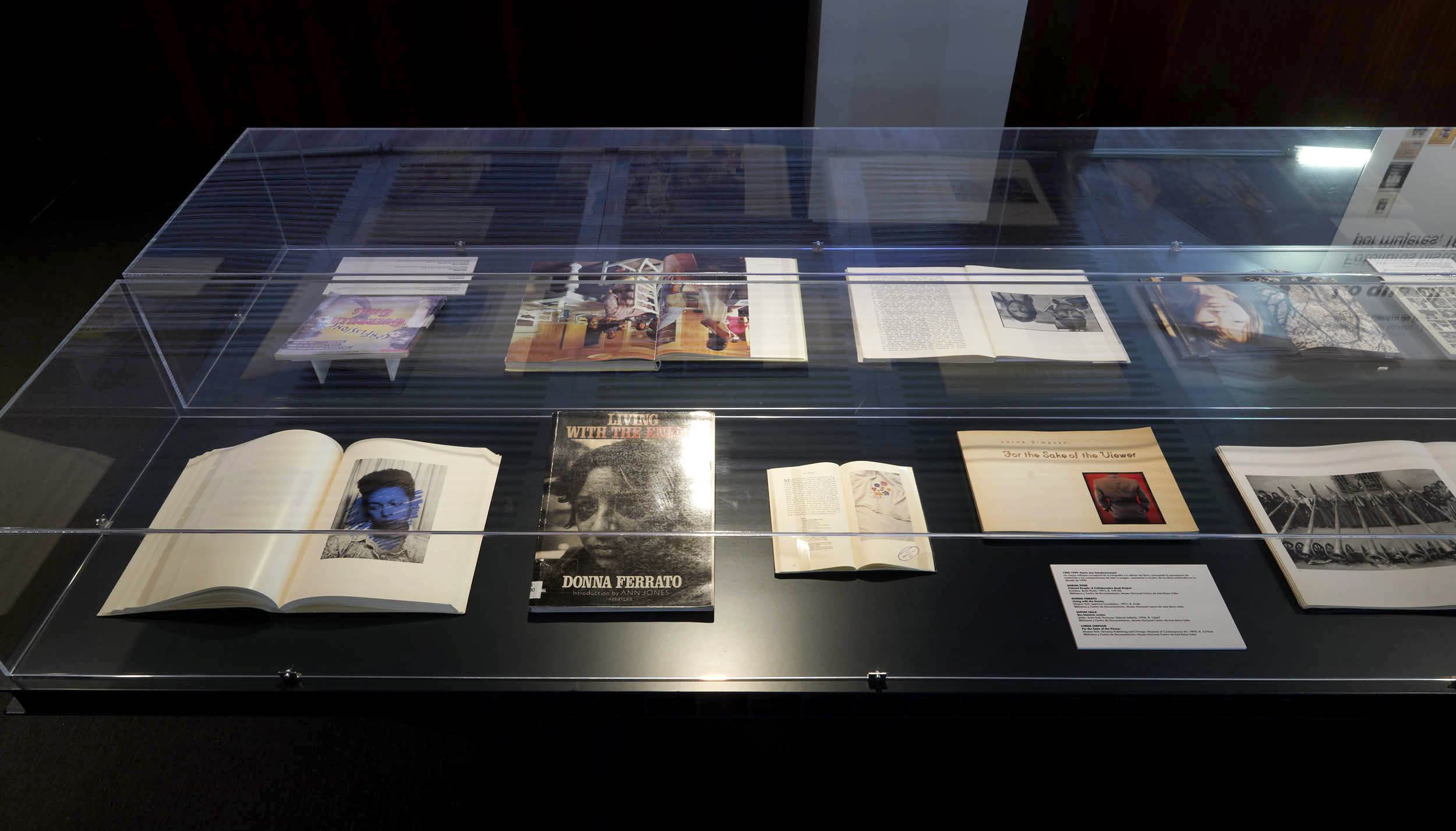
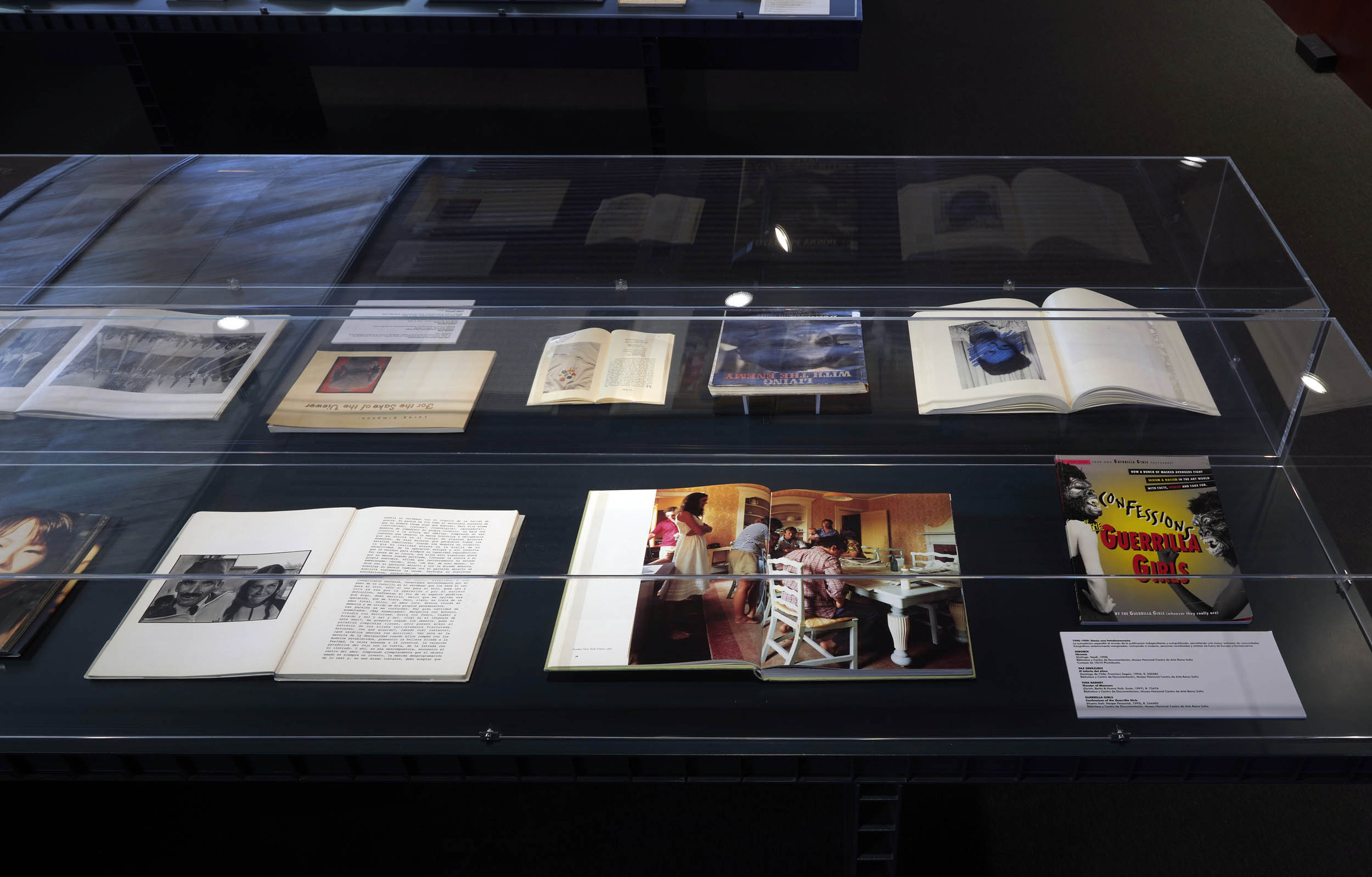
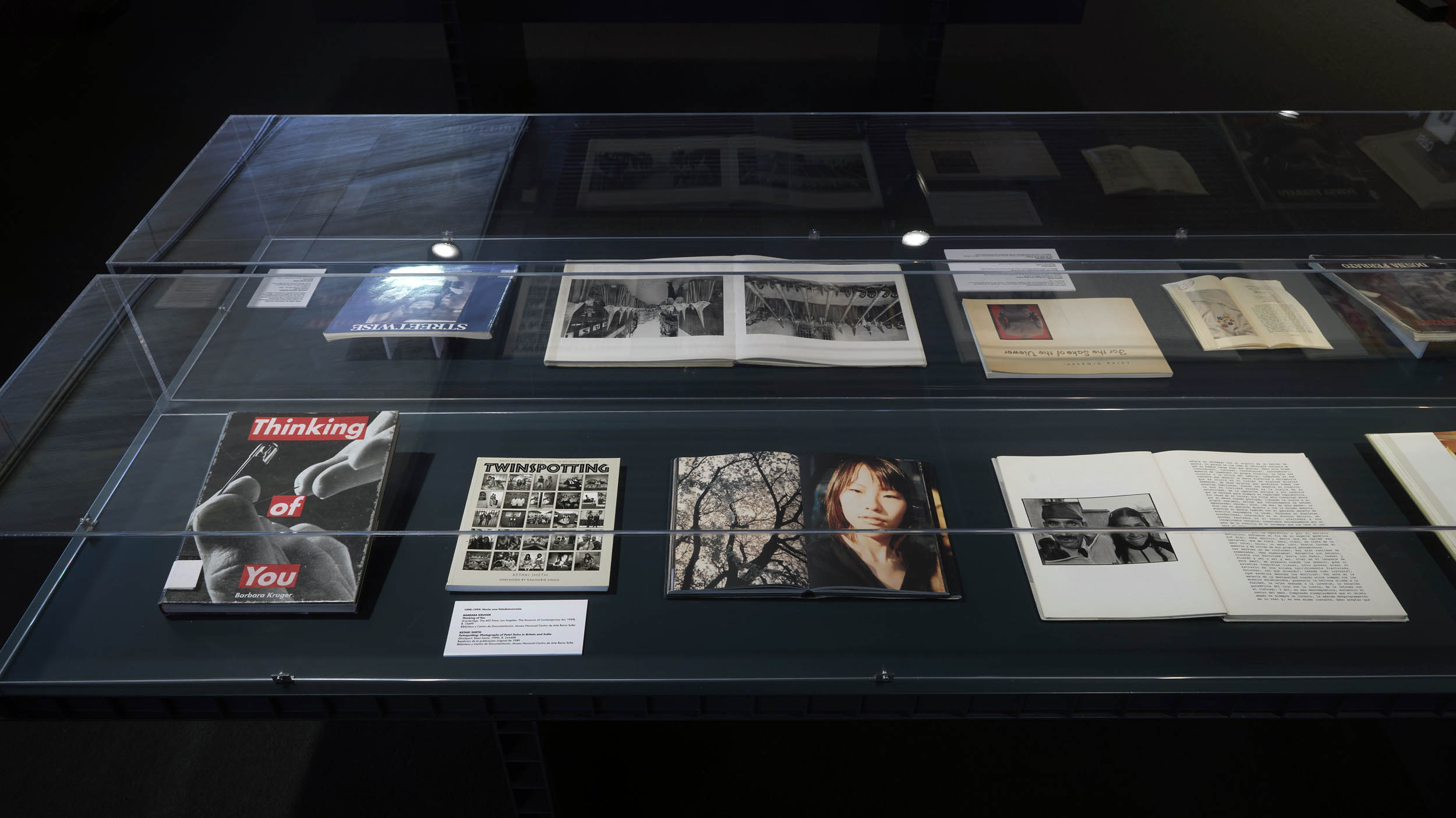

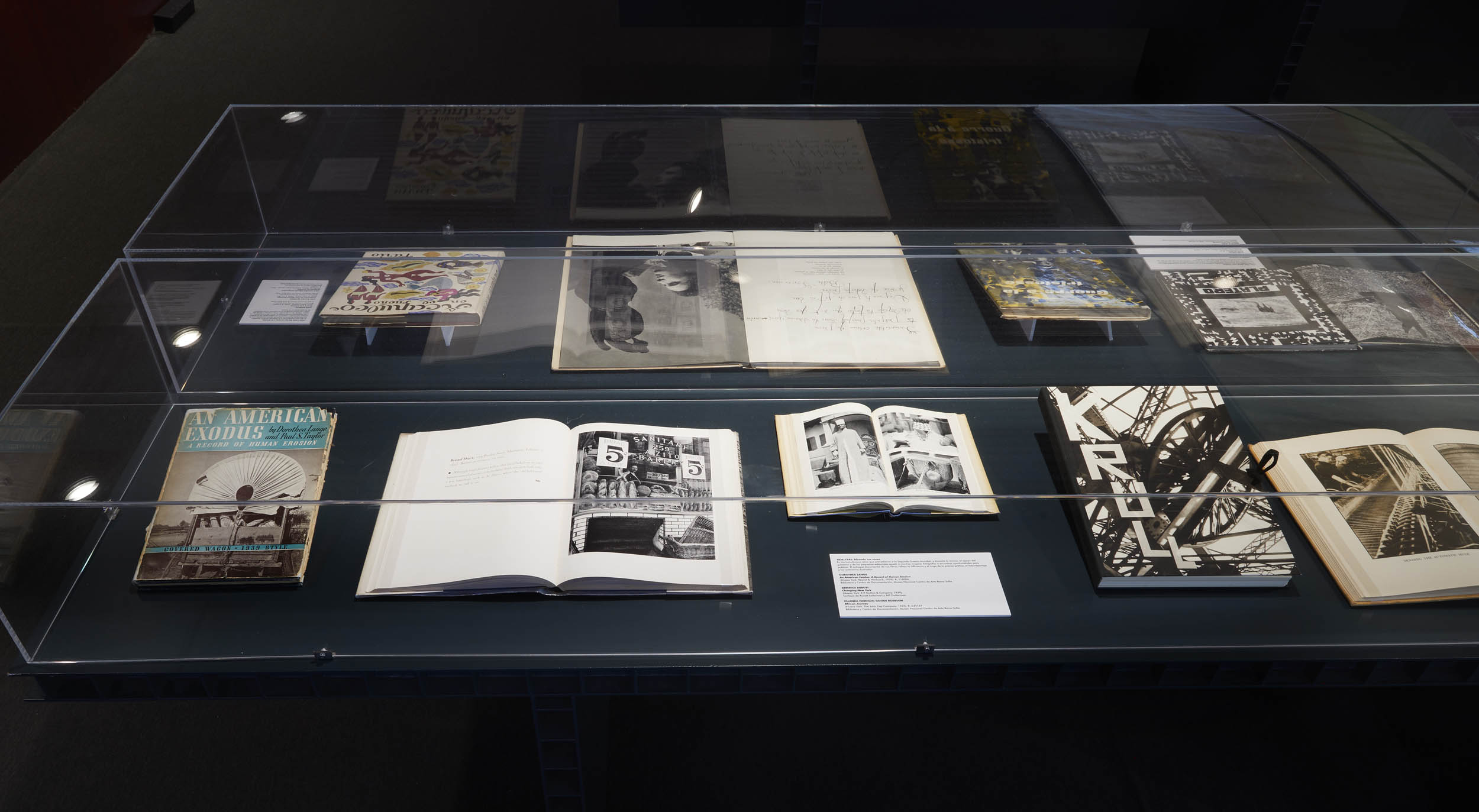
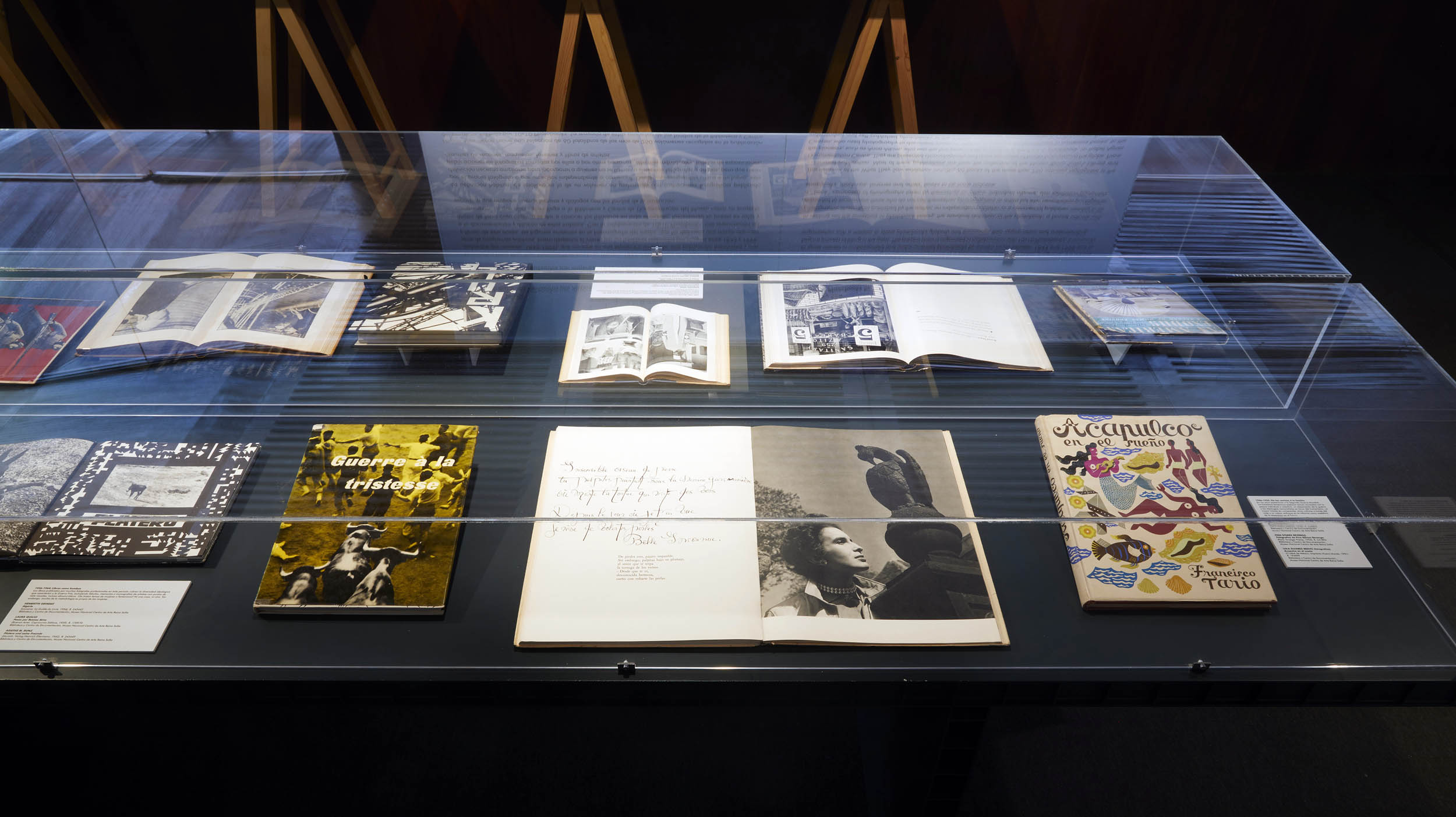
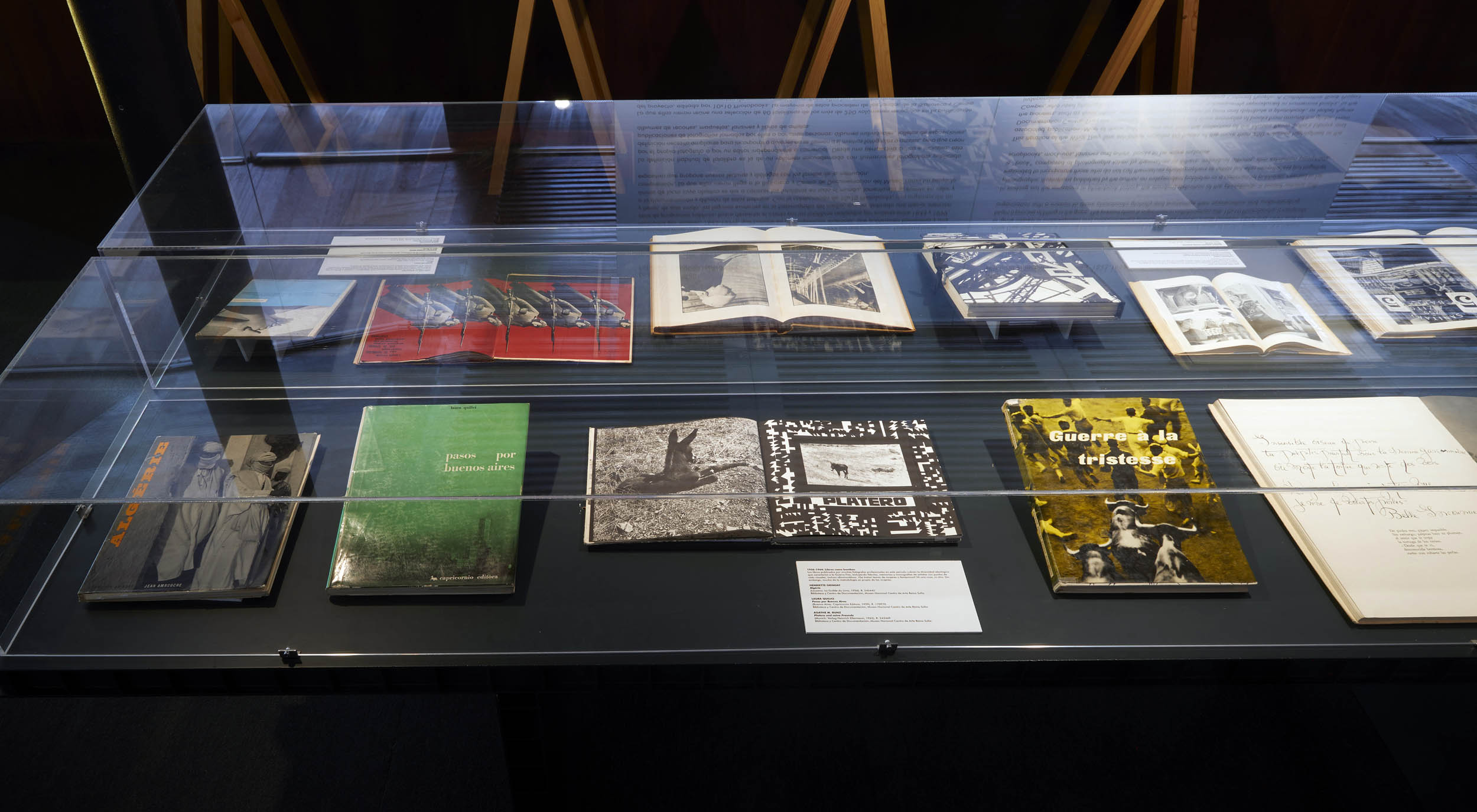


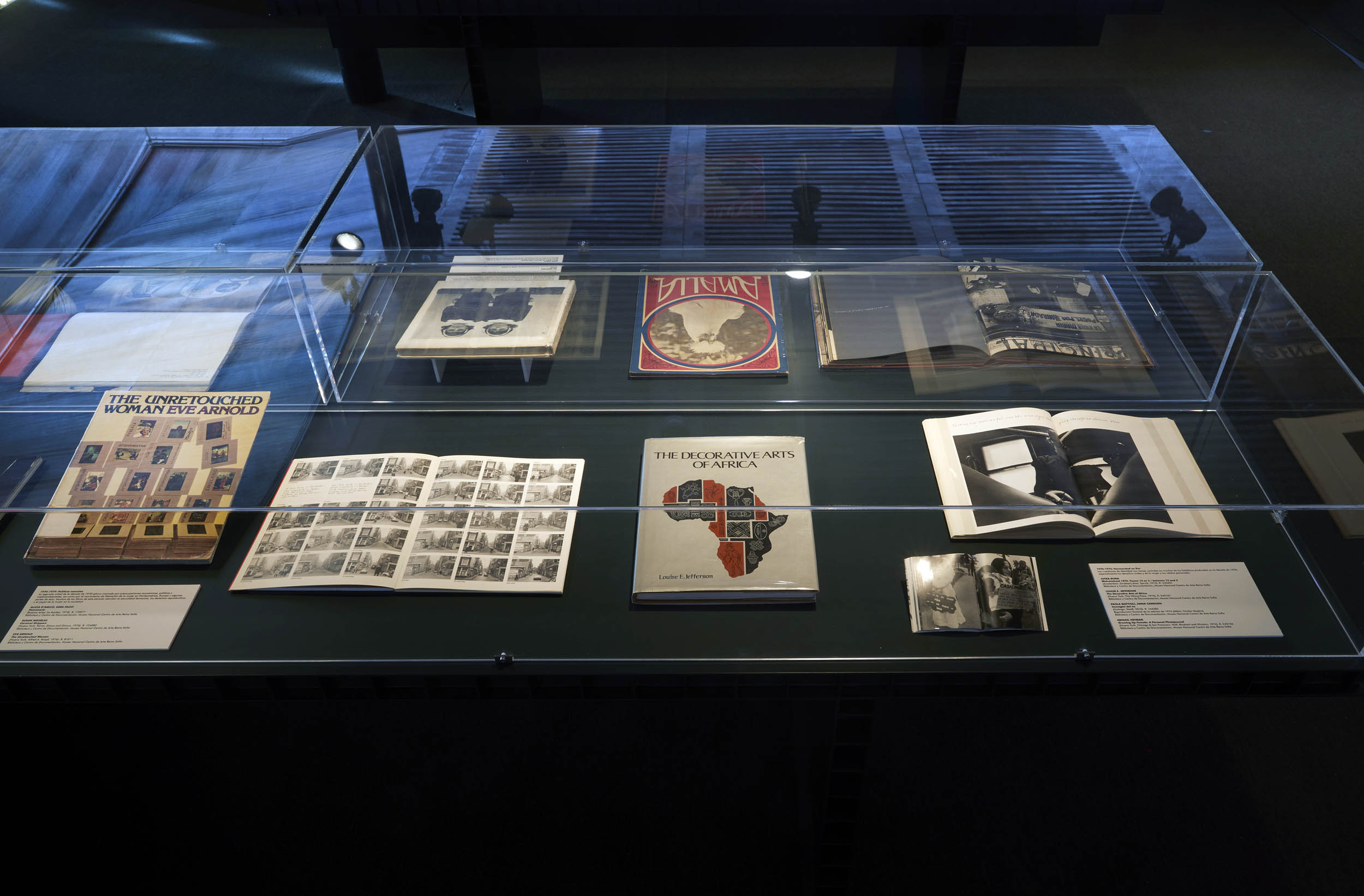
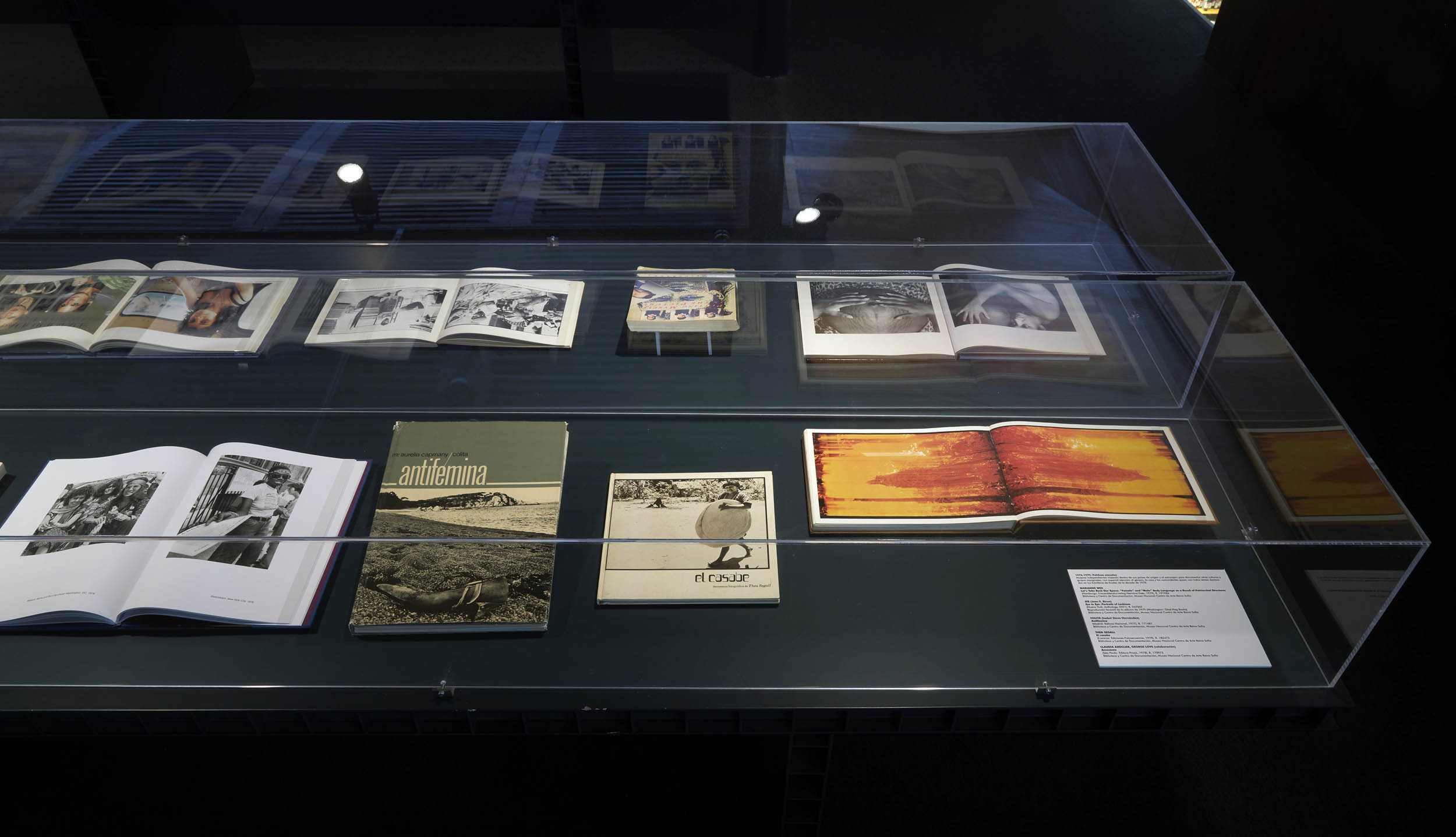

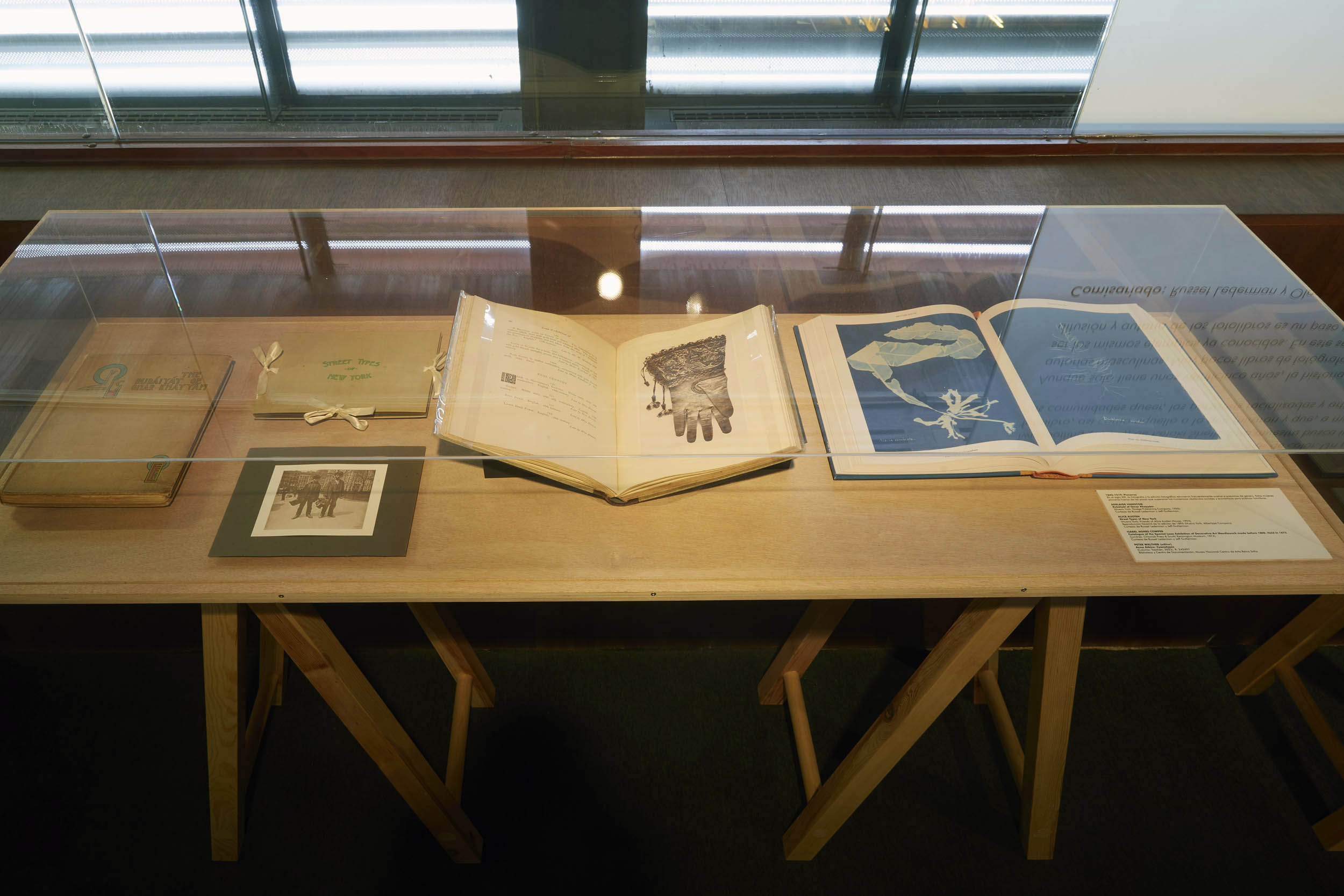
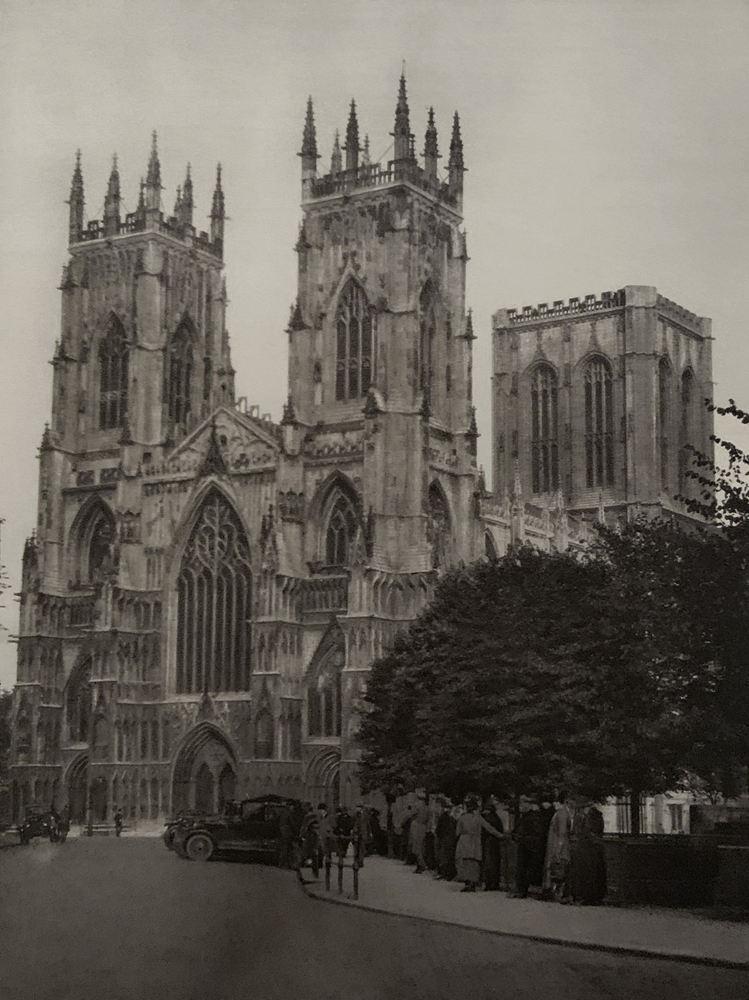
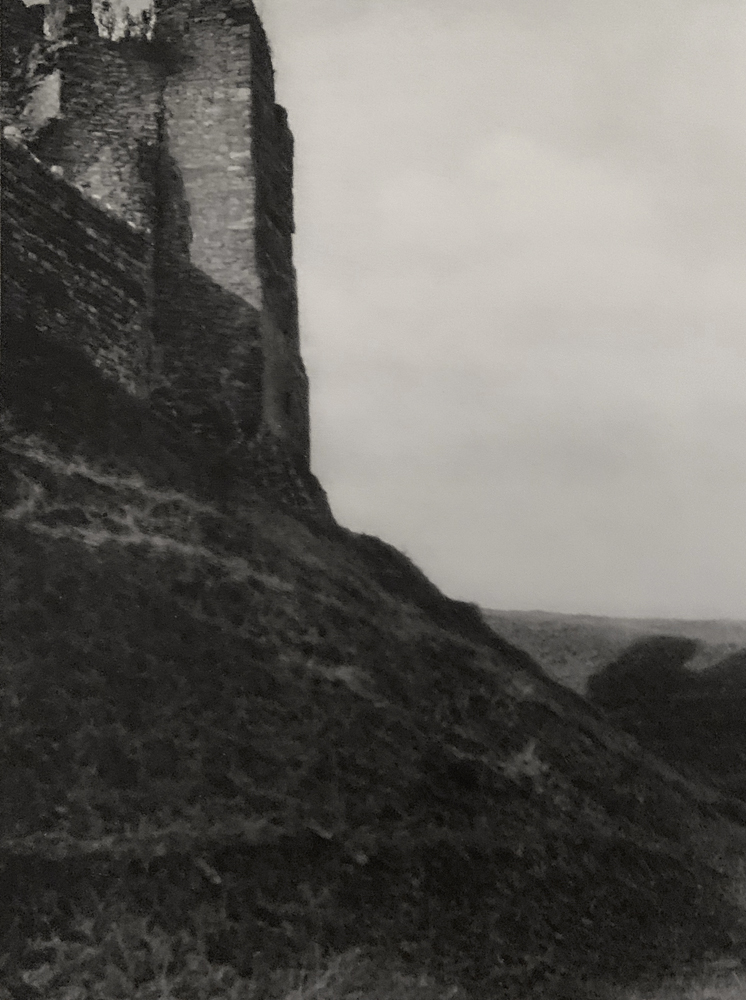
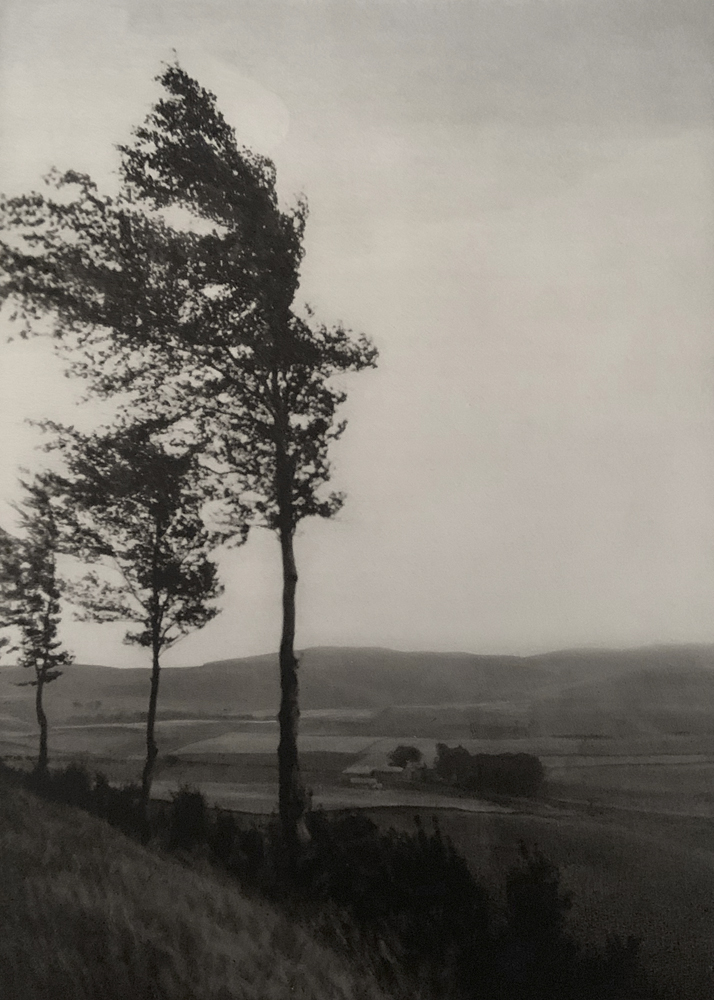

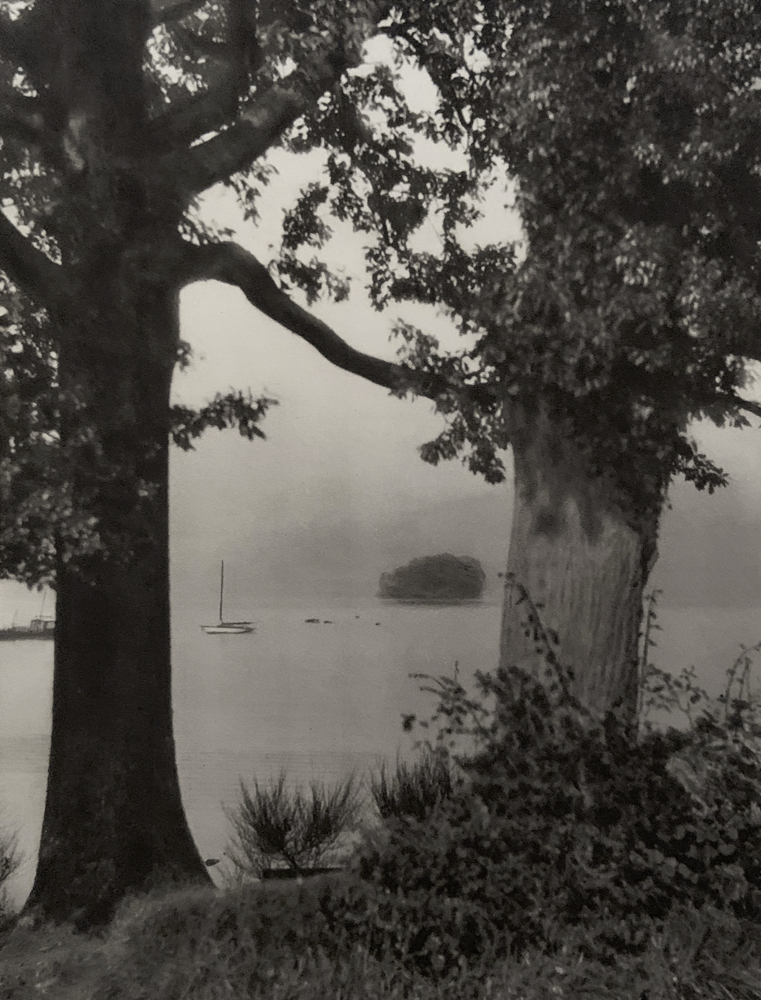

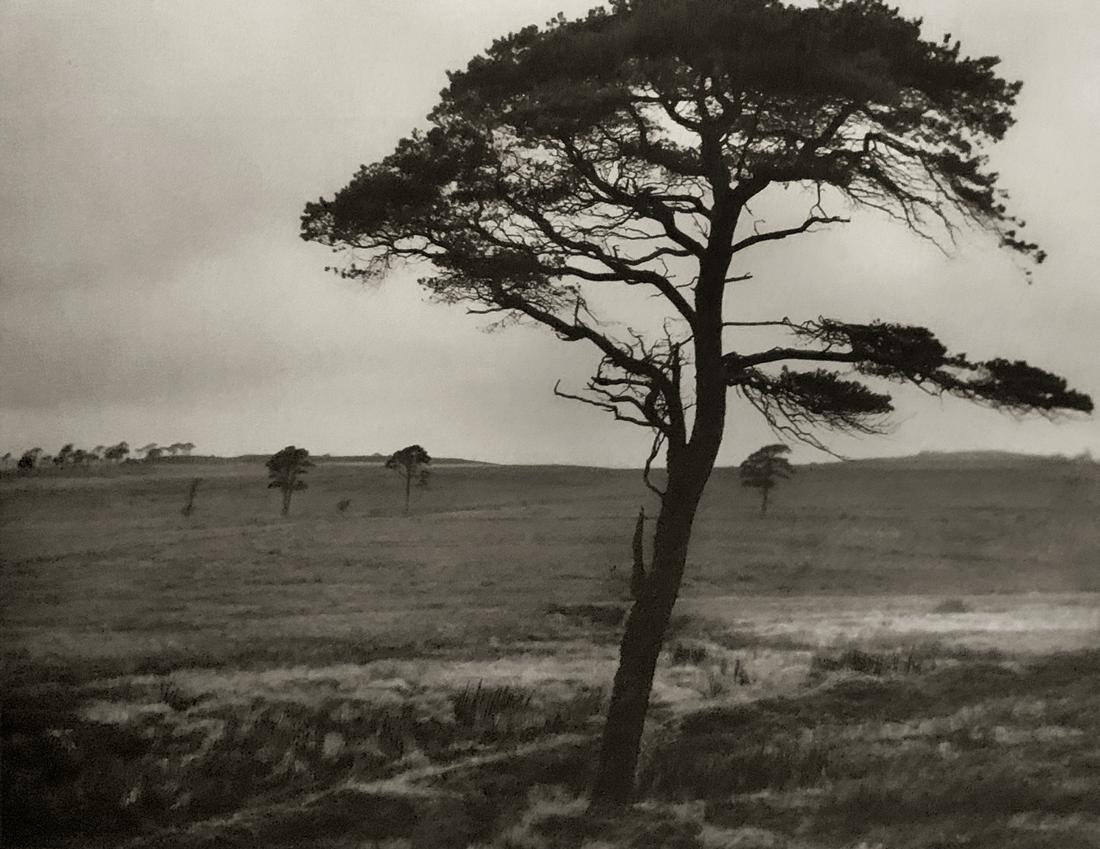
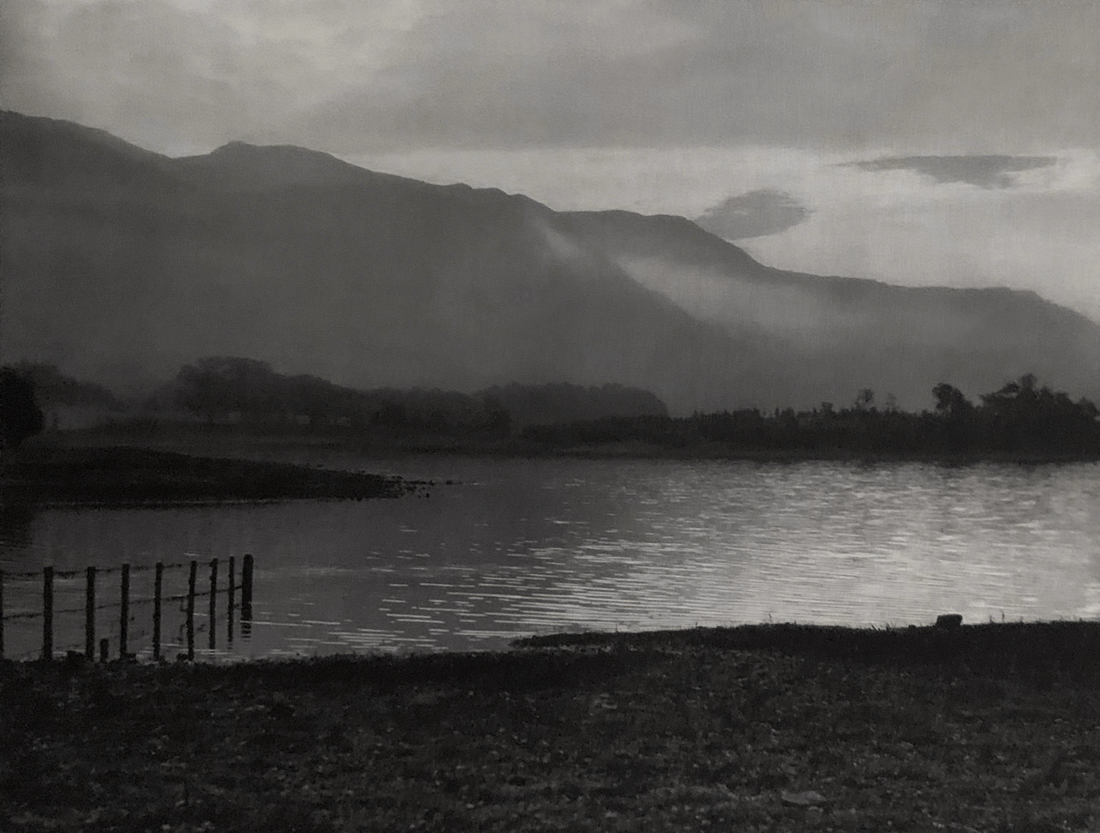
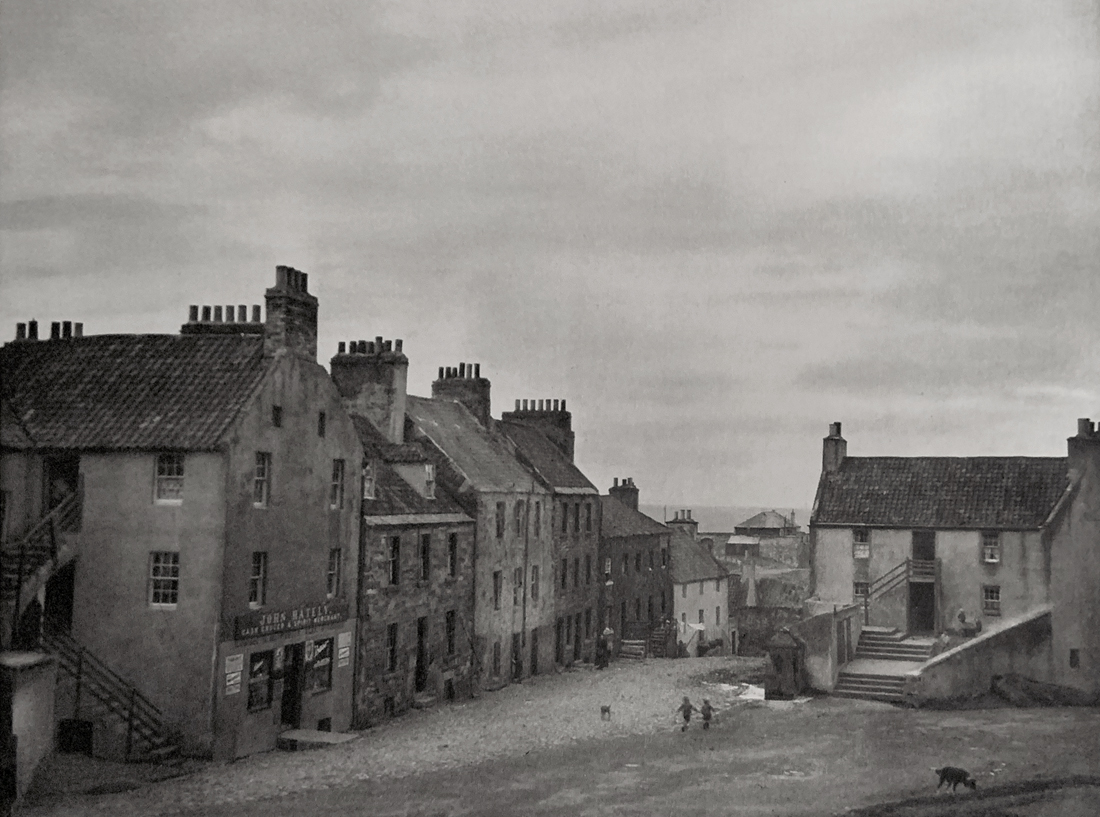
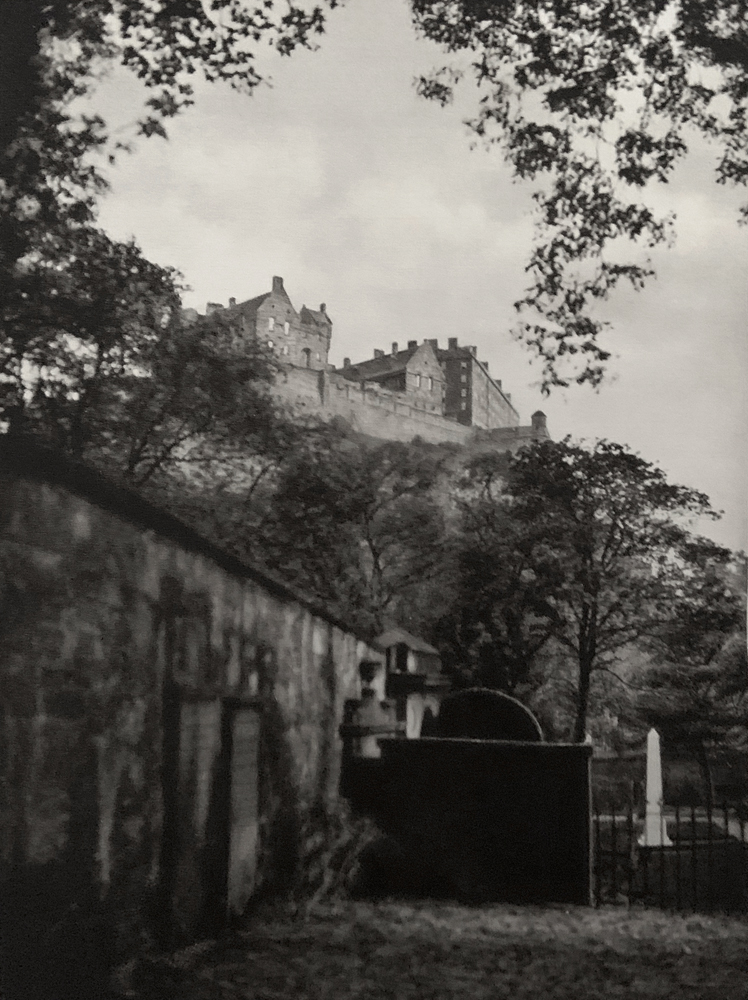

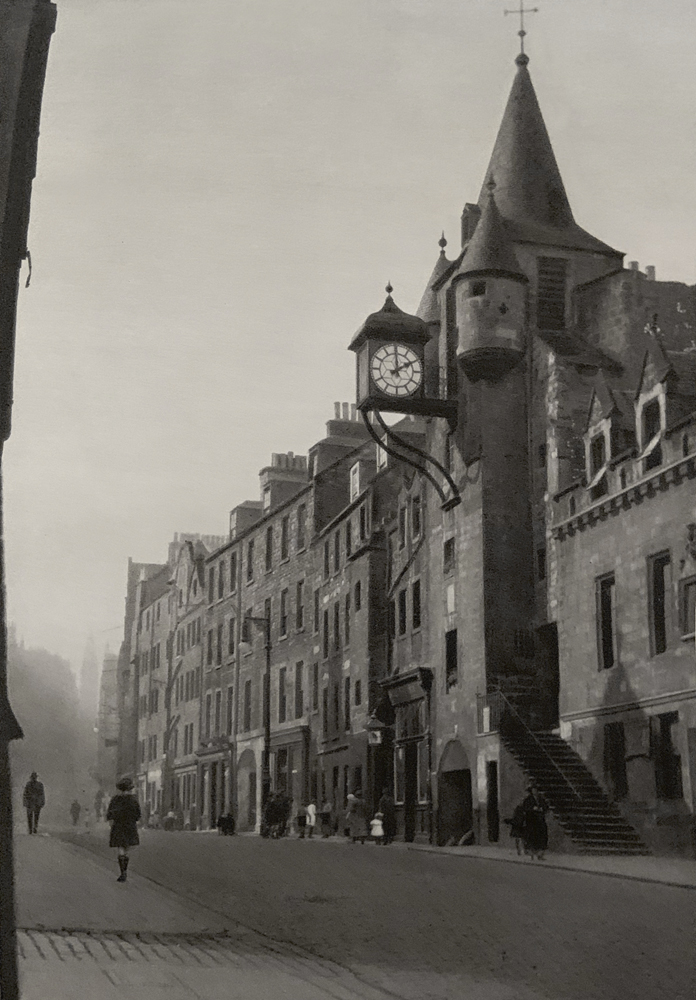
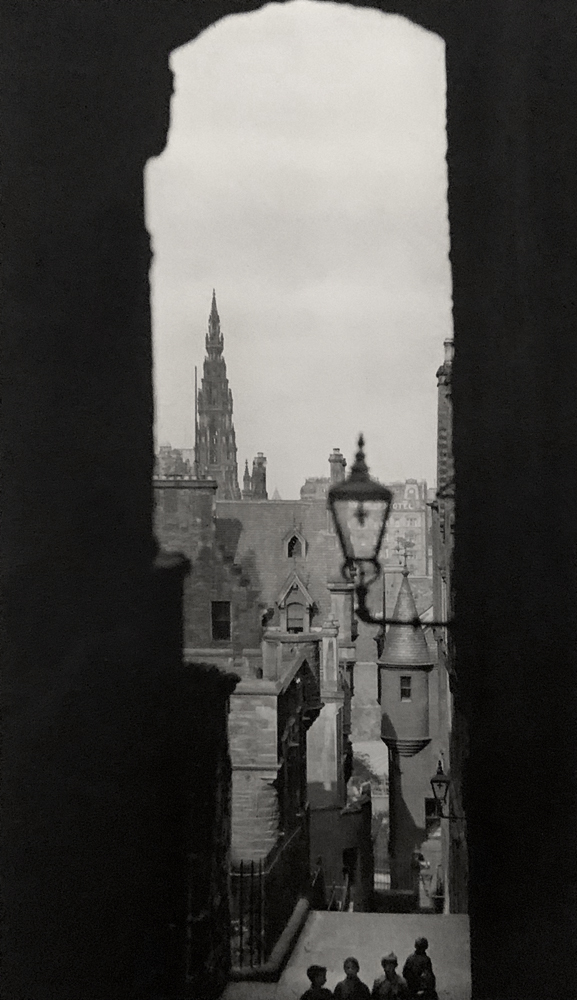
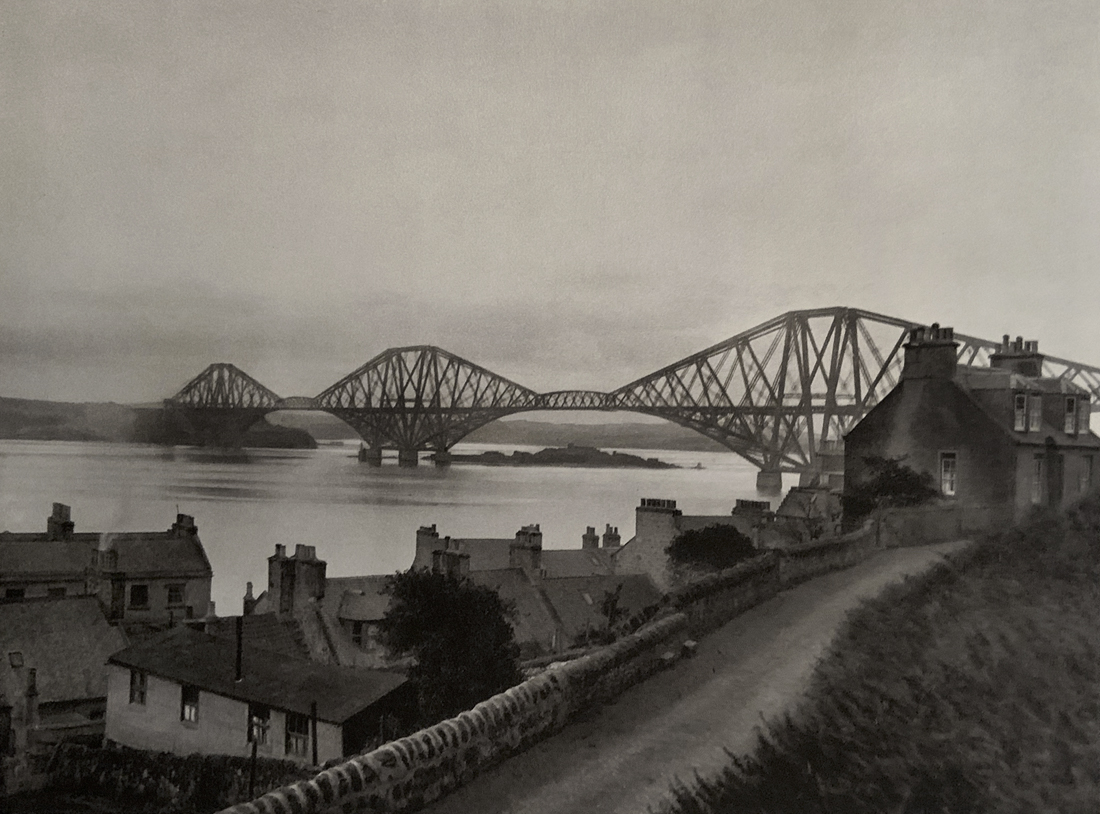
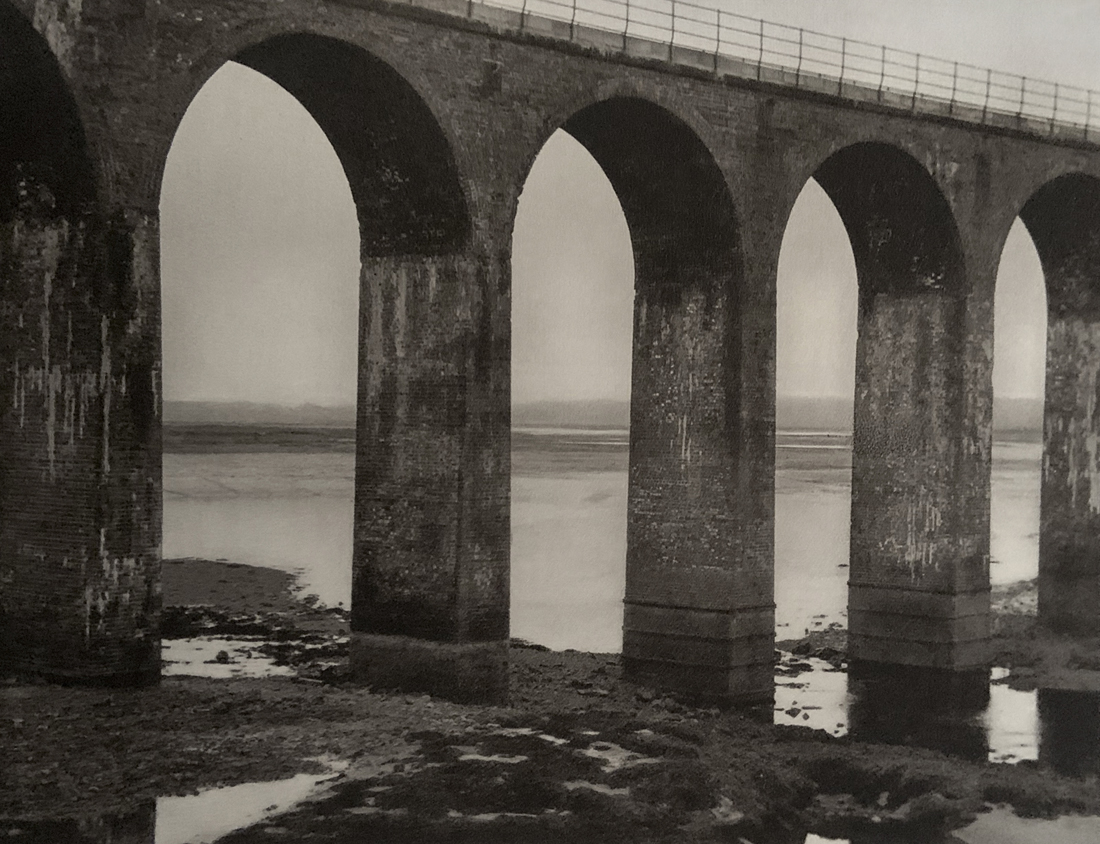
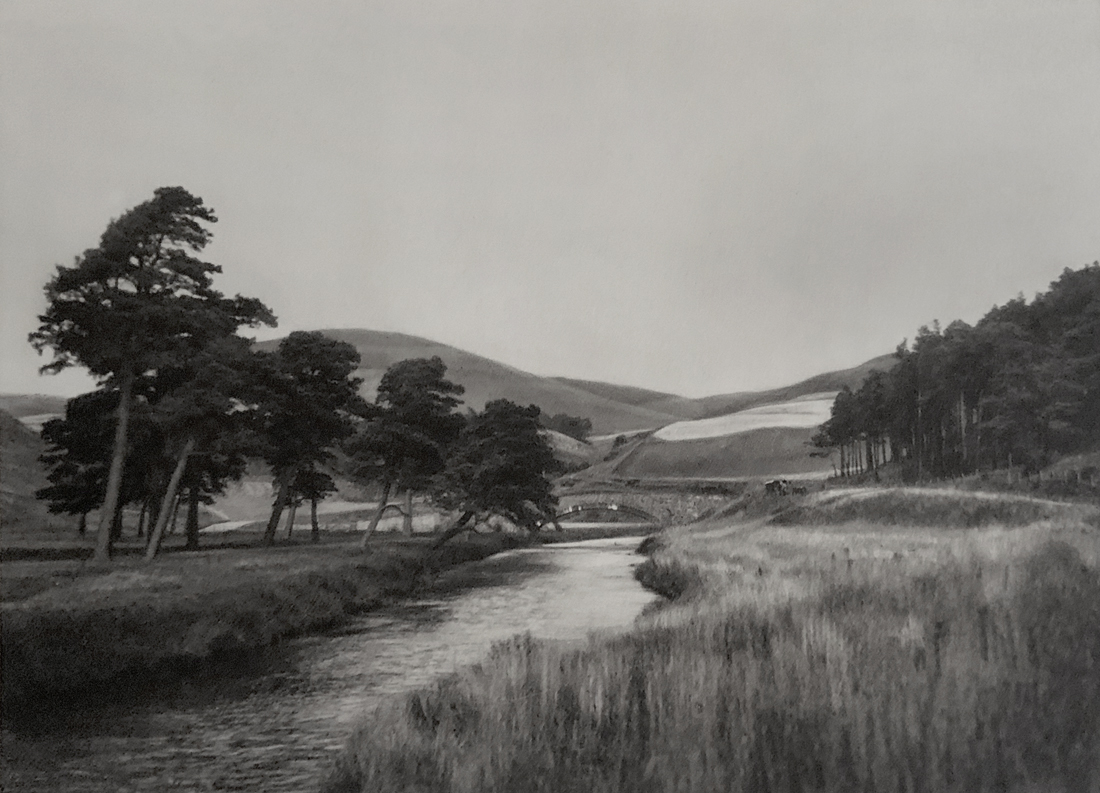
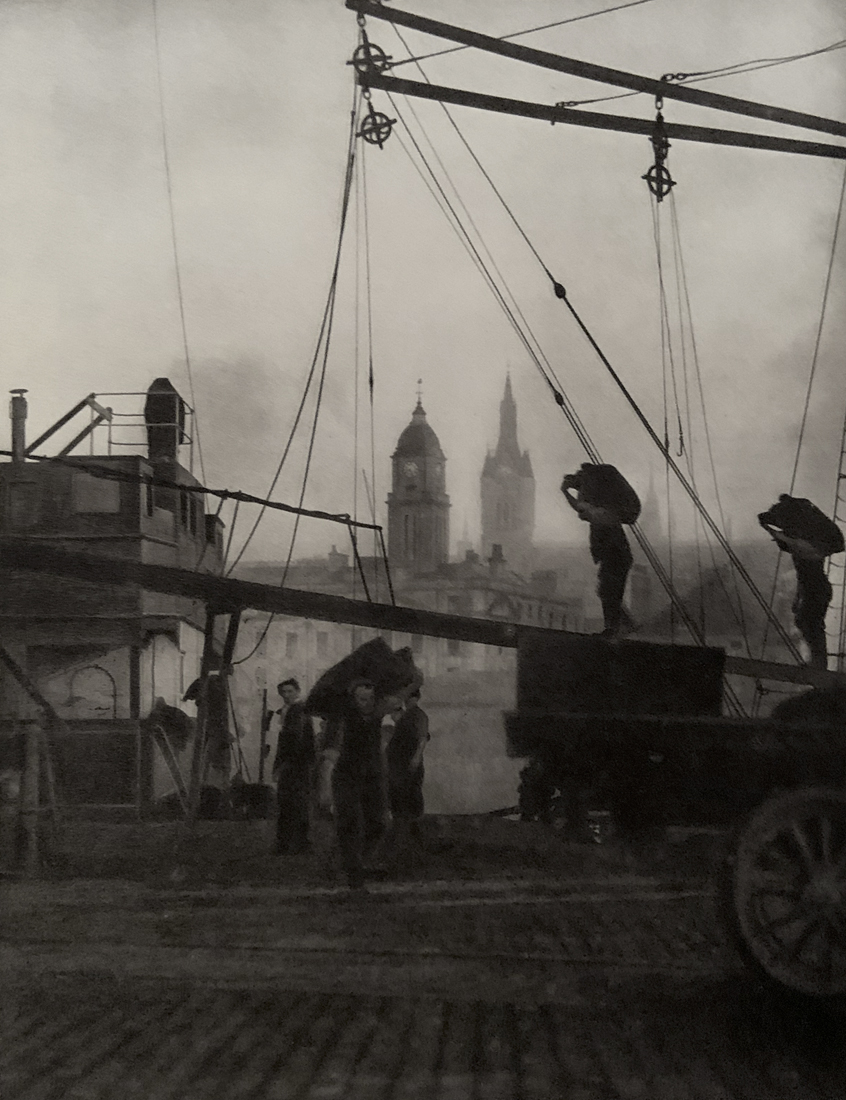
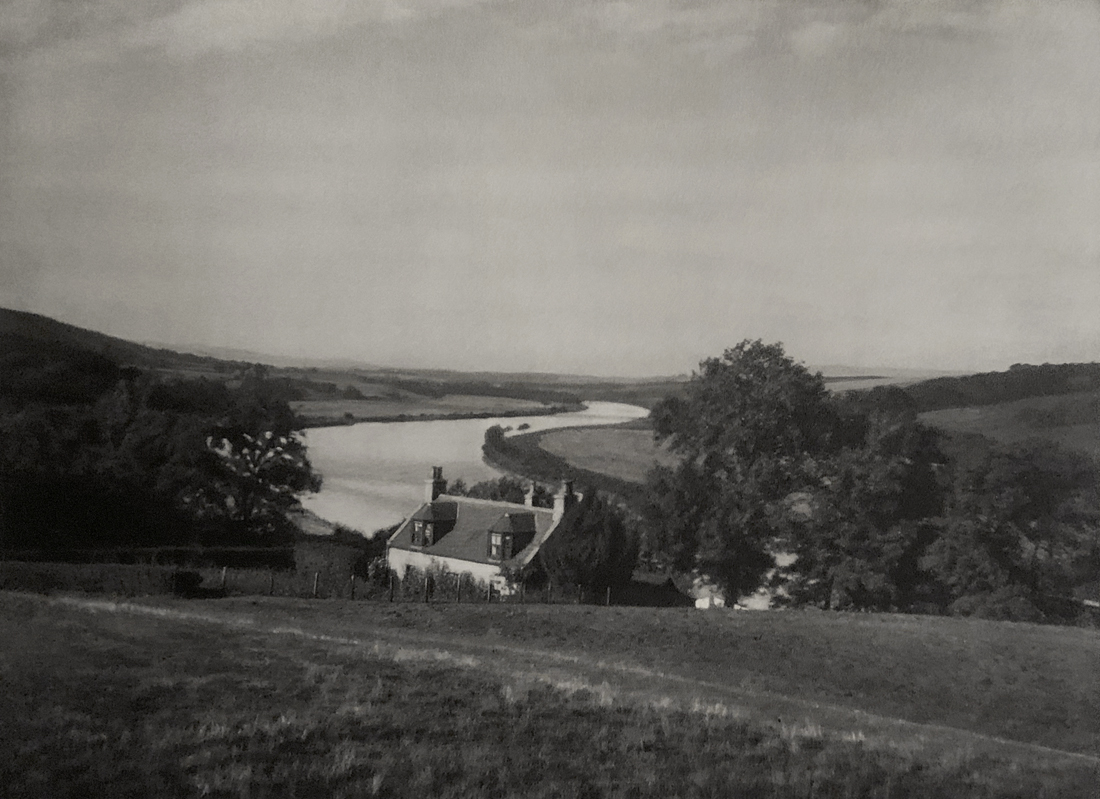
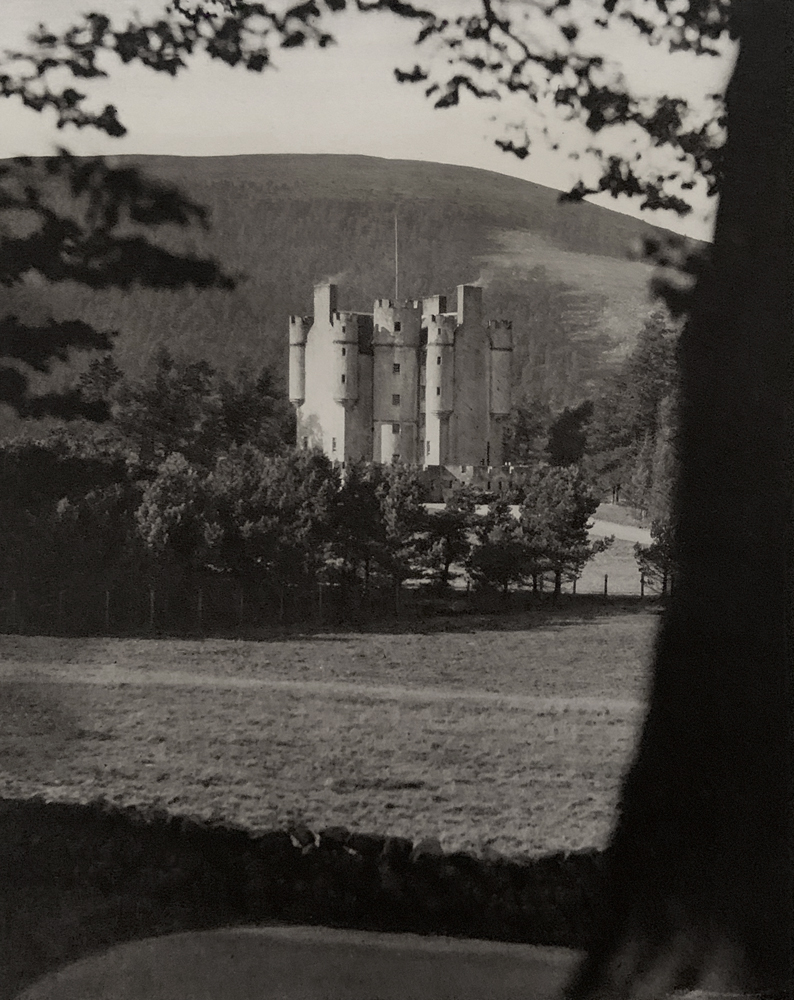
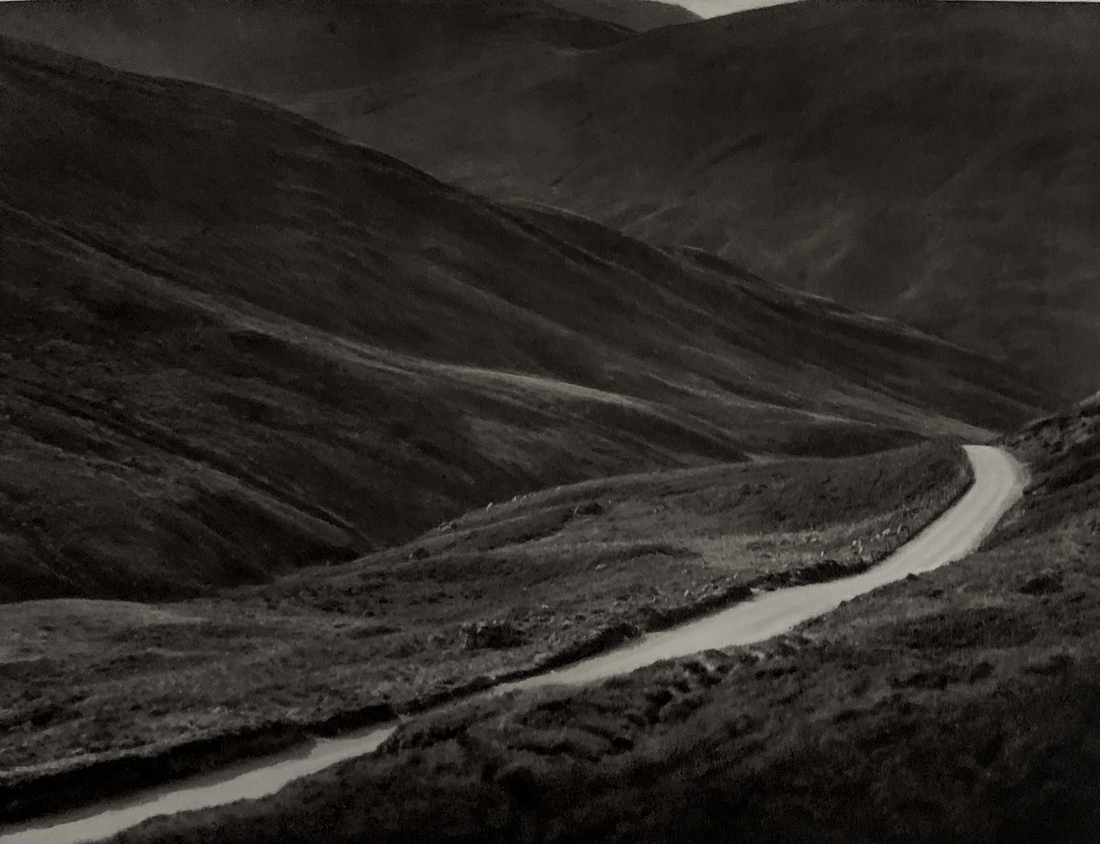
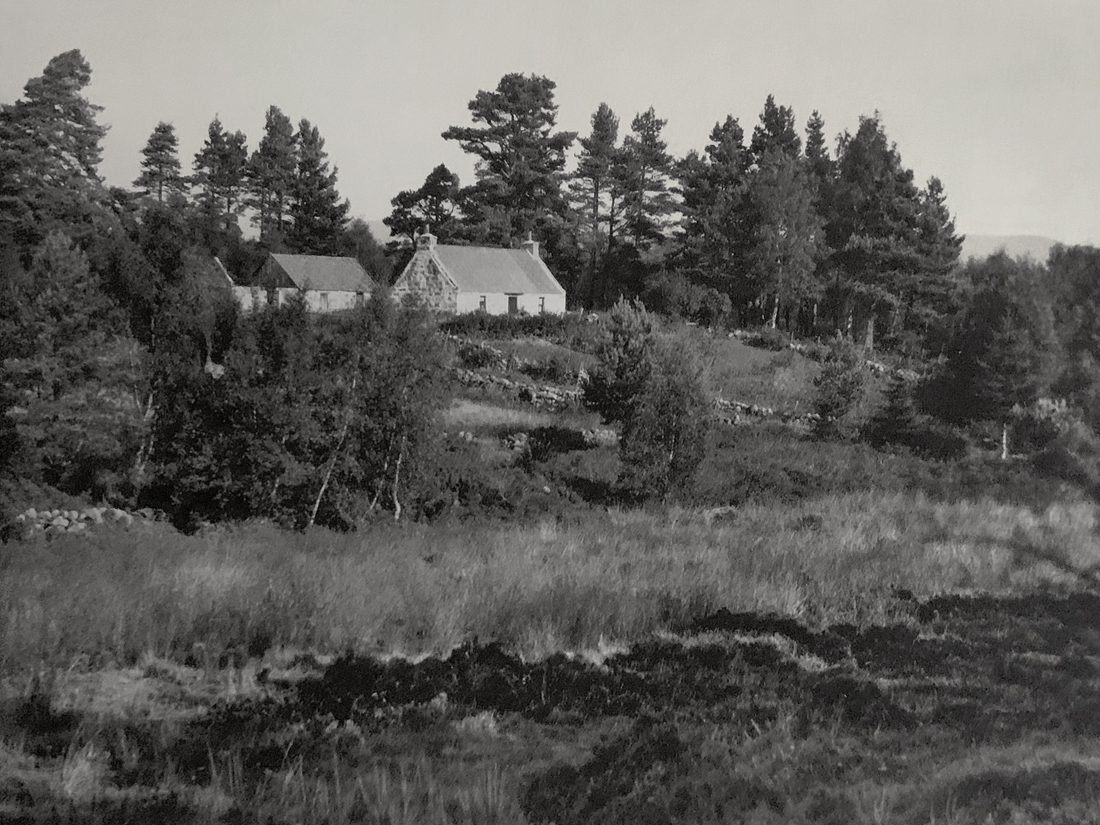
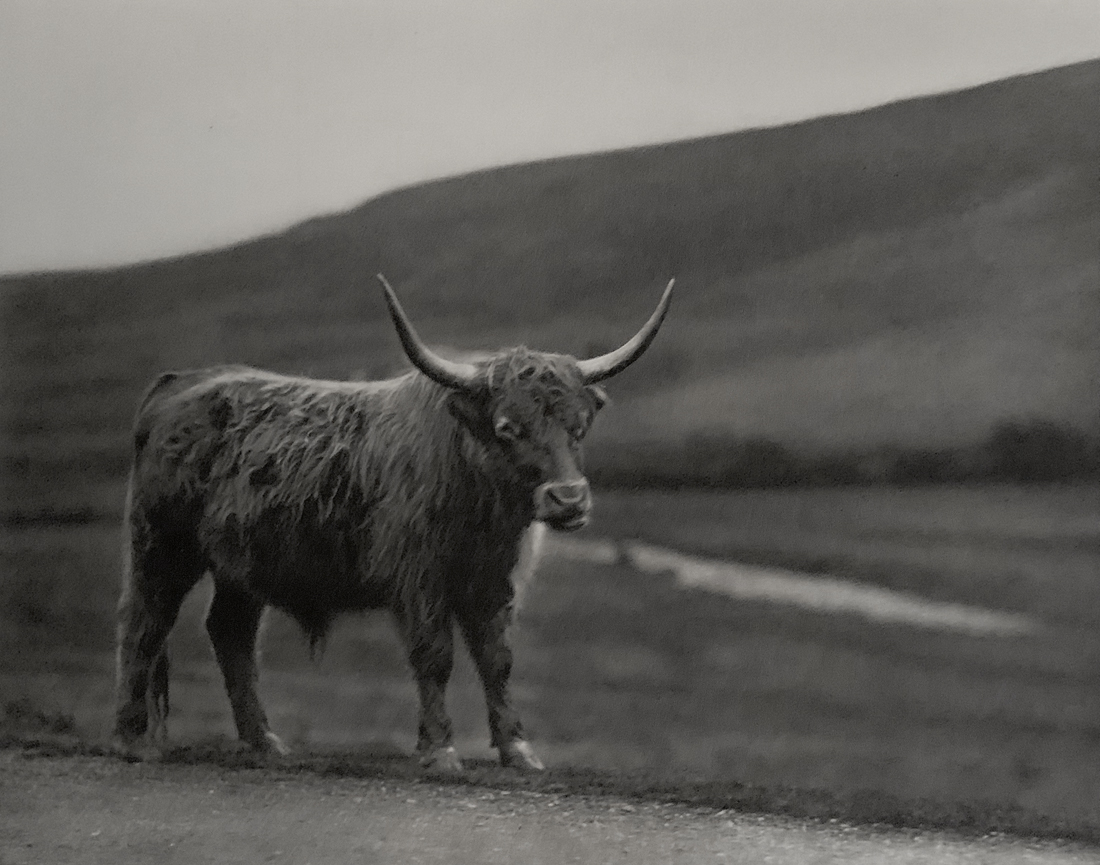
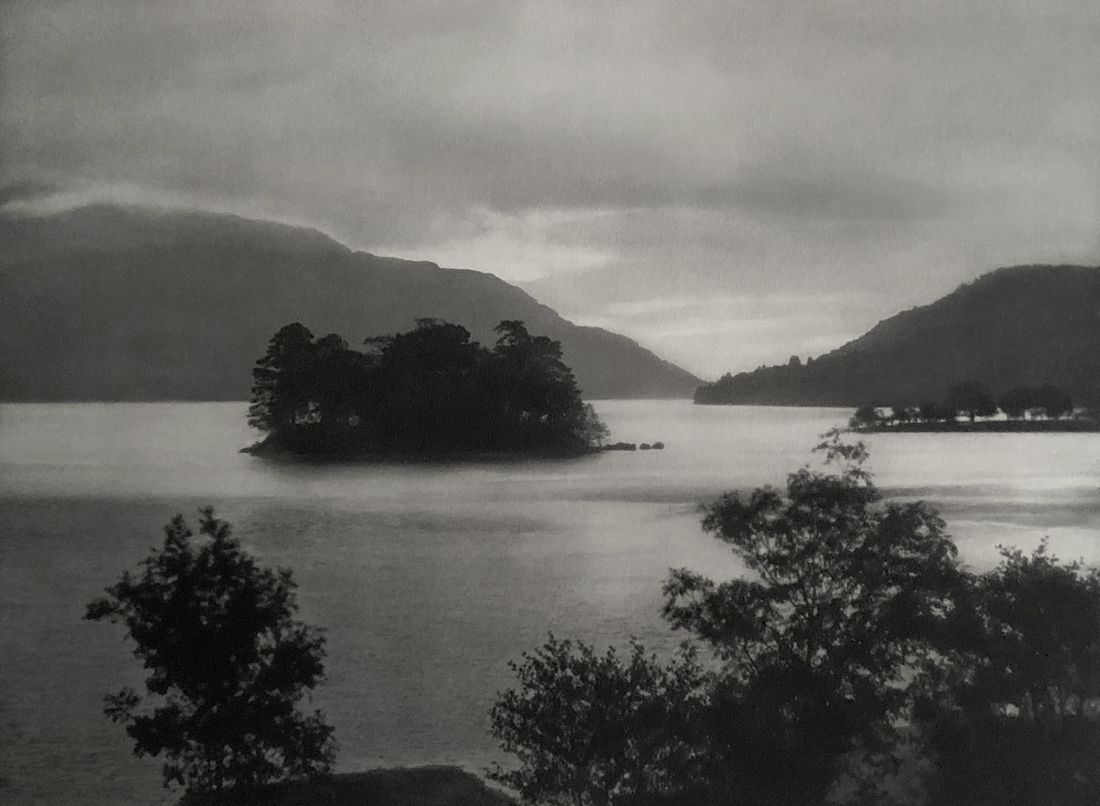
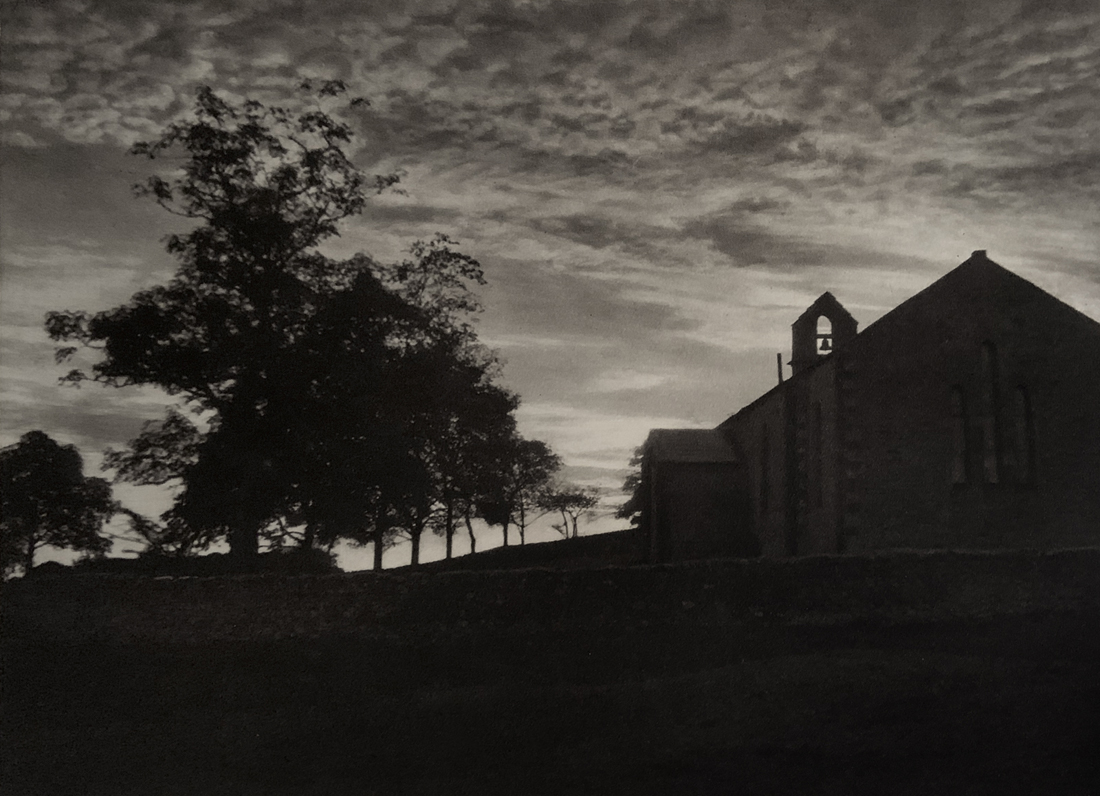
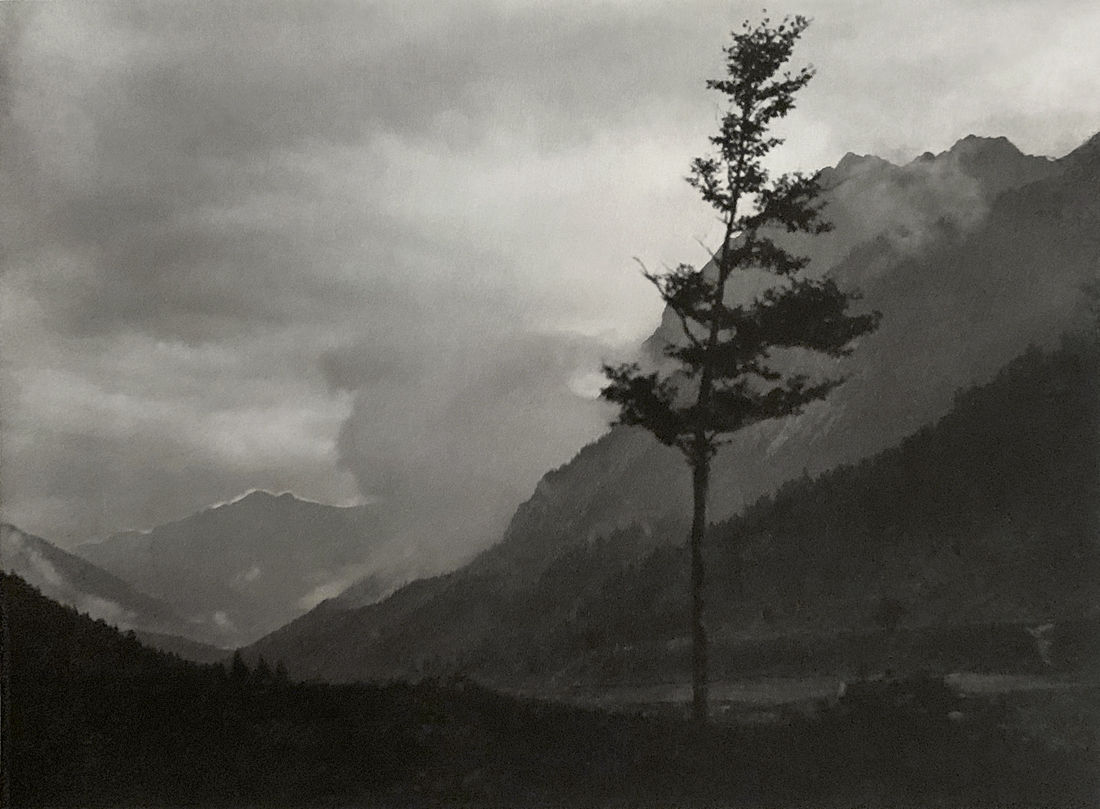
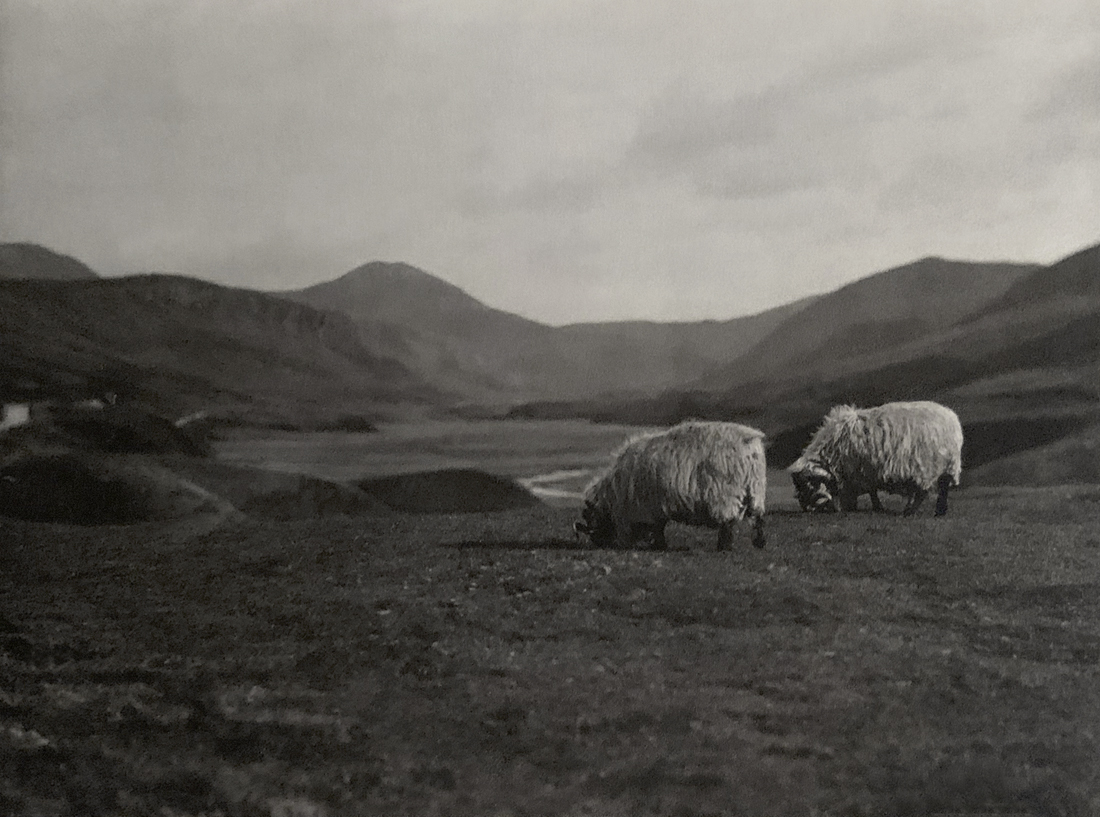
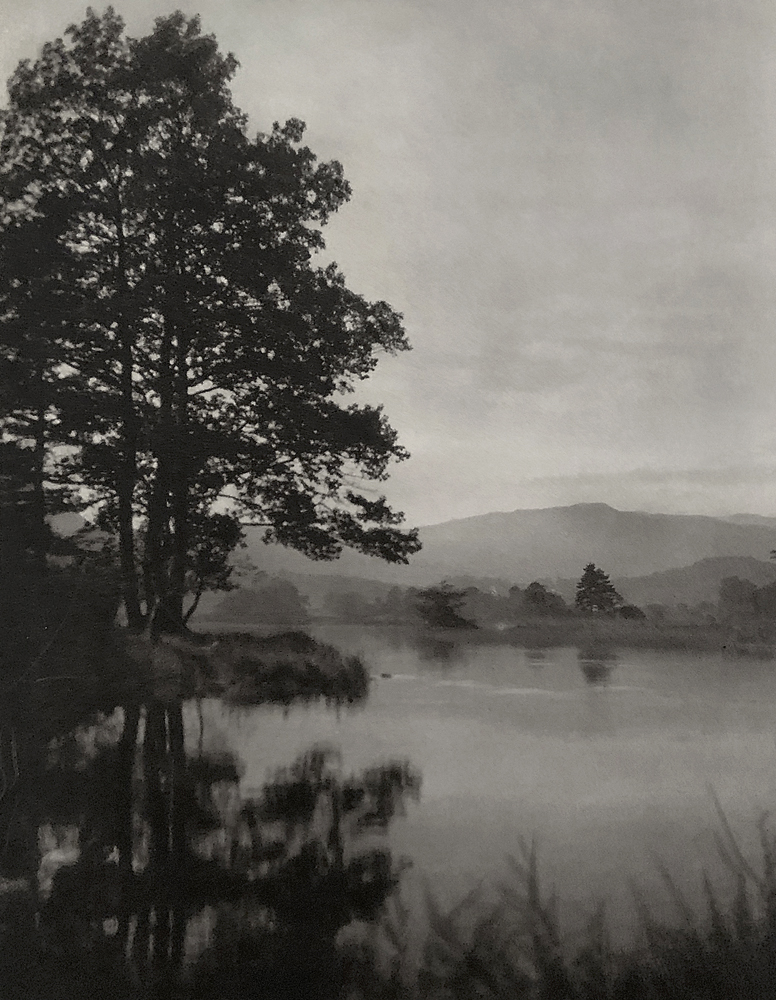

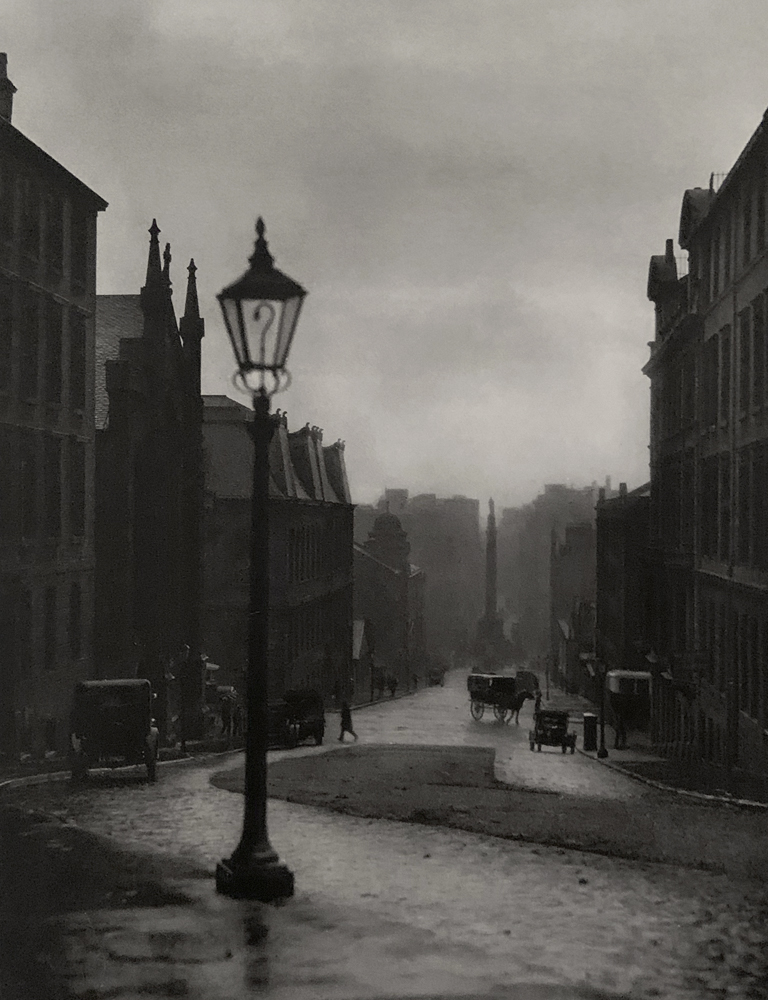
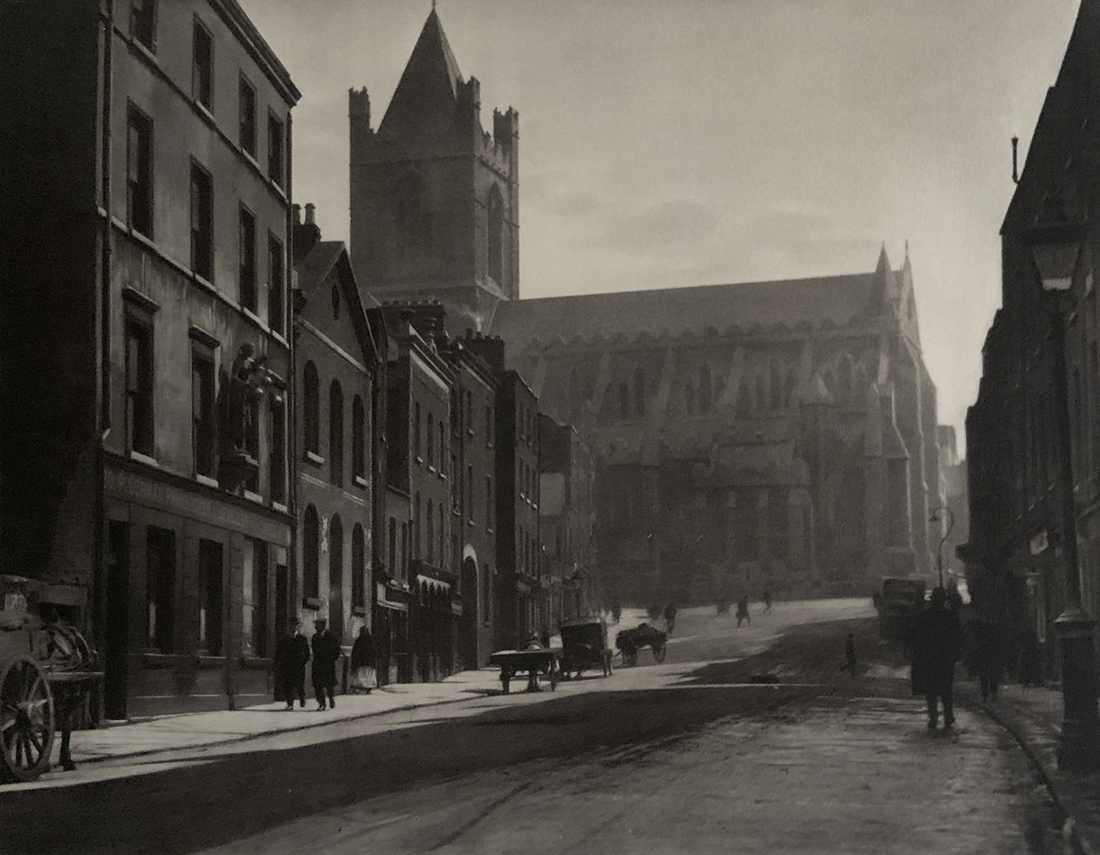
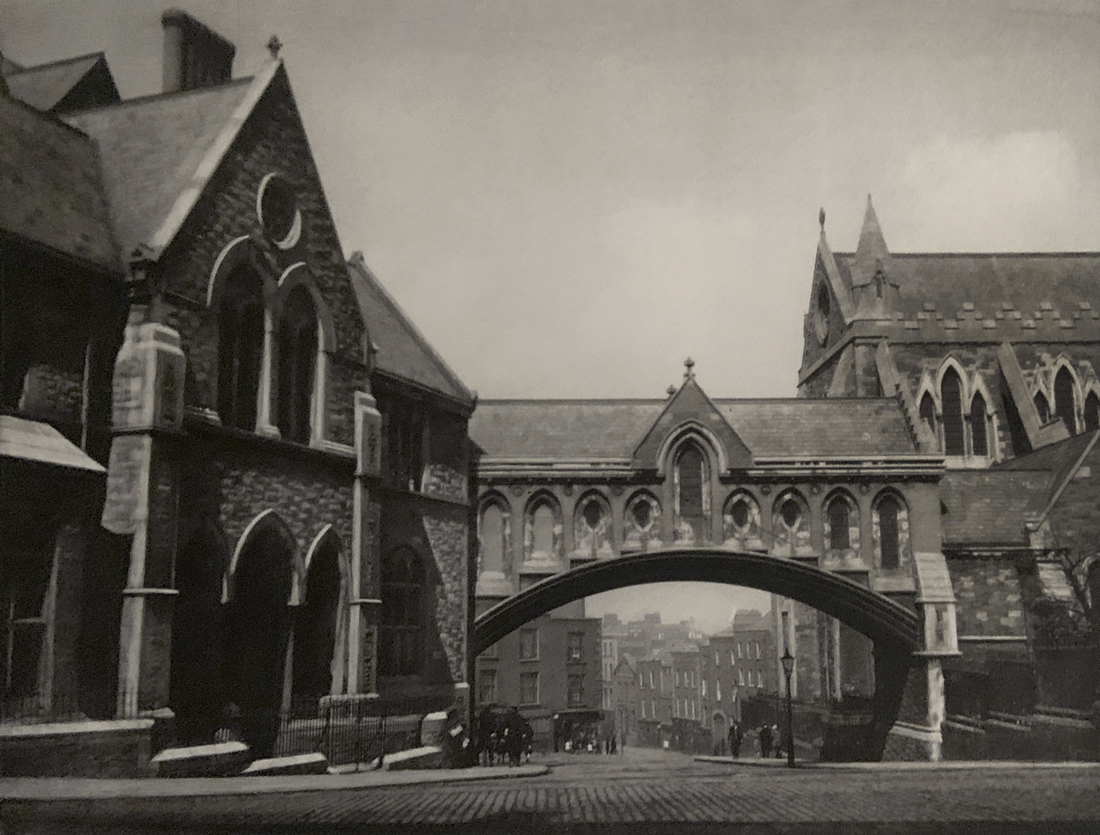
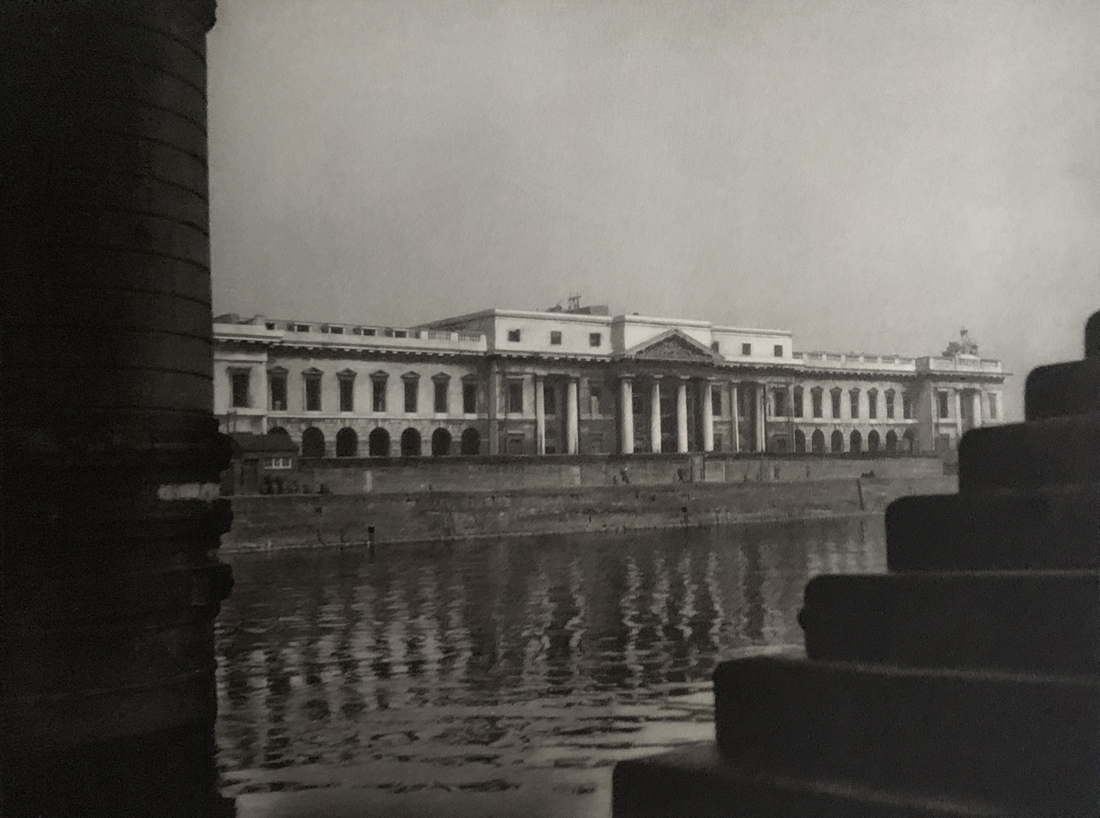

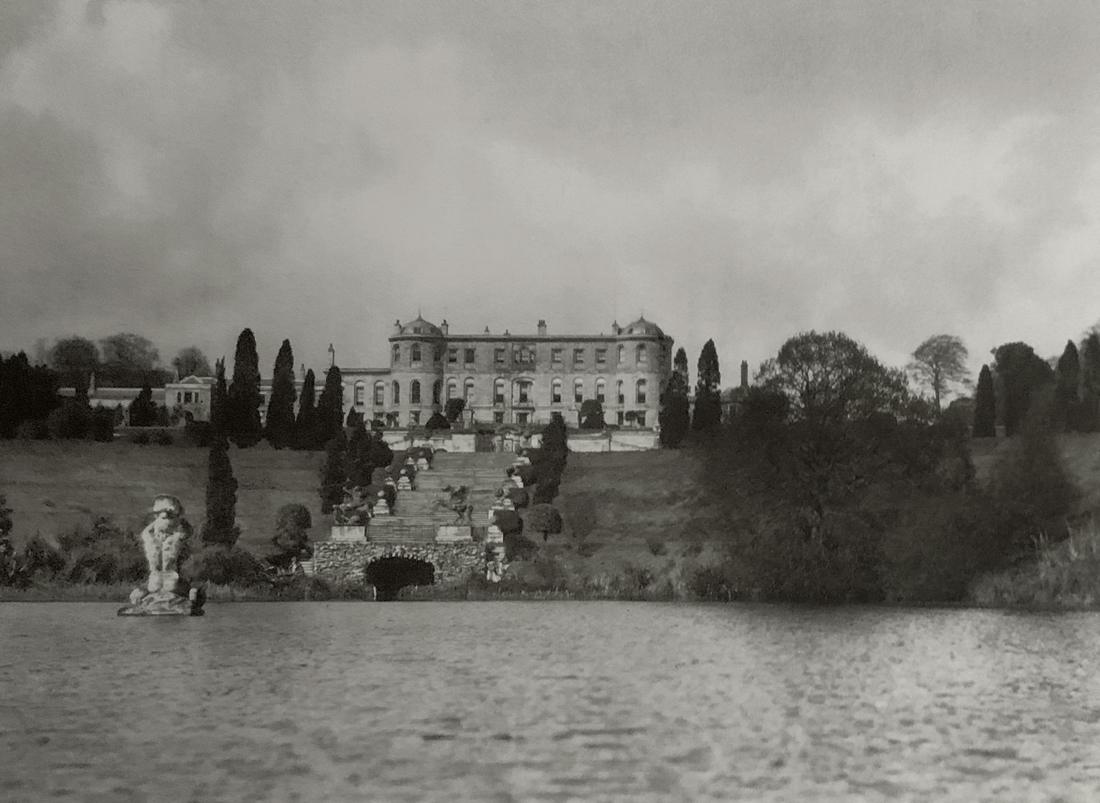
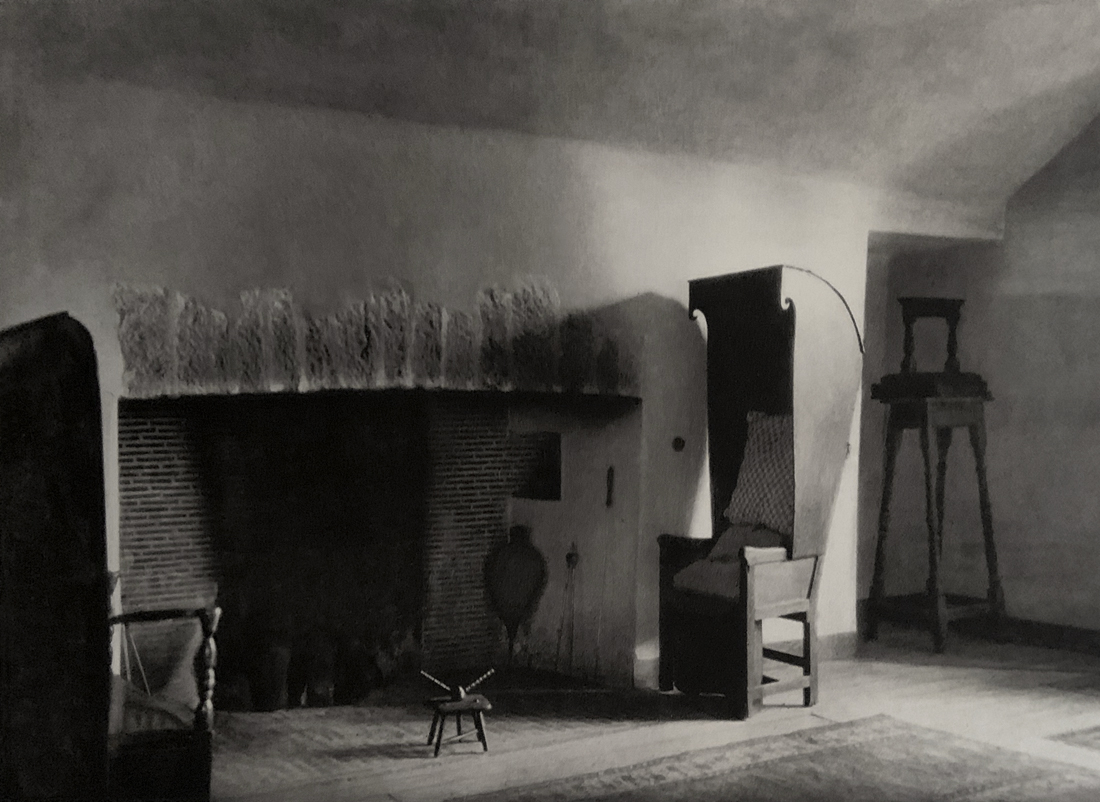


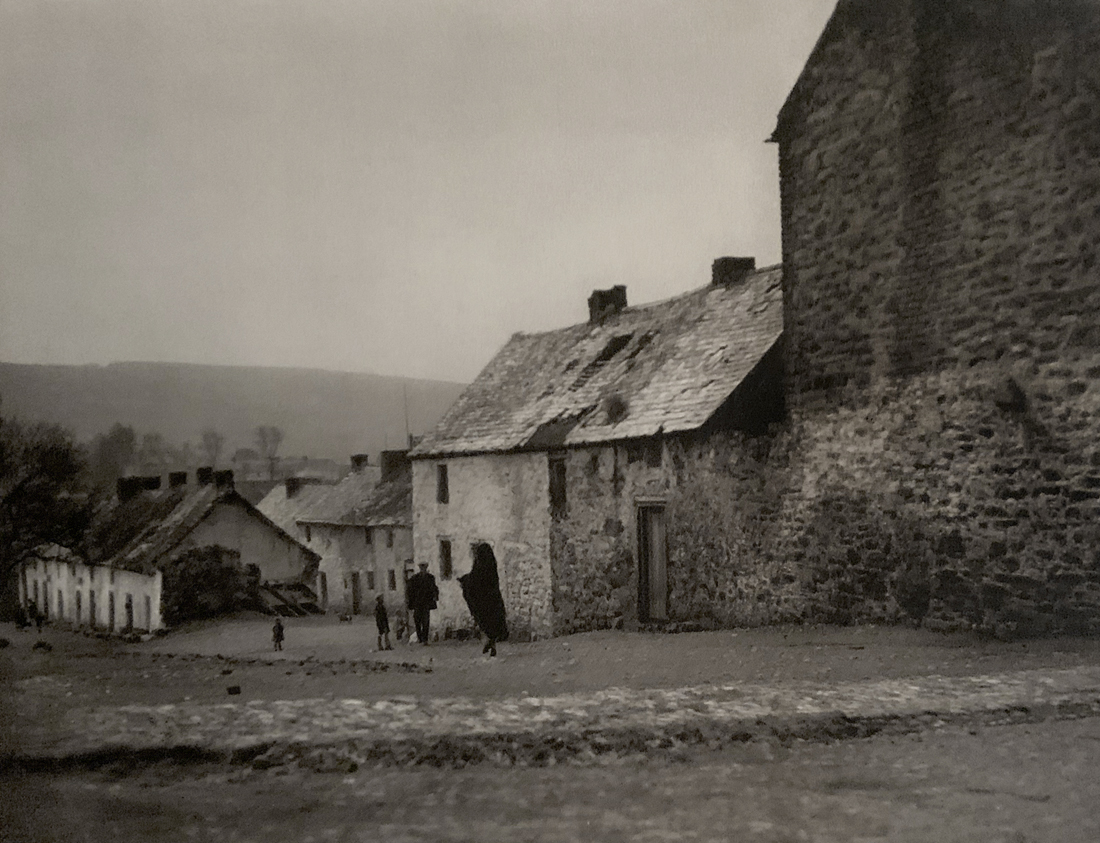
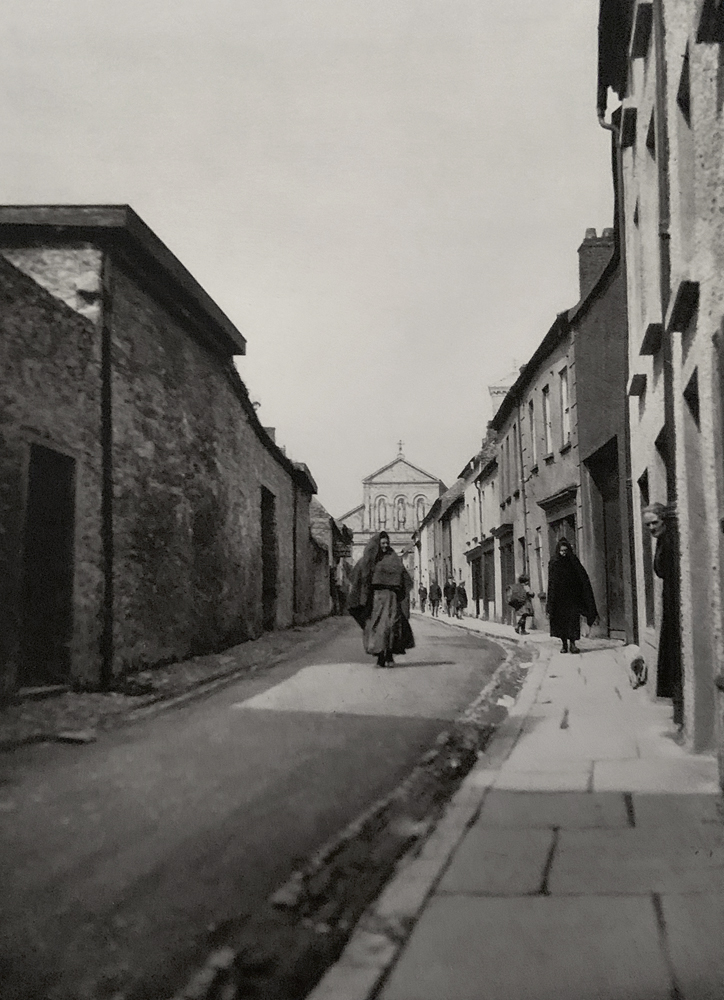
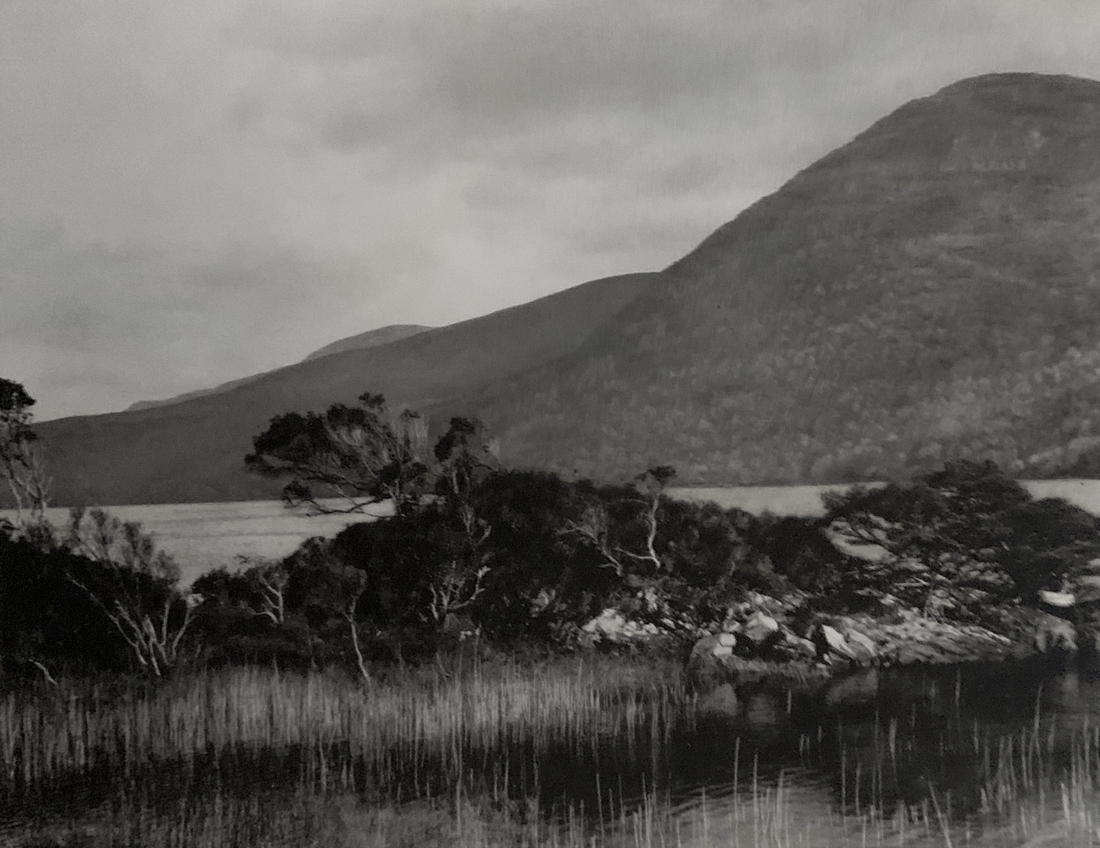
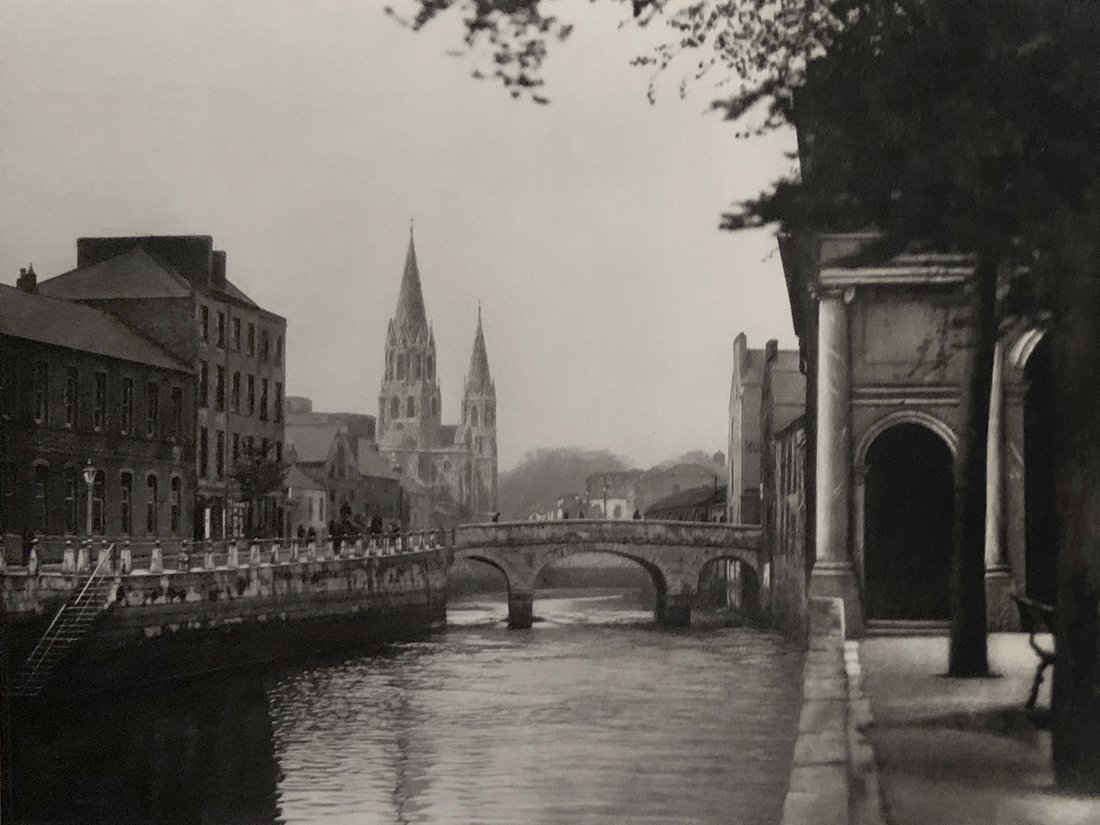
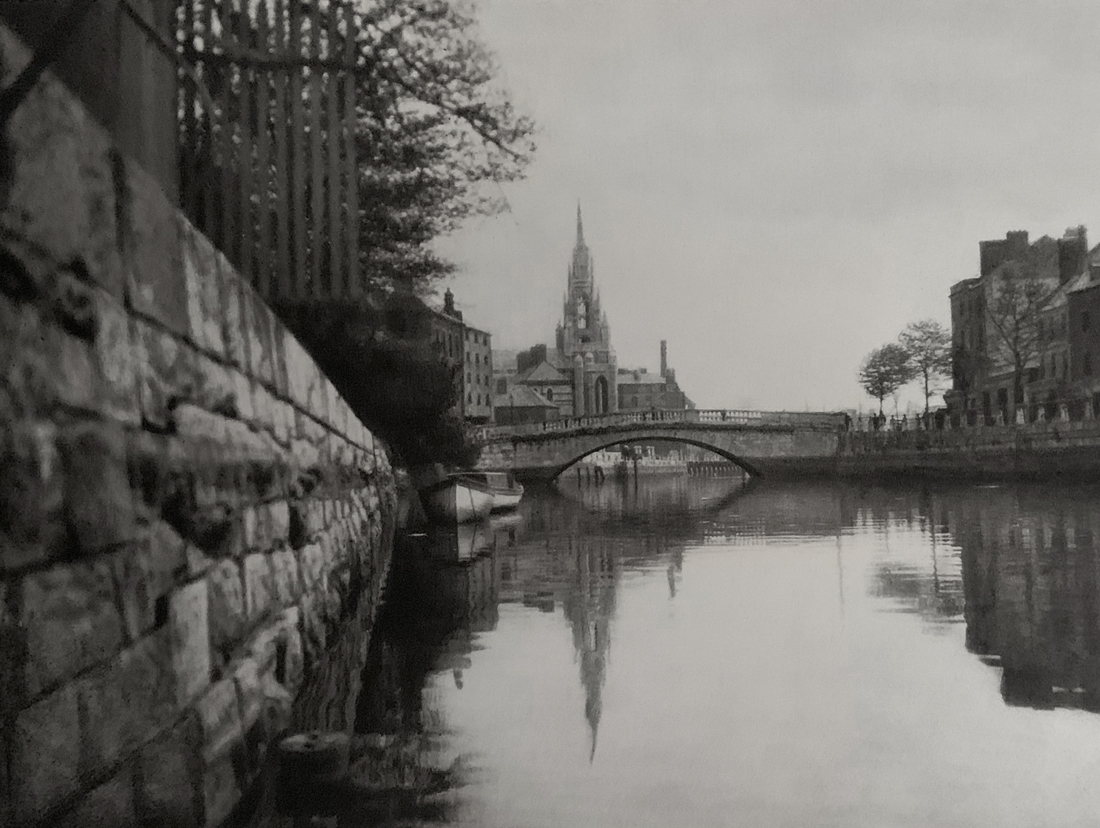

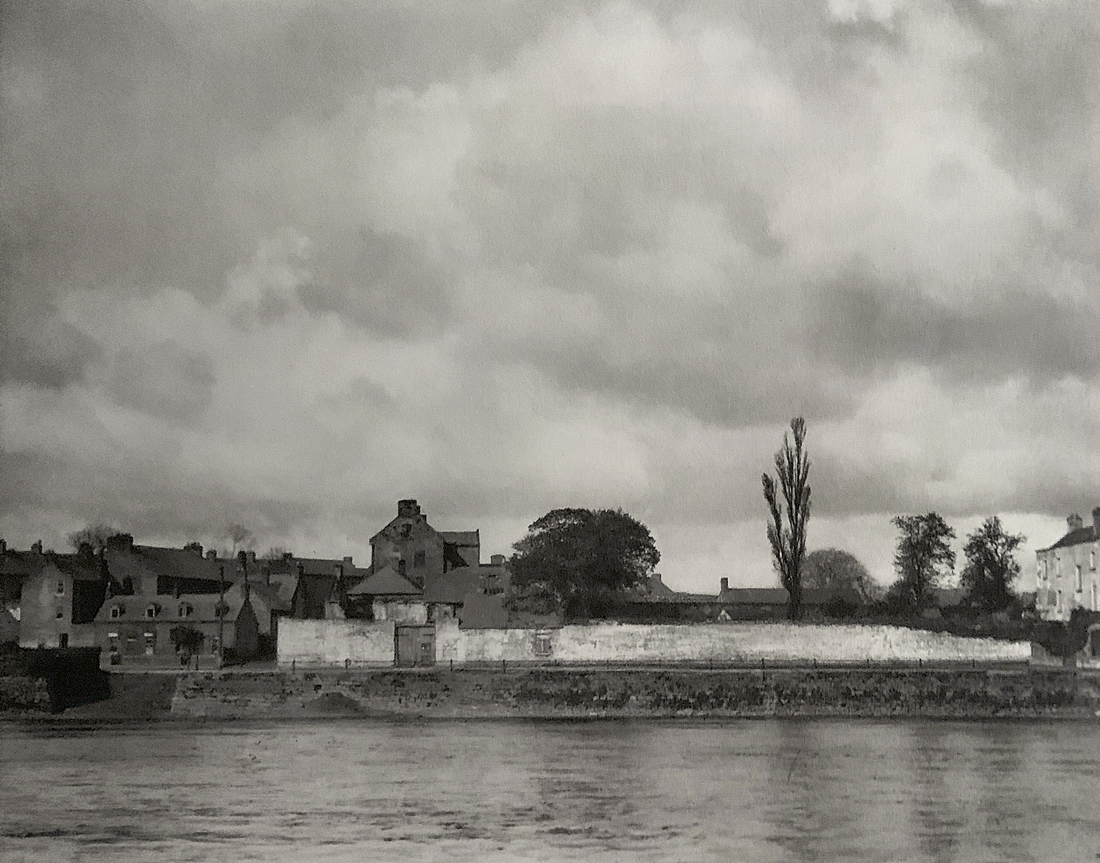
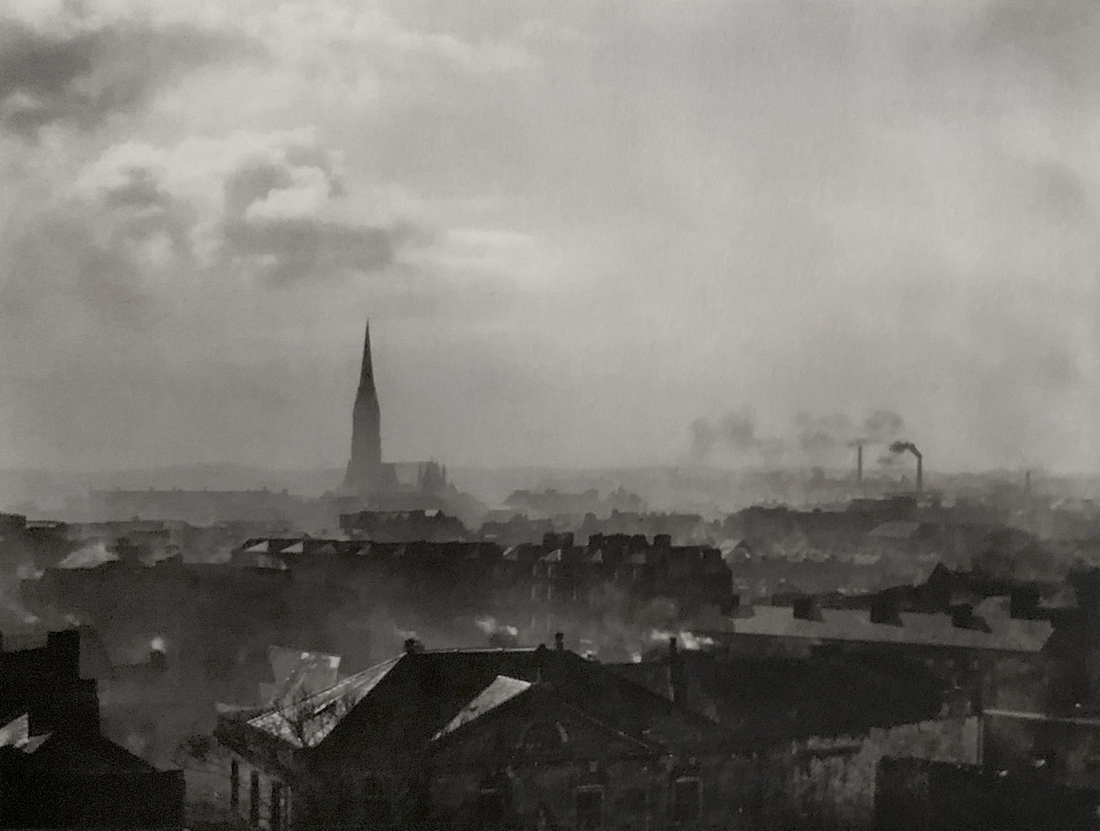
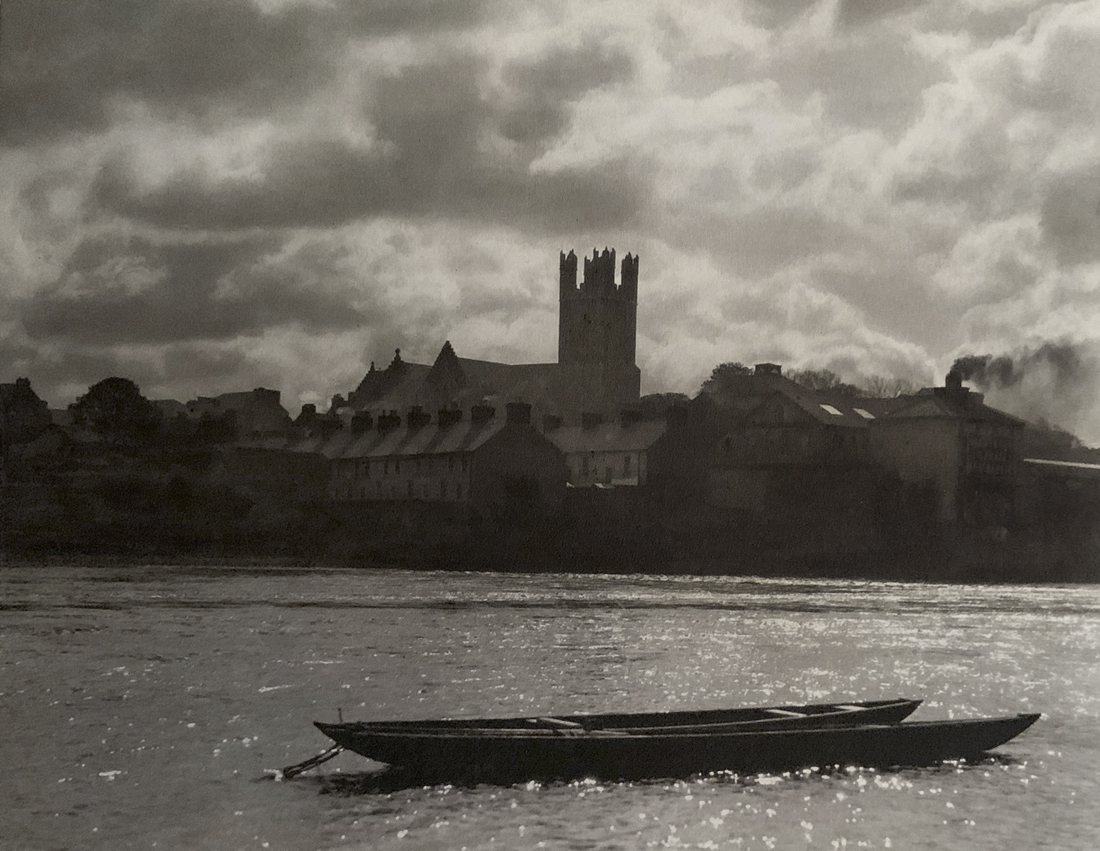
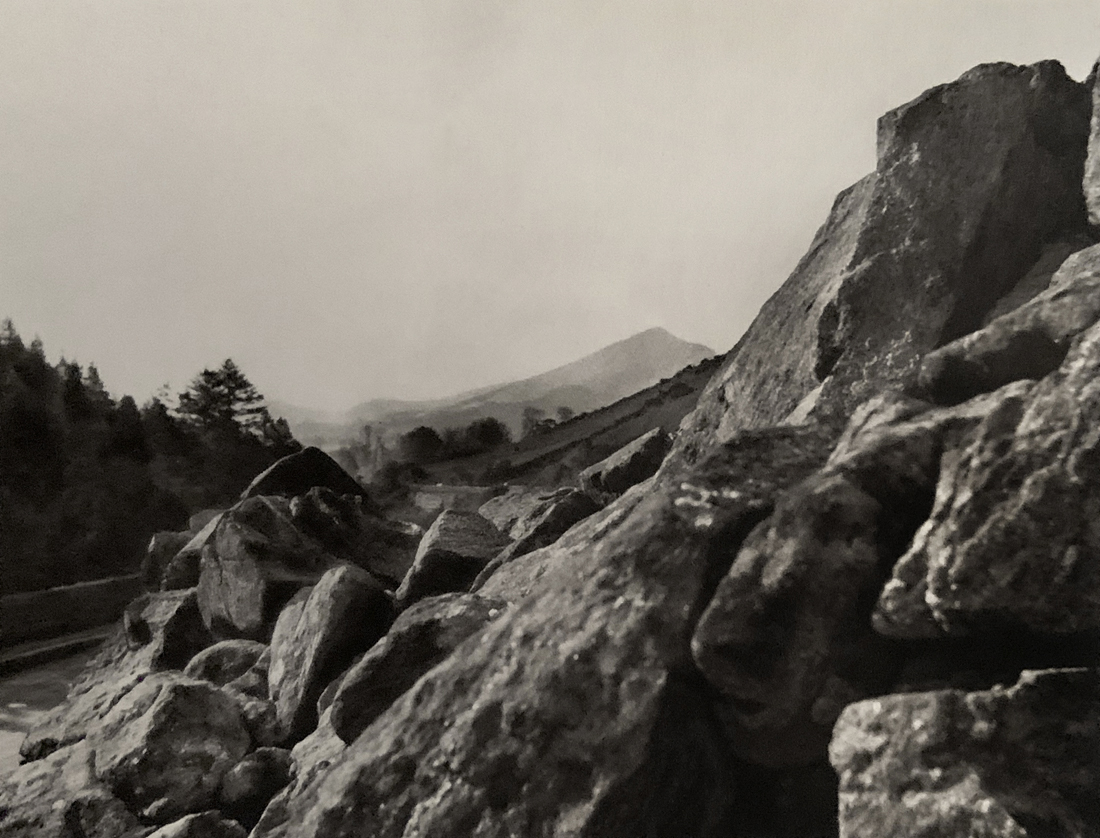
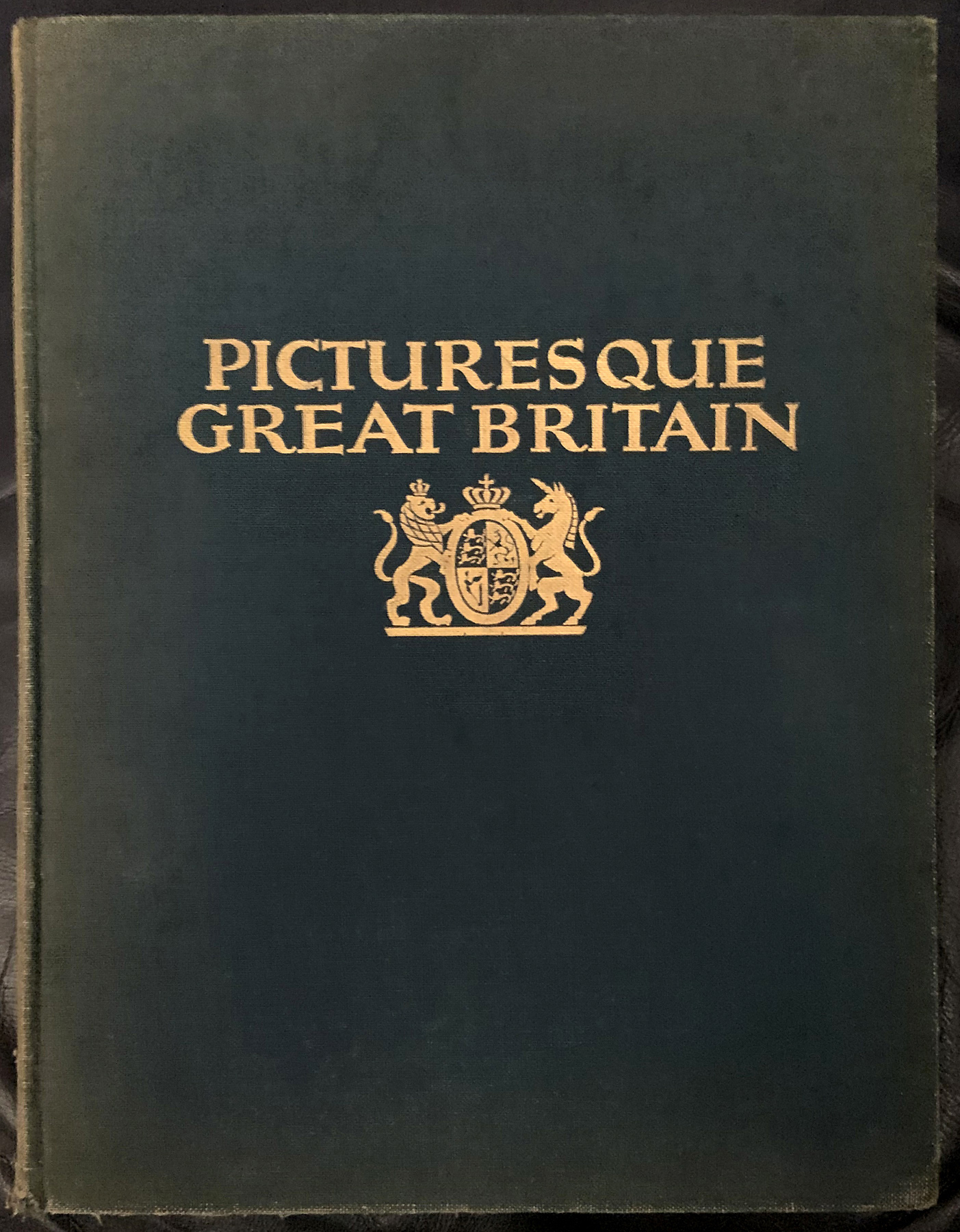
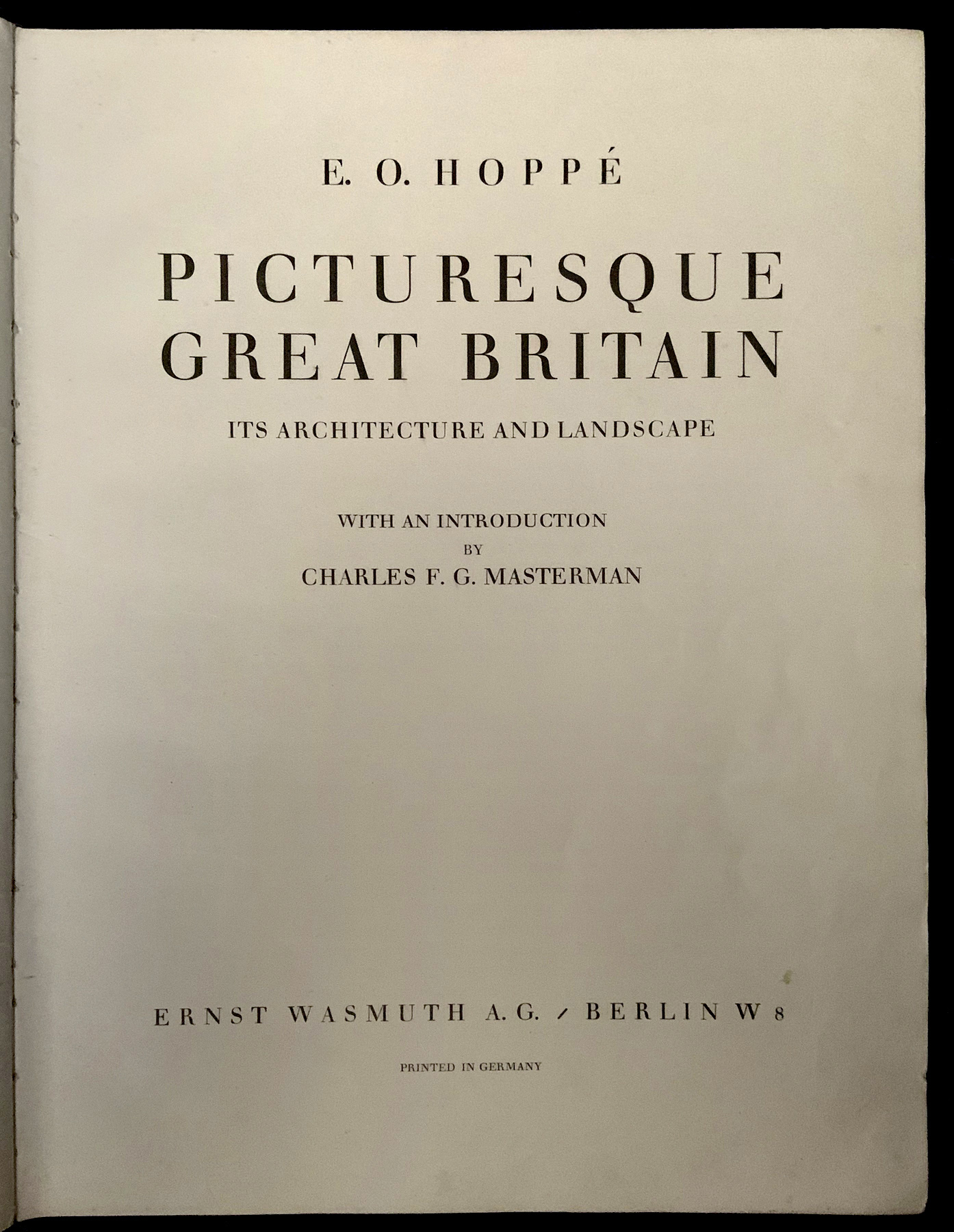
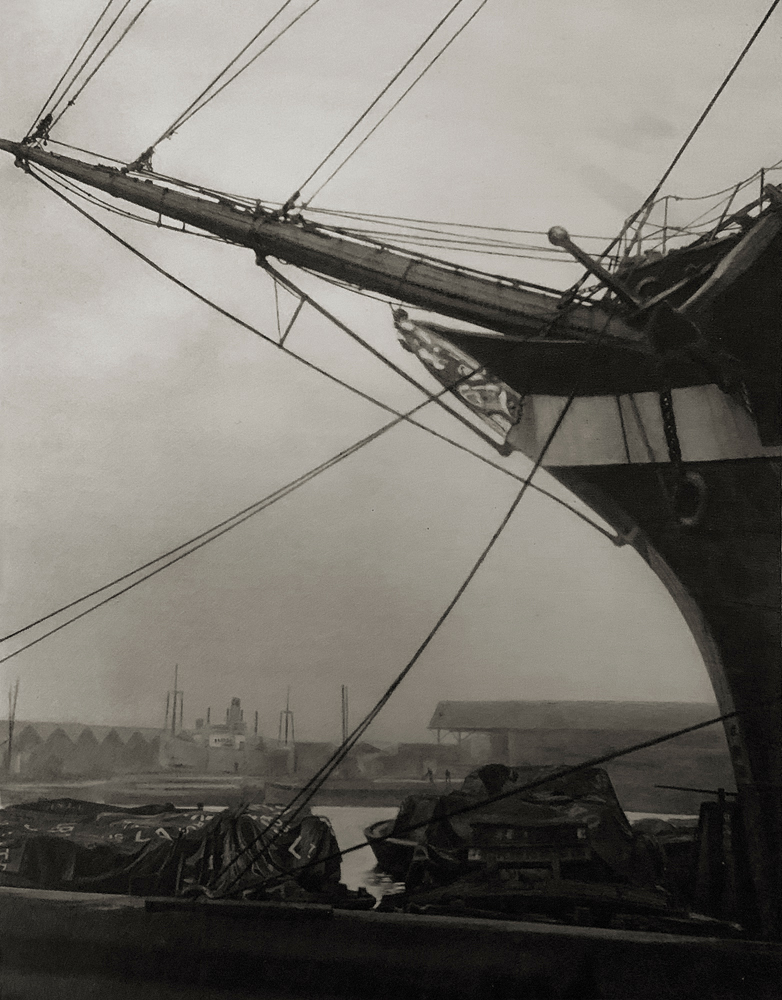
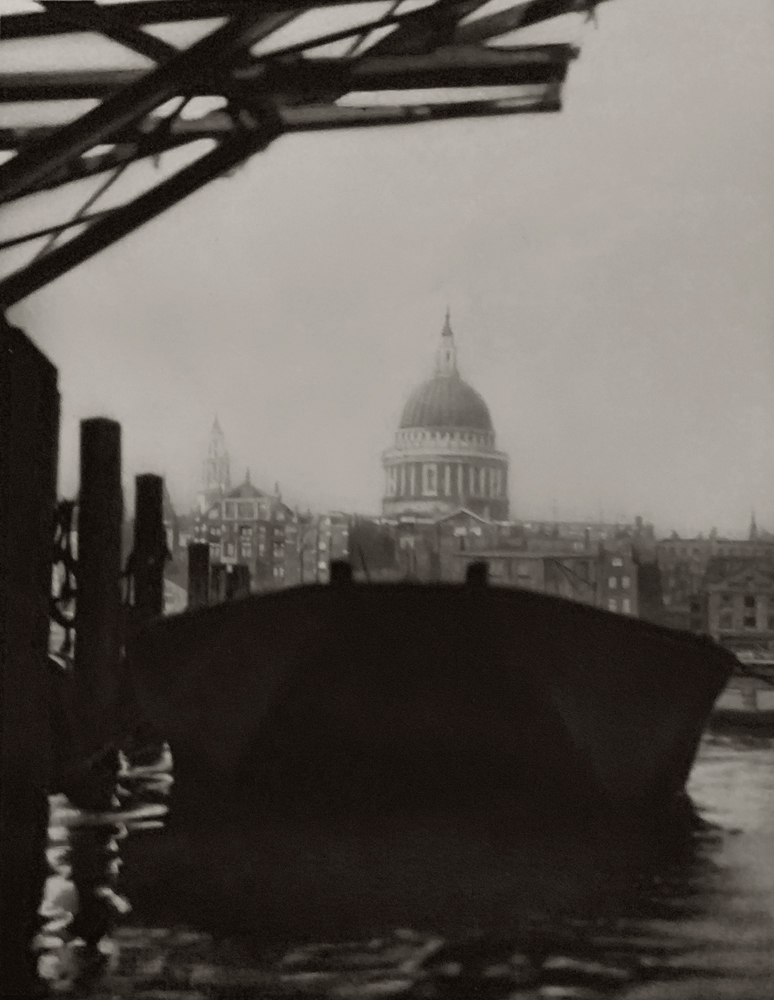
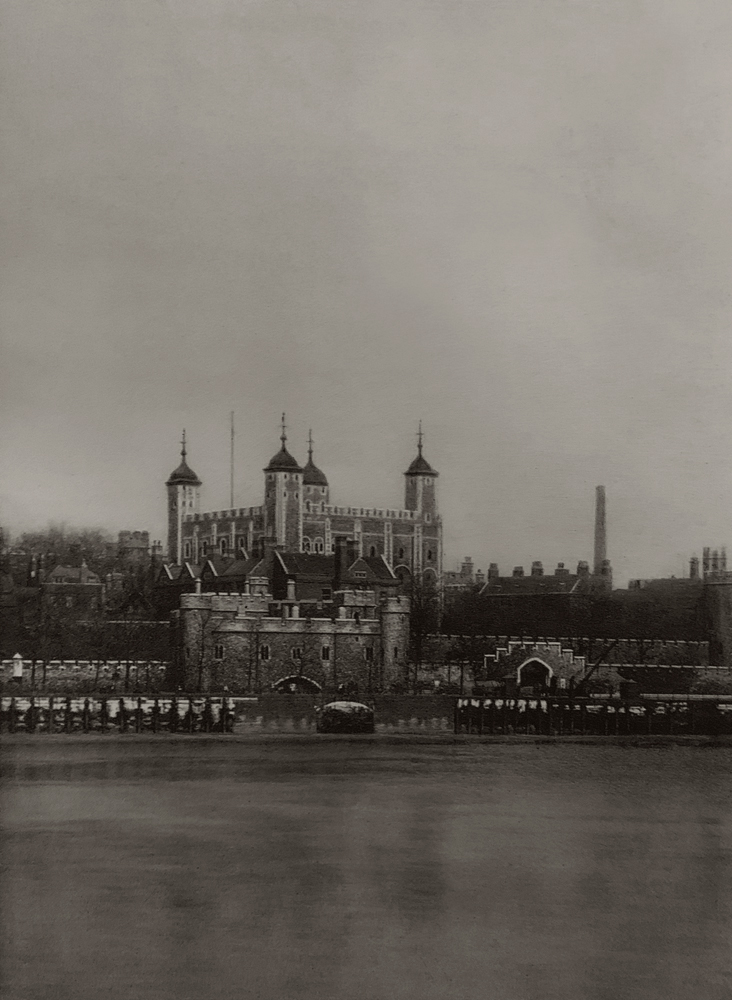
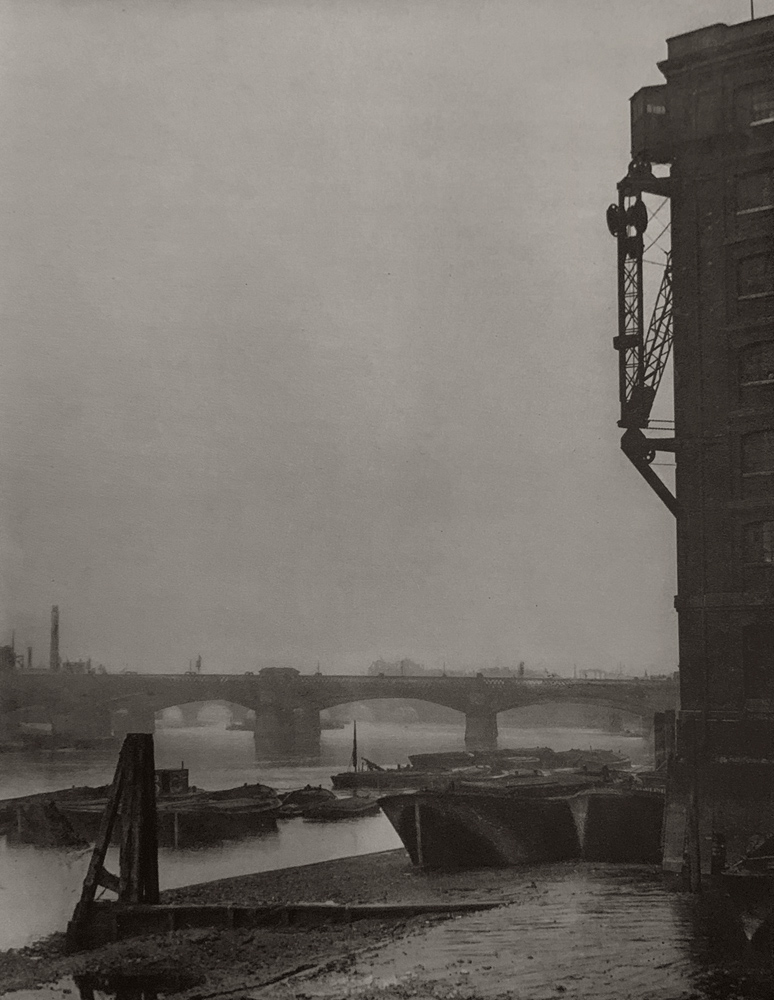
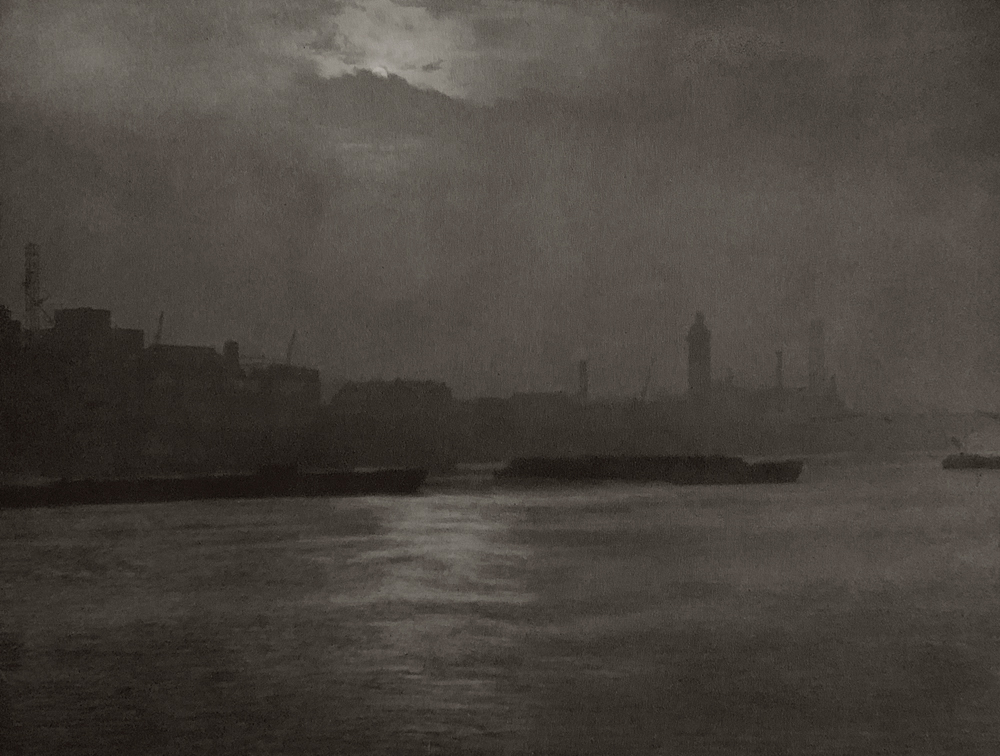
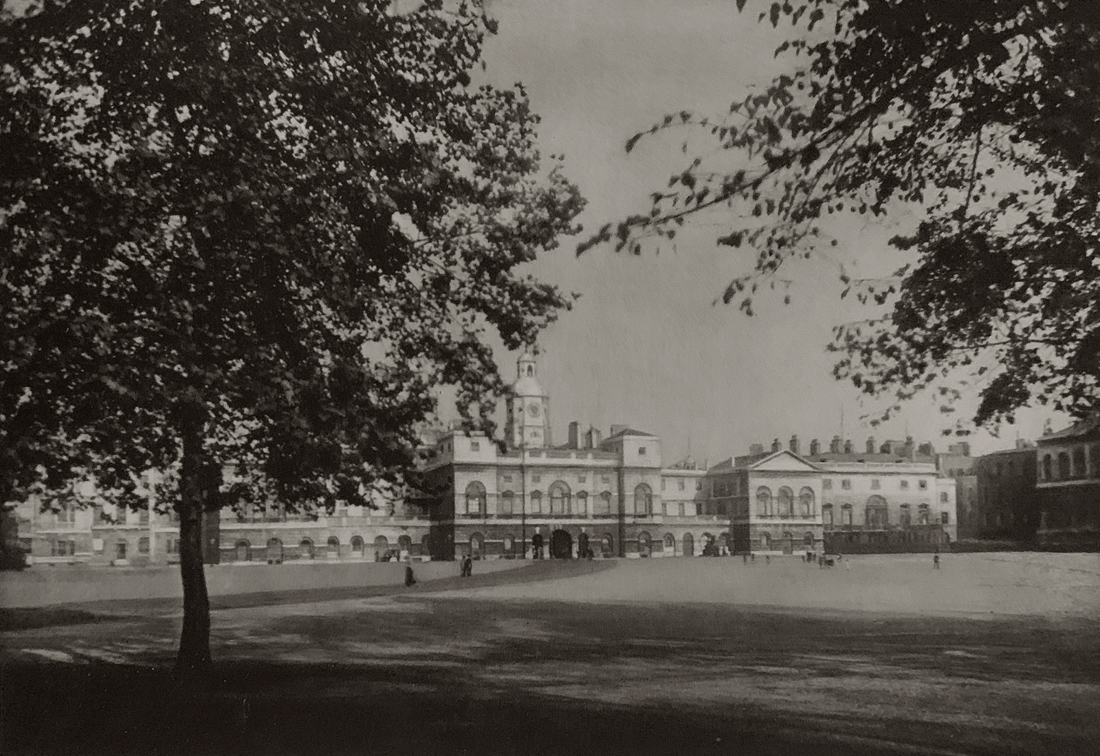
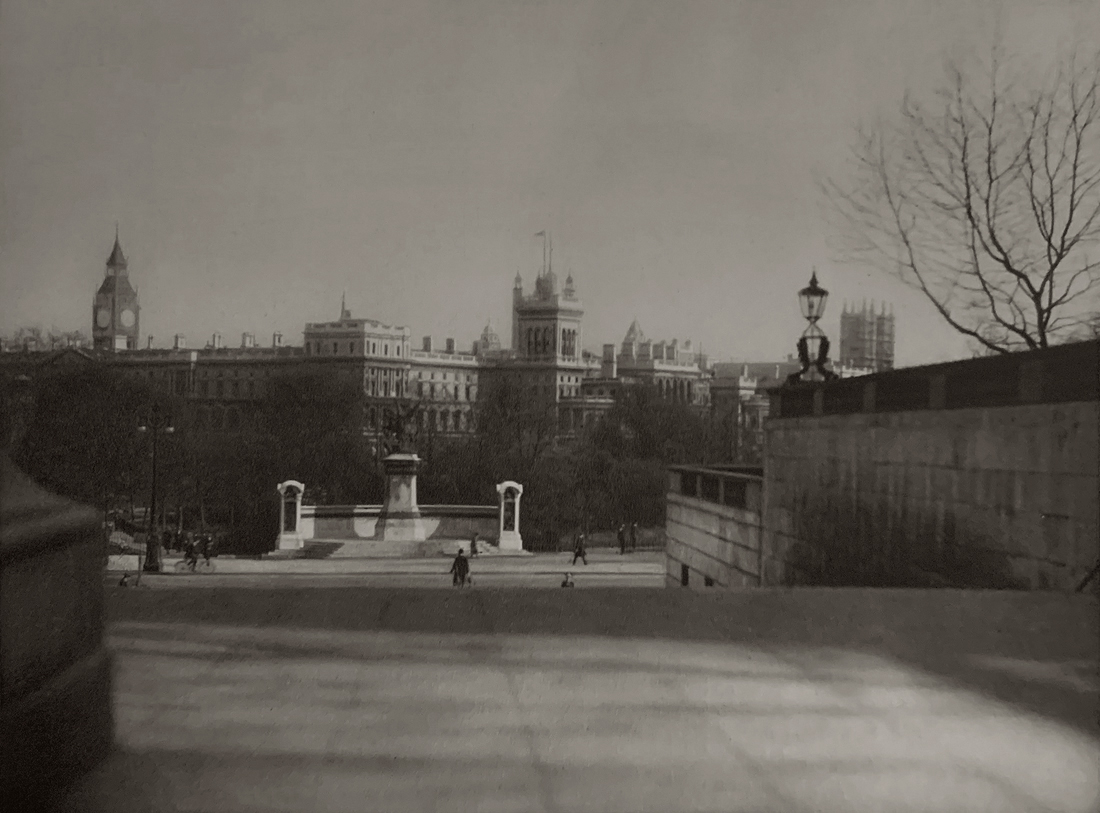
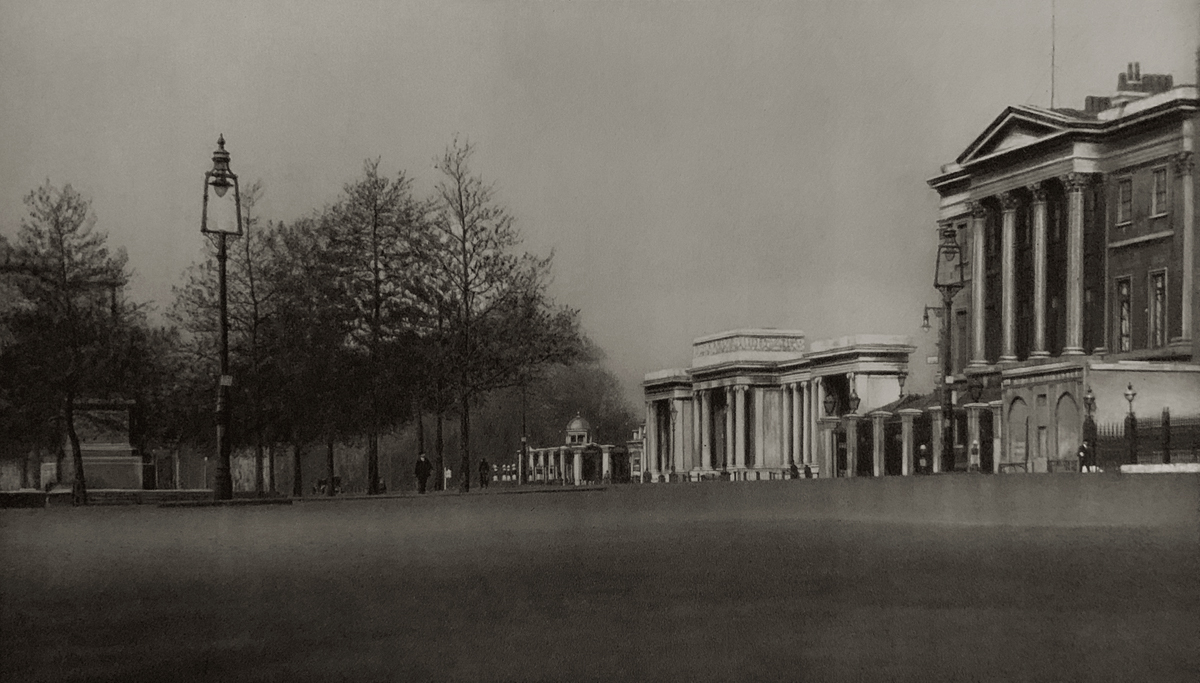
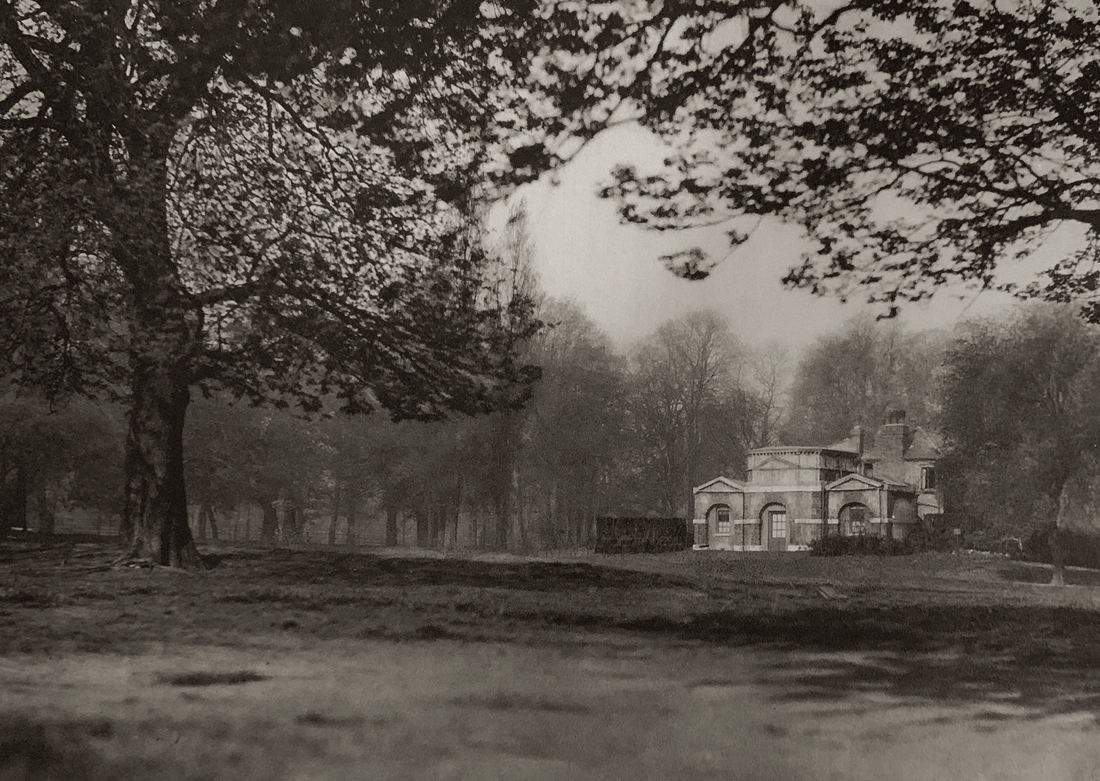
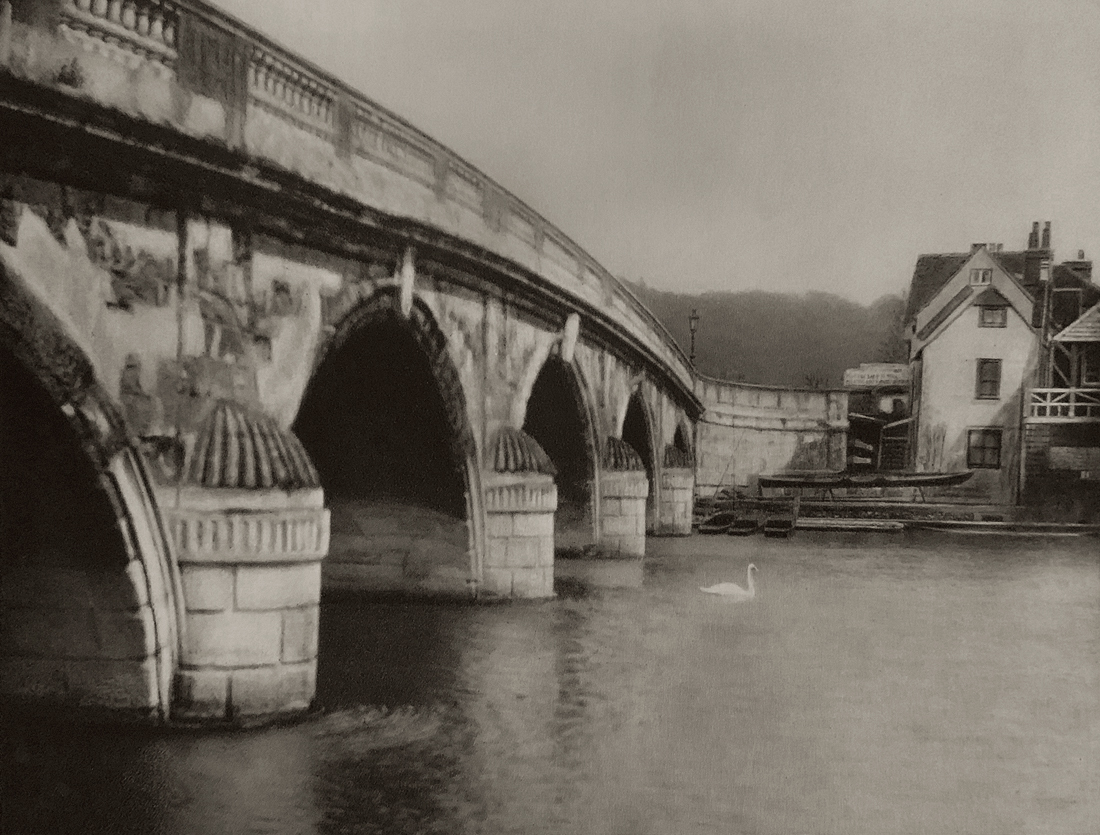
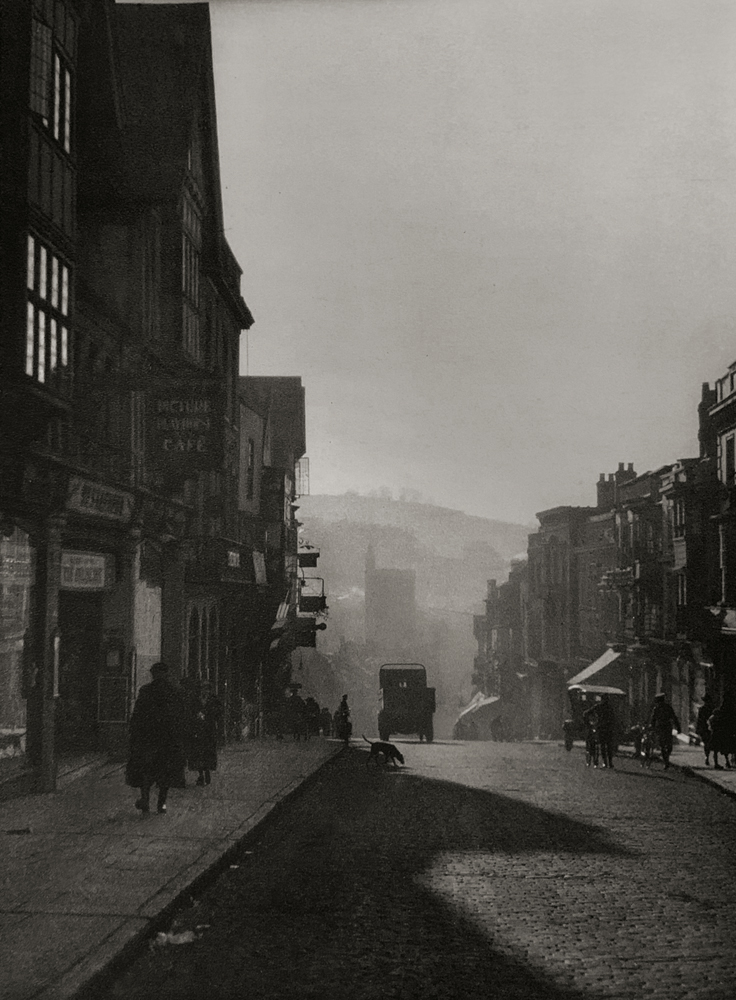
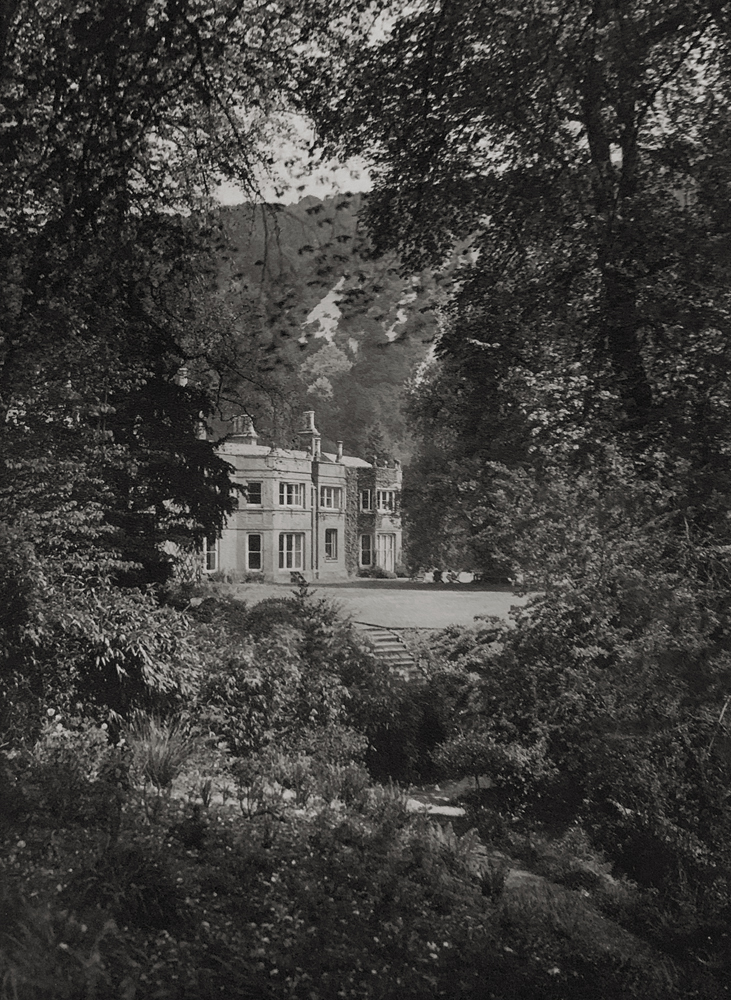
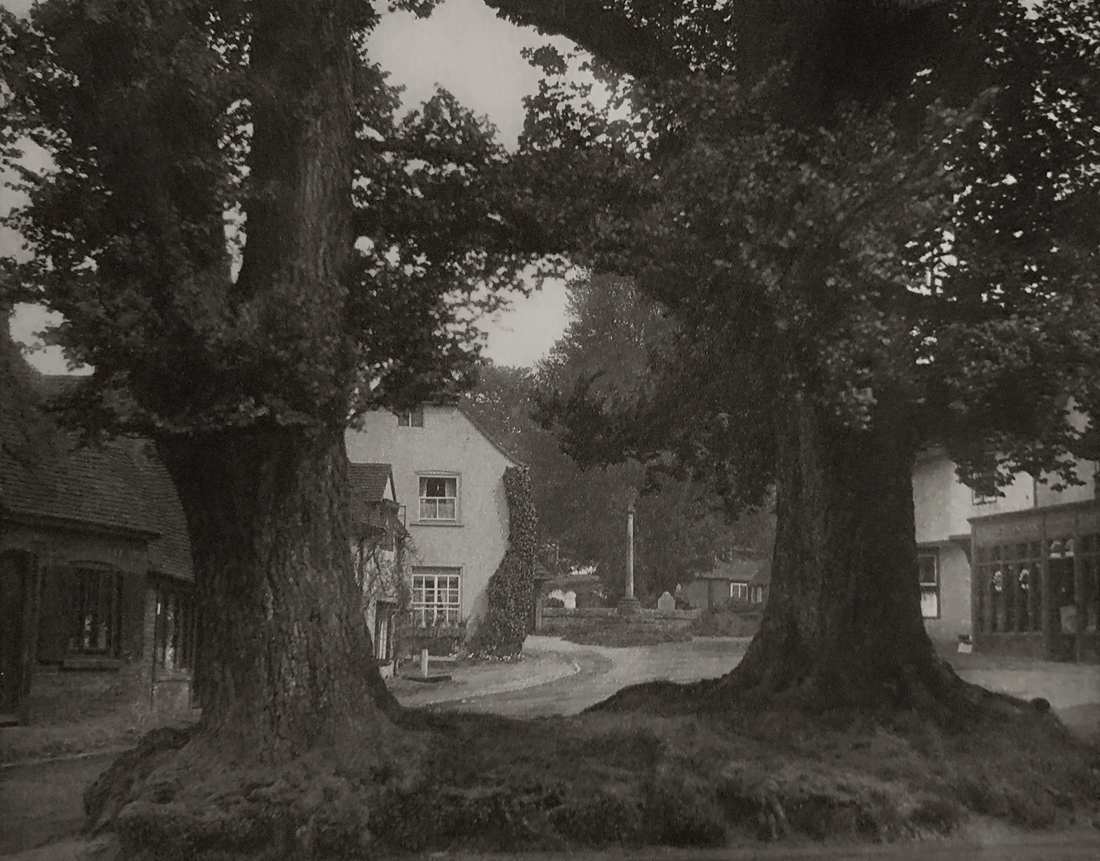
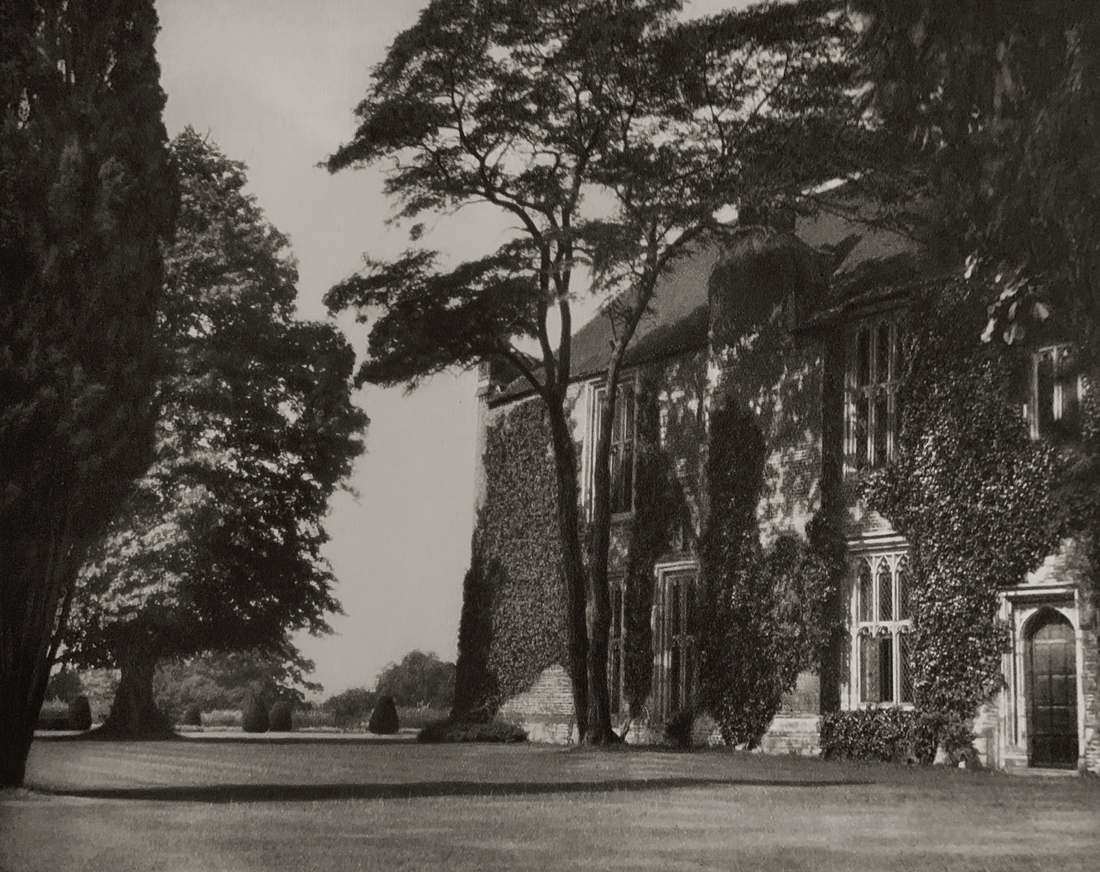
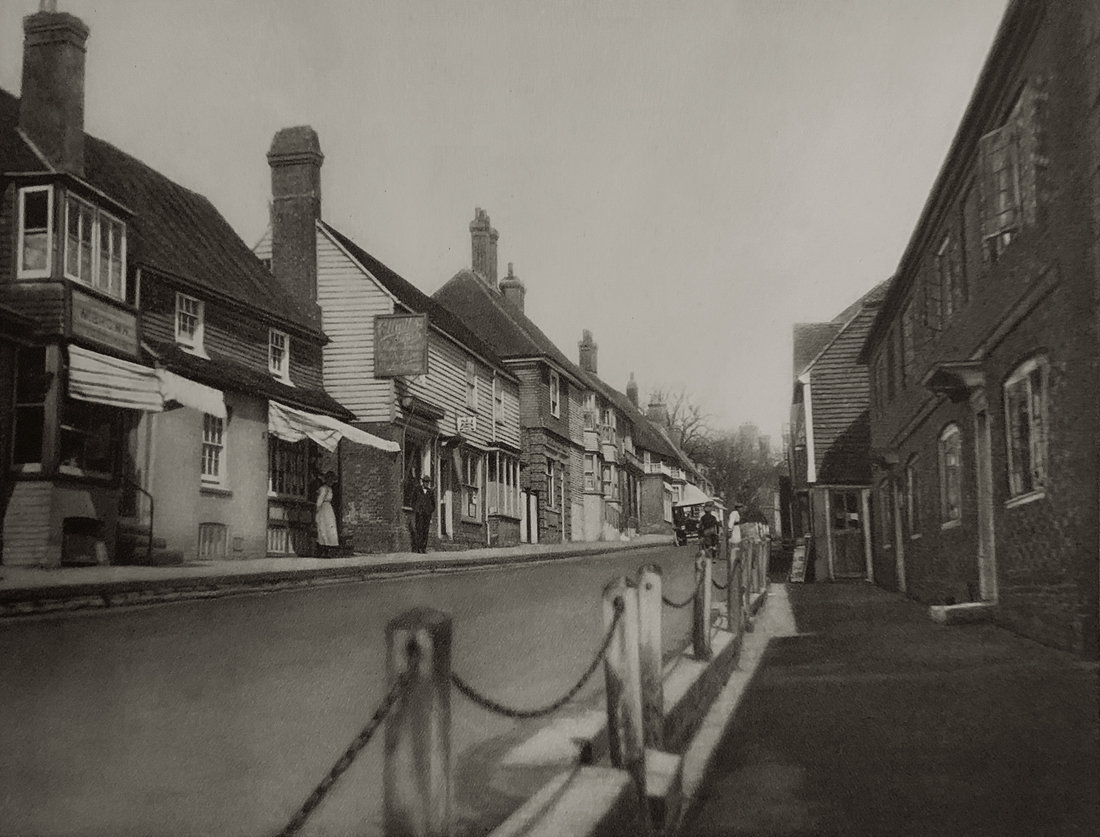
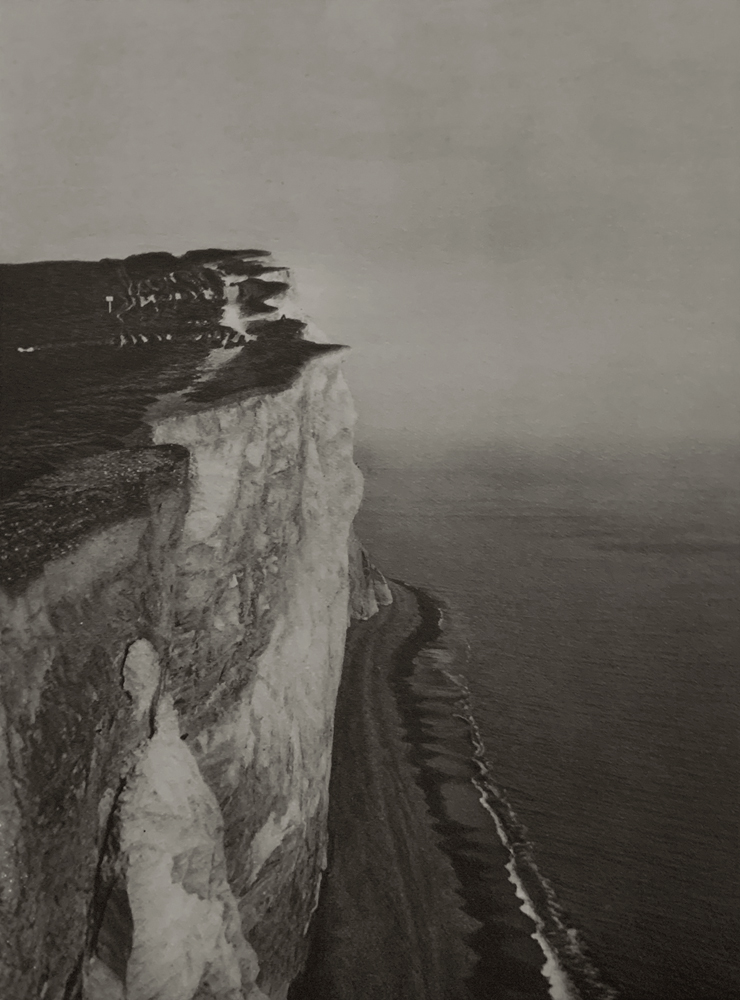
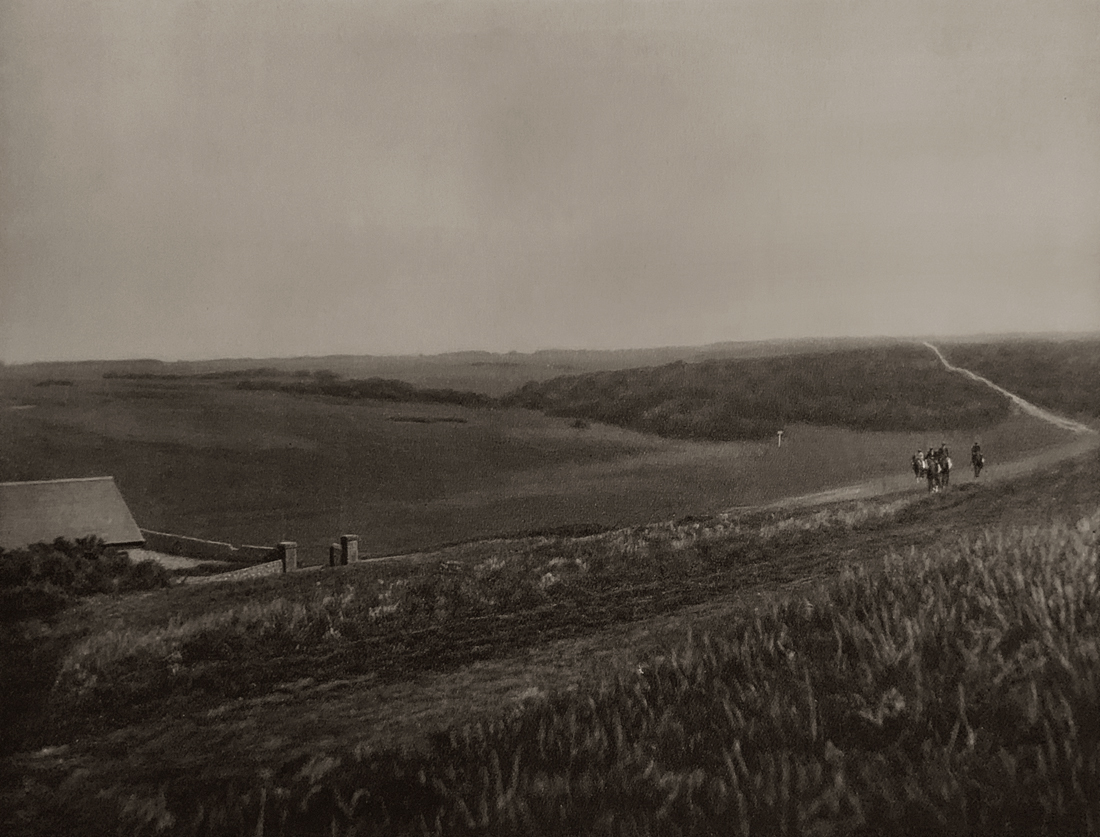
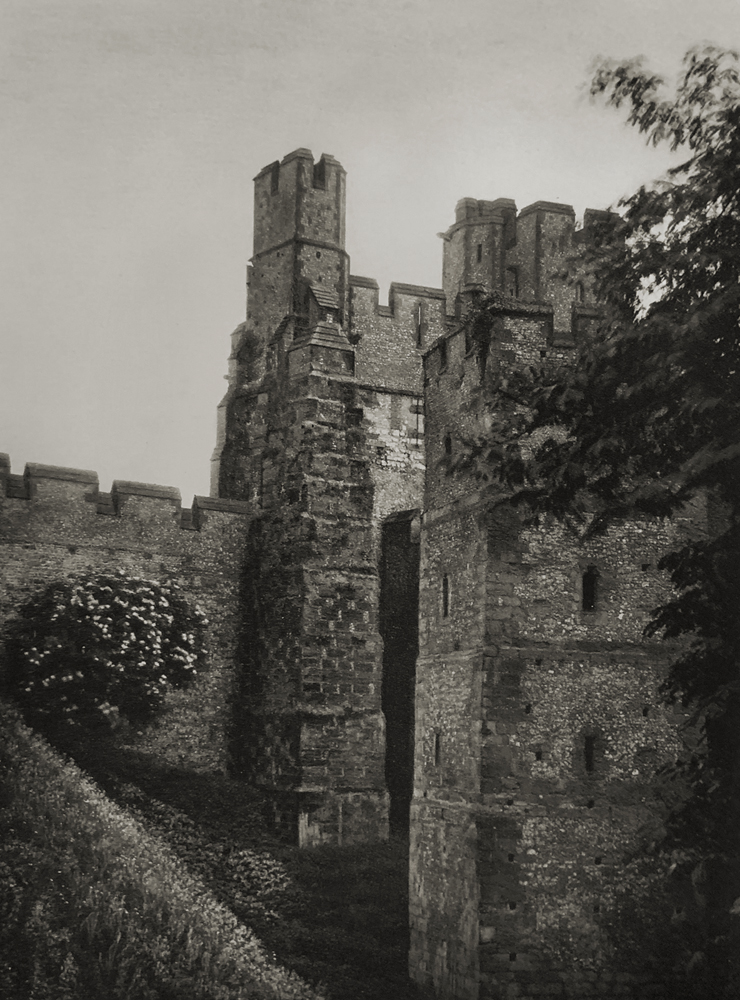
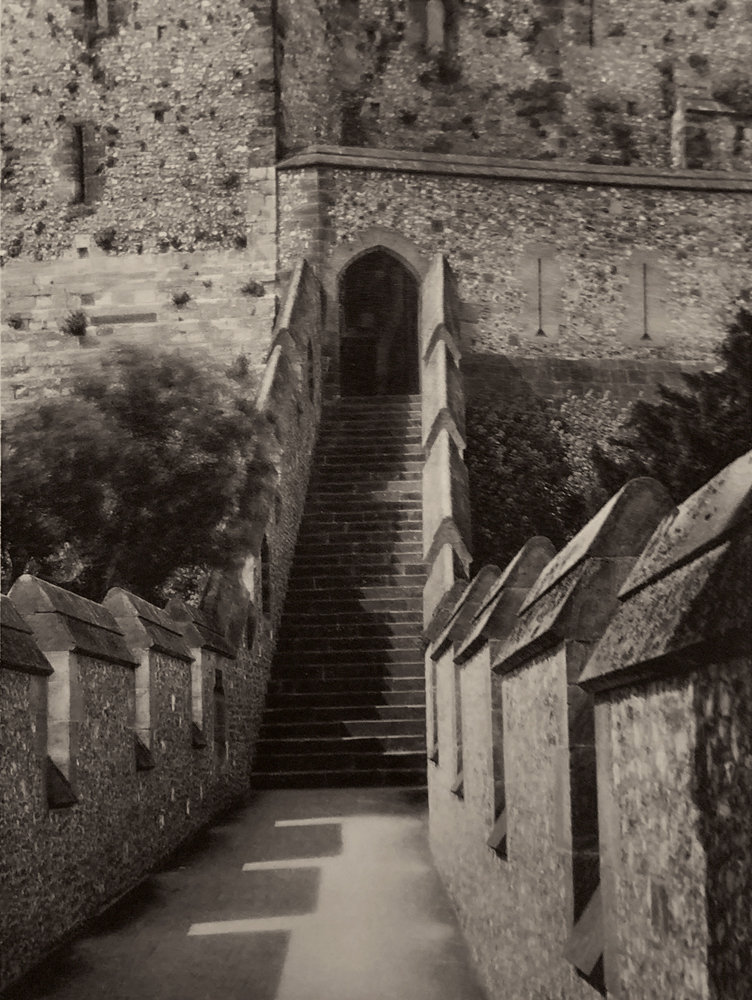
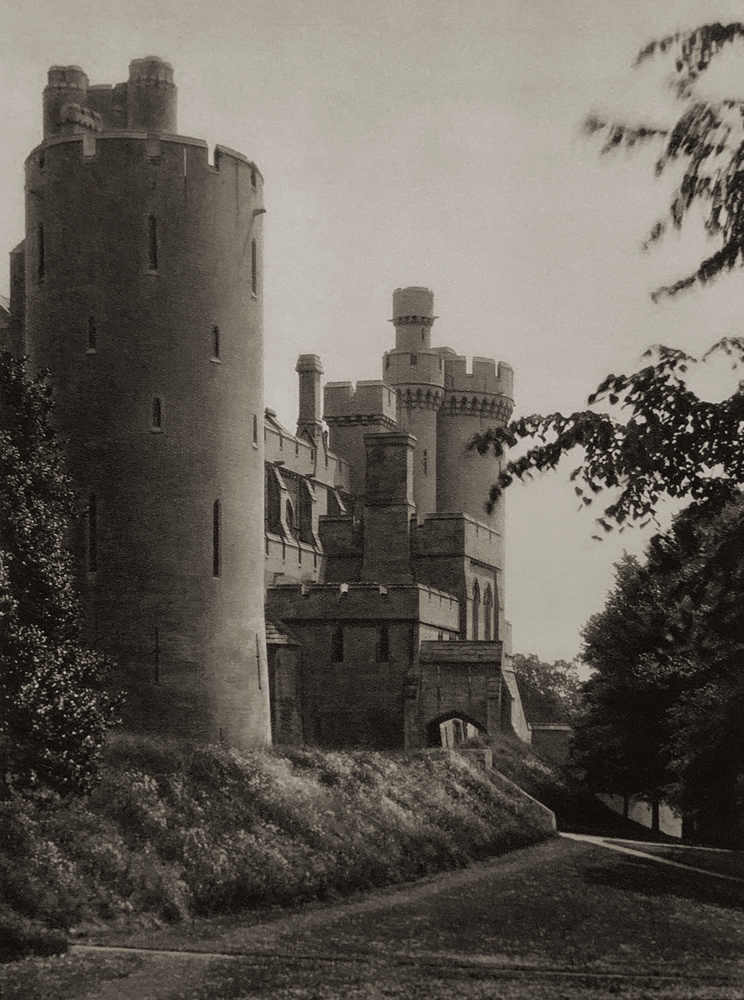
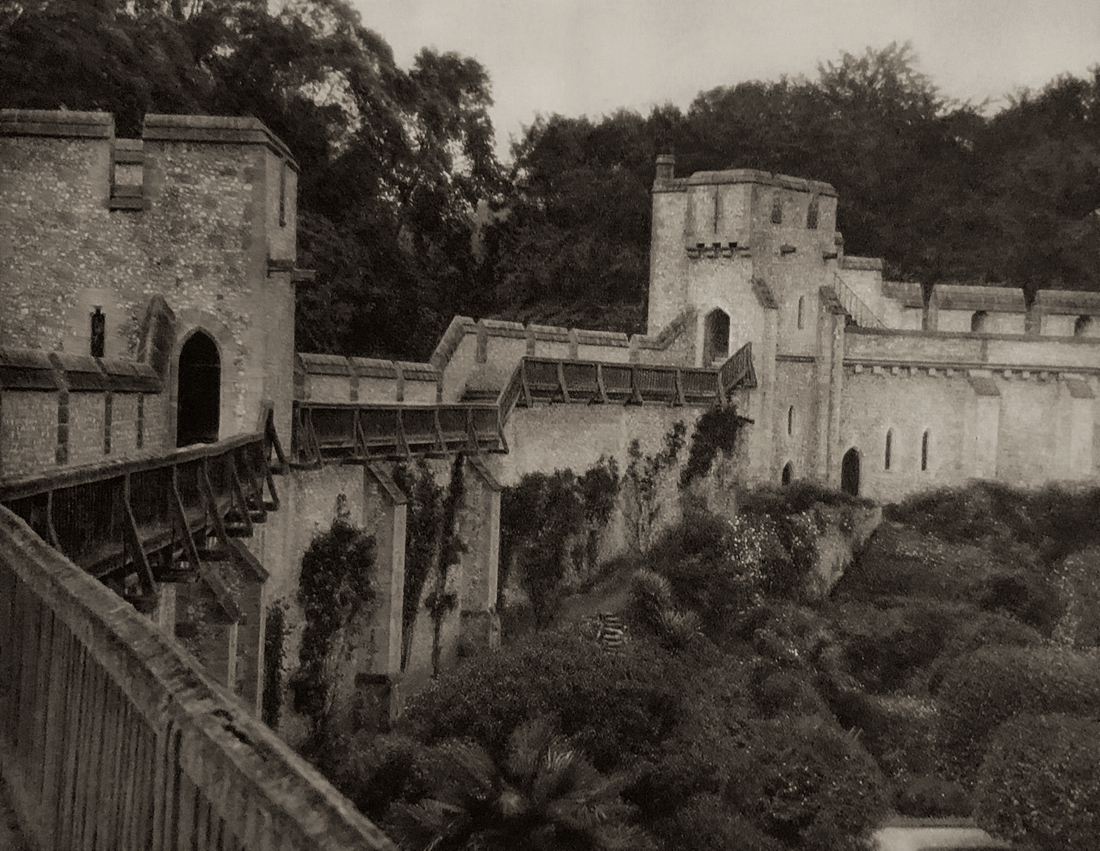
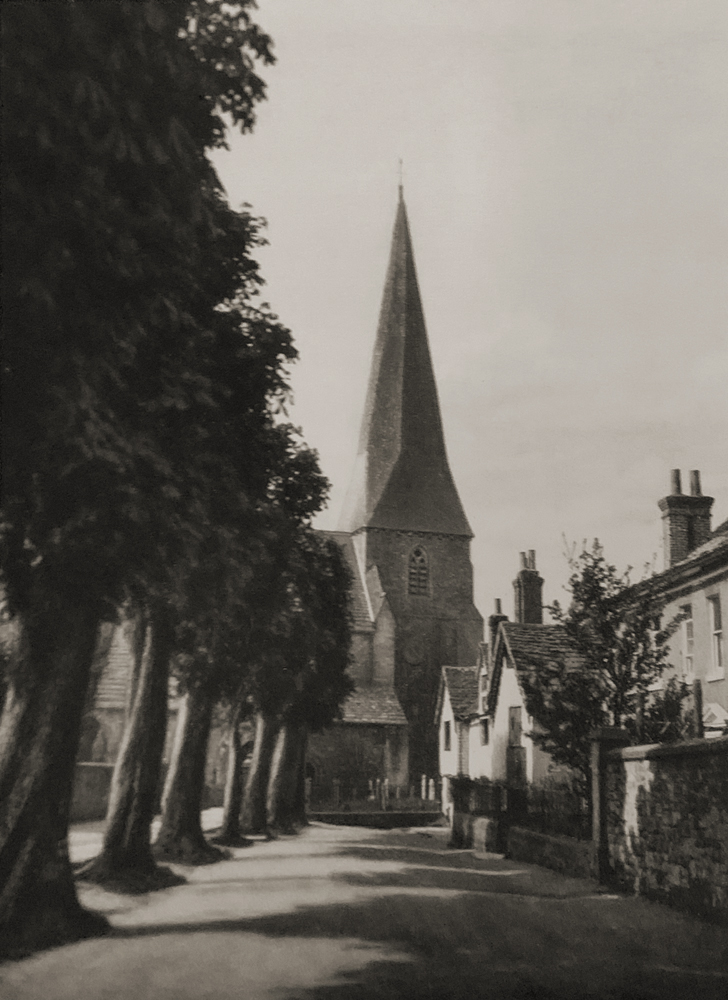
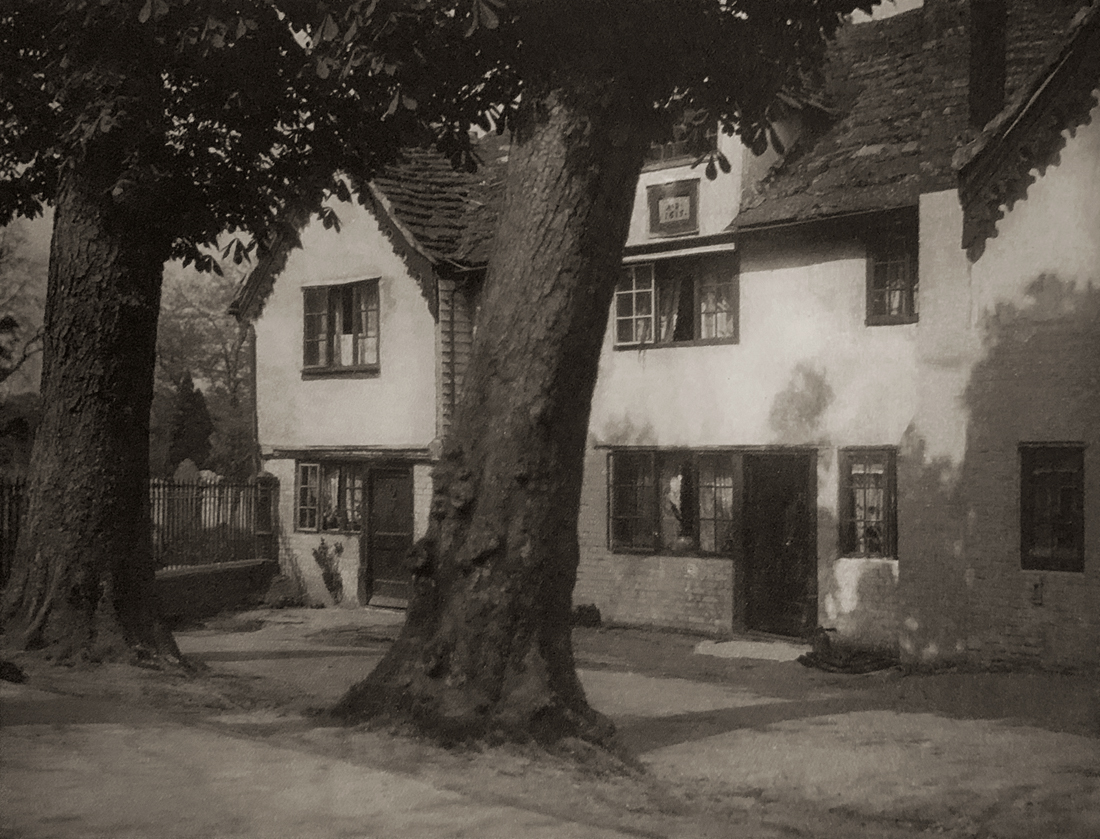
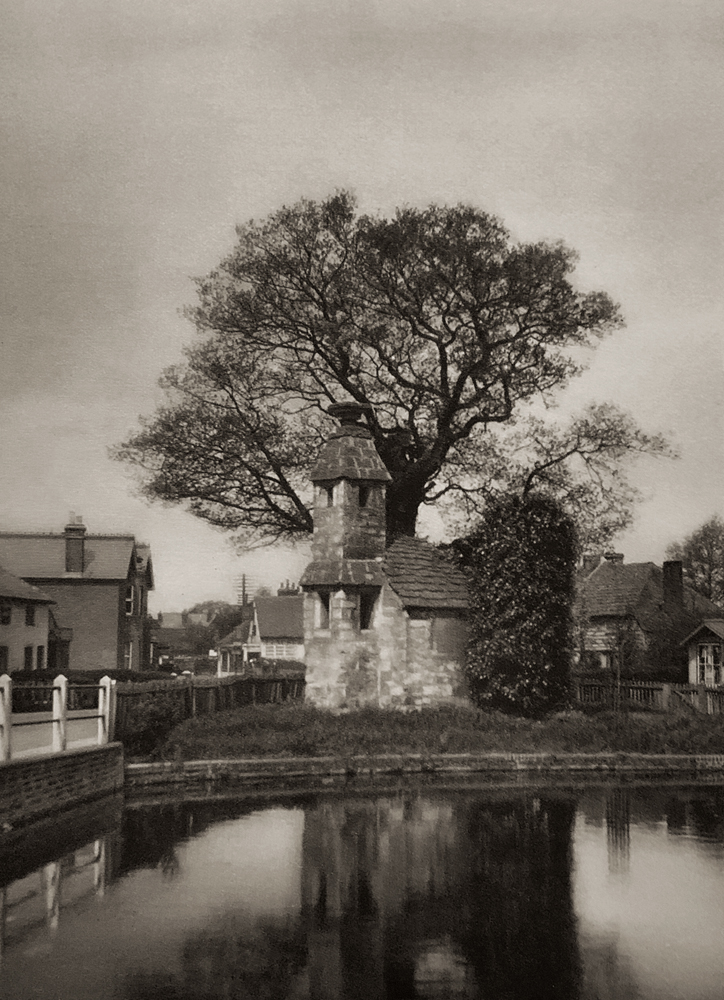
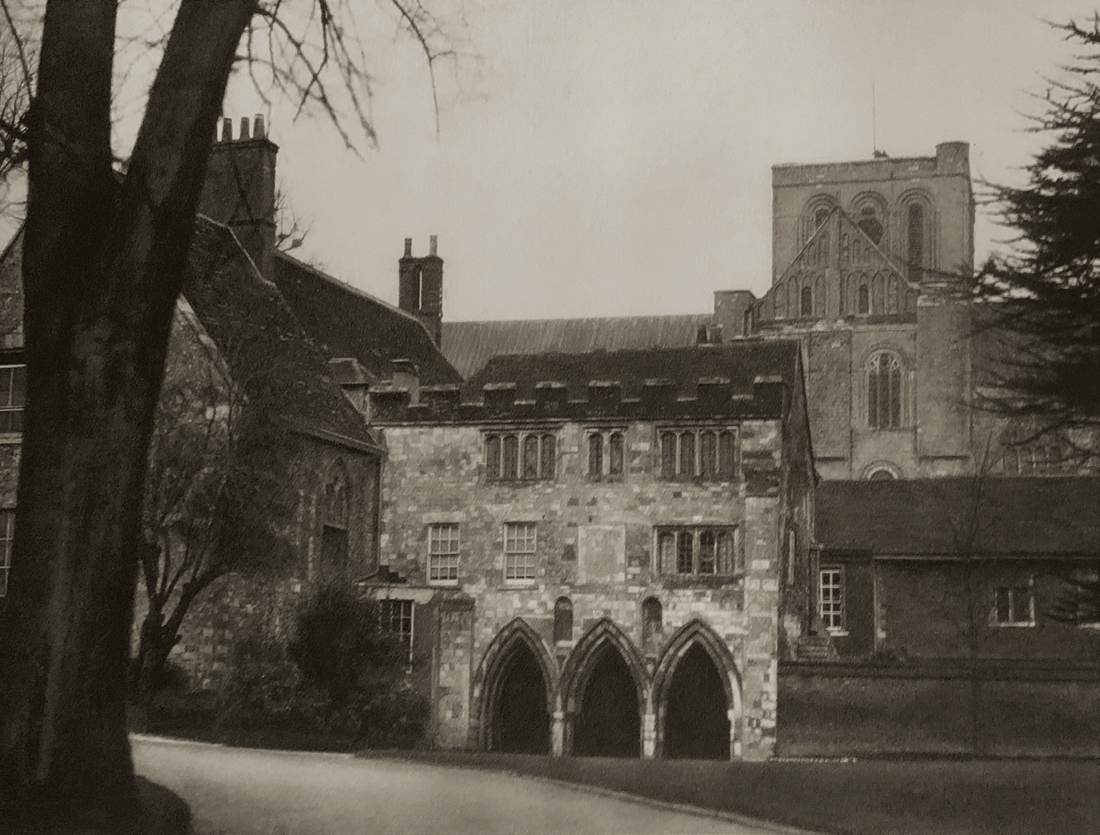
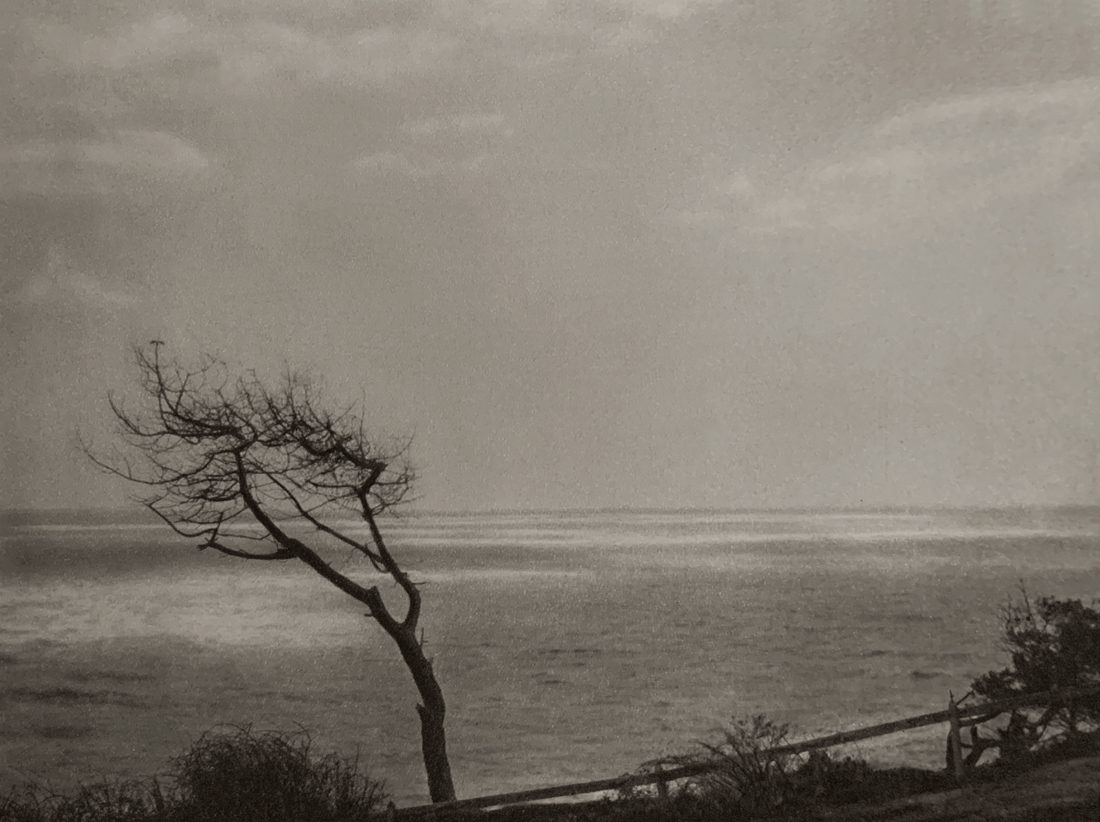
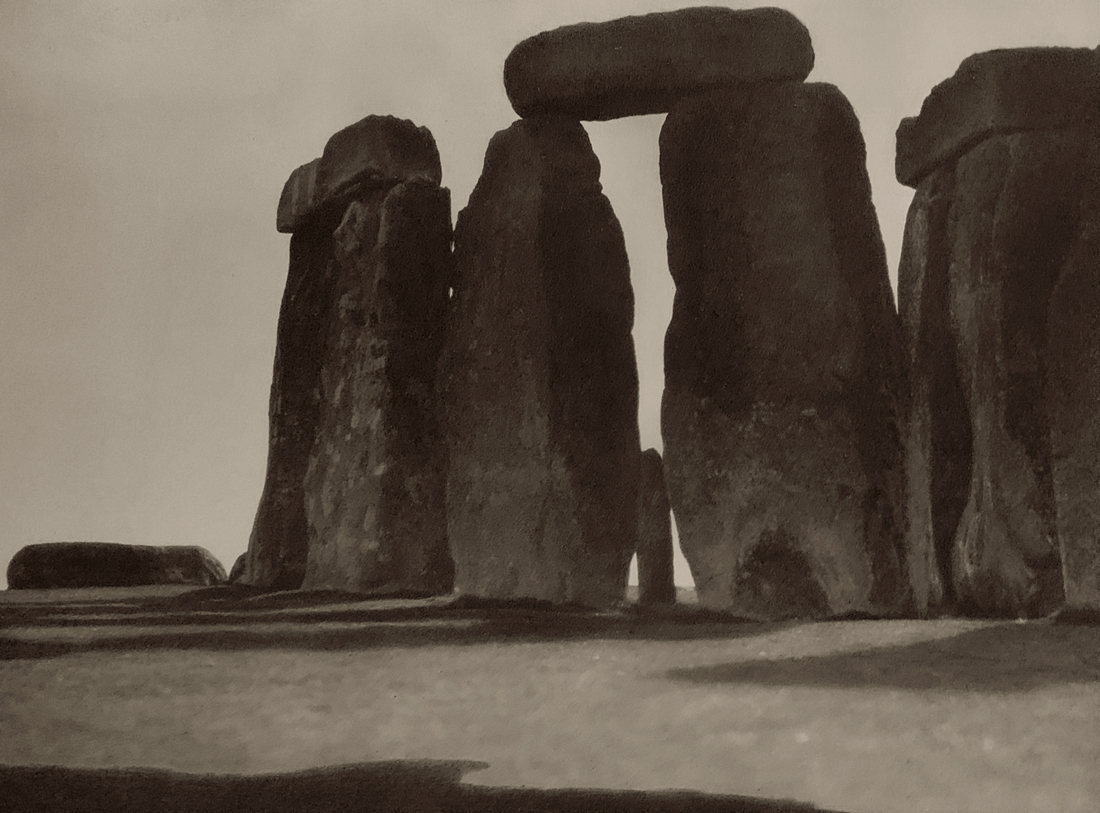
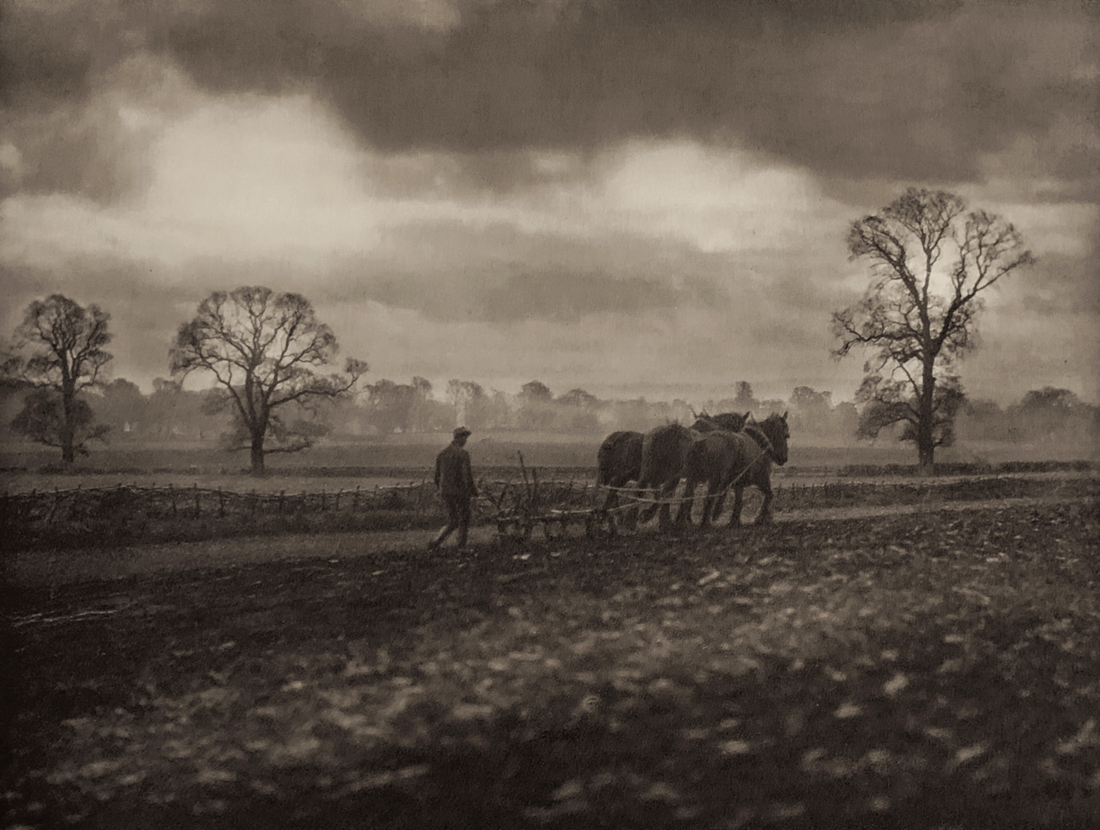
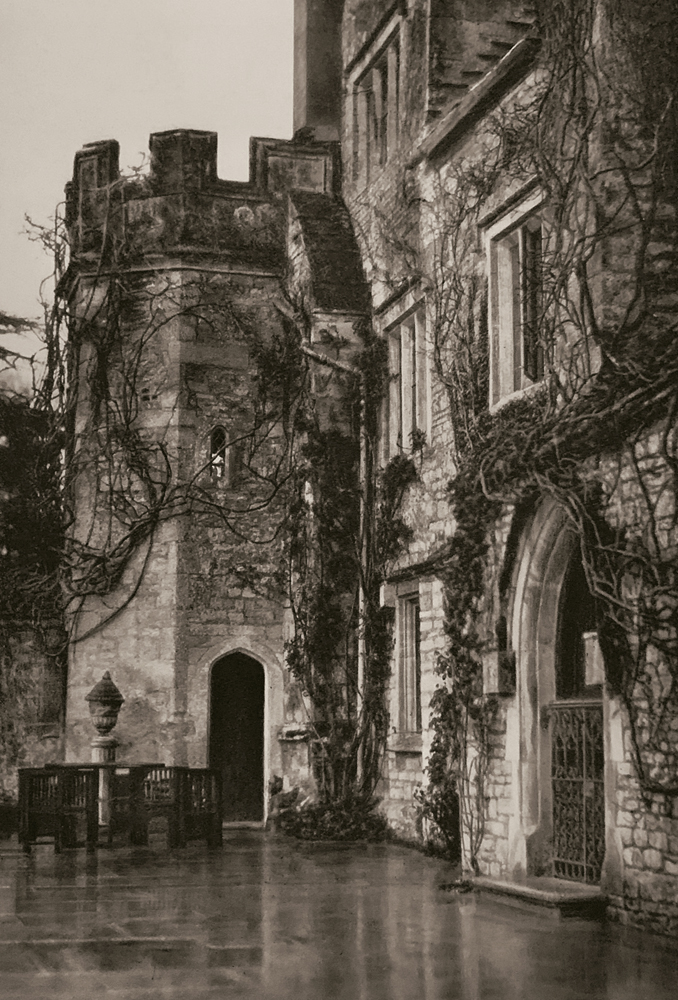
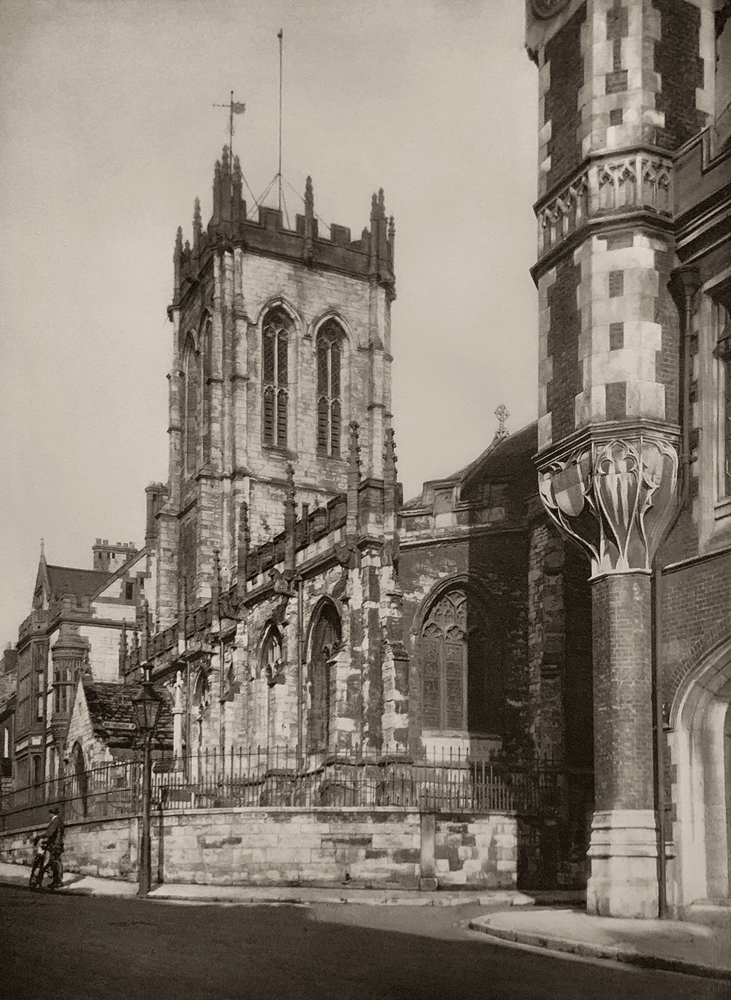
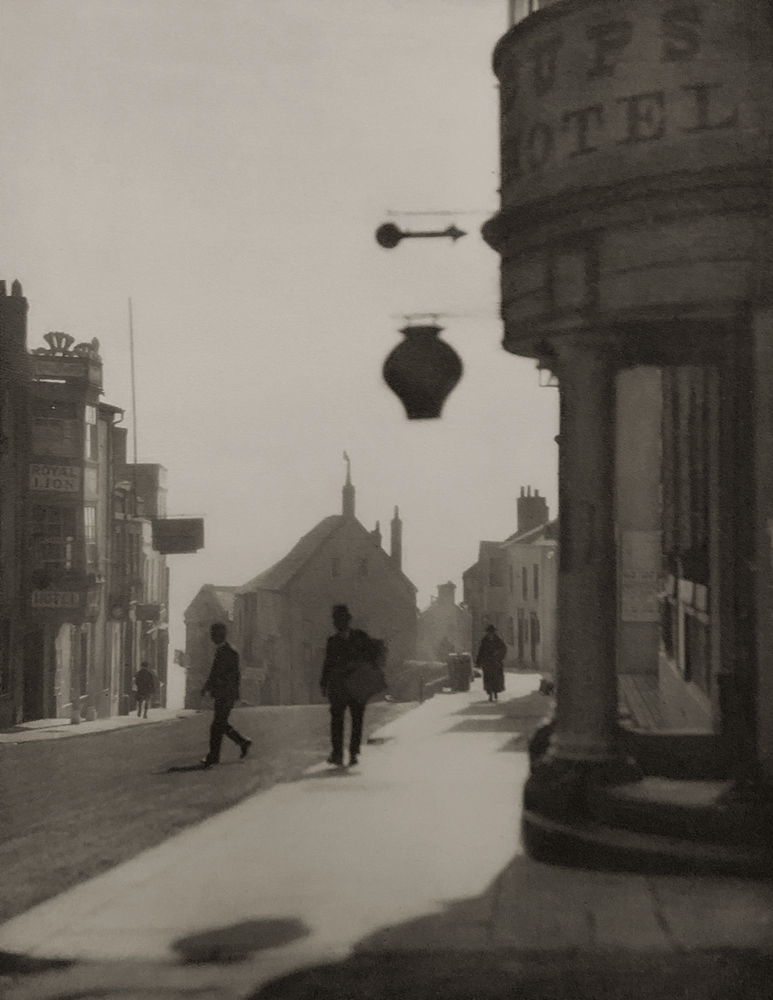
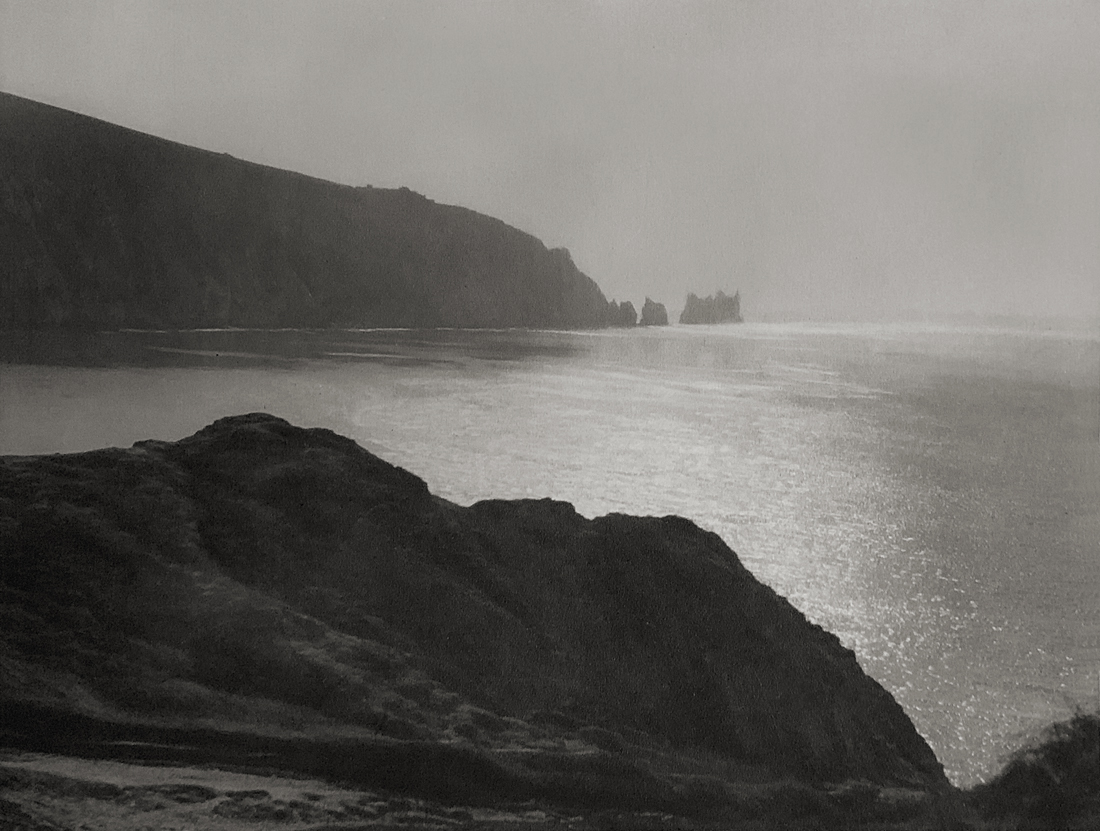
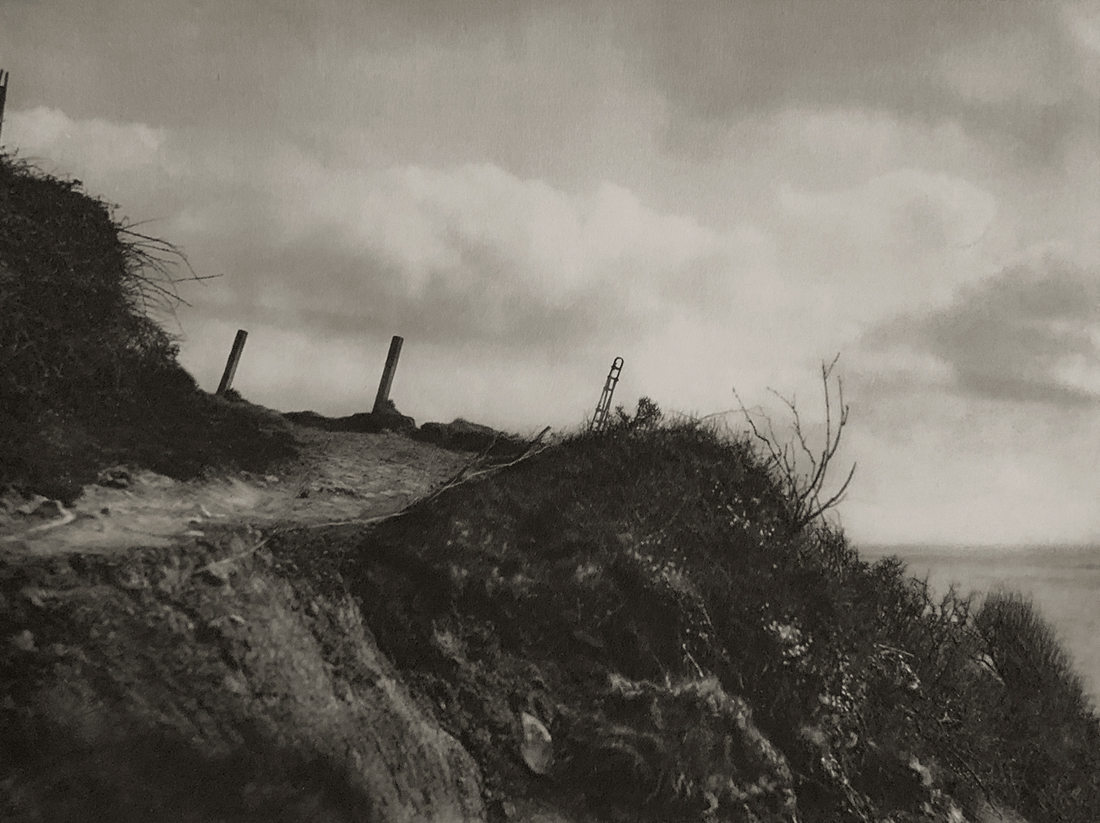
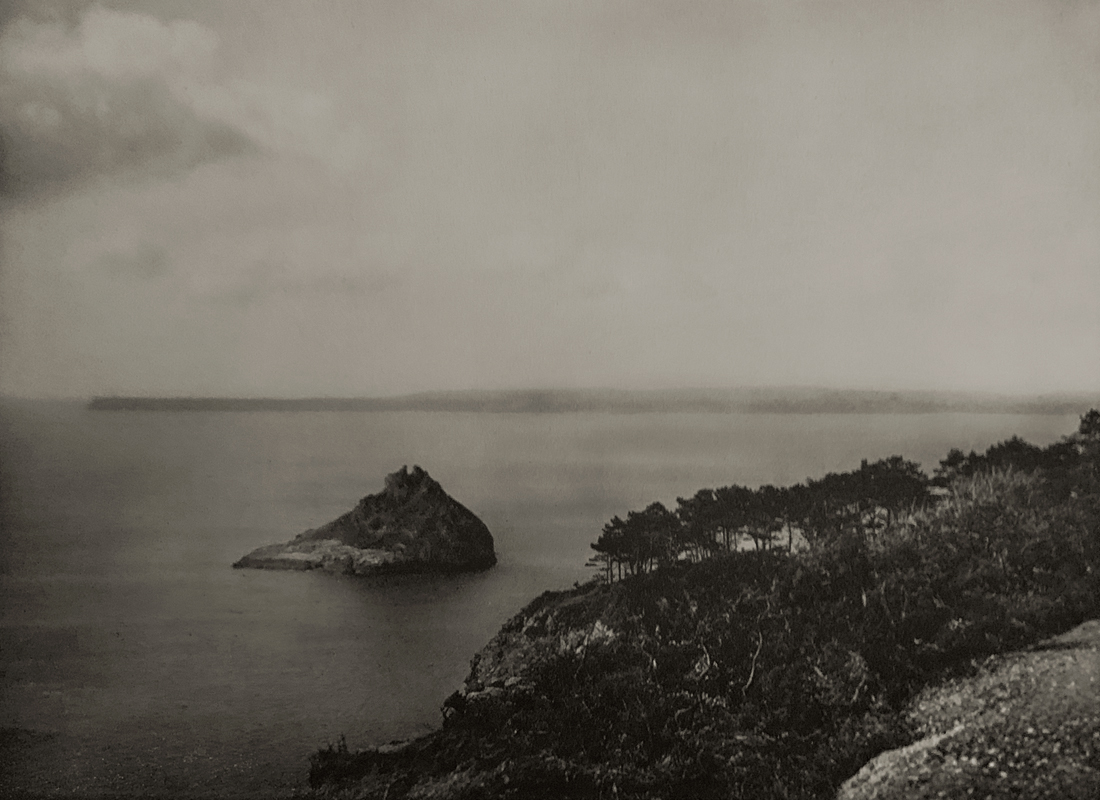
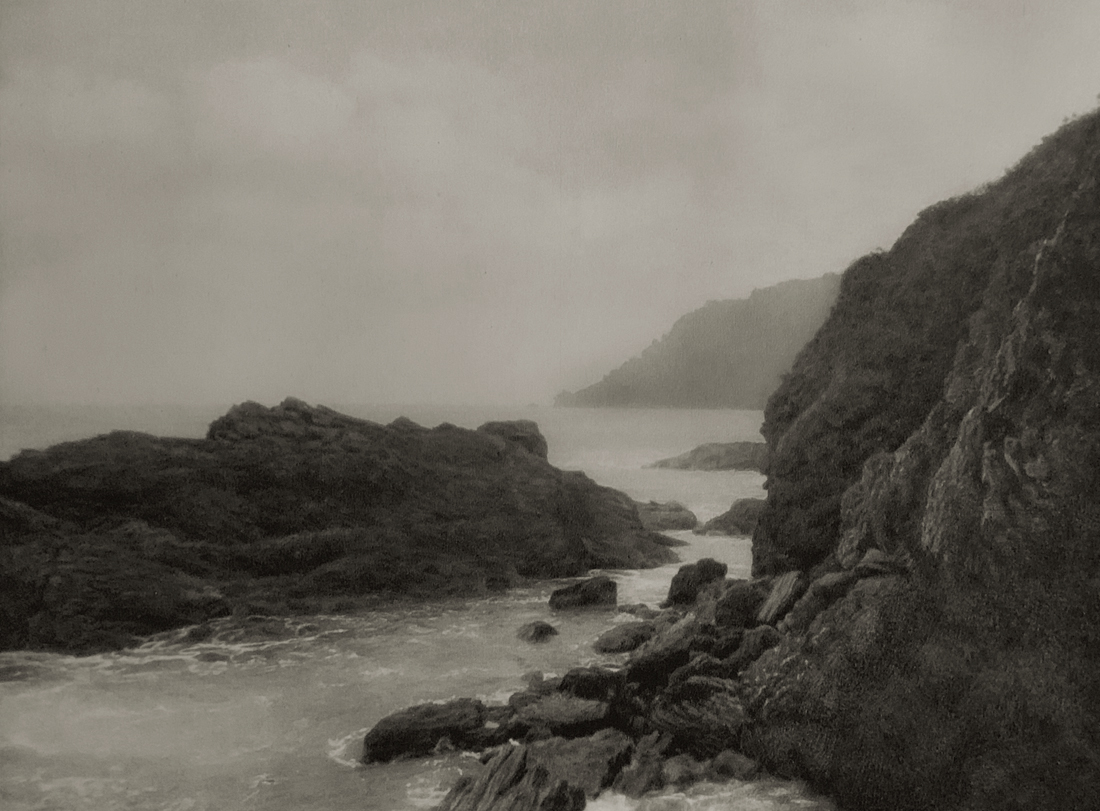
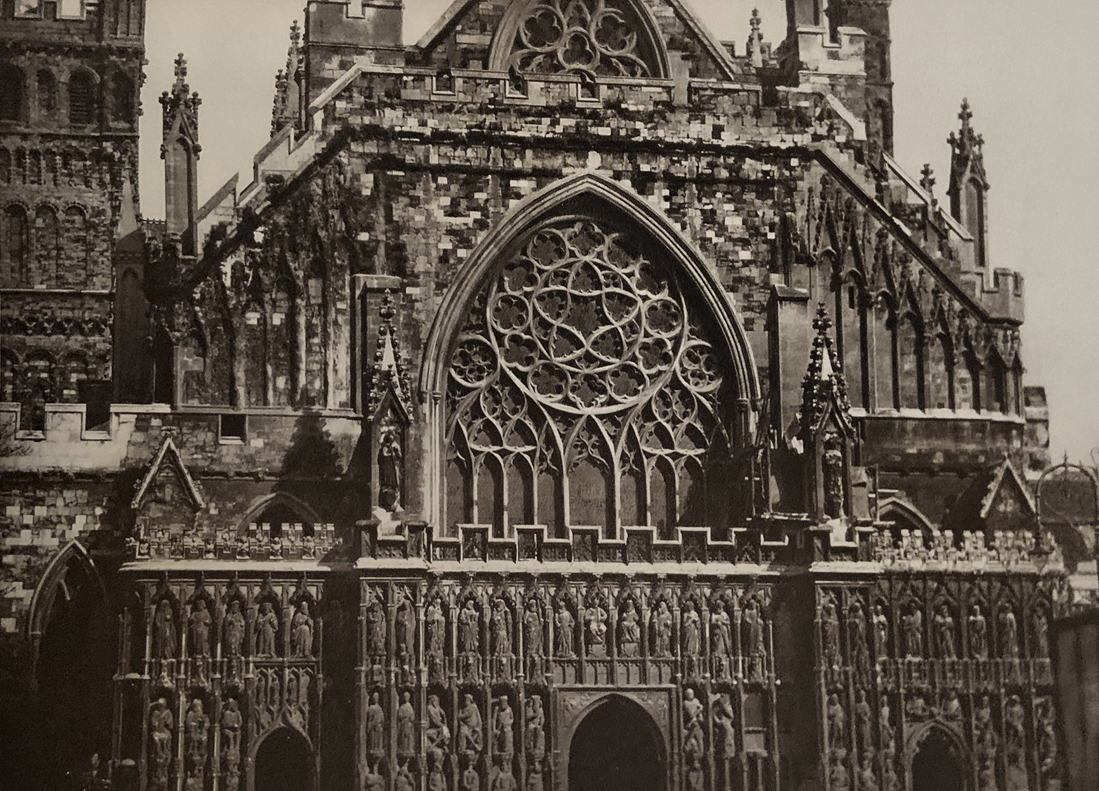
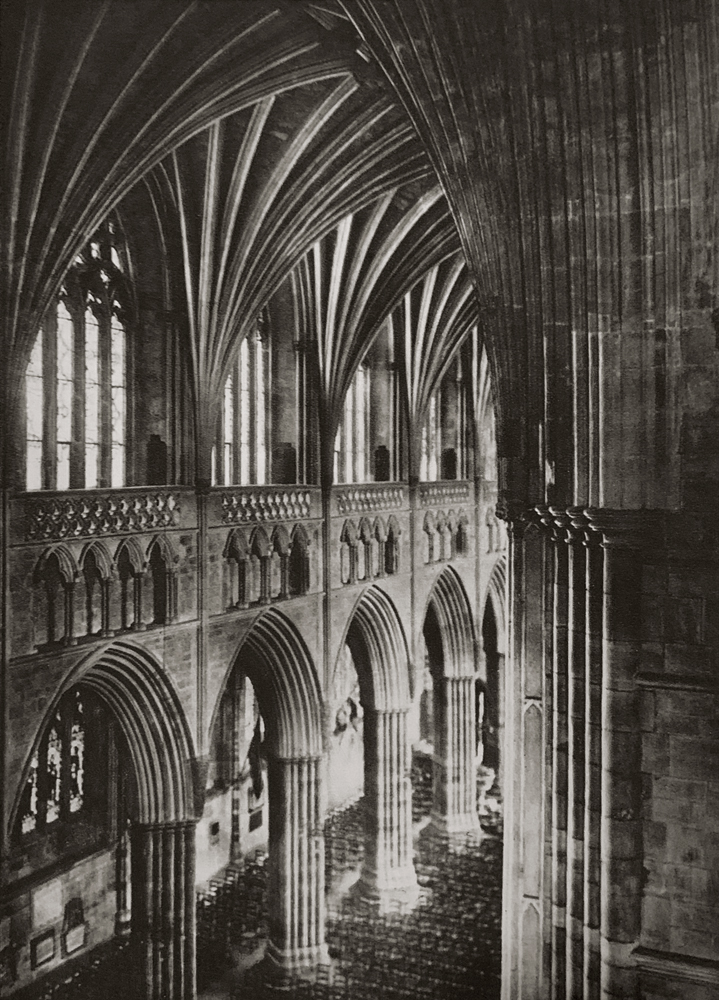
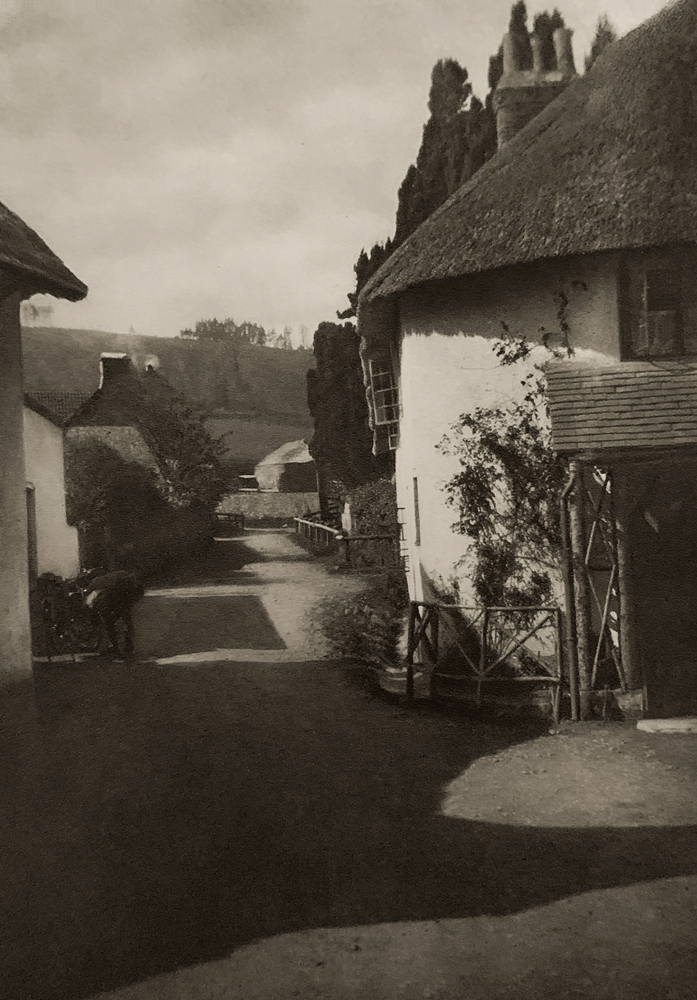
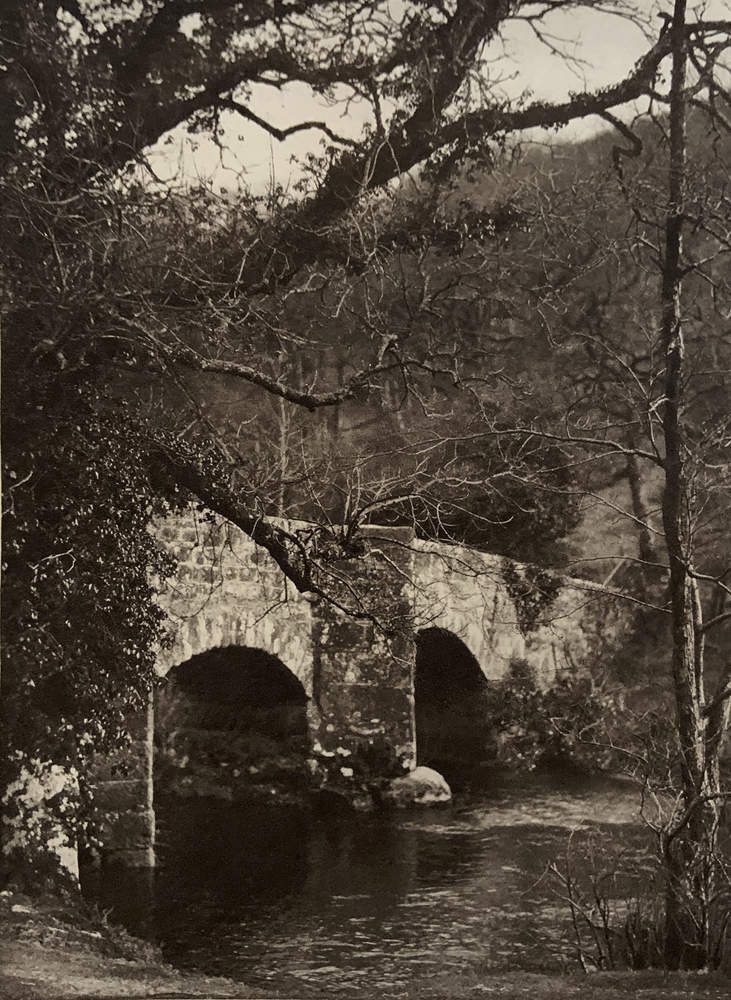
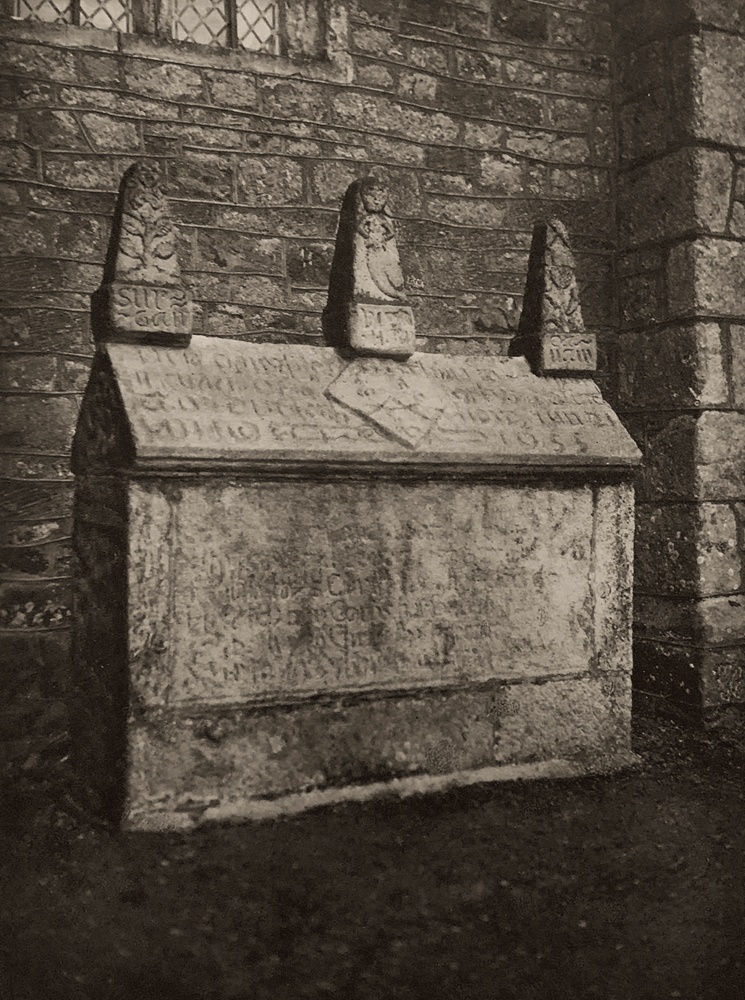
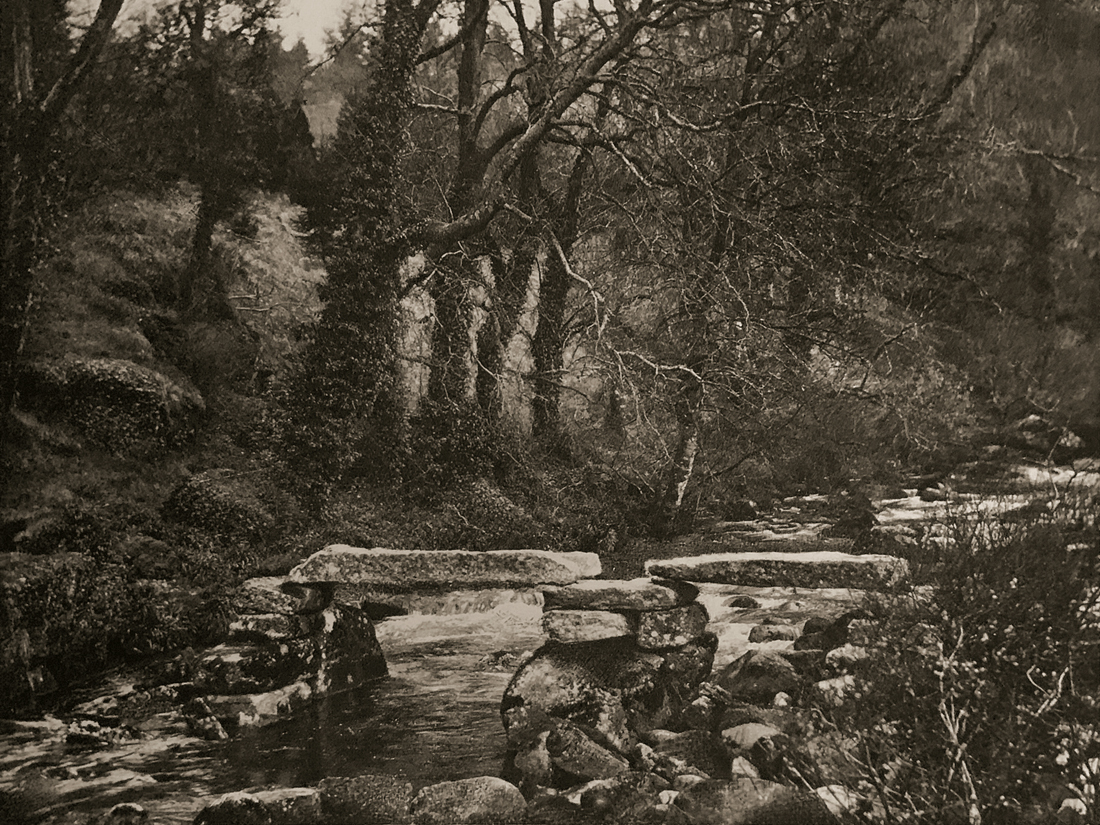
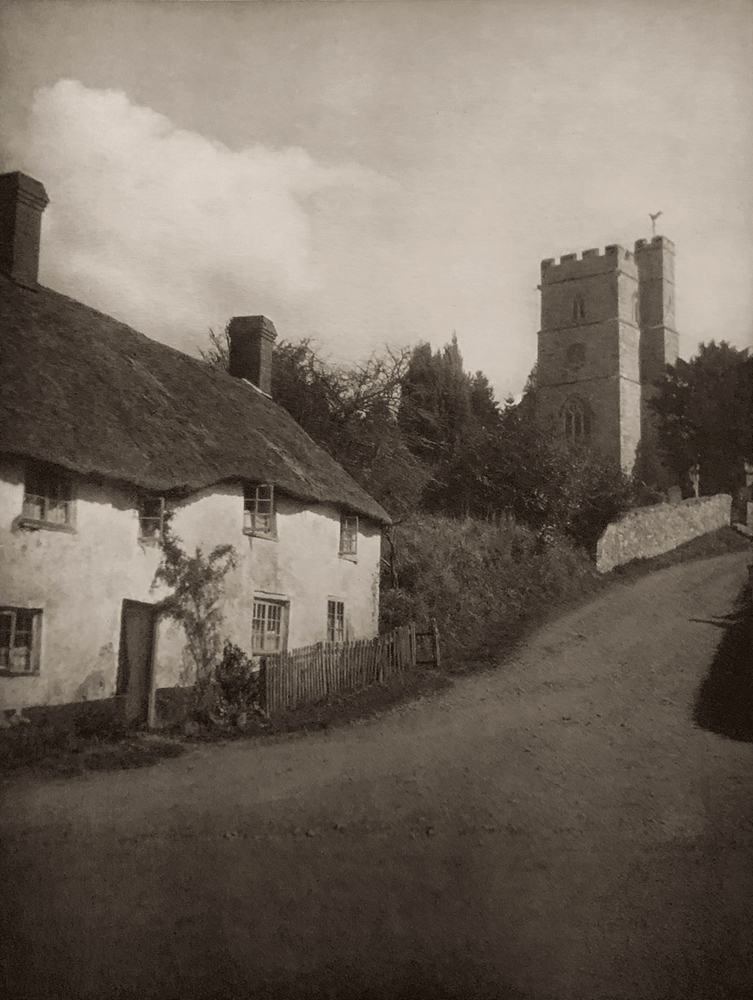
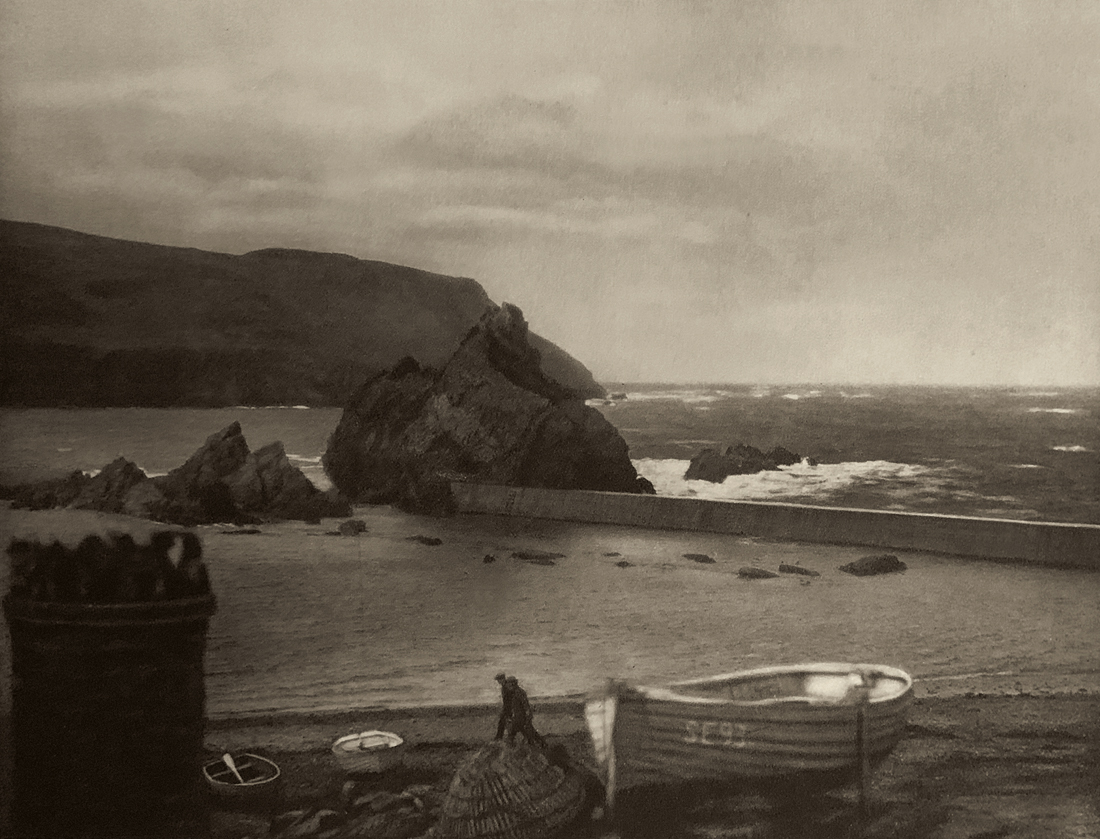
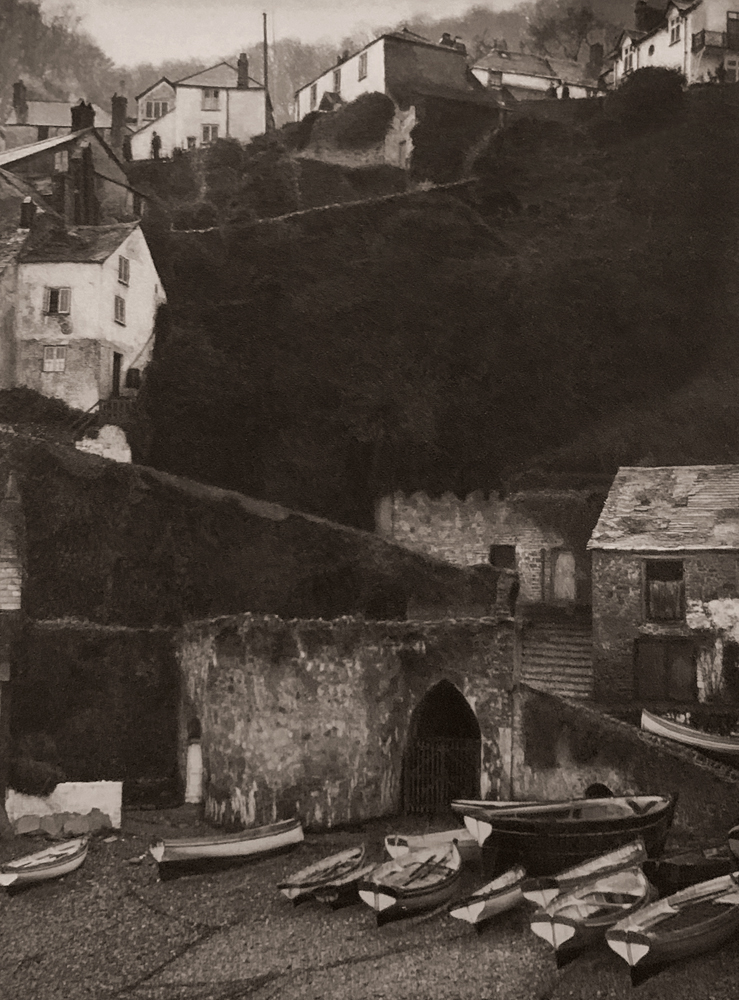
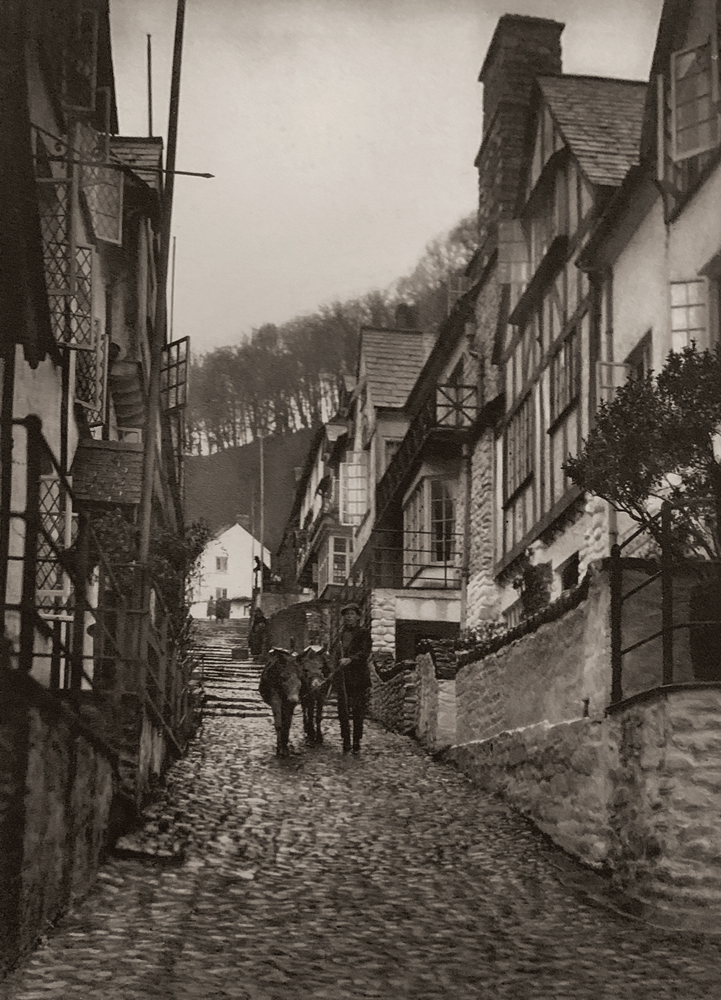
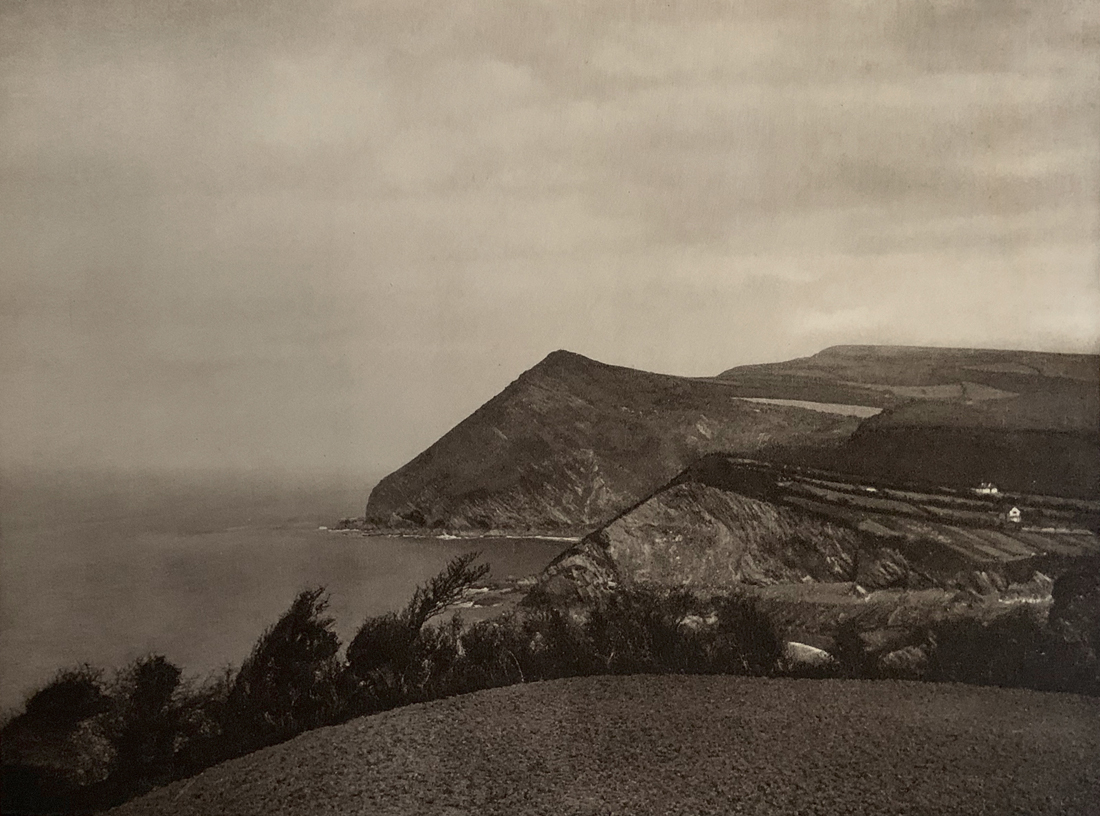
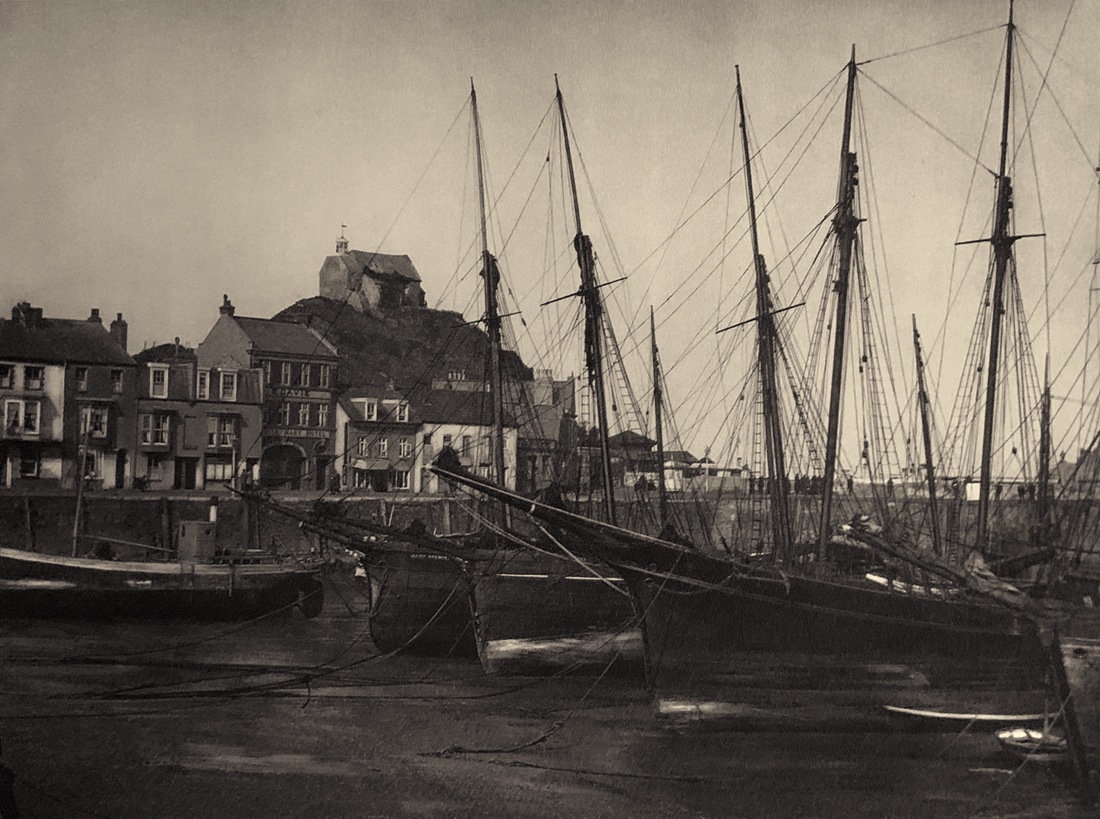
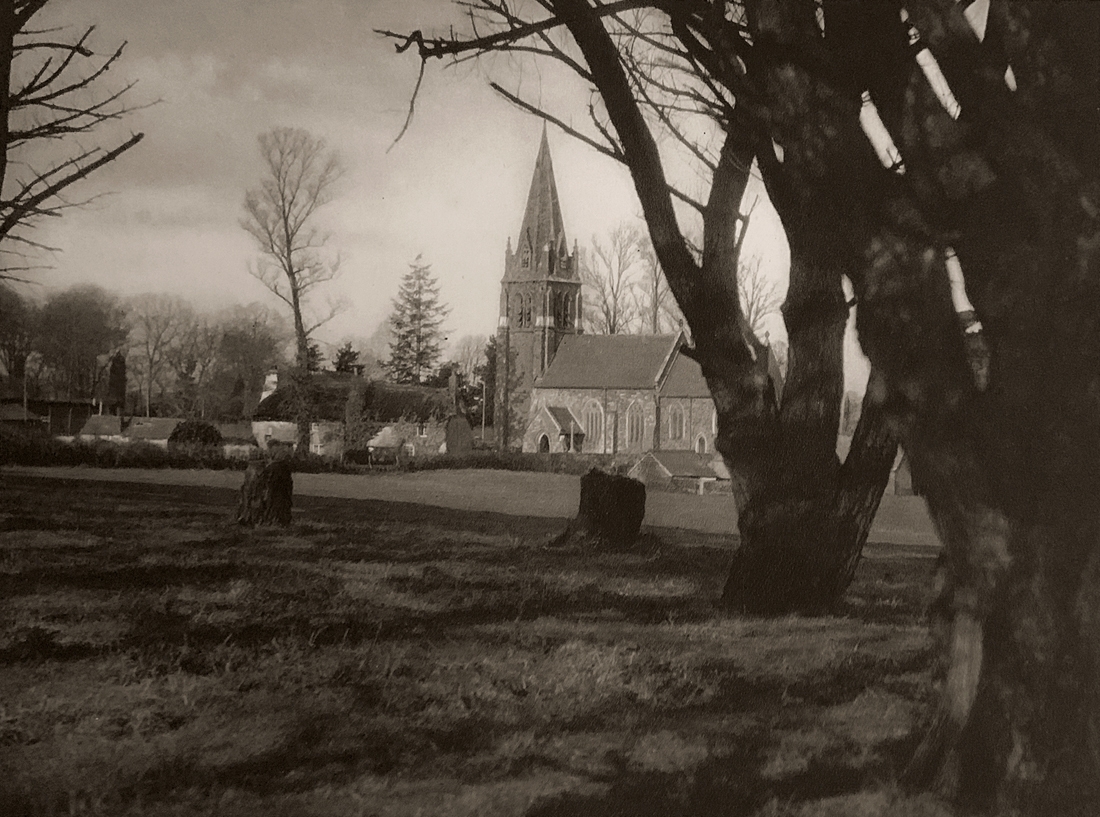
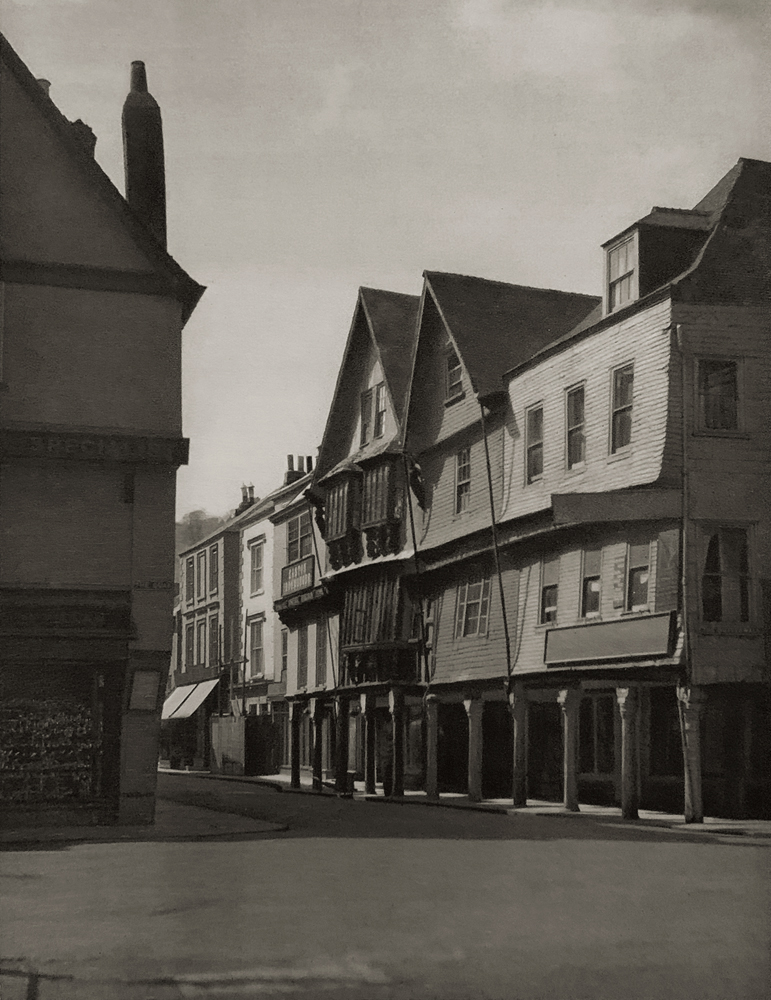
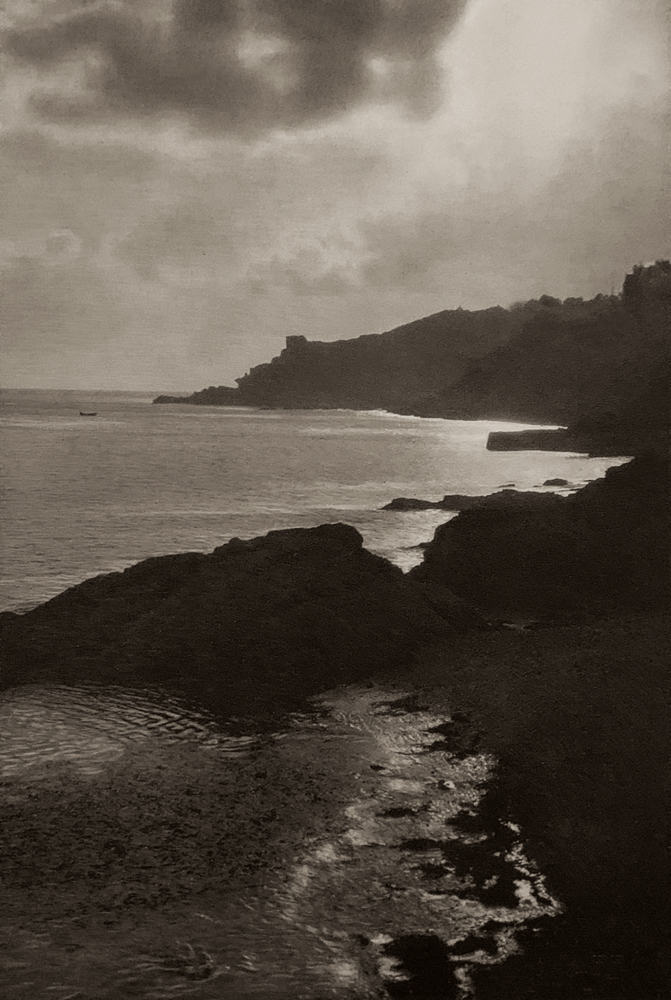


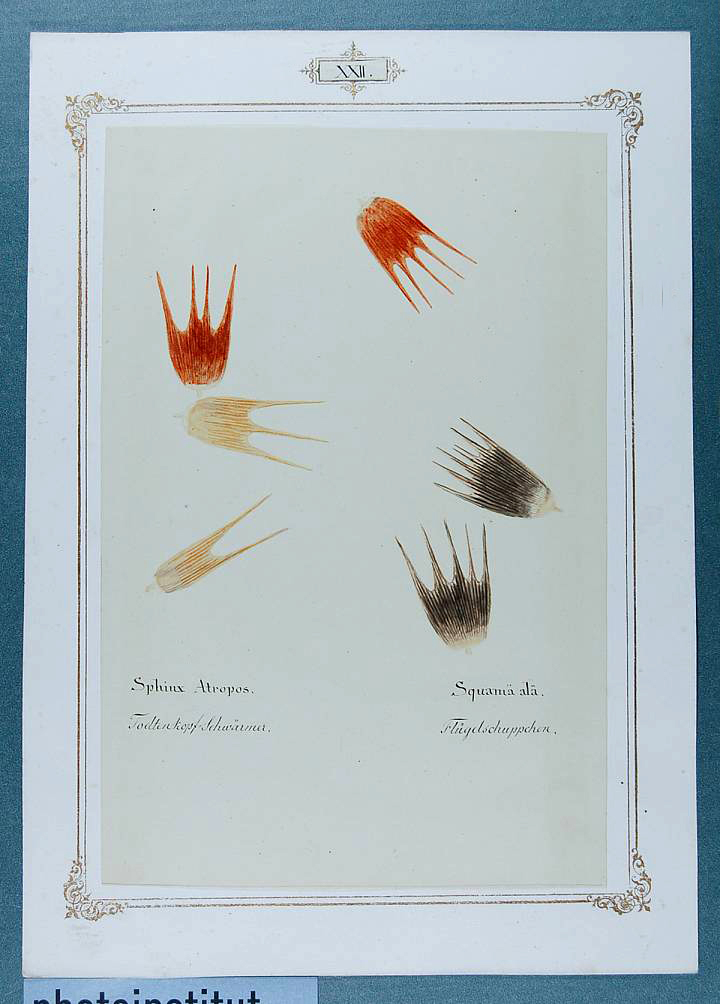


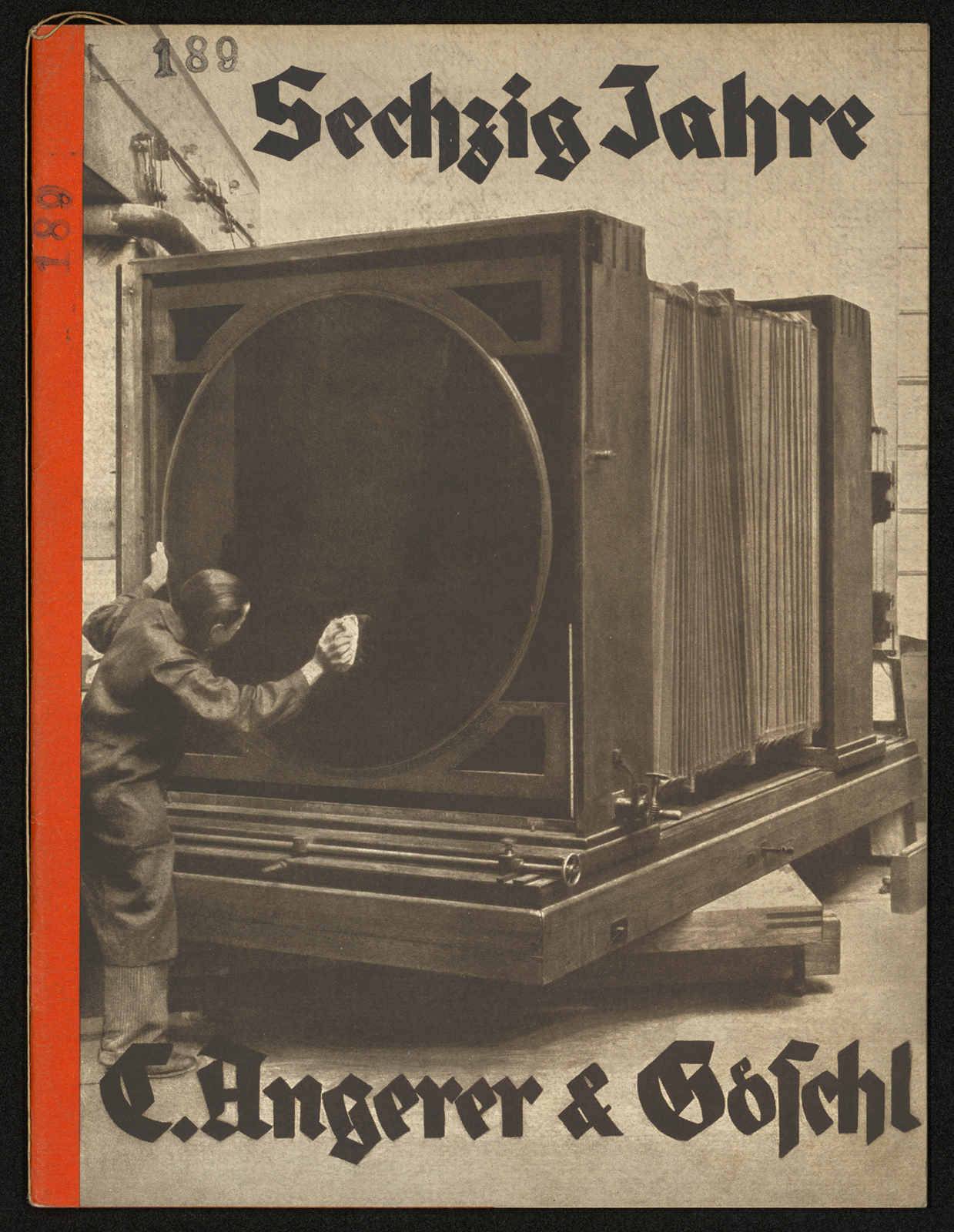

![Harald Lechenper. 'Das Rätsel Indien' [The Indian Puzzle] 1935](https://artblart.com/wp-content/uploads/2019/08/harald_lechenperg_1935.jpg "Harald Lechenper. 'Das Rätsel Indien' [The Indian Puzzle] 1935")
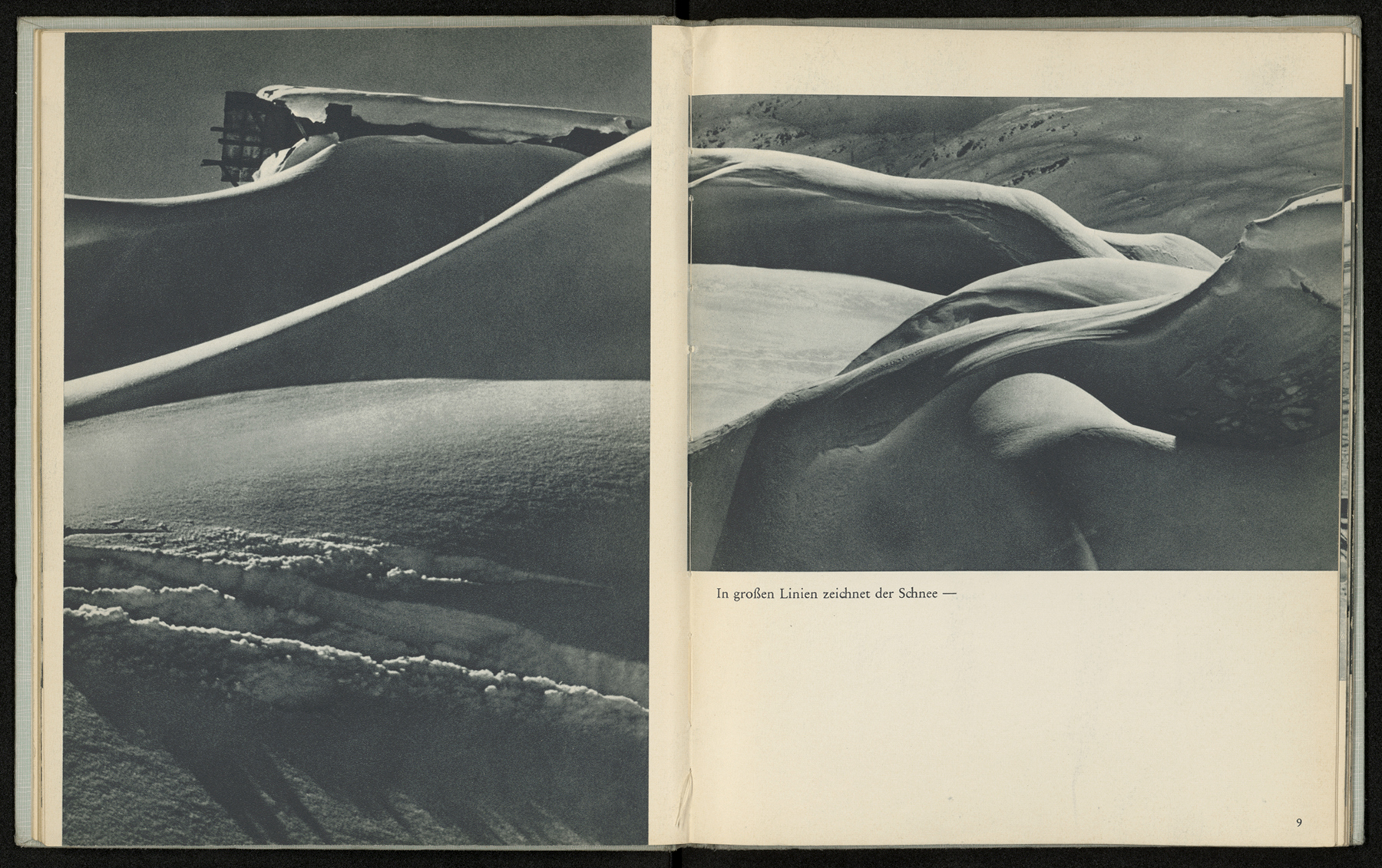


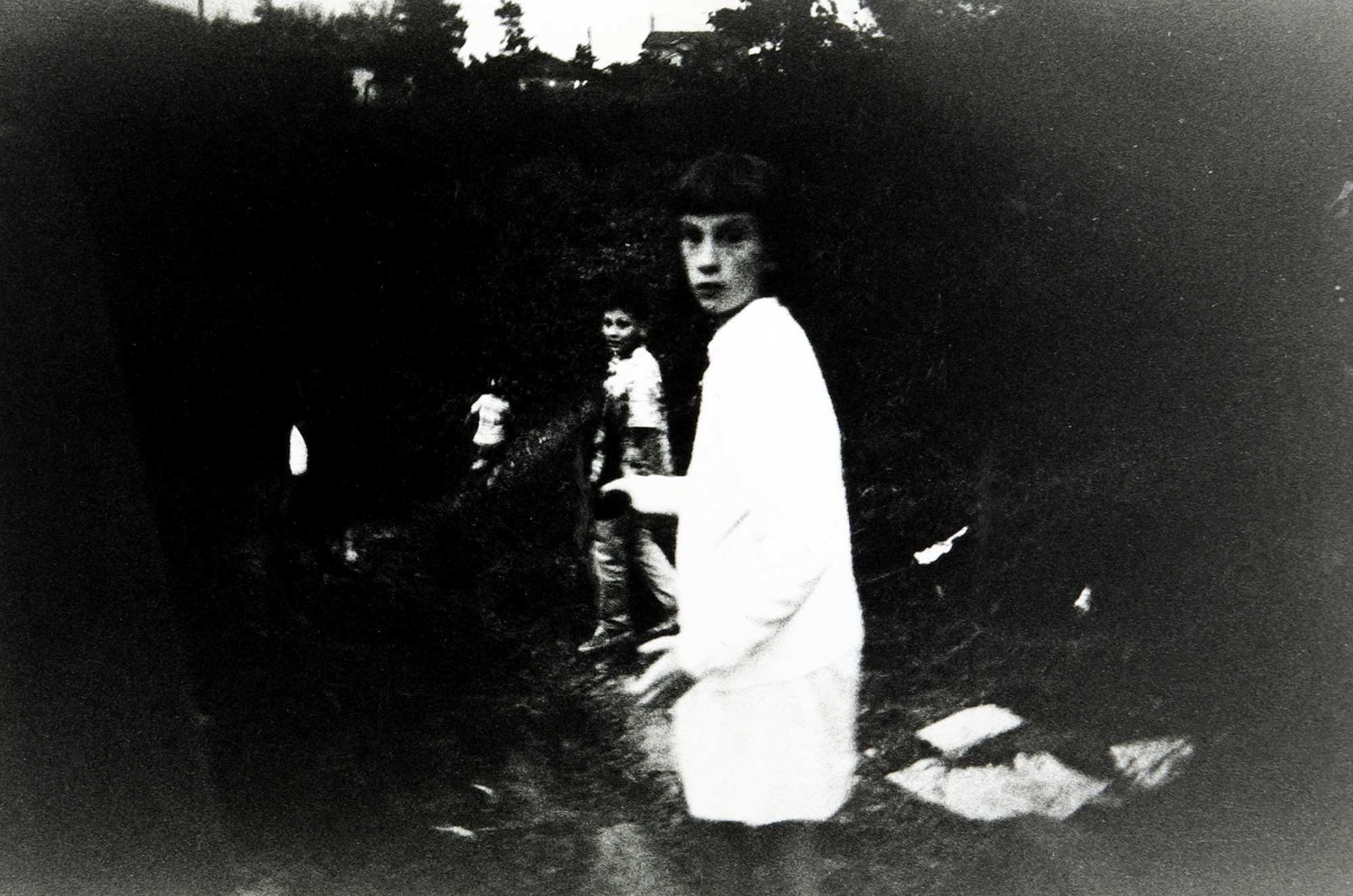


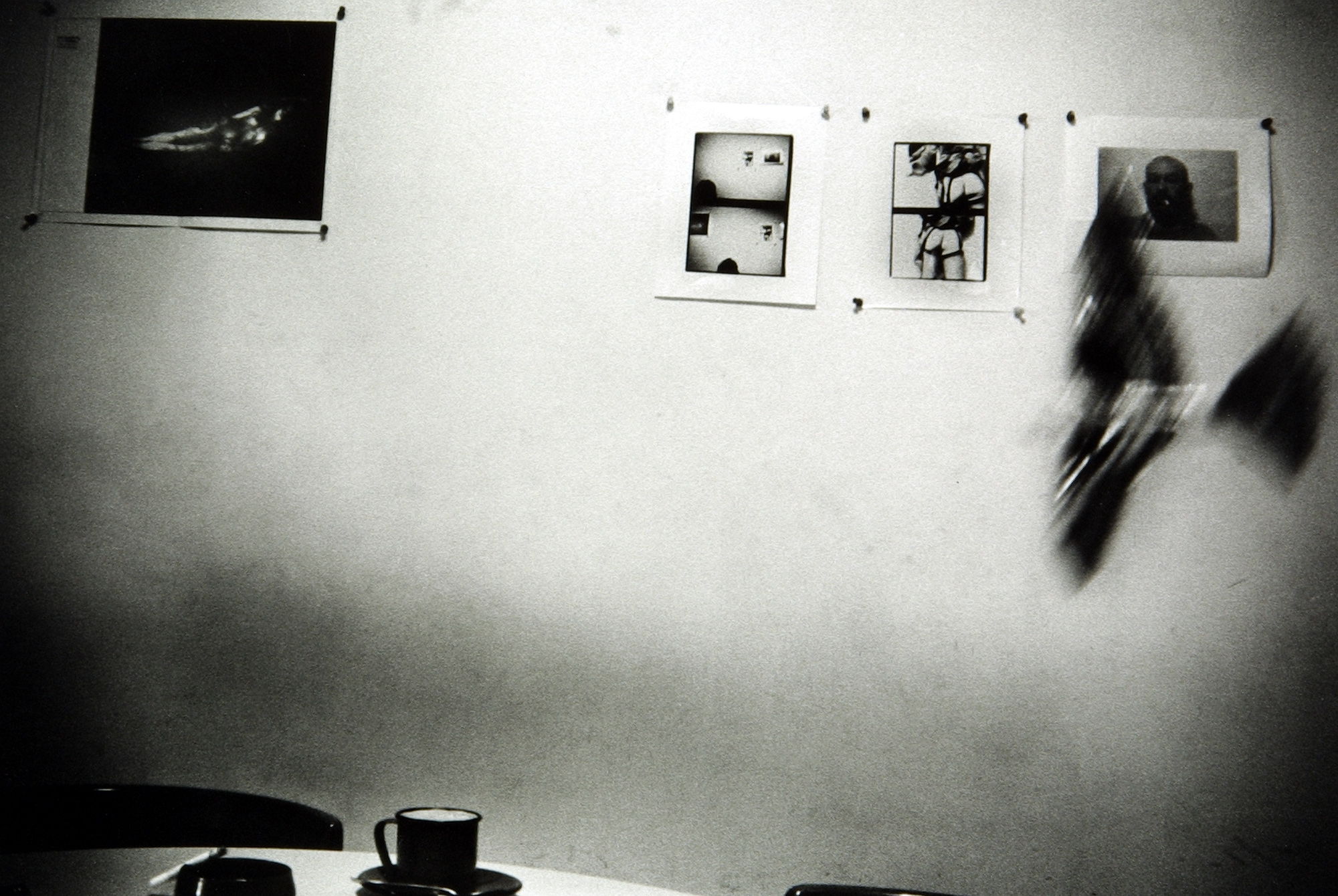
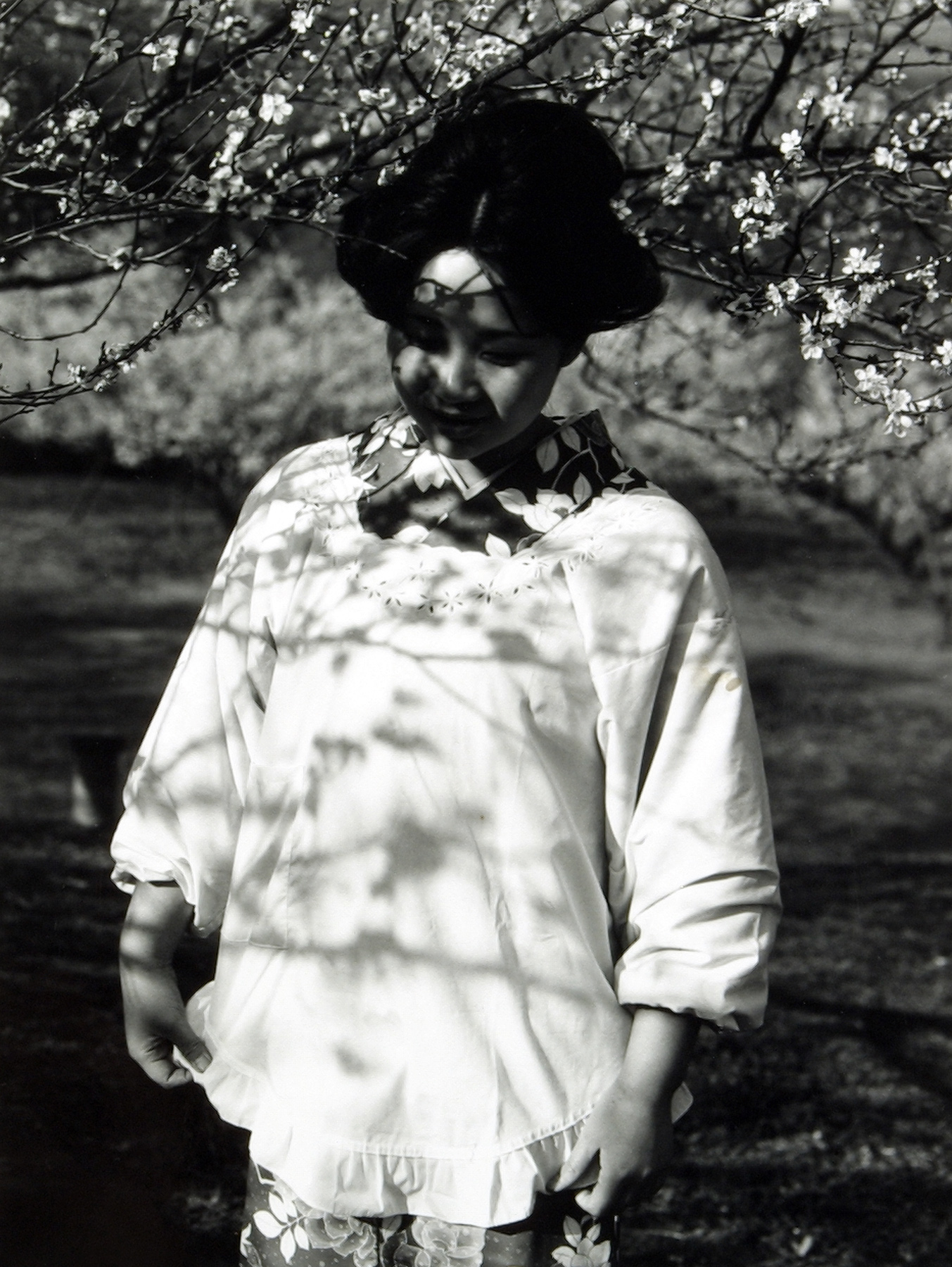


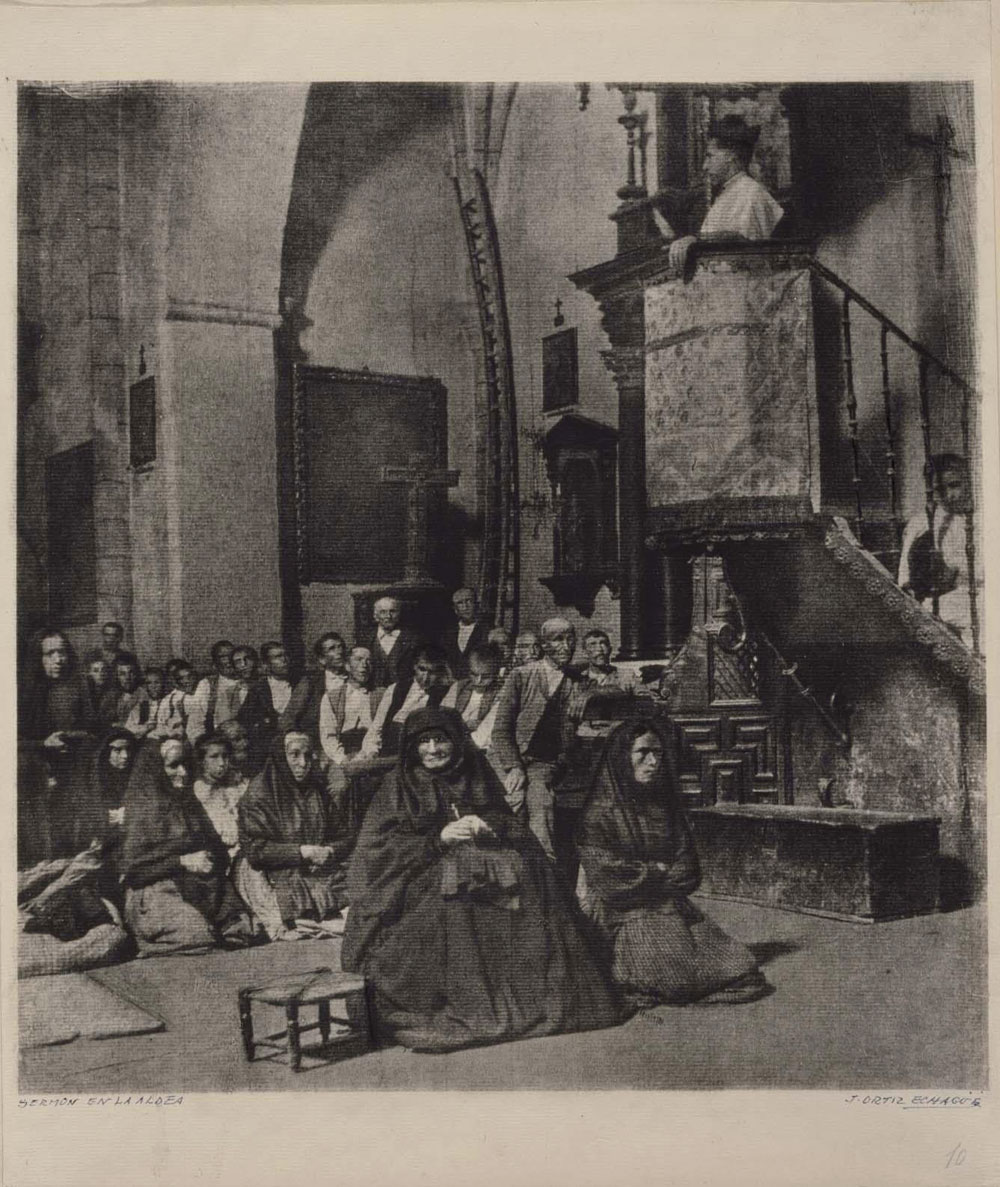


![Francisco Ontañón (Barcelona, Spain, 1930 - Madrid, Spain, 2008) 'La actual M-30 (Madrid)' (The M-30 Ring Road Today [Madrid]) 1963 (May) / posthumous print, 2013](https://artblart.com/wp-content/uploads/2014/12/francisco-ontac3b1c3b3n-la-actual-m-30-madrid-web.jpg "Francisco Ontañón (Barcelona, Spain, 1930 - Madrid, Spain, 2008) 'La actual M-30 (Madrid)' (The M-30 Ring Road Today [Madrid]) 1963 (May) / posthumous print, 2013")
![Francisco Ontañón (Barcelona, Spain, 1930 - Madrid, Spain, 2008) 'Sans Titre (Madrid)' (No Title [Madrid]) 1963 (May) / posthumous print, 2013](https://artblart.com/wp-content/uploads/2014/12/francisco-ontac3b1c3b3n-s_t-madrid-web.jpg "Francisco Ontañón (Barcelona, Spain, 1930 - Madrid, Spain, 2008) 'Sans Titre (Madrid)' (No Title [Madrid]) 1963 (May) / posthumous print, 2013")
![Francisco Ontañón (Barcelona, Spain, 1930 - Madrid, Spain, 2008) 'Sans Titre (Madrid)' (No Title [Madrid]) 1964-65 / posthumous print, 2013](https://artblart.com/wp-content/uploads/2014/12/francisco-ontac3b1c3b3n-s_t-madrid-b-web.jpg "Francisco Ontañón (Barcelona, Spain, 1930 - Madrid, Spain, 2008) 'Sans Titre (Madrid)' (No Title [Madrid]) 1964-65 / posthumous print, 2013")
![Francisco Ontañón (Barcelona, Spain, 1930 - Madrid, Spain, 2008) 'Sans Titre (Madrid)' (No Title [Madrid]) 1964-65 / posthumous print, 2013](https://artblart.com/wp-content/uploads/2014/12/francisco-ontac3b1c3b3n-s_t-madrid-c-web.jpg "Francisco Ontañón (Barcelona, Spain, 1930 - Madrid, Spain, 2008) 'Sans Titre (Madrid)' (No Title [Madrid]) 1964-65 / posthumous print, 2013")
![Francisco Ontañón (Barcelona, Spain, 1930 - Madrid, Spain, 2008) 'Sans Titre (Madrid)' (No Title [Madrid]) 1964 / posthumous print, 2013](https://artblart.com/wp-content/uploads/2014/12/francisco-ontac3b1c3b3n-s_t-madrid-d-web.jpg "Francisco Ontañón (Barcelona, Spain, 1930 - Madrid, Spain, 2008) 'Sans Titre (Madrid)' (No Title [Madrid]) 1964 / posthumous print, 2013")
![Francisco Ontañón (Barcelona, Spain, 1930 - Madrid, Spain, 2008) '600 en Casa de Campo con familia (Madrid)' (Outing to Casa de Campo in the 600, with Family [Madrid]) 1963 (May) / posthumous print, 2013](https://artblart.com/wp-content/uploads/2014/12/francisco-ontac3b1c3b3n-600-en-casa-de-campo-web.jpg "Francisco Ontañón (Barcelona, Spain, 1930 - Madrid, Spain, 2008) '600 en Casa de Campo con familia (Madrid)' (Outing to Casa de Campo in the 600, with Family [Madrid]) 1963 (May) / posthumous print, 2013")
![Francisco Ontañón (Barcelona, Spain, 1930 - Madrid, Spain, 2008) 'Parque Sindical (Madrid)' (Parque Sindical Sports Area [Madrid]) 1964 / posthumous print, 2013](https://artblart.com/wp-content/uploads/2014/12/francisco-ontac3b1c3b3n-parque-sindical-madrid-web.jpg "Francisco Ontañón (Barcelona, Spain, 1930 - Madrid, Spain, 2008) 'Parque Sindical (Madrid)' (Parque Sindical Sports Area [Madrid]) 1964 / posthumous print, 2013")
![Francisco Ontañón (Barcelona, Spain, 1930 - Madrid, Spain, 2008) 'Entierro (Madrid)' (Burial [Madrid]) 1967 / posthumous print, 2013](https://artblart.com/wp-content/uploads/2014/12/francisco-ontac3b1c3b3n-entierro-madrid-web.jpg "Francisco Ontañón (Barcelona, Spain, 1930 - Madrid, Spain, 2008) 'Entierro (Madrid)' (Burial [Madrid]) 1967 / posthumous print, 2013")
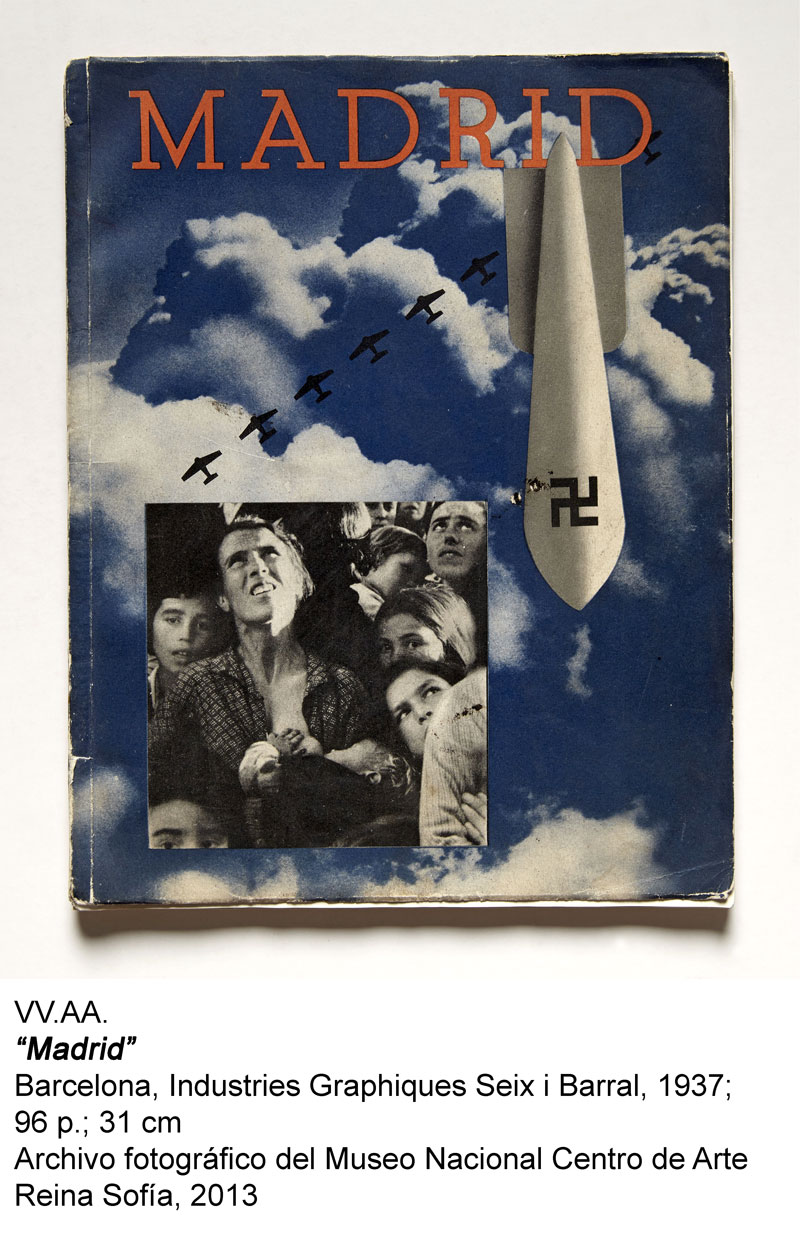


![Ed Ruscha (American, b. 1937) '708 S. Barrington Ave. [The Dolphin]' 1965](https://artblart.com/wp-content/uploads/2013/09/708-s-barrington-ave-the-dolphin-1965-web.jpg "Ed Ruscha (American, b. 1937) '708 S. Barrington Ave. [The Dolphin]' 1965")





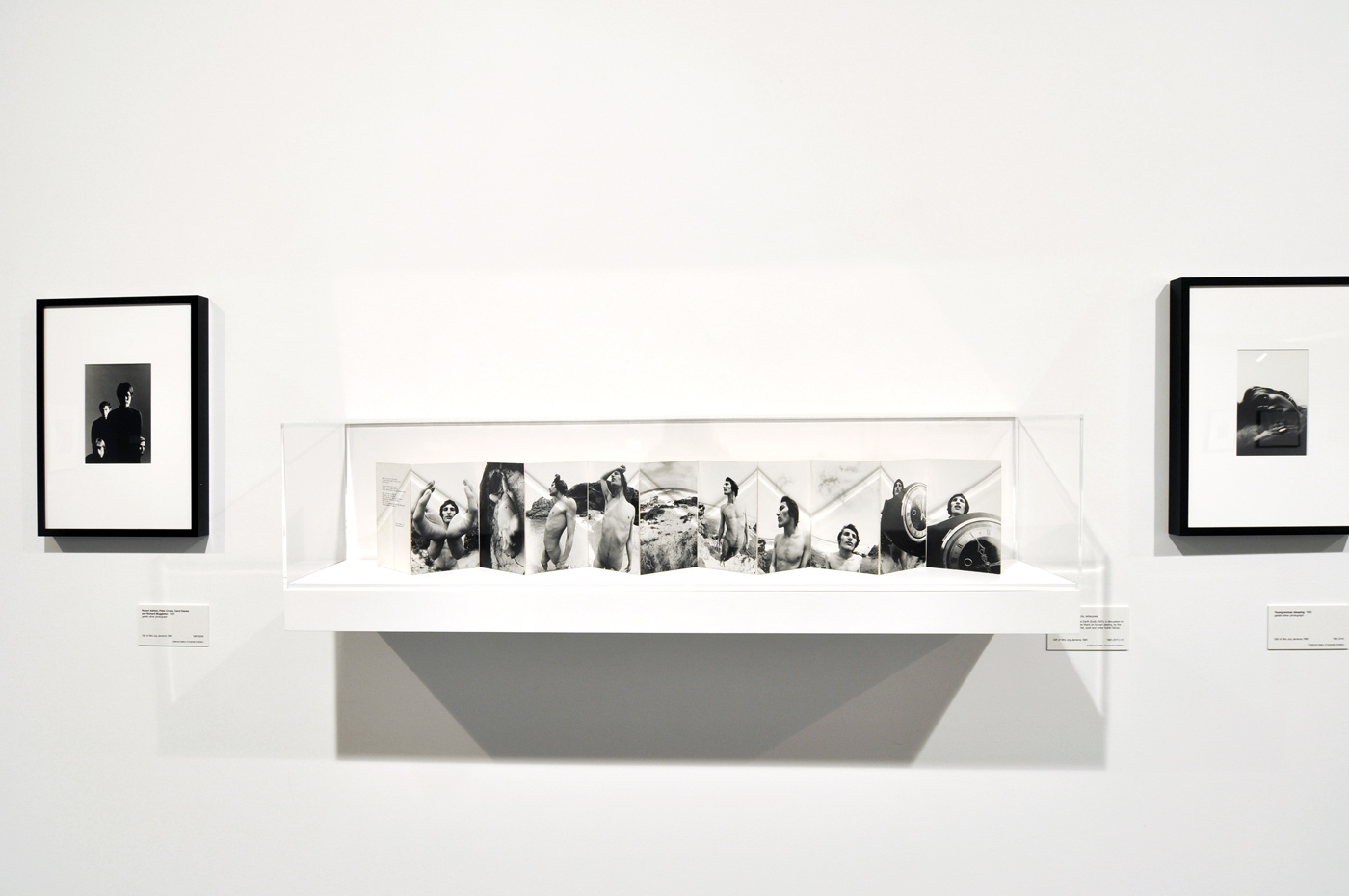


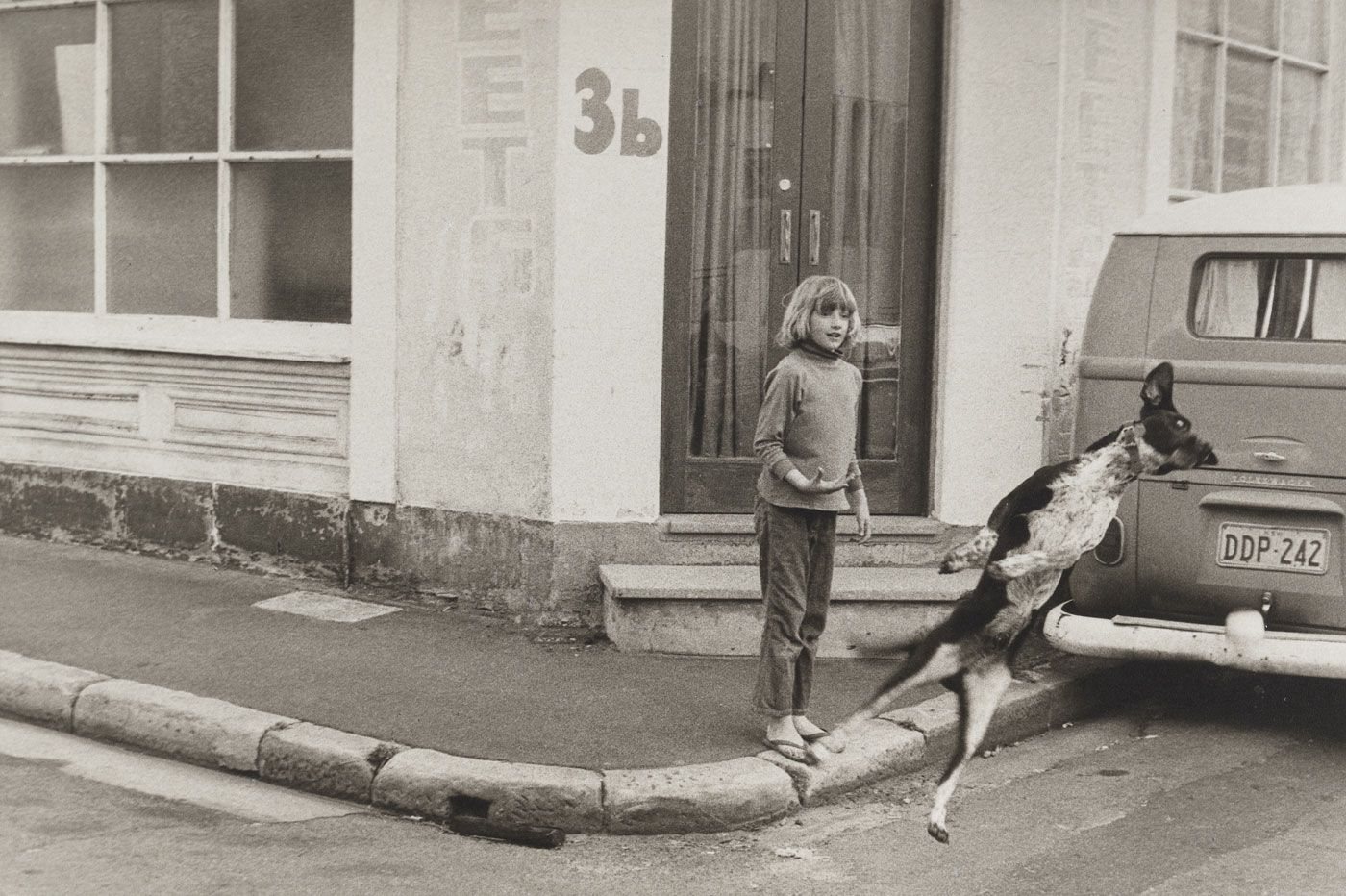
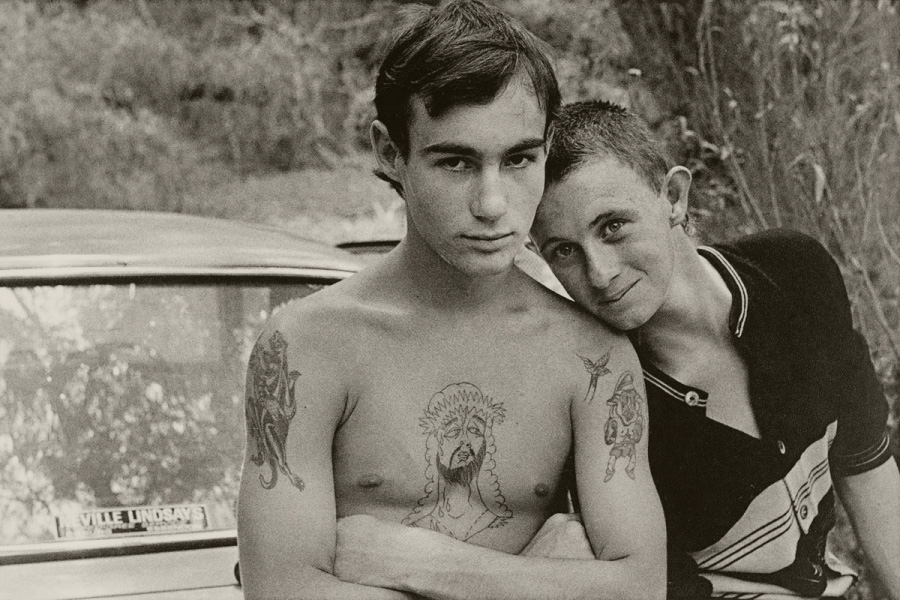
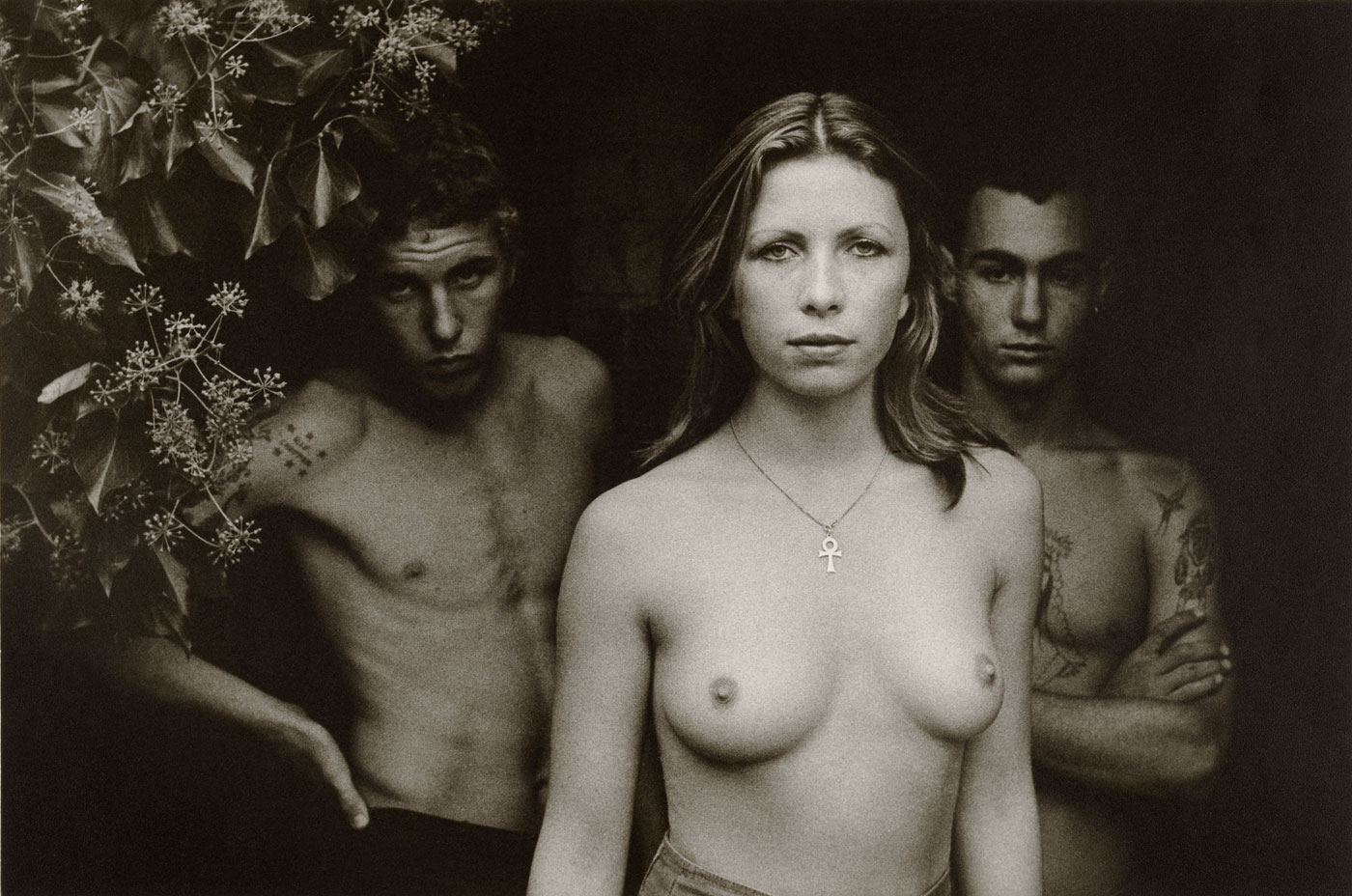
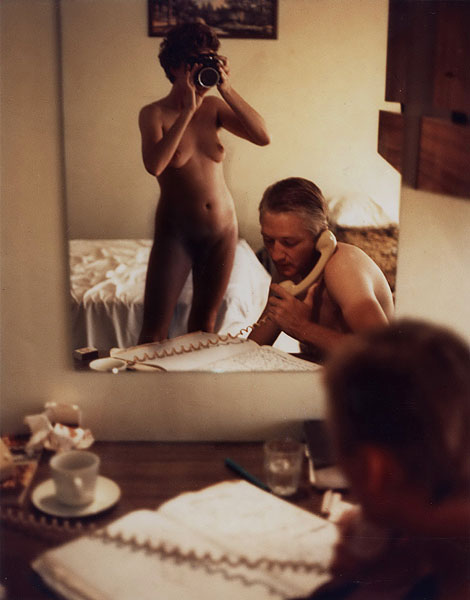
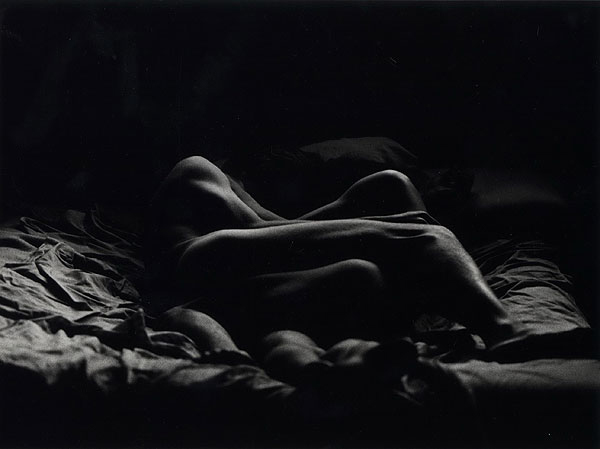

![Carol Jerrems (Australian, 1949-1980) 'Butterfly behind glass [Red Symons from Skyhooks]' 1975](https://artblart.com/wp-content/uploads/2013/09/butterfly_174882_web.jpg "Carol Jerrems (Australian, 1949-1980) 'Butterfly behind glass [Red Symons from Skyhooks]' 1975")

![Carol Jerrems (Australian, 1949-1980) 'Performers on stage,' Hair', Metro Theatre Kings Cross, Sydney, January 1970 [Jim Sharman Director cast included Reg Livermore]' 1970](https://artblart.com/wp-content/uploads/2013/09/jerrems_performers-on-stage-hair-web.jpg "Carol Jerrems (Australian, 1949-1980) 'Performers on stage,' Hair', Metro Theatre Kings Cross, Sydney, January 1970 [Jim Sharman Director cast included Reg Livermore]' 1970")
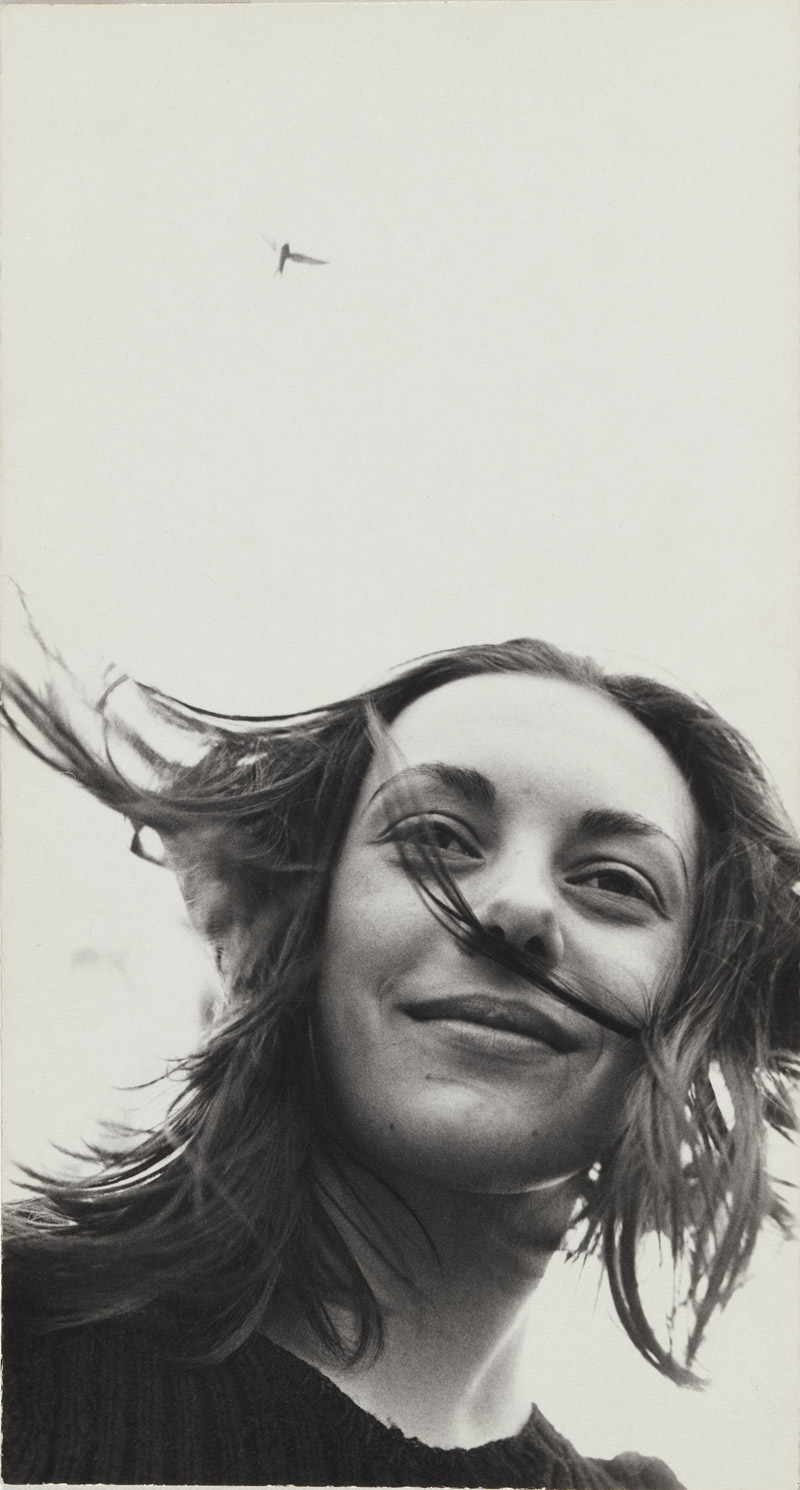

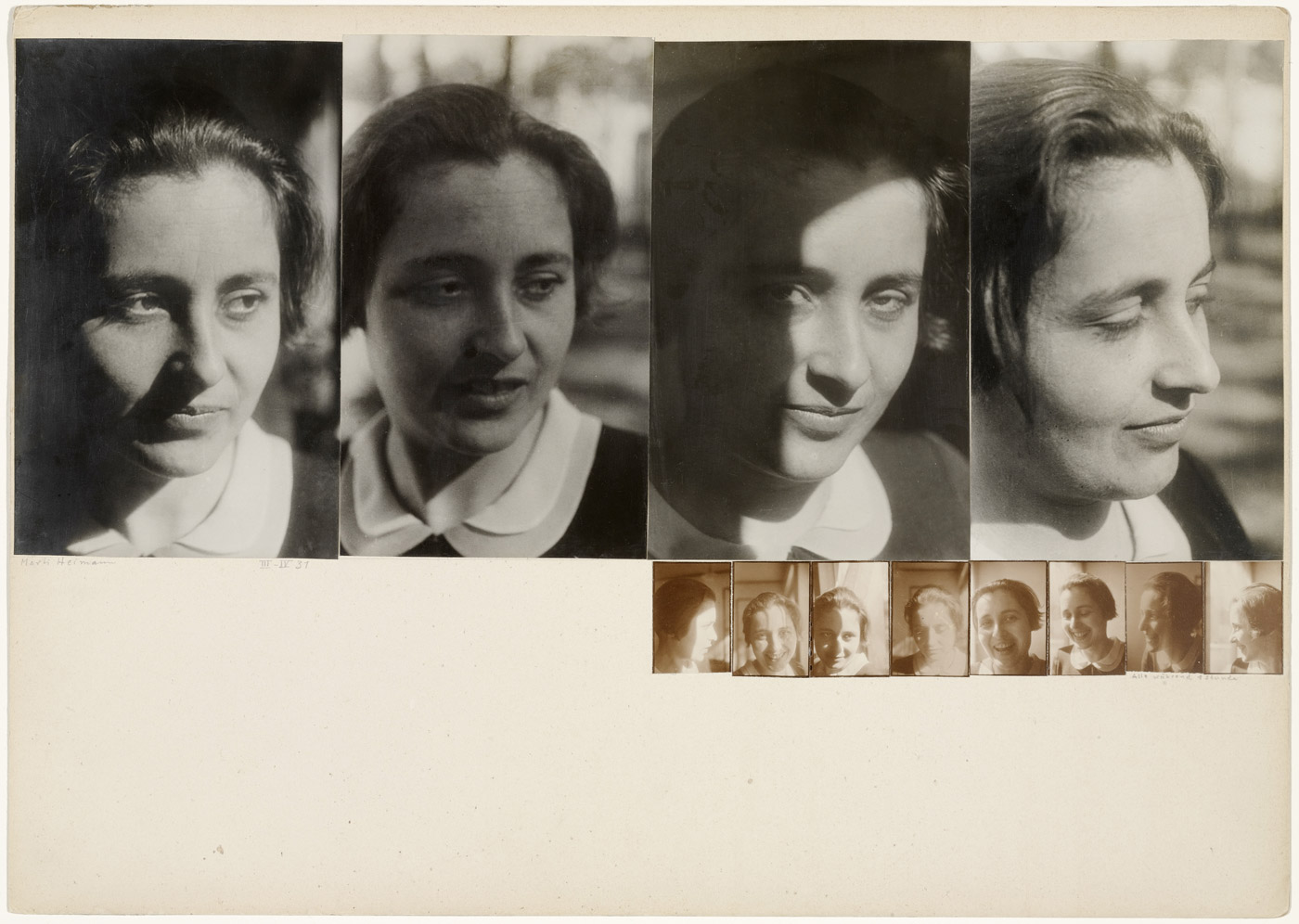

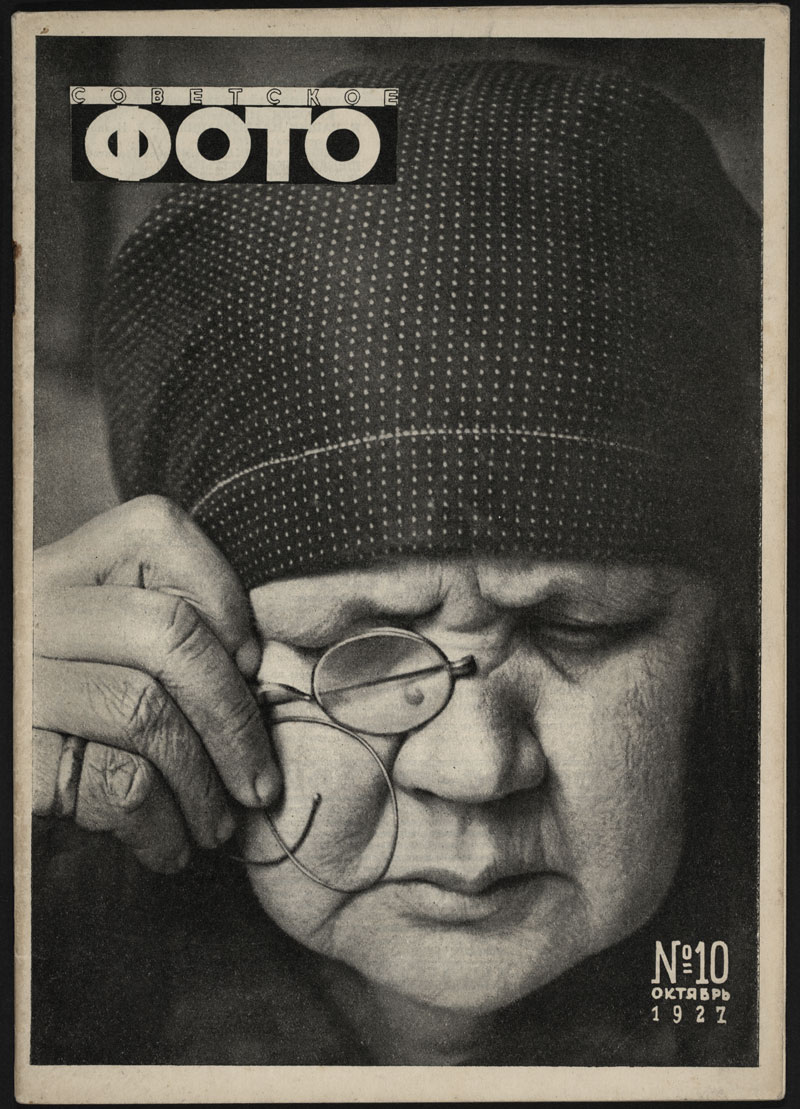


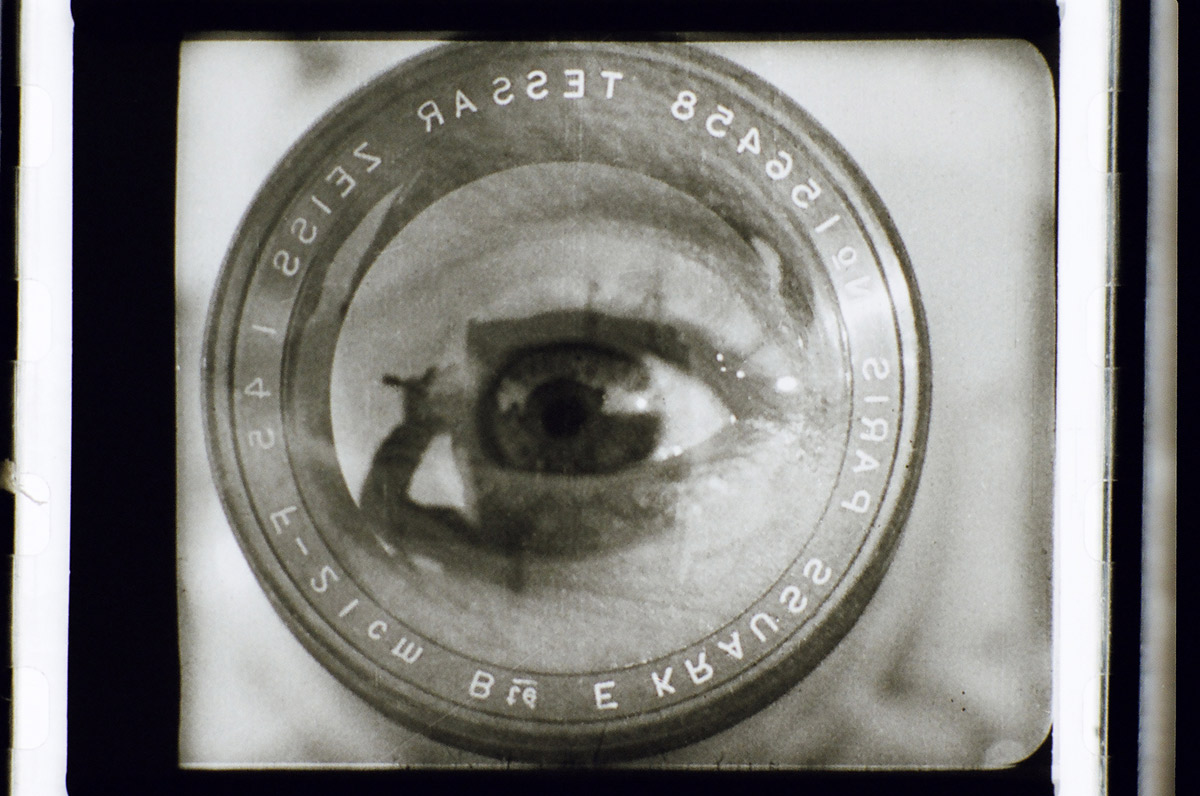

![Georges Hugnet (French, 1906-1974) 'Untitled [Surrealist beach collage]' c. 1935](https://artblart.com/wp-content/uploads/2013/04/georges-hugnet-untitled-surrealist-beach-collage.jpg "Georges Hugnet (French, 1906-1974) 'Untitled [Surrealist beach collage]' c. 1935")
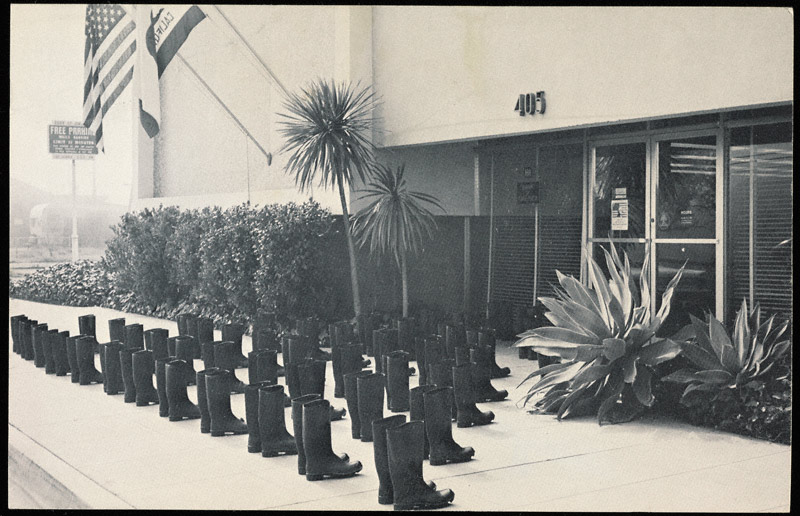


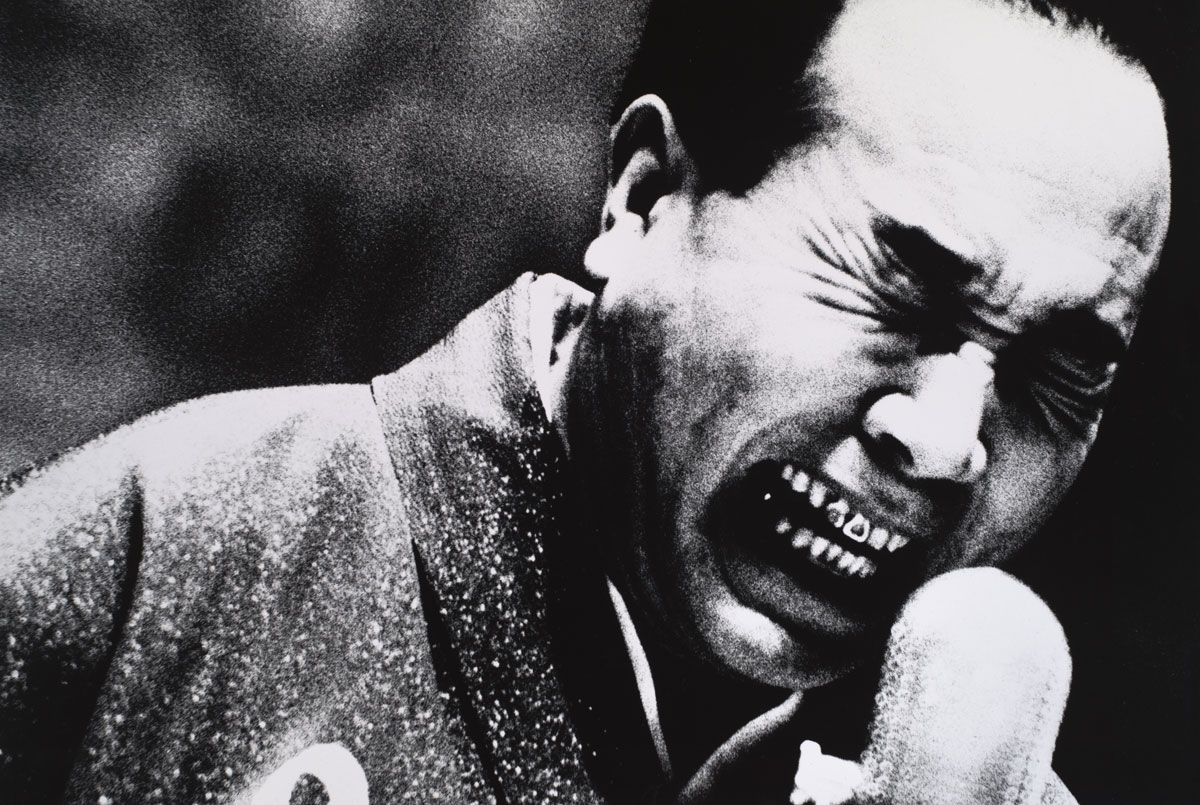

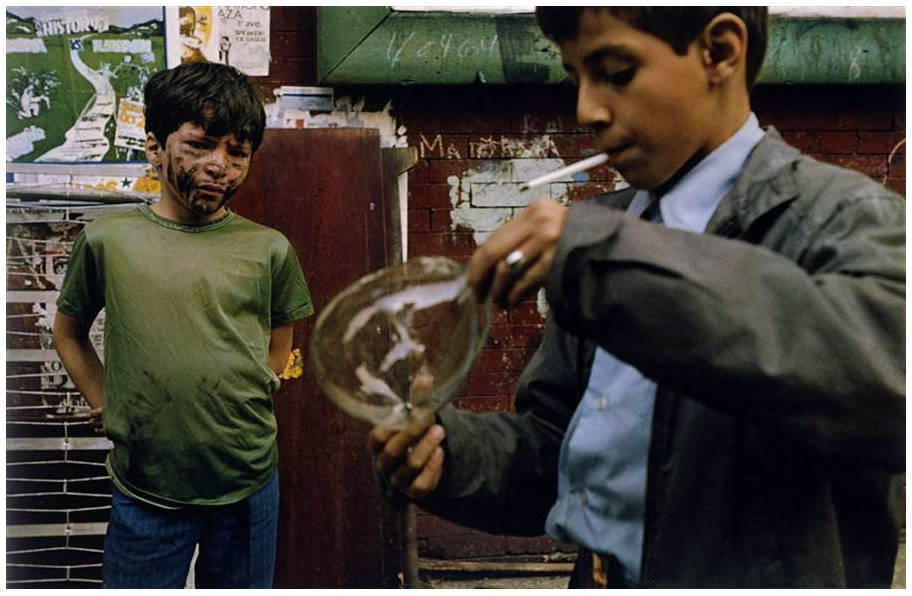

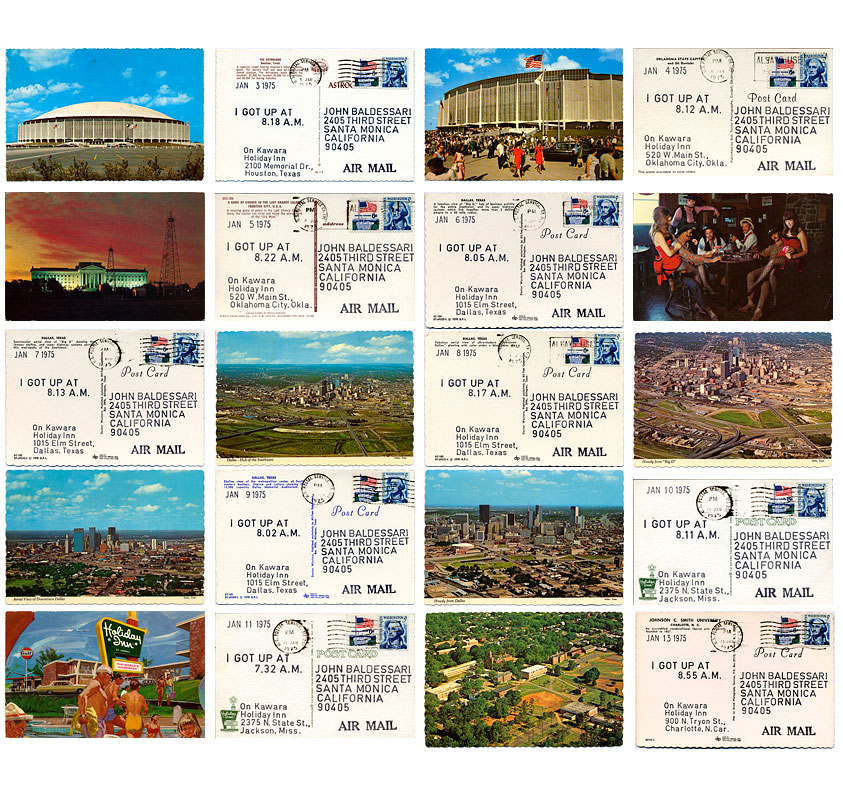
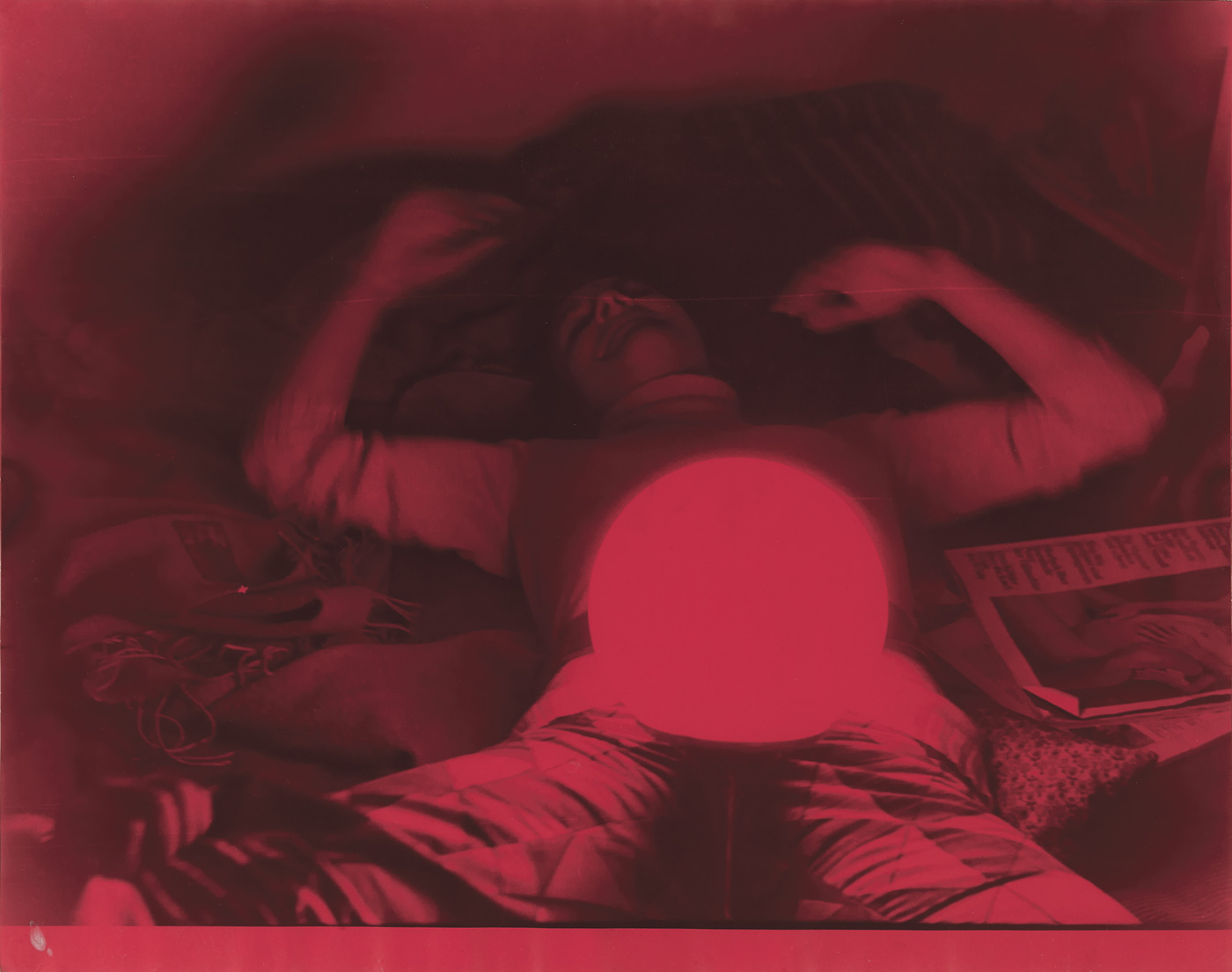
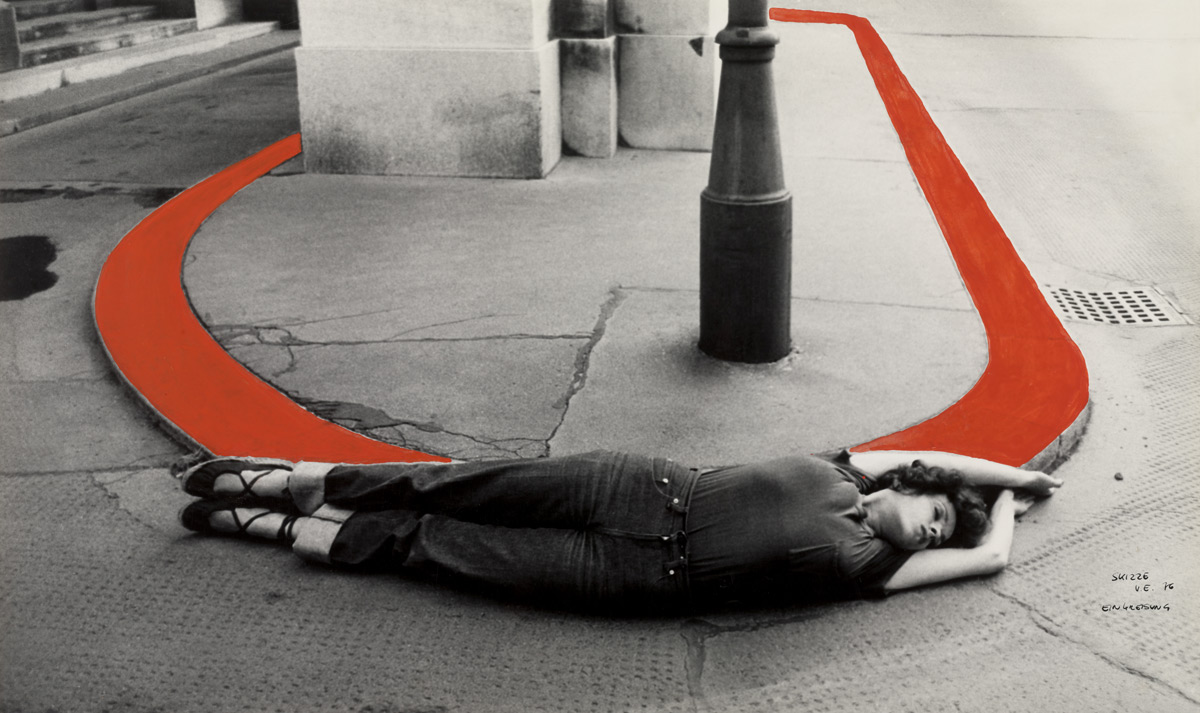
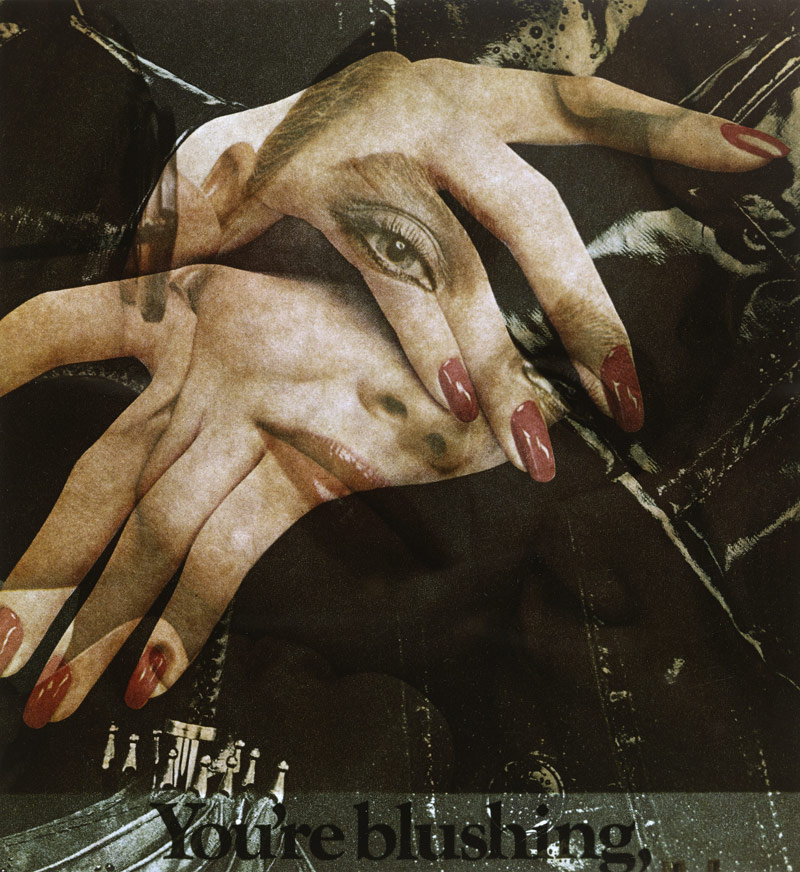
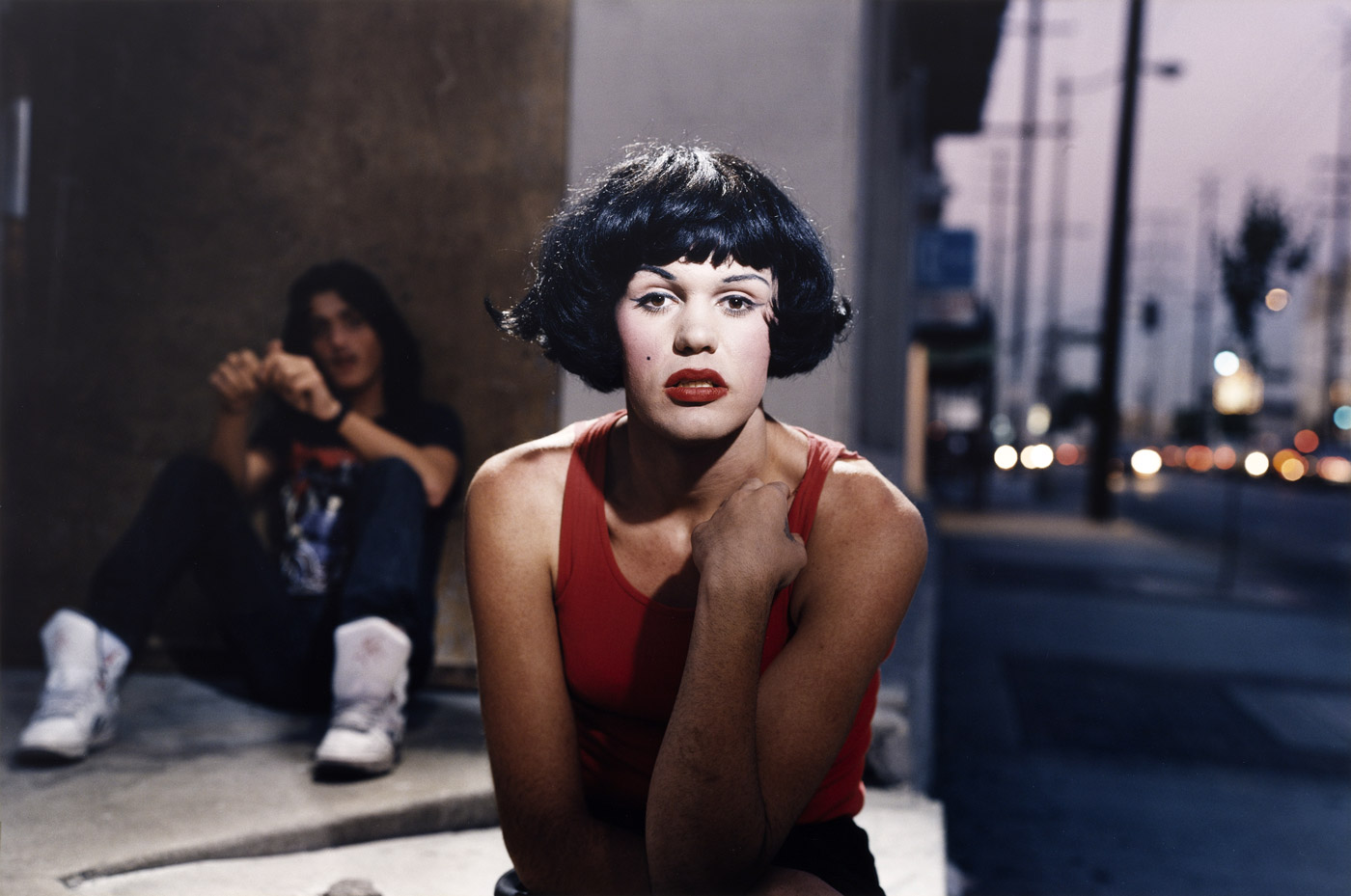
 Art Blart _ art and cultural memory archive
You must be logged in to post a comment.