The base images for this series of work come from a book on the history of St. James’s Gate Brewery in Dublin published in 1931. These images have then been reflected, distorted, overlapped and filters have been used to produce the desired feeling. Each image has a different number of variations depending on this feeling. The 75 images in the series are sequenced as in the book.
The influences on the work were the architecture in Fritz Lang’s 1937 film Metropolis; the surrealist photography of Dora Maar notably her image Le Simulateur (The Pretender) 1936; the modernist photographs of factory machines by artists such as Jakob Tuggener and Albert Renger-Patzsch; and the prisons of Piranesi’s etchings published in Carceri d’invenzione, often translated as Imaginary Prisons, c. 1745 to 1750.
Please click on the photographs to see a larger version of the image. Please view the work on a large computer screen if possible. Please see the whole series on my website. Many thankx to Elizabeth Gertsakis for her invaluable help.
Marcus Bunyan (Australian, b. 1958) No. 2 Brewery 2026 from the series Metropolis
Marcus Bunyan (Australian, b. 1958) Boiler House B 2026 from the series Metropolis
Marcus Bunyan (Australian, b. 1958) Old Engine A 2026 from the series Metropolis
Marcus Bunyan (Australian, b. 1958) Electric Power Station A-B 2026 from the series Metropolis
Marcus Bunyan (Australian, b. 1958) Compressor Machines A-B 2026 from the series Metropolis
Marcus Bunyan (Australian, b. 1958) Refrigerating Plant A 2026 from the series Metropolis
Marcus Bunyan (Australian, b. 1958) Robert St. Malt Store – Exterior A-B 2026 from the series Metropolis
Marcus Bunyan (Australian, b. 1958) Robert St. Malt Store – Interior A-B 2026 from the series Metropolis
Marcus Bunyan (Australian, b. 1958) Loading Malt Wagons B, D 2026 from the series Metropolis
Marcus Bunyan (Australian, b. 1958) Cooke’s Lane Malt House A-C 2026 from the series Metropolis
Marcus Bunyan (Australian, b. 1958) Barley in Process of Being Malted 2026 from the series Metropolis
Marcus Bunyan (Australian, b. 1958) Malt Train Outside No. 2 Brewery B 2026 from the series Metropolis
Marcus Bunyan (Australian, b. 1958) Hops in Store A-C 2026 from the series Metropolis
Marcus Bunyan (Australian, b. 1958) Loading Hop Wagons A-B 2026 from the series Metropolis
Marcus Bunyan (Australian, b. 1958) Regulating Mash Temperatures B 2026 from the series Metropolis
Marcus Bunyan (Australian, b. 1958) Copper Stage A-C 2026 from the series Metropolis
Marcus Bunyan (Australian, b. 1958) “Striking Off” a Copper 2026 from the series Metropolis
Marcus Bunyan (Australian, b. 1958) A Corner of No. 11 Vat House A 2026 from the series Metropolis
Marcus Bunyan (Australian, b. 1958) Vat House – Another View A-C 2026 from the series Metropolis
Marcus Bunyan (Australian, b. 1958) Cask Making Shop – Blazing A-C 2026 from the series Metropolis
Marcus Bunyan (Australian, b. 1958) Cask Magazine A-C 2026 from the series Metropolis
Marcus Bunyan (Australian, b. 1958) Cooperage Yard A-B 2026 from the series Metropolis
Marcus Bunyan (Australian, b. 1958) Cask Cleansing Shed A-D 2026 from the series Metropolis
Marcus Bunyan (Australian, b. 1958) Racking Room, Showing Casks being Filled 2026 from the series Metropolis
Marcus Bunyan (Australian, b. 1958) Loading Railway Wagons 2026 from the series Metropolis
Marcus Bunyan (Australian, b. 1958) Low Platform Vehicle A-B 2026 from the series Metropolis
Marcus Bunyan (Australian, b. 1958) Some of the Delivery Fleet About to Start 2026 from the series Metropolis
Marcus Bunyan (Australian, b. 1958) Loading Wharf on River Liffey C-D 2026 from the series Metropolis
Curators: Simon Baker & Laurie Hurwitz, MEP and Polly Fleury & Hope Kingsley, Wilson Centre for Photography
Installation view of the exhibition Edward Weston: Becoming Modern at Maison Européenne de la Photographie (MEP), Paris, 15th October, 2015 – 25th January, 2026 showing at left, Edward Weston’s ‘M’ on the Black Horsehair Sofa, 1921 (below); and at right, Tina Modotti (Nude in Studio), 1922 (below)
Shadow man
You can always learn from the great artists now matter how many times you have seen their work, especially when the photographs are simply, effectively hung ‘on the line’ in a beautiful space.
Here are photographs by Edward Weston I have never seen before: Pictorialist photographs of suffused and intimate beauty. An exhibition of Weston’s Pictorialist work would be magnificent to behold.
And then Weston’s Peppers (1929, below).
I don’t know why I have never seen this photograph before, why his Pepper (1930, below) is more famous, for this is a monstrous image of dark, writhing, semi-abstract figurative forms, just as valid an artistic statement (in a completely different way) than the more famous image.
Can you imagine holding a vintage print of this photograph in your hands!
Gloria virtutem tanquam umbra sequitur
Dr Marcus Bunyan
Many thankx to Maison Européenne de la Photographie (MEP) for allowing me to publish the photographs in the posting. Please click on the photographs for a larger version of the image.
“Only rhythm, form and perfect detail to consider – first conceptions coming straight through unadulterated.”
“What I seek now is simplicity – the form reduced to its essence.”
Edward Weston. Daybooks II: California (1930-1945). Aperture, 1961
“The camera should be used for a recording of life, for rendering the very substance and quintessence of the thing itself.”
“To see the Thing Itself is essential: the Quintessence revealed direct without the fog of impressionism.”
Edward Weston. The Daybooks of Edward Weston, from Edward Weston: The Flame of Recognition. Aperture, 1965
Installation view of the exhibition Edward Weston: Becoming Modern at Maison Européenne de la Photographie (MEP), Paris, 15th October, 2015 – 25th January, 2026 showing at left, Edward Weston’s Shell 1927 (below); and right, Santa Monica (Nude in Doorway) 1936 (below)
Installation views of the exhibition Edward Weston: Becoming Modern at Maison Européenne de la Photographie (MEP), Paris, 15th October, 2015 – 25th January, 2026
The exhibition
The MEP presents Edward Weston: Becoming Modern, the most significant exhibition dedicated to Edward Weston in Paris in nearly thirty years. A pioneering figure of photographic modernism, Weston helped forge a new visual language – marked by clarity, formal rigour, and a profound engagement with the essential qualities of the photographic medium.
Originating from an idea by Michael Wilson – founder of the Wilson Centre for Photography in London and one of the world’s foremost collectors – Becoming Modern brings together a rare selection of vintage prints from his collection, many of which have never been exhibited in France. These works offer an exceptional insight into Weston’s evolving practice and the emergence of a distinctly photographic modernism.
Spanning more than three decades, from 1908 to 1945, the exhibition traces Weston’s artistic trajectory. His early pictorialist photographs, created in California during the 1910s and early 1920s, draw upon 19th-century artistic traditions, employing soft focus, carefully staged settings, and symbolic imagery. Over time, his vision transformed: his images became sharper, compositions more austere, with an increasing emphasis on form, surface, and structure. By the 1920s, many of his photographs approached geometric abstraction – though Weston was never confined to a single style. This transformation unfolded gradually, as motifs intertwined and techniques evolved in a subtle, ongoing dialogue, revealing an artist continuously refining and deepening his vision.
Highlights include works from Weston’s time in Mexico, where, in close collaboration with Tina Modotti – an artist, political activist, and his lover – he created portraits and nudes imbued with a newfound freedom and radicalism These are complemented by evocative landscapes of the dramatic California coastline near Point Lobos and Carmel. At the heart of the exhibition are his most iconic series: sensuous close-up studies of natural forms – peppers, shells, fruits, and vegetables – captured with an almost obsessive intensity; dune and rock landscapes from Point Lobos and Death Valley; and luminous nudes of his muse, Charis Wilson. Throughout, Weston reveals the universal beauty of everyday subjects, transforming them into pure, sculptural forms. Recurring themes – portraiture, the nude, still life, and nature – are placed in dialogue, uncovering deeper connections across his oeuvre. His work displays remarkable strength and variety, with many natural forms taking on subtle anthropomorphic qualities.
Becoming Modern invites audiences to rediscover a bold innovator whose visionary approach helped shape the course of photographic history. The exhibition also includes a selection of rare works by leading Pictorialist photographers, offering a broader context for Weston’s early influences and the artistic milieu from which his modernism emerged.
Edward Weston biography
Widely regarded as one of the masters of 20th-century photography, Edward Henry Weston (March 24, 1886 – January 1, 1958) reshaped the medium through a vision rooted in clarity, form, and a profound sensitivity to the physical world. Over a career spanning more than forty years, he forged a style that was both radically modern and deeply grounded in the landscapes and materials of the American West.
Born in Highland Park, Illinois, Weston spent his early years in the Chicago area, where his fascination with photography first took hold. By 1903, as a teenager, he was already exhibiting his early works. At sixteen, he received his first camera – a gift from his father that marked the beginning of a lifelong creative journey. He studied at the Illinois College of Photography from 1908 to 1911 before relocating to California, where, at age 25, he opened a portrait studio in Tropico, operating from 1911 to 1922. In his early career, Weston worked within the Pictorialist tradition – a popular style of the early 20th century characterised by soft focus and romantic, painterly effects. His portraits from this period brought him recognition from the art community. Yet by the early 1920s, he began to move away from this approach, embracing a sharper, more precise, and abstract visual language that emphasised form and detail.
A turning point in Weston’s artistic journey occurred in 1922 on a trip to New York, where he met influential modernist photographers such as Alfred Stieglitz, Paul Strand, and Charles Sheeler. They recognised the originality of his work and encouraged him to fully embrace this new direction, which soon included close studies of fruits, vegetables, shells, and stones, rendered with astonishing clarity and sculptural intensity. Through close observation and meticulous composition, he revealed the inherent beauty of form, transforming the ordinary into the iconic.
In the mid-1920s, Weston travelled to Mexico with the photographer and political activist Tina Modotti, with whom he shared a studio and a deep creative partnership. Immersed in the vibrant cultural life of Mexico City, he engaged with a dynamic community of artists and thinkers whose ideas further catalysed his break from tradition.
Returning to California in 1928, Weston found new inspiration in the rugged coastal terrain of Point Lobos. The region’s intricate rock formations, windswept trees, and tide pools became a central focus of his work, offering endless opportunities for visual exploration and formal innovation. In 1932, Weston co-founded Group f/64 – a collective of West Coast photographers dedicated to “straight” photography, emphasising sharp focus, rich tonality, and the use of large-format cameras. The group championed an unmanipulated approach to the medium. Weston’s contributions during this period, especially his landscapes, remain among the most enduring images in American photography.
Becoming Modern traces Edward Weston’s evolution from the soft pictorialism of his early years to the clarity and precision that came to define modern photography. Spanning nearly three decades, the exhibition presents more than 100 rare vintage prints from the Wilson Centre for Photography. It invites viewers to rediscover one of photography’s most visionary pioneers through an extraordinary body of work.
The exhibition opens with two emblematic photographs that frame its central theme, reflecting a curatorial concept developed by Michael Wilson to highlight Weston’s extraordinary range and experimentation. On one side hangs M on the Black Horsehair Sofa (1921, above), a quintessential example of the Pictorialist style: a languid pose, softly diffused light, and a painterly atmosphere enriched by symbolic elements – a floral bouquet, a circular mirror. Opposite it, Tina Modotti (Nude in Studio) (1922, above) marks a striking departure. The figure sits upright, smoking, in a bare studio – captured with crisp focus and a stark, modern sensibility. Though created just a year apart, these works embody the transformative arc at the heart of Weston’s career: a restless search for new ways of seeing. From these beginnings, Weston’s exploratory approach soon dissolved strict categories, embracing a practice defined by an ongoing dialogue between subjects and forms.
From here, the exhibition situates Weston’s early work within the broader context of the Pictorialist movement. His prints are shown alongside key images by photographers who shaped or anticipated his early style – Edward Steichen, George Seeley, Anne Brigman, Dorothea Lange, Margrethe Mather, and Alfred Stieglitz. A tireless advocate for photography as a fine art, Stieglitz helped define the medium’s possibilities through his publications Camera Work and 291, and through his influential New York gallery of the same name. Weston’s own early prints – including a striking self-portrait – are exhibited alongside these historic works. These are placed in conversation with later photographs that capture Weston and his creative circle in 1920s California, evoking a distinct artistic atmosphere. Rooted in the landscape and rhythms of the West Coast, Weston’s early vision subtly diverged from that of his East Coast contemporaries.
The exhibition then turns to the pivotal decade of the 1920s, a period of remarkable transformation and experimentation in Weston’s practice. Rather than unfolding in a linear progression, this section reveals how Weston moved fluidly between subjects and styles – returning repeatedly to certain motifs while continually refining his formal vocabulary.
This section opens with works from Weston’s extended stays in Mexico from 1923 to 1926 with photographer and political activist Tina Modotti – his muse, lover, and collaborator – where he encountered a vibrant avant-garde community. Immersed in the artistic and political ferment of 1920s Mexico, Weston developed a bold new visual language focused on form, contrast, and a sense of immediate presence. A striking portrait of Modotti, presented in both gelatin silver and palladium prints, showcases Weston’s ongoing technical experimentation alongside his deepening sensitivity to tonal nuance. Modotti encouraged Weston toward an even more radical vision, challenging him to see the world anew through his camera.
His Mexican experience deepened Weston’s experimental impulse, introducing sharper contrasts and new formal rigor that reverberated through his portraits and nudes. His obsession with natural forms intensified. He photographed them repeatedly, seeking the perfect composition and meticulously refining his prints to reveal the interplay of light, shadow, and volume.
These subjects interact and reflect one another through Weston’s lens. The sinuous curves of a shell echo the lines of a nude; the gleaming porcelain of Excusado (Toilet) (1926) takes on the quiet sensuality of the human body. Shell (1927, above), one of Weston’s most iconic images, exemplifies his singular ability to elevate everyday objects into studies of luminous purity, rendering form, texture, and light with a precision so distilled that they verge on abstraction – not simply photographs of things, but meditations on form itself. During this period, his treatment of the nude also evolved dramatically: the body becomes fragmented and abstracted, its anatomy transformed into sculptural rhythm. This exploration reaches its pinnacle in Charis, Santa Monica (Nude in Doorway) (1936, above), one of Weston’s most celebrated images.
At the heart of the exhibition are many of Weston’s most exceptional works from the late 1920s and 1930s, in which he famously transformed the ordinary into something sensuous and unexpected. In his iconic studies of vegetables – particularly peppers – their curves and folds evoke the flesh and contours of the human torso, recalling both modernist sculpture and the body. Using the camera to express, in his words, “the very substance and the quintessence of the thing itself,” Weston also photographed in close-up what he saw around him: an egg-slicer, the plank from a barley sifter, a gnarled tree.
His portraits from this period grew sharper in focus and more daring in composition, echoing the dynamic perspectives emerging in European Modernist photography. By the late 1920s, after returning to California, his work had begun to appear in major exhibitions linked to the New Objectivity movement, which championed photographic clarity and rejected painterly effects. This evolution is also evident in his treatment of the nude: the body is fragmented and abstracted, its forms studied as sculptural elements.
Weston’s practice moved fluidly between subjects, embracing both the human body and the natural world, constantly refining his vision through intense study and formal innovation. Close-up studies of nature – sand patterns, rocks, and wood – verge on abstraction, including Rock Erosion and Sandstone Erosion (Point Lobos) – photographs made along the dramatic California coastline that Weston returned to repeatedly. Jagged rock formations, knotted seaweed, wind-twisted cypress trees, and bleached driftwood became recurring motifs, offering endless opportunities for formal exploration. These works also include a group of powerful portraits, from images of his future wife, Charis Wilson, and her brother Leon, to Weston’s son Brett and daughter-in-law Elinore Stone.
My favourite era in the history of photography is the period between the wars.
The avant-garde photographers of the period were so inventive, challenging the act of looking through modern photographs featuring radical perspective, fragmentation, scale, concept, construction, colour, aesthetics, identity, gender, fashion, performance, photogram, photo collage, to name just a few.
Favourites include Germaine Krull (European, 1897-1985) and her magnificent book MÉTAL (1928) with its dissection of the Eiffel Tower; Florence Henri (Swiss born United States, 1893-1982) and her experimental compositions featuring mirrors and reflections; Claude Cahun (French, 1894-1954) and Marcel Moore (French, 1892-1972) and their subversion of gender norms; August Sander (German, 1876-1964) and his archetypal photographs from “People of the 20th Century”; Alexander Rodchenko (Russian, 1891-1956) and his revolutionary photographs; Walker Evans (American, 1903-1975) revealing photographs of New York subway passengers; Jakob Tuggener’s (Swiss, 1904-1988) alchemical photographs picturing the world or work and industry; Helmar Lerski‘s(Swiss, 1871-1956) metamorphosis of the human face; and Margaret Bourke-White‘s (American, 1906-1971) modern industrial America to name, again, just a few.
There are so many fantastic photographers from this period, pushing the boundaries of what was possible in photography without loosing sight of the stories they wanted to tell, and the immediacy and presence of the photograph.
Paul Outerbridge Jr. is another from the period, a much under appreciated artist in the vanguard of experimental photography, “a bold innovator, transforming ordinary objects, such as milk bottles, collars, eggs, into fractured Cubist constructions of light and form…
Throughout his career, Outerbridge pursued abstraction as both a visual language and an artistic philosophy. His still lifes, nudes, and commercial commissions all demonstrate his preoccupation with fractured planes, geometric tension, and the transformation of the commonplace into the extraordinary.” (Press release)
That’s what I like about this man’s photographs: their bold but radical simplicity, clear visualisation of the pictorial statement, and formal abstracted beauty.
His photographs are, and will remain, a joy to be/hold.
Dr Marcus Bunyan
Many thankx to the Fahey/Klein Gallery for allowing me to publish the photographs in the posting. Please click on the photographs for a larger version of the image.
Fahey/Klein Gallery is pleased to present Paul Outerbridge: Photographs, a landmark exhibition celebrating the visionary work of Paul Outerbridge (1896-1958), one of the most resourceful and provocative photographers of the twentieth century. This exhibition brings together a rare selection of Carbo prints, silver gelatin photographs, and platinum prints, tracing the evolution of a modernist whose daring vision helped redefine the possibilities of photography through Cubist experimentation and radical abstraction.
Outerbridge emerged in the 1920s as a bold innovator, transforming ordinary objects, such as milk bottles, collars, eggs, into fractured Cubist constructions of light and form. His platinum and silver gelatin prints reduced subjects to intersecting planes and geometric rhythms, revealing a structural beauty aligned with the avant-garde movements of his time. These works positioned him among artists and contemporaries such as Marcel Duchamp, Man Ray, and Edward Steichen, and demonstrate his embrace of Cubism’s challenge: to fracture reality and reassemble it as pure abstraction.
In the 1930s, Outerbridge turned to the technically demanding Carbo process, creating some of the most vibrant and enduring color photographs of the era. Here too, abstraction was his guiding principle. Color became a tool not just for description, but for reimagining form, flattening, faceting, and animating planes into startling compositions that rival the abstract canvases of Picasso and Kandinsky. His photographs were hailed as both artistic and technical sensations. As Outerbridge observed:
“One very important difference between monochromatic and color photography is this: in black and white you suggest; in color you state.”
Outerbridge’s practice blurred the boundaries between fine art and commercial photography. His Ide Collar (1922), published in Vanity Fair, was more than an advertisement. It was celebrated as both functional and formally radical. A chessboard of fractured black-and-white squares disrupted by the crisp curve of a collar. Duchamp himself hung the photograph in his Paris studio, recognising its affinity with the readymade and its radical modernist edge.
Throughout his career, Outerbridge pursued abstraction as both a visual language and an artistic philosophy. His still lifes, nudes, and commercial commissions all demonstrate his preoccupation with fractured planes, geometric tension, and the transformation of the commonplace into the extraordinary.
Paul Outerbridge’s work appeared in Vanity Fair, Harper’s Bazaar, House Beautiful, and McCall’s, and in exhibitions worldwide. After relocating to Southern California in 1943, he continued to write about and practice photography until his death in 1958. Today, his technical virtuosity, daring subject matter, and relentless pursuit of beauty secure his place as a pioneer who expanded the medium’s expressive range.
I love Bauhaus design and photographs of the Bauhaus School and these are excellent photographs of both by Lucia Moholy: powerful, graphic, minimalist, modernist, echoing the ethos of the school itself. The strong portraits are pretty damn good as well…
It’s interesting to note then that Moholy was not particularly enamoured of this new modernist vision: “From her diaries, we know that Moholy didn’t like living in Dessau and her photos of the school, which are very alluring, also hint at her despair and dislike of being there.”
Then to learn that Walter Gropius, founder of the Bauhaus School, “had taken the negatives with him when he emigrated to the USA via London leading to years of negotiation with lawyers to get the negatives back.”
Why would you take the negatives of another artist, use them without credit and then refuse to give them back for many years without lawyers being involved? It’s incredible what human beings especially males will do (power and control), all because Gropius found the images useful for him to use! (see below)
While it is wonderful to be able to publish the first posting on Art Blart on the artist, I wish galleries and museums would stop making claims such as, Moholy “was one of the 20th century’s most internationally recognised and important female photographers.”
Let’s be frank: she wasn’t, not anywhere close.
Even in Europe in the 1930s we think of Florence Henri, Germaine Krull, Claude Cahun and Marcel Moore, Ilse Bing, Edith Tudor-Hart, Dora Maar etc etc… without even considering American female photographers of the era, or indeed the rest of the century. Today, many have more significance in the history of photography than Lucia Moholy ever will have.
This is in no way denigrating her work at all which I like tremendously, but just to assert that statements not thought through by marketing and media departments may come back to bite you on the arse.
Best just to say that Lucia Moholy was an accomplished artist who made focused, thoughtful, beautiful photographs of an era now nearly a century past. What more do you need to say.
Dr Marcus Bunyan
Many thankx to the Fotostiftung Schweiz for allowing me to publish the photographs in the posting. Please click on the photographs for a larger version of the image.
“In 1938, while Moholy lived in London, Walter Gropius used about fifty of Moholy’s images from the Bauhaus years – from her negatives that he still had in his possession – in the Museum of Modern Art (MoMA) exhibition and the accompanying catalogue, without giving her any credit. …
Gropius had been using her photographs without crediting her. She repeatedly reached out to Gropius to reclaim her images and he would continuously protest. Moholy resorted to hiring a lawyer to retrieve her work.
Some relevant letters between Walter Gropius and Lucia Moholy are displayed on the website 99% Invisible. Moholy stated, “These negatives are irreplaceable documents which could be extremely useful, now more than ever” to which Gropius replied, “[…] long years ago in Berlin, you gave all these negatives to me. You will imagine that these photographs are extremely useful to me and that I have continuously made use of them; so I hope you will not deprive me of them.” Lucia Moholy responded, “Surely you did not expect me to delay my departure in order to draw up a formal contract stipulating date and conditions of return? No formal agreement could have carried more weight than our friendship. It is a friendship I have always relied on, and which, also, I am now invoking.“
Moholy did not get physical possession of her original material until 1957, but even then she only could recover a portion of them, 230 out of the 560 Bauhaus-era negatives she took, while 330 negatives, according to Moholy’s own card catalogue, are still missing.”
Anonymous. “Lucia Moholy,” on the Wikipedia website [Onloine] Cited 30/05/2025
Lucia Moholy (1894-1989) was one of the 20th century’s most internationally recognised and important female photographers. Her architectural photographs and portraits from her years at the Bauhaus in Dessau, which have become icons of photographic history, still shape how that institution is perceived today. However, Moholy was not just a photographer, but also an art historian, critic, writer and archivist; she described herself as a ‘documentalist’ and made a name for herself in the field of information science.
The exhibition Lucia Moholy – Exposures is the first to show the broad scope of her work from the 1910s to the 1970s. Her photographic oeuvre is presented together with numerous documents, some of them newly discovered, which shed light on Moholy’s role in the avant-garde during the interwar period, as well as her youth in Prague, her editorial work in Germany, her activity as a portraitist in London, and her involvement with early microfilm technology in England and Turkey.
Finally, the exhibition also invites visitors to encounter Lucia Moholy in the context of Zurich, where she spent the last thirty years of her life. During that time, she also maintained a relationship with the then fledgling Fotostiftung Schweiz, which today is home to a large collection of her photographs.
“This street view of Gropius’s house in Dessau is glimpsed through a line of birch trees that conjures a feeling of entrapment, almost like prison bars. It reinforces this sense of being fenced in or fenced off – a feature of many of Moholy’s images of the Masters’ Houses, which provided accommodation for Bauhaus teachers.
“The photograph really captures the modernist style of Gropius’s buildings, with the rectilinear geometric shapes and the dark windows inserted into the white facades. While living in Dessau, Moholy’s relationship with Gropius and his wife Isa was amiable and continued to be so when the Gropiuses emigrated to the United States.
“It was only in the 1950s, when she learned how the negatives she left behind in Berlin in 1933 had been used to build the legacy of the school without her knowledge, that the relationship turned sour and she engaged a lawyer to help her recover the images.”
“To me, this photograph of Walter Gropius’s Bauhaus building with a muddy, unpaved road in the foreground shows the messier, dirtier aspects of constructing a new modernist vision. From her diaries, we know that Moholy didn’t like living in Dessau and her photos of the school, which are very alluring, also hint at her despair and dislike of being there.
“Moholy’s photographs documenting the Bauhaus buildings and design objects already appeared – with and without credits – in books at the time, as well as in the popular press. In the 1950s, she discovered that at least 40 of her images were used in the catalogue of the seminal 1938 Bauhaus exhibition held at MoMA in New York.
“It kickstarted a life-long campaign of letter-writing to try to obtain both the possession of her glass negatives from the Bauhaus years and appropriate author credit and compensation for the publication of her images.”
In the exhibition Lucia Moholy – Exposures, Fotostiftung Schweiz is honouring the oeuvre of a versatile 20th-century pioneer. The famous Bauhaus photographs taken by Lucia Moholy (1894-1989) still shape how that institution is seen today. She also left a significant legacy via her work as an art historian, critic, writer and microfilm expert. The exhibition shines a spotlight on this long-underestimated figure, who spent the last 30 years of her life in Zollikon, near Zurich.
Lucia Moholy – Exposures presents, for the first time, the full breadth of her work from the 1910s to the 1970s. Photographs, letters, diaries, publications and microfilms are shown, spread across three exhibition rooms. The focus is on key periods of her life: her youth in Prague, her time at the Bauhaus, her exile in London and her pioneering work on microfilm technology. One point of emphasis is her connection with Zurich and with Fotostiftung Schweiz, which holds many of her images. Works by the contemporary Czech artist and curatorJan Tichy will also be on display. The exhibition is realised in cooperation with Kunsthalle Praha.
Photographer of the Bauhaus
Lucia Moholy left Prague in 1915 to work for various German publishers. In Berlin, she met Hungarian artist László Moholy-Nagy, whom she married in 1921. Together, they explored new reproduction technologies and the possibilities of the photogram. When Moholy-Nagy was appointed as a master at the Bauhaus, Moholy accompanied him and began to take photographs: Between 1923 and 1928, she documented Bauhaus design objects and Walter Gropius’s famous Dessau buildings. Her clearly composed shots still characterise the visual legacy of that institution to this day. Moholy’s portraits of Bauhaus figures like Anni Albers, Walter Gropius and Florence Henri are particularly impressive, and have been made central to the exhibition.
Exile and a new beginning
In 1928, Lucia Moholy and László Moholy-Nagy left the Bauhaus and moved to Berlin, where they soon separated. Moholy took charge of the photography class at Johannes Itten’s art school, while simultaneously trying her hand at photojournalism. Her flight from the Nazis in 1933 took her to London. There, she opened a photo studio and wrote the bestseller A Hundred Years of Photography, 1839-1939. After her studio was destroyed by bombing in 1940, she turned to microfilm technology. She founded her own documentation service and set up a microfilm centre in Ankara as a UNESCO expert.
The search for the glass negatives
After the end of the Second World War, Moholy noticed many of her Bauhaus photographs appearing in newly released publications. After extensive research, she eventually learnt that Walter Gropius had taken the negatives with him when he emigrated to the USA via London. It was not until 1957, after years of legal negotiations, that Lucia Moholy was able to get a large number of her negatives back, which are now in the Bauhaus Archive in Berlin.
Late recognition of the photographer
Moholy moved to Zurich in 1959. Here, she wrote about Zurich exhibitions for English magazines and was a prominent figure on the art scene. During the 1970s and 1980s, interest in Moholy’s photographic works finally grew. They were shown in exhibitions and published in magazines. In 1981, a solo exhibition was held in her honour at Gallery Ziegler in Zurich. Four years later, her first monograph was published, with in-depth analysis of her work by art historian Rolf Sachsse. Moreover, two founding members of Fotostiftung Schweiz, Rosellina Burri-Bischof and Walter Binder, maintained contact with Lucia Moholy. Thanks to a purchase and a donation from Moholy’s estate, Fotostiftung Schweiz now holds 146 of her prints, which can be accessed via the Online Image Archive and constitute the largest collection outside the Bauhaus Archive.
Jan Tichy – Weight of Glass
The exhibition at Fotostiftung Schweiz is supplemented with contemporary works by the artist and curator Jan Tichy, who has been engaging with Moholy’s legacy for almost 20 years. His microfilm installation can be seen in the passage leading to the photo library. In addition, contemporary video works, installations and photographs are being shown at oxyd-Kunsträume from the 7th of February to the 2nd of March 2025, including the impressive Installation no. 30 (Lucia), for which Tichy arranges and illuminates 330 glass plates in the size of the original negatives. Set up in a dark room, the installation creates a fleeting and fragile memorial to an important protagonist of the 20th century.
Lucia Moholy – Exposures is a Kunsthalle Praha exhibition project, organised in cooperation with Fotostiftung Schweiz, Winterthur, and the Bauhaus Archive, Berlin.
Press release from Fotostiftung Schweiz, Winterthur
“Marianne Brandt is a really important Bauhaus designer who ended up living in East Germany in relative obscurity, although her work is now also receiving due attention. The somewhat static composition of the two objects side by side is dynamised by the diagonals produced by the larger vessel’s slender spout and the decision to slant in the ashtray’s top, emphasizing the use value.
“It also shows how Moholy played with reflective surfaces when photographing metal objects, evoking the work of Florence Henri who was at the Bauhaus at the same time. Henri was known for capturing her own portrait as she played with glass and metal in her photographs.
“We can also occasionally catch a glimpse of Moholy in some of her metal studies. But in other instances, she focuses on highlighting the lustrous quality of the objects in isolation. These images of metal objects are perhaps the best-known of her Bauhaus product photographs. But she also took pictures of pieces made from ceramics or wood that indicate the evolution of design thinking at the school.”
Lou Scheper-Berkenkamp née Hermine Luise Berkenkamp (German, 1901-1976) was a painter, colour designer, the avant-garde author of children’s books, fairy-tale illustrator and costume designer.
“Henri’s sophisticated, avante-garde, sculptural compositions have an almost ‘being there’ presence: a structured awareness of a way of looking at the world, a world in which the artist questions reality. She confronts the borders of an empirical reality (captured by a machine, the camera) through collage and mirrors, in order to take a leap of faith towards some form of transcendence of the real. Here she confronts the limitless freedom of creativity, of composition, to go beyond objectivity and science, to experience Existenz (Jaspers) – the realm of authentic being.*
These photographs are her experience of being in the world, of Henri observing the breath of being – the breath of herself, the breath of the objects and a meditation on those objects. There is a stillness here, an eloquence of construction and observation that goes beyond the mortal life of the thing itself. That is how these photographs seem to me to live in the world. I may be completely wrong, I probably am completely wrong – but that is how these images feel to me: a view, a perspective, the artist as prospector searching for a new way of authentically living in the world.”
Marcus Bunyan commenting on the exhibition Florence Henri. Compositions at the Pinakothek der Moderne, Munich, March – September 2014
Tina Modotti’s first contact with the performing arts came upon her arrival in San Francisco in 1913, at just 16 years old.
After performing theatre works, in 1920 she will participate in three films: The Tiger’s Coat (1920) by Roy Clements, in which she interpreted the role of the Mexican Jean Ogilvie; Riding with Death (1921) by Jacques Jaccard, in the personage of Rosa Carilla; and I Can Explain (1922) by George D. Baker, with Carmencita Gárdez.
The I of the world
Strong fierce compassionate women! Intelligent, class-conscious human beings who embrace social and political change, with photography being the agent for that change. I would embrace Tina Modotti as this type of artist – her photography a “reflection of her way of seeing life, social sensitivity and revolutionary fervour.”
She was a surrealist/feminist artist who represented the lives and “conditions of workers, women and their role within the community” through both the forms and symbols of working class emancipation and through “honest photography” – eloquent photographs of everyday Mexican life that have a biting directness linked to a surreal reality. Surrealism does not always involve the strange and absurd.
Much as Eugène Atget’s photography “which focussed on seemingly ordinary sights on the streets of Paris – a door knocker, a mannequin, a window rail – is seen as a forerunner of Surrealist and modern approaches to photography…”1 so both Atget and Modotti’s rejection of artistic self-consciousness and “artistic effects” in favour of in Atget’s case, “simple documents”, and in Modotti’s case, “honest photography”, lead to photographs that examine the fleeting nature of material objects and reality itself.
Modotti inserts her/self into these honest photographs through an embodiment of spirit. She brings to her photography how she feels about the world, what she feels passionately about in that world, what she cares deeply about… and in the process of “capturing time, light and memory shapes new states of beings and opens possibilities where by the improbable and the impossible are envisioned as an embodiment of the photographers past, present and future imaginings.”
Through a melding of the artist’s political, social, and aesthetic ideals and through her sur/reality, she becomes the I of the world.
Dr Marcus Bunyan
1/ “Surrealism did not always involve the strange and absurd. For example, the photography of Eugène Atget (1857-1927), which focussed on seemingly ordinary sights on the streets of Paris – a door knocker, a mannequin, a window rail – is seen as a forerunner of Surrealist and modern approaches to photography… Only a year before his death, in 1926, Atget was approached by Man Ray for approval to use his photograph, L’Eclipse – Avril 1912 for the front cover of the publication La Révolution Surréaliste. Despite protestations that, “these are simply documents I make,” Atget’s rejection of artistic self-consciousness combined with his pictures of an old, often hauntingly deserted Paris, appealed to Surrealists.”
Anonymous. “Surrealist photography,” on the V&A website [Online] Cited 07/08/2020
Many thankx to Fundación MAPFRE for allowing me to publish the photographs in the posting. Please click on the photographs for a larger version of the image.
“In reality, what I try to produce is not art, but honest photography, without tricks or manipulations, while most photographers still look for “artistic effects” or the imitation of other means of graphic expression, which results a hybrid product and one that fails to impart to the work that they produce the most valuable trait that it should have: PHOTOGRAPHIC QUALITY.”
Tina Modotti quoted in “On Photography,” Mexican Folkways, Vol. 5, No. 4, 1929, reprinted in Robert Miller, Tina Modotti, and Spencer Throckmorton, Tina Modotti : Photographs (New York: Robert Miller Gallery, 1997)
Pure your gentle name, pure your fragile life, bees, shadows, fire, snow, silence and foam, combined with steel and wire and pollen to make up your firm and delicate being.
Part of the epitaph for Tina Modotti on her tomb by Chilean poet Pablo Neruda
The life of Tina Modotti (Udine, Italy, 1896 – Mexico City, 1942) was marked by some of the most important historical events of the 1920s and 1930s. Born in northern Italy, she soon emigrated to the United States, where she met Edward Weston in 1923, who will significantly influence her career. In that same year they moved together to Mexico where she developed photographic work for almost a decade that started from modernist aesthetics to immediately give way to a very personal look, a reflection of her way of seeing life. Her social sensitivity developed in parallel to her political militancy and her activism within the Communist Party, within which she will treat David Alfaro Siqueiros, Diego Rivera or Frida Kahlo. With her desire to awaken consciences, Modotti made images that denounce injustices and honour the dispossessed. Some of them, with a strong propaganda sense, were made for periodicals and magazines.
After intense research work due to the limited production of the photographer, this exhibition will bring together around 200 photographs, mostly vintage copies, and relevant documentary material. The show will also include works by photographers around her, such as Edward Weston, and one of the films that Modotti starred in in Hollywood.
Text from the Fundación MAPFRE website
The Tiger’s Coat movie poster 1920 From The Moving Picture World 1920
The Tiger’s Coat is a 1920 American silent drama film directed by Roy Clements and starring Lawson Butt, Tina Modotti and Myrtle Stedman.
Tina Modotti (Udine, 1896 – Mexico City, 1942) lived in the eye of the storm throughout her life. Her interesting life and artistic career were framed by some of the most important historical events of the 1920s and 1930s and by her constant double commitment: artist-photographer and revolutionary-anti-fascist militant.
Born into a working-class family in Udine, in northern Italy, she emigrated and grew up in the United States, where she became a film actress in Hollywood in the 1920s and met Edward Weston, who introduced her to photography and with whom she moved to Mexico in 1923.
Almost all his photographic work was produced between that date and 1930. During these Mexican years, and following her apprenticeship with Weston, Modotti evolved from an interest in abstract forms to a gaze centred on the human being and on denouncing inequality and injustice. The precarious conditions of workers, urban poverty, and the role of women in the community became, among other similar issues, the main themes of a photography conceived as political propaganda.
This exhibition, Tina Modotti’s most extensive to date, is the result of extensive research, which has made it possible to bring together many vintage prints by Modotti. In addition to the nearly 250 photographs on display, grouped chronologically into four sections, the exhibition includes documentary material, one of the films that Modotti starred in in Hollywood and some works by Edward Weston.
Text from the Fundación MAPFRE website
Tina Modotti
Tina Modotti’s life was marked by some of the most important historical events of the 1920s and 1930s. The nomadic life she led and the turbulent political militancy caused Modotti to suddenly leave many of the countries where she lived, which, as the curator of the exhibition, Isabel Tejeda points out, “decontextualizes and disarranges her production from the start, so that it is impossible to accurately date many of her images”, although it can be stated that almost all of his photographic work was produced between 1923 and 1930.
During these Mexican years, and after his apprenticeship with Weston, the artist evolved from the perfection of formalism to a different and personal perspective conditioned by his way of seeing life, as an emigrant, woman and political activist in which his attraction to the human being and social injustices stands out.
He then portrayed the precarious conditions of workers, inequalities and misery in urban areas. It also focused on women and their role within the community, and on the forms and symbols of the emancipation of the working class. In his desire to raise awareness, Modotti made images that denounce injustices and honour the dispossessed, some of which were for propaganda purposes and intended to be printed in magazines and other publications.
The exhibition presented by Fundación MAPFRE is made up of approximately 240 photographs, mostly period copies, which are grouped into four sections: Early years: from Udine to Los Angeles, Mexico on the other side of the camera, Photography and political commitment and The move to political action: Spain at war.
In addition to emphasising her relationship with Spain, the exhibition reconstructs the figure of Modotti, both as an artist / photographer and as a revolutionary / anti-fascist militant. In addition, there is an extensive amount of documentary material and one of the films that Modotti starred in in Hollywood. The tour is completed with works by photographers from his immediate surroundings, such as Edward Weston.
Text from the Fundación MAPFRE website
Tina Modotti (Italian, 1896-1942) Circus tent Mexico, 1924 Platinotype Collection Center for Creative Photography, University of Arizona Acquisition
Tina Modotti (Italian, 1896-1942) Roses Mexico, 1924 Paladiotype, period or vintage impression Fundación Televisa Collection and Archive, Mexico City
Roses, Mexico, is an extreme close-up of four roses. Cropped to fill the frame from edge to edge, this is not a traditional still-life photograph of roses arranged in a vase. Here, the roses lay prone and slightly wilted, just beyond their prime, thus reflecting the passage of time and the ephemerality of delicate blooms. Much like a traditional vanitas still life that asked the viewer to contemplate mortality by reflecting on the fleeting nature of material objects, Roses brings this subject to modern photography. As photography historian Carol Armstrong notes, Roses “calls on the line of figural abstraction identified, not with [Alfred] Stieglitz, [Paul] Strand and the ‘straight’ photograph, but with Georgia O’Keeffe and her blown-up genital flowers, which like [Edward] Weston’s single-object photographs reduced the flora still-life that had been the traditional purview of the female painter to one (or two or four) item(s), expanded to fill the entire field of the image.”
The theme of the still-life preoccupied Modotti throughout much of her brief photography career. A relative newcomer to photography, she made use of the still-life photograph as a means to work through various formal issues including composition, framing, light, pattern, and tone. At this time, she was working with a large-format camera, which was unwieldy, not easy to transport, and forced the photographer to carefully compose the image, rather than creating images on the move with a handheld camera. The still-life, which was easy to set up and did not alter, was the perfect vehicle for mastering the myriad technical complexities of a photograph.
Karen Barber. “Tina Modotti Artist Overview and Analysis,” on The Art Story website 12 Nov 2018 updated 2023 [Online] Cited 06/08/2023
Edward Weston (1886-1958) Portrait of Tina Modotti 1924 Gelatin silver print Fundación Televisa Collection and Archive, Mexico City
Tina Modotti (Italian, 1896-1942) Elisa 1924 Palladium print The Museum of Modern Art, New York Donation of Edward Weston
Tina Modotti (Italian, 1896-1942) Telegraph cables c. 1924-1925 Gelatin silver print Fundación Televisa Collection and Archive, Mexico City
Tina Modotti (Italian, 1896-1942) Post with Cables Mexico City, c. 1925 Gelatin silver print Fundación Televisa Collection and Archive, Mexico City
In this 1925 photograph of isolated telephone wires, Modotti shifts the perspective, removing any reference to the ground that holds the telephone poles in place. Instead, the carefully composed image focuses on the angles and patterns produced by the wires and clouds, to create a work that mingles modernism and social concerns. During this period Mexico was undergoing increased modernization and industrialization, which Modotti symbolizes in her photograph of telephone wires. Modotti thus presents an optimistic view of Mexico’s modernization and the promise of instant communication brought about by the installation of telephone systems that seemed to open up Mexico to the rest of the world.
Lauded by the Mexican avant-garde group, Estridentistas, who aligned their work with the Mexican Revolution and sought to modernize Mexico, Modotti’s photograph was included in their journal Horizonte because it represented dynamism, technology, and progress. The photograph’s framing and its use of oblique angles and unusual perspective, brought it into alignment with other modernist painters and photographers, including Paul Strand, Charles Sheeler, and Charles Demuth, but also with European avant-garde photographers like László Moholy-Nagy, Man Ray, and Albert Renger-Patzsch. Although the tendency to focus on the subject / object was characteristic of her former mentor Edward Weston’s work, Diego Rivera praised Modotti’s work as “more abstract, more ethereal, and even more intellectual” than Weston’s.
Karen Barber. “Tina Modotti Artist Overview and Analysis,” on The Art Story website 12 Nov 2018 updated 2023 [Online] Cited 06/08/2023
Tina Modotti (Italian, 1896-1942) Zapotec peasant woman with a jug on her shoulder 1926 Platinotype Fundación Televisa Collection and Archive, Mexico City
Tina Modotti (Italian, 1896-1942) Untitled (Indians carrying loads of corn husks for the making of “tamales”) 1926-1929 Gelatin silver print San Francisco Museum of Modern Art, San Francisco Art Supporting Foundation donation, John “Launny” Steffens, Sandra Lloyd, Shawn and Brook Byers, Mr. and Mrs. George F. Jewett, Jr., and anonymous donors
Tina Modotti (Italian, 1896-1942) Untitled c. 1926-1929 Gelatin silver print San Francisco Museum of Modern Art, San Francisco Art Supporting Foundation donation, John “Launny” Steffens, Sandra Lloyd, Shawn and Brook Byers, Mr. and Mrs. George F. Jewett, Jr., and anonymous donors
Tina Modotti (Italian, 1896-1942) Tank Nr. 1 1927 Gelatin silver print
Tina Modotti (Italian, 1896-1942) Workers’ Parade 1926 Gelatin silver print Fundación Televisa Collection and Archive, Mexico City
Workers Parade
A closely cropped image of a sea of sombreros, Workers Parade, much like her earlier photograph Roses, focuses in on the subject by eliminating all extraneous information. The politically charged subject matter, along with the unusual camera angle, attention to light and dark, and the texture and pattern produced by photographing the scene from above recalls the slightly later work of Alexander Rodchenko, and in particular, his Gathering for a Demonstration (1928). The ubiquitous sombrero would have been immediately recognizable to the Mexican viewer for its connection to the campesinos and trabajadores, the Mexican workers, who were gathered for the annual May Day parade in Mexico City. May Day, traditionally celebrated on the first of May, commemorates International Workers’ Day, often with large parades and gatherings as a demonstration of solidarity among workers. This was a calendar event that Modotti had been familiar with since childhood due to her father’s involvement in these very same parades.
Among Modotti’s earliest politically motivated photographs, Workers Parade brings together her formal concerns with her interest in using art to express her political beliefs and her desire to make her photography socially relevant. On a symbolic level, as noted by Sarah Lowe, Workers Parade conveys the power of unity by “suggesting that the source of power to make political changes lies with the peasants.” This photograph signaled a turning point in Modotti’s work toward a new modern form of photography that addressed contemporary issues and events in order to instigate and effect change.
Karen Barber. “Tina Modotti Artist Overview and Analysis,” on The Art Story website 12 Nov 2018 updated 2023 [Online] Cited 06/08/2023
Tina Modotti (Italian, 1896-1942) Men reading “El Machete” c. 1927 Gelatin silver print Fundación Televisa Collection and Archive, Mexico City
In this photograph of a peasant reading El Machete, the newspaper of the Mexican Communist Party, Modotti brings her careful attention surrounding composition, cropping, light and dark, and texture, to a subject with great social and political significance. Modotti had joined the Communist Party of Mexico this same year after learning that Italy had fallen to fascism. She brought her revolutionary zeal to her photographs of the late 1920s, many of which she published in Communist newspaper El Machete, a newspaper for workers and peasants. Whilst many photographers of this period, including Edward Weston and Paul Strand, were focused on a romanticized view of a timeless Mexico, Modotti turned to her camera to its people and to the real effects of its ongoing changes. She often collaborated with workers to produce photographs that were intended to raise class-consciousness and depict their daily lives.
At a moment when new governmental education reforms sought to educate the lower and working classes in Mexico, a seemingly straightforward image of a man reading a newspaper also had subversive undertones, particularly to the middle class. As Sarah Lowe notes: “The young obrero reading El Machete is a reminder that the Revolution’s promise of universal literacy would only be fulfilled by the activism of the people.” Although she viewed photography through the lens of modernism, she also believed that photography was a form of mass communication and an important means of enhancing visual literacy.
Karen Barber. “Tina Modotti Artist Overview and Analysis,” on The Art Story website 12 Nov 2018 updated 2023 [Online] Cited 06/08/2023
Tina Modotti (Italian, 1896-1942) Bandolier, Corn, Sickle 1927 Gelatin silver print Fundación Televisa Collection and Archive, Mexico City
A carefully composed photograph of a bandolier, an ear of corn, and a sickle, married Modotti’s interest in the photographic still life with objects symbolic of Mexico and the revolution – the sickle, a popular Communist symbol, corn, a symbol of Mexico and its rural farmers, and the bandolier (a pocketed belt for holding ammunition), the symbol of the Mexican Revolution. Politically active after 1925, Modotti joined the Communist Party of Mexico (CPM) in 1927. Due to her Communist-inflected worldview, her photographs from the late 1920s took a decided turn toward Communist symbolism, in lieu of overt propaganda.
As Sarah Lowe has stated, “her eloquent arrangements – founded on a stringent formal control – relocates the commonplace into the realm of the symbolic. They become potent revolutionary icons, offering a metaphorical union of artista [artist], campesino [farm laborer], and soldado [soldier], thus functioning as both formal still life and propaganda.” Lowe further suggests that in so doing, Modotti created a new kind of political picture. In this respect, Modotti’s relationship with Frida Kahlo becomes more than a shared friendship, and also incorporates shared artistic practice. Kahlo also infused still-lives with political objects and slogans, and as such transforms a seemingly domestic process of making art into a highly charged political statement.
Karen Barber. “Tina Modotti Artist Overview and Analysis,” on The Art Story website 12 Nov 2018 updated 2023 [Online] Cited 06/08/2023
Tina Modotti (Italian, 1896-1942) Canana, sickle and guitar 1927 Gelatin silver print Fundación Televisa Collection and Archive, Mexico City
Tina Modotti (Italian, 1896-1942) Hat, hammer and sickle México 1927 Gelatin silver print Fundación Televisa Collection and Archive, Mexico City
Tina Modotti (Italian, 1896-1942) Committee of the Organisation of the Pioneers of the Communist Party of Mexico Mexico City, 1928 Gelatin silver print
Tina Modotti (Italian, 1896-1942) Woman with flag México City, c. 1928 Gelatin silver print Fundación Televisa Collection and Archive, Mexico City
The life of Tina Modotti (Udine, August 16th 1896 – Mexico City, January 5th 1942) was influenced by some of the most important historical events of the 1920s and 30s. A citizen of the world – as many have considered her – Modotti’s work and her life have been surrounded by uncertainties that have only been resolved after in depth study, although some gaps still remain.
Modotti lived in several countries, among them Spain, which coupled with her agitated political militancy led to the dispersion of her work. Consequently, as pointed out by the show’s curator Isabel Tejeda, this “decontextualizes and disorients her production, making it impossible to date many of her images with precision.” Nevertheless, one could argue that most of her photographic work was produced between 1923 and 1930 while she was in Mexico. During those years, after her apprenticeship with Edward Weston, Modotti evolved from the perfection of abstract forms to a different and more personal gaze that was conditioned by her outlook on life and her notable attraction to human beings and social injustice. She went on to portray the precarious conditions of workers, inequalities, and misery in urban areas. Likewise, she focused on women and their role within the community as well as the forms and symbols of working class emancipation. In her eagerness to promote awareness, Modotti produced images denouncing injustice, while honouring the dispossessed; some had propagandistic purposes and were intended for publications and magazines.
The exhibition being presented at Fundación MAPFRE is the most comprehensive show dedicated to Tina Modotti to date. Thanks to the work of Isabel Tejeda, we are able to contemplate a large number of the artist’s originals that have been assembled through the curator’s research. Nearly 200 photographs (predominantly vintage prints) have been grouped chronologically into four sections. Furthermore, a wide range of documentary materials will be on display along with the projection of one of the Hollywood films Modotti featured in. The exhibition is completed with works by photographers that were closely related to her, such as Edward Weston. This exhibition reconstructs Modotti’s figure without fissures for the first time, both in terms of her facets as an artist / photographer and as a revolutionary / antifascist militant.
KEYS
Tina Modotti and film
Tina Modotti’s first contact with the performing arts took place in San Francisco, in 1913, when she was only 16 years old. In 1920, after participating in a few plays, she made her way into the world of film. At the time, actresses were sought out to embody heroines, adventurers, or femme fatales. With her dark hair and complexion, Tina seemed to fit the prototype of an exotic woman; a cliché that she would try to distance herself from shortly after. Modotti was cast in three films: Tiger’s Coat (1920) by Roy Clemens, in the role of Jean Ogilvie; Riding with Death (1921) by Jacques Jaccard, as Rosa Carilla; and I Can Explain (1922) by George D. Baker, as Carmencita Gárdez.
Ideal of beauty, social ideal, political ideal
After her instruction with Edward Weston (it should be noted that she did not receive a formal education in photography) Tina Modotti’s work developed within the group that dominated artistic life in Mexico in the 1920s. Between 1926 and 1929 Modotti dissected popular Mexican life; not only were individuals worthy of her attention, but also water tanks, houses, the corn peasants ate and the hats they wore, sickles symbolising communism, machetes, or the woman (appearing like a sculpture) who carried a flag and personified the commitment to the revolutionary struggle. All of her images possess great clarity and substance. They leave no room for rhetoric, while allowing for the artist’s political, social, and aesthetic ideals to fuse into one.
Mexican social landscape
Some authors have pointed to Tina Modotti’s proletariat origins as the basis for her way of confronting social motifs and human figures. If some have defined this part of her work as “reportage photography”, one must point out that the artist’s curiosity and will to capture a person’s life in one image separates her from simple illustrative intent. One could argue that her portrayals of indigenous Mexican people, women, babies, and children are ethnographic photographs, albeit produced in a spontaneous way without an anthropological purpose. Therefore, despite being her point of departure, Modotti distances herself from the travellers who ventured into Mexican lands with a manner of curiosity that lay between science and romanticism.
International Red Aid
The Spanish section of the MOPR (International Red Aid) was established clandestinely in 1923 with the objective of disseminating political propaganda amid the climate of Primo de Rivera’s (1923-1930) dictatorship and had as another of its objectives to defend the Spanish Republic and its anti-fascist ideals. The MOPR spread throughout the entire world after its founding in the Soviet Union in 1922. Politically, the organisation had to follow the directives of the Communist Party, but in its facet dedicated to solidarity it played a key role in humanitarian aid. In Spain, after the October Revolution in Asturias in 1934, it became the main organisation dedicated to helping and aiding political detainees and their families. However, during the Spanish Civil War, the MOPR would constitute the true basis for the medical system of the Republican military.
The exhibition
Tina Modotti’s life was marked by some of the most important historical events decades of the 1920s and 1930s. Citizen of the world, as many have considered her, both her life like her work are surrounded by gaps that only after an in-depth study have could be completed, although not entirely.
The nomadic life that she led and the agitated political militancy caused Modotti to leave with sudden departure from many of the countries where she lived, which, as the curator of the exhibition points out, Isabel Tejeda, “decontextualizes and messes up her production from the start, so it is impossible to accurately date many of her images”, although it can be said that almost all her photographic work was produced between 1923 and 1930. During these Mexican years, and after her apprenticeship with Weston, the artist evolved from the perfection of the abstract forms to a different and personal perspective conditioned by her way of seeing life, in which her attraction to human beings and social injustices stand out. She then portrayed the precarious conditions of workers, inequalities and misery in urban areas. She also focused on women and their role within the community, and on forms and symbols of the emancipation of the working class. In her eagerness to raise awareness, Modotti goes on to make images that denounce injustices and honour the dispossessed, some of which have a propaganda purpose and are intended to be printed in magazines and other publications.
The exhibition that Fundación MAPFRE is presenting is the most extensive that has been made of Tina Modotti until today. Thanks to the work of Isabel Tejeda, today we can see in our exhibition halls a great number of period prints (vintage copies) by the author, gathered after a deep work of research. There are about two hundred and forty photographs that are grouped together chronologically in four sections. In addition, an extensive amount of documentary material is shown and one of the films Modotti starred in in Hollywood. The selection is completed with works by photographers from her immediate environment, such as Edward Weston.
Text from Fundación MAPFRE
Tina Modotti (Italian, 1896-1942) Man with log 1928 Gelatin silver print Fundación Televisa Collection and Archive, Mexico City
Tina Modotti (Italian, 1896-1942) Woman’s hands washing clothes 1928 Gelatin silver print. Later print, printed by Manuel Álvarez Bravo Fundación Televisa Collection and Archive, Mexico City
Tina Modotti (Italian, 1896-1942) Baby Nursing 1926-1927 Gelatin silver print Fundación Televisa Collection and Archive, Mexico City
Tina Modotti (Italian, 1896-1942) Mujer con Jicara en la cabeza (Woman with Jicara on her head) Juchitán, Oaxaca, 1929 Gelatin silver print Fundación Televisa Collection and Archive, Mexico City
In this iconic black and white photograph, a woman dominates the picture frame. Standing with arm raised holding a large gourd on her head, she gazes off to the right, somewhere out of the picture frame. She wears a circular pendant and earrings, and a traditional Tehuana dress with geometric patterns, the costume that has been so well made visible by the work of Modotti’s friend, Frida Kahlo. The careful framing, cropping, and pose emphasize the image’s angular forms. Shot from below to emphasize the woman’s noble and heroic stature, the photograph was taken during a trip to Tehuantepec in Southern Mexico. Unlike Modotti’s earlier photographs, the photographs taken in Tehuantepec were largely unposed, typically street photographs that captured the daily lives of the women that lived there.
Like other artists and writers in Mexico, Modotti was influenced by Mexicanidad, which embraced native cultures and indigenous subjects as part of the larger renewal in Mexican art and culture in the 1920s. This interest is evident in Woman from Tehuantepec. One of Modotti’s most iconic images, it became a potent symbol of Mexicanidad and an exercise in photographic modernism. As Sarah Lowe has noted, “the image function[s] like still life, precisely because Modotti chose not just any woman, but a well-known Mexican type – the Tehuana – to photograph. As pictured by Modotti, these women of Tehuantepec were an ideal subject, and provided her with an already-given meaning since Tehuantepec is a matriarchal society, there women have a significant voice in the running of the local economy and politics. Modotti uses the Tehuana to make a powerful political point: that women were capable of independent political action.”
Karen Barber. “Tina Modotti Artist Overview and Analysis,” on The Art Story website 12 Nov 2018 updated 2023 [Online] Cited 06/08/2023
Tina Modotti (Italian, 1896-1942) Tehuantepec woman with jicalpextle 1929 Gelatin silver print Fundación Televisa Collection and Archive, Mexico City
Tina Modotti (Udine, 1896 – Mexico City, 1942) took part in some of the most relevant historical events of the first half of the 20th century, such as the economic migration of Europeans to America at the turn of the century, the birth of silent film in the West Coast of the United States, post-revolutionary agrarianism in Mexico, political muralism, the vindication of indigenous Mexican culture, the incorporation of women into the public sphere, the battle between Stalinists and Trotskyists after the revolution of 1917, International Red Aid, and the Spanish Civil War. To some degree, despite the abundance of biographies written about her, certain biographical gaps still exist that are slowly being filled. She was one of the pioneers of women’s photography during the 1920s and although nearly 400 images can be attributed to Modotti today, the number continues to rise with each new discovery; this exhibition being one example. Likewise, Tina Modotti exerted a great influence on later Mexican photography, from Manuel Álvarez Bravo to Graciela Iturbide.
Modotti took up photography through Edward Weston, although she exceeded the North American artist’s formalist teachings through the immediate construction of her own autonomous compositions that possess a unique and personal vision.
Modotti arrived in Mexico after spending her teenage years in San Francisco and Los Angeles and was part of the “Mexican Renaissance”; a time of post-revolutionary cultural splendour. Integrated within the circle of Mexican artists and muralists, her work incorporated a type of embodied photography into Weston’s formalism. Her gaze was influenced by her modest upbringing, being an economic immigrant and a woman, and by her sensibility toward social injustice. A member of the Mexican Communist Party since 1927, she denounced the situation of dispossessed people with her camera, focusing on the construction of a new imaginary for Mexican women.
After being expelled from Mexico in 1930 for being a communist, her photographic militancy soon became full-fledged activism. Apparently, Modotti abandoned photography in the 1930s to dedicate herself to political militancy. Mid-way through the decade, she was sent to Spain by the Communist Party where she would have a key role throughout the Civil War. Taking on the coordination of International Red Aid (MOPR), she organised the escape from Spain of the so-called “children of the war”, coordinated the management of military hospitals – where she also worked as a nurse – and carried out propagandistic and political tasks. At the end of the conflict she crossed the Pyrenees along with thousands of political exiles.
She died in Mexico City in 1942.
Early Years: From Udine to Los Angeles
Tina Modotti was born in 1896 into a modest family from Udine. In 1906 her father migrated to the United States in hopes of reuniting the family later. She arrived to San Francisco on her own in 1913, a city that was home to nearly twenty thousand Italians at the time. She worked in the textile industry, but also took part in the amateur theatre scene. In 1915 she met Roubaix de l’Abrie Richey (Robo) who she moved to Los Angeles with. There she met Edward Weston, modelling for him from 1920 onward. She also wrote and published her first poems and tried her luck in film, taking part in three movies. In The Tiger’s Coat, Modotti played the role of a Mexican Woman. Her physical appearance, dark hair, and Mediterranean skin typecast her into the stereotypical roles U.S. audiences associated with the exotic, romantic, and wicked myth of Latina women. Likewise, as can be observed in her family albums, she played with her ability to shift identities through clothing and costume (she posed dressed up as a ballerina in a pair of pants symbolising the empowerment of modern women and as a character from the Arabian Nights).
Mexico: On the Other Side of the Camera
In 1923 Tina Modotti moved to Mexico City with Edward Weston where they opened a portrait studio. The pair explored and took photographs of the country; this can be observed in Convent of Tepotzotlán and in Zuno’s house, the courtyard (whose exact authorship is unknown, as is the case with other photographs in this exhibition). At the time, the nation was experiencing what became known as the “Mexican Renaissance”. Modotti allowed herself to be influenced by this cultural splendour, soon becoming one of its prominent figures and transforming Mexican photography.
Her work evolved rapidly in Mexico. Modotti incorporated a personal gaze into the formalist perfection she learned from Weston that was influenced by her outlook on life and her attraction to human beings and the denouncement of social injustice (for example, in this section one can compare the photographers’ different approaches when depicting the circus tent or portraying the anthropologist Anita Brenner and the champion of the Náhuatl language Luz Jiménez).
During these early years Modotti worked on several still lives composed mainly of flowers, such as lilies, geraniums, roses, and cacti. Nevertheless, the artist also produced portraits in which she captured the powerful bond between a mother and her daughter (An aztec baby or Luz and baby) that went beyond the mere commodification of female bodies. Some of these images were later used in illustrated magazines of the time as examples of a Mexican identity whose origin was grounded in indigenous culture.
She also documented the work of Mexican muralists, such as Diego Rivera and José Clemente Orozco, among others. Modotti’s photographs were featured in some of the most important publications of the time, including Idols Behind Altars by Anita Brenner and the monograph by Ernestine Evans on muralism in Mexican Folkways magazine.
In late 1926 Weston returned to the United States. Earlier that year Modotti had acquired a new Graflex camera in San Francisco that was lighter than the Corona she previously used. With renewed energy, she set off to photograph Mexico, which for her was embodied in its people.
Photography and Political Commitment. Mexico Is Its People
After becoming affiliated to the Communist Party in 1927, Modotti’s political commitment became more accentuated. She was part of International Red Aid and also collaborated as a translator and a photographer with the newspaper El Machete, whose audience was mainly peasants. Similarly, she attended and photographed demonstrations and participated in political associations such as Manos Fuera de Nicaragua (Hands Off Nicaragua).
She avoided poses and portrayed individuals in real situations, both in the city and in countryside villages; a line of citizens at Monte de Piedad Nacional to pawn their belongings, peasants at agrarian schools, tortilla, cabbage, and hat sellers, corn porters, washerwomen, mothers carrying their children, children at Colonia de la Bolsa living in poverty, popular festivities, etc. Some of them were published in newspapers, such as El Machete, and subsequently in foreign magazines, such as AIZ, Der Arbeiter-fotograf, New Masses, and Put’ Mopr.
Modotti contemplated the dilemma of representation. How to find a visual language that was accessible to the people without betraying her aesthetic principles? She found a formula in symbolic photography. For example, Woman with flag is not merely an image about communism; instead, it expresses the ability of human beings to become empowered through willpower and political ideals. Modotti also produced still lives whose juxtaposed elements represent basic abstract concepts that speak of the people as an emancipated entity and of a communist vision of the future born from the land itself (Sickle, canana and corn cob and Guitar neck, canana and corn cob). In her photographic manifesto of 1929, coinciding with her solo exhibition at the Biblioteca Nacional, Modotti declared that she did not consider herself an “artist”, but rather a “photographer”; a trade she conceived as any other, in consonance with her proletariat ideas.
Toward Political Action: Spain at War
In 1930 Tina Modotti was expelled from Mexico and returned to Europe after having been falsely accused of taking part in an attack against Mexican president Pascual Ortiz Rubio. She spent a short time in Berlin, trying to continue her photographic pursuit unsuccessfully. However, Modotti would soon move to the Soviet Union where she focused on her activities as a member of International Red Aid (MOPR).
The Communist Party sent Modotti to Spain during the Spanish Republic. When the Civil War broke out, she coordinated MOPR under different aliases, reorganizing the Cuatro Caminos Worker’s Hospital (whose purpose was tending to injured militants), supervising, reporting, and writing articles under the names María, Carmen Ruiz, and Vera Martini for MOPR’s newspaper Ayuda. Semanario de la solidaridad [Help. Weekly of Solidarity], and supervising propaganda (in other words, the dissemination of the organisation’s activities). Politically dependent on the Communist Party, MOPR played a major role in humanitarian aid during the war, becoming the main organisation geared toward helping and aiding political detainees and their families, as well as being an important part of the Republican military health system.
In 1937 Modotti participated in the organisation of the Second International Congress for the Defense of Culture in Madrid, Valencia, and Barcelona. Among the participants were André Malraux, Anna Seghers, Ernest Hemingway, Aleksey Tolstoy, Octavio Paz, Elena Garro, Rafael Alberti, María Teresa León, Robert Capa, and Gerda Taro.
There is no trace of the photographs Modotti produced in Spain, although some authors suspect that three of the 17 images found in Viento del pueblo, poesía en la guerra [Wind of the People, Poetry in War] by Miguel Hernández might be hers. What seems to be clear is that the publication of the book of poems as a photobook was Modotti’s idea.
She returned to Mexico with Vittorio Vidali, her partner at the time, and died prematurely in 1942 due to a heart attack. After Modotti’s passing, her Mexican friends and Spanish republican exiles honoured her in Mexico City. The last photograph she produced, which will be on display for the first time in this exhibition, was of her dog Suzi.
Her work was progressively forgotten until the 1970s when it began to be exhibited and studied.
Text from Fundación MAPFRE
Anonymous photographer Italian photographer, actress and political activist Tina Modotti (1896-1942) at an exhibition of her work at the National Library in Mexico City in December 1929 1929 Gelatin silver print
Tina Modotti (Italian, 1896-1942) Portrait of a Pregnant Woman Berlin, Germany, 1930 Gelatin silver print Fundación Televisa Collection and Archive, Mexico City
Her extensive political activism and bohemian lifestyle earned her enemies. When on January 10, 1929, Julio Antonio Mella was assassinated, and shortly thereafter an assassination attempt was made on Mexican President Pascual Ortiz Rubio, the press suspected Modotti as the perpetrator. Called “the fierce and bloody Tina Modotti,” she was expelled from the country in 1930.
First, she moved to Weimar Berlin, then, after the rise to power of Hitler, she moved to Moscow, Warsaw, Paris, and Madrid, always finding friends in Communist circles. From 1936 she participated in the Spanish Civil War using the pseudonym Maria. She stayed in Spain until the collapse of the Republican government in 1939 when she returned to Mexico. In 1942 she died in a taxi from heart failure which many described as suspicious. Diego Rivera believed that it was her lover Vittorio Vidali who orchestrated her death because Tina Modotti “knew too much.”
Magda Michalska. “Tina Modotti: Photographer Made Revolutionary,” on the Daily Art website 2 October 2022 [Online] Cited 06/08/2023
Tina Modotti exhibition at Fundación MAPFRE catalogue cover
The Legacy of Tina Modotti
Her work was largely unknown until the 1990s, when a cache of her remarkable photographs was discovered in an Oregon farmhouse. Long overshadowed by her extraordinary life and her relationship with Edward Weston, she was viewed as his muse, rather than as a gifted photographer in her right. Despite a remarkably short career in photography – just seven years – she created a body of iconic images that confirmed her place in history. By fusing rigorous formalism with a desire to effect social change, she reconceived revolutionary photography through the language of modernism. Her work is now a touchstone in the history of photography, reflecting equally the tenets of modernist photography and the experience of post-revolutionary Mexico. Modotti’s photographs continue to inspire many, including many women and activists interested in making a socially and politically relevant art.
In the realms of Straight Photography, Modotti’s work is interesting to consider in comparison to that of Dorothea Lange and Imogen Cunningham, three women known to have had a dialogue in 1925 when Modotti returned to San Francisco for a short while. Like Cunningham and Lange, Modotti excelled in formal technique and as such influenced the next generation of highly skilled photographers. In subject matter and energy however, there is also a strong Surrealist and feminist edge to the work of Modotti extending her field of influence even wider. She is one of many European artists, including Leonora Carrington and Leonor Fini, who found freedom of expression in Mexico City; in this respect Modotti’s oeuvre adds to the history of a place as cultural and artistic capital for a time.
Karen Barber. “Tina Modotti Artist Overview and Analysis,” on The Art Story website 12 Nov 2018 updated 2023 [Online] Cited 06/08/2023
KBr Fundación MAPFRE Av. del Litoral, 30 08005 Barcelona Phone: +34 932 723 180
Look at the “colour” of the Parmesan cheese in Strand’s photograph Parmesan, Luzzara (1953, above). If we think of Ansel Adam’s ‘Zone System’ (the 11 zones in the system from 0-10) where pure black is Zone 0, mid grey (the colour of a Kodak Grey Card) is Zone 5 and pure white is Zone 10… then in “real life” the colour of the wheel of Parmesan would fall in about Zone 5. But what does Strand do? He places the “colour” of the Parmesan wheel in Zone 2-3, much darker than in real life.
In Strand’s “continuous search for a photographic formalism” – that is, the most important aspect of the photograph being its form, the way it is made and its purely visual aspects rather than its narrative content or its relationship to the visible world – then we would ignore Strand’s moving zones, his dark, brooding cheese.
I think not.
Strand’s formalism does not stand alone, for his photographs breathe the subject he is photographing. They are not just surfaces (which is what formalism is), for the viewer is invited to imbibe (absorb or assimilate (ideas or knowledge)) of the intensity and feeling of the culture and people from which these photographs emerge. Feel the intensity of the gaze of Young Boy, Gondeville, Charente, France (1951, below). Imagine placing yourself in the ethereal space of Tir a’Mhurain, Isle of South Uist, Outer Hebrides (1954, below). Dark cheese.
Strand’s photographs are formal and yet they contain a luminiferous ether/real – transmitting light, but also acting as a medium for the transmission and propagation of spirit.
Dr Marcus Bunyan
Many thankx to the Fondation Henri Cartier-Bresson for allowing me to publish the photographs in the posting. Please click on the photographs for a larger version of the image.
Through each trip, Paul Strand tries to tell the real life of people: humble people, affected by wars, bad weather, diseases, oppressive regimes… The artist highlights those who fight for their freedom, for their happiness. Touching stories, which give all their power to these photographs.
Art and documentary research, social and political involvement and the desire to remain objective: these ambivalences bring great strength to Paul Strand’s work. It is these opposing imperatives that make his photographs so interesting, so exciting for us as viewers.
The Fondation HCB offers a new perspective on the work of American photographer Paul Strand (1890-1976) from the collections of the Fundación MAPFRE, Madrid. While Strand is often celebrated as a pioneer of straight photography, this exhibition also addresses the deeply political dimension of his work.
Interview de Clément Chéroux sur l’exposition Paul Strand ou l’équilibre des forces
In the mid 1910s Paul Strand produced a series of images of New York portraying a truly genuine perspective of the city. Strand, a young photographer at the time, connected with modern art and incorporated some of its tendencies into a series of unprecedented views of the metropolis. Anticipating Straight Photography, he made images that distanced themselves from the precepts of Pictorialism through a direct portrayal of reality.
His photographs rapidly found favourable reception within the pages of Camera Work, the legendary magazine directed by Alfred Stieglitz who dedicated the last two issues of the publication to Strand’s compositions. Almost half of the images that appeared were close-up portraits shot with a rudimentary system that allowed Strand to photograph his subjects without them noticing. These surprising shots offered a lively perspective of the city and focused on some of its figures, who were marginal albeit ubiquitous, and seldom represented. With this attention to the periphery of urban life, Strand manifested his commitment to reality rooted in the example of his mentor Lewis Hine.
Blind Woman is one of the most iconic images in the history of North American photography. Published in 1917 by Stieglitz it combines the compositional strength and sharp clarity characteristic of Strand’s work.
Text from the Fundación MAPFRE Collections website
The Fondation HCB offers a new perspective on the work of American photographer Paul Strand (1890-1976) from the collections of the Fundación MAPFRE, Madrid. While Strand is often celebrated as a pioneer of straight photography, this exhibition also addresses the deeply political dimension of his work.
“Opposites are cured by opposites,” goes the saying. American photographer Paul Strand (1890-1976) was heir to two great traditions in photography, often presented as opposed. He had a formalist approach that sought to prove photography an art, and a social approach, which saw photography as more of a documentary instrument serving political ends. Perhaps this is explained by the fact that Alfred Stieglitz and Lewis Hine, who occupy the two poles in photography history, were both Strand’s mentors in his formative years.
While in the mid-1910s Strand photographed faces of the people on the streets of New York, the first period of his work is especially marked by formalism. In 1917, when Stieglitz dedicated the latest issue of his famous magazine Camera Work to Strand, it was above all to show that photography had its own artistic language. Starting with a journey to Mexico City (1932-1934), then Moscow (1935), his approach became more political. He joined the American Labor Party and worked with more than twenty organisations classified “anti-American” during the McCarthy era, leading to his departure from the United States for France. Many of Strand’s choices were deliberated through this political conscience: his choice of subject, places he photographed, writers he worked with, the book as main vector for distributing his work.
In the past few decades, numerous exhibitions have been held on Strand focusing on his formalism. By no means minimising this perspective, the current project seeks to recontextualise Strand, emphasising the importance of his political commitments. Between formalist pursuits and social concerns, the two forces at work in his art are brought into balance here. If Strand often stands among the 20th century’s major photographers, it is precisely because he knew how to offer just equilibrium between the two poles.
The exhibition presents almost 120 prints from the collections of the Fundación MAPFRE, Madrid, the film Manhatta made by Paul Strand and Charles Sheeler in 1921 as well as several prints lent by the Centre Pompidou.
Biography
Born in 1890 in New York, Paul Strand entered the New York Ethical Culture School (ECS) in 1907 where he studied under Lewis Hine, who introduced him to the Photo Secession gallery, founded by Alfred Stieglitz at 291 Fifth Avenue. Stieglitz had an important influence on Paul Strand’s work from the beginning. In 1916, his work was published for the first time in Stieglitz’s magazine, Camera Work, of which he was an avid reader, and then exhibited at 291 in the exhibition Photographs from New York and Other Places. During the war, Paul Strand worked as a hospital radiographer and, after his close-ups of machines, began to take an interest in surgical technique. In 1919 he travelled to Nova Scotia in Canada where he photographed his first landscapes and rock piles.
In 1921, Paul Strand made the film Manhatta with the photographer and painter Charles Sheeler. Between 1925 and 1932, various exhibitions of his work were shown in New York galleries. He travelled to Mexico from 1932 to 1934, during which time he had a solo exhibition at the Sala de Arte in Mexico City, was appointed Head of Film and Photography at the Mexican Secretariat of Education, and directed the film The Revolts of Alvarado (Redes) for the Mexican government.
Paul Strand travelled to the USSR in 1935, where he met Sergei Eisenstein. He then joined the Nykino group, around Leo Hurwitz, Ralph Steiner and Lionel Berman. Two years later, he became president of Frontier Film, a non-profit educational film production company, with former Nykino members.
In 1943, Paul Strand returned to photography after more than ten years in the film industry. In 1945, MoMA gave him a solo exhibition. From 1949 to 1957, the photographer undertook several trips to Europe, from which several books were written, and began an exile outside the United States, which coincided with the period of McCarthyism. He settled in Orgeval, France, where he remained until his death in 1976.
Press release from the Fondation HCB
Manhatta (1921) | Paul Strand – Charles Sheeler
In 1920 Paul Strand and artist Charles Sheeler collaborated on Manhatta, a short silent film that presents a day in the life of lower Manhattan. Inspired by Walt Whitman’s book “Leaves of Grass,” the film includes multiple segments that express the character of New York. The sequences display a similar approach to the still photography of both artists. Attracted by the cityscape and its visual design, Strand and Sheeler favoured extreme camera angles to capture New York’s dynamic qualities. Although influenced by Romanticism in its view of the urban environment, Manhatta is considered the first American avant-garde film.
In 1945 a major exhibition dedicated to the work of Paul Strand took place at the Museum of Modern Art in New York that included 172 photographs, becoming the greatest retrospective devoted to a photographer to date. The project was conceived by Nancy Newhall, Head of the Department of Photography at the institution, who during the show’s preparation proposed to collaborate with Strand on a book about New England, a region located in the northeastern United States.
For a little over a month and a half Strand travelled with his camera throughout the region. His previous experience in Mexico had provided him with an attentive eye for capturing the social and cultural reality of the territory; in this instance through photographs of landscapes, diverse forms of architecture, and through his characteristic portraits. Resulting from this process his first photobook, Time in New England, was published in 1950, with texts by Nancy Newhall. The project’s outcome and his successful collaboration with Newhall inspired Strand to initiate a series of publications that coincided with a growing demand for travel books.
Text from the Fundación MAPFRE Collections website
In 1950 Paul Strand left the United States due in great measure to the increasingly hostile social and political environment generated by the “witch hunt” of McCarthyism. Together with Hazel Kingsbury, who would become his third wife, Strand arrived in France. After their wedding that following year, they traveled the country together. Resulting from this journey and following the format of joining image and text that was established in his book Time in New England, the artist produced La France de Profil [France in Profile] in 1952. The book was published by renowned Swiss publisher Guilde du Livre, with texts by the writer and poet Claude Roy, whose points of view on the social reality and the ethical commitment of artists coincided with Strand’s.
In Café Planchon Paul Strand presents a rhetoric characteristic of the avant-garde, one of texts that belie the visual reality they attempt to portray, which grants them an inevitable and warm ironical distance. The image also contains a sense of artistic joy that is not merely related to the formal composition but is manifested in the proliferation of the vegetation, in the tactility of textures, and in the charming gradation of light that is finally enveloped by shadow. The richness of the image arises as a result of the photographer’s attention to this particular reality, which is celebrated in the book, as well as his technical prowess and the dedication he poured into the prints made in the darkroom.
Text from the Fundación MAPFRE Collections website
In 1952 Paul Strand published La France de profil [France in Profile] which included the photographs he took during his trip throughout the country. With texts by Claude Roy, the book was published by Swiss publisher Guilde du Livre, which had been producing a collection of travel books since the 1940s containing texts by well known writers such as Paul Éluard and Jacques Prévert, and photographs by artists such as Robert Doisneau and Michel Huet.
In a similar fashion to how he had articulated a unique perspective far from the hegemonic exoticising of Mexico during the 1930s, Strand portrayed France in a way that did not settle on its most picturesque features. As inferred by the title, the series is an oblique perspective on the territory materialised through an assortment of images that are arranged in a singular style. Towns, landscapes, examples of vernacular architecture, and faces of elderly people and fishermen appear next to photographs detailing small objects that – beyond their documentary value – join the artistic language of images while simultaneously evoking the time that is inscribed within them.
Young Boy captures the characteristic intensity of the gamut of black and white hues in Strand’s work. The beauty hidden within the heroic ruggedness of the boy’s face, emphasised by the artist’s treatment of light, exemplifies the way in which Strand’s attention to the artistic values he upholds effectuates his political commitment.
Text from the Fundación MAPFRE Collections website
Throughout the 1960s, during the Cold War, Paul Strand continued his documentary work traveling to different socialist countries such as Romania, Egypt, and Ghana. As evidenced by the series of photobooks that he published, Strand’s perspective on these realities is translated into portraits, landscapes, and images of the communities’ daily life and their objects. Nevertheless, although direct references to political issues are eloquently scarce in his photographs, some elements can be observed that subtly point to the positive aspects of the revolutionary processes occurring in these countries.
Such is the case of the portrait of Anna Attinga Frafra – included in Ghana: An African Portrait (New York, Aperture, 1976) – in which the simplicity of the composition points to one dissonant element: the books balanced on the girl’s head. The symbolic character of the image serves as a reference to the literacy and education campaigns planned for the Ghanaian populations, which included women, and has an undoubtedly, albeit subtle, propagandistic nature. Nevertheless, the photograph makes sense and coexists seamlessly with the other images that make up the series. As a whole, they offer a vision that is an alternative from ethnographic typology, incorporating the reality of the aspirations, efforts, and hopes of the community without becoming crude propaganda.
Text from the Fundación MAPFRE Collections website
300,000 lire, 10 sheets, 10 pillowcases, 10 towels, 10 parures and the bedroom are not enough to marry me, you can’t do less. He has to go into the army, otherwise we’d get married right away even if there’s little work. This year he has done less than a thousand hours of work.
Text by Zavattini, photographs by Paul Strand, Turin, Einaudi, 1955, p. 73
Artists: Darogah Abbas Ali, Indu Antony, Felice Beato, Mitter Bedi, Jyoti Bhatt, Bourne & Shepherd, Samuel Bourne, Michael Bühler-Rose, Henri Cartier-Bresson, Chunni Lall & Co., Lala Deen Dayal, Francis Frith & Co., Gauri Gill, Khubiram Gopilal, Hamilton Studios Ltd, Johnston and Hoffmann, Willoughby Wallace Hooper, William Johnson, John William Kaye and John Forbes Watson, Karen Knorr, Annu Palakunnathu Matthew, Steve McCurry, Saché & Murray Studios, Pushpamala N with Clare ARNI, Nicolas & Company (attributed), Norman Parkinson, Anoli Perera, Suresh Punjabi, Marc Riboud, John Edward Saché, Charles Scott, Sawai Ram Singh II, Maharaja of Jaipur, Edward Taurines (attributed), Waswo X Waswo, Wiele and Klein Studio, Wilson Studios Bombay
Installation view of the opening of the exhibition Visions of India: from the colonial to the contemporary at the Monash Gallery of Art showing the Johnston & Hoffman photograph Maharaja Sir Bhagwati Prasad Singh (1915, below) Photo: Marcus Bunyan
The exhibition Visions of India: from the colonial to the contemporary at the Monash Gallery of Art, Melbourne is at one and the same time, a fascinating, stimulating, frustrating, uplifting – and a little sad – overview of the history of the photography of India. I won’t say the history of Indian photography because most of the historical photographs are taken by European studios in India, and even an equal amount of the mid-twentieth century and contemporary photographs are taken by non-Indian born photographers residing in India or elsewhere. The title Visions of India is, therefore, undeniably apt – the exhibition being as much about how foreigners view the Indian continent, culture and people as how Indians picture themselves.
The fascinating, stimulating and sad elements of the exhibition are the “presence” of the historical photographs. These photographs range from the European architectural documentation of Indian temples through European colonial-ethnographic images which document Indian ethnic “types” – in the case of William Johnson montaging ethnic group portraits taken in the studio with appropriate views of actual buildings and scenes to picture oriental races and tribes – to European and Indigenous Indian photographers and ruling Indian princes’ photographs of themselves and their courtesans … taken in the European manner.
John Falconer in his book 2018 book Under Indian Skies: 19th-Century Photographs from a Private Collection observes, “A number of India’s princes became deeply interested in photography and both practiced and collected it, several also retaining state photographers… The portraiture of Indian royalty also proved a popular genre. Portraits posed in the setting of the European studio, but celebrating an oriental luxury of costume, jewellery and other accoutrements, were commissioned not only by rulers themselves but were also collected by Western customers, as the contents of many collections attest.”1
But by whoever they were taken – European photographer, Indian photographer or royal prince – these photographs are always taken from a position of power and authority by a male, either to reinforce through the male gaze their own splendour or to document their personal chattels, the tangible goods that they owned. For example, while texts by Mrinalini Venkateswaran (below) and Aparna Andhare argue that the photographs of Sawai Ram Singh II, Maharaja of Jaipur are adept at revealing himself through his self-portraits “as a thoughtful person who intuitively understood the power of iconography and images,”2 and that he was adept at capturing the personalities of the heavily veiled inner circle of the zenana of the royal household, “that he was able to connect with, and portray, his sitters as individuals rather than ‘types'”2 (at a time when the women lived almost entirely out of public view) … these observations belie the fact that it was he, the ruler, that found them “fit” subjects to be sitters.
And this is what I find particularly sad about these particular photographs – I don’t feel their personalities but I feel their pain. I look at their body language, the demurely clasped hands, the “dead” eyes as they stare at the camera (except one older women who stares defiantly), and the timidity of the body posture… some almost seem to cringe from the camera’s gaze, others look so alone and sad, as though they would wish to be anywhere but subject to (t)his intimidatory gaze – of the camera and the man. It’s disturbing, this feeling of vulnerability and betrayal, when compared to the majesty of Lala Deen Dayal’s photographs, his portrayal of male royal opulence and self-importance.
Pertaining to the Indigenous Indian uptake of photography John Falconer observes that, “[Samuel] Bourne may have viewed the western technology of the camera as yet another symbol of the dominance of European culture, but Indians had lost no time in embracing the new medium. Bourne himself had noted that Indian studios were not uncommon in the Calcutta of the early 1860s. But documentary evidence relating to the growth of an Indigenous photographic culture in India is at present frustratingly limited and has not been investigated with the same rigour as more easily accessible Western records. Even so, it is clear that photography was quickly taken up be sections of the Indian population, in general those who were in a position to associate with European society. …
The only Indian studio whose work has received similar attention and acclamation to that given to European contemporaries is that of Lala Deen Dayal. The success of the Dayal studio is comparable to that achieved by his English counterpart Bourne and Shepherd… The attention paid to Deen Dayal in recent years and his status as an Indian icon stands in marked contrast to the dearth of information available on the work of equally interesting contemporaries.”3
It is unclear in the essay in the book Under Indian Skies: 19th-Century Photographs from a Private Collection from where this information and research has been gathered, as few Indian sources are quoted in the footnotes. While I am no expert on Indigenous Indian photography, it would seem logical that non-European research has been undertaken into historical, home grown photographic studios and published in the Indian, and not English, language. Perhaps the observations can be seen as another example of the ongoing Western-centric view of historical photographs of India.
We then move onto the frustrating element of the exhibition, the contemporary photographs. As many of you may know I am not a great fan of contemporary photography but there is some focused, too focused, work on view. The frustrating element of the contemporary smorgasbord is the constant devolution of subject matter, the constant deconstruction of the (historical) minutiae of India – the small, precise, or trivial details of something – in which we never get a feeling for the personality of the Indian country or its people. The contemporary photographs are all about snippets, fragments, and traces of then and now, as though contemporary India is only ever constructed in order to be deconstructed out of its past. This constant prodding and poking at the multiple strings of history and its inequity is tiring and tiresome to say the least but contemporary Indian photography is not alone in this: Australian contemporary photography suffers from the same dis/ease.
The cacophony of “noise” which emanates from the contemporary photographs (and here I will use a section of text which mirrors the form) – – – from grids of hairy male legs seen from a child’s perspective (childhood memories / male figure / Indian family / perspectives of a child) to incarnations of mythological figures that examine “the genres of both the ethnographic photograph-as-document that is linked to the colonial era, as well as the fantasy-inspired make-believe that emanated from traditional Indian portrait studios in the late 19th and early 20th centuries” to conventions of colonial-era ethnographic portrait photographs of women dictated by male notions of femininity disrupted by deliberately dishevelled hair as a symbol of defiance against the notion of out-of-place hair seen as “hysterical” or “uncontrollable”, paradoxically making legible faces into ill/legible citizens, disturbed and defiant “others” (BIG BREATH!) – – – belies my lack of feeling for ANY of the photographs displayed.
After writing on photography since the year 2008 I keep coming up short / banging on the same drum about contemporary photography: I feel almost nothing for any of these photographs even as I appreciate their historical re-“visions”, their self-awareness and self-reflexivity (as much about the photographer as the subject), their intellectual rigour and conceptual contortions. They leave me feeling like I have been playing Twister with too many hands and feet, my mind tied up in an infinite library of thoughts and ideas while ruminating on less than stimulating images.
And so to the glorious, uplifting denouement of the exhibition which are the dynamic photographs of Suresh Punjabi’s Suhag Studio in Nagda, Madhya Pradesh. I am in love with them.
Reminiscent of the photographs of Africans by Malike Sidibé (Malian, 1935-2016), Seydou Keïta (Malian, 1921-2001) and Sanlé Sory (West African, b. 1943), Punjabi’s visions of Indian life possess a vital energy unlike anything else in this exhibition, and get as close to capturing the spirit of the Indian people as anything I have ever seen from the continent. This is because, at the time, Punjabi’s photographs (like the photographs of Atget) were not considered art but were documents taken for a broad set of purposes: from wedding and family albums to passport photos, from administrative photos to personal souvenirs, from family groups to playful contexts. Through their lack of pretension (ah, there is the key!) “Punjabi’s photographs chronicle daily life in small-town India, a context that many photographic histories from the subcontinent often miss… These portraits are the result of a deeply personal and unique relationship between Punjabi and his clients…”4
Punjabi’s clients were like family to him, and he wanted to photograph them in the best way possible, to picture them how they wanted to see themselves. Deceptively simple and formal in their pictorial construction, Punjabi’s photographs allow us to touch the aspirations of everyday Indians – with their hopes and dreams, their communion with family and friends, lost in the moment of dance or conversation, or crowded together in a small 10 x 20 feet studio with painted backdrop. “You can sense the presence of a humane vision behind the mechanical eye of the camera.” Simply put, these “playfully intimate” and grounded photographs are a refreshing counterpoint to so many conceptual contemporary photographs which lead nowhere, for they have an immediacy and intimacy which touches us (through their palpable aura) as only the best photographs can. “He doesn’t really take pictures of people and things (or, God forbid, grind out endless examples of his own cleverness). He photographs feelings and relationships.” (U.S. Camera ’62)
Dr Marcus Bunyan
1/ John Falconer. Under Indian Skies: 19th-Century Photographs from a Private Collection. Narayana Press, 2018, p. 35
Installation view of the opening of the exhibition Visions of India: from the colonial to the contemporary at the Monash Gallery of Art showing the Johnston & Hoffman photograph Maharaja Sir Bhagwati Prasad Singh (1915, below) Photo: Monash Gallery of Art
Johnston & Hoffman (founded 1882, dissolved 1950s) Maharaja Sir Bhagwati Prasad Singh 1915 Hand-coloured albumen print 46.0 x 33.0cm Courtesy of the Museum of Art & Photography (MAP) (Bengaluru)
The leading photography studio of Johnston & Hoffman was established at 22 Chowringhee Road, Calcutta around 1882 by Theodore Julius Hoffman and Peter Arthur Johnston. A branch was opened in Darjeeling in 1890 and Simla in the mid 1890s. There was also a Burma branch at 70 Phayre Street, Rangoon for a short period between 1889-1890. Hoffmann took over the business on the death of Johnston – which was around 1886 and soon after the Calcutta business commenced. Theodore Hoffman died in Calcutta, India in December 1921. It was possibly the second largest commercial photographers in India after the studios of Bourne and Shepherd and were one of the first to publish postcards in Calcutta from at least 1898 onwards.
1850s-1947 Photography in the colonial era wall text from the exhibition
Installation view of the exhibition Visions of India: from the colonial to the contemporary at the Monash Gallery of Art showing the photographs of Sawai Ram Singh II, Maharaja of Jaipur (c. 1860, below) Photo: Monash Gallery of Art
Installation view of Sawai Ram Singh II, Maharaja of Jaipur showing his self-portrait (c. 1860, centre, see below) and portraits of courtesans (c. 1860, below) Photo: Marcus Bunyan
Informally called the ‘photographer prince of India,’ Maharaja Sawai Ram Singh II was an avid photographer, creating over six thousand individual photographs and nearly two thousand glass plate negatives throughout his life. He is renowned for having photographed women residing in the zenana of the royal household – at a time when the women lived almost entirely out of public view – using modes of representation similar to traditional Victorian portraiture.
Sawai Ram Singh II, Maharaja of Jaipur (Indian, 1833-1880) Portrait of a courtesan (installation view) c. 1860 Albumen print Courtesy of the Museum of Art & Photography (MAP) (Bengaluru) Photo: Marcus Bunyan
Sawai Ram Singh II, Maharaja of Jaipur (Indian, 1833-1880) Portrait of a courtesan c. 1860 Albumen print Courtesy of the Museum of Art & Photography (MAP) (Bengaluru)
The ‘zenana’ portraits [zenana: the part of a house for the seclusion of women], as they are often called, are among the most remarkable of these negatives. They show many individual South Asian women: some look away, others dress up and pose, and several stare down the photographer (and today’s viewer), challenging both to uncover their personalities and stories. That Sawai Ram Singh was able to achieve at least the former – that he was able to connect with, and portray, his sitters as individuals rather than ‘types’ – is one of the special qualities of his images. He seems not to have photographed any of his wives, but that he photographed so many women; that he found them ‘fit’ subjects to be sitters, is unusual for this period. Nothing comparable has emerged from any other contemporary Indian court. Unfortunately, we cannot be sure who all these women are – history is poor at remembering their names – but many were women at his court. Perhaps they were performers; some may have been paaswaans.
Sawai Ram Singh II, Maharaja of Jaipur (Indian, 1833-1880) Portrait of a courtesan (installation view) c. 1860 Albumen print Courtesy of the Museum of Art & Photography (MAP) (Bengaluru) Photo: Marcus Bunyan
Ram Singh was passionate about art and photography; he captured (and developed) numerous photographs of women, junior functionaries (like tailors) and nobles of his court. It is believed that Ram Singh was introduced to a camera in 1864 when photographer T. Murray visited Jaipur. After learning how to photograph, he used to carry his camera on all his trips. When western visitors came to his court, he used to learn photography from them.
Many of the photographs taken by him were of elite women who so-far lived an entirely secluded private life in the zenanas of his palace; captured in an western artificial setting, consisting of elegant backdrops, Victorian furniture and Persian carpets. It has been since considered as a pioneer effort at portraying Rajput women behind the purdah. Prior to Ram Singh’s photographs, portraits of specific Rajput women were nearly unknown and artists mass-produced idealised representations of women based on a single model, to serve a variety of occasions, for centuries. Interestingly, the names of the photographed women were not mentioned and whether the Maharanis allowed themselves to be photographed is unknown.
Laura Weinstein, an acclaimed art curator argues that the photographs served as an important tool to engage in the widespread discourse about Indian women behind the purdah [the practice in certain Muslim and Hindu societies of screening women from men or strangers, especially by means of a curtain] and they stood out as a rare group of photographs that did not mirror oriental conceptions of Indian domestic life. By appropriating the very European model of portrait photography – which emphasised the dignity and propriety of women, he infused dignity into the life of his photograph-figures unlike other concurrent attempts and refuted the colonial notion of the zenana-inhabitants being idle, unhygienic, superstitious, sexually deviant and oppressed. Rather than reforming the purdah system or associated woman issues, his photographs were modern tools that staunchly defended the tradition, much more than it breached, by portraying an apparent normalcy.
Ram Singh had also commissioned numerous self-portraits in a variety of poses ranging from a Hindu holy man to a Rajput warrior to a Western gentleman. Vikramaditya Prakash, an art-historian had described them as “self-consciously hybridised representations [which] straddle and contest the separating boundary – between coloniser and colonised, English and native – the preservation and reaffirmation of which was crucial for colonial discourse.”
The glass negatives that produced the portraits, the albumen print photograph collection and his own self-portraits are now displayed at the Maharaja Sawai Man Singh II Museum in Jaipur. He was also a life-time member of Bengal Photographic Society.
Sawai Ram Singh II, Maharaja of Jaipur (Indian, 1833-1880) Portrait of a courtesan (installation view) c. 1860 Albumen print Courtesy of the Museum of Art & Photography (MAP) (Bengaluru) Photo: Marcus Bunyan
Sawai Ram Singh II, Maharaja of Jaipur (Indian, 1833-1880) Portrait of a courtesan (installation view) c. 1860 Albumen print Courtesy of the Museum of Art & Photography (MAP) (Bengaluru) Photo: Marcus Bunyan
Sawai Ram Singh II, Maharaja of Jaipur (Indian, 1833-1880) Portrait of a courtesan (installation view) c. 1860 Albumen print Courtesy of the Museum of Art & Photography (MAP) (Bengaluru) Photo: Marcus Bunyan
Sawai Ram Singh II, Maharaja of Jaipur (Indian, 1833-1880) Portrait of a courtesan (installation view) c. 1860 Albumen print Courtesy of the Museum of Art & Photography (MAP) (Bengaluru) Photo: Marcus Bunyan
Sawai Ram Singh II, Maharaja of Jaipur (Indian, 1833-1880) Self-portrait c. 1860 Albumen print Courtesy of the Museum of Art & Photography (MAP) (Bengaluru)
Installation view of the exhibition Visions of India: from the colonial to the contemporary at the Monash Gallery of Art showing the photographs of William Johnson (English, date born unknown – 1886) from the album The Oriental races and tribes, residents and visitors of Bombay with at left, The Kulis of the West of India (1852-1855, below); at centre, Chambhars (1852-1855, below); and at right, Kharavas (1852-1855, below) Photo: Monash Gallery of Art
Installation view of the exhibition Visions of India: from the colonial to the contemporary at the Monash Gallery of Art showing the photographs of William Johnson (English, date born unknown – 1886) from the album The Oriental races and tribes, residents and visitors of Bombay with at left, The Kulis of the West of India (1852-1855, below); at centre, Chambhars (1852-1855, below); and at right, Kharavas (1852-1855, below) Photo: Marcus Bunyan
William Johnson (English, date born unknown – 1886) The Kulis of the West of India 1852-1855 From the album The Oriental races and tribes, residents and visitors of Bombay Albumen print 23.0 x 17.7cm Courtesy of the Museum of Art & Photography (MAP) (Bengaluru)
William Johnson (English, date born unknown – 1886) Chambhars 1852-1855 From the album The Oriental races and tribes, residents and visitors of Bombay Albumen print 23.0 x 17.7cm Courtesy of the Museum of Art & Photography (MAP) (Bengaluru)
Four members of the Chambhar community, historically associated with leather work, pose for an outdoor portrait by William Johnson, co-author and photographer of two-volume collection of albumen prints The Oriental Races and Tribes, Residents and Visitors of Bombay. The photographs with letter-press description are largely considered to be the first published ethnographic study of Indian people to use photos as well as written descriptions.
William Johnson (English, date born unknown – 1886) Kharavas 1852-1855 From the album The Oriental races and tribes, residents and visitors of Bombay Albumen print 23.0 x 17.7cm Courtesy of the Museum of Art & Photography (MAP) (Bengaluru)
William Johnson wall text from the exhibition
Installation views of the exhibition Visions of India: from the colonial to the contemporary at the Monash Gallery of Art showing in the bottom image at left and right, Wilson Brothers Bombay Portrait of Maharani Kusum Kunwarba (both c. 1930, below); and at centre Hamilton Studios Ltd Portrait of Maharani Vijaya Raje Scindia (c. 1940, below) Photos: Marcus Bunyan
Wilson Studios Bombay Portrait of Maharani Kusum Kunwarba (installation view) c. 1930 Gelatin silver print Courtesy of the Museum of Art & Photography (MAP) (Bengaluru) Photo: Marcus Bunyan
Hamilton Studios Ltd Portrait of Maharini Vijaya Raje Scindia c. 1940 Gelatin silver print Courtesy of the Museum of Art & Photography (MAP) (Bengaluru)
Wilson Studios Bombay Portrait of Maharani Kusum Kunwarba c. 1930 Gelatin silver print Courtesy of the Museum of Art & Photography (MAP) (Bengaluru)
Installation view of the exhibition Visions of India: from the colonial to the contemporary at the Monash Gallery of Art showing at left, Chunni Lall & Co Portrait of a man (1860-1880, below); and at right, Unknown photographer Portrait of a royal figure (1860-1880, below) Photo: Marcus Bunyan
Chunni Lall & Co Portrait of a man (installation view) 1860-1880 Hand-coloured albumen print Courtesy of the Museum of Art & Photography (MAP) (Bengaluru) Photo: Marcus Bunyan
Unknown photographer Portrait of a royal figure (detail) 1860-1980 Hand-coloured albumen print 26.6 x 21.5cm Courtesy of the Museum of Art & Photography (MAP) (Bengaluru)
Khubiram Gopilal (Indian, 1891-1970) A family worshipping deity Shrinathji during the festival of Nanda (installation view) c. 1940 Gouache, gelatin silver prints Courtesy of the Museum of Art & Photography (MAP) (Bengaluru) Photo: Marcus Bunyan
A family of pilgrims visiting the Shrinathji temple in Nathdwara, Rajasthan, are depicted as a part of a Manorath painting, over which their photographed faces are cut and pasted. The artist used a combination of painting and photography to produce artistic and personalised souvenirs for his clients.
Khubiram Gopilal (Indian, 1891-1970) A family worshipping deity Shrinathji during the festival of Nanda c. 1940 Gouache, gelatin silver prints Courtesy of the Museum of Art & Photography (MAP) (Bengaluru)
Khubiram Gopilal was a painter, studio photographer and collagist who specialised in a style of portrait called Manorath paintings, made for pilgrims visiting the Shrinarhji temple in the town of Nathdwara in Rajasthan (in northern India). To make these pictures, he photographed his subjects, carefully cut out their faces and hands and then pasted them into painted templates, using a brush and paint to mask the difference between the two mediums, making the final result appear like a detailed painting.
Wall text from the exhibition
Installation view of the exhibition Visions of India: from the colonial to the contemporary at the Monash Gallery of Art showing artworks (left to right) by Johnson & Hoffman, Lala Deen Dayal and Bourne & Shepherd (see below) Photo: Monash Gallery of Art
Installation view of the exhibition Visions of India: from the colonial to the contemporary at the Monash Gallery of Art showing at left, Johnston & Hoffmann’s Maharao Raja Sir Ramsinghji, Bahadur of Bondi (1887, below): and at right, four images by Layla Deen Dayal (c. 1880) from the album Princes and Chiefs of India Photo: Marcus Bunyan
Lala Deen Dayal (Indian, 1844-1905) HH The Maha Rao of Kutch c. 1880 From the album Princes and Chiefs of India Carbon prints 25.1 x 19.5cm (each) Courtesy of the Museum of Art & Photography (MAP) (Bengaluru)
Lala Deen Dayal (Indian, 1844-1905)
Raja Lala Deen Dayal (Hindi: लाला दीन दयाल; 1844-1905; also written as ‘Din Dyal’ and ‘Diyal’ in his early years), famously known as Raja Deen Dayal) was an Indian photographer. His career began in the mid-1870s as a commissioned photographer; eventually he set up studios in Indore, Mumbai and Hyderabad. He became the court photographer to the sixth Nizam of Hyderabad, Mahbub Ali Khan, Asif Jah VI, who awarded him the title Raja Bahadur Musavvir Jung Bahadur, and he was appointed as the photographer to the Viceroy of India in 1885.
He received the Royal Warrant from Queen Victoria in 1897.
Career
In 1866, Deen Dayal entered government service as head estimator and draughtsman in the Department of Works Secretariat Office in Indore. Meanwhile, he took up photography. His first patron in Indore was Maharaja Tukoji Rao II of Indore state, who in turn introduced him to Sir Henry Daly, agent to the Governor General for Central India (1871-1881) and the founder of Daly College, who encouraged his work, along with the Maharaja himself who encouraged him to set up his studio in Indore. Soon he was getting commissions from Maharajas and the British Raj. The following year he was commissioned to photograph the governor general’s tour of Central India. In 1868, Deen Dayal founded his studio – Lala Deen Dayal & Sons – and was subsequently commissioned to photograph temples and palaces of India. He established studios in Indore (Mid 1870s), Secunderabad (1886) and Bombay (1896).
In 1875-1876, Deen Dayal photographed the Royal Tour of the Prince and Princess of Wales. In the early 1880s he travelled with Sir Lepel Griffin through Bundelkhand, photographing the ancient architecture of the region. Griffin commissioned him to do archaeological photographs: The result was a portfolio of 86 photographs, known as “Famous Monuments of Central India”.
The next year he retired from government service and concentrated on his career as a professional photographer. Deen Dayal became the court photographer to the sixth Nizam of Hyderabad in 1885. Soon afterward he moved from Indore to Hyderabad. In the same year he was appointed as the photographer to the Viceroy of India. In time, the Nizam of Hyderabad conferred the honorary title of Raja upon him. It was at this time that Dayal created the firm Raja Deen Dayal & Sons in Hyderabad.
Deen Dayal was appointed photographer to Queen Victoria in 1897. In 1905–1906, Raja Deen Dayal accompanied the Royal Tour of the Prince and Princess of Wales.
Lala Deen Dayal (Indian, 1844-1905) HH The Maharaja of Jammu & Kashmir c. 1880 From the album Princes and Chiefs of India Carbon prints 25.1 x 19.5cm (each) Courtesy of the Museum of Art & Photography (MAP) (Bengaluru)
Lala Deen Dayal (Indian, 1844-1905) HH The Thakore Saheb of Palitana c. 1880 From the album Princes and Chiefs of India Carbon prints 25.1 x 19.5cm (each) Courtesy of the Museum of Art & Photography (MAP) (Bengaluru)
Lala Deen Dayal (Indian, 1844-1905) HH The Thakore Saheb of Dhrol c. 1880 From the album Princes and Chiefs of India Carbon prints 25.1 x 19.5cm (each) Courtesy of the Museum of Art & Photography (MAP) (Bengaluru)
Johnston & Hoffmann Maharao Raja Sir Ramsinghji, Bahadur of Bondi 1887 Albumen print Courtesy of the Museum of Art & Photography (MAP) (Bengaluru)
A note with this striking portrait of Maharao Raja Ram Singh Sahib Bahadur, of Bundi, describes him as a “wild fellow”. This image was taken from a four-volume album of photogravure prints, the only other copy belonging to Queen Victoria.
Installation view of the exhibition Visions of India: from the colonial to the contemporary at the Monash Gallery of Art showing at left, Bourne and Shepherd. Ranbir Singh Maharaja of Kashmir (1875, below); at centre right, Unknown photographer. Unidentified Maharaja (c. 1880, below); and at right, Unknown photographer. HH Maharaja Shrimant Sir Anandrao III Puar Sahib Bahadur, Maharaja of Dhar (c. 1870, below) Photo: Marcus Bunyan
Unknown photographer Unidentified Maharaja (installation view) c. 1880 Albumen print Courtesy of the Museum of Art & Photography (MAP) (Bengaluru) Photo: Marcus Bunyan
Unknown photographer HH Maharaja Shrimant Sir Anandrao III Puar Sahib Bahadur, Maharaja of Dhar (installation view) c. 1870 Albumen print Courtesy of the Museum of Art & Photography (MAP) (Bengaluru) Photo: Marcus Bunyan
Bourne and Shepherd (active 1864-1900s) Ranbir Singh, Maharaja of Kashmir 1875 Albumen print Courtesy of the Museum of Art & Photography (MAP) (Bengaluru)
Installation view of the exhibition Visions of India: from the colonial to the contemporary at the Monash Gallery of Art showing three portraits of a courtesan (all 1874) by Darogah Abbas Ali (Indian, dates unknown) Photo: Marcus Bunyan
Darogah Abbas Ali (Indian, dates unknown) Portrait of a courtesan 1874 Albumen print Courtesy of the Museum of Art & Photography (MAP) (Bengaluru)
Installation view of the exhibition Visions of India: from the colonial to the contemporary at the Monash Gallery of Art showing showing at top left, Nicholas & Company (attributed) Meenakshi Temple, Madurai (c. 1880, below); at top right, Nicholas & Company (attributed) Sacred tank (c. 1860); at bottom left, Nicholas & Company (attributed) Temple, Madurai (c. 1880); and at bottom right, Wiele and Klein Studio The Southern Gopura, Meenakshi Temple, Madurai (1895) Photo: Marcus Bunyan
Nicholas & Company (attributed) Meenakshi Temple, Madurai c. 1880 Albumen print Courtesy of the Museum of Art & Photography (MAP) (Bengaluru)
Installation view of the exhibition Visions of India: from the colonial to the contemporary at the Monash Gallery of Art showing showing at left, Unknown photographer. Portrait of a woman carrying pots c. 1870; at centre, Unknown photographer. Portrait of a man c. 1860-1880; and at right, Unknown photographer. Portrait of a couple c. 1860-1880 Photo: Marcus Bunyan
Installation view of the exhibition Visions of India: from the colonial to the contemporary at the Monash Gallery of Art showing at left, Willoughby Wallace Hooper (England, 1837-1912) The game brought into camp (c. 1880); and at right, Francis Frith & Co. Carved horses in the Sheshagirirayar Mandapa at the Ranganatha Temple of Srirangam (c. 1880, below) Photo: Marcus Bunyan
Francis Frith & Co. Carved horses in the Sheshagirirayar Mandapa at the Ranganatha Temple of Srirangam c. 1880 Albumen print Courtesy of the Museum of Art & Photography (MAP) (Bengaluru)
Installation view of the exhibition Visions of India: from the colonial to the contemporary at the Monash Gallery of Art showing at top left, Edward Taurines (attributed, dates unknown). Brahmins of Bombay (c. 1880, below); at bottom left, Charles Scott (attributed, dates unknown). Caves of Karlie – seven attendant musicians (c. 1855-1862) from the album Photographs of Western India; and at right, Unknown photographer. A group portrait of British officials (c. 1880) Photo: Marcus Bunyan
Edward Taurines (attributed, dates unknown) Brahmins of Bombay c. 1880 Albumen print Courtesy of the Museum of Art & Photography (MAP) (Bengaluru)
Installation view of the exhibition Visions of India: from the colonial to the contemporary at the Monash Gallery of Art showing photographs by Felice Beato (Italian, 1832-1909) with at left, Kaiser Bagh (1857); at centre, The Secundra Bagh, showing the breach and gateway, first attack of Sir Colin Campbell in November (1858, below); and at right, Gateway leading into the residency held by Captain Atkinson, 13th Native Infantry, commonly called the Bailee Guard Gate (1858) Photo: Marcus Bunyan
A pioneer of war photography who worked extensively in the Mediterranean, Middle East and South and East Asia, Felice Beato’s photographs reveal the brutality and aftermath of the conflicts he photographed. His reportage on the Crimean War (1853-1856), for instance, contrasted from that of his predecessor, the early British war photographer Roger Fenton, who was more restrained in depicting the lasting impressions of violence. In 1858, Beato travelled to India, after hearing about the rebellion that had broken out the previous year, and applied a similar approach. With the help of military personnel, he traversed the north of the country, documenting its aftermath in cities like Delhi, Agra, Lucknow and Kanpur, where his photographs often depicted bullet-ridden facades and desecrated battlefields.
Wall text from the exhibition
Felice Beato (Italian, 1832-1909) The Secundra Bagh, showing the breach and gateway, first attack of Sir Colin Campbell in November 1858 Albumen print Courtesy of the Museum of Art & Photography (MAP) (Bengaluru)
Felice Beato (Italian, 1832-1909) Gateway leading into the residency held by Captain Atkinson, 13th Native Infantry, commonly called the Bailee Guard Gate 1858 Albumen print Courtesy of the Museum of Art & Photography (MAP) (Bengaluru)
John Edward Saché (Germany, b. 1824; America (dates unknown); India (dates unknown); died India 1882) Four ayahs from Naintal Region (installation view) 1865 Albumen print Courtesy of the Museum of Art & Photography (MAP) (Bengaluru) Photo: Marcus Bunyan
Samuel Bourne (British, 1834-1912) Taj Mahal, Agra c. 1860 Albumen print 16.0 x 20.6cm Courtesy of the Museum of Art & Photography (MAP) (Bengaluru)
Samuel Bourne (British, 1834-1912)
Samuel Bourne (30 October 1834 – 24 April 1912) was a British photographer known for his prolific seven years’ work in India, from 1863 to 1870. Together with Charles Shepherd, he set up Bourne & Shepherd first in Shimla in 1863 and later in Kolkata (Calcutta); the company closed in June 2016. …
Work in India
He initially set up in partnership with an already established Calcutta photographer, William Howard. They moved up to Simla, where they established a new studio ‘Howard & Bourne’, to be joined in 1864 by Charles Shepherd, to form ‘Howard, Bourne & Shepherd’. By 1866, after the departure of Howard, it became ‘Bourne & Shepherd’, which became the premier photographic studio in India, and until it closed in June 2016 was perhaps the world’s oldest photographic business. Charles Shepherd evidently remained in Simla, to carry out the commercial and portrait studio work, and to supervise the printing and marketing of Bourne’s landscape and architectural studies, whilst Bourne was away travelling around the sub-continent.
Bourne spent six extremely productive years in India, and by the time he returned to England in January 1871, he had made approximately 2,200 fine images of the landscape and architecture of India and the Himalayas. Working primarily with a 10 x 12 inch plate camera, and using the complicated and laborious Wet Plate Collodion process, the impressive body of work he produced was always of superb technical quality and often of artistic brilliance. His ability to create superb photographs whilst travelling in the remotest areas of the Himalayas and working under the most exacting physical conditions, places him firmly amongst the very finest of nineteenth century travel photographers.
Installation view of the exhibition Visions of India: from the colonial to the contemporary at the Monash Gallery of Art showing at centre, a group of work by Jyoti Bhatt (Indian, b. 1934) Photo: Marcus Bunyan
Jyoti Bhatt (Indian, b. 1934) An old woman making/drawing a mandana (Rangoli) design, Rajasthan 1972 Pigment ink-jet print 45.6 x 30.4cm Courtesy of the artist and the Museum of Art & Photography (MAP) (Bengaluru)
Jyoti Bhatt (Indian, b. 1934)
Jyotindra Manshankar Bhatt (12 March 1934), better known as Jyoti Bhatt, is an Indian artist best known for his modernist work in painting and printmaking and also his photographic documentation of rural Indian culture. He studied painting under N. S. Bendre and K.G. Subramanyan at the Faculty of Fine Arts, Maharaja Sayajirao University (M.S.U.), Baroda. Later he studied fresco and mural painting at Banasthali Vidyapith in Rajasthan, and in the early 1960s went on to study at the Academia di Belle Arti in Naples, Italy, as well the Pratt Institute in New York. He was awarded the Padma Shri in 2019.
Biography
Bhatt moved from a cubist influence in his early work to a lighthearted and colourful Pop art that often drew its imagery from traditional Indian folk designs. Though Bhatt worked in a variety of mediums, including watercolours and oils, it is his printmaking that ultimately garnered him the most attention. In 1966 Bhatt returned to M.S.U. Baroda with a thorough knowledge of the intaglio process that he had gained at the Pratt Institute at Brooklyn in New York. It was partially Bhatt’s enthusiasm for intaglio that caused other artists such as Jeram Patel, Bhupen Khakhar and Gulammohammed Sheikh, to take up the same process. Bhatt, and his compatriots at the Faculty of Fine Arts in Baroda, soon came to be known as “The Baroda School” of Indian art.
Late in the 1960s, Bhatt was asked to take photographs of Gujarati folk art. Initially, this work was done for a seminar, but it soon became one of the artist’s passions to document traditional Indian craft and design work. The disappearing arts of rural Gujarat became a focus. Though Bhatt’s investigations into a village and tribal designs certainly influenced the motifs he used in his printmaking, Bhatt considers his documentary photographs to be an art form in themselves. His direct and simply composed photographs have become valued on their own merit.
Throughout Bhatt’s long career as a teacher at the M.S.U. Faculty of Fine Arts, he has photographed the evolution of the university, the artistic activities of its faculty and students, and the architecturally significant buildings of Baroda. This huge body of work is perhaps the best assembled photographic documentation that pertains to “The Baroda School” of Indian art.
Jyoti Bhatt (Indian, b. 1934) A Rajasthani (Meena community) woman decorating a bullock for Gordhan Pooja festival 1989 Gelatin silver print 34.5 x 51.0cm Courtesy of the artist and the Museum of Art & Photography (MAP) (Bengaluru)
Installation views of the exhibition Visions of India: from the colonial to the contemporary at the Monash Gallery of Art showing at right in the bottom image, Karen Knorr’s The Queen’s room, Zanana, Udaipur City Palace, Udaipur (2010, below) Photos: Marcus Bunyan
Installation view of the exhibition Visions of India: from the colonial to the contemporary at the Monash Gallery of Art showing at left, Karen Knorr’s The Queen’s room, Zanana, Udaipur City Palace, Udaipur (2010, below); and at right, A Place Like Amravati 2, Udaipur City Palace, Udaipur (2011) Photo: Marcus Bunyan
Karen Knorr (American born Germany, b. 1954) The Queen’s room, Zanana, Udaipur City Palace, Udaipur 2010 Pigment ink-jet print Courtesy of the artist and the Museum of Art & Photography (MAP) (Bengaluru)
Karen Knorr (American born Germany, b. 1954)
Karen Knorr HonFRPS is a German-born American photographer who lives in London.
Knorr was born in Frankfurt and raised in the 1960s in San Juan, Puerto Rico. In the 1970s, she moved to Great Britain where she has lived ever since. Knorr is a graduate of the Polytechnic of Central London (now the University of Westminster), and has an MA from the University of Derby. She is Professor of Photography at the University for the Creative Arts.
Knorr’s work explores Western cultural traditions, mainly British society, with widely ranging topics, from lifestyle to animals. She is interested in conceptual art, visual culture, feminism, and animal studies, and her art maintains connections with these topics.
Between 1979 and 1981 Knorr produced Belgravia, a series of black and white photographs each accompanied by a short text, typically critical to the British class system of the time. Subsequently, she produced Gentlemen (1981-1983), a series consisting of photographs of gentlemen’s members clubs and texts taken from parliamentary speeches and news reports. In these series, Knorr investigated values of the English upper middle classes, comparing them with aristocratic values. In 1986, the series Connoisseurs was made in colour. The series incorporates staged events into English architectural interiors. Between 1994 and 2004, Knorr photographed fine art academies throughout Europe, which resulted in the series Academies.
In 2008, she traveled to Rajasthan and took a large series of photographs, predominantly showing Indian interiors, often with animals from Indian folklore inside. She subsequently became a frequent traveller to India, visiting the country 15 times between 2008 and 2014. She mentioned that most of the buildings in India were never photographed, and they are not less interesting than common tourist attractions.
From 2014 to 2015, one room of Tate Britain hosted an exhibition of her photographs of “posh west Londoners in domestic settings and portraits of members at a gentlemen’s club” (Belgravia series).
Karen Knorr (American born Germany, b. 1954) The Queen’s room, Zanana, Udaipur City Palace, Udaipur 2010 Pigment ink-jet print Courtesy of the artist and the Museum of Art & Photography (MAP) (Bengaluru)
The photographer uses digital image manipulation to create scenes that critique upper caste Rajput culture and examine marginalisation, mythology and power.
Installation views of the exhibition Visions of India: from the colonial to the contemporary at the Monash Gallery of Art showing in the bottom image at centre, two photographs by Gauri Gill (see below) Photo: Marcus Bunyan
Henri Cartier-Bresson (French, 1908-2004) Muslim women praying at dawn in Srinagar 1948 Gelatin silver print Courtesy of the Museum of Art & Photography (MAP) (Bengaluru)
Marc Riboud (French, 1923-2015) Darjeeling, India 1956 Gelatin silver print 24.0 x 36.5cm Courtesy of the Museum of Art & Photography (MAP) (Bengaluru)
Marc Riboud (French, 1923-2015) Benares, India 1956 Gelatin silver print 23.5 x 36cm Courtesy of the Museum of Art & Photography (MAP) (Bengaluru)
Monash Gallery of Art (MGA) announce the upcoming exhibition Visions of India: from the colonial to the contemporary featuring works from the Museum of Art & Photography (MAP), Bengaluru. Since its invention in Europe in the 1840s, the genre of photography has played an integral role in the course of Indian art history. Although it is often quoted that India is the most photographed country in the world, the history of its representation is more complicated, and more political than initially meets the eye. Within just a few months of its invention, the camera arrived in the subcontinent at the height of British colonial rule. Photographs from the time typically served the colonial purpose of administration and control, and thus, often reflected colonial views. Over the subsequent few decades, and at an unprecedented scale, India – its landscapes, people, traditions and archaeological history – was catalogued for the colonial eye and transformed into a governable ‘object.’
Visions of India: from the colonial to the contemporary will be the first major survey of Indian photography in Australia, and all artworks showcased will be from the collection of Museum of Art & Photography (MAP), Bengaluru, which is one of the most celebrated photographic collections in India. The exhibition will be on view at MGA until 20 March 2022.
‘While this exhibition takes the context of colonialism as an entry point – both chronologically and conceptually – the historical arc of photography in India extends far beyond this initial point of contact, encompassing a range of shifts in artistic, cultural and political attitudes, and other voices who exist outside the traditional canon. With this exhibition, we will uncover not only the primary history of the genre, but also the multiple parallel and lesser-known photographic practices in the subcontinent that re-emphasise the diverse and socially significant story of Indian photography.’ ~ Nathaniel Gaskell, curator
One such narrative will be highlighted through a section looking at the work of Suresh Punjabi, the photographer and owner of the Studio Suhag in Nagda, Madhya Pradesh, established in 1979. Punjabi made portraits for a broad set of purposes, from wedding and family albums to passport photos to personal souvenirs. Working at the time in a small 10 x 20 feet studio. His photographs chronicle the human drama of life in a small-town in the heart of India; a history told through faces and attest to the existence of vast and distinct photographic histories that extend beyond formal archives and institutions.
‘Visions of India: from the colonial to the contemporary offers a journey through one of the most complex and photographed countries in the world. This ground-breaking exhibition is curated by Nathaniel Gaskell from MAP’s unique photographic collection specifically for MGA. For many of our audience members, this may be their first encounter with these artists, their works and even with the history of India, while others may recognise places or feel resonance with their Indian cultural heritage. The exhibition draws together an array of unique and fascinating works from the earliest days of colonial India through to some of the nation’s most remarkable contemporary photographers, in the first survey of its kind in Australia.’ ~ Anouska Phizacklea, MGA Gallery Director
The exhibition will begin its journey from 1860 onwards, displaying portraits of India’s ruling elite by pioneering photographers and studios of the time, such as Samuel Bourne, Francis Frith & Co., Felicé Beato, Willoughby Wallace Hooper, Lala Deen Dayal and Khubiram Gopilal, as well as looking at some more creative, non-commercial studios, such as that of Maharaja Ram Singh II, ‘The photographer Prince’ who had established a studio at his palace in Jaipur.
Entering the decades following India’s independence in 1947, the exhibition will showcase works by well-known mid-century European photographers such as Henri Cartier-Bresson to reveal how photography remained entrenched in orientalist ways of seeing, for the benefit of Western media. However, a number of Indian photographers, such as Mitter Bedi and Jyoti Bhatt, were also using photography to represent tradition, inequity and modernity in a changing world, responding to the industrialisation and the economic progress of the country.
The third section, featuring photographic practices from the 1990s onwards, will highlight themes of Western hegemony, postcolonialism, identity politics and the ethics of representation through the works of celebrated contemporary photographers, Pushpamala N and her collaborator Clare Arni, Annu Palakunnathu Matthew, Anoli Perera, and Michael Bühler-Rose, an American ordained Hindu priest who pledges spiritual allegiance to India whilst working from his studios in both Mysore and New York.
Press release from the Monash Gallery of Art website
Installation view of the exhibition Visions of India: from the colonial to the contemporary at the Monash Gallery of Art showing the work of Mitter Bedi (Indian, 1926-1985) with at left, Hindustan lever pipeline to success (1961, below) Photo: Marcus Bunyan
Mitter Bedi (Indian, 1926-1985) Hindustan lever pipeline to success 1961 Gelatin silver print 100.0 x 75.0cm Courtesy of the Museum of Art & Photography (MAP) (Bengaluru)
The photographer’s shots of industrial subjects from a newly independent India aimed to represent the ideals of an economically self-reliant and rapidly mechanised country, in line with the vision of its first prime minister Jawaharlal Nehru.
Mitter Bedi (Indian, 1926-1985)
Mitter Bedi (26 January 1926 – 11 March 1985) was an Indian photographer, specialising in industrial photography, and a teacher. Prior to his interest in the field there was little photographic use in advertising and his images have become classic icons. He was a recipient of several awards and he had his own photographic agency in Bombay (now Mumbai), which became well known in Asia. …
Career
Bedi started his career by working for a printing press and the publicity department of a commercial firm and then took up a job in the film industry in 1947, the year of the partitioning of India and Pakistan into independent nations. At the start of his career in the early 1950s, his photographic assignments covered small events, mostly related to weddings and birthday celebrations or serving as the third or fourth assistant to a Bollywood film director. He frequented the airport to photograph passengers departing and arriving, which prompted his father-in-law B.N. Goenka, an industrialist, to suggest that Bedi change professions or travel abroad. However Bedi was firm in his resolve to continue in his chosen profession and said: “I am never going to leave the profession but bring it to the heights it deserves”. In 1959 his photographic assignments saw a drastic change when he met Arthur D’Arzian, who had specialised in photography of the steel and oil industry, during a social function of the Standard Oil Company in Bombay. Bedi then pursued engagements of Industrial photography, a new field just taking off in the country.
Bedi’s assignments covered public sector corporations and private enterprises. From 1960 to 1985, he traversed the industrial regions of India taking pictures. He took more than 2,000 photo shoots during the span of his career and covered projects from industries such as steel and oil, hospitality, mines, sugar, pharmaceuticals and many more. To propagate black-and-white photography as a profession in the country he wrote many articles and also established an academy in Bombay which is still operational under the direction of his family members. His photographs depicted a nation in which the factory and reactor dominated over the Indian people. He also worked as visiting professor in: K.C. College of Journalism, Bombay during 1974-1975; National Institute of Design, Ahmedabad in 1976; in Rajednra Prasad Institute of Communication, Bombay in 1978; and in SNDT Women’s University, Bombay, 1978. His academy in Bombay was a prominent institution in photography which enrolled national and international students and teachers.
Bedi’s images have become classic icons of the industrialisation which was carried out in India under Nehru. In spite of the limiting aspects of photographs taken primarily for advertising, Bedi introduced shape, design and geometric planes to create artistic rather than simply functional images. His visual expressions and artistry were used by both the state and industrialists to drive national development. An oeuvre of his black-and-white photographs taken during the period 1960s to 1970s, was held at the Piramal Centre for Photography representing an Art Form in Mumbai.
Annu Palakunnathu Matthew (British, b. 1964) Feather Indian/Dot Indian 2008-2009 From the series An Indian from India Ink-jet prints on transparencies, metallic gold cards, leather case 14.5 x 9.4cm (each image) Courtesy of the artist and Museum of Art & Photography (MAP) (Bengaluru)
Near-identical photographs place two “Indians” side by side. A double portrait framed in a leather case, made to appear as a traditional orotone. Matthew’s series An Indian from India addresses the historical identities of Indians and Native Americans, who – owing to Christopher Columbus’s erroneous identification on arriving in the Antilles in the late 15th century – have long been misidentified, and questions the nature of assimilation within and beyond the US.
Annu Palakunnathu Matthew (British, b. 1964) Noble savage/savage noble 2007-2009 from the series An Indian from India Ink-jet prints on transparencies, metallic gold cards, leather case 14.5 x 9.4 cm (each image)
Annu Palakunnathu Matthew (British, b. 1964) American Indian with war paint/Indian with war paint 2007-2009 from the series An Indian from India Ink-jet prints on transparencies, metallic gold cards, leather case 14.5 x 9.4 cm (each image)
Annu Palakunnathu Matthew wall text from the exhibition
Installation view of the exhibition Visions of India: from the colonial to the contemporary at the Monash Gallery of Art showing the work of Anoli Perera Photo: Monash Gallery of Art
Installation views of the exhibition Visions of India: from the colonial to the contemporary at the Monash Gallery of Art with in the bottom image, showing at left, three works by Anoli Perera (see below); at centre right, two photographs by Pushpamala N with Clare Arni. Returning from the tank (2001, below) and Lakshmi (2001, below); and at right, work by Pushpamala N with Clare Arni from the series Native women of South India (manners and customs) (see below) Photos: Marcus Bunyan
Anoli Perera (Sri Lankan, b. 1962; America 1988-1992; Sri Lanka 1992-2016; arrived India 2016) I let my hair loose 2010-2011 From the Protest series I Pigment ink-jet prints Courtesy of the Museum of Art & Photography (MAP) (Bengaluru)
Young women in 2010-2011 pose according to the conventions of colonial-era portrait photography with deliberately dishevelled hair as a symbol of defiance against the notion of out-of-place hair seen as “hysterical” or “uncontrollable.”
Anoli Perera (Sri Lankan, b. 1962; America 1988-1992; Sri Lanka 1992-2016; arrived India 2016) I let my hair loose 2010-2011 From the Protest series IV Pigment ink-jet prints Courtesy of the Museum of Art & Photography (MAP) (Bengaluru)
Hair covers the face of a young woman who poses according to the conventions of colonial-era portrait photography. The Sri Lankan-born, Delhi-based artist is inspired not only by colonial-ethnographic images but also by portraits of women she saw as a child, often dictated by male notions of femininity. ‘Hair in its proper place is seen as a mark of beauty,’ she says. ‘Hair out of place is seen as significations of hysterical, uncontrollable, uncertain and unpredictable behaviour’.
Pushpamala N (Indian, b. 1956) with Clare Arni (Scottish, b. 1962) Returning from the tank 2001 From the series Native women of South India (manners and customs) Chromogenic prints Courtesy of the Museum of Art & Photography (MAP) (Bengaluru)
Pushpamala N (Indian, b. 1956) with Clare Arni (Scottish, b. 1962) Lakshmi 2001 From the series Native women of South India (manners and customs) Chromogenic prints Courtesy of the Museum of Art & Photography (MAP) (Bengaluru)
Pushpamala N (Indian, b. 1956) with Clare Arni (Scottish, b. 1962) Cracking the whip D-4 2000-2004 From the series Native women of South India (manners and customs) Sepia-toned gelatin silver print 13.1 x 8.8cm Courtesy of the Museum of Art & Photography (MAP) (Bengaluru)
“In which the original Native Types characters perform as ethnographic objects”
Pushpamala N. (born 1956) is a photo and visual artist based in Bangalore, India. Born in Bangalore, Pushpamala formally trained as a sculptor and eventually shifted to photography to explore her interest in narrative figuration. Pushpamala has been referred to as “the most entertaining artist-iconoclast of contemporary Indian art”. Her work has been described as performance photography, as she frequently uses herself as a model in her own work. “She is known for her strongly feminist work and for her rejection of authenticity and embracing of multiple realities. As one of the pioneers of conceptual art in India and a leading figure in the feminist experiments in subject, material and language, her inventive work in sculpture, conceptual photography, video and performance have had a deep influence on art practice in India.”
Clare Arni is a photographer whose work encompasses social documentary and cultural heritage. Clare’s body of work has been exhibited extensively, both in private galleries and cultural institutions. Her solo exhibitions document the lives of marginalised communities in some of the most remote regions of India and the disappearing trades of urban India.
Pushpamala N (Indian, b. 1956) with Clare Arni (Scottish, b. 1962) Returning from the tank 1 2000-2004 From the series Native women of South India (manners and customs) Sepia-toned gelatin silver print 13.1 x 8.8cm Courtesy of the Museum of Art & Photography (MAP) (Bengaluru)
Artist Pushpamala measures herself in front of a Lamprey grid, a dehumanising ethnographic tool deployed to standardise the photography of people during and after the late 19th century. By satirically re-enacting this form of subjugation, Pushpamala, in collaboration with fellow artist Arni, questions the colonial gaze and critiques its obsession with classification.
Pushpamala N (Indian, b. 1956) with Clare Arni (Scottish, b. 1962) Velankani F6-A 2000-2004 From the series Native women of South India (manners and customs) Sepia-toned gelatin silver print 13.1 x 8.8cm Courtesy of the Museum of Art & Photography (MAP) (Bengaluru)
Installation view of the exhibition Visions of India: from the colonial to the contemporary at the Monash Gallery of Art showing the work of Waswo X Waswo (American, b. 1953; arrived India 2001) with at left, Tribal dreams (2008, below); and at right, Night prowl (2008, below) Photo: Marcus Bunyan
Waswo X Waswo (American, b. 1953; arrived India 2001) Tribal dreams 2008 Pigment ink-jet prints Courtesy of the Museum of Art & Photography (MAP) (Bengaluru)
Waswo X. Waswo first visited India in 1993; after several trips in the intervening years, he finally moved to India, renting a home and building a studio in Udaipur in 2006. This series is a comprises of Waswo’s hand-coloured work through a wide selection of photographs produced in his studio.
Playfully examining the genres of both the ethnographic photograph-as-document that is linked to the colonial era, as well as the fantasy-inspired make-believe that emanated from traditional Indian portrait studios in the late 19th and early 20th centuries, Waswo creates a unique brand of contemporary photography that is an inspired mix of homage and critique. Ranging from shots of single figures to theatrically arranged tableaux, these photographs feature everyone from Gauri dancers to flower sellers, the incarnations of mythological figures, farmers and school children. In the tradition of pictorialism, Waswo’s carefully crafted images with their pastoral backdrops and hand-tinted processing resonate with a romantic sensibility, while yet remaining humorously self-aware and self-reflexive.
Anonymous text from the TARQ website Nd [Online] Cited 10/03/2022
Waswo X Waswo (American, b. 1953; arrived India 2001) Night prowl 2008 Pigment ink-jet prints Courtesy of the Museum of Art & Photography (MAP) (Bengaluru)
Michael Bühler-Rose (American, b. 1980) Camphor flame on pedestal 2010 Pigment ink-jet print Courtesy of the Museum of Art & Photography (MAP) (Bengaluru)
Installation view of the exhibition Visions of India: from the colonial to the contemporary at the Monash Gallery of Art showing the work of Gauri Gill (Indian, b. 1970) with at left, Madhu (2003, below); and at right, Revanti (2003, below) Photo: Marcus Bunyan
Gauri Gill (Indian, b. 1970) Madhu 2003 From the series Balika Mela Pigment ink-jet print 161.2 x 106.6cm Courtesy of the Museum of Art & Photography (MAP) (Bengaluru)
In 2003 the non profit organisation Urmul Setu Sansthan organised a Balika Mela – or fair for girls, in Lunkaransar town, attended by almost fifteen hundred adolescent girls from seventy surrounding villages. The Mela had various stalls, food, performances, a Ferris wheel, magicians, puppet shows, games and competitions, similar to any other small town fair. Urmul Setu invited the photographer to “do something with photography” at the Mela.
“I created a photo-stall for anyone to come in and have their portrait taken, and later buy the silver gelatin print at a subsidised rate if they wished. I had a few basic props and backdrops, whatever we could get from the local town studio and cloth shop on a very limited budget, but it was fairly minimal, and since it can get windy out in the desert everything would keep getting blown around, or periodically struck down. The light was the broad, even light of a desert sky, filtered through the cloth roof of our tent. Many of the more striking props – like the peacock and the paper hats – were brought in by the girls themselves. Girls came in, and decided how and with whom they would like to be photographed – best friends, new friends, sisters, the odd younger brother who had tagged along, girls with their teachers, the whole class, the local girl scouts. Some of those who posed for the pictures went on to learn photography in the workshops that we started in May of that year, and two years later they photographed the fair themselves.”
Gauri Gill, 2009
Text from the Nature Morte website [Online] Cited 08/03/2022
Gauri Gill (Indian, b. 1970) Revanti 2003 From the series Balika Mela Pigment ink-jet print 161.2 x 106.6cm Courtesy of the Museum of Art & Photography (MAP) (Bengaluru)
Indu Antony (Indian, b. 1982) Uncle Had Hairy Legs 2017 From the series Vincent Uncle Courtesy of the Museum of Art & Photography (MAP) (Bengaluru)
A set of 21 similarly composed photographs depict the legs of men wearing mundus. In her 2017 series Vincent Uncle, Antony investigates childhood memories and comments on the male figure within the Indian family by portraying her subjects from the perspective of a child.
Installation view of the opening of the exhibition Visions of India: from the colonial to the contemporary at the Monash Gallery of Art showing at left, Suresh Punjabi’s Untitled (Two train porters, Behru Singh and his son Laxman) (Nd, below) Photo: Marcus Bunyan
“I was never lonely. Through these mute photographs, this town slowly started to become my family. We were having a conversation that needed no words.”
Suresh Punjabi
Suresh Punjabi (Indian, b. 1957) Untitled (Two train porters, Behru Singh and his son Laxman) 1983 Pigment ink-jet print 33.0 x 33.0cm Courtesy of the artist and the Museum of Art & Photography (MAP) (Bengaluru)
Suresh Punjabi (Indian, b. 1957) Untitled (Two train porters, Behru Singh and his son Laxman) 1983 Pigment ink-jet print 33.0 x 33.0cm Courtesy of the artist and the Museum of Art & Photography (MAP) (Bengaluru)
Two train porters, Behru Singh and his son Laxman by Suresh Punjabi. The owner and photographer of Suhag Studio in Nagda, Madhya Pradesh – one of thousands of photographers who opened studios in small towns after the 1950s – foregrounds the copper armbands synonymous with the sitters’ professions. These carried cultural and social capital, as evidenced by Amitabh Bachchan’s portrayal of the porter as a working-class hero in the 1983 Bollywood movie Coolie.
Wall text from the exhibition
Installation views of the exhibition Visions of India: from the colonial to the contemporary at the Monash Gallery of Art showing the work of Suresh Punjabi (Indian, b. 1957) Photos: Marcus Bunyan
Suresh Punjabi (Indian, b. 1957) Untitled (Administrative portrait) Suhag Studio, Nagda, Madhya Pradesh 1983-1984 Pigment ink-jet print 33.0 x 33.0cm Courtesy of the artist and the Museum of Art & Photography (MAP) (Bengaluru)
A farmer from near Nagda visits Punjabi’s studio to have his portrait made for the first time. While the purpose of the photo is unclear, the man’s wide-eyed stare suggests that the camera either caught him by surprise or that he was overly exerting himself in an attempt to pose appropriately. His all-white attire, turban and Punjabi’s use of a shallow depth of field add to the portrait’s intrigue.
Text from the Museum of Art and Photography (MAP) website [Online] Cited 09/03/2022
Suresh Punjabi (Indian, b. 1957) Untitled (Administrative portrait) Suhag Studio, Nagda, Madhya Pradesh 1979 Pigment ink-jet print 33.0 x 33.0cm Courtesy of the artist and the Museum of Art & Photography (MAP) (Bengaluru)
Some of the earliest and perhaps most obvious drivers of Suhag Studio’s business were administrative portraits, which Punjabi’s clients requested frequently and for a number of reasons, from paperwork for school admissions to procuring disability benefits. When juxtaposed, these images highlight the sheer diversity of Punjabi’s clientele, who appear to us as a mosaic of faces, registering the Indian bureaucracy’s efforts to account for them as formal and formally documented citizens.
Wall text from the exhibition
An older woman poses for a formal portrait at Suhag Studio. Like many of the other women photographed by Punjabi for this reason, this sitter too has a chunni (thin scarf) draped over her head, a convention that has since changed as the production of administrative photographs such as these has become increasingly standardised.
Suresh Punjabi (Indian, b. 1957) Untitled (Administrative portrait) Suhag Studio, Nagda, Madhya Pradesh 1979 Pigment ink-jet print 33.0 x 33.0cm Courtesy of the artist and the Museum of Art & Photography (MAP) (Bengaluru)
Unlike the other administrative images in Punjabi’s archive, this is a full-length portrait because the older man in it asked to be photographed on his crutches, so he could claim disability entitlements from the government. The evidentiary quality of the photograph meant it was an important tool for India’s expanding identification and welfare system. With three studio lights focused directly on the standing subject, the portrait highlights both the man and his condition, making Punjabi an important middleman in the way he is able to be ‘seen’ by the state.
Identification & Records
By the late 1970s, identity documents had embedded themselves deeply into Indian civic life. Standardised photographs became necessary for many administrative activities, from accessing food subsidies to completing job applications. Punjabi’s studio provided an essential administrative service – and for Nagda’s poor and working classes, it became one of the few ways in which the presence of India’s creaking bureaucracy was felt.
Most people interpreted these photographic services through their own needs. One man insisted on a full-length portrait showing his crutches in order to qualify for disability entitlements; another arrived in a crisp white shirt for a passport photograph. When juxtaposed, these images highlight the sheer diversity of Punjabi’s clients, who collectively appear as a mosaic of faces, registering the state’s efforts to make them ‘legible’ citizens.
Text from the Museum of Art and Photography (MAP) website [Online] Cited 09/03/2022
Suresh Punjabi (Indian, b. 1957) Untitled (Administrative portrait) Suhag Studio, Nagda, Madhya Pradesh 1985 Pigment ink-jet print 33.0 x 33.0cm Courtesy of the artist and the Museum of Art & Photography (MAP) (Bengaluru)
Suresh Punjabi (Indian, b. 1957) Untitled (Administrative portrait) Suhag Studio, Nagda, Madhya Pradesh 1987 Pigment ink-jet print 33.0 x 33.0cm Courtesy of the artist and the Museum of Art & Photography (MAP) (Bengaluru) Photo: Marcus Bunyan
“Rooted to the hallowed tradition of studio photography that began in 19th-century India with pioneers like Samuel Bourne and Lala Deen Dayal, Punjabi was also a visionary entrepreneur-artist. When he stood before his sitters, the film of familiarity lifted from their faces, exposing their fondest dreams and desires. In a sense, Punjabi donned the mantle of a dream merchant, as the archivist of the Great Indian Dream. And to such dreams, he himself had also been susceptible. …
In the 1970s, the family business had started to dwindle, forcing Punjabi to move to Nagda, a small town, some 100 km away from Indore. There, he opened Suhag Studio – the name was meant to drawn in clients interested in taking matrimonial photographs – to help his family. It proved to be a lifelong move, indeed an obsession.
Punjabi’s archives, as Gaskell and Nayar indicate in their curation, could be divided into several segments, first of which is his administrative photographs, which cover almost 30% of his archives. These images are mostly mug shots of individuals, taken for the purpose of identification papers and bureaucratic documents. But even in these fairly generic images, the drama of the human face is dimly palpable. You can sense the presence of a humane vision behind the mechanical eye of the camera. Punjabi seems to avoid the vapid blandness of documentary studio photography, where the subject is usually leached of all character and presented sans expression for the unfeeling scrutiny of the state.
A man in crutches is photographed in full profile by Punjabi on his request, with the camera lights included in the frame. The image is meant to be evidentiary record of his disability. Another man in a turban stares back at the camera, his pupils dilated, like the proverbial rabbit caught in the headlights of the Indian state. The incongruity of the carpeted studio floor, the sophisticated props (by the standard of those days) and the intensely ordinary attire of these people are starkly noticeable.
A woman dangles a bunch of grapes before her mouth, recreating the cliché of a lovestruck / lascivious heroine from the annals of Indian cinema. A man poses stiffly in tie and a pair of bell-bottoms, his hair neatly combed. Another one, in a vest, presents a study in contrasts, his hair stylishly long, a kerchief tied to his neck, a cigarette hanging from his lips. He rocks the archetypal mawali look to a T. You can sense the shadow of a slightly crumpled angry young man about his persona, modelled perhaps after Amitabh Bachchan, who was still the reigning hero in the galaxy of Bollywood cinema in the 1980s, when these photographs were taken.
If the influence of cinema shines through these compositions, more intriguing insinuations are made by some of the group photographs. In one, for instance, three men are seated close to one another, two of them locking fingers. The one in the middle stares at the camera, while the other two look in different directions.
These “playfully intimate” photographs, as Nayar calls them, are mementos of different kinds of bonds – filial, friendly, romantic – that were enacted inside the realms of the studio. Thus, Punjabi’s Suhag Studio opened up a space, where much more than plain documentation could be wagered. …
While each of these images stands boldly on its own – carrying its individual aura of distinction and enveloped by its unspoken narratorial arc – they also exist within an ecosystem of emotions that coursed through a nation during a certain phase of its development. With their thoughtful curation and textual notes, Gaskell and Nayar draw our attention to details that would otherwise have escaped our untrained eyes. They also make crucial connections between Punjabi’s work and those of Malike Sidibé’s (1935-2016) from Mali and Hashem El Madani’s (1928-2017) from Lebanon, among others. These photographers, legends in their own rights, also documented the seen and unseen faces of their nations with skill, complexity and exquisite artistry.
Suresh Punjabi (Indian, b. 1957) Untitled (Full-length portrait of two men) Suhag Studio, Nagda, Madhya Pradesh 1985-1986 Pigment ink-jet print 33.0 x 33.0cm Courtesy of the artist and the Museum of Art & Photography (MAP) (Bengaluru)
Two friends, dressed rather stylishly, stand in a slight three-quarter profile while looking directly into the camera. Punjabi often offered props such as sunglasses and hats to his sitters, however the origin of the pieces of clothing featured here – including the flared trousers and blazers – remains unclear. One interesting clue, likely intended to be cropped, is the pair of slippers near the bottom left of the frame. Only one of the men is wearing shoes, suggesting that the shoes are props and the slippers belong to him.
Text from the Museum of Art and Photography (MAP) website [Online] Cited 09/03/2022
Suresh Punjabi (Indian, b. 1957) Untitled (Full-length portrait of a man), Suhag Studio, Nagda, Madhya Pradesh 1985 Pigment ink-jet print 33.0 x 33.0cm Courtesy of the artist and the Museum of Art & Photography (MAP) (Bengaluru)
Punjabi’s childhood coincided with the waning years of the Golden Era of Hindi cinema, which he regularly drew inspiration from when developing his own visual style. Each of these images are largely inspired by the cultural lexicon of the times – outward expressions of heroism, villainy, aspiration, camaraderie, romance, and above all, personal style – and expresses a distinct style of playful formality, seemingly both rehearsed and improvised.
Wall text from the exhibition
On first meeting the man photographed here, Punjabi remarked how much he resembled the actor Amitabh Bachchan. In this portrait, the man’s long legs – much like Bachchan’s – appear even longer in his flared pants. The man’s distant stare, and the peeking studio lights on either edge of the frame, add further credibility to the fiction that this man is perhaps a body double preparing himself for an actual film scene. Being one of the most recognisable of Punjabi’s individual portraits, this image also appears on the cover of scholar Christopher Pinney’s book Artisan Camera: Studio Photography from Central India (2013).
Text from the Museum of Art and Photography (MAP) website [Online] Cited 09/03/2022
Suresh Punjabi (Indian, b. 1957) Untitled (Group portrait of a family), Suhag Studio, Nagda, Madhya Pradesh 1986-1987 Pigment ink-jet print 33.0 x 33.0cm Courtesy of the artist and the Museum of Art & Photography (MAP) (Bengaluru)
Life in Nagda, like in many towns in India, moved along a network of overlapping social relationships – friends, lovers, community members, coworkers. As photography opened up new opportunities for self-representation, these relationships seeped into the studio as well. Punjabi worked to represent his sitters against the social contexts, resulting in images that show us packed families, impassive coworkers, bashful lovers, playful friends and various expressions of cultural and religious celebration; connections, seen and unseen, caught mid-pose.
Wall text from the exhibition
In one of Punjabi’s most crowded compositions, a family of eight gathers into a tight frame for a group portrait. During this period, it was not uncommon for Punjabi to leave his studio (and sometimes Nagda as well) to photograph large families, often in front of their ancestral homes. In this case however, the family just about manages to squeeze into the indoor space. Accommodating all eight members also brings the studio’s ceiling into view, highlighting the limited, 10 x 20 feet space in which he worked during those years.
Text from the Museum of Art and Photography (MAP) website [Online] Cited 09/03/2022
Suresh Punjabi (Indian, b. 1957) Untitled (Group portrait of four friends), Suhag Studio, Nagda, Madhya Pradesh (installation view) 1985 Pigment ink-jet print 33.0 x 33.0cm Courtesy of the artist and the Museum of Art & Photography (MAP) (Bengaluru) Photo: Marcus Bunyan
Suresh Punjabi (Indian, b. 1957) Untitled (Full length portrait of three girls), Suhag Studio, Nagda, Madhya Pradesh (installation view) 1979 Pigment ink-jet print 33.0 x 33.0cm Courtesy of the artist and the Museum of Art & Photography (MAP) (Bengaluru) Photo: Marcus Bunyan
Although it’s difficult to say with certainty, the three young girls in this portrait are likely sisters who planned to have their photograph made on this day. Lending further credence to this assumption is the fact that two of the three girls are wearing identical patterns. At this time, especially in small and mid-sized towns in India, it wasn’t uncommon for households to have matching clothes stitched from the same piece of fabric, especially for siblings to wear. Another interesting aspect of this portrait, although not obvious at first glance, is that the girls on either side are far taller than the one in the middle, who must stand on a small stool – partly concealed by the other girls’ patterned clothing – to help retain a sense of continuity across the faces in the portrait.
Text from the Museum of Art and Photography (MAP) website [Online] Cited 09/03/2022
Suresh Punjabi (Indian, b. 1957) Untitled (Portrait of a man holding a bird), Suhag Studio, Nagda, Madhya Pradesh (installation view) 1987 Pigment ink-jet print 33.0 x 33.0cm Courtesy of the artist and the Museum of Art & Photography (MAP) (Bengaluru) Photo: Marcus Bunyan
Suresh Punjabi (Indian, b. 1957) Untitled (Portrait of a man holding a bird), Suhag Studio, Nagda, Madhya Pradesh 1987 Pigment ink-jet print 33.0 x 33.0cm Courtesy of the artist and the Museum of Art & Photography (MAP) (Bengaluru)
On entering Suhag Studio, the man in this portrait had one simple request for Punjabi: to be photographed with his beloved pet bird. In the resulting image, the man appears in flared trousers, thick-rimmed glasses and a rounded hat, leaning on a stool as his bird sits on his left index finger. In a bid to further accentuate the man’s lean, Punjabi tilts his camera to his right when taking the image, causing the painted background to appear slanted.
Text from the Museum of Art and Photography (MAP) website [Online] Cited 09/03/2022
Suresh Punjabi (Indian, b. 1957) Untitled (Seated portrait of three friends) Suhag Studio, Nagda, Madhya Pradesh (installation view) 1979 Pigment ink-jet print 33.0 x 33.0cm Courtesy of the artist and the Museum of Art & Photography (MAP) (Bengaluru) Photo: Marcus Bunyan
Suresh Punjabi (Indian, b. 1957) Untitled (Seated portrait of three friends) Suhag Studio, Nagda, Madhya Pradesh 1979 Pigment ink-jet print 33.0 x 33.0cm Courtesy of the artist and the Museum of Art & Photography (MAP) (Bengaluru)
In this informal group portrait, the relationship between three male friends finds an intriguing physical manifestation. The man in the centre stares directly into the lens, deadpan, while holding the hand of the man to his right who, in turn, gazes at the third man on the very left, whose focus is caught by something beyond the frame. The language of eyes and hands gains an almost filmic intensity through Punjabi’s treatment, which highlights his enduring interest in capturing unseen and understated gestures in his portraits.
Text from the Museum of Art and Photography (MAP) website [Online] Cited 09/03/2022
Suresh Punjabi (Indian, b. 1957) Untitled (Portrait of a young tea seller) Suhag Studio, Nagda, Madhya Pradesh 1987 Pigment ink-jet print 33.0 x 33.0cm Courtesy of the artist and the Museum of Art & Photography (MAP) (Bengaluru)
While many came to Punjabi with the hope of enacting the role of a film hero, others brought in a different set of influences. Working outside Suhag Studio selling tea, this boy was photographed by Punjabi in a highly stylised way, mimicking the temperament of a cinematic villain. The sunglasses, scarf and unlit cigarette – likely all props – contribute to this overall effect and lend a certain swagger to the thin boy’s leaning posture.
Text from the Museum of Art and Photography (MAP) website [Online] Cited 09/03/2022
Suresh Punjabi’s Suhag Studio: The Business of Dreams
This film tells the remarkable story of a photography studio in central India, established by Suresh Punjabi in the 1970s. Punjabi took tens of thousands of photographs over nearly half a century, documenting the lives and people of Nagda. The film forms part of an online exhibition of the same name, curated by Nathaniel Gaskell and Varun Nayar, for the Museum of Art & Photography (MAP) in Bangalore and has been directed by Naveed Mulki / Faraway Originals. Special thanks to Pratik and Suresh Punjabi and family, and to the people of Nagda who appear in the film.
Suresh Punjabi (Indian, b. 1957) Untitled (Two men with a transistor radio), Suhag Studio, Nagda, Madhya Pradesh 1983 Pigment ink-jet print 33.0 x 33.0cm Courtesy of the artist and the Museum of Art & Photography (MAP) (Bengaluru)
Punjabi’s sitters, two unnamed men, pose holding a smaller transistor radio – the first in Nagda – up to their ears.
Suresh Punjabi (Indian, b. 1957) Untitled (Portrait of a man posing with a telephone) Suhag Studio, Nagda, Madhya Pradesh (installation view) 1985 Pigment ink-jet print 33.0 x 33.0cm Courtesy of the artist and the Museum of Art & Photography (MAP) (Bengaluru) Photo: Marcus Bunyan
While the language of Hindi cinema had a significant impact on Punjabi, it was part of a larger constellation of influences. His work also captured how people from Nagda – a fast-industrialising town that sat outside but was never delinked from India’s urban centres – articulated their evolving ambitions and self-conceptions; a context in which a particular posture or prop could reveal a host of personal preferences and worldviews.
Wall text from the exhibition
Suresh Punjabi (Indian, b. 1957) Untitled (Portrait of a man posing with a telephone) Suhag Studio, Nagda, Madhya Pradesh 1985 Pigment ink-jet print 33.0 x 33.0cm Courtesy of the artist and the Museum of Art & Photography (MAP) (Bengaluru)
A landline telephone makes an appearance in this individual portrait that features a slender young man pretending to be preoccupied for the camera. Apparent in the photograph is the sitter’s desire to associate himself with the sense of modernity and connectivity that the telephone – regardless of who is on the other side – symbolises.
Text from the Museum of Art and Photography (MAP) website [Online] Cited 09/03/2022
Suresh Punjabi (Indian, b. 1957) Untitled (Man with a camera) Suhag Studio, Nagda, Madhya Pradesh (installation view) 1985 Pigment ink-jet print 33.0 x 33.0cm Courtesy of the artist and the Museum of Art & Photography (MAP) (Bengaluru) Photo: Marcus Bunyan
Suresh Punjabi (Indian, b. 1957) Untitled (Man with a camera) Suhag Studio, Nagda, Madhya Pradesh 1985 Pigment ink-jet print 33.0 x 33.0cm Courtesy of the artist and the Museum of Art & Photography (MAP) (Bengaluru)
Punjabi recalls this young man asking for a portrait that would make him look like a “smart, gentleman photographer.” The magazine, camera and tie featured in this image are all props, demonstrating Punjabi’s effort to meet his client’s expectations.
Magazines appear frequently in many of Punjabi’s portraits, where they express a certain urbane and sophisticated form of indulgence that was an important cultural signifier for India’s emerging middle class. Typically, this prop magazine was just whatever was lying around in the studio – often an issue of an entertainment magazine such as Bombay Screen or Mayapuri, from which Punjabi also drew visual inspiration.
The Japanese Yashica – presumably Punjabi’s – slung on this man’s shoulder was a pricey piece of equipment that didn’t typically circulate beyond urban markets. Its existence in this portrait speaks to the sitter’s desire for ‘smartness,’ expressing a degree of professional acuity as well as socioeconomic mobility and access.
Text from the Museum of Art and Photography (MAP) website [Online] Cited 09/03/2022
Suresh Punjabi (Indian, b. 1957) Untitled (Four men standing in front of a truck) Suhag Studio, Nagda, Madhya Pradesh 1985 Pigment ink-jet print 33.0 x 33.0cm Courtesy of the artist and the Museum of Art & Photography (MAP) (Bengaluru)
There were times when Punjabi ventured out of his studio and into both nearby streets and remote villages, into temples and bars and through wedding processions and funerals. Having started out working weddings, Punjabi had become a keen-eyed and quick-footed photographer, rarely without a camera when the moment demanded it. These outdoor images provide a crucial bridge between the regulated and consciously arranged dream-world of his studio and the teeming human drama of everyday life just outside its doors.
Wall text from the exhibition
In one of many images Punjabi made outside his studio, a group of five men pose near a truck in Nagda, which is decorated with lights and flowers to commemorate Diwali. One of the men is hanging off the passenger side of the vehicle, though it is unclear whether he is its owner. Punjabi often ventured out into town with his camera and took photographs of everything from upturned vehicles for insurance claims to mass processions for funerals of important local figures.
Text from the Museum of Art and Photography (MAP) website [Online] Cited 09/03/2022
Suresh Punjabi (Indian, b. 1957) Untitled (Group portrait of men with cigarettes) Suhag Studio, Nagda, Madhya Pradesh 1979 Pigment ink-jet print 33.0 x 33.0cm Courtesy of the artist and the Museum of Art & Photography (MAP) (Bengaluru)
In one of Punjabi’s more crowded outdoor photographs, made at a local wedding, a number of men huddle around a bench at night, exchanging cigarettes, gestures and conversation. Nearly all of them are dressed in white, leading one to believe that they may have all been at the same event prior to – or even during – the point at which this image was made. In the background of the image, written in large Hindi letters on the back of a small wooden shack are the words: “The country’s leader, Indira Gandhi.” The 1970s and early 80s were a tumultuous time for the nation, primarily due to Gandhi’s imposition of a state of emergency from 1975-1977. This image was made after the state of emergency and before Gandhi’s assassination in 1984.
Text from the Museum of Art and Photography (MAP) website [Online] Cited 09/03/2022
Suresh Punjabi (Indian, b. 1957) Untitled (A man dancing during a wedding) Suhag Studio, Nagda, Madhya Pradesh 1980 Pigment ink-jet print 33.0 x 33.0cm Courtesy of the artist and the Museum of Art & Photography (MAP) (Bengaluru)
The subject does not see the bright flash of Punjabi’s camera as he dances energetically alongside the wedding band and many guests at his friend’s wedding. A good wedding photographer must be invisible. Punjabi’s knack for framing an image inconspicuously and at the right moment reflects in a number of his outdoor photographs, especially of ceremonial events.
Text from the Museum of Art and Photography (MAP) website [Online] Cited 09/03/2022
Suresh Punjabi’s Suhag Studio: The Business of Dreams – The Business of Dreams Chapter 1, 1970s
The history of Studio Suhag in Nagda, Madhya Pradesh
Suresh Punjabi’s Suhag Studio: The Business of Dreams Chapter 2, 1980s
The history of Studio Suhag in Nagda, Madhya Pradesh
Monash Gallery of Art 860 Ferntree Gully Road, Wheelers Hill Victoria 3150 Australia Phone: + 61 3 8544 0500
An end of week posting before the exhibition closes.
Ernst A. Heiniger seems to have been a man of much learning and creativity … a polymath.
He belonged to the avant-garde of the Swiss “New Photography” movement in the 1930s; he was a retoucher by trade who taught himself the art of photography. He created one of the first photobooks in Switzerland; he created innovative designs combining photography and graphic design, photo | graphic design, “an entirely novel concept at the time.” He made posters. He started shooting short black and white promotional and documentary films. He taught himself the wide format of Cinemascope and Technicolor film – “previously untested creative tools for Heiniger” – and was hired by Walt Disney to shoot his “edutainment” films all over the world. He was commissioned to produce a 360 degree film for Expo 64 in Lausanne and produced the oldest panorama shots in Switzerland (see video below), and then went on to develop his own 360 degree recording and projection technology in 1965, which was ready for use under the name “Swissorama” at the beginning of the 1980s (see images and film below).
What an artist, what creativity, intelligence and drive. Was there nothing this man couldn’t do!
Dr Marcus Bunyan
Many thankx to Fotostiftung Schweiz for allowing me to publish the photographs in the posting. Please click on the photographs for a larger version of the image.
Ernst A. Heiniger (1909-1993) belonged to the avant-garde of the Swiss “New Photography” movement in the 1930s. A photo retoucher by trade, he taught himself the art of photography autodidactically. He quickly developed a keen sense for contemporary and modern aesthetics and soon became one of the first photographers to be admitted to the Swiss Werkbund (SWB). After this initial spark to his career, Heiniger constantly took on new challenges and continued to do pioneering work. In 1936 he created Puszta-Pferde (“Horses in Hungary”), one of the first modern photobooks in Switzerland. He worked with well-known graphic artists such as Heiri Steiner, Herbert Matter and Josef Müller-Brockmann and created innovative designs by combining photography and graphic design, an entirely novel concept at the time. In the 1950s, Heiniger travelled the world as a documentary filmmaker for Walt Disney – two of his short films were awarded an Oscar. He later created Switzerland’s first 360 degree film for Expo 64 in Lausanne.
Even though Ernst A. Heiniger’s visual worlds were admired by a broad public in his day, his name is still largely absent from the canon of Swiss photographic history. In 1986, he left Switzerland determined never to return and lived in Los Angeles until his death in 1993. Since then, the Fotostiftung Schweiz has sought to return his photographic estate to Switzerland – which it finally accomplished in 2014. The exploration and processing of his archive provide the basis for the first comprehensive retrospective of this creative visual designer. The exhibition Ernst A. Heiniger – Good Morning, World! shows object and nature photographs, photobooks, posters, films, making-of pictures and documentaries that situate his work within the history of photography. His 360 degree film Rund um Rad und Schiene (“Magic of the Rails”) – the SBB’s attraction at Expo 64 in Lausanne – has been recreated as an all-around projection. Ernst A. Heiniger’s diverse photographic and cinematic oeuvre was always at the cutting edge of technology and oscillates between cool perfection and sensual closeness to nature.
New Photography and the Swiss Werkbund
In 1929, at the age of twenty, Ernst A. Heiniger set up his own business as a positive retoucher. In the same year, the exhibition Film und Foto (FiFo) by the German Werkbund took place at the School of Applied Arts in Zurich. The title of the exhibition was to be emblematic of Heiniger’s further career, as the two camera-based media, film and photography, defined his entire artistic output. At the time, the international touring exhibition was considered a manifesto for a modern visual aesthetic. The terms “Neues Sehen” (New Vision) and “Neue Sachlichkeit” (New Objectivity) were used to describe those avant-garde tendencies that emphasised genuinely photographic means of design. The characteristics of the new aesthetic included sharpness of image, attention to detail, unusual perspectives such as high and low angle shots, (abstracting) close-ups or multiple exposures. The precise capture of structures and forms was also one of the typical qualities of this “New Photography”, as it became known in Switzerland. After only a short period as a self-employed retoucher, Ernst A. Heiniger decided to learn how to take photographs himself. He made his customers an offer: for the same price, they would receive a new, better photograph instead of a retouched one. Inspired by visits to exhibitions and publications such as Werner Gräff’s Es kommt der neue Fotograf! (“Here Comes the New Photographer”, 1929), he adapted the aesthetics of the international avant-garde and became one of the pioneers of New Photography in Switzerland. His achievements as a photographer did not go unnoticed by the Swiss Werkbund (SWB), which campaigned for the advancement of “New Photography in Switzerland” and organised an exhibition with this title in 1932. Heiniger was represented with several pictures at the exhibition and was one of the first photographers to be admitted to the SWB Zurich in 1933.
Ernst A. Heiniger book covers
Photobooks
In 1936, Ernst A. Heiniger ventured into a new medium – the photobook. For his first essayistic photobook Puszta-Pferde (“Horses in Hungary”), he travelled to Hungary to take pictures of the wild horses of the Pannonian Steppe over the course of several weeks. While designing the book, he experimented freely with his photographic material and composed lively and varied photo pages. In 1937, the book was published in high-quality rotogravure by the Zurich publishing house Fretz & Wasmuth. With a total (German) print run of 23,000 copies, it was a great success and showed for the first time that Ernst A. Heiniger was not merely an aloof representative of avant-garde photography, but also had a talent for inspiring a wider audience with his pictures.
Heiniger was able to build on this success with his next two books Tessin (“Ticino”, 1941) and Viertausender (“Four-Thousanders”, 1942). Both were produced during the Second World War against the backdrop of closed borders and a revival of sentimental homeland imagery. In the context of “spiritual national defence”, the “Heimatbuch”, a genre of books painting an idealised image of Alpine nature and culture, was encouraged by the authorities as a means to inspire the moral uplift of a beleaguered nation. For Heiniger, however, high alpine landscape photography was also a fresh opportunity to translate a subject he was passionate about into book form. The overly romantic transfiguration of the local landscape was kept in check by the fact that he remained true to his detached, objective style. With a firm belief in the documentary power of photography, he wanted to convey the experience that was revealed to the alpinist upon reaching a mountain peak. The many enthusiastic book reviews give an indication of the entertaining, escapist potential of his books in an age when a destructive war was raging outside Switzerland’s borders.
Heiri Steiner (Swiss, 1906-1983) (designer) Ernst A. Heiniger (Swiss, 1909-1993) (photographer) Grindewald poster 1935
Heiri Steiner (Swiss, 1906-1983) (designer) Ernst A. Heiniger (Swiss, 1909-1993) (photographer) Bally Shoes poster 1936
Installation view of the exhibition Ernst A. Heiniger – Good Morning, World!’ at Fotostiftung Schweiz, Winterthur, Zürich showing at right, Telefon poster (1942)
Ernst A. Heiniger (Swiss, 1909-1993) Telefon poster 1942 Poster 128 x 90.5cm (50.4 x 35.6 in.)
Ernst A. Heiniger (Swiss, 1909-1993) World Exhibition of Photography Lucerne poster 1952
Photo|graphic design
The medium of photography experienced a boom in the 1930s in the form of printed images. The quality standards of the printing trade were high in Switzerland, and photography was increasingly used for magazine illustrations, poster designs and commercial art. Important innovators in typography and graphic design such as Max Bill, Anton Stankowski or Jan Tschichold resided in Zurich; Ernst A. Heiniger worked in a creative and innovative environment. Under the terms “Fotografik” or “Typofoto”, photography entered into a new kind of combination with graphic and typographic elements. The progressive, neo-objective aesthetics of New Photography was ideally suited to applications in the field of advertising. Heiniger supplied images for well-known graphic artists such as Herbert Matter, Richard Paul Lohse and Josef Müller-Brockmann and also practised graphic design himself. From 1934 to 1939, he managed a studio for photography and graphic art on St. Annagasse in Zurich together with Heiri Steiner. As a duo with Steiner, and later as a solo artist, he designed visionary posters that still have a timeless and modern effect today.
Ernst A. Heiniger Das Buch vom Telephon book cover
“Pro Telephon” and first films
After parting company with Heiri Steiner, Ernst A. Heiniger was fortunate to have the opportunity to work for a loyal client that was open to modern advertising. The Swiss telecommunications company PTT had launched a campaign in 1927 to popularise the telephone in Switzerland. Heiniger worked for them as a photographer and graphic designer throughout the war and beyond. From 1942, he also started making his first short promotional films for “Pro Telephon”, and in 1946 he was behind the camera for the 20-minute documentary Sül Bernina (CH, 1948). The film uses impressive scenes and modernist imagery to show how the heavy telephone cable was joined together from the north and south at the Bernina Pass to replace the telephone poles that were susceptible to interference.
Ernst A. Heiniger World Exhibition of Photography 1952 Lucern, Switzerland catalogue
The World Exhibition of Photography in Lucerne
The year 1952 marked a turning point in Heiniger’s life and career. The World Exhibition of Photography was held in Lucerne – a universally oriented exhibition that aimed to show the medium’s areas of application as comprehensively as possible. Heiniger was involved in the major event in various capacities: as a graphic designer, he won the competition for the poster design, and as an expert in the field of object photography, he was entrusted with the curatorial task of organising the “Sachwiedergabe” (“object reproduction”) section. His own pictures were omnipresent at the exhibition. A prominent visitor recognised Heiniger’s talent, and in the summer of 1952 he and Walt Disney met for the first time at the Hotel Palace in Lucerne. Disney cut right to the chase and offered Heiniger a job as a cameraman for his planned documentary film about Switzerland. While working with the American media company, Ernst A. Heiniger met his future wife Jean Feaster. After their marriage in 1953, the two became an inseparable team, not only in private but also professionally.
Ernst A. Heiniger Masterpieces of Photography 1952
Masterpieces
In addition to the platform offered to Ernst A. Heiniger at the Lucerne exhibition, he produced an illustrated book in the same year to draw attention to his photographic work. He edited a portfolio of sorts comprising 52 of his best independent and applied works that he had produced since the 1930s. The publication appeared in two languages; he called the German edition Das Jahr des Fotografen (“The Year of the Photographer”). On each double-page spread he arranged two pictures that are characterised by contrasts in form or content, but have something in common in their juxtaposition, which the lyricist Albert Ehrismann pondered in the captions. The English edition contains picture commentary by the British writer R.A. Langford and bears the self-confident title Masterpieces of Photography. The estate includes almost all the original prints of these Masterpieces, which were used as print templates at the time. The objects laminated on photo mounting board form the core of the exhibition and provide an insight into Heiniger’s appraisal of his own work as the focus of his activity began to shift from the static to the moving image.
Films for Walt Disney
In the early 1950s, Walt Disney launched the documentary film series People & Places for the supporting programme of his animated films – an anthology of half-hour short films designed to introduce foreign countries and peoples to American audiences. One of these countries was Switzerland. While searching for a suitable cameraman, Disney became aware of Ernst A. Heiniger. Switzerland (CH, 1955) was to be the third film in the series and also the first to be shot in Cinemascope. The pronounced wide format of Cinemascope and Technicolor film were new, previously untested creative tools for Heiniger. But he never shied away from a challenge and quickly learned to work with the format and colour, and so he was immediately rehired for further films by Walt Disney Productions. From 1955 to 1957, Jean and Ernst A. Heiniger travelled extensively in Asia. They shot two new People & Places films in Japan: Ama Girls (USA, 1958) follows the lives of a fishing family from Inatori with a special focus on the unusual profession of the 18-year-old daughter, who earns her living as a seaweed diver. For the second film Japan (USA, 1960), the Heinigers documented Japanese festivals, traditional crafts and a Shinto wedding. Disney’s so-called “edutainment” films were designed to inform and entertain a broad cinema audience. Although Walt Disney gave the camera teams travelling all over the world for him a great deal of creative freedom, the films were eventually edited according to commercial criteria under the supervision of his producer Ben Sharpsteen. In 1958, the Heinigers spent another whole year in the Colorado River area for the film project Grand Canyon (USA, 1958), a film adaptation of the extremely popular suite of the same name by the composer Ferde Grofé. The short film was shown in 1959 as a supporting film for Sleeping Beauty. In the same year, the two films Ama Girls and Grand Canyon both won an Academy Award (“Oscar”) – one for Best Documentary (Short Subject), the other for Best Live Action Short Film.
The Ernst A. Heiniger Archive contains numerous slides that document the filming of Disney productions or can also be described as stills. The films Ama Girls, Japan, Grand Canyon and the German version of Switzerland were made available for viewing thanks to digital copies from film archives and are also part of the exhibition.
360 degree cinema
After film was plunged into crisis by the spread of television, the industry steadily introduced new film formats to enhance the viewing experience at the cinema. Following the various widescreen formats, Disney’s patented “Circarama” technology set new standards in the 1950s. The system, consisting of a camera and projection display, enabled the capture and reproduction of a full 360 degree angle. In the early 1960s, Ernst A. Heiniger was commissioned by the SBB to produce a 360 degree film for Expo 64 in Lausanne. He was not only responsible for the production, cinematography and direction of the project, but also developed the script for Rund um Rad und Schiene (“Magic of the Rails”, CH, 1964) in cooperation with the client. The 20-minute film was shown every half hour at the Expo in a round auditorium with a diameter of 26.5 metres and a capacity of 1500 people. Around 4 million people had seen the film by the end of the Expo. The Fotostiftung Schweiz is showing this first Swiss 360-degree film, which was restored and digitised in 2014 as part of a Memoriav project, on a smaller scale as a walk-in circular projection.
Despite the success of Magic of the Rails, Heiniger was only partially satisfied with the result; he was bothered by the technical shortcomings of the Circarama system, which did not allow seamless projection. He therefore began developing his own 360 degree recording and projection technology in 1965, which was ready for use under the name “Swissorama” at the beginning of the 1980s. From 1982 to 1984, he used his system to produce the film Impressions of Switzerland (CH, 1984), a total image of Switzerland, which was shown continuously from 1984 to 2002 at the Museum of Transport in Lucerne in a custom-built auditorium.
The exhibition was curated by Teresa Gruber and Katharina Rippstein. The publication Ernst A. Heiniger – Good Morning, World! accompanying the exhibition is available from Scheidegger & Spiess. The Ernst A. Heiniger Archive, which is maintained by the Fotostiftung Schweiz, has been comprehensively indexed and digitised and is accessible to the public via an online database: fss.e-pics.ethz.ch.
Press release from the Fotostiftung Schweiz website
A day’s trip west of Tokyo, Ernst A. Heiniger found a place that he imagined: the archaic-looking fishing village of Inatori. He selected a few villagers, arranged them into a family and let them play their “authentic” everyday life. Yukiko – an 18-year-old hairdresser in real life – is one of those divers with special skills in the film. They stay under water for minutes to harvest the coveted seaweed.
The 30-minute film “Ama Girls” won an Oscar in 1959 and spurred Heiniger’s further career. Numerous photographs were taken on the set between filming, such as this shot of the alleged diver who had just emerged from the sea. As a kind of mermaid, she embodies a phantasm: beautiful, mysterious, exotic and aloof.
Fotostiftung Schweiz. “Die Bildkritik – Perlen der Fotostiftung Schweiz,” on the NZZ website 8/9/2021 [Online] Cited 13/09/2021. Translated from the German.
Echorama in 360°: Eine Schweizer Zeitreise in die 60er-Jahre und zurück Echorama in 360°: A Swiss journey through time to the 1960s and back
The oldest panorama shots in Switzerland come from the film “All about wheel and rail” by Ernst A. Heiniger. The recordings amazed the visitors of Expo 64. Discover scenes from the crowd puller here: take a look around Bern’s old town, a dining car with neatly dressed people or a construction site from the 1960s. Recordings from the present also show how cityscapes, technologies and worldviews have changed. With headphones you can dive deeper into the pictures, which are underlaid with news articles from the respective time.
Heiniger, who had a passion for technology, was very much involved in the development of Disney’s “Circarama” system. Creating a circular movie theatre that screened 360° films became one of his dreams. He was able to realise this dream when the Swiss Federal Railways commissioned him to shoot a movie in this format for the Expo 64 in Lausanne. The film All About Wheels and Rails was a huge success. It is allegedly one of Switzerland’s most watched films with almost four million viewers.
Heiniger continued to develop the 360° technology until the end of the 1980s when he launched “Swissorama”, a new-and-improved cylindrical 360° film system. Europeans were sceptical of the system, and when Heiniger moved to Los Angeles with his wife in 1986, he sold it to a US company which marketed it under the new name “Imagine 360”.
His last wide-screen film, Destination Berlin, was due to be screened in a dome cinema near West Berlin’s tourist district, the Ku’damm, but historic events shuttered his project. With German reunification, half of the city, namely East Berlin, was missing from the movie. Audiences stayed away and the film never reached the expected success.
Heiniger’s death
The money he made with the sale of “Swissorama” enabled him to buy a house in the Hollywood Hills, where he lived for the remainder of his life. His death in 1993 went unnoticed in Switzerland where he is still relatively unknown, even though several exhibitions and events have been dedicated to him.
In 1997 the newly established Swiss Photo Foundation organised an exhibition of his work at the Zurich Art Museum, and one of his wide-screen films was shown at the Transportation Museum in Lucerne until 2002. When the Swissorama closed that year, this kind of film disappeared, dashing his dream of creating a worldwide network of 360° cinemas.
Anonymous. “On the trail of photographer and Oscar winner Ernst A. Heiniger,” on the Swissinfo website August 2, 2021 [Online] Cited 13/09/2021.
Books
Puszta horses (Zurich 1936) The Photo Book of the National Exhibition (Zurich 1939) Ticino (Zurich 1941) Four-thousanders. A picture book of the beauty of our Alps (Zurich 1942) The Year of the Photographer (Zurich 1952) Grand Canyon, nature and wildlife in 157 colour photos. Kümmerly & Frey Geographischer Verlag, Bern 1971 The Great Book of Jewels (Lausanne 1974)
Filmography
1942: The telephone cable 1943: The telephone set 1944: From wire to cable 1945: The telephone exchange 1948: On the Bernina 1954: Switzerland 1957: Japan 1956-1957: Ama Girls (TV series in 13 parts) 1958: Grand Canyon 1965-1967: Switzerland 1964: All about wheels and rails 1984: Impressions of Switzerland 1988: Shikoku Alive 1989: Destination Berlin
Curators: Sarah Hermanson Meister, Curator, with Dana Ostrander, Curatorial Assistant, Robert B. Menschel Department of Photography
José Yalenti (Brazilian, 1895-1967) Angles (Angulos) 1951 The Museum of Modern Art, New York Courtesy Fernanda Feitosa and Heitor Martins
While we can’t travel around the world physically, it’s fantastic to virtually discover these hidden gems of photographic history – this time “men and women who joined São Paulo’s Foto-Cine Clube Bandeirante (FCCB) [who] bonded over their passion for photography: the club was instrumental to their individual artistic development and their esteemed reputation across a dynamic international circuit of amateur photo salons.”
My favourite photograph in the posting is Marcel Giró’s Light and Power, for its modernist, abstract form and beauty, for the light, and for its intonation… staves of music, birds on the wire.
Dr Marcus Bunyan
Many thankx to MoMA for allowing me to publish the photographs in the posting. Please click on the photographs for a larger version of the image.
The Museum of Modern Art announces Fotoclubismo: Brazilian Modernist Photography, 1946-1964, the first museum exhibition of Brazilian modernist photography outside of Brazil. On view May 8 – September 26, 2021, the exhibition will focus on the unforgettable creative achievements of São Paulo’s Foto-Cine Clube Bandeirante, a group of amateur photographers widely heralded in Brazil, but essentially unknown to European and North American audiences. Fotoclubismo is comprised of over 60 photographs drawn generously from MoMA’s collection; together, they bring forward the extraordinary range of achievements of this group, provide valuable insight into the way photographic aesthetics were framed in the 1950s, and afford opportunities to reflect on the significance of amateur status today.
The exhibition is divided into thematic categories: Simplicity, Gertrudes Altschul, Abstractions from Nature, Texture and Shape, Geraldo de Barros, Experimental Processes, Daily Life, and Solitude.
The exhibition not only showcases the groundbreaking experimental and aesthetic sensibilities of FCCB, but it also invites the viewer to question the status of the amateur photographer.
Meister has positioned Fotoclubismo within the history of contemporary photography. Along with their stylistic merits, FCCB’s photos allow the viewer to reflect on the ways race, gender, and status affect how photography is consumed by the public.
“I’m particularly excited not only because I know that the work is going to resonate with audiences,” she [curator Sarah Meister] said, “but because it’s this wonderful opportunity to think, ‘what else can we do as curators or as museums to reflect and recuperate other elements of our history that have been overlooked and neglected?'” she told Deutsche Welle, Germany’s international broadcaster.
Meka Boyle. “MoMA is the First Museum Outside of Brazil to Put the Spotlight on Brazilian Modernist Photography,” on the Art Dealer Street website May 28 2021 [Online] Cited 26/08/2021
Installation view of the exhibition Fotoclubismo: Brazilian Modernist Photography, 1946-1964 at the Museum of Modern Art (MoMA), New York Photo: Jonathan Muzikar
FCCB members on an excursion to Paquetá Island to visit the Sociedade Fluminense de Fotografia. Boletim foto-cine 17 (September 1947): 3. Image and annotations courtesy Rubens Fernandes Junior
FCCB members on an excursion to Paquetá Island to visit the Sociedade Fluminense de Fotografia, with some of the women photographers singled out. Boletim foto-cine 17 (September 1947): 3. Image and annotations courtesy Rubens Fernandes Junior
The men and women who joined São Paulo’s Foto-Cine Clube Bandeirante (FCCB) bonded over their passion for photography: the club was instrumental to their individual artistic development and their esteemed reputation across a dynamic international circuit of amateur photo salons. The works on view in Fotoclubismo: Brazilian Modernist Photography, 1946-1964 highlight the achievements of more than 20 club members with unforgettable prints that traveled extensively along these networks. These are not intimate snapshots of family gatherings intended for the album page (a slightly different twist on the photographic amateur) but works of ambition and originality that had and continue to have a commanding presence on the walls of salons and museums. FCCB members’ success owes much to their distinctive blend of camaraderie and competition, nurtured in part by their frequent excursions.
Beginning in 1946 the FCCB published a small (often monthly or bimonthly) magazine, the Boletim foto-cine, which was given free to members and sold in local photo shops. Its modest scale belied its scope and seriousness: it won special awards for editorial content in the Photographic Society of America’s International Competition in 1949 and 1951. (It should be noted the Boletim was published exclusively in Portuguese, so perhaps the PSA was influenced by the fact that its own members and their writing – in translation – appeared frequently.)
The Boletim played a central role in advertising a social environment that drew people to the club, and also encouraged the competitive atmosphere within it. For many years, the Boletim published each new member’s name, birthday notices, wedding announcements, and snapshots from excursions, openings, and holiday celebrations at the club headquarters (Santa’s annual visit was a recurring feature). These personal touches served as a counter-balance to the equally prominent presence of club rankings: charts and accounts of prizes won and accolades received both domestically and around the world. One might conclude the social niceties were instrumental in fostering an environment in which critical feedback was possible, which in turn contributed to the club’s capacity for creative innovation.
Geraldo de Barros is arguably the best known member of the FCCB. He earned a living at the Banco do Brasil, but his creative spirit was not squelched by his day job. His satirical cartoons are peppered throughout the Boletim. This one betrays the anxiety of those whose work is being judged: three diminutive members, one waving a white flag, are menaced by others wielding a gun, a bomb, and a knife. He experimented with collage, montage, multiple exposures, and other interventions in his photographs, he was a founding member of the Grupo Ruptura, an inventive association of painters, and he later pursued a successful career in furniture design. The Museum of Art of São Paulo held a one-person exhibition of his photo-based work in January 1951, which was so confounding to his fellow FCCB members (some photos were rendered as sculptures on pedestals; all played fearlessly with conventions of representation) that this major accomplishment went unmentioned in the Boletim. Despite occasional moments of misunderstanding, de Barros was a principal force in the presentation of work by FCCB members in the second São Paulo Bienal in 1953-1954, by which time even the club’s leadership had embraced the spirit of innovation de Barros had championed for years.
The excursions were not merely social outings: they were opportunities to learn alongside fellow members in the field, and to attempt to capture the “best” view of a particular subject. In one view of this distinctive building, German Lorca has accentuated the contrast between the corrugated roof and the adjacent shadows; in another, José Yalenti chose to frame the angular structure against the undulating form of a nearby building; in a third (noted in the Boletim as having been submitted to the club’s internal contest), Euclides Machado offered a study of texture, tone, and form. Although the club used “scorecards” to judge the relative strengths of images such as these, many of the attributes being judged were grouped within the category “factor psicológico” (psychological factors), which are surely more challenging to rank objectively. Then and now, it can be useful to acknowledge the ways in which something as invisible and inescapable as taste influences our judgment of a work of art.
Installation views of the exhibition Fotoclubismo: Brazilian Modernist Photography, 1946-1964 at the Museum of Modern Art (MoMA), New York showing in the bottom image the sections Daily Life and German Lorca with third right bottom, German Lorca’s Every Day Scenes (1949, below); at second right, German Lorca’s Rascality (Malandragem) (1949, below) and at right, Lorca’s Apartments (Apartamentos) (1950-1951, below) Photos: Jonathan Muzikar
Installation view of the exhibition Fotoclubismo: Brazilian Modernist Photography, 1946-1964 at the Museum of Modern Art (MoMA), New York showing the work of German Lorca with at fourth from right, Congonhas Airport (1961, below); at third from right Open Window (1951); at second from right, Eating an Apple(1953); and at right, Solarized Portrait(c. 1953) Photo: Jonathan Muzikar
Installation view of the exhibition Fotoclubismo: Brazilian Modernist Photography, 1946-1964 at the Museum of Modern Art (MoMA), New York showing Geraldo de Barros’ photographs – at top left, Untitled (1948-1950, below); at bottom left, Abstraction (1949, below); at second left, Geraldo de Barros’ Self-Portrait (Autorretrato) (c. 1949, below); and at fourth left, Fotoforma (c. 1949) Photo: Jonathan Muzikar
Geraldo de Barros (February 27, 1923 – April 17, 1998) was a Brazilian painter and photographer who also worked in engraving, graphic arts, and industrial design. He was a leader of the concrete art movement in Brazil, co-founding Grupo Ruptura and was known for his trailblazing work in experimental abstract photography and modernism. According to The Guardian, De Barros was “one of the most influential Brazilian artists of the 20th century.” De Barros is best known for his Fotoformas (1946-1952), a series of photographs that used multiple exposures, rotated images, and abstracted forms to capture a phenomenological experience of Brazil’s exponential urbanisation in the mid-twentieth century.
Installation views of the exhibition Fotoclubismo: Brazilian Modernist Photography, 1946-1964 at the Museum of Modern Art (MoMA), New York showing the section Abstractions from Nature showing at middle top, Thomaz Farkas’s Rushing Water Number 2 (c. 1945, below); beneath that his Rushing Water Number 1 (c. 1945); at bottom left of the group Dulce Carneiro’s Oneiric (Onírica) (c. 1958); and at centre right, three sand photographs by José Yalenti (see below) Photos: Jonathan Muzikar
Installation views of the exhibition Fotoclubismo: Brazilian Modernist Photography, 1946-1964 at the Museum of Modern Art (MoMA), New York showing the sections Daily Life, German Lorca and Solitude with in the bottom image at bottom right, Ademar Manarini’s Untitled [Várzea do Carmo housing complex, São Paulo] (c. 1951, below) Photos: Jonathan Muzikar
Installation view of the exhibition Fotoclubismo: Brazilian Modernist Photography, 1946-1964 at the Museum of Modern Art (MoMA), New York showing Marcel Giró’s photograph Light and Power (c. 1950, below) Photo: Jonathan Muzikar
Installation view of the exhibition Fotoclubismo: Brazilian Modernist Photography, 1946-1964 at the Museum of Modern Art (MoMA), New York showing the sections Texture and Shape and Geraldo de Barros, with at third from left top, Maria Helena Valente da Cruz’s The Broken Glass (O vidro partido) (c. 1952, below); at fourth from left top, Palmira Puig-Giró’s Untitled (c. 1960, below); at bottom left Marcel Giró’s Texture 2 (c. 1950, below); and at bottom centre, his Composition (Composição) (c. 1953) Photo: Jonathan Muzikar
Installation views of the exhibition Fotoclubismo: Brazilian Modernist Photography, 1946-1964 at the Museum of Modern Art (MoMA), New York showing the sections Simplicity and Gertrude Altschul, with at top left, Thomaz Farkas’ Ministry of Education (Ministério da Educação) [Rio de Janeiro] (c. 1945, below); and at right, Gertrudes Altschul’s Lines and Tones (Linhas e Tons) (c. 1953, below) Photos: Jonathan Muzikar
Thomaz Farkas (Brazilian, born Hungary. 1924-2011) Ministry of Education (Ministério da Educação) [Rio de Janeiro] c. 1945 Gelatin silver print 12 13/16 × 11 3/4 in. (32.6 × 29.9cm) The Museum of Modern Art, New York Gift of the artist
Gertrude Altschul
Gertrudes Altschul (Brazilian born Germany, 1904-1962) Lines and Tones (Linhas e Tons) c. 1953 Gelatin silver print 14 7/8 x 11″ (37.8 x 27.9cm) The Museum of Modern Art, New York Acquired through the generosity of Amie Rath Nuttall
Gertrudes Altschul was born in Germany in 1904 and, like many Jews in the 1930s, she was forced to leave the country under the threat of Nazism rise. Thus, in 1939, together with her husband Leon Altschul, she went into exile in Brazil and settled in the city of São Paulo, at the end of that year. She and her husband ran a business selling handmade decorative flowers for hats in São Paulo, Brazil.
A little over a year after joining the Foto Cine Clube Bandeirante (FCCB), an amateur camera club in São Paulo, Gertrude Altschul had already secured a spot for her work on the cover of its monthly bulletin. By September of 1953, her photograph Linhas e Tons (Lines and Tones) [above] was circulated to hundreds of fellow practitioners throughout Brazil. Lines and Tones reveals the urbanisation and precipitous vertical growth taking place in downtown São Paulo at midcentury; Altschul’s simple title strips away local context and persuades us to experience the image through its soaring curves and lines. This ability to reduce complex objects to their most elemental and visually striking forms would become a hallmark of her work.1
By the time Altschul joined the FCCB, the organisation had already been in operation for 13 years. During that time it succeeded in nurturing a passion for photography across a wide network of Paulistas (São Paulo residents), many of whom were recent European emigrés working as lawyers, doctors, accountants, or entrepreneurs. Altschul’s background was no different: after fleeing Nazi persecution in Germany, she settled in Brazil in 1939. With her husband, she ran a business making handmade decorative flowers for women’s hats and blouses. Her interest in botanical motifs found its way into her photographic work, resulting in dozens of lush vegetal prints.
Though Altschul belonged to a small contingent of women artists within the FCCB, her experimental ambitions rivaled those of her male peers. She photographed a diverse range of subjects, from urban landscapes to natural forms to still lifes. The resulting prints were routinely reproduced in the club’s monthly bulletin, mailed out for consideration by salons, and chosen for display in exhibitions. Between 1956 and 1962, Altschul was encouraged to submit Filigrana (Filigree) to no fewer than 18 different national and international salons, receiving an impressive eight acceptances.2 Despite its worldwide circulation, this photograph portrayed a thoroughly Brazilian subject: a papaya leaf, delicately transcribed into lattice-like veins.
Altschul fell ill in the late 1950s and, starting in 1957, her participation in the club waned. Following her death in 1962, the FCCB bulletin featured Filigree alongside her obituary, where it was praised as one of the first successful works of her brief but distinguished career.3
Dana Ostrander, Curatorial Assistant, Department of Photography, 2020
1/ The supporting research for this biography was provided by Abigail Lapin Dardashti, former Museum Research Consortium Fellow. For more, see Abigail Lapin Dardashti, “Gertrudes Altschul and Modernist Photography at the Foto Cine Clube Bandeirante,” on Medium, MoMA: Features and perspectives on art and culture, The Museum of Modern Art, June 7, 2017.
In Black and White: Photography, Race, and the Modern Impulse in Brazil at Midcentury
Live stream of the keynote panel from In Black and White: Photography, Race, and the Modern Impulse in Brazil at Midcentury (May 2, 2017, The Museum of Modern Art).
Join us for a conversation on Brazilian modernist photography, its relationship to race, and its place within a dynamic international network of images and ideas, moderated by Edward Sullivan, Institute of Fine Arts, New York University.
Guest speakers: Helouise Costa, Museu de Arte Contemporânea, Universidade de São Paulo Roberto Conduru, Rio de Janeiro State University Heloísa Espada, Instituto Moreira Salles, São Paulo Sarah Hermanson Meister, The Museum of Modern Art
Installation view of the exhibition Fotoclubismo: Brazilian Modernist Photography, 1946-1964 at the Museum of Modern Art (MoMA), New York showing the section Gertrude Altschul with at centre left Untitled (c. 1955, below); at centre right, Untitled (c. 1955, below); at fourth right her Filigree, (Filigrana) (1953, below); and at top right, Untitled (c. 1955, below)
Like almost every member of Sáo Paulo’s famed Foto Cine Clube Bandeirante (FCCB), Altschul was an amateur, meaning she pursued photographic activity without any professional affiliation or ambition. She began attending workshops with the FCCB in the late 1940s and became a member in 1952. There are no written records of her creative intent, leaving only the visual evidence of her achievement: experimentations with process and form, and inventive compositions discovered within everyday life. These large-scale prints were made for the active circuit of contemporary salons and exhibitions that traveled throughout Brazil and internationally in this period.
Gallery label from Making Space: Women Artists and Postwar Abstraction, April 19 – August 13, 2017.
Fotoclubismo explores the unforgettable creative achievements of São Paulo’s Foto-Cine Clube Bandeirante (FCCB), a group of amateur photographers whose ambitious and innovative works embodied the abundant originality of postwar Brazilian culture. Although their work was heralded around the world in the 1950s, it subsequently faded from view. This is the first museum exhibition to present this fascinating moment in photography’s history to audiences outside of Brazil.
Photography was a hobby for most FCCB members: on weekdays, group members – many of whom were women – went to their jobs as businessmen, accountants, journalists, engineers, biologists, and bankers. On weekends, they often traveled to photograph together. They were nonetheless quite serious about their artistic ambition, not unlike millions of people on Instagram today. Their pictures assumed many forms – from inventive experiments to distillations from everyday life – and their attentiveness to abstraction evolved in dialogue with leading critical thinkers and peers in design, painting, and film.
More than 60 photographs, drawn almost exclusively from MoMA’s collection, demonstrate the group’s extraordinary range. Their absence from international histories of the medium provide a valuable opportunity to reflect on the biases that led to these exclusions, and invite us to reflect on the status of the amateur today. Organised by Sarah Hermanson Meister, Curator, with Dana Ostrander, Curatorial Assistant, Robert B. Menschel Department of Photography.
Introduction
The members of São Paulo’s Foto-Cine Clube Bandeirante (FCCB), established in 1939, were doctors and lawyers, civil servants and businessmen, accountants and students. Though they pursued photography as a hobby, their work attests to the seriousness and skill with which they approached the medium. Their innovations were advanced by camaraderie as well as a competitive spirit: submissions to monthly internal contests were judged publicly, with points awarded accordingly. This installation is structured in constellations based on the themes of these contests, punctuated by focused presentations of the work of three key figures.
Bandeirante alludes to a colonial-era group of explorers and fortune hunters based in the São Paulo region, whom the FCCB celebrated for their pioneering spirit, overlooking their role in the enslavement of Indigenous people and the expansion of territory under Portuguese control. Though its identity was thus firmly anchored in the local, the club was an integral part of a dynamic international network of amateurs: the FCCB was widely heralded and its members’ work awarded prizes in salons on six continents. The club’s position in the Global South, and a bias against the amateur and its association with pictorial clichés, begin to explain its absence from international histories of the medium.
The dates that bracket this exhibition correspond to artistic and political realities in Brazil: the FCCB first published its monthly magazine (the Boletim foto-cine) in 1946, the year a new constitution restored democracy following a repressive regime. On the other end, 1964 marked the beginning of a brutal dictatorship, which contributed to the closing of an extraordinarily fertile chapter for photography in Brazil – one that has been, until now, largely overlooked beyond the country’s borders.
The Museum of Modern Art opened Fotoclubismo: Brazilian Modernist Photography, 1946-1964, the first museum exhibition of Brazilian modernist photography outside of Brazil. On view May 8 – September 26, 2021, the exhibition focuses on the unforgettable creative achievements of São Paulo’s Foto-Cine Clube Bandeirante, a group of amateur photographers widely heralded in Brazil, but essentially unknown to European and North American audiences. Fotoclubismo is comprised of over 60 photographs drawn generously from MoMA’s collection; together, they bring forward the extraordinary range of achievements of this group, provide valuable insight into the way photographic aesthetics were framed in the 1950s, and afford opportunities to reflect on the significance of amateur status today. The exhibition is organised by Sarah Meister, Curator, with Dana Ostrander, Curatorial Assistant, Department of Photography.
The vast majority of Foto-Cine Clube Bandeirante members were amateurs, meaning they pursued photographic activity without any professional motive or affiliation. The club’s longtime president, Eduardo Salvatore, earned his living as a lawyer, and the list of professions on the membership cards includes businessmen, accountants, journalists, engineers, biologists, and bankers. While photography was an activity pursued outside their day jobs, FCCB members were nonetheless quite serious about their artistic ambition, as evidenced by the striking innovation of their photographs. Works such as Geraldo de Barros’s Fotoforma, São Paulo (1952-1953), Thomaz Farkas’s Ministry of Education and Health, Rio (c. 1945), or Gertrudes Altschul’s Filigree (Filigrana) (c. 1952), for example, represent a few of their radical experimentations with process and form and underscore the discovery of imaginative compositions within everyday life. FCCB members responded to the abundant originality of contemporary Brazilian architects, and their attentiveness to the fertility of abstraction as a creative strategy emerged alongside peers in design, painting, and literature. Considering these works together provides a compelling context through which to explore the complex status of the amateur, evolving biases of taste or judgment, and local dynamics of race and gender.
Beyond creating photographs, a critical aspect of the club’s activity was their monthly Concursos Internos (internal contests) and Seminarios, in which photographs were submitted for peer review and discussed in public and private forums.
As with most amateur photo clubs around the world, the FCCB fostered a collegial environment that tolerated a wide range of artistic approaches. Yet it was also a competitive one, where critical judgment and artistic ambition were central to the club’s identity (and contributed to the enduring quality of the work). The annual salon they hosted and Boletim, a monthly magazine published by the FCCB, both demonstrate the breadth of activity pursued under the aegis of the club and highlighted the club’s achievements to the international circuit of salons in which they participated, including Otto Steinert and his fellow “Subjective” photographers in Germany, the Groupe des XV in Paris, La Ventana in Mexico City, and the Carpeta de los Diez in Buenos Aires.
Fotoclubismo has been installed along two intertwined, complementary threads within the galleries: monographic and thematic. Of the display’s three sections, each is anchored by a focused monographic presentation of an individual member: Geraldo De Barros, German Lorca, and Gertrudes Altschul. These sections begin and end with thematic groupings that suggest the breadth of the photographic community active in São Paulo at that time and offer additional context for the individual achievements. Each theme is derived from the monthly Concursos Internos held at the FCCB, which prompted members to respond to a certain theme, often awarding the winner with full-page reproductions and cover features. Two paintings from the Patricia Phelps de Cisneros gift and a generous selection of the FCCB’s monthly Boletim, recently acquired by the Museum Library, will expand the context for the photographs on view.
The exhibition is accompanied by a richly illustrated catalogue with 140 plates from the Museum Collection and a number of important public and private collections in São Paulo, presenting Brazilian modernist photography to an international audience for the first time. The book situates these achievements within the broader contemporary art scene in Brazil as well as within a dynamic network of photographers around the world, and offering fresh insight into the status of the amateur in the postwar era.
Press release from the MoMA website
José Medeiros (Brazilian, 1921-1990) Pedra da Gávea, Morro Dois Irmãos and the Beaches Ipanema and Leblon, Rio de Janeiro 1952 Gelatin silver photograph Courtesy Instituto Moreira Salles Collection
Boletim was pivotal for showcasing FCCB’s progress and attracting new members. The club held monthly photo competitions and listed the winners in each issue. The magazine fostered a healthy competition between members and provided an incentive to capture the “best view.”
Each issue there were internal competitions where photos were judged by visual qualities as well as psychological factors. Editors would list the winners’ names along with birthday announcements, weddings, and group photos. Recording the names of the members served as a way for FCCB to seal their place in history lest the world forgot.
And for a while, the world did forget.
It wasn’t until years after the club closed their doors that Helouise Costa, professor at University of São Paulo and curator of Museum of Contemporary Art, discovered FCCB in the eighties after applying for a grant at University of São Paulo meant to encourage academics to explore Brazilian photography.
Soon into her research, Costa came across works by members of FCCB and quickly realised that the group was the most influential photo collective in its time in both scope and skill.
Costa studied the club’s magazine and reached out to all the names listed in the pages. What she discovered was an entirely forgotten archive of some of the most influential mid century Brazilian photography. Costa was the first person to look at many of these prints in decades: many former members had been sitting on these negatives since the 50’s.
This discovery catapulted FCCB into national fame, although it wasn’t until another twenty plus years before the club’s legacy started to make a buzz internationally.
Meka Boyle. “MoMA is the First Museum Outside of Brazil to Put the Spotlight on Brazilian Modernist Photography,” on the Art Dealer Street website May 28 2021 [Online] Cited 26/08/2021
Cover of the exhibition catalogue Fotoclubismo: Brazilian Modernist Photography and the Foto-Cine Clube Bandeirante, 1946-1964, published by The Museum of Modern Art, New York, 2021.
The Museum of Modern Art 11 West 53 Street New York, NY 10019 Phone: (212) 708-9400
Opening hours: 10.30am – 5.30pm Open seven days a week
Artists: Gertrud Arndt, Marta Astfalck-Vietz, Irene Bayer, Aenne Biermann, Erwin Blumenfeld, Max Burchartz, Suse Byk, Paul Citroen, Carl Theodor Dreyer, Andreas Feininger, Werner David Feist, Trude Fleischmann, Jozef Glogowski, Paul Edmund Hahn, Lotte Jacobi, Grit Kallin-Fischer, Edmund Kesting, Rudolf Koppitz, Kurt Kranz, Anneliese Kretschmer, Germaine Krull, Erna Lendvai-Dircksen, Helmar Lerski, László Moholy-Nagy, Lucia Moholy, Oskar Nerlinger, Erich Retzlaff, Hans Richter, Leni Riefenstahl, Franz Roh, Werner Rohde, Ilse Salberg, August Sander, Franz Xaver Setzer, Robert Siodmak, Anton Stankowski, Edgar G. Ulmer, Umbo, Robert Wiene, Willy Zielke.
There is a limited number of media images from Faces. The Power of the Human Visage at the Albertina, Vienna, an exhibition which investigates how 1920s and ’30s saw photographers radically renew the conventional understanding of the classic portrait during the Weimar Republic. From a distance, the overall selection of artists seems slightly ad hoc: mainly German or Austrian, with Swiss, Polish, Danish and American thrown in for good measure. Surely then, you would include luminaries such as Claude Cahun, Florence Henri and Eva Besnyö for example.
The standouts in the posting are August Sander and Herman Lerski, both from opposing camps. Peter Pfrunder observes that Lerski’s earlier subjects, “showed portraits of anonymous people from the underclass of the Berlin society, presenting them as theatrical figures so that professional titles such as “chamber maid”, “beggar” or “textile worker” appeared as arbitrarily applied roles” that reveal the inner face of the photographer (his imagination) – whereas the work of Sander, who was at the same time working on his project “Menschen des 20. Jahrhunderts”, was an objective, social taxonomy of various representatives of the Weimar society.
Lerksi’s is the more esoteric enterprise, as he sought to provide proof “”that the lens does not have to be objective, that the photographer can, with the help of light, work freely, characterise freely, according to his inner face.” Contrary to the conventional idea of the portrait as an expression of human identity, Lerski used the human face as a projection surface for the figures of his imagination.” The Howard Greenberg gallery suggests that the “portraits” reflect a search for the photographers own wandering soul.
For me Lerki’s project Metamorphosis through Light (1935/36) – 137 “photographs of a man” taken by the artist on a Tel Aviv rooftop using natural sunlight and the help of up to 16 mirrors and filters – is a meditation on the mutability of the human face, identity and psyche, a brooding contemplation on the ever changing nature of the human spirit pictured through the face, over time. In this case, a compressed time atop a rooftop in Tel Aviv using an out-of-work structural draughtsman and light athlete, Leo Uschatz, as a stand-in for the artist himself.
Our face becomes us. It is our presentation to the world of who we are. The worry lines, the grey hair and the broken nose are all hard-earned signs of the life that we have led. The iconography of the face. Lerski captures this outer reflection of our inner self in a series of transcendent, abstract, modernist visages [the manifestation, image, or aspect of something] – that are among the most powerful representations of the human face that have ever been captured on film.
In their very context less being, in their very transposition from prophet, to peasant, to dying soldier, to old woman, to monk, they transgress [go beyond the limits of, and become an aspect of something else] what is normally seen and recognised of what Erwin Goffman calls ‘facework’,1 our interaction through our face with the outside world. They go beyond saving face: “Because in the face the corporeal surface makes visible something of the movements of the soul, ideally.”2
In light, through time, their transmutation is the transformation of our lives, compressed, condensed, communicated.
1/ Facework theory is concerned with the ways in which we construct and preserve our self images, or the image of someone else. See Goffman, Erving. (1955) “On face-work: An analysis of ritual elements in social interaction,” in ‘Psychiatry: Journal for the Study of Interpersonal Processes 18, pp. 213-231.
2/ Georges Didi-Huberman. Invention of Hysteria: Charcot and the Photographic Iconography of the Salpetriere (trans. Alisa Hartz). Cambridge, Mass.: MIT Press, 2003, p. 49.
Many thankx to the Albertina for allowing me to publish the photographs in the posting. Please click on the photographs for a larger version of the image.
“For heaven’s sake, dear Mr. Meidner, you aren’t going to throw down your brush and palette and become a photographer, are you? … Don’t take offence at the machine. Here too, it’s the spirit that creates value… Photography is something great. It doesn’t do any good to step back and cry. Join in, but hurry! Photography marches on!”
Helmar Lerski to the painter Ludwig Meidner, 1930
“His model, he [Lerski] told me in Paris, was a young man with a nondescript face who posed on the roof of a house. Lerski took over a hundred pictures of that face from a very short distance, each time subtly changing the light with the aid of screens. Big close-ups, these pictures detailed the texture of the skin so that cheeks and brows turned into a maze of inscrutable runes reminiscent of soil formations, as they appear from an airplane. The result was amazing. None of the photographs recalled the model; and all of them differed from each other.
Out of the original face there arose, evoked by the varying lights, a hundred different faces, among them those of a hero, a prophet, a peasant, a dying soldier, an old woman, a monk. Did these portraits, if portraits they were, anticipate the metamorphoses which the young man would undergo in the future? Or were they just plays of light whimsically projecting on his face dreams and experiences forever alien to him? Proust would have been delighted in Lerski’s experiment with its unfathomable implications.”
Siegfried Kracauer. ‘Theory of Film’. Oxford University Press, 1960, p. 162
“‘Facies’ simultaneously signifies the singular ‘air’ of a face, the particularity of its aspect, as well as the ‘genre’ or ‘species’ under which this aspect should be subsumed. The facies would thus be a face fixed to a synthetic combination of the universal and the singular: the visage fixed to the regime of ‘representation’, in a Helgian sense.
Why the face? – Because in the face the corporeal surface makes visible something of the movements of the soul, ideally. This also holds for the Cartesian science of the expression of the passions, and perhaps also explains why, from the outset, psychiatric photography took the form of an art of the portrait.”
Georges Didi-Huberman. ‘Invention of Hysteria: Charcot and the Photographic Iconography of the Salpetriere’ (trans. Alisa Hartz). Cambridge, Mass.: MIT Press, 2003, p. 49
Starting from Helmar Lerski’s outstanding photo series Metamorphose – Verwandlungen durch Licht (Metamorphosis through Light) (1935/36), the exhibition Faces presents portraits from the period of the Weimar Republic.
The 1920s and ’30s saw photographers radically renew the conventional understanding of the classic portrait: their aim was no longer to represent an individual’s personality; instead, they conceived of the face as material to be staged according to their own ideas. In this, the photographed face became a locus for dealing with avant-garde aesthetic ideas as well as interwar-period social developments. And it was thus that modernist experiments, the relationship between individual and general type, feminist roll-playing, and political ideologies collided in – and thereby expanded – the general understanding of portrait photography.
But Lerski’s pictures were only partly in line with the maxims of the New Photography, and they questioned the validity of pure objectivity. The distinguishing characteristics of his portraits included a theatrical-expressionistic, sometimes dramatic use of lighting inspired by the silent film. Although his close-up photographs captured the essential features of a face – eyes, nose and mouth –, his primary concern was not individual appearance or superficial likeness but the deeper inner potential: he emphasised the changeability, the different faces of an individual. Lerski, who sympathised with the political left wing, thereby infiltrated the photography of types that was practised (and not infrequently misused for racist purposes) by many of Lerski’s contemporaries.
In his book “Köpfe des Alltags” (Everyday Faces) (1931), a milestone in the history of photographic books, Lerski clearly expressed his convictions: he showed portraits of anonymous people from the underclass of the Berlin society, presenting them as theatrical figures so that professional titles such as “chamber maid”, “beggar” or “textile worker” appeared as arbitrarily applied roles. Thus his photographs may be interpreted as an important opposite standpoint to the work of August Sander, who was at the same time working on his project “Menschen des 20. Jahrhunderts” – that large-scale attempt at a social localisation of various representatives of the Weimar society.
But Helmar Lerski’s attitude was at its most radical in his work entitled “Metamorphosis”. This was completed within a few months at the beginning of 1936 in Palestine, to where Lerski and his second wife Anneliese had immigrated in 1932. In “Verwandlungen durch Licht” (this is the second title for this work), Lerski carried his theatrical talent to extremes. With the help of up to 16 mirrors and filters, he directed the natural light of the sun in constant new variations and refractions onto his model, the Bernese-born, at the time out-of-work structural draughtsman and light athlete Leo Uschatz. Thus he achieved, in a series of over 140 close-ups “hundreds of different faces, including that of a hero, a prophet, a peasant, a dying soldier, an old woman and a monk from one single original face” (Siegfried Kracauer). According to Lerski, these pictures were intended to provide proof “that the lens does not have to be objective, that the photographer can, with the help of light, work freely, characterise freely, according to his inner face.” Contrary to the conventional idea of the portrait as an expression of human identity, Lerski used the human face as a projection surface for the figures of his imagination. We are only just becoming aware of the modernity of this provocative series of photographs.
Peter Pfrunder. “Helmar Lerski: Metamorphosis,” on the Fotostiftung Schweiz website 2005 [Online] Cited 17/04/2021.
Lerski led a nomadic existence, driven by the events that splintered Europe and the Holy Lands throughout his life. His life was a sequence of transportations without a central resting place. It might be assumed that his thematic focus in photography, as pictured in his books Köpfe des Alltags, Les Juifs (of the “Jewish Heads” series) and Metamorphosis Through Light was of an external fascination with the human face and gesture but really reflects a search for his own self. The constant exposure to anti-Semitism and its horrible repercussions resulted in an acknowledgment of his own Judaism and for an historical identity. Ultimately, Lerski’s penetrating vision of others is a mirror of his own wandering soul.
Anonymous text on the Howard Greenberg website [Online] Cited 17/04/2021.
Almost all of her archive was lost when her Berlin home was bombed in 1943. What remains was discovered by the curator Janos Frecot in 1989 and is now housed at the Berlinische Galerie in Berlin.
Later in the 1920s Sander shot what was to become one of his most iconic works, ‘Handlanger (Bricklayer)’. This photograph belongs to ‘The Skilled Tradesman’, one of seven chapters within his People of the 20th Century project. The title and subject of this photograph form an archetype of Sander’s sociological documentation of people from a variety of occupations and social classes. Formally, the portrait’s centrality, flat background and conventional framing demonstrate Sander’s investment in photography as a ‘truth-telling’ device; one which represents reality as it is, without formal experimentation and within the boundaries of the history of photographic portraiture. Sander wrote in his seminal lecture ‘Photography as a Universal Language’ that photography was the medium most able to best reflect the ‘physical path to demonstrable truth and understand physiognomy’.
Anonymous text from the Hauser and Wirth website [Online] Cited 07/04/2021
August Sander’s Handlanger is one of the photographer’s definitive images from his epic series, Menschen des 20. Jahrhunderts (Men of the Twentieth Century). Sander also selected this image for publication in Antlitz der Zeit, his seminal 1929 book of portraits of the German people. Although very much of-a-piece with the portraits in this book, Handlanger stands out for the intensity of its subject’s gaze and for Sander’s strongly symmetrical composition. The photograph is an archetypal portrait of the working man, emanating capability and strength.
Titled simply Handlanger (hod-carrier, or handyman), this image took its place in Antlitz der Zeit (Face of Our Time) alongside portraits of farmers, bureaucrats, students, political radicals, artists, and others, most identified only by their occupation or type. Sander’s purpose was to create a collective portrait of the German populace that was thoroughly objective, unsentimental, and unprejudiced. His stated goal was nothing less than ‘… to be honest and tell the truth about our age and its people.’ Sander’s project and its inclusive scope, however, brought him to the attention of the German authorities. In 1934, the Reich Chamber of Arts ordered the destruction of the printing plates for Antlitz der Zeit and the seizure of all copies, effectively halting Sander’s picture-making.
Anonymous text from the Sothebys website [Online] Cited 07/04/2021
Chicago-born but raised in Hungary, Irene Bayer-Hecht studied commercial art in Berlin. After seeing the Bauhaus exhibition in 1923, she decided to concentrate on fine art. In 1925 she married Herbert Bayer and moved to Dessau, where she studied photography at the Bauhaus in order to assist him in his work. Her own photographs were mostly of people, both portraits and formal studies. Bayer’s work was included in the landmark Film und Foto exhibition in 1929 in Stuttgart. After moving back to the United States in 1938, Bayer gave up photography and became a translator.
Anonymous text from the J. Paul Getty website [Online] Cited 07/04/2021
An international figure, Irene Bayer-Hecht was born in Chicago, grew up in Hungary, and studied at the Academy of Fine Arts, Berlin, and the Sorbonne and École de Beaux-Arts, Paris. In 1923 she visited the first large Bauhaus exhibition in Weimar, where she met Herbert Bayer, whom she married in 1925. This allowed her to attend the Bauhaus’s Vorkurs (foundation course) that year without formally enrolling at the school. At the same time she attended photography courses at the Academy of Graphic Arts and Book Publishing in Leipzig. She took her own photographs and also used her technical training to support Bayer’s photographic work. The couple separated in 1928. Beyer-Hecht’s photographs feature experimental approaches and candid views of life at the Bauhaus; these pictures were included in the exhibition Film und Foto, in 1929. In 1938 she returned to the United States, abandoning photography and working instead as a translator.
Mitra Abbaspour on the MoMA website [Online] Cited 07/04/2021
Gertrud Arndt (born Gertrud Hantschk in Upper Silicia) set out to become an architect, beginning a three-year apprenticeship in 1919 at the architecture firm of Karl Meinhardt in Erfurt, where her family lived at the time. While there, she began teaching herself photography by taking pictures of buildings in town. She also attended courses in typography, drawing, and art history at the Kunstgewerbeschule (School of design). Encouraged by Meinhardt, a friend of Walther Gropius, Arndt was awarded a scholarship to continue her studies at the Bauhaus in Weimar. Enrolled from 1923 to 1927, Arndt took the Vorkurs (foundation course) from László Moholy-Nagy, who was a chief proponent of the value of experimentation with photography. After her Vorkurs, Georg Muche, leader of the weaving workshop, persuaded her to join his course, which then became the formal focus of her studies. Upon graduation, in March 1927, she married fellow Bauhaus graduate and architect Alfred Arndt. The couple moved to Probstzella in Eastern Germany, where Arndt photographed buildings for her husband’s architecture firm. In 1929, Hannes Meyer invited Alfred Arndt to teach at the Bauhaus, where Arndt focused her energy on photography, entering her period of greatest activity, featuring portraits of friends, still-lifes, and a series of performative self-portraits, as well as At the Masters’ Houses (MoMA 1607.2001), which shows the influence of her studies with Moholy-Nagy as well as her keen eye for architecture. After the Bauhaus closed, in 1932, the couple left Dessau and moved back to Probstzella. Three years after the end of World War II the family moved to Darmstadt; Arndt almost completely stopped making photographs.
Mitra Abbaspour on the MoMA website [Online] Cited 07/04/2021
In 1930, Gertrud Arndt, a Bauhaus-taught weaver and textile designer, took forty-three portraits of herself in only a few days. Adopting a style which was in direct contrast with the functional Bauhaus aesthetic – indeed, it was a “welcome break” from it –, Arndt slipped into the rôles of different eras and cultural circles and captured these mises en scène with her camera. They were private photographs, photographs intended purely as a means of coming to terms with her own self, not for publication.
Max Burchartz (1887-1961) studied painting at the Akademie der Künste in Düsseldorf and came into contact with the Bauhaus in Weimar during the 1920s. In 1924 together with Johannes Canis he opened an advertising agency in Bochum, which gained a reputation for creating innovative advertising campaigns with photography and typography. Until 1932 Burchartz taught photography and commercial art at the Folkwangschule für Gestaltung in Essen. One of his students was Anton Stankowski. After Hilter came to power in 1933 Burchartz joined the Nazi Party and voluntarily joined the German army which he remained in until the end of the war. In 1949 he was reappointed to the Folkwangschule, where he taught until 1955, publishing books on design theory such as Schule des Schauens in 1962.
Two pages from the book Faces. The Power of the Human Visage. Hirmer Verlag GmbH Hardcover – 25 May 2021
Excluded & yet entangled in two dictatorships: The political constructivist Oskar Nerlinger 10/02/2021
Oskar Nerlinger (1893-1969) was one of the most important artists of the committed art scene in the Weimar Republic. He was a member of the Association of Proletarian Revolutionary Art (ASSO for short), which was founded in 1928 and belonged to the KPD, which cooperated with the Soviet avant-garde artist group Oktober. At that time there was no conflict between positions of aesthetic modernism and KPD politics. In 1932 the political and artistic avant-garde in the Soviet Union fell apart, with serious consequences for left-wing artists in Germany. Almost at the same time, the Nazi system broke with all forms of modernity. With his idea of art suddenly doubly isolated within his own party, which followed Stalin’s art verdict, and within Germany through the Nazi art policy, Nerlinger went into so-called “inner emigration”, but behaved in a very contradictory manner and adapted his artistic language to the Nazi aesthetics. After 1945 he joined the SED and followed the given political norms of socialist realism as part of the formalism campaign.
The twofold turning point in 1932 and 1933 left lasting traces in Oskar Nerlinger’s art. With this transition from innovation to regression, Nerlinger stands for a whole generation of politically committed artists in the Weimar Republic who, blindly believing in the doctrines of the communist party, gave up their own aesthetic and moral convictions. In a paradoxical way, Nerlinger was marginalised and at the same time entangled in two dictatorships.
Erich Max Wilhelm Retzlaff was born in Reinfeld in Schleswig Holstein, Germany on October 9th 1899. He came from a prosperous protestant middle class background. His father, Friedrich, was the noted author of the definitive Handbuch für die Polizei im Reich (German police handbook) published in 1892. The young Erich grew up in the twilight of the Wilhelmine era and enlisted enthusiastically into the German army in 1916 to fight in the First World War. Retzlaff served as a machine gunner on the western front (Flanders), was very badly wounded and subsequently spent over a year in a military hospital. He received the Iron Cross (second class).
After the conclusion of the war he drifted into work in civilian life eventually completing a business apprenticeship in a paint factory in Düsseldorf. With help from one of his former army officers, Retzlaff was able to secure a position as a supplies buyer for a factory in Hamburg. He began to earn a decent salary and became a patron of the arts, visiting many exhibitions and associating with artists to the point that he contemplated a creative career himself. But Retzlaff was unable to pursue painting; his wounds during the war had left his hand permanently damaged. Instead, Retzlaff began to experiment with photography, initially as an amateur enthusiast and then ultimately as a career, starting up a small photographic portrait studio on the Königsallee (Düsseldorf). By the late 1920s Retzlaff moved to larger premises on the Kaiserstrasse as custom increased and the business grew. His circle of friends and associates widened and by the late 1930s included painters such as Werner Peiner, Emil Nolde, the photographer Paul Wolff and the Norwegian author Knut Hamsun. A passionate German Nationalist, Retzlaff became a member of Hitler’s National Socialist party in 1932 (No.1014457).
Retzlaff moved his studio several times during the 1930s and 1940s working in a number of locations including locations in Düsseldorf and Berlin. He also expanded his oeuvre as commercial needs demanded and as well as his portraits he photographed traditional German regional costumes, landscapes and industrial scenes. However, at the heart of his portfolio was Retzlaff’s interest in photographing in a physiognomic way. Physiognomy is a belief that one can read a face to discover the personality and character of the individual. Physiognomy was hugely popular as a means of evaluating people and their lives in Germany after the First World War. During the Hitler years this interest continued with an added emphasis on race. The focus of Retzlaff’s photographs from this period was making images that applied a physiognomic parascience within a political and ideological framework.
After 1945 Retzlaff continued to make his living as a photographer and his work was still widely published. His portfolio from the post-war period includes fashion photography, landscapes, portraits of prominent Germans (such as Chancellor Konrad Adenauer), and dramatic images of West German industry. However, in a general sense, the photographs he made after 1945 are less dynamic than the work made in the 1930s and 40s. The images tend to lack the punch and bite of the earlier Retzlaff. The ideology is gone and with it the personal sense of purpose that his earlier images possessed.
These biographical details are drawn from the transcript of Professor Doctor Rolf Sachsse’s 1979 recorded interview with Erich Retzlaff and from additional biographical information provided to me by Retzlaff’s son Herr Jürgen Retzlaff and his daughter Bettina Retzlaff-Cumming.
Text on the Aberystwyth University website [Online] Cited 07/04/2021
Franz Roh (German, 1890-1965) Masquerade 1928-1933 Gelatin silver print Münchner Stadtmuseum – Nachlass Franz Roh, München
The 1920s are the decade of masquerade in the history of modern art. Was it the coming of the cinema, that “Hades of the Living”, in which the protagonists forever assume new identities and “the shadows already become immortal while still alive”31, or was it first and foremost the psychological consequences of the profound social changes following the First World War which made masks, disguises and rôle-playing the favourite means of self-stylisation and self-discovery among artists and writers of both sexes? For the psychoanalyst Joan Rivière, masquerade was one of the essential features of womanliness, which – she wrote in 1929 – “could be assumed and worn as a mask”, both to hide the possession of masculinity and to avert the reprisals expected if she was found to possess it. […] The reader may now ask how I define womanliness or where I draw the line between genuine womanliness and the ‘masquerade’. My suggestion is not, however, that there is any such difference; whether radical or superficial, they are the same thing.”32 Gender rôle-playing, hitherto reserved in the 19th century for the very close circles of male-attired lesbians, became a fashion phenomenon with the arrival of the “garçonne” in the 1920s.33 The poetess Else Lasker-Schüler, who would frequently masquerade as the Prince of Thebes in the literary cafés of Berlin, was written about as follows: “Disguise was an aid to becoming a person. It symbolises the ego in the process of either developing or disintegrating. […] Disguise is both the secret and the prediction of a person who seeks himself or herself in the game of (mis)taken identities; one who is versatile in the art of transformation, who can condense into many different persons again and again, but never into a tangible personality.”34 Thus photography was the ideal means of objectifying these transformations and of viewing one’s other self from a distance.
Extract from Herbert Molderings and Barbara Mülhens-Molderings. “Mirrors, Masks and Spaces. Self-portraits by Women Photographers in the twenties and thirties,” on the Jeu de Paume website 03/06/2011 [Online] Cited 07/04/2021. No longer available online
Franz Roh (21 February 1890 – 30 December 1965), was a German historian, photographer, and art critic. Roh is perhaps best known for his 1925 book Nach Expressionismus: Magischer Realismus: Probleme der neuesten europäischen Malerei (“After expressionism: Magical Realism: Problems of the newest European painting”) he coined the term magic realism.
Roh was born in Apolda (in present-day Thuringia), Germany. He studied at universities in Leipzig, Berlin, and Basel. In 1920, he received his Ph.D. in Munich for a work on Dutch paintings of the 17th century. As a photographer and critic, he absolutely hated photographs that mimicked painting, charcoal, or drawings. During the Nazi regime, he was isolated and briefly put in jail for his book Foto-Auge (Photo-Eye); he used his jail time he used to write the book Der Verkannte Künstler: Geschichte und Theorie des kulturellen Mißverstehens (“The unrecognised artist: history and theory of cultural misunderstanding”). After the war, in 1946, he married art historian Juliane Bartsch. He died in Munich.
An art historian, photographer, and art critic, Franz Roh deplored photographs that were derived from painting or pretended to be drawings or charcoal sketches. His writings brought him close to avant-garde artists, who inspired many of his photographs. In 1929 he co-published and co-edited a book, Foto-Auge (Photo-Eye), with graphic designer Jan Tschichold. Asserting that photographs were an effective weapon against “the mechanisation of spirit” and one of the world’s greatest physical, chemical, and technological wonders, Roh and Tschichold based the book on a film and photography exhibition held in Stuttgart. The book’s progressive stance led to Roh’s brief imprisonment by the government censors, who forbade him to continue writing. In 1946 he was awarded a professorship at the University of Munich, a position he held for the remainder of his life.
Anonymous text from the J.Paul Getty website [Online] Cited 07/04/2021
Two pages from the book Faces.The Power of the Human Visage. Hirmer Verlag GmbH Hardcover – 25 May 2021
Lotte Jacobi (American, 1896-1990) Head of the Dancer Niura Norskaya 1929
Lotte Jacobi (August 17, 1896 – May 6, 1990) was a leading American portrait photographer and photojournalist, known for her high-contrast black-and-white portrait photography, characterised by intimate, sometimes dramatic, sometimes idiosyncratic and often definitive humanist depictions of both ordinary people in the United States and Europe and some of the most important artists, thinkers and activists of the 20th century.
Two pages from the book Faces. The Power of the Human Visage. Hirmer Verlag GmbH Hardcover – 25 May 2021
Cover from the book Faces. The Power of the Human Visage featuring Helmar Lerski (Swiss, 1871-1956) Metamorphosis, 537 1935-1936

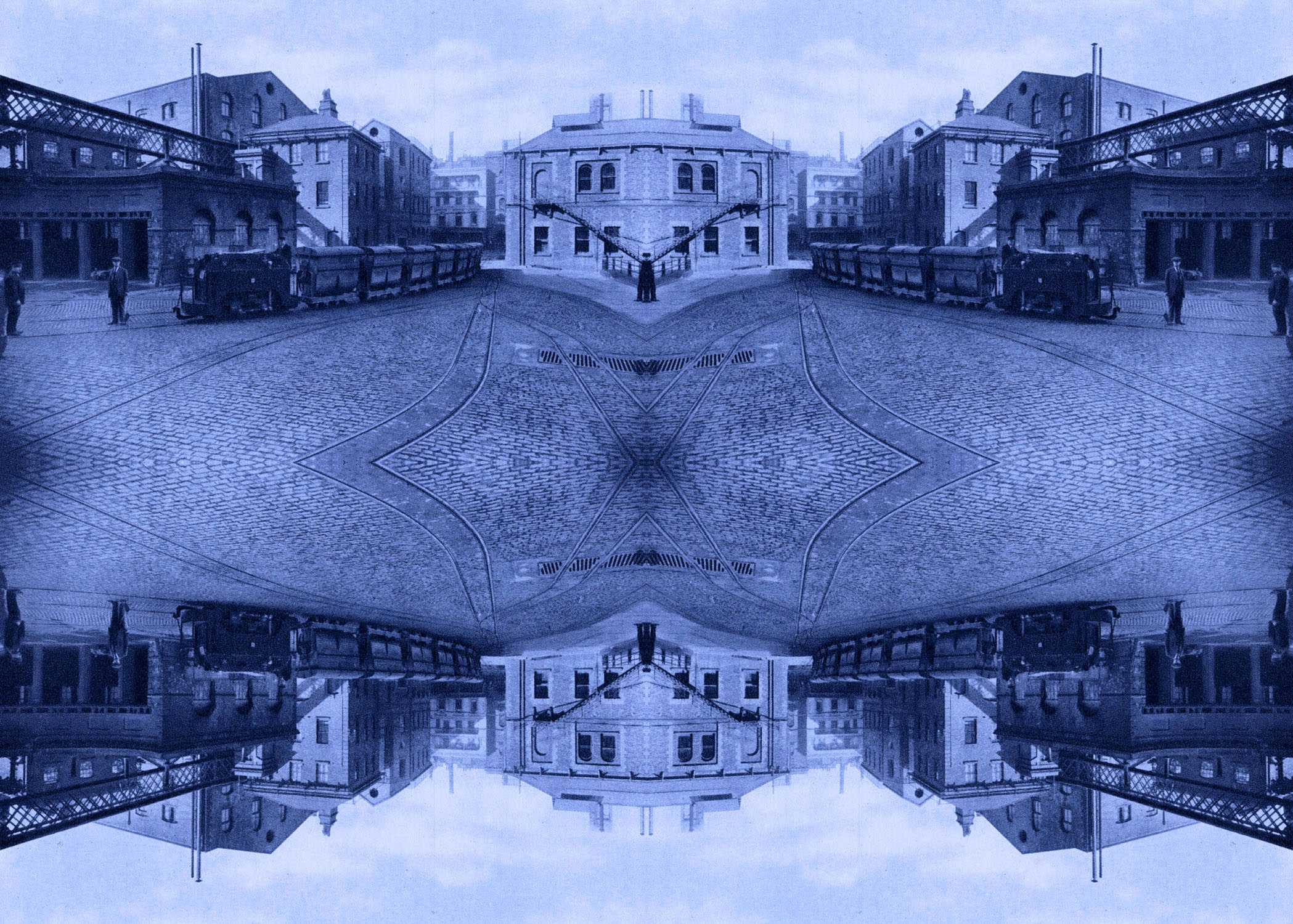
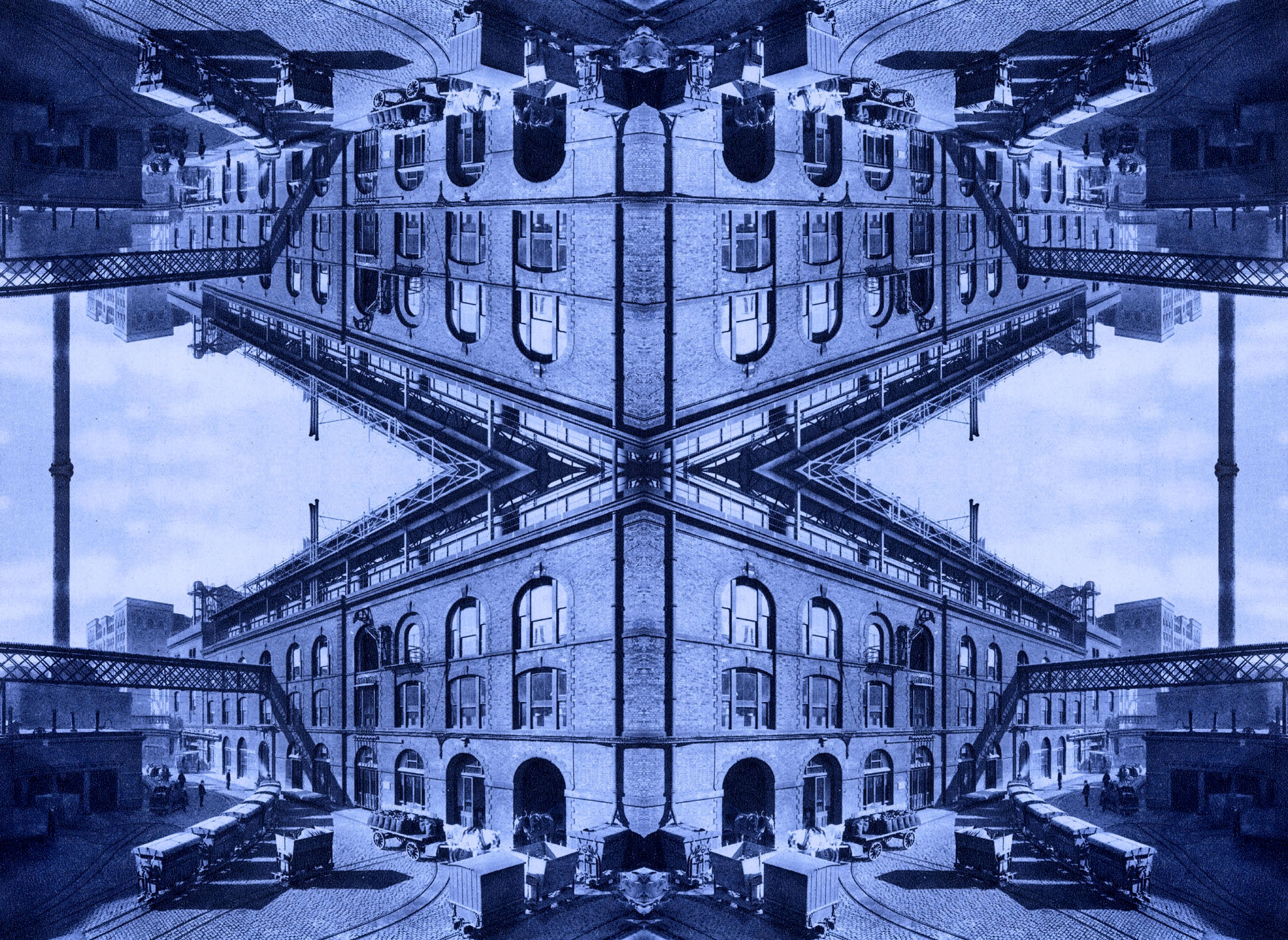
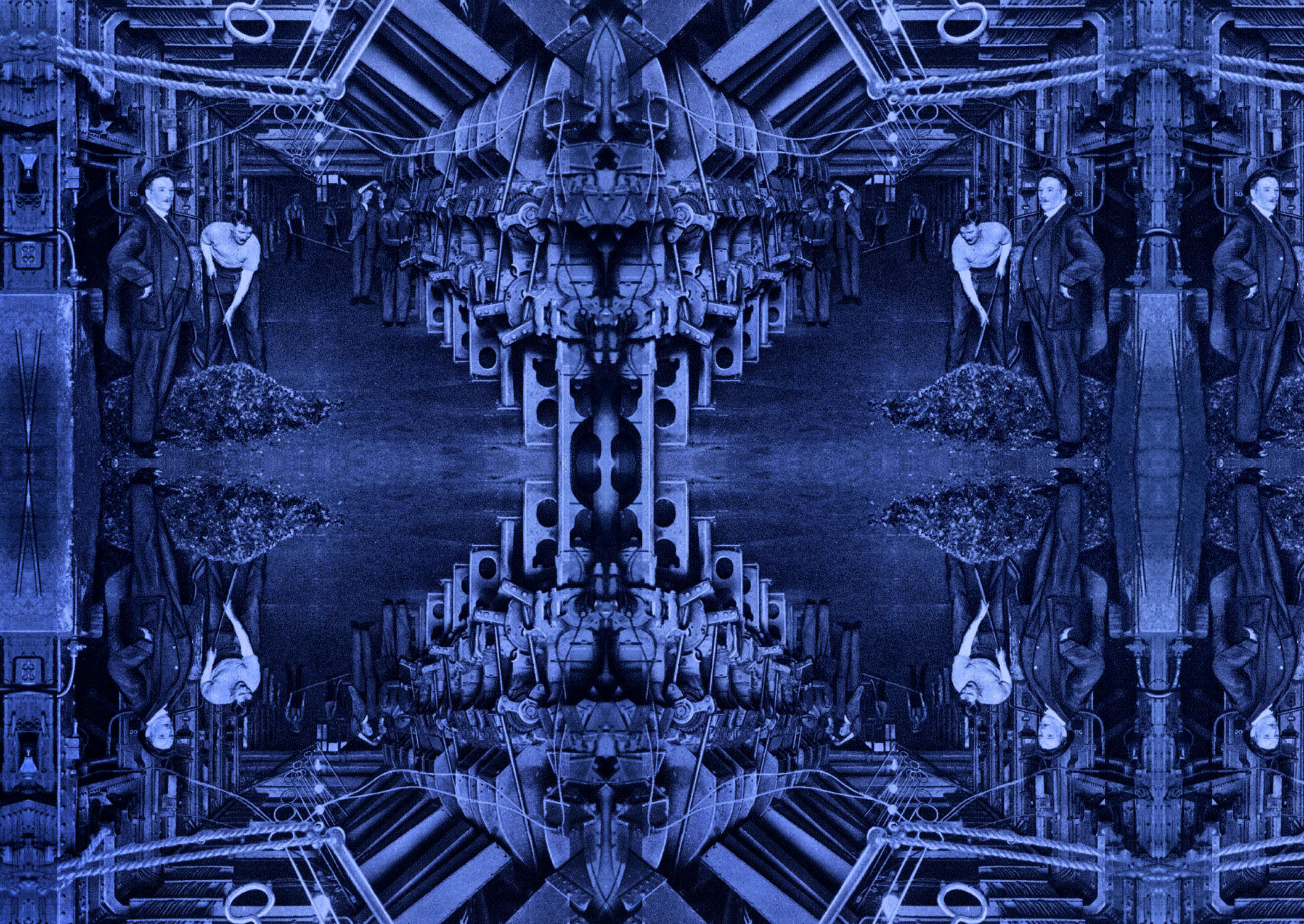
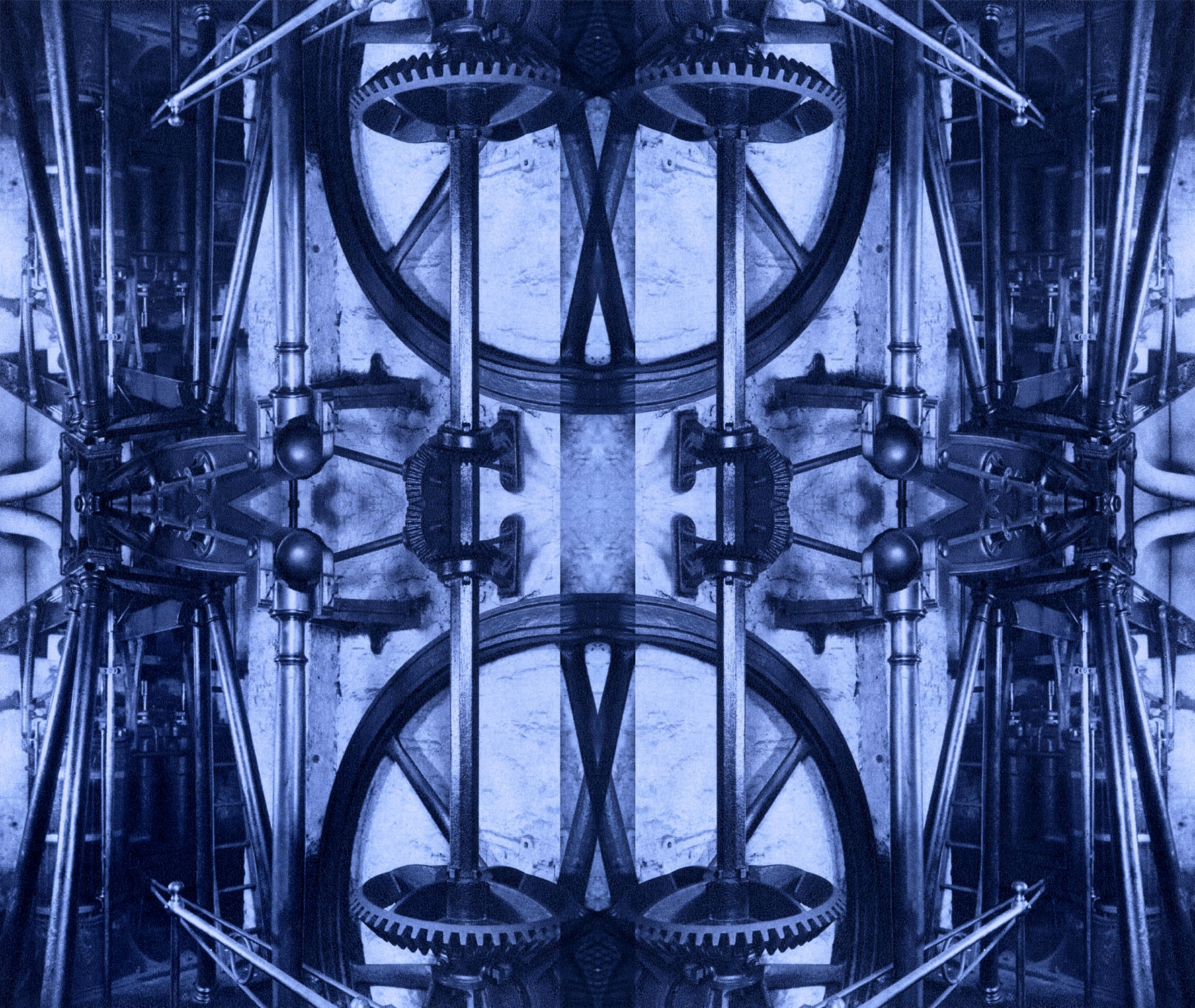
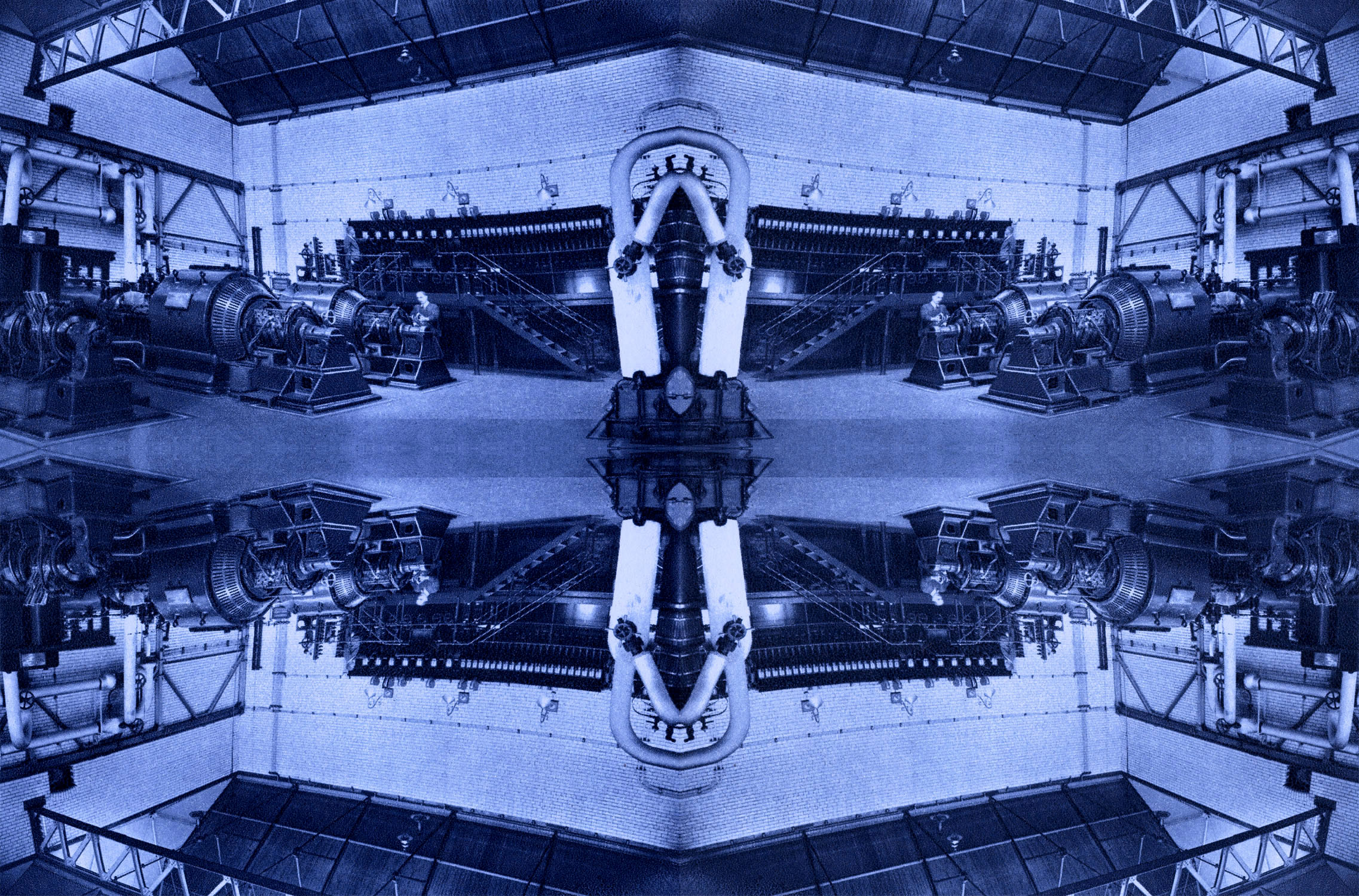
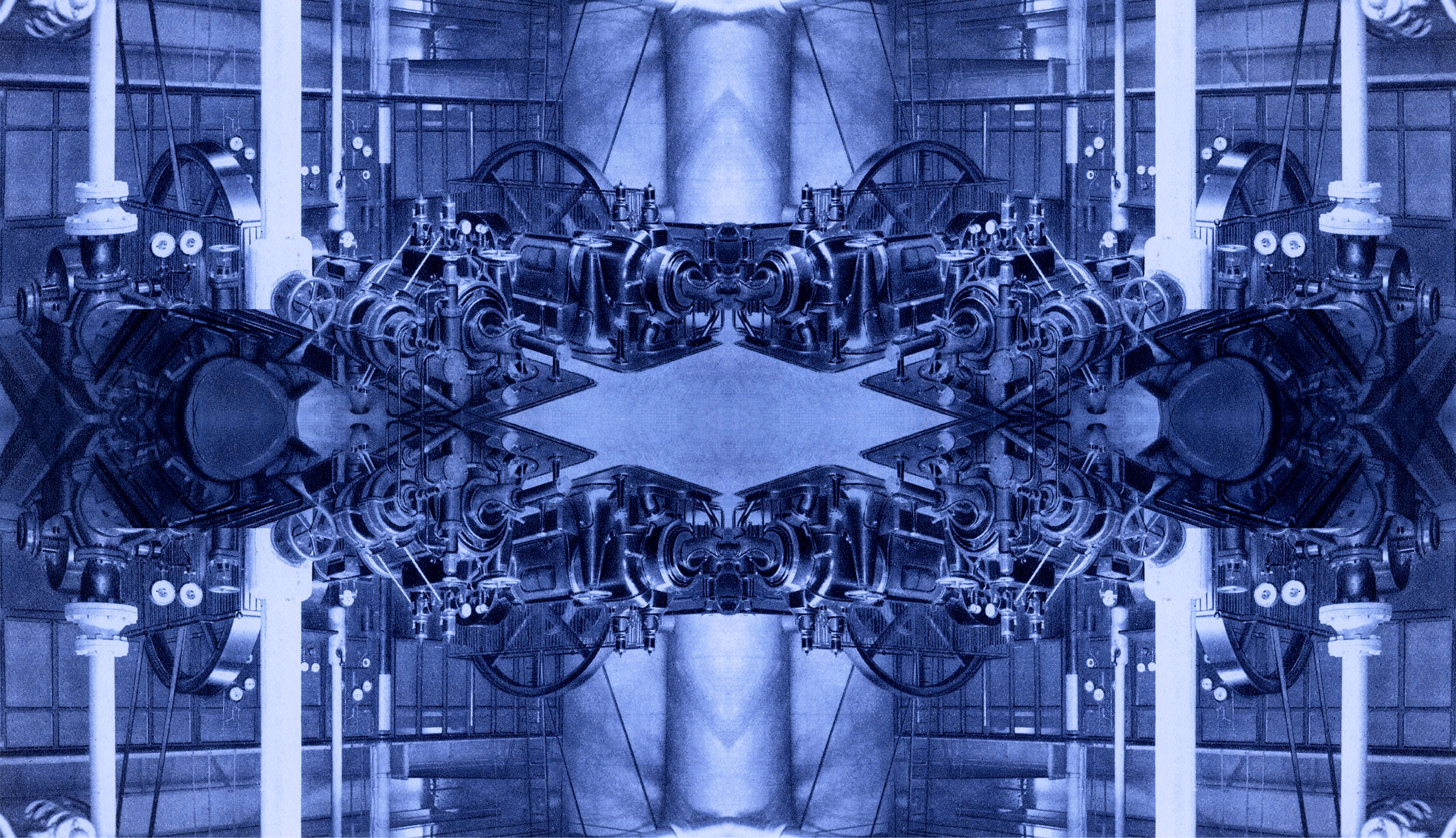
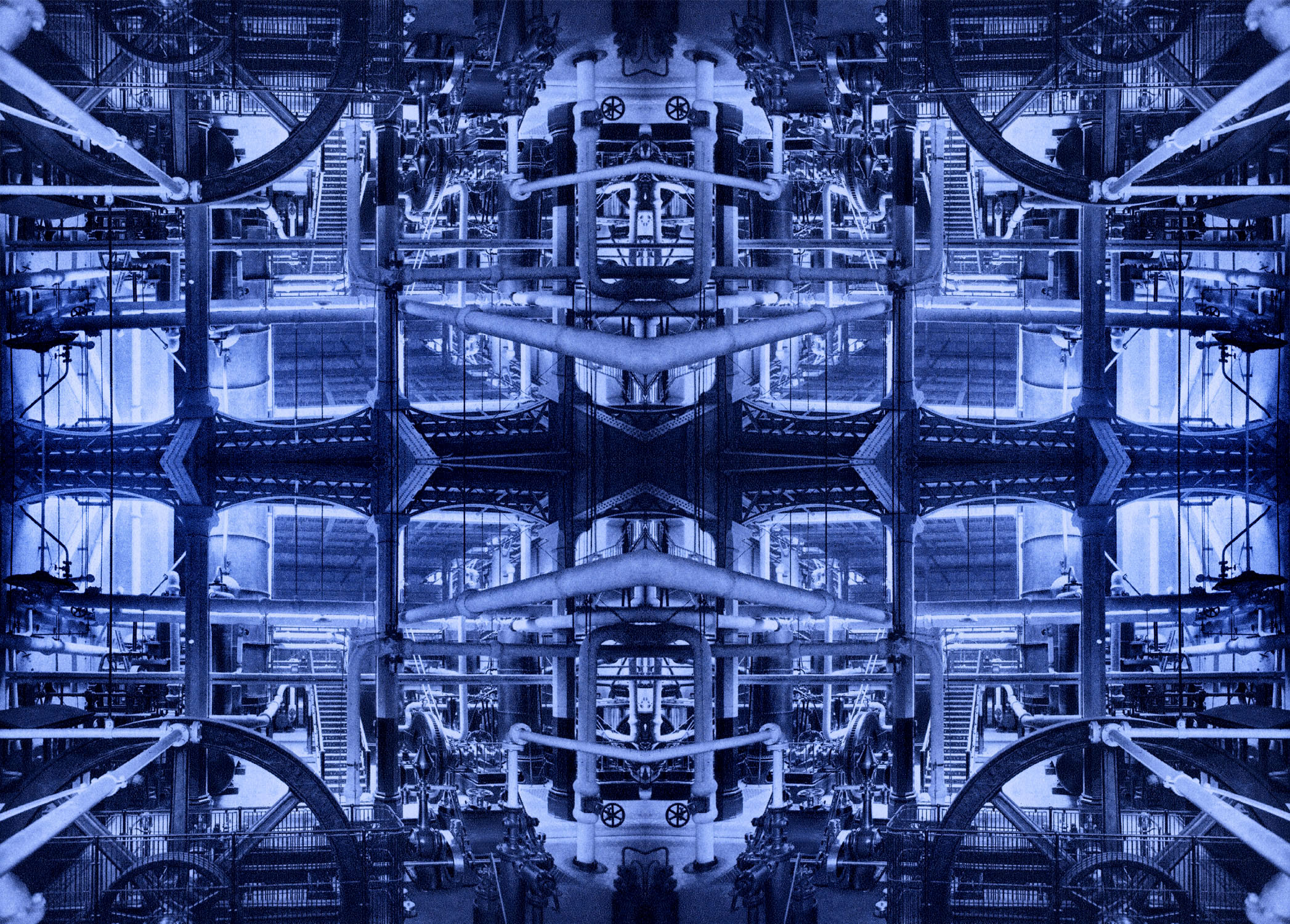
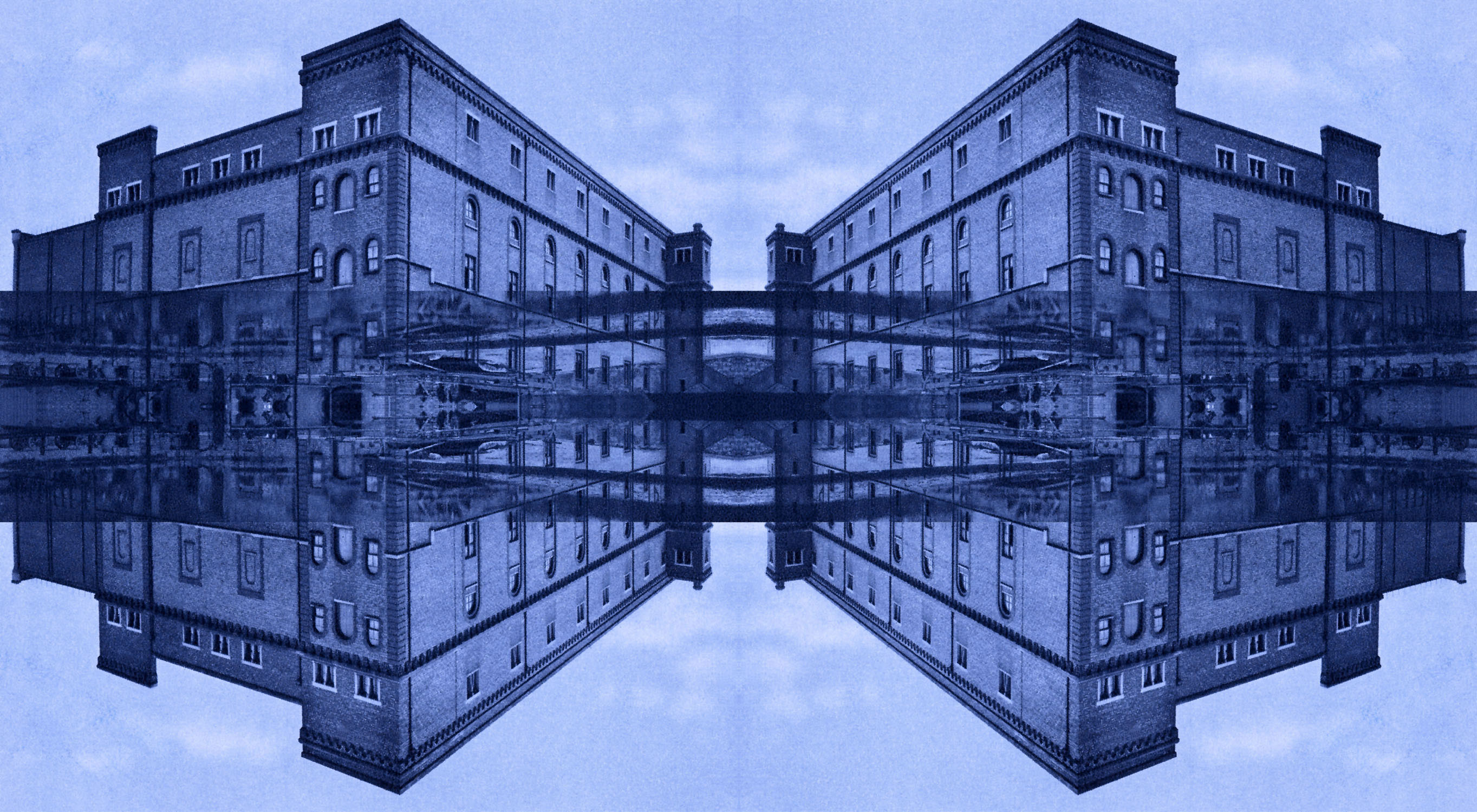
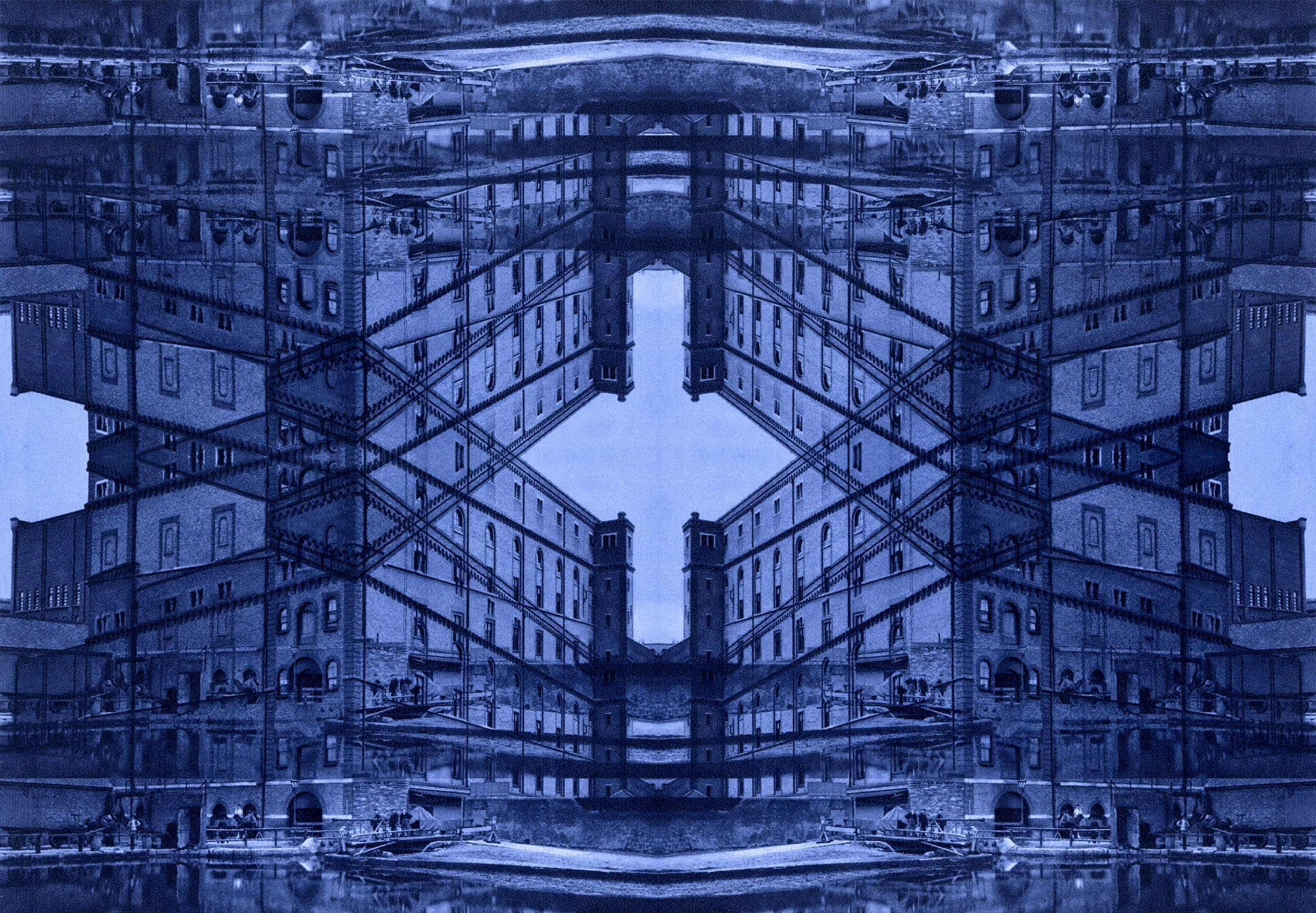
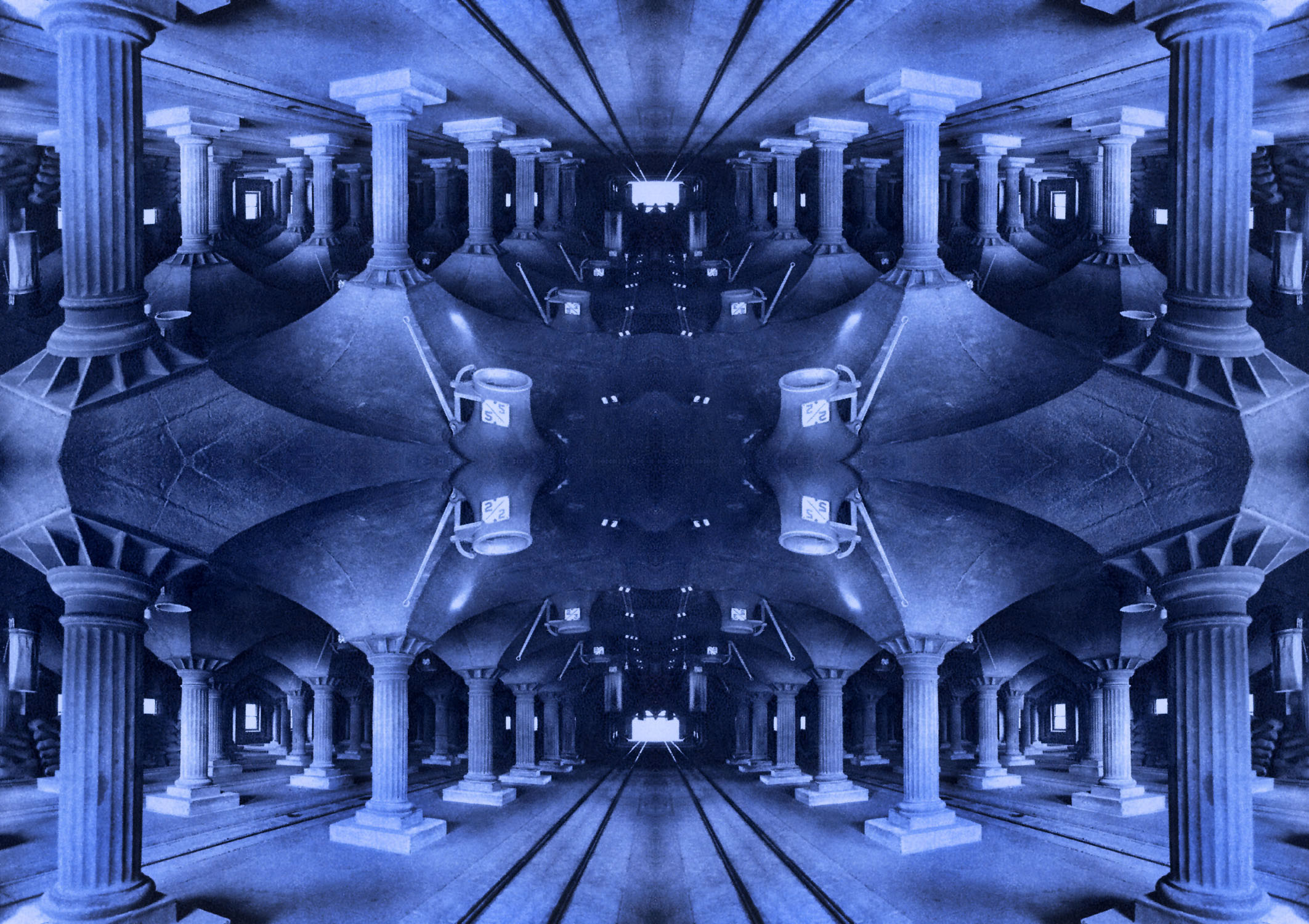
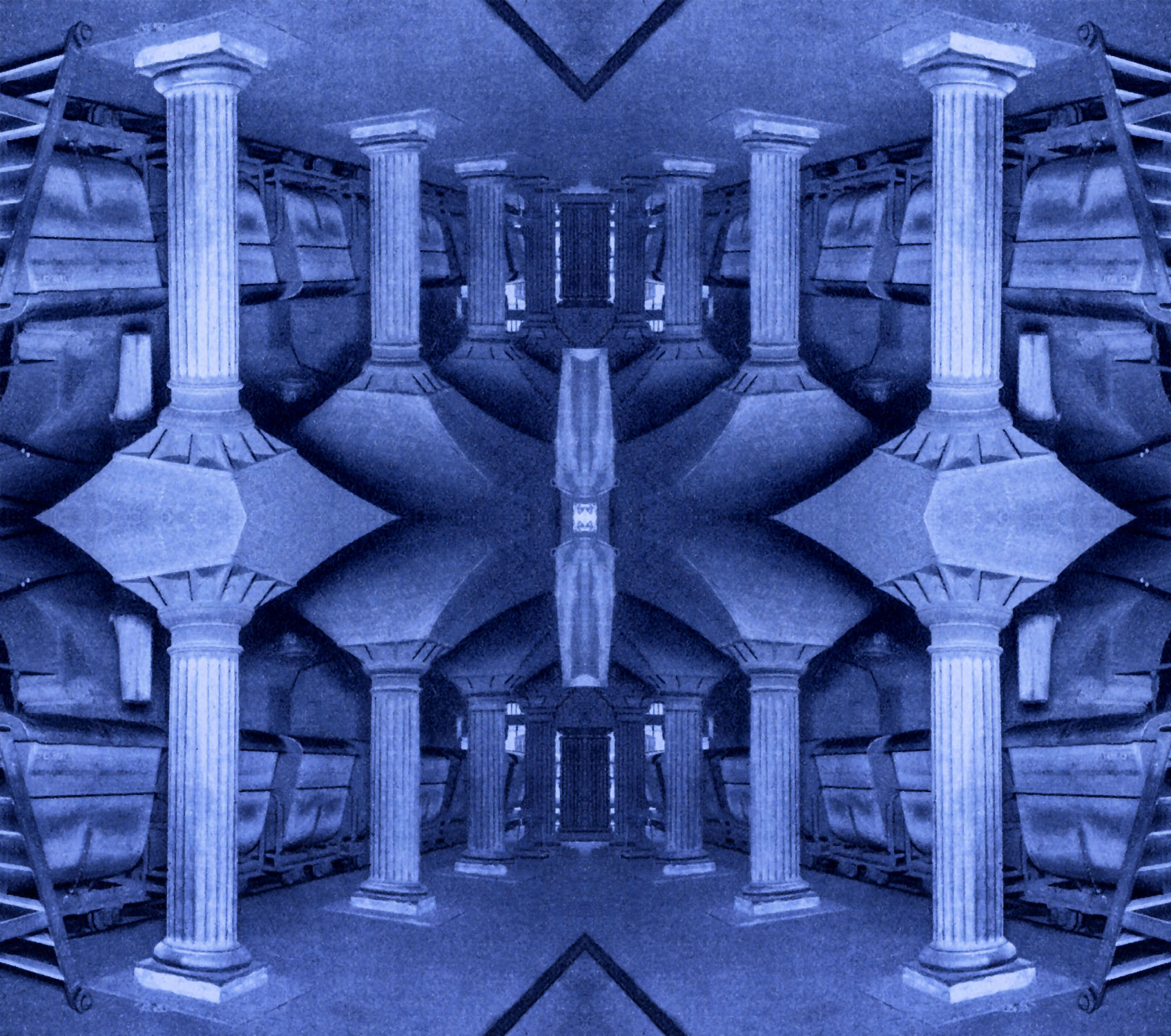
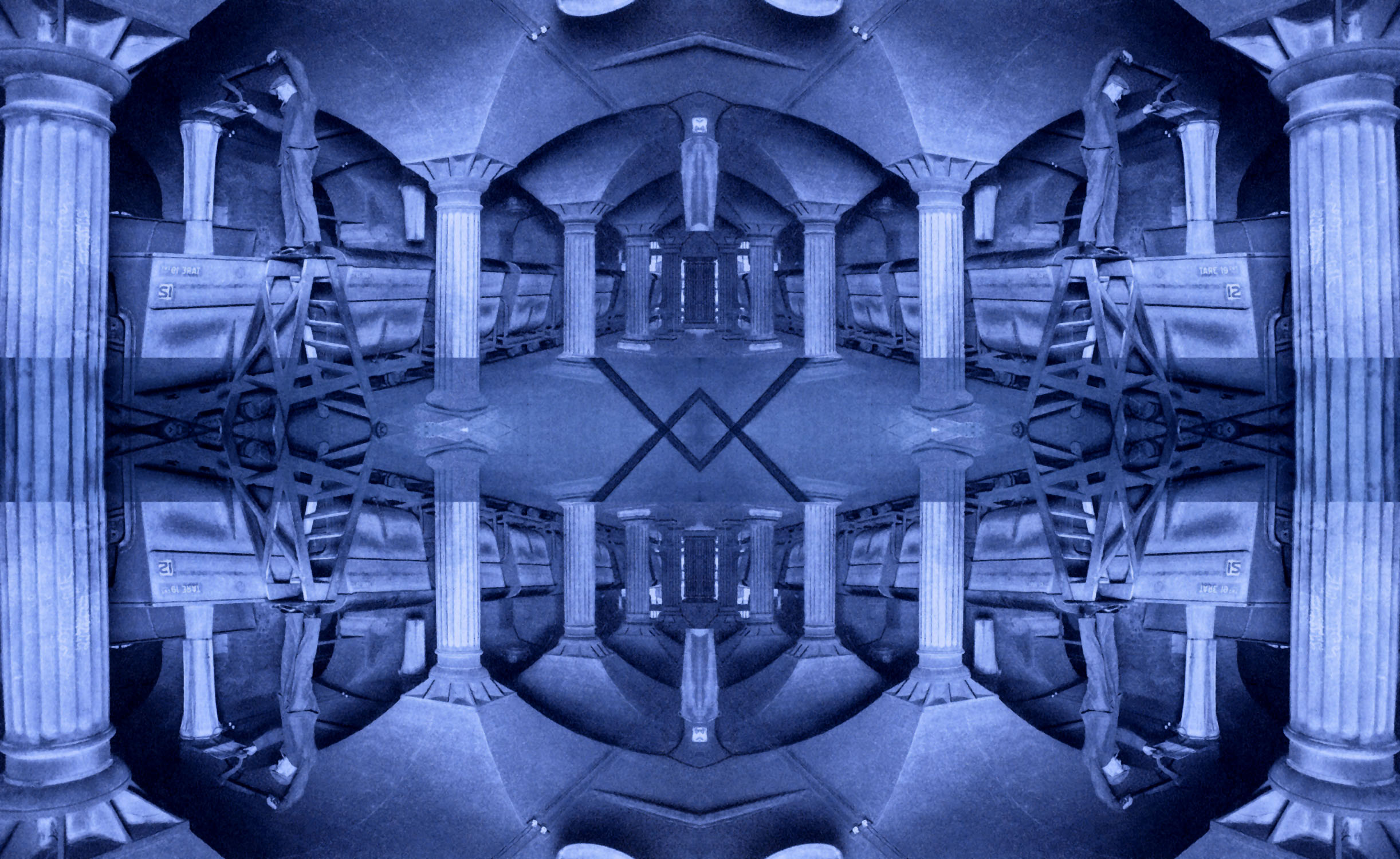
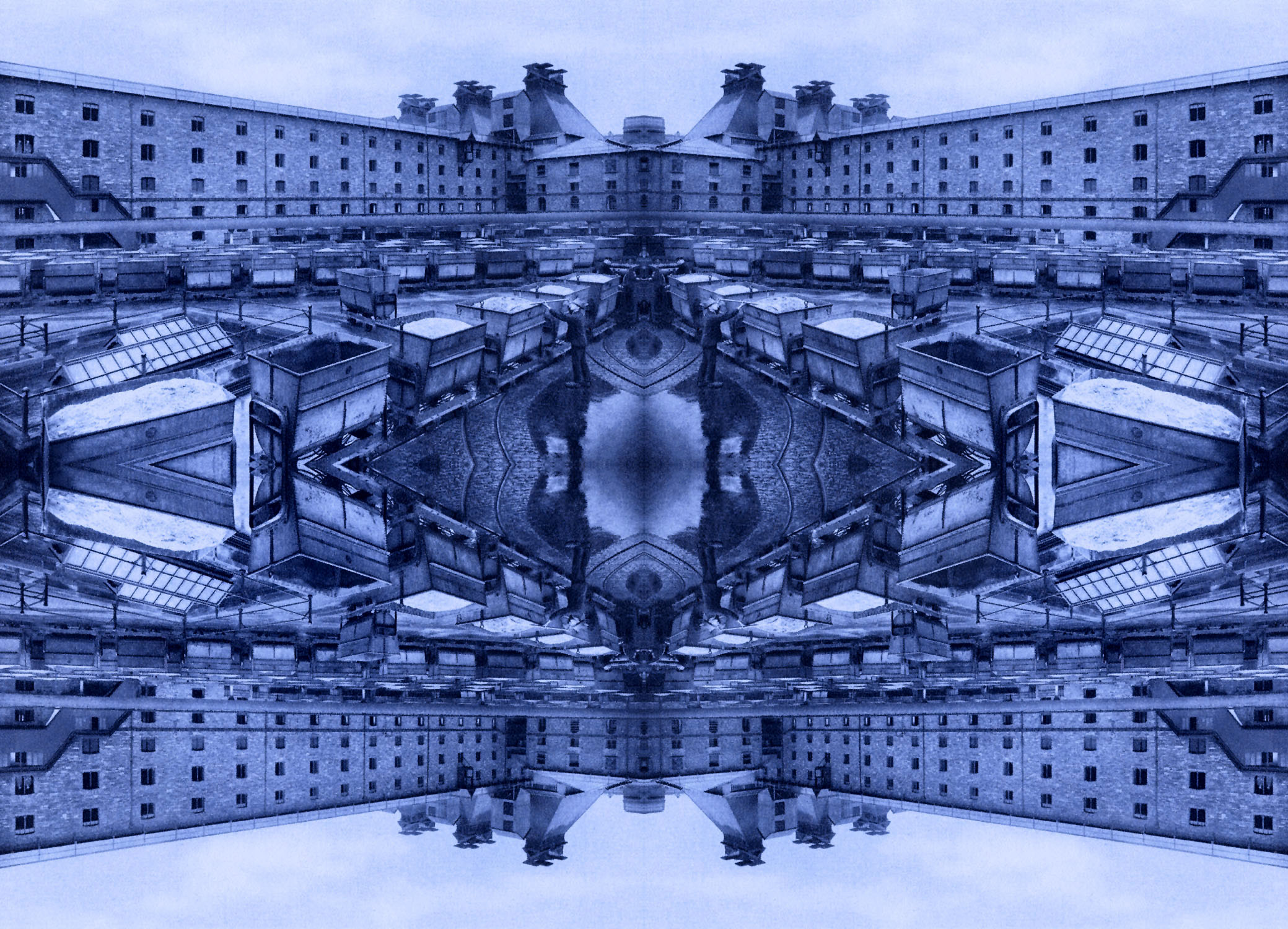
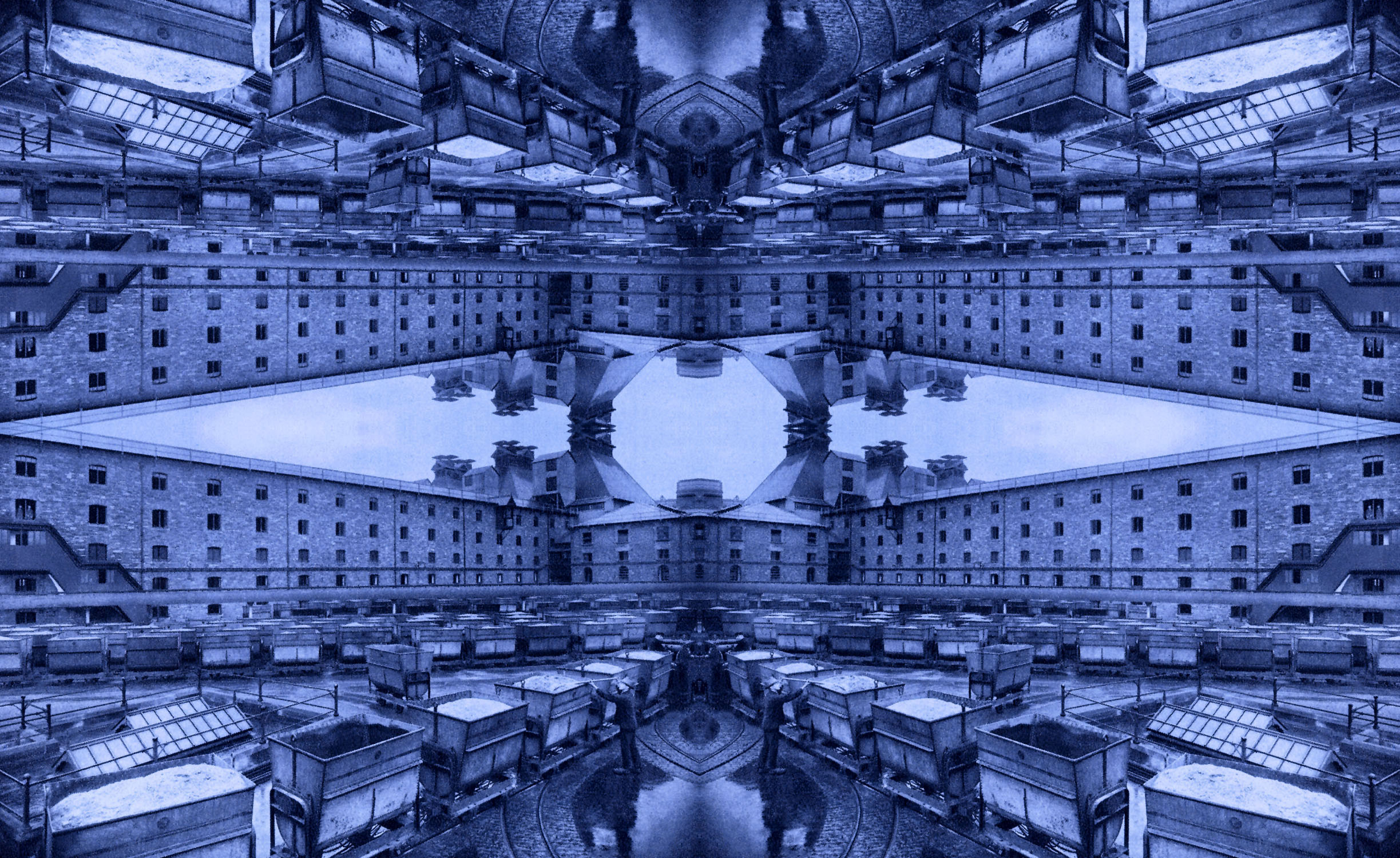
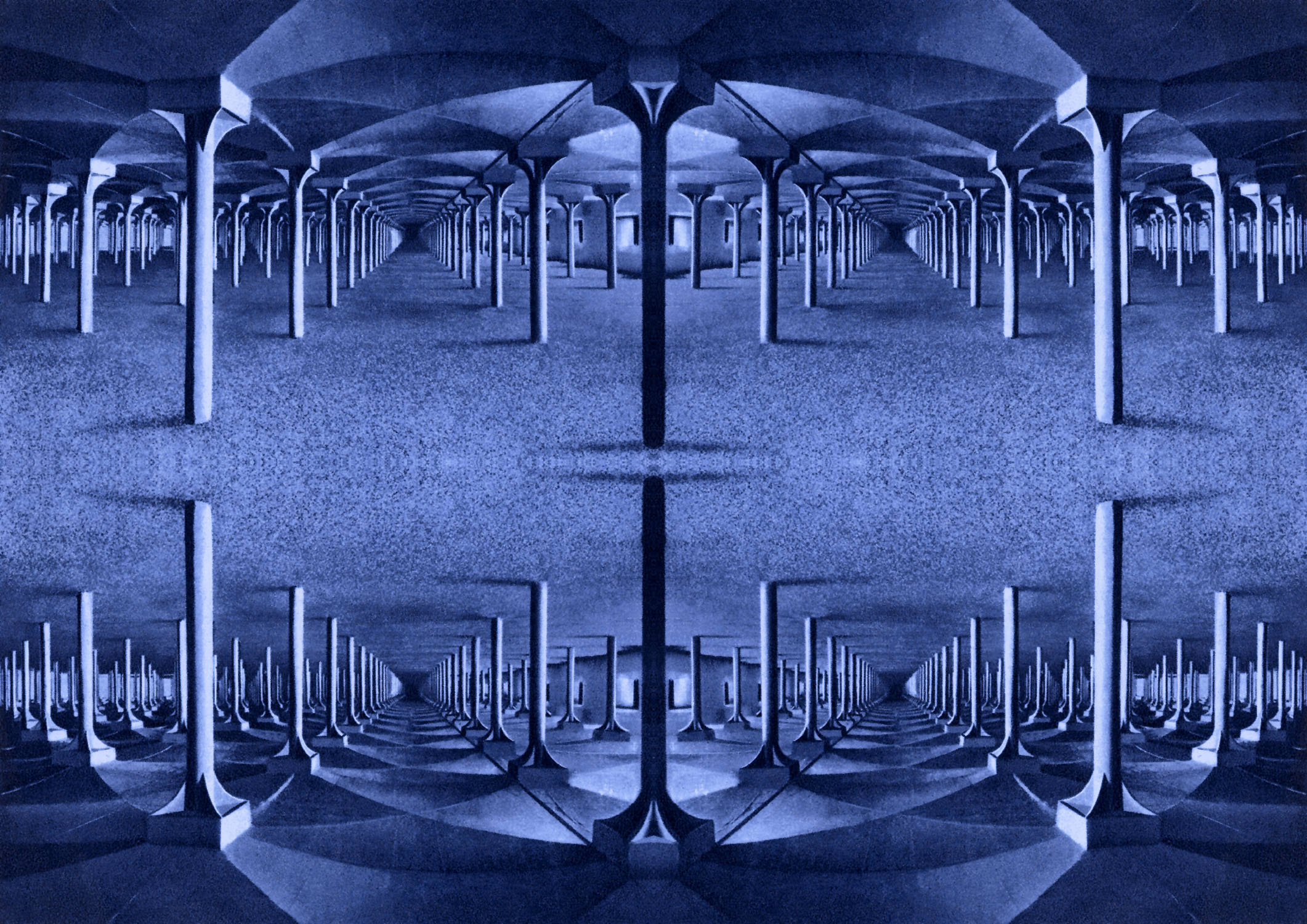
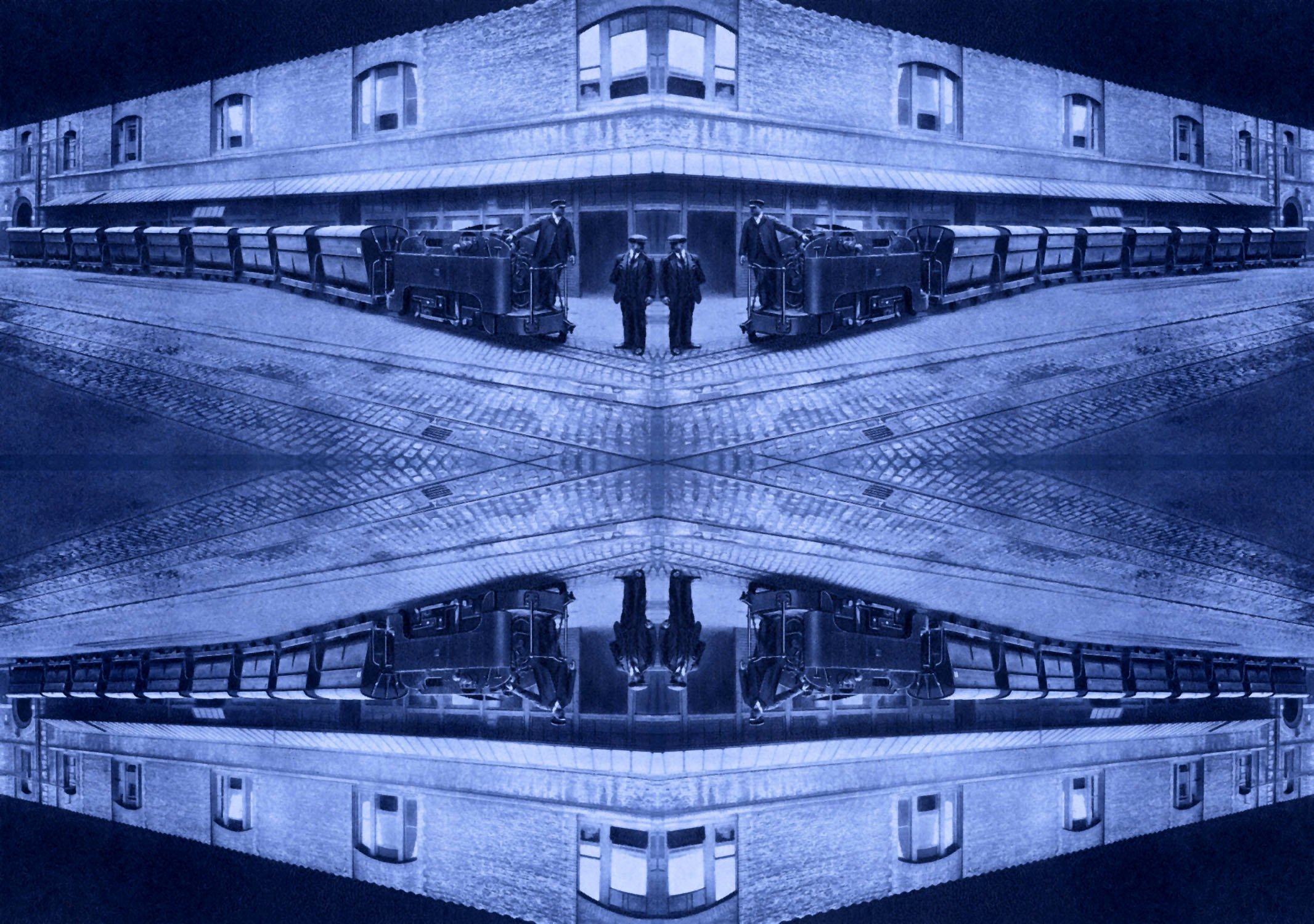
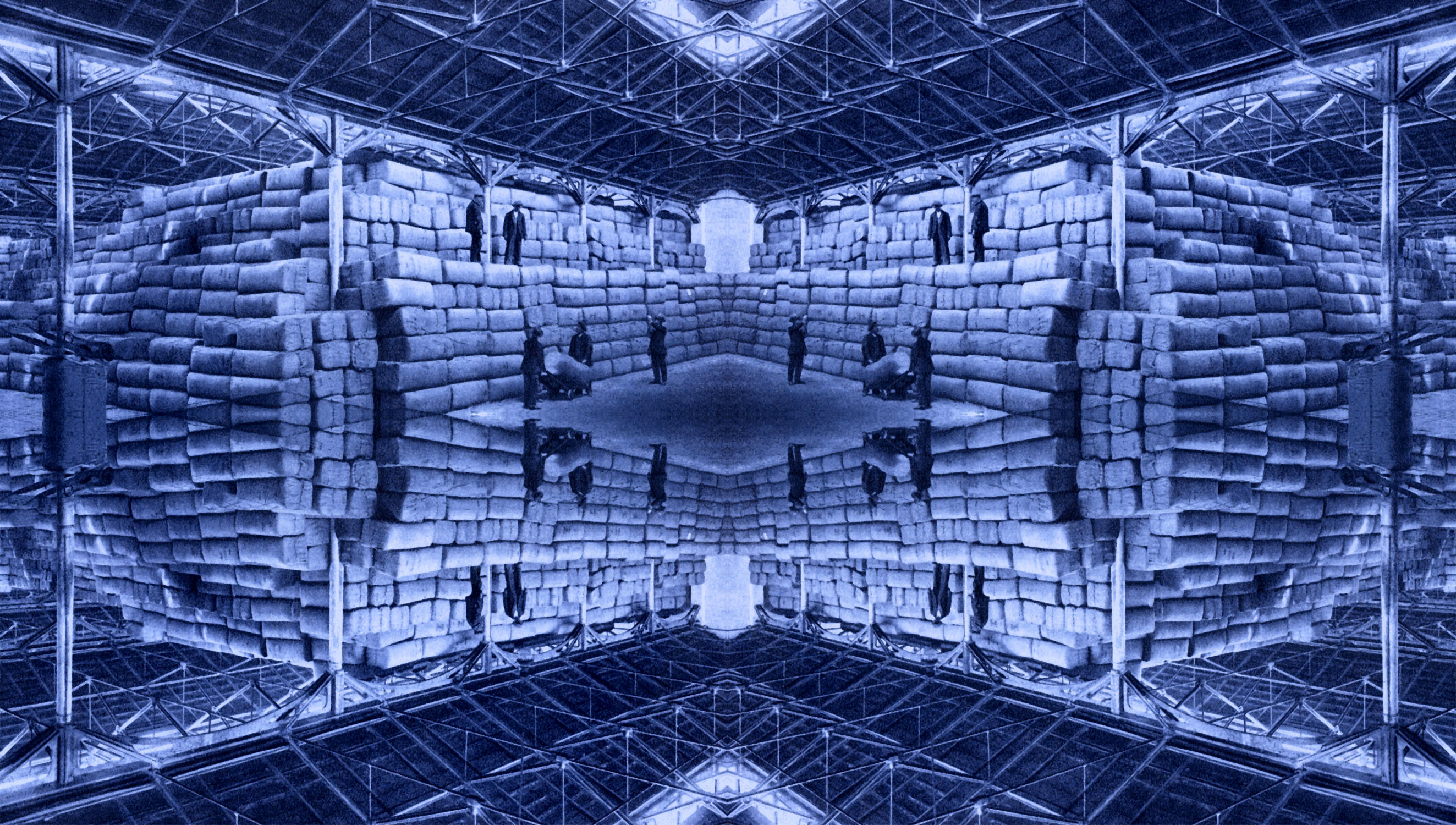
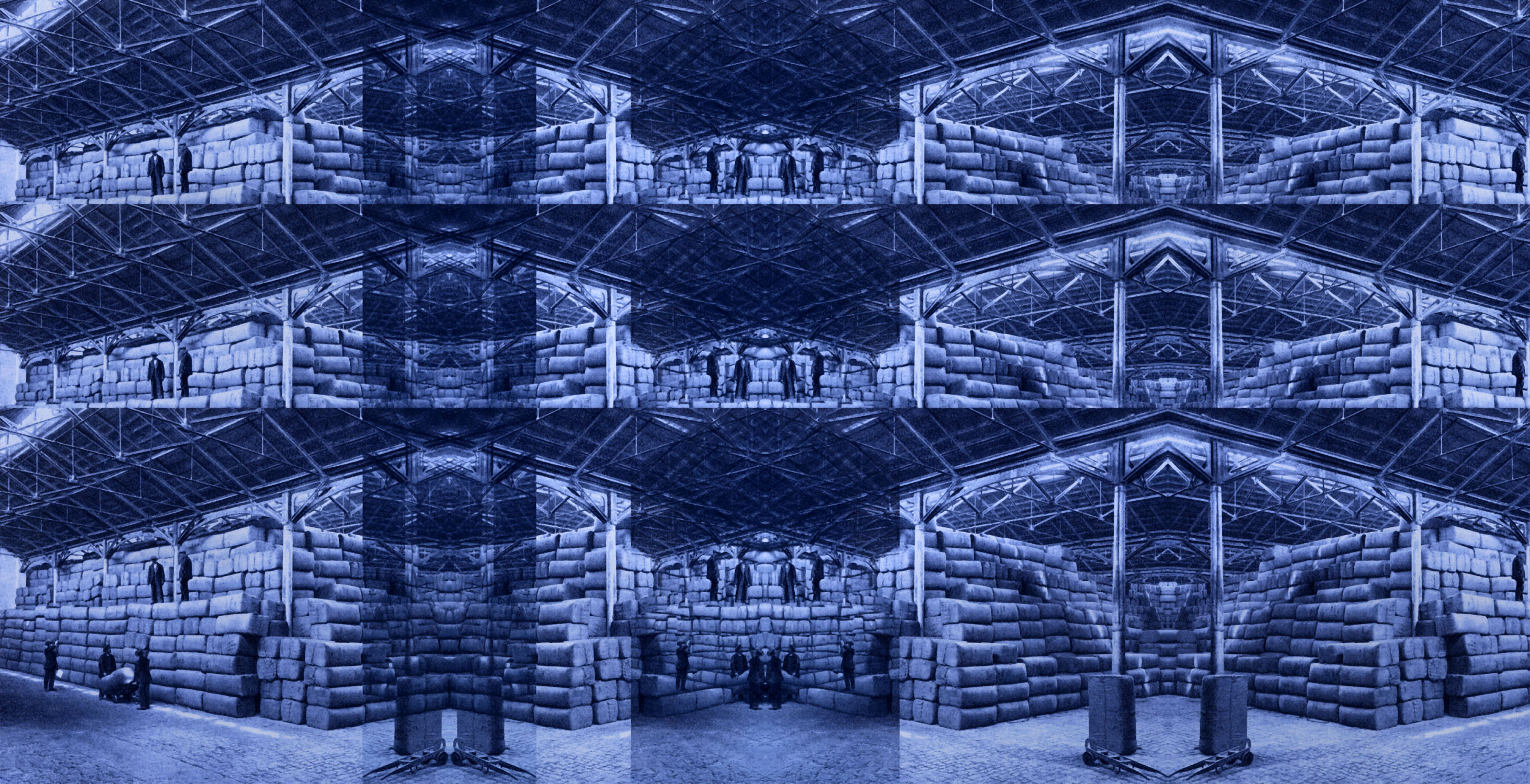
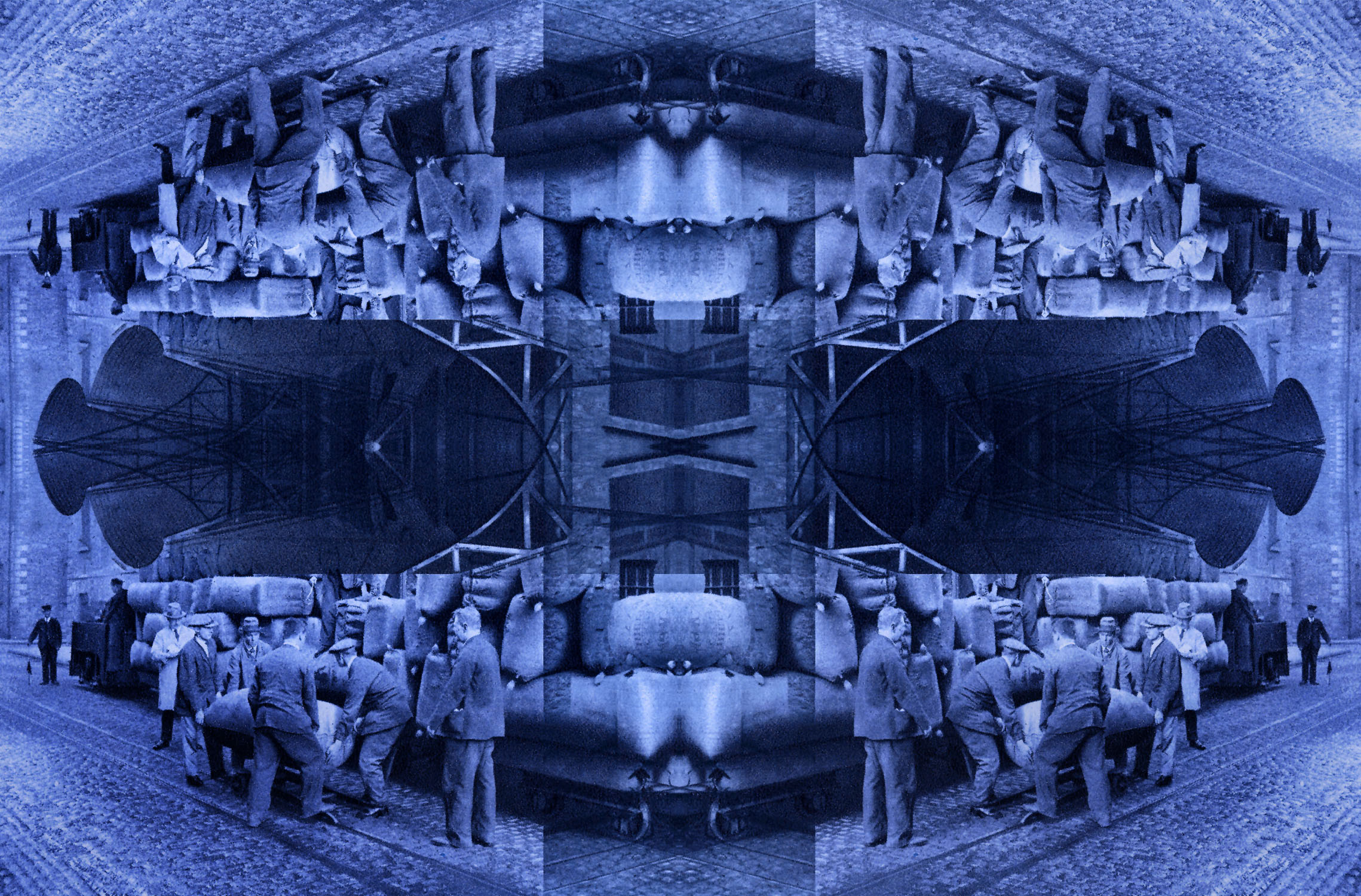
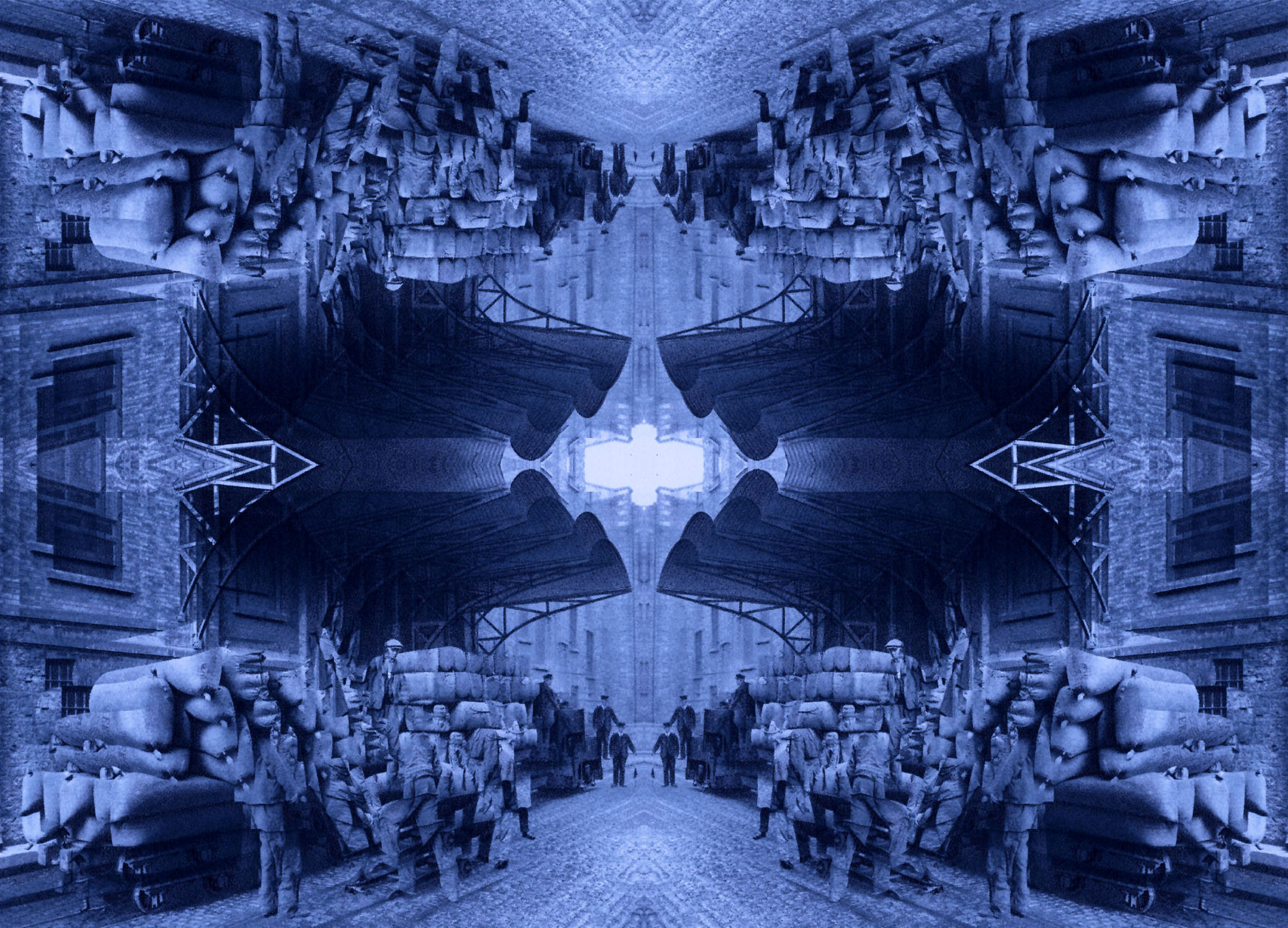
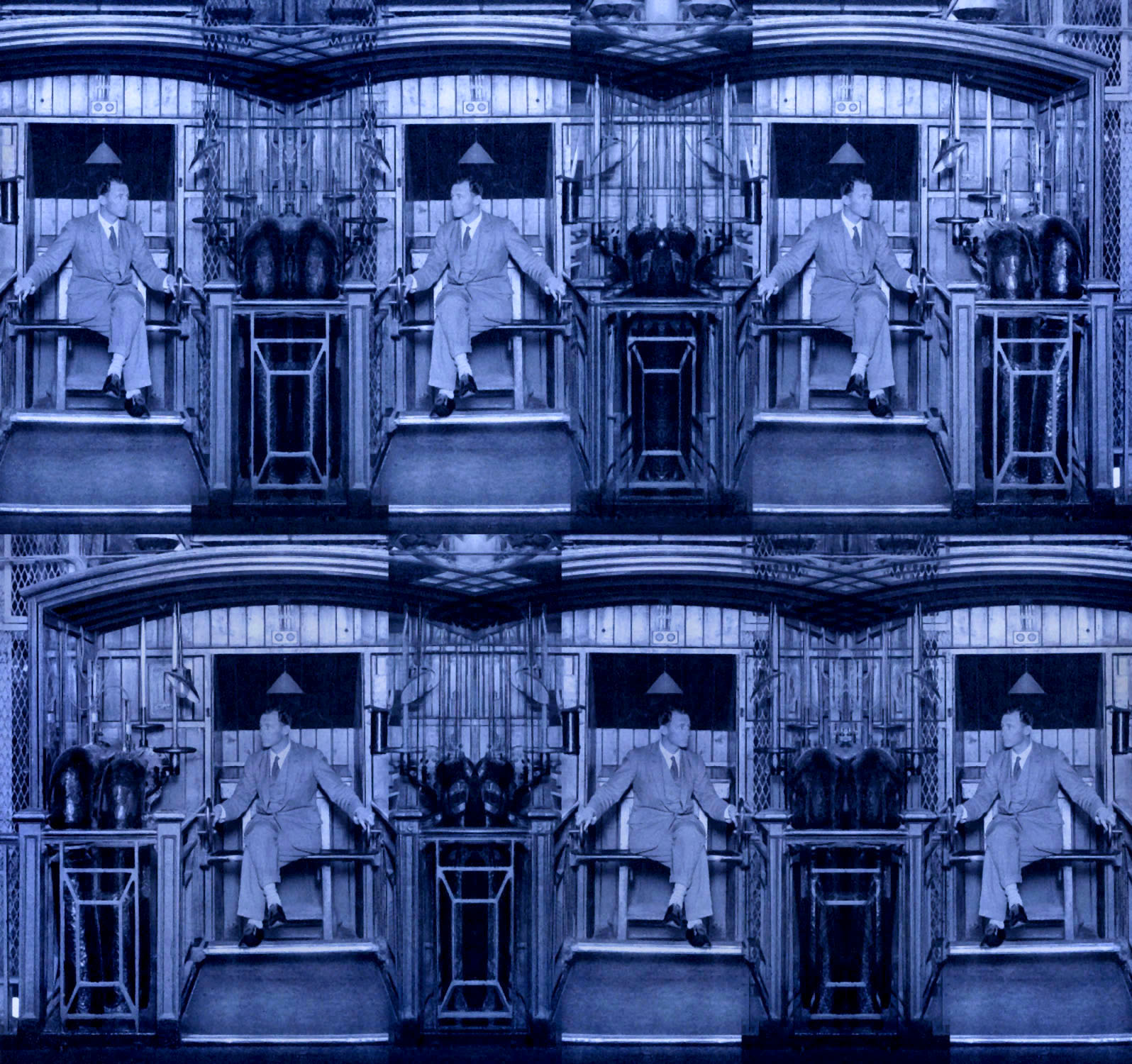
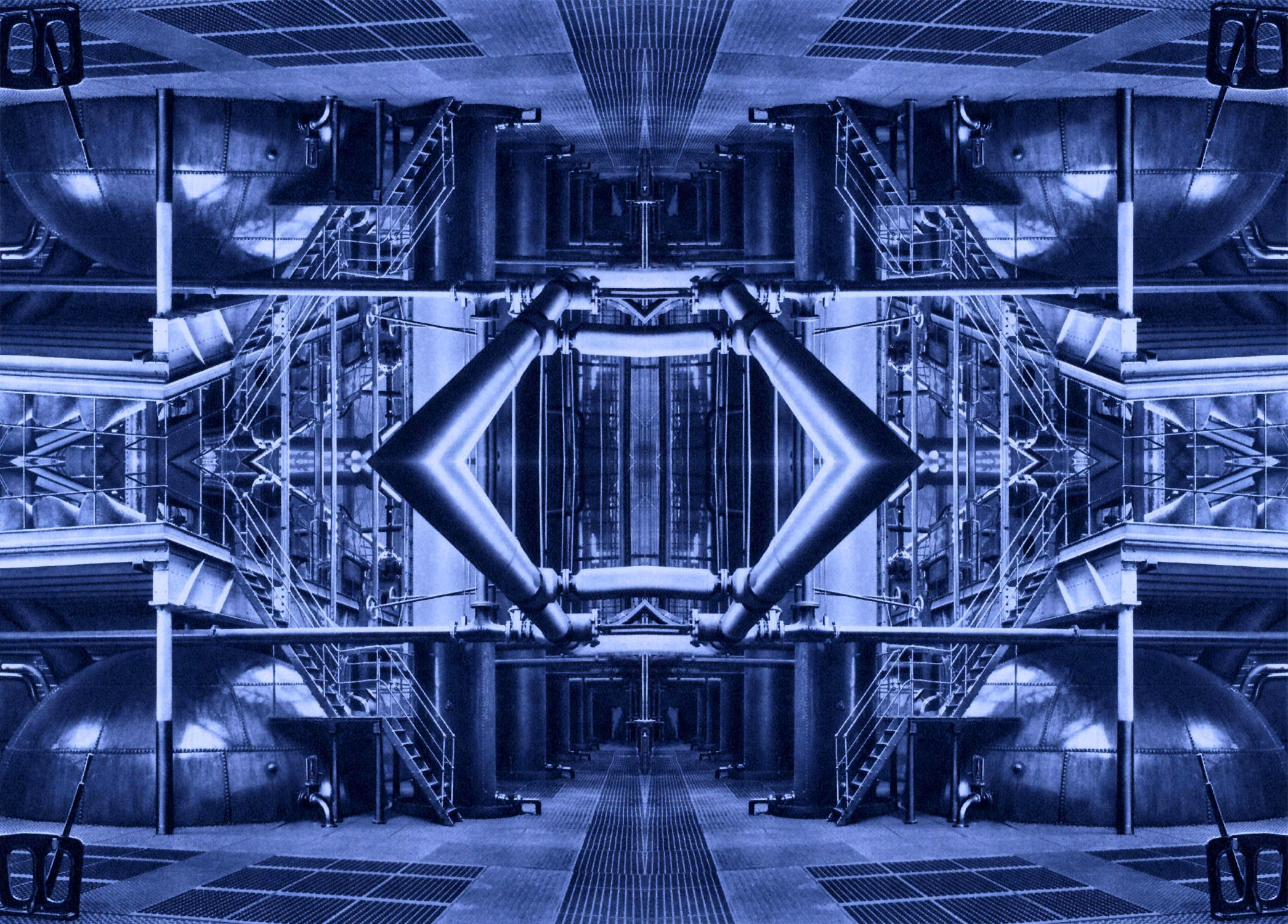
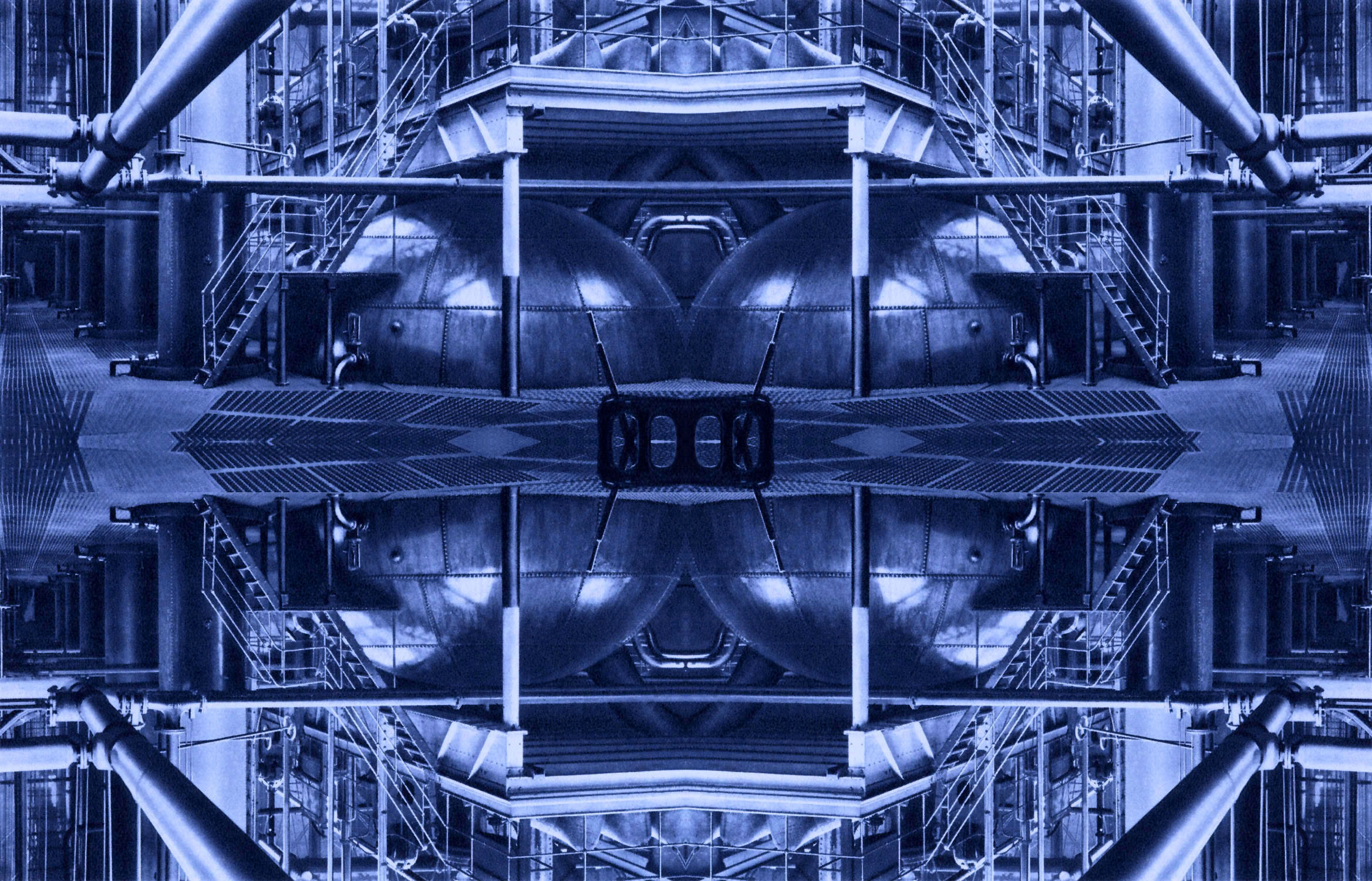
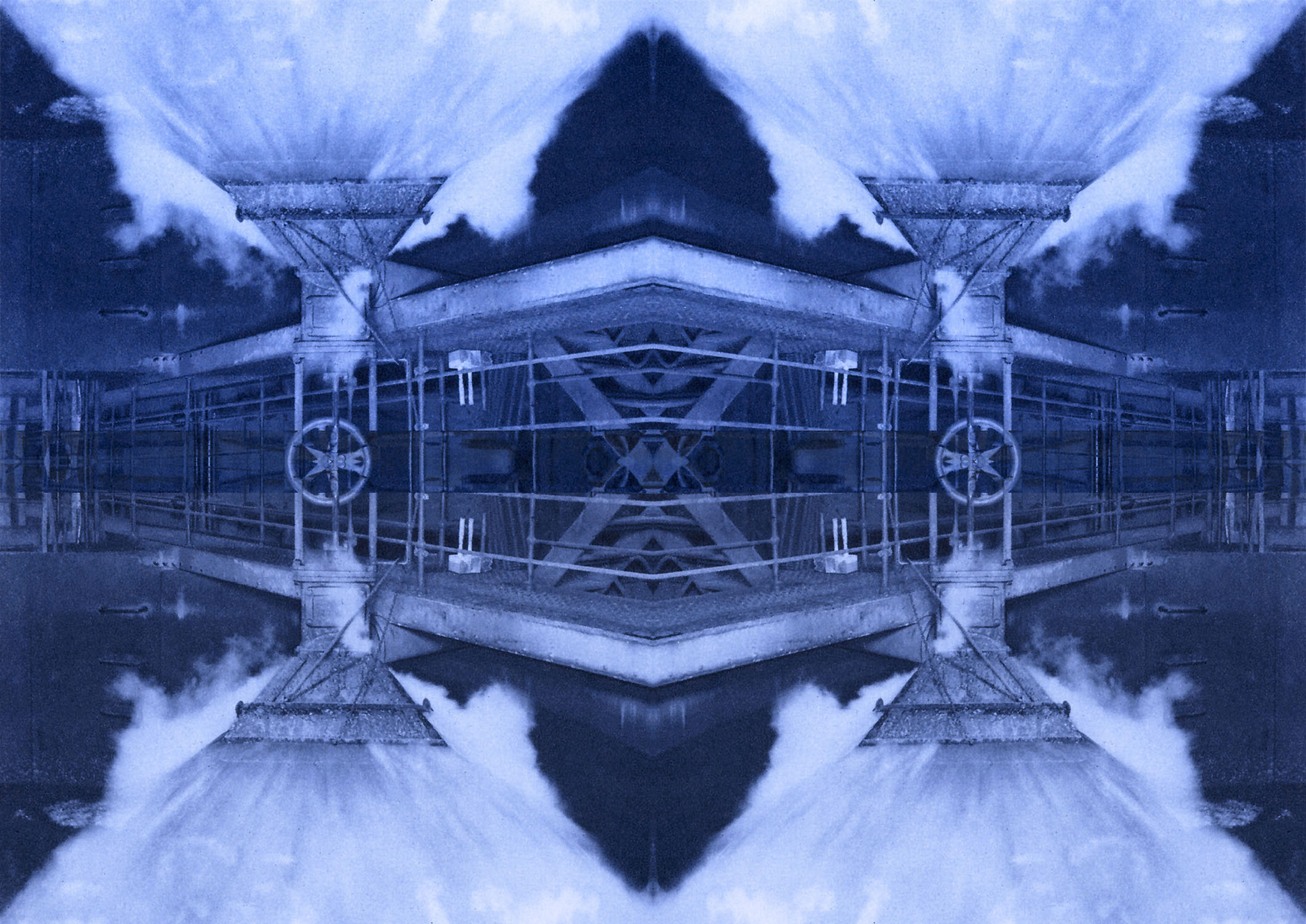

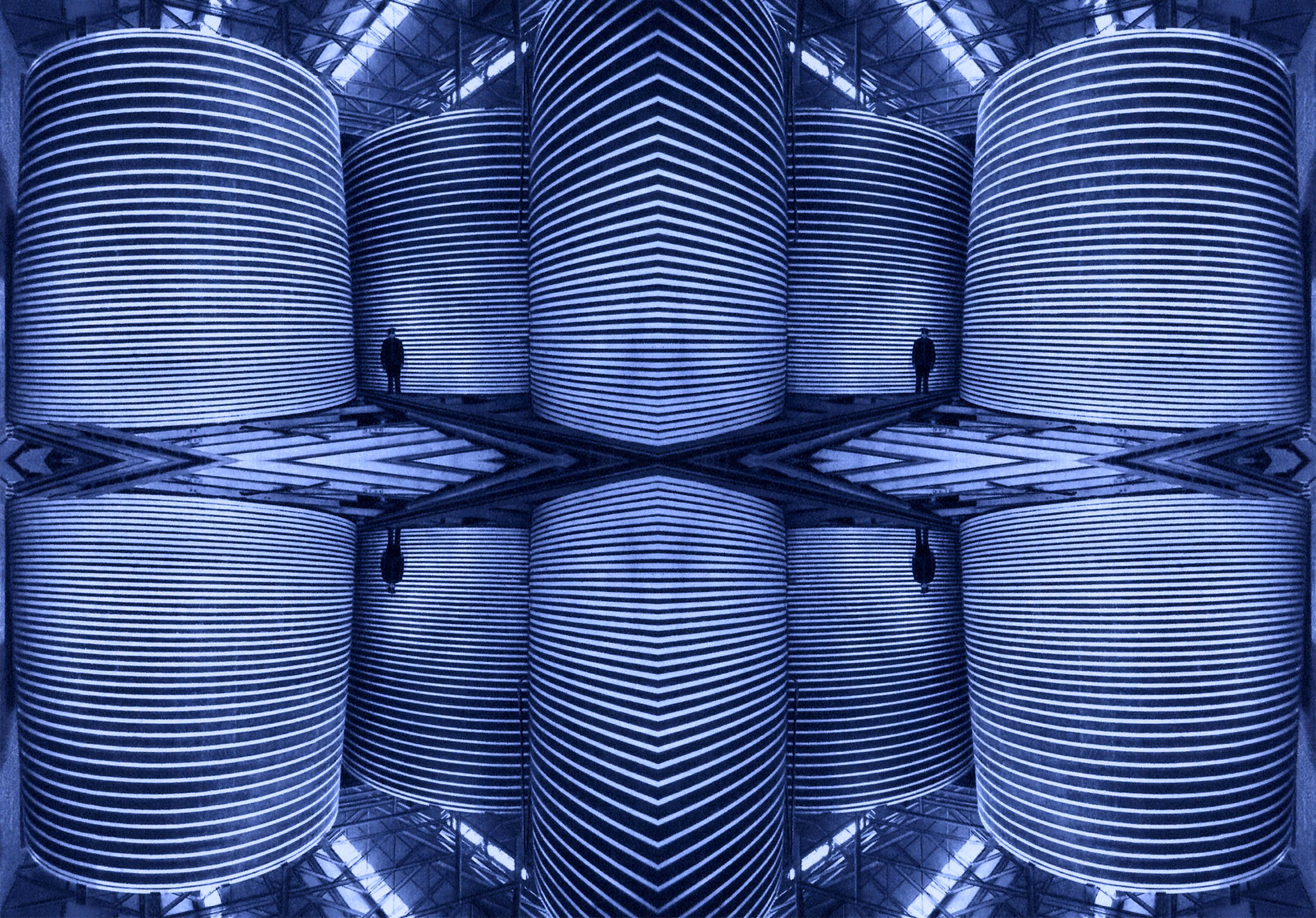

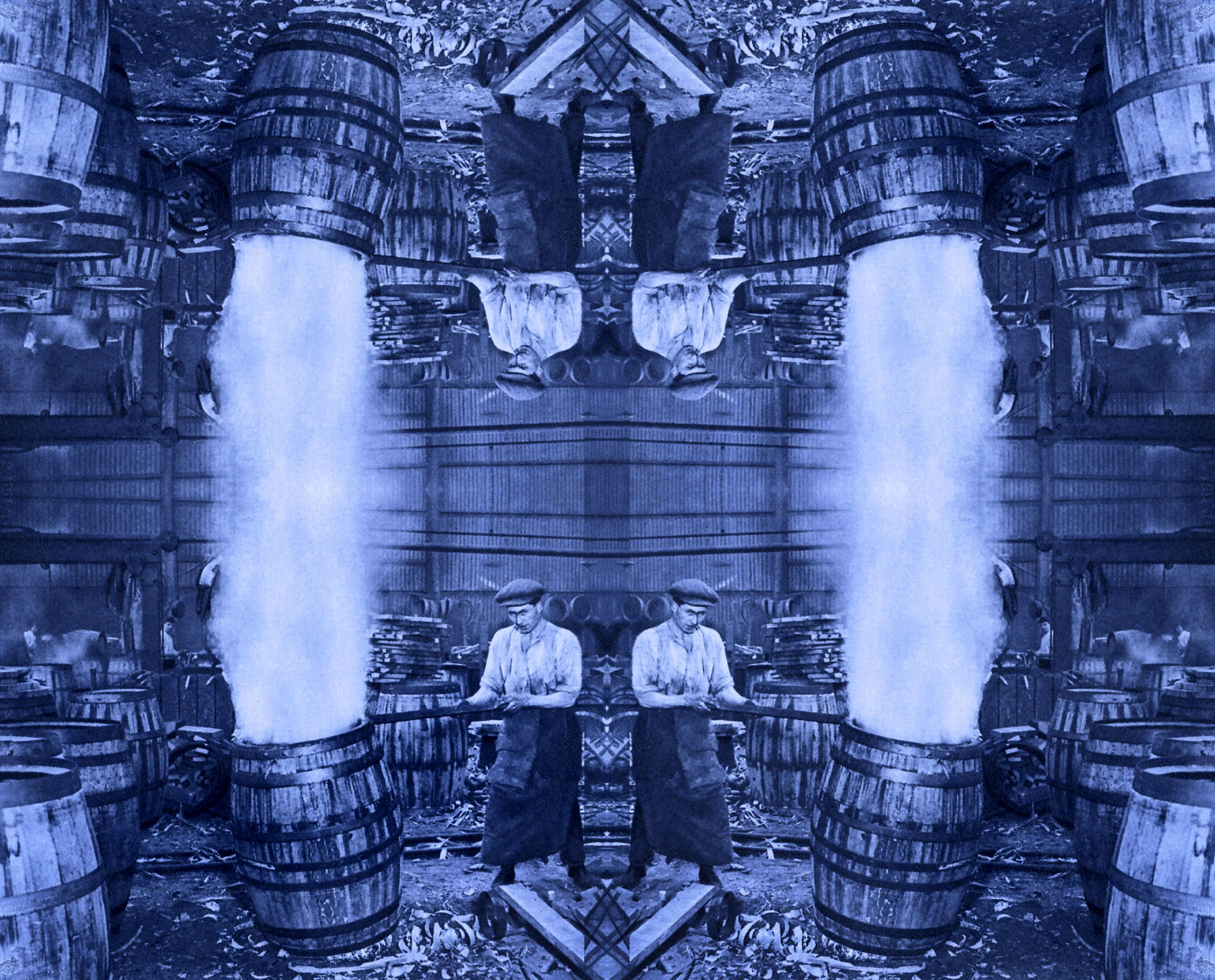
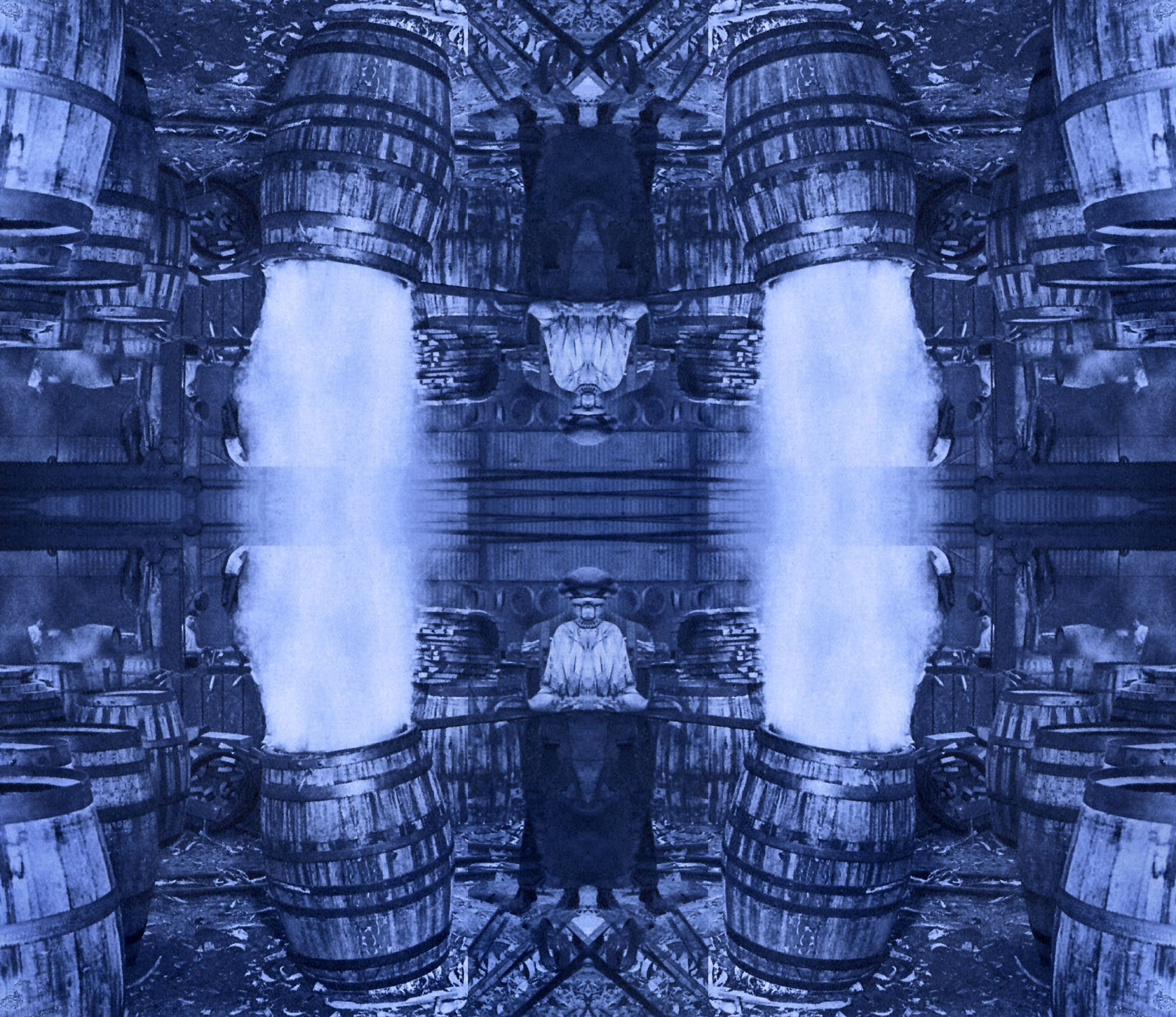
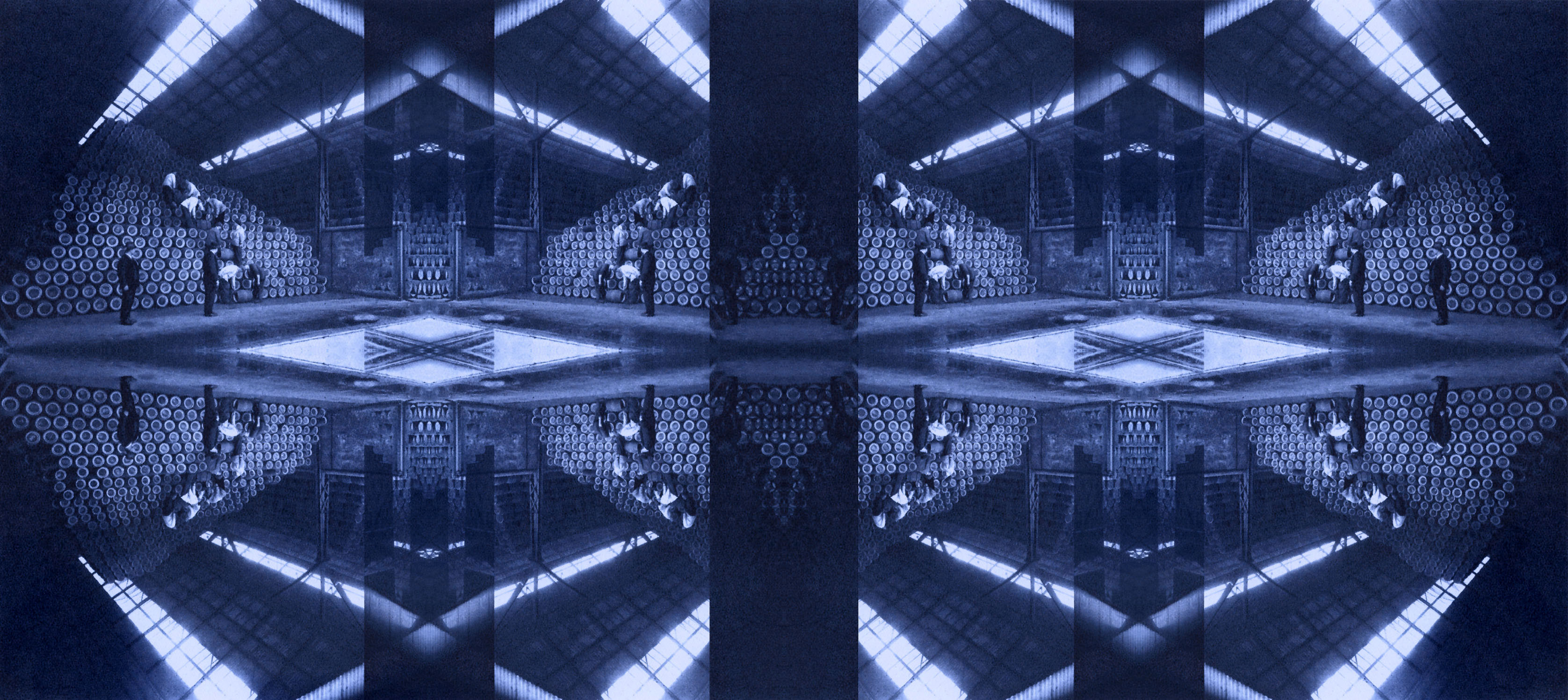
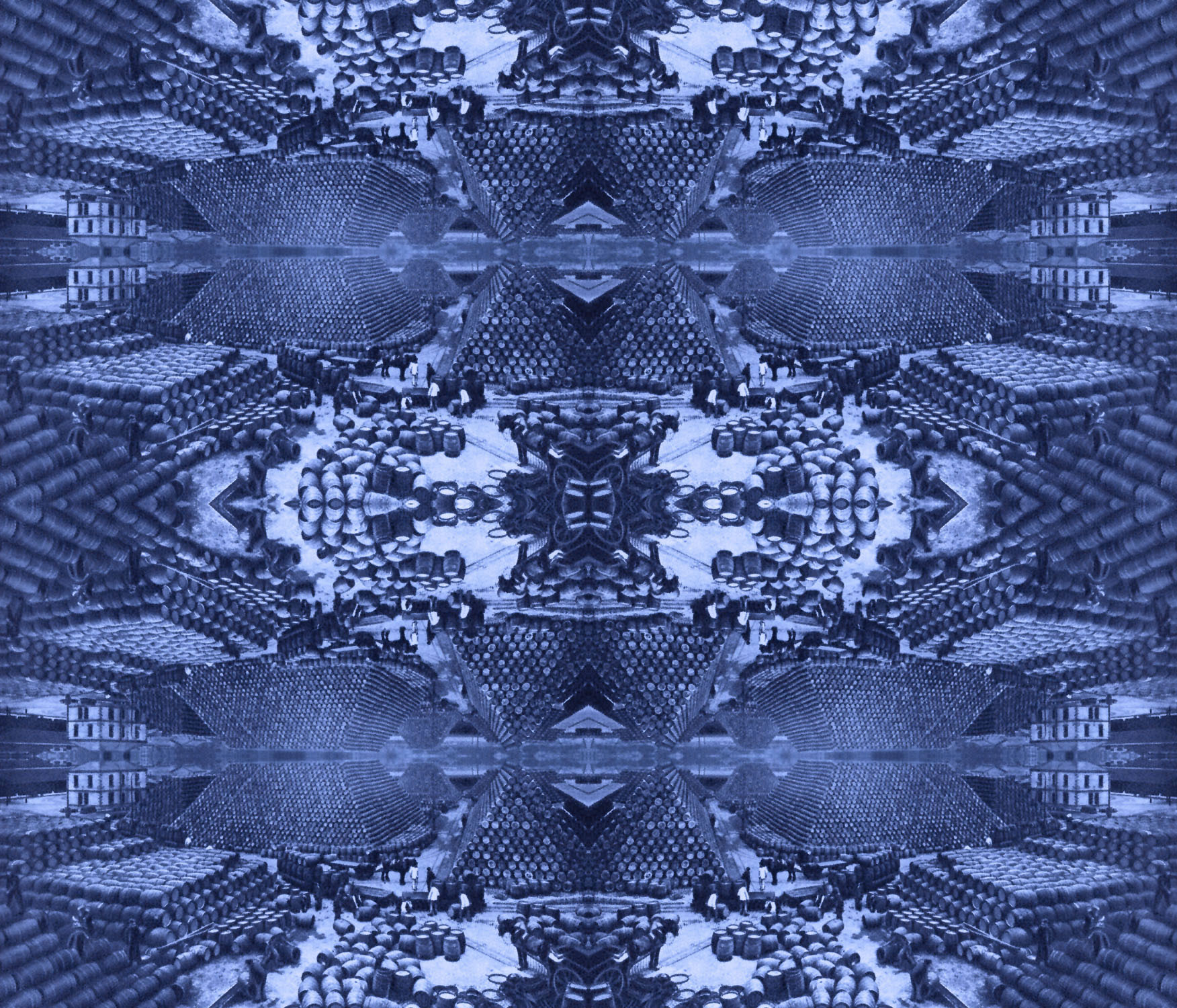
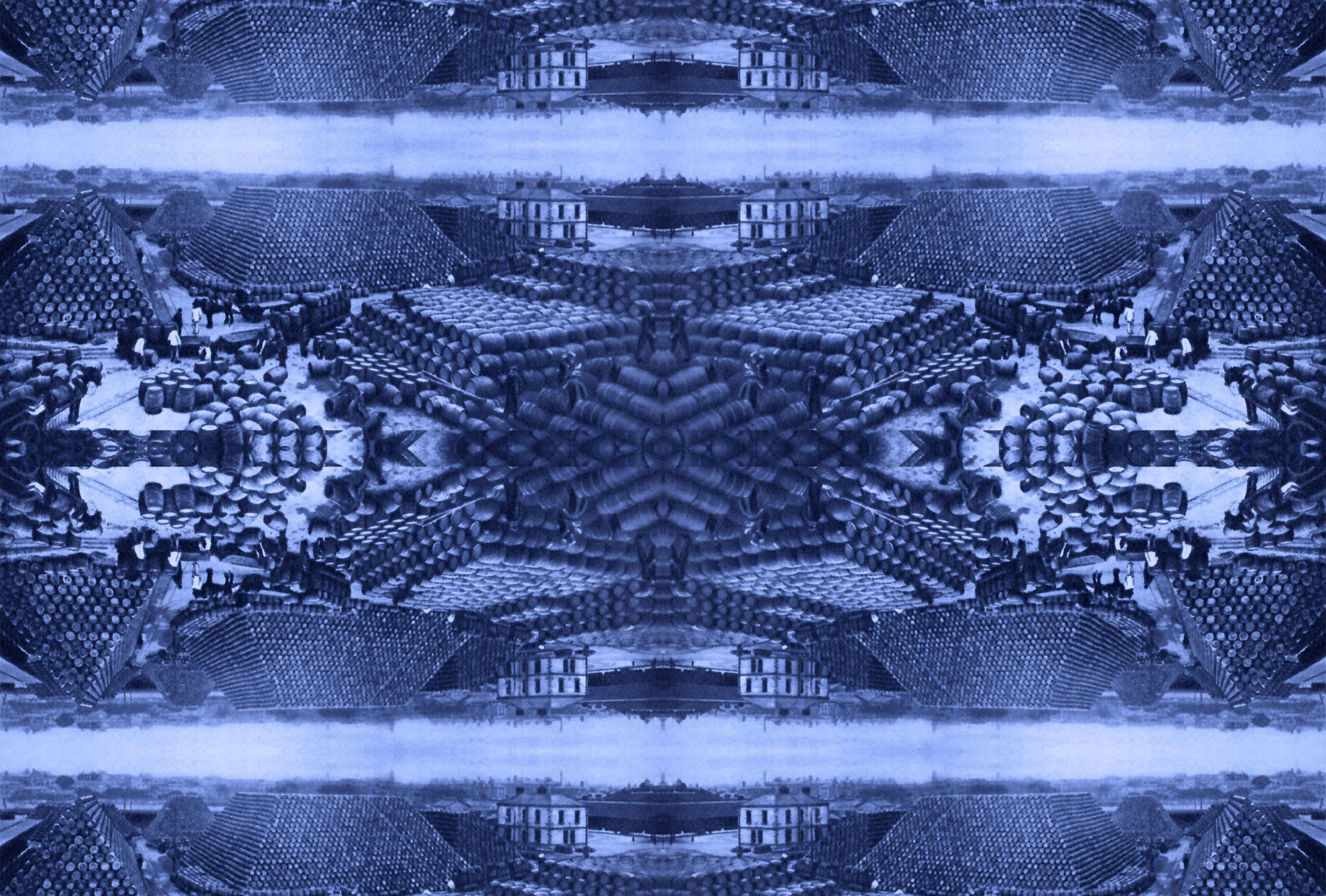
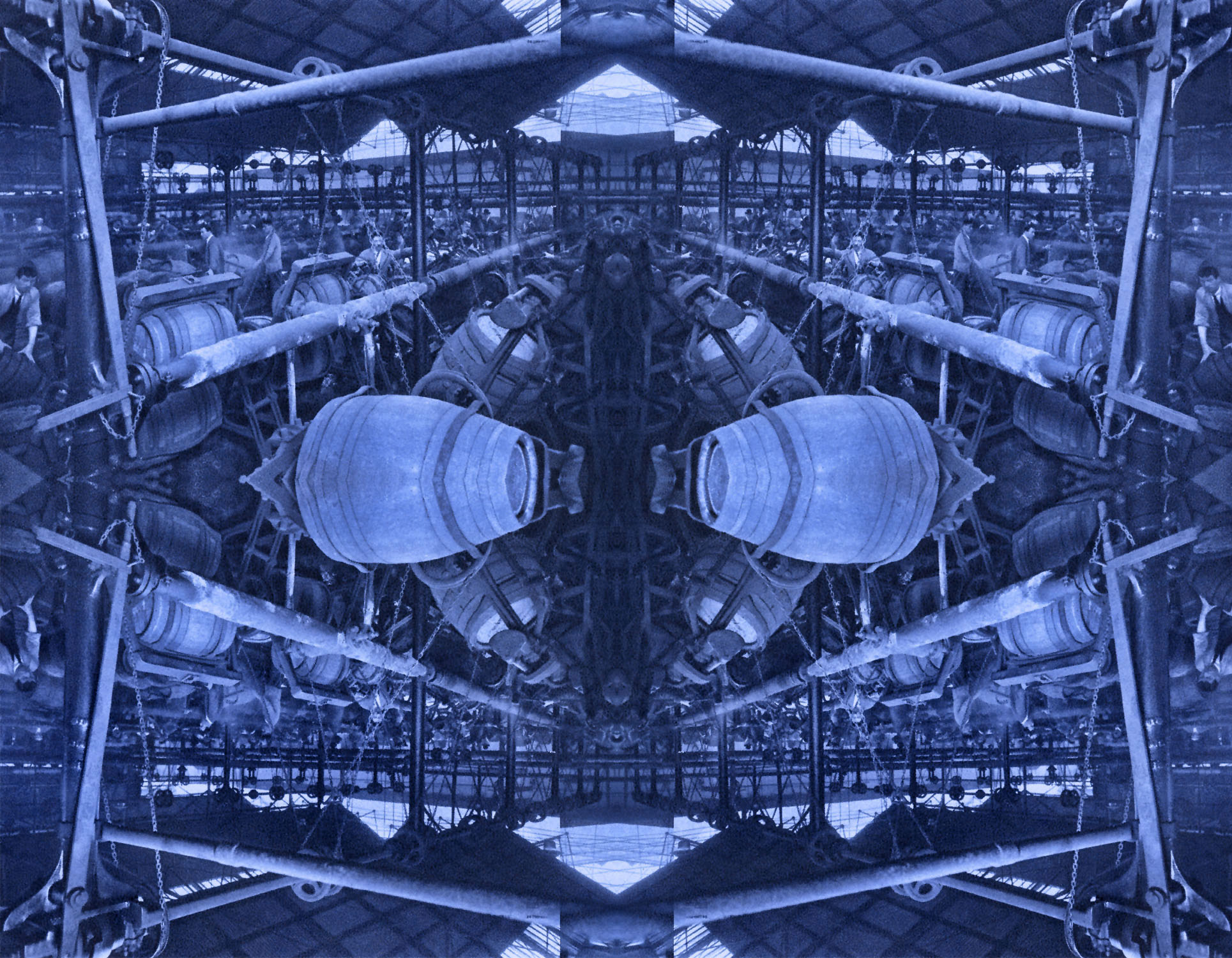
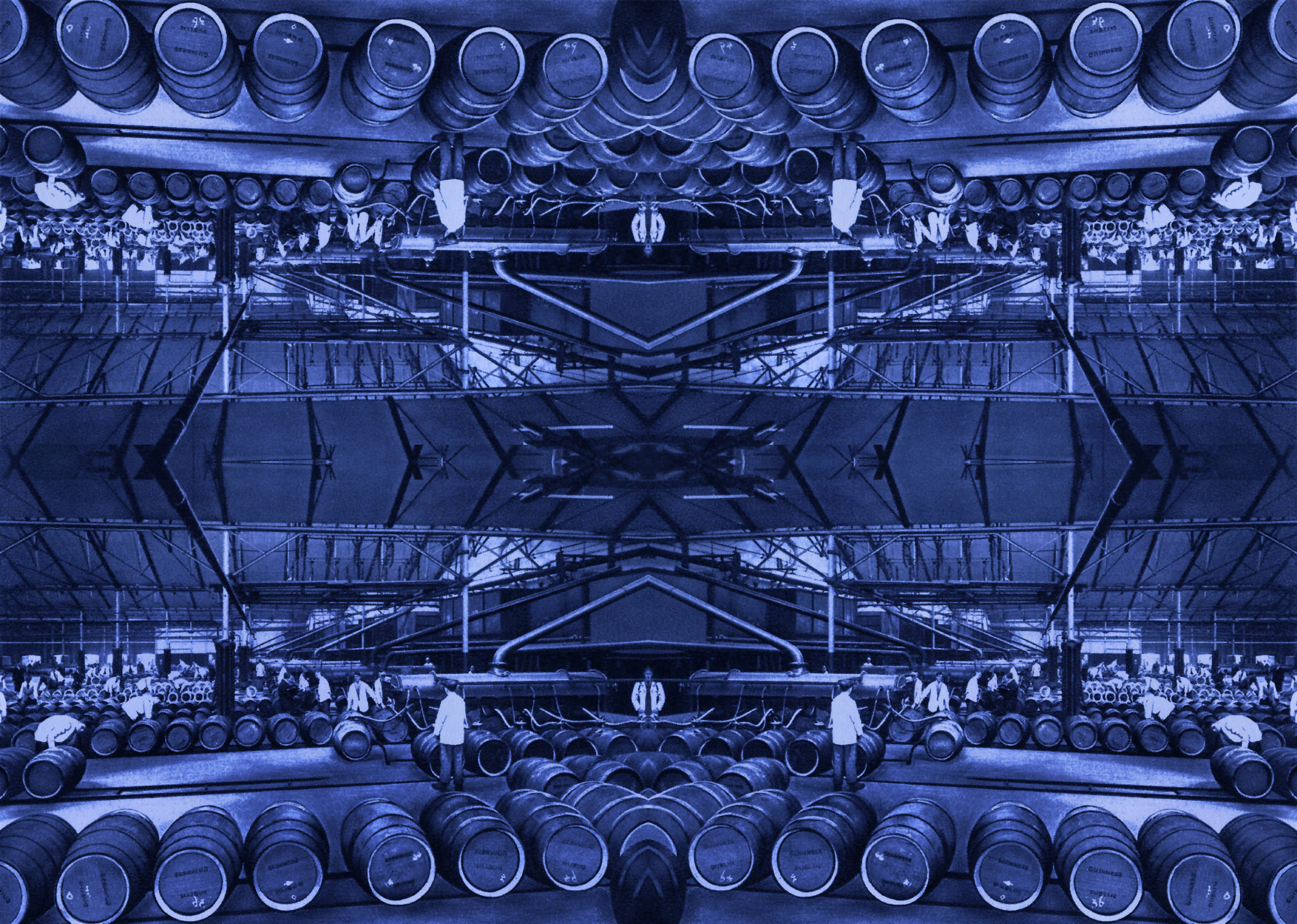
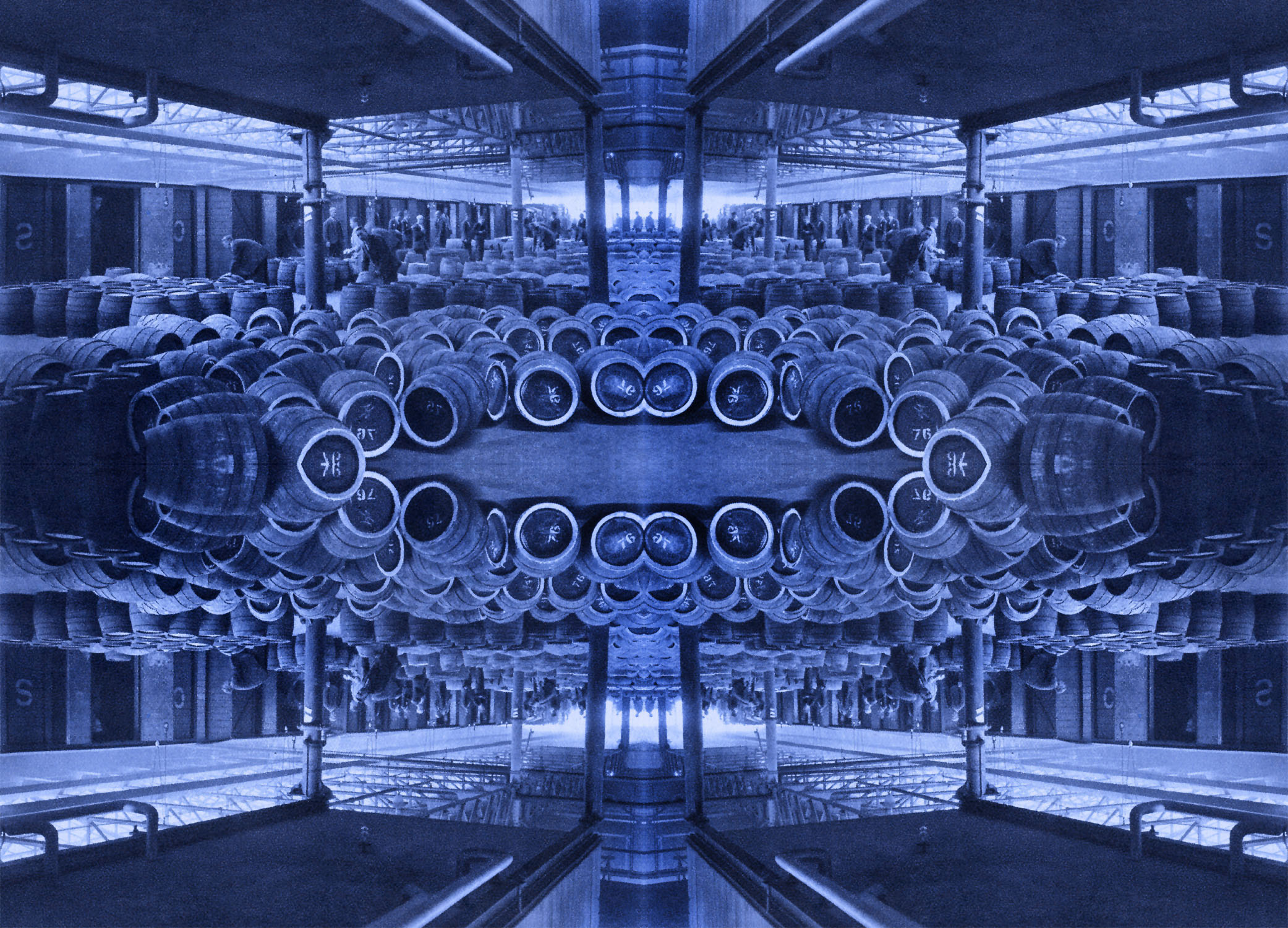
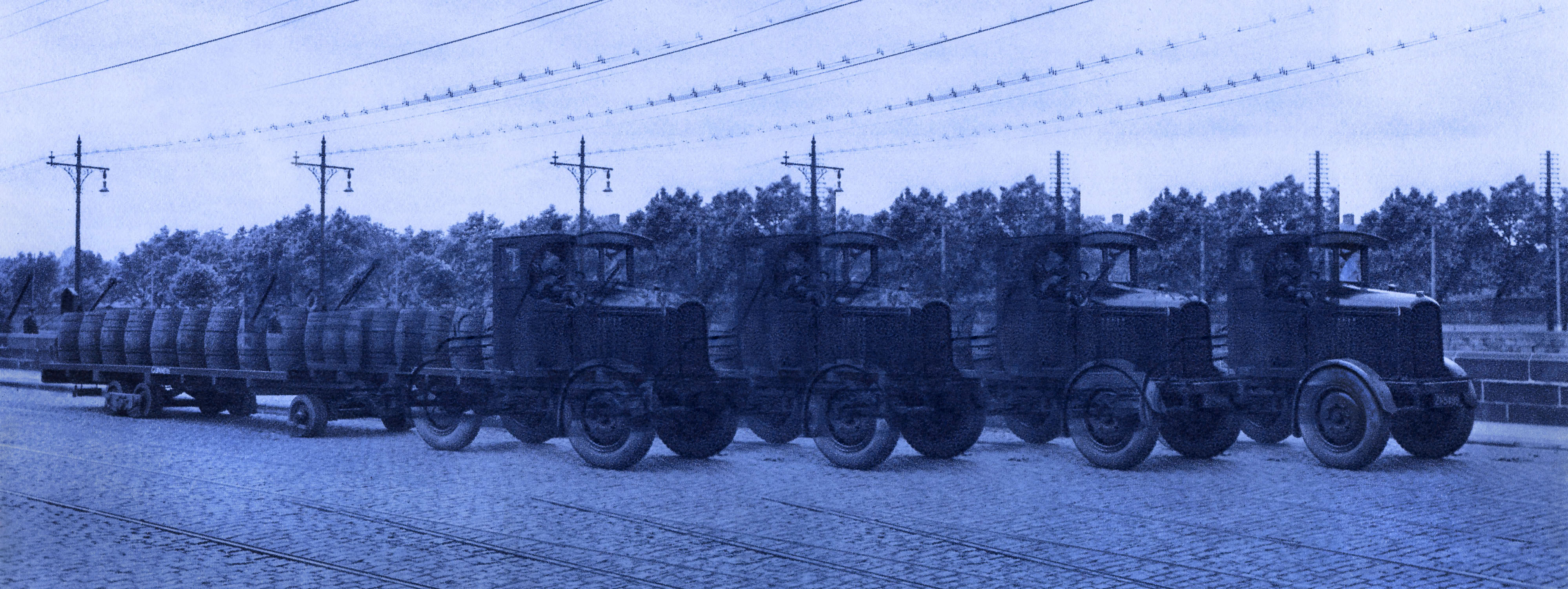
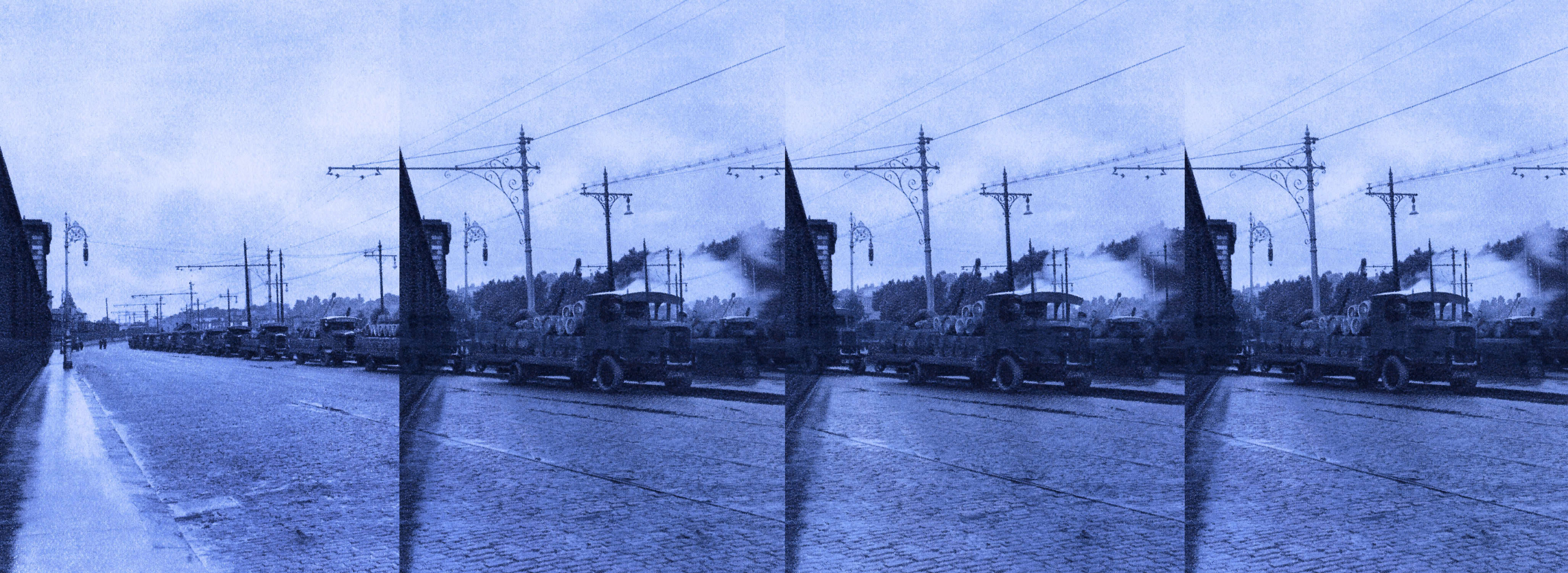
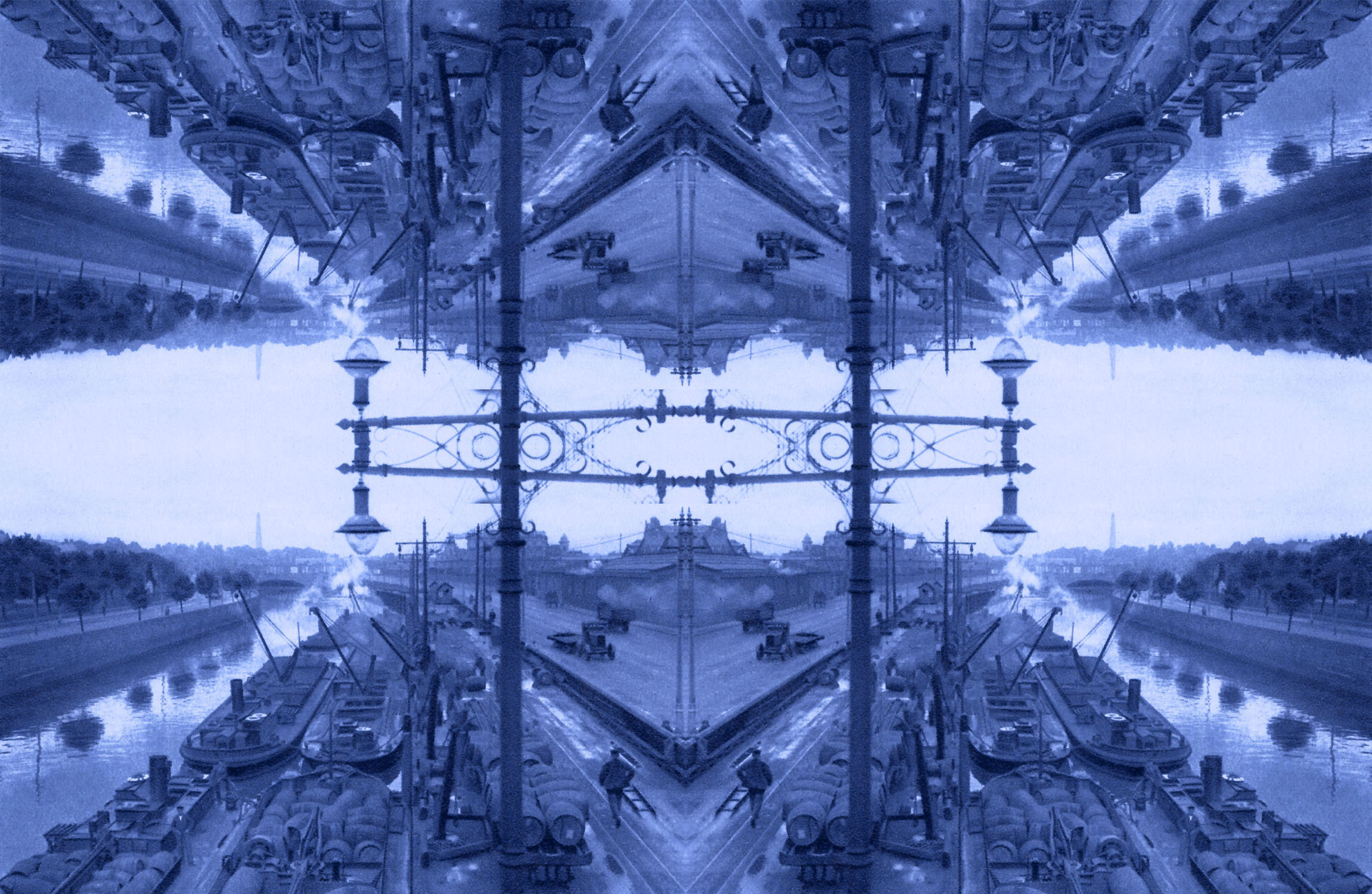
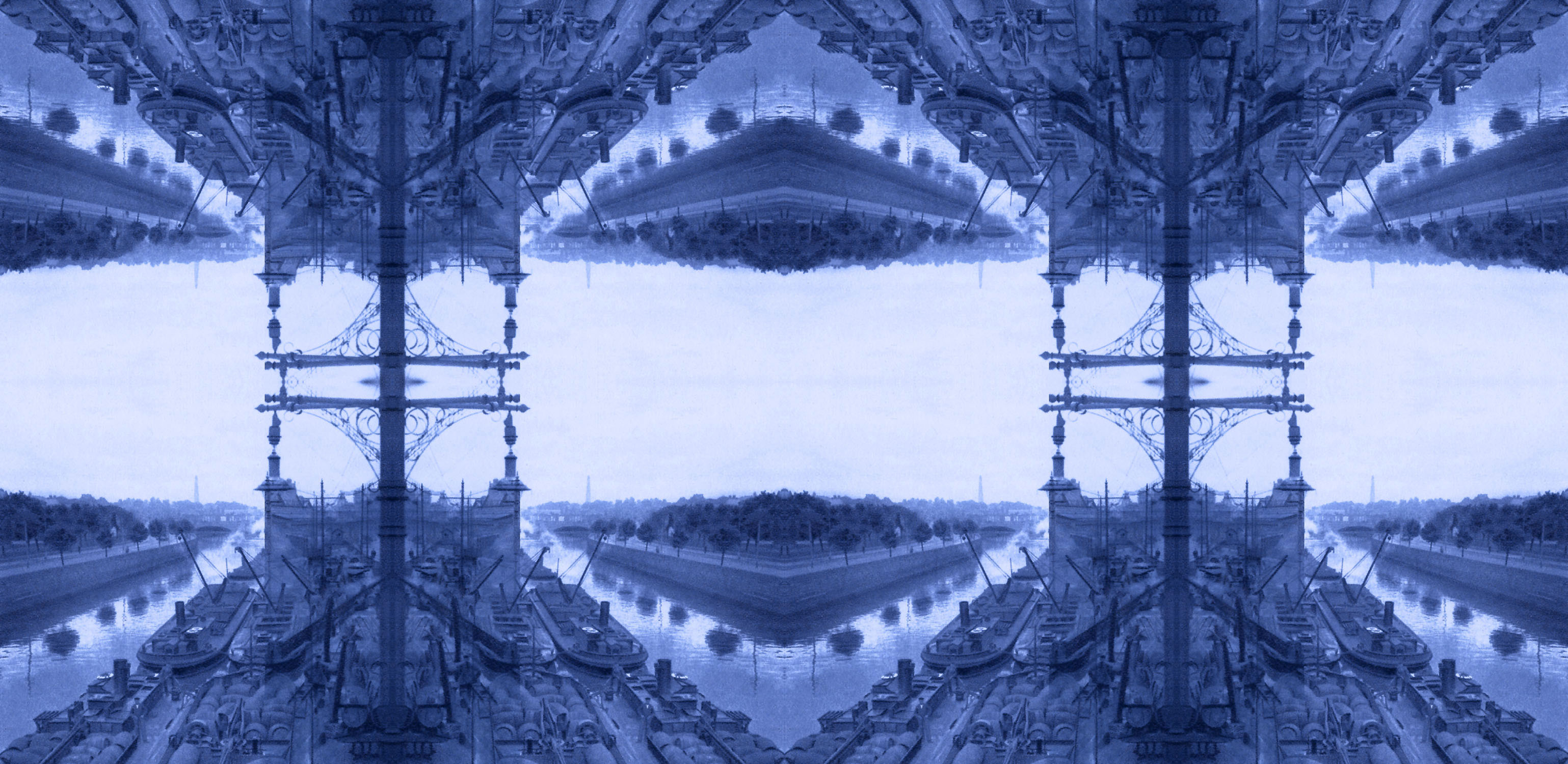
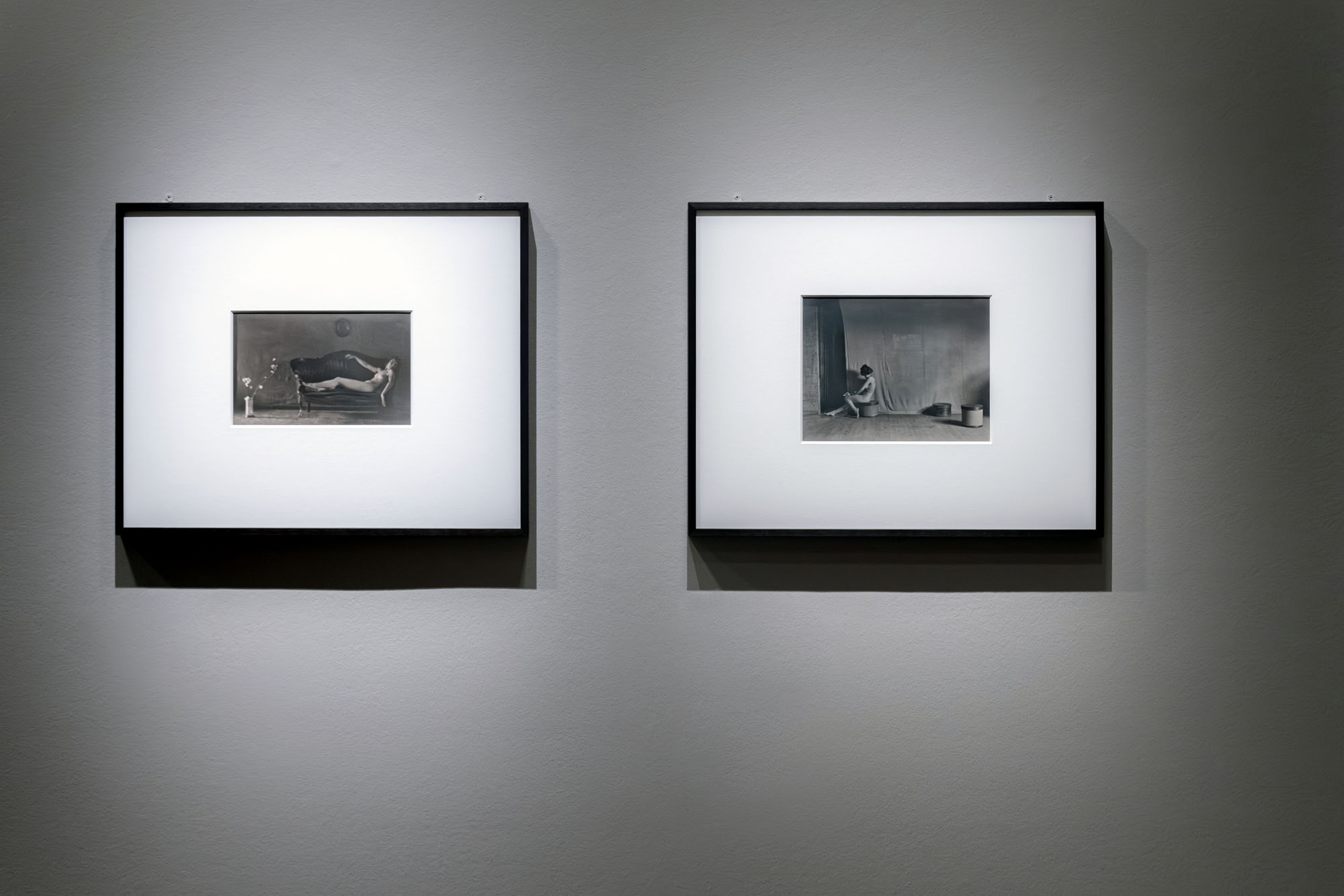
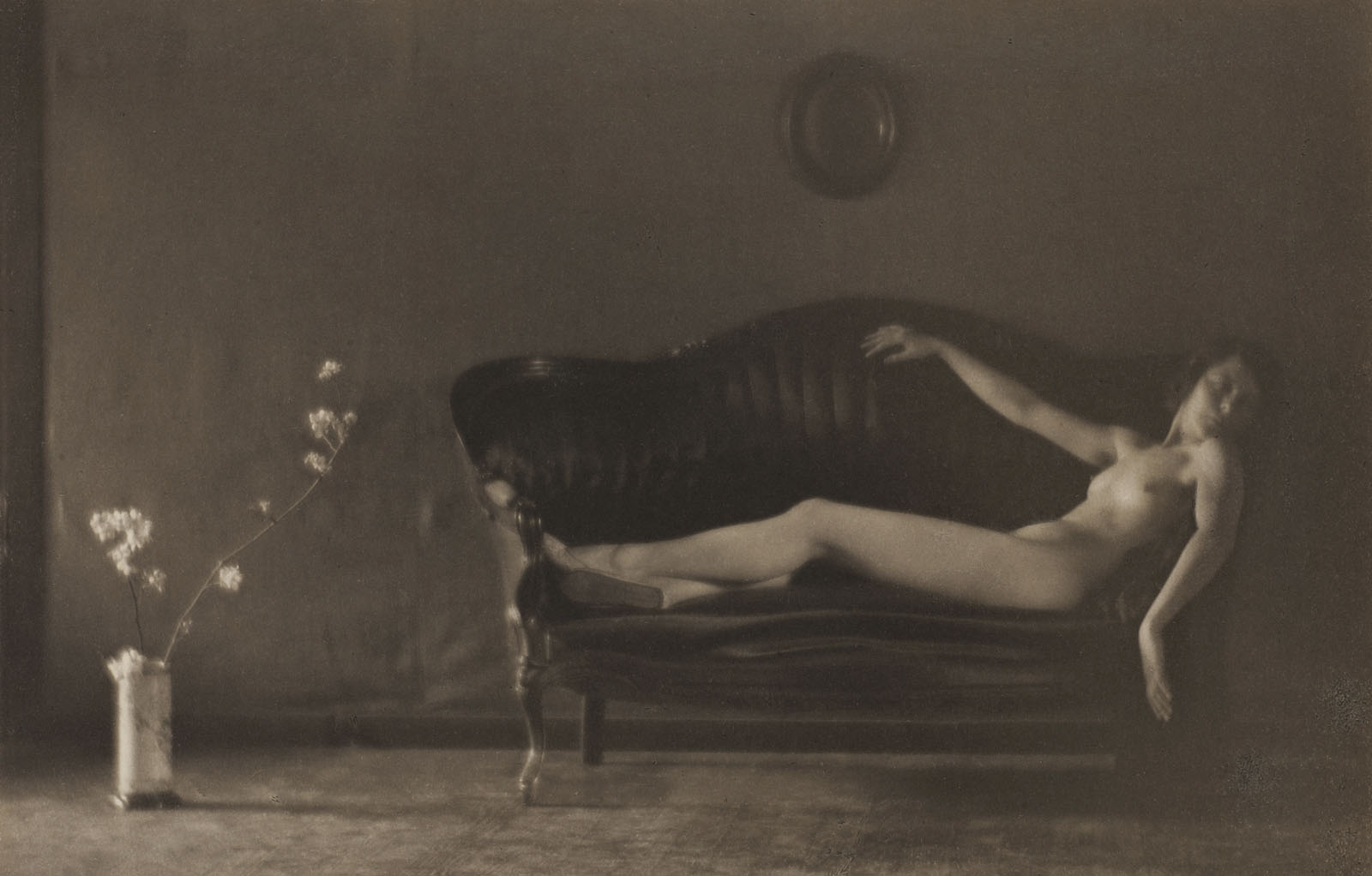
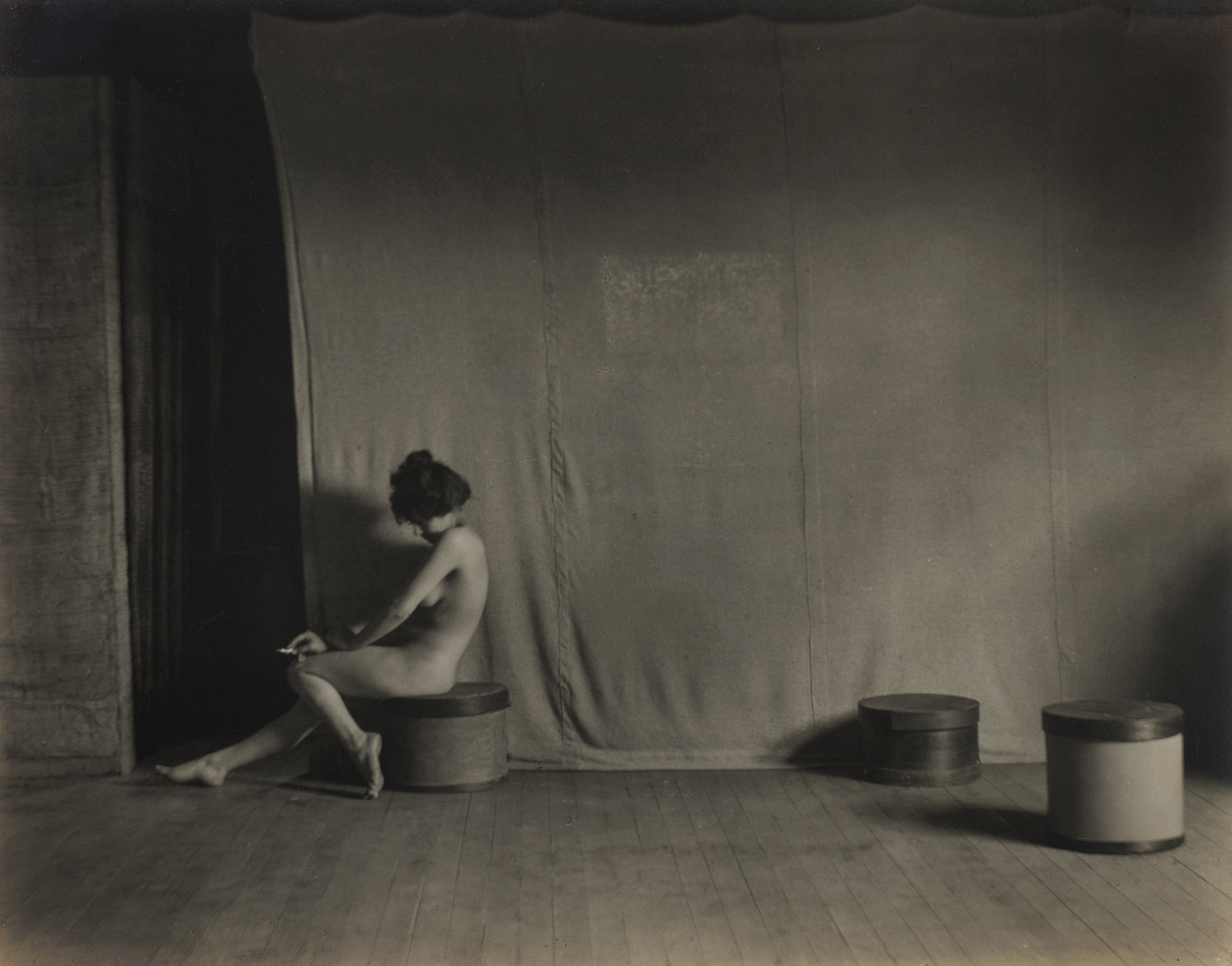
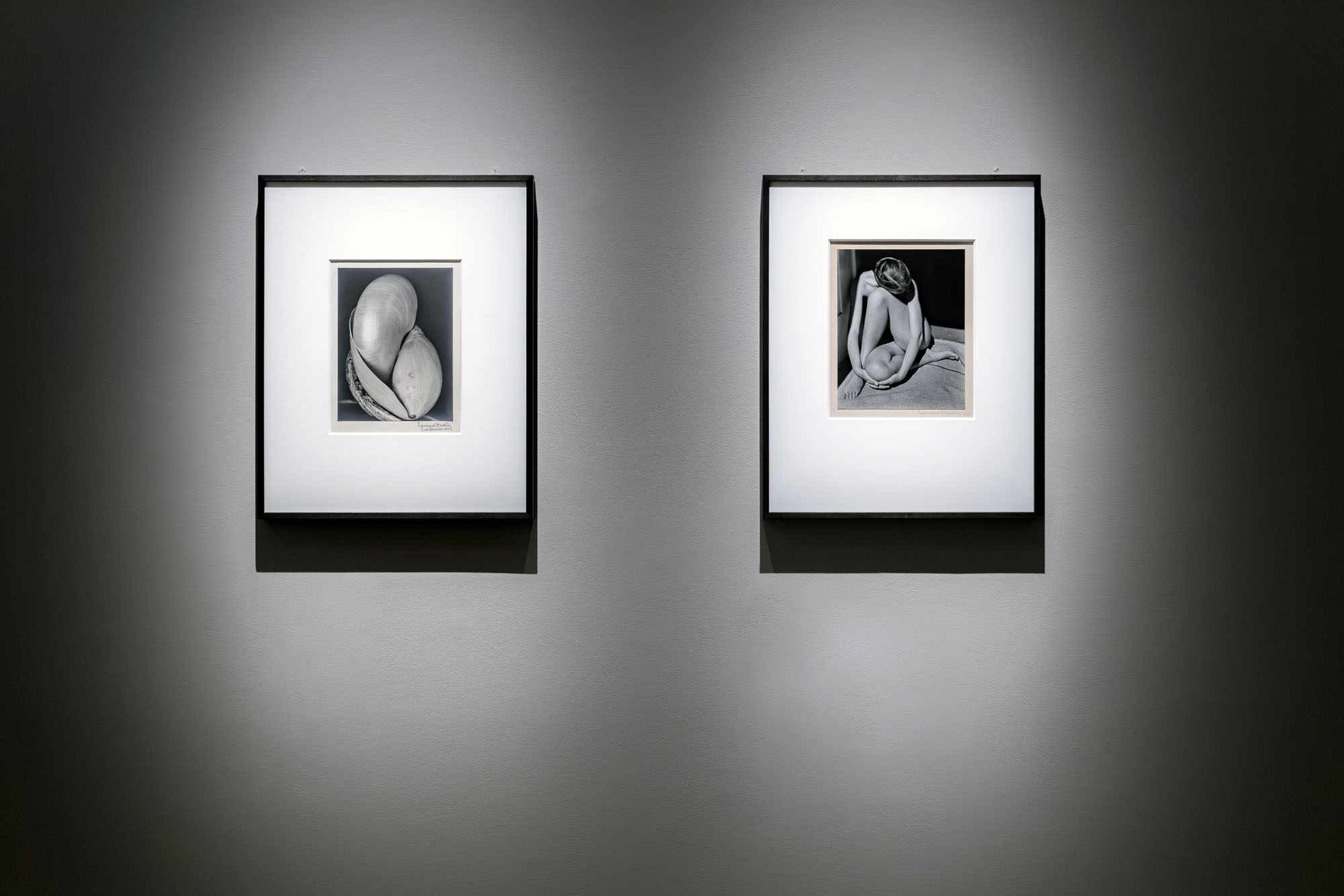
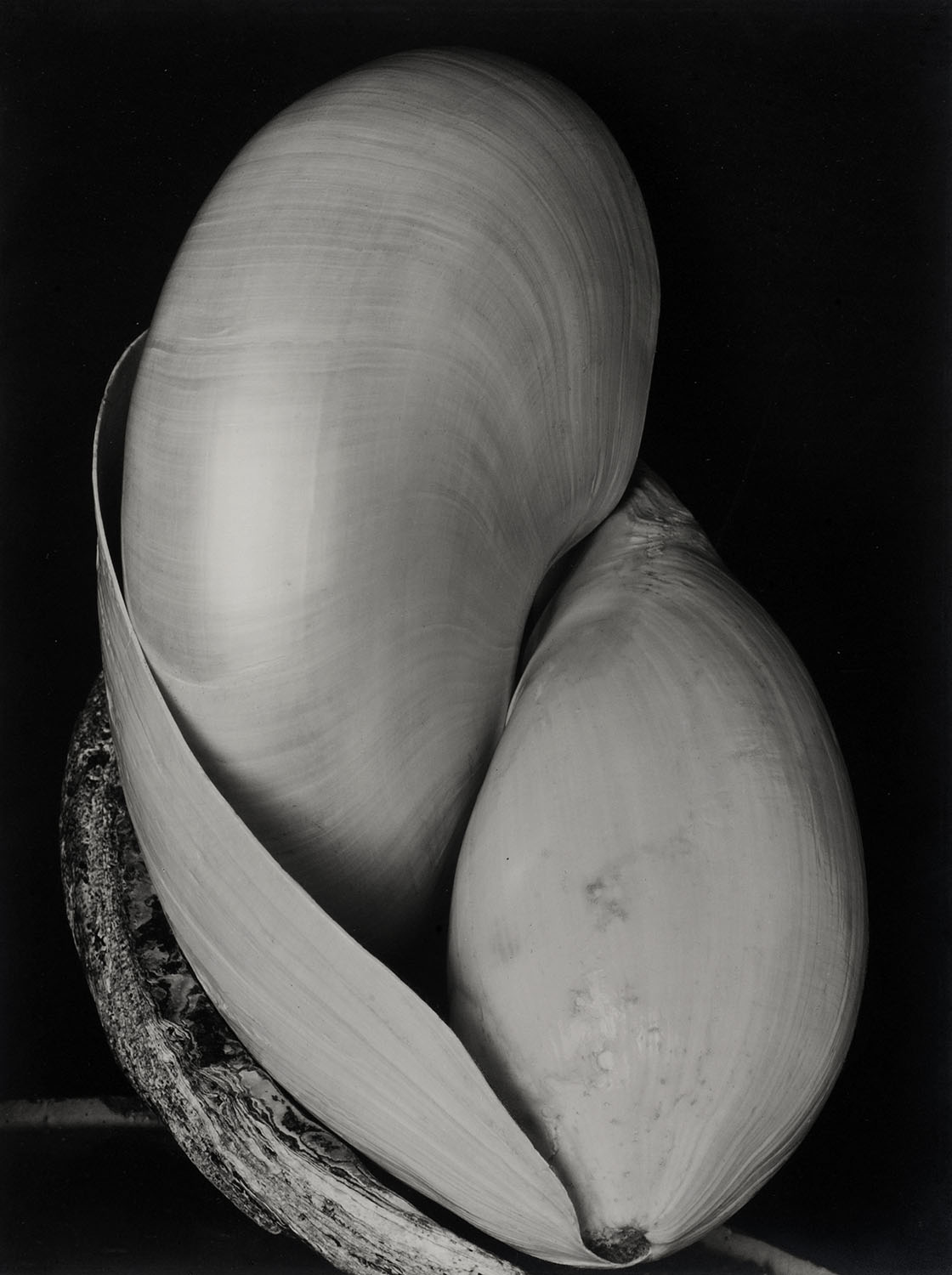
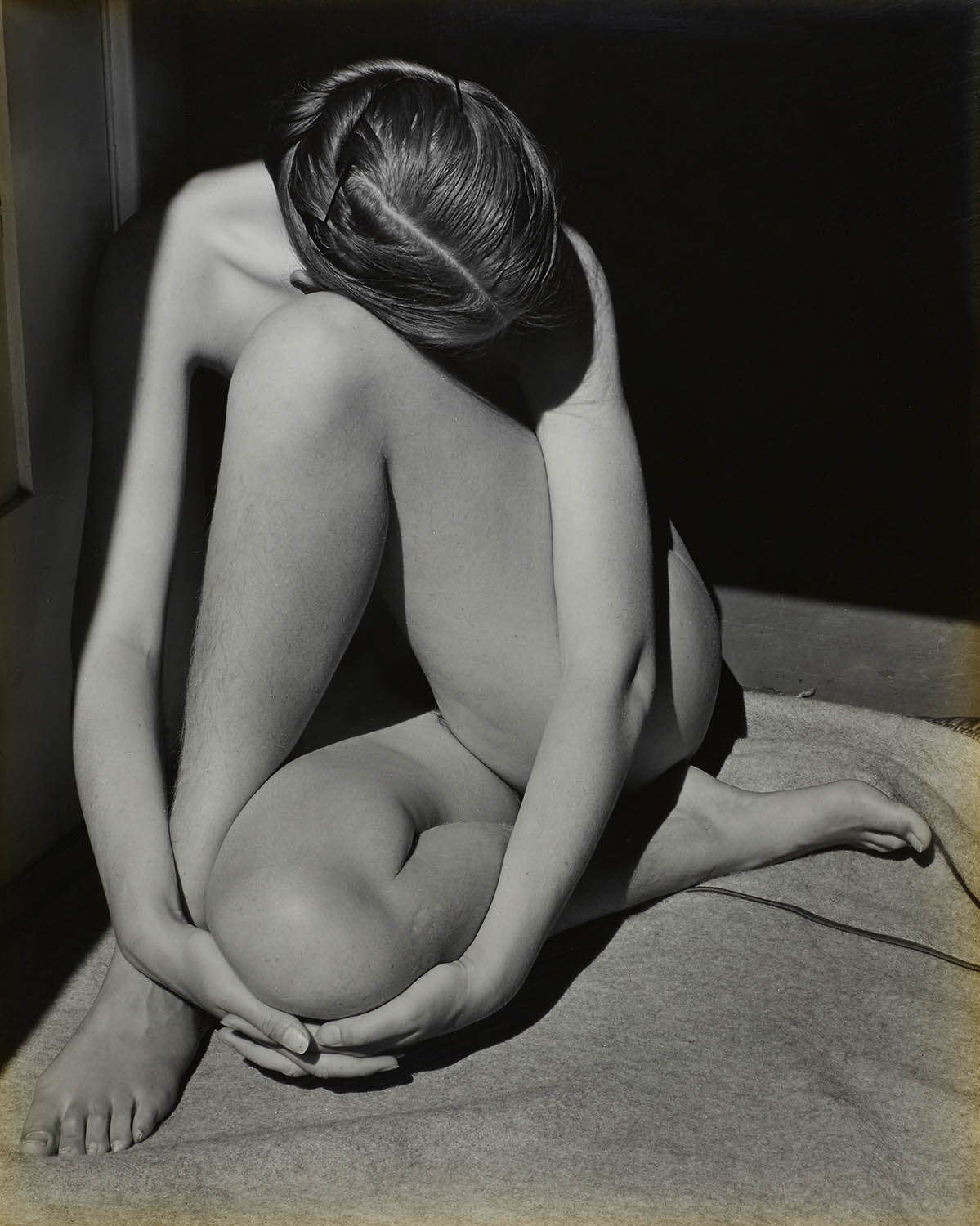
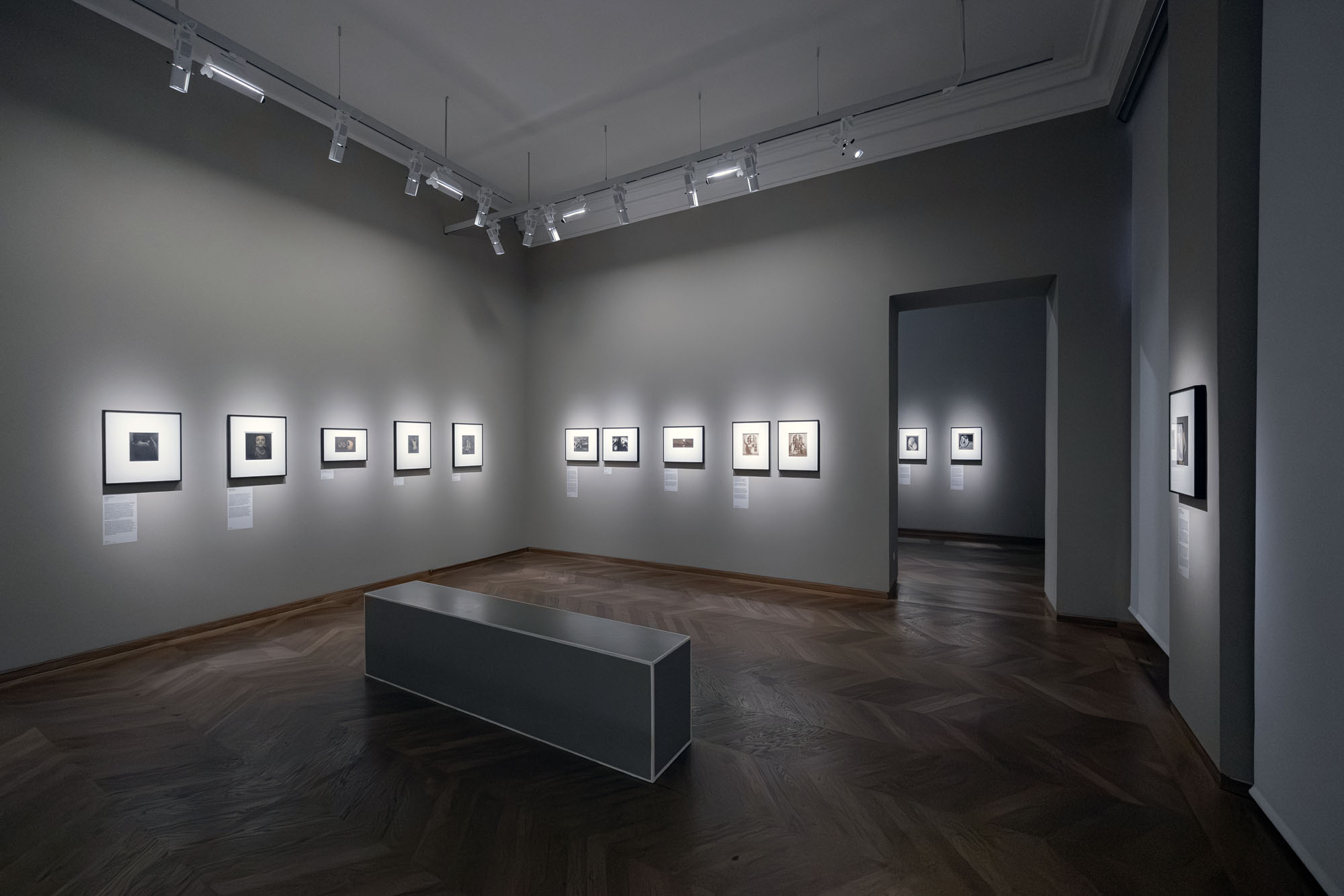
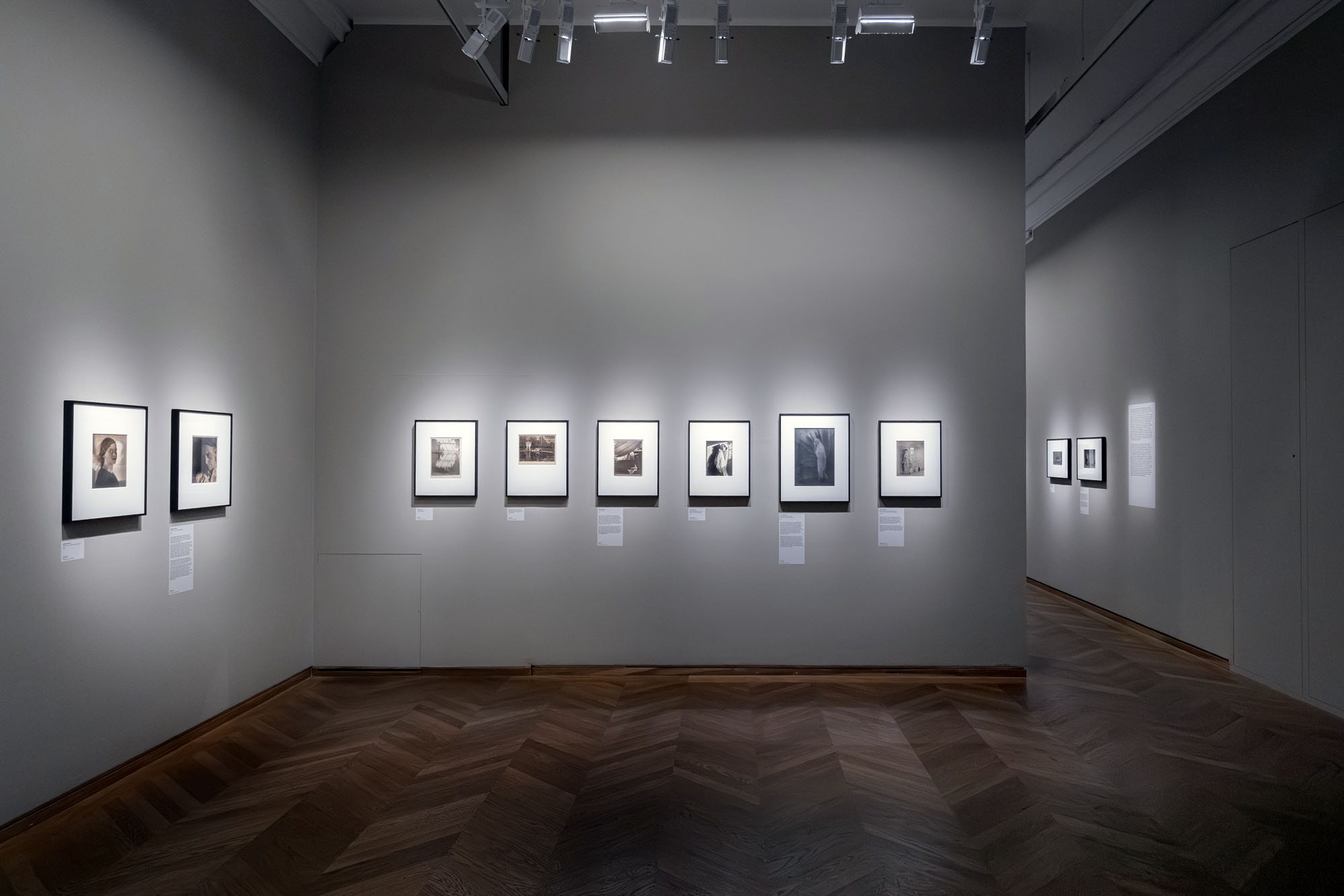
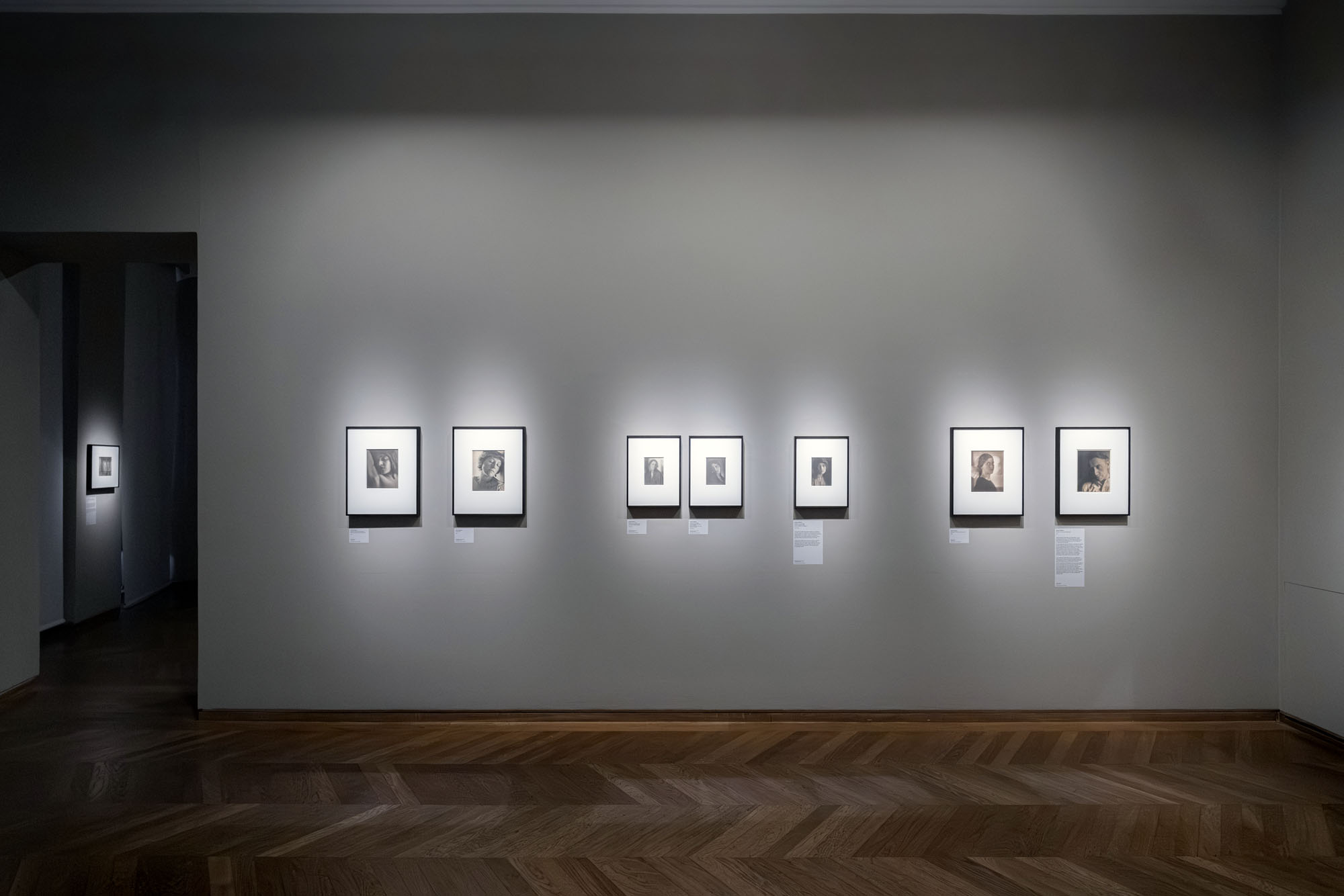
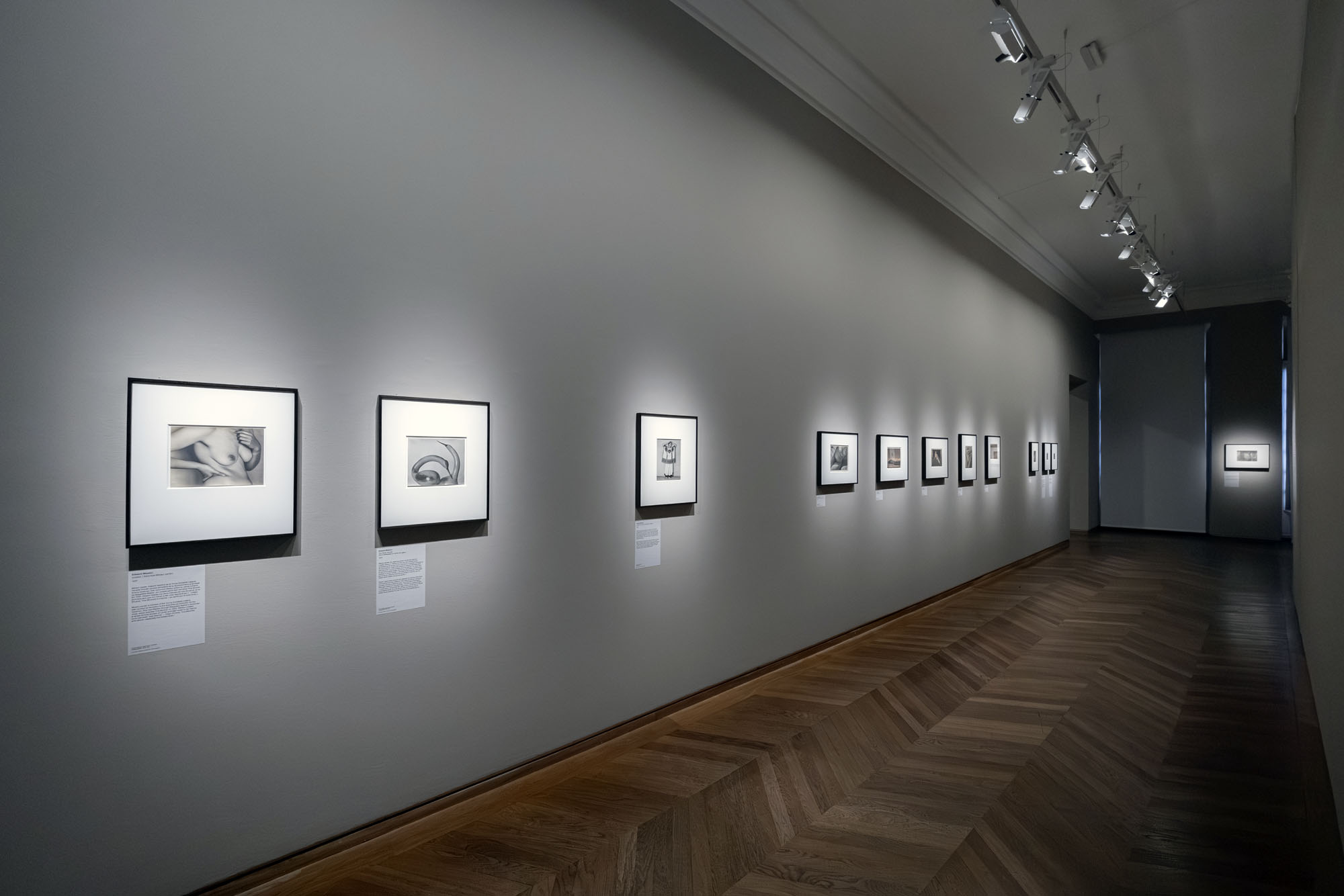
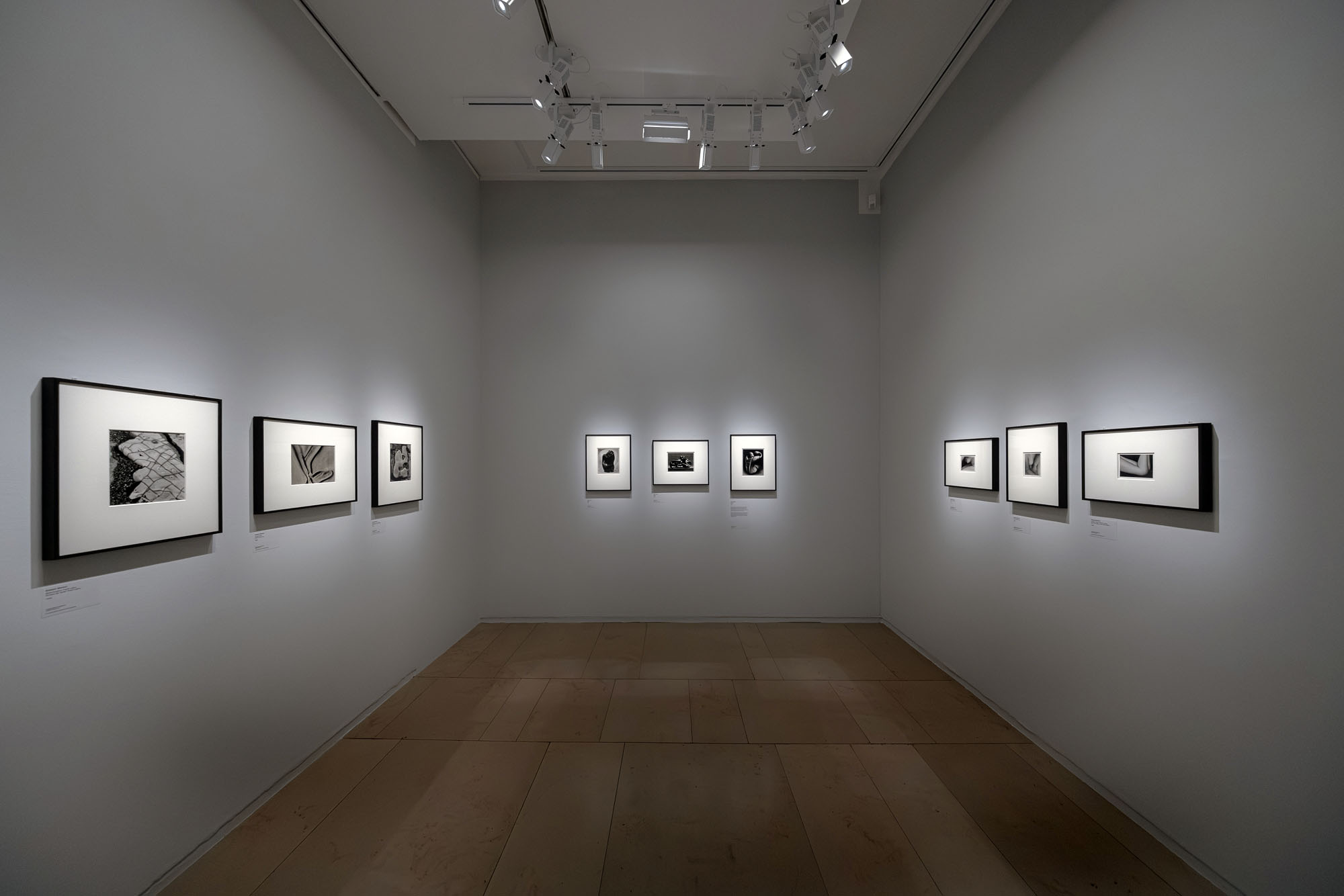
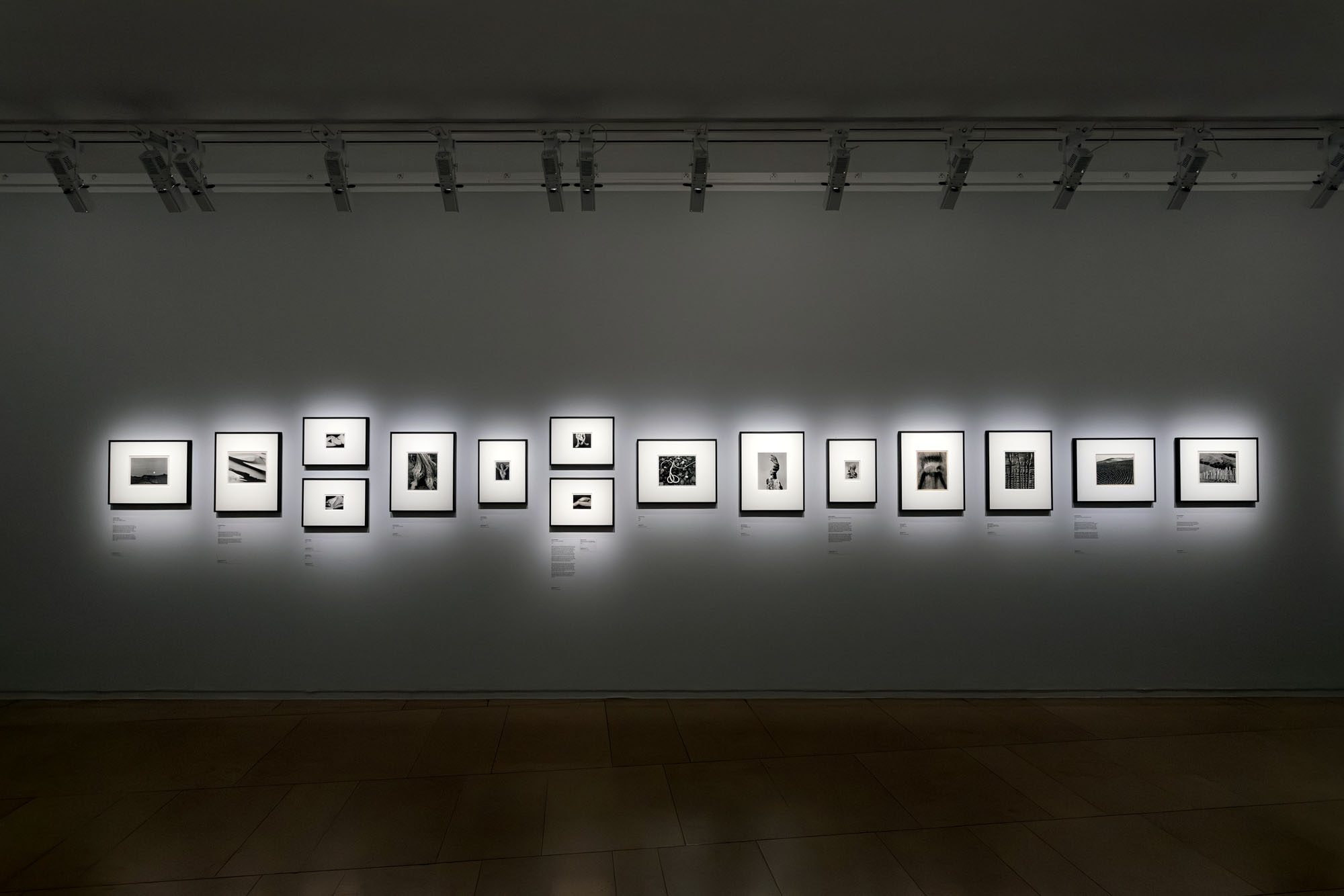
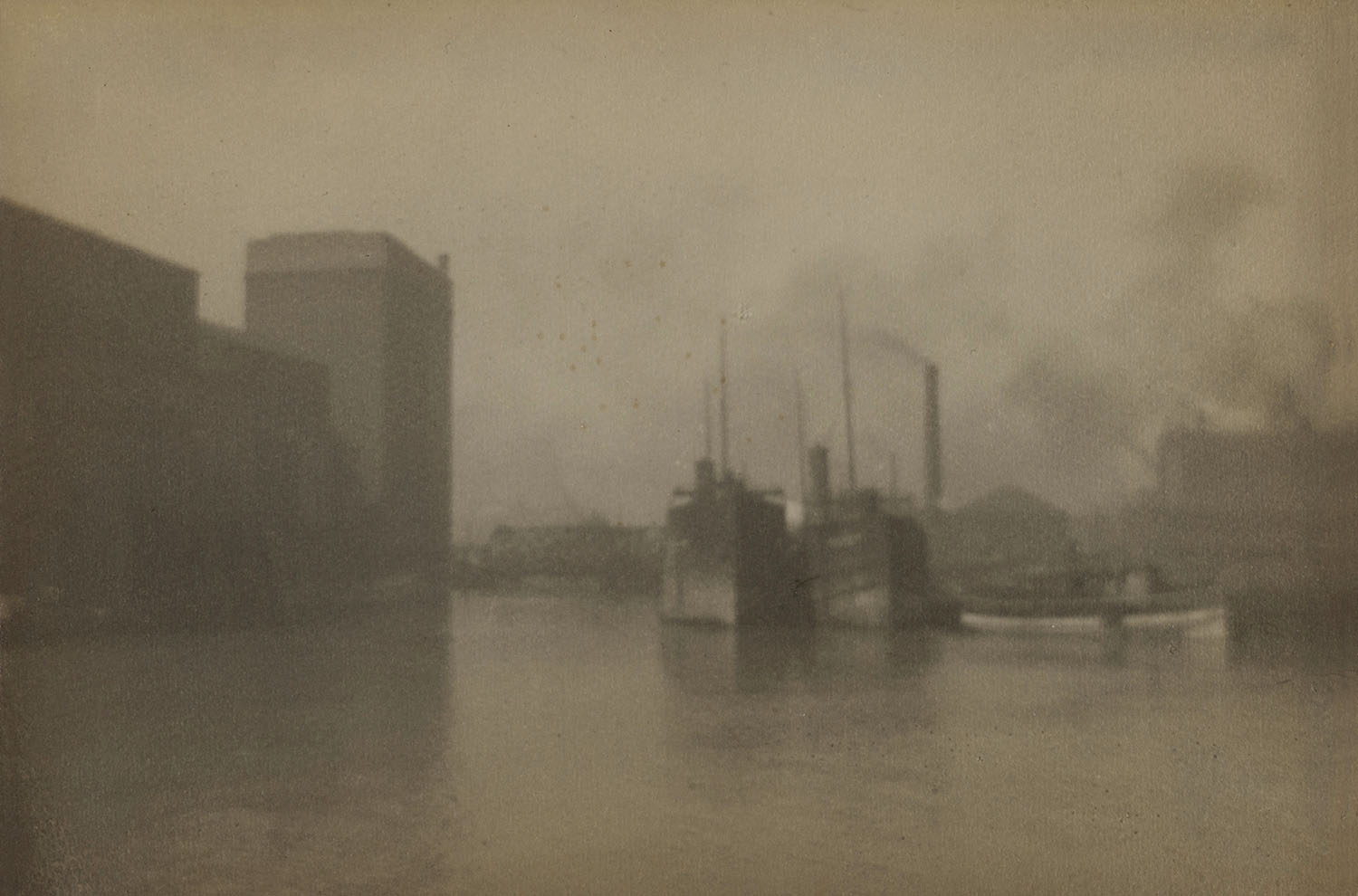
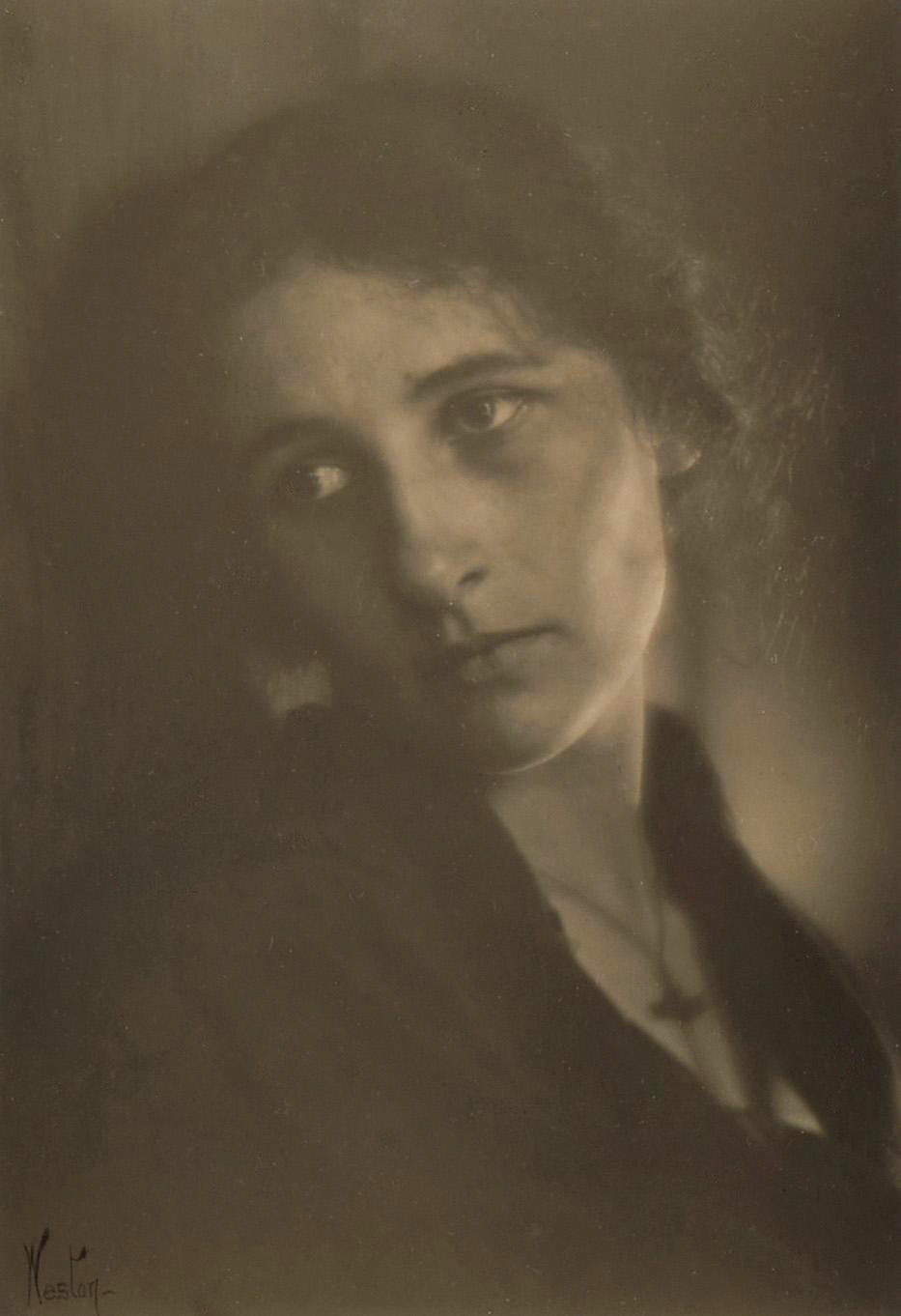
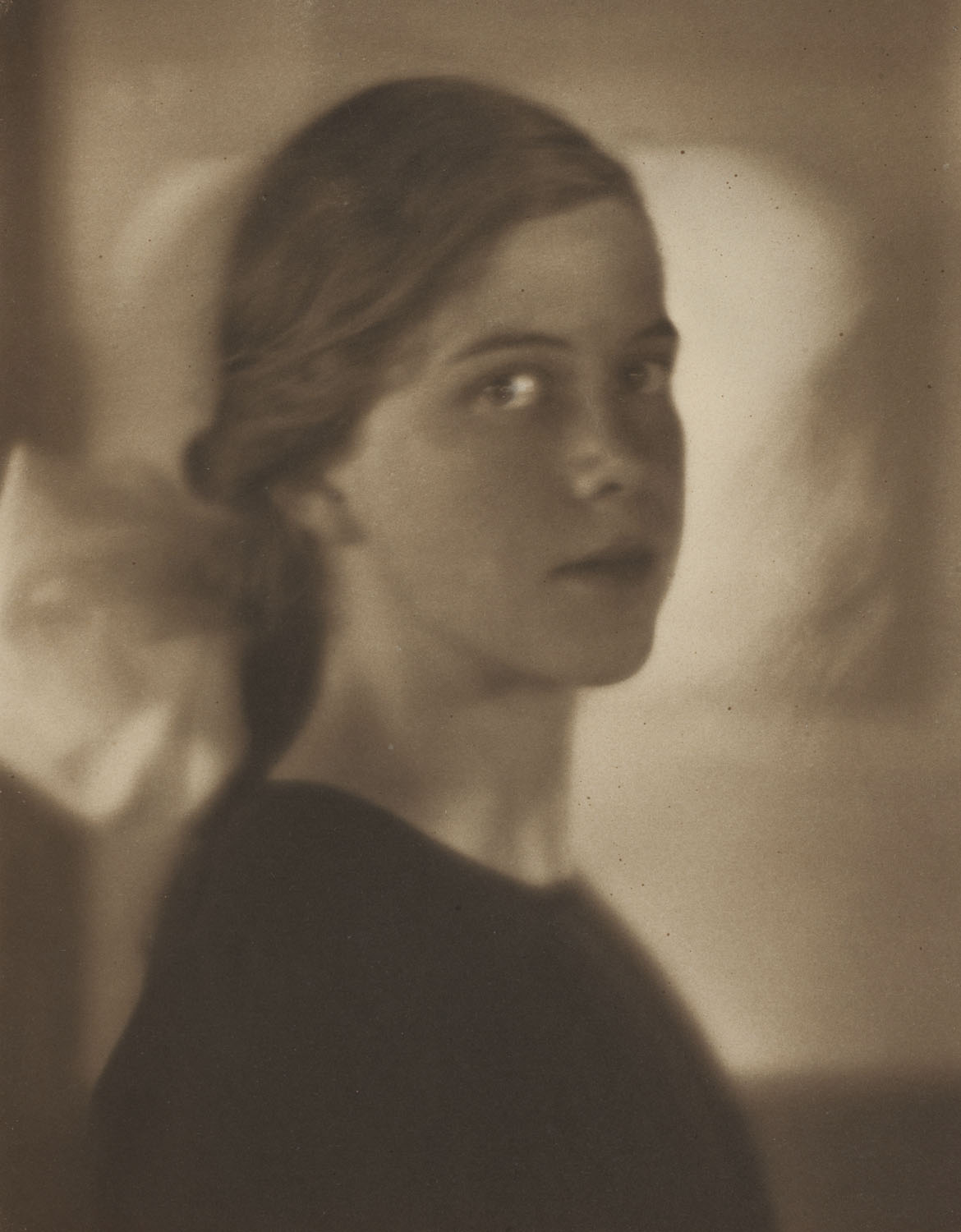
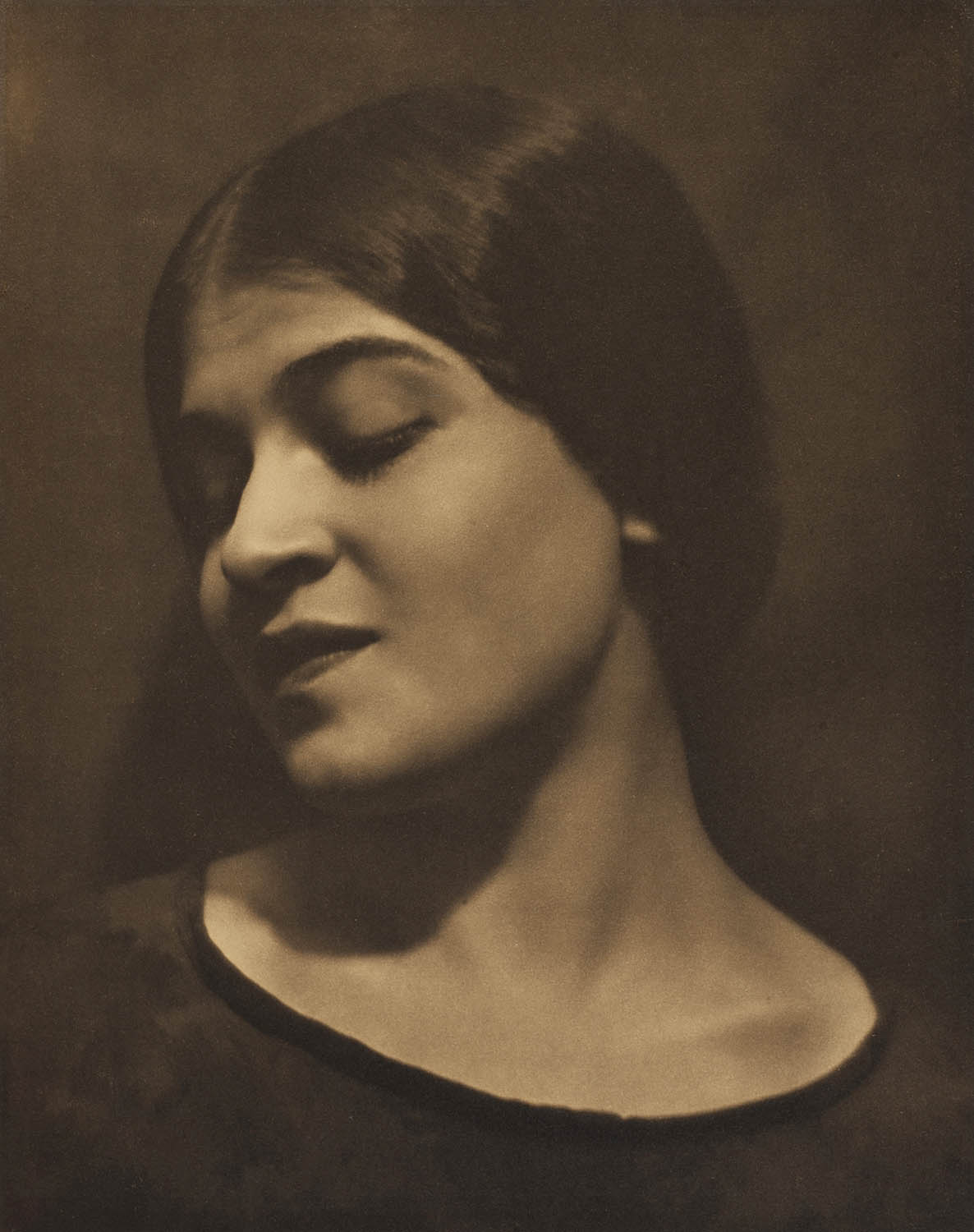
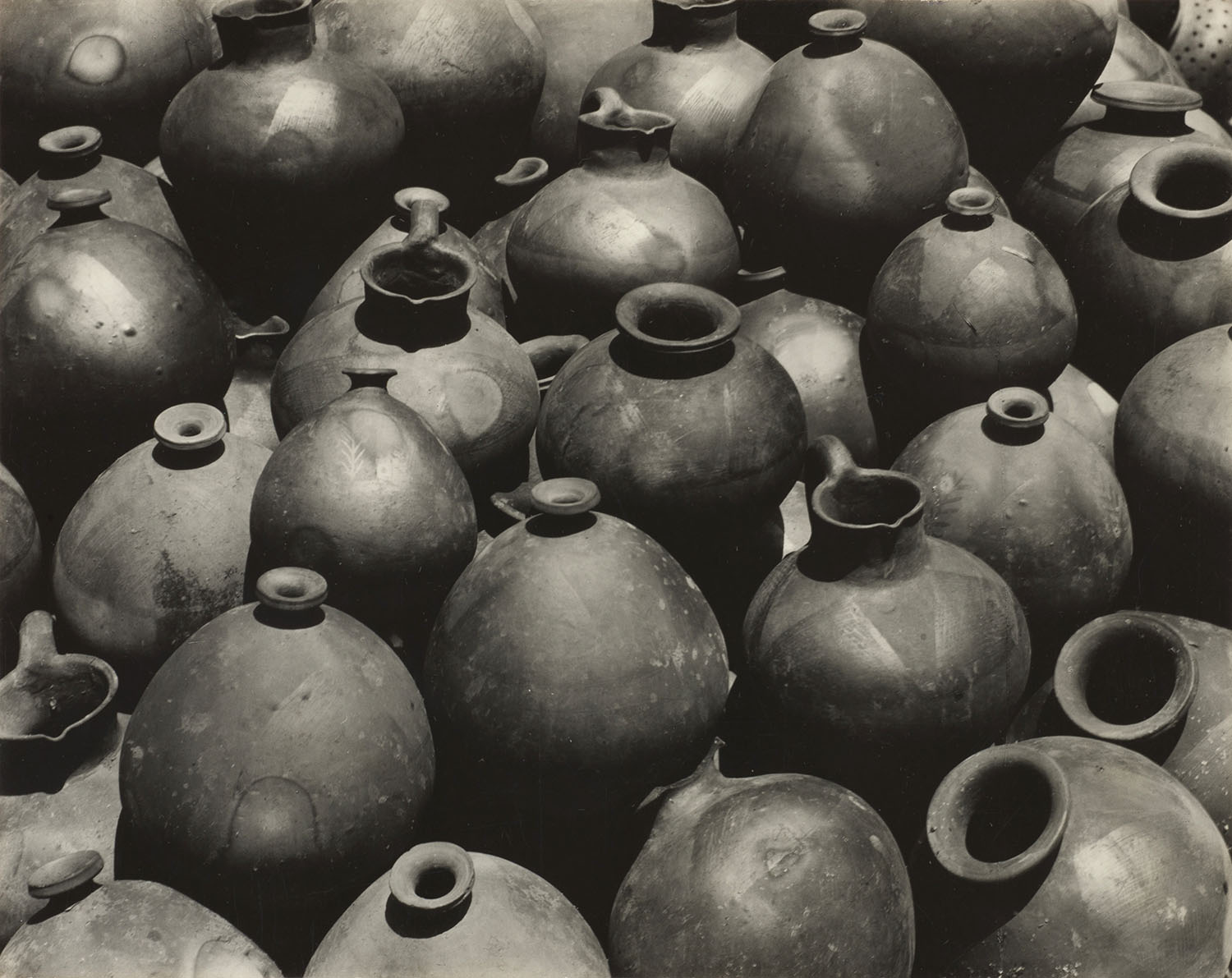
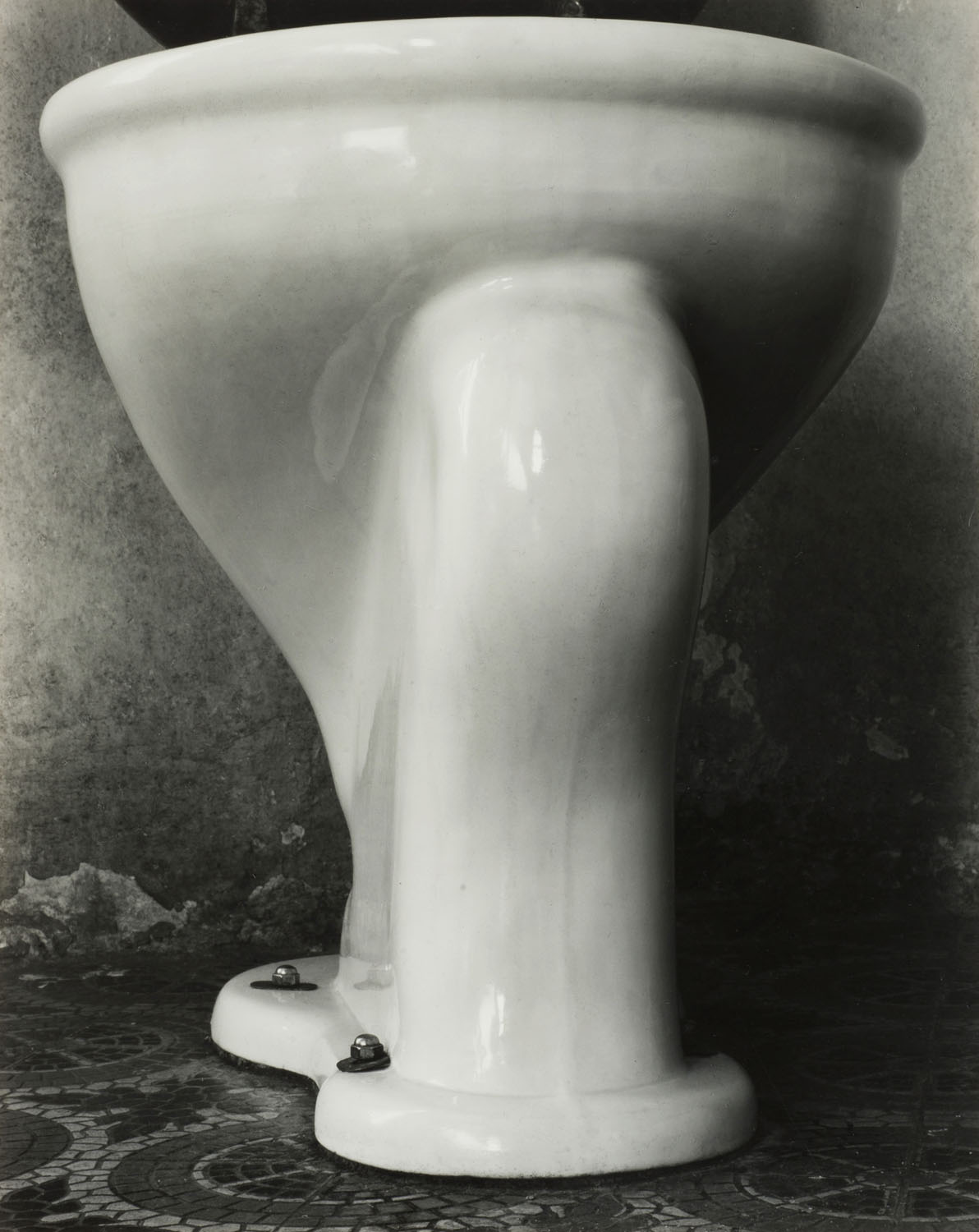
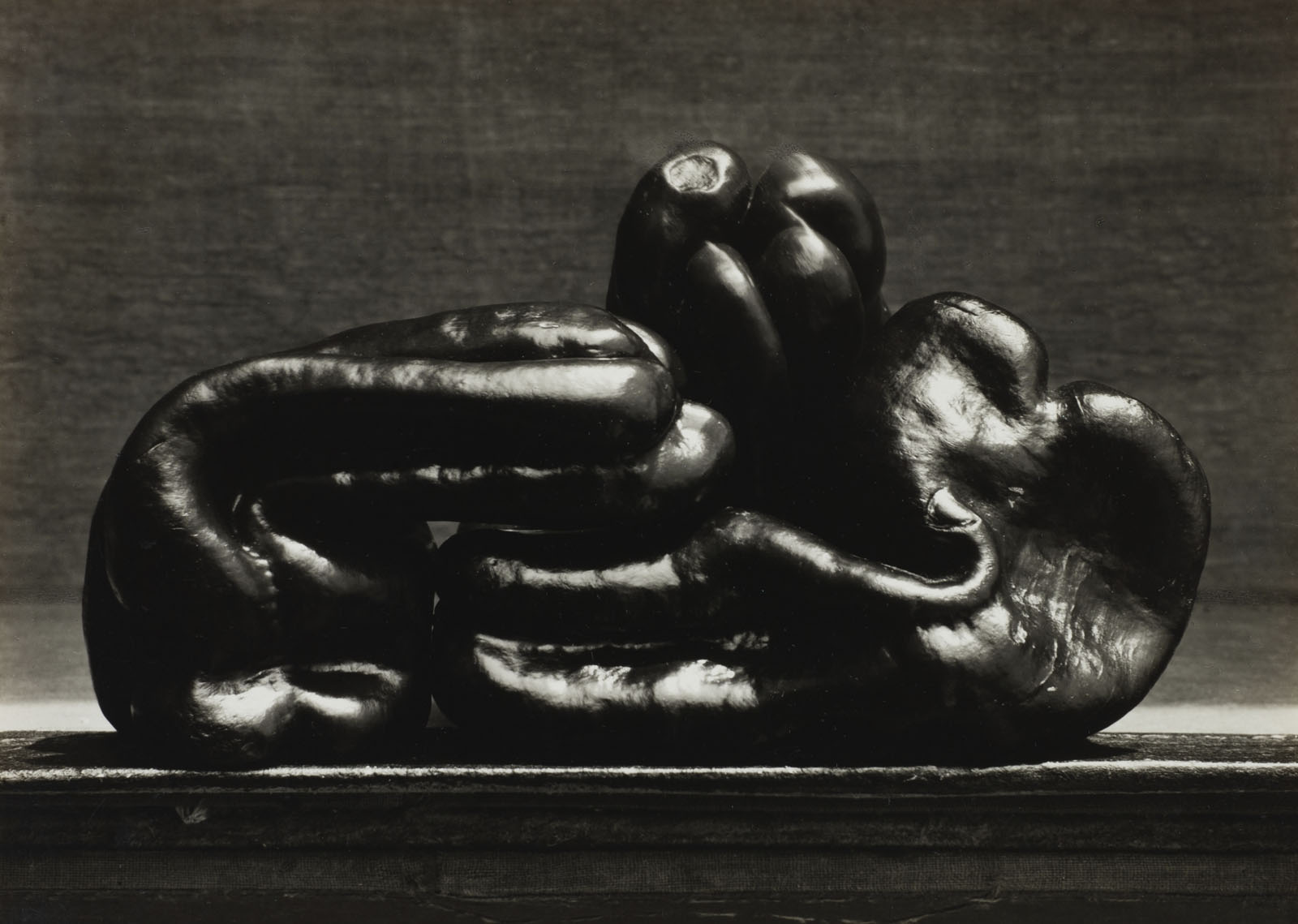


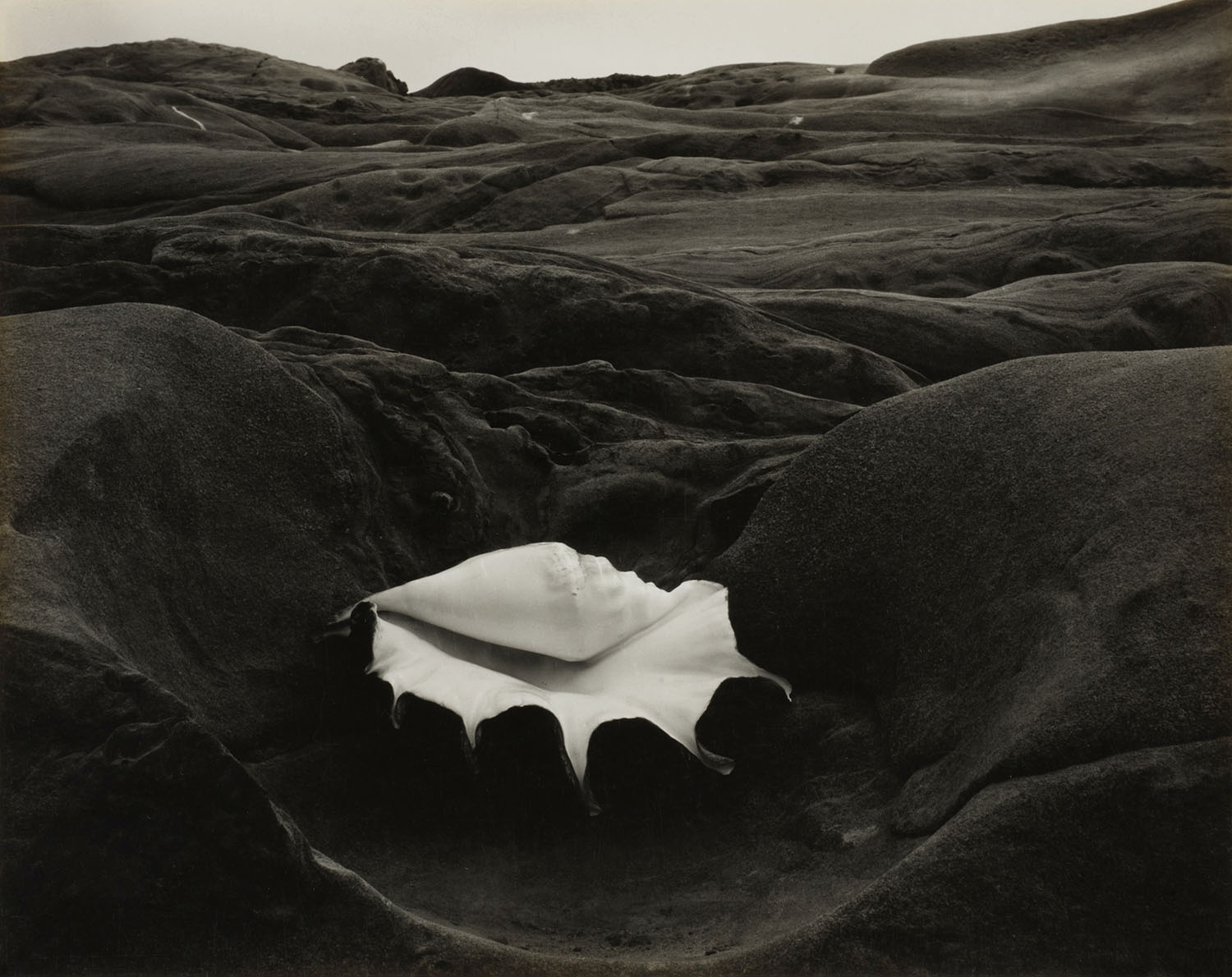
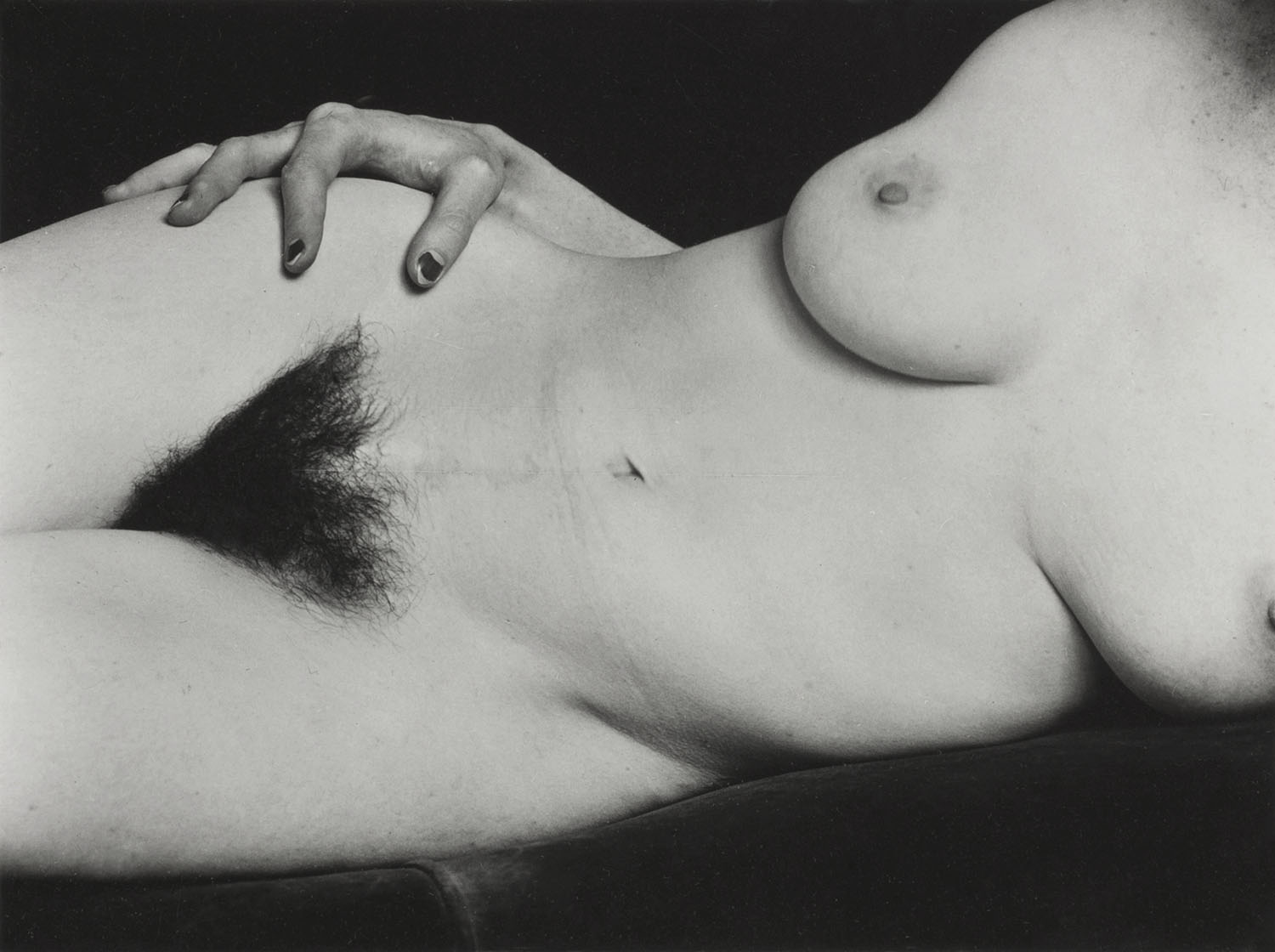
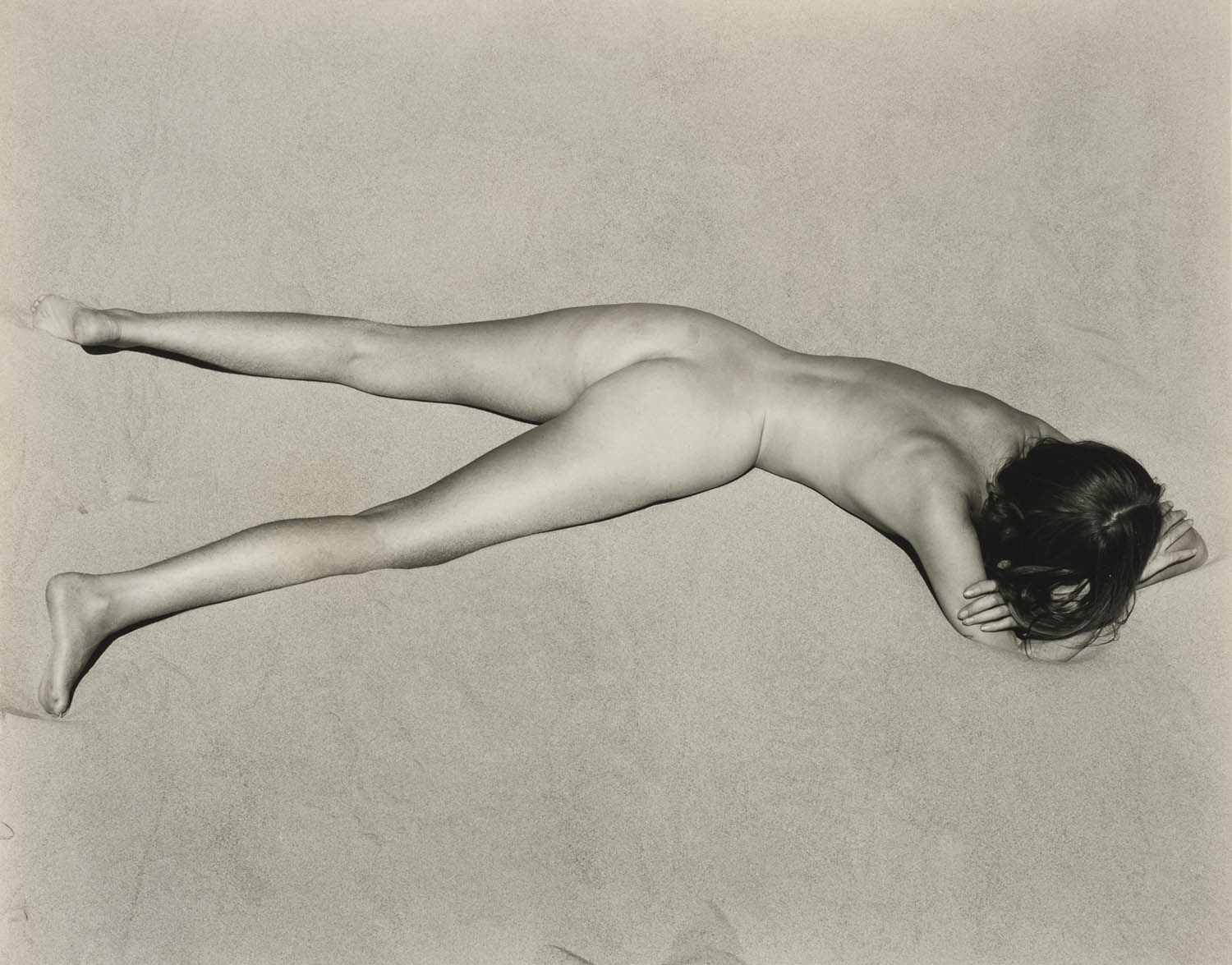
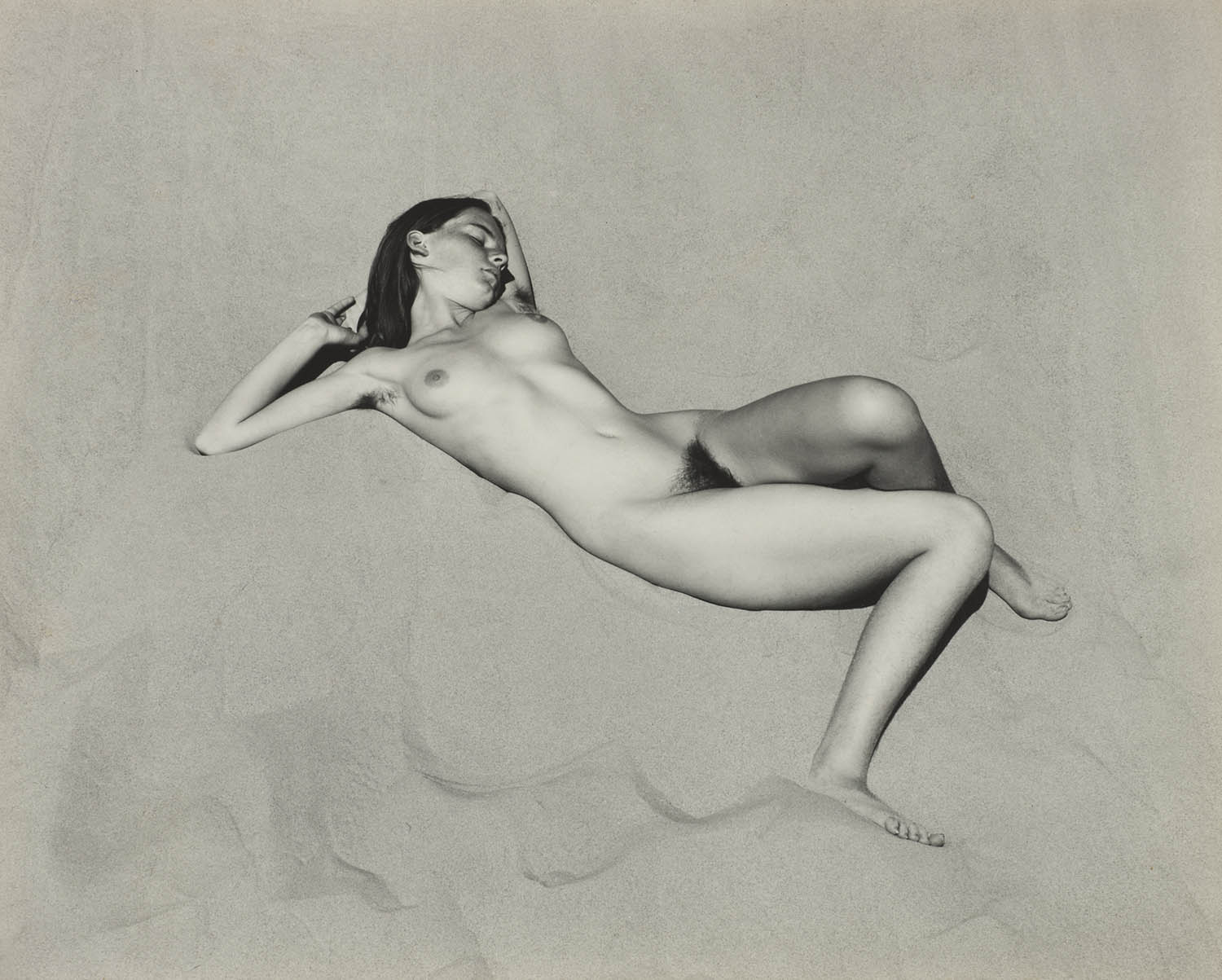
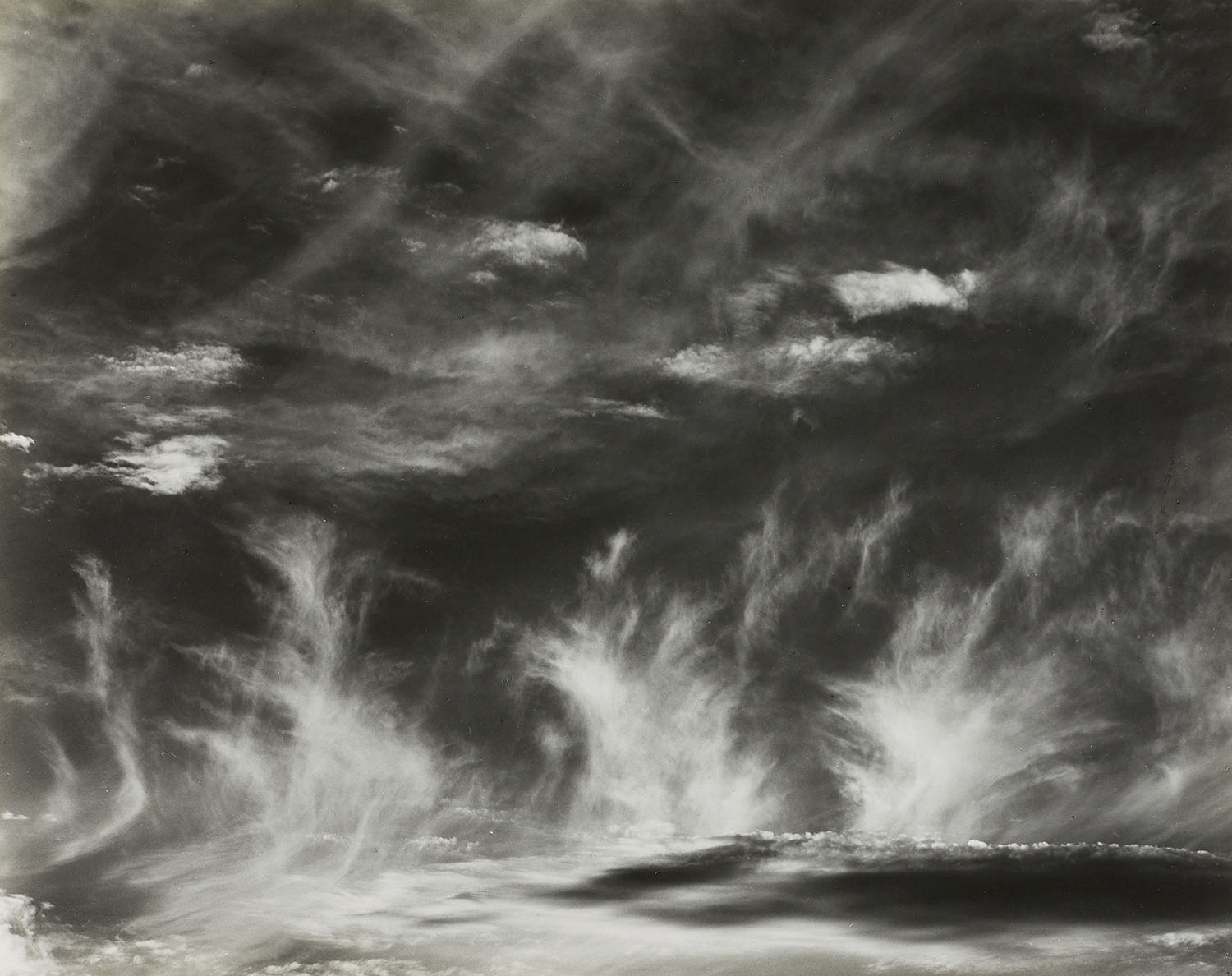
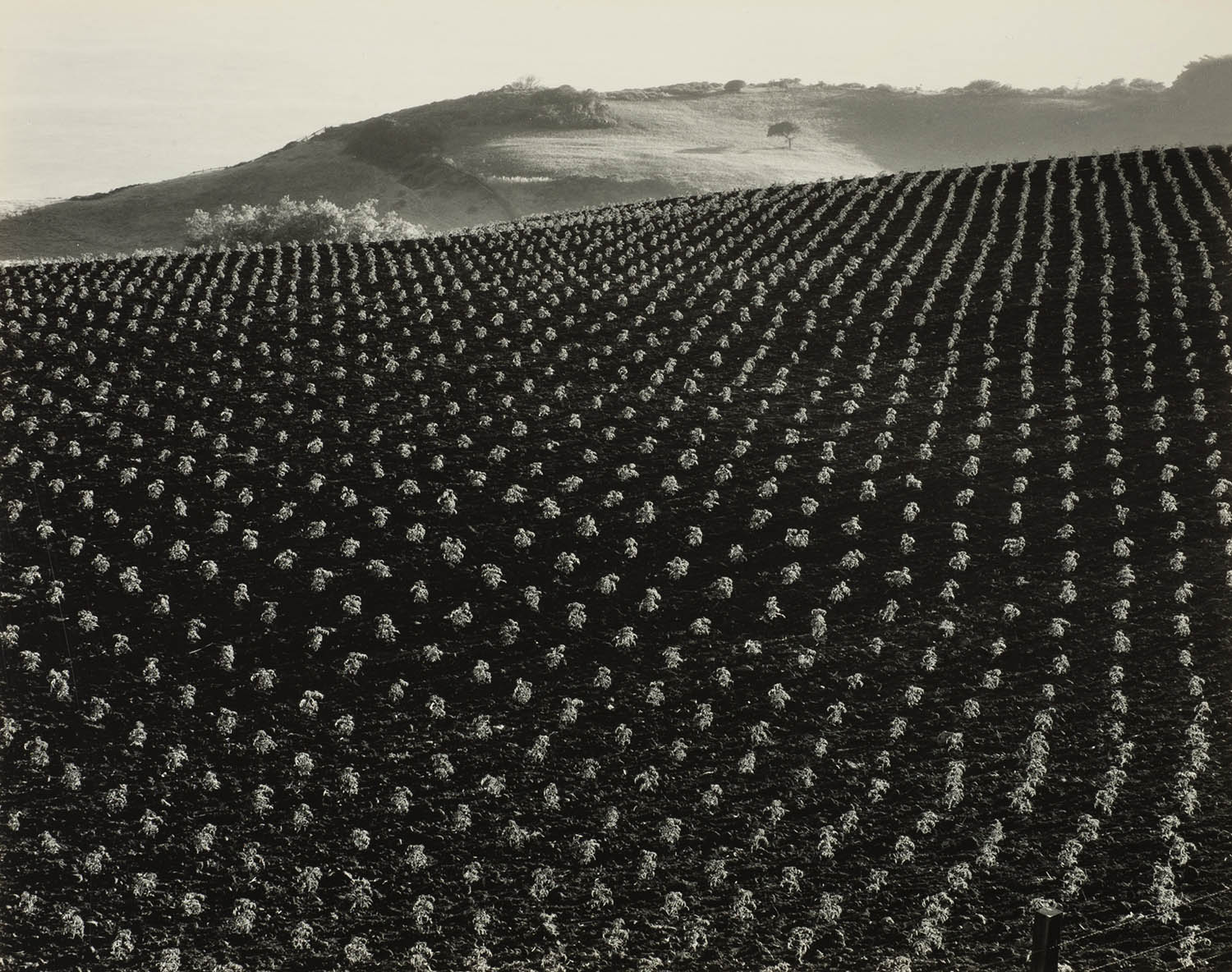
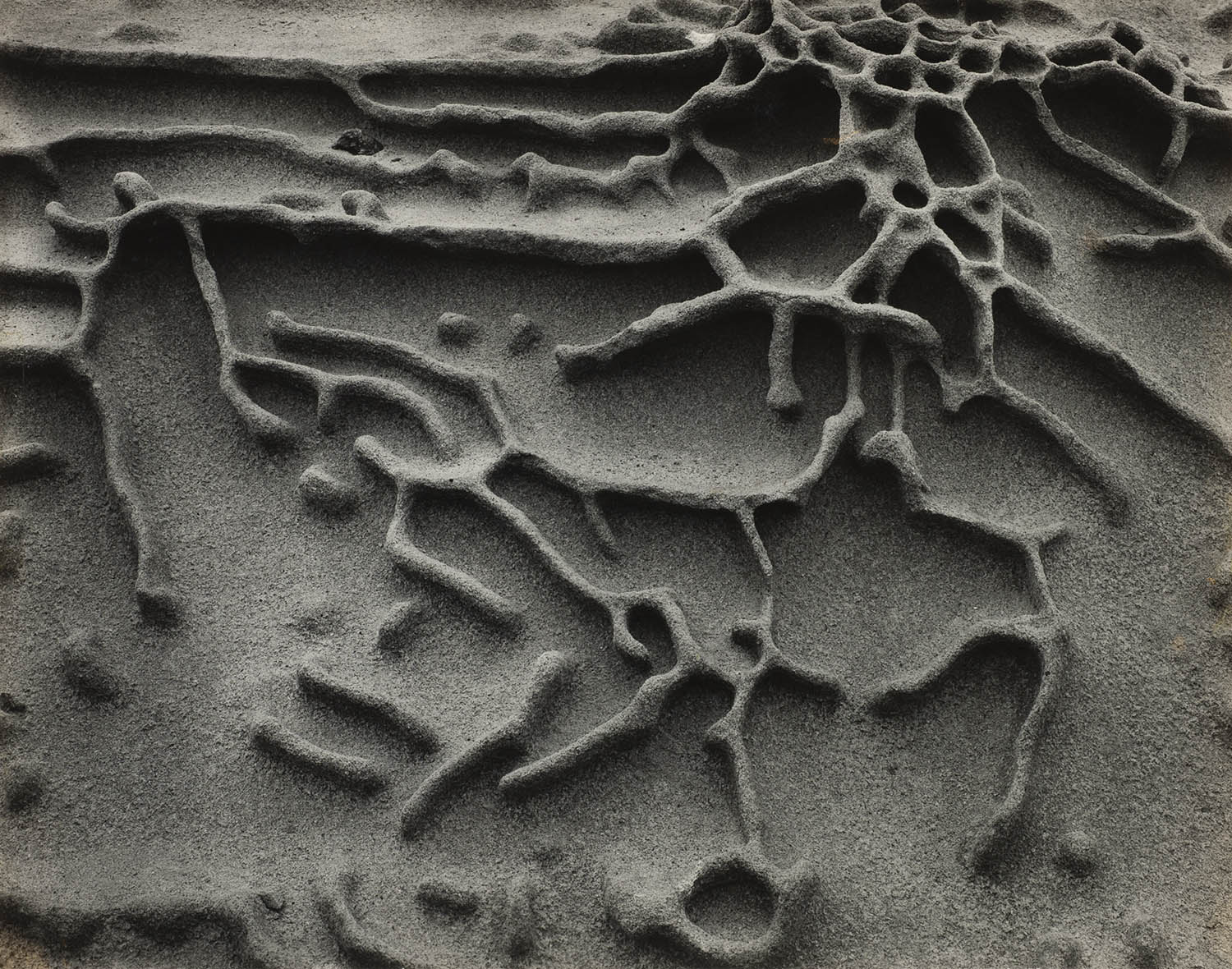
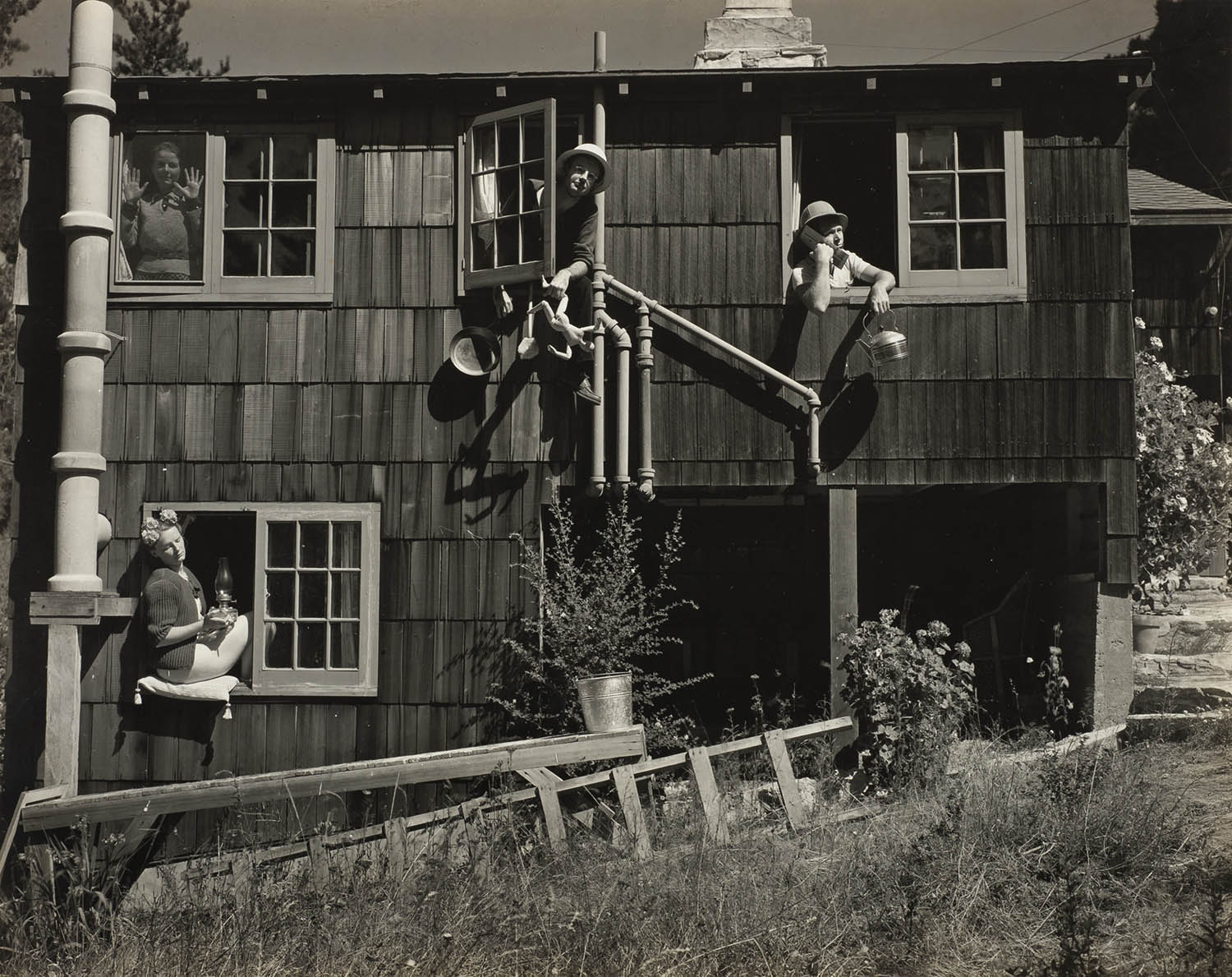
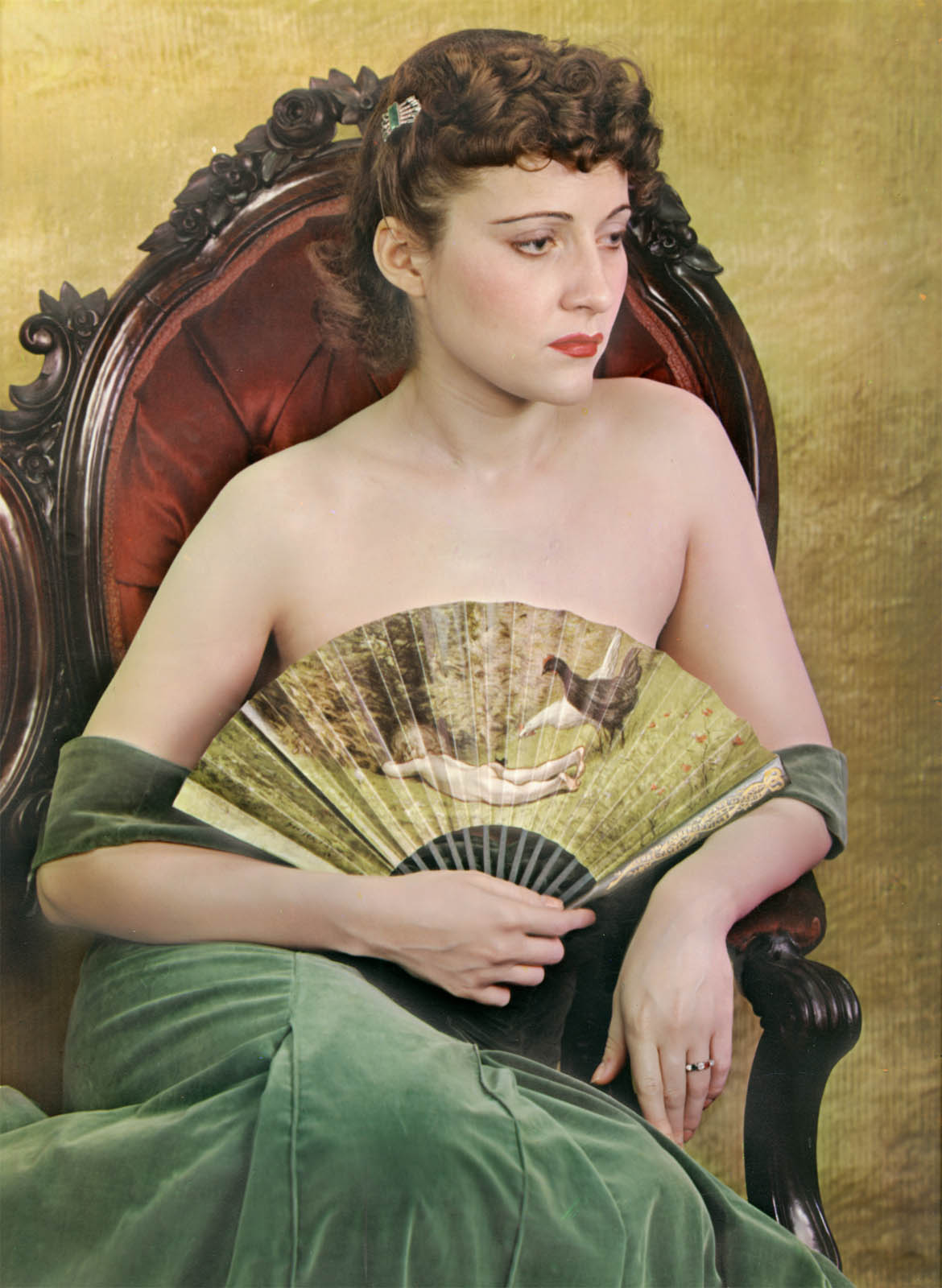
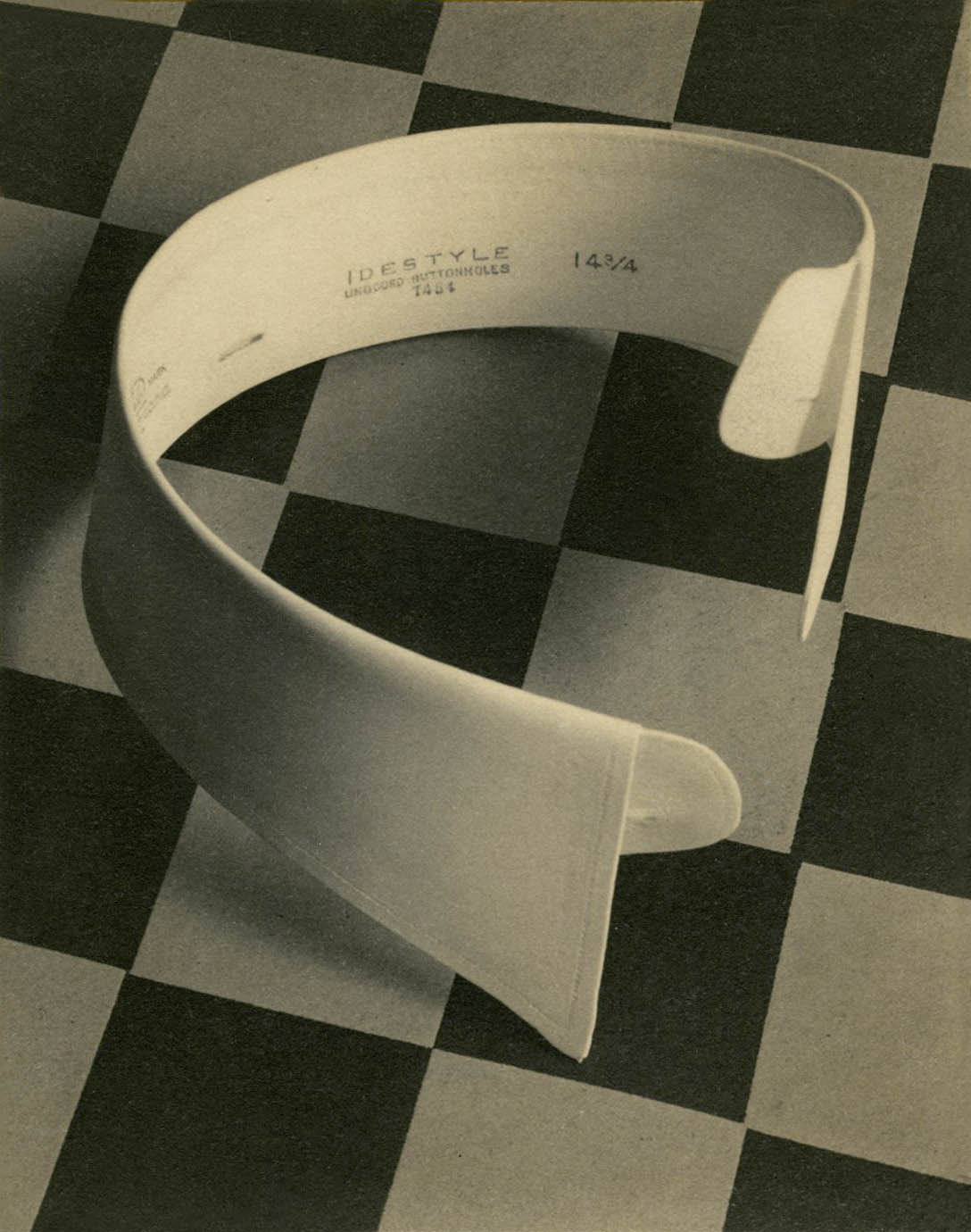
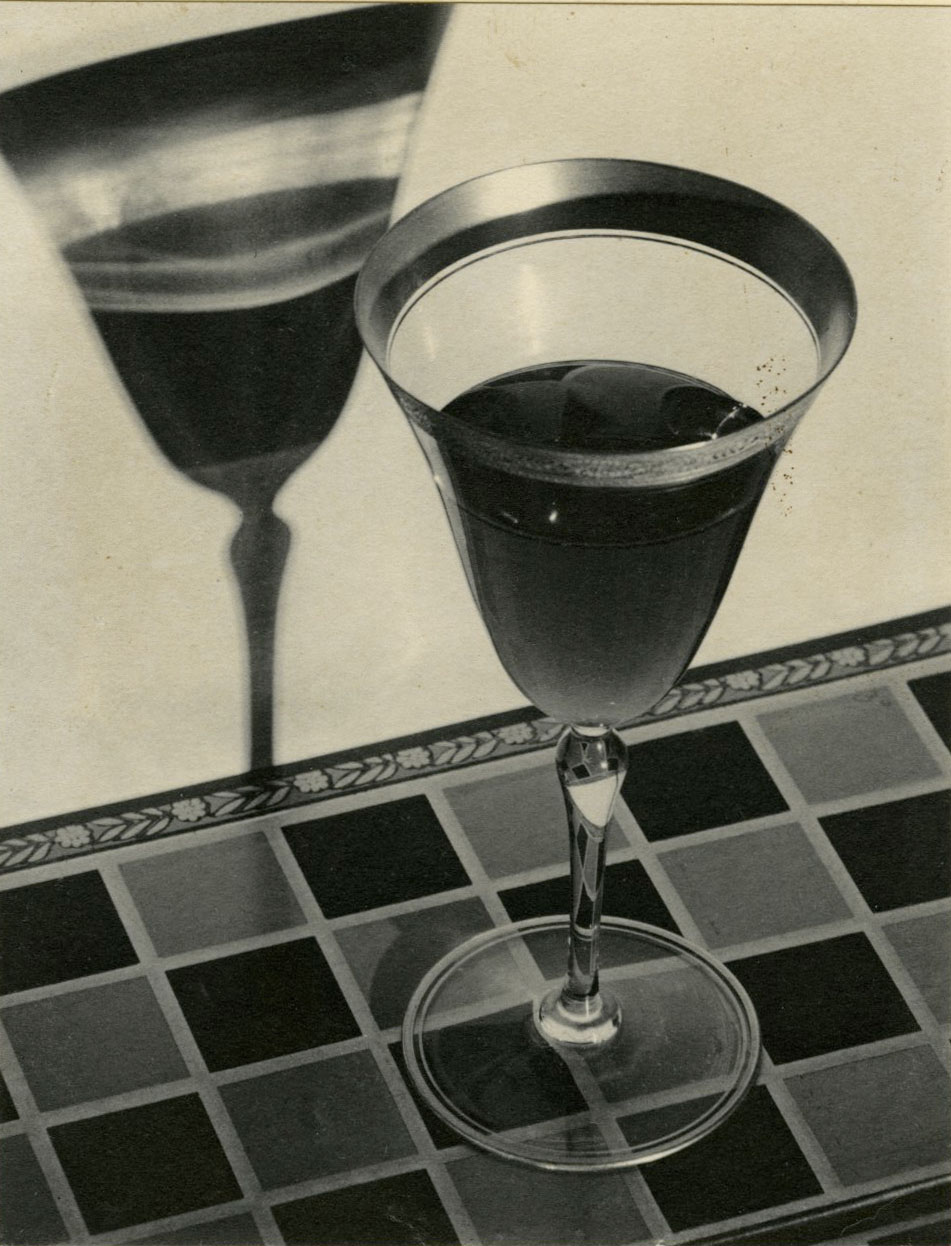
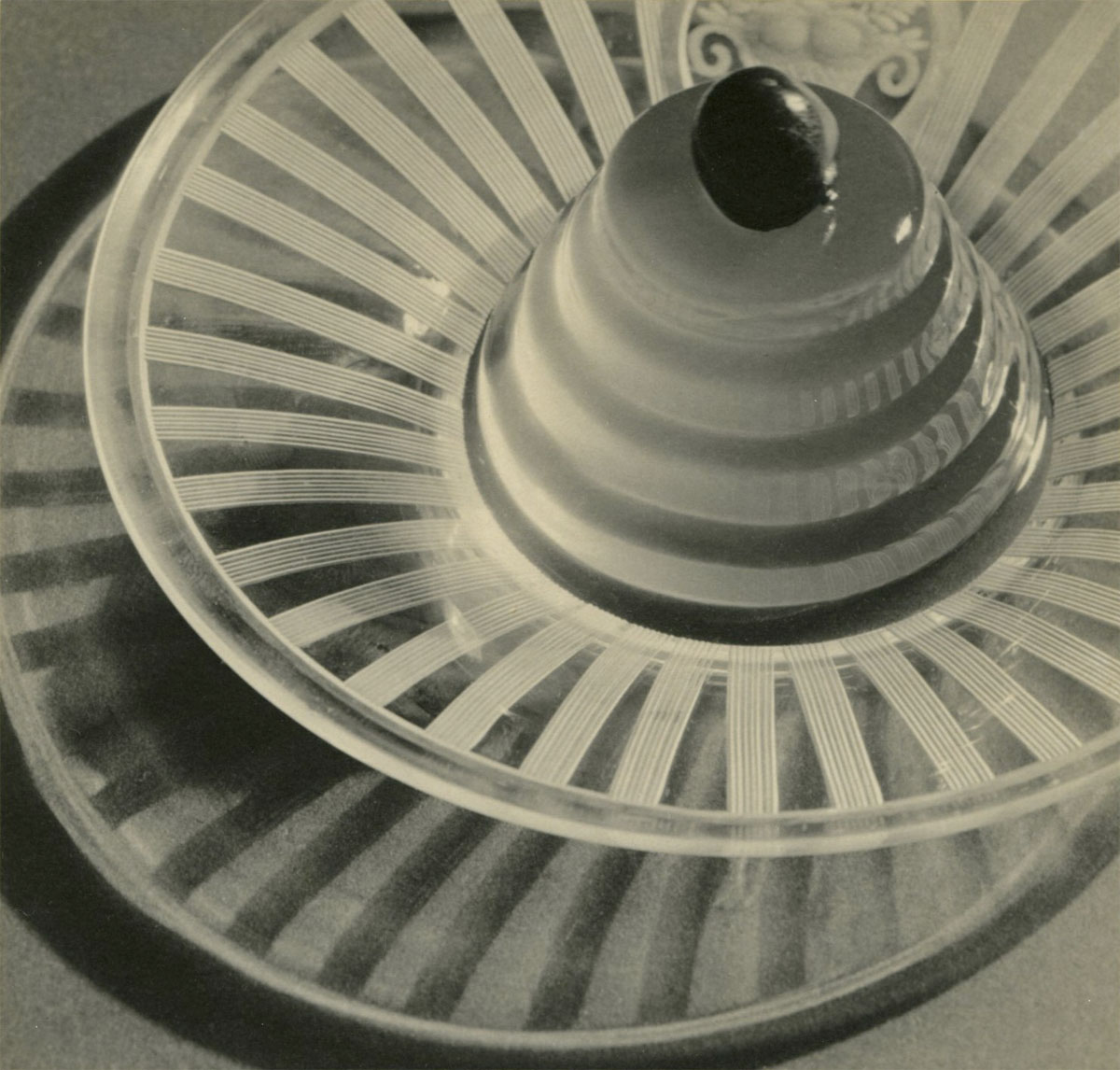
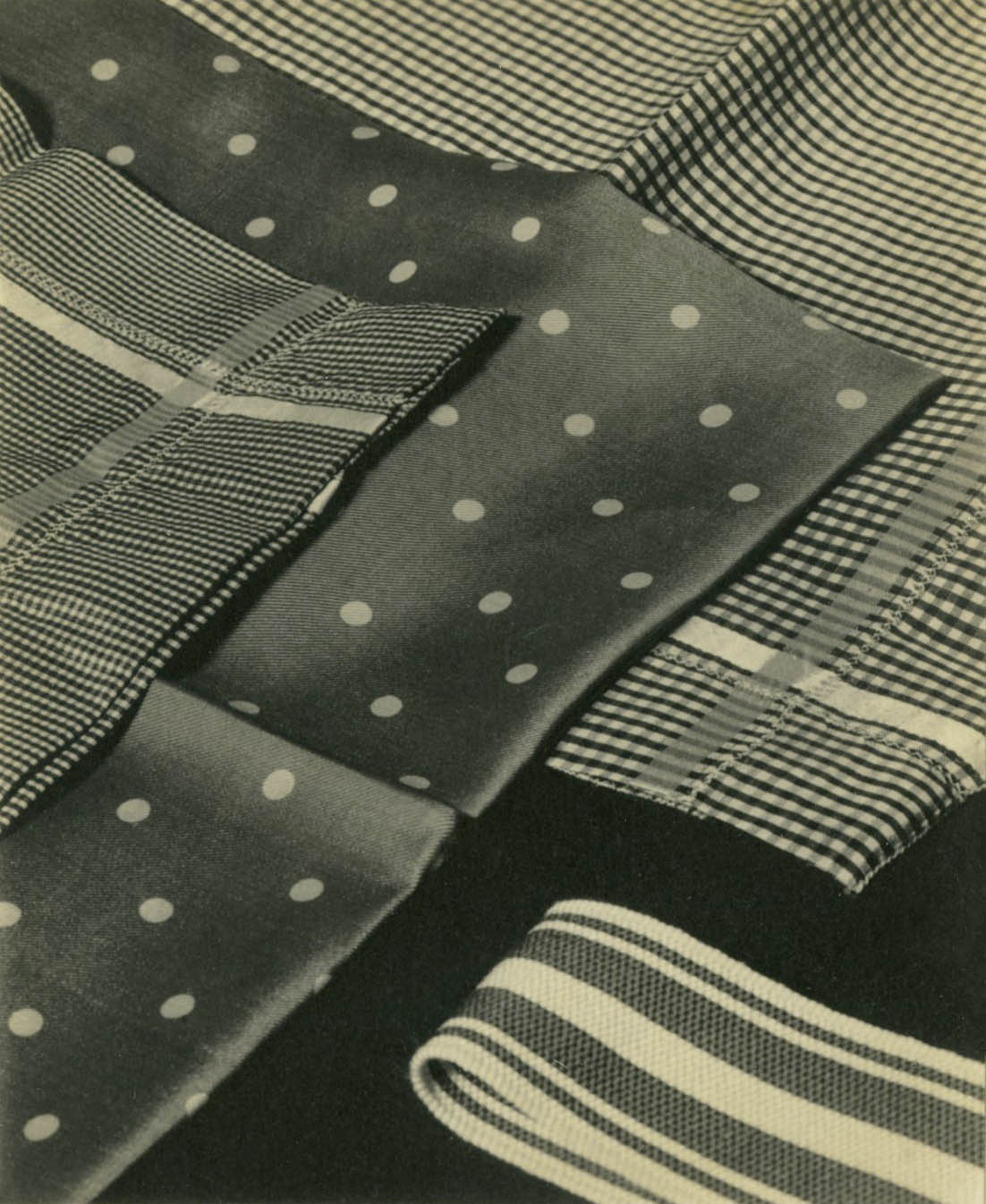
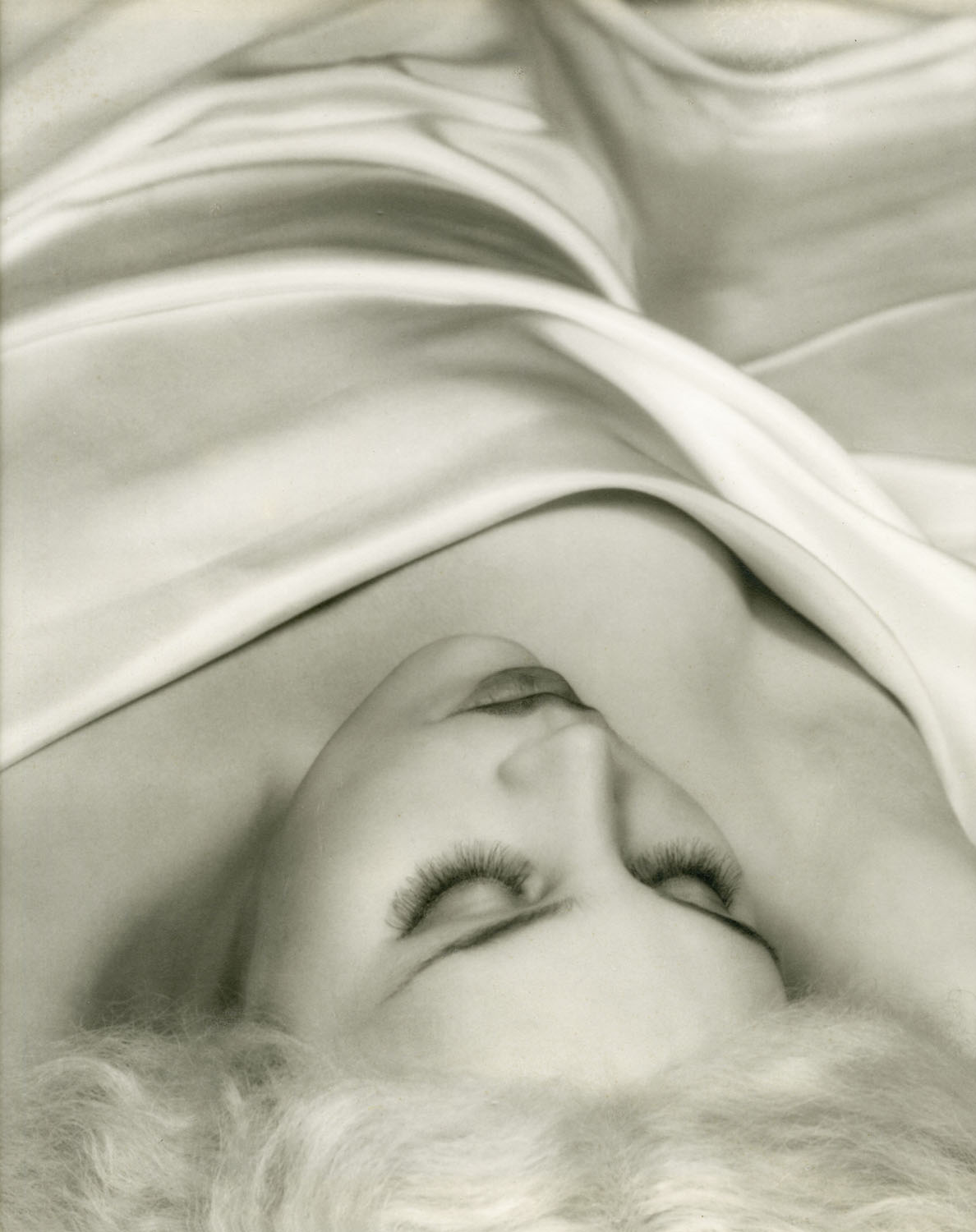
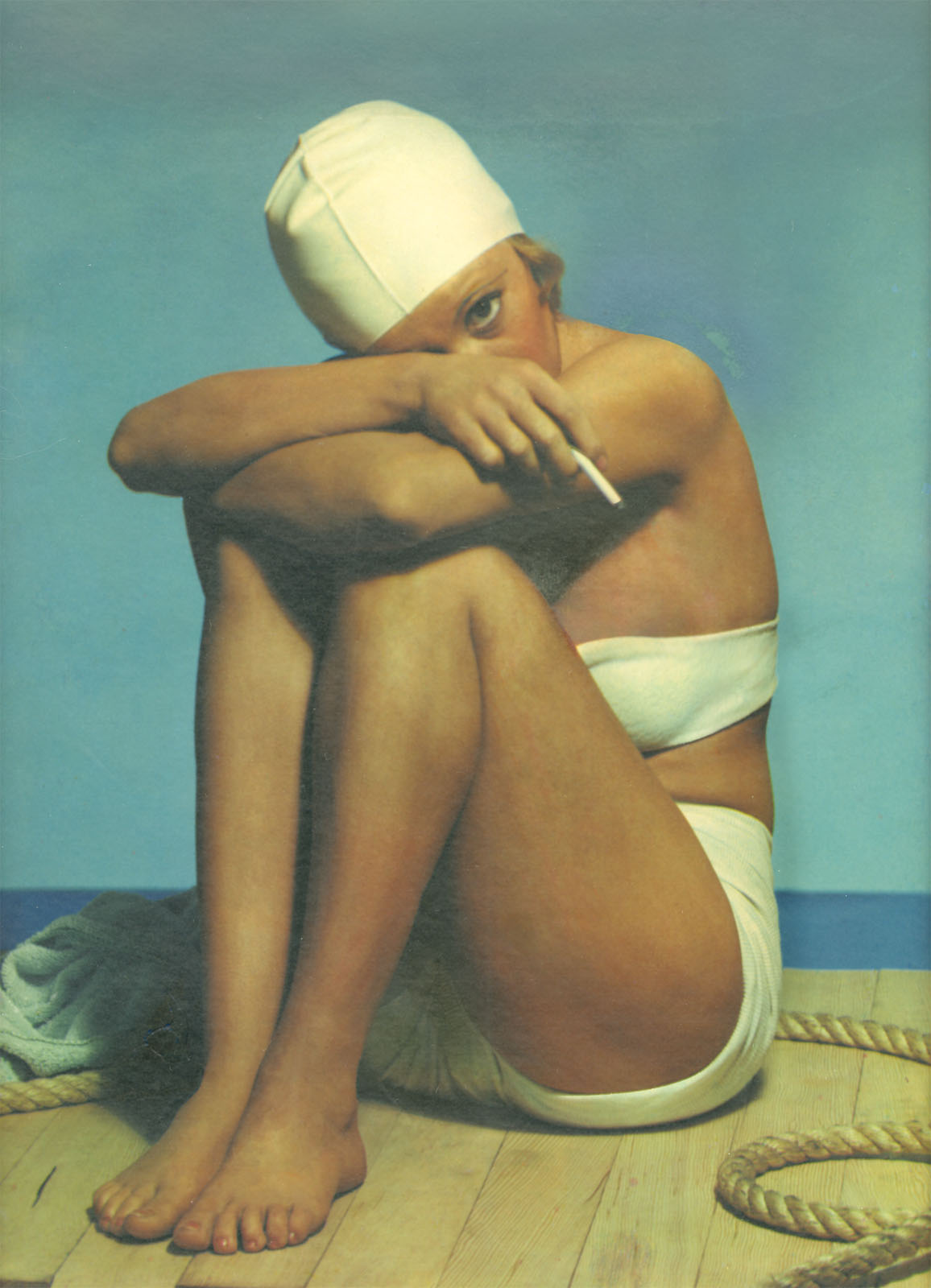
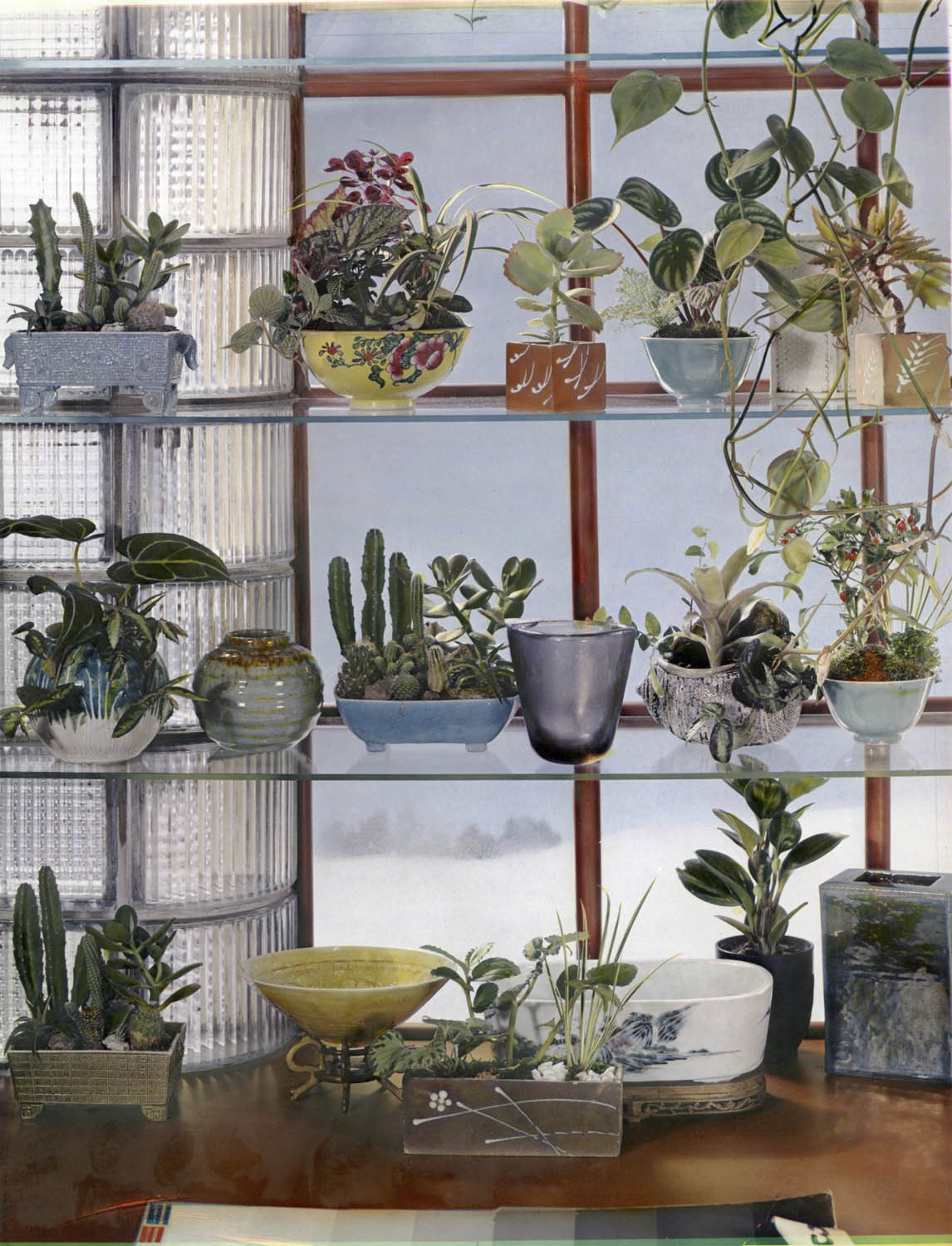
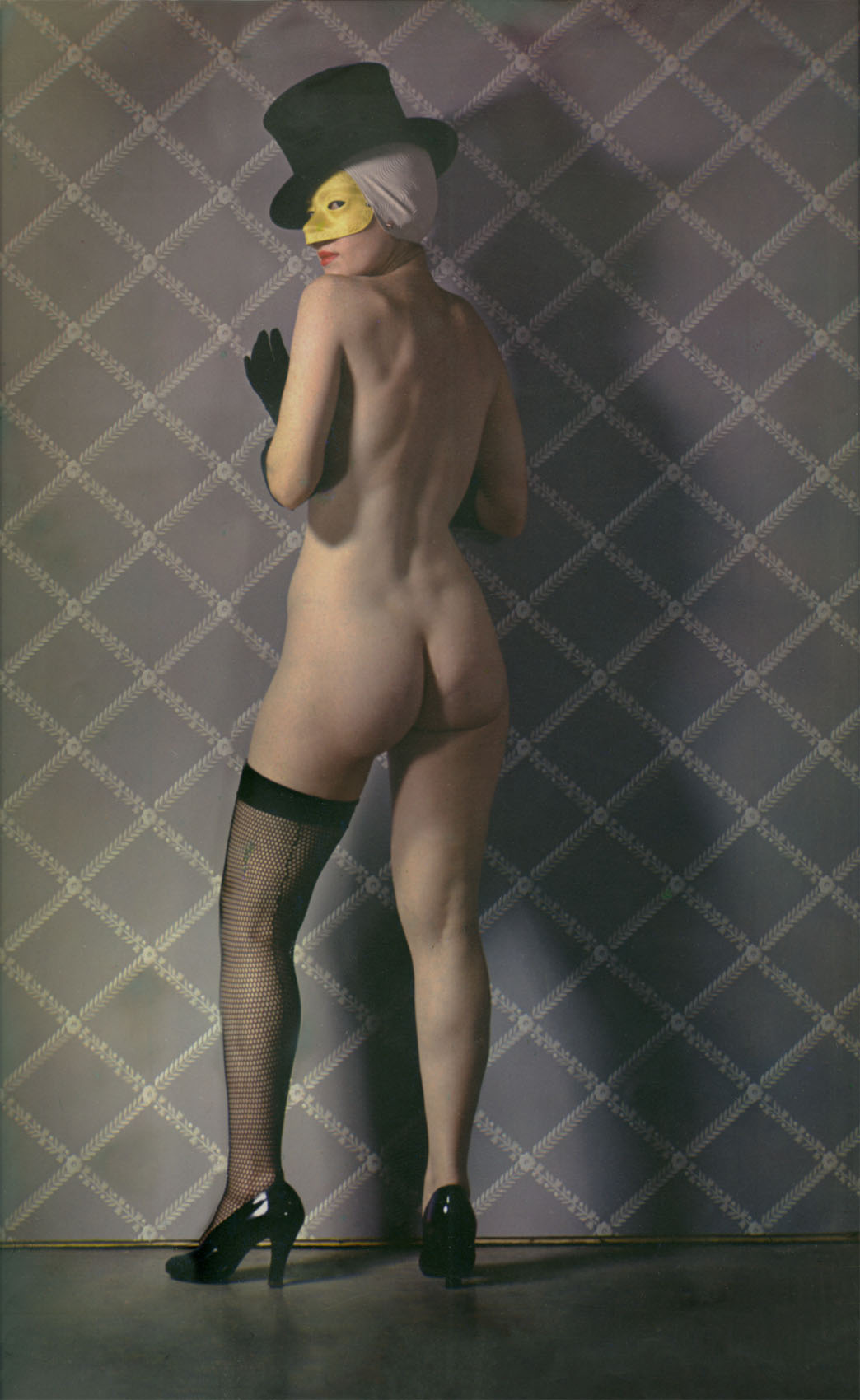
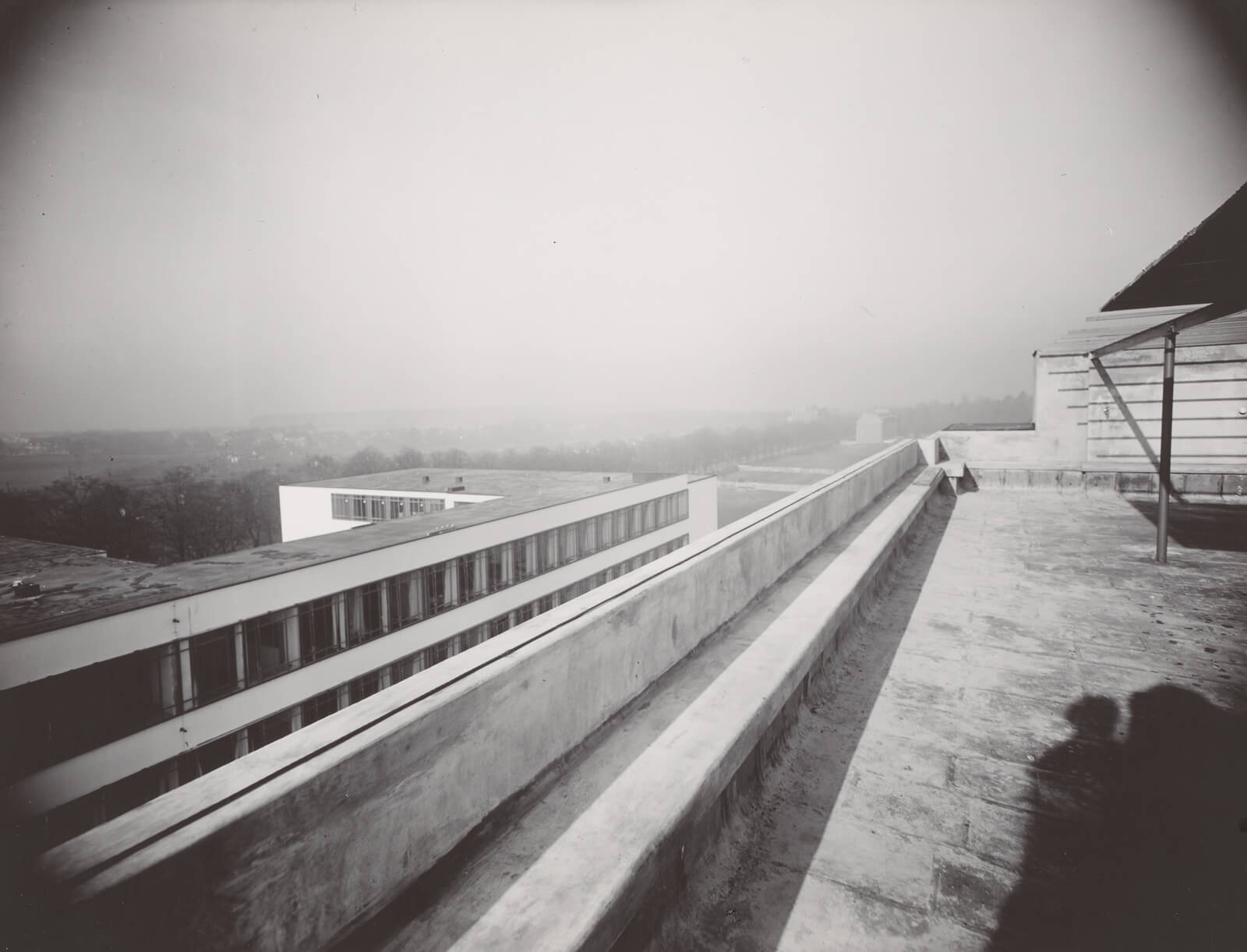

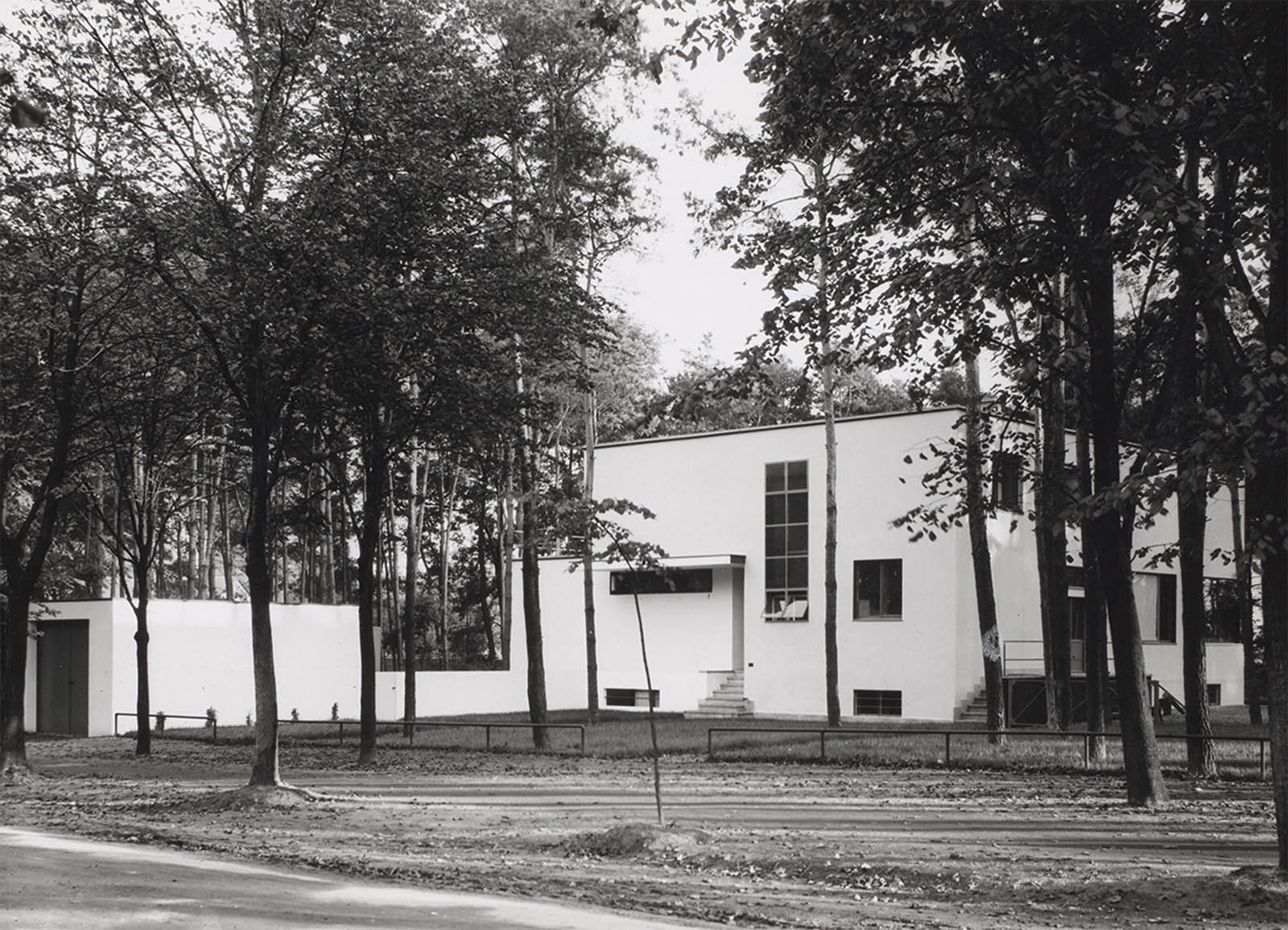

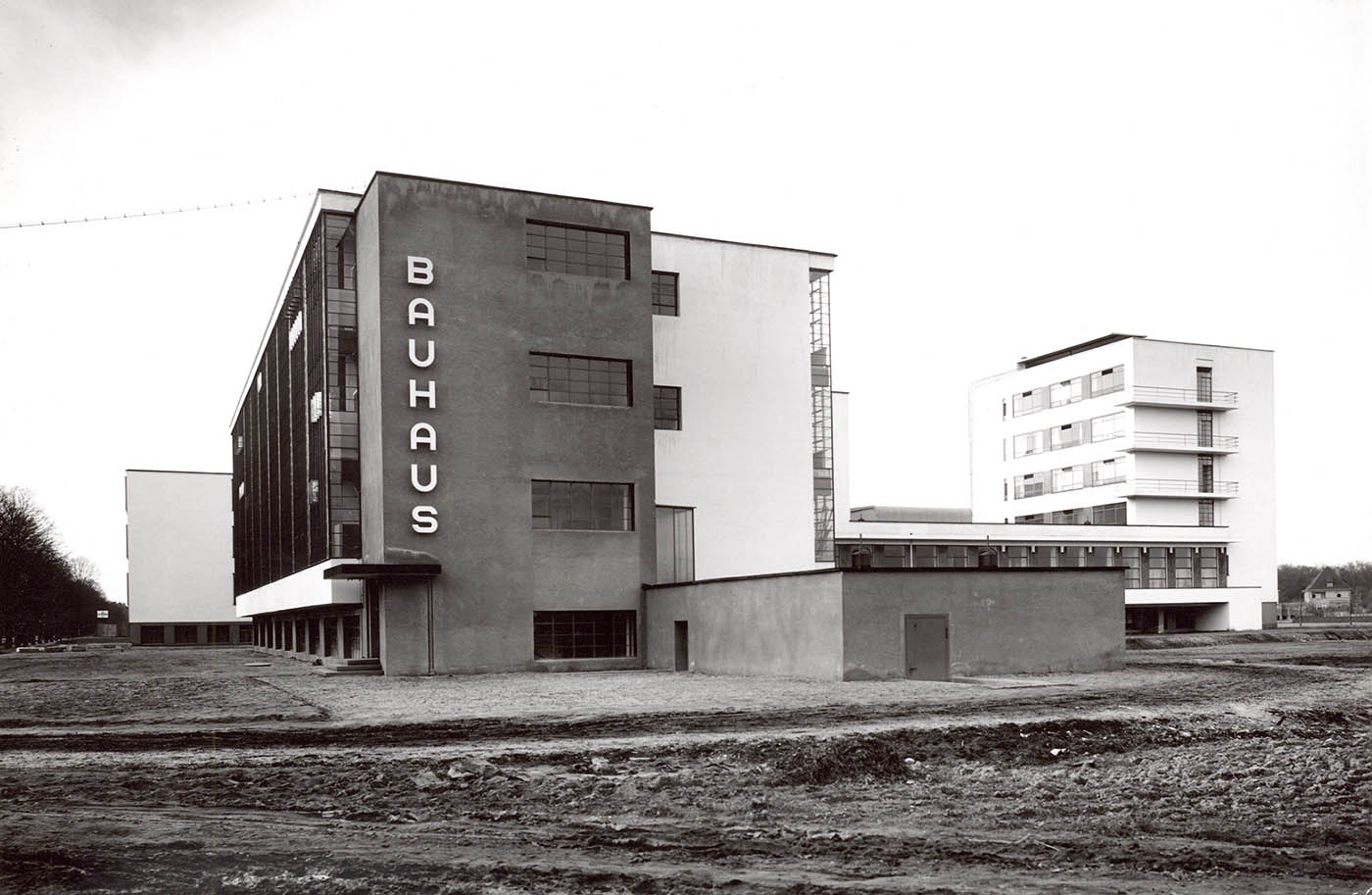
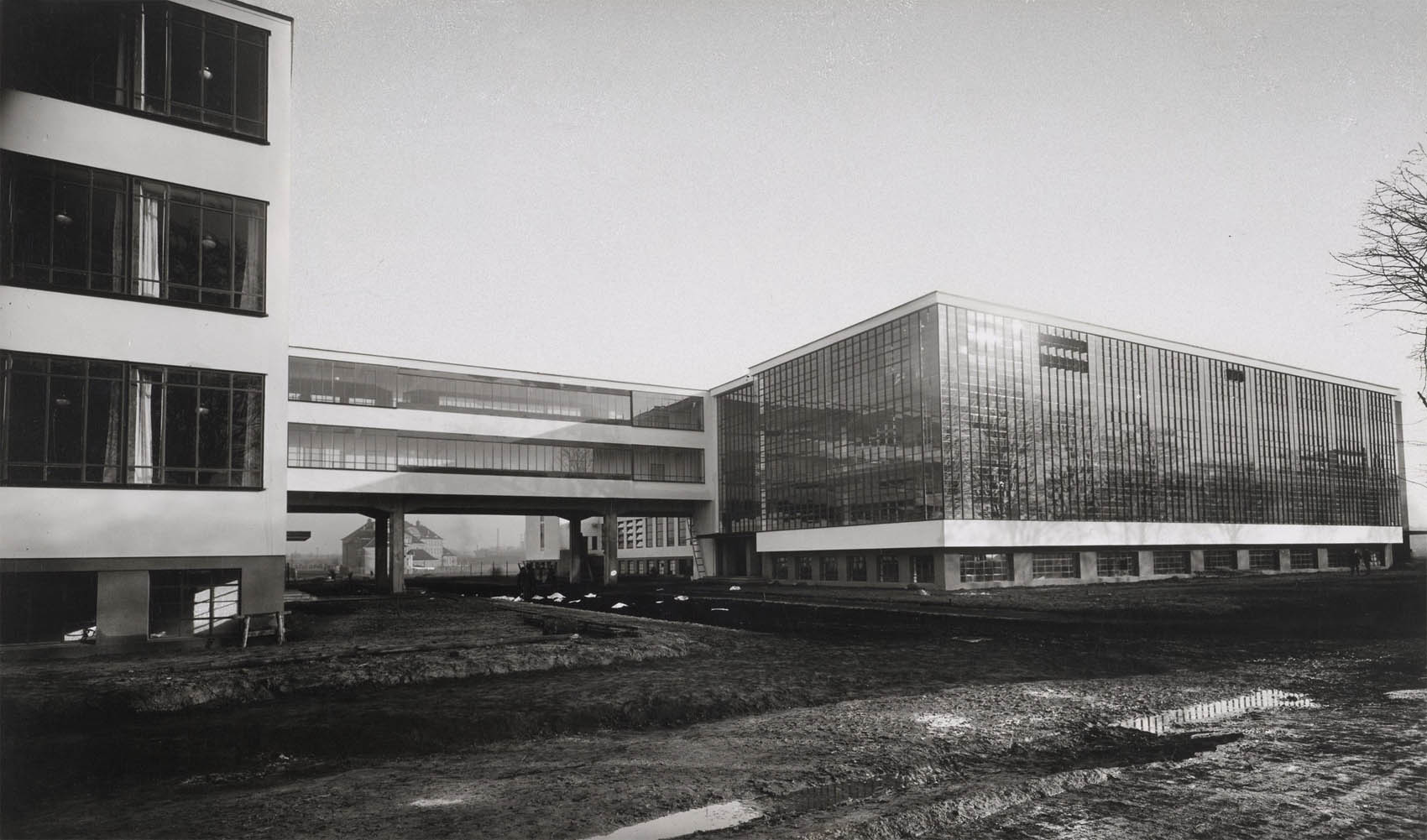

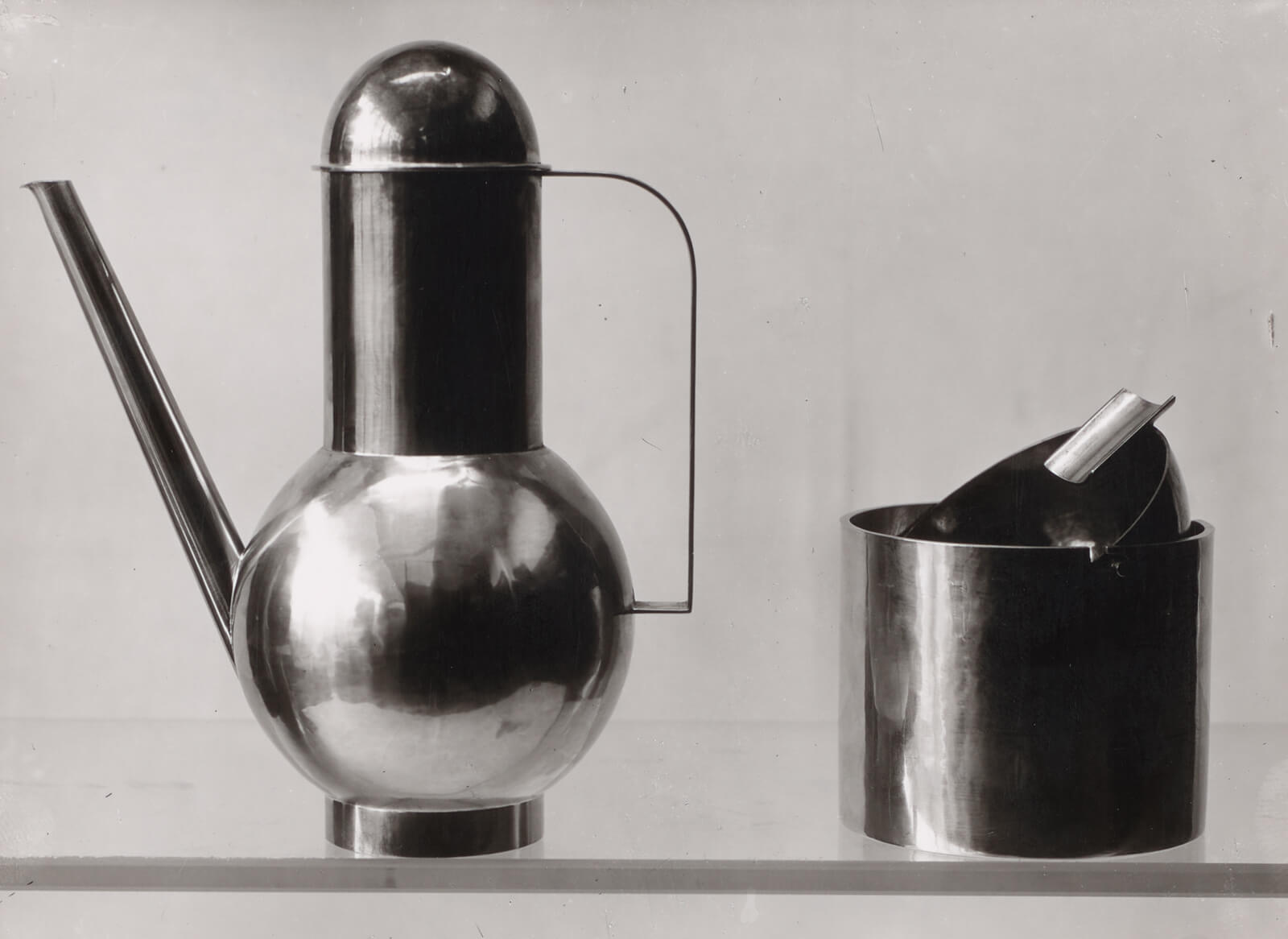


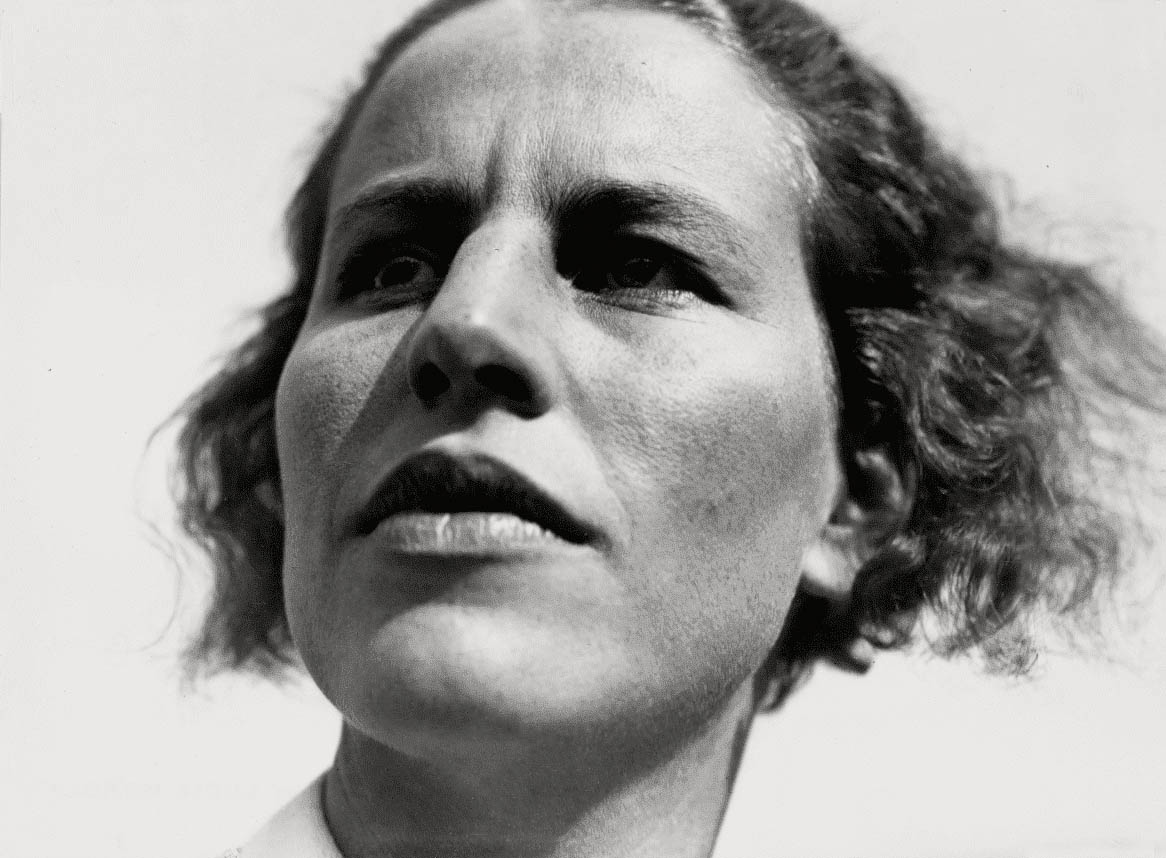



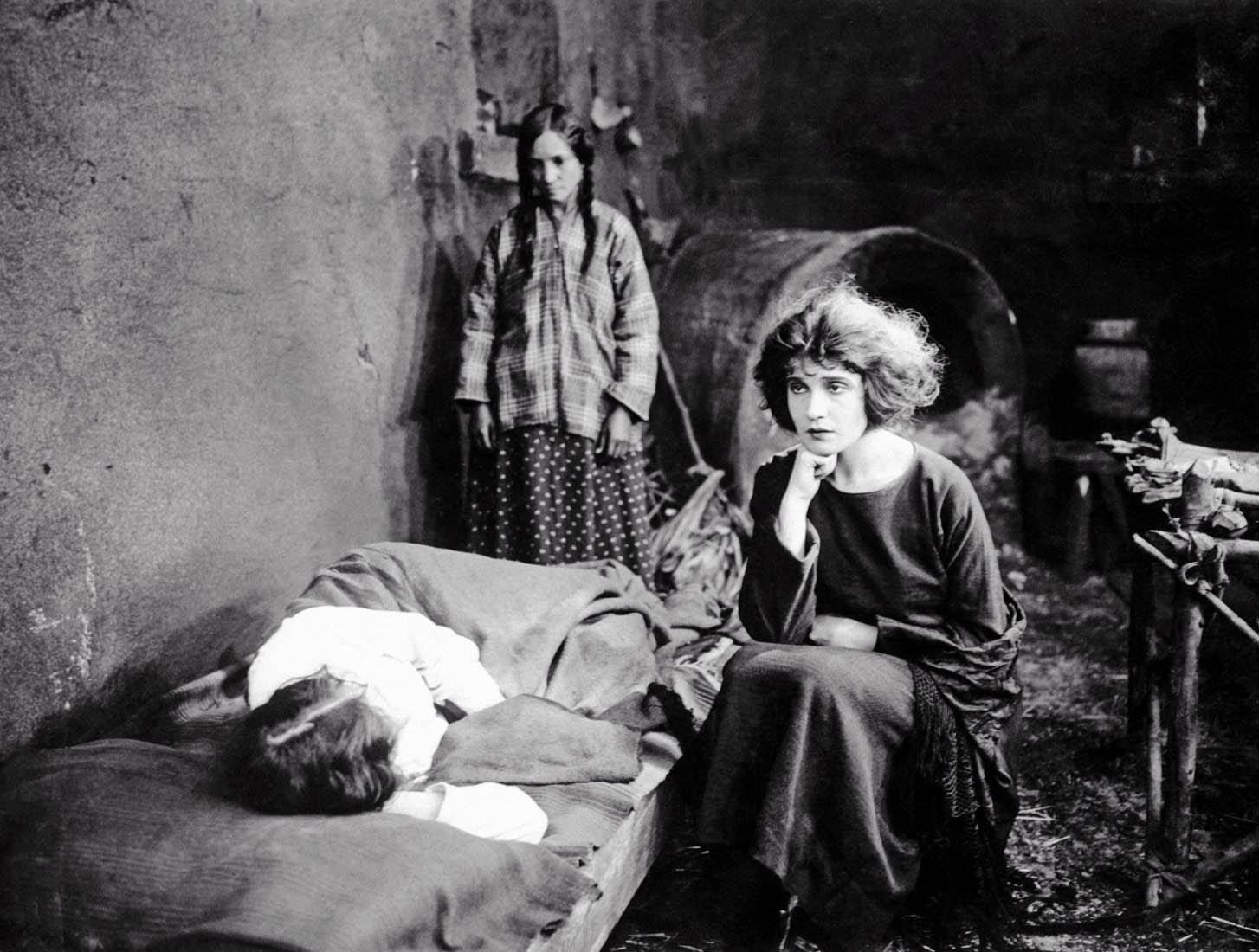
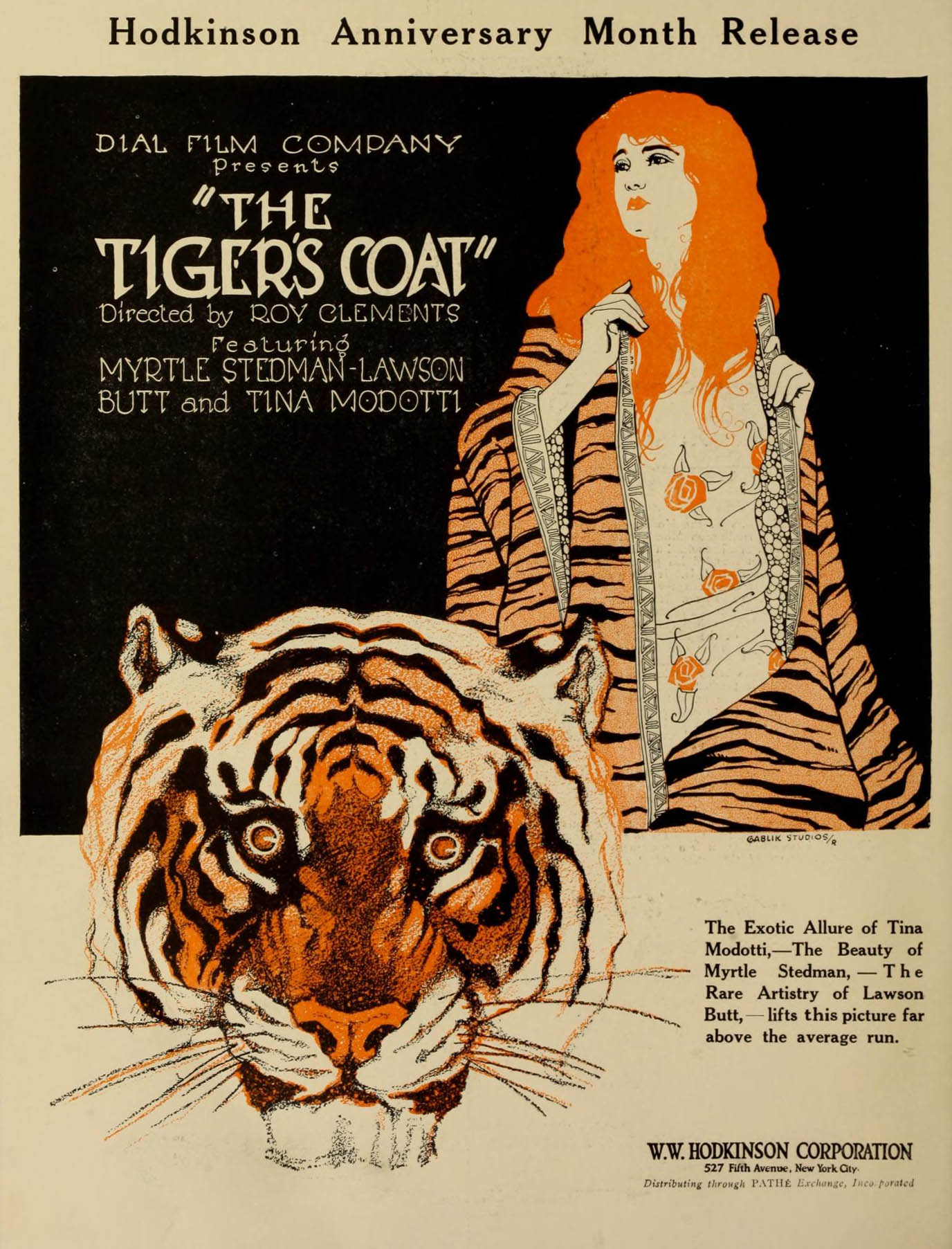
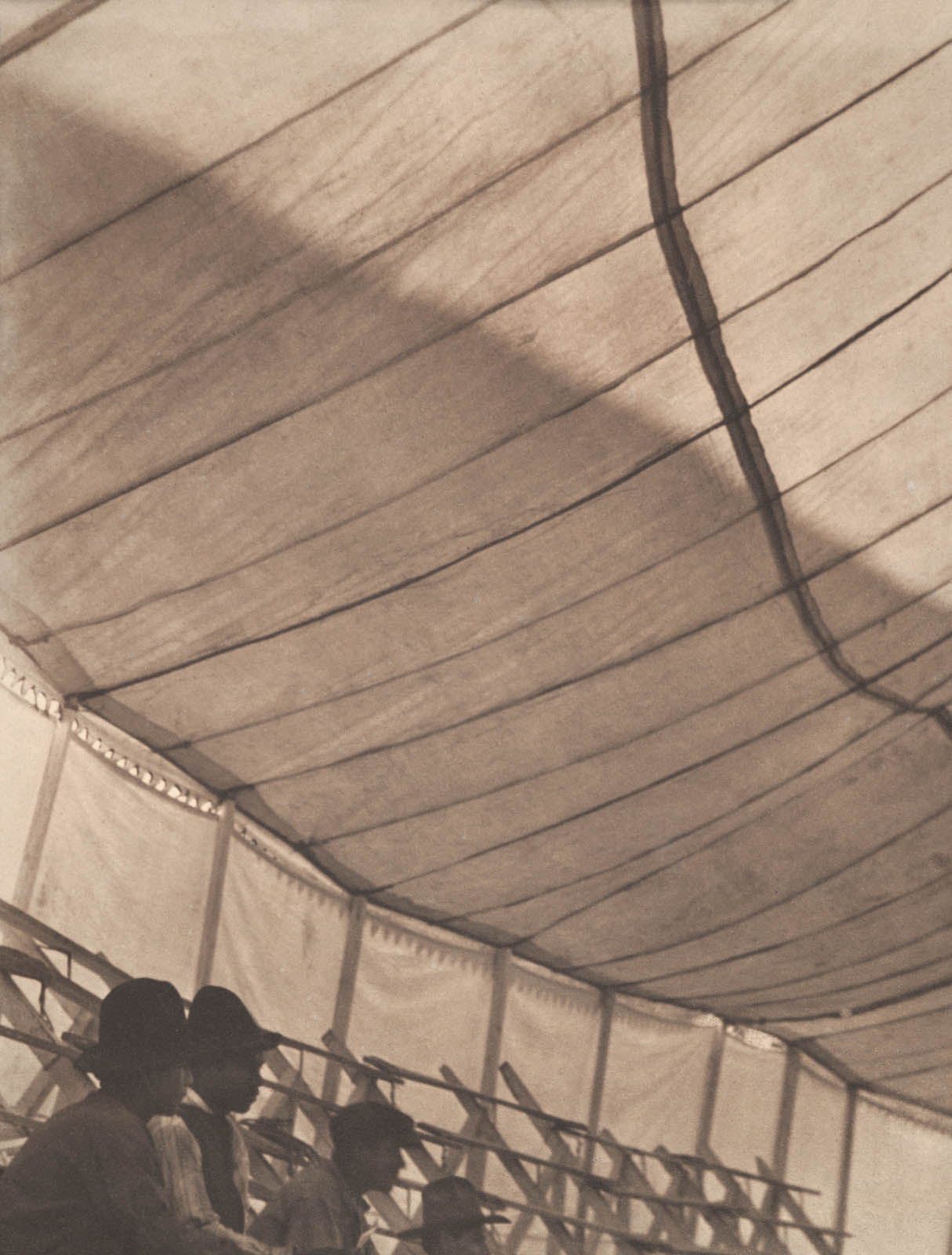
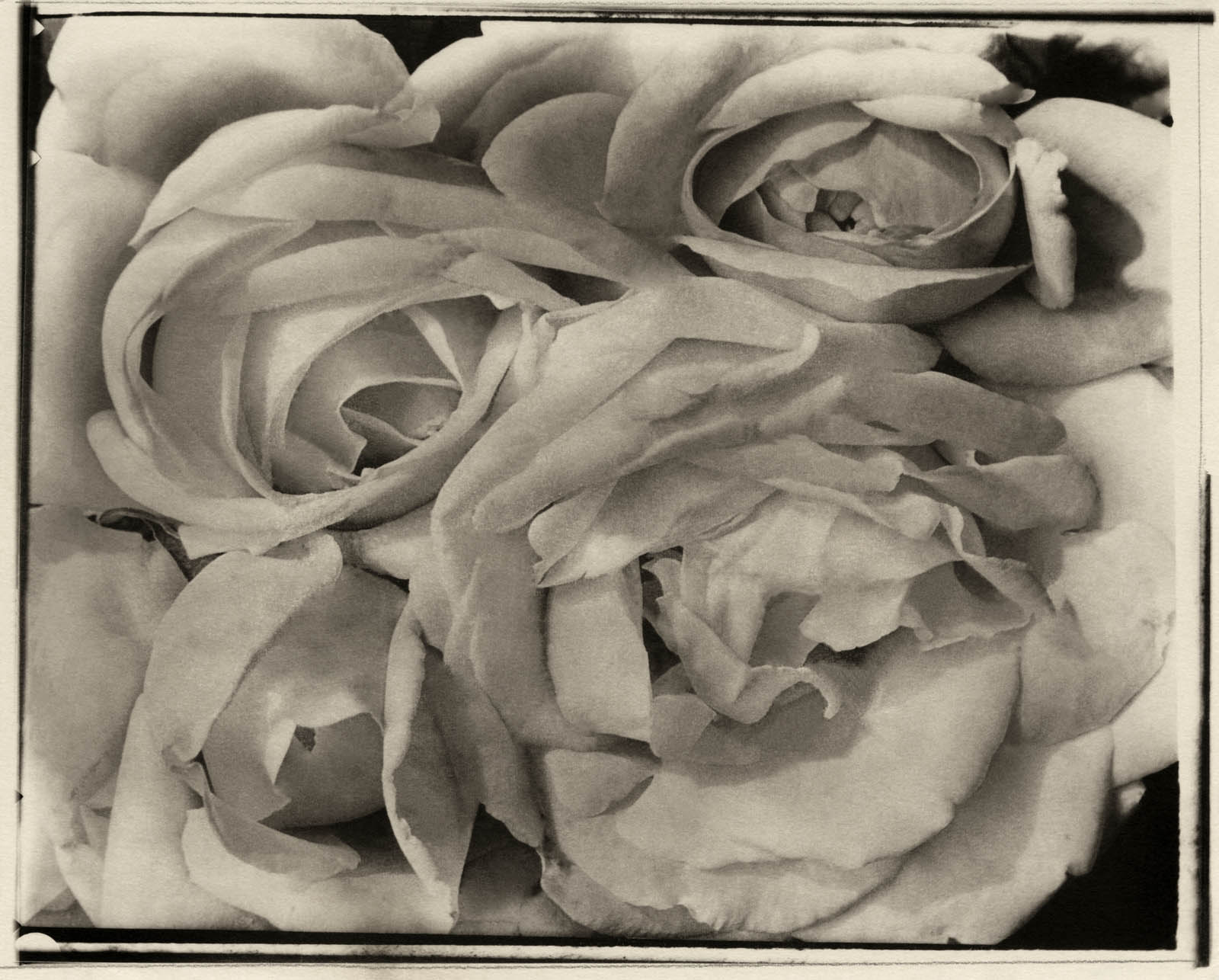
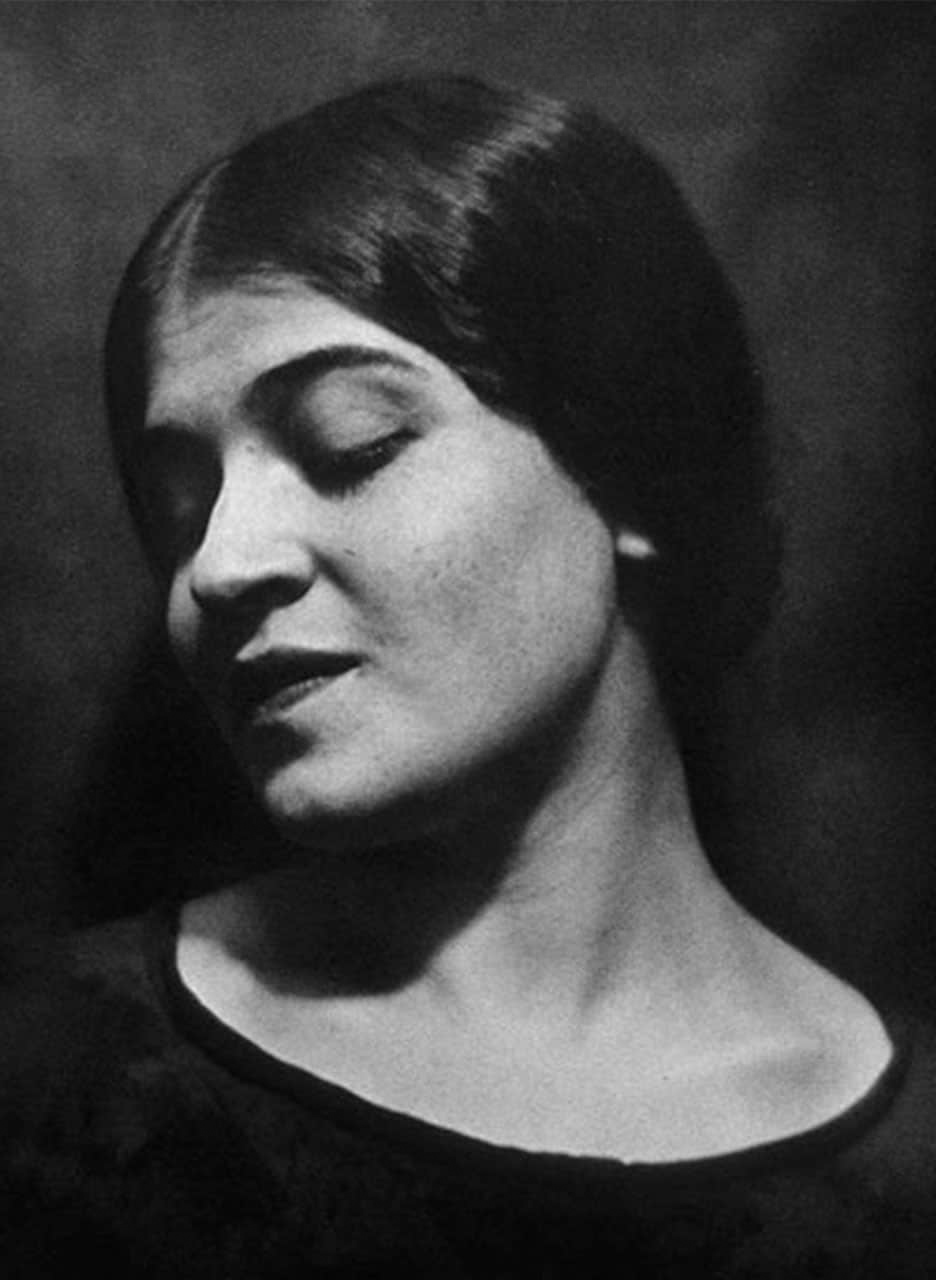
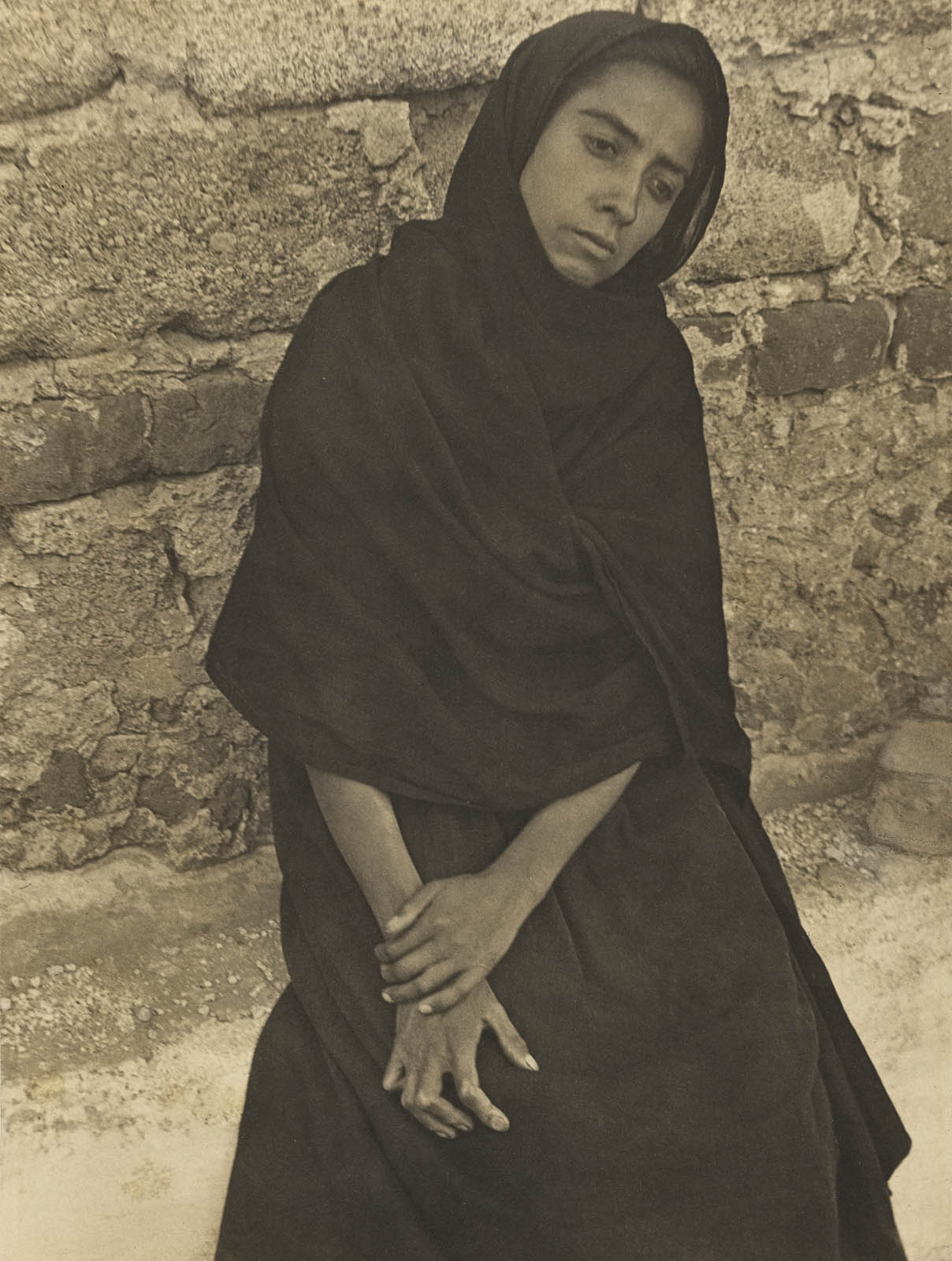
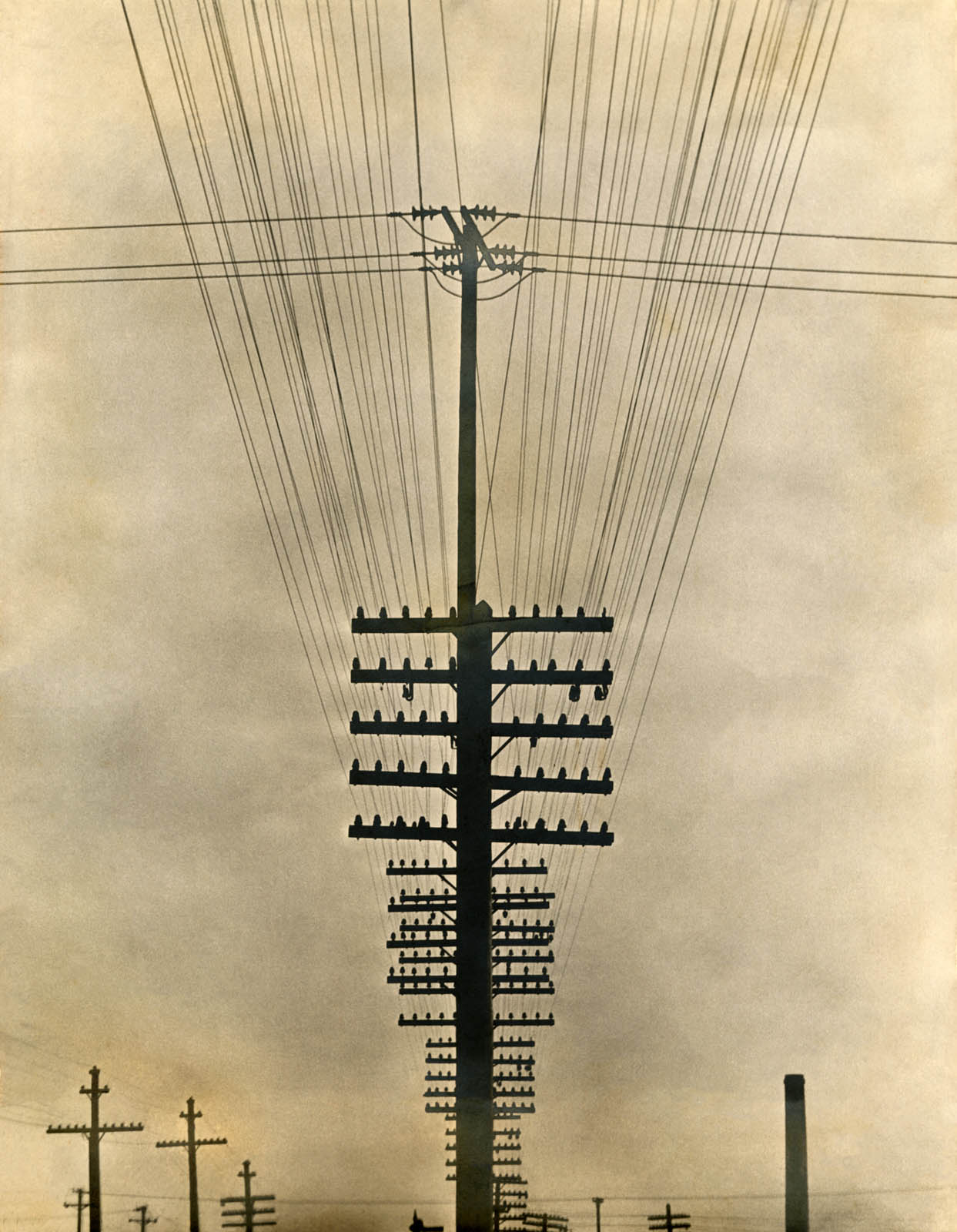
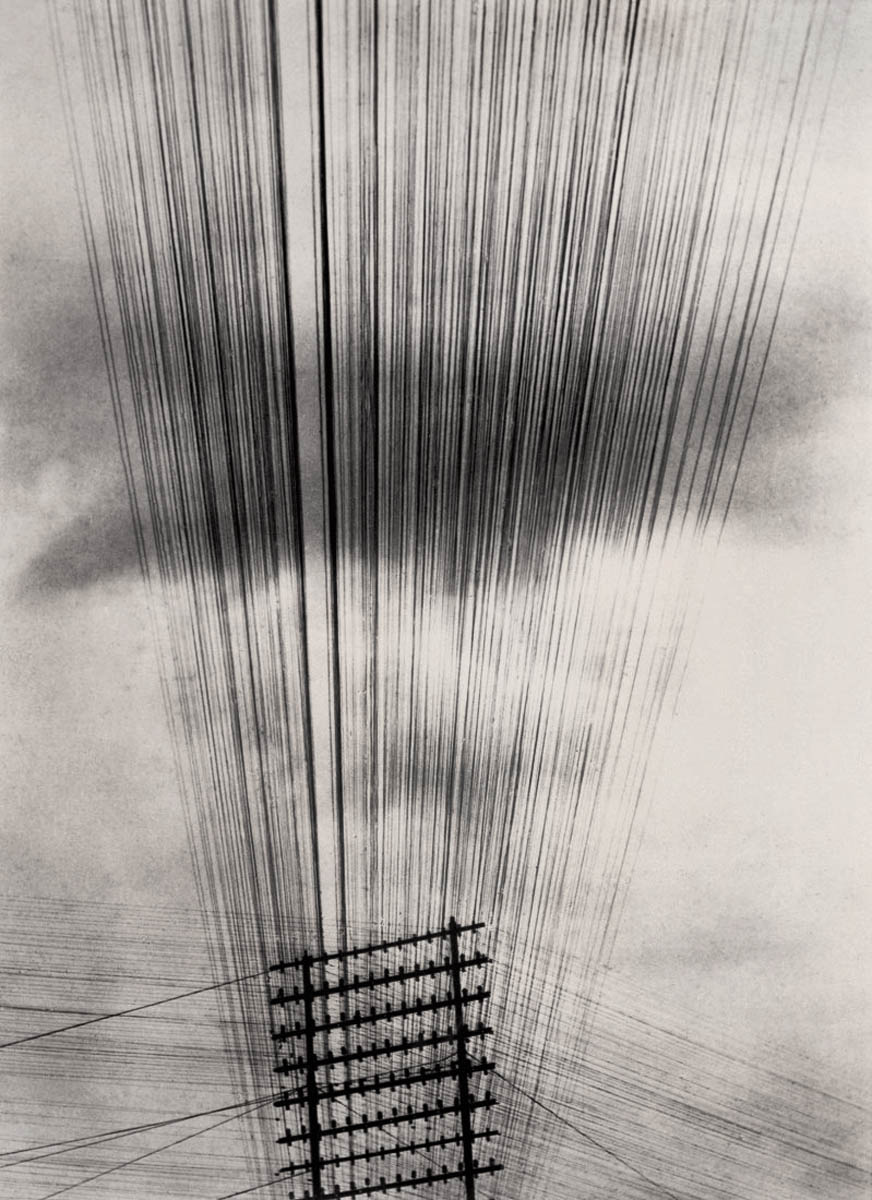
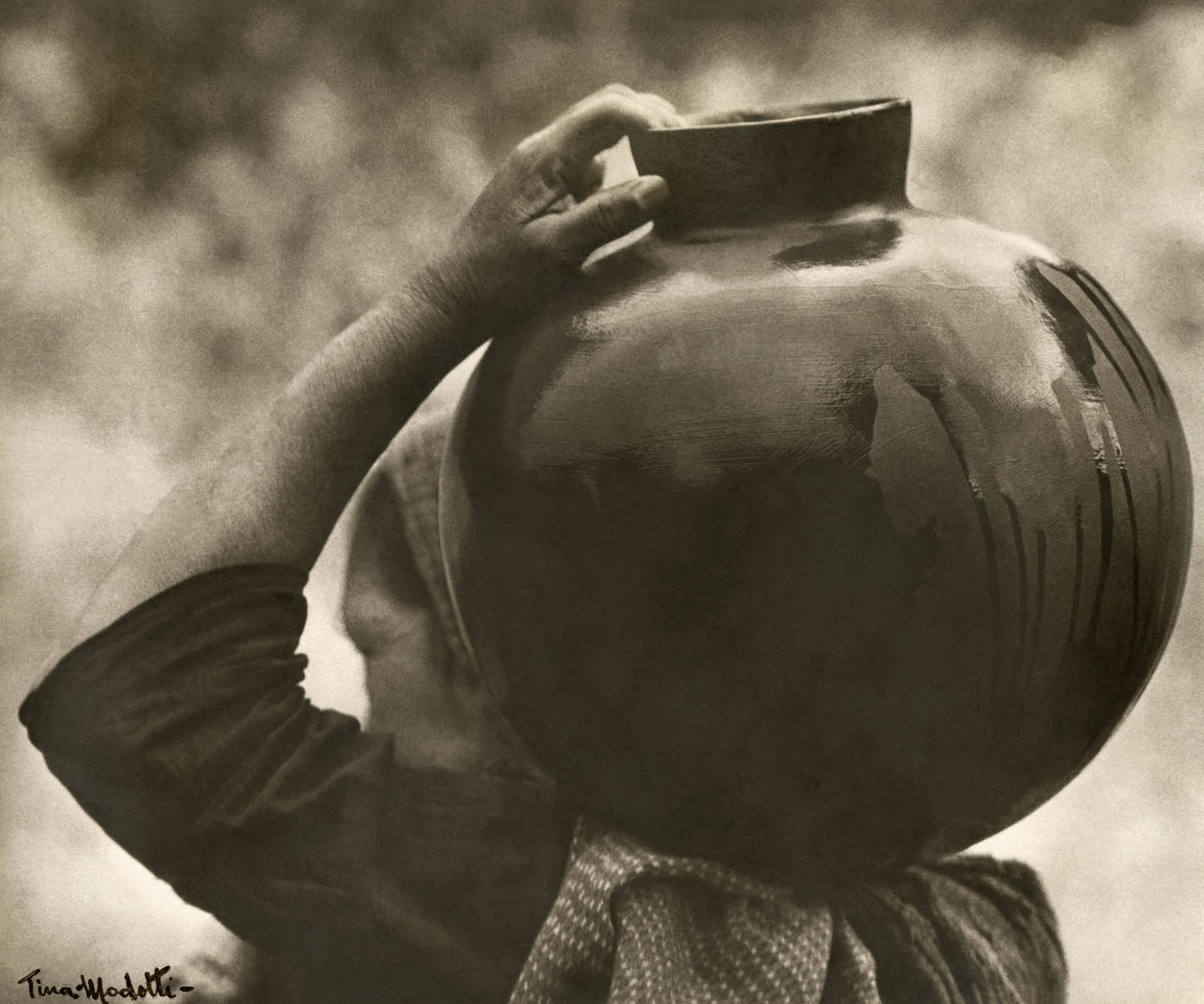
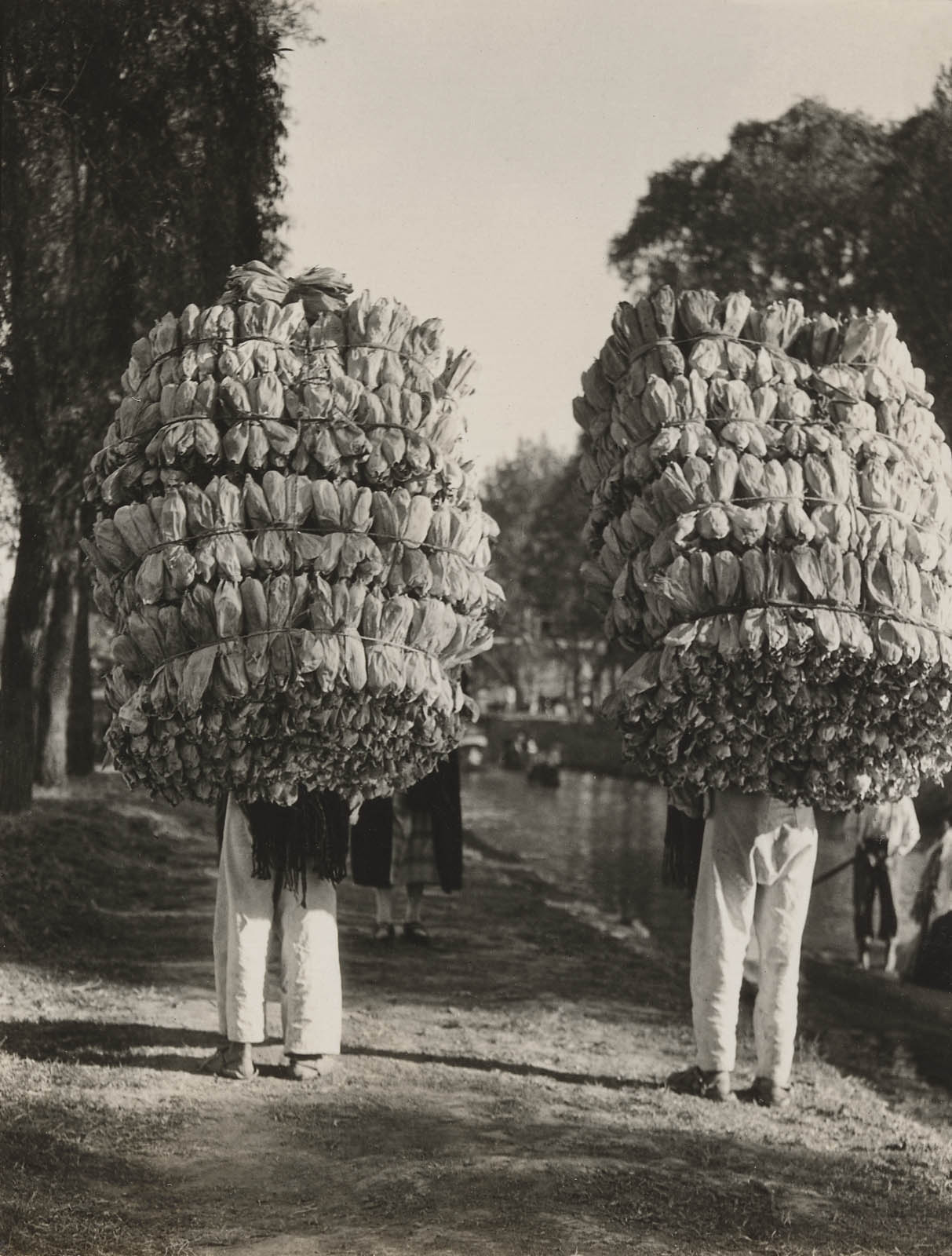
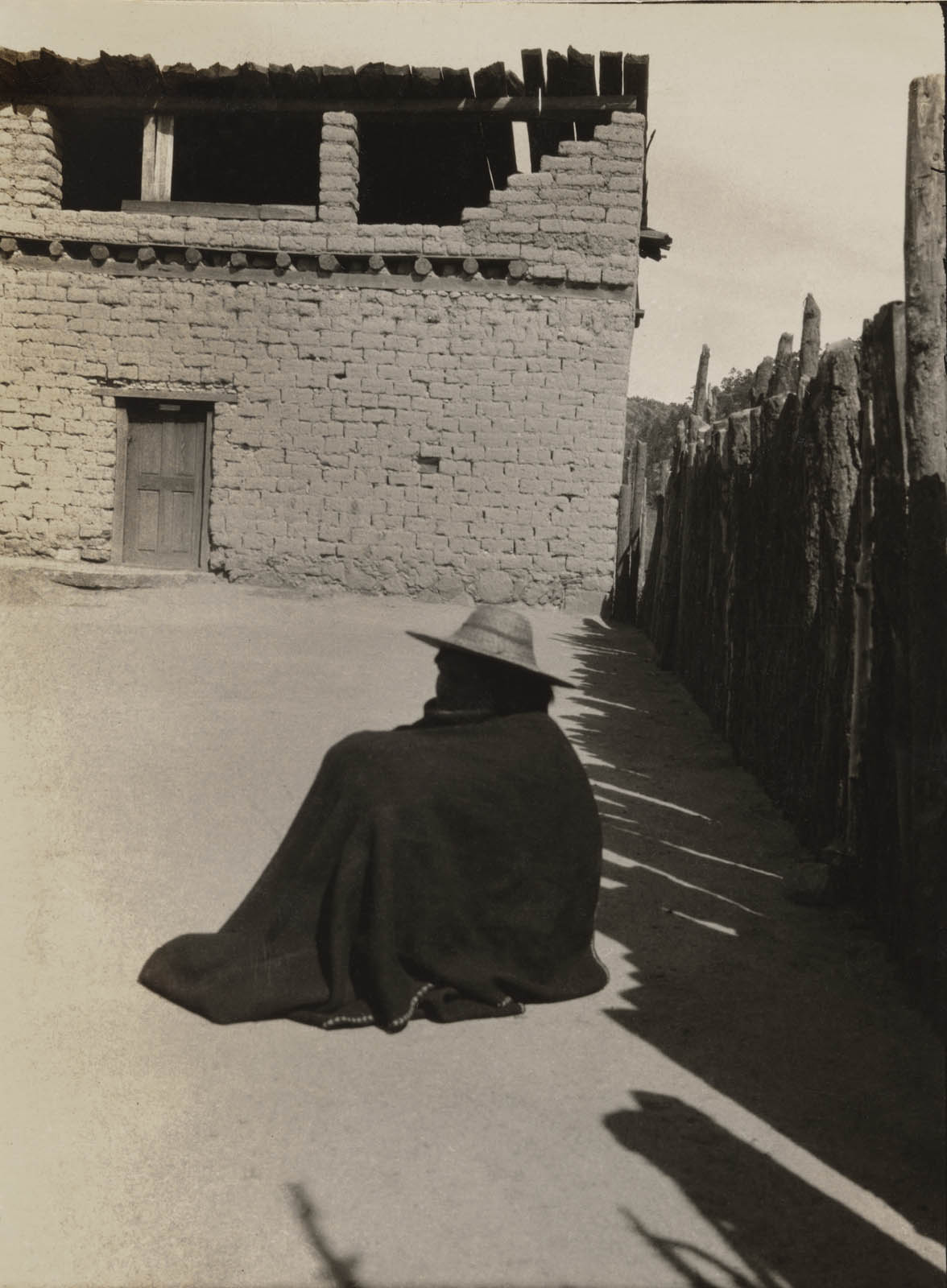
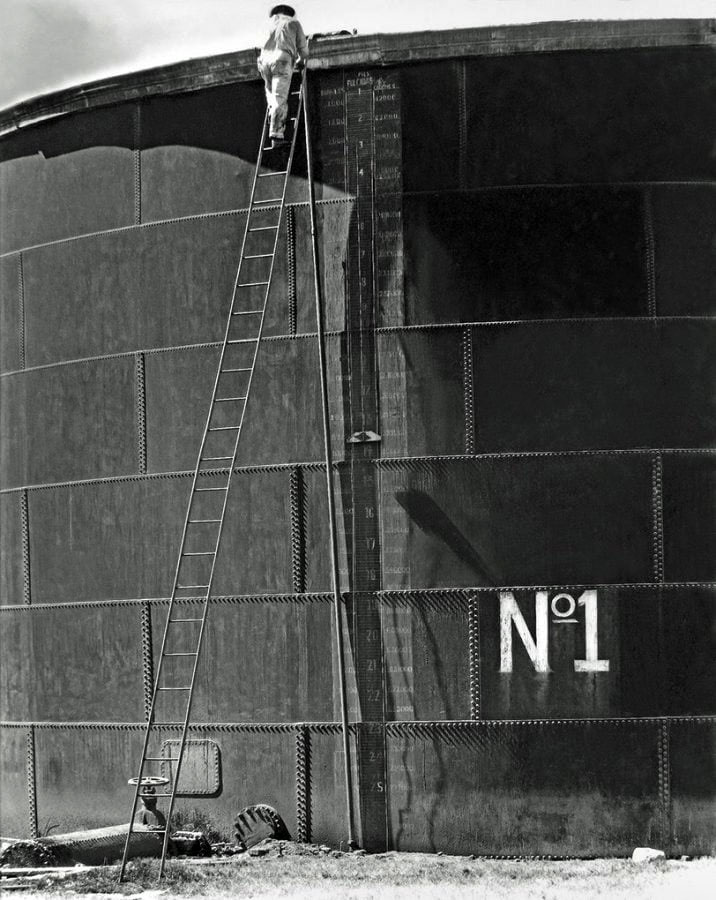

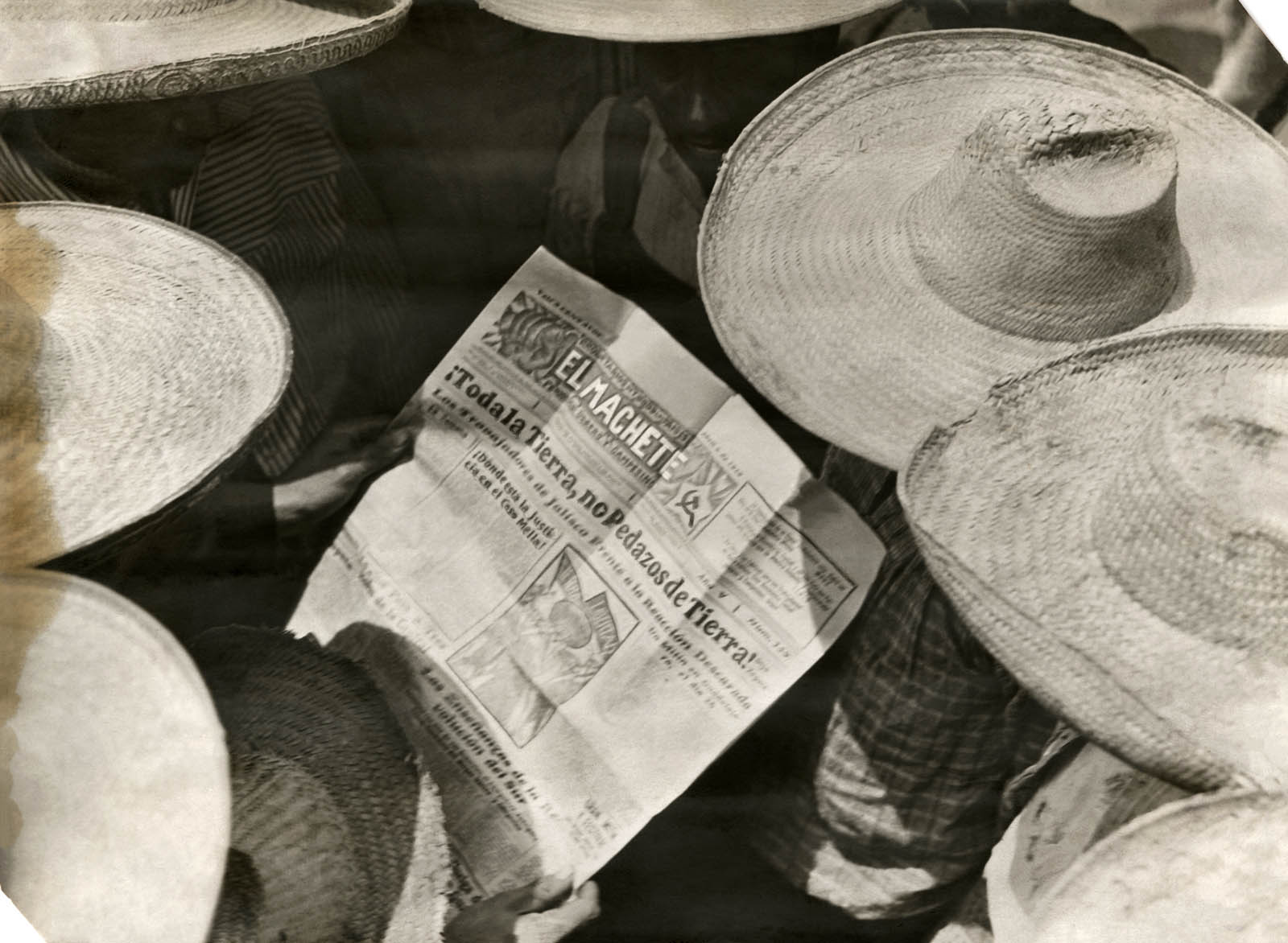
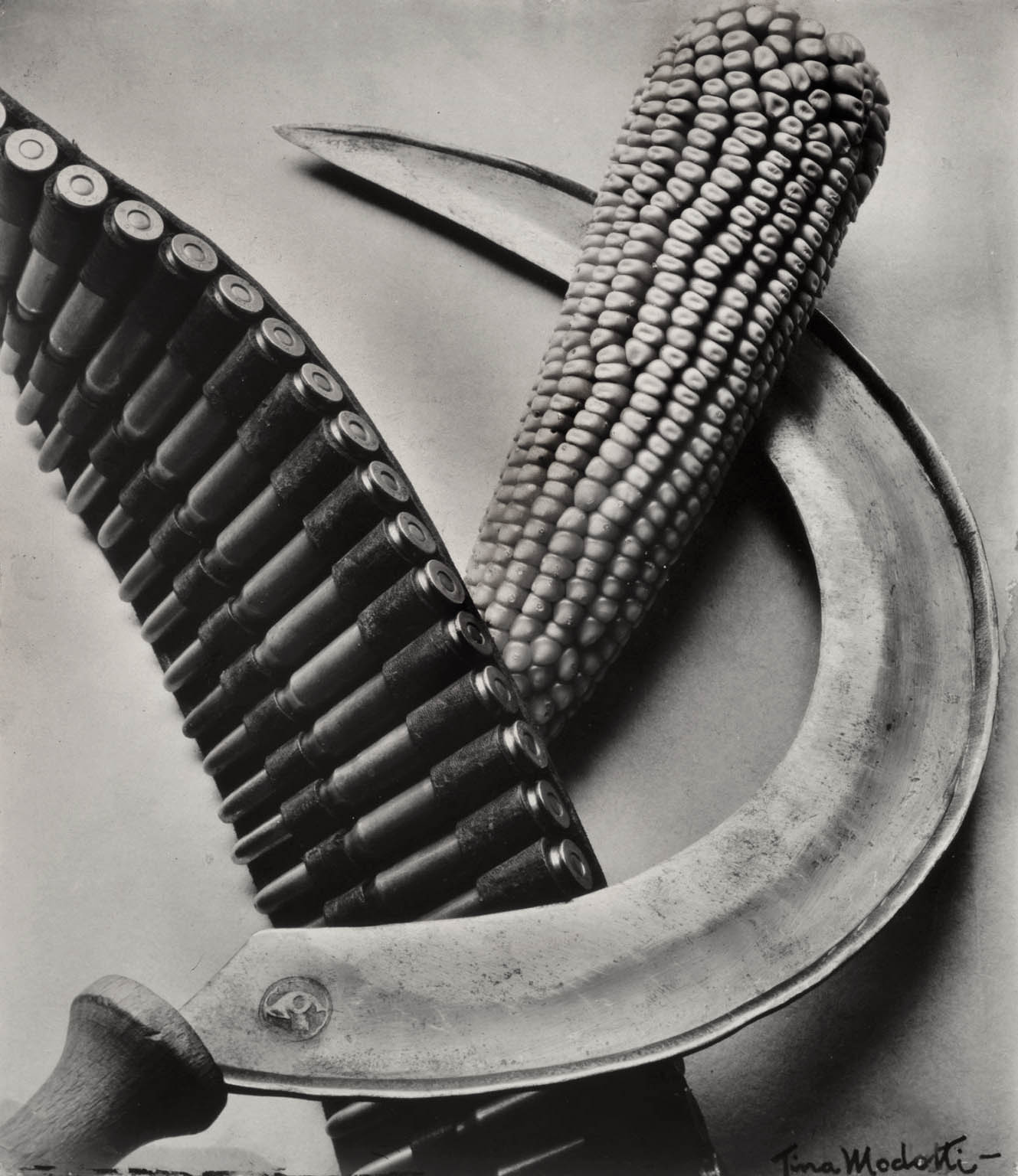
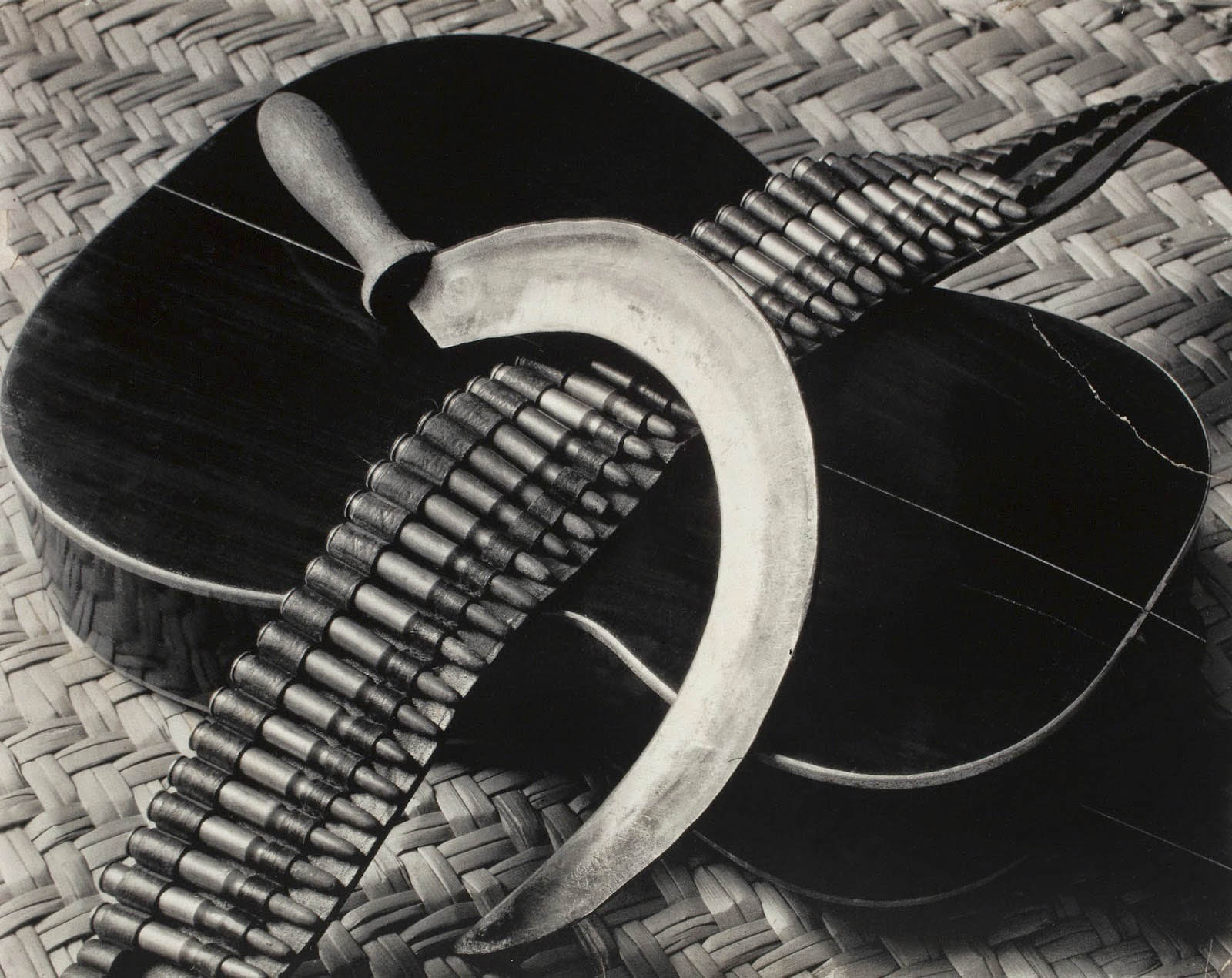
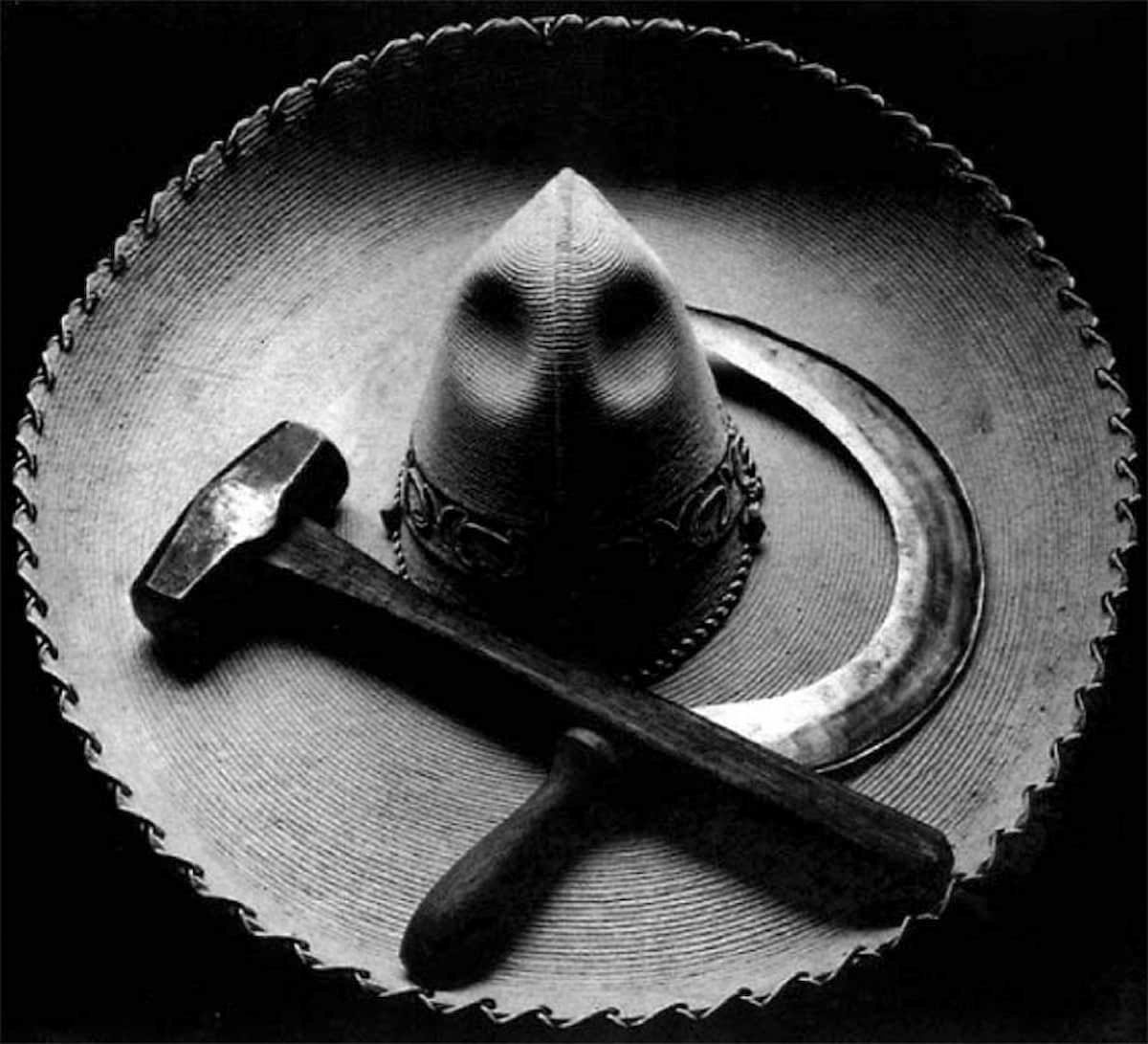
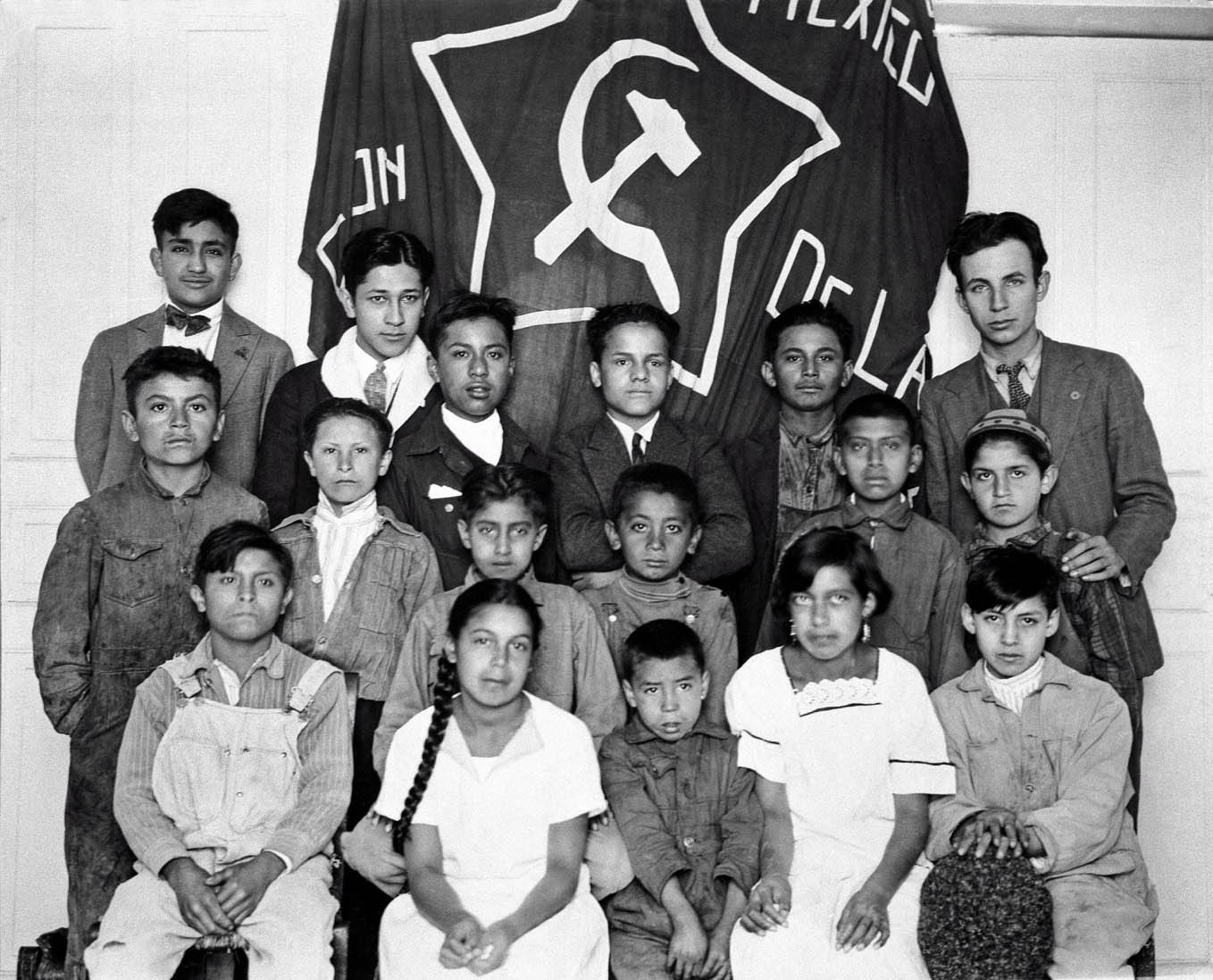
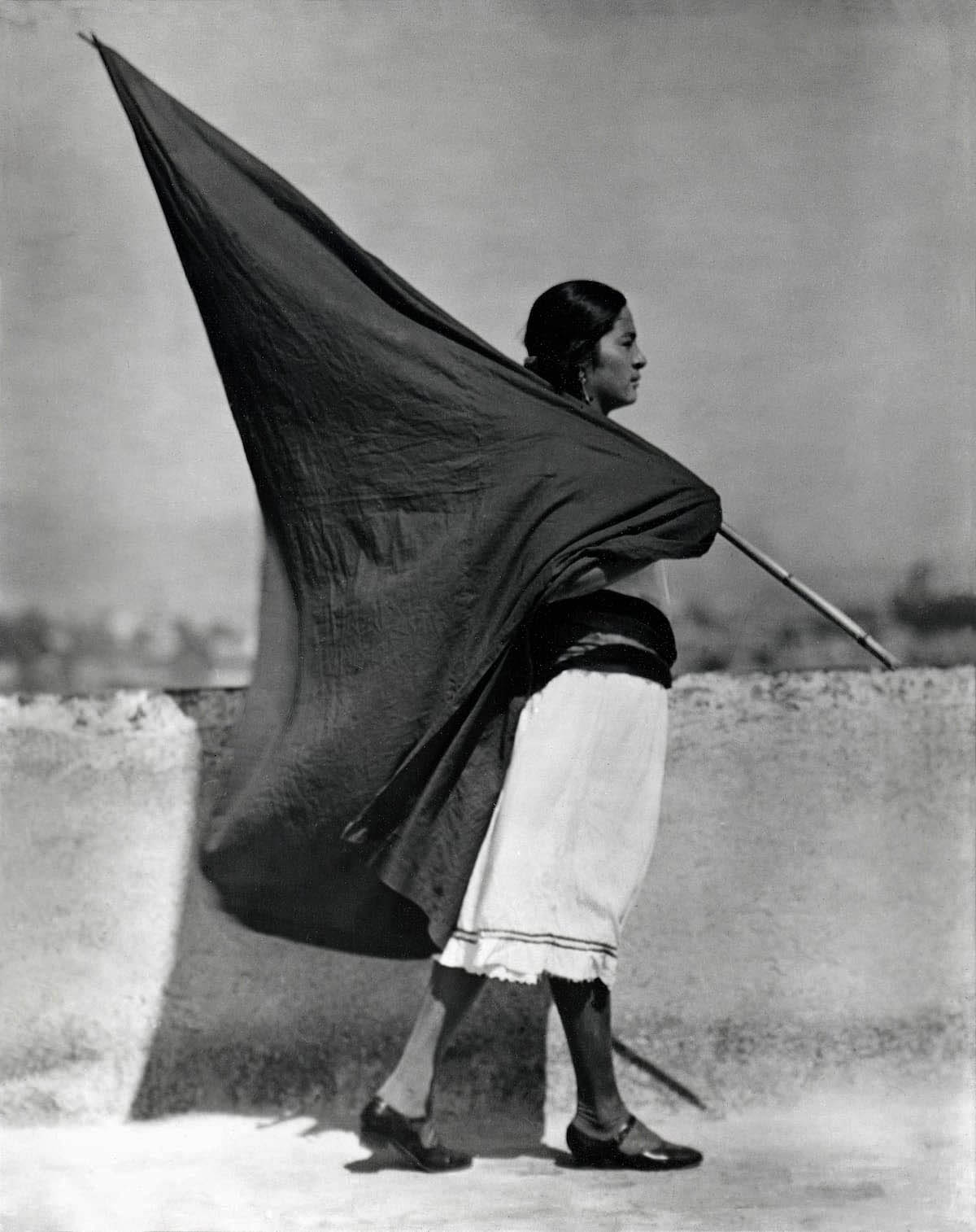
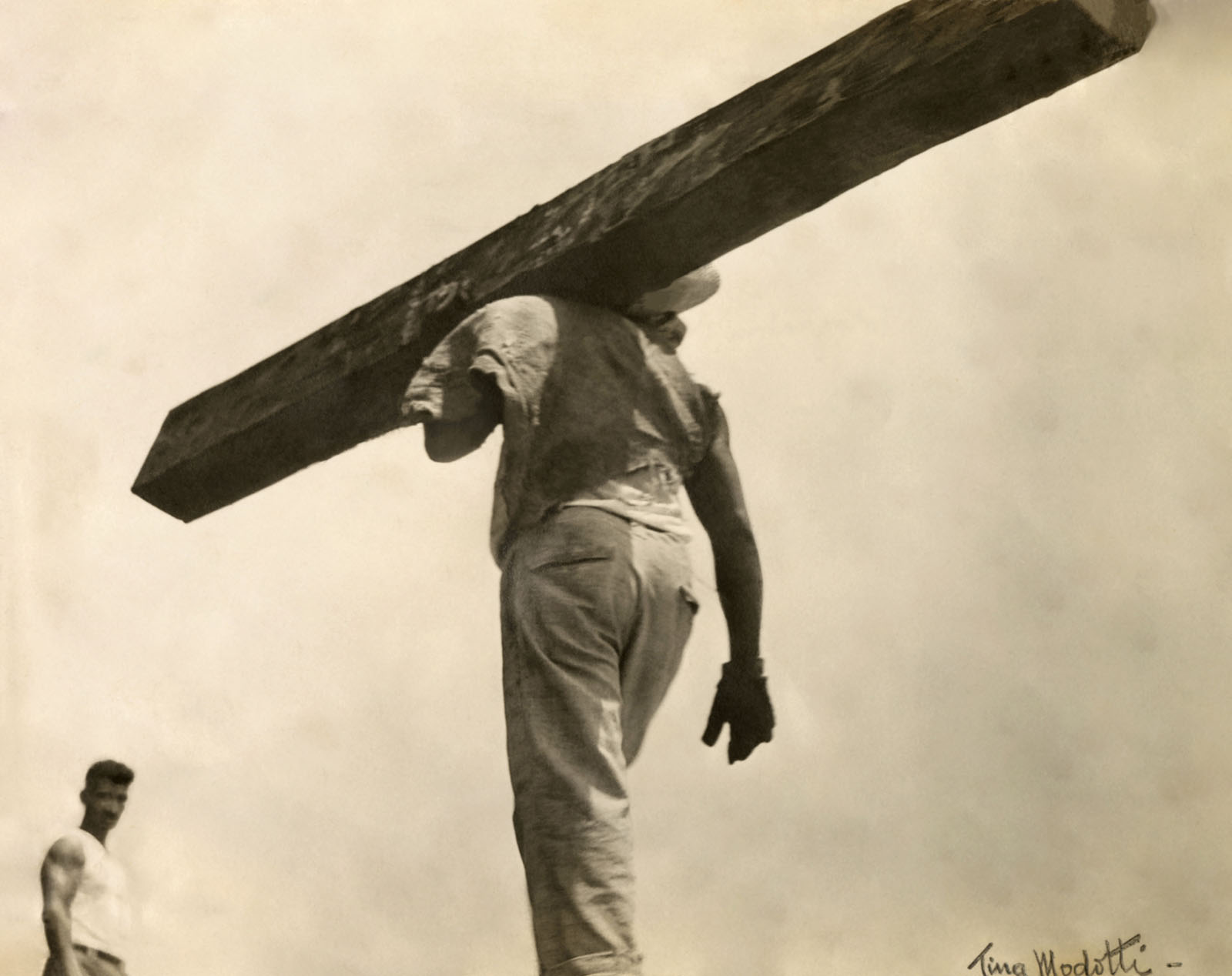
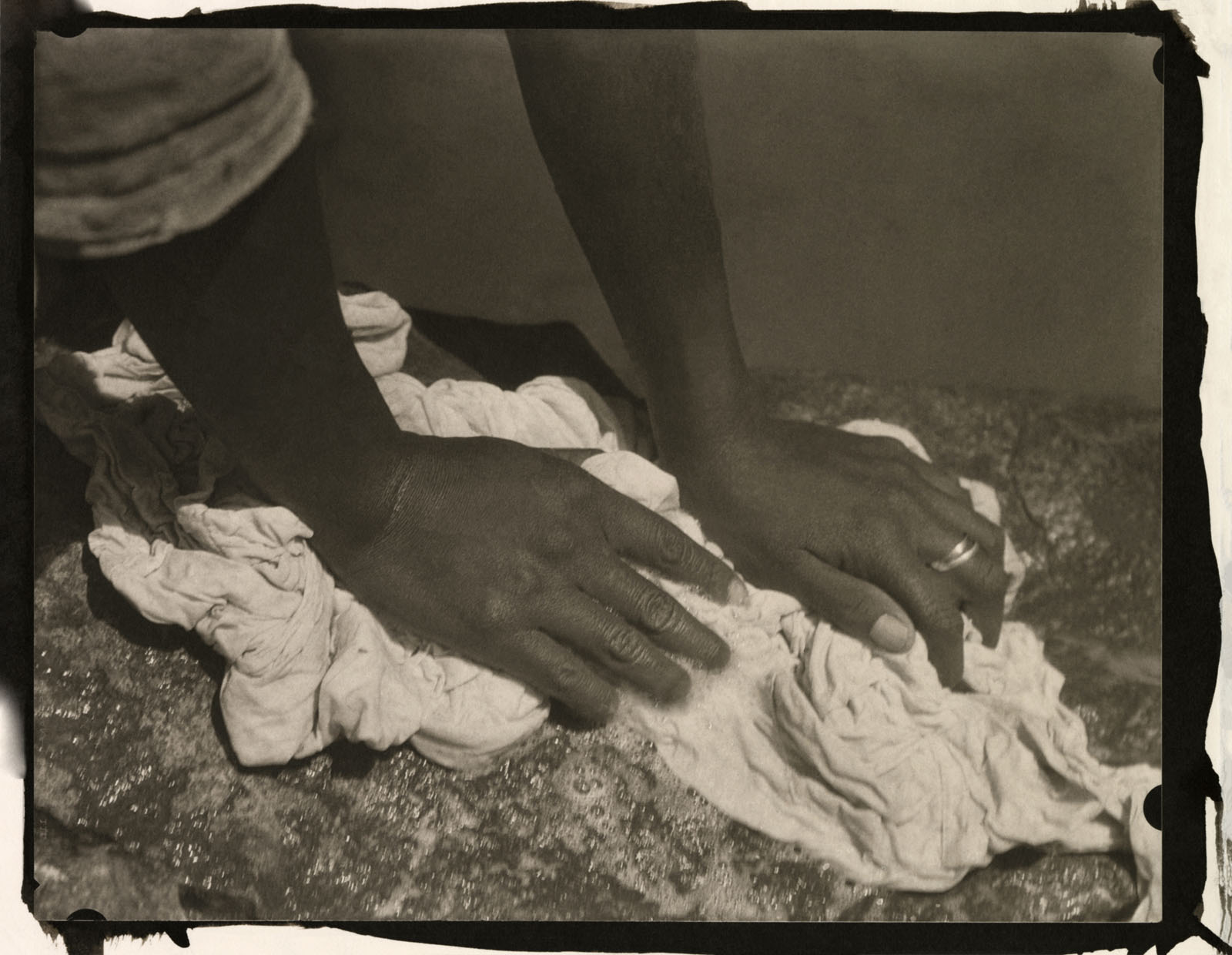
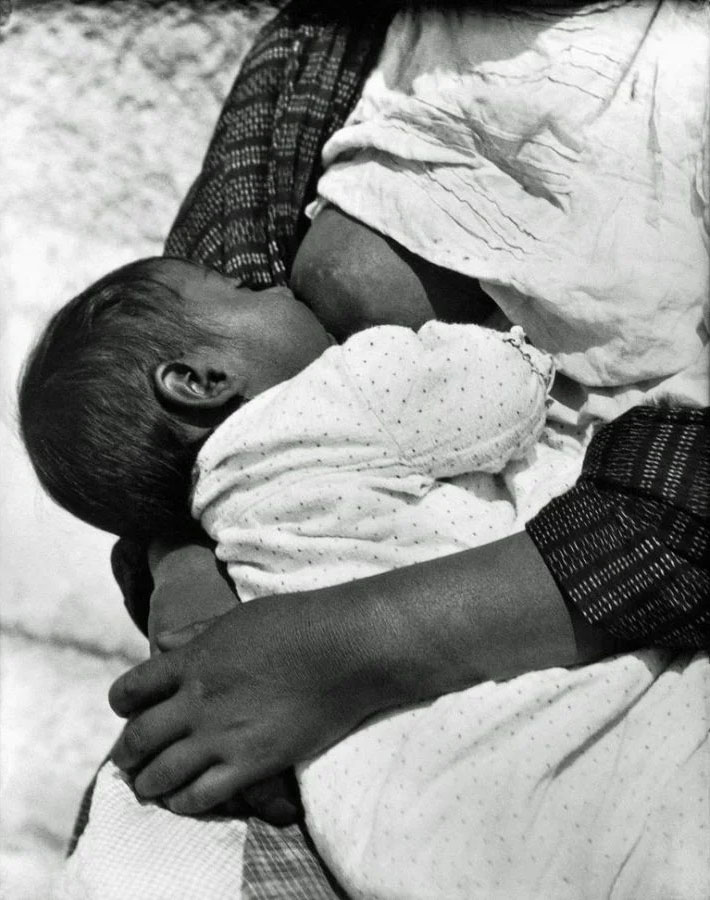
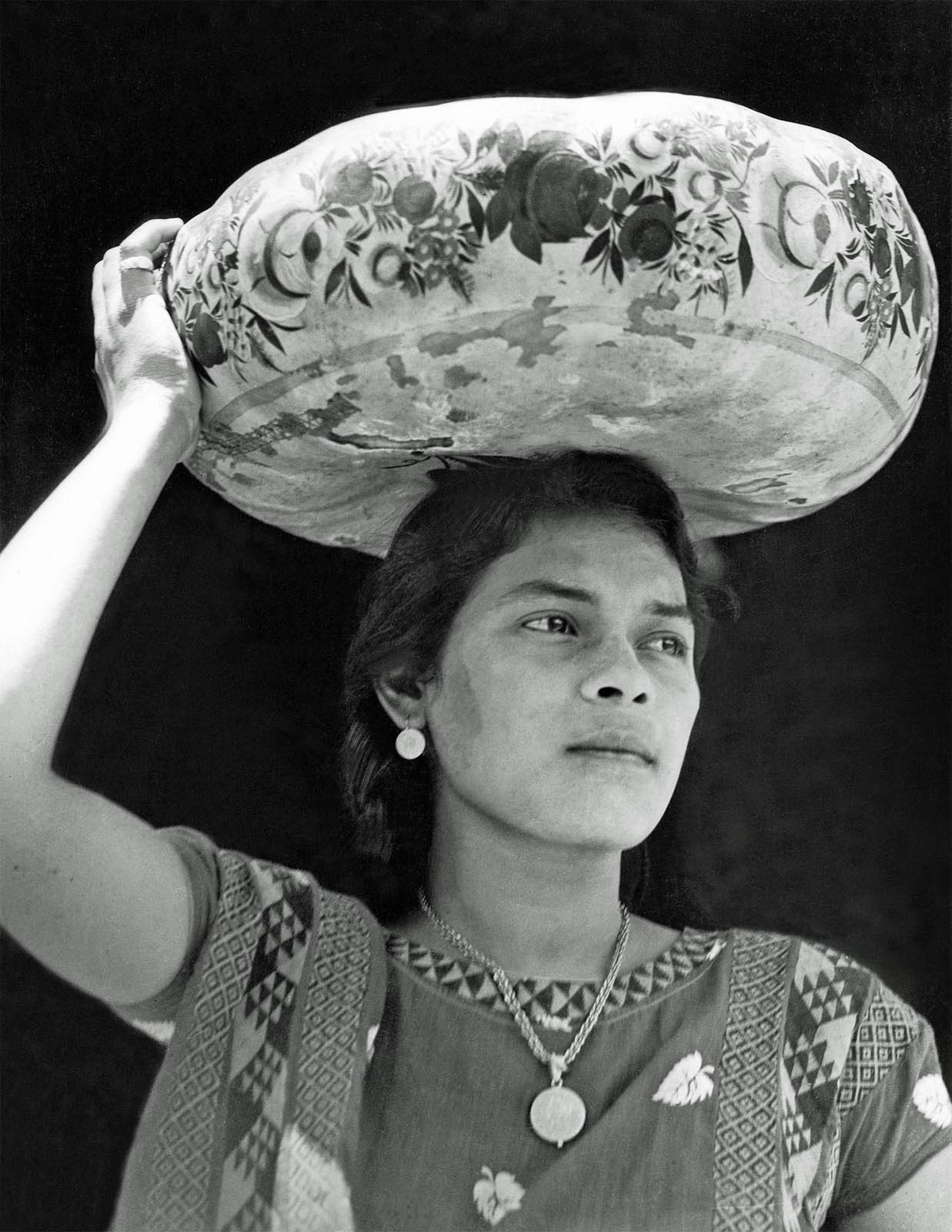
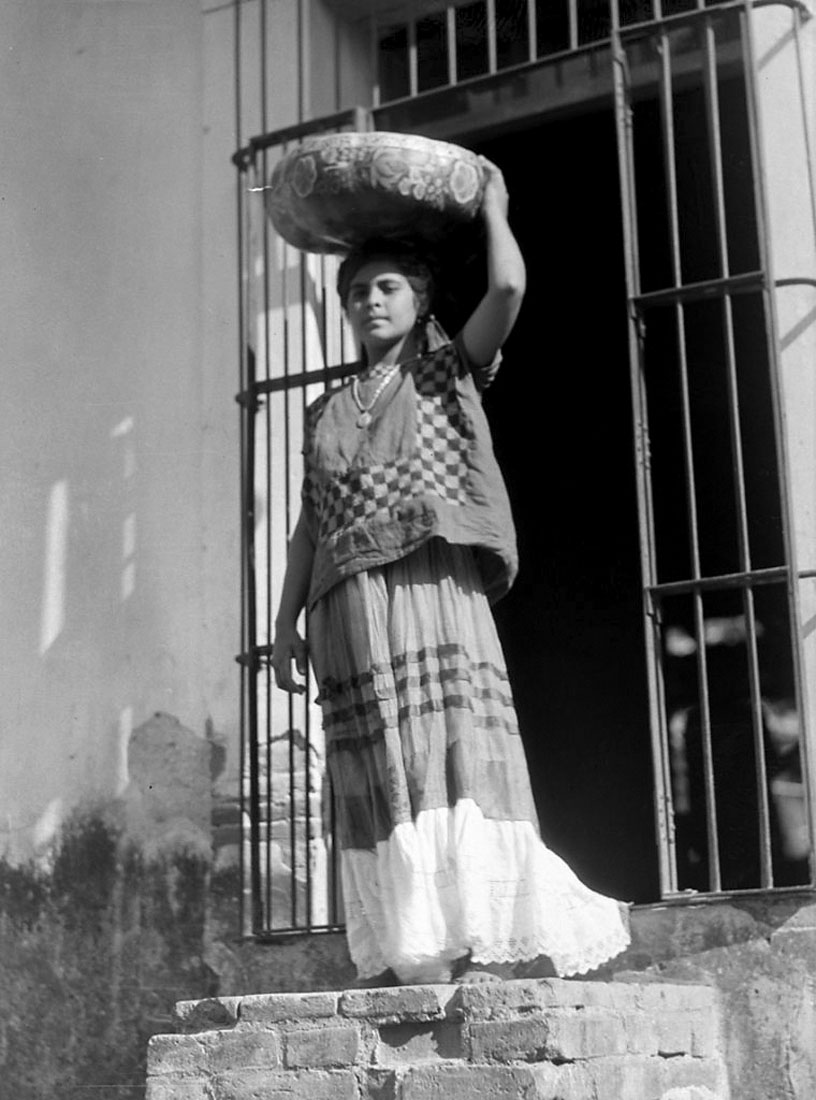
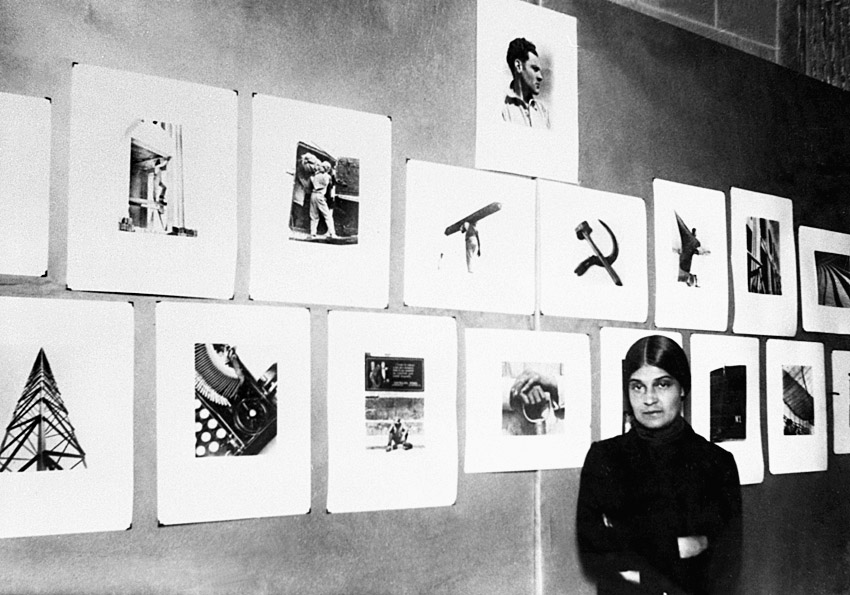
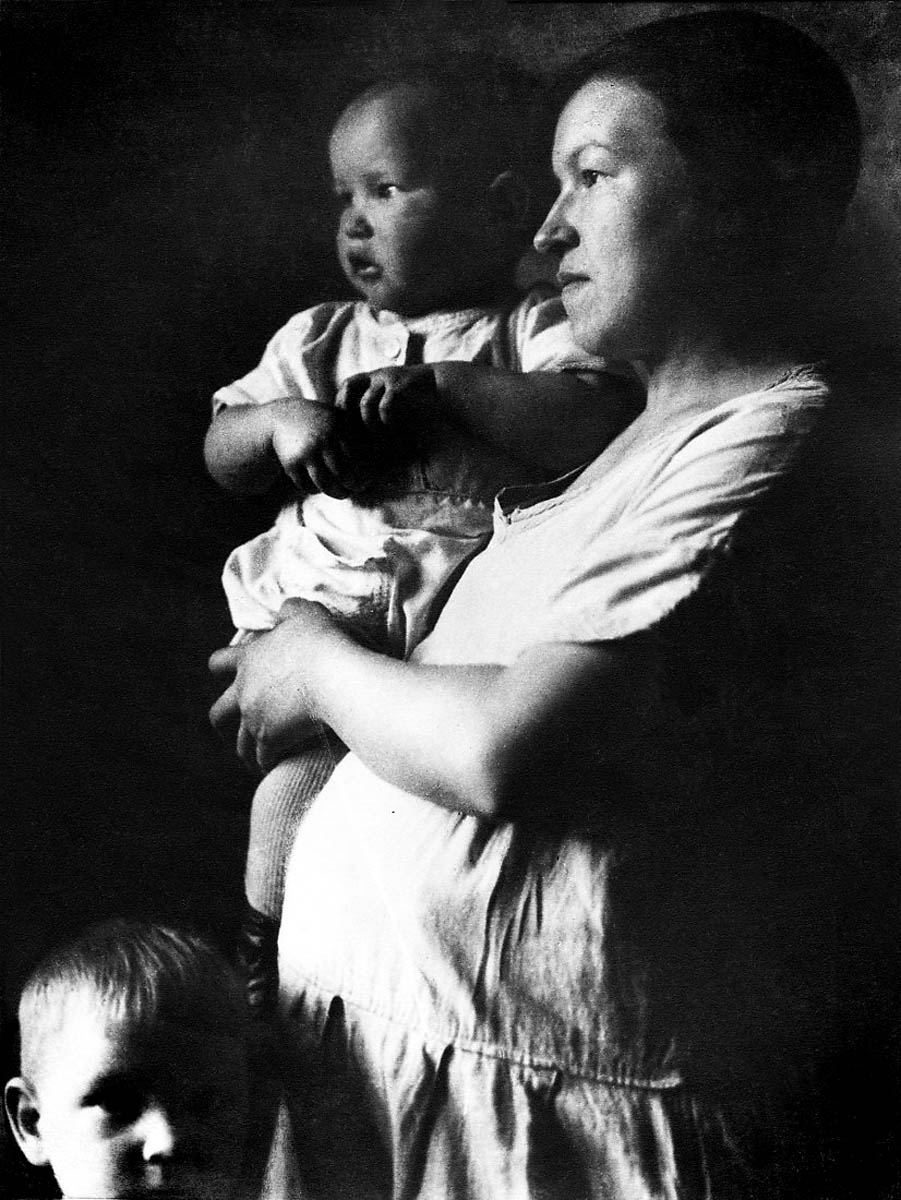
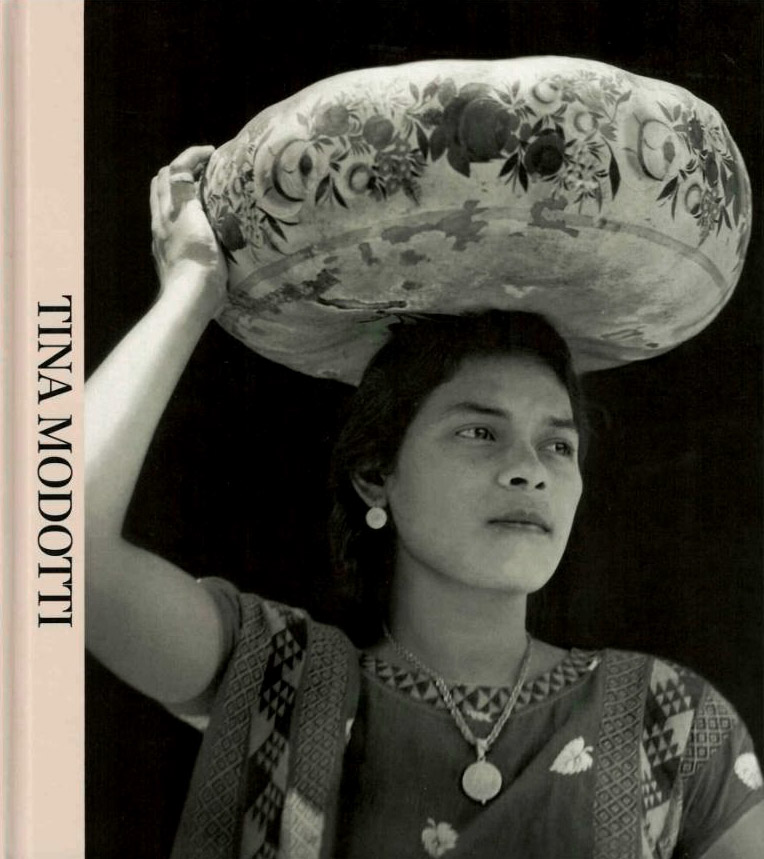
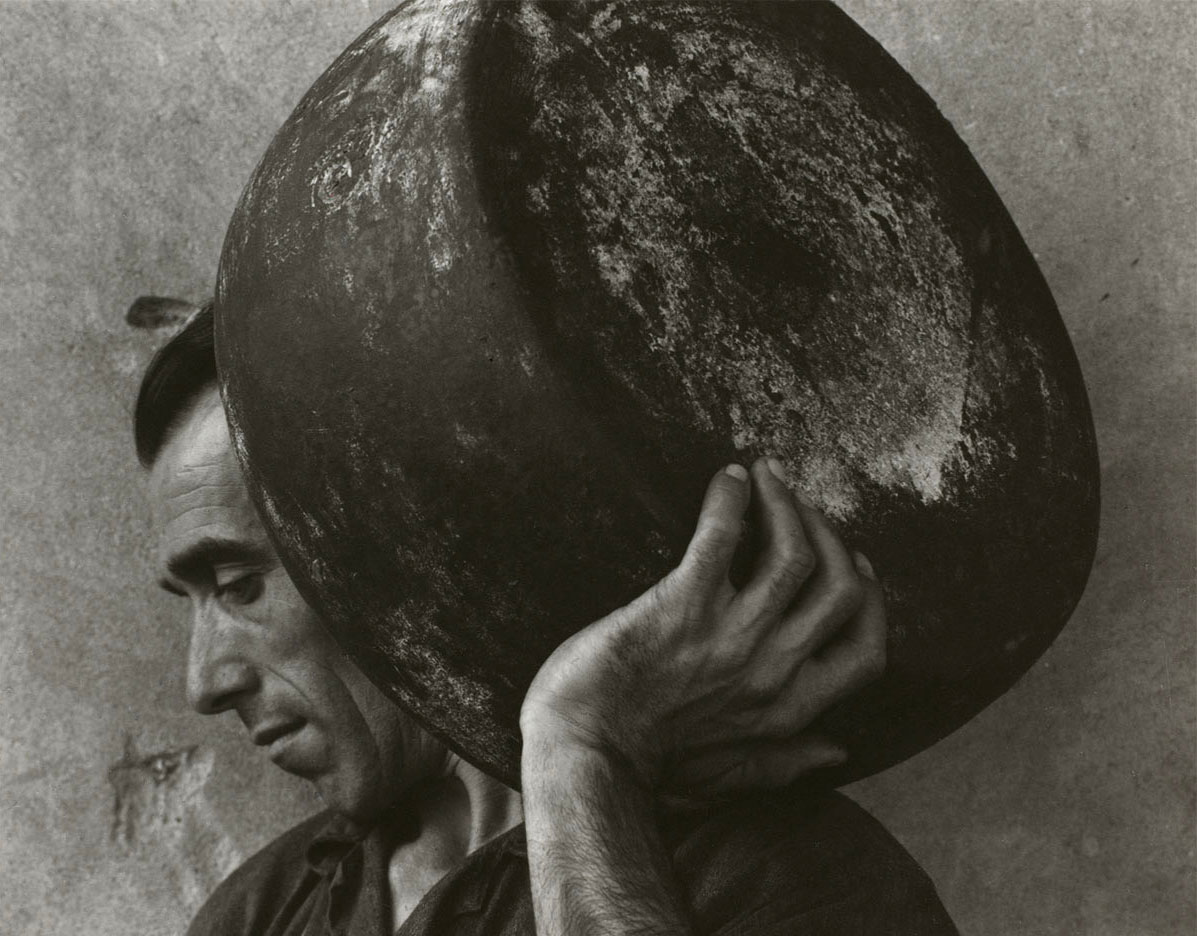

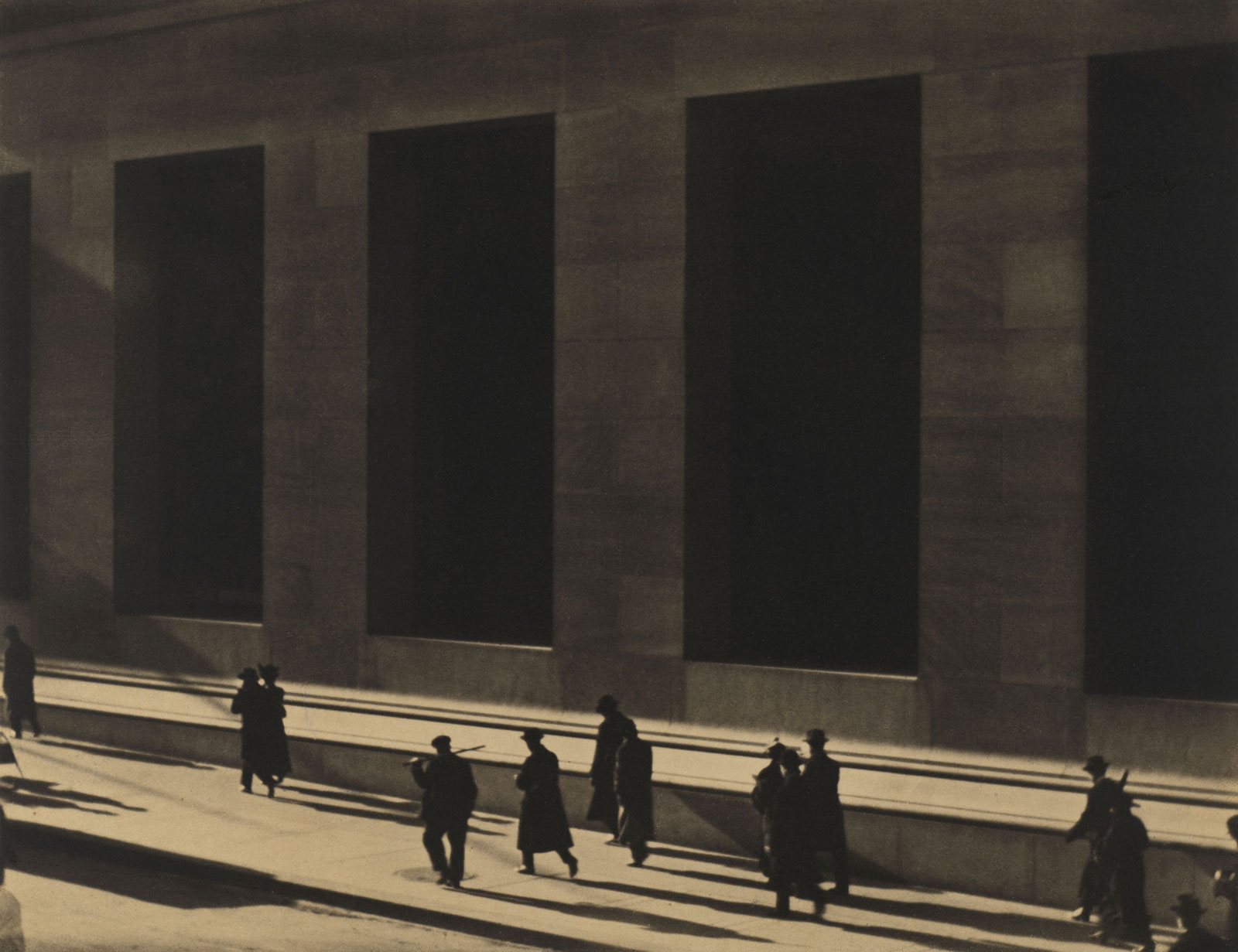
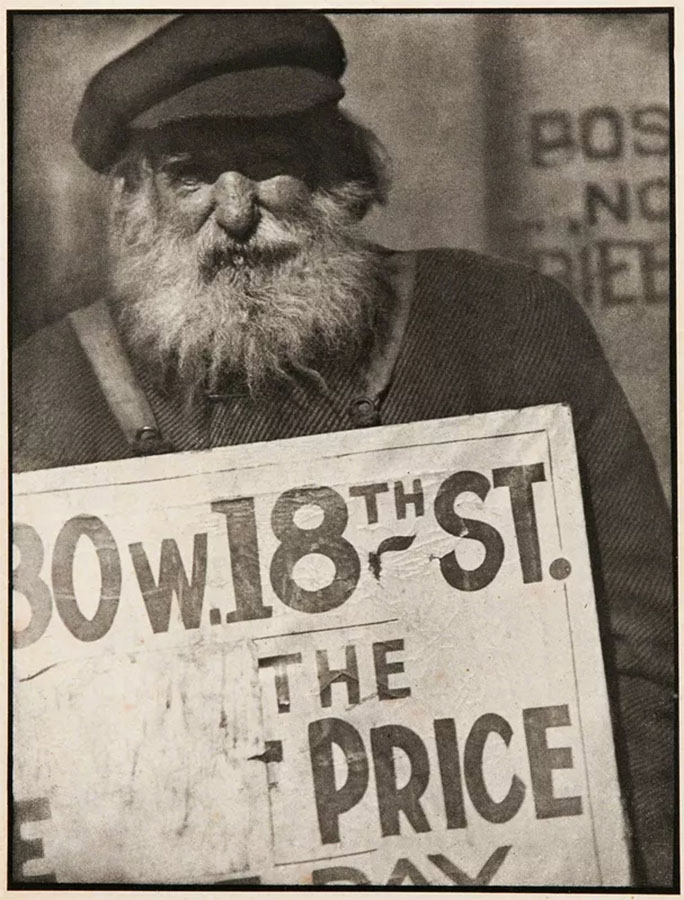
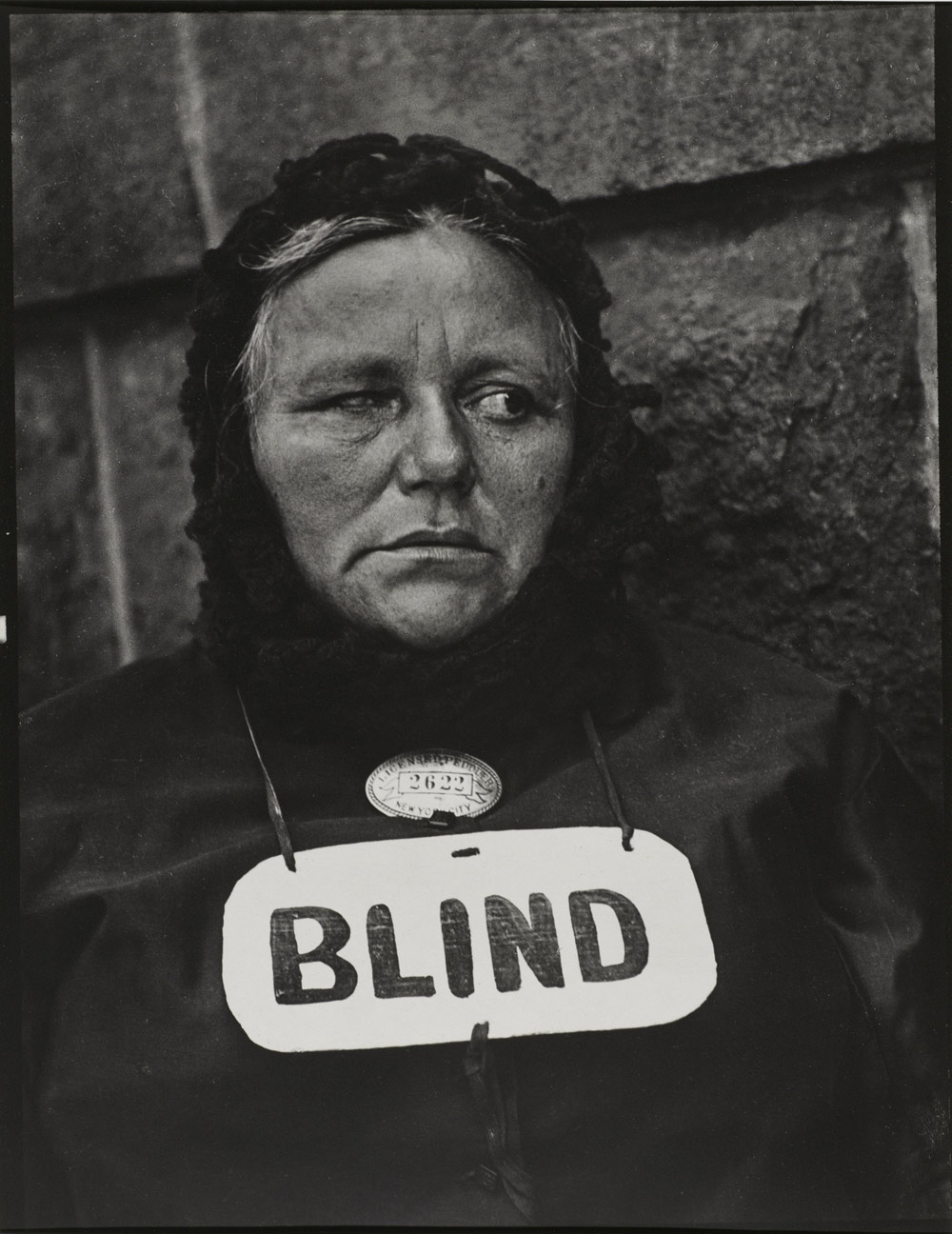

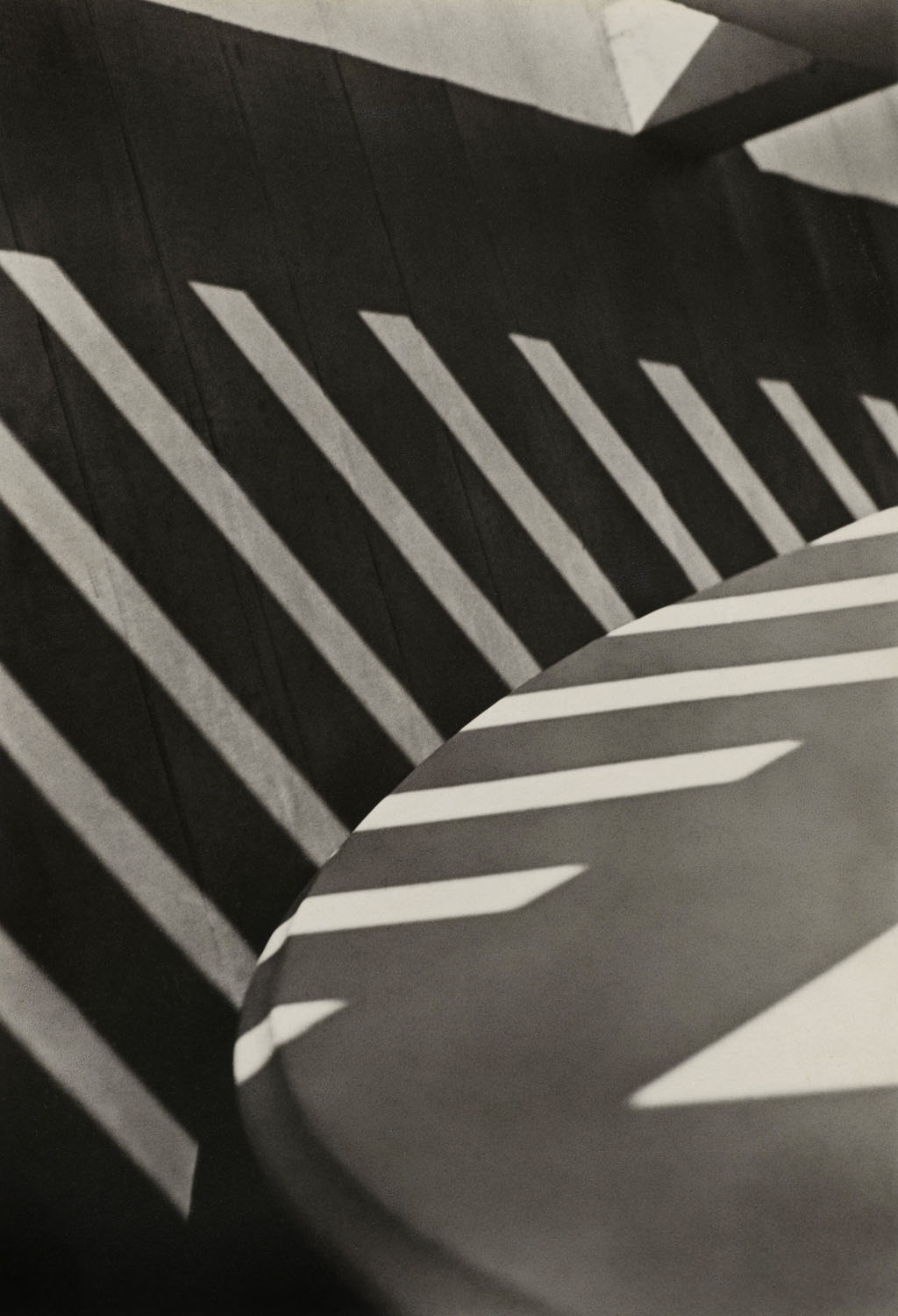
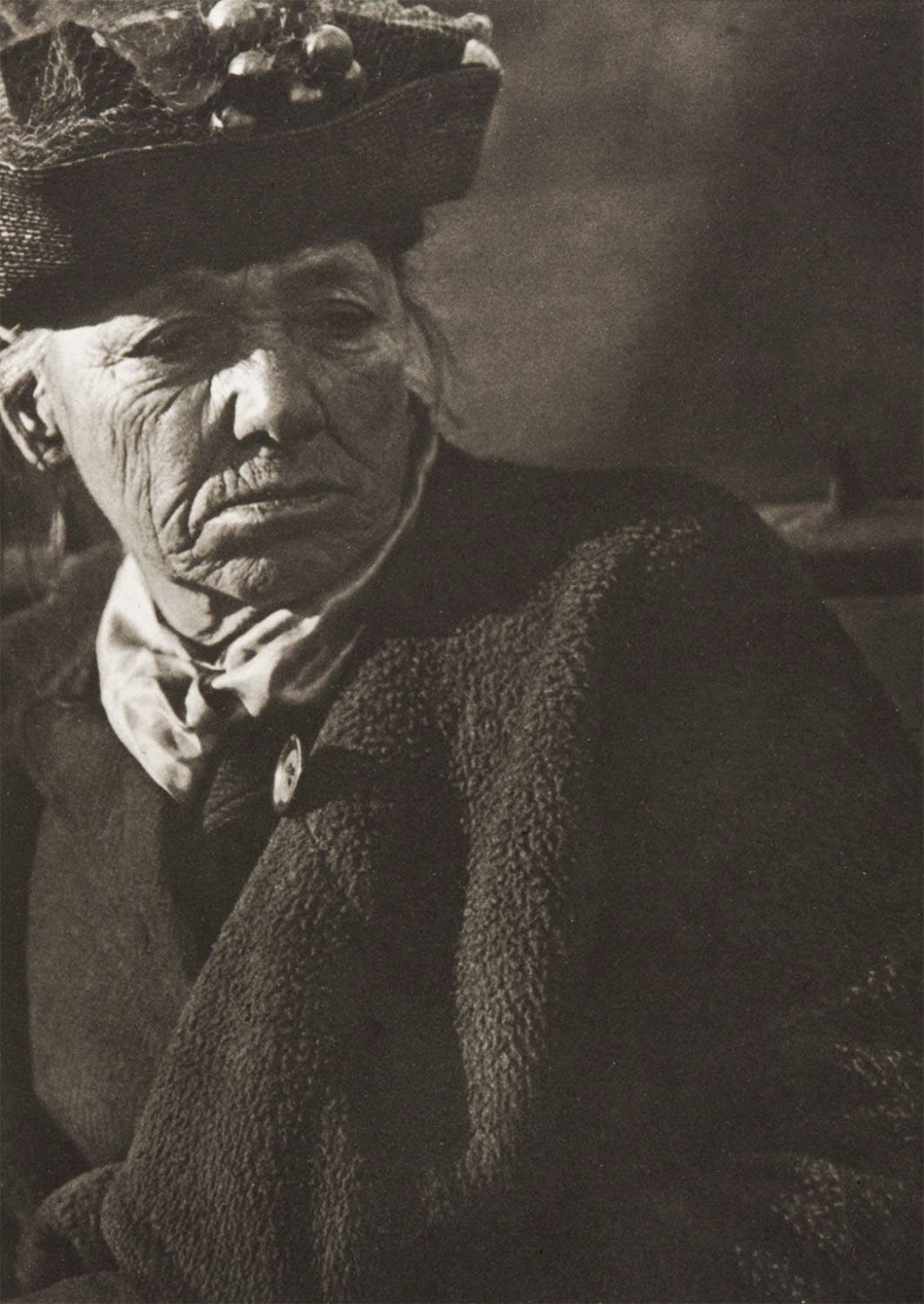
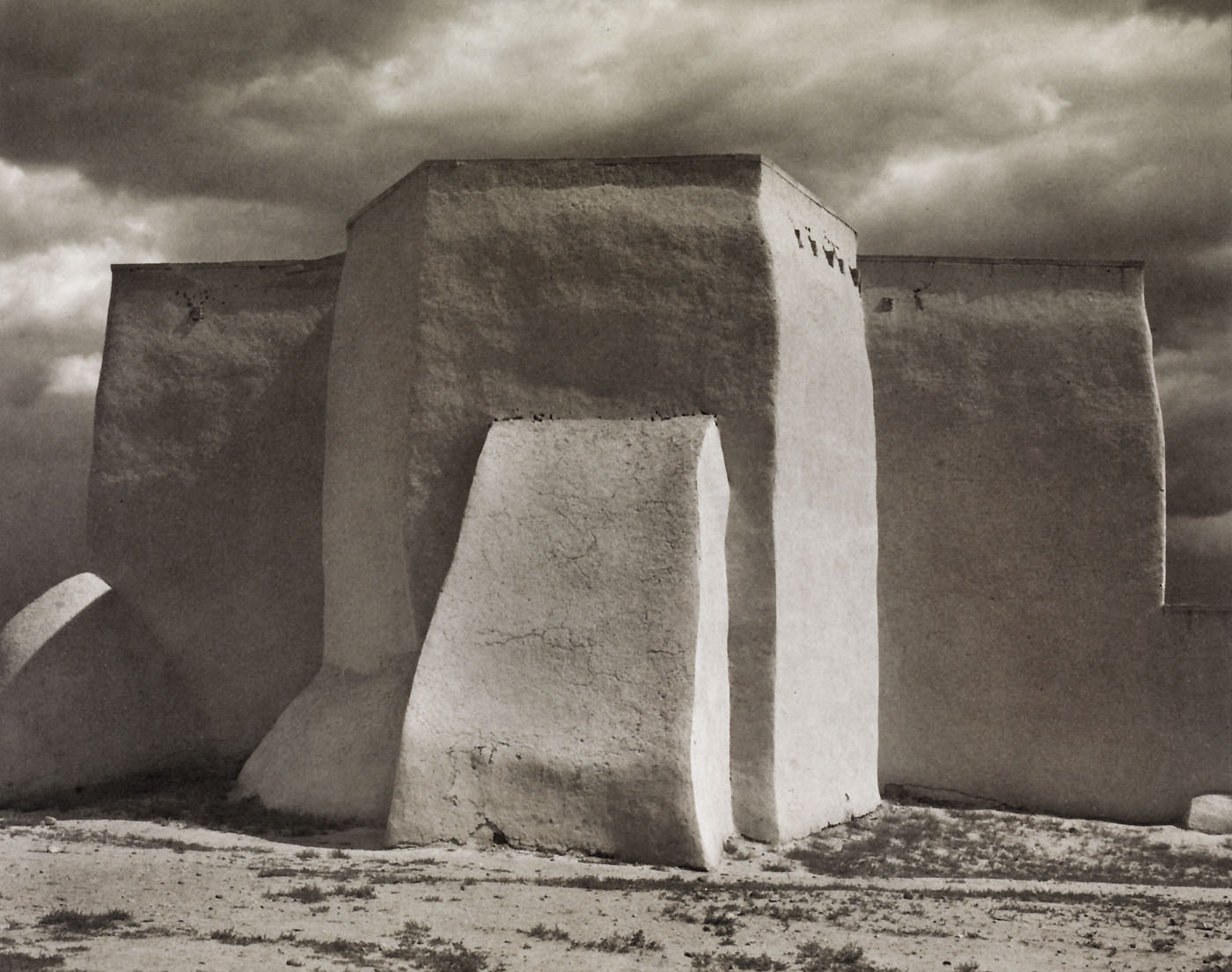
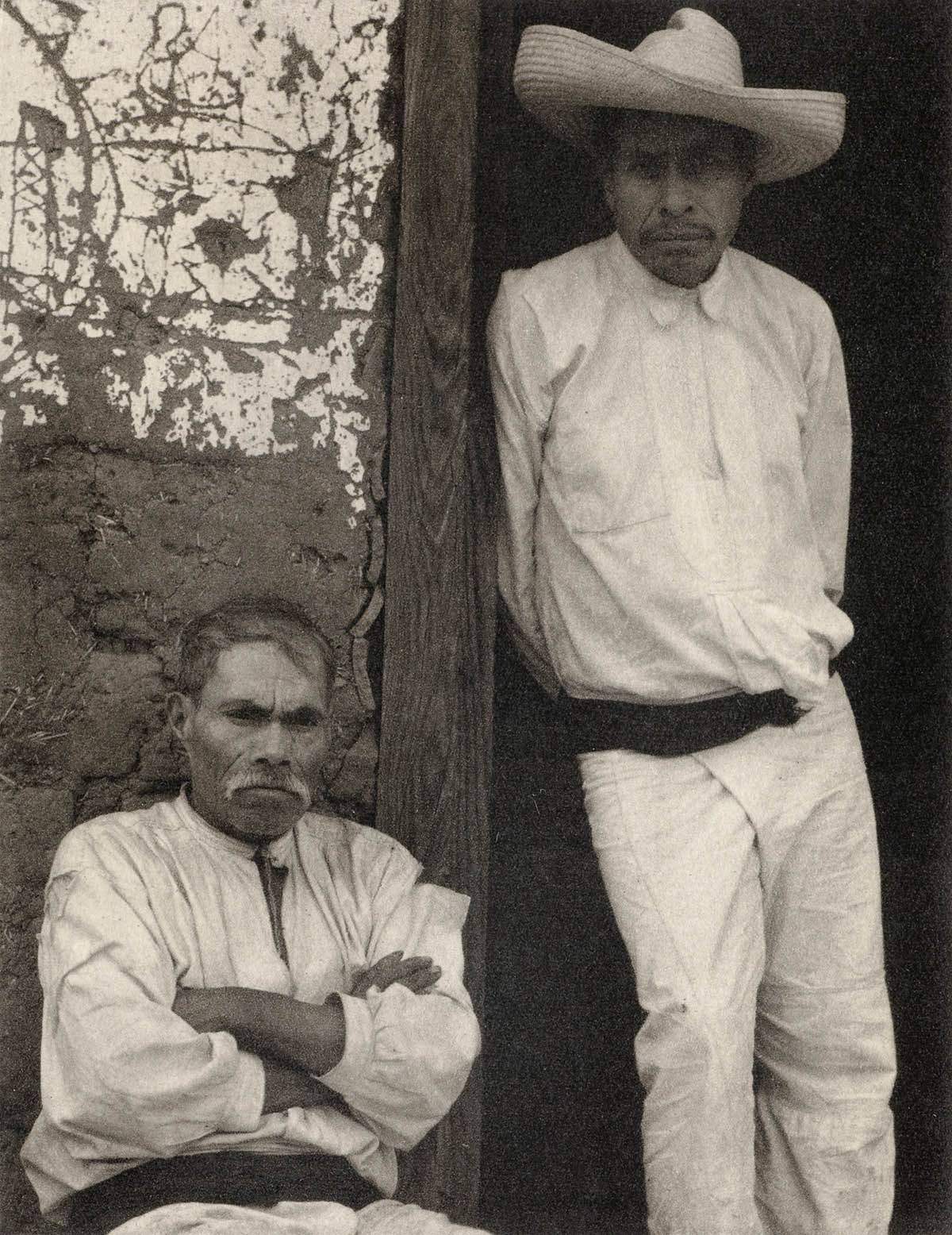


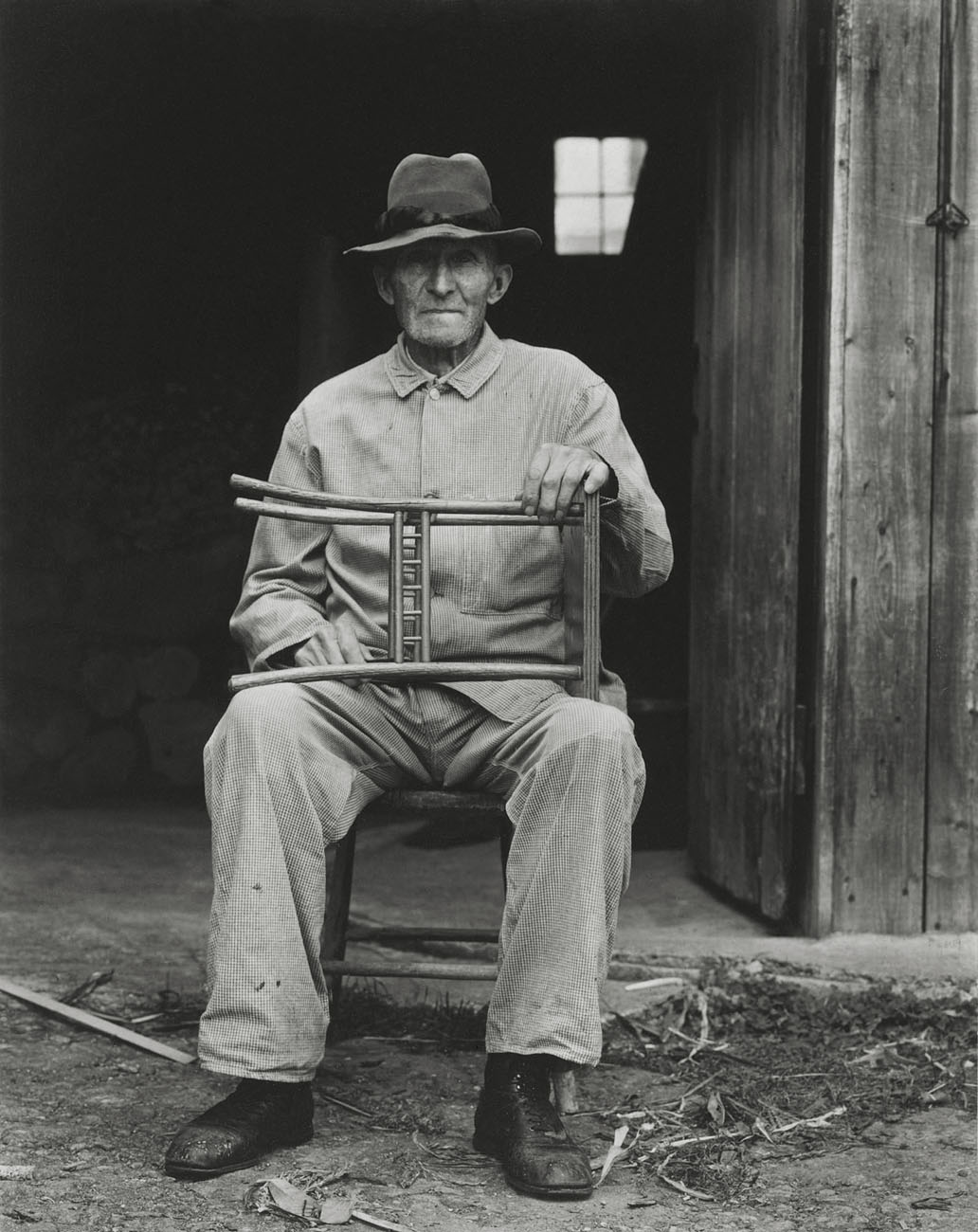

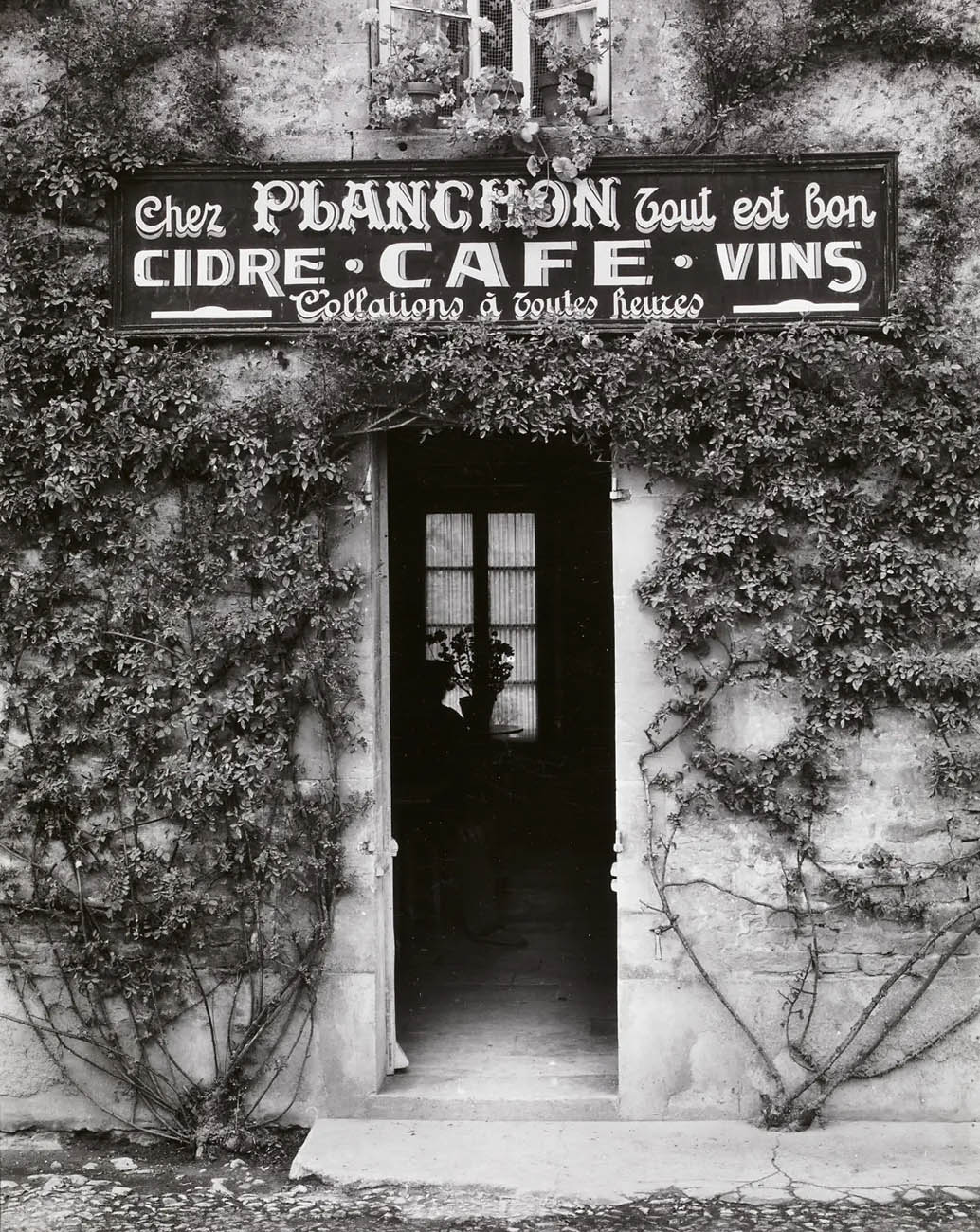
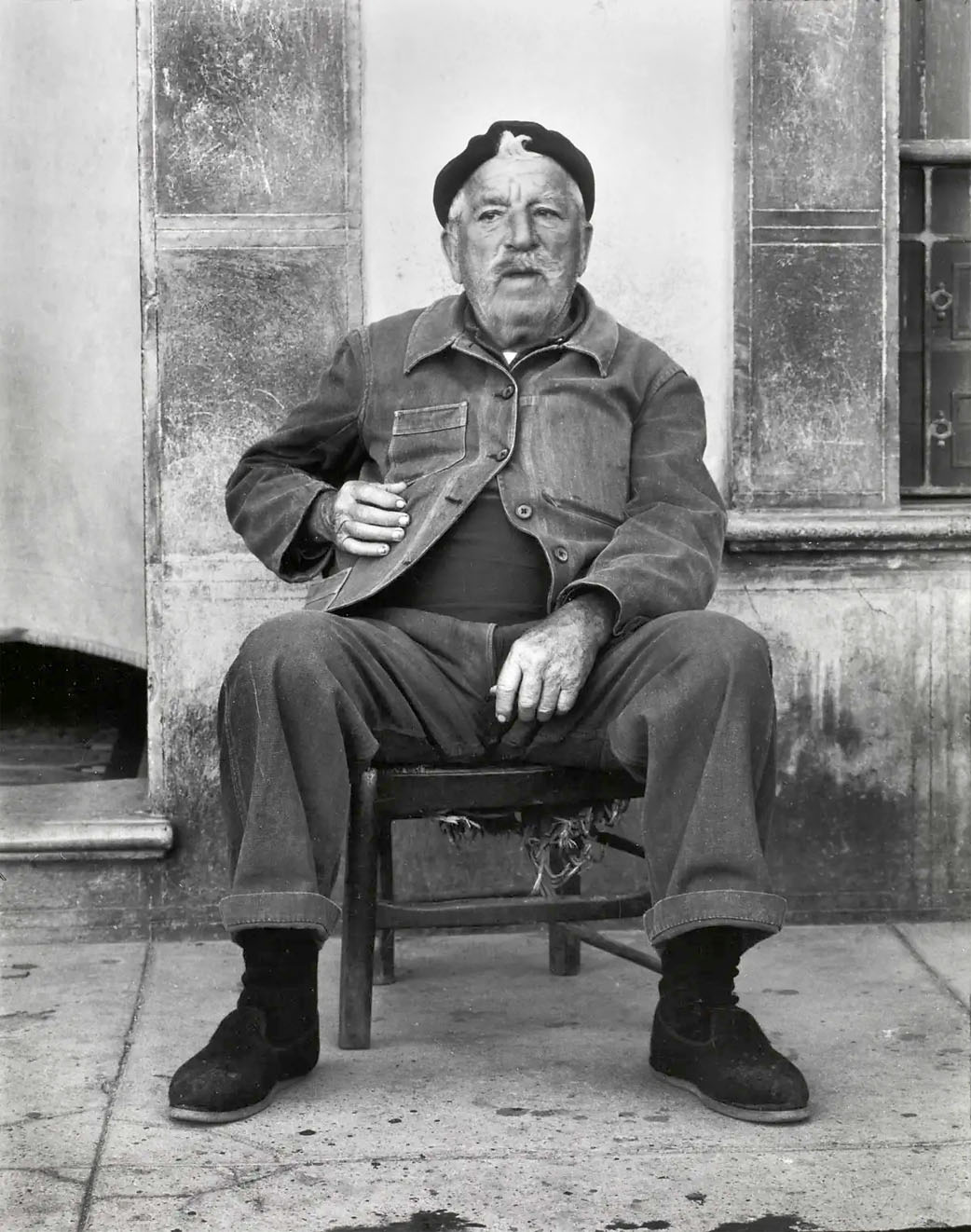
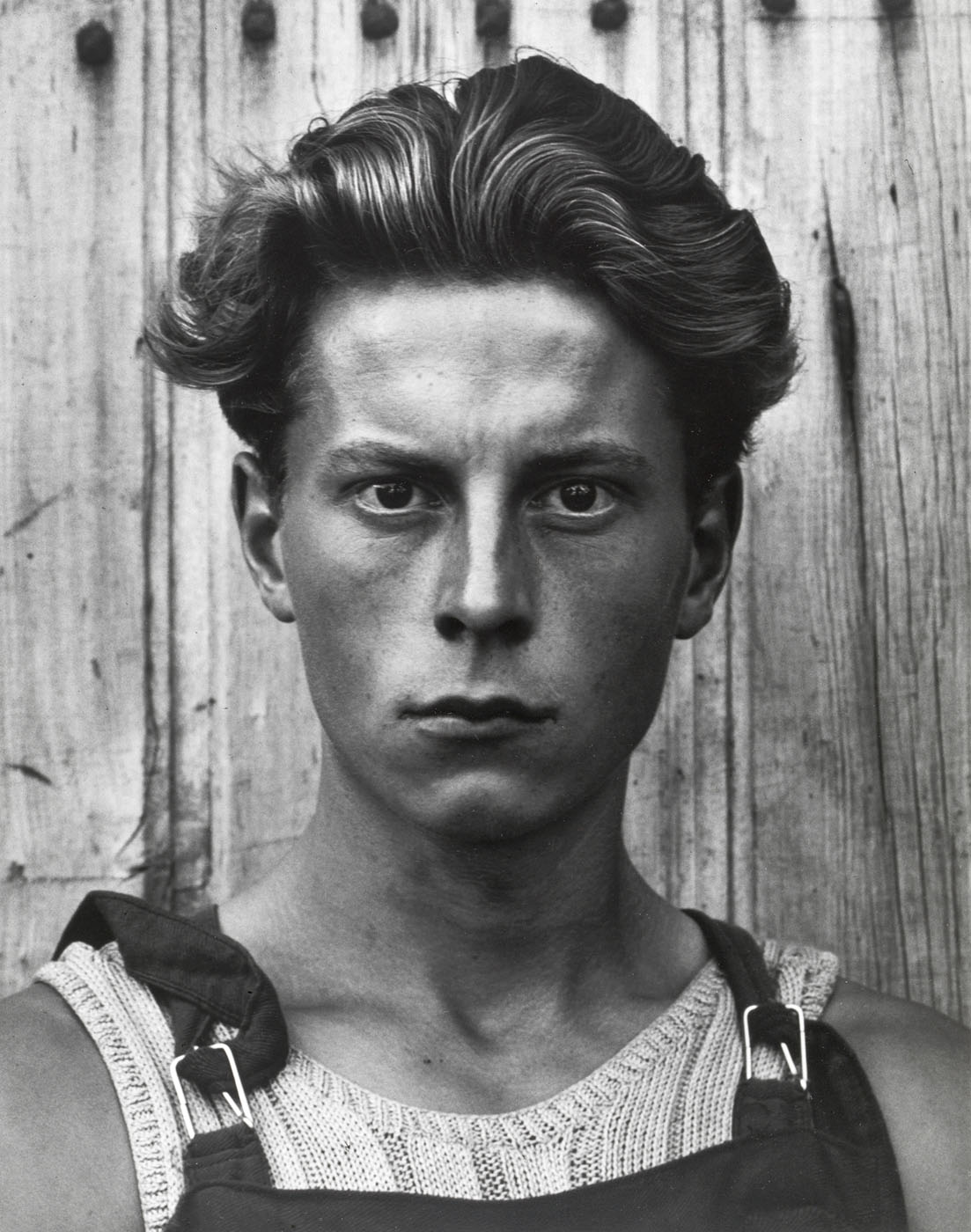
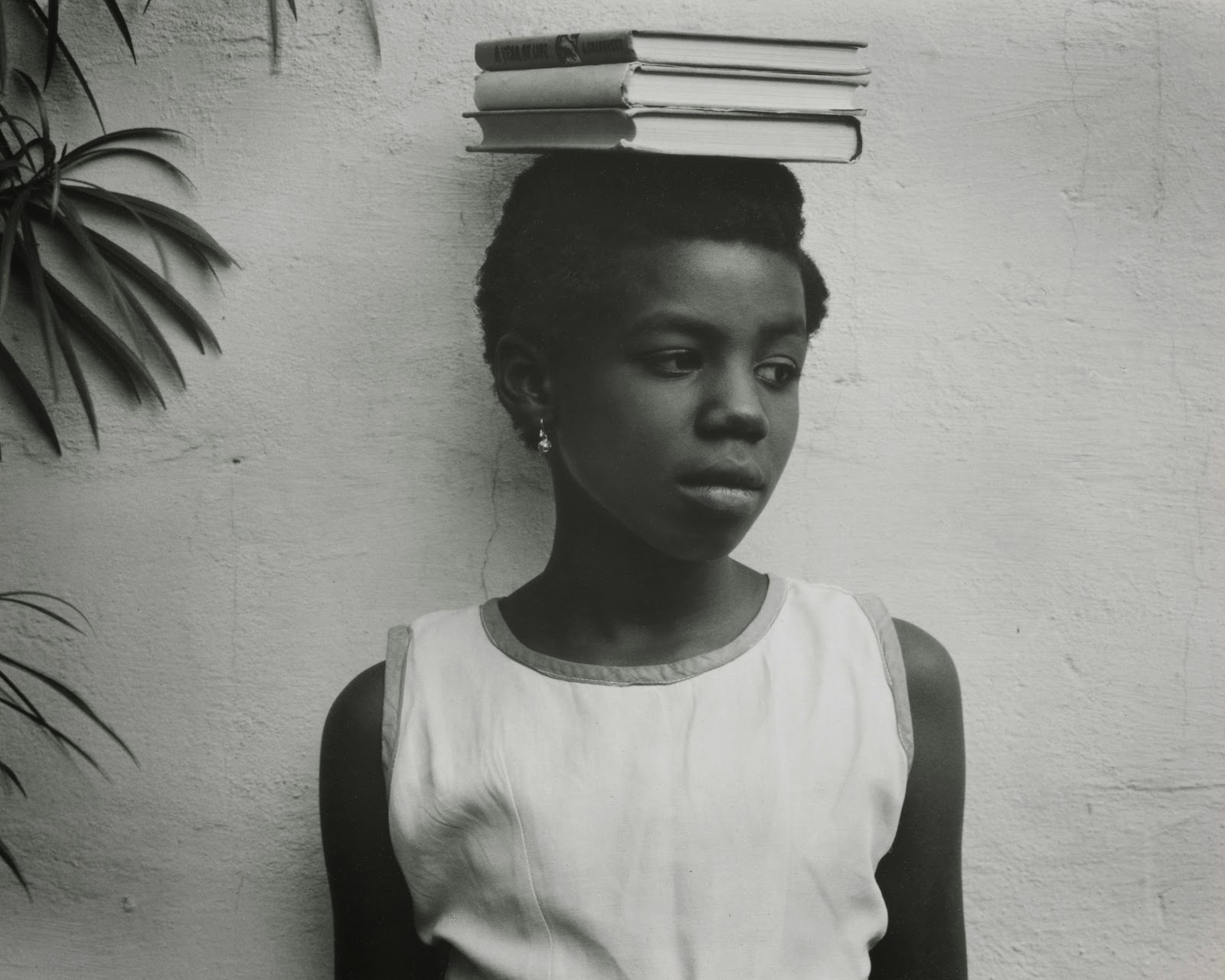
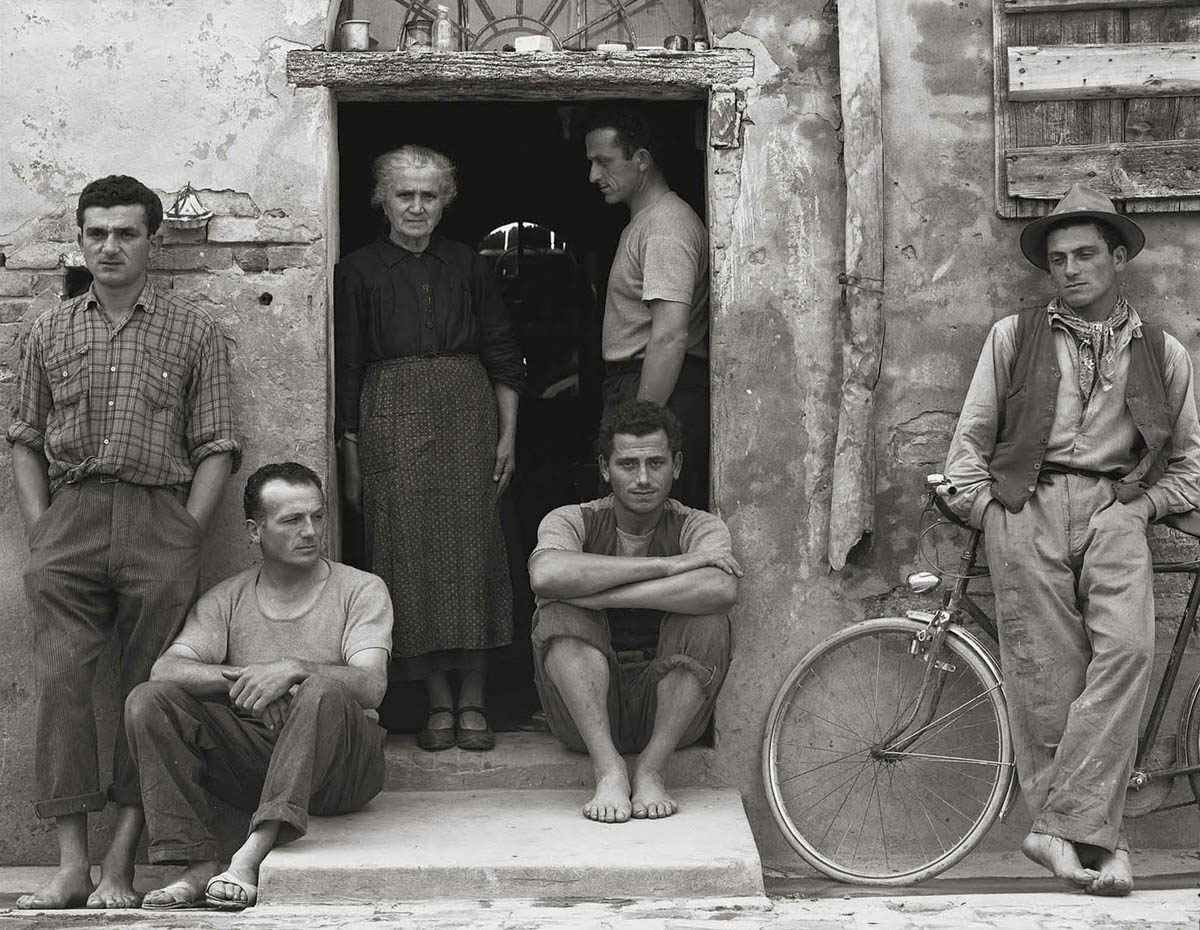
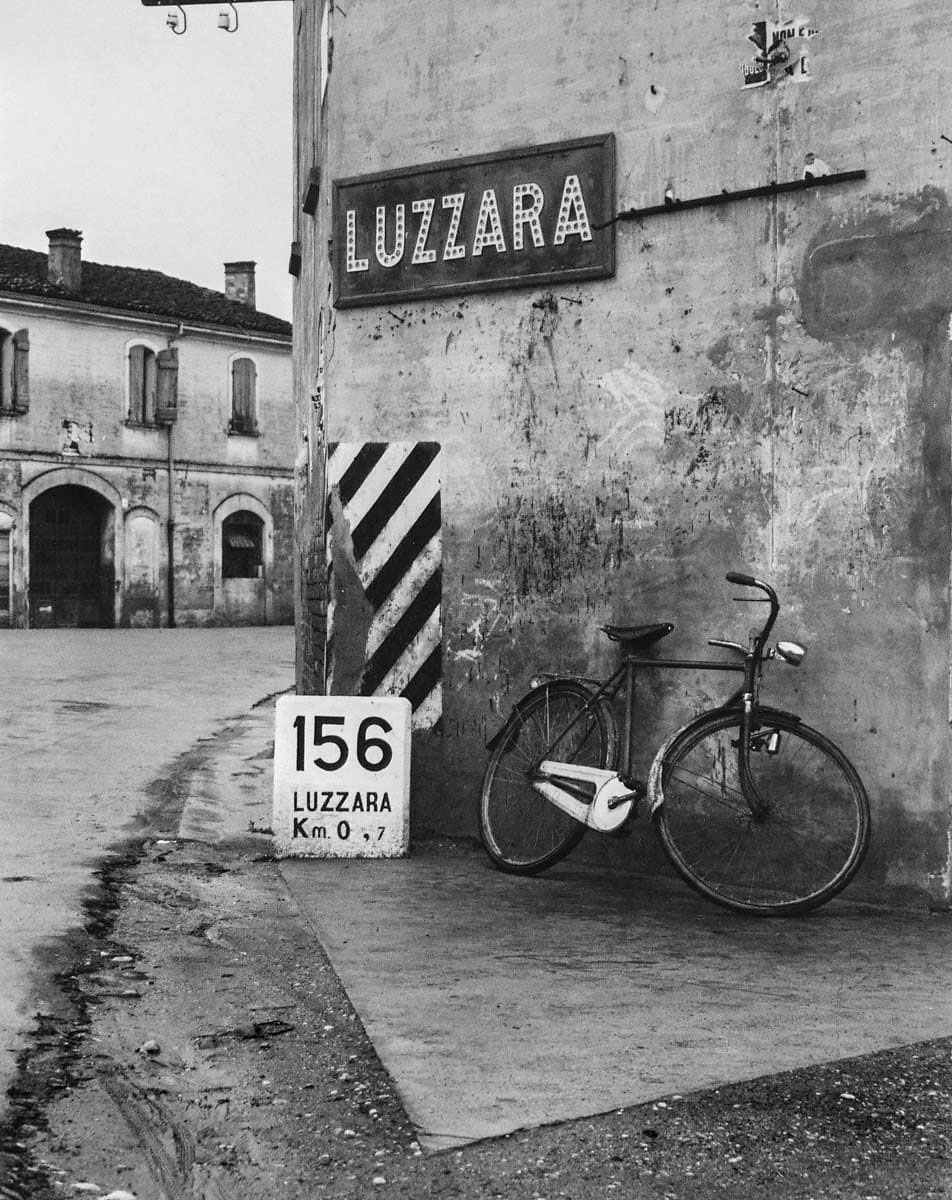
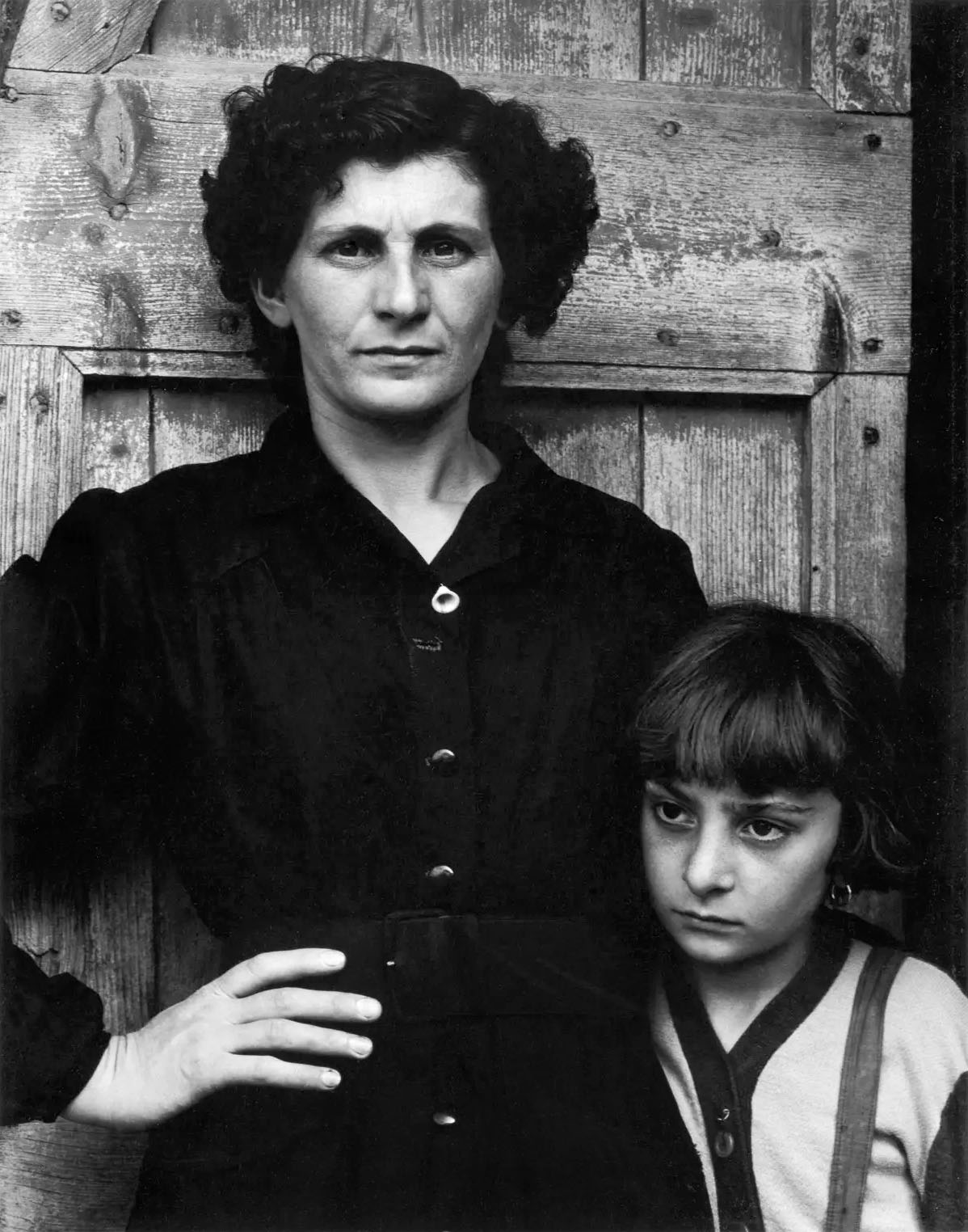
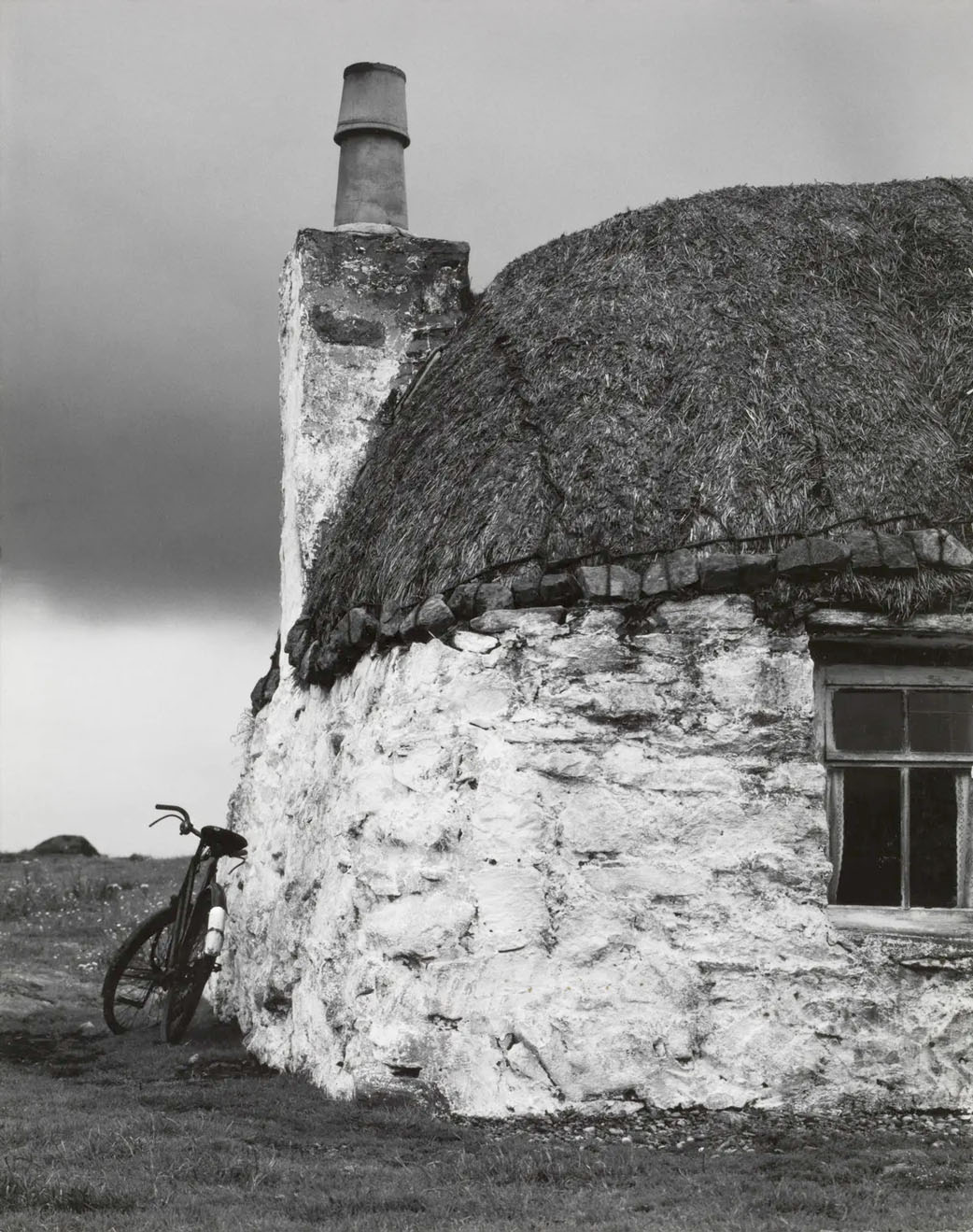
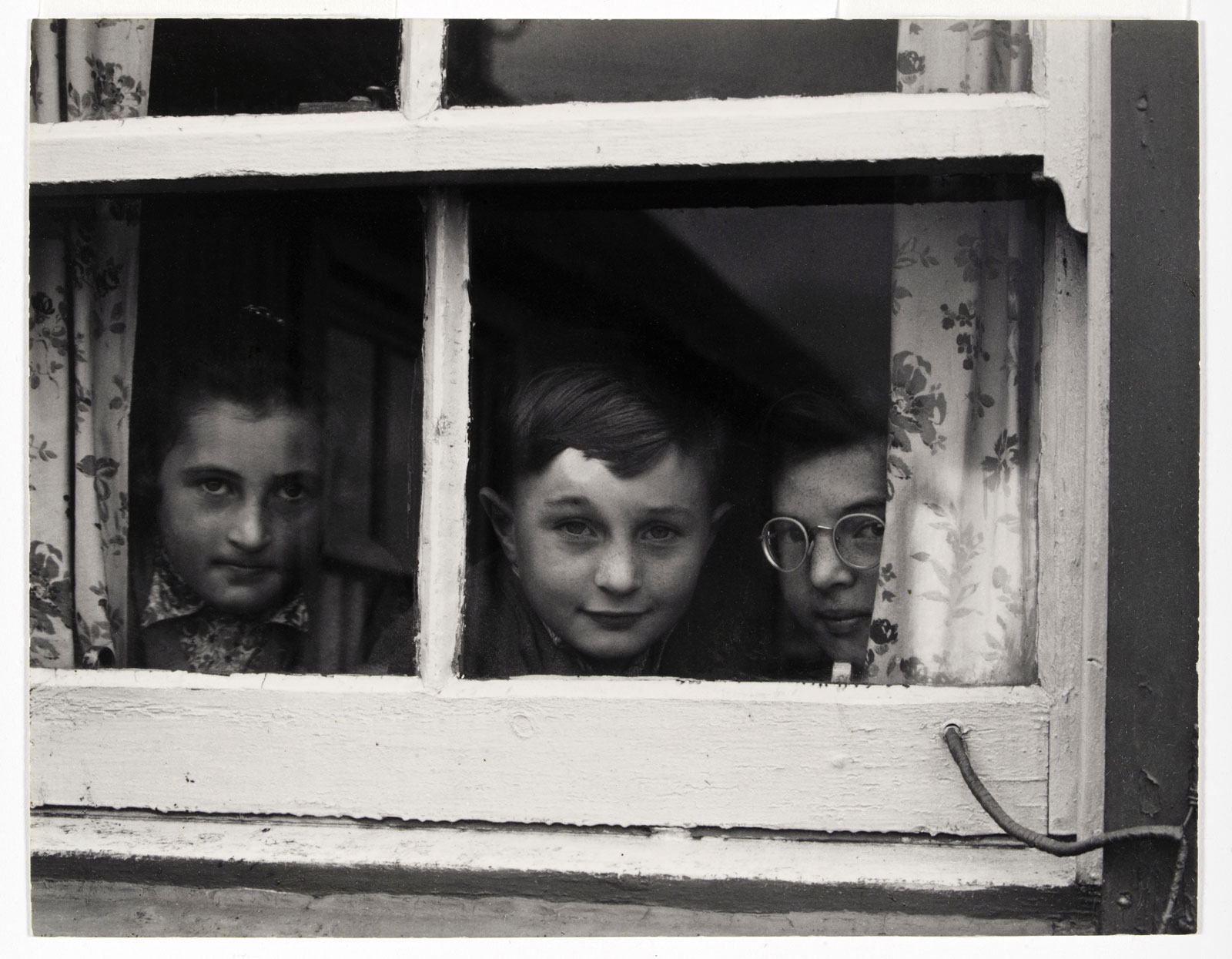
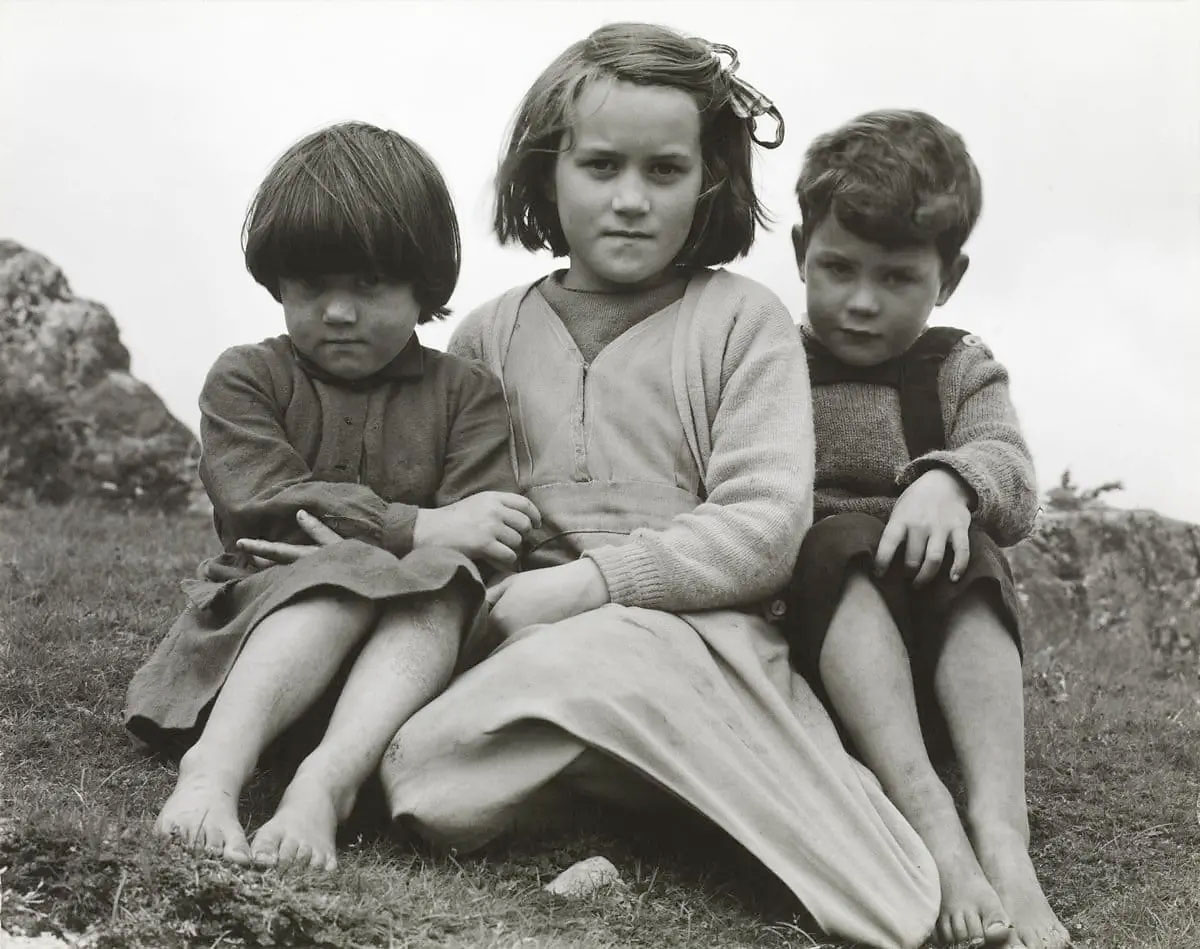
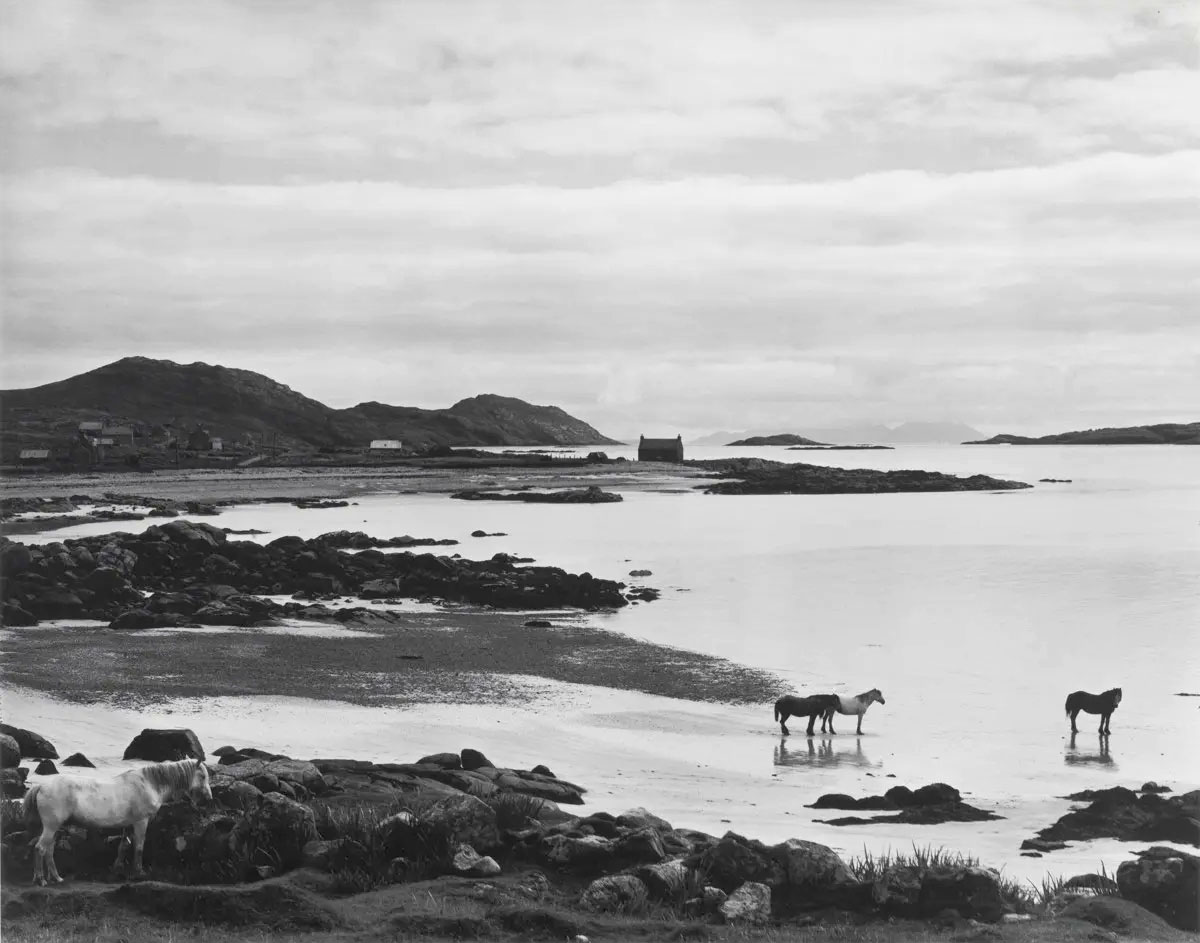
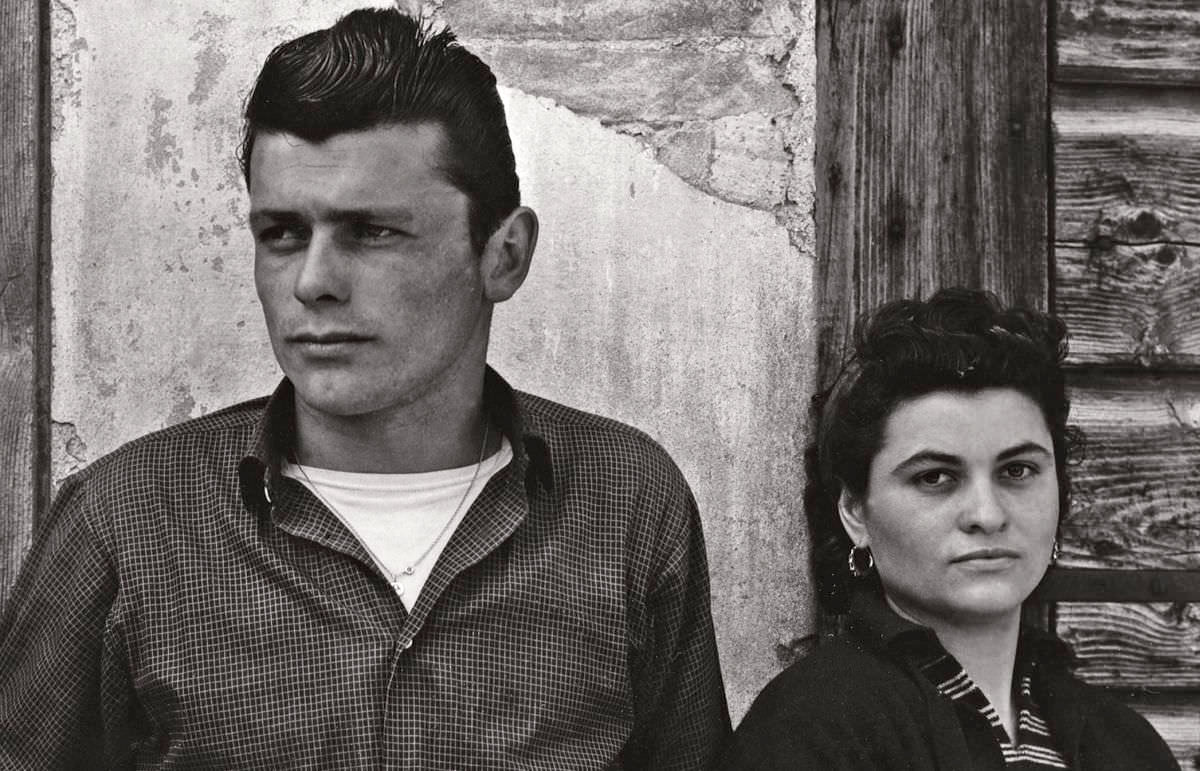
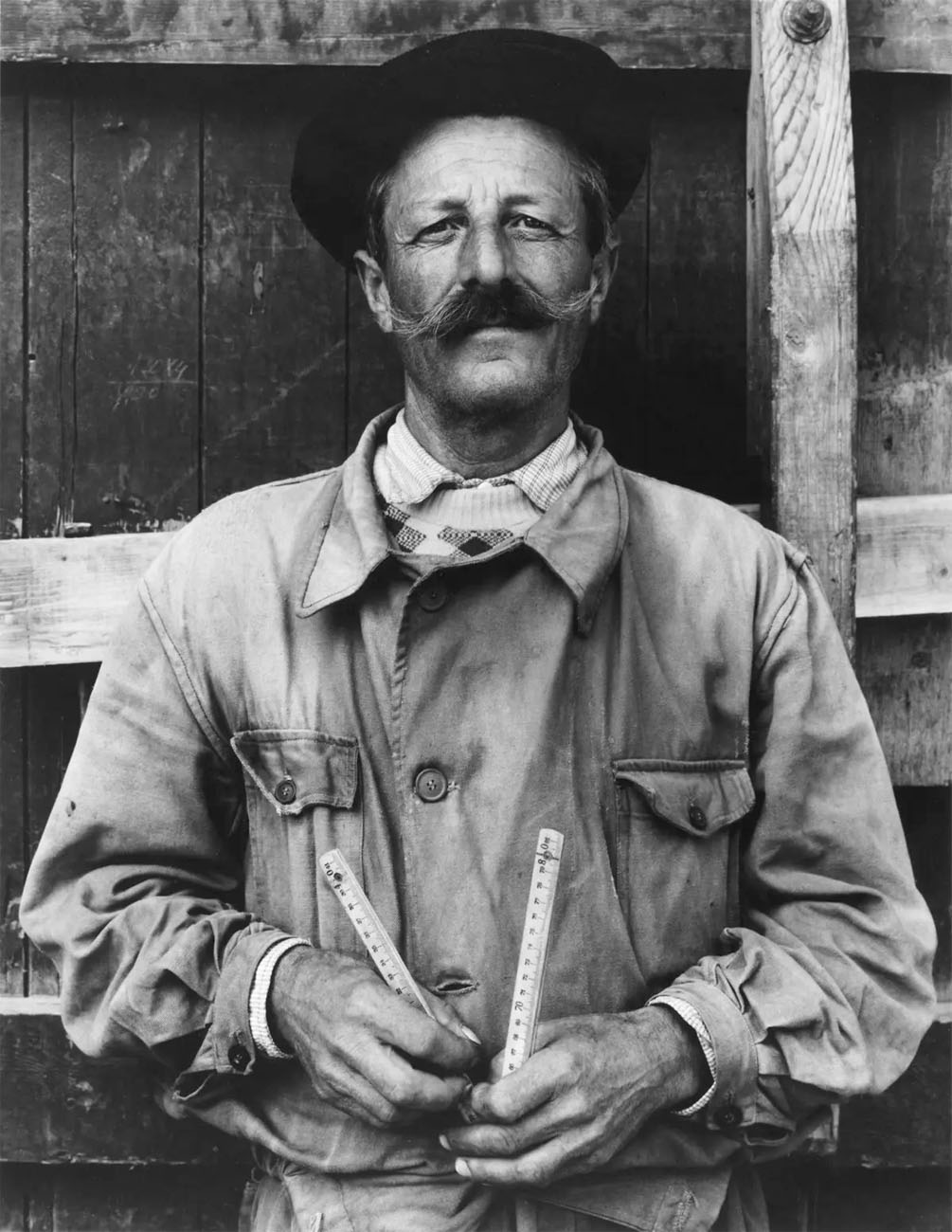
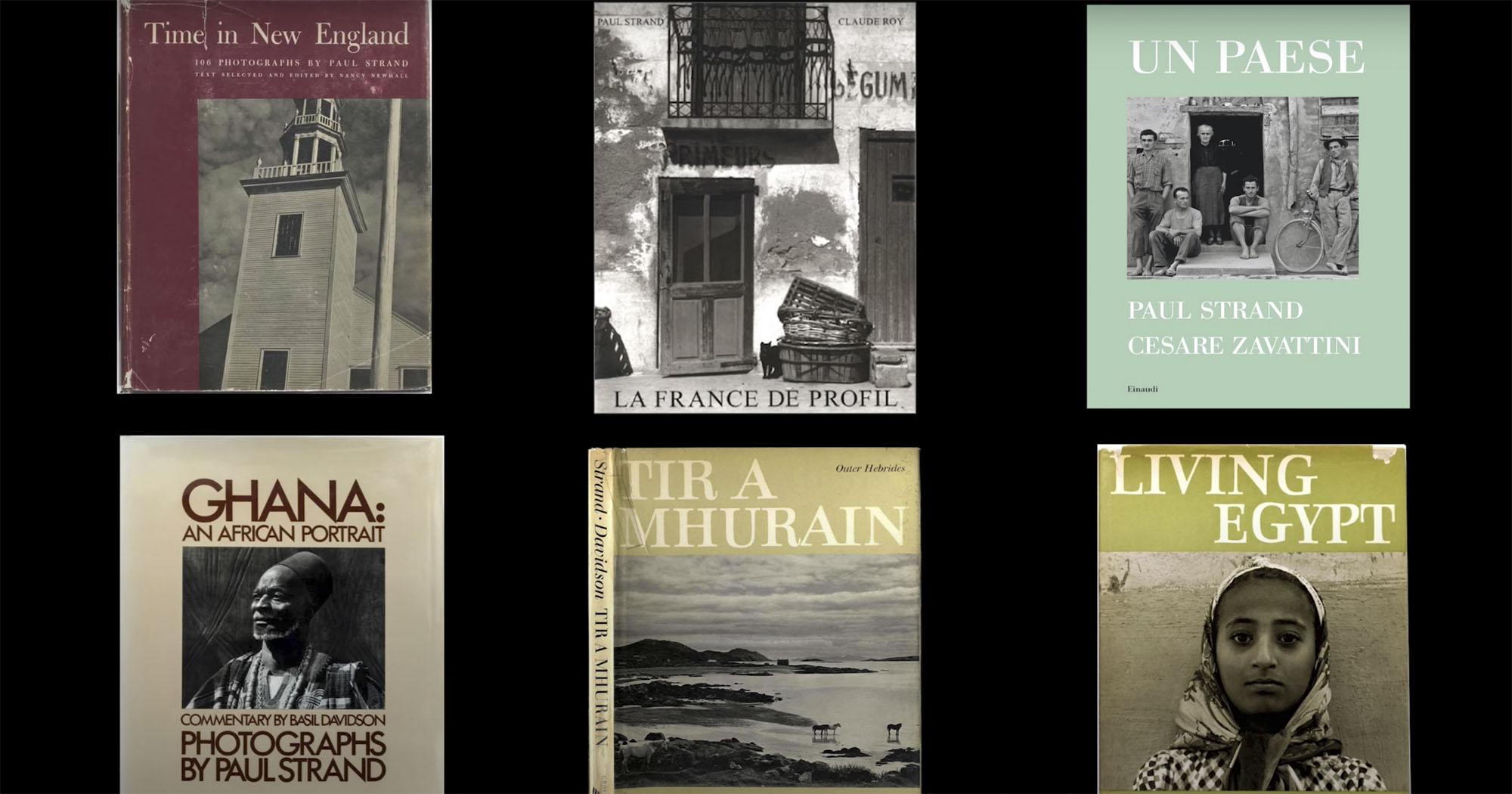
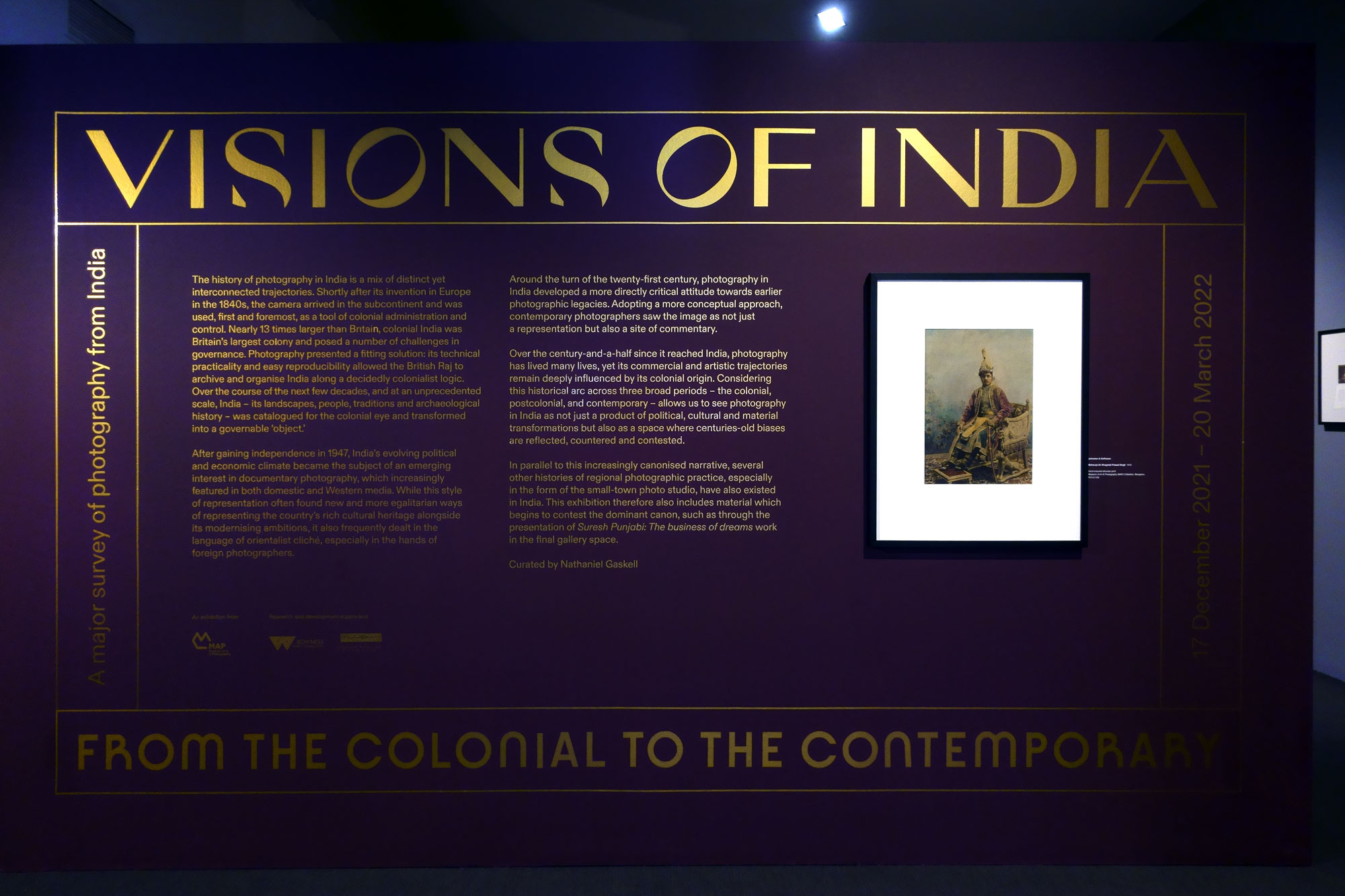



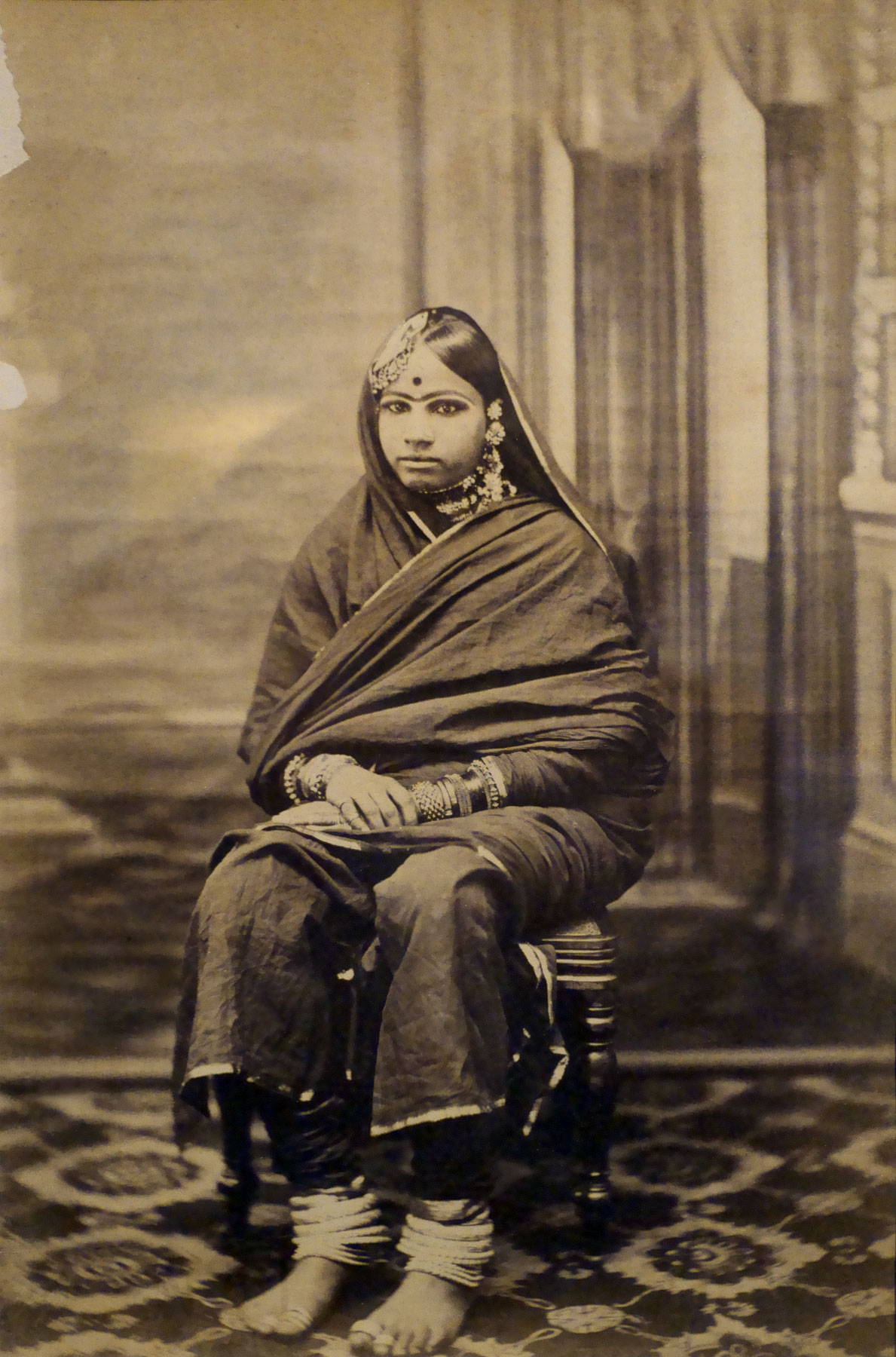

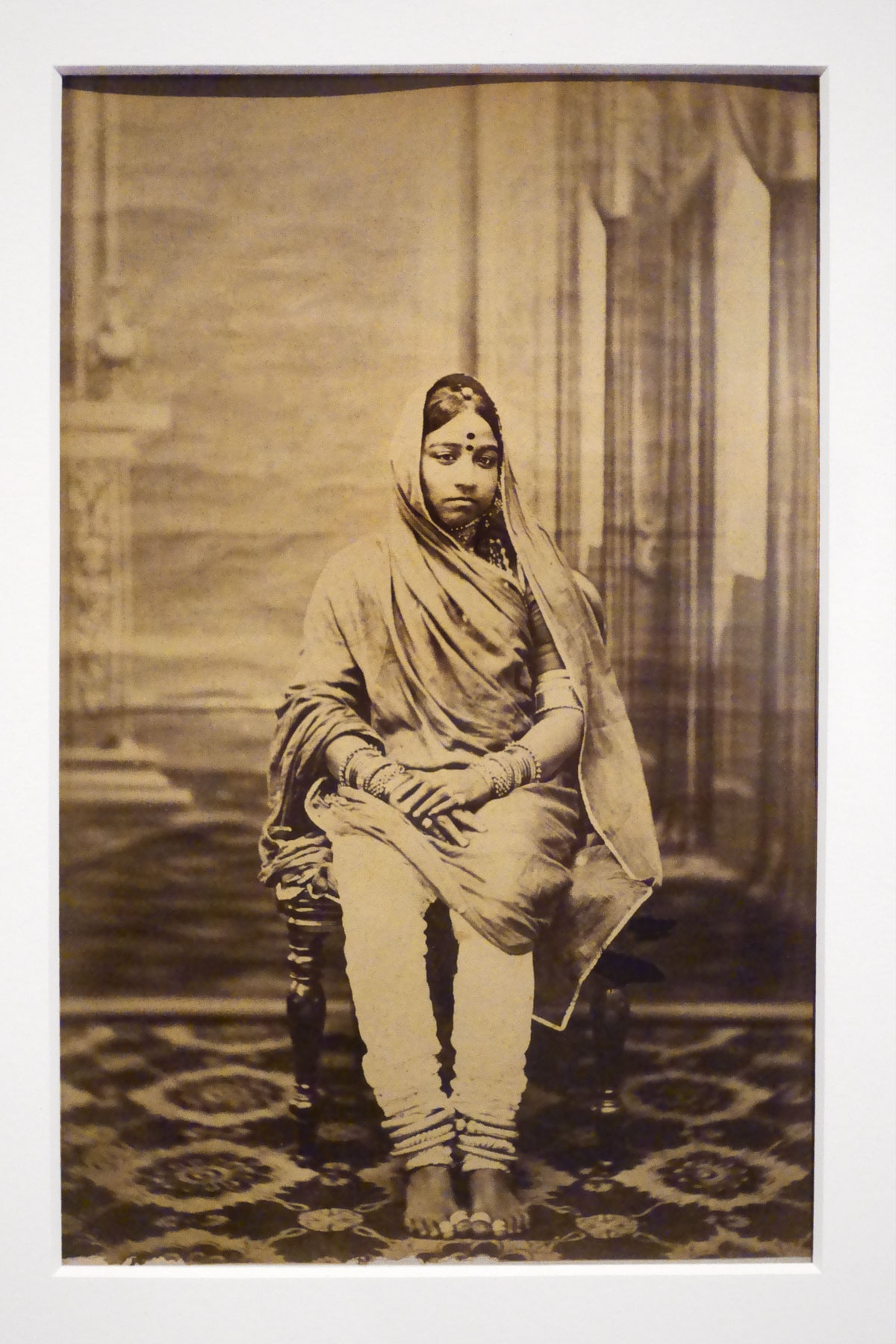
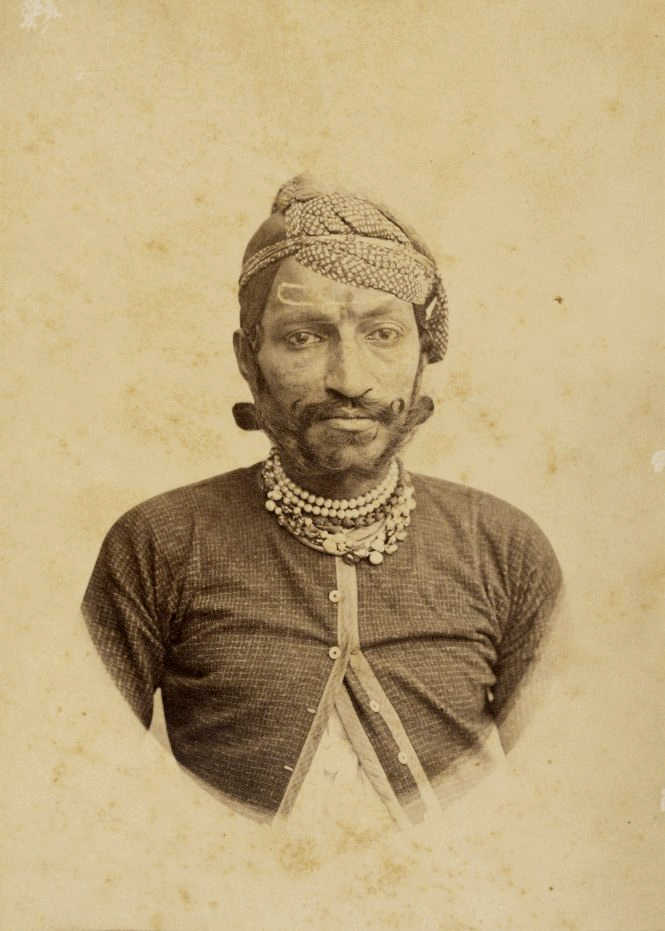

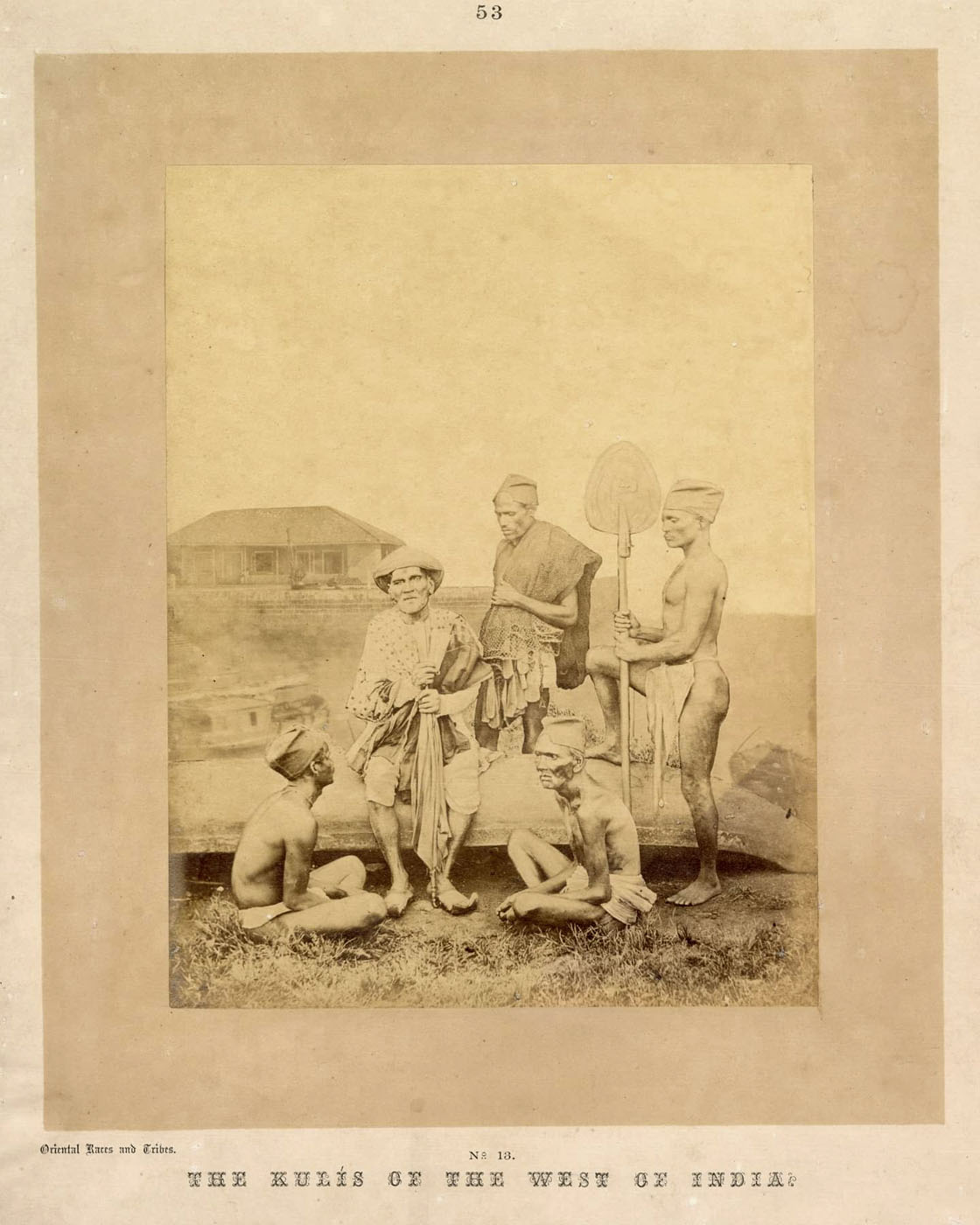
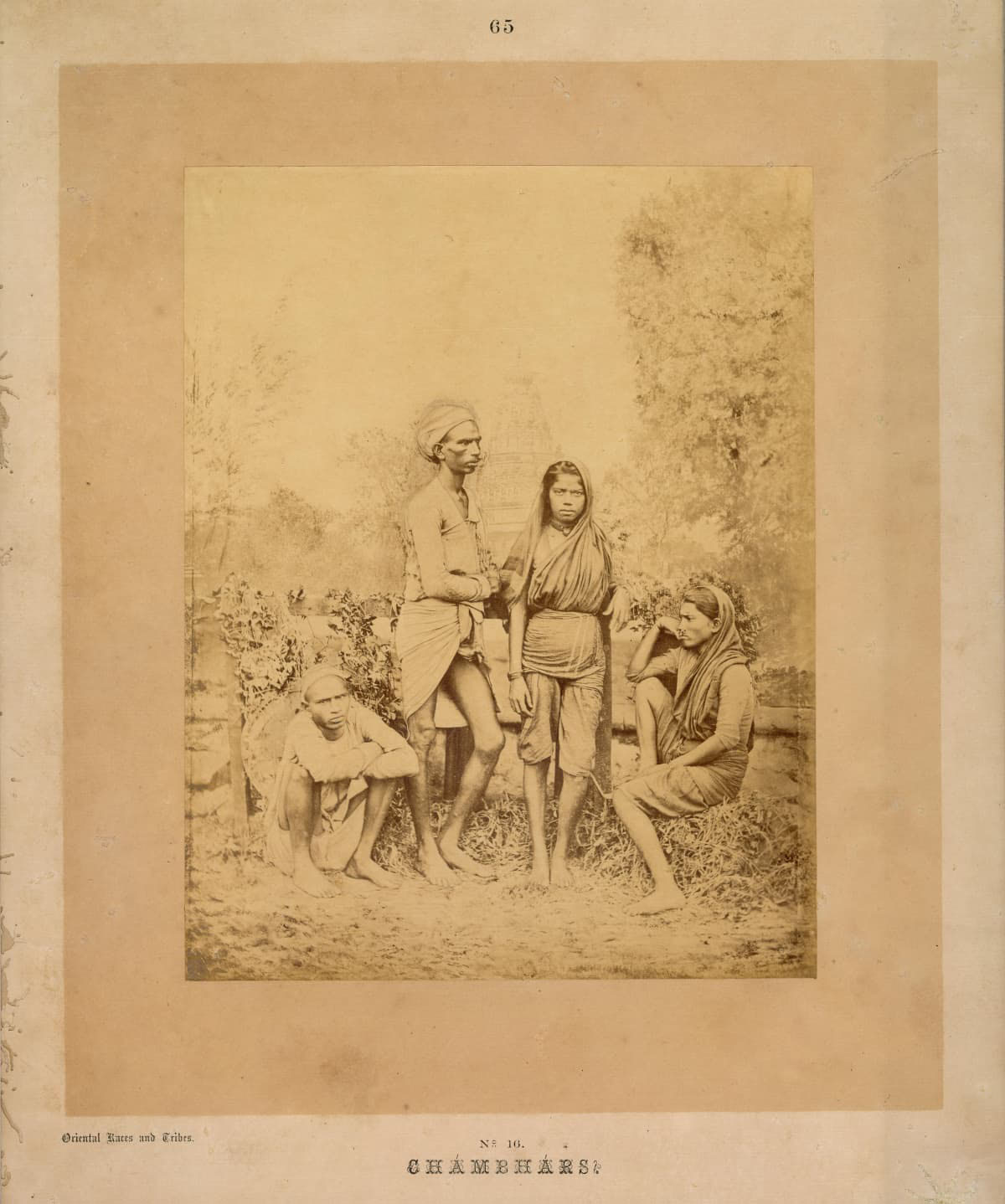
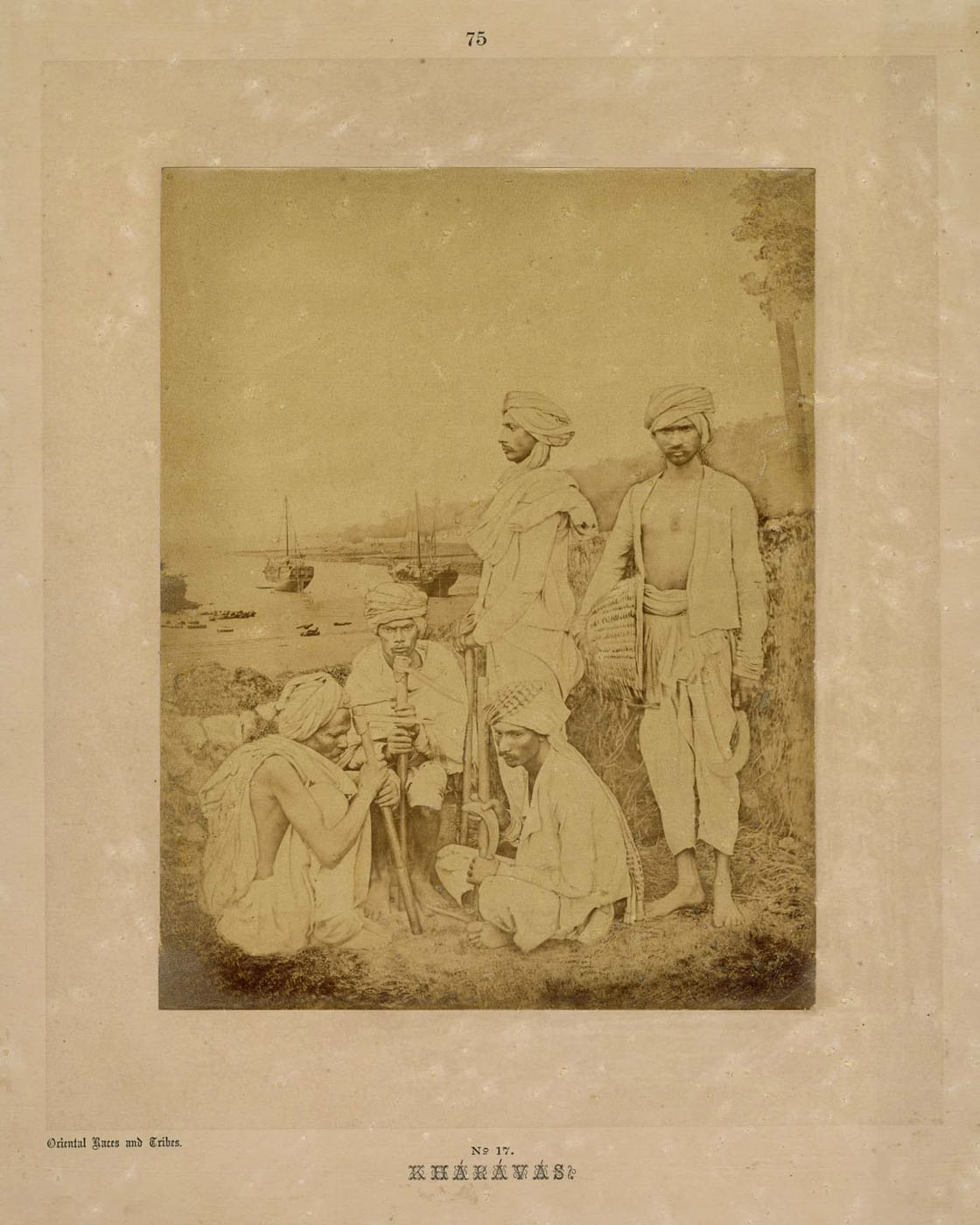
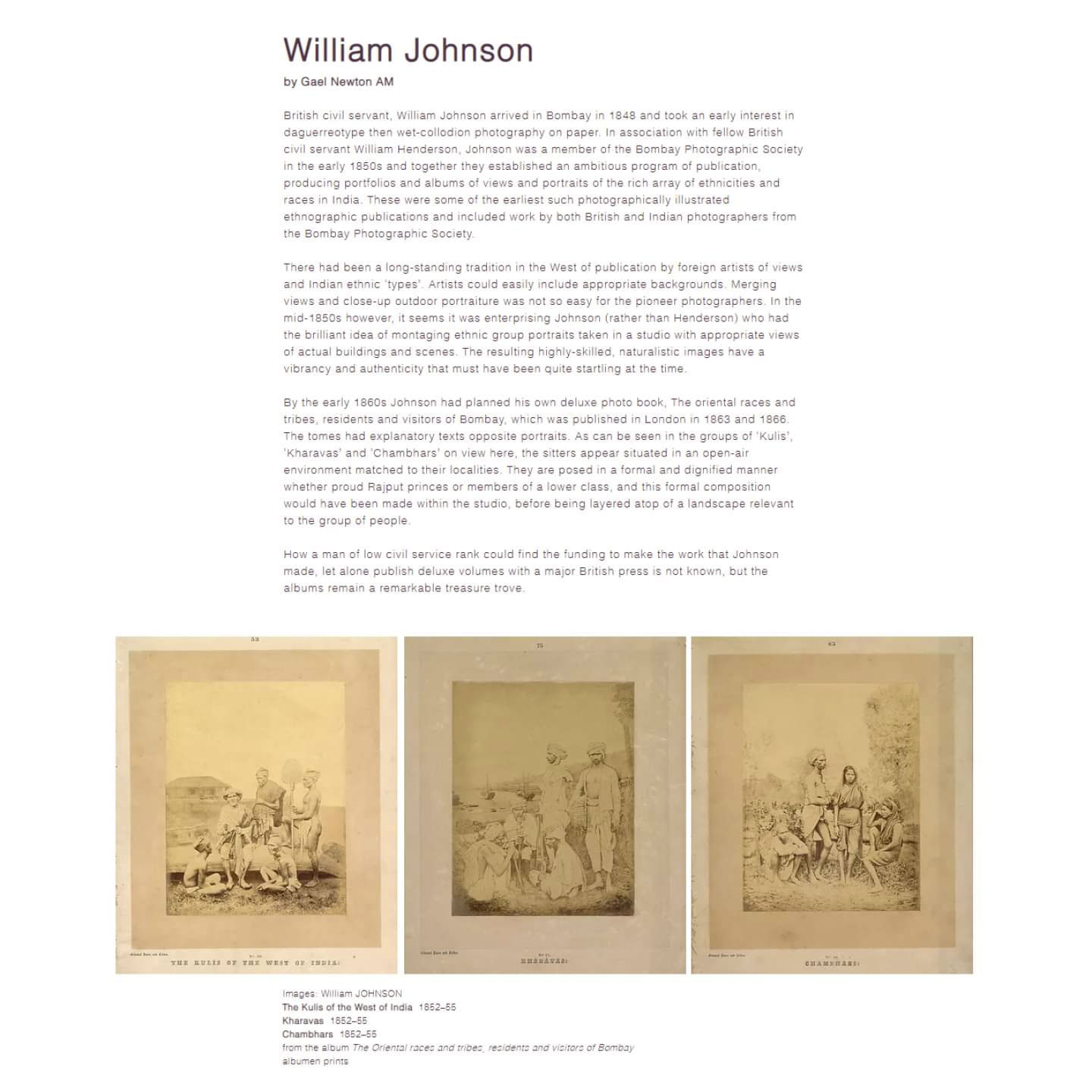
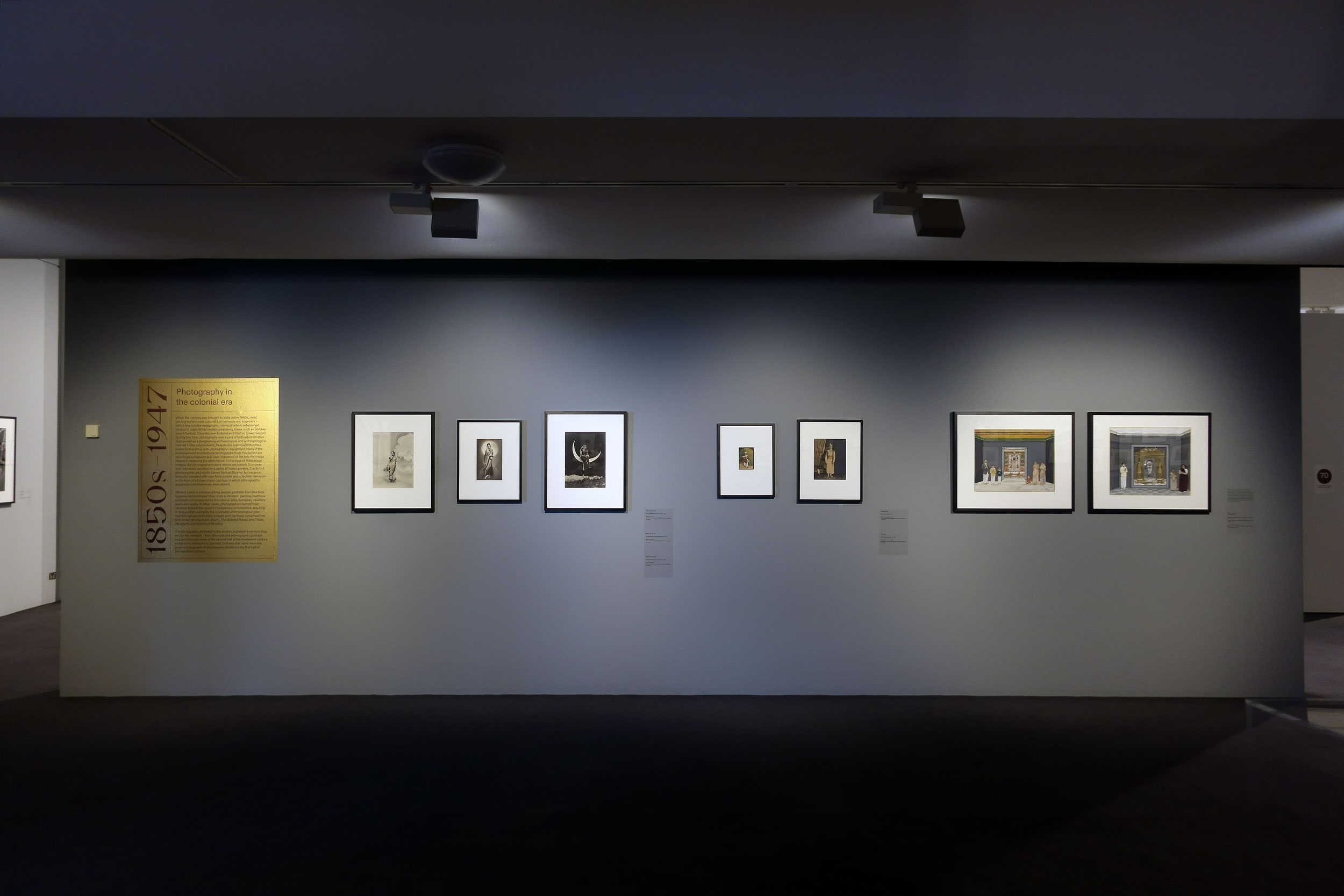
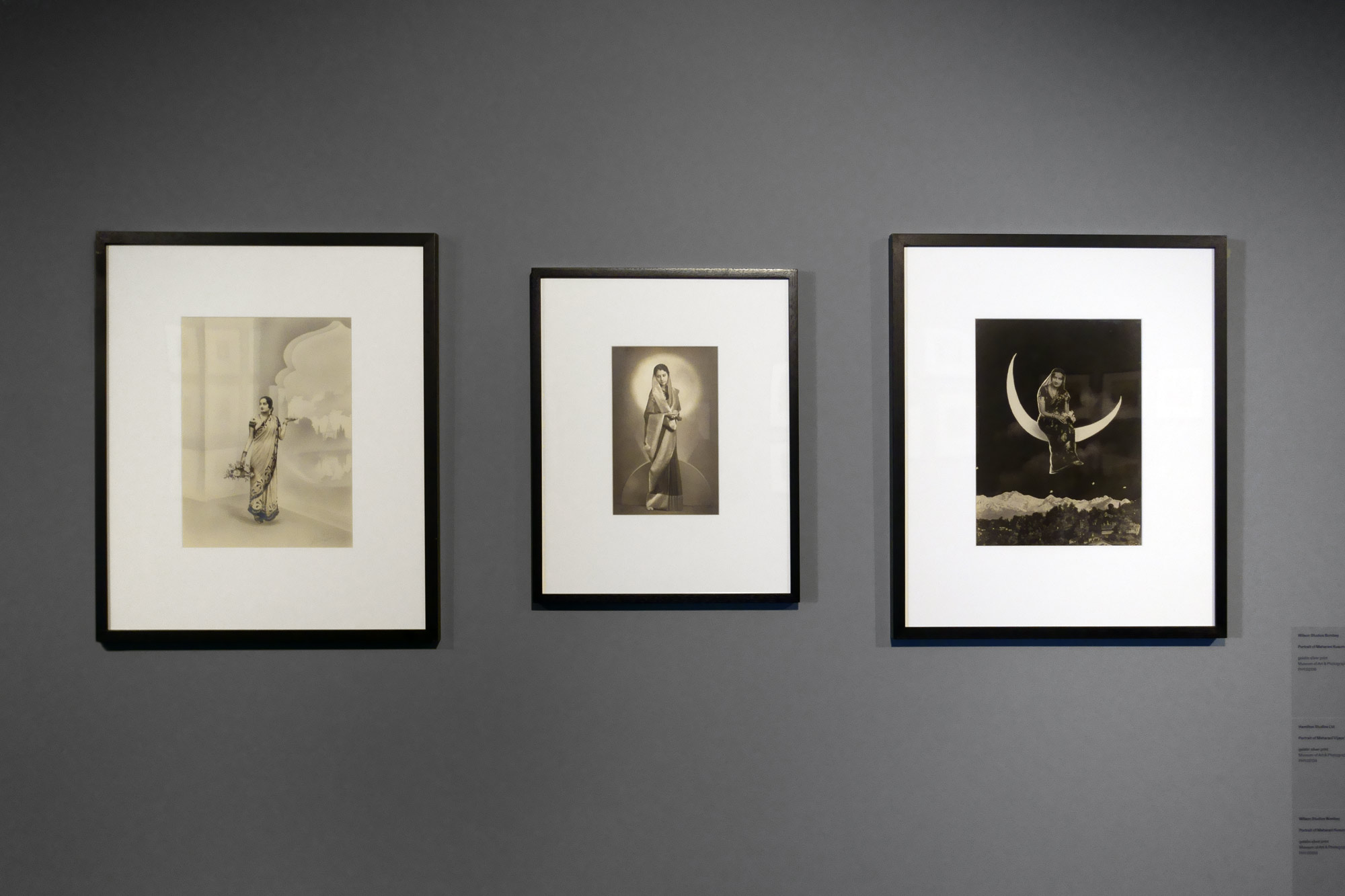
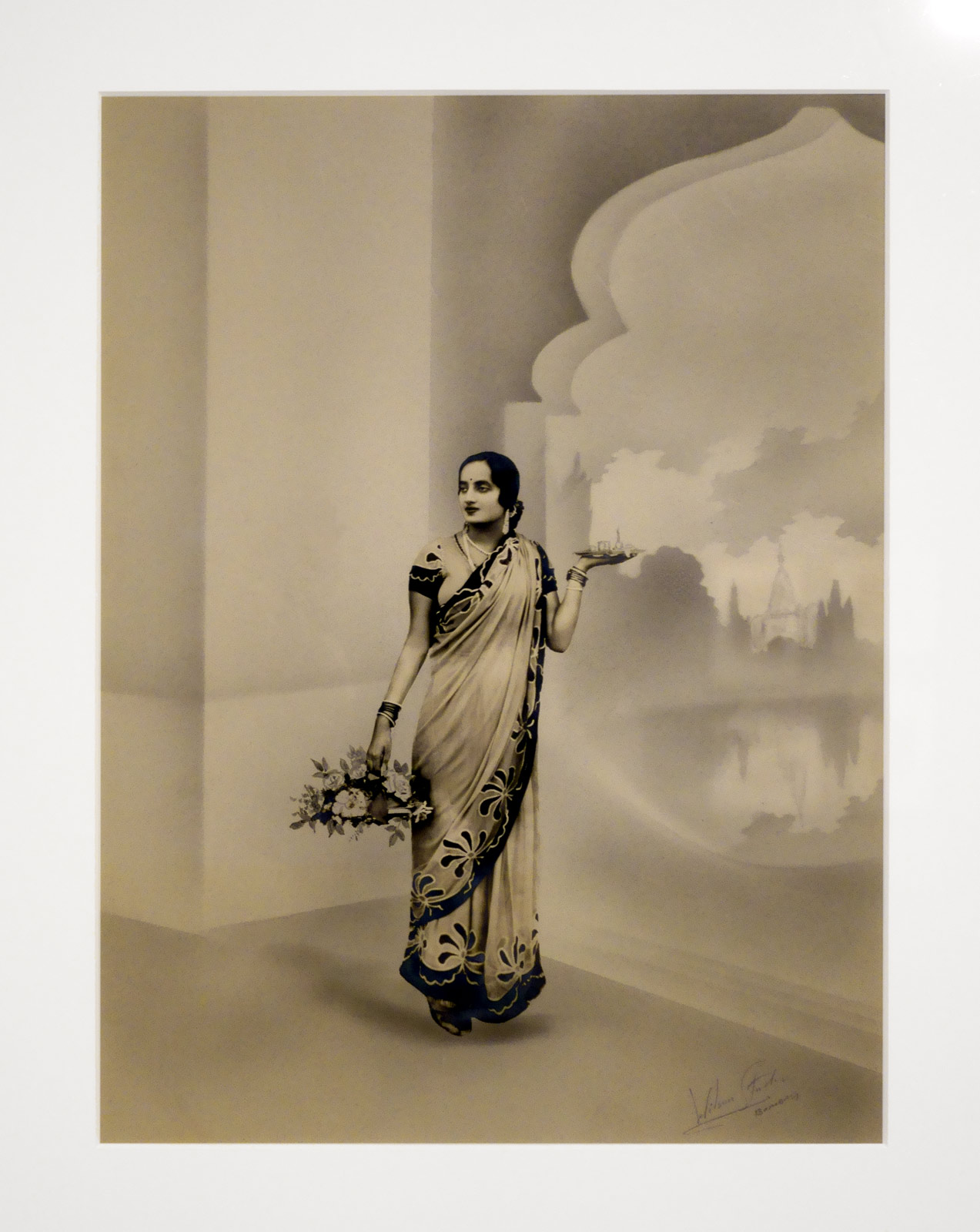
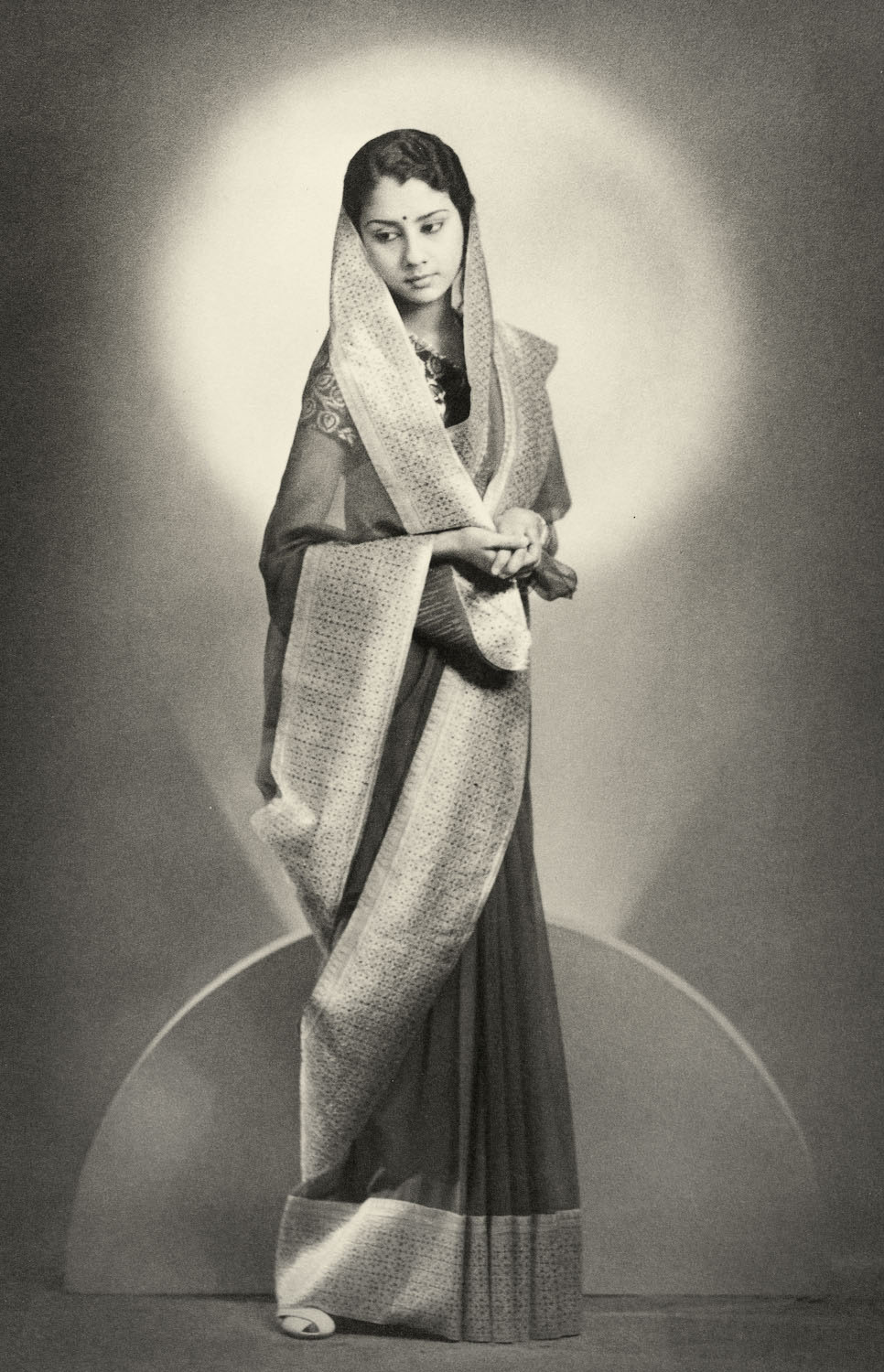








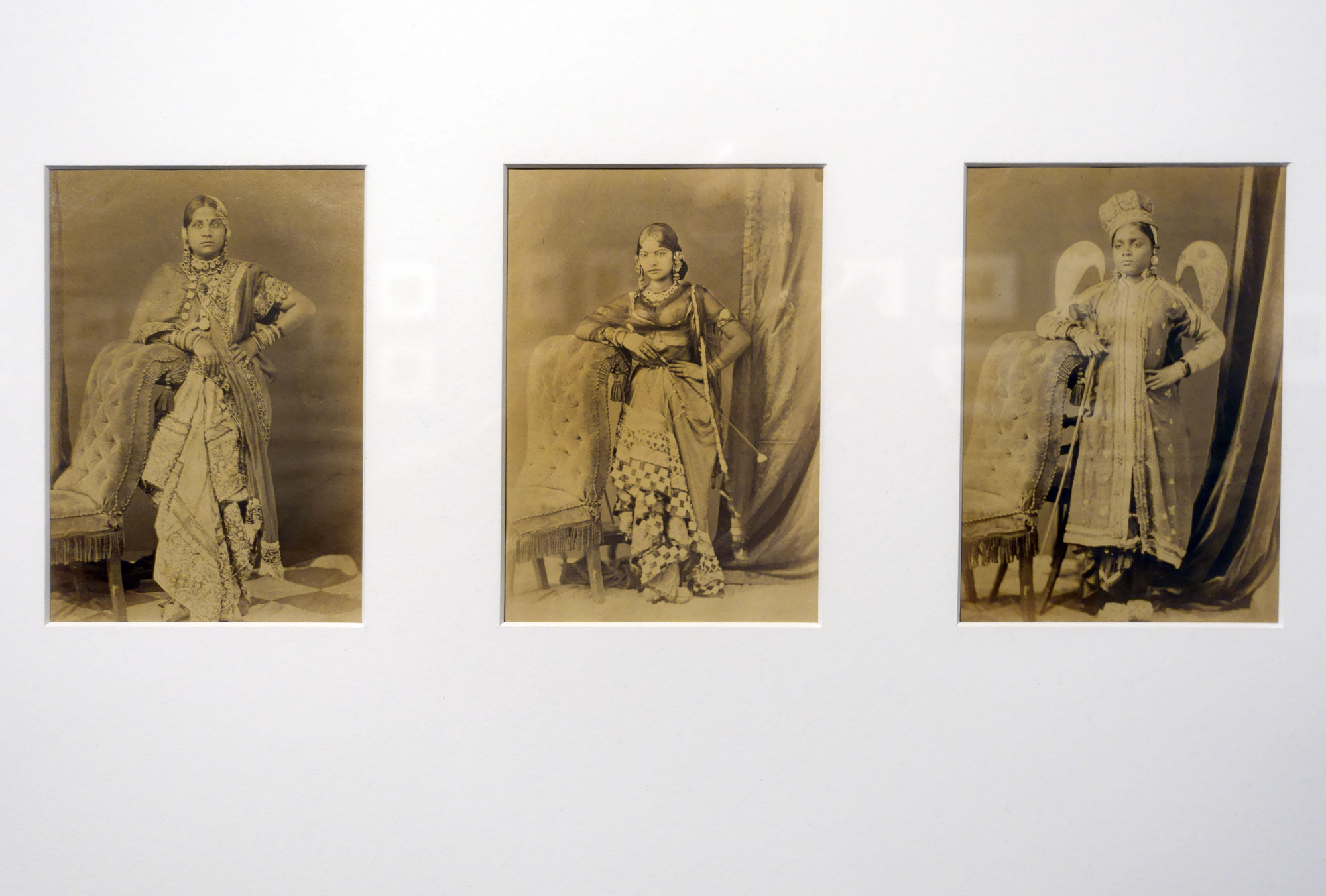


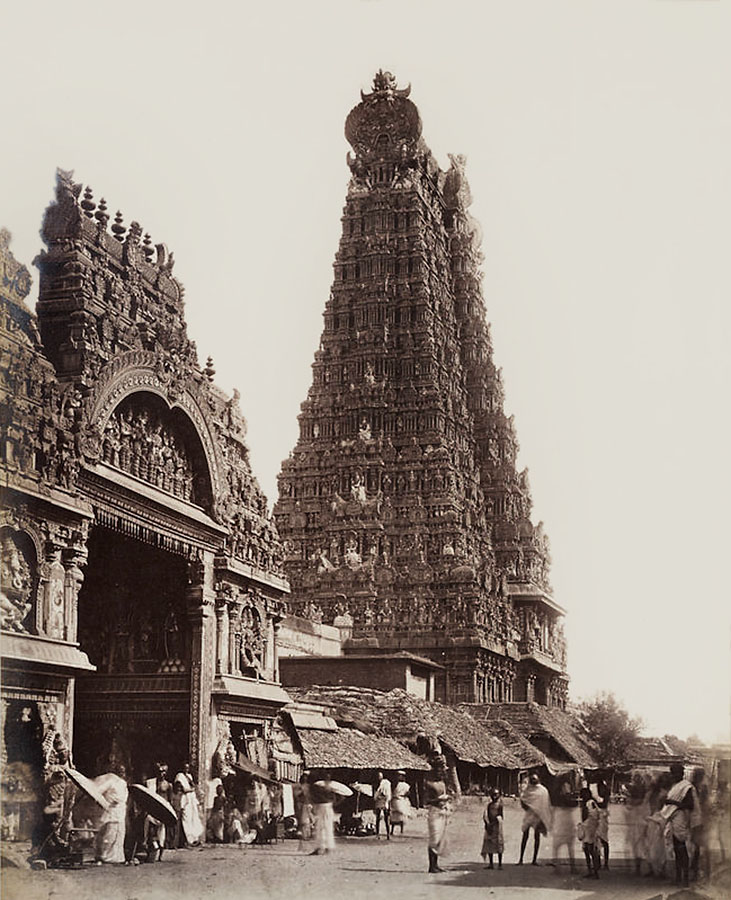
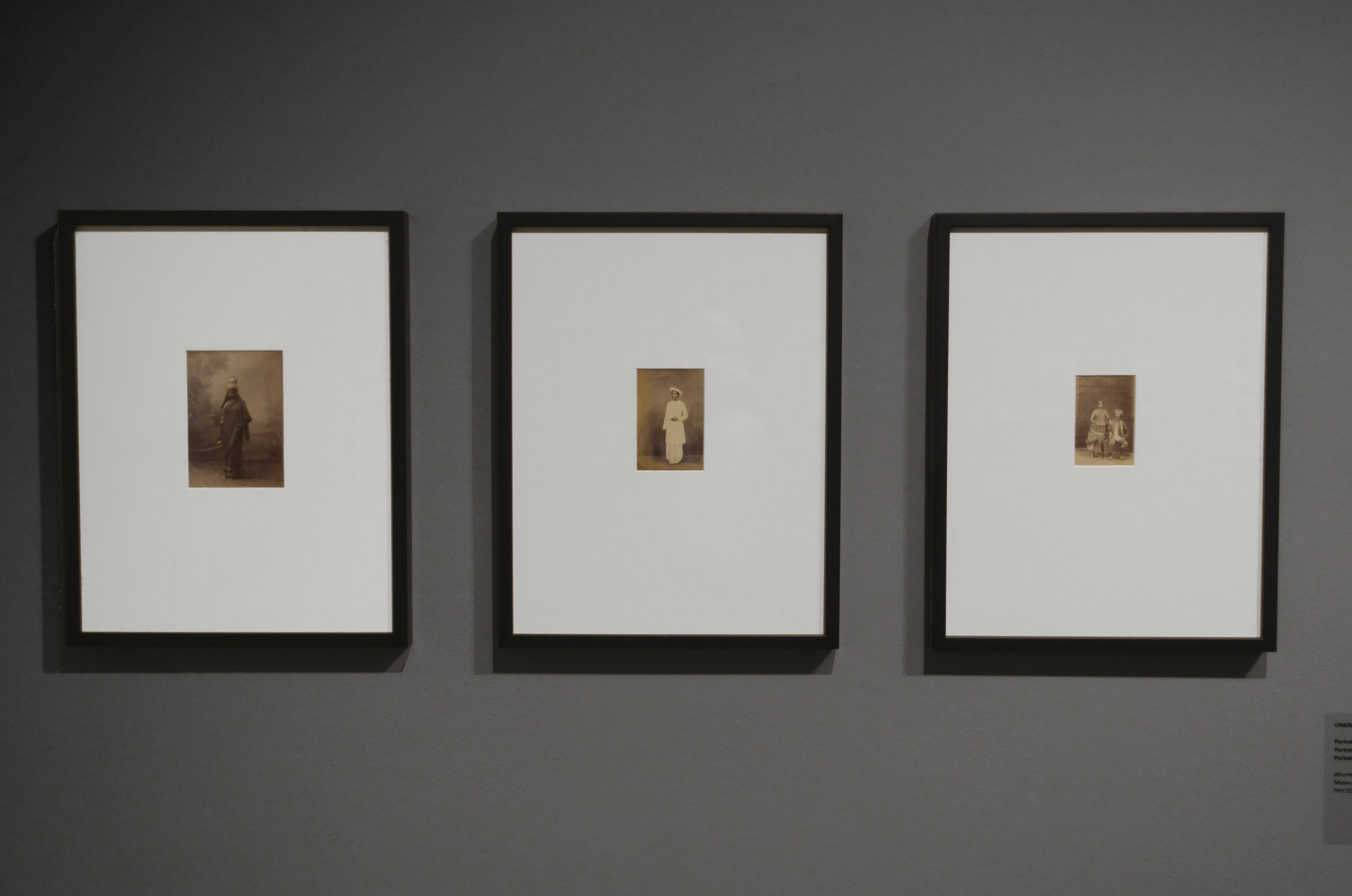

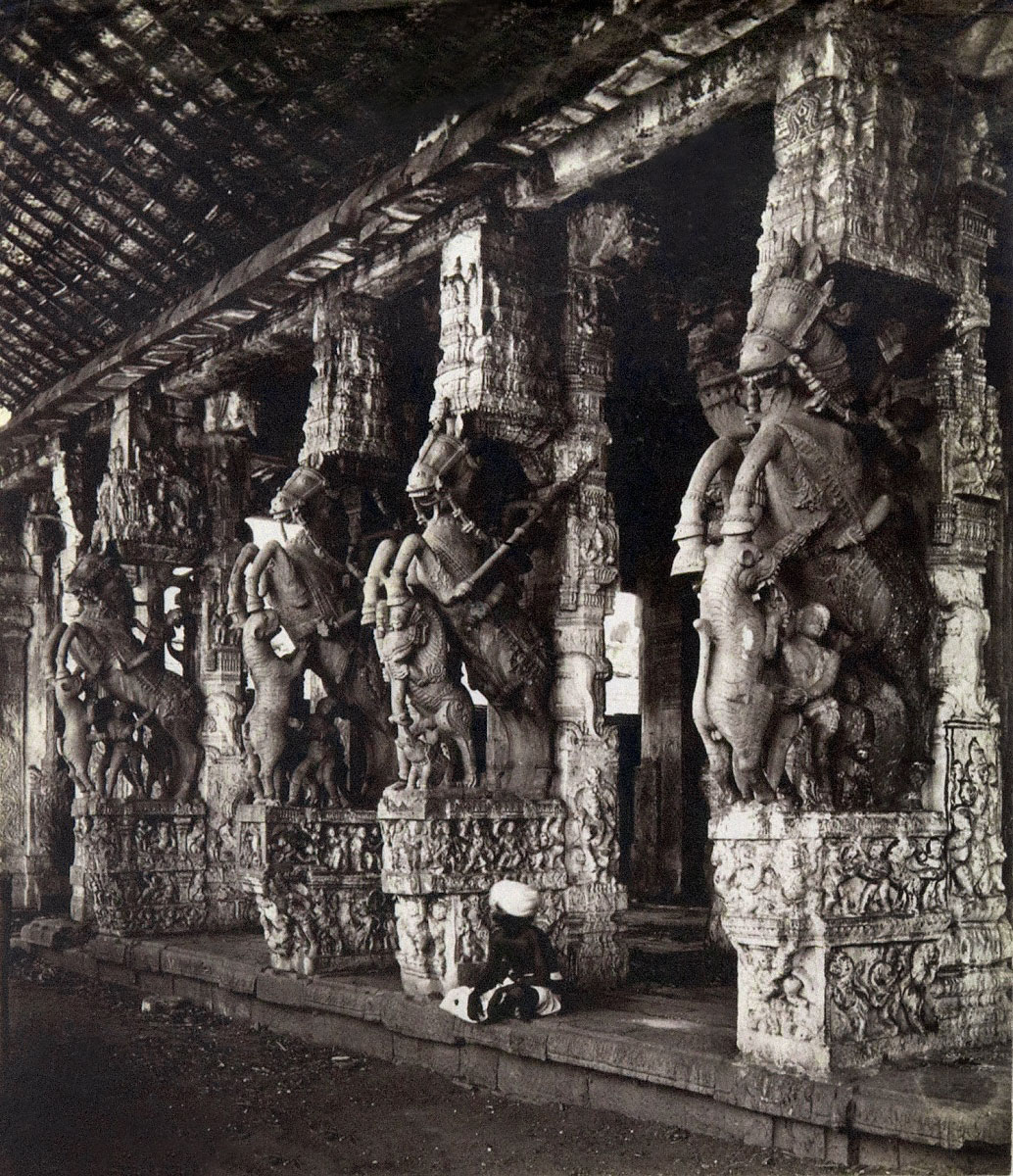

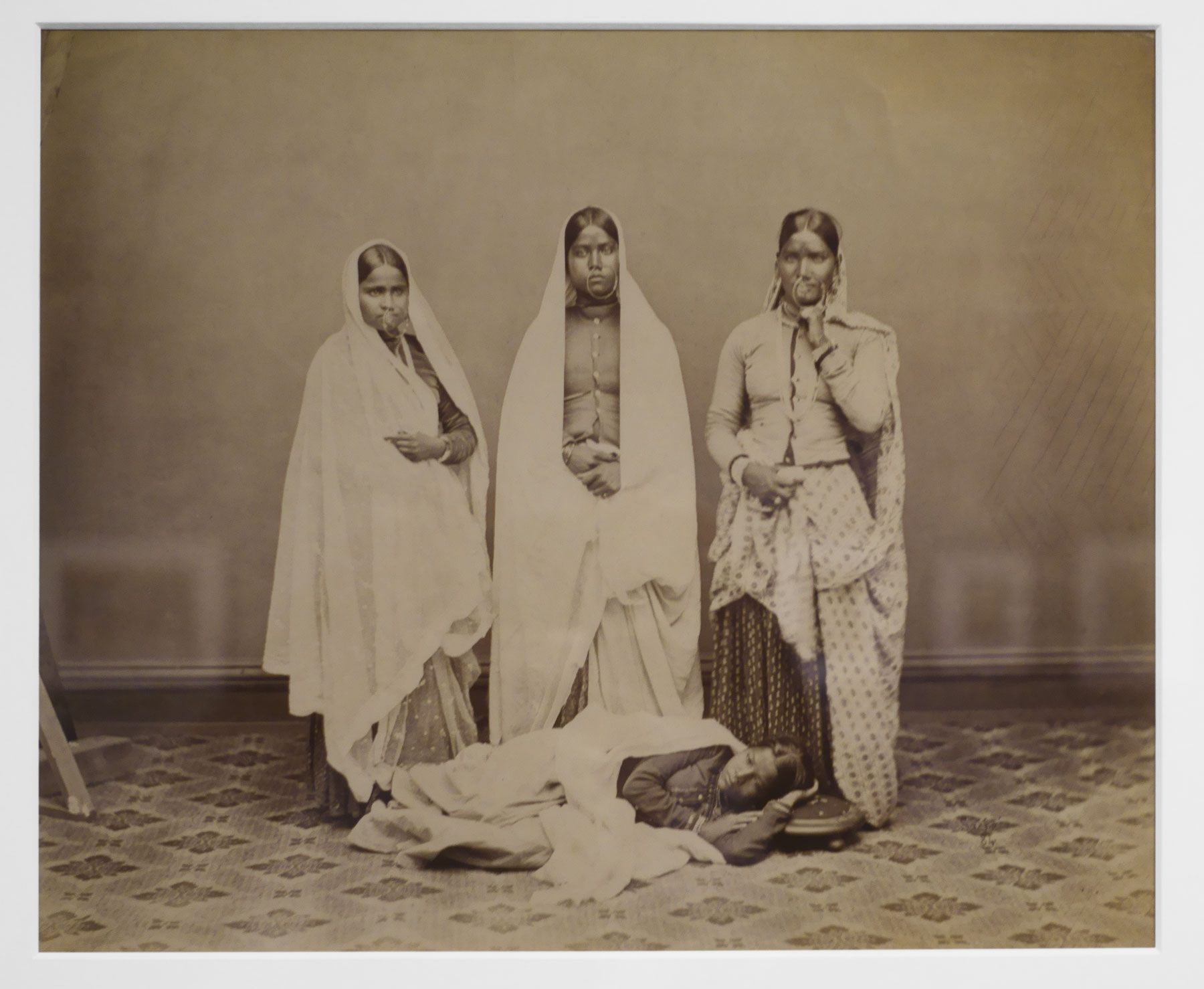
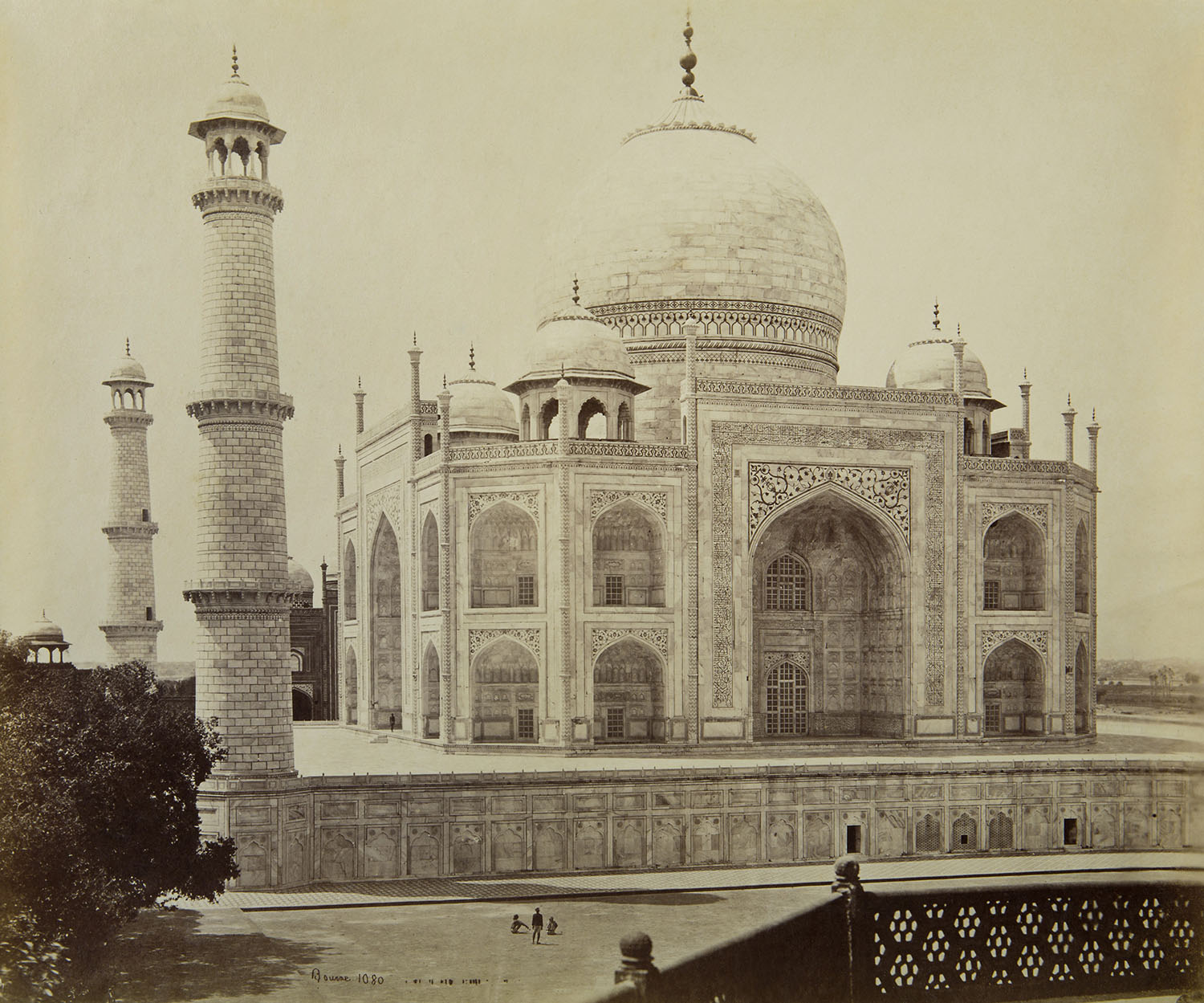



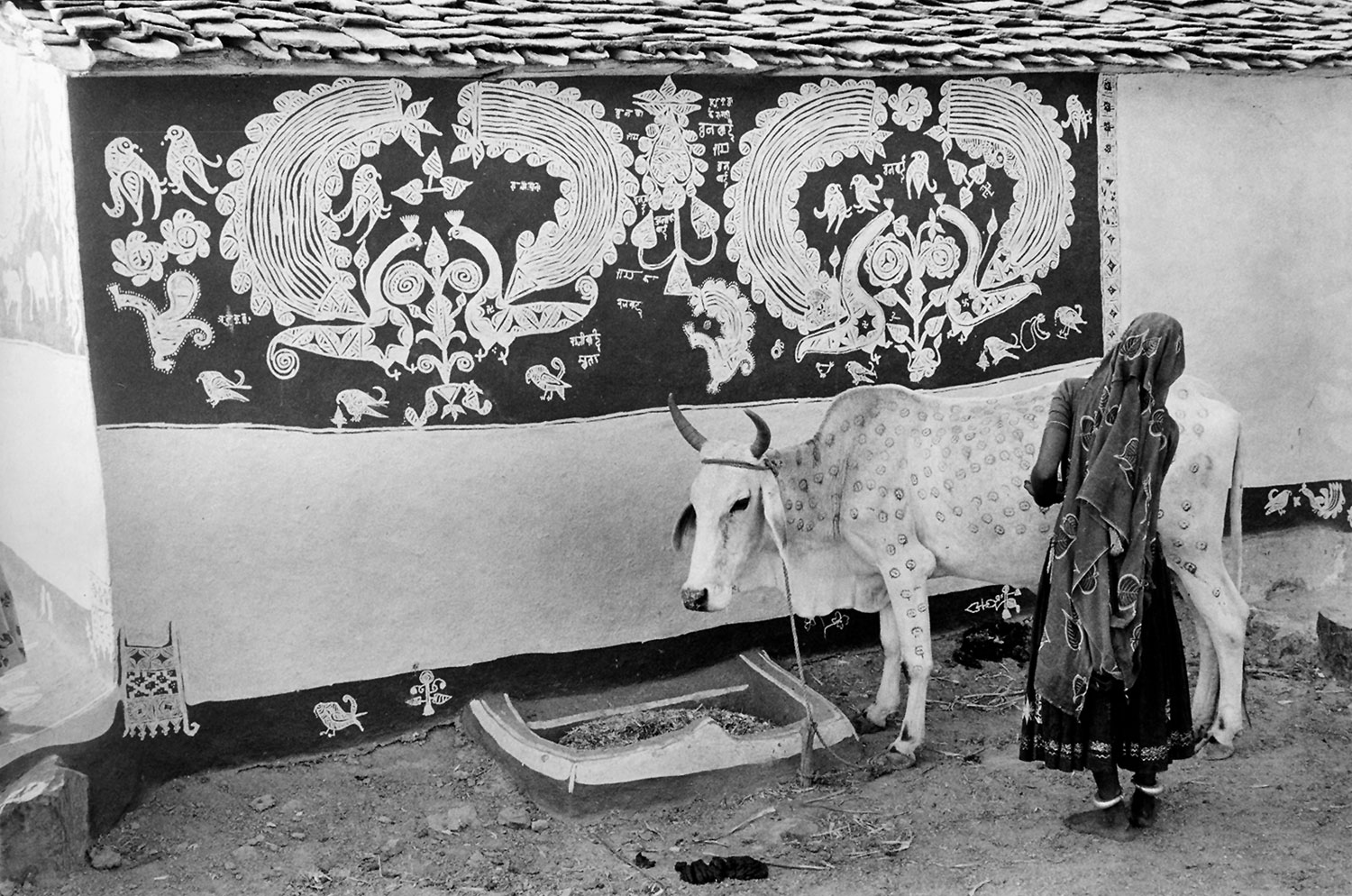
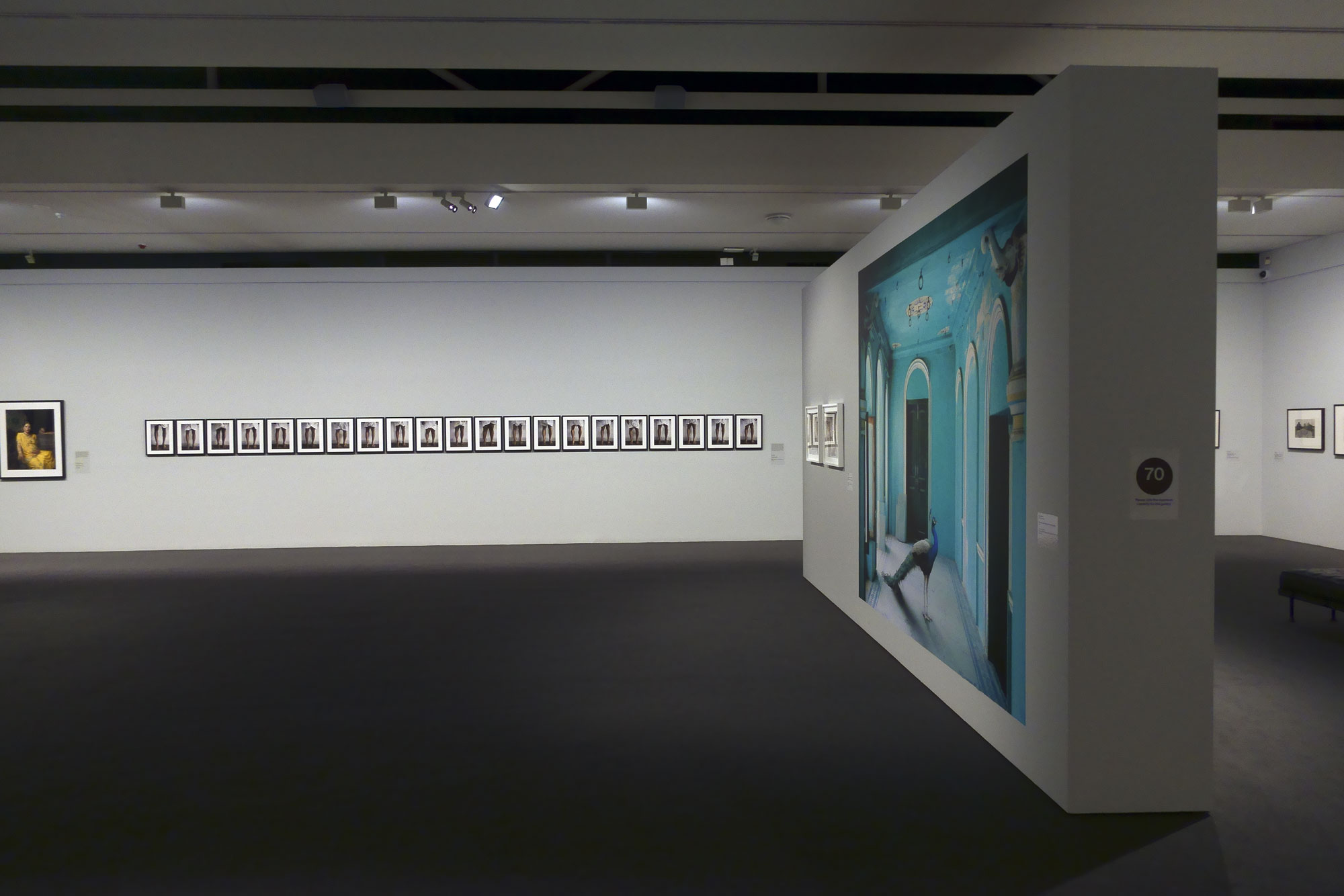
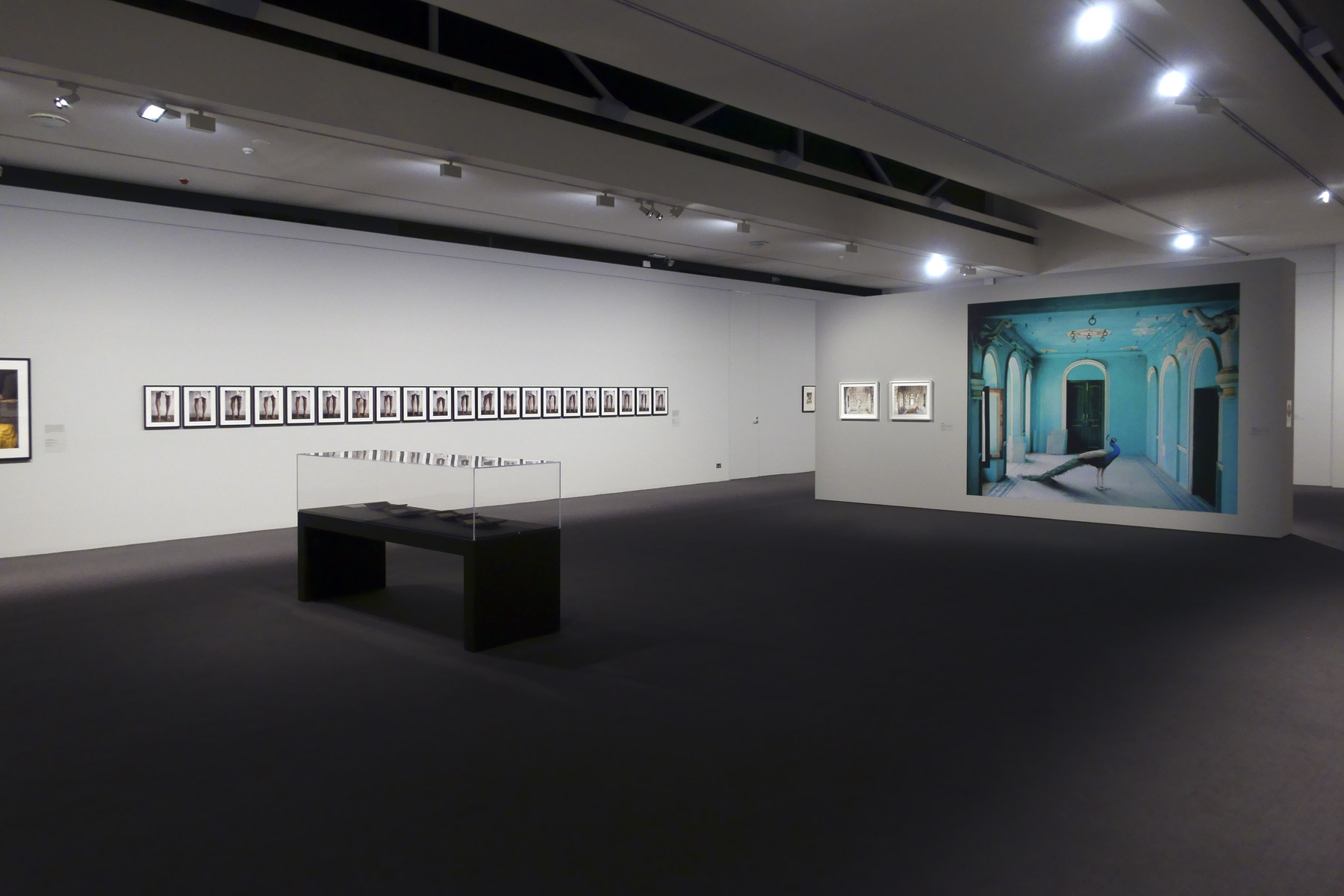
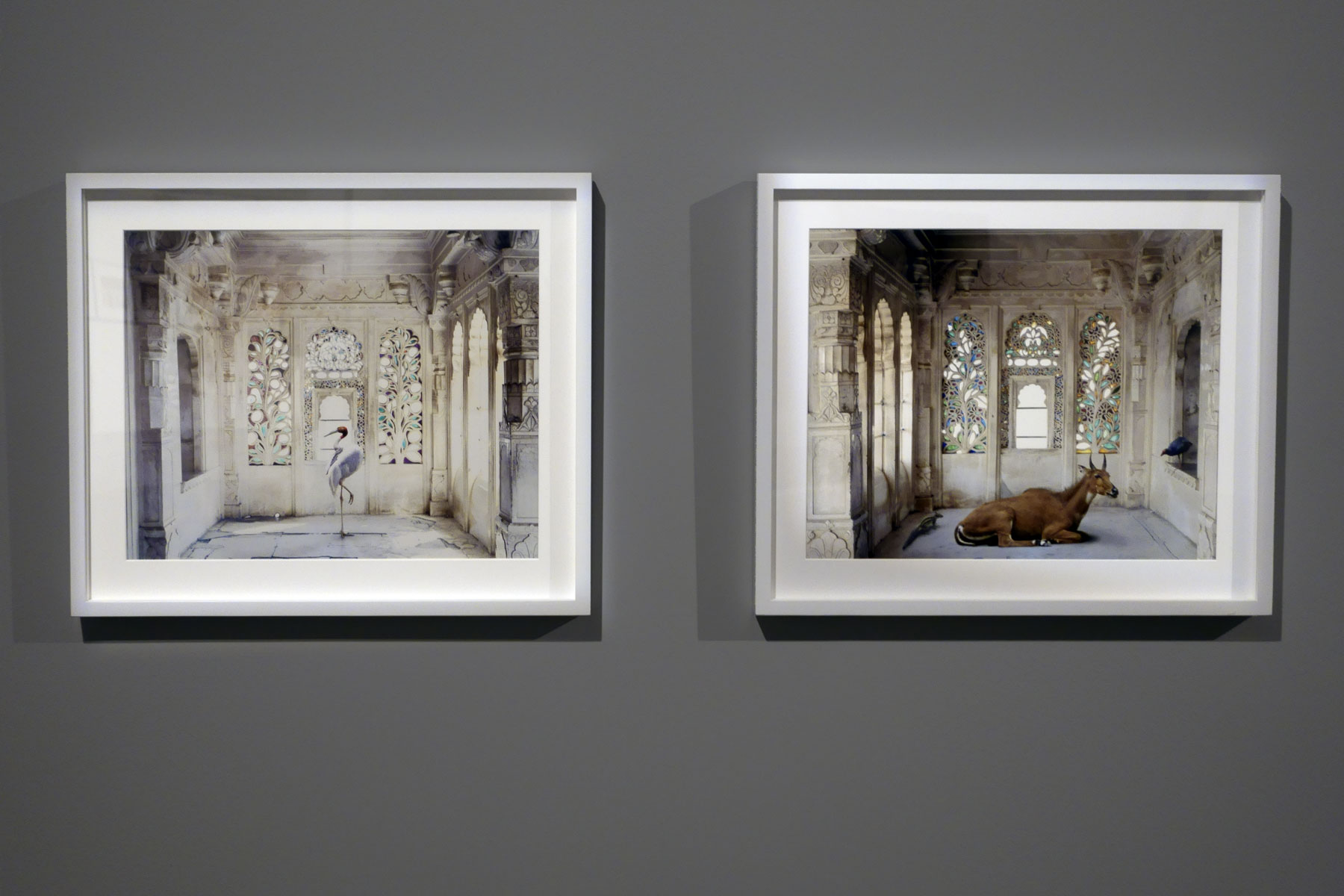

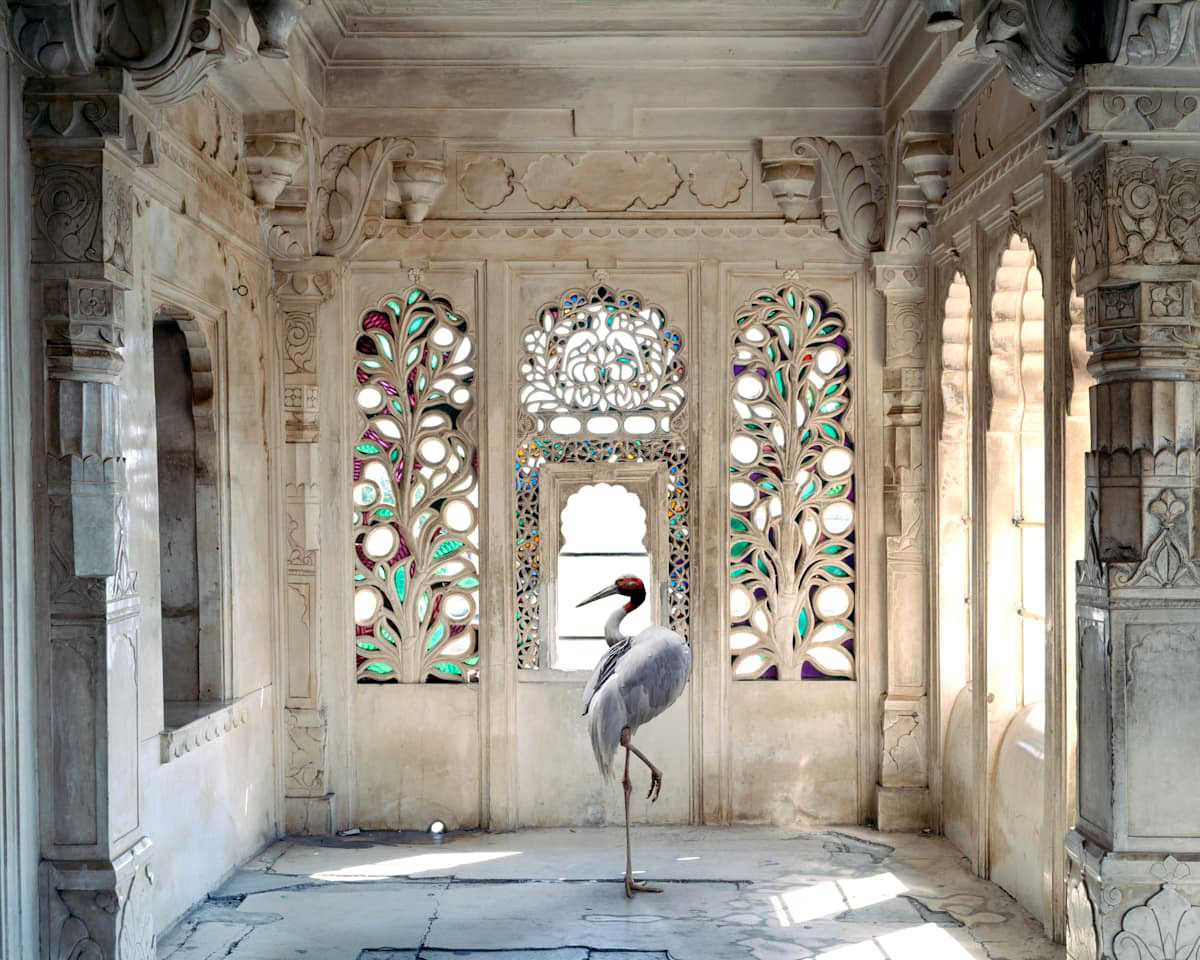


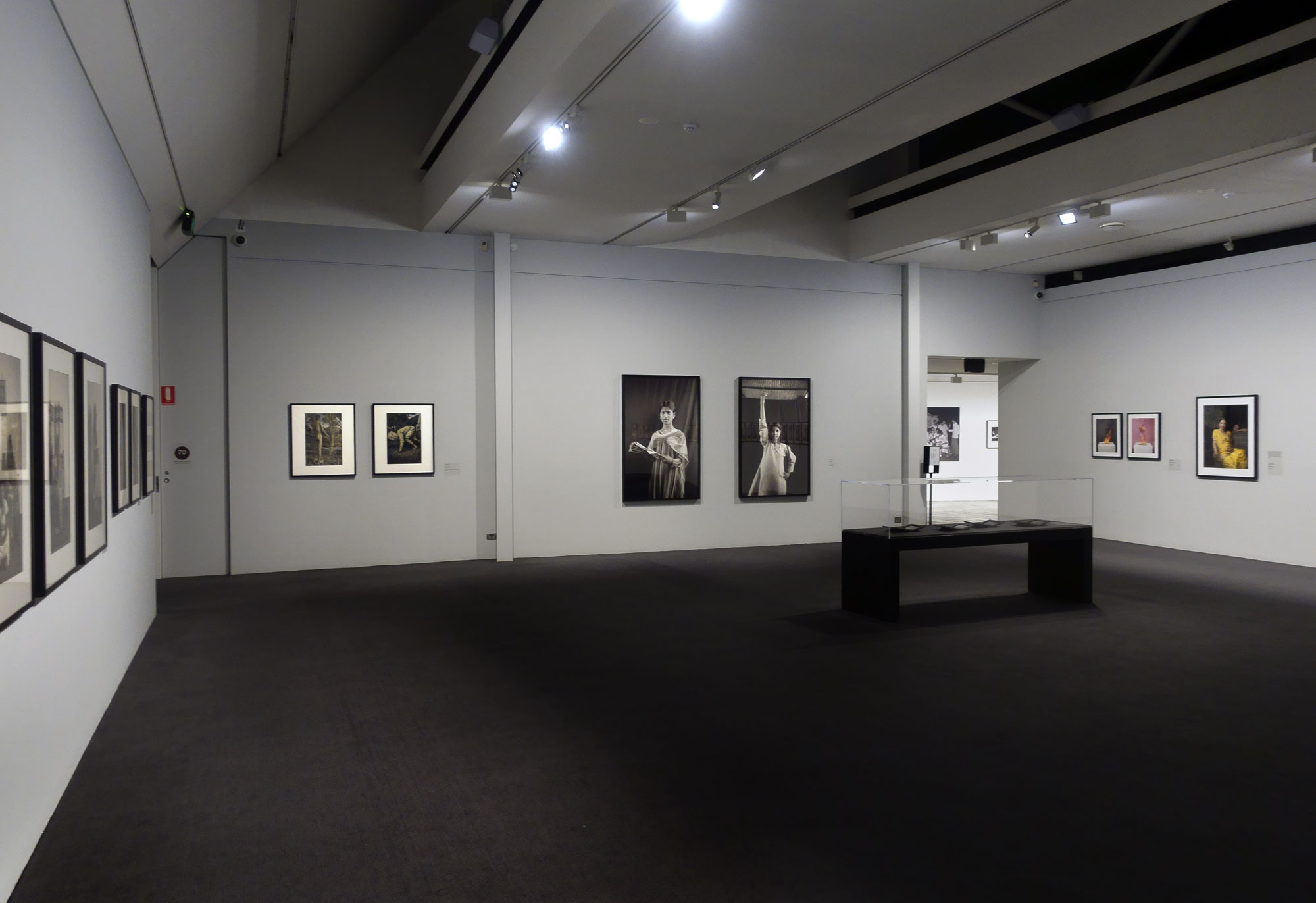
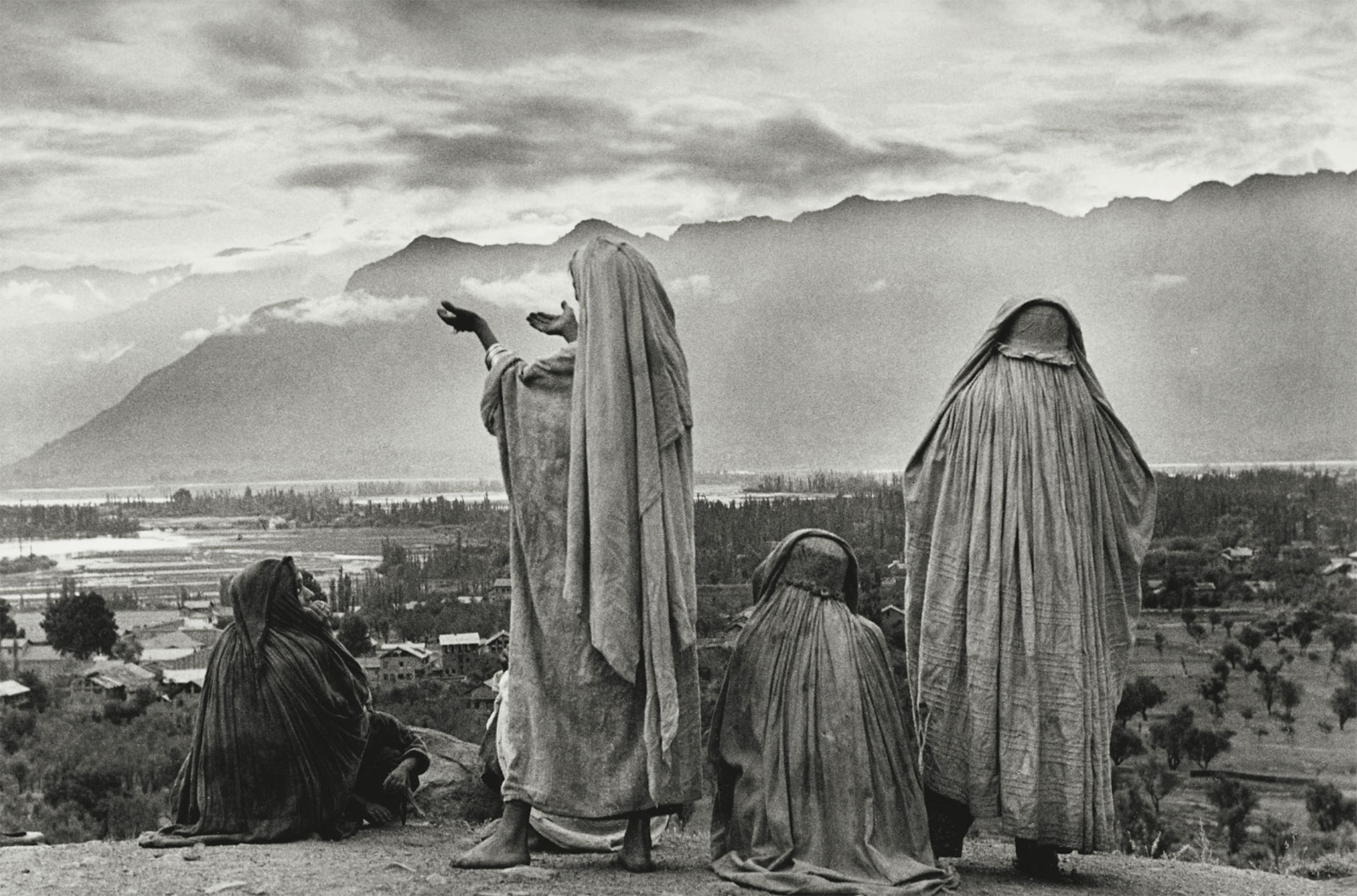
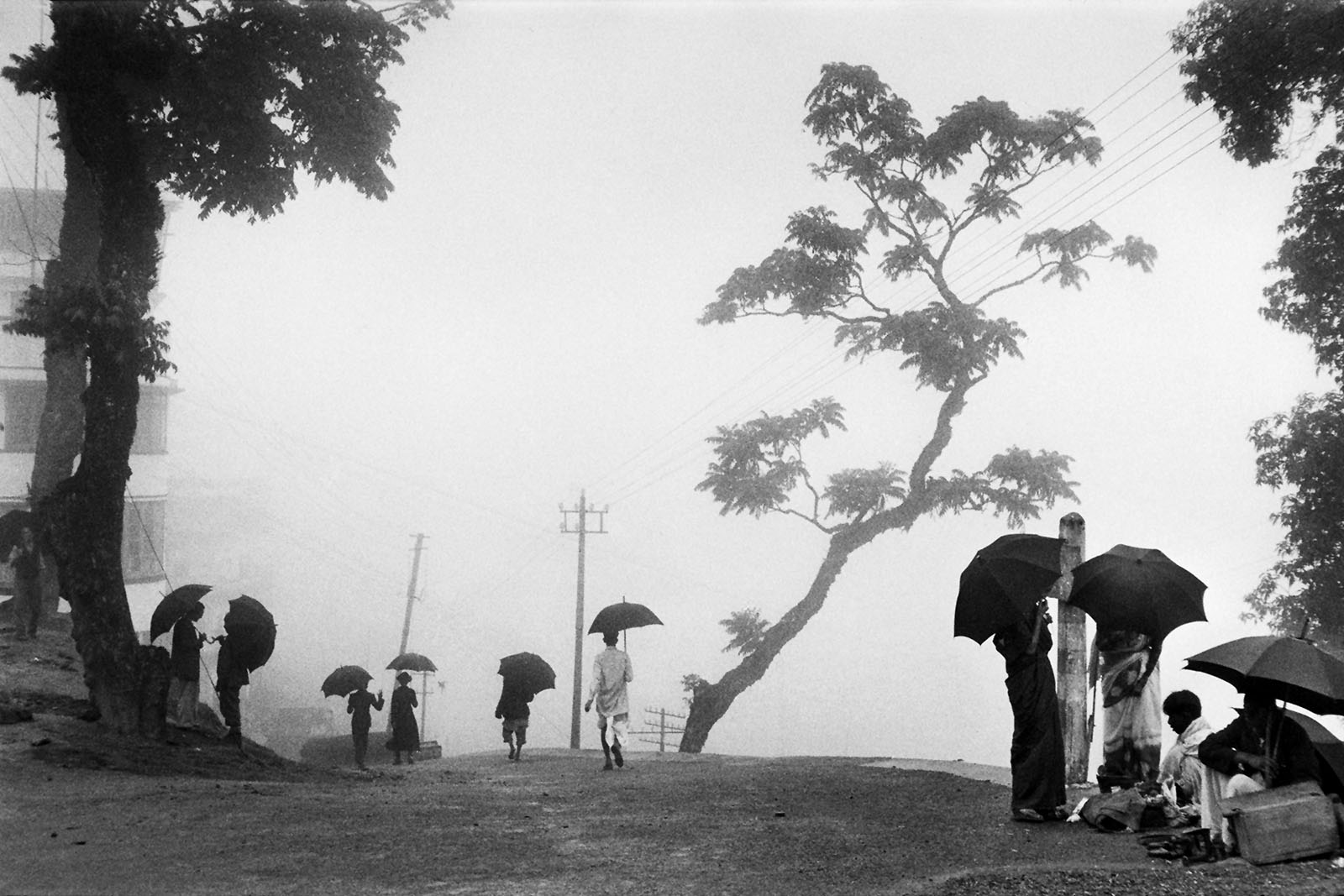


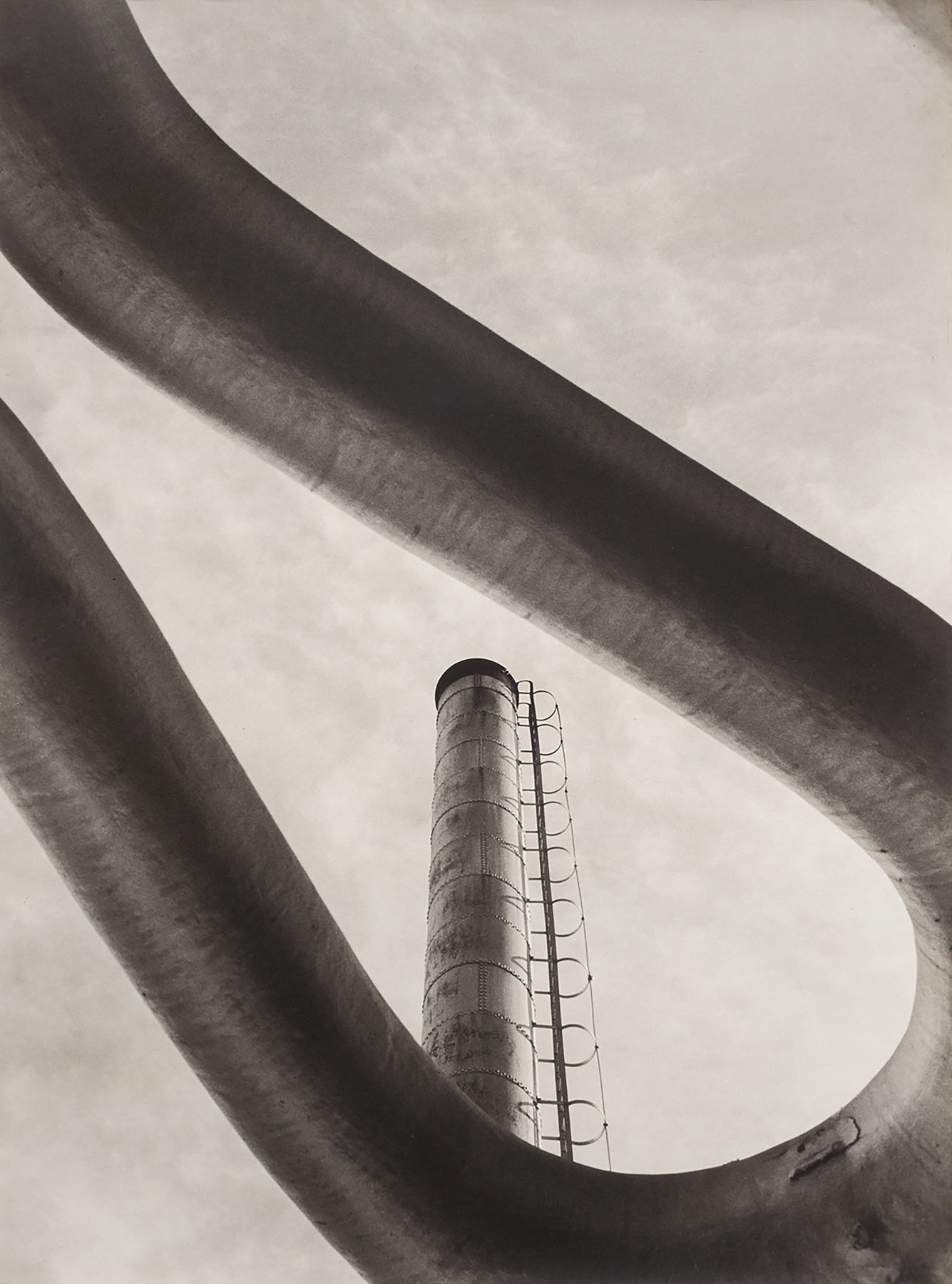

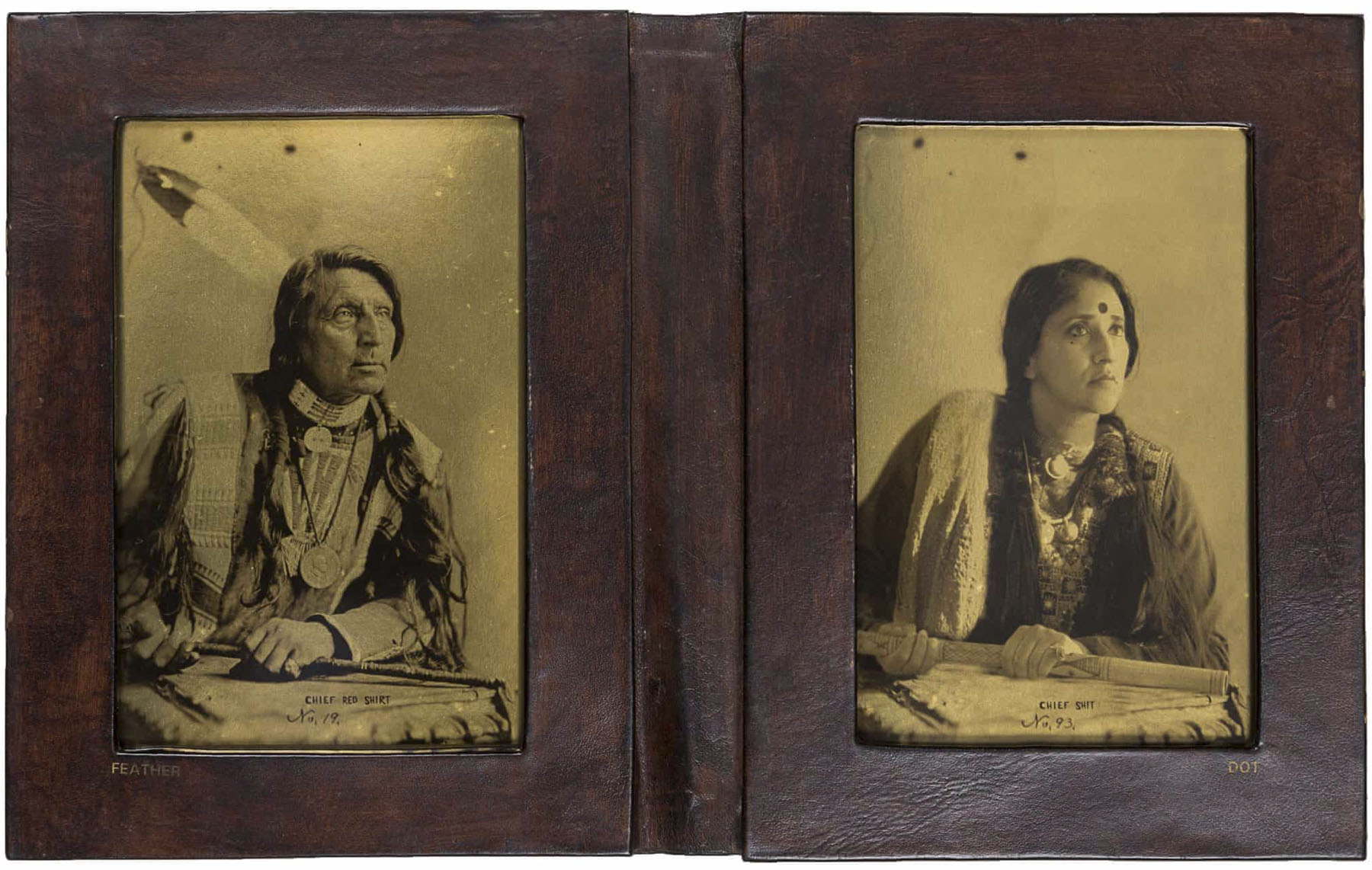
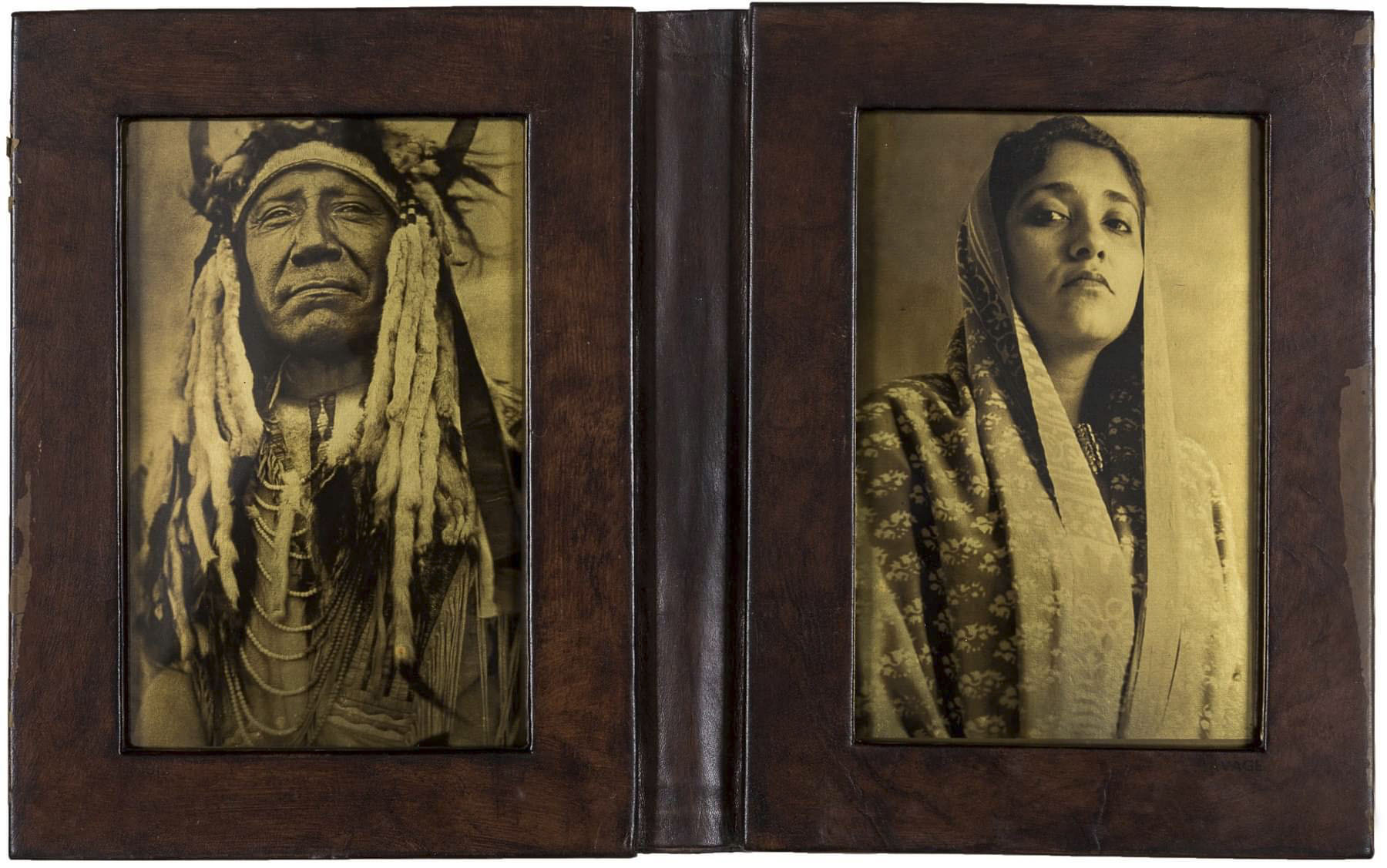
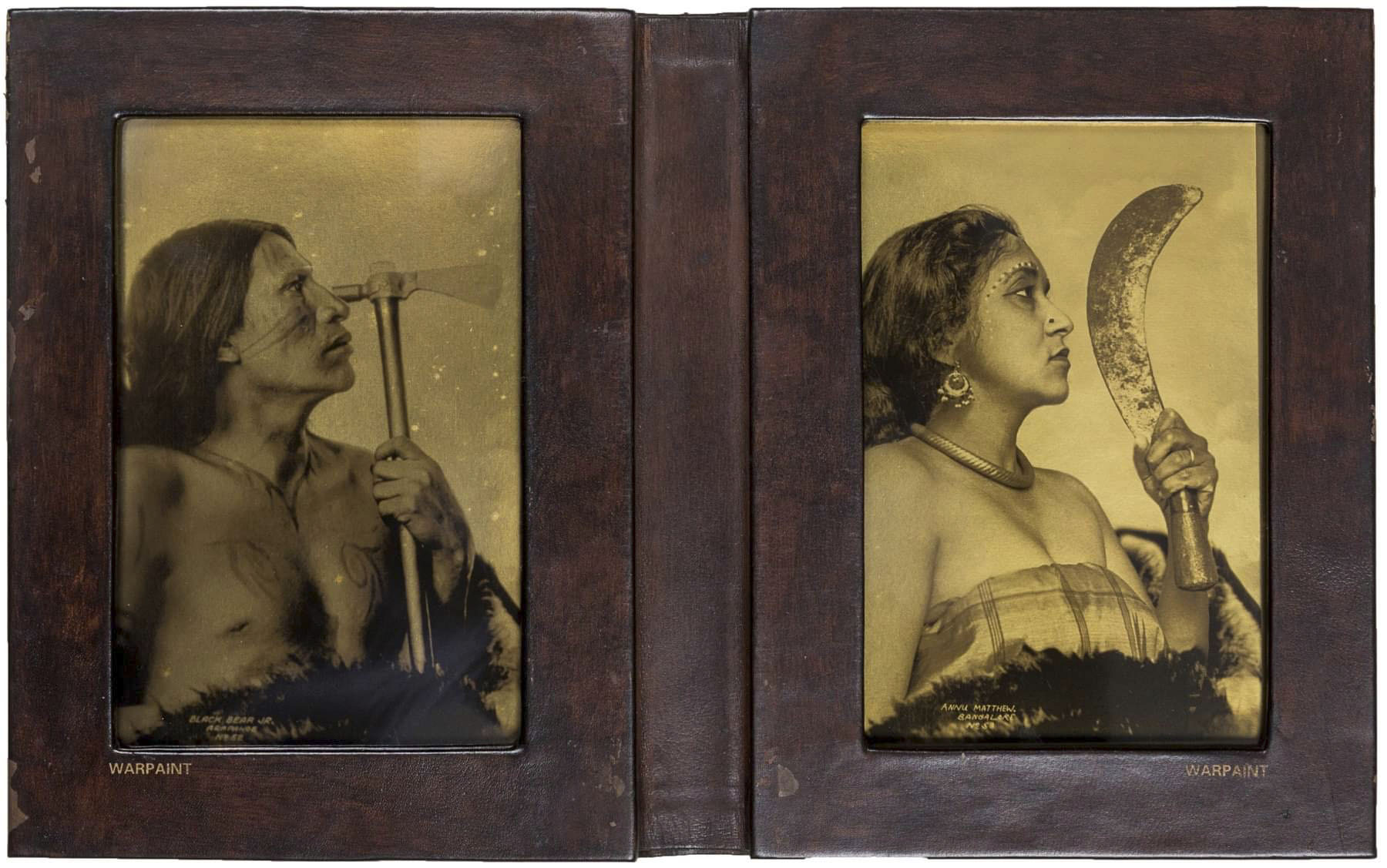
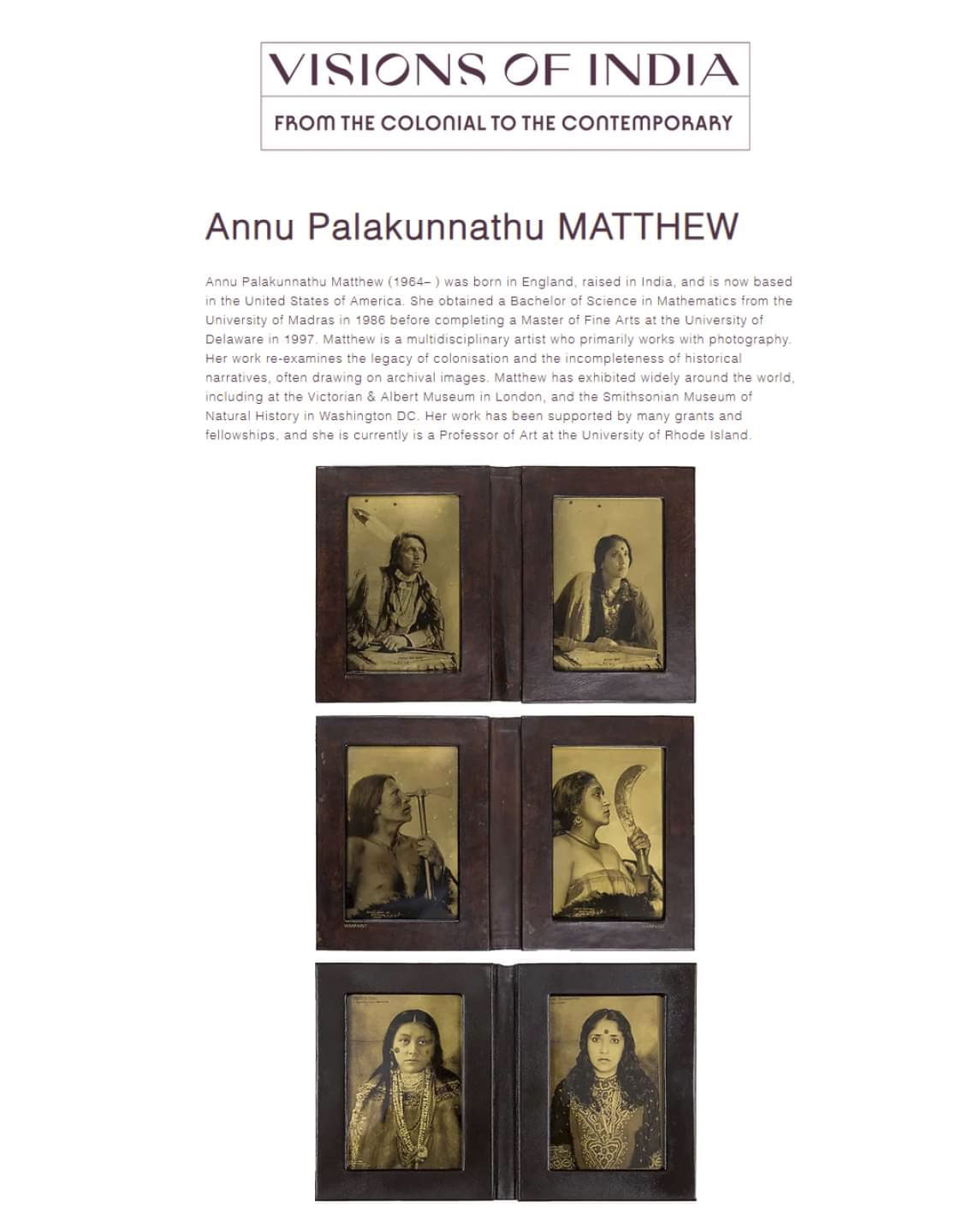
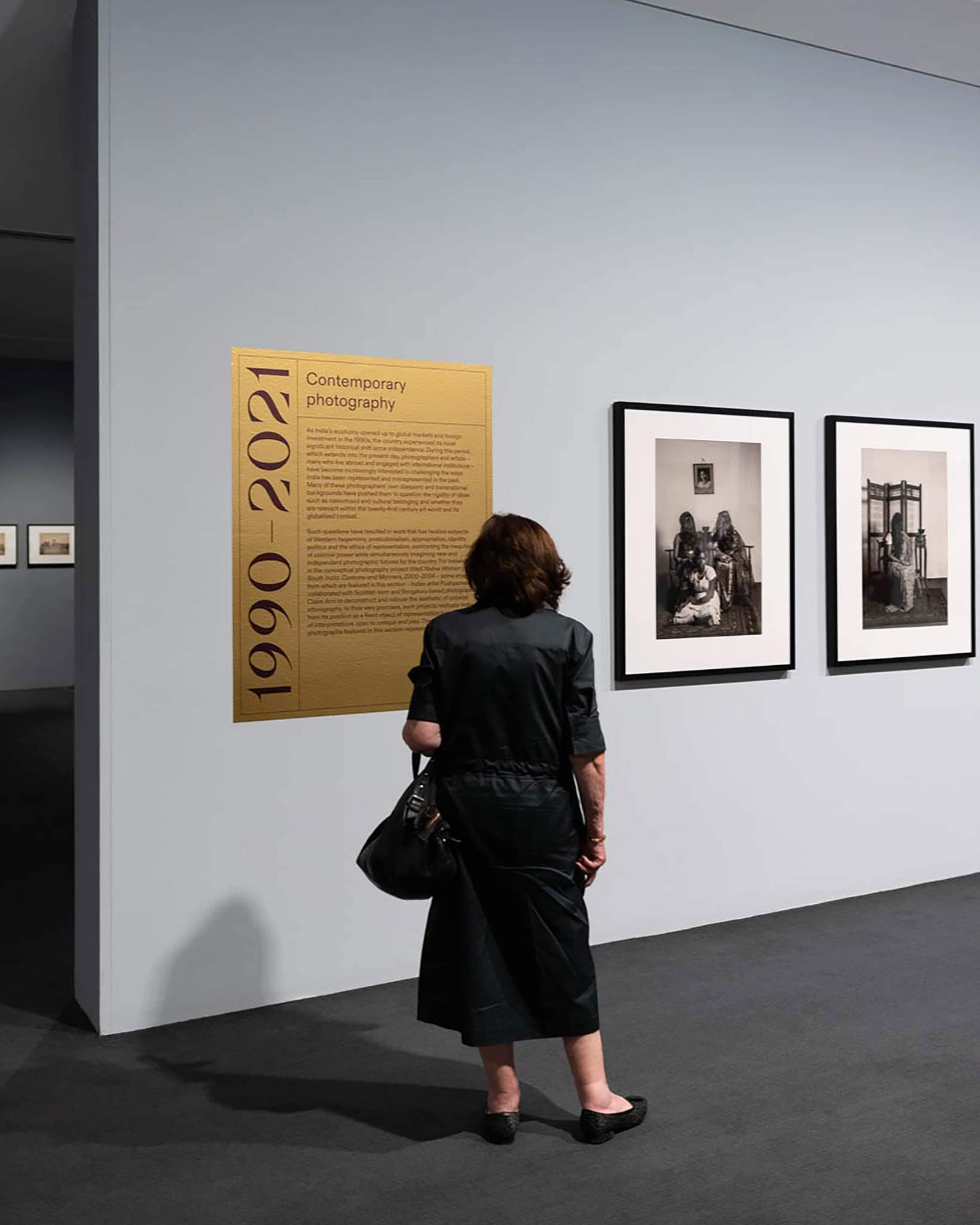
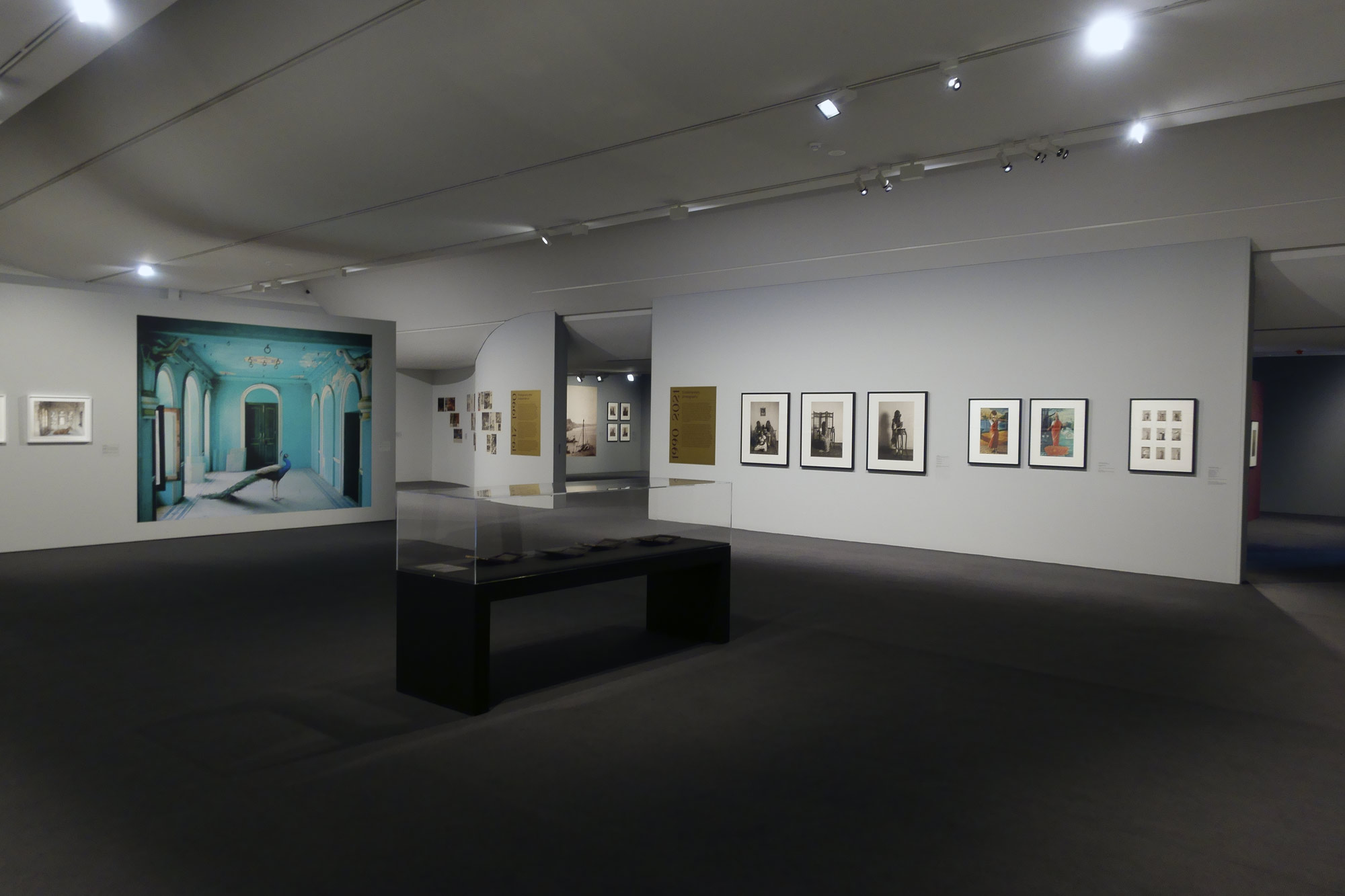
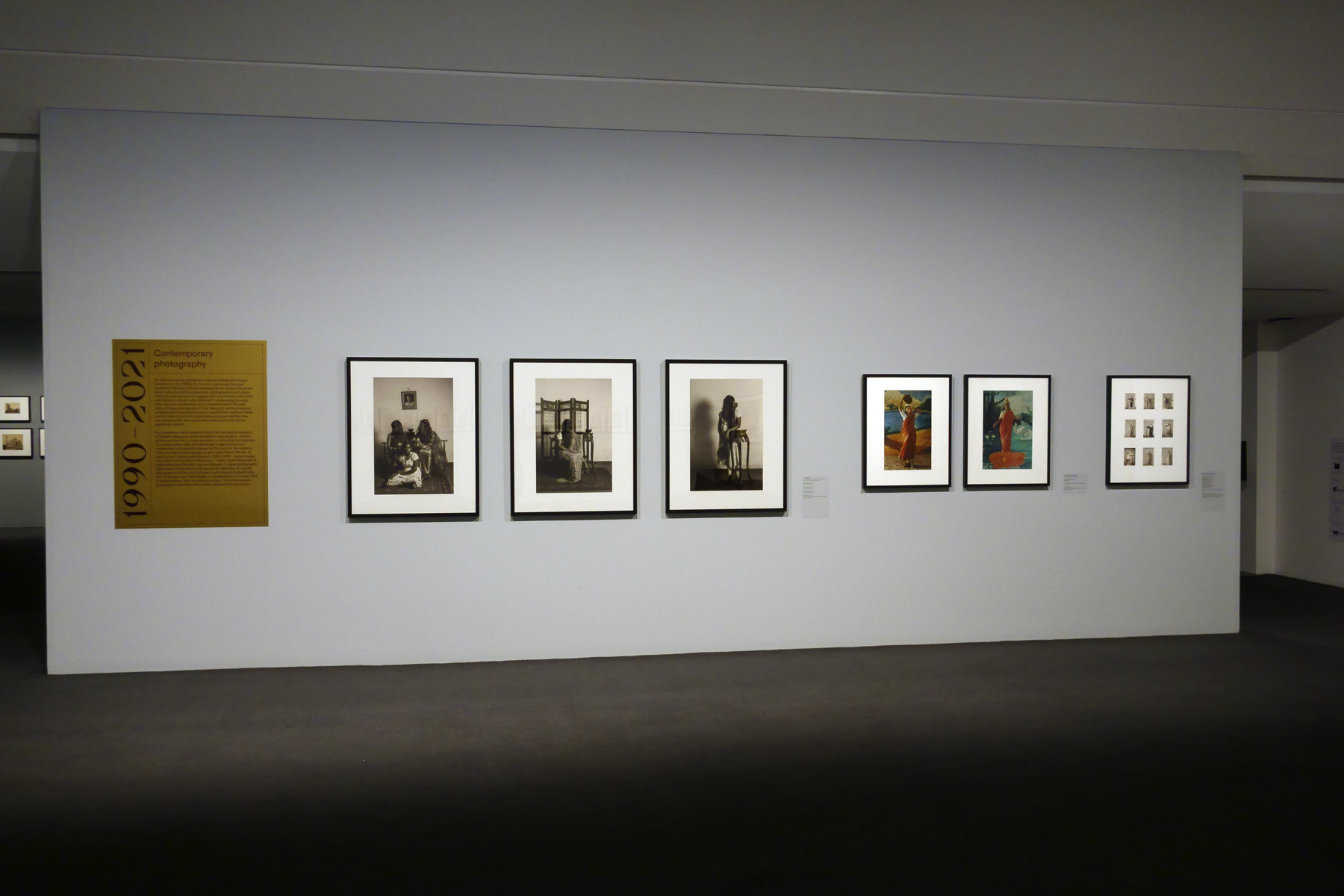
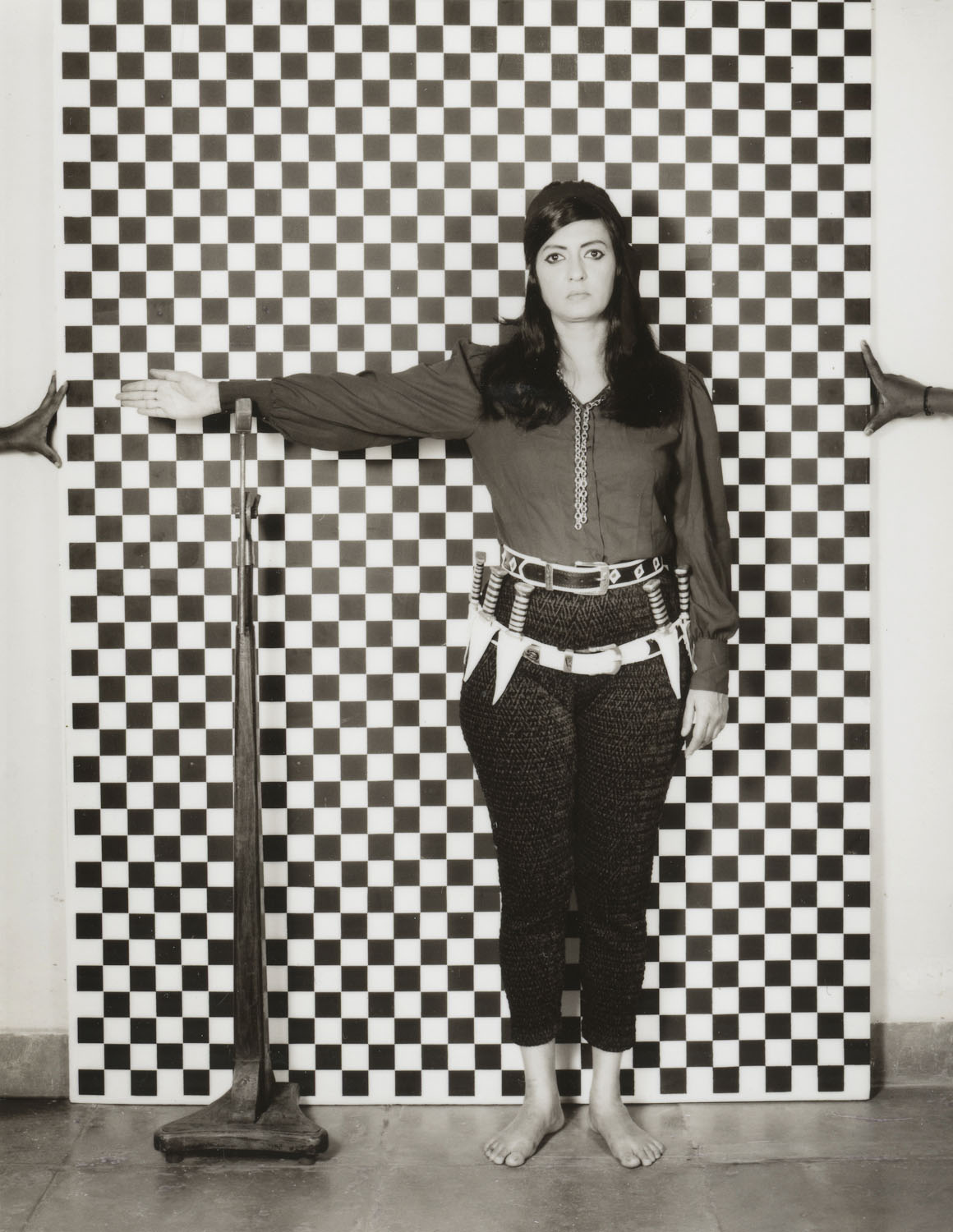
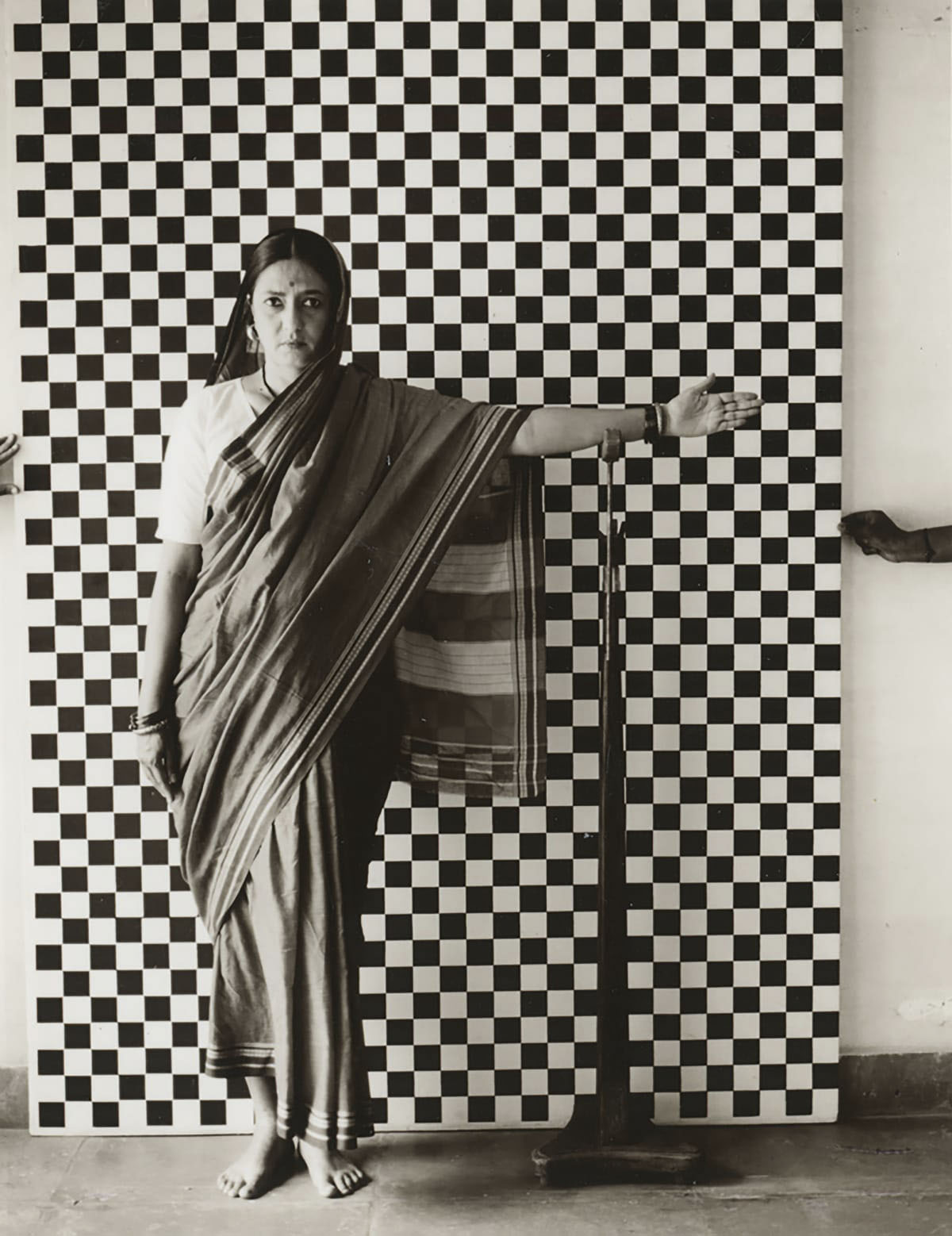

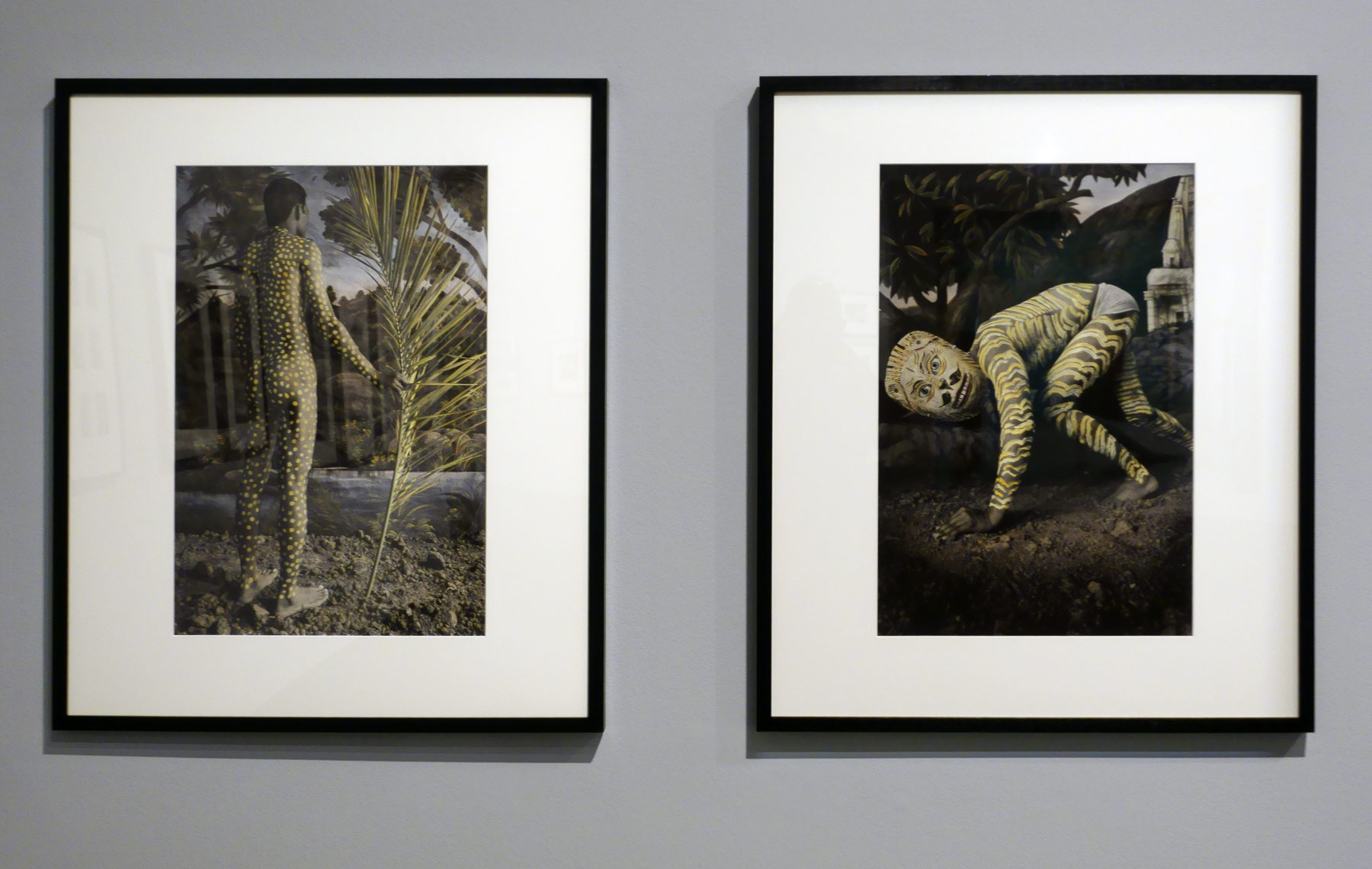
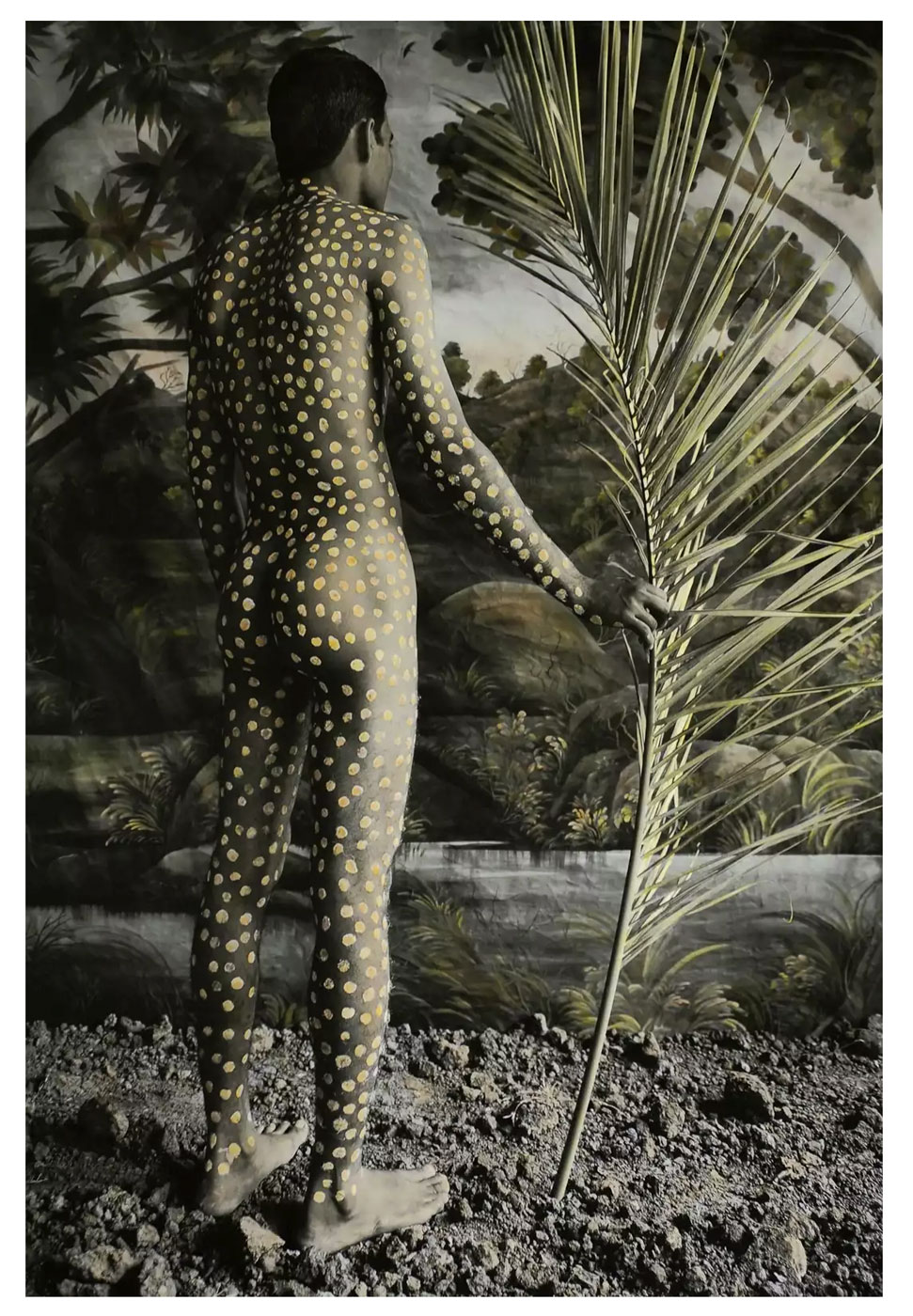
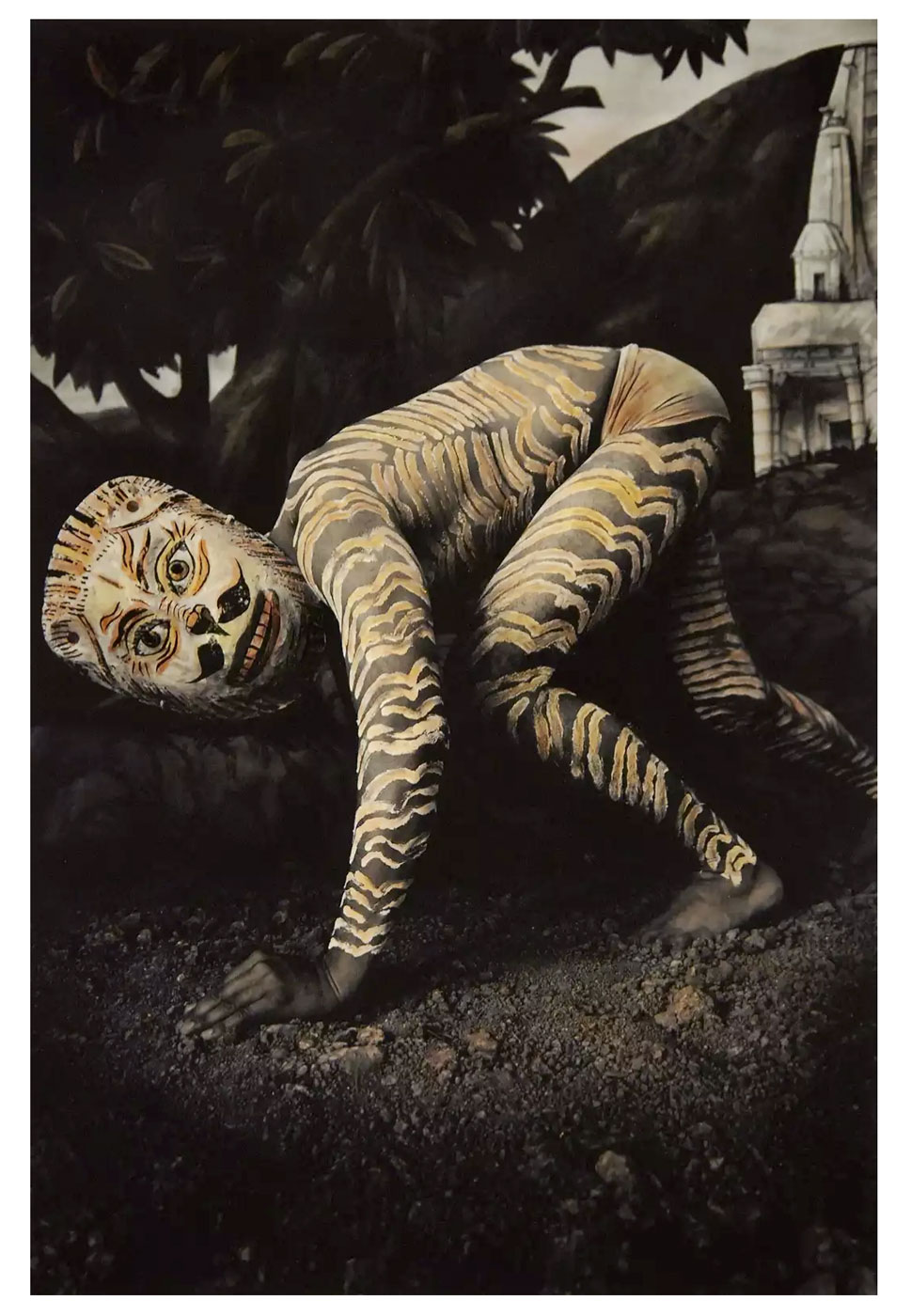
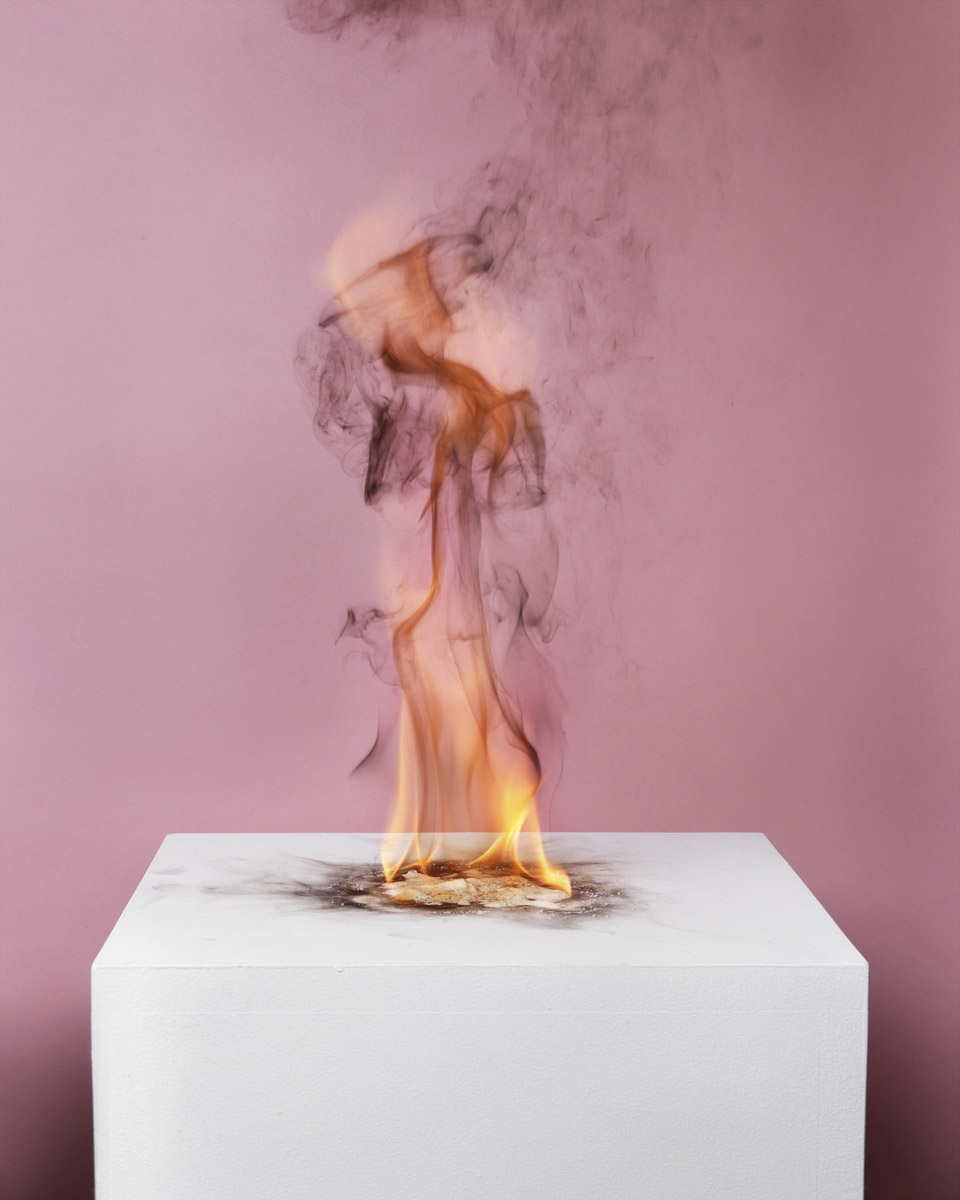
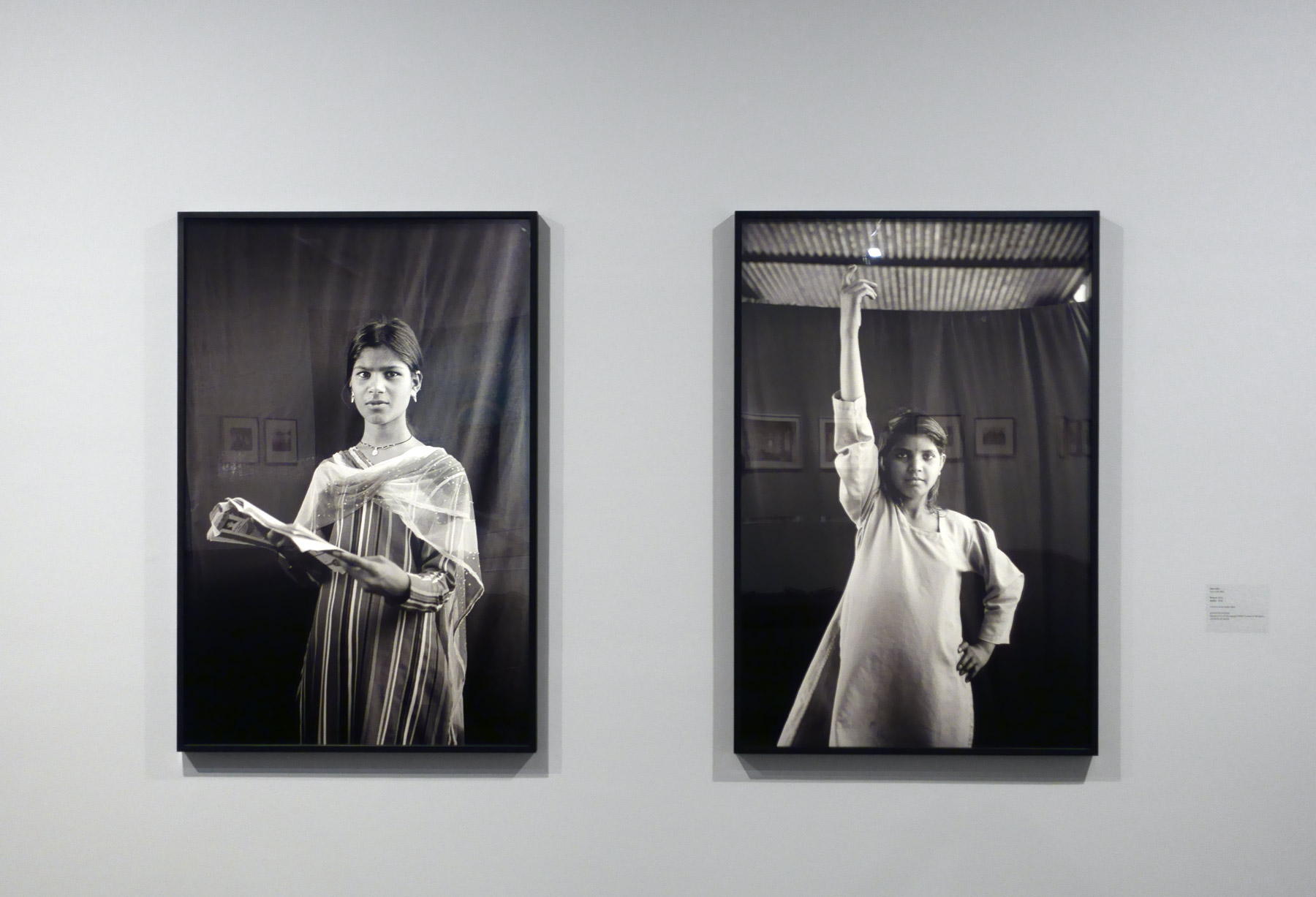
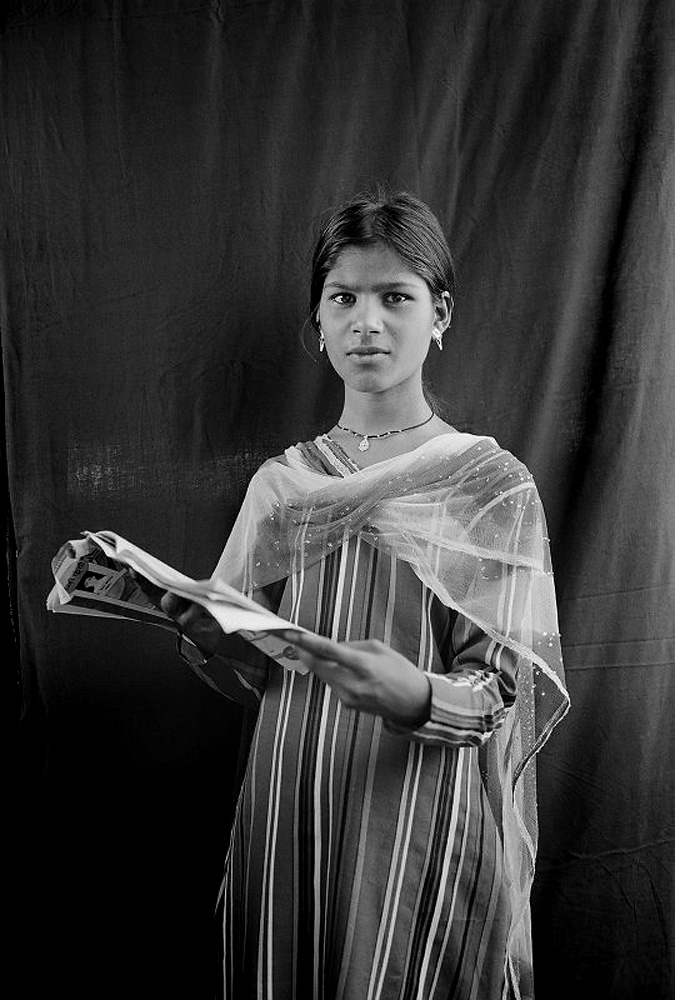
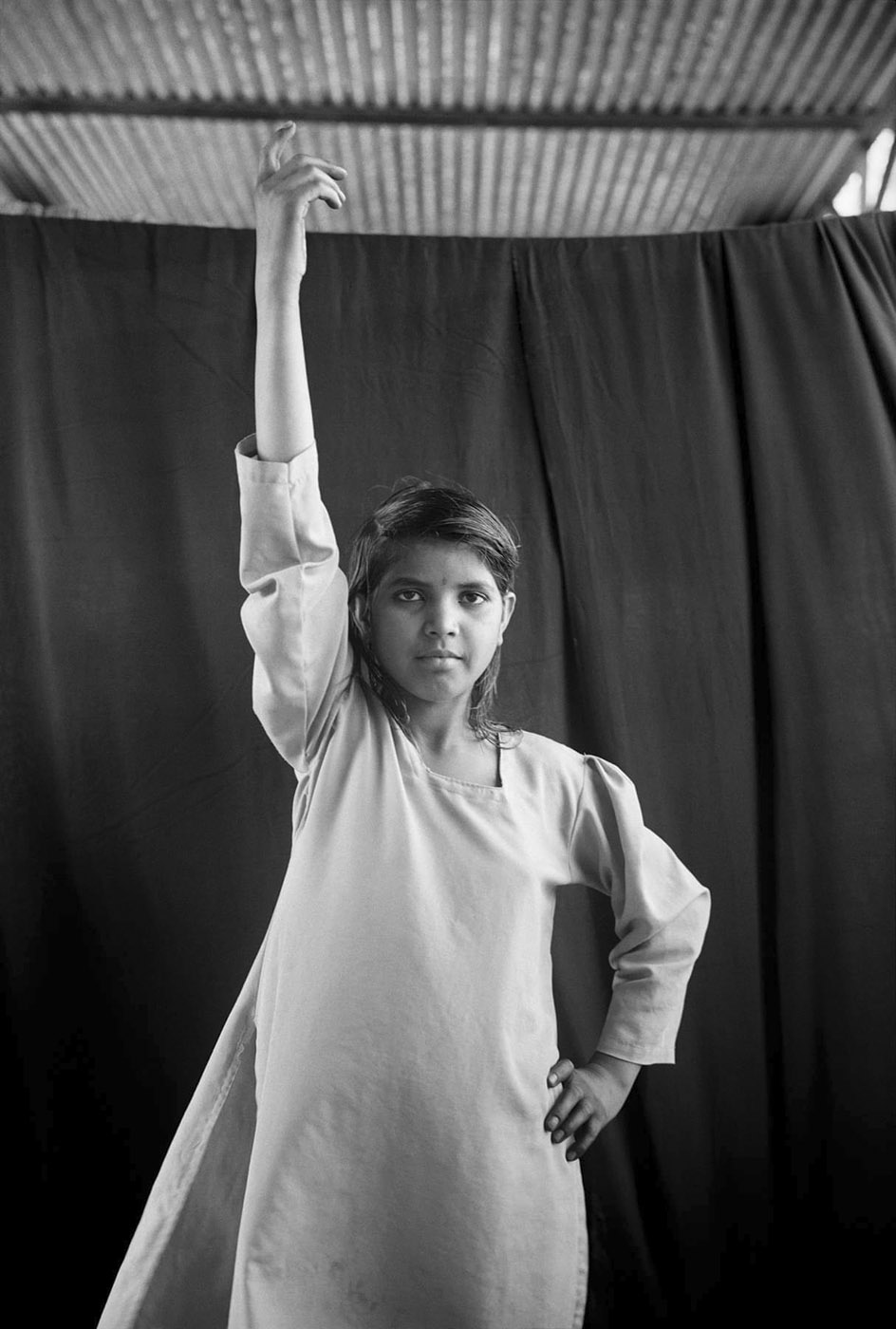

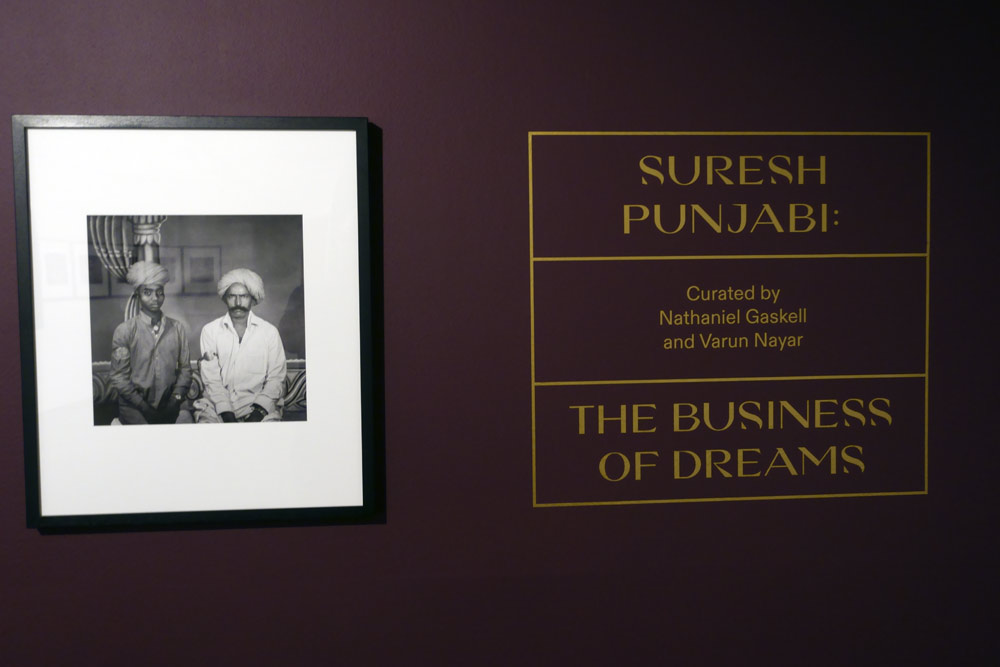
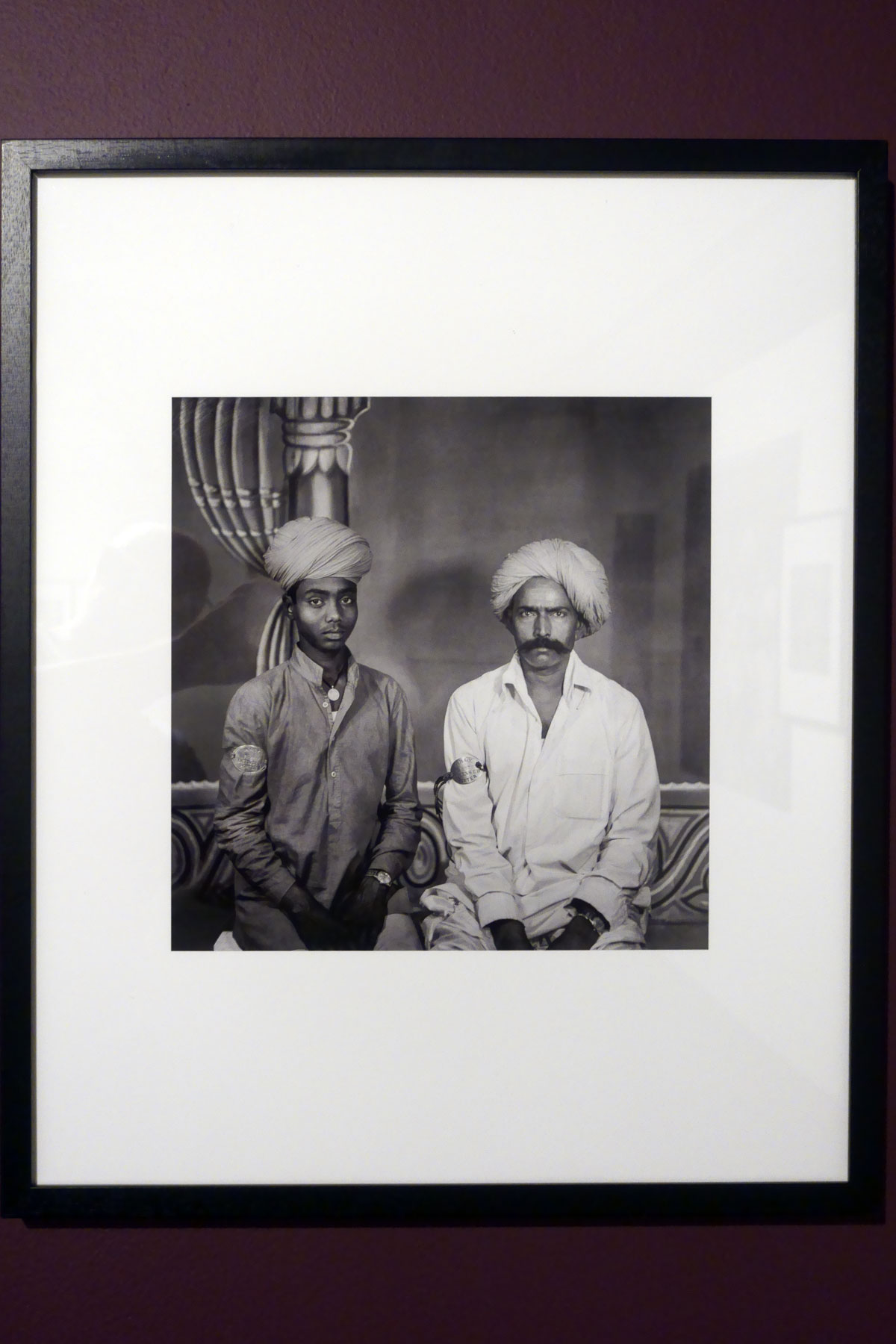
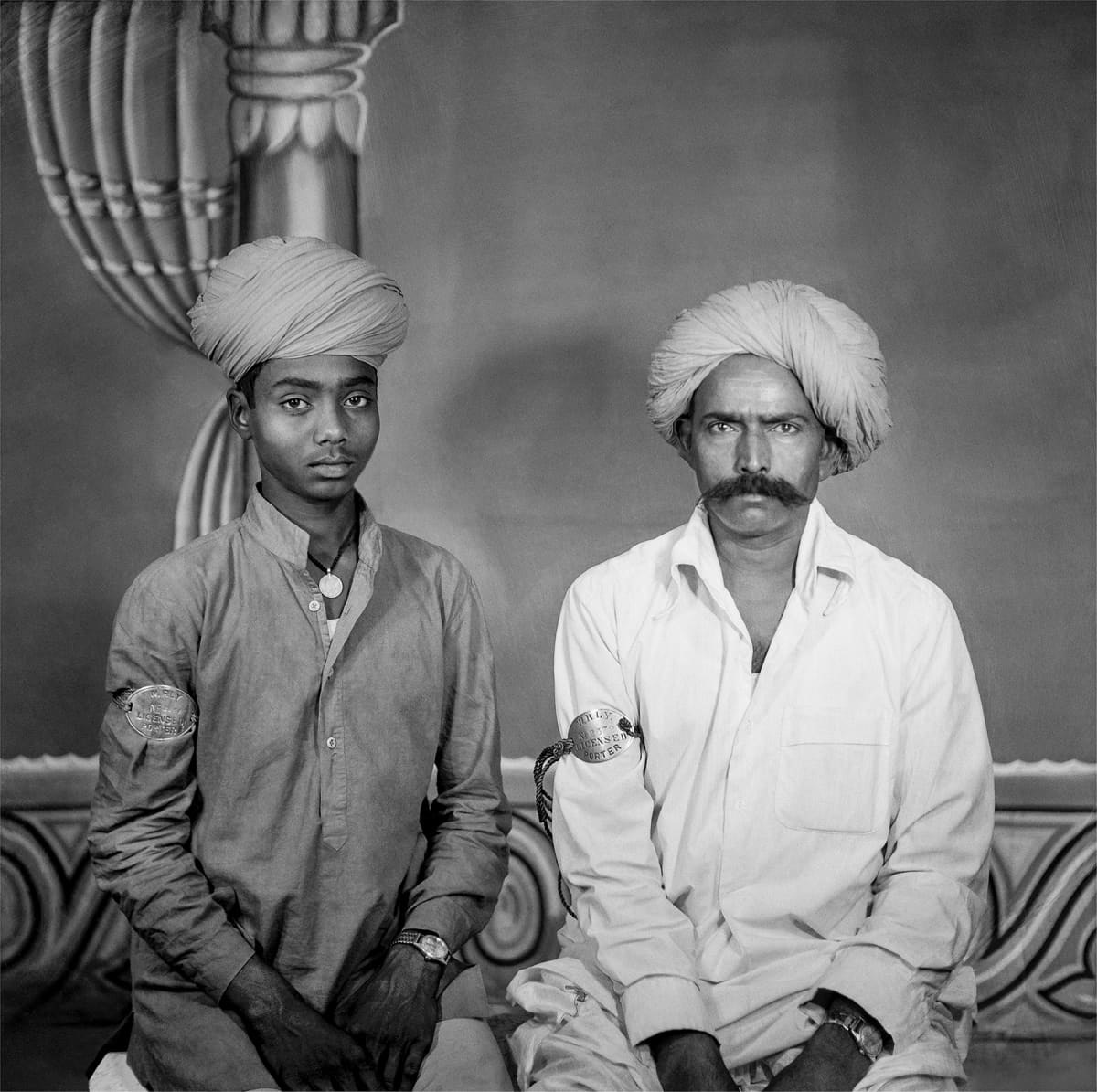

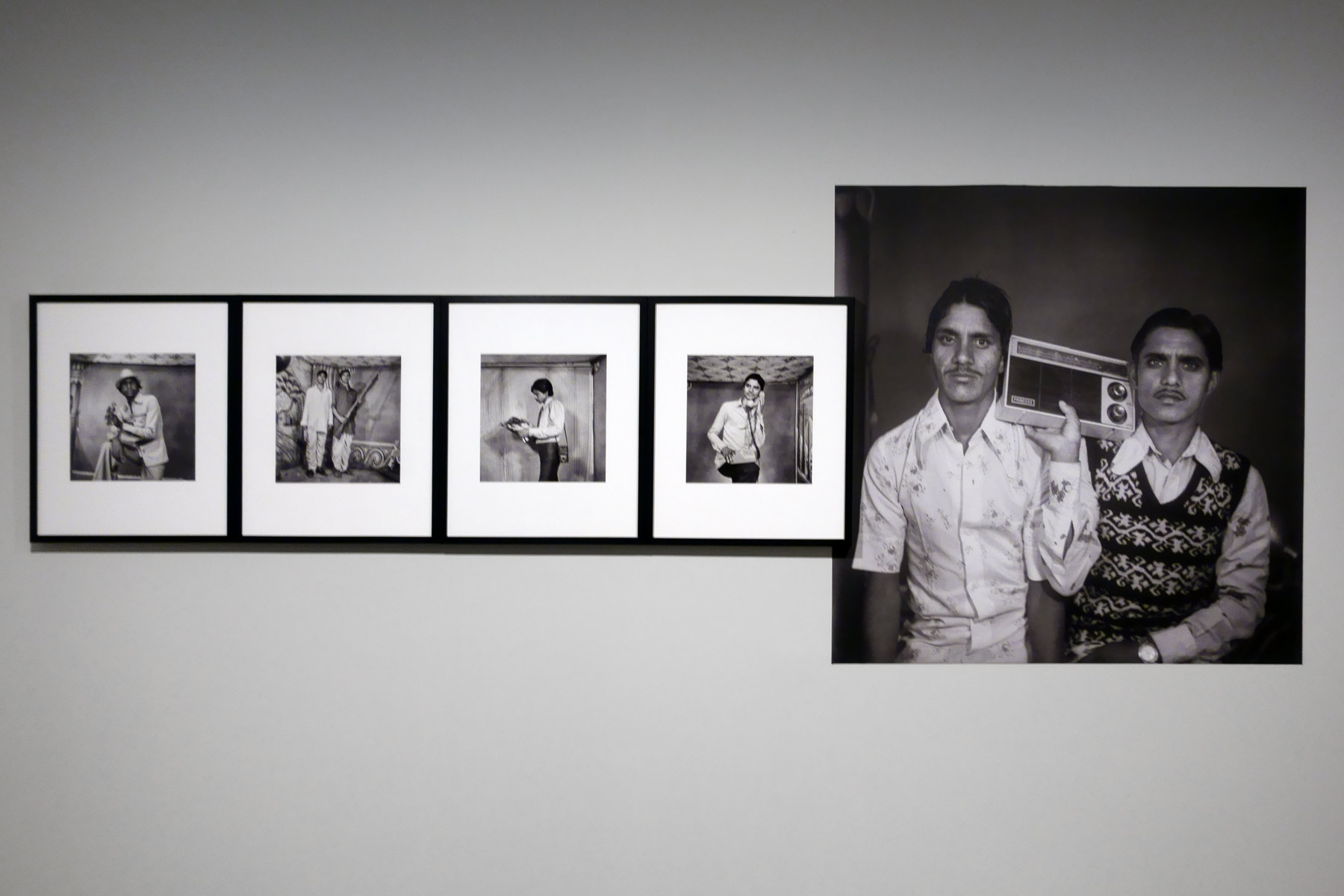
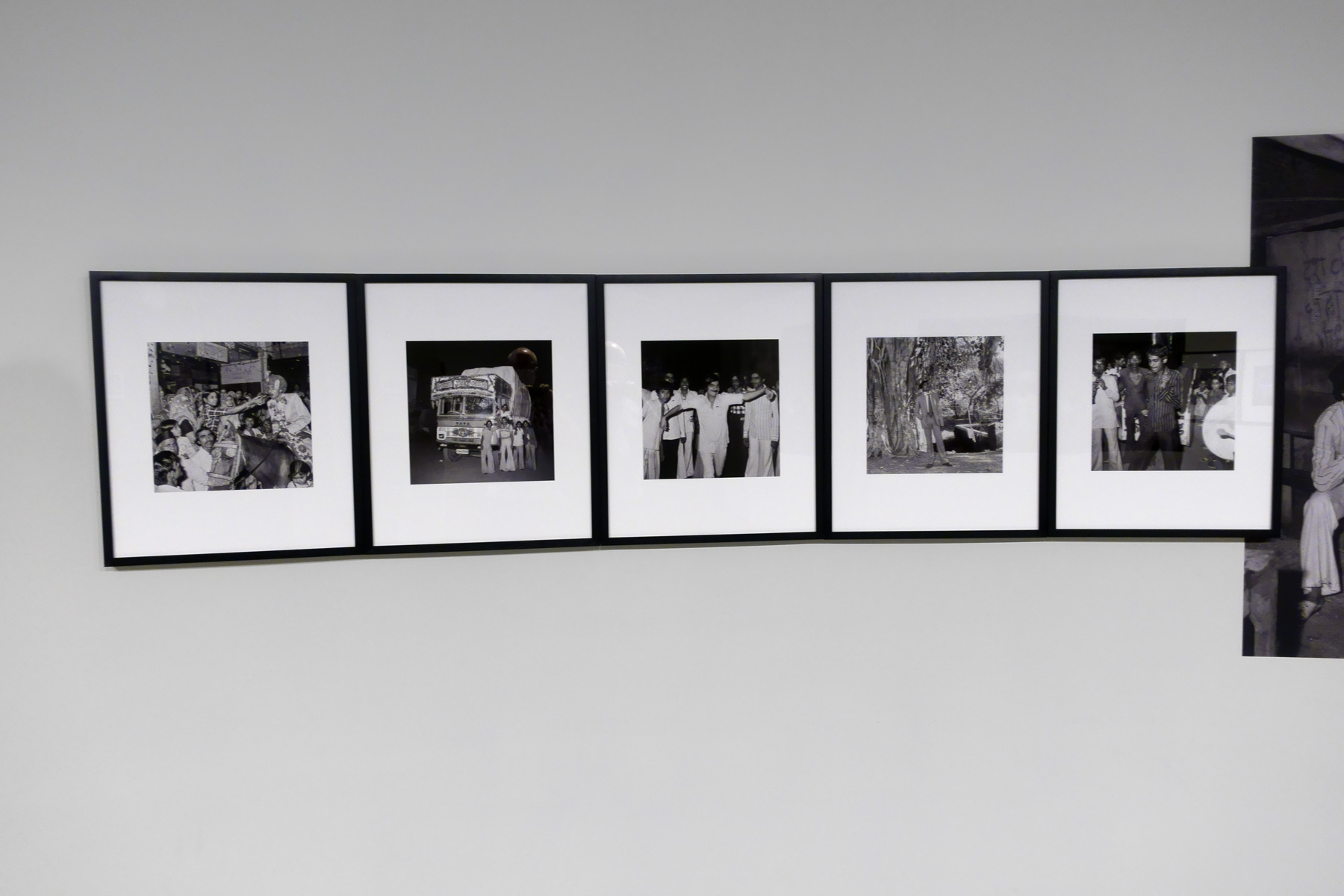
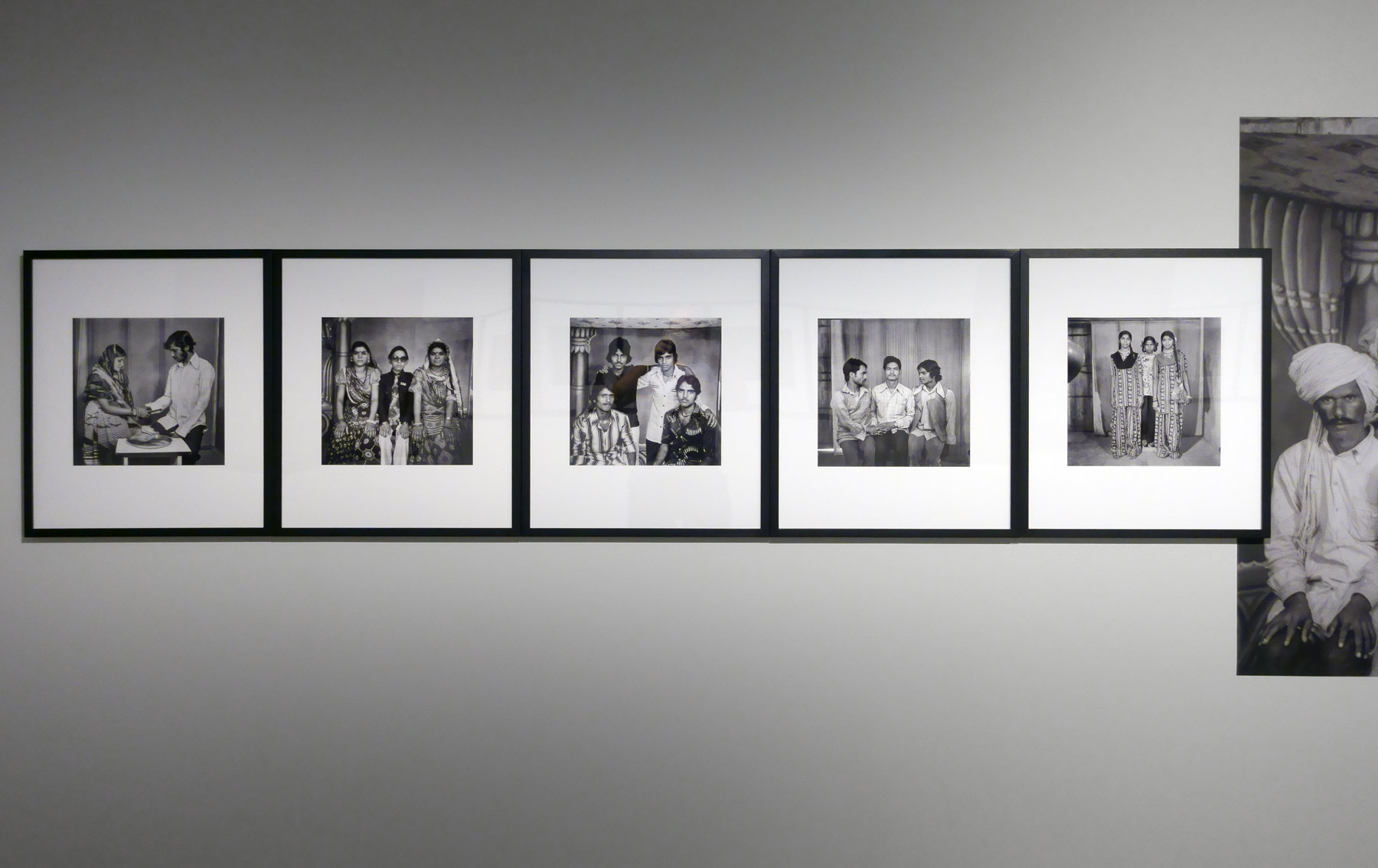
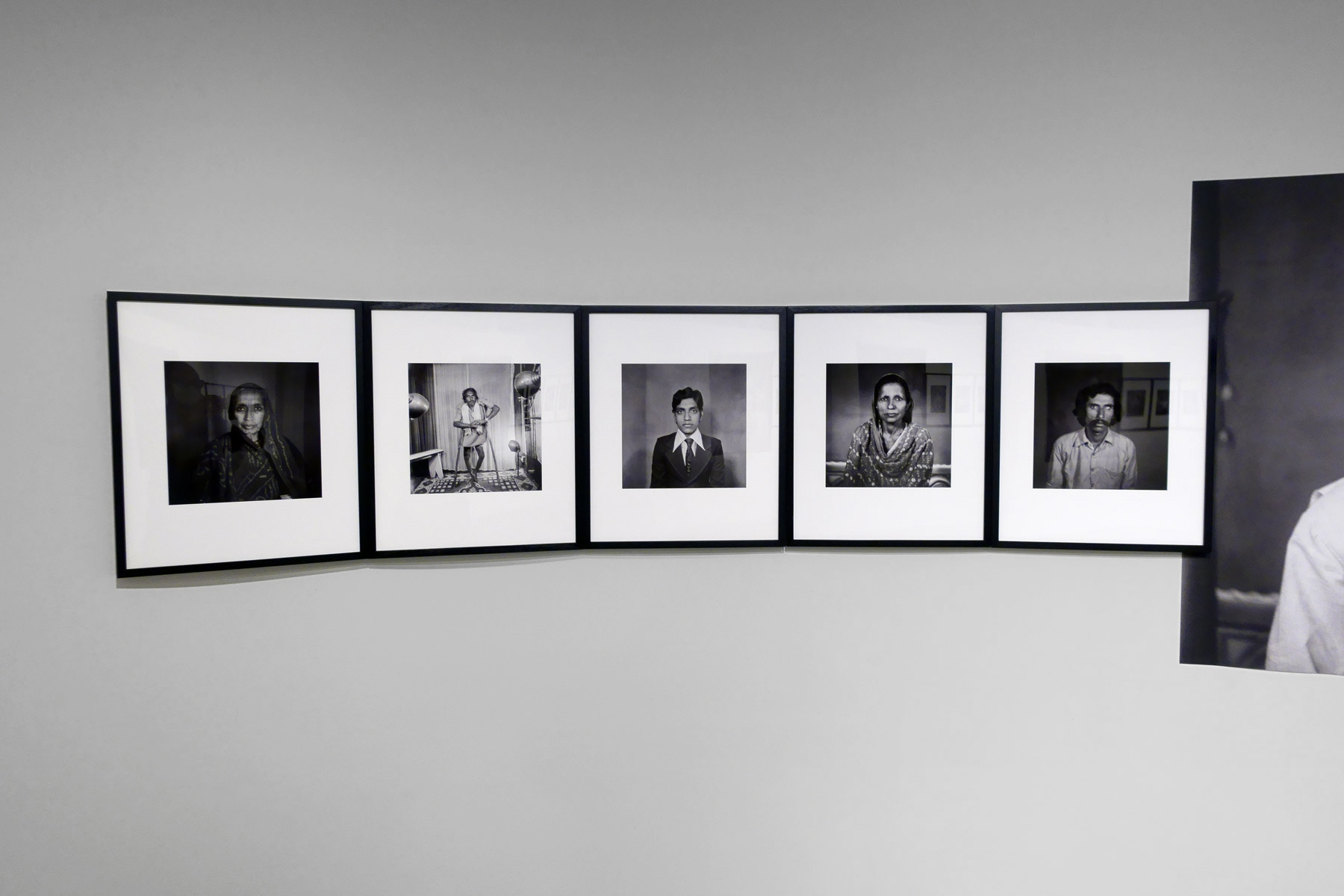

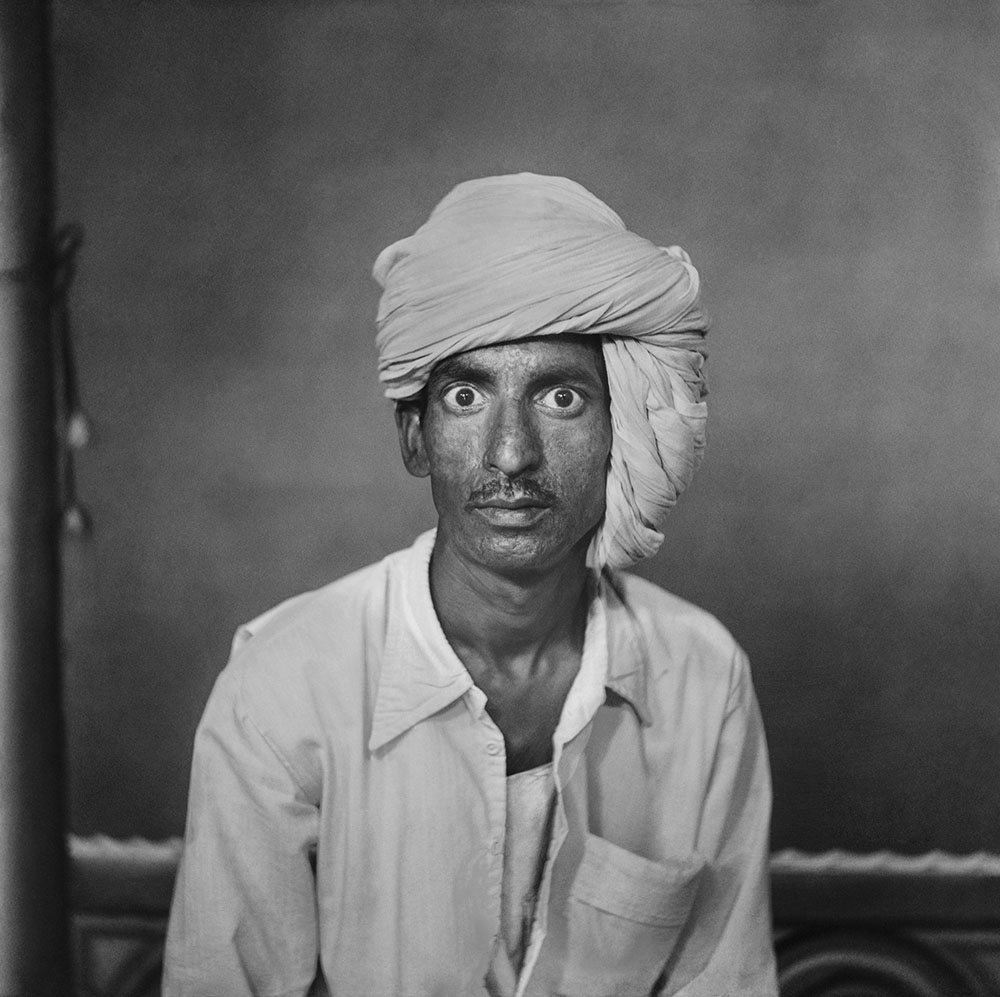
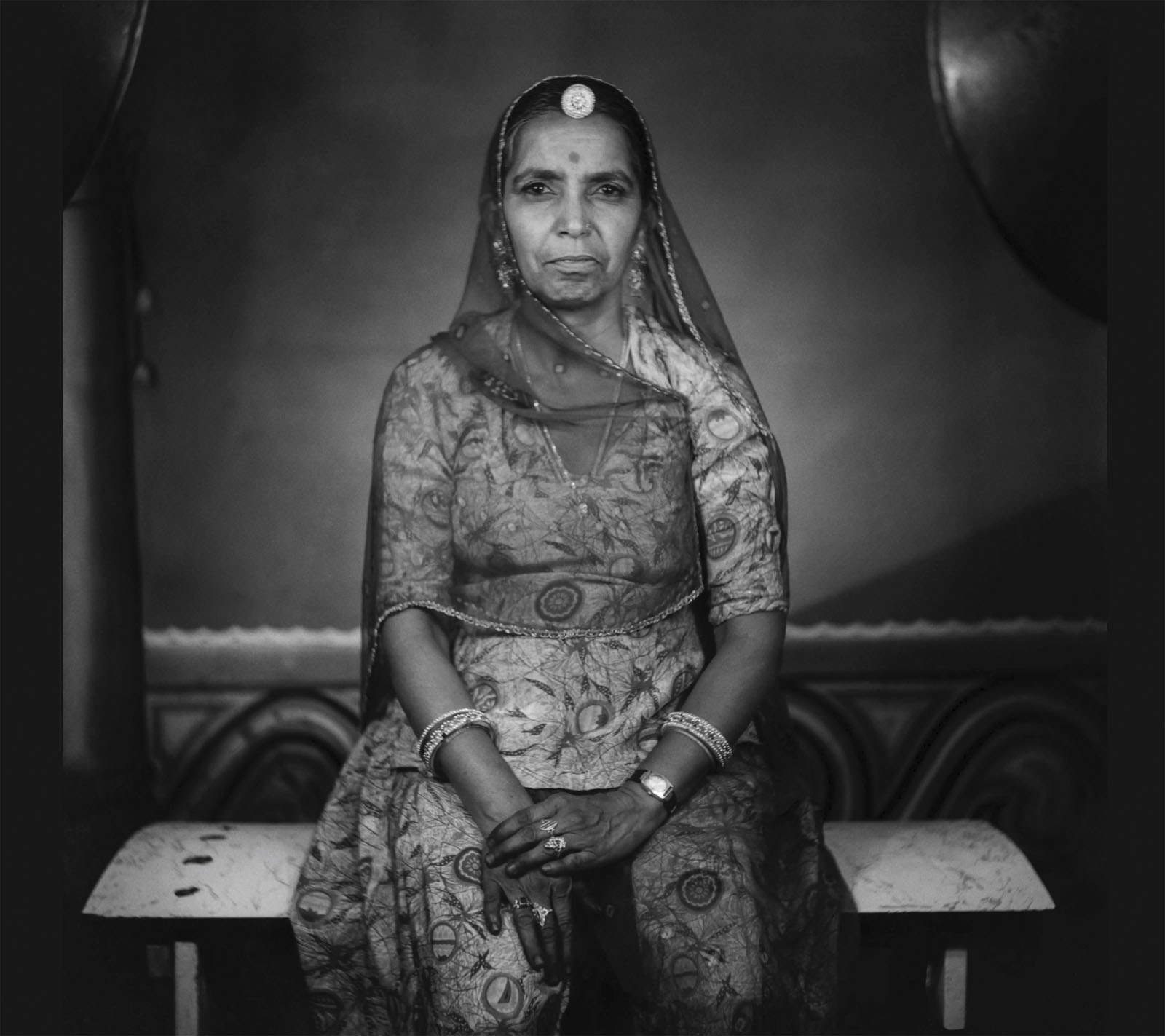
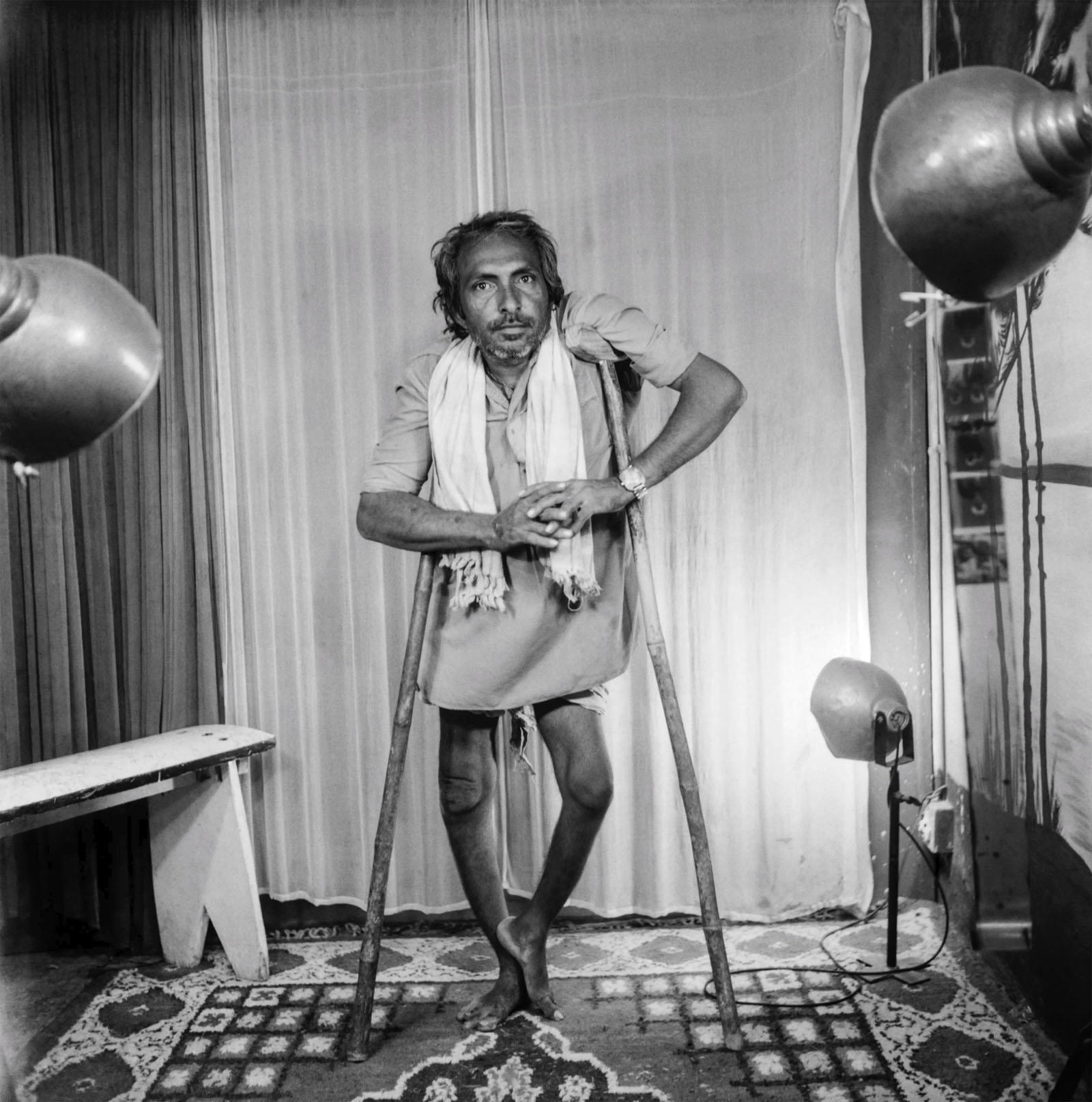

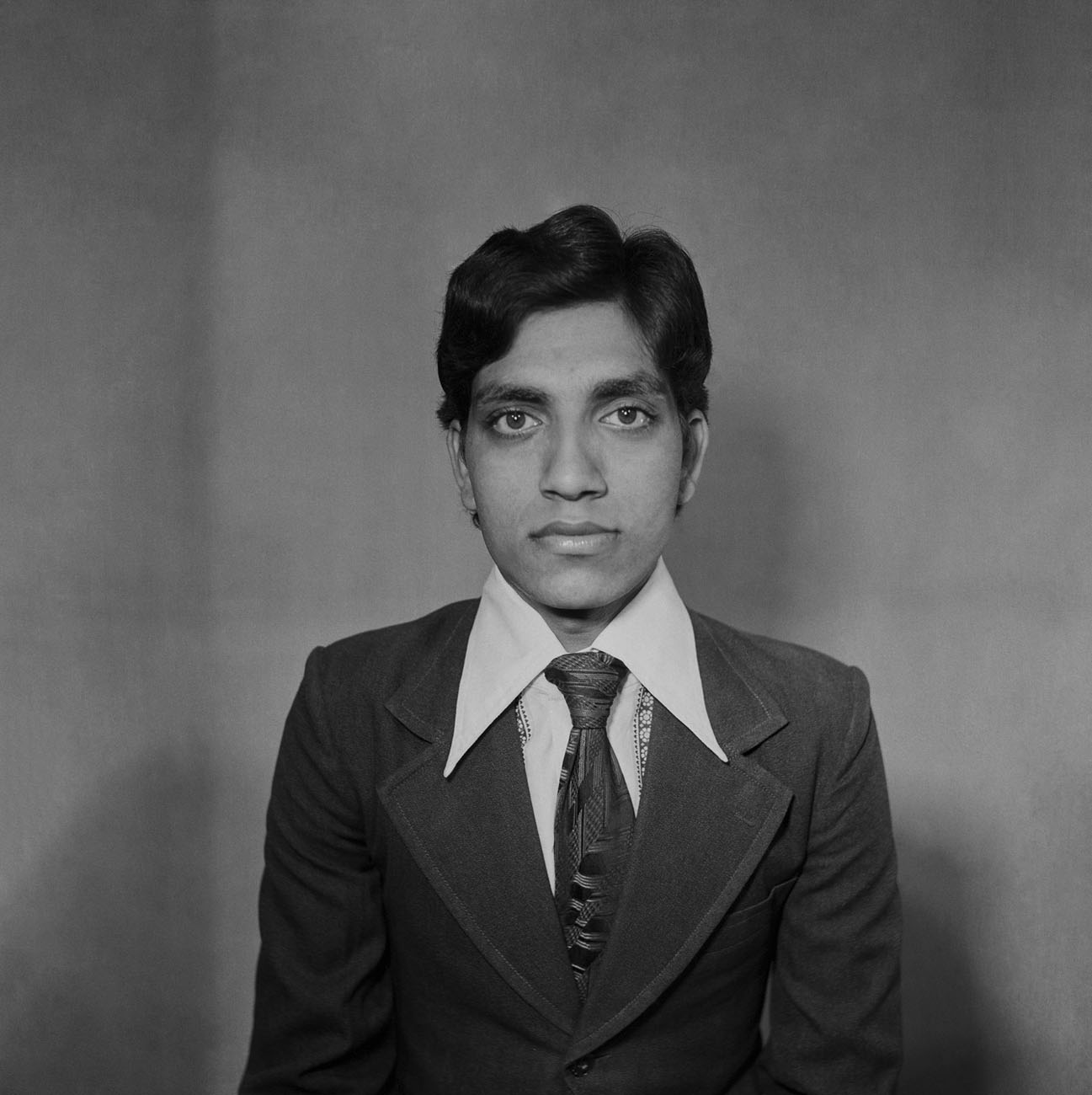


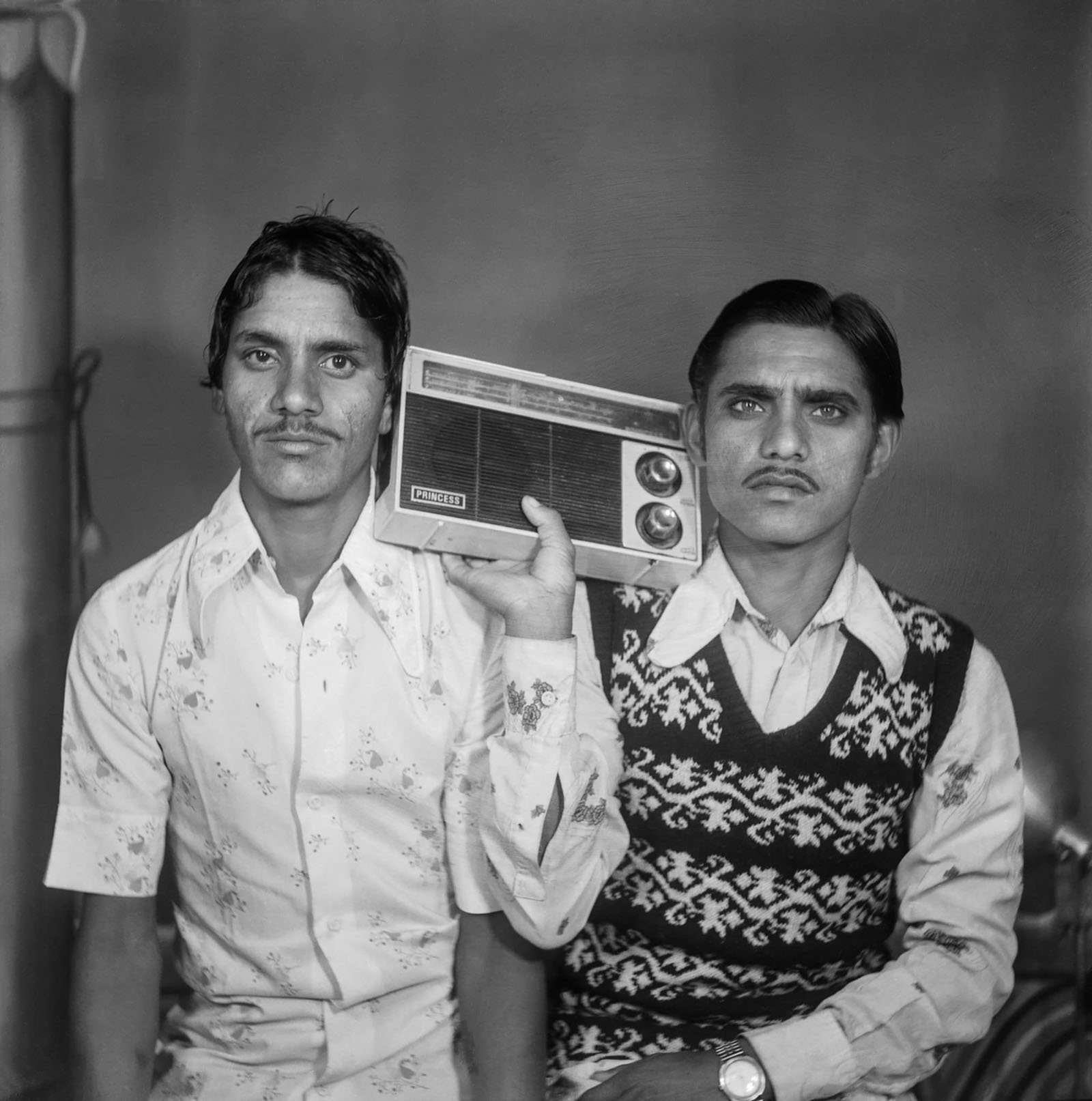
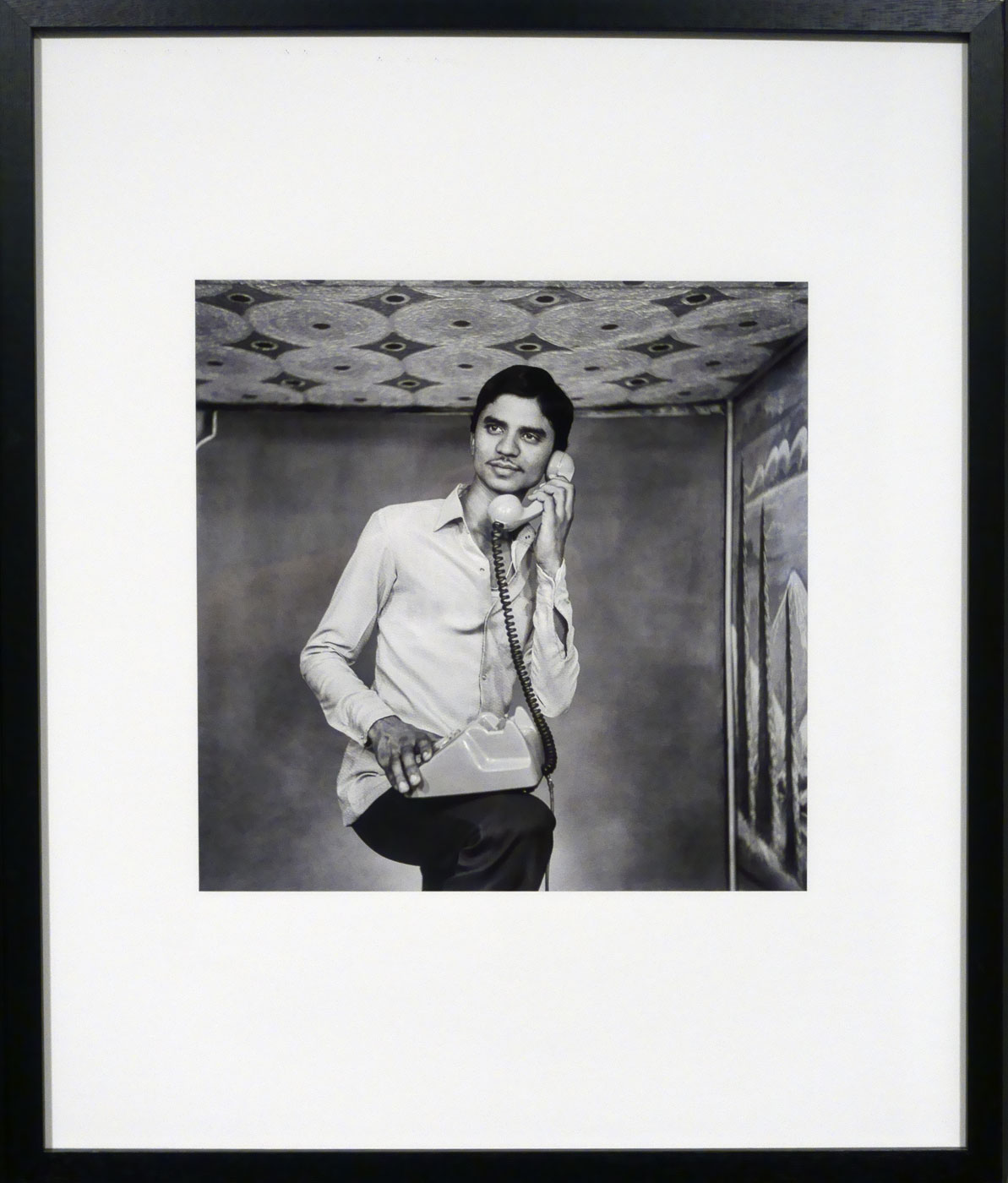
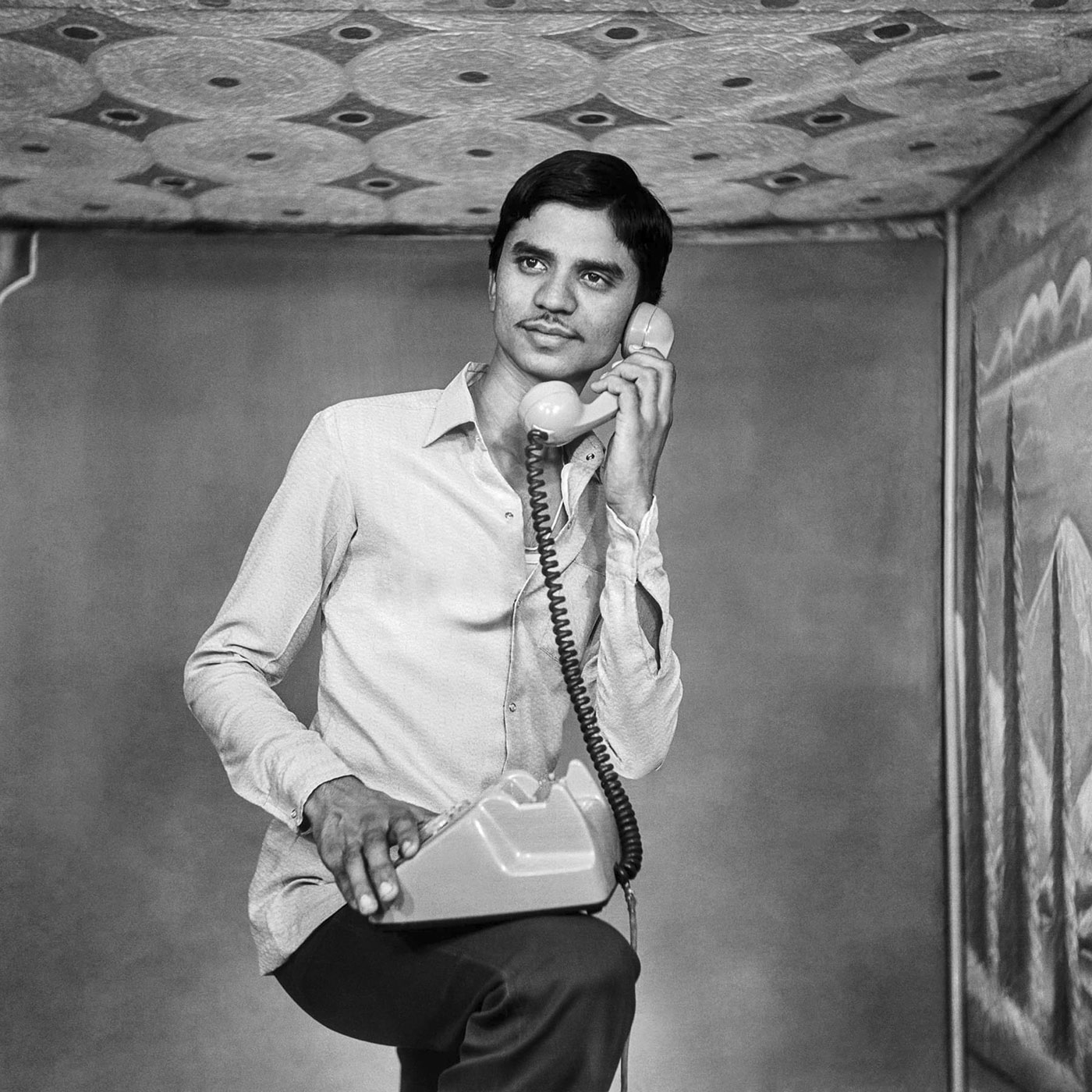
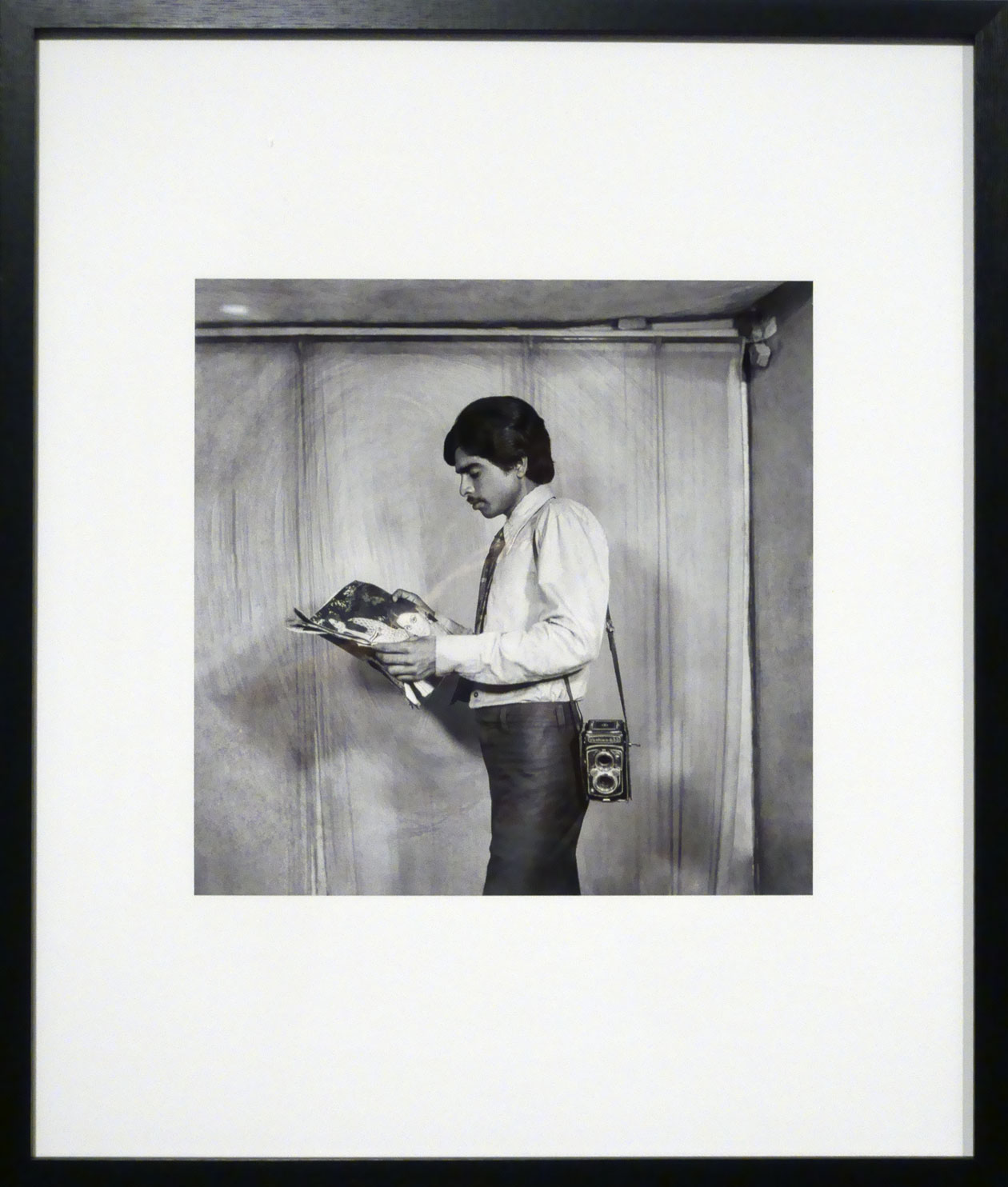
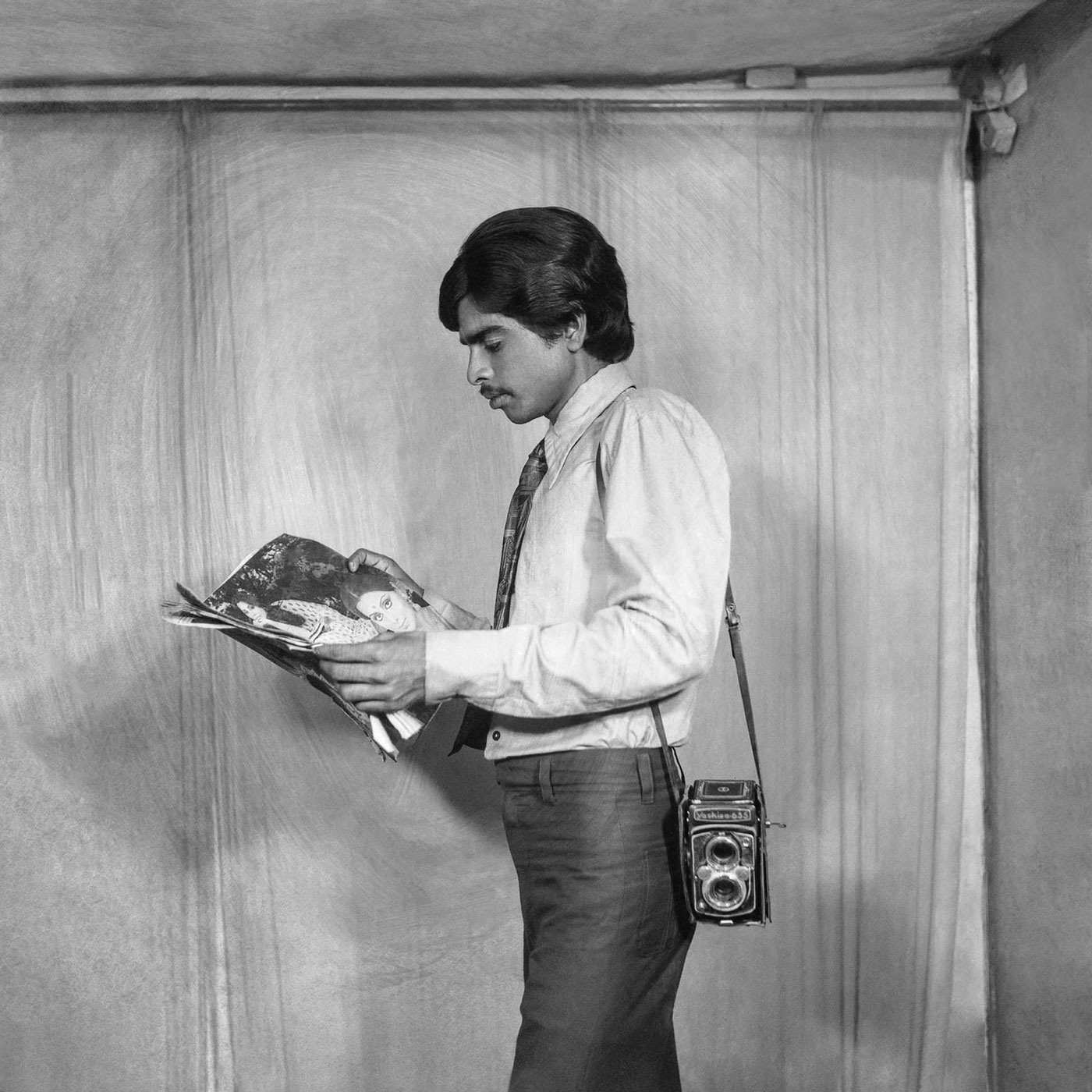

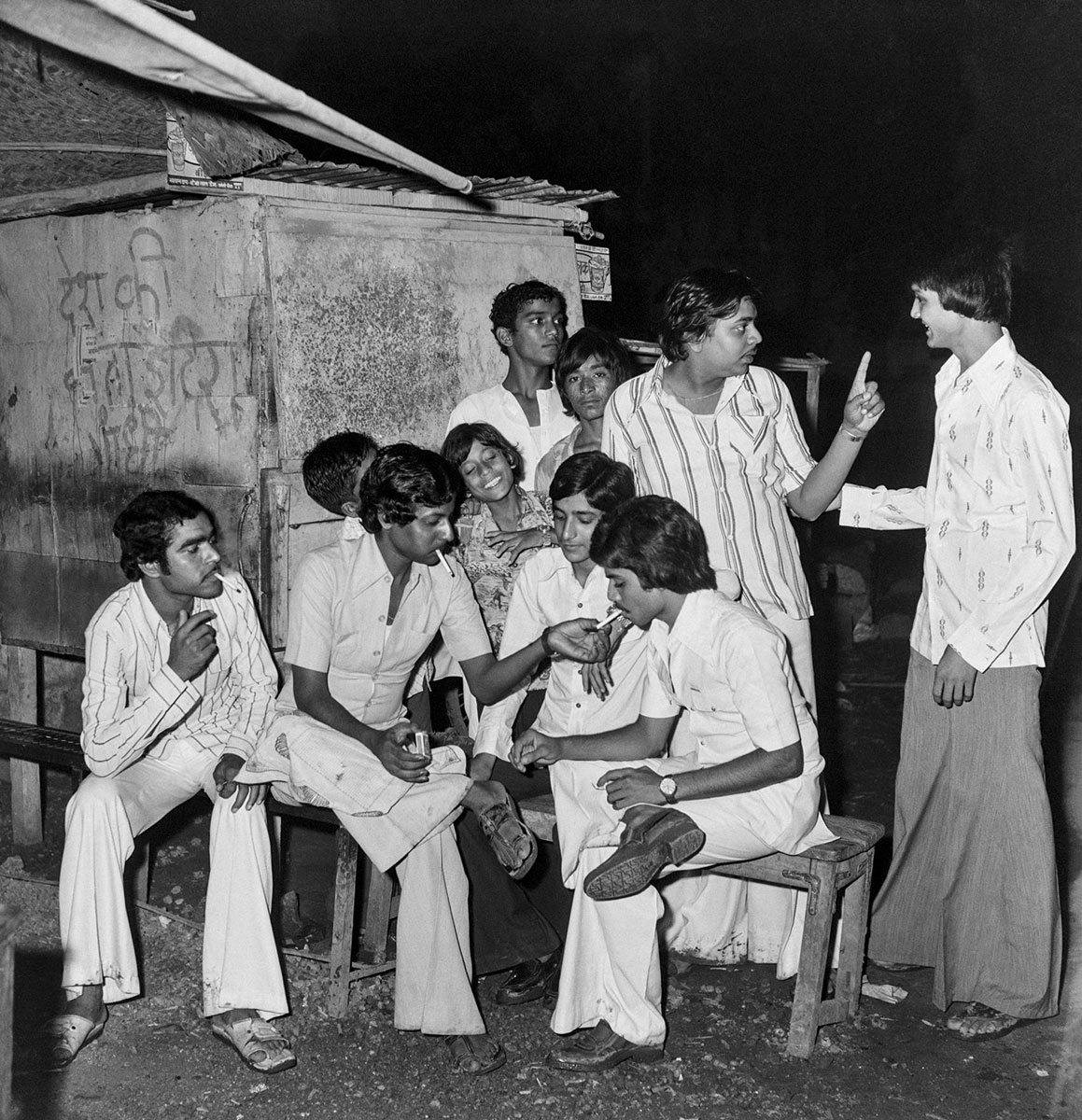
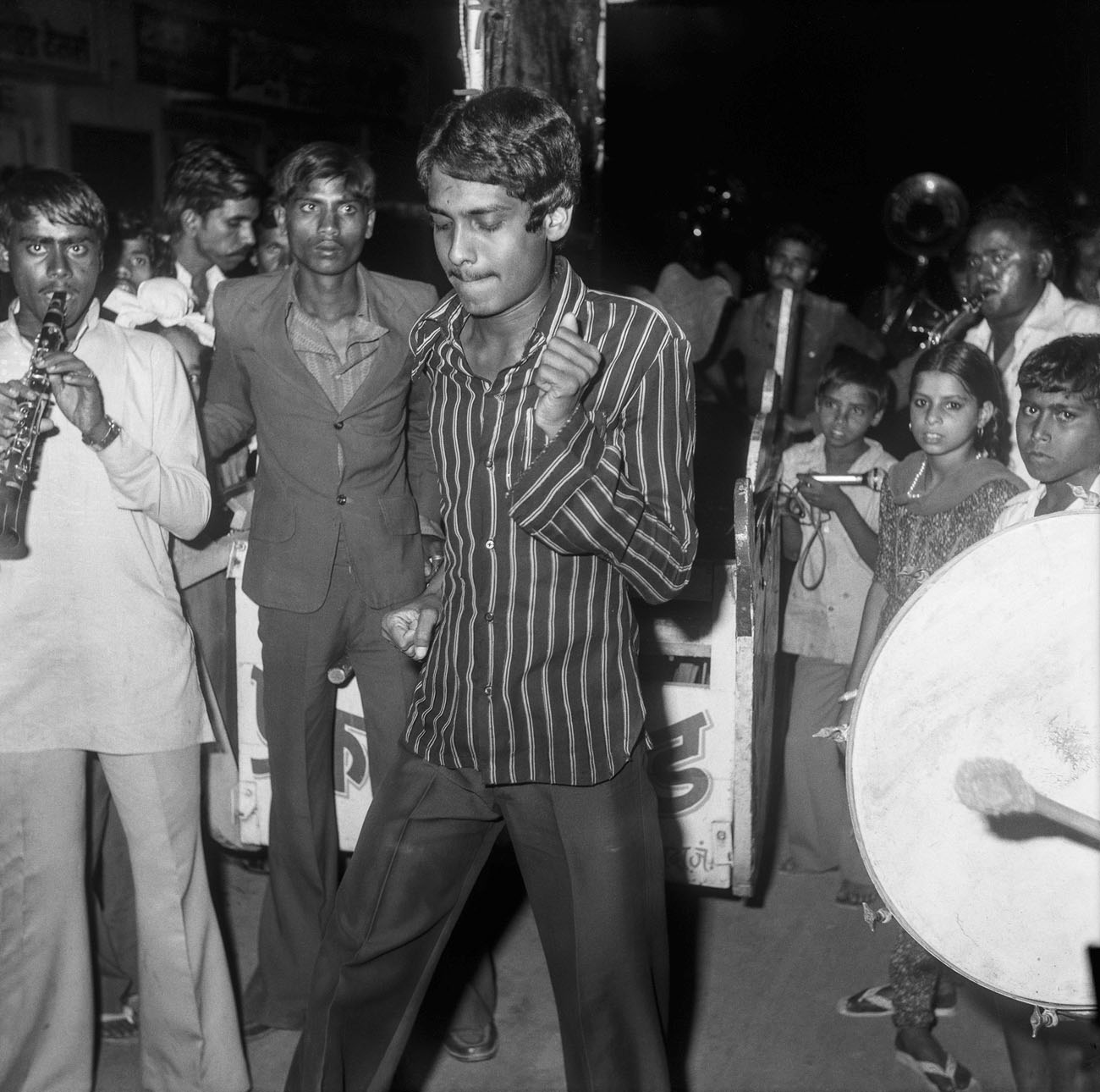
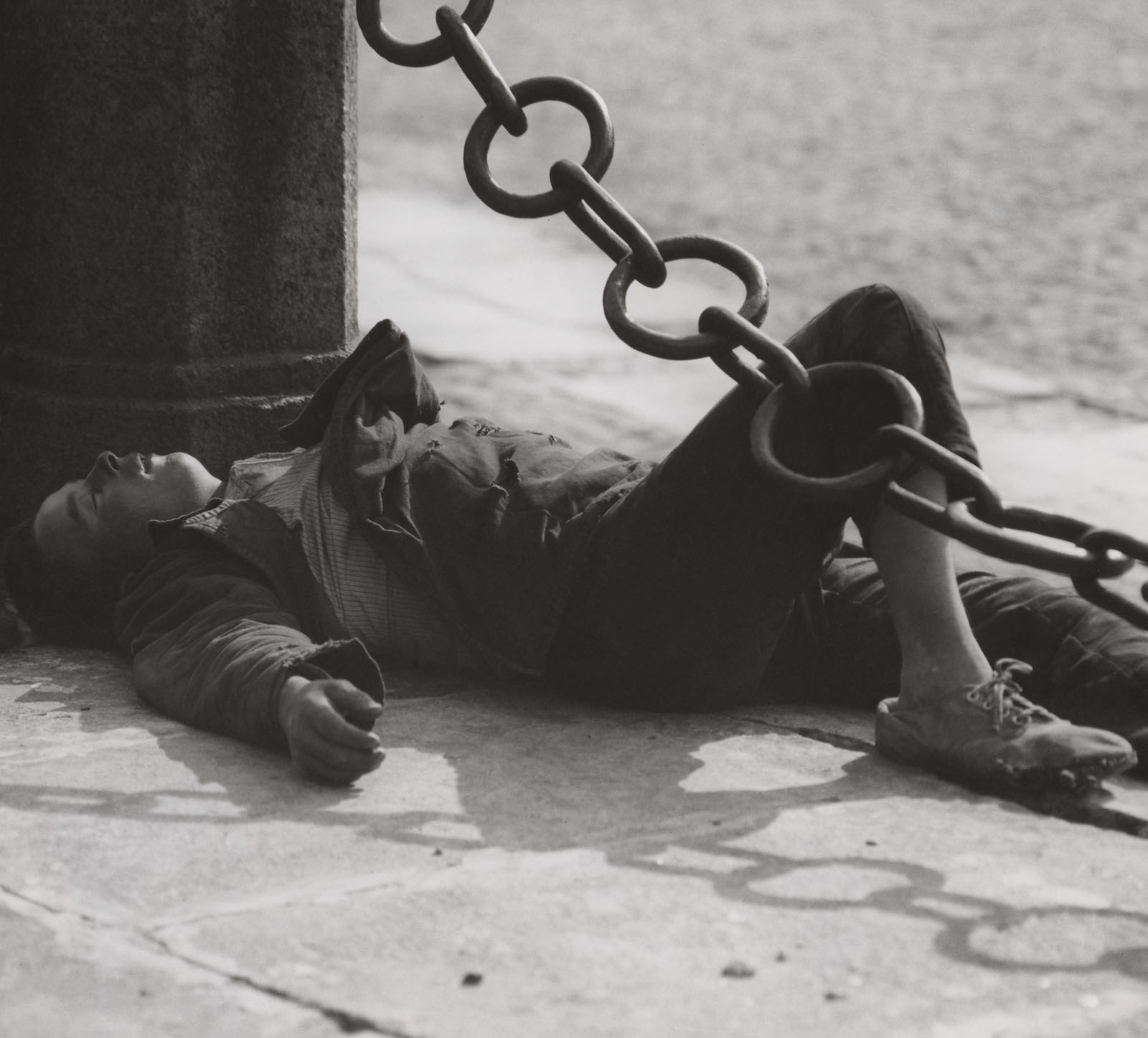
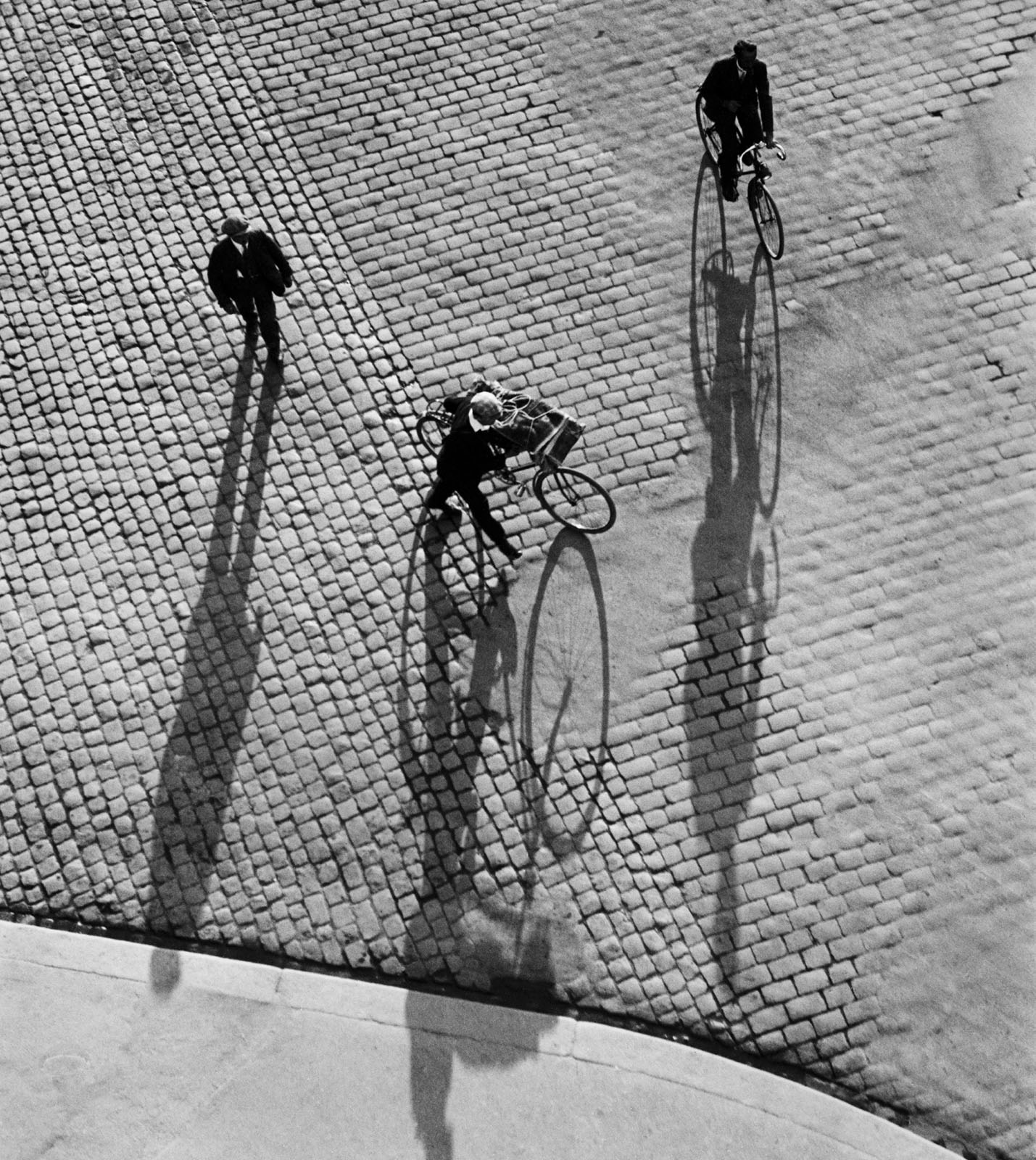
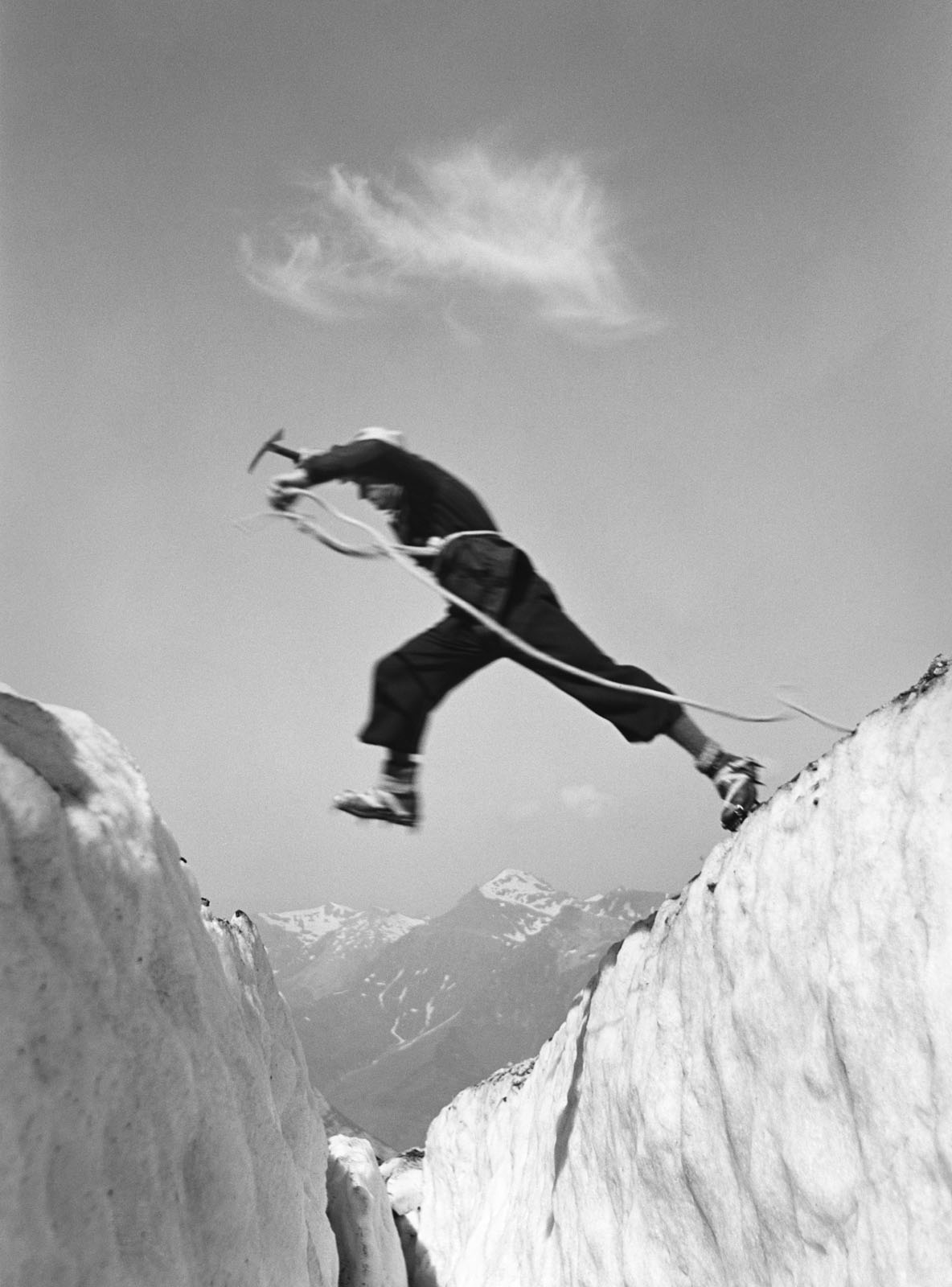
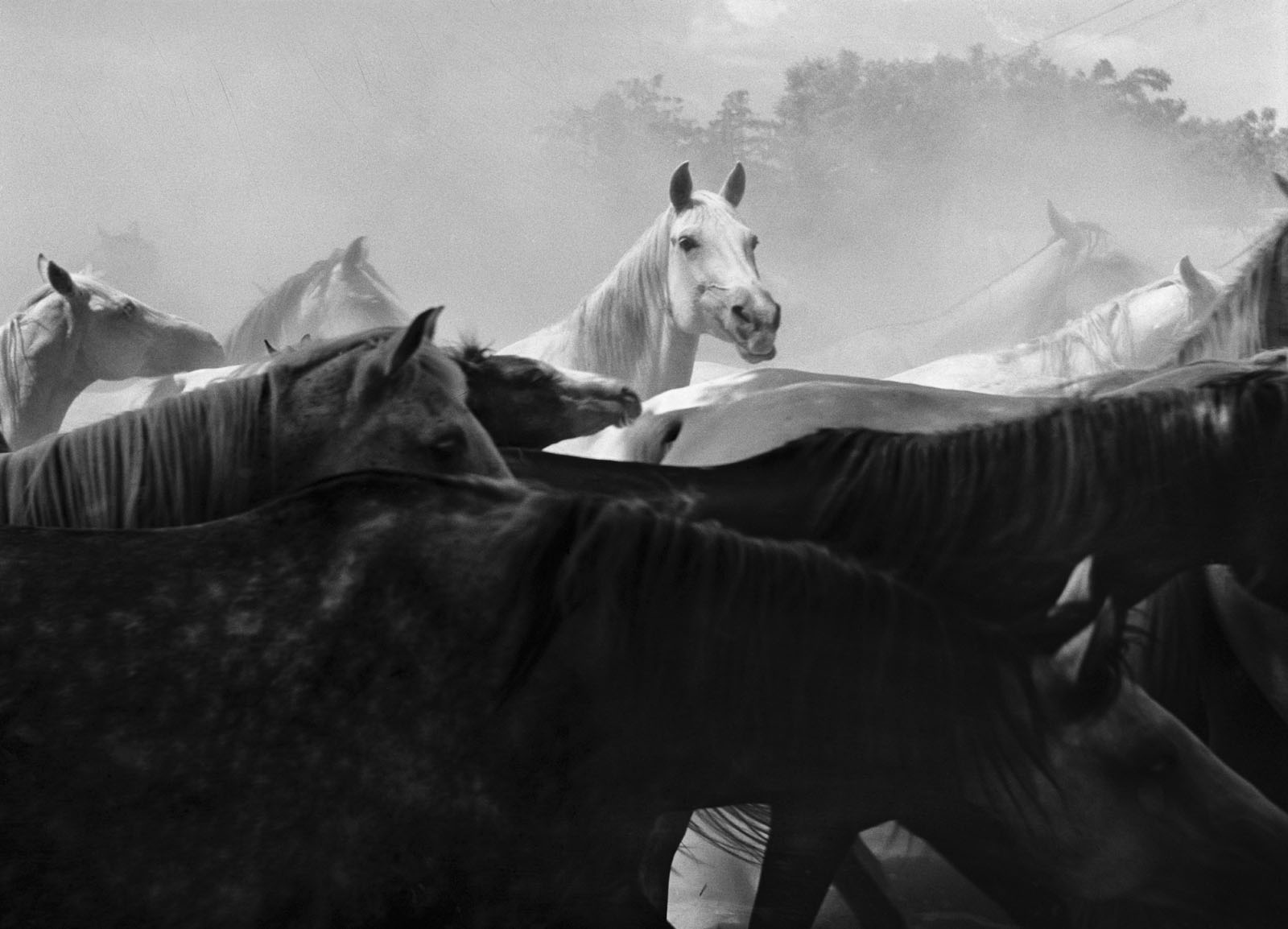
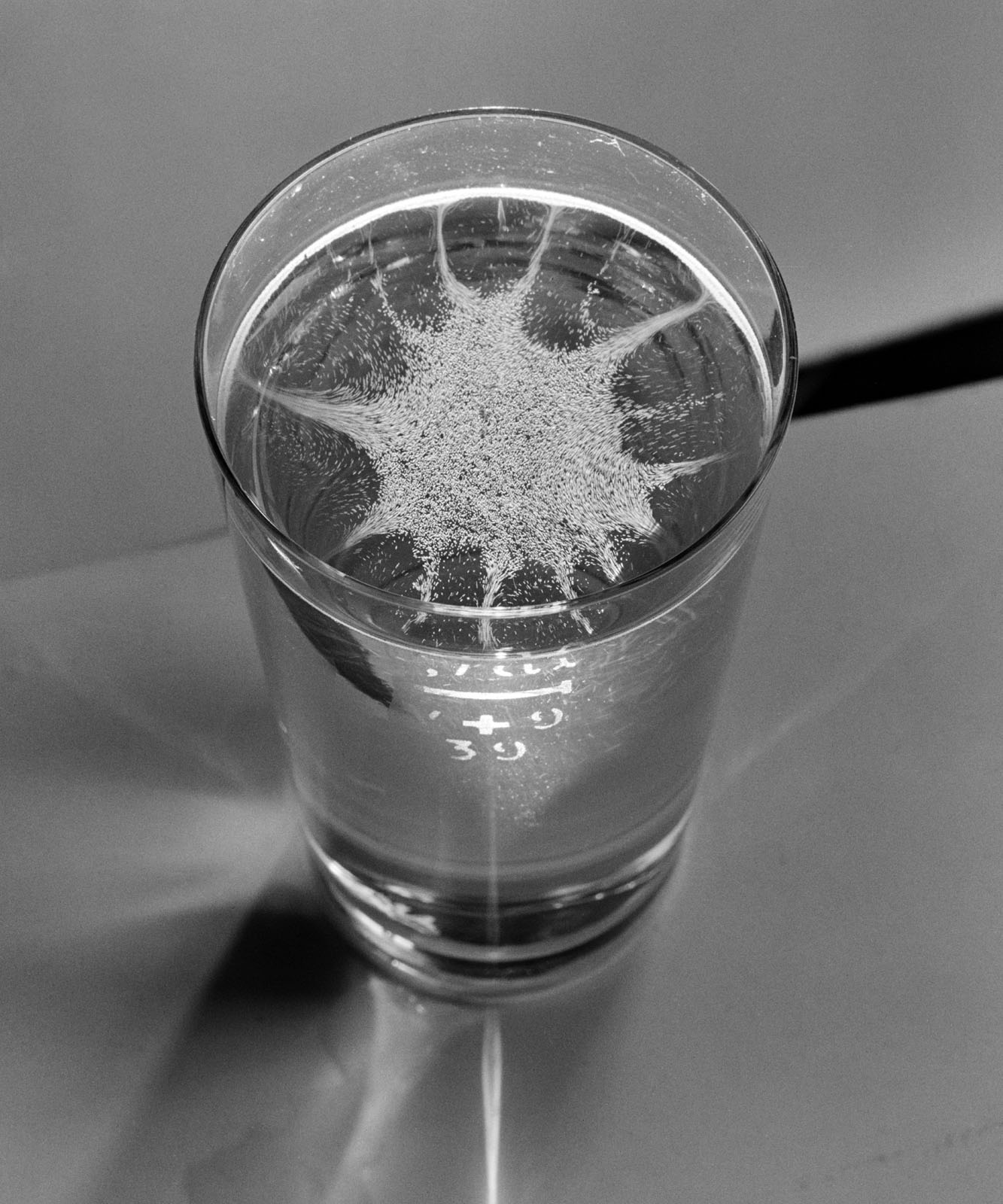
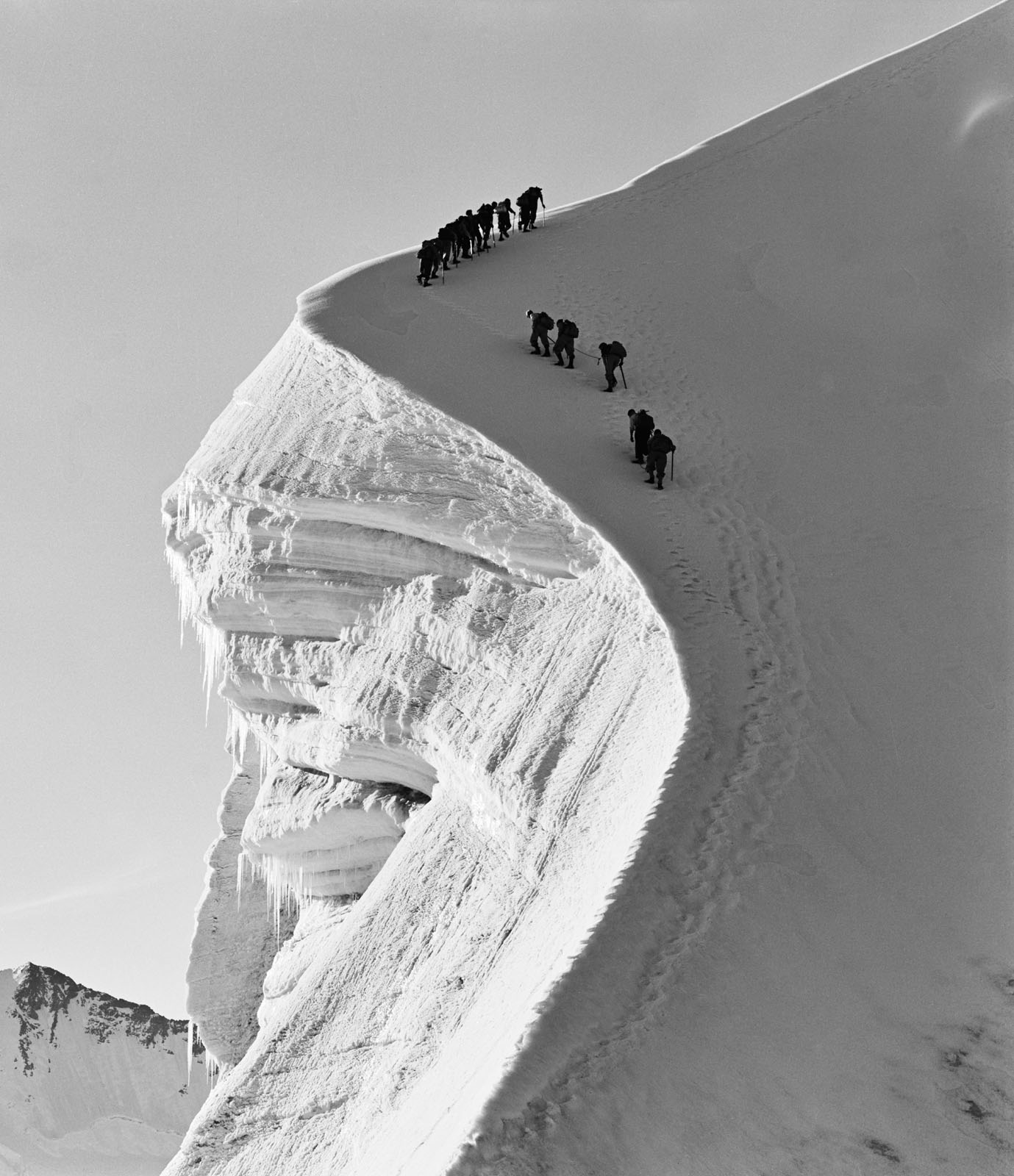
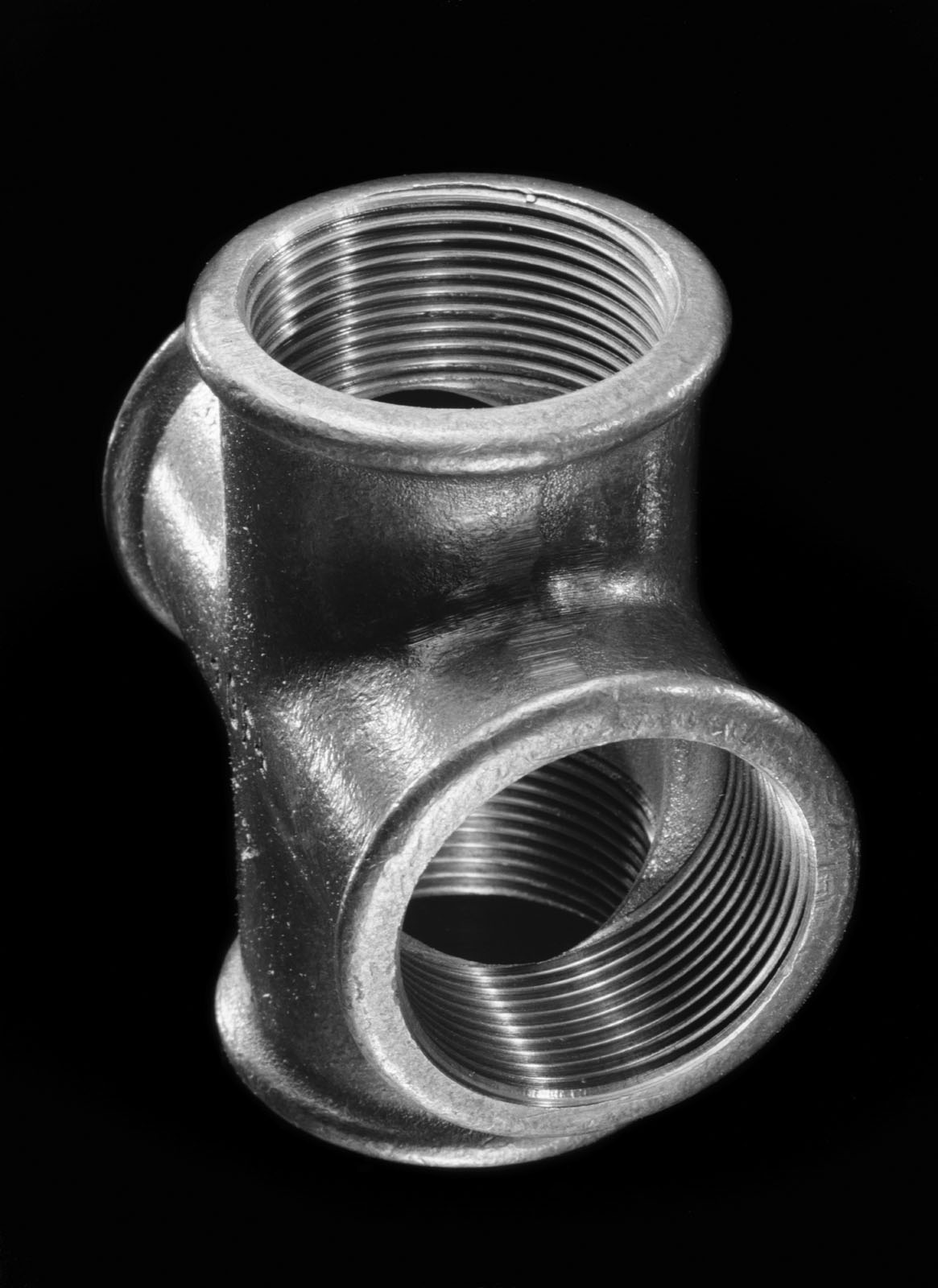
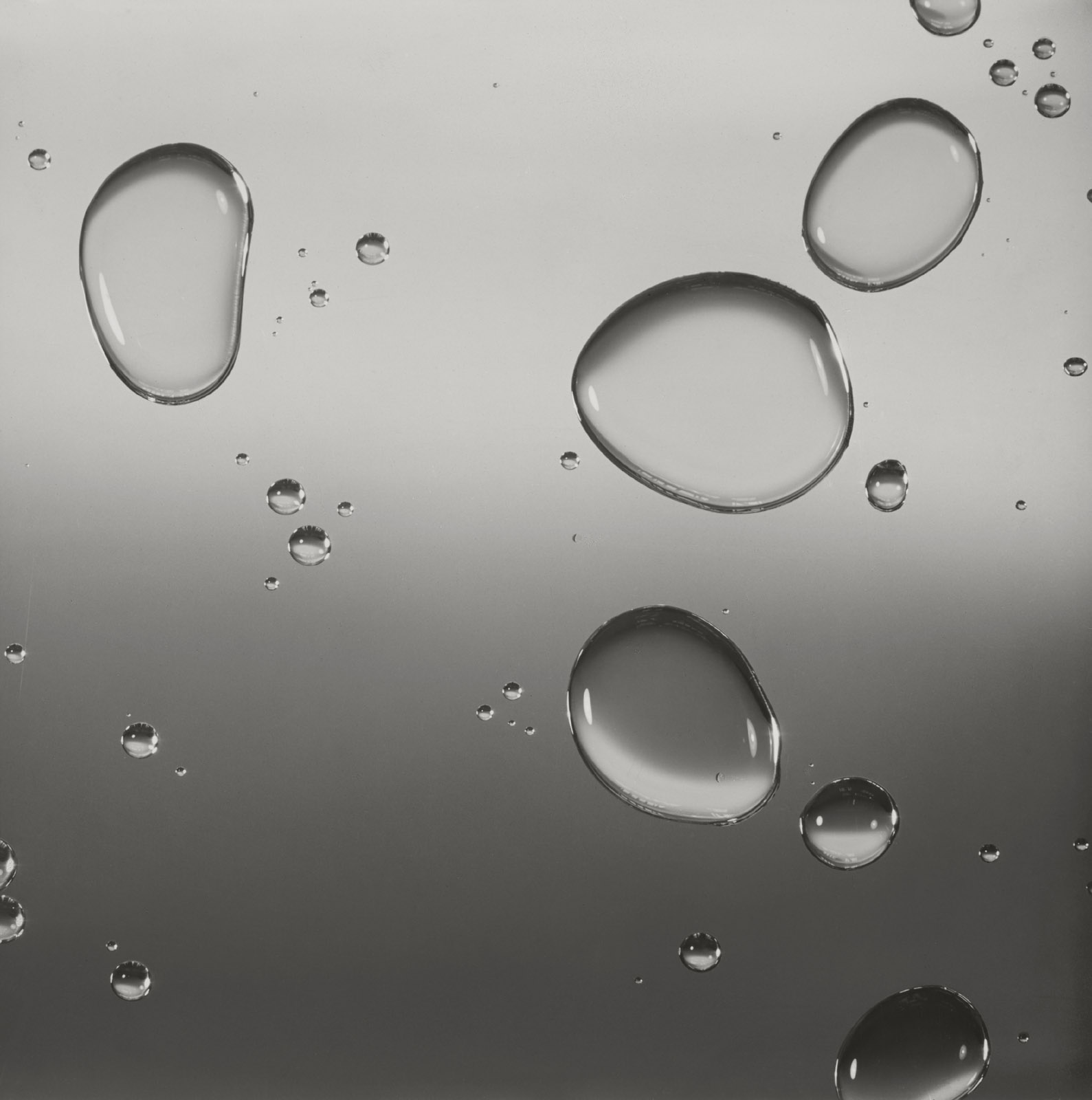
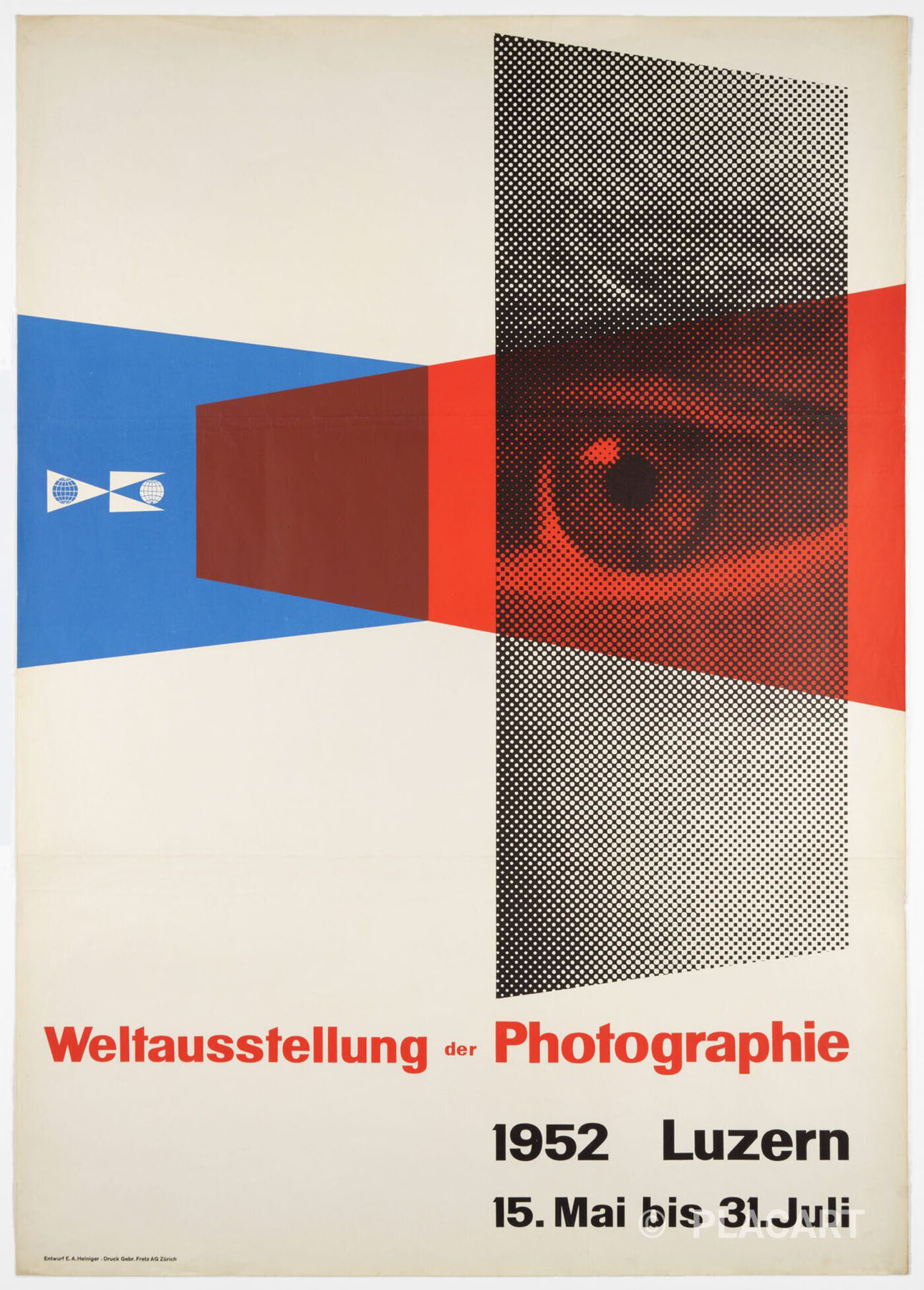
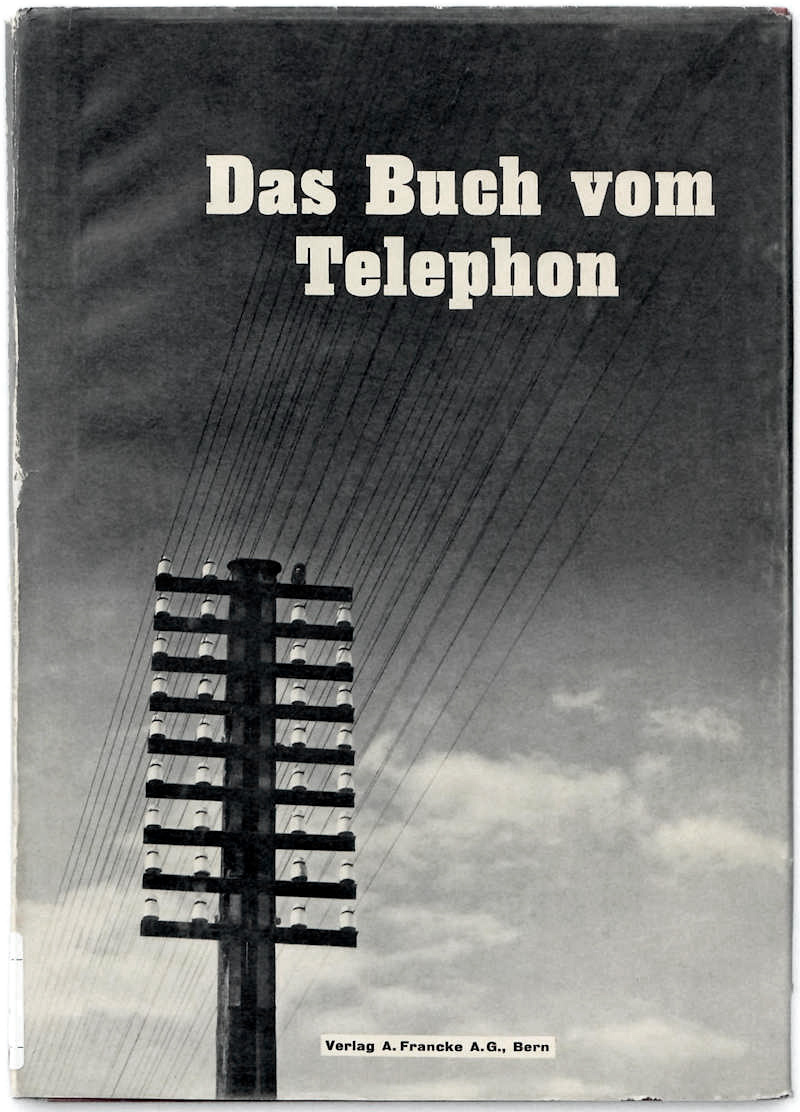
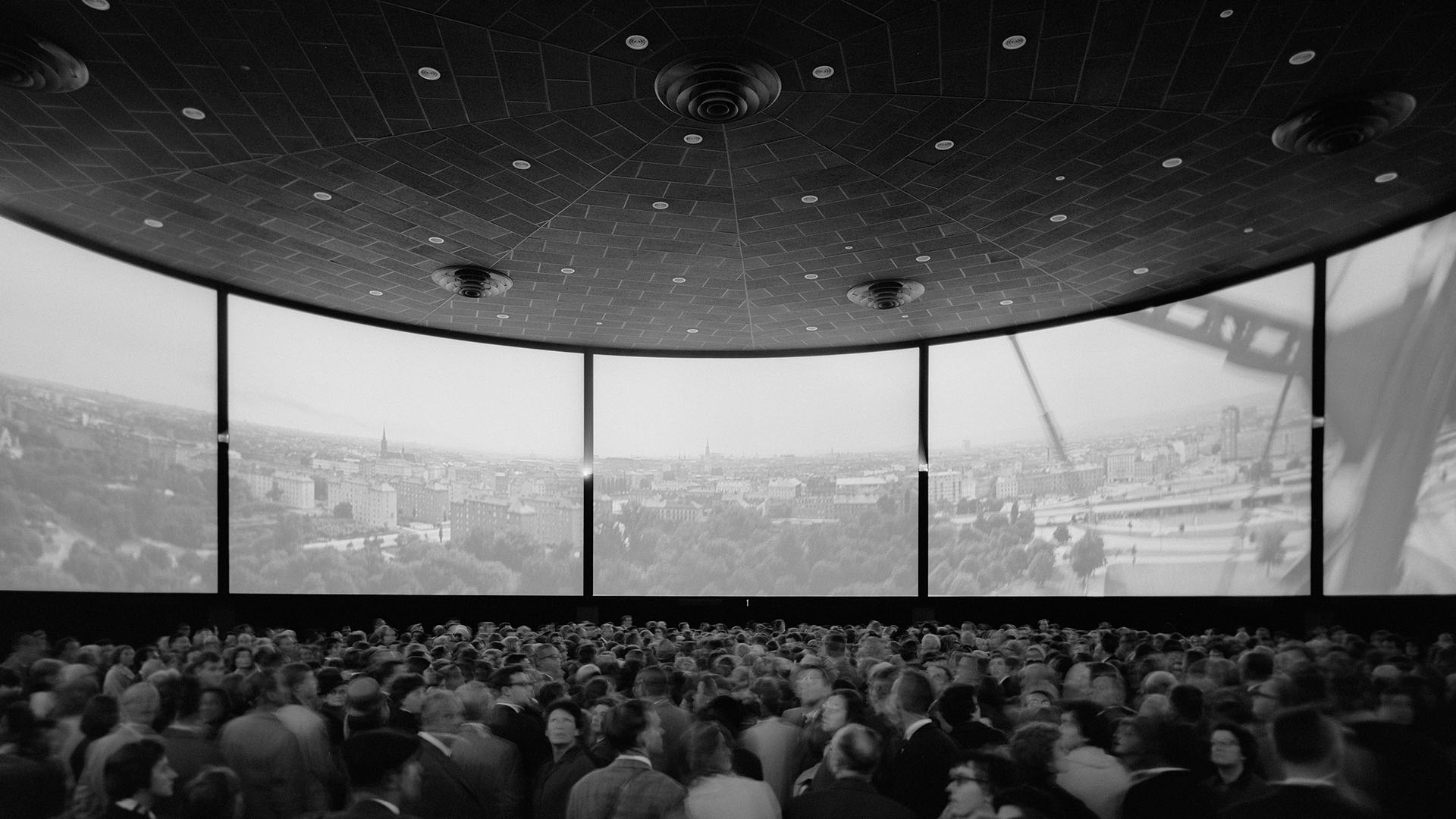
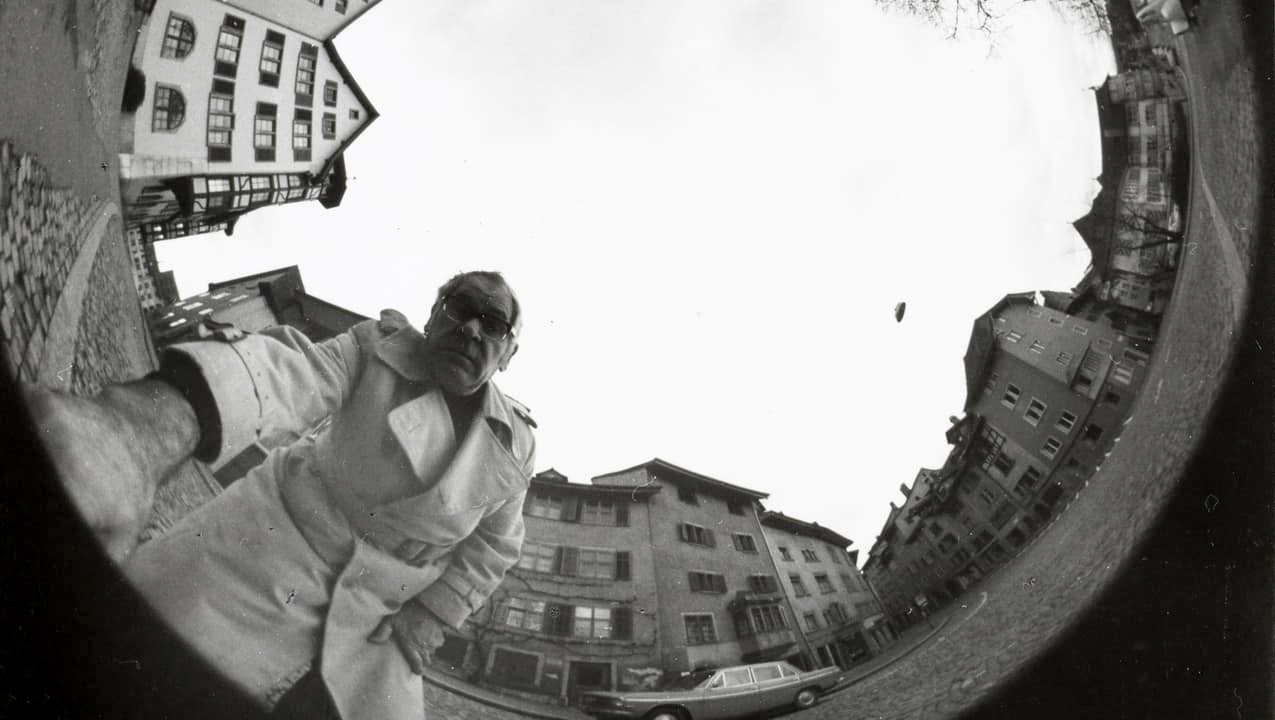
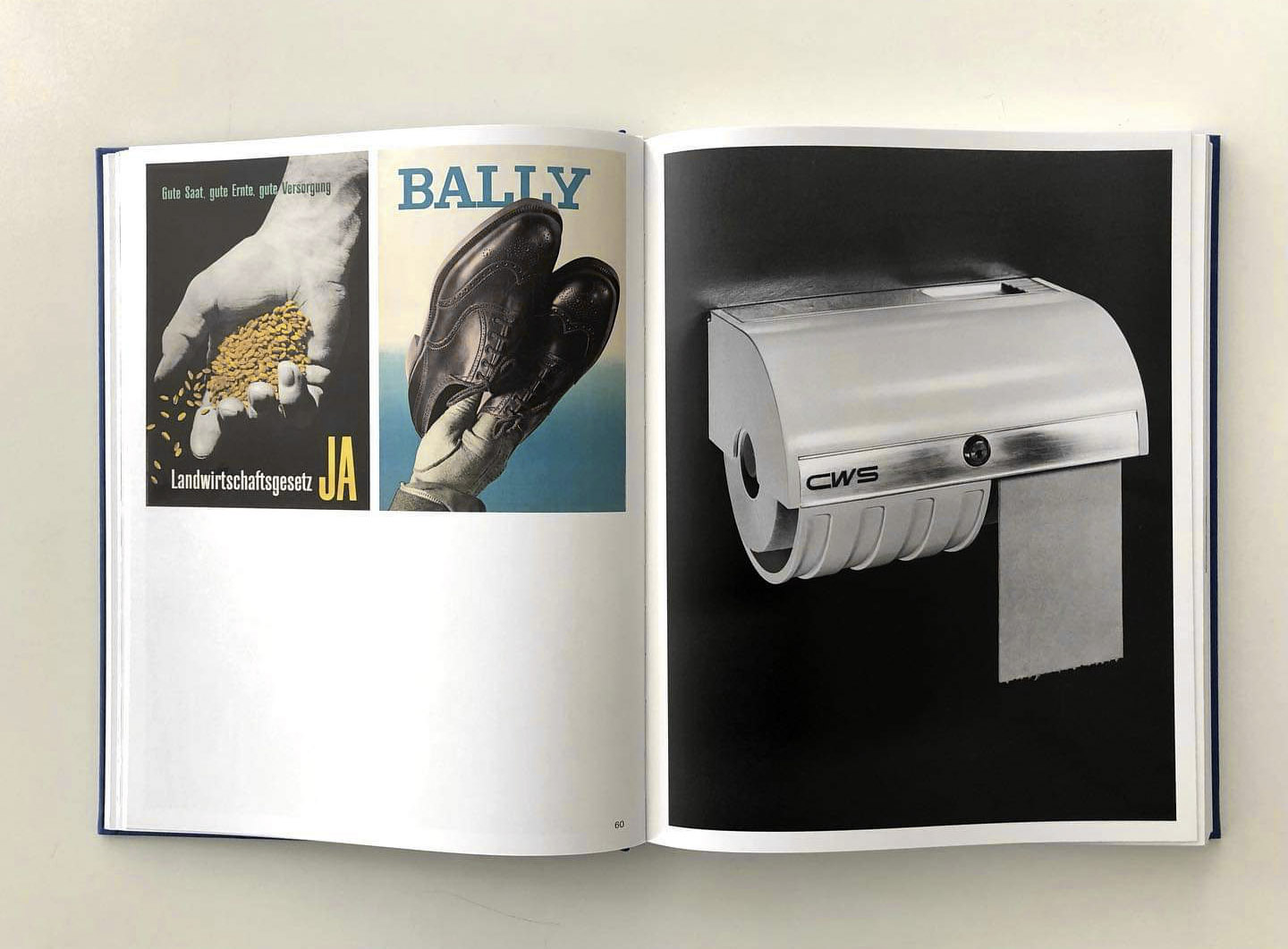
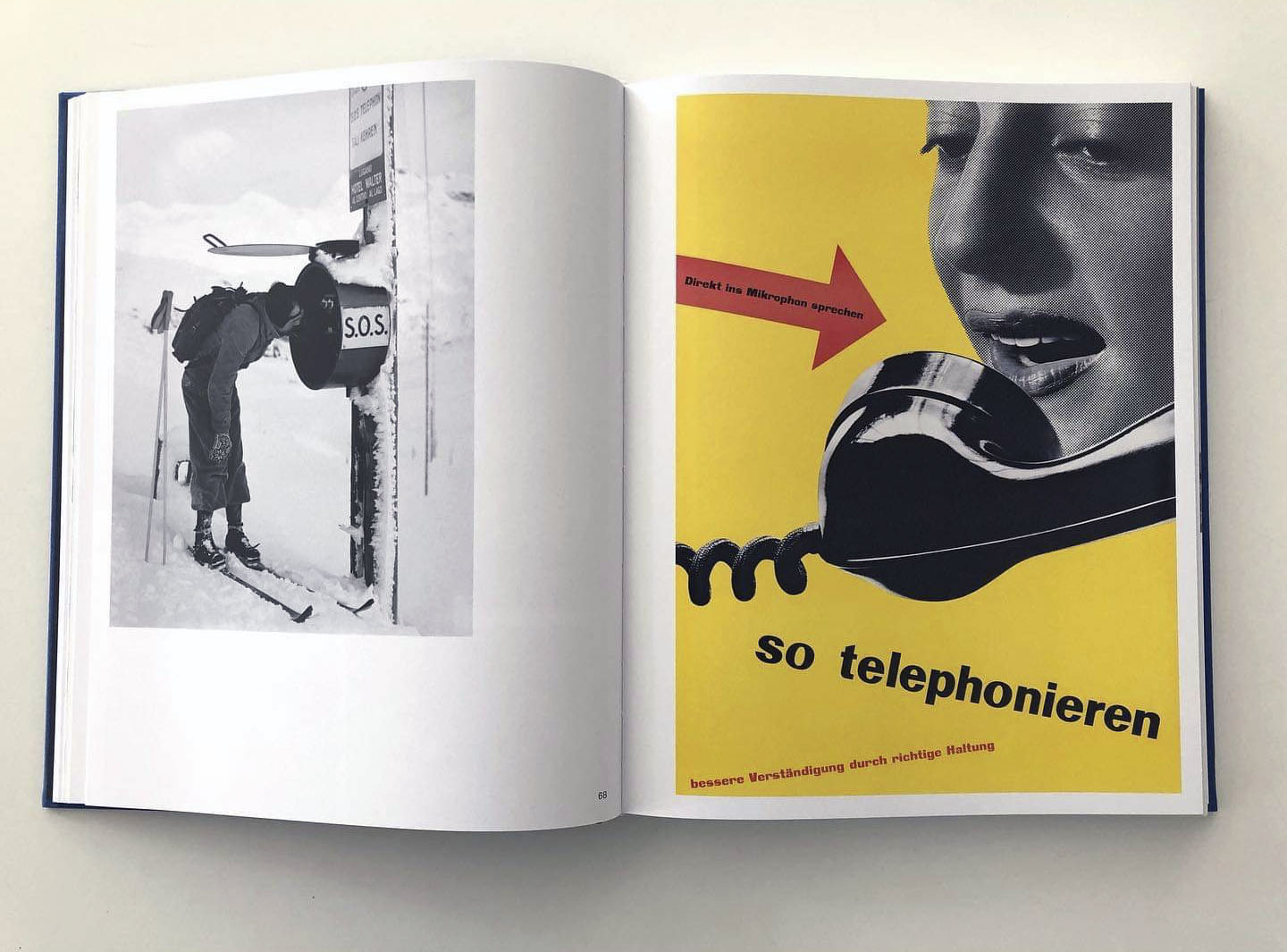
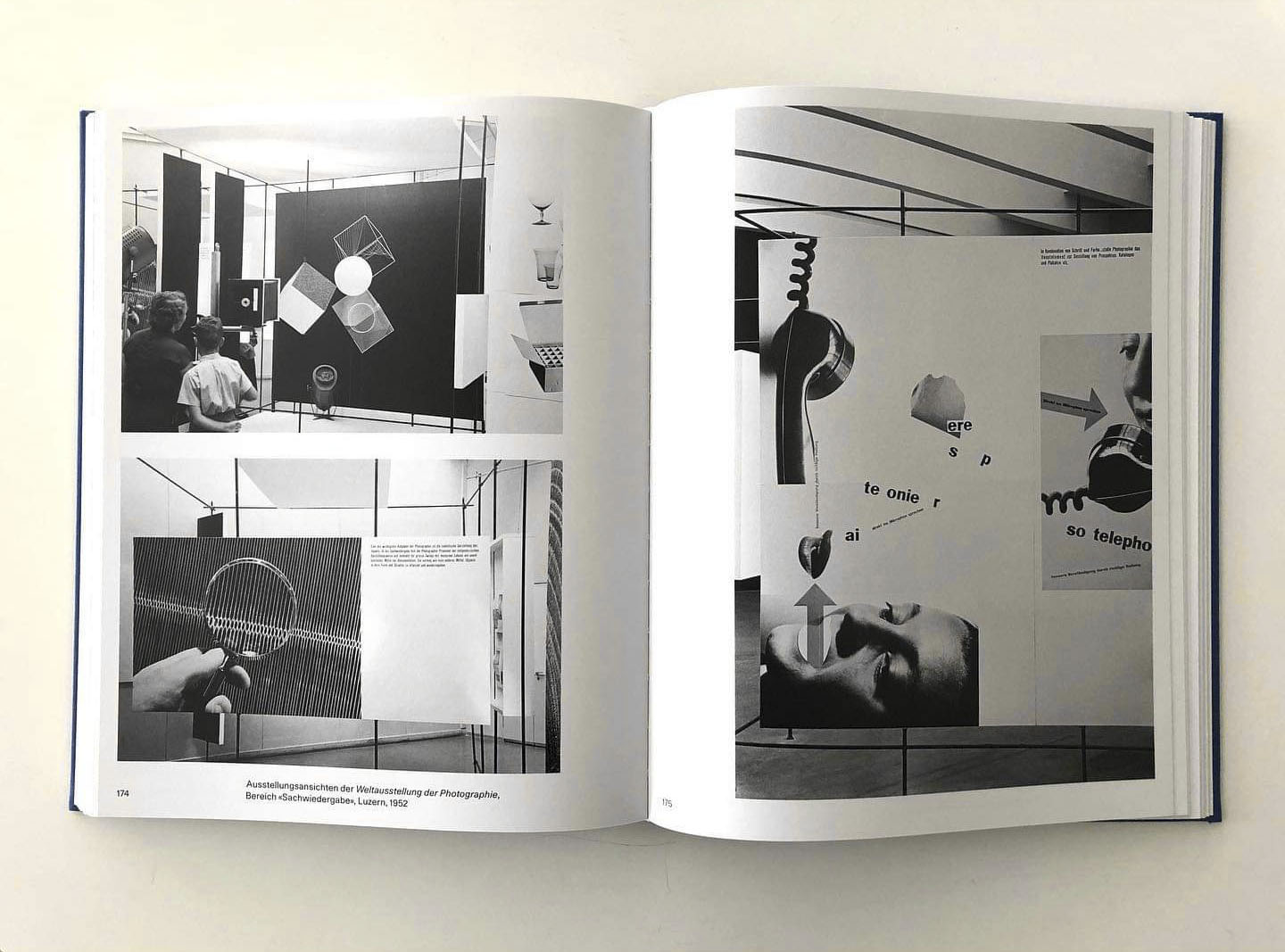
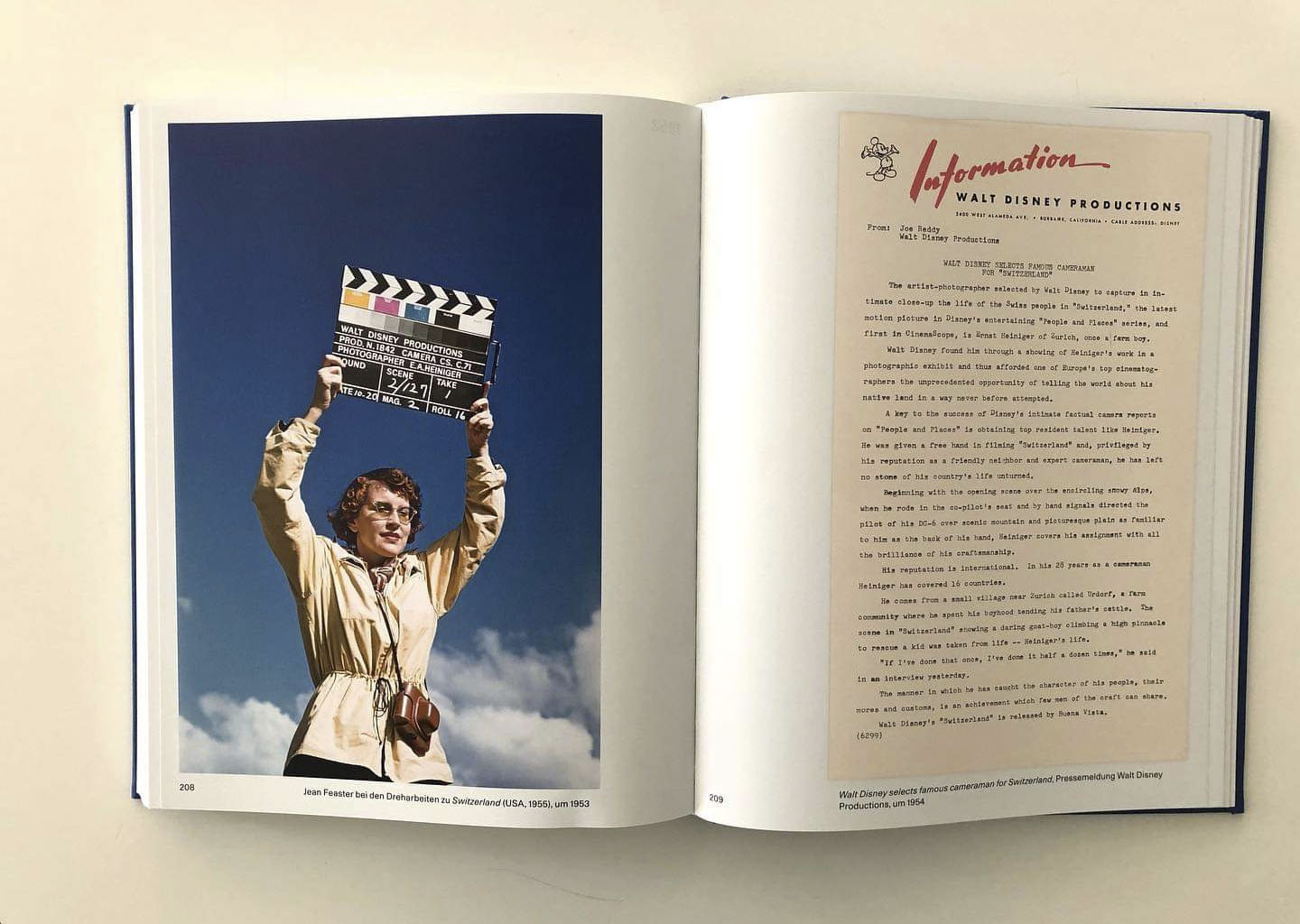
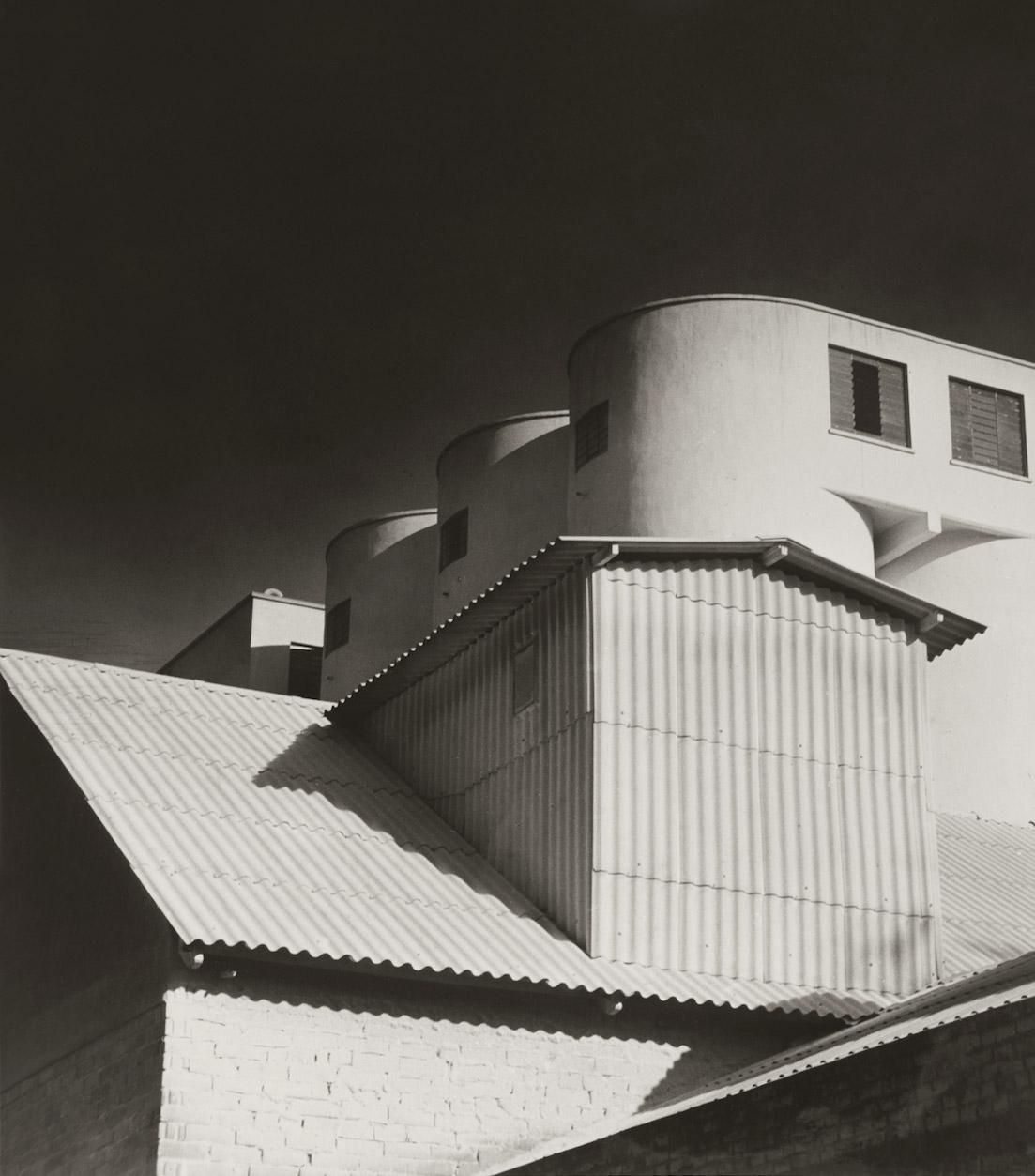
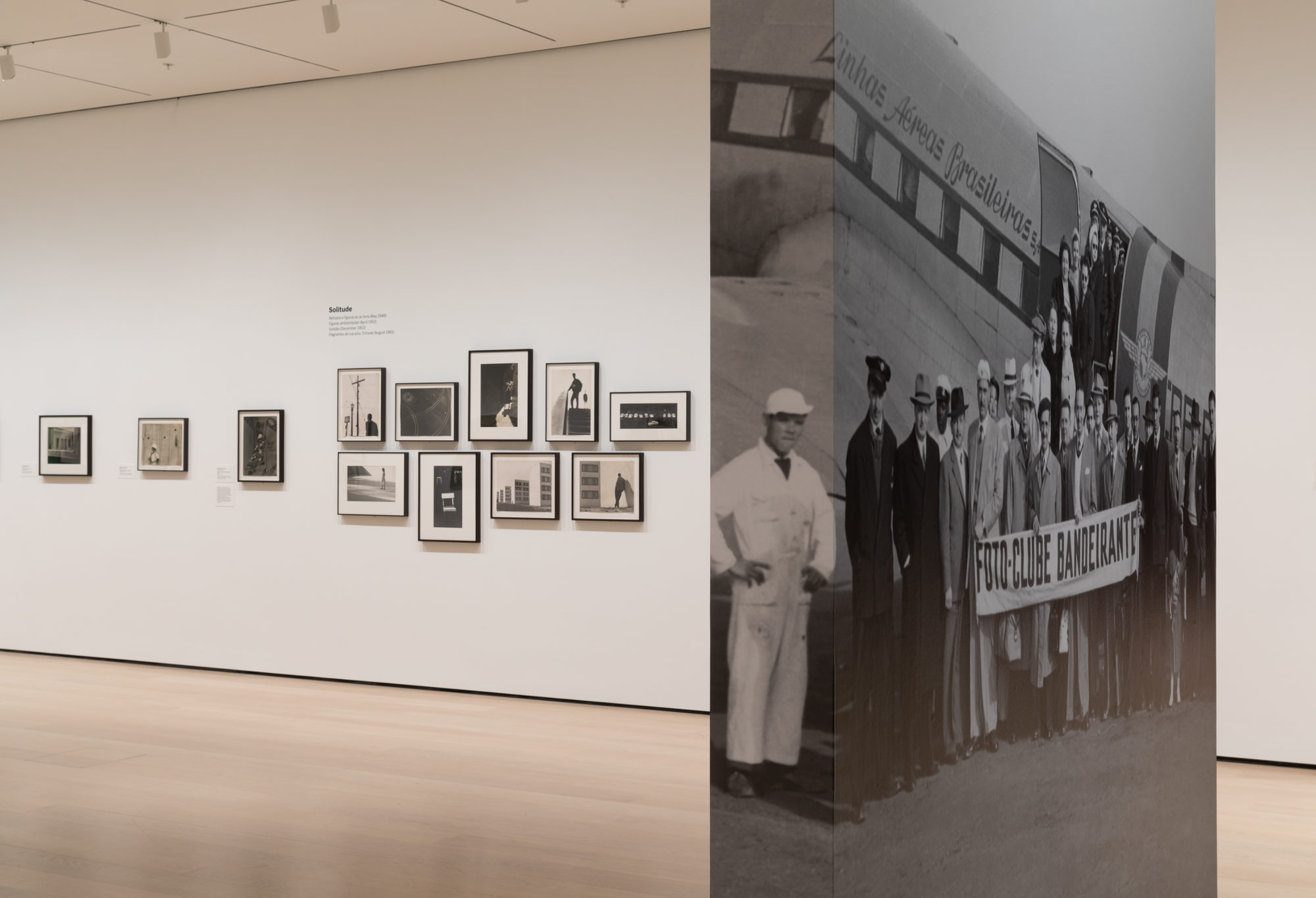
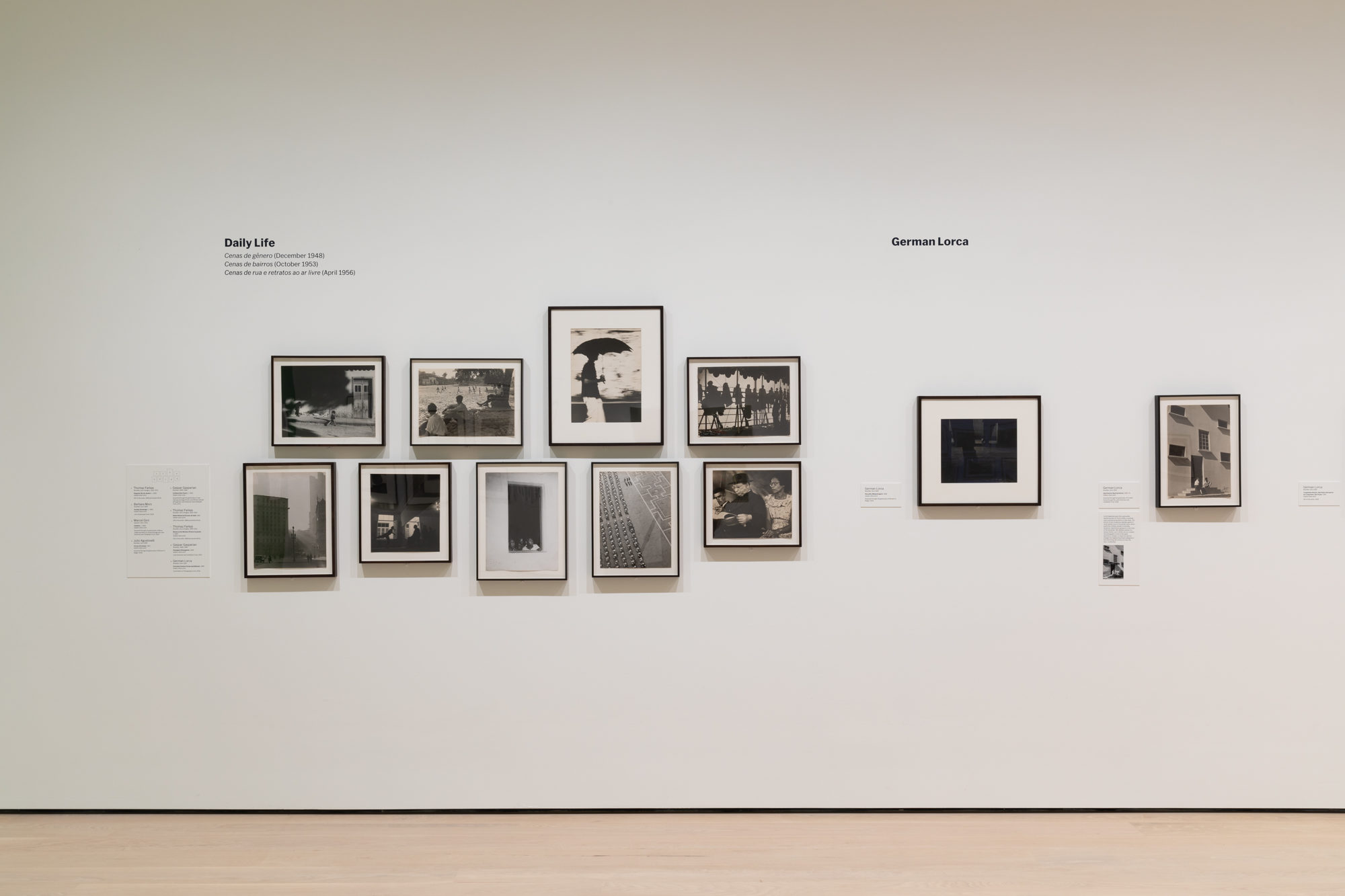
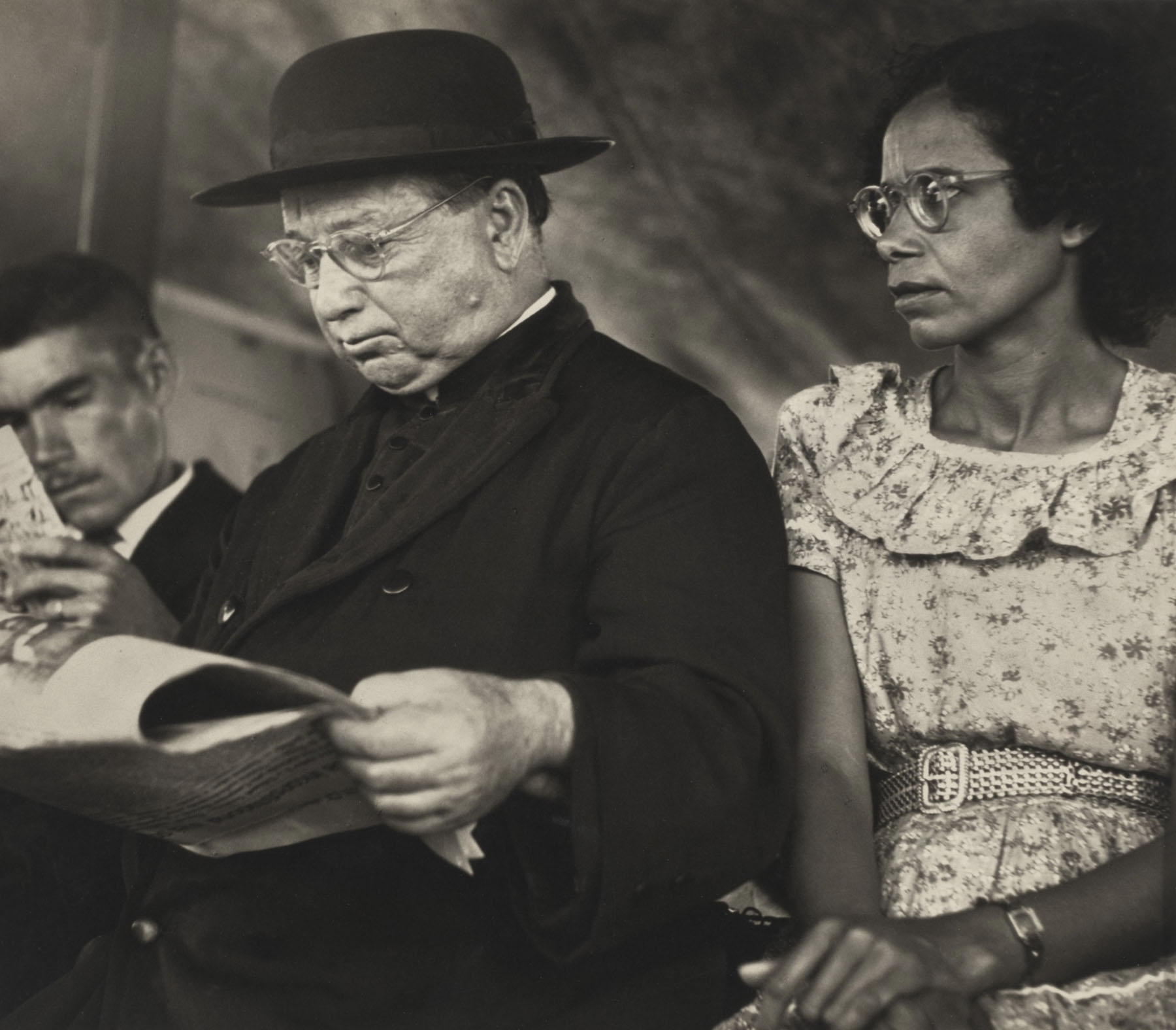
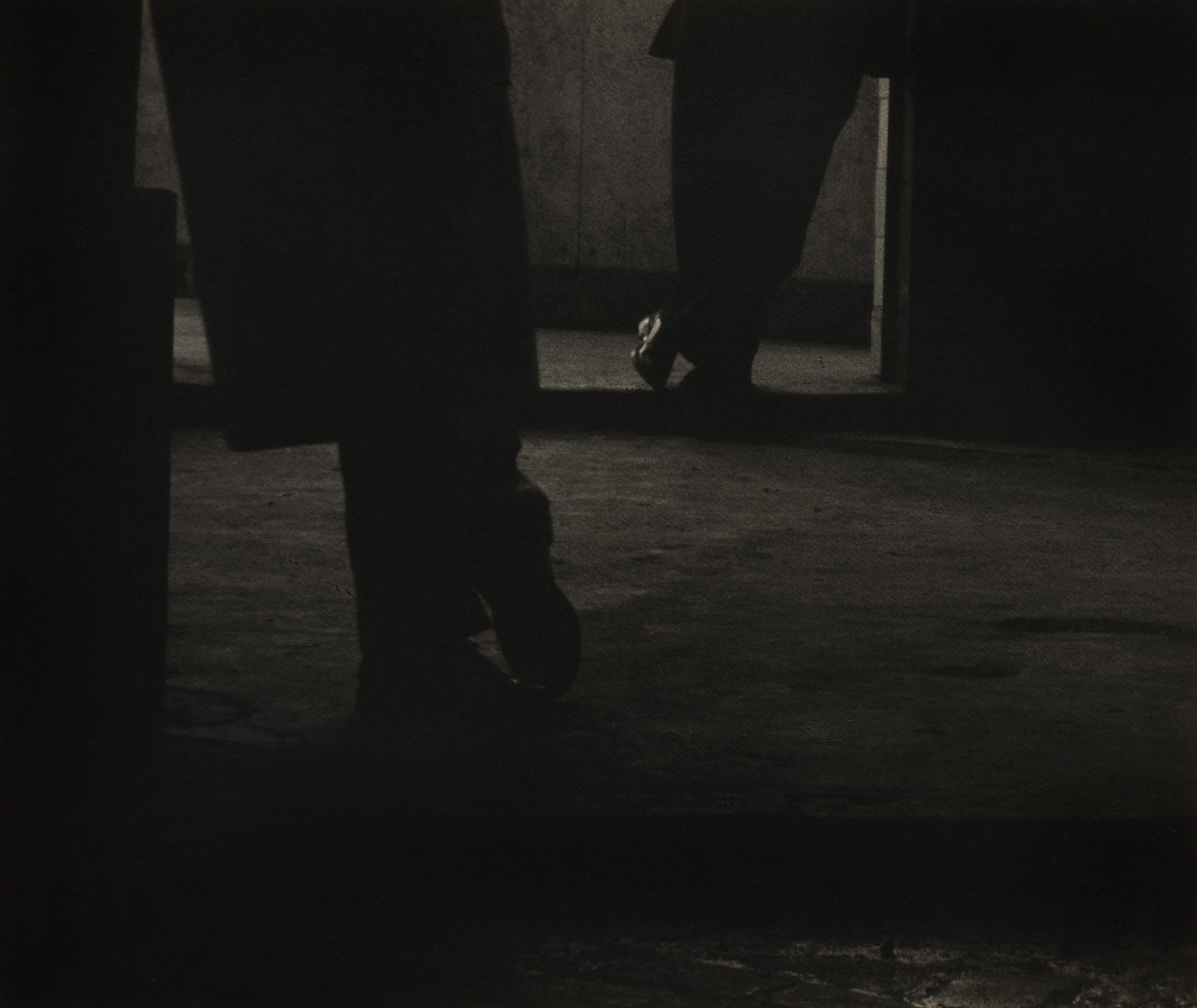
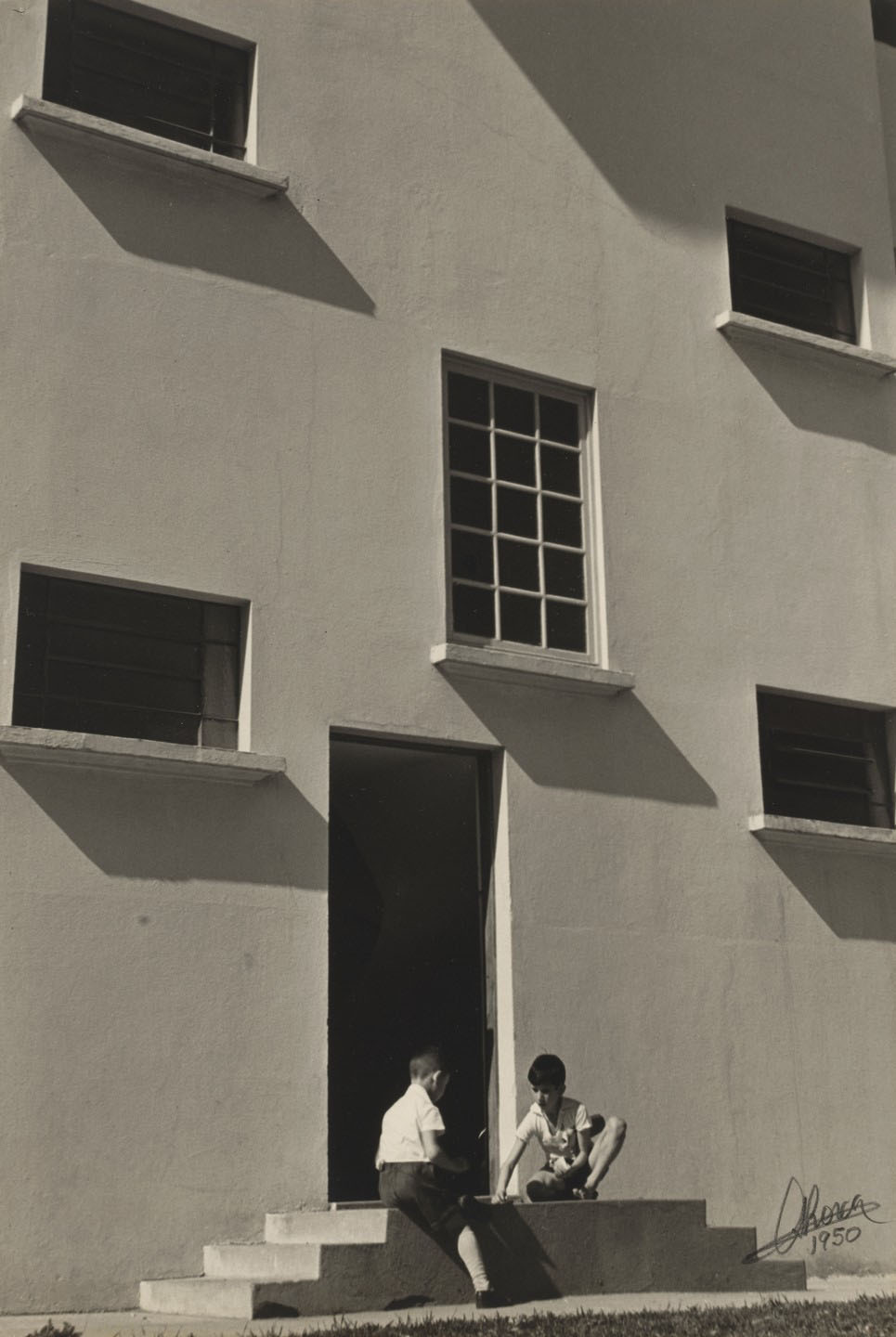
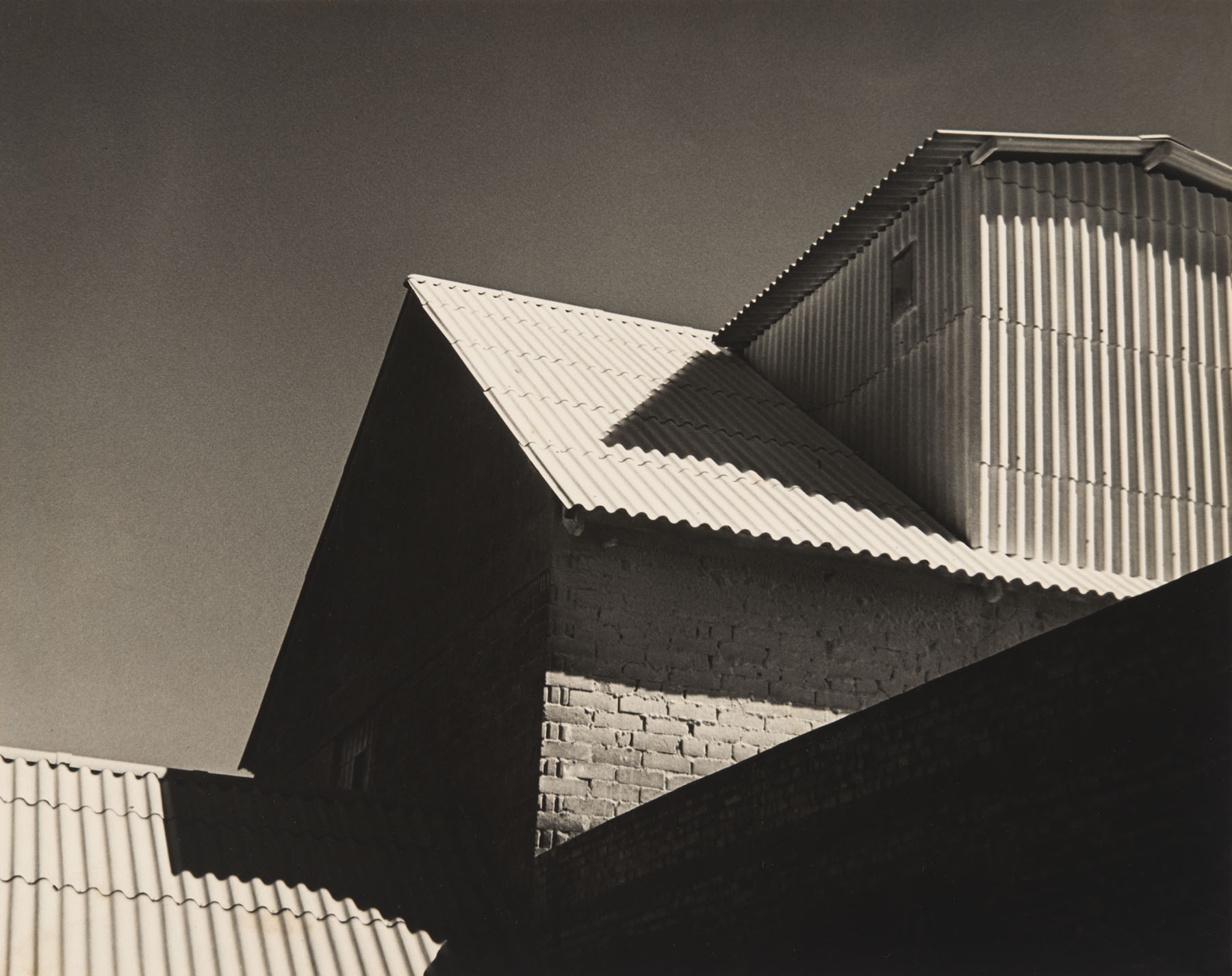
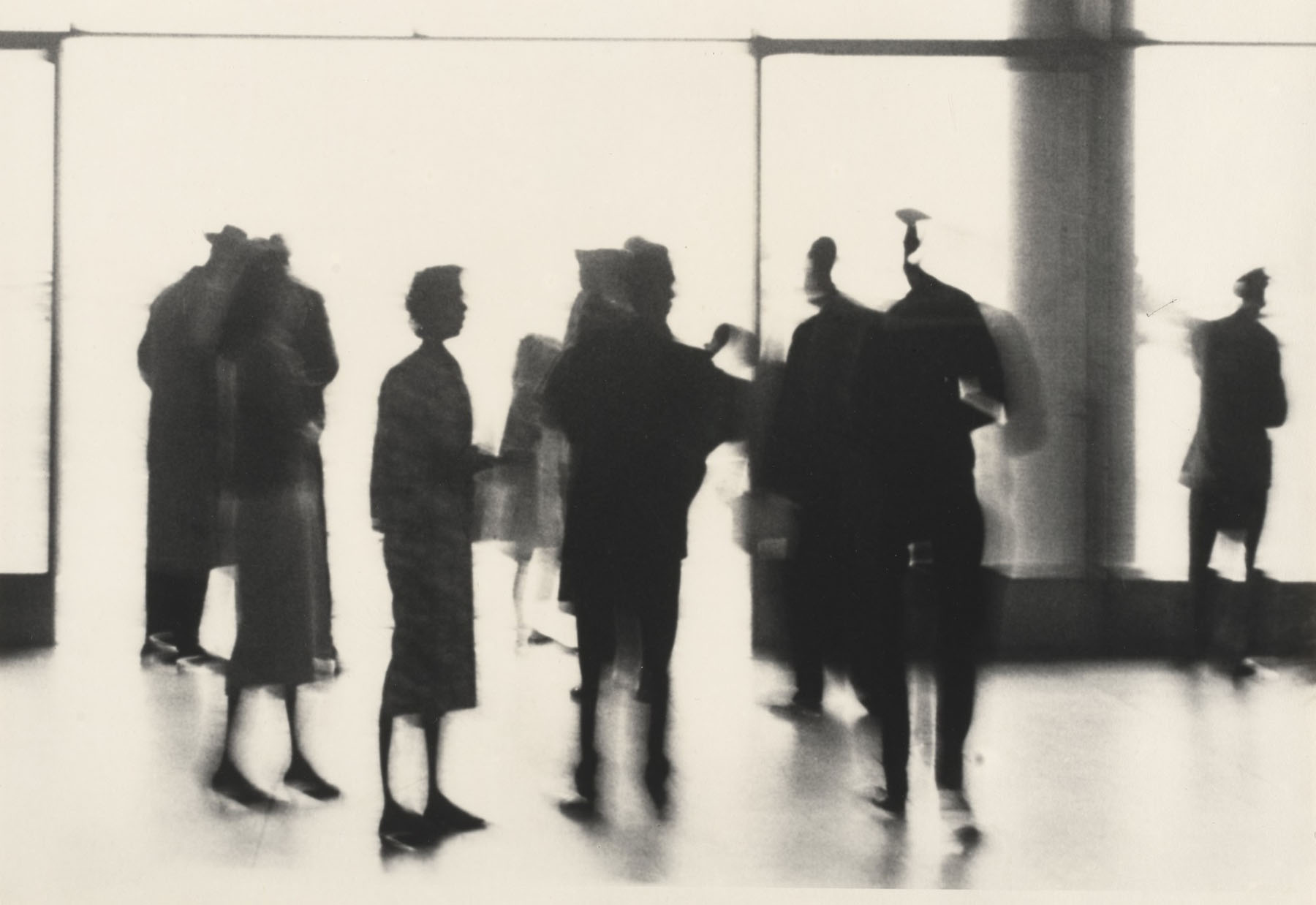
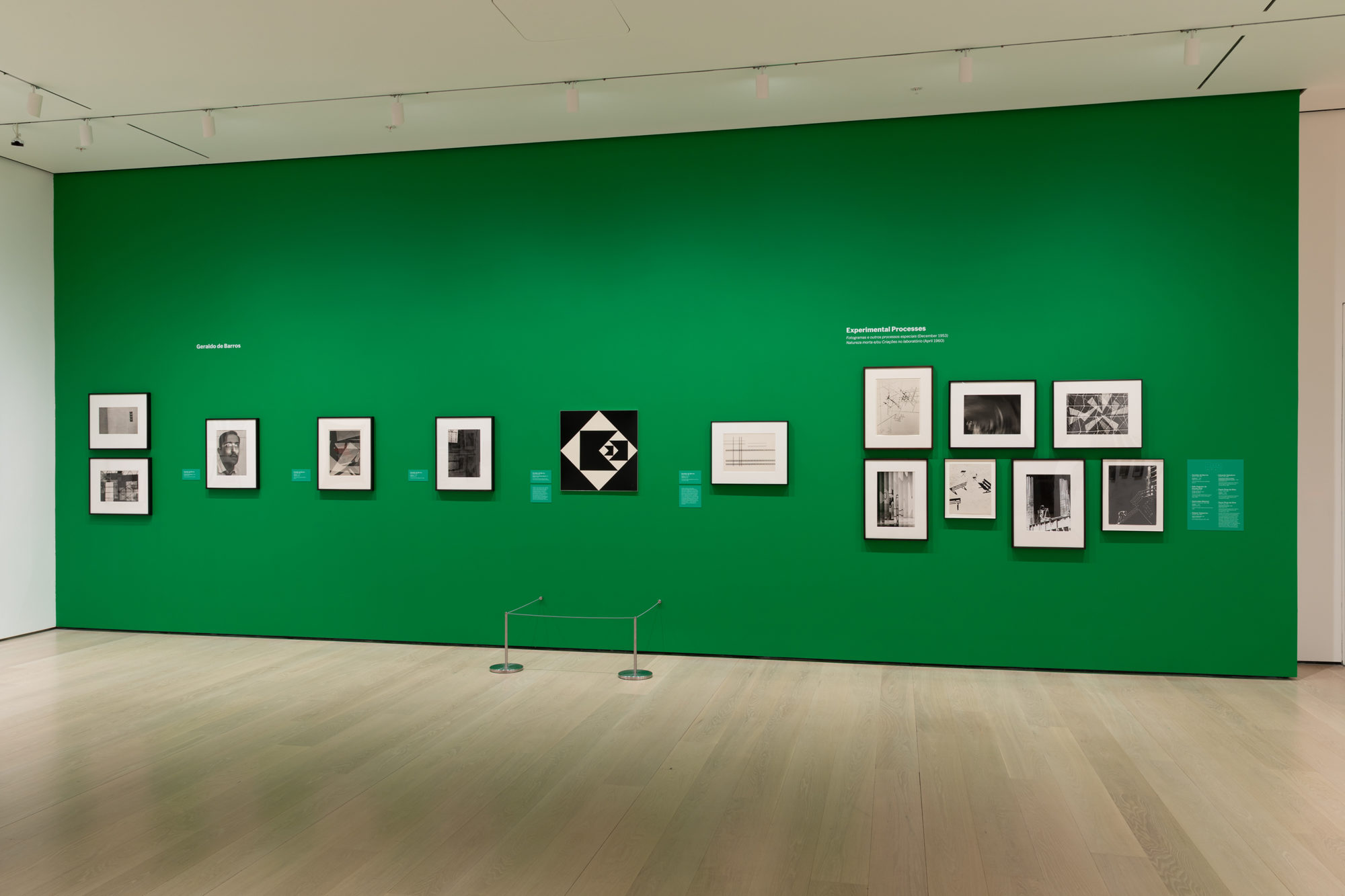
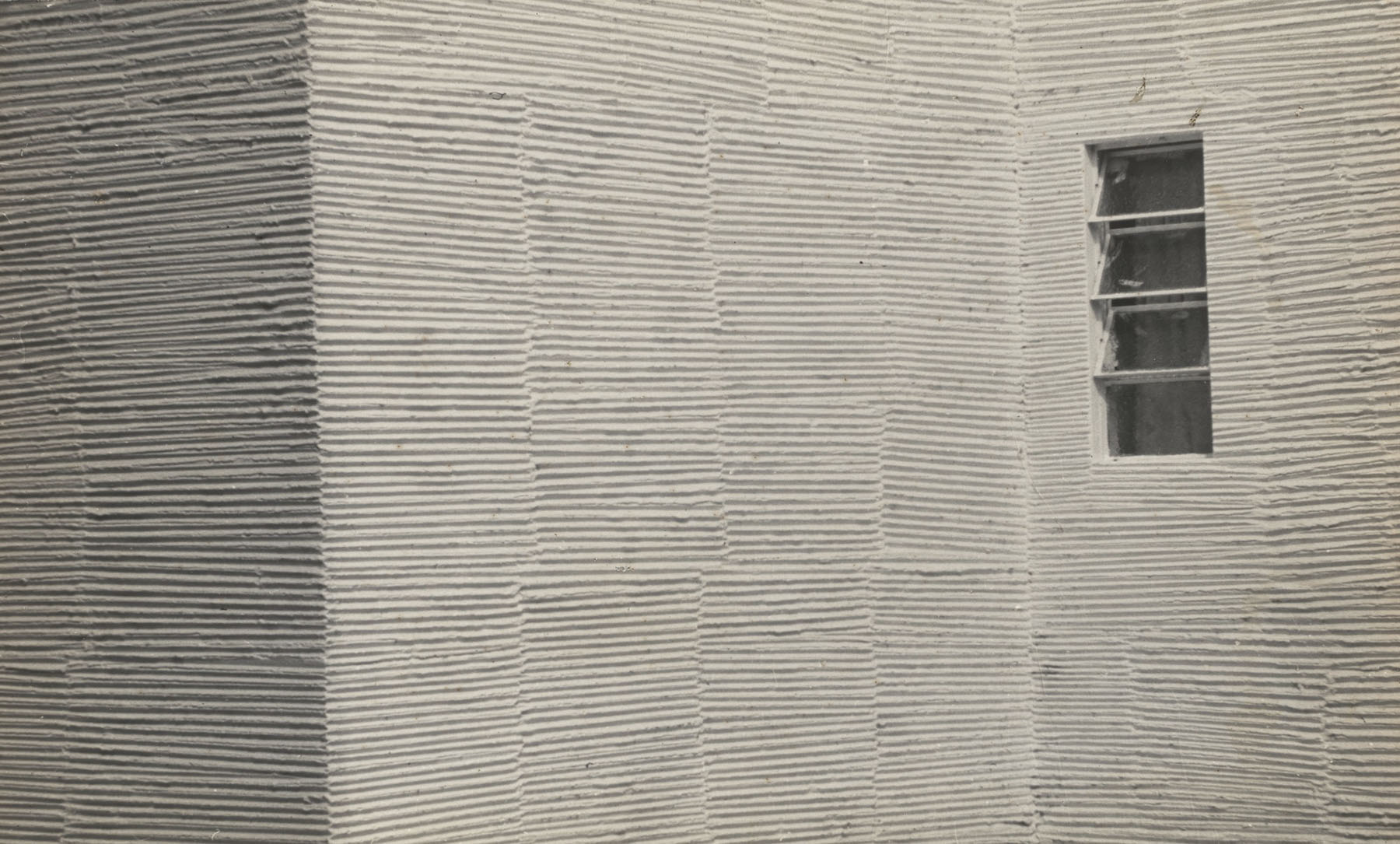
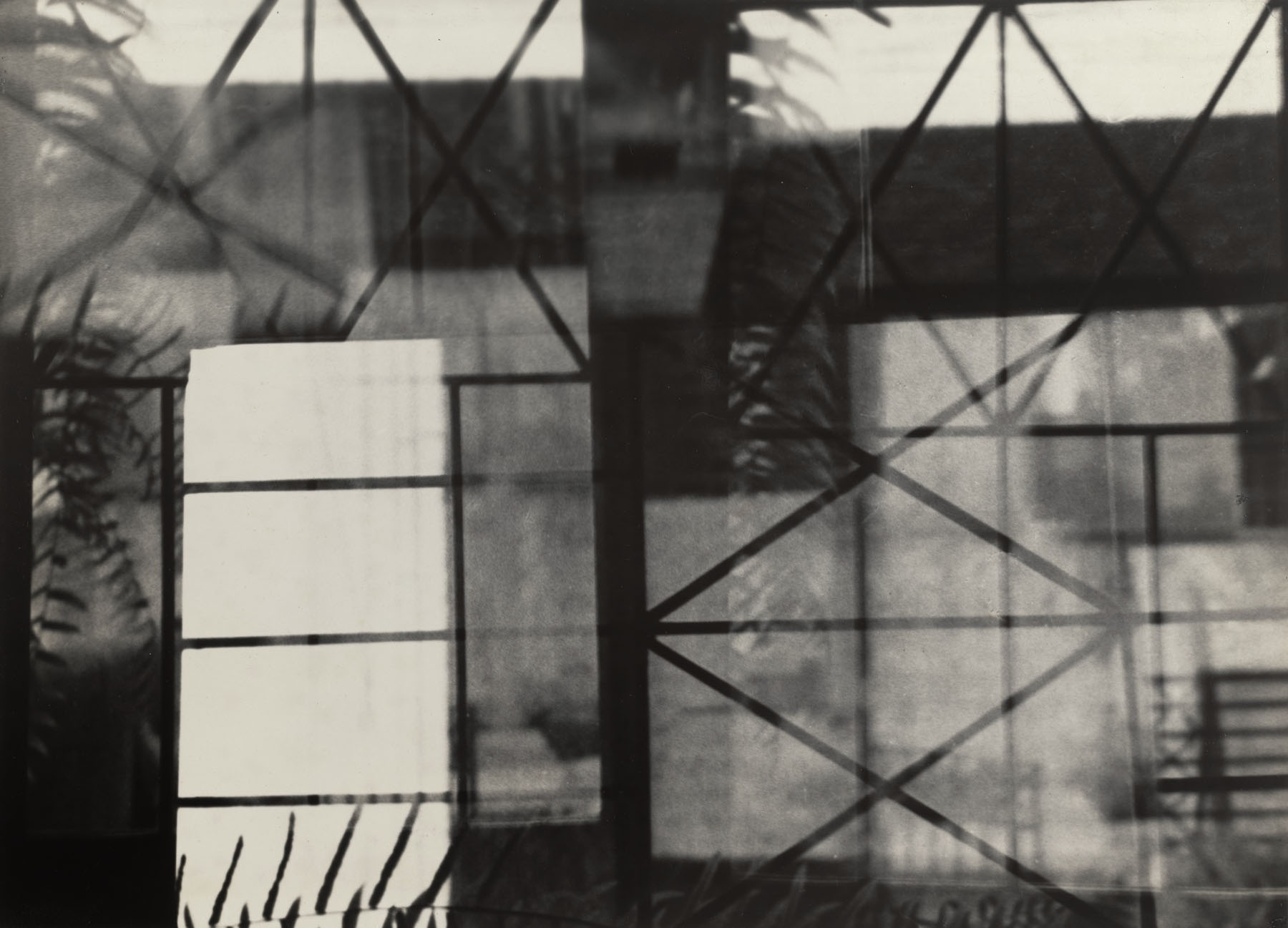
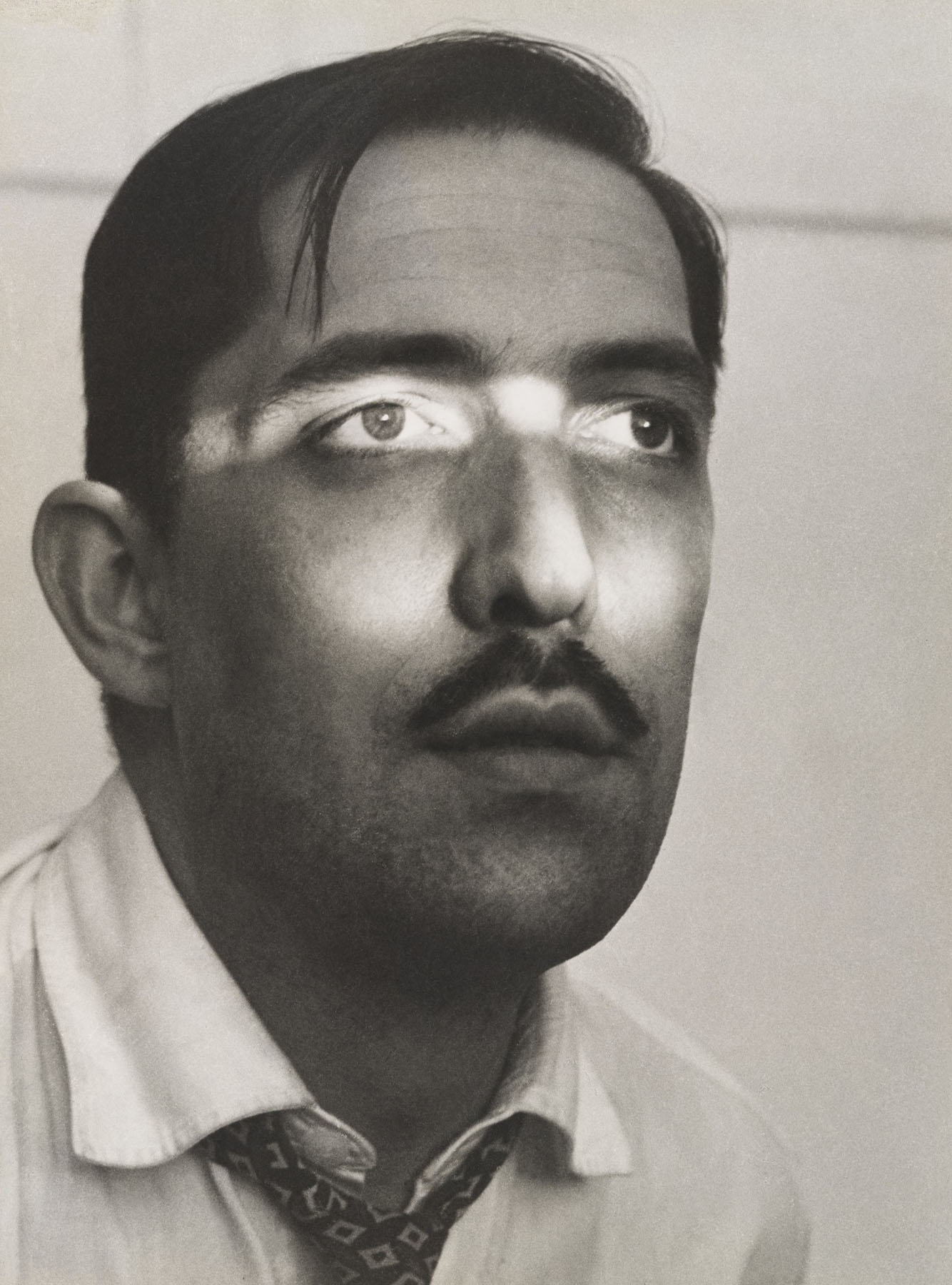
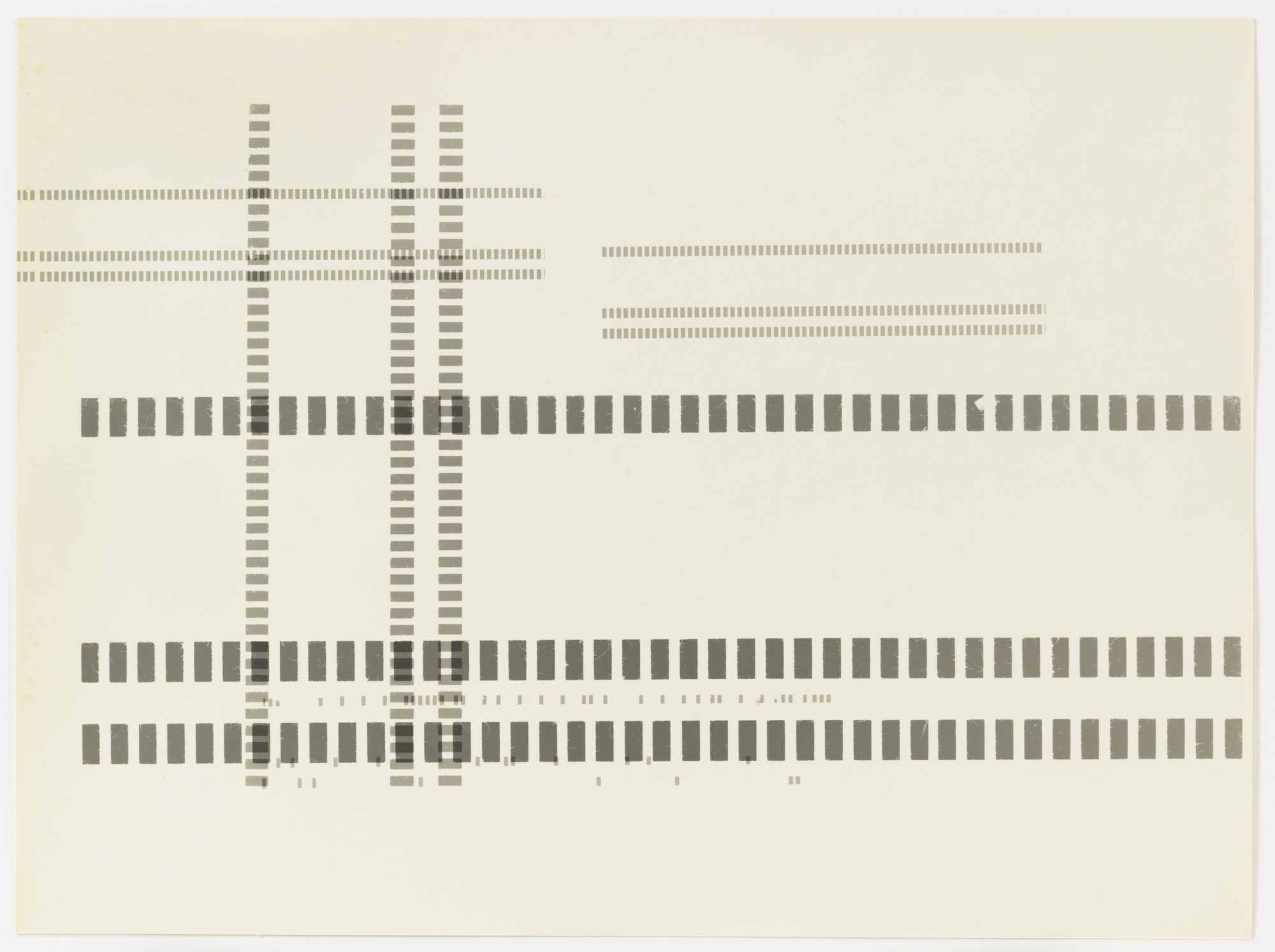
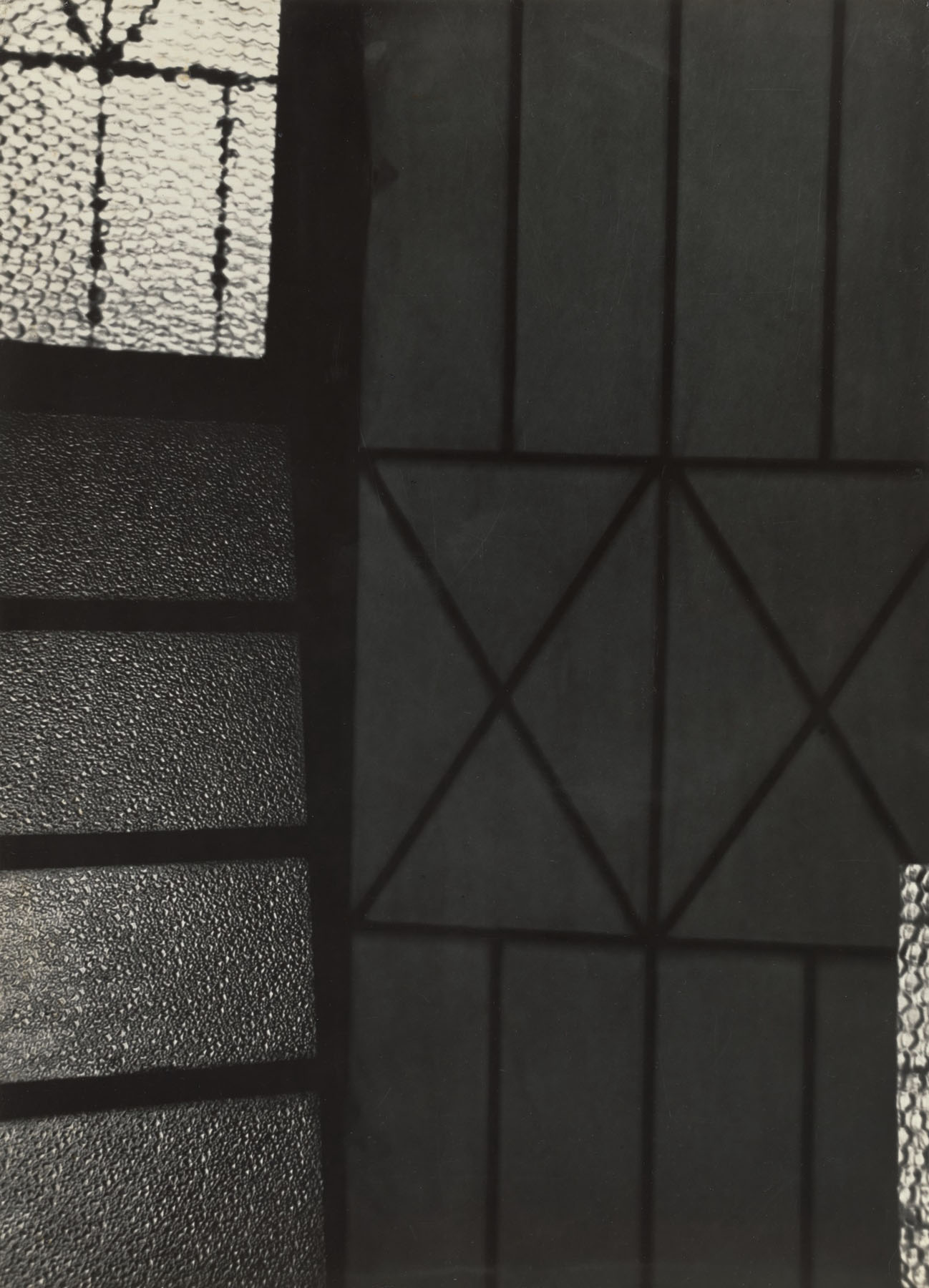
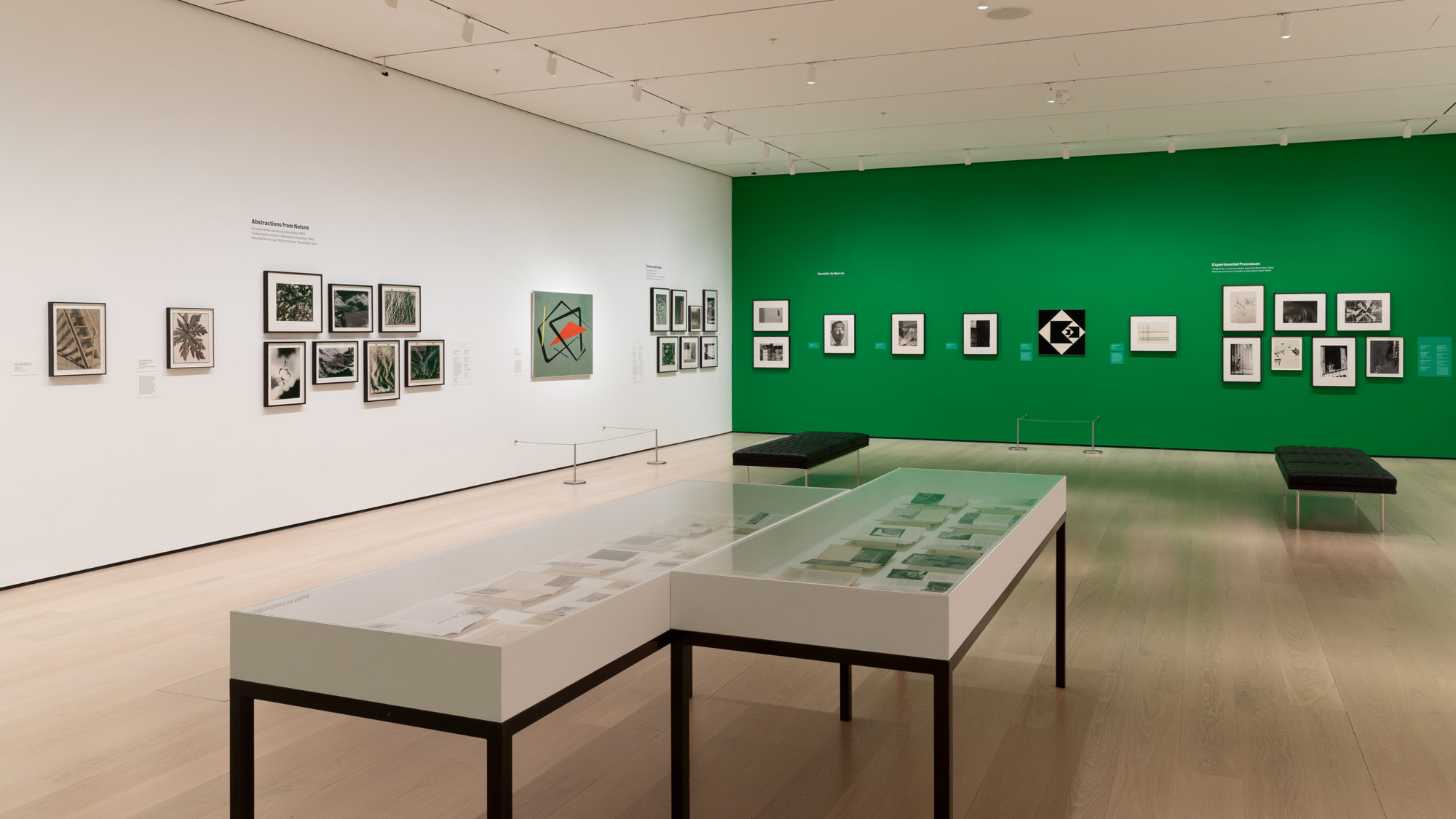
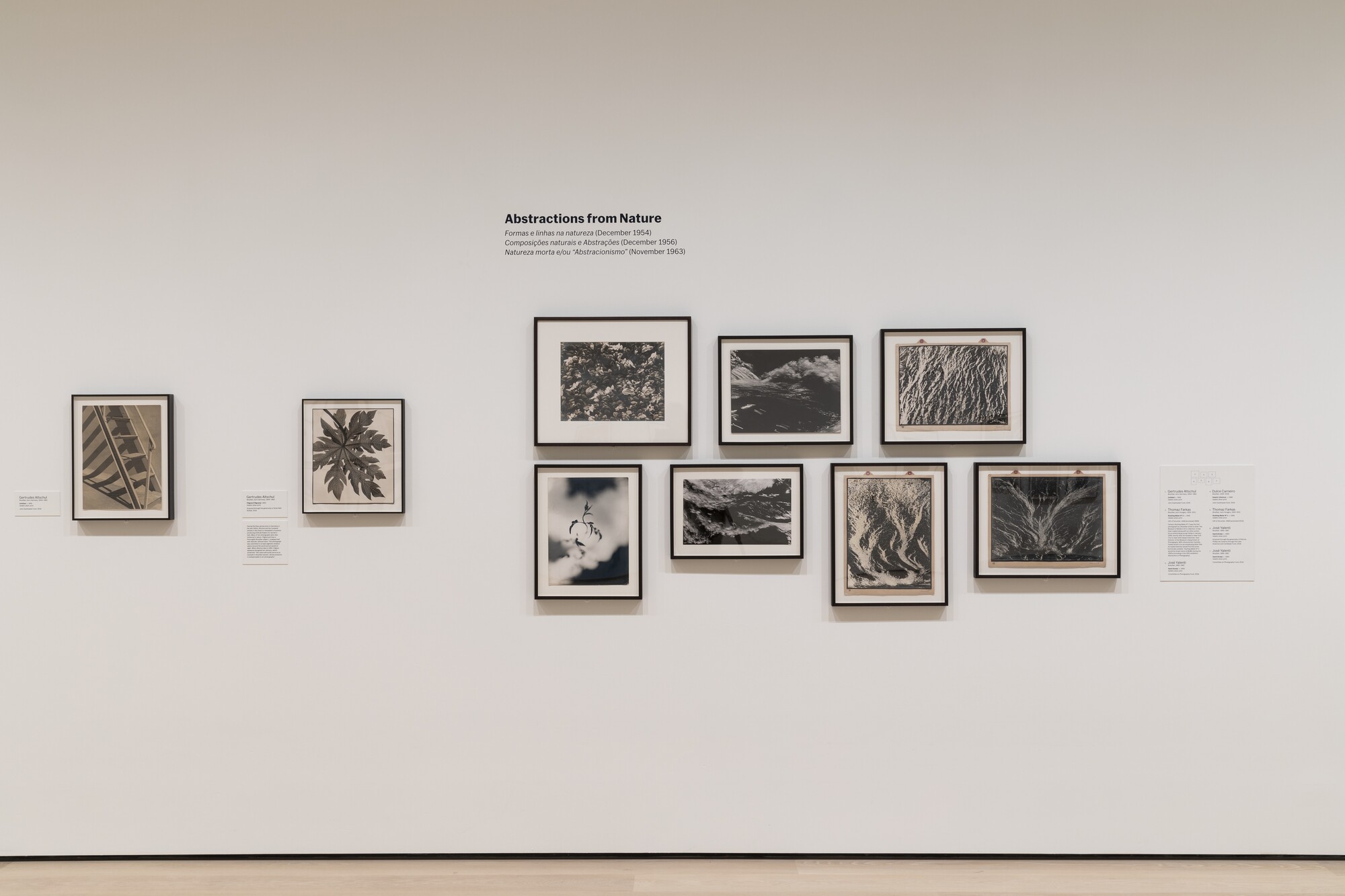
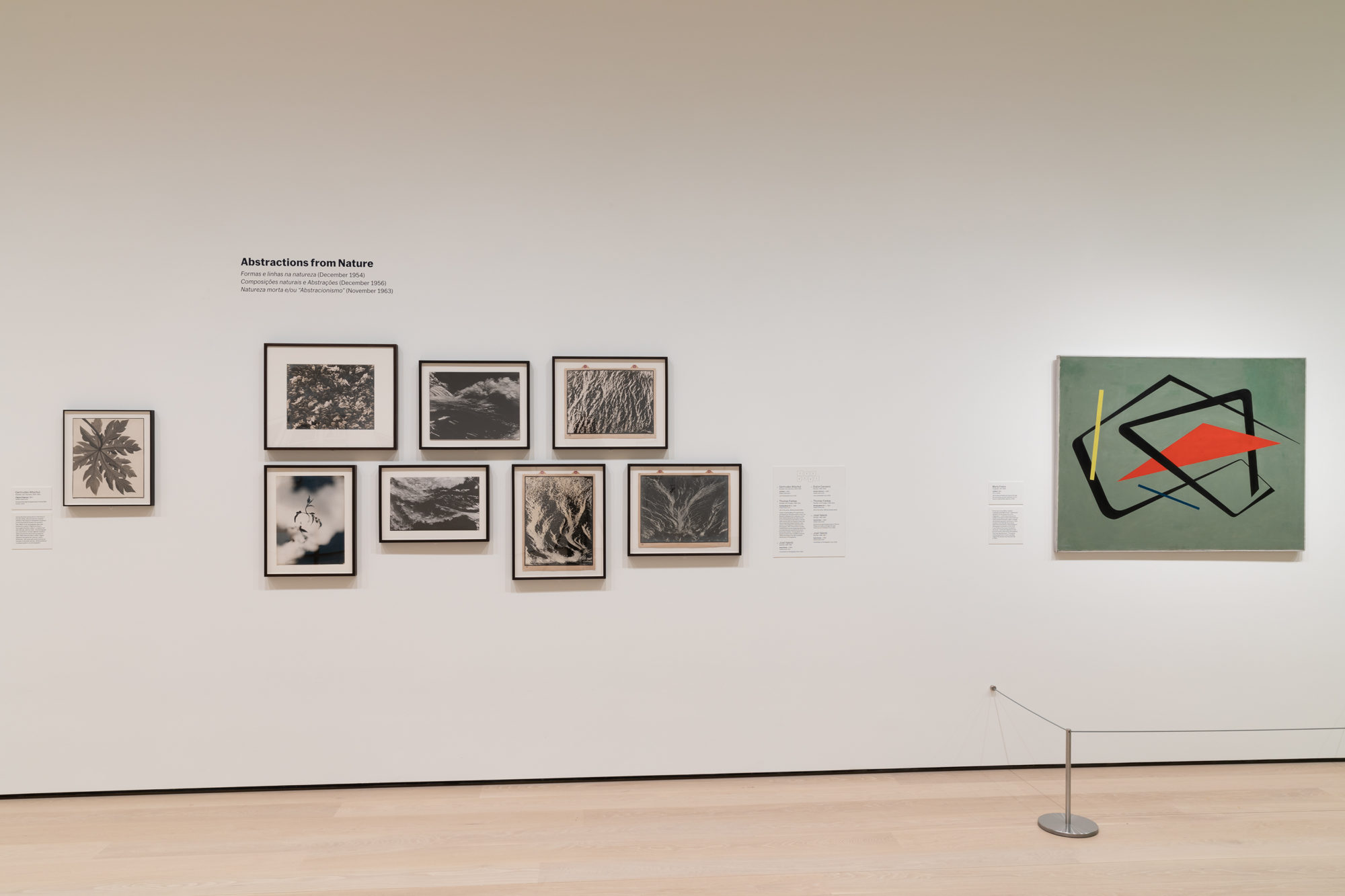
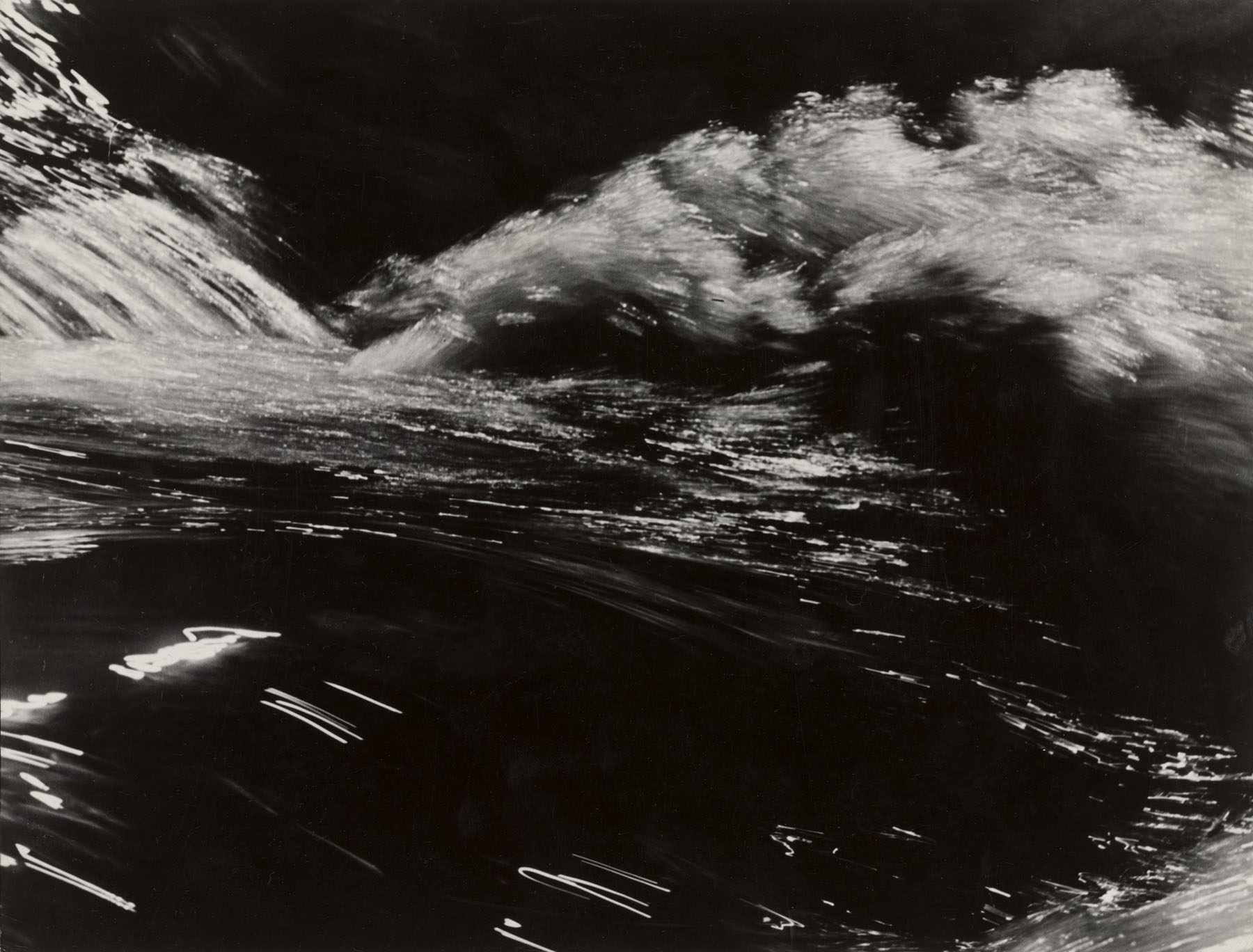
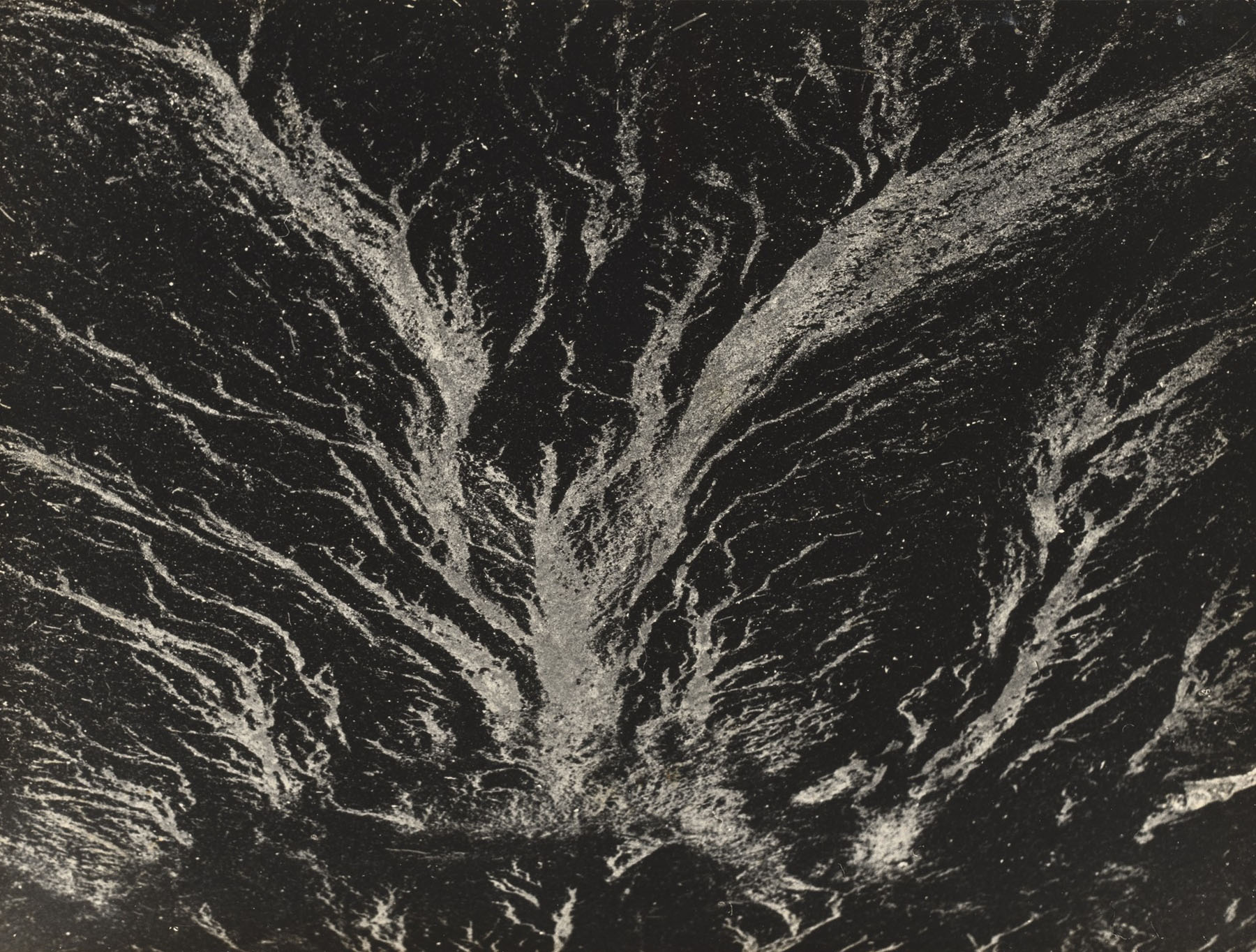
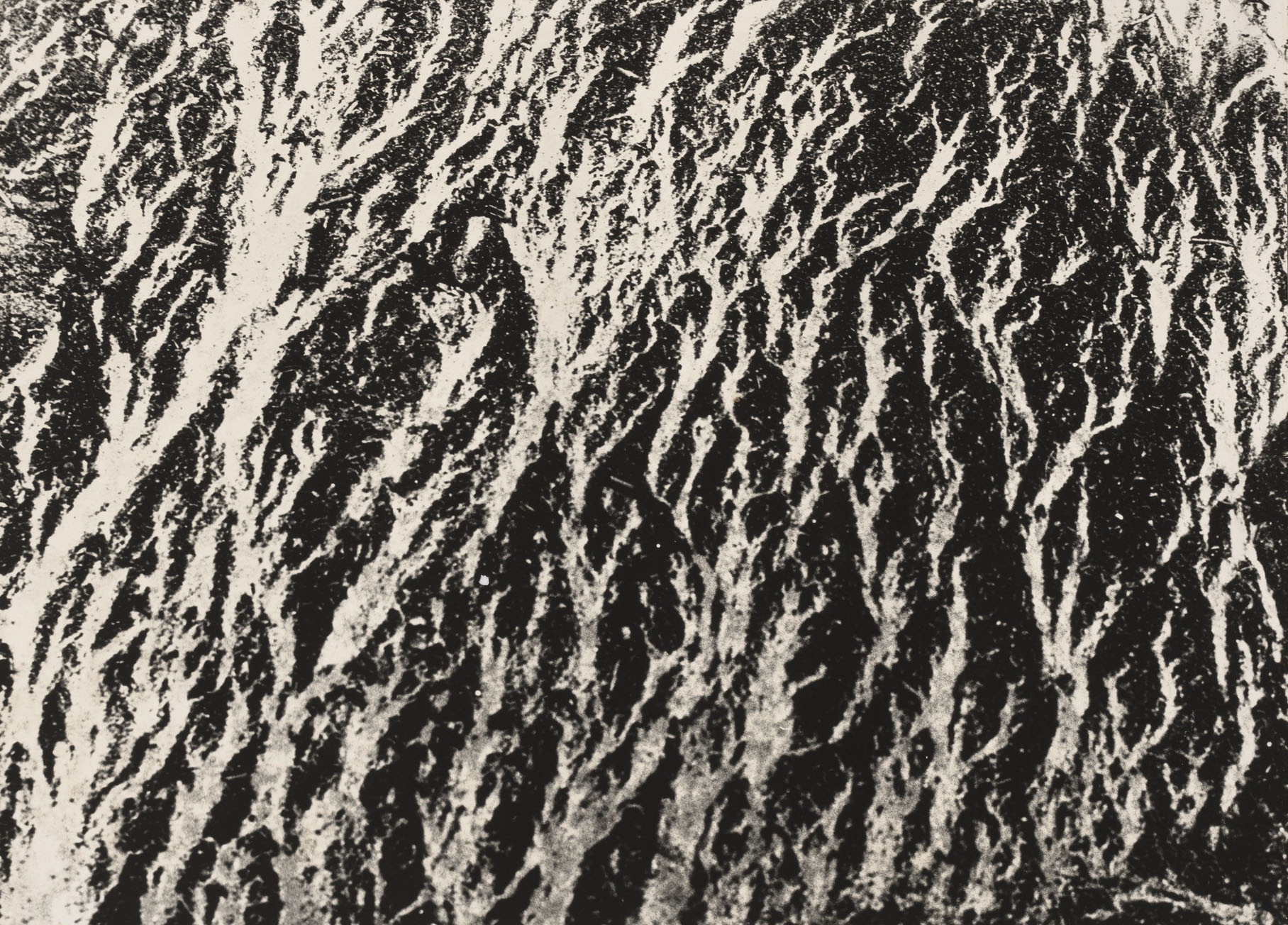
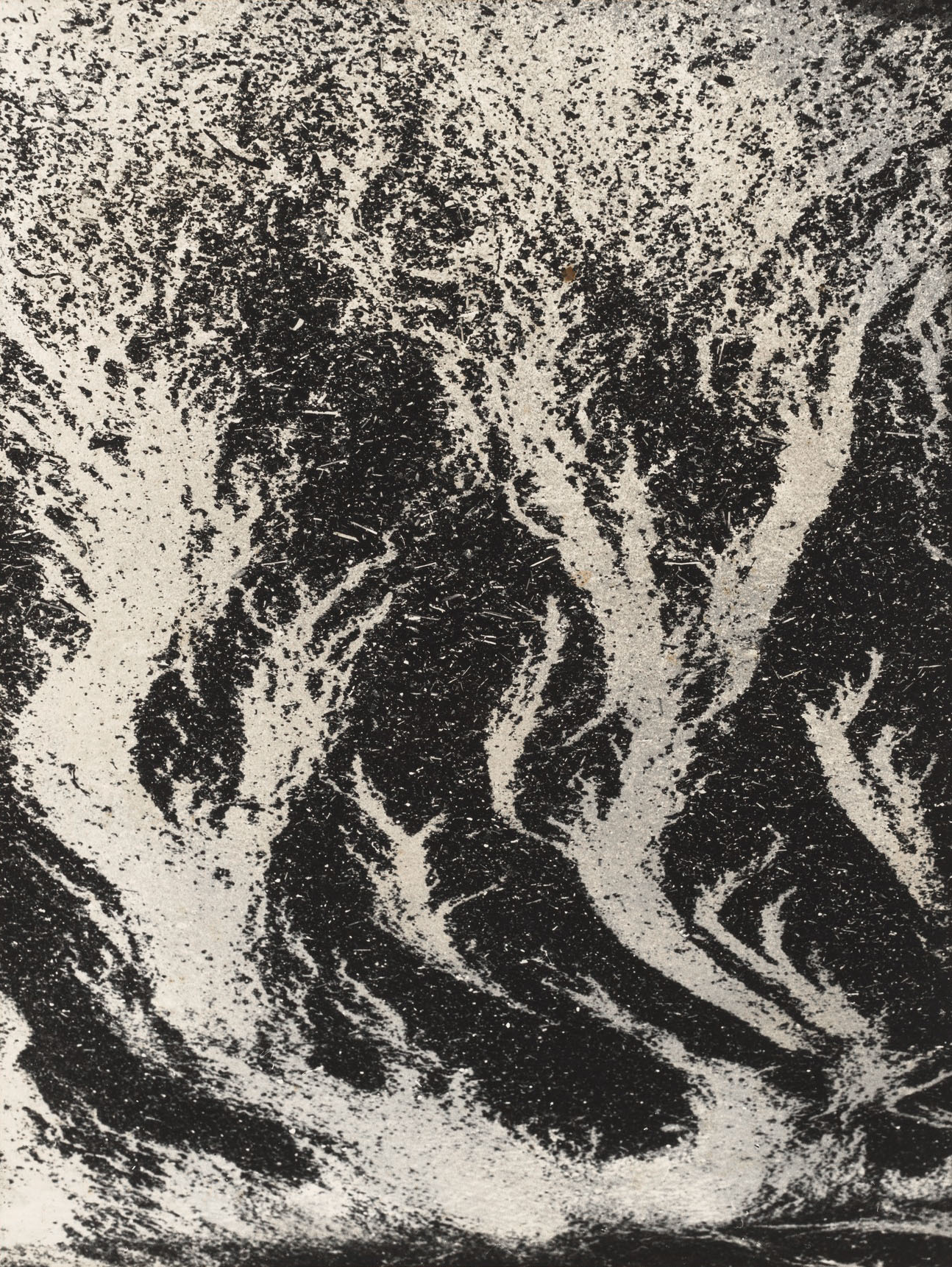
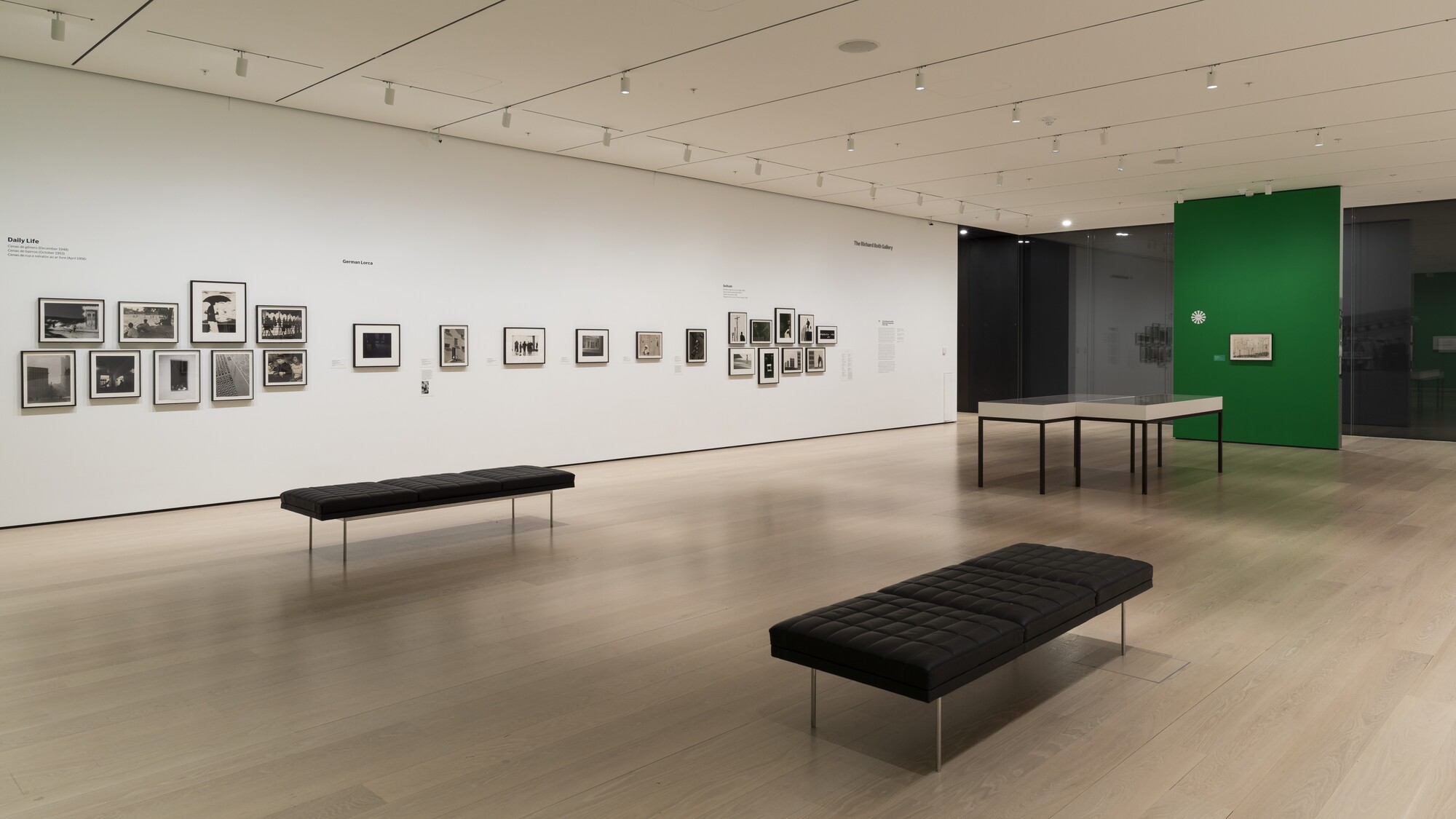
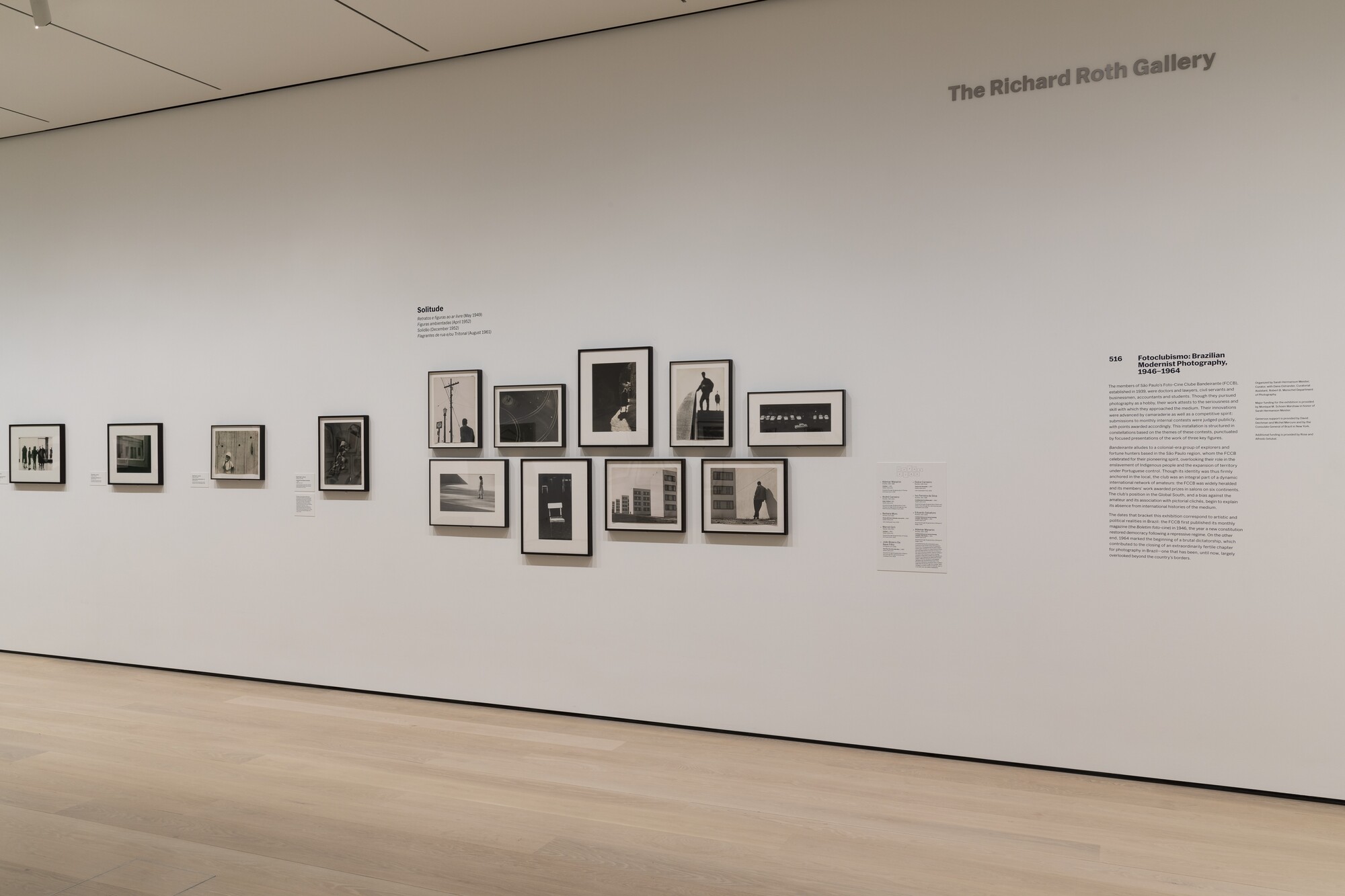
![Installation view of the exhibition 'Fotoclubismo: Brazilian Modernist Photography, 1946-1964' at the Museum of Modern Art (MoMA), New York showing the sections Daily Life, German Lorca and Solitude with bottom right, Ademar Manarini's 'Untitled [Várzea do Carmo housing complex, São Paulo]' (c. 1951)](https://artblart.com/wp-content/uploads/2021/08/fotoclubismo-installation-i.jpg "Installation view of the exhibition 'Fotoclubismo: Brazilian Modernist Photography, 1946-1964' at the Museum of Modern Art (MoMA), New York showing the sections Daily Life, German Lorca and Solitude with bottom right, Ademar Manarini's 'Untitled [Várzea do Carmo housing complex, São Paulo]' (c. 1951)")
![Installation view of the exhibition 'Fotoclubismo: Brazilian Modernist Photography, 1946-1964' at the Museum of Modern Art (MoMA), New York showing the sections Daily Life, German Lorca and Solitude with bottom right, Ademar Manarini's 'Untitled [Várzea do Carmo housing complex, São Paulo]' (c. 1951)](https://artblart.com/wp-content/uploads/2021/08/fotoclubismo-installation-k.jpg "Installation view of the exhibition 'Fotoclubismo: Brazilian Modernist Photography, 1946-1964' at the Museum of Modern Art (MoMA), New York showing the sections Daily Life, German Lorca and Solitude with bottom right, Ademar Manarini's 'Untitled [Várzea do Carmo housing complex, São Paulo]' (c. 1951)")
![Ademar Manarini (Brazilian, 1920-1989) 'Untitled [Várzea do Carmo housing complex, São Paulo]' c. 1951](https://artblart.com/wp-content/uploads/2021/08/manarini-housing-complex.jpg "Ademar Manarini (Brazilian, 1920-1989) 'Untitled [Várzea do Carmo housing complex, São Paulo]' c. 1951")
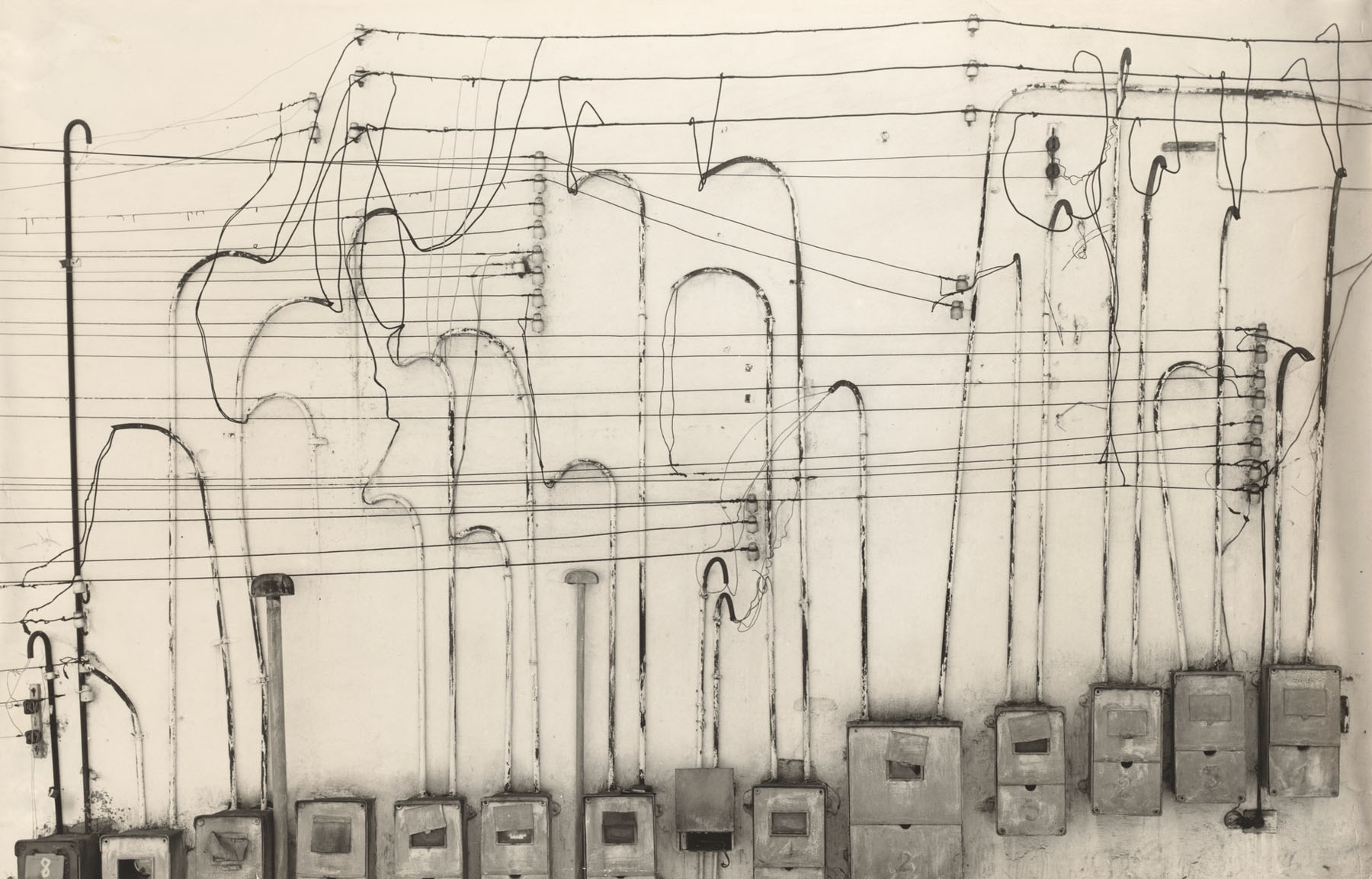
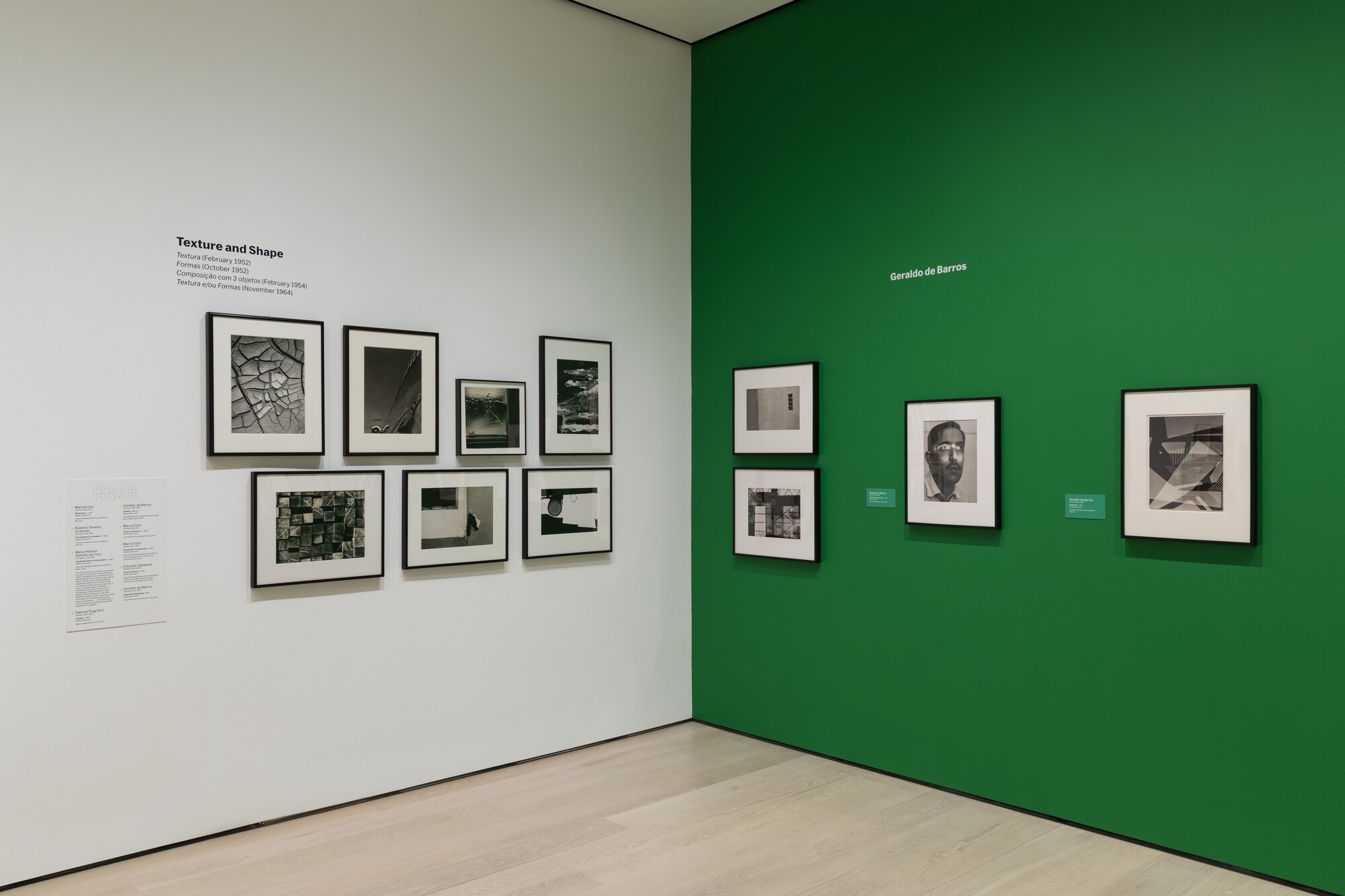
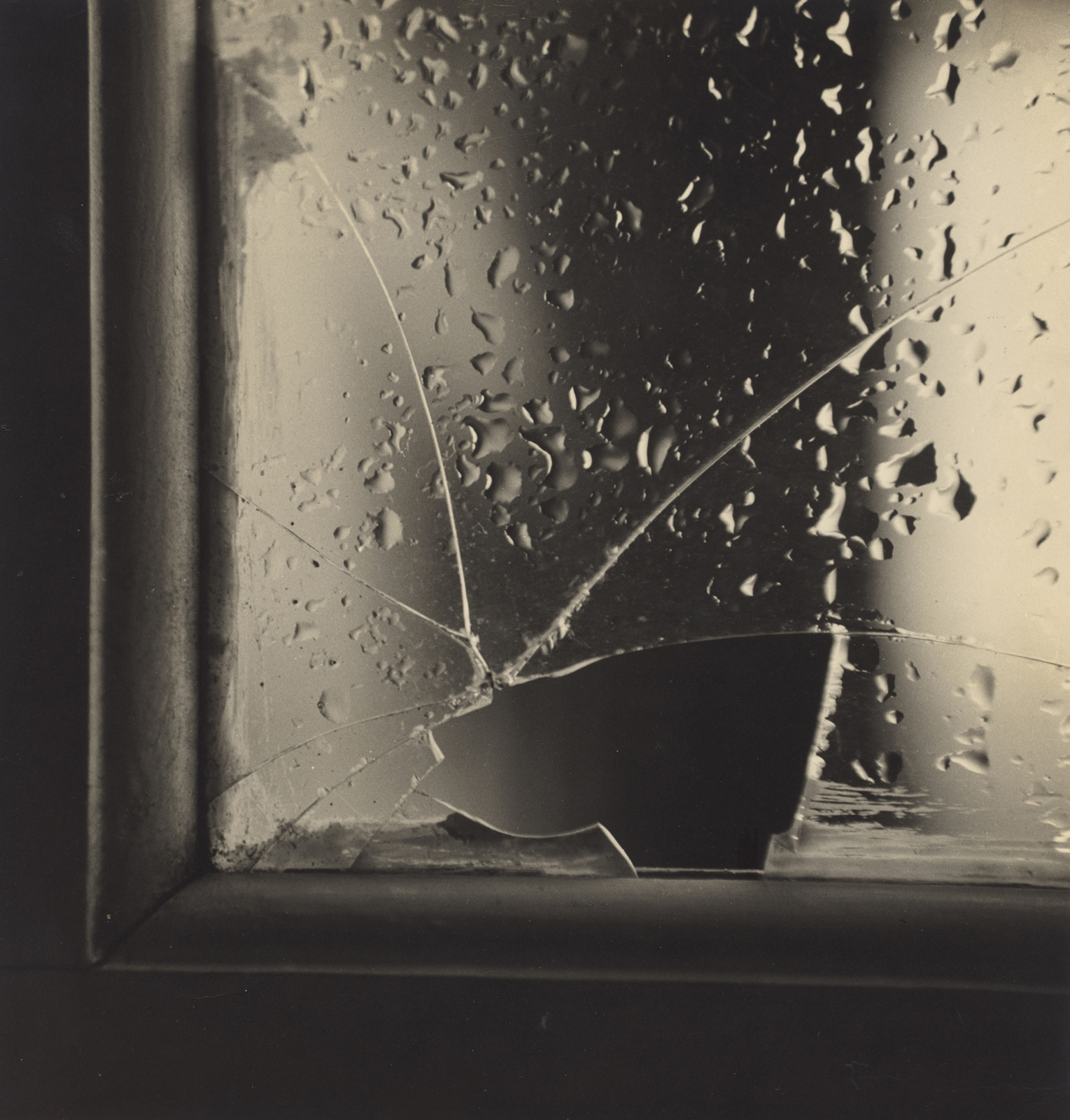
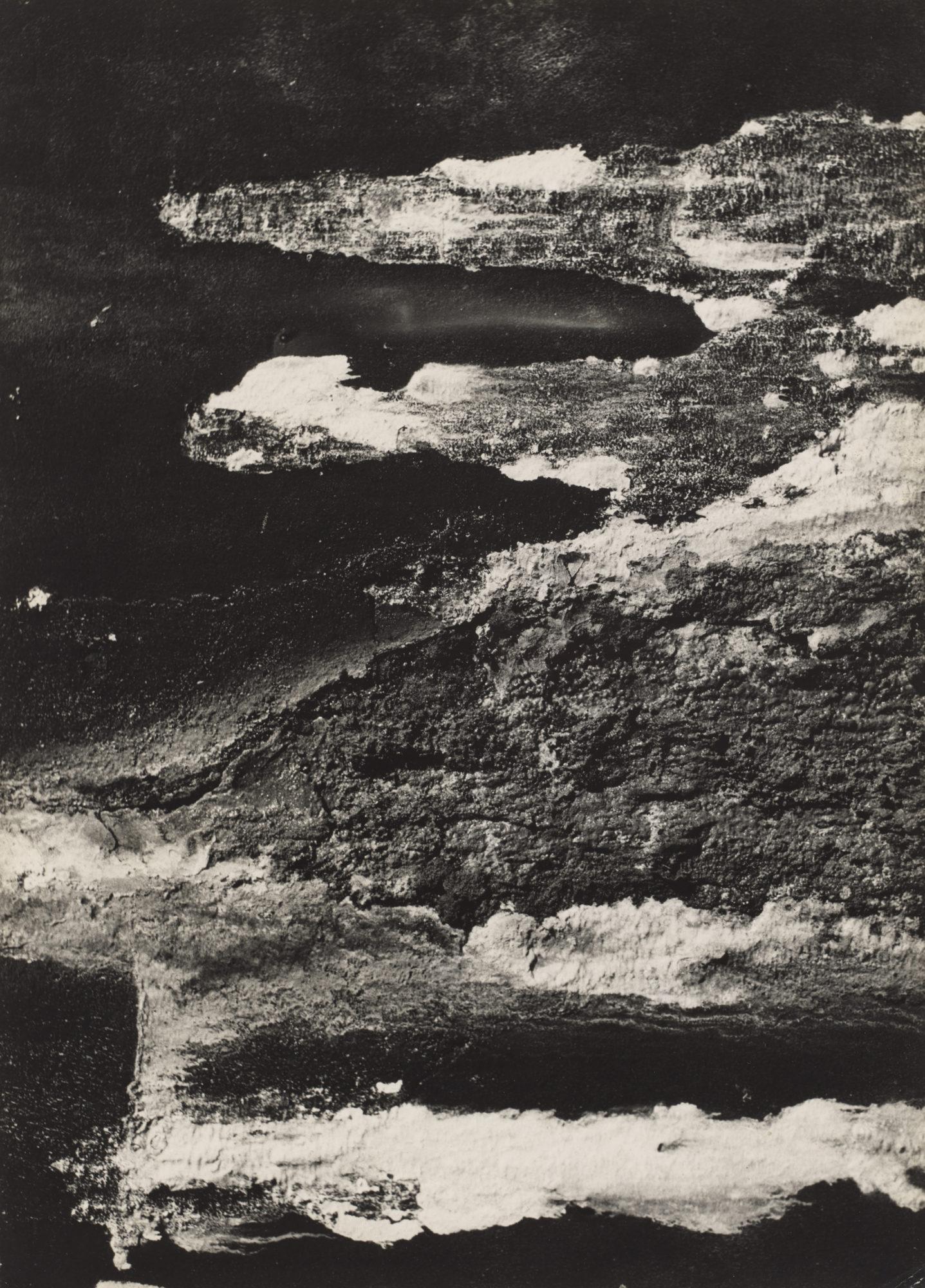
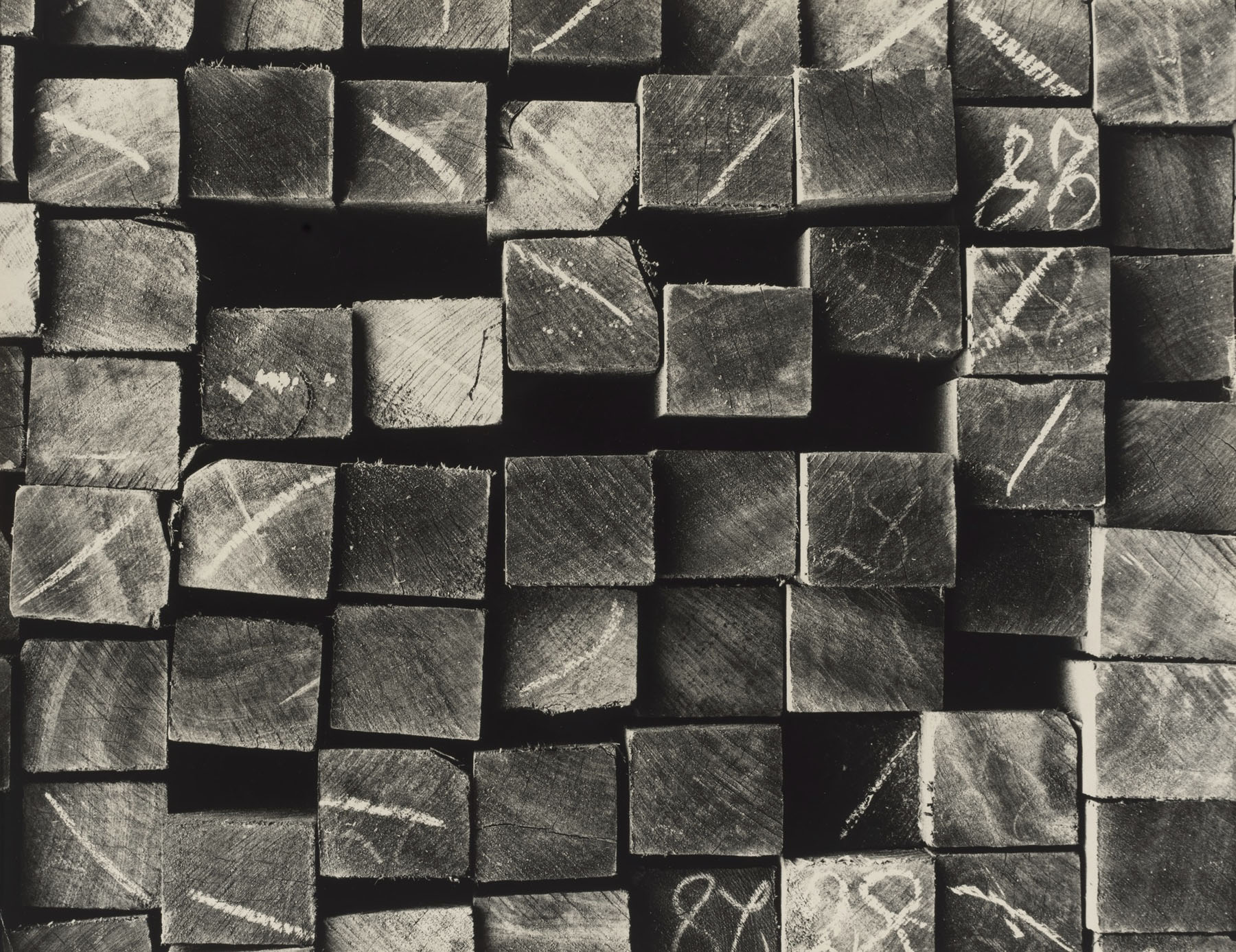
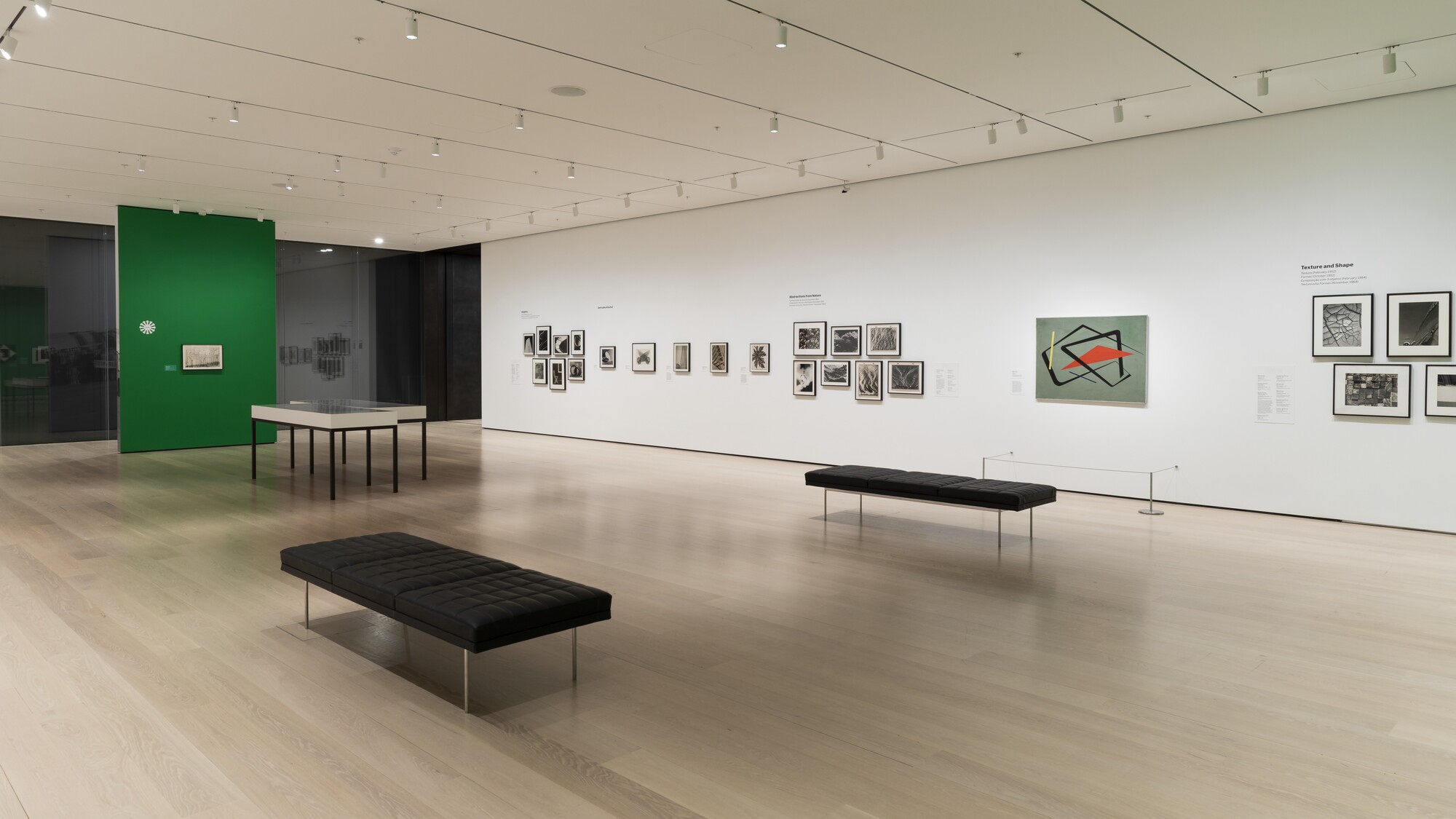
![Installation view of the exhibition 'Fotoclubismo: Brazilian Modernist Photography, 1946-1964' at the Museum of Modern Art (MoMA), New York showing the sections Simplicity and Gertrude Altschul, with at top left, Thomaz Farkas' 'Ministry of Education' (Ministério da Educação) [Rio de Janeiro] (c. 1945); and at right, Gertrudes Altschul's 'Lines and Tones' (Linhas e Tons) (c. 1953)](https://artblart.com/wp-content/uploads/2021/08/fotoclubismo-installation-t.jpg "Installation view of the exhibition 'Fotoclubismo: Brazilian Modernist Photography, 1946-1964' at the Museum of Modern Art (MoMA), New York showing the sections Simplicity and Gertrude Altschul, with at top left, Thomaz Farkas' 'Ministry of Education' (Ministério da Educação) [Rio de Janeiro] (c. 1945); and at right, Gertrudes Altschul's 'Lines and Tones' (Linhas e Tons) (c. 1953)")
![Thomaz Farkas (Brazilian, born Hungary. 1924-2011) 'Ministry of Education (Ministério da Educação) [Rio de Janeiro]' c. 1945](https://artblart.com/wp-content/uploads/2021/08/farkas.jpg "Thomaz Farkas (Brazilian, born Hungary. 1924-2011) 'Ministry of Education (Ministério da Educação) [Rio de Janeiro]' c. 1945")
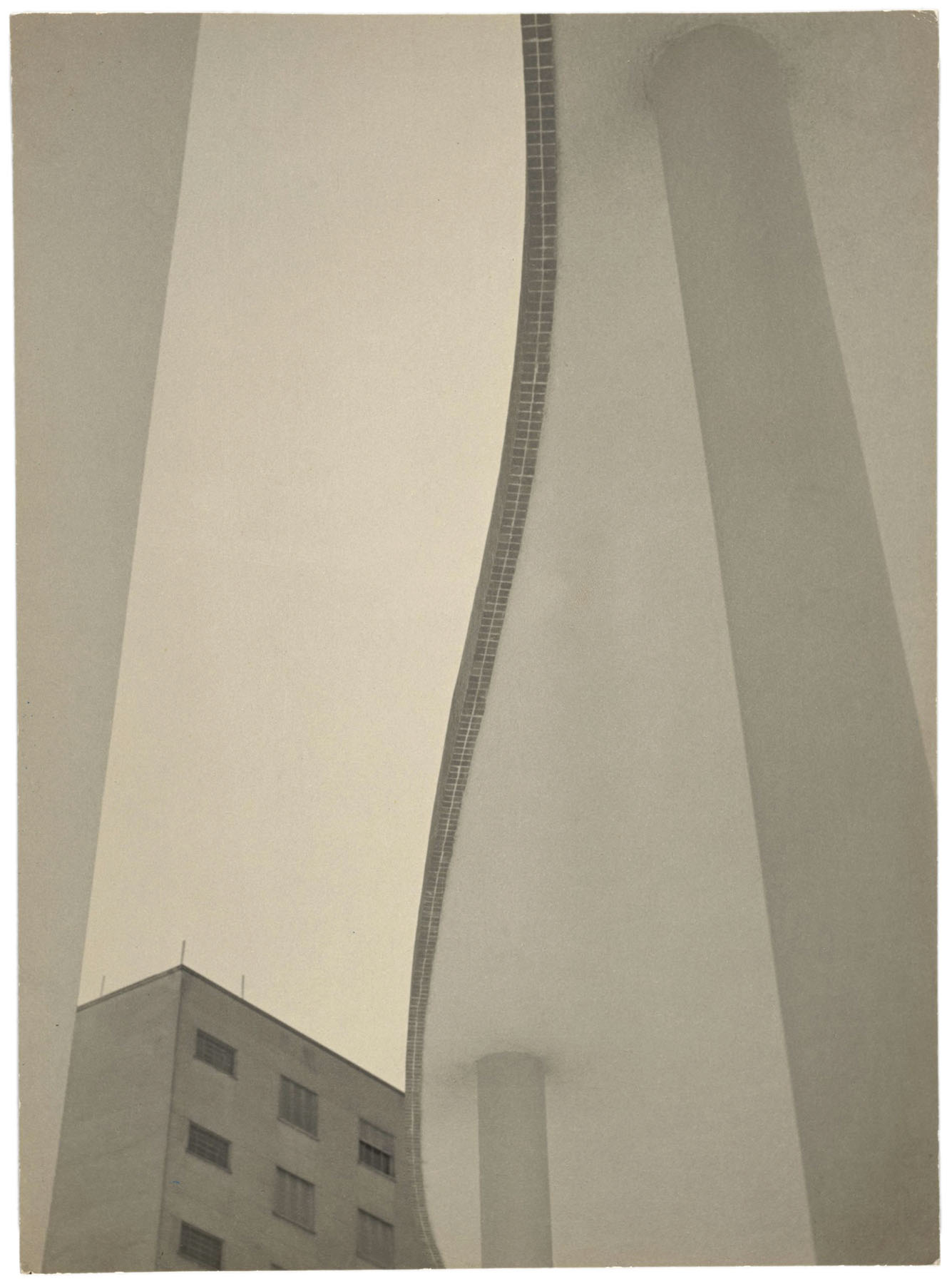
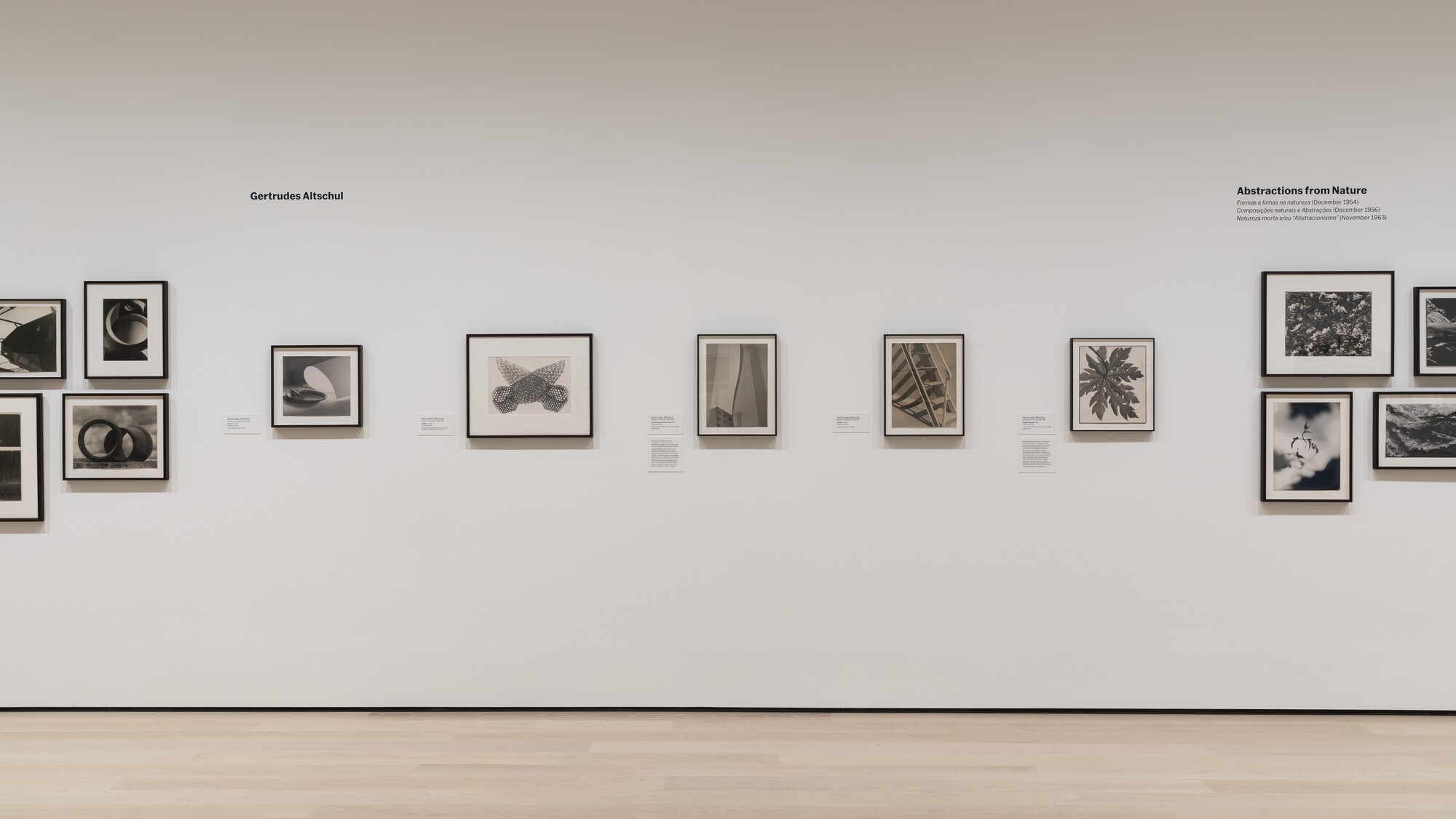
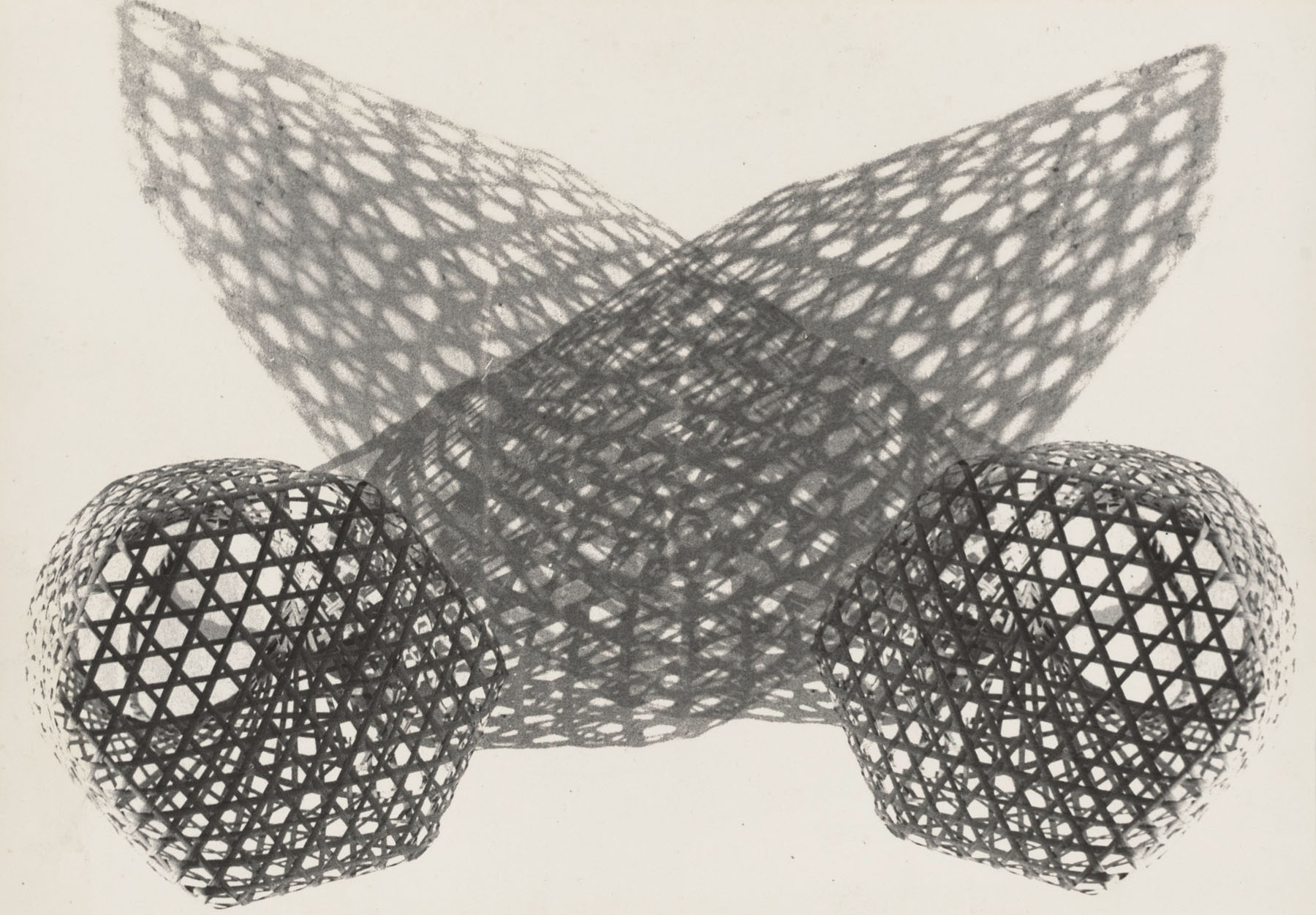
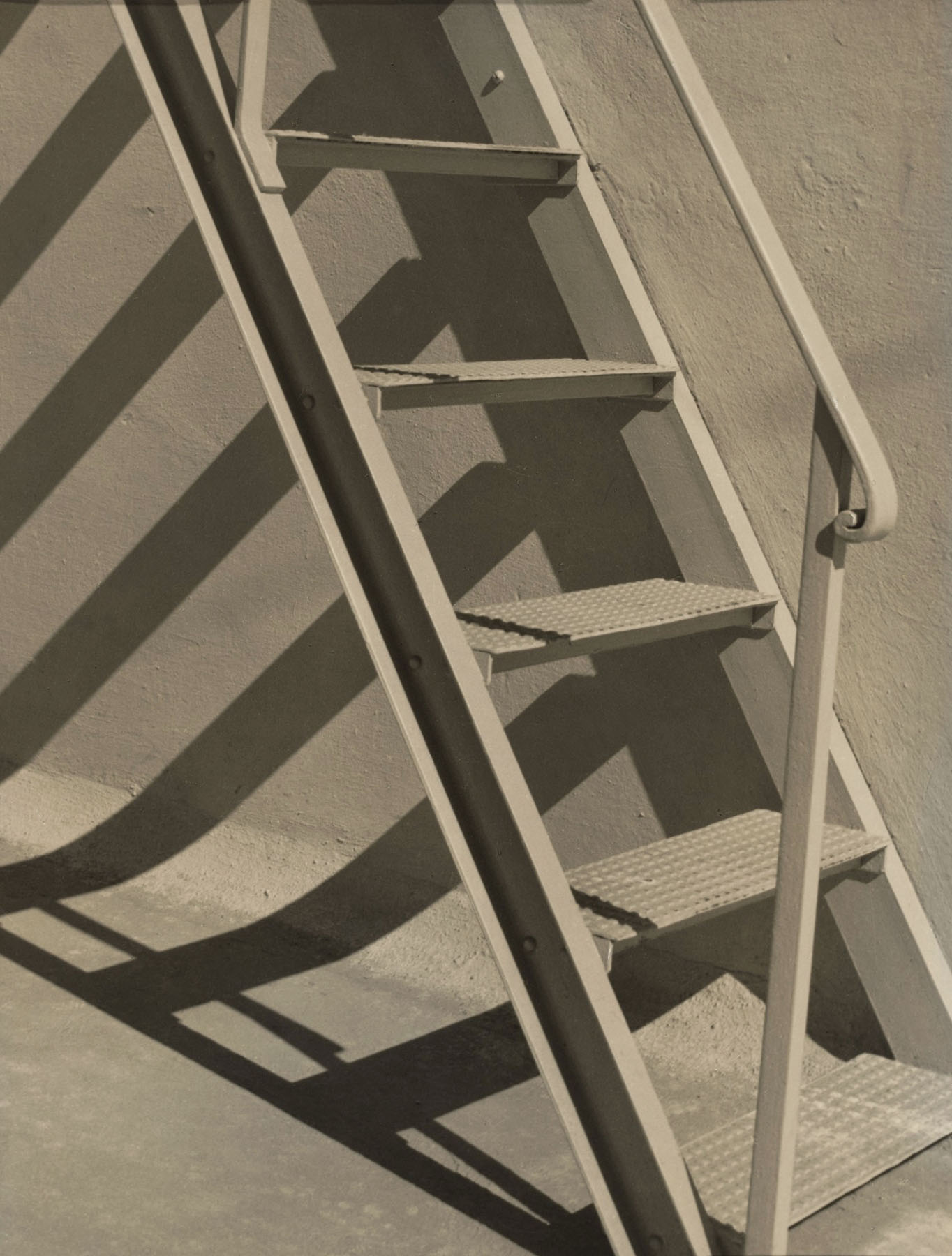
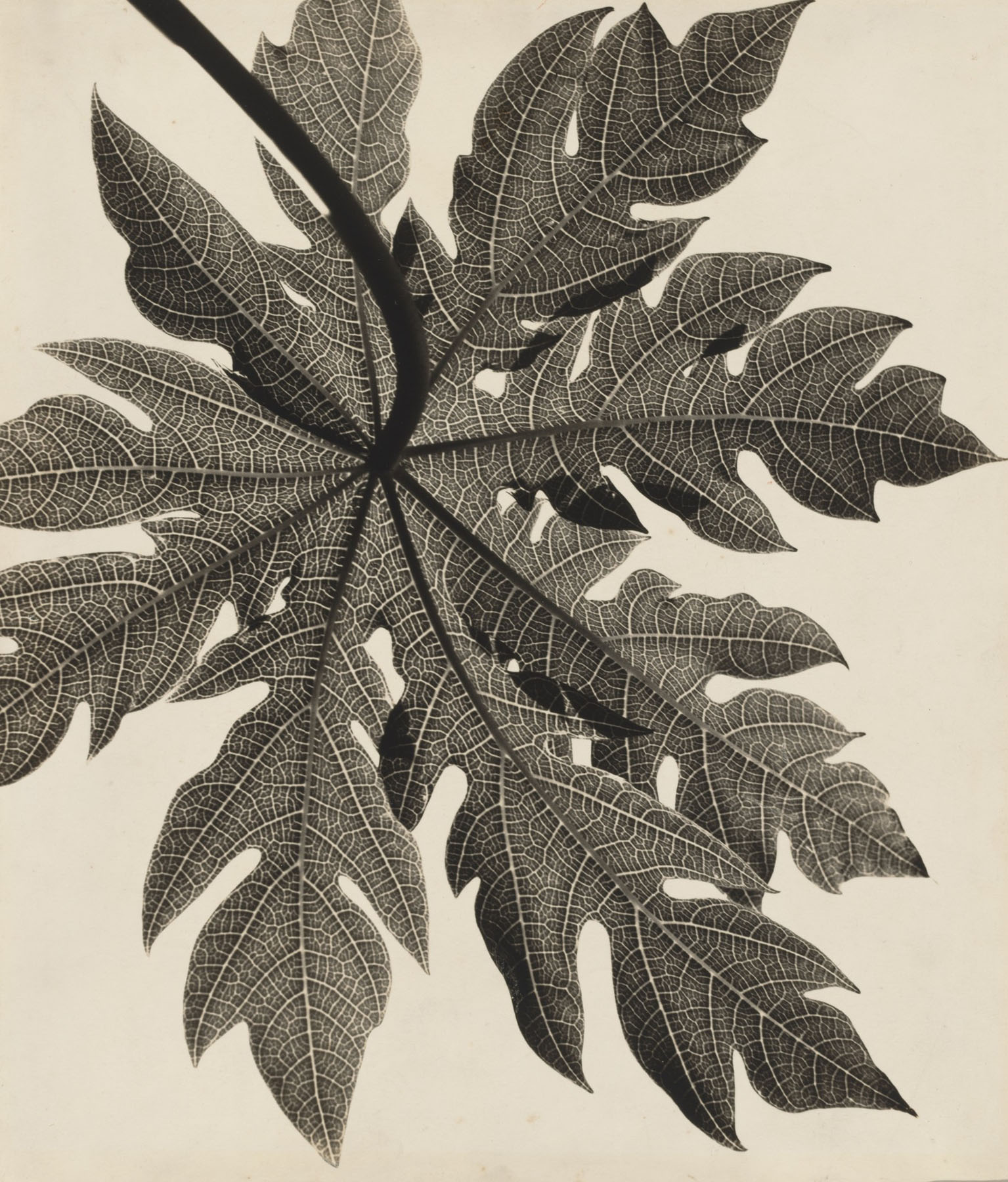
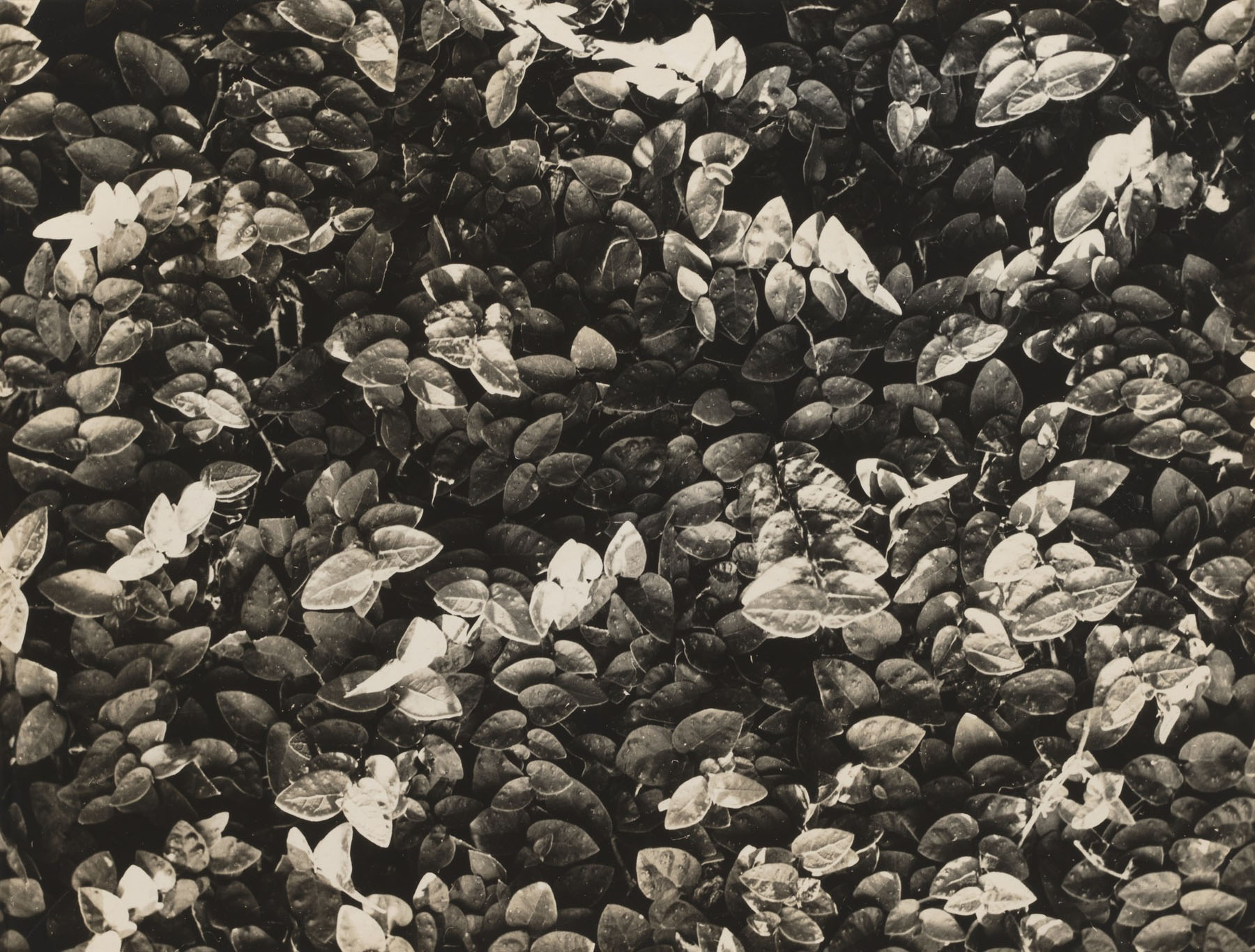
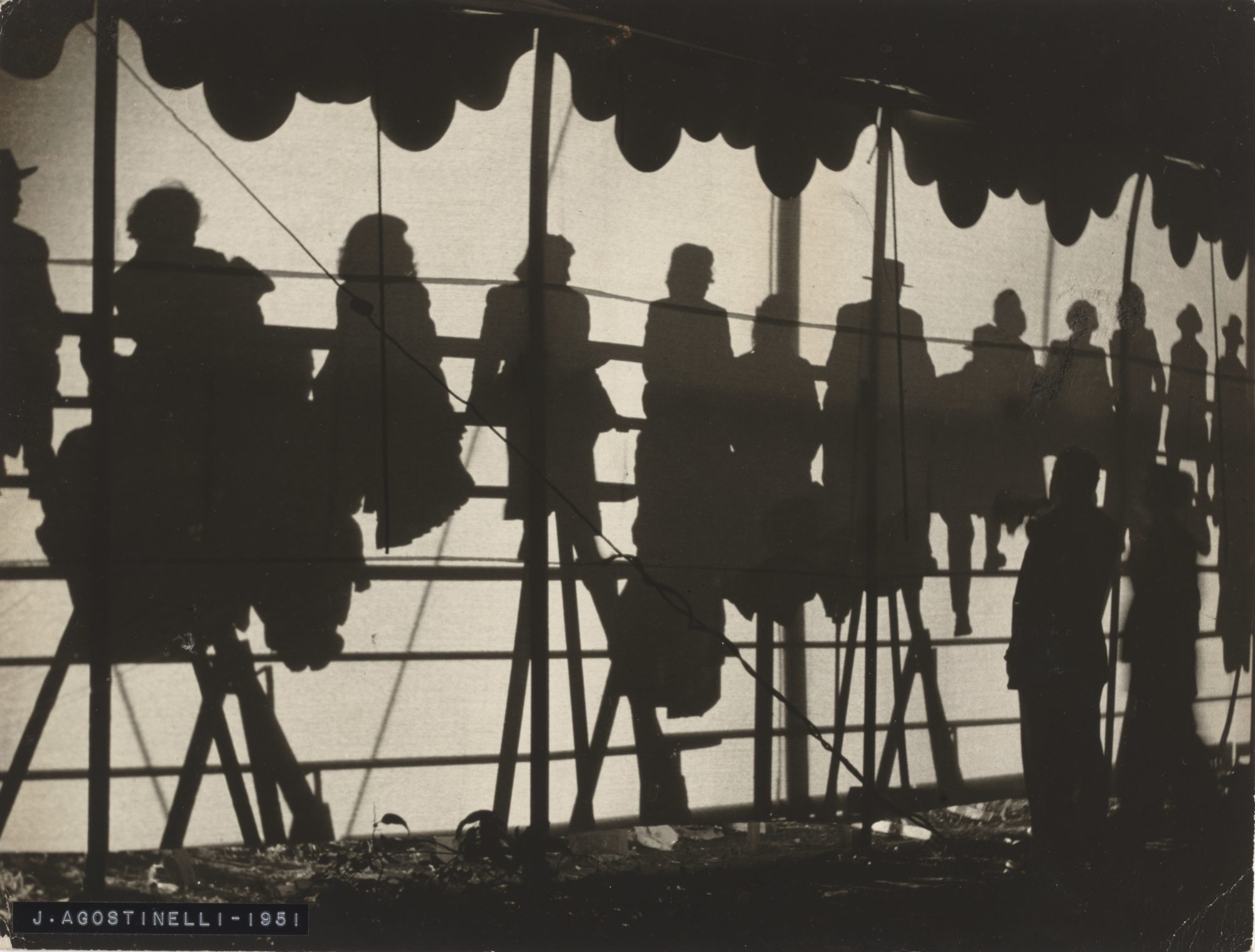
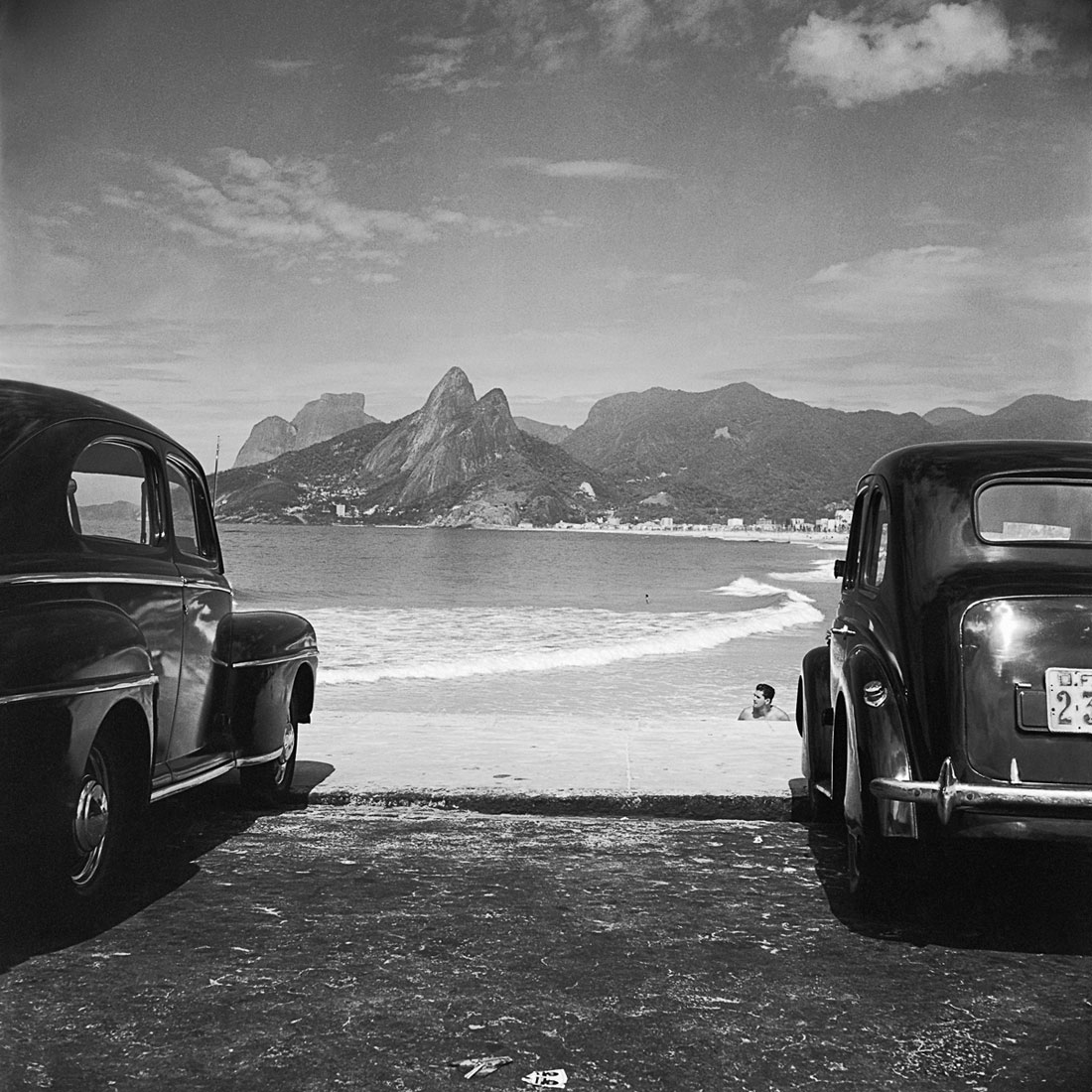
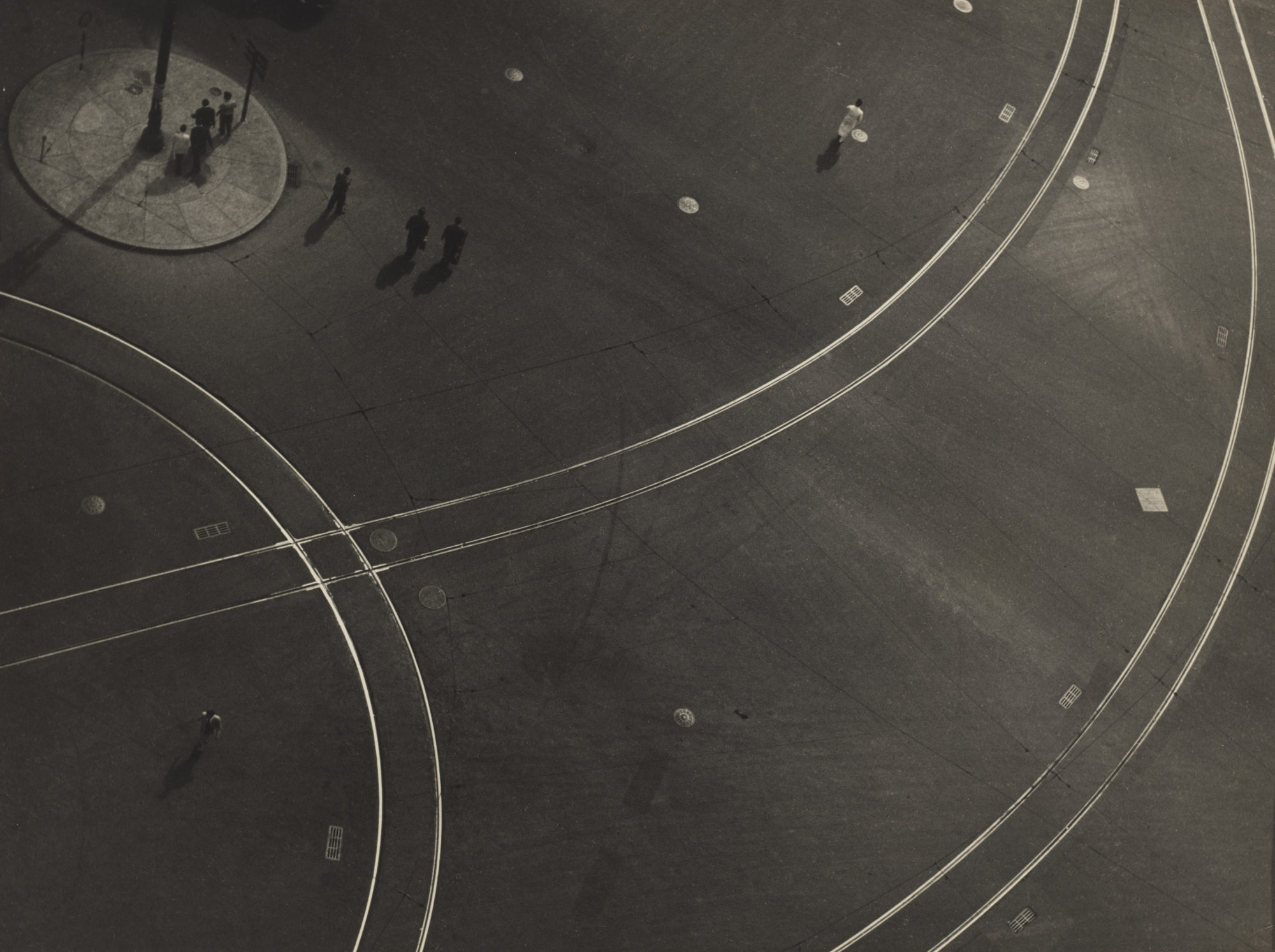
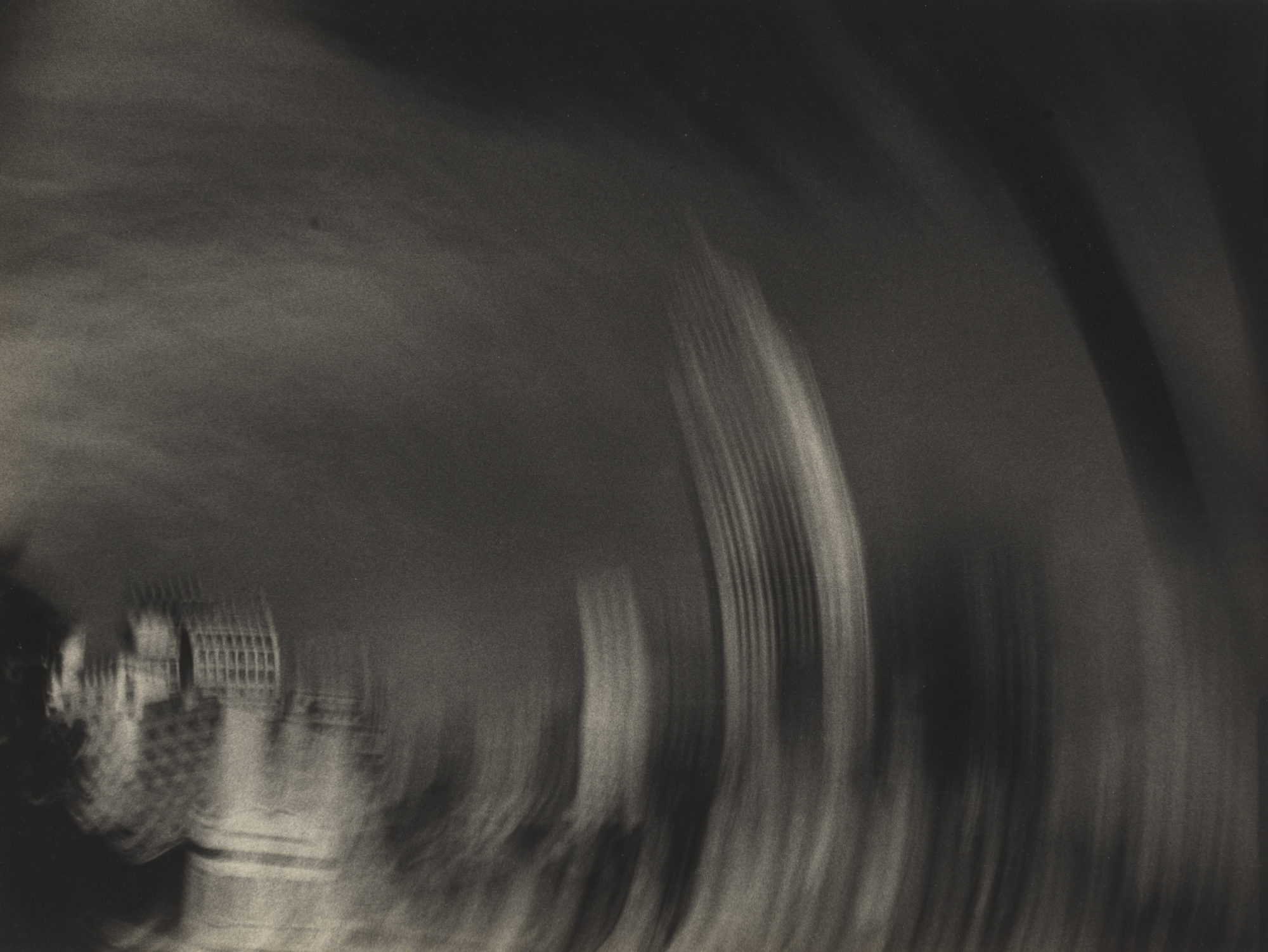
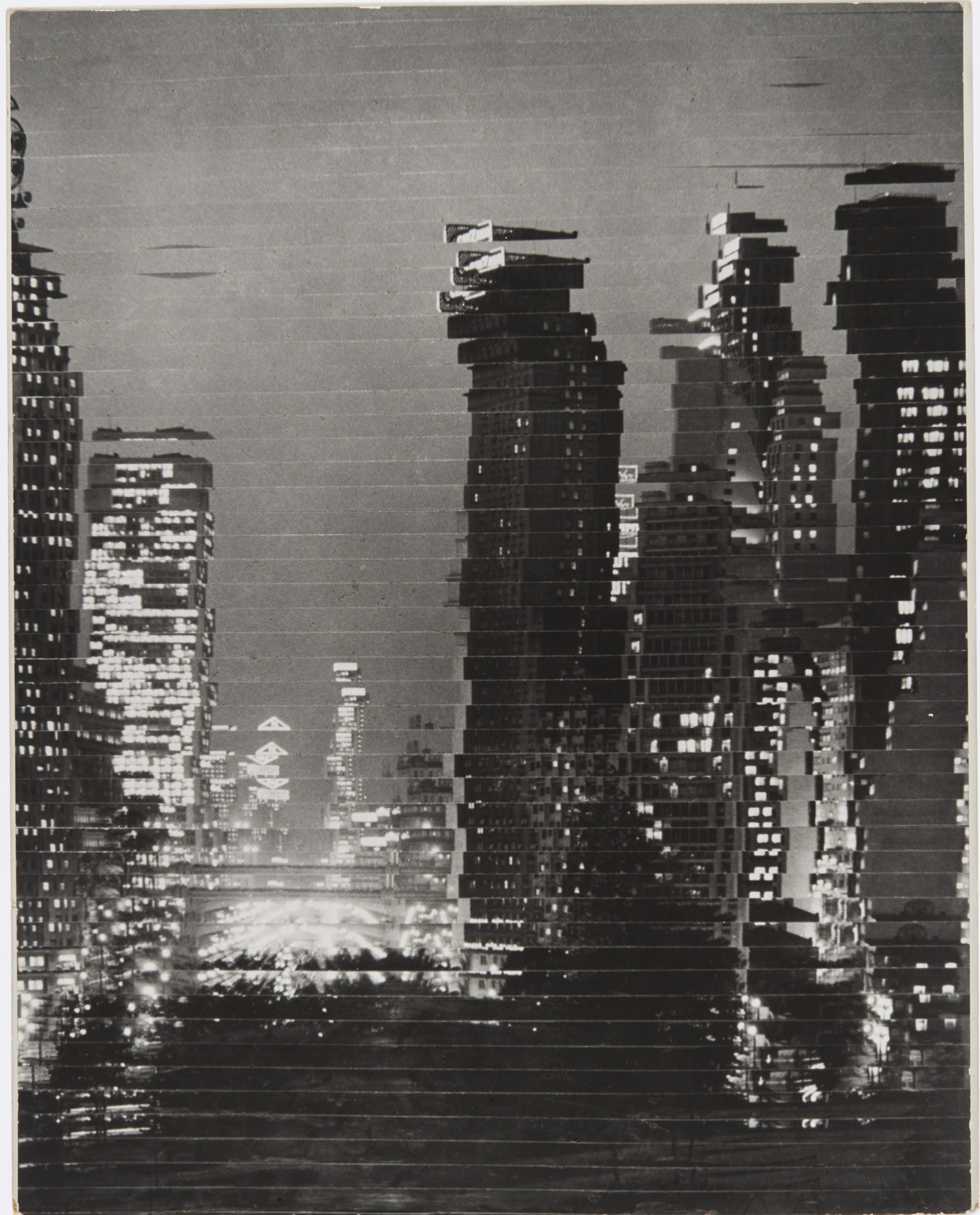


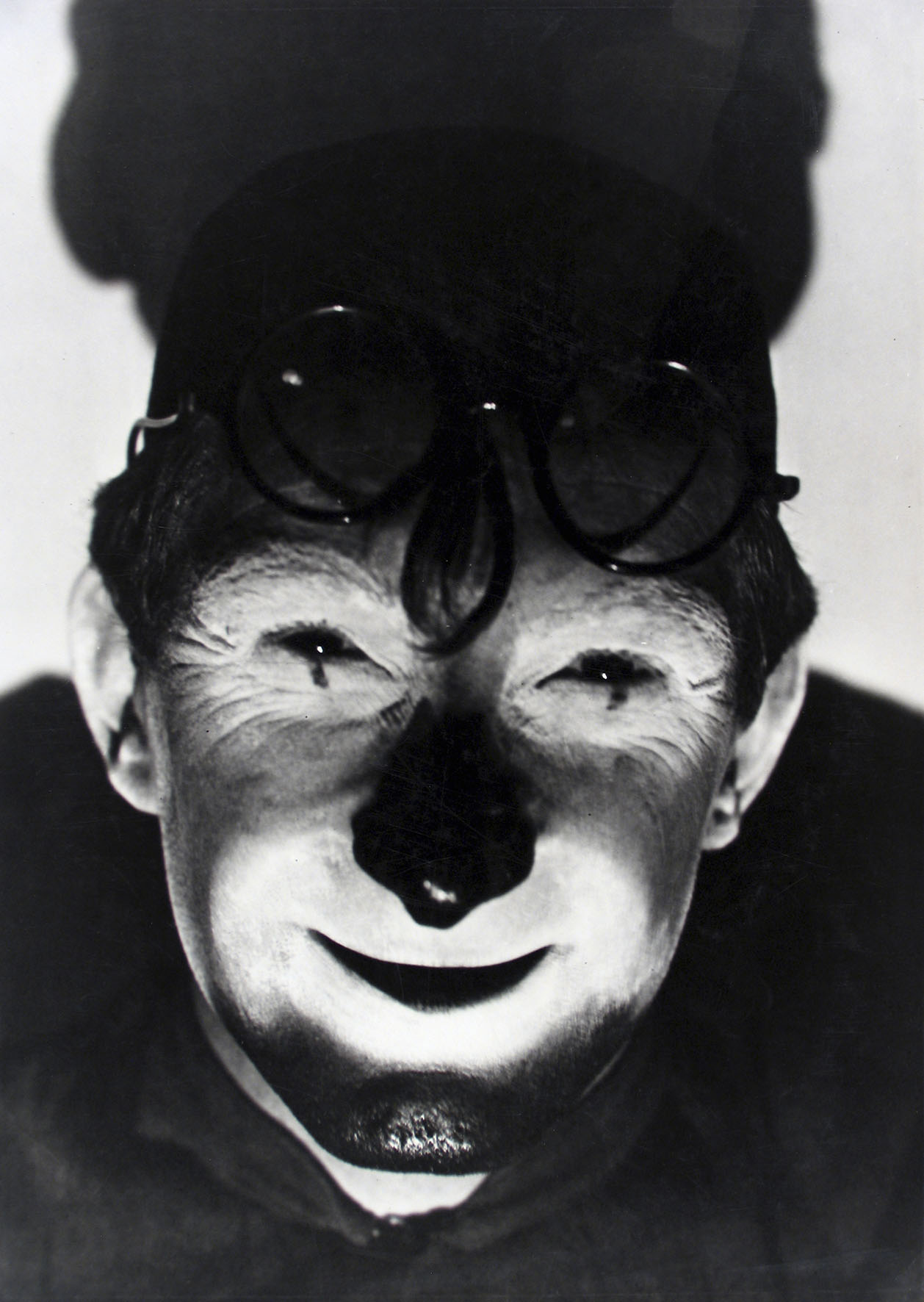


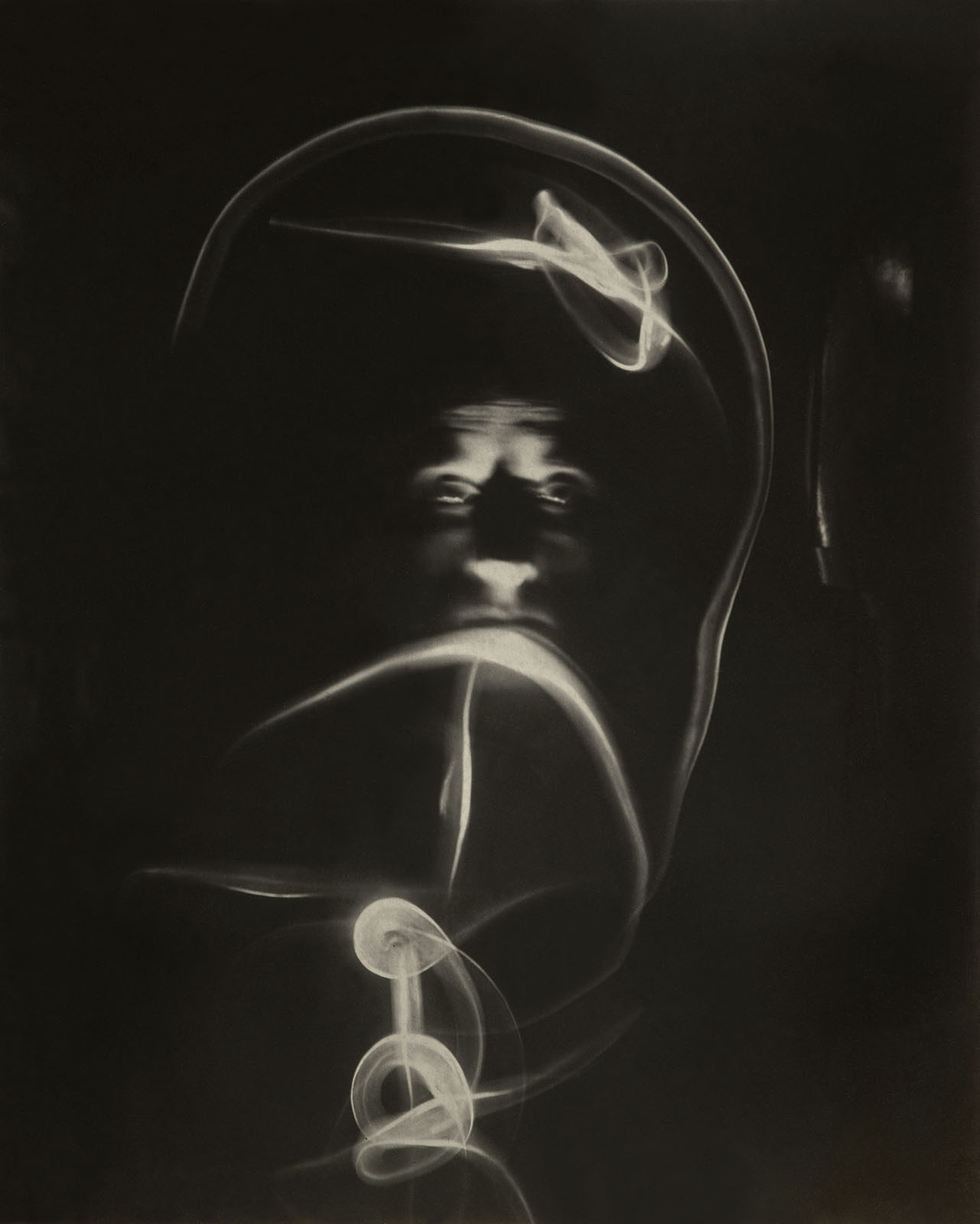

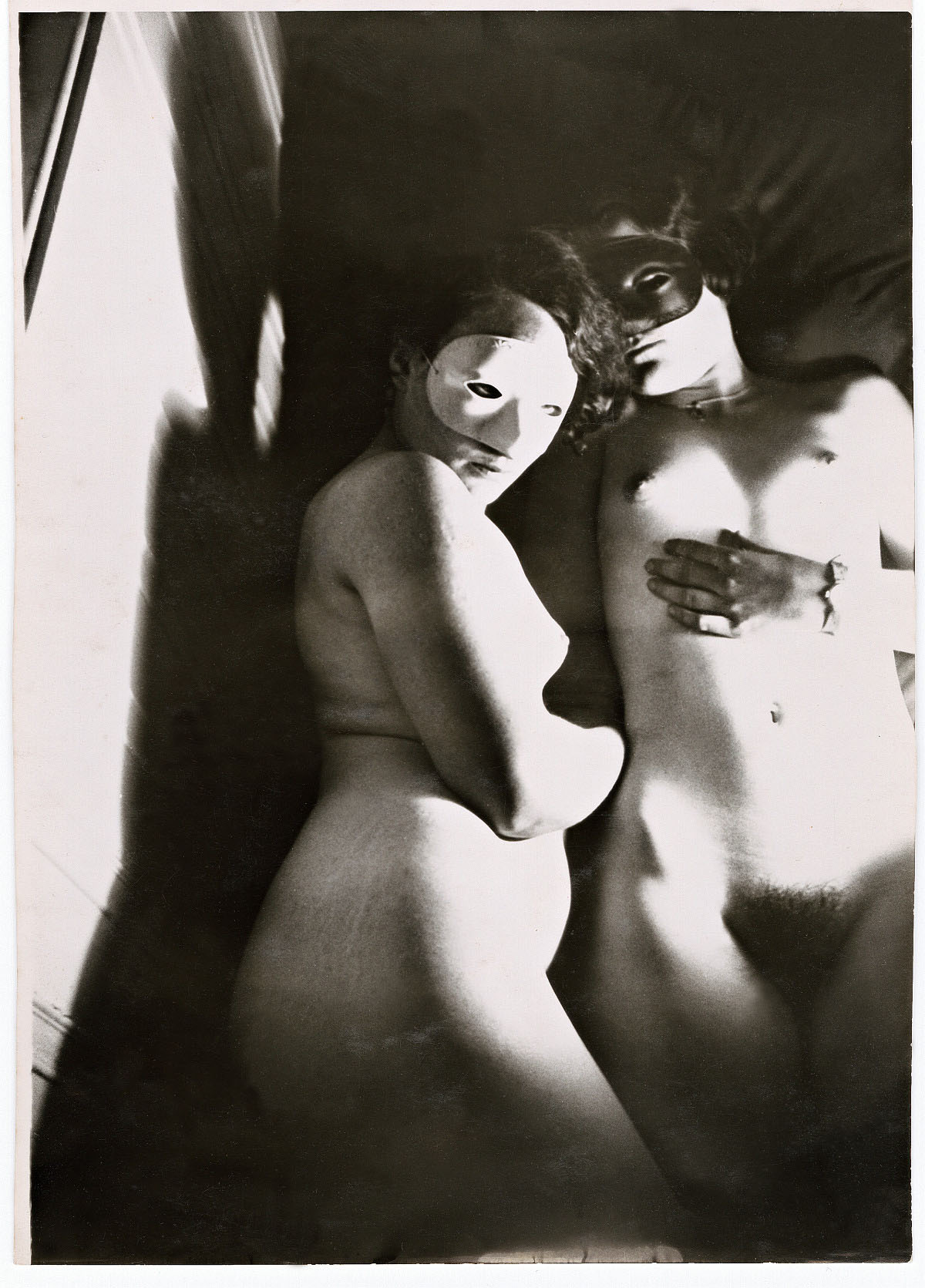


 Art Blart _ art and cultural memory archive
You must be logged in to post a comment.