Look at the “colour” of the Parmesan cheese in Strand’s photograph Parmesan, Luzzara (1953, above). If we think of Ansel Adam’s ‘Zone System’ (the 11 zones in the system from 0-10) where pure black is Zone 0, mid grey (the colour of a Kodak Grey Card) is Zone 5 and pure white is Zone 10… then in “real life” the colour of the wheel of Parmesan would fall in about Zone 5. But what does Strand do? He places the “colour” of the Parmesan wheel in Zone 2-3, much darker than in real life.
In Strand’s “continuous search for a photographic formalism” – that is, the most important aspect of the photograph being its form, the way it is made and its purely visual aspects rather than its narrative content or its relationship to the visible world – then we would ignore Strand’s moving zones, his dark, brooding cheese.
I think not.
Strand’s formalism does not stand alone, for his photographs breathe the subject he is photographing. They are not just surfaces (which is what formalism is), for the viewer is invited to imbibe (absorb or assimilate (ideas or knowledge)) of the intensity and feeling of the culture and people from which these photographs emerge. Feel the intensity of the gaze of Young Boy, Gondeville, Charente, France (1951, below). Imagine placing yourself in the ethereal space of Tir a’Mhurain, Isle of South Uist, Outer Hebrides (1954, below). Dark cheese.
Strand’s photographs are formal and yet they contain a luminiferous ether/real – transmitting light, but also acting as a medium for the transmission and propagation of spirit.
Dr Marcus Bunyan
Many thankx to the Fondation Henri Cartier-Bresson for allowing me to publish the photographs in the posting. Please click on the photographs for a larger version of the image.
Through each trip, Paul Strand tries to tell the real life of people: humble people, affected by wars, bad weather, diseases, oppressive regimes… The artist highlights those who fight for their freedom, for their happiness. Touching stories, which give all their power to these photographs.
Art and documentary research, social and political involvement and the desire to remain objective: these ambivalences bring great strength to Paul Strand’s work. It is these opposing imperatives that make his photographs so interesting, so exciting for us as viewers.
The Fondation HCB offers a new perspective on the work of American photographer Paul Strand (1890-1976) from the collections of the Fundación MAPFRE, Madrid. While Strand is often celebrated as a pioneer of straight photography, this exhibition also addresses the deeply political dimension of his work.
Interview de Clément Chéroux sur l’exposition Paul Strand ou l’équilibre des forces
In the mid 1910s Paul Strand produced a series of images of New York portraying a truly genuine perspective of the city. Strand, a young photographer at the time, connected with modern art and incorporated some of its tendencies into a series of unprecedented views of the metropolis. Anticipating Straight Photography, he made images that distanced themselves from the precepts of Pictorialism through a direct portrayal of reality.
His photographs rapidly found favourable reception within the pages of Camera Work, the legendary magazine directed by Alfred Stieglitz who dedicated the last two issues of the publication to Strand’s compositions. Almost half of the images that appeared were close-up portraits shot with a rudimentary system that allowed Strand to photograph his subjects without them noticing. These surprising shots offered a lively perspective of the city and focused on some of its figures, who were marginal albeit ubiquitous, and seldom represented. With this attention to the periphery of urban life, Strand manifested his commitment to reality rooted in the example of his mentor Lewis Hine.
Blind Woman is one of the most iconic images in the history of North American photography. Published in 1917 by Stieglitz it combines the compositional strength and sharp clarity characteristic of Strand’s work.
Text from the Fundación MAPFRE Collections website
The Fondation HCB offers a new perspective on the work of American photographer Paul Strand (1890-1976) from the collections of the Fundación MAPFRE, Madrid. While Strand is often celebrated as a pioneer of straight photography, this exhibition also addresses the deeply political dimension of his work.
“Opposites are cured by opposites,” goes the saying. American photographer Paul Strand (1890-1976) was heir to two great traditions in photography, often presented as opposed. He had a formalist approach that sought to prove photography an art, and a social approach, which saw photography as more of a documentary instrument serving political ends. Perhaps this is explained by the fact that Alfred Stieglitz and Lewis Hine, who occupy the two poles in photography history, were both Strand’s mentors in his formative years.
While in the mid-1910s Strand photographed faces of the people on the streets of New York, the first period of his work is especially marked by formalism. In 1917, when Stieglitz dedicated the latest issue of his famous magazine Camera Work to Strand, it was above all to show that photography had its own artistic language. Starting with a journey to Mexico City (1932-1934), then Moscow (1935), his approach became more political. He joined the American Labor Party and worked with more than twenty organisations classified “anti-American” during the McCarthy era, leading to his departure from the United States for France. Many of Strand’s choices were deliberated through this political conscience: his choice of subject, places he photographed, writers he worked with, the book as main vector for distributing his work.
In the past few decades, numerous exhibitions have been held on Strand focusing on his formalism. By no means minimising this perspective, the current project seeks to recontextualise Strand, emphasising the importance of his political commitments. Between formalist pursuits and social concerns, the two forces at work in his art are brought into balance here. If Strand often stands among the 20th century’s major photographers, it is precisely because he knew how to offer just equilibrium between the two poles.
The exhibition presents almost 120 prints from the collections of the Fundación MAPFRE, Madrid, the film Manhatta made by Paul Strand and Charles Sheeler in 1921 as well as several prints lent by the Centre Pompidou.
Biography
Born in 1890 in New York, Paul Strand entered the New York Ethical Culture School (ECS) in 1907 where he studied under Lewis Hine, who introduced him to the Photo Secession gallery, founded by Alfred Stieglitz at 291 Fifth Avenue. Stieglitz had an important influence on Paul Strand’s work from the beginning. In 1916, his work was published for the first time in Stieglitz’s magazine, Camera Work, of which he was an avid reader, and then exhibited at 291 in the exhibition Photographs from New York and Other Places. During the war, Paul Strand worked as a hospital radiographer and, after his close-ups of machines, began to take an interest in surgical technique. In 1919 he travelled to Nova Scotia in Canada where he photographed his first landscapes and rock piles.
In 1921, Paul Strand made the film Manhatta with the photographer and painter Charles Sheeler. Between 1925 and 1932, various exhibitions of his work were shown in New York galleries. He travelled to Mexico from 1932 to 1934, during which time he had a solo exhibition at the Sala de Arte in Mexico City, was appointed Head of Film and Photography at the Mexican Secretariat of Education, and directed the film The Revolts of Alvarado (Redes) for the Mexican government.
Paul Strand travelled to the USSR in 1935, where he met Sergei Eisenstein. He then joined the Nykino group, around Leo Hurwitz, Ralph Steiner and Lionel Berman. Two years later, he became president of Frontier Film, a non-profit educational film production company, with former Nykino members.
In 1943, Paul Strand returned to photography after more than ten years in the film industry. In 1945, MoMA gave him a solo exhibition. From 1949 to 1957, the photographer undertook several trips to Europe, from which several books were written, and began an exile outside the United States, which coincided with the period of McCarthyism. He settled in Orgeval, France, where he remained until his death in 1976.
Press release from the Fondation HCB
Manhatta (1921) | Paul Strand – Charles Sheeler
In 1920 Paul Strand and artist Charles Sheeler collaborated on Manhatta, a short silent film that presents a day in the life of lower Manhattan. Inspired by Walt Whitman’s book “Leaves of Grass,” the film includes multiple segments that express the character of New York. The sequences display a similar approach to the still photography of both artists. Attracted by the cityscape and its visual design, Strand and Sheeler favoured extreme camera angles to capture New York’s dynamic qualities. Although influenced by Romanticism in its view of the urban environment, Manhatta is considered the first American avant-garde film.
In 1945 a major exhibition dedicated to the work of Paul Strand took place at the Museum of Modern Art in New York that included 172 photographs, becoming the greatest retrospective devoted to a photographer to date. The project was conceived by Nancy Newhall, Head of the Department of Photography at the institution, who during the show’s preparation proposed to collaborate with Strand on a book about New England, a region located in the northeastern United States.
For a little over a month and a half Strand travelled with his camera throughout the region. His previous experience in Mexico had provided him with an attentive eye for capturing the social and cultural reality of the territory; in this instance through photographs of landscapes, diverse forms of architecture, and through his characteristic portraits. Resulting from this process his first photobook, Time in New England, was published in 1950, with texts by Nancy Newhall. The project’s outcome and his successful collaboration with Newhall inspired Strand to initiate a series of publications that coincided with a growing demand for travel books.
Text from the Fundación MAPFRE Collections website
In 1950 Paul Strand left the United States due in great measure to the increasingly hostile social and political environment generated by the “witch hunt” of McCarthyism. Together with Hazel Kingsbury, who would become his third wife, Strand arrived in France. After their wedding that following year, they traveled the country together. Resulting from this journey and following the format of joining image and text that was established in his book Time in New England, the artist produced La France de Profil [France in Profile] in 1952. The book was published by renowned Swiss publisher Guilde du Livre, with texts by the writer and poet Claude Roy, whose points of view on the social reality and the ethical commitment of artists coincided with Strand’s.
In Café Planchon Paul Strand presents a rhetoric characteristic of the avant-garde, one of texts that belie the visual reality they attempt to portray, which grants them an inevitable and warm ironical distance. The image also contains a sense of artistic joy that is not merely related to the formal composition but is manifested in the proliferation of the vegetation, in the tactility of textures, and in the charming gradation of light that is finally enveloped by shadow. The richness of the image arises as a result of the photographer’s attention to this particular reality, which is celebrated in the book, as well as his technical prowess and the dedication he poured into the prints made in the darkroom.
Text from the Fundación MAPFRE Collections website
In 1952 Paul Strand published La France de profil [France in Profile] which included the photographs he took during his trip throughout the country. With texts by Claude Roy, the book was published by Swiss publisher Guilde du Livre, which had been producing a collection of travel books since the 1940s containing texts by well known writers such as Paul Éluard and Jacques Prévert, and photographs by artists such as Robert Doisneau and Michel Huet.
In a similar fashion to how he had articulated a unique perspective far from the hegemonic exoticising of Mexico during the 1930s, Strand portrayed France in a way that did not settle on its most picturesque features. As inferred by the title, the series is an oblique perspective on the territory materialised through an assortment of images that are arranged in a singular style. Towns, landscapes, examples of vernacular architecture, and faces of elderly people and fishermen appear next to photographs detailing small objects that – beyond their documentary value – join the artistic language of images while simultaneously evoking the time that is inscribed within them.
Young Boy captures the characteristic intensity of the gamut of black and white hues in Strand’s work. The beauty hidden within the heroic ruggedness of the boy’s face, emphasised by the artist’s treatment of light, exemplifies the way in which Strand’s attention to the artistic values he upholds effectuates his political commitment.
Text from the Fundación MAPFRE Collections website
Throughout the 1960s, during the Cold War, Paul Strand continued his documentary work traveling to different socialist countries such as Romania, Egypt, and Ghana. As evidenced by the series of photobooks that he published, Strand’s perspective on these realities is translated into portraits, landscapes, and images of the communities’ daily life and their objects. Nevertheless, although direct references to political issues are eloquently scarce in his photographs, some elements can be observed that subtly point to the positive aspects of the revolutionary processes occurring in these countries.
Such is the case of the portrait of Anna Attinga Frafra – included in Ghana: An African Portrait (New York, Aperture, 1976) – in which the simplicity of the composition points to one dissonant element: the books balanced on the girl’s head. The symbolic character of the image serves as a reference to the literacy and education campaigns planned for the Ghanaian populations, which included women, and has an undoubtedly, albeit subtle, propagandistic nature. Nevertheless, the photograph makes sense and coexists seamlessly with the other images that make up the series. As a whole, they offer a vision that is an alternative from ethnographic typology, incorporating the reality of the aspirations, efforts, and hopes of the community without becoming crude propaganda.
Text from the Fundación MAPFRE Collections website
300,000 lire, 10 sheets, 10 pillowcases, 10 towels, 10 parures and the bedroom are not enough to marry me, you can’t do less. He has to go into the army, otherwise we’d get married right away even if there’s little work. This year he has done less than a thousand hours of work.
Text by Zavattini, photographs by Paul Strand, Turin, Einaudi, 1955, p. 73
Exhibition dates: 3rd October – 30th December, 2022
Curator: Thomas O’Callaghan, Image Specialist for Spanish Art, National Gallery of Art, Department of Image Collections
Juan Laurent (1816-1886, photographer) Panorama of Ávila c. 1870 Albumen silver photograph Madrid: J. Laurent (firm) National Gallery of Art Library, Department of Image Collections
Another eclectic posting… this time, wonderful early photographs of the people and places of Spain.
Dr Marcus Bunyan
Many thankx to the National Gallery of Art for allowing me to publish the photographs in the posting. Please click on the photographs for a larger version of the image.
Rafael Garzón Rodríguez (1863-1923, photographer) Retablo (Altar) by F. de Borgoña, Capilla Real, Granada c. 1890 Gelatin silver DOP photograph Granada: Rafael Garzón (firm) National Gallery of Art Library, Department of Image Collections
A distant land celebrated for its fusion of cultures, Spain in the time of John Singer Sargent (1856-1925) fascinated many. As railroads began crisscrossing the sun-drenched countryside, more visitors could reach more places. Artists like Sargent went to explore: he studied works by Spanish masters, viewed architecture and gardens – with their rich blend of influences, and encountered a land and people that fuelled his creative imagination. A craze for all things Spanish ensued, especially in the United States, where many Spanish artworks entered private collections.
A vibrant visual culture emerged in Spain as commercial photographers such as Juan Laurent established studios that catered to the influx of visitors. As this imagery was collected and dispersed, it entered the popular imagination and defined the region in ways that still influence us today. These materials – the period postcards, fine photographs, and albums – allow us to see Spain as Sargent did, from its landscapes, architecture, and art to its music, dance, and costumes.
Photography and Travel in Sargent’s Spain draws upon photographs and printed matter in the Department of Image Collections of the National Gallery of Art Library. This exhibition is held in conjunction with Sargent and Spain.
Organised by the National Gallery of Art, Washington
This exhibition is curated by Thomas O’Callaghan, Image Specialist for Spanish Art, National Gallery of Art, Department of Image Collections.
Text from the National Gallery of Art website
Juan Laurent (1816-1886, photographer) Tudela to Bilbao: Logroño Railway Station 1865 Albumen silver photograph Madrid: J. Laurent (firm) National Gallery of Art Library, Department of Image Collections
The Compañia de Ferrocarril de Tudela a Bilbao began construction of this railway line in northern Spain in 1857 and finished it in 1863. Two years later, the company commissioned Juan Laurent to document the newly completed line. Laurent photographed the iron tracks, viaducts and rural stations, including this view of the Logroño station, during the two-month-long project that culminated in a final presentation album for the company. With the arrival of the first railroads in Spain in 1848, the Spanish writer Modesto Lafuente (1806-1866) observed: “There is poetry in the little stations where a slow train stops for a long time, on a scorching summer morning; the sun fills everything and blinds the distances; everything is still; some birds sing in the acacias in front of the station; down the lonely, dusty road, a solitary carriage makes for the town, which stands out for its pointed bell tower with a black slate roof. Those other stations near the old cities have poetry, to which on Sunday afternoons, during the twilight, the girls go out for a walk and wander slowly along the platform, arm in arm, peering curiously at the passengers from other places inside the cars. Finally, the arrival of the train, at dawn, at a station in the provincial capital has poetry; after the first moment of arrival, the travellers who were waiting comfortably amid a profound silence, the snort of the locomotive is once again heard; a long voice sounds; the train starts moving again; and there, in the distance, in the darkness of the night, in these dense and deep hours of the morning, the dim, mysterious flicker of the little lights that shine in the sleeping city can be glimpsed: an old city, with narrow alleys, with a vast cathedral, with a dilapidated inn, into which now, rousing the waiter from his drowsiness, a newly arrived traveler is about to enter, while we ride the train away through the black countryside, contemplating the flickering of those little lights that lose themselves and arise anew, and end up completely disappearing.” (quoted in José Martínez Ruiz (Azorín), Castilla, Editorial Biblioteca Nueva, 1912, pp. 37-38)
Juan Laurent, noted French photographer, established a studio in Madrid in 1856. He is recognised for his architectural and landscape scenes of Spain and Portugal as well as his extensive documentation of the collections of the Prado Museum and the Royal Armory in Madrid. By the 1860s he was the proprietor of Laurent y Cia, the largest photographic publishing house in Spain. Laurent’s prints and albums were marketed to a wealthy clientele through his gallery in Paris and distributed in England by Marion & Co. of London. (Hannavy, Encyclopedia of Nineteenth-Century Photography, vol. 2, pp. 829-830).
This mounted photograph may have been sold from one of Laurent’s sales outlets for inclusion in an album. Laurent later commercialised this image in stereoscopic view and large format.
Text from the National Gallery of Art Library
Joseph Lacoste (1872 – c. 1930, photographer) Albumen silver photograph of Diego Velázquez’s Prince Baltasar Carlos on Horseback (1635-1636) 1900/1915 Madrid: J. Lacoste (firm) National Gallery of Art Library, Department of Image Collections
Baltasar Carlos gallops through the rolling Guadarrama mountain landscape near Madrid with an aristocratic bearing befitting a crown prince of the Spanish empire. Starting with the shocks of the empire’s dissolution, however, Spanish intellectuals of the 1860s and 1890s embraced Velázquez and Goya for being the first artists to paint the natural landscape of Castille. For these scholars, the arid landscape revealed the very heart of Spanish identity. Moreover, it was the key to Spain’s revitalisation, especially after the heartbreaking losses of the Spanish-American War of 1898. As a result of the newfound reclamation, the Spanish reformed Free Institution of Education (ILE) began emphasising the study of landscape painting and scientific disciplines like geography and geology. In addition, it encouraged the students to make excursions into nature. Likewise, it offered new art history courses that celebrated Velázquez and Goya for significantly including the Guadarrama mountains of central Spain in their paintings.
Joseph Jean Marie Lacoste y Borde was a French-born photographer who moved to Spain in 1894. He took over Laurent y Cía. from Juan Laurent’s stepdaughter Catalina Dosch de Roswag in 1900, and ran it up to the First World War, when he was drafted by the French armed forces. During the time he ran the company, he was, like Juan Laurent before him, an important photographer at the Museo del Prado. Many early Prado catalogues are printed with Lacoste images. Though he now controlled all the old Laurent negatives of the museum’s collections, Lacoste photographed the collections again, using the new gelatin dry plate process for his negatives. The dry plate process more faithfully rendered the true colours of the paintings in the scale of grey values than the old collodion wet plate process. The collodion process reproduced reds in nature, for example, as dark grey, even black. The smaller scale of this photograph as well as the more faithful reproduction of grey values suggest that it was printed from a gelatin negative made by Lacoste sometime after 1900.
Juan Laurent, noted French photographer who resided in Spain for 43 years, established a studio in Madrid in 1856. He is recognised for his architectural and landscape scenes of Spain and Portugal as well as his extensive documentation of the collections of the Prado Museum and the Royal Armory in Madrid. By the 1860s he was the proprietor of Laurent y Cia, the largest photographic publishing house in Spain. Laurent’s prints and albums were marketed to a wealthy clientele through his gallery in Paris and distributed in England by Marion & Co. of London. (Hannavy, Encyclopedia of Nineteenth-Century Photography, vol. 2, pp. 829-830).
This rare photograph is from A222, vol. 6. (loose photographs only). The six volumes comprising A222 have photographs of paintings, sculpture, architecture, archeological sites, streetscapes and landscapes of Italy and elsewhere on the “Grand Tour.” 514 are mounted in albums, and 59 are individually matted. Of these 59, many, like this albumen silver print of the Velázquez painting in the Prado, are dry-stamped “J. Lacoste – Madrid”, and two (of Murillo paintings) are dry-stamped with an interlaced J L & C monogram, which was an earlier iteration used by the Lacoste company.
Text from the National Gallery of Art Library
Charles Mauzaisse (1823-1885, photographer) The Court of the Lions, Alhambra, Granada 1862 Albumen silver photograph National Gallery of Art Library, Department of Image Collections
The Nasrid sultan Muhammad V (died 1391) conceived the Court of the Lions in his Garden Palace in the Alhambra as a paradisal garden, with sunken flowerbeds and waterways symbolising the rivers of Paradise, and pillars representing palm trees growing in an oasis. The court with its alabaster fountain supported by twelve stone lions taken from a Caliphal palace in Córdoba has become synonymous with the Alhambra.
Charles Mauzaisse was a French painter and the son of a painter. He emigrated to Spain in 1857 and signed the visitors’ log at the Alhambra on the 29th of January. After a peripatetic period traveling through southern Spain, he settled in Granada permanently, becoming one of the city’s few foreigners to become a local professional photographer. As a portrait photographer, he offered his clientele their likenesses on oilcloth, paper, glass, and ivory. He soon expanded his repertoire to views of the city and its architectural monuments, especially the Alhambra, catering to foreign visitors’ whims and custom requests and the booming tourist trade. In 1862, he returned from a visit to France with the latest advances in the photographic field.
From this date to the beginning of the 1880s, he made many photographs. However, their dispersal has left scant remnants in public collections. The Royal Palace in Madrid owns an album with 40 of Mauzaisse’s photos. He dedicated it to María de las Mercedes de Orleans y Bórbon on her marriage in 1878 to King Alfonso XII of Spain. Mauzaisse’s photography conjoined with his activity as a painter. Art deeply entered him as the son of Jean-Baptiste Mauzaisse (1784-1844), a prolific if minor French artist. By 1870, Charles established himself as a painter as well as a photographer in the Alhambra. He reportedly maintained close contact with French artists like Henry Regnault (1843-1871), whom he entertained on his way to Morocco. Recent research has shown that Gustave Doré used photos by Mauzaisse as the basis for his engraved illustrations in several publications.
In July 1871, Mauzaisse photographed the Fortuny-Madrazo family in the Alhambra when they gathered in Granada to celebrate the birth of Fortuny’s son, Mariano Fortuny y Madrazo. Unfortunately, Charles Mauzaisse may have died in the cholera epidemic that swept through Andalucía in 1885.
Text from the National Gallery of Art Library
Juan Laurent (1816-1886, photographer) The Palace of Monserrate, Sintra, Portugal 1869 Albumen silver photograph Madrid: J. Laurent (firm) National Gallery of Art Library, Department of Image Collections
“Sargent swept over America in a cloud of glory, and the dust never settled; it was stirred up even more, eagerly anticipating his return when he left for Spain. He wrote to Mrs. Gardner from Madrid (16 June [1903]), ‘I am leaving Madrid for Portugal and out of the way places and am not likely to be back for three weeks or a month’.” (Stanley Olson, John Singer Sargent: His Portrait, New York, St. Martin’s Press, 2001, p. 227)
Architect James Knowles designed this eclectic palace in 1858 for Francis Cook, the 1st Viscount of Monserrate, a wealthy British textile merchant, industrialist, and great art collector. Knowles modified an existing Neo-Gothic mansion built in the late 18th century on the ruins of an ancient chapel and added a curious mixture of Neo-Manueline, Neo-Mudéjar, Neo-Mughal, and Neo-Renaissance design elements. The result is an example of the innovative Romantic architecture that thrived in Sintra. The Portuguese court established a luxurious summer retreat in Sintra with views of the Atlantic from the cool foothills north of Lisbon. In 1809, the poet Byron visited the site of the future palatial villa and published his impressions of its natural beauty in his poem Childe Harold’s Pilgrimage. Francis Cook installed a large botanical garden on the property that is still renowned for its diverse and exotic plants and trees. In the Laurent photo, the tops of Araucaria conifers native to Chile rise in the lower left corner.
Juan Laurent, noted French photographer, established a studio in Madrid in 1856. He is recognised for his architectural and landscape scenes of Spain and Portugal as well as his extensive documentation of the collections of the Prado Museum and the Royal Armory in Madrid. By the 1860s he was the proprietor of Laurent y Cia, the largest photographic publishing house in Spain. Laurent’s prints and albums were marketed to a wealthy clientele through his gallery in Paris and distributed in England by Marion & Co. of London. (Hannavy, Encyclopedia of Nineteenth-Century Photography, vol. 2, pp. 829-830).
The collodion glass negative used to print this photograph is in the Ruiz Vernacci photo archive in the Spanish Culture Ministry in Madrid; VN-06923.
Text from the National Gallery of Art Library
Juan Laurent (1816-1886, photographer) The Fountain of Narcissus, Garden of the Prince, Palace of Aranjuez c. 1880s Albumen silver photograph printed from a Gramstorff collodion negative Boston: Soule later Gramstorff Art Publishing (firm) copying 1863 photograph by J. Laurent National Gallery of Art Library, Department of Image Collections
This small nineteenth-century albumen print is from the Gramstorff Collection. The department of image collections also has the collodion glass plate negative used to print it (Gramstorff 5754). The Soule (later Gramstorff) Art Publishing Company of Boston (active 1859 – c. 1906) was a purveyor of art, architecture, and topographical photographs specialising in Europe and the American West. The Soule Company acquired original photos from American and European art publishers and then copied them in their Boston workrooms for distribution in the United States. This small-format photograph is a copy by Soule of a larger albumen photograph by the Juan Laurent company of Madrid and Paris. However, the Madrid company may not have authorised Soule’s copies of original Laurent photographs for sale in the United States.
Photographers during this period followed murky standards, and John Soule appears to have been no exception, publishing images by other American photographers without crediting them. The Laurent company found it necessary to file a legal injunction to remedy a piracy case in Cádiz in 1883. Glass negative 5754, like many others in the Gramstorff Collection, is double printed with the same image.
Juan Laurent, noted French photographer who resided in Spain for 43 years, established a studio in Madrid in 1856. He is recognised for his architectural and landscape scenes of Spain and Portugal as well as his extensive documentation of the collections of the Prado Museum and the Royal Armory in Madrid. By the 1860s he was the proprietor of Laurent y Cia., the largest photographic publishing house in Spain. Laurent’s prints and albums were marketed to a wealthy clientele through his gallery in Paris and distributed in England by Marion & Co. of London. (Hannavy, Encyclopedia of Nineteenth-Century Photography, vol. 2, pp. 829-830).
During Laurent’s 1863 photographic campaign in Aranjuez, he remembered that earlier French travel writers had considered the gardens of the royal palace there particularly lovely. In 1855, author Antoine de Latour described the palace as the ‘Versailles of Madrid’ and its gardens as spring oases. In his photo of the Garden of the Prince, Laurent seems to signal its similarity with French palace gardens.
Text from the National Gallery of Art Library
Juan Laurent (1816-1886, photographer) Patio of the Acequia in the Generalife, Granada c. 1881 Albumen silver photograph Madrid: J. Laurent (firm) National Gallery of Art Library, Department of Image Collections
The narrow rectangular canal (acequia) with water jets pictured in this photograph was one of the primary conduits for the Alhambra’s water supply. The Nasrids, after diverting water from the Darro River six kilometres away, brought it by aqueduct to the Generalife, the summer palace in the cool woods above the Alhambra. From its entry point in the Generalife, the water fell to the main complex of palaces, buildings, and gardens below. The system was a marvel of Arab hydraulic engineering.
Text from the National Gallery of Art Library
Casiano Alguacil Blázquez (1832-1914, photographer) Inhabitants of Toledo c. 1880s in Spain: Toledo, Cordova, Granada, Seville, Valencia, Barcelona (1879/1894?), plate 23 from first of two albums of 189 albumen silver photographs Madrid: J. Laurent (firm) National Gallery of Art Library, Department of Image Collections
Casiano Alguacil Blázquez (1832-1914, photographer) Inhabitants of Toledo c. 1880s in Spain: Toledo, Cordova, Granada, Seville, Valencia, Barcelona (1879/1894?), plate 24 from first of two albums of 189 albumen silver photographs Madrid: J. Laurent (firm) National Gallery of Art Library, Department of Image Collections
Casiano Alguacil Blázquez (1832-1914, photographer) Inhabitants of Toledo c. 1880s in Spain: Toledo, Cordova, Granada, Seville, Valencia, Barcelona (1879/1894?), plate 25 from first of two albums of 189 albumen silver photographs Madrid: J. Laurent (firm) National Gallery of Art Library, Department of Image Collections
Casiano Alguacil Blázquez (1832-1914, photographer) Inhabitants of Toledo c. 1880s in Spain: Toledo, Cordova, Granada, Seville, Valencia, Barcelona (1879/1894?), plate 58 from first of two albums of 189 albumen silver photographs Madrid: J. Laurent (firm) National Gallery of Art Library, Department of Image Collections
Juan Laurent (1816-1886, photographer) Inhabitants of Quero, Toledo Province 1878 in Burgos, Madrid, Toledo, Escorial, Cordoba y Sevilla (1878/1890), plate 58 from album of 103 albumen silver photographs Madrid: J. Laurent (firm) National Gallery of Art Library, Department of Image Collections
T. E. Mott (active 1910s – 1920s, photographer) John Singer Sargent’s “El Jaleo” (1882) in the Spanish Cloister, Fenway Court c. 1922 Gelatin silver DOP photograph from an album of 55 views of the Isabella Stewart Gardner Museum, Boston Boston: Thomas E. Mott & Son (firm) National Gallery of Art Library, Department of Image Collections
J. E. Purdy (1859-1933, photographer) John Singer Sargent 1903 Cabinet card-mounted gelatin silver DOP photograph Boston: J. E. Purdy (firm) National Gallery of Art Library, Department of Image Collections Hertzmann Collection of Photographs of American Artists
National Gallery of Art National Mall between 3rd and 7th Streets Constitution Avenue NW, Washington
With gratitude, I admire the photographs of Robert Adams. I admire their perspicuous (“clear, lucid”, able to be seen through) and perspicacious (“keen, astute,” able to see through) nature.
They imbibe (“absorb, assimilate,” ideas or knowledge) in us “the wonder and fragility of the American landscape, its inherent beauty, and the inadequacy of our response to it… [they] capture the sense of peace and harmony that the beauty of nature can instill in us – “the silence of light,” as he calls it… [and they] question our silent complicity in the desecration of that beauty by consumerism, industrialisation, and lack of environmental stewardship… While these photographs lament the ravages that have been inflicted on the land, they also pay homage to what remains.”
Like so many photographers of the American landscape, Adams’ debt to the vision of Walker Evans can be seen in his early work, in images such as Movie Theater, Otis, Colorado (1965, below) and Catholic Church, Summer, Ramah, Colorado (1965, below) – but even in images such as Wheat Stubble, South of Thurman, Colorado (1965, below) we can begin to see the beginnings of Adams personal artistic signature, the quiet of “the great beyond” (both physically and spiritually).
In modernist photographs that step off from Walker Evans’ legacy, Adams quiet, still photographs require of the viewer contemplation and reflection… reflection on the isolation of tract housing seemingly dropped into the vast American landscape. In these photographs (such as the two photographs Newly Occupied Tract Houses, Colorado Springs, 1968 below) Adams’ use of near/far is exemplary, with the nearness of the new excavation, the new scarring of the earth, contrasting with the sublime majesty of the mountains beyond. Other more personal psychological scarring can be seen in the two photographs Colorado Springs (1968-1971, below) where single, isolated, anonymous human beings are occluded in silhouette or shadow, damned by the hot sun.
In other photographs houses become like fossilised dinosaur skeletons, their graves marked by ironic street names such as Darwin Pl. (Frame for a Tract House, Colorado Springs, 1969 below), or multiply across the landscape, breeding like some genetically identical sequence (Pikes Peak Park, Colorado Springs, 1969, below). Even petrol stations blare out the name “Frontier” as though to irrevocably define that here we live on the edge of nowhere. And so it goes in Adams’ work… isolated people living in a barren landscape being colonised and inhabited without much thought for the beauty or the destruction of the landscape.
From the mid-1970s onwards, Adams’ landscape photographs begin to eschew all but the smallest pointers to human habitation, but this makes these human marks on the landscape all the more intrusive because of it. For example, in the photograph of the vast landscape South of the Rocky Flats Nuclear Weapons Plant, Jefferson County, Colorado (1976, below) the only markings of human activity are the tyre marks in the foreground and the telegraph poles, road and cars at far right… and then the title hits you with a double-whammy, “Rocky Flats Nuclear Weapons Plant”, not present in the photograph but present in our consciousness (of the landscape). Even less evidence of human existence is signalled in the photograph Missouri River, Clay County, South Dakota (1977, below), but then we notice at bottom left a discarded tin can, just a discarded tin can, but this one tin can says so much about our use and abuse of our only habitable planet, earth.
In image after image, roads scar the landscape, planes fly overhead, industry and housing colonise the sublime, and human beings hug and are alienated amongst concrete jungles and car parks. New development erodes the earth leaving behind the detritus of human existence. Old growth trees are slaughtered in clearcut operations in which every tree has been cut down and removed. A dead albatross rots on an expanse of beach (The Sea Beach, Albatross, 2015 below) while in the distance the photographer picks out 4 ghosts of human beings (The Sea Beach, 2015 below).
Adams’ photographic vision is extra ordinary and I cannot fault his individual photographs. I become engrossed in them. I breathe their atmosphere. He has a resolution, both in terms of large format aesthetic, the aesthetic of beauty and of using materials, light and composition… that seems exactly right. He possesses that superlative skill of few great photographers, and by that I mean: sometimes he has true compassion** / parallel to a religious compassion, but not based on something higher / just perfect human. In some of his photographs (such as East from Flagstaff Mountain, Boulder County, Colorado 1975, below) he possesses real forgiveness, in others there is the perfection of cruel, the perfection of de/composition.
** achieved by Arbus, Atget and sometimes by Clift, Gowin.
And then, each image holds small clues vital to the overall conversation that is the accumulation of his work and it is in their collective accumulation of meaning that Adams’ photographs grow and build to shatter not just the American silence on environmental issues, but the deafening silence of the whole industrialised world. In their holistic nature, Adams’ body of work becomes punctum and because of this his work produces other “things”, things as great as anything the French literary theorist, essayist, philosopher, critic, and semiotician Roland Barthes wrote about. As in Barthes’ seminal work Camera Lucida, Adams’ work reminds us that the “photograph is evidence of ‘what has ceased to be’. Instead of making reality solid, it reminds us of the world’s ever changing nature.”1
Human beings can never leave anything as they find it, they always have to possess and change whatever they see in a form of desecration (the action of damaging or showing no respect toward something holy or very much respected). Except human beings do not respect the only place that have to live on, this earth. When will it change?
As Alain de Botton observes on the importance of the sublime places to the human psyche,
“If the world is unfair or beyond our understanding, sublime places suggest it is not surprising things should be thus. We are the playthings of the forces that laid out the oceans and chiselled the mountains. Sublime places acknowledge limitations that we might otherwise encounter with anxiety or anger in the ordinary flow of events. It is not just nature that defies us. Human life is as overwhelming, but it is the vast spaces of nature that perhaps provide us with the finest, the most respectful reminder of all that exceeds us. If we spend time with them, they may help us to accept more graciously the great unfathomable events that molest our lives and will inevitably return us to dust.”2
We loose these places at our peril and the peril of the entire human race.
Dr Marcus Bunyan
1/ Anonymous. “Roland Barthes,” on the Wikipedia website Nd [Online] Cited 23/09/2022
2/ Alain de Botton. The Art of Travel. London: Penguin, 2002, pp. 178-179.
Many thankx to the National Gallery of Art for allowing me to publish the photographs in the posting. Please click on the photographs for a larger version of the image.
“Robert Adams’s photographs often seem to demand that viewers do a double-take. Seemingly ordinary subjects like tree stumps, tract housing or the moon seen from a parking lot “require very careful looking and careful consideration,” says curator Sarah Greenough, before they reveal the photographer’s deeply personal visions of nature – and, sometimes, his despair at what humans have done with it.”
For 50 years, Robert Adams (b. 1937) has made compelling, provocative, and highly influential photographs that show us the wonder and fragility of the American landscape, its inherent beauty, and the inadequacy of our response to it. This exhibition explores the reverential way he looks at the world around him and the almost palpable silence of his work.
Many of these photographs of the American West capture the sense of peace and harmony that the beauty of nature can instill in us – “the silence of light,” as he calls it, that he sees on the prairie, in the woods, and by the ocean. Other pictures question our silent complicity in the desecration of that beauty by consumerism, industrialisation, and lack of environmental stewardship. Divided into three sections – The Gift, Our Response, and Tenancy – the exhibition features some 175 works from the artist’s most important projects and includes pictures of suburban sprawl, strip malls, highways, homes, and stores, as well as rivers, skies, the prairie, and the ocean.
While these photographs lament the ravages that have been inflicted on the land, they also pay homage to what remains.
For 50 years, Robert Adams (b. 1937) has made compelling, provocative, and highly influential photographs that show the wonder and fragility of the American landscape, its inherent beauty, and the inadequacy of our response to it. American Silence: The Photographs of Robert Adams celebrates the art of this seminal American photographer and explores the reverential way he looks at the world around him and the almost palpable silence of his work. Organised in cooperation with the artist, the exhibition is accompanied by a fully illustrated catalog. American Silence: The Photographs of Robert Adams is on view from May 29 through October 2, 2022, in the West Building of the National Gallery of Art.
Capturing the sense of peace and harmony created through what Adams calls “the silence of light” that can be seen on the prairie, in the woods, and by the ocean, American Silence features some 175 pictures from 1965 to 2015. Other images on view question our moral silence to the desecration of that beauty by consumerism, industrialisation, and lack of environmental stewardship. Divided into three sections – The Gift, Our Response, and Tenancy – the exhibition includes works from not only the artist’s most important projects but also lesser-known ones that depict suburban sprawl, strip malls, highways, homes, and stores, as well as rivers, skies, the prairie, and the ocean. While these photographs lament the ravages that have been inflicted on the land, they also pay homage to what remains.
“The photographs in this exhibition encourage us to experience the sense of silence that the beauty of nature can inspire while asking us to question our own silent complicity in the face of its desecration,” said Kaywin Feldman, director of the National Gallery of Art. “We are deeply grateful to Robert Adams and his wife, Kerstin, for their steadfast commitment to this endeavour and for their many donations to the National Gallery. I would like to extend our thanks to the Trellis Fund, Jane P. Watkins, The Shared Earth Foundation, Randi and Bob Fisher, Wes and Kate Mitchell, Nion McEvoy, Greg and Aline Gooding, and the James D. and Kathryn K. Steele Fund for Photography whose generous support has made this exhibition possible as well as to all our lenders for their willingness to share their treasured works of art with our public.”
About the exhibition
The exhibition begins with The Gift, which presents selected works that reveal the silence, beauty, peace, and spiritual harmony found in the landscape itself. Spanning three decades, this section includes photographs from Prairie (1978), Perfect Times, Perfect Places (1988), Listening to the River (1994), Pine Valley (2005), and This Day (2011). These pictures demonstrate the artist’s exceptional ability to find the sublime in the vast vistas and quiet, often overlooked, corners of the sparse and fragile American West, particularly in Colorado and Oregon, two areas of the country that Adams knows intimately. Infused with a deep understanding of the way light articulates forms, these photographs illuminate the natural world and demonstrate how Adams seeks to illustrate, in his own words, “a quiet so absolute that it allows one to begin again, to love the future.”
The largest section of the exhibition, Our Response examines how Americans have dealt with both the potential and the vulnerability of the West. Divided into six thematic subjects arranged chronologically, this section begins with “Early Hispanic and Plains Communities,” including work from some of the artist’s earliest publications: White Churches of the Plains (1970), The Architecture and Art of Early Hispanic Colorado (1974), and Prairie (1978). These pictures portray the respectful nature of older settlements in the West and acknowledge the importance of the gravel roads, farmhouses, furrowed fields, stores, and churches. They also demonstrate how early settlers attempted to achieve a unity with nature, rather than dominate over it.
“Our Imprint on the Land” and “A New West” feature works from seminal early publications by Adams: The New West: Landscapes along the Colorado Front Range (1974), denver: A Photographic Survey of the Metropolitan Area (1977), From the Missouri West (1980), and What We Bought: The New World, Scenes from the Denver Metropolitan Area, 1970-1974 (1995). “Our Imprint on the Land” includes pictures made along the Missouri River around the time of the 1976 bicentennial of the United States, a moment of national reflection on the past and assessment of the present. The photographs in “A New West” address the construction of a new kind of American environment. Dominated by cars, highways, cheaply fabricated homes, and commercial developments, these pictures emphasise the lack of community and the great isolation that grew in these new suburban communities.
“Our Lives and Our Children” depicts the area near Rocky Flats, a nuclear weapons plant northwest of Denver, where Adams photographed the simple dignity of everyday people to illustrate what would be lost in a nuclear disaster. Our Response ends with “Southern California” and “A Mythic Forest,” drawing works from two of his sharpest critiques: Los Angeles Spring (1986), depicting the destruction of the fragile landscape around Los Angeles in the early 1980s, and Turning Back: A Photographic Journal of Re-exploration (2005), illustrating the American timber industry’s exploitation of the Northwest forests.
American Silence concludes with a selection of works from one of the artist’s recent books, Tenancy: Between the River and the Sea; The Nehalem Spit, the Coast of Oregon (2017). Divided into three parts, this series of photographs was made between 2013 and 2015 along a two-mile promontory on the Oregon coast, the Nehalem Spit. The first examines the eastern edge of the spit where massive tree stumps washed up on the shore reveal the brutality of the clearcutting done farther up the Nehalem River. The second part looks at the spit itself, a sanctuary of small trees, meadows, and dunes resting near a large geologic fault, and the third depicts the ever-changing beauty and wonder of the ocean to the west, as well as the people who seek “to escape illusion and to be reconciled,” as Adams noted. Tenancy illustrates his belief that we are only temporary occupants of the land that nourishes and sustains us, and it reveals the strength of his convictions, his deep spirituality, and the eloquent power of his vision.
Exhibition Catalog
Published by the National Gallery of Art and Aperture, New York, American Silence: The Photographs of Robert Adams traces the evolution of his work, highlighting the importance of faith to his art and – through his elegant visual reckonings – how “what was” has become “what is.” It is richly illustrated, with over 200 compelling photographs that explore the profound questions of our responsibility to the land and the moral dilemmas of progress. This extensive 332-page monograph includes award-winning curator Sarah Greenough’s in-depth examination of the evolution of his art as well as personal reflections by the celebrated nonfiction author Terry Tempest Williams and writings by Adams himself, along with a timeline of the artist’s life.
Press release from the National Gallery of Art, Washington
Robert Adams is a man who walks with silences. I feel the pace of his stride in the quiet, acute considerations of his photographs of the American West. That he is drawn to sources of light in darkness, be it the moon, the shimmering light on poplar leaves, or the lonely lamp radiating on to the streets from a house in the suburbs, inspires me to pursue my own night walks in summer. In the embrace of the night, my own darkness is absorbed into an uncommon stillness that does not frighten me. I see the eye-shine of other creatures and it is a comfort to know we are not alone.
The stillness married to loneliness in Adams work is something I understand as a westerner born in the suburbs of 1955. Though we have never met, he photographed my mother on one of his walks in Colorado Springs (1968) even though she was sitting in a different living room on Moor Mont Drive in Salt Lake City, Utah. …
The silhouette of the woman I see in the window, facing the door that is closed, in a red brick house, with a putting-green lawn, where a gentle curve of concrete leads to the entrance, is the home I was raised in as a child. I write this long sentence intentionally, because those were the days of my childhood that felt languid and secure.
This was the New West that Robert Adams captured in the middle of construction. We lived inside the green square houses used in the game Monopoly. But what we always knew was that beyond the dust of development and the play money that became real, wildness awaited us – even if it was the empty lot next door or the dirt road nearby that led to the creek shaded by cottonwoods.
Cottonwoods were the guardians of our childhood. They were deemed safe by our parents. They sheltered us from the heat of summer and the claustrophobia of winter. We knew their secrets. Inside their tangled skirts of lower branches families of house wrens lived and in the upper branches, great horned owls could be heard. The cottonwoods’ massive fluted trunks were our hide-and-seek. And if we gave our siblings a hand-stirrup up, we could climb into the large embrace of the trees. Once in the cottonwood’s arms, we were camouflaged in its rustling leaves – we would simply listen. It’s where I learned to trust other species more than my own. My love of solitude was nurtured inside these cathedral groves of cottonwoods.
The cottonwoods that appear in Weld County, Colorado (1992) and reappear throughout Adams’ work are emblematic of his intimacy and understanding of the American West. Cottonwoods root themselves near water. They are the wanderer’s hope in arid country. Water is the difference between living and dying in the West. And when Adams speaks of his affection toward one particular cottonwood in a field in Colorado, photographing it over many years, only to return one day to see it cut down – he faced what remained of the beloved tree as grieving kin. The body of a man, the body of a tree, there is no separation in the shared reach of a relationship. …
Robert Adams has been led by Beauty on what could be seen as the spiritual path of the artist as he followed forms of light again and again through the depths of darkness, even his own. Never easy, but often, glorious. We are the beneficiaries of his focus. He is a trustworthy companion. I choose to walk with him. Perhaps, he learned something about tenacious love as a form of being on those solitary summer nights as he walked in moonlight with an eye toward stillness.
Terry Tempest Williams. “Terry Tempest Williams on Walking with Robert Adams,” on the National Gallery of Art website May 19, 2022 [Online] Cited 31/05/2022, excerpted from the afterword by Terry Tempest Williams in the book American Silence: The Photographs of Robert Adams.
These views of the American West evoke a wide range of memories, myths, and regrets associated with America’s final frontier. In the nineteenth century, that frontier began at the Missouri River. Beyond it lay a landscape of natural grandeur and purity, challenging the spirit and promising redemption. At the time the pictures were made, the hand of man had not so much disfigured as domesticated that paradise, leaving its mark of intrusion almost casually, with the assurance of absolute triumph. Adams recorded this intrusion with neither judgment nor irony; the land he shows has simply been changed, reduced, made ordinary. Yet a second look makes it apparent that the hand of man has, after all, its limitations. The simple natural facts imposed upon by civilization still exert a mysterious counterforce: they abide, in a kind of triumph of resignation. That counterforce is present in all of Adams’s images, recognizable as the same silence and stillness that once summoned pioneers into a wilderness, and now summon their descendants to remember.
~ from the book Robert Adams: From the Missouri West
9.5 x 11.5 in, Hardcover First edition, 46 b&w photographs Aperture 1980
denver and What We Bought, together with The New West, form a loose trilogy of Robert Adams’s work exploring the rapidly developing landscape of the Denver metropolitan area from 1968 through 1974. In the former two books, Adams created a comprehensive document that was resolute in its avoidance of romantic notions of the American West and dispassionately honest about man’s despoliation of the land. Both books demonstrate the artist at the height of his powers as a documentary photographer and a poetic sequencer of images.
The photographs featured in denver and What We Bought show tract housing with mountain ranges in the distance, trailer lots devoid of people, suburban streets through generic windows, shopping mall interiors, and parking lots: subjects distinctly unspectacular, familiar, and banal. Adams’s compositions are straightforward and democratic, and it is this precise turn from sentimentality that has made Adams one of the most influential figures in the history of American photography.
~ the publisher
8 x 9.25 in., Hardbound 136 pages, 117 tritone illustrations Yale University Press 2009
Listening to the River is a celebration of anonymous places where we can still find nature’s beauty. Robert Adams first visited these particular locations as a boy, when the West seemed unchanging. Now in his fifties, he returns to them with the affection of a longtime acquaintance. The book records hushed walks when irrelevancies are forgotten, when sunlight makes the fields, hills, and roads new. Adams has chosen twelve poems by William Stafford to accompany the pictures. Both photographer and poet observe a practice of quiet in the out-of-doors, and both discover there a promise.
This is an optimistic book, though not a sentimental one: a number of the photographs record views of the suburban West. “Any tree in the path of development appears to have an uncertain future,” Adams observes. Listening to the River affirms, however, that trees and other elements of nature are ultimately protected. “Part of what their beauty means,” says the photographer, “is that they are safe.”
In 1989 Adams spoke at the Philadelphia Museum of Art about his enjoyment of the landscape, citing as an example his experiences at rural crossroads on the plains: “Sometimes there doesn’t seem to be anything there at all – just two roads, four fields, and sky. Small things, however, can become important – a lark or a mailbox or sunflowers. And if I wait I may see the architecture – the roads and the fields and the sky. Were you and I to drive the prairie together, and the day turned out to be a good one, we might not say much. We might get out of the truck at a crossroads, stretch, walk a little ways, and then walk back. Maybe the lark would sing. Maybe we would stand for a while, all views to the horizon, all roads interesting. We might find there a balance of form and openness, even of community and freedom. It would be the world as we had hoped, and we would recognize it together.”
~ the publisher
10 x 13 in, Hardcover Featuring poems by William Stafford; 176 plates Aperture 1994
Frank Hurley (Australian, 1885-1962) The Battalion 1917-1918 Gelatin silver print
Lawsons title, no text on back of print
Familiar yet strange: Frank Hurley’s First World War photographs
Most texts about the war photographs of Frank Hurley taken on the Western Front that I have read, focus on his use of multiple negatives to construct fantastical images of reportage, ‘Photographic Impression Pictures’ – combination prints – “pictures made to produce a realistic impression of certain events by the combined use of a number of negatives.” Hurley argued that it was impossible to capture the essence of what he saw in a single negative. He observed in the Australasian Photo-Review in 1919:
“None but those who have endeavoured can realise the insurmountable difficulties of portraying a modern battle by the camera. To include the event on a single negative, I have tried and tried, but the results are hopeless … Now, if negatives are taken of all the separate incidents in the action and combined, some idea may then be gained of what a modern battle looks like.”1
“Hurley desperately wanted to convey this horror through his photographs. He took many shots of the apocalyptic battlefields but was not content. While bleak, the stillness and shock of these images failed to communicate the cacophony of war. How was he to visually capture the ‘blinding sheet of flame; and the […] screaming shriek of thousands of shells’?”2
Hurley clashed with the official historian, Captain Charles Bean, about truth and photography. Bean was not convinced on the use of multiple negatives and referred to the images as ‘fakes’ but, on threat of resignation, Hurley stood his ground “and was not prepared to compromise for his art nor to fail in his duty to portray the horrors that he witnessed.”
These images formed a very small part of the work that Hurley produced in World War I and none are reproduced in this posting.
Personally I am more interested in Hurley’s “straight” photographs and in observing the minutiae within each image. By doing this we can began to invert Hurley’s idea of capturing the whole event on the battlefield on a combined “macro” multi-negative. What Hurley was actually doing in his ordinary photographs was making possible such a complete record through the accumulation of familiar yet strange “micro” observations on a single negative – creating “atmospheres” of existence that document incidents in the action, which formally work together to picture the whole.
For example in the photograph 48th Battalion awaiting orders to “Hop” in the Big Drive (18th July – 6th November 1917, below), Hurley uses a “near far” perspective, focusing the viewer’s eye along the perspective of the trench to the lone tree, building and standing figure vanishing point in the distance: but in the detail we can observe a man smoking a pipe, two men sewing and, to the right, what looks like a Very Pistol (or flare gun) – heavily used in both world wars – casually lying on a sandbag. The slight blur of the soldiers Brodie Mark I helmet at left indicates the length of the exposure, the physical length of that exposures existence. By observing the minutiae in this image the viewer can enter the space of the image and be fully present with these soldiers.
Other photographs offer more intriguing details that contribute to make the whole “picture” of the battlefield. Showing the cacophony and detritus of war, Australians Waiting to “go over” Passchendaele (18th July – 6th November 1917, below) also shows in the misty background the silhouette of one of those new fangled tanks that were making an appearance on the battlefield, probably knocked out or broken down as they usually were. In the photograph incorrectly titled by Lawsons, ‘Australians Waiting to “Go Over”‘ – its correct title being Members of the 13th Australian Field Ambulance at Passchendaele(1917, below) – we can observe a man holding a gas mask in his left hand; canisters of water and other belongings hanging from metal rods banged into the mud of the face of the trench; a big wooden stretcher standing vertically in the trench; and two of the men wearing an armband brassard with the words SB on them, indicating these men were stretcher bearers. Again, in the minutiae of elements, of detail, Hurley creates direct access to an “atmosphere” of the battlefield in all its dourness, mud and hollow-eyed soldiers staring grimly at the camera.
In the photograph Crew of 2 Gun, Royal Marine Artillery loading ‘Granny’, a 15 inch Howitzer (heavy artillery gun), near the Menin Road (4 October 1917, below), Hurley captures the balletic dance required to load a monster, death dealing gun… the heavy shells manoeuvred over to the gun with a chain and pulley rigged up beside the gun pit. Reminiscent of the group portraits of Rembrandt with their “dramatic use of light and shadow (tenebrism) and the perception of motion in what would have traditionally been a static military group portrait,”3 Hurley’s photograph features three acolytes with their heads bowed at right whilst in the centre three seemingly kneeling figures raise their eyes as if in a devotional Renaissance painting to observe Christ being raised, pulled by chains onto the cross which is suspended above them.
In Hurley’s observations of the world – quick, fleeting glances of destruction, not long fixed stares – we look, recognise and feel his need to recognise his objective… before we need to verbalise our objective, ‘clear-sighted’, unbiased ‘views’ of the subject matter. In Australian wounded on the Menin Road, near Birr Cross Road on September 20th, 1917 (September 20th, 1917, below), Hurley’s glass plate has cracked much like the world he was photographing. Clutching a blanket, a man on a stretcher in the foreground turns to look at the camera(man) while next to him a sergeant put his hand to his head. To his left another man is covered with a blanket so that we can only see his face from the nose upwards but we can observe he is staring towards the camera. Behind these grounded men is a maelstrom of movement picturing the violent turmoil of war – abandoned stretchers to the right; an upended lorry perched precariously at an angle; and walking wounded trudging past the seemingly endless line of injured and dead lying on the side of a muddy road in a decimated landscape. This photograph is but a tiny grain of sand on the head of a pin, here and then gone, for soon after Major George Heydon (the man in the sling in the centre of the photograph) had passed this point “a shell landed at that same spot killing many of the men on the stretchers.”4 Life recorded and then snuffed out, both in less than a second.
Hurley need not have worried about capturing the macro, the whole of any event, for this is an impossible task with any still camera. By it’s very nature the camera excludes whatever is outside its direct line of sight, its point of view… so it is always exclusory. But in freezing the micro/cosmos within any photograph what Hurley captures are intriguing, fleeting “atmospheres” where the contexts and conditions for creation have brought together disparate elements to create a visual whole, in this case a dance of death.
In my mind, Hurley’s war photographs are much like the later English photographer Bill Brandt’s landscape photographs. Despite the difference in subject matter, my feeling is that both Brandt and Hurley were trying to display a sublime aesthetic. Whereas Hurley wanted to capture the intensity of the battlefield and its death and despair in one intimate, sublime image – here using sublime in the archaic sense of wanting to elevate something to a high degree of moral or spiritual purity or excellence – Brandt wanted to capture the archaic sublime beauty of the landscape. Brandt attempted to do this by introducing “an atmosphere that connects with the viewer in order to provoke an emotional response from contemplation of the work. In this sense it would seem that Brandt did not merely aim to represent a place but to capture its very essence in a single image…”5 The very thing that Hurley stated he wanted to do, to give some idea of what a modern battle looks and feels like in a single negative. Brandt stated, “Thus it was I found atmosphere to be the spell that charged the commonplace with beauty. … I only know it is a combination of elements … which reveals the subject as familiar and yet strange.”6
To photograph these minutiae is not simply to document but to (e)strange through a heightened sense of atmosphere. A combination of elements … which reveals the subject as familiar and yet strange: Isn’t that what Hurley’s war photographs are?
Hurley’s photographs contain a familiar yet strange “atmosphere” at once both objective but truly immersive and subjective (we can “picture” ourselves there) – in which the different elements that make the landscape (nature, light, viewpoint, weather conditions, subject, context) converge in an aesthetic canon rooted in a cultural tradition – in this case, war and war photography.
Dr Marcus Bunyan
Word count: 1,450
Footnotes
1/ Australasian Photo-Review, 15 Feb, 1919, p. 164
3/ Anonymous. “The Night Watch,” on the Wikipedia website [Online] Cited 28/07/2022
4/ Anonymous. “AWM E00711,” on the Australian War Memorial website Nd [Online] Cited 27/03/2022
5/ Anonymous. “Bill Brandt” text for the exhibition of the same name at the Fundación Mapfre, Madrid quoted on the Art Blart website 22nd August 2021 [Online] Cited 28/07/2022
6/ Ibid.,
These photographs appeared on the Lawsons Auctioneers, Sydney website and are published here under fair use conditions for the purpose of education and research. I have added pertinent information with each photograph where possible. Each photograph has been lightly digitally cleaned. Please click on the photographs for a larger version of the image.
“What an awful scene of desolation! Everything has been swept away: only stumps of trees stick up here & there […] It’s the most awful & appalling sight I have ever seen. The exaggerated machinations of hell are here typified. Everywhere the ground is littered with bits of guns, bayonets, shells & men. Way down in one of these mine craters was an awful sight. There lay three hideous, almost skeleton decomposed fragments of corpses of German gunners. Oh the frightfulness of it all. To think that these fragments were once sweethearts, may be, husbands or loved sons, & this was the end. Almost back again to their native element but terrible. Until my dying day I shall never forget this haunting glimpse down into the mine crater on hill 60.”
Frank Hurley diary entry, 23rd August, 1917
In Flanders Fields
In Flanders fields the poppies blow Between the crosses, row on row, That mark our place; and in the sky The larks, still bravely singing, fly Scarce heard amid the guns below.
We are the Dead. Short days ago We lived, felt dawn, saw sunset glow, Loved and were loved, and now we lie, In Flanders fields.
Take up our quarrel with the foe: To you from failing hands we throw The torch; be yours to hold it high. If ye break faith with us who die We shall not sleep, though poppies grow In Flanders fields.
John McCrae
James Francis “Frank” Hurley was 30 years old when he joined the Australian Imperial Force as an honorary captain and official photographer.
Before arriving on the Western Front in August 1917 to document the Third Battle of Ypres, Hurley had been no stranger to photographing under risky conditions. Less than one year earlier, he had returned to civilisation after two years stranded on the pack ice of Antarctica with Ernest Shackleton and the crew of the Endurance, a desperate struggle for survival during which he managed to produce a stunning set of images.
Hurley’s commitment to capturing an image, to ‘getting there without a fuss’, as Bean described it, underplays the many difficulties he faced in the field. His daily encounters with death, destruction and the ubiquitous mud of Flanders can only have hampered his photography. Hurley was – perhaps unknowingly – echoing Bean’s impetus to establish a national collection and, in turn, a memorial to Australians at war when he wrote:
“My enthusiasm and keenness, however, to record the hideous things men have to endure urges me on. No monetary considerations, or very few others in fact, would induce any man to flounder in mud to his knees to try and take pictures.”
Frank Hurley (Australian, 1885-1962) 48th Battalion awaiting orders to “Hop” in the Big Drive (recto) 18th July – 6th November 1917 Gelatin silver print
Frank Hurley (Australian, 1885-1962) 48th Battalion awaiting orders to “Hop” in the Big Drive (verso) 18th July – 6th November 1917 Gelatin silver print
Frank Hurley (Australian, 1885-1962) Australians Waiting to “go over” Passchendaele 18th July – 6th November 1917 Gelatin silver print
Lawsons title, no text on back of print
Notice the silhouette of the tank in the background of the photograph, and at centre right a .303inch Vickers Machine Gun mounted on a tripod (see below)
.303inch Vickers Machine Gun between 1914 and 1918 Courtesy of York Museums Trust Creative Commons Attribution-Share Alike 4.0 International
Standard Vickers machine gun with tripod mount and associated ammunition belt, ammunition box plus petrol can (as a condenser can) with hose. The Vickers Gun was the standard British machine gun from 1912. It was heavy and mounted on a tripod, requiring a team of six men to transport it to and operate it on the battlefield. Although difficult to use on advancing troops, machine guns were used to deadly effect from defensive positions.
The caption from Lawsons auction house is incorrect. These are not front line troops waiting to “go over” but stretcher bearers as evidenced by the armband on the two men on the left hand side of the photograph and their attendant stretcher vertically propped up against the trench.
“While the soldiers were readying themselves at the front of a trench, awaiting the order to go over the top, the unarmed bearers were at the back with their big wooden stretchers, trying, says Mayhew, to be as invisible as possible because the fighting men often considered them unlucky.”
In a more recent Australian publication Diaries of a Stretcher-Bearer 1916-1918 the Great War experience of Edward Charles Munro is retold. Munro served as an AAMC stretcher-bearer on the Western Front (Edward C. Munro, Donald Munro (ed.), Diaries of a stretcher-bearer: 1916-1918, Boolarong Press, Brisbane, 2010). Munro, awarded the Military Medal for his actions during the Battle of Bullecourt in May 1917, candidly related his involvement and experience in the 5th Australian Field Ambulance. The text gives the reader a clear understanding of the work and wartime experience of an Australian stretcher-bearer on the Western Front and is remarkable for its honesty and detail. The work is unusual as it portrayed the reality of life on the Western Front in a manner few others have done. For example, the author graphically described the technical aspects of the stretcher-bearers’ work in evacuating the wounded and frankly related his personal fears and those of his AAMC stretcher-bearer squad while working in harsh conditions and whilst under fire.
Liana Markovich. “‘No time for tears for the dying’: stretcher-bearers on the Western Front, 1914-1918.” Doctor of Philosophy thesis, University of New South Wales, November 2015, p. 20.
Unknown maker Armband brassard: Stretcher Bearer, Australian Army – Lance Corporal A Kennedy, 52 Battalion, AIF c. 1916 Brass, Linen, White metal, Wool Australian War Memorial Collection
Description
White woollen brassard (arm band), lined with white linen, with a nickel plated metal buckle, and five brass riveted eyelets at the free end for size adjustment. The letters ‘SB’ (stretcher bearer), in fine red wool cloth, are appliqué in the centre. The reverse has the wearer’s initials ‘A.K.’ in indelible pencil.
History / Summary
Alexander Kennedy, born in Glebe, Sydney, was a 20 year old baker working in Brisbane, when he enlisted in the AIF on 27 April 1915. After training he was assigned as a private to the Headquarters of 26 Battalion, with the service number 570.
The battalion sailed for Egypt on 29 June, aboard the troopship HMAT A60 Aenas, and then on to Gallipoli, where they landed on 12 September, undertaking defensive roles on the peninsula. Kennedy suffered what was diagnosed as an epileptic fit on 18 October. After assessment at 16 (British) Casualty Clearing Station, he returned to his unit the following day, but immediately suffered more fits. As a result, he was evacuated to the hospital ship, Soudan, and taken to Malta for treatment. Kennedy returned to duty in Egypt in March 1916 and transferred to D Company, 52 Battalion the following month, as a battalion stretcher bearer.
On 6 June 1916, he sailed with his battalion, aboard the Iverniai, to France for service on the Western Front. On 18 August Kennedy was promoted to lance corporal. In its first action in France, at Mouquet Farm on 3 September, fifty per cent of the men in 52 Battalion became casualties. Kennedy was one of them, receiving gunshot wounds to the shoulder, chest and left thigh, and fractured toes. Shortly before he was wounded he took part in an action in which a German machine gun crew were killed, for which he was subsequently awarded the Military Medal.
Kennedy was evacuated to a casualty clearing station on 5 September and then on to 18 (British) General Hospital at Camiers. There, his condition fluctuated, improving by 2 October, dangerously ill two weeks later, and then improving on 24 October. It is unclear form his records whether one or both of his legs was amputated, but an amputation took place on 16 November. A decision was made to try to transfer him to England by easy stages and he was moved about 4 miles to the St John’s Brigade Hospital near Etaples at the end of November. However, infection set in and he died there of septicemia at 12.15 a.m. on 2 December.
Frank Hurley (Australian, 1885-1962) Passchendaele Stunt Duckwalk track (recto) 29th October 1917 Gelatin silver print
Australian troops walk along a duckboard track through the remains of Chateau Wood, Third Battle of Ypres (Passchendaele), 29 October 1917. The word duckboard was created during the early 20th century to describe the boards or slats of wood laid down to provide safe footing for the soldiers of World War I across wet or muddy ground in trenches or camps.
“One dares not venture off the duckboard or he will surely become bogged, or sink in the quicksand-like slime of rain-filled shell craters. Add to this frightful walking a harassing shellfire and soaking to the skin, and you curse the day that you were induced to put foot on this polluted damned ground.”
~ Frank Hurley Diary October 11, 1917
WWI, 30 Oct 1917; A general view of the battlefield at Hannebeek in the Ypres sector. In the foreground are the duckboard and corduroy tracks leading to Westhoek and Anzac Ridge, and beyond it several Australian artillerymen (right) can be seen making their way to their dugouts in the wood.
Frank Hurley (Australian, 1885-1962) Passchendaele Stunt Duckwalk track (verso) 18th July – 6th November 1917 Gelatin silver print
Frank Hurley (Australian, 1885-1962) Passchendaele 18th July – 6th November 1917 Gelatin silver print
Lawsons title, no text on back of print
Frank Hurley (Australian, 1885-1962) The mud Passchendaele 18th July – 6th November 1917 Gelatin silver print
Lawsons title, no text on back of print
Frank Hurley (Australian, 1885-1962) Australian artillery, Passchendaele 18th July – 6th November 1917 Gelatin silver print
Lawsons title, no text on back of print
Australian gun crew next to what looks like a Vickers BL 8-inch howitzer (Mark VII or VIII) (see below)
British-designed BL 8 inch Mk 7 howitzer, manufactured in USA as Model 1917 and supplied to the Finnish army. Displayed in Hämeenlinna Artillery Museum. The stampings on the breech state: 8 IN. HOWITZER MODEL OF 1917 (VICKERS) MIDVALE NO 188 1918 VICKERS MARK VI Photo taken on June 18, 2006 Creative Commons Attribution-Share Alike 3.0 Unported
Frank Hurley (Australian, 1885-1962) Hellfire corner, Menin Road (Third Battle of Ypres / Battle of Passchendaele) 18th July – 6th November 1917 Gelatin silver print
Hurley’s most famous images, his view of Hellfire Corner on the Menin Road, “the most dangerous place on the Western Front”, taken during the 3rd battle of Ypres in 1917. Notice the attempt to screen the galloping horses and artillery from German observation and then shelling by flimsy pieces of material at the left hand side of the image.
“It [the Menin Road] is notorious and being enfiladed by the enemy’s fire is decidedly the hottest ground on the whole front. The way is strewn with dead horses, the effect of last night’s shelling and battered men’s helmets that tell of the fate of the drivers.”
~ Frank Hurley, diary, 14 September 1917, MS883, National Library of Australia
Hellfire Corner on the Menin Road, in the Ypres Sector. This well named locality was continually under observation and notorious for its danger. At night this road was crammed with traffic, limbers, guns, pack animals, motor lorries and troops. Several motor lorries received direct hits at different times and were totally destroyed. The dead bodies of horses, mules and men were often to be seen lying where the last shell had got them. The neighbourhood was piled with the wreckage of all kinds of transport. A ‘sticky’ spot that was always taken at the trot. Left to right is Ypres Wood on Railway Ridge in background, hessian camouflage on the corner, Hooge, track to Gordon House veers to the right with Leinster Farm in the distance.
The crossroads on the Menin Road outside Ypres, 27 September 1917. This spot was known as ‘Hellfire Corner’ and from the heights a few kilometres away German artillery observers could see the constant traffic passing along the Menin Road to the front lines. A British transport driver described Hellfire Corner: ‘… when I got to Hellfire Corner it was chaos. A salvo of shells had landed in among the convoy. The lorries were scattered all over the place and even those that hadn’t been directly hit had been run off the roadway … the road was littered with bodies and debris and shell-holes all over the place. (Driver LG Burton, Army Service Corps, quoted in Lyn Macdonald, They Called it Passchendaele, London, 1979, p. 92. Image: E01889)
Hellfire Corner was a junction in the Ypres Salient in the First World War. The main supplies for the British Army in this sector passed along the road from Ypres to Menin – the famous Menin Road. A section of the road was where the Sint-Jan-Zillebeke road and the Ypres-Roulers (Roeselare) railway (line 64) crossed the road. The German Army positions overlooked this spot and their guns were registered upon it so that movement through this junction was perilous, making it the most dangerous place in the sector.
3rd Battle Ypres 1917 WW1 Footage Hell Fire Corner Menin Road Then And Now
Then and Now look at Hellfire Corner on Menin Road. Australian Divisions participated in the battles of Menin Road, Polygon Wood, Broodseinde, Poelcapelle and the First Battle of Passchendaele. In eight weeks of fighting Australian forces incurred 38,000 casualties.
Frank Hurley (Australian, 1885-1962) Crew of 2 Gun, Royal Marine Artillery loading ‘Granny’, a 15 inch Howitzer (heavy artillery gun), near the Menin Road 4 October 1917 Gelatin silver print
Lawsons title: Australian howitzer, Passchendaele (no text on back of print)
Crew of 2 Gun, Royal Marine Artillery loading ‘Granny’, a 15 inch Howitzer (heavy artillery gun), near the Menin Road, in the Ypres sector, one of the monsters which, in the fighting of 4 October 1917, greatly assisted the advance by pounding the enemy’s reserve areas and demolishing the concrete fortresses. The heavy shells are manoeuvred over to the gun with a chain and pulley rigged up beside the gun pit. Identified front right supporting a shell is Gunner 1113 A.C. Holder.
The Battle of Menin Road was an offensive operation, part of the Third Battle of Ypres [also known as the Battle of Passchendaele] on the Western Front, undertaken by the British Second Army in an attempt to take sections of the curving ridge, east of Ypres, which the Menin Road crossed. This action saw the first involvement of Australian units (1st and 2nd Divisions AIF) in the Third Battle of Ypres. The attack was successful along its entire front, though the advancing troops had to overcome formidable entrenched German defensive positions which included mutually supporting concrete pill-box strongpoints and also resist fierce German counter-attacks. A feature of this battle was the intensity of the opening British artillery support. The two AIF Divisions sustained 5,013 casualties in the action.
Heavy artillery was designed to pulverise enemy defensive positions. By and large German defences were constructed very well indeed, and the onus was on the Allies to attack them to retake ground occupied by the Germans in 1914. German defences often comprised concrete blockhouses and deep underground concrete dugouts which were impervious to Field Artillery.
Big guns were a prime target for opposing artillerymen who would seek to apply counter battery fire to enemy gun positions. Locating them accurately was a story in itself. In the end it was the British who triumphed thanks largely to the work of Adelaide-born (later Professor and 1915 Nobel Prize winner) Captain Lawrence Bragg, serving in the Royal Artillery. He and his team developed a surprisingly accurate technique based on sound ranging that gave the Allies a decisive advantage being able to locate enemy heavy guns with remarkable accuracy. It was a decisive factor in the Allied victory on 8th August 1918 at the Battle of Amiens.
Gunners have four defensive measures; distance from the enemy, concealment, protection in the form of dugouts and bunkers, and mobility. As far as range was concerned, soldiers have a saying; “if the enemy is in range so are you”. At least with heavy guns, they are generally beyond the range of Field Artillery. Concealment? When one of these guns went off, the entire neighbourhood knew it; at night the muzzle flash was prodigious, so notions of concealment were therefore moot. Once firing began the best protection is to be part of a massed barrage. Mobility is a misnomer in the case of most heavy artillery; it is certainly relative. The 9.2 inch Howitzers were not mobile – they could not easily be redeployed without time and lifting equipment. Protection? Defensive earthworks would not sustain a direct hit by enemy heavy artillery. Nor could they prevent enemy infantry attacking if they ever managed to get close enough (which they did during the Battle of Cambrai in 1917). In short, being a gunner was not without risk.
The Australian Heavy Batteries served on the Western Front largely detached from the rest of the AIF. They spent relatively little time on the Somme. Most of their service was rendered further north around Arras and Vimy in France and into Flanders, as part of British Corps Artillery. The Heavy Batteries were manned at the outset with soldiers from the permanent force Garrison Artillery, later augmented by reinforcements from the militia.
Steve Larkins. “36th Heavy Artillery Group,” on the Virtual War Memorial website November 2014 [Online] Cited 25/03/2022
Frank Hurley (Australian, 1885-1962) Australian wounded on the Menin Road, near Birr Cross Road on September 20th, 1917 September 20th, 1917 Gelatin silver print
National Library of Australia title: Australian wounded on the Menin Road, near Birr Cross Road on September 20th, 1917 Australian War Memorial title: A scene on the Menin Road near Hooge, Belgium, Frank Hurley, 20 September 1917 Lawsons title: The Wounded Ypres (no text on back of print)
Notice the broken glass of the negative plate, the man being led at left possibly blinded in a gas attack, and the piles of stretchers at right.
“The Menin Road is a wondrous sight: with stretcher bearers packed on either side awaiting transport and the centre crowded with walking wounded and prisoners… A large number of casualties were coming in when we left … Those that came in and were not overly seriously wounded expressed their pleasure of having escaped the horror of another battle, and it is patent that all will thoroughly loathe this frightful prolongation of massacre.”
~ Hurley Diary entry 20 September 1917
“It was wondrously quiet, only an occasional shell was fired – the aftermath of the storm, and it sounded for all the world like the occasional boom of a roller on a peaceful beach, with the swish of the water corresponding to the scream of the shell.”
~ Hurley Diary entry 21 September 1917
A scene on the Menin Road near Hooge, 20 September 1917. The wounded are waiting for clearance to the advanced dressing station further back down the Menin Road towards Ypres. The soldier with his arm in a sling in the centre of the photograph is Major George Heydon, Regimental Medical Officer, 8th Battalion AIF, with members of the 1st Field Ambulance AIF. Shortly after Major Heydon passed this point a shell landed at that same spot killing many of the men on the stretchers. (AWM E00711)
In his photograph of the wounded on the Menin Road (above), Hurley shows a seemingly endless line of injured and dead lying on the side of a muddy road in a decimated landscape. A lone figure appears to be providing aid while a stream of stretcher-bearers, soldiers and German prisoners passes by. Hurley’s photograph conveys the scale of the landscape and the terrible human toll. The awfulness of the scene is confirmed in his diary entry from that day: ‘The Menin Road is a wondrous sight: with stretcher bearers packed on either side awaiting transport and the centre crowded with walking wounded and prisoners’. He also commented:
‘A large number of casualties were coming in when we left … Those that came in and were not overly seriously wounded expressed their pleasure of having escaped the horror of another battle, and it is patent that all will thoroughly loathe this frightful prolongation of massacre.’
Frank Hurley (Australian, 1885-1962) Shell hole near Passchendaele 18th July – 6th November 1917 Gelatin silver print
Frank Hurley (Australian, 1885-1962) Destruction Passchendaele 18th July – 6th November 1917 Gelatin silver print
Lawsons title, no text on back of print
By the time Australian Frank Hurley arrived on the Western Front to assume ‘the grim duties of France’ in 1917,1 he had a well-established reputation as a photographer, adventurer and raconteur. His photographs and films along with his thrillingly described exploits in Antarctica on expeditions with Sir Douglas Mawson (1911-1913) and Sir Ernest Shackleton (1914-1916) had captured the public imagination. Hurley’s skills as a photographer, his controversial and occasionally shocking imagery and his ability to put on a ‘good show’ continued to ensure that his work was seen by mass audiences in London, Sydney and Melbourne in the years immediately following the First World War. A popular success with the general public, the Exhibition of Enlargements Official War Photographs opened in Melbourne in 1921 and offered audiences the opportunity to purchase his photographs and those of other official war photographers. Copies of four photographs by Hurley believed to be from this exhibition were presented to the National Gallery of Victoria in 2003.2
The outbreak of war in Europe coincided with the departure of Shackleton and his crew, including Hurley, on the Imperial Trans-Antarctica expedition. For the crew of the Endurance – largely comprising men from Great Britain, Australia and New Zealand – the knowledge of the war in Europe must have weighed heavily. The Shackleton expedition met with disaster before it reached Antarctica. From January 1915 until August 1916 the party was stranded and had no news of the outside world. Aware of the outbreak of war, the shipwrecked crew often speculated on the outcome of the conflict, unaware that it was far from over. In July 1916 Hurley’s crewmate Thomas Orde Lee wrote in his diary: ‘I think we are all a little ashamed of having run away from it. Most though, think it must be over by now’.3 At the time of their rescue, all were shocked to learn that, after two years, the war was not over but, in fact, had escalated. The impact of this news was described by Shackleton who wrote that, upon being rescued, they felt ‘like men arisen from the dead to a world gone mad’.4
Within ten weeks of his rescue, Hurley travelled to London. In August 1917 he was appointed an official photographer and cinematographer with the Australian War Records Section (AWRS). Formed in May of that year, the AWRS, under the direction of Charles Bean, was charged to collect Australian war relics and records, including photographs. Photo-historian Shaune Lakin notes that, for Bean, ‘the photograph formed part of a broader national archive comprising written accounts, relics, and other pictorial records that together would tell the story and commemorate the history of Australians at war’.5 In this capacity Hurley was quickly deployed to Europe, arriving in France on 21 August 1917. He was under the direction of Bean, with whom he had a difficult relationship on occasions; the two are reputed to have disagreed about the role of photography. A notable point of conflict between them was Hurley’s commitment to using multiple negatives to create some of his photographs of battlefield scenes. For Hurley, singular photographs often failed to convey the scale, drama and activity of battle, and he described such images as looking more like a ‘rehearsal in a paddock’.6 In contrast, Bean’s view was that photographs needed to be an unmanipulated documentary record of the events in which Australian forces were engaged. But despite their differences, Bean clearly had respect for Hurley’s commitment to obtaining the images he wanted, and wrote: ‘[Hurley] is a splendid, capable photo-grapher. I was worrying that he might miss the best pictures but he always got there, without fuss’.7
After the sublime wilderness of Antarctica, wartime London presented a bleak picture to Hurley, but it was nothing compared to the horrors of the Western Front. His diaries convey the destruction he encountered. On his first day in Flanders, Hurley wrote: ‘What an awful scene of desolation! Everything has been swept away, – only stumps of trees stick up here or there and the whole field has the appearance of having been recently ploughed’.8 Hurley (diary entry, 23 August 1917).
His photographs convey even more vividly the visceral horror of the battlefield.
Susan van Wyk, Curator, Photography, National Gallery of Victoria (in 2012).
1/ Frank Hurley, ‘My diary, official war photographer, Commonwealth Military Forces, from 21 August 1917 to 31 August 1918’, in Papers of Frank Hurley, Manuscripts Collection, MS 833, National Library of Australia, Canberra.
2/ It is believed that the four NGV photographs may have come from this exhibition because the images’ sizes match the smallest print size offered for sale in the 1921 exhibition.
3/ Thomas Orde Lee (diary entry, 19 July 1916), quoted in Alisdair McGregor, Frank Hurley: A Photographer’s Life, Viking, Melbourne, 2004, p. 136.
4/ Ernest Shackleton, South: The Story of Shackleton’s Last Expedition 1914-1917, Konecky & Konecky, New York, 1998, p. 231.
5/ Shaune Lakin, Contact: Photographs from the Australian War Memorial Collection, Australian War Memorial, Canberra, 2006, p. xi.
6/ Frank Hurley, ‘War photography’, Australasian Photo-Review, 15 February 1919, p. 164, quoted in Helen Ennis, Man with a Camera: Frank Hurley Overseas, National Library of Australia, Canberra, 2002, p. 3.
7/ Charles Bean (diary entry, vol. 132), quoted in David Millar, Snowdrift to Shellfire: Captain James Francis Hurley 1885-1962, David Ell, Sydney, 1984, p. 61.
8/ Hurley (diary entry, 23 August 1917).
Frank Hurley (Australian, 1885-1962) Captured German trenches strewn with dead after the battle of 20 September 1917 Sept 20, 1917 Gelatin silver print
Terrible effects of our Artillery. Boche dead may be seen lying in the foreground. Sept 20 1917. 4th Division Australian War Memorial title: Captured German trenches strewn with dead after the battle of 20 September 1917 Lawsons title: “Dead” Passchendaele (no text on back of print)
Battle of Passchendaele (31 July – 10 November 1917) also known as the Third Battle of Ypres
The Third Battle of Ypres (German: Dritte Flandernschlacht; French: Troisième Bataille des Flandres; Dutch: Derde Slag om Ieper), also known as the Battle of Passchendaele (/ˈpæʃəndeɪl/), was a campaign of the First World War, fought by the Allies against the German Empire. The battle took place on the Western Front, from July to November 1917, for control of the ridges south and east of the Belgian city of Ypres in West Flanders, as part of a strategy decided by the Allies at conferences in November 1916 and May 1917. Passchendaele lies on the last ridge east of Ypres, 5 mi (8.0 km) from Roulers (now Roeselare) a junction of the Bruges (Brugge) to Kortrijk railway. The station at Roulers was on the main supply route of the German 4th Army. Once Passchendaele Ridge had been captured, the Allied advance was to continue to a line from Thourout (now Torhout) to Couckelaere (Koekelare).
Further operations and a British supporting attack along the Belgian coast from Nieuport (Nieuwpoort), combined with an amphibious landing (Operation Hush), were to have reached Bruges and then the Dutch frontier. Although a general withdrawal had seemed inevitable in early October, the Germans were able to avoid one due to the resistance of the 4th Army, unusually wet weather in August, the beginning of the autumn rains in October and the diversion of British and French resources to Italy. The campaign ended in November, when the Canadian Corps captured Passchendaele, apart from local attacks in December and early in the new year. The Battle of the Lys (Fourth Battle of Ypres) and the Fifth Battle of Ypres of 1918, were fought before the Allies occupied the Belgian coast and reached the Dutch frontier.
A campaign in Flanders was controversial in 1917 and has remained so. The British Prime Minister, David Lloyd George, opposed the offensive, as did General Ferdinand Foch, the Chief of Staff of the French Army. Field Marshal Sir Douglas Haig, commander of the British Expeditionary Force (BEF), did not receive approval for the Flanders operation from the War Cabinet until 25 July. Matters of dispute by the participants, writers and historians since 1917 include the wisdom of pursuing an offensive strategy in the wake of the Nivelle Offensive, rather than waiting for the arrival of the American Expeditionary Force (AEF) in France.
The choice of Flanders, its climate, the selection of General Hubert Gough and the Fifth Army to conduct the offensive, debates over the nature of the opening attack and between advocates of shallow and deeper objectives, remain controversial. The time between the Battle of Messines (7-14 June) and the first Allied attack (the Battle of Pilckem Ridge, 31 July), the extent to which the internal troubles of the French armies influenced the British, the effect of the exceptional weather, the decision to continue the offensive in October and the human costs of the campaign are also debated.
Text from the Wikipedia website – fuller information on the battle is available from this website
On 6th November 1917, after three months of fierce fighting, British and Canadian forces finally took control of the tiny village of Passchendaele in the West Flanders region of Belgium, so ending one of the bloodiest battles of World War I. With approximately a third of a million British and Allied soldiers either killed or wounded, the Battle of Passchendaele (officially the third battle of Ypres), symbolises the true horror of industrialised trench warfare.
General Sir Douglas Haig, the British Commander in Chief in France, had been convinced to launch his forces at the German submarine bases along the Belgian coast in an attempt to reduce the massive shipping losses then being suffered by the Royal Navy. General Haig also believed that the German army was close to collapse and that a major offensive … “just one more push”, could hasten the end the war.
Thus the offensive at Passchendaele was launched on the 18th July 1917 with a bombardment of the German lines involving 3,000 guns. In the 10 days that followed, it is estimated that over 4 1/4 million shells were fired. Many of these would have been filled by the brave Lasses of Barnbow.
The actual infantry assault followed at 03.50 on 31st July, but far from collapsing, the German Fourth Army fought well and restricted the main British advance to relatively small gains.
Frank Hurley (Australian, 1885-1962) Destruction Passchendaele 18th July – 6th November 1917 Gelatin silver print
Lawsons title, no text on back of print
Frank Hurley (Australian, 1885-1962) Destruction Passchendaele 18th July – 6th November 1917 Gelatin silver print
Lawsons title, no text on back of print
A group of gelatin silver prints in identical format, each 145 x 200mm and each unmounted. Reverse of each image shows Frank Hurley’s negative number in pencil, and ten with an additional contemporary manuscript caption in ink, (clearly written by an eyewitness) as follows: St Quentin Canal; Passchendaele Stunt. Duck walk track; 48th Battallion awaiting orders to “Hop” in the Big Drive; Big 15″ gun emplacement – Germans destroyed same when compelled to evacuate; A row of Howitzers of 105th Battery behind a cut bank near Bray; 4th Division Sports Races. Note the Book Makers; Armoured Cars; The 27th & 28th Battns. having a rest & meal behind the banks before “going in” at Mt. St. Quentin Sept 1 1918; Dead Fritz Machine Gunner & Gun 8 August ’18; One of the biggest guns captured in the War. Captured by Australians, 15″ destroyed before Fritz evacuated. …
A substantial archive of photographs by Australia’s pre-eminent war photographer, Frank Hurley (1885-1962). Among them are some of Hurley’s most famous images, including his view of Hell Fire Corner on the Menin Road, “the most dangerous place on the Western Front” and the ruined Cathedral of Ypres, seen from the Cloth Hall, both taken during the 3rd battle of Ypres in 1917.
From mid 1917 to early September 1918 the Australian photographer and adventurer Frank Hurley, who had already achieved fame for his Antarctic photographs taken on Douglas Mawson’s expedition, served on the Western Front as an official war photographer in the AIF, with the honorary rank of captain. His dramatic images vividly capture the carnage and atmosphere in perhaps the most brutalising theatre of war in the history of human conflict. Hurley’s photographs featured in the exhibition Australian War Pictures and Photographs, staged in London in 1918.
Frank Hurley (Australian, 1885-1962) Camped out near Ypres (Third Battle of Ypres / Battle of Passchendaele) 18th July – 6th November 1917 Gelatin silver print
Lawsons title, no text on back of print
Frank Hurley (Australian, 1885-1962) Ruins Ypres (Third Battle of Ypres / Battle of Passchendaele) 18th July – 6th November 1917 Gelatin silver print
Lawsons title, no text on back of print
I’m afraid that I’m becoming callous to many of the extraordinary sights and sounds that take place around me, and things which astounded me when I landed, now seem quite commonplace.
It is a weird, awful and terrible sight; yet somehow wildly beautiful. For my part, Ypres as it now is, has a curious fascination and aesthetically is far more interesting than the Ypres that was.
~ Excerpt from Frank Hurley’s diary
Frank Hurley (Australian, 1885-1962) Ypres (Third Battle of Ypres / Battle of Passchendaele) 18th July – 6th November 1917 Gelatin silver print
Lawsons title, no text on back of print
Frank Hurley (Australian, 1885-1962) Australian Field Gun Ypres 1917 (Third Battle of Ypres / Battle of Passchendaele) 18th July – 6th November 1917 Gelatin silver print
Lawsons title, no text on back of print
Australian artillery gunners hard at work behind their 18 pounder field gun.
QF 18-pounder gun
The Ordnance QF 18-pounder, or simply 18-pounder gun, was the standard British Empire field gun of the First World War-era. It formed the backbone of the Royal Field Artillery during the war, and was produced in large numbers. It was used by British Forces in all the main theatres, and by British troops in Russia in 1919. Its calibre (84 mm) and shell weight were greater than those of the equivalent field guns in French (75 mm) and German (77 mm) service. It was generally horse drawn until mechanisation in the 1930s.
The first versions were introduced in 1904. Later versions remained in service with British forces until early 1942. During the interwar period, the 18-pounder was developed into the early versions of the equally famous Ordnance QF 25-pounder, which would form the basis of the British artillery forces during and after the Second World War in much the same fashion as the 18-pounder had during the First.
Text from the Wikipedia website – for more information about the field gun please see the website
The Gun
The Quick Firing (QF) 18 Pounder was the principle Field Gun of the British Army in World War One. The gun saw service in every theatre of the Great War. Its calibre of 84mm and shell weight made it more brutal and destructive than the French 75mm and German 77mm. Its ammunition had the shell combined with the cartridge thus giving it the description of ‘quick firing’.
The gun and its ammunition limber were towed by a team of six light draught horses. A driver was allocated to each two horse team and rode the left horse of each pair. The two wheeled ammunition limber was hooked up to the horses and the trail of the gun was hooked to the limber. Further to this, each gun had two additional ammunition limbers towed by their own team. The photograph below illustrates the standard horse drawn configuration.
The gun detachments, led by the detachment sergeant on his own horse, rode into action either on the horses or on the limber. During the early stages of the war, an ammunition limber was positioned on the left of the gun, but as the war progressed and larger quantities of ammunition were being used, stockpiles of ammunition were dumped in pits next to the guns.
The Australian History
The 18 pounder gun was introduced into Australian service in 1906 and continued to be used until 1945. It was the standard field gun in service until 1940 when it began to be replaced by the 25 pounder gun. When World War 1 commenced there were 116 18-pounder guns in Australia and 76 of these were sent to Gallipoli and France during the war. In addition further guns were purchased to replace damaged guns and also to supply the increasing number of gun batteries in the AIF. It is estimated some 500 guns were obtained in all. 116 were brought back to Australia. Today only seven of this early model remain of which three are updated with pneumatic tyres and three are Museum items.
Anonymous text. “The 18 Pounder Project,” on the Royal Australian Artillery Historical Company website Nd [Online] Cited 26/03/2022
The RAAHC 18 Pounder, before restoration
Frank Hurley (Australian, 1885-1962) Shell hole, Ypres (Third Battle of Ypres / Battle of Passchendaele) 18th July – 6th November 1917 Gelatin silver print
Lawsons title, no text on back of print
Frank Hurley (Australian, 1885-1962) The ruined Cathedral of Ypres, seen from the Cloth Hall, taken during the 3rd battle of Ypres in 1917 (Third Battle of Ypres / Battle of Passchendaele) 18th July – 6th November 1917 Gelatin silver print
To drive the Boche from Ypres, it was necessary to practically raze the town; and now that we hold it we are shelled in return, but shelling now makes little difference, for the fine buildings and churches are scarce left stone on stone.
Roaming amongst the domestic ruins made me sad. Here and there were fragments of toys: what a source of happiness they once were.
The strafed trees were coming back to life and budding, and there beside a great shell crater blossomed a single rose. How out of place it seemed amidst all this ravage. I took compassion on it and plucked it – The last rose of Ypres.
~ Frank Hurley Diary September 3, 1917
Frank Hurley (Australian, 1885-1962) Evening by the Cloth Hall, Ypres (Third Battle of Ypres / Battle of Passchendaele) 18th July – 6th November 1917 Gelatin silver print
Lawsons title: After the battle at Ypres (no text on verso of print)
Frank Hurley (Australian, 1885-1962) “Anzac” tank in the mud 1917-1918 Gelatin silver print
Lawsons title, no text on back of print
The ‘Anzac’ blockhouse on which Lieutenant Arthur Hull, 18th Battalion AIF, placed the Australian flag on 20 September 1917. When the battalion attacked this position the German garrison was attempting to evacuate the blockhouse, dragging their two machine-guns with them. The Germans were overpowered and captured. (AWM E02321)
A pillbox known as Anzac Strong Post, captured by Australian troops in the attack of the 1st and 2nd Australian Divisions, on 20 September 1917, and on which they hoisted an Australian flag. To this position there subsequently came an enemy messenger dog with messages to a German officer, telling of the Australian attack and instructing him to hold out at all costs. The dog was killed by shellfire later in the day, and the flag was destroyed, for the pillbox suffered many direct hits from the enemy’s high explosive shells. This photograph was taken a week later. Note the ANZAC sign and the rifles leaning against the pill box.
Frank Hurley (Australian, 1885-1962) One of the biggest guns captured in the War. Captured by Australians, 15″ destroyed before Fritz evacuated (recto) 1917-1918 Gelatin silver print
Frank Hurley (Australian, 1885-1962) One of the biggest guns captured in the War. Captured by Australians, 15″ destroyed before Fritz evacuated (verso) 1917-1918 Gelatin silver print
Frank Hurley (Australian, 1885-1962) Big 15″ Gun Emplacement – Germans destroyed same when compelled to Evacuate. Photo shows the muzzle of this particular Pea Shooter (recto) 1917-1918 Gelatin silver print
Probably the reverse angle of the same gun in the photograph above
Frank Hurley (Australian, 1885-1962) Big 15″ Gun Emplacement – Germans destroyed same when compelled to Evacuate. Photo shows the muzzle of this particular Pea Shooter (verso) 1917-1918 Gelatin silver print
Frank Hurley (Australian, 1885-1962) Armoured cars held up for a time on the main Harbonnieres Road, by fallen trees 1917-1918 Gelatin silver print
Lawsons title: Armoured cars (text on back of print)
“An armoured car, carrying a French flag, moving up the main Amiens Road from Warfusee Abancourt during the advance of the 15th Australian Infantry Brigade. The two soldiers on the right are unidentified.”
This appears to be an Austin 1918 pattern car, probably belonging to the 17th (Armoured Car) Battalion of the Tank Corps. This unit was in action in France from March of 1918. The flag is not a French Tricolor, but rather a two-colour signal flag – probably red and white.
For more information on the Austin Armoured Car please see the Wikipedia website
The last, and probably most familiar vehicle in the Austin line up, the Austin 3rd Series (Improved)/4th Series Armoured Car, yet again closely followed upon it’s immediate precursor, the Austin 3rd Series car. And like all its predecessors, including the “older” Austin 1st Series, and Austin 2nd Series Armoured Cars, it too was built for use by Russian forces. However, due to the 1917 Bolshevik Revolution, most sources state that none of the 4th Series vehicles were used by the Russians*. The approximately 70 completed and subsequently built cars were acquired by the British Army and used fairly successfully by them, most notably by the 17th Battalion Tank Corps in 1918.
The 4th Series cars are fairly similar to the 3rd Series vehicles, except for a very significant change, the fitting of a strengthened suspension, which included dual rear wheels. The new suspension would aid the cars in improving their mobility, although never to a point of them being considered especially agile. In addition, some cars used in the later stage of the war / post-war were mounted with solid disc wheels. Finally, the 4th Series vehicles were also armed with British weapons instead of the Maxim machine guns favoured by the Russians. Sources state that both .303 Vickers and .303 Hotchkiss machine guns were mounted at various times.
Anonymous text. “Austin 3rd (Improved)/4th Series Armored Car,” on the War Wheels website Nd [Online] Cited 27/03/2022
Alexander Gardner (American, 1821-1882) Home of a Rebel Sharpshooter July 1863
Alexander Gardner (American, 1821-1882) Home of a Rebel Sharpshooter (detail) July 1863
Alexander Gardner (American, 1821-1882) [Gettysburg, Pennsylvania. Dead Confederate sharpshooter in “The devil’s den”] A Sharpshooter’s Last Sleep, Gettysburg, July 1863 July 1863
Frank Hurley (Australian, 1885-1962) Dead Fritz Machine Gunner and Gun 8 August 18 (recto) 8 August 1918 Gelatin silver print
Frank Hurley (Australian, 1885-1962) Dead Fritz Machine Gunner and Gun 8 August 18 (verso) 8 August 1918 Gelatin silver print
Frank Hurley (Australian, 1885-1962) The 108th Howitzer Battery in action at Bray using 4.5 inch Mk I Howitzers. The troops of the 3rd Australian Division whom the Battery was supporting were then engaged beyond Suzanne (recto) 26th August 1918 Gelatin silver print
Lawsons title: A row of Howitzers of the 105th Battery behind a cut bank rear Bray (text on back of print)
The 108th Howitzer Battery in action at Bray using 4.5 inch Mk I Howitzers. The troops of the 3rd Australian Division whom the Battery was supporting were then engaged beyond Suzanne. Identified, left to right: 21492 Corporal J. F. Yates MM (partially obscured by the gun); 21437 Bombardier John Thomas Wharton MM (shovelling); 37417 Gunner (Gnr) Charles Edward Harnett (back to camera); 24557 Gnr C. F. H. Ipsen (looking up); 23094 Gnr John Southwell (extreme right foreground); 32887 Gnr Charles Edward Dun (in the background between Harnett and Ipsen); 23073 Gnr A. McDonald (directly behind Ipsen); 32962 Gnr Stockley (behind McDonald).
Frank Hurley (Australian, 1885-1962) A row of Howitzers of the 105th Battery behind a cut bank rear Bray (verso) 26th August 1918 Gelatin silver print
QF 4.5-inch howitzer
The Ordnance QF 4.5-inch howitzer was the standard British Empire field (or ‘light’) howitzer of the First World War era. It replaced the BL 5-inch howitzer and equipped some 25% of the field artillery. It entered service in 1910 and remained in service through the interwar period and was last used in the field by British forces in early 1942. It was generally horse drawn until mechanisation in the 1930s.
The QF 4.5-inch (110 mm) howitzer was used by British and Commonwealth forces in most theatres, by Russia and by British troops in Russia in 1919. Its calibre (114 mm) and hence shell weight were greater than those of the equivalent German field howitzer (105 mm); France did not have an equivalent. In the Second World War it equipped some units of the BEF and British, Australian, New Zealand and South African batteries in East Africa and the Middle and Far East.
Text from the Wikipedia website – for more information on the gun please see the website
British Q.F. 4.5 inch howitzer Mk II
British Q.F. 4.5 inch howitzer Mk II
British Q.F. 4.5 inch howitzer Mk II. A breech-loading artillery piece fitted with a sliding breech block, axial recoil system, splinter-proof shield, and steel box carriage. The gun is fitted with two wooden spoked ‘Wheels 2nd Class ‘C’ No 45′, and is equipped with drag ropes, spare shovels, rammer, and leather sight and tool boxes. …
History / Summary
The QF [Quick Fire] 4.5 inch howitzer was initially brought into service in 1909. The Mark II was introduced in 1917, rectifying a breechblock design defect in the earlier Mark I. The gun was capable of firing a 16 kilogram shell to a range of almost 7 kilometres, however it was its capacity to fire at elevations of up to 45 degrees that made the weapon so effective. The high elevation allowed the gun to lob shells almost vertically into areas protected by traditional fortifications. The heavier 4.5 inch high explosive shell was found to be far more effective than the 18 pounder in damaging enemy parapets and trenches and thus found increasing use for this purpose.
Over 3,300 4.5 inch howitzers were manufactured during the First World War. The Mark II design remained in service into the Second World War when they were finally replaced by the QF 25-Pounder.
Frank Hurley (Australian, 1885-1962) 4th Division Sports Races. Note the Book Makers (recto) 1917-1918 Gelatin silver print
Frank Hurley (Australian, 1885-1962) 4th Division Sports Races. Note the Book Makers (verso) 1917-1918 Gelatin silver print
Frank Hurley (Australian, 1885-1962) The 27th and 28th Btn’s having a rest and meal behind the banks before “going in” at Mt St Quentin Sept 1, 1918 (recto) September 1, 1918 Gelatin silver print
Battle of Mont Saint-Quentin
The Battle of Mont Saint-Quentin was a battle on the Western Front during World War I. As part of the Allied Hundred Days Offensive on the Western Front in the late summer of 1918, the Australian Corps crossed the Somme River on the night of 31 August and broke the German lines at Mont Saint-Quentin and Péronne. The British Fourth Army’s commander, General Henry Rawlinson, described the Australian advances of 31 August – 4 September as the greatest military achievement of the war. During the battle Australian troops stormed, seized and held the key height of Mont Saint-Quentin (overlooking Péronne), a pivotal German defensive position on the line of the Somme.
Battle
The offensive was planned by General John Monash; Monash planned a high-risk frontal assault which required the Australian 2nd Division to cross a series of marshes to attack the heights. This plan failed when the assaulting troops could not cross the marshes. After this initial setback, Monash manoeuvred his divisions in the only free manoeuvre battle of any consequence undertaken by the Australians on the Western Front.
Australians of the 2nd Division crossed to the north bank of the Somme River on the evening of 30 August. At 5 am on 31 August, supported by artillery, two significantly undermanned Australian battalions charged up Mont St Quentin, ordered by Monash to “scream like bushrangers”. The Germans quickly surrendered and the Australians continued to the main German trench-line. In the rear, other Australians crossed the Somme by a bridge which Australian engineers had saved and repaired. The Australians were unable to hold their gains on Mont St Quentin and German reserves regained the crest. However, the Australians held on just below the summit and next day it was recaptured and firmly held. On that day also, 1 September, Australian forces broke into Péronne and took most of the town. The next day it completely fell into Australian hands. In three days the Australians endured 3,000 casualties but ensured a general German withdrawal eastwards back to the Hindenburg Line.
Aftermath
Looking back after the event, Monash accounted for the success by the wonderful gallantry of the men, the rapidity with which the plan was carried out, and the sheer daring of the attempt. In his Australian Victories in France, Monash pays tribute to the commander of the 2nd Division, Major-General Charles Rosenthal, who was in charge of the operation. But Monash and his staff were responsible for the conception of the project and the working out of the plans.
The Allied victory at the Battle of Mont Saint Quentin dealt a strong blow to five German divisions, including the elite 2nd Guards Division. As the position overlooked much of the terrain east of Mont St. Quentin, it guaranteed that the Germans would not be able to stop the allies west of the Hindenburg Line (the same position from which the Germans had launched their offensive in the spring). A total of 2,600 prisoners were taken at a cost of slightly over 3,000 casualties.
Frank Hurley (Australian, 1885-1962) The 27th and 28th Btn’s having a rest and meal behind the banks before “going in” at Mt St Quentin Sept 1, 1918 (verso) September 1, 1918 Gelatin silver print
Frank Hurley (Australian, 1885-1962) St Quentin Canal 1918 Gelatin silver print
The Battle of St. Quentin Canal
The Battle of St. Quentin Canal was a pivotal battle of World War I that began on 29 September 1918 and involved British, Australian and American forces operating as part of the British Fourth Army under the overall command of General Sir Henry Rawlinson. Further north, part of the British Third Army also supported the attack. South of the Fourth Army’s 19 km (12 mi) front, the French First Army launched a coordinated attack on a 9.5 km (6 mi) front. The objective was to break through one of the most heavily defended stretches of the German Siegfriedstellung (Hindenburg Line), which in this sector used the St Quentin Canal as part of its defences. The assault achieved its objectives (though not according to the planned timetable), resulting in the first full breach of the Hindenburg Line, in the face of heavy German resistance. In concert with other attacks of the Grand Offensive along the length of the line, Allied success convinced the German high command that there was little hope of an ultimate German victory.
Text from the Wikipedia website – for more information on the battle please see the website
Frank Hurley (Australian, 1885-1962) A tank put out of action when crossing a deep communication trench running from a dugout near the St Quentin Canal 25 September 1918 Gelatin silver print
Lawsons title: No 18 Tank (no text on back of print)
This is a British Mark IV tank (female)
A tank put out of action when crossing a deep communication trench running from a dugout near the St Quentin Canal to the main Hindenburg Line. Land mines, scattered about the Hindenburg trenches and the specially directed anti-tank gun fire caused heavy tank casualties. Notice the crew entry doors beneath the side sponsons.
The Mark IV (pronounced Mark four) was a British tank of the First World War. Introduced in 1917, it benefited from significant developments of the Mark I tank (the intervening designs being small batches used for training). The main improvements were in armour, the re-siting of the fuel tank and ease of transport. A total of 1,220 Mk IV were built: 420 “Males”, 595 “Females” and 205 Tank Tenders (unarmed vehicles used to carry supplies), which made it the most numerous British tank of the war. The Mark IV was first used in mid 1917 at the Battle of Messines Ridge. It remained in British service until the end of the war, and a small number served briefly with other combatants afterwards.
The “Male” tank was a category of tank prevalent in World War I. As opposed to the five machine guns of the “Female” version of the Mark I tank, the male version of the Mark I had a QF 6 pounder 6 cwt Hotchkiss and three machine guns.
Production
The Mark IV was built by six manufacturers: Metropolitan (the majority builder), Fosters of Lincoln, Armstrong-Whitworth, Coventry Ordnance Works, William Beardmore & Company and Mirrlees, Watson & Co., with the main production being in 1917. The first order was placed for 1,000 tanks with Metropolitan in August 1916. It was then cancelled, reinstated and then modified between August and December 1916. The other manufacturers, contracted for no more than 100 tanks each, were largely immune to the conflict between Stern and the War Office.
Service
The Mark IV was first used in large numbers on 7 June 1917, during the British assault on Messines Ridge. Crossing dry but heavily cratered terrain, many of the 60-plus Mark IVs lagged behind the infantry, but several made important contributions to the battle. By comparison, at the Third Battle of Ypres (also known as Passchendaele) from 31 July, where the preliminary 24-day long barrage had destroyed all drainage and heavy rain had soaked the field, the tanks found it heavy going and contributed little; those that sank into the swampy ground were immobilised and became easy targets for enemy artillery.
Nearly 460 Mark IV tanks were used during the Battle of Cambrai in November 1917, showing that a large concentration of tanks could quickly overcome even the most sophisticated trench systems.
In the aftermath of the German spring offensive on the Western Front, the first tank-to-tank battle was between Mk IV tanks and German A7Vs in the Second Battle of Villers-Bretonneux in April 1918.
About 40 captured Mark IVs were employed by the Germans as Beutepanzerwagen (the German word Beute means “loot” or “booty”) with a crew of 12. These formed four tank companies from December 1917. Some of these had their six pounders replaced by a German equivalent.
Peter Trimming 1917 British Mark IV tank (female) on display in Ashford, Kent, England 19 March 2013 Creative Commons Attribution 2.0 Generic
Frank Hurley (Australian, 1885-1962)? Members of the 38th Battalion in Dog Trench near Guillemont Farm 29 September 1918 Gelatin silver print
Lawsons title: Diggers taking a break (no text on back of print)
The Australian War Memorial website notes that this photograph is by George Hubert Wilkins.
A group from the 38th Battalion, supporting the 27th US Division in the attack on the Hindenburg Line, pause after being held up by heavy enemy machine gun fire, 29 September 1918.
Members of the 38th Battalion in Dog Trench near Guillemont Farm, in which they were held by machine gun fire during the attack on the Hindenburg Line, near Bony. Identified, left to right: 5918 Private (Pte) Binion; 967 Sergeant A. E. Pegler MM; 3020 Corporal H. Amiet MM; Captain C. H. Peters MC; unidentified soldier (almost completely obscured by Buckland); 763 Company Sergeant Major (CSM) R. J. Buckland MM (smoking a pipe); 6217 Pte G. Bain.
Frank Hurley (Australian, 1885-1962) Members of the 38th Battalion in Dog Trench near Guillemont Farm (detail) 29 September 1918 Gelatin silver print
Frank Hurley (Australian, 1885-1962) Water filled trench, Passchendaele 1917 Gelatin silver print
Lawsons title: Rest after battle (no text on back of print)
A communication trench previously used by the Australian troops at Westhoek Ridge, in the Ypres section, during the attack of the 2nd Division further forward, near Passchendaele Ridge. Two unidentified members of the 2nd Division are seen watching the shellfire (not in view).
Resonancenoun: the power to bring images, feelings, etc. into the mind of the person reading or listening; the images, etc. produced in this way…
A body of work for 2021. Very proud of this sequence…
Taken in heavy overcast conditions with slight rain after a thunderstorm had passed through on my Mamiya RZ67 medium format film camera, at Eagle’s Nest, Bunurong Marine and Coastal Park, Victoria, Australia.
A period of intense seeing and previsualisation.
No cropping, all full frame photographs. The colours are as the camera saw them.
Please click on the photographs for a larger version of the image.
Photographs are available from this series for purchase. As a guide, a digital colour 16″ x 20″ print costs $1,000 plus tracked and insured shipping. For more information please see the Store web page.
When I look at the work of Mario Giacomelli, his photographs remind me why I love the practice of photography.
They discombobulate and disorientate me; they challenge me to see the world in a different way; they reveal new things over time the more one looks at them… and they act as momento mori for both human and land. His conceptual photographs, for that is what they are, are refreshed time and time again – through their impressions, through their graphic nature, and their lack of grounding in a fixed reality.
Whether it be the abstract photographs from the series Death Will Come and It Will Have Your Eyes, the shimmering figures from the series Scanno (are they really one negative!), the groundlessness of the figures in Young Priests, the abstract figuration of The Good Earth, or the spatial levitation of Metamorphosis of the Land / Awareness of Nature, the viewer is forced to reassess their relationship with the physical object (the photograph) and its representation and interpretation of our passage on this earth. As has been said of Ovid’s Metamorphoses, “The ways that stories are linked by geography, themes, or contrasts creates interesting effects and constantly forces the reader to evaluate the connections.”
Giacomelli’s photographs are active in this way: they act on the perceptions of the viewer in order to challenge what we understand of the interaction between human beings (he continued to photograph in his hometown of Senigallia for almost 50 years), and the interaction between human beings and the land (where his photographs “function as commentary on the capacity of both natural occurrences and human interventions to change the character of the land.”) As with many artists, the concerns that were present when he started photography – his subject matter informed by the people and places closest to him – remained with him for the rest of his life. Except he turned personal stories into universal narratives.
All of Giacomelli’s sequences (he conceived many of his series as sequences) required periods of sustained observation, where the artist embedded himself with and in his subject matter. Only in this way could the artist understand the spirit of the land and its people, his people. He had an innate ability to describe people and the land in a specific time and place… which, on reflection, seem to be timeless, like a fairy-tale or a lament. Places and people steeped in the past but in the photographs hovering on the edge of his nowhere.
The text for the series Metamorphosis of the Land in this posting perfectly sums up how much time Giacomelli took over a series, how conceptual his series were, and the artistic techniques he used to manipulate reality:
The photographs gathered under the title Metamorphosis of the Land were created over roughly two decades in the countryside surrounding Senigallia. Without a horizon line to anchor them, they are disorienting, requiring the viewer to rely on a lone house or tree as a focal point. Perspectival ambiguity abounds: Did Giacomelli take the photographs from an elevated or lowered vantage point? Did he hold the camera parallel or perpendicular to the land? Is this confusion a result of the inherent “verticality” of the hilly Marche region, or did Giacomelli rely on darkroom manipulation (such as printing on diagonally tilted sheets of photo paper) to create right-angled configurations of shapes that should otherwise recede in the distance, following the tenets of one-point perspective?
These ambiguities are further intensified by Giacomelli’s intention for this body of work to address issues of ecological neglect and loss. Deeply attuned to the rural geography and agricultural practices of the Marche, he was wary of the consequences that accompanied the shift from centuries-old systems of subdivided fields and crop rotation to modern methods of mechanisation and fertilisation that overtax the land by keeping it in constant use. The series is one of lament.
In his later series of transformation tales Giacomelli once again disrupts the flow of temporal reality. As he reflects on the death of his mother, his own mortality and the changing nature of the landscape, his photographs “mark a noticeable shift from Giacomelli’s earlier position of critiquing the slow degradation of the land to one that sets the stage for a more metaphysical contemplation of the interconnectivity of space, time, and being.” Of course, this contemplation had always been there since the beginnings of his photography where, “metaphysically speaking, understanding time means understanding the shared world that man encounters and with which man interacts.”
Through art techniques (double exposures, variable perspectives, slow shutter speeds, moving his camera during exposure, abrupt cropping, slight overexposure to reverse tonal values, the development of the negative, painting or scratching of areas on the negative to introduce elements of the absurd or surreal, use of high-contrast paper and darkroom manipulations) and conceptual structures (inspired by poems to create parallel narratives, repurposing “an image made for one series in another series, reinforcing the sense of fluidity that connects all of his work”), Giacomelli seeks to confront the inevitability of his own mortality and thus his return to earth. As he observes, “Of course [photography] cannot create, nor express all we want to express. But it can be a witness of our passage on earth…”
In Giacomelli’s unique interpretation of figure | ground lies his elevation into the “pantheon” of photographic stars. A self-taught artist, he was not encumbered or impeded by traditional photographic practice but described his own visual photographic language, instantly recognisable as his (once seen, never forgotten) signature. A stamp on the verso of each print in the series Awareness of Nature describes the series as “the work of man and my intervention (the signs, the material, the randomness, etc.) recorded as a document before being lost in the relative folds of time.”
In my humble opinion there is no fear, only elation, that Giacomelli’s essential work will ever be lost to the folds of time.
Dr Marcus Bunyan
Many thanks to the J. Paul Getty Museum for allowing me to publish the photographs in the posting. Please click on the photographs for a larger version of the image.
In nova fert animus mutatas dicere formas / corpora; (I intend to speak of forms changed into new entities;)
Ovid. Metamorphoses, Book I, lines 1–2
Be ahead of all parting, as if it had already happened, like winter, which even now is passing. For beneath the winter is a winter so endless that to survive it at all is a triumph of the heart.
Be forever dead in Eurydice, and climb back singing. Climb praising as you return to connection. Here among the disappearing, in the realm of the transient, be a ringing glass that shatters as it rings.
Be. And know as well the need to not be: let that ground of all that changes bring you to completion now.
To all that has run its course, and to the vast unsayable numbers of beings abounding in Nature, add yourself gladly, and cancel the cost.
Rainer Maria Rilke. Sonnets to Orpheus II, 13
“Of course [photography] cannot create, nor express all we want to express. But it can be a witness of our passage on earth, like a notebook… … For me each photo represents a moment, like breathing. Who can say the breath before is more important than the one after? They are continuous and follow each other until everything stops. How many times did we breathe tonight? Could you say one breath is more beautiful than the rest? But their sum makes up an existence.”
Mario Giacomelli, 1987
Born into poverty and largely self-taught, Mario Giacomelli became one of Italy’s leading photographers. After purchasing his first camera in 1953, he began creating humanistic portrayals of people in their natural environments and dramatic abstractions of the landscapes. He continued to photograph in his hometown of Senigallia, on the Adriatic coast of Italy, for almost fifty years. Rendered in high-contrast black and white, his photographs are often gritty and raw, but always intensely personal.
This exhibition is dedicated to the memory of Daniel Greenberg (1941-2021) and is made possible through gifts made by him and Susan Steinhauser.
Known for his gritty, black-and-white images, Mario Giacomelli is recognised as one of the foremost Italian photographers of the 20th century. Drawn from the Getty Museum’s deep holdings, the exhibition Mario Giacomelli: Figure | Ground features 91 photographs that showcase the raw expressiveness of the artist’s style, which echoed many of the concerns of postwar Neorealist film and Existentialist literature.
The exhibition is dedicated to the memory of Daniel Greenberg (1941-2021) and was made possible through generous gifts from him and his wife, Susan Steinhauser. As photography collectors for more than two decades and founding members of the Getty Museum Photographs Council, Greenberg and Steinhauser have been generous donors to the Getty. All of the photographs in this exhibition were donated by Greenberg and Steinhauser or purchased in part with funds they provided.
“After the Museum’s yearlong closure, we are particularly pleased to be able to reopen the Center for Photographs at the Getty Center with two important exhibitions that highlight the Museum’s extensive collections,” says Timothy Potts, Maria Hummer-Tuttle and Robert Tuttle Director of the J. Paul Getty Museum. “We are especially pleased to honour the extraordinary contributions of Dan Greenberg and Susan Steinhauser, whose gifts of works by Giacomelli are the basis of the first monographic exhibition of the artist in a U.S. museum in 35 years. The exhibition and its catalogue are testament both to their passion as collectors and their generosity as benefactors to the Getty Museum over many years.”
Mario Giacomelli: Figure | Ground
Born into poverty, Mario Giacomelli (1925-2000) lived his entire life in Senigallia, a town on the Adriatic coast in Italy’s Marche region. He lost his father at an early age and took up poetry and painting before apprenticing as a printmaker, which became his livelihood. After purchasing his first camera in 1953, Giacomelli quickly gained recognition for his unique approach to photographing people, landscapes, and people in the landscape. Although photography was initially relegated to Sundays, when his printshop was closed, and to his immediate surroundings in the Marche, he became one of Italy’s most prominent practitioners.
Giacomelli’s use of flash, grainy film, and high-contrast paper resulted in bold, geometric compositions with deep blacks and glowing whites. He most frequently focused his camera on the people, landscapes, and seascapes of the Marche. He often spent several years exploring a photographic idea, expanding and reinterpreting it, or repurposing an image made for one series for inclusion in another. By applying titles derived from poetry, he transformed familiar subjects into meditations on the themes of time, memory, and existence.
Among Giacomelli’s earliest photographs are portraits of family and friends. His first, sustained body of work was Hospice, which he began in 1954 and later titled Death Will Come and It Will Have Your Eyes, after a poem by the writer Cesare Pavese. Depicting residents of the home for the elderly in Senigallia and made with flash, the images are characterised by their unflinching scrutiny of individuals living out their last days. Additional early series on view include Scanno (1957-59) and Young Priests (1961-1963), both of which further demonstrate Giacomelli’s ability to describe people in a specific time and place. In both series, figures clothed in black are set against stark white backgrounds. While there is an underlying sense of furtiveness or foreboding in the Scanno images, the Young Priests series, which Giacomelli later titled I Have No Hands That Caress My Face, is uncharacteristically light-hearted. Another series, The Good Earth, follows a farming family going about daily life, planting and harvesting crops and tending to livestock in the countryside surrounding Senigallia; the intermingling of generations suggests the cyclical nature of existence.
Landscapes feature prominently in Giacomelli’s engagement with photography from the beginning. The exhibition features several early works dating from the 1950s, as well as signature series, such as Metamorphosis of the Land (1958-1980) and Awareness of Nature (1976-1980). Both series portray fields and small farms in the Marche region, many of which he revisited as seasons changed and crops were rotated. Giacomelli wanted to show how modernised cultivation practices were overtaxing the land and changing the landscape. He often photographed from a low or an elevated vantage point – including from a plane – to eliminate the horizon and create disorienting patchworks of geometric shapes or pulsating configurations of plowed furrows.
In his later years, Giacomelli created several series that intersperse landscapes with figure studies. He often merged the two genres in double exposures or by experimenting with slow shutter speeds and moving his camera during exposure to blur the lines between figure and ground. Several of these series were inspired by poems, both as composed by himself or by others. Giacomelli reflects on the interconnectedness of space, time, and being, in these works, which have a metaphysical quality. I Would Like to Tell This Memory is one of his last bodies of work. Incorporating various props, such as a mannequin, a stuffed dog, and stuffed birds, the images in the series suggest that the artist is reflecting on the inevitability of his own mortality.
“It is exciting to present this collection of Mario Giacomelli photographs assembled by Dan Greenberg and Susan Steinhauser over a period of almost twenty years,” says Virginia Heckert, curator of photographs at the Museum and curator of both exhibitions. “Not only does the exhibition introduce a new audience to Giacomelli’s work, but it does so through the eyes of the collectors, who were drawn to his expressive portrayals of people and the land.”
Mario Giacomelli (1925-2000) is widely regarded as one of the foremost Italian photographers of the twentieth century. Born into poverty, he lived his entire life in Senigallia, a town on the Adriatic coast in Italy’s Marche region. After losing his father at age nine and completing elementary school at eleven, he apprenticed as a typesetter and printer, while also teaching himself to paint and write poetry. With money given to him by a resident of the ospizio (hospice) where his mother worked, he opened a printshop, a business that ensured lifelong financial stability. His engagement with photography began shortly thereafter, occurring primarily on Sundays, when the shop was closed.
After purchasing his first camera in 1953, Giacomelli quickly gained recognition for the raw expressiveness of his images, which echoed many of the concerns of postwar Neorealist film and Existentialist literature, with their interests in the conditions of everyday life and in ordinary people as thinking, feeling individuals. His preference for grainy film and high-contrast paper resulted in bold, geometric compositions with deep blacks and glowing whites. Most frequently focusing his camera on the people, landscapes, and seascapes of the Marche, Giacomelli often spent several years exploring a photographic idea, expanding and reinterpreting it, or repurposing an image made for one series for inclusion in another. By applying titles derived from poetry, he transformed familiar subjects into meditations on the themes of time, memory, and existence.
Forming Giacomelli
As a young man, Giacomelli served briefly in the Italian army during World War II. His photographic practice shows the influence of two approaches prevalent in postwar European photography: humanism, which is often associated with photojournalism; and artistic expression as a means of exploring the inner psyche, which derived from the theory of Subjective photography advanced by Otto Steinert (German, 1915-1978). In Italy, these approaches found their respective counterparts in the camera clubs La Gondola (The Gondola), established in Venice in 1948, and La Bussola (The Compass), begun in Milan in 1947. Giacomelli, who was self-taught as a photographer, exchanged ideas with and learned from members of both clubs. He was also a cofounder of Misa, a local chapter of La Bussola named after Senigallia’s principal river.
Senigallia’s people and places were recurring motifs in Giacomelli’s work. In addition to revealing his interest in the different communities of his hometown, these photographs of a Romani family and of children frolicking on the beach demonstrate his ability to combine humanist and expressive impulses. Giacomelli understood that graininess, movement, and high contrast could do more than simply provide a veneer of abstraction; they also heighten the emotive power of images.
In 1955 Giacomelli acquired the secondhand Kobell camera with a Voigtländer lens that he would employ for the rest of his career. He later described it as something that had been “cobbled up,” held together with tape and always losing parts. Made by the Milanese manufacturers Boniforti & Ballerio, the camera used 120 roll film to produce 6 x 9 cm negatives and accommodated interchangeable lenses and a synchronised flash. For Giacomelli, it was not a device to record reality but a means of personal expression. His early association with members of local and national camera clubs and his experimentation with natural and artificial lighting, multiple exposures, and other in-camera and darkroom techniques soon led to the refinement of a unique visual language.
Among Giacomelli’s earliest photographs are portraits of family and friends; the image of his mother holding a spade is one of his most notable. He also staged still lifes and figure studies in his home and garden; the nudes shown here depict the photographer and his wife, Anna. Relatively conventional in composition, these works give a sense of Giacomelli learning his craft, while also indicating the extent to which his subject matter was informed by the people and places closest to him.
Hospice | Death Will Come and It Will Have Your Eyes (1954-1983)
The first body of work that Giacomelli exhibited as a series was Hospice. It depicts residents of the home for the elderly in Senigallia where his mother was a laundress and which he visited for several years before he began photographing there. Made with flash, the resulting images are characterised by their unflinching scrutiny of individuals living out their last days. He later referred to these as his truest and most direct photographs because they reflected his own fear of growing old.
Giacomelli continued this series for almost three decades, renaming it Death Will Come and It Will Have Your Eyes in 1966 after the first few lines of a poem by the writer Cesare Pavese (Italian, 1908-1950). For a portfolio published in 1981 he heightened the unsettling qualities of mental and physical decline and isolation by tightly cropping his negatives and printing on paper that was curled rather than flat.
“Death will come and will have your eyes – this death that accompanies us from morning till evening, unsleeping.”
In contrast to Hospice / Death Will Come and It Will Have Your Eyes, the series Lourdes depicts people living with illness, injury, or disability who are in search of miraculous healing. Giacomelli received a commission to photograph at this Catholic pilgrimage site in southern France in 1957.
Tremendously pained by what he saw, he shot just a few rolls of film, returned the fee that had been advanced, and did not show anyone the images for some time. He travelled to Lourdes again in 1966, with his wife and second child. This time he, too, was in search of a cure, for their son, who had lost the ability to speak following an accident.
Lourdes is the only series that Giacomelli created outside Italy, although a group of photographs made in Ethiopia (1974) and another in India (1976) have been attributed to him. Giacomelli purchased cameras and film for two individuals who were planning travel to these countries, and both of them drew on previous discussions with him when they photographed at their respective locations. Giacomelli later made prints from the negatives and signed his name to several of them, acknowledging the collaboration.
Giacomelli operated his printshop, Tipografia Marchigiana, in the centre of Senigallia. The successful establishment became a gathering place for photographers, artists, and critics, and provided the address stamped on the verso of all his photographs. In its early years, the business occupied the majority of Giacomelli’s time, leaving only Sundays for photography excursions. While he most often explored his hometown, its beaches, and the surrounding countryside in the Marche region, he occasionally traveled farther afield.
For this series, made in Apulia, Italy’s most southeastern province (the “heel of the boot”), a journey of about 330 miles was required. There he focused his attention on the interaction of multiple generations of townspeople gathering leisurely against the simple, whitewashed architecture typical of hillside towns such as Rodi Garganico, Peschici, Vico del Gargano, and Monte Sant’Angelo. These images provide insight into Giacomelli’s ability to engage his subjects, while also underscoring a fundamental humanistic impulse in his work.
Following his sustained observation of hospice residents in Senigallia, the photographs that Giacomelli made during trips to Scanno in 1957 and 1959 further demonstrate his ability to describe people in a specific time and place. In this town located in the Apennine Mountains of central Italy, about 270 miles south of Senigallia, Giacomelli encountered men and women going about their daily chores or gathering in the square, draped in dark garments or cloaks, their heads covered with hats or scarves. Even when congregating, subjects seem to be isolated or lost in thought. Whether in sharp focus or blurred by movement, the occasional individual who looks directly into his camera suggests a sense of mystery or furtiveness. Giacomelli used a slow shutter speed and shallow depth of field to photograph these stark, black-clad figures against whitewashed architectural settings, introducing indistinct passages that amplify the fairy-tale mood of a town that appears to be irretrievably steeped in the past.
Young Priests | I Have No Hands That Caress My Face (1961-1963)
Among Giacomelli’s most memorable images are those of pretini (young priests) in the seminary of Senigallia, whom he captured playing in the snow or relaxing in the courtyard. Once again juxtaposing the distinctive shapes of black-clad figures (this time, seminarians in cassocks) against a white ground (snow-covered or sun-drenched settings), these photographs suggest a more lighthearted mood than is evident in other series. Although appearing to have been choreographed, they are the result of the priests’ unbridled joviality as they run, throw snowballs, or play ring-around-the-rosy, and of Giacomelli’s foresight to let the scenes unfold as he recorded them from the building’s rooftop.
After Giacomelli had won the trust of the seminarians, his interaction with them was brought to an abrupt end when he provided the young men with cigars for photographs he intended to submit to a competition on the theme of smoking. The rector denied him further access. Giacomelli later applied the title I Have No Hands That Caress My Face to this series, from the first two lines of a poem by Father David Maria Turoldo (Italian, 1916-1992) about young men who seek solitary religious life. This title lends poignancy to the moments of exuberance and camaraderie that accompanied study for such a calling.
Italy’s Marche region is characterised by rolling hills, small farms, and frazioni (hamlets), all of which were among the first motifs that Giacomelli photographed. As with his portraits and figure studies from this period, the compositions of his early landscapes were fairly conventional, with foreground, middle-ground, and background elements organised around a clearly discernible horizon line. As he refined his technique, however, Giacomelli often positioned himself at the top of a hill pointing his camera downward or at the base aiming it upward, thereby eliminating the horizon and creating a disorienting patchwork of geometric shapes. His development of the negative, use of high-contrast paper, and manipulations in the darkroom further enhanced the distinctively graphic qualities of his images. It was not uncommon for him to scratch forms into his negatives to add dramatic counterpoints.
Over the years, Giacomelli returned to certain sites multiple times, documenting them during different seasons and crop rotations. He would later incorporate photographs made for one purpose into a series that had other ambitions, most notably to function as commentary on the capacity of both natural occurrences and human interventions to change the character of the land.
For this series, Giacomelli followed a farming family off and on over several years as they went about their daily lives in the countryside surrounding Senigallia, planting and harvesting crops and tending livestock. Once he had gained their trust, he began to make photographs that underscored the cyclical nature of their existence, including both the intermingling of multiple generations and the interweaving of daily chores and responsibilities with moments of leisure and renewal. The Good Earth tells a story of resilience, self-sufficiency, and continuity. The last of these is symbolised by the recurring motif of towering haystacks that serve as the backdrop for work, play, and the celebration of a young couple’s wedding.
Periodically Giacomelli asked the family, with whom he maintained a friendship beyond this project, to use their tractor to plough patterns in fields that lay fallow. The resulting images, which form the basis of his series Awareness of Nature, address the issue of humankind’s interventions in the landscape. Examples are on display in the final gallery of the exhibition.
The photographs gathered under the title Metamorphosis of the Land were created over roughly two decades in the countryside surrounding Senigallia. Without a horizon line to anchor them, they are disorienting, requiring the viewer to rely on a lone house or tree as a focal point. Perspectival ambiguity abounds: Did Giacomelli take the photographs from an elevated or lowered vantage point? Did he hold the camera parallel or perpendicular to the land? Is this confusion a result of the inherent “verticality” of the hilly Marche region, or did Giacomelli rely on darkroom manipulation (such as printing on diagonally tilted sheets of photo paper) to create right-angled configurations of shapes that should otherwise recede in the distance, following the tenets of one-point perspective?
These ambiguities are further intensified by Giacomelli’s intention for this body of work to address issues of ecological neglect and loss. Deeply attuned to the rural geography and agricultural practices of the Marche, he was wary of the consequences that accompanied the shift from centuries-old systems of subdivided fields and crop rotation to modern methods of mechanisation and fertilisation that overtax the land by keeping it in constant use. The series is one of lament.
The photographs in this series are among Giacomelli’s most iconic, notable for their gritty, graphic abstraction, which he achieved with an aerial perspective and by using expired film to exaggerate the contrast between black and white. Finding a poetic reciprocity in portraying land that was undergoing “sad devastation” with film that was “dead,” Giacomelli perceived these images as a means of resuscitating his beloved Marche countryside and endowing it with a different kind of beauty. The ploughed fields pulsate with a rhythmic intensity that is absent from previous pictures, in part because he asked that some of these furrows be cut into the land (by the farming family he featured in The Good Earth). A stamp on the verso of each print describes the series further as “the work of man and my intervention (the signs, the material, the randomness, etc.) recorded as a document before being lost in the relative folds of time.” The images resonate conceptually with the Land Art, or Earth Art, movement of the late 1960s and 1970s, in which artists used the landscape to create site-specific sculptures and art forms. As was his custom, Giacomelli incorporated photographs from earlier series, which may have been made from a neighbouring hilltop or did not include his interventions.
Giacomelli conceived many of his series as sequences that tell the stories of individuals in a particular time and place. He interspersed portraits with landscapes, but he also merged these genres in double exposures or by experimenting with slow shutter speeds and moving his camera during exposure to blur the lines between figure and ground. And once again, he often repurposed an image made for one series in another series, reinforcing the sense of fluidity that connects all of his work. Several of these sequences were inspired by poems, not in an attempt to illustrate them, but to create parallel narratives.
Although the photographs in this section derive from several different series, they share a sense of setting the location or mood. Most easily categorised as landscapes, they mark a noticeable shift from Giacomelli’s earlier position of critiquing the slow degradation of the land to one that sets the stage for a more metaphysical contemplation of the interconnectivity of space, time, and being. The majority were made in the 1980s, when Giacomelli was reflecting on the loss of his mother (who died in 1986), his growing international reputation as a photographer, and his own mortality.
Giacomelli noted that the sea referred to in the title of this series was that of his childhood, the Adriatic, but in fact it was the sea of his entire lifetime. He made his first photographs along Senigallia’s shore after purchasing a camera in 1953. Some thirty years later, curiosity about how an aerial perspective might transform people’s appearance led him to hire a friend who owned an airplane to fly him above the region’s beaches. The resulting compositions create abstract patterns from the shapes and shadows of bathers, deck chairs, umbrellas, and boats against the sand.
The poetic title of this series reflects the increasingly pensive mood of Giacomelli’s late work. We occasionally glimpse the photographer himself as he engages with an odd assortment of props, including stuffed dogs and birds, a mannequin and mask. His abrupt cropping, slight overexposure to reverse tonal values, and painting or scratching of areas on the negative introduce elements of the absurd or surreal as means to confront the inevitability of his own mortality. The series, one of his last, is a meditation on melancholy, loss, and the passage of time.
Giacomelli died in November 2000 after a long illness. He had continued working on several photographic series until his final days, with the poignantly titled I Would Like to Tell This Memory attesting to his deeply introspective temperament. From his unpromising beginnings as an impoverished, poorly educated boy, Giacomelli redirected the course of his life, maintaining a successful printing business that provided financial security and dedicating himself to the arts as a means of self-expression. Though he was self-taught in poetry, painting, and photography, it was with this last medium that he created a sense of continuity and fluidity throughout his life. He gained international acclaim as one of Italy’s most prominent photographers despite having made the majority of his photographs in his hometown of Senigallia and the neighbouring Marche region.
Between 2016 and 2020, Los Angeles-based collectors Daniel Greenberg and Susan Steinhauser donated 109 photographs by Mario Giacomelli to the J. Paul Getty Museum. Their collection covers broad swaths of Giacomelli’s oeuvre, from some of his earliest images to those made in the final years of his life. Drawn from their donations, this exhibition is conceived not as a comprehensive retrospective but as an opportunity to consider the collectors’ vision in assembling these holdings over a period of twenty years, teasing out what they perceived to be key concerns of Giacomelli’s practice: people (la gente) and the landscape (paesaggio), as well as people in the landscape – the “figure/ground” relationship of the exhibition’s subtitle.
The Getty Museum also acknowledges the Mario Giacomelli Archive, based in Senigallia, Sassoferrato, and Latina, Italy, for assistance in confirming titles and dates. Throughout his career, Giacomelli returned to individual images, rethinking and reworking them for subsequent series, often complicating the task of assigning definitive titles or dates. Thanks as well to Stephan Brigidi of the Bristol Workshops in Photography for providing information about the artist’s 1981 portfolios, La gente and Paesaggio. The portfolio prints are interspersed throughout the four galleries of the exhibition, presented in shallower frames with a slightly wider face.
Mario Giacomelli (1925-2000) had a poet’s eye for the startlingly abstract order man can impose on nature and a poet’s understanding of the great disorder that is the human condition.
Giacomelli became an apprentice in typography when he was 13. As a young man, he worked as a typographer, painting on weekends and writing poetry. Inspired by the wartime movies of filmmakers like Fellini, Giacomelli taught himself still photography. He found his art in the generally impoverished countryside around Senigallia, a small town on the shores of the Adriatic Sea, where he lived all his life and whose farmlands and people were the subjects of his spare, often darkly expressionist work.
In 1954, Giacomelli began to photograph the home for the elderly where his mother had worked, completing the series in 1983. Empathetic but grittily unsentimental, the pictures show many women seemingly marooned in the sea of old age. In 1985-87, Mr. Giacomelli revisited the subject for his series Ninna Nanna, which means lullaby. This time, the deeply lined, gaunt faces of the aged are a bleak counterpoint to the bold lines and patterns found in the fields and on the sides of houses.
Giacomelli’s overhead views of mystifyingly abstract, horizonless landscapes, which he took from the time he snapped his first pictures, in late 1952, through the 1990’s, place him in the company of photographers like William Garnett and Minor White. Giacomelli’s 1970s images of geometric patterns in the fields of his hometown, Senigallia, bear striking parallels to Aaron Siskind’s contemporaneous photographs of wall abstractions.
“In their essential nature men do not change. The great and noble, the Masters of Life, will be great and noble to the end of time, and to contemplate them and their deeds inspires us to endeavour to emulate them. Learn whom a man venerates, and you can come to judge his character. Like is assimilated unto like. The mind approaches that which it continually contemplates, and kindred inevitably follow.”
Alvin Langdon
Disguising power as virtue or, the Inner Landscape of Beauty
One of the great assets of VR, especially in times of lockdown, is that you can view an exhibition from a distance. Such is the case with this strong exhibition by Vietnamese-American photographer An-My Lê at the Amon Carter Museum of American Art, Fort Worth, Texas. It gives the viewer the ability to come to grips with an artists work displayed as a whole, to contemplate the myriad threads that run through the five bodies of work that are presented in the exhibition.
While there are no remarkable “hero” shots contained within the body of Lê’s work, collectively the photographs from each series build a serious interrogation into the contested terrains of colonialism, war, the military, racism and protest. As we know with life nothing is ever black and white, and through her classically inspired photographs Lê probes the interweaving of existence, desire, possession and control in the landscape, in the landscape of life. As assistant curator Kirsten Gaylord observes, “Her photographs consider questions that we are all thinking about now: What does it mean to be an American citizen? How does our country’s history shape our contemporary lives? What should be the role of the U.S. in the world?” These are complex issues which Lê addresses with intelligence and rigorous conceptualisation, fully aware of the paradoxes that exist within her inquiry.
My favourite series are the more personal and engaging, the more empathetic and feeling of the works – the first and the last, Viêt Nam (1994-98) and Silent General (2015-ongoing). In Viêt Nam, Lê returns to her homeland of Vietnam after almost 20 years with her large format camera. The resulting meditation on homeland evidenced in beautiful, perfectly formed photographs are moving and touching, poetic reveries on lost innocence, regained? In Silent General, Lê again again puts more of her self on the line, her photographs confronting the “issues of our time that are rooted in our history, from the fate of Confederate monuments to immigration debates around agricultural labourers.”
I am ambivalent about the other series in the exhibition, which while beautiful have a slightly chilly aura.
In the series Small Wars (1999-2002), Lê photographs Vietnam War reenactors in North Carolina and Virginia with the utmost sense of “authenticity” creating images that “explore the legacy and mythology of the Vietnam War for contemporary Americans.” In 29 Palms (2003-04) she photographs troops training in an American landscape similar to the one they would soon be deployed to in Iraq. In Events Ashore (2005-14) the artist photographs the crews of U.S. naval vessels around the world exploring the global reach of the American military, its diplomatic, humanitarian, military, and political activities.
In Small Wars and 29 Palms, Lê pictures a simulacra of war, simulations of a war already past (and lost), and a war yet to run its course, which would ultimately lead to the withdrawal of US forces. Her work blurs the boundaries between photojournalism and reality / fiction.
The photograph Ambush I (1999-2002, below) from Small Wars is eerily similar to Henri Huet’s photograph of Life magazine photographer Larry Burrows struggling through elephant grass in 1970 (below) with the difference that Burrows is helping to evacuate a wounded soldier, and that Huet, Burrows and two other photojournalists would be killed when their helicopter was shot down over Laos later in February 1971. Similarly, Lê’s photographs Mechanized Assault (2003-2004) shows a pristine landscape foregrounded with immaculate tanks and personnel carriers in the American landscape… when in reality, American Marines photograph the burnt remains of Iraqi T-55 Main Battle Tanks amongst a non-descript landscape of shell holes and mundane buildings (16 April 2003, below). Further, while not a simulation, the very stillness and chillness of Events Ashore – the physical and metaphorical distance of the photographer from the subject, from the reason of the existence of the military – make the photographs in that series seem almost an apologia for the military.
In a quotation, Lê states that, “… I am not categorically against war. I was more interested in drawing people into my work, to think about the issues that envelop war – representations of war, landscape and terrain in war. When I’m working with the military, I still think of myself as a landscape photographer. My main goal is to try to photograph landscape in such a way that it suggests a universal history, a personal history, a history of culture.”
I understand what the photographer is attempting, but in one sense I remain unconvinced about the success of the mission.
Simply put, the raison d’etre for the military – despite all protestations to the contrary, despite all the good works they otherwise undertake – is “to engage in combat, should it be required to do so by the national defence policy, and to win. This represents an organisational goal of any military, and the primary focus for military thought through military history.” (Wikipedia) In terms of military doctrine,1 we note that in the history of the United States of America, the country has been at war 225 out of 243 years since 1776. America is a militarised society where the military prosecutes war on its own terms, disguising power as virtue. In terms of the prosecution of war, the country seems to be manifestly belligerent.
The outcome of any war is death. Sure, the soldiers might be there for economic or social reasons, they may experience fear and exhilaration, boredom and dreams, brotherhood and purpose, travel and education… but ultimately the military is a fighting and killing machine. “Young soldiers in combat inevitably confront killing. They take life away from others, and in so doing breach one of the most fundamental moral values of their society, often with long-term consequences.” Listening to an American veteran from the battle of Caens after the D-Day landings in 1944 recently in a documentary, he observed that all war is, is death – dead German soldiers, dead American soldiers, dead civilians. The reality (not a simulation or a reenactment) of Henri Huet’s photograph of dead soldiers, Bodies of US paratroopers lie near a command post during the battle of An Ninh (1965, below) is shocking and unimpeachable.
Soldiers kill. Human beings, civilian and military, die.
And then the military doesn’t want you to know about that. They cover it up. In World War 1, the British stopped posting lists of the missing and dead in the newspapers because there were so many of them. And in the Iraq war, the American military didn’t want photographs of American coffins in the back of a transport plane published because it would upset the families and the public. Even the metadata (hidden text data) written by the military contained in a public domain image of destroyed Iraqi tanks (see below) in 2003 states, “Operation IRAQI FREEDOM is the multinational coalition effort to liberate the Iraqi people, eliminate Iraq’s weapons of mass destruction and end the regime of Saddam Hussein.” Outright lies and deception … the invasion was illegal under international law as it violated the UN Charter, there were no weapons of mass destruction found, and no link between Saddam Hussein and al-Qaeda. The Iraq War caused at least one hundred thousand civilian deaths, as well as tens of thousands of military deaths.
Everyone is involved in the construction of the world. You can be informed or not. You have choices. Human beings have a choice to go into the military, or not. The problem is that human beings in power, in control (at the top of the military for example) inspire others to endeavour to emulate them. As Alvin Langdon observes, “Like is assimilated unto like. The mind approaches that which it continually contemplates, and kindred inevitably follow.”
Now, in another sense I believe that Lê achieves her aim, to suggest a universal history, a personal history, and a history of culture embodied in the landscape, suggestions that possibly sweep away landscapes of control.
As the Irish poet and philosopher John O’Donohue observed, “Even in landscapes of control you can be swept off your feet by sheer beauty.” Landscapes of control cannot stand before the power of beauty embodied in the landscape and in Lê’s photographs the memory of the landscape, its music, embeds itself in the photograph. Through the power of beauty, the Inner Landscape of Beauty (one that is metaphorical as much as physical, in the mind as much as it is externally verbalised), the photographs of An-My Lê subversively undermine the control of the military over the land: its occupation and colonisation of it, its wars to control it, and its very “uniform” presence in it. Look again at the photograph Mechanized Assault (2003-2004, below) and now it is the distance of the photographer from the subject – the infinite sublime as I call it – that upends the punitive intentions of the military and overwhelms their puny vehicles. It’s an earth, spirit and mind thing.
In the viewers recognition of the beauty of this land(e)scape, we acknowledge our own virtue and assert our desire to be free. Free from restrictive control. Free from oppression. Free from war. The military, police “force” and government are and always will be, afraid of the infinite within us…
Dr Marcus Bunyan
Word count: 1,540
Footnotes
1/ “Development of military doctrine is perhaps the more important of all capability development activities, because it determines how military forces are used in conflicts, the concepts and methods used by the command to employ appropriately military skilled, armed and equipped personnel in achievement of the tangible goals and objectives of the war, campaign, battle, engagement, and action.” (Wikipedia)
Many thankx to the Amon Carter Museum of American Art for allowing me to publish the art work in the posting. Please click on the photographs for a larger version of the image.
Henri Huet (French, 1927-1971)/AP Bodies of US paratroopers lie near a command post during the battle of An Ninh 18 September 1965
The paratroopers, of the 1st Brigade, 101st Airborne Division, were hit by heavy fire from guerrillas that began as soon as the first elements of the unit landed. The dead and wounded were later evacuated to An Khe, where the 101st was based. The battle was one of the first of the war between major units of US forces and the Vietcong.
An-My Lê: On Contested Terrain is the first comprehensive survey of the work of Vietnamese-American photographer An-My Lê. Featuring photographs from a selection of the artist’s five major bodies of work, the nationally touring exhibition considers the celebrated photographer’s nearly 25-year career exploring the edges of war and recording these landscapes of conflict in beautiful, classically composed photographs.
Born in Saigon in the midst of the Vietnam War, Lê was evacuated with her family by the U.S. military. She has spent decades considering the complexity of American history and conflict, from war reenactments to the removal of Confederate monuments. This timely exhibition explores politically-charged topics through Lê’s subtle, evocative images that avoid the sensationalism often seen in newspapers and movies. Sweeping views that emphasise the size and breadth of the theatre of war display the artist’s technical strengths in the classical landscape tradition, which she uses to compose beautiful images that draw the viewer into deeper consideration of complex themes of history and power.
” …as a photographer, I’m interested in looking at and representing the real world, and interpreting it in ways that allow me to learn from it and enlighten the issues I am trying to understand. I feel entirely comfortable using photographs with simple titles and explanatory texts. And I feel comfortable with the fact that some people may interpret a photograph differently from others. My photographs are visually complicated and carry complex messages because of the way I pack the information into the frame and structure the picture. People need to spend time with the work in order to piece together all the information. But of course the reading is subjective. I like that. I like that it could be contradictory, that it could be full of surprises, that it could be confusing. I see a fragile construct between the objective and subjective.
Ultimately, the picture is there to incite someone to think about the issues at stake, rather than say explicitly how I myself feel about the American military. Some of my work could be understood as being supportive of the military. You could look at some pictures and think: wow, those young Americans are so heroic! Or you could see in the same image a reflection of American imperialism: look at the American guy standing there, trying to teach the locals how to do it the American way! There are so many possible interpretations. Sometimes the US military comes in and does help people. For example, after the earthquake in Haiti, the military was able to accomplish what no one else could. It was there with supplies in a matter of hours. But there’s a fine line between coming to help and invading, and it has to do with physical and economic presence and the ways in which Americans occupy the land. So the work is about those tensions.
I think it goes back to my own conflicted perceptions of the US military and what it did to Vietnam. At the end of the war, it was the Americans who could help us escape from the approach of communism. Everyone tried to scale the walls of the American Embassy, not the French Embassy. So it’s about all those conflicted things.”
An-My Lê quoted in Andrew Maerkle. “Fires on the Plain,” on the ART-iT website 28/07/2015 [Online] Cited 26/07/2021.
“Living through the Vietnam War as a child and immigrating to the United States as a teenager, An-My Lê’s life has been indelibly marked by international conflict. For over two decades, her work as a photographer has engaged the unseen facets within the theater of war. With her large-format camera in tow, she has immersed herself in the Appalachian forest with Vietnam War reenactors, and traveled aboard U.S. aircraft carriers around the globe. Lê identifies as a landscape photographer, a perspective that grounds her subtle, impactful images of American interventionism within a larger history of violence.”
Sara Christoph. “An-My Lê with Sara Christoph,” on the Brooklyn Rail website February 2015 [Online] Cited 26/07/2021.
Photographer An-My Lê: 2012 MacArthur Fellow | MacArthur Foundation | October 2012
Meet An-My Lê and learn about how she came to photography, her work with the U.S. military, and her 19th-century-style camera.
Photographer An-My Lê was named a MacArthur Fellow in 2012. The Fellowship is a $500,000, no-strings-attached grant for individuals who have shown exceptional creativity in their work and the promise to do more.
An-My Lê: Landscapes of war | July 2018
Find out more about An-My Lê’s series Small Wars (1992-2002), and Lê’s experiences photographing Vietnam war reenactors.
Photographer An-My Lê, who grew up in Saigon during the Vietnam War, describes her series Small Wars (1999-2002) and 29 Palms (2003-2004). She discusses how contemporary landscape photography can be used to present more than just scenery; it can illuminate culture, architecture, and social and political issues that citizens are concerned with today.
Installation view of the exhibition An-My Lê: On Contested Terrain at the Amon Carter Museum of American Art
In 1994, Lê returned to her home country for the first time since being evacuated as a teenager in 1975, arriving shortly after relations between the U.S. and Vietnam were normalised. She brought her camera with her, hoping to untangle the reality of her childhood memories from what she had seen over the years in movies and the news. She started the project in her mother’s birthplace, Hanoi, which she had never visited before, and returned to Vietnam three more times, spending about a month there on each trip. Using a large-format camera and shooting from an elevated perspective, Lê portrayed the landscape as a backdrop for human activity – particularly war and conflict – throughout history and into the present. Her series began with images of traditional, rural landscape she recalled from her childhood but eventually evolved into a photographic meditation on the fog of war and its tendency to scramble perceptions. Other images include scenes from urban and modern-day Vietnam unlike anything she had seen represented in the U.S. In this series Lê refined her working methods and began engaging with themes that remain cornerstones of her practice today.
This was the first photograph Lê made in Vietnam after almost twenty years away. It reflects her directorial style: Unlike a photojournalist, who strives to record events without intervening, Lê instructed the members of this farming family to stand still and look at the camera. The movement of their livestock and the surrounding foliage in the wind creates blur – perhaps a nod to the quickening pace of modern life in Vietnam.
Linnaeus Tripe (British, 1822-1902) Between Chittumputty and Teramboor: Elephant Rock, End View, January-February 1858 1858
Linnaeus Tripe (British, 1822-1902)
Linnaeus Tripe (1822-1902) was a British pioneer of photography, best known for his photographs of India and Burma taken in the 1850s.
Linnaeus Tripe was born in Plymouth Dock (now Devonport), Devon, to Mary (1786-1842) and Cornelius (1785-1860). He was the ninth of twelve children. He joined the East India Company army in 1838, and in 1840, became a lieutenant based in the south of India. He returned to England in 1850, on a leave that was extended due to ill health until 1854. During this time he began to experiment with photography, and joined the Photographic Society of London in 1853. He returned to Bangalore, India, as a captain in June 1854. In December of that year he made his first photographs of India. In February of the following year he took part in the Madras Exhibition of Raw Products, Arts, and Manufactures of Southern India, displaying 68 photographs of previously unphotographed temples. The jury declared these photographs the “Best series of photographic views on paper.”
Hippolyte Arnoux (French, (active c. 1860 – c. 1890) and Emile Gsell (French, 1838-1879) Pagoda des Supplices, Hanoi 1880 From “The trip from Egypt to Indochina” (Voyage de l’ Egypte à l’ Indochine)
“In graduate school, I was nudged to draw from my personal experience. This was in 1992, before Bill Clinton lifted the economic embargo against Vietnam, so it was not easy to travel there. Having escaped Vietnam in 1975 without our family albums, I pored through the photography catalogs in the libraries at Yale for references to Vietnam. I was shocked to find devastating images of war, and also patronising ethnographic photographs taken by European photographers during the colonial period, but nothing else. When I was finally able to travel there a few years later, I made a series of black-and-white photographs, mostly landscapes, that were intended to fill in the gaps that existed between the war documentation and the ethnographic archive.”
An-My Lê, 2021. Conversation with Viet Thanh Nguyen, The New York Review of Books
“For me, the landscape has always been the constant in my work. I work with scale as a way to give context to human endeavours, military endeavours, and the history of power. In the end, Vietnam has endured many battles and gone through so many changes. The Chinese invasion, the Japanese occupation, the colonialism of the French, the Indochina War, the Americans – the constancy was always the landscape. And people change, cultures change over time, but there is something about the land. Even as our world modernises, there is a certain consistency, a certain authenticity.”
An-My Lê quoted in Sara Christoph. “An-My Lê with Sara Christoph,” on the Brooklyn Rail website February 2015 [Online] Cited 26/07/2021.
“When I first made the pictures in Vietnam, I was not ready to deal with the war. Being able to go back to Vietnam was a way to reconnect with a homeland, or with the idea of what a homeland is and with the idea of going home. When you live in exile, things like smells and memories and stories from childhood all take on such importance. So, this was an opportunity to reconnect with the real thing, and to be confronted with contemporary Vietnam. It’s not the way it was twenty years ago, or the way it’s described in folktales my grandmother and mother used to tell me, or even in stories from my mother’s own childhood in the North. So, I really looked for things that suggested a certain way of life – agrarian life – things that connect you to the land. Unfortunately, pictures don’t smell; but if I could do that, they would be about smells as well.”
An-My Lê quoted in “Vietnam: An-My Lê,” on the Art21 website Nd [Online] Cited 26/07/2021
“People always say that it is so bizarre how these men reenact the Vietnam War, and go to so much trouble to do so! But then, you think about Steven Spielberg or even Kathryn Bigelow, and in a way, their work is a kind of reenactment pushed to the extreme. And no one has any issues with that! Just because it is a movie and there are millions of dollars involved, it is entertainment. And then you look to the military. All the training, practice drills, etc. They use the same language of reenactment. ‘Today, our scenario is…'”
An-My Lê, 2015
Read the poem “A Brief History of Reënactment” by Vietnamese-American poet Hai-Dang Phan that was inspired by Lê’s series ‘Small Wars’.
“I feared for my safety on my first trip to Virginia, because I didn’t know the reenactors or their motivations. They called themselves ‘living historians.’ They grew up collecting badges and they knew everything about war histories, and this was a way for them to live out some of these fantasies. […]
It was so interesting to see the way who played what was economically replicated in real life. The kids who had more money would play the Americans because the American gear was more expensive, and they also tended to be less fit. They were always up on the hill sleeping on air mattresses and eating C-rations. And then us, the North Vietnamese Army or Viet Cong, we were down sleeping on the ground or in hammocks. We were always hiking up and ambushing them.”
An-My Lê, 2019 conversation with Viet Thanh Nguyen in the catalogue for “An-My Lê: On Contested Terrain.”
While researching the Vietnam War for her work, Lê discovered small groups of Vietnam War reenactors based in Virginia and North Carolina who were primarily civilians with little or no military experience. The organisers agreed to let her photograph if she also participated, and over the course of three summers she attended and photographed four or five reenactments, which became her series Small Wars. Even though Lê is from South Vietnam and had little firsthand knowledge of the North, she was often enlisted to play the role of North Vietnamese soldier or Viet Cong rebel. The other reenactors appreciated the “authenticity” she brought to the scenes, in part because it made their own experience feel more realistic. Lê’s participation became a way for her to understand personal histories and associations the reenactors brought with them to their performances, and it helped her better imagine what it might have been like for the North Vietnamese soldiers who fought in the war. Matching the reenactors’ commitment to authenticity, and underscoring her control of the scenes occurring in front of her camera, Lê consulted a military expert to restage certain moments and ensure that every detail, from the uniforms to the equipment, was as historically accurate as possible.
Henri Huet (French, 1927-1971) / AP ‘Life’ magazine photographer Larry Burrows (far left) struggles through elephant grass and the rotor wash of an American evacuation helicopter as he helps GIs carry a wounded soldier on a stretcher from the jungle to the chopper in Mimot, Cambodia 4 May 1970
Life magazine photographer Larry Burrows (far left) struggles through elephant grass and the rotor wash of an American evacuation helicopter as he helps GIs carry a wounded soldier on a stretcher from the jungle to the chopper in Mimot, Cambodia on 4 May 1970. The evacuation came during the US incursion into Cambodia. Burrows was killed on 10 February 1971, along with the photographer who took this picture, Henri Huet, and two other photojournalists – Kent Potter of UPI and Keisaburo Shimamoto of Newsweek – when their helicopter was shot down over Laos.
The Vietnam War reenactors Lê photographed were committed to creating “authentic” scenarios. This meant that every element, from their uniforms to their weapons and even their encampments, was meticulously researched and either purchased from approved sources or carefully fabricated. To further heighten the realism of their scenes, the reenactors gained access to Fort Story, a Joint Expeditionary Base in Virginia Beach that has been used as a training site for amphibious combat exercises since the end of World War II. A Vietnam-era jet that is grounded there became the site of a crash reenactment.
“I came to understand a lot about life in the military through conversations with the marines. At that point, I had never quite understood why someone would join the military. I thought people join because they want to fight, because they want to shoot guns, because they want to combat evil forces. But I realised that some join for economic reasons: just to get a job. Some want to travel. Some see it as a way to get out of difficult circumstances: Some were orphans who grew up in tough foster homes and felt the military gave them an opportunity to escape. So I gradually came to understand the human component, the redemptive aspect of this complicated equation.”
An-My Lê in Andrew Maerkle. “Fires on the Plain,” on the ART-iT website 28/07/2015 [Online] Cited 26/07/2021.
From War Reenactors to the Removal of Confederate Monuments, An-My Lê: On Contested Terrain Spotlights Politically Charged Work that Resonates Today
The Amon Carter Museum of American Art (the Carter) will present the first comprehensive survey of the work of Vietnamese-American photographer An-My Lê (b. 1960), on view April 18 through August 8, 2021. Featuring photographs from a selection of the artist’s five major bodies of work, the nationally touring An-My Lê: On Contested Terrain draws connections across Lê’s career and provides unprecedented insight into her subtle, evocative images that draw on the classical landscape tradition to explore the complexity of American history and conflict.
Celebrated photographer Lê has spent nearly 25 years exploring the edges of war and recording these landscapes of conflict in beautiful, classically composed photographs. Born in Saigon in the midst of the Vietnam War, Lê vividly remembers the sights, sounds, and smells of growing up in a war zone. She and her family were eventually evacuated by the U.S. military in 1975. It would take another 20 years for Lê to return to her homeland, this time with a large-format camera in tow.
“We are proud to bring An-My Lê: On Contested Terrain to our North Texas community,” said Andrew J. Walker, Executive Director. “Lê’s photographs bring history into conversation with the present, confronting head-on, complicated questions that remain relevant today. It feels especially important that we are spotlighting her work during our anniversary year, as it draws on the traditions reflected in our historical photography collection and underlines our 60-year commitment to exhibiting the best American photographers at the Carter.”
Lê follows in the tradition of nineteenth-century photographers like Timothy O’Sullivan and Mathew Brady, whose images of the Civil War brought the realities of combat to everyday Americans. Crafting sweeping views that emphasise the size and breadth of the theatre of war, Lê captures the complexity of conflict and the full scope of military life, avoiding the sensationalism often seen in newspapers and movies. On Contested Terrain highlights the artist’s technical strengths, used to compose beautiful images that draw the viewer into deeper consideration of complex themes of history and power.
The exhibition presents selections from five of Lê’s major series:
Viêt Nam (1994-1998)
Almost 20 years after her family was evacuated, Lê returned to Vietnam with her large-format camera. The resulting series is a meditation on her homeland, addressing both her memories of it and the country’s reality decades later. It depicts the landscape as a backdrop for human history, a theme Lê would return to again and again.
Small Wars (1999-2002)
Back in the United States, Lê photographed Vietnam War reenactors in North Carolina and Virginia, often participating as a North Vietnamese soldier or Viet Cong rebel. Working with the reenactors, many of whom had not fought in the war, to achieve “authenticity” whenever possible, Lê made images that explore the legacy and mythology of the Vietnam War for contemporary Americans.
29 Palms (2003-2004)
Unable to secure credentials to embed on the front lines of the Iraq War, Lê traveled to a California military base to photograph troops training in a landscape similar to the environment in which they would soon be deployed. In addition to the desert training exercises, Lê photographed the debriefings and downtime that filled the soldiers’ days.
Events Ashore (2005-2014)
This series, the artist’s first foray into colour photography, was created over nine years that Lê spent photographing the crews of U.S. naval vessels around the world. An extensive exploration of the global reach of the American military, Events Ashore includes scenes of everyday life on an aircraft carrier alongside diplomatic, humanitarian, military, and political activities.
Silent General (2015-ongoing)
In her current series, Lê grapples with the legacy of America’s Civil War and responds to the complexities of the current socio-political moment. Her poetic photographs of polarised landscapes confront issues of our time that are rooted in our history, from the fate of Confederate monuments to immigration debates around agricultural labourers.
“An-My Lê has spent decades investigating conflicted terrains, both physical and metaphorical” stated Kristen Gaylord, Assistant Curator of Photographs. “Her photographs consider questions that we are all thinking about now: What does it mean to be an American citizen? How does our country’s history shape our contemporary lives? What should be the role of the U.S. in the world? These questions are especially salient for the City of Fort Worth, which includes a major defence contractor, the first Joint Reserve Base in the country, and residents and refugees from around the world, including Vietnam, Somalia, Guatemala, and Afghanistan. The generosity and incisiveness of Lê’s vision are a model for how we can navigate these complexities together.”
An-My Lê: On Contested Terrain is organised by Carnegie Museum of Art, Pittsburgh. Major support for this exhibition is provided by Lannan Foundation and the William Talbott Hillman Foundation. Additional support is generously provided by the Virginia Kaufman Fund, the Henry John Simonds Foundation, the Phillip and Edith Leonian Foundation, the E. Rhodes and Leona B. Carpenter Foundation, Jennifer and Karl Salatka, and the Virginia S. Warner Foundation. Generous support for the exhibition catalogue has been provided by Marian Goodman Gallery. The exhibition debuted at Carnegie Museum of Art in March 2020 and is on view there through January 18, 2021. Following the presentation at the Carter, the exhibition will travel to the Milwaukee Art Museum in fall 2021. An-My Lê: On Contested Terrain is included in the museum’s free admission. The exhibition is accompanied by a fully illustrated catalogue featuring many images never-before-published.
About An-My Lê
An-My Lê was born in Saigon in 1960. She and her family fled Vietnam in 1975, living for a short period of time in Paris, France, before settling in the United States as a political refugee. Lê received her BAS (1981) and MS (1985) degrees in biology from Stanford University and an MFA from Yale University in 1993. While Lê is represented in many major museum collections including the Museum of Modern Art, New York; Metropolitan Museum of Art, New York; Los Angeles County Museum of Art; and the Dallas Museum of Art – An-My Lê: On Contested Terrain is the first survey of her work in an American museum. Currently, a professor of photography at Bard, Lê has received many awards, including the MacArthur Foundation Fellow (2012), the Tiffany Comfort Foundation Fellowship (2010), the National Science Foundation Antarctic Artists and Writers Program Award (2007), and the John Simon Guggenheim Memorial Foundation Fellowship (1997). Her work has been exhibited at museums and galleries across the world, including the Baltimore Museum of Art; Dia Beacon, Beacon, New York; San Francisco Museum of Modern Art; MoMA PS1, New York; and more, and her photography was featured in the 2017 Whitney Biennial.
Press release from the Amon Carter Museum of American Art
“Twentynine Palms was the first extended period of time I spent in an unpopulated landscape. That was where I first started to think about this idea of the sublime. You see this extraordinary, open land, and you understand how insignificant we are. The most powerful experience I had happened during a night exercise in the middle of the desert. It was completely dark. We were at least a two-hour drive from the camp, and then the whole sky lit up. It was the most extraordinary fireworks I have ever seen – 20 minutes of jets dropping bombs, howitzers firing, and tracers in the air. […] You could feel the tremors in your heart. It was a rush of life power, but at the same time, it was devastating. The kind of destruction that this exercise entails is a destruction that is all our own doing.”
An-My Lê, 2015
29 Palms (2003-2004)
For her series 29 Palms, Lê turned to real soldiers acting out possible scenarios for a war that was still developing. Unable to secure credentials to embed on the front lines of the Iraq War (2003-2011), she instead sought access to the Marine Corps Air Ground Combat Center, also known as Twentynine Palms, outside Joshua Tree National Park in California – a base that was also used by Marines preparing for the Vietnam War decades earlier. Military command had determined that the arid, mountainous landscape was a good approximation to parts of Afghanistan and Iraq, where these soldiers would eventually de deployed. At Twentynine Palms, Lê focused her camera on field exercises, from special ops tactical training to sweeping views of tanks rolling across the desert. Some of the photographs are indistinguishable from images of actual war, while in others the artificiality of the scenario is obvious. She also captured moments that don’t appear in military promotional materials: troops whose attention is drifting during debriefings, huddled together to avoid the hot sun, and smoking and chatting during downtime.
At Twentynine Palms, entire buildings were given over to re-creations of Iraqi towns for security and stabilisation exercises, and cadets were conscripted to role play as Iraqi police. Three images in this gallery show the exercises as well as the facilities, which have been sprayed with anti-USA and pro-Saddam graffiti meant to impart a sense of realism. Simplistic phrases like “Good Saddam” and “Down USA” could never encapsulate an Iraqi’s complicated feelings about the war. Those sentiments, coupled with fake Arabic graffiti, leave a viewer wondering how well the military is preparing these troops who are about to be dropped into a completely foreign country on the other side of the globe.
“I just wanted to approach the idea of war in a more complicated and more challenging way” says artist An-My Lê, whose photographic series and film “29 Palms” (2003-2004) explore the training exercises and desert landscape near Joshua Tree National Park as a staging ground for the conflicts in Iraq and Afghanistan.
An-My Lê’s photographs and films examine the impact, consequences, and representation of war, framing a tension between the natural landscape and its violent transformation into battlefields. Suspended between the formal traditions of documentary and staged photography, Lê’s work explores the disjunction between wars as historical events and the ubiquitous representation of war in contemporary entertainment, politics, and collective consciousness.
MSGT Howard J. Farrell, US Marine Corps T-54s, T-55s, Type 59s or Type 69s at Diwaniyah, Iraq 16 April 2003 Public domain
The destroyed remains of Iraqi T-55 Main Battle Tanks (MBT) litter an Iraqi military complex West of Diwaniyah, near Al Qadisiyah, Iraq during Operation Iraqi Freedom. Visible on the picture are also two ARVs (the upper one is a Chinese-made Type 653 while the lower one is a Polish-made WZT-2). The tank in the bottom of the picture is a Type 69 as evidenced by the fender-mounted headlights.
“The kind of work that I make is not the standard political work. It’s not agitprop. You would think, because I’ve seen so much devastation and lived through a war, that I should make something that’s outwardly antiwar. But I am not categorically against war. I was more interested in drawing people into my work, to think about the issues that envelop war – representations of war, landscape and terrain in war. When I’m working with the military, I still think of myself as a landscape photographer. My main goal is to try to photograph landscape in such a way that it suggests a universal history, a personal history, a history of culture.”
An-My Lê quoted in “War and Aesthetics: An-My Lê,” on the Art21 website Nd [Online] Cited 26/07/2021
“I love the way things are drawn in black and white but it was evident to me Events Ashore needed to be in color. It was at first a technical issue. I found the [black-and-white] palette restrictive. I was frustrated not being able to distinguish colder from warmer gray. [Black and white] is about a removal of the information provided by color, which is interesting in itself. Only the essential is retained, and this forces the imagination to go into overdrive to compensate. As I was exploring this huge global enterprise that is the U.S. Navy, I wanted to describe my experience in details and overwhelm the viewer with information. Bringing color back was crucial.”
An-My Lê quoted in Jon Feinstein. “An-My Lê: The Landscape of Conflict,” on the Daylight website 10th February 2017 [Online] Cited 26/07/2021
Events Ashore (2005-2014)
Lê’s time at Twentynine Palms let to friendships with military personnel that facilitated her next series, titled Events Ashore. She was invited to join a Marine Expeditionary Unit on an aircraft carrier and over the next nine years spent weeks at a time visiting twenty different countries aboard U.S. naval vessels travelling the world, from Antartica to Greenland. Events Ashore was Lê’s first foray into colour photography, made in part because her standard black-and-white film could not capture the subtle differences in the tonalities of ships, sky and water that filled the views from aircraft carriers, amphibious assault ships, and nuclear-powered submarines.
In this series intimate scenes of life aboard an aircraft carrier are interspersed with coverage of less-known military outreach efforts, like tutoring individuals for an English proficiency exam, and landmark geopolitical moments including the first U.S. naval exchange with Vietnam since the Vietnam War (1955-1975). Lê attempts to fathom the full scope fo the navy’s activities around the world. The result is an extensive exploration of the environmental, financial, human, and political costs of military intervention.
“I [am] interested in many aspects of the military endeavour, from humanitarian missions in Africa and Asia and strategic trainings and engagements in the North Arabian Gulf and Indian Ocean to scientific missions in the Arctic and Antarctic. This work is as much about my perspective and personal history as a political refugee from Vietnam as it is about the vast geopolitical forces and conflicts that shape these landscapes. It is also about how the U.S. military is seen around the world, and how it represents our country. A polarising subject in popular imagination, the U.S. military has inspired fear, patriotism, debate, and suspicion. My goal has been to give a visual analog to that complex topic, to address issues of power and fragility. […] My intention is to stir up thought but not dictate a message. It is not a call to action so much as a call for perspective.”
Lê has said that her ultimate subject in Events Ashore was scale, and the ocean is one of the only environments vast enough to dwarf the massive ships of the U.S. Navy. USNS Mercy is the lead ship of a class of hospital ships that are the third largest ship class in the navy, although in this image it seems small. Hospital ships carry only defensive weapons, and it is a war crime to attack them. Last spring, Mercy was sent to Los Angeles to provide relief to local hospitals dealing with COVID-19 cases. A train engineer deliberately ran a train off the tracks in an attempt to crash into it, saying he was suspicious of Mercy and did not believe “the ship is what they say it’s for.”
“[Walt] Whitman epitomises the acknowledgment that art offers the most inclusive and accurate method for addressing an experience. Whitman’s work resisted easy categorisation – it was neither journalism nor poetry. It allowed him to explore his curiosity about himself and the world in a way that always inspired complex responses. In a way, a photographer’s independence is what defines their identity as an artist. If your work doesn’t serve a story, document an event, or promote a product, then it must be art. But, in another sense, a photography artist is usually excited by the risk of their work not being considered art at all. When you decide to look at a polarising subject that plenty of non-artists are also working with – like a newsworthy event – then you are begging a question: ‘Are you doing anything better as an artist? Might you be doing something worse?'”
An-My Lê quoted in Tom Seymour. “An-My Lê: Landscape is not a narrow category – it is a source of surprise,” on The Art Newspaper website 13th August 2020 [Online] Cited 26/07/2021
Silent General (2015-ongoing)
Lê’s current project examines the contemporary state of affairs in the united States through the lens of history. It takes its title from Walt Whitman’s tribute to Ulysses S. Grant in Specimen Days (1882), an autobiographical account of Whitman’s time tending to wounded Union and Confederate soldiers during the Civil War (1861-65), another fractured moment in the countries history. Her arrangement of these photographs in groups, or what she calls “fragments,” is an homage to the literary structure of Specimen Days and a poetic way of sequencing the pictures.
Lê made her first photographs for the series in 2015, when the news was dominated by Donald Trump’s candidacy for president and public controversy over monuments commemorating the Confederacy. Since then, Lê has photographed politically polarised landscapes from Louisiana to New York, California to Texas, and down into Mexico. The images in Silent General address much-debated issues including citizenship, immigration, labour rights, land access, and racism, and often trace them back to their historical roots.
Wall text from the exhibition
Confederate Memorials in Texas
The photographs in this gallery address significant and contested issues facing our country, including the presence of Confederate monuments and markers throughout the United States.
Should these memorials remain, or should they be removed? While some believe that removing them erases history, others think that they were created to assert dominance over Black people.
There are over 150 Confederate memorials in Texas, most of which were created in two eras: first, the 1900 to the mid-1930s, as Jim Crow laws were passed and the Ku Klux Klan resurged; and second, the 1950s and 1960s, during the civil rights movement and coinciding with the centennial of the Civil War.
What, if anything, surprises you about Confederate monuments and markers in Texas?
Information on this map was gathered from the Southern Poverty Law Center, the Texas Historical Commission, “The Texas Tribune,” and various private databases.
Pierre Gustave Toutant-Beauregard was a well-known Confederate general who conveyed racist views about Black people before, during, and immediately after the Civil War. But he was adamantly against the federalist Reconstruction policies of the postwar period and became part of a group that advocated for Black suffrage and equal rights as a way of uniting Southern interests against them. A statue of him as a Confederate general was unveiled at the main entrance of New Orleans’ City Park in 1915. One hundred years later, it was one of four memorials related to the Confederacy that the New Orleans City Council voted to remove, although the removal took over a year and a half.
“We should start with the paradoxical ideas about photography and truth, journalism, and the issue that a photograph is an evidence of something. In film for example, if you talk about documentary films, or feature films, or fictional films, there is never any issue with which is which, but somehow for photography when people see a photograph, they think it is showing the truth. But we know that all photographs are fictional. This creates a kind of dichotomy, but I think artists such as myself like to take advantage of this misunderstanding. I do straddle that, but my pictures are not photojournalism. They do not attest to anything except perhaps of my interest in the world, and what I bring in terms of my baggage and personal biography to it.”
An-My Lê quoted in Cleo Roberts. “Complicated Truths: Interview with An-My Lê,” on the ArtAsiaPacific website Feb 24, 2020 [Online] Cited 26/07/2021
“Protest is a commitment to clarity, urgency, and spontaneity. The slogans and chants only work if they can be shared and invested with belief. I used to shy away from explicit language, political or otherwise, as a subject for my work because I feared I would neither document nor reveal anything that wasn’t already there or already stated. Recently I’ve come to the conclusion that the language of protest and resistance is not complete without a response… It invites and demands a response. So, with these photographs, I’ve tried to present protest and public address as intimate and integral gestures, within time and place, that hopefully push back at the more predictable images and commentaries we expect.”
An-My Lê quoted in Fi Churchman. “‘We Will Dance Again’: Photographer An-My Lê on Reconnecting with New York in Lockdown,” on the ArtReview website 23 September 2020 [Online] Cited 26/07/2021
The annual Monsen Photography Lecture brings key makers and thinkers in photographic practice to the Henry Art Gallery. Named after Drs. Elaine & Joseph Monsen, the series is designed to further knowledge about and appreciation for the art of photography.
The Henry welcomed An-My Lê as the 2018 Monsen Photography Lecture speaker. Lê is renowned for creating images that raise questions about the representations and effects of war, and for leveraging photographic techniques to challenge understandings of what is fictional or historical. Her work “Small Wars (Ambush I)”, (1999-2002) was included in the Henry’s exhibition, “The Time. The Place: Contemporary Art from the Collection.”
Amon Carter Museum of American Art 3501 Camp Bowie Boulevard Fort Worth, TX 76107-2695
Tamara Könen of the gallery (left) and Kristina Engels from August Sander Stiftung – at Galerie Julian Sander, standing in front of August Sander’s photographs.
On my European photographic research tour in late 2019, I had a memorable visit to Galerie Julian Sander to see some vintage and later prints from the August Sander Archive / August Sander Stiftung with Tamara Könen from the gallery (left) and Kristina Engels from August Sander Stiftung.
It was a privilege to be able to see about 10 prints… the highlights being a stunning 1929-1930 vintage landscape, a vintage carnivalesque image of the Cologne avant-garde and a later print by his son of Painter’s Wife [Helene Abelen] 1926. The vintage landscape, like the vintage prints of Sudek, possessed no true black or white, the tonal range prescribed between zones 2-8.
The use of low depth of field in the portraits was outstanding. For example the shoes of Helene are completely out of focus whereas her hands are as crisp and clear as a summer breeze. Most astonishing was the panache of the bohemians, with the outstretched arm top left… printed on matt brown toned paper with a thin gold edge.
Another vintage print that showed selective depth of field was the photograph of a man with his dog, Junglehrer (Young Teacher) 1928. The dog’s lower legs were completely out of focus (Sander tilting his large format camera) making this oh so German photograph seem so surreal!
Other prints had a thin black edge and the vintage press print landscape (c. 1920s) was printed on thin single weight paper, while the vintage photograph of the sculptor Professor Ludwig Benh shows an original Sander mount – the print mounted behind an artist cut window. All prints were enlargements from 4×5” glass negatives or German equivalent size.
Such a wonderful learning experience! Thank you to the gallery for their time and knowledge.
3 vintage silver gelatin prints, the left one with black edge floating free of the backboard; the second c. 1920s of a Communist rally; and the third of an industrialist (Großindustrieller / The Industrialist, 1927) Galerie Julian Sander, Cologne Photo: Marcus Bunyan
August Sander (German, 1876-1964) Das Siebengebirge: Blick vom Rolandsbogen [The Siebengebirge: view from the Rolandsbogen] 1929-1930 (center) and Untitled [Remagen Bridge on the Rhine] c. 1930 (right) Galerie Julian Sander, Cologne Photo: Marcus Bunyan
August Sander (German, 1876-1964) Das Siebengebirge: Blick vom Rolandsbogen [The Siebengebirge: view from the Rolandsbogen] 1929-1930 Vintage gelatin silver print Also titled: Siebengebirge von der linken Rheinseite gesehen [Siebengebirge seen from the left side of the Rhine] Blick vom Rolandsbogen auf das Siebengebirge mit Drachenfels [View from Roland Arch on the Siebengebirge with Drachenfels] Galerie Julian Sander, Cologne Photo: Marcus Bunyan
August Sander (German, 1876-1964) Das Siebengebirge: Blick vom Rolandsbogen [The Siebengebirge: view from the Rolandsbogen] 1929-1930 Vintage gelatin silver print Also titled: Siebengebirge von der linken Rheinseite gesehen [Siebengebirge seen from the left side of the Rhine] Blick vom Rolandsbogen auf das Siebengebirge mit Drachenfels [View from Roland Arch on the Siebengebirge with Drachenfels] Galerie Julian Sander, Cologne Photo: Marcus Bunyan
August Sander (German, 1876-1964) Das Siebengebirge: Blick vom Rolandsbogen [The Siebengebirge: view from the Rolandsbogen] 1929-1930 Vintage gelatin silver print
August Sander (German, 1876-1964) Untitled [Remagen Bridge on the Rhine] c. 1930 Vintage gelatin silver press print Galerie Julian Sander, Cologne Photo: Marcus Bunyan
August Sander (German, 1876-1964) Untitled [Bohemians: avant-garde of Cologne] 1920s (left) and Professor Ludwig Behn 1920s (right) Vintage gelatin silver print with gold edge printed on matt warm toned paper Galerie Julian Sander, Cologne Photo: Marcus Bunyan
August Sander (German, 1876-1964) Untitled [Bohemians: avant-garde of Cologne] 1920s Vintage gelatin silver print with gold edge printed on matt warm toned paper Galerie Julian Sander, Cologne Photo: Marcus Bunyan
August Sander (German, 1876-1964) Untitled [Bohemians: avant-garde of Cologne] 1920s Vintage gelatin silver print with gold edge printed on matt warm toned paper Galerie Julian Sander, Cologne Photo: Marcus Bunyan
August Sander (German, 1876-1964) Professor Ludwig Behn, Bildhaver, Münich 1920s Gelatin silver print
August Sander (German, 1876-1964) Professor Ludwig Behn, Bildhaver, Münich 1920s Vintage gelatin silver print with original Sander mount Galerie Julian Sander, Cologne Photo: Marcus Bunyan
August Sander (German, 1876-1964) Painter’s Wife [Helene Abelen] 1926 Later gelatin silver print by Sander’s son Galerie Julian Sander, Cologne Photo: Marcus Bunyan
This photograph shows Helene Abelen, wife of the Cologne painter, Peter Abelen. During the 1920s August Sander befriended many Cologne artists because of his involvement with the Cologne Progressive Artists Group (Gruppe Progressiver Künstler Köln). In 1926 Sander was asked by Peter Abelen to create a portrait of his young wife. With her short, slicked-back hair, collared shirt, thin necktie and trousers, Frau Abelen is presented as a distinctly androgynous figure. Her masculine garb and haircut, as well as the cigarette held between her teeth, signal a defiance of traditional gender roles. Staring determinedly out at the viewer Helene Abelen’s animated expression is unusual for a Sander portrait and falls somewhere between bravado and agitation.
This portrait reflects the so-called ‘new woman’ of the Weimar Republic. The concept of the ‘new woman’ dates from before the First World War but became firmly rooted during it when women were mobilised in the workforce. Within Germany this created considerable anxiety about women’s roles, particularly in relation to the family. In 1928, on the tenth anniversary of the end of the war, the Münchner Illustrierte Presse showed on its cover a photograph of a young woman, with short hair and skirt, astride a motorcycle with a lit cigarette in hand, with the heading, ‘Only ten years – a different world’. Like this magazine image, Sander’s portrait of Helene Abelen reflected a consciousness about the blurring of gender roles in the wake of the ‘new woman’.
Painter’s Wife represents an anomaly in Sander’s work. For the most part, his depictions of women show them as wives and mothers, as the soul of the home and the family. Contrary to appearances, this portrait should not be taken to represent an unqualified vision of female independence. The costume Helene Abelen is wearing was created for her by Peter Abelen and the haircut she sports was also his choice. Her daughter later commented of this work: ‘This was the creation of my father. He wanted her to look like this. He always did our dresses’ (quoted in Greenberg 2000, p. 121).
Matthew Macaulay November 2011
Text from the Tate website [Online] Cited 24/06/2020
August Sander (German, 1876-1964) Junglehrer (Young Teacher) 1928 Vintage gelatin silver print with black edge Galerie Julian Sander, Cologne Photo: Marcus Bunyan
August Sander (German, 1876-1964) Junglehrer (Young Teacher) 1928 Vintage gelatin silver print with black edge Galerie Julian Sander, Cologne Photo: Marcus Bunyan
Marcus Bunyan (Australian, b. 1958) Untitled 2019-2020 From the series A day in the Tiergarten Digital photograph
A day in the Tiergarten
I hope people like this series.
In late 2019, I took a photographic research trip through Europe by train, visiting nine countries and seeing many exhibitions and photographs by master photographers (Güler, Capa, Lartigue, Katz, Frank, Sudek, Sander, Brassaï, Abbott, Kertesz). I also took over 8,000 photographs on three digital cameras. This series, this stream of consciousness – the images shown in the exact order that I took them, no sequencing – reflects my state of mind during the trip. It was a kind of an ascetic experience for me, embedded as I was in the spaces and architectures of the cities and landscapes of Europe, hardly talking to anyone for the duration of the journey.
A day in the Tiergarten reflects this focus and clear seeing. Using camera and tripod the series, like a piece of music, moves from classical into surreal (the reflections of trees and water displacing the image plane), back to classical and on through Abstract Expressionism, ending in a peaceful coda of 4, 3, 2.
The series is an engagement with spirit – of wandering through a space of intimate desire and love. Love of trees, of being alone, of engaging with the self and nature. It was a magical day.
Please view the images on a larger screen. The whole series can be see with larger images on the A day in the Tiergarten web page or you can enlarge the images below by clicking on them.
Photographs are available from this series for purchase. As a guide, a digital colour 16″ x 20″ costs $1000 plus tracked and insured shipping. For more information please see my Store web page.
Marcus Bunyan (Australian, b. 1958) A Day in the Tiergarten 2019-2020 Digital photographs
Publisher: Ernst Wasmuth A.G. / Berlin With an Introduction by Charles F. G. Masterman
E. O. Hoppé (British born Germany, 1878-1972) 225: York Minster 1926
The last in my four part series on photographs which appear in E. O. Hoppé’s Picturesque Great Britain: Its Architecture and Landscape (1926).
This posting features photographs of the Lake District, Scotland and Ireland.
Today, it seems incredibly strange that Hoppé would include Dublin and all parts Ireland in the catch all “Great Britain”, especially as most of Ireland gained independence from Great Britain in 1922, after the bloody Irish War of Independence.
Dr Marcus Bunyan
Please click on the photographs for a larger version of the image. These photographs are published under fair use conditions for educational purposes only. See Part 1; Part 2; Part 3 of the posting.
This magnificent set of pictures displays, with all the art of genius both in selection and technical skill, the beauty of the British Isles. I know of no similar collection which could give alike to the foreigner who wonders what England is like, to the Englishman who has wandered from his native land into all the great dominions of the world, and to the man who has remained behind, that particular sense of pleasure mingled with pain which all beauty excites, and excites especially a passionate love in the vision of home.
This is an introduction to pictures of the landscapes and the works of man; these latter ennobled by the associations of time, and in some cases by time’s decay. They open vistas through which one may gaze at the history of England for a thousand years.
Charles F. G. Masterman
E. O. Hoppé (British born Germany, 1878-1972) 234: Roman Wall 1926
E. O. Hoppé (British born Germany, 1878-1972) 235: In Westmorland Country 1926
E. O. Hoppé (British born Germany, 1878-1972) 236: Kendal, Westmorland 1926
E. O. Hoppé (British born Germany, 1878-1972) 237: Windemere, Westmorland 1926
E. O. Hoppé (British born Germany, 1878-1972) 238: Newcastle, Northumberland 1926
E. O. Hoppé (British born Germany, 1878-1972) 239: Carter Bar, Northumberland 1926
E. O. Hoppé (British born Germany, 1878-1972) 240: Dunbar, Scotland 1926
E. O. Hoppé (British born Germany, 1878-1972) 241: Dunbar, Scotland 1926
E. O. Hoppé (British born Germany, 1878-1972) 242: Edinburgh Castle, Scotland 1926
E. O. Hoppé (British born Germany, 1878-1972) 243: The Castle, Edinburgh, Scotland 1926
E. O. Hoppé (British born Germany, 1878-1972) 244: Canongate with Tolbooth, Edinburgh, Scotland 1926
E. O. Hoppé (British born Germany, 1878-1972) 248: The Advocates Walk, Edingburgh, Scotland 1926
E. O. Hoppé (British born Germany, 1878-1972) 249: Forth Bridge, Edingburgh, Scotland 1926
E. O. Hoppé (British born Germany, 1878-1972) 255: The Viaduct, Montrose, Scotland 1926
E. O. Hoppé (British born Germany, 1878-1972) 257: Near Peebles, Scotland 1926
E. O. Hoppé (British born Germany, 1878-1972) 259: The Harbour, Aberdeen, Scotland 1926
E. O. Hoppé (British born Germany, 1878-1972) 261: Deeside, Aberdeen, Scotland 1926
E. O. Hoppé (British born Germany, 1878-1972) 262: Braemar Castle, Scotland 1926
E. O. Hoppé (British born Germany, 1878-1972) 264: Devil’s Elbow, Scotland 1926
E. O. Hoppé (British born Germany, 1878-1972) 265: On the Road to Balmoral, Scotland 1926
E. O. Hoppé (British born Germany, 1878-1972) 267: Highland Cattle, Scotland 1926
E. O. Hoppé (British born Germany, 1878-1972) 268: Loch Lomond, Scotland 1926
E. O. Hoppé (British born Germany, 1878-1972) 269: A Scottish Sunset 1926
E. O. Hoppé (British born Germany, 1878-1972) 272: The Scottish Highlands 1926
E. O. Hoppé (British born Germany, 1878-1972) 273: The College Green, Dublin, Ireland 1926
E. O. Hoppé (British born Germany, 1878-1972) 274: Loch Tulla, Argyllshire, Scotland 1926
E. O. Hoppé (British born Germany, 1878-1972) 275: Dumbarton, Scotland 1926
E. O. Hoppé (British born Germany, 1878-1972) 276: Glasgow, Lanarkshire, Scotland 1926
E. O. Hoppé (British born Germany, 1878-1972) 277: Christchurch, Dublin, Ireland 1926
E. O. Hoppé (British born Germany, 1878-1972) 278: Christchurch, Dublin, Ireland 1926
E. O. Hoppé (British born Germany, 1878-1972) 279: The Custom’s House, Dublin, Ireland 1926
E. O. Hoppé (British born Germany, 1878-1972) 280: Spittal of Glenshee, Scotland 1926
E. O. Hoppé (British born Germany, 1878-1972) 281: Powerscourt, Enniskerry, Ireland 1926
E. O. Hoppé (British born Germany, 1878-1972) 283: Lambay Castle, Ireland 1926
E. O. Hoppé (British born Germany, 1878-1972) 284: Luccan, Ireland 1926
E. O. Hoppé (British born Germany, 1878-1972) 287: Glendalough Lake, Ireland 1926
E. O. Hoppé (British born Germany, 1878-1972) 289: Glendalough, Ireland 1926
E. O. Hoppé (British born Germany, 1878-1972) 291: Carrick-on-Suir, Ireland 1926
E. O. Hoppé (British born Germany, 1878-1972) 292: Carrick-on-Suir, Ireland 1926
E. O. Hoppé (British born Germany, 1878-1972) 293: The Middle Lake, Killarney, Ireland 1926
E. O. Hoppé (British born Germany, 1878-1972) 296: The Cathedral, Cork, Ireland 1926
E. O. Hoppé (British born Germany, 1878-1972) 297: The Memorial Church, Cork, Ireland 1926
E. O. Hoppé (British born Germany, 1878-1972) 299: The Lower Lake, Killarney, Ireland 1926
E. O. Hoppé (British born Germany, 1878-1972) 301: The River Shannon, Limerick, Ireland 1926
E. O. Hoppé (British born Germany, 1878-1972) 302: Limerick, Ireland 1926
E. O. Hoppé (British born Germany, 1878-1972) 303: The Cathedral, Limerick, Ireland 1926
E. O. Hoppé (British born Germany, 1878-1972) 304: The Scalp Mountains, Ireland 1926

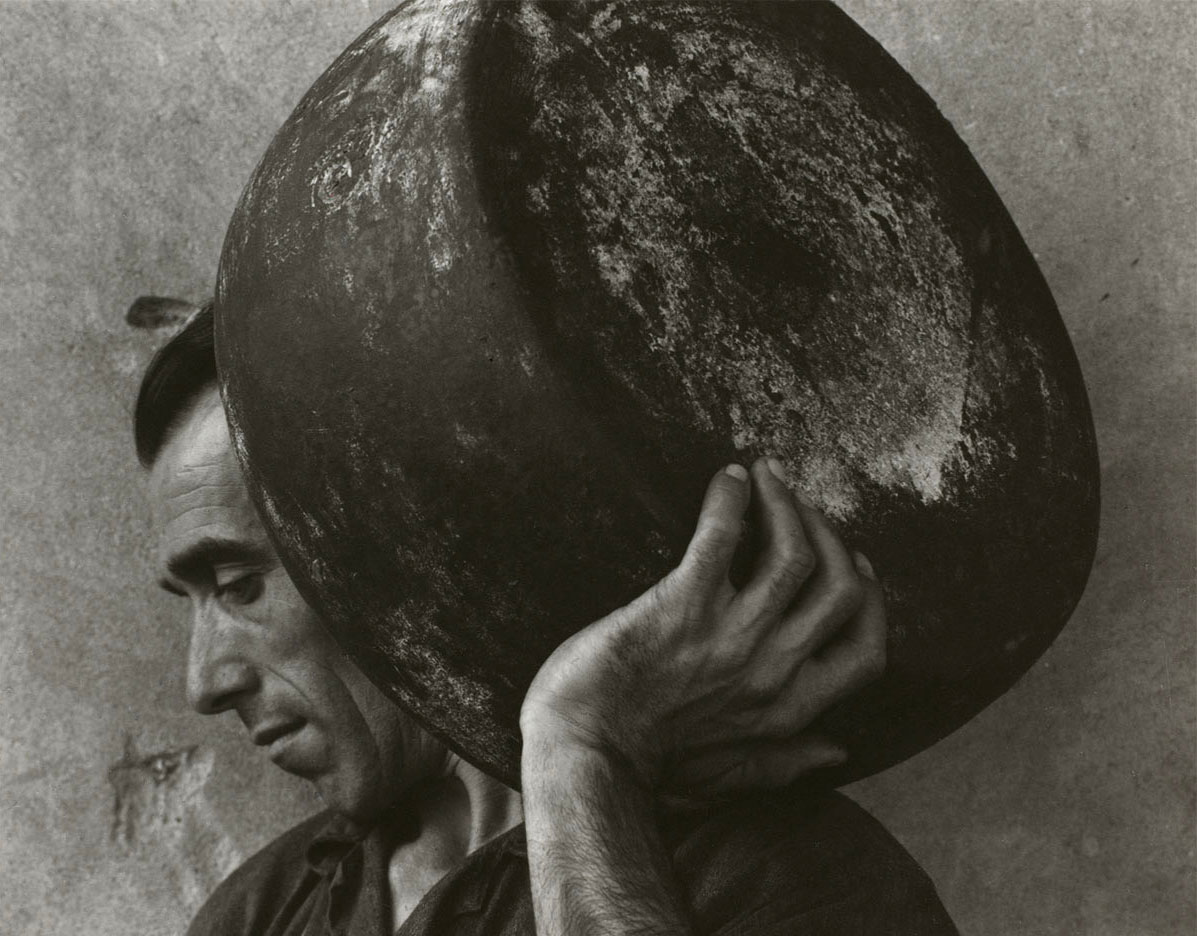

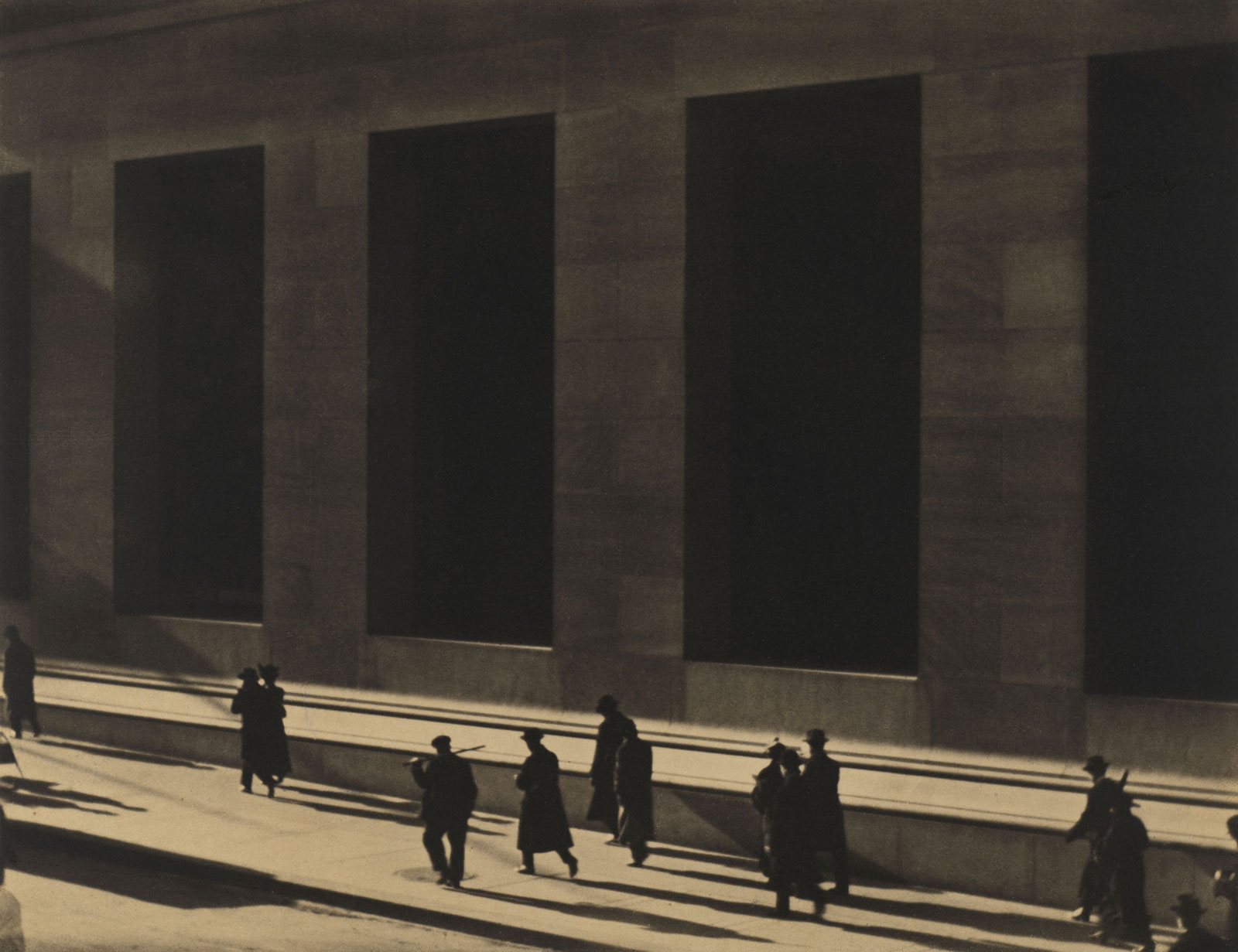
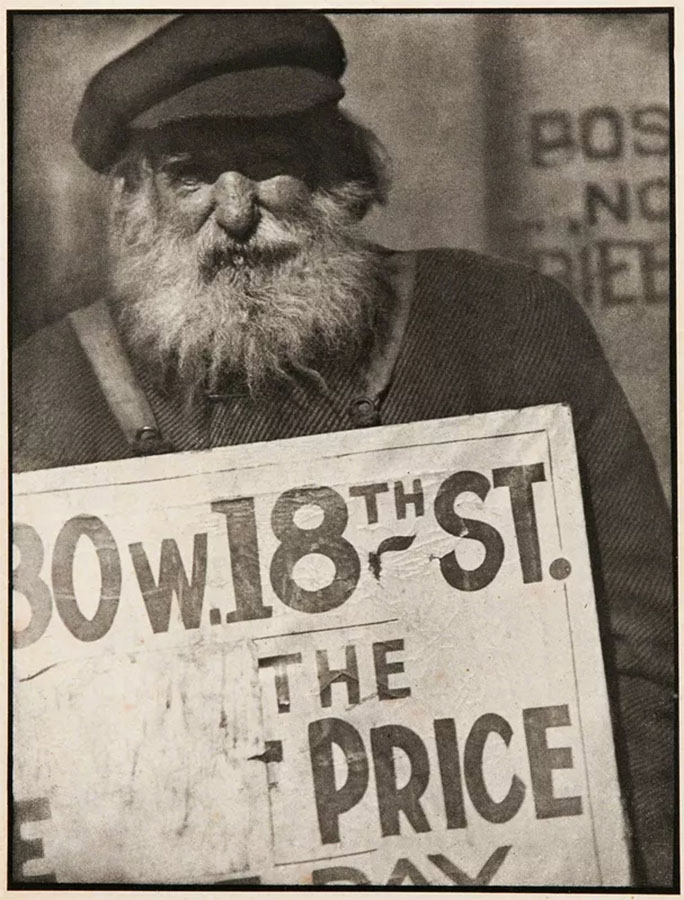
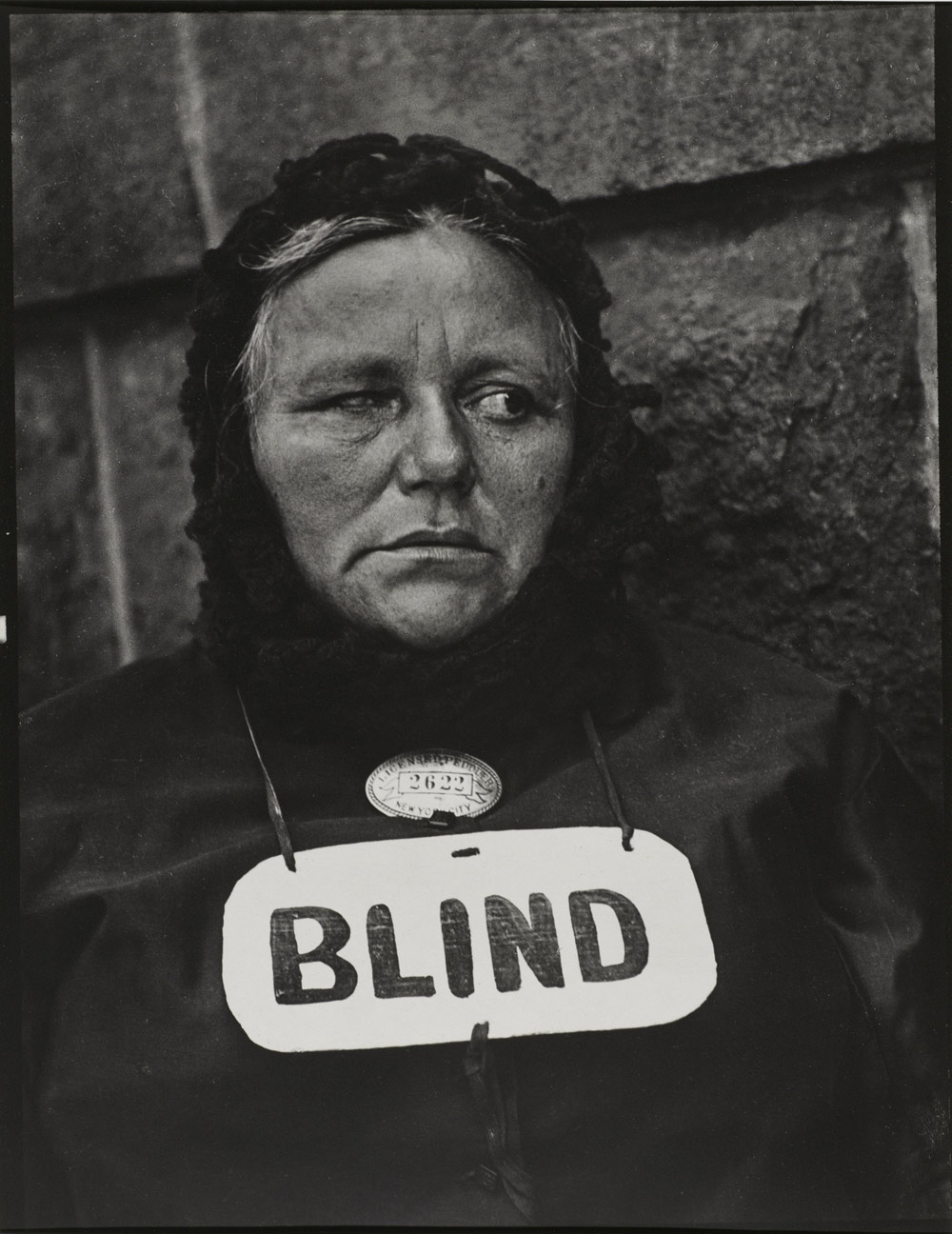

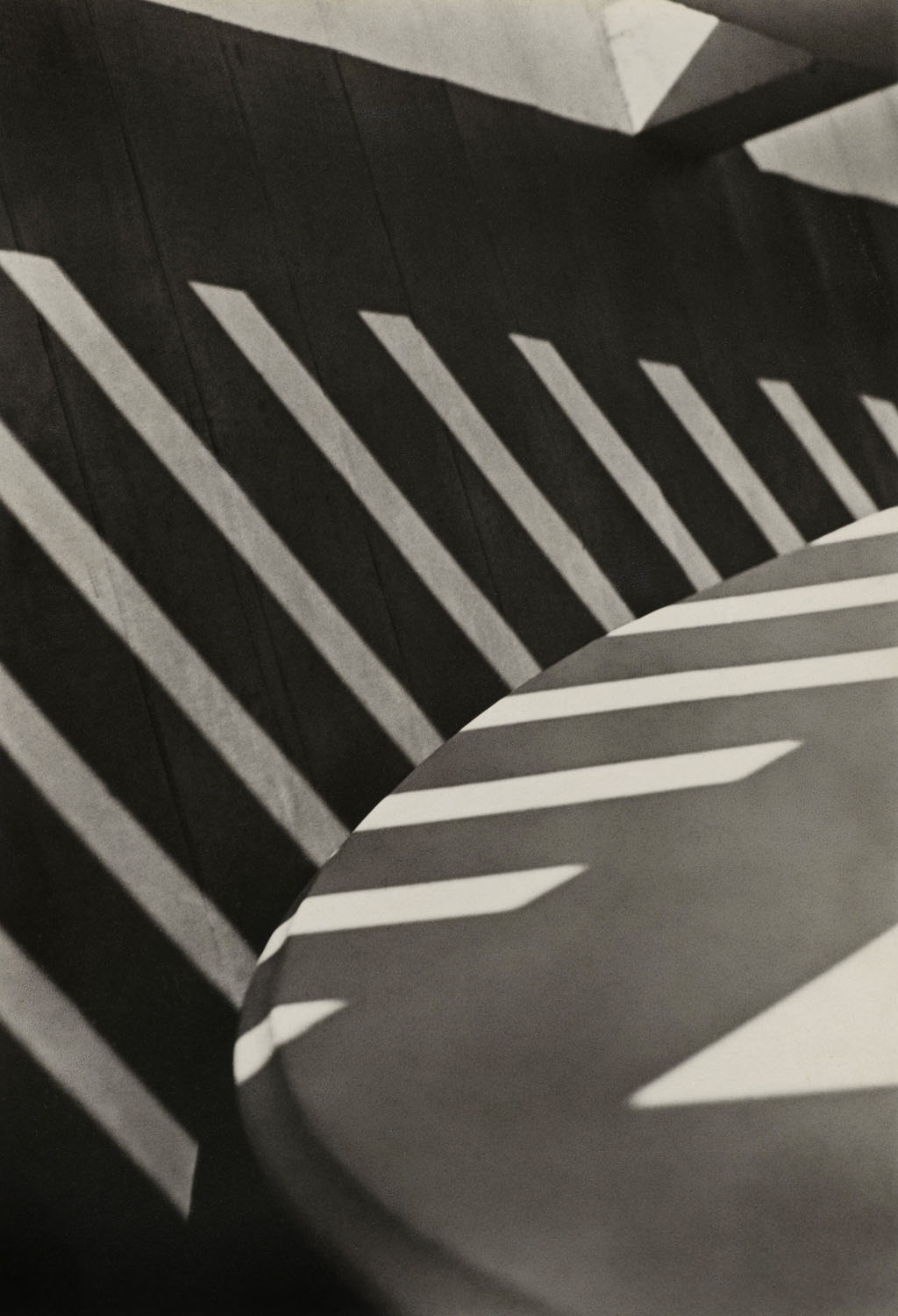
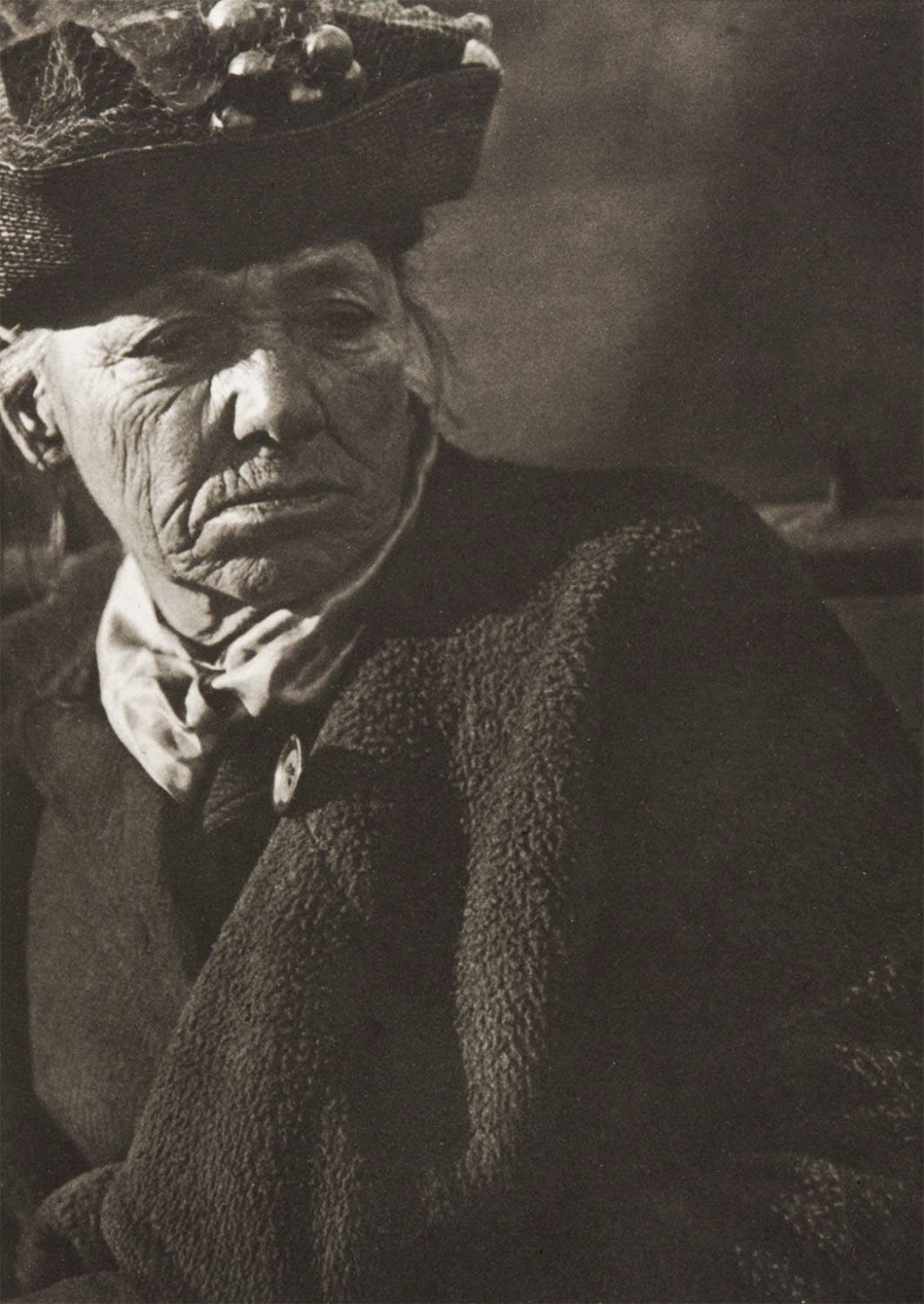
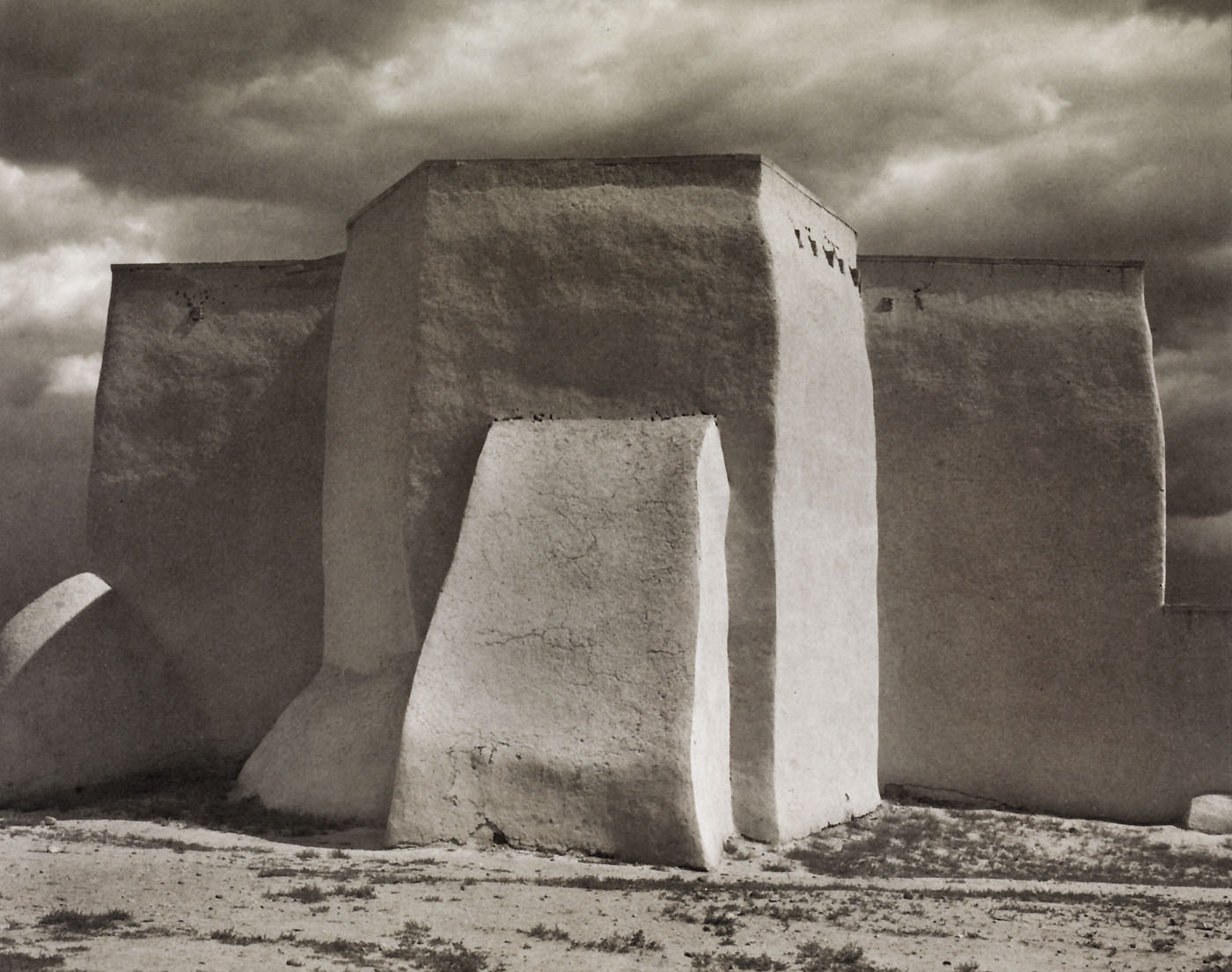
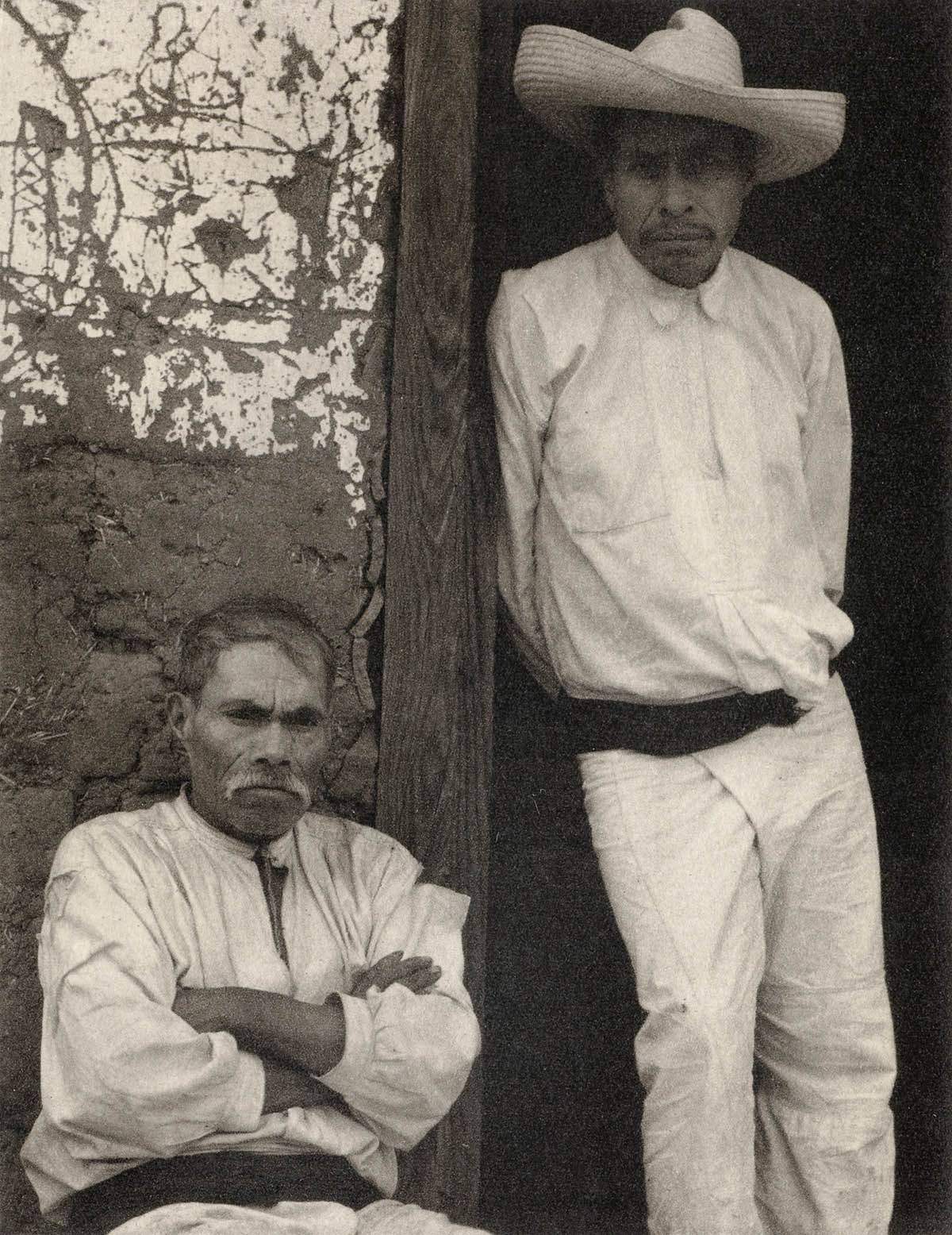


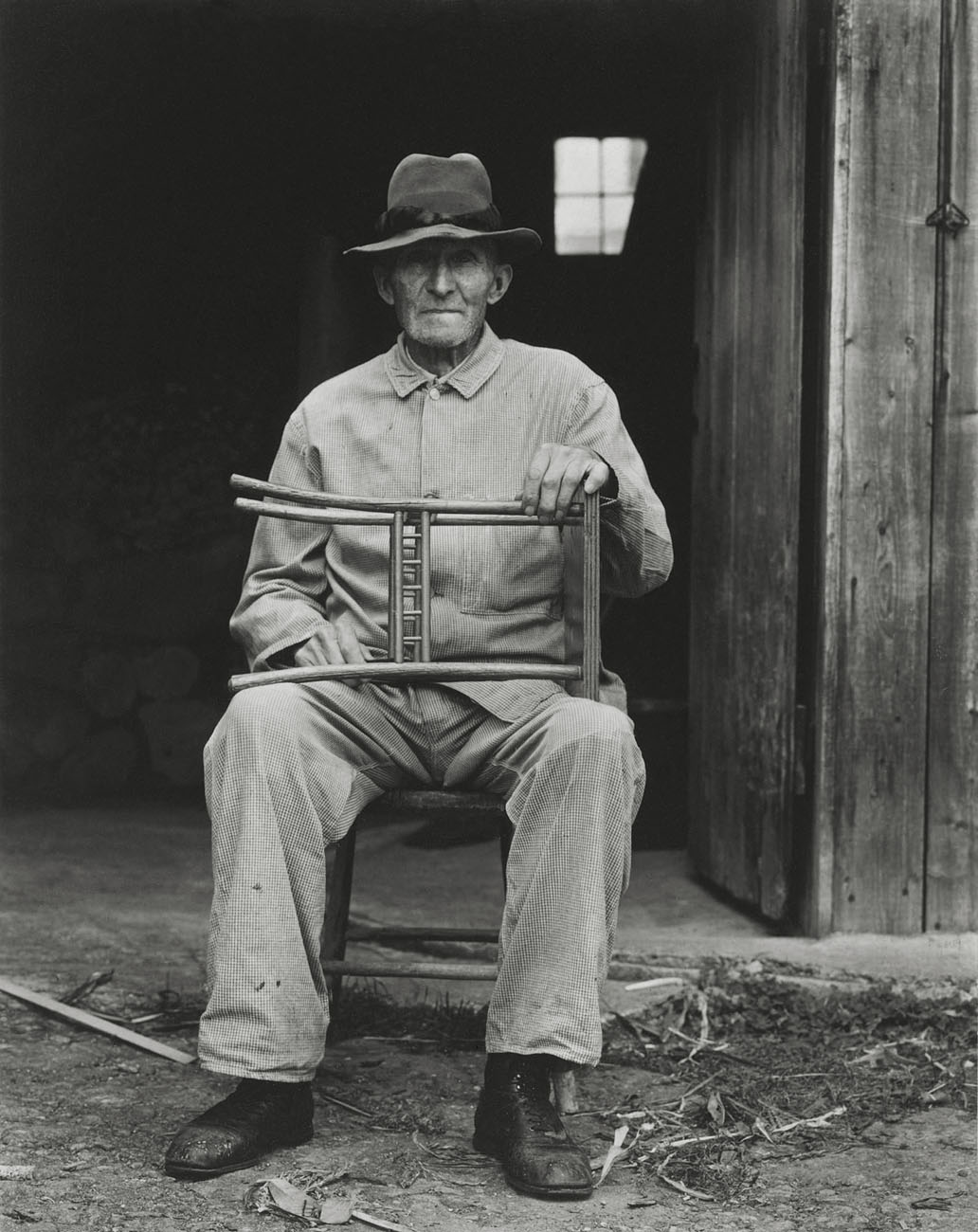

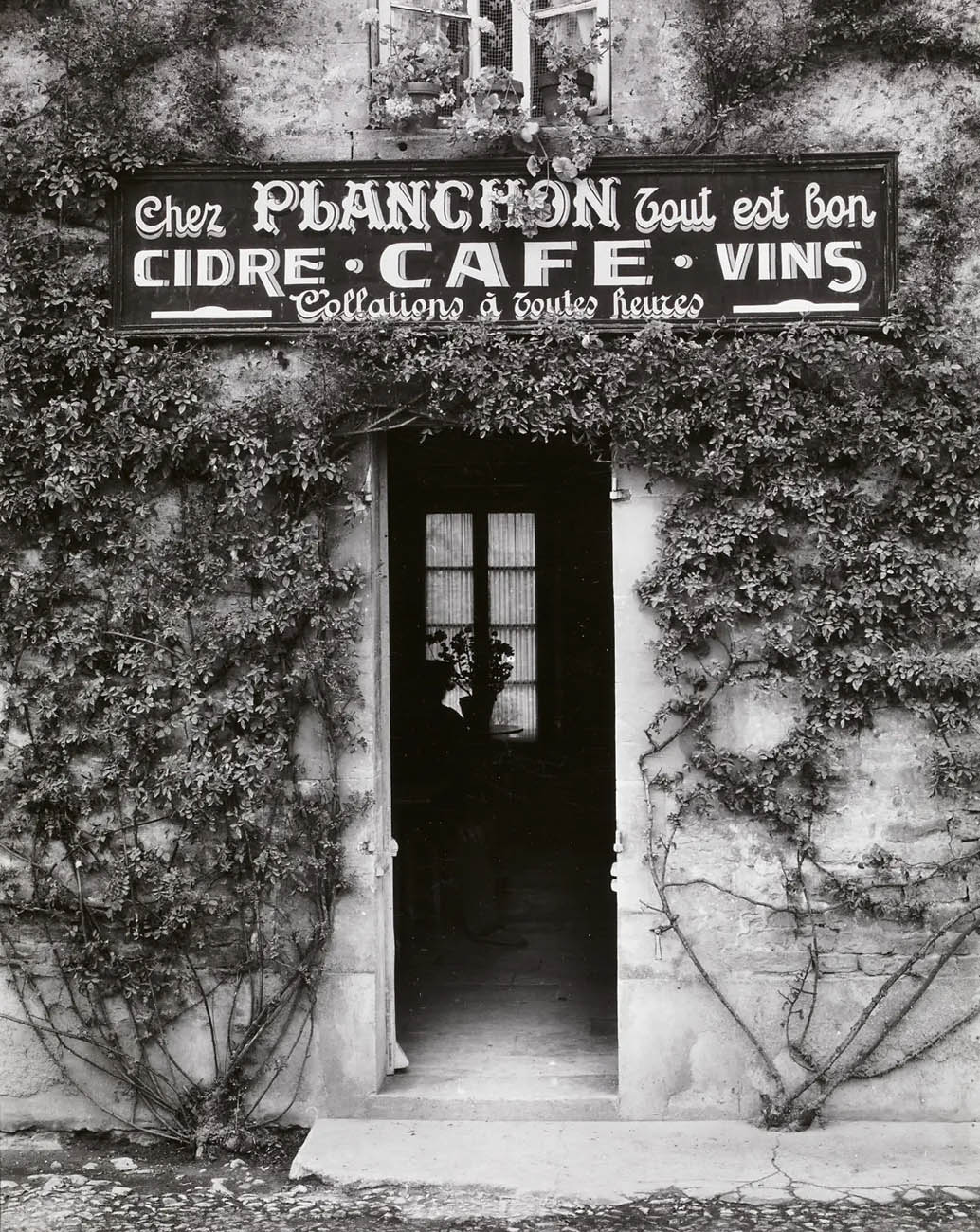
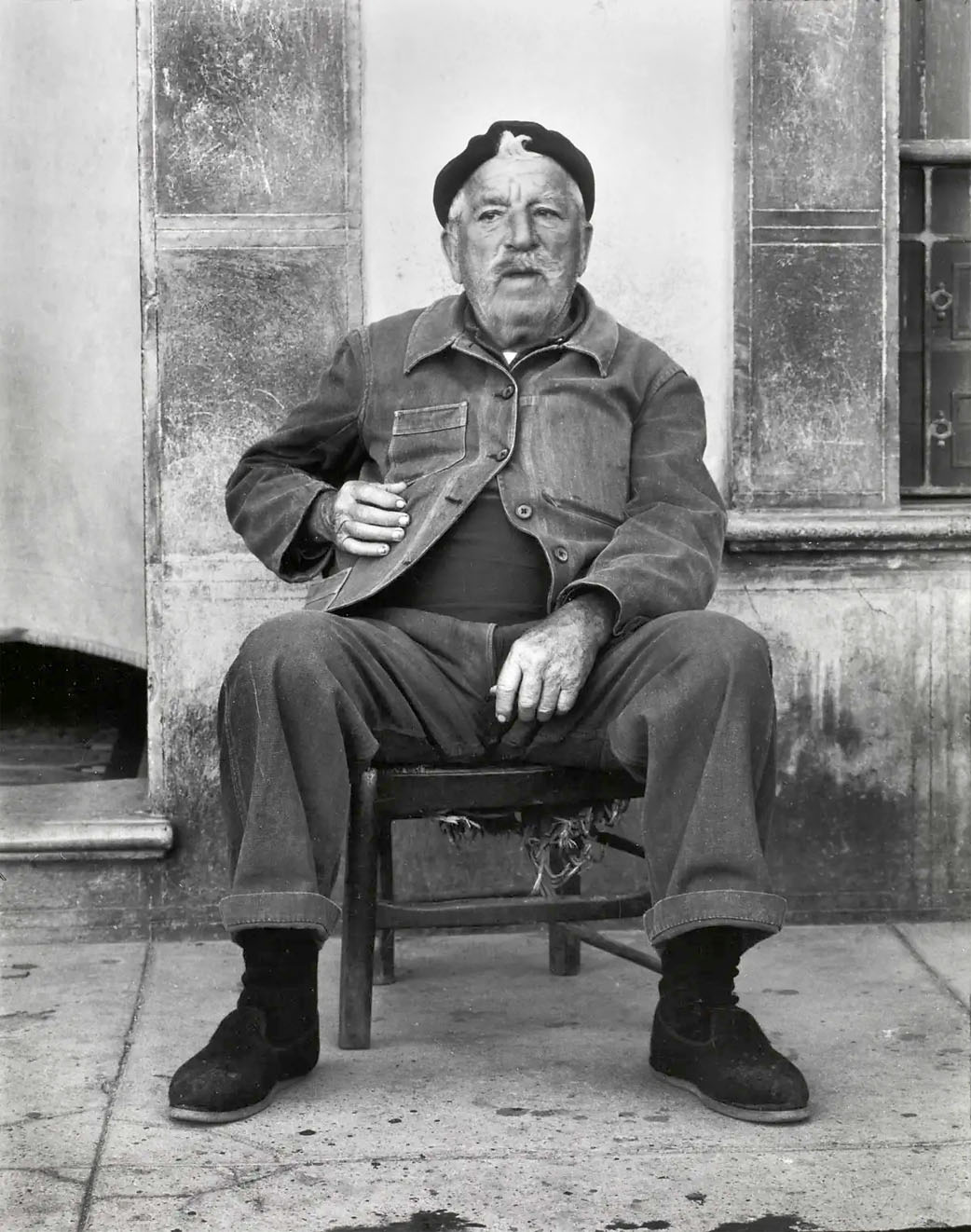
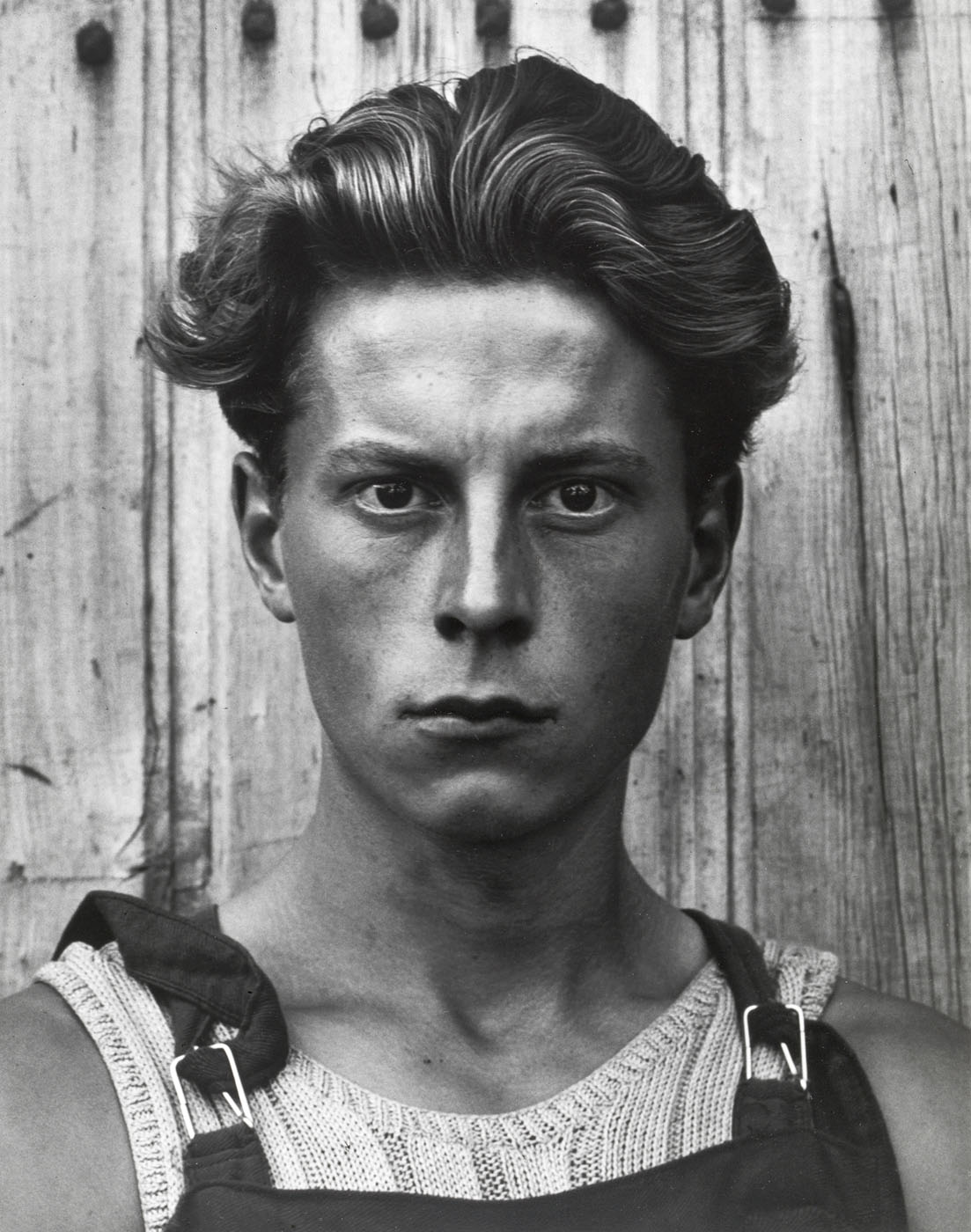
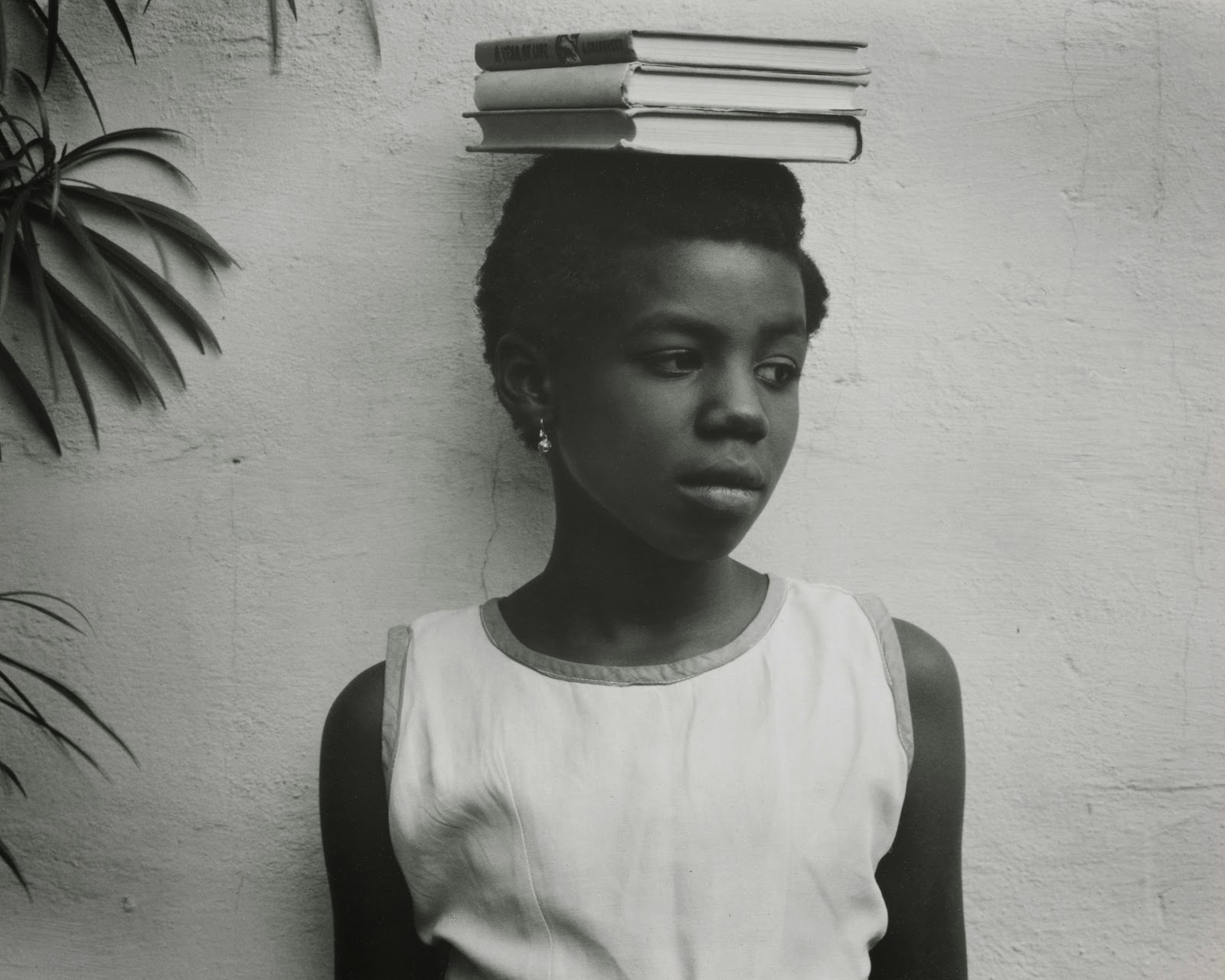
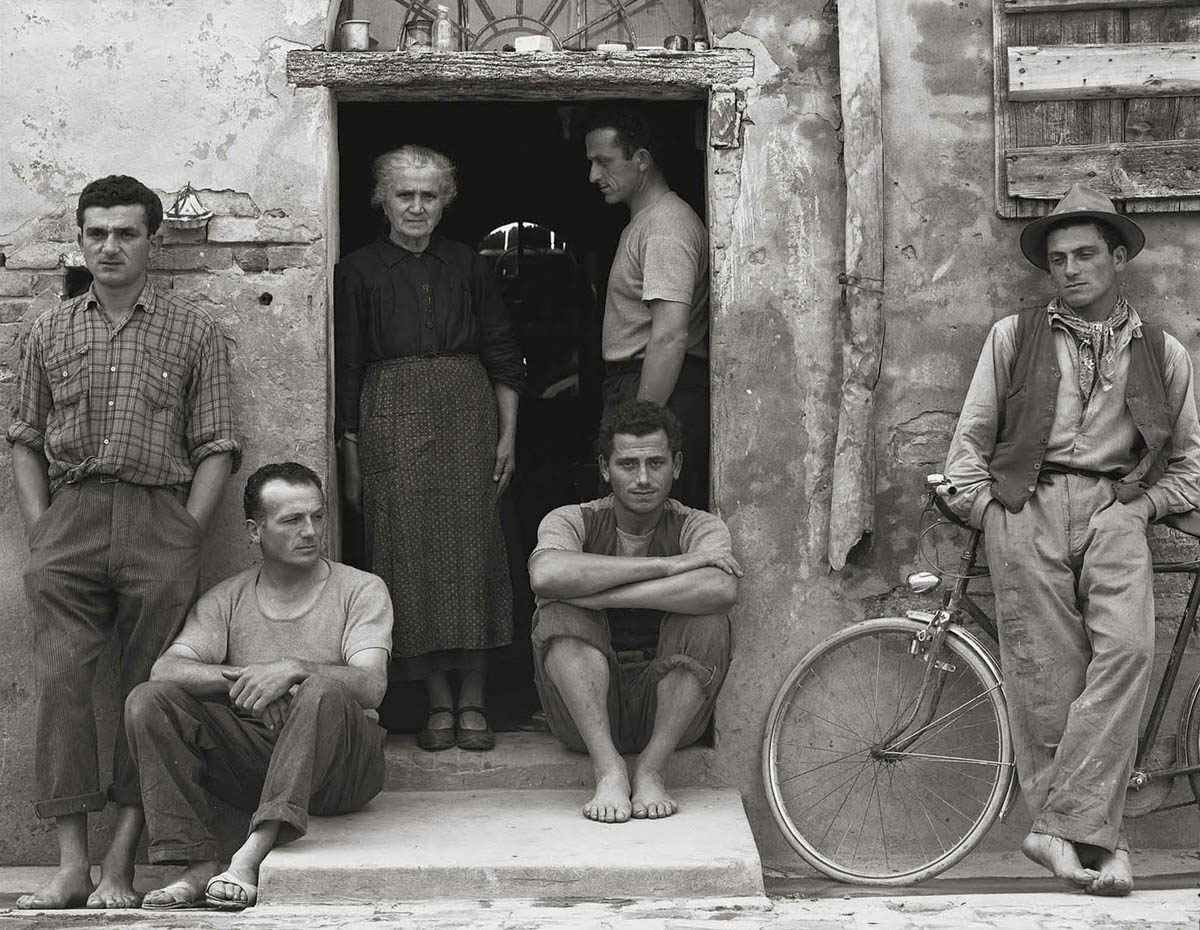
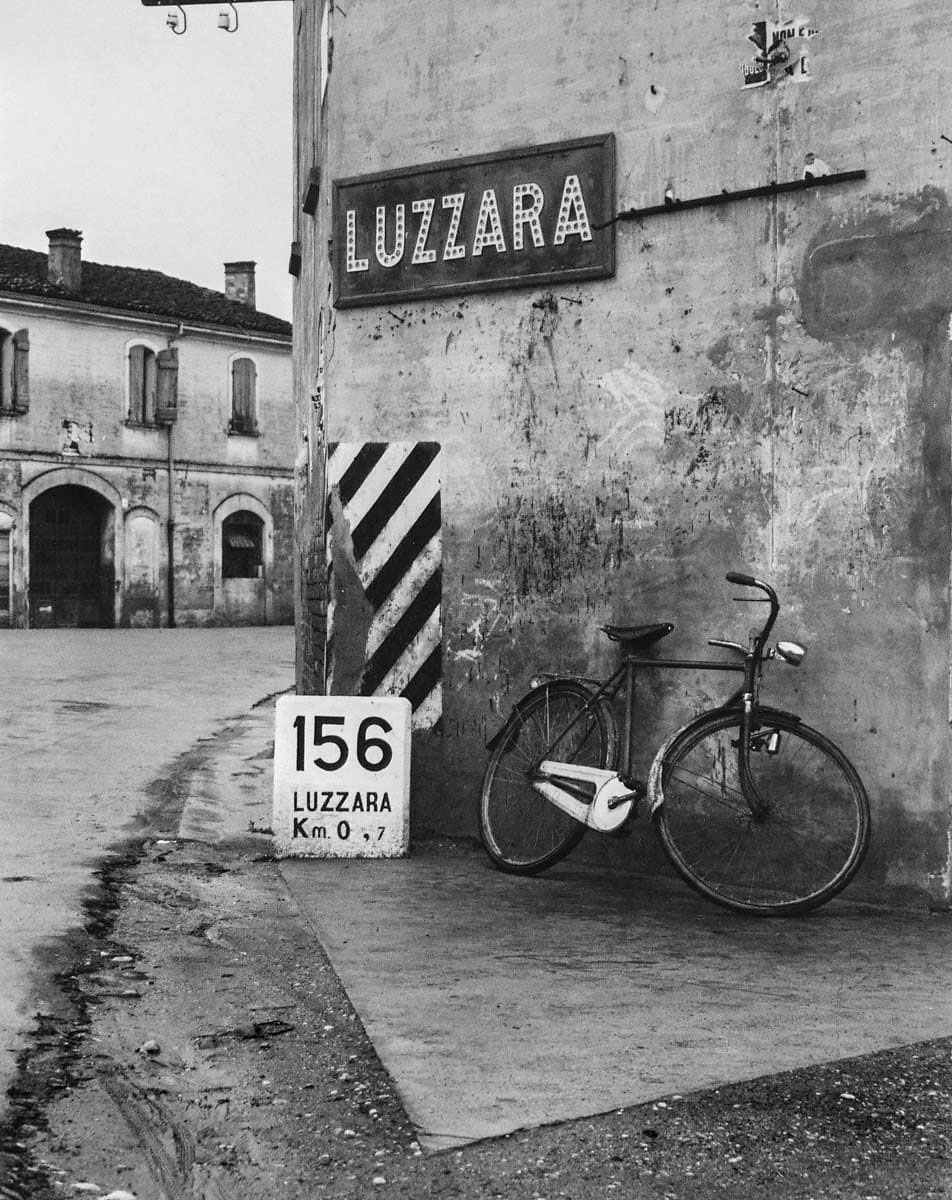
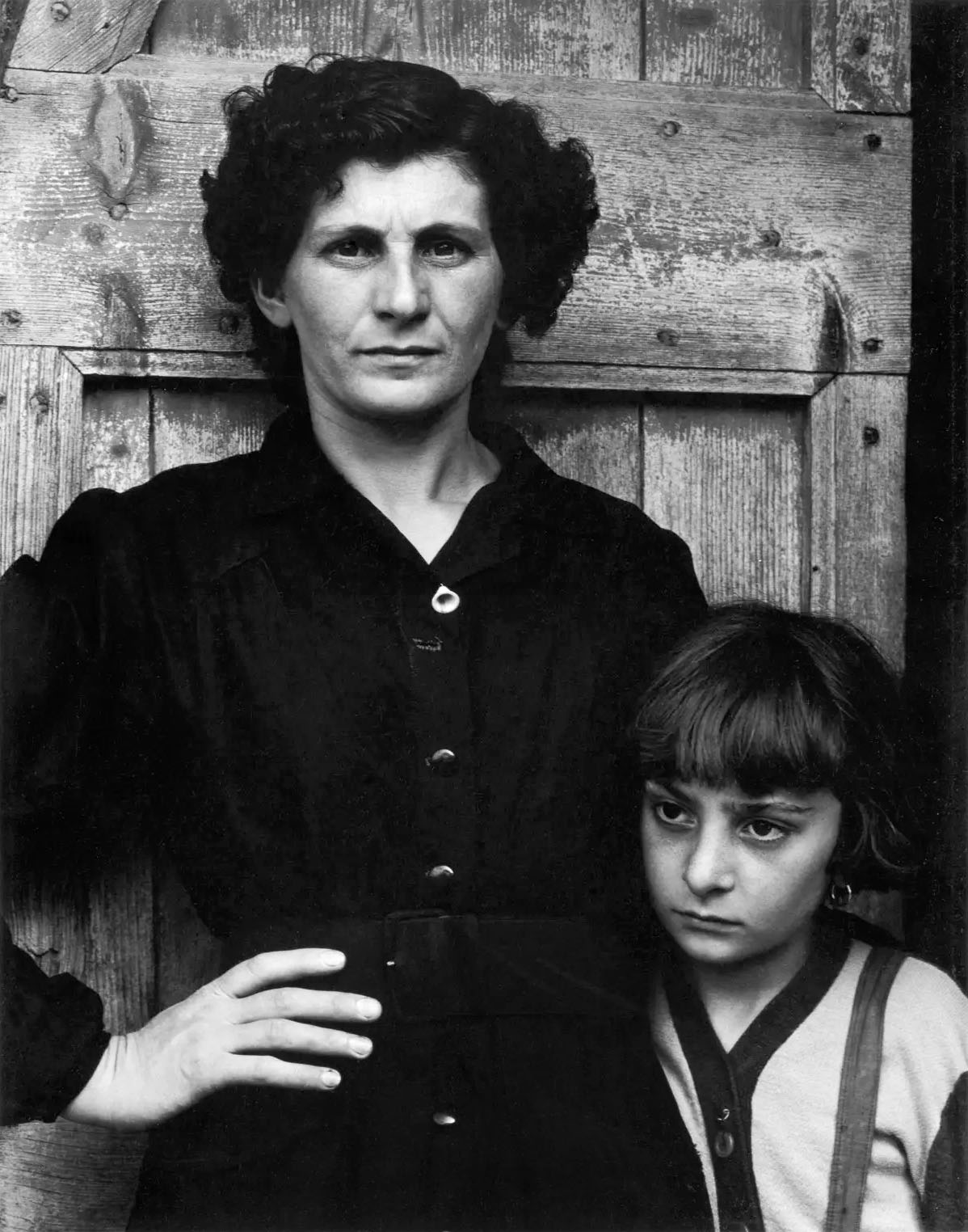
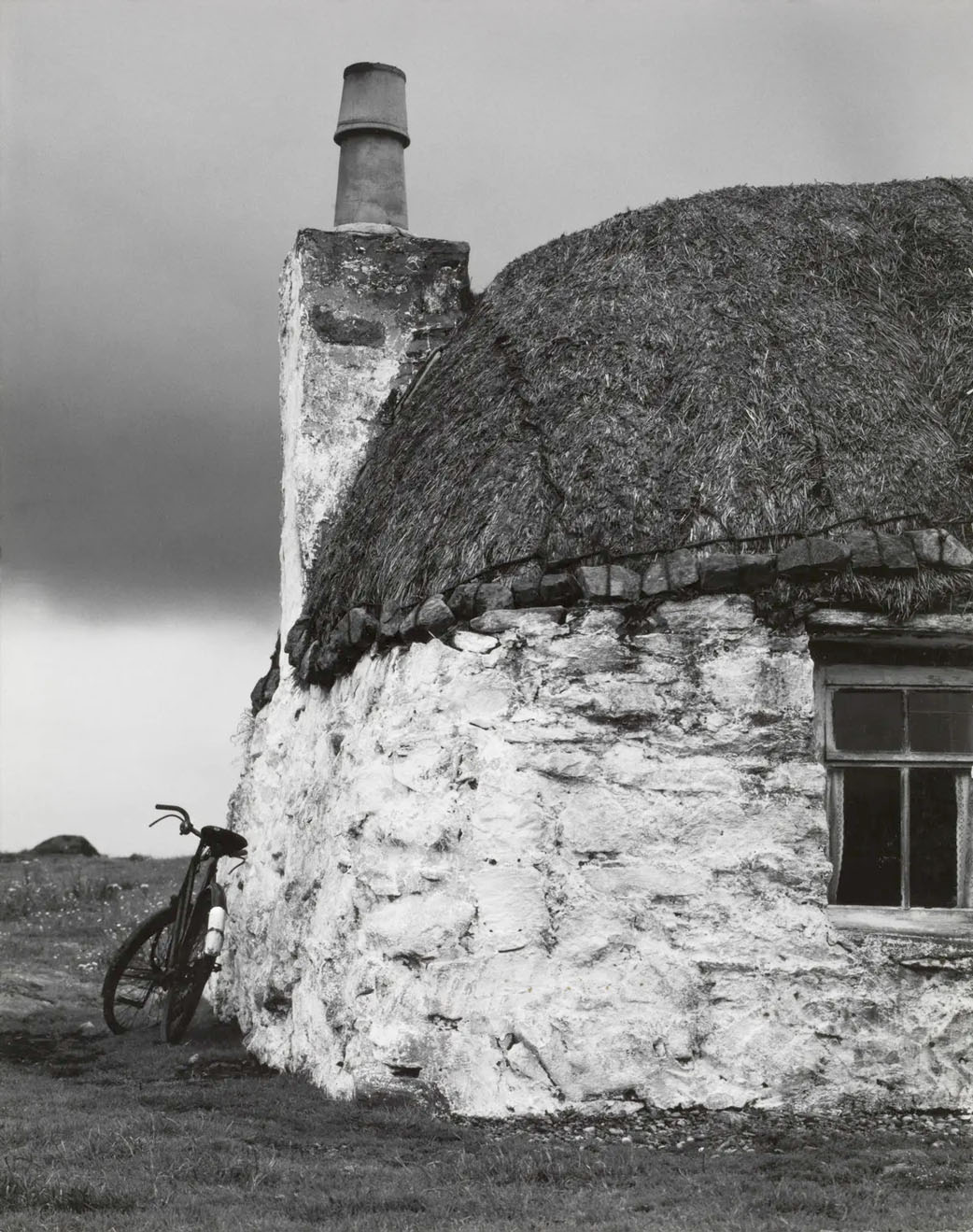
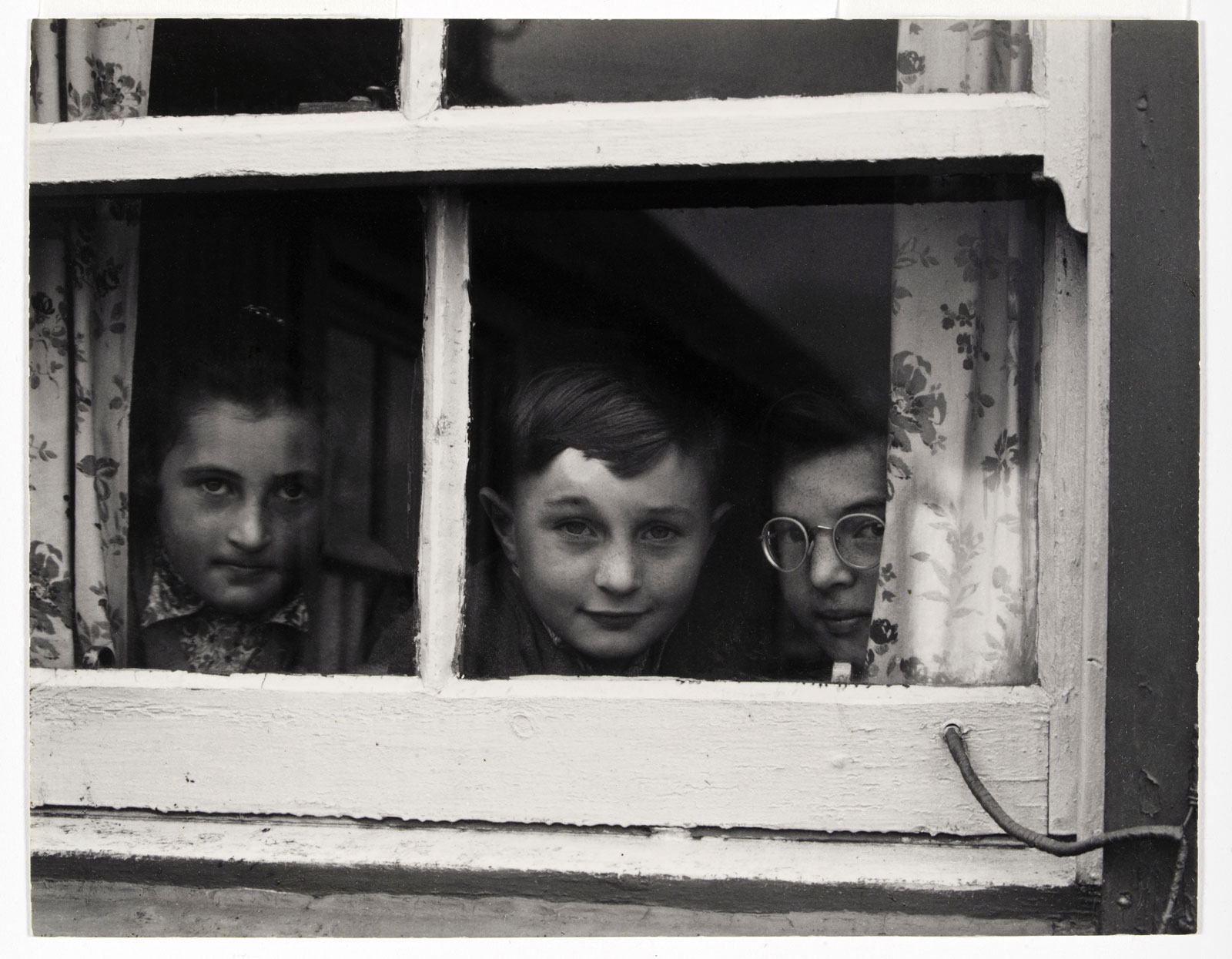
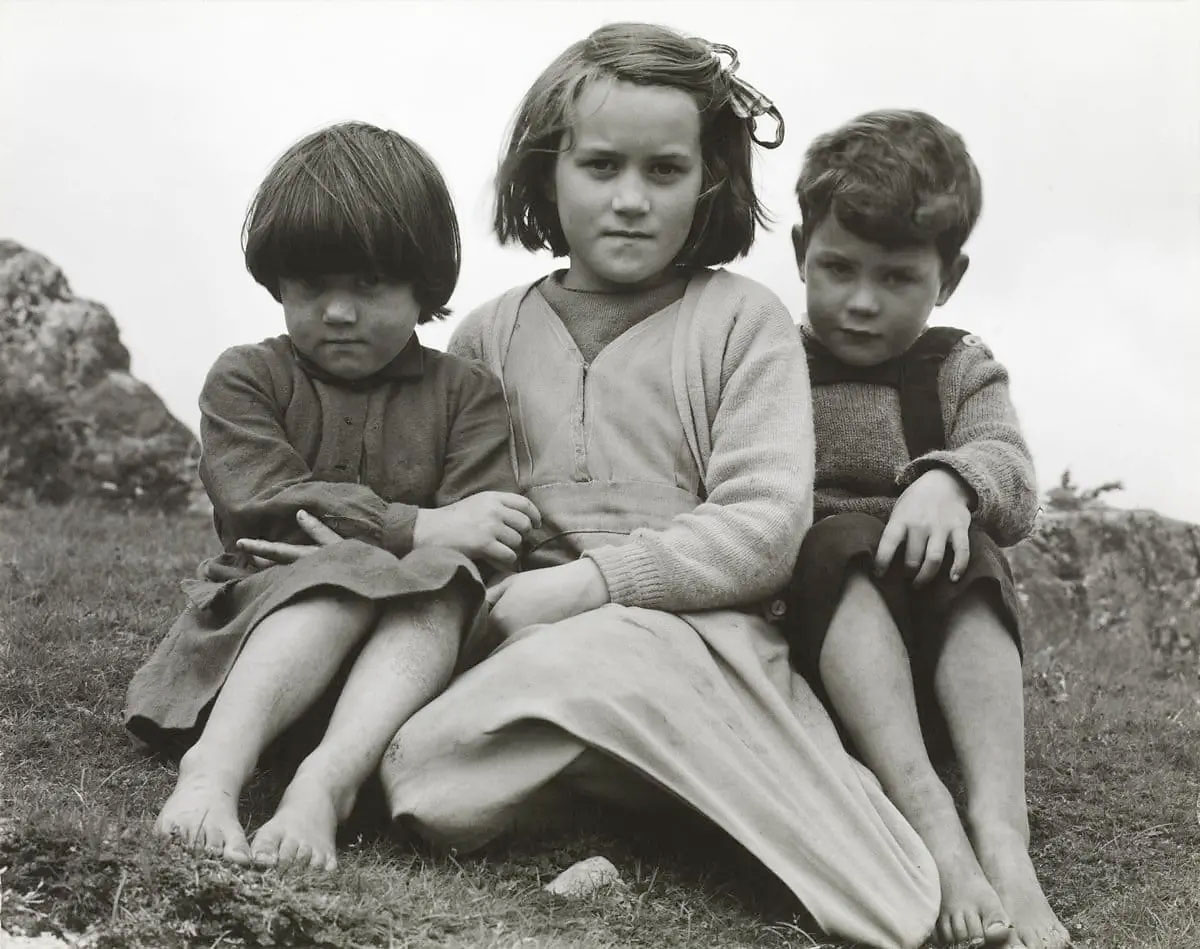
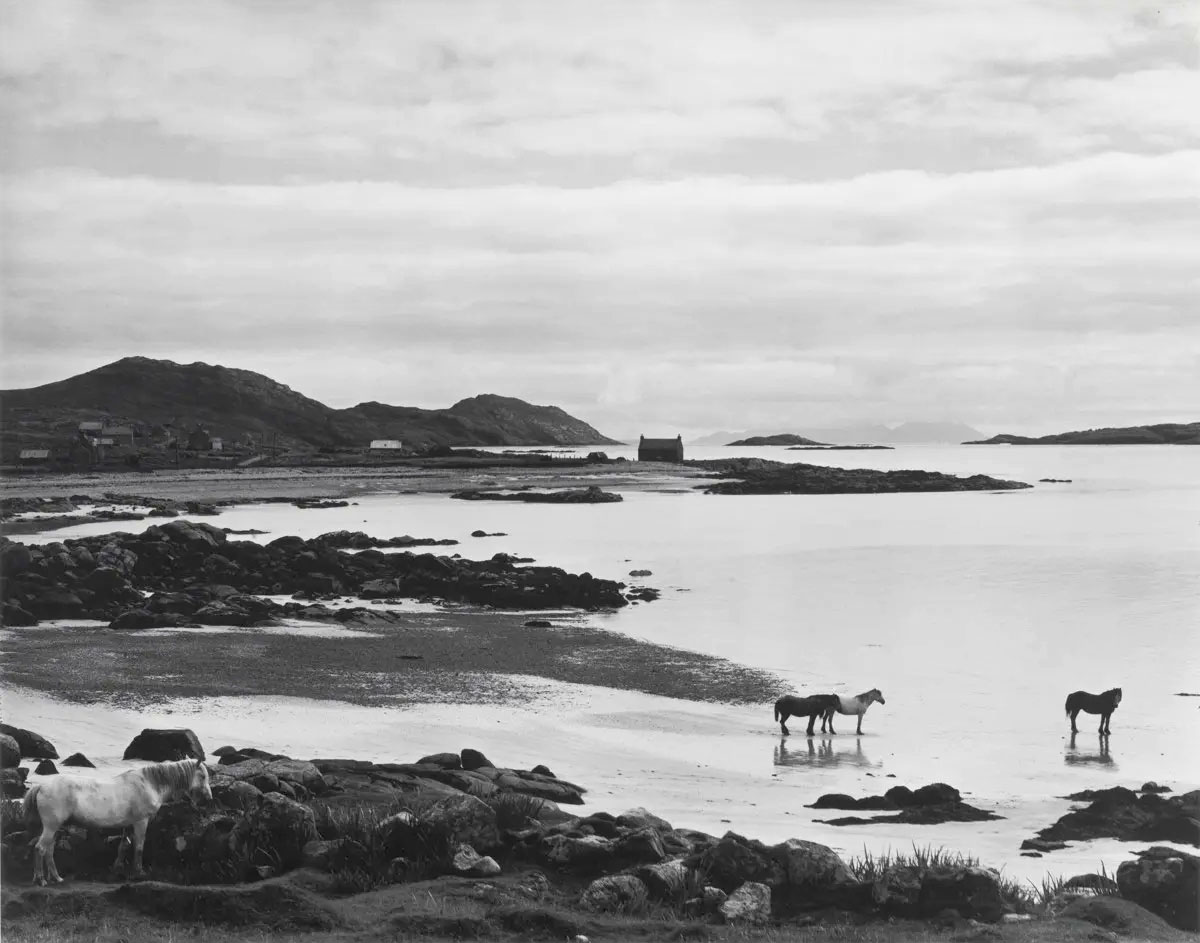
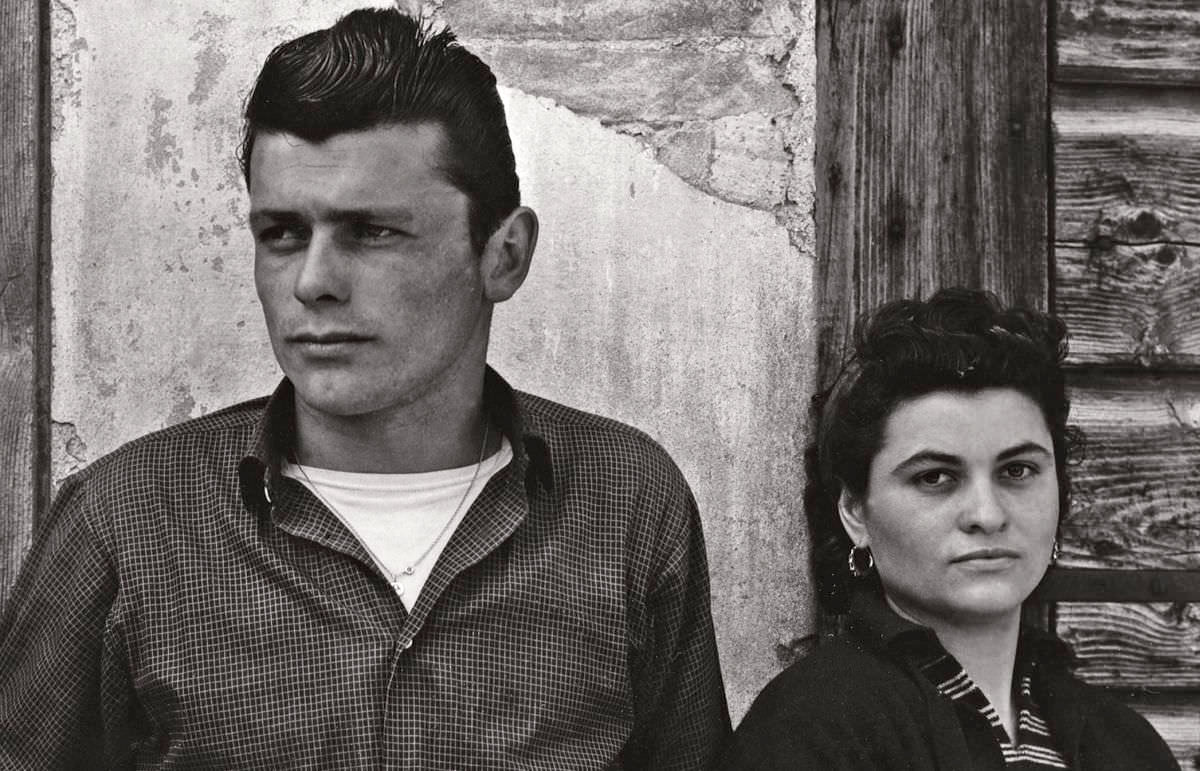
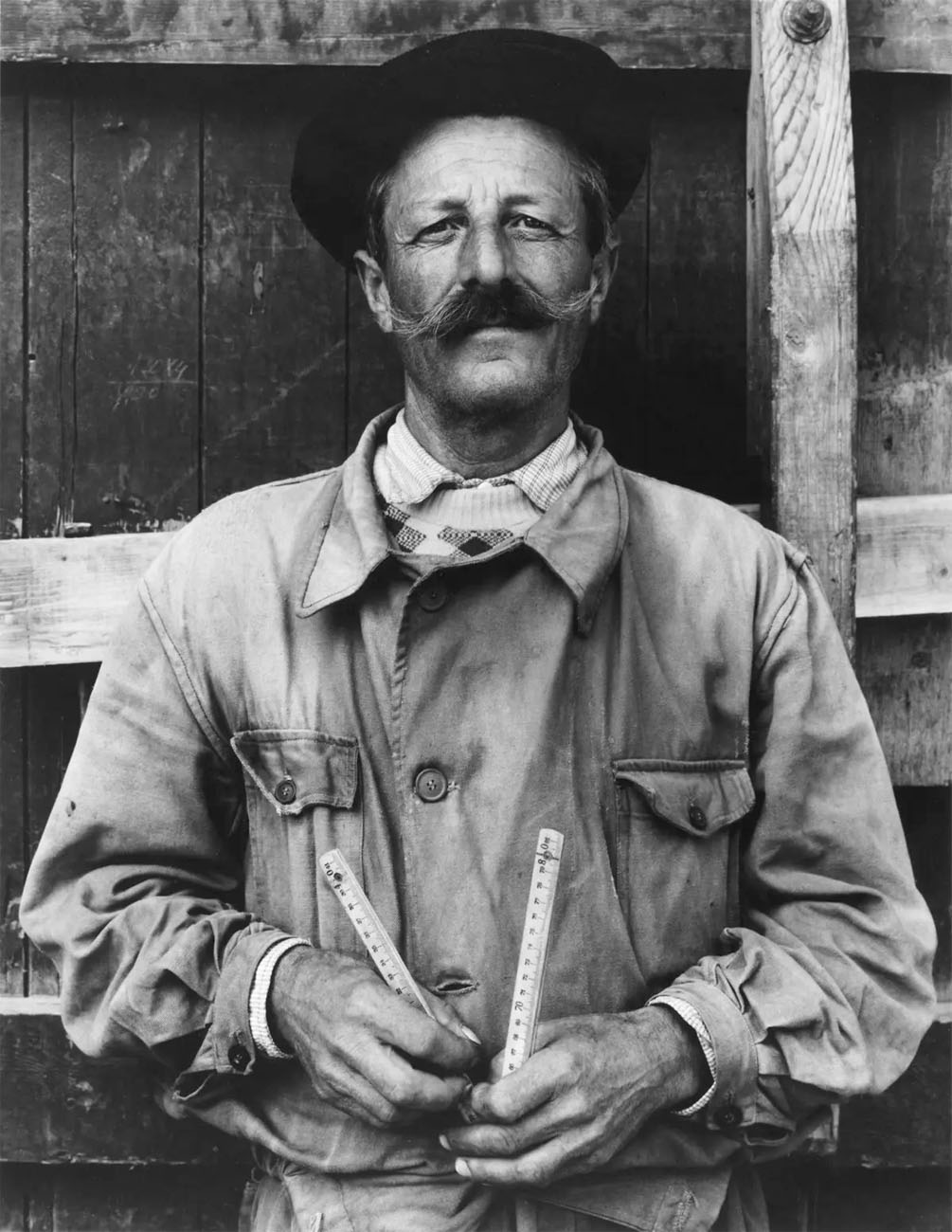
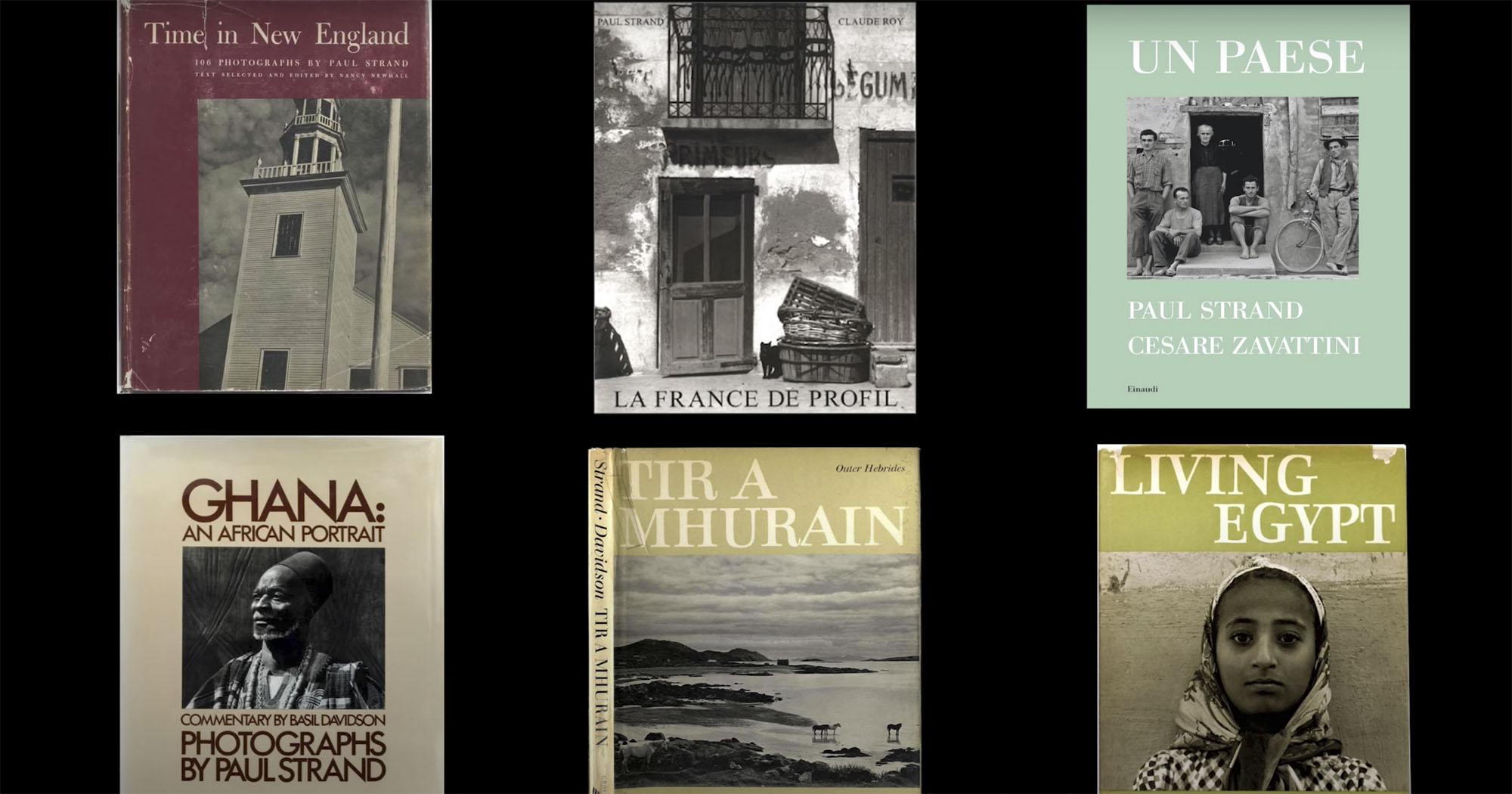
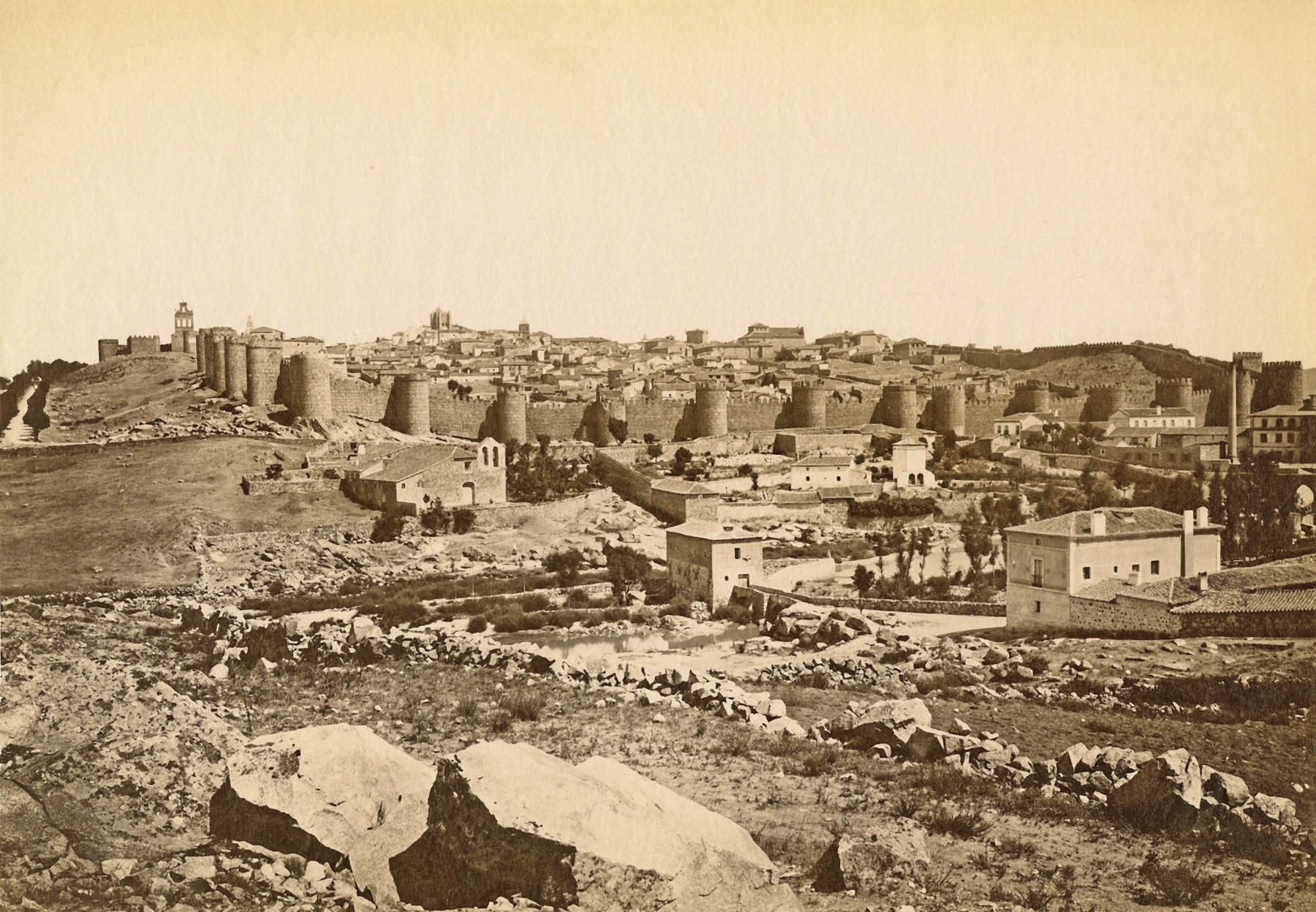
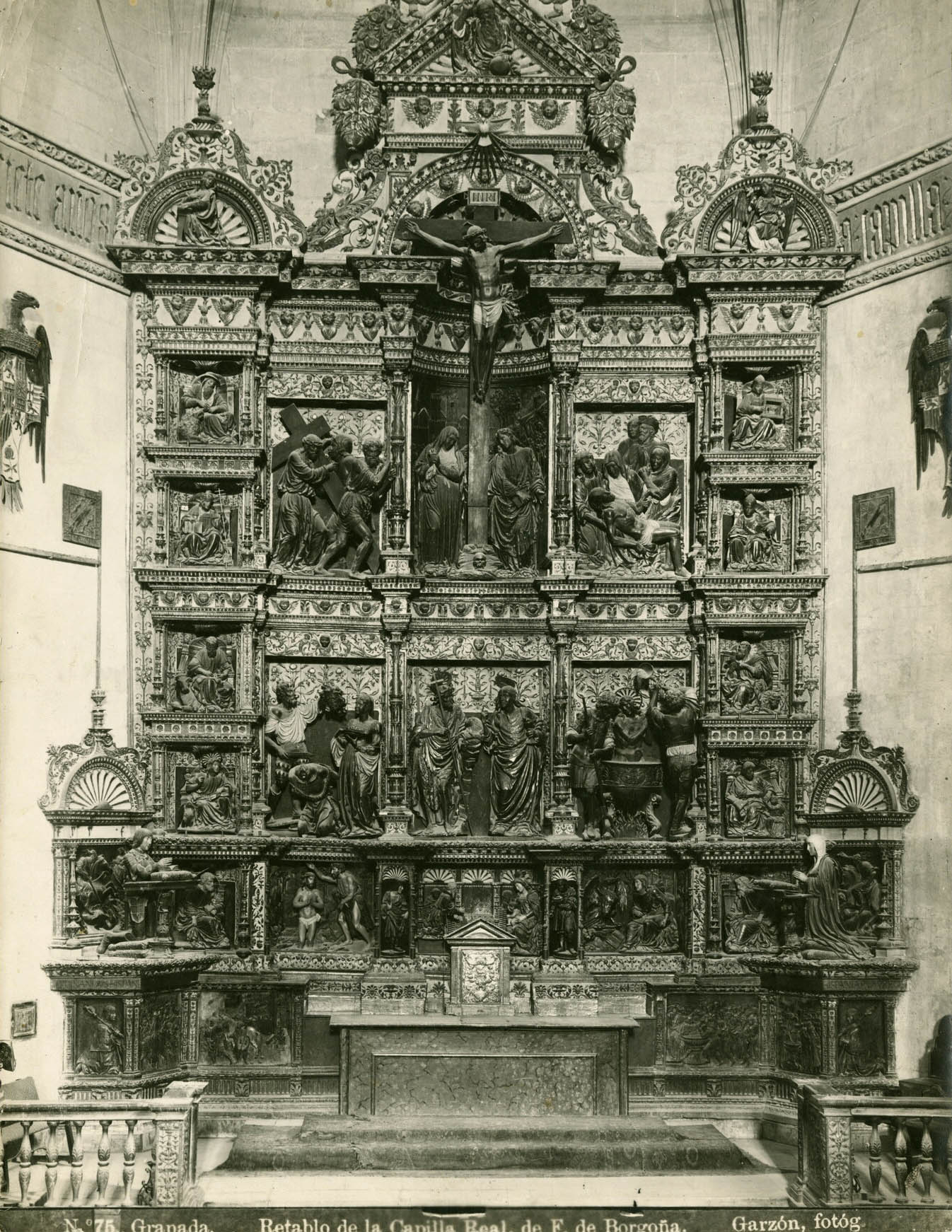
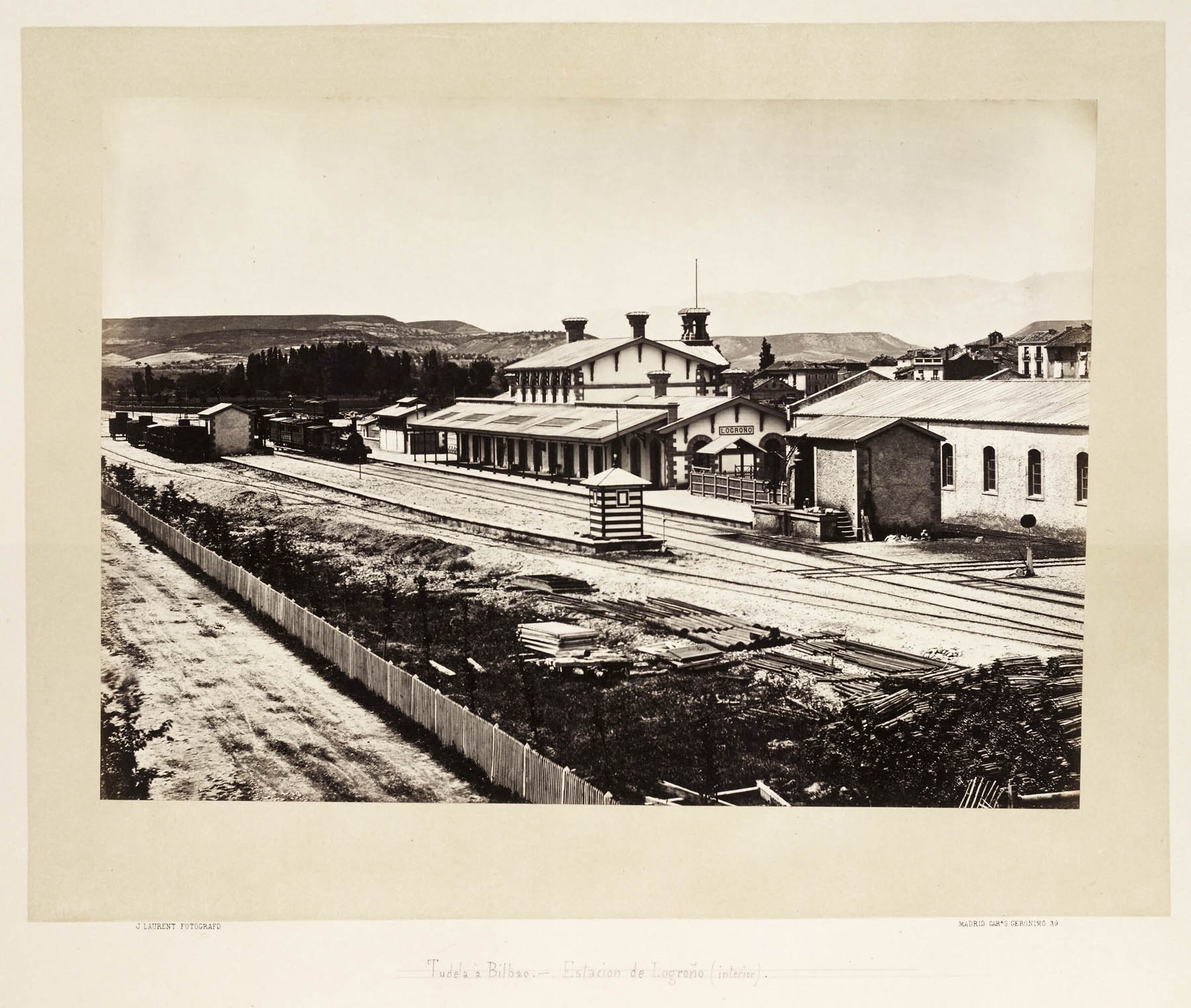
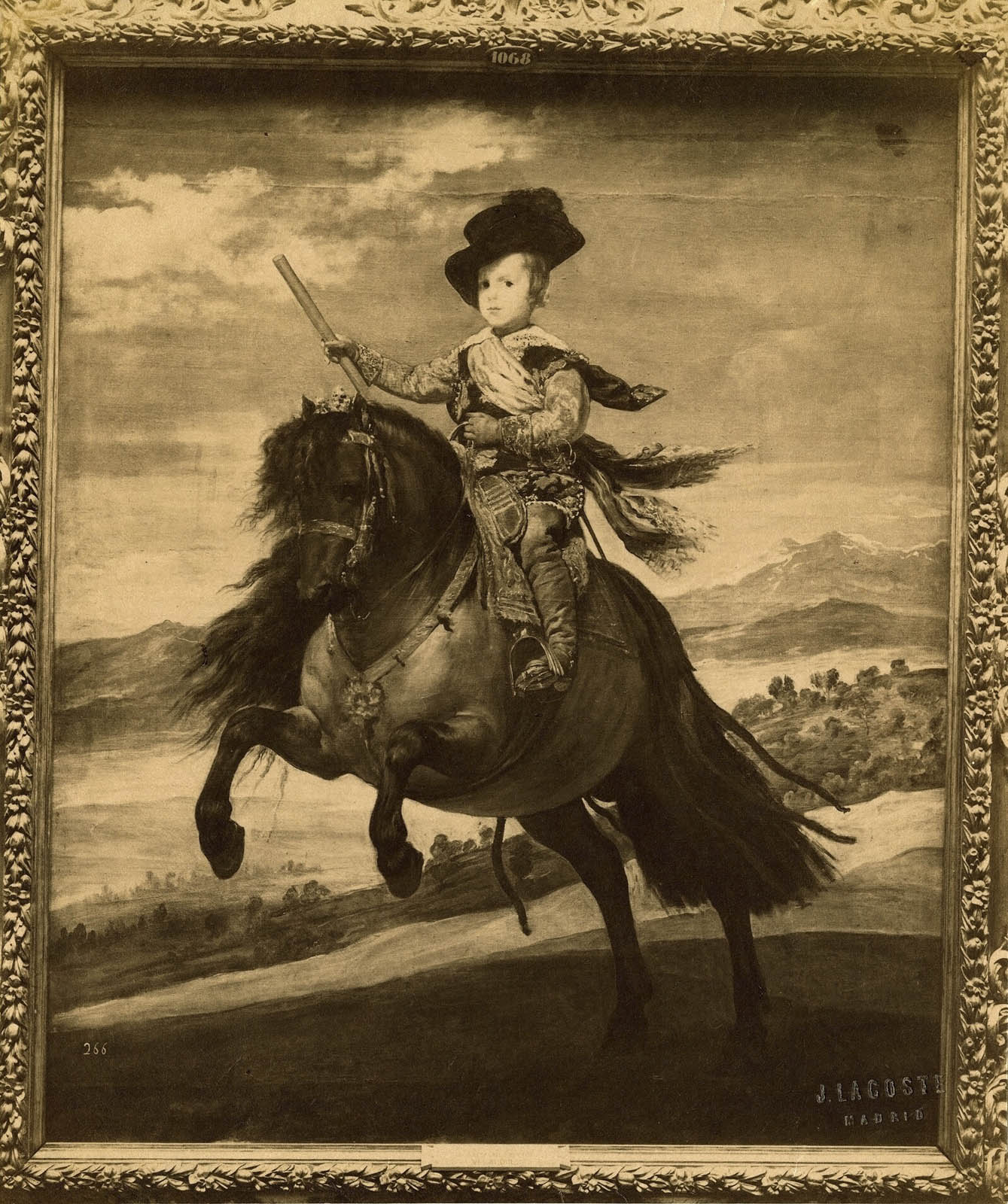
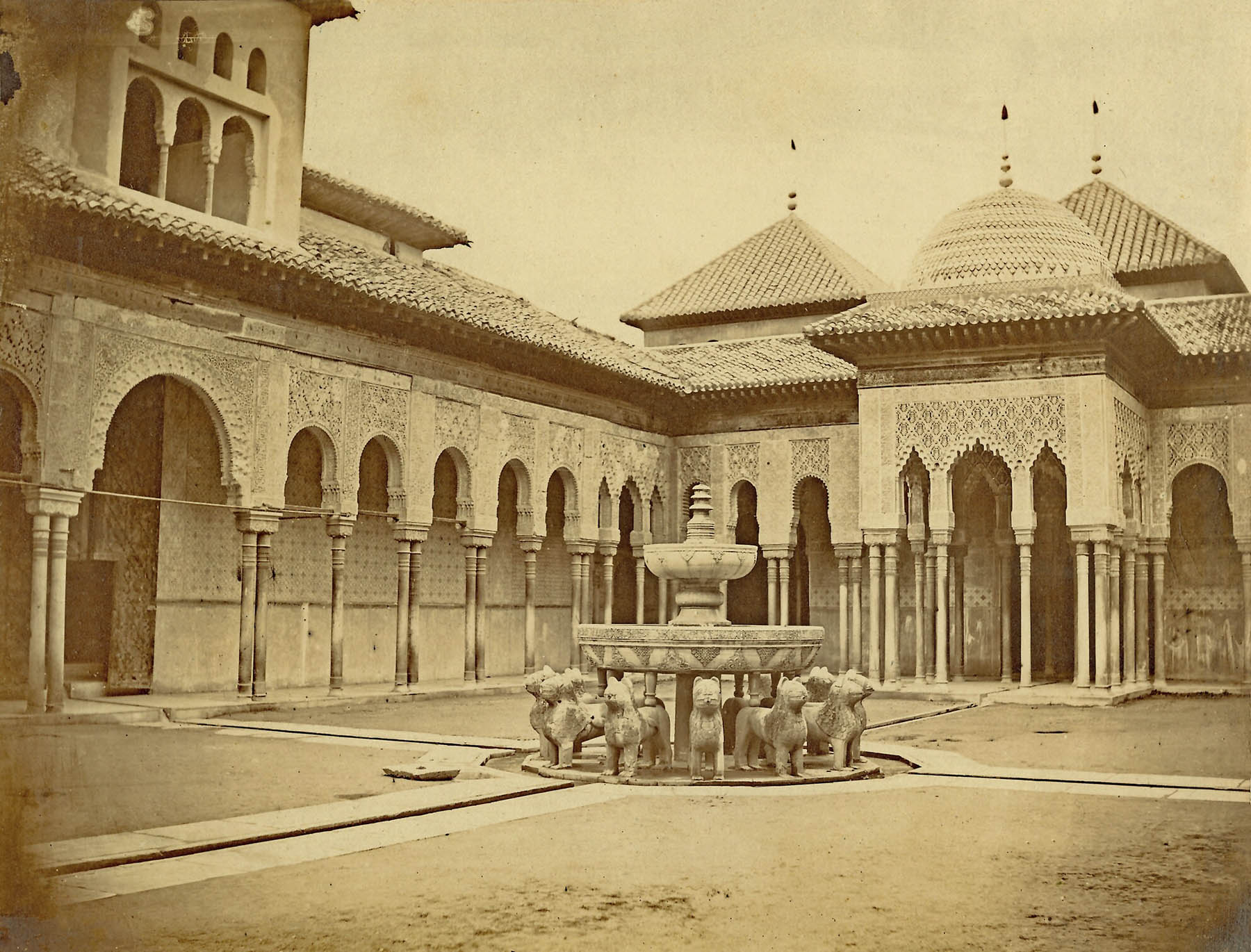
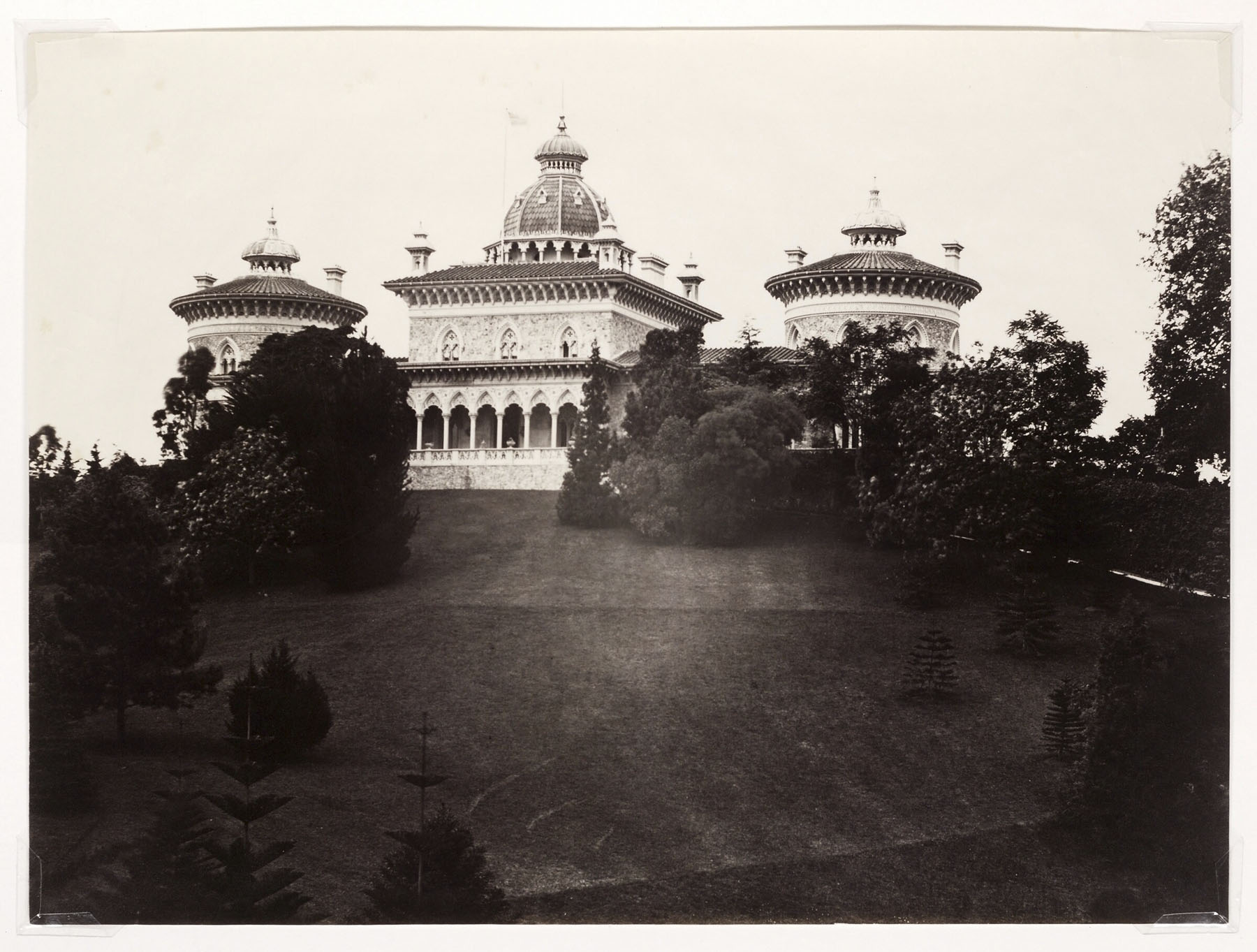
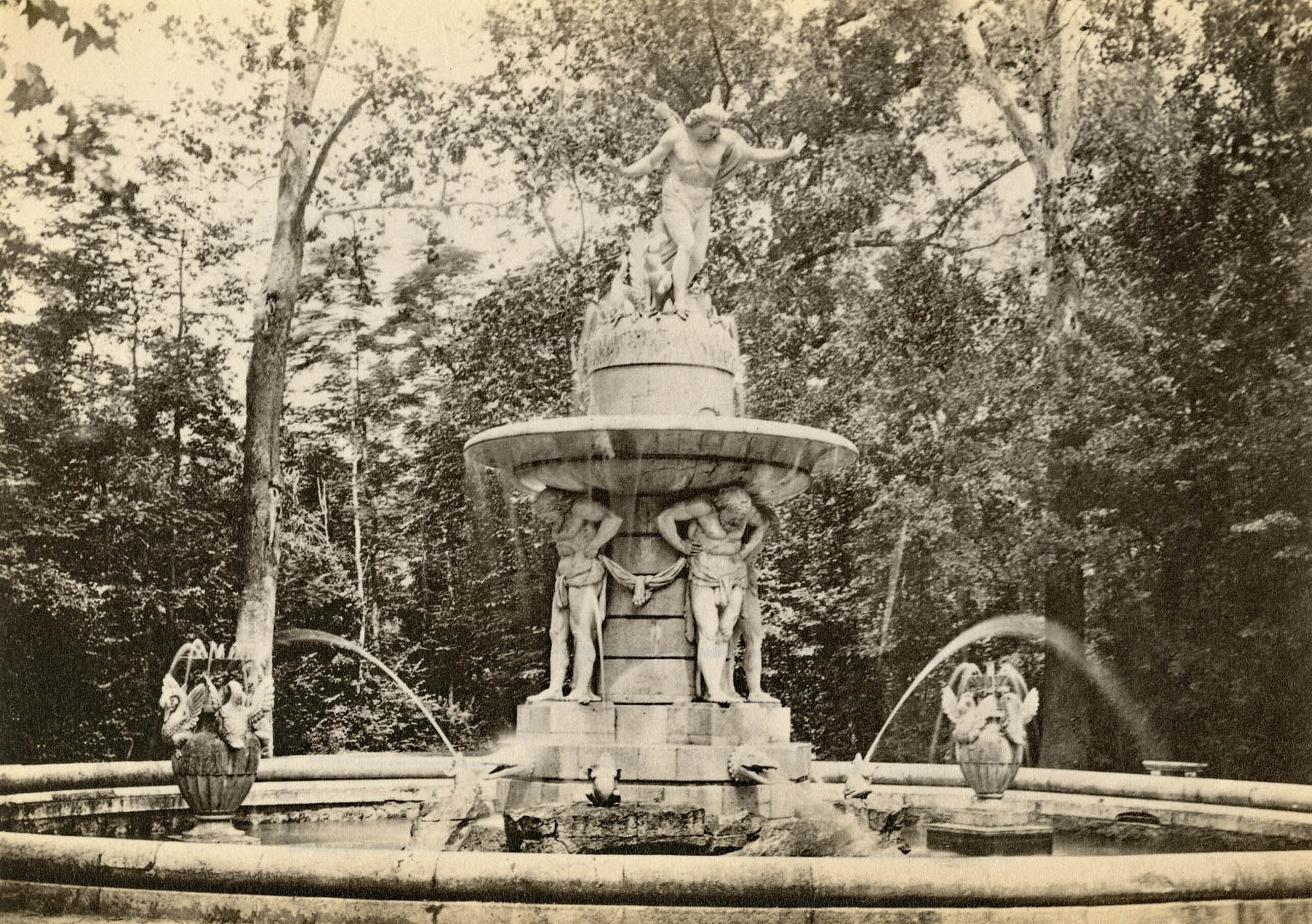
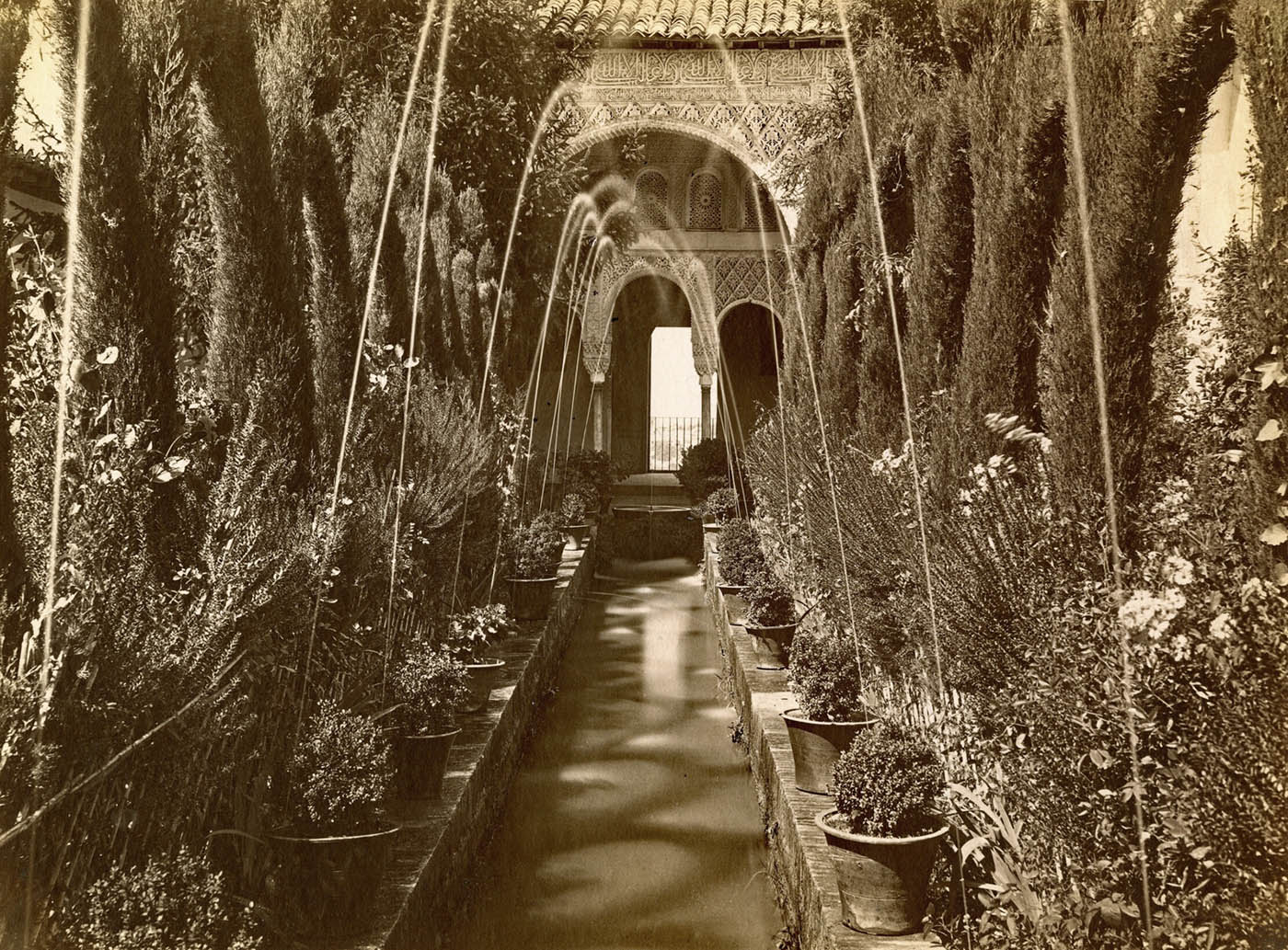
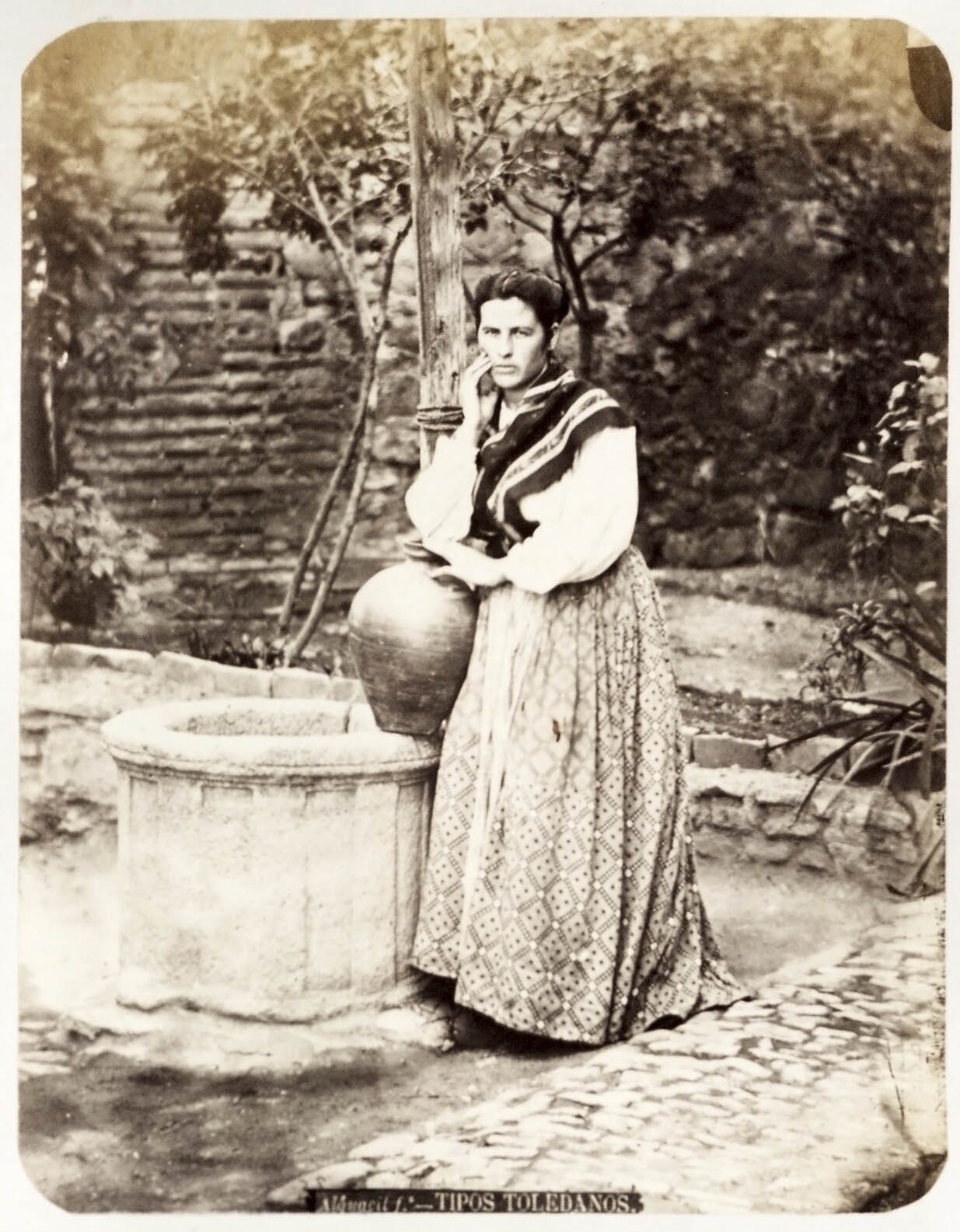
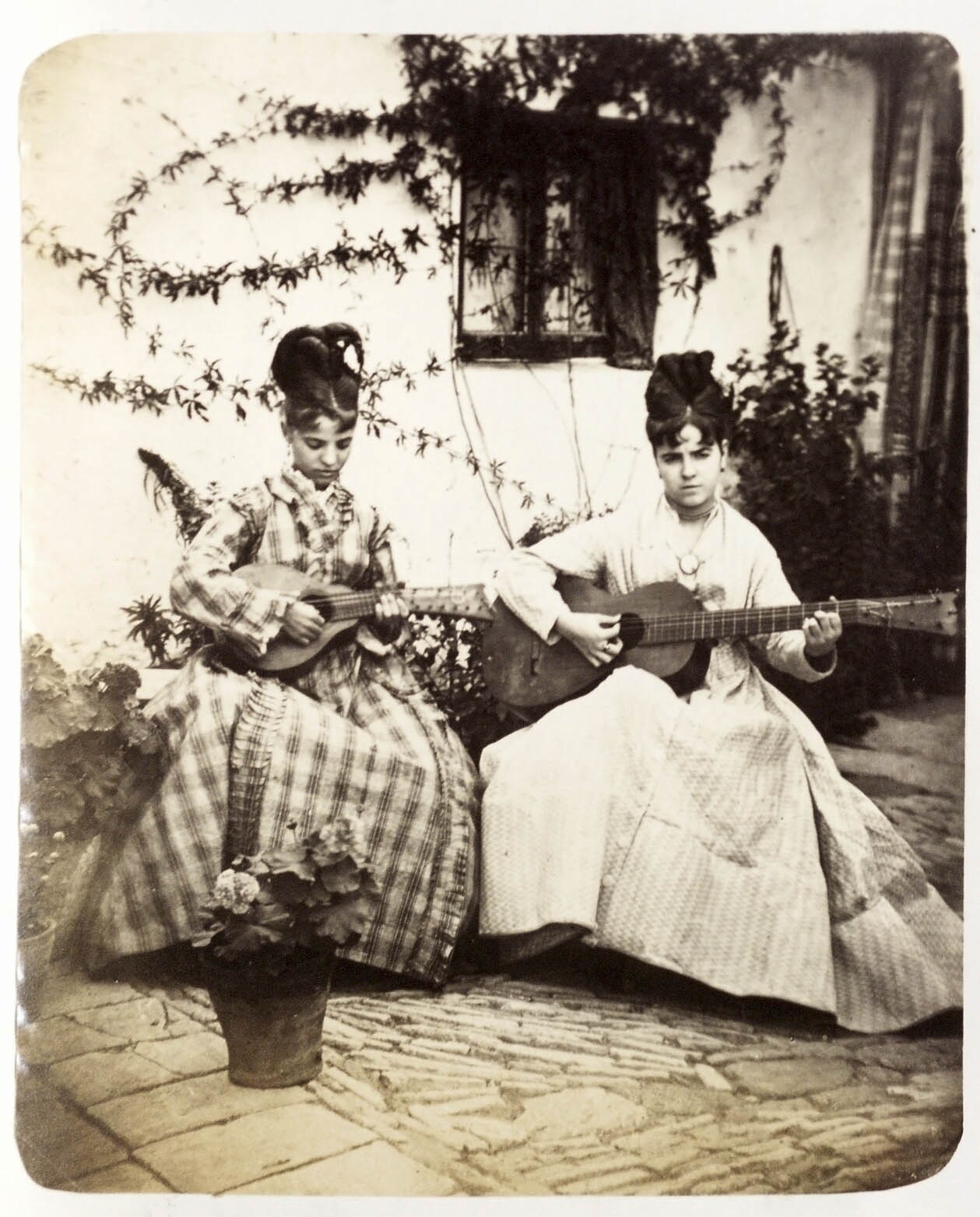
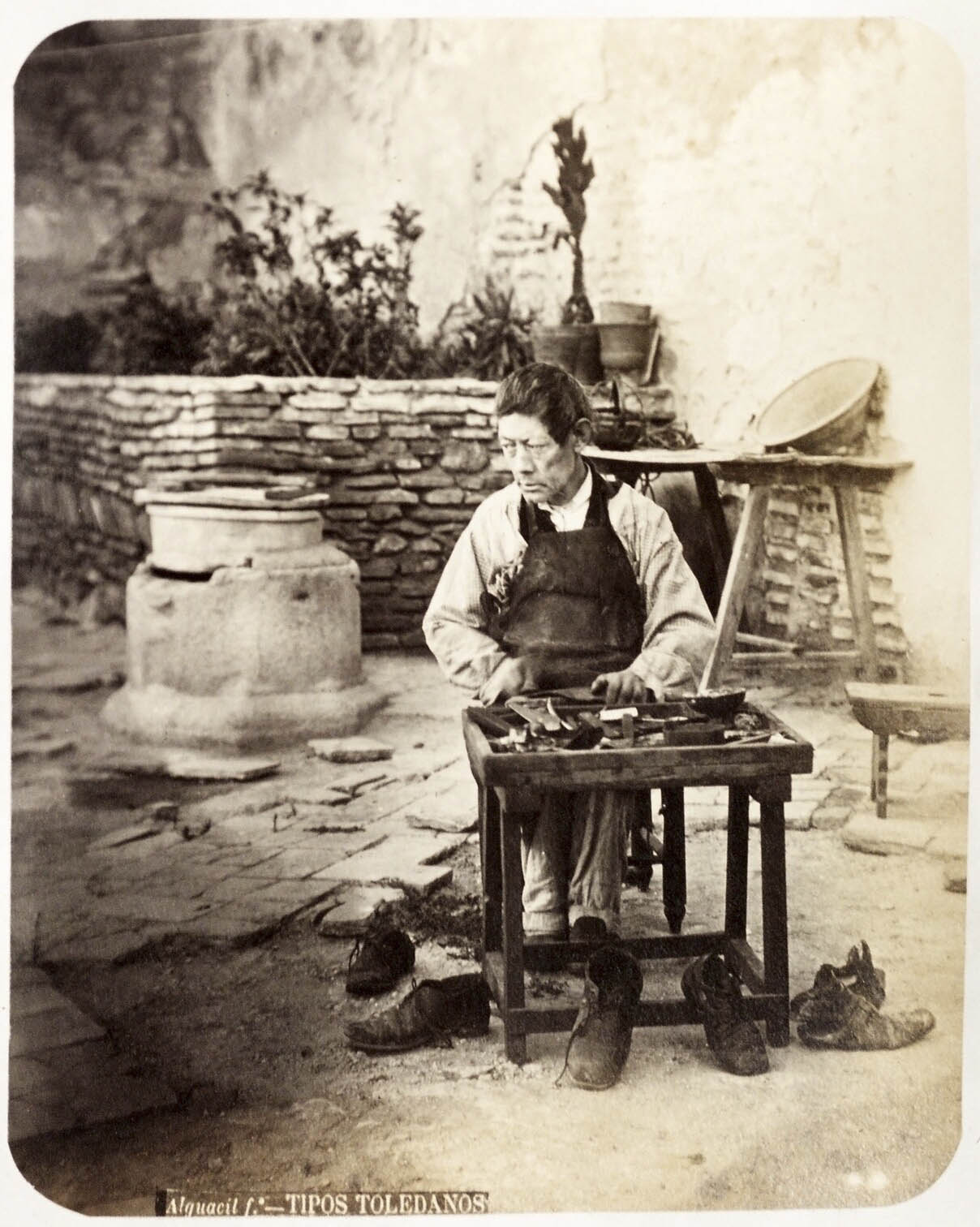
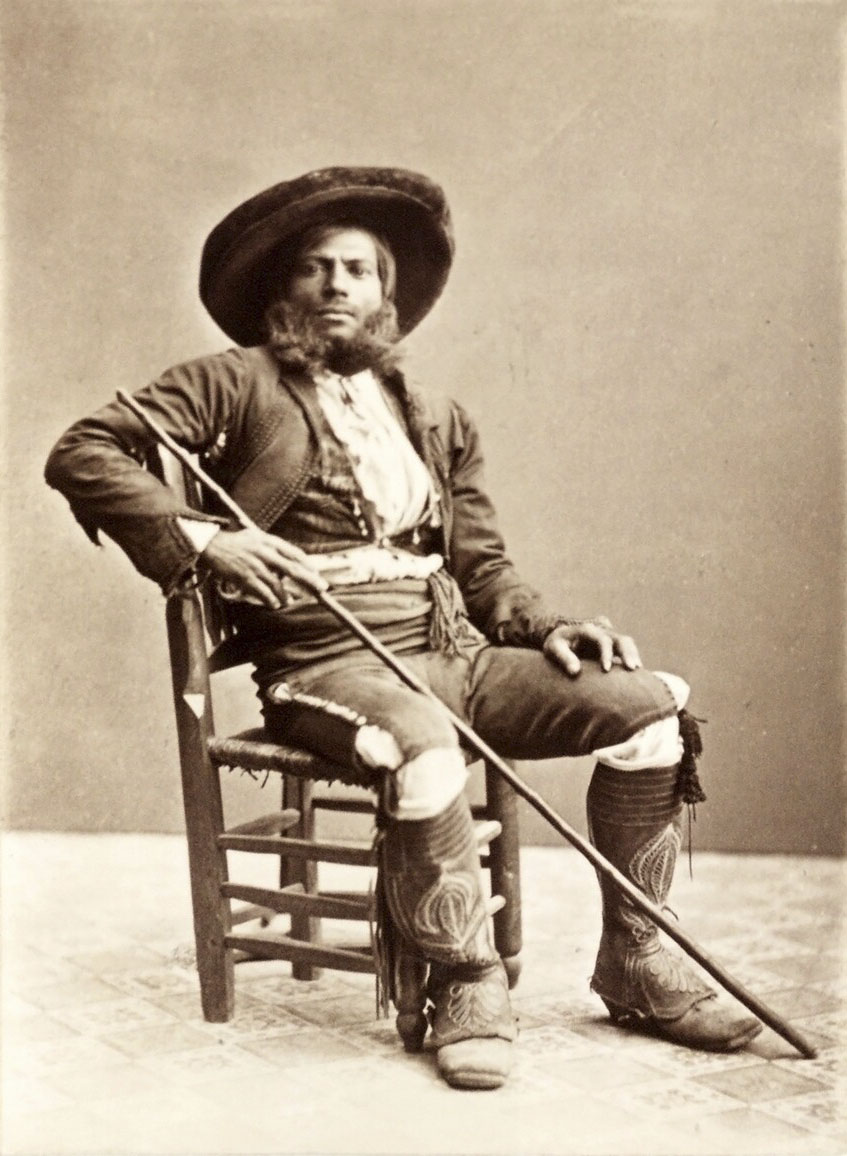
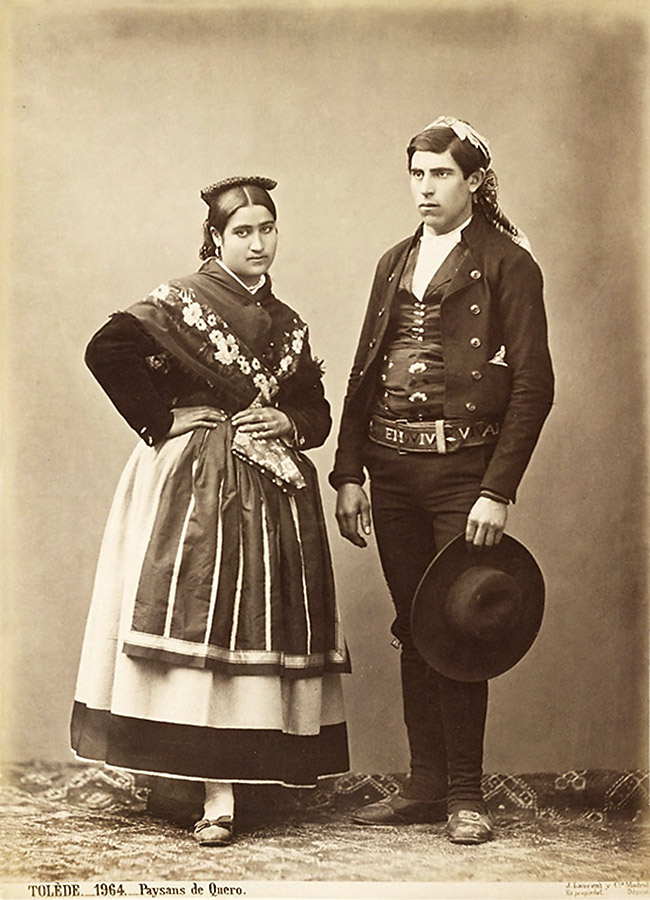
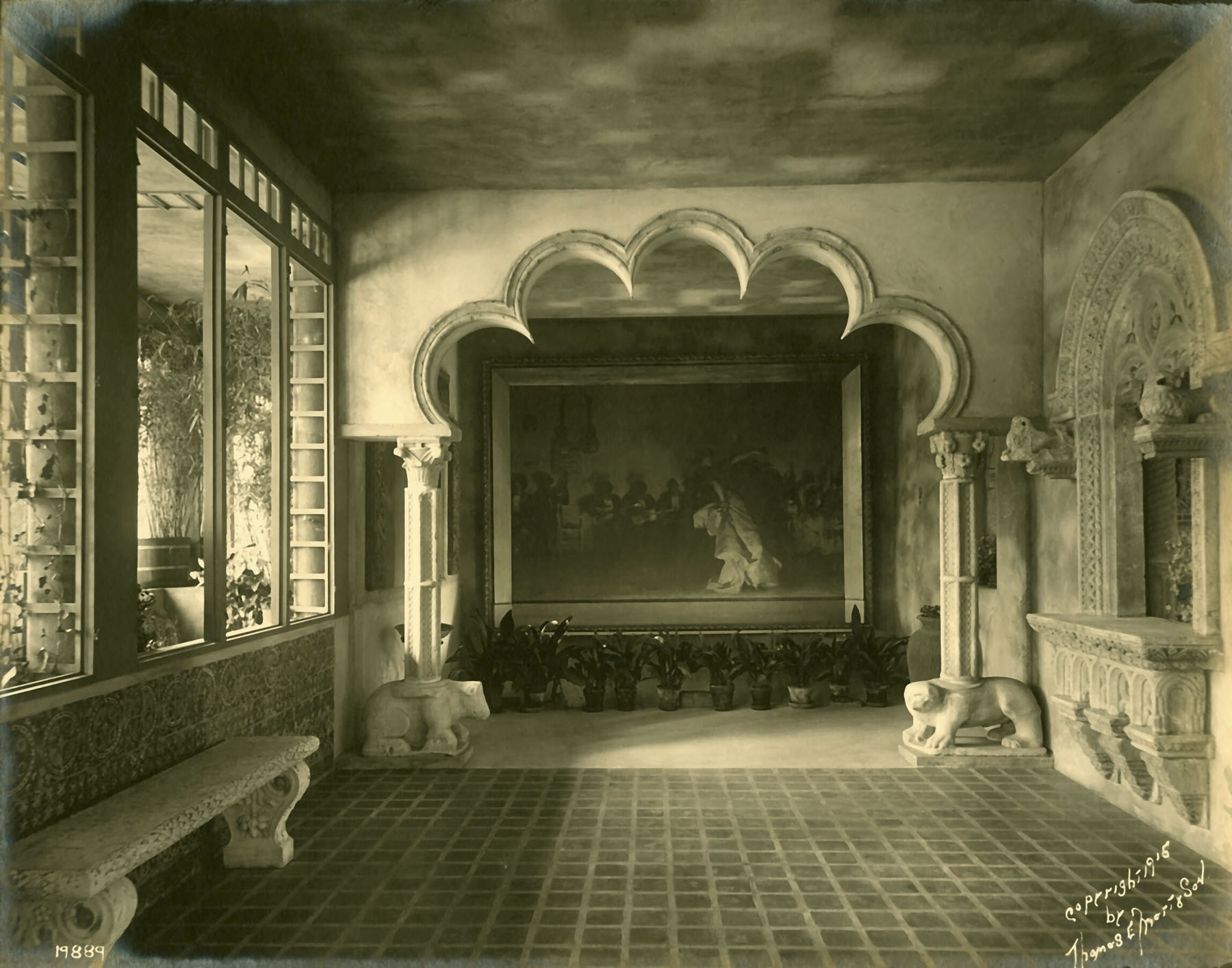
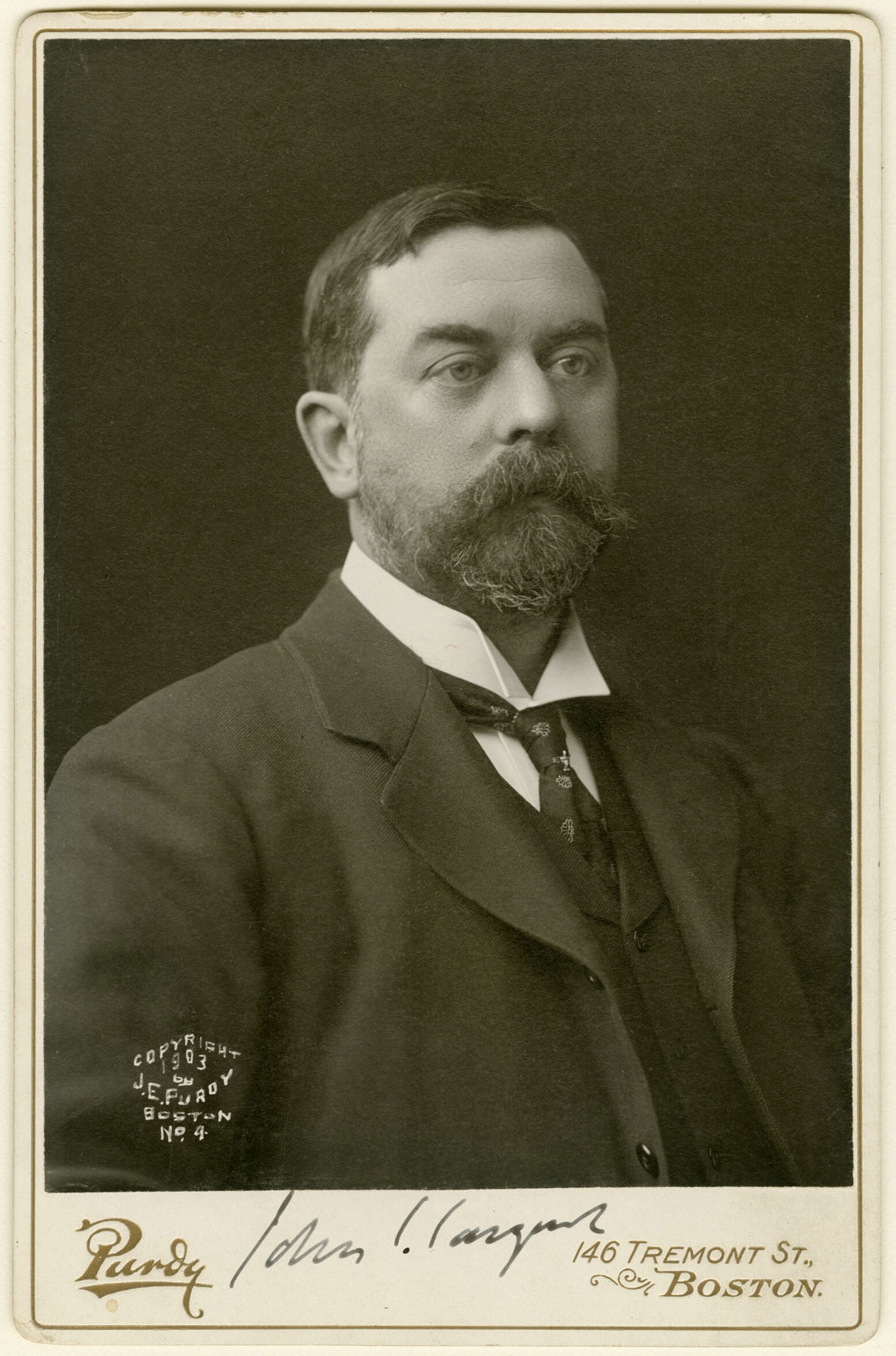
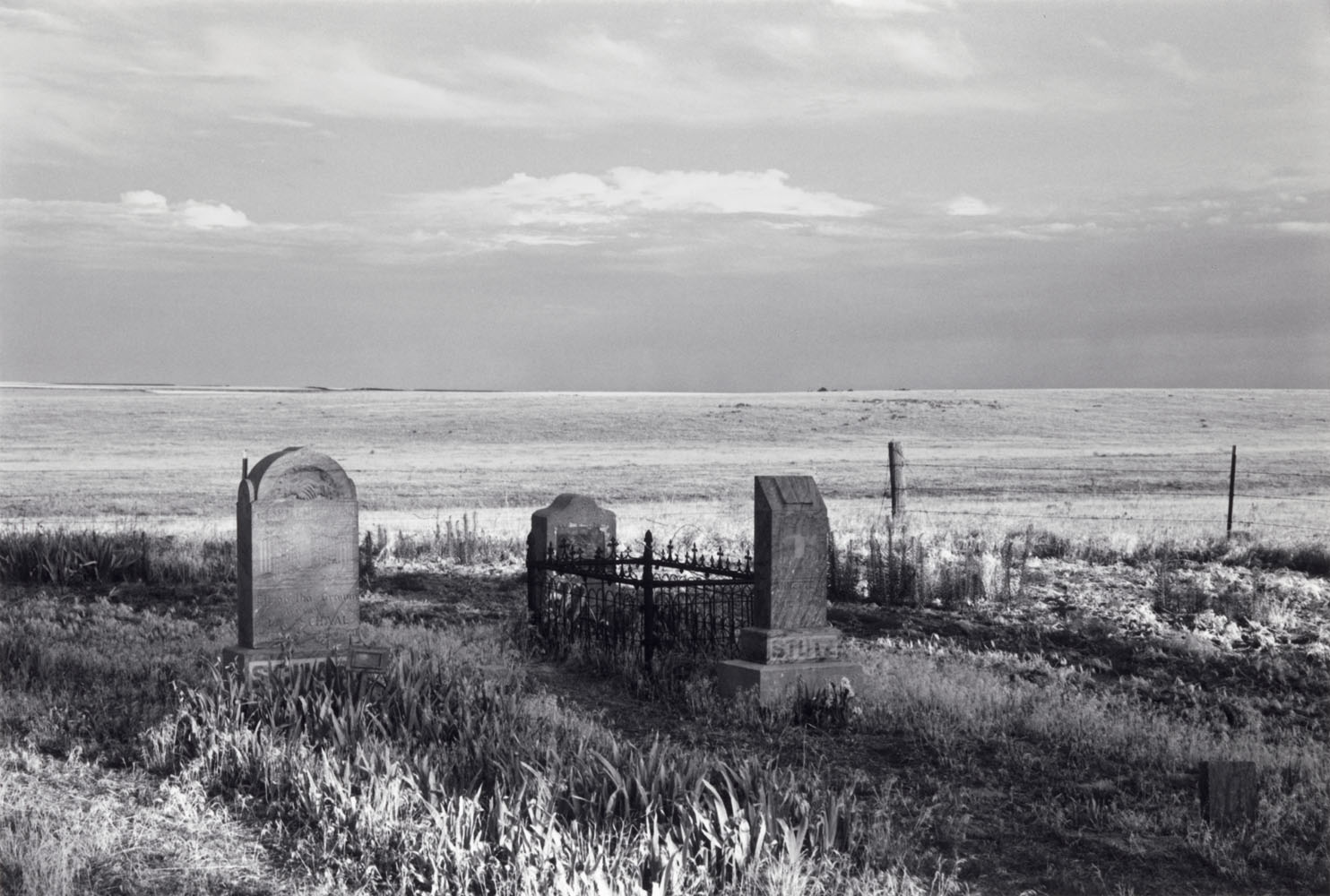
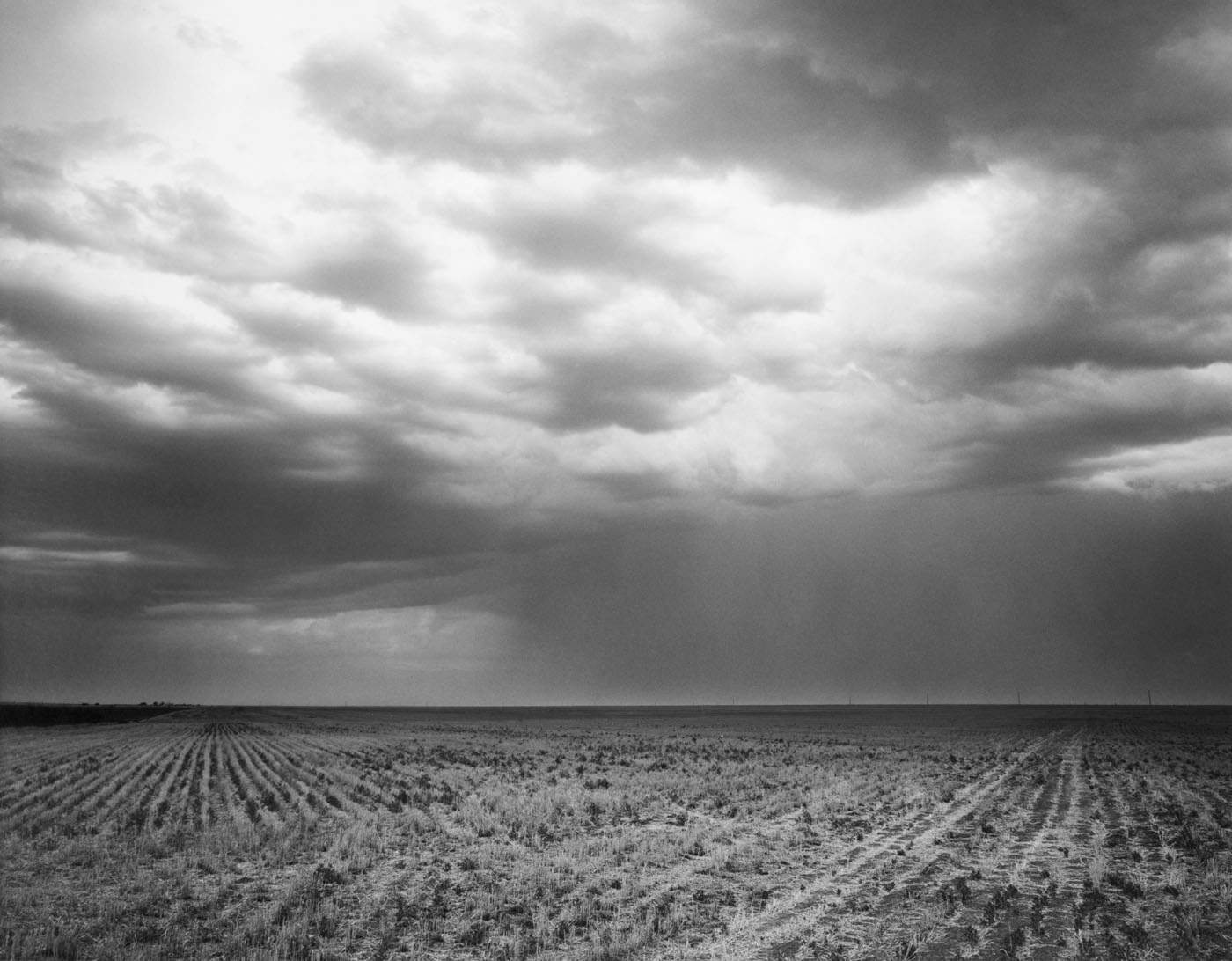
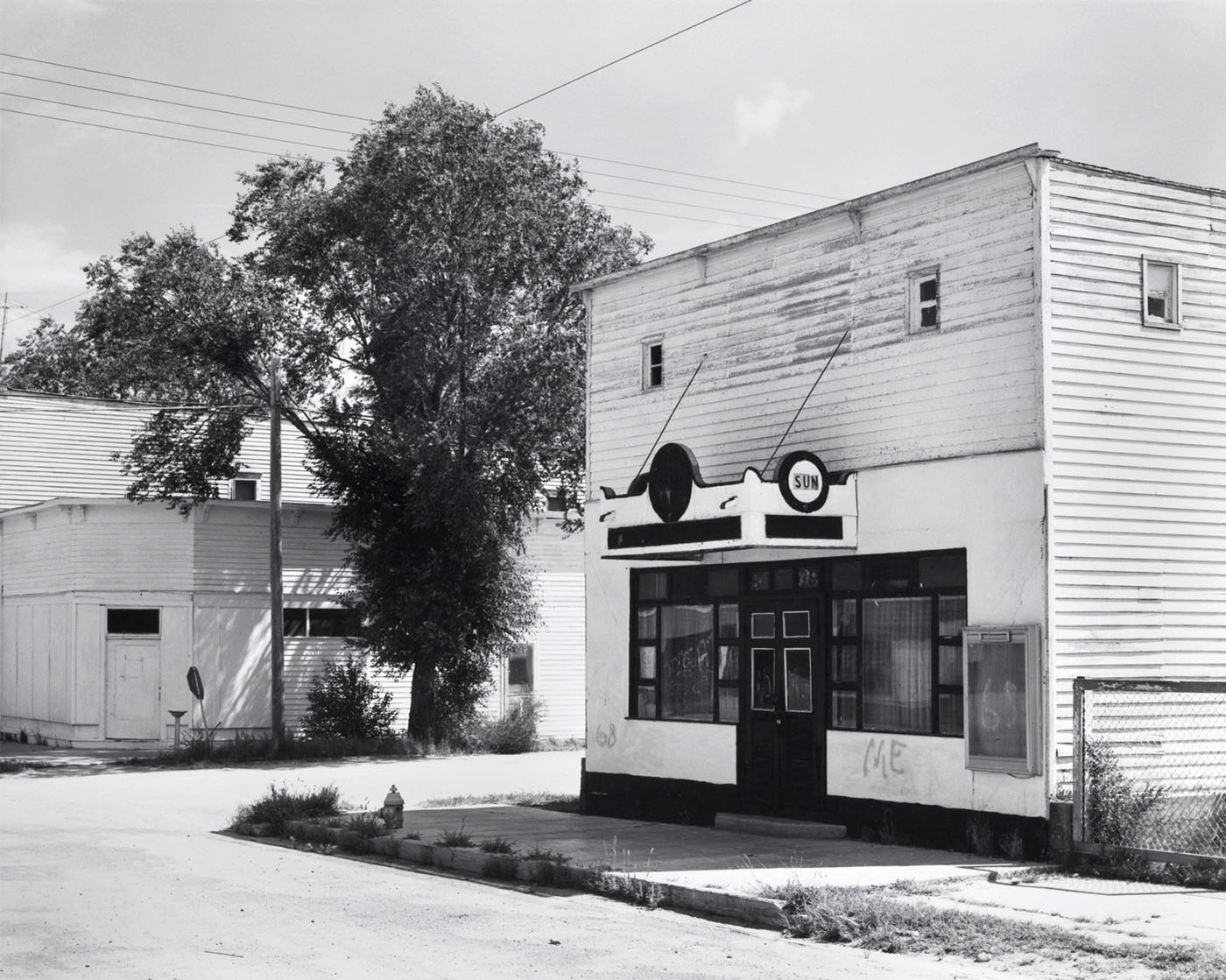
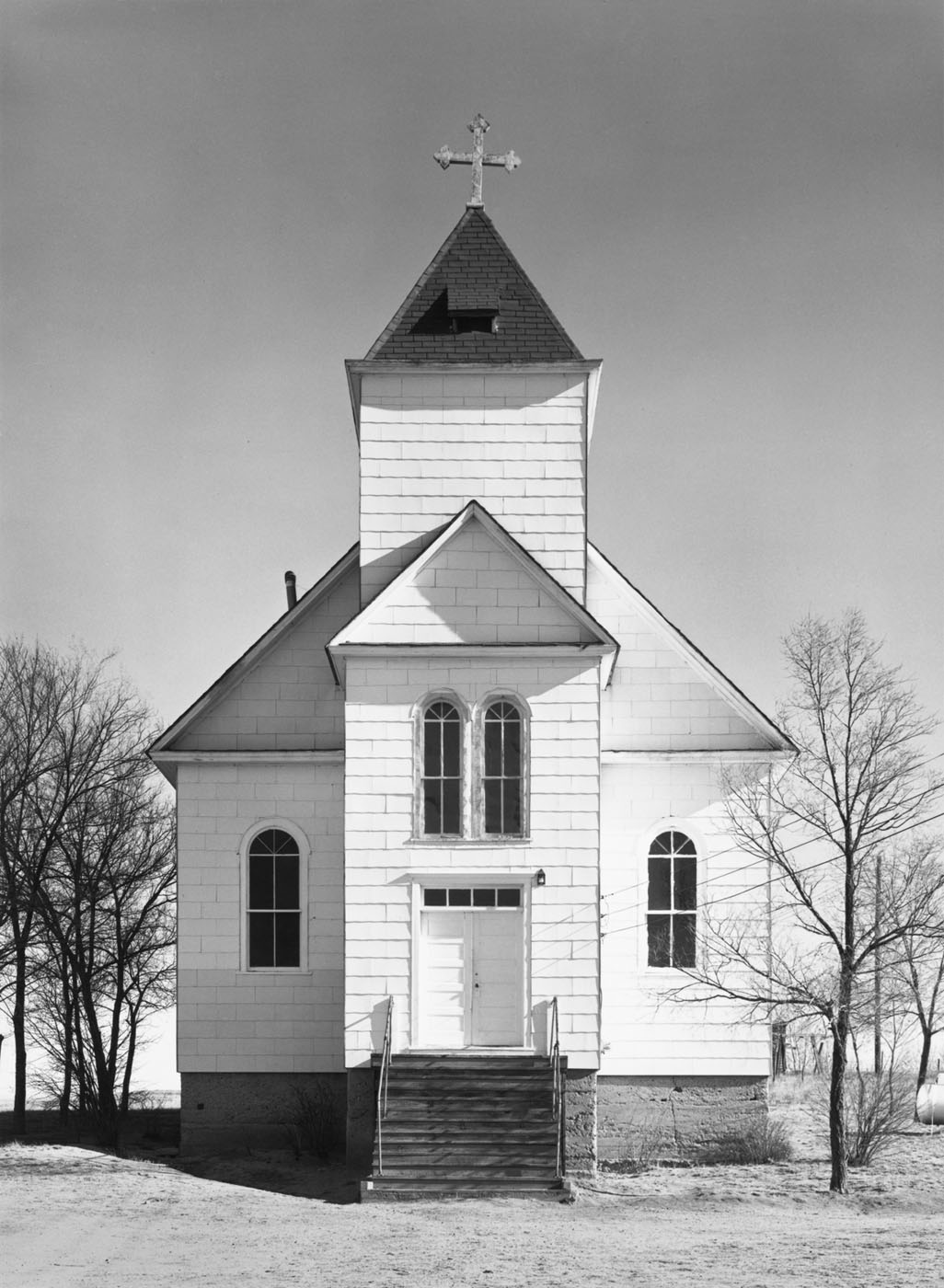
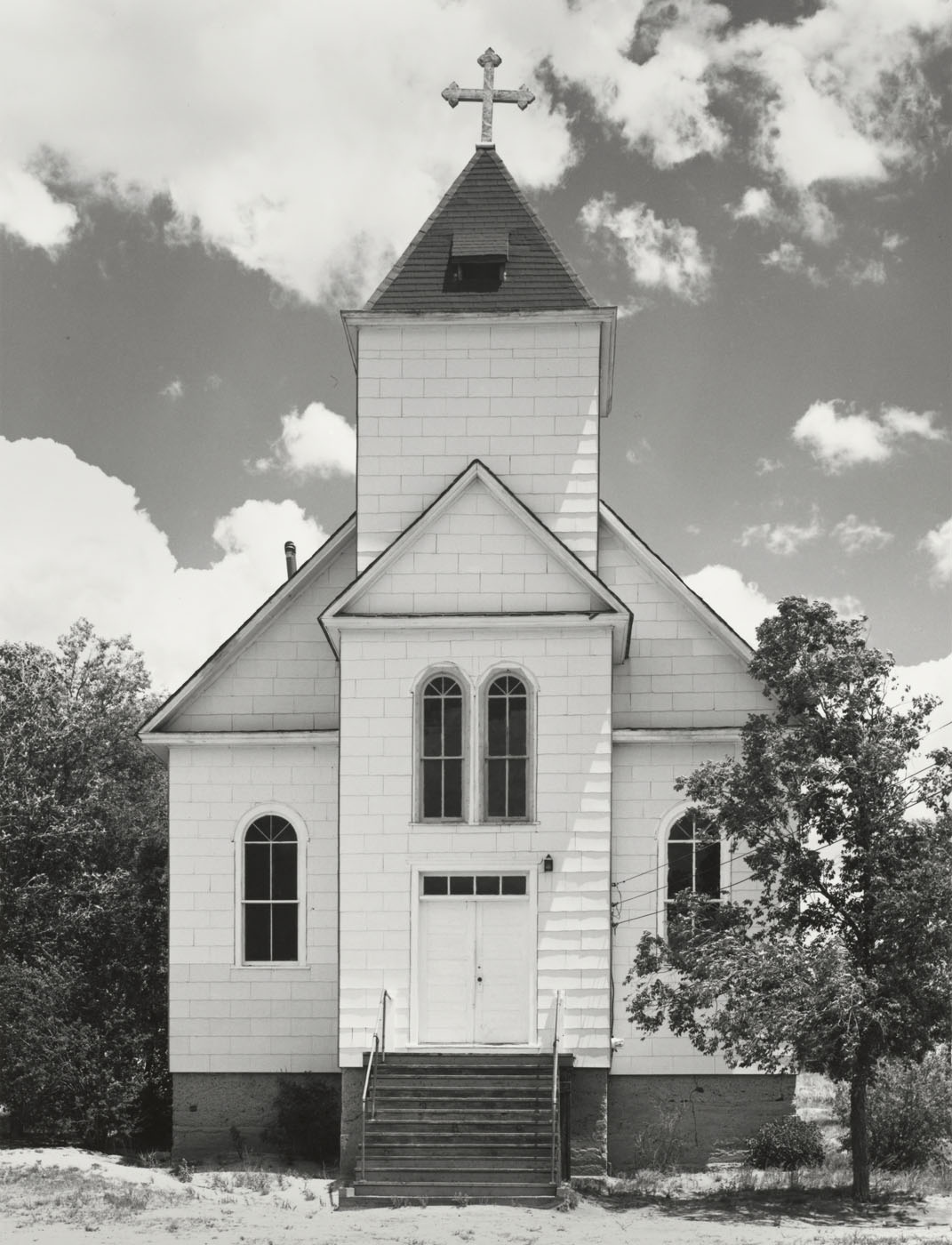
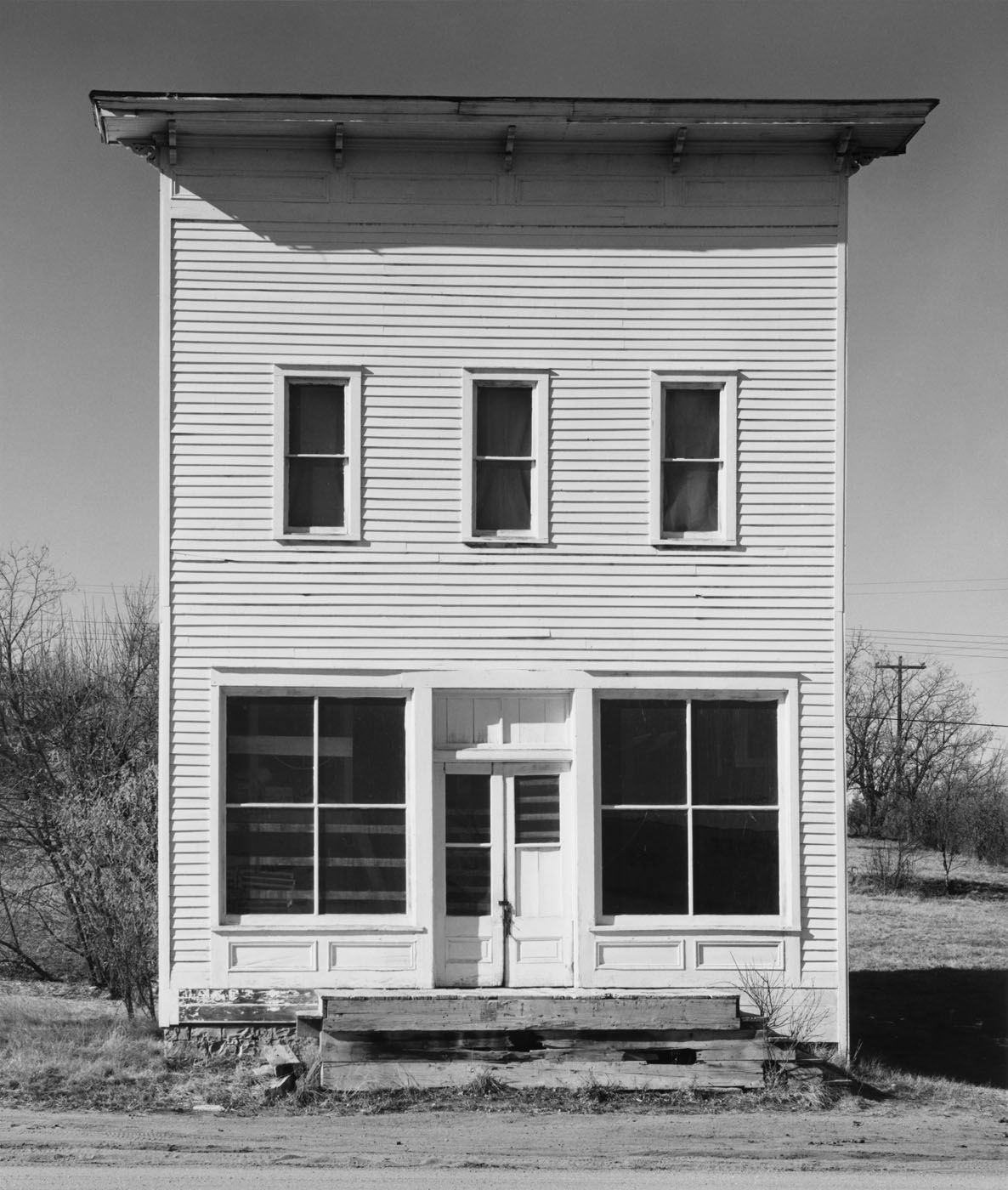
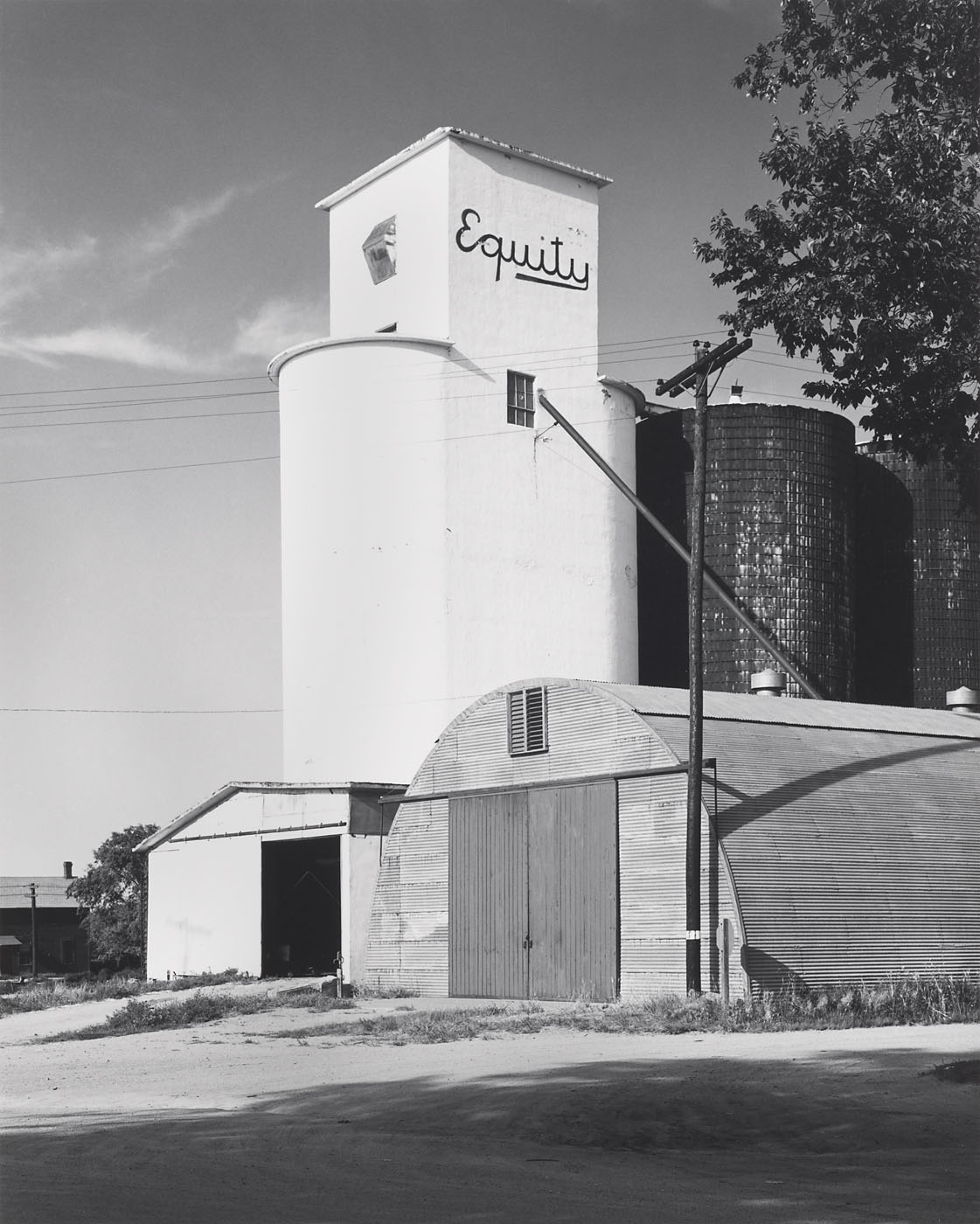
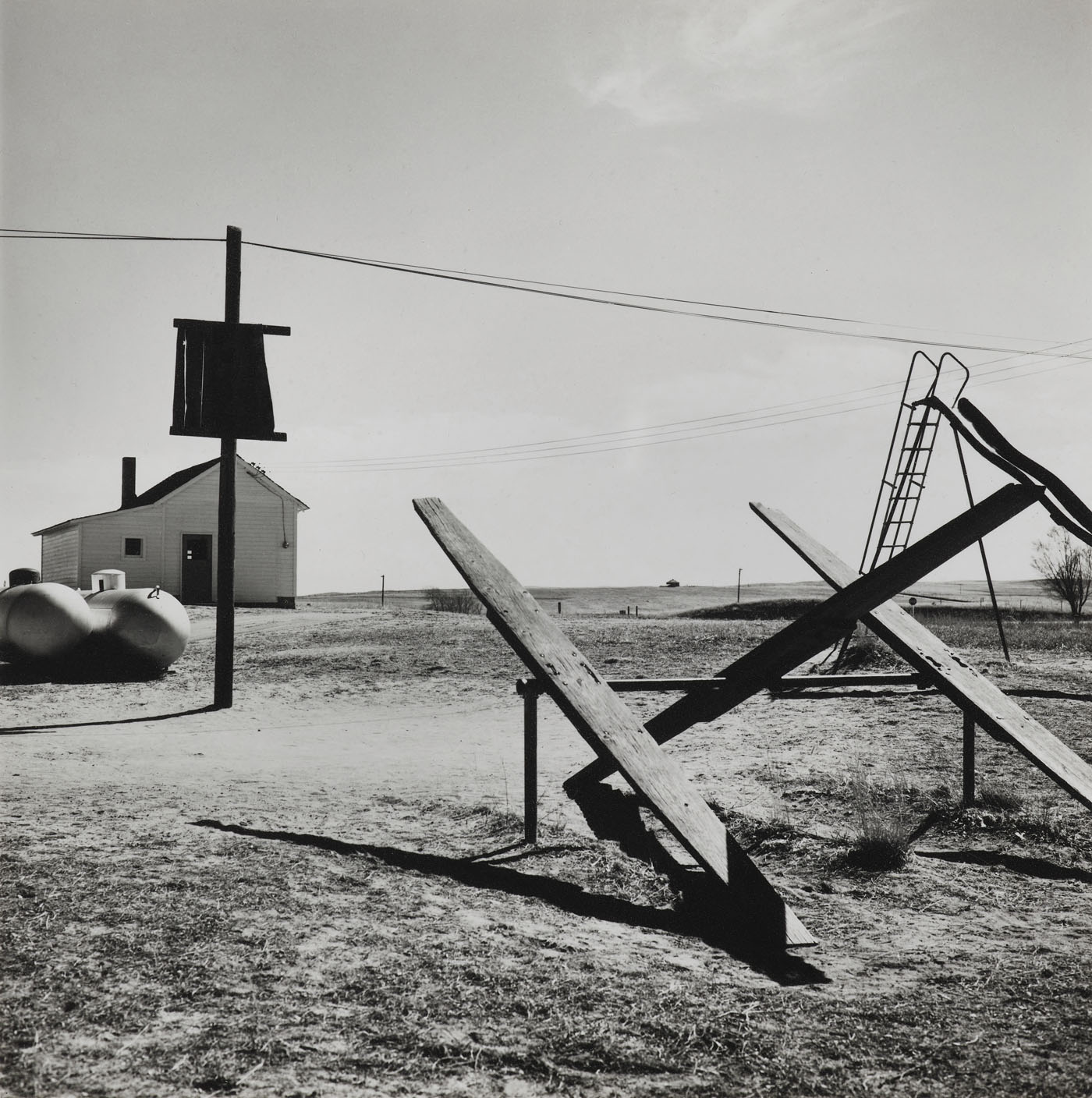
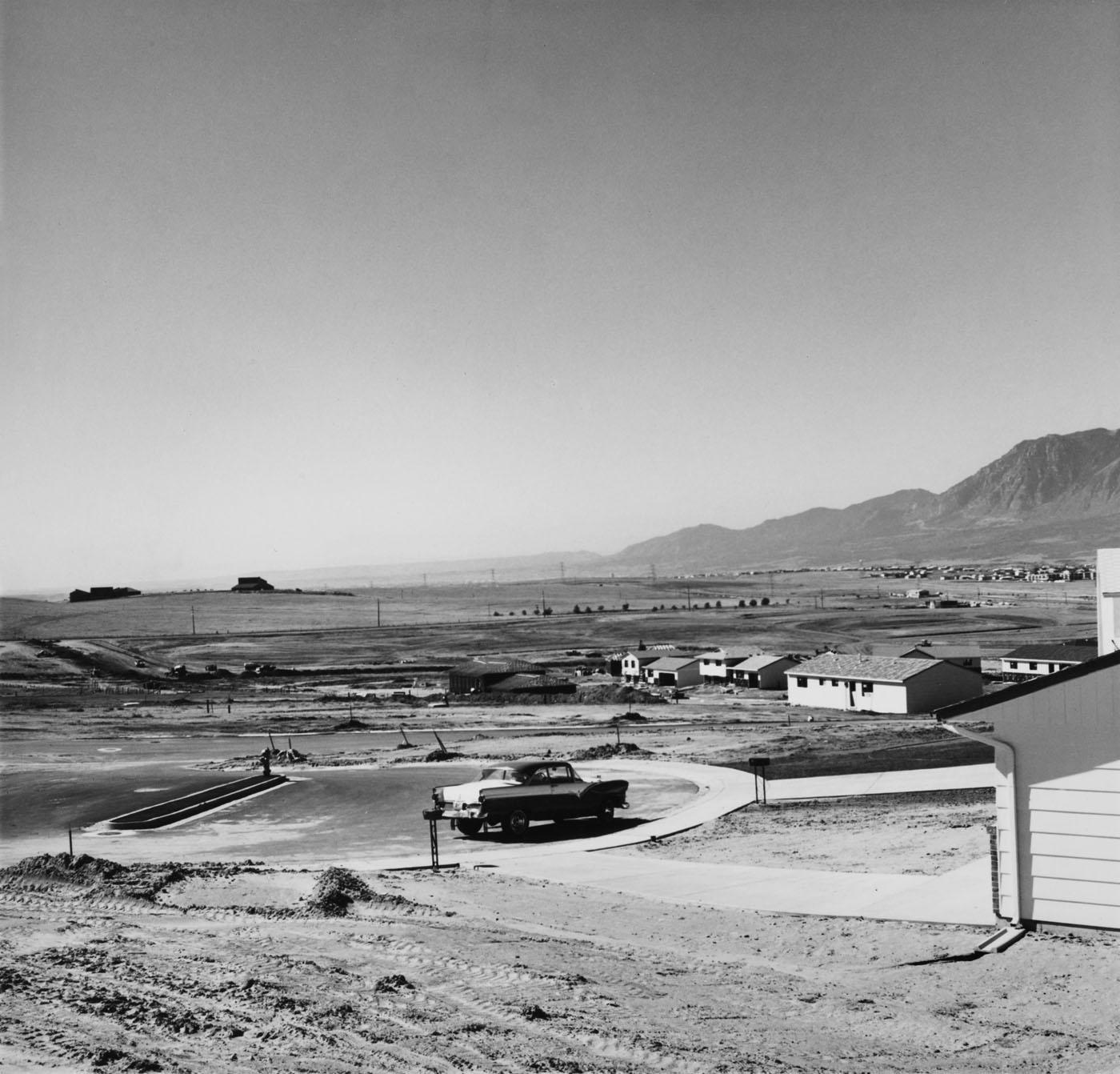
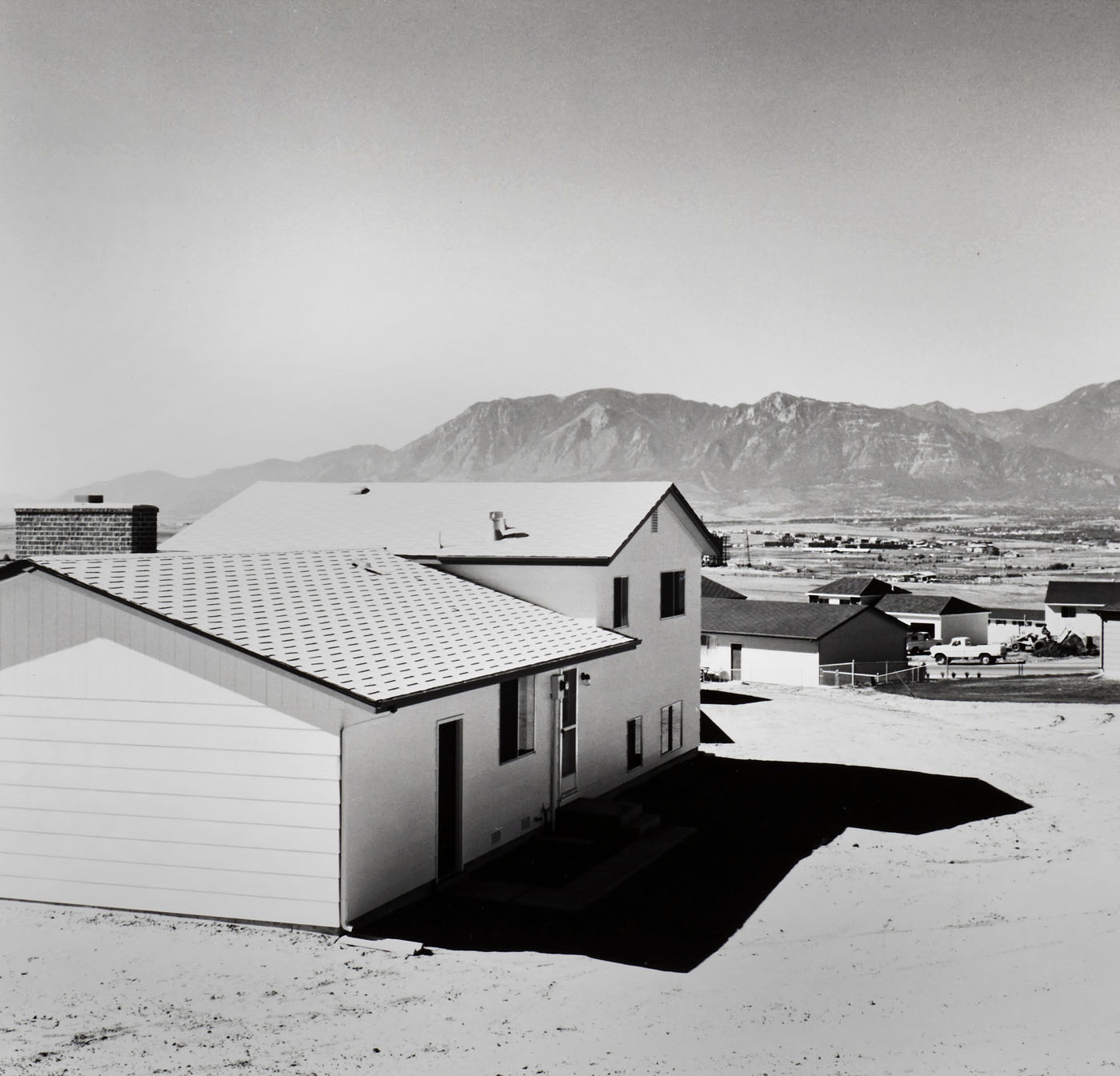
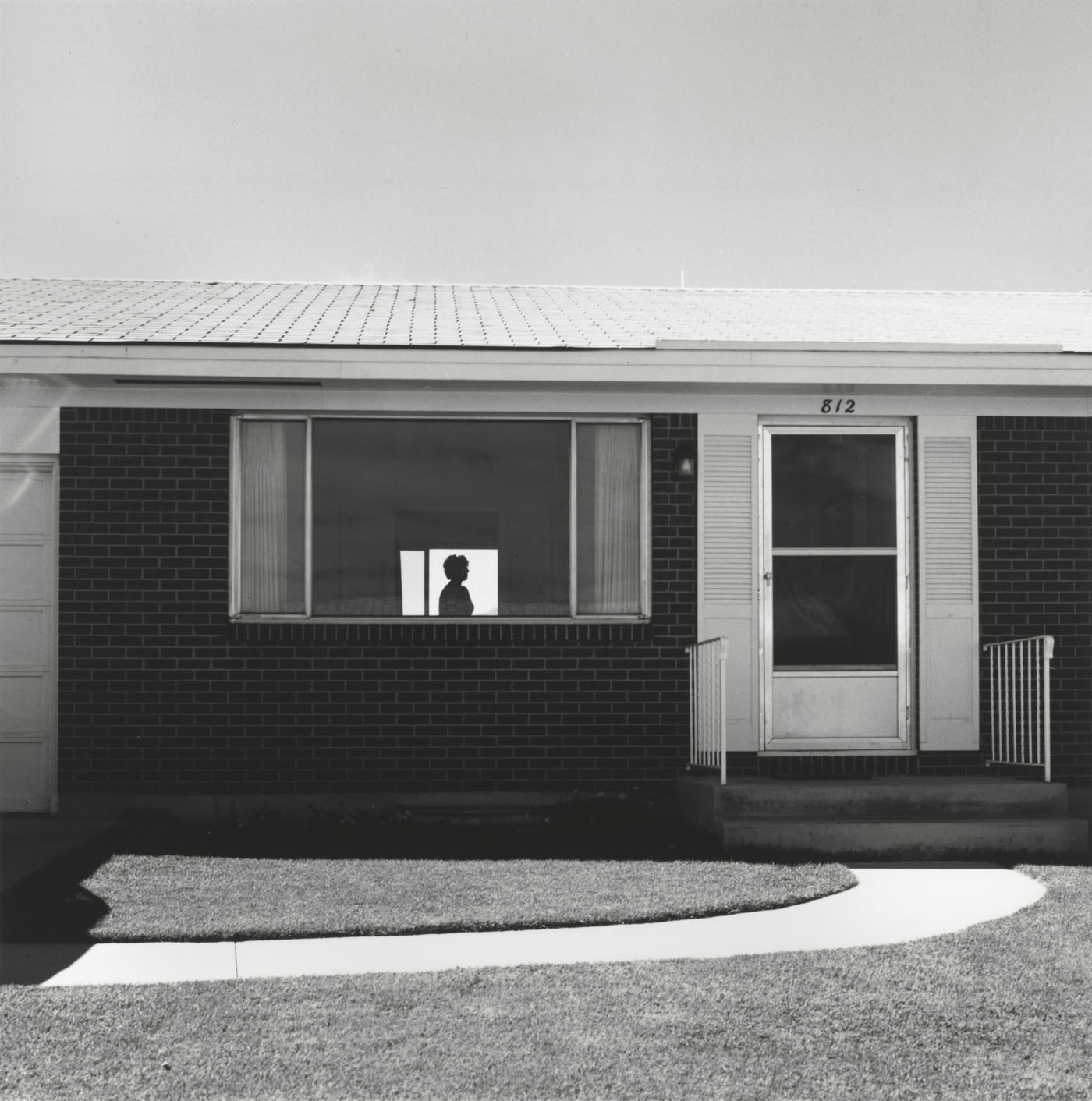
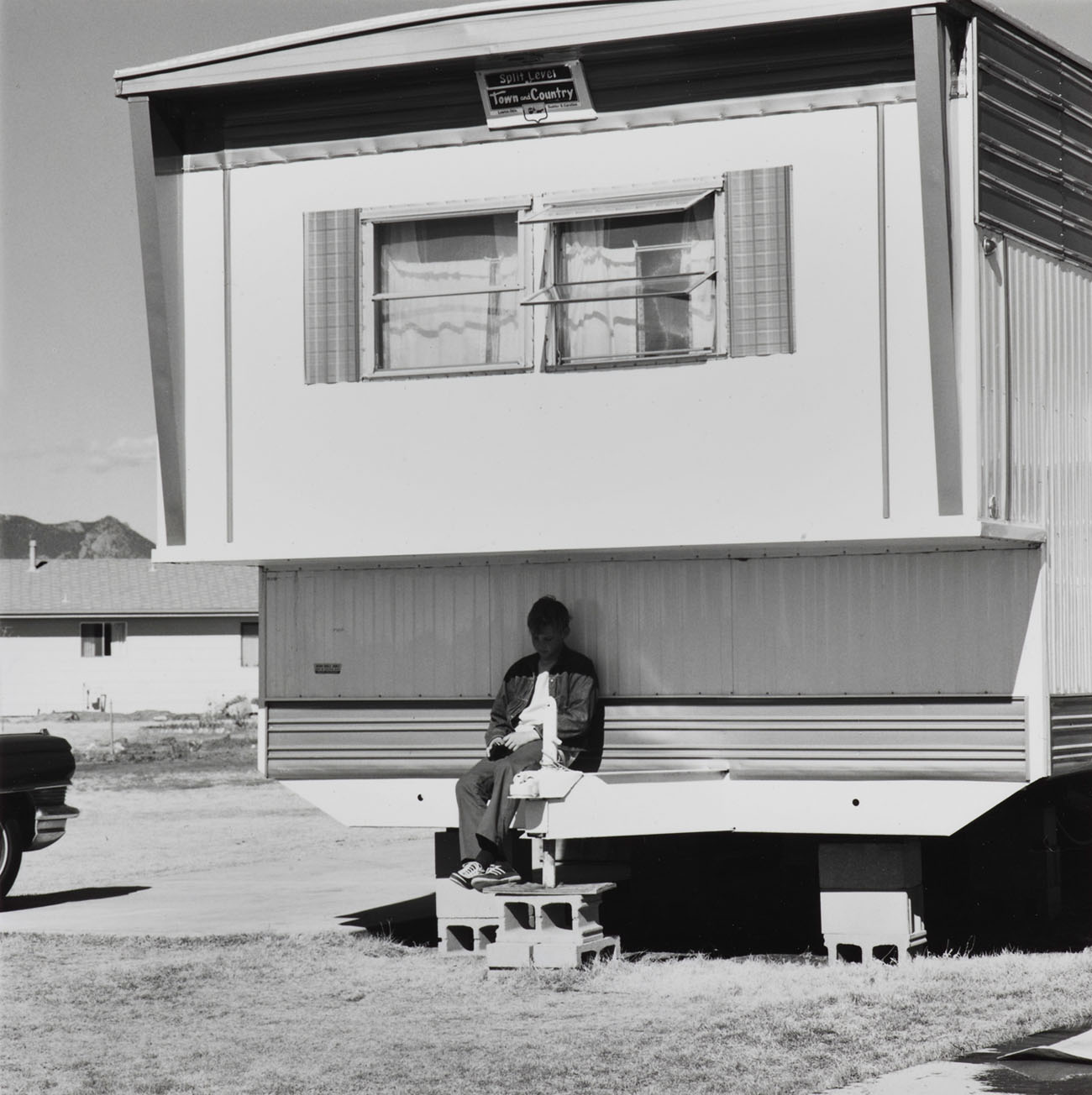
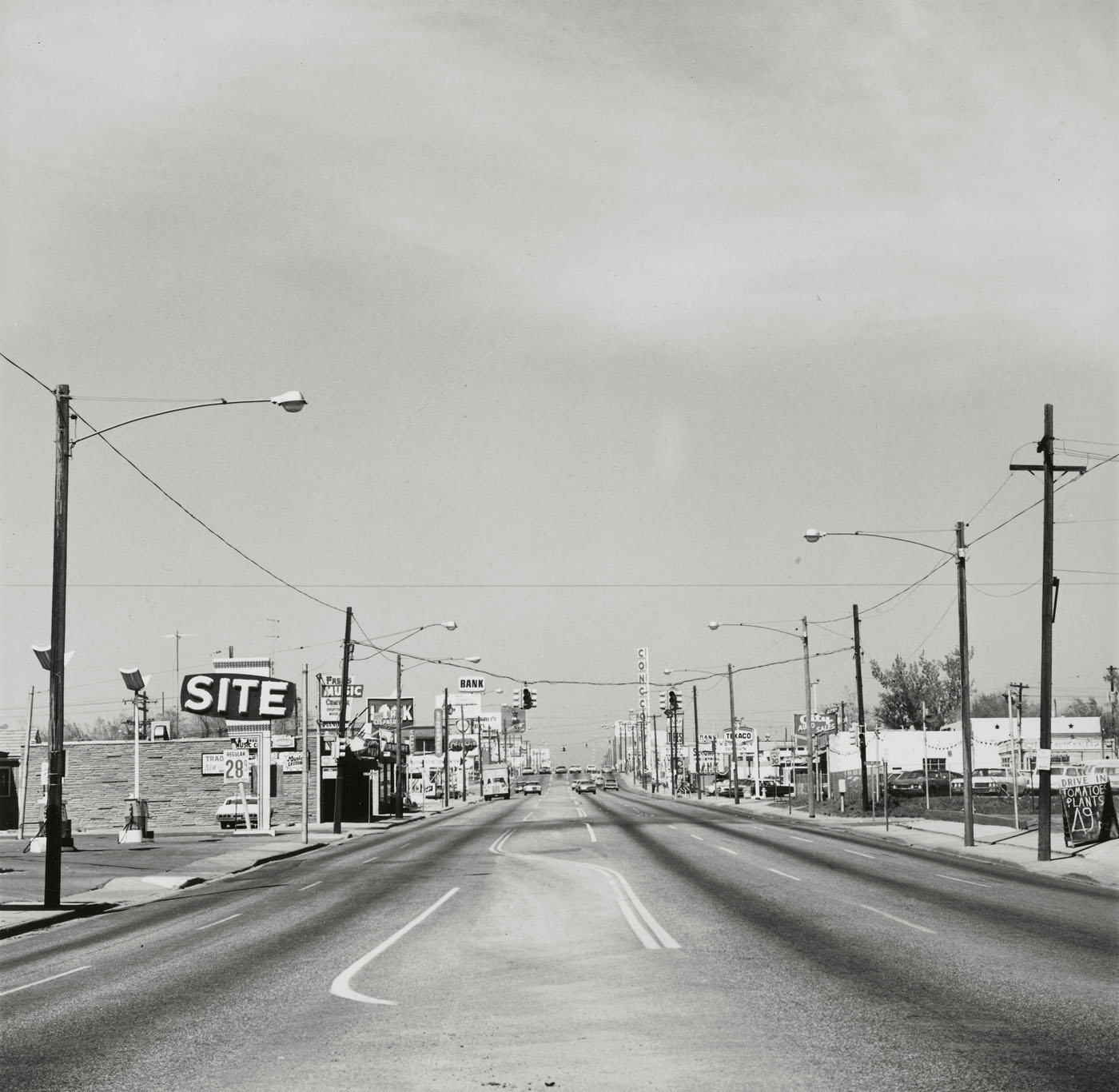
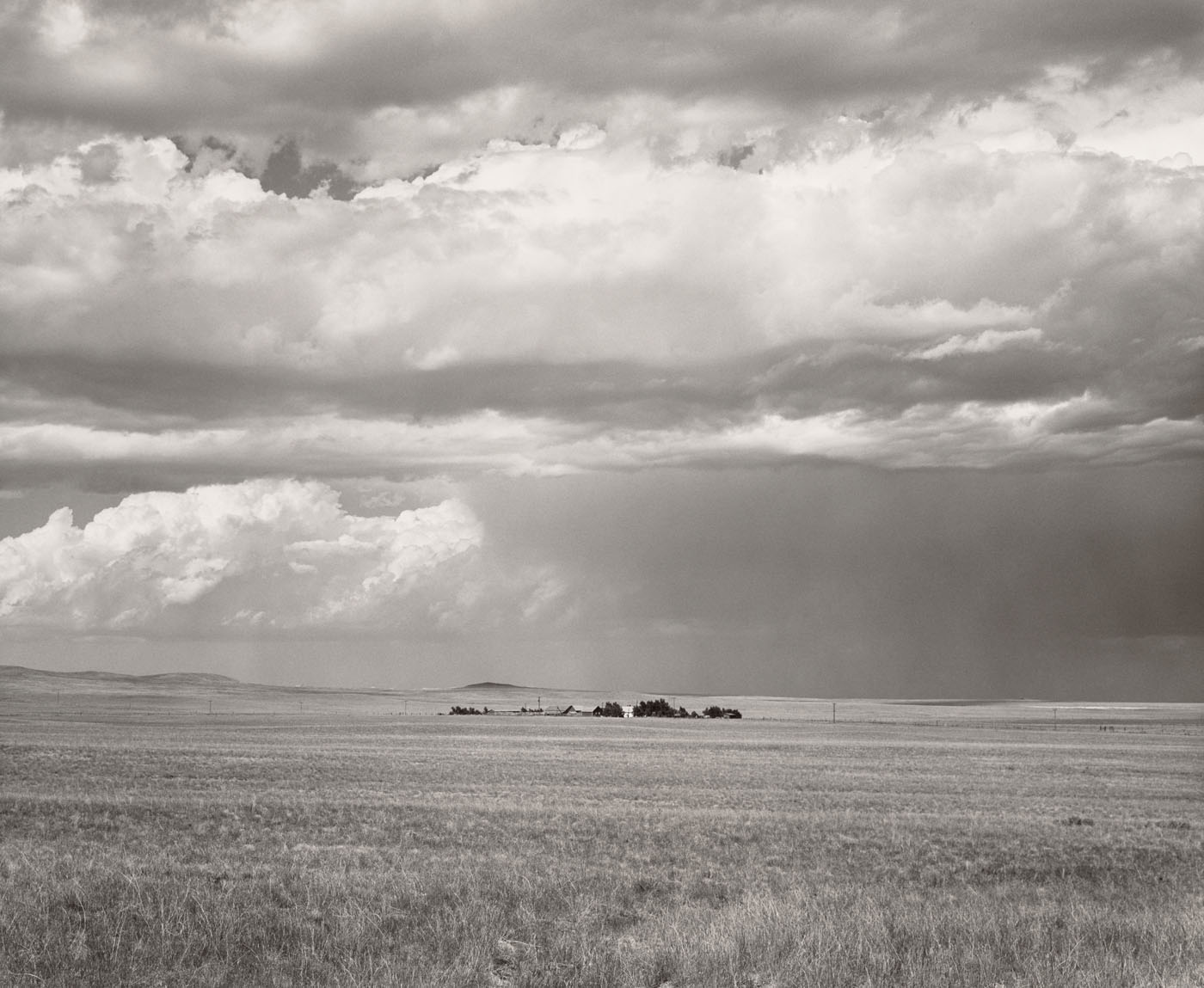
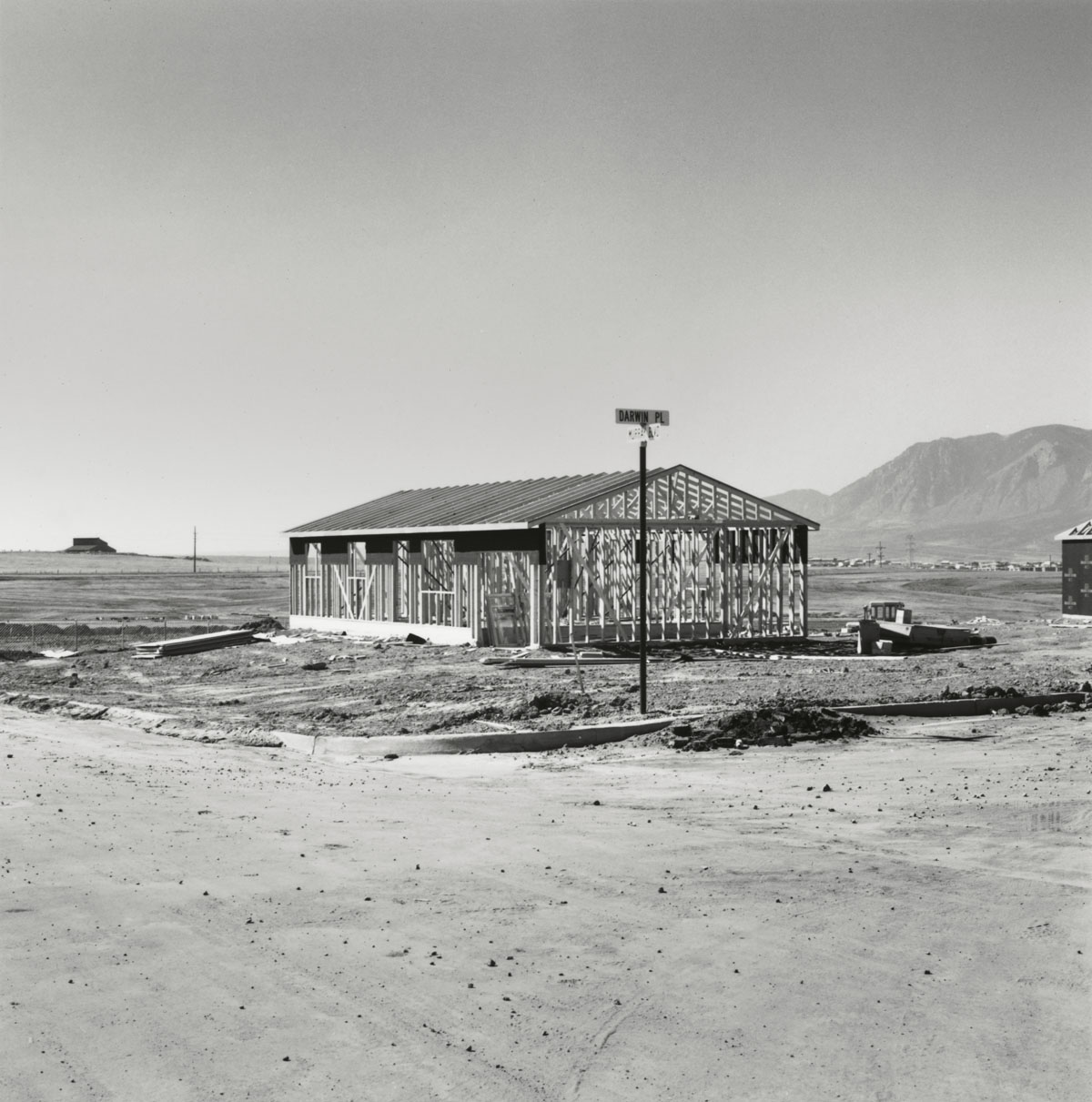
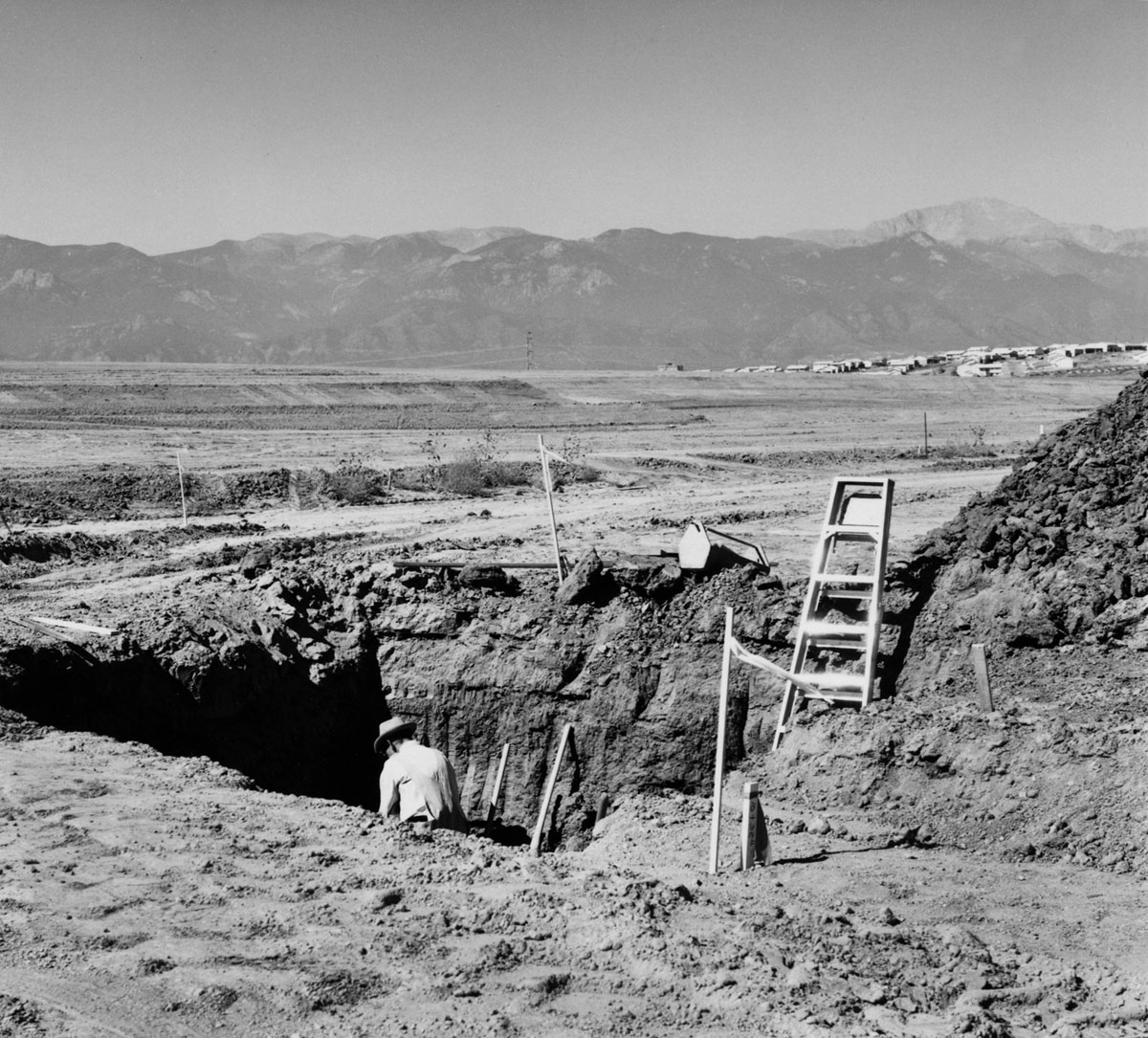
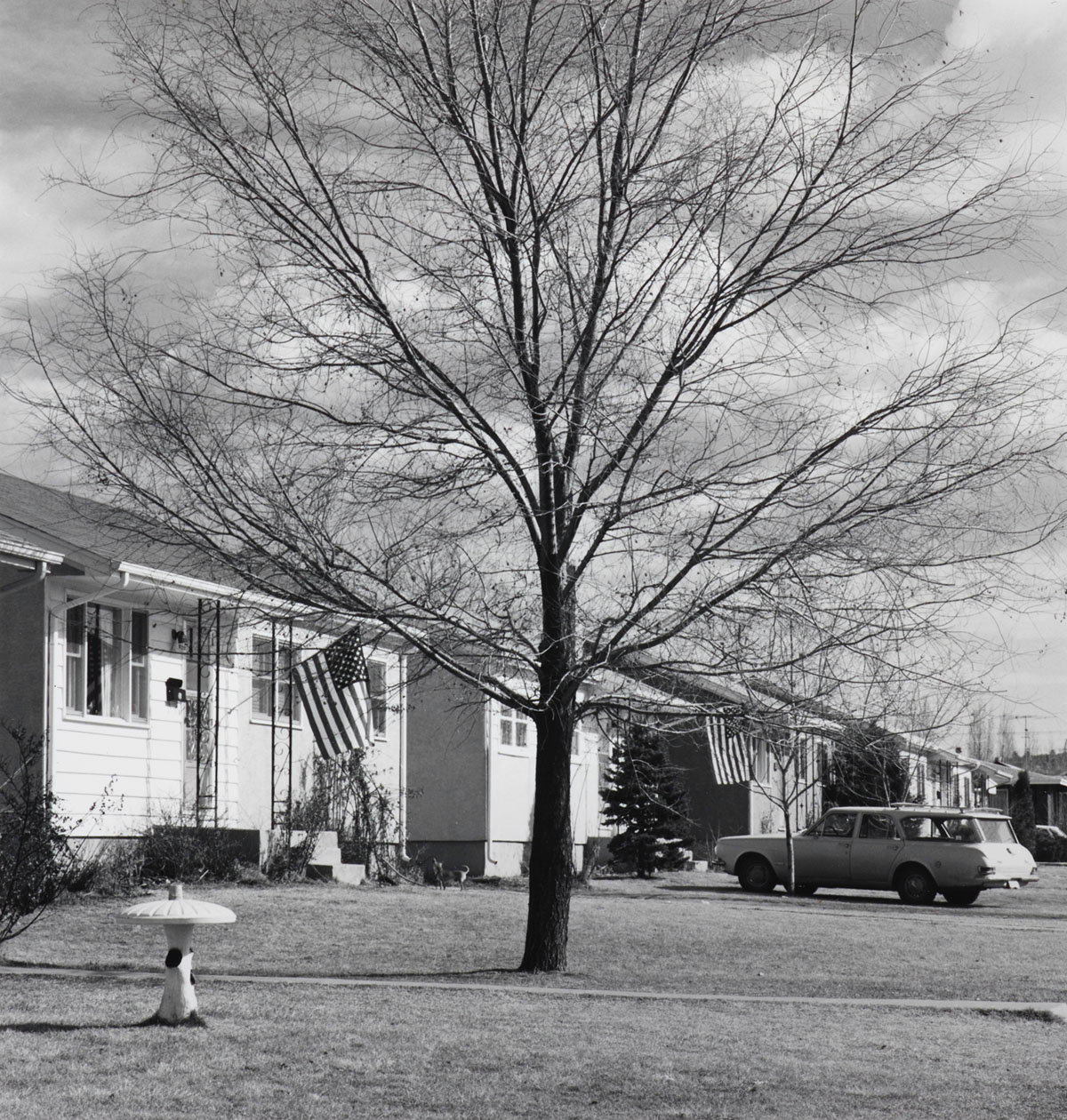
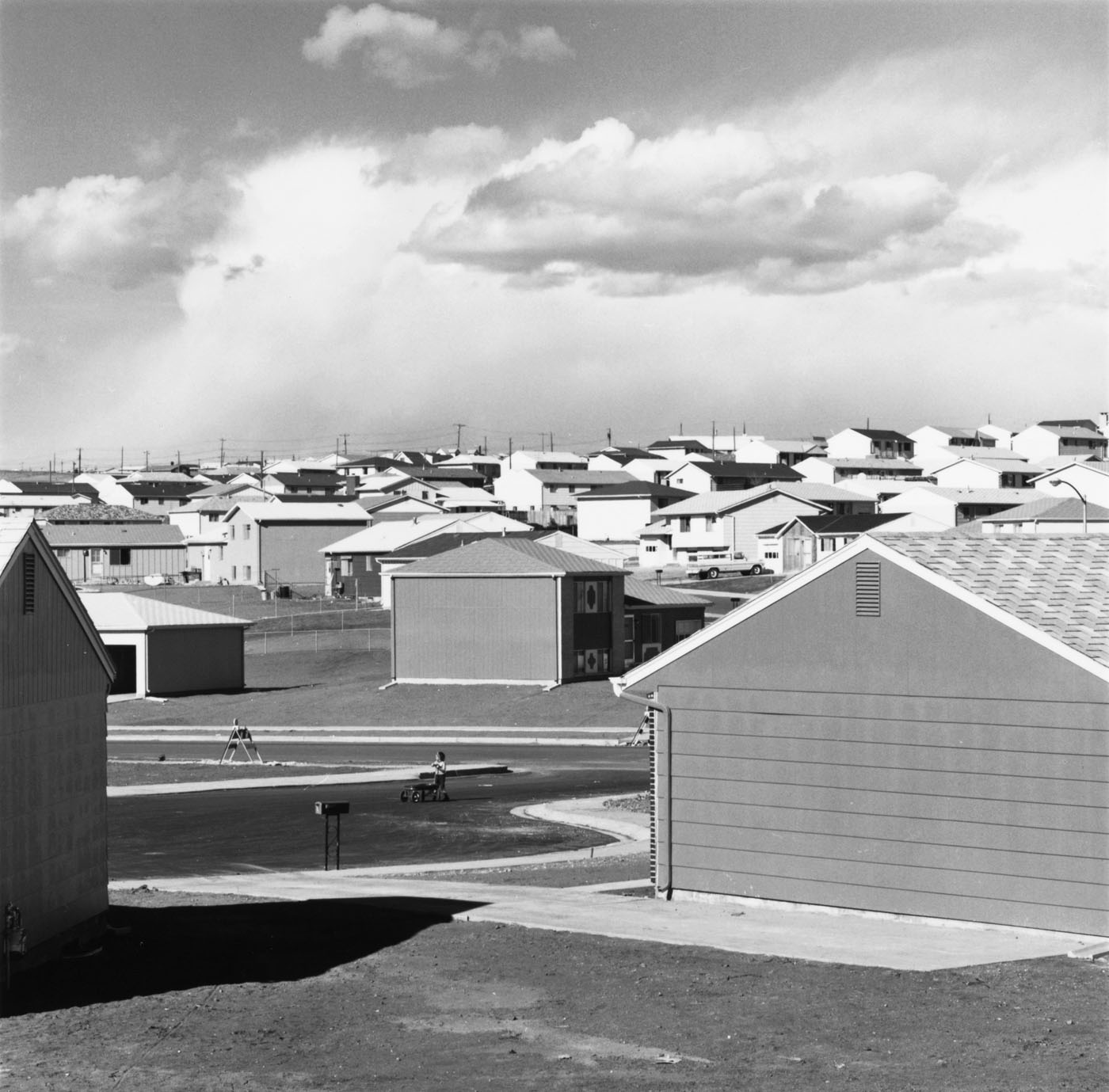
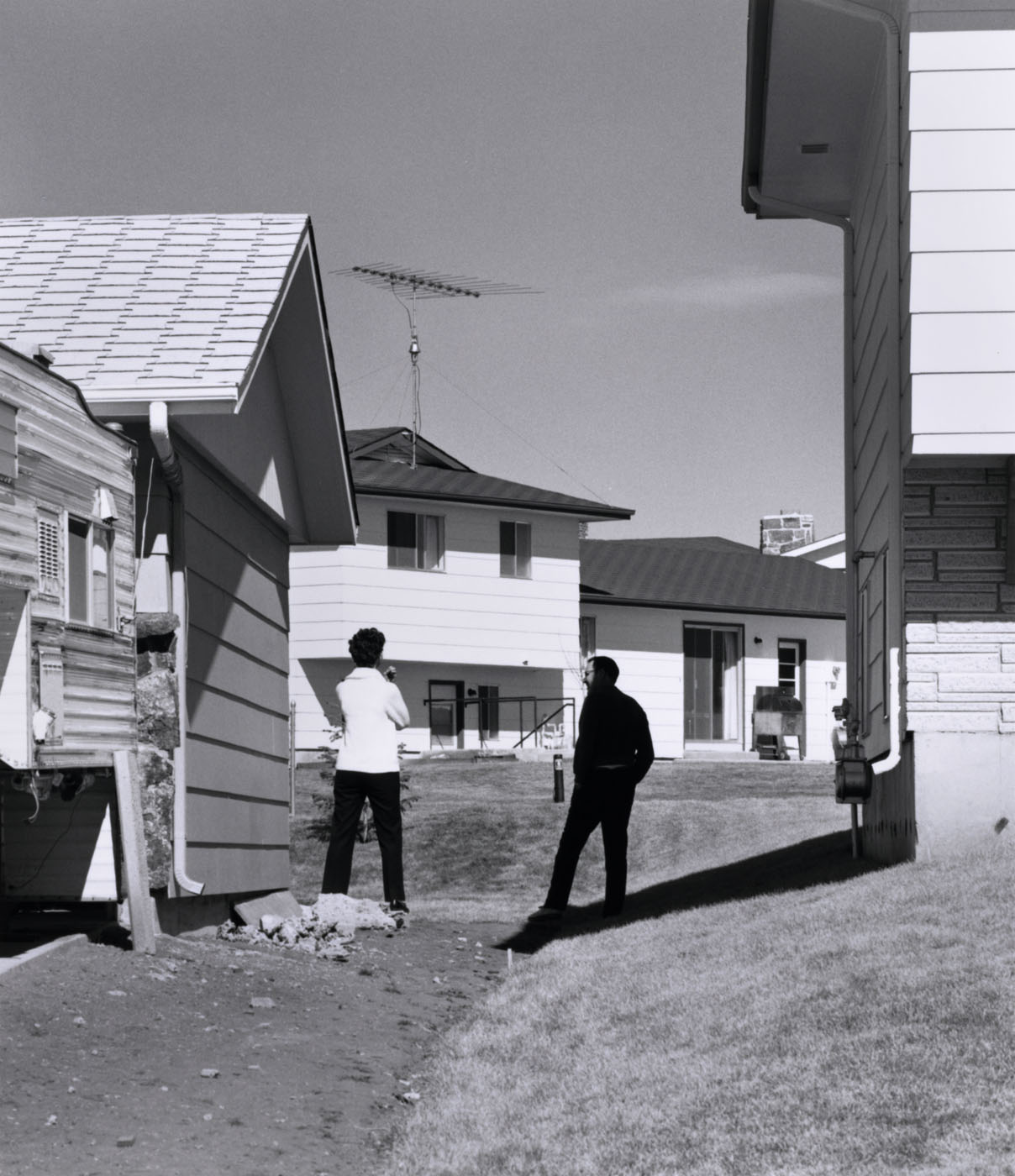
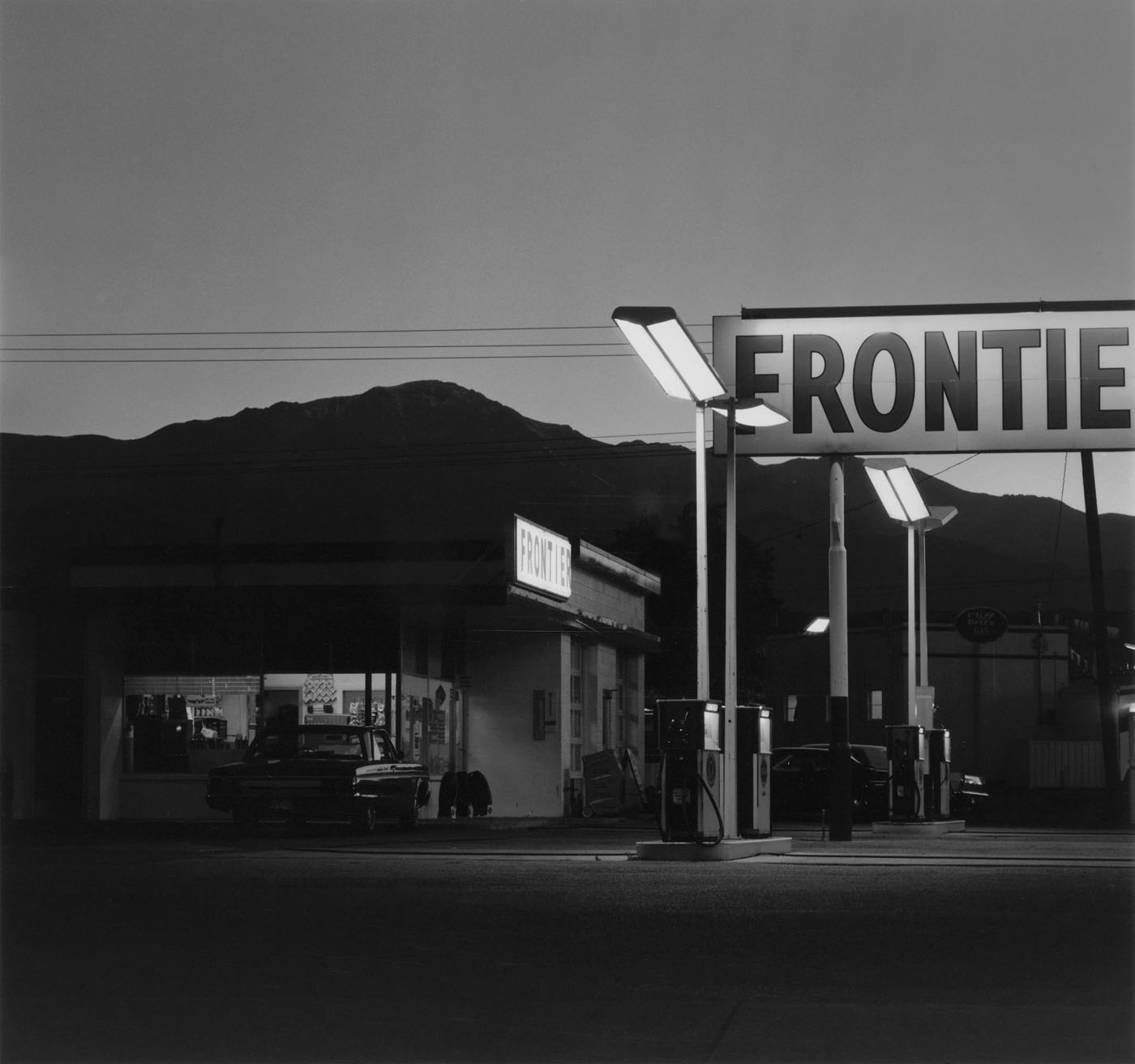
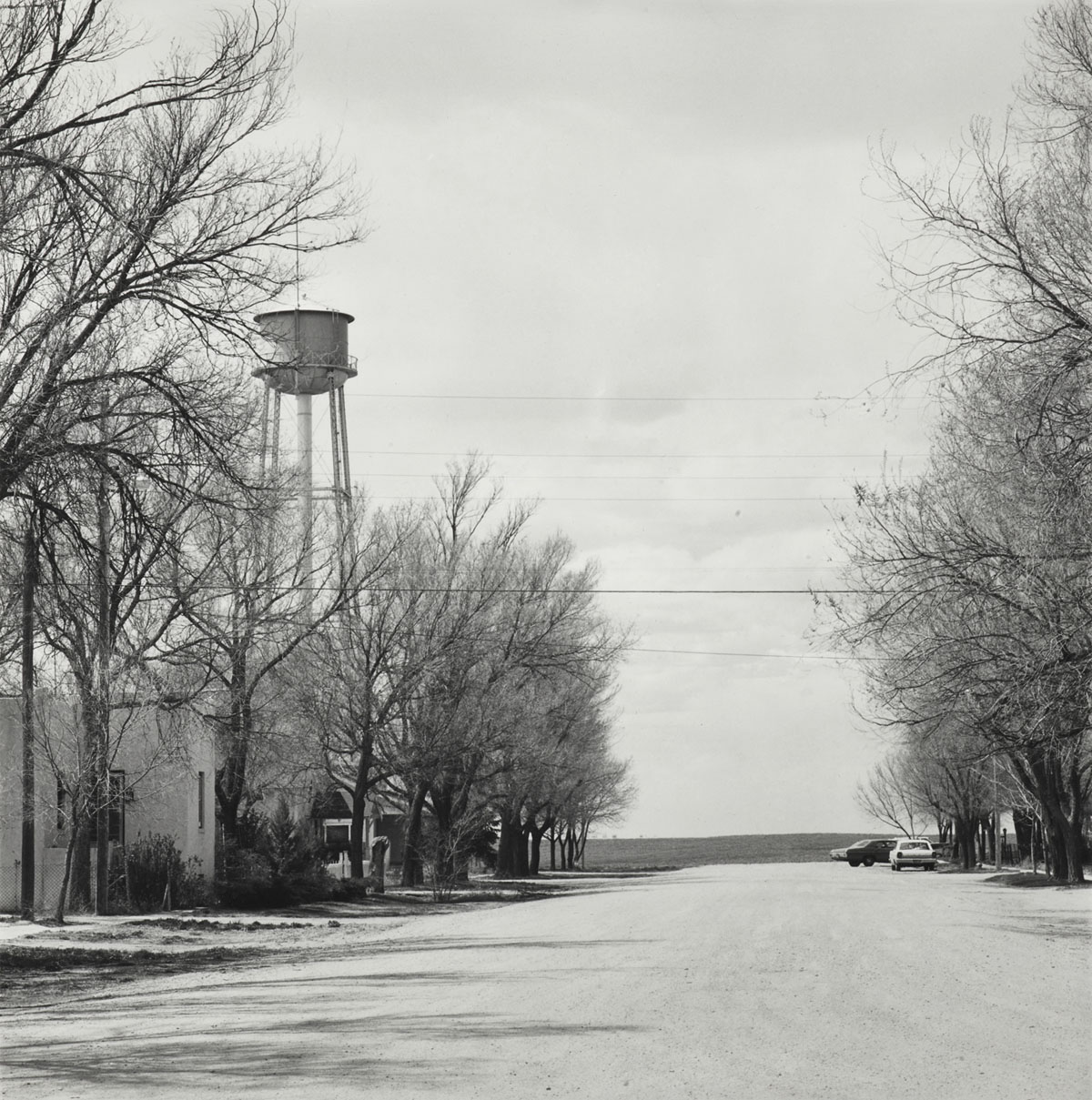
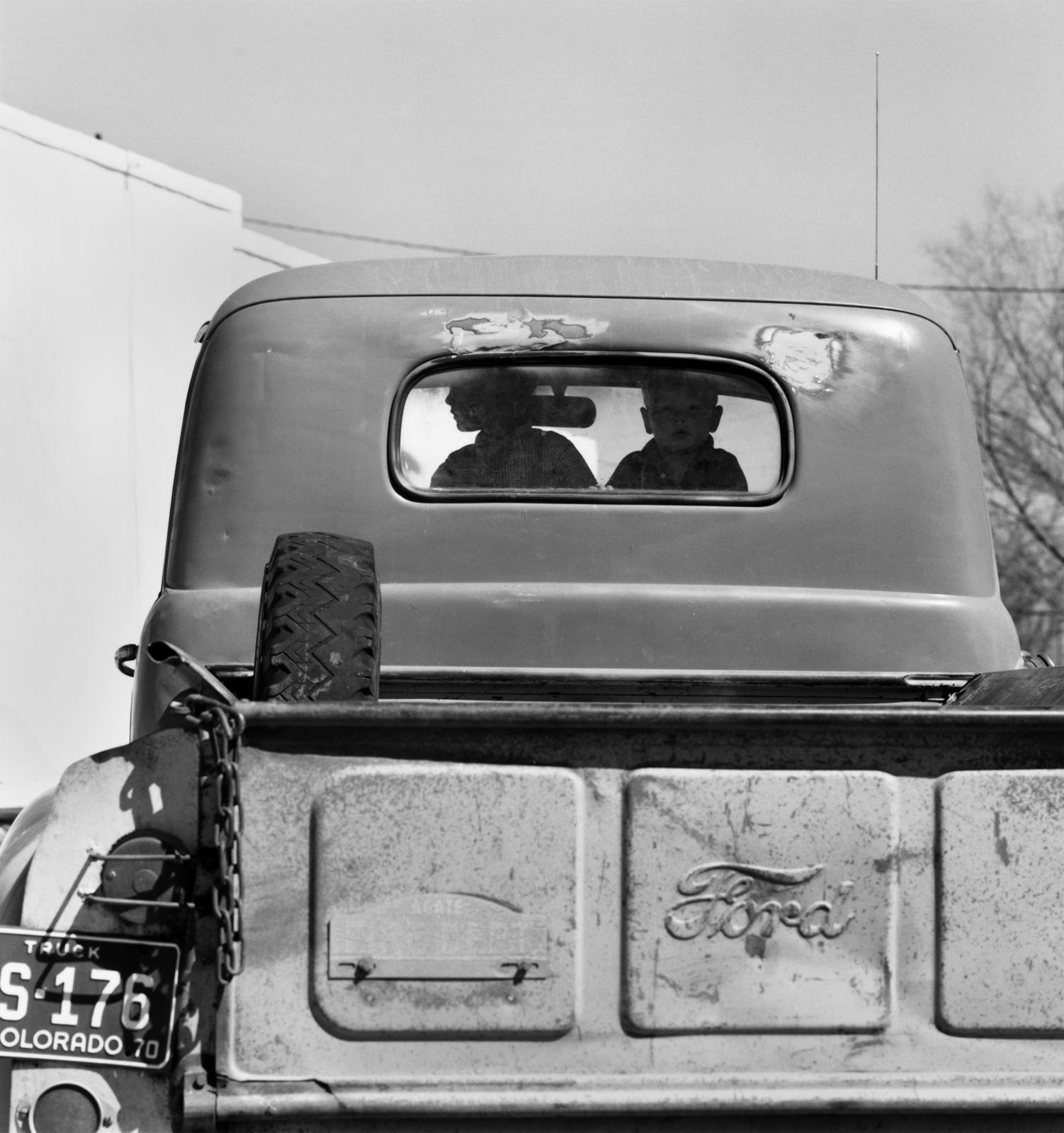
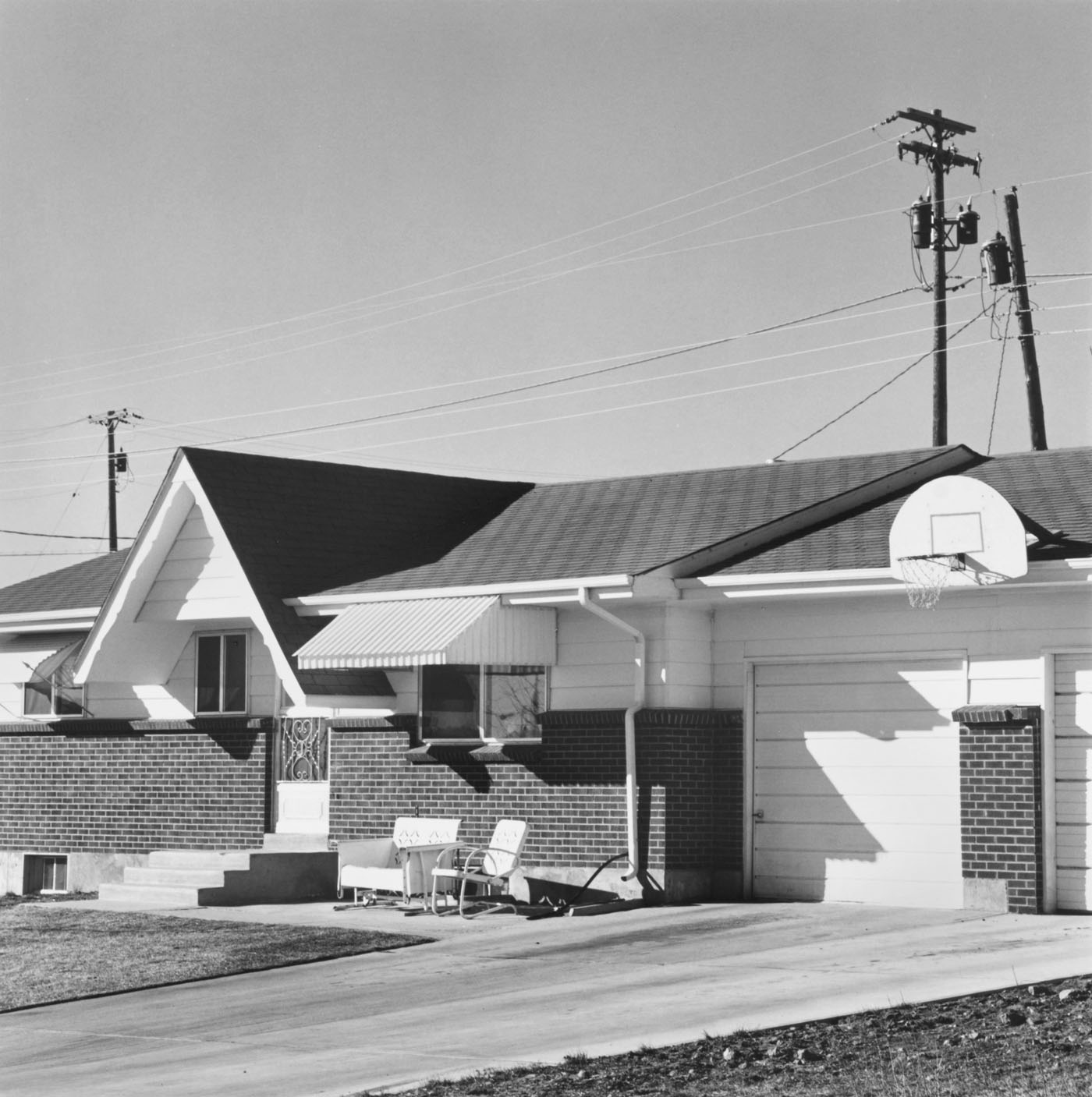
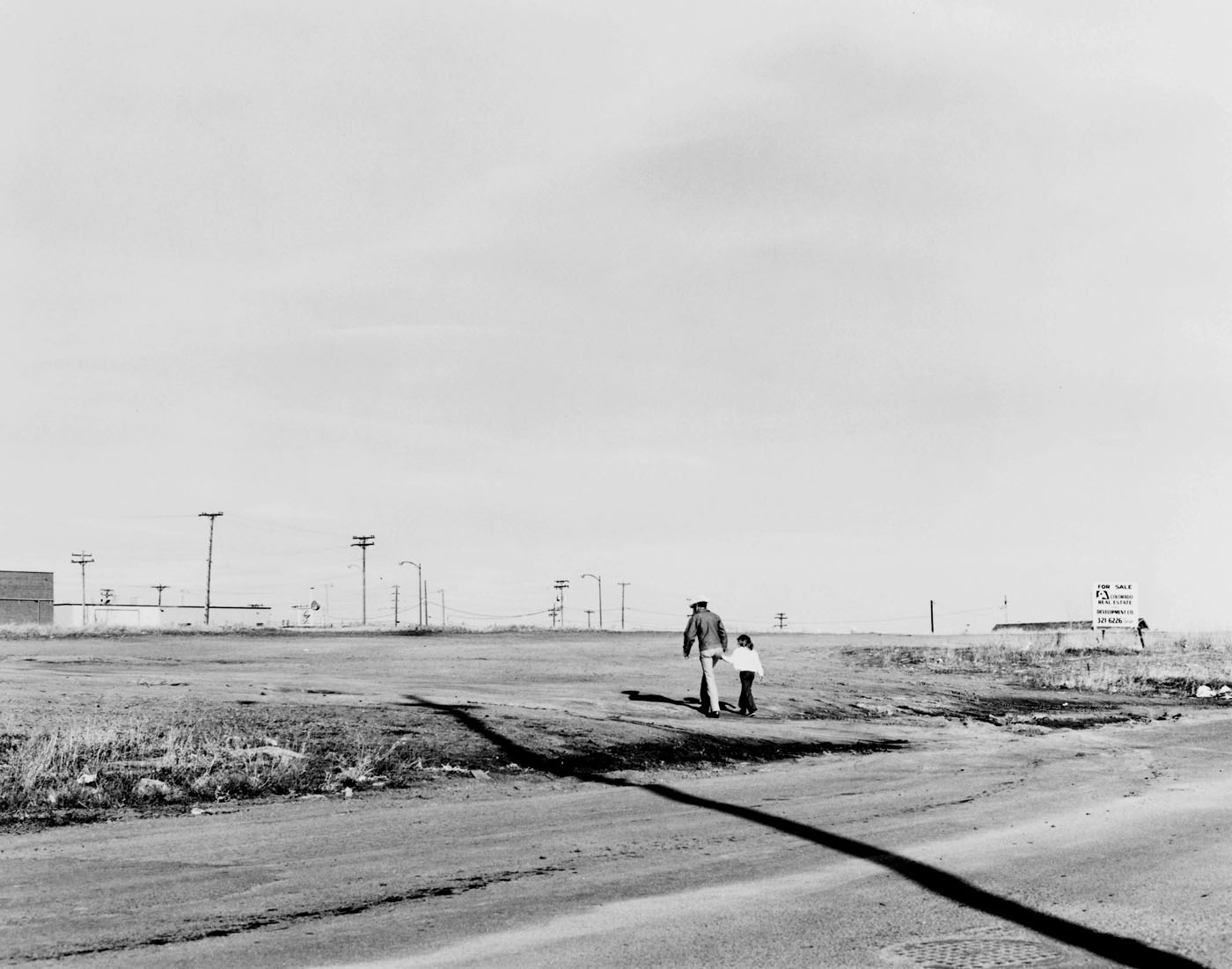
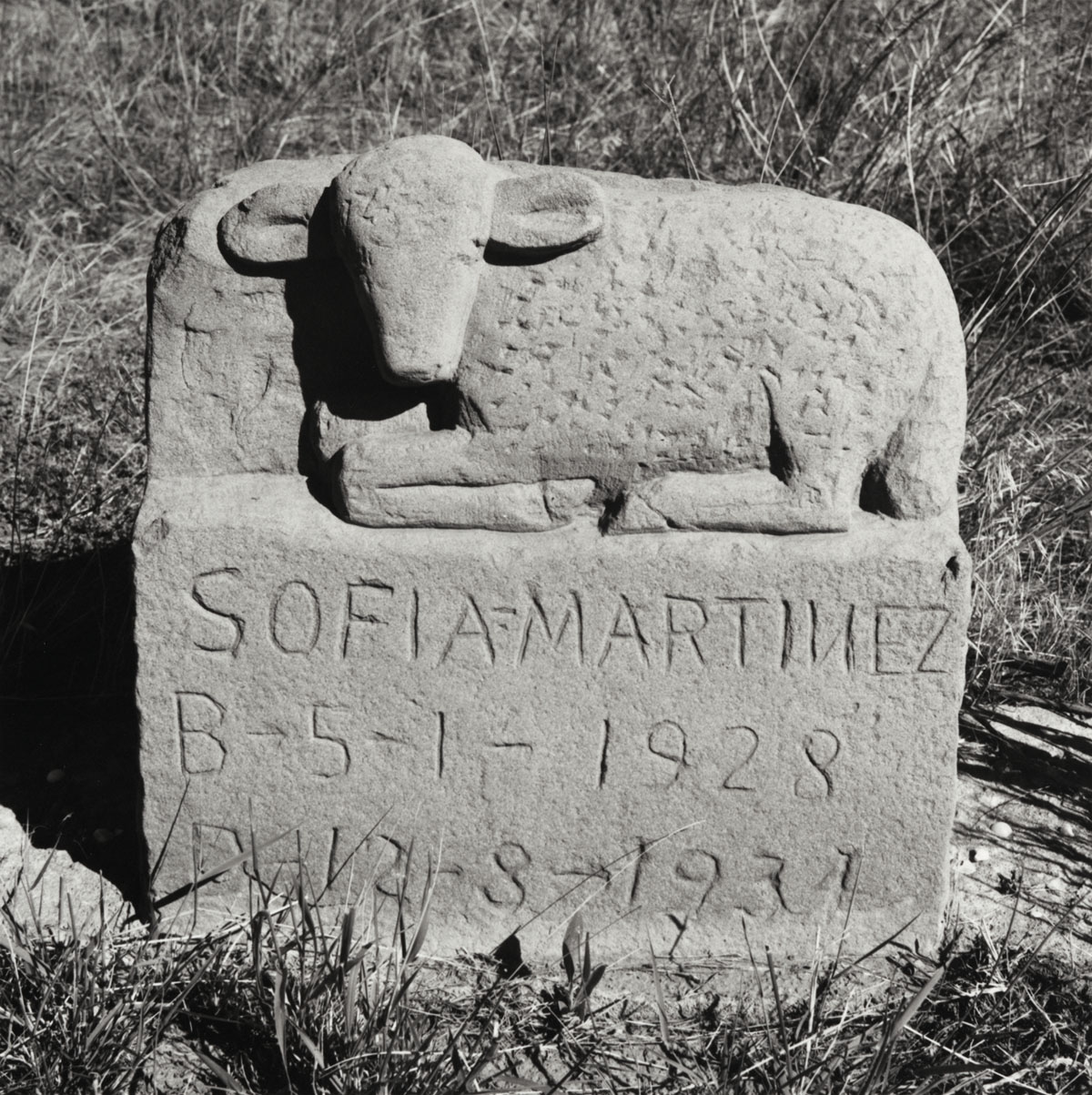
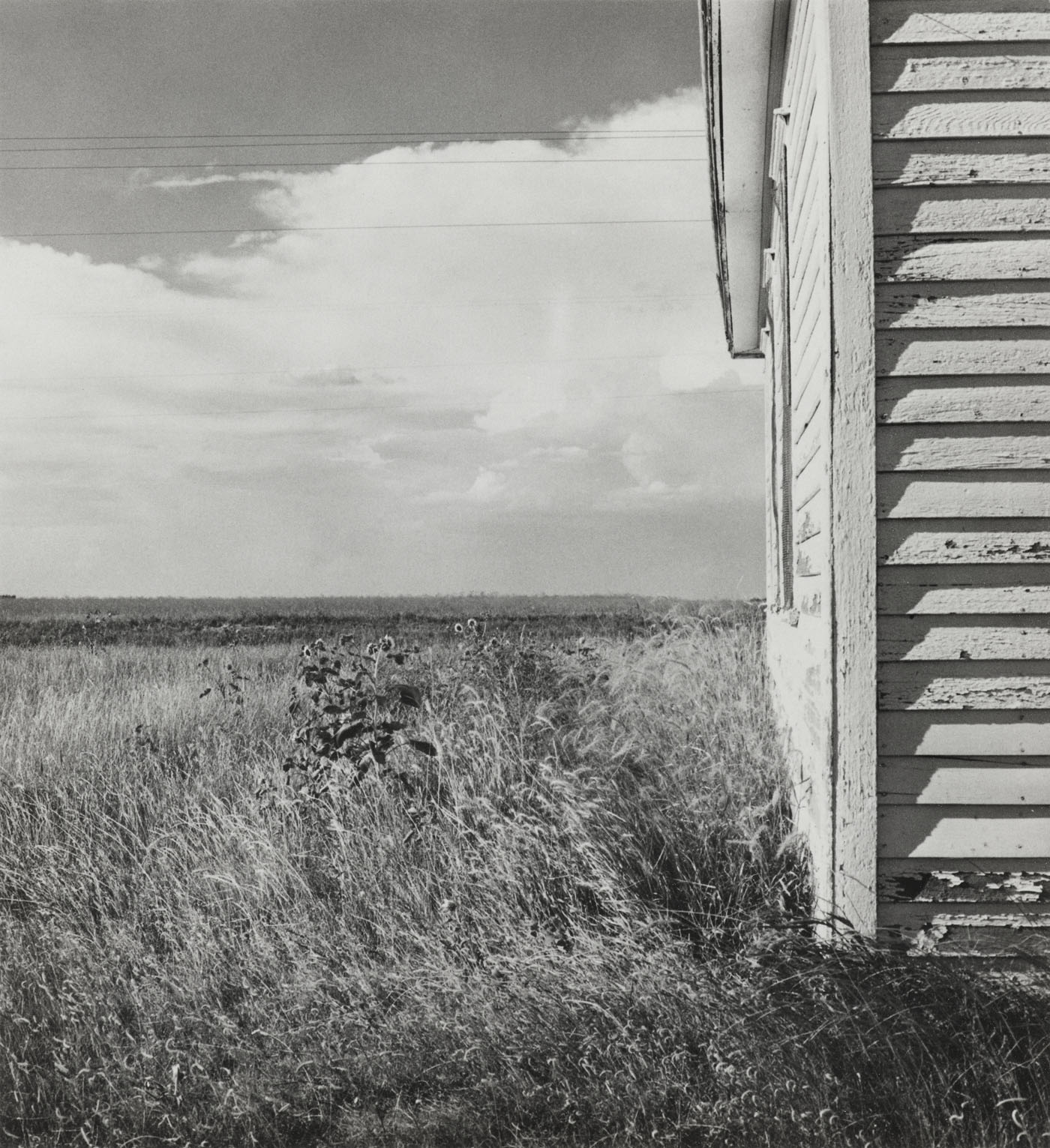
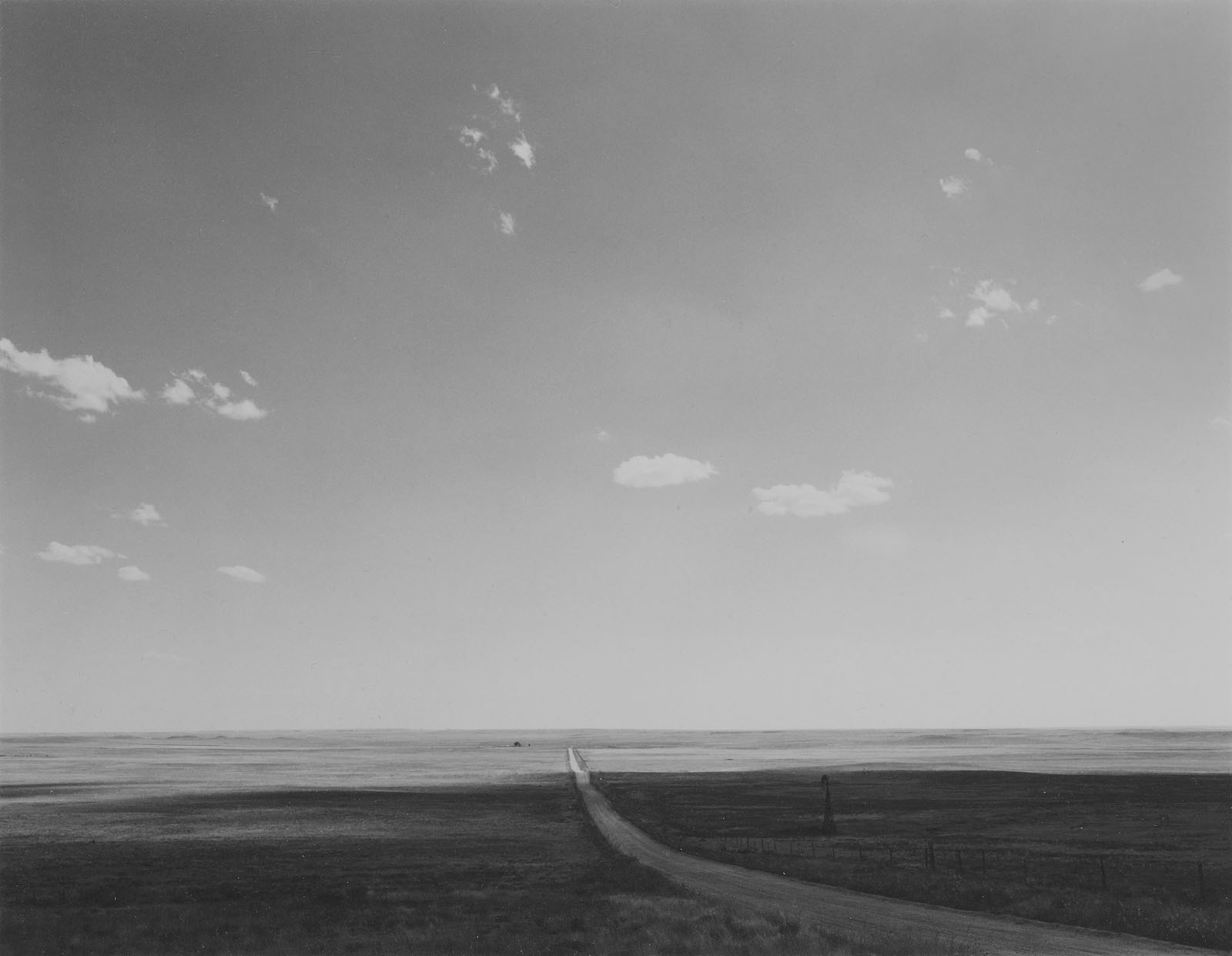
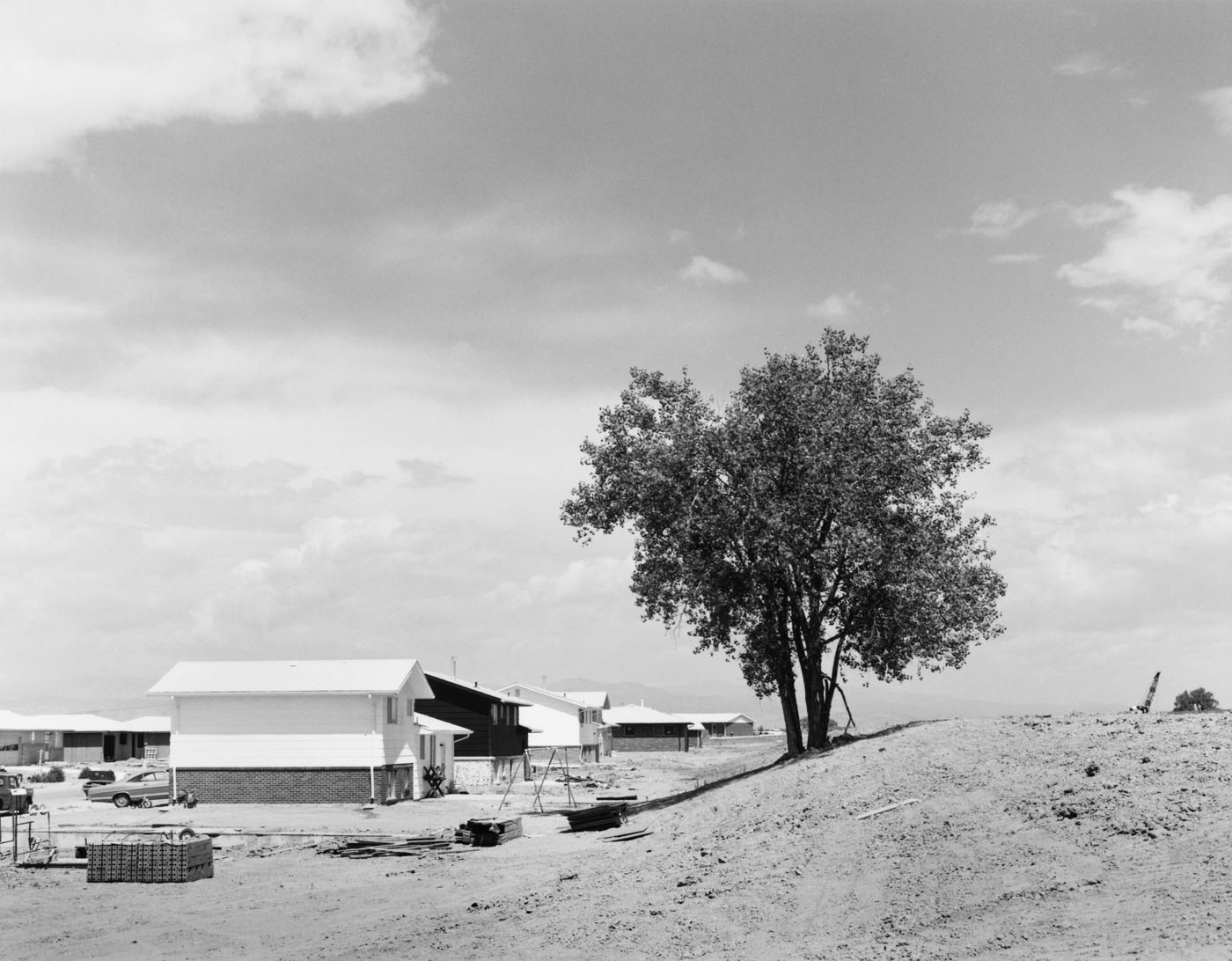
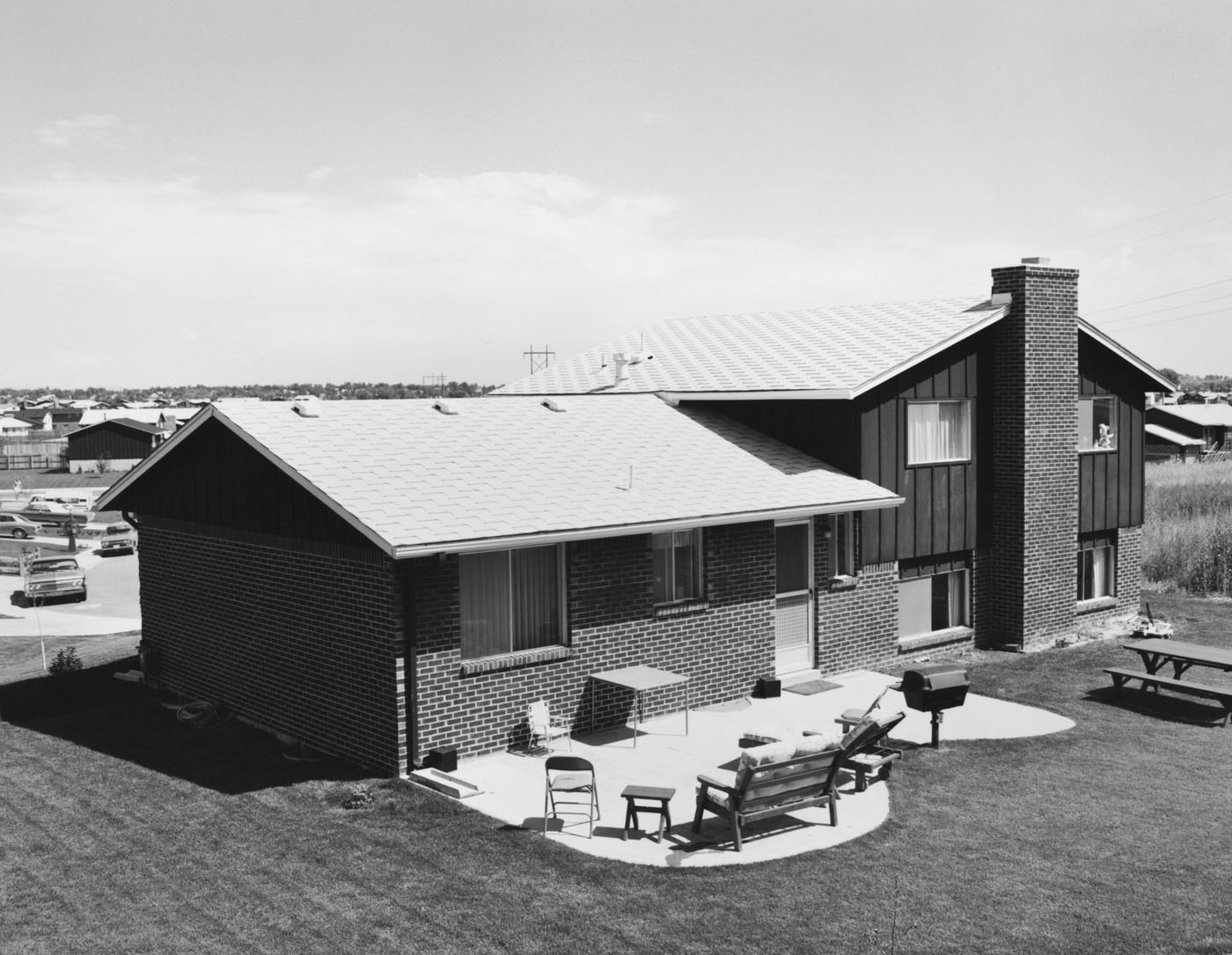
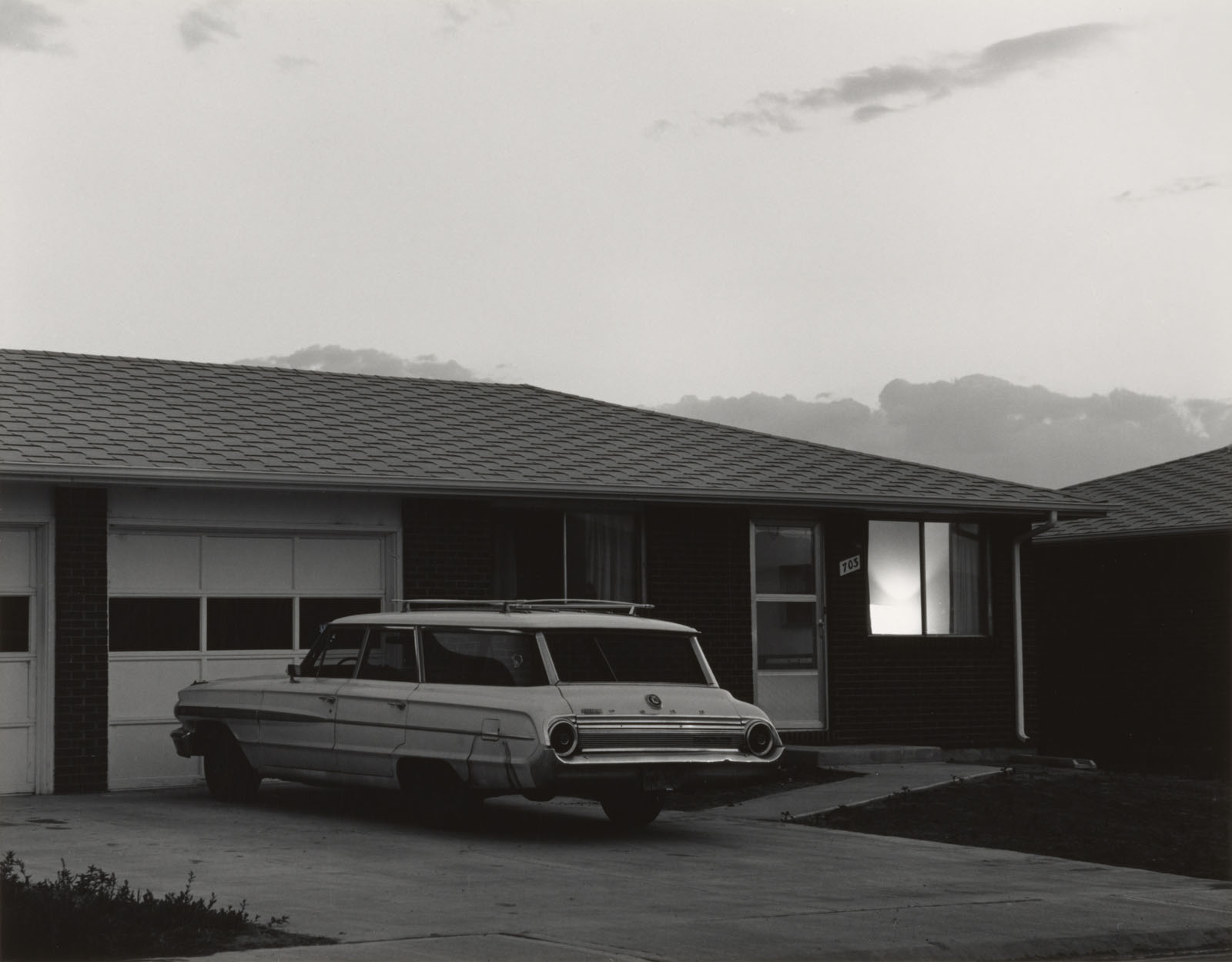
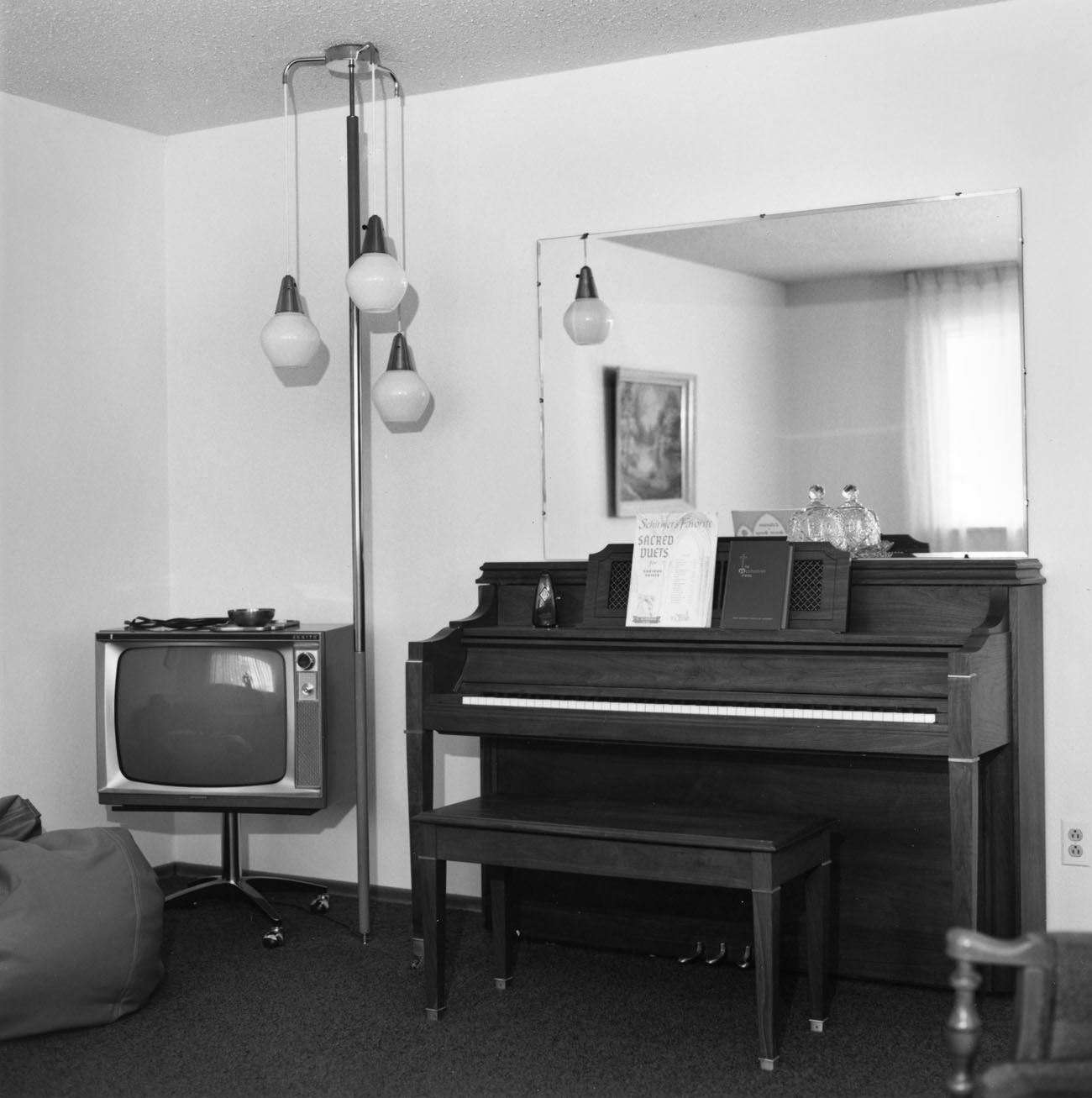
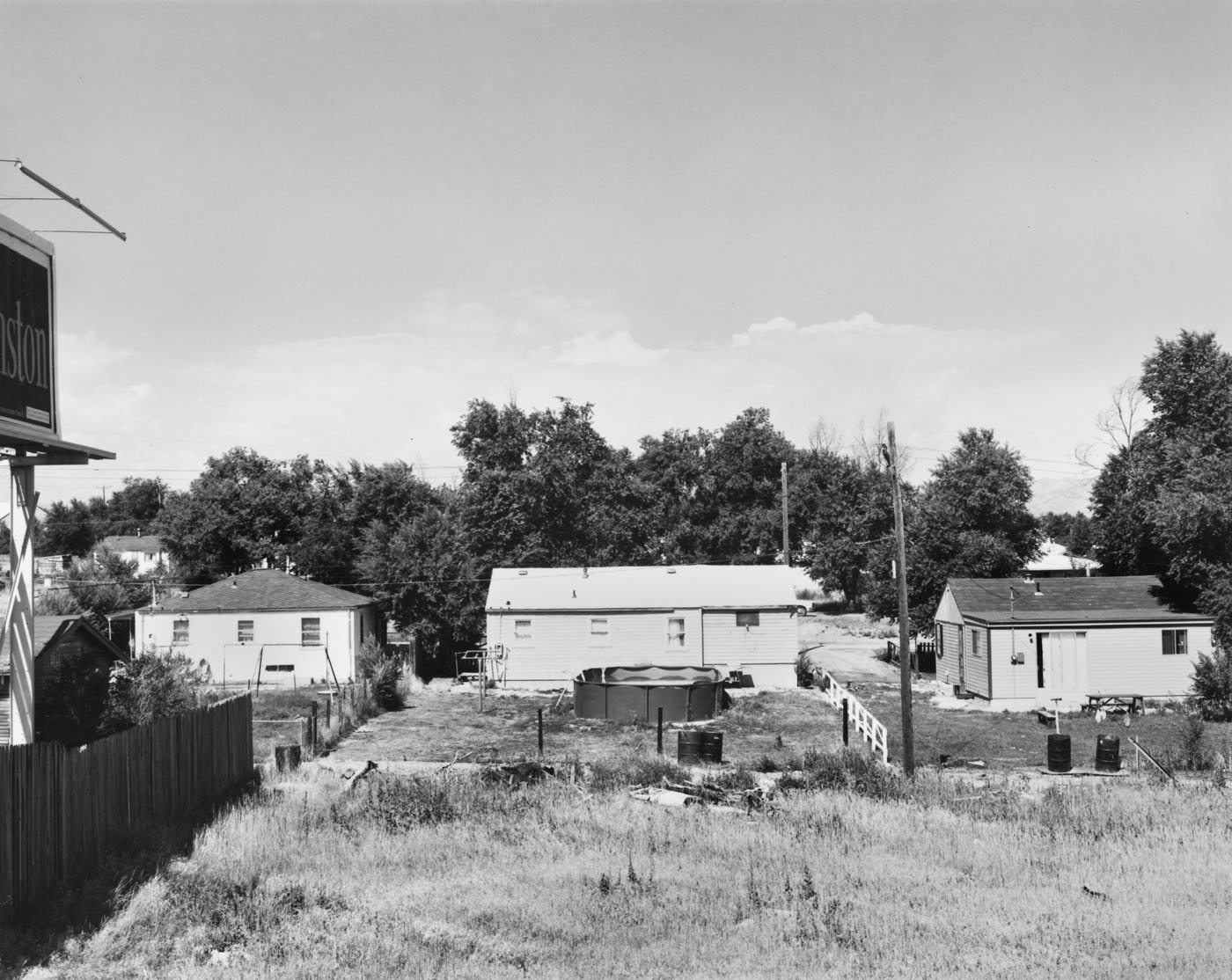
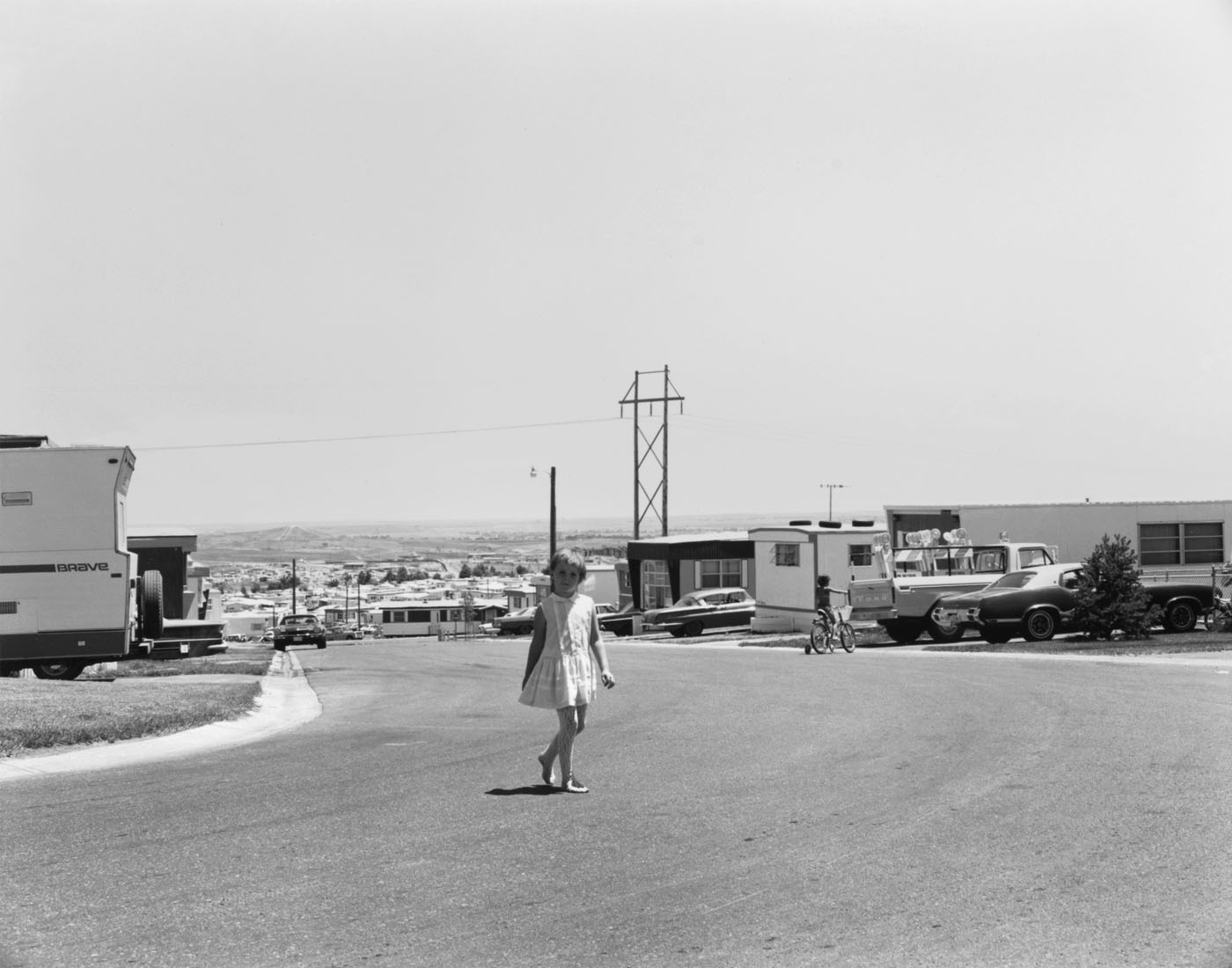
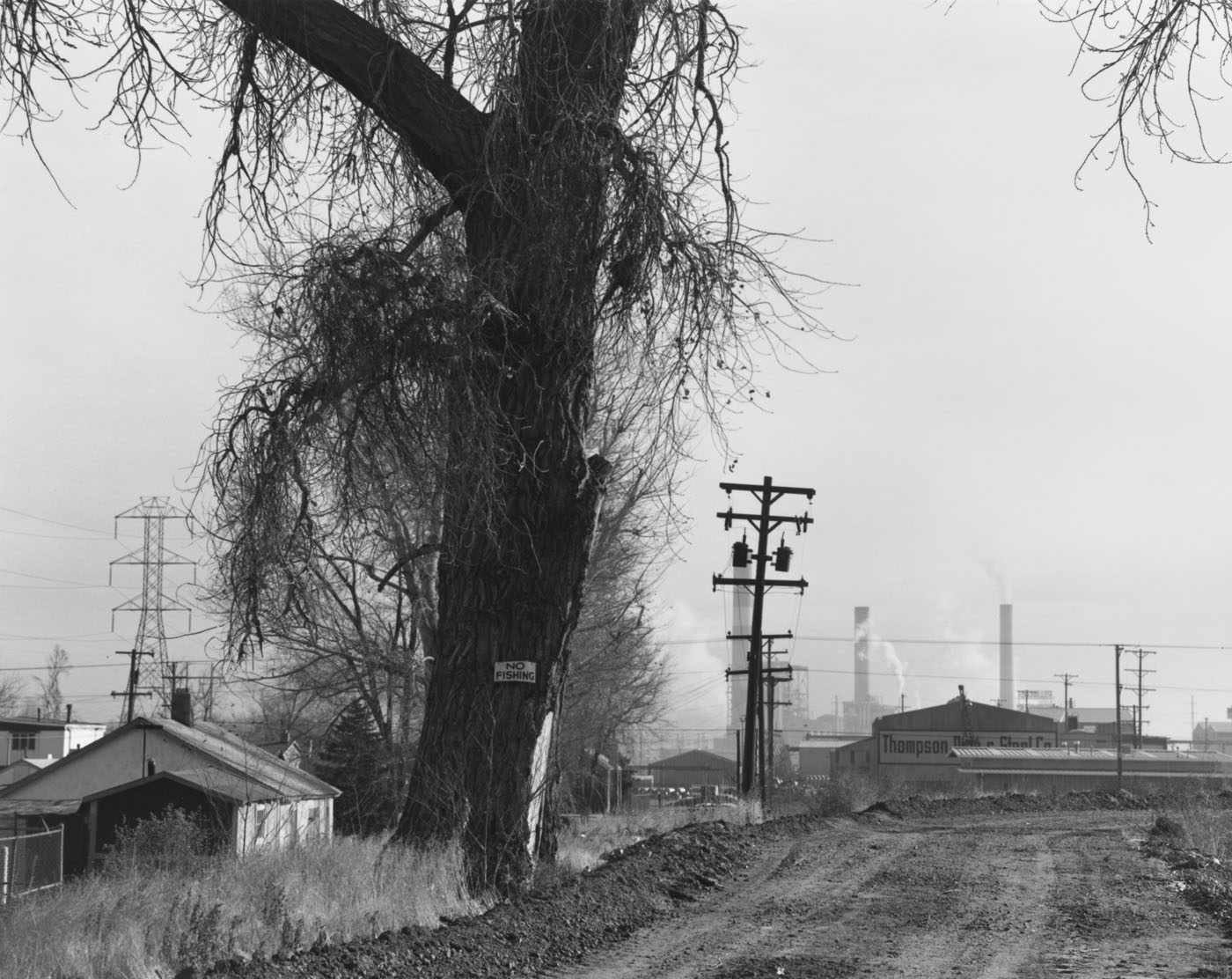
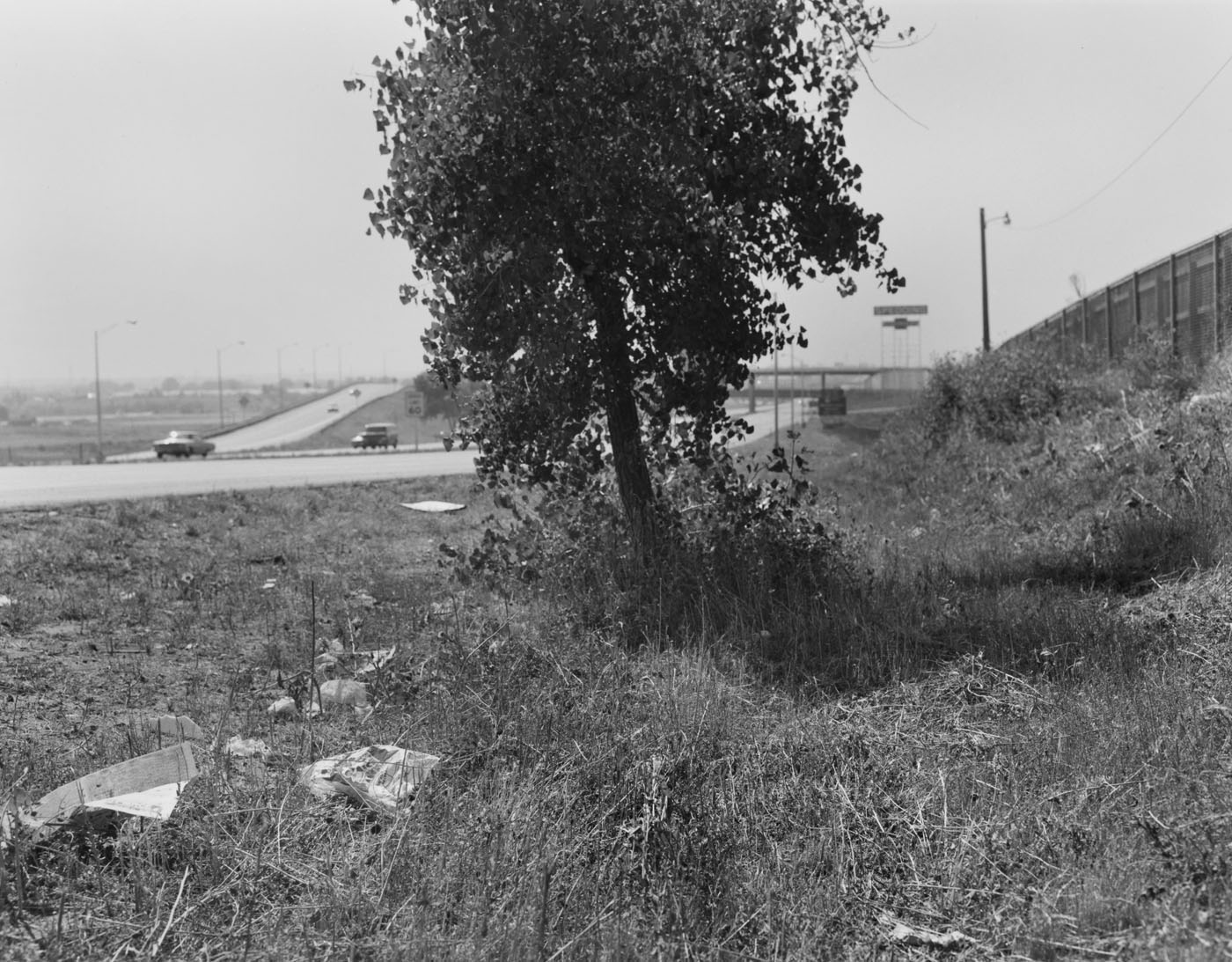
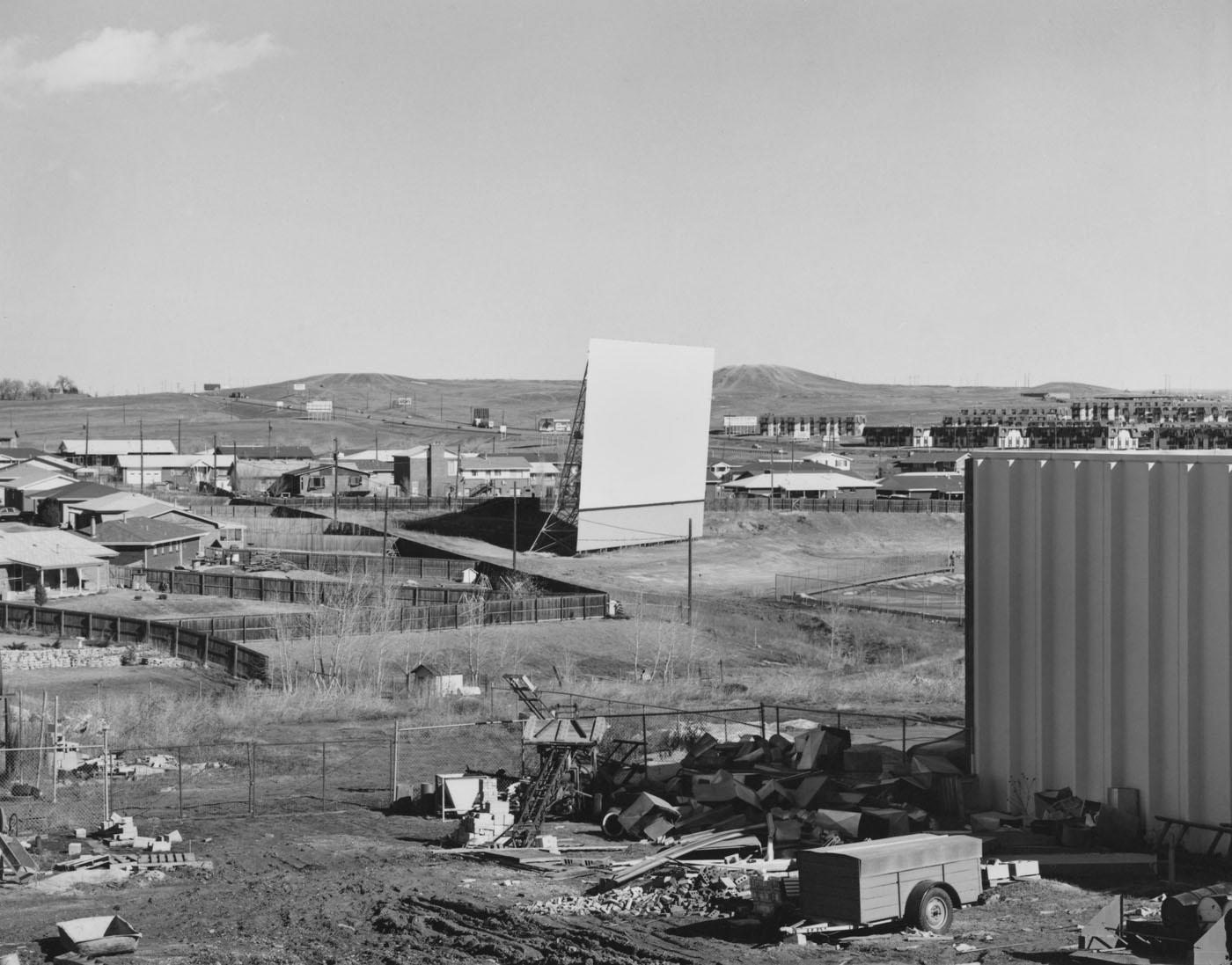
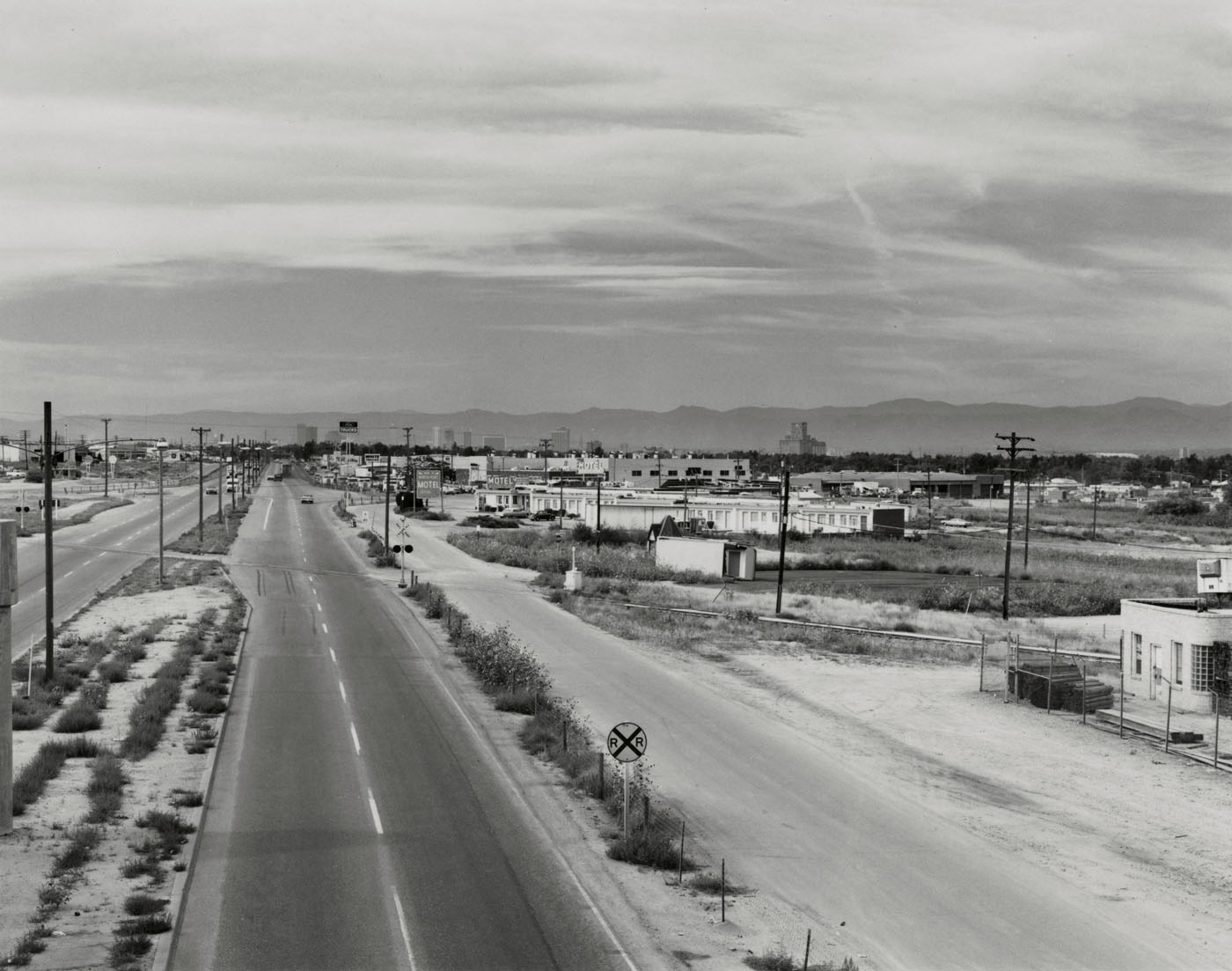
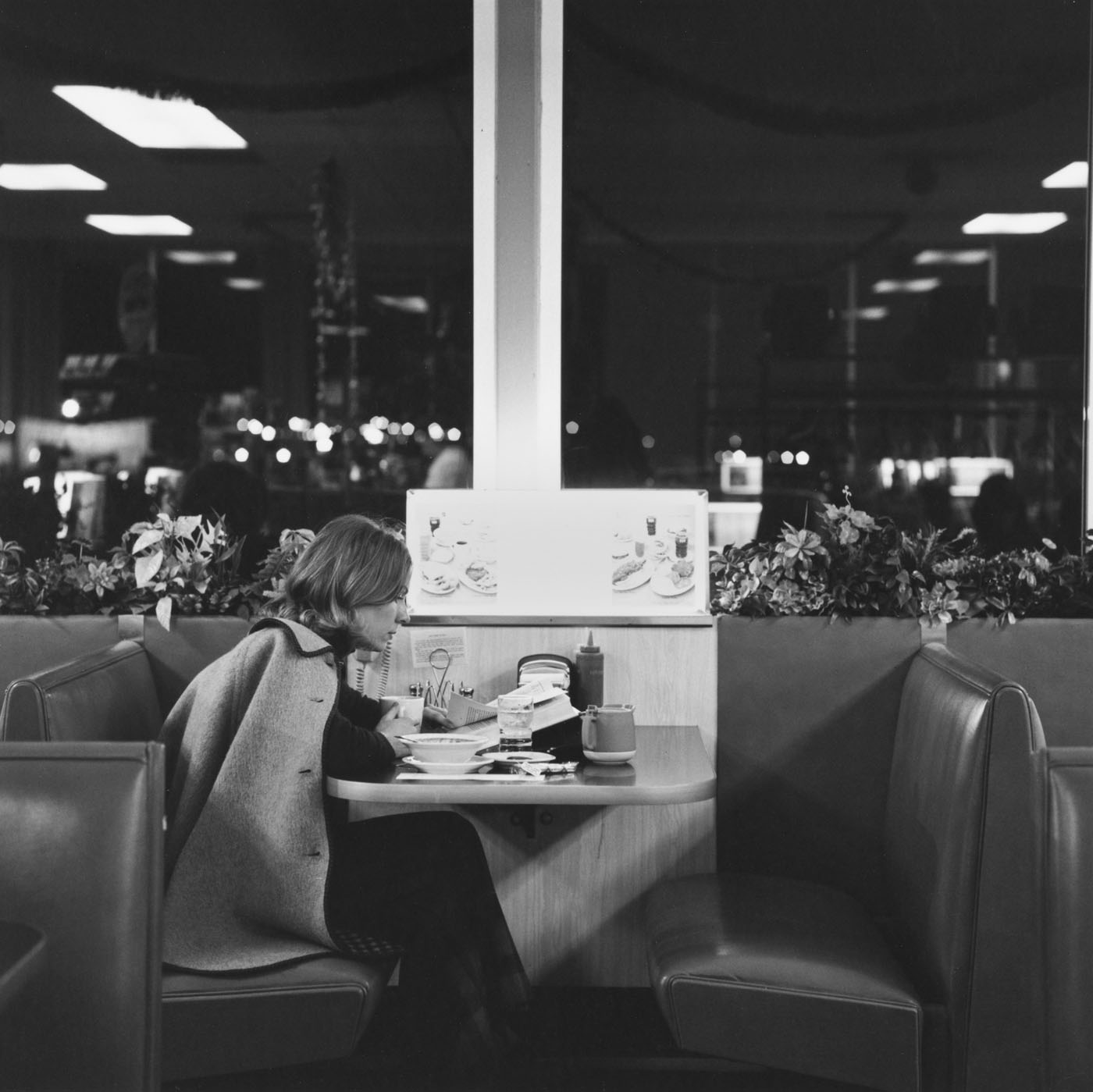
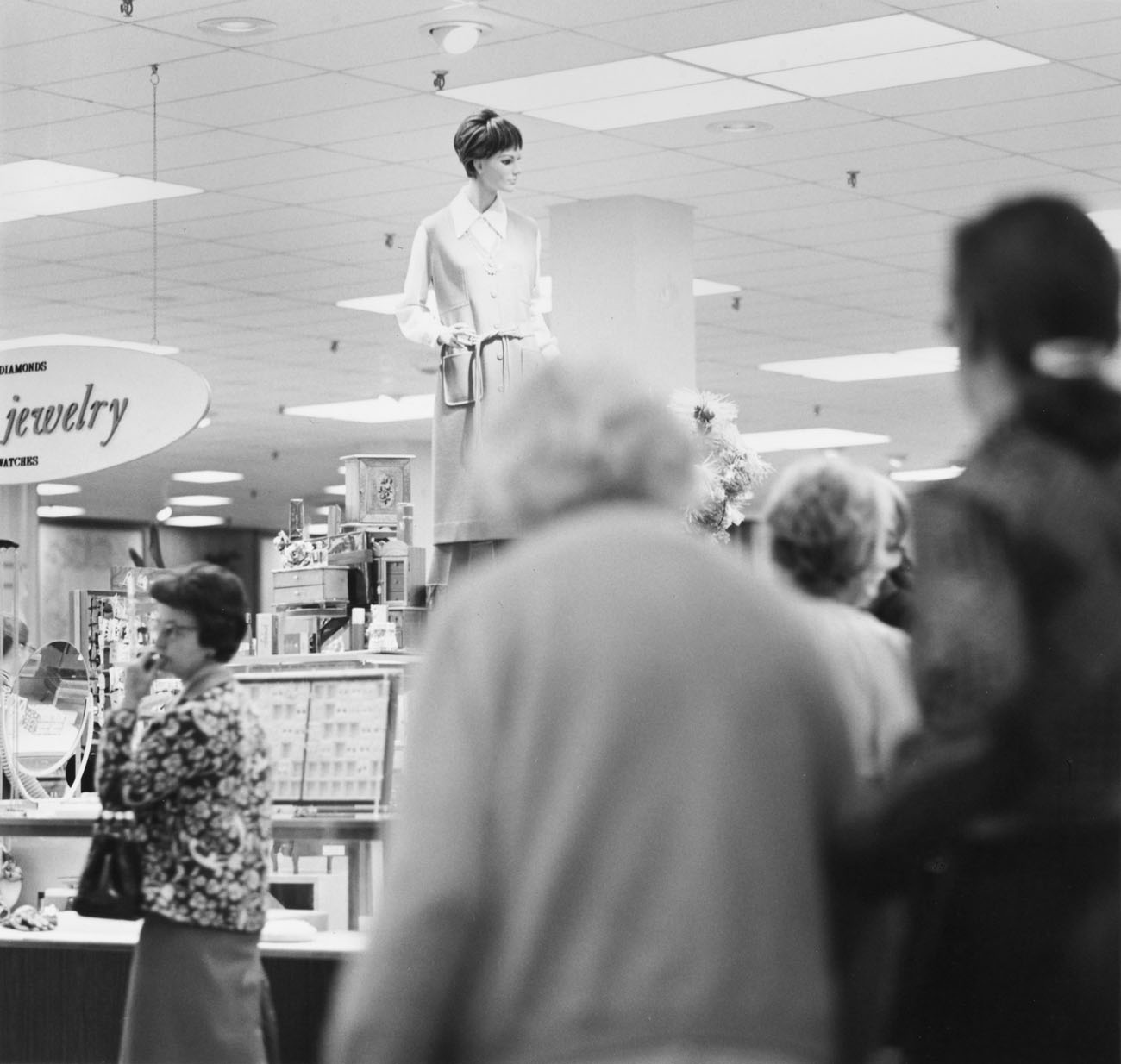
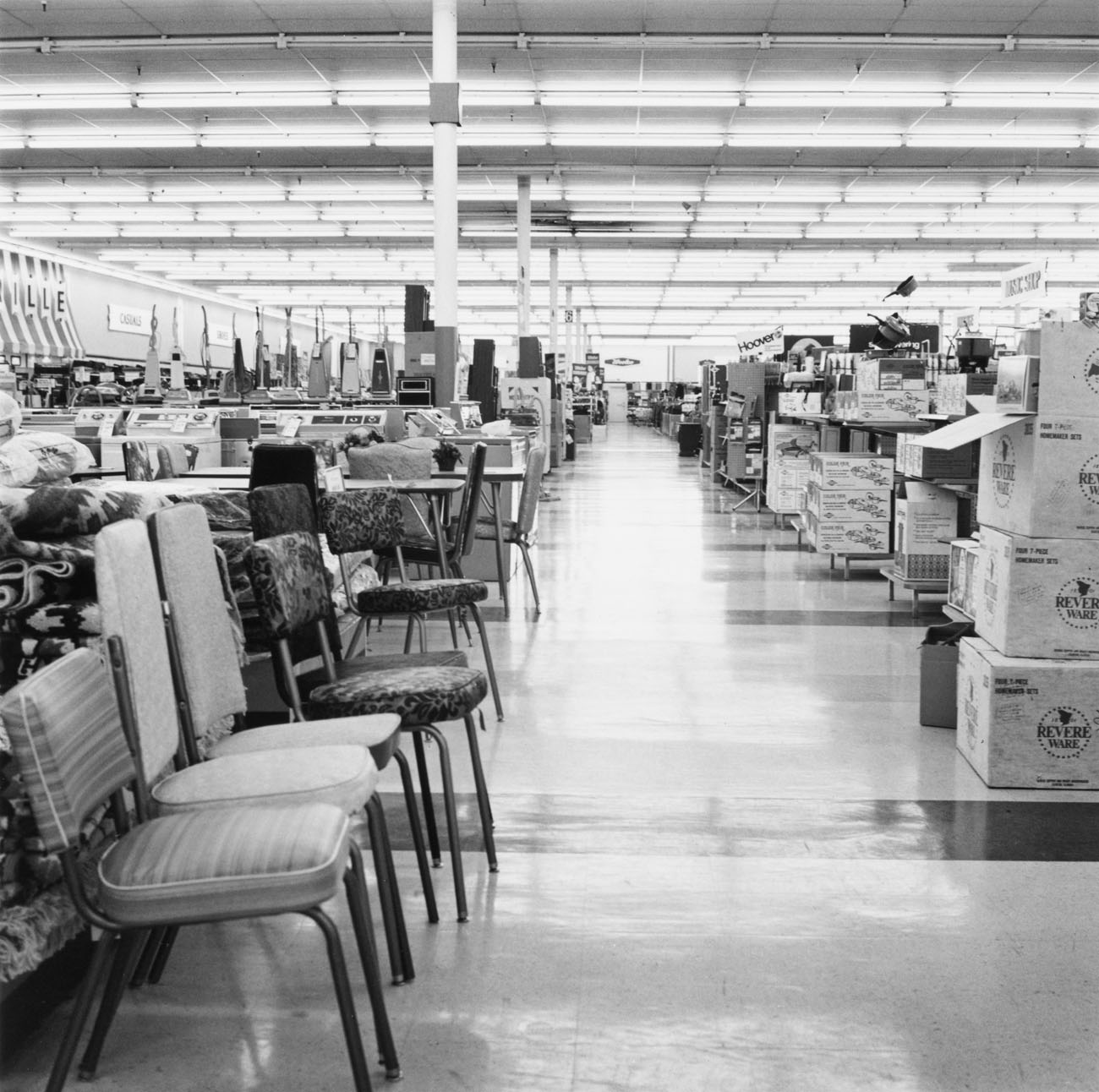
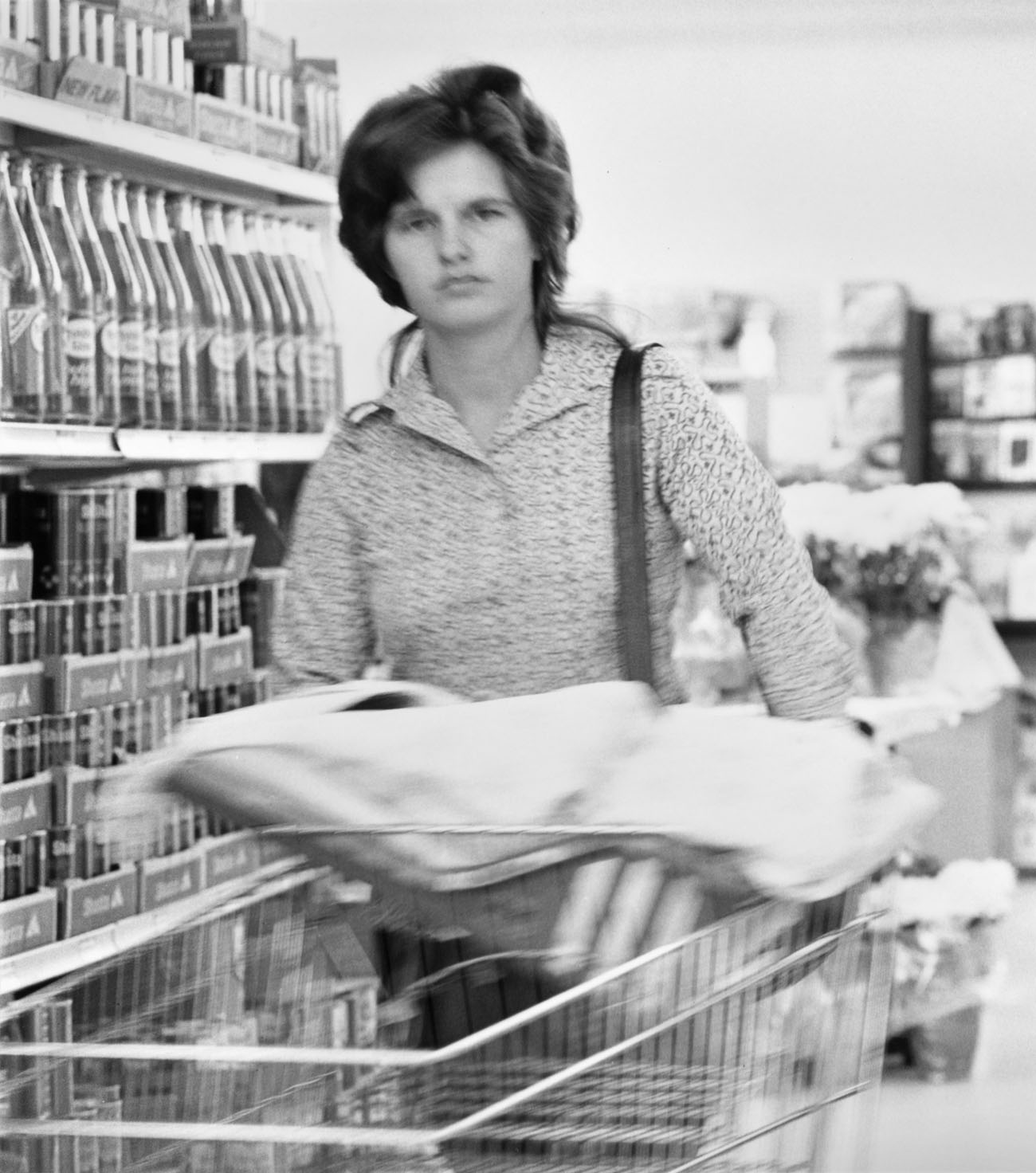
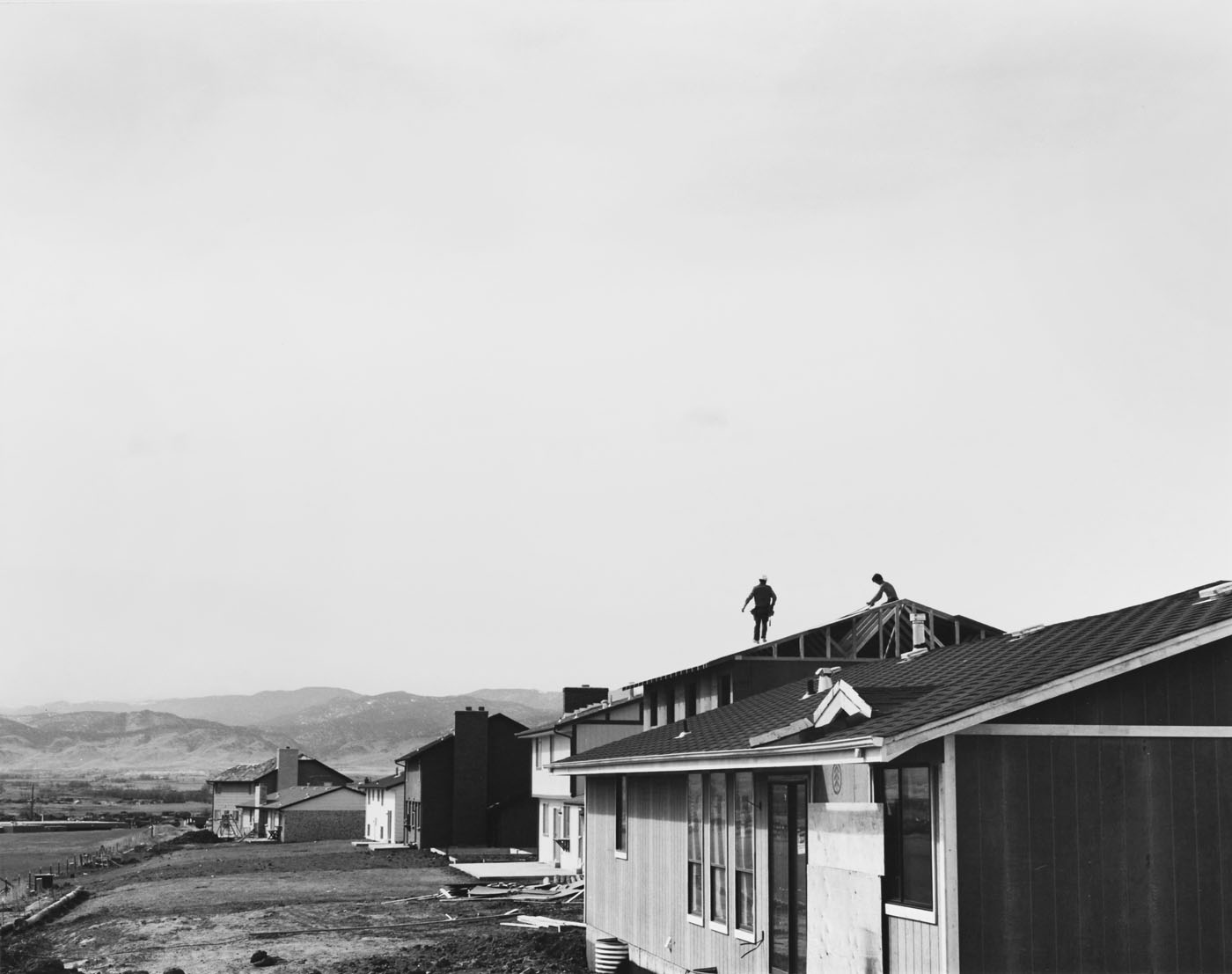
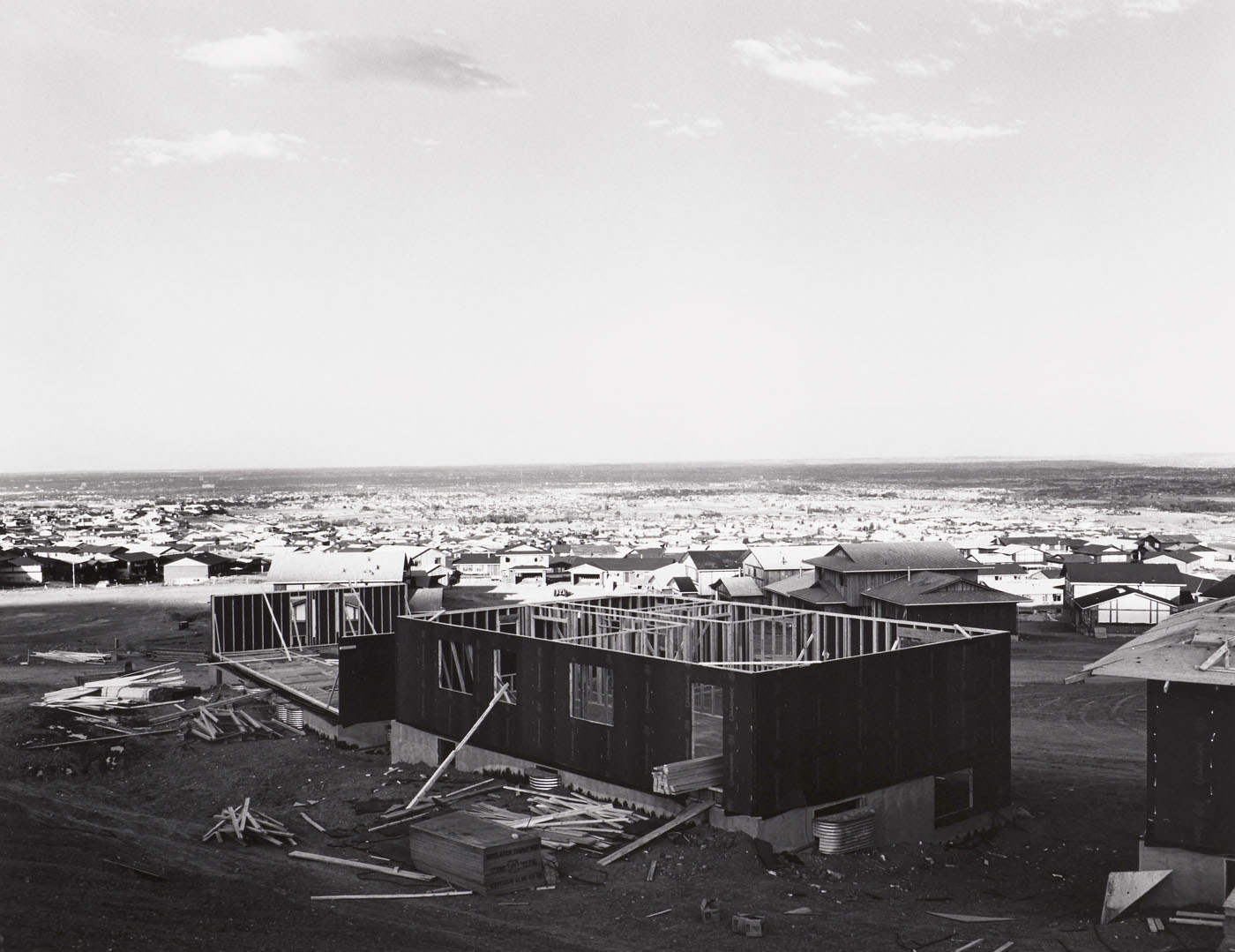
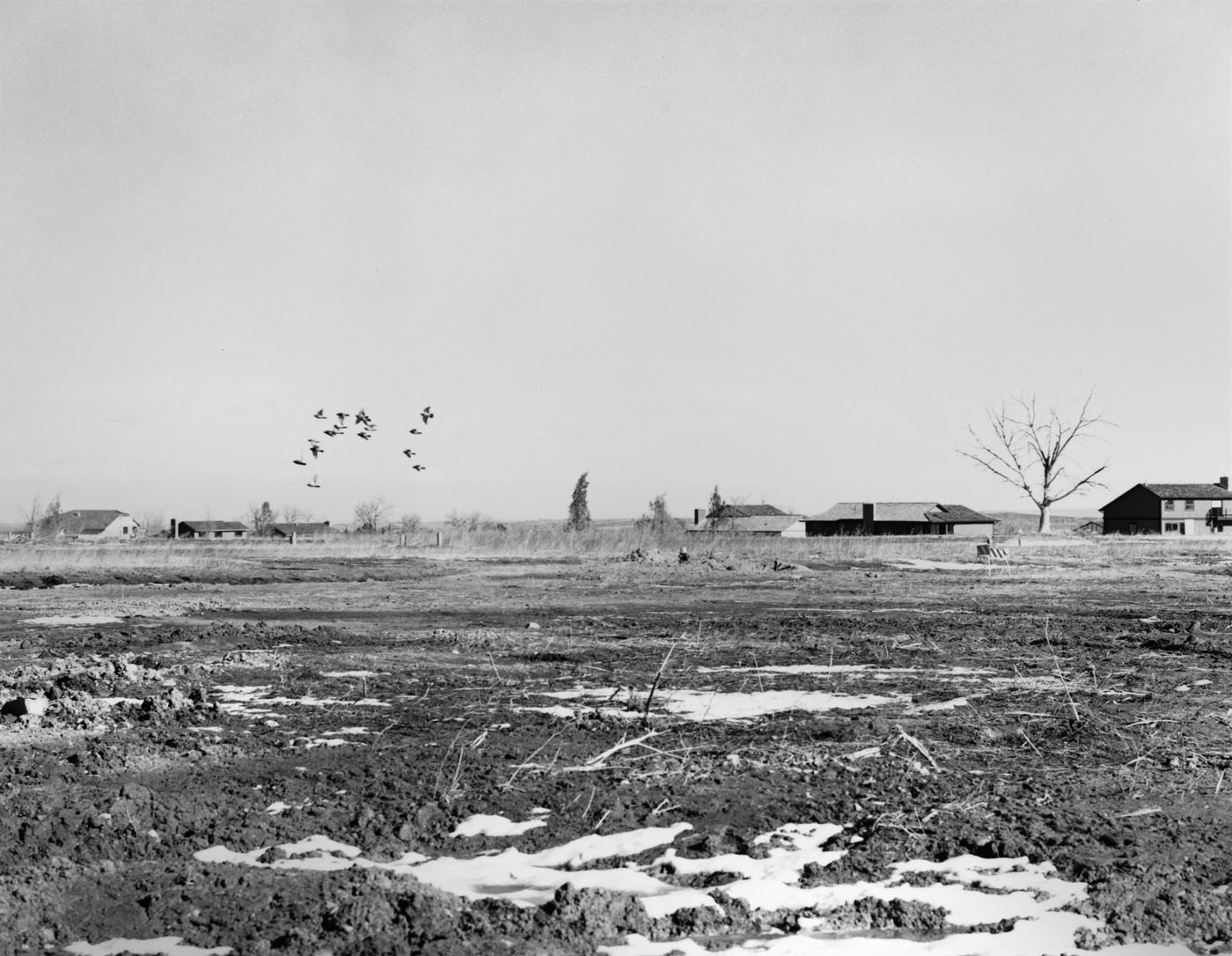
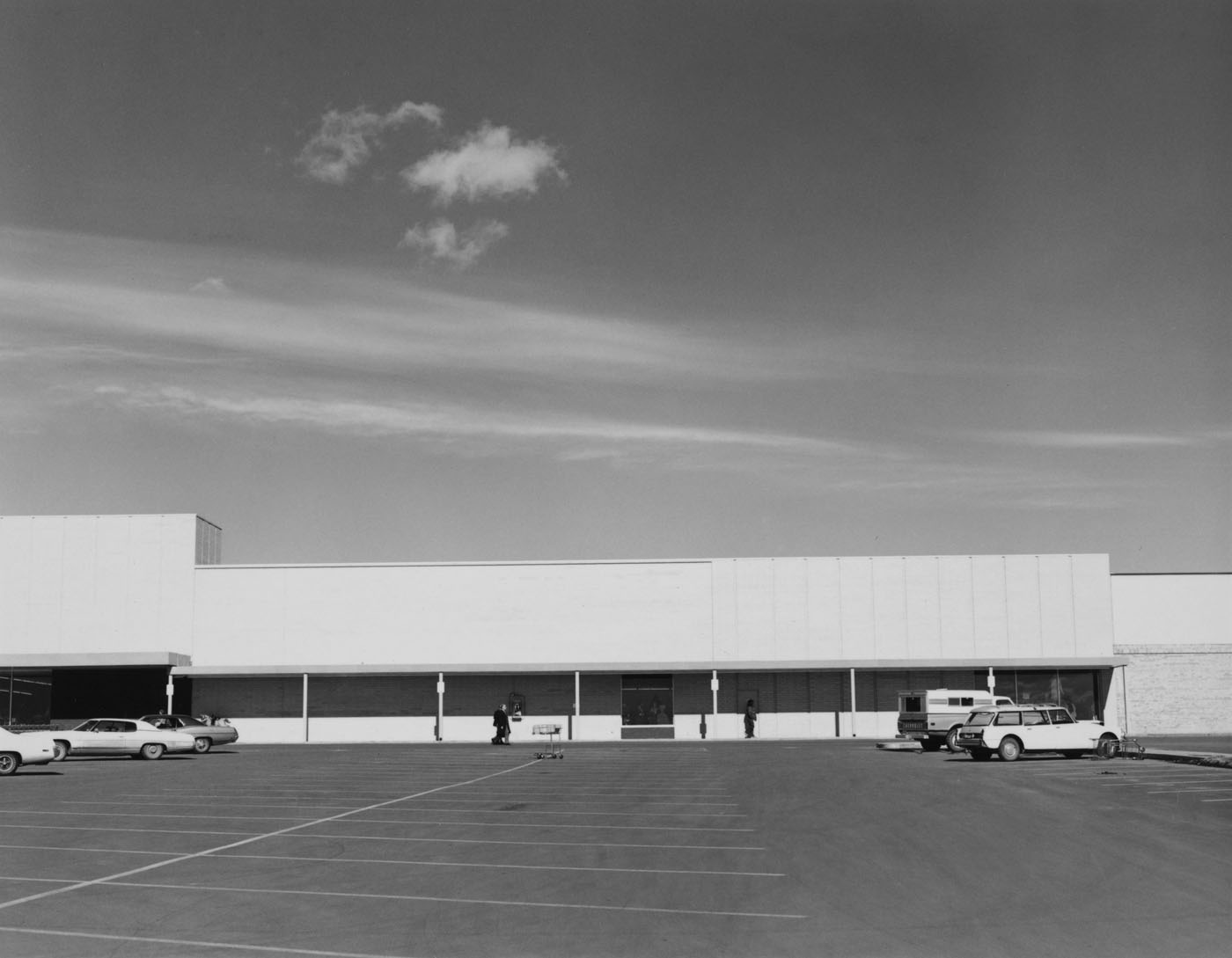
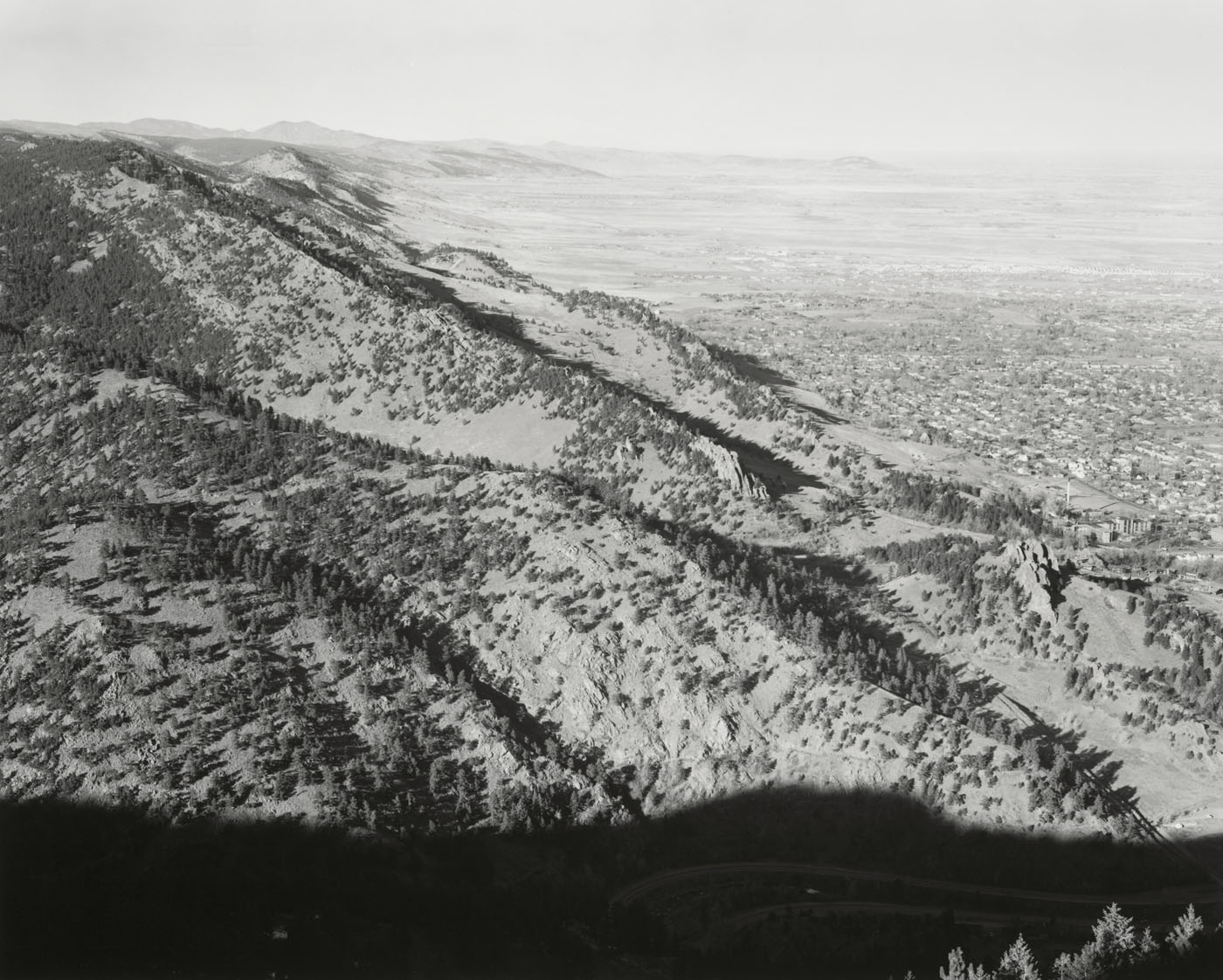
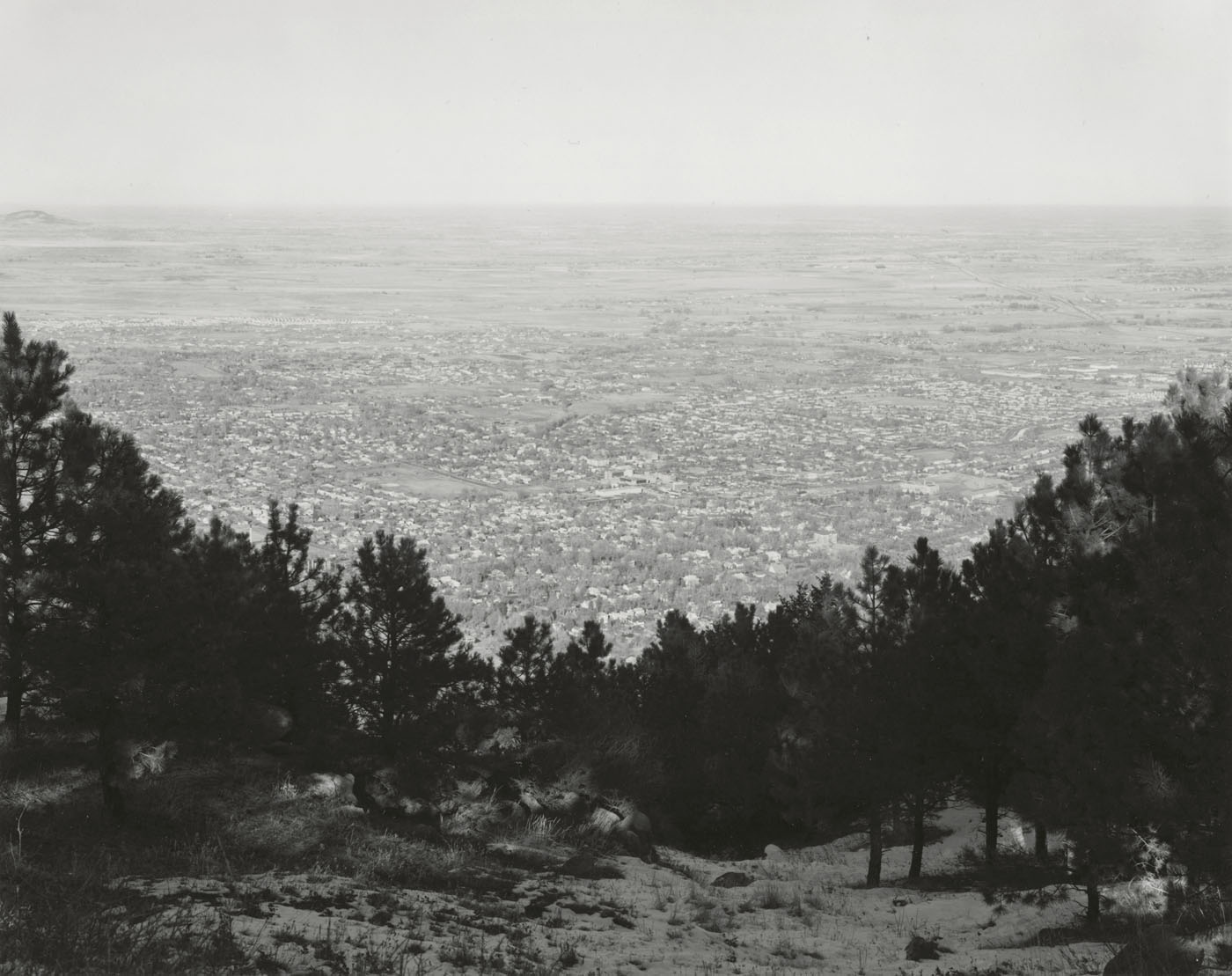
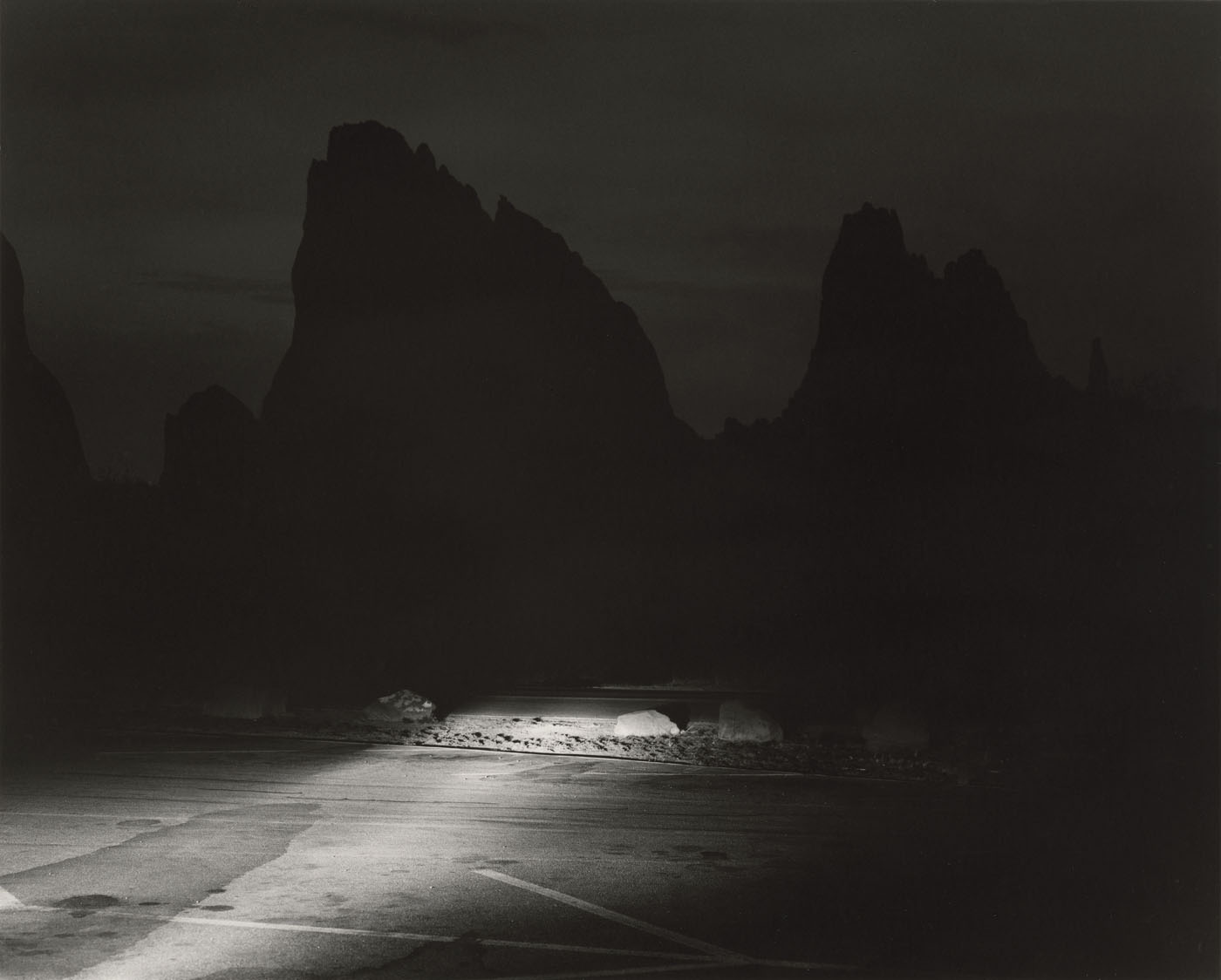
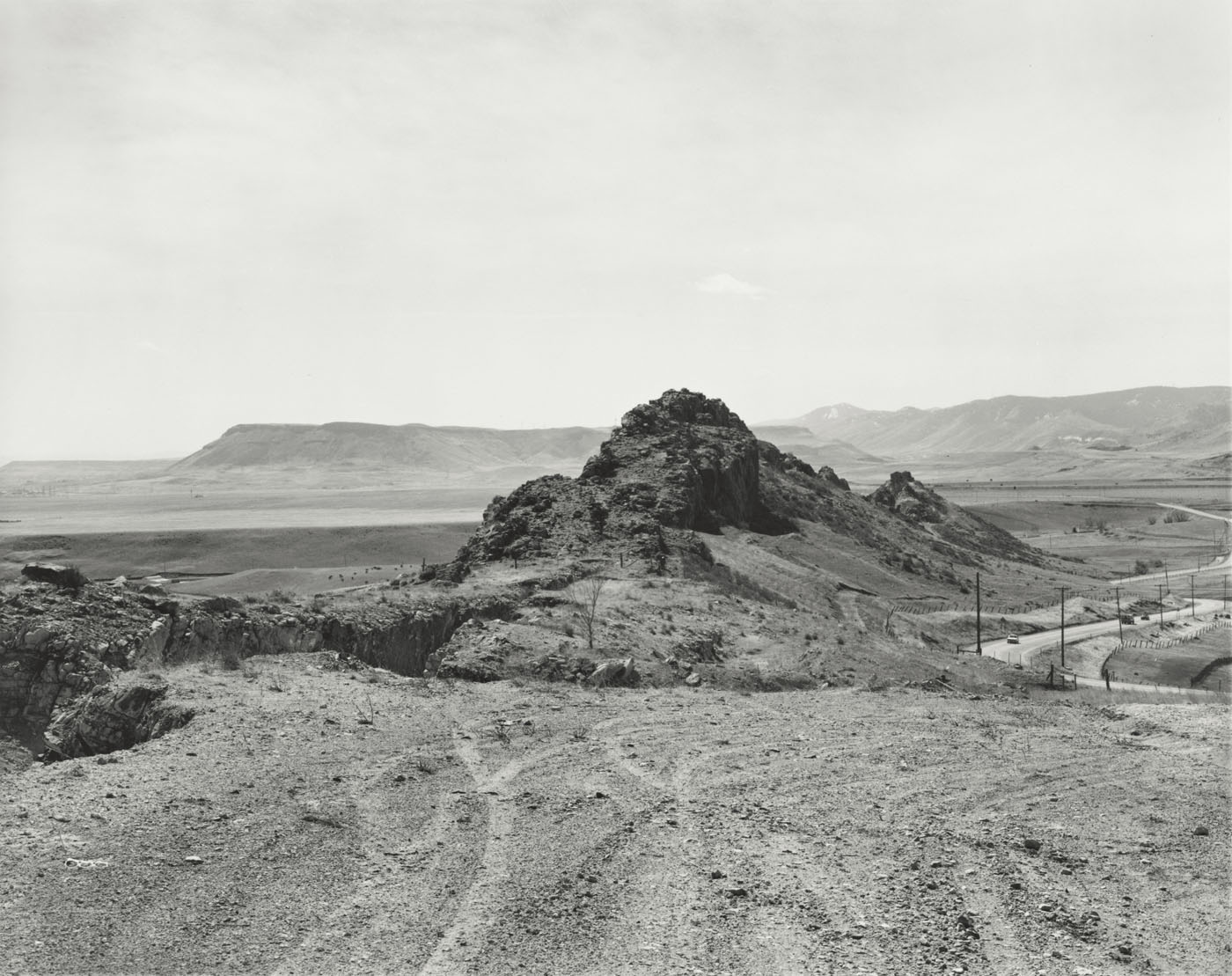
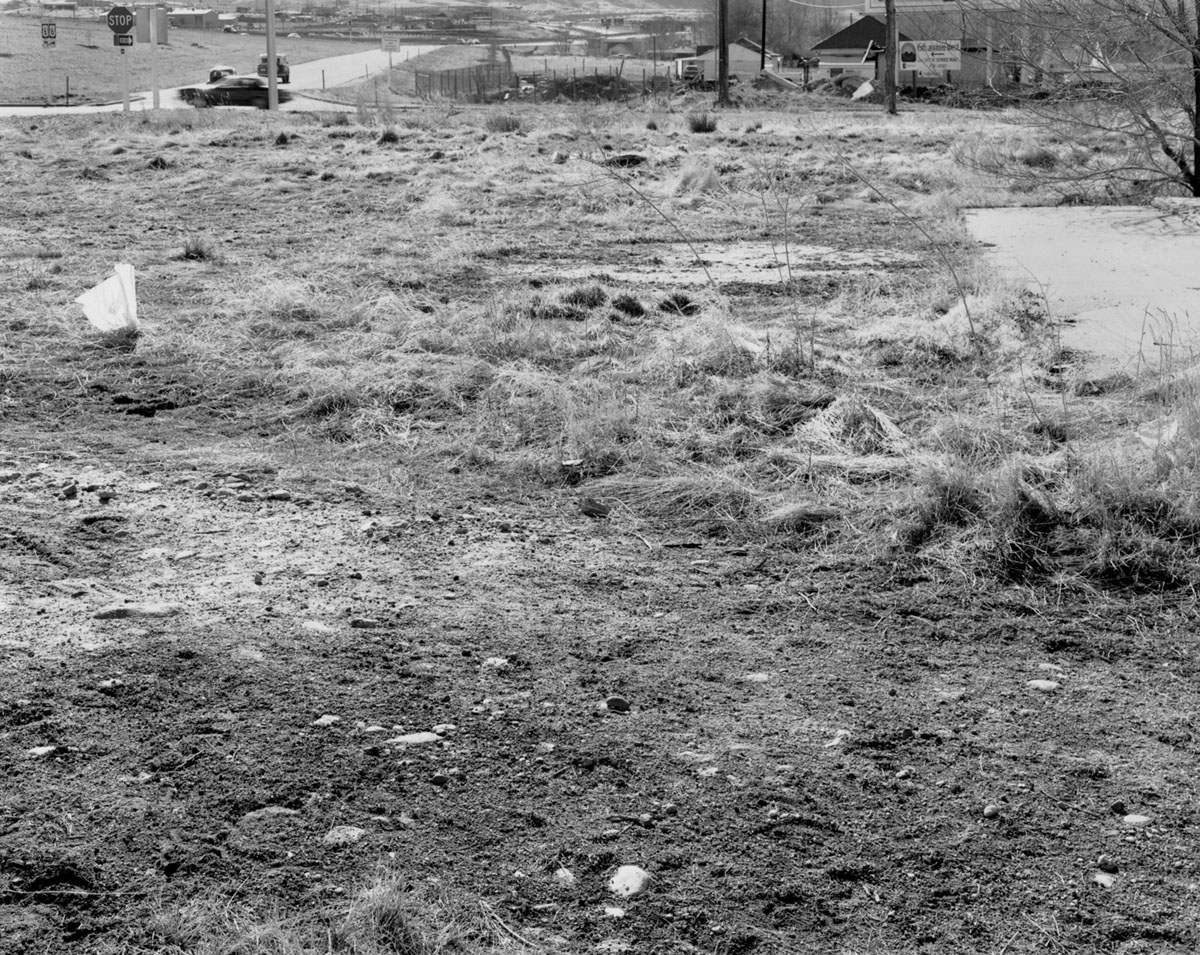
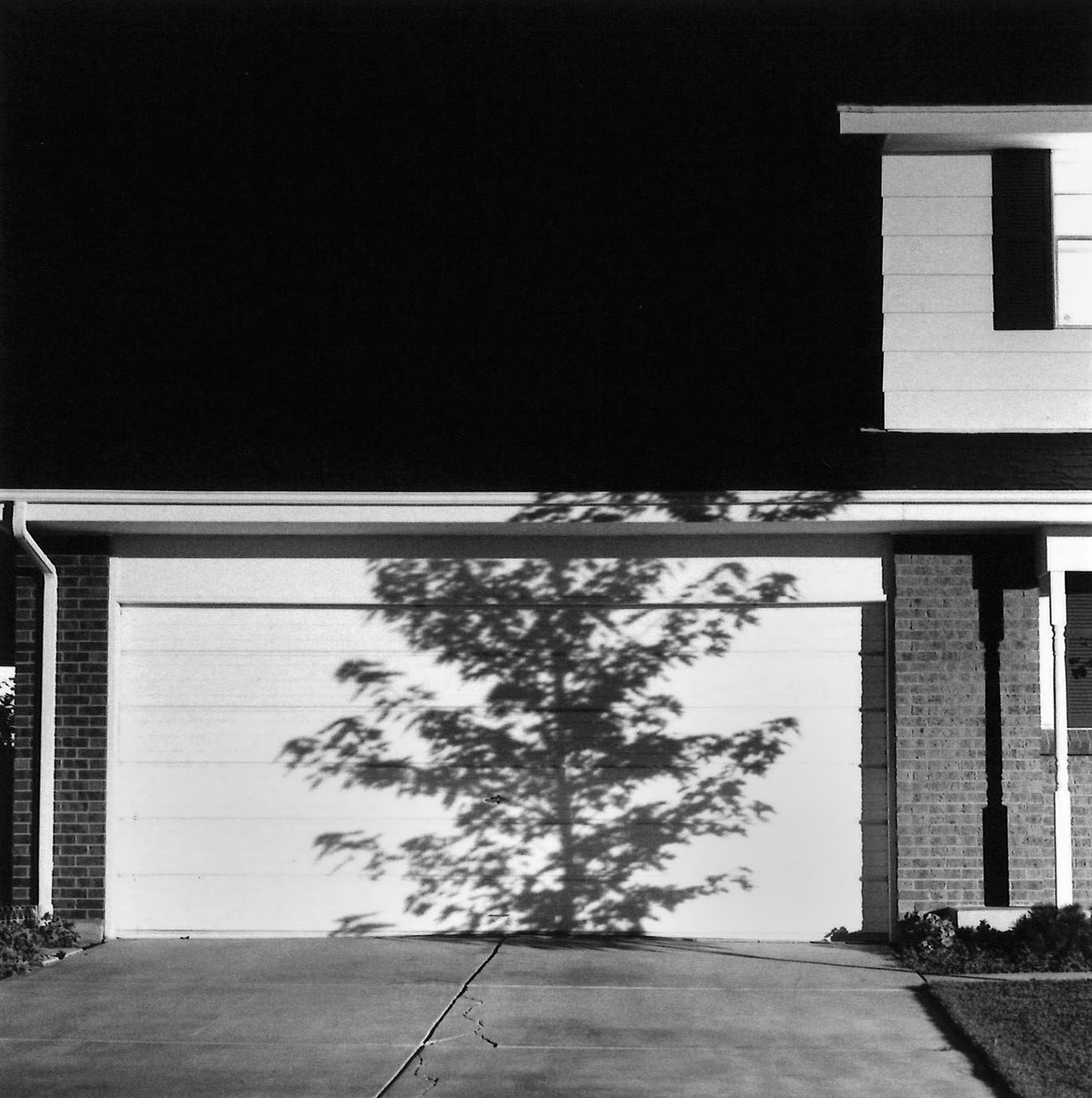
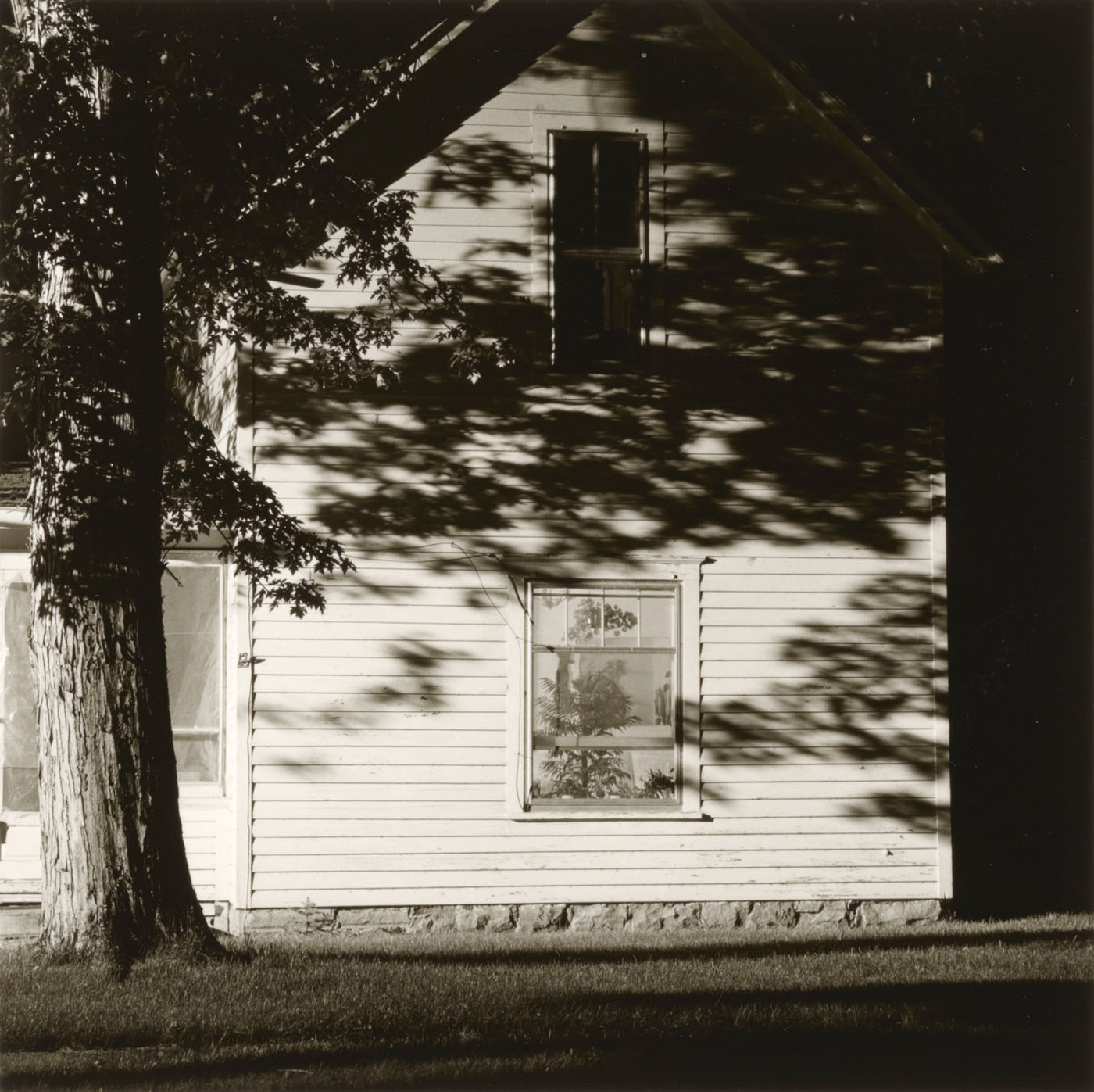
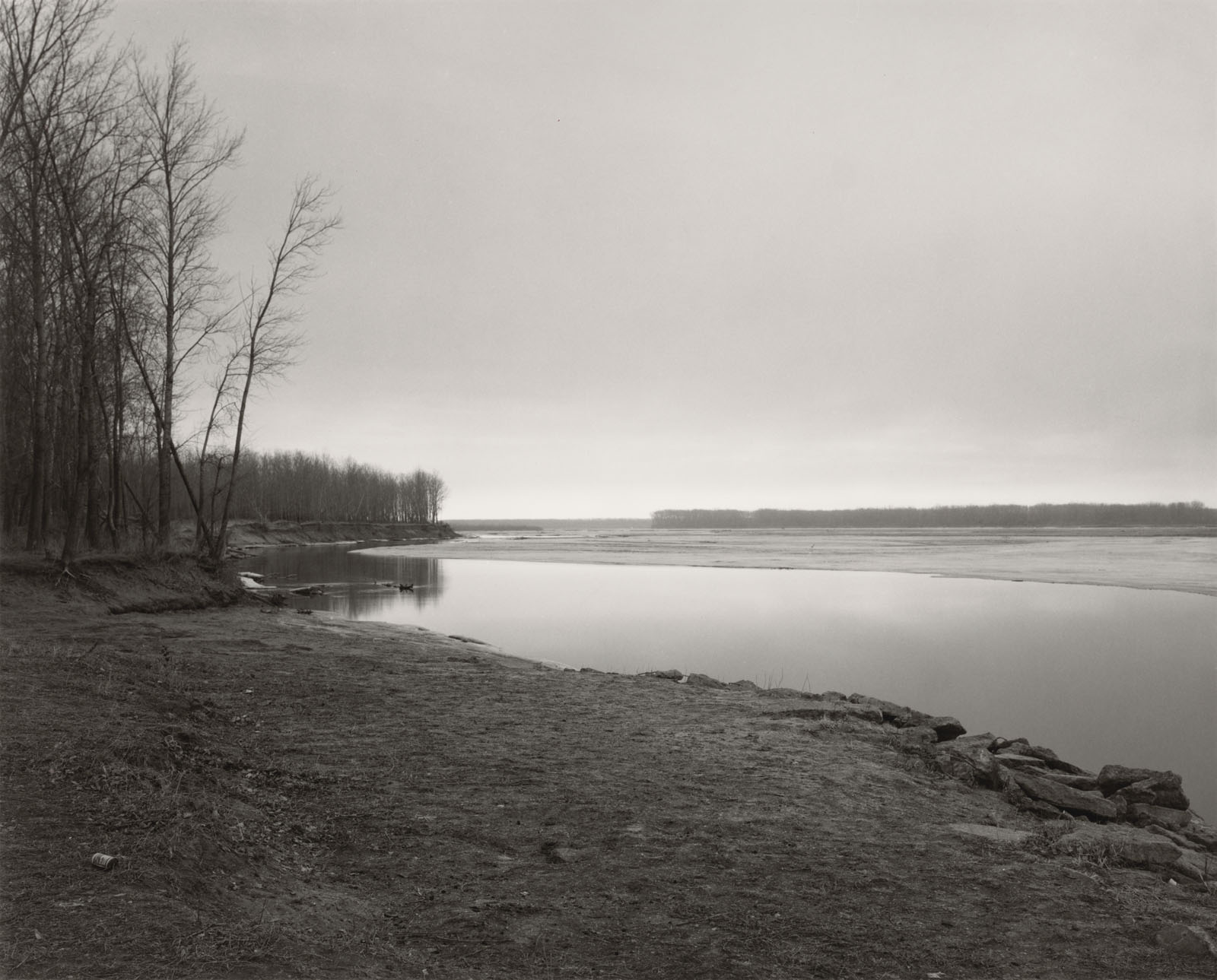
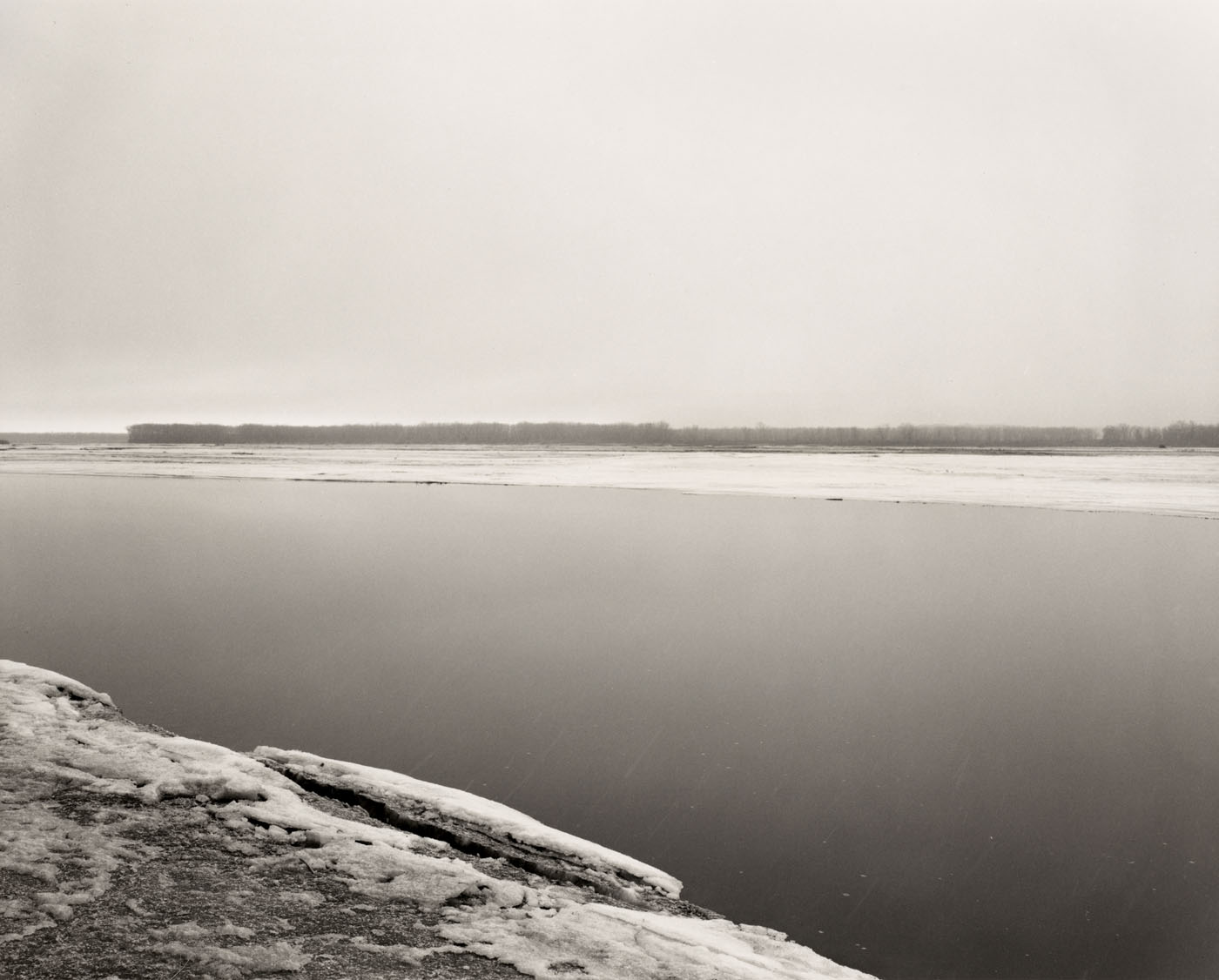
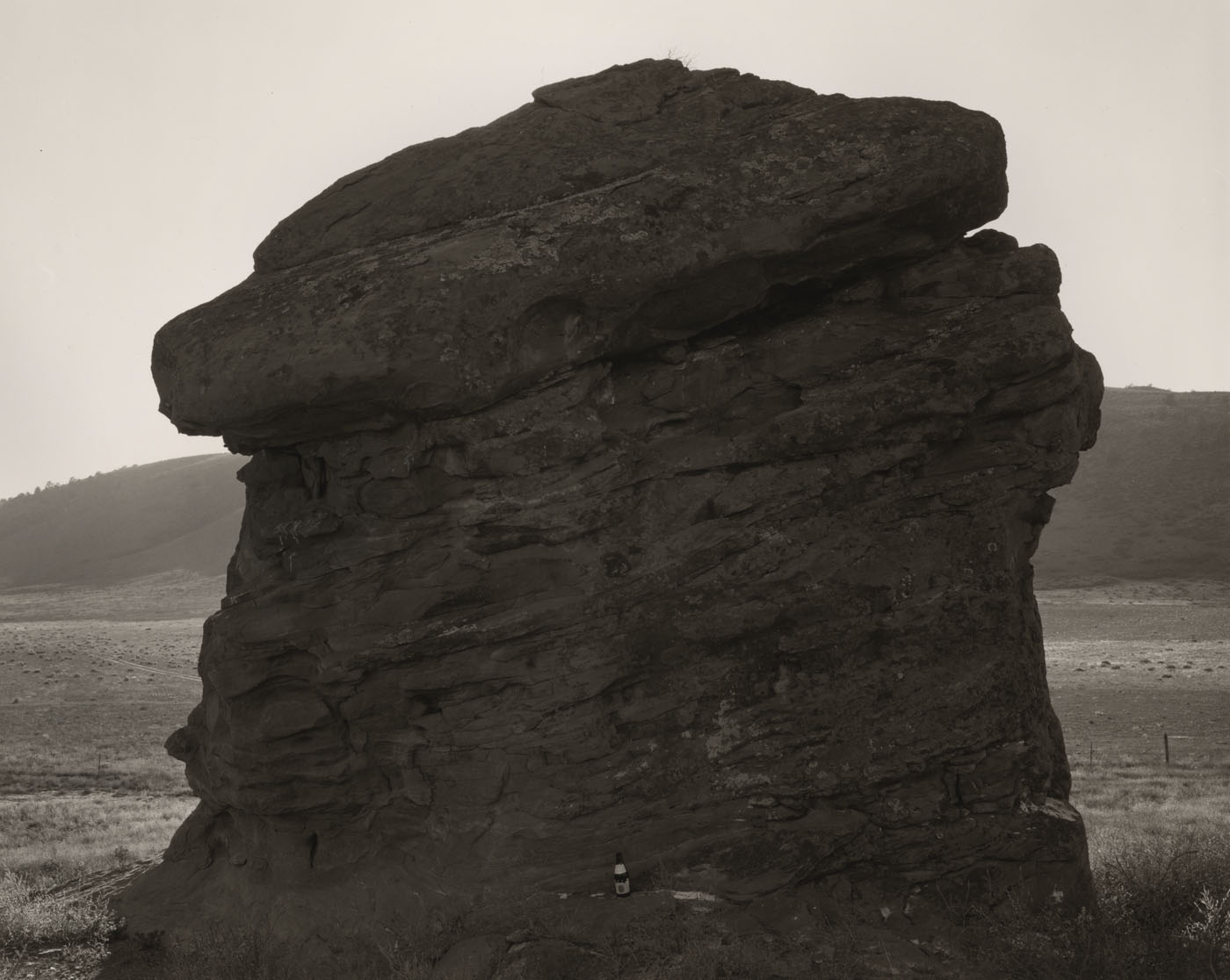
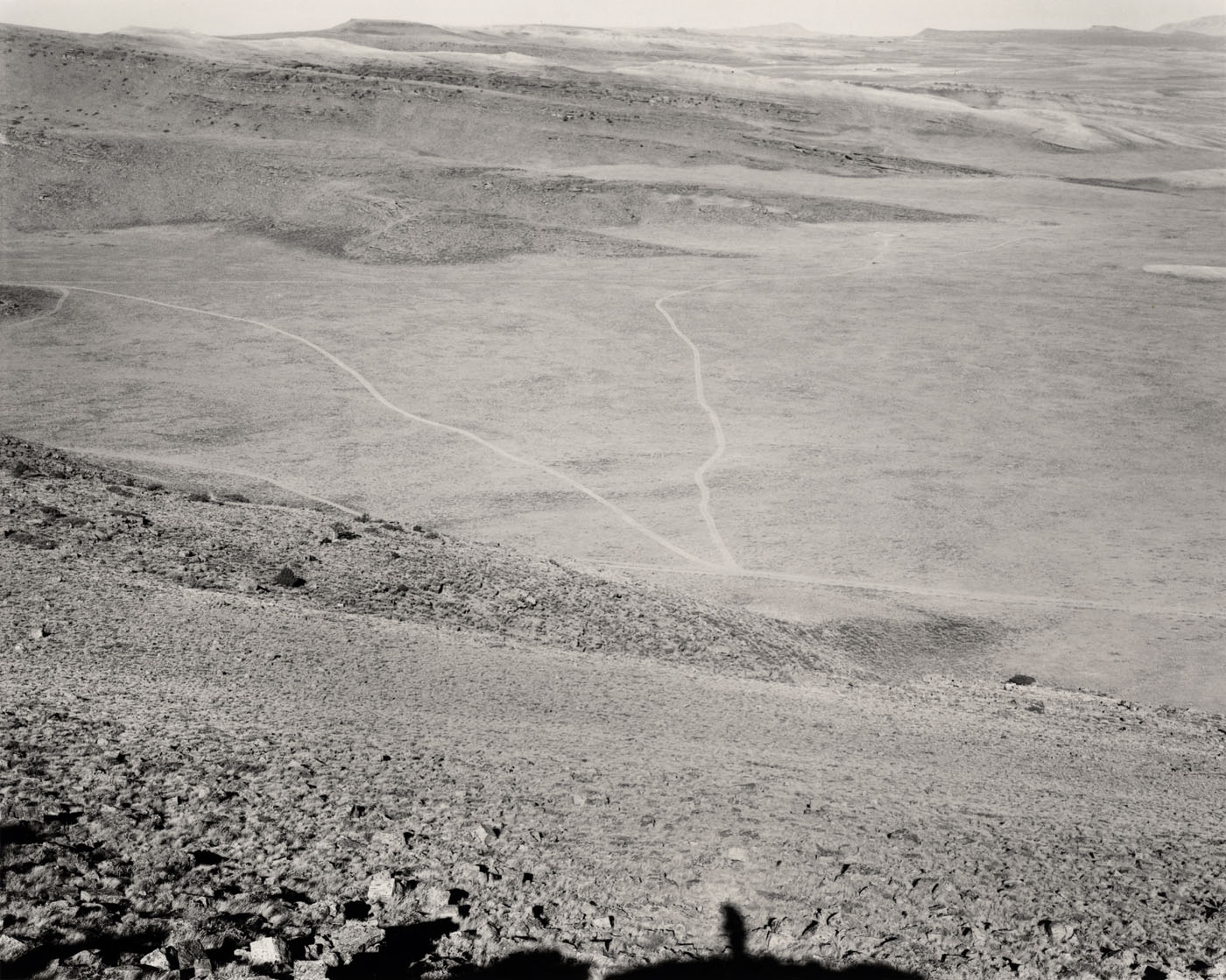
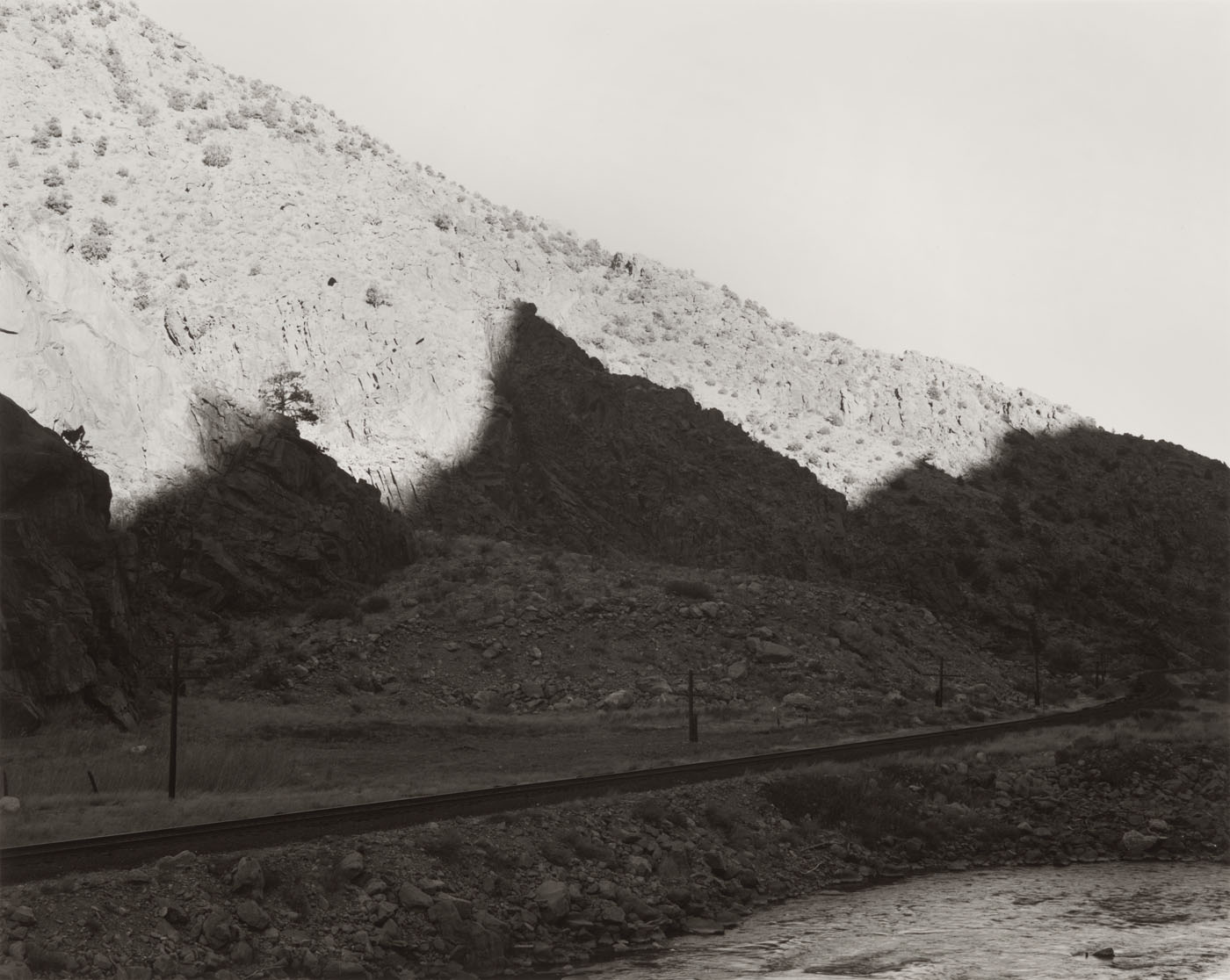
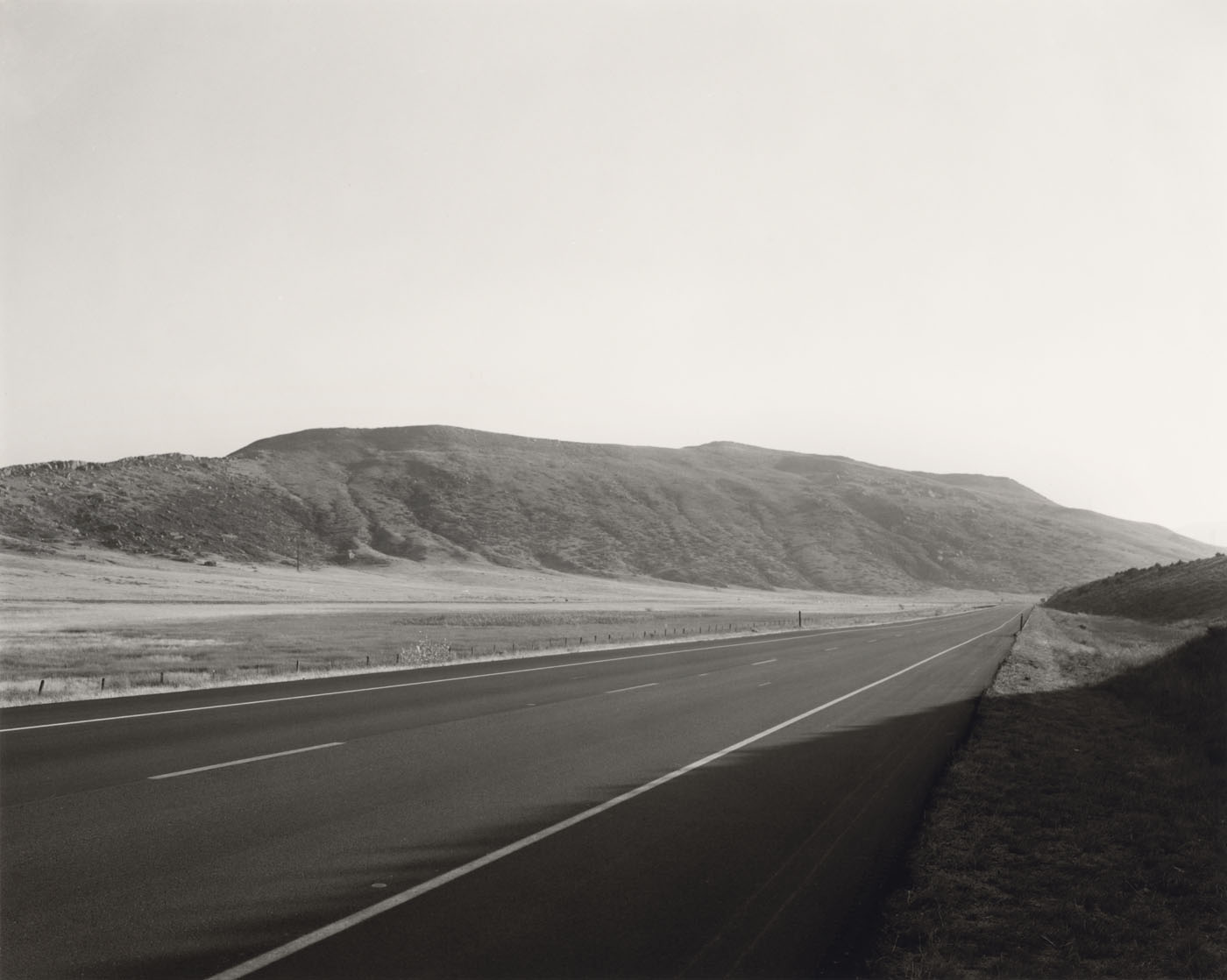
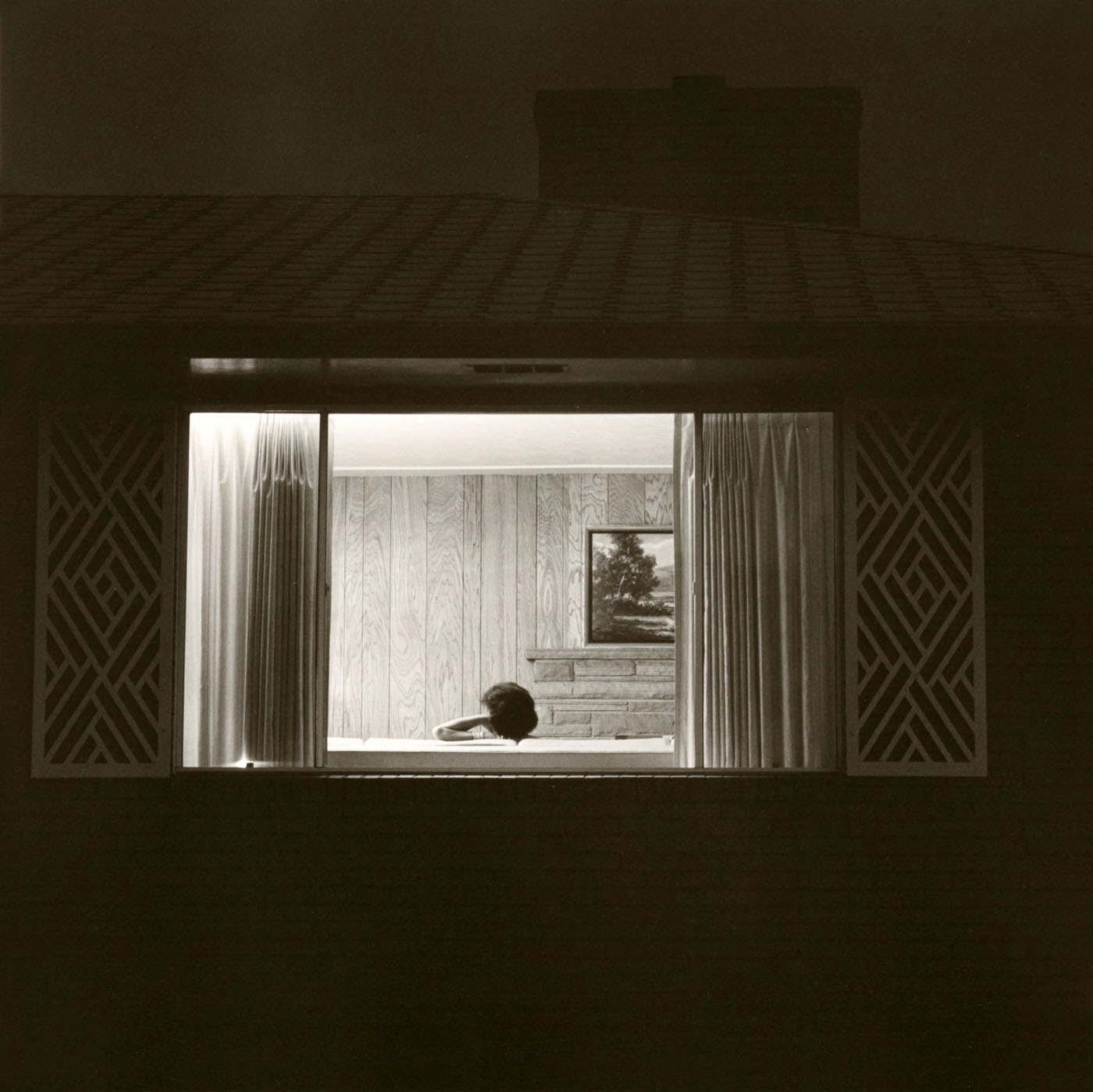
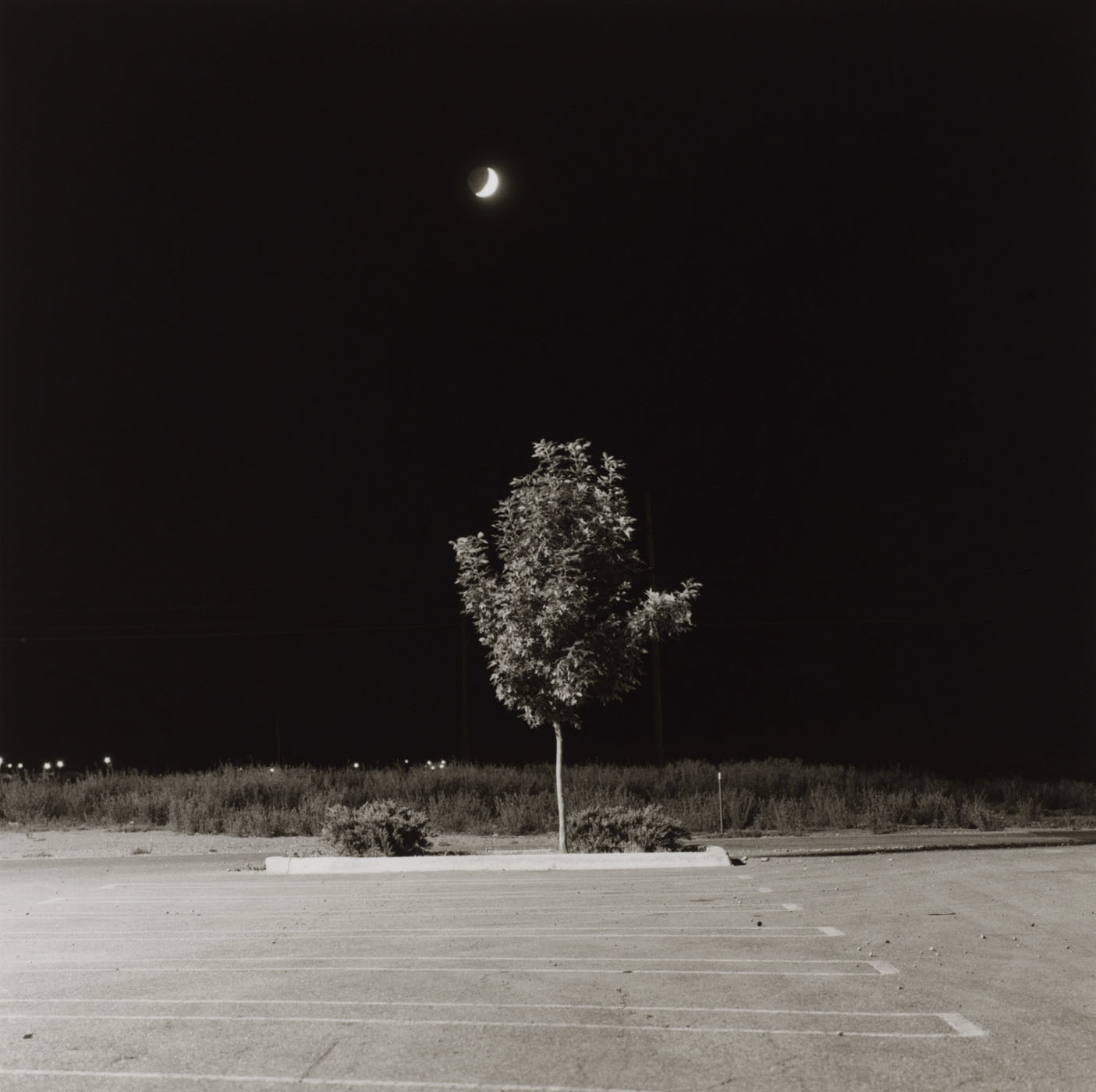
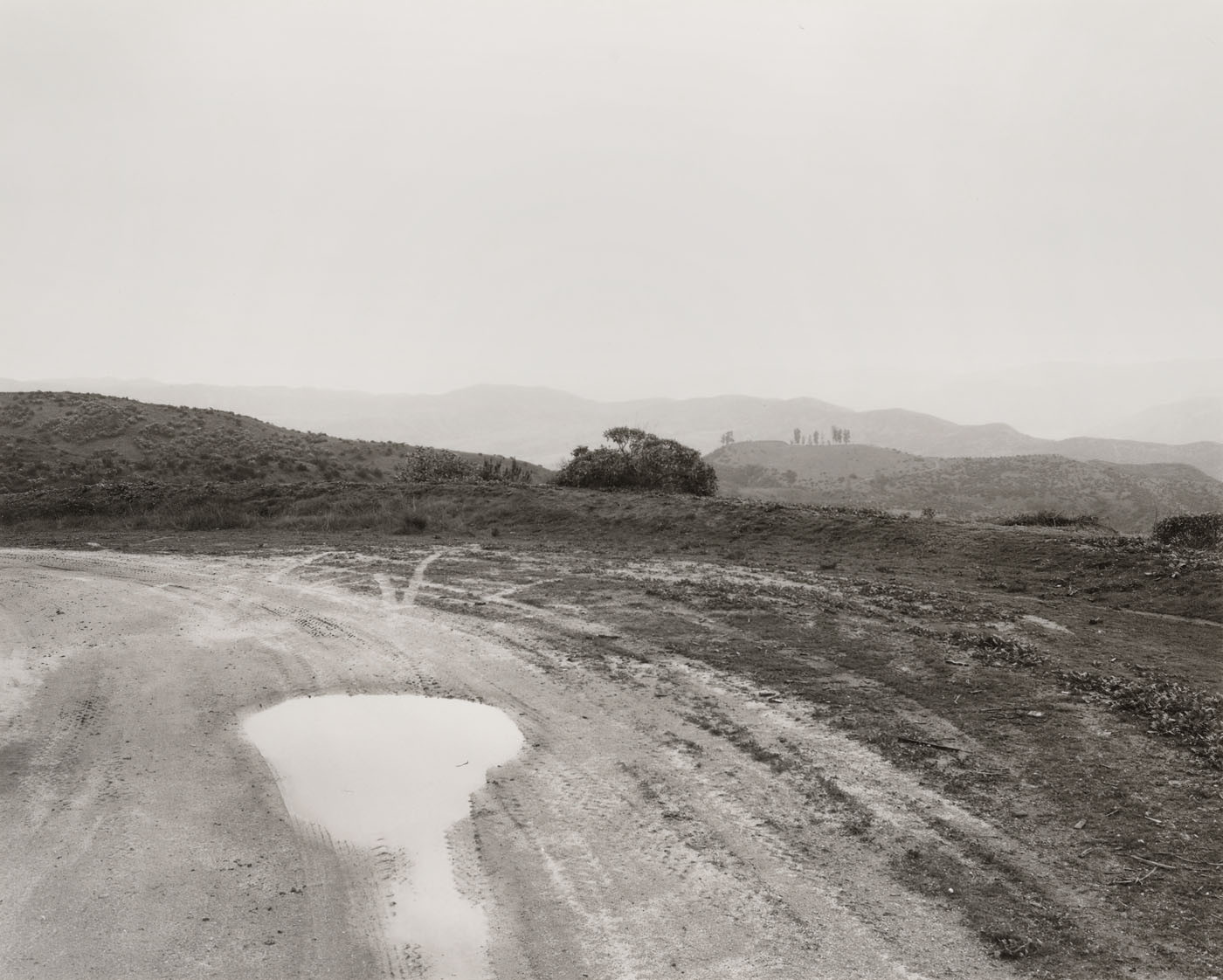
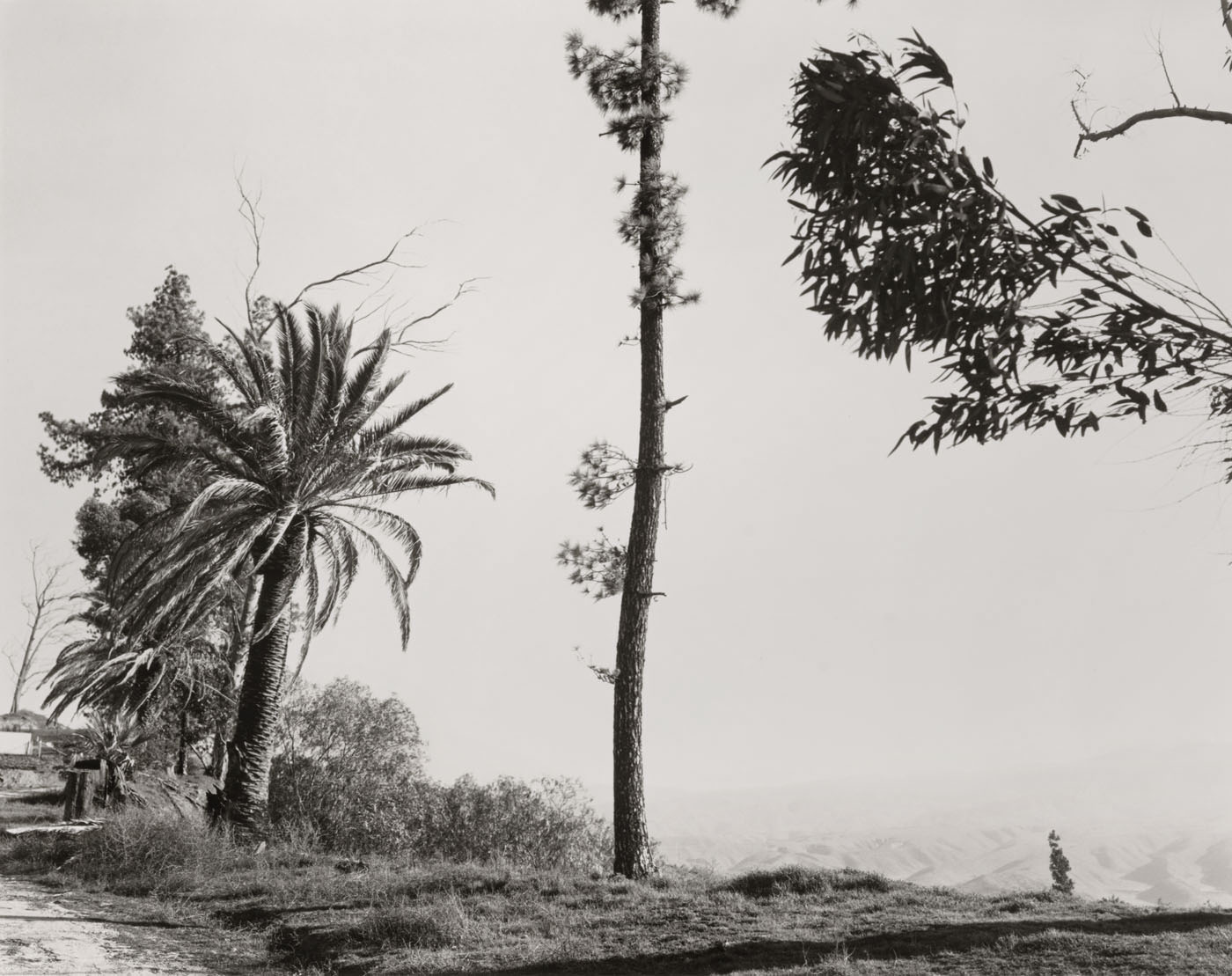
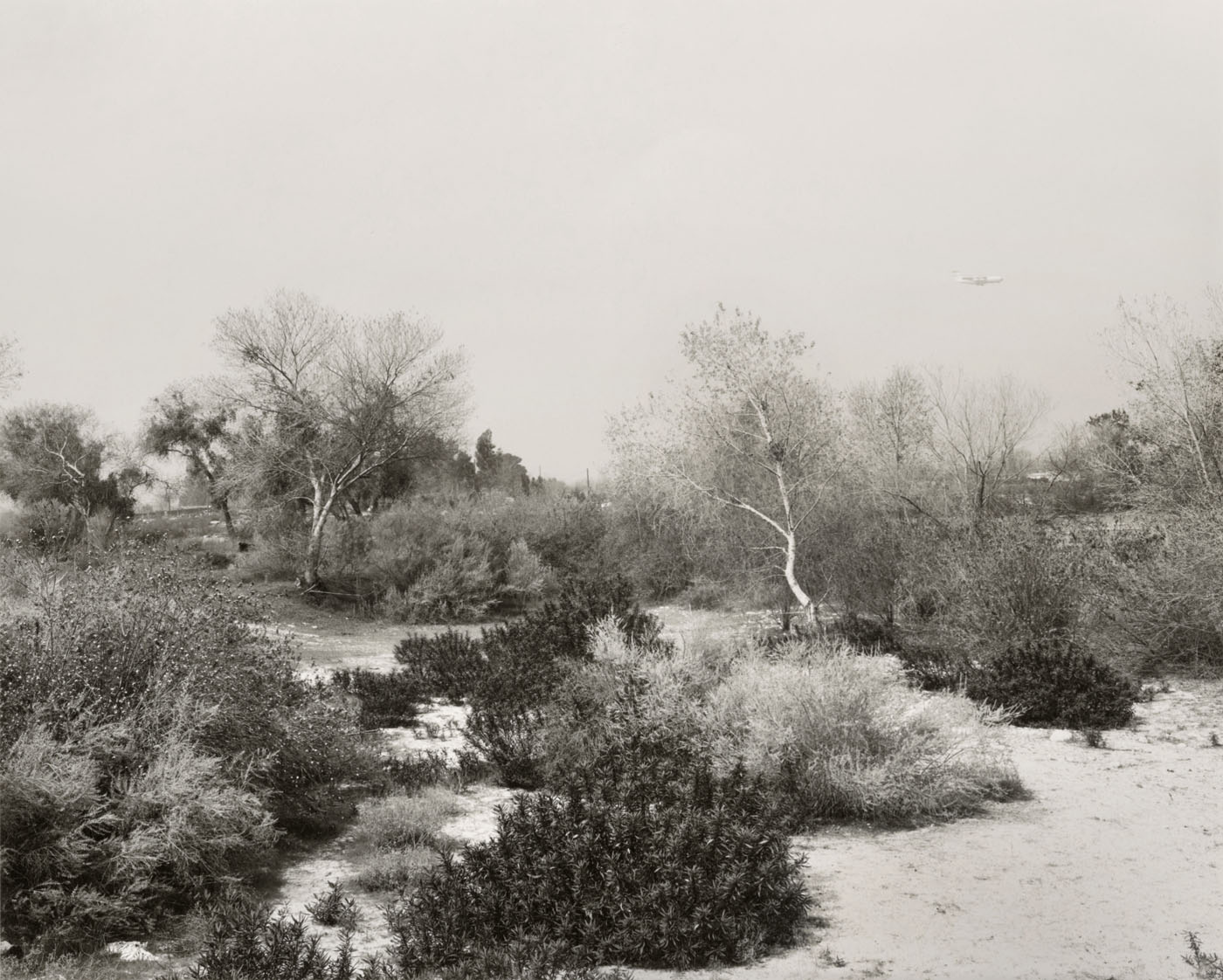
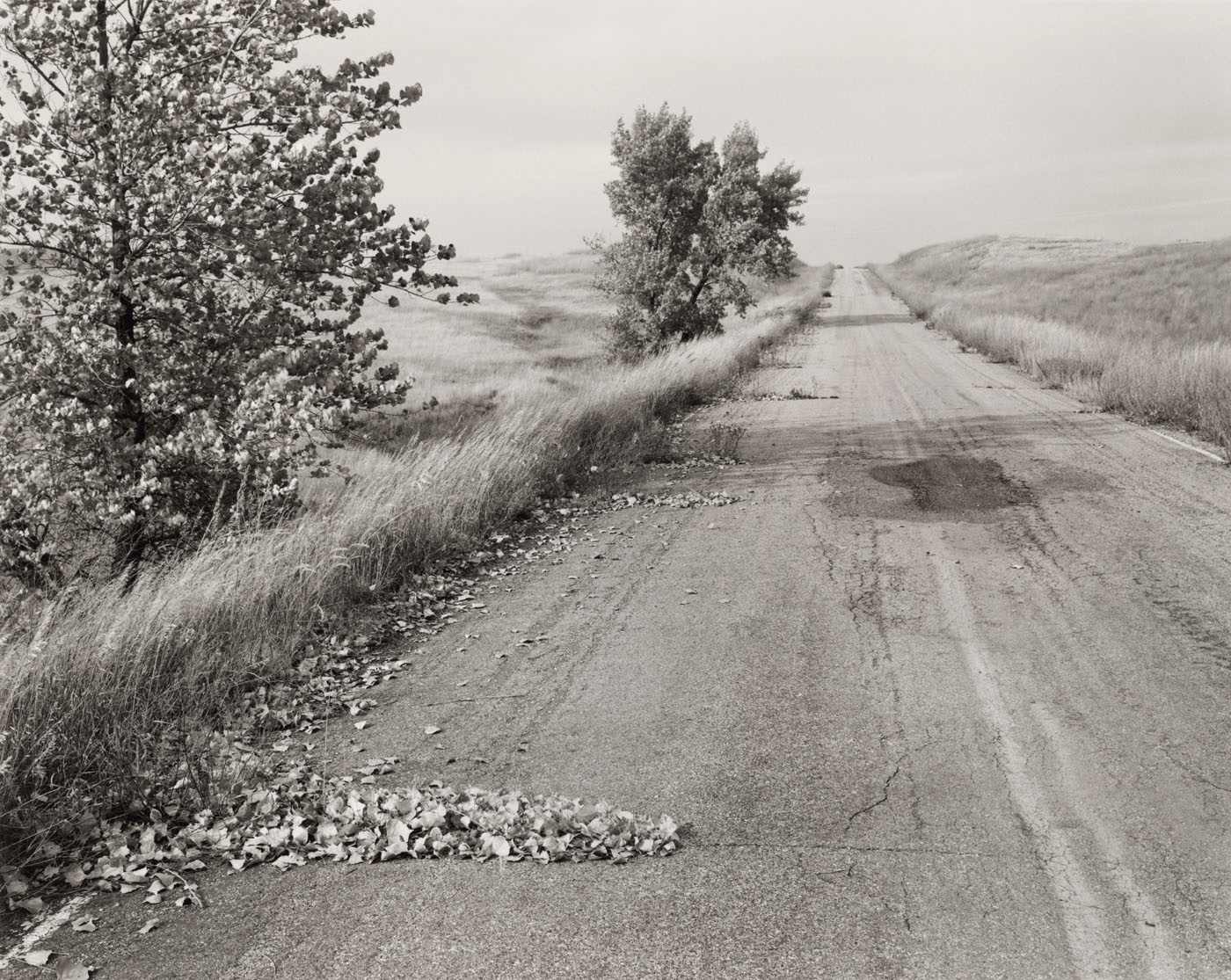
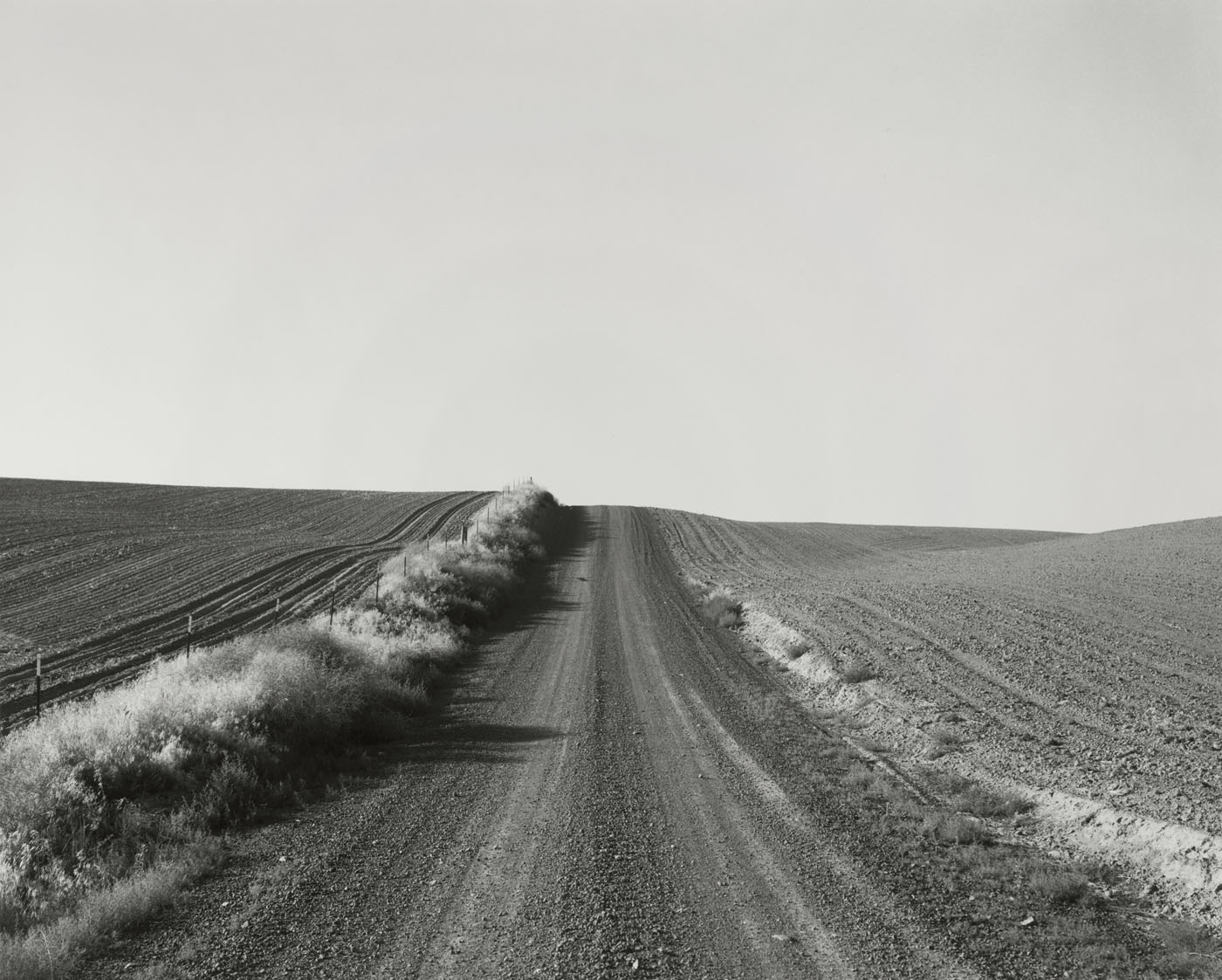
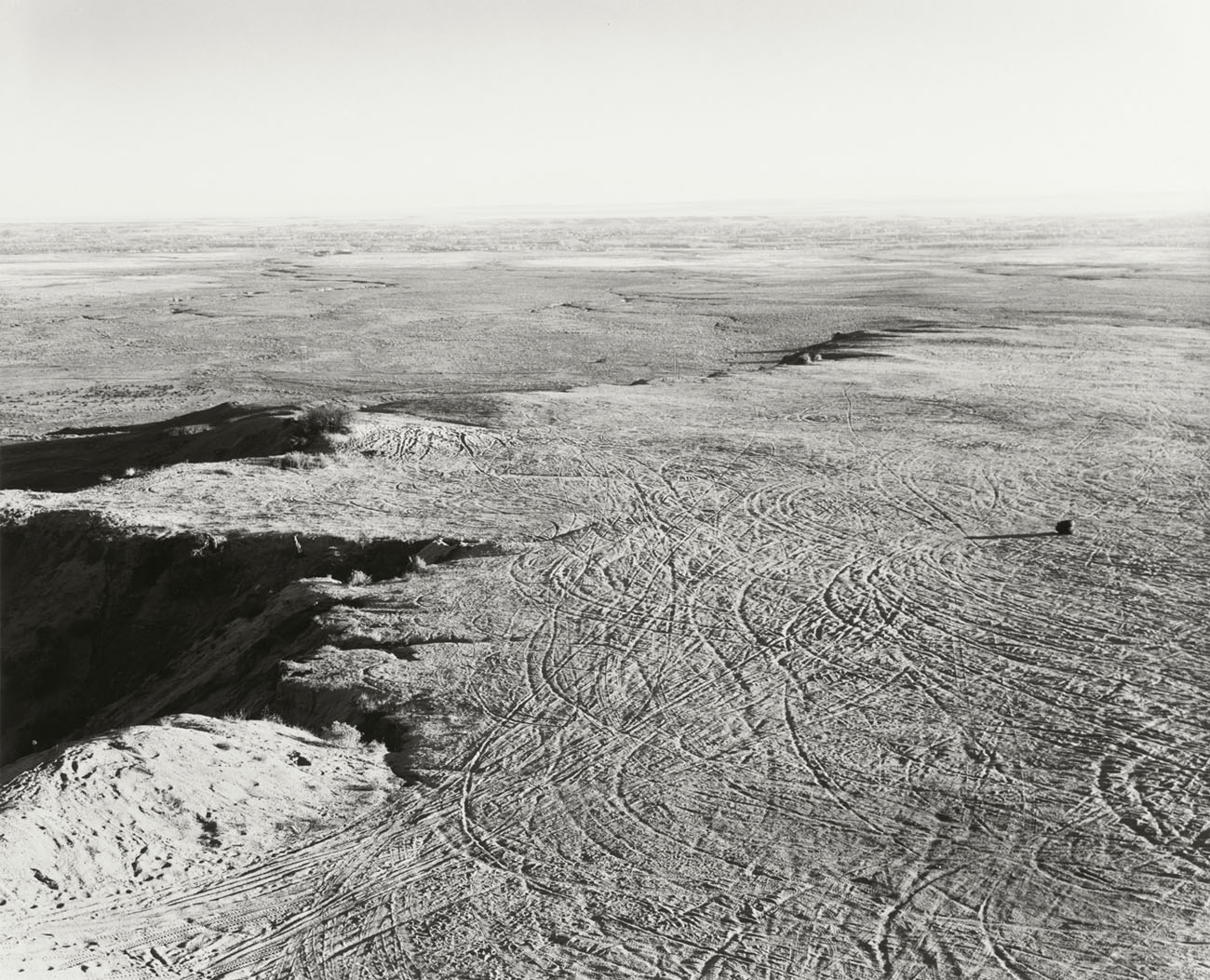
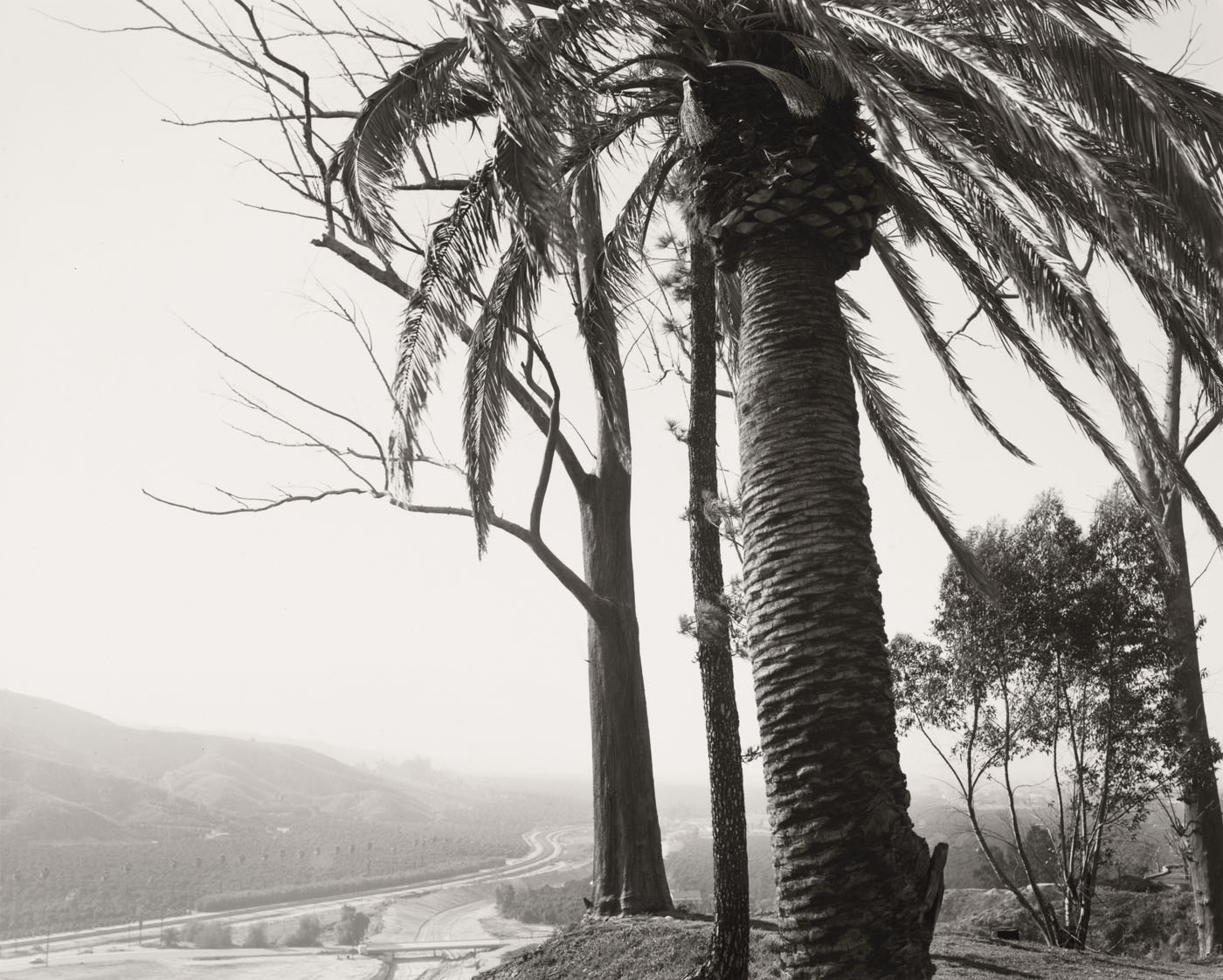
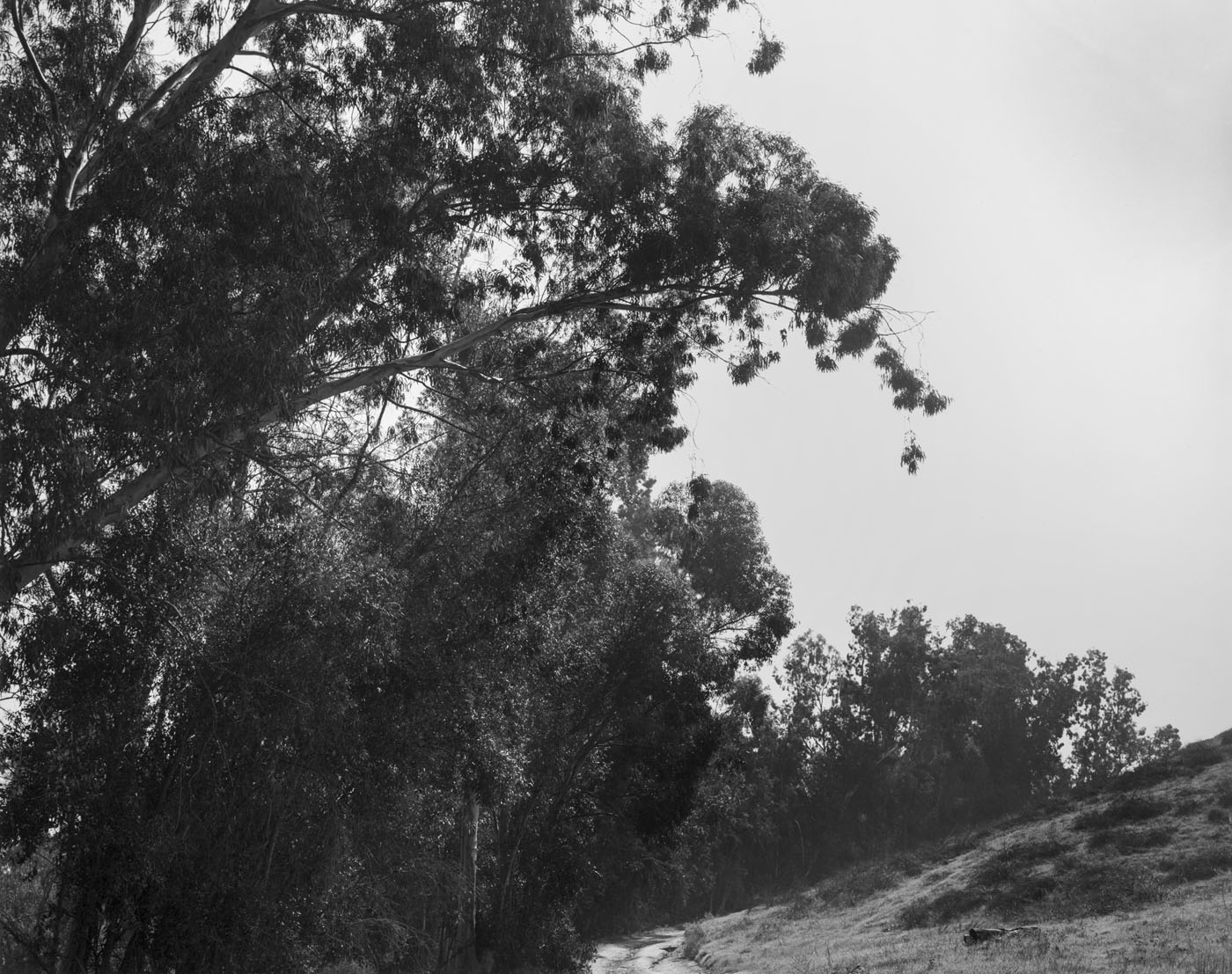
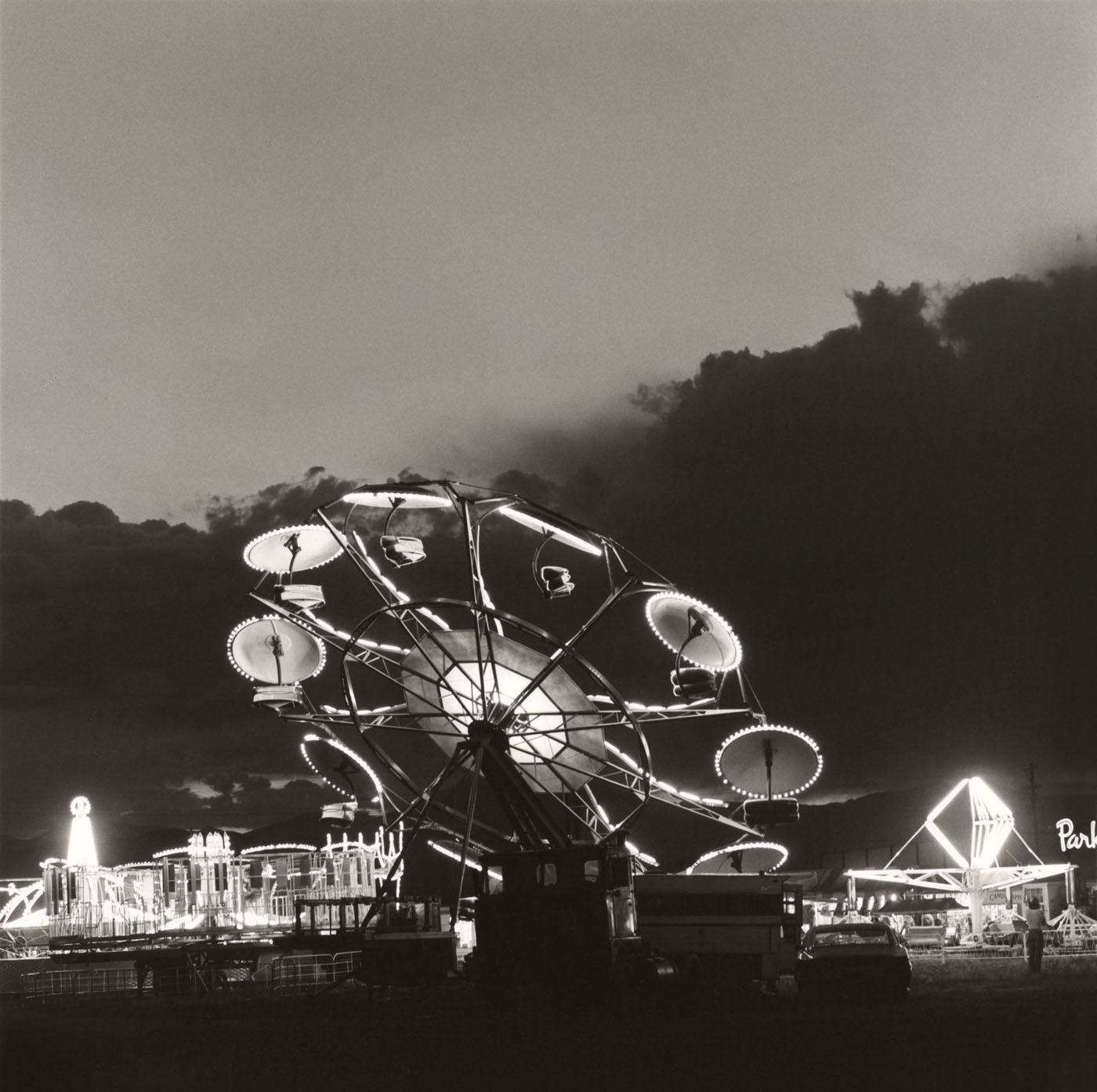
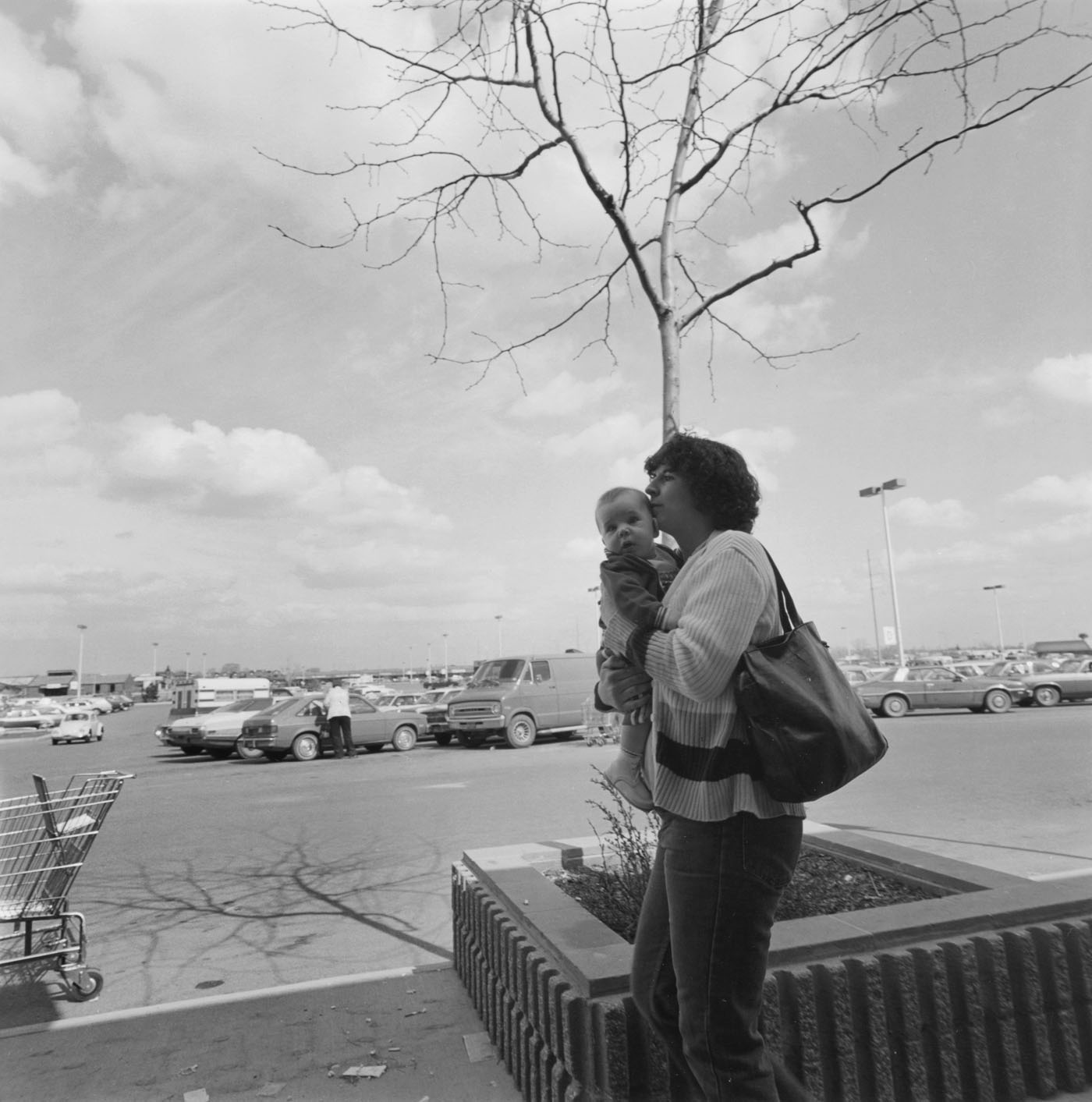
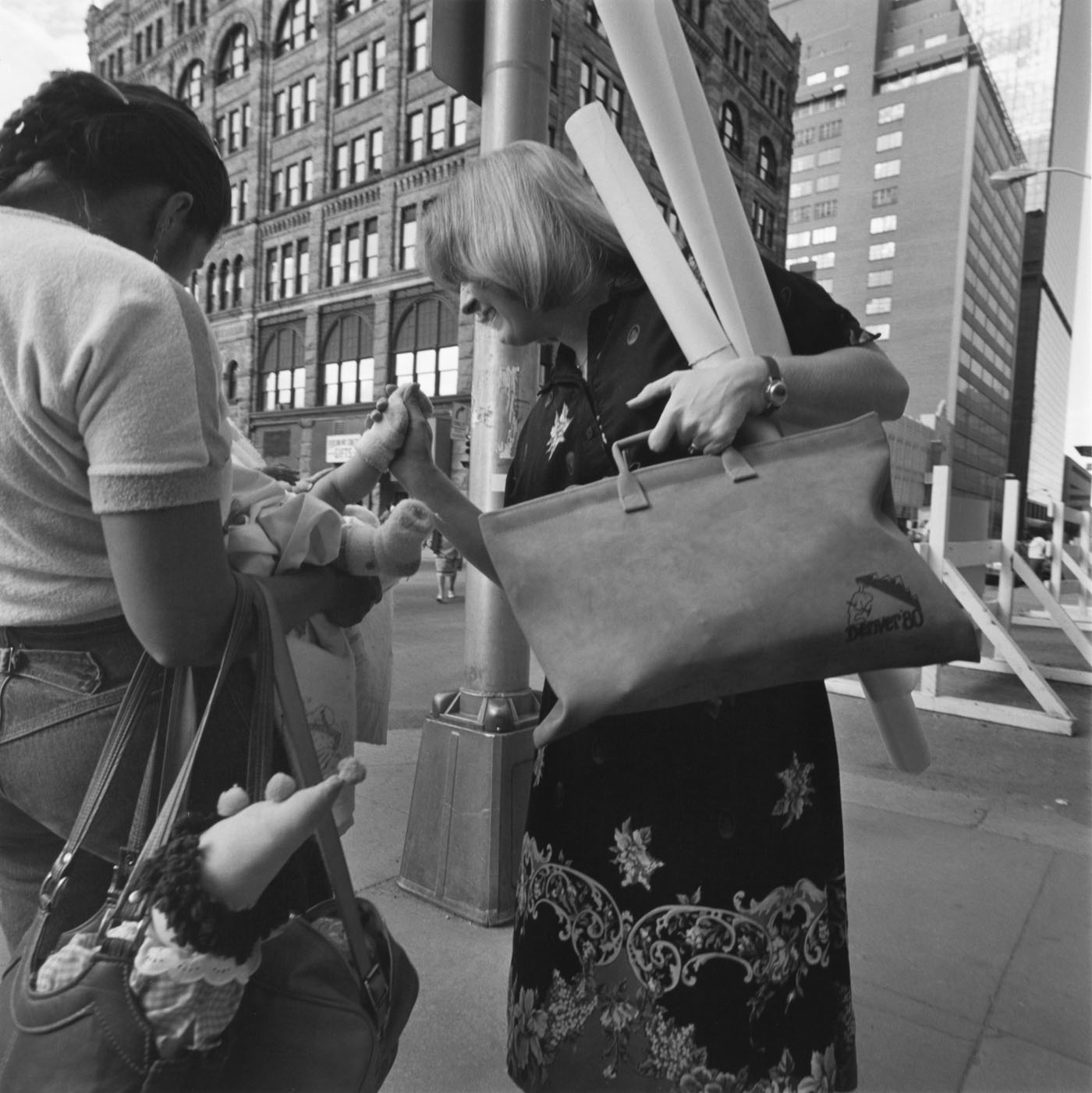
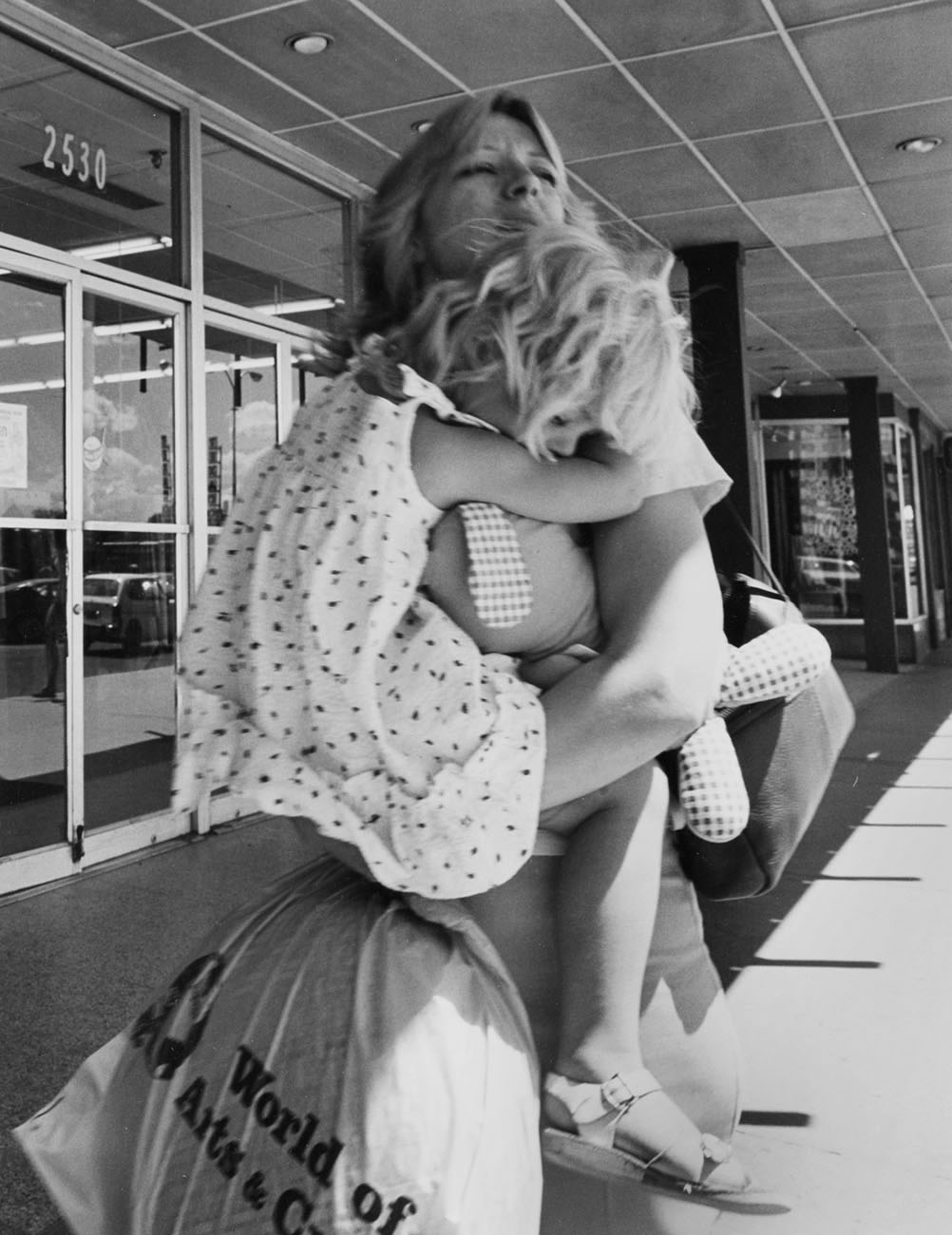
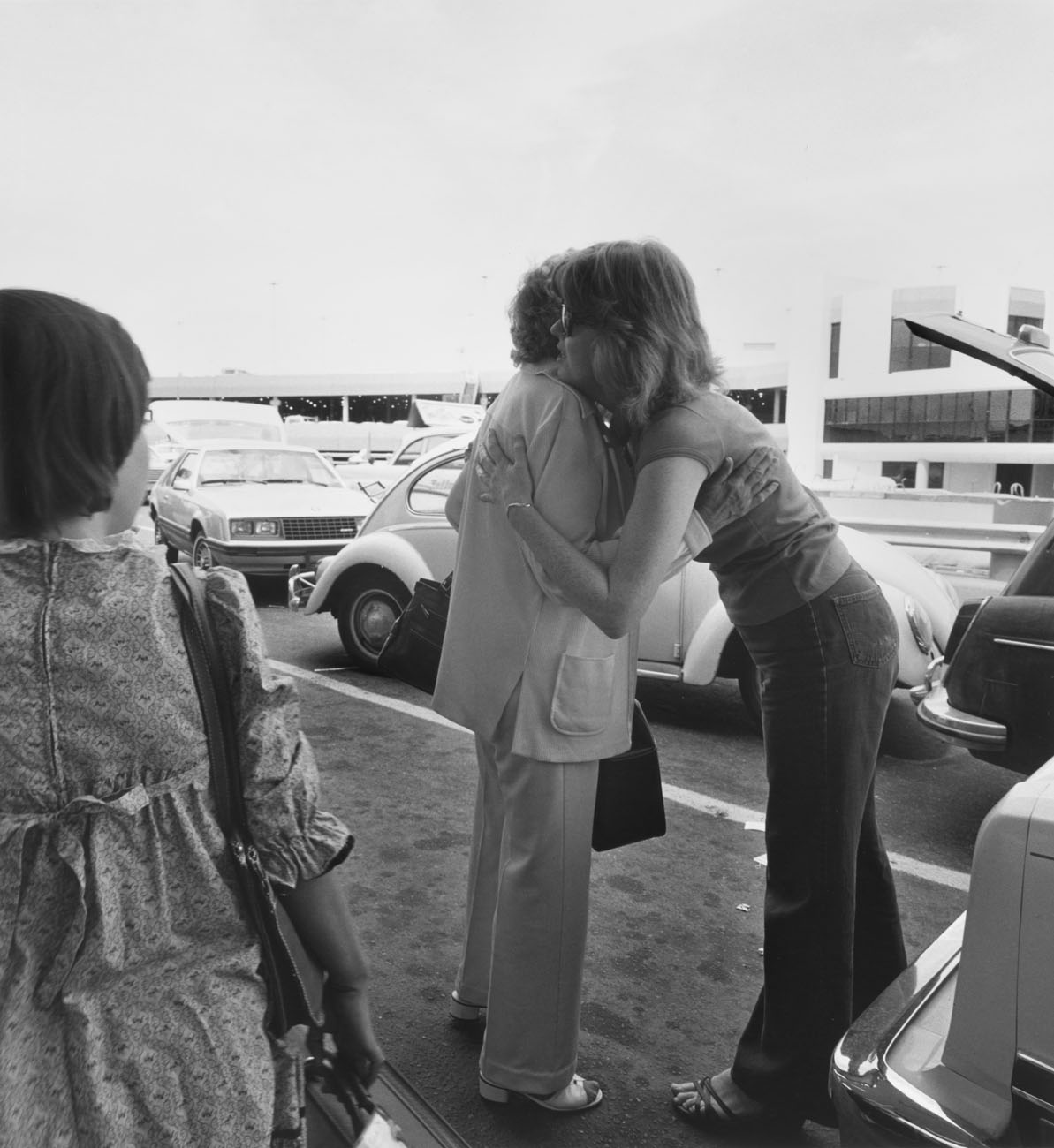
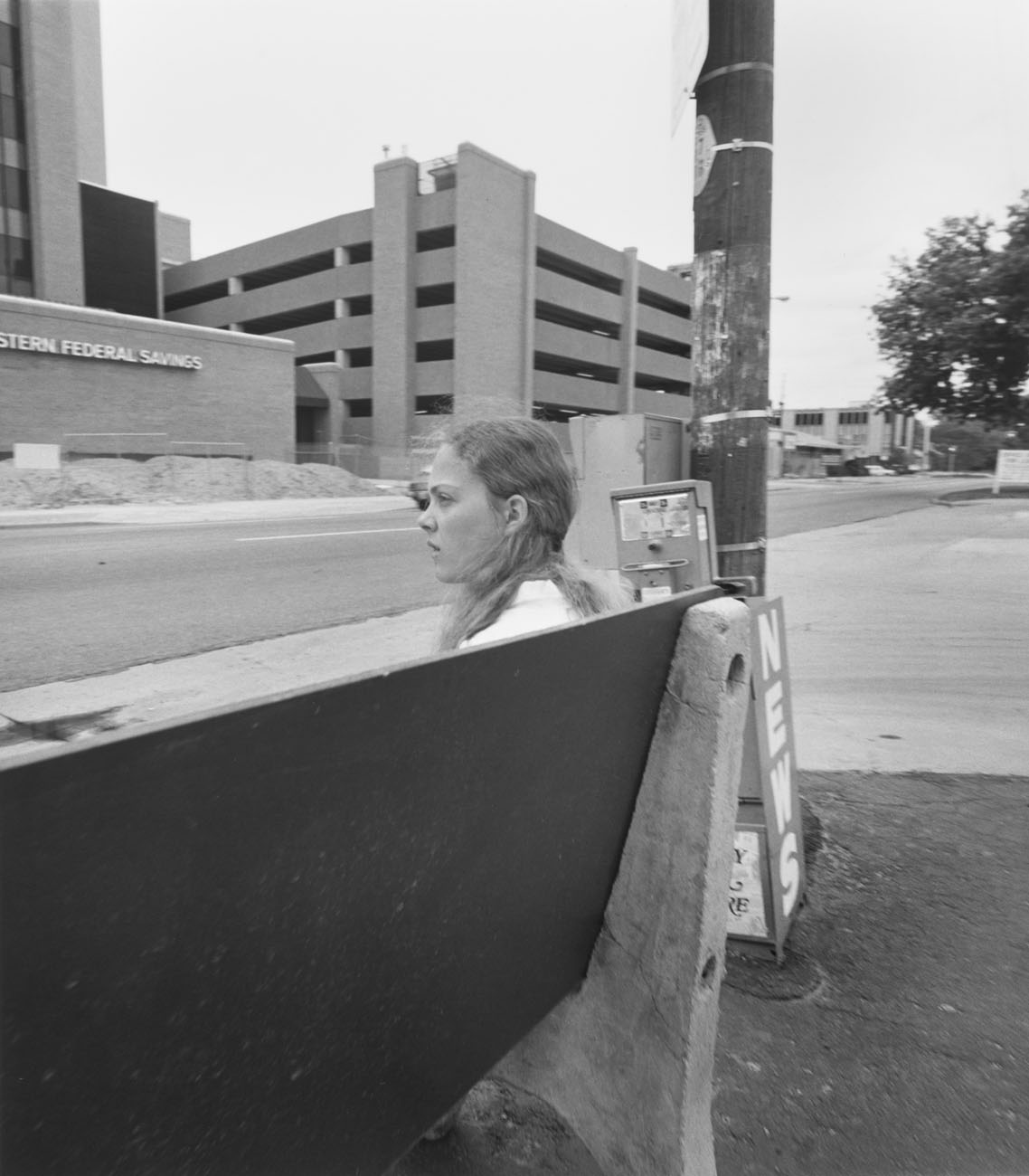
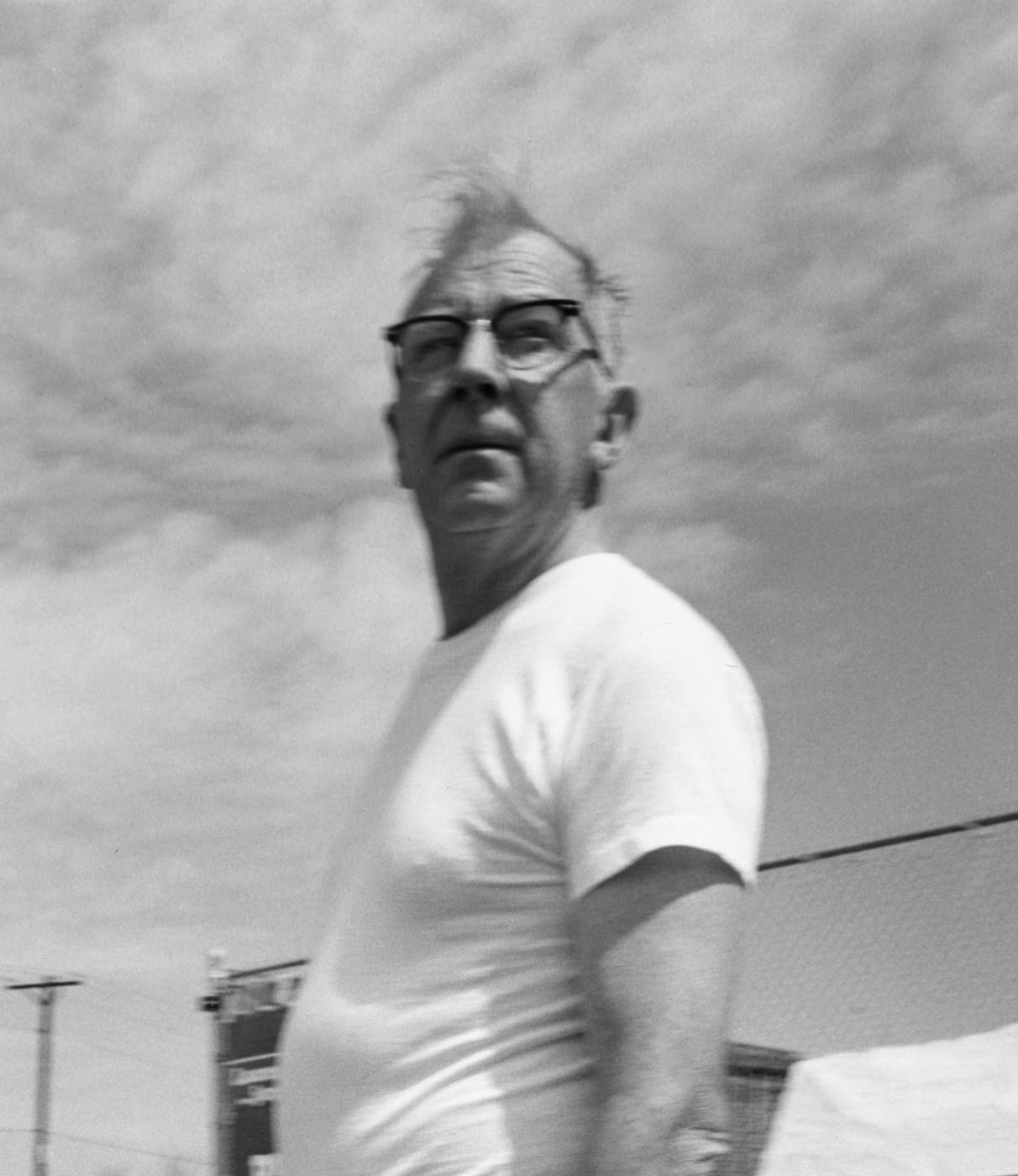
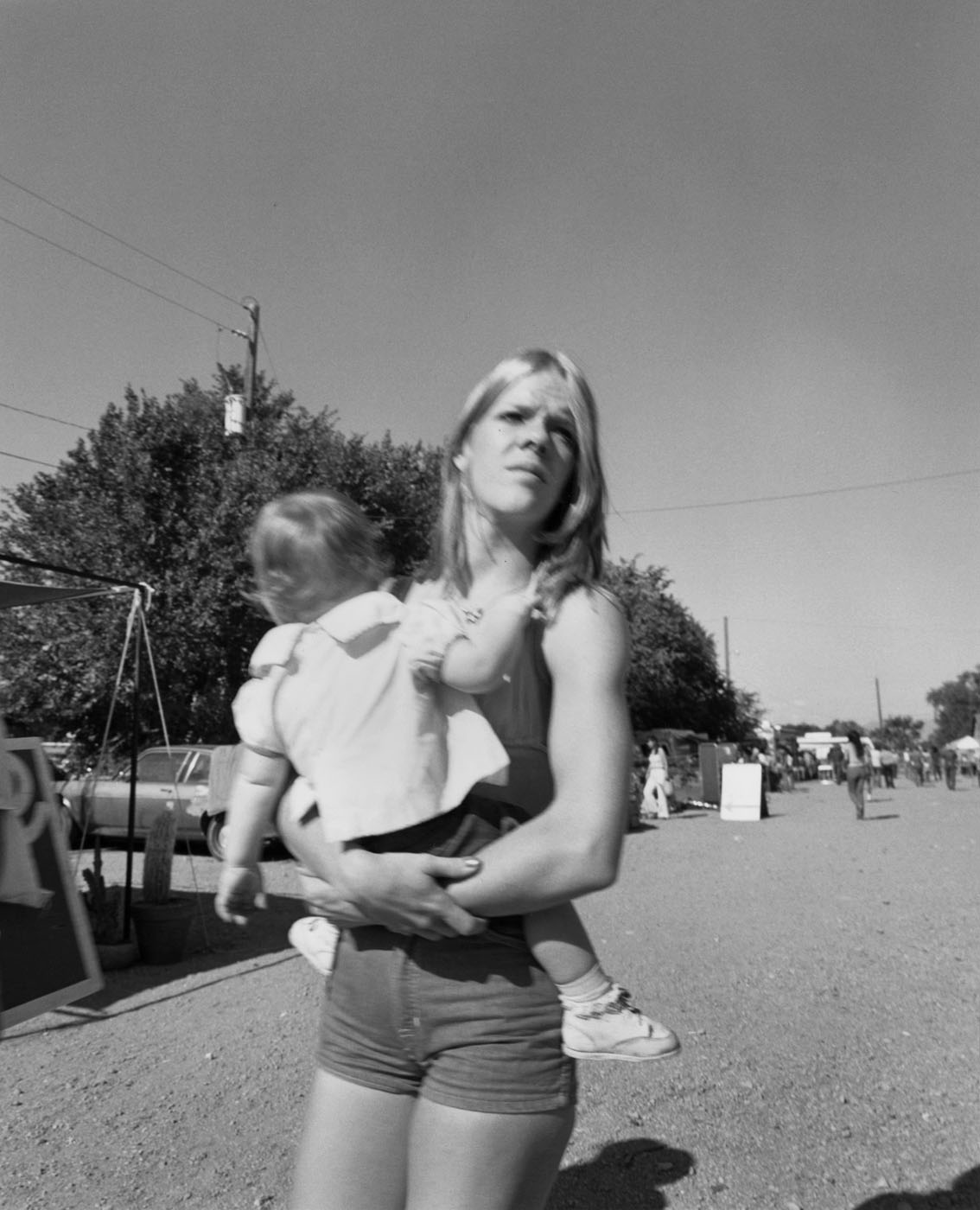
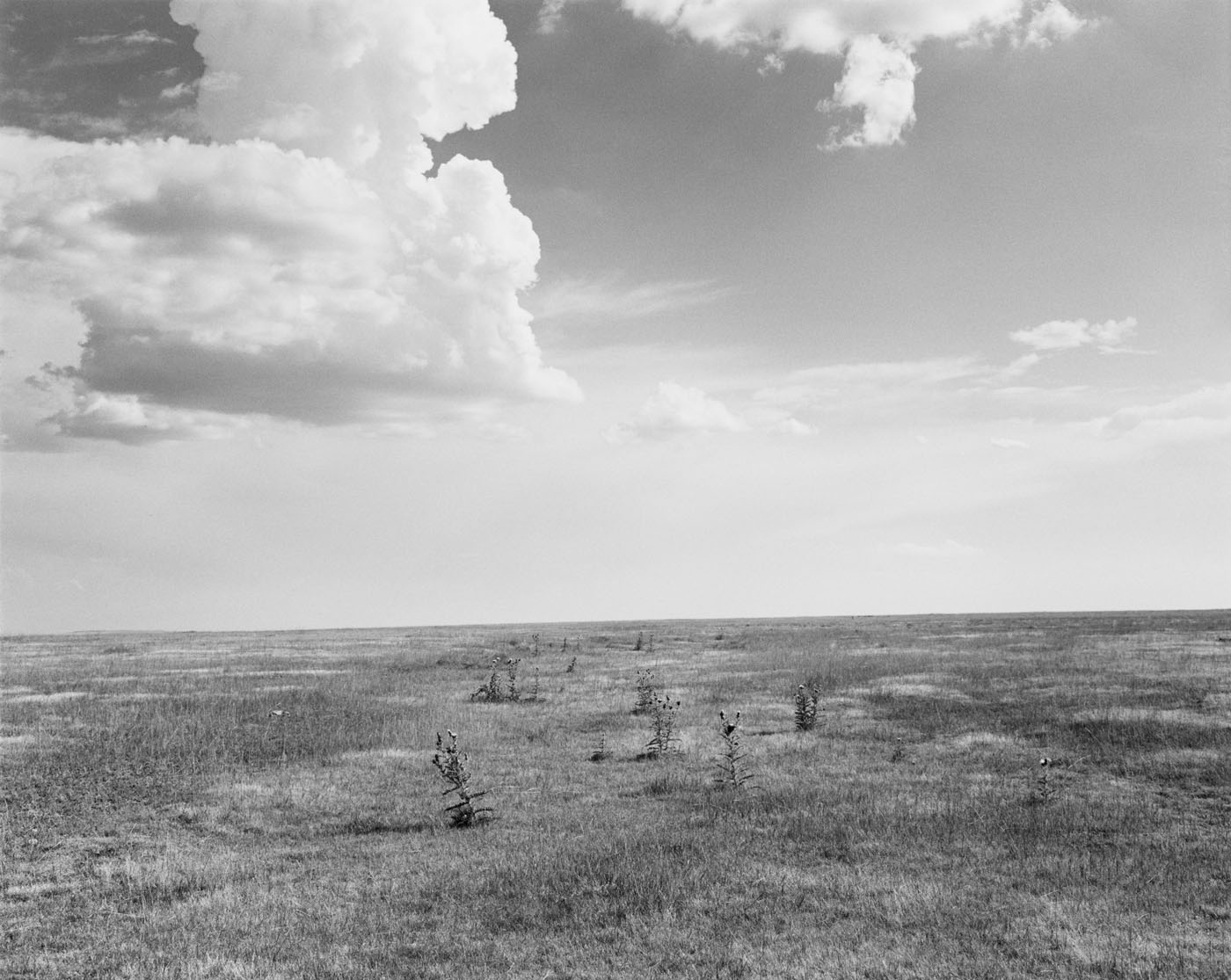
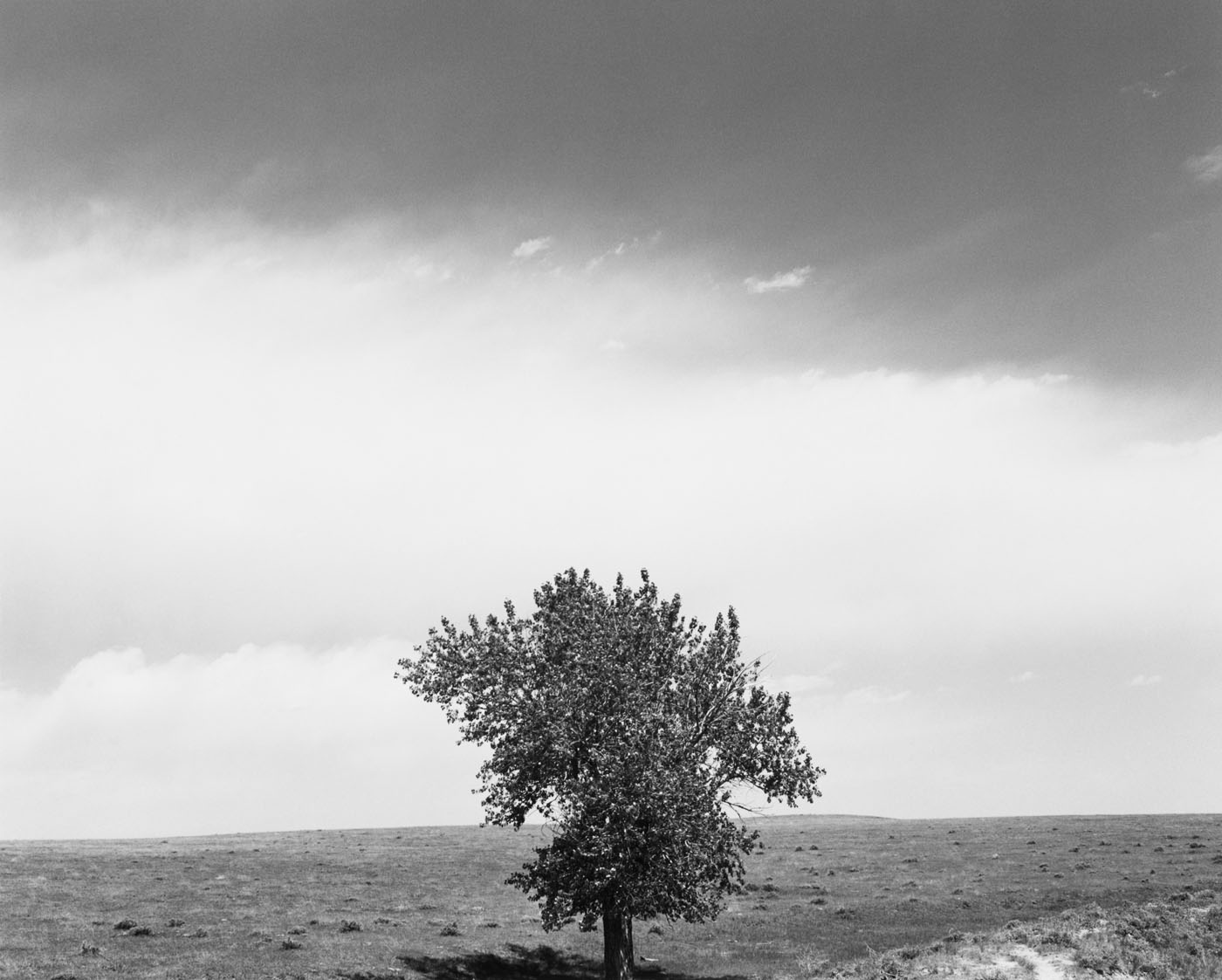
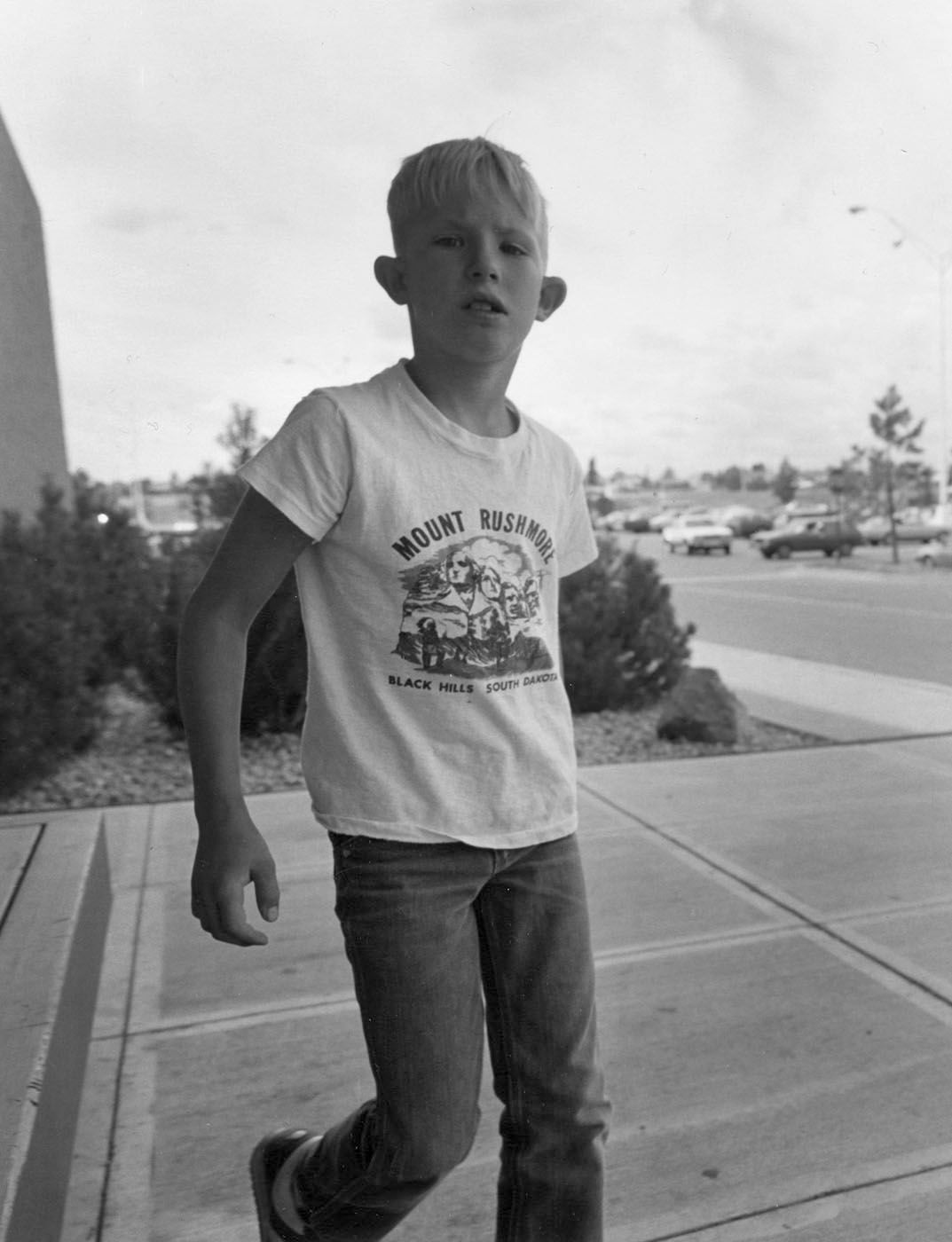
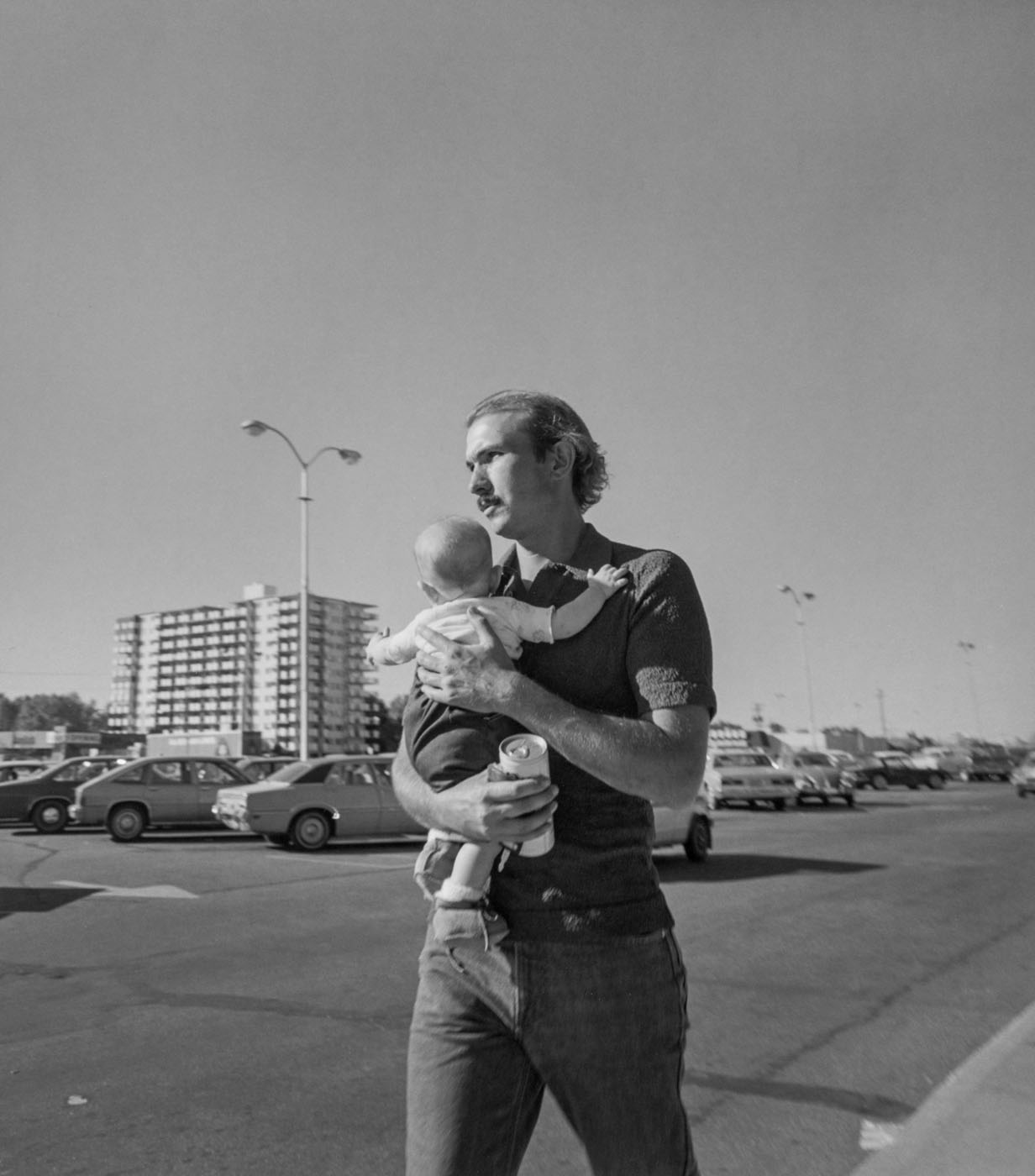
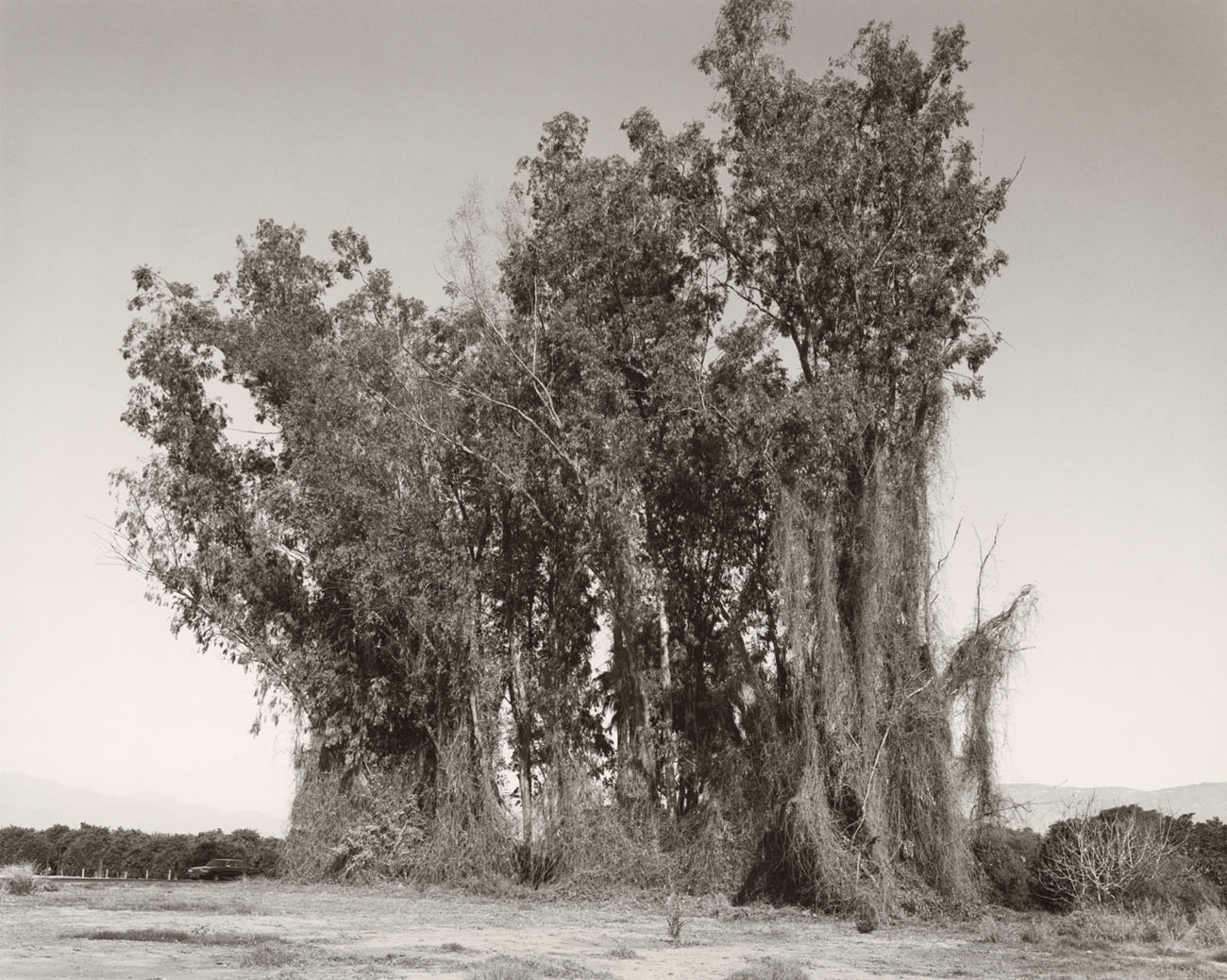
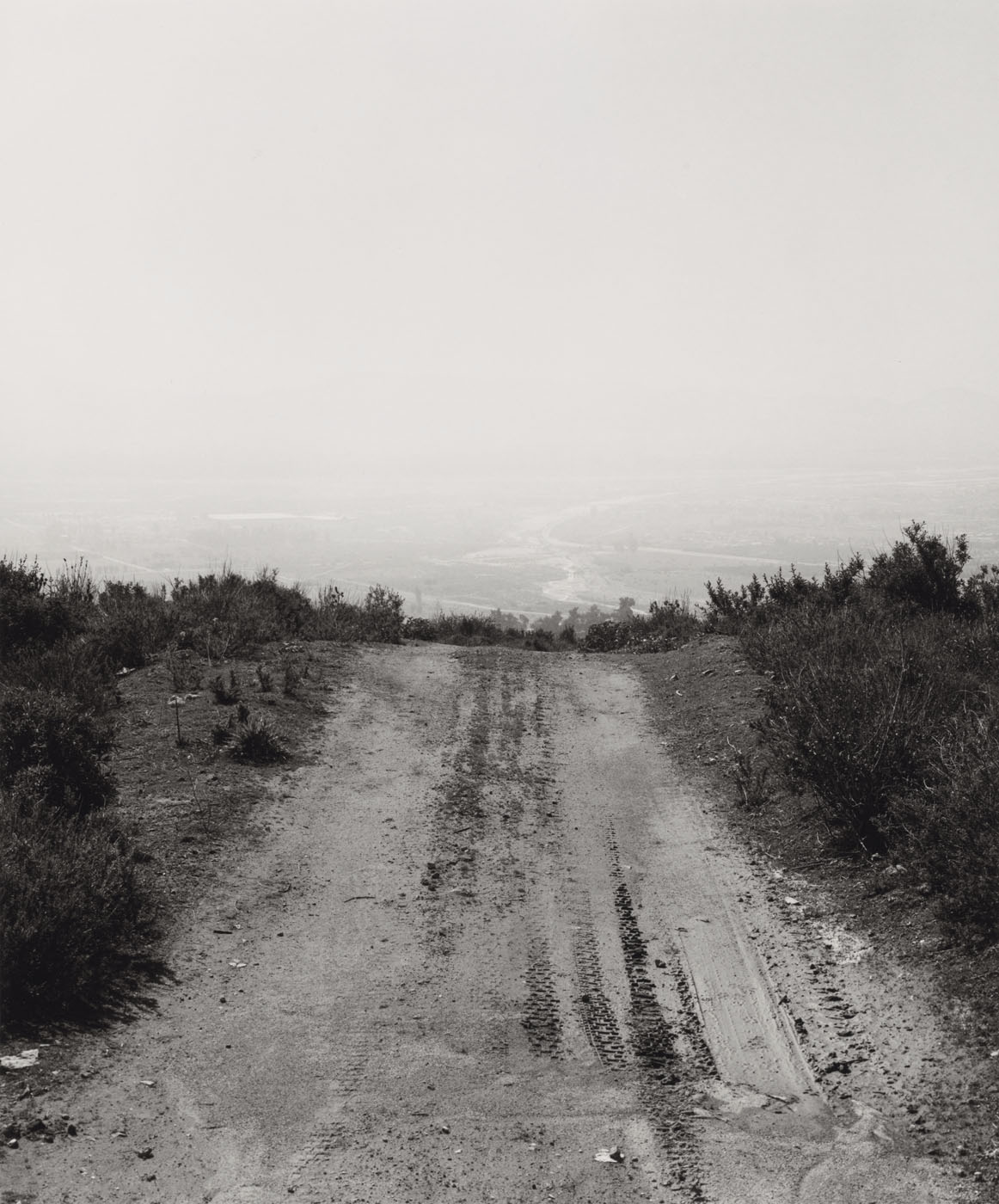
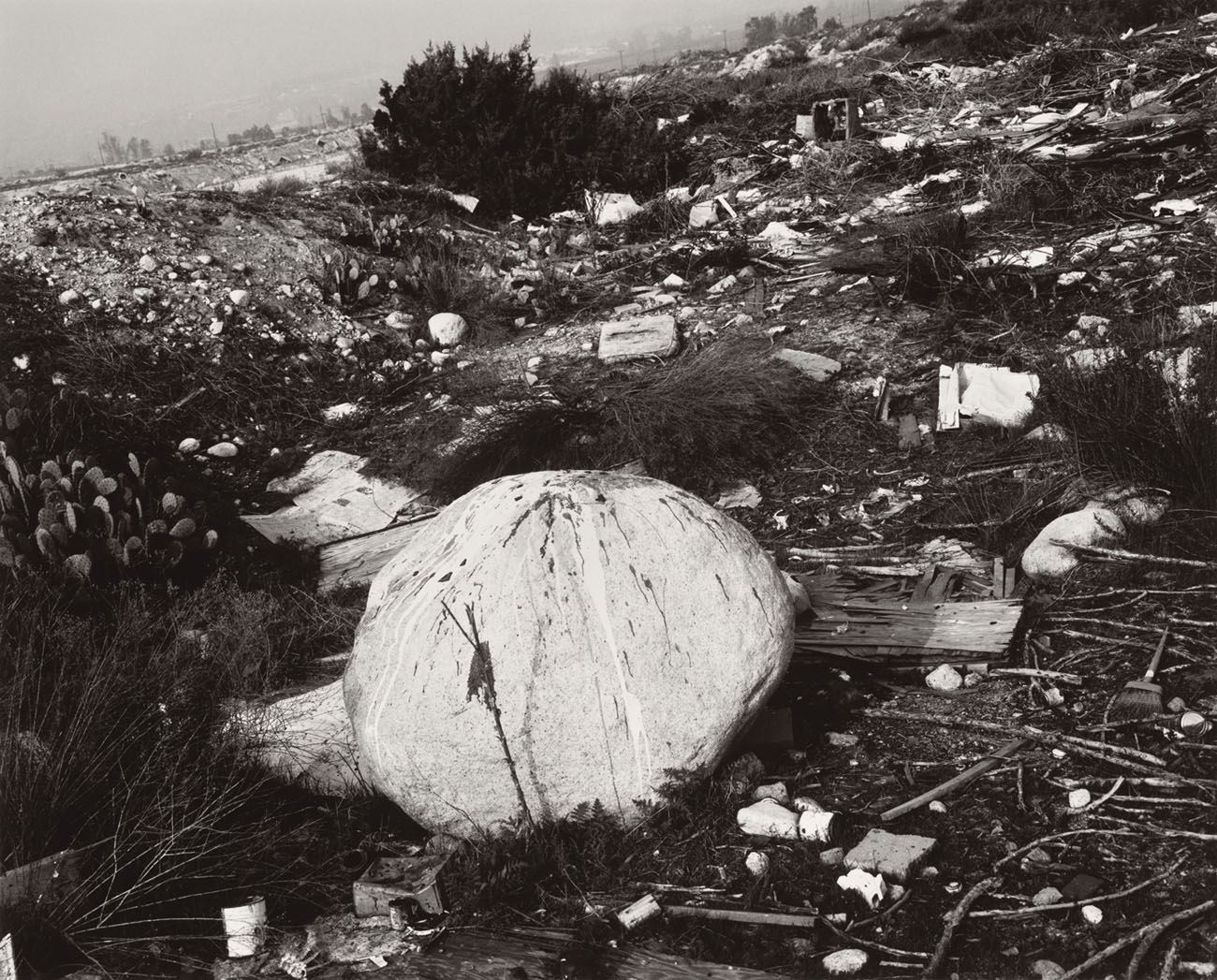
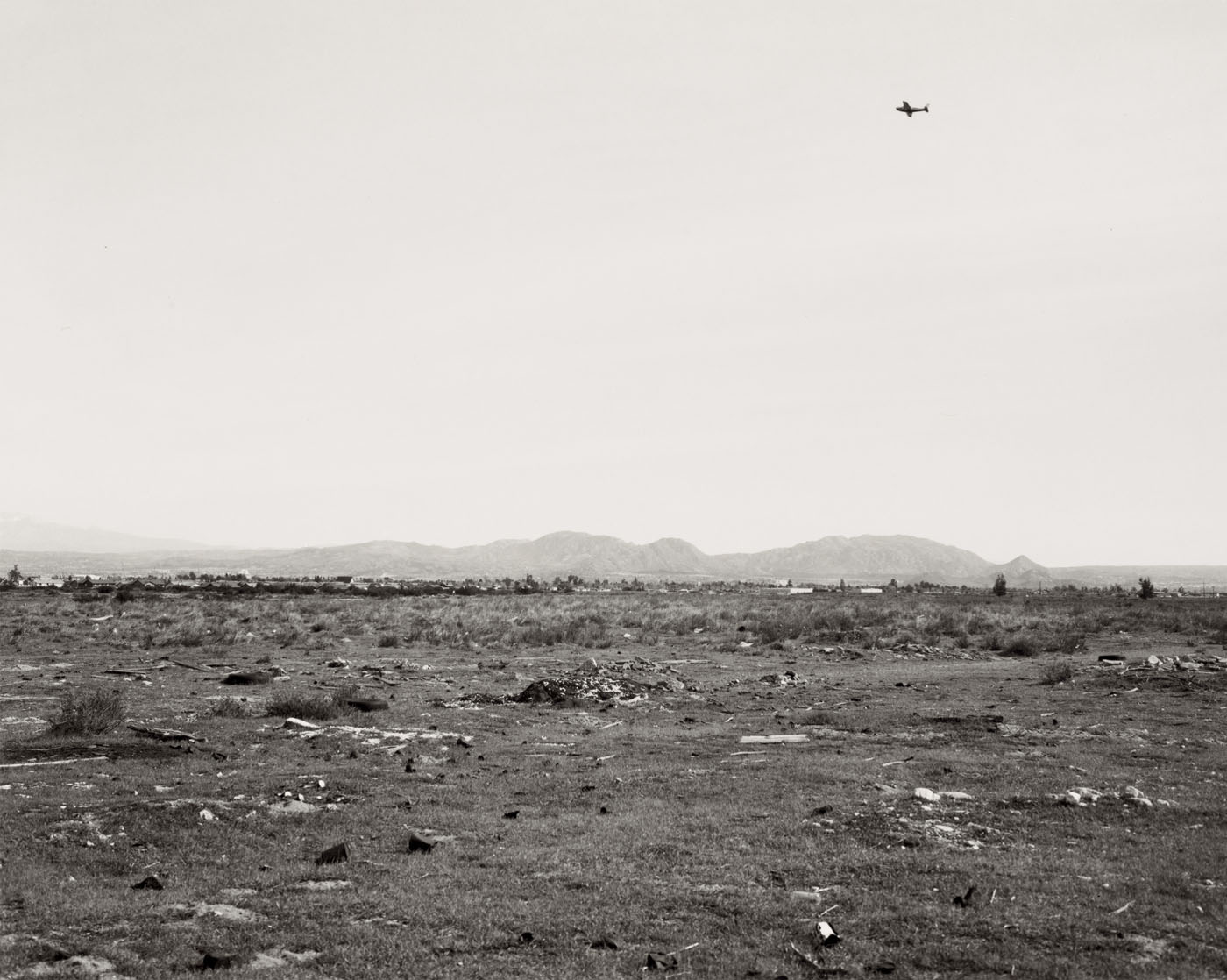
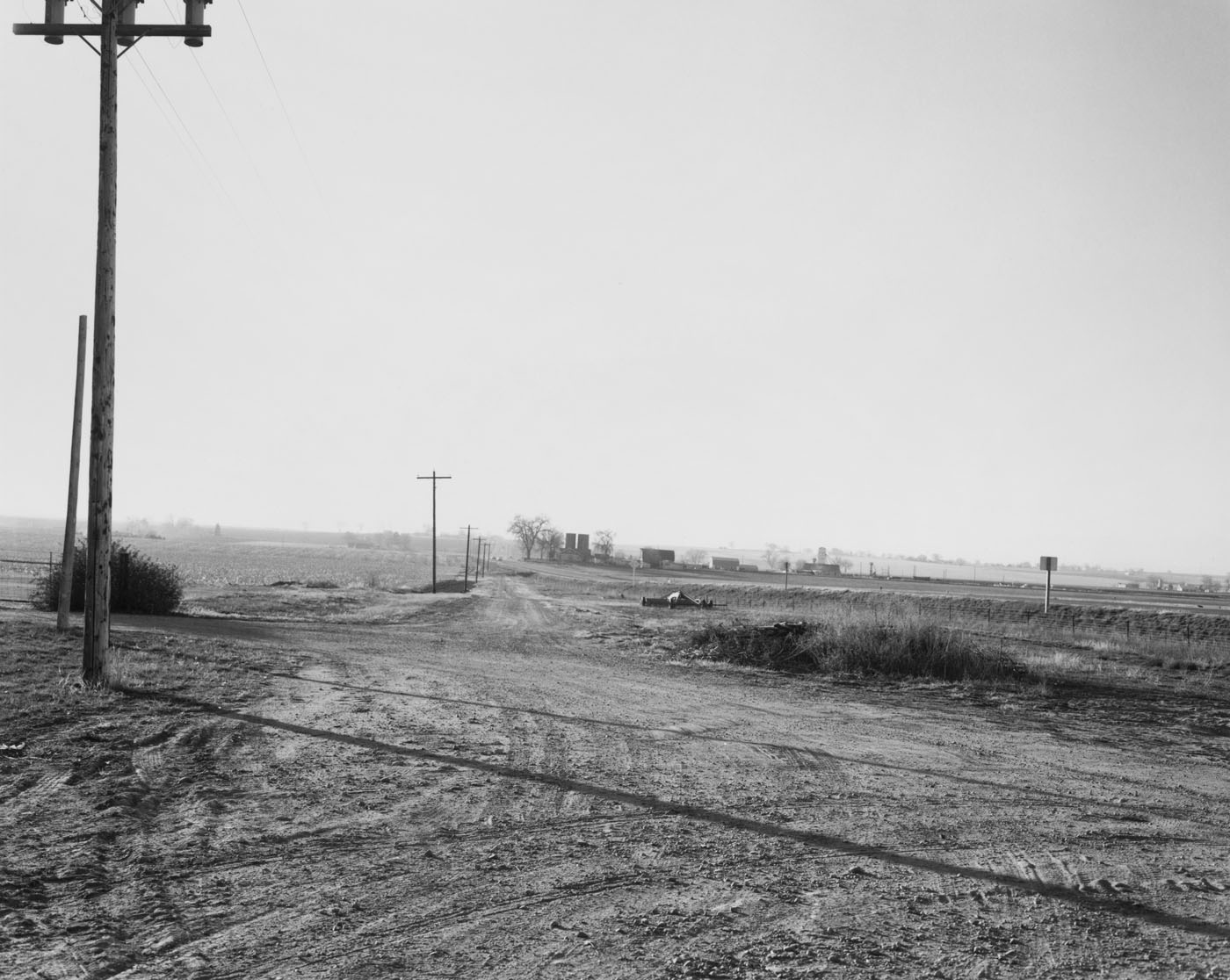
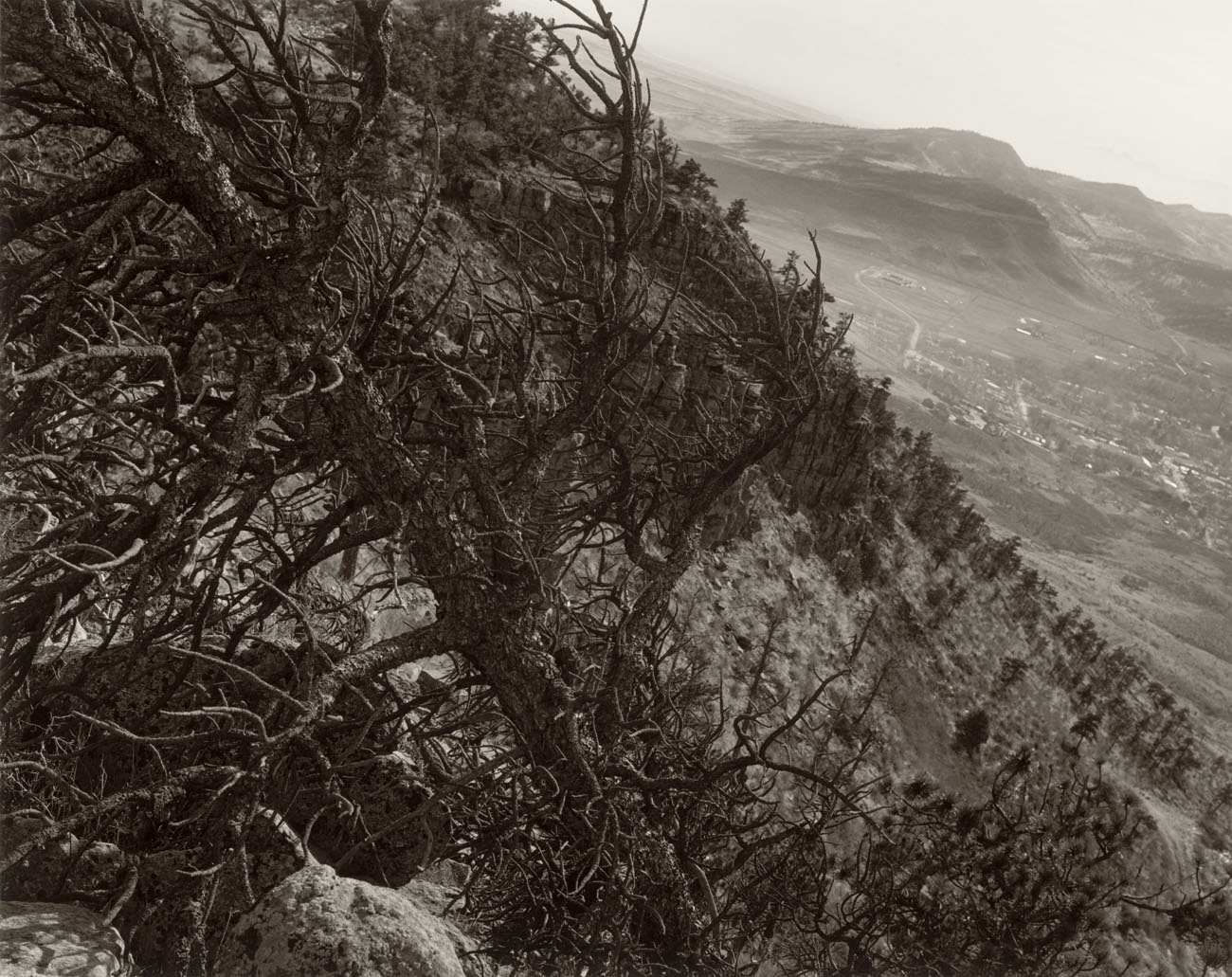
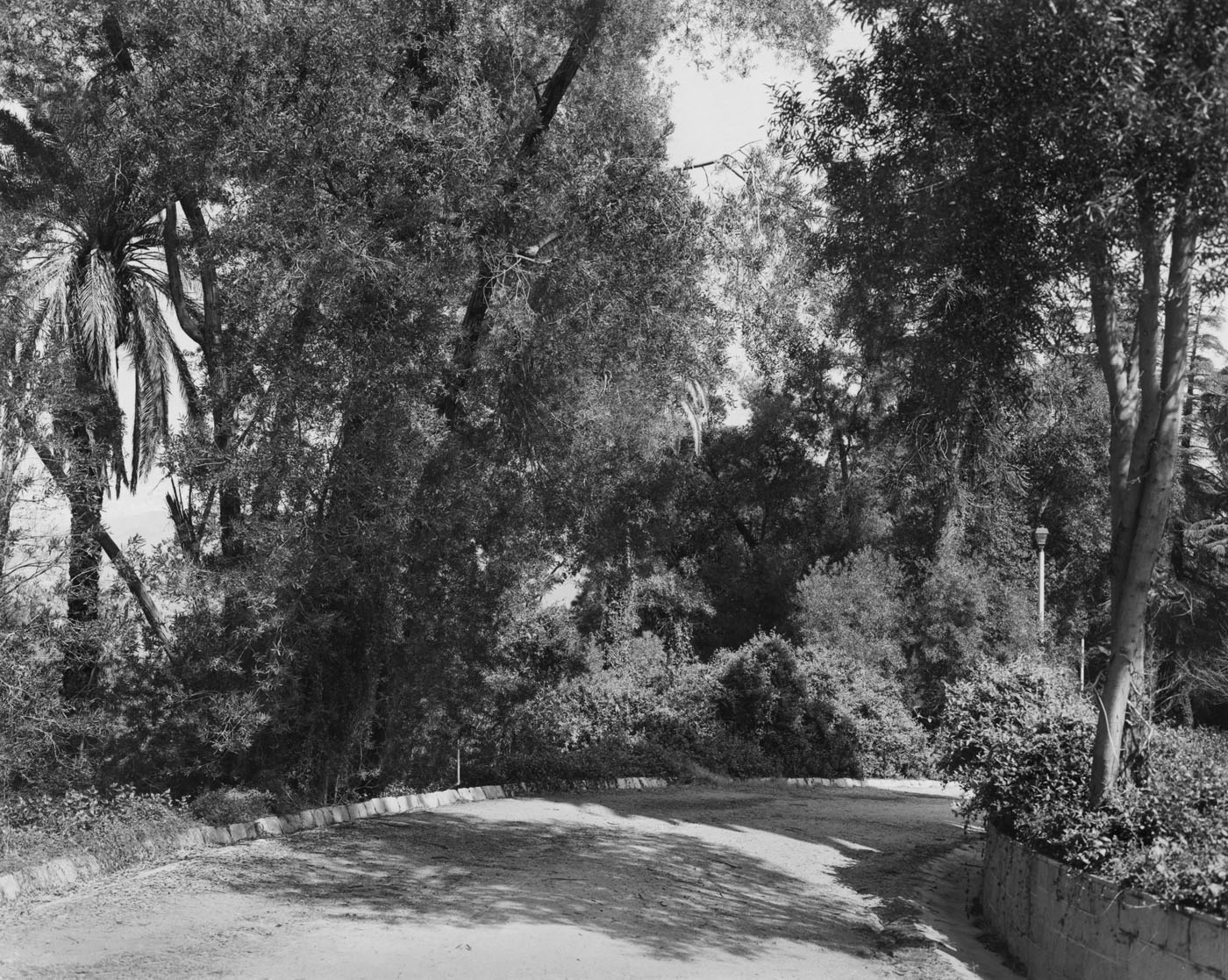
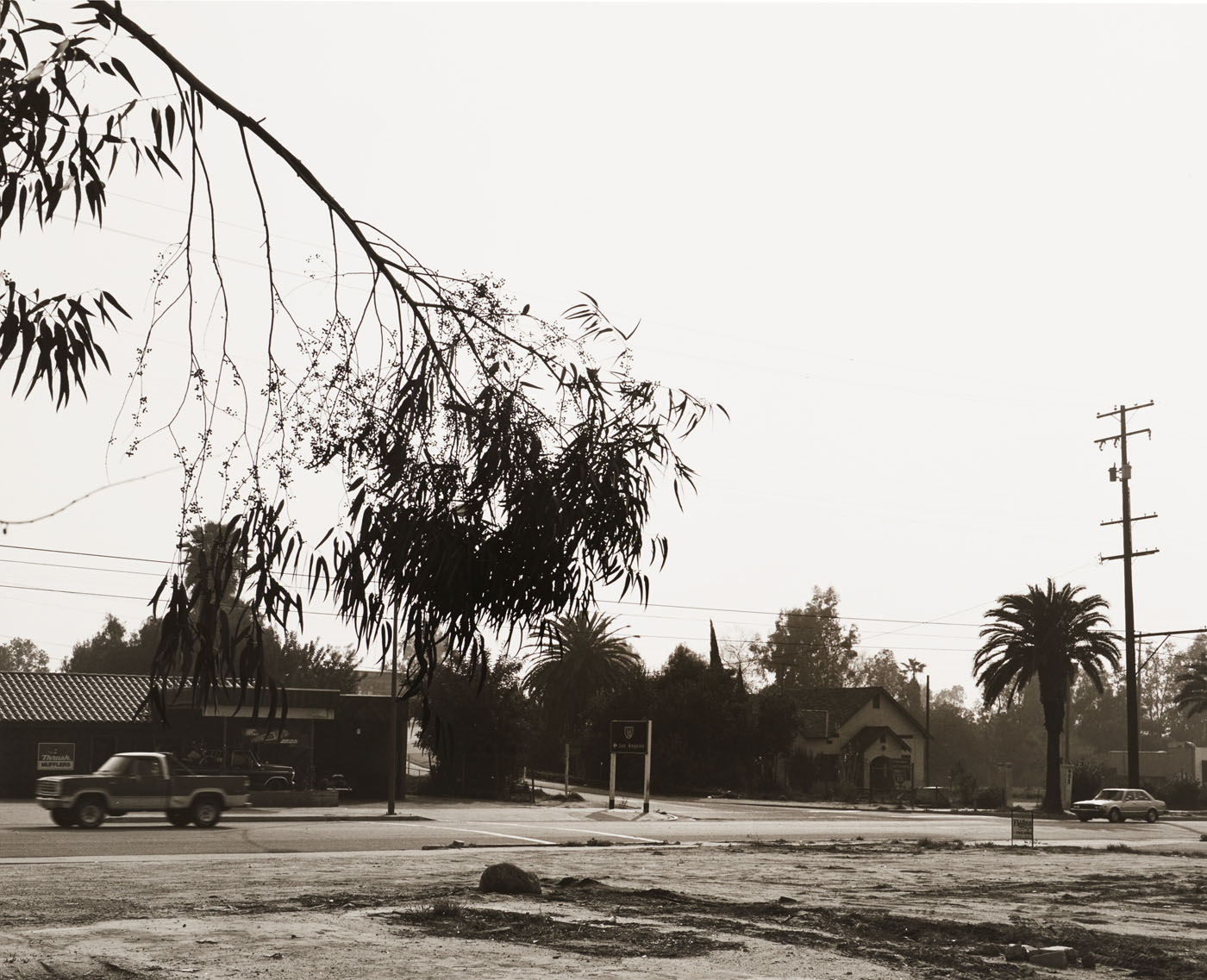
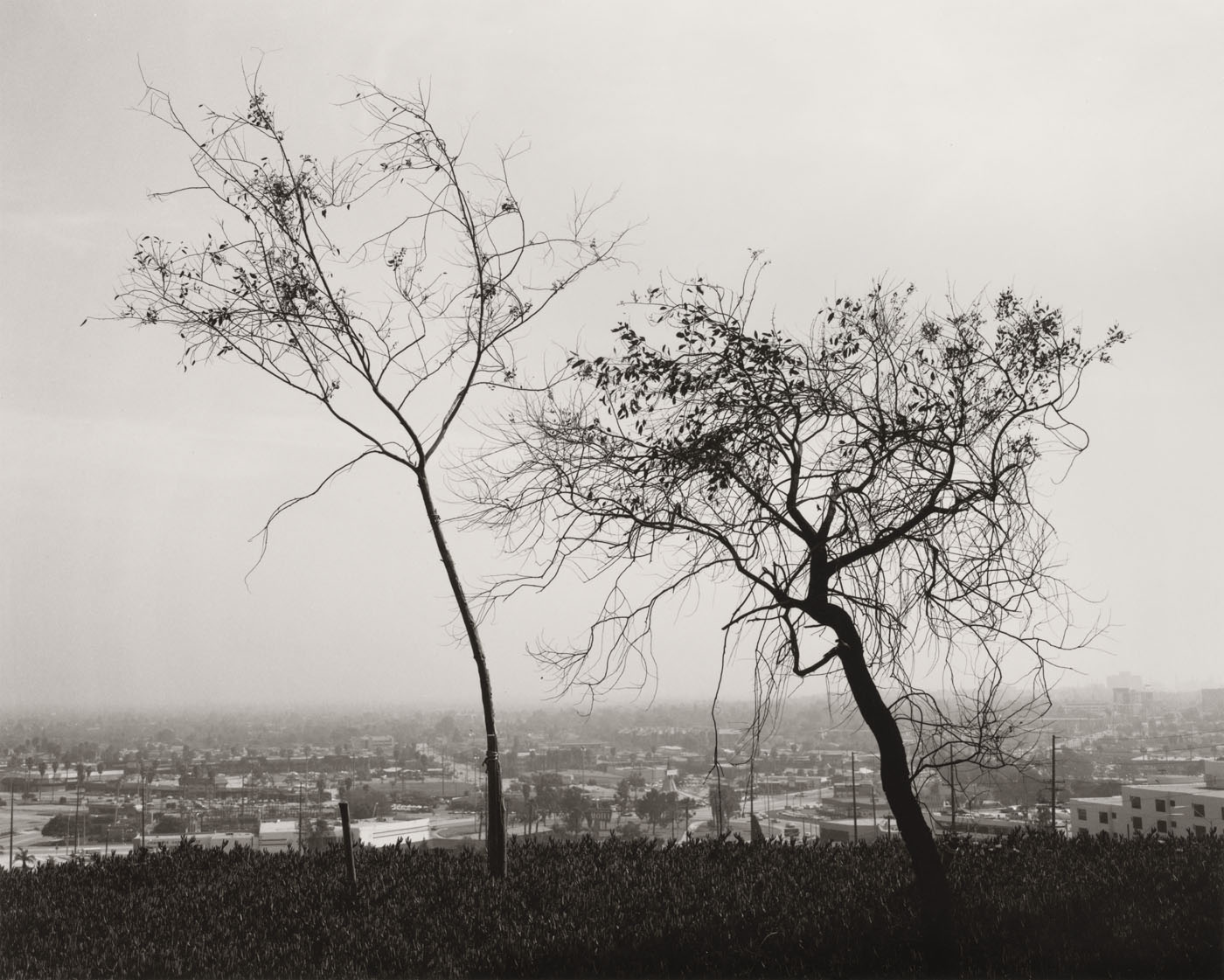
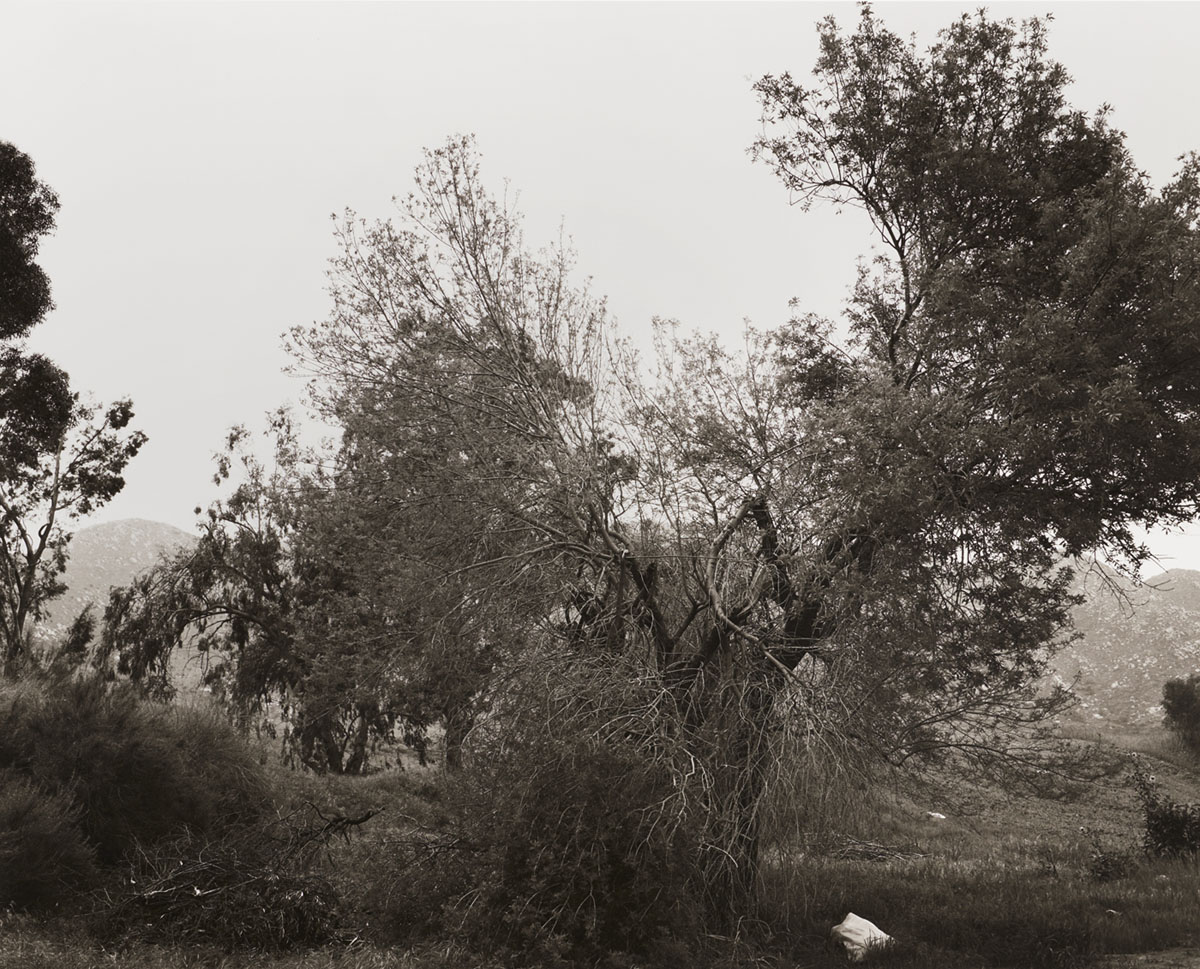
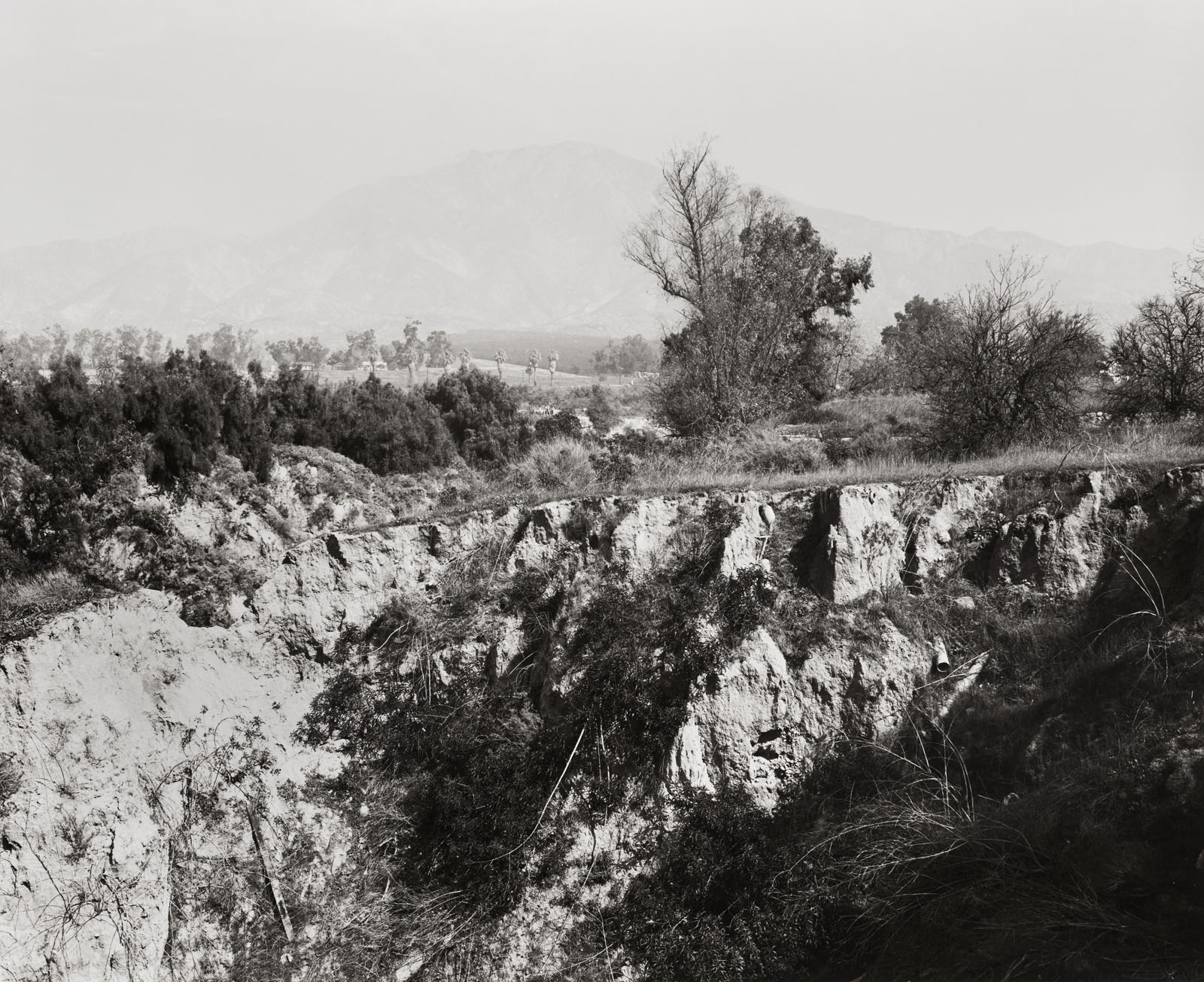
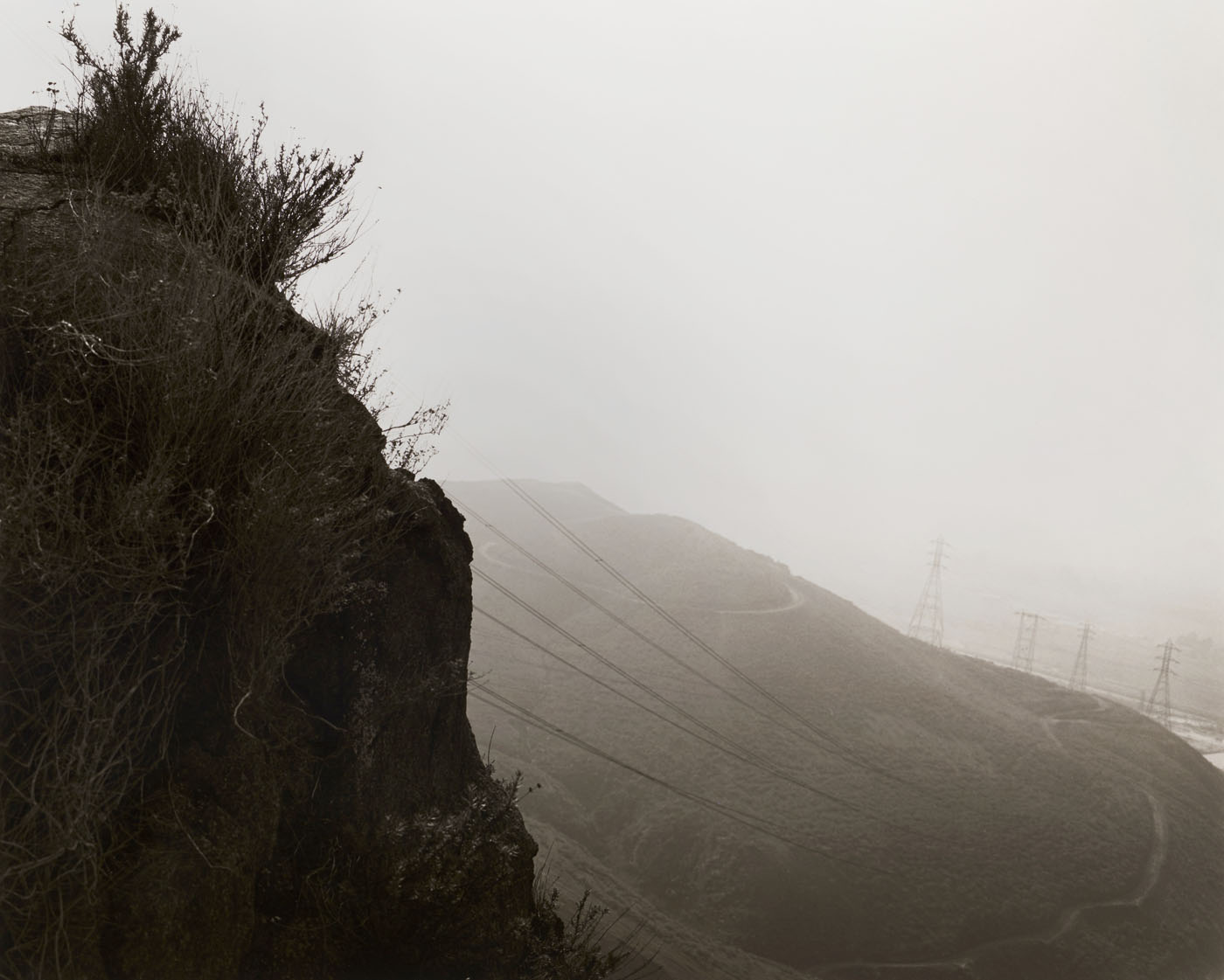
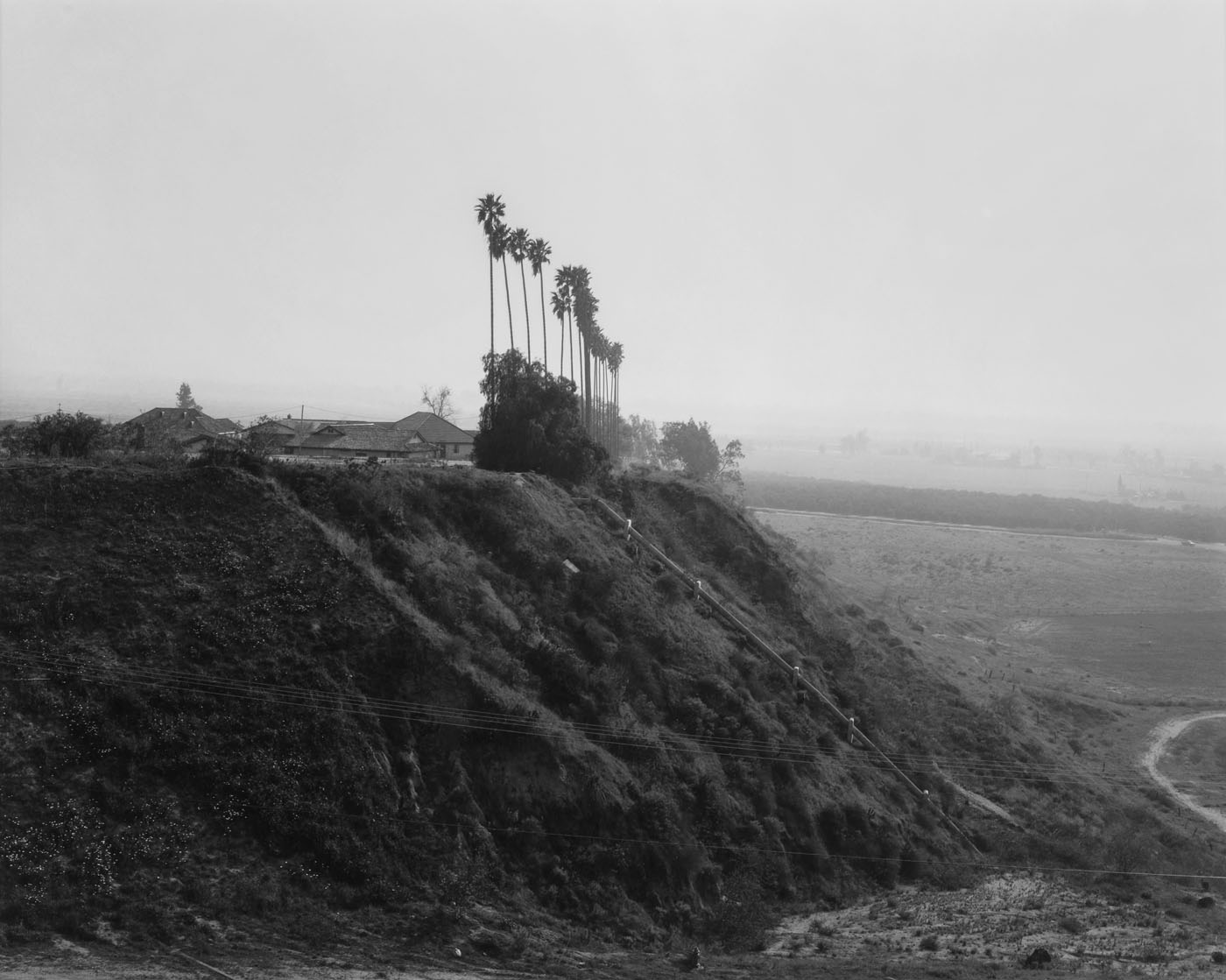
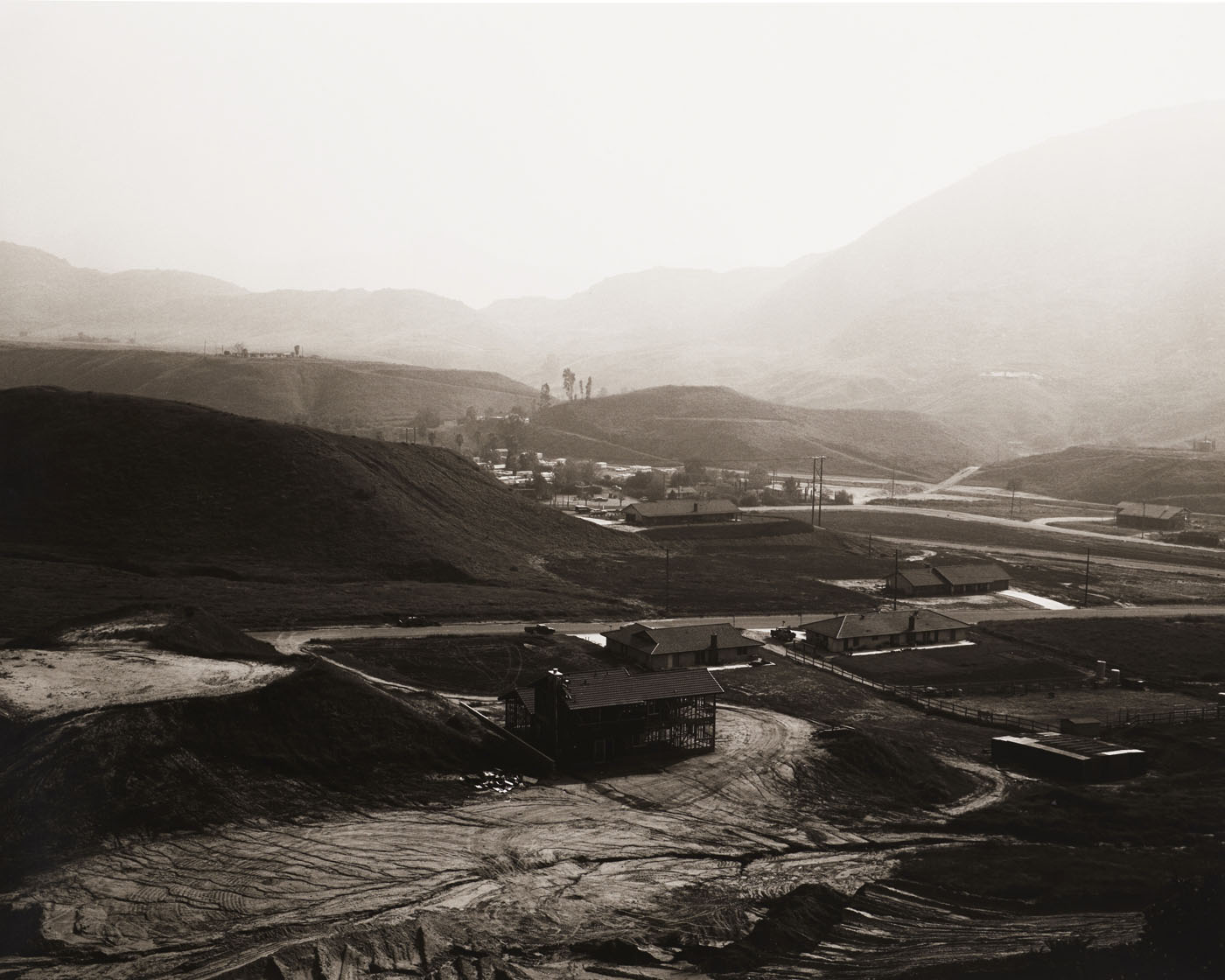
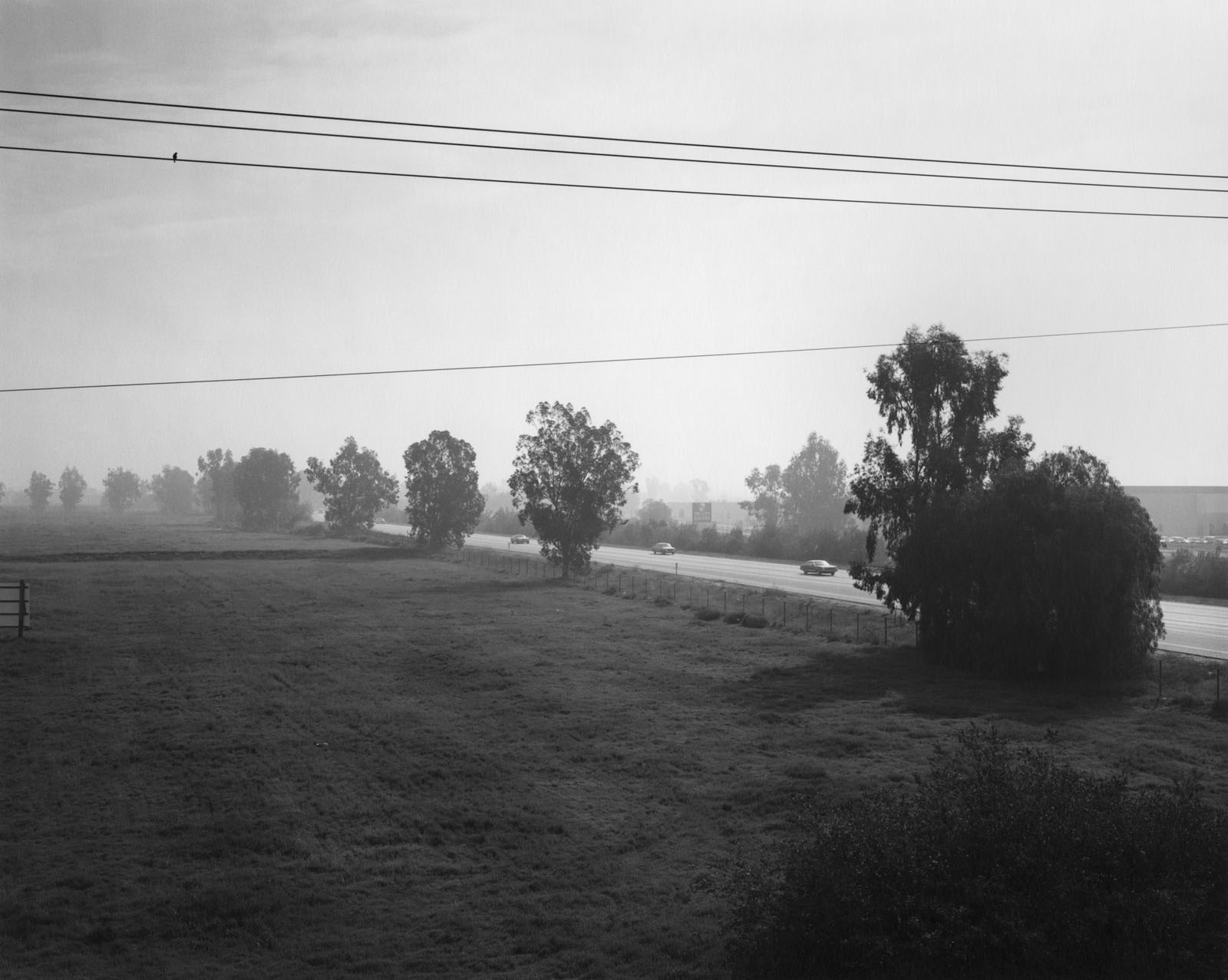
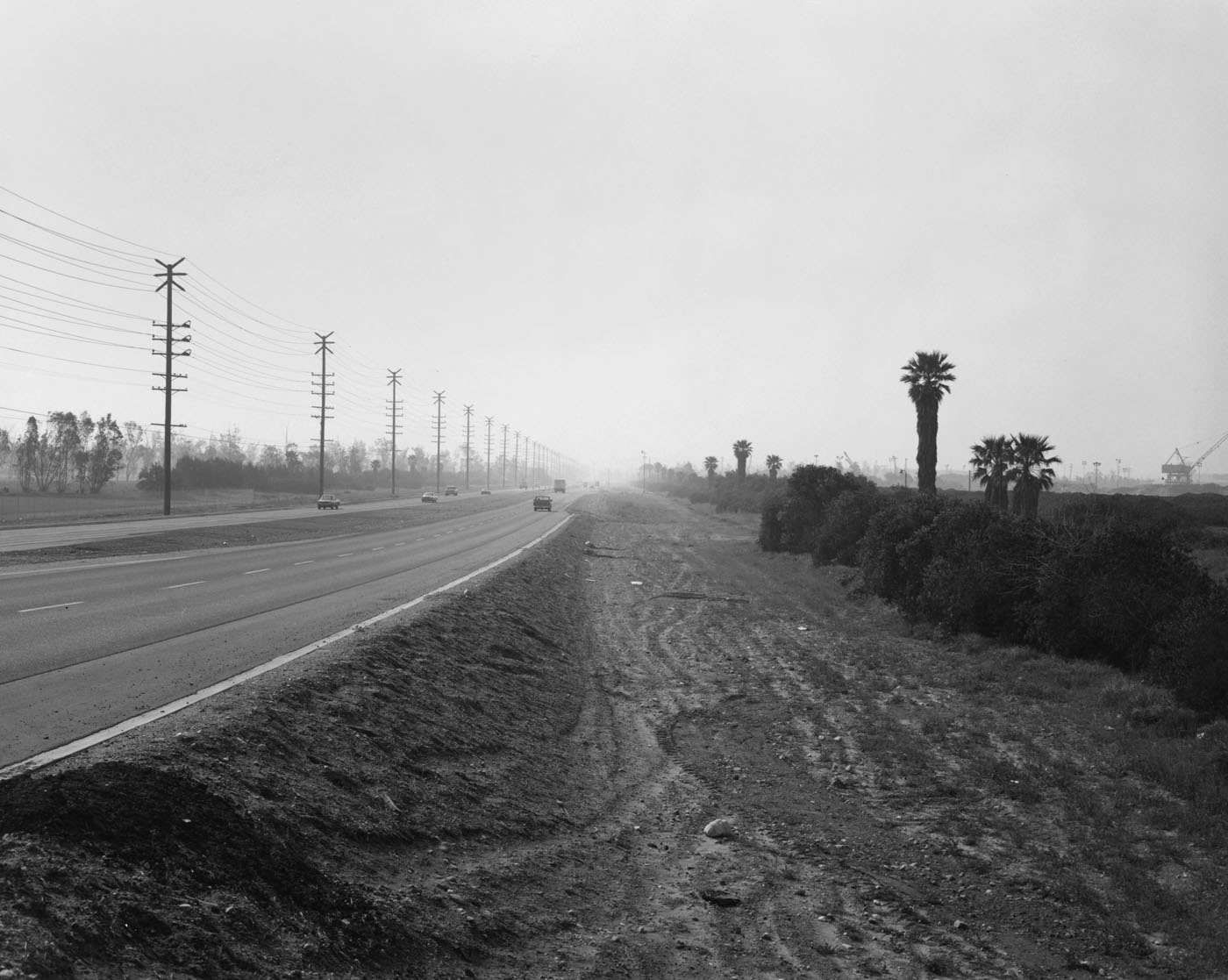
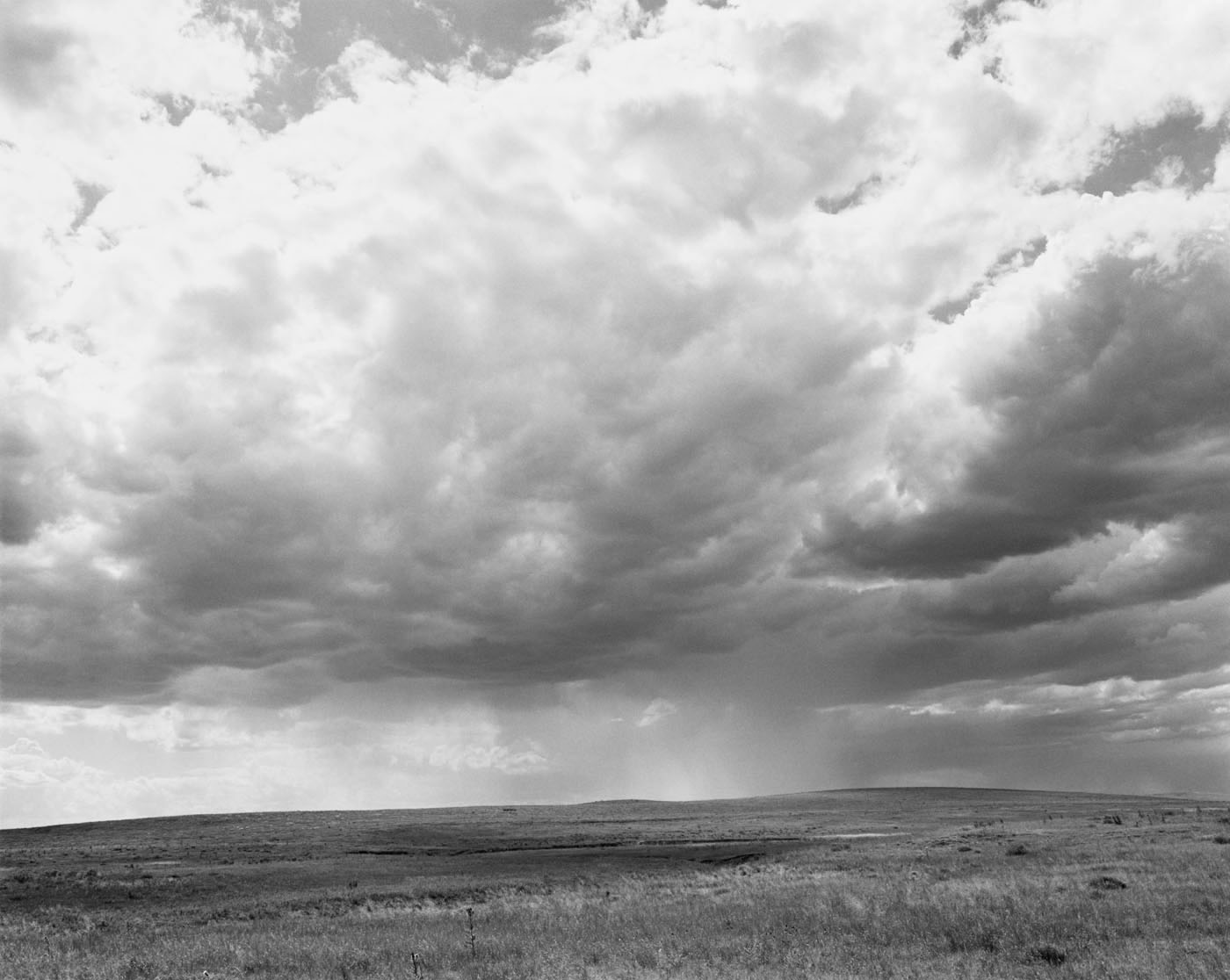
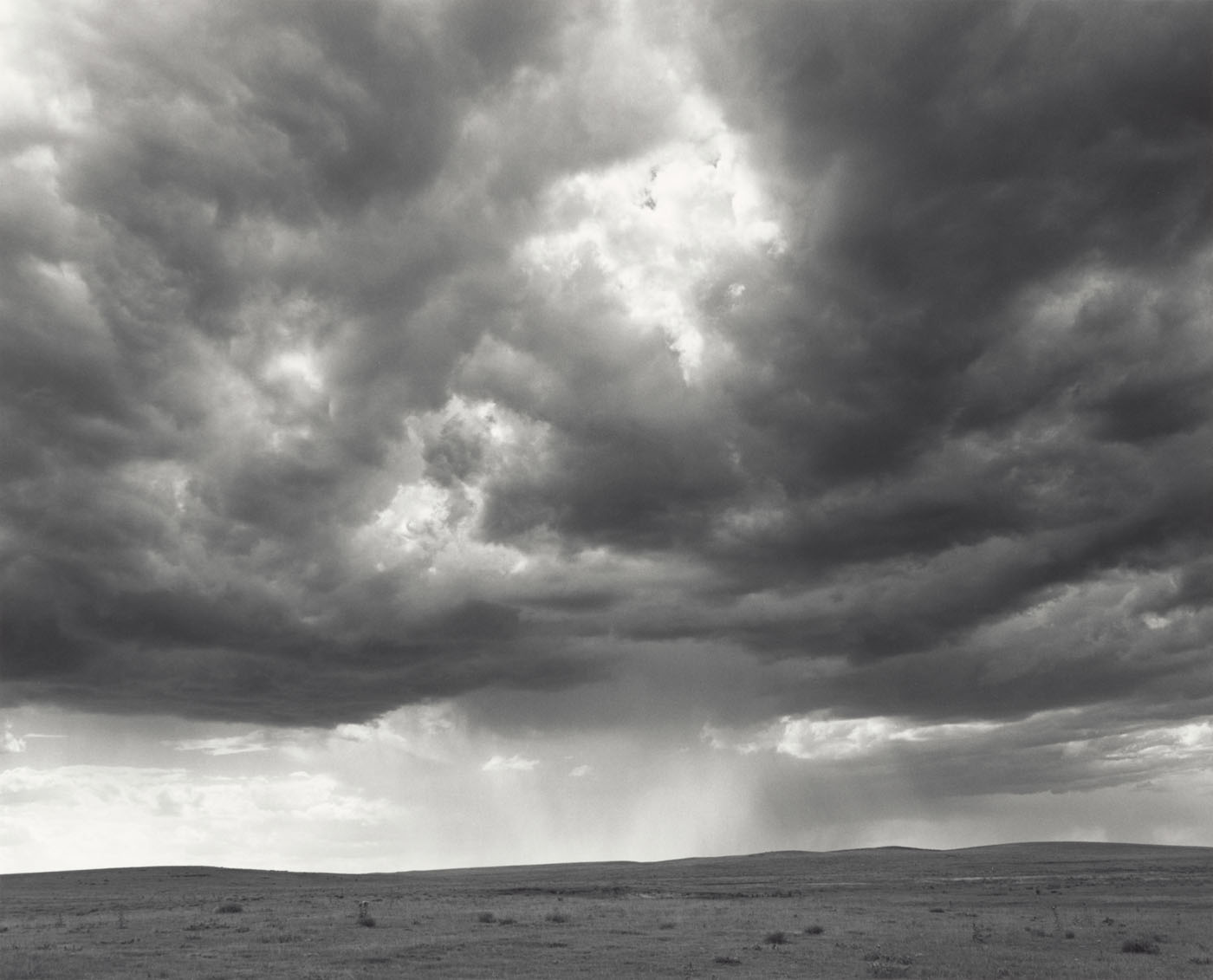
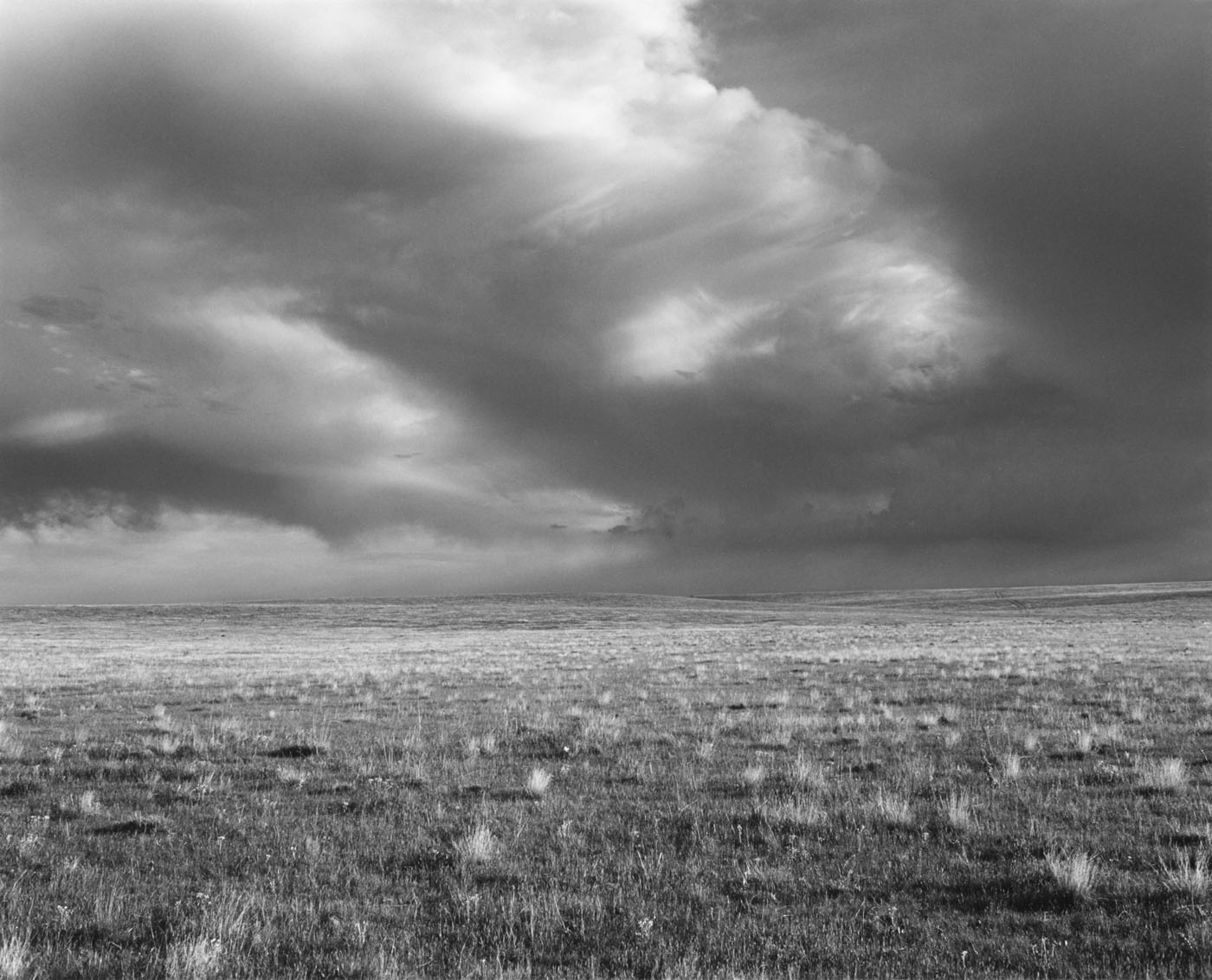
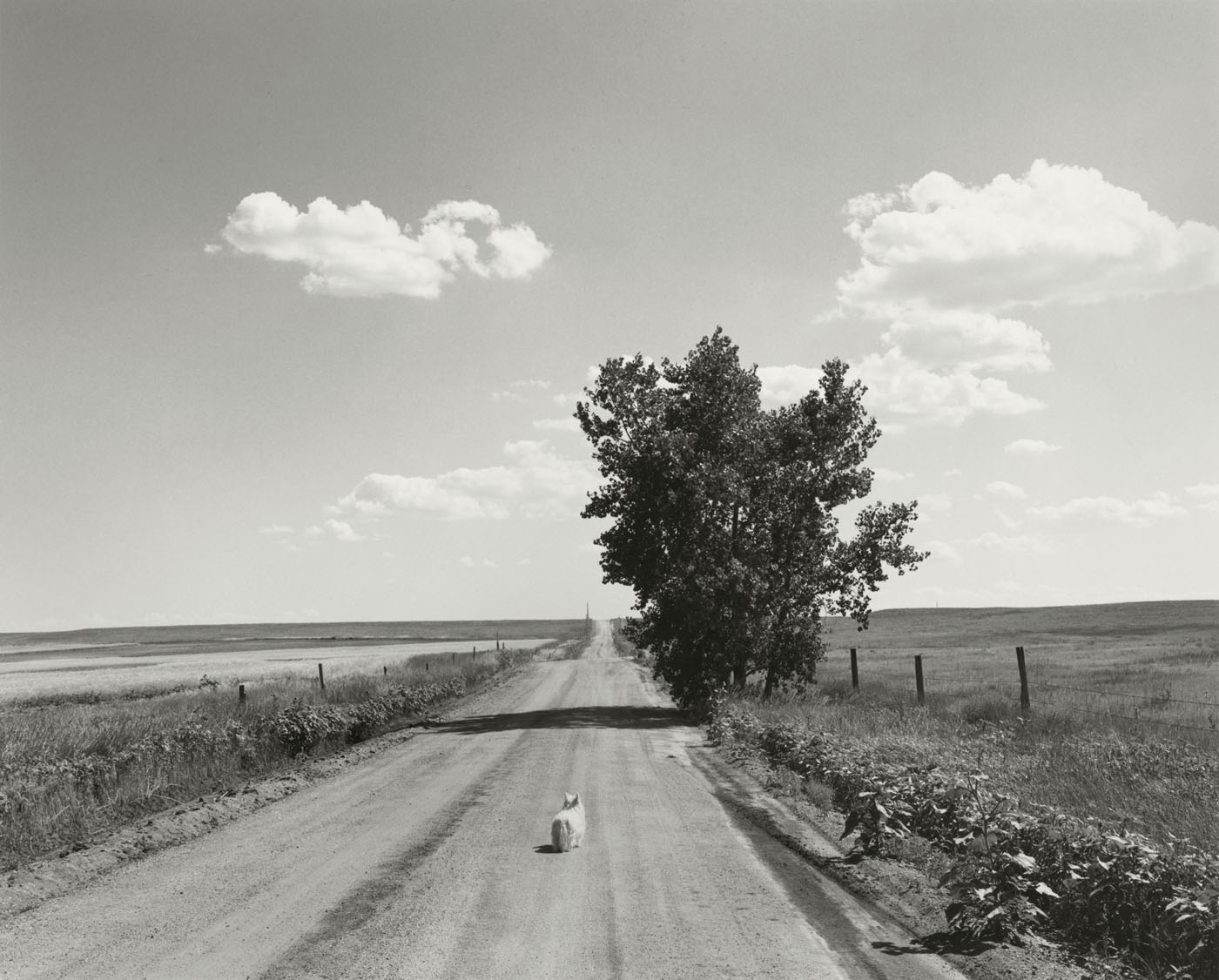
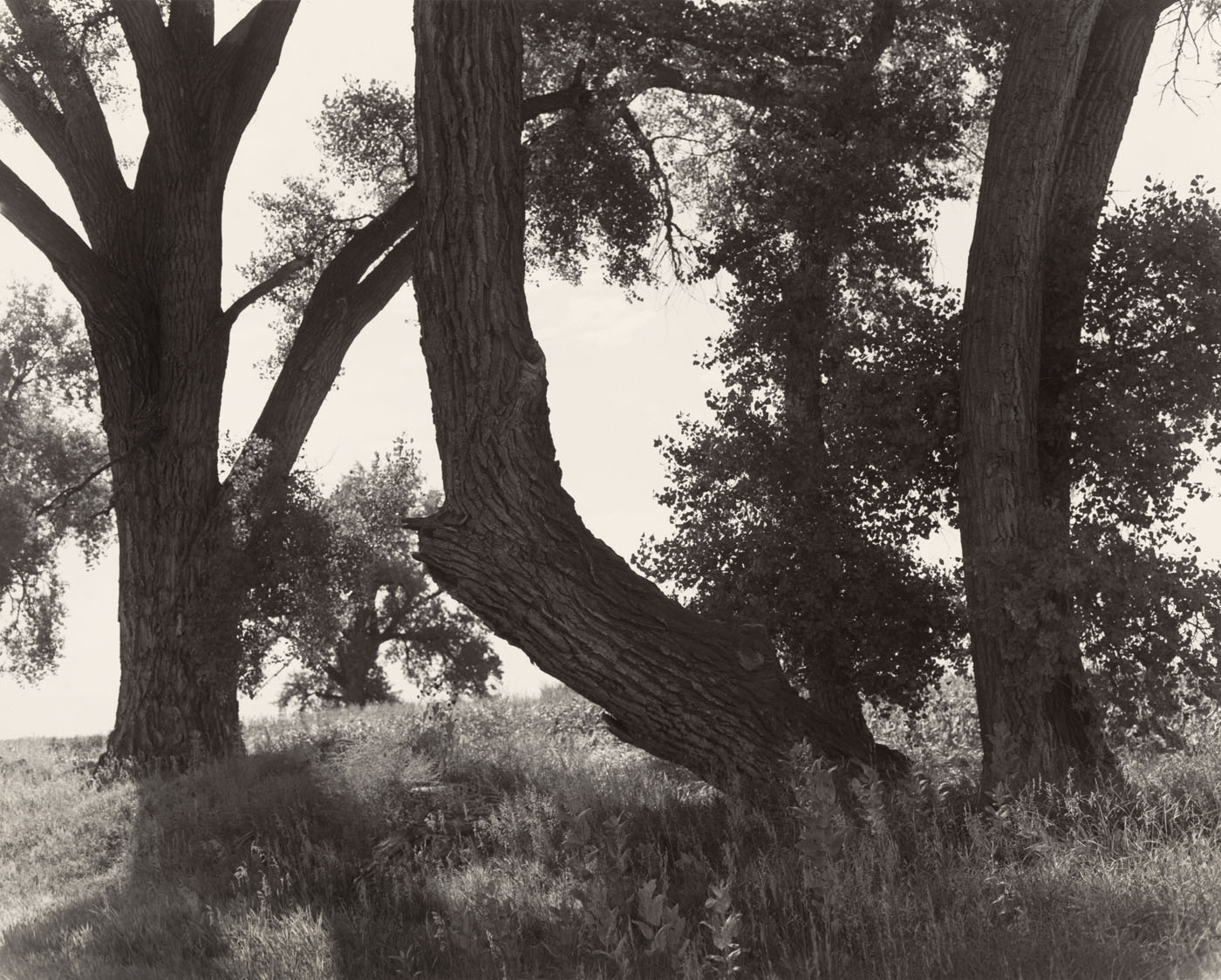
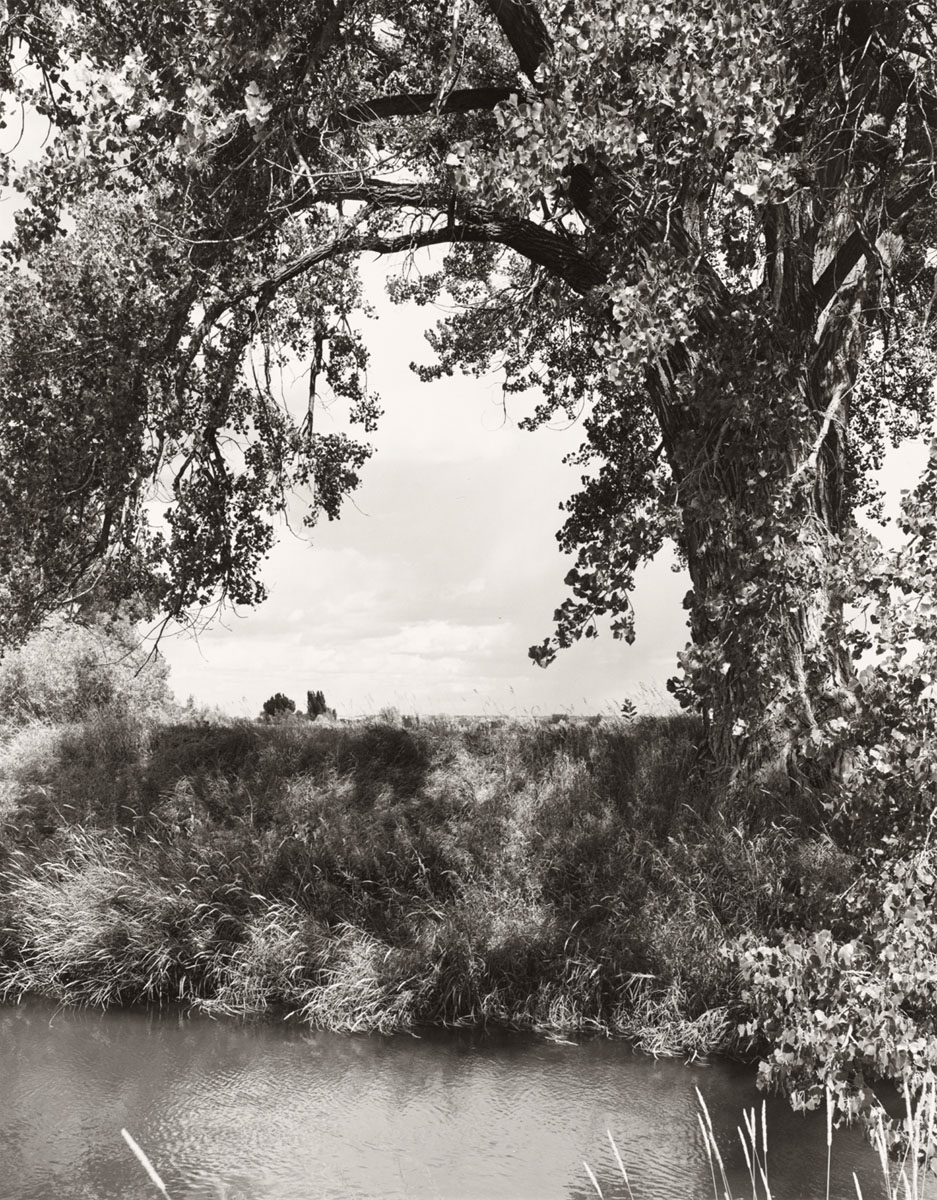
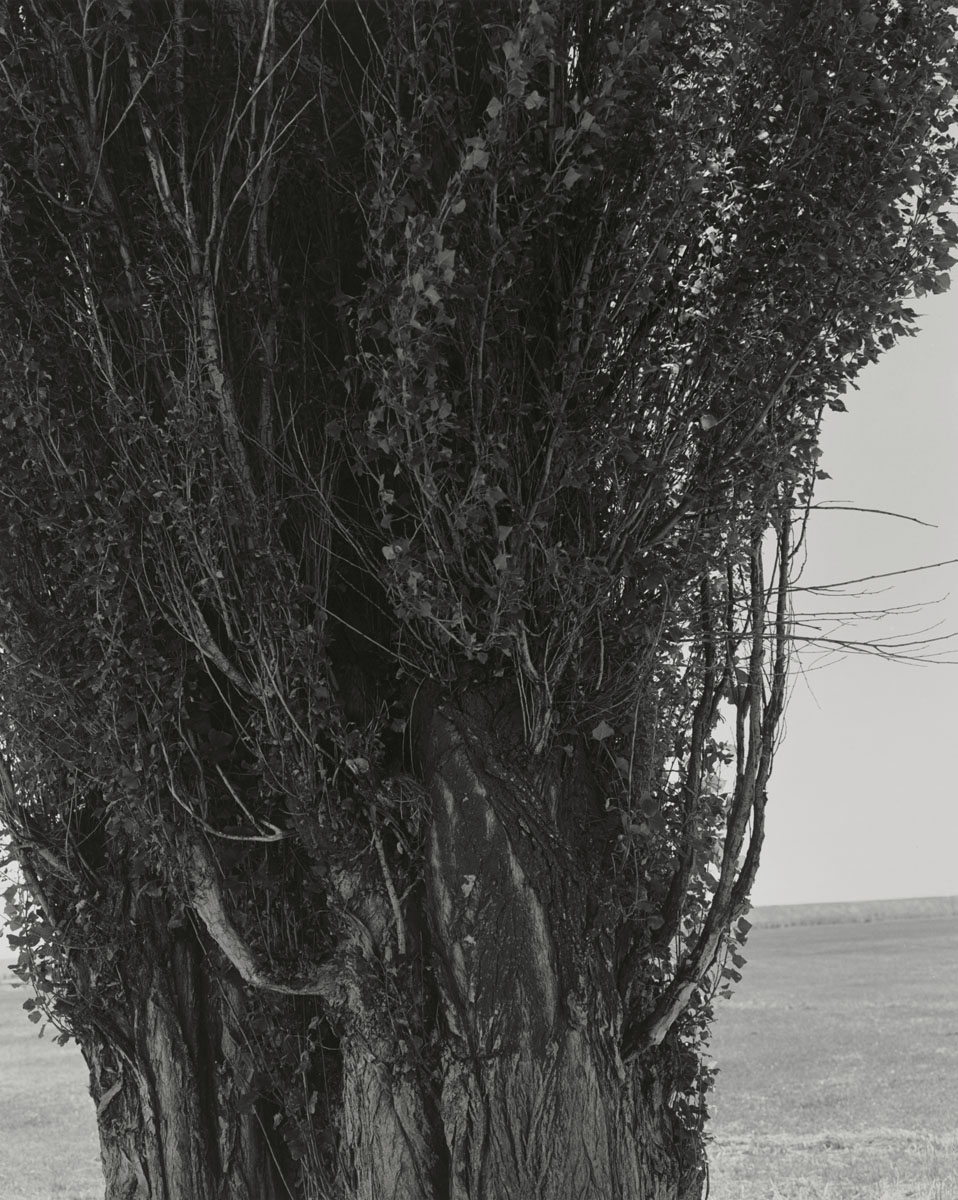
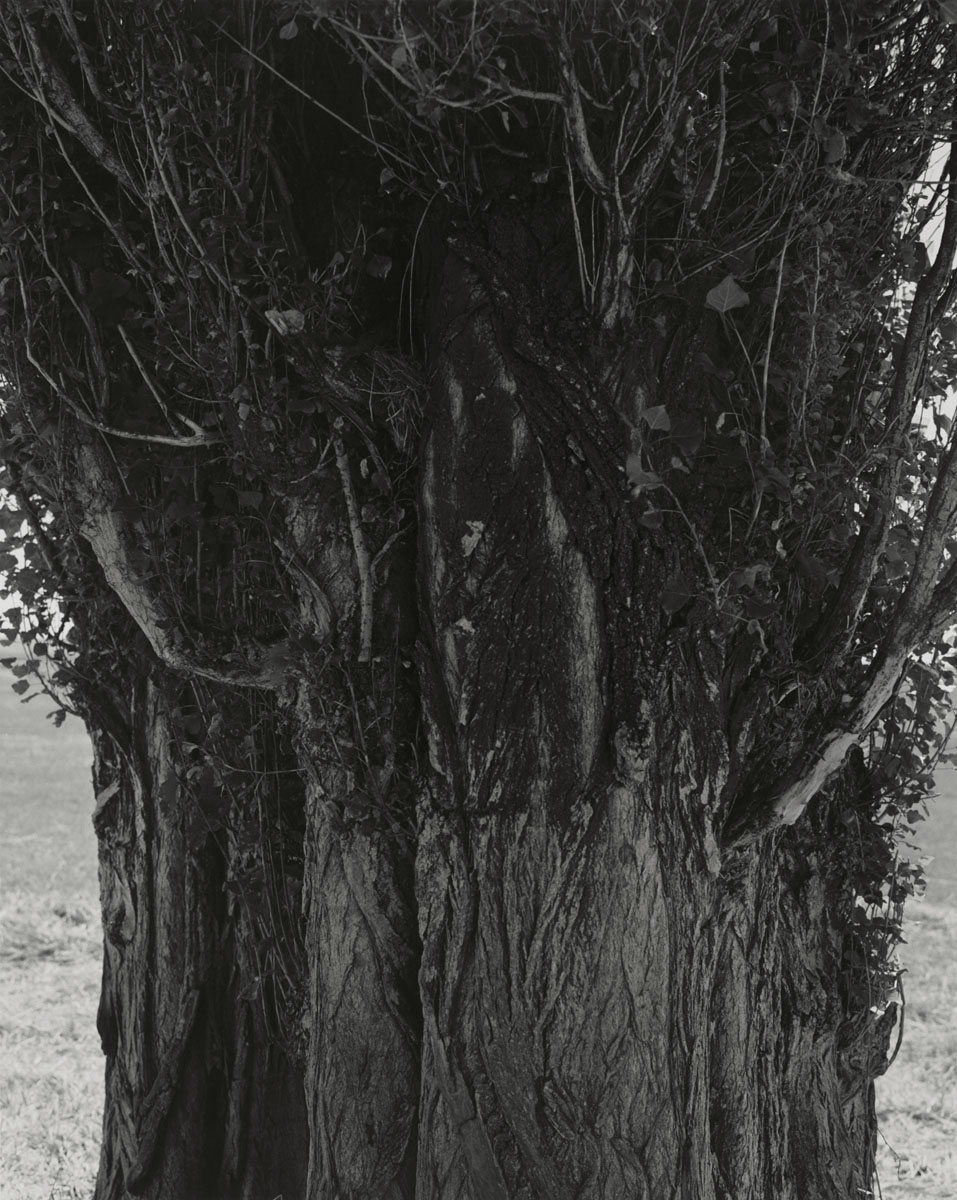
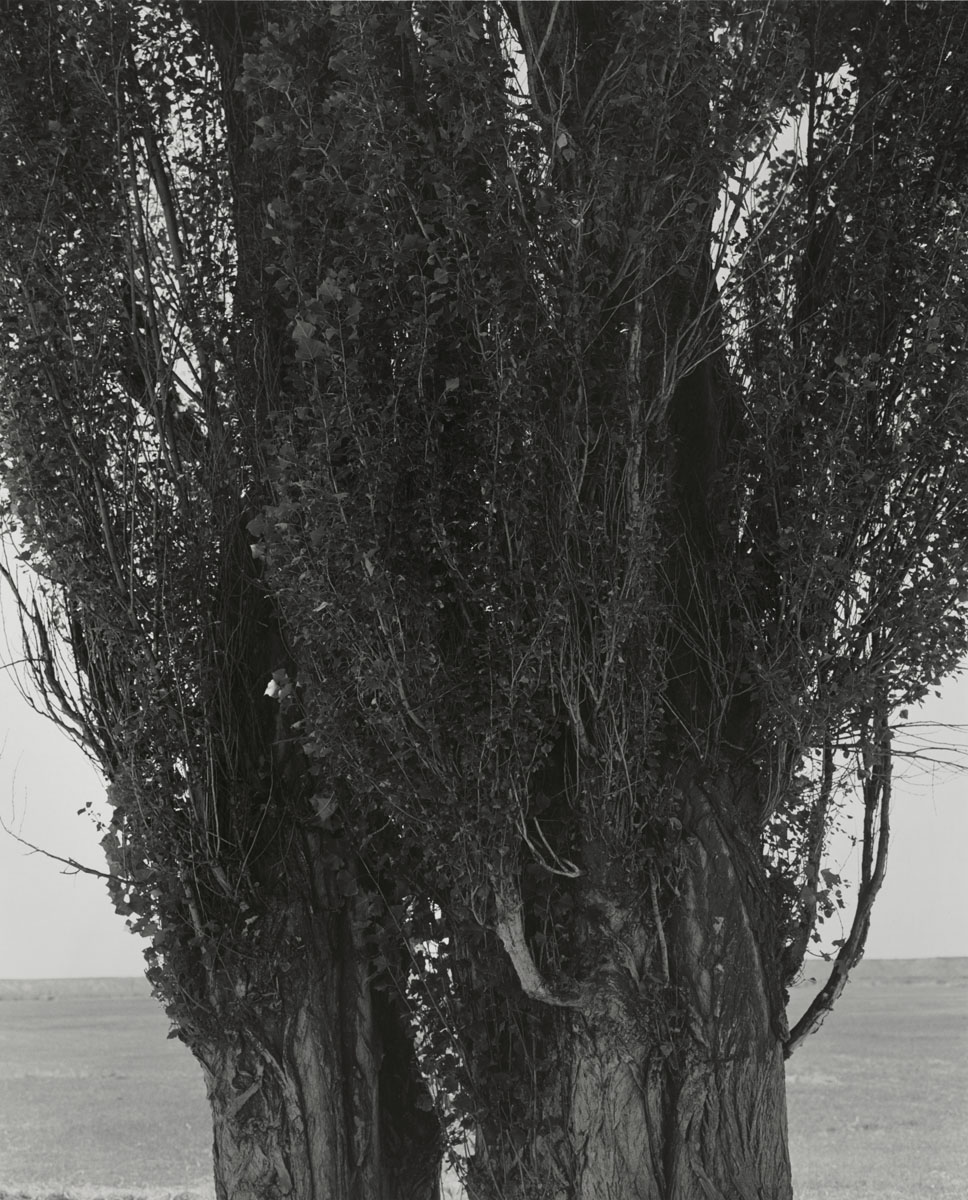
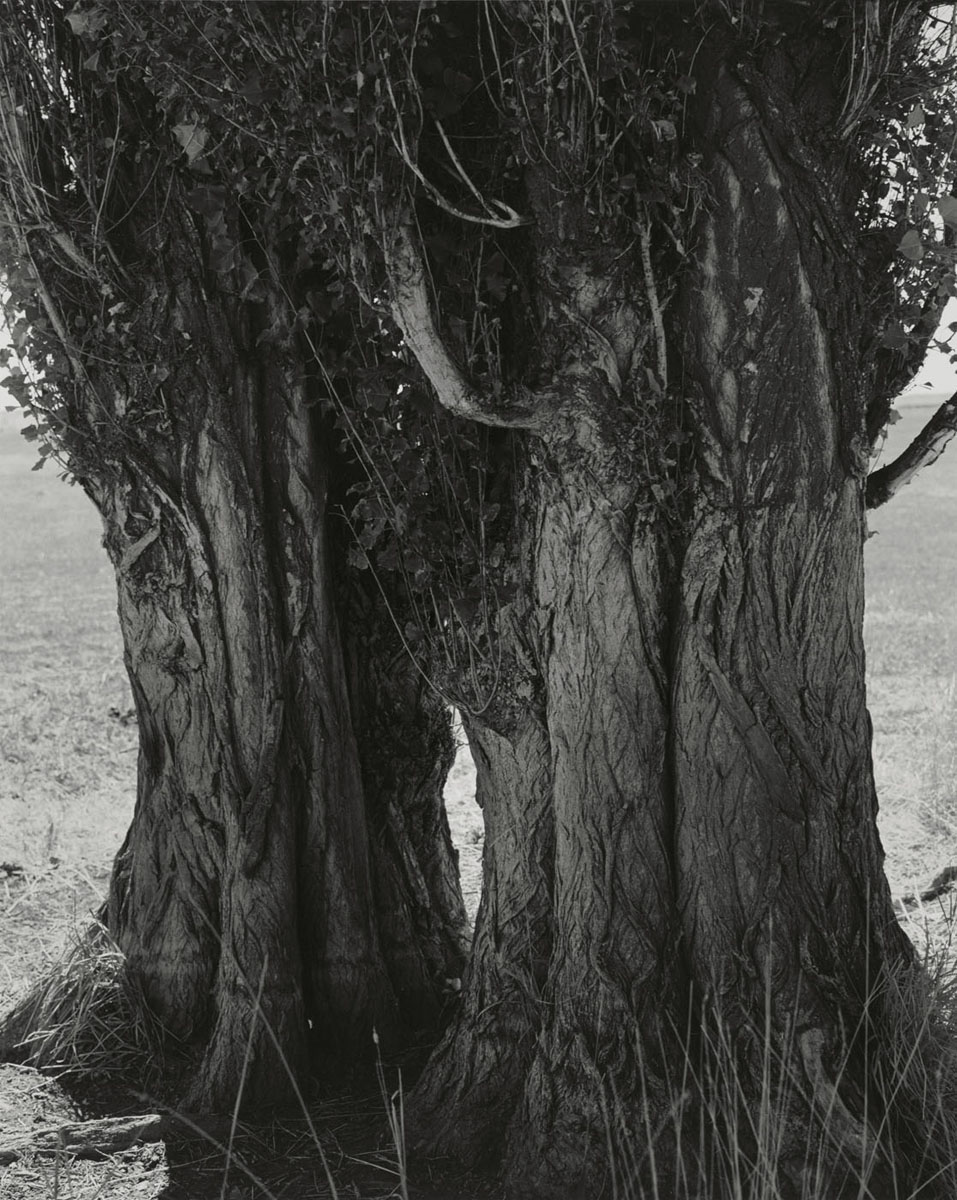
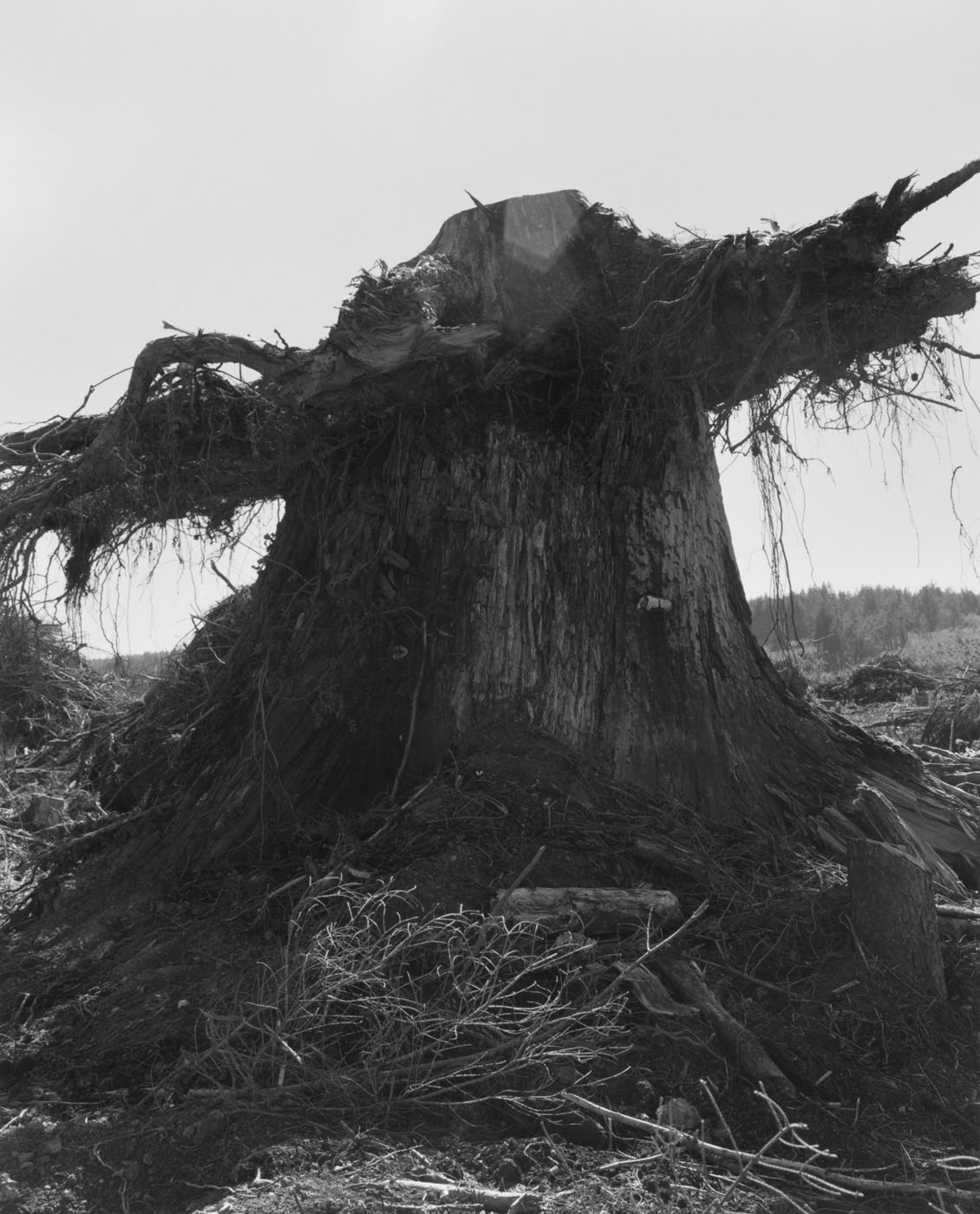
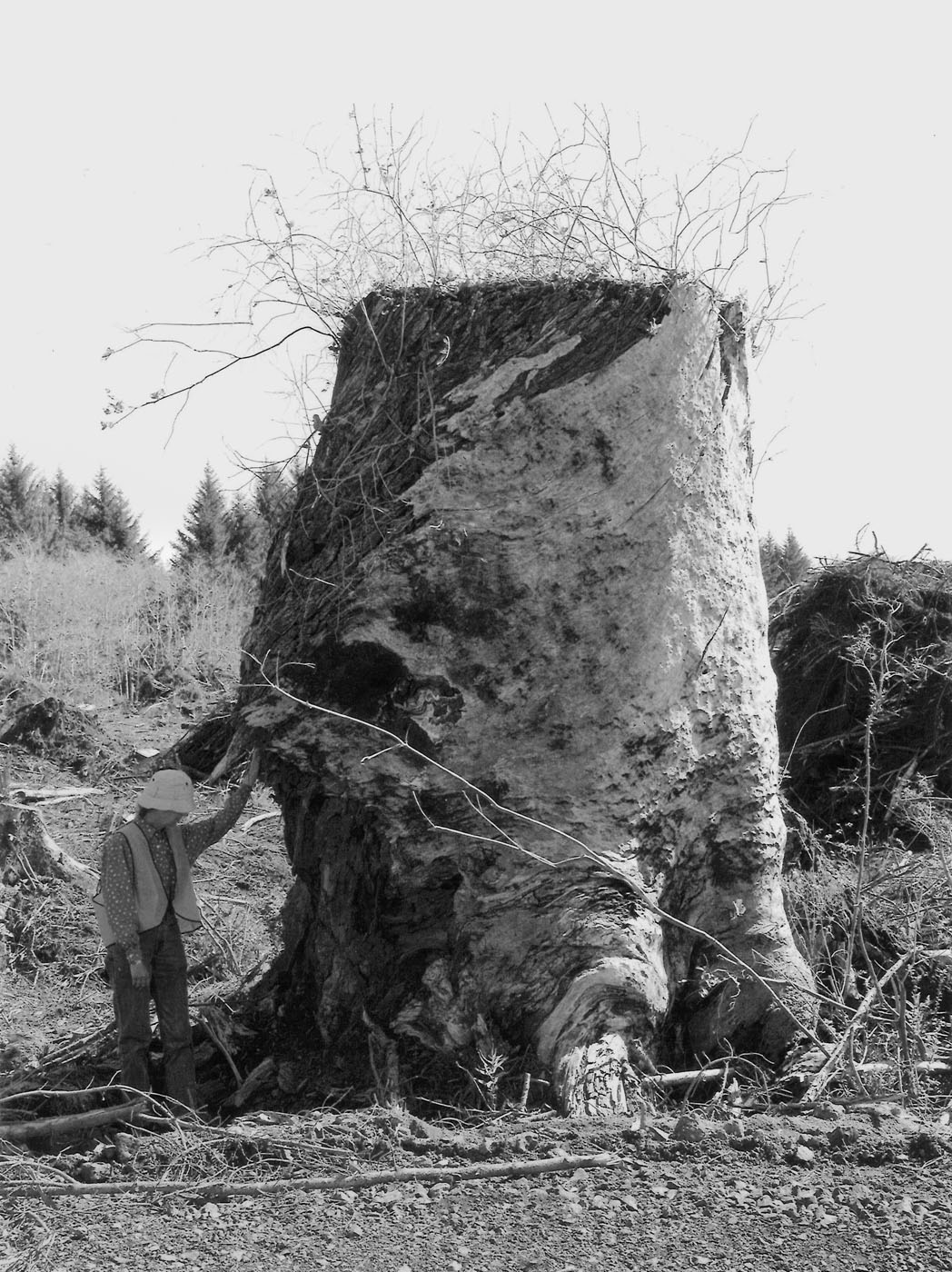
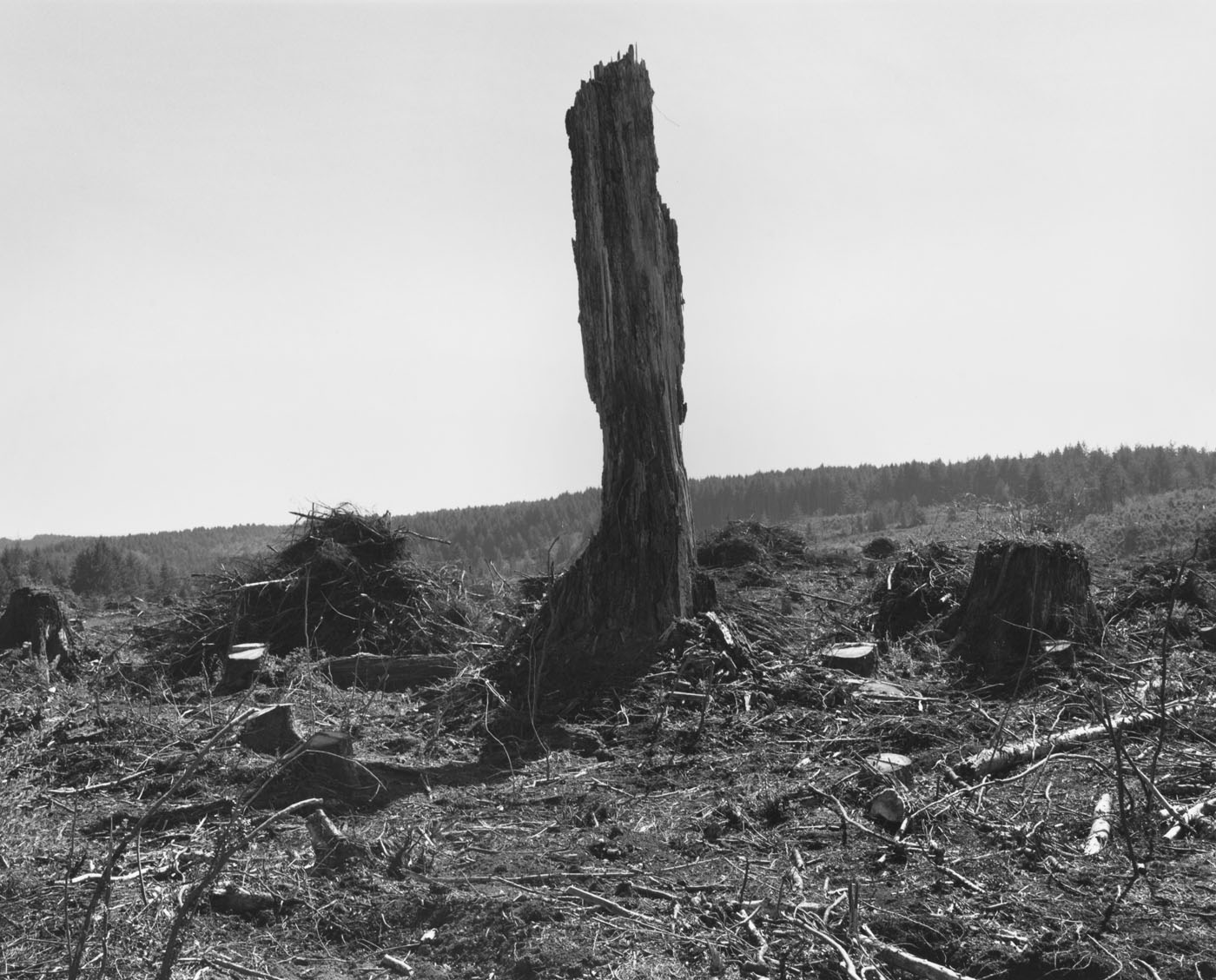
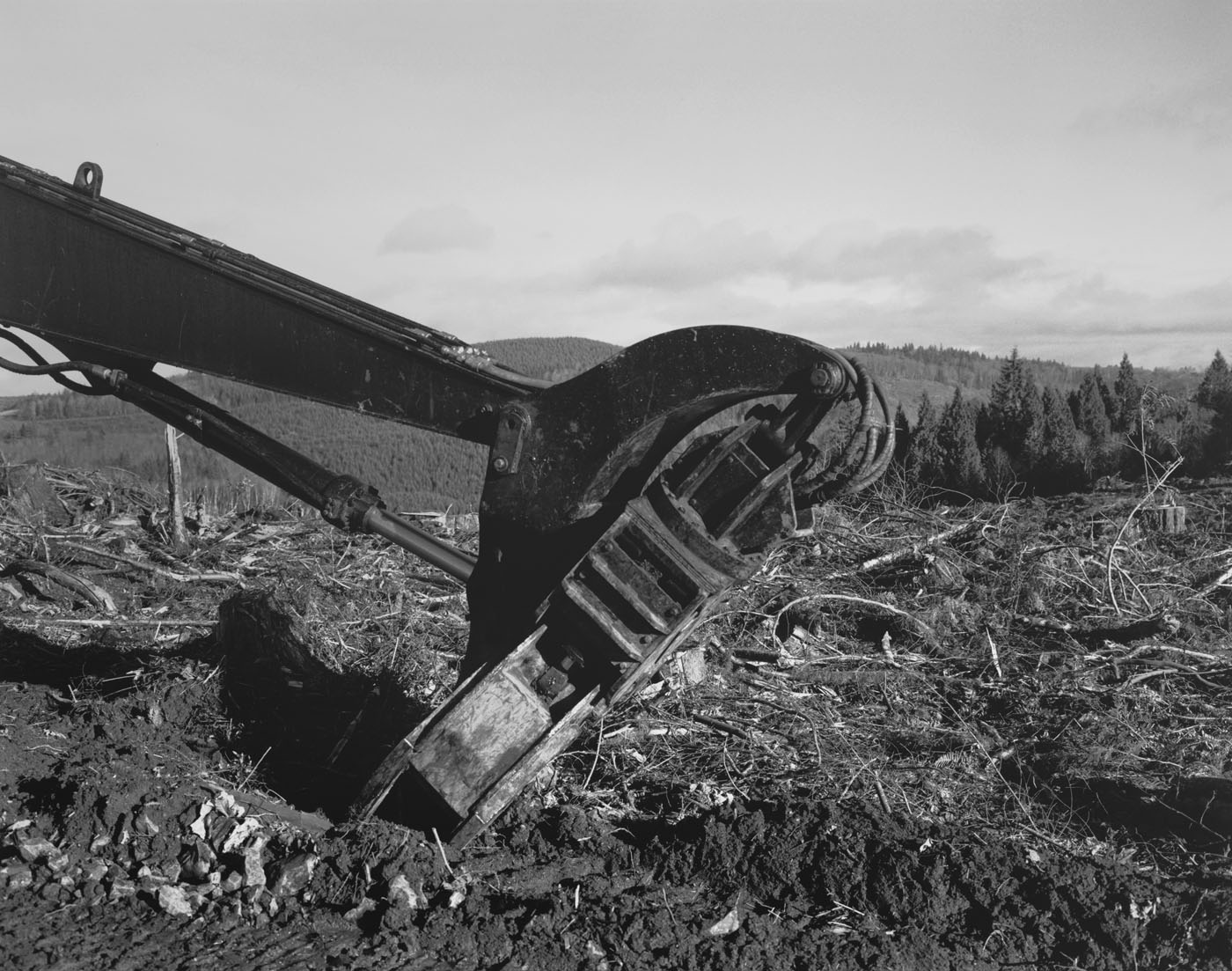
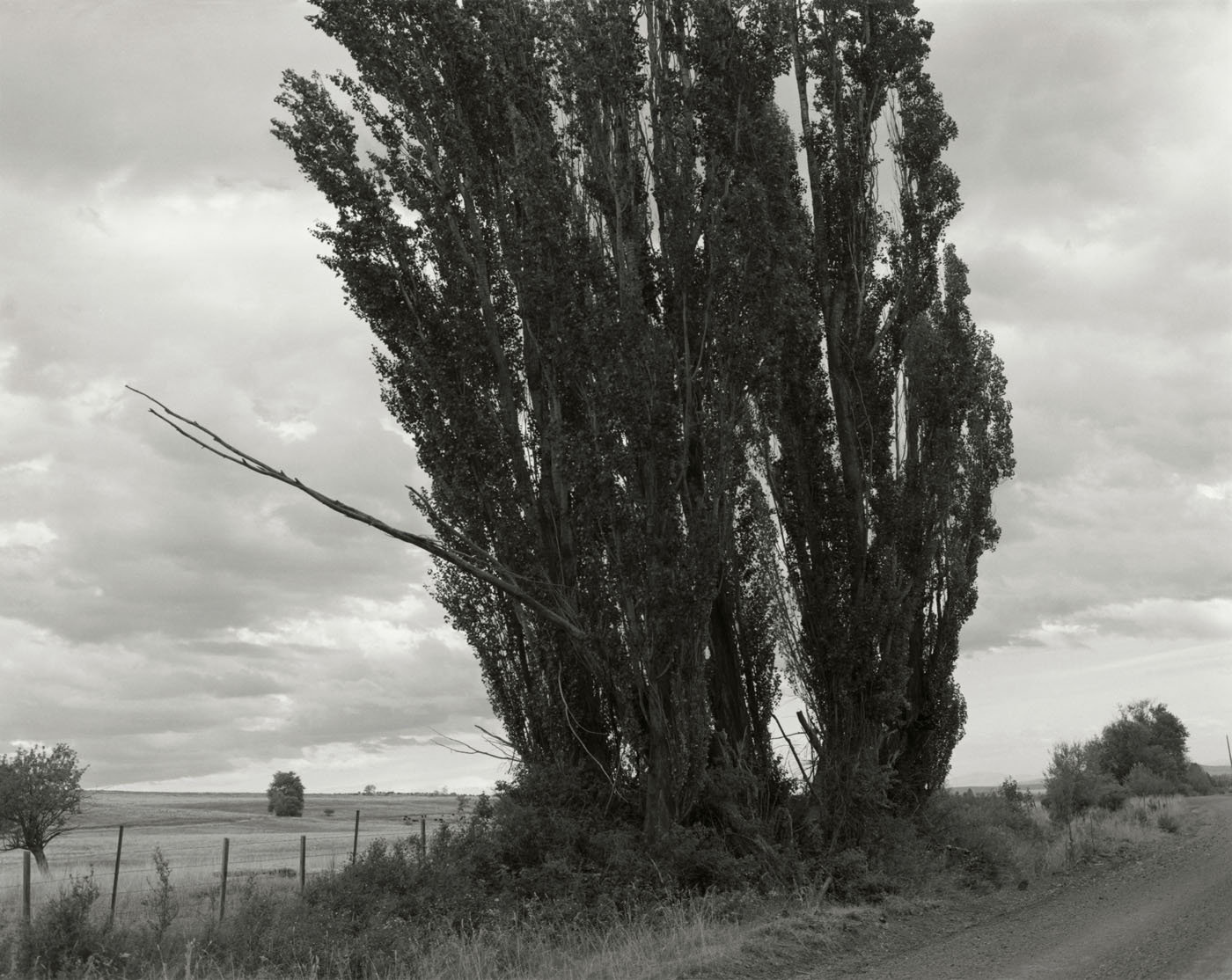
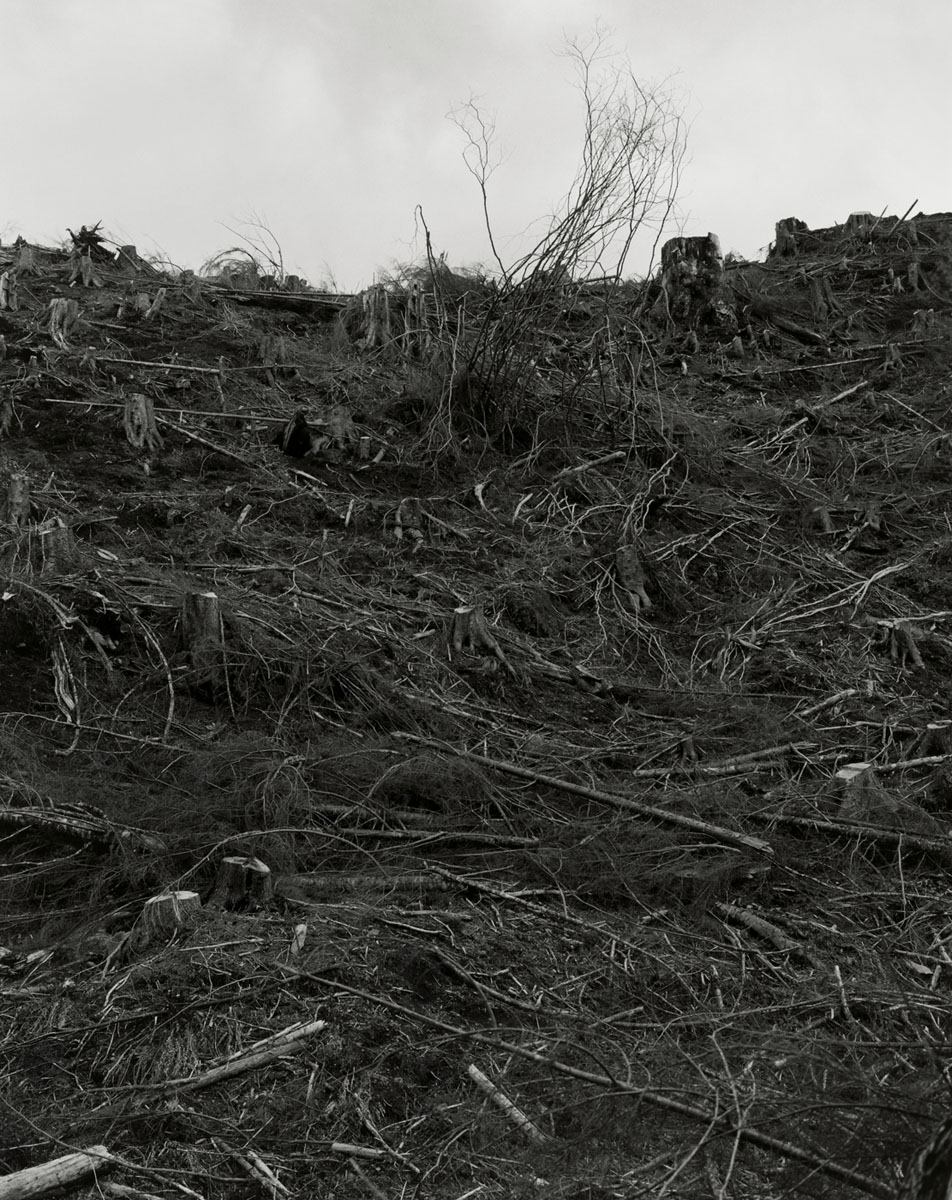
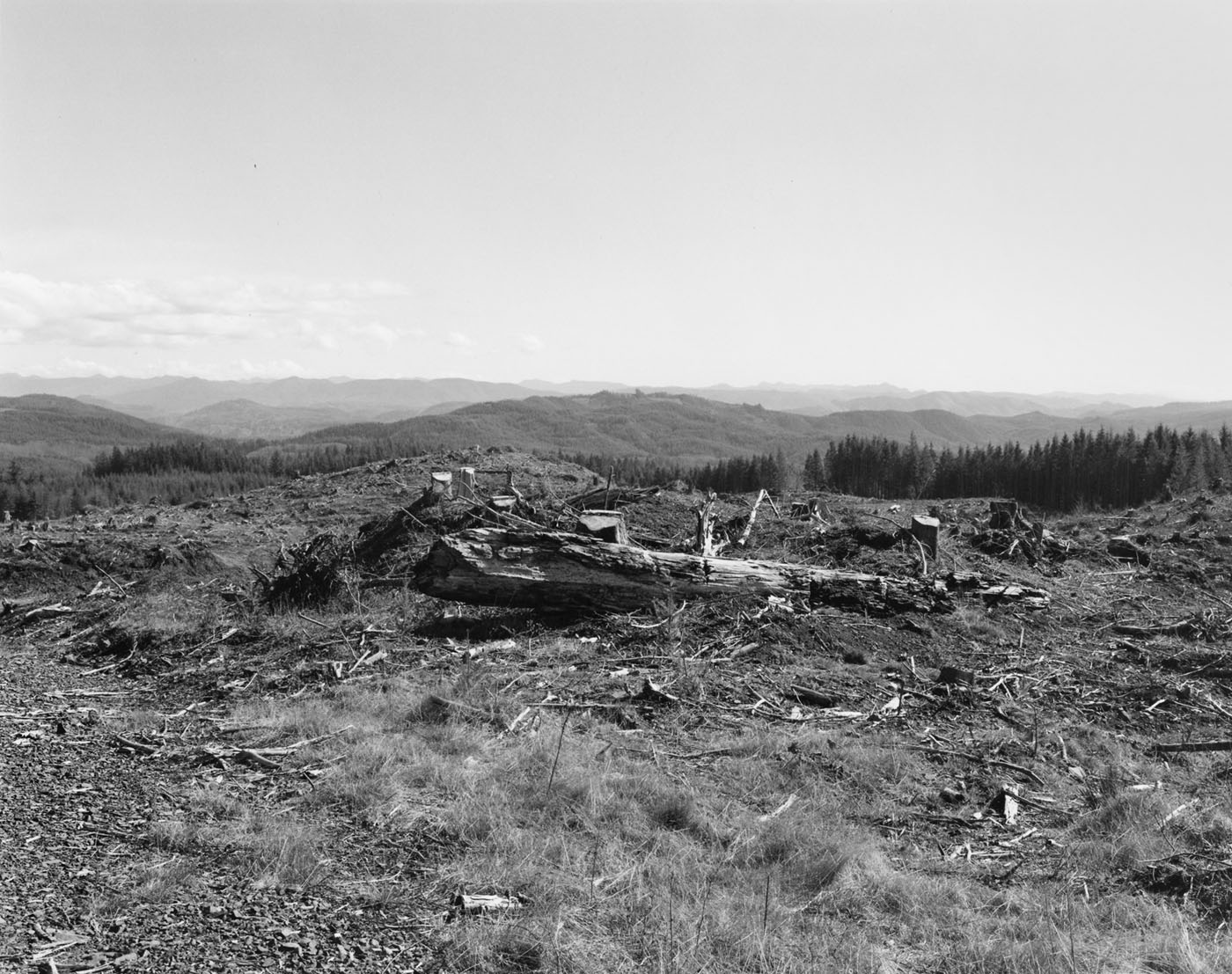
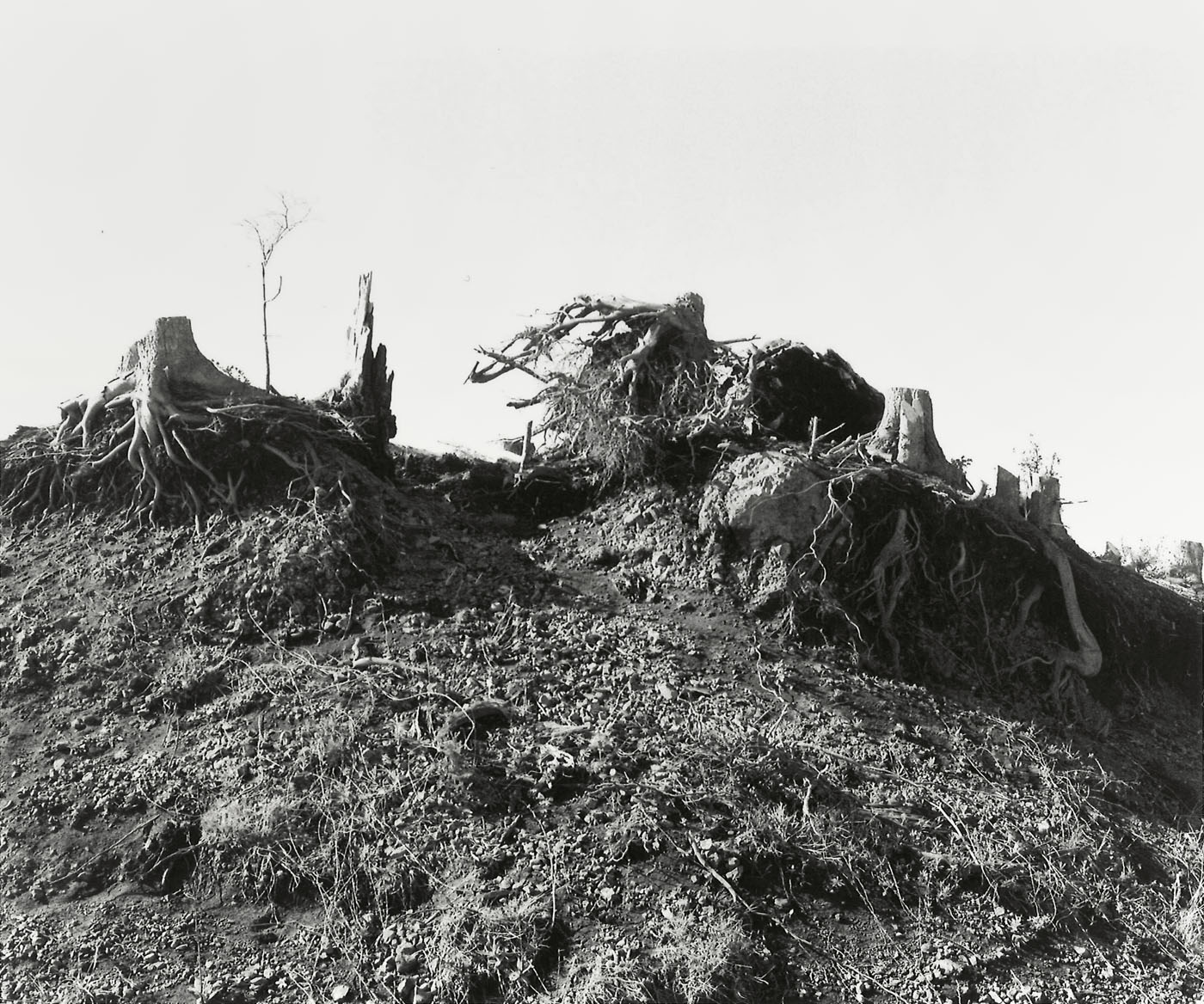
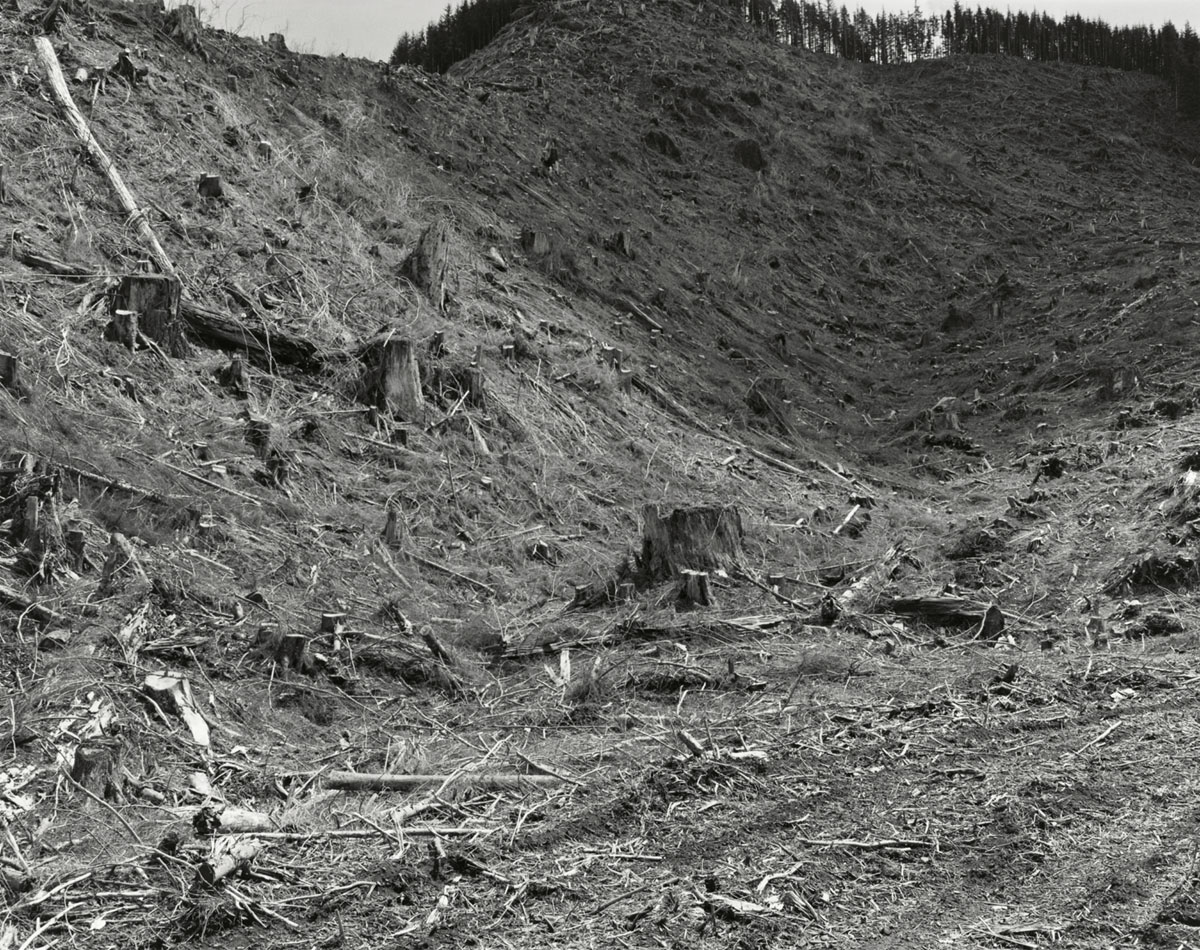
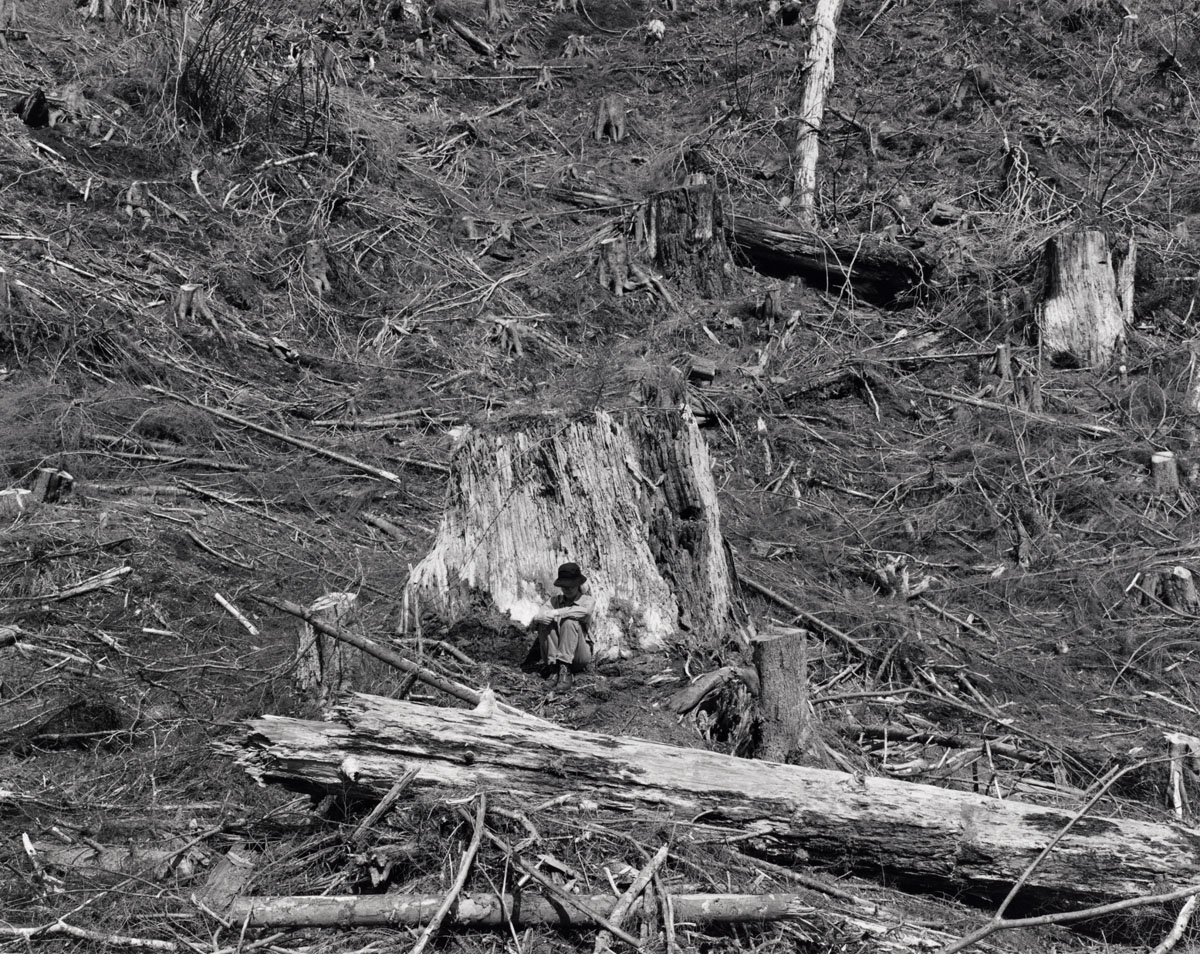
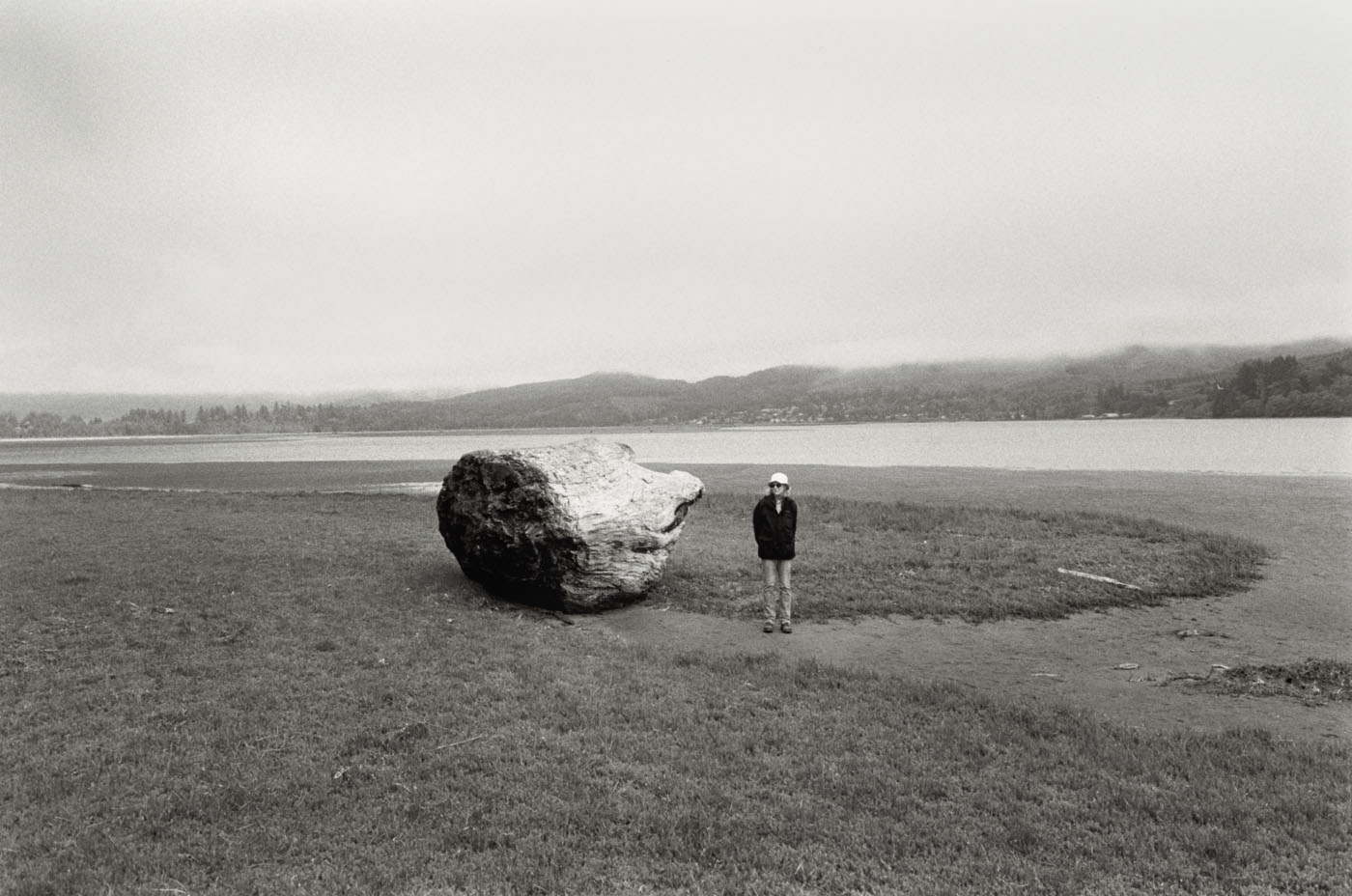
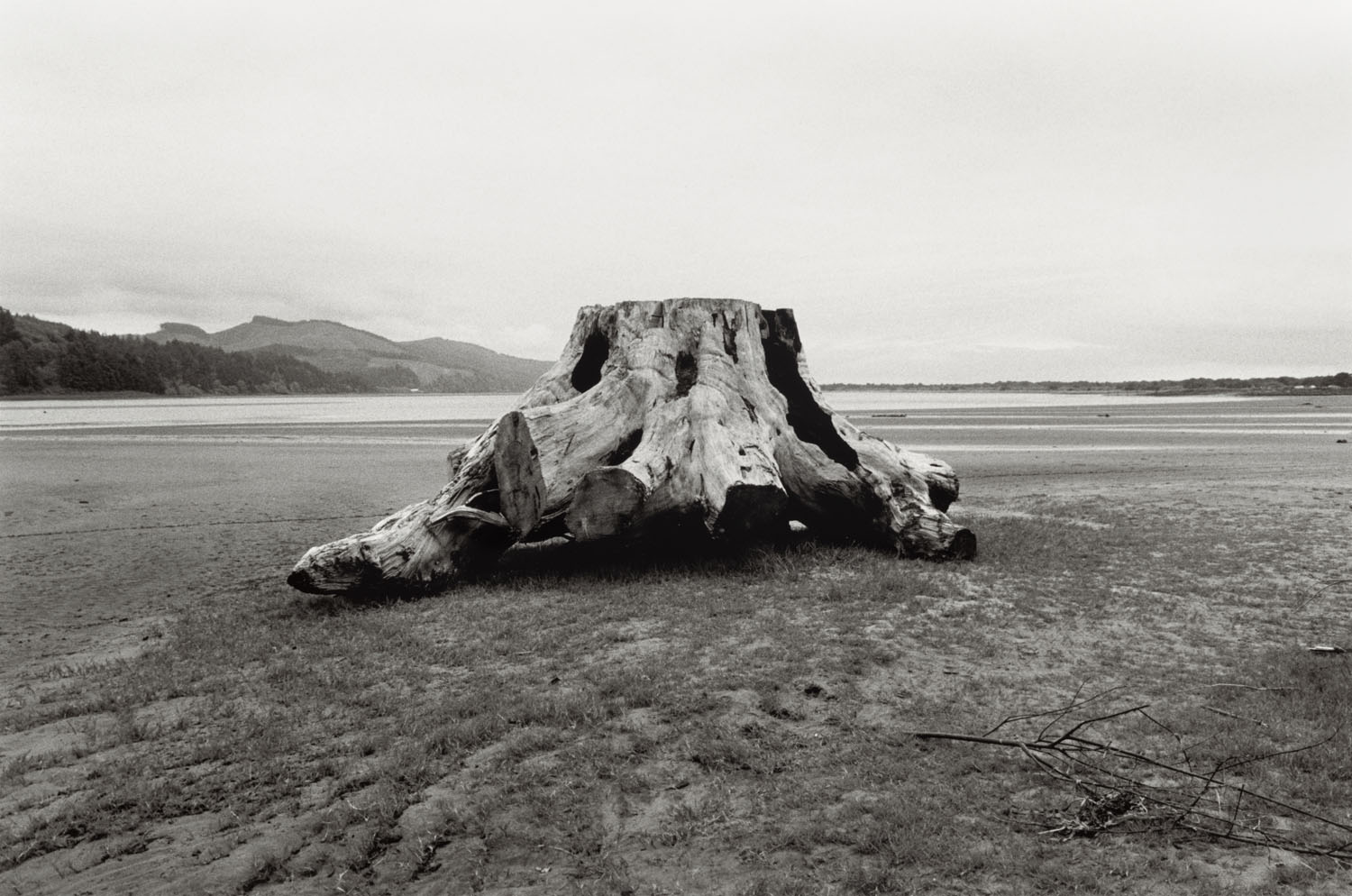
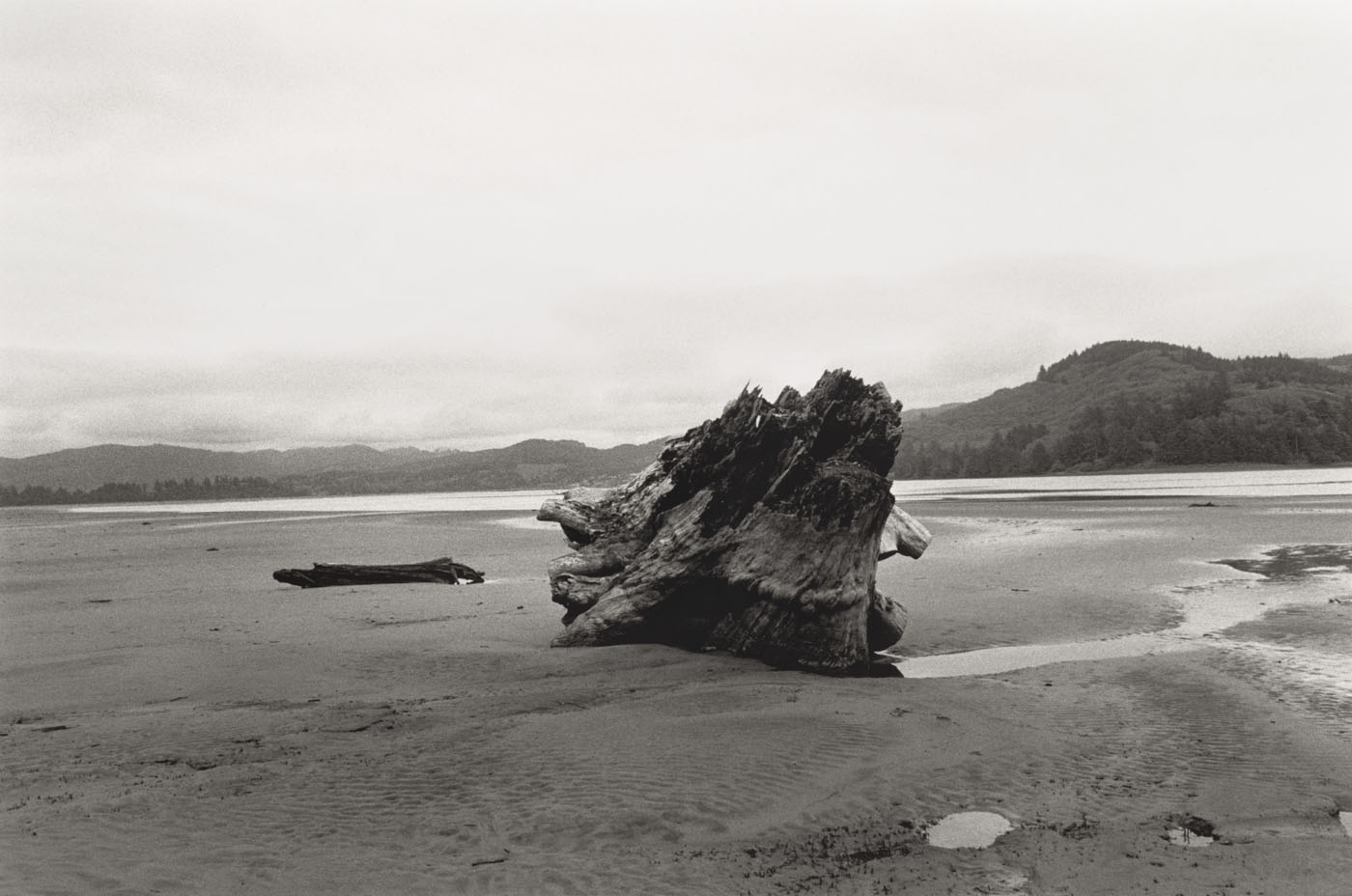
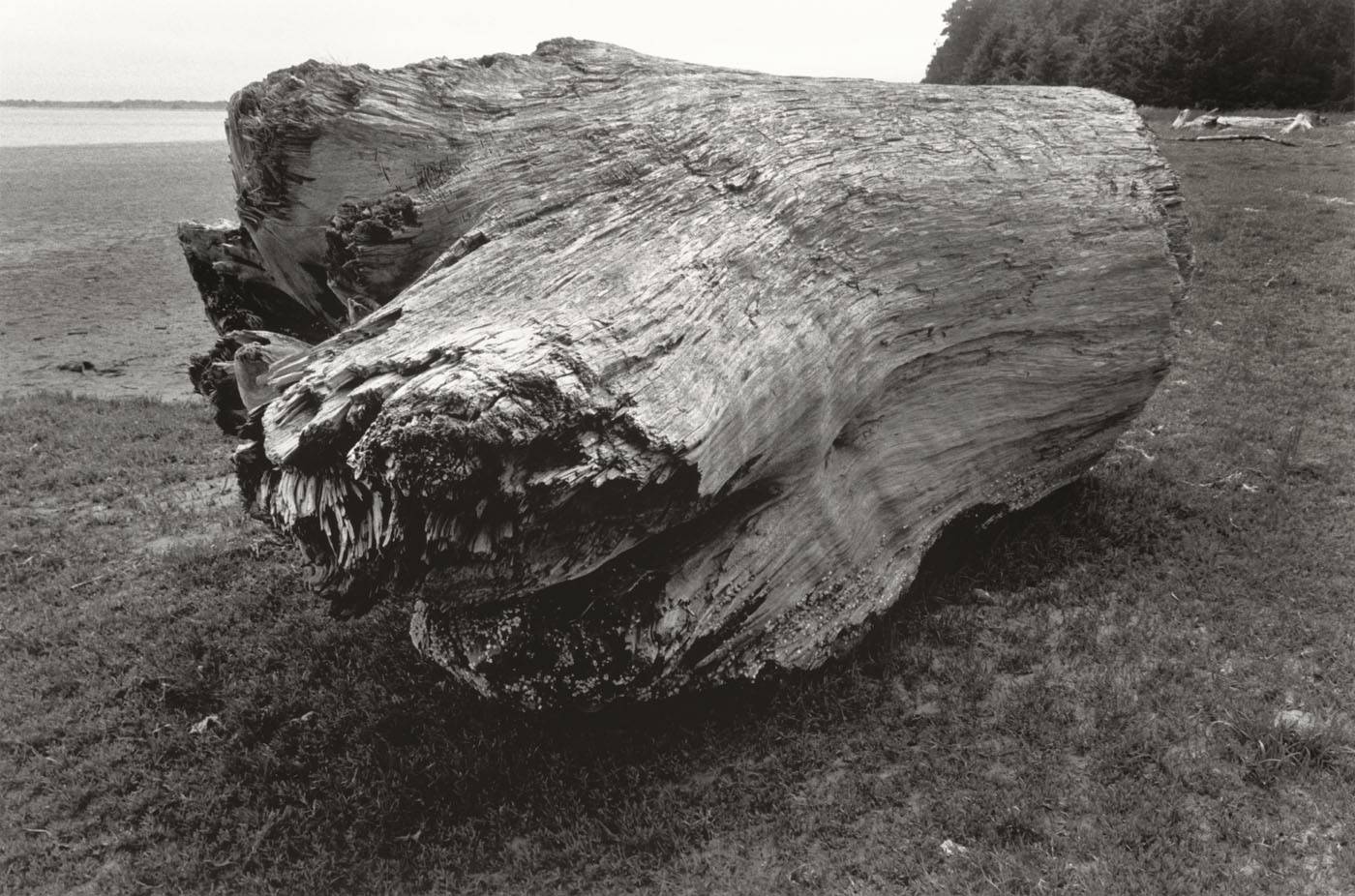
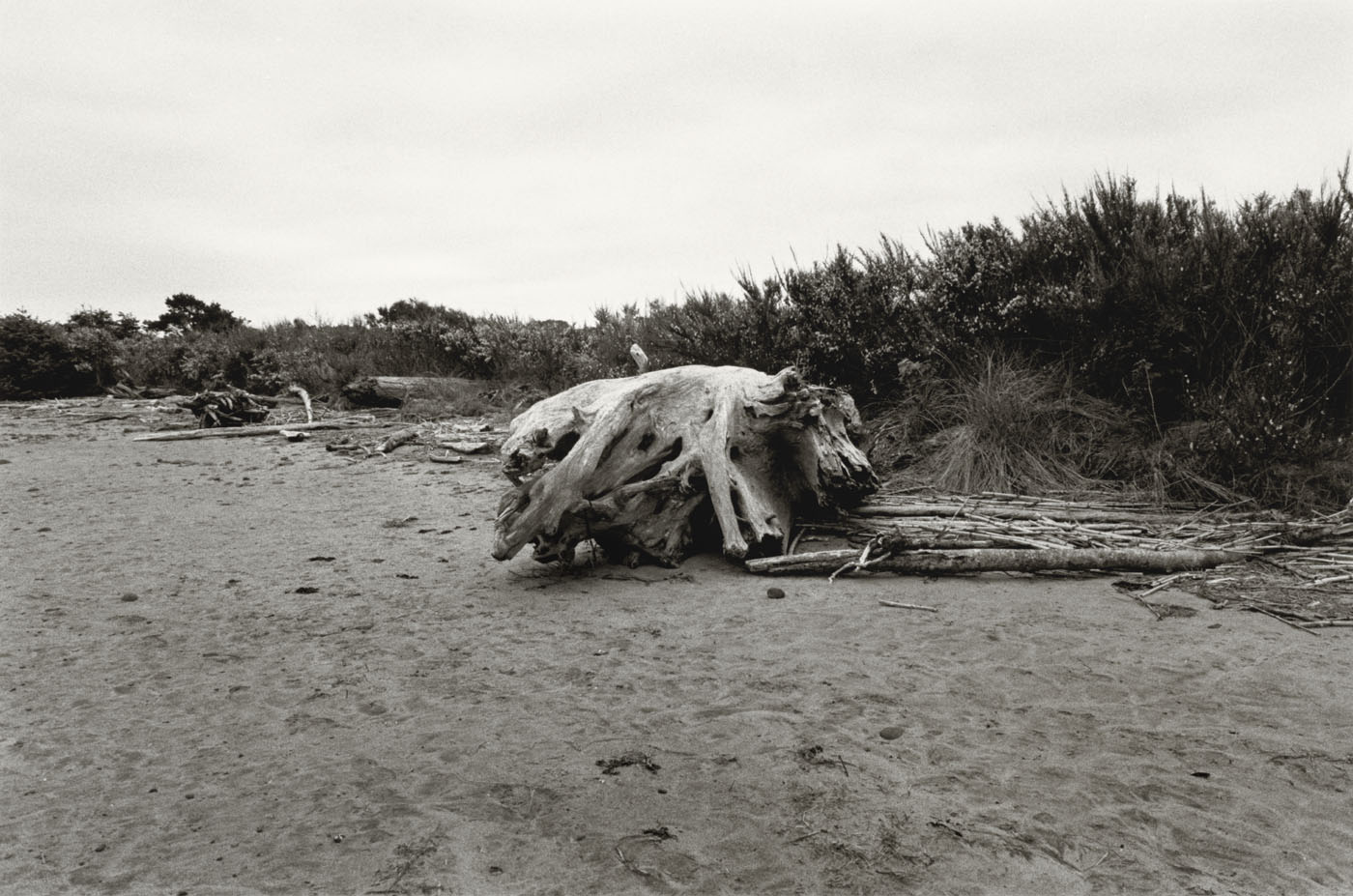
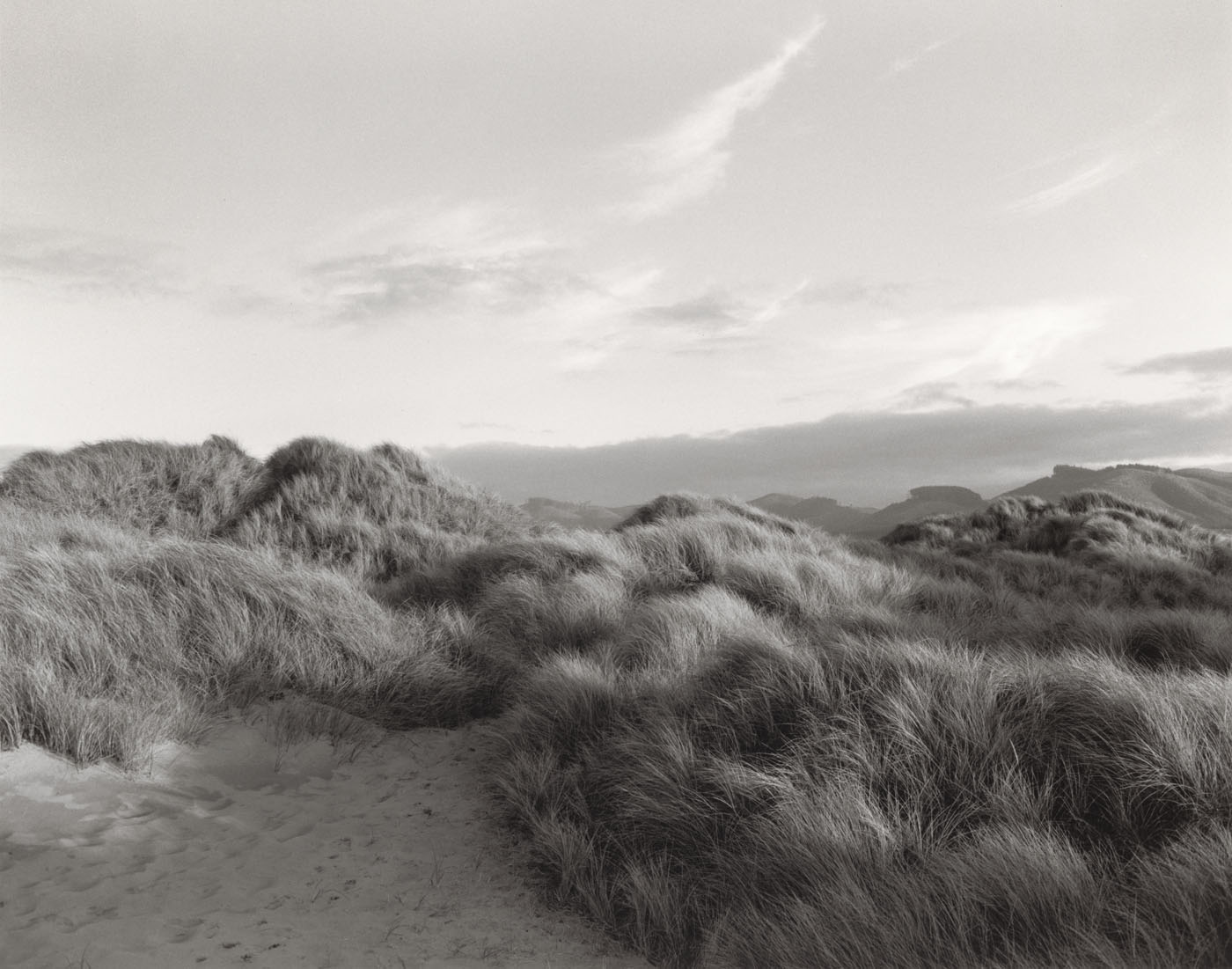
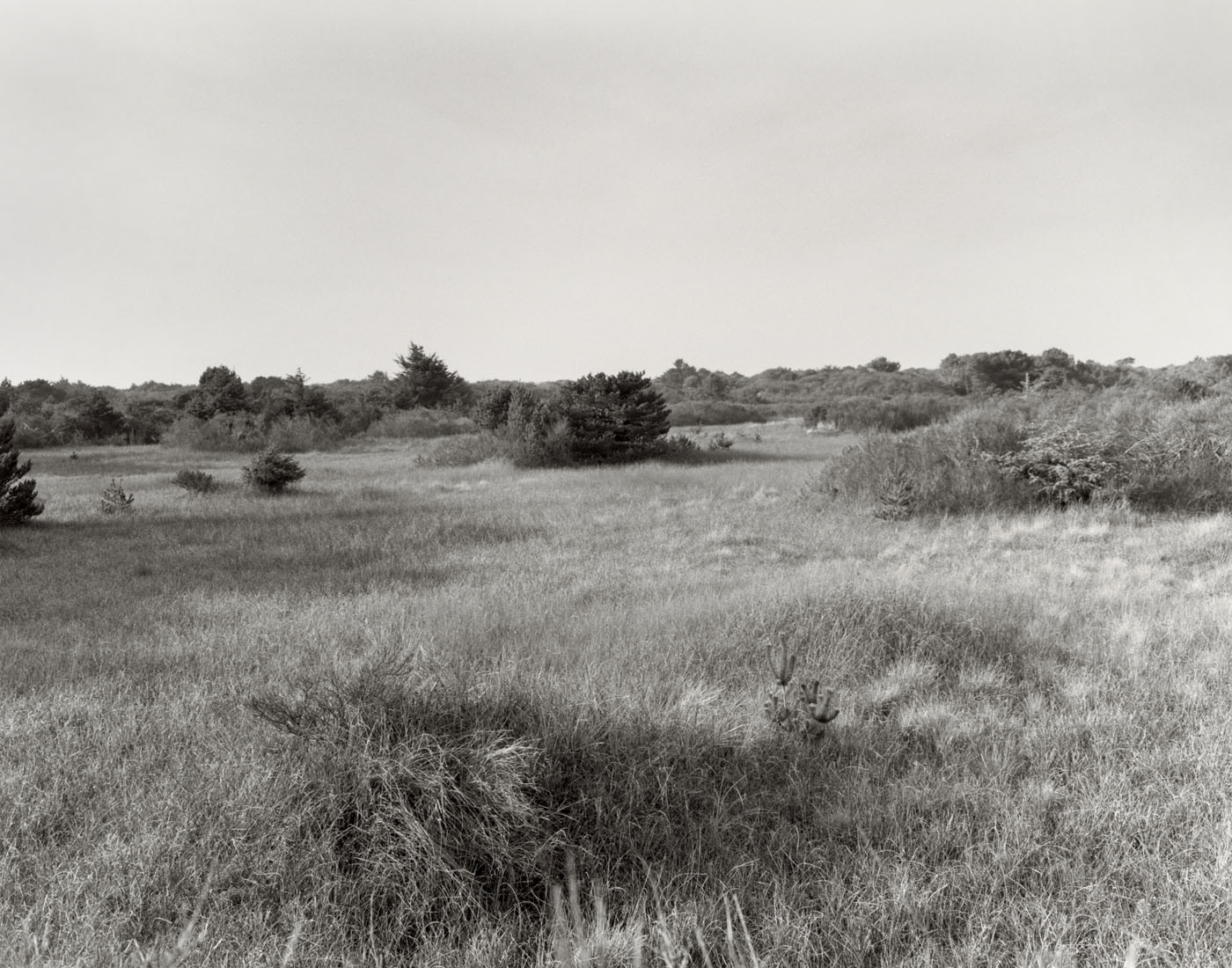
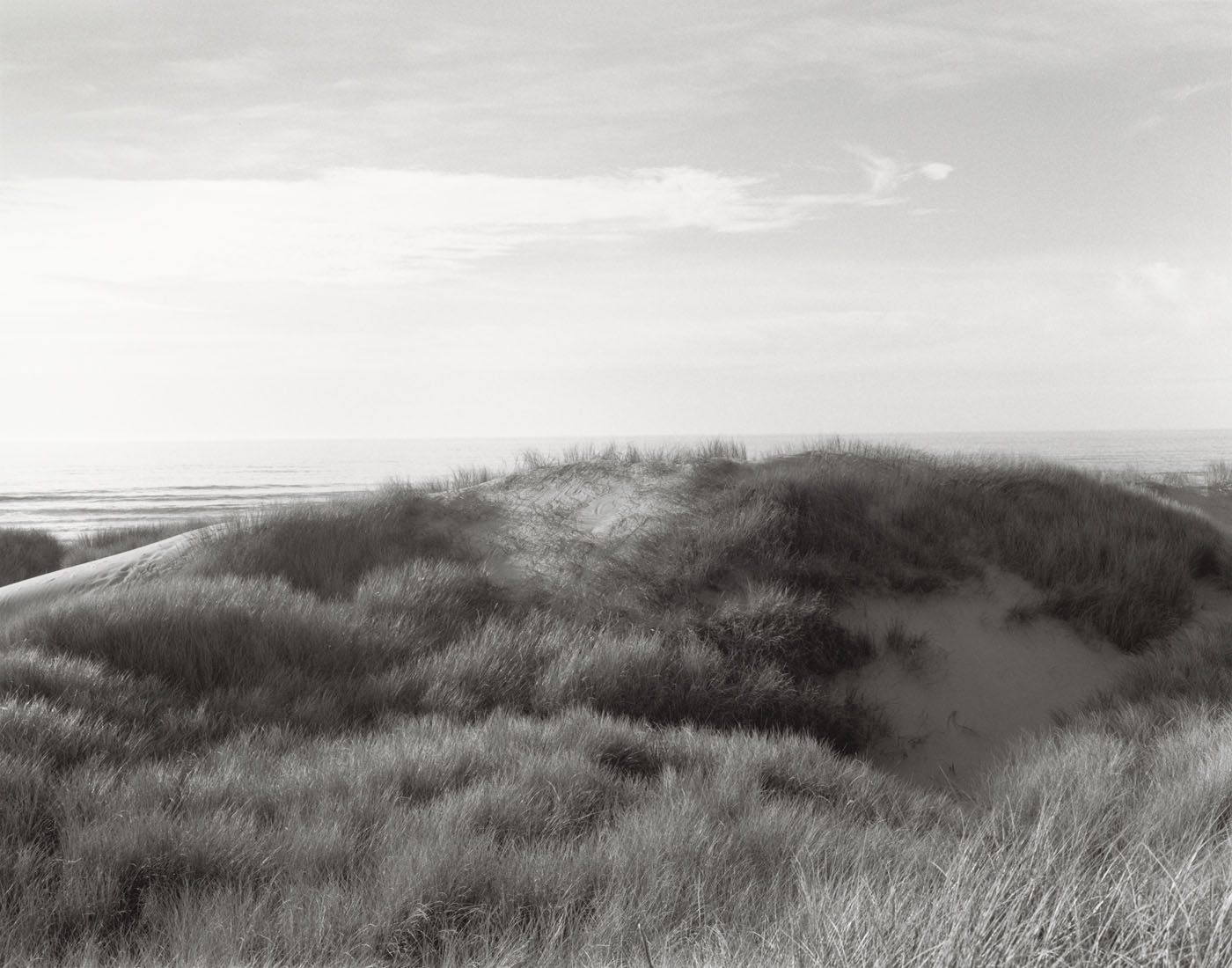
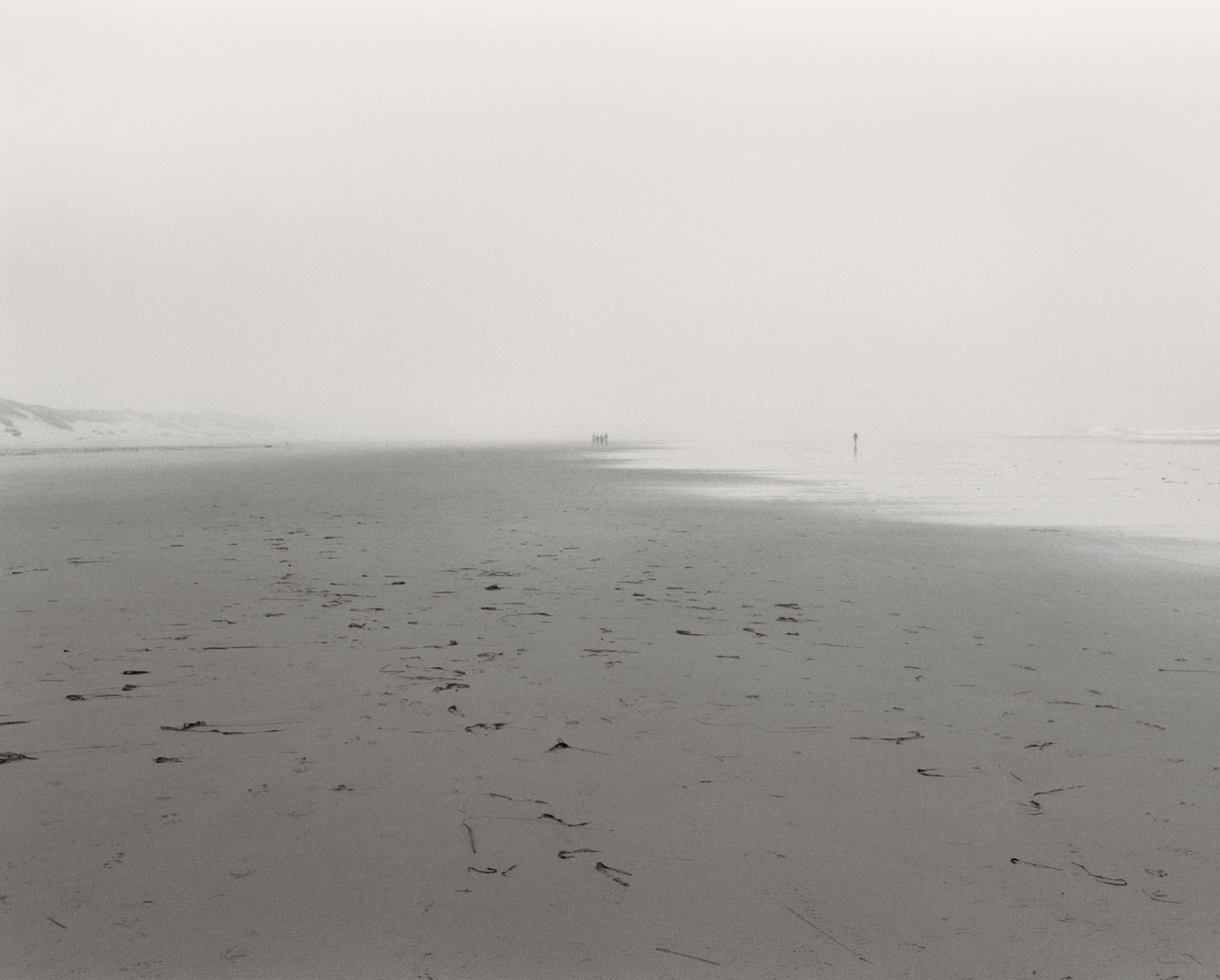
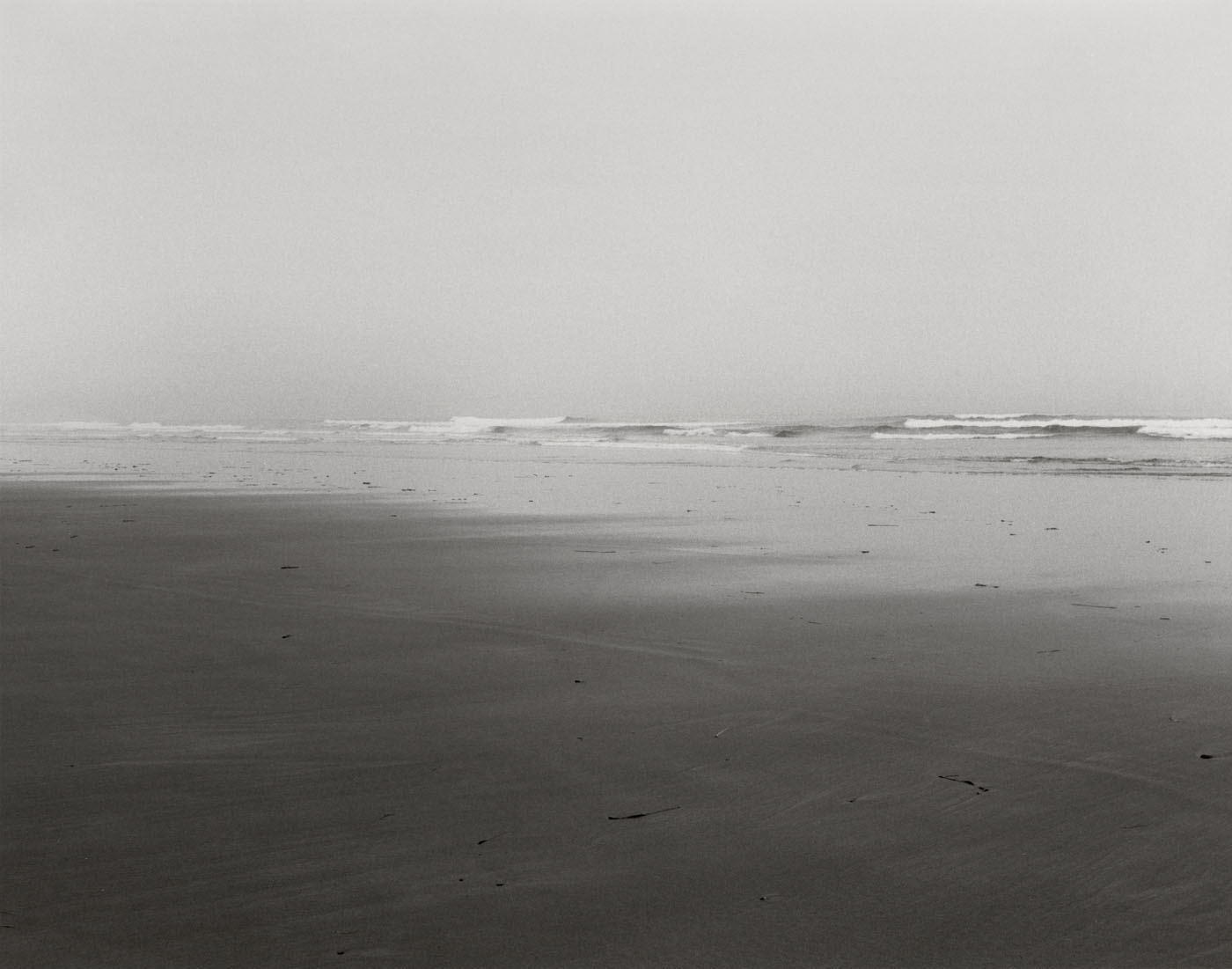
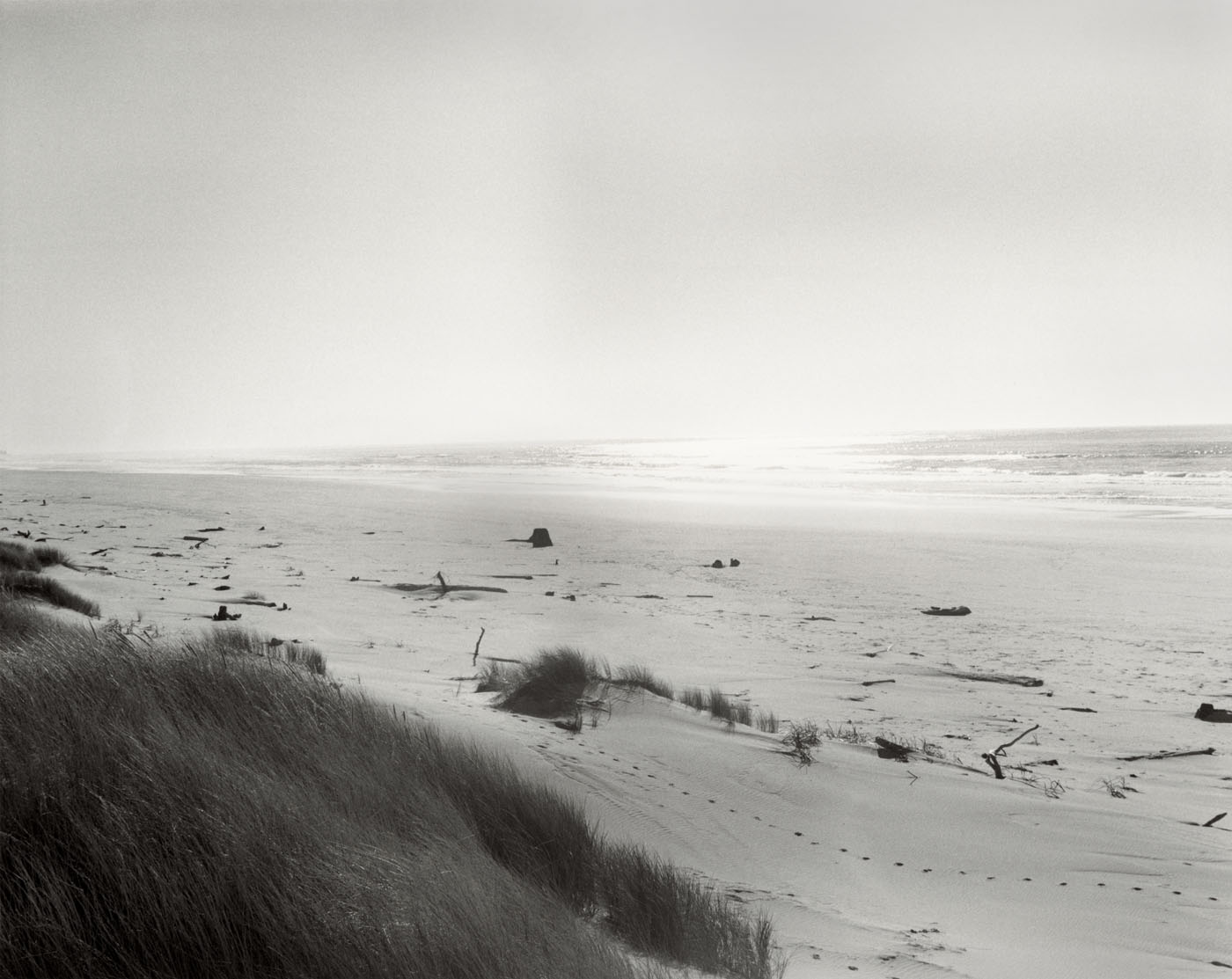
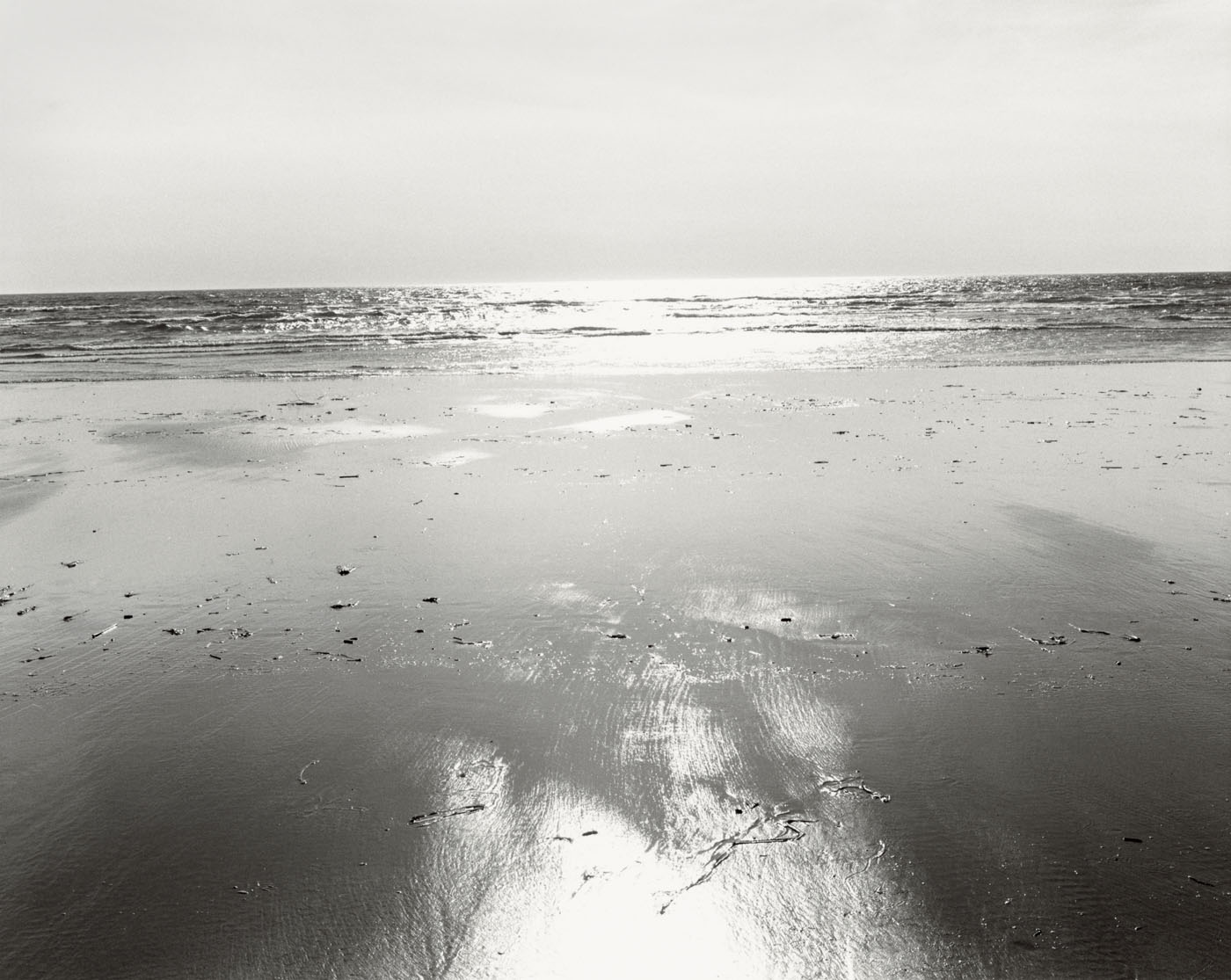
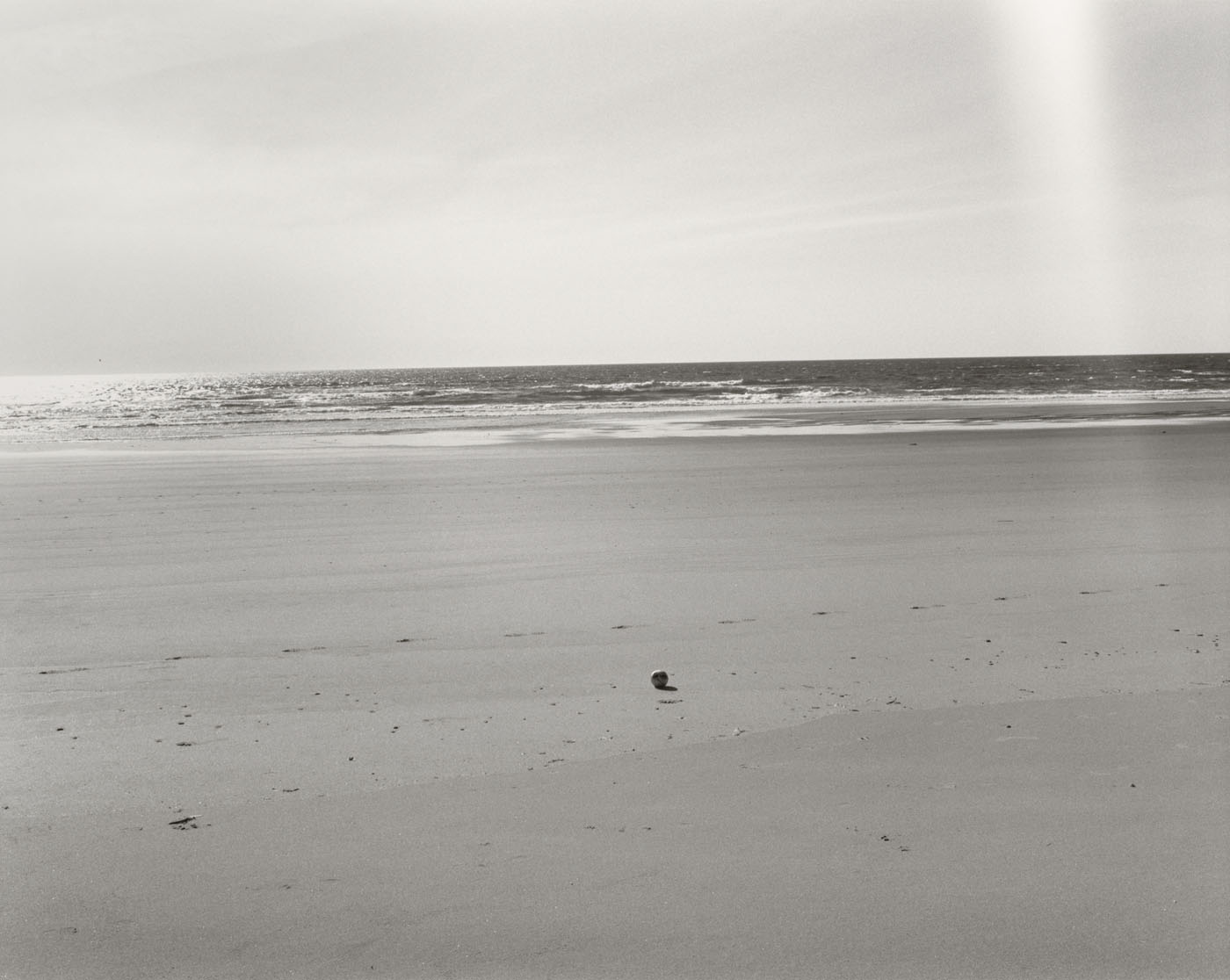
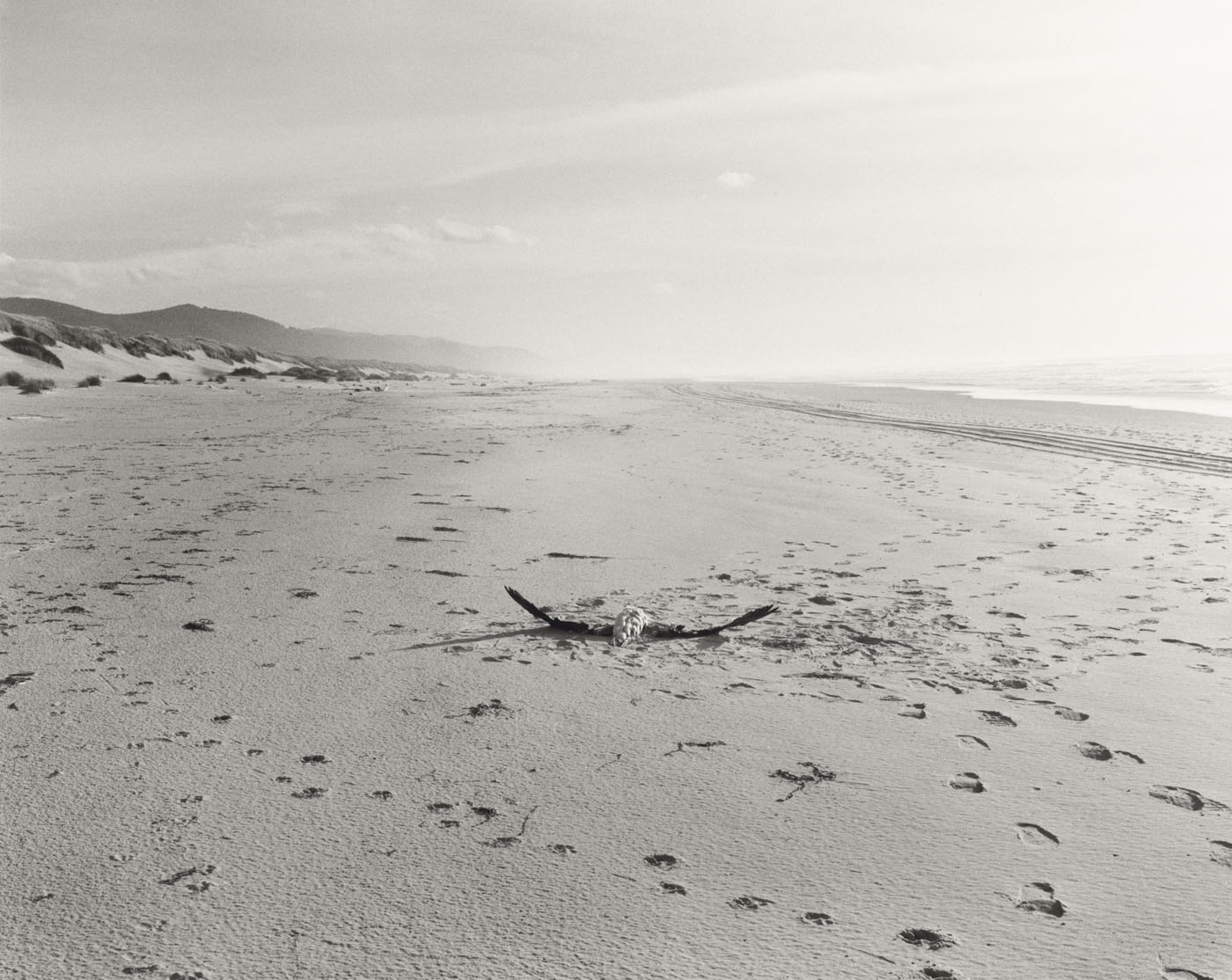
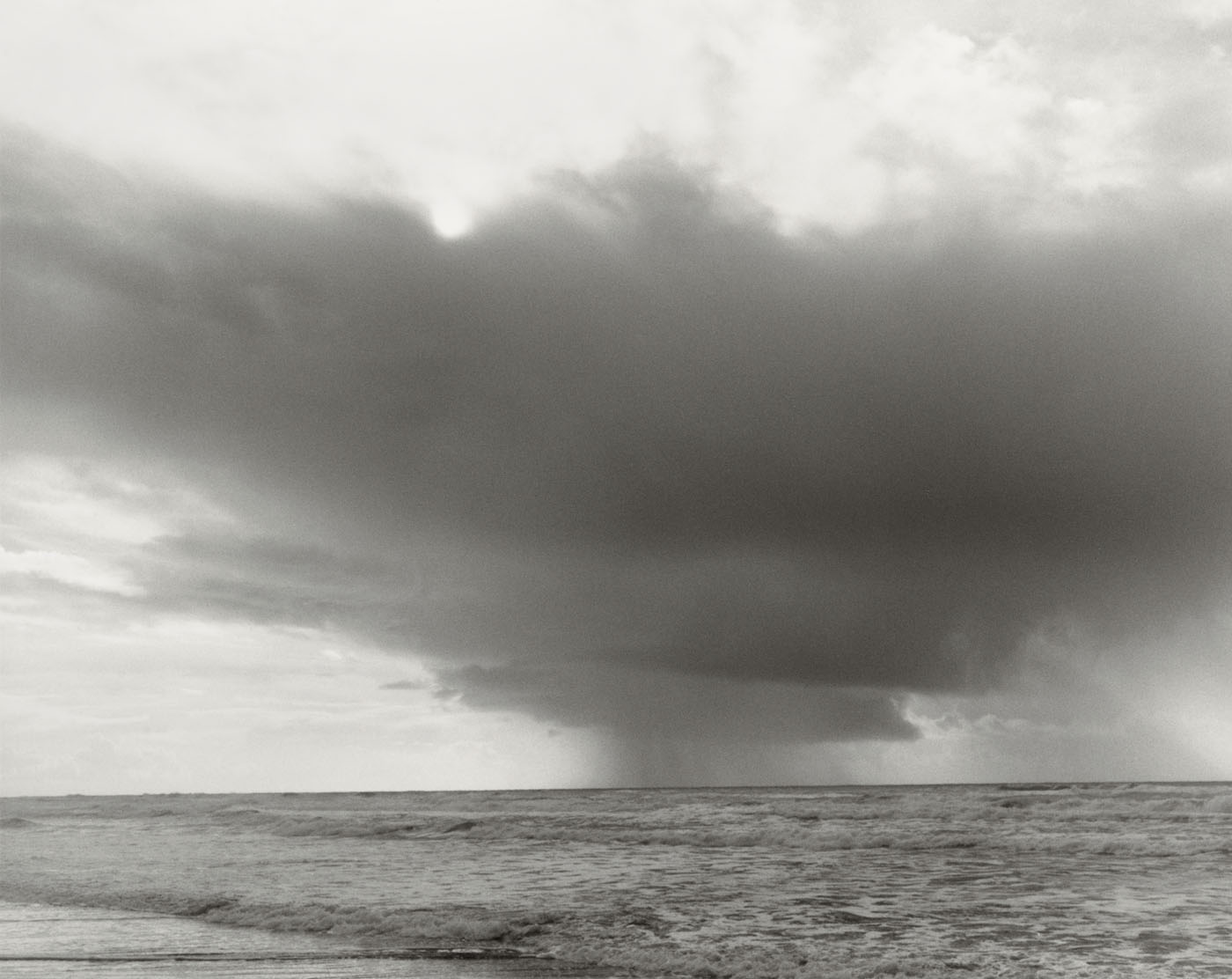
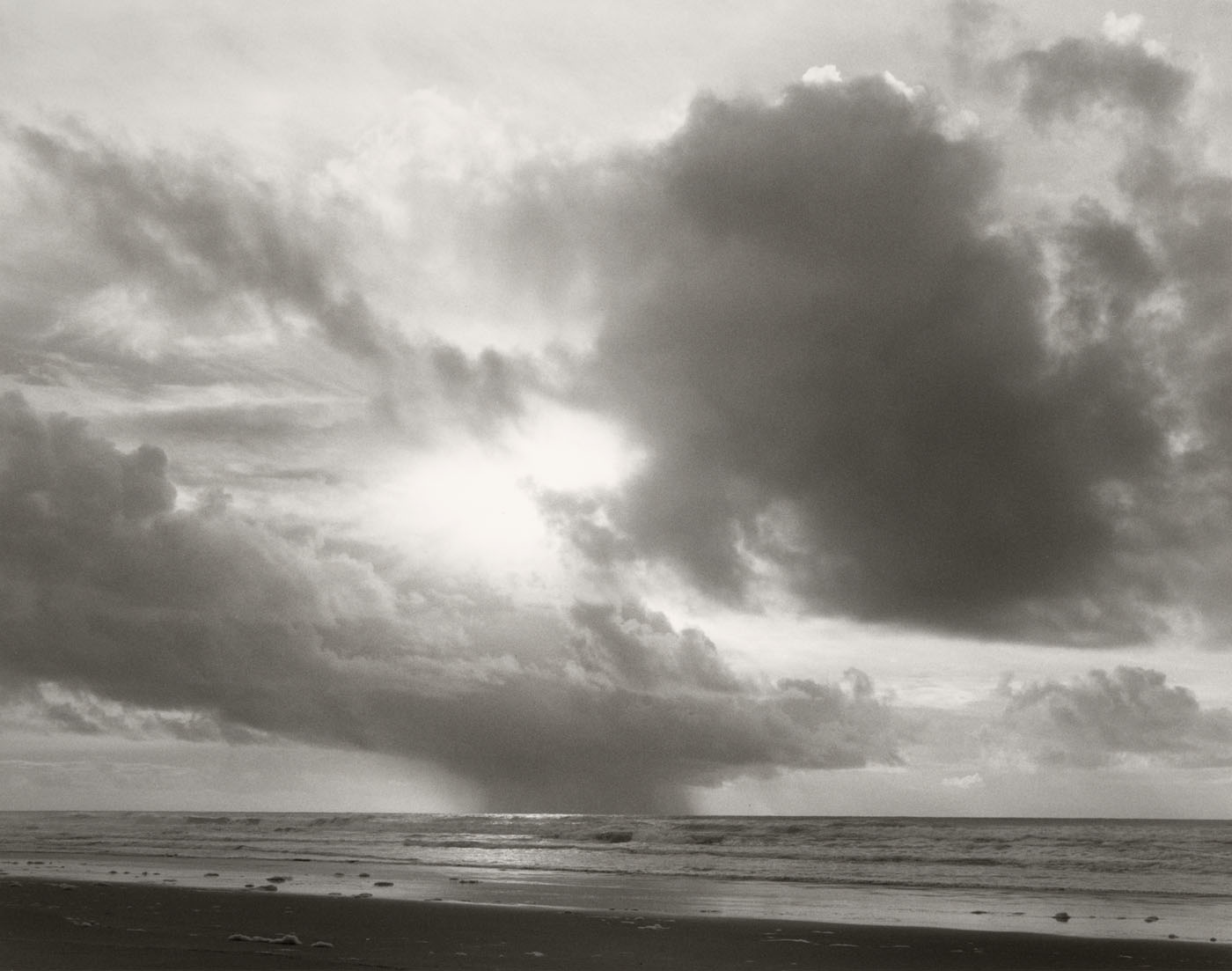
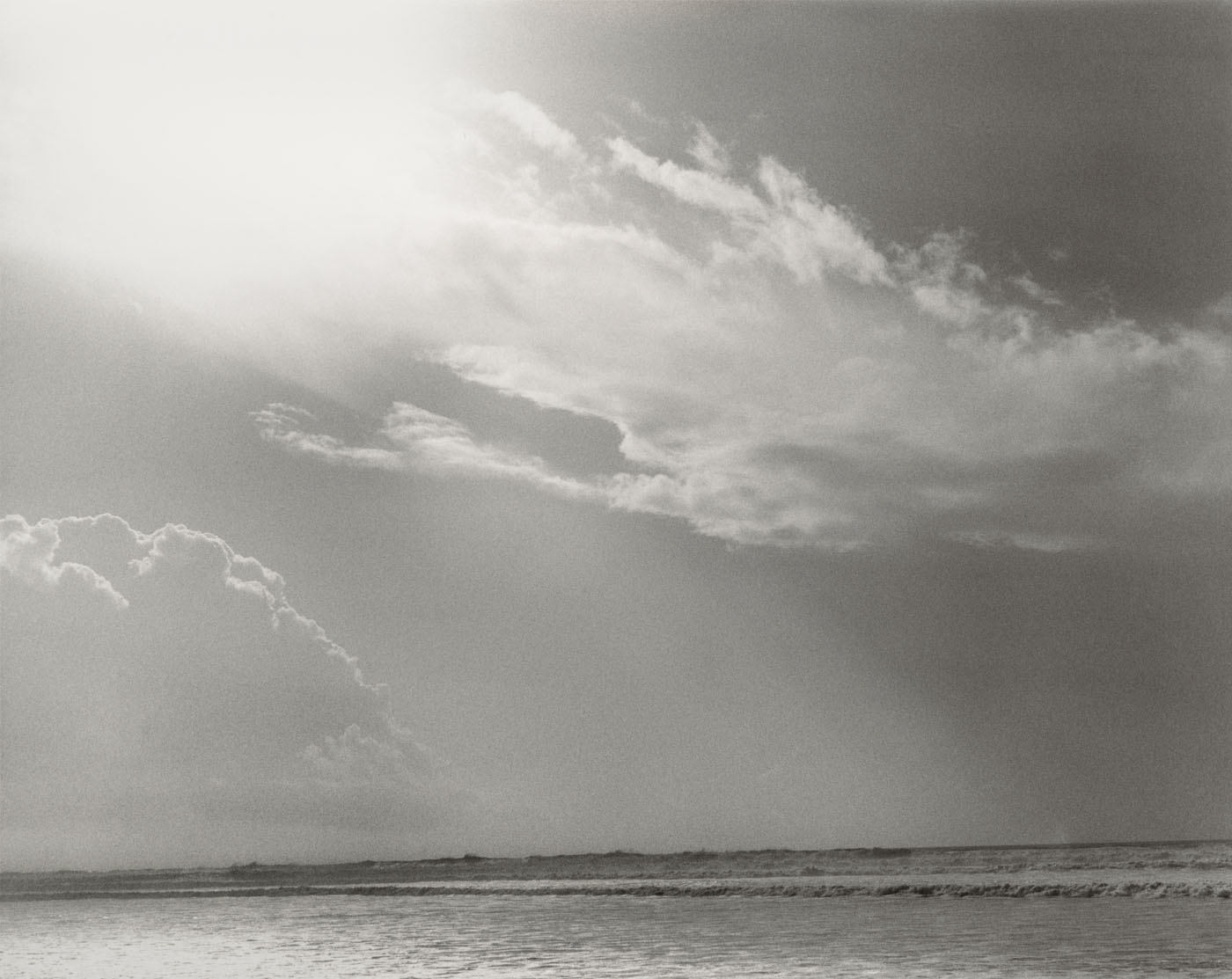
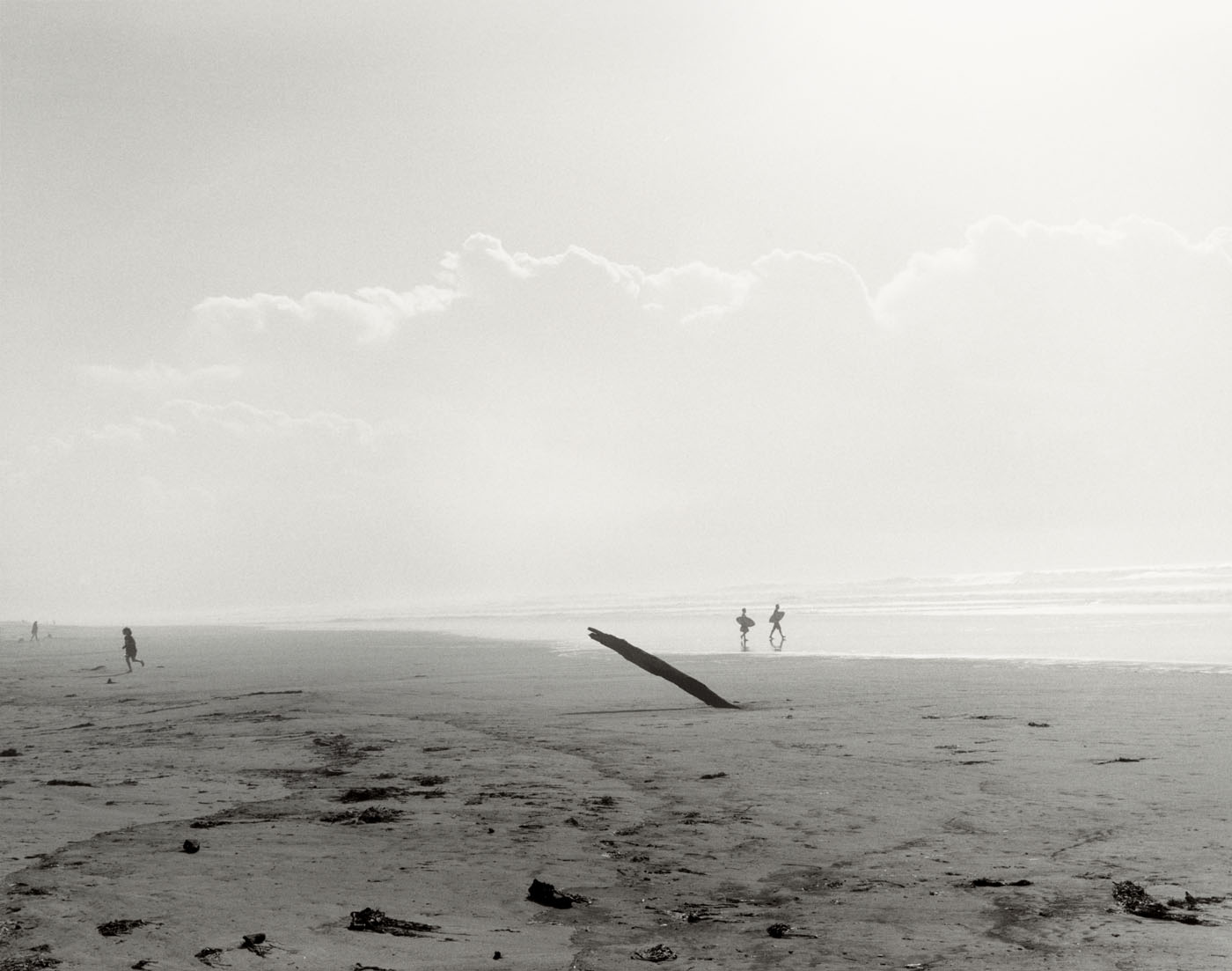
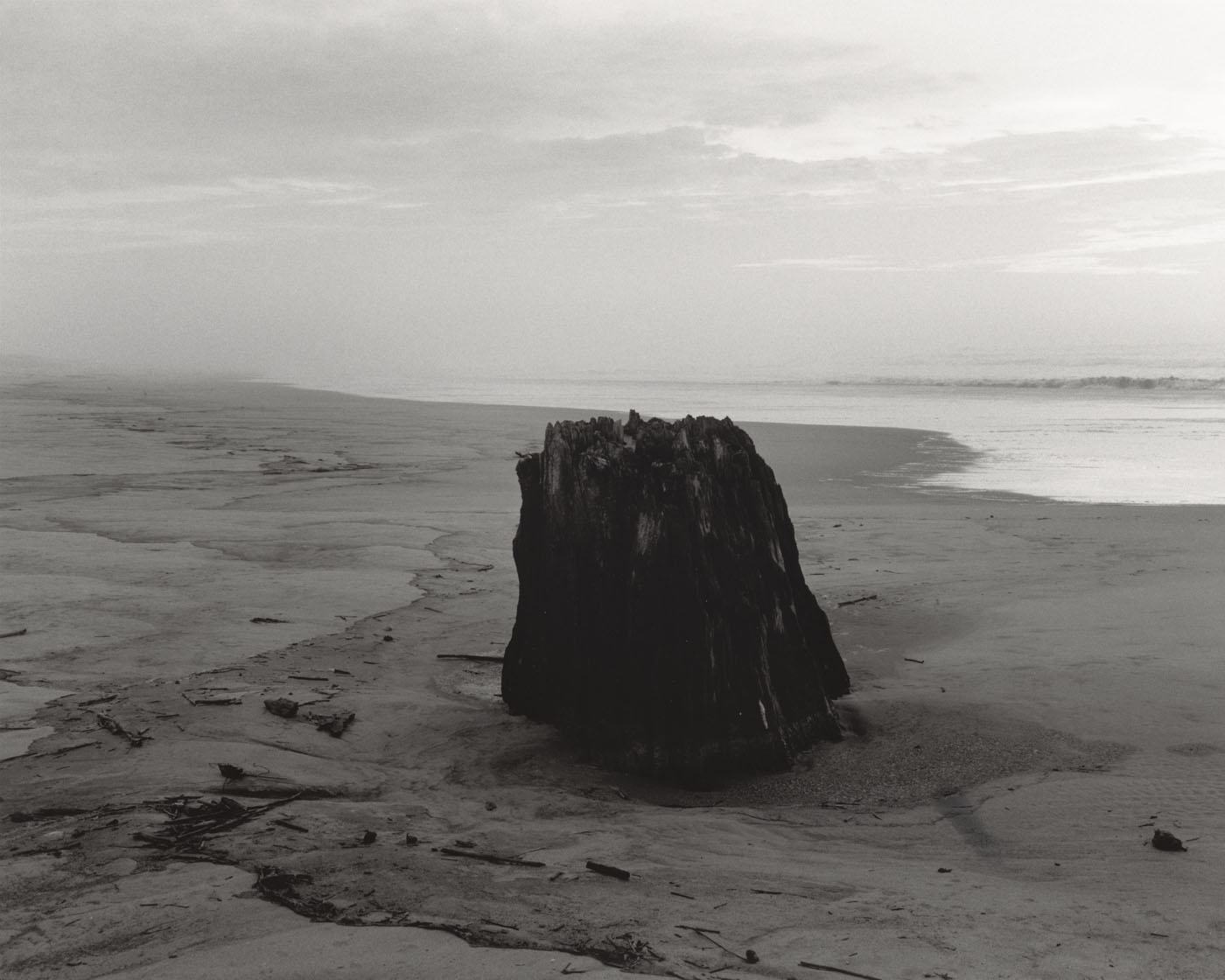
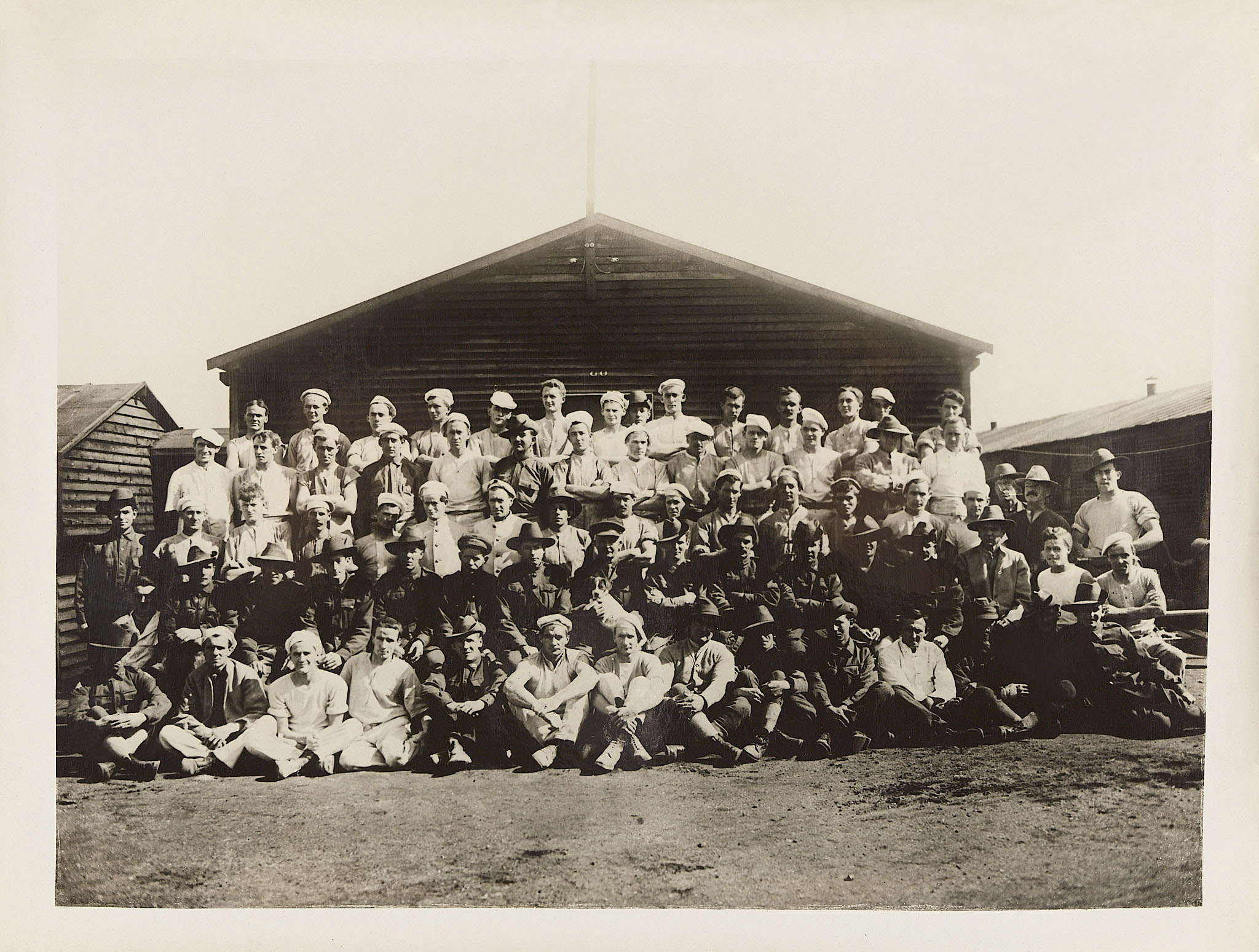
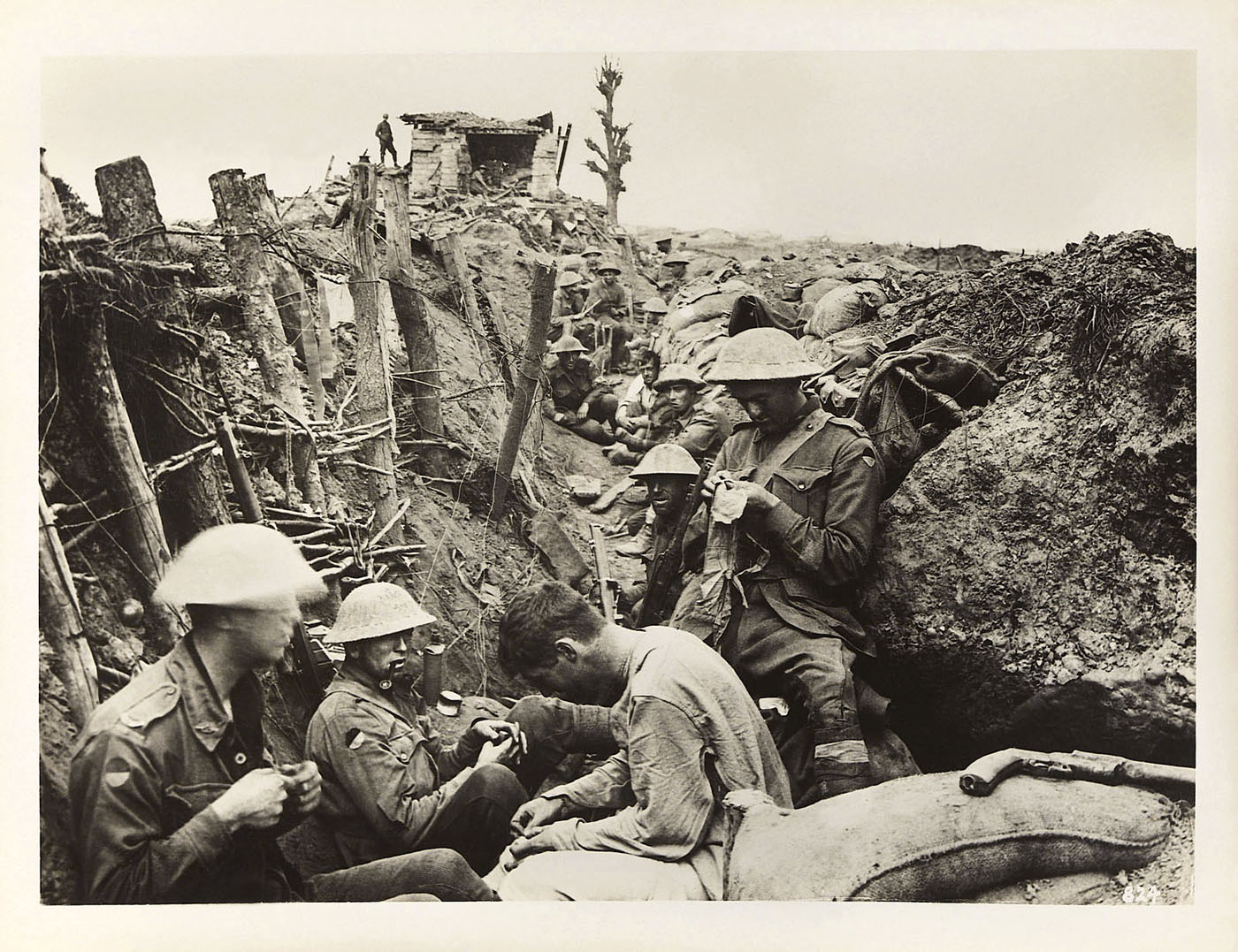
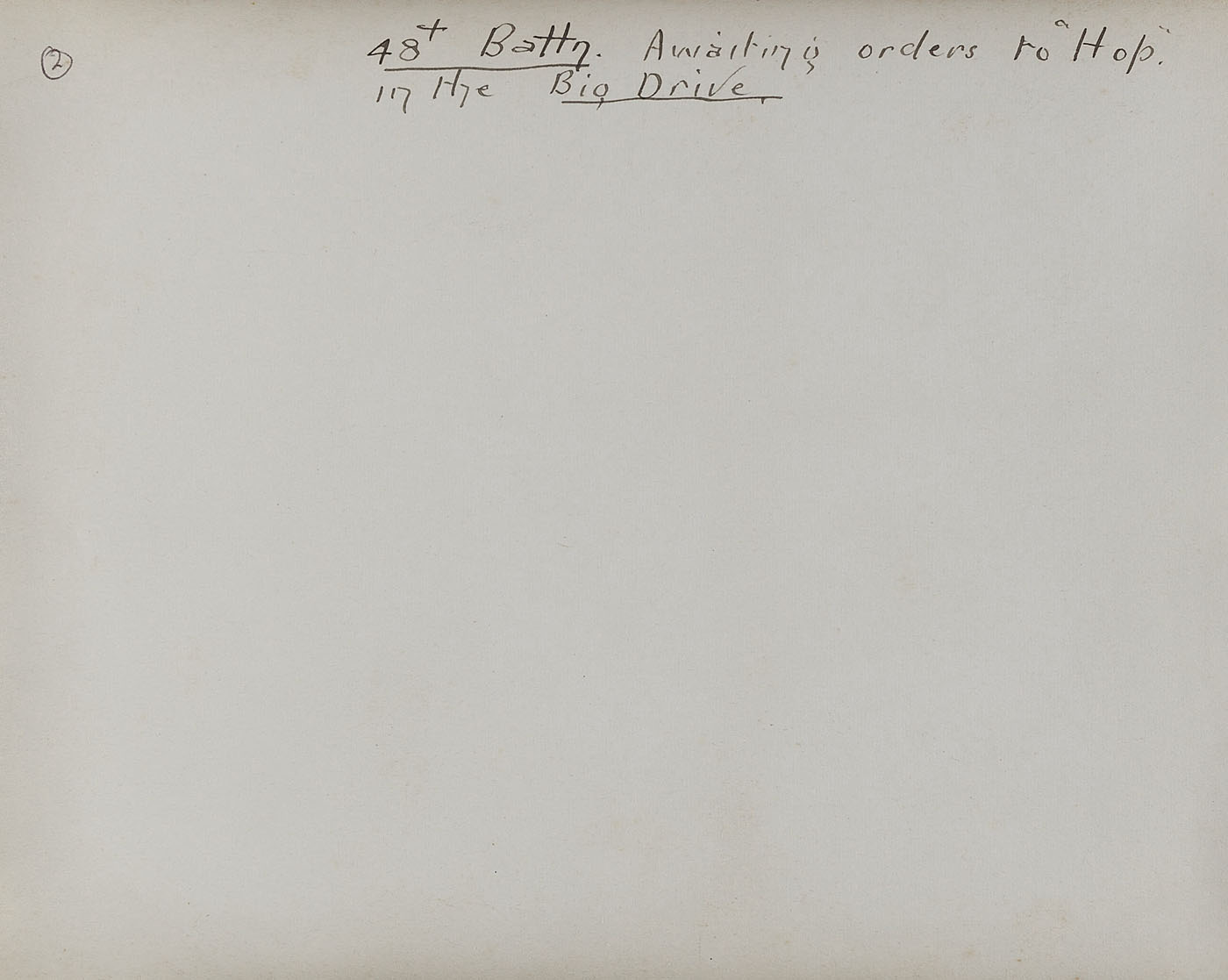
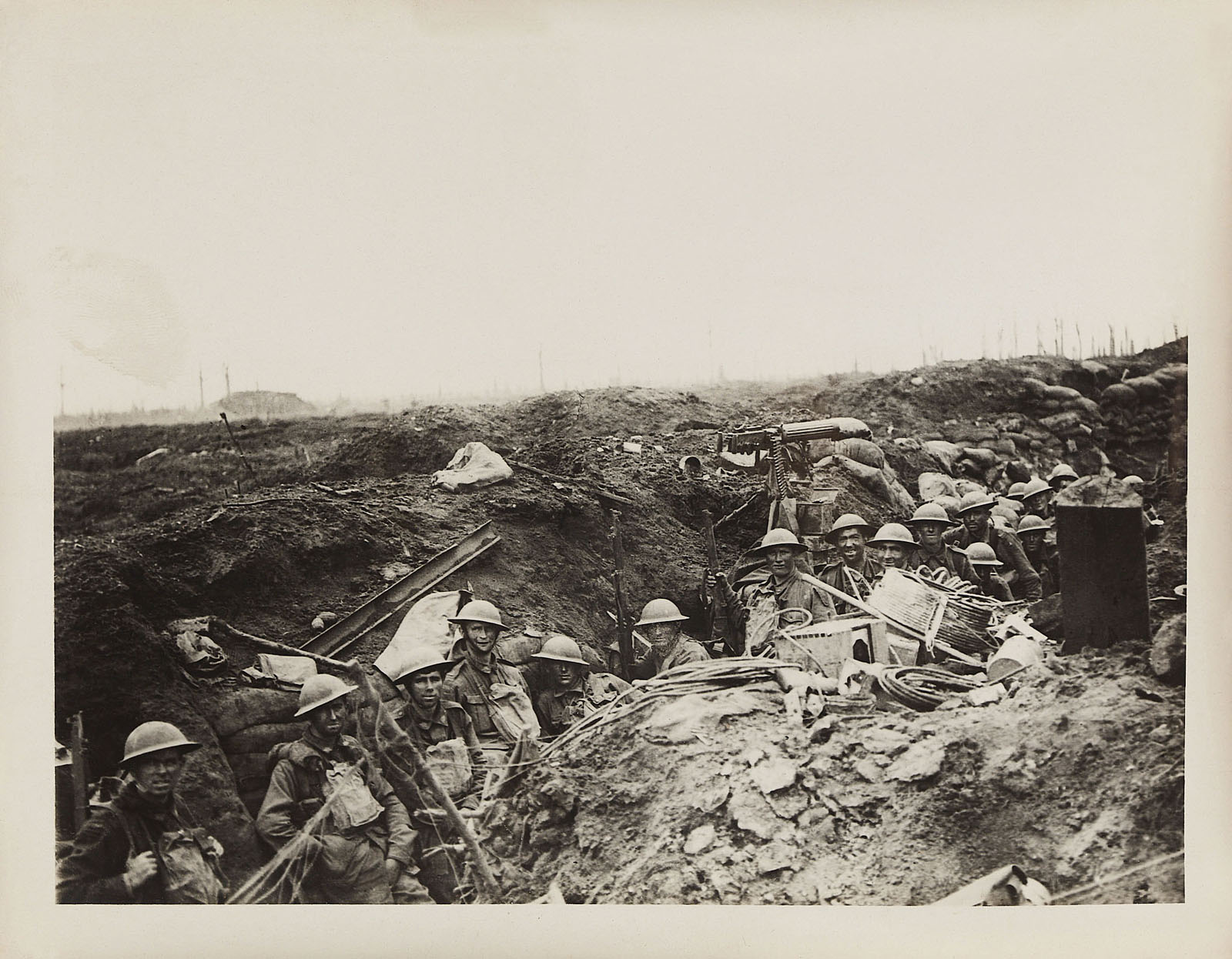
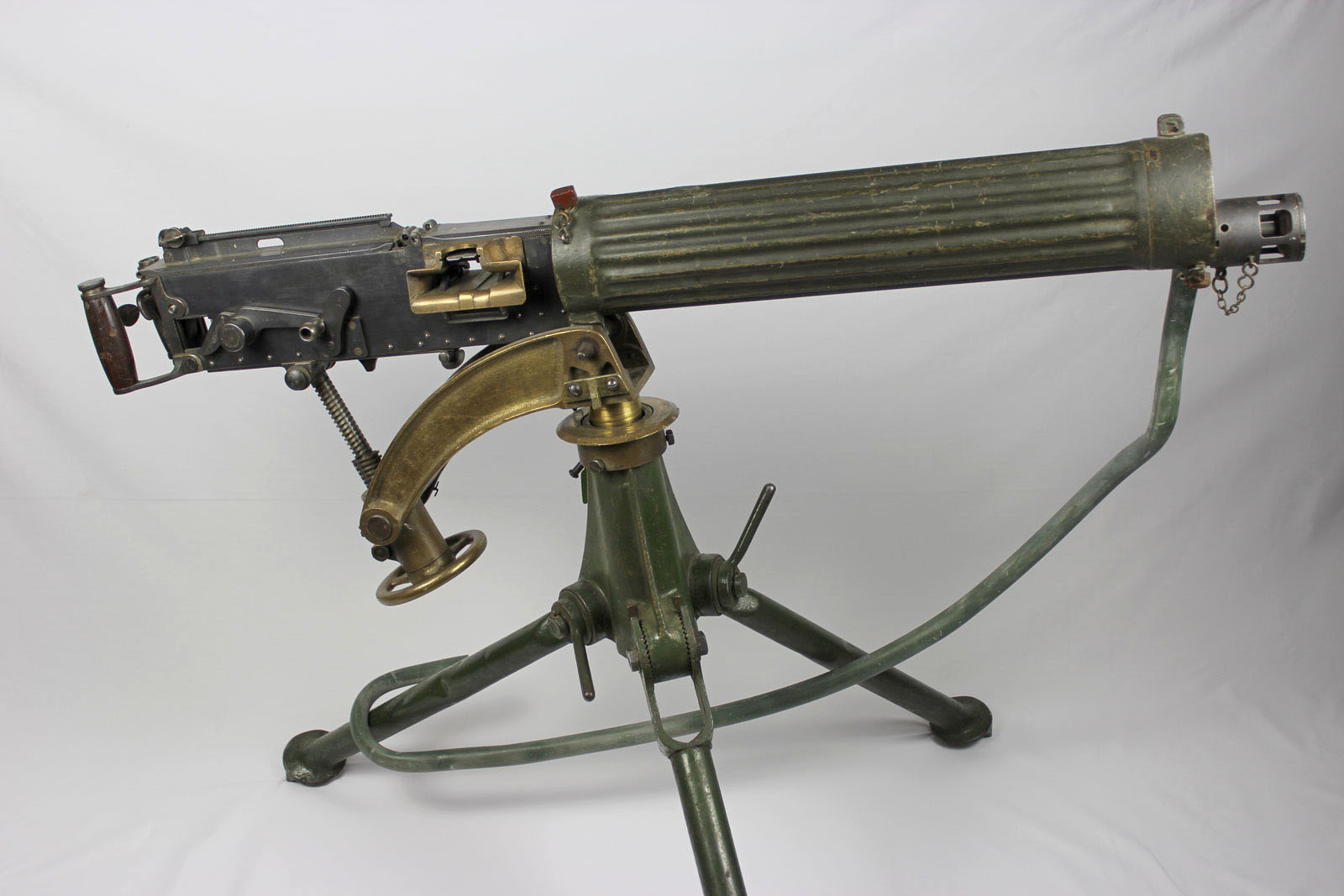
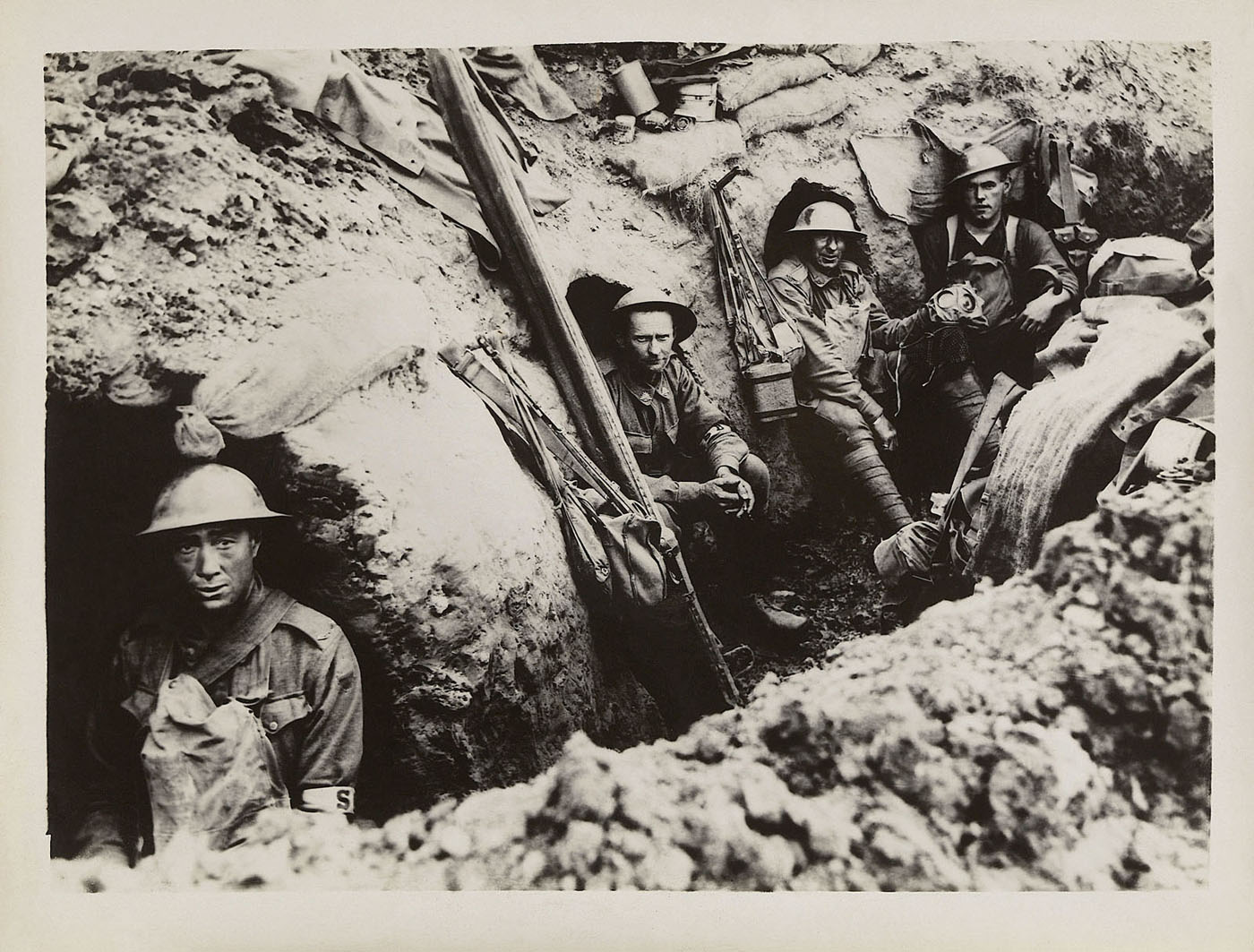
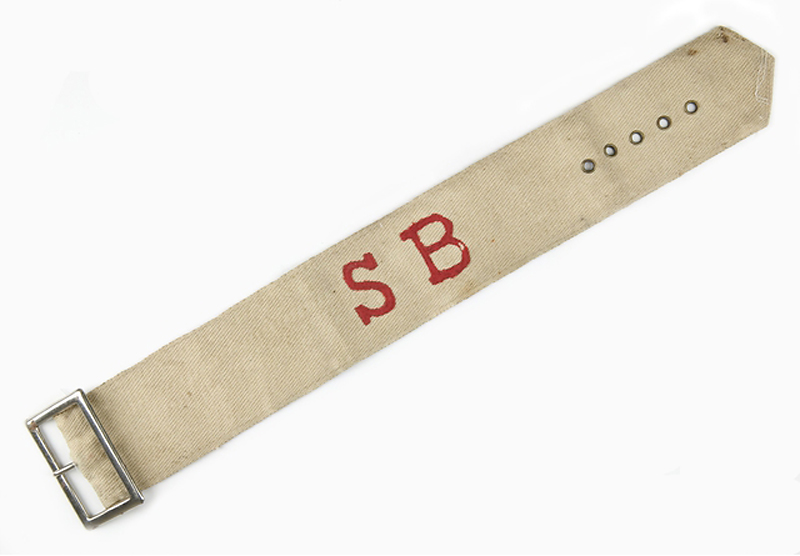
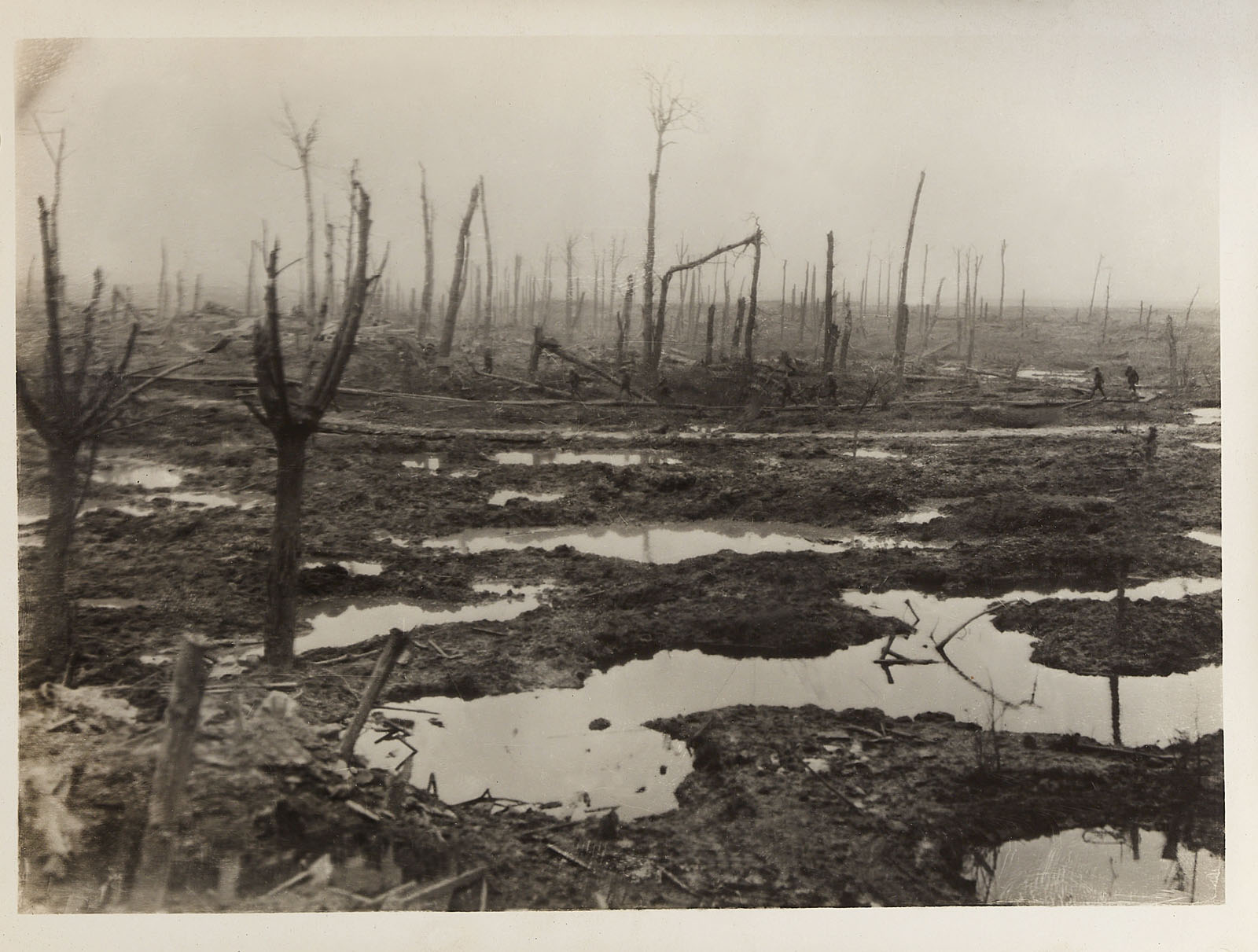
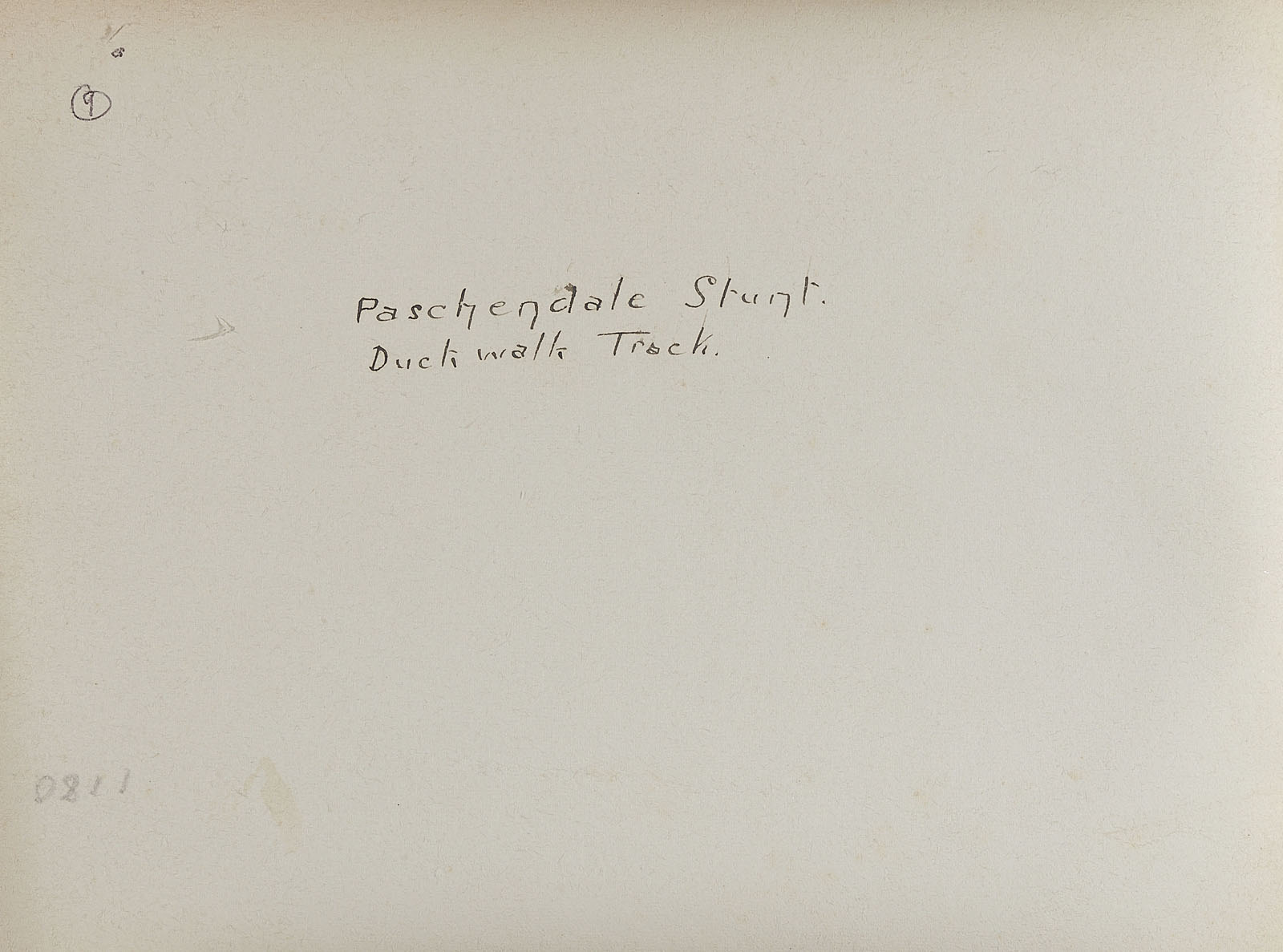
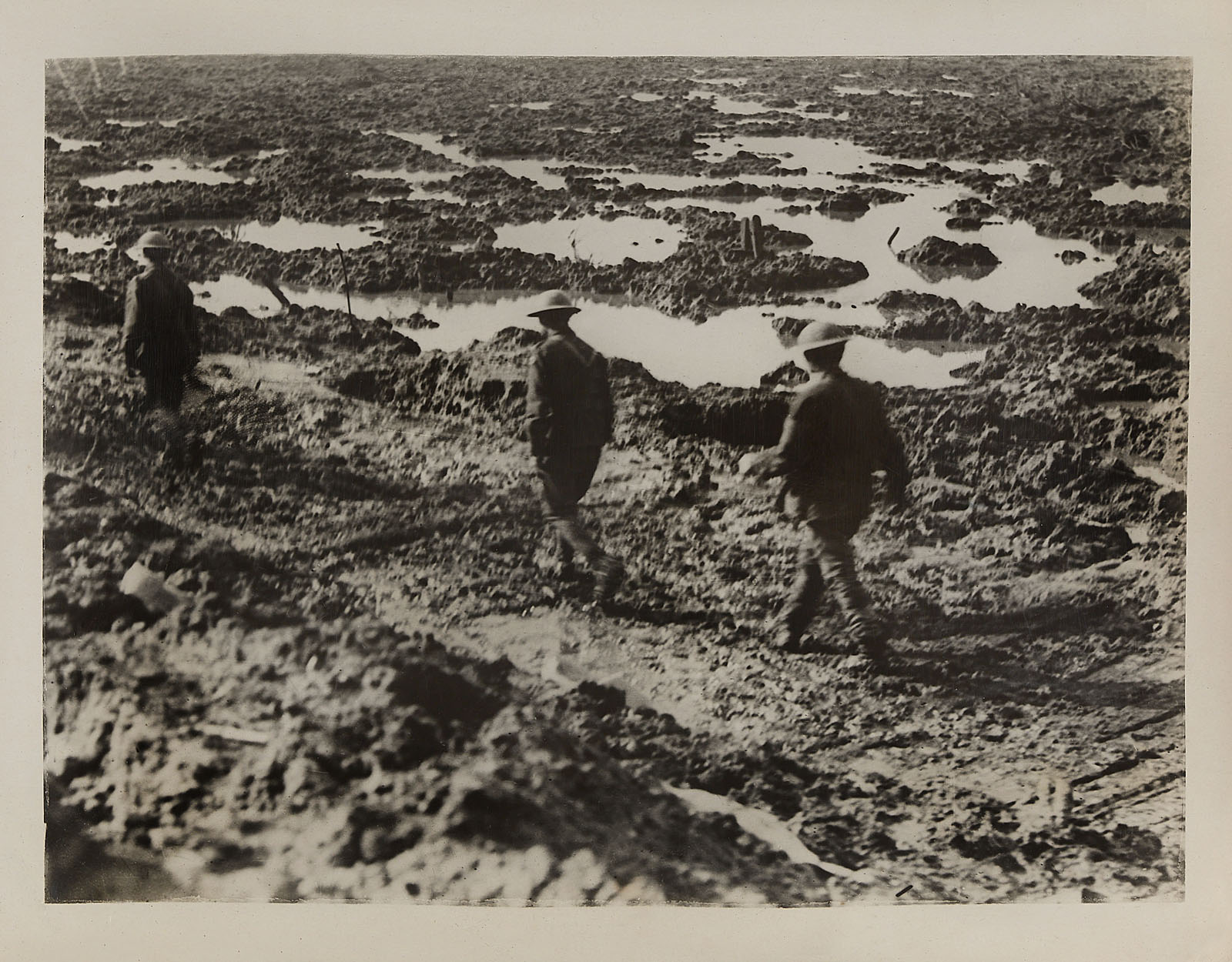
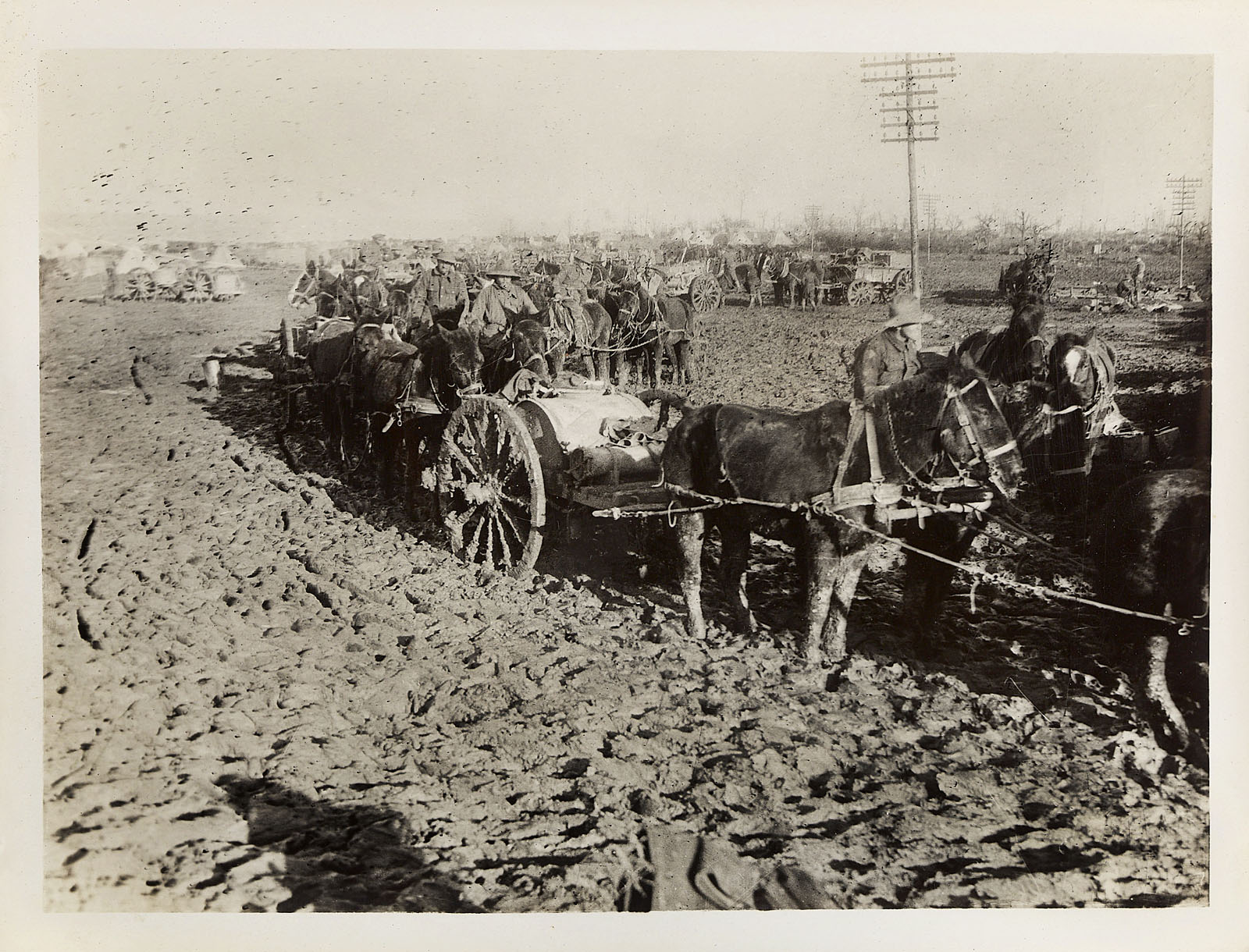
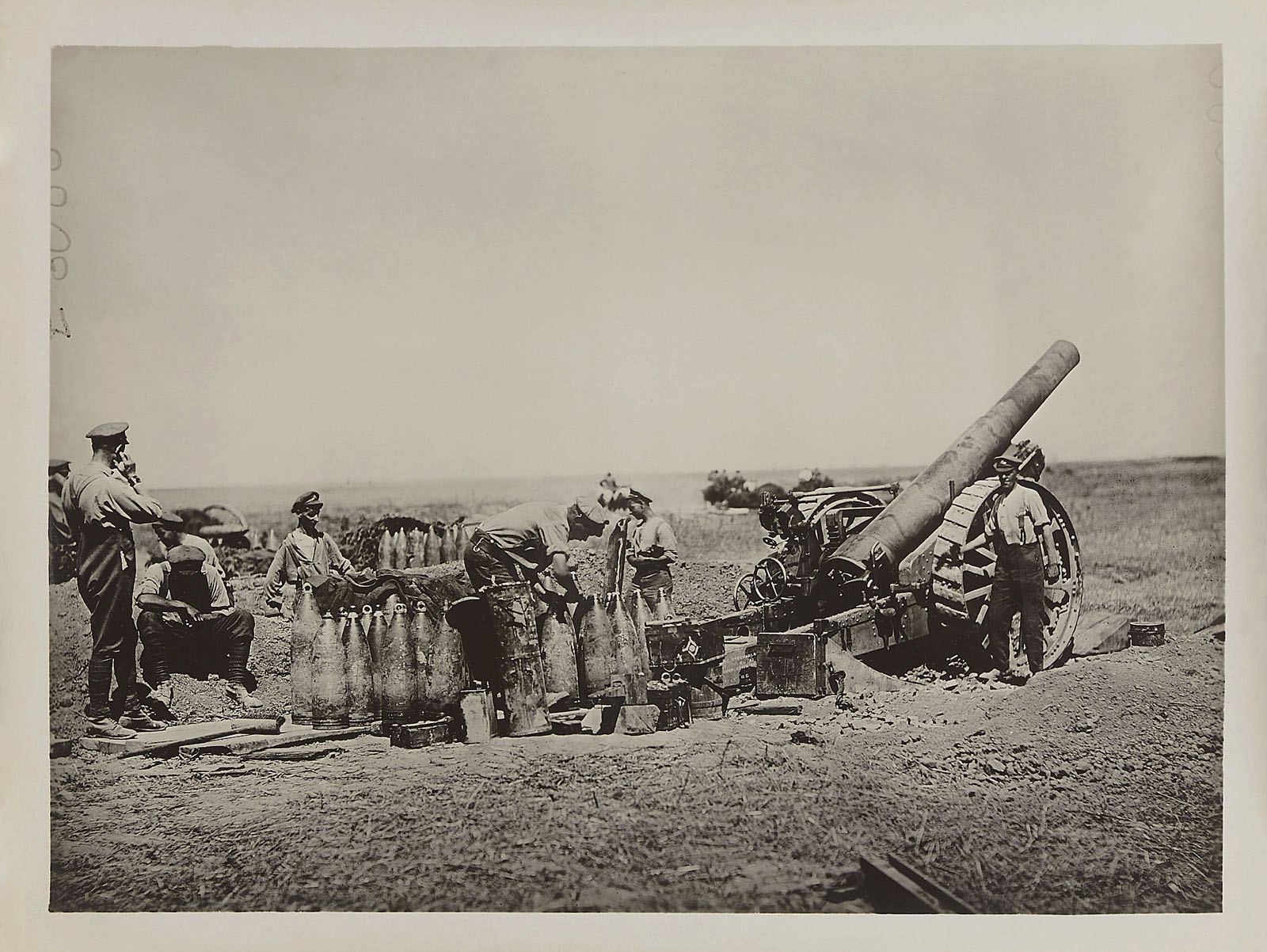
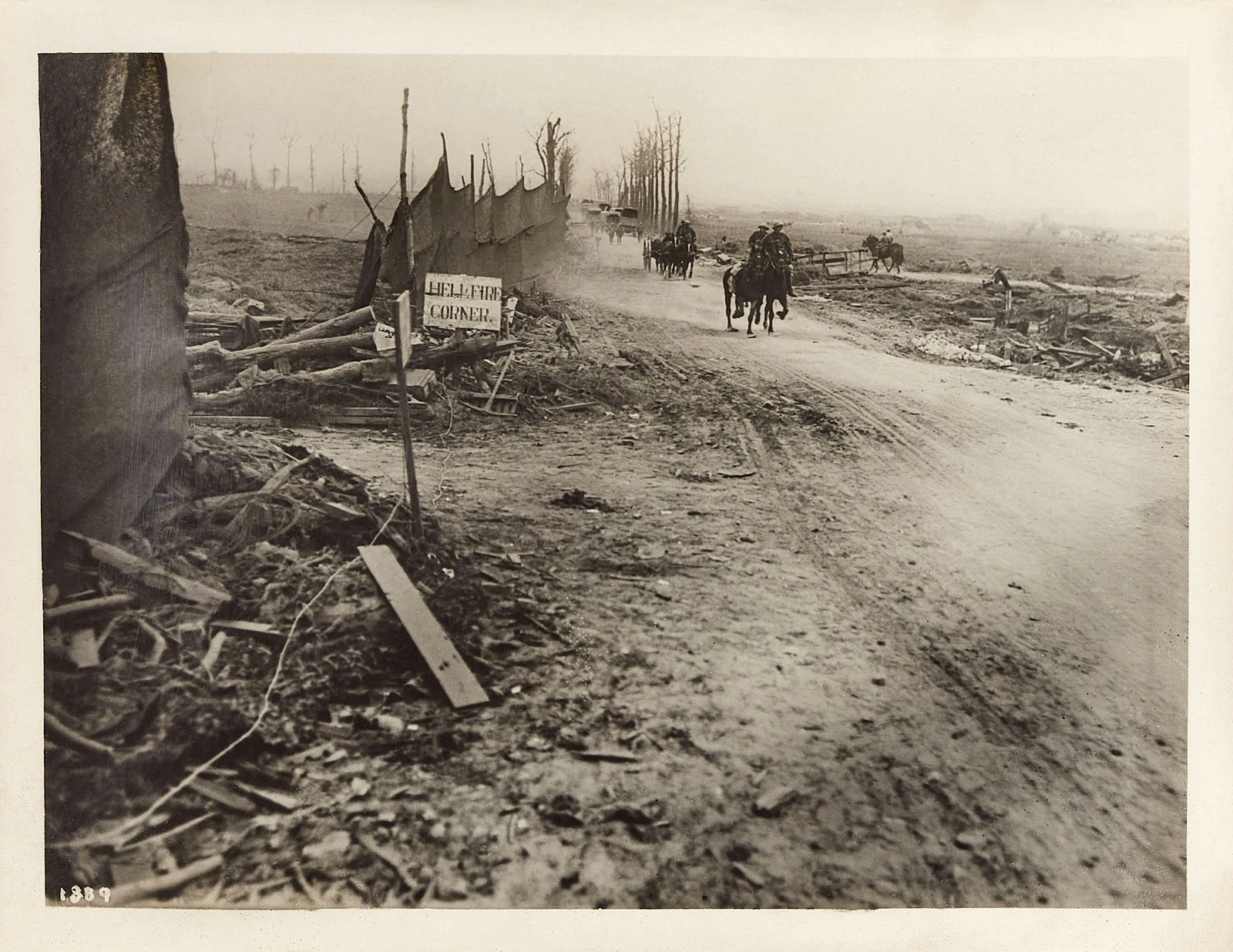
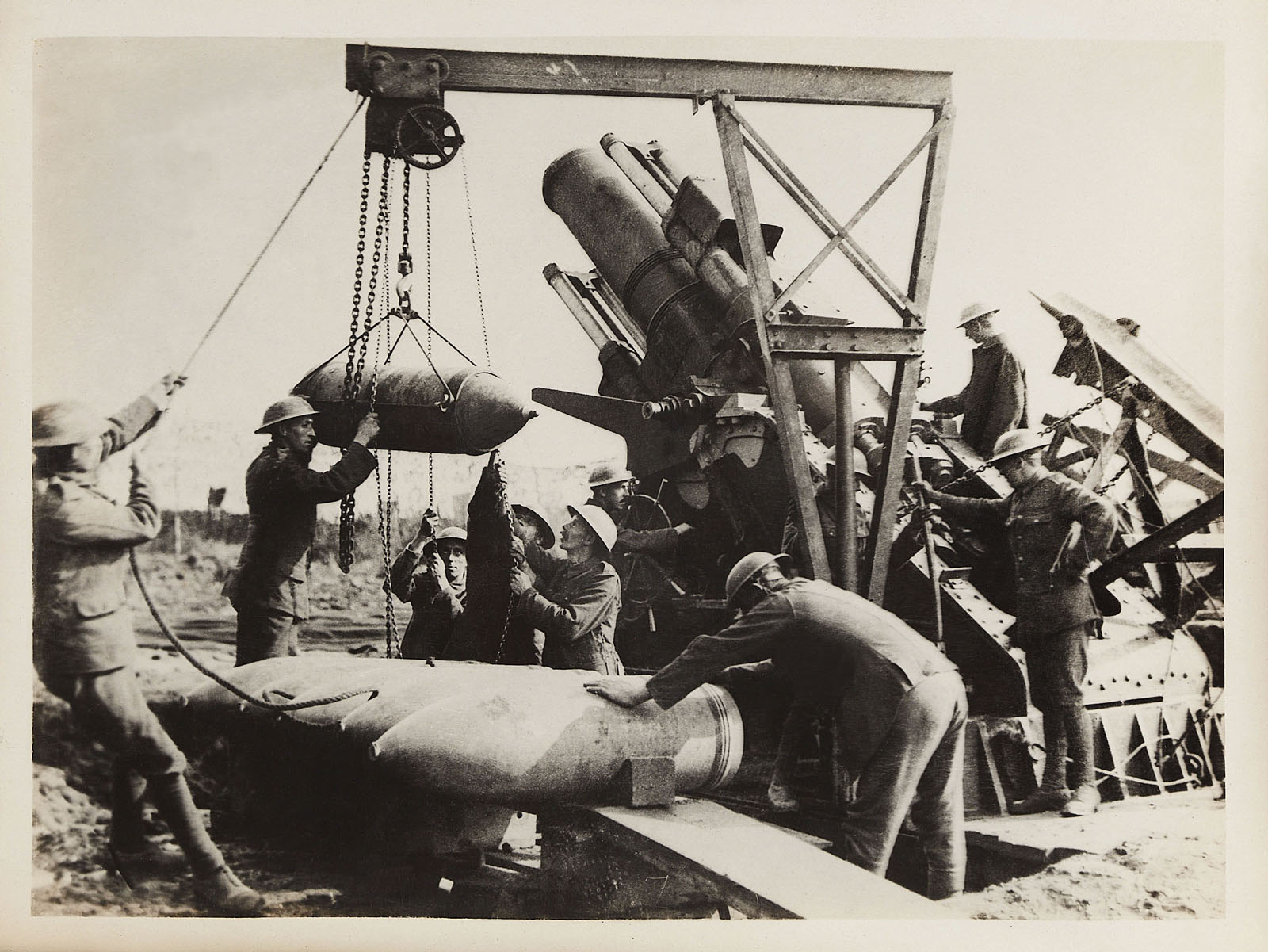
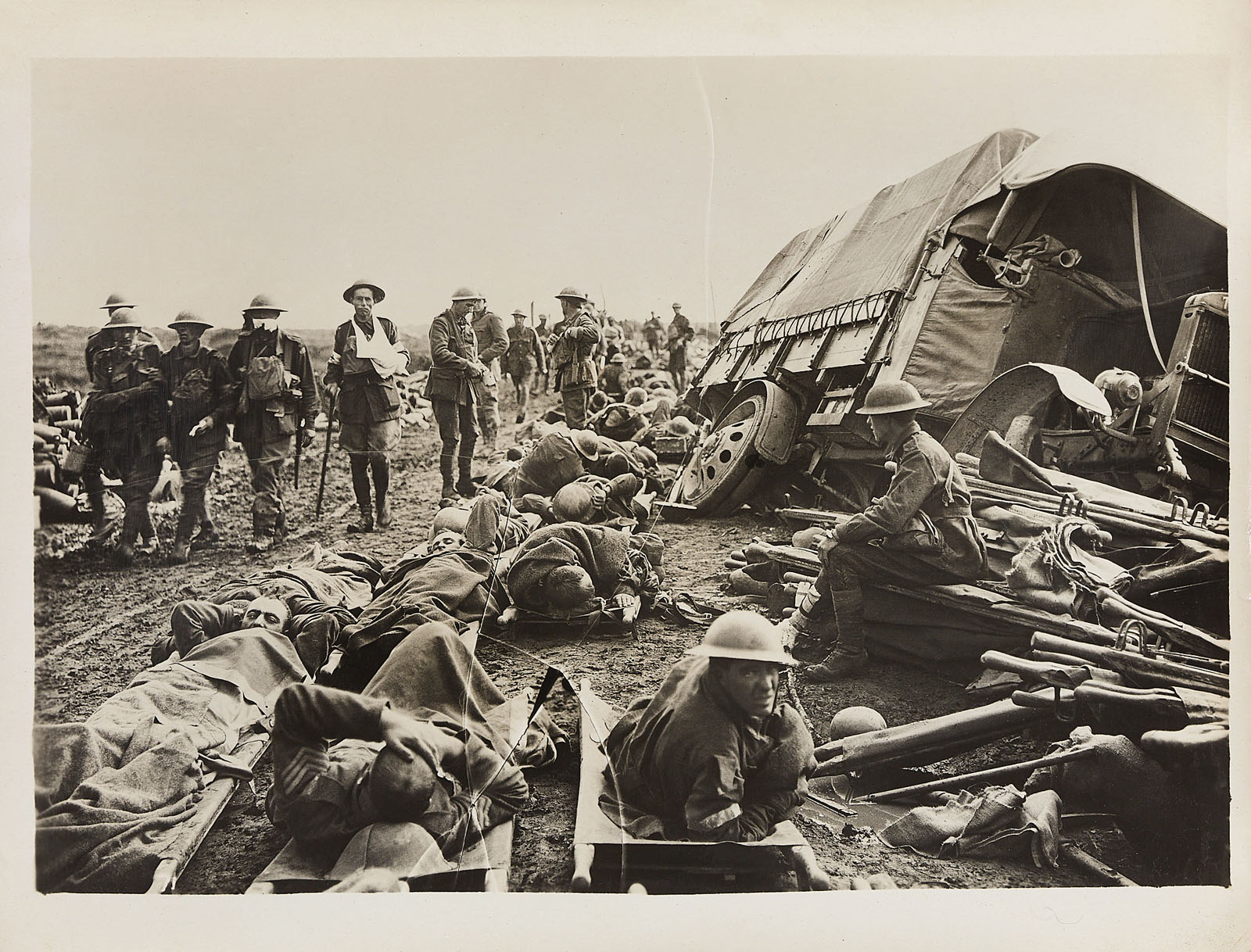
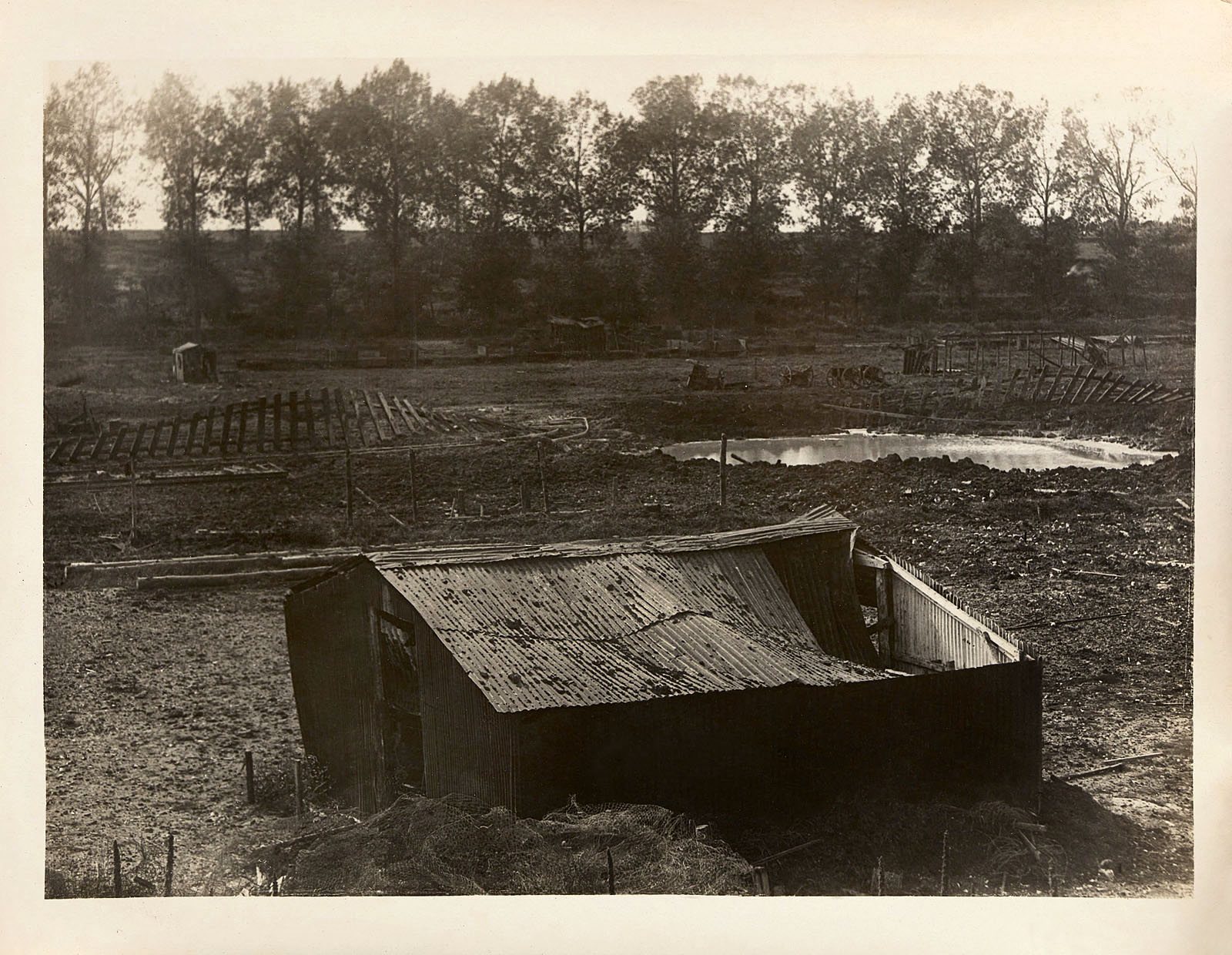
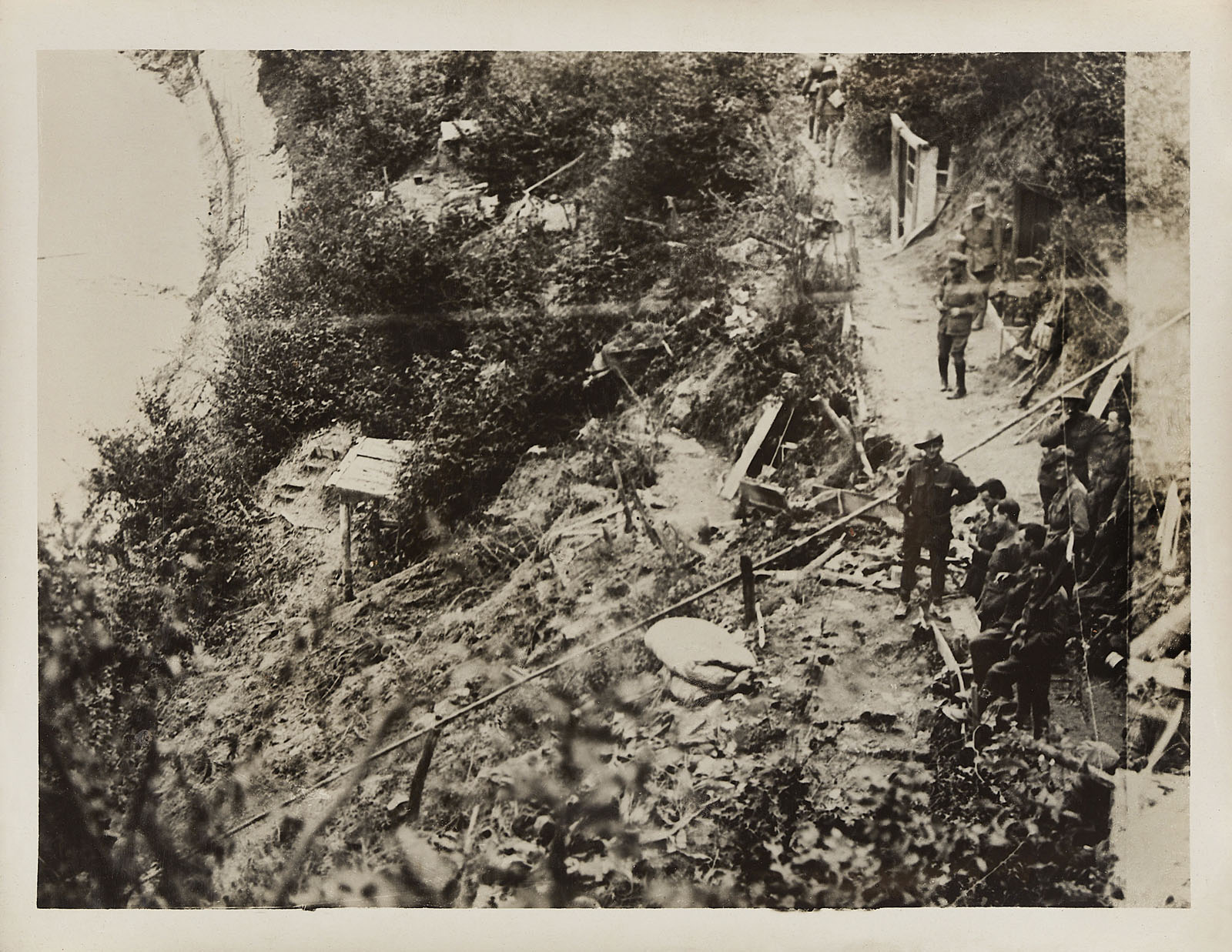
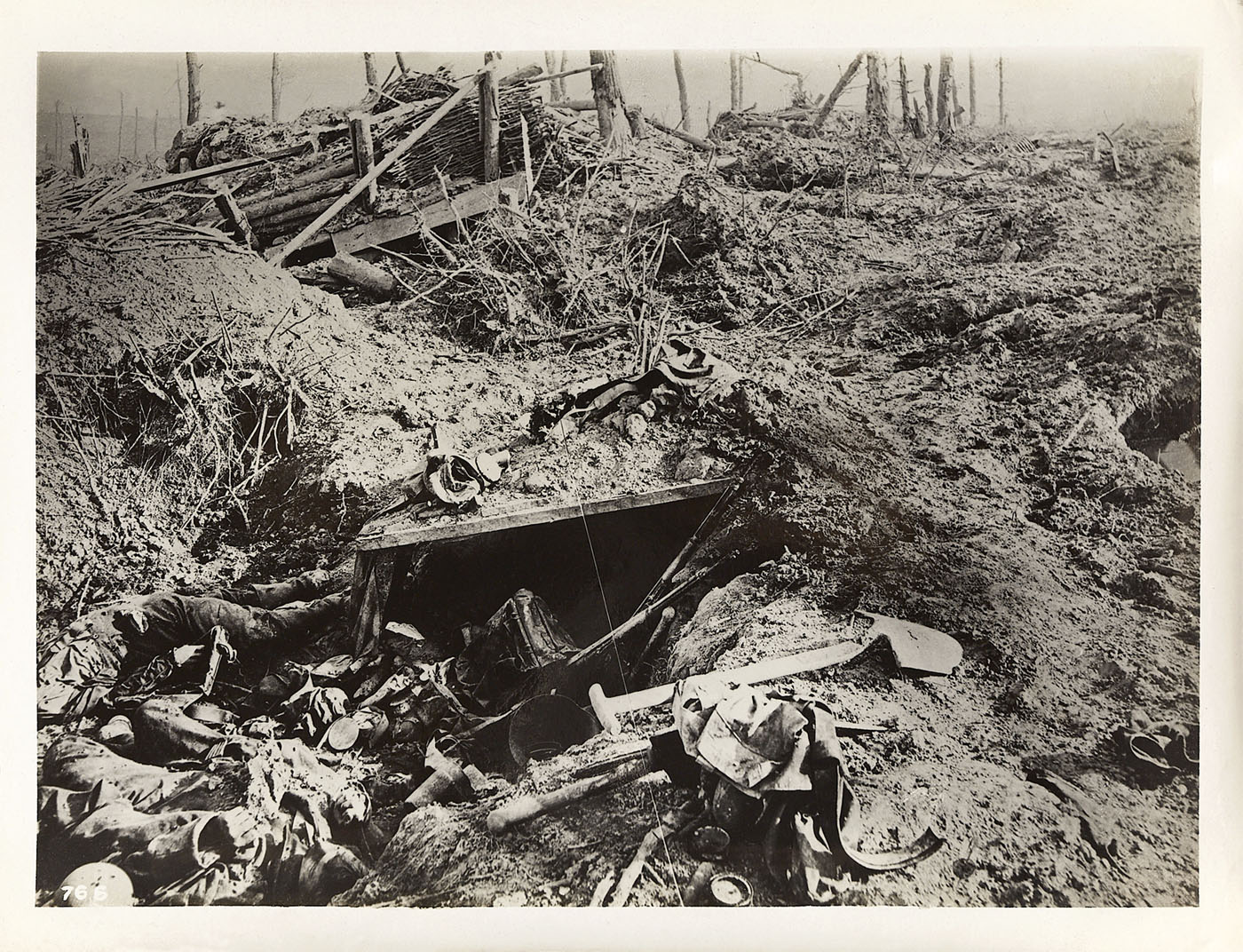
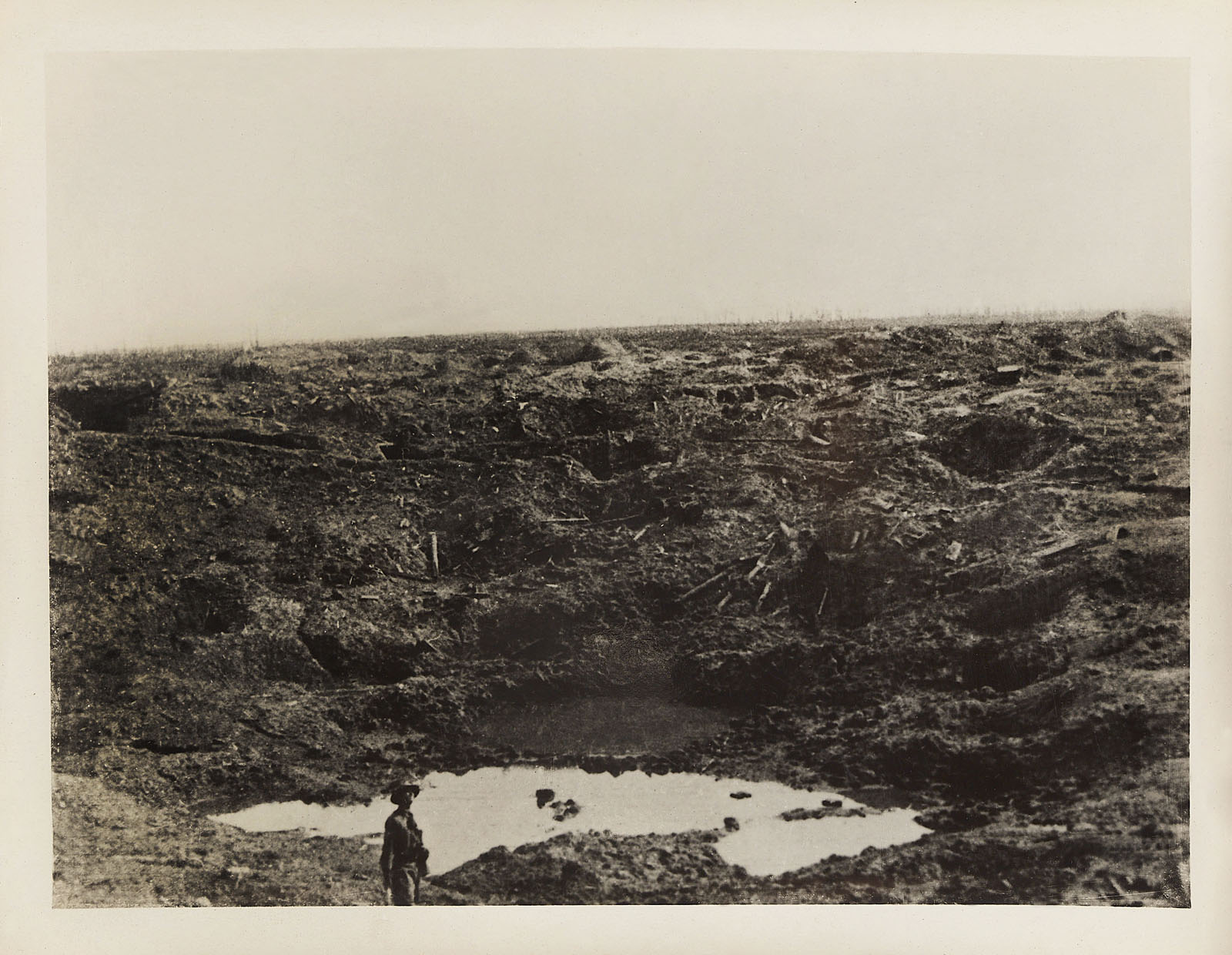
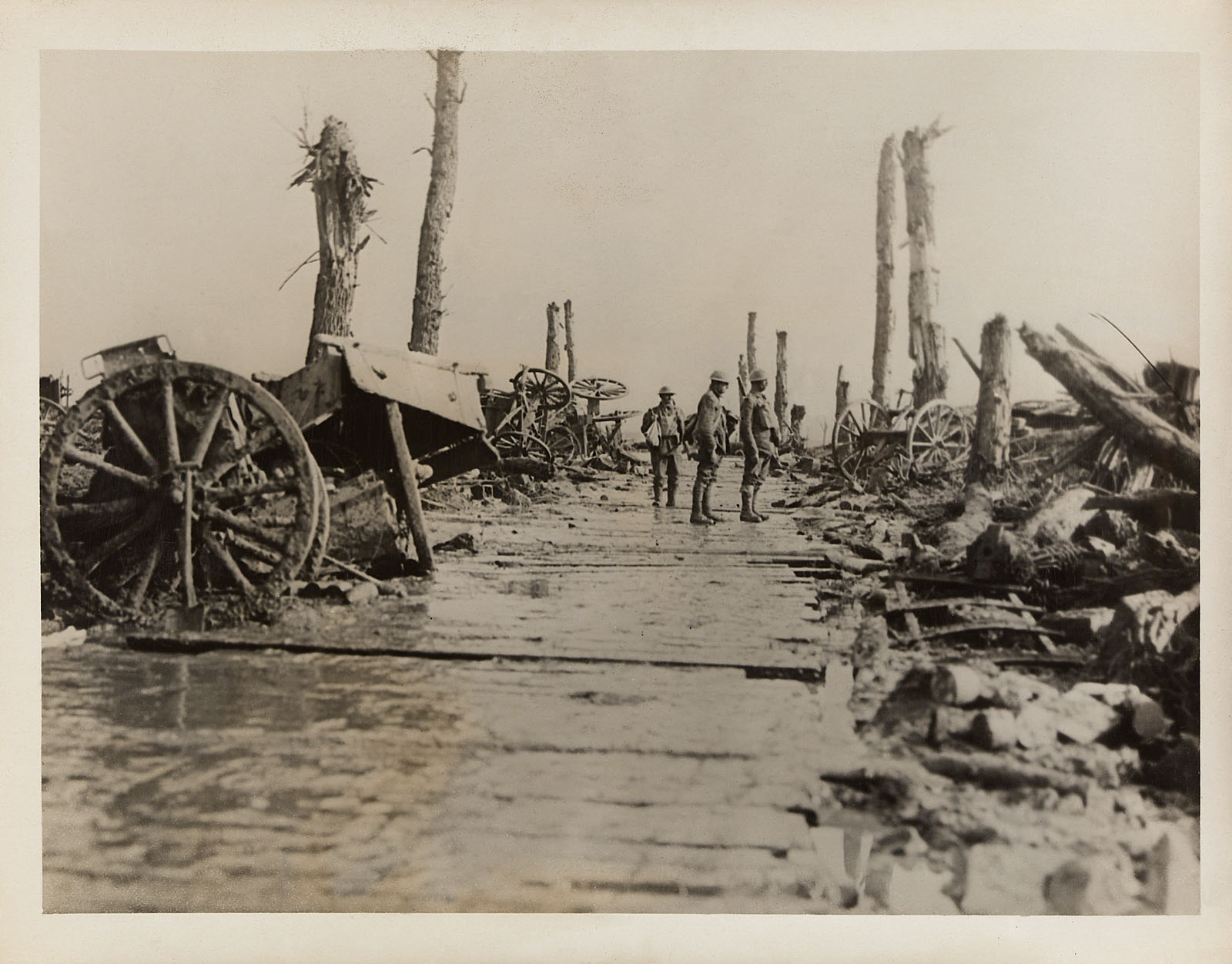
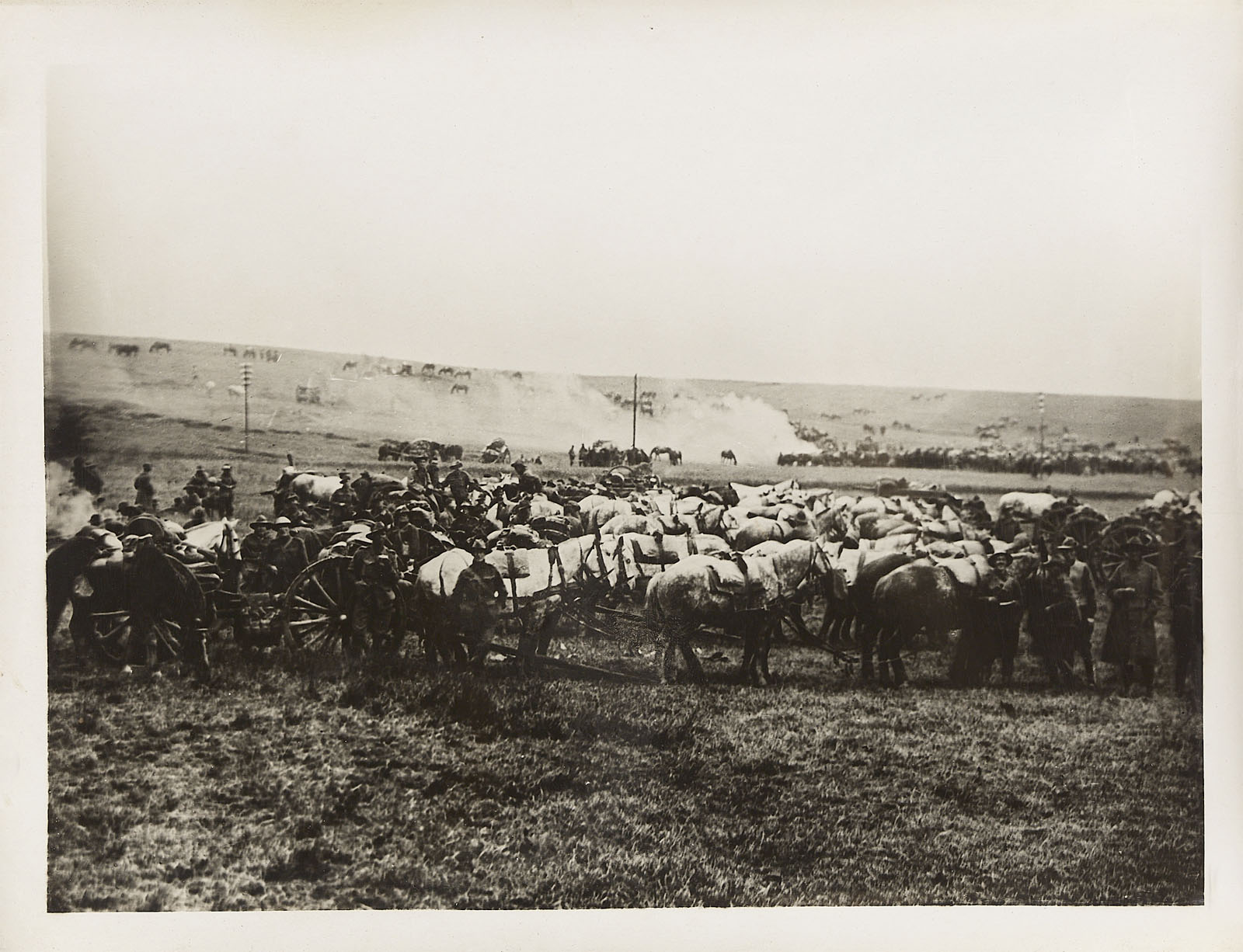
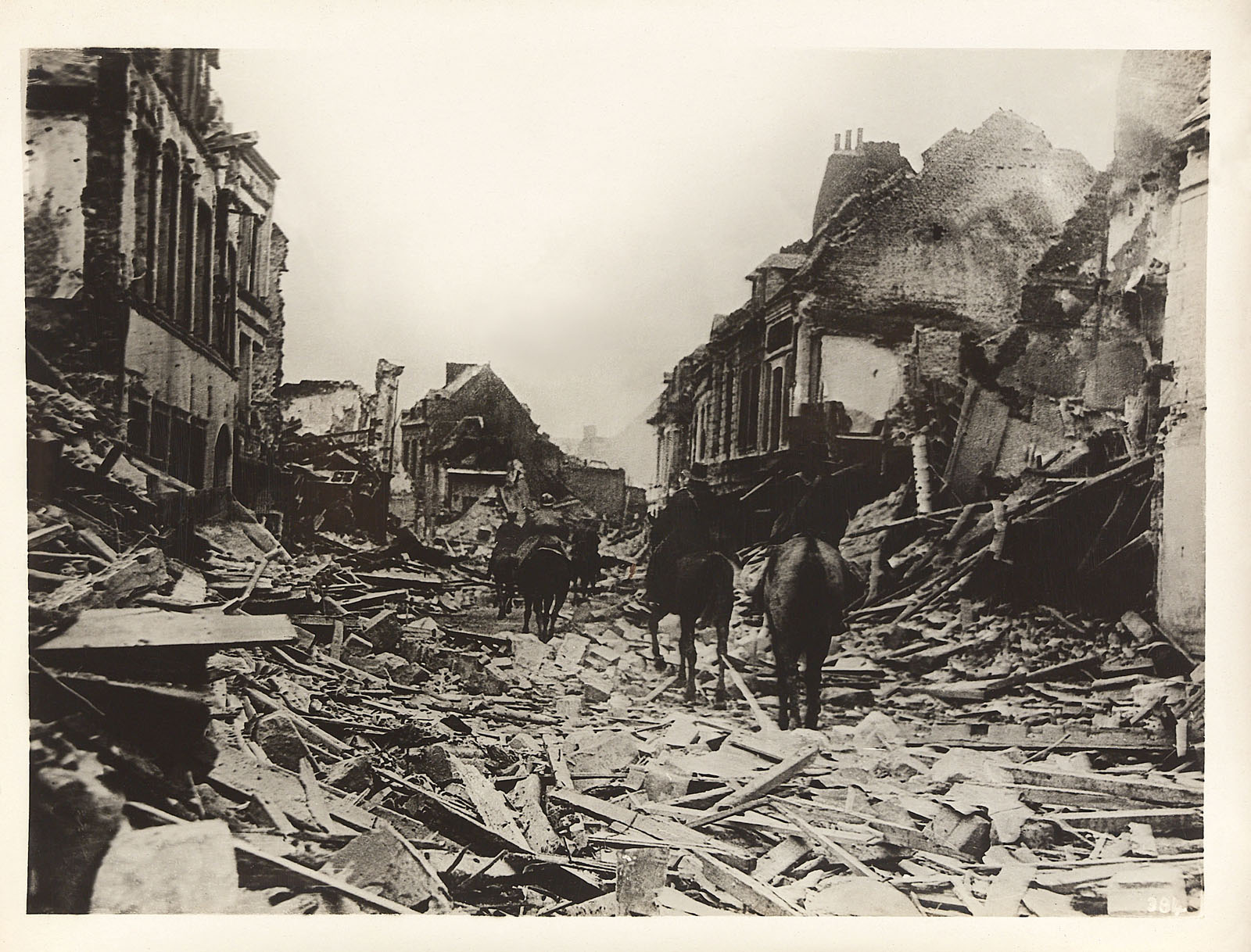
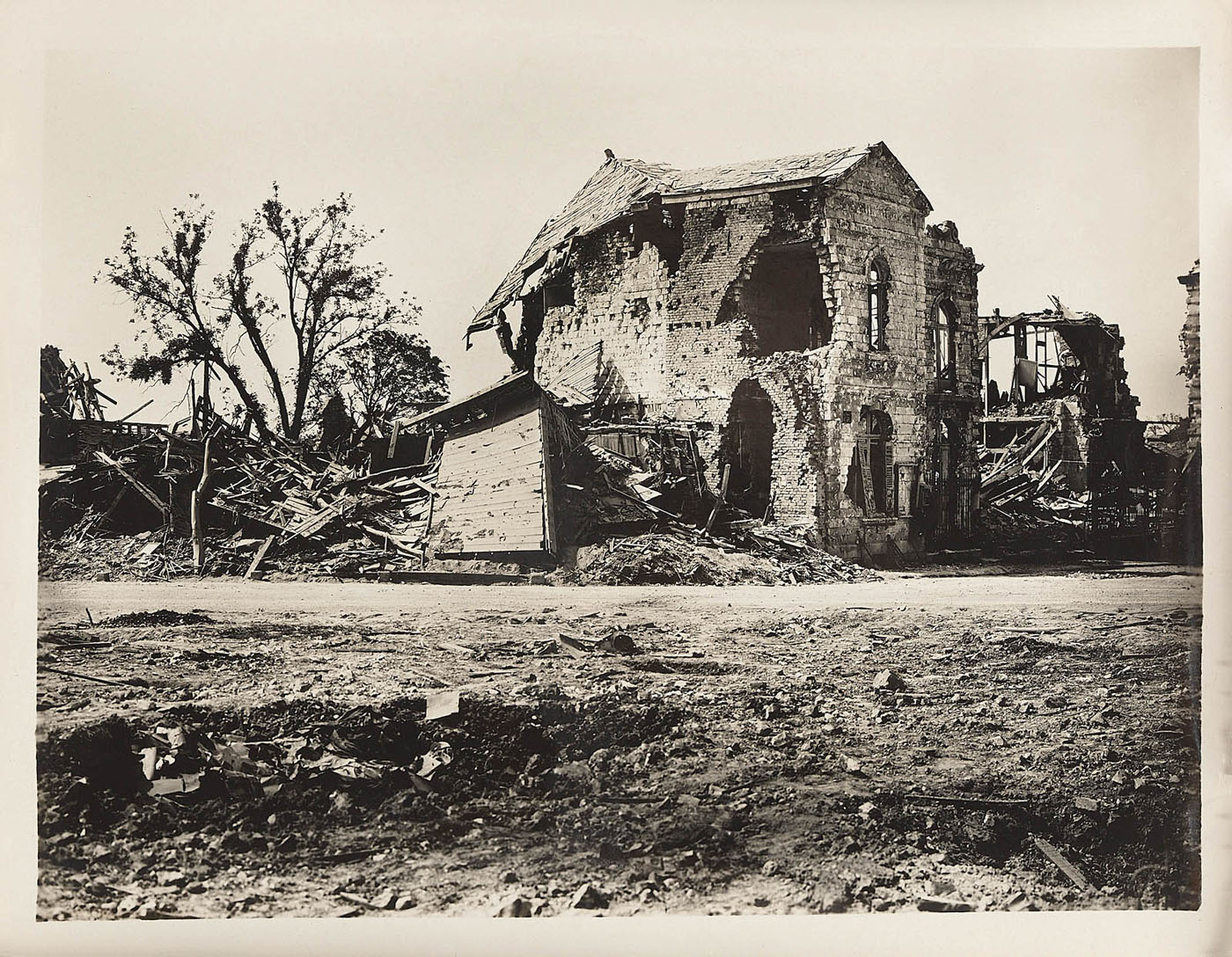
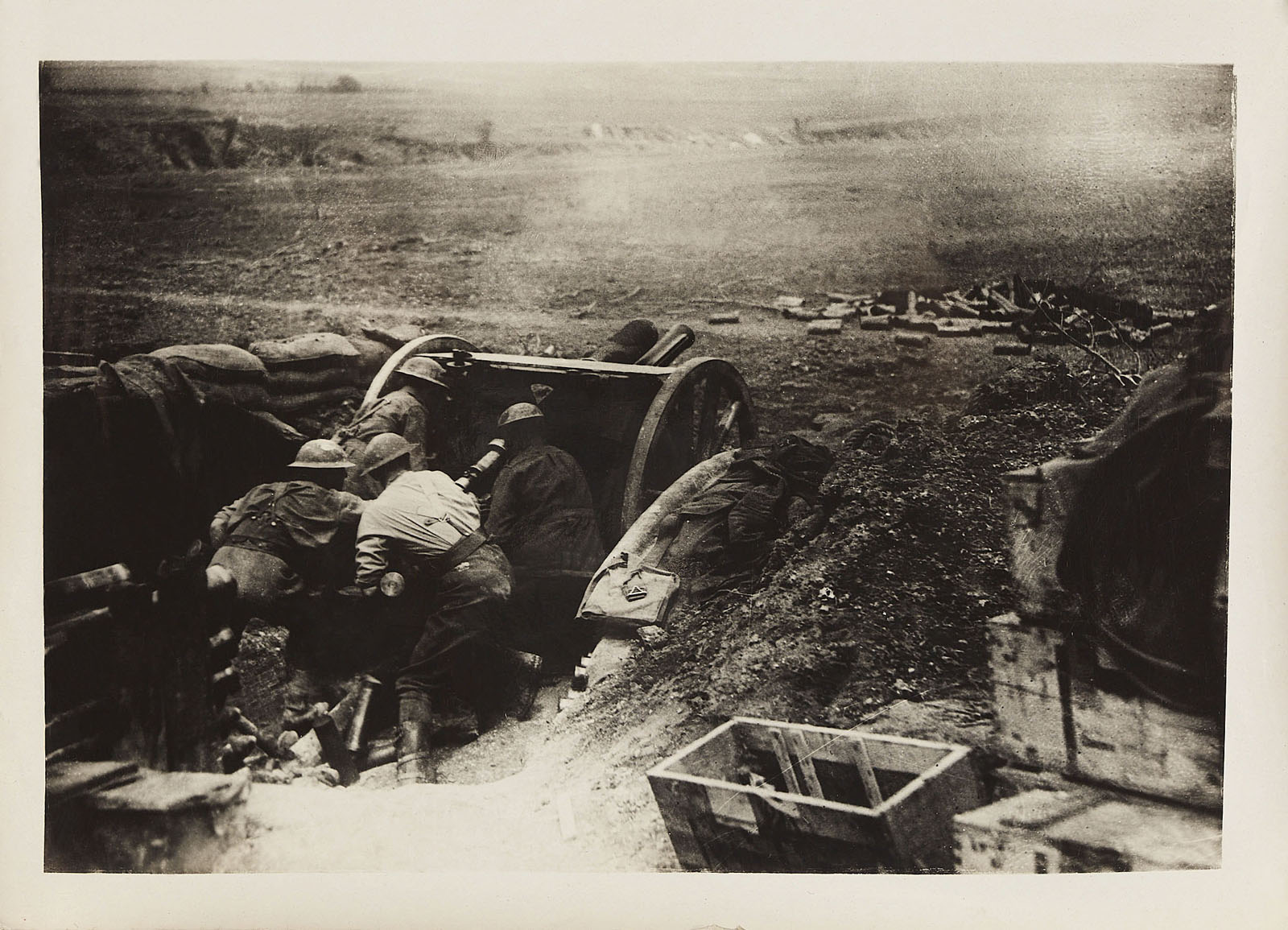
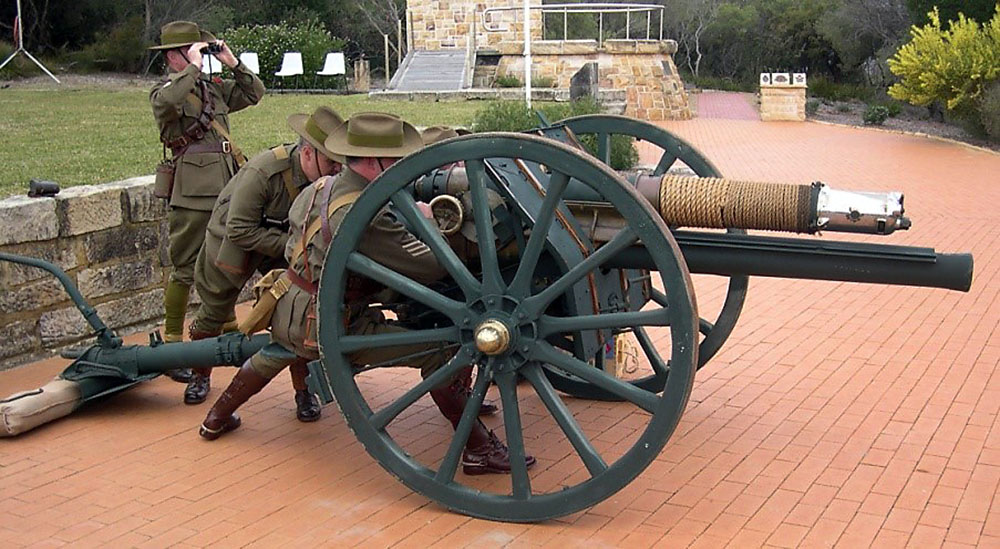
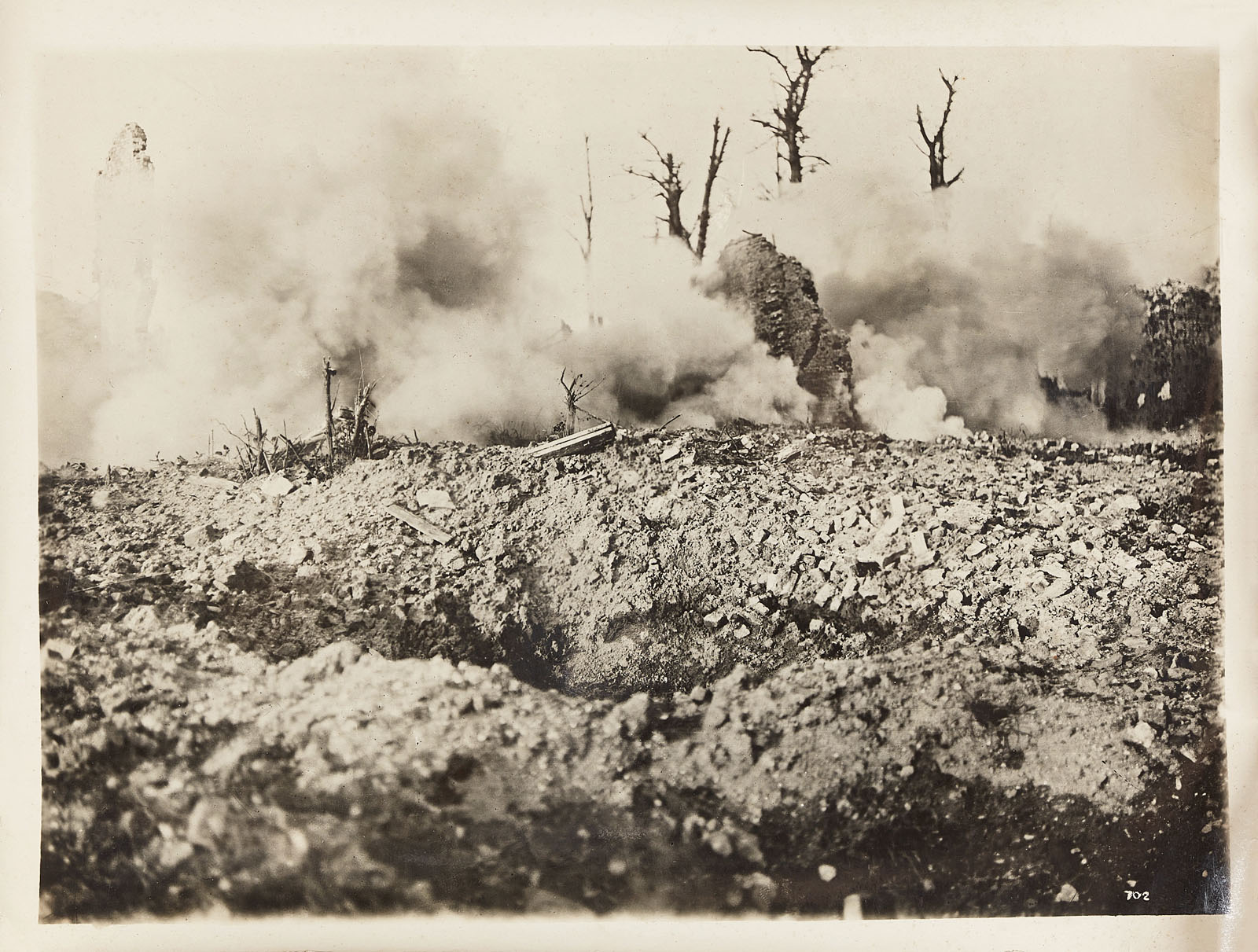
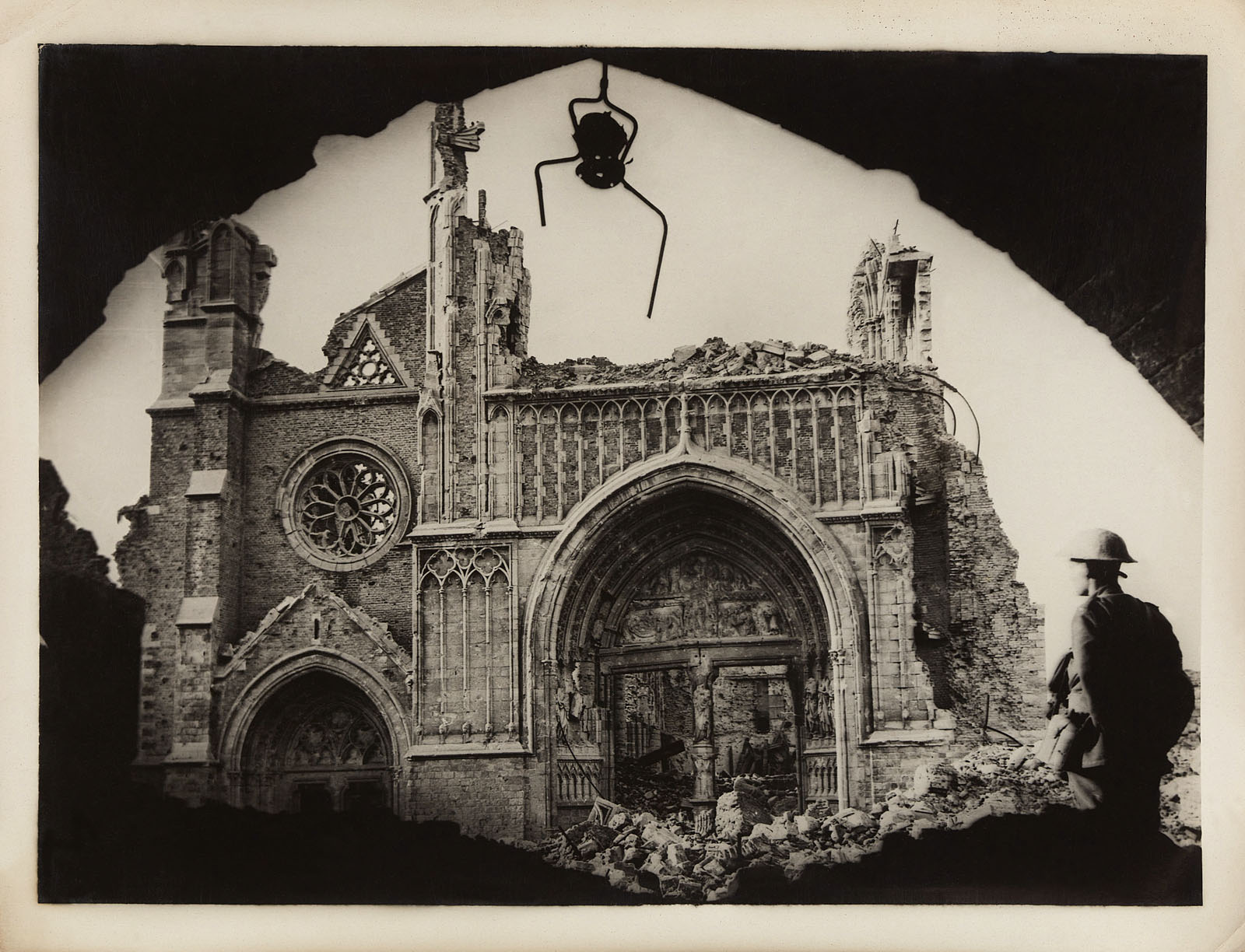
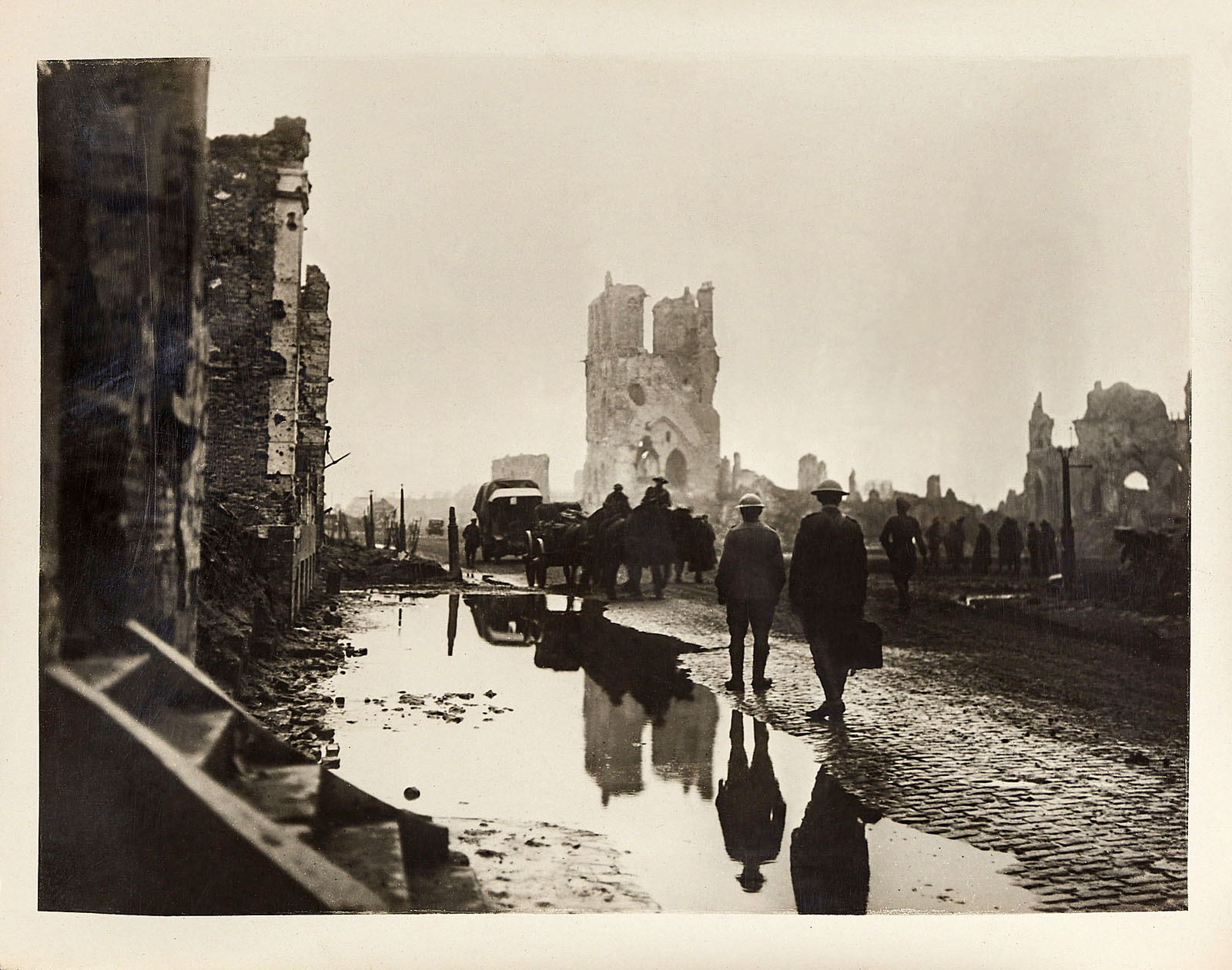
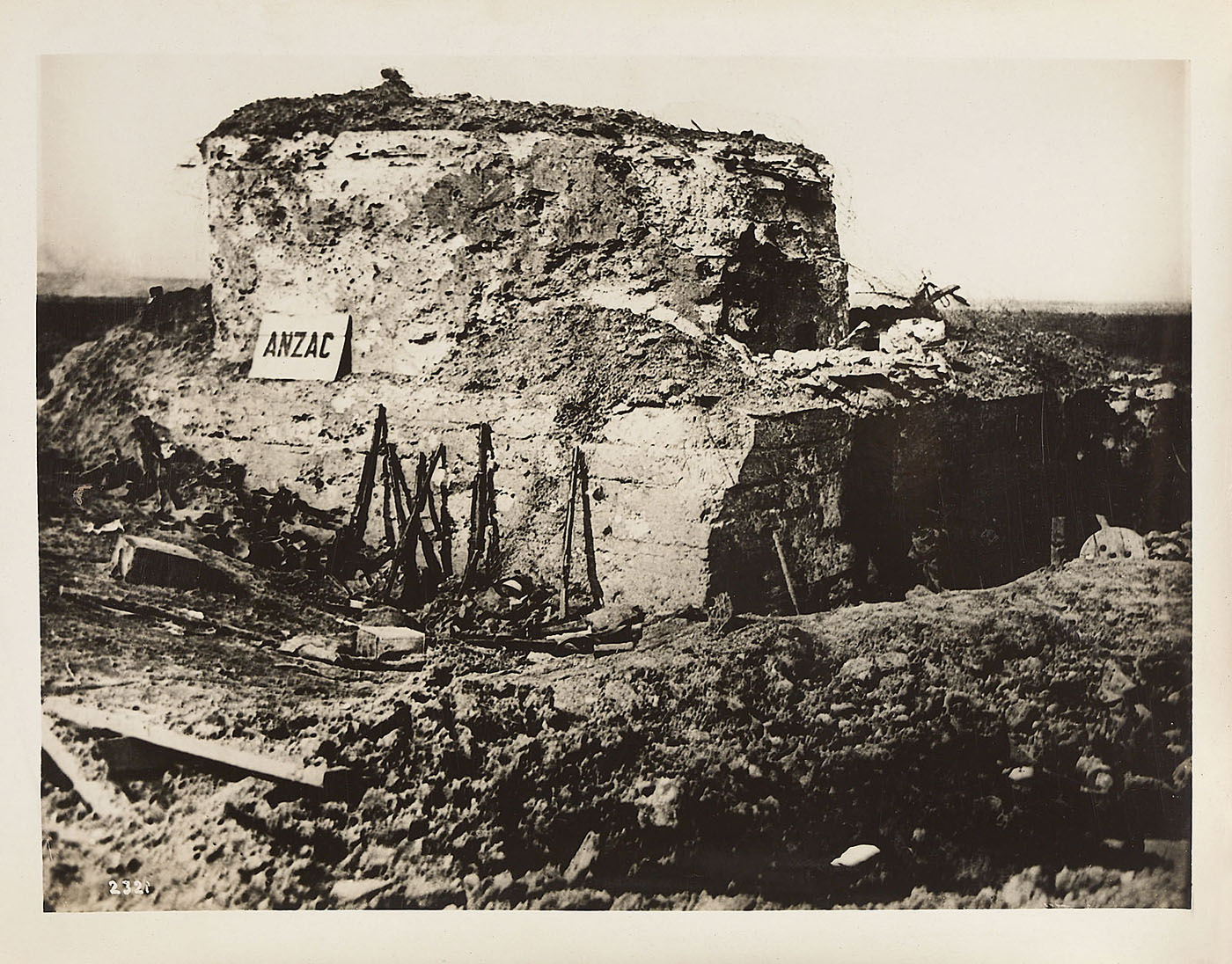
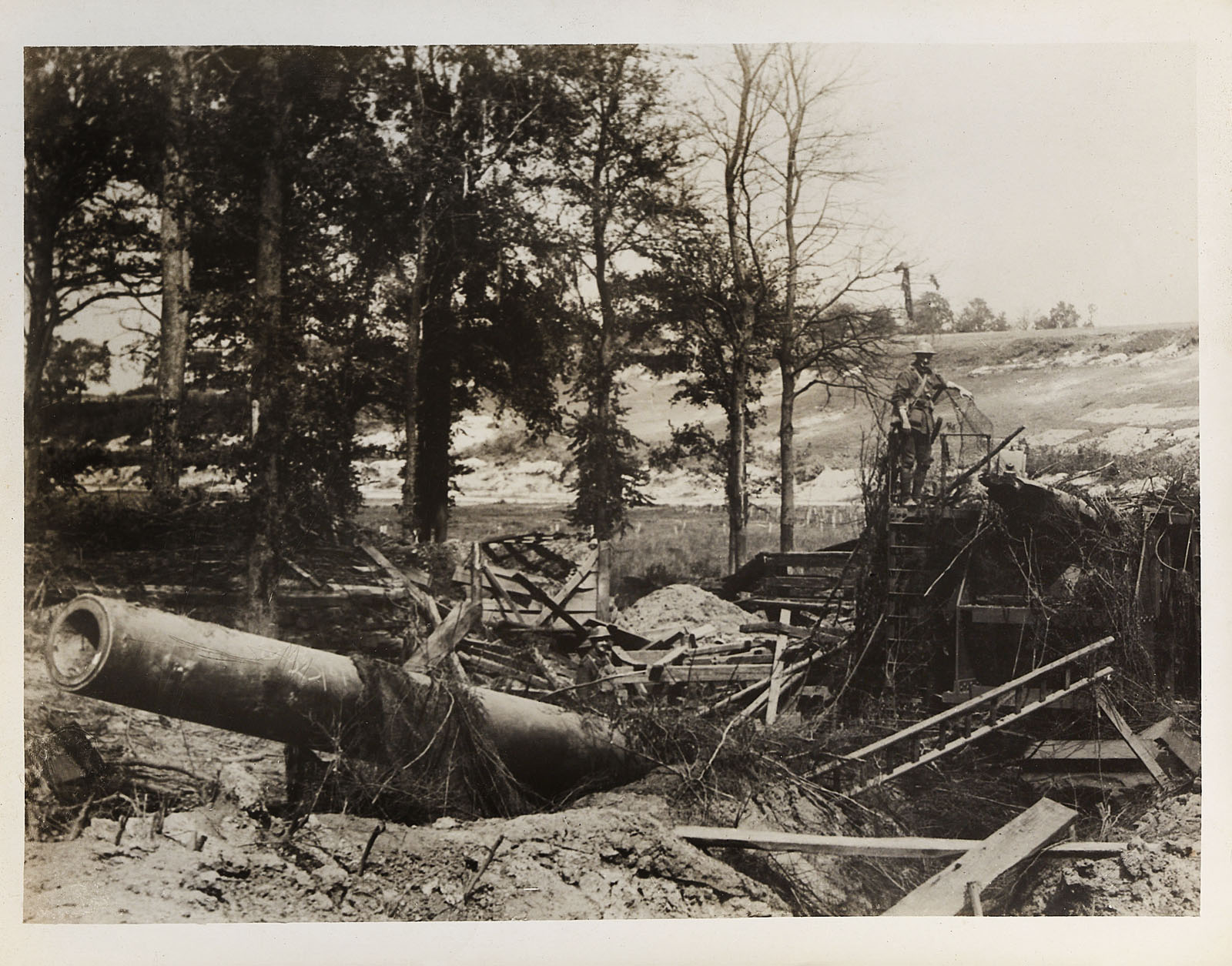
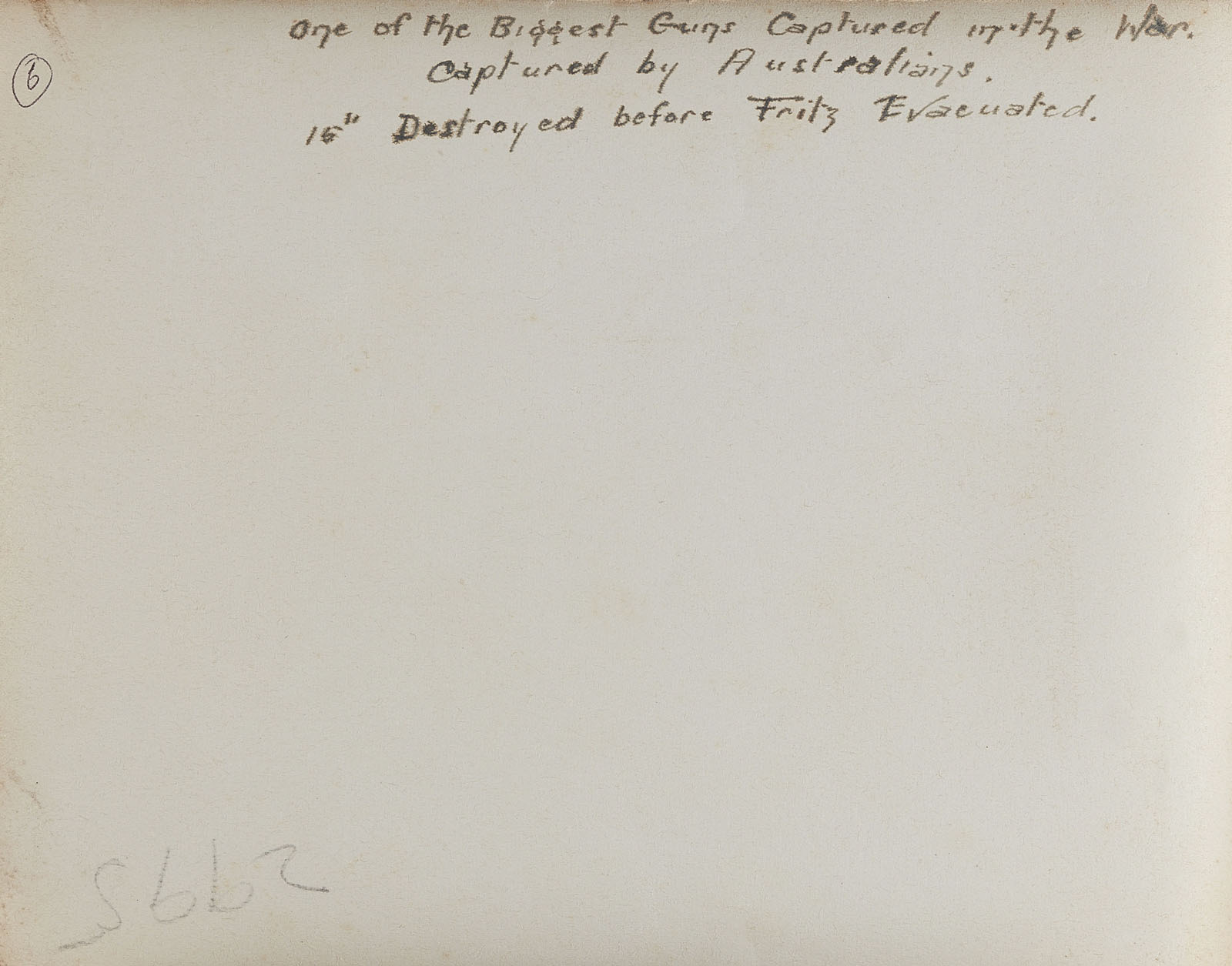
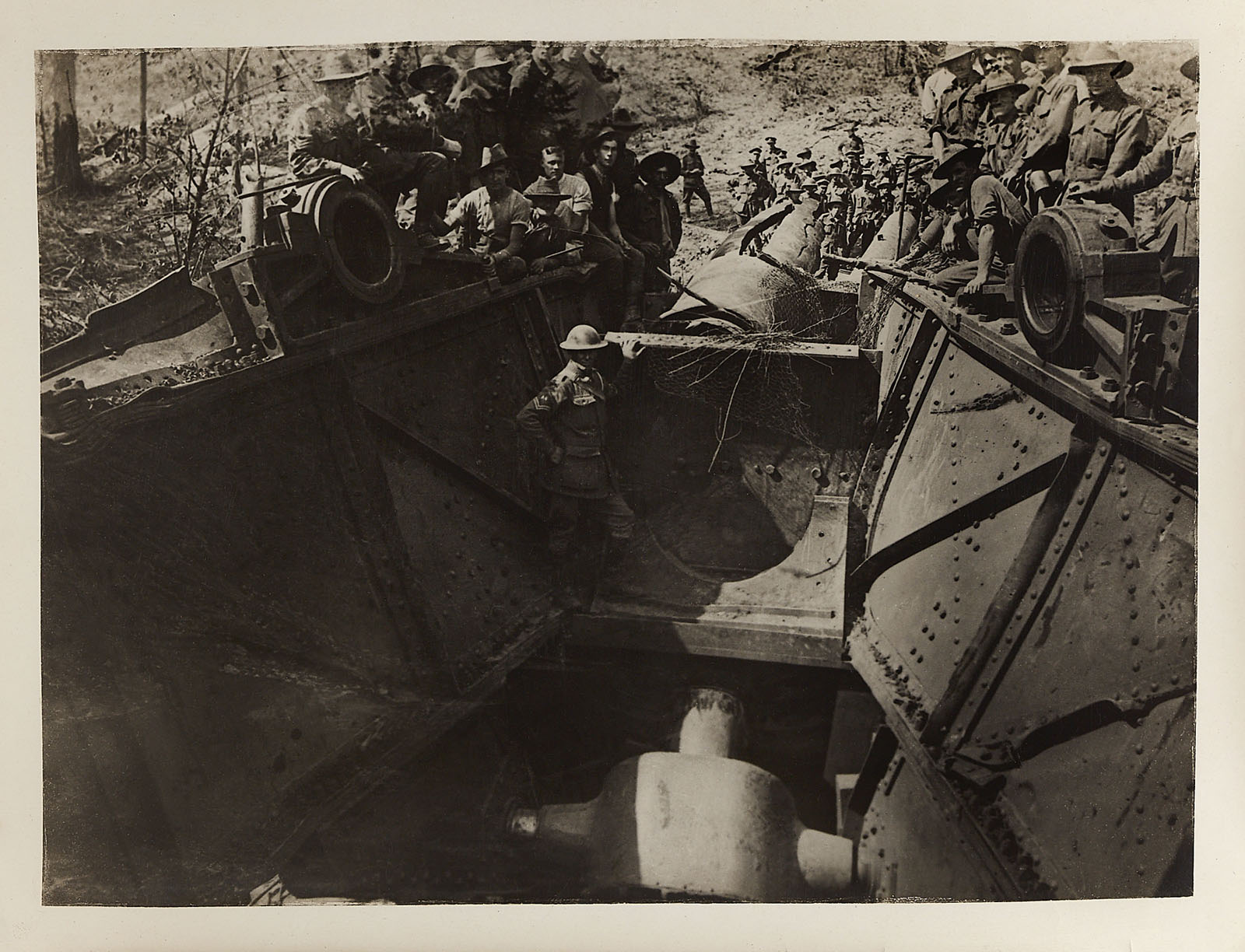
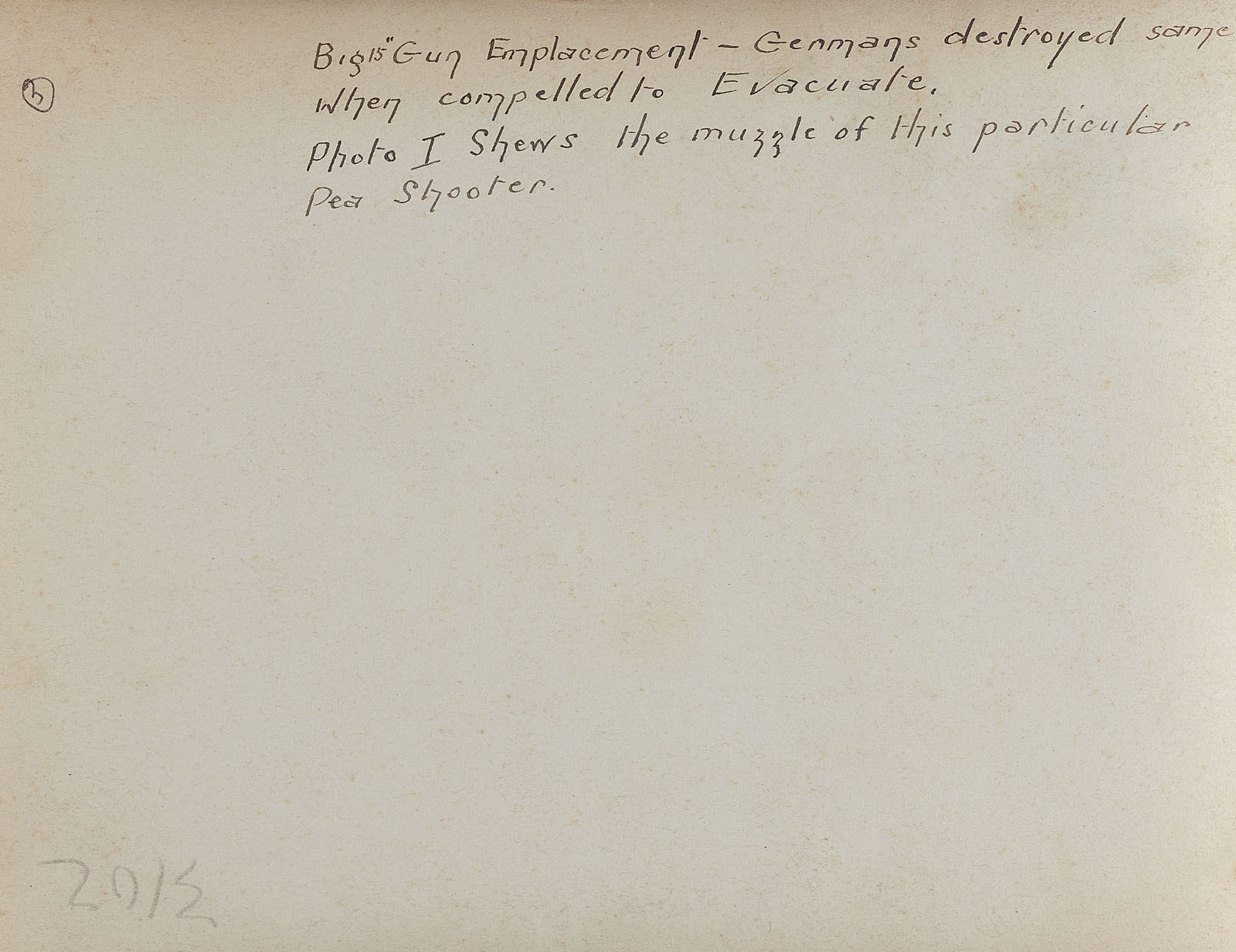
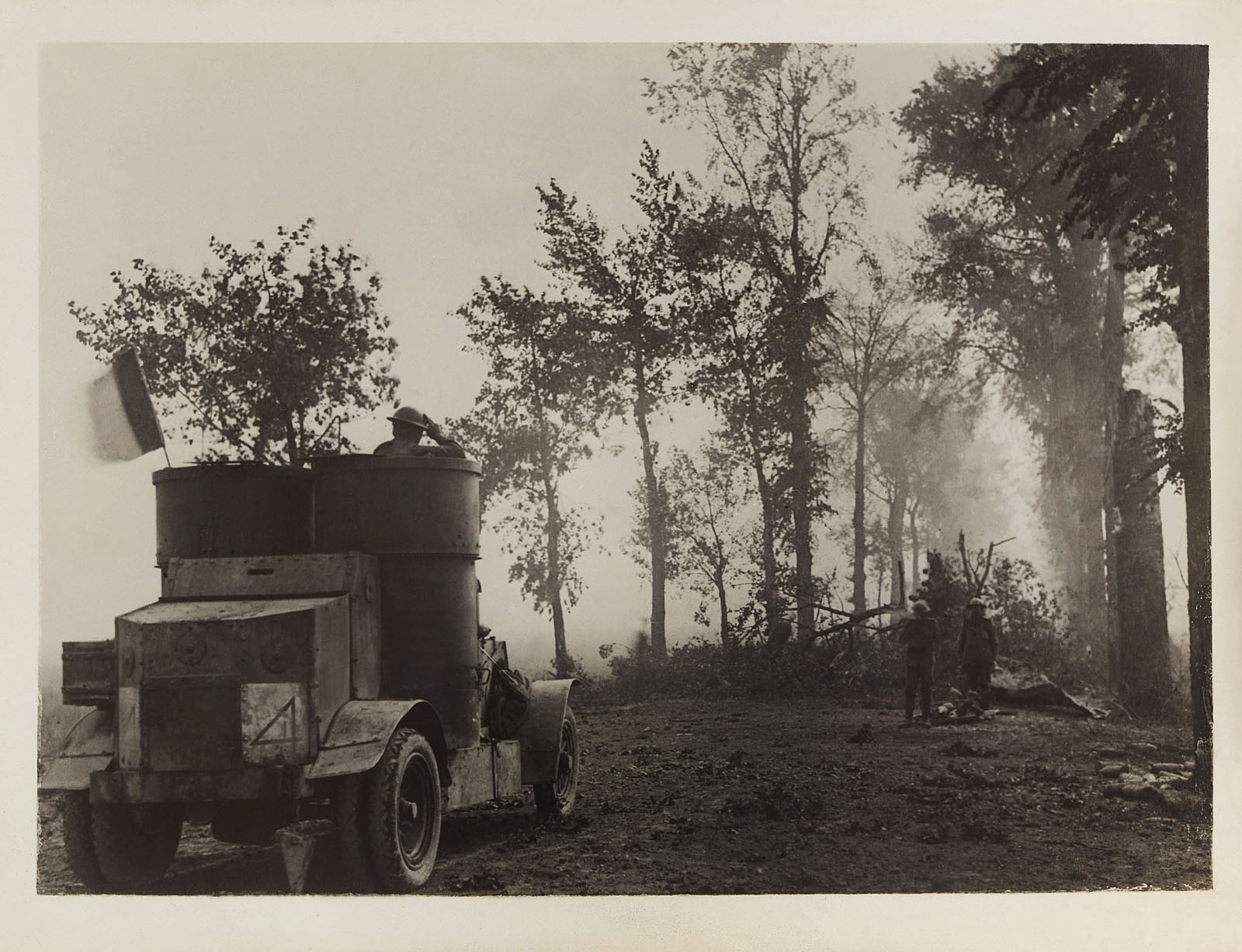

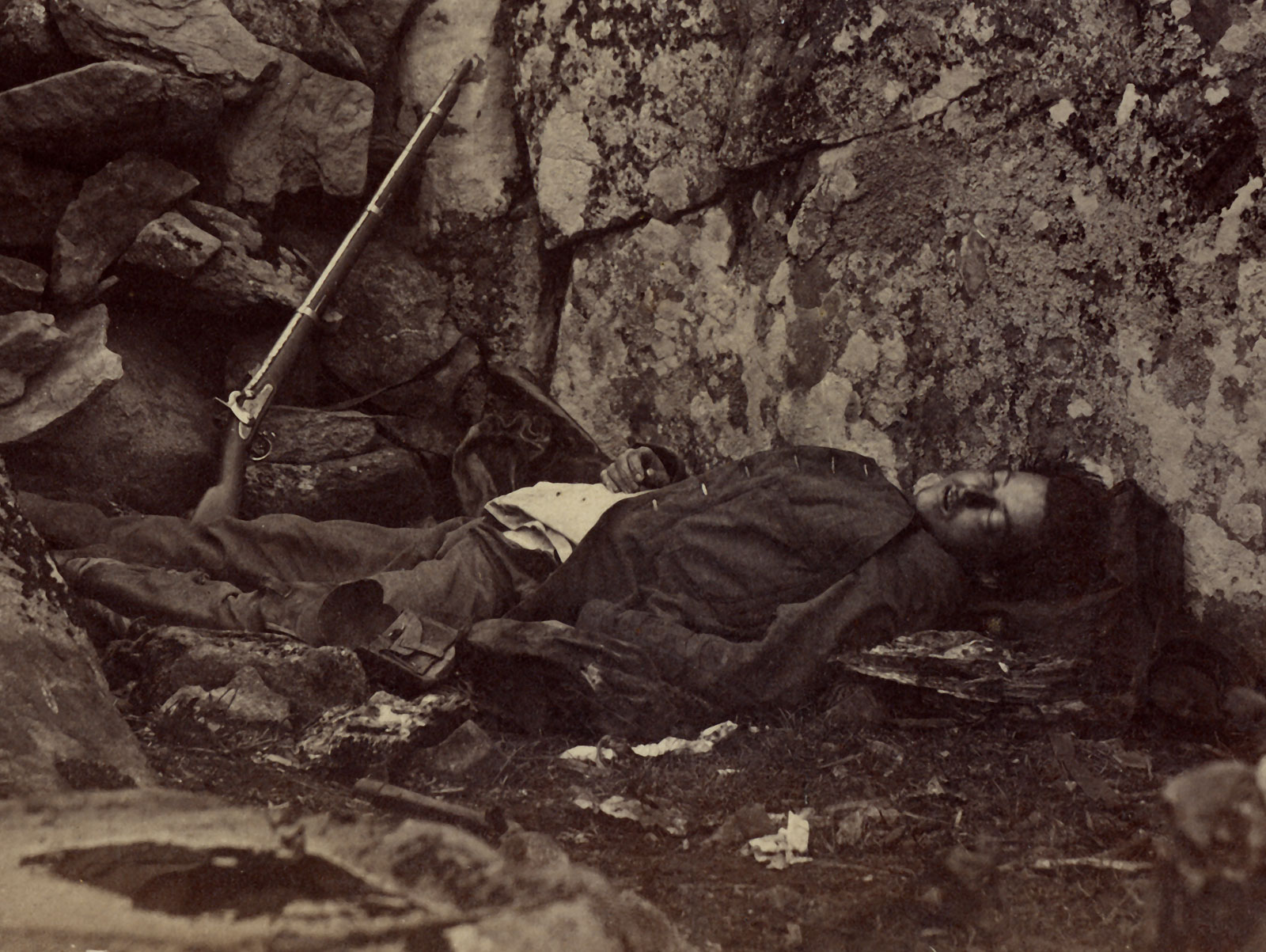
![Alexander Gardner (1821-1882) '[Gettysburg, Pennsylvania. Dead Confederate sharpshooter in "The devil's den."]' July 1863](https://artblart.com/wp-content/uploads/2013/04/gardner-sharpshooter-web.jpg "Alexander Gardner (1821-1882) '[Gettysburg, Pennsylvania. Dead Confederate sharpshooter in \"The devil's den.\"]' July 1863")
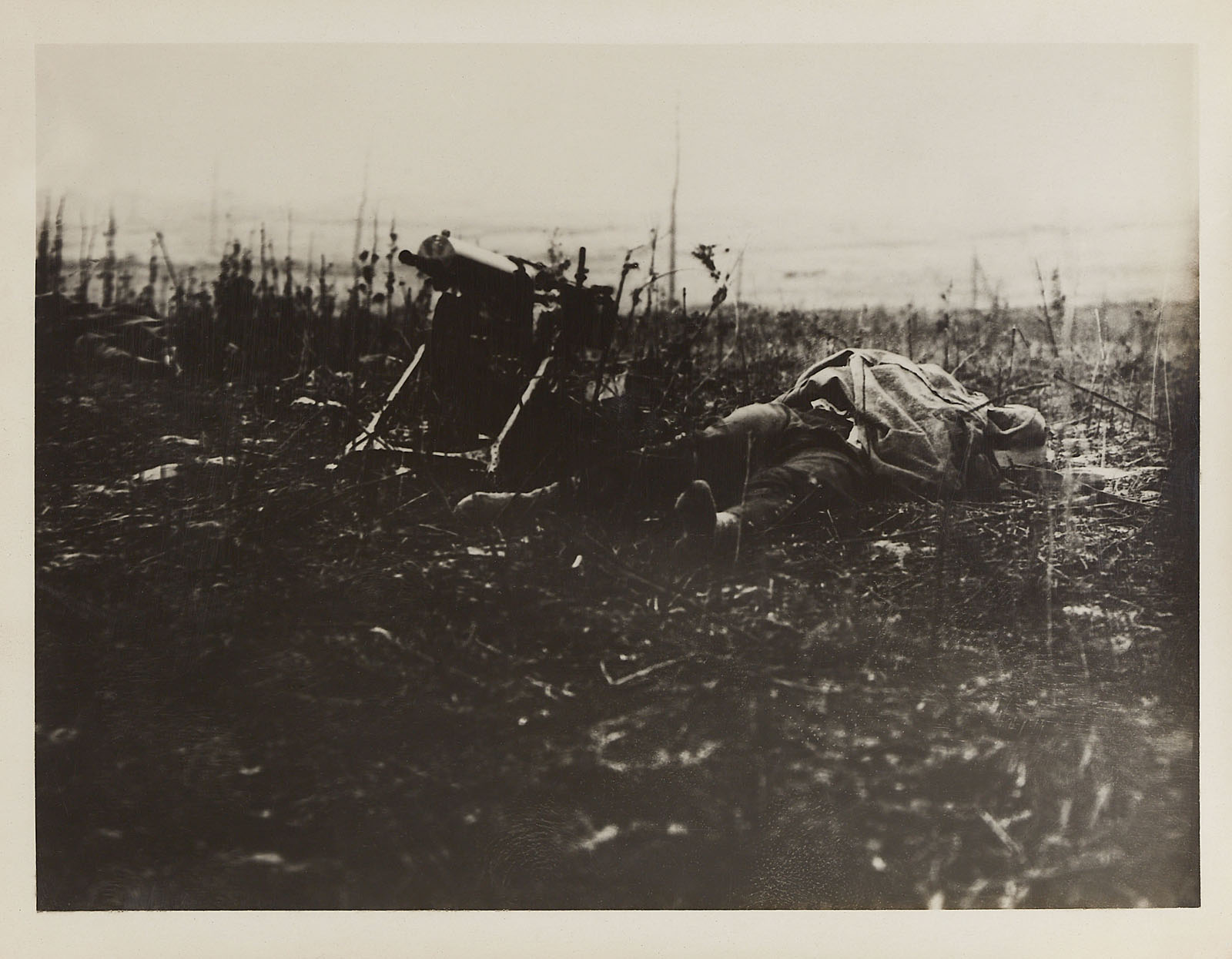
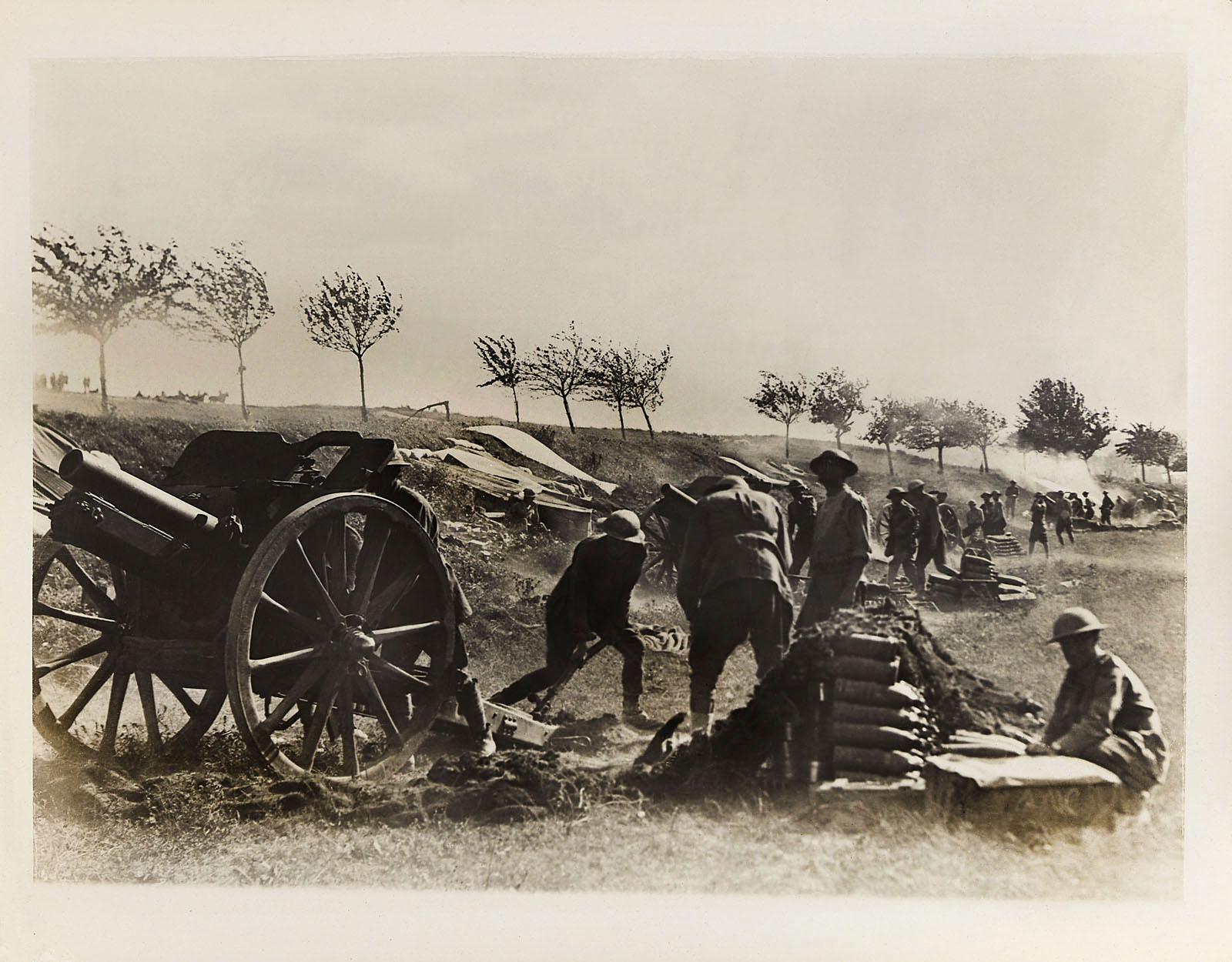
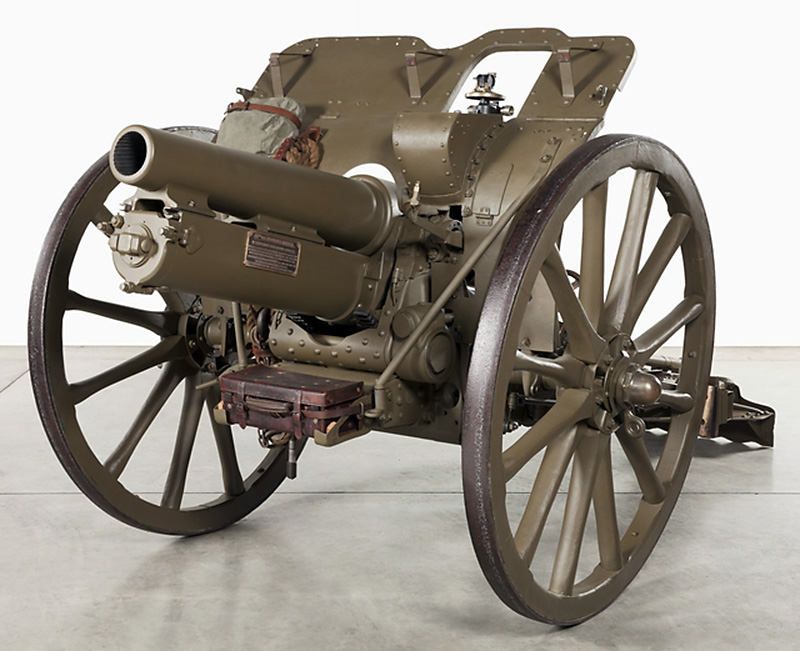
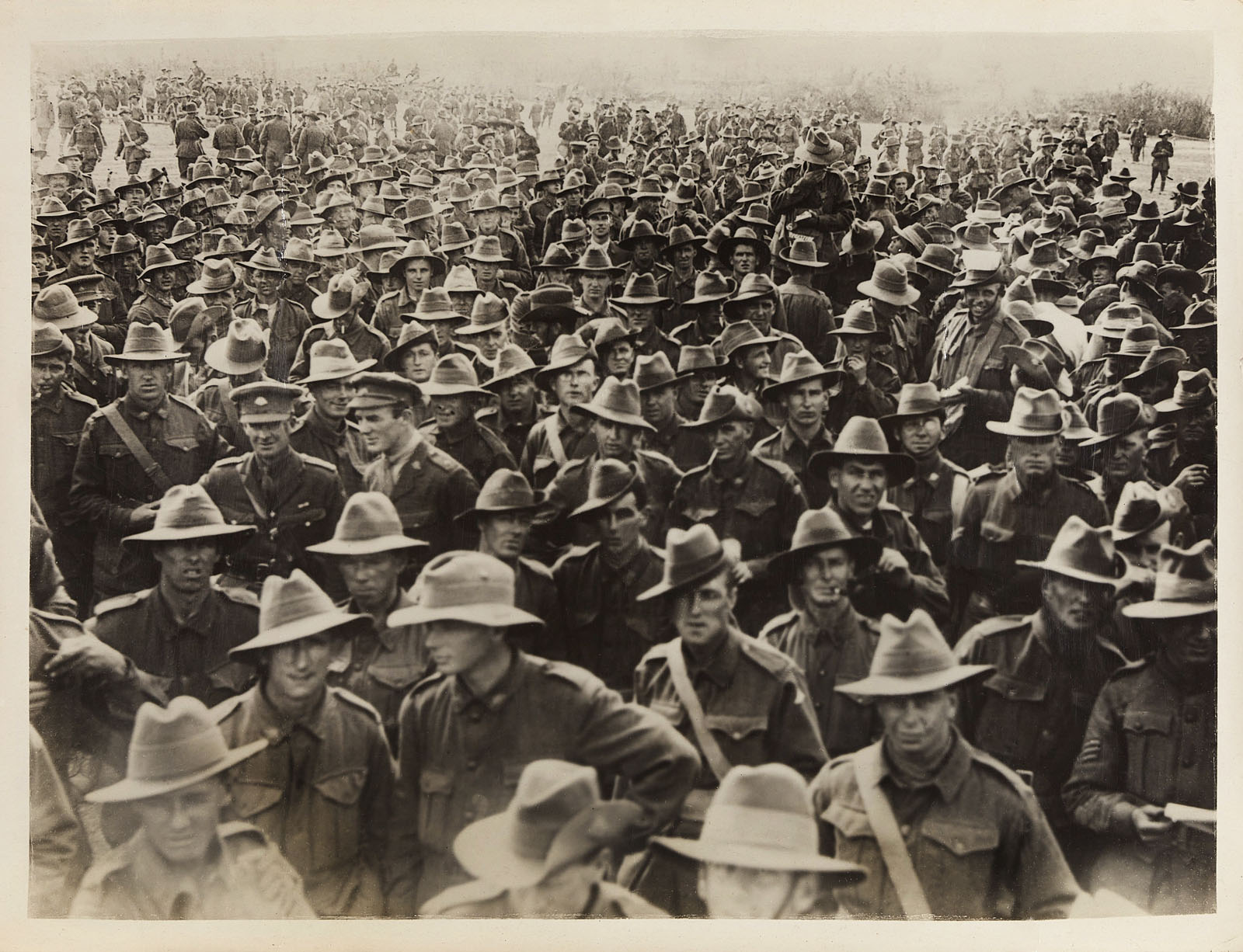
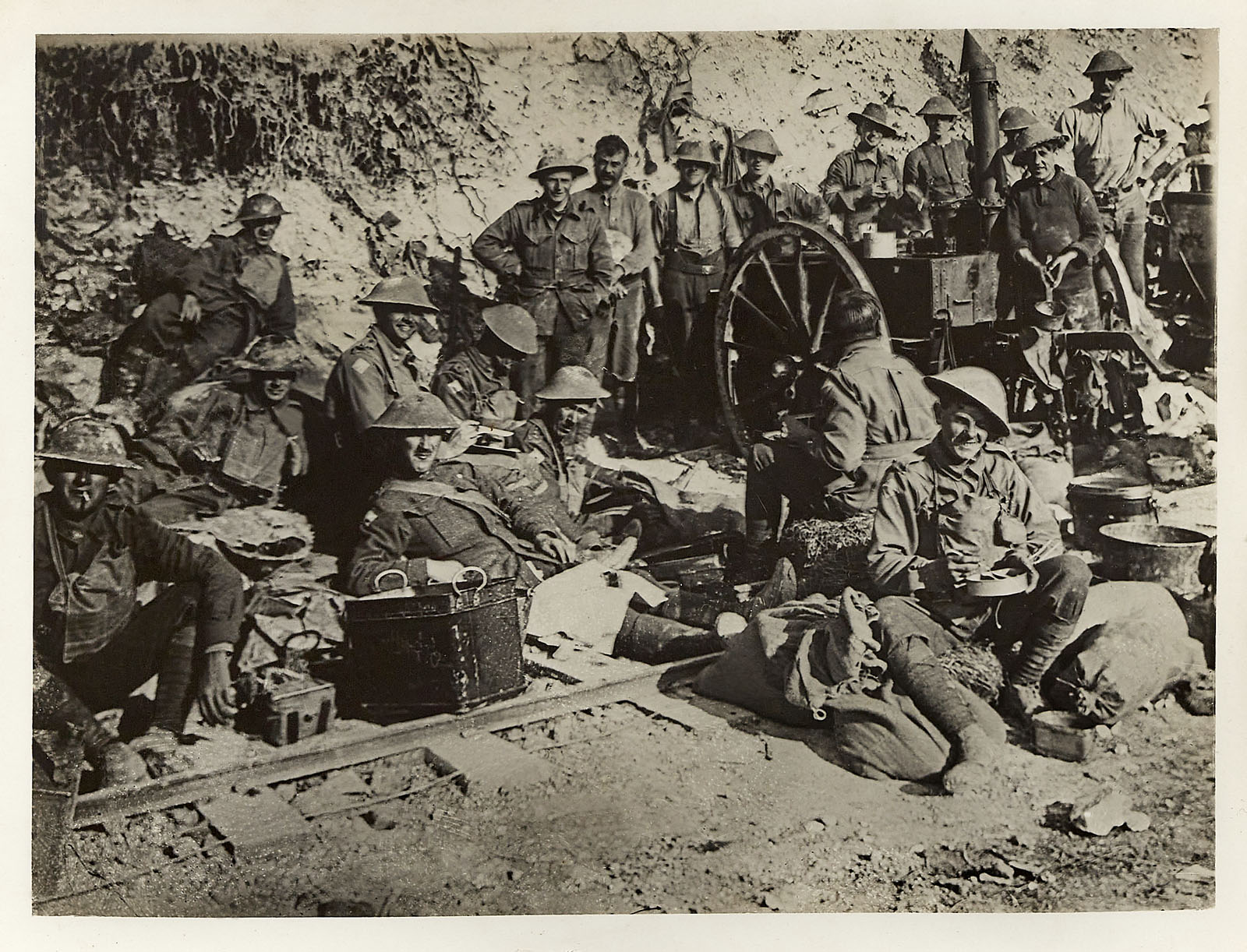
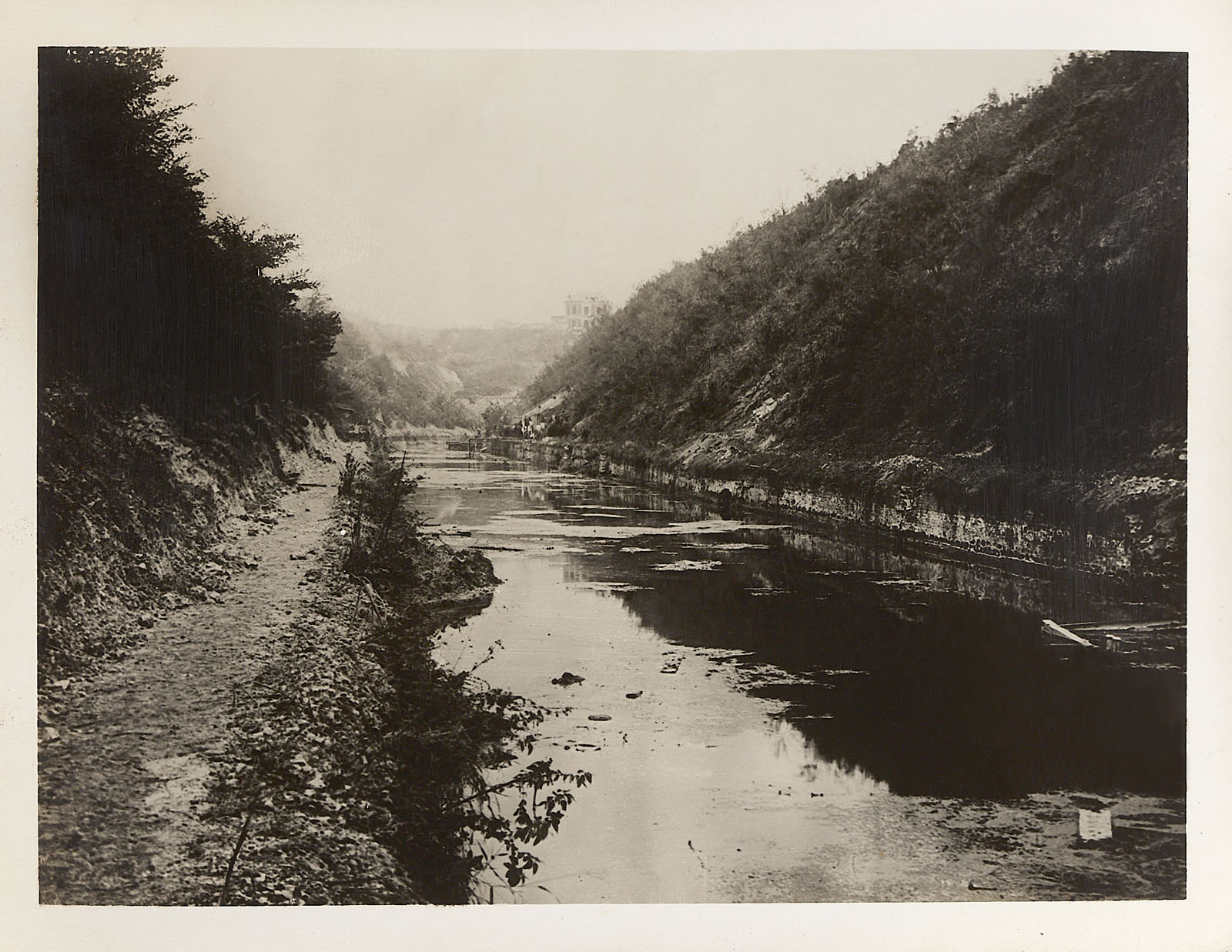
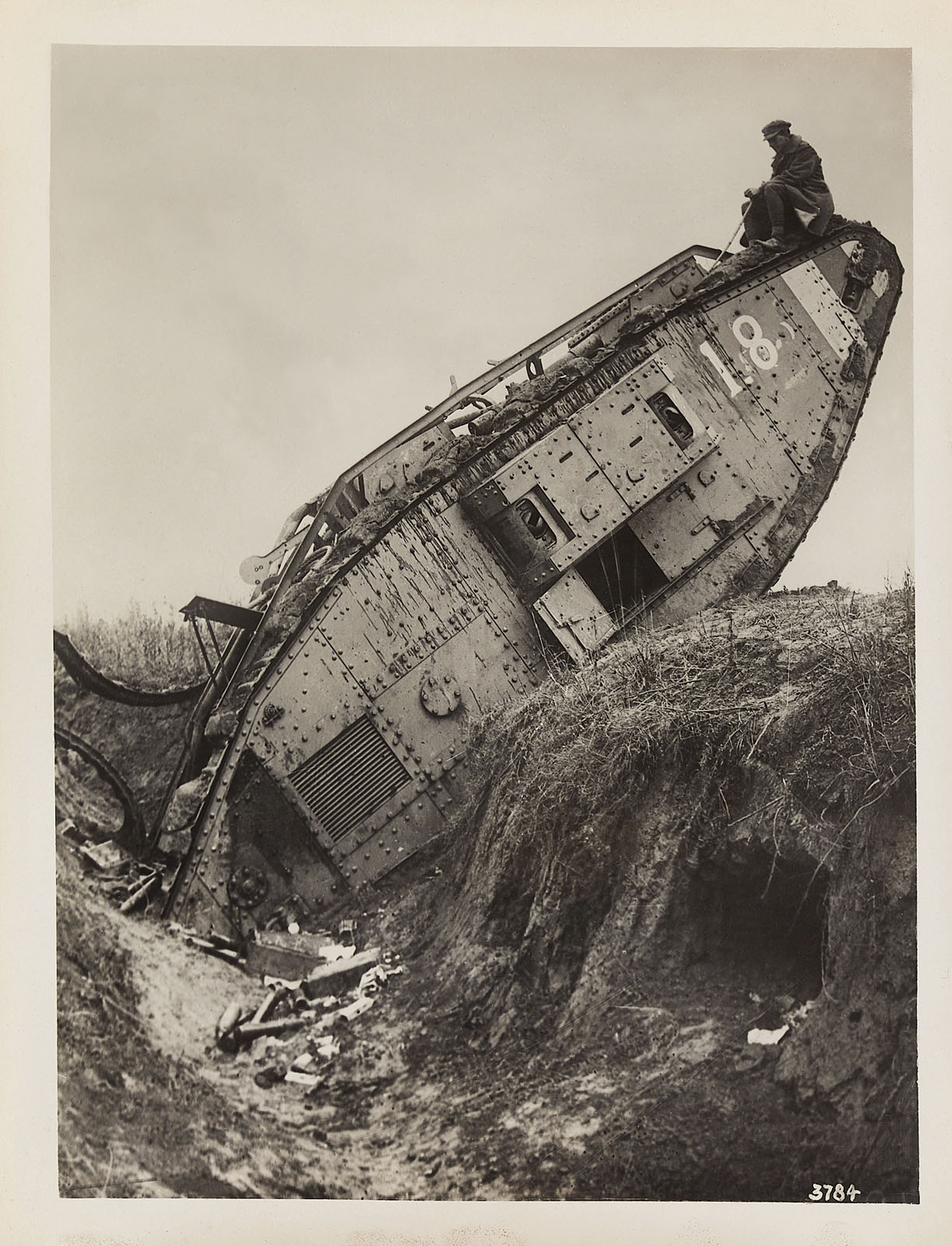
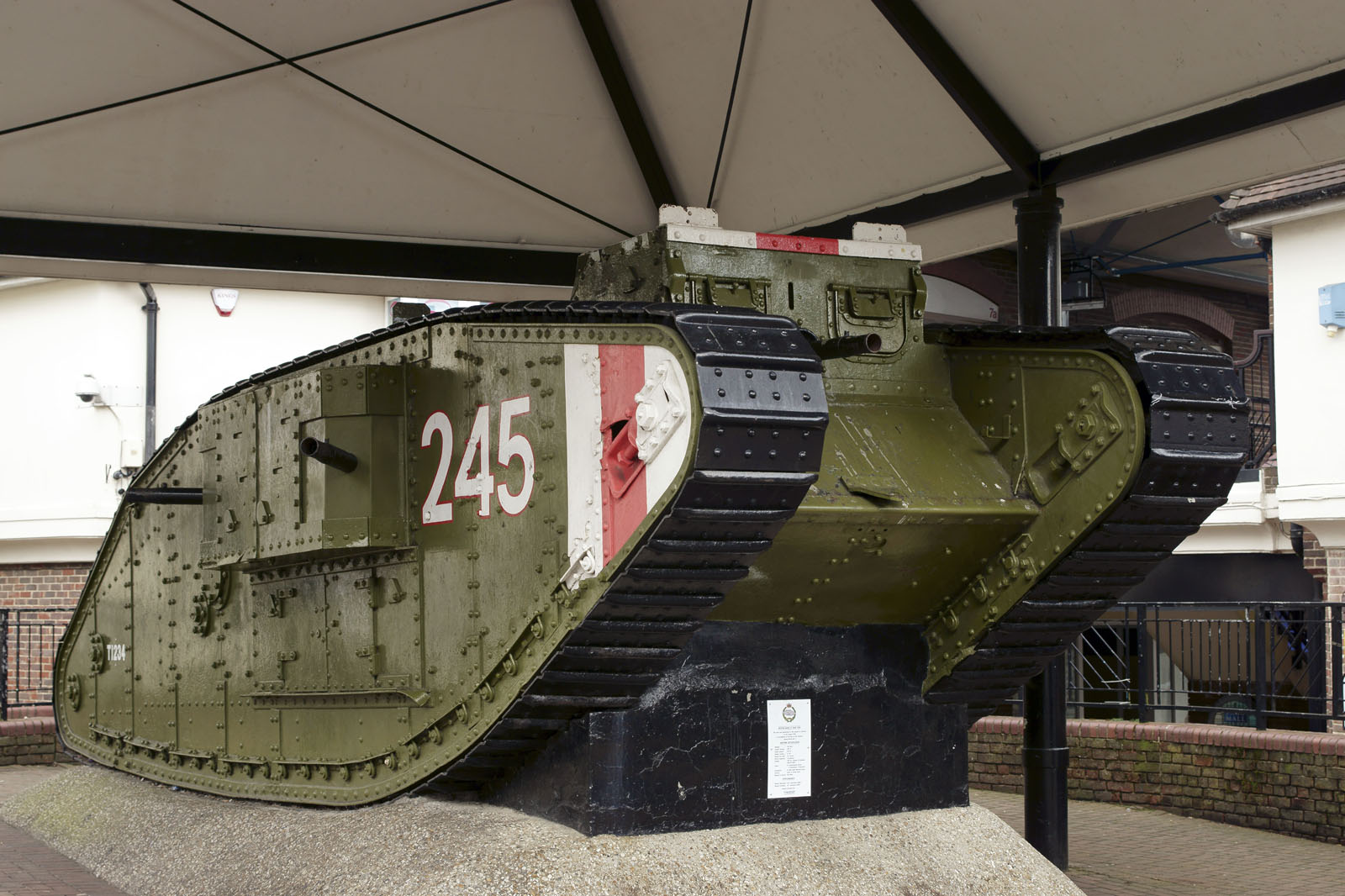
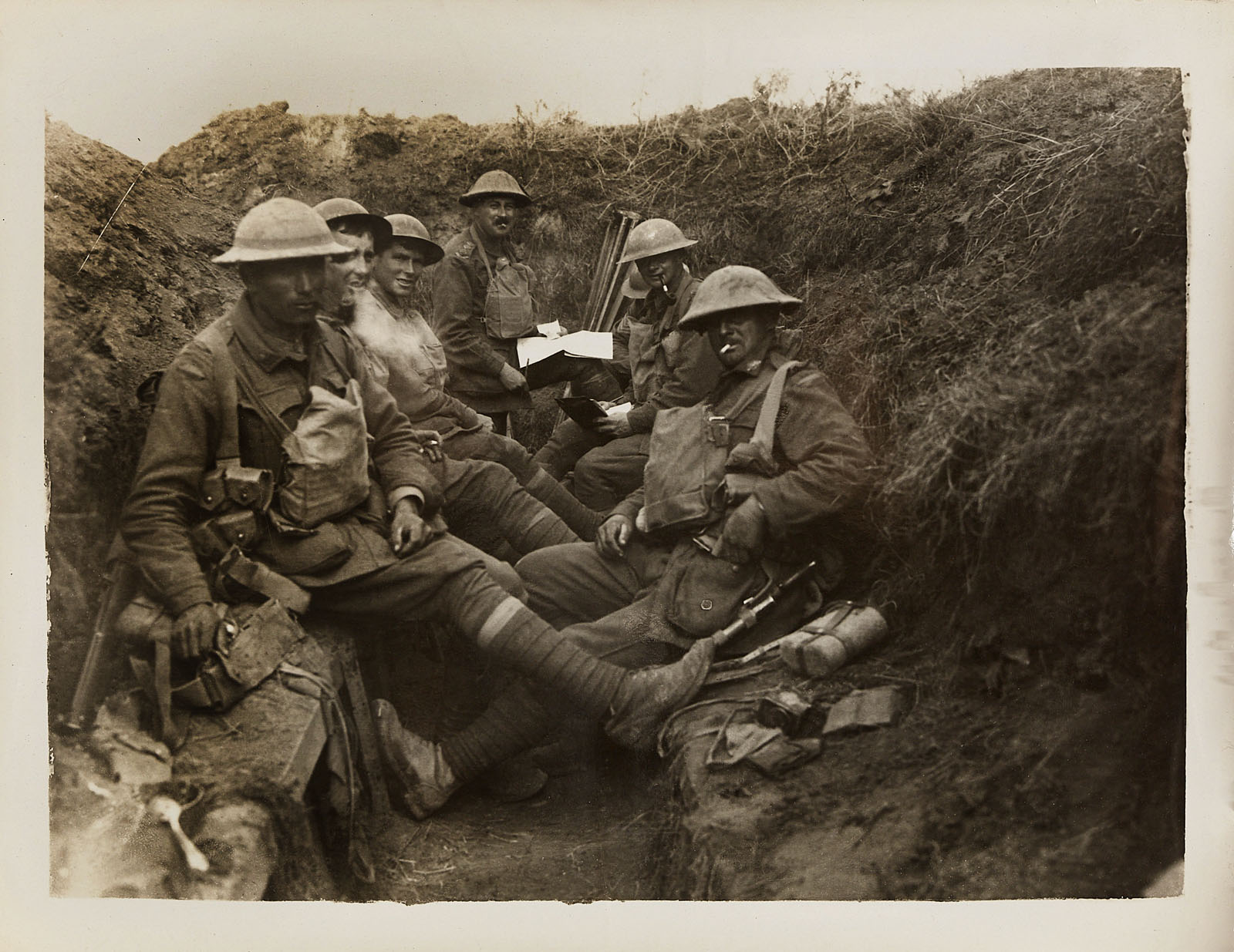
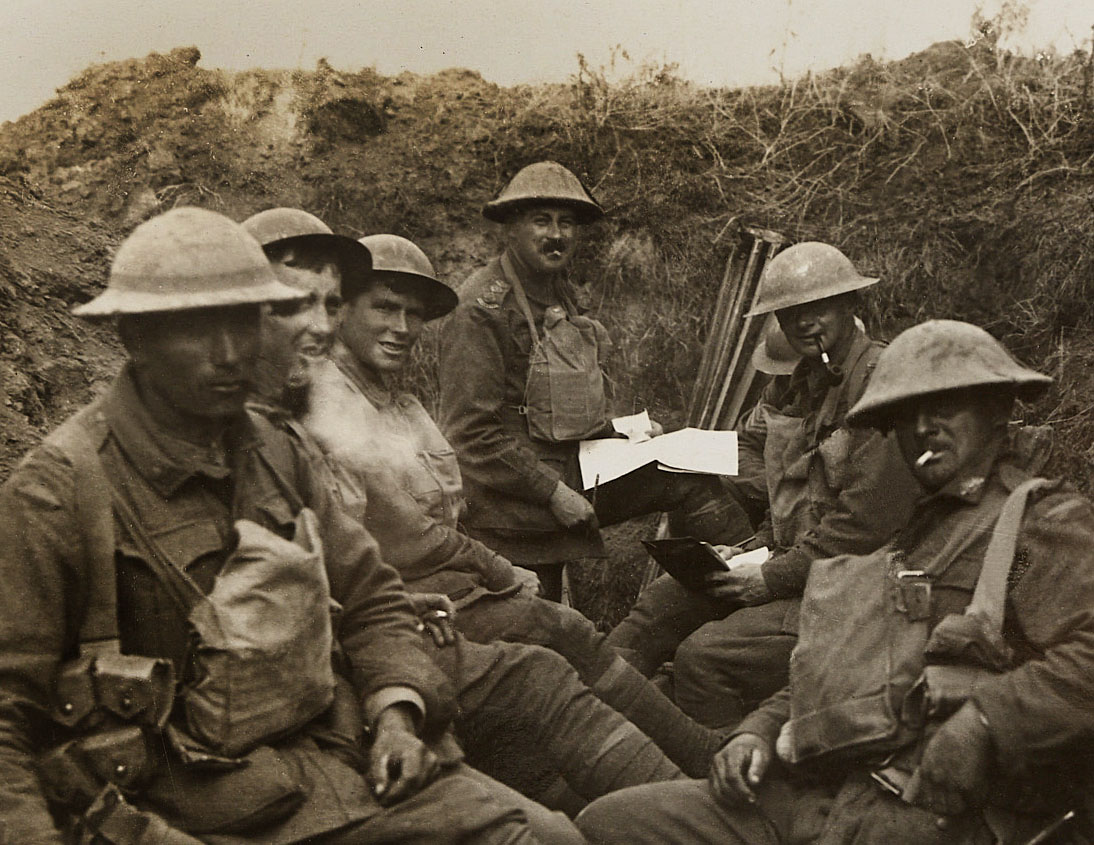
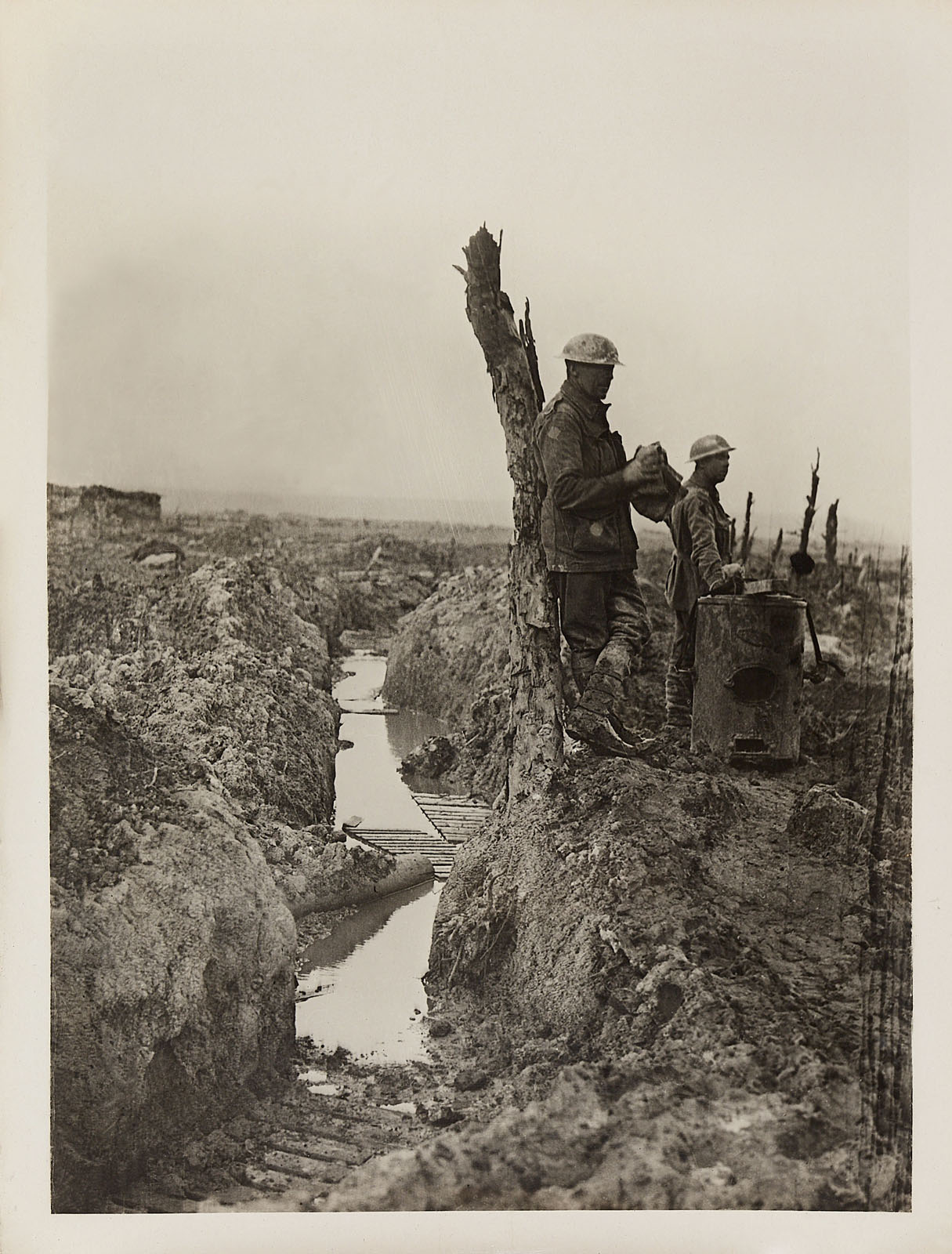
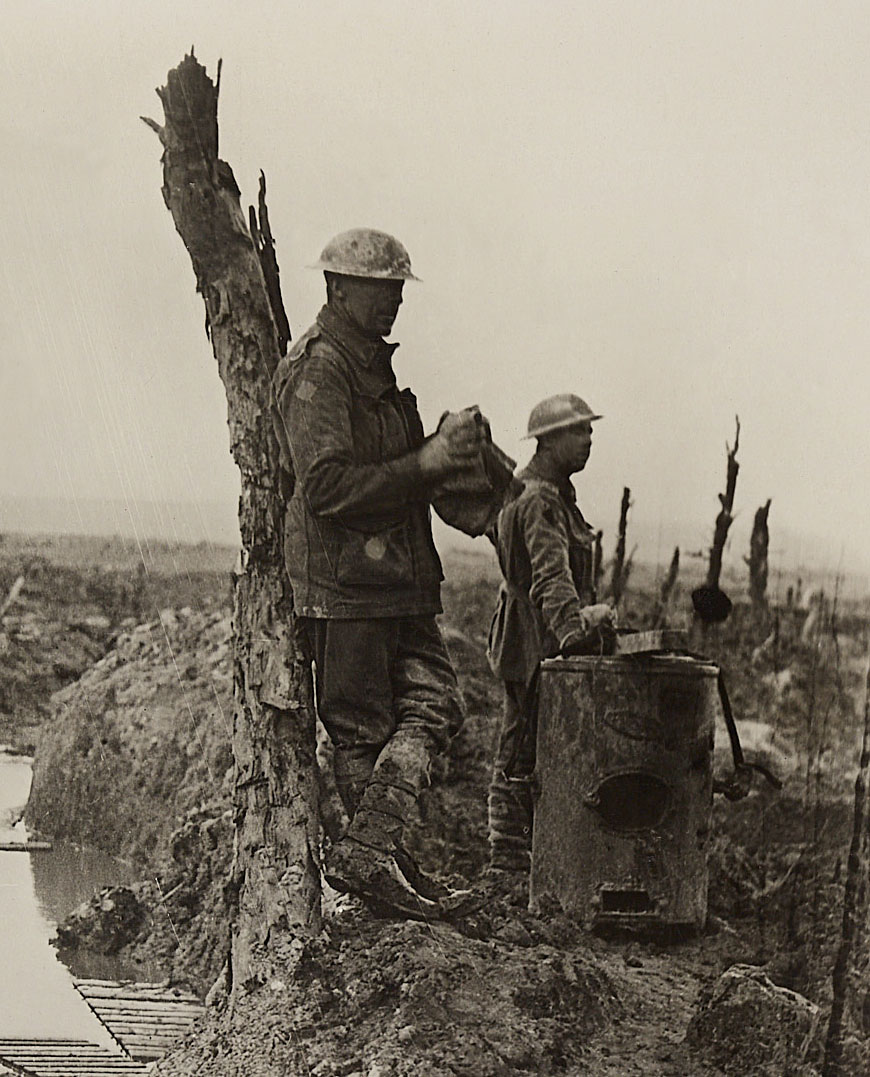


















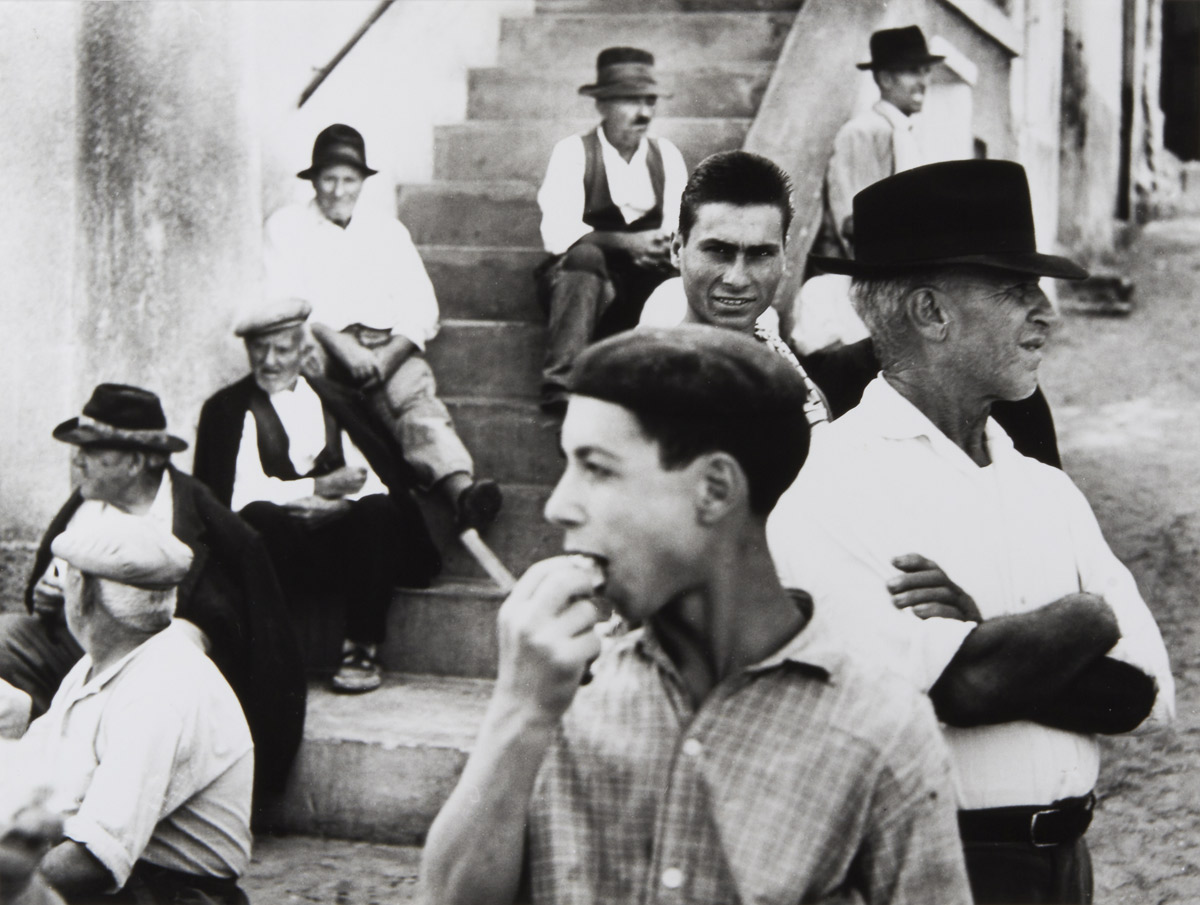
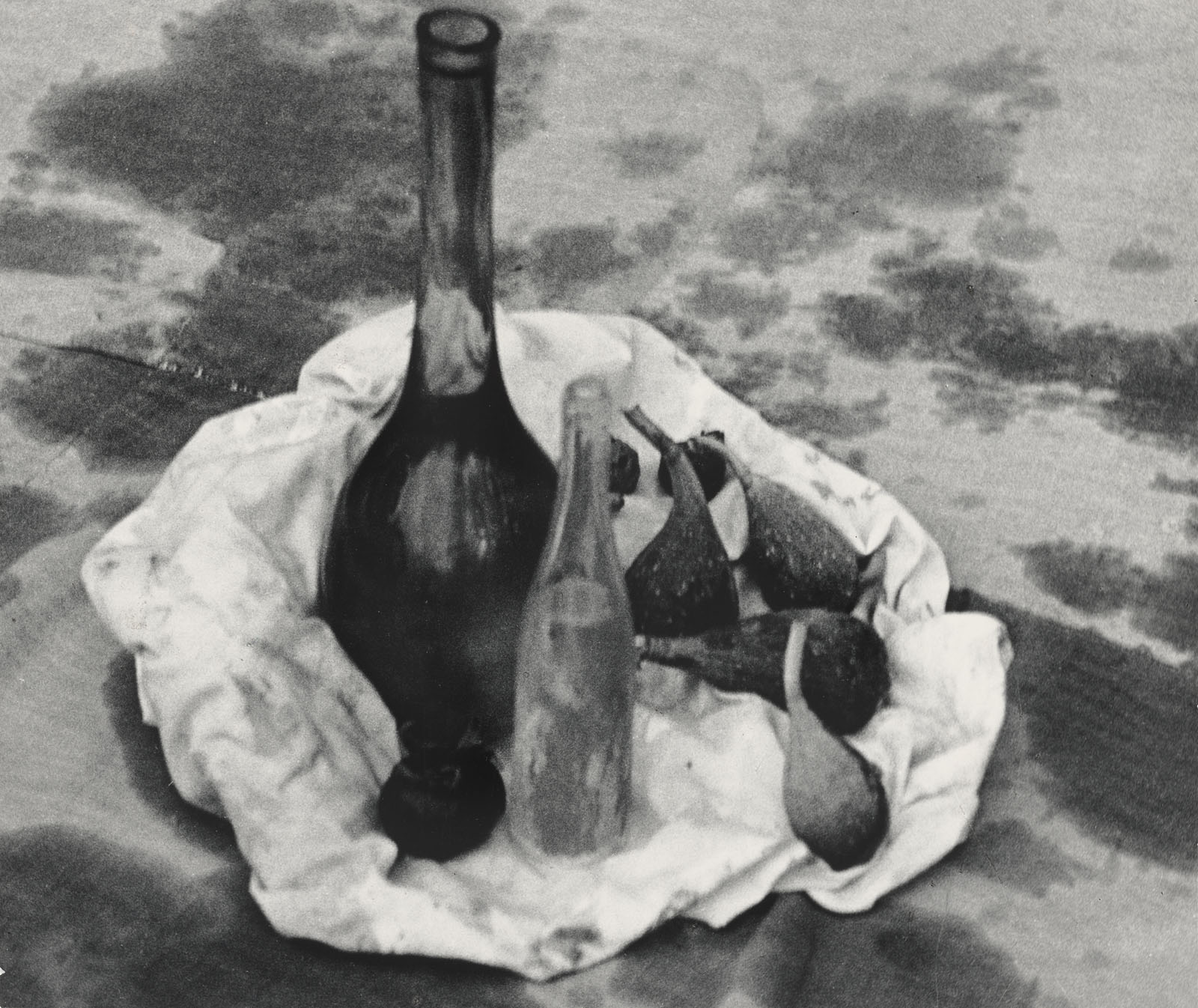
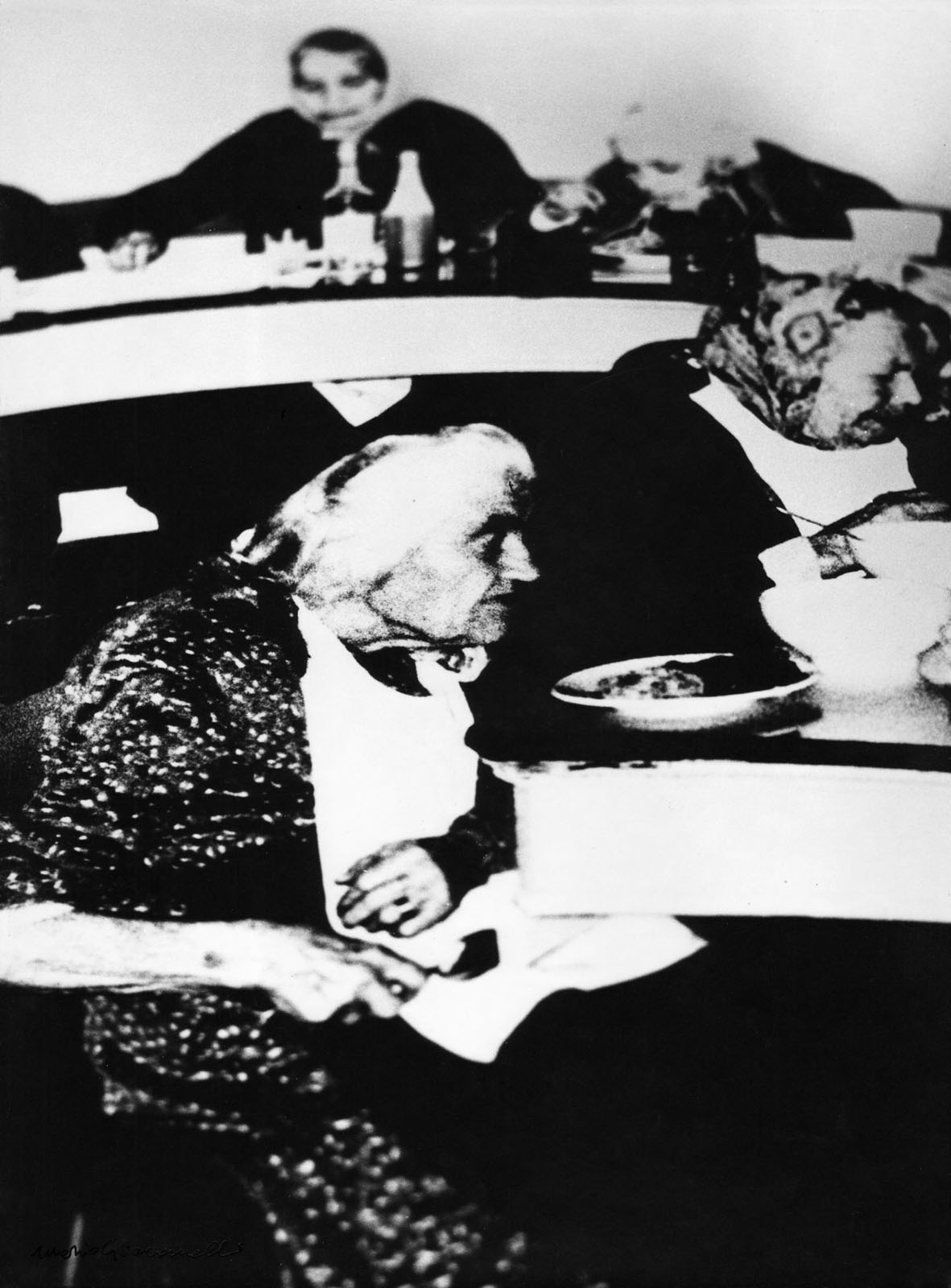
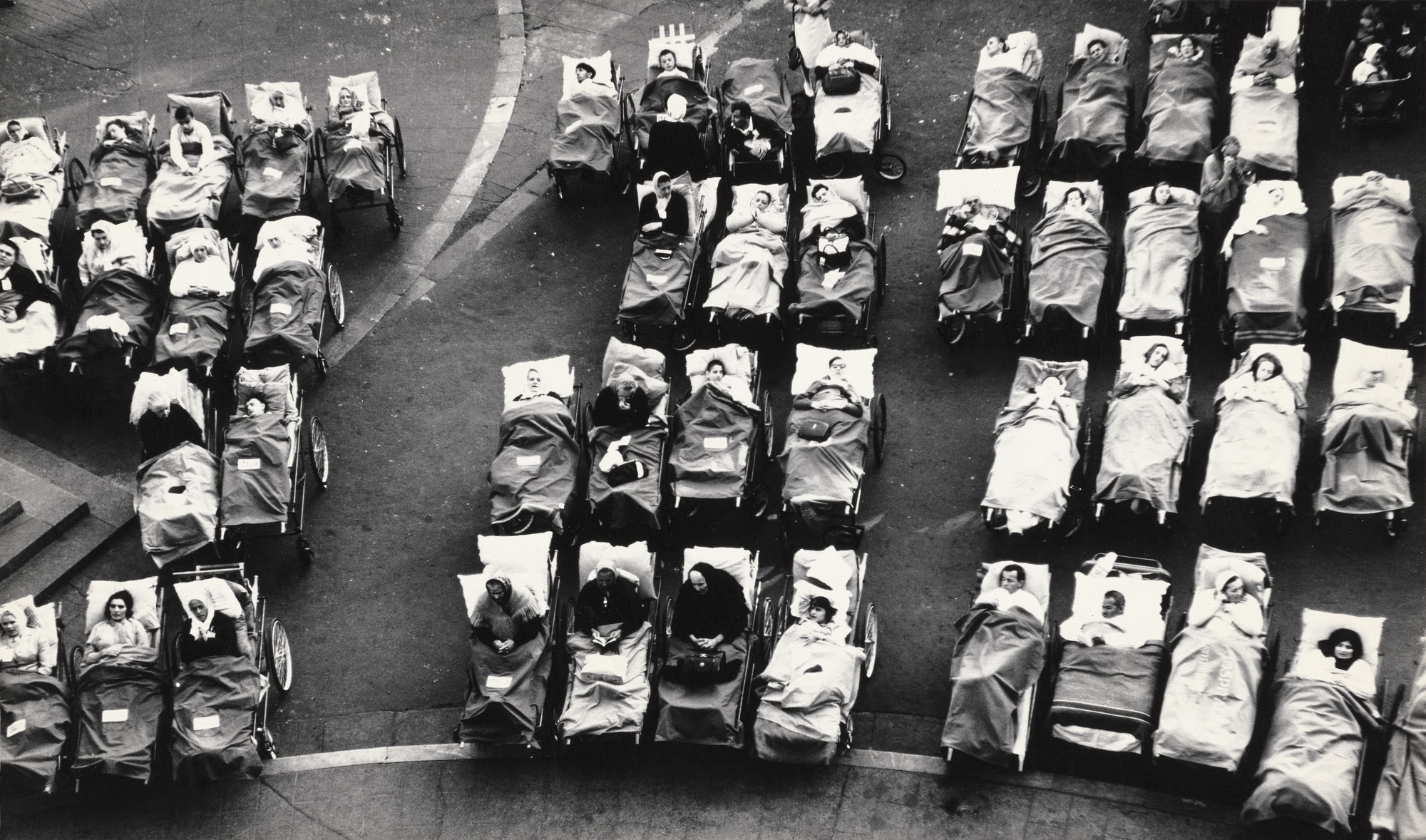
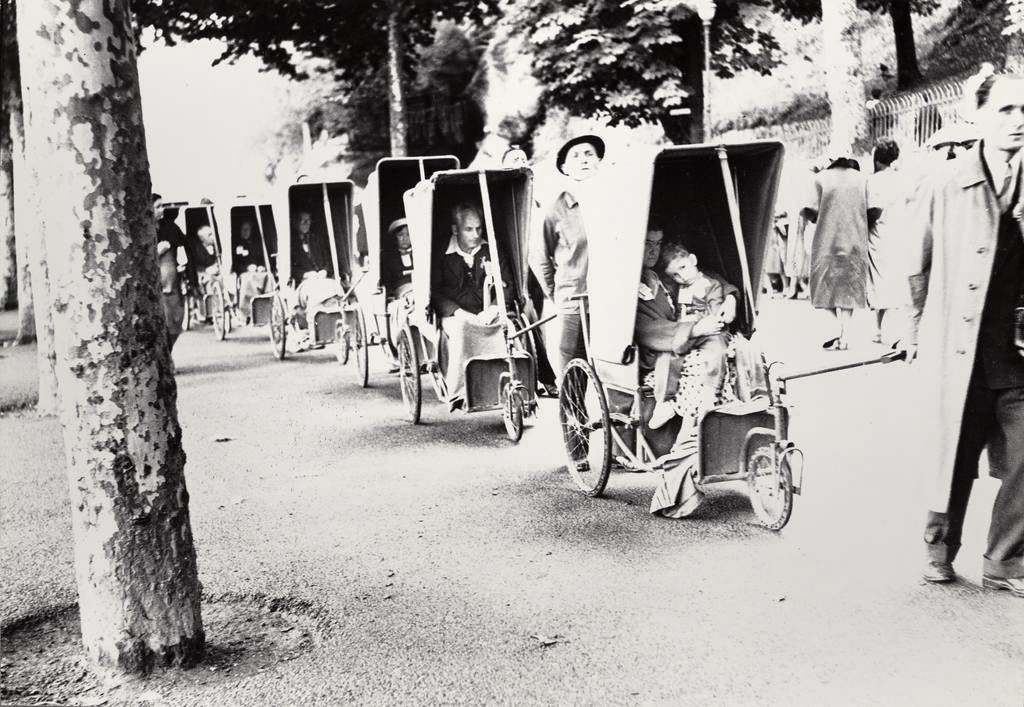
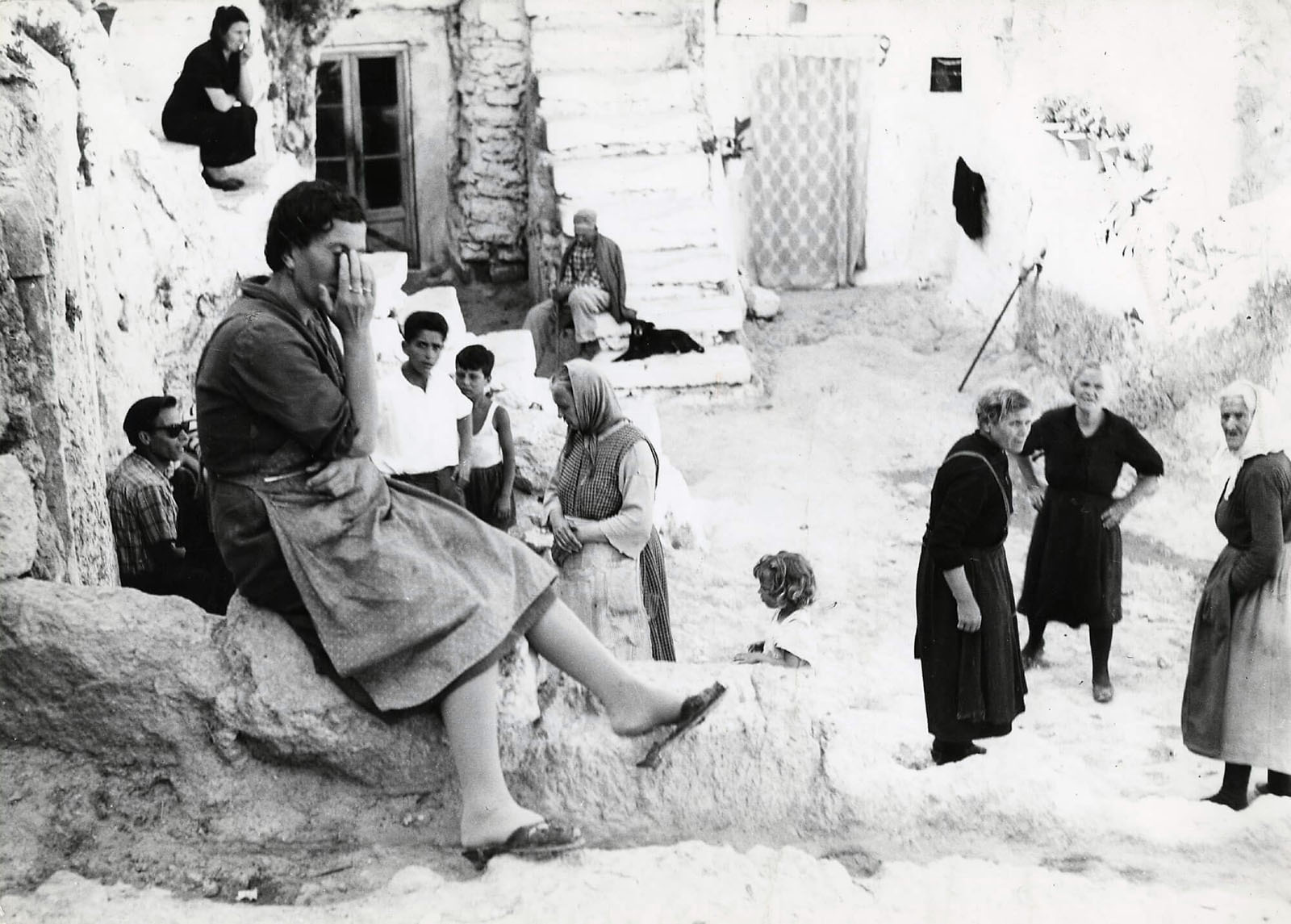
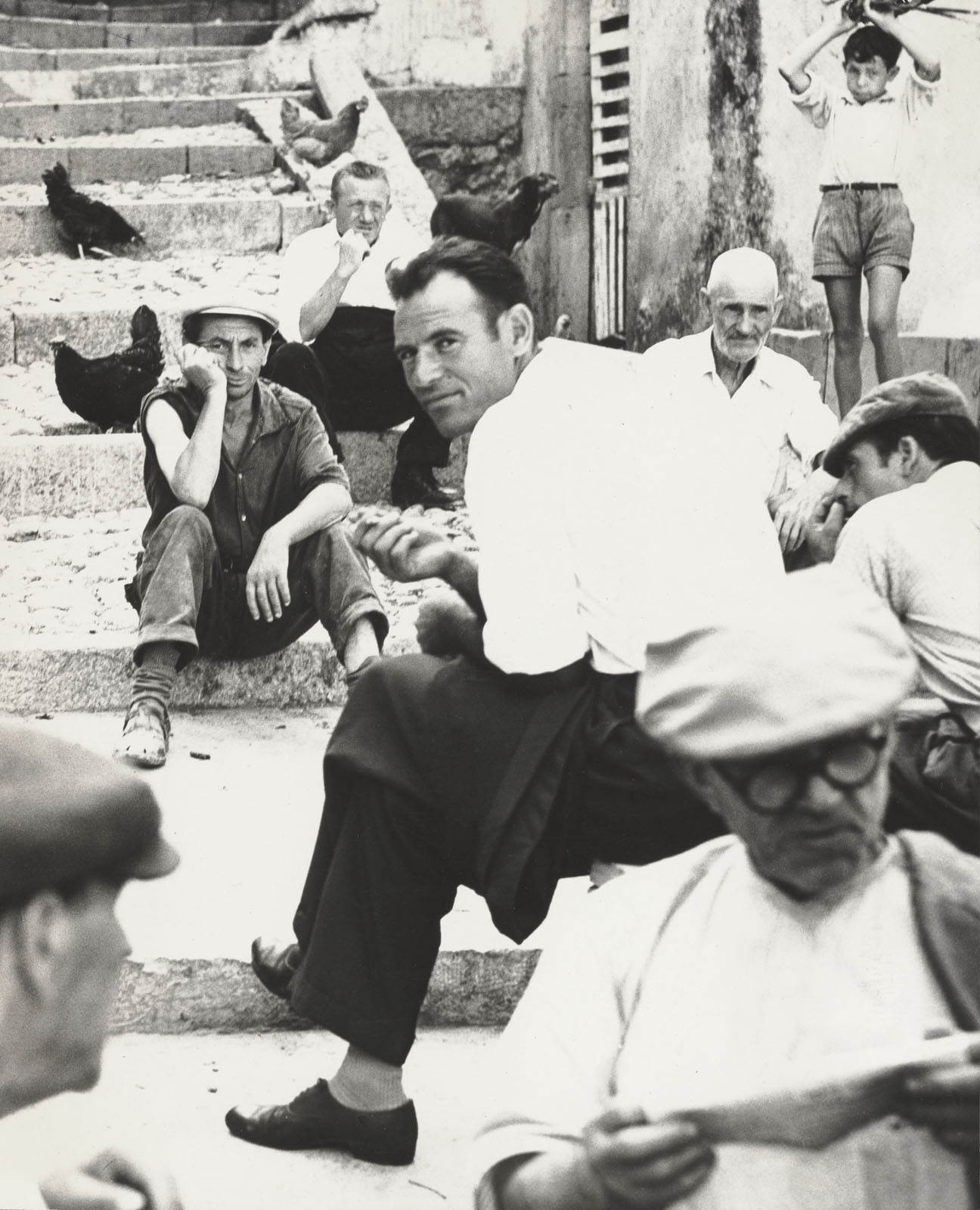
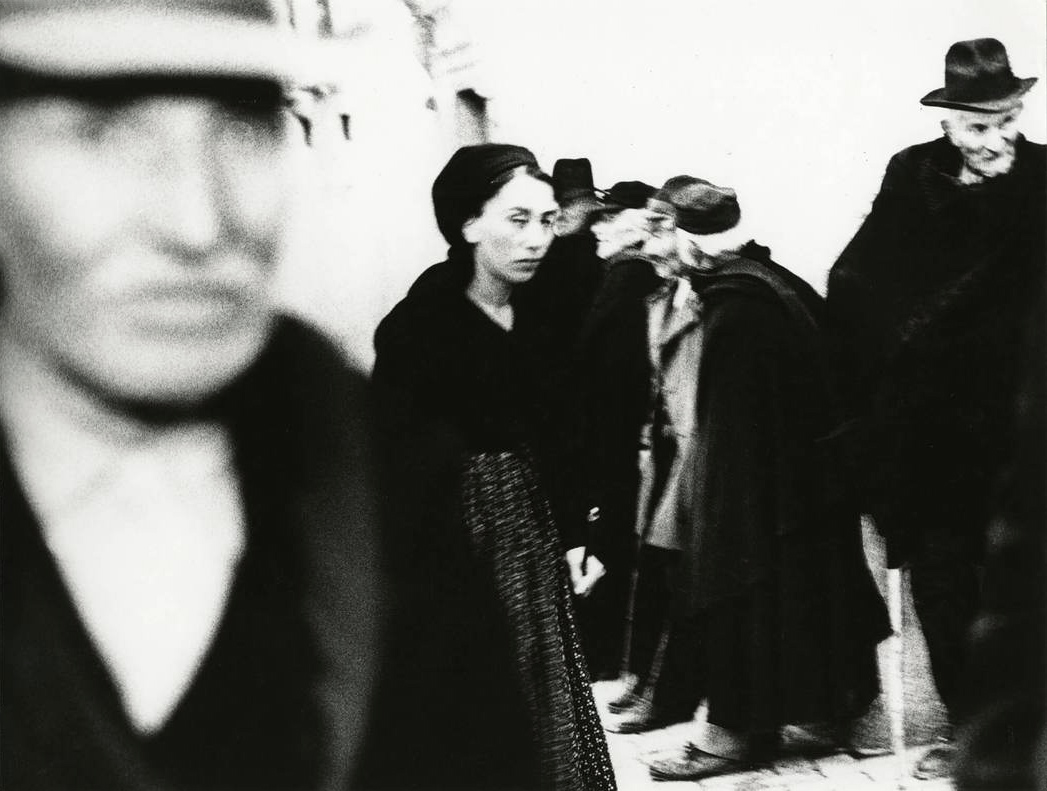
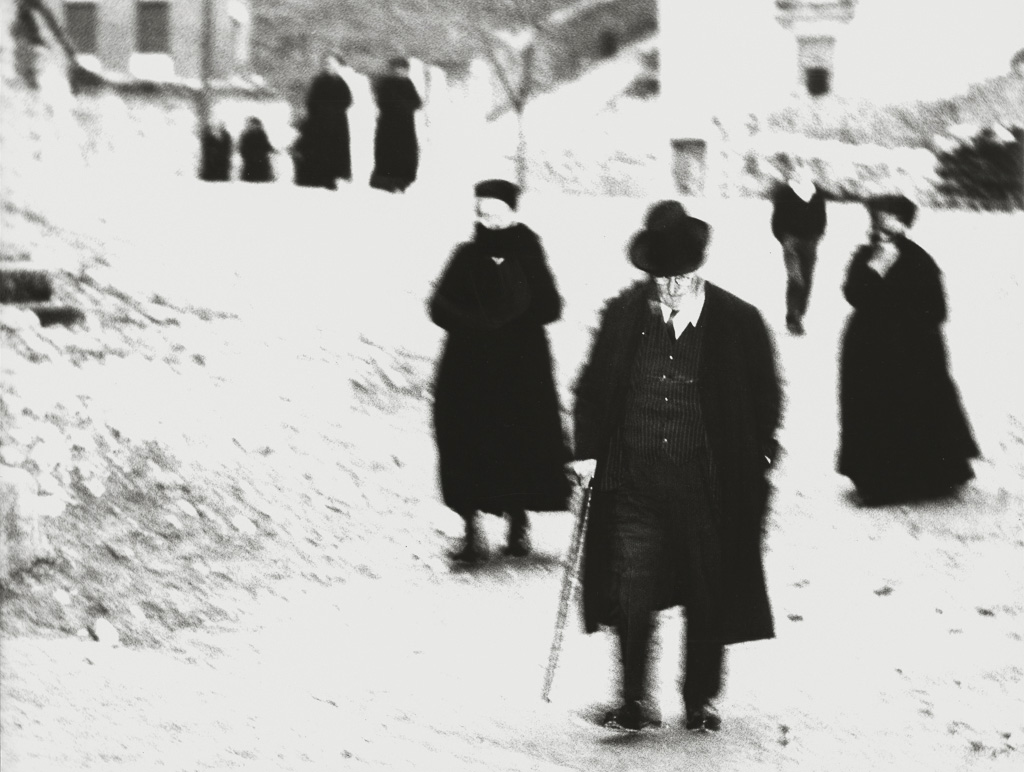
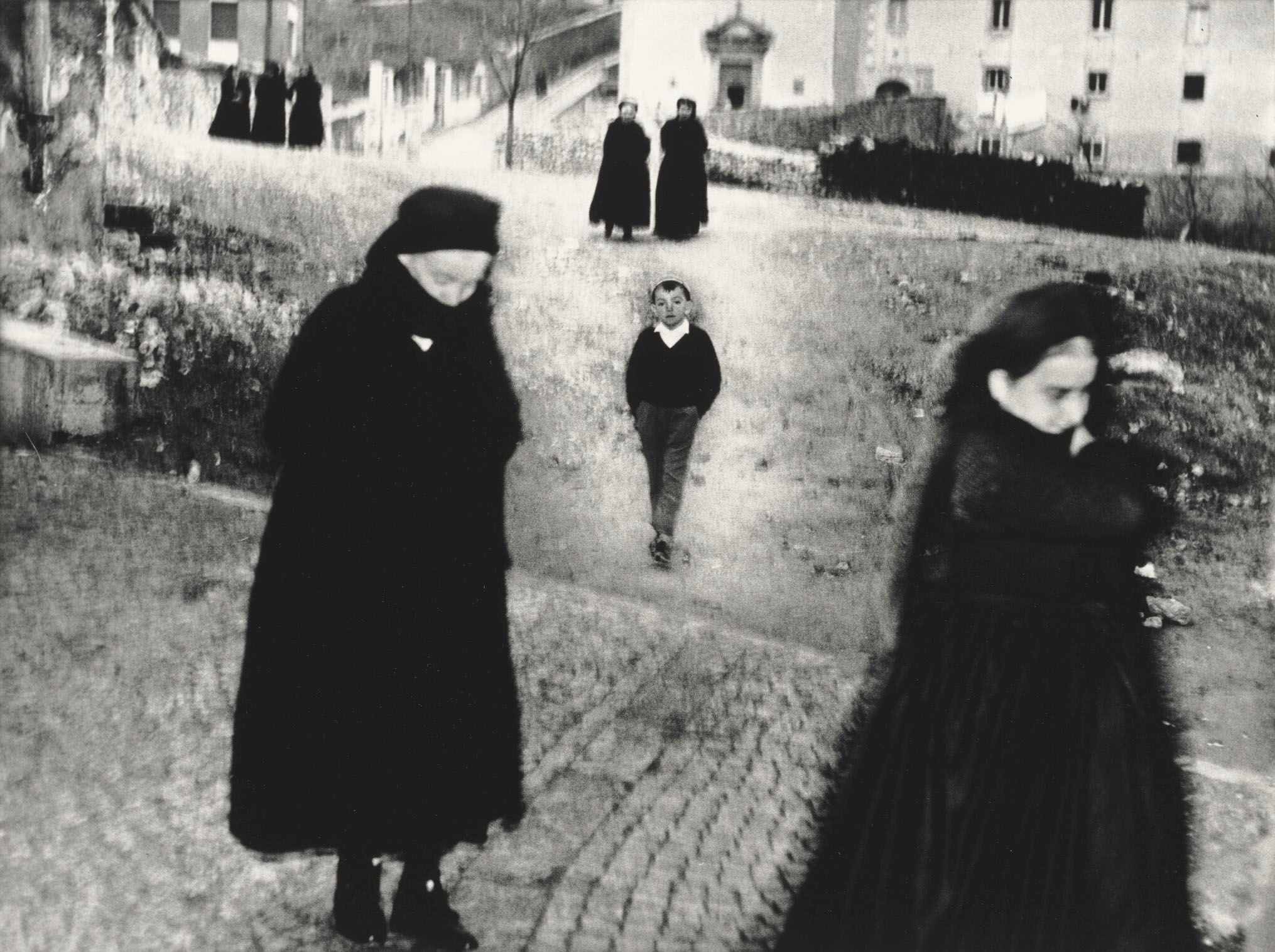
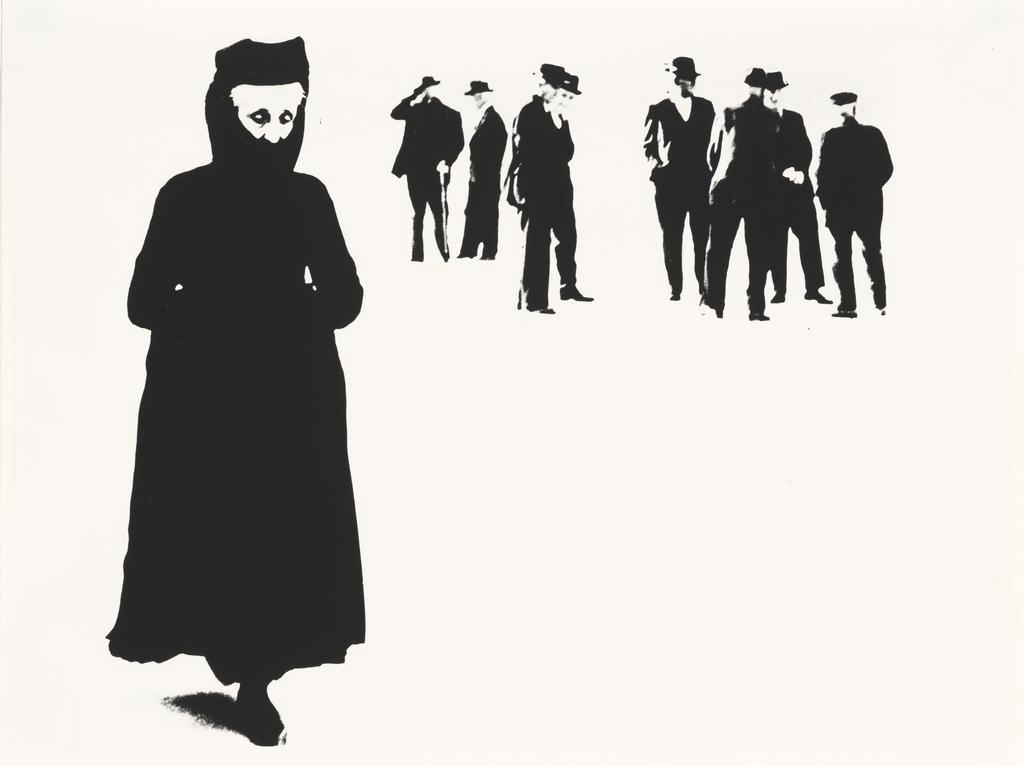
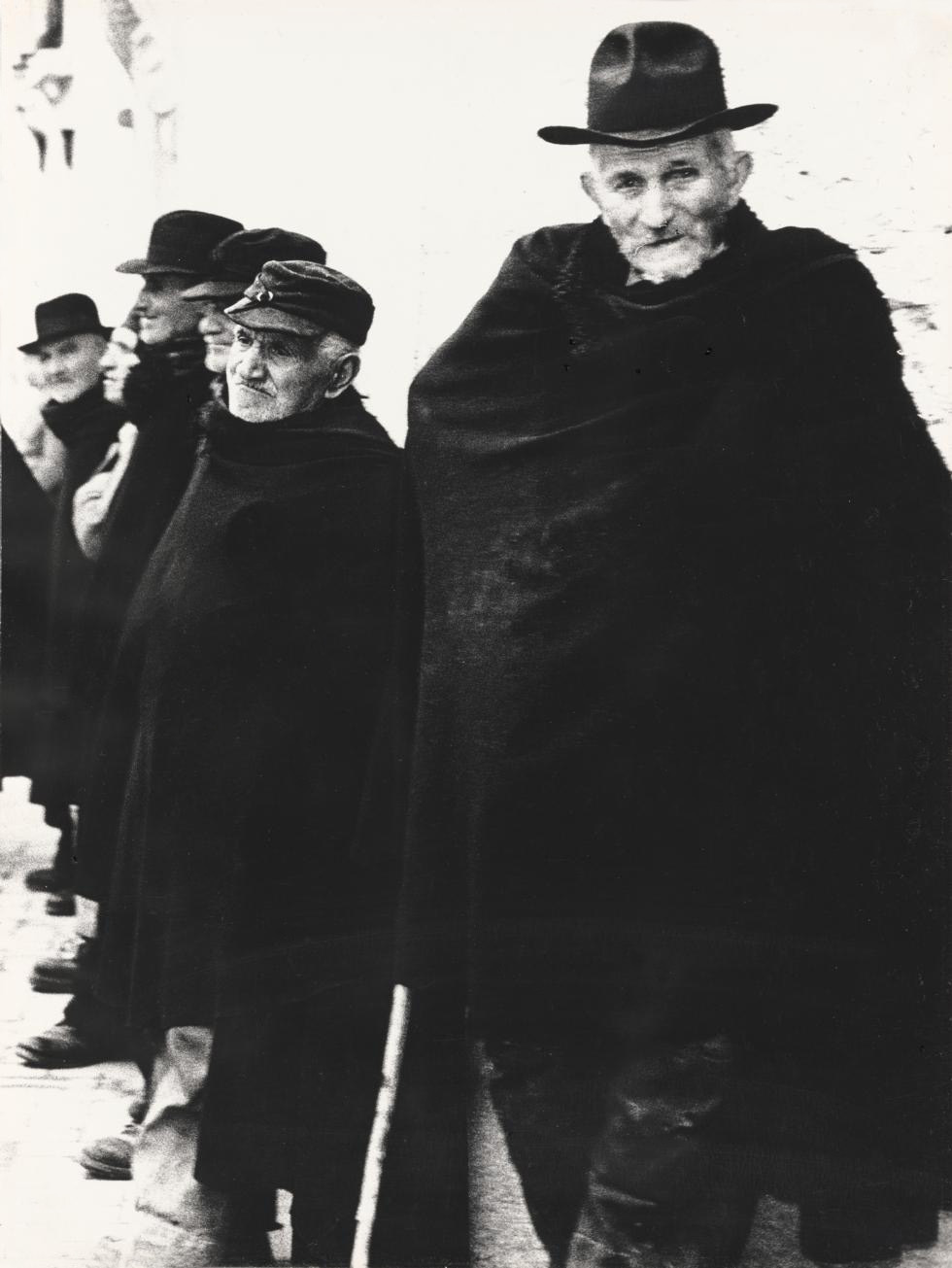
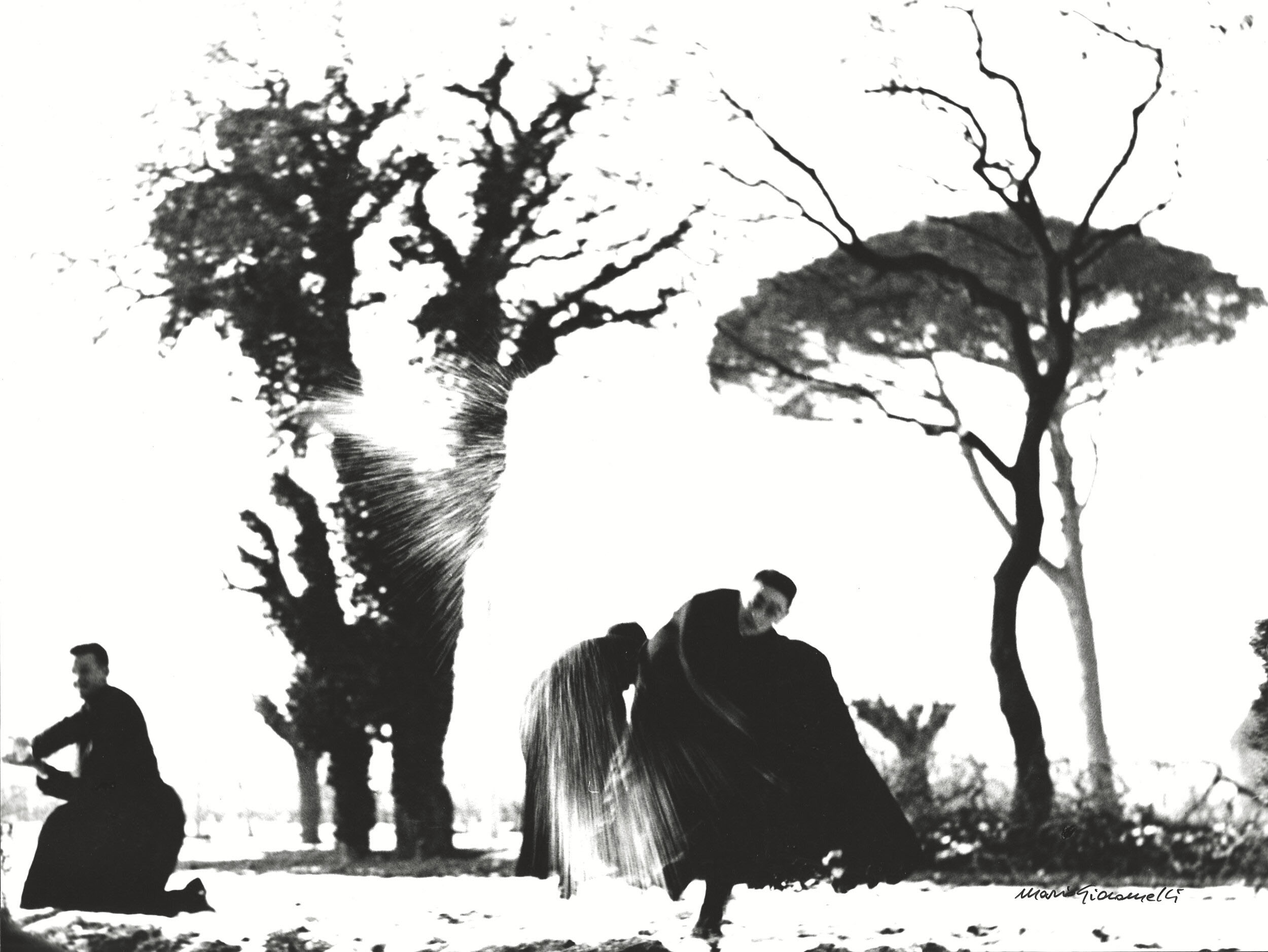
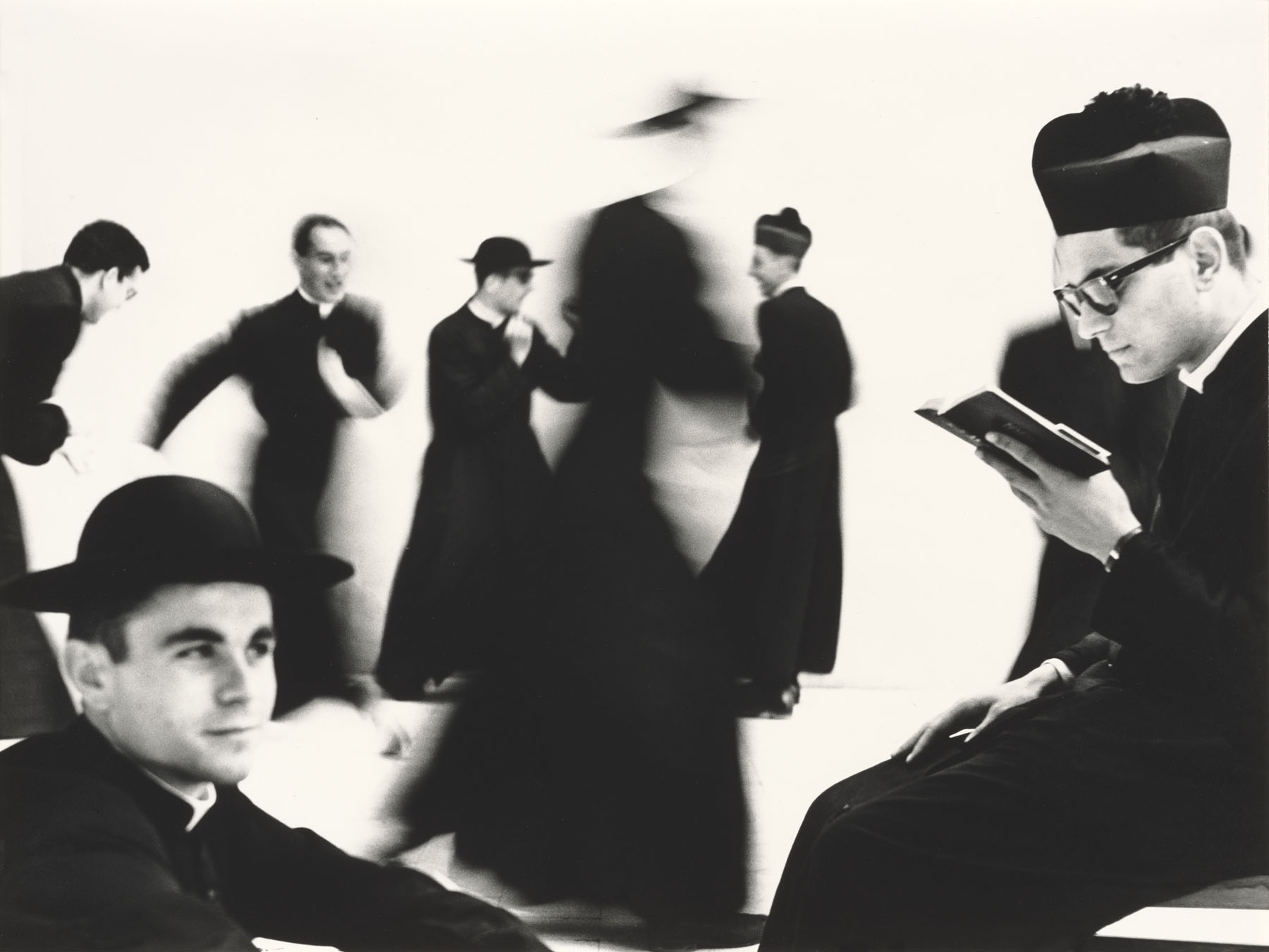
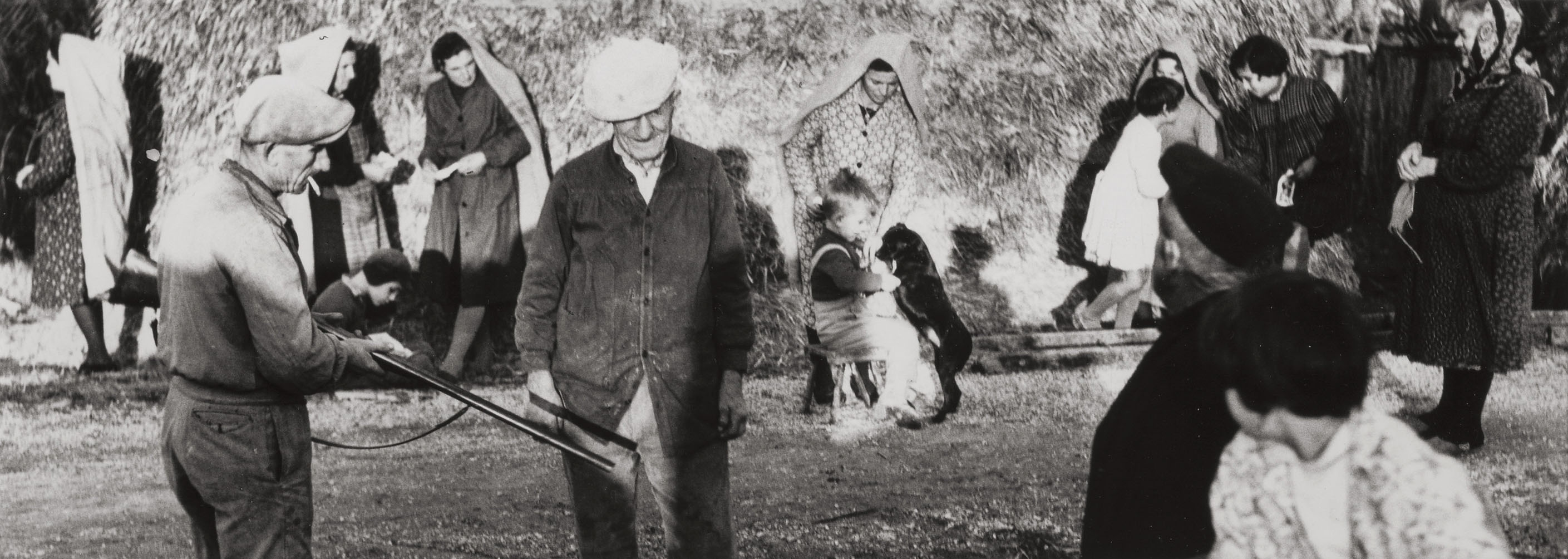
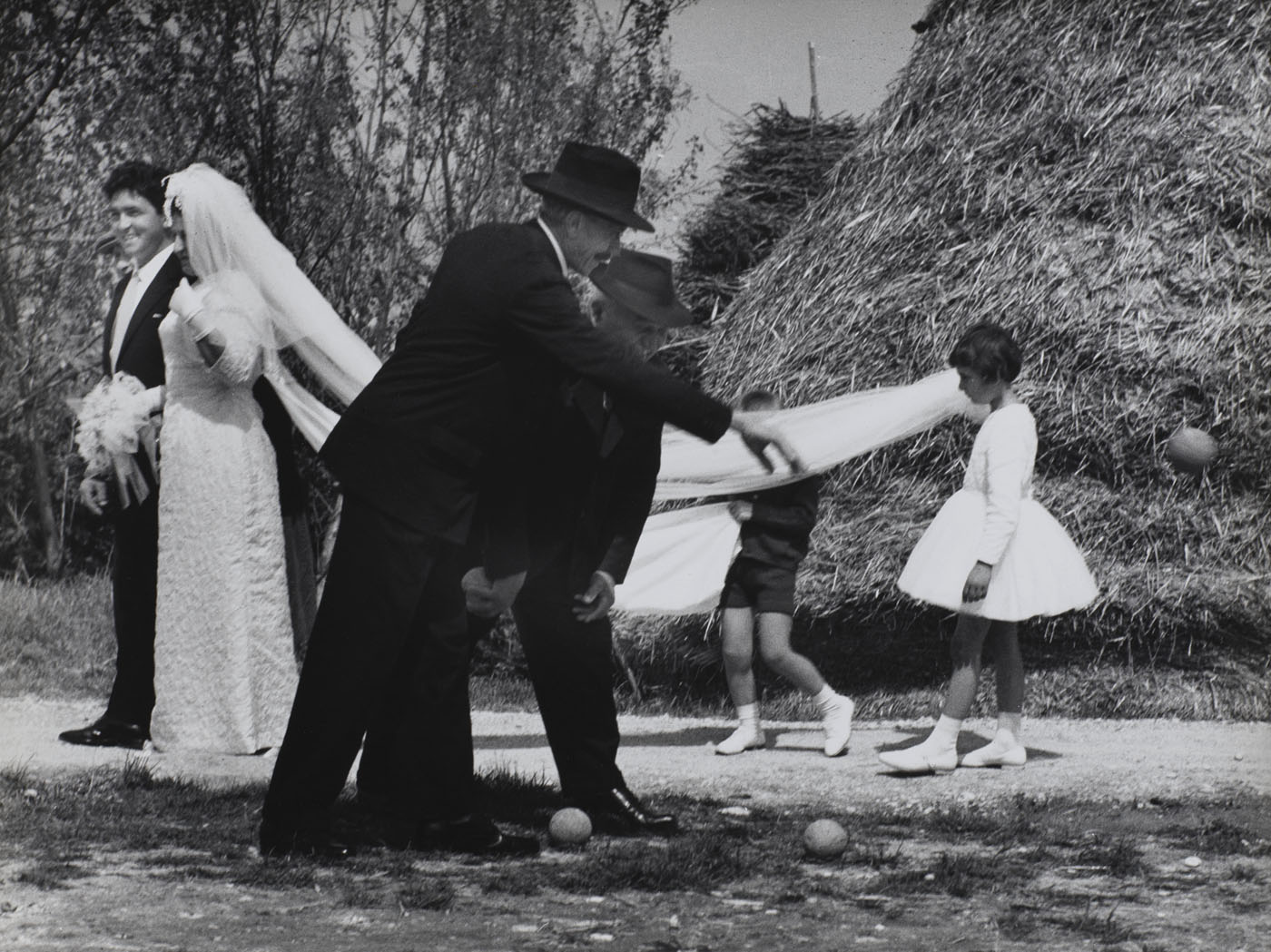
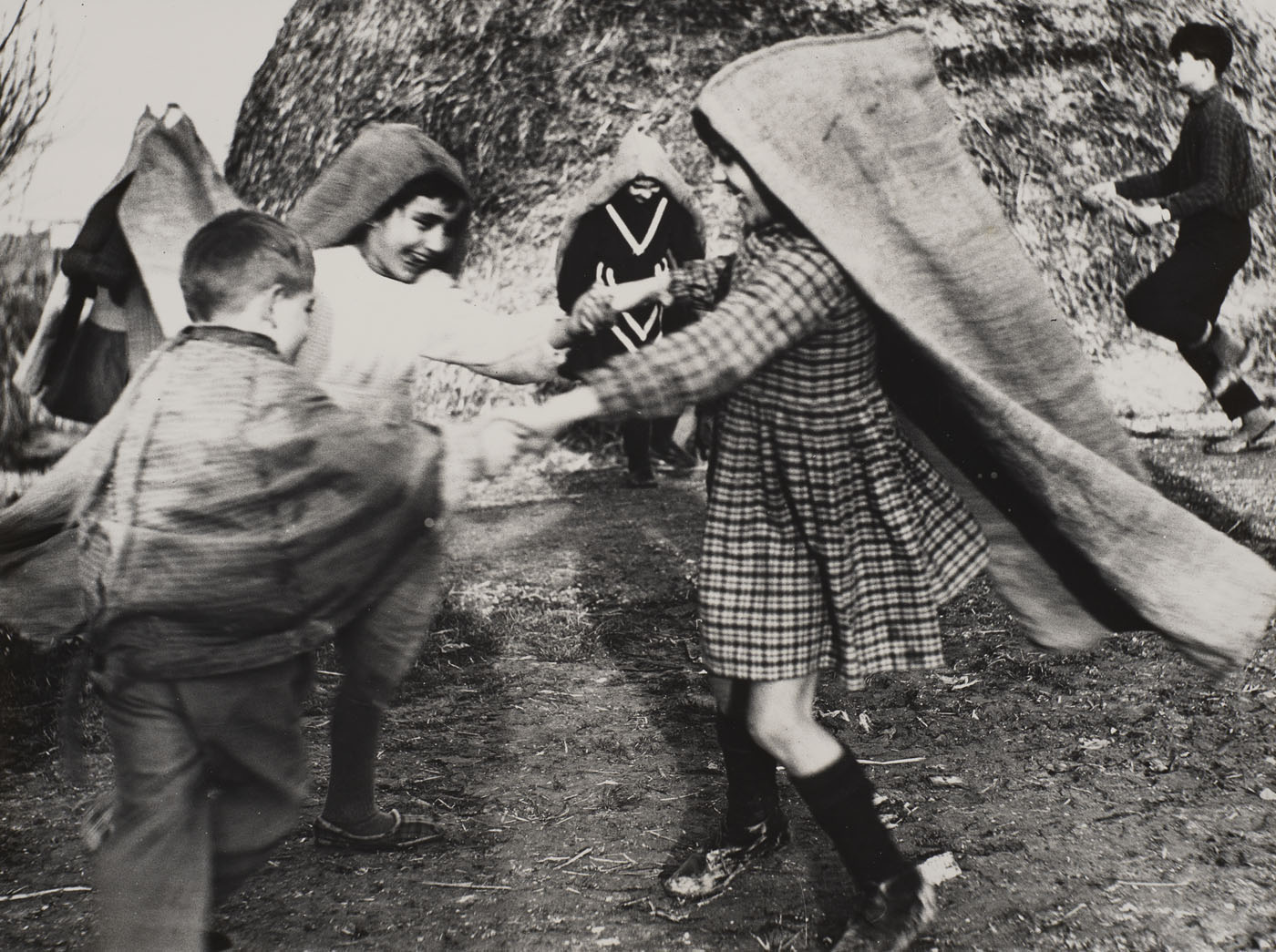
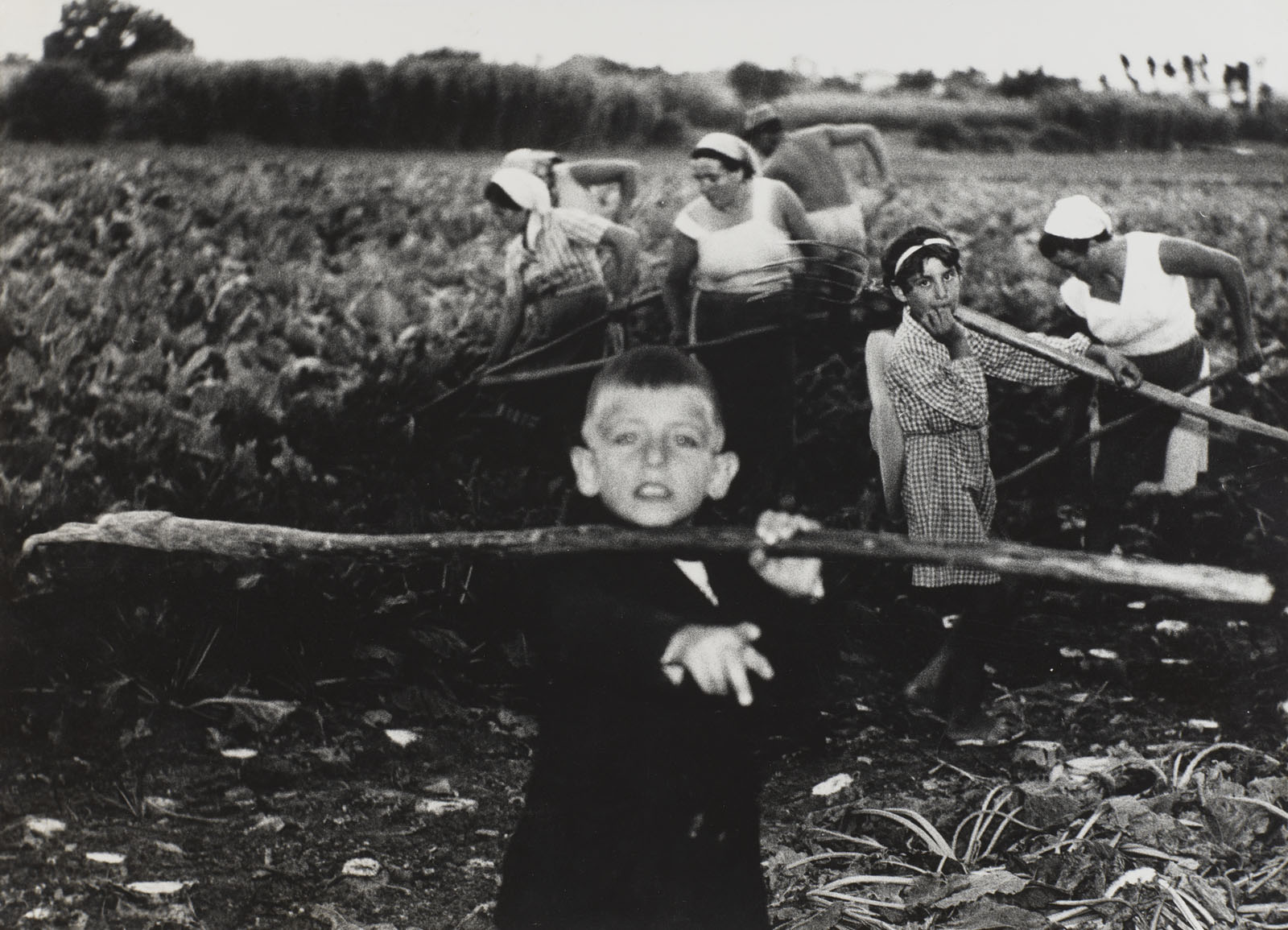
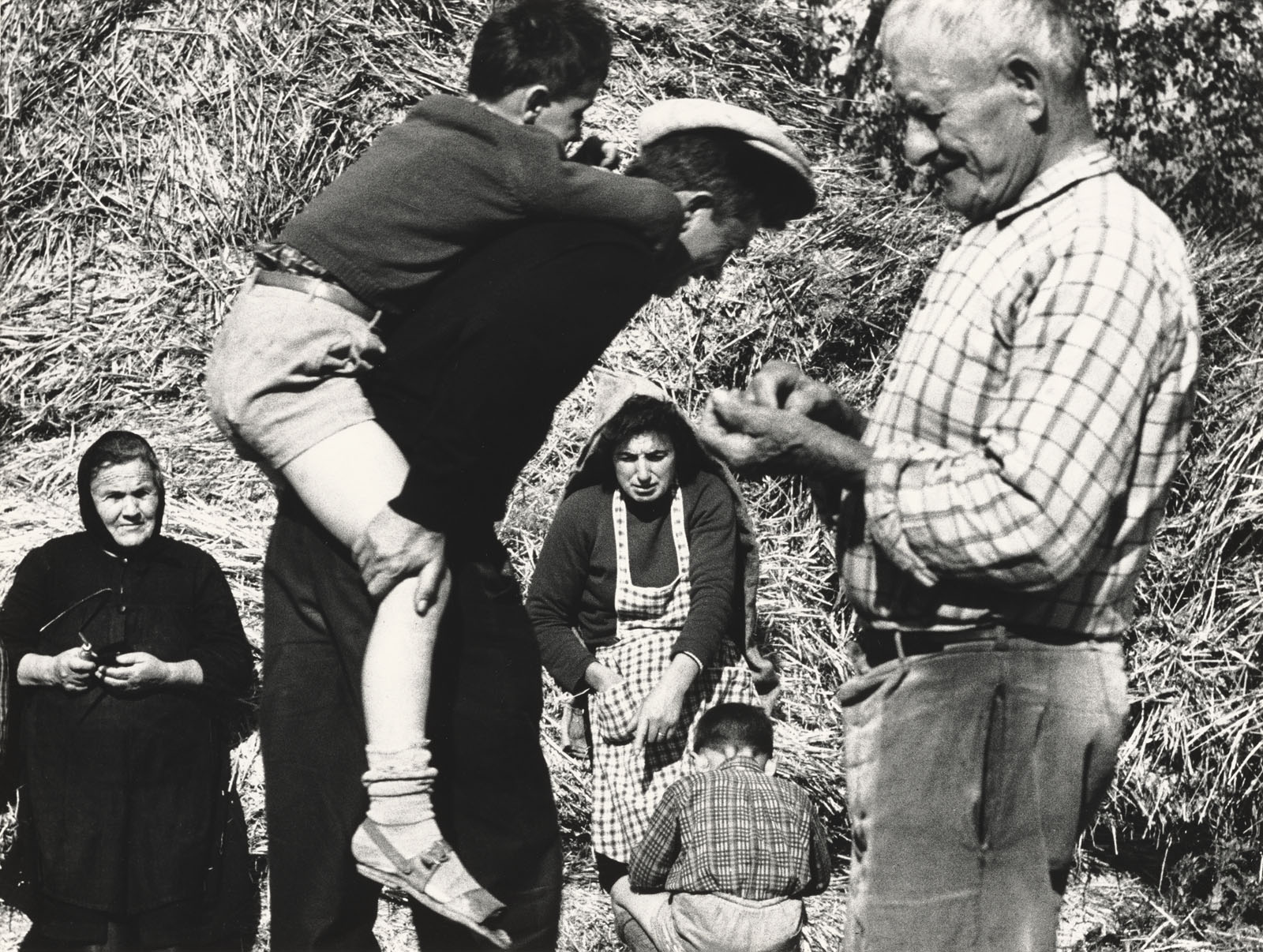
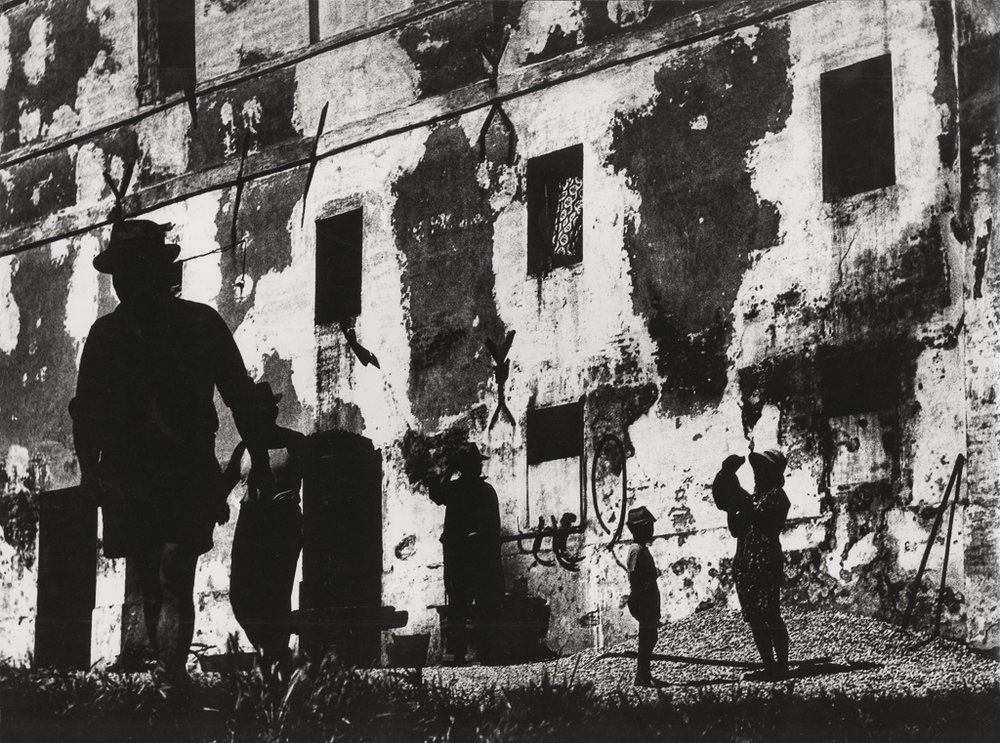
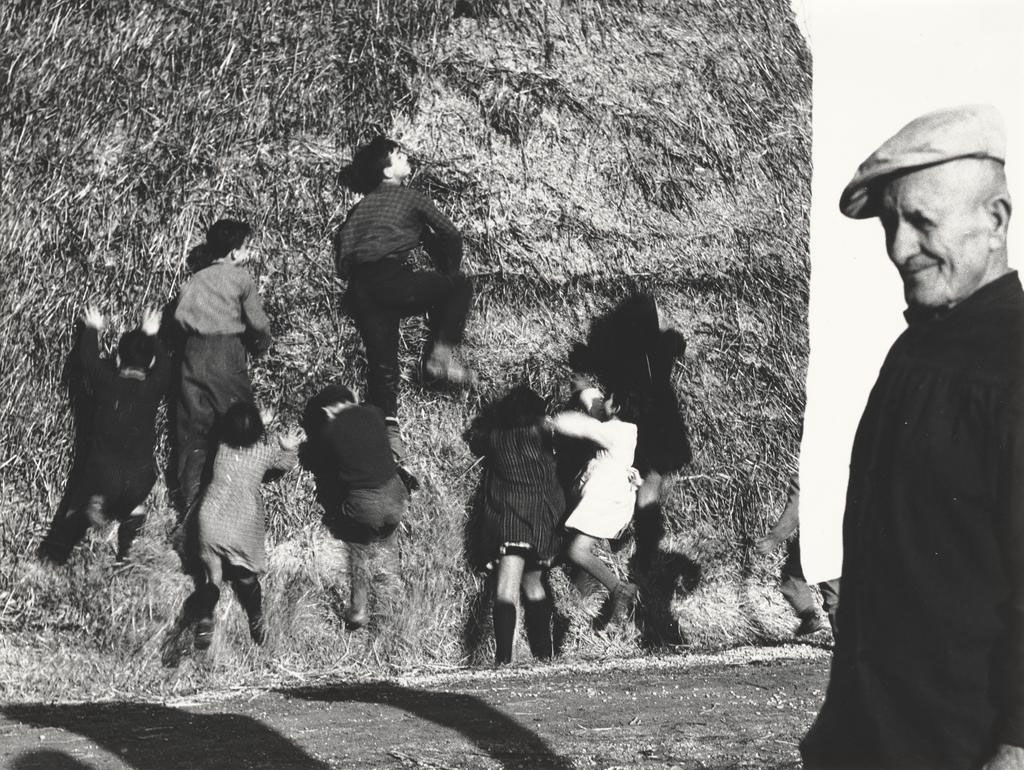
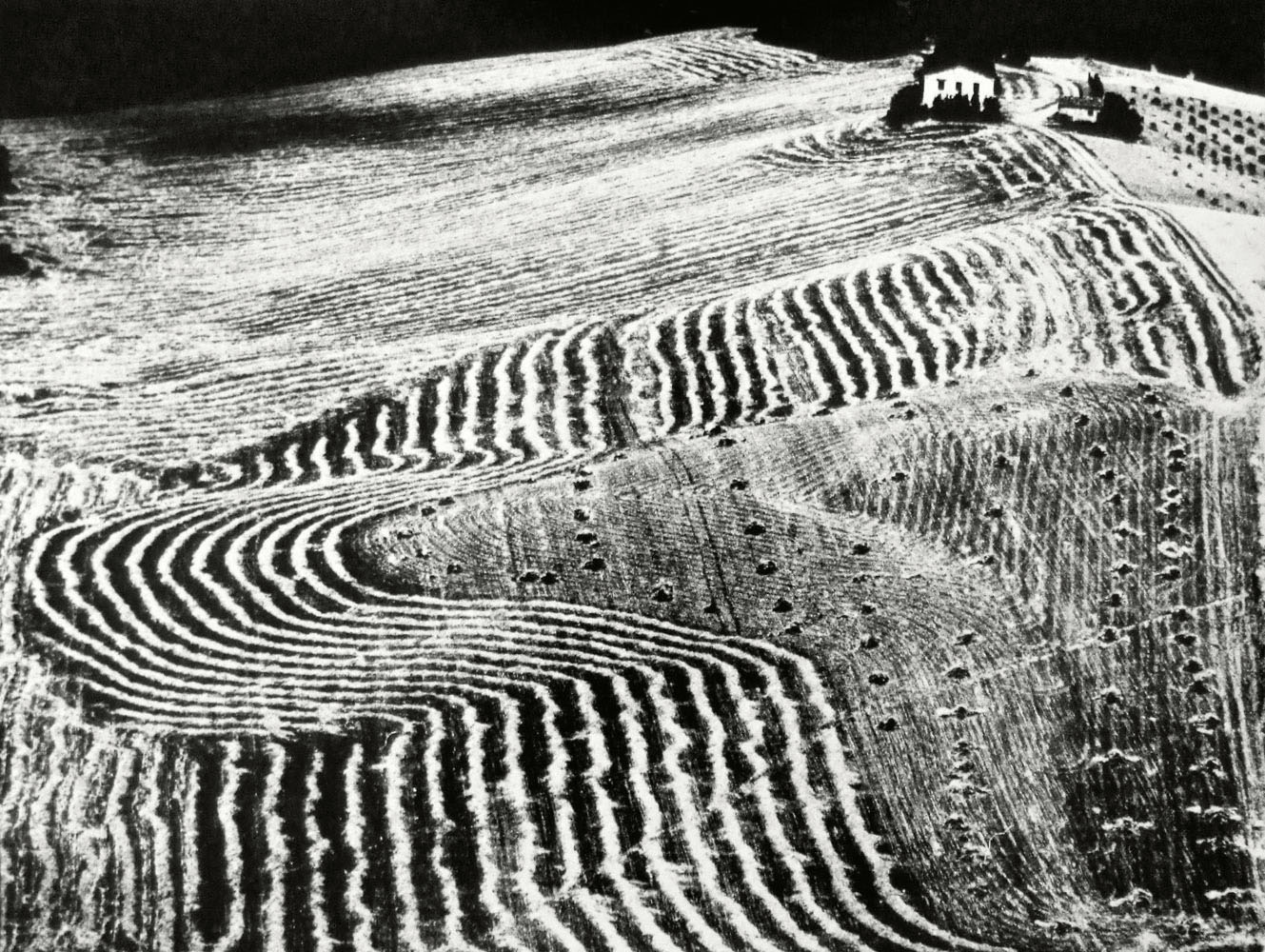
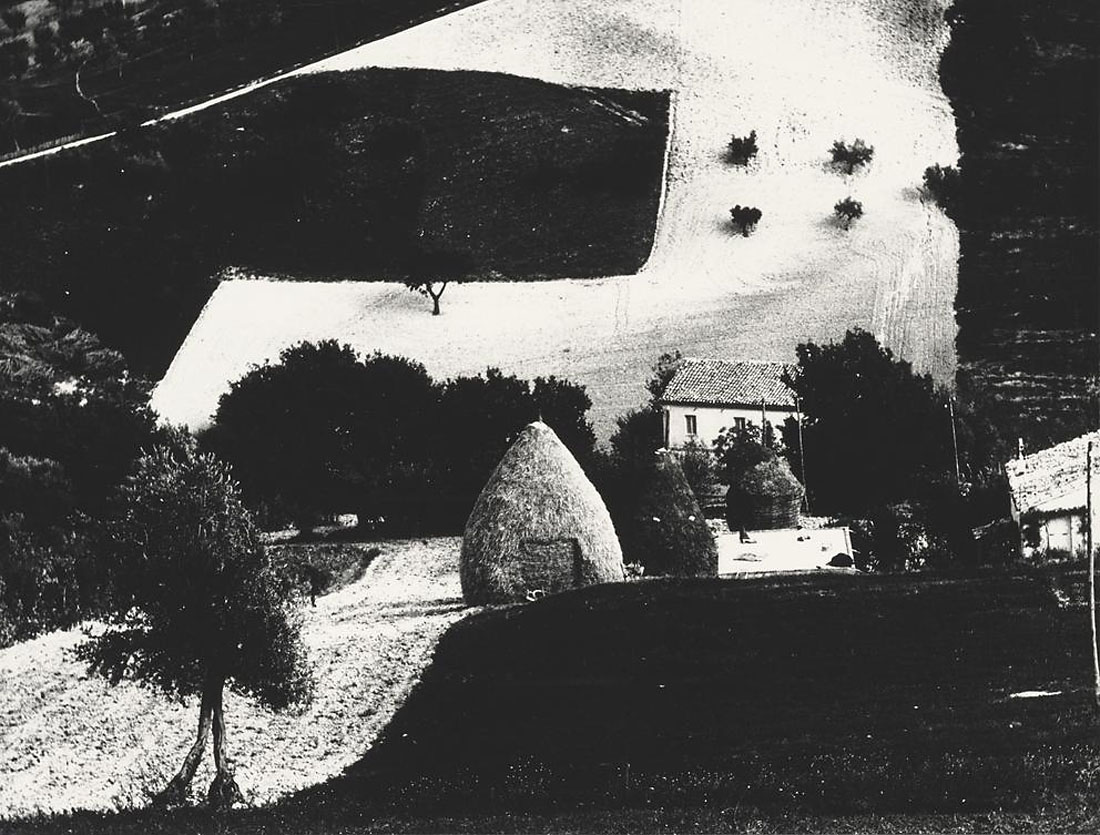
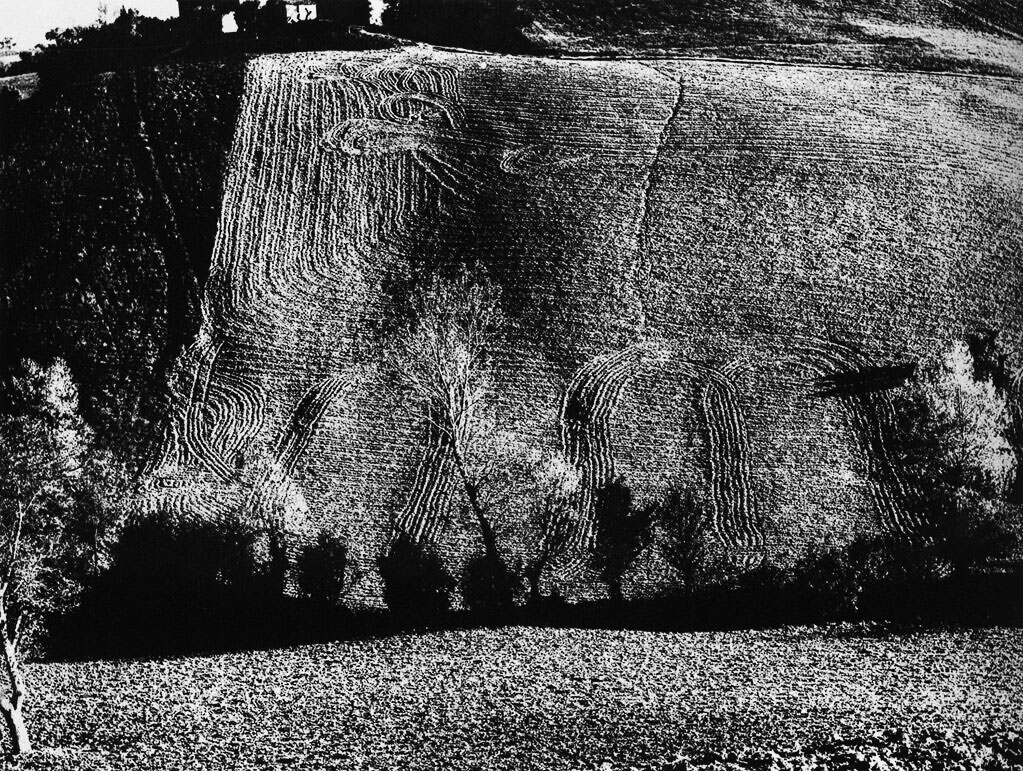
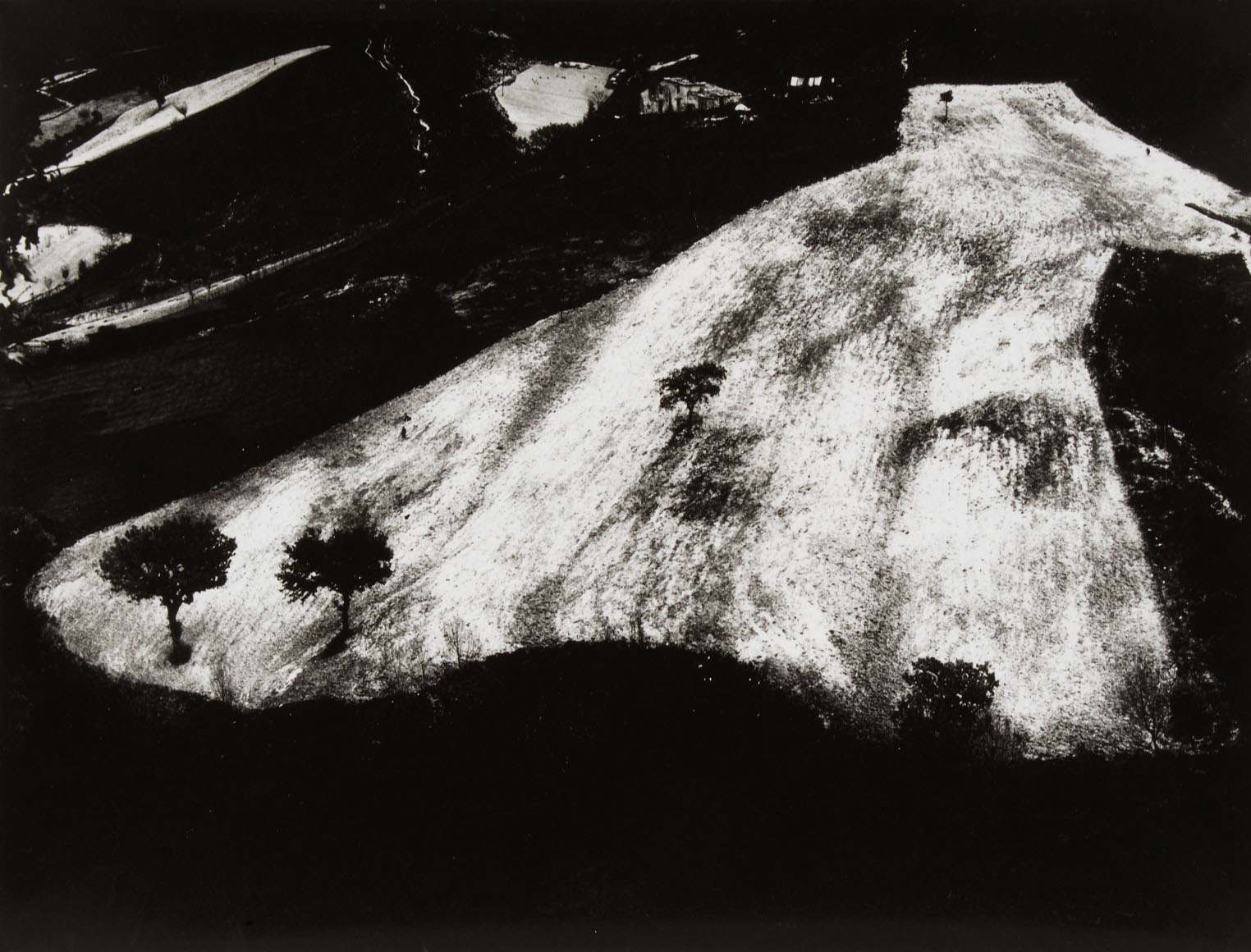
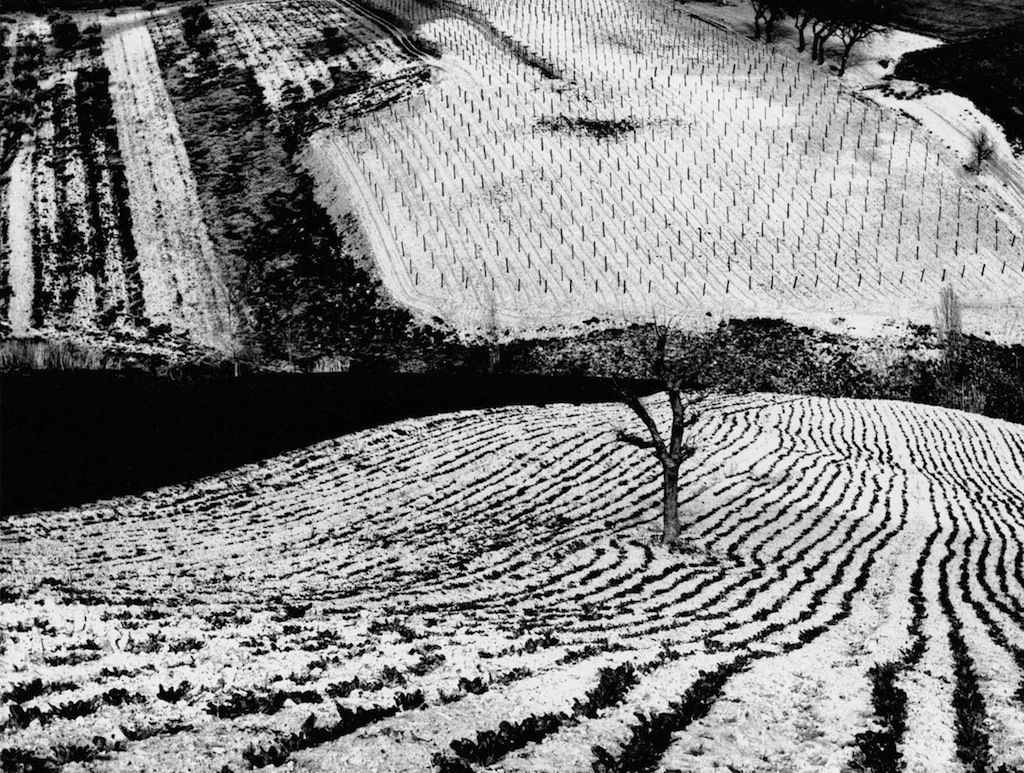
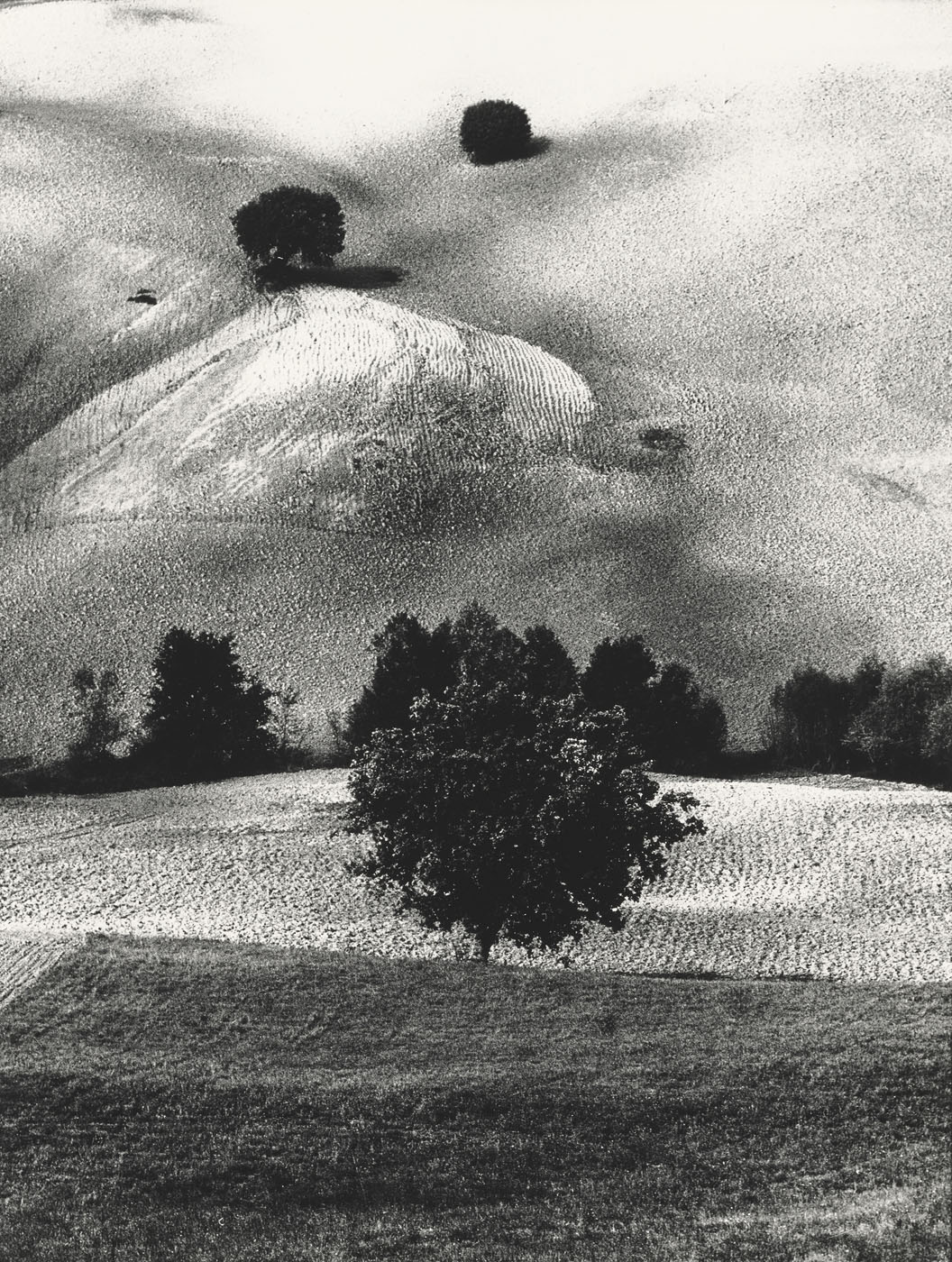
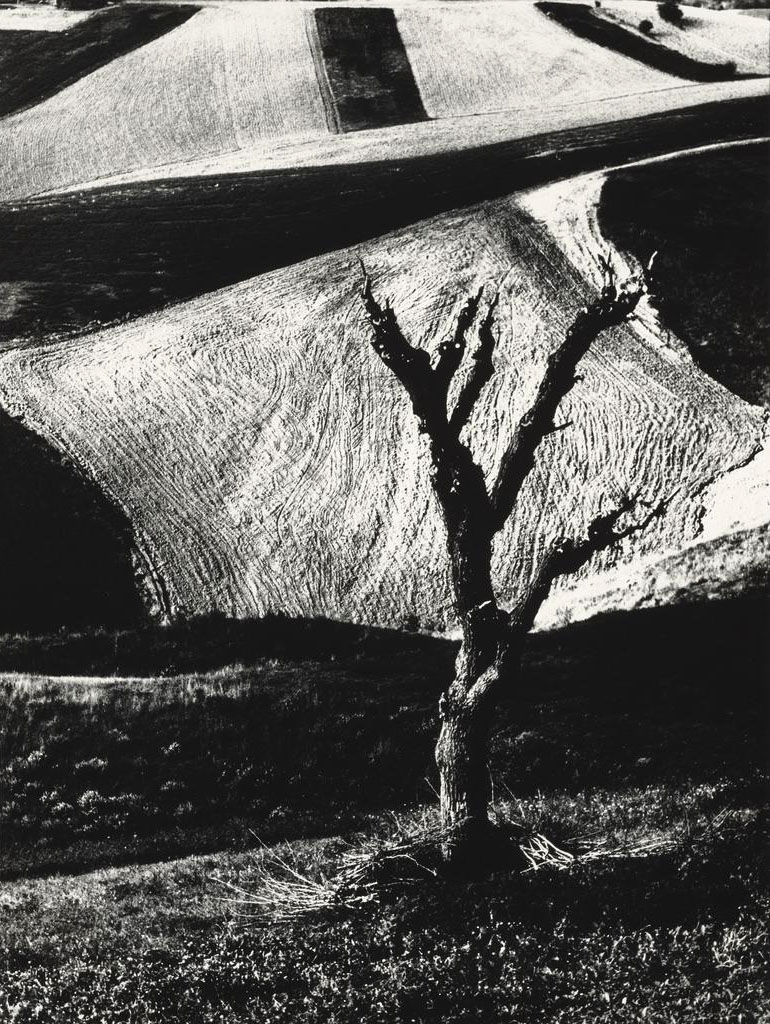
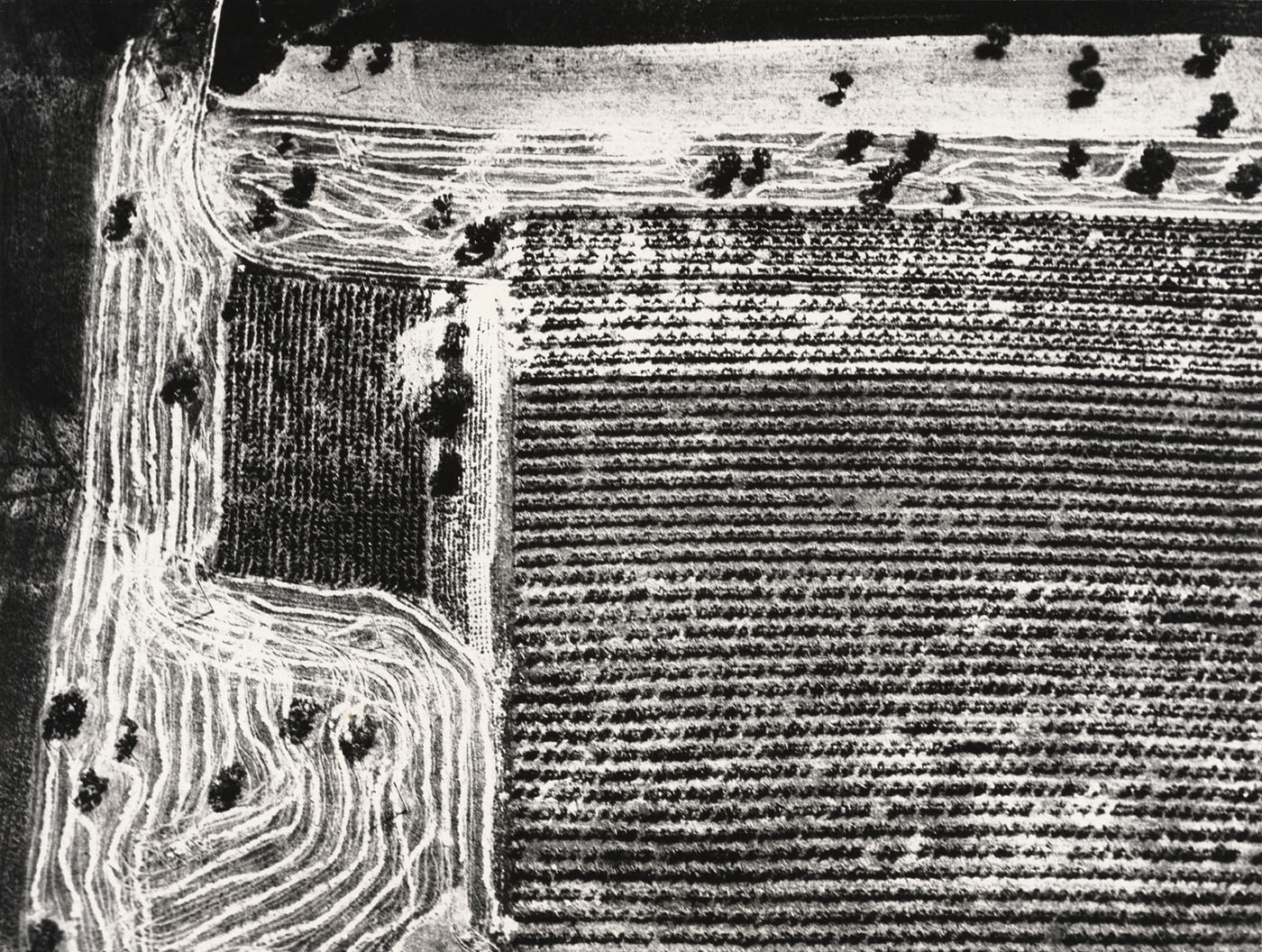
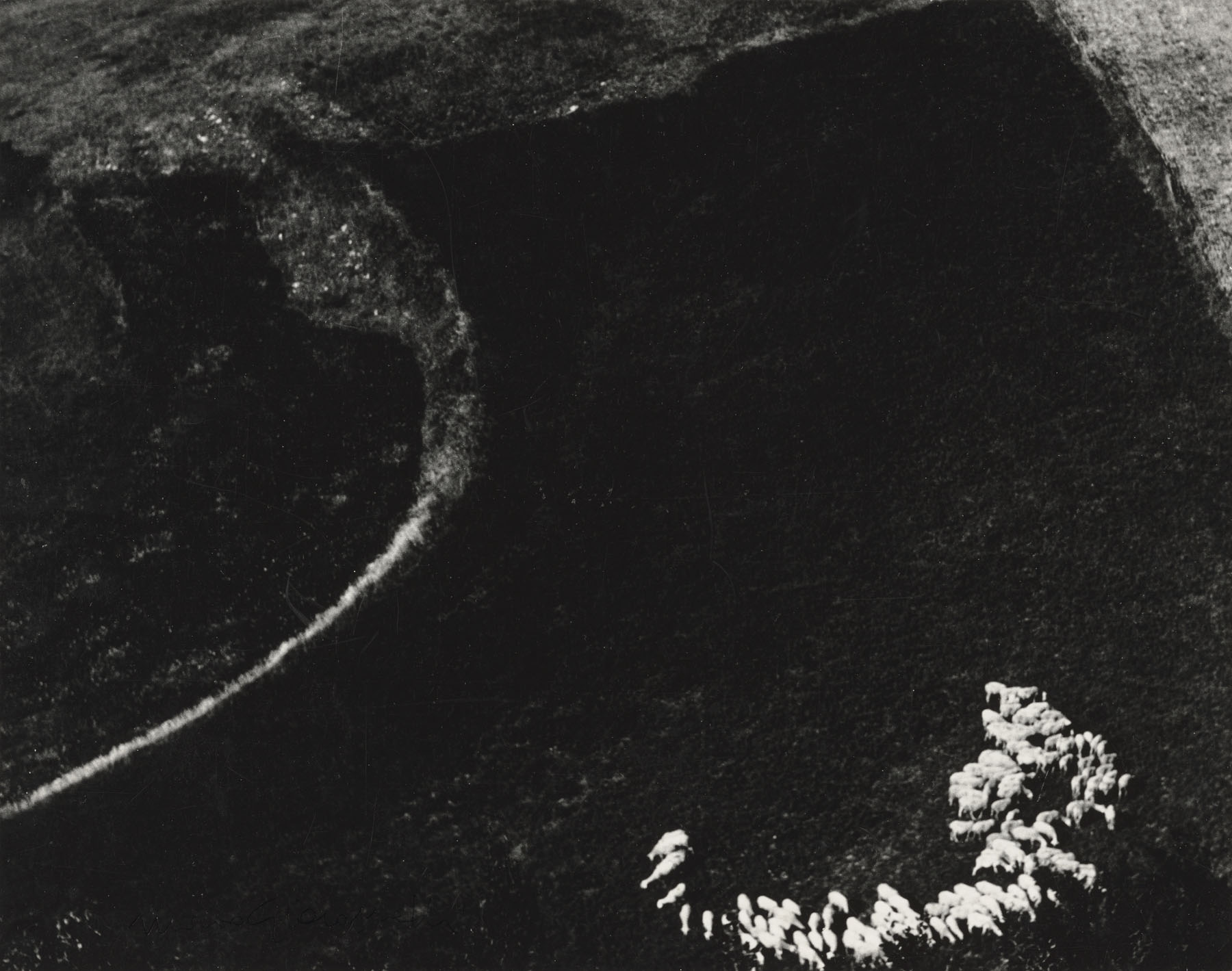
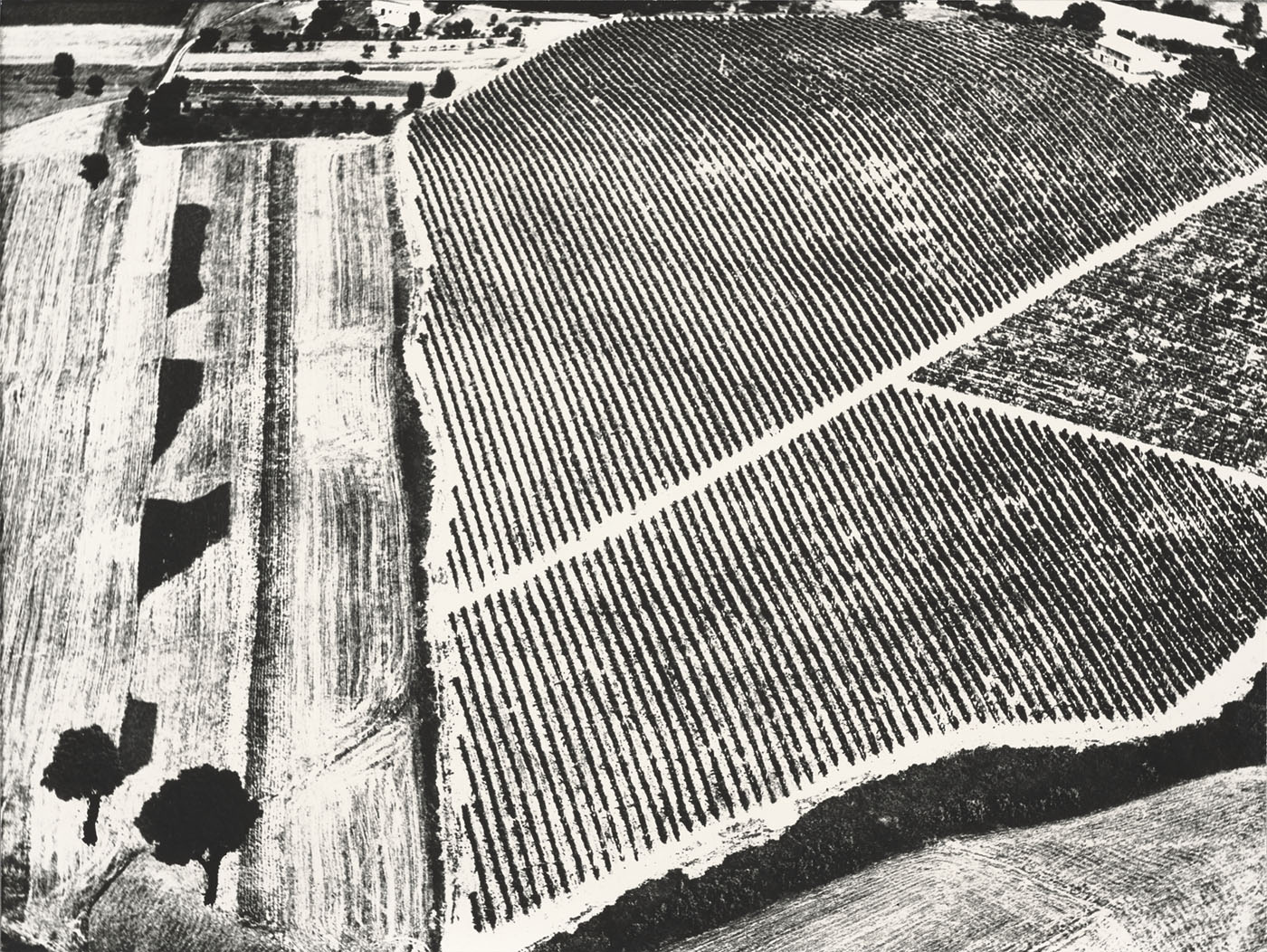
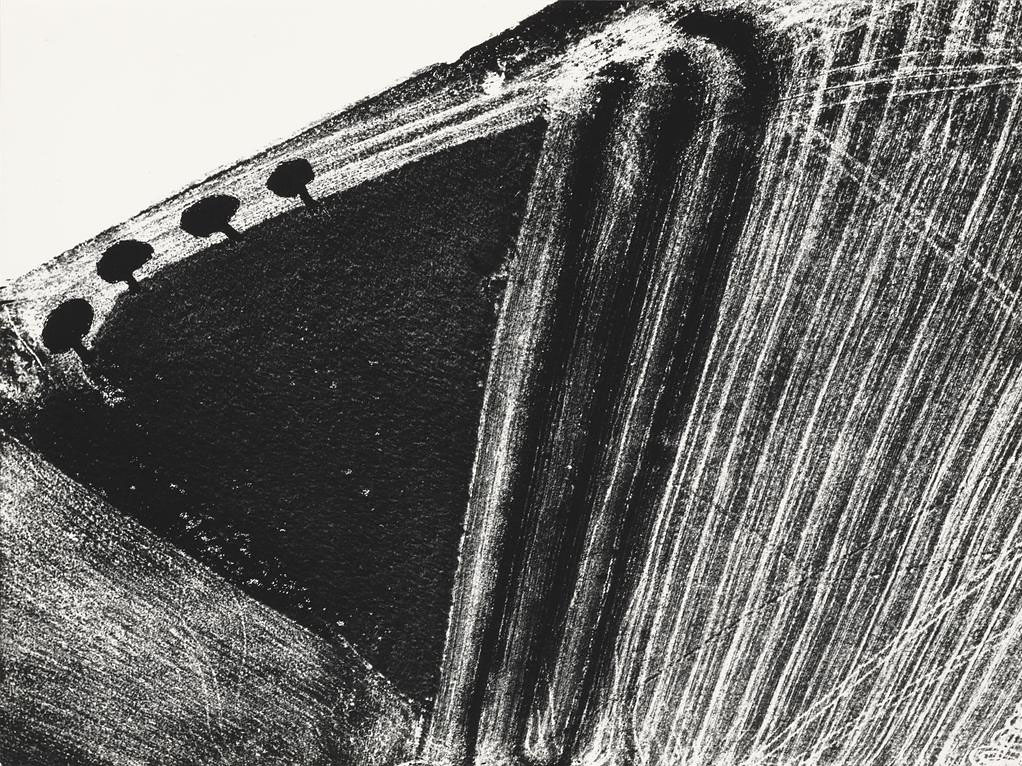
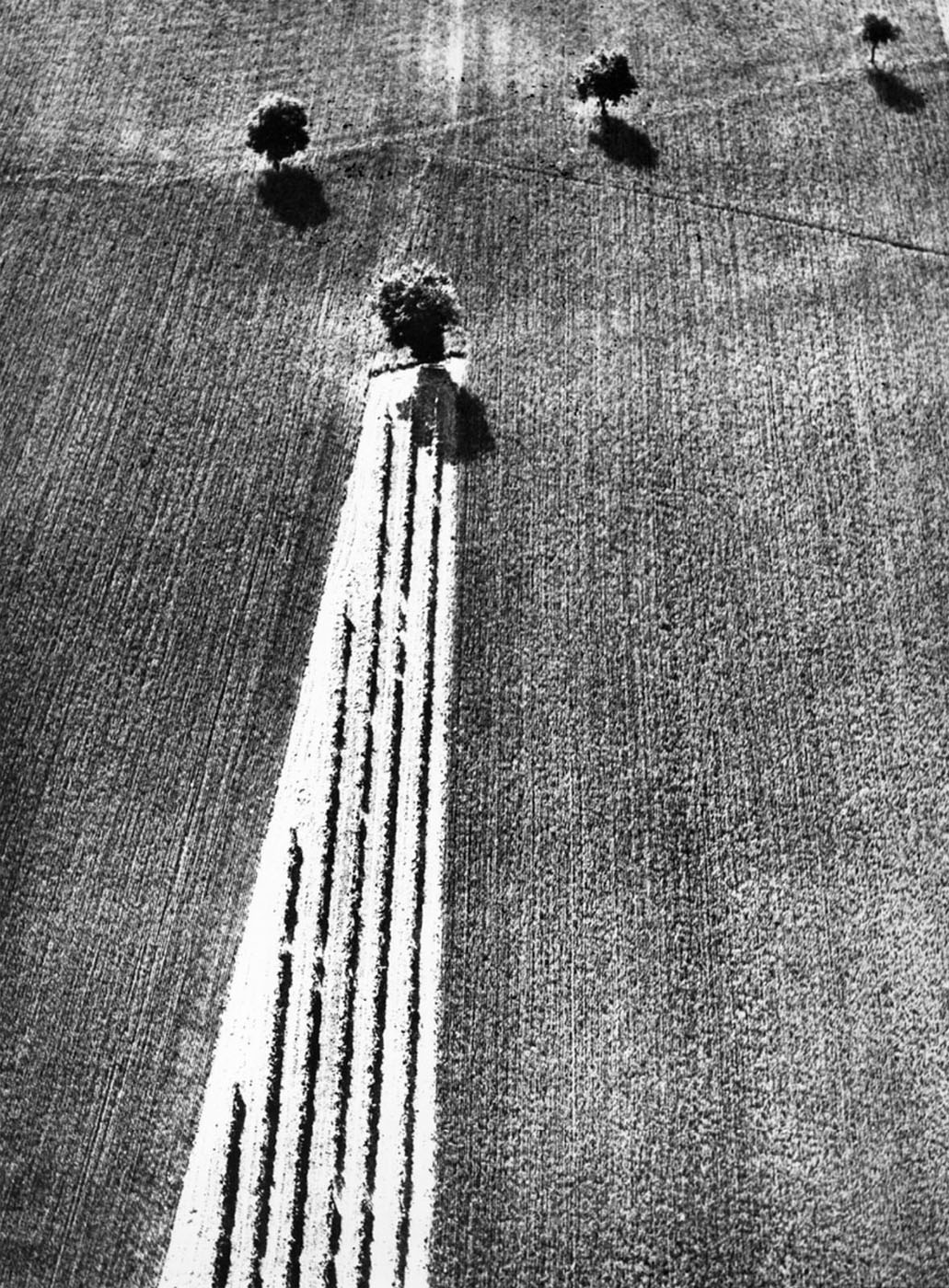
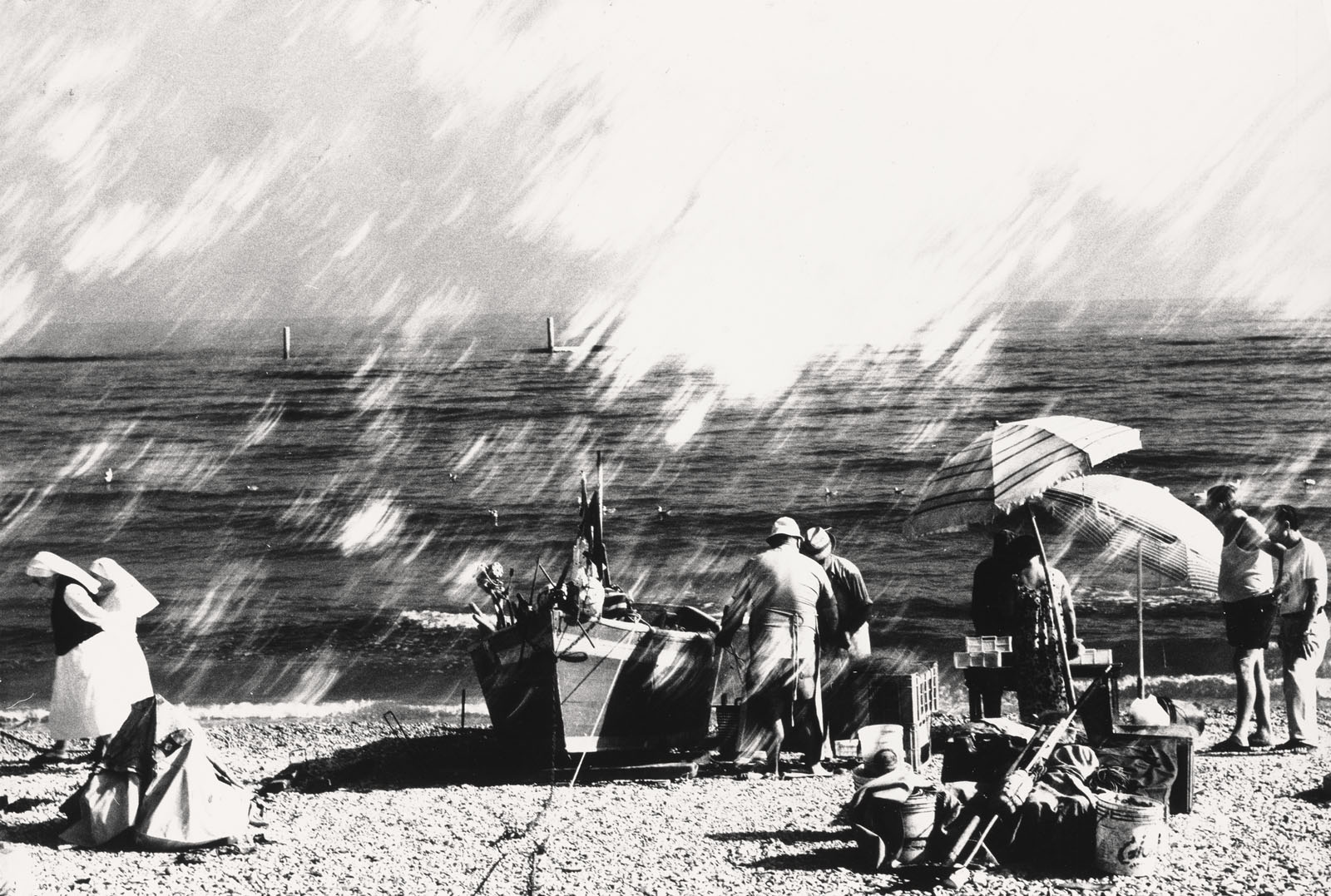
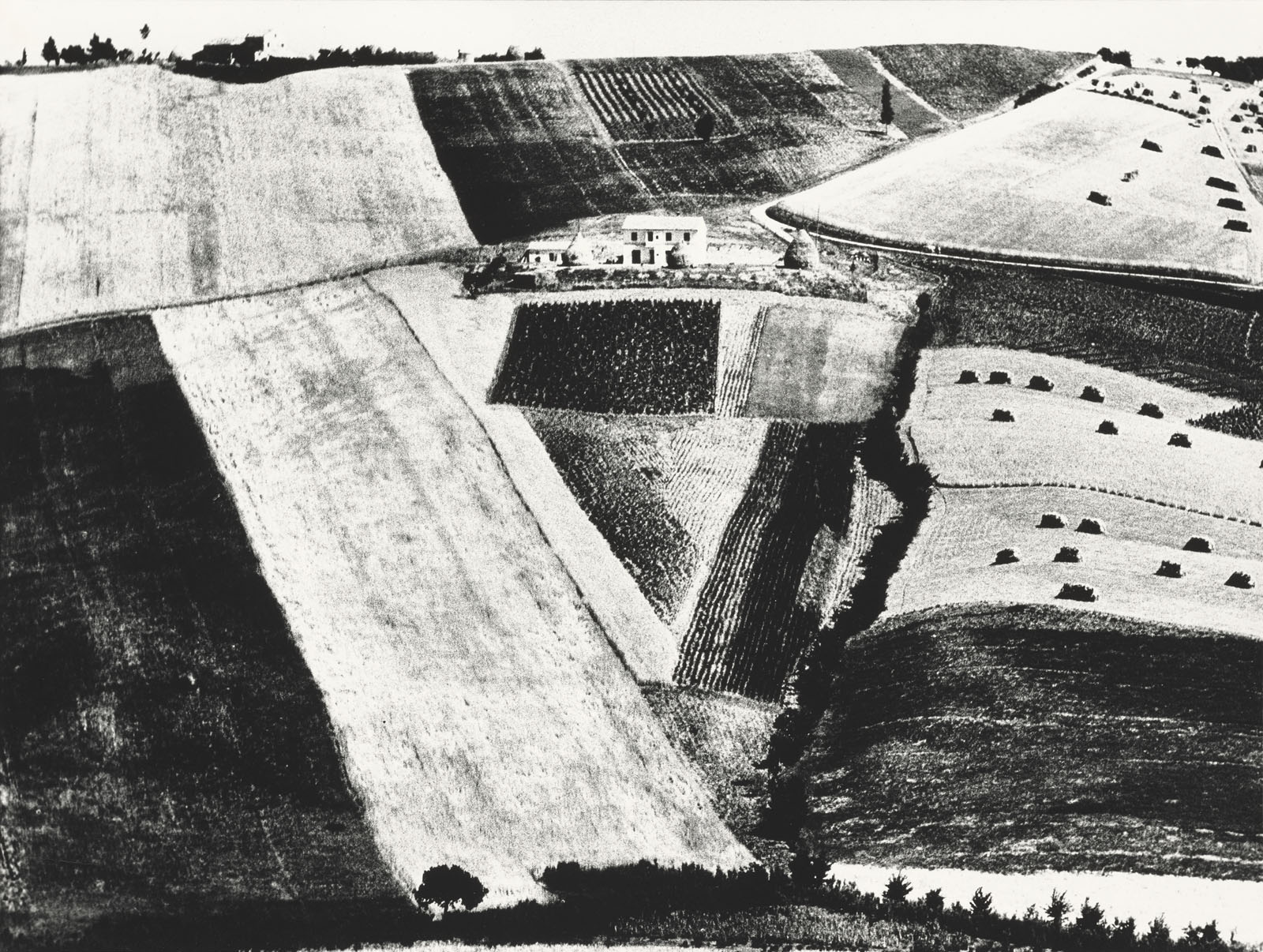
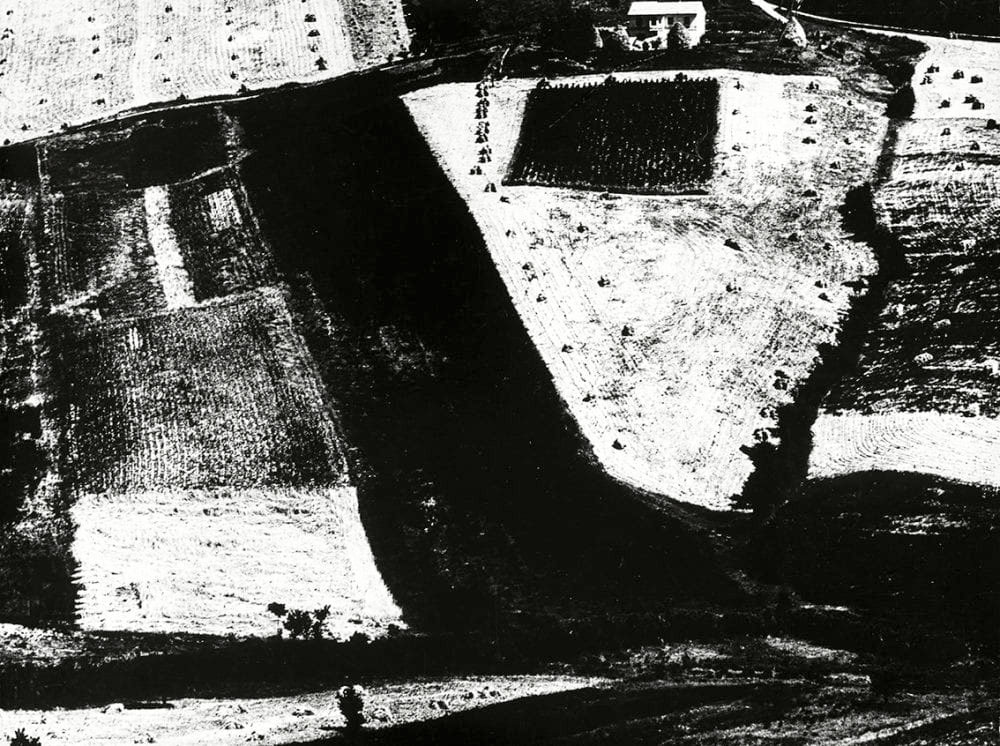
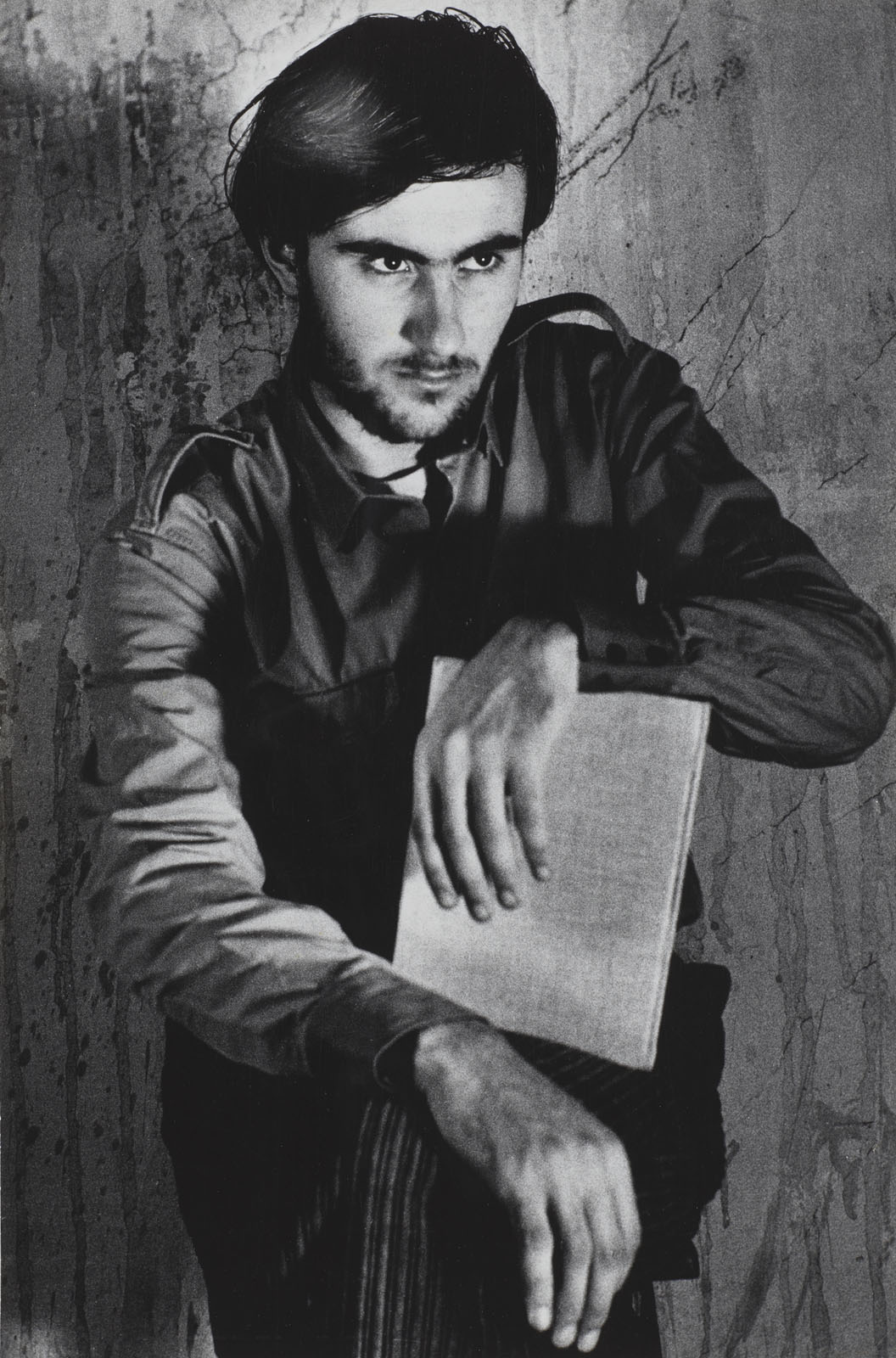
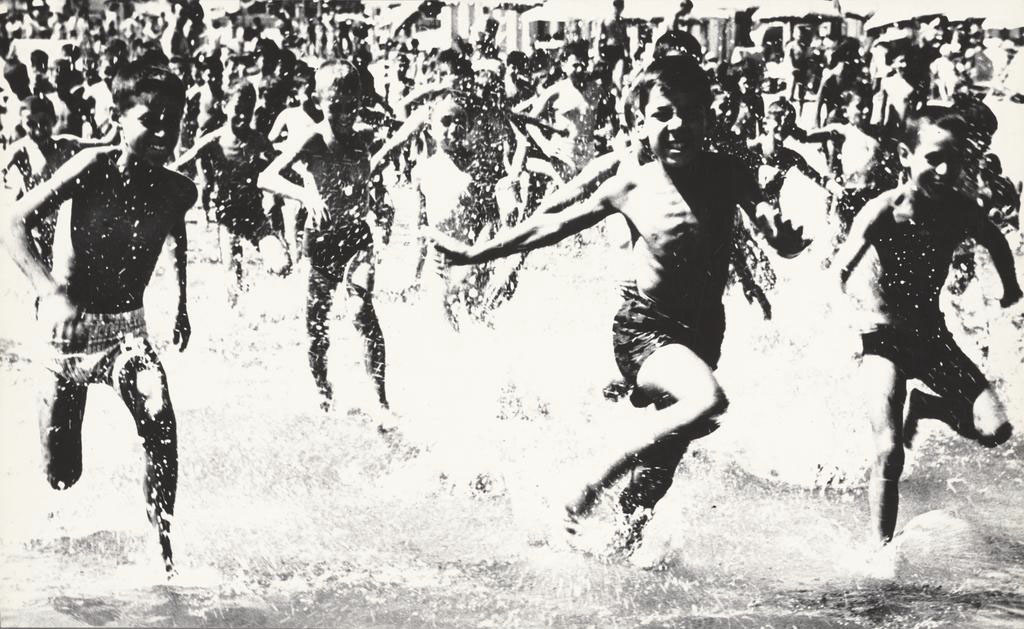
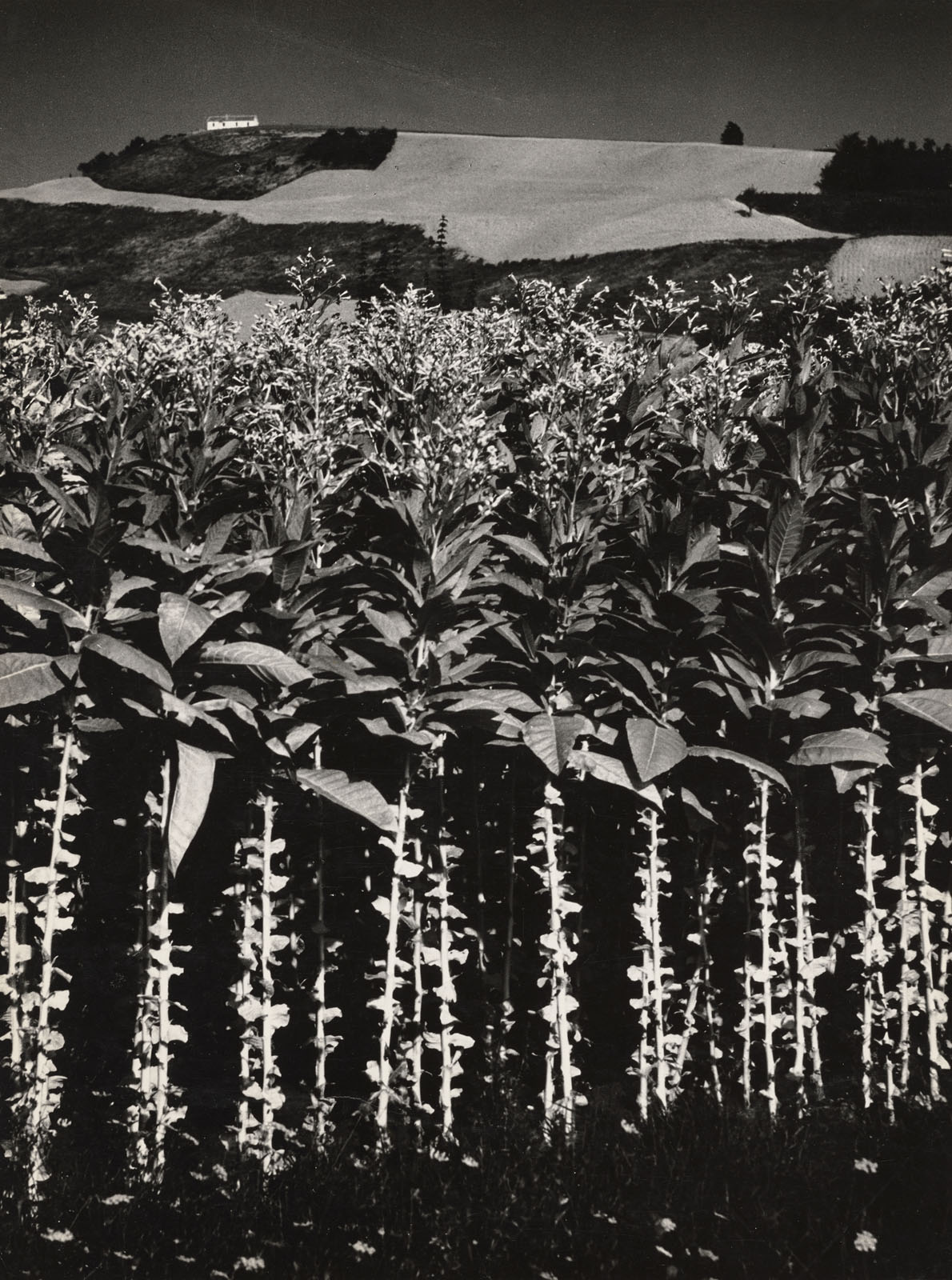
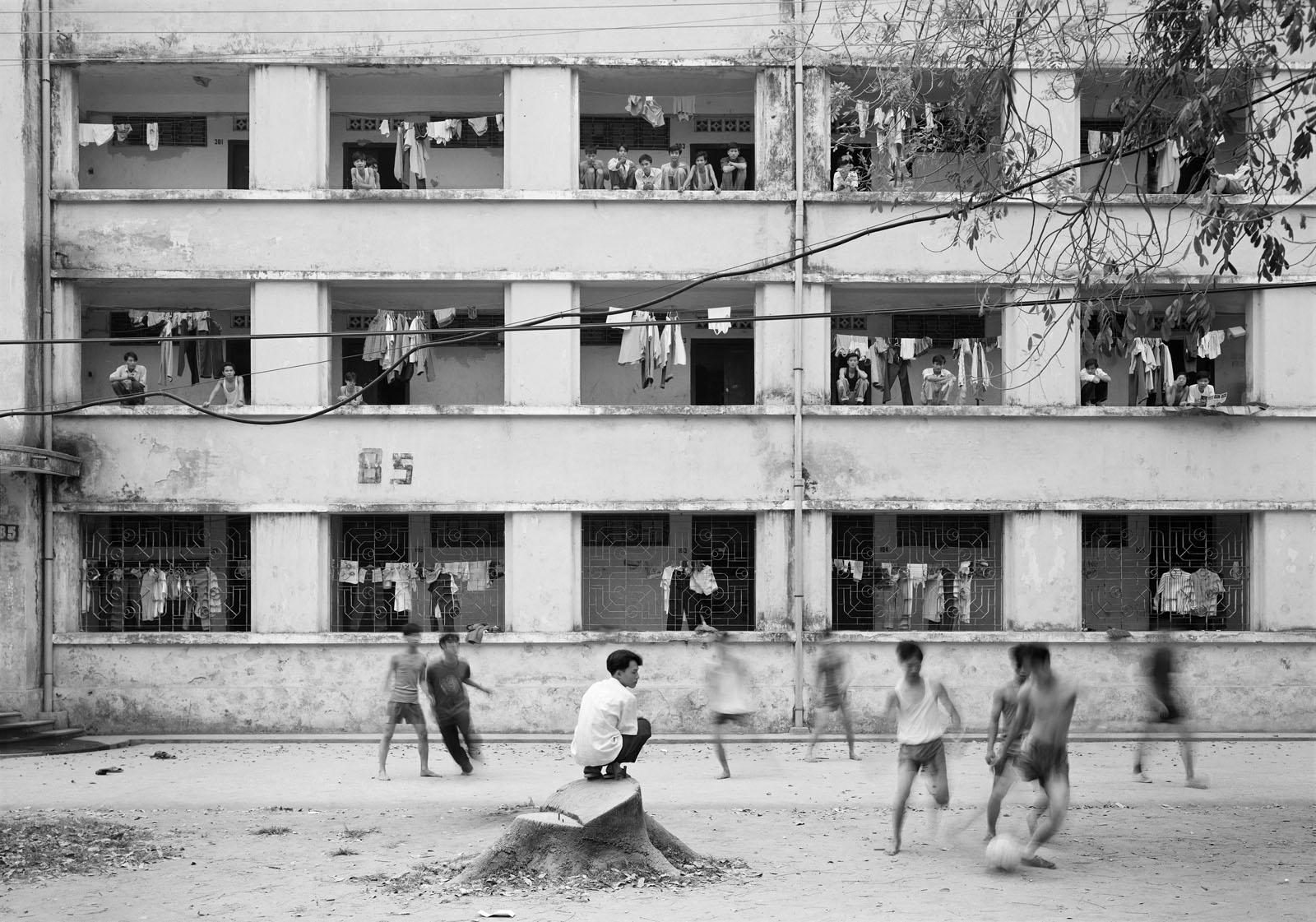
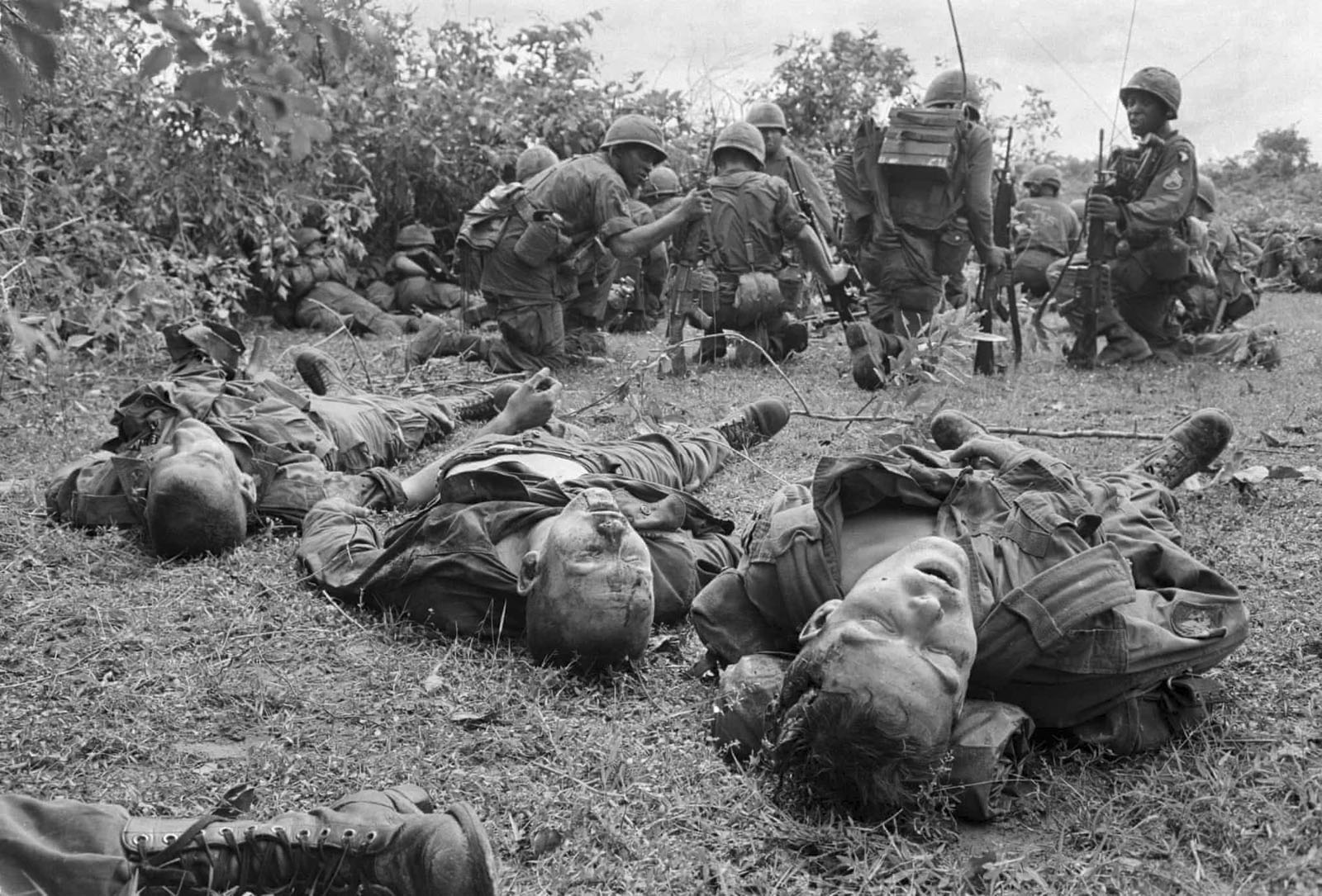
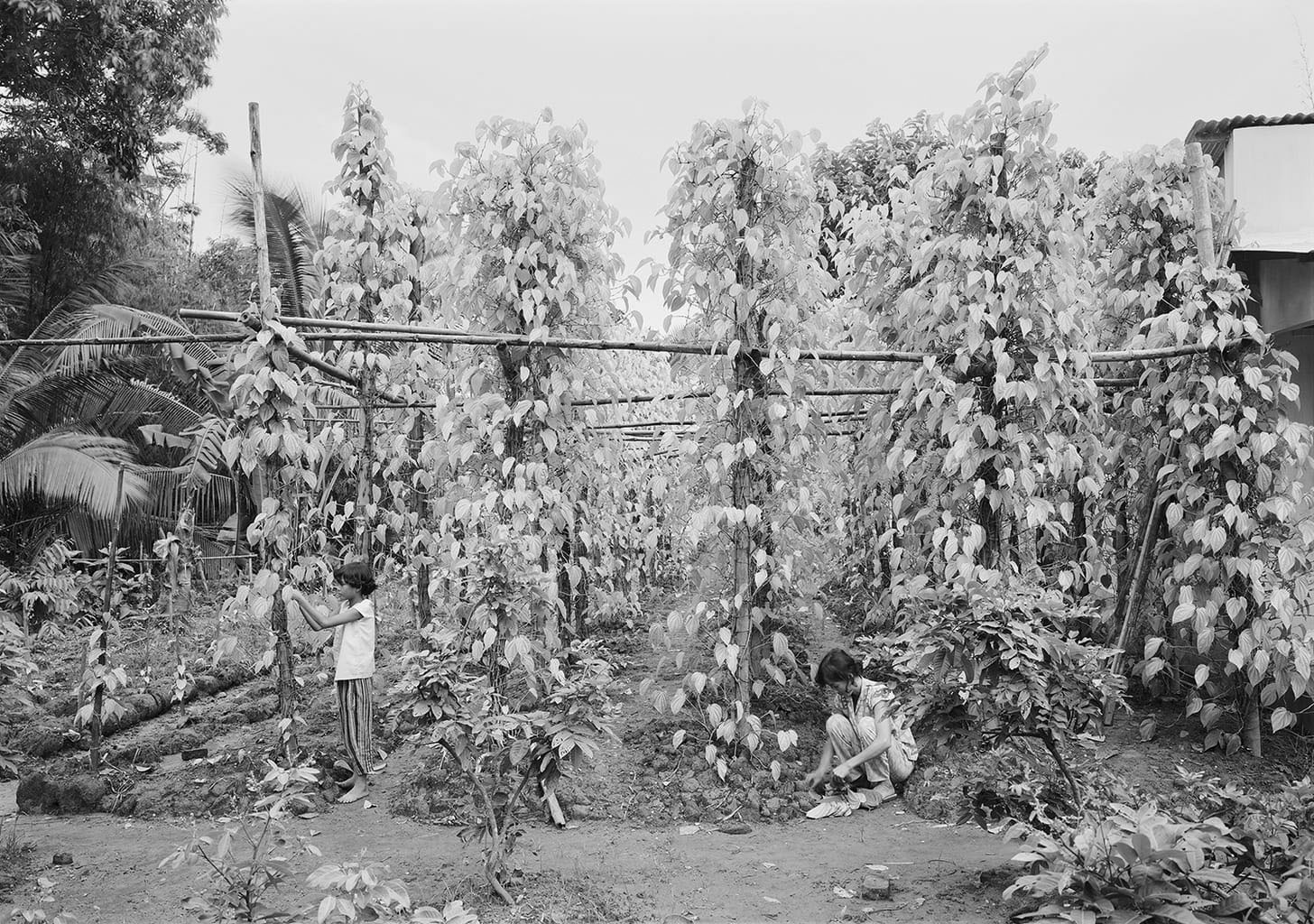
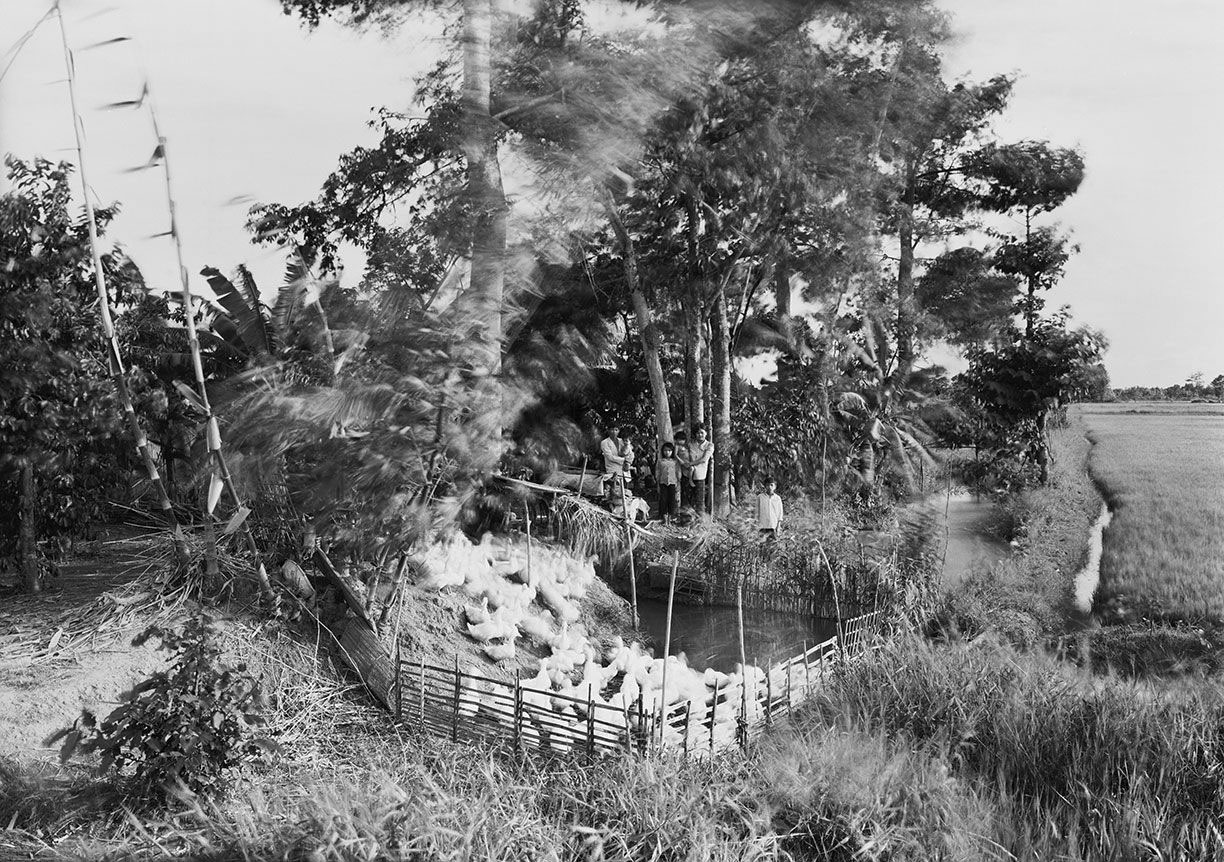
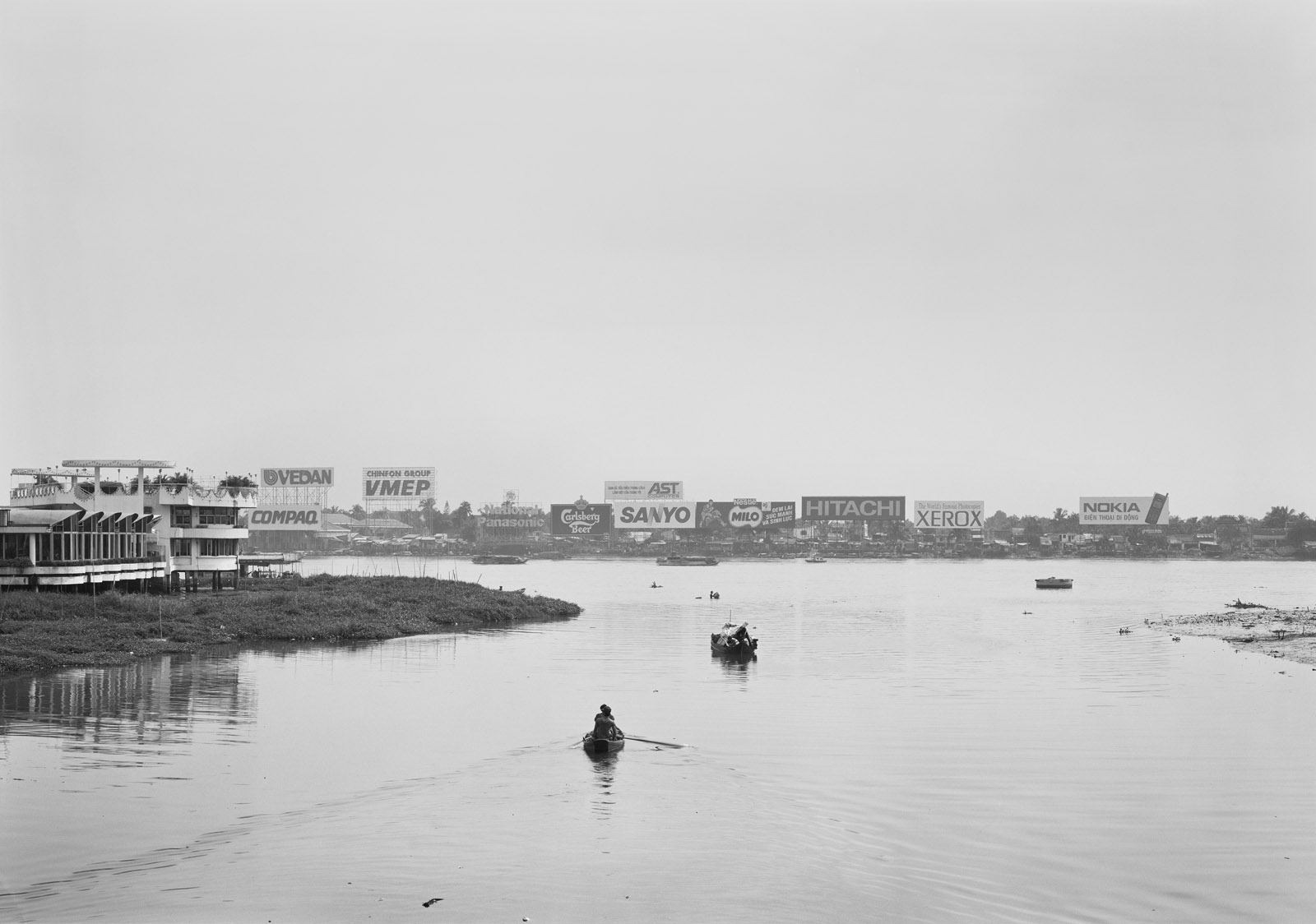
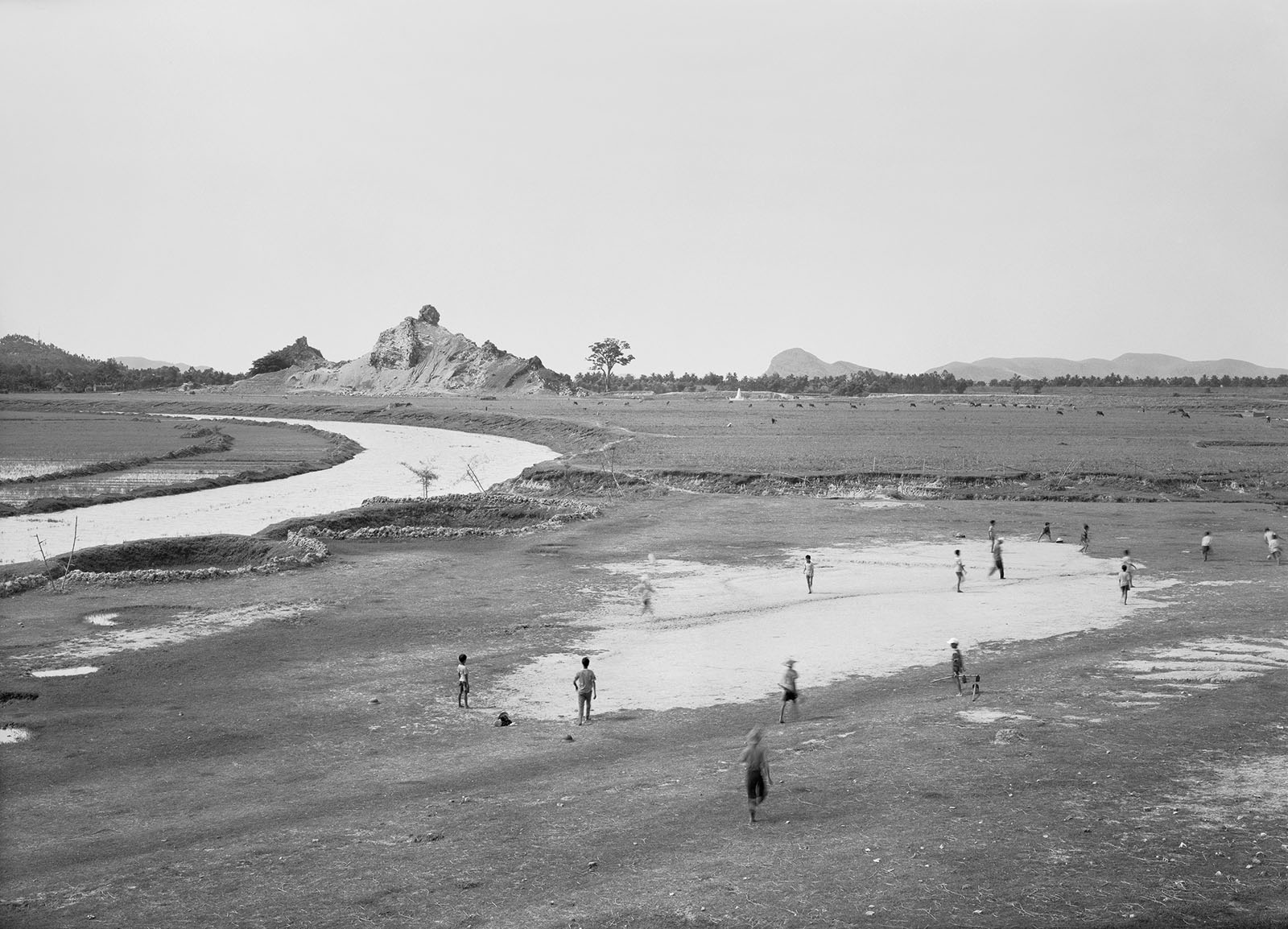
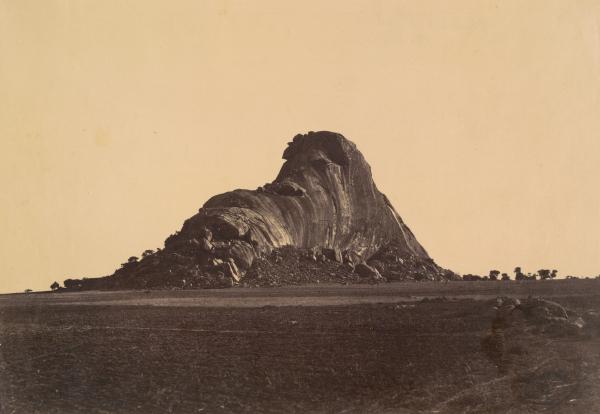
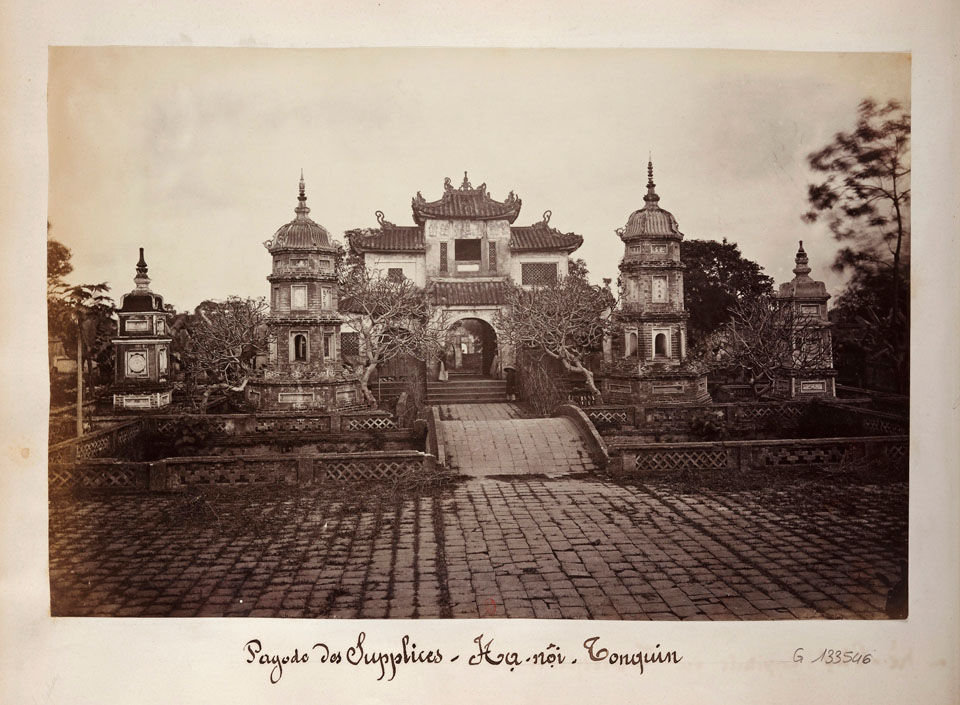
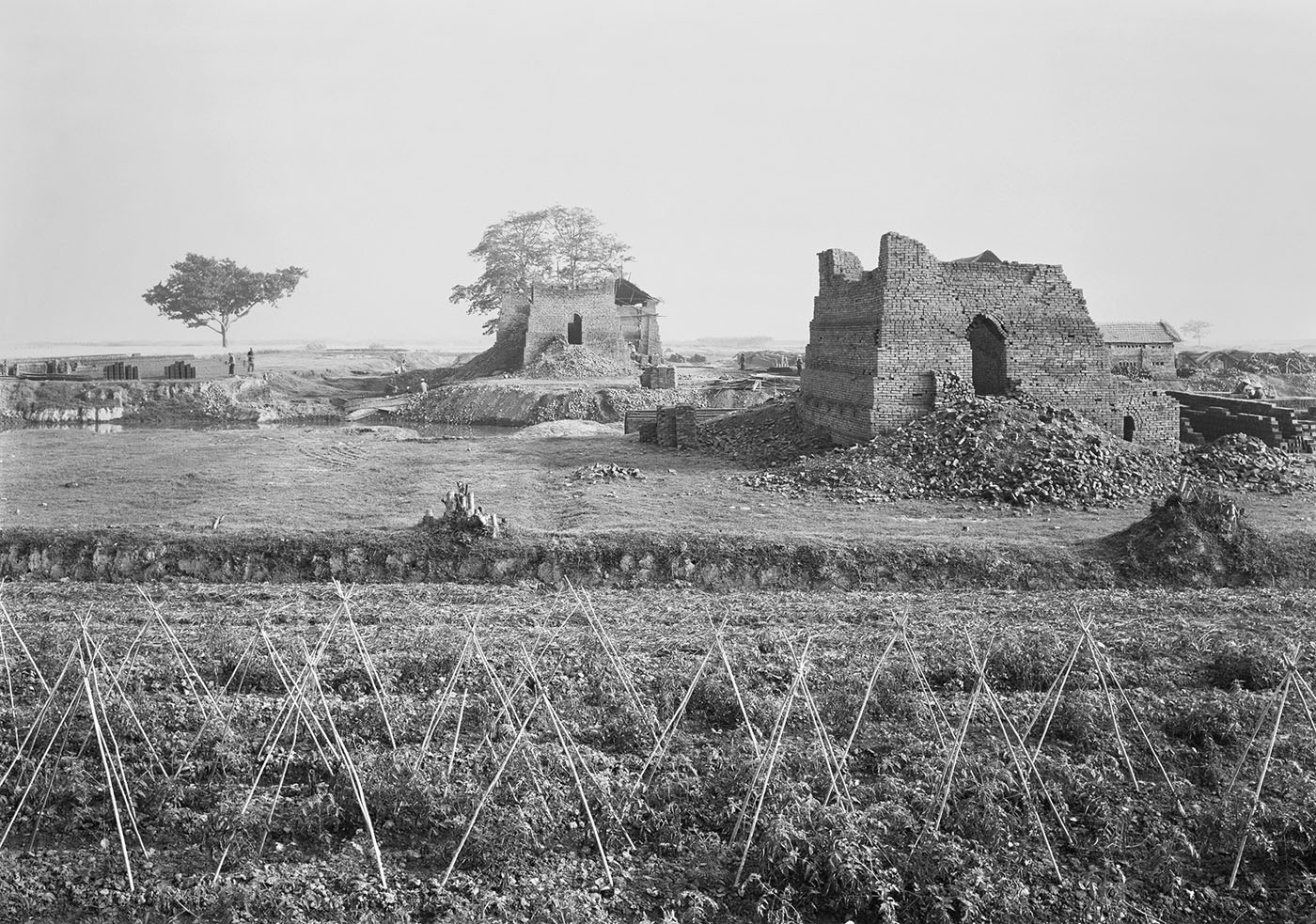
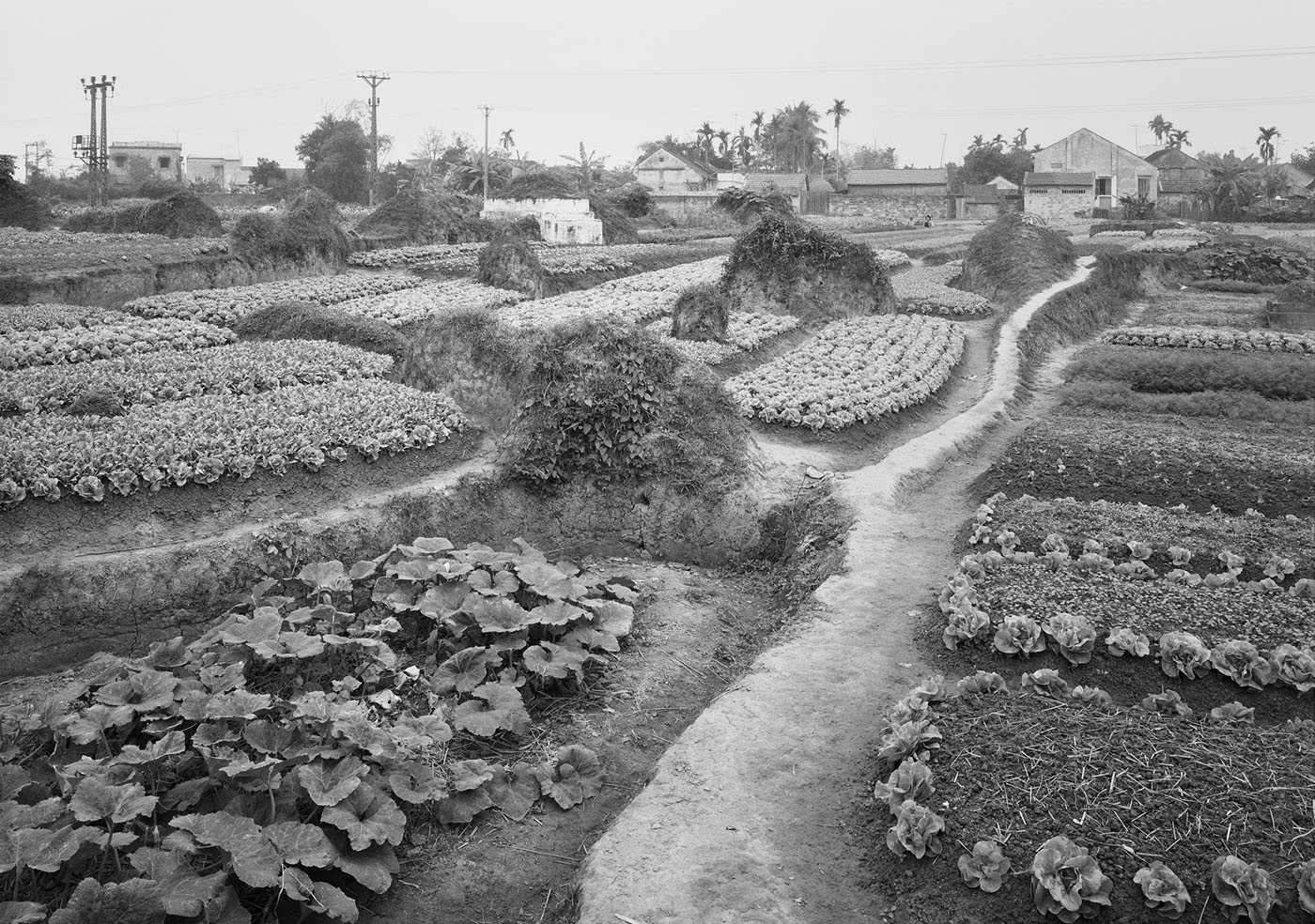
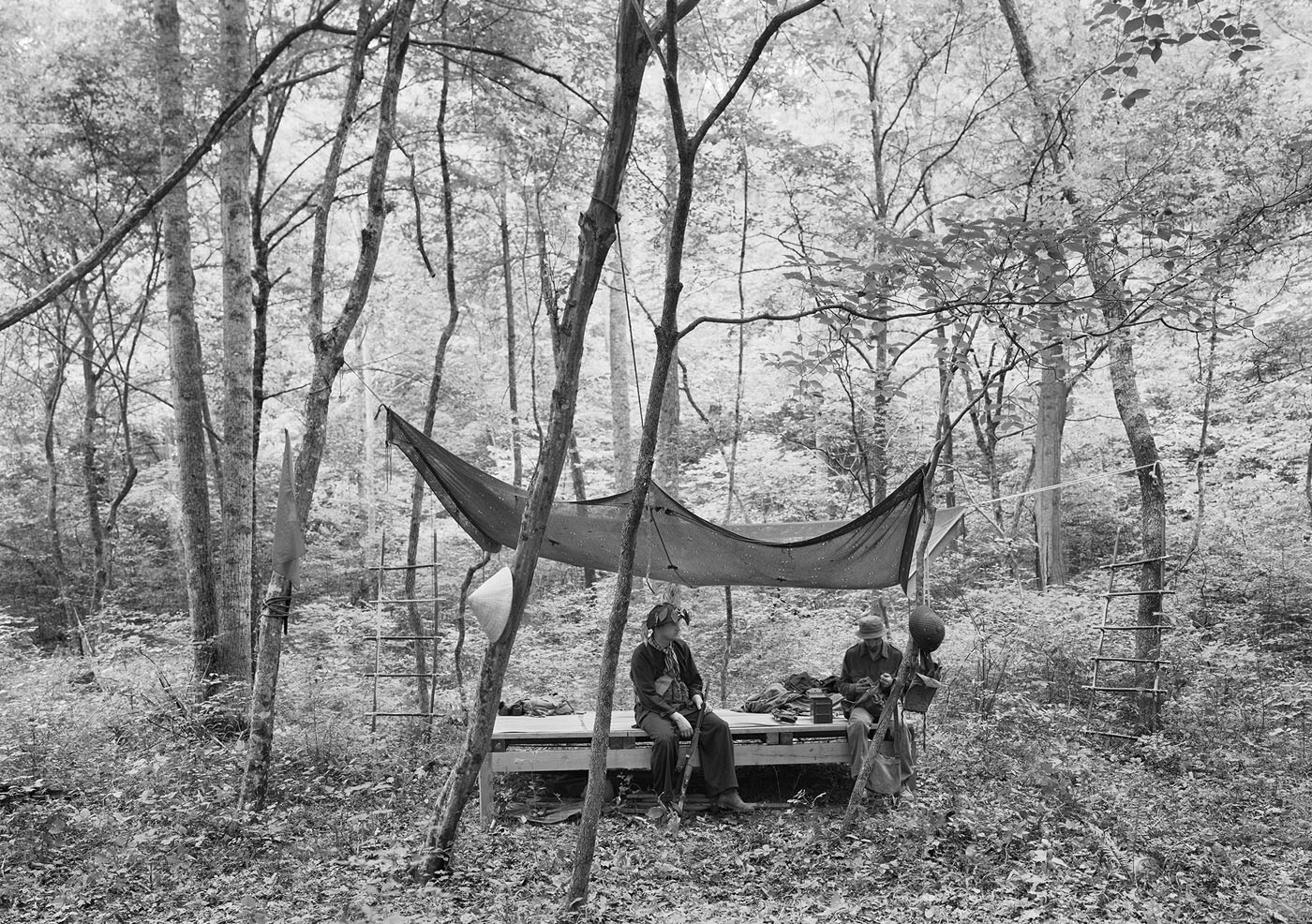
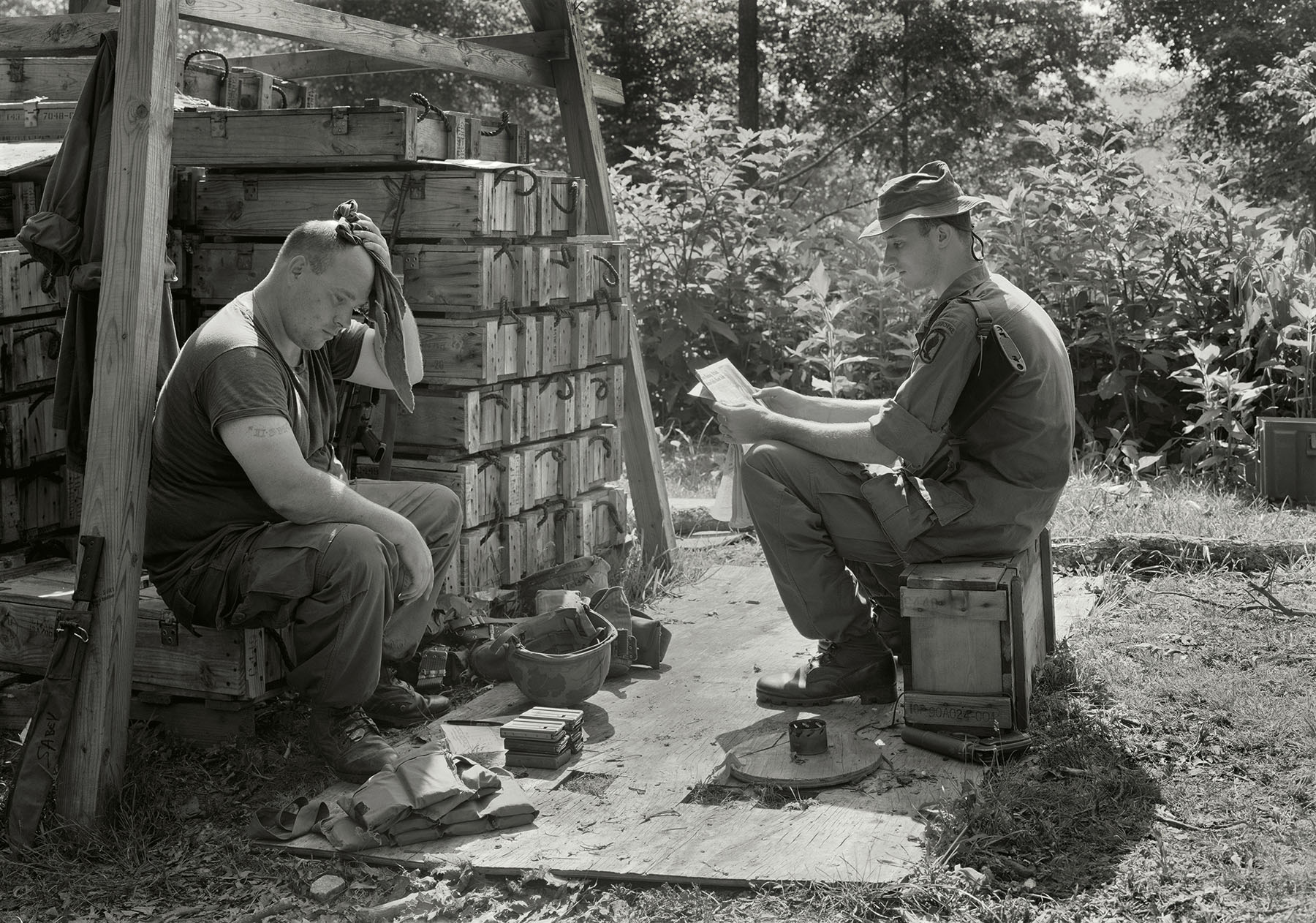
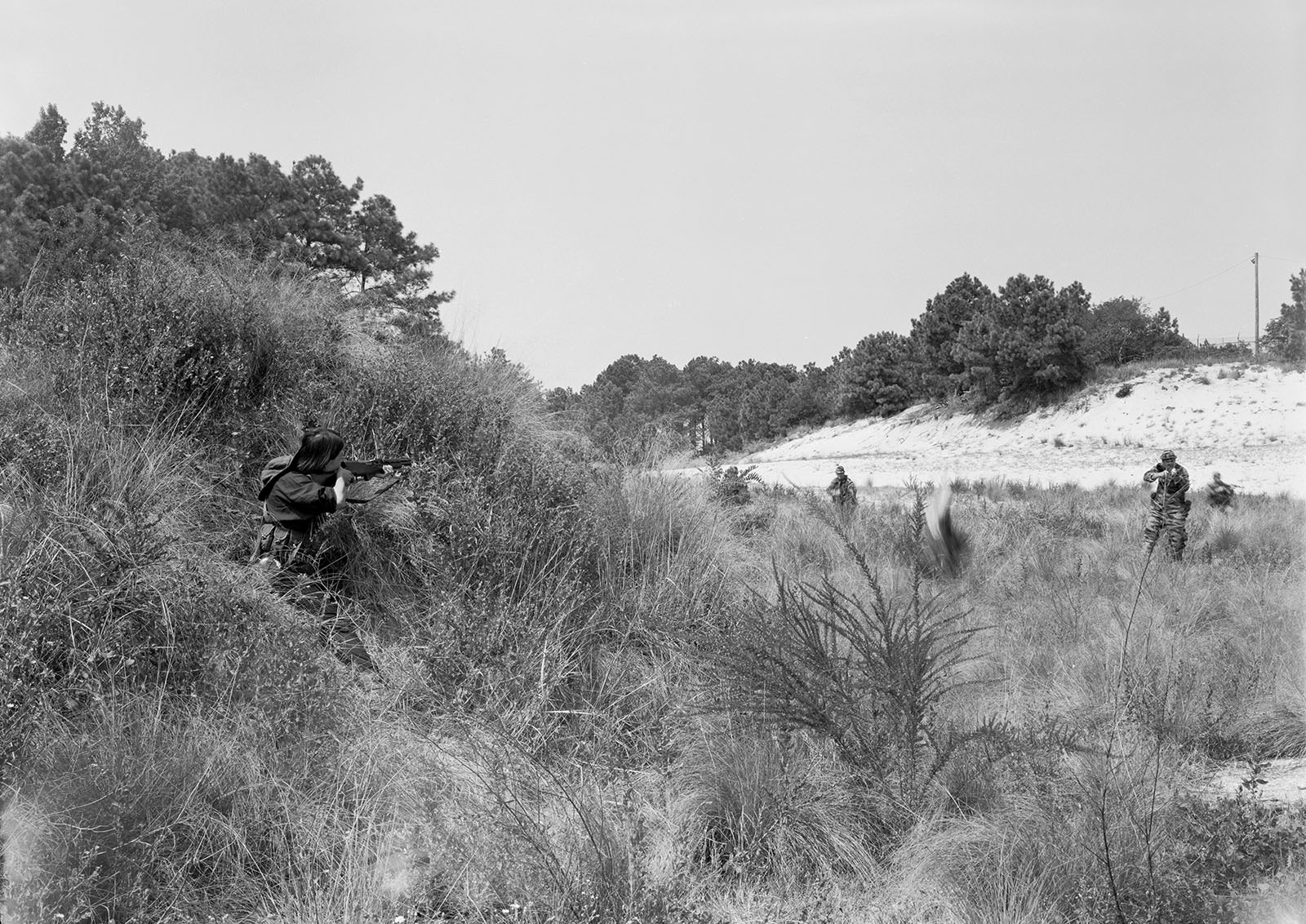

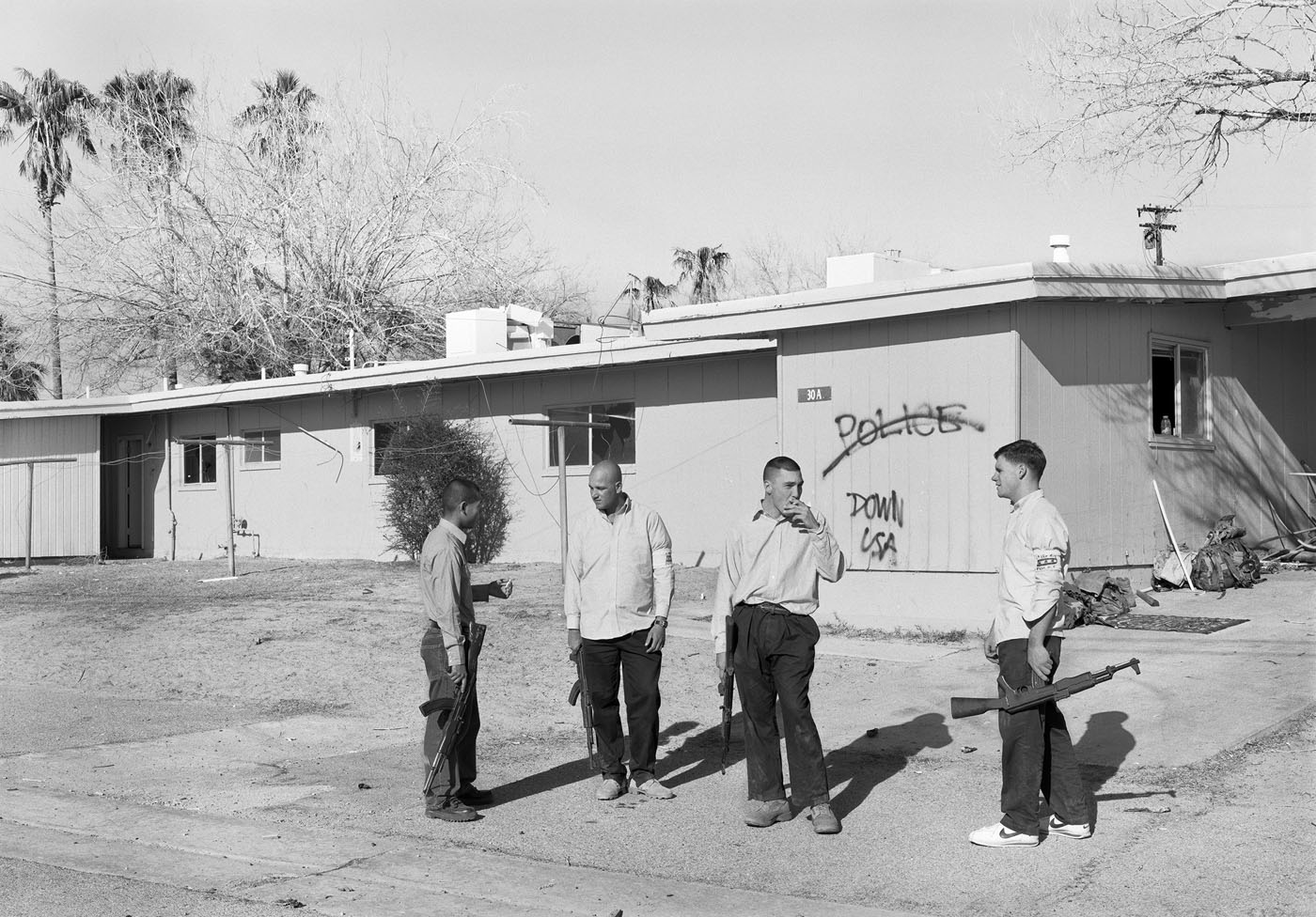
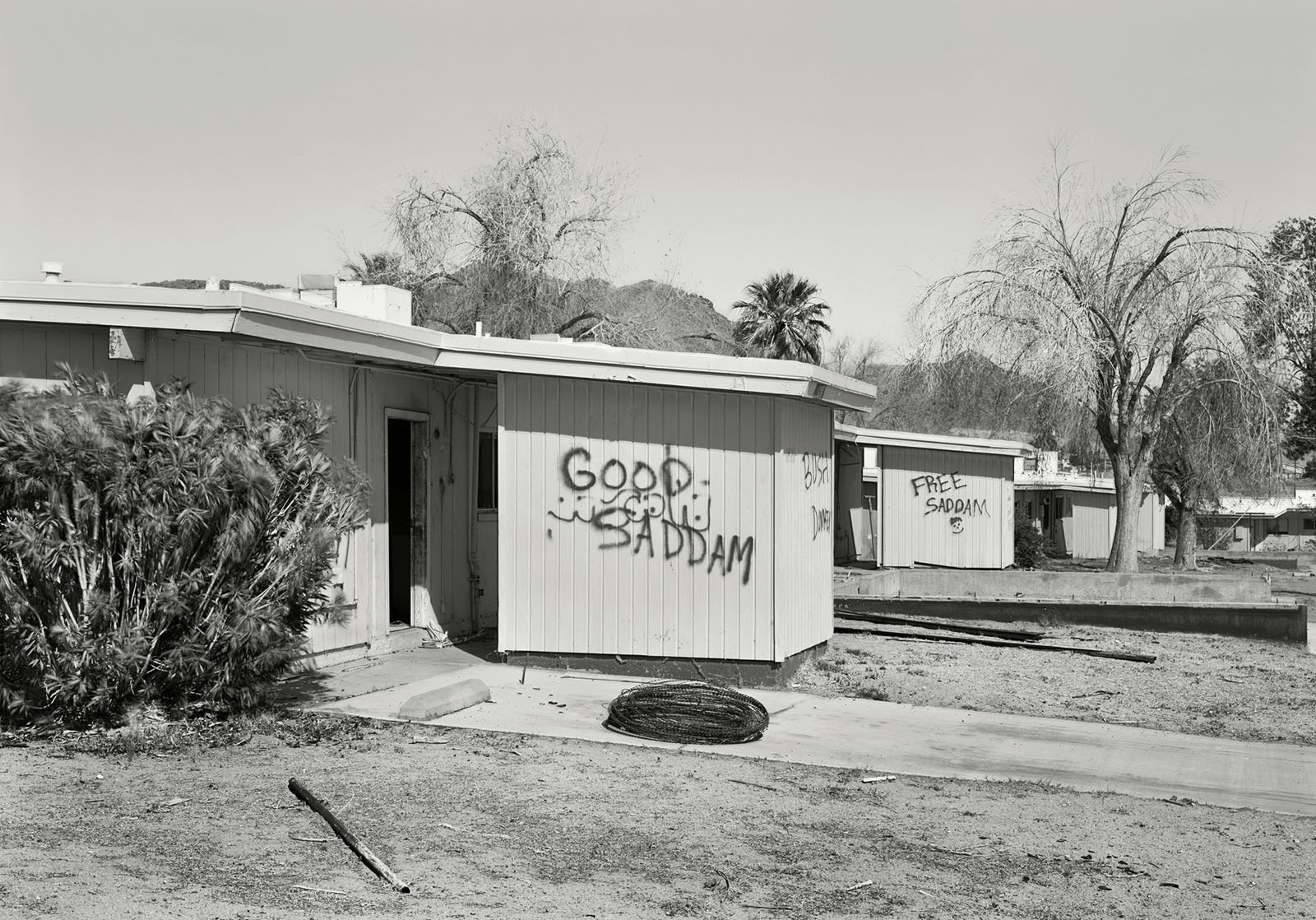
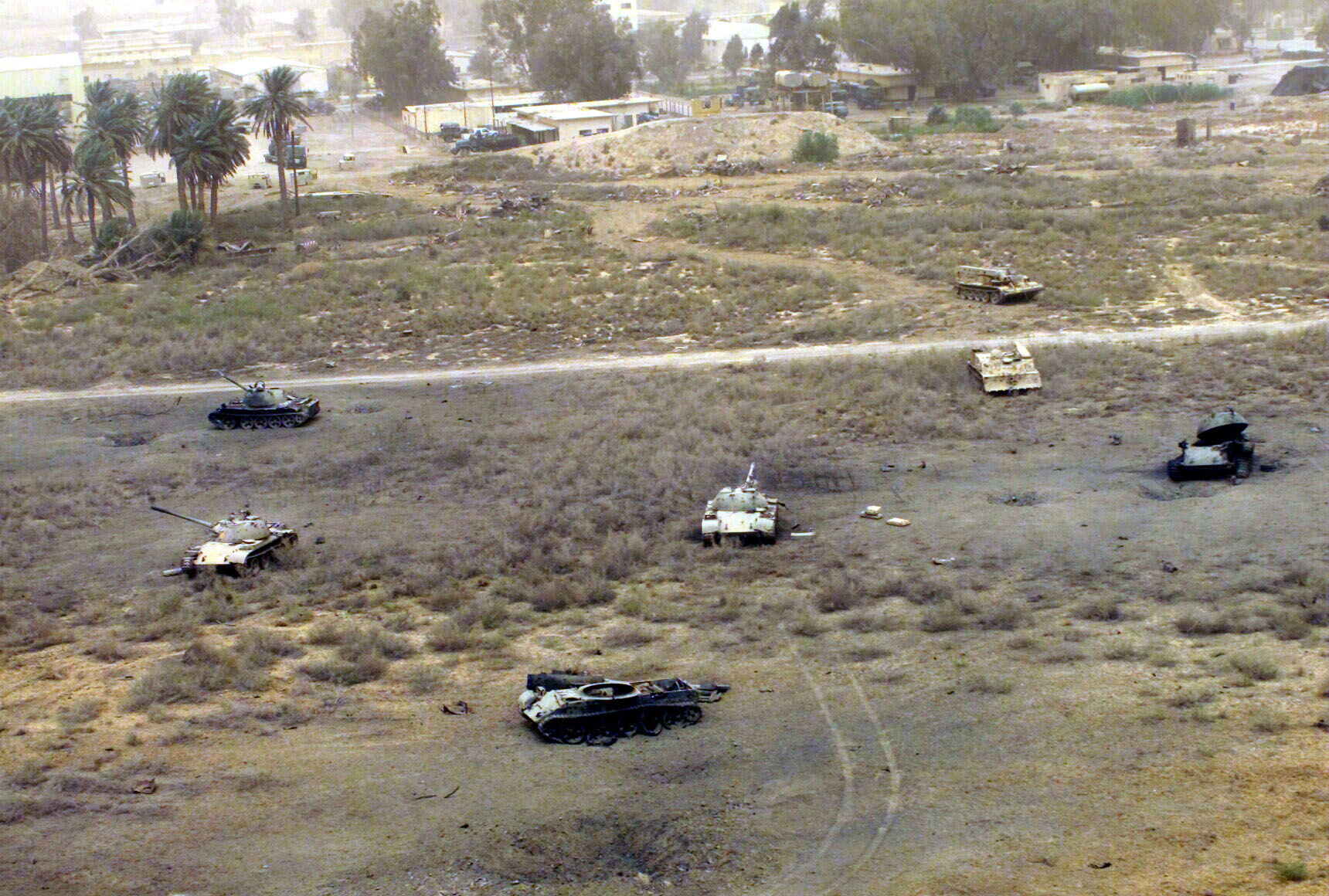
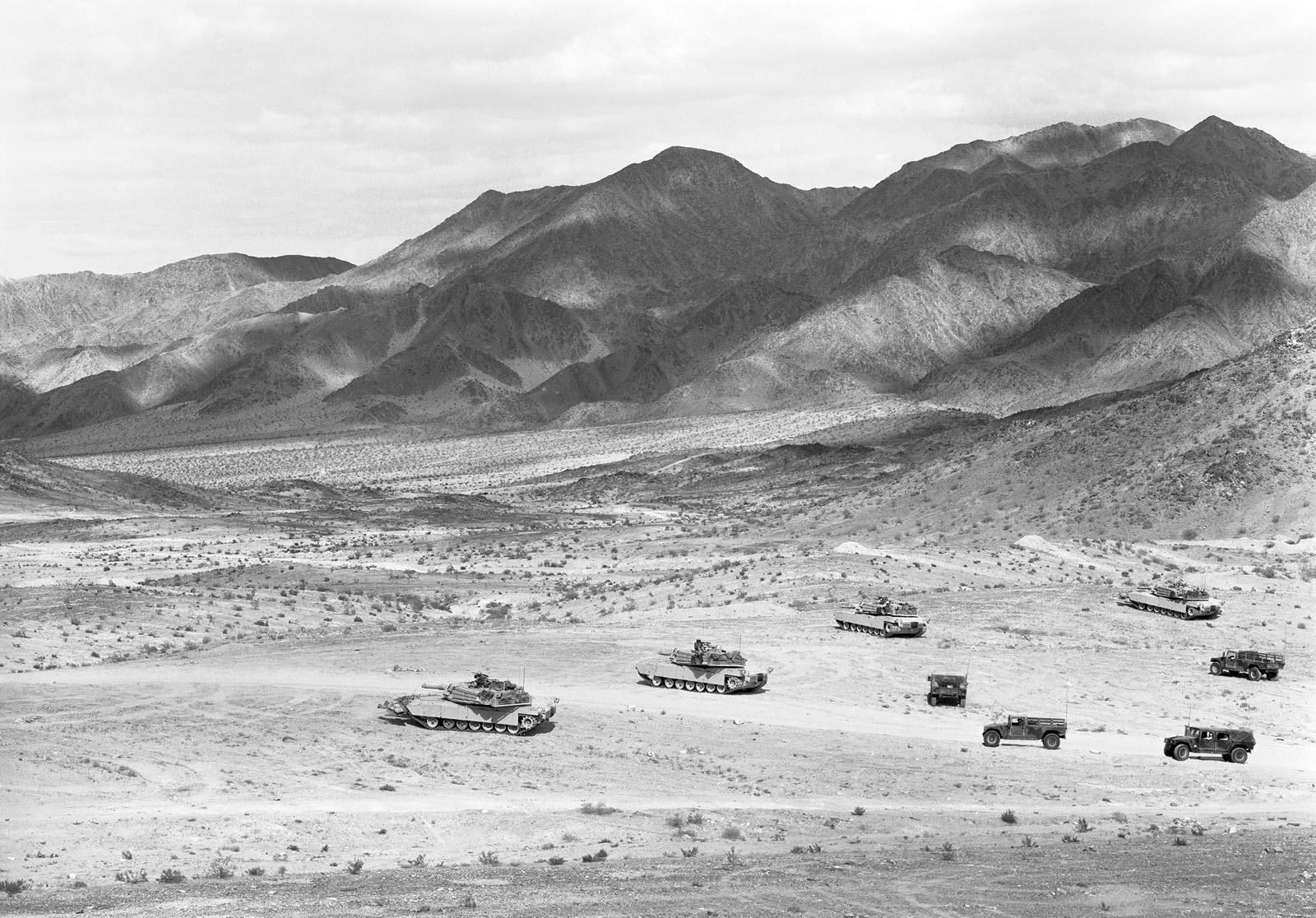
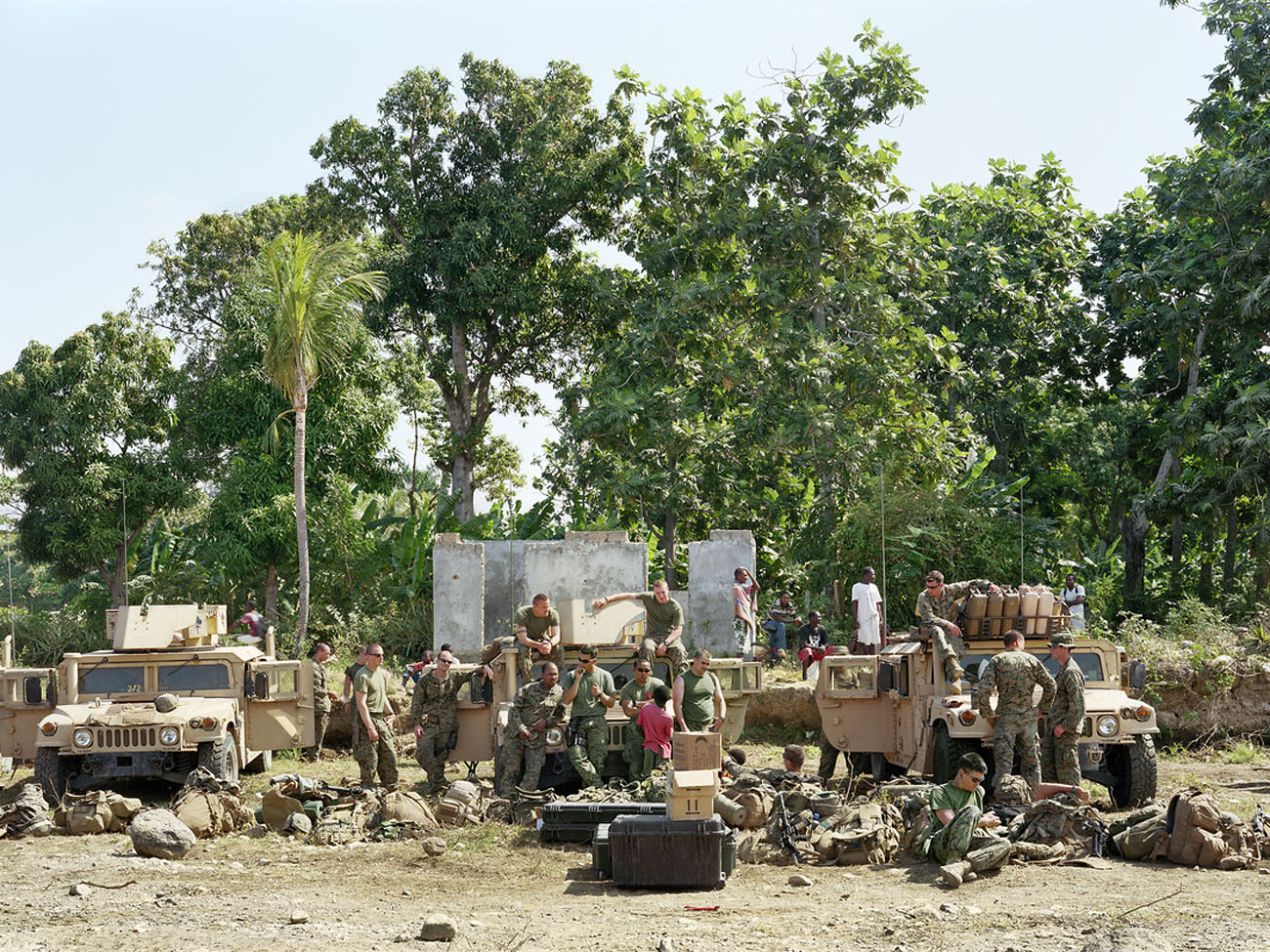
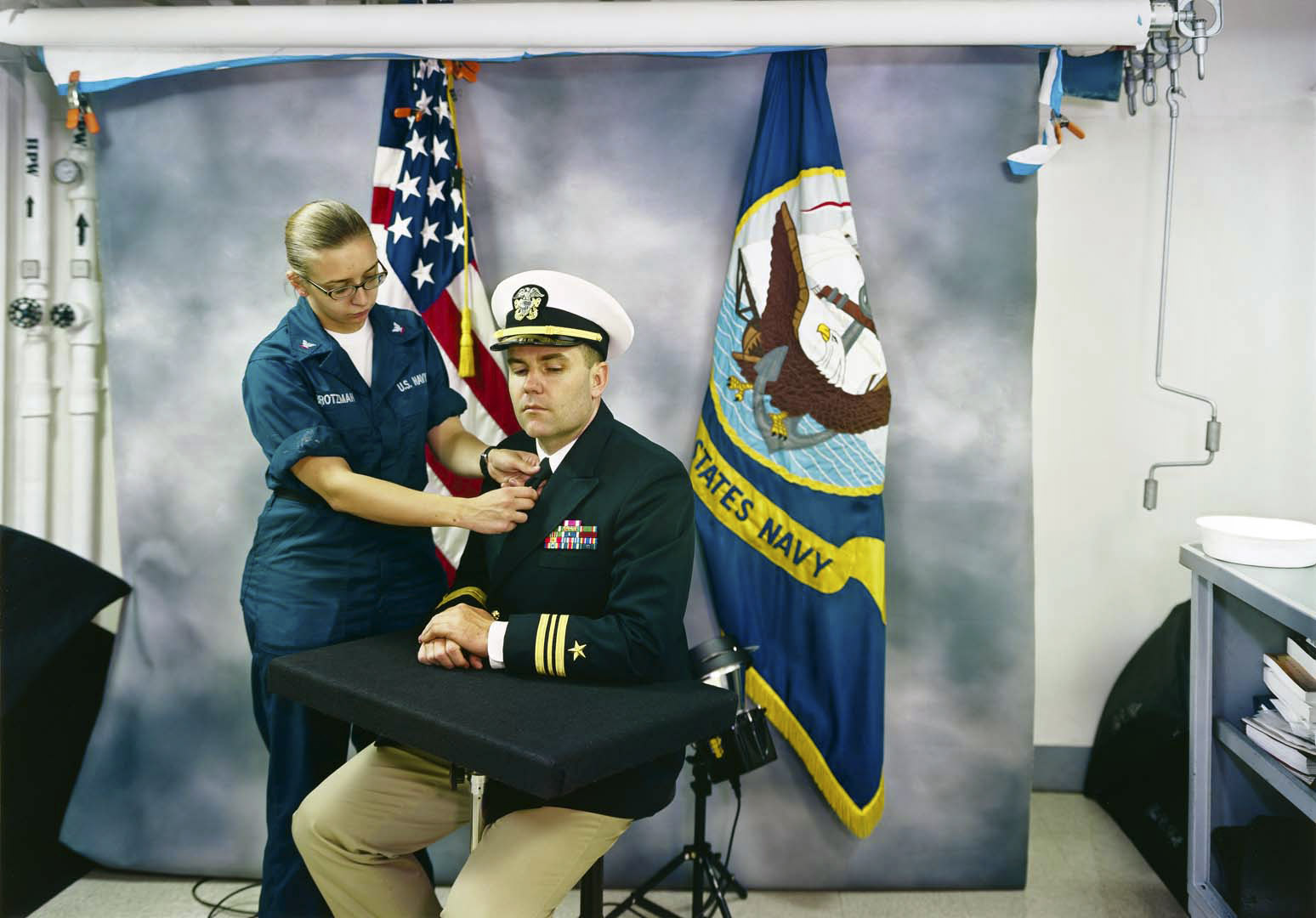
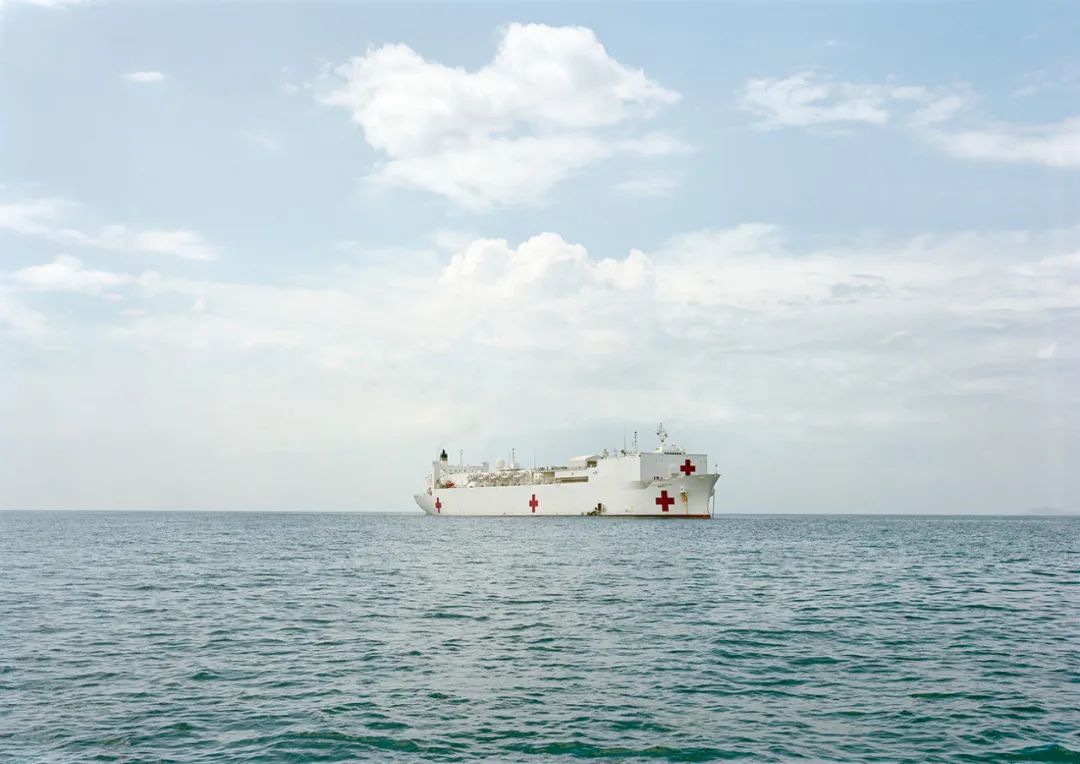
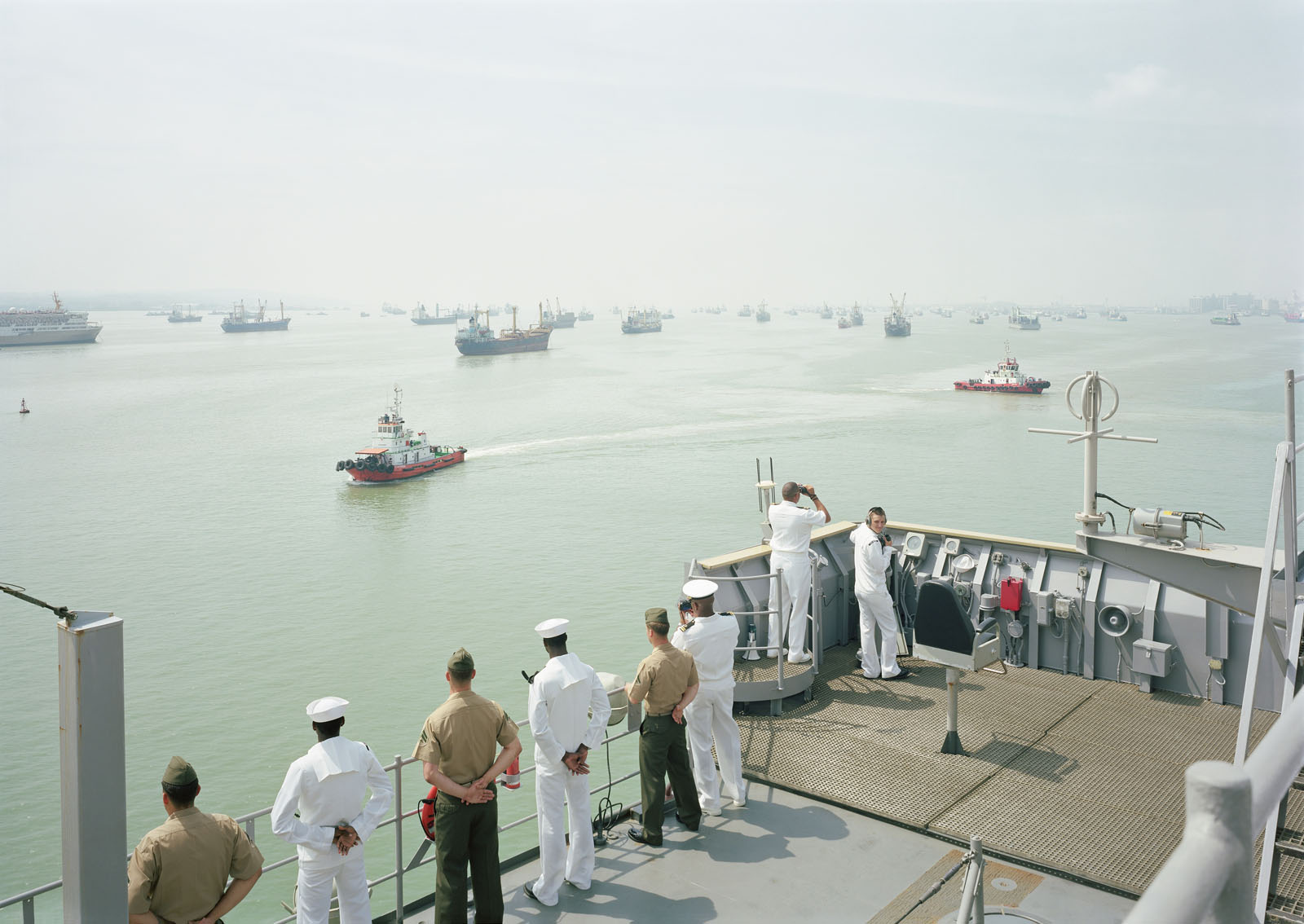
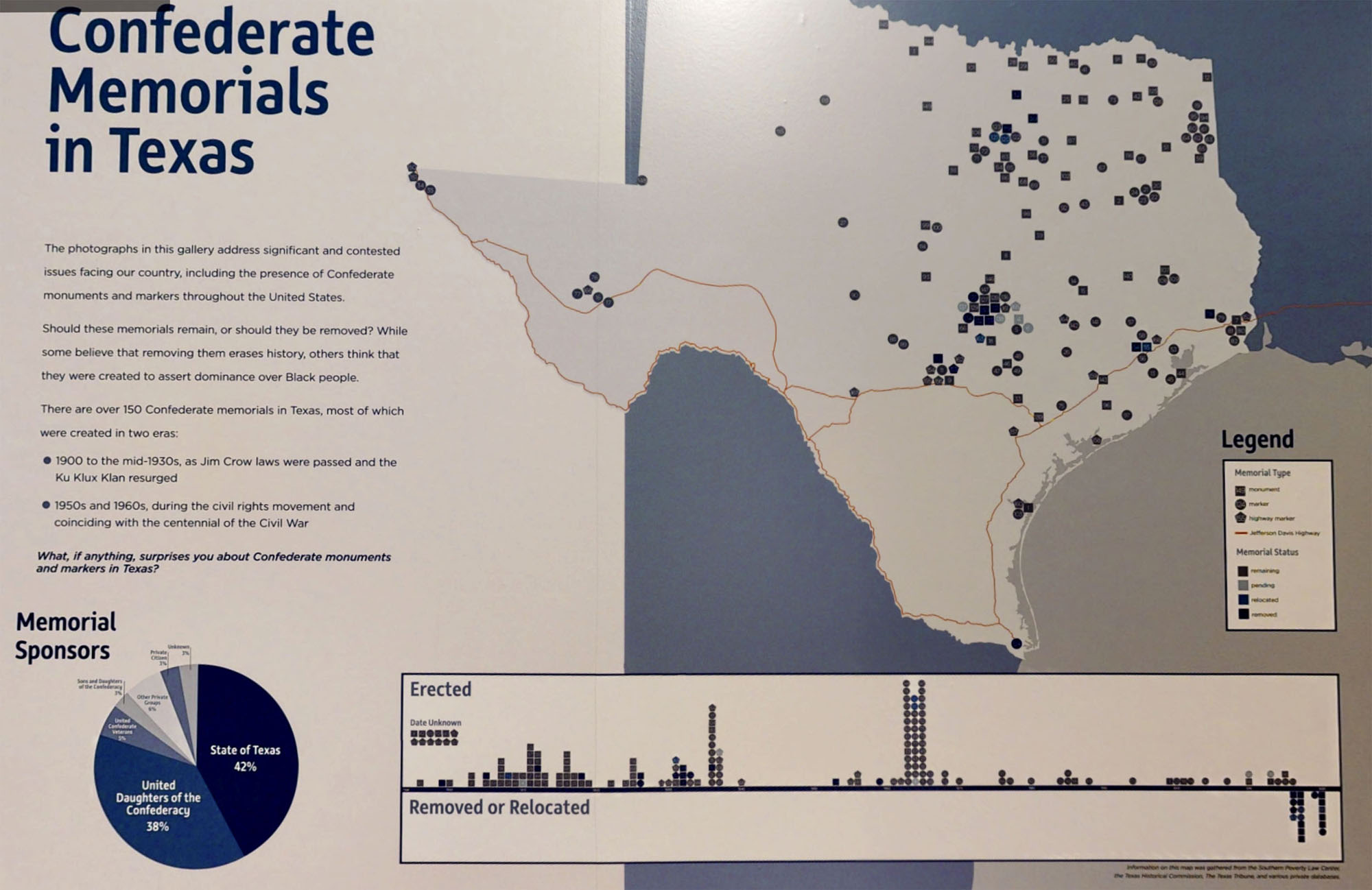
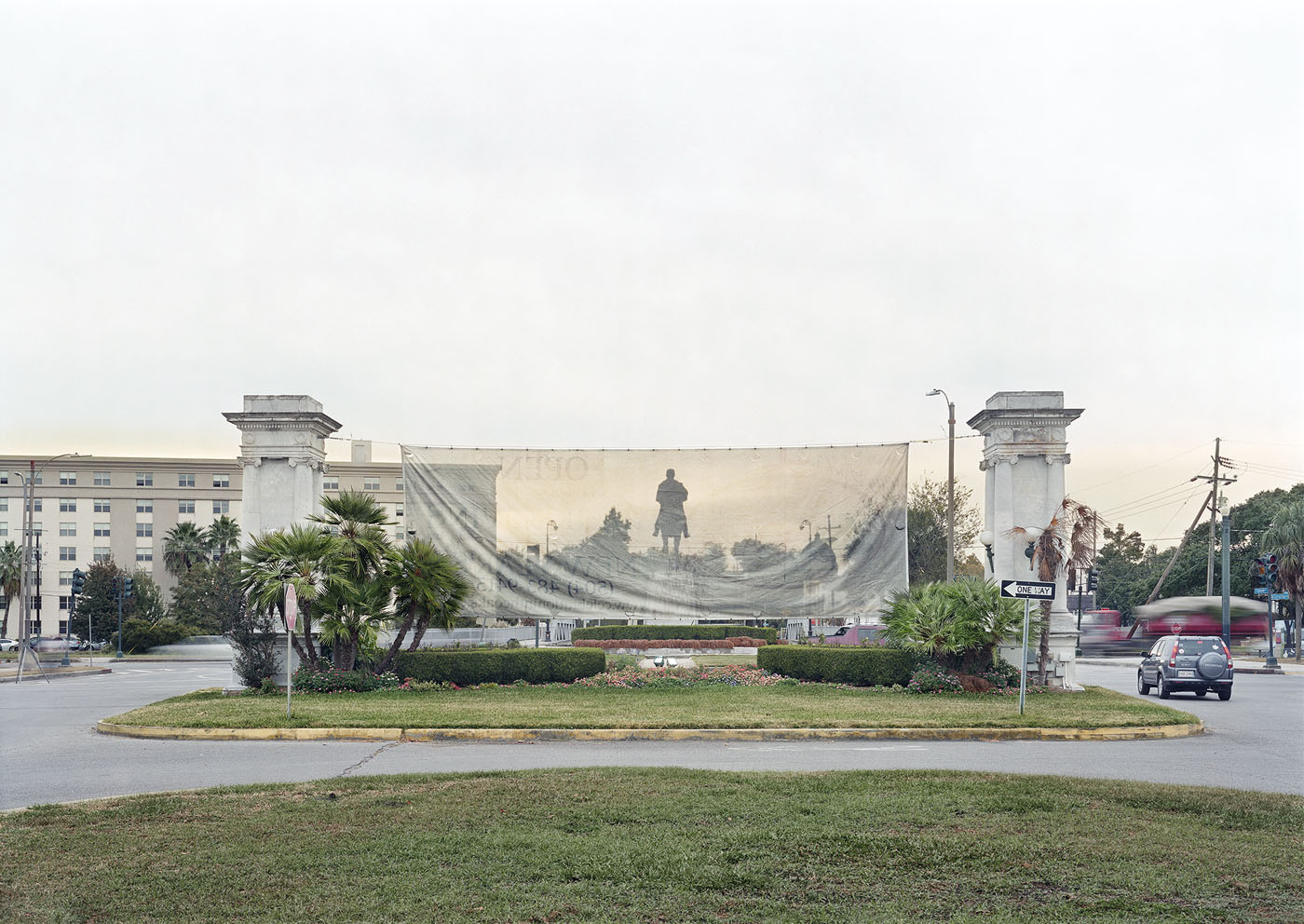
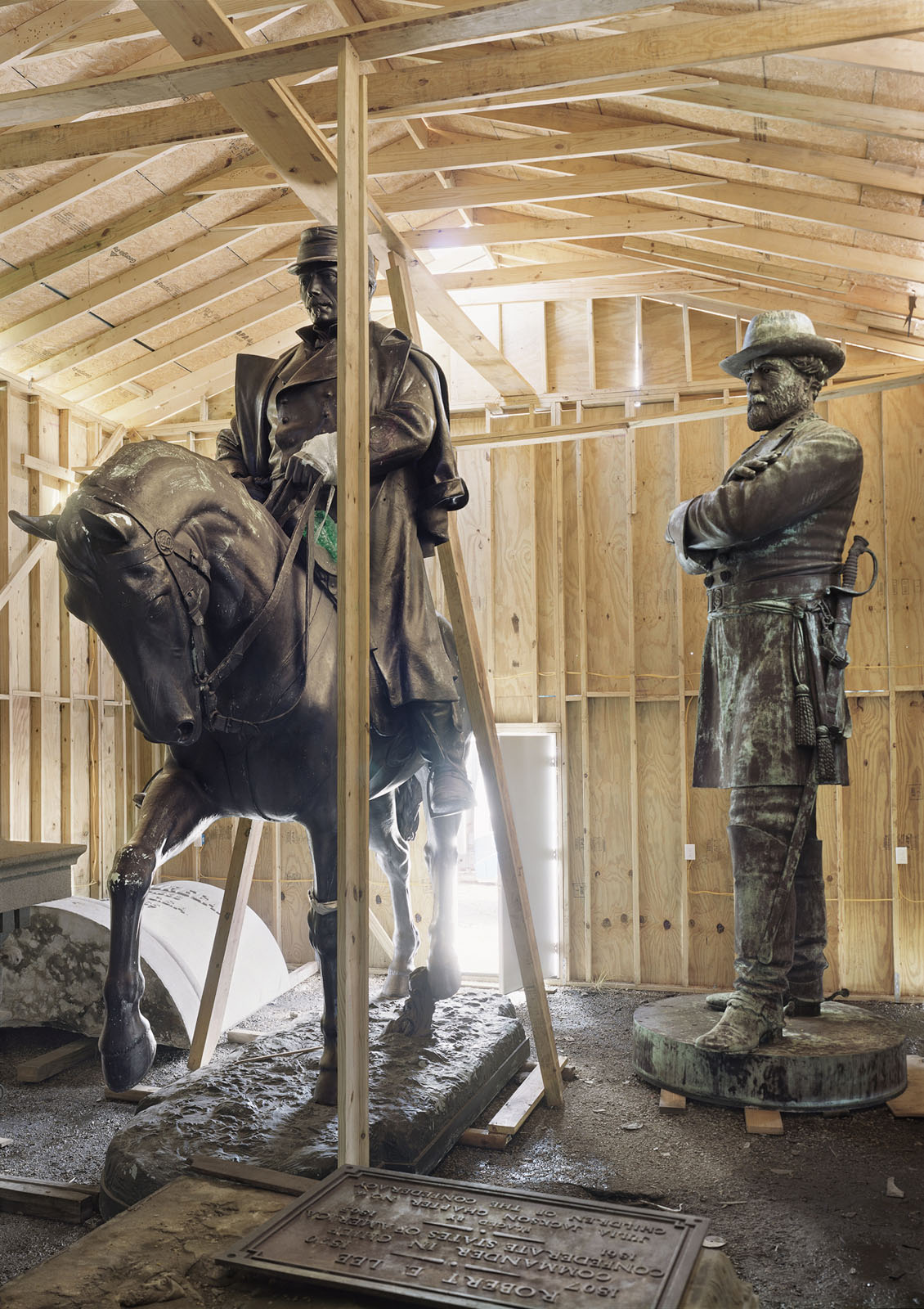
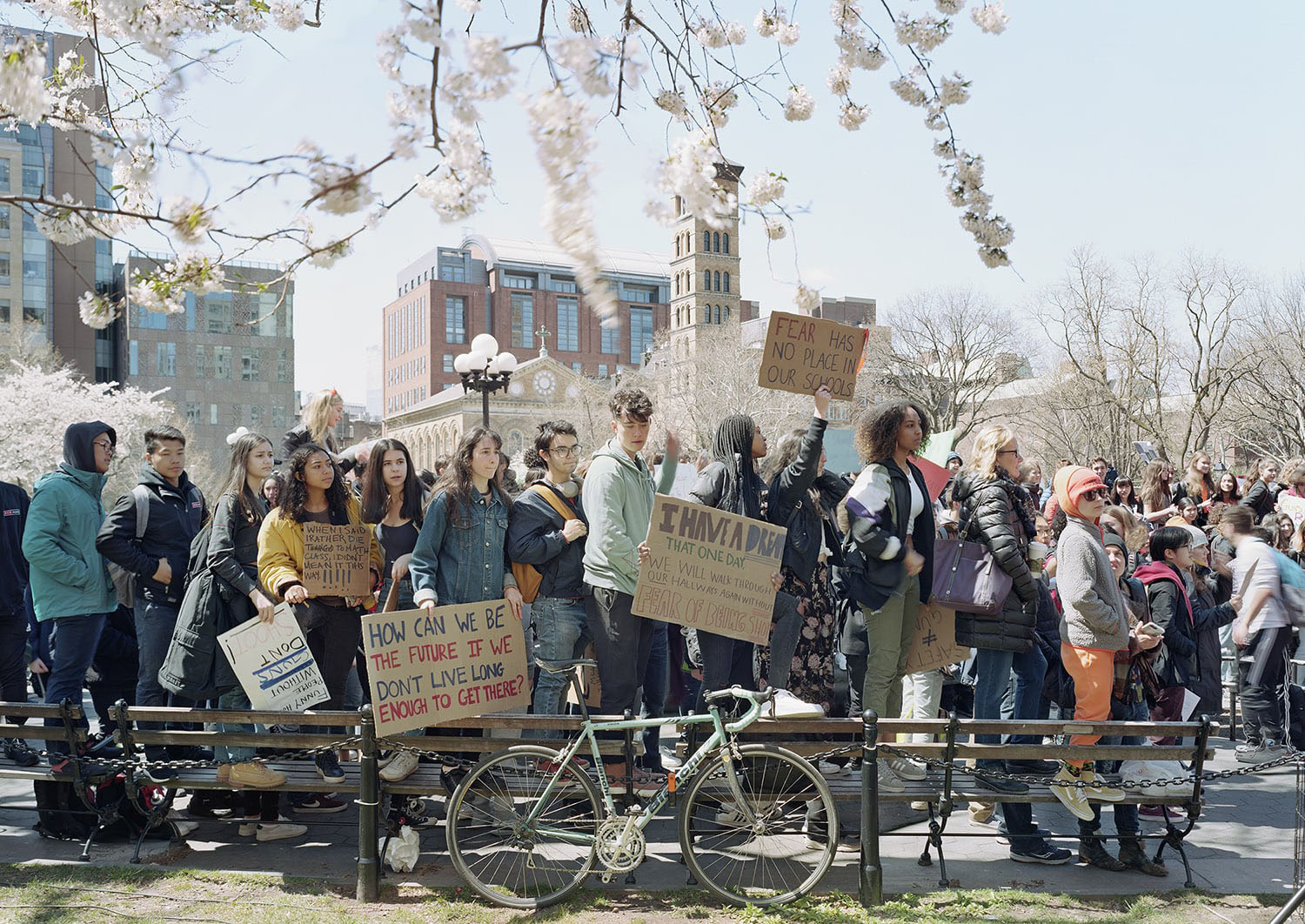
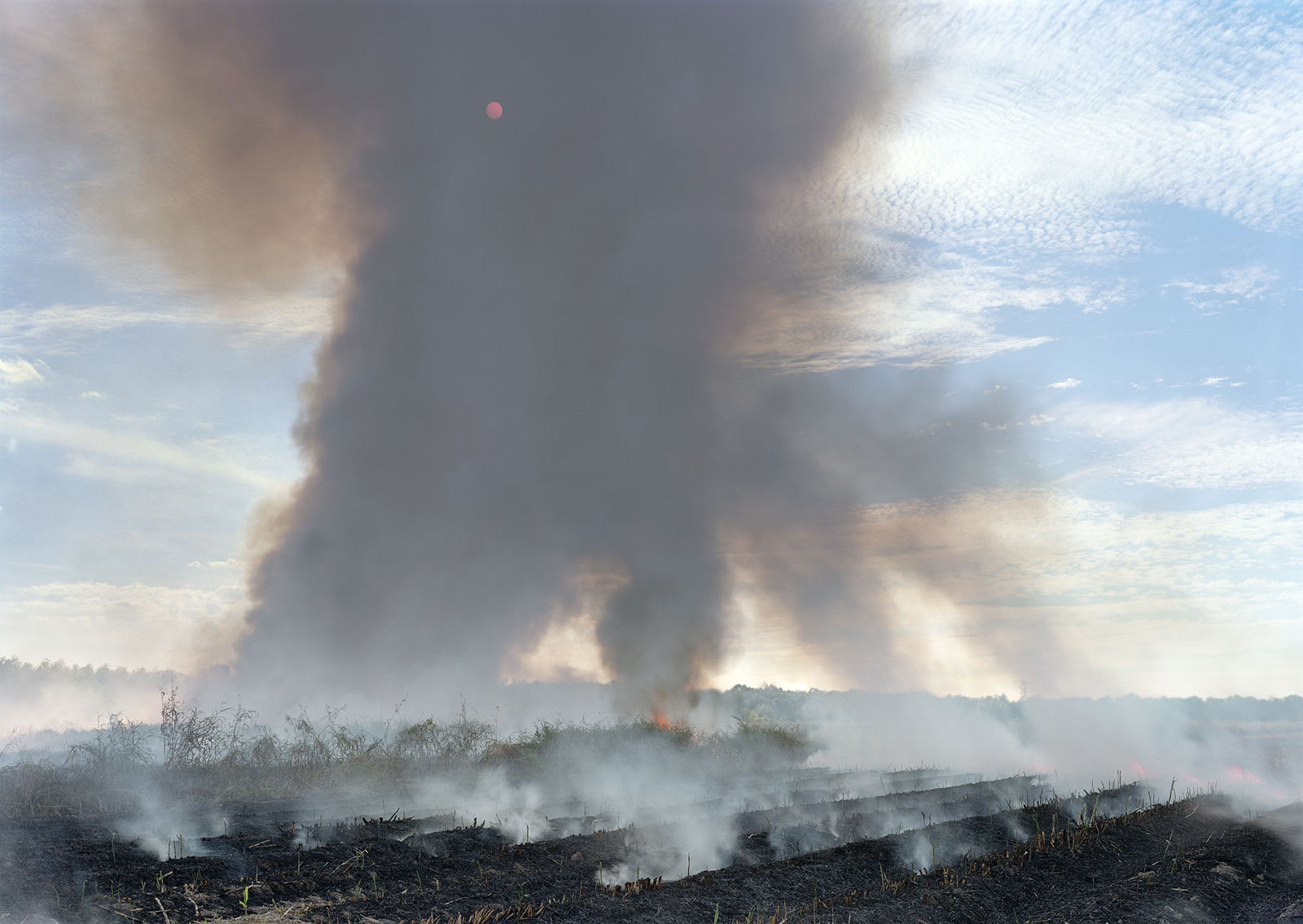
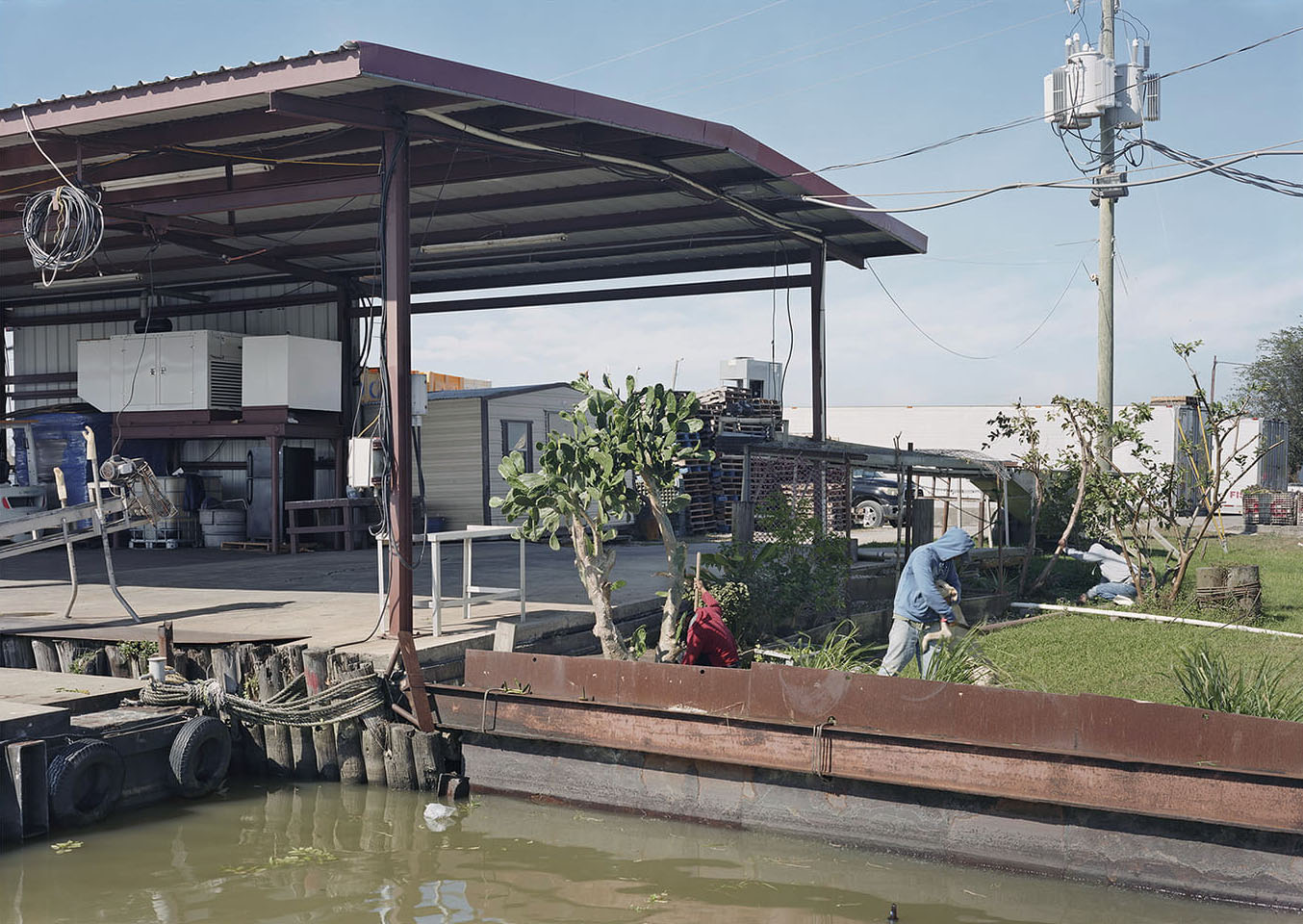
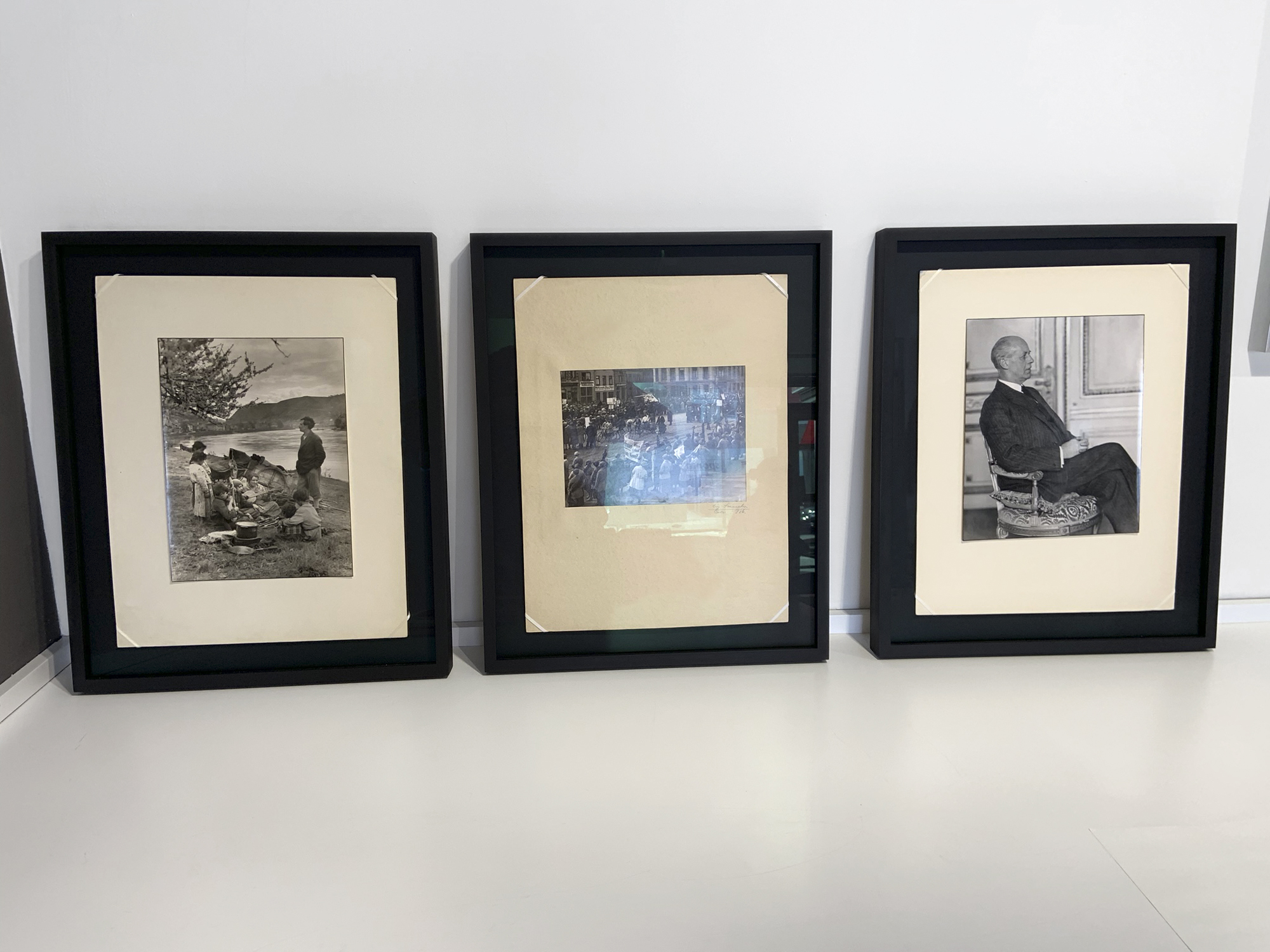
![August Sander (German, 1876-1964). 'Das Siebengebirge: Blick vom Rolandsbogen' [The Siebengebirge: view from the Rolandsbogen] 1929-30 (center) and 'Untitled [Remagen Bridge on the Rhine]' c. 1930 (right)](https://artblart.com/wp-content/uploads/2020/06/sander-landscape-a.jpg "August Sander (German, 1876-1964). 'Das Siebengebirge: Blick vom Rolandsbogen' [The Siebengebirge: view from the Rolandsbogen] 1929-30 (center) and 'Untitled [Remagen Bridge on the Rhine]' c. 1930 (right)")
![August Sander (German, 1876-1964) 'Das Siebengebirge: Blick vom Rolandsbogen' [The Siebengebirge: view from the Rolandsbogen] 1929-1930](https://artblart.com/wp-content/uploads/2020/06/sander-landscape-b1.jpg "August Sander (German, 1876-1964) 'Das Siebengebirge: Blick vom Rolandsbogen' [The Siebengebirge: view from the Rolandsbogen] 1929-1930")
![August Sander (German, 1876-1964) 'Das Siebengebirge: Blick vom Rolandsbogen' [The Siebengebirge: view from the Rolandsbogen] 1929-1930](https://artblart.com/wp-content/uploads/2020/06/sander-landscape-b.jpg "August Sander (German, 1876-1964) 'Das Siebengebirge: Blick vom Rolandsbogen' [The Siebengebirge: view from the Rolandsbogen] 1929-1930")
![August Sander (German, 1876-1964) 'Das Siebengebirge: Blick vom Rolandsbogen' [The Siebengebirge: view from the Rolandsbogen] 1929-1930](https://artblart.com/wp-content/uploads/2020/07/sander-the-siebengebirge.jpg "August Sander (German, 1876-1964) 'Das Siebengebirge: Blick vom Rolandsbogen' [The Siebengebirge: view from the Rolandsbogen] 1929-1930")
![August Sander (German, 1876-1964) 'Untitled [Remagen Bridge on the Rhine]' c. 1930](https://artblart.com/wp-content/uploads/2020/06/sander-landscape-c.jpg "August Sander (German, 1876-1964) 'Untitled [Remagen Bridge on the Rhine]' c. 1930")
![August Sander (German, 1876-1964) 'Untitled [Bohemians: avant-garde of Cologne]' 1920s (left) and 'Professor Ludwig Behn' 1920s (right)](https://artblart.com/wp-content/uploads/2020/06/sander-installation-a.jpg "August Sander (German, 1876-1964) 'Untitled [Bohemians: avant-garde of Cologne]' 1920s (left) and 'Professor Ludwig Behn' 1920s (right)")
![August Sander (German, 1876-1964) 'Untitled [Bohemians: avant-garde of Cologne]' 1920s](https://artblart.com/wp-content/uploads/2020/06/sander-avant-garde-a.jpg "August Sander (German, 1876-1964) 'Untitled [Bohemians: avant-garde of Cologne]' 1920s")
![August Sander (German, 1876-1964) 'Untitled [Bohemians: avant-garde of Cologne]' 1920s](https://artblart.com/wp-content/uploads/2020/06/sander-avant-garde.jpg "August Sander (German, 1876-1964) 'Untitled [Bohemians: avant-garde of Cologne]' 1920s")
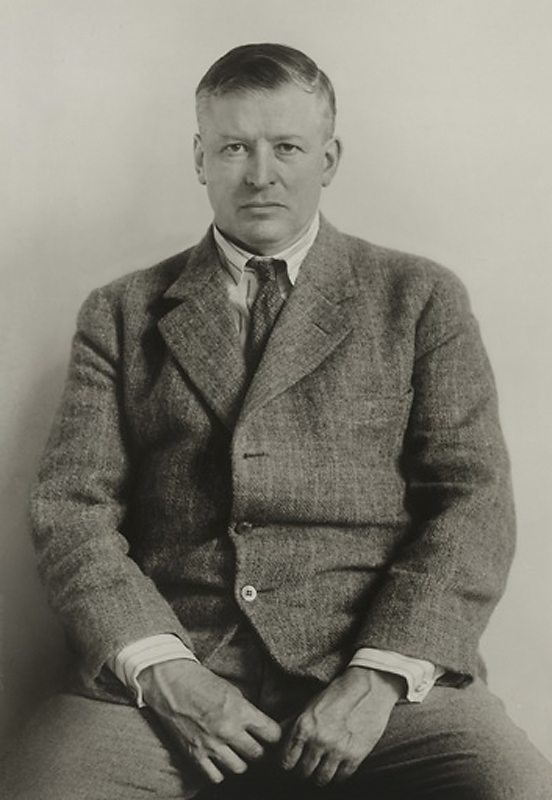
![August Sander (German, 1876-1964) 'Painter's Wife [Helene Abelen]' 1926](https://artblart.com/wp-content/uploads/2020/06/sander-painters-wife.jpg "August Sander (German, 1876-1964) 'Painter's Wife [Helene Abelen]' 1926")
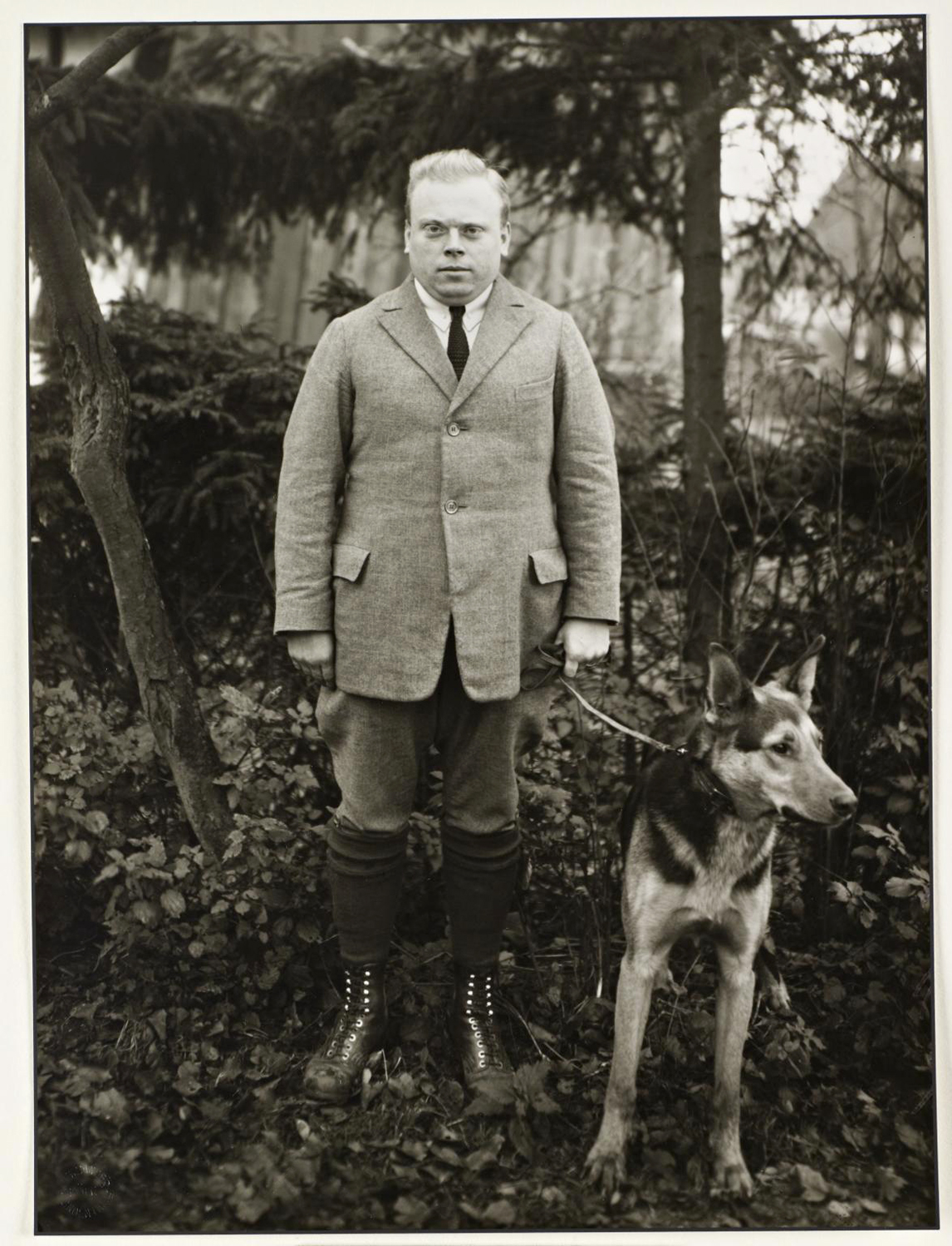
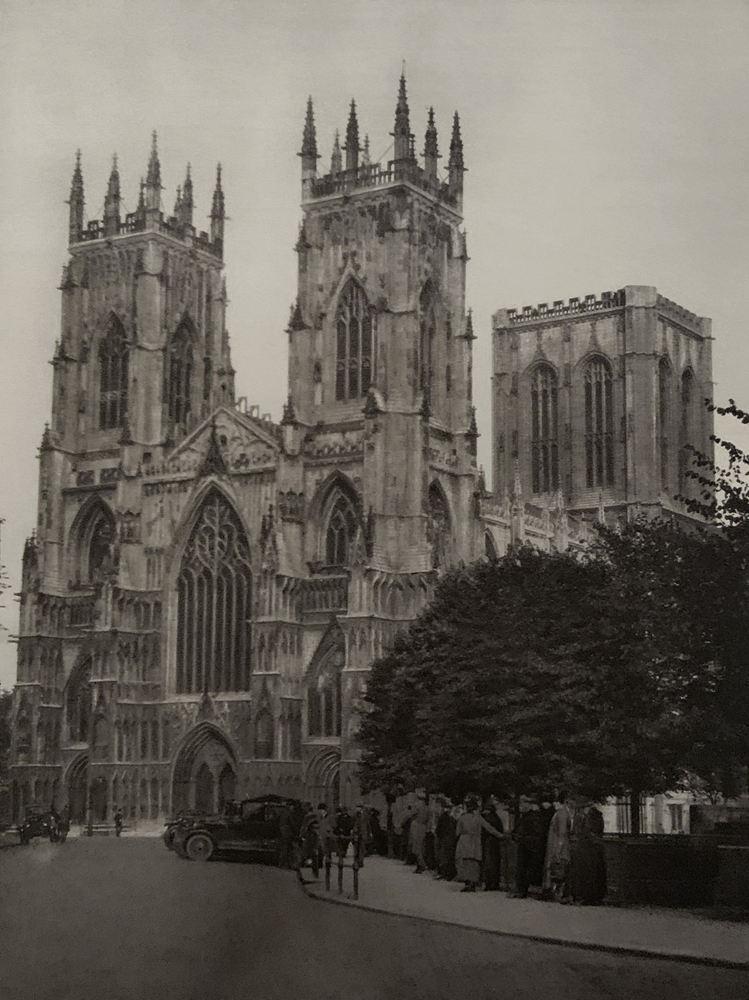
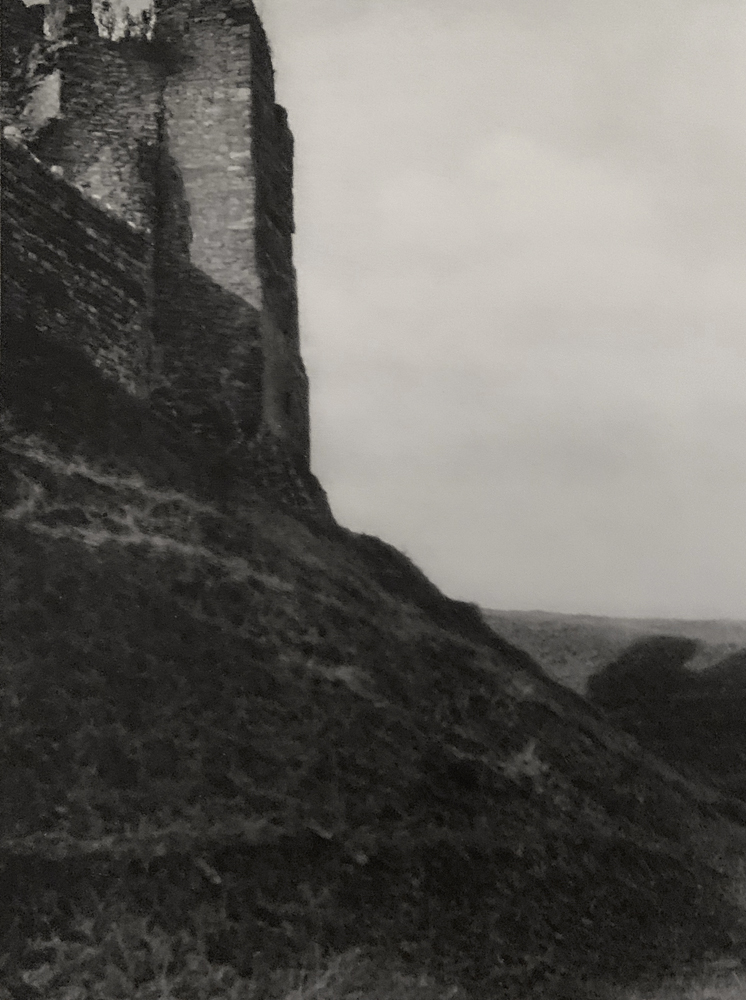
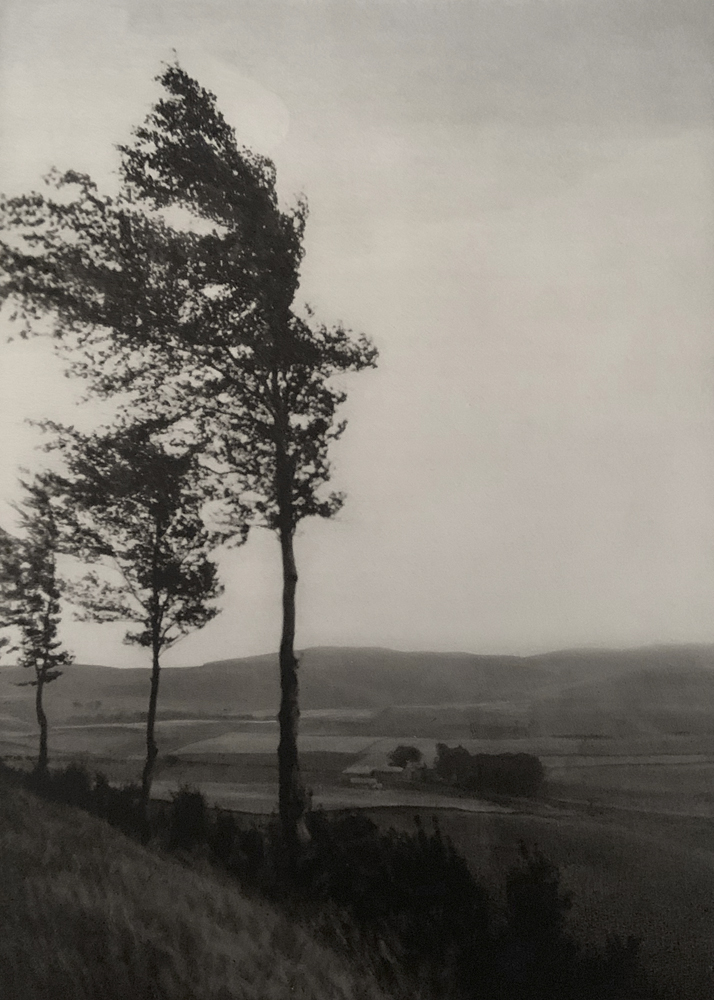

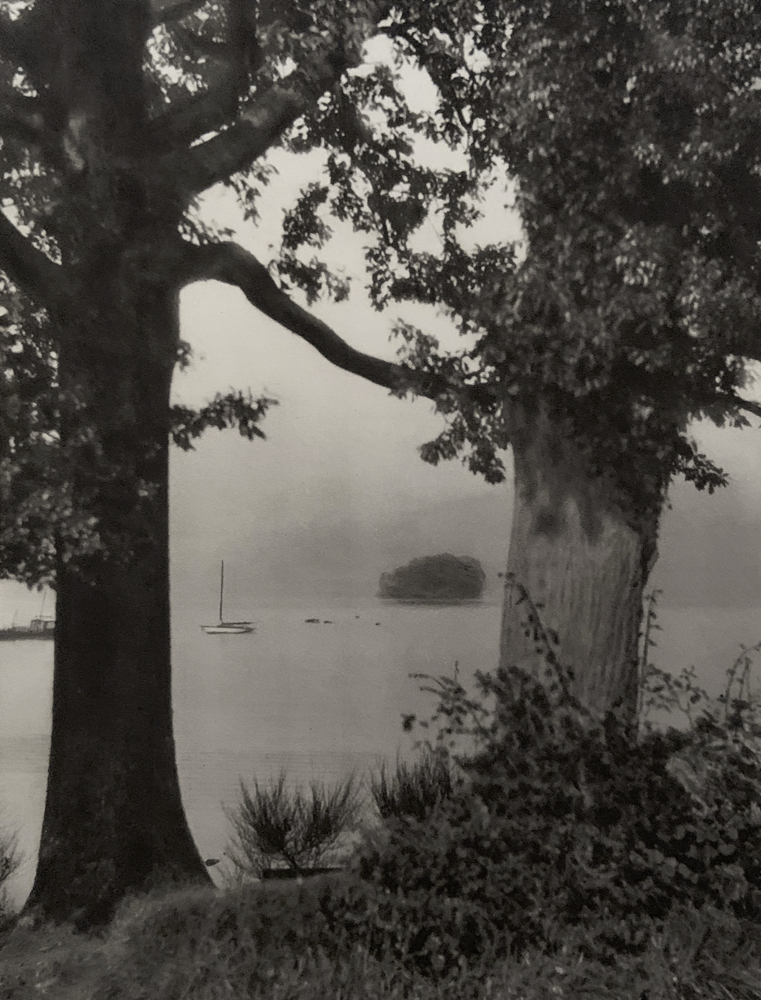

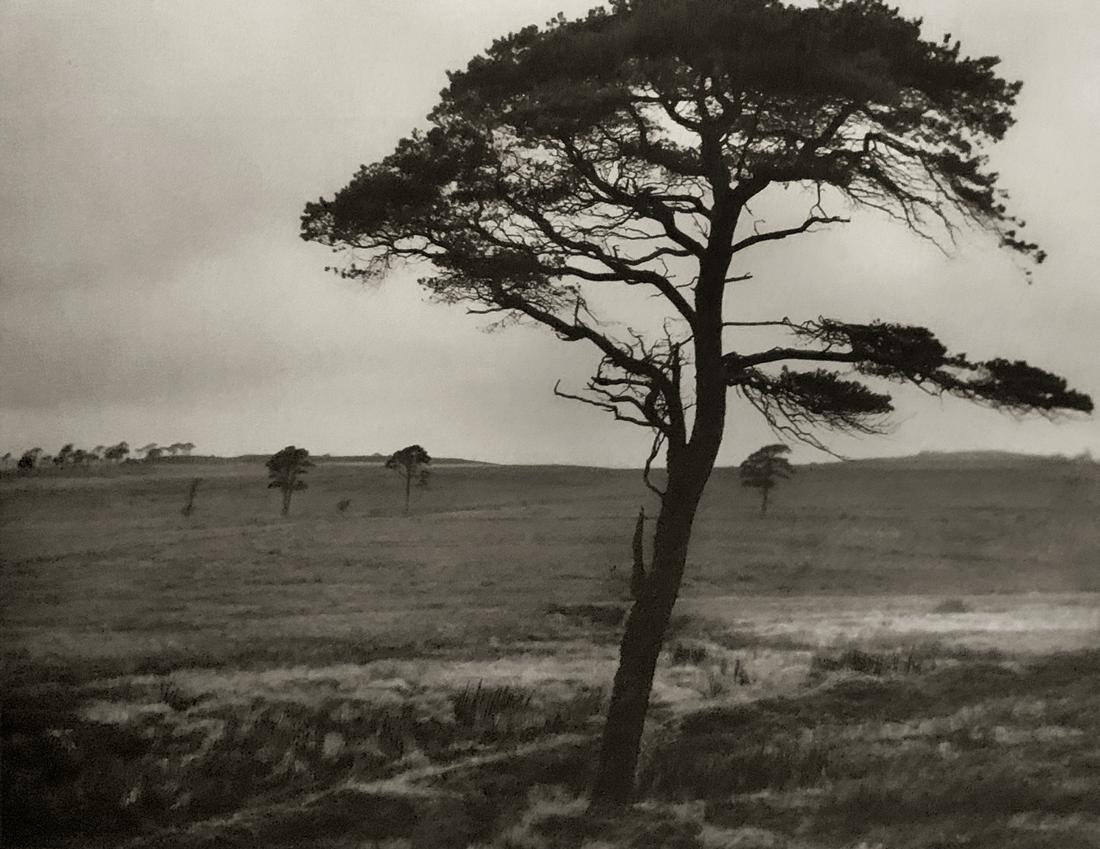
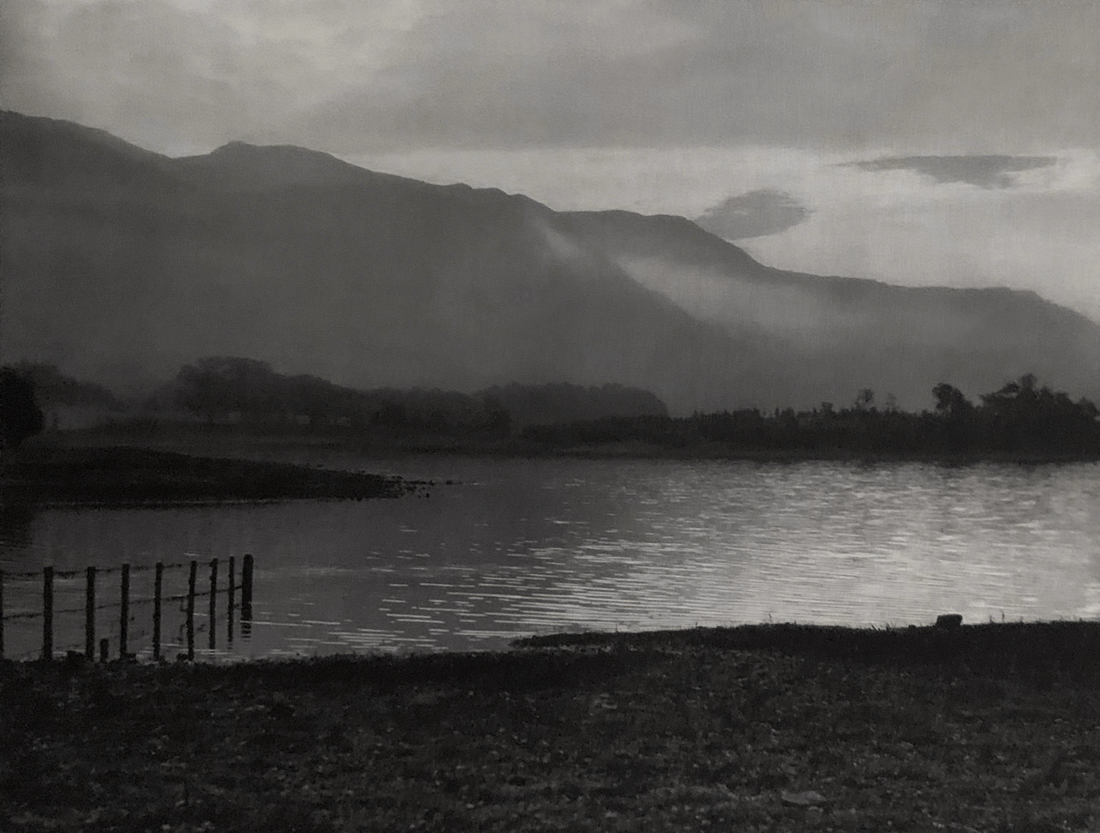
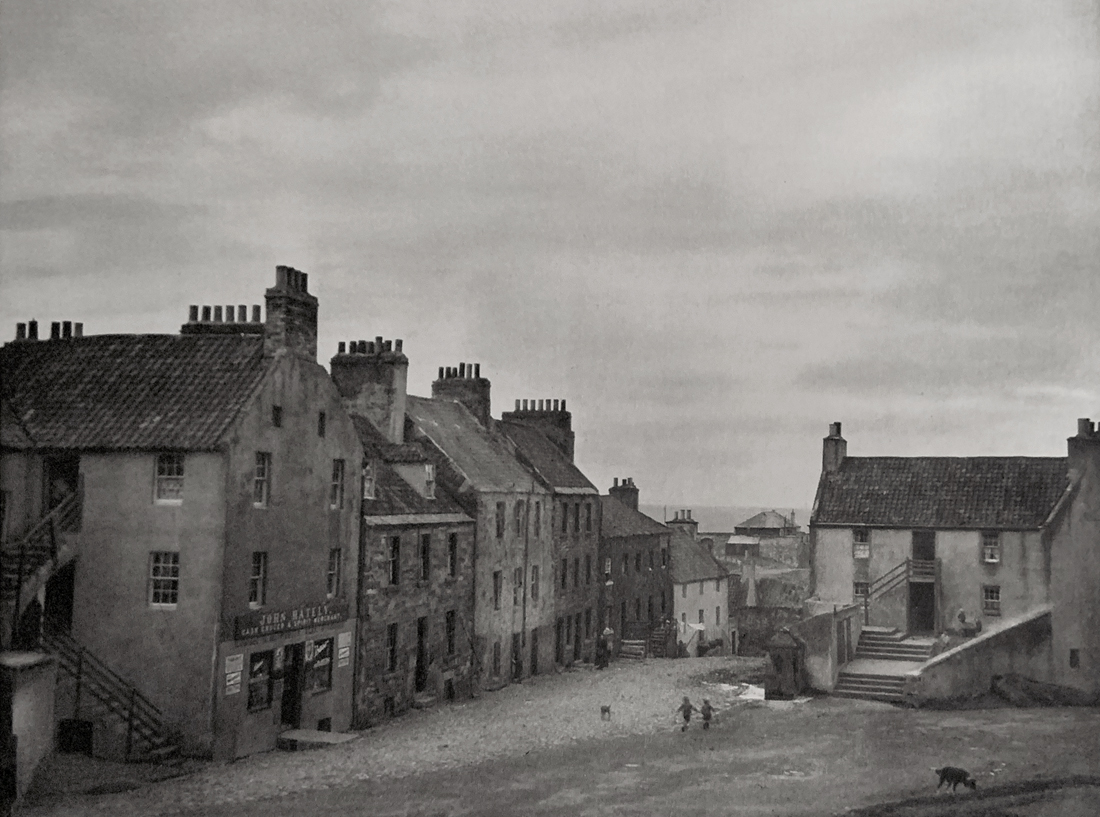
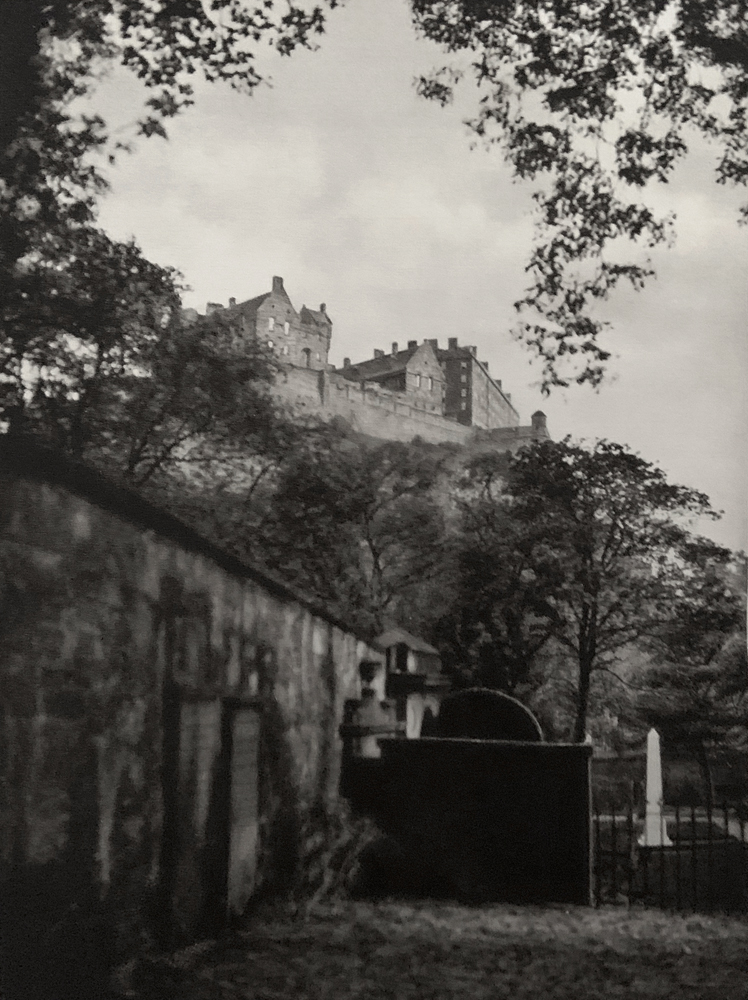

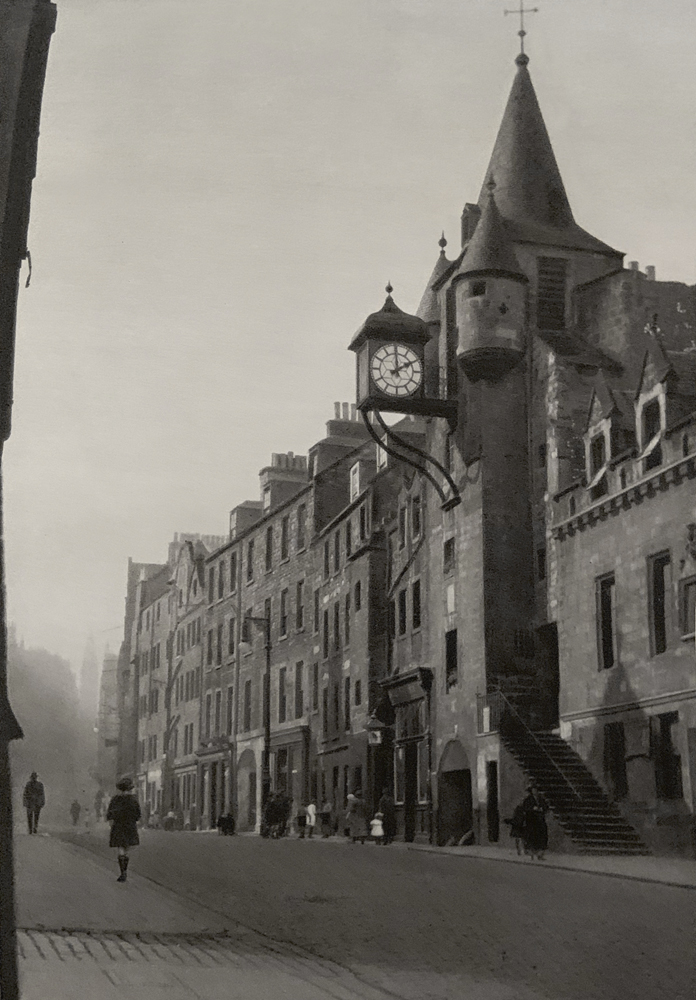
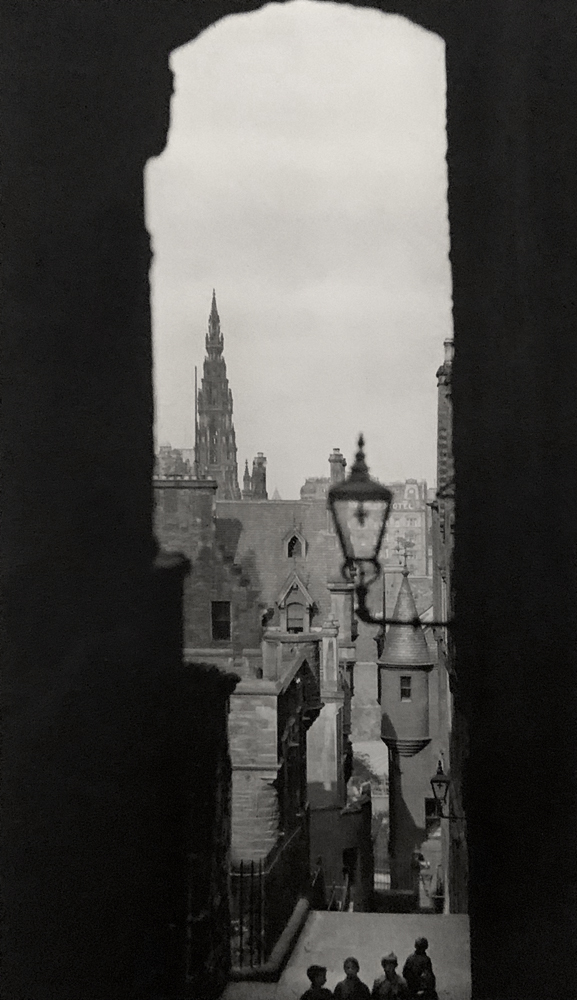
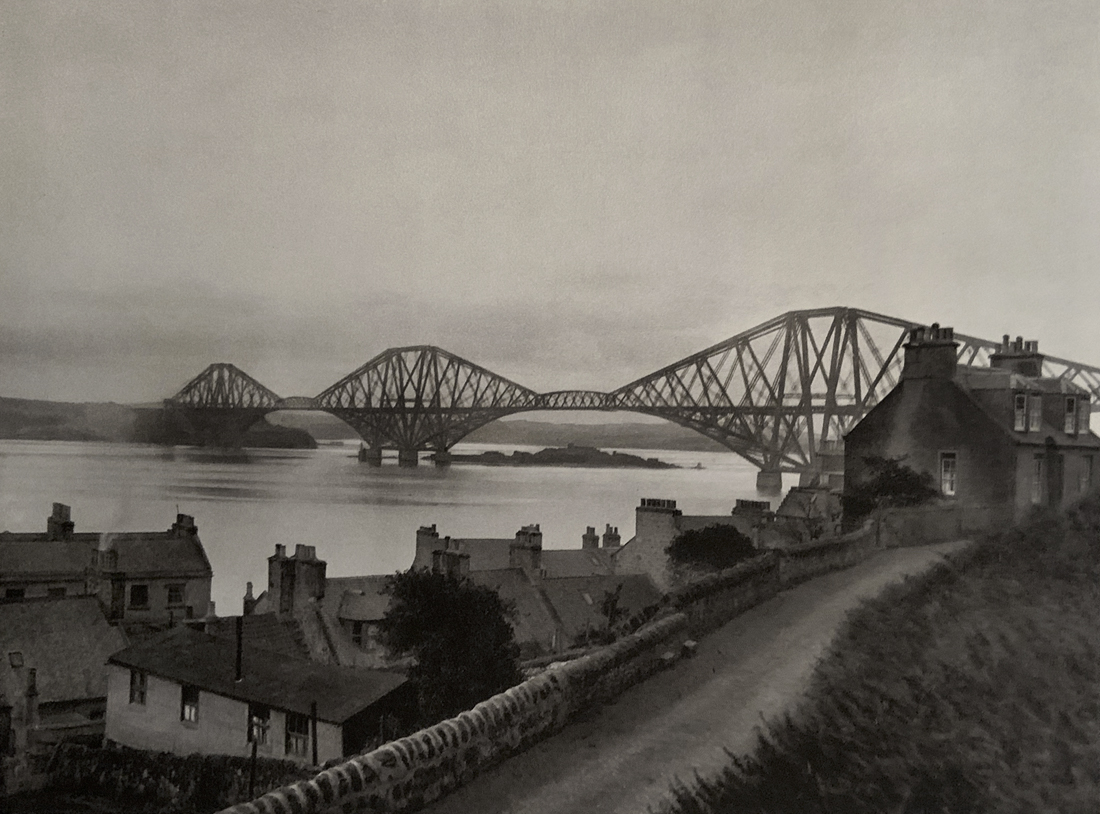
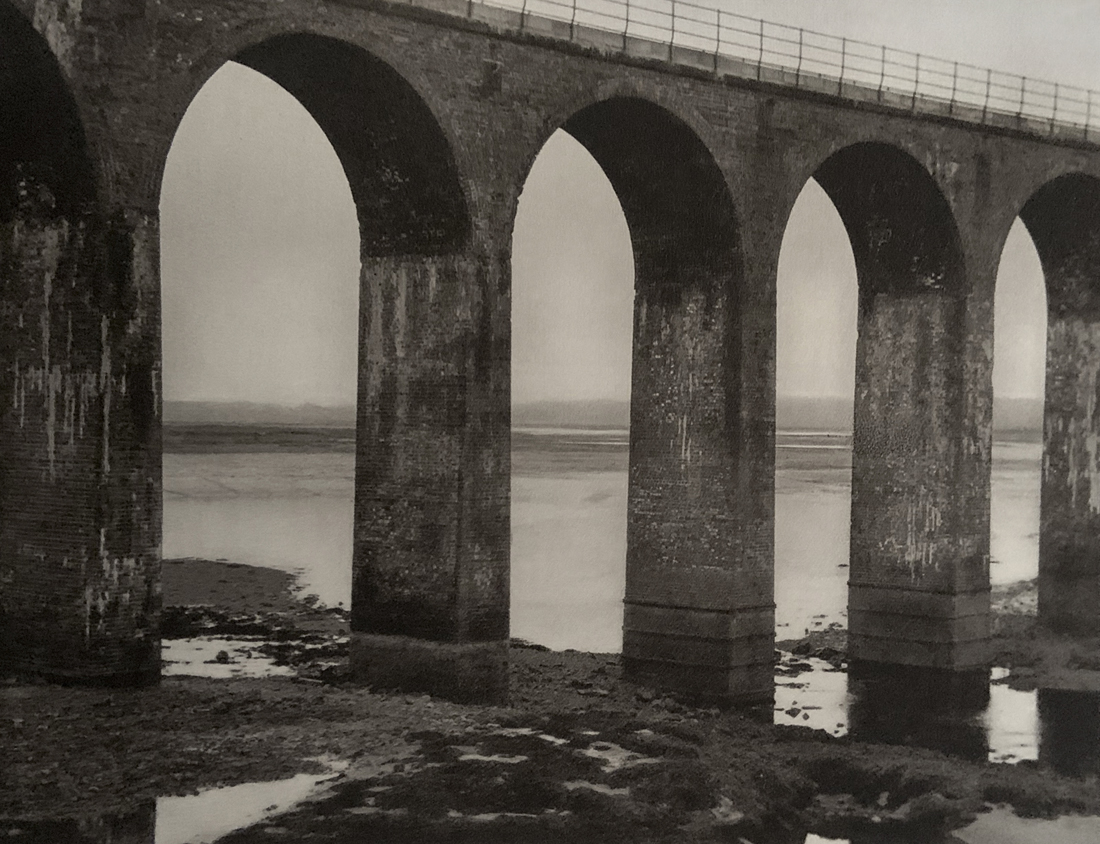
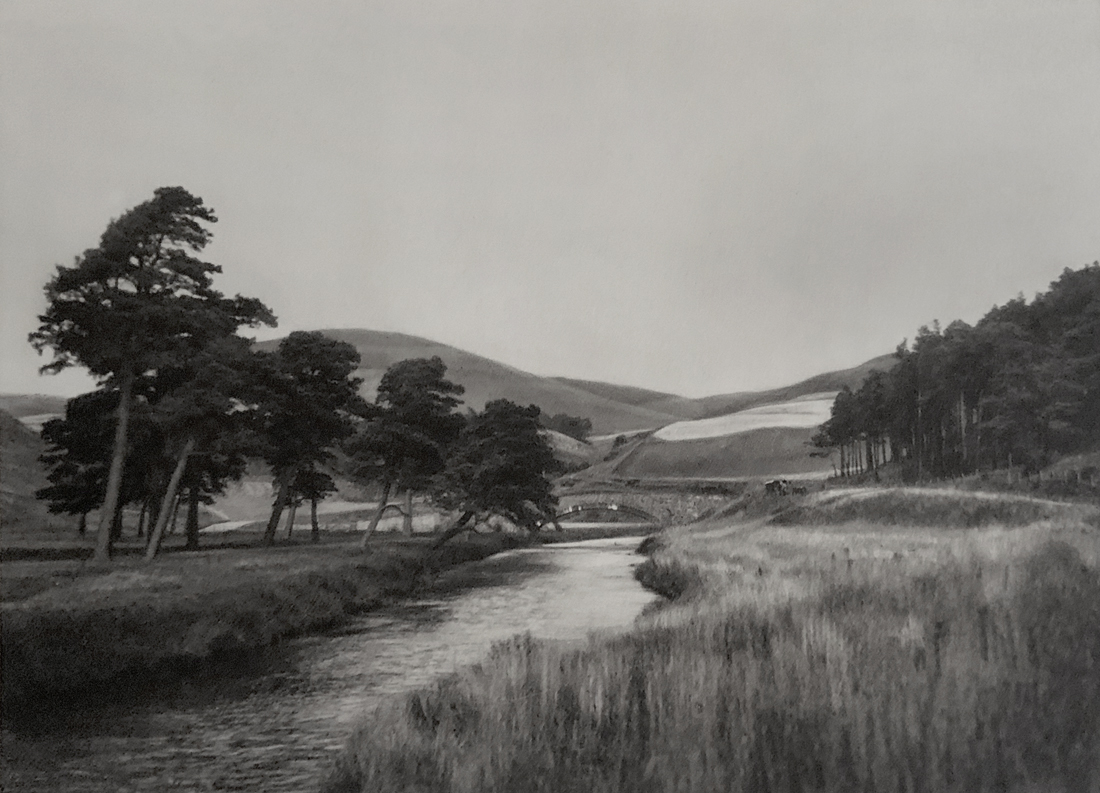
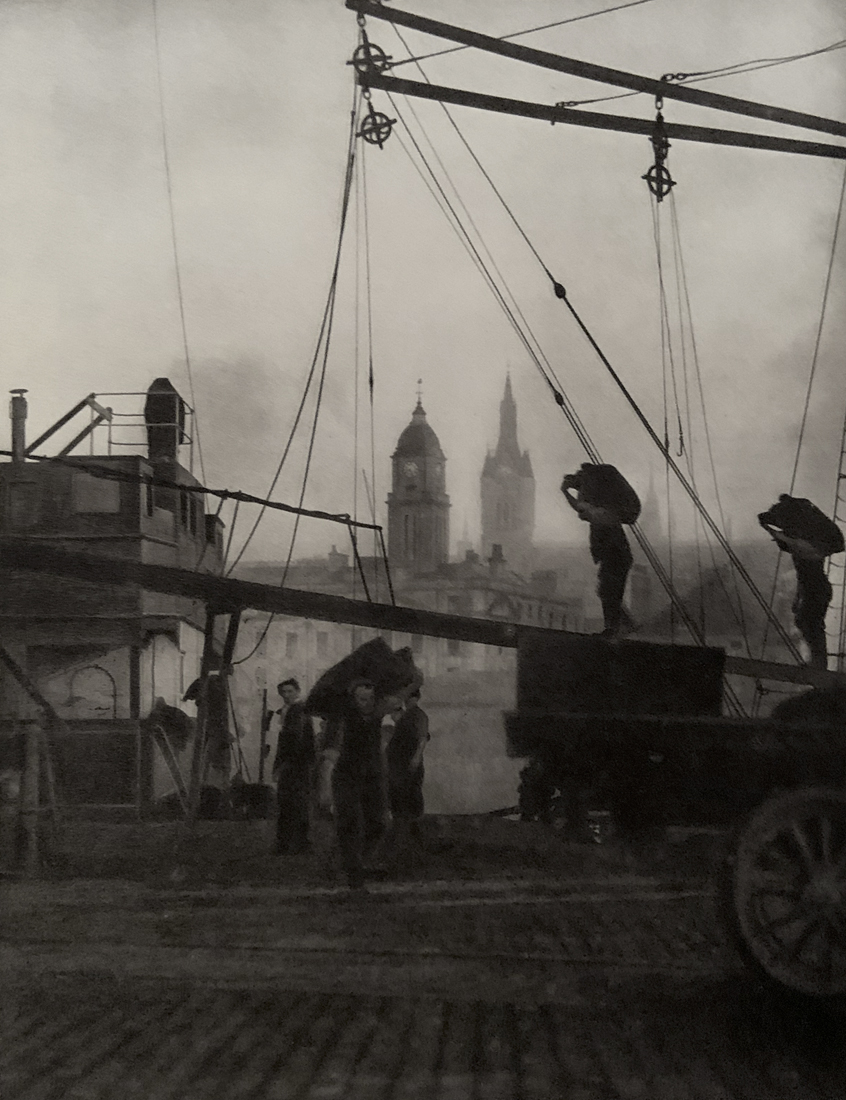
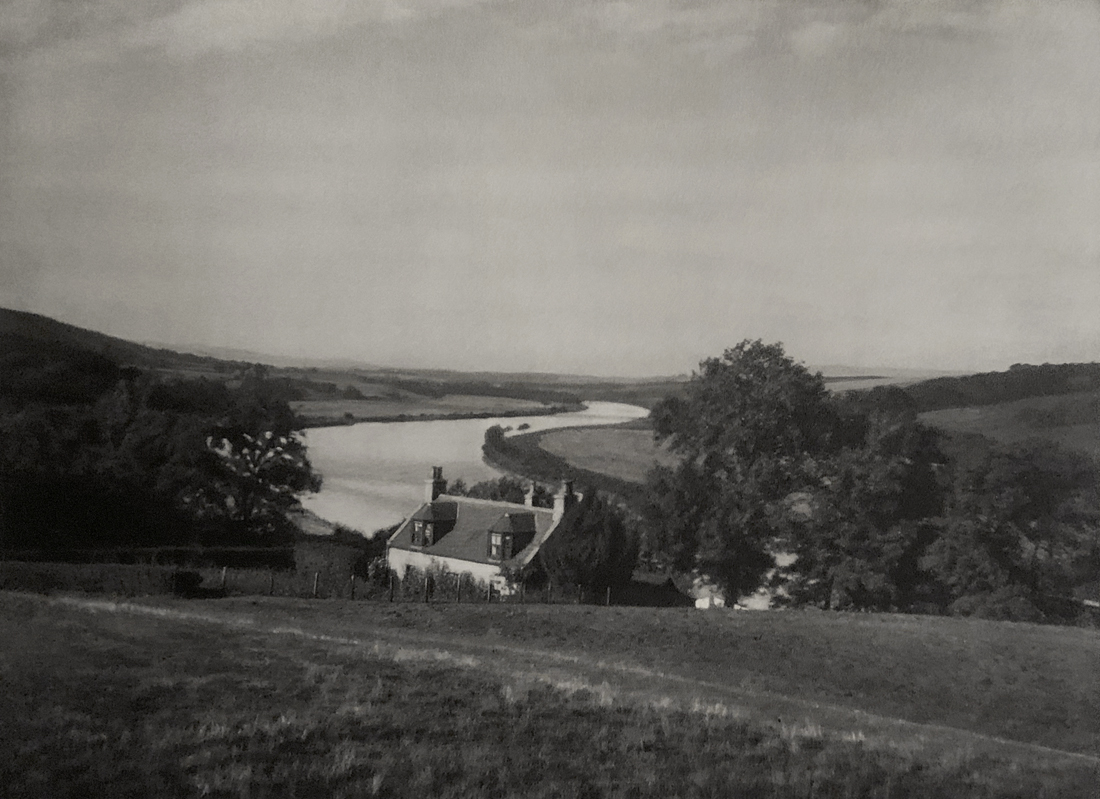
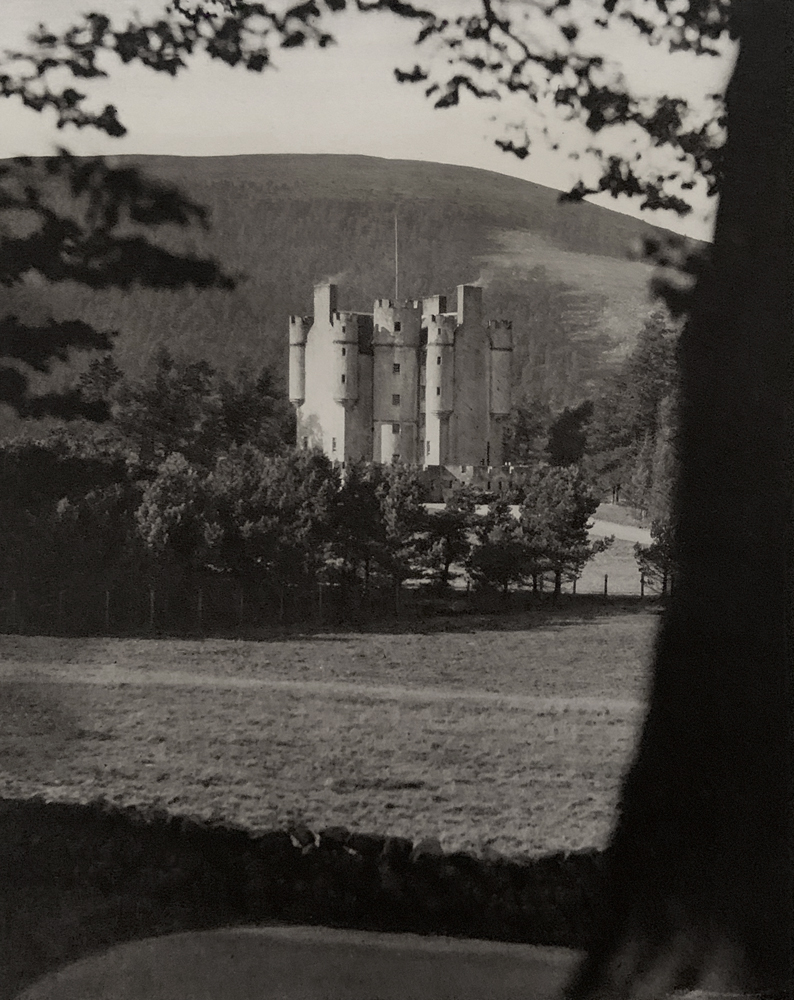
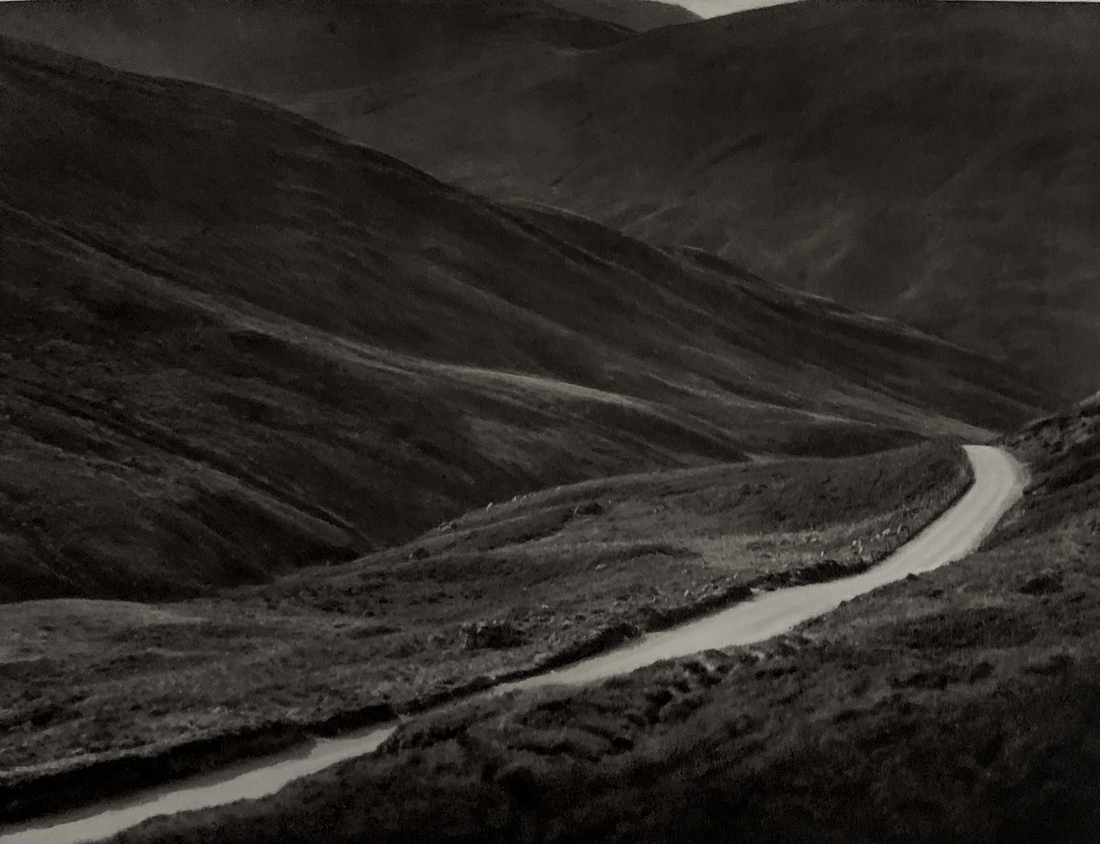
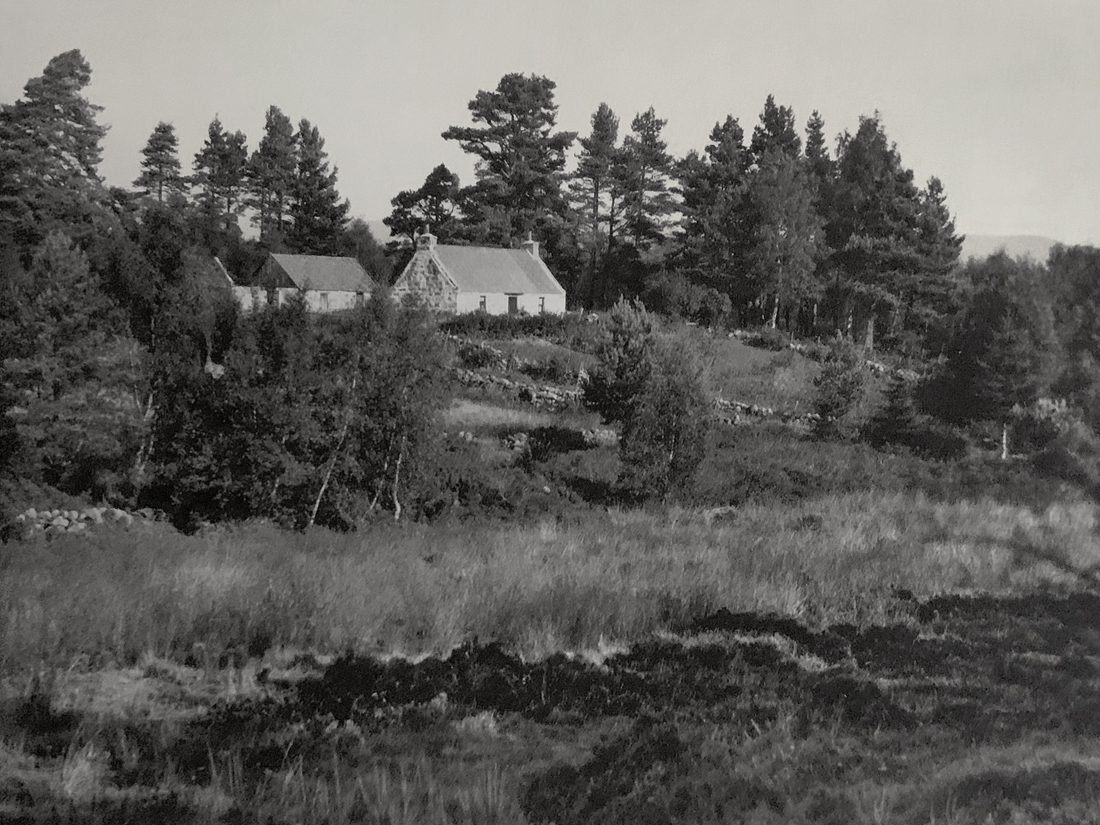
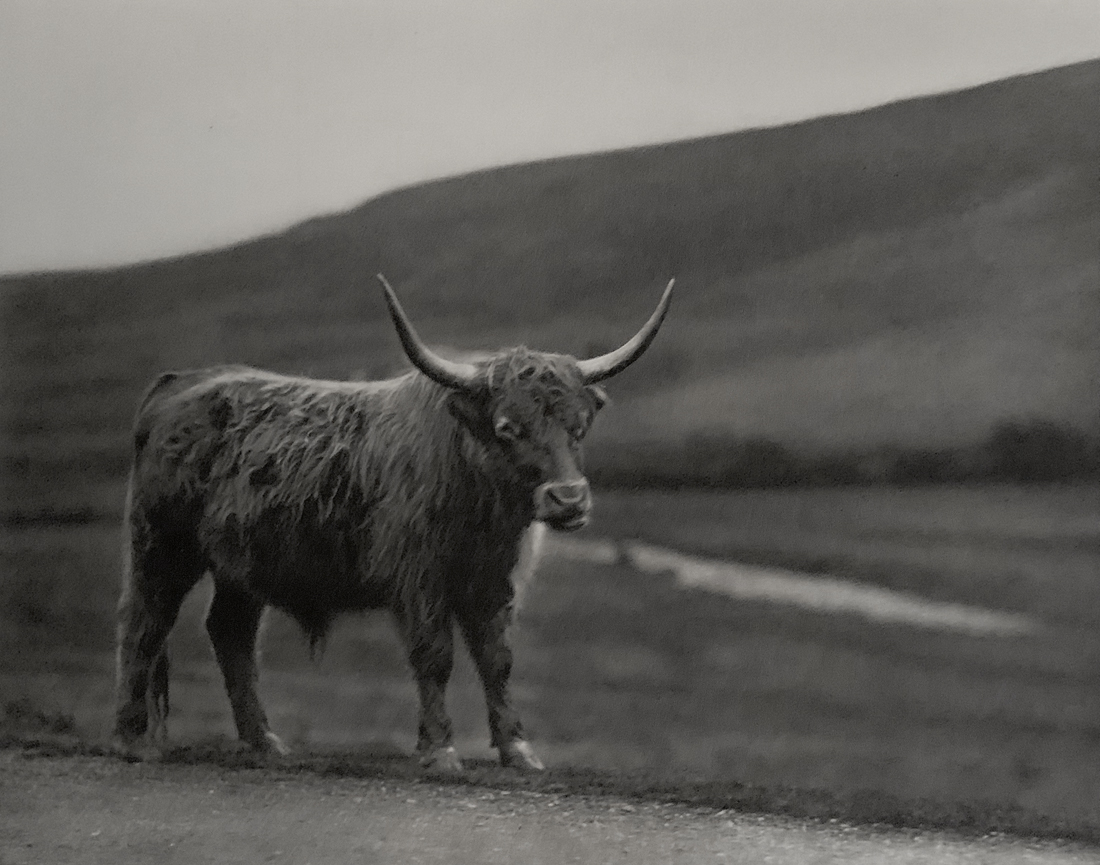
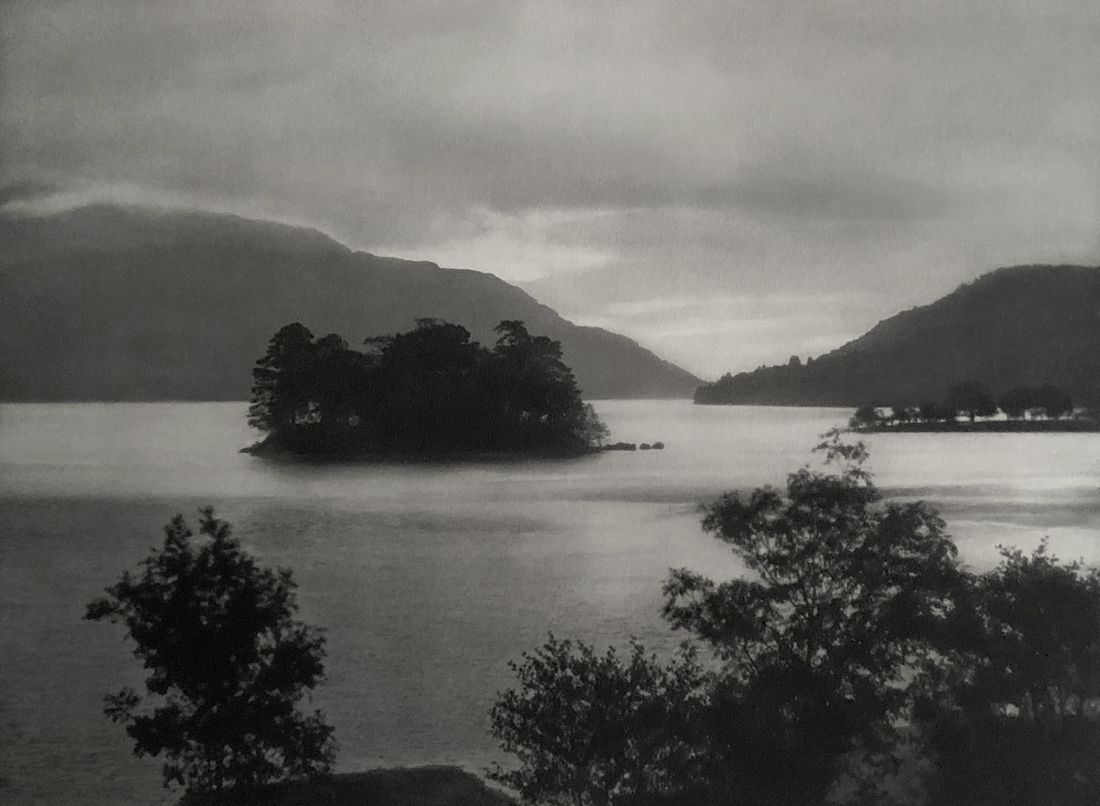
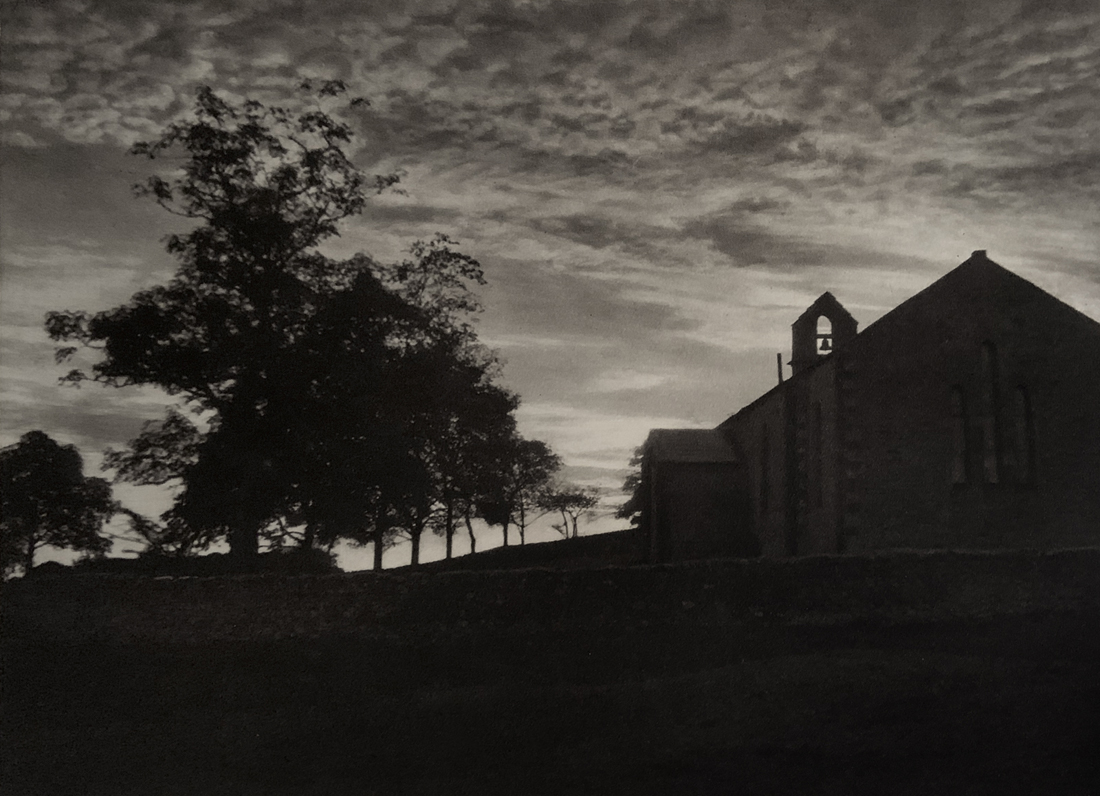
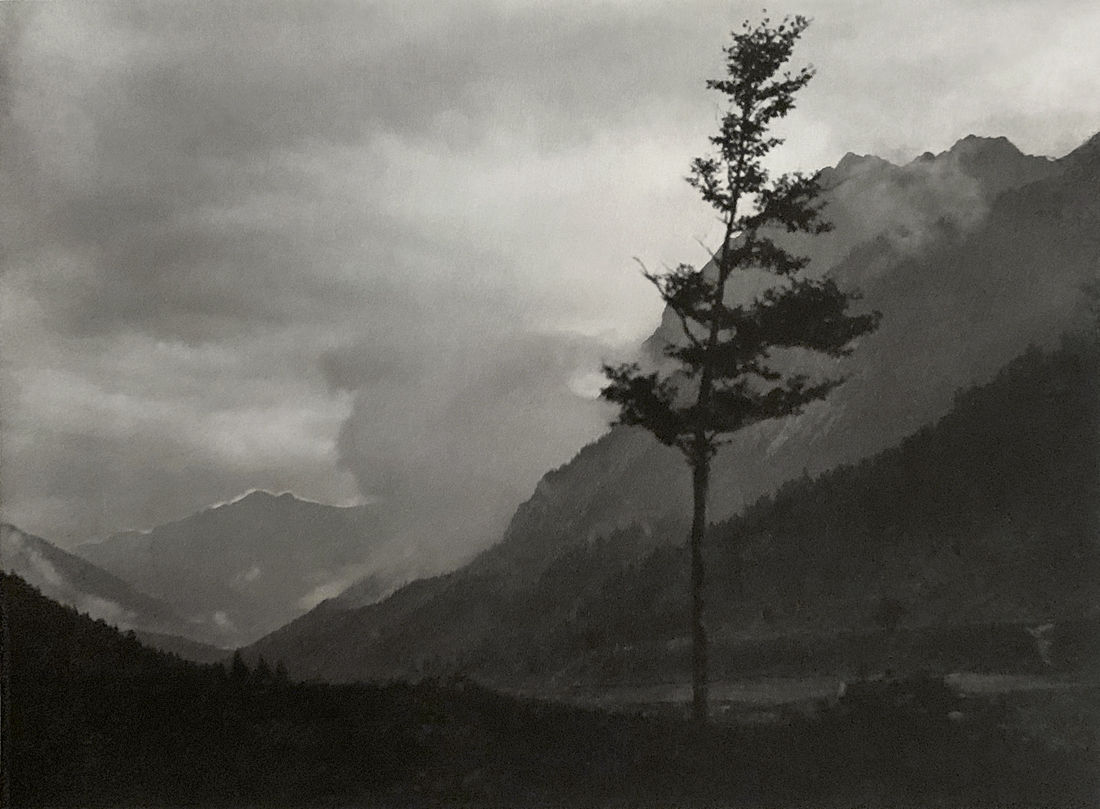
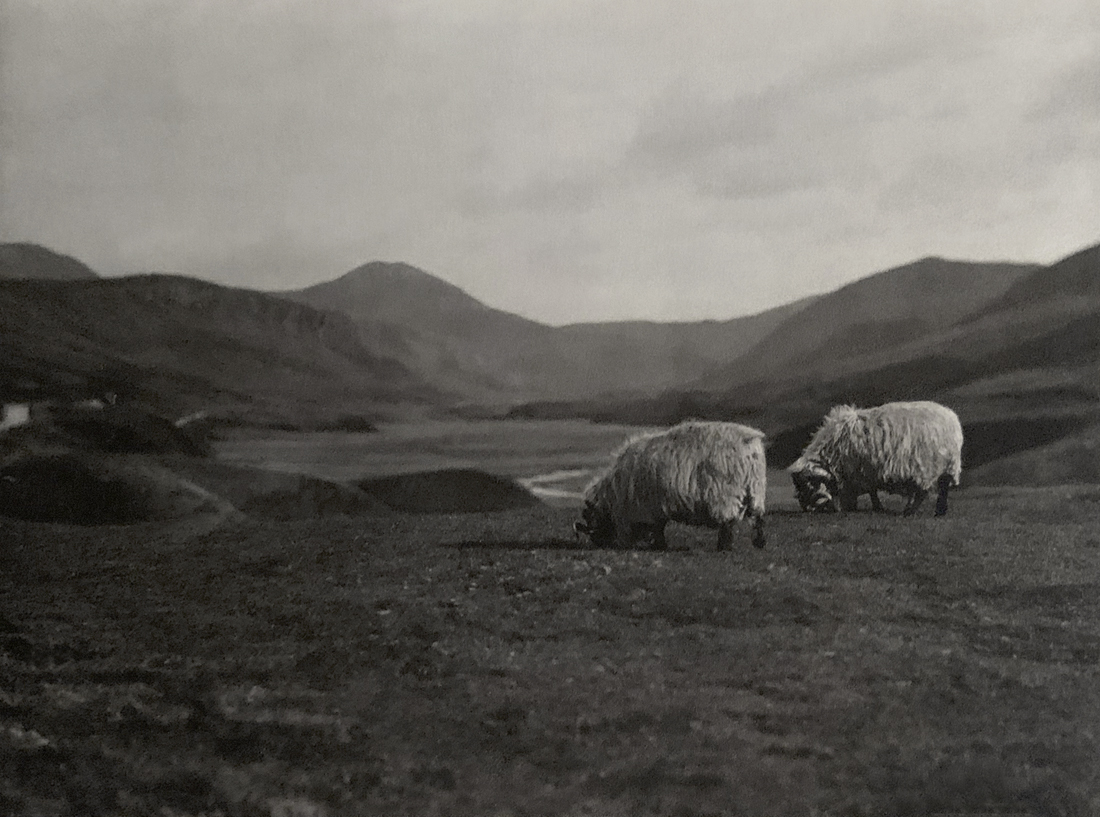
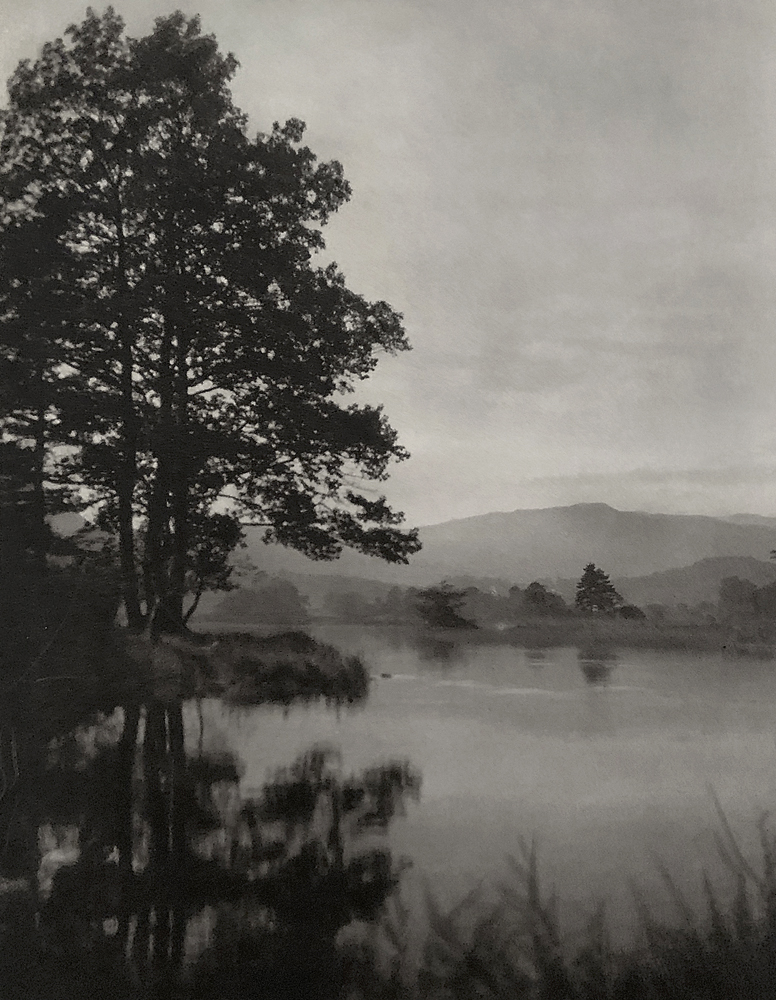


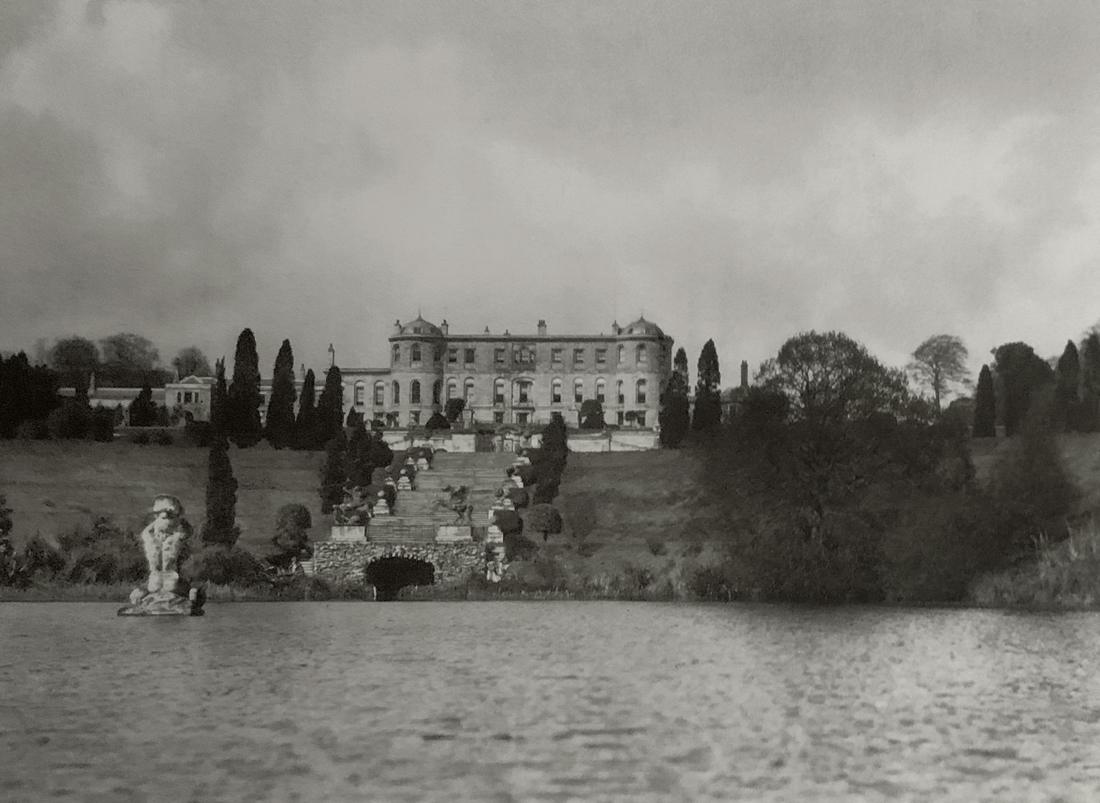
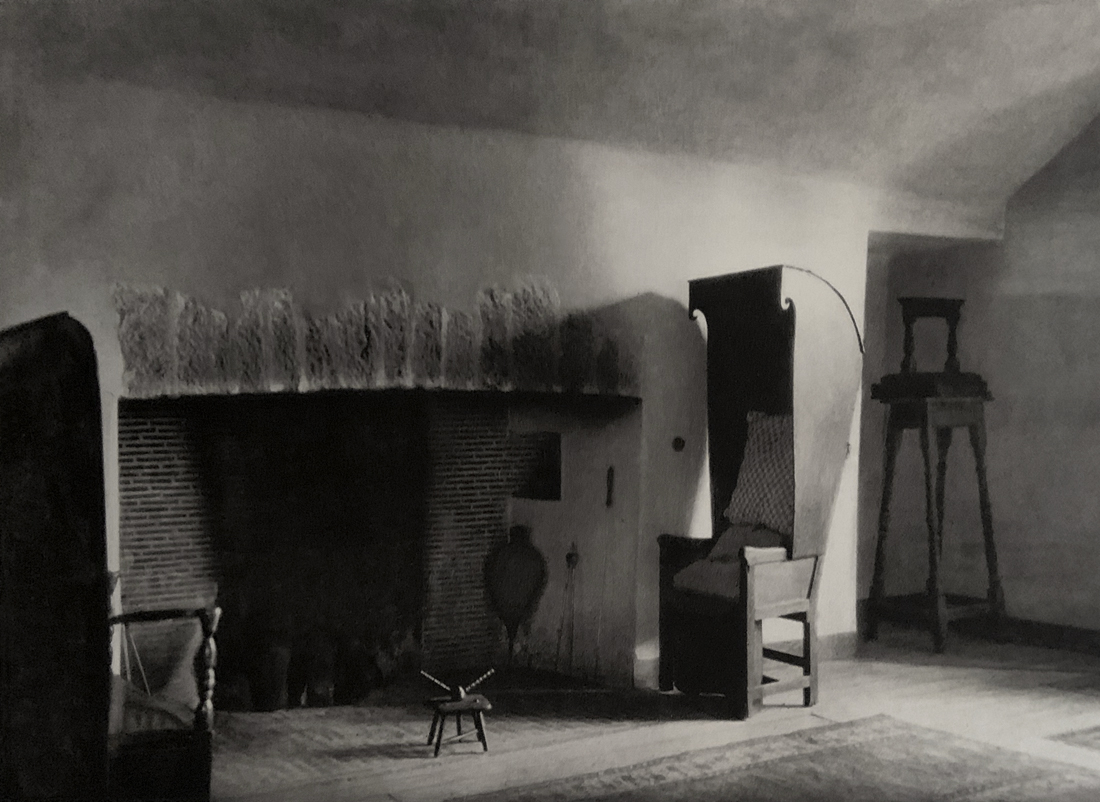


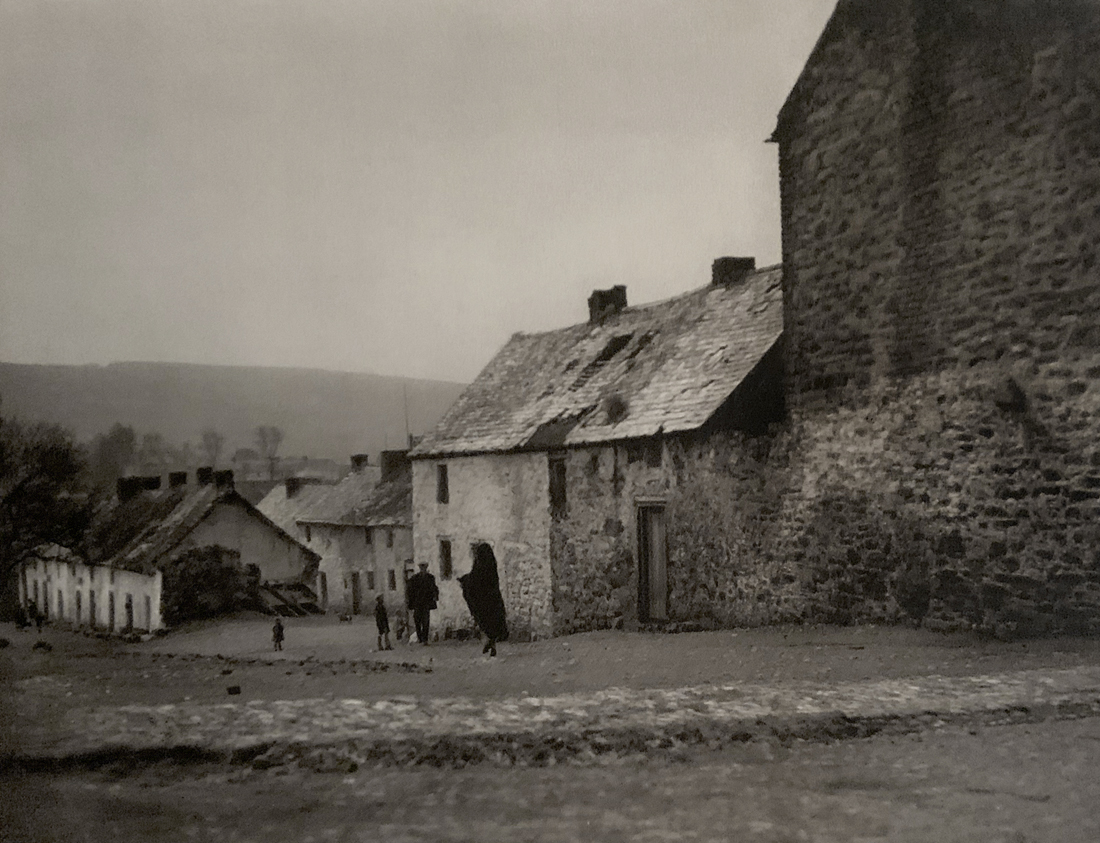
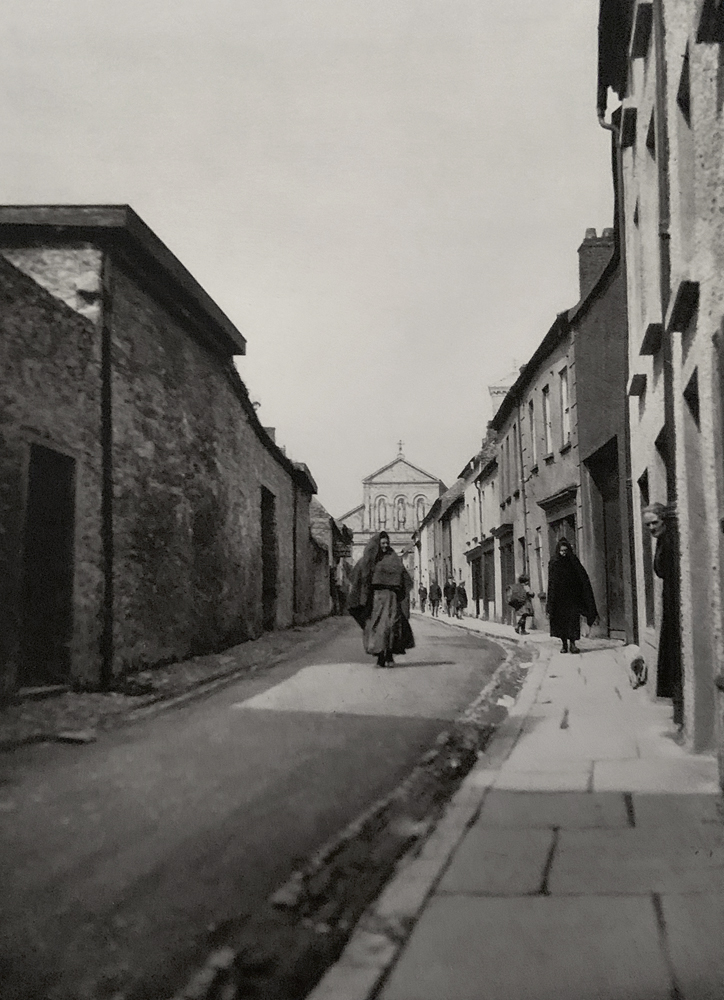

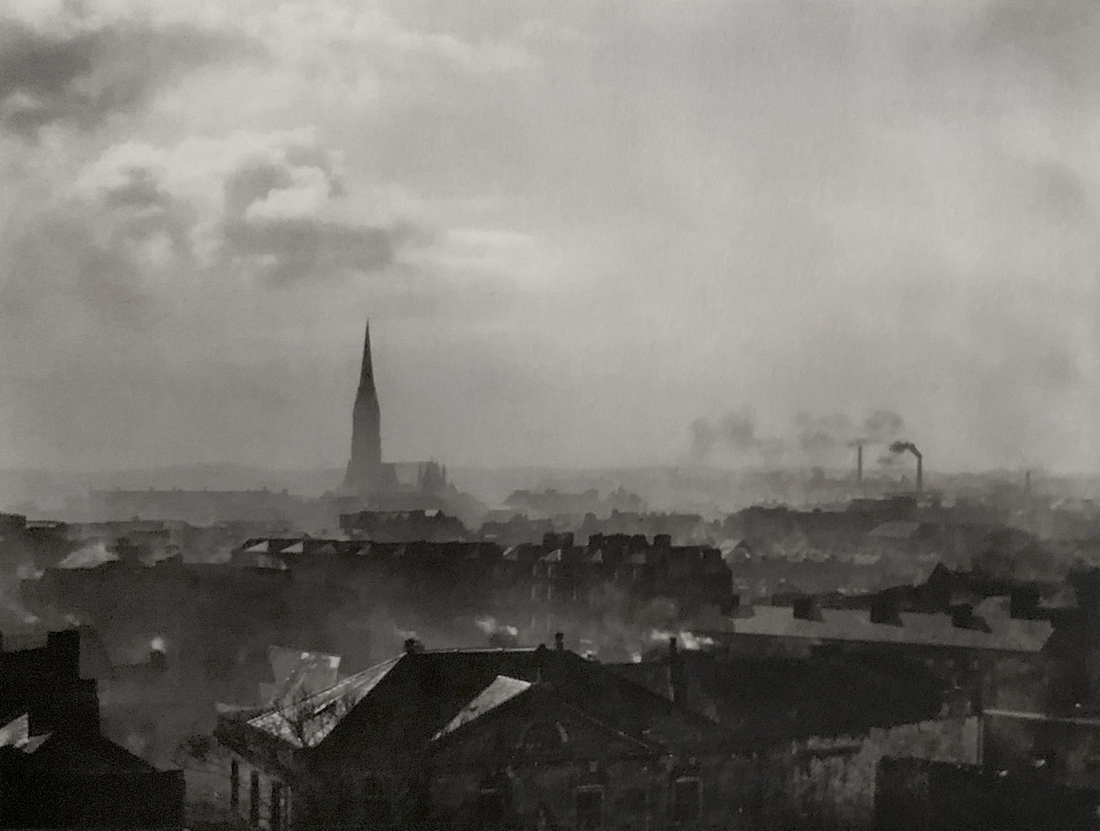
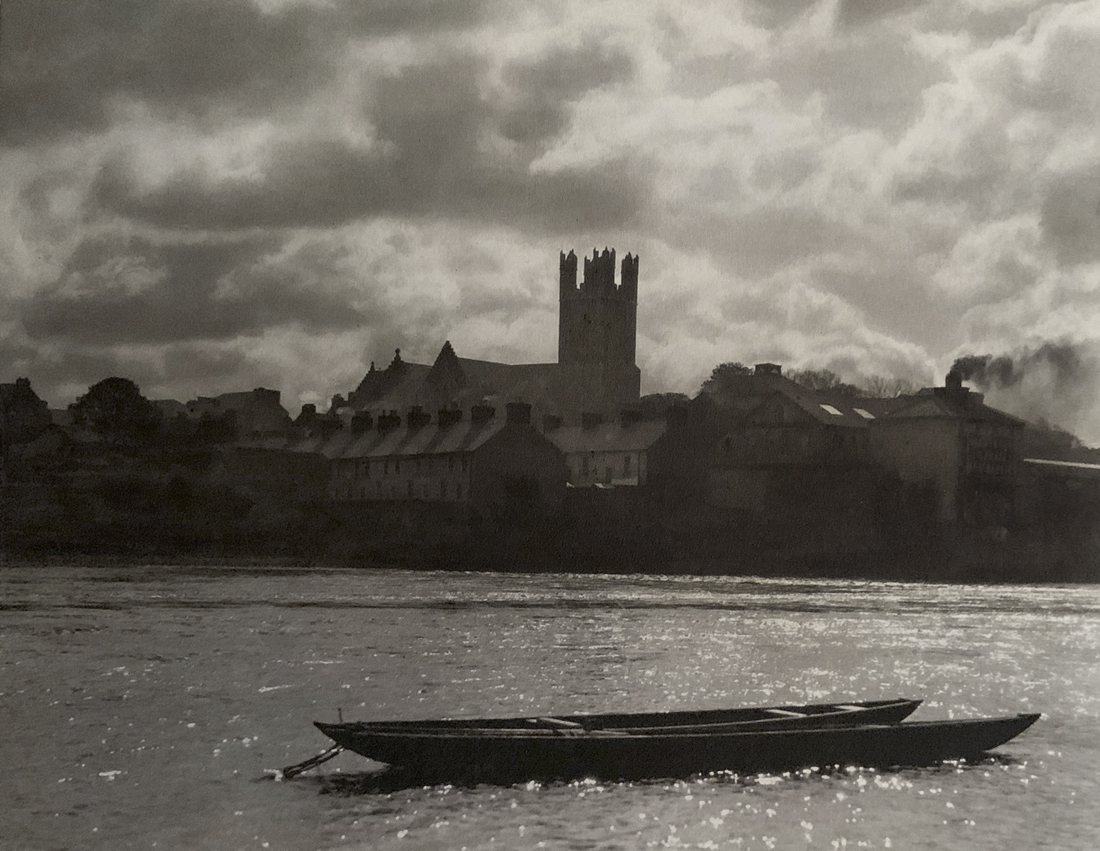
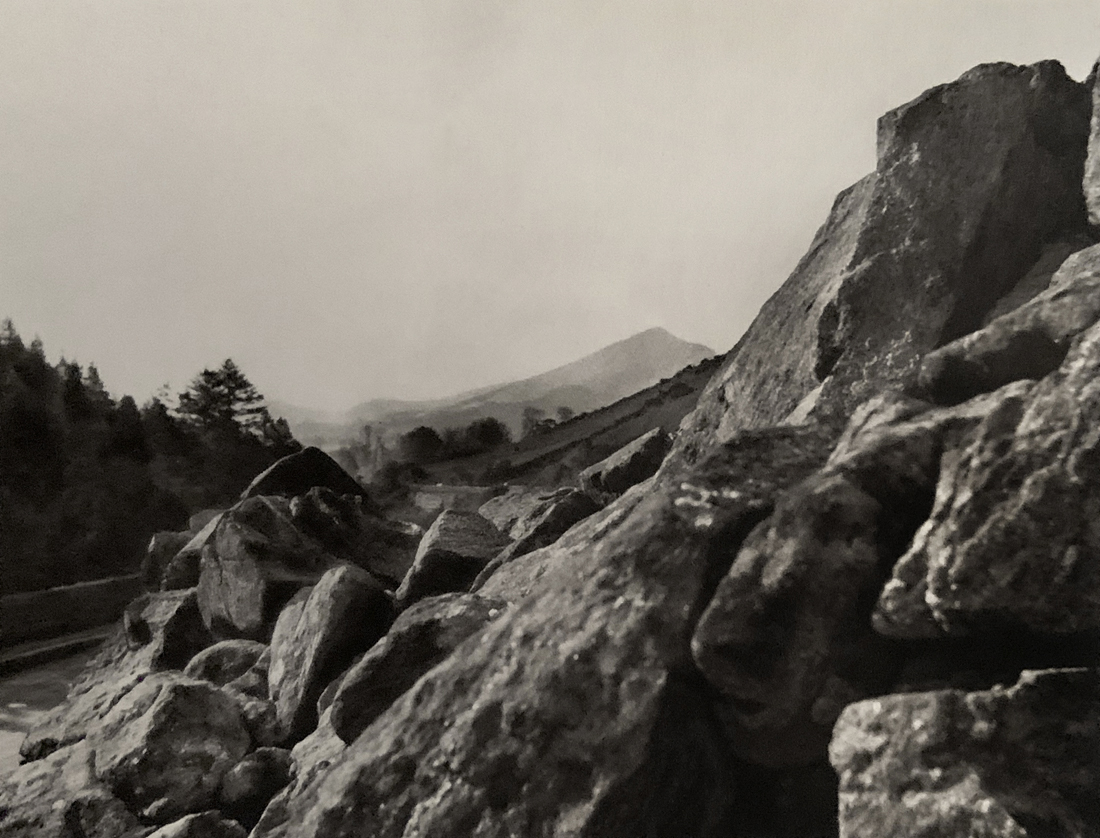
 Art Blart _ art and cultural memory archive
You must be logged in to post a comment.