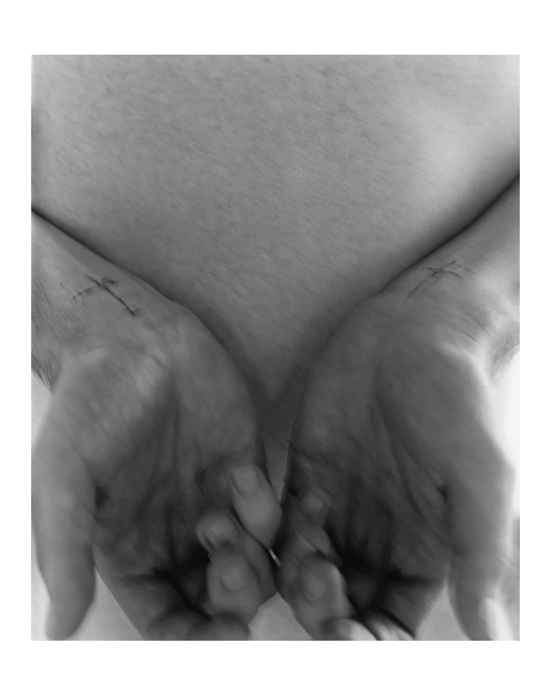
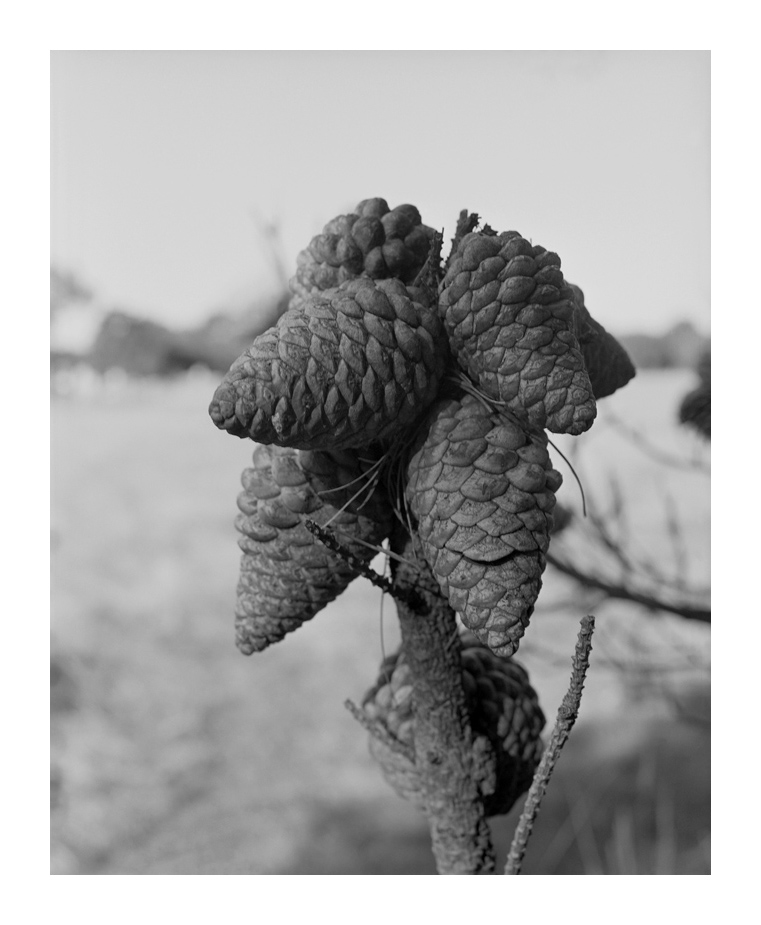
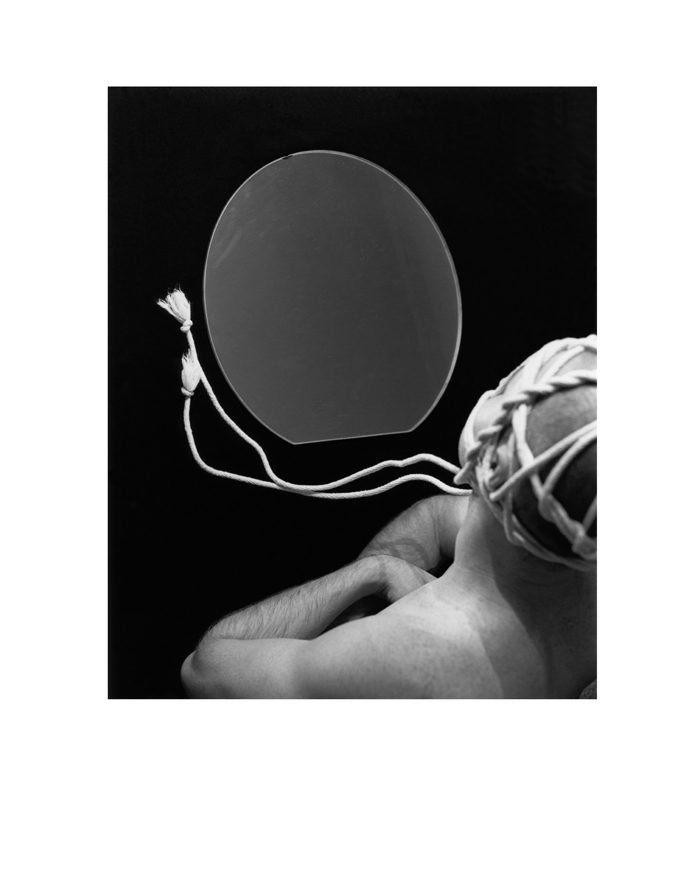
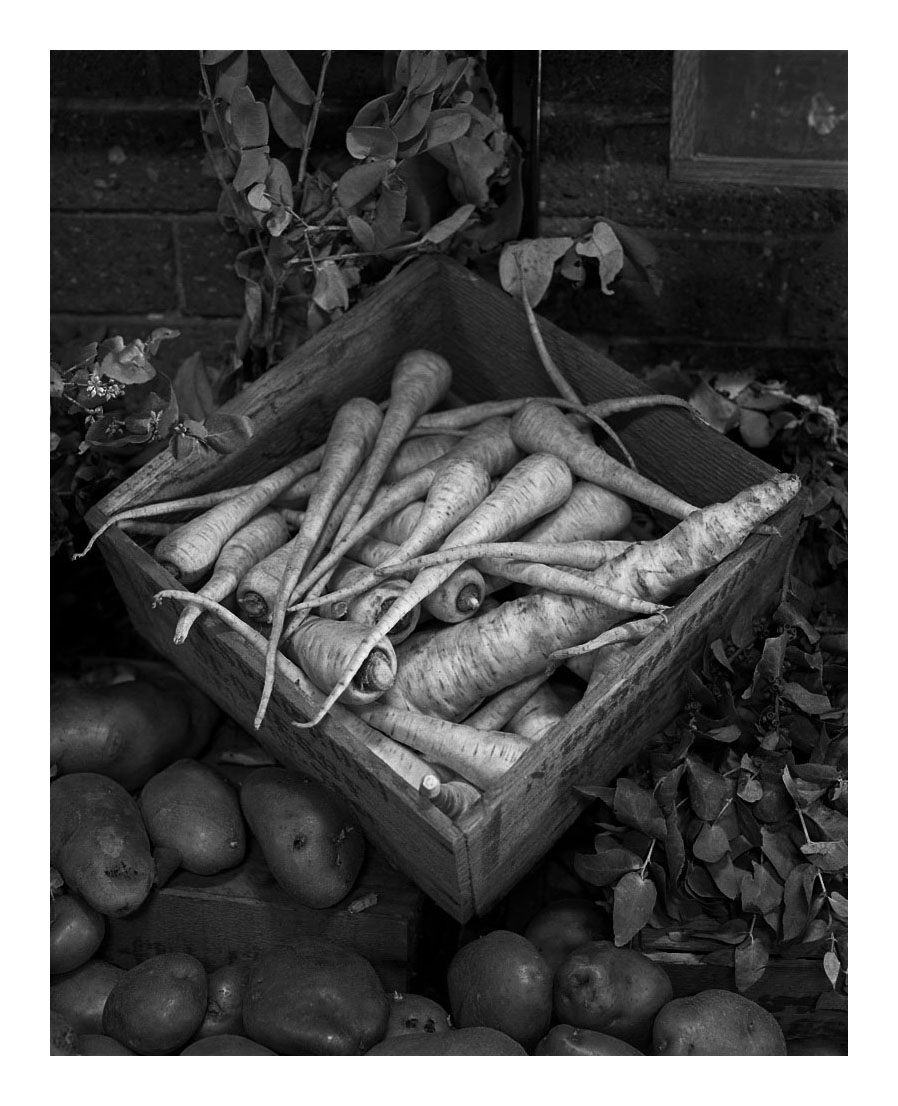
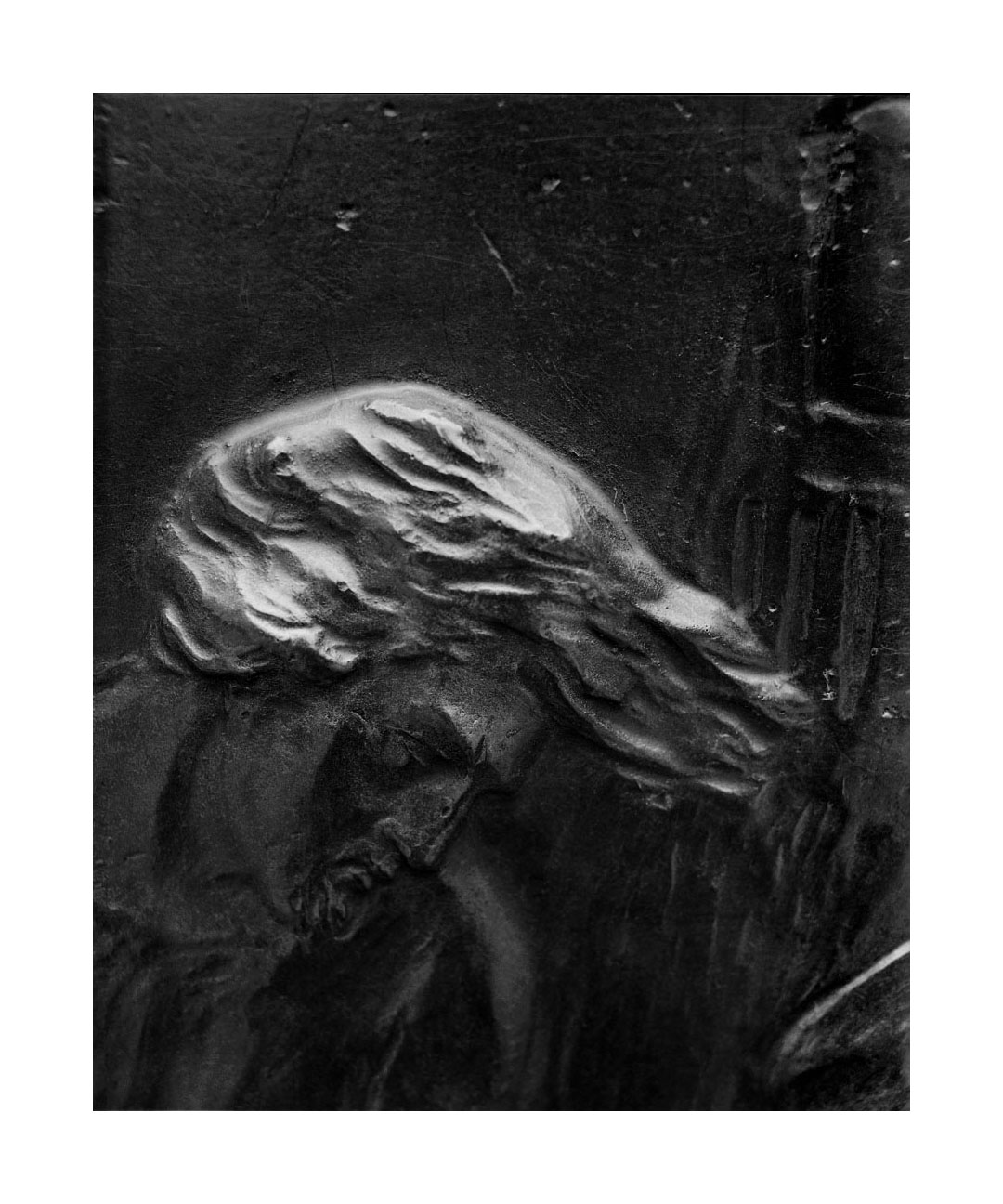
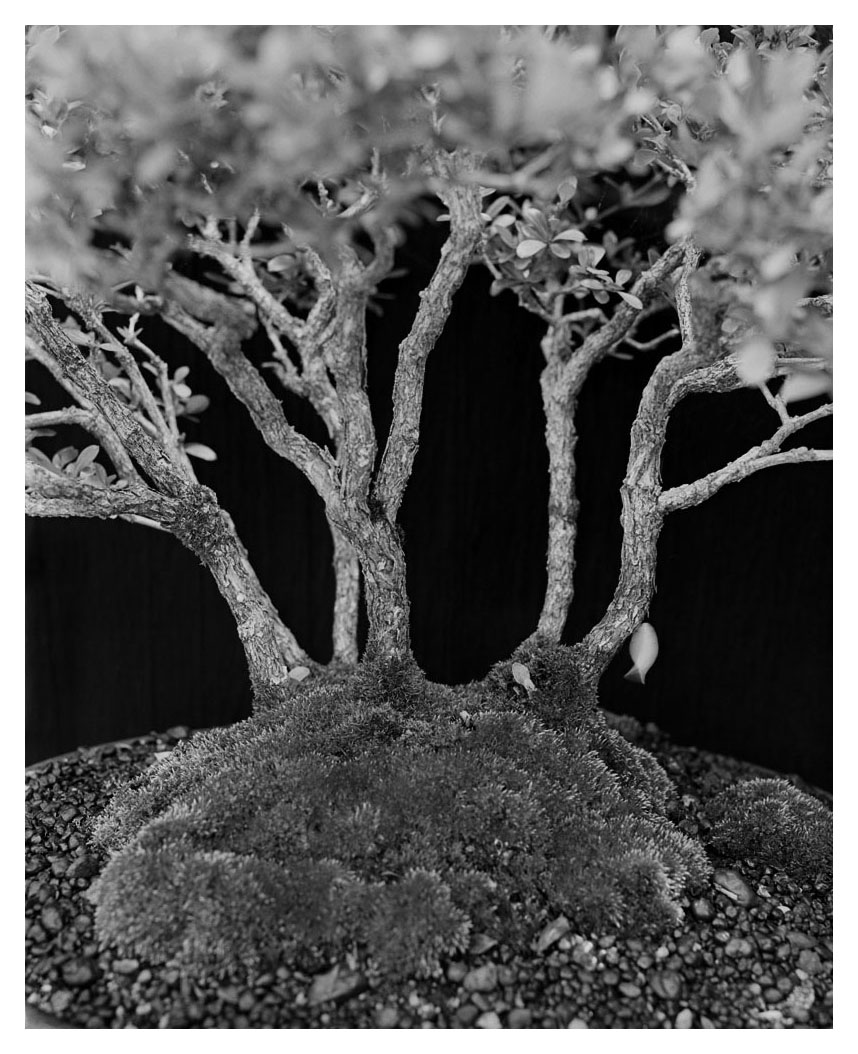
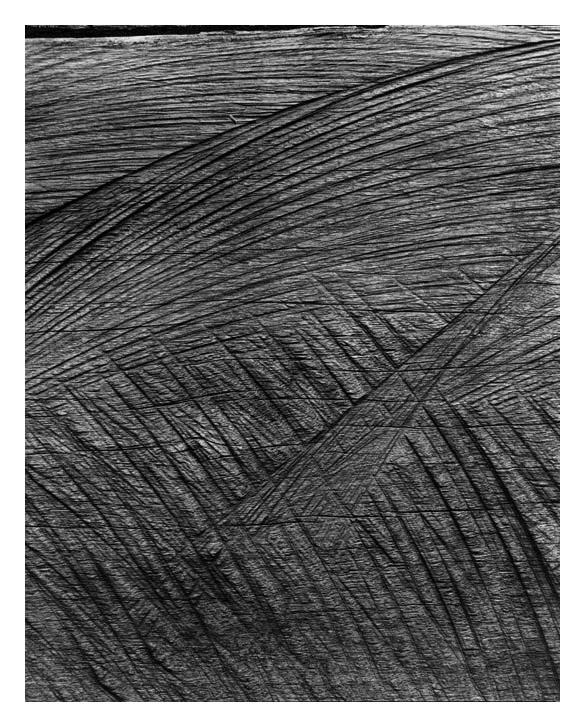
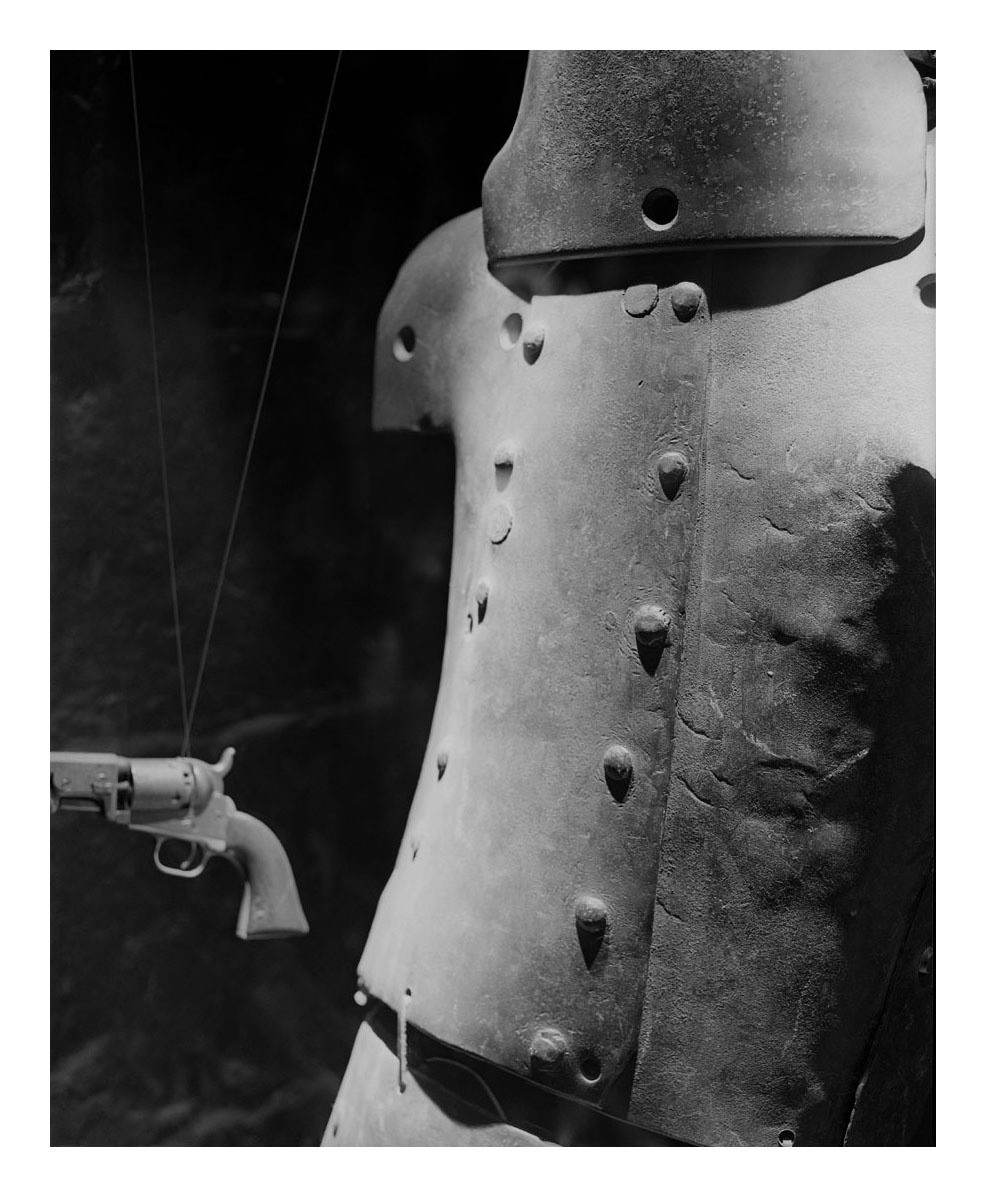
Exhibition: ‘Density’ by Andrew Follows, curated by Dr Marcus Bunyan, at Anita Traverso Gallery, Richmond

Exhibition dates: 27th August – 21st September 2013

Curator: Marcus Bunyan


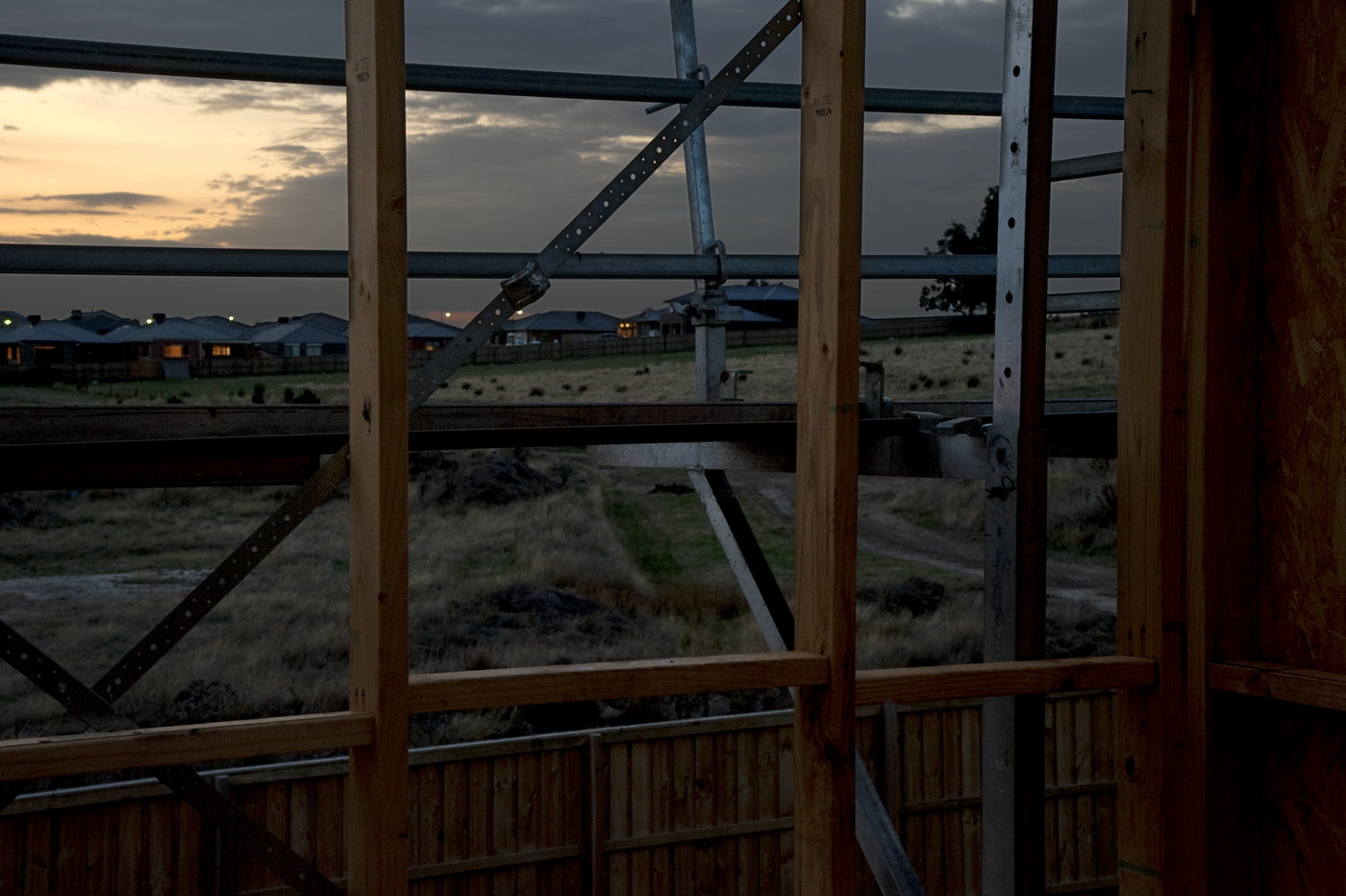
Andrew Follows (Australian, d. 2019) 'Elevation, Doreen' 213


Andrew Follows (Australian, d. 2019)
Elevation, Doreen
213
Digital photograph on archival cotton rag
130 cm x 86.5cm


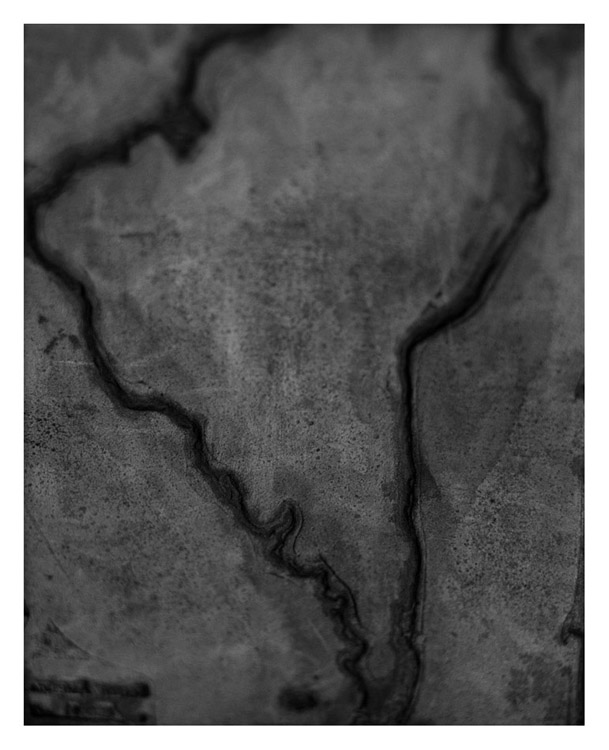
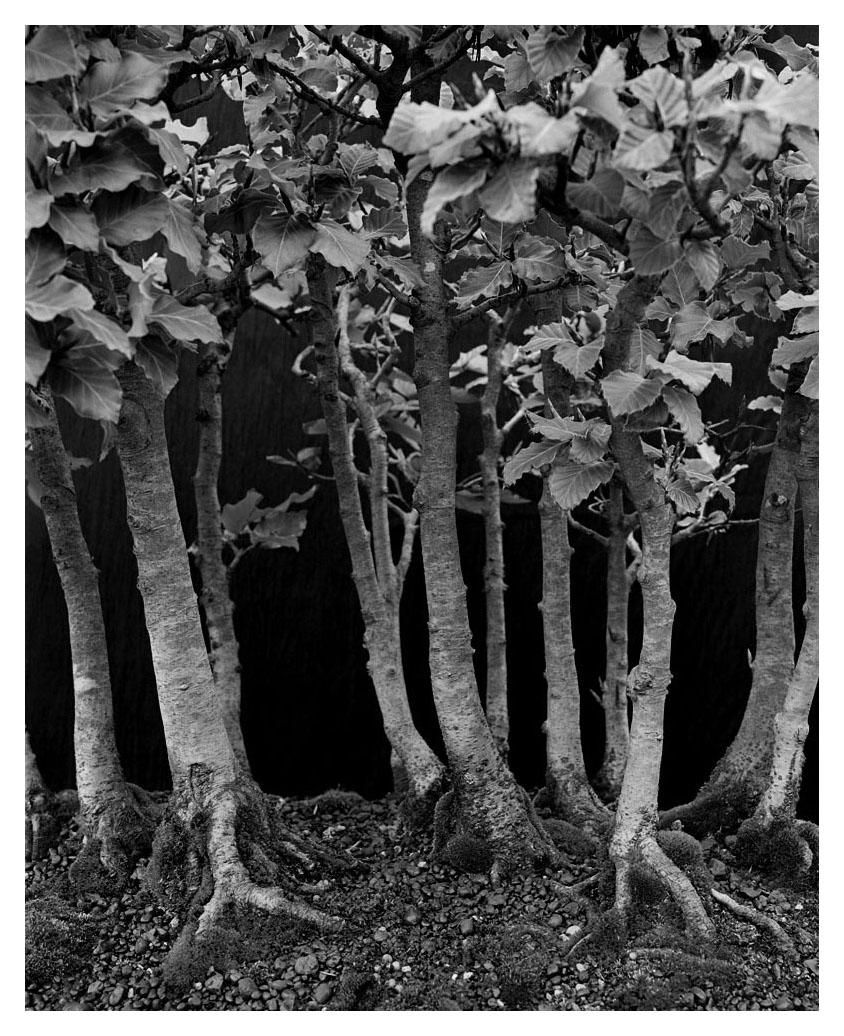
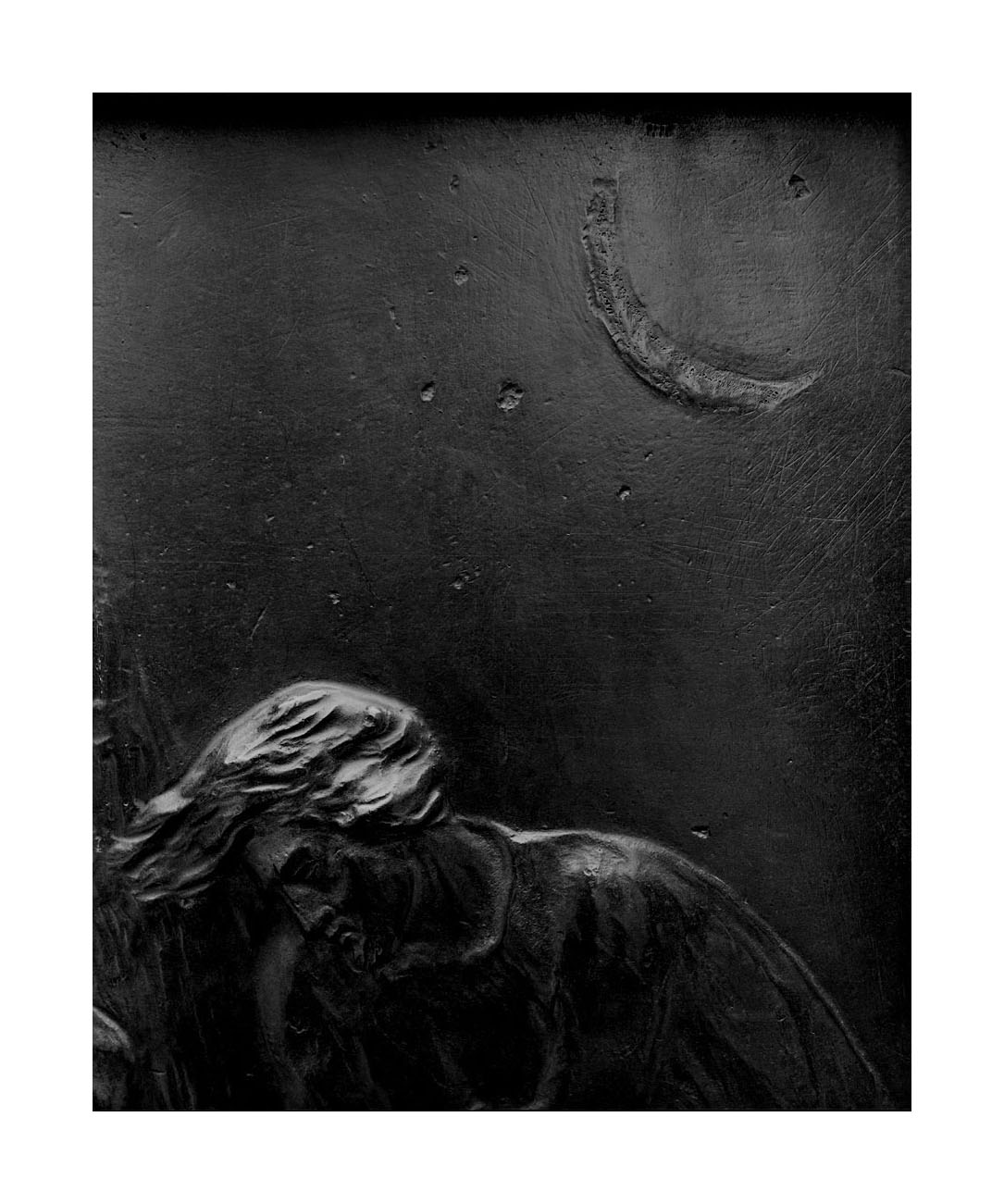
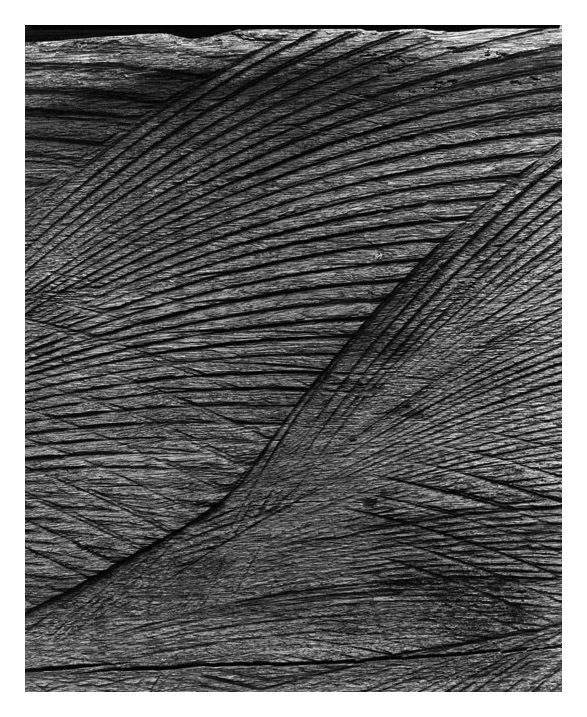
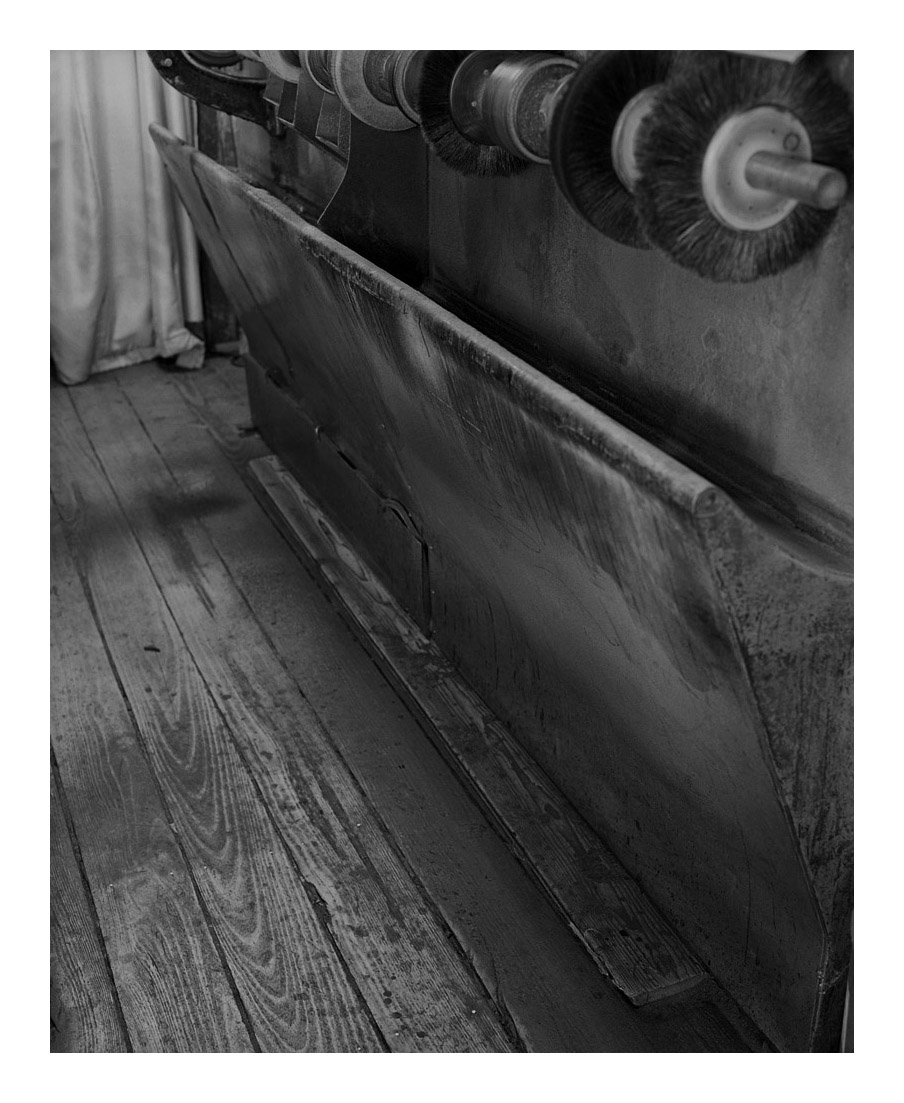
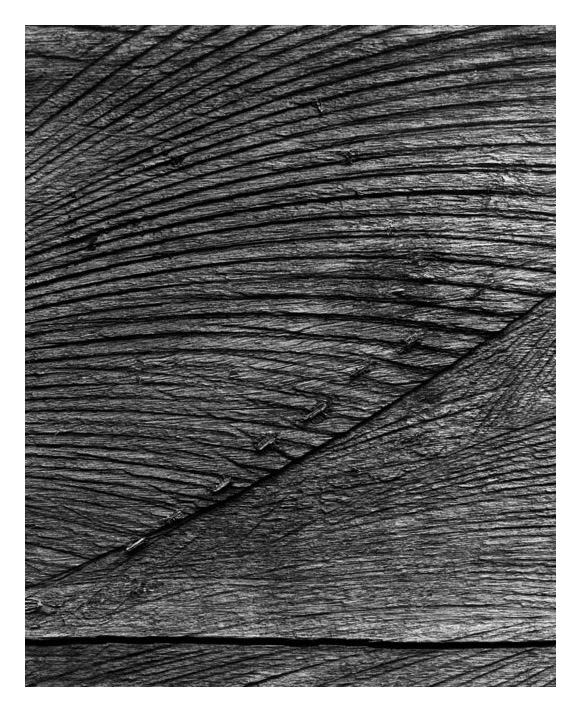
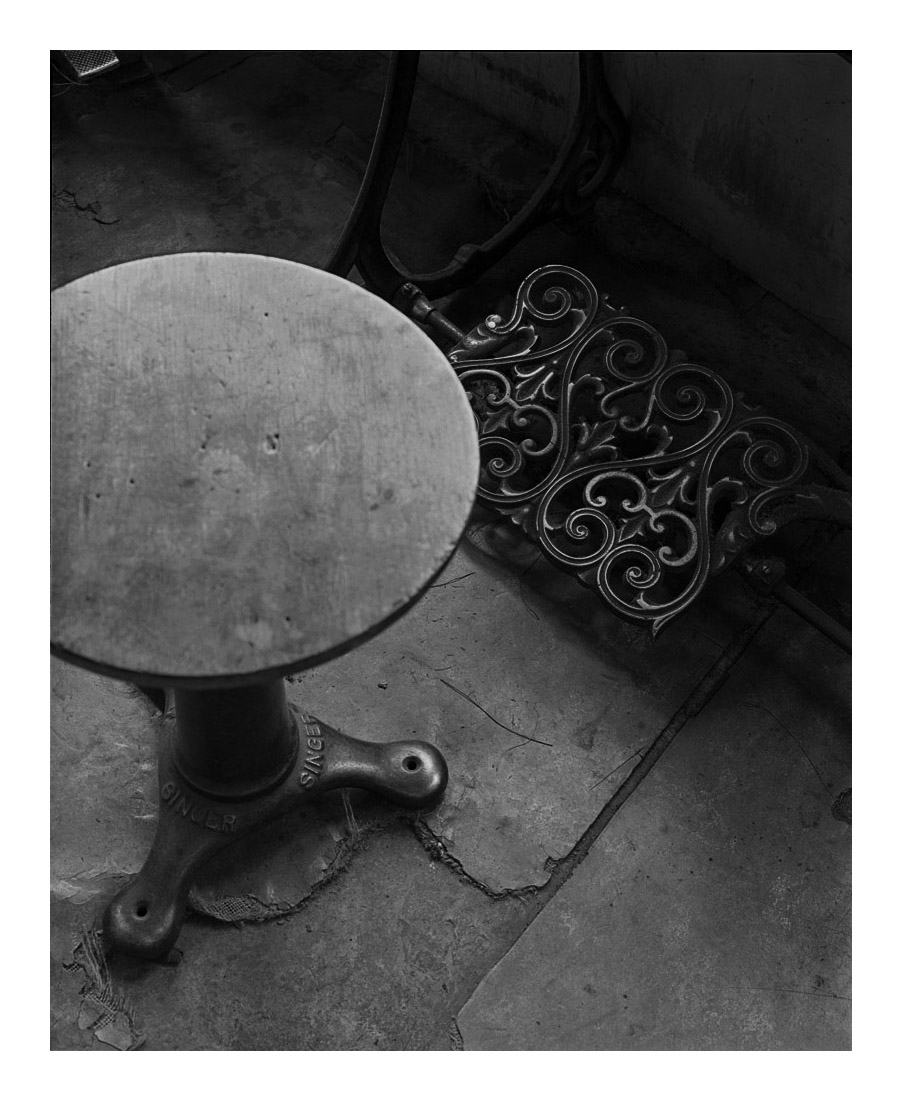
A wonderful exhibition by vision impaired photographer Andrew Follows at Anita Traverso Gallery, Richmond. It has been a real pleasure to mentor Andrew over the past year and to see the fruits of our labour is incredibly satisfying. The images are strong, elemental, atmospheric, immersive. Due to the nature of Andrew’s tunnel vision there are hardly any traditional vanishing points within the images, instead the ‘plane of existence’ envelops you and draws you in.

Well done to everyone involved with the project. I would particularly like to thank Fiona Cook from Arts Access Victoria for keeping the project on track; the amazing Darren from CPL Digital for his most excellent efforts to print the almost impossible print; Jondi Keane from Deakin University for opening the exhibition; Anna Briers for writing a wonderful catalogue essay; and Anita Traverso for believing in Andrew and giving him an exhibition when many wouldn’t. Many thankx and respect to all.

Dr Marcus Bunyan


The photographs below appear in the order they are in the exhibition. Please click on the photographs for a larger version of the image.


Density n.

The degree of optical opacity of a medium or material, as of a photographic negative;

Thickness of consistency;

Complexity of structure or content.


Andrew Follows (Australian, d. 2019) 'Number 31, Eltham' 2013


Andrew Follows (Australian, d. 2019)
Number 31, Eltham
2013
Digital photograph on archival cotton rag
130 cm x 86.5cm


Andrew Follows (Australian, d. 2019) 'Green, Montsalvat' 2013


Andrew Follows (Australian, d. 2019)
Green, Montsalvat
2013
Digital photograph on archival cotton rag
130 cm x 86.5cm


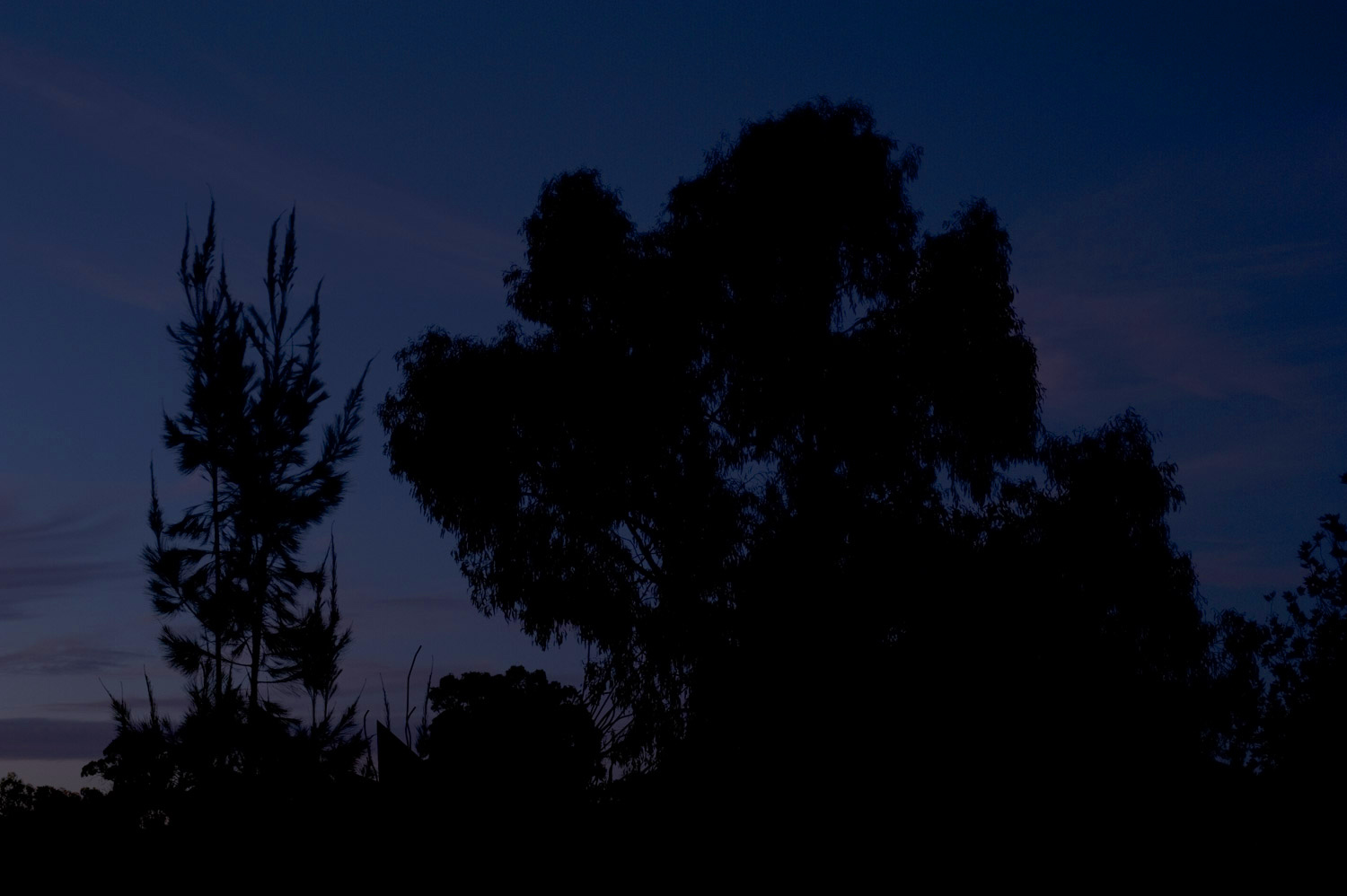
Andrew Follows (Australian, d. 2019) 'Shadowlife' 2013


Andrew Follows (Australian, d. 2019)
Shadowlife
2013
Digital photograph on archival cotton rag
130 cm x 86.5cm


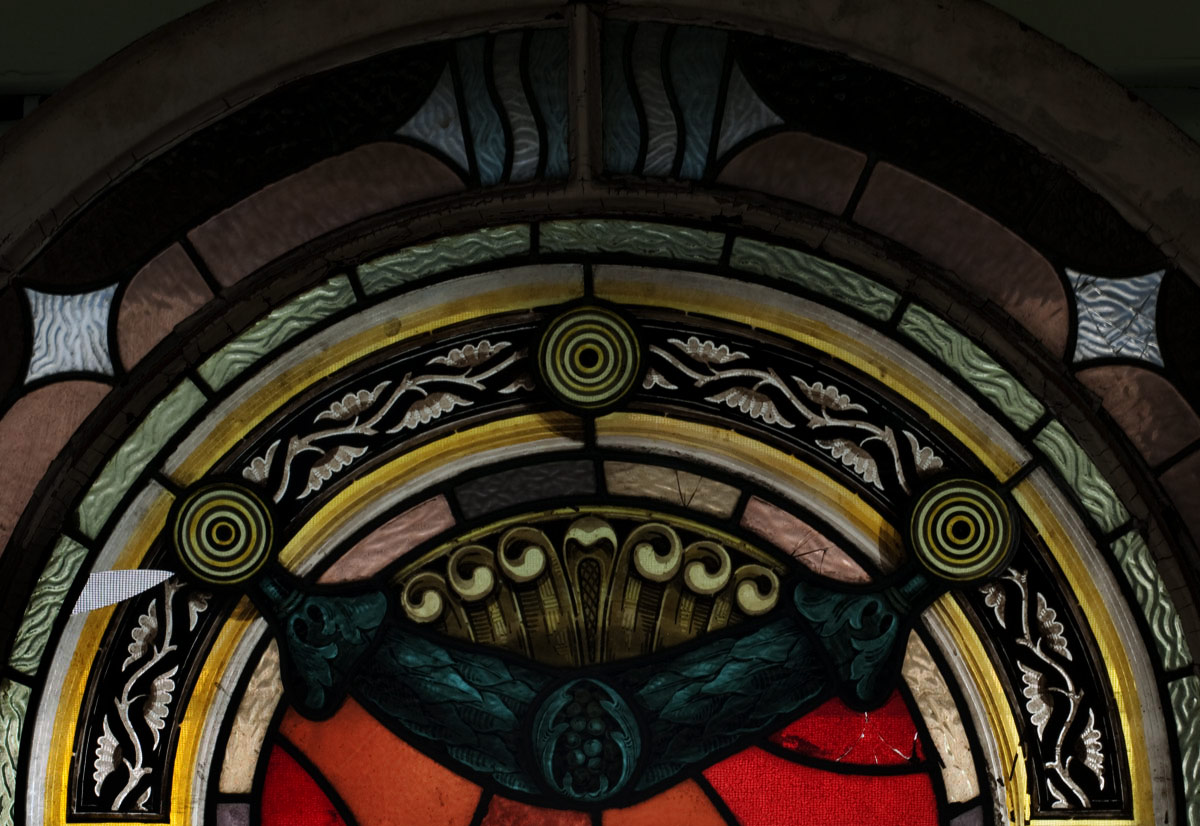
Andrew Follows (Australian, d. 2019) 'Garland, South Melbourne' 2013


Andrew Follows (Australian, d. 2019)
Garland, South Melbourne
2013
Digital photograph on archival cotton rag
40 cm x 27cm


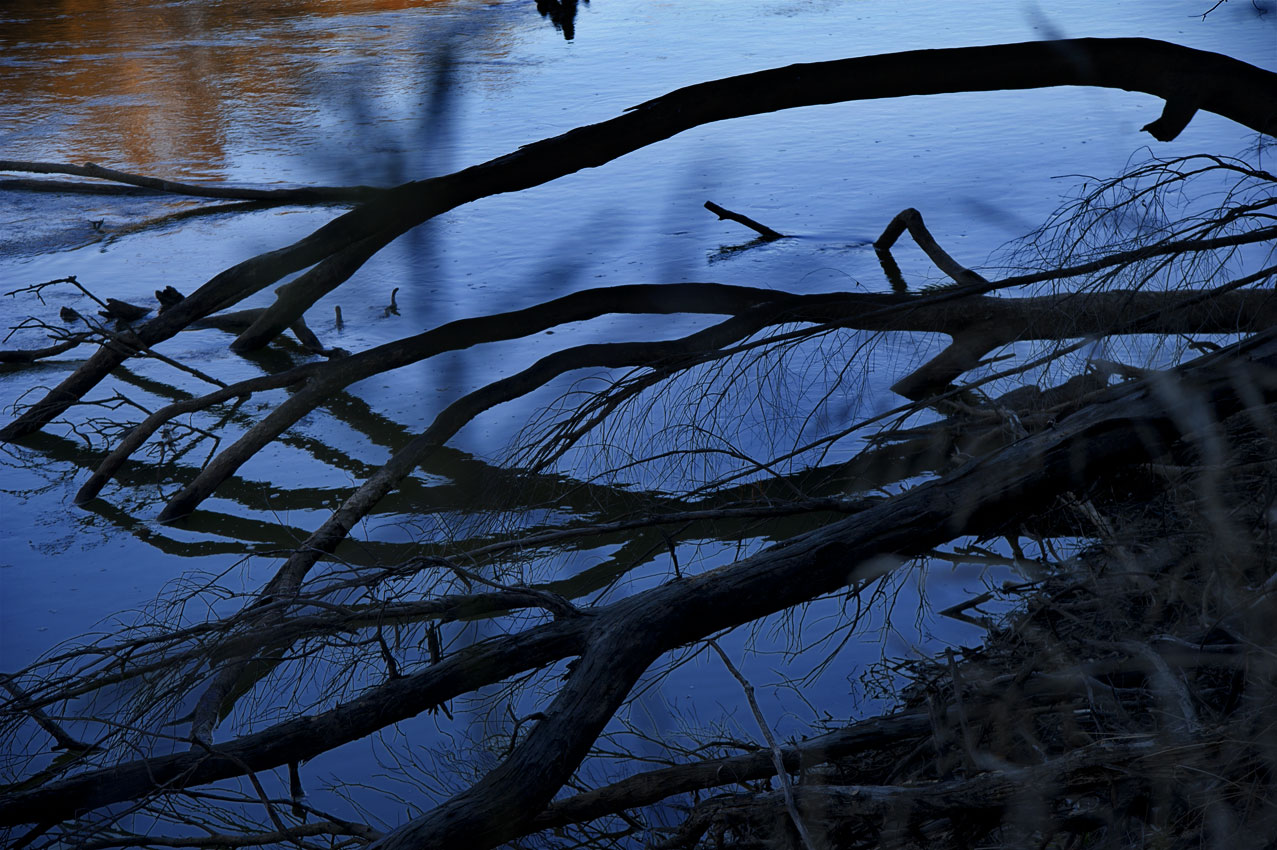
Andrew Follows (Australian, d. 2019) 'Indigo, Edenvale' 2013


Andrew Follows (Australian, d. 2019)
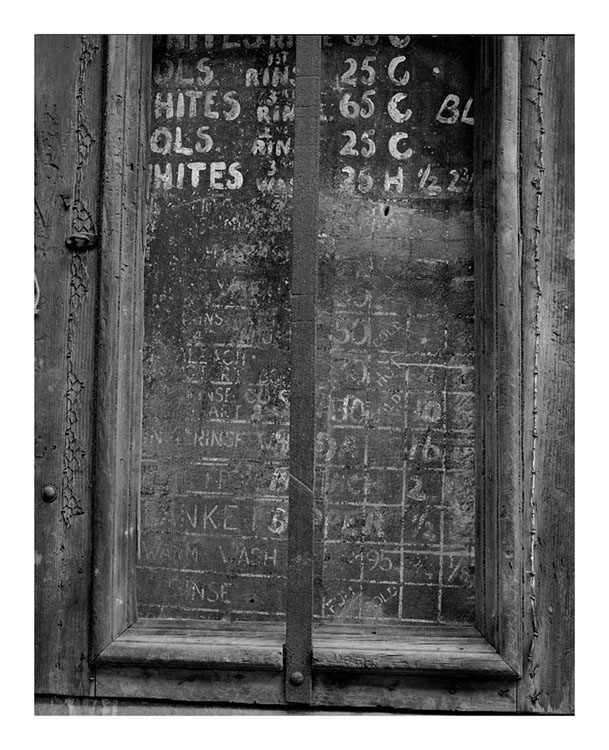
Indigo, Edenvale
2013
Digital photograph on archival cotton rag
130 cm x 86.5 cm


The Mind’s Eye: Density in the Work of Andrew Follows

Anna Briers

Seeing has never been about the simple act of looking. It can be defined by the parameters of our past experience and cognitive stock, factors which enable, inhibit and shape our perceptive abilities. Ultimately, our ways of seeing are affected by our learnt cultural assumptions about the universe.1

Cultural theorist James Elkins has said, ‘blindness is not the opposite of vision, but it’s constant companion, and even the foundation of seeing itself.’2 In his seminal text The Object Stares Back, Elkins illustrates that we are blind to the limits of our own vision and that this unknowingness about our visual fallibilities is crucial to ordinary seeing. This blindness relates to a hierarchy of vision, defined not only by our psychological limitations but our physiological ones as well – the selection process that we employ to filter the vast proliferating output of information that we are inundated with on a daily basis. Without which, we would probably experience a kind of cerebral meltdown.

If vision is dependent on a certain amount of blindness, then by extension the notion that a photographic image can accurately document the truth is a misconception. The camera is not simply a black box that can correctly capture a quotation of reality, a machine of ‘logic and light’,3 for the act of taking a photograph is reliant on the careful selection and framing of a particular object or subject. The result of this point of view is the depiction of a subjective reality at the exclusion of everything else which is made invisible: eliminated by the perimeters of the frame.

In this context, it is interesting to consider the work of legally blind photographer Andrew Follows. Follows has a degenerative condition called Retinitis Pigmentosa (RP) that has rendered one eye completely blind with ever diminishing tunnel vision in the other. Follows can perceive three meters ahead, albeit through an obscuring haze. The clarity of his vision is dependent on lighting and various environmental factors; objects are often more perceptible at night. Whilst form and structure are apparent, he cannot see the intricate tonal details of a stained glass window. He cannot know that the colour of your scarf is royal blue. All this changes however, when Follows observes light flooding through the lens of a camera.

Through the small rectangular viewing panel on the reverse of a digital camera, Follows’ world is revealed. He is able to discern architectural detail and the vibrancy of nature; he is able to know that his favourite shade in the vast tonal spectrum is royal blue. In a realisation of Marshall McLuhan’s notion of the camera as a prosthetic extension,4 Follows’ camera extends his sight, and through it he is able to capture his unique vision, for a moment or for a millennia, a physical expression of the imaginings of his mind’s eye.

Curated by Dr Marcus Bunyan, the concept of Density was envisaged as a point of departure to explore the manifold variations and subsequent ruminations on the term as it relates to Follows’ perspective. As a technical descriptive, density explains the degree of optical opacity within a photographic negative. Portions of film that have been exposed to greater amounts of light yield a greater deposit of reduced silver. This is referred to as having a higher density than areas of shadow.5

Density also denotes a thickness of consistency and many of Follows’ works exhibit a complexity of compositional structure and content that elucidates the nature of Follows’ perception. ‘Even in the physicality of my vision, these photographs have a certain feeling that reflects my relationship to the world and how I visualise it.’6 A thematic constant that binds this series together is the shallow depth of field that is combined with a sense of the frame or the foreground being the view. Follows’ images, and therefore our view into his world is a restricted one. As the viewer we must frequently gaze through a kind of haze or obstruction in order to participate.

A pivotal example of this is Elevation, Doreen, 2013, where the composition is segmented by the skeletal structure of the wooden and steel supports of a building. Intersecting diagonals and verticals delineate and contain space across the picture plane, framing the mid-ground and background within its architecture. It is not the vista that is of interest to Follows.

This image cannot escape the requisite art historic parallels with movements such as the Russian Constructivists or De Stijl with its ‘Mondrian-esque’ all over composition. However the image speaks of interiority, its emphasis is on the foreground and by drawing our attention to the mechanics of how the view is framed we are made conscious of the act of seeing. There is a layering or doubling that occurs here: Follows makes us aware of the limitations of our own vision, through the act of looking – by revealing his unique vision, as a result of partial blindness.

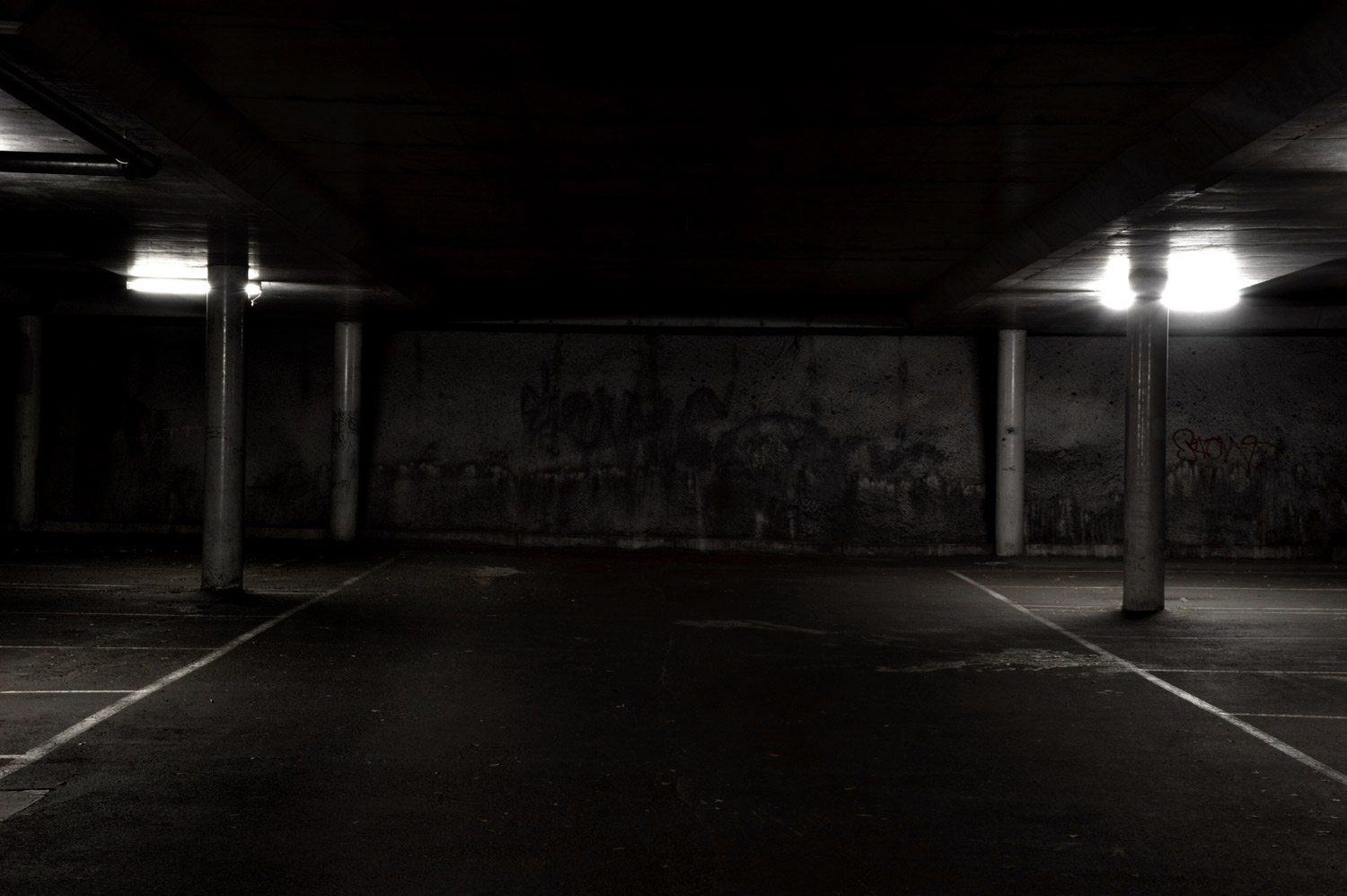
Similarly, Void, Eltham, 2013, leaves us grasping for some semblance of illumination and visual clarity within a desolate and dimly lit car park. While our eye is guided across the picture plane by white lines and columns that recede into space, our view is ultimately obstructed by a concrete barrier covered in territorial markings and thus, we are reminded of the limitations of our own vision as we are left to gaze into the dense abyss.

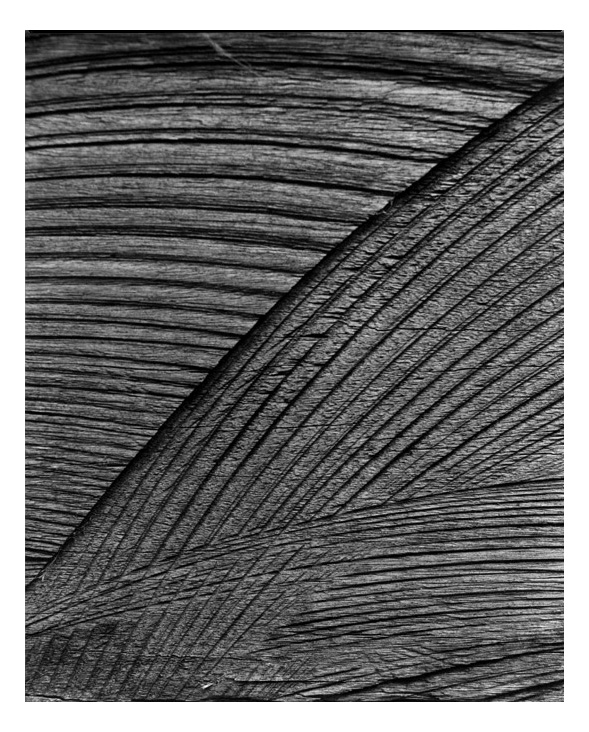
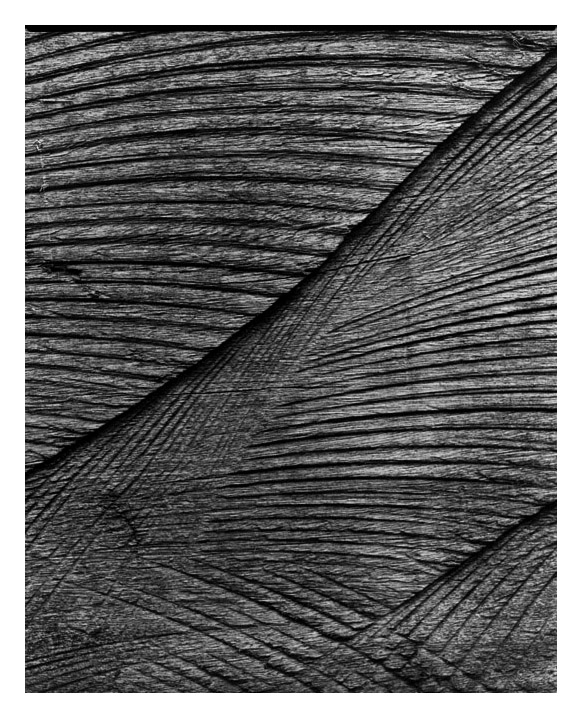
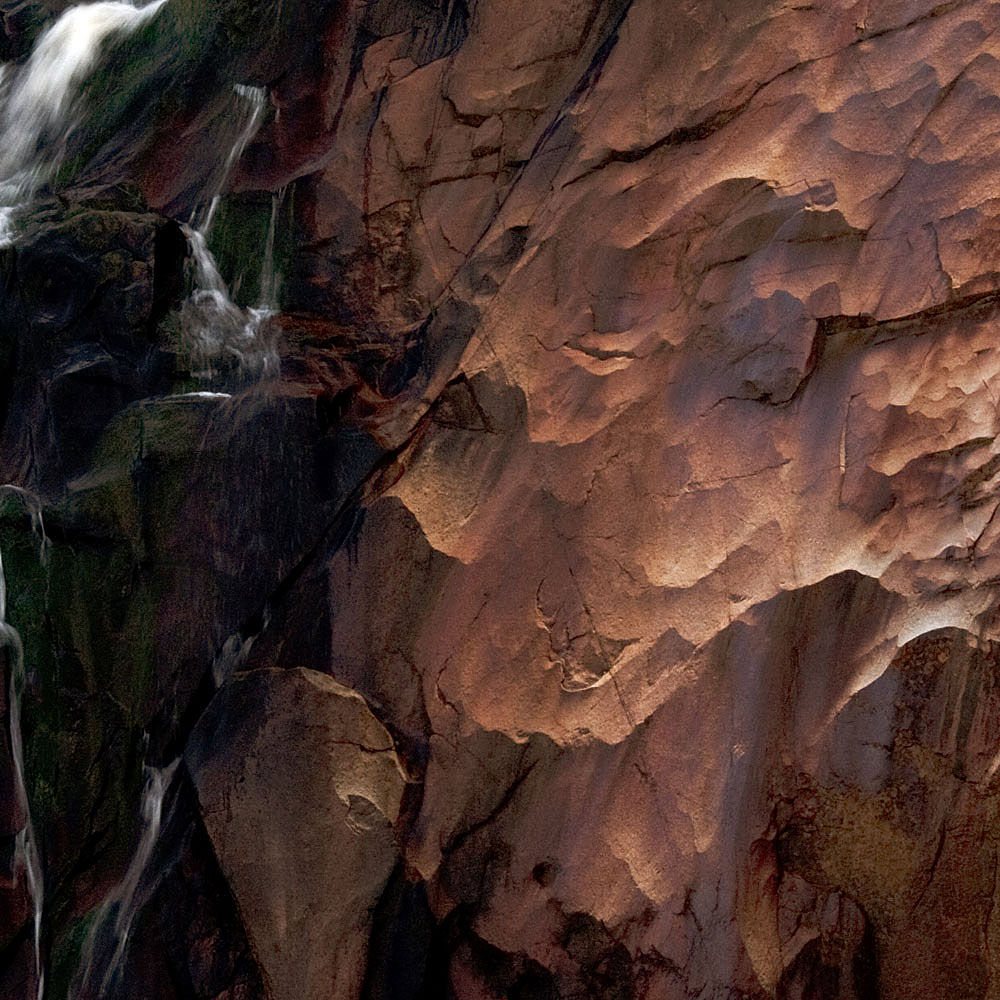
A thematic constant in Follows’ images such as No. 31 Eltham, 2013, is that they resist a singular point of perspective as evidenced by early Renaissance painters where everything was centred on the eye of the beholder; the visible world arranged for the spectator as the universe was once thought to be arranged for God.7 By contrast, many photos evidence a planar sense of spatiality. Often lacking in a noticeable vanishing point, his images have an immersive potential and we are drawn into the various densities within Follows’ shallow depth of field. This is exemplified by the rich textures of Scarp face, Beechworth, 2013, and the lush grassland depicted in Green, Montsalvat, 2013.

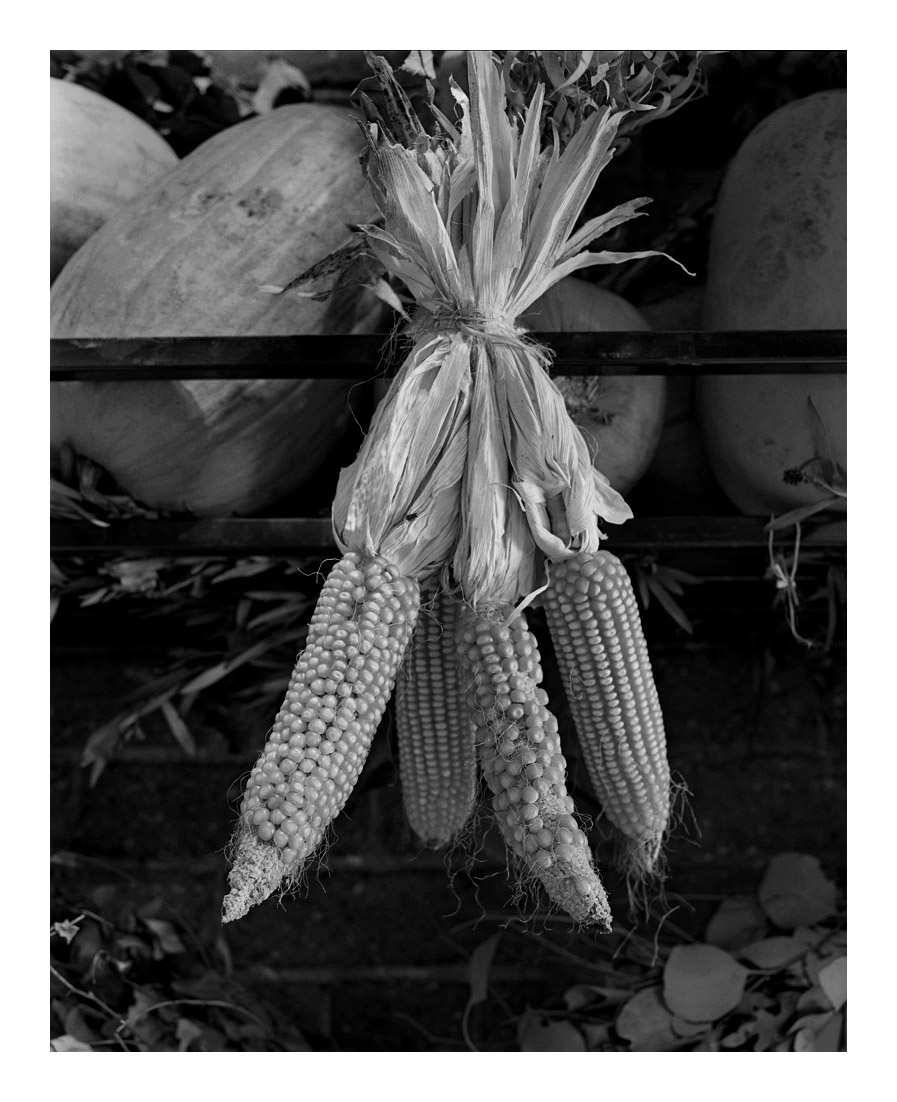
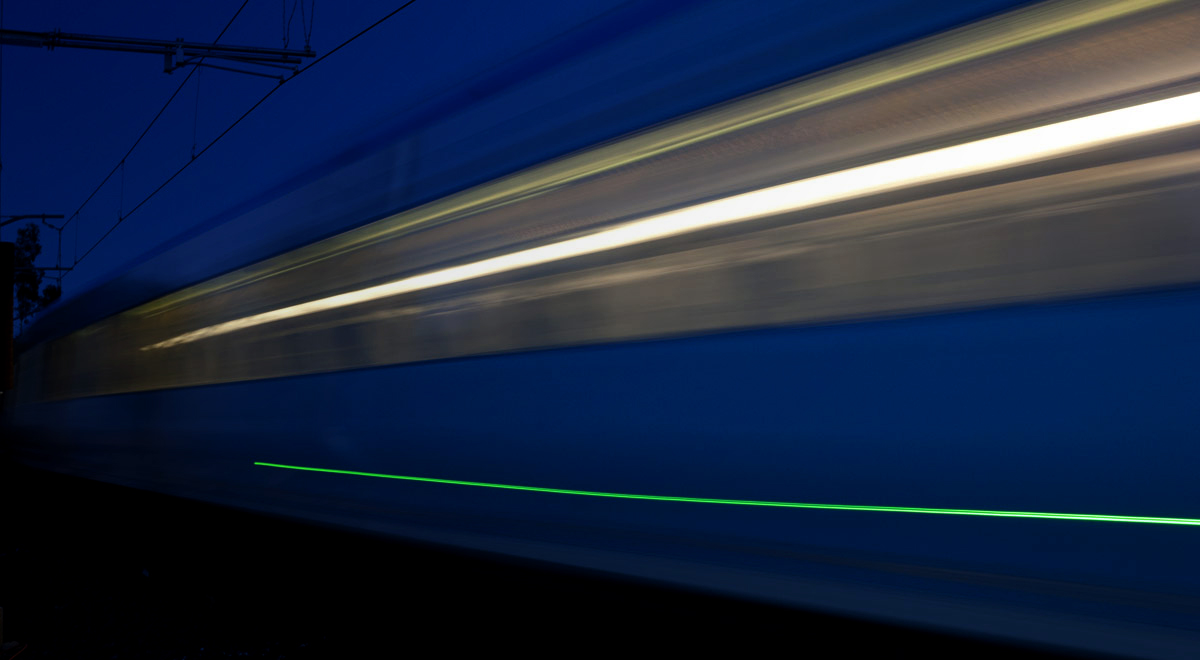
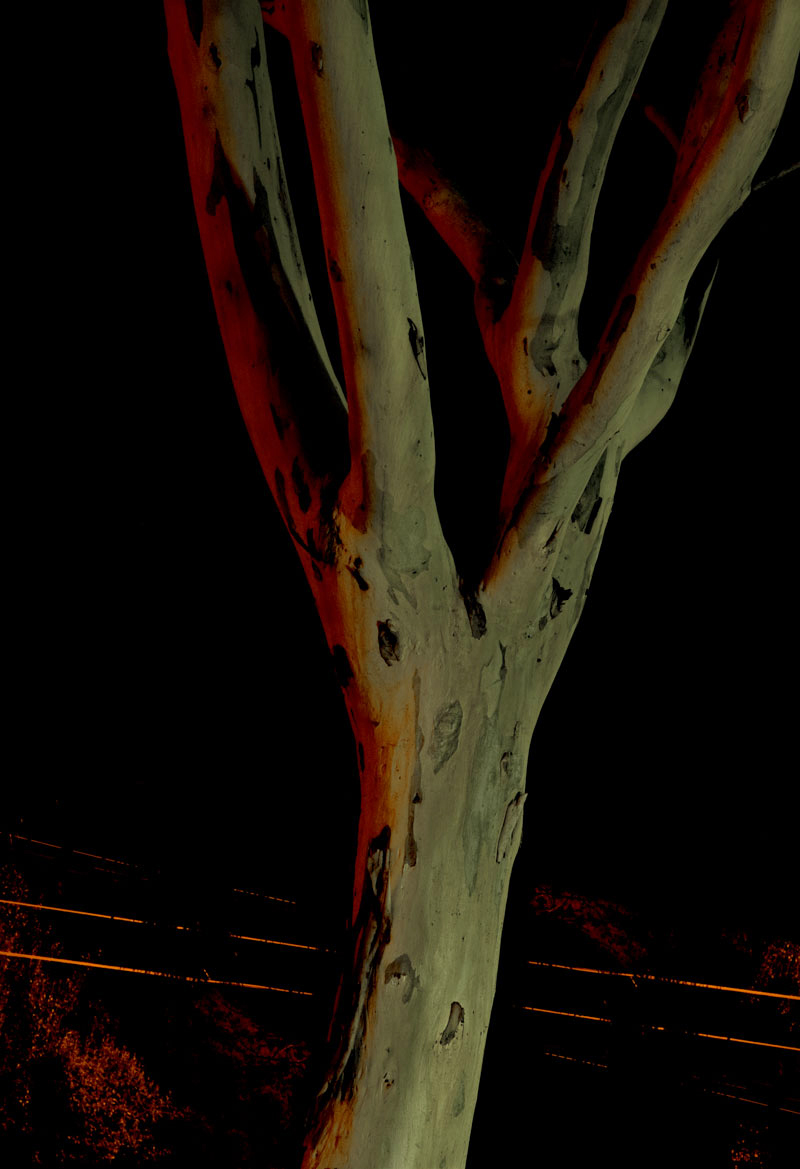
Many of the photographs in Density instill a quiet contemplative mood that is partially evoked by a muted tonal palette. Yet within this visionary series the viewer can also bear witness to the reoccurrence of otherworldly imagery, as well as transient and transformational spaces. This sense is further enhanced by the fact that Follows’ photographs are often shot at times when the light is fleeting, on the interstice of night and day. This is exemplified by Green on Blue, 2013, where Follows captures a train in motion, conveying a temporality and flux that eloquently describes a state of transience: of being between spaces, neither here nor there.

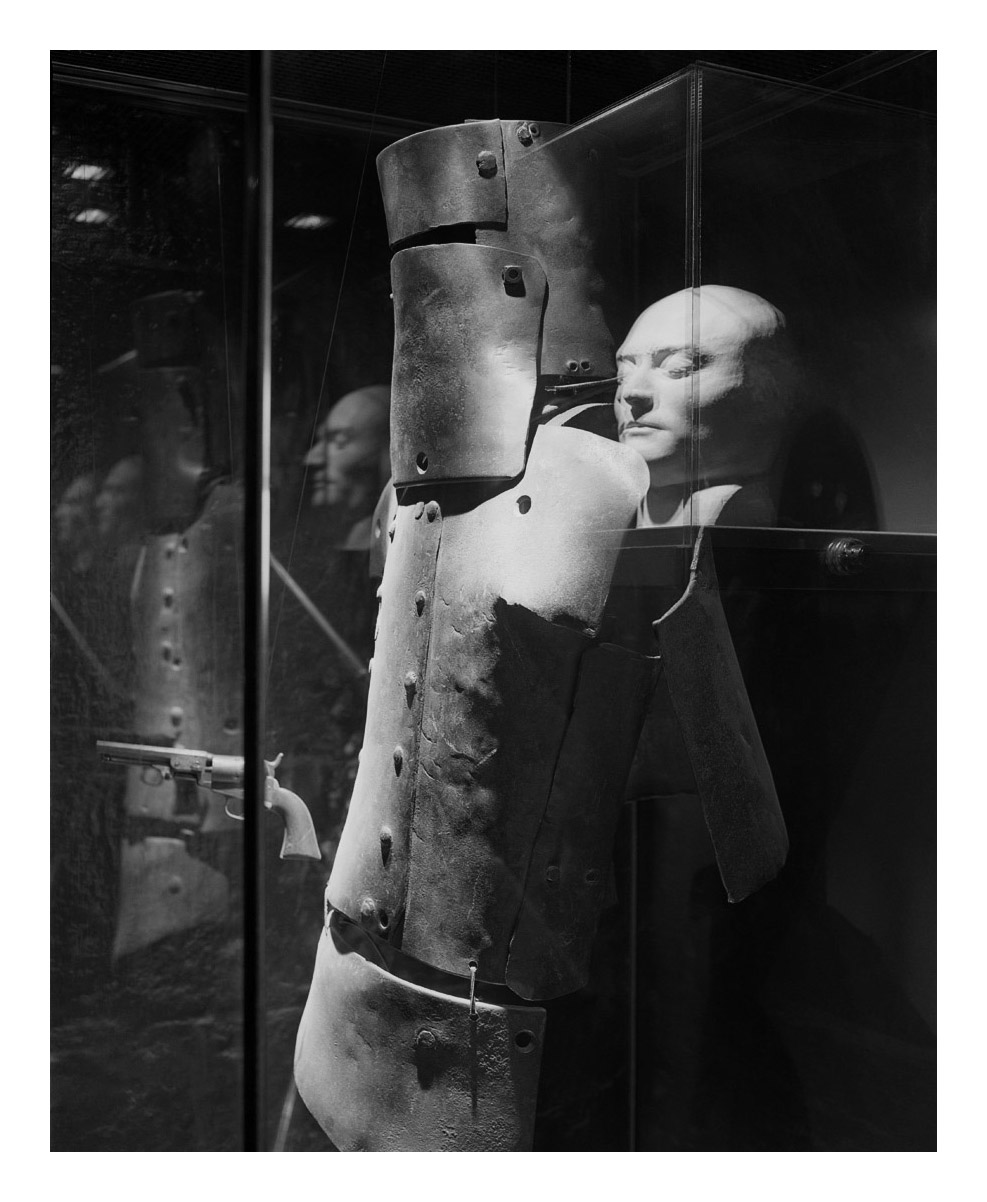
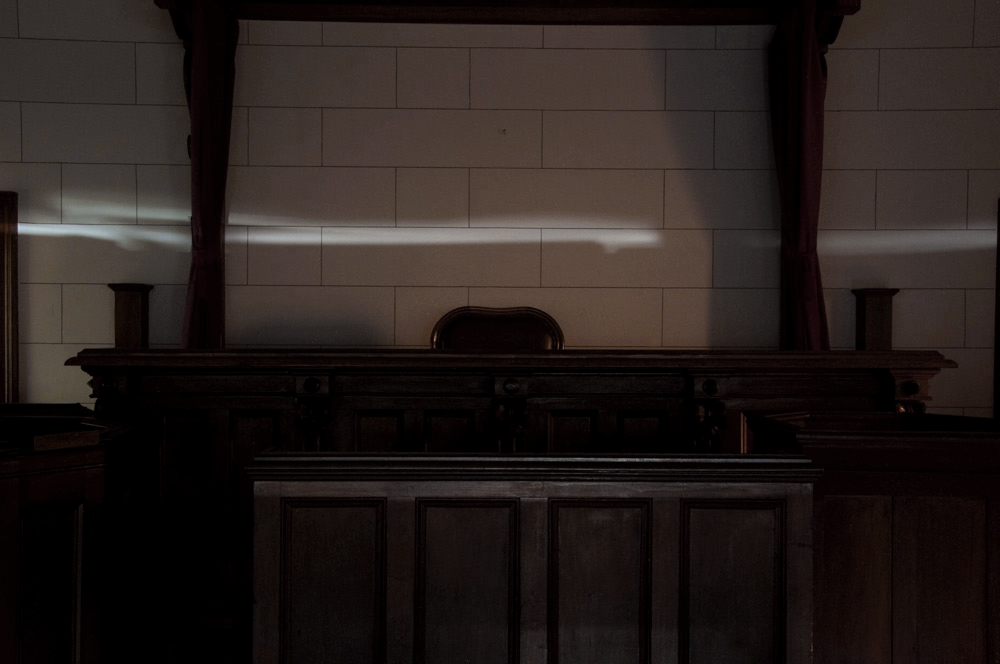
With Judges Chair, Beechworth, 2013, Follows conveys the courtroom where infamous Australian Bushranger Ned Kelly was committed to stand trial for murder, prior to his eventual hanging in 1880. The image pervades an institutional formality that is intensified by a classically balanced composition, combined with ominous historical undertones. Yet the space depicted is interrupted by the glimmer of an ethereal light that bolts across the far wall, puncturing the image. Alternative possibilities become illuminated and a sense of otherworldliness becomes palpable.

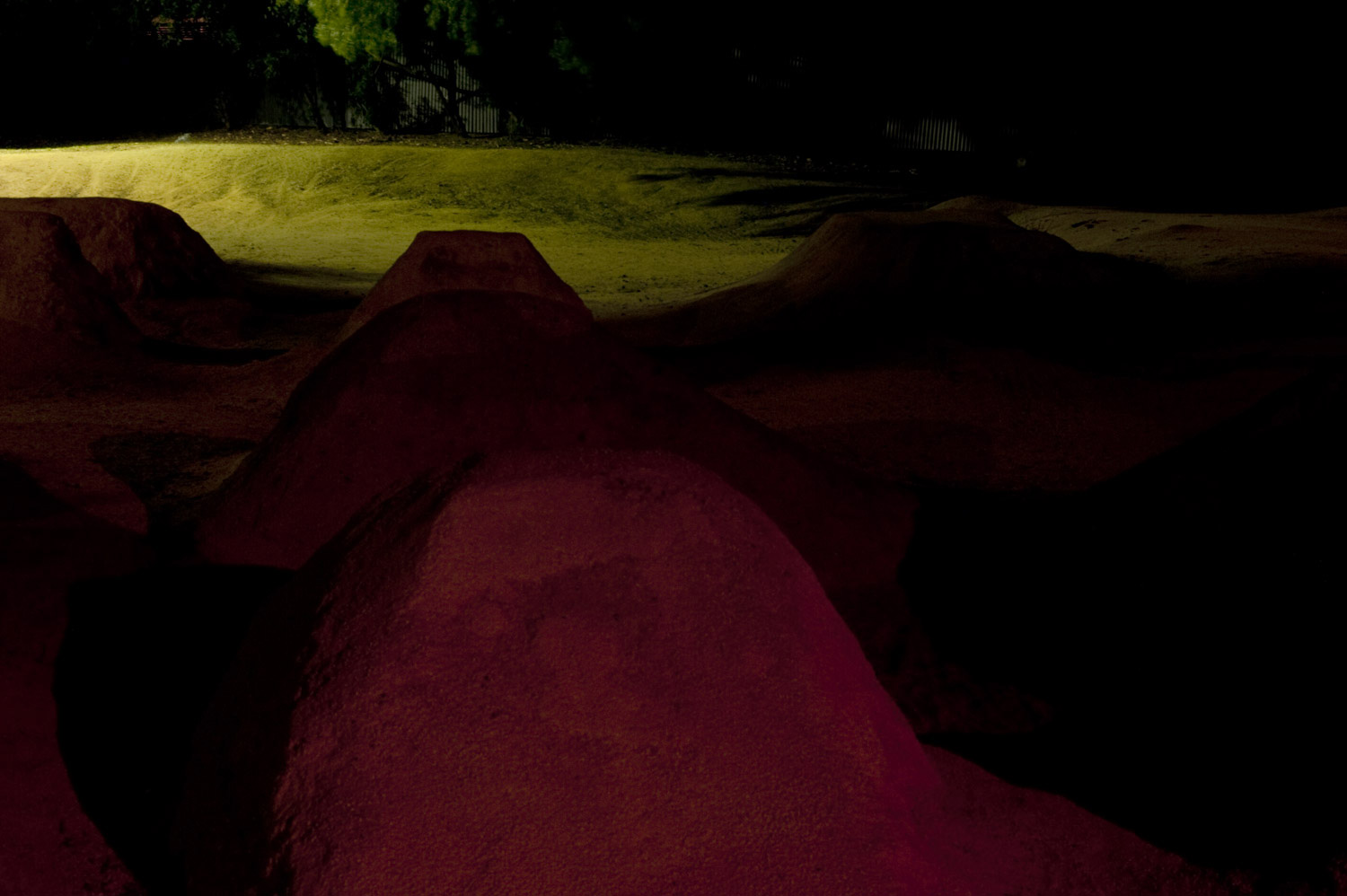
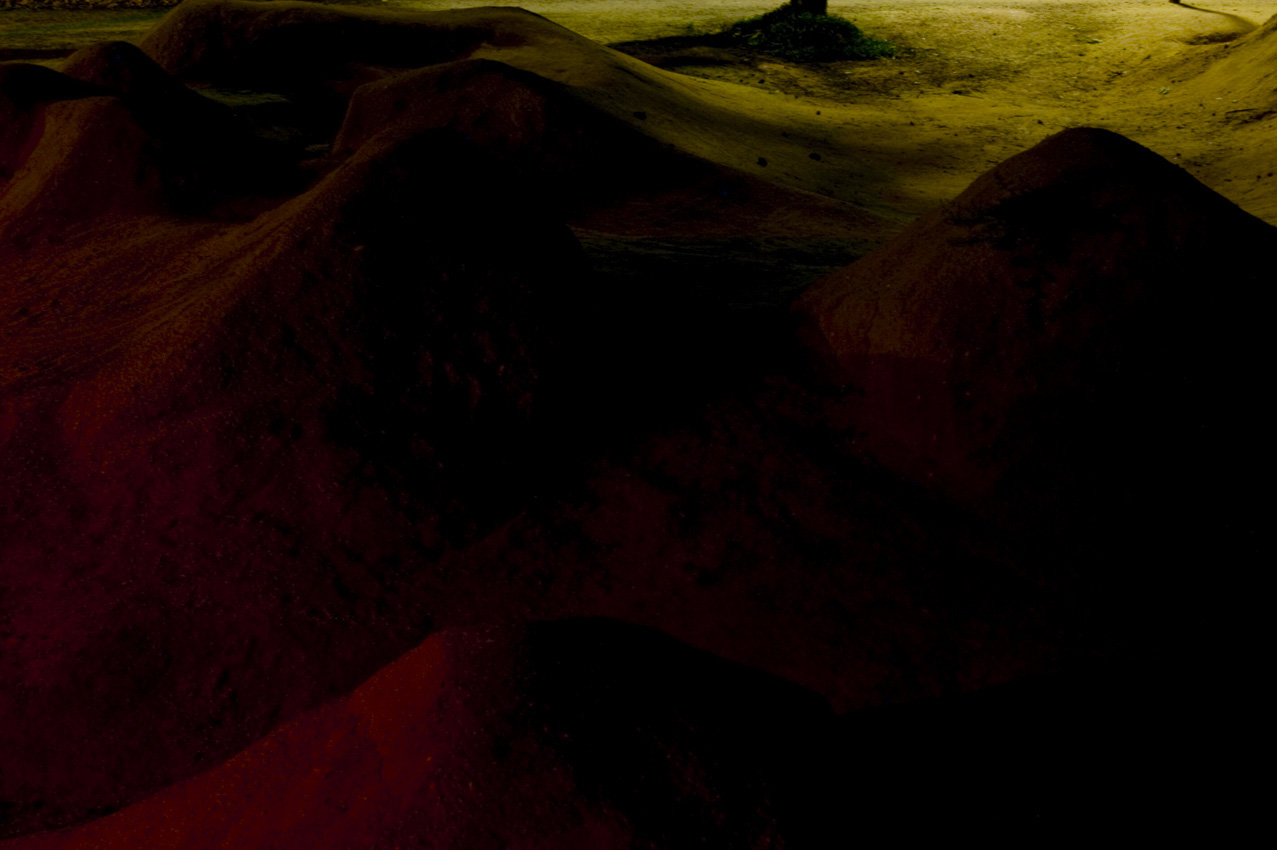
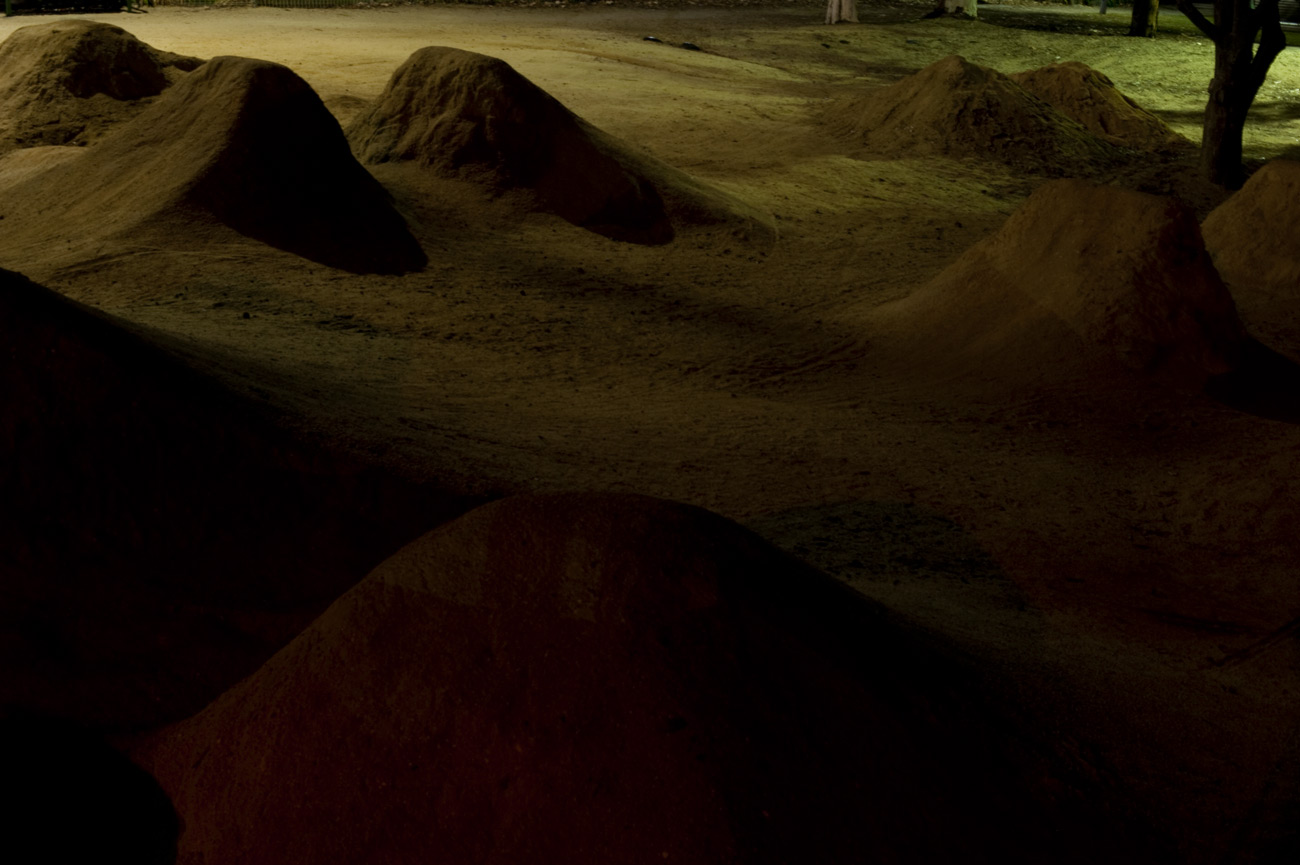
Hillock No’s 1-3, Windsor, conveys the everyday subject matter of a BMX bike park. Photographed at night utilising the urban ambience of streetlights, the mounds of earth are lit by unearthly glow. Under the gaze of Andrew Follows, the site is infused with an eerie quality. No longer a metropolitan playground, it resembles the desertous territories of an alien landscape, perhaps on some other planetary body or far distant moon.

As Elkins said, blindness is not the opposite of sight, but it’s constant companion. It is therefore, not sight that is required to take a great photograph – it is vision. By using the camera as a prosthetic extension through which he is able to perceive and frame the universe, Follows’ photographs expound the limitations and fallibilities of our own ways of seeing. Moreover, he is able to reveal to us the uniqueness of his subjective view – forged from the rich imaginings of his mind’s eye.

Anna Briers independent writer and curator, Melbourne 2013


Endnotes

1/ Berger, John. Ways of seeing: based on the BBC television series. London: British Broadcasting Corporation; Harmondsworth: Penguin, 1972, p. 11.

2/ Elkins, James. The object stares back: on the nature of seeing. New York: Simon & Schuster, 1996.

3/ Elkins, James. What photography is. New York: Routledge, 2011

4/ McLuhan, Marshall. Understanding media: the extensions of man. London: Routledge, 2001. p. 210.

5/ Adams, Ansel. The negative: exposure and development. Hastings-on-Hudson, N. Y.: Morgan & Morgan, 1968.

6/ Quote drawn from artist’s statement.

7/ Berger, Op. cit., p. 16.


Andrew Follows (Australian, d. 2019) 'Green on blue' 2013


Andrew Follows (Australian, d. 2019)
Green on blue
2013
Digital photograph on archival cotton rag
157.3 cm x 86.5cm


Andrew Follows (Australian, d. 2019) 'Scarp face, Beechworth' 2013


Andrew Follows (Australian, d. 2019)
Scarp face, Beechworth
2013
Digital photograph on archival cotton rag
30 cm x 30cm


Andrew Follows (Australian, d. 2019) 'Judge's Chair, Beechworth' 2013


Andrew Follows (Australian, d. 2019)
Judge’s Chair, Beechworth
2013
Digital photograph on archival cotton rag
90 cm x 60cm


Andrew Follows (Australian, d. 2019) 'Void, Eltham' 2013


Andrew Follows (Australian, d. 2019)
Void, Eltham
2013
Digital photograph on archival cotton rag
90 cm x 60cm


Andrew Follows (Australian, d. 2019) 'Hillock No.1, Windsor' 2013


Andrew Follows (Australian, d. 2019)
Hillock No.1, Windsor
2013
Digital photograph on archival cotton rag
130 cm x 86.5cm


Andrew Follows (Australian, d. 2019) 'Hillock No.2, Windsor' 2013


Andrew Follows (Australian, d. 2019)
Hillock No.2, Windsor
2013
Digital photograph on archival cotton rag
130 cm x 86.5cm


Andrew Follows (Australian, d. 2019) 'Hillock No.3, Windsor' 2013


Andrew Follows (Australian, d. 2019)
Hillock No.3, Windsor
2013
Digital photograph on archival cotton rag
130 cm x 86.5cm


Andrew Follows (Australian, d. 2019) 'Torso, Eltham' 2013


Andrew Follows (Australian, d. 2019)
Torso, Eltham
2013
Digital photograph on archival cotton rag
14 cm x 20cm


Density Logos

Anita Traverso Gallery

This gallery has now closed

Anita Traverso Gallery website

LIKE ART BLART ON FACEBOOK

Back to top

Opening speech: ‘John Cato Retrospective’ and book launch

Exhibition dates: 17th August – 15th September 2013


“… in my memory John was a teacher determined to seek out the aptitudes and endowments of each student who came before him; his teaching and mentorship involved a deep empathy with each student’s approach. He was almost clairvoyant in being able to very quickly identify one’s strengths and it was on those he would concentrate, unafraid to express criticism; but only in terms of how a certain fault might detract from a strength. Such was his positive and affirming approach to teaching, and consequently we have each been left a different and very personal perception of what he valued in photography.”


Dr James McArdle


Read my opening speech

Read my chapter “… and his forms were without number,” in the book John Cato: A Retrospective of the Photographic Work 1971-1991

Photographers David Callow and Andrew Chapman’s video tribute to John Cato (18 mins 39 secs) can be viewed on Vimeo (Password is Cato)

Please click on the photographs to see a larger version of the image and to view other photographs from the opening.


Ballarat International Foto Biennale
12 Lydiard St North, Ballarat 3350

Ballarat International Foto Biennale website

LIKE ART BLART ON FACEBOOK

Back to top

Opening speech: ‘John Cato Retrospective’ and book launch at the Ballarat International Foto Biennale by Dr Marcus Bunyan

Exhibition dates: 17th August – 15th September 2013

Opening: 17th August 2013


Installation photograph of the exhibition 'John Cato Retrospective' at the Mining Exchange, Ballarat


Installation photograph of the exhibition John Cato Retrospective at the Mining Exchange, Ballarat
Photograph by Marcus Bunyan
© Marcus Bunyan, John Cato family and Ballarat International Foto Biennale


It was an emotional time on Saturday afternoon as I opened the  John Cato Retrospective. I hope I did John and Dawn, their family and everyone proud. I burst into tears after the speech… I got a lovely email from Senga Peckham today which was very much appreciated:


“Dear Marcus

Thank you so much for your excellent speech on Saturday. It was strong, heartfelt and beautiful.

Up there with the microphone you were probably not aware of the sentiment in the space. Many tears were shed. The grand daughters were so happy to be there. They were near me during your talk and extremely emotional. Many others were too. It was more of a wake really than an exhibition opening and book launch. Some people had travelled a long way and everyone wanted to be there. The warmth and tenderness was palpable and will be remembered for a long time.

Thank you for being such a major part of it and for putting your heart into each word.

Senga Peckham”


Many thankx to BIFB for asking me to officially open the John Cato Retrospective and to launch the new book.

Photographers David Callow and Andrew Chapman’s video tribute to John Cato (18 mins 39 secs) can be viewed on Vimeo (Password is Cato).

Read my chapter in the John Cato Retrospective book.


John Cato Retrospective opening speech

It is a great pleasure to be here today to officially open the John Cato Retrospective and to launch a book that will have a major contribution to a continuing assessment of John’s work and is also an honouring, a mark of respect and admiration. These brief words are not about the many sides of John and all his aspects and careers – for that you will have to look elsewhere – but they are a short introduction to the personal and wider cultural need for John’s work.

My friendship with John and Dawn goes back to when I was studying photography at RMIT University in the early 1990s. John became a mentor when I held my first three solo photography exhibitions at the Photographers’ Gallery in Punt Road between 1991 and 1994. After I had finished my Phd in 2001, I co-curated a retrospective of his work at the very same gallery.

Many a weekend my partner and I travelled down to Carrum to see John and Dawn for lunch and afternoon tea, to talk about the things that matter in life – music, literature, art, love, loss – and to talk about my latest prints. They were the most glorious couple with such wonderful energy and they were so generous with their friendship and advice. John could smell bullshit a mile away and he would tell you, but he would also encourage you to look deeper into yourself and the world for the answers you were seeking. As James McArdle said to me recently, “He was a teacher determined to seek out the aptitudes and endowments of each student who came before him; his teaching and mentorship involved a deep empathy with each student’s approach. He was almost clairvoyant in being able to very quickly identify one’s strengths and it was on those he would concentrate, unafraid to express criticism; but only in terms of how a certain fault might detract from a certain strength.”1

And I will add, all of this with a warmth and affection that opened up a pathway to his insights.

John had strength of character in spades, always backed up by the vivacious Dawn. Imagine having a successful commercial career in Melbourne in the 1960s and giving it all away – to become an artist, a photographic artist at that! Imagine the courage it would have taken, in that time and place, to abandon all that had been successful in your life and follow another path, a path full of doubt and self-discovery, a journey that ultimately enabled him to help others through his teaching. As another friend of mine said to me recently, “In 1970 where did you go to see a fine art photograph on exhibition in a non-institutional gallery in Melbourne? The only place was the doorway to the John Cato / Athol Shmith / Paul Barr studio in Collins Street. You would never know which of the three photographers would have a print placed in that doorway.”


According to Helen Ennis there has always been a distaste for self-reflective and contemplative modes of thinking in Australia, and photography has overwhelmingly been about ‘things’, “including actions and events, which have a concrete reality and a verifiable, independent existence… For most of the twentieth century inward-looking approaches, whether symbolist, surrealist or abstract, never really took hold.”2

John’s work is different. He was a groundbreaking artist. He was one of the first Australian photographers to create musical tone-poems – not traditional photo-essays as for magazines, but spiritual expositions about Self. In his internal meditation upon subject matter his concern was for the ‘felt’ landscape. He sought to express his relationship with the earth, air and water, aware of the contradictions in contemporary settler relations with the land. His photographs are not about the ‘when’ or ‘where’ but about a feeling in relation to the land, the spirit and the universe.

In this sense (that the photograph is always written by the photographer), these are photographs of the mind as much as they are of the landscape. John exposes himself as much as the landscape he is photographing. This is his spirit in relation to the land, to the cosmos, even. Like Monet’s paintings of water lilies these photographs are a “small dreaming” of his spirit with a section of the land and not necessarily, as in Aboriginal art, a dreaming and connection to the whole land. His photographs are photographs of the imagination as much as they are of place, rid of ego and become just the world. He created visions that placed the individual in harmony with the earth and in the process became not just a citizen of Australia but also a citizen of the world.

In this transformative act the artist not only awakens the reasoning mind but more importantly the soul. This is what John’s work does; it awakens the soul. His Alcheringa, his dreaming (for that is what Alcheringa means), was to pursue poetic truth in the world and it is his “gift” to us, to those that remain looking at his work. John commented that he would rather have questions than answers – I’m sure he would want to say that, and he would want to believe it – but it is my feeling that very deep down he was searching for the more beautiful answer – rather than just the beautiful question.

A very good friend of mine asked me recently whether I thought that John Cato was a great photographer. I have been thinking about that question ever since and my answer is this: he was a great photographer, one of Australia’s greatest, a great teacher and together with the sparkly-eyed Dawn, a wonderful human being. One measure of a photographer’s greatness is the amount of time he is prepared to spend helping others, and John spent a lot of time imparting his hard-earned wisdom.

As an artist, John has for too long been ignored by notable institutions that cannot accept the wonder in his work. There is an inexplicable coolness toward John and guardedness when talking about his work, as though people are afraid of saying anything about it at all. Well, let me say it for them: John’s work is magnificent. It is to the great credit of the people who have organised this exhibition and the publication of this book that finally, John might start to get the recognition he so strongly deserves.

John Cato unquestionably deserves a place in the pantheon of significant and influential Australian photographers for he is right up there with the very best of them. May the cosmos bless him.

© Dr Marcus Bunyan
August 2013


Footnotes

1/ James McArdle email to the author 28th July 2013

2/ Ennis, Helen. “Introduction,” in Ennis, Helen. Photography and Australia. London: Reaktion Books, 2007, p. 9.


Installation photograph of the exhibition 'John Cato Retrospective' at the Mining Exchange, Ballarat

Installation photograph of the exhibition 'John Cato Retrospective' at the Mining Exchange, Ballarat

Installation photograph of the exhibition 'John Cato Retrospective' at the Mining Exchange, Ballarat

Installation photograph of the exhibition 'John Cato Retrospective' at the Mining Exchange, Ballarat

Installation photograph of the exhibition 'John Cato Retrospective' at the Mining Exchange, Ballarat


Installation photographs of John Cato Retrospective at the Mining Exchange, Ballarat
Photographs by Marcus Bunyan
© Marcus Bunyan, John Cato family and Ballarat International Foto Biennale


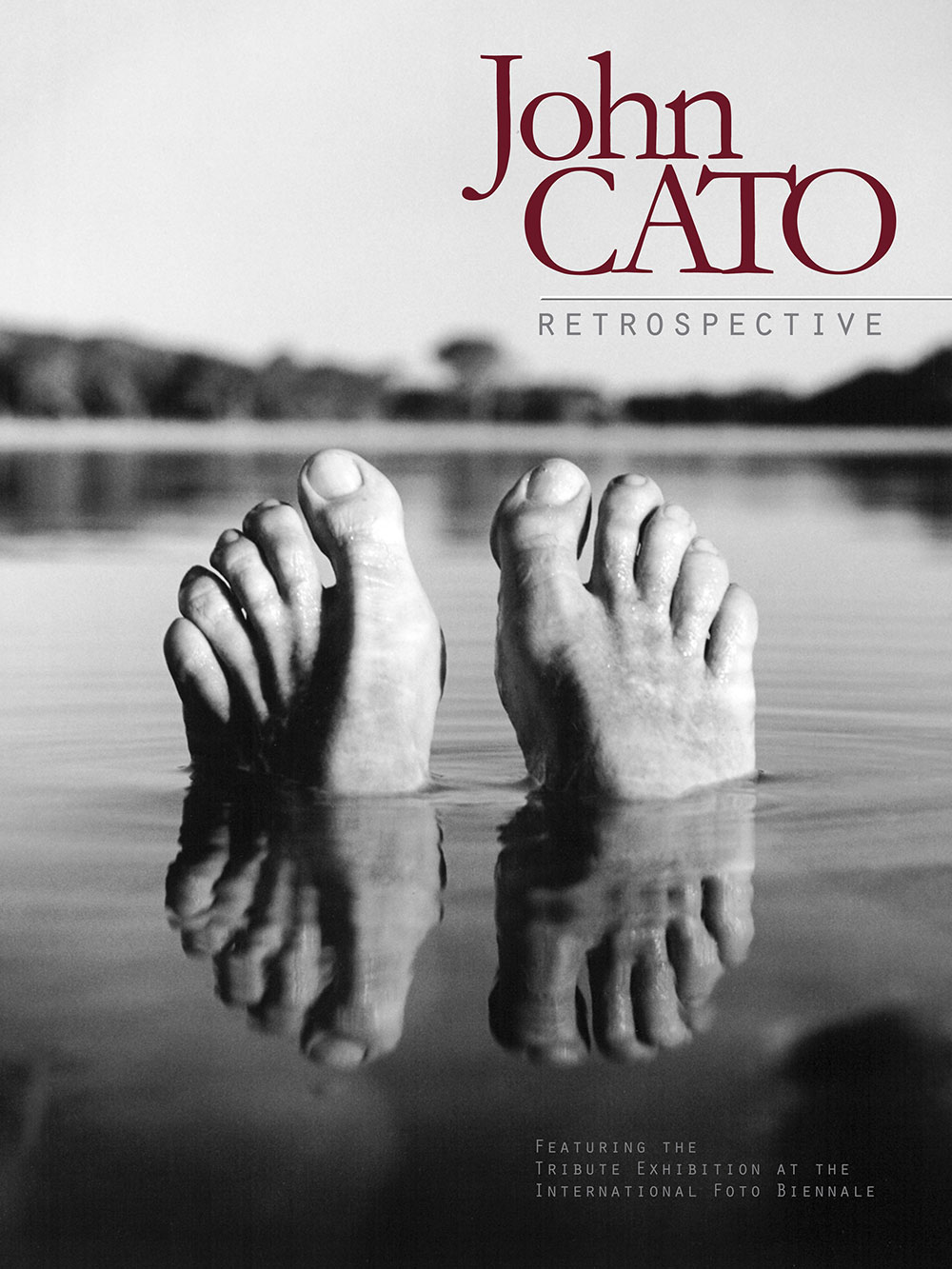
John Cato book cover


John Cato Retrospective book cover

Read my chapter in the book


Please click on the photographs for a larger version of the image.


Ballarat International Foto Biennale
12 Lydiard St North, Ballarat 3350

Ballarat International Foto Biennale website

LIKE ART BLART ON FACEBOOK

Back to top

Invitation to opening: ‘Density’ by Andrew Follows, curated by Dr Marcus Bunyan at Anita Traverso Gallery, Richmond, Melbourne

Date: Saturday 31st August 2013, 3.30 – 5pm


Andrew Follows. 'Density' invitation 2013


Andrew Follows (Australian, d. 2019)
Density invitation
2013


I welcome all friends to the opening of the first exhibition I have curated since the completion of my Master of Art Curatorship at the University of Melbourne.


density n.

the degree of optical opacity of a medium or material, as of a photographic negative; thickness of consistency; complexity of structure or content.


You are cordially invited to the opening of Density, a solo exhibition of photographs by Andrew Follows on Saturday 31st  August 3.30 – 5pm at The Anita Traverso Gallery, 7 Albert Street Richmond, Victoria.

The works premiered in this exhibition are the culmination of a mentorship between Dr Marcus Bunyan and Andrew Follows, supported by Arts Access Victoria as part of the Boost Pathways Program.

“Curated by Dr Marcus Bunyan, the concept of Density was envisaged as a point of departure to explore the manifold variations and subsequent ruminations on the term as it relates to Follows’ perspective. As a technical descriptive, density explains the degree of optical opacity within a photographic negative. Portions of film that have been exposed to greater amounts of light yield a greater deposit of reduced silver. This is referred to as having a higher density than areas of shadow. Density also denotes a thickness of consistency and many of Follows’ works exhibit a complexity of compositional structure and content that elucidates the nature of Follows’ perception.”

Anna Briers. “The Mind’s Eye: Density in the Work of Andrew Follows.” Catalogue essay 2013


Curator: Dr Marcus Bunyan
Guest Speaker: 4pm Dr Jondi Keane, Senior Lecturer Deakin University
Artists Floor Talk: 3pm Saturday 7 September
Preview from Tuesday 27 August
Exhibition until Saturday 21 September
Gallery Hours Wed-Sat 11-5 + by appointment

The Opening will be Auslan Interpreted and the exhibition will be Audio Described.

Please click on the images below for a larger version.


Andrew Follows. 'Density' invitation 2013


Andrew Follows (Australian, d. 2019)
Density invitation
2013


Andrew Follows. 'Density' catalogue cover 2013


Andrew Follows (Australian, d. 2019)
Density catalogue cover
2013


Anita Traverso Gallery

This gallery is now closed.

Anita Traverso Gallery website

LIKE ART BLART ON FACEBOOK

Back to top

Paper: ‘Traversing the unknown’ by Dr Marcus Bunyan, Faculty of Arts, The University of Melbourne presented at the ‘Travel Ideals’ international conference, July 2012

International conference: Travel Ideals: Engaging with Spaces of Mobility, Faculty of Arts at the University of Melbourne, 18th – 20th July 2012


All cdv and cabinet cards © Joyce Evans collection © Marcus Bunyan.

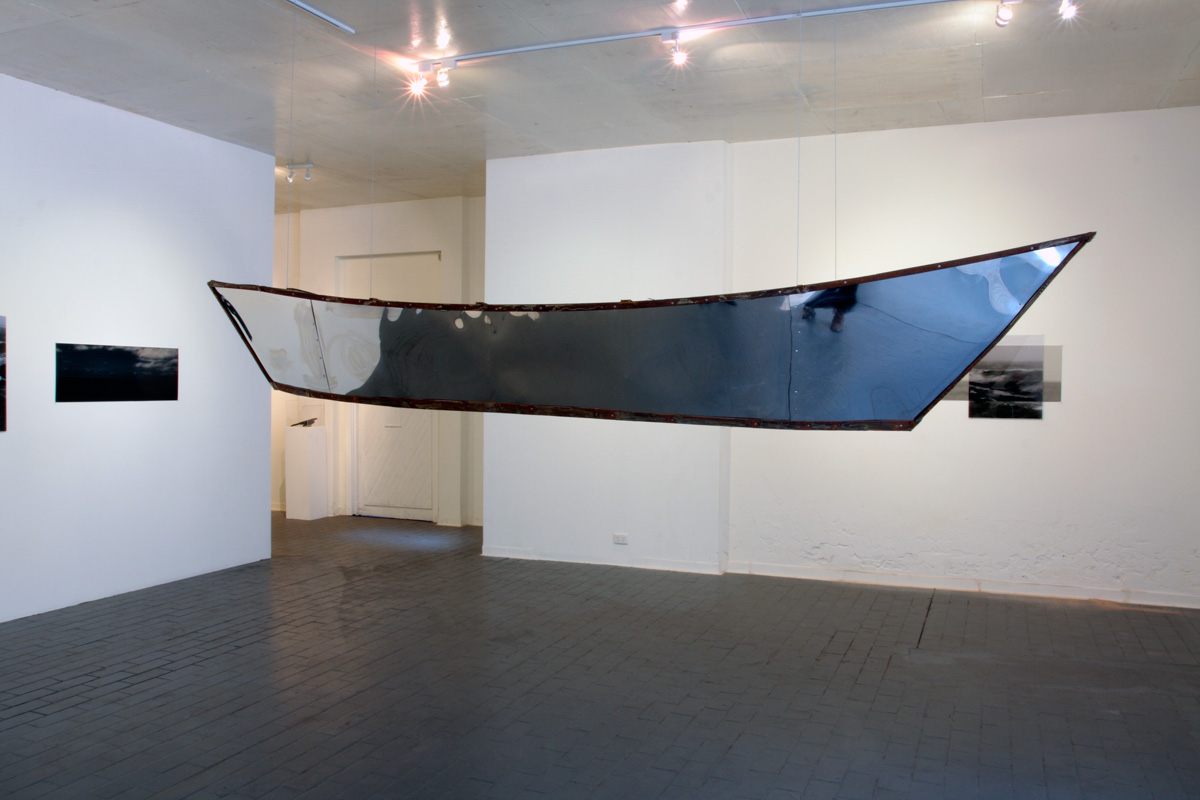
Installation photographs of the exhibition Traverse by Kim Percy at Stockroom, Kyneton, 10th March – 8th April 2012.

Please click on the photographs for a larger version of the image.

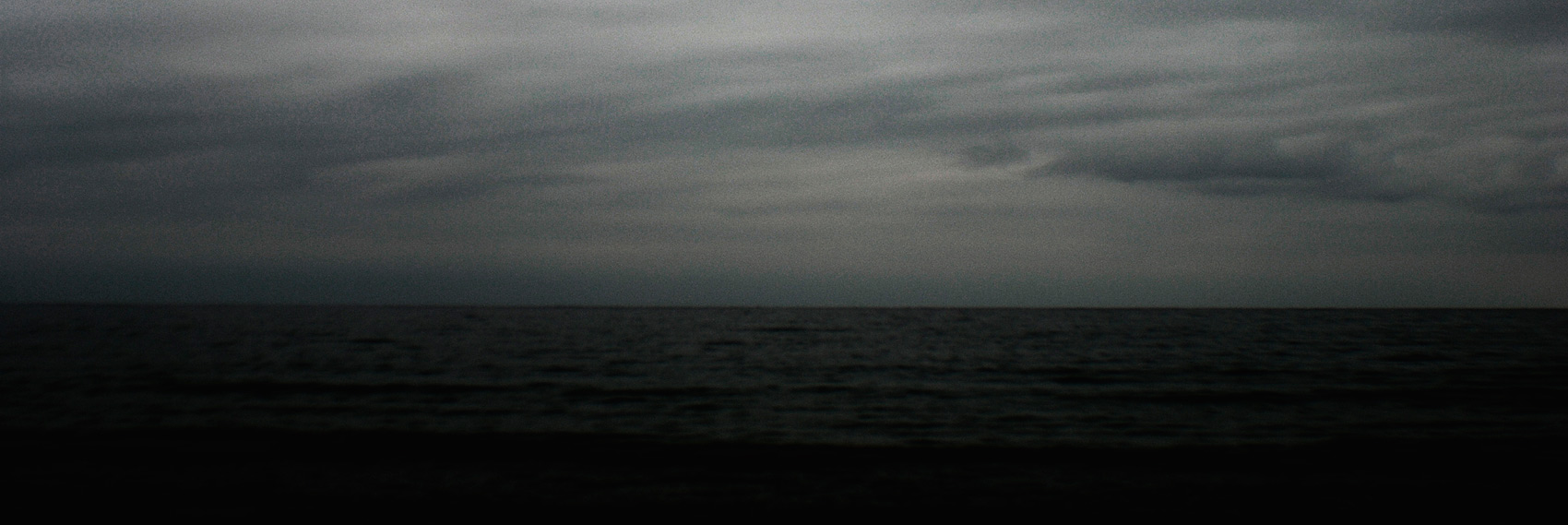
Keywords: refugees, asylum seekers, boat people, spaces of mobility, travel, early colonial photography, cartes de visite, cabinet cards, Second Fleet, John Dell, aborigine, Australia, white Australia, immigration, photography, early Australian photography, Foucault, non-place, Panopticon, inverted Panopticon, (in)visibility, visual parentheses, axis of visibility, symbolic capital, context of reason.


Installation of 'Traverse' by Kim Percy at Stockroom, Kyneton

Installation of 'Traverse' by Kim Percy at Stockroom, Kyneton

Installation of 'Traverse' by Kim Percy at Stockroom, Kyneton


Installation of Traverse by Kim Percy at Stockroom, Kyneton
Installation photographs by Marcus Bunyan
© Kim Percy and Marcus Bunyan


Traversing the unknown

Dr Marcus Bunyan July 2012

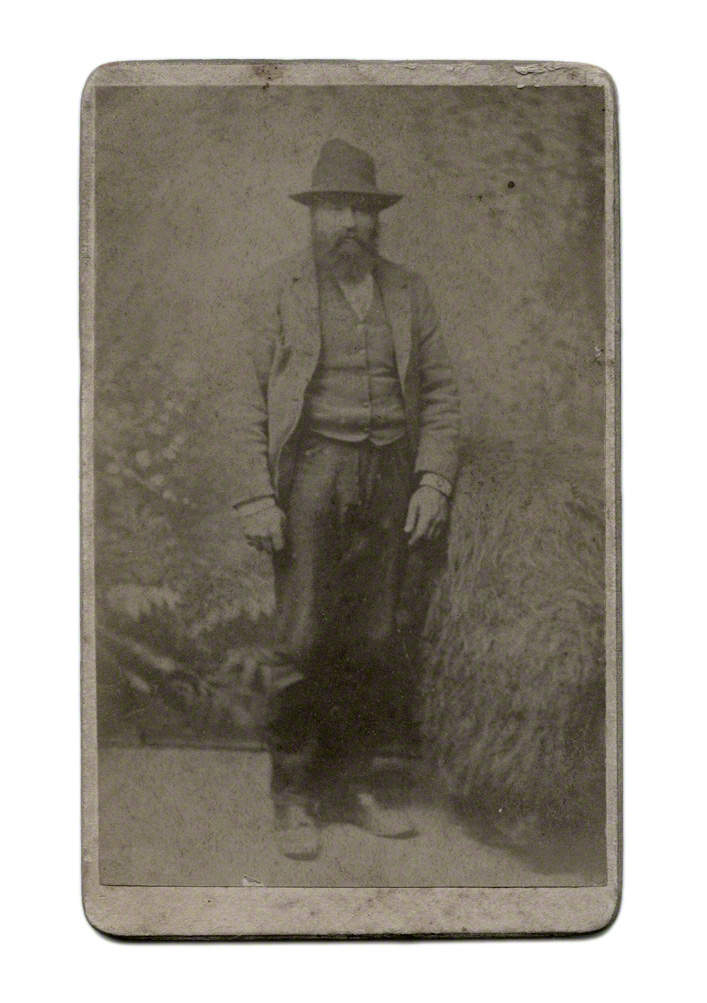
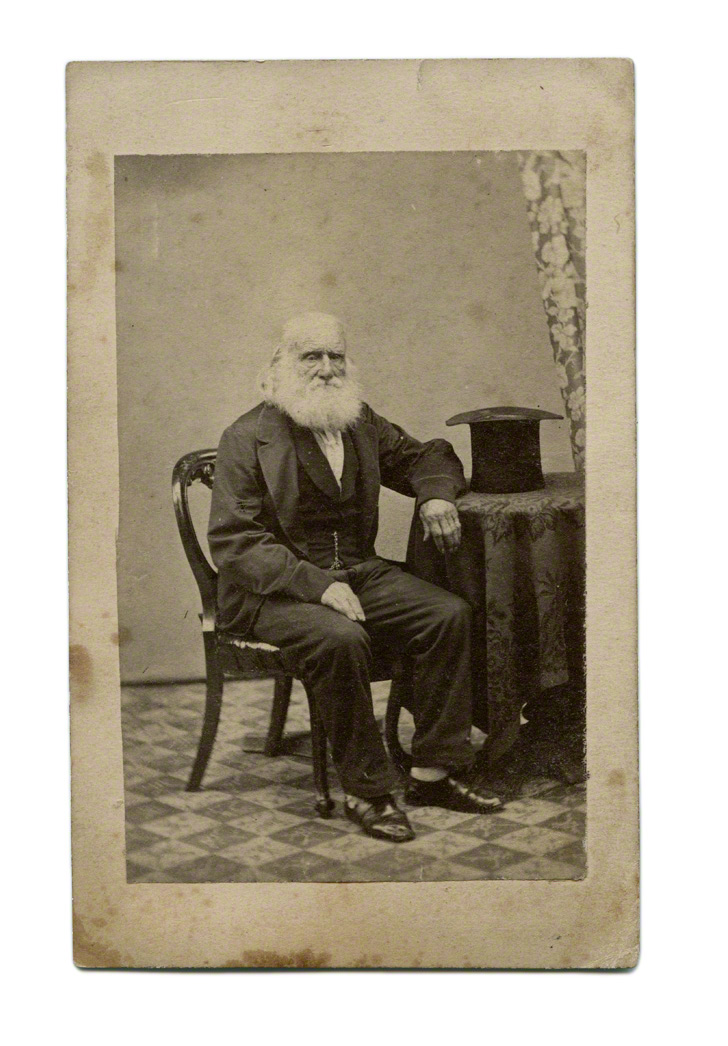
What I am about to say, my musings if you like, are inspired by Kim Percy’s exhibition which took place at Stockroom gallery in Kyenton in March – April 2012. The work is the basis of my inquiry. The images that illustrate the paper are installation shots from the exhibition and Victorian cartes de visite, photographic portraits of an emerging nation taken from the 1850s-1890s. Unlike the business cards of today (where identity is represented by the name of the business owner and the printer of the card remains anonymous), in cartes de visite the name of the people or place being photographed is usually unknown and the name of the photographer is (sometimes) recorded. In other words the inverse of contemporary practice. Another point to note is that most of the photographers were immigrants to this country. I use these cards to illustrate the point that the construction of national identity has always been multifarious and, in terms of the representation of identity, unknown and unknowable.


I would like to take you on a journey, at first personal and then physical, metaphorical and maybe even philosophical. I want to asks questions of the world, questions about the journey we all take as human beings. I would like to tell you two personal things.

First, I have nearly drowned three times in my life. Once, aged 12 years, my mother dove into the swimming pool and pulled my out as I was going under for the third time. The second time was in Australia at Squeaky Beach on Wilsons Prom and the third up at Byron Bay. All three times there was shear blind panic as the water tried to consume me, as my feet scrabbled to touch the bottom, seeking any purchase, the minutest toe hold so that I could pull myself to safety, so that I could save myself. Panic. Fear. Nothingness.

Second, I still vividly remember being dumped by my parents at boarding school in England at the age of twelve years. I watched disconsolately as they drove away and promptly burst into tears, terrified of being alone in an alien environment, with a different accent than everyone else (having grown up on a rural farm) and being different from other boys (just discovering that I was gay). Those were horrible years, suffering from depression that crept up on me, isolated with few friends and struggling with my nascent sexuality. Thoughts of suicide and self-harm were constant companions. Fast forward, arriving in Australia in 1986, again with no friends, living in a foreign culture. Even though I was white I felt alienated, isolated, alone. I hated my first years in Australia. Now imagine being an asylum seeker arriving here.


Anonymous photographer. 'Untitled [Borough of Clunes Notice Strike ..rm Rate]' Nd


Anonymous photographer (Australian)
Untitled [Borough of Clunes Notice Strike ..rm Rate]
Nd
Cabinet card
Albumen print
16.5cm x 10.7cm
Blank verso
© Joyce Evans collection


Anonymous photographer. 'Mrs Dean, Dean & Co, Hay, Corn & Produce Merchants, Rea St, North Fitzroy' Nd


Anonymous photographer (Australian)
Mrs Dean, Dean & Co, Hay, Corn & Produce Merchants, Rea St, North Fitzroy
Nd
Cartes de visite
Albumen print
10.4cm x 6.3cm
Blank verso
© Joyce Evans collection


National Photo Company. 'Untitled [Group of bricklayers holding their tools and a baby]' Nd


National Photo Company
Untitled [Group of bricklayers holding their tools and a baby]
Nd
140 Queen Street,
Woollahra,
Sydney
Cartes de visite
Albumen print
10.4cm x 6.3cm
© Joyce Evans collection


Imagine being an asylum seeker living in an (in)between space, living in a refugee camp over there. Marc Augé coined the phrase “non-place” to refer to places of transience that do not hold enough significance to be regarded as “places”.1 These camps are such places. Put yourself in that predicament, seeking a better life, seeking to escape persecution, war, prejudice and death, deliberately placing yourself and your family in a fragile boat, like a seed pod floating upon the waters, taking the dangerous journey to reach Australia. Imagine the emotional and intellectual turmoil that must surround such a decision, the decision to place your life in the hands of the ocean. Important decisions affecting the entire course of one’s life are rarely made without some form of mental distress.

Nurtured in water, some baptised in it, water is the life-blood of the world and the asylum seeker must trust to its benevolence. Marc Auge “argues that we are in transit through non-place for more and more of our time, as if between immense parentheses.”2 This is the journey that the asylum seeker takes over water, a journey through an interstitial space that has no beginning and no end caught between a set of parentheses [insert life here / or not]. And now let us move our line of sight. What about a visual parentheses?

Asylum seekers are almost invisible from Australia living over there. They are over the horizon, out of sight and out of mind. When they journey across the sea – an open ended journey passing through a liminal space, a forgotten space – they suddenly appear as if by magic washed up on the shore, unseen despite surveillance planes, ships and other forms of tracking and reconnaissance. Think, for example, of the sudden and surprising arrival of the boat SIEV-221 when it was washed onto the rocks of Christmas Island in December 2010. The invisible made visible caught in a non-place.

This (in)visibility can be evidenced in other ways. The specks of humanity waving from the deck of the Tampa, the asylum seekers being escorted from arriving boats, seen for a few brief seconds on the evening news and then disappearing from view, almost like being sucked into the depths of the sea. Here and not here; here and there. Halfway between nothingness and being: they walk between one state and another, forward and backward, backward and forward.

Displacement
Diaspora
Disruption


There is much discussion in political circles in relation to the retrieval, processing and housing of detainees, that is, the control of the artefact within space (of Australia) and, consequently, the impact on the citizens of Australia and that of public sentiment. The axis of visibility3 that operates in relation to subject, object, and space is not interrogated as to the representations that are constructed. This is what I am interested in here.

The spectacle of the asylum seekers is despectacularised by and for the viewer. We remove ourselves from the emotion of these people, the presence of these images. They become ordinary as if seen from far away – glimpsed every so often as though viewing the world of another. They become Other. The movement of the ship, the movement of the sky, the movement of vision is a constant decentering through a push/pull with something else – some other order of the world. The journey into the unknown is a journey to submit to the ordering of another: the socially constructed system of classification: “refugee,” “asylum seeker.”

These vital, alive human beings come from one taxonomic system (of ordered death, persecution, injustice), become visible from a brief instance, and are then fed into another taxonomic system of order – that of the detention centre. Through the journey and in the detention centres there is an effacement of specific religious, political or personal symbolic features as the refugees become part of a disciplinary system whereby they can be viewed as symbolic capital (both political and economic tools). This process of effacement and simultaneous self-negation, this neutralisation of original context and content is hidden in the forgotten spaces, of the sea and of the processing centres.

And then the seekers are naturalised, becoming one with the body of Australia, as though they were unnatural before.


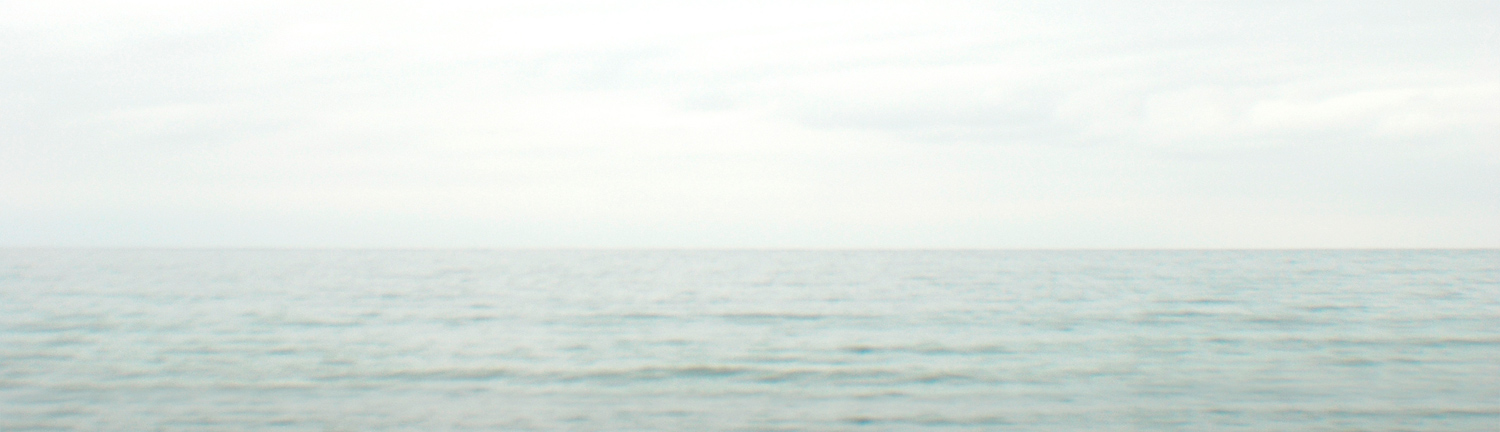
Kim Percy (Australian) 'Pale Sea' 2012


Kim Percy (Australian)
Pale Sea
2012
Digital photograph


Kim Percy (Australian) 'Where' 2012


Kim Percy (Australian)
Where
2012
Digital photograph


Kim Percy (Australian) 'Rough Water' 2012 Digital photograph


Kim Percy (Australian)
Rough Water
2012
Digital photograph


Anon. 'Untitled' Nd


Anonymous photographer
Untitled
Nd
Cartes de visite
Albumen print
6.3cm x 10.4cm
Blank verso
© Joyce Evans collection


E. B. Pike. 'Untitled [Older man with moustache and parted beard]' Nd


E. B. Pike
Untitled [Older man with moustache and parted beard]
Nd
Cartes de visite
Verso of card
6.3cm x 10.4cm
© Joyce Evans collection


Otto von Hartitzsch (Australian born Germany. 1838-1910) 'Untitled [Man with quaffed hair and very thin tie]' 1867-1883


Otto von Hartitzsch (Australian born Germany. 1838-1910)
Artist & Photographer
Untitled [Man with quaffed hair and very thin tie]
1867-1883
Verso of card
Established 1867, 127 Rundle Street, Adelaide, South Australia
Cartes de visite
6.3cm x 10.4cm
© Joyce Evans collection


Kim Percy (Australian) 'Traverse' 2012 Digital photograph


Kim Percy  (Australian)
Traverse
2012
Digital photograph


Kim Percy (Australian) 'Red Horizon No.1' 2012 Digital photograph


Kim Percy (Australian)
Red Horizon No.1
2012
Digital photograph


Kim Percy (Australian) 'Red Horizon No.2' 2012 Digital photograph


Kim Percy (Australian)
Red Horizon No.2
2012
Digital photograph


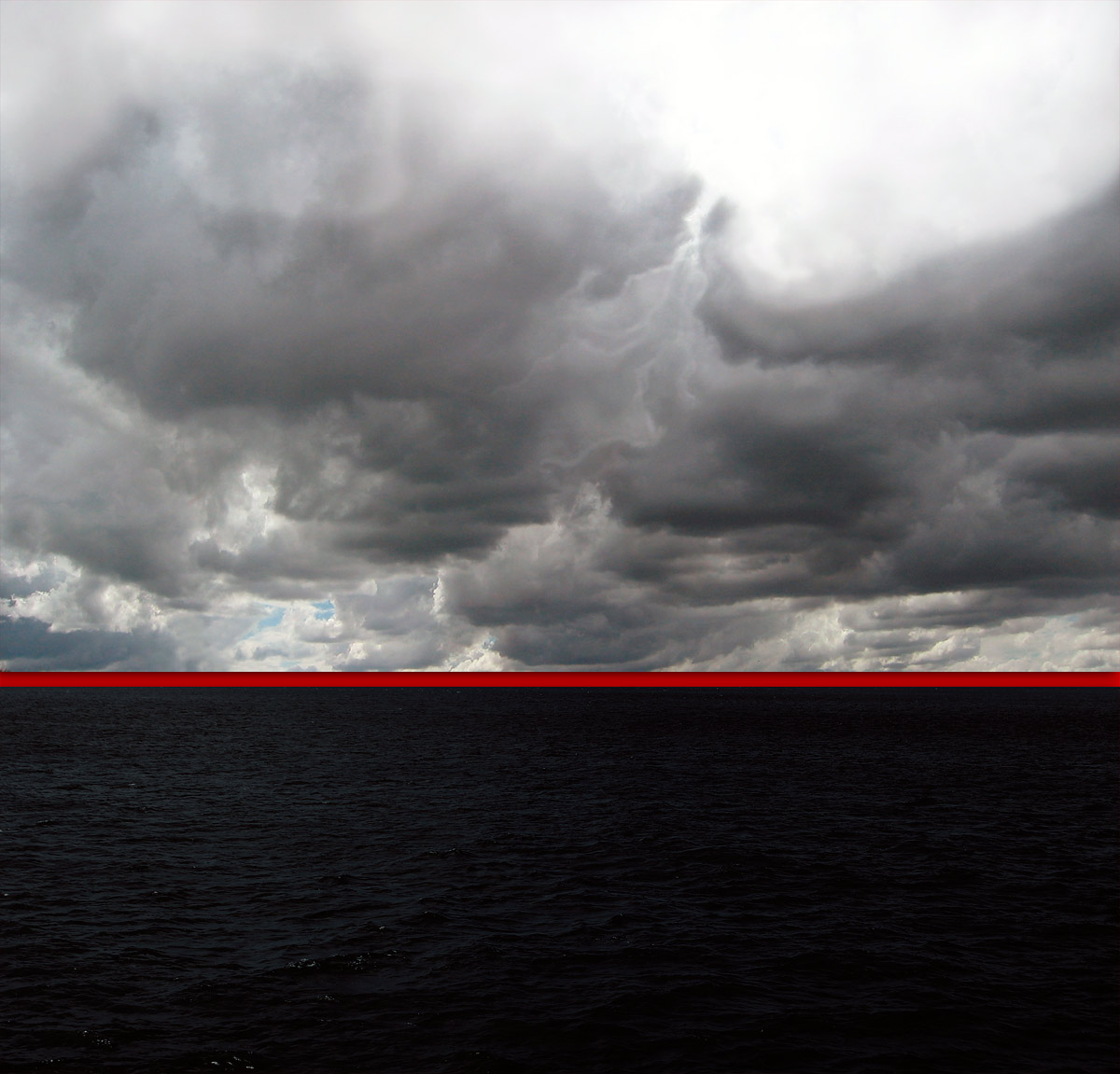
Taking the metaphor of the horizon line further, I would argue that the detention centres are like that of an inverted Panopticon. The Panopticon is a type of institutional building, a prison, designed by English philosopher and social theorist Jeremy Bentham in the late eighteenth century. The concept of the design is to allow an observer to observe all inmates of an institution without them being able to tell whether or not they are being watched.4 The guard sits in a central tower and can observe and inspect all prisoners on the outer 360 degree circle, while the prisoners cannot see the guard and can only presume he is there (an omnipresent God) and hence they behave. Let us invert this concept. Now the asylum seekers sit in the tower looking outwards, seeing the promised land but unable to touch it and the guards (prison officers, government, the Australian people) are all around but most are blind. They look inwards but cannot see / they look outwards and most go about their daily business. The perimeter fence of the detention centre becomes the horizon line of the sea. Over the horizon is out of sight and out of mind.

This regime of acceptability, the common-sense world within which we all live and usually take for granted, this form of rationality has a historical specificity. Think convict for example: such branding appeared at a time of historic specificity. What we take to be rational, the bearer of truth, is rooted in domination and subjugation, and is constituted by the relationship of forces and powers. But, as Foucault observes “what counts as a rational act at one time will not so count at another time, and this is dependent on the context of reason that prevails.”5

Hence no more convicts, in the future one hopes no more refugees.


Profesor Hawkins (Australian, active 1861-1875) 'Untitled [Chinese women with handkerchief]' c. 1858-1875


Profesor Hawkins (Australian, active 1861-1875)
Photographic Artist
Untitled [Chinese women with handkerchief]
c. 1858-1875
20, Queensbury St Et. near Dight’s Mills, Melbourne
Cartes de visite
Albumen print
6.3cm x 10.4cm
© Joyce Evans collection


Jeffrey Hawkins was a professional photographer based in Melbourne.


J. R. Tanner (Australian, active 1866-1899) 'Untitled [Two woman wearing elaborate hats]' 1875


J. R. Tanner (Australian, active 1866-1899)
Untitled [Two woman wearing elaborate hats]
1875
96 Elizabeth Street
“Truth in a Pleasing Form”
Photographer and Photo-Enameler
“Permanent Pictures in Carbon”
“Imperishable Portrais on Enamel”
Cartes de visite
Albumen print
6.3cm x 10.4cm
© Joyce Evans collection


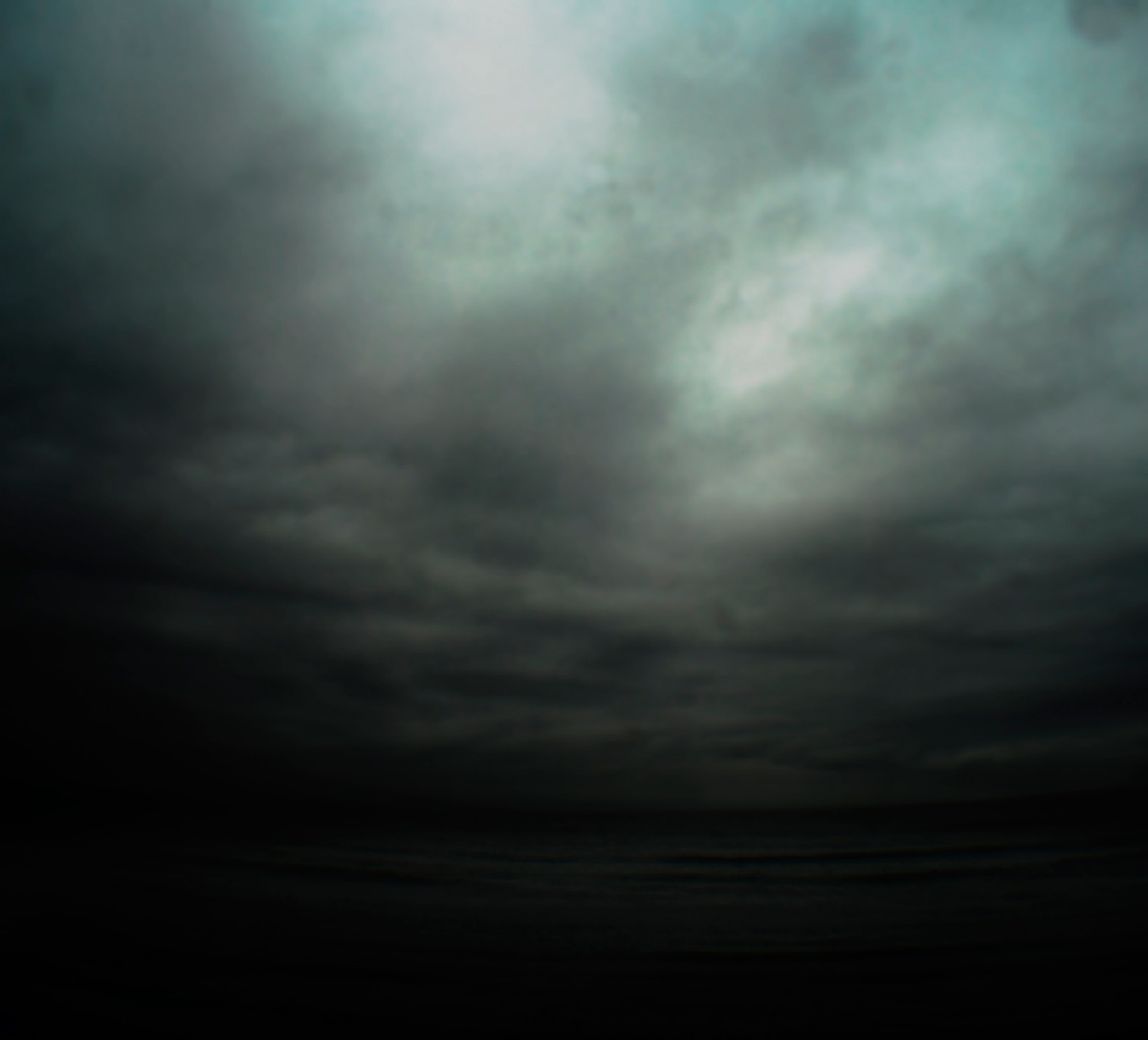
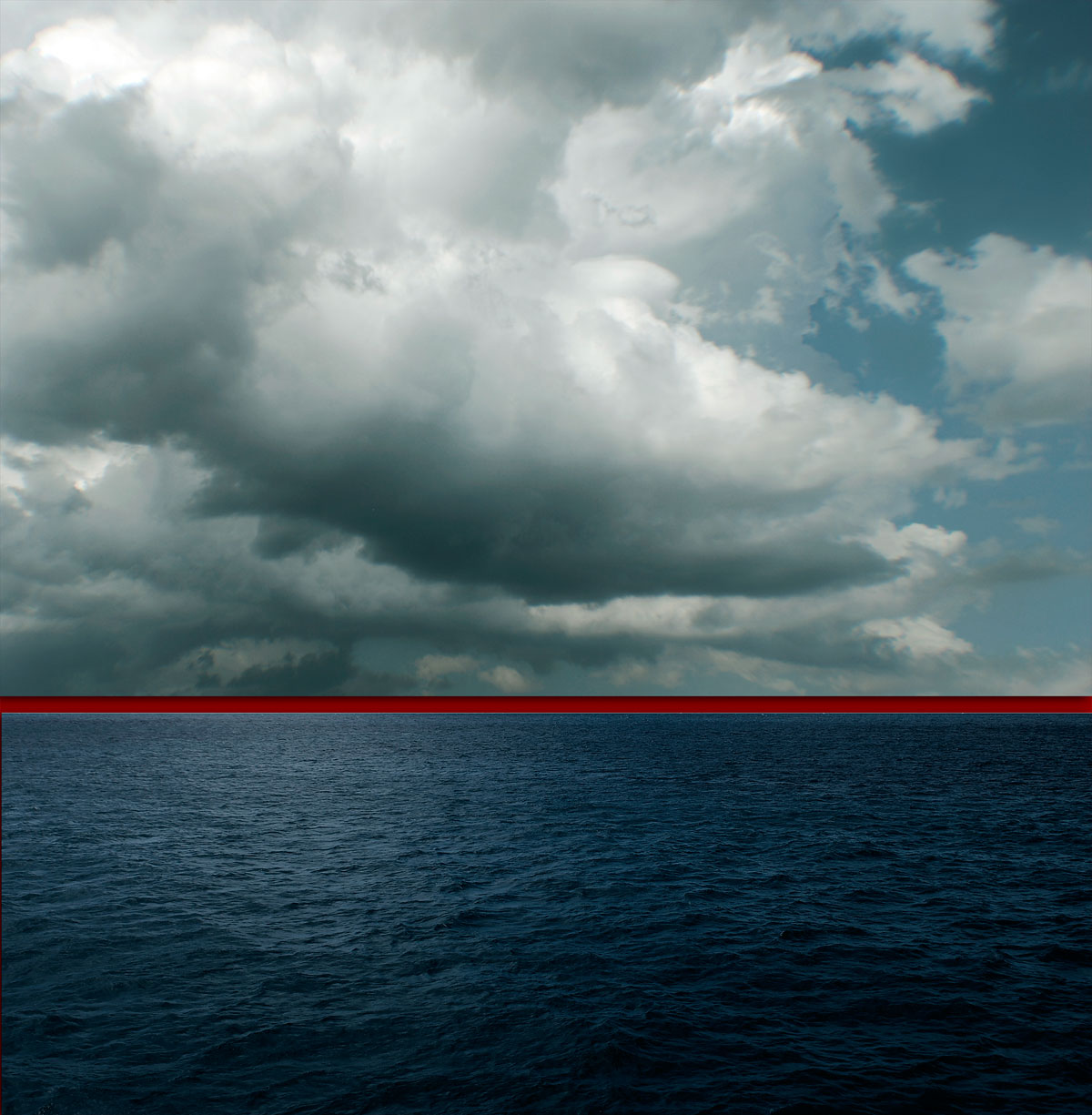
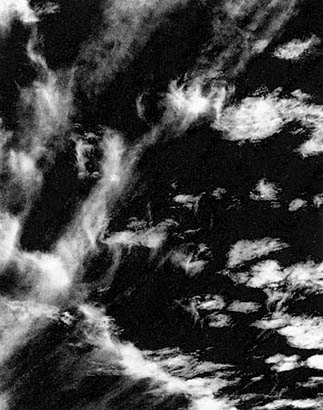
What Kim’s eloquent, minimal, brooding installation does is hold our attention and ask certain questions of us as human beings. If photography is a mode of visually addressing a certain order in the world – be it horror, war, peace, human tragedy, public, private – and then destabilising it, then Kim’s images destabilise the binary sea/sky through fragmentation and isolation. She redlines our experience and asks us to inhabit the non-space, the non-place of the gallery, allowing us to hover between boat and image, between sea and sky, between seeing and sky. Through her work she asks us to become more aware. She asks us to see things more clearly. Above all she asks us to have faith in the compassion of human beings. The asylum seekers have faith: faith to get into a fragile boat to venture upon the sea in search of a better life.

I will finish with a quote from Jeff Brown

“Sometimes we have to surrender to the not knowing. At other times, it is helpful to adventure outward and explore new possibilities. Like swashbucklers of the spirit, we bravely seek out any experience that might inform our path. When we are afraid of something, we live it fully and see what floats to the surface in the doing. We participate in our own revealing. We have faith in the shaping of what we cannot see.”6


The seekers surrender to the not knowing and have faith in the shaping of what they cannot see. These risk takers are the strong ones that are going to make a difference in a new society by the very fact of their strength and determination to survive and live in a free society, for the very fact of the risks undertaken. This exhibition and this paper informs their path as it informs our path. Be aware of the doing, be bold and forthright in the being.

Dr Marcus Bunyan, July 2012


Endnotes

1/ Augé, Marc (trans. John Howe). Non-Places: Introduction to an Anthropology of Supermodernity. London: Verso, 1995

2/ Ibid.,

3/ Hooper-Grenhill, Eilean. Museums and the Shaping of Knowledge. London: Routledge, 2000, p. 7

4/ Anon. “Panopticon,” on Wikipedia. [Online] Cited 09/03/2012 en.wikipedia.org/wiki/Panopticon

5/ Hooper-Grenhill Op cit., p. 8

6/ Brown, Jeff quoted on Stroud, Jeff. The reluctant blogger website. [Online] Cited 09/03/2012 jeffstroud.wordpress.com/2012/02/11/884/


Please click on the photographs for a larger version of the image.


~ ~ ~ ~ ~ ~ ~ ~ ~ ~ ~ ~ ~ ~ ~ ~ ~ ~ ~ ~ ~ ~ ~ ~ ~ ~ ~ ~ ~ ~ ~ ~ ~ ~ ~ ~ ~ ~ ~ ~ ~

Addendum – Australia from settlement to subjugation

The cartes de visite below is one of the most important cards that I have ever held.

Private John Dell (1763-1866) of the The New South Wales Corps. (Rum Corps.) “Renamed 1st /102nd Regiment of Foot” arrived on the ship Surprize of the Second Fleet on the 26 June 1790 (not, as stated in pencil on the verso of the card, in 1788). The Second Fleet has been regarded as being the three convict ships which arrived together at Sydney Cove in June 1790: these ships were the Surprize , Neptune, and Scarborough.

The Surprize weighed 400 tons, she was the smallest ship of the fleet, she proved an unsuitable vessel as for her size and she was a wet vessel even in clam waters. Sailing from England on January 19th 1790 with 254 male convicts. Her master was Nicholas Antis, formerly chief mate on the Lady Penrhyn in the First Fleet. The surgeon was William Waters. 36 convicts died on the voyage. Soldiers of the New South Wales Corps on board may have stayed. Some where convicts who later enlisted.

Private John Dell served in 102nd Foot Regiment. He was discharged aged 42 after 21 years 10 months of service. Covering dates give year of enlistment to year of discharge: 1789-1811. He enlisted on 3rd July 1789 and was discharged in May 1810. He married three times and had numerous children, dying in Tasmania on the 2nd March 1866. He was born on 5th of November 1763 so this would make him over the age of 87 when this photograph could have first been taken or, if later, between the age of 96-103. We can date this photograph from the time that W. Paul Dowling worked in Launceston (1851-1852 / 1859-1866).

We are looking at one of the first English migrants to ever settle in Australia during the invasion of the supposed terra nullius. This is an important photograph. The photographer obviously thought it was important to document the appearance of this person, present in the first two years of colonial settlement and later injured by an aborigine spear. For us, the photograph traverses the history of white Australia, from settlement to subjugation, from 1790 to 1866. One can only imagine the agony, the death and destruction that occurred during this man’s lifetime.


THE LATE MR. JOHN DELL (From the Melbourne Spectator)

The following reminiscences of the olden times were furnished to us by a gentleman who took them down as they fell from the lips of John Dell, the Greenwich pensioner, a few months before his, death, which happened at Launceston, in the early part of the present year: He was born, he said, at Reading, in Berkshire, on the 5th of November, 1763. He was one of a family of twenty four children. He remembered the excitement occasioned by the Gordon riots, and how the people gathered round the London coach which brought down the tidings of the tumult, incendiarism, and bloodshed. He was apprenticed with another Reading lad, to a veneer cutter in London; and as he and his fellow-apprentice were one day staring in at a shop window in Fleet-street, and observing to each other that there was nothing like that in Reading, they were accosted by a respectably dressed man, who said his wife was from Reading, and would so like to have a chat with them about the dear old place; would they go home to tea with him? They cheerfully assented; and were taken to a house in an obscure neighbourhood, at the back of the Fleet Prison…

“THE LATE MR. JOHN DELL,” in Launceston Examiner (Tas.: 1842-1899), 25 July 1866, p. 2. [Online] Cited 15 July, 2012 on the Trove website. nla.gov.au/nla.news-article36636642

DEATH OF MR JOHN DELL (From the The Cornwall Chronicle)

It is with feelings of sincere regret that we record tbe death of Mr. John Dell, at the patriarchal age of 102 years and four months. He had been ailing but a very short time, and had the use of his faculties to the last hour of his life. He was reading as usual without the use of spectacles, and out of bed on Thursday night, but be breathed his last yesterday, at the residence of his son-in-law, Mr. William Brean, of Brisbane Street, and his remains are to be interred on Monday.

Mr. Dell was born at Reading, in Berkshire, in 1763, and arrived in New South Wales with the 102nd Regiment of Foot, in 1790, in the ship ‘Surprize,’ the first of the fleet which brought convicts to Botany Bay, and he was present in Sydney during the whole of the period of the government of Governor Phillip, and at the arrest of Governor Bligh, who it will be remembered by those who have read the early history of New South Wales, was arrested by Colonel Johnson, the Colonel of the regiment in which Dell served, the 102nd. This corps was raised specially for service in New South Wales, and Mr. Dell returned with in 1808, and on board the vessel in which Governor Bligh died on the passage to England. He was pensioned in 1815, and has been in life receipt of a pension for more than half a century.

He arrived in this colony in 1818, and was for some time Chief Constable of Launceston, but retired many years ago from office, to a large farm at Norfolk Plains. Mr. Dell was the owner of very valuable property in this colony, though be did not die wealthy, the Court House Square belonged to him at one time, and he fenced it in, but subsequently he returned it to the Government in exchange for a grant of six hundred and forty acres of land in the country. Mr. Dell was a temperate man but not a teetotaller. It is strange that throughout his eventful career, be never learned to smoke, but this may account for the steadiness of his nerves to the latest day of his long life. He had encountered great hardships in New South Wales, having been in the bush there for three day disabled by a spear wound inflicted by an aborigine. He was in a very exhausted state when discovered, but his iron constitution enabled him to rally, and he was soon in as sound a state of health as ever.

For some years past his sight keener and his hair of a darker colour than they had been twenty years previous. He was rather eccentric of late, but no one from his hale appearance would suppose him to be much above seventy years of age. His voice was a good strong firm bass without a quaver in it. Very few men have ever been blessed with such a long period of interrupted sound health as Mr Dell. He will be missed and his death lamented by a wide circle of relatives and friends.

“DEATH OF MR JOHN DELL,” in The Cornwall Chronicle (Launceston, Tas.: 1835-1880) Saturday 3rd March 1866. [Online] Cited 15 July, 2012 on the Trove website. trove.nla.gov.au/ndp/del/article/72358170

See the Rootsweb website for more information on John Dell.


W. Paul Dowling (Australian, 1824-1877) Photographer. 'John Dell' 1851-1852 / 1859-1866


W. Paul Dowling (Australian, 1824-1877)
Photographer
John Dell
1851-1852 / 1859-1866
Launceston, Tasmania
Cartes de visite
Albumen print
6.3cm x 10.4cm
© Joyce Evans collection

John Dell
Born at Reading, Berkshire
5 Nov 1763
came out with his regiment (the 102nd) to Sydney in 1788
Nov 5th 1763

In pencil on verso


William Paul Dowling was a painter, engraver and photographer. In 1849 he was transported to Hobart Town as a political prisoner. Dowling worked in partnership with his photographer brother, Matthew Patrick Dowling until the latter accused William of selling his photographs as his own.


W. Paul Dowling (Australian, 1824-1877) Photographer. 'John Dell' 1851-1852 / 1859-1866


W. Paul Dowling (Australian, 1824-1877)
Photographer
John Dell
1851-1852 / 1859-1866
Launceston, Tasmania
Cartes de visite
Albumen print
6.3cm x 10.4cm
© Joyce Evans collection


LIKE ART BLART ON FACEBOOK

Back to top

International Conference: ‘Travel Ideals: Engaging with spaces of mobility’ at the University of Melbourne

Conference dates: 18th July – 20th July 2012


I am presenting an academic paper Traversing the unknown at the international conference Travel Ideals: Engaging with spaces of mobility this Wednesday afternoon at the University of Melbourne. Come along if you can!

Dr Marcus Bunyan, Faculty of Arts, The University of Melbourne.


International Conference: 'Travel Ideals: Engaging with spaces of mobility' at the University of Melbourne


LIKE ART BLART ON FACEBOOK

Back to top

Essay: ‘Now you see it, now you don’t: the history and conservation of The Keith Haring Mural, Johnston Street, Collingwood, Melbourne,’ by Dr Marcus Bunyan

November 2011


Keith Haring (American, 1958-1990) 'Barking Dogs and Spaceships and Angels and Coyotes' both 1982 'Subway drawings'


Keith Haring (American, 1958-1990)
Barking Dogs and Spaceships and Angels and Coyotes
both 1982
Subway drawings
Chalk on subway posters laid on canvas


In response to the polemic article “Brushed aside: artistic landmark must return to 1980s glory” by Hannah Mathews in The Age newspaper on November 17th, 2011 I feel compelled to offer a more balanced appraisal of the problems regarding the conservation and preservation of the Keith Haring Mural painted on a wall of the former Collingwood Technical School in Collingwood, Melbourne.

I was not going to publish this essay but now the time is right!

As I note in the essay Haring’s attitude to repainting seems to be at best ambiguous. As several people advocate, I support building a wall perpendicular to the original and painting a facsimile on the new wall. As the original is one of few remaining outdoor murals in the artists hand, I believe it is important to conserve what we have left of the original and painting a simulacra would satisfy those that want a “fresh” copy.

This essay is based on my own question, namely an investigation into the deterioration of a public work of art; the stabilisation of an ephemeral work; the role of the conservator in preserving the work; and the broader cultural perspectives involved when treating the work: reflections on the community from which it originates and notions of ownership and authorship. It was completed as part of my Master of Art Curatorship being undertaken at The University of Melbourne.

Please remember that this essay was written last year in September 2010, before the report from Arts Victoria and was then recently updated. Many thankx to Dr Ted Gott and to Andrew Thorn for their knowledge and help during the research for this essay.

Dr Marcus Bunyan


PS. Apologies that there are no image credits in the essay. If anyone knows the photographers please let me know and I will post but I hope they do not mind me using the photographs (in the interests of art, research and conservation).


Abstract

This essay will examine the history and conservation of The Keith Haring Mural painted on a wall of the former Collingwood Technical School in Collingwood, Melbourne. The essay will attempt to identify the issues involved with current attempts to conserve the mural, including issues of authorship, custodianship vs ownership, stabilisation of the mural and the debate between repainting and conserving. This essay is based on my own question, namely an investigation into the deterioration of a public work of art; the stabilisation of an ephemeral work; the role of the conservator in preserving the work; and the broader cultural perspectives involved when treating the work: reflections on the community from which it originates and notions of ownership and authorship.

Keywords

Keith Haring, Collingwood Technical School, Collingwood, Melbourne, painting, mural, public art, urban art, graffiti, Ted Gott, Andrew Thorn, THREAD, gay art group, homosexuality, HIV/AIDS, New York, National Gallery of Victoria, Australian Centre for Contemporary Art, Arts Victoria.

Word count: 5,056


Keith Haring Water Wall Mural at The National Gallery of Victoria


Keith Haring Water Wall Mural at The National Gallery of Victoria, later destroyed


Introduction

In the early 1980s, New York artist and social activist Keith Haring (4th May, 1958 – 16th February, 1990) was on the brink of fame. He appeared at the Whitney Biennial and Sao Paulo Biennale in 1983 and made friendships with Andy Warhol and Jean-Michel Basquiat.1 Haring was also gay; he died of HIV/AIDS at a young age. His folk art/graffiti style of bold figures and pagan inspired designs outlined in black and other colours investigated concepts of birth, life, death, power, money, technology and the relationship of human beings to the planet on which they live. Haring never feared confronting his viewer with difficult socio-political problems. Embedded in the street culture of the day, Haring was one of the first artists to be heavily influenced by disco dancing and rap music, his ghetto blaster blaring out as he painted his trademark murals. Today his work can be seen to represent the quintessential essence of the 1980s: through its use of colour; the vibrancy of the gyrating bodies; and the topicality of the issues the work addressed. His imagery “has become a widely recognised visual language of the 20th century”2 and his work represents a culture in which “notions of graffiti, advertising and design became increasingly blurred.”3

Early expressions of his creativity that are precursors to his mature style were the chalk drawings on black paper that Haring undertook in the subway stations of New York, using vacant advertising spaces. These drawings were made using quickness and stealth for fear of being caught and were ephemeral; either being destroyed when the next advert was pasted in place or, when his fame became greater, souvenired by acolytes.

“Riding the subway from his uptown apartment to the clubs, Haring noticed black paper hanging next to advertisements in the cars, awaiting the next ad. He used this opportunity to draw in chalk on the black paper with all sorts of childlike imagery: barking dogs, babies, unisex figures, spaceships, TV sets, etc. The outline style of imagery could be appreciated individually as cartoon cels or together to form a narrative. The subway drawings magnify Haring’s cartoons into a new Pop Art that at once was urban narrative, science fiction and hieroglyphics. These subway drawings initiated his first one man shows.”4


As Ted Gott has commented, “… Haring was seen as revolutionary, around 1981, for the manner in which he mastered the freedom and fluidity of the graffiti artists’ calligraphic defacement of public property, and catapulted it over into a mainstream artistic form. By presenting the visual language of one social class in the medium [paint on canvas] and milieus [commercial art galleries] of another elite class, Haring broke the rules then prescribed by the art world…”5

Into this context of rising fame came John Buckley, inaugural Director of Melbourne’s new Centre for Contemporary Art (CCA, later called the Australian Centre for Contemporary Art, or ACCA).6  Buckley met Haring in 1982 on a research visit to New York and invited him to Australia. After organising various grants to fund the trip, Haring arrived for a three-week visit. He was in Australia from 18th February to 8th March 1984 and completed three major projects (The Water Wall mural at The National Gallery of Victoria, the mural painted in the forecourt of The Art Gallery of New South Wales and the mural painted on the side of the former Collingwood Technical School).7 During this period he also completed other smaller works (such as a piece for the Hardware Club in Melbourne and the Glamorgan preparatory school, part of Geelong Grammar School), as well as thirteen large exhibition-quality ink drawings and four acrylic paintings.8 The latter were eventually used in the exhibition Keith Haring at ACCA’s new premises in Melbourne between 10th October – 17th November, 1985,9 and then returned to the artist by John Buckley. Some confusion exists in this matter as Haring states in his biography that his Australian experience wasn’t that hot and that he felt ripped off because the paintings he left in Australia were never returned to him, that there had never been any exhibition of his work and that the work had never been paid for.10

Since ACCA had not secured a physical home at the time of the arrival of Haring (later to be in the Botanical Gardens), Buckley arranged for Haring to paint a large mural on the inside of the water wall at The National Gallery of Victoria between 21st – 22nd February 1984. Haring then travelled to Sydney and painted the AGNSW mural between 28th February – 1st March 1984 before returning to Melbourne and painting the mural at The Collingwood Technical School in one day on Tuesday 6th March 1984.11 While the first two murals were intentionally impermanent (the Water Wall was supposed to last 3 months but was destroyed by vandalism just 2 weeks after its creation,12 Haring mistakenly believing that it was attacked as a protest against the mistaken belief that he had appropriated Aboriginal motifs in its composition13 and the AGNSW mural was painted over after one month to make way for the Biennale exhibition of 1984),14 the community based project in Collingwood would become Haring’s only large, permanent evidence of his visit to Australia:

“In his interview given at the Collingwood Technical School immediately upon completion of the project on 6 March 1984, Keith Haring said about the Collingwood mural: “I had fun. I mean, it’s the most fun I’ve had since I’ve been here. It’s more fun working here than it is inside a museum. [and] It’s the only permanent thing that I did while I was in Australia.””15

“The base tint of yellow was painted onto the wall with rollers by Collingwood Technical School staff on Monday 5 March 1984,”16 the day before Haring’s ‘performance’ when he painted the mural in just two main colours, red and green, in front of a large audience; the performance was photographed and videotaped giving us unique footage of the artist at work.17 The mural features a multi-layered frieze of dancing figures in the lower half of the mural and his fear of technology in the upper half, a “hybrid man/computer monster, his vision of a future de-humanising evolution, which was ridden by two human figures …”18

In all three murals the work was undertaken freehand with no use of preparatory drawings or grids using ladders and a cherry-picker to raise and lower the artist into position – all to the blare of his ghetto blaster. For Haring there was no turning back: “Whatever marks I make are immediately recorded and immediately on view. There are no “mistakes” because nothing can be erased.”19
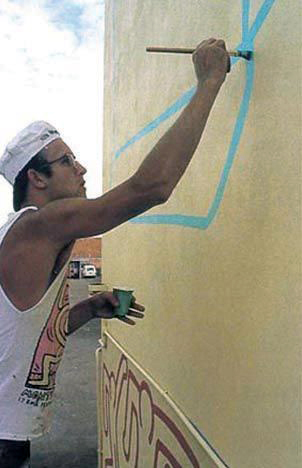
 

Keith Haring painting The Keith Haring Mural, Johnston Street, Collingwood, Melbourne, 1984


Keith Haring painting The Keith Haring Mural, Johnston Street, Collingwood, Melbourne, 1984


The painting of The Keith Haring Mural, Johnston Street, Collingwood, Melbourne, 1984


The painting of The Keith Haring Mural, Johnston Street, Collingwood, Melbourne, 1984


Significance of the Mural

According to the Statement of Significance on the Heritage Council of Victoria database, “The Mural has historical and social significance as the work of a major artist. Keith Haring is considered one of the most significant artists of his generation. As a role model for gay artists and Aids activism his influence was international.

The Keith Haring Mural is of social significance as a landmark piece of public art in Melbourne. Its prominent inner city location is indicative of the changing physical and social landscape of a former working class suburb.

The Mural is also of social significance for its influence on young artists for its inner city setting and use of popular culture themes and imagery.”20

Emily Sharpe states that the mural may also be the last surviving extant [outdoor] mural in the world painted entirely by his hand,21 although this information is contradicted by The Haring Foundation in a quotation later in the essay (see the section ‘To restore or conserve?’ below, Footnote 49).
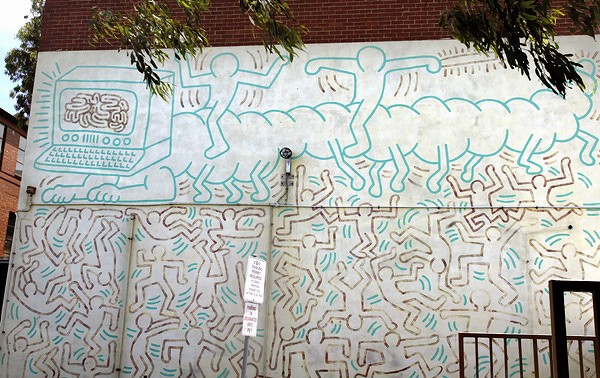
 

Keith Haring mural on the side of the former Collingwood Technical School in 2010 (painted 1984)


Keith Haring mural on the side of the former Collingwood Technical School in 2010 (painted 1984)


Issues in Conservation

During the period 1994-1995 a recently formed gay art group in Melbourne called THREAD (of which I was a part, the acronym of which is now lost to my memory) became concerned about the deterioration of the Keith Haring mural on the side of the Collingwood Technical School in Johnston Street, Collingwood. The group tried to engage the city of Yarra (the inner Melbourne municipality where the mural is located) and other organisations (The National Trust) about the possibility of repainting the mural due to the importance of the mural and its painting by an internationally renowned gay artist. Basically, as conservator Andrew Thorn succinctly puts it, “to repaint the mural on the basis of identity giving ownership.”22

While the intentions of the group were entirely honourable in such a proposal, on reflection and with the passing of the years, being older and wiser, I realise the error of our ways. While acknowledging that the group probably did want to take ownership of the mural on the basis of sexual identity at the time I think the group was just motivated by a desire to get something to happen and we did at least succeed in starting a dialogue between those that had an interest in conserving the mural. One of the problems was that none of us had conservation experience and, as Tom Dixon noted in a phone call to him about the mural,23  the representation of the group was never consistent as it was always a different person that you were talking to.

The profile of the mural was also raised through newspaper articles: “A series of newspaper articles drew attention to the vexed issues around its historic significance and increasing deterioration; these articles formed an important research component of the subsequent classification report” (The book in which this article is quoted incorrectly states that students helped Haring paint the mural – see p. 146).24 These concerns eventually led to the stabilisation of the mural by conservator Andrew Thorn in 1996 and its listing by the National Trust of Australia (Victoria) (NTAV) in 1997. During the treatment of the mural in 1996 Thorn undertook various conservation treatments, namely cleaning of the paint surface (including removal of stains), paint consolidation (fine cracking and detachments within the red paint and reattachment of the yellow paint), reattachments of lower render due to rising damp, consolidation and protection of the paint film with a protective coating system and reintegration of small areas of loss. A proposal for future maintenance was envisaged that included regular inspections, maintenance and care,25 but unfortunately it would seem that this maintenance has not been undertaken. In a recent report (2007) on the condition of the mural Thorn notes that, “incipient deterioration can be avoided, but if regular maintenance is not continued, the painting will be lost.”26 Thorn also notes that the resin gloss layer applied in 1996 to prevent AO (anti-oxidant) and UV (ultraviolet) deterioration “shows clear signs of degradation,” and should have been reapplied at 5 yearly intervals to maintain effectiveness.27 The report also notes that the yellow ground has become paler since 1996, the eroded reds need consolidation, the rising moisture is having a greater effect on the surface than previously and the green brushstrokes are beginning to show signs of loss.28
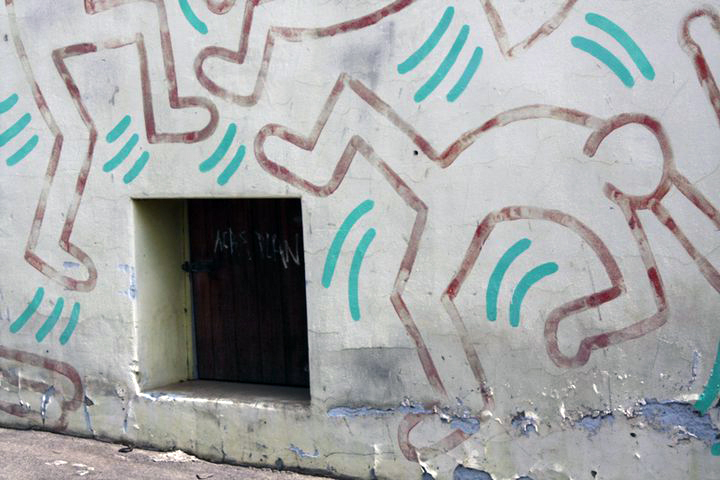
 

The missing door of the Keith Haring mural on the side of the former Collingwood Technical School in 2010 detail (painted 1984)
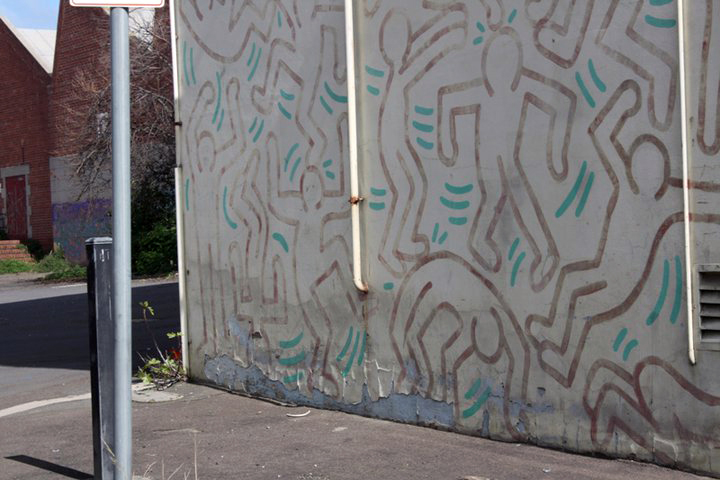
 

The missing door of the Keith Haring mural on the side of the former Collingwood Technical School in 2010 detail (painted 1984)


Keith Haring mural on the side of the former Collingwood Technical School in 2010 detail (painted 1984)


Keith Haring mural on the side of the former Collingwood Technical School in 2010 detail (painted 1984)


Ownership or custodianship

I support the concept of custodianship (or shared ownership) of a work of art rather than ownership per se. I believe that many people have a stake in the cultural value of a work of art and that custodianship, being a caretaker of the work, engages with the idea that the work belongs to everyone and that everyone should have access to enjoy it. Of course being gay offers a close affinity to the work of Keith Haring but, as Andrew Thorn notes, “that does not impart greater ownership of common property or of visual arts and imagery. It does give some ownership but not the right to snatch ownership from others.”29

In a separate email he continues, “At the same time it is necessary in giving ownership to wrest it from those that have claims and this process requires substantial diplomacy. It moves ownership from exclusive to shared. Ownership and identity are good and necessary things and if a work or an artist provides inspiration and support that is not to be denigrated and must be respected … Claiming of ownership is not an aggressive act but part of belonging and identity … It is necessary to engage in a community spirit to ensure a highly significant work and its maker are treated with the respect they deserve.”30

While the earlier attempts by the THREAD group could be seen as an attempt to obtain cultural ownership I acknowledge that this position is untenable. It must be a difficult task – the diplomacy of negotiating with all vested interests. But as Thorn rightly notes this comes down to the modern democratic process, the freedom to elect decision makers – not make the decisions themselves but delegate the responsibility to elected others. We must possess the ability to respect anybody’s relationship and enjoyment of the mural as much as we should respect Thorn’s professional judgment as an internationally renowned conservator to ensure this work is protected in the best possible way so that future generations can enjoy the work.
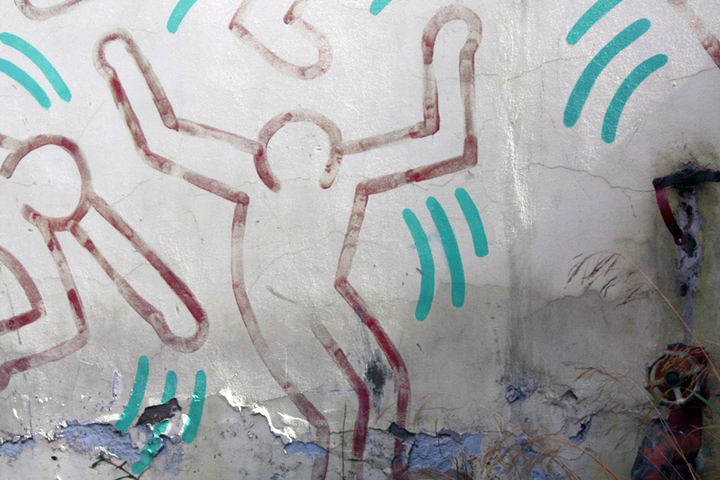
 

Keith Haring mural on the side of the former Collingwood Technical School in 2010 detail (painted 1984)

Keith Haring mural on the side of the former Collingwood Technical School in 2010 detail (painted 1984)


Keith Haring mural on the side of the former Collingwood Technical School in 2010 detail (painted 1984)


The conservator and the cultural landscape

The conservation of artefacts is an integral part of the cultural landscape. The nature of the cultural landscape is a fluid environment: a palimpsest where the authorship of the original work of art is a textual site, where “change (and decay), alteration, editing, revision and restoration represent the true life of objects.”31

“”The document is the textual site where the agents of textuality meet: author, copyist, editor, typesetter and reader.” In art and architecture there would be, besides artist and architect, builders, conservators, curators, preservationists, historians, viewers and users.”32 Embedded within the work are the memory and history of the object, within culture. Conservator Andrew Thorn observes, “It is a societal need to preserve the past and keep it for the future. Far more pragmatic issues dominate the profession [that of conservation] and unlike some contemporary art practice it does not need the props of modernist theory in any form to exist.”33

I beg to differ. Conservation exists only within culture. It is embedded within it and linked to the history and memory of the object. The nature of the cultural landscape and our heritage is a constitutive process: “an approach to heritage which understands it not as an object which is the static locus of some internal value, but as a process.”34 And that process invokes the social, cultural, economic and political contexts that include the act of interpretation and the concept of representation.

Laurajane Smith argues that, “heritage is heritage because it is subjected to the management and preservation/ conservation process, not because it simply ‘is’. The process does not just ‘find’ sites and places to manage and protect. It is itself a constitutive cultural process that identifies those things and places that can be given meaning and value as ‘heritage’, reflecting contemporary and cultural social values, debates and aspirations.”35 Gibson and Pendlebury unpack this statement further:

“In the first and most obvious sense, it follows from this position that there is nothing self-apparent or given about regimes of value and significance, rather these frameworks are specific to our particular social, cultural, economic and political contexts. Drawing on the anthropologist Marcel Mauss’s famous proscription on the cultural and historical specificity of contemporary personhood, objects, building and places are ‘formulated’ as heritage ‘only for us, amongst us’.”36

The value of an object cannot exist without reference to its historicity, its relationship to everything and everyone around us and conservation needs these frameworks of theory to have existence. As Foucault notes, “The space in which we live, which draws us out of ourselves, in which the erosion of our lives, our time and our history occurs, the space that claws and gnaws at us, is also, in itself, a heterogeneous space. In other words, we do not live in a kind of void, inside of which we could place individuals and things. We do not live inside a void that could be colored with diverse shades of light, we live inside a set of relations that delineates sites which are irreducible to one another and absolutely not superimposable on one another.”37

Complementary to Foucault’s notion of a set of relations that delineates sites and heterotopic spaces is how Janet Wolff positions these sites, these texts, within a sociology of cultural production:

“… the meaning which audiences ‘read’ in texts and other cultural products is partly constructed by those audiences. Cultural codes, including language itself, are complex and dense systems of meaning, permeated by innumerable sets of connotations and significations. This means that they can be read in different ways, with different emphases, and also in a more or less critical or detached frame of mind. In short, any reading of any cultural product is an act of interpretation … the way in which we ‘translate’ or interpret particular works is always determined by our own perspective and our own position in ideology. This means that the sociology of art cannot simply discuss ‘the meaning’ of a novel or painting, without reference to the question of who reads or sees it, and how. In this sense, a sociology of cultural production must be supplemented with, and integrated into, a sociology of cultural reception.”38


I understand that the conservator is not an editor (and here I am not abrogating the right of conservators to conserve, far from it). What I am proposing, however, is that an acknowledgment of the many voices that constitute the life and memory of an object, including the post-structuralist theory that analyses these histories and interpretations, be included in the negotiations with all parties and stakeholders. This perspective also acknowledges the changing contexts of interpretation of the Keith Haring Mural as it becomes ever more precious as one of the few outdoor murals left in the world painted in the author’s hand.


Keith Haring mural on the side of the former Collingwood Technical School in 2010 (painted 1984)


Keith Haring mural on the side of the former Collingwood Technical School in 2010 (painted 1984)


To restore or conserve?

“The painting can be preserved and not fade or deteriorate further if the recommendations of my 1996 and 2010 reports are adhered to. If you think this is not true you need to provide the evidence … it is assumed you respect my professional judgement in ensuring this work is protected in the best possible way so that all people can enjoy the masterpiece painted by Keith Haring as far into the future as possible. Over painting the mural ends the work of Keith Haring on that day.”39


The vexatious issue of restoring or conserving the Keith Haring mural has been an ongoing source of debate since the early attempts by the THREAD group to have the work “restored” (i.e. over painted) in the mid-1990s. Haring’s attitude to repainting seems to be at best ambiguous. The statement of significance of the mural when listed by The National Trust of Australia (Victoria) in 1997 notes that,

“Crucial to the fate of the mural and, given its exposure to the elements, is whether the artist himself would have accepted the deterioration of the mural or have condoned some form of restoration. Haring’s own feelings appear to have been ambivalent in the matter. In favour of restoring the mural i.e., repainting – is the fact that the simplistic three colour design devoid of subtle harmonies would not present serious problems in restoring it to its original condition. Opinion appears to be divided regarding the moral considerations in the matter and even the Estate of Keith Haring is unclear in this matter.”40


John Buckley “recalls a conversation with Haring who, with a characteristic lack of preciousness, said that the mural could, when needed, just be repainted by any good signwriter”41 but Andrew Thorn disputes this interpretation noting that “Keith talked about the continuity of his work. What Buckley stated contradicts the attitude presented by Haring throughout his biography. Another point to consider here is that Keith died within 6 years of completing the painting and I am certain beyond doubt that the condition of the painting even after 6 years would have been more or less pristine. There is no indication throughout the last two years of his life that Keith had any concern for his made works and that his declining health and the pain associated with that allowed him little time to consider anything other than his current work and failing health. If Buckley provides evidence of a friendship that Keith denies in his biography I for one would re-assess the intention of the artist.”42

This brings up the thorny issue of the ephemerality of street art. “Art academic Chris McAuliffe expressed his view regarding the impermanence of this work, arguing that ‘… as graffiti, it should be left to fade … If you subject it to conservation procedures then you transpose graffiti into a realm that it was opposed to. You make it art’.43 Personally I believe that all street art, whether officially sanctioned (like the Keith Haring mural) or not, is art. Distinction can only be made between street art / graffiti (not necessarily officially sanctioned: think the early chalk drawings of Haring or the street art of Banksy) and vandalism or tagging. Perhaps ephemerality is inherently built into street art, that documentation is enough to substantiate the life of the work, but that does not mean we have to sit by and let work be defaced or fade away without attempts at conservation.

According to Donna Wheeler there is an “unbreachable divide” between the two camps of Haring devotees. “Those on the conservatorial side see the mural as a cultural artefact, one that contains the artist’s rare and authentic touch evidenced in each singular brushstroke; they advocate a commitment to preservation, or stabilisation, with the caveat that even with their best efforts, the mural will continue to fade and eventually cease to exist. The Haring Foundation, and many others, including several curators and Haring’s original Australian contact, John Buckley, are hoping to restore, or more accurately, repaint the work, claiming that this would most closely follow Haring’s wishes. Yes, the original paint and brushstrokes would be forever lost, but Haring’s intent, creative vision and integral design will live on, in all its jellybean vibrancy.”44

I disagree with the stance taken by those that wish to repaint the mural. The hand of the author would be lost and the mural would simply become a simulacra of the original, a sign value that is an illusion of reality, a repainting purporting to “look like” the original but actually nothing like it.45 Support for this stance are the photographs of the original Crack is Wack (1986) mural painted by Keith Haring and the over painted mural photographs shown by Andrew Thorn at the public forum into the future of the mural in April 2010.46 In this presentation Thorn, “illustrated the losses inherent with repainting and also showed that the most iconic Haring mural ‘Crack is Wack’, is not the painting that Haring is photographed in front of the day he completed it.”47

Thorn states, “I support making a new copy of the painting, I just believe it should not devalue the original. Repainting over the original destroys the original work by Keith Haring. What you have is a copy and an irretrievable original, that is to say you have destroyed the work of Keith Haring. This is against the law administered by Heritage Victoria and devalues the work monetarily. This may seem an odd point to raise but becomes more significant when one considers the copyright act in relation to artists and their rights. The law there clearly states that any action that devalues a work or diminishes the artist’s reputation is a violation of the copyright act. The Haring Foundation need to be aware of this international law and particularly in the context of the Crack is Wack no longer being the work of Keith Haring and thereby diminishing his reputation by deception.”

In reply the Haring Foundation note that, “the ONLY Haring mural that was completely repainted was the Crack is Wack mural in NYC, due to it’s absolutely dreadful condition. It, too, is a landmark and highly valued by its community, and while no longer the original, it most definitely remains a Keith Haring mural. There are several outdoor murals that are untouched: Tuttomondo in Pisa (cleaned only); Necker Hospital in Paris; murals in Amsterdam and Phoenix, AZ. Numerous outdoor murals were only cleaned and lightly repaired and there are over a dozen indoor murals in public institutions that are untouched …

The Haring Foundation does not always recommend a complete repainting, that would be silly. But the awful condition of the Collingwood mural is similar to that of Crack is Wack and therefore the Foundation does highly recommend that it be repainted. Further to Crack is Wack, when Keith originally painted it, he had no permission, and so was required by the city to paint it out, completely covering over his first version. Shortly thereafter, he was granted permission by the city, and the second version he painted was different from the first version. Keith’s first version is often reproduced in books and catalogs and this has led to the utterly incorrect assumption that the Haring Foundation actually destroyed his first version and replaced it with something completely different over it. Not true.”49

While it is correct that Haring returned on the following day and painted a second version, not a copy of the first, conservator Andrew Thorn states that, “Since his death in 1990, the west painting has been repainted with imagery not resembling either of the two original Haring works … and this has in turn been reapplied more or less faithfully in 2007. This last painting, the one currently visible, is the fourth in the series and bears no resemblance to either of the two original works … The current painting appears not to be the work of Keith Haring, but continues to be considered his signature outdoor work … Haring may have painted the third image, but there is no record of this … The third and seemingly anonymous rendition continues the overall message but with new iconography, and appears not to be the work of Keith Haring.”50

Thorn supports the painting of a facsimile, a replica of the original, as does artist and academic Dr Megan Evans: “I think the best option is to preserve it [the original] and then do a replica nearby which is done in honour of the Haring work. I think this would be more interesting conceptually also as to have a repainted work is like covering up the mark of the past and to make a facsimile is to recreate it in a contemporary context.”51 I agree with the concept of making a facsimile positioned close to the original. Perhaps this could be completed on a new wall that is perpendicular to the original wall that the mural is painted on. Of course the pertinent question would be the permissions needed to erect such a wall, the cost of its construction, the cost of painting the new mural and its upkeep.
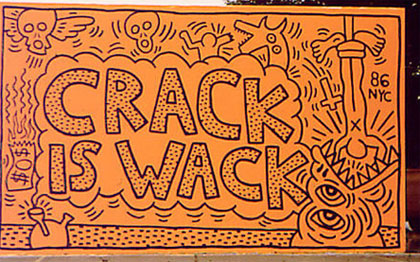
 

Keith Haring (American, 1958-1990) 'Crack is Wack' as completed by Haring in 1986


Keith Haring (American, 1958-1990)
Crack is Wack
as completed by Haring in 1986 (1st version, now overpainted)


Anonymous. 'Crack is Wack' 1986


Current Crack is Wack
painted after 1990


Now you see it, now you don’t

This brings me to my final point: now you see it, now you don’t. While I must take at face value the assertion by Andrew Thorn that the mural can be preserved and not fade or deteriorate further if the recommendations of his 1996 and 2010 reports are adhered to, and while I respect his professional judgment in that statement, unfortunately past experience (i.e. the lack of maintenance of the mural between 1996, the year of the last stabilisation, and now) tells me that the mural will continue to deteriorate and fade unless a specific and regular maintenance plan is financially funded and put in place. Donna Wheeler observes that the mural “is but a shadow of its former self”52 and I agree with this assertion. I was shocked to see the mural when visiting it recently compared to how I remember it in 1996 (ah, memory!). Though still an original Haring, it is pale and wane, almost an imitation of itself (and that is an irony in itself), and it made me sad to see the mural in this condition, as I remember how vibrant it was back in the early 1990s.

“According to ACCA curator Hannah Mathews, when the mural was last stabilised in 1996, it was estimated that a tiny sum of A$200 ($178) was needed annually to maintain the work. A combination of factors including pollution and time has left the mural in its current degraded state. Some estimate that it could cost around A$25,000 ($22,000) to stabilise, with an additional A$1,000 ($900) a year for maintenance. Although the issue of whether to repaint the mural is up for debate, all parties agree that the work needs stabilisation as soon as possible to prevent further surface lifting and cracking of the paint … Yarra mayor Jane Garrett said … “Following the forum [Yarra Talking Art forum: “The Keith Haring Mural: yesterday, today, tomorrow” on 29th April 2010 held in Collingwood], [the] Council [is setting up] a working group, which will seek to include representatives from Skills Victoria, Heritage Victoria, the arts community and other stakeholders, to discuss the mural’s future and come to a consensus on the most appropriate way to preserve it.”53

All parties need to agree and as quickly as possible. While Haring was quite happy to send his work out into the world for the enjoyment of all it would be a disservice to his memory and his status as an internationally renowned artist to have the only Haring mural in Australia deteriorate further. Time is of the essence. As Mark Holsworth on his Melbourne Art & Culture Critic blog insightfully opines, “Street art is not the property of the street artists – it belongs to everyone. Even if the artist intends for the art to be ephemeral there is no reason for their wishes to be carried out; the person giving the gift does not get to determine how the gift is used.”54

In the final analysis everyone needs to come to consensus about the future of the Keith Haring Mural for without proper conservation and maintenance it will truly be a case of now you see it, no you don’t.

Dr Marcus Bunyan

Word count: 5,056


Endnotes

1/ Keith Haring on Wikipedia [Online] Cited 25/09/2010
2/ Ibid.,
3/ Gott, Ted. “Fragile Memories: Keith Haring and the Water Window Mural at the National Gallery of Victoria,” in Art Bulletin of Victoria Vol. 43. Melbourne: National Gallery of Victoria, p. 8
4/ “Keith Haring New York,” on the Woodward Gallery website [Online] Cited 25/09/2010. No longer available online
5/ Gott, Ted. Op cit., pp. 7-8
6/ Gott, Ted. Op cit., p. 8
7/ Gott, Ted. Keith Haring’s Collingwood Mural. Draft of a paper given at a Keith Haring Public Forum, Collingwood, 29th April 2010 by Ted Gott, Senior Curator, International Art, National Gallery of Victoria
8/ Gott, Ted and Sullivan, Lisa. “Keith Haring in Australia.” in Art and Australia, Vol. 39, No.4, June-July-Aug 2002: (560)-567. ISSN: 0004-301X. Cited 09/10/2010
9/ Buckley, John. “Keith Haring” exhibition catalogue. Melbourne: Australian Centre for Contemporary Art (ACCA), 1985
10/ Gott, Ted and Sullivan, Lisa. Op. cit., p. 564. See also Footnote 15 and Gruen, John. Keith Haring: The Authorized Biography. New York: Prentice-Hall, 1991, p. 113
11/ Gott, Ted and Sullivan, Lisa. Op. cit.,
12/ Gott, Ted and Sullivan, Lisa. Op. cit., p. 562. See also Footnote 10 and Footnote 15. “Vandals,” Herald, Saturday 10th March 1984, p. 1; “Vandals smash gallery pane,” The Age, Monday 12th March , 1984, p. 19
13/ Gott, Ted and Sullivan, Lisa. Op. cit., Footnote 15 and Gruen, John. Keith Haring: The Authorized Biography. New York: Prentice-Hall, 1991, p. 113
14/ Gott, Ted and Sullivan, Lisa. Op. cit., p. 564
15/ Gott, Ted. Keith Haring’s Collingwood Mural. Op cit.,
16/ Gott, Ted. Keith Haring’s Collingwood Mural. Op cit.,
17/ Gott, Ted. Keith Haring’s Collingwood Mural. Op cit.,
18/ Gott, Ted and Sullivan, Lisa. Op. cit., p. 566. See also Gott, Ted. Keith Haring’s Collingwood Mural. Op cit.,
“Uniquely, we have a surviving record of Keith Haring’s own interpretation of the Collingwood mural, revealed during an interview conducted with the artist shortly after the painting’s completion on Tuesday 6 March 1984. There Keith Haring noted how: “What’s going on in the bottom is about – I mean, all these people are doing different things, right? Some of them are like dancing, like rap dancing, or acrobatics.  Some of them are almost like they are fighting. But the way they are all together means that they can’t – I mean, if one of them comes out, the whole thing falls down. So they sort of depend on all of them to make it work. So it’s sort of like society or whatever, where the world only works when lots of individuals do their part, right?
The thing at the top is, I guess, the impending doom or impending possibility of technological … the confrontation between technology and the human element, which is still holding up the technology, and based on the technology. But it sort of takes a semi-circle in evolution, where people evolved up to a certain point, and now they’ve evolved so far that they’ve invented a computer or a machine to evolve further. And the computer is maybe evolving more than people were. So it’s about that sort of confrontation, I guess.””
19/ Gott, Ted and Sullivan, Lisa. Op. cit., p. 562. See also Footnote 8 and Haring, Keith. “Keith Haring,” in Flash Art, No. 116, March 1984, p. 22
20/ Anonymous. “Keith Haring Mural: Statement of Significance,” on Heritage Council of Victoria database [Online] Cited 04/10/2010
21/ Sharpe, Emily. “Saving Keith Haring Down Under: Melbourne work is last surviving wall painting by the late artist’s own hand,” on The Art Newspaper website. Published online 08/06/2010. Cited 06/08/2010. No longer available online
22/ Thorn, Andrew. Email to the author. 24/08/2010.
23/ Dixon, Tom. Member of the Public Art Committee of the National Trust of Australia (Victoria) (NTAV). Telephone conversation with the author 26/08/2010. The Public Art Committee considers murals, mosaics, and sculptures; and such works can be found in parks and reserves, public streets, squares and buildings; and publicly accessible parts of privately owned buildings.
24/ Masterson, Andrew. “Off the wall art,” in The Age. Melbourne: Summer Age supplement. December 27th, 1994, p. 4-5 quoted in Gibson, Lisanne and Pendlebury, John R. “Values not Shared: The Street Art of Melbourne’s City Laneways,” chapter in Valuing historic environments. Farnham: Ashgate Publishing Limited, 2009, p. 146
25/ Thorn, Andrew. “Conservation Treatment Report.” The Keith Haring Mural Johnston Street, Collingwood. Final Report prepared for Northern Institute, 1997.
26/ Thorn, Andrew. “Review of Condition and Treatment.” The Keith Haring Mural Johnston Street, Collingwood. Prepared for City of Yarra, 2007, p. 1
27/ Ibid., p. 2
28/ Ibid., p. 3-5
29/ Thorn, Andrew. Email to the author. 23/08/2010.
30/ Thorn, Andrew. Email to the author. 24/08/2010.
31/ McCaughy, Patrick. Review of “Securing the Past: Conservation in Art, Architecture and Literature” by Paul Eggert in The Australian, December 02, 2009. [Online] Cited 12/06/2010. No longer available online
32/ Ibid.,
33/ Thorn, Andrew. Email to the author. 23/08/2010.
34/ Gibson, Lisanne and Pendlebury, John R. Valuing historic environments. Farnham: Ashgate Publishing Limited, 2009, p. 72
35/ Smith, Laurajane. Uses of Heritage. Oxford: Routledge, 2006, p. 3 (italics in original) quoted in Gibson, Lisanne and Pendlebury, John R. Valuing historic environments. Farnham: Ashgate Publishing Limited, 2009, p. 72
36/ Mauss, Marcel. “A category of the human mind: The notion of person; the notion of self,” in Carrithers, M., Collins, S. and Lukes, S. (eds.,). The Category of the Person: Anthropology, Philosophy, History. Cambridge: Cambridge University Press, 1985, p. 22, cited in Gibson, Lisanne and Pendlebury, John R. Valuing historic environments. Farnham: Ashgate Publishing Limited, 2009, p. 72
37/ Foucault, Michel. Of Other Spaces (1967), “Heterotopias.” Diacritics 16 (Spring 1986), pp. 22-27
38/ Wolff, Janet. The Social Production of Art. Basingstoke: Macmillan, 1993, p. 97
39/ Thorn, Andrew. Email to the author. 23/08/2010.
40/ National Trust of Australia (Victoria). Classification Report for ‘Keith Haring Mural’, Johnston Street, Collingwood, File number 6675. Extract from Statement of Significance, 4th August 1997 quoted in Gibson, Lisanne and Pendlebury, John R. “Values not Shared: The Street Art of Melbourne’s City Laneways,” in Valuing historic environments. Farnham: Ashgate Publishing Limited, 2009, p. 146
41/ Wheeler, Donna. “When Keith Came To Town,” on Holiday Goddess, Female-Friendly Travel website. [Online] Cited 06/08/2010. No longer available online
42/ Thorn, Andrew. Email to the author. 23/08/2010.
43/ McAuliffe, Chris quoted in Masterson, Andrew “Off the wall art,” in The Age. Melbourne: Summer Age supplement. December 27th, 1994, p. 4-5 quoted in Gibson, Lisanne and Pendlebury, John R. Valuing historic environments. Farnham: Ashgate Publishing Limited, 2009, p. 72
44/ Op. cit.,
45/ See Tseëlon, E. The Masque of Femininity: The Representation of Women in Everyday Life. London: Sage, 1995, p. 128
46/ Yarra Talking Arts forum. “The Keith Haring mural: yesterday, today, tomorrow.” Thursday 29th April, 2010
47/ Thorn, Andrew. Email to the author. 23/08/2010.
48/ Ibid.,
49/ Gruen, Julia. “Save the Keith Haring Mural” web page on Facebook [Online] Cited 21/11/2011. No longer available online
50/ Thorn, Andrew. “Another Red Haring,” keynote paper presented at the International Council of Museums Conservation Committee  (ICOMCC) triennial Conference, Lisbon, October 2011
51/ Evans, Megan. Email to the author. 08/09/2010.
52/ Wheeler, Donna Op cit.,
53/ Sharpe, Emily Op cit.,
54/ Holsworth, Mark. “Another Banksy Gone,” on Melbourne Art & Culture Critic blog. [Online] Cited 06/10/2010.


LIKE ART BLART ON FACEBOOK

Back to top

Vale Dr John Cato (1926-2011)

February 2011


It is with much sadness that I note the death of respected Australian photographer and teacher Dr John Cato (1926-2011). Son of Australian photographer Jack Cato, who wrote one of the first histories of Australian photography (The Story of the Camera in Australia (1955)), John was apprentice to his father before setting up a commercial studio with Athol Shmith that ran from 1950-1971. Dr Cato then joined Shmith at the fledgling Prahran College of Advanced Education photography course in 1974, becoming head of the course when Shmith retired in 1979, a position he held until John retired in 1991.

I was fortunate enough to get to know John and his vivacious wife Dawn. I worked with him and co-curatored his retrospective with William Heimerman, ‘…and his forms were without number’ at The Photographers’ Gallery, South Yarra, in 2002. My catalogue essay from this exhibition is reproduced below.

John was always generous with his time and advice. His photographs are sensitive, lyrical renditions of the Australian landscape. He had a wonderful ear for the land and for the word, a musical lyricism that was unusual in Australian photographers of the early 1970s. He understood how a person from European background could have connection to this land, this Australia, without being afraid to express this sense of belonging; he also imaged an Aboriginal philosophy (that all spirits have a physical presence and everything physical has a spiritual presence) tapping into one of the major themes of his personal work: the mirror held up to reveal an’other’ world – the language of ambiguity and ambivalence (the dichotomy of opposites e.g. black / white, masculine / feminine) speaking through the photographic print.

His contribution to the art of photography in Australia is outstanding. What are the precedents for a visual essay in Australian photography before John Cato? I ask the reader to consider this question.

It would be fantastic if the National Gallery of Victoria could organise a large exhibition and publication of his work, gathering photographs from collections across the land, much like the successful retrospective of the work of John Davis held in 2010. Cato’s work needs a greater appreciation throughout Australia because of it’s seminal nature, containing as it does the seeds of later development for Australian photographers. His educational contribution to the development of photography as an art form within Australia should also be acknowledged in separate essays for his influence was immense. His life, his teaching and his work deserves nothing less.

Dr Marcus Bunyan


‘… and his forms were without number’

John Cato: A Retrospective of the Photographic Work 1971-1991

This writing on the photographic work of Dr John Cato from 1971-1991 is the catalogue essay to a retrospective of his work held at The Photographers’ Gallery in Prahran, Melbourne in 2002. Dr Cato forged his voice as a photographic artist in the early 1970s when photography was just starting to be taken seriously as an art form in Australia. He was a pioneer in the field, and became an educator in art photography. He is respected as one of Australia’s preeminent photographers of the last century.


With the arrival of ‘The New Photography’1 from Europe in the early 1930’s, the formalist style of Modernism was increasingly adopted by photographers who sought to express through photography the new spirit of the age. In the formal construction of the images, the abstract geometry, the unusual camera angles and the use of strong lighting, the representation ‘of the thing in itself’2 was of prime importance. Subject matter often emphasised the monumentality of the factory, machine or body/landscape. The connection of the photographer with the object photographed was usually one of sensitivity and awareness to an external relationship that resulted in a formalist beauty.

Following the upheaval and devastation of the Second World War, photography in Australia was influenced by the ‘Documentary’ style. This “came to be understood as involved chiefly with creating aesthetic experiences … associated with investigation of the social and political environment.”3 This new movement of social realism, “… a human record intimately bound with a moment of perception,”4 was not dissimilar to Henri Cartier-Bresson’s ‘decisive moment’ (images a la sauvette) where existence and essence are in balance.5

The culmination of the ‘Documentary’ style of photography was The Family of Man exhibition curated by Edward Steichen that toured Australia in 1959.6 This exhibition, seen many times by John Cato,7 had a theme of optimism in the unity and dignity of man. The structure of the images in ‘Documentary’ photography echoed those of the earlier ‘New Photography’.

Max Dupain “stressed the objective, impersonal and scientific character of the camera; the photographer could reveal truth by his prerogative of selection.”8 This may have been an objective truth, an external vocalising of a vision that concerned itself more with exterior influences rather than an internal meditation upon the subject matter.


John Cato (Australian, 1926-2011) 'Untitled' from the series 'Essay I, Landscapes in a Figure' 1971-1979


John Cato (Australian, 1926-2011)
Untitled from the series Essay I, Landscapes in a Figure
1971-1979
Silver gelatin photograph


In 1971, John Cato’s personal photographic work was exhibited for the first time as part of the group show Frontiers at the National Gallery of Victoria, Melbourne.9 Earth Song emerged into an environment of social upheaval inflamed by Australian involvement in the Vietnam War. It provided a group of enthusiastic people who were beginning to be interested in photography as art, an opportunity to see the world, and photography, through a different lens. The 52 colour photographic prints in Earth Song, were shown in a sequence that used melodic line and symphonic form as its metaphoric basis, standing both as individual photographs and as part of a total concept.10

In the intensity of the holistic vision, in the connection to the subconscious, the images elucidate the photographers’ search for a perception of the world. This involved an attainment of a receptive state that allowed the cracks, creases and angles inherent in the blank slate of creation to become meaningful. The sequence contained images that can be seen as ‘acts of revelation’,11confirmed and expanded by supporting photographs, and they unearthed a new vocabulary for the discussion of spiritual and political issues by the viewer. They may be seen as a metaphor for life.

The use of sequence, internal meditation and ‘revelation’, although not revolutionary in world terms,12 were perhaps unique in the history of Australian photography at that time. During the production of Earth Song, John Cato was still running a commercial studio in partnership with the photographer Athol Shmith and much of his early personal work was undertaken during holidays and spare time away from the studio. Eventually he abandoned being a commercial photographer in favour of a new career as an educator, but found this left him with even less time to pursue his personal work.13

Earth Song (1970-1971) was followed by the black and white sequences:


 Tree – A Journey18 images1971-1973 
 Petroglyphs14 images1971-1973 
 Seawind14 images1971-1975 
 Proteus18 images1974-1977 
 Waterway16 images1974-1979 


Together they form the extensive series Essay I, Landscapes in a Figure, parts of which are held in the permanent photography collection of the National Gallery of Victoria.14


John Cato (Australian, 1926-2011) 'Untitled' from the series 'Essay I, Landscapes in a Figure' 1971-1979


John Cato (Australian, 1926-2011)
Untitled from the series Essay I, Landscapes in a Figure
1971-1979
Silver gelatin photograph


The inspiration for Essay I and later personal work came from many sources. An indebtedness to his father, the photographer Jack Cato, is gratefully acknowledged. Cato also acknowledges the influence of literature: William Shakespeare (especially the Sonnets, and As You Like It), William Blake, Walt Whitman (Leaves of Grass), Lewis Carroll (Through the Looking Glass), the Bible; and of music (symphonic form), the mythology of the Dreamtime and Aboriginal rock paintings.15 Each body of work in Essay I was based on an expression of nature, the elements and the Creation. They can be seen as Equivalents16 of his most profound life experiences, his life philosophy illuminated in physical form.

John Cato was able to develop the vocabulary of his own inner landscape while leaving the interpretation of this landscape open to the imagination of the viewer. Seeing himself as a photographer rather than an artist, he used the camera as a tool to mediate between what he saw in his mind’s eye, the subjects he photographed and the surface of the photographic negative.17 Photographing ‘in attention’, much as recommended by the teacher and philosopher Krishnamurti,18 he hoped for a circular connection between the photographer and the subject photographed. He then looked for verification of this connection in the negative and, eventually, in the final print.

Essay II, Figures in a Landscape, had already been started before the completion of Essay I and it consists of three black and white sequences:


 Alcheringa11 images1978-1981 
 Broken Spears11 images1978-1983 
 Mantracks22 images in pairs1978-1983 


The photographs in Essay II seem to express “the sublimation of Aboriginal culture by Europeans”19 and, as such, are of a more political nature. Although this is not obvious in the photographs of Alcheringa, the images in this sequence celebrating the duality of reality and reflection, substance and shadow, it is more insistent in the symbology of Broken Spears and Mantracks. Using the metaphor of the fence post (white man / black man in Broken Spears) and contrasting Aboriginal and European ‘sacred’ sites (in pairs of images in Mantracks), John Cato comments on the destruction of a culture and spirit that had existed for thousands of years living in harmony with the land.

In his imaging of an Aboriginal philosophy (that all spirits have a physical presence and everything physical has a spiritual presence) he again tapped one of the major themes of his personal work: the mirror held up to reveal an’other’ world. Cato saw that even as they are part of the whole, the duality of positive / negative, black / white, masculine / feminine are always in conflict.20 In the exploration of the conceptual richness buried within the dichotomy of opposites, Cato sought to enunciate the language of ambiguity and ambivalence,21 speaking through the photographic print.

The theme of duality was further expanded in his last main body of work, Double Concerto: An Essay in Fiction:


 Double Concerto (Pat Noone)30 images1984-1990 
 Double Concerto (Chris Noone)19 images1985-1991 


Double Concerto may be seen as a critique of the power of witness and John Cato created two ‘other’ personas, Pat Noone and Chris Noone, to visualise alternative conditions within himself. The Essay explored the idea that if you send two people to the same location they will take photographs that are completely different from each other, that tell a distinct story about the location and their self:

“For the truth of the matter is that people have mixed feelings and confused opinions and are subject to contradictory expectations and outcomes, in every sphere of experience.”22

This slightly schizophrenic confusion between the two witnesses is further highlighted by Pat Noone using single black and white images in sequence. Chris Noone, on the other hand, uses multiple colour images joined together to form panoramic landscapes that feature two opposing horizons. The use of colour imagery in Double Concerto, with its link to the colour work of Earth Song, can be seen to mark the closing of the circle in terms of John Cato’s personal work. In Another Way of Telling, John Berger states that …

“Photography, unlike drawing, does not possess a language. The photographic image is produced instantaneously by the reflection of light; its figuration is not impregnated by experience or consciousness.”23


But in the personal work of John Cato it is a reflection of the psyche, not of light, that allows a consciousness to be present in the figuration of the photographic prints. The personal work is an expression of his self, his experience, his story and t(his) language, is our language, if we allow our imagination to speak.

Dr Marcus Bunyan 2002


Footnotes

1/ Newton, Gael. Shades of Light: Photography and Australia 1839-1988. Sydney: Australian National Gallery, William Collins, 1988, p. 109

2/ Newton, Gael. Max Dupain. Sydney: David Ell Press,1980, p. 34

3/ Ibid., p. 32

4/ Greenough, Sarah (et al). On the Art of Fixing a Shadow: 150 Years of Photography. Boston: National Gallery of Art, Bullfinch Press, 1989, p. 256

5/ Ibid., p. 256

6/ Newton, Gael. Shades of Light: Photography and Australia 1839-1988. Sydney: Australian National Gallery, William Collins, 1988, p. 131

7/ Ibid., p. 131

8/ Newton, Gael. Max Dupain. Sydney: David Ell Press, 1980, p. 32

9/ Only the second exhibition by Australian photographers at the National Gallery of Victoria, Melbourne

10/ Shmith, Athol. Light Vision No.1. Melbourne: Jean-Marc Le Pechoux (editor and publisher), Sept 1977, p. 21

11/ Berger, John and Mohr, Jean. Another Way of Telling. New York: Pantheon Books, 1982, p. 118

12/ Hall, James Baker. Minor White: Rites and Passages. New York: Aperture, 1978

13/ Conversation with the photographer 29/01/1997, Melbourne, Victoria

14/ Newton, Gael. Shades of Light: Photography and Australia 1839-1988. Sydney: Australian National Gallery, William Collins, 1988, p. 135, Footnote 7; p. 149

15/ Conversation with the photographer 22/01/1997, Melbourne, Victoria

16/ Norman, Dorothy. Alfred Stieglitz. New York: Aperture, 1976, p. 5

17/ Ibid.,

18/ Krishnamurti. Beginnings of Learning. London: Penguin, 1975, p. 131

19/ Strong, Geoff. Review. The Age. Melbourne, 28/04/1982

20/ Conversation with the photographer 22/01/1997, Melbourne, Victoria

21/ The principal definition for ambiguity in Websters Third New International Dictionary is: “admitting of two or more meanings … referring to two or more things at the same time.”
That for ambivalence is “contradictory and oscillating subjective states.”
Quoted in Davis, Fred. Fashion, Culture and Identity. Chicago: University of Chicago Press, 1992, p. 21.

22/ Levine, Donald. The Flight From Ambiguity. Chicago: University of Chicago Press, 1985

23/ Berger, John and Mohr, Jean. Another Way of Telling. New York: Pantheon Books, 1982, p. 95


LIKE ART BLART ON FACEBOOK

Back to top