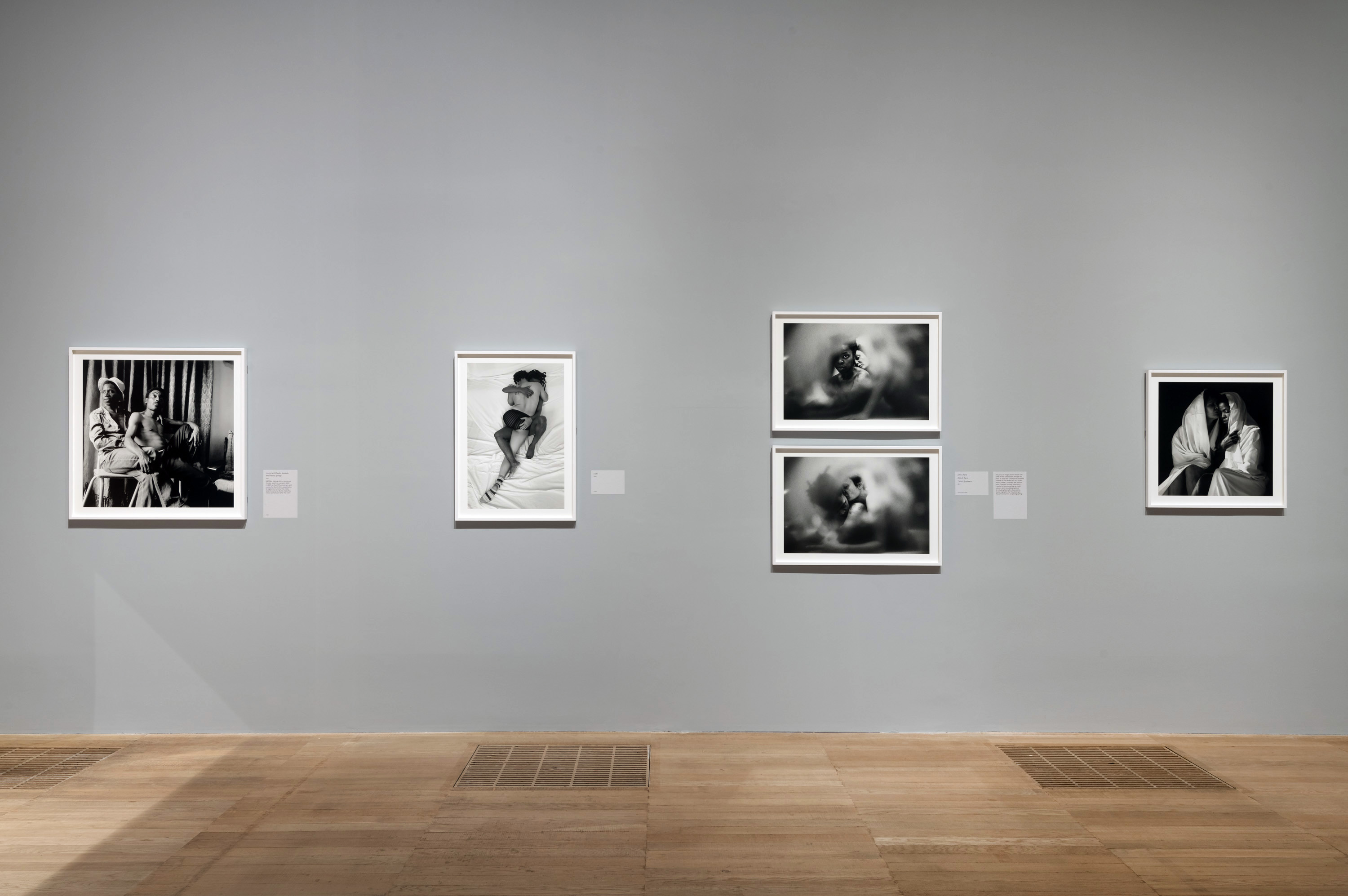
Exhibition: ‘Nineteenth-Century Photography Now’ at the J. Paul Getty Museum, Los Angeles

Exhibition dates: 9th April – 7th July, 2024

Curators: the exhibition is curated by Karen Hellman, former associate curator in the Department of Photographs. Carolyn Peter, assistant curator in the Department of Photographs, Getty Museum, served as organising curator with assistance from Claire L’Heureux, former Department of Photographs graduate intern and Antares Wells, curatorial assistant


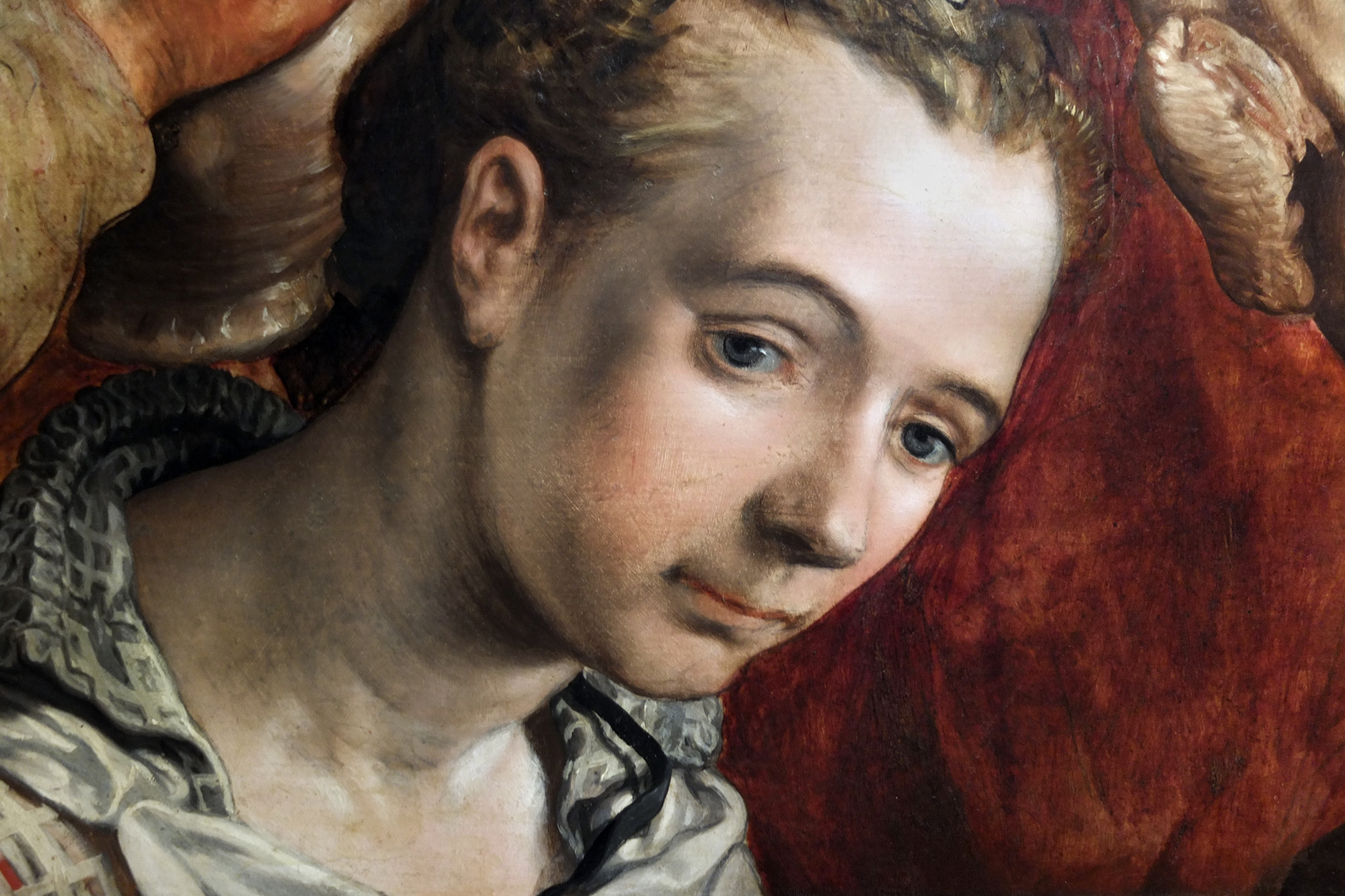
At left, Julia Margaret Cameron (British born India, 1815-1879) 'Florence after the Manner of the Old Masters' 1872; and at right, Carrie Mae Weems (American, b. 1953) 'After Manet' 2003


At left, Julia Margaret Cameron (British born India, 1815-1879) Florence after the Manner of the Old Masters 1872; and at right, Carrie Mae Weems (American, b. 1953) After Manet 2003

from the ‘Identity’ section of the exhibition


Magdalene Keaney, curator of the exhibition Francesca Woodman and Julia Margaret Cameron: Portraits to Dream In, observes that the exhibition “poses questions about how we might think in new ways about relationships between 19th and 20th century photographic practice…”

As does this exhibition:

~ Everything emerges from something. One must be “mindful of the origins and essence of photography.” (Moriyama)

~ History often repeats itself in different forms.

~ Memory often returns in fragmentary form.

~ The wisdom and spirit of the past speaks to the practitioners of the future.

Dr Marcus Bunyan


NB: Transubstantiation, an un/explainable change in form, substance, or appearance (from the Latin roots trans, “across or beyond,” and substania, “substance”)


Many thankx to the J. Paul Getty Museum for allowing me to publish the photographs in the website. Please click on the photographs  for a larger version of the image.


The earliest photographs – often associated with small, faded, sepia-toned images – may seem to belong to a bygone era, but many of the conventions established during photography’s earliest years persist today. Organised around five themes dating back to the medium’s beginnings, this exhibition explores nineteenth-century photographs through the work of twenty-one contemporary artists. These interchanges between the first decades of the medium and the most recent invite us to reimagine nineteenth-century photography while exploring its complexities.

Text from the J. Paul Getty Museum website


“Ms. Hellman, a former associate curator, inspired by her work with the Bayard materials, conceived “Nineteenth-Century Photography Now” as a way to access the influence that early photographers still have. The exhibition includes work from the past by 23 named and three anonymous photographers plus an additional 16 included in an album; there are 21 present-day artists. It is organised around five themes: Identity, Time, Spirit, Landscape and Circulation. The picture that serves as an introduction to the show is “Untitled ‘point de vue'” (1827) by Joseph Nicéphore Niépce, a faded heliograph on pewter, that Daido Moriyama keeps a reproduction in his studio; the wall text quotes him saying, “it serves as a gentle daily reminder to be mindful of the origins and essence of photography.” There are two photographs by Mr. Moriyama prompted by Niépce’s bit of primitive technology.”


William Meyers. “Photography’s Past and Present at the Getty Center,” on The Wall Street Journal website May 29, 2024 [Online] Cited 16/06/2024


Julia Margaret Cameron (British born India, 1815-1879) 'Florence after the Manner of the Old Masters' 1872


Julia Margaret Cameron (British born India, 1815-1879)
Florence after the Manner of the Old Masters
1872
Albumen silver print
Image: 34 × 25.6cm (13 3/8 × 10 1/16 in.)
Mount: 43.3 × 32.4cm (17 1/16 × 12 3/4 in.)
The J. Paul Getty Museum, Los Angeles


Portrait of Florence Fisher posing with a rose stem with the leaves attached. She holds the rose in place with one arm folded across her chest.
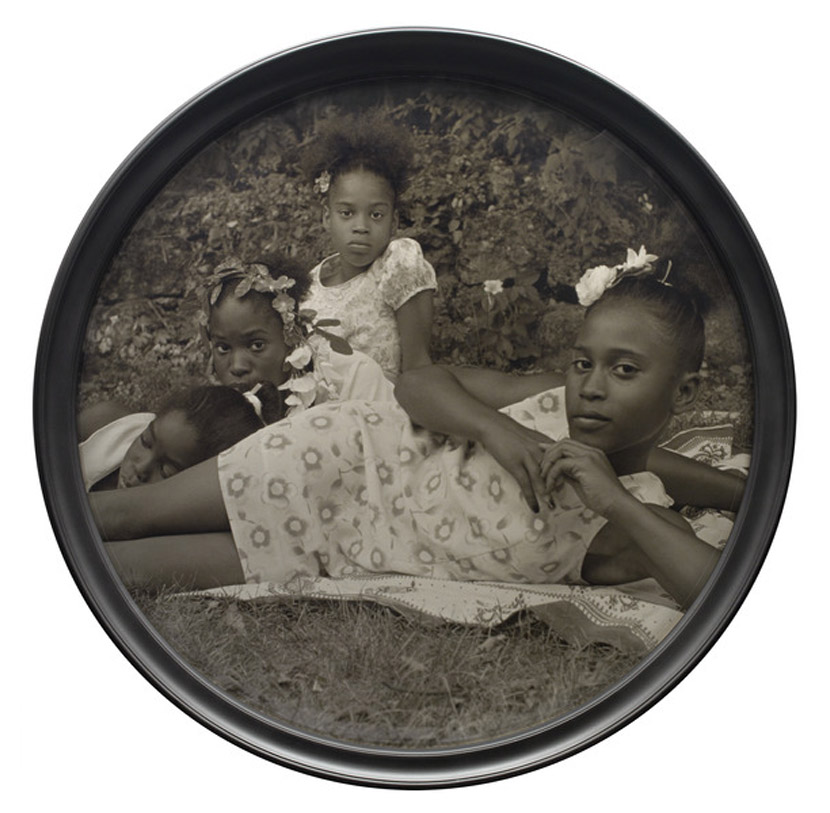
 

Carrie Mae Weems (American, b. 1953) 'After Manet' 2003


Carrie Mae Weems (American, b. 1953)
After Manet
2003
From the series May Days Long Forgotten
Chromogenic print
Object: 84.3cm (33 3/16 in.)
The J. Paul Getty Museum, Los Angeles
© Carrie Mae Weems


The black and white photograph – one from the nine-part series May Days Long Forgotten – depicts four African American girls in summer dresses, with garlands in their hair, reclining on a lawn. The piece is mounted in a circular frame prepared by the artist, and is number five of an edition of eight.


Joseph Nicéphore Niépce (French, 1765-1833) 'Untitled 'point de vue'' 1827


Joseph Nicéphore Niépce (French, 1765-1833)
Untitled ‘point de vue’
1827
Heliograph on pewter
16.7 x 20.3 x .15cm


The invention of photography was announced simultaneously in France and England in 1839, dazzling the public and sending waves of excitement around the world. These astonishing breakthroughs depended upon centuries of developments in chemistry, optics, and the visual arts, accelerating in the decades after 1790. The Niépce Heliograph was made in 1827, during this period of fervent experimentation. It is the earliest photograph produced with the aid of the camera obscura known to survive today.

Text from the Harry Ransom Center website
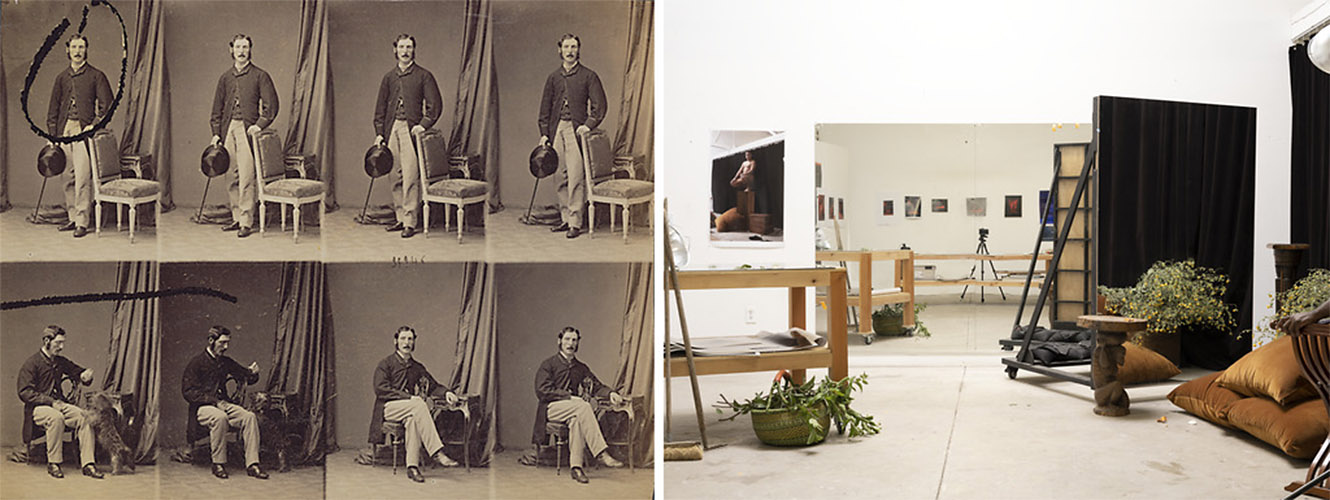
 

At left, André Adolphe-Eugène Disdéri (French, 1819-1889) 'Uncut Sheet of Cartes-de-Visite Portraits', 1860s; and at right, Paul Mpagi Sepuya (American, b. 1982) 'Daylight Studio with Garden Cuttings (_DSF0340)' 2022


At left, André Adolphe-Eugène Disdéri (French, 1819-1889) Uncut Sheet of Cartes-de-Visite Portraits, 1860s; and at right, Paul Mpagi Sepuya (American, b. 1982) Daylight Studio with Garden Cuttings (_DSF0340) 2022


William Henry Fox Talbot (English, 1800-1877) '[A Stem of Delicate Leaves of an Umbrellifer]' probably 1843-1846


William Henry Fox Talbot (English, 1800-1877)
[A Stem of Delicate Leaves of an Umbrellifer]
probably 1843-1846
Photogenic drawing negative
Image: 18.1 × 22.1cm (7 1/8 × 8 11/16 in.)
The J. Paul Getty Museum, Los Angeles


The exceptional boldness of this image conveys a visual impression that at first may seem quite unlike other of William Henry Fox Talbot’s pictures. He made it with the same photogenic drawing process he used for much of his work by placing the stem of leaves directly on top of the prepared paper and then exposing to sunlight without the aid of a camera. Although the original plant was delicate, its sharply delineated white shadow on the rich dark brown background creates a graphic, two-tone effect. The same specimen was used in a slightly different orientation to make a negative that is preserved in one of the family albums formerly at the Fox Talbot Museum in Lacock and now at the British Library, London.

Other visually similar works in Talbot’s oeuvre help us to understand what we are seeing here. Some of them show the interior structure of the plant specimens he photographed, proving that the negatives at first had fuller details. Because the most vulnerable sections of the silver-based images are those that are light in tone, these areas will fade disproportionately faster than the darker parts. In this case, the lightest tones would have been in the interior spaces of the plant, and these at some point faded. It is unlikely that Talbot saw the same picture we see today, at least not when he first made it, but the boldness of the present state reminds us that changes over time can create as well as destroy.

Adapted from Larry Schaaf. William Henry Fox Talbot, In Focus: Photographs from the J. Paul Getty Museum (Los Angeles: Getty Publications, 2002), 68. © 2002 J. Paul Getty Trust


Hiroshi Sugimoto (Japanese, b. 1948) 'A Stem of Delicate Leaves of an Umbrellifer, circa 1843-1846' 2009


Hiroshi Sugimoto (Japanese, b. 1948)
A Stem of Delicate Leaves of an Umbrellifer, circa 1843-1846
2009
Toned gelatin silver print
Image: 93.7 × 74.9cm (36 7/8 × 29 1/2 in.)
The J. Paul Getty Museum, Los Angeles
Gift of the artist
© Hiroshi Sugimoto


“To look at Fox Talbot’s earliest experiments, the blurred and hazy images suffuse the excited anticipation of discovering how light could transfer the shape of things onto paper. … I decided to collect Fox Talbot’s earliest negatives, from a time in photographic history very likely before positive images existed, and print the photographs that not even he saw.”

~ Hiroshi Sugimoto (p. 349, in Hiroshi Sugimoto, Ostfildern-Ruit, 2005)


Hiroshi Sugimoto visited the Getty Museum in 2007 to study the earliest photographs in the collection. After photographing some of William Henry Fox Talbot’s photogenic drawing negatives, he produced large-scale prints and coloured them with toning agents to replicate the hues of the paper negatives. The scale of the enlarged prints reveals the fibers of the original paper, which create delicate patterns embedded in the images.


At left, Herbert Bell et al, '[Amateur World Tour Album, taken with early Kodak cameras, plus purchased travel photographs by various photographers]' (2 page spread); and at right, Stephanie Syjuco (American born Philippines, b. 1974) 'Herbaria' 2021 (detail)


At left, Herbert Bell et al, [Amateur World Tour Album, taken with early Kodak cameras, plus purchased travel photographs by various photographers] (2 page spread); and at right, Stephanie Syjuco (American born Philippines, b. 1974)
Herbaria 2021 (detail)


Herbert Bell (English, 1856-1946) Frederick Nutt Broderick (English, about 1854-1913) Gustave Hermans (Belgian, 1856-1934) Anthony Horner (English, 1853-1923) Michael Horner (English, 1843-1869) C. W. J. Johnson (American, 1833-1903) Léon & Lévy (French, active 1864-1913 or 1920) Léopold Louis Mercier (French, b. 1866) Neurdein Frères (French, founded 1860s, dissolved 1918) Louis Parnard (French, 1840-1893) Alfred Pettitt (English, 1820-1880) Francis Godolphin Osborne Stuart (British born Scotland, 1843-1923) Unknown maker Valentine & Sons (Scottish, founded 1851, dissolved 1910) L. P. Vallée (Canadian, 1837-1905) York and Son J. Kühn (French, active Paris, France 1885 - early 20th century) '[Amateur World Tour Album, taken with early Kodak cameras, plus purchased travel photographs by various photographers]' (2 page spread)


Herbert Bell (English, 1856-1946)
Frederick Nutt Broderick (English, about 1854-1913)
Gustave Hermans (Belgian, 1856-1934)
Anthony Horner (English, 1853-1923)
Michael Horner (English, 1843-1869)
C. W. J. Johnson (American, 1833-1903)
Léon & Lévy (French, active 1864-1913 or 1920)
Léopold Louis Mercier (French, b. 1866)
Neurdein Frères (French, founded 1860s, dissolved 1918)
Louis Parnard (French, 1840-1893)
Alfred Pettitt (English, 1820-1880)
Francis Godolphin Osborne Stuart (British born Scotland, 1843-1923)
Unknown maker
Valentine & Sons (Scottish, founded 1851, dissolved 1910)
L. P. Vallée (Canadian, 1837-1905)
York and Son
J. Kühn (French, active Paris, France 1885 – early 20th century)
[Amateur World Tour Album, taken with early Kodak cameras, plus purchased travel photographs by various photographers] (2 page spread)
Albumen silver print
Closed: 35.4 × 28 × 3.5cm (13 15/16 × 11 × 1 3/8 in.)
The J. Paul Getty Museum, Los Angeles
Google Arts & Culture website


Includes amateur photographs taken with early Kodak cameras, including the original Kodak or Kodak no. 1, and Kodak no. 2 cameras, as well as commercially produced images.


Stephanie Syjuco (American born Philippines, b. 1974) 'Herbaria' 2021 (detail)


Stephanie Syjuco (American born Philippines, b. 1974)
Herbaria (detail)
2021
From the series Pileups
Hand-assembled pigmented inkjet prints on Hahnemühle Baryta
Framed [Outer Dim]: 121.9 × 91.4cm (48 × 36 in.)
The J. Paul Getty Museum, Los Angeles
© Stephanie Syjuco


A collage composed of diverse naturalist archival sources, including photographs of bones, foliage, and crystal formations.


At left, Paul-Marie-Léon Regnard (French, 1850-1927) 'Passionate Ecstatic Position/Expression' 1878; and at right, Laura Larson (American, b. 1965) 'The Mind Is a Muscle' 2019


At left, Paul-Marie-Léon Regnard (French, 1850-1927) Passionate Ecstatic Position/Expression 1878; and at right, Laura Larson (American, b. 1965)
The Mind Is a Muscle 2019
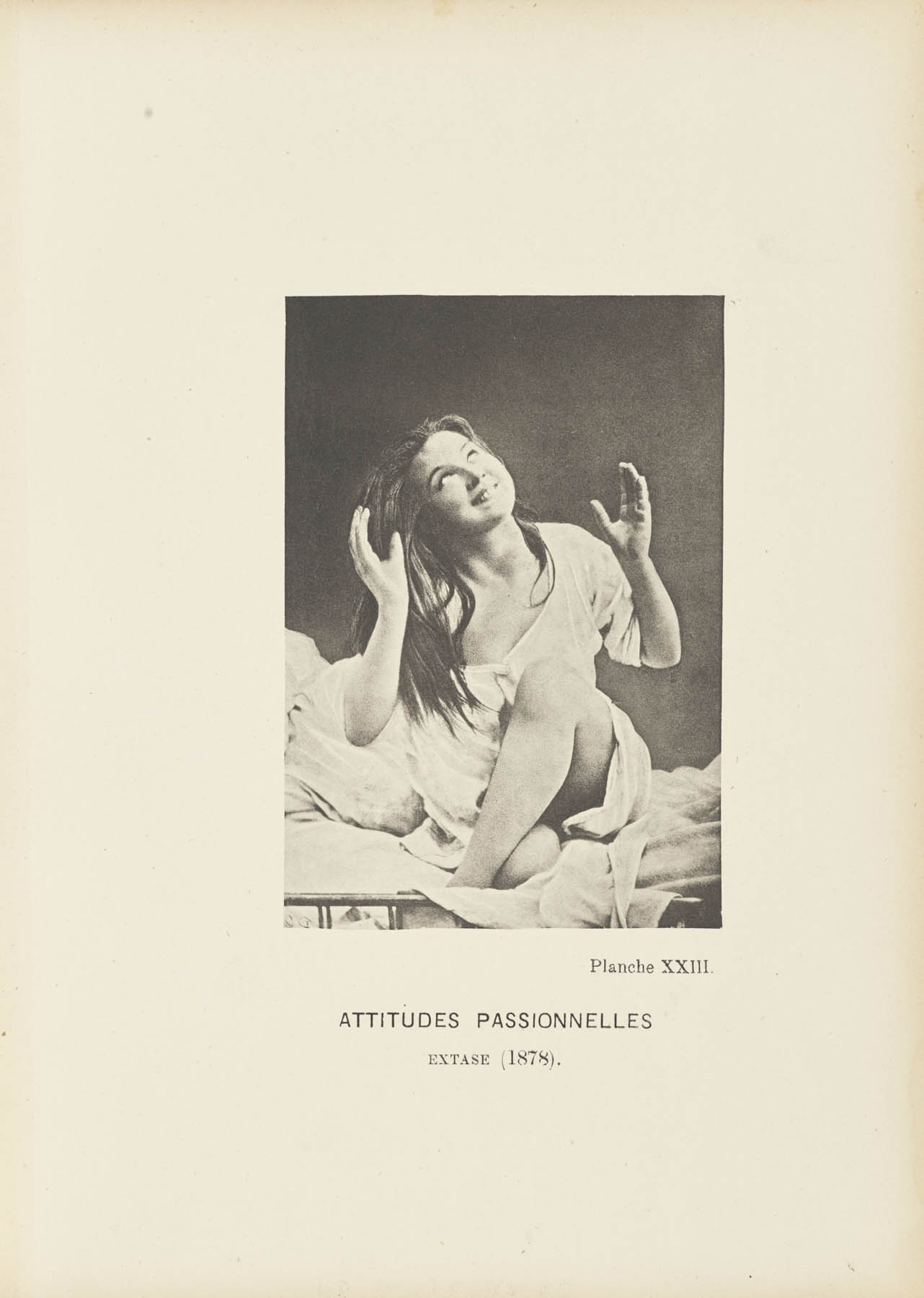
 

Paul-Marie-Léon Regnard (French, 1850-1927) 'Passionate Ecstatic Position/Expression' 1878 Part of 'Iconographie Photographique de la Salpetriere' (Service de M. Charcot)


Paul-Marie-Léon Regnard (French, 1850-1927)
Passionate Ecstatic Position/Expression
1878
Part of Iconographie Photographique de la Salpetriere (Service de M. Charcot)
Photogravure
Image: 10.3 × 7.1cm (4 1/16 × 2 13/16 in.)
The J. Paul Getty Museum, Los Angeles


Laura Larson (American, b. 1965) 'The Mind Is a Muscle' 2019


Laura Larson (American, b. 1965)
The Mind Is a Muscle
2019
from the series City of Incurable Women
Inkjet print
The J. Paul Getty Museum, Los Angeles
Courtesy of and © Laura Larson


At first glance, photographs made in the 19th century may seem like faded relics of an increasingly distant and forgotten age, yet they persist in inspiring, challenging, and resonating with artists today.

Nineteenth-Century Photography Now, on view April 9 through July 7, 2024 at the Getty Center, offers new perspectives on early photography by looking through the lens of contemporary artists who respond directly to their historical themes and subject matter.

“This exhibition provides an opportunity to connect visitors with some of the earliest photographs in the Museum’s collection, now almost two centuries old, via the responses of contemporary makers,” says Timothy Potts, Maria Hummer-Tuttle and Robert Tuttle Director of the J. Paul Getty Museum. “The revelatory ability of early photography to capture images of the world around us still resonates with practitioners today, and bridges between past and present photography are as active and relevant as they have ever been.”

Organised around five themes, dating back to the medium’s beginnings, Identity, Time, Spirit, Landscape, and Circulation, this exhibition explores 19th-century photographs through the work of 21 contemporary artists. Reflecting the inventiveness of early practitioners as well as the more disturbing historical aspects of their era, these interchanges between the first decades of the medium and the most recent invite us to reimagine 19th century photography while exploring its complexities.

In their work, artists Daido Moriyama, Hanako Murakami, and Carrie Mae Weems look back to the invention of photography to convey a sense of how this revolutionary discovery changed people’s perceptions.

As is still the case today, the most popular subjects for the camera in the 19th century were people. In the galleries focused on Identity, Paul Mpagi Sepuya and Myra Greene respond to the complex history of photographic portraiture while Laura Larson, Stephanie Solinas, and Fiona Tan investigate the pseudosciences of the 19th century and how they reinforced stereotypes and identification systems that impact us today.

Photography and Time have been inextricably linked ever since early inventors struggled to permanently fix a fleeting moment on a sheet of paper. This section includes work by Lisa Oppenheim and Liz Deschenes exploring 19th-century photographers’ technical innovations and the ways in which the medium affects our perception of time.

The genre of Spirit photography emerged from the Victorian obsession with death in Europe and North America. Photographers exploited the ability to manipulate photographic images, employing multiple exposures and staged photography to create otherworldly scenes or to summon loved ones back from the dead. In this section, Khadija Saye and Lieko Shiga respond to the possibilities that spirit photography offers in rendering the unseen.

19th-century photographers went to great lengths to make images of remote Landscapes. Government-sponsored surveys and expeditionary programs employed the camera to justify the expansion and to record the resulting military conflicts. Mark Ruwedel, Michelle Stuart, and An-My Lê re-envision some of these same historical landscapes and offer up new ones that bring the past closer to our present.

By the middle of the 19th century, thousands of photographs were in Circulation worldwide, the result of photographers’ ability to reproduce the same image multiple times. Pictures of historical events, tourist destinations, and anthropological expeditions made the world seem more accessible, but with time and distance, they became disconnected from their original contexts. In this section, early photographs appear next to projects that make these historical absences present. Wendy Red Star, Stephanie Syjuco, Ken Gonzales-Day, and Andrea Chung recover what has been lost, calling out the residual effects of the 19th-century photograph on our present knowledge of global cultures and histories.

“Through the works of these visionary contemporary artists, 19th-century photography is not faded and dead but very much alive, an active material that enables us to rethink the medium and our relationship to it,” says Karen Hellman, curator of the exhibition.

Nineteenth-Century Photography Now is curated by Karen Hellman, former associate curator in the Department of Photographs. Carolyn Peter, assistant curator in the Department of Photographs, Getty Museum, served as organising curator with assistance from Claire L’Heureux, former Department of Photographs graduate intern and Antares Wells, curatorial assistant.

Related programming includes Who or What is Missing in Nineteenth-Century Photography?, a discussion featuring artists Laura Larson, Wendy Red Star, and Paul Mpagi Sepuya in a conversation about their artistic practices and how they are engaging with, and critiquing photography from the 19th century, and Art Break: The Precarious Nature of Photography, Society, and Life, June 6, 12pm. Artist Phil Chang talks with curator Carolyn Peter about his series “Unfixed” on view in Nineteenth-Century Photography Now and how an economic crisis and a pandemic inspired him to create photographs that will intentionally fade away to express the fragility of societal systems and life.

Press release from the J. Paul Getty Museum website


Introduction


At left, Maker unknown. 'Kuroda Yasaburo, 50 Years Old' January 6, 1882; and at right, Myra Greene (American, b. 1975) 'Undertone #10' 2017-2018


At left, Maker unknown Kuroda Yasaburo, 50 Years Old January 6, 1882; and at right, Myra Greene (American, b. 1975) Undertone #10 2017-2018


Introduction

The earliest photographs – often associated with small, faded, sepia-toned images – may seem to belong to a bygone era, but many of the conventions established during photography’s earliest years persist today. Organised around five themes dating back to the medium’s beginnings, this exhibition explores nineteenth-century photographs through the work of twenty-one contemporary artists. Reflecting the inventiveness of early practitioners as well as the more disturbing historical aspects of their era, these interchanges between the first decades of the medium and the most recent invite us to reimagine nineteenth-century photography while exploring its complexities.
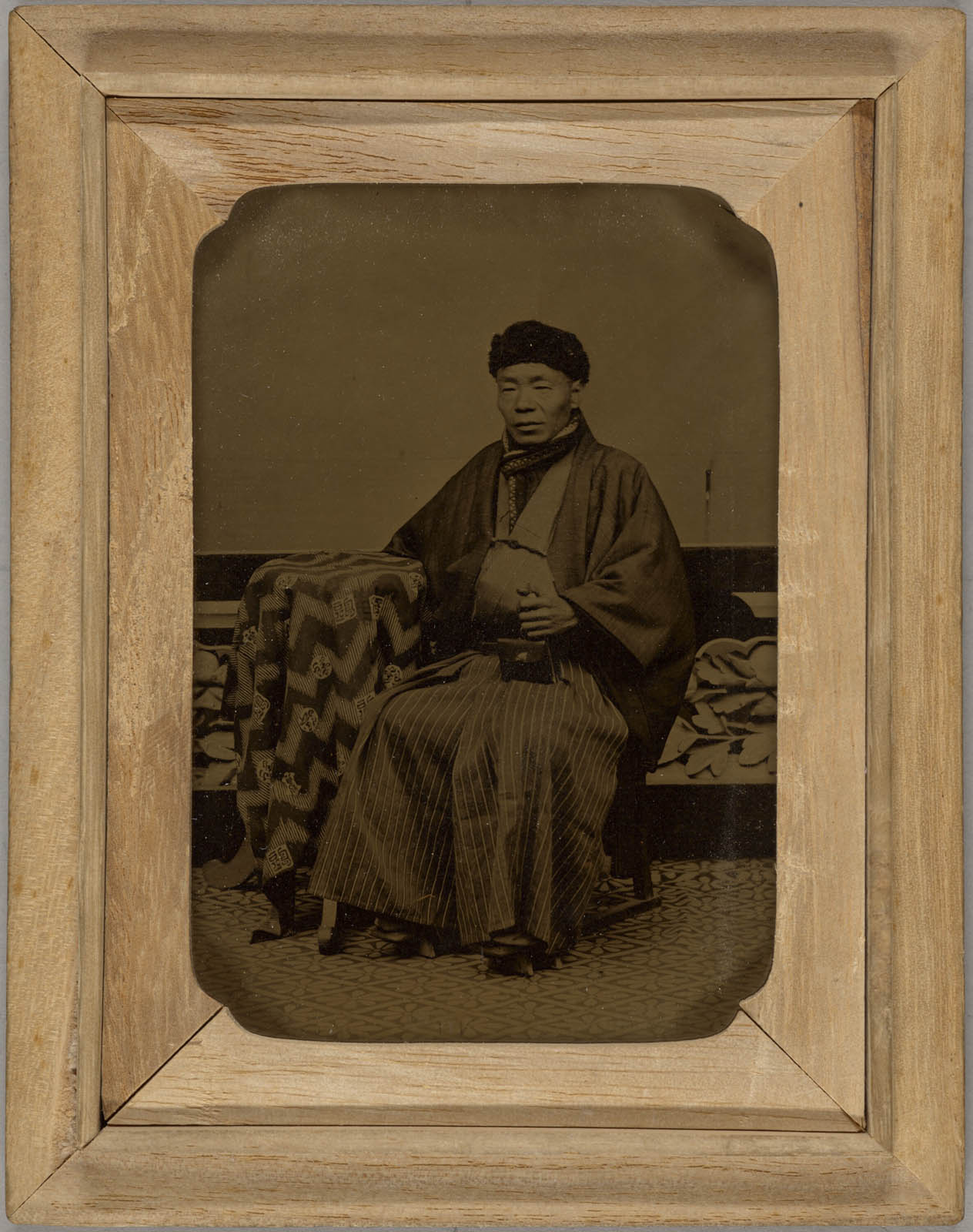
 

Maker unknown. 'Kuroda Yasaburo, 50 Years Old' January 6, 1882


Maker unknown
Kuroda Yasaburo, 50 Years Old
January 6, 1882
Ambrotype
Closed: 11.5 × 9 × 1cm (4 1/2 × 3 9/16 × 3/8 in.)
The J. Paul Getty Museum, Los Angeles
Gift of Virginia Heckert in memory of Gordon Baldwin


Myra Greene (American, b. 1975) 'Undertone #10' 2017-2018


Myra Greene (American, b. 1975)
Undertone #10
2017-2018
Ambrotype
The J. Paul Getty Museum, Los Angeles
© Myra Greene


__________________________________________

Identity


At left, Various makers. 'Pickpockets at the Universal Exposition of 1889' 1889; and at right, Fiona Tan (Indonesia, b. 1966) 'Marie Thiriot' 2021


At left, Various makers Pickpockets at the Universal Exposition of 1889 1889; and at right, Fiona Tan (Indonesia, b. 1966) Marie Thiriot 2021


Fiona Tan (Indonesia, b. 1966) 'Marie Thiriot' 2021


Fiona Tan (Indonesia, b. 1966)
Marie Thiriot
2021
From the series Pickpockets
HD video installation, stereo, flat-screen monitor
Courtesy of the artist and Frith Street Gallery, London
© Fiona Tan
Photo: Frith Street Gallery CC


‘As an artist working almost entirely with time-based and lens-based media, time is one of my major tools … time is both tool with which to shape and chisel and material to fold, distort and configure.’

Fiona Tan (b. 1966, Pekanbaru) explores history and time and our place within them, working within the contested territory of representation. Deeply embedded in all of Tan’s works is her fascination with the mutability of identity, the deceptive nature of representation and the play of memory across time and space in a world increasingly shaped by global culture. She investigates how we represent ourselves and the mechanisms that determine how we interpret the representation of others. …

A testament to Tan’s passion for archives, her video installation Pickpockets (2020) stems from an album of photographs she came across when in residence at the Getty Research Center, Los Angeles. It contained early examples of mugshots taken of pickpockets apprehended at the World’s Fair in Paris in 1889. Fascinated by the subjects of these portraits, their names and countries of origin, and their unknown stories, she invited a group of writers to devise monologues from the point of view of these individuals, which were then performed and recorded by actors.

Anonymous. “Fiona Tan,” on the Frith Street Gallery website Nd [Online] Cited 29/04/2024


[The identity section] has “Affaire Alaux, Faubourg St. Honoré – L’Assassin” (Nov. 2, 1902), a print by Alphonse Bertillon, the inventor of the mug shot, showing the mustached villain full-face and in profile; it is accompanied by over 20 pictures of sites that played a significant role in Bertillon’s life taken in 2012 by Stéphanie Solinas employing a “crime scene” approach.

William Meyers. “Photography’s Past and Present at the Getty Center,” on The Wall Street Journal website May 29, 2024 [Online] Cited 16/06/2024


At left, Attributed to Alphonse Bertillon (French, 1853-1914) 'Affaire Alaux, Faubourg St. Honoré – L'Assassin' November 2, 1902; and at right, Stéphanie Solinas (French, b. 1978) 'Untitled (M. Bertillon) – Two Faces' 2012


At left, Attributed to Alphonse Bertillon (French, 1853-1914) Affaire Alaux, Faubourg St. Honoré – L’Assassin November 2, 1902; and at right, Stéphanie Solinas (French, b. 1978) Untitled (M. Bertillon) – Two Faces 2012


Identity

As is still the case today, the most popular subjects for the camera in the nineteenth century were people. Early commercial portrait photographers set up studios and established standards for posing and props, serving clients who eagerly shared these prized images with family and friends. Other portraits of the time, however, such as the mug shot and studies of female “hysterics,” reinforced questionable forms of objectification. Paul Mpagi Sepuya and Myra Greene respond to the complex history of photographic portraiture. Fiona Tan, Laura Larson, and Stéphanie Solinas investigate the nineteenth century pseudosciences that relied on the perceived accuracy of the new medium.
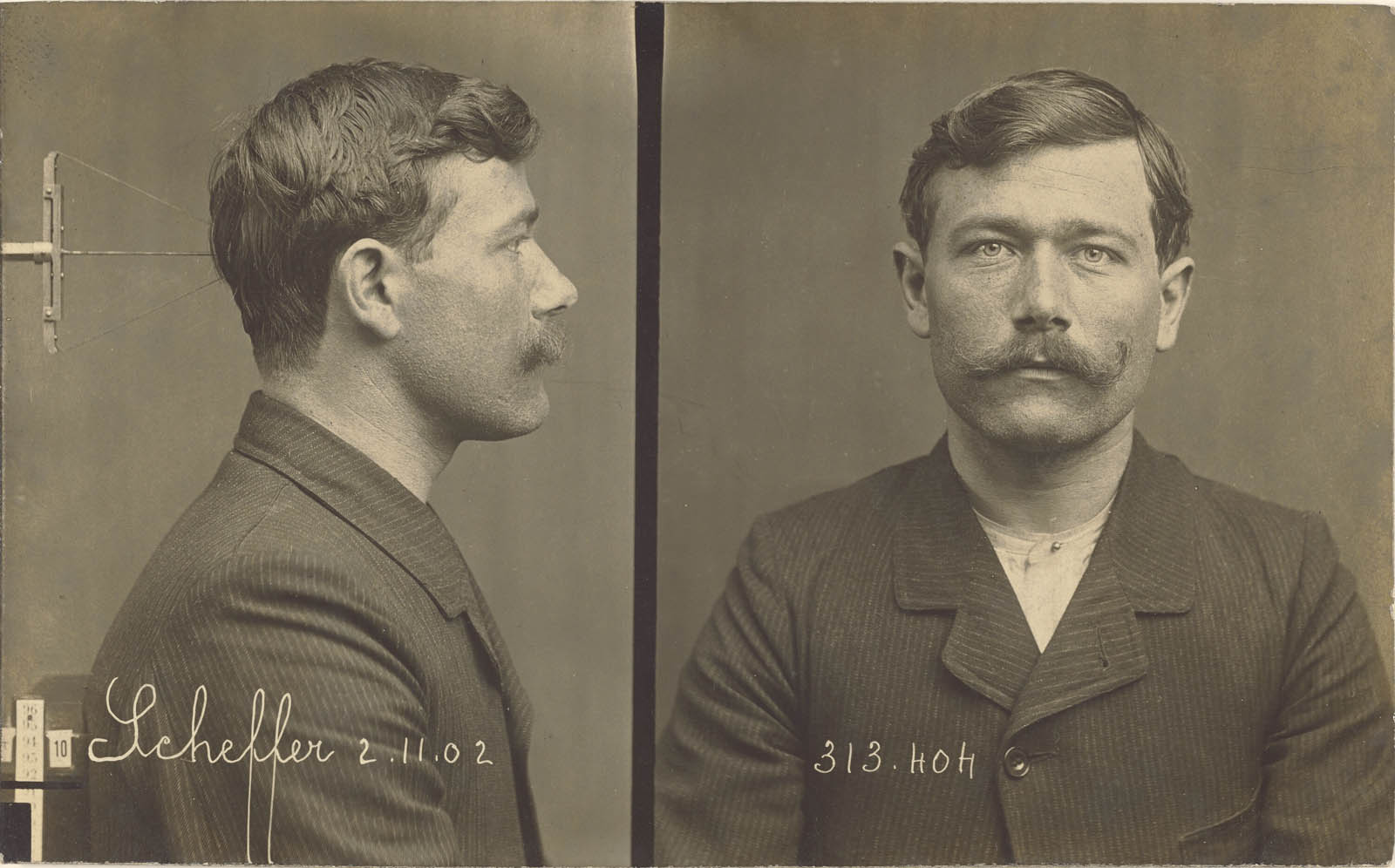
 

Attributed to Alphonse Bertillon (French, 1853-1914) 'Affaire Alaux, Faubourg St. Honoré – L'Assassin' November 2, 1902


Attributed to Alphonse Bertillon (French, 1853-1914)
Affaire Alaux, Faubourg St. Honoré – L’Assassin
November 2, 1902
Gelatin silver print
Image: 7.9 × 12.7cm (3 1/8 × 5 in.)
The J. Paul Getty Museum, Los Angeles


The mugshot of Henri-Léon Scheffer, the man who murdered Joseph Reibel.


CAUGHT BY A FINGER PRINT

A unique piece of detective work has been accomplished in Paris by a retiring scientist. A mysterious murder had been committed. The detectives arrested one wrong man dis charged him, and were preparing .to arrest another when to their chief came the quiet scientist, saying,

“The assassin’s name is Henri Léon Scheffor. Here is his photograph, his description and past record.” M. Cochefert, chief of the police hesitated. “My men know nothing of this person.” he said. “How shall we accuse him ?”

“Arrest him,” insisted the other, “and should he prove to innocent I will pay him 1,000 francs as an indemnity.”

“But what basis have you for your certainty of his guilt ?” asked M. Cochefert.

“Some finger prints he left on a piece of broken glass,” replied the man of science.

It was not necessary to pay the indemnity. He who was thus strangely accused was arrested and confessed his crime. The quiet man of science was M. Alphonse Bertillon, already celebrated as the founder and present chief of tho anthropometric service of tho Paris prefecture of police. Alphonse Bertillon has the gentle, weary smile of the over-worked and nervous student. He speaks mildly, moves softly, like one on his guard against strain and haste, until now and again, his thoughtful face will light up with enthusiasm as he lets himself go. Then his conversation becomes rapid and eloquent ; he runs through books and documents with ardour, pulls down boxes from high shelves, spreads out charts, explains them, performs experiments to illustrate his statements and darts back by a short cut to tho point where he had left off; tho whole man is transformed. Thus we heard the tale of the Accusing Finger Prints.

“A man named Joseph Reibel, porter to tho dentist Allaux, in his apartment and offices in the Rue du Faubourg Saint-Honore, was found choked to death and clumsily tied, lying in his master’s office,” began M. Bertillon. “The place had been looted hastily, closets and drawers being open and their contents tossed about. In particular a handsome cabinet holding a collection of coins was found with its glass door broken and its gold coins absent. There were- practically no clues to the identity of the assassin, the janitress at the street door, having a confused memory as to visitors, which set the detectives on more than one wrong scent. They arrested one man and the papers published his portrait. Then the newspapers at least began to suspect the innocent dentist himself.

“They had taken a flashlight photograph of the office,” continued M. Bertillon. “Looking at that photograph one day, I noticed two glittering little white marks on the edge of the broken glass of the coin cabinet. I asked my self what they could be. They might be defects in the printing ; but, on the other hand their situation suggested that they might be finger prints – and finger-prints are very much in my line ! The thought wore upon me until at last I jumped into a cab and drove to tho place. Examining the edge of the glass I found tho marks to be really finger-marks, and in spite of the thousand chances still in good condition.

“Being composed of tiny quantities of grease and dirt they made the glass slightly opaque, so that they came out bright by contrast in the photograph. Except when looked at in a favourable light they were practically invisible to the naked eye. There were marks of a right-hand thumb in one place and of the same thumb and four fingers in another. I had the two pieces of glass cut out with a diamond. I gave one to a policeman, instructing him to hold it just so, and saw him start off to my office with it in a cab. Then I gave tho other piece to a second policeman, with the same instructions, and started him off in a second cab, so that if an accident should happen to one of the pieces the other might be spared.

“In the workrooms of the anthropometric service I had the finger-marks immediately photographed. At first I admit I did not attach overmuch importance to them. They might be the prints of one of the detectives, or of the dentist Allaux – naturally solicitous of his broken cabinet – or even the finger-prints of M. Cochefert ! One by one I took their finger-prints for comparison. One by one I found that they did not at all correspond with those on the glass. This started me in earnest,” admitted M. Bertillon. “I began to ask myself, if among the thousands of criminals, swindlers and violent and suspicious characters photo-graphed, measured, and, finger-printed yearly by the anthropometric service the author of these finger-prints might not, at some time or other, himself have passed.” Here M. Bertillon called our attention to the thumb mark (“pouce”) of Scheffer, the assassin, Just below his full-face and profile photographs. Though small it was very distinct.

“Look at the central point of that thumb-print,” he exclaimed. “Look where the innermost loop moves up and over a single diagonal. Now jumping two loops from that interior diagonal, towards tho direct left you see a plain little fork in tho third loop. It is the exact reproduction of just such another in the thumb-mark on the broken glass ! Tho next thing was to arrest Scheffer though it took a little time to find him. Here, again, the information obtainable from his ‘fiche’ in the anthropometric service rendered service. It was seen that he had been a native of Aubervilliers (the Paris suburb and had worked in the government match factory. When arrested he confessed, at the same time trying to make out a case of extenuating circumstances. According to his story, Reibel planned that they should simulate a burglary of his master’s premises. They quarrelled over the division of the spoils and Scheffer says he thought he had merely choked his friend into un-consciousness and left him tied – according to original agreement. And all discovered through an accidental finger-print which the assassin had left as an index to the crime. “Science Siftings.”

Anonymous. “Caught by a Finger Print,” in the Balmain Observer and Western Suburbs Advertiser (NSW: 1884-1907), Sat 4 Mar 1905, Page 2 on the Trove website [Online] Cited 29/04/2024

__________________________________________

Time
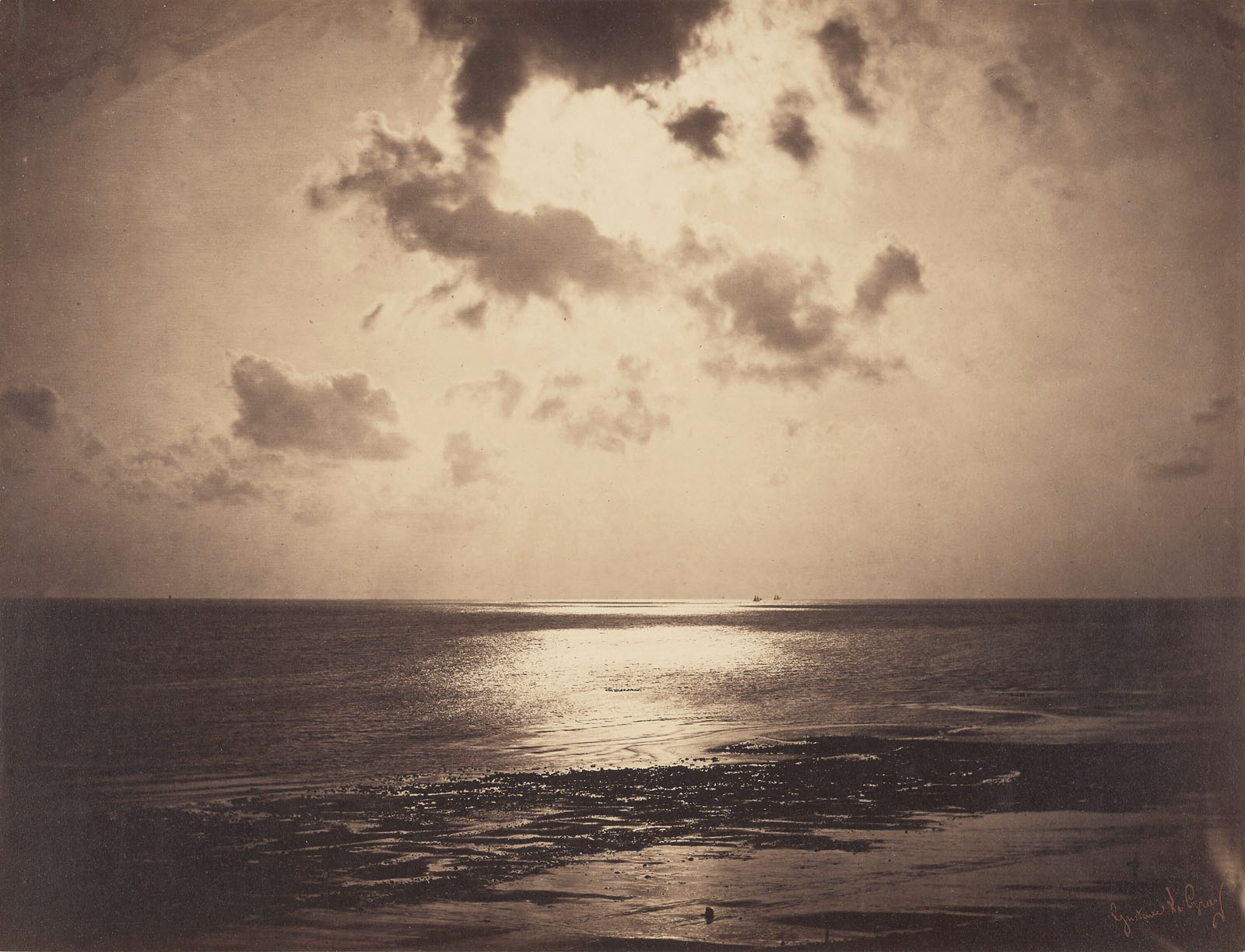
 

Gustave Le Gray (French, 1820-1884) 'An Effect of Sunlight – Ocean No. 23' 1857-1858


Gustave Le Gray (French, 1820-1884)
An Effect of Sunlight – Ocean No. 23
1857-1858
Albumen silver print from glass negatives
12 5/8 × 16 7/16 in.
The J. Paul Getty Museum, Los Angeles


Lisa Oppenheim (American, b. 1975) 'An Effect of Sunlight – Ocean No. 23 (1857/2019)' 2019


Lisa Oppenheim (American, b. 1975)
An Effect of Sunlight – Ocean No. 23 (1857/2019)
2019
Gelatin silver print, exposed to sunlight and toned with silver
Framed [Outer Dim]: 35.6 × 47.7 × 3.7cm (14 × 18 3/4 × 1 7/16 in.)
The J. Paul Getty Museum, Los Angeles
© Lisa Oppenheim


Time

Photography and time have been inextricably linked ever since early inventors such as William Henry Fox Talbot struggled to permanently fix a fleeting moment on a sheet of paper. The development of the camera coincided with new discoveries about how we perceive an instant in time or an object in motion, and people praised photography for its ability to “stop time” and record what the unaided eye could not see. Lisa Oppenheim and Liz Deschenes respond to nineteenth century photographers’ technical innovations and the ways in which the medium affects our perception of time. Phil Chang and Hiroshi Sugimoto address the fate of photographs across minutes or even centuries.


At left, Étienne-Jules Marey (French, 1830-1904) and Michel Berthaud (French, active 1860s-1880s) 'Walking/Running' (La Marche/La Course Rapide) about 1890, published 1893; and at right, Liz Deschenes (American, b. 1966) 'FPS (120)' 2018-2021


At left, Étienne-Jules Marey (French, 1830-1904) and Michel Berthaud (French, active 1860s-1880s) Walking/Running (La Marche/La Course Rapide) about 1890, published 1893; and at right, Liz Deschenes (American, b. 1966) FPS (120) 2018-2021
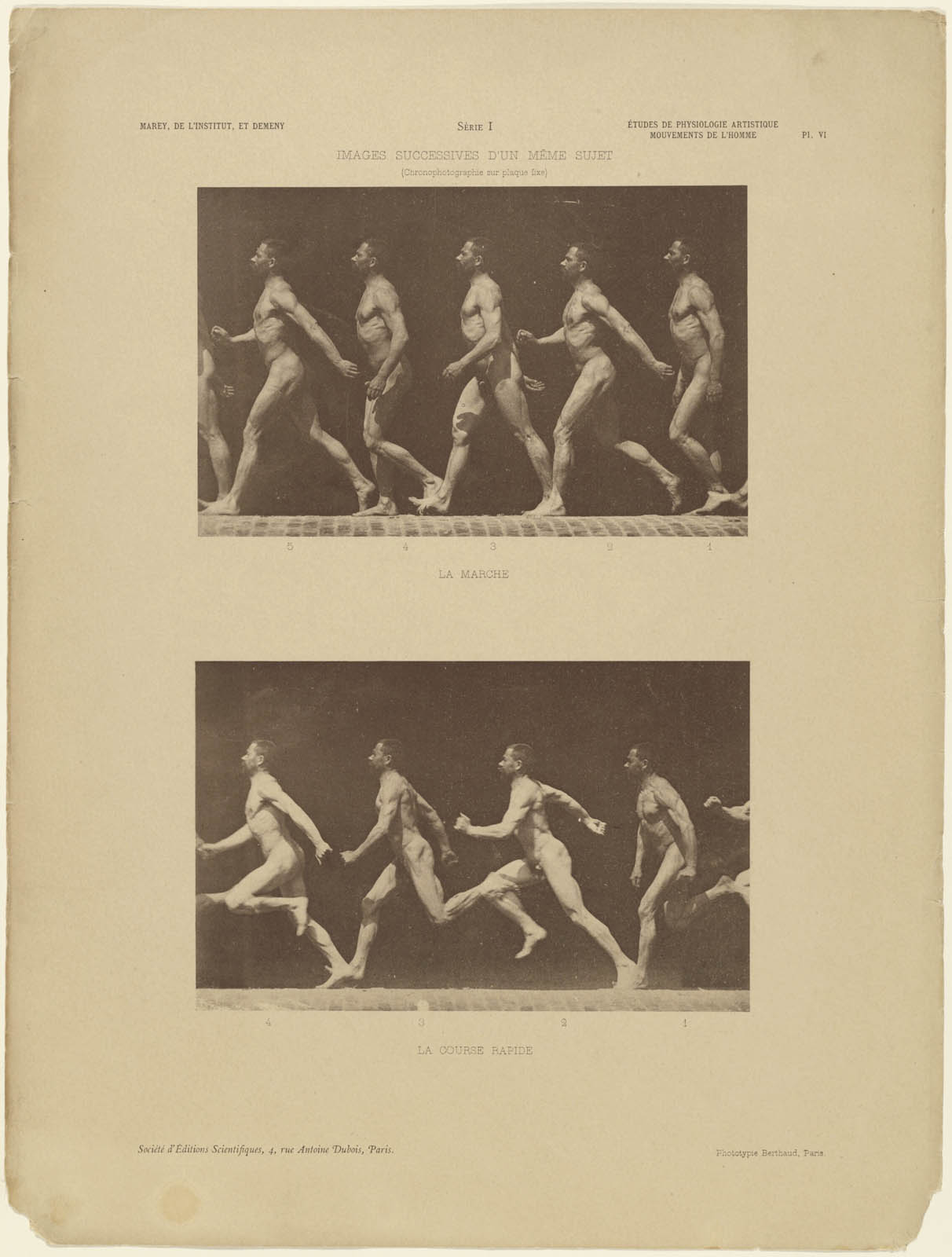
 

Étienne-Jules Marey (French, 1830-1904) and Michel Berthaud (French, active 1860s-1880s) 'Walking/Running' (La Marche/La Course Rapide) about 1890, published 1893


Étienne-Jules Marey (French, 1830-1904) and Michel Berthaud (French, active 1860s-1880s)
Walking/Running (La Marche/La Course Rapide)
about 1890, published 1893
Collotype
Image: 11.3 × 17.6cm (4 7/16 × 6 15/16 in.)
The J. Paul Getty Museum, Los Angeles

__________________________________________

Spirit


At left, William H. Mumler (American, 1832-1884) 'Mrs. Swan' 1869-1878; and at right, Khadija Saye (Gambian-British, b. 1992) 'Nak Bejjen' [Cow's Horn] 2017-2018


At left, William H. Mumler (American, 1832-1884) Mrs. Swan 1869-1878; and at right, Khadija Saye (Gambian-British, b. 1992) Nak Bejjen [Cow’s Horn] 2017-2018


Spirit

The genre of spirit photography – which used photographic tricks to insert ghostly figures among the living – emerged during the nineteenth century from the Victorian obsession with death, séances, and mediums in Europe and North America and from the losses of the Civil War in the United States. Photographers exploited the ability to manipulate photographic images, employing multiple exposures and staged photography to create otherworldly scenes or to summon loved ones back from the dead. Khadija Saye and Lieko Shiga respond to the possibilities that spirit photography offers in rendering the unseen.


William H. Mumler (American, 1832-1884) 'Mrs. Swan' 1869-1878


William H. Mumler (American, 1832-1884)
Mrs. Swan
1869-1878
Albumen silver print
Image: 8.9 × 5.7cm (3 1/2 × 2 1/4 in.)
The J. Paul Getty Museum, Los Angeles
Public domain


Khadija Saye (Gambian-British, b. 1992) 'Nak Bejjen' [Cow's Horn] 2017-2018


Khadija Saye (Gambian-British, b. 1992)
Nak Bejjen [Cow’s Horn]
2017-2018
From the series in this space we breathe
Silkscreen print
The J. Paul Getty Museum, Los Angeles
Purchased with funds provided by the Photographs Council
© Estate of Khadija Saye


At left, Unknown maker (American) '[Seated Woman with "Spirit" of a Young Man]' about 1865-1875; and at right, Lieko Shiga (Japanese, b. 1980) 'Talking with Me' 2005 From the series 'Lilly'


At left, Unknown maker (American) [Seated Woman with “Spirit” of a Young Man] about 1865-1875; and at right, Lieko Shiga (Japanese, b. 1980) Talking with Me 2005 From the series Lilly


Unknown maker (American) '[Seated Woman with "Spirit" of a Young Man]' about 1865-1875


Unknown maker (American)
[Seated Woman with “Spirit” of a Young Man]
about 1865-1875
Tintype
Image: 8.7 × 6.4cm (3 7/16 × 2 1/2 in.)
The J. Paul Getty Museum, Los Angeles
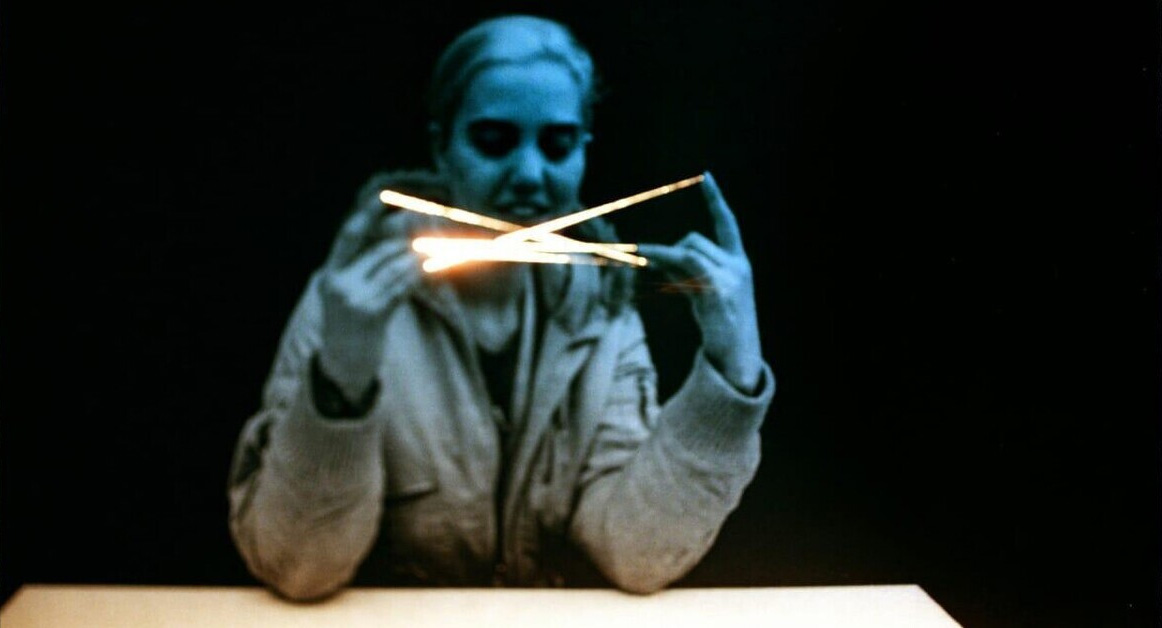
 

Lieko Shiga (Japanese, b. 1980) 'Talking with Me' 2005


Lieko Shiga (Japanese, b. 1980)
Talking with Me
2005
From the series Lilly


‘Lilly’ is a photographic essay that was initiated in 2005 when Lieko Shiga was living in London. During that period she produced a series of images of her neighbours that lived alongside her in a block of East London council flats, drawing techniques and inspiration from paranormal photographs that were popular in the early days of photography. Haunting, mysterious, playful and captured in an array of muted colours, the photographs [are] grouped around different subjects…

Publisher’s Description

__________________________________________

Landscape
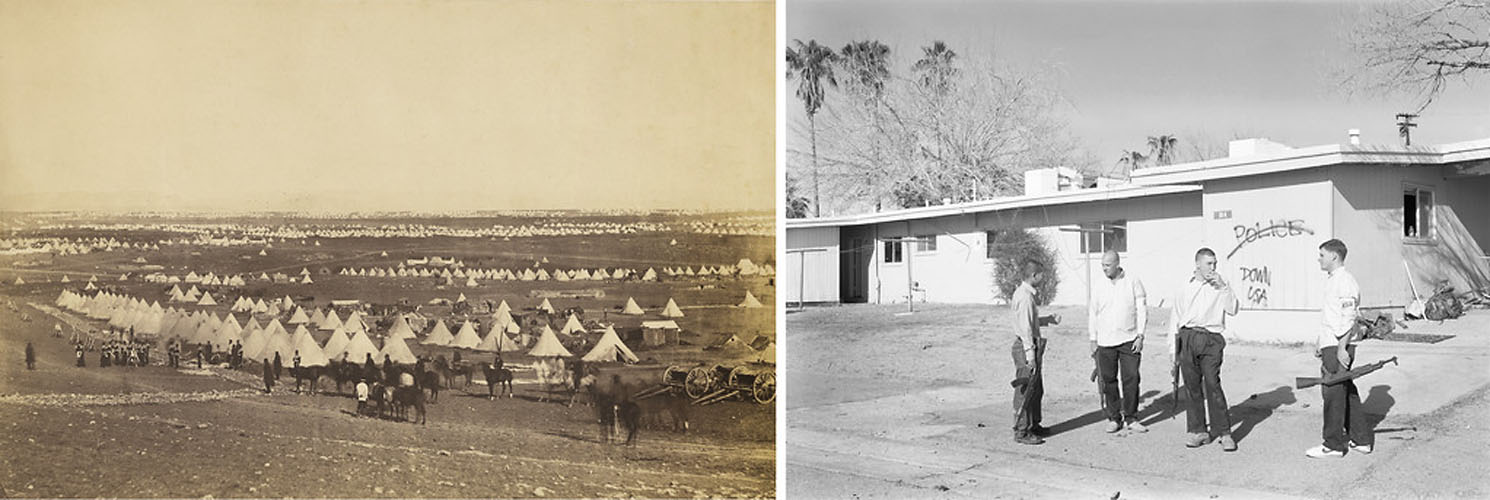
 

At left, Roger Fenton (English, 1819-1869) 'Plateau of Sebastopol II' 1855; and at right, An-My Lê (Vietnamese American, b. 1960) 'Security and Stabilization Operations, Iraqi Police' 2003-2004


At left, Roger Fenton (English, 1819-1869) Plateau of Sebastopol II 1855; and at right, An-My Lê (Vietnamese American, b. 1960) Security and Stabilization Operations, Iraqi Police 2003-2004
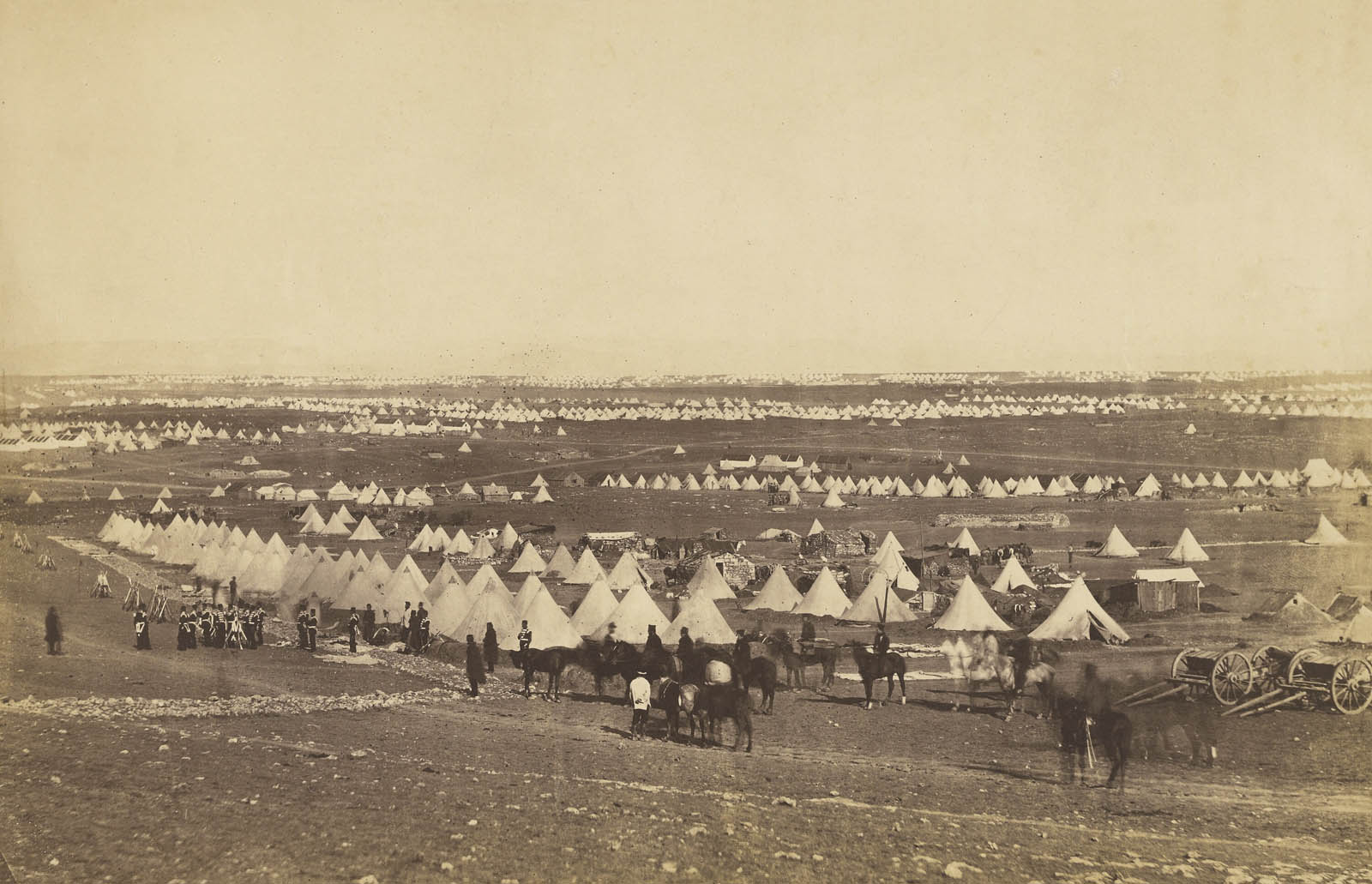
 

Roger Fenton (English, 1819-1869) 'Plateau of Sebastopol II' 1855


Roger Fenton (English, 1819-1869)
Plateau of Sebastopol II
1855
Albumen silver print
Image: 22.2 × 34.4cm (8 3/4 × 13 9/16 in.)
The J. Paul Getty Museum, Los Angeles
Public domain
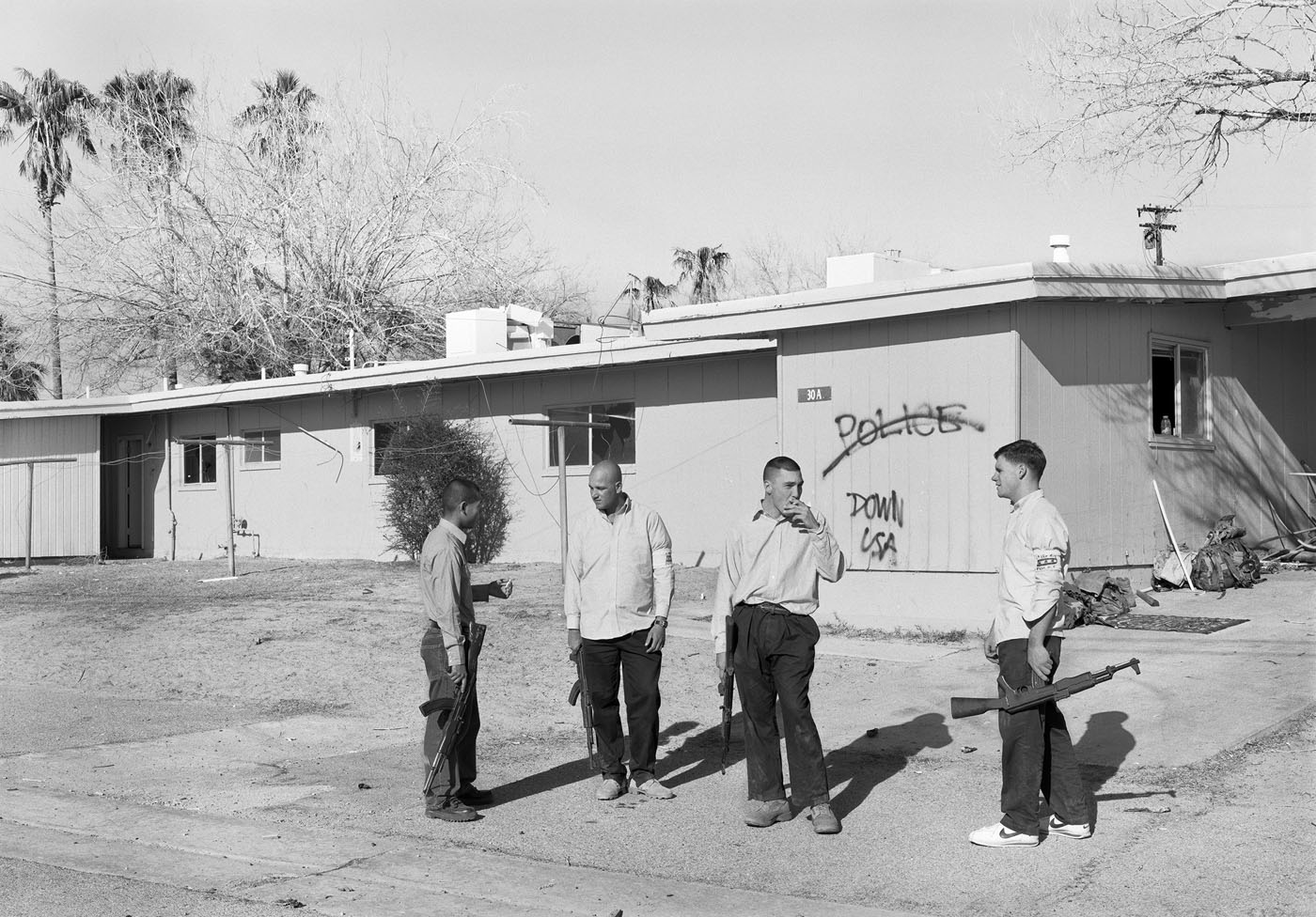
 

An-My Lê (Vietnamese-American, b. 1960) 'Security and Stabilization Operations, Iraqi Police' 2003-2004


An-My Lê (Vietnamese American, b. 1960)
Security and Stabilization Operations, Iraqi Police
2003-2004
From the series 29 Palms
Gelatin silver print
The J. Paul Getty Museum, Los Angeles
Courtesy of the artist and Marian Goodman Gallery
© An-My Lê


Landscape

Nineteenth-century photographers went to great lengths to make images of remote landscapes, which required traveling with large format cameras, glass plates, and chemicals. Ideological forces drove many of these journeys, with the ultimate goal of imperial expansion through industrial development and war. Government sponsored surveys and expeditionary programs employed the camera to justify the expansion and to record the resulting military conflicts. Mark Ruwedel, Michelle Stuart, and An-My Lê re-envision some of these same historical landscapes and offer up new ones that bring the past closer to our present.


At left, Timothy O'Sullivan (American, about 1840-1882) 'Desert Sand Hills Near Sink of Carson, Nevada' 1867; and at right, Michelle Stuart (American, b. 1933) 'Timeless Land' 2021


At left, Timothy O’Sullivan (American, about 1840-1882) Desert Sand Hills Near Sink of Carson, Nevada 1867; and at right, Michelle Stuart (American, b. 1933) Timeless Land 2021
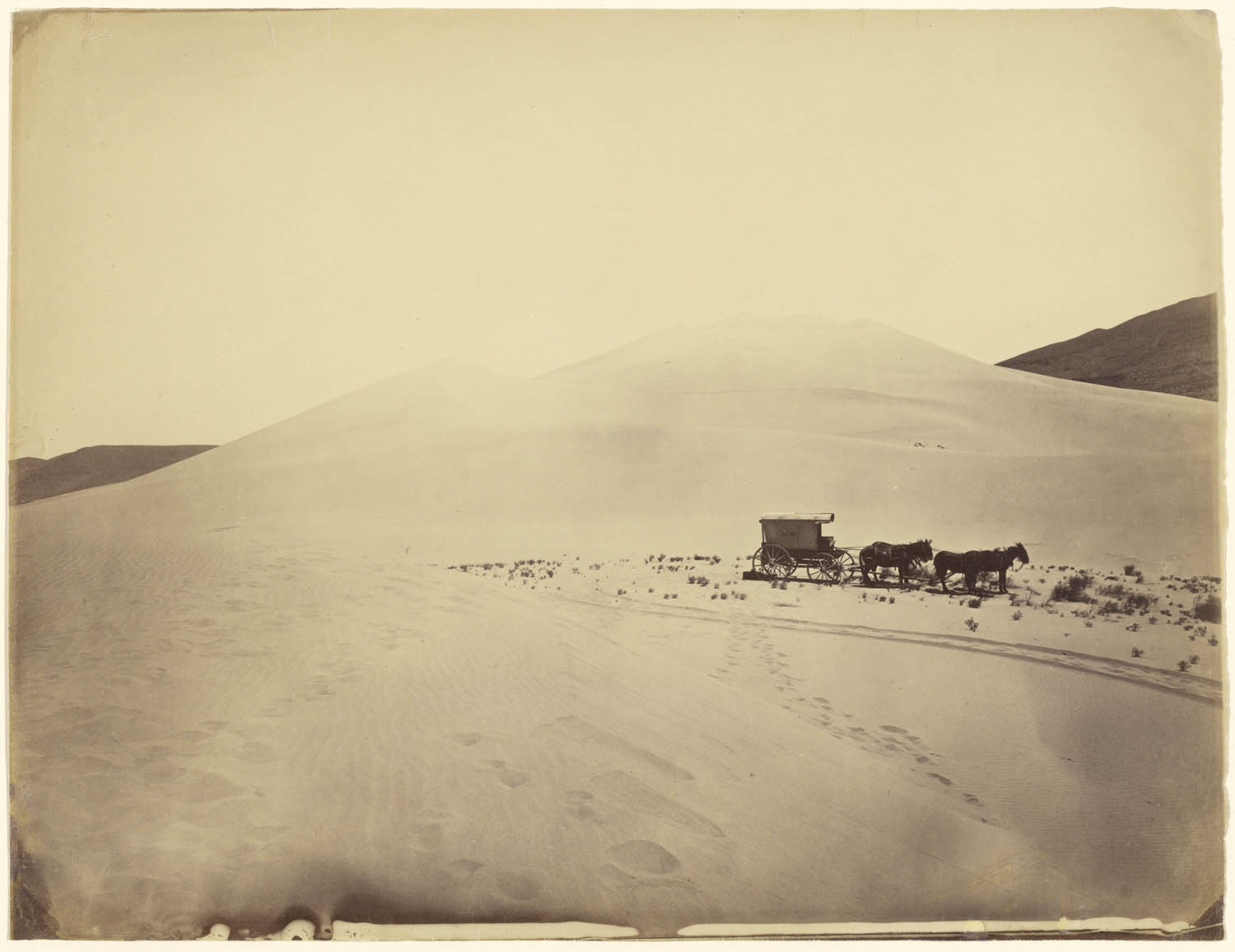
 

Timothy O'Sullivan (American, about 1840-1882) 'Desert Sand Hills Near Sink of Carson, Nevada' 1867


Timothy O’Sullivan (American, about 1840-1882)
Desert Sand Hills Near Sink of Carson, Nevada
1867
Albumen silver print
The J. Paul Getty Museum, Los Angeles
Public domain


Timothy O’Sullivan’s darkroom wagon, pulled by four mules, entered the frame at the right side of the photograph, reached the center of the image, and abruptly U-turned, heading back out of the frame. Footprints leading from the wagon toward the camera reveal the photographer’s path. Made at the Carson Sink in Nevada, this image of shifting sand dunes reveals the patterns of tracks recently reconfigured by the wind. The wagon’s striking presence in this otherwise barren scene dramatises the pioneering experience of exploration and discovery in the wide, uncharted landscapes of the American West.

O’Sullivan’s photographs from the 1867 Geological Exploration of the Fortieth Parallel expedition were intended to provide information for the purpose of expanding railroads and industry, yet they demonstrate his eye for poetic beauty.

Text from the J. Paul Getty Museum website
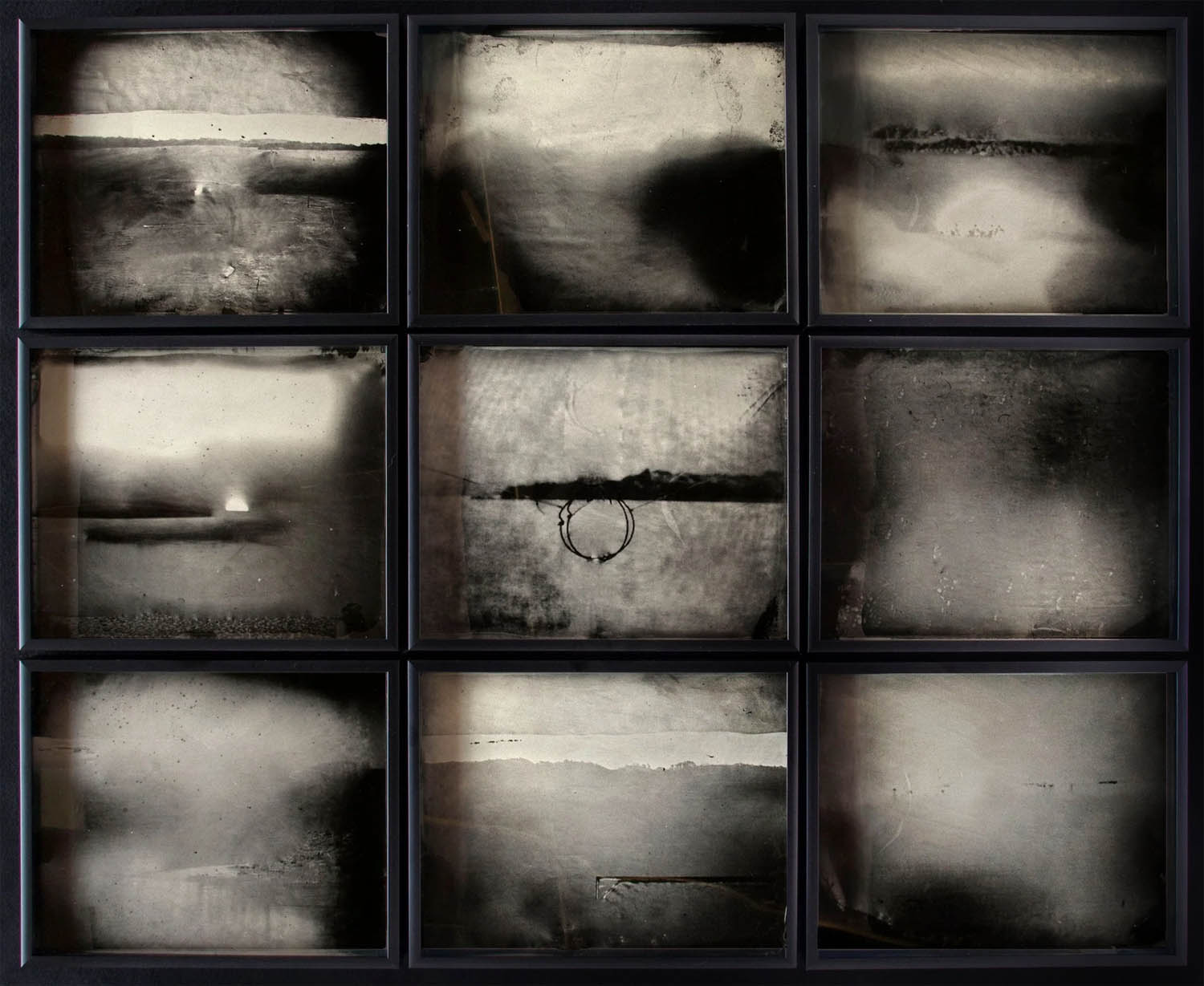
 

Michelle Stuart (American, b. 1933) 'Timeless Land' 2021


Michelle Stuart (American, b. 1933)
Timeless Land
2021
Ambrotypes
The J. Paul Getty Museum, Los Angeles
Purchased with funds provided by the Photographs Council
© Michelle Stuart


A.J. Russell (American, 1830-1902) 'Embankment No. 3 West of Granite Cannon [Wyoming]' April 1868


A.J. Russell (American, 1830-1902)
Embankment No. 3 West of Granite Cannon [Wyoming]
April 1868
Albumen silver print
Image: 21.9 × 29.4 cm (8 5/8 × 11 9/16 in.)
Mount: 34.1 × 43.1 cm (13 7/16 × 16 15/16 in.)
The J. Paul Getty Museum, Los Angeles


Mark Ruwedel (American/Canadian, b. 1954) 'Union Pacific #67 (after A.J. Russell)' 1996


Mark Ruwedel (American/Canadian, b. 1954)
Union Pacific #67 (after A.J. Russell)
1996
Gelatin silver print
Image: 18.9 × 23.9cm (7 7/16 × 9 7/16 in.)
The J. Paul Getty Museum, Los Angeles
© Mark Ruwedel


Mark Ruwedel’s statement in a wall text notes that “The legacy of nineteenth-century expeditionary photography was most important to me when working on my Westward series.” He cites Timothy O’Sullivan, Alexander Gardner and A.J. Russell. The Landscape section has a print by A.J. Russell, “Embankment No. 3 West of Granite Cannon. [Wyoming]” (April 1868), and seven pictures by Mr. Ruwedel: “Union Pacific #39 (After A.J. Russell)” and “Union Pacific #67 (After A.J. Russell)” (1994 and 1996, respectively) and five others with no specific acknowledgments but clearly influenced by his 19th-century mentors.

William Meyers. “Photography’s Past and Present at the Getty Center,” on The Wall Street Journal website May 29, 2024 [Online] Cited 16/06/2024
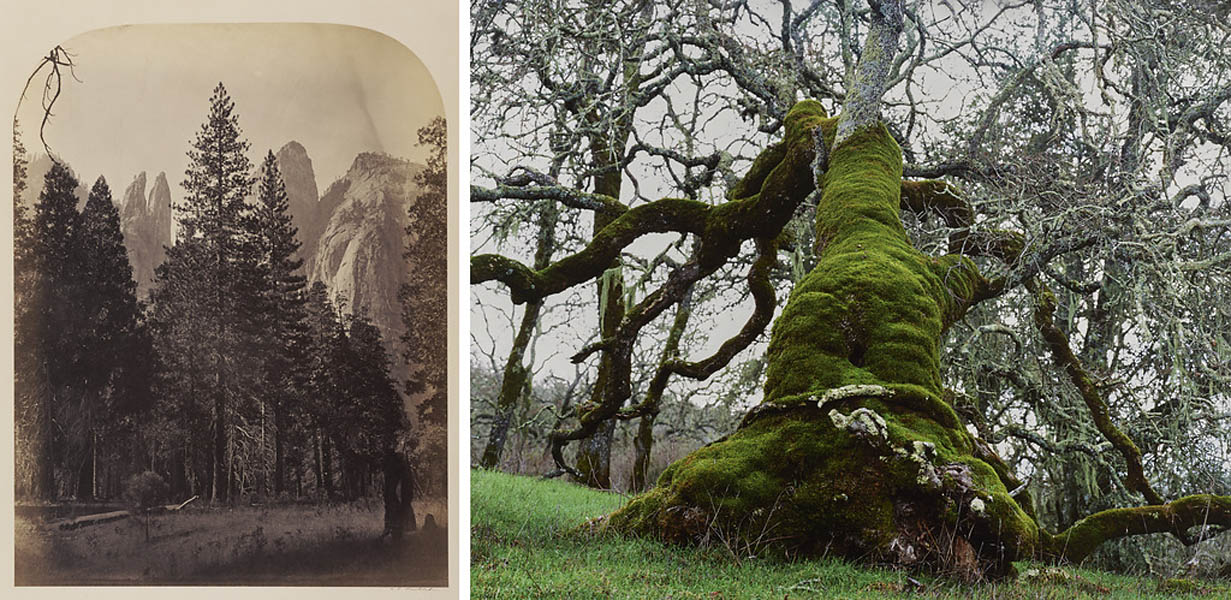
 

At left, Carleton Watkins (American, 1829-1916) 'Cathedral Spires – Yo Semite' 1861; and at right, Ken Gonzales-Day (American, b. 1964) 'At daylight the miserable man was carried to an oak…' Negative 2002; print 2021


At left, Carleton Watkins (American, 1829-1916) Cathedral Spires – Yo Semite 1861; and at right, Ken Gonzales-Day (American, b. 1964) At daylight the miserable man was carried to an oak… Negative 2002; print 2021
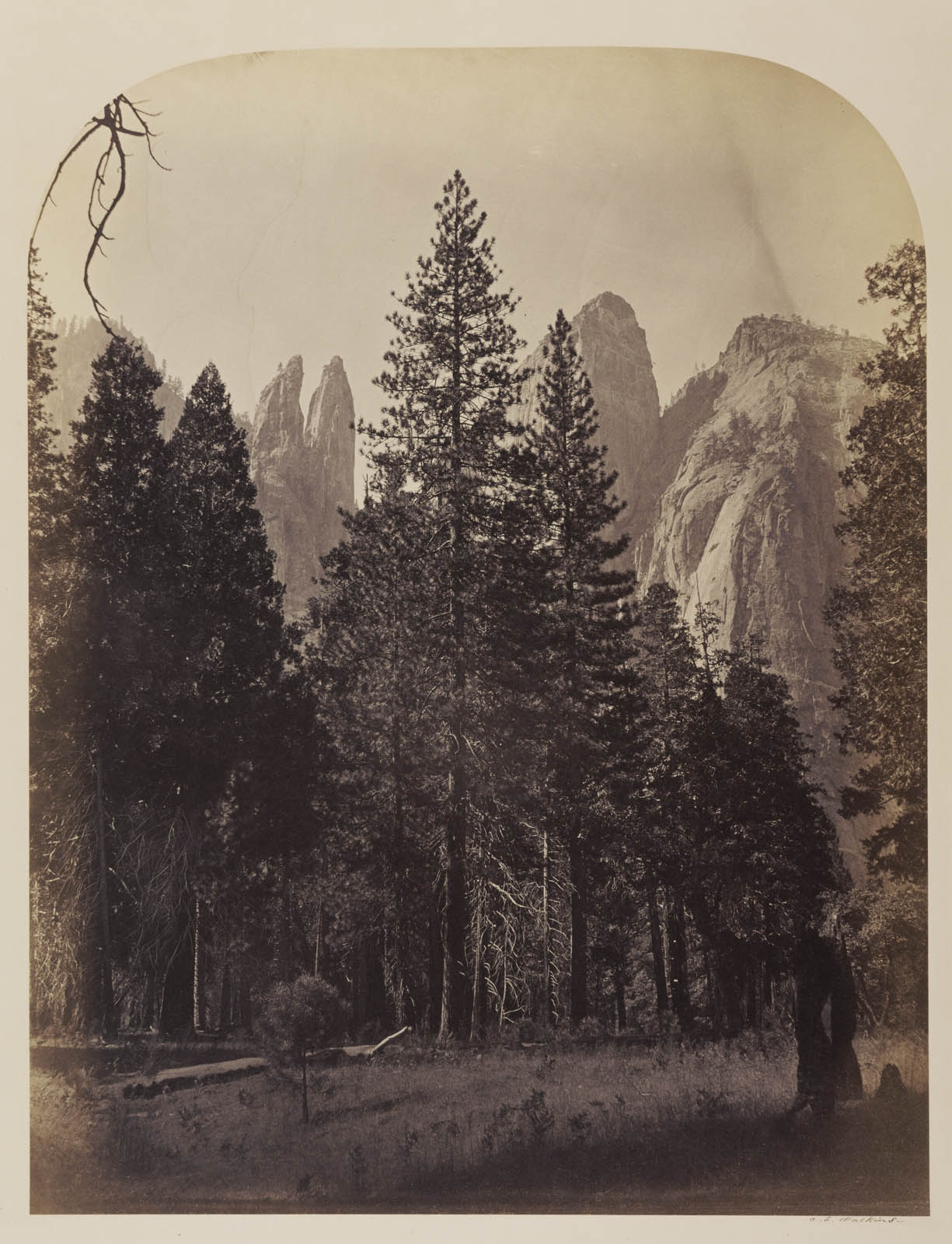
 

Carleton Watkins (American, 1829-1916) 'Cathedral Spires – Yo Semite' 1861


Carleton Watkins (American, 1829-1916)
Cathedral Spires – Yo Semite
1861
Albumen silver print
Image (Dome-Topped): 52.2 × 40.3cm (20 9/16 × 15 7/8 in.)
The J. Paul Getty Museum, Los Angeles


When Carleton Watkins photographed the remote Yosemite wilderness, America was not yet a century old. Conscious of their country’s lack of a national cultural identity, Americans adopted particularly dramatic geologic formations such as Cathedral Spires as their version of ancient ruins and soaring Gothic churches. The great pine tree in the foreground here became another form of this uniquely American history. Watkins’s images helped define America’s preference for landscape views depicting rugged wilderness and celebrating spectacular landforms on the grandest of scales.
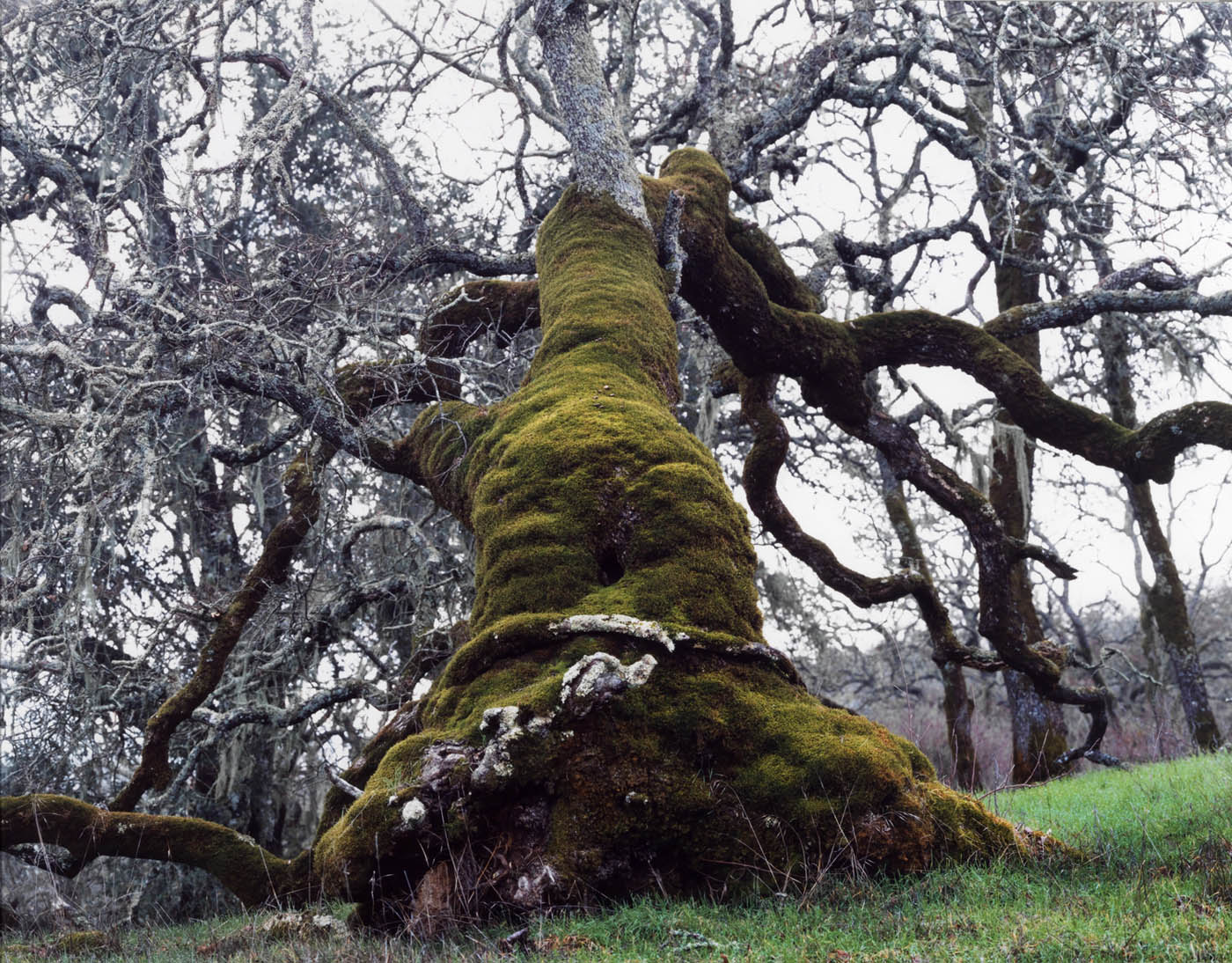
 

Ken Gonzales-Day (American, b. 1964) 'At daylight the miserable man was carried to an oak…' Negative 2002; print 2021


Ken Gonzales-Day (American, b. 1964)
At daylight the miserable man was carried to an oak…
Negative 2002; print 2021
From the series Searching for California’s Hang Trees
Pigment print
Image: 92.7 × 117.5cm (36 1/2 × 46 1/4 in.)
© Ken Gonzales-Day

This print: Smithsonian American Art Museum, Museum purchase through the Luisita L. and Franz H. Denghausen Endowment


Through meticulous research, Gonzales-Day documented approximately 350 lynching incidents that occurred in California between 1850 and 1935, most of which involved victims of Mexican descent. To create the series Searching for California Hang Trees, the artist visited many of these sites and captured the likeness of trees that may have borne witness to these events. Gonzales-Day’s landscapes unearth traces of this little-known history.

Our America: The Latino Presence in American Art, 2013

__________________________________________

Circulation


Charles M. Bell (American, 1848-1893) 'Manulitó, Chief of the Navajos' 1874


Charles M. Bell (American, 1848-1893)
Manulitó, Chief of the Navajos
1874
Albumen silver print
Image (Arched): 18.4 × 14.9cm (7 1/4 × 5 7/8 in.)
The J. Paul Getty Museum, Los Angeles
Public domain
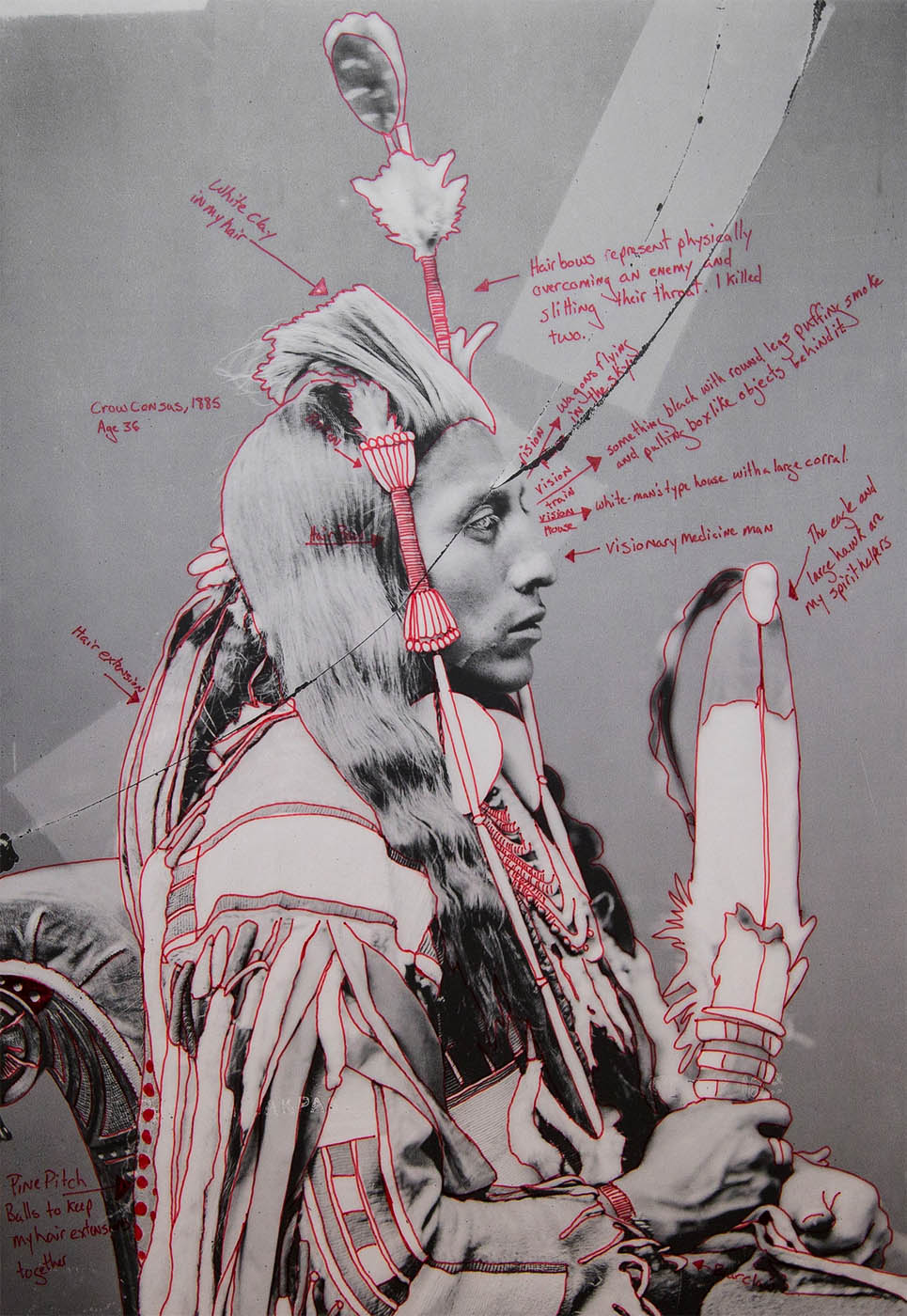
 

Wendy Red Star (American/Apsáalooke, b. 1981) 'Peelatchiwaaxpáash / Medicine Crow (Raven)' 2014


Wendy Red Star (American/Apsáalooke, b. 1981)
Peelatchiwaaxpáash / Medicine Crow (Raven)
2014
From the series Crow Peace Delegation
Inkjet print
Nasher Museum of Art at Duke University
Museum purchase with funds provided by Jennifer McCracken New and Jason G. New
© Wendy Red Star
Image courtesy of the Nasher Museum of Art


Artist-manipulated digitally reproduced photograph by C.M. (Charles Milton) Bell, National Anthropological Archives, Smithsonian Institution, 24 x 16 9/20 inches


Circulation

By the middle of the nineteenth century, thousands of photographs were in circulation worldwide, the result of photographers’ ability to reproduce the same image multiple times. Pictures of historical events, tourist destinations, and anthropological expeditions made the world seem more accessible, but with time and distance, they became disconnected from their original contexts. Many eventually ended up in archives (including at Getty). Early photographs appear next to projects that make these historical absences present. Wendy Red Star, Stephanie Syjuco, Ken Gonzales-Day, and Andrea Chung recover what has been lost, calling out the residual effects of the nineteenth-century photograph on our present knowledge of global cultures and histories.

Text from the J. Paul Getty Museum
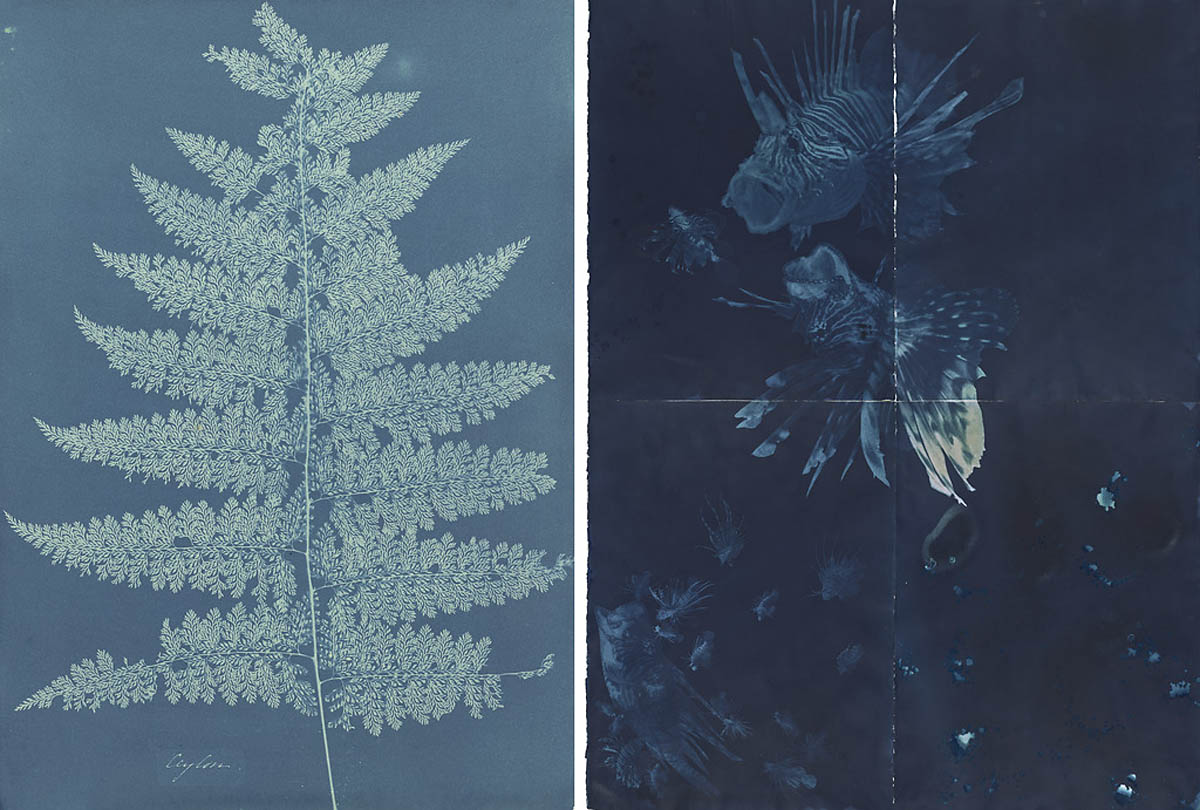
 

At left, Anna Atkins (British, 1799-1871) possibly with Anne Dixon (British, 1799-1877) 'Ceylon/Fern' about 1854; and at right, Andrea Chung (American, b. 1978) 'Untitled' 2016


At left, Anna Atkins (British, 1799-1871) possibly with Anne Dixon (British, 1799-1877) Ceylon/Fern about 1854; and at right, Andrea Chung (American, b. 1978) Untitled 2016
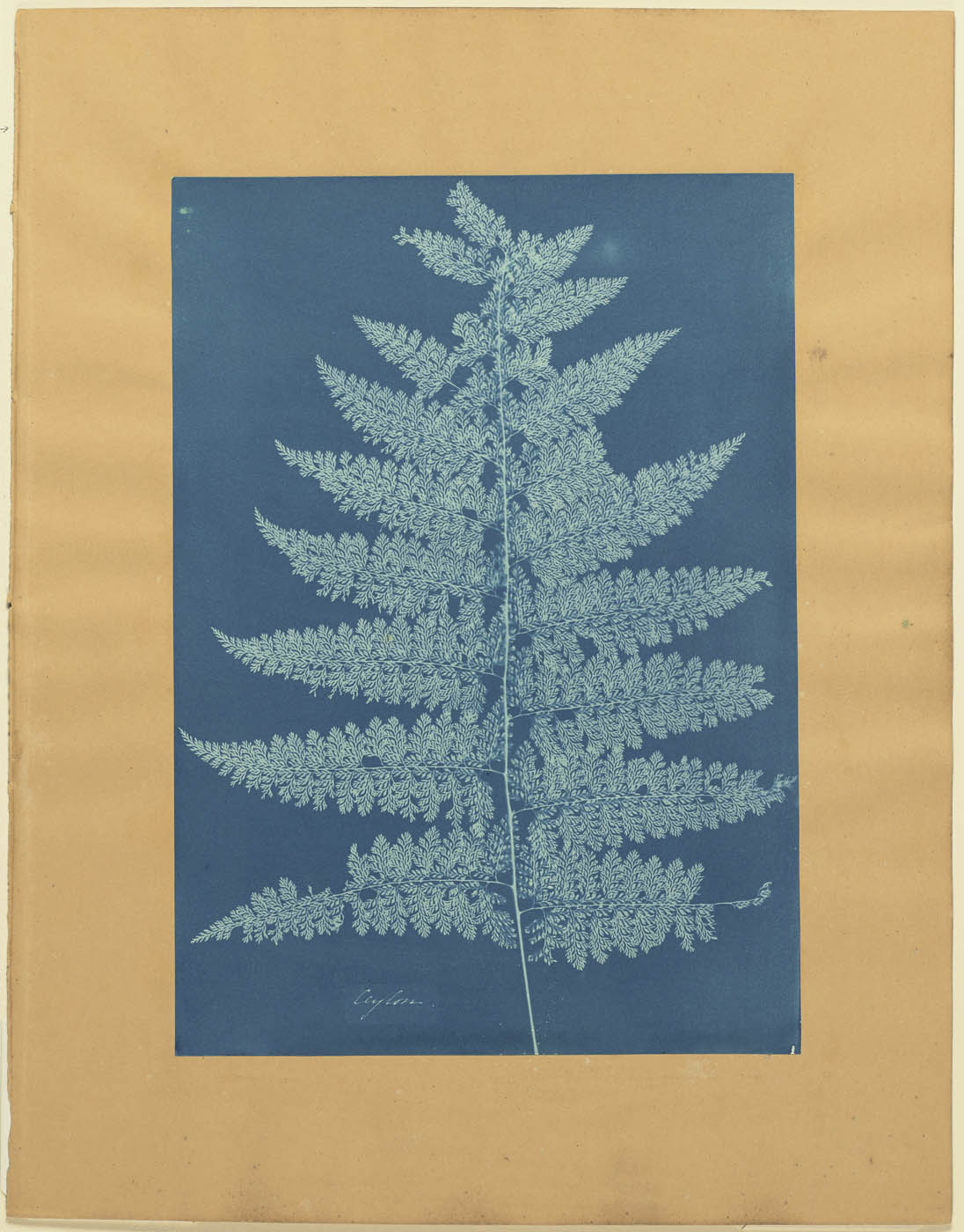
 

Anna Atkins (British, 1799-1871) possibly with Anne Dixon (British, 1799-1877) 'Ceylon/Fern' about 1854


Anna Atkins (British, 1799-1871) possibly with Anne Dixon (British, 1799-1877)
Ceylon/Fern
about 1854
Cyanotype
Image: 34.8 × 24.7cm (13 11/16 × 9 3/4 in.)
Sheet: 48.3 × 37.5cm (19 × 14 3/4 in.)
The J. Paul Getty Museum, Los Angeles
Public domain


Cyanotypes of British and Foreign Flowering Plants

After completing the highly ambitious, decade-long project Photographs of Blue Algae: Cyanotype Impressions in the summer of 1853, Anna Atkins turned to new botanical subjects. She would eventually produce several unique presentation albums with cyanotypes of ferns and flowering plants. Atkins most likely collaborated on these albums with her dear friend, Anne Dixon. Dixon came to Halstead Place for an extended stay in the summer of 1852 to comfort Atkins who was deeply shaken by the death of her father and frequent scientific partner John George Children earlier that year. Photo historian Larry Schaaf suggests that it was during this stay or perhaps one the next summer that Dixon began assisting Atkins and creating her own cyanotypes. Thus, it becomes difficult to know whether surviving works from this time period were created by Atkins, Dixon, or both.1

These seven pieces in the J. Paul Getty Museum Collection (figs. 1-7) were extracted from an 1854 presentation album Cyanotypes of British and Foreign Flowering Plants given by Anna Atkins to Anne Dixon in 1854. The album remained intact until sometime around 1981, when it was broken up after being sold at auction.

Atkins and Dixon shared a deep interest in botany, a science that was considered well suited to women since it could be studied locally, even in one’s own garden. Serious “lady botanists” could join the Botanical Society in London, one of the first scientific organisations to admit women. Atkins joined in 1839. The two friends’ interest in botany is documented in a letter of 1851 from Children to Sir William Hooker in which he discussed the two women’s longtime plant collecting. Later, in a letter that Atkins wrote to Hooker in 1864, she extended an offer from Dixon to send him samples of any of the plants from her own collection.2

Carolyn Peter, J. Paul Getty Museum, Department of Photographs
2019
© J. Paul Getty Trust
Creative Commons Attribution 4.0 International License

1/ Larry Schaaf, Sun Gardens: Cyanotypes by Anna Atkins (New York: The New York Public Library, 2018), 77
2/ Ibid, 80
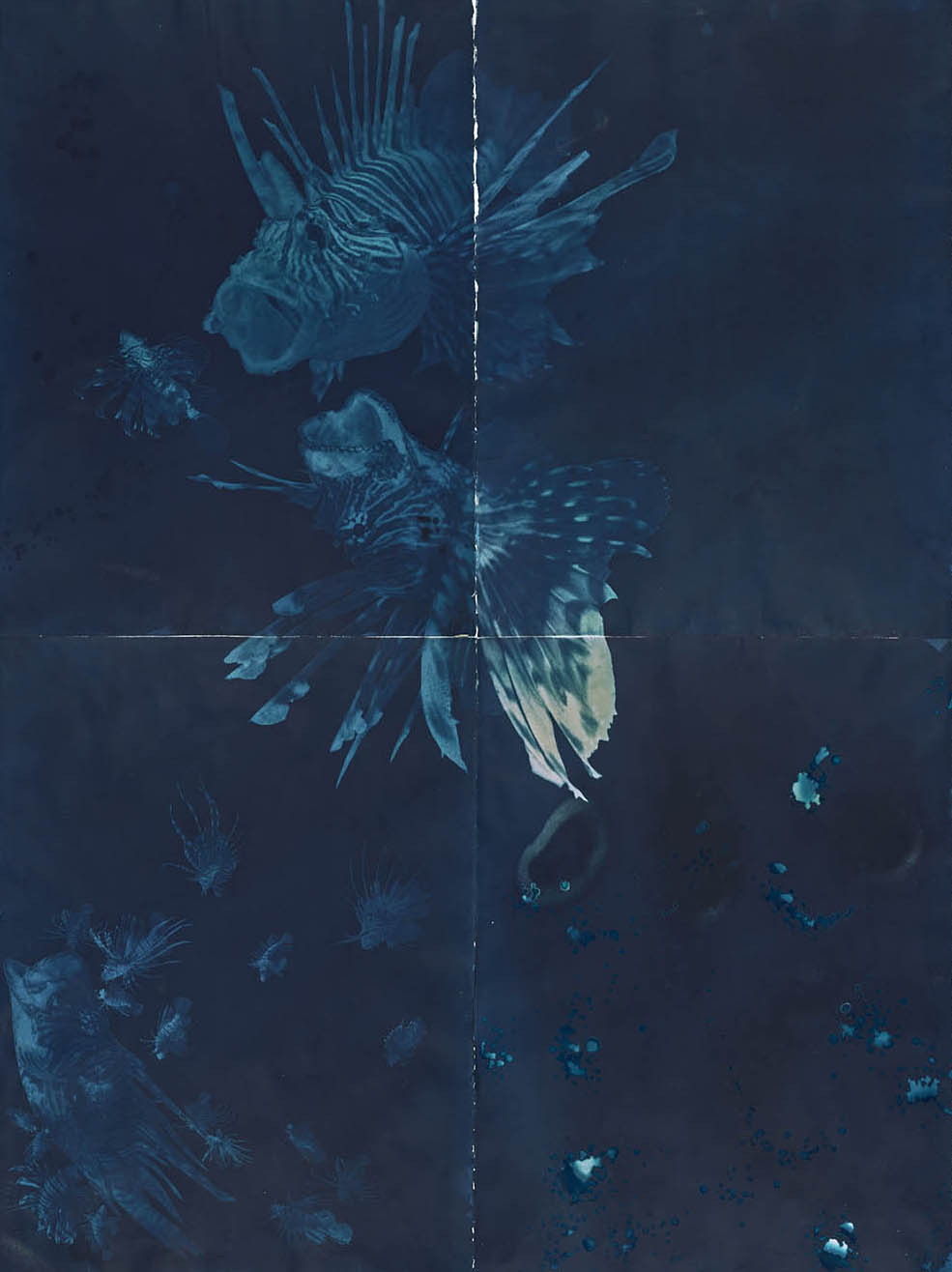
 

Andrea Chung (American, b. 1978) 'Untitled' 2016


Andrea Chung (American, b. 1978)
Untitled
2016
From the series Anthropocene
Cyanotypes
The J. Paul Getty Museum, Los Angeles
© Andrea Chung


Anna Atkins was a 19th-century botanist who documented plant specimens to make the world’s first photo book.

Today, artist Andrea Chung makes images of lionfish. Invasive to the Caribbean, they stand as a metaphor for the impact of colonisation in the region.

Text and photograph from the Getty Museum X web page


The J. Paul Getty Museum
1200 Getty Center Drive
Los Angeles, California 90049

Opening hours:
Daily 10am – 5pm

The J. Paul Getty Museum website

LIKE ART BLACK ON FACEBOOK

Back to top

Photographs: Marcus Bunyan. ‘Dark Light’

from the series Travelling the wonderful loneliness 2019-2024

April 2024


Marcus Bunyan (Australian, b. 1958) 'The Two Towers' from the sequence 'Dark Light' 2019-2024
The Two Towers


This sequence (my favourite in my latest body of work), Dark Light, is one of the four sequences in the series collectively titled Travelling the wonderful loneliness (2019-2024). Traces of order / chaos seen clearly; previsualisation was strong.

My friend and mentor Ian Lobb said:

It all works brilliantly, and they are all like that – there are subtle things that can’t be traced: i.e. are they the photographer: or are they the camera or are they just inevitable in this world? It is a type of anti-spirituality meets spirituality… and any number of other meeting points.”


My friend Elizabeth Gertsakis said:

“Spatial as well as surface tactile. Fascinated randomness. The human figure appears as a singular frozen device. Post-apocalyptic as well.”


I said:

“The spirit has left the earth, the body; something is not quite right; ambiguous forces of the (under) world are at play.”


Dr Marcus Bunyan

50 images
© Marcus Bunyan 


Please click on the photographs for a larger version of the image. Other sequences in the series include Material Witness; Tell Me Why; and (How I) Wish You Were Here (all 2019-2024).


Marcus Bunyan (Australian, b. 1958) 'The Great Wave (Gustave Le Gray)' from the sequence 'Dark Light' 2019-2024
The Great Wave (Gustave Le Gray)


Marcus Bunyan (Australian, b. 1958) 'Untitled' from the sequence 'Dark Light' 2019-2024


Marcus Bunyan (Australian, b. 1958) 'Untitled' from the sequence 'Dark Light' 2019-2024


Marcus Bunyan (Australian, b. 1958) 'Soul marker' from the sequence 'Dark Light' 2019-2024


Marcus Bunyan (Australian, b. 1958) 'Untitled' from the sequence 'Dark Light' 2019-2024


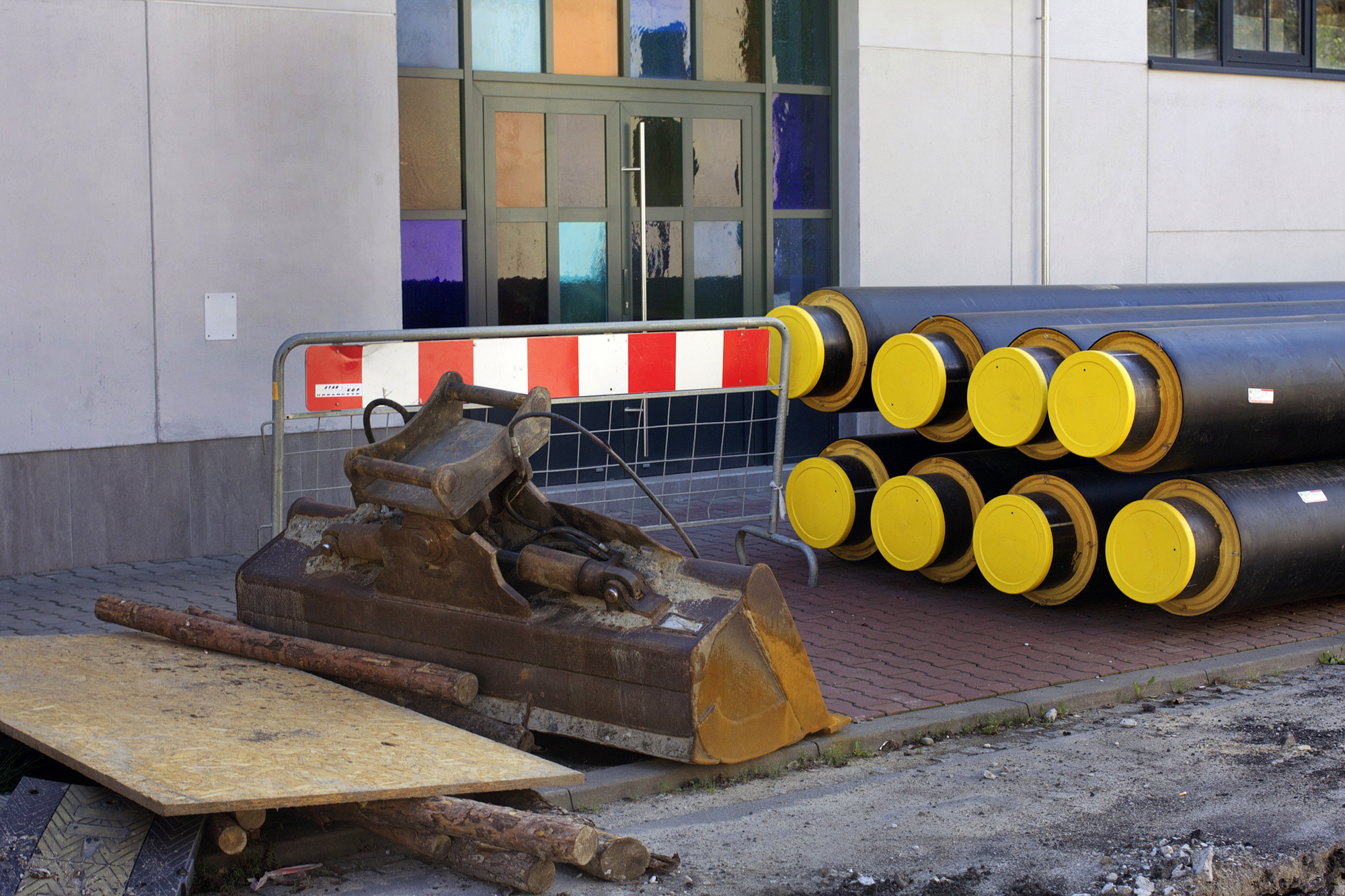
Marcus Bunyan (Australian, b. 1958) 'JCB' from the sequence 'Dark Light' 2019-2024


Marcus Bunyan (Australian, b. 1958) 'Sacrifice, Bendlerblock, Berlin' from the sequence 'Dark Light' 2019-2024
Sacrifice, Bendlerblock, Berlin


Marcus Bunyan (Australian, b. 1958) 'Untitled' from the sequence 'Dark Light' 2019-2024


Marcus Bunyan (Australian, b. 1958) 'Untitled' from the sequence 'Dark Light' 2019-2024


Marcus Bunyan (Australian, b. 1958) 'Dark City I' from the sequence 'Dark Light' 2019-2024


Marcus Bunyan (Australian, b. 1958) 'Golden Tulip' from the sequence 'Dark Light' 2019-2024


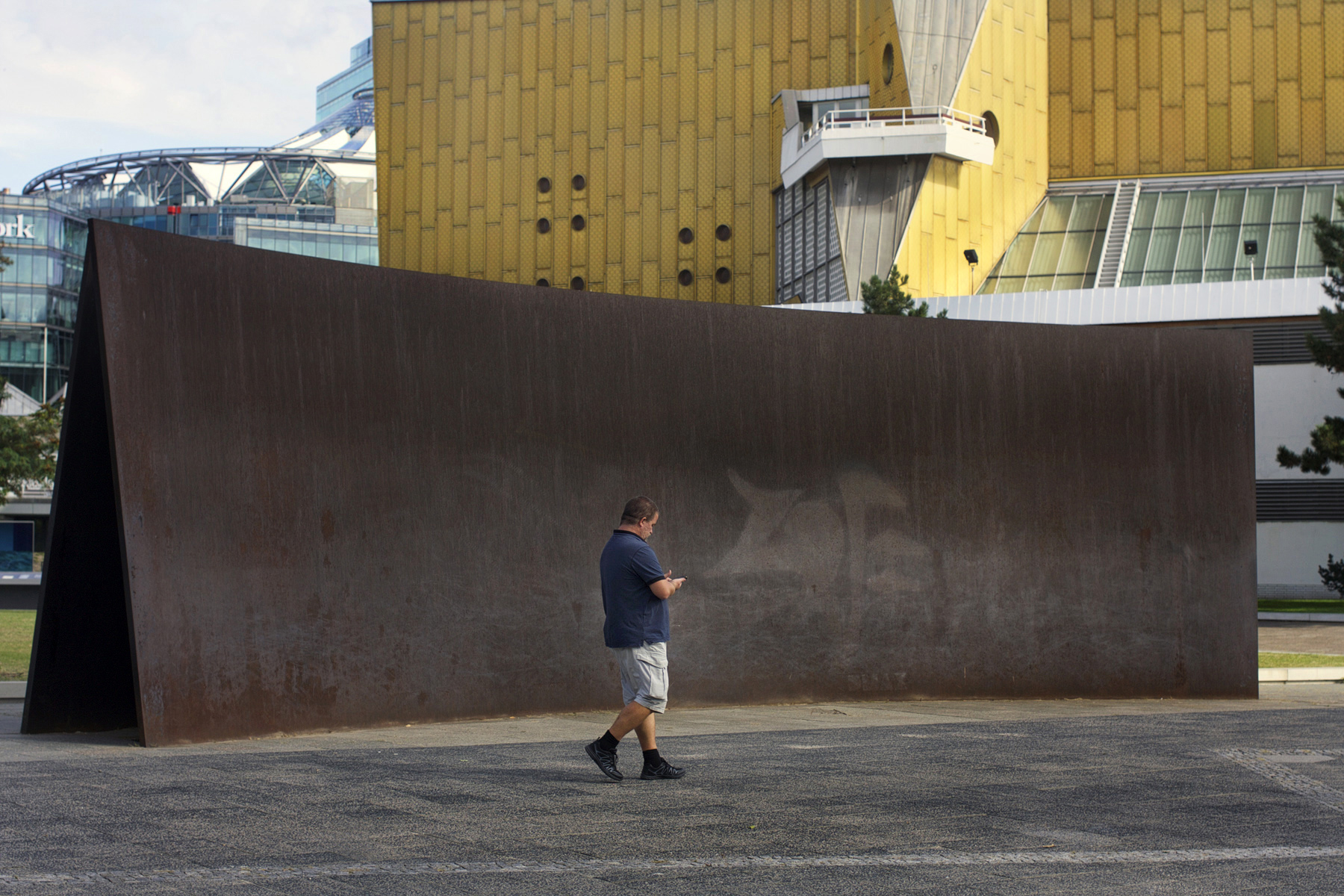
Marcus Bunyan (Australian, b. 1958) 'Monolith' from the sequence 'Dark Light' 2019-2024


Marcus Bunyan (Australian, b. 1958) 'Creature' from the sequence 'Dark Light' 2019-2024


Marcus Bunyan (Australian, b. 1958) 'Twenty / One' from the sequence 'Dark Light' 2019-2024


Marcus Bunyan (Australian, b. 1958) 'Tendril' from the sequence 'Dark Light' 2019-2024


Marcus Bunyan (Australian, b. 1958) 'Tribulation' from the sequence 'Dark Light' 2019-2024


Marcus Bunyan (Australian, b. 1958) 'Yellow' from the sequence 'Dark Light' 2019-2024


Marcus Bunyan (Australian, b. 1958) 'Black Star' from the sequence 'Dark Light' 2019-2024


Marcus Bunyan (Australian, b. 1958) 'Duct' from the sequence 'Dark Light' 2019-2024


Marcus Bunyan (Australian, b. 1958) 'Wraith' from the sequence 'Dark Light' 2019-2024


Marcus Bunyan (Australian, b. 1958) 'Untitled' from the sequence 'Dark Light' 2019-2024


Marcus Bunyan (Australian, b. 1958) 'Benediction' from the sequence 'Dark Light' 2019-2024


Marcus Bunyan (Australian, b. 1958) 'Untitled' from the sequence 'Dark Light' 2019-2024


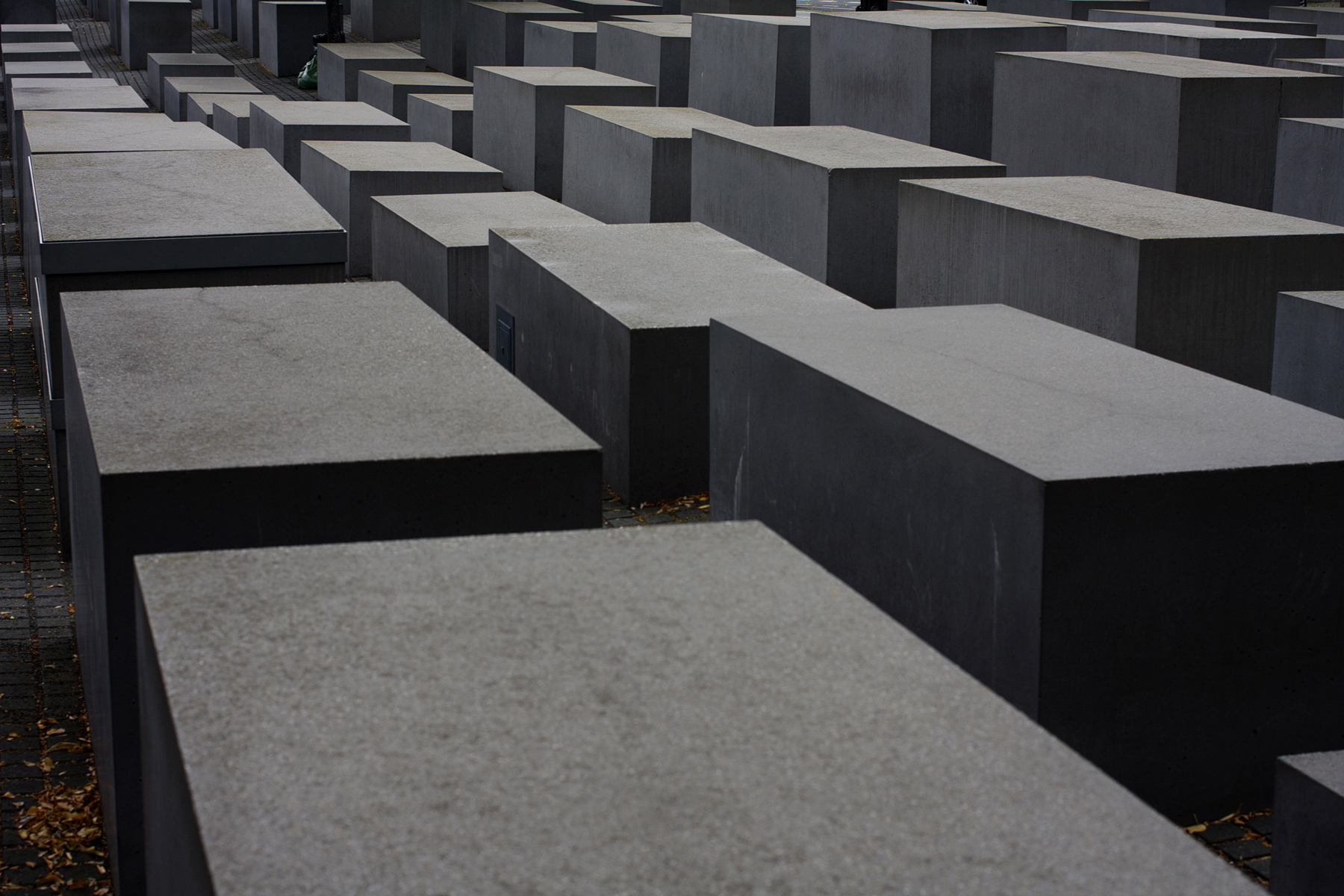
Marcus Bunyan (Australian, b. 1958) 'Memorial, Berlin' from the sequence 'Dark Light' 2019-2024


Marcus Bunyan (Australian, b. 1958) 'Medusa, Yerebatan Sarnici, Istanbul' from the sequence 'Dark Light' 2019-2024
Medusa, Yerebatan Sarnici, Istanbul


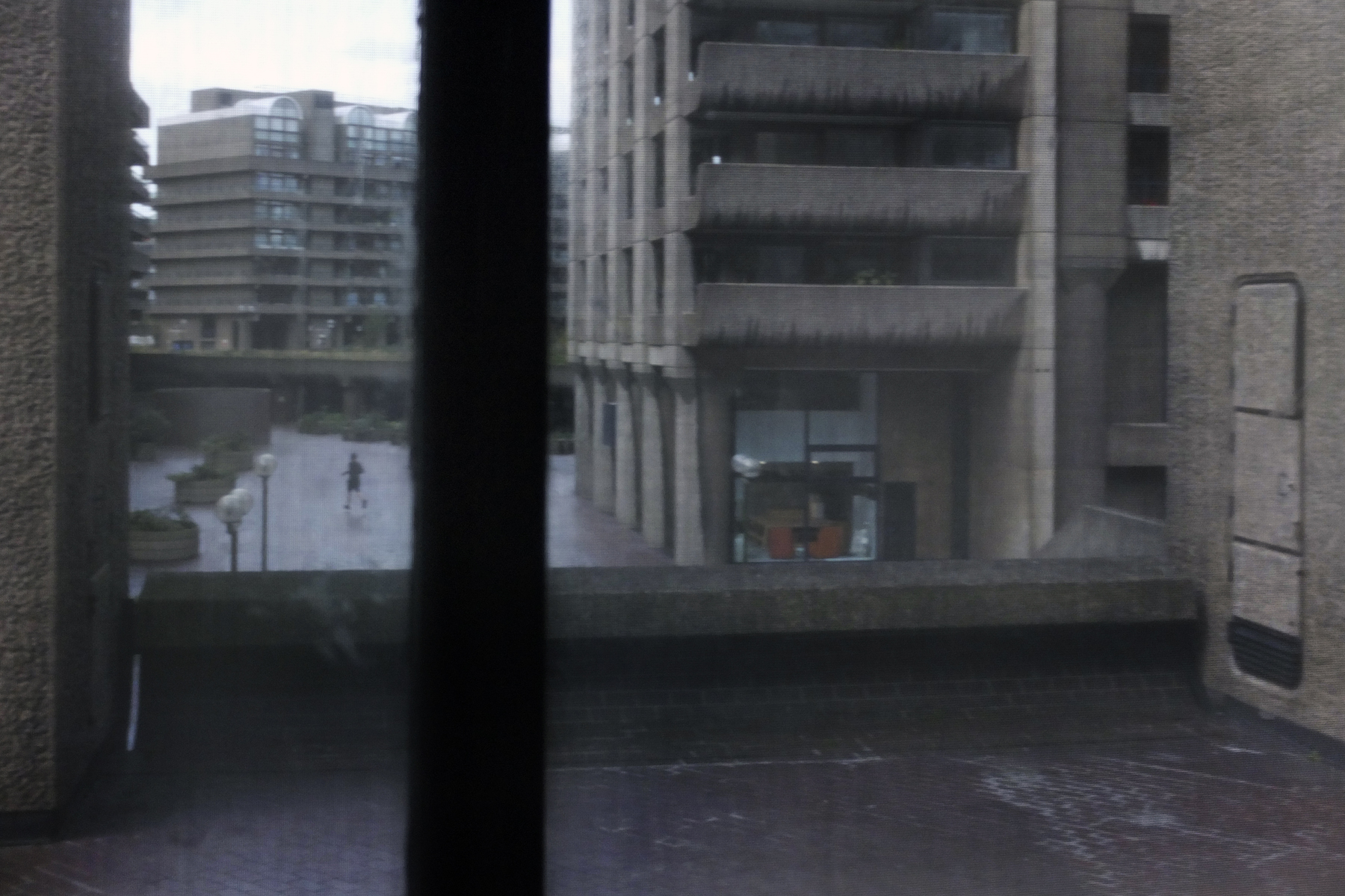
Marcus Bunyan (Australian, b. 1958) 'Running Man' from the sequence 'Dark Light' 2019-2024
Running Man


Marcus Bunyan (Australian, b. 1958) 'Untitled' from the sequence 'Dark Light' 2019-2024


Marcus Bunyan (Australian, b. 1958) 'Dark City II' from the sequence 'Dark Light' 2019-2024


Marcus Bunyan (Australian, b. 1958) 'In the darkness of forests' from the sequence 'Dark Light' 2019-2024
In the darkness of forests


Marcus Bunyan (Australian, b. 1958) 'Peeling' from the sequence 'Dark Light' 2019-2024
Peeling


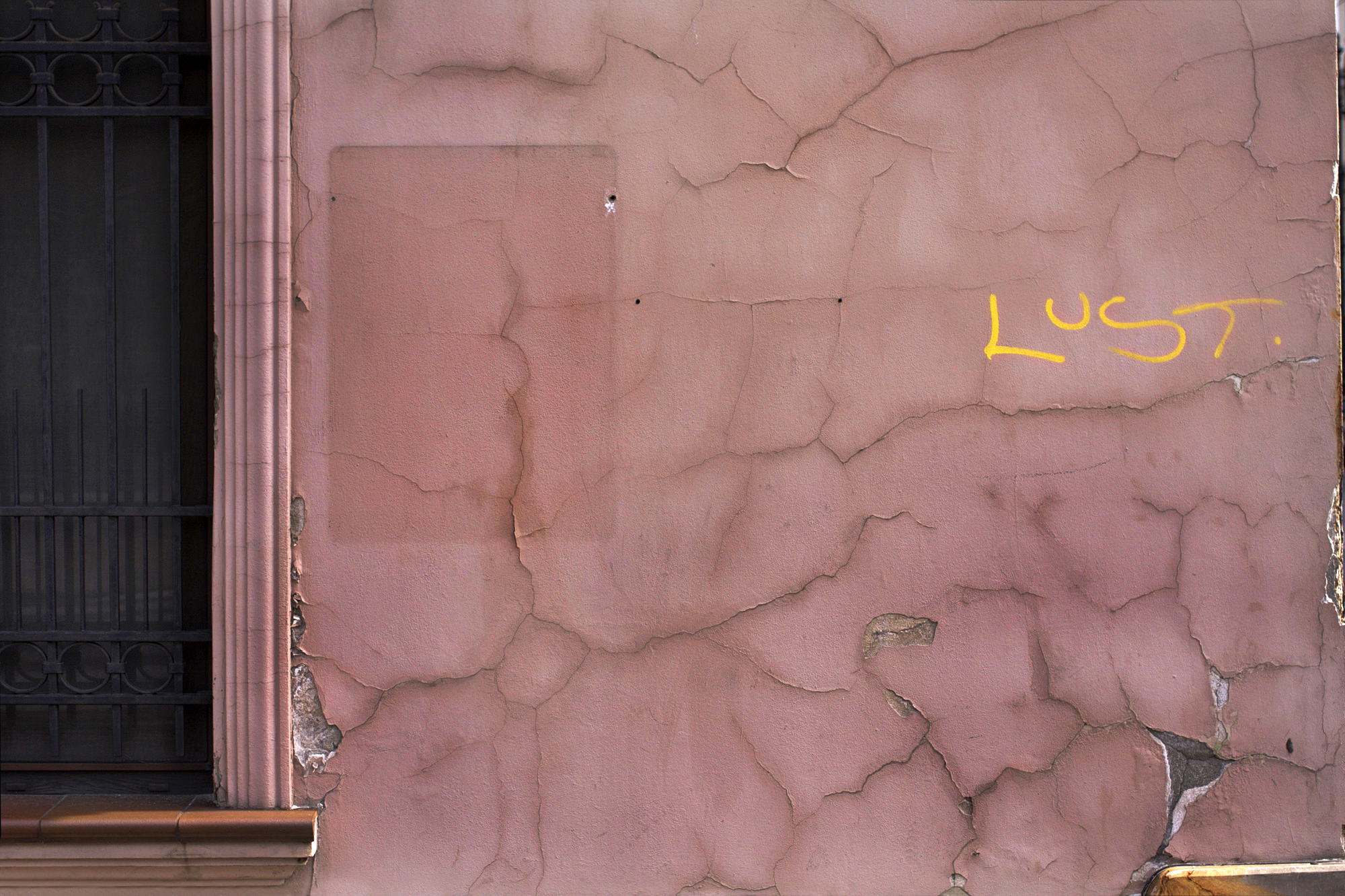
Marcus Bunyan (Australian, b. 1958) 'Lust' from the sequence 'Dark Light' 2019-2024


Marcus Bunyan (Australian, b. 1958) 'Pierce' from the sequence 'Dark Light' 2019-2024


Marcus Bunyan (Australian, b. 1958) 'Untitled' from the sequence 'Dark Light' 2019-2024


Marcus Bunyan (Australian, b. 1958) 'Conductor' from the sequence 'Dark Light' 2019-2024


Marcus Bunyan (Australian, b. 1958) 'Despair' from the sequence 'Dark Light' 2019-2024


Marcus Bunyan (Australian, b. 1958) 'Below Above' from the sequence 'Dark Light' 2019-2024


Marcus Bunyan (Australian, b. 1958) 'Parallel' from the sequence 'Dark Light' 2019-2024


Marcus Bunyan (Australian, b. 1958) 'Enclosure' from the sequence 'Dark Light' 2019-2024


Marcus Bunyan (Australian, b. 1958) 'Block' from the sequence 'Dark Light' 2019-2024


Marcus Bunyan (Australian, b. 1958) 'Old Jewish Cemetery, Prague' from the sequence 'Dark Light' 2019-2024
Old Jewish Cemetery, Prague


Marcus Bunyan (Australian, b. 1958) 'Untitled' from the sequence 'Dark Light' 2019-2024


Marcus Bunyan (Australian, b. 1958) 'Untitled' from the sequence 'Dark Light' 2019-2024


Marcus Bunyan (Australian, b. 1958) 'Untitled' from the sequence 'Dark Light' 2019-2024


Marcus Bunyan (Australian, b. 1958) 'Chaos' from the sequence 'Dark Light' 2019-2024


Marcus Bunyan (Australian, b. 1958) 'Approaching Thunderstorm' from the sequence 'Dark Light' 2019-2024
Approaching Thunderstorm


Marcus Bunyan (Australian, b. 1958) 'Entombment' from the sequence 'Dark Light' 2019-2024


Marcus Bunyan (Australian, b. 1958) 'Untitled' from the sequence 'Dark Light' 2019-2024


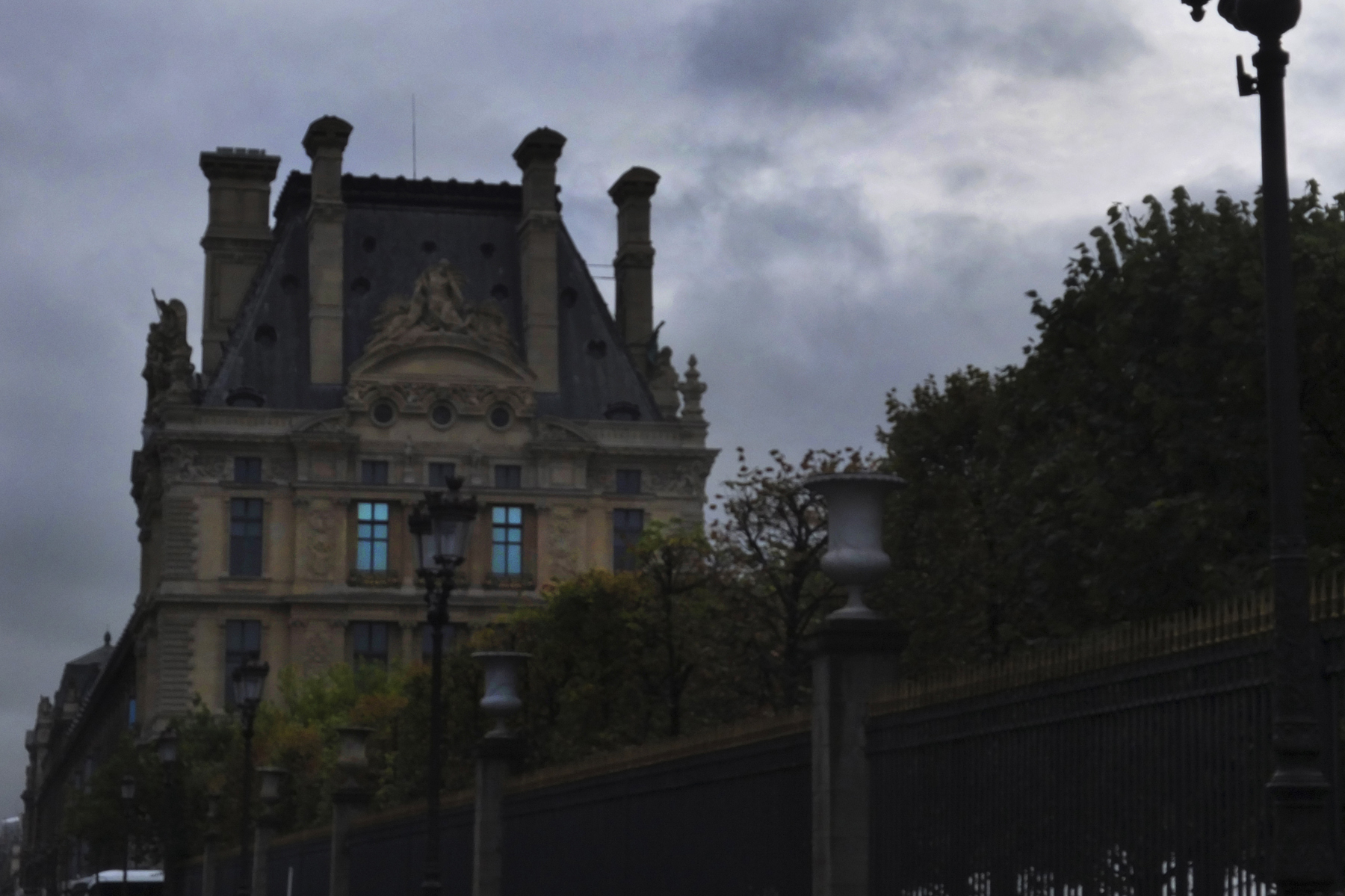
Marcus Bunyan (Australian, b. 1958) 'Dark Light, Pavillon de Marsan, Paris' from the sequence 'Dark Light' 2019-2024
Dark Light, Pavillon de Marsan, Paris


Marcus Bunyan (Australian, b. 1958) 'Fiat Lux (Let There Be Light)' from the sequence 'Dark Light' 2019-2024
Fiat Lux (Let There Be Light)


Photographs are available from this series for purchase. As a guide, a digital colour 16″ x 20″ print costs $1,000 plus tracked and insured shipping. For more information please see the Store web page.


Marcus Bunyan website

LIKE ART BLART ON FACEBOOK

Back to top

Photographs: Marcus Bunyan. ‘Tell Me Why’

from the series Travelling the wonderful loneliness 2019-2024

March 2024


Marcus Bunyan (Australian, b. 1958) 'Untitled' 2019 from the sequence 'Tell Me Why' 2019-2024


The third sequence from my new series.

Urban wandering, or travel as Hadjicostis writes, “more than any other activity
cultivates the art of asking questions.“1

During 2019 I took a photographic journey through Europe. The trip was an ascetic experience, hardly talking to anyone for 2 months, immersed in photography, taking almost 10,000 photographs on three digital cameras. I have whittled these photographs down to around 120 images in four sequences.

This sequence, Tell Me Why, is one of the four sequences in the series collectively titled Travelling the wonderful loneliness (2019-2024).

Other sequences in the series include (How I) Wish You Were Here; Material Witness; and Dark Light (all 2019-2024).

Dr Marcus Bunyan


1/ Nicos Hadjicostis. Destination Earth : A New Philosophy of Travel by a World-Traveler. Bamboo Leaf Press, 2016, p. 85 quoted in quoted in Olivia Schlichting. “Women in Cities & the Art of the Flaneuse,” in Urban Space & Women paper November 30, 2018, p. 11.

34 images
© Marcus Bunyan

Please click on the photographs for a larger version of the image.


Marcus Bunyan (Australian, b. 1958) 'Elongation' 2019 from the sequence 'Tell Me Why' 2019-2024


Marcus Bunyan (Australian, b. 1958) 'Untitled' 2019 from the sequence 'Tell Me Why' 2019-2024


Marcus Bunyan (Australian, b. 1958) 'The Red Car' 2019 from the sequence 'Tell Me Why' 2019-2024
The Red Car
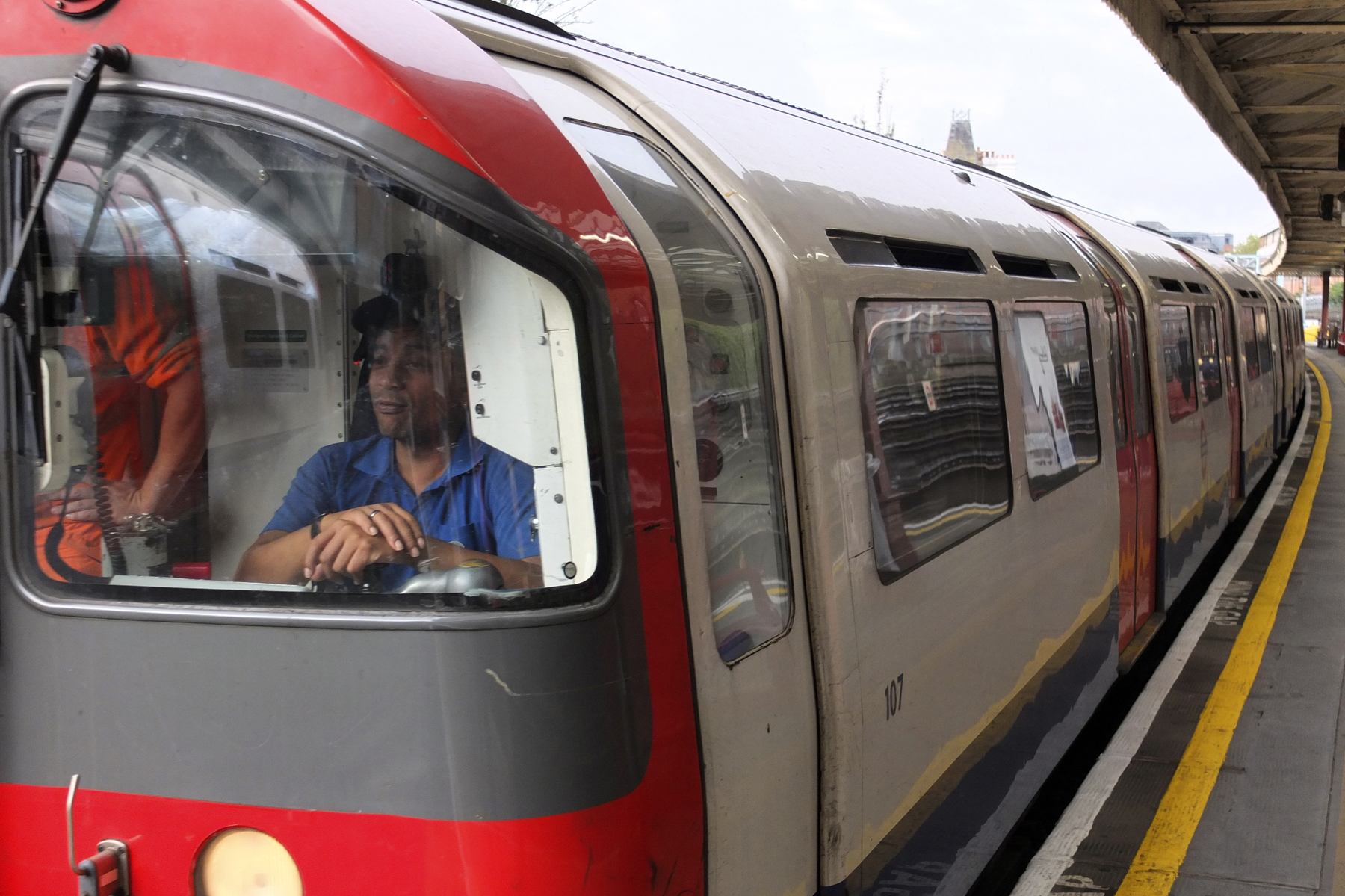
Marcus Bunyan (Australian, b. 1958) 'Man in blue' 2019 from the sequence 'Tell Me Why' 2019-2024
Man in blue


Marcus Bunyan (Australian, b. 1958) 'The Green Man' 2019 from the sequence 'Tell Me Why' 2019-2024
The Green Man


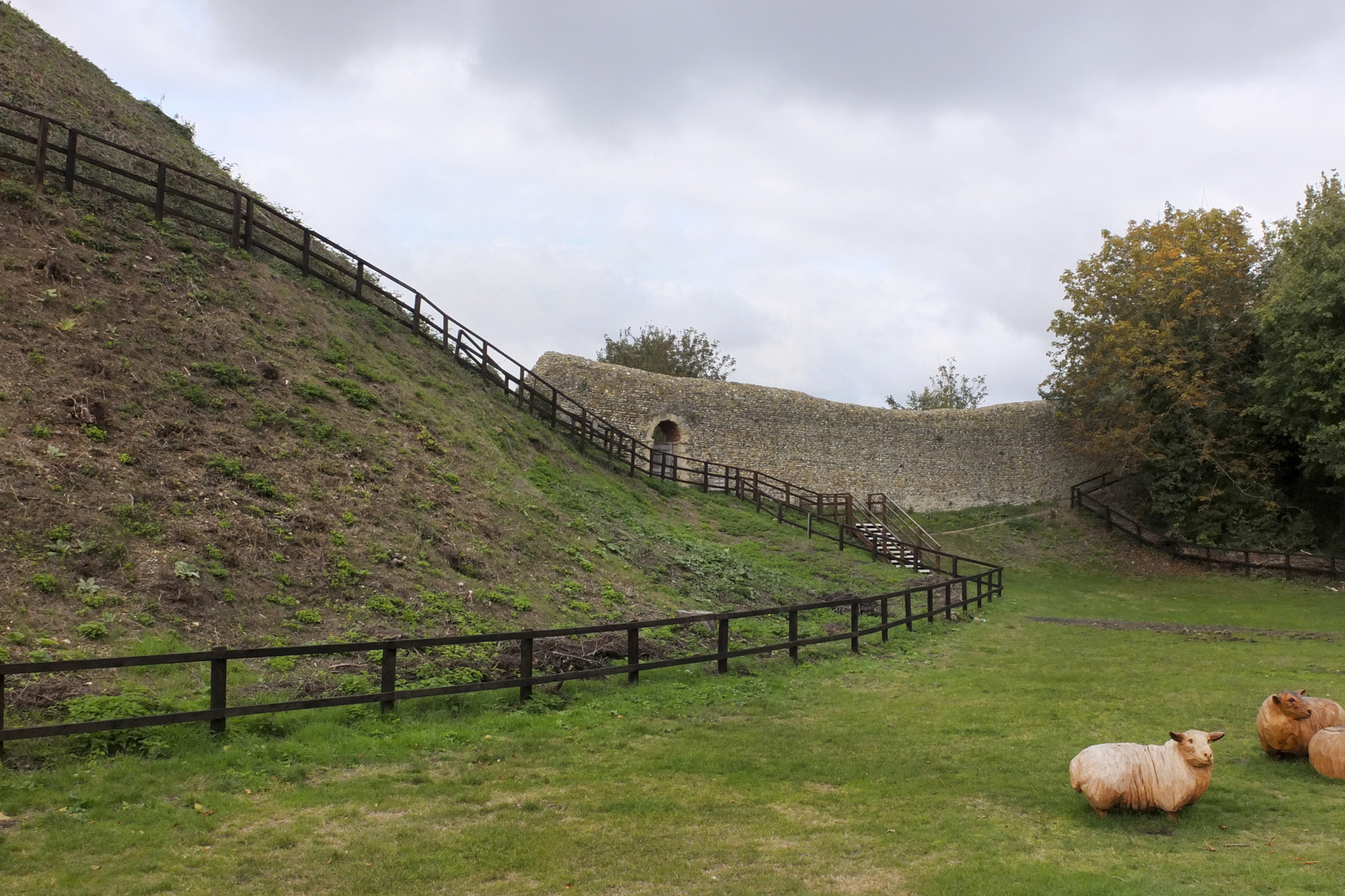
Marcus Bunyan (Australian, b. 1958) 'Clare Castle, England' 2019 from the sequence 'Tell Me Why' 2019-2024
Clare Castle, England


Marcus Bunyan (Australian, b. 1958) 'Suspension' 2019 from the sequence 'Tell Me Why' 2019-2024


Marcus Bunyan (Australian, b. 1958) 'Three cracked eggs' 2019 from the sequence 'Tell Me Why' 2019-2024
Three cracked eggs


Marcus Bunyan (Australian, b. 1958) 'Untitled' 2019 from the sequence 'Tell Me Why' 2019-2024


Marcus Bunyan (Australian, b. 1958) 'Silver' 2019 from the sequence 'Tell Me Why' 2019-2024


Marcus Bunyan (Australian, b. 1958) 'Southbound Northbound' 2019 from the sequence 'Tell Me Why' 2019-2024
Marcus Bunyan (Australian, b. 1958) 'Untitled' 2019 from the sequence 'Tell Me Why' 2019-2024


Marcus Bunyan (Australian, b. 1958) 'Push' 2019 from the sequence 'Tell Me Why' 2019-2024


Marcus Bunyan (Australian, b. 1958) 'Catch' 2019 from the sequence 'Tell Me Why' 2019-2024
Marcus Bunyan (Australian, b. 1958) 'Untitled' 2019 from the sequence 'Tell Me Why' 2019-2024


Marcus Bunyan (Australian, b. 1958) 'The profit of industry' 2019 from the sequence 'Tell Me Why' 2019-2024
The profit of industry


Marcus Bunyan (Australian, b. 1958) 'Untitled' 2019 from the sequence 'Tell Me Why' 2019-2024


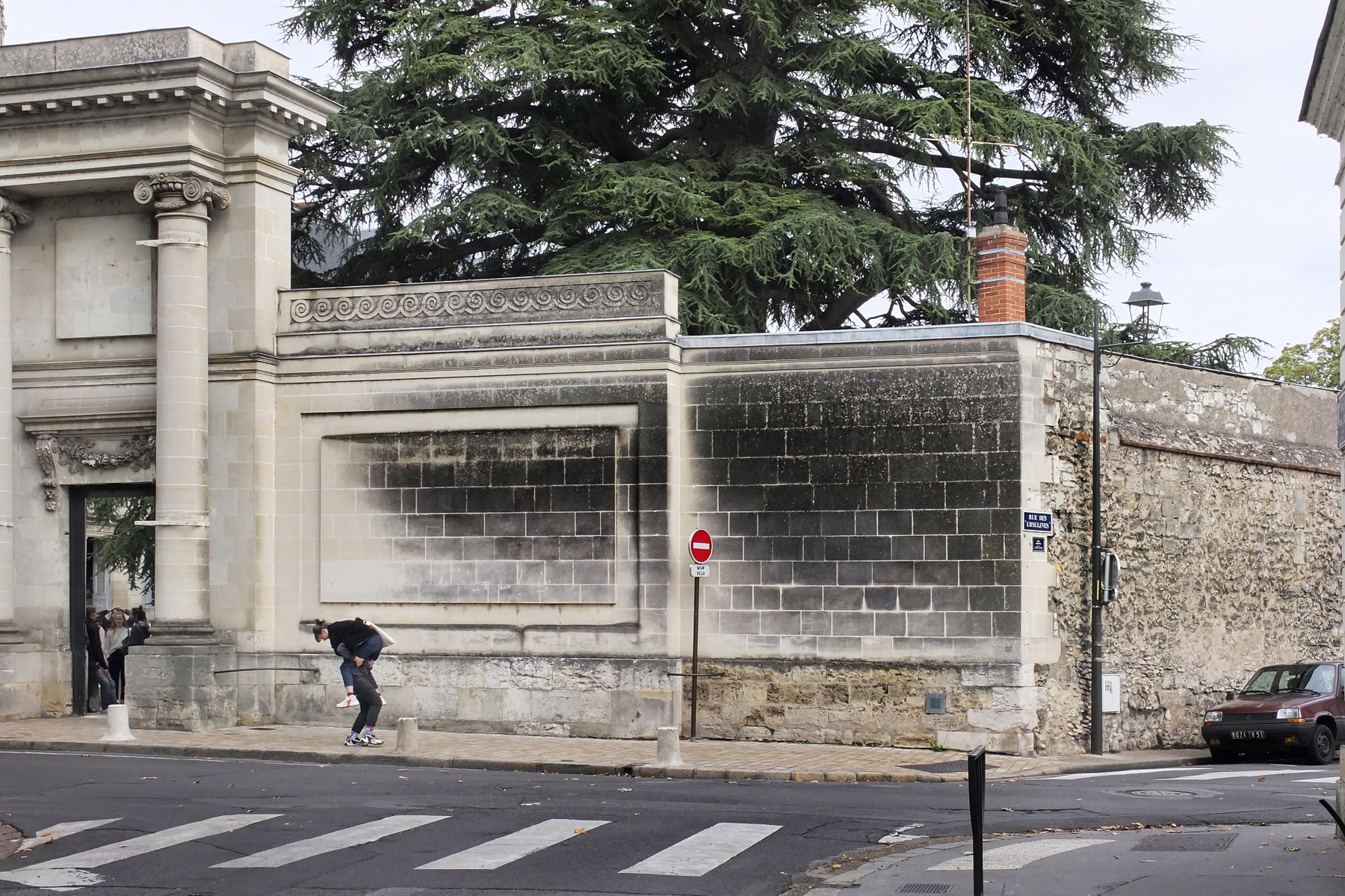
Marcus Bunyan (Australian, b. 1958) 'Rue des Ursulines, Paris' 2019 from the sequence 'Tell Me Why' 2019-2024
Rue des Ursulines, Paris


Marcus Bunyan (Australian, b. 1958) 'Untitled' 2019 from the sequence 'Tell Me Why' 2019-2024


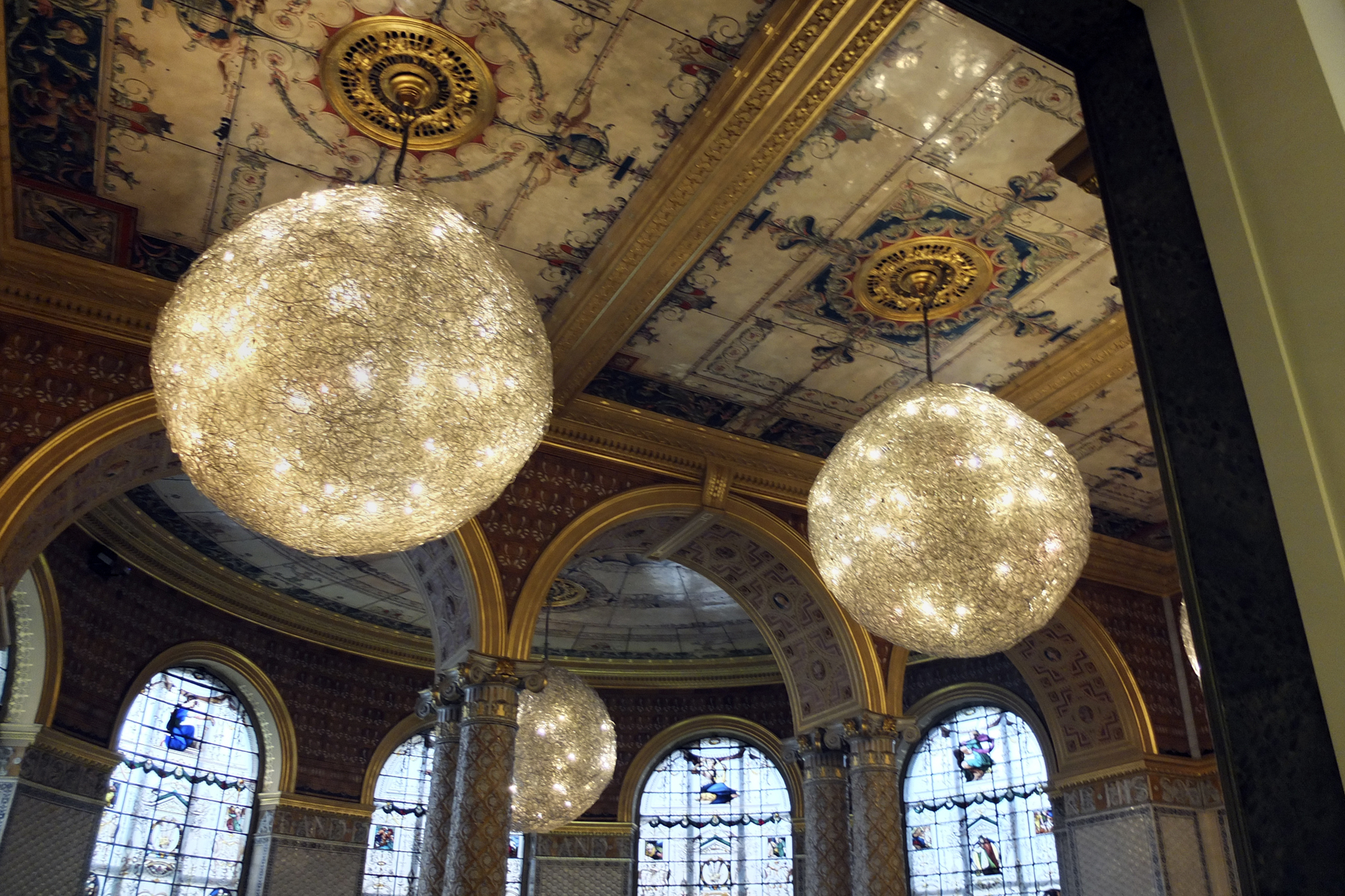
Marcus Bunyan (Australian, b. 1958) 'Photospheres' 2019 from the sequence 'Tell Me Why' 2019-2024
Photospheres
Marcus Bunyan (Australian, b. 1958) 'In Memory Of' 2019 from the sequence 'Tell Me Why' 2019-2024
In Memory Of
(In Memory of the forty three people who died as a result of the tragic accident at Moorgate Underground Station on the 28th February 1975)


Marcus Bunyan (Australian, b. 1958) 'Christmas in October' 2019 from the sequence 'Tell Me Why' 2019-2024
Christmas in October


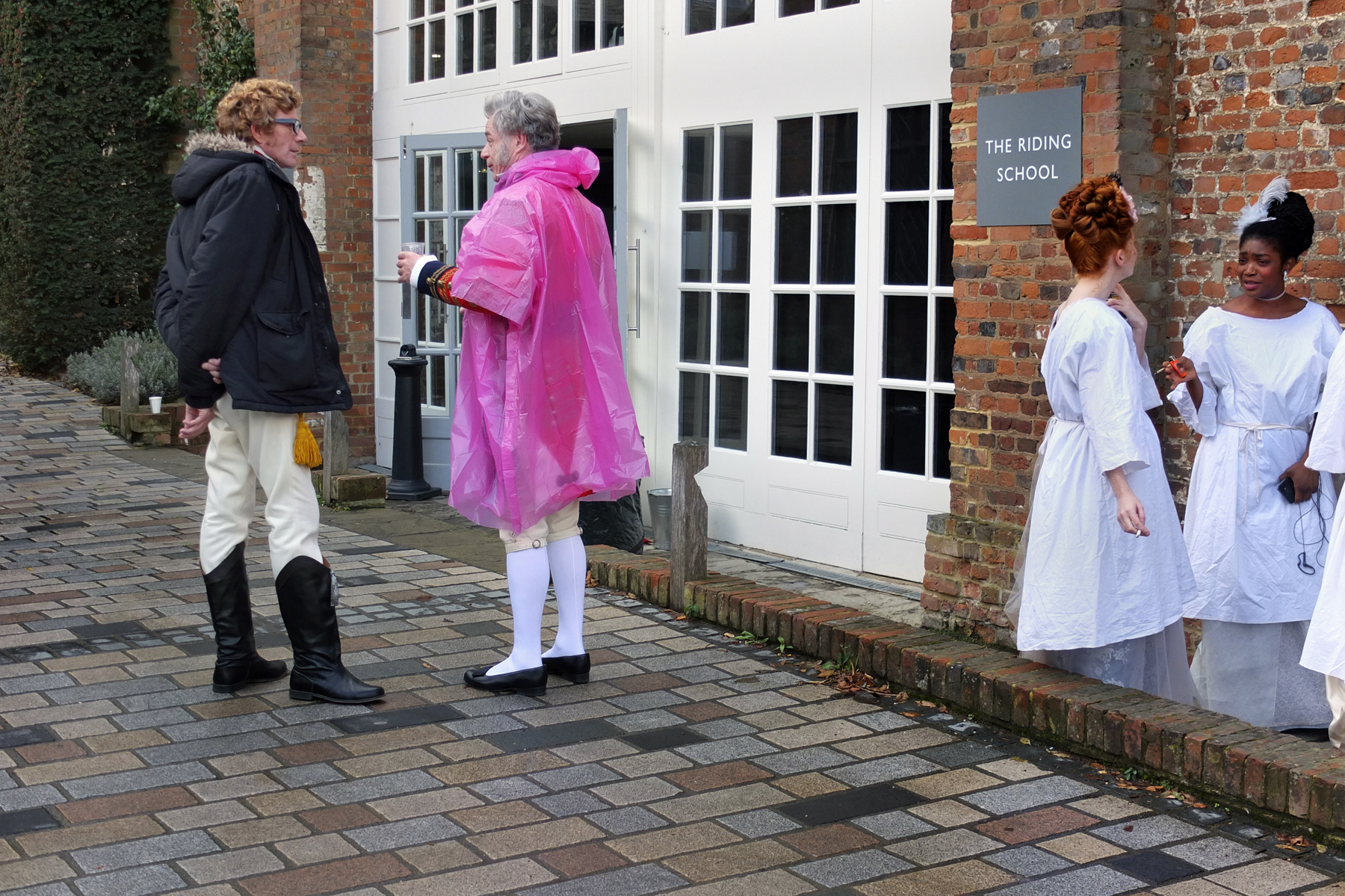
Marcus Bunyan (Australian, b. 1958) 'The Riding School, England' 2019 from the sequence 'Tell Me Why' 2019-2024
The Riding School, England


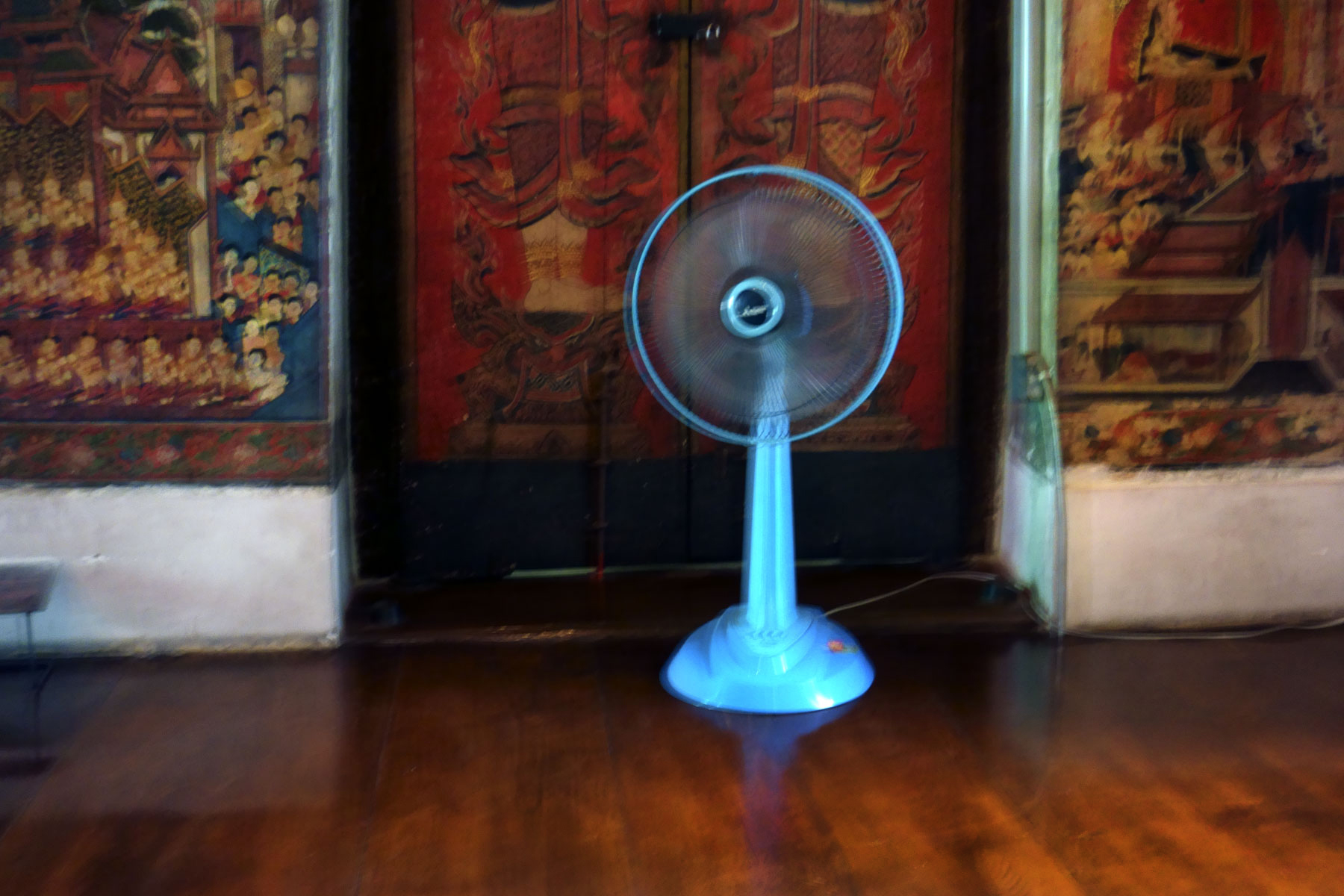
Marcus Bunyan (Australian, b. 1958) 'The Blue Fan' 2019 from the sequence 'Tell Me Why' 2019-2024
The Blue Fan


Marcus Bunyan (Australian, b. 1958) 'The Casualities of War' 2019 from the sequence 'Tell Me Why' 2019-2024
The Casualities of War


Marcus Bunyan (Australian, b. 1958) 'Untitled' 2019 from the sequence 'Tell Me Why' 2019-2024


Marcus Bunyan (Australian, b. 1958) 'Atget (colour)' 2019 from the sequence 'Tell Me Why' 2019-2024
Atget (colour)


Marcus Bunyan (Australian, b. 1958) 'Untitled' 2019 from the sequence 'Tell Me Why' 2019-2024


Marcus Bunyan (Australian, b. 1958) 'Untitled' 2019 from the sequence 'Tell Me Why' 2019-2024


Marcus Bunyan (Australian, b. 1958) 'Suspension' 2019 from the sequence 'Tell Me Why' 2019-2024


Marcus Bunyan (Australian, b. 1958) 'Untitled' 2019 from the sequence 'Tell Me Why' 2019-2024


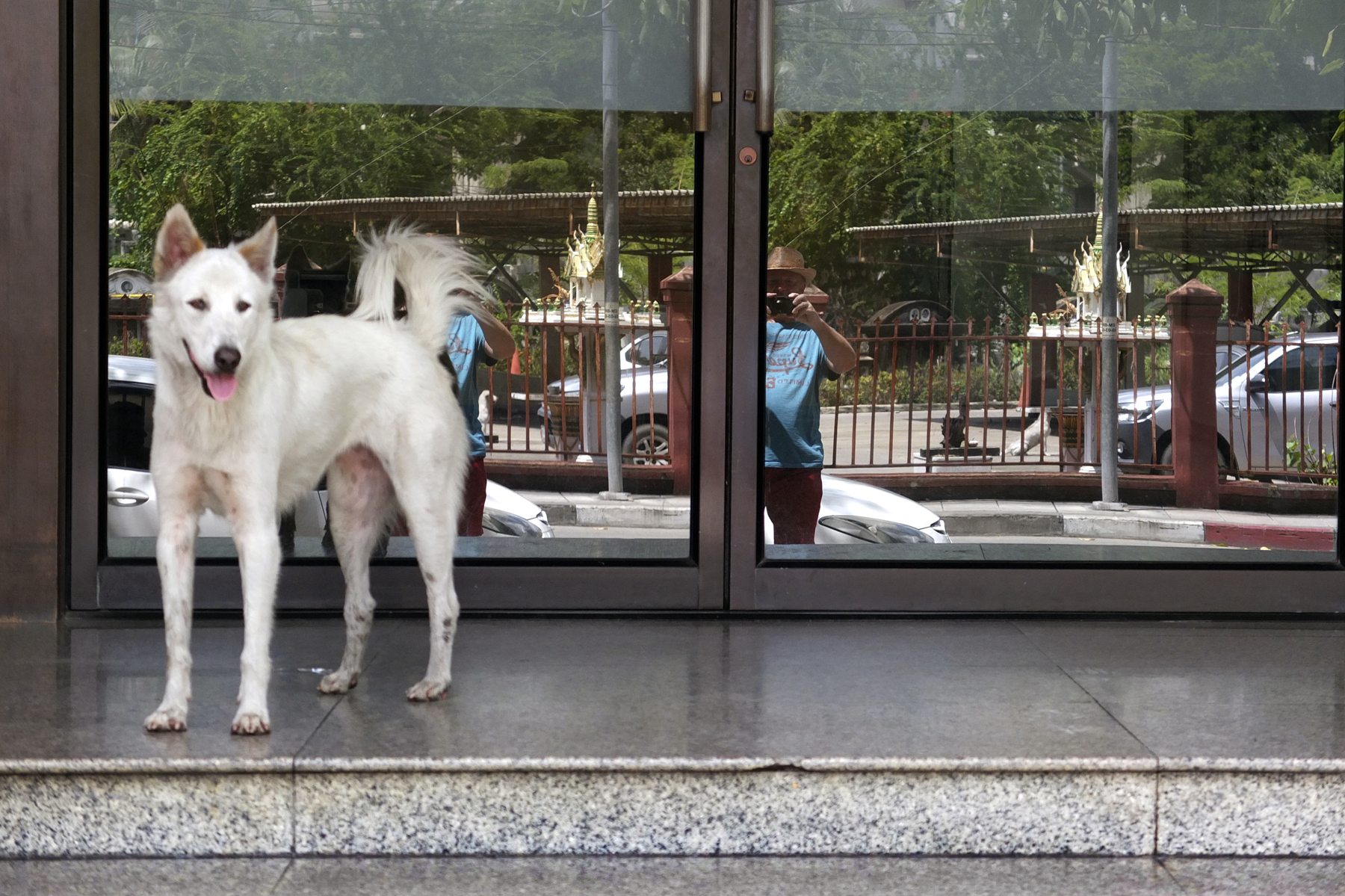
Marcus Bunyan (Australian, b. 1958) 'Self-portrait with dog' 2019 from the sequence 'Tell Me Why' 2019-2024
Self-portrait with dog


Marcus Bunyan (Australian, b. 1958) 'After (Hokusai)' 2019 from the sequence 'Tell Me Why' 2019-2024
After (Hokusai)


Photographs are available from this series for purchase. As a guide, a digital colour 16″ x 20″ print costs $1,000 plus tracked and insured shipping. For more information please see the Store web page.


Marcus Bunyan website

LIKE ART BLART ON FACEBOOK

Back to top

Photographs: Marcus Bunyan. ‘(How I) Wish You Were Here’

from the series Travelling the wonderful loneliness 2019-2024

March 2024


Marcus Bunyan (Australian, b. 1958) 'My mother's apples' from the sequence '(How I) Wish You Were Here' 2019-2024
My mother’s apples


During 2019 I took a photographic journey through Europe. The trip was an ascetic experience, hardly talking to anyone for 2 months, immersed in photography, taking almost 10,000 photographs on three digital cameras. I have whittled these photographs down to around 120 images in four sequences.

This sequence, (How I) Wish You Were Here, is one of the four sequences in the series collectively titled Travelling the wonderful loneliness (2019-2024).

Other sequences in the series include Material Witness; Tell Me Why; and Dark Light (all 2019-2024).

Dr Marcus Bunyan

43 images
© Marcus Bunyan

Please click on the photographs for a larger version of the image.


Marcus Bunyan (Australian, b. 1958) 'EL 25' from the sequence '(How I) Wish You Were Here' 2019-2024


Marcus Bunyan (Australian, b. 1958) 'Untitled' from the sequence '(How I) Wish You Were Here' 2019-2024


Marcus Bunyan (Australian, b. 1958) 'Looking at you looking at me' from the sequence '(How I) Wish You Were Here' 2019-2024


Marcus Bunyan (Australian, b. 1958) 'Crossing' from the sequence '(How I) Wish You Were Here' 2019-2024


Marcus Bunyan (Australian, b. 1958) 'Crossing' from the sequence '(How I) Wish You Were Here' 2019-2024


Marcus Bunyan (Australian, b. 1958) 'Untitled' from the sequence '(How I) Wish You Were Here' 2019-2024


Marcus Bunyan (Australian, b. 1958) 'Dawn, Prague' from the sequence '(How I) Wish You Were Here' 2019-2024
Dawn, Prague


Marcus Bunyan (Australian, b. 1958) 'Untitled' from the sequence '(How I) Wish You Were Here' 2019-2024


Marcus Bunyan (Australian, b. 1958) 'Only You' from the sequence '(How I) Wish You Were Here' 2019-2024
Only You


Marcus Bunyan (Australian, b. 1958) 'Untitled' from the sequence '(How I) Wish You Were Here' 2019-2024


Marcus Bunyan (Australian, b. 1958) 'Untitled' from the sequence '(How I) Wish You Were Here' 2019-2024


Marcus Bunyan (Australian, b. 1958) 'Photoautomat' from the sequence '(How I) Wish You Were Here' 2019-2024
Photoautomat


Marcus Bunyan (Australian, b. 1958) 'Imaginary friends' from the sequence '(How I) Wish You Were Here' 2019-2024


Marcus Bunyan (Australian, b. 1958) 'Ascending' from the sequence '(How I) Wish You Were Here' 2019-2024


Marcus Bunyan (Australian, b. 1958) 'Liberté, Egalité, Fraternité' from the sequence '(How I) Wish You Were Here' 2019-2024


Marcus Bunyan (Australian, b. 1958) 'Infinity, Centre Pompidou' from the sequence '(How I) Wish You Were Here' 2019-2024


Marcus Bunyan (Australian, b. 1958) 'Mr Skull is Not for sale!' from the sequence '(How I) Wish You Were Here' 2019-2024
Mr Skull is Not for sale!


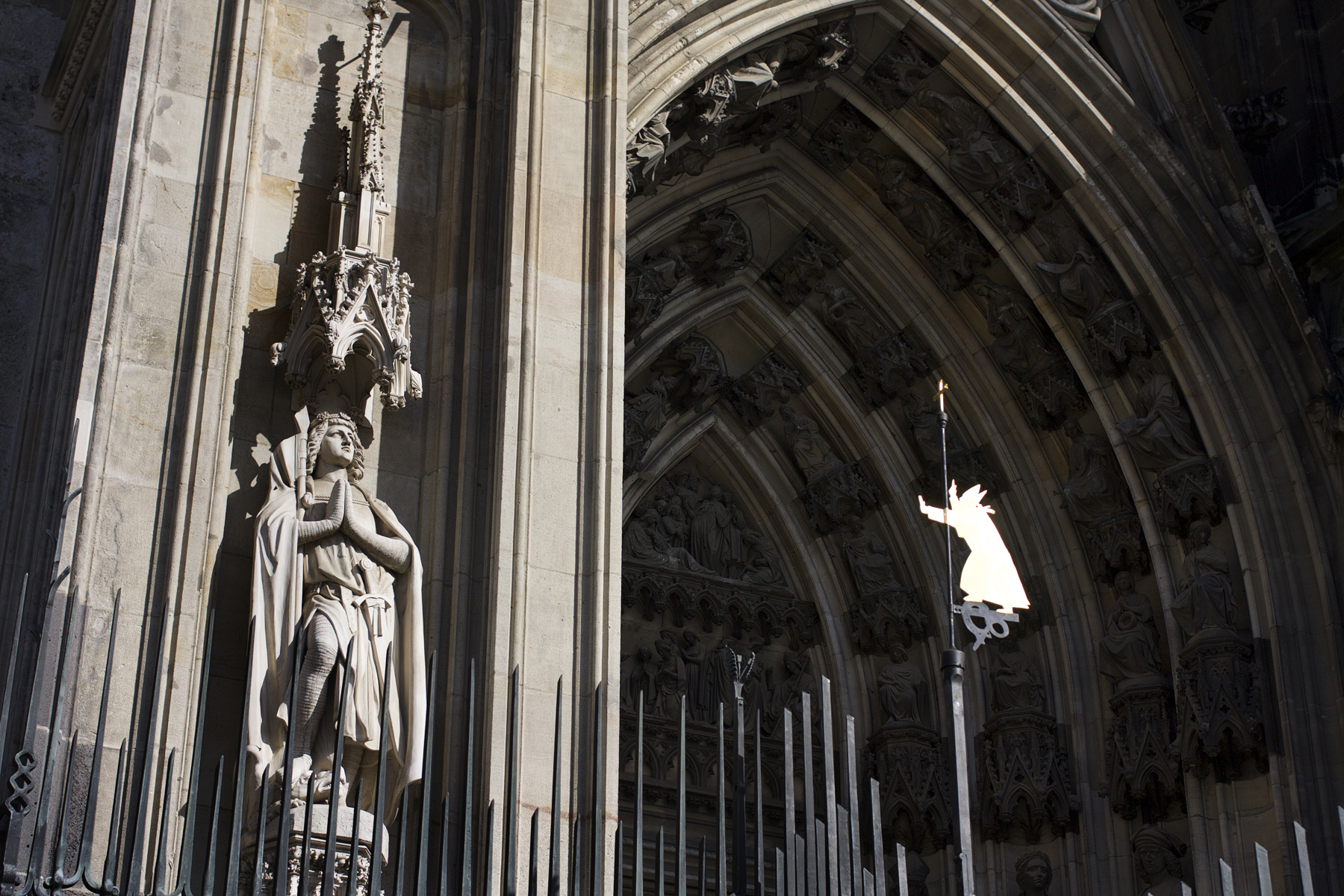
Marcus Bunyan (Australian, b. 1958) 'Golden angel' from the sequence '(How I) Wish You Were Here' 2019-2024


Marcus Bunyan (Australian, b. 1958) 'Pastoral landscape, No. 2' from the sequence '(How I) Wish You Were Here' 2019-2024
Pastoral landscape, No. 2


Marcus Bunyan (Australian, b. 1958) 'Untitled' from the sequence '(How I) Wish You Were Here' 2019-2024


Marcus Bunyan (Australian, b. 1958) 'Purple chair' from the sequence '(How I) Wish You Were Here' 2019-2024
Purple chair


Marcus Bunyan (Australian, b. 1958) 'Untitled' from the sequence '(How I) Wish You Were Here' 2019-2024


Marcus Bunyan (Australian, b. 1958) 'Blue jeans' from the sequence '(How I) Wish You Were Here' 2019-2024


Marcus Bunyan (Australian, b. 1958) 'Untitled' from the sequence '(How I) Wish You Were Here' 2019-2024


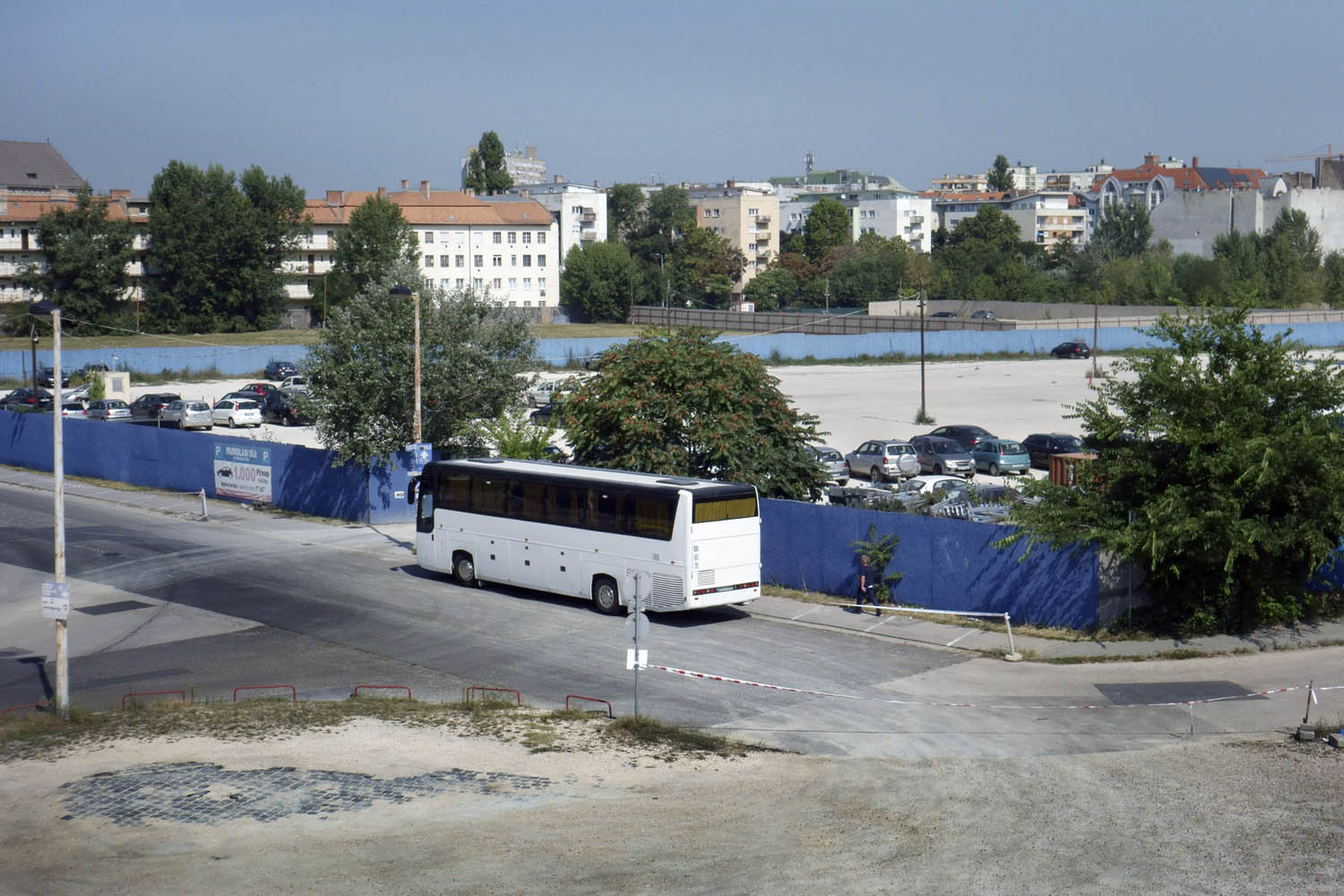
Marcus Bunyan (Australian, b. 1958) 'White Coach' from the sequence '(How I) Wish You Were Here' 2019-2024


Marcus Bunyan (Australian, b. 1958) 'Love' from the sequence '(How I) Wish You Were Here' 2019-2024


Marcus Bunyan (Australian, b. 1958) 'Untitled' from the sequence '(How I) Wish You Were Here' 2019-2024


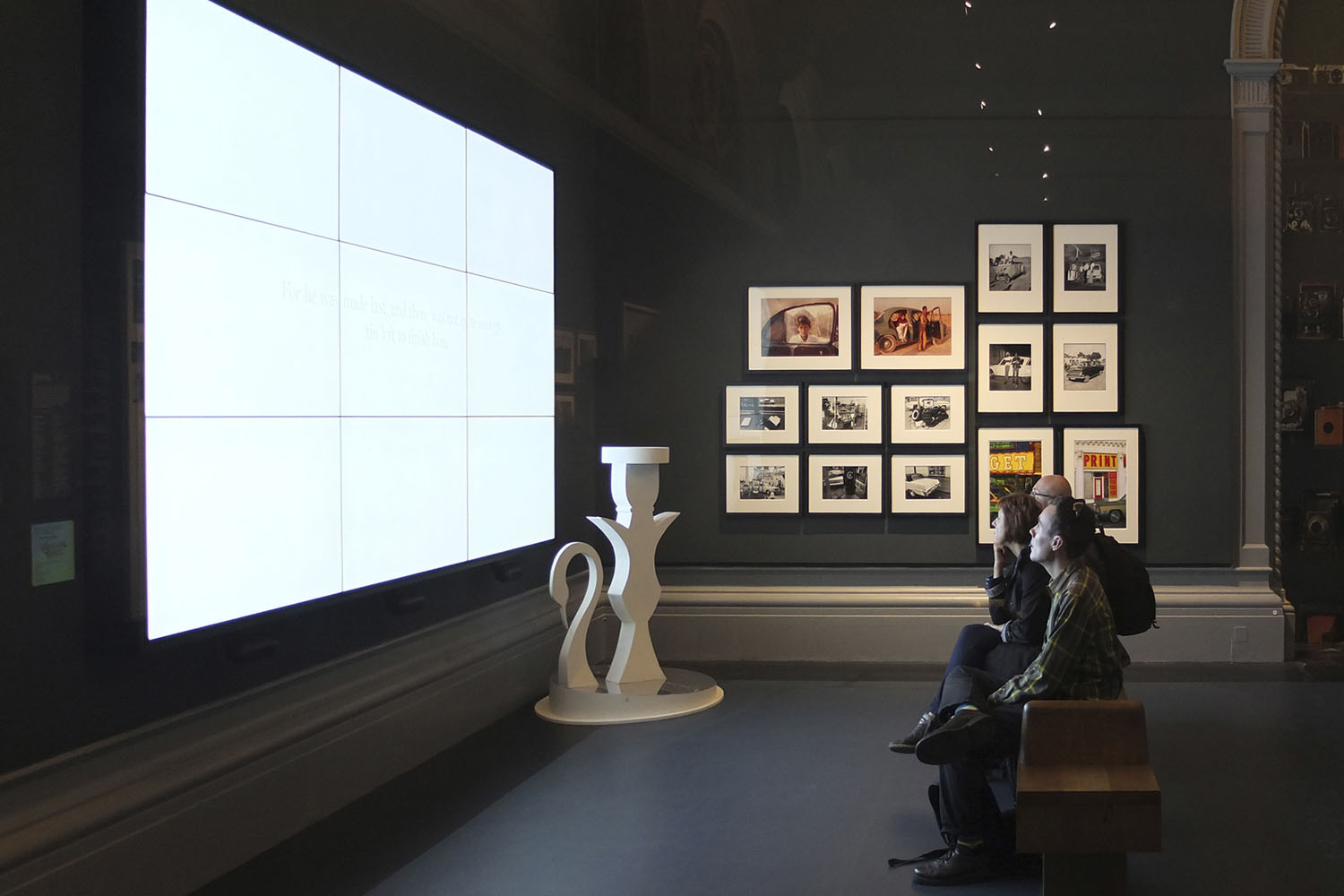
Marcus Bunyan (Australian, b. 1958) 'V&A Photography Centre, London' from the sequence '(How I) Wish You Were Here' 2019-2024
V&A Photography Centre, London


Marcus Bunyan (Australian, b. 1958) 'Dawn, Prague' from the sequence '(How I) Wish You Were Here' 2019-2024
Dawn, Prague


Marcus Bunyan (Australian, b. 1958) 'The Bell' from the sequence '(How I) Wish You Were Here' 2019-2024


Marcus Bunyan (Australian, b. 1958) 'An American in Amsterdam (Berenice Abbott)' from the sequence '(How I) Wish You Were Here' 2019-2024
An American in Amsterdam (Berenice Abbott)


Marcus Bunyan (Australian, b. 1958) 'C  D' from the sequence '(How I) Wish You Were Here' 2019-2024


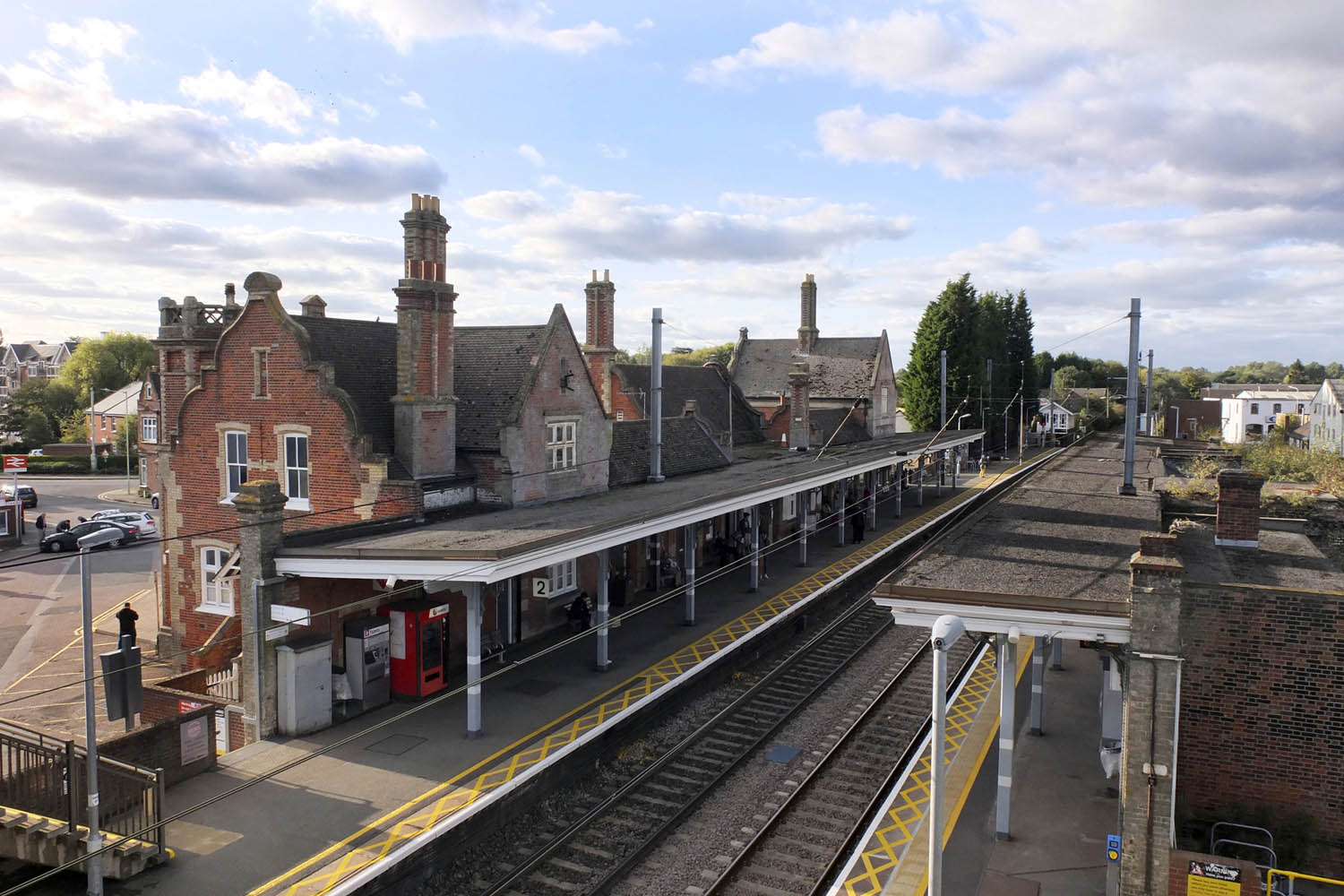
Marcus Bunyan (Australian, b. 1958) 'Arriving leaving, Stowmarket' from the sequence '(How I) Wish You Were Here' 2019-2024
Arriving leaving, Stowmarket


Marcus Bunyan (Australian, b. 1958) 'Untitled' from the sequence '(How I) Wish You Were Here' 2019-2024


Marcus Bunyan (Australian, b. 1958) 'Untitled' from the sequence '(How I) Wish You Were Here' 2019-2024


Marcus Bunyan (Australian, b. 1958) 'Untitled' from the sequence '(How I) Wish You Were Here' 2019-2024


Marcus Bunyan (Australian, b. 1958) 'Pink, blue and green' from the sequence '(How I) Wish You Were Here' 2019-2024


Marcus Bunyan (Australian, b. 1958) 'Untitled' from the sequence '(How I) Wish You Were Here' 2019-2024


Marcus Bunyan (Australian, b. 1958) 'Untitled' from the sequence '(How I) Wish You Were Here' 2019-2024


Marcus Bunyan (Australian, b. 1958) 'Ovule' from the sequence '(How I) Wish You Were Here' 2019-2024


Marcus Bunyan (Australian, b. 1958) 'Untitled' from the sequence '(How I) Wish You Were Here' 2019-2024


Marcus Bunyan (Australian, b. 1958) 'Heads I win tails you loose' from the sequence '(How I) Wish You Were Here' 2019-2024
Heads I win tails you loose


Photographs are available from this series for purchase. As a guide, a digital colour 16″ x 20″ print costs $1,000 plus tracked and insured shipping. For more information please see the Store web page.


Marcus Bunyan website

LIKE ART BLART ON FACEBOOK

Back to top

Exhibition: ‘Lucinda Devlin – Frames of Reference’ at the Photographische Sammlung/SK Stiftung Kultur, Cologne

Exhibition dates: 10th March – 16th July 2023


Lucinda Devlin (American, b. 1947) 'Bath, Pocono Palace, Marshall's Creek, Pennsylvania' 1980


Lucinda Devlin (American, b. 1947)
Bath, Pocono Palace, Marshall’s Creek, Pennsylvania
1980
From the series Pleasure Ground
© Lucinda Devlin, courtesy Galerie m, Bochum


I love these works in series!

Frames of reference: spaces that humans construct (mainly interiors that serve specific functions) – for example, spaces of pleasure, corporate arenas, sanctioned death chambers, subterranean spaces, human habitats for captured animals, fields of industrial agriculture.

Format: The square format perfectly supports the themes being investigated, balancing and tensioning the pictorial plane within each image.

Colour palette: The limited colour palette of each image heightens the atmosphere and focuses the senses of the viewer.

Lighting: As in a movie set or theatrical production, whether ambient light, spot light, interior light.

Staging: Nothing is out of place. These are utilitarian/utopian/dystopian spaces.


Everything is perfectly ordered within Devlin’s human(less) worlds… and yet the photographs are instilled with a hyperreality where everything is not as it seems, where spaces exist as a “reality” we do not normally perceive.

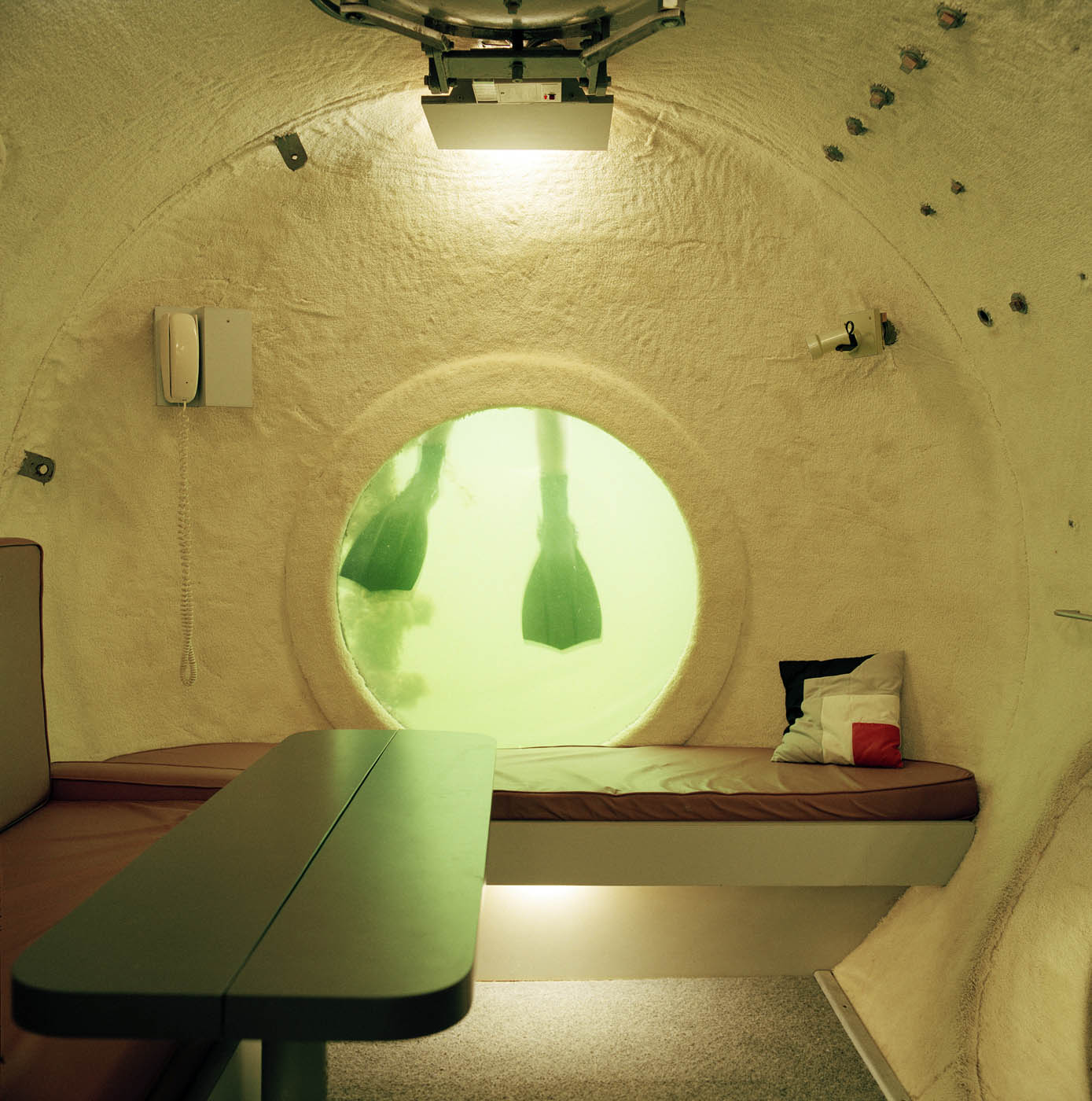
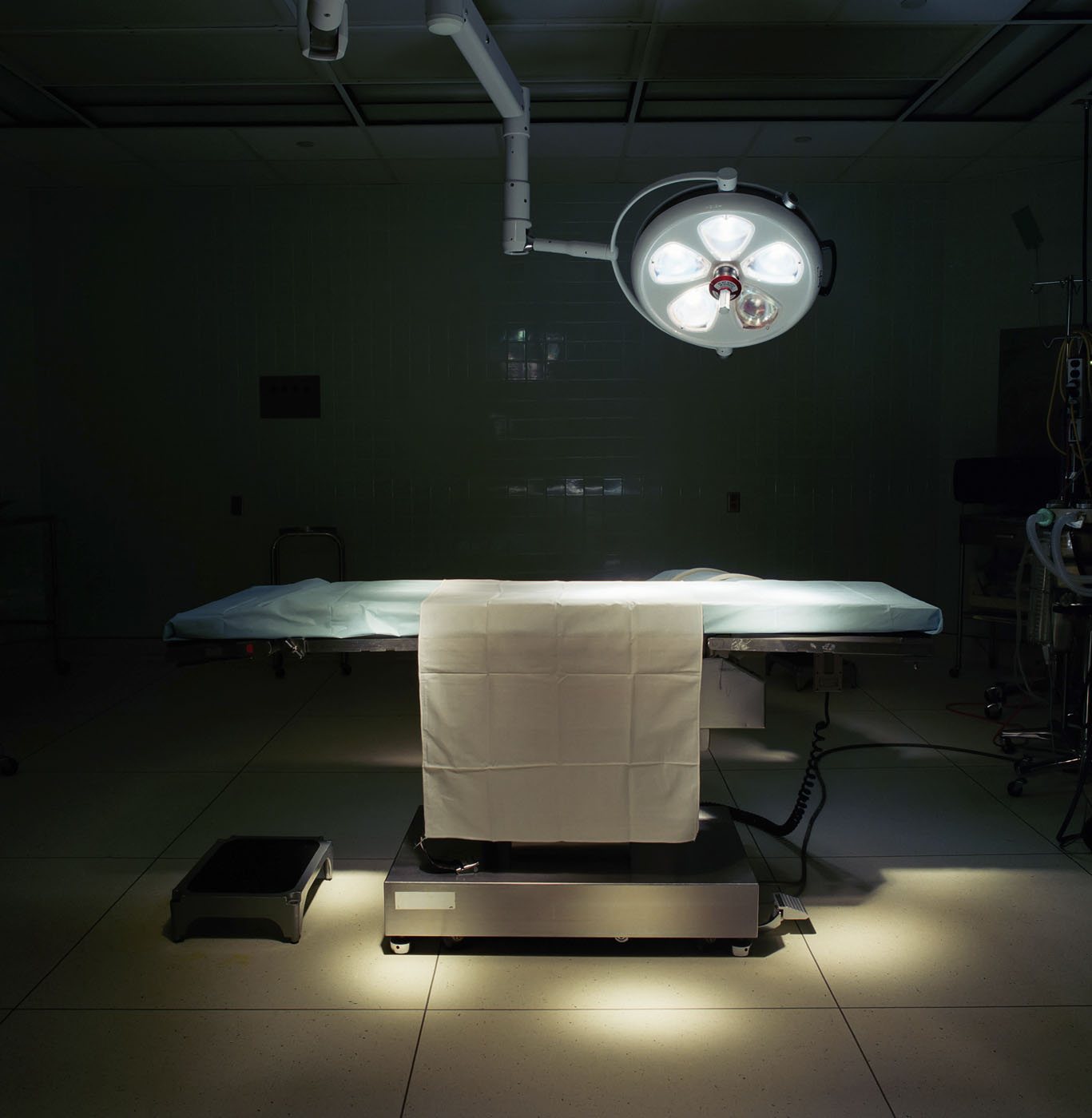
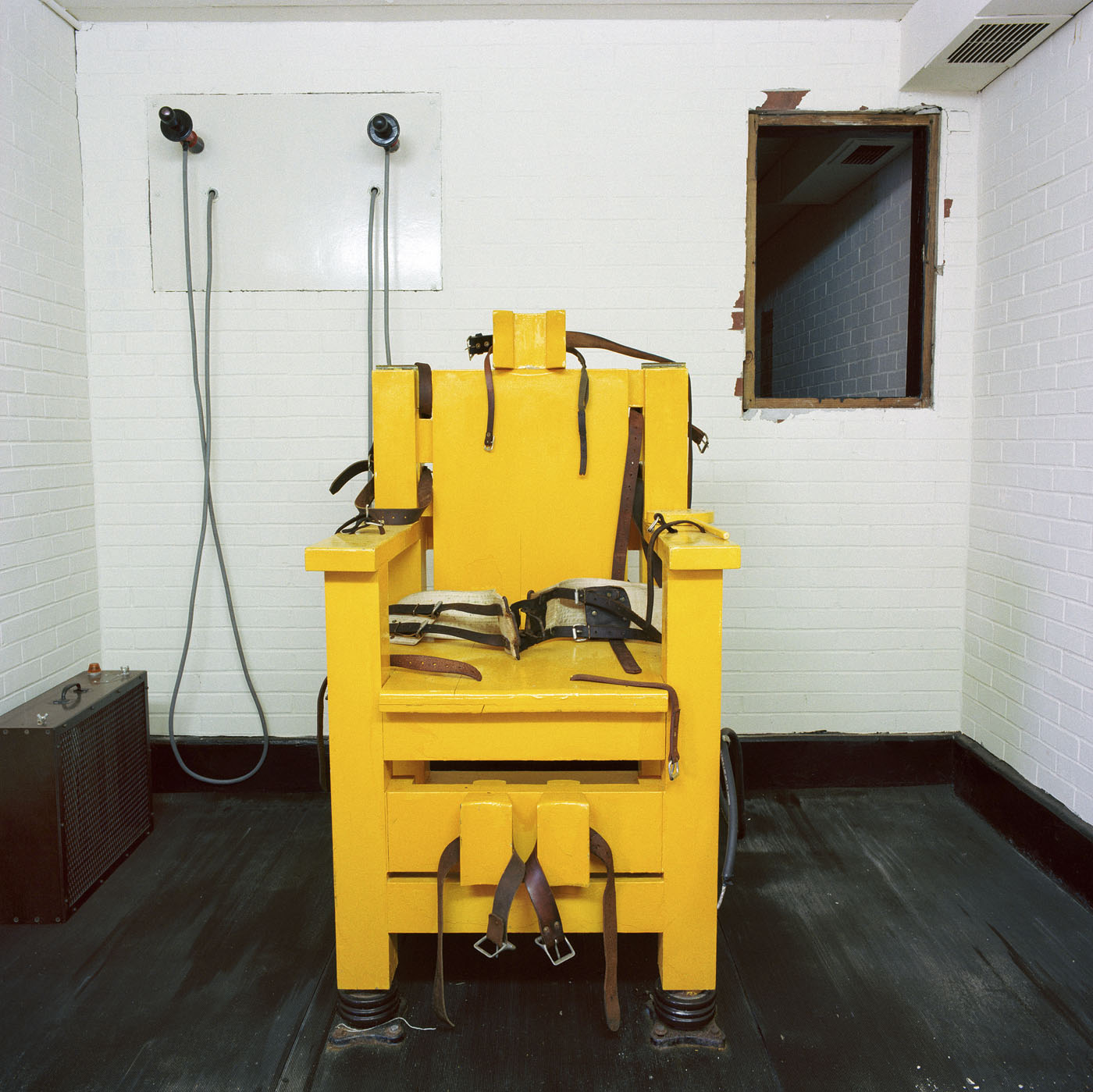
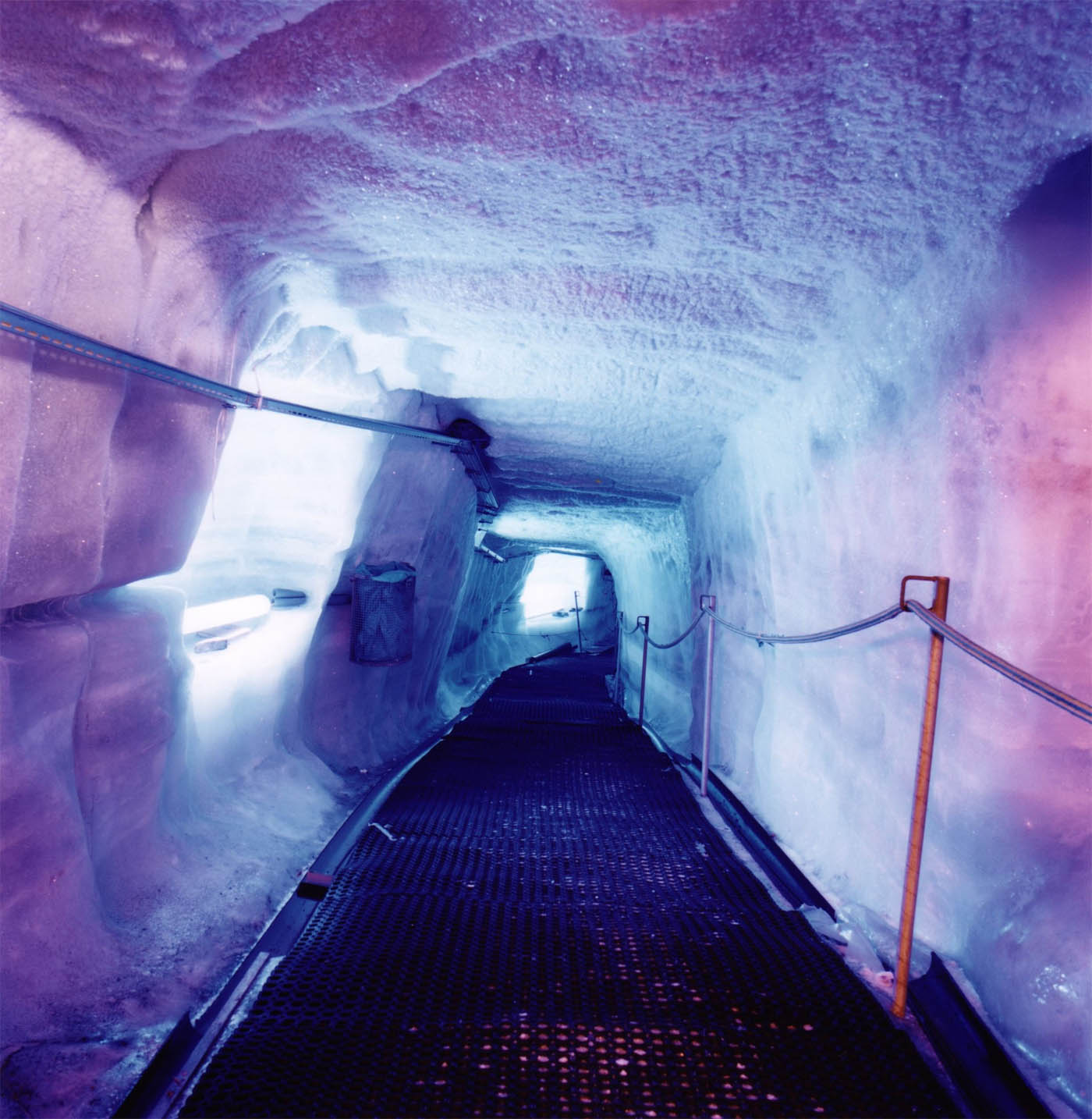
The luscious heart shaped red bath surrounded by a halo of lights and flowered red carpet; the unexpected, alien flippers in the round portal of an undersea lodge; “a surgical lamp that looks like an oversized star in the night sky which illuminates the pictorial space”; a bright yellow electric (in colour and intent) chair that looks like an oversized piece of Lego; the ether-reality of the purple haze glacier paradise at the Matterhorn. The spaces are full of human presence even as we acknowledge their physical absence. Their fossilised fingerprints are all over these fantastical creations – these disturbing, sometimes grim, fairy tales.

While acknowledging a debt to the history of photography through the New Color Photography movement, New Topographics, “the direct and objective methodology pursued by August Sander”, and “the strict comparative typology practiced by the photographers Bernd and Hilla Becher” … the photographs are most definitely Devlin’s own. They hold a particular signature, more theatrical than ever New Topographics, Sander or the Bechers.

“The way each space is staged can tell us something about its intended impact and use.” And the recognition and interpretation of that staging can ultimately tell us as much about the artist as about the space itself: perfectionist, environmentalist, passionate creative artist who perceives difference in the everyday, who is aware, aware of the different realities that life (re)presents.

It’s best to view Devlin’s work in the complete series to get the full immersive effect. More photographs from each series can be found on the Lucinda Devlin website.

Dr Marcus Bunyan


Many thankx to the Photographische Sammlung/SK Stiftung Kultur for allowing me to publish the photographs in the posting. Please click on the photographs for a larger version of the image.


Lucinda Devlin – Frames of Reference


American artist Lucinda Devlin rose to fame in the 1990s with a series of soberly observed photographs of execution rooms in US correctional facilities titled “The Omega Suites.” The images caused a sensation at the Venice Biennale in 2001. One of the motifs had already attracted attention in 1992 when it was featured in a controversial advertising campaign for an Italian fashion label. “The Omega Suites” is one of nine photographic series, along with a video, on view in Frames of Reference, the first large-scale survey to be devoted to Lucinda Devlin in Europe.

Devlin, once part of the New Color Photography movement, seeks out her motifs mainly in interiors that serve specific functions. Most of her subjects are in the USA, but she has also done projects in Germany and other countries. In the mid-2000s, the artist added landscape scenes to her repertoire.

One searches in vain for people in Devlin’s pictures, and yet her images tell of human sensitivities and values, evoking existential life questions. In the series “Pleasure Ground” (1977-1990), for example, Devlin provides glimpses of hotel rooms with fantasy themes, discotheques, and beauty salons – places that promise relaxation and enjoyment. By contrast, the interiors in the “Corporal Arenas” series (1982-1998) have an unsettling effect.

Operating rooms for human or animal patients, treatment spaces, and morgues are reproduced here in all objectivity. Viewers are compelled to reflect on their own feelings and experiences in such settings.

It was themes such as these that led the photographer to pursue the project she titled “The Omega Suites” (1991-1998). Devlin did not intend her photographs taken in maximum security prisons to be understood as a statement for or against the death penalty.

Contemplation of these very specific spaces is instead meant as an encouragement to engage personally with a difficult subject.

With the support of a DAAD grant, Devlin shot her series “Water Rites” (1999-2002) in German spas, adding a new twist to “Corporal Arenas.” “Water Rites” takes a look at what are in some cases time-honoured institutions devoted to promoting well-being as well as to healing and convalescence. In Devlin’s “Subterranea” series (ongoing since 1980), she focuses her lens on caves and tunnels that have been made accessible for various uses, reproducing in her pictures the luminous colours generated by artificial lighting schemes installed underground. The way each space is staged can tell us something about its intended impact and use. That Devlin’s interests extend beyond spaces occupied by humans is evident from her “Habitats” series (ongoing since 1985), which spotlights zoo enclosures and aquariums that are modelled on natural animal habitats.

With “Field Culture” (primarily since 2007), the artist has turned to the question of how humans shape the outdoor environment. Here she investigates industrial agriculture in the USA, where genetic engineering and the need to generate sufficient energy are major factors in food production.

Devlin has found an enduring source of inspiration in the vast expanses of Lake Huron, to which she dedicated a series between 2010 and 2019 called “Lake Pictures,” with images illustrating the beauty and grandeur of nature. She presents similarly imposing views of salt lakes and salt flats in Utah in the series “Salt” (ongoing since 2014).

The documentary and serial nature of Devlin’s projects suggests close parallels with the style of depiction represented in the collection of Die Photographische Sammlung / SK Stiftung Kultur. In the 1980s, while working as a university professor and curator, the artist already developed a fascination with the direct and objective methodology pursued by August Sander in his portraiture. And her photos also echo in some ways the strict comparative typology practiced by the photographers Bernd and Hilla Becher. Here as well, compelling correlations can be found among the Cologne collection’s central holdings.

The exhibition has been made possible by generous loans from the artist; Galerie m, Bochum; DZ Bank, Frankfurt/Main; and private lenders.

A publication will accompany the exhibition, featuring essays by Gabriele Conrath-Scholl, Lucinda Devlin, and Claudia Schubert, as well as an interview conducted with the artist by Lisa Le Feuvre (Steidl Verlag, approx. 300 pages, DE/EN).

Press release from Photographische Sammlung/SK Stiftung Kultur


Lucinda Devlin (American, b. 1947) 'Jules UnderSea Lodge, Key Largo, Florida' 1989


Lucinda Devlin (American, b. 1947)
Jules UnderSea Lodge, Key Largo, Florida
1989
From the series Pleasure Ground
© Lucinda Devlin, courtesy Galerie m, Bochum


Pleasure Ground

This series marks the beginning of Lucinda Devlin’s artistic work. Recorded between 1977 and 1996, for example in imaginative theme hotels, in spa and cosmetic areas, in discotheques or striptease bars. Where people seek pleasure and distraction from the toils of everyday life, where desires and dreams provide the incentive to set up these spaces. In their functions and legitimised offers, they are still rarely factual and people are presented in a virtually unrecorded way. They are “stages” for which social agreements exist, but also “space capsules” that are temporary and can become private, taboo-free zones. Socially harmonious, ritualised manners are to be expected as well as one’s hedonistic and borderline actions.

Red emerges as a prominent colour in Pleasure Ground, it signals warmth, love and eroticism. All the more so when in the vicinity of these “islands of happiness” as in the case of the humble Creative Pines Motel little more than highways, gas stations and fast food places. They appear flooded red light retreats with frivolously rigged equipment, even more of the rough world relieved. Lucinda Devlin’s numerous emblematic images in this group of works succeed. That of the heart-shaped whirlpool at Pocono Palace is one of them. The camera stands in the luxurious tub and exposes with the self-timer in the ceiling mirror installed above. This technical trick enabled Devlin to capture the big red heart framed with mirrors and lights undistorted and centred in the picture. The narrow square frame emphasises the rounded shape as well as the oscillating between near and deep space.

Text translated from the German by Google Translate from the Photographische Sammlung / SK Stiftung Kultur


Lucinda Devlin (American, b. 1947) 'Massage Room, Greenbrier Hotel, White Sulphur Springs, WV' 1989


Lucinda Devlin (American, b. 1947)
Massage Room, Greenbrier Hotel, White Sulphur Springs, WV
1989
From the series Corporal Arenas
© Lucinda Devlin, courtesy Galerie m, Bochum

Corporal Arenas

For Lucinda Devlin, the question of physical well-being is of great importance: how much control over your own body and personality is given and in which moments one is in other hands or spheres of influence is handed over. Aspects that make them different in the field of medical treatment and examination rooms for humans and animals. So explores the photographer in her series Corporal Arenas, created between 1986 and 1998, insights into sometimes highly specialised rooms that are mostly shielded from the outside world connect with exceptional situations up to death, while the rooms present themselves as workplaces for certain professional groups.

The picture Operating Room # 8, Forrest General Hospital Hattiesburg is a salient example that meets both the requirements of an operating room clarified as well as the skilful implementation of the subject. He is almost in the middle of the picture operating table provided with a cover protected by cloths. Essential for the constellation is a surgical lamp that looks like an oversized star in the night sky which illuminates the pictorial space above the table to the floor while the surroundings disappear in the dark. This light and line management creates a balanced image geometry. The furnishings thus gain a type spiritual power. Even an altar can be associated.

The other practice rooms considered by Devlin are also connected by a pragmatic decor with smooth, easy-to-clean surfaces and prevailing artificial light. Mostly, however, these are lighter and can be walked through visually. Lucinda Devlin’s pictures also connect in this way to soberly presented documentation views from health technology or from textbooks. But what sets her recordings apart is that they are far removed from any idealised model and in them material ageing and signs of wear as well as irregularities in the arrangement of objects have their place.

Text translated from the German by Google Translate from the Photographische Sammlung / SK Stiftung Kultur


Lucinda Devlin (American, b. 1947) 'Operating Room #8, Forrest General Hospital, Hattiesburg' 1998


Lucinda Devlin (American, b. 1947)
Operating Room #8, Forrest General Hospital, Hattiesburg
1998
From the series Corporal Arenas
© Lucinda Devlin, courtesy Galerie m, Bochum


Lucinda Devlin (American, b. 1947) 'Scotch Douche, The Homestead, Hot Springs, Virginia' 1989


Lucinda Devlin (American, b. 1947)
Scotch Douche, The Homestead, Hot Springs, Virginia
1989
From the series Corporal Arenas
© Lucinda Devlin, courtesy Galerie m, Bochum


Lucinda Devlin (American, b. 1947) 'Electric Chair, Holman Unit, Atmore, Alabama' 1991


Lucinda Devlin (American, b. 1947)
Electric Chair, Holman Unit, Atmore, Alabama
1991
From the series The Omega Suites
© Lucinda Devlin, courtesy Galerie m, Bochum


The Omega Suites

With her views of execution rooms in American prisons, in which are electric chairs, operating tables for administering lethal injections are located or the massive lockable entrances of gas chambers are show, Lucinda Devlin raises awareness of an oppressive topic: the enforcement of the death penalty, which applies in the US and in other countries. However, the photographer is concerned with her project – which took place between 1991 and 1998 in over 20 correctional facilities in various US states – which is neither a sensation nor an accusation. Again, she relies on her thoughtful restrained imagery, which is characterised by realistic colouring and precise perspective and line management of the pictorial space. Not only finding execution rooms with windows and executioners’ technical rooms but also neighbouring cells in which the convicts spend their last hours. There are also rooms for witnesses to witness the execution through a window. To carry out the photographic work Lucinda Devlin completed extensive research. Only the locations of the institutions were laboriously located by her – at that time without the internet – each visit prepared by prior correspondence. A selection of extensive correspondence can be seen in the exhibition showcases.

Text translated from the German by Google Translate from the Photographische Sammlung / SK Stiftung Kultur


Lucinda Devlin (American, b. 1947) 'Ruheraum, Friedrichsbad, Baden-Baden, Germany' 1999


Lucinda Devlin (American, b. 1947)
Ruheraum, Friedrichsbad, Baden-Baden, Germany
1999
From the series Water Rites
© Lucinda Devlin, courtesy Galerie m, Bochum


Water Rites

At the end of the 1990s, Lucinda Devlin developed her Water Rites series. The series is themed with and performs in conjunction with Corporal Arenas, facilities that deal with the physical and mental well-being of the people. Specific objects are the typical spa and bathing landscapes with its extensive range of medical treatments and wellness offers. Lucinda Devlin has visited traditional spa towns where the element of water is used and therapeutic measures for healing are practiced. The American art historian Michael Mackenzie states that that the construction periods of the baths visited by Lucinda Devlin can be divided into three phases: “The earliest is the architecture of the 19th century with its high tiled rooms, with the equipment made of cast iron and stainless steel. They are followed by the cool clinical rooms of the healthcare industry during the post-war period and finally as a recent development spaces that are modelled like ice caves or Arabian oases and the surprising fantasy rooms of American hotels from the Pleasure Ground series” (in: Lucinda Devlin: Water Rites, Göttingen 2003, p. 6)

An overview of the motifs from Water Rites confirms that the photographer is especially looking at manageable parts of the room as well as utensils and furnishings in which the room is dressed, which she encounters at eye level with her camera and gives an optical order by maintaining the central perspective; thus creating an emblem that, like a trademark, has a direct visual access allowed. Again in this series, Lucinda Devlin asks to what extent the body and thus the affected individual has the possibility and ability to control and regulate these influences, or whether this is done by the person or is desired at all.

Text translated from the German by Google Translate from the Photographische Sammlung / SK Stiftung Kultur


Lucinda Devlin (American, b. 1947) 'Massageraum #1, Hufeland Therme, Bad Pyrmont' 2002


Lucinda Devlin (American, b. 1947)
Massageraum #1, Hufeland Therme, Bad Pyrmont
2002
From the series Water Rites
© Lucinda Devlin, courtesy Galerie m, Bochum


Lucinda Devlin (American, b. 1947) 'Römische Bäder, Carolus Thermen, Bad Aachen' 2002


Lucinda Devlin (American, b. 1947)
Römische Bäder, Carolus Thermen, Bad Aachen
2002
From the series Water Rites
© Lucinda Devlin, courtesy Galerie m, Bochum


Lucinda Devlin (American, b. 1947) 'Glacier Paradise at the Matterhorn #4, Zermatt, Switzerland' 2008


Lucinda Devlin (American, b. 1947)
Glacier Paradise at the Matterhorn #4, Zermatt, Switzerland
2008
From the series Subterranea
© Lucinda Devlin, courtesy Galerie m, Bochum


Subterranea

As with the Habitats series, Subterranea dates back to the 1980s. The subject of the series are different natural cave formations in America and Europe, Lucinda Devlin also has tunnels from the former mining industry included.

The cave is always in its uses, as well as in representational contexts, been connected with basic human needs and issues. Due to its circumstances, it can be considered the archetype of dwelling, it can be used as a shelter as well as serve a place of worship. Early evidence of human expression can be found in caves, one thinks, for example, of the paintings of Lascaux in France or of those in Spanish Altamira. For Lucinda Devlin, who designs functional spaces as an expression of cultural self-understanding and cultural acceptance, caves may appear to be downright predestined, and this is exactly what she visually reflects. A look at art history reveals a long iconographic tradition of cave representations. In the visualisation of Christian themes for example the birth of Jesus not only in a stable, but often in one cave shown. His grave is also sometimes located in a rock cave. Saints such as Aegidius are depicted in cave settings. In the psychoanalytic Dream Interpretation can symbolise the unconscious or a reference to caves be female sexuality.

Caves are shrouded in mystery, dark and cool, you can get inside them get lost and never find out. They are fear rooms or can offer protection and be a hiding place in threatening situations. This complexity and ambivalence is captivating in Lucinda Devlin’s recordings in which transparent, iridescent colours are definitely perceptible. The images contrast light and dark, allow a glimpse into corridors whose end cannot be made out and offer bizarre sculptural rock formations.

Text translated from the German by Google Translate from the Photographische Sammlung/SK Stiftung Kultur


Lucinda Devlin (American, b. 1947) 'Lake Huron, 9/1/2012 6-31am' 2012


Lucinda Devlin (American, b. 1947)
Lake Huron, 9/1/2012 6-31am
2012
From the series Lake Pictures
© Lucinda Devlin, courtesy Galerie m, Bochum


Lake Pictures

In 2010, the first recording was made on the shore of Lake Huron, which is one of the five great lakes of the USA. Until 2019 Lucinda Devlin worked on this series, which differs conceptually and compositionally from its other series. First it is noticeable that they always have a view looking out over the shore viewpoint photographing the lake towards the east. The central picture element is the horizon which Devlin takes at the same height and in the centre of each picture. Accurate to the second, Lucinda Devlin has the time, day, month and year noted for each photograph. Through this precision, combined with the rigorous image structure, the series has the character of a painterly quality for all empirical series that brings together comparative meteorological observations. Seasons, light situations, sky formations and the texture of the water can be understood so clearly that in their interaction they become the real actors. They seem endless variations and leave impressions of a high degree of artistic abstraction which emerge to invite contemplation and reflection.

In addition, it is important to Lucinda Devlin to point out the existential importance in reference to the element of water, from which life arose and without it no life is possible on planet earth. Lake Huron offers the photographer an essential, at the same time exemplary, field of exploration which brings significant habitat to the region, its biodiversity threatened from environmental pollution and climate change.

Text translated from the German by Google Translate from the Photographische Sammlung/SK Stiftung Kultur


Lucinda Devlin (American, b. 1947) 'Lake Huron, 9/1/2012 6:44am' 2012


Lucinda Devlin (American, b. 1947)
Lake Huron, 9/1/2012 6:44am
2012
From the series Lake Pictures
© Lucinda Devlin, courtesy Galerie m, Bochum


Lucinda Devlin (American, b. 1947) 'Lake Huron, 3-4-13, 6-31pm' 2013


Lucinda Devlin (American, b. 1947)
Lake Huron, 3-4-13, 6-31pm
2013
From the series Lake Pictures
© Lucinda Devlin, courtesy Galerie m, Bochum


Lucinda Devlin (American, b. 1947) 'Pygmy Hippopotamus, Berlin Zoo, Germany' 1999


Lucinda Devlin (American, b. 1947)
Pygmy Hippopotamus, Berlin Zoo, Germany
1999
From the series Habitats
© Lucinda Devlin, courtesy Galerie m, Bochum


Habitats

The Habitats series has been photographed in numerous zoos and aquariums since the 1980s originating mainly in America. In this decade lies the beginning of Lucinda Devlin’s interest in the animal world and in particular how humans interact with the creatures they handle. In order to trace this request, zoological gardens were a very suitable terrain. The photographer especially likes aquariums, her fascination with the element of water can also be felt here, mirrored repeatedly. But basically, aquariums are like the enclosures of zoos around constructed purpose-built spaces, around replicas of natural habitats, ideally the needs of the respective animal adjusted. Lucinda Devlin argues that this must inevitably be an illusion, as in a touching picture of a pygmy hippopotamus in the Berlin zoo from 1999. The animal stands on the bottom of its pool and nudges its snout against a glass border. As can be in front of a shop window with goods on offer the zoo visitor – currently the viewer of the photograph – from a safe distance look at every movement of the living being in front of him. About zoology and animal science, it is a central function of zoological gardens to meet this human need to see. This is also intended as a mastery of man over nature.

And yet, in Lucinda Devlin’s Habitats series, there are photographic compositions that seem to elude real space. So drift in a picture three jellyfish through seemingly infinite deep blue waters in one, in others a shark swims directly towards the viewer. Habitats is the only series showing those for whom the spaces have been created.

Text translated from the German by Google Translate from the Photographische Sammlung / SK Stiftung Kultur


Lucinda Devlin (American, b. 1947) 'Georgia Aquarium #1 (Shark), Atlanta' 2021


Lucinda Devlin (American, b. 1947)
Georgia Aquarium #1 (Shark), Atlanta
2021
From the series Habitats
© Lucinda Devlin, courtesy Galerie m, Bochum


Lucinda Devlin (American, b. 1947) 'Turbine Base, Earl Park, IN' 2009


Lucinda Devlin (American, b. 1947)
Turbine Base, Earl Park, IN
2009
From the series Field Culture
© Lucinda Devlin, courtesy Galerie m, Bochum


Field Culture

Lucinda Devlin also sees the outside space as a designed space, shaped according to human needs and ideas. Her series Field Culture redeems this to a particular degree by showing the diverse phenomena of industrial agriculture in the USA. In the Corn Belt states and beyond, which are characterised by large-scale cultivation of grain, cotton or soya, for example, is in what the photographer finds her own expressive motifs. Monocultures prevail in these areas, geared towards maximum yield and profit. Such conditions can only be with appropriate plant breeding, often implemented using genetic engineering, chemical fertilisers and intensive energy management. Lucinda Devlin has the necessary structures, constructions and buildings in her series to provide numerous insights. In numerous photographs technology dominates nature, traditional forms of tillage are a thing of the past, direct contact with the earth is only a marginal phenomenon. A shot of the view into a magenta-coloured illuminated greenhouse, the futuristic-surreal. Another shot shows the entrance to one wind turbine reminiscent of a rocket.

Lucinda Devlin sees her Field Culture series in the tradition of the legendary New Topographics. It was under this name in 1975 at the George Eastman House in Rochester, NY, an exhibition of photographs by Robert Adams, Lewis Baltz, Bernd and Hilla Becher, Joe Deal, Frank Gohlke, Stephen Shore and Henry Wessel were shown. They all have a critical view of the environment they encounter: no untouched nature, no romantic moods, no reverential bowing to nature characterise her pictorial creations. Rather, it is a far-reaching urban sprawl with highways and related motels, parking lots and gas stations, industry and peripherals that determine the American landscape.

Text translated from the German by Google Translate from the Photographische Sammlung / SK Stiftung Kultur


Lucinda Devlin (American, b. 1947) 'Greenhouse 48, Copperstate Farms, Snowflake, Arizona' 2022


Lucinda Devlin (American, b. 1947)
Greenhouse 48, Copperstate Farms, Snowflake, Arizona
2022
From the series Field Culture
© Lucinda Devlin, courtesy Galerie m, Bochum


Die Photographische Sammlung/SK Stiftung Kultur
Im Mediapark 7
50670 Cologne
Phone: 0049-(0)221-88895 300

Opening hours:
Open daily 14 – 19hrs
Closed Wednesdays

Die Photographische Sammlung/SK Stiftung Kultur website

LIKE ART BLART ON FACEBOOK

Back to top

Exhibition: ‘The Stillness of Things: Photographs from the Lane Collection’ at the Museum of Fine Arts, Boston

Exhibition dates: 27th August, 2022 – 27th February, 2023


William Henry Fox Talbot (English, 1800-1877) 'Articles of China' before 1844 from the exhibition 'The Stillness of Things: Photographs from the Lane Collection' at the Museum of Fine Arts, Boston, August 2022 - February 2023


William Henry Fox Talbot (English, 1800-1877)
Articles of China
Before 1844
Salt print from a paper negative
The Lane Collection


The world is a reality,
not because of the way it is,
but because
of the possibilities it presents.


Frederick Sommer


A small but vibrant posting. Beautiful still life photographs my favourite being those by Mather, Sommer, Weston, Cunningham, Sudek and Morrell.

Dr Marcus Bunyan


Many thankx to the Museum of Fine Arts, Boston for allowing me to publish the photographs in the posting. Please click on the photographs for a larger version of the image.


Margrethe Mather (American, 1886-1952) 'Water Lily' 1922 from the exhibition 'The Stillness of Things: Photographs from the Lane Collection' at the Museum of Fine Arts, Boston, August 2022 - February 2023


Margrethe Mather (American, 1886-1952)
Water Lily
1922
Palladium print
The Lane Collection


This exhibition presents nearly 60 innovative photographs – all departures from the traditional still life – drawn from the MFA’s Lane Collection. Grouped thematically, the works on view span the entire history of photography, from its first introduction in England during the 1840s by William Henry Fox Talbot to the work of contemporary artists such as Adam Fuss, David Hilliard, Kenro Izu, Abelardo Morell, and Olivia Parker. Works by American modernists are prominently featured, with unexpected takes on the still life by Ansel Adams, Imogen Cunningham, Charles Sheeler, and Edward Weston – photographers better known for capturing vast landscapes and portraits of people.

One of the largest gifts in the MFA’s history, the Lane Collection was promised to the Museum in 2012. This exhibition is the latest in a series that has celebrated the single most important donation to the Museum’s photography holdings.

Text from the Museum of Fine Arts, Boston website


Charles Sheeler (American, 1883-1965) 'Still Life' Early 1920s from the exhibition 'The Stillness of Things: Photographs from the Lane Collection' at the Museum of Fine Arts, Boston, August 2022 - February 2023


Charles Sheeler (American, 1883-1965)
Still Life
Early 1920s
Gelatin silver print
The Lane Collection


Loosely organised by subject from messy desktops, kitchen utensils, and flora to empty chairs or found objects, the exhibit revels the mid-twentieth century strengths of the collection with works by modernists such as Ansel Adams, Edward Weston and especially Charles Sheeler. Sheeler pays homage to the painter Morandi with two still lifes featuring a simple ewer and ceramic vase and to Cezanne in a composition of apples. Often overlooked among the modernist masters are women such as Margaret Mather and Imogen Cunningham. Mather’s wispy pine needles and delicate water lily classically weave light, form and abstraction while Cunningham brings a geometric edge to the aloe plant she photographed on her window sill.

Suzanne Révy. “The Stillness of Things,” on the What Will You Remember website September 14, 2022 [Online] Cited 31/01/2023


Imogen Cunningham (American, 1883-1976) 'Aloe Variagata' Early 1930's


Imogen Cunningham (American, 1883-1976)
Aloe Variagata
Early 1930’s
Gelatin silver print
The Lane Collection


Charles Sheeler (American, 1883-1965) 'Cactus and Photographer's Lamp' 1931


Charles Sheeler (American, 1883-1965)
Cactus and Photographer’s Lamp
1931
Gelatin silver print
The Lane Collection


Ansel Adams (American, 1902-1984) 'Still Life, San Francisco' about 1932


Ansel Adams (American, 1902-1984)
Still Life, San Francisco
about 1932
Gelatin silver print
The Lane Collection
© The Ansel Adams Publishing Rights Trust


Frederick Sommer (American, 1905-1999) 'Chicken Entrails' 1939


Frederick Sommer (American, 1905-1999)
Chicken Entrails
1939
Gelatin silver print
The Lane Collection


Edward Weston (American, 1886-1958) 'Junk' 1939


Edward Weston (American, 1886-1958)
Junk
1939
Gelatin silver print
The Lane Collection


Imogen Cunningham (American, 1883-1976) 'The Unmade Bed' 1957


Imogen Cunningham (American, 1883-1976)
The Unmade Bed
1957
Gelatin silver print
The Lane Collection
© 2022 Imogen Cunningham Trust


Josef Sudek (Czech, 1896-1976) 'From the Window of my Atelier' 1965


Josef Sudek (Czech, 1896-1976)
From the Window of my Atelier
1965
Gelatin silver print
The Lane Collection
© I & G Fárová Heirs


Robert Heinecken (American, 1931-2006) 'TV Dinner' 1971


Robert Heinecken (American, 1931-2006)
TV Dinner
1971
Gelatin silver print on canvas with pastel, chalk, and resin
The Lane Collection
© The Robert Heinecken Trust


Irving Penn (American, 1917-2009) 'Gingko Leaves' 1990


Irving Penn (American, 1917-2009)
Gingko Leaves
1990
Dye-transfer print
The Lane Collection


Abelardo Morell (Cuban, b. 1948) 'Wavy Book' 2001


Abelardo Morell (Cuban, b. 1948)
Wavy Book
2001
Gelatin silver print
The Lane Collection
© Abelardo Morell/Courtesy Edwynn Houk Gallery, NYC


Adam Fuss (British, b. 1961) 'Butterfly' 2002


Adam Fuss (British, b. 1961)
Butterfly
2002
From the series My Ghost
Daguerrotype
The Lane Collection
© Adam Fuss


David Hilliard (American, b. 1964) 'Perennial' 2006


David Hilliard (American, b. 1964)
Perennial
2006
Archival pigment print
The Lane Collection
Museum purchase with funds donated by Saundra B. Lane
© David Hilliard


Olivia Parker’s green and purple artichoke dangling from a string is a nod to the Spanish painter Juan Sánchez Cotán whose vegetable paintings depict foodstuffs hung high to keep rodents at bay. Her work is installed near two surrealist pictures by Frederick Sommer. His jarring but beautiful compositions of chicken heads and innards brim with the tension between the life sustaining nourishment the chicken may have provided and the stark reminder of our mortality. And in an ironic twist, David Hilliard’s ebullient polyptych, Perennial, features an aisle of plastic Walmart flowers that were his mother’s favorites, in striking contrast to the ephemeral flowers featured in countless still life paintings in the galleries of the museum.

Suzanne Révy. “The Stillness of Things,” on the What Will You Remember website September 14, 2022 [Online] Cited 31/01/2023


Olivia Parker (American, b. 1941) 'Artichoke' 2010


Olivia Parker (American, b. 1941)
Artichoke
2010
Digital inkjet print
The Lane Collection
© Olivia Parker 2010


Museum of Fine Arts, Boston
Avenue of the Arts
465 Huntington Avenue
Boston, Massachusetts

Opening hours:
Saturday – Monday, Wednesday 10am – 5pm
Thursday and Friday 10am – 10pm
Tuesday closed

Museum of Fine Arts, Boston website

LIKE ART BLART ON FACEBOOK

Back to top

Photographs: Marcus Bunyan. ‘The sun does not move’ 2017-2022

September 2022


Marcus Bunyan (Australian, b. 1958) 'Women in orange' London 2017/2022 from the sequence 'The sun does not move' 2017-2022


Marcus Bunyan (Australian, b. 1958)
Women in orange
London 2017
From the series The sun does not move 2017-2022
Digital colour photograph


This posting offers a selection of photographs from my new ninety-eight image sequence The sun does not move (2017-2022). To see the whole extended conversation please visit my website. The text below illuminates the rationale for the work…

Two students were arguing about a flag flapping in the wind. “It’s the wind that is really moving,” stated the first one. “No, it is the flag that is moving,” contended the second. A Zen master, who happened to be walking by, overheard the debate and interrupted them. “Neither the flag nor the wind is moving,” he said, “It is MIND that moves.”


The photographs in this sequence meditate on the idea that it is the mind of the viewer that constructs the spaces and meanings of these images. It is MIND that moves. The title of this sequence the sun does not move is attributed to Italian polymath Galileo Galilei.

The photographs are not a contemporary dissection of some archaic concept or hidden historical moment. They just are. Why do I make them? Because I feel impelled to be creative, to explore the spiritual in liminal spaces that I find across the earth. Ultimately, I make them for myself, to illuminate the journey that this soul is on.

With wonder and affection and empathy and feeling for the spaces placed before it. As clear as light is for the ‘mind’s eye’.

With thankx to the few “fellow travellers” for their advice and friendship.

Marcus Bunyan

98 images
© Marcus Bunyan


Please click on the photographs for a larger version of the image.

Photographs are available from this series for purchase. As a guide, a digital colour 16″ x 20″ print costs $1,000 plus tracked and insured shipping. For more information please see the Store web page.

View the whole sequence on my website (preferably on a desktop computer)


“To try to see more and better is not a matter of whim or curiosity or self-indulgence. To see or to perish is the very condition laid upon everything that makes up the universe, by reason of the mysterious gift of existence.”


Teilhard de Chardin, Seeing 1947


Marcus Bunyan (Australian, b. 1958) 'Brick pattern' London 2017/2022 from the sequence 'The sun does not move' 2017-2022


Marcus Bunyan (Australian, b. 1958)
Brick pattern
London 2017
From the series The sun does not move 2017-2022
Digital colour photograph


Marcus Bunyan (Australian, b. 1958) 'Sliver' France 2017/2022 from the sequence 'The sun does not move' 2017-2022


Marcus Bunyan (Australian, b. 1958)
Sliver
France 2017
From the series The sun does not move 2017-2022
Digital colour photograph


Marcus Bunyan (Australian, b. 1958) 'Bus depot' South London 2017/2022


Marcus Bunyan (Australian, b. 1958)
Bus depot
South London 2017
From the series The sun does not move 2017-2022
Digital colour photograph


Marcus Bunyan (Australian, b. 1958) 'Gare du Nord' Paris 2017/2022


Marcus Bunyan (Australian, b. 1958)
Gare du Nord
Paris 2017
From the series The sun does not move 2017-2022
Digital colour photograph


Marcus Bunyan (Australian, b. 1958) 'Blue / White' London 2017/2022


Marcus Bunyan (Australian, b. 1958)
Blue/White
London 2017
From the series The sun does not move 2017-2022
Digital colour photograph


Marcus Bunyan (Australian, b. 1958) 'Tomb effigy' V&A Museum, London 2017/2022


Marcus Bunyan (Australian, b. 1958)
Tomb effigy
V&A Museum, London 2017
From the series The sun does not move 2017-2022
Digital colour photograph


Marcus Bunyan (Australian, b. 1958) 'Float' Paris 2017/2022


Marcus Bunyan (Australian, b. 1958)
Float
Paris 2017
From the series The sun does not move 2017-2022
Digital colour photograph


Marcus Bunyan (Australian, b. 1958) 'Scar' Paris 2017/2022


Marcus Bunyan (Australian, b. 1958)
Scar
Paris 2017
From the series The sun does not move 2017-2022
Digital colour photograph


Marcus Bunyan (Australian, b. 1958) 'Circle, two white lines, four pieces of white and a trail of dark oil' Paris 2017/2022


Marcus Bunyan (Australian, b. 1958)
Circle, two white lines, four pieces of white and a trail of dark oil
Paris 2017
From the series The sun does not move 2017-2022
Digital colour photograph


Marcus Bunyan (Australian, b. 1958) 'Couple in light' Paris 2017/2022


Marcus Bunyan (Australian, b. 1958)
Couple in light
Paris 2017
From the series The sun does not move 2017-2022
Digital colour photograph


Marcus Bunyan (Australian, b. 1958) 'The crossing' Paris 2017/2022


Marcus Bunyan (Australian, b. 1958)
The crossing
Paris 2017
From the series The sun does not move 2017-2022
Digital colour photograph


Marcus Bunyan (Australian, b. 1958) 'Equilibrium' Tuileries, Paris 2017/2022


Marcus Bunyan (Australian, b. 1958)
Equilibrium
Tuileries, Paris 2017
From the series The sun does not move 2017-2022
Digital colour photograph


Marcus Bunyan (Australian, b. 1958) 'Leaving' Paris 2017/2022


Marcus Bunyan (Australian, b. 1958)
Leaving
Paris 2017
From the series The sun does not move 2017-2022
Digital colour photograph


Marcus Bunyan (Australian, b. 1958) 'The sun does not move, it's your mind that moves...' France 2017/2022


Marcus Bunyan (Australian, b. 1958)
The sun does not move, it’s your mind that moves…
France 2017
From the series The sun does not move 2017-2022
Digital colour photograph


Marcus Bunyan (Australian, b. 1958) 'Crystallize' France 2017/2022


Marcus Bunyan (Australian, b. 1958)
Crystallize
France 2017
From the series The sun does not move 2017-2022
Digital colour photograph


Marcus Bunyan (Australian, b. 1958) 'Hand in hand' France 2017/2022


Marcus Bunyan (Australian, b. 1958)
Hand in hand
France 2017
From the series The sun does not move 2017-2022
Digital colour photograph


Marcus Bunyan (Australian, b. 1958) 'We might be otherwise – we might be all' Paris 2017/2022


Marcus Bunyan (Australian, b. 1958)
We might be otherwise – we might be all
Paris 2017
From the series The sun does not move 2017-2022
Digital colour photograph


Marcus Bunyan (Australian, b. 1958) 'Every kind of pleasure' Paris 2017/2022


Marcus Bunyan (Australian, b. 1958)
Every kind of pleasure
Paris 2017
From the series The sun does not move 2017-2022
Digital colour photograph


Marcus Bunyan (Australian, b. 1958) 'Eiffel Tower II' Paris 2017/2022


Marcus Bunyan (Australian, b. 1958)
Eiffel Tower II
Paris 2017
From the series The sun does not move 2017-2022
Digital colour photograph


Marcus Bunyan (Australian, b. 1958) 'Profusion' Paris 2017/2022


Marcus Bunyan (Australian, b. 1958)
Profusion
Paris 2017
From the series The sun does not move 2017-2022
Digital colour photograph


Marcus Bunyan (Australian, b. 1958) 'Ancient and modern' V&A Museum, London 2017/2022


Marcus Bunyan (Australian, b. 1958)
Ancient and modern
V&A Museum, London 2017
From the series The sun does not move 2017-2022
Digital colour photograph


Marcus Bunyan (Australian, b. 1958) 'Two black holes' V&A Museum, London 2017/2022


Marcus Bunyan (Australian, b. 1958)
Two black holes
V&A Museum, London 2017
From the series The sun does not move 2017-2022
Digital colour photograph


Marcus Bunyan (Australian, b. 1958) 'The Wheel of Time' V&A Museum, London 2017/2022


Marcus Bunyan (Australian, b. 1958)
The Wheel of Time
V&A Museum, London 2017
From the series The sun does not move 2017-2022
Digital colour photograph


Marcus Bunyan (Australian, b. 1958) 'Where is the love, beauty, and truth we seek (Shelley)' France 2017/2022


Marcus Bunyan (Australian, b. 1958)
Where is the love, beauty, and truth we seek (Shelley)
France 2017
From the series The sun does not move 2017-2022
Digital colour photograph


Marcus Bunyan (Australian, b. 1958) 'Modernisation' Montparnasse, Paris 2017/2022


Marcus Bunyan (Australian, b. 1958)
Modernisation
Montparnasse, Paris 2017
From the series The sun does not move 2017-2022
Digital colour photograph


Marcus Bunyan (Australian, b. 1958) 'The light whose smile kindles the universe' Palace of Fontainebleau, France 2017/2022


Marcus Bunyan (Australian, b. 1958)
The light whose smile kindles the universe
Palace of Fontainebleau, France 2017
From the series The sun does not move 2017-2022
Digital colour photograph


Marcus Bunyan (Australian, b. 1958) 'The unknown thought I' Paris 2017/2022


Marcus Bunyan (Australian, b. 1958)
The unknown thought I
Paris 2017
From the series The sun does not move 2017-2022
Digital colour photograph


Marcus Bunyan website

LIKE ART BLART ON FACEBOOK

Back to top

Exhibition: ‘Zanele Muholi’ at Tate Modern, London

Exhibition dates: 11th November 2020 – 31st May 2021

Curators: Yasufumi Nakamori, Senior Curator and Sarah Allen, Assistant Curator with Kerryn Greenberg, Head of International Collection Exhibitions, Tate and formerly Curator, Tate Modern.


Installation Photograph of 'Zanele Muholi' Exhibition, Tate Modern, November 2020


Installation photograph of Zanele Muholi Exhibition, Tate Modern, November 2020
Photo © Andrew Dunkley


Unclassified fabulousness

There are so many words that you can say about an artist and their work. So many unnecessary words. All you have to do is look at the work. Does it speak to you? does it make you feel, does it empower you?

For me, artists either have it or they don’t… and in this case, visual activist Zanele Muholi possesses it by the bucketful. Panache, flair, downright unclassified fabulousness, call it what you want. They just have it.

They are powerful, they are strong, they are courageous, they tell great stories, they make you question history, they make you analyse what you think you know, they challenge your memories, they make you feel something about their participants, they make you want to fight for LGBTQIA+ social rights. They make you want to stand up and fight for equality and freedom for everyone. No person is an island, alone by themselves; we should all be equal under this cosmic sky.

The older I get the less tolerant I get of the stupidity of the human race and its non-evolution, in terms of spirit of self. When is the human race going to just grow up! Ditch the patriarchy, misogyny, colonialism, racial and socio-economic oppression. Appreciate difference, value the quality of every human being, debunk the dogma of religion, curtail the power of corporations and live in harmony with the earth. Not f…ing much to ask is it, after all these thousands of years.

I won’t live to see it, but with artists like Muholi, there is hope for humanity yet. Unclassifiable. Beautiful. Hail the Dark Lioness – all power to them.

Dr Marcus Bunyan


Many thankx to the Tate Britain for allowing me to publish the photographs in the posting. Please click on the photographs for a larger version of the image.


Tate Modern presents the first major mid-career survey of visual activist Zanele Muholi in the UK. Born in South Africa, Muholi came to prominence in the early 2000s with photographs that sought to envision black lesbian, gay, bisexual, trans, queer and intersex lives beyond deviance or victimhood.


“My mission is to re-write a Black queer and trans visual history of South Africa for the world to know of our resistance and existence at the height of hate crimes in South Africa and beyond.”

“In my world, every human is beautiful.”


Zanele Muholi


“Muholi prefers to be called an activist rather than an artist. Art, for them, is a means to an end, a tool to convey messages about social empowerment and visibility. “Zanele Muholi’s visual activism is not an occupation. It’s a lifestyle,” Kerryn Greenberg explains. “It’s something that occupies them day and night – whether they receive a call from someone in the community needing money to pay for a hospital appointment, or consoling those who’ve lost someone close to them in an act of violence, or giving some kind of public address at a wedding or a funeral. It’s about being a very active member of the community, and a public voice within that community.”


Maisie Skidmore. “Yes, but why? Zane Muholi,” on the We Present website [Online] Cited 11 April 2021


“The connection that Muholi has with their participants (which they are eager to distinguish from the word “subject,” which implies a distanced gaze) translates to the viewer, who, in looking at these images, is immediately welcomed into a space of understanding and empathy. Muholi also often highlights the voices of the participants in their shows, books and events. …

The political agenda of the 260 photographs on display – which critique centuries of anti-Black sentiment, oppression and erasure – echoes the rallying cry of the Black Lives Matter movement and the racial justice reckoning it has inspired worldwide. “Muholi’s work takes on an enormous importance within the context of Black Lives Matter because of its potential to educate audiences and promote mutual understanding,” said Sarah Allen. Each piece makes a clear visual statement: not only that Black queer lives matter but also that Black queer lives are nuanced, cherished and deserve to be celebrated.”


Cassidy George. “Zanele Muholi’s Photographs Celebrate Radical, Queer, Black Beauty,” on the W Magazine website 11/03/2020 [Online] Cited 11/05/2021


Zanele Muholi – ‘In My World, Every Human is Beautiful’ / Tate

Visual activist, Zanele Muholi, uses photography and film to document and explore issues of race and representation and to celebrate the LGBTQIA+ community in South Africa and beyond. Here they talk about how the power of images can show LGBTQIA+ people of South Africa, and QTIPOC people worldwide, that they are not alone. Watch as they introduce us to four key bodies of work and the ideas behind them.


Zanele Muholi: In Conversation with Lady Phyll / Artist’s Talk / Tate Exchange

Watch an in conversation between Muholi and Lady Phyll of UK Black Pride. Together, they discuss what difficult love looks like for QTIPOC communities in South Africa and Britain and the importance of chosen families.

This talk forms a part of From a Place of Love, a collaboration between Tate Exchange’s Love programme and UK Black Pride, whose theme for 2020 is home.


Born in 1972 and raised in Umlazi, a township on South Africa’s eastern coast, Muholi had a childhood shaped by the racial brutality of Apartheid – a white supremacist regime that systematically oppressed and displaced South Africa’s non white population for half a century. Muholi was an adolescent when Apartheid absolved and South Africa’s constitution was rewritten in 1996, with the intention of ushering a new era of equality. Even though South Africa’s constitution was the first in the world to outlaw discrimination based on sexual orientation, as a young queer person, Muholi was constantly reminded that the violent realities of gay life in South Africa did not align with this utopic vision of the future. Homophobia, queerphobia and transphobia remained rampant, and in South Africa, Black lesbians and transgender men are among the most at risk, and are often victims of heinous hate crimes, like “corrective” rape, abduction and murder. Drawing inspiration from the work of the American photographer Nan Goldin, whose early photographs documented queer culture and the HIV epidemic through intimate portraits of her family and friends, Muholi embarked on a mission to commemorate the battles and triumphs of her community with pictures.

Cassidy George. “Zanele Muholi’s Photographs Celebrate Radical, Queer, Black Beauty,” on the W Magazine website 11/03/2020 [Online] Cited 11/05/2021


Zanele Muholi is a South African visual activist whose pronouns are they/them/theirs. Their work tells the stories of Black LGBTQIA+ (Lesbian, Gay, Bisexual, Transgender, Queer, Intersex, Agender, Asexual) lives in South Africa and beyond. Their photography raises awareness of injustices and aims to educate, while creating positive visual histories for under and mis-represented communities. Muholi also turns the camera on themself, making self-portraits that address race, history and representation. This exhibition charts Muholi’s emergence as an activist in the early 2000s to the present day.

During the 1990s, South Africa underwent major social and political change. Apartheid was officially abolished in 1994. This was a political and social system of racial segregation underpinned by white minority rule. Anyone who was not classified as white was actively oppressed by the regime. Apartheid continued the segregation that had begun under the Dutch and British colonial regimes in the late 19th century. The apartheid regime also upheld injustice and discrimination based on gender and sexuality. While the 1996 Constitution of the Republic of South Africa was the first in the world to outlaw discrimination based on sexual orientation, the LGBTQIA+ community remains a target for prejudice, hate crimes and violence.


Installation photograph of Room 1 of the 'Zanele Muholi' exhibition, Tate Modern, November 2020 showing photographs from the series 'Only Half the Picture' (2002-2006)

Installation photograph of Room 1 of the 'Zanele Muholi' exhibition, Tate Modern, November 2020 showing photographs from the series 'Only Half the Picture' (2002-2006)


Installation photographs of Room 1 of the Zanele Muholi exhibition, Tate Modern, November 2020 showing photographs from the series Only Half the Picture (2002-2006)
Photos © Andrew Dunkley


Room 1: Only Half The Picture

This room incudes work from Muholi’s first series Only Half the Picture (2002-2006). It documents survivors of hate crimes living across South Africa and its townships. Under apartheid, townships were established as residential areas for those who had been evicted from places designated as ‘white only’. The people Muholi photographs – their participants – are presented with compassion, dignity and courage in the face of ongoing discrimination. The series also includes images of intimacy, expanding the narrative beyond victimhood. Muholi reveals the pain, love and defiance that exist within the Black LGBTQIA+ community in South Africa.

Exhibition room guide text


Zanele Muholi. 'Aftermath' 2004


Zanele Muholi (South African, b. 1972)
Aftermath
2004
From the series Only Half the Picture
Photograph, gelatin silver print on paper
600 x 395mm
Courtesy of the Artist and Stevenson, Cape Town/Johannesburg and Yancey Richardson, New York
© Zanele Muholi


Zanele Muholi. 'ID Crisis' 2003


Zanele Muholi (South African, b. 1972)
ID Crisis
2003
From the series Only Half the Picture
Photograph, gelatin silver print on paper
325 x 485mm
Courtesy of the Artist and Stevenson, Cape Town/Johannesburg and Yancey Richardson, New York
© Zanele Muholi


The exhibition opens with a group of deceptively gentle images. In the first, Aftermath (2004), a torso is cropped from waist to knees, hands modestly clasped in front of Jockey shorts, a huge scar running down the person’s right leg almost like a piece of body art. In another, Ordeal (2003), hands wring out a cloth in an enamel basin of water placed on a floor. A third image shows a cropped, seated figure, again waist to thighs, hands folded in their lap, plastic hospital ties around their wrists. These pictures have a softness and beauty which completely belies the fact that their subjects are all survivors of sexual violence and “corrective rape”.

As the caption to the last picture, Hate crime survivor I, Case number (2004) explains, “Corrective rape is a term used to describe a hate crime in which a person is raped because of their perceived sexual orientation or gender identity. The intended consequence of such acts is to enforce heterosexuality and gender conformity.” This horrific practice is by no means unique to South Africa, but the term seems to have originated there – feminist activist Bernedette Muthien used it during an interview with Human Rights Watch in 2001 – and its effects on the community resonate throughout this exhibition.

Anonymous. “Zanele Muholi, Tate Modern,” on the Something I’m Working On website Wednesday 30th December 2020 [Online] Cited 11/05/2021


Installation photograph of Room 2 of the 'Zanele Muholi' exhibition, Tate Modern, November 2020


Installation photograph of Room 2 of the Zanele Muholi exhibition, Tate Modern, November 2020
Photo © Andrew Dunkley


Room 2: Being

This room features work from Muholi’s series Being (2006 – ongoing). The portraits capture moments of intimacy between couples, as well as their daily life and routines. Muholi addresses the misconception that queer life is ‘unAfrican’, a falsehood emerging in part out of the belief that same-sex orientation was a colonial import to Africa. Each couple is shown in the private spaces they share. Muholi explains how ‘lovers and friends consented to participate in the project, willing to bare and express their love for each other.’

Commenting on this series they say, ‘my photography is never about lesbian nudity. It is about portraits of lesbians who happen to be in the nude.’ This series dismantles the white patriarchal gaze and rejects negative or heteronormative images, common in political and social systems that uphold heterosexuality as the norm or default sexual orientation.

Since slavery and colonialism, images of us African women have been used to reproduce heterosexuality and white patriarchy, and these systems of power have so organised our everyday lives that it is difficult to visualise ourselves as we actually are in our respective communities. Moreover, the images we see rely on binaries that were long prescribed for us (heterosexual / homosexual, male/female, African / unAfrican). From birth on, we are taught to internalise their existences, sometimes forgetting that if bodies are connected, connecting, the sensuousness goes beyond simplistic understandings of gender and sexuality.


Exhibition room guide text


Zanele Muholi. 'Katlego Mashiloane and Nosipho Lavuta, Ext. 2, Lakeside, Johannesburg' 2007


Zanele Muholi (South African, b. 1972)
Katlego Mashiloane and Nosipho Lavuta, Ext. 2, Lakeside, Johannesburg
2007
From the series Being (2006 – ongoing)
Courtesy of the Artist and Stevenson, Cape Town/Johannesburg and Yancey Richardson, New York
© Zanele Muholi


Zanele Muholi (South African, b. 1972) 'Katlego Mashiloane and Nosipho Lavuta, Ext. 2, Lakeside, Johannesburg' 2007


Zanele Muholi (South African, b. 1972)
Katlego Mashiloane and Nosipho Lavuta, Ext. 2, Lakeside, Johannesburg
2007
From the series Being (2006 – ongoing)
Courtesy of the Artist and Stevenson, Cape Town/Johannesburg and Yancey Richardson, New York
© Zanele Muholi


Zanele Muholi (South African, b. 1972) 'Beloved V' 2005


Zanele Muholi (South African, b. 1972)
Beloved V
2005
From the series Being (2006 – ongoing)
Courtesy of the Artist and Stevenson, Cape Town/Johannesburg and Yancey Richardson, New York
© Zanele Muholi


Zanele Muholi. 'Busi Mdaki and Malesedi Nthute, Johannesburg' 2007


Zanele Muholi (South African, b. 1972)
Busi Mdaki and Malesedi Nthute, Johannesburg
2007
From the series Being (2006 – ongoing)
Courtesy of the Artist and Stevenson, Cape Town/Johannesburg and Yancey Richardson, New York
© Zanele Muholi


Zanele Muholi (South African, b. 1972) 'TommyBoys' 2004


Zanele Muholi (South African, b. 1972)
TommyBoys
2004
From the series Being (2006 – ongoing)
Courtesy of the Artist and Stevenson, Cape Town/Johannesburg and Yancey Richardson, New York
© Zanele Muholi


In “TommyBoys,” a colour photograph, two muscular figures in tracksuit pants sit on a tarmac. One, in a red T-shirt, sits with her hands folded against her chest, while next to her, the second uses her white vest to wipe something from her eyes. (“Tommy Boy” is a word used in South Africa, like “butch,” to refer to a masculine-presenting lesbian.)

Text from the New York Times website


Zanele Muholi. 'Busi Sigasa, Braamfontein, Johannesburg' 2006


Zanele Muholi (South African, b. 1972)
Busi Sigasa, Braamfontein, Johannesburg
2006
Courtesy of the Artist and Stevenson, Cape Town/Johannesburg and Yancey Richardson, New York
© Zanele Muholi


Installation photograph of Room 3 of the 'Zanele Muholi' exhibition, Tate Modern, November 2020 showing the section 'Queering Public Space'

Installation photograph of Room 3 of the 'Zanele Muholi' exhibition, Tate Modern, November 2020 showing the section 'Queering Public Space'

Installation photograph of Room 3 of the 'Zanele Muholi' exhibition, Tate Modern, November 2020 showing the series 'Miss Lesbian I-VII, Amsterdam' (2009)


Installation photographs of Room 3 of the Zanele Muholi exhibition, Tate Modern, November 2020 showing in the bottom photograph the series Miss Lesbian I-VII, Amsterdam (2009)
Photos © Andrew Dunkley


Room 3: Queering Public Space

Photographing Black LGBTQIA+ participants in public spaces is an important part of Muholi’s visual activism. This room contains portraits of transgender women, gay men and gender non-conforming people photographed in public places.

Several of the locations are important in the history of South Africa. Some images are taken at Constitutional Hill, the seat of the Constitutional Court of South Africa. It is a key place in relation to the country’s progression towards democracy. Other participants are photographed on beaches. These were segregated during apartheid. They are therefore potent symbols of how racial segregation affected every aspect of life. Participants are often shown on Durban Beach, close to Muholi’s birthplace of Umlazi.

Muholi states that ‘we’re ‘queering’ the space in order for us to access the space. We transition within the space in order to make sure that the Black trans bodies are part of this as well. We owe it to ourselves.’ Muholi often chooses to photograph participants in colour, bringing the work closer to reality and rooting them in the present day.

Exhibition room guide text


Zanele Muholi. 'Miss D'vine II' 2007


Zanele Muholi (South African, b. 1972)
Miss D’vine II
2007
Lambda print
765 x 765 mm
Courtesy of the Artist and Stevenson, Cape Town/Johannesburg and Yancey Richardson, New York
© Zanele Muholi


Zanele Muholi (South African, b. 1972) 'Miss Lesbian VII, Amsterdam' 2009


Zanele Muholi (South African, b. 1972)
Miss Lesbian VII, Amsterdam
2009
C-print
86.5 x 60.5cm
Courtesy of the Artist and Stevenson, Cape Town/Johannesburg and Yancey Richardson, New York
© Zanele Muholi


Tate Modern presents the first major UK survey of visual activist Zanele Muholi.

Zanele Muholi is one of the most acclaimed photographers working today, and their work has been exhibited all over the world. With over 260 photographs, this exhibition presents the full breadth of their career to date.

Muholi describes themself as a visual activist. From the early 2000s, they have documented and celebrated the lives of South Africa’s Black lesbian, gay, trans, queer and intersex communities.

In the early series Only Half the Picture, Muholi captures moments of love and intimacy as well as intense images alluding to traumatic events – despite the equality promised by South Africa’s 1996 constitution, its LGBTQIA+ community remains a target for violence and prejudice.

In Faces and Phases each participant looks directly at the camera, challenging the viewer to hold their gaze. These images and the accompanying testimonies form a growing archive of a community of people who are risking their lives by living authentically in the face of oppression and discrimination.

Other key series of works, include Brave Beauties, which celebrates empowered non-binary people and trans women, many of whom have won Miss Gay Beauty pageants, and Being, a series of tender images of couples which challenge stereotypes and taboos.

Muholi turns the camera on themself in the ongoing series Somnyama Ngonyama – translated as ‘Hail the Dark Lioness’. These powerful and reflective images explore themes including labour, racism, Eurocentrism and sexual politics.​

Exhibition organised by Tate Modern in collaboration with the Maison Européenne de la Photographie, Paris, Gropius Bau, Berlin and Bildmuseet at Umeå University.

Text from the Tate Modern website


Tate Modern presents the first major UK survey of South African visual activist Zanele Muholi. Muholi (b. 1972) came to prominence in the early 2000s with photographs that told the stories of black lesbian, gay, bisexual, trans, queer and intersex lives in South Africa. Over 300 photographs are brought together to present the full breadth of Muholi’s career to date, from their very first body of work Only Half the Picture, to their on-going series Somnyama Ngonyama. These works challenge dominant ideologies and representations, presenting the participants in their photographs as fellow human beings bravely existing in the face of prejudice, intolerance and often violence.

During the 1990s, South Africa underwent major social and political changes. While the country’s 1996 post-apartheid constitution was the first in the world to outlaw discrimination based on sexual orientation, the LGBTQIA+ community remains a target for violence and prejudice to this day. In the early series Only Half the Picture Muholi aimed to depict the complexities of gender and sexuality for the individuals of the queer community. The collection includes moments of love and intimacy as well intense images alluding to traumatic events in the lives of the participants. Muholi also began an ongoing visual archive of portraits, Faces and Phases, which commemorates and celebrates black lesbians, transgender people and gender non-conforming individuals. Each participant looks directly at the camera, challenging the viewer to hold their gaze, while individual testimonies capture their stories. The images and testimonies form a living and growing archive of this community in South Africa and beyond.

The exhibition includes several other key series of works, including Brave Beauties, which celebrates empowered non-binary people and trans women, many of whom have won Miss Gay Beauty pageants, and Being, a series of tender images of couples which challenge stereotypes and taboos. Images like Melissa Mbambo, Durban also attempt to reclaim public spaces for black and queer communities, such as a beach in Durban which was racially segregated during apartheid. Within these series, Muholi tells collective as well as individual stories. They challenge preconceived notions of deviance and victimhood, encourage viewers to address their own misconceptions, and create a shared sense of understanding and solidarity.

More recently, Muholi has begun an acclaimed series of dramatic self-portraits entitled Somnyama Ngonyama (‘Hail the Dark Lioness’ in Zulu). Turning the camera on themself, the artist adopts different poses, characters and archetypes to address issues of race and representation. From scouring pads and latex gloves to rubber tires and cable ties, everyday materials are transformed into politically loaded props and costumes. The resulting images explore themes of labour, racism, Eurocentrism and sexual politics, often commenting on events in South Africa’s history and Muholi’s experiences as a South African black queer person traveling abroad. By enhancing the contrast in the photographs, Muholi also emphasises the darkness of their skin tone, reclaiming their blackness with pride and re-asserting its beauty. Muholi has created some new self-portraits for this series which are being shown at Tate Modern for the first time.

Zanele Muholi is co-curated by Yasufumi Nakamori, Senior Curator and Sarah Allen, Assistant Curator with Kerryn Greenberg, Head of International Collection Exhibitions, Tate and formerly Curator, Tate Modern. The exhibition is organised by Tate Modern in collaboration with the Maison Européenne de la Photographie in Paris, Gropius Bau in Berlin and Bildmuseet at Umeå University. Supported by the Zanele Muholi Exhibition Supporters Circle, Tate Americas Foundation, Tate International Council, Tate Patrons and Tate Members . Research supported by Hyundai Tate Research Centre: Transnational in partnership with Hyundai Motor.

About Zanele Muholi

Zanele Muholi was born in Umlazi, Durban and lives in Johannesburg. They studied at the Market Photo Workshop in Johannesburg, and Ryerson University, Toronto. Co-founder of the Forum for the Empowerment of Women, and founder of Inkanyiso, a forum for queer and visual media, Muholi is also an honorary professor at the University of the Arts Bremen, Germany. Solo exhibitions of Muholi’s work have been hosted around the world, including at the Goethe-Institut, Johannesburg (2012); Brooklyn Museum, New York (2015); Stedelijk Museum Amsterdam (2017); Autograph ABP, London (2017-) and Museo de Arte moderno de Buenos Aires (2018). Muholi has won numerous awards, including the Lucie Humanitarian Award (2019), the 2019 ‘Best Photography Book Award’ by the Kraszna-Krausz Foundation for their book Somnyama Ngonyama: Hail, The Dark Lioness (Aperture), the Rees Visionary Award by Amref Health Africa (2019); a fellowship from the Royal Photographic Society, UK (2018); France’s Chevalier de l’Ordre des Arts et des Lettres (2017); the Mbokodo Award in the category of Visual Arts (2017);the ICP Infinity Award for Documentary and Photojournalism (2016); the Fine Prize for an emerging artist at the Carnegie International (2013); a Prince Claus Award (2013); and both the Casa África award for best female photographer and a Fondation Blachère award at Les Rencontres de Bamako biennial of African photography (2009). Somnyama Ngonyama was shown at the 58th Venice Biennale (2019); Faces and Phases was shown at dOCUMENTA 13 (2012) and the 55th Venice Biennale (2013).

Muholi’s pronouns are they, them, their.

Press release from the Tate website


Installation photograph of Room 4 of the 'Zanele Muholi' exhibition, Tate Modern, November 2020 showing photographs from the series 'Brave Beauties' (2014 - ongoing)

Installation photograph of Room 4 of the 'Zanele Muholi' exhibition, Tate Modern, November 2020 showing photographs from the series 'Brave Beauties' (2014 - ongoing)


Installation photographs of Room 4 of the Zanele Muholi exhibition, Tate Modern, November 2020 showing photographs from the series Brave Beauties (2014 – ongoing)
Photos © Andrew Dunkley


Room 4: Brave Beauties

Brave Beauties (2014 – ongoing) is a series of portraits of trans women, gender non-conforming and non-binary people. Many of them are also beauty pageant contestants. Queer beauty pageants offer a space of resistance within the Black LGBTQIA+ community in South Africa. They are a place where individuals can realise and express their beauty outside heteronormative and white supremacist cultures. Muholi has commented that these participants ‘enter beauty pageants to change mind-sets in the communities they live in, the same communities where they are most likely to be harassed, or worse.’

This series is also inspired by fashion magazine covers. Muholi has questioned whether ‘South Africa as a democratic country would have an image of a trans woman on the cover of a magazine.’ These images aim to challenge queerphobic and transphobic stereotypes and stigmas.

As with all of Muholi’s images, the portraits are created through a collaborative process. Muholi and the participant determine the location, clothing and pose together, focusing on producing images that are empowering for both the participant and the audience.

Exhibition room guide text


Zanele Muholi (South African, b. 1972) 'Sazi Jali, Durban' 2020


Zanele Muholi (South African, b. 1972)
Sazi Jali, Durban
2020
Courtesy of the Artist and Stevenson, Cape Town/Johannesburg and Yancey Richardson, New York
© Zanele Muholi


Zanele Muholi (South African, b. 1972) 'Somizy Sincwala, Parktown' 2014


Zanele Muholi (South African, b. 1972)
Somizy Sincwala, Parktown
2014
Courtesy of the Artist and Stevenson, Cape Town/Johannesburg and Yancey Richardson, New York
© Zanele Muholi


The series Brave Beauties, started in 2014, is “a series of portraits of trans women, gender non-conforming and non-binary people. Many of them are also beauty pageant contestants.” The queer beauty pageant is many things: a celebration – and redefinition – of beauty, a declaration of independence by contestants, a challenge to “heteronormative and white supremacist cultures,” and an attempt, as Muholi puts it, “to change mind-sets in the communities [the contestants] live in, the same communities where they are most likely to be harassed or worse.”

Anonymous. “Zanele Muholi, Tate Modern,” on the Something I’m Working On website Wednesday 30th December 2020 [Online] Cited 11/05/2021


Zanele Muholi (South African, b. 1972) 'Dimpho Tsotetsi, Parktown' 2014


Zanele Muholi (South African, b. 1972)
Dimpho Tsotetsi, Parktown
2014
Courtesy of the Artist and Stevenson, Cape Town/Johannesburg and Yancey Richardson, New York
© Zanele Muholi


What I really want to talk about is beauty. Because I think for Muholi, that’s kind of where it all stems from, is recognising beauty in things that you might not expect. Muholi has said “All I want to see is beauty. And that doesn’t mean you have to smile, or try harder. Just be.”

I think that’s very much linked to the history of Apartheid, of course […] As a Black person being told constantly ‘your hair isn’t straight enough’, ‘you should look like this’, ‘you should look like that’ and that being legislated under Apartheid. But it’s also what is in the magazines, this idea of the perfect beauty. Muholi’s counteracting them, saying actually, none of that is relevant. It’s about being the beauty that you want to be.

There’s a really great series called Brave Beauties, which […] pictures trans women and gender non-binary individuals, many of whom have been in beauty pageants, occupying space. Demanding attention. And being absolutely stunningly beautiful. And you kind think, ‘yeah, what are our notions of beauty, what are these kind of constructions that are absolutely false?’

Kerryn Greenberg


Zanele Muholi. 'Eva Mofokeng II, Parktown, Johannesburg' 2014


Zanele Muholi (South African, b. 1972)
Eva Mofokeng II, Parktown, Johannesburg
2014
Courtesy of the Artist and Stevenson, Cape Town/Johannesburg and Yancey Richardson, New York
© Zanele Muholi


Installation photograph of Room 5 of the 'Zanele Muholi' exhibition, Tate Modern, November 2020


Installation photograph of Room 5 of the Zanele Muholi exhibition, Tate Modern, November 2020
Photo © Andrew Dunkley


Room 5: Collectivity

Collectivity lies at the heart of Muholi’s work. Many of Muholi’s large network of collaborators are members of their collective, Inkanyiso. This means ‘light’ in isiZulu, Muholi’s first language and one of 11 official languages in South Africa. Inkanyiso’s mission is to ‘Produce, educate and disseminate information to many audiences, especially those who are often marginalised or sensationalised by the mainstream media.’ Queer Activism = Queer Media, is the collective’s motto.

Self-organisation, mentorship and skill sharing are central to Muholi’s collaborative activity. This room features images that are collaboratively made. Whether documenting public events such as Pride marches and protests, or private events such as marriages and funerals, these images form an ever-expanding visual archive. By recording the existence of the Black LGBTQIA+ community, they resist erasure.

Exhibition room guide text


Zanele Muholi (South African, b. 1972) 'Lerato Dumse, Muntu Masombuka’s Funeral, Johannesburg' 2014


Zanele Muholi (South African, b. 1972)
Lerato Dumse, Muntu Masombuka’s Funeral, Johannesburg
2014
Courtesy of the Artist and Stevenson, Cape Town/Johannesburg and Yancey Richardson, New York
© Zanele Muholi


Room 6: Faces and Phases

Muholi began their ongoing series Faces and Phases in 2006. The project currently totals 500+ works. As a collective portrait, it celebrates, commemorates and archives the lives of Black lesbians, transgender and gender non-conforming individuals.

It is important to mark, map and preserve our mo(ve)ments through visual histories for reference and posterity so that future generations will note that we were here.


Many of these portraits are the result of a long and sustained relationship and collaboration. Muholi often returns to photograph the same person over time. Faces refers to the person being photographed. Phases signifies a transition from one stage of sexuality or gender expression and identity to another. It also marks the changes in the participants’ daily lives, including ageing, education, work experience and marriage. The gaps in the grid indicate individuals that are no longer present in the project, or a portrait yet to be taken. One wall in the exhibition is dedicated to the participants who have passed away.

Faces and Phases forms a living archive that visualises Muholi’s belief that ‘we express our gendered, radicalised, and classed selves in rich and diverse ways.’

Exhibition room guide text


Installation photograph of Room 6 of the 'Zanele Muholi' exhibition, Tate Modern, November 2020 showing Muholi's series 'Faces and Phases' (2006 - ongoing)

Installation photograph of Room 6 of the 'Zanele Muholi' exhibition, Tate Modern, November 2020 showing Muholi's series 'Faces and Phases' (2006 - ongoing)

Installation photograph of Room 6 of the 'Zanele Muholi' exhibition, Tate Modern, November 2020 showing Muholi's series 'Faces and Phases' (2006 - ongoing)


Installation photographs of Room 6 of the Zanele Muholi exhibition, Tate Modern, November 2020 showing Muholi’s series Faces and Phases (2006 – ongoing)
Photos © Andrew Dunkley


Faces and Phases is an ongoing series whereby the artist was seeking to document and photograph Black lesbians, trans men and gender non-conforming individuals. There’s now a mass of these incredibly beautiful portraits, which generally are presented in a grid, to show that, actually […] giving visibility to these people is a life’s work. There are many portraits of the same individuals over the course of a number of years. So you can see how people age, how they transition, sometimes, and how the way they present themselves, alters.

It is about acknowledging pain and trauma, and trying to heal people, and heal oneself through those images. Images that Muholi wants their community, to be proud of, and feel well represented by.

Kerryn Greenberg


Death is a constant presence in Muholi’s community and work. The largest space in this exhibition is given to Faces and Phases (2006 – ongoing), a collection of portraits – 500, and counting. The images “celebrate, commemorate and archive the lives of Black lesbians, transgender and gender non-conforming individuals.” People appear more than once. Some spots on the walls are empty, marking a portrait yet to be taken or a participant no longer there. One wall is dedicated to those who have passed away.

Anonymous. “Zanele Muholi, Tate Modern,” on the Something I’m Working On website Wednesday 30th December 2020 [Online] Cited 11/05/2021


Zanele Muholi. 'Tumi Mokgosi, Yeoville, Johannesburg' 2007


Zanele Muholi (South African, b. 1972)
Tumi Mokgosi, Yeoville, Johannesburg
2007
Courtesy of the Artist and Stevenson, Cape Town/Johannesburg and Yancey Richardson, New York
© Zanele Muholi


Zanele Muholi. 'Nosipho Solundwana, Parktown, Johannesburg' 2007


Zanele Muholi (South African, b. 1972)
Nosipho Solundwana, Parktown, Johannesburg
2007
Courtesy of the Artist and Stevenson, Cape Town/Johannesburg and Yancey Richardson, New York
© Zanele Muholi


Zanele Muholi. 'Manucha, Muizenberg, Cape Town' 2010


Zanele Muholi (South African, b. 1972)
Manucha, Muizenberg, Cape-Town
2010
Courtesy of the Artist and Stevenson, Cape Town/Johannesburg and Yancey Richardson, New York
© Zanele Muholi


Zanele Muholi. 'Nokuthula Dhladhla, Berea, Johannesburg' 2007


Zanele Muholi (South African, b. 1972)
Nokuthula Dhladhla, Berea, Johannesburg
2007
Courtesy of the Artist and Stevenson, Cape Town/Johannesburg and Yancey Richardson, New York
© Zanele Muholi


Zanele Muholi. '"TK" Tekanyo, Gaborone, Botswana' 2010


Zanele Muholi (South African, b. 1972)
TK Tekanyo, Gaborone, Botswana
2010
Courtesy of the Artist and Stevenson, Cape Town/Johannesburg and Yancey Richardson, New York
© Zanele Muholi


Zanele Muholi. 'Zukiswa Gaca Makhaza, Khayelitsha, Cape Town' 2010


Zanele Muholi (South African, b. 1972)
Zukiswa Gaca Makhaza, Khayelitsha, Cape-Town
2010
Courtesy of the Artist and Stevenson, Cape Town/Johannesburg and Yancey Richardson, New York
© Zanele Muholi


Zanele Muholi (South African, b. 1972) 'Marcel Kutumela, Alexandra, Johannesburg' 2008


Zanele Muholi (South African, b. 1972)
Marcel Kutumela, Alexandra, Johannesburg
2008
Courtesy of the Artist and Stevenson, Cape Town/Johannesburg and Yancey Richardson, New York
© Zanele Muholi


Zanele Muholi. 'Lungile Cleo Dladla, KwaThema, Community Hall, Springs, Johannesburg' 2011


Zanele Muholi (South African, b. 1972)
Lungile Cleo Dladla, KwaThema, Community Hall, Springs, Johannesburg
2011
Courtesy of the Artist and Stevenson, Cape Town/Johannesburg and Yancey Richardson, New York
© Zanele Muholi


Installation photograph of Room 7 of the 'Zanele Muholi' exhibition, Tate Modern, November 2020


Installation photograph of Room 7 of the Zanele Muholi exhibition, Tate Modern, November 2020
Photo © Andrew Dunkley


Room 7: Sharing Stories

From their earliest days as an activist, Muholi sought to record first-hand testimonies and experiences of Black LGBTQIA+ people. Giving participants a platform to tell their own story, in their own words, has been an enduring goal. They have said:

Each and every person in the photos has a story to tell but many of us come from spaces in which most Black people never had that opportunity. If they had it at all, their voices were told by other people. Nobody can tell our story better than ourselves.


In this room, eight participants share stories of their lives and experiences as members of the LGBTQIA+ community in South Africa. Some of them feature in the Faces and Phases project in the previous room. The interviews have been conducted and produced by Muholi’s collaborators, some of whom are members of Inkanyiso. Some testimonies do not use Muholi’s preferred gender pronouns they, them, theirs.

Exhibition room guide text


Installation photograph of Room 8 of the 'Zanele Muholi' exhibition, Tate Modern, November 2020 showing Muholi's series 'Somnyama Ngonyama: Hail the Dark Lioness'

Installation photograph of Room 8 of the 'Zanele Muholi' exhibition, Tate Modern, November 2020 showing Muholi's series 'Somnyama Ngonyama: Hail the Dark Lioness'

Installation photograph of Room 8 of the 'Zanele Muholi' exhibition, Tate Modern, November 2020 showing Muholi's series 'Somnyama Ngonyama: Hail the Dark Lioness'


Installation photographs of Room 8 of the Zanele Muholi exhibition, Tate Modern, November 2020 showing Muholi’s series Somnyama NgonyamaHail the Dark Lioness
Photos © Andrew Dunkley


Room 8: Somnyama NgonyamaHail the Dark Lioness

Somnyama Ngonyama (2012 – ongoing) is a series in which Muholi turns the camera on themself to explore the politics of race and representation. The portraits are photographed in different locations around the world. They are made using materials and objects that Muholi sources from their surroundings.The images refer to personal reflections, colonial and apartheid histories of exclusion and displacement, as well as ongoing racism. They question acts of violence and harmful representations of Black people. Muholi’s aim is to draw out these histories in order to educate people about them and to facilitate the processing of these traumas both personally and collectively.

Muholi considers how the gaze is constructed in their photographs. In some images they look away. In others they stare the camera down, asking what it means for ‘a Black person to look back’. When exhibited together the viewer is surrounded by a network of gazes. Muholi increases the contrast of the images in this series, which has the effect of darkening their skin tone.

I’m reclaiming my Blackness, which I feel is continuously performed by the privileged other.


The titles of the works in the series remain in isiZulu, Muholi’s first language. This is part of their activism, taking ownership of and pride in their language and identity. It encourages a Western audience to understand and pronounce the names. This critiques what happened during colonialism and apartheid. Then, Black people were often given English names by their employers or teachers who refused to remember or pronounce their real names.

Exhibition room guide text


Zanele Muholi. 'Julile I, Parktown, Johannesburg' 2016


Zanele Muholi (South African, b. 1972)
Julile I, Parktown, Johannesburg
2016
Courtesy of the Artist and Stevenson, Cape Town/Johannesburg and Yancey Richardson, New York
© Zanele Muholi


Zanele Muholi. 'Fisani, Parktown' 2016


Zanele Muholi (South African, b. 1972)
Fisani, Parktown
2016
Courtesy of the Artist and Stevenson, Cape Town/Johannesburg and Yancey Richardson, New York
© Zanele Muholi


Zanele Muholi. 'Thulani II, Parktown' 2015


Zanele Muholi (South African, b. 1972)
Thulani II, Parktown
2015
Courtesy of the Artist and Stevenson, Cape Town/Johannesburg and Yancey Richardson, New York
© Zanele Muholi


Zanele Muholi. 'Ziphelele, Parktown' 2016


Zanele Muholi (South African, b. 1972)
Ziphelele, Parktown
2016
Courtesy of the Artist and Stevenson, Cape Town/Johannesburg and Yancey Richardson, New York
© Zanele Muholi


Zanele Muholi. 'MaID IV, New York' 2018


Zanele Muholi (South African, b. 1972)
MaID-IV, New York
2018
Courtesy of the Artist and Stevenson, Cape Town/Johannesburg and Yancey Richardson, New York
© Zanele Muholi


Zanele Muholi. 'Yaya Mavundla, Parktown, Johannesburg' 2014


Zanele Muholi (South African, b. 1972)
Yaya Mavundla, Parktown, Johannesburg
2014
Courtesy of the Artist and Stevenson, Cape Town/Johannesburg and Yancey Richardson, New York
© Zanele Muholi


Zanele Muholi. 'Roxy Msizi Dlamini, Parktown, Johannesburg' 2017


Zanele Muholi (South African, b. 1972)
Roxy Msizi Dlamini, Parktown, Johannesburg
2017
Courtesy of the Artist and Stevenson, Cape Town/Johannesburg and Yancey Richardson, New York
© Zanele Muholi


Zanele Muholi. 'Ntozakhe II, Parktown' 2016


Zanele Muholi (South African, b. 1972)
Ntozakhe II, Parktown
2016
Courtesy of the Artist and Stevenson, Cape Town/Johannesburg and Yancey Richardson, New York
© Zanele Muholi


Zanele Muholi (South African, b. 1972) 'Sebenzile, Parktown' 2016


Zanele Muholi (South African, b. 1972)
Sebenzile, Parktown
2016
Courtesy of the Artist and Stevenson, Cape Town/Johannesburg and Yancey Richardson, New York
© Zanele Muholi


As Muholi’s career started to take off internationally, they were traveling a huge amount in hotel rooms. They were exposed to the usual hassles of border immigration and airports, where racial profiling is still a reality, and entering spaces that are historically white. [They were] very conscious of the feeling that perhaps they were not quite wanted there, despite having been invited.

In 2012, they began to make a series of self-portraits, which actually I think are more accurately presented as self-projections, rather than self-portraits. In them, there is this sense of unapologetic selfhood. The sense that actually, you can be Black, you can encompass many histories, and projecting that in a really powerful way.

These photographs are often taken in situations, as I said, away from home, where Muholi might not have access to the same camera each time. And the light conditions are very variable. So, you’ll see that when they’re printed, they’re at very different scales, and that is representative of the fact that they’ve been made on the hop.

The itineracy of the lifestyle is very much evident in the pictures themselves, but also in the titles. They’re often titled in isiZulu, the artist’s home language. But then there will be the place in which they’ve been made, and that could be New York, that could be Norway, you know, a whole range of different locations.

Kerryn Greenberg


Zanele Muholi. 'Zazi II, Boston' 2019


Zanele Muholi (South African, b. 1972)
Zazi II, Boston
2019
Courtesy of the Artist and Stevenson, Cape Town/Johannesburg and Yancey Richardson, New York
© Zanele Muholi


Zanele Muholi. 'Xiniwe at Cassilhaus' 2016


Zanele Muholi (South African, b. 1972)
Xiniwe at Cassilhaus
2016
Courtesy of the Artist and Stevenson, Cape Town/Johannesburg and Yancey Richardson, New York
© Zanele Muholi


The unforgettable works in Somnyama NgonyamaHail the Dark Lioness are a divine ode to Black women past and present, in Africa and beyond. In this series of black and white self portraits, Muholi becomes the participant, encouraging viewers to question what they were taught to find beautiful, and why. Often adorning themselves with different domestic materials as a tribute to their mother, who was a domestic worker for a white family (and resultantly absent from Muholi’s childhood), Muholi alludes to the broader history of colonisation and enslavement. Muholi also uses symbolically loaded poses and props which both summon and challenge visual stereotypes of African women and oppressive white beauty standards. By drawing on familiar aesthetic tropes, like fashion magazine covers and advertisements, Muholi dismantles the Western narrative by replacing the typically white bodies and faces that fill these frames with depictions of radical, queer, Black beauty.

Cassidy George. “Zanele Muholi’s Photographs Celebrate Radical, Queer, Black Beauty,” on the W Magazine website 11/03/2020 [Online] Cited 11/05/2021


Zanele Muholi. 'Vile, Gothenburg, Sweden' 2015


Zanele Muholi (South African, b. 1972)
Vile, Gothenburg, Sweden
2015
Courtesy of the Artist and Stevenson, Cape Town/Johannesburg and Yancey Richardson, New York
© Zanele Muholi


Zanele Muholi. 'Somnyama Ngonyama II, Oslo' 2015


Zanele Muholi (South African, b. 1972)
Somnyama Ngonyama II, Oslo
2015
Courtesy of the Artist and Stevenson, Cape Town/Johannesburg and Yancey Richardson, New York
© Zanele Muholi


Zanele Muholi. 'Bona, Charlottesville' 2015


Zanele Muholi (South African, b. 1972)
Bona, Charlottesville
2015
Courtesy of the Artist and Stevenson, Cape Town/Johannesburg and Yancey Richardson, New York
© Zanele Muholi


Zanele Muholi. 'Bester VIII, Philadelphia' 2018


Zanele Muholi (South African, b. 1972)
Bester VIII, Philadelphia
2018
Courtesy of the Artist and Stevenson, Cape Town/Johannesburg and Yancey Richardson, New York
© Zanele Muholi


Bester I

“This self-portrait is a special tribute to my late mother who passed on in 2009. She worked as a domestic worker for 42 years and was forced to retire due to ill health. After retirement she never lived long enough to enjoy her life at home with her family and grandchildren.

This photo is also a dedication to all the domestic workers around the globe who are able to fend for their families despite meagre salaries and make ends meet.

With this image I looked at how different people can use the materials of daily life for multiple purposes. The pegs lend an unexpected aesthetic to this photo and allow it to be read differently in the fashion world; the same goes for the striped mat. The pegs themselves can be seen as functional art in this regard. The striped doormat can also be used as shawl, but in this case it was meant for something else.

What people call a prop, I call material. The viewer is forced to rethink how they think about the materials – and their history.

I looked directly at the camera in order to create a sense of questioning or confrontation which could be read by viewers in different ways.”

~ Zanele Muholi, March 2017


Zanele Muholi. 'Bester I, Mayotte' 2015


Zanele Muholi (South African, b. 1972)
Bester I, Mayotte
2015
Courtesy of the Artist and Stevenson, Cape Town/Johannesburg and Yancey Richardson, New York
© Zanele Muholi


Zanele Muholi. 'Muholi Buhlalu I, The Decks, Cape Town' 2019


Zanele Muholi (South African, b. 1972)
Buhlalu I, The Decks, Cape Town
2019
Courtesy of the Artist and Stevenson, Cape Town/Johannesburg and Yancey Richardson, New York
© Zanele Muholi


Zanele Muholi. 'Qiniso, The Sails, Durban' 2019


Zanele Muholi (South African, b. 1972)
Qiniso, The Sails, Durban
2019
Courtesy of the Artist and Stevenson, Cape Town/Johannesburg and Yancey Richardson, New York
© Zanele Muholi


Somnyama Ngonyama, Hail the Dark Lioness

In this work, Muholi has darkened their skin and whitened their eyes, and composed the picture in the manner of a classical, perfectly-lit studio portrait, posing with found objects as “costume” – a footstool as a helmet, say. There is so much to unpick in these images – references to colonialism, Apartheid, to the politics of race and representation, to femininity and “women’s work”. Muholi presents us with a kaleidoscope of views of injustice, equal parts beautiful and brutal.

The intellectual focus of every picture is slightly different. Zamile, KwaThema (2016) shows Muholi draped in a striped blanket, as used in South African prisons during Apartheid. In Quinso, The Sails, Durban (2019) Muholi’s hair is adorned with silvery Afro combs, a symbol of African and African diaspora cultural pride. In Nolwazi II, Nuoro, Italy (2015) their hair is stuffed with pens – a reference to the “pencil test” whereby, under Apartheid, if a pencil pushed into a person’s hair fell out they were “classified as white”.

Anonymous. “Zanele Muholi, Tate Modern,” on the Something I’m Working On website Wednesday 30th December 2020 [Online] Cited 11/05/2021


Zanele Muholi (South African, b. 1972) 'Nolwazi II, Nuoro, Italy' 2015


Zanele Muholi (South African, b. 1972)
Nolwazi II, Nuoro, Italy
2015
Courtesy of the Artist and Stevenson, Cape Town/Johannesburg and Yancey Richardson, New York
© Zanele Muholi


Zanele Muholi. 'Lulamile, Room 107 Day Inn Hotel, Burlington' 2017


Zanele Muholi (South African, b. 1972)
Lulamile, Room 107 Day Inn Hotel, Burlington
2017
Courtesy of the Artist and Stevenson, Cape Town/Johannesburg and Yancey Richardson, New York
© Zanele Muholi


Zanele Muholi. 'Untitled' Nd


Zanele Muholi (South African, b. 1972)
Untitled
Nd
Courtesy of the Artist and Stevenson, Cape Town/Johannesburg and Yancey Richardson, New York
© Zanele Muholi


FEW Stop the War on Women's Bodies poster c. 2005


FEW Stop the War on Women’s Bodies poster
c. 2005


Room 9: Tracing Contexts

Muholi defines themself as a visual activist. They were born in 1972 during the height of apartheid in South Africa. Today their work celebrates LGBTQIA+ identity in the new era of democracy after apartheid was brought to an end in 1994, while also addressing the ongoing risks that the community face. Muholi has spoken about this being the very means through which they ‘claim their full citizenship’. The artist’s place within South African histories of activism, both as they relate to apartheid and the emergence of queer activism, are explored in this timeline. The timeline helps to highlight particular contexts from which Muholi’s work emerges and remains deeply rooted.

Zanele Muholi: Glossary

The terms included in this glossary are culturally complex and nuanced. Whilst the co-authors and editors of this text have attempted to reflect this, it is worth noting that the interpretations offered here are not definitive, as the meanings of many of the terms herein are deeply subjective and are consistently contested, debated and re-evaluated.

Ally

An individual who actively supports the social movements and rights of LGBTQIA+ and other marginalised identities, but who does not identify as LGBTQIA+ or as a member of said marginalised groups.

Apartheid

A former policy / oppressive system that was officially implemented in South Africa from 1948 until 1994, to enforce racial segregation and political, economic and social discrimination against people of colour or anyone who was not classified as white. The word ‘apartheid’ is an Afrikaans word meaning ‘apartness’. The term has also been used to refer to global forms of institutionalised / systemic racial and socio-economic oppression that is still prevalent in societies across the world.

Asexual

An umbrella term used to describe those with a variation of romantic and/or sexual attraction, including a lack of attraction. The term can also describe people who are emotionally, psychologically and intellectually attracted to people, or where their attraction is not limited to physical sexual expression.

Assignment

Within the dominant culture informed by Western scientific models that classify gender and sex as binary, gender and sex are commonly assigned at birth based on external biological sex characteristics (genitalia) and reproductive functions. A vulva-bearing child is typically assigned female at birth (commonly shortened to ‘AFAB’), while a penis bearing child is typically assigned male at birth (commonly shortened to ‘AMAB’). AFAB and AMAB are terms commonly used by transgender, gender-non-conforming and non-binary people to demonstrate that the sex and / or gender one was assigned at birth may not necessarily match one’s true gender identity.

Bisexual

An umbrella term used to describe a romantic and / or sexual orientation towards more than one gender. Bisexual people may describe themselves using one or more of a variety of terms, including (but not limited to) pansexual and queer.

Black

Capitalise when used to describe someone’s race, ethnicity or culture, unless the individual or group self-identifies otherwise.

Black Lesbian Feminism

A political identity, movement and school of thought that incorporates perspectives, experiences and politics around race, gender, class and sexual orientation, and surfaces the inextricable links between them.

Butch

A term used in queer culture to describe someone who often (but not always) expresses themselves in a typically masculine way. This term should not be used to describe someone unless they expressly identify as such.

Cis / Cisgender

A term used to describe someone whose gender identity matches the sex and gender they were assigned at birth.

Civil Union

Also known as a civil partnership, a civil union is a legally recognised arrangement which grants most or all of the rights, responsibilities and legal consequences of a marriage except the title itself. Civil unions were created primarily to provide recognition in law for same-sex couples and partnerships.

‘Corrective Rape’

A term used to describe a hate crime in which a person is raped because of their perceived sexual orientation or gender identity. The intended consequence of such acts is to enforce heterosexuality and gender conformity.

Family

A term widely used by queer and trans people to identify other queer and trans people. Also known as ‘chosen family’.

Femme

A term used in LGBTQIA+ culture to describe someone who often (but not always) expresses themselves in a typically feminine way. This term should not be used to describe someone unless they expressly identify as such.

Gay

A term used to refer to a man, trans person or non-binary person who tends to have a romantic and / or sexual orientation towards men. The term can also be used more broadly and colloquially to describe a same-sex or queer orientation.

Gender

Often expressed in terms of masculinity and femininity, gender is culturally determined and is assumed from the sex assigned at birth. One’s gender is made up of one’s gender identity (a person’s innate sense of their own gender) and gender expression (how a person outwardly expresses their gender).

Gender Binary

The system of dividing gender into two distinct categories – man and woman – thus excluding non-binary and gender-nonconforming individuals.

Gender Dysphoria

Used to describe a person’s discomfort or distress because there is a mismatch between their sex assigned at birth and their gender identity.

Gender Non-conforming / Non-conformity

A person who does not conform to the binary gender categories that society prescribes (man and woman) through their gender identity/expression.

Hate Crime

Any incident that may or may not constitute a criminal offence, perceived as being motivated by prejudice or hate. The perpetrators seek to demean and dehumanise their victims, whom they consider different from them based on actual or perceived race, ethnicity, gender, age, sexual orientation, disability, health status, nationality, social origin, religious convictions, culture, language or other characteristics.

Heteronormativity

A socio-political system that, predicated on the gender binary, upholds heterosexuality as the norm or default sexual orientation.

Heteronormativity encompasses a belief that people fall into distinct and ‘complementary’ genders (men and women) with natural roles in life. It assumes that sexual, romantic and marital relations are most fitting between a cisgender man and a cisgender woman, positioning all other sexual orientations as ‘deviations’.

Homonationalism

A form of LGBTQIA+ advocacy that frames LGBTQIA+ rights in nationalistic terms that privilege North American and European expressions over those of the Middle East and the Global South, particularly Africa.

Homonationalism sees the conceptual realignment of LGBTQIA+ activism to fit the goals and ideologies of both neoliberalism and the far right in order to justify racist, classist, Islamophobic and xenophobic perspectives. This framing is based on prejudices that migrant people are supposedly homophobic, and that western society is egalitarian.

Homophobia

The fear or dislike of someone based on prejudice or negative attitudes, beliefs or views about LGBTQIA+ people.

Homosexual

A person who has a romantic and / or sexual orientation towards someone of the same gender. ‘Homosexual’ is often considered a more medical term. The terms ‘lesbian’ and ‘gay’ are now more generally used.

Intersectionality

Emerging from the traditions of critical race theory, womanism and Black feminist thought, intersectionality encompasses the study of overlapping or intersecting social identities and related systems of oppression, domination or discrimination. The term was formalised by legal scholar Kimberlé Crenshaw in 1989 in a discussion around Black women’s employment in the US. Intersectionality rejects the notion of universal experiences of womanhood in favour of a more holistic assessment of how one’s race, class, ethnicity, age, ability, sexuality, nationality and religion can impact one’s experience of womanhood or gender, but also how these social inequalities intertwine with and shape one another.

Intersex

A term used to describe a person who may have biological attributes that do not fit with societal assumptions about what constitutes ‘male’ or ‘female’. These biological variations may manifest in different ways and at different stages throughout an individual’s life. Being intersex relates to biological sex characteristics and is distinct from a person’s sexual orientation or gender identity.

isiNgqumo

A type of language used amongst the LGBTQIA+ community in South Africa, mostly among the Nguni people.

isiStabane / Stabane

A slur or derogatory isiZulu term used in vernacular language to refer to a person who is from the LGBTQIA+ community in the Southern African context. Translated into English, the term means a person who is born with both male and female ‘parts’.

Lesbian

A term used to refer to a woman, trans person or non-binary person who tends to have a romantic and / or sexual orientation towards women or non-binary femmes.

LGBTQIA+

An acronym standing for lesbian, gay, bisexual, transgender, queer, intersex and asexual. This is not an exhaustive list, as denoted by the inclusion of the plus symbol, which nods to the varying sexual orientations and gender identities that exist around the world.

Lobola

Also known as lobolo, lobola is a customary practice of marriage whereby the bridegroom’s family and kin transfer certain goods to the bride’s family in order to validate a customary marriage. Historically this was in the form of cattle, but today monetary payment is preferred, depending on the bride’s family.

MSM

An acronym standing for men who have sex with men. MSM may or may not identify as gay, queer or bisexual.

Necklacing

A practice of extrajudicial torture and execution whereby a burning rubber tyre is forced around a person’s neck. Under apartheid, necklacing was sometimes used within the Black community to punish those who were perceived to have collaborated with the apartheid government.

Non-binary

An umbrella term for people whose gender identity does not sit comfortably with ‘man’ or ‘woman’ (also often referred to as genderqueer). Non-binary identities are varied and can include people who identify with some aspects of binary identities, while others reject them entirely.

Outed

When an LGBTQIA+ person’s sexual orientation or gender identity is disclosed without their consent.

Pansexual

A term that refers to a person whose romantic and/or sexual attraction towards others is not limited by sex or gender.

Passbook (dompas) / Reference book

An identification book or document that every person of colour or anyone who was not classified as white had to carry under the pass laws of apartheid. The book was made up of two parts. One part had a laminated identity card that featured the name of the bearer, their ethnic affiliation, the date the card was issued, the signature of an official and a black and white portrait photograph. The other part included five sections which listed information on permissions to enter urban areas, record of required medical examinations, names and addresses of employers, work status and receipts for tax payments. Colloquially, among the Black South African population, these passes were often referred to derogatorily as the dompas, an Afrikaans term literally meaning ‘dumb’ / ‘stupid pass’.

Patriarchy

A social hierarchy that privileges and prioritises men over women and other gender identities.

Pencil Test

A racist, dehumanising test that was devised to assist authorities in racial classification under apartheid. When officials were unsure if a person should be classified as white or of colour, a pencil would be pushed into their hair. If the pencil fell out, signalling that their hair was straight rather than curly, kinky or coily, the person ‘passed’ and was ‘classified’ as white.

People / Person of Colour (POC)

A term used to denote someone who is not considered white. The term is used to emphasise the common experiences of systemic racism amongst people of colour.

Pinkwashing

A term with multiple meanings, but that commonly refers to the appropriation of the LGBTQIA+ movement in order to promote some corporate or political agenda. The term is used to describe the practices of entities who market themselves as ‘gay-friendly’ to gain favour with progressives, while simultaneously masking aspects of their practices that are violent and undemocratic.

Pronouns

Words we use to refer to people’s gender in conversation – for example, ‘he’ or ‘she’, or gender-neutral pronouns such as ‘they’.

QTIPOC

An acronym standing for queer, trans and intersex people of colour.

Queer

An umbrella term used by those who reject heteronormativity. Although some people view the word as a slur, it was reclaimed by the queer community, who have embraced it as an empowering and subversive identity.

Safe space

An environment that enables all persons, including sexual and gender minorities, to be free to express themselves without fear of discrimination or violation of their rights and dignity. Individual actions and reactions are key in upholding or violating a safe space.

Sangoma

A traditional African healer who specialises in treating people’s spiritual and physical diseases by looking into their past and future and connecting them with the ancestors. Healers believe that they are called by their ancestors to take on this important and respected position in society.

Sex

Sex is distinct from gender. Sex is assigned to a person at birth on the basis of biological sex characteristics (genitalia) and reproductive
functions.

Transgender

An umbrella term used to describe people whose gender is not the same as, or does not sit comfortably with, the sex they were assigned at birth. Some transgender people are binary-identified and others are not.

Transition

The steps a trans person may take to live in the gender with which they identify. Each person’s transition involves different processes. For some this involves medical intervention or gender affirming healthcare such as hormone therapy and surgeries (medical transition), but not all trans people want or are able to have this. Transitioning might also involve things such as telling friends and family, dressing differently, changing one’s pronouns (social transition) and changing official documents (legal transition).

Transmisogynoir

A term that characterises the marginalisation of Black trans women and transfeminine people and captures the intersection of transphobia, racism and misogyny. It is used to denote the fact that Black trans women experience a different, racialised form of misogyny that is compounded with transphobia.

Transmisogyny

A term capturing the interlocking discrimination of transphobia and misogyny. Transmisogyny includes negative attitudes, hate and discrimination toward transgender individuals who fall on the feminine side of the gender spectrum, particularly trans women and transfeminine people.

Transphobia

The fear or dislike of someone based on the fact that they are transgender, including the denial / refusal to accept their gender identity.

White Supremacy

A racist ideology in which people defined and perceived as white are positioned as superior to and should dominate people of other races, and the practices based on this ideology.

WSW

An acronym standing for women who have sex with women. WSW may or may not identify as lesbian, queer or bisexual.

Zulu

A Bantu ethnic group and language of Southern Africa situated within the Nguni people. They are a branch of the southern Bantu and have close ethnic, linguistic and cultural ties with the Swazi and Xhosa. The Zulu are South Africa’s largest ethnic group, with an estimated population of 10 million, residing mainly in the province of KwaZulu-Natal.


Tate Modern
Bankside
London SE1 9TG
United Kingdom

Opening hours:
Sunday – Thursday 10.00 – 18.00
Friday – Saturday 10.00 – 22.00

Tate Modern website

LIKE ART BLART ON FACEBOOK

Back to top

Exhibition: ‘Timm Rautert and the Lives of Photography’ at Museum Folkwang, Essen

Exhibition dates: 19th February – 16th May, 2021


Timm Rautert (German, b. 1941) 'Tokaido Express, Tokyo' 1970 from the exhibition 'Timm Rautert and the Lives of Photography' at Museum Folkwang, Essen, Feb - May, 2021


Timm Rautert (German, b. 1941)
Tokaido Express, Tokyo
1970
Gelatine silver print
45.5 x 59cm
Museum Folkwang
© Timm Rautert


What an admirable artist.

Unfortunately with a limited number of media images available one cannot cover in any depth the many bodies of work of this fine artist. I would have liked to have seen more photographs from Rautert’s series The Amish and The Hutterites, and some photographs from his series on Thalidomide victims (none are available anywhere online). Very few of his portraits (only two are included here) or homeless series are available as well.

Particularly intriguing is work from the series Image-Analytical Photography in which Rautert explores “the fundamental conditions of photographic work – from the photographic act and the development of photographic images under an enlarger in the lab to the various possibilities of presentation”, using “black-and-white photographs, passport photos, lab experiments, combinations of selected photo prints with their negatives … but also non-photographic material such as a grey card (used for measuring light mainly in photo studios), postcards and graphic manuals” in order to understand “what photography means as a medium, what is expected from it, and how it has shaped the perception of the world.” Very few of these investigative images can be found online and only two are included in this posting. The second is a cracker.

Through the simple expedient of turning the camera upside down and photographing himself doing it coupled with the photographic outcome of the resulting picture we – the viewer, the looker, the seeker (of “truth”) – are so eloquently made aware that the camera is a machine, that it has a monocular perspective, and that every photo the camera takes is a construct. As Rautert asks in the quote below, “what is photography? what is light? what is time? what is space? how does one tell great stories? what means what?”

An excellent example of this enquiry is the series Gehäuse des Unsichtbaren (Houses of the Invisible) which depicts “working environments in the automobile and computer industries, creating a long-term chronicle of the transformation of the workplace in the wake of industrial automation.” In these conceptual but documentary, applied but artistic photographs, the human is masked, occluded and / or dwarfed by the humungous complexity and size of the machine – becoming an invisible attendant (a small cog in the wheel) of the mighty mechanism (think Metropolis, 1927). A solid story with a social and conceptual form.

There seems to be a strong eye and a whip sharp mind at work here: inquiring and questioning, ethical and creative, telling great stories through the lives of photography. An admirable artist indeed.

Dr Marcus Bunyan


Many thankx to Museum Folkwang Essen for allowing me to publish the photographs in the posting. Please click on the photographs for a larger version of the image.


“I thought to myself: what is photography actually? What is it really?
I decided to develop a kind of grammar for photography:
What is light? What is time? What is space?
How does one tell great stories?
What means what?”


Timm Rautert


“Timm Rautert’s work forges links between applied and artistic photography. It reflects man in his time as much as the worlds created by man: the factories and machines, cultural highlights and the social fringe, heaven and hell of modern society. For many years Rautert has worked as a socially critical photographer and engaged himself in different long term projects.”


Till May 16, 2021, Museum Folkwang presents a comprehensive retrospective of photographer Timm Rautert’s oeuvre. The exhibition Timm Rautert and the Lives of Photography spans five decades of his artistic production: beginning with Rautert’s experimental early work as a student of Otto Steinert, it shows his famous portrait series such as “Deutsche in Uniform (Germans in Uniform)” or “Eigenes Leben (Own Life),” as well as his artwork collages and his 2015 photographic installation work L’Ultimo Programma. The nearly 400 works illustrate not only the thematic and methodological versatility of Rautert’s oeuvre, but can also be read as documents of photography’s long journey into the museum and the art canon.


Installation view of the exhibition 'Timm Rautert and the Lives of Photography' at Museum Folkwang, Essen

Installation view of the exhibition 'Timm Rautert and the Lives of Photography' at Museum Folkwang, Essen

Installation view of the exhibition 'Timm Rautert and the Lives of Photography' at Museum Folkwang, Essen showing at left, photographs from The Final Program, Campo S. Angelo, Venezia (2014)


Installation views of the exhibition Timm Rautert and the Lives of Photography at Museum Folkwang, Essen showing at bottom left, photographs from The Final Program, Campo S. Angelo, Venezia (2014)
Fotos: Jens Nober


Timm Rautert (German, b. 1941) 'The Final Program, Campo S. Angelo, Venezia' 2014 from the exhibition 'Timm Rautert and the Lives of Photography' at Museum Folkwang, Essen, Feb - May, 2021


Timm Rautert (German, b. 1941)
The Final Program, Campo S. Angelo, Venezia
2014
Black and white photograph, bromide silver gelatine
Sheet size 50.8 x 40.5cm


Timm Rautert (German, b. 1941) 'The Final Program, Campo S. Angelo, Venezia' 2014


Timm Rautert (German, b. 1941)
The Final Program, Campo S. Angelo, Venezia
2014
Black and white photograph, bromide silver gelatine
Sheet size 50.8 x 40.5cm


To mark the 80th birthday of the photographer Timm Rautert, Museum Folkwang is organising a comprehensive retrospective covering half a century of his artistic work.

Timm Rautert (born in 1941 in Tuchola, then West Prussia) is considered one of Germany’s preeminent contemporary photographers. Over the decades he has succeeded not only in anticipating the most important trends in photography, but has also played a major role in shaping them: as a studio photographer for galleries, as a photojournalist, as a chronicler of changing work environments and, finally, as a university lecturer, he has influenced ensuing generations.

As a student under Otto Steinert at what was then the Folkwangschule in Essen-Werden, Rautert quickly developed solid foundations for a committed, social-documentary photography. Alongside this, he explored the fundamentals of photography and developed his “image-analysis photography”, which has methodically permeated his artistic work to this day. For Rautert, alternating between applied and artistic elements is not a contradiction, but an expression of resolute photographic authorship.

In 1970, Rautert travelled to the USA and photographed figures such as Franz Erhard Walther, Andy Warhol and Walter de Maria. In Osaka, he documented the World’s Fair and the deeply traditional Japanese society of the time. From the mid-1970s, Rautert worked together with the journalist Michael Holzach on joint reportages for ZEITMagazin. For over a decade he produced social documentary reportages on migrant workers, the homeless, or previously inaccessible communities like The Hutterites (1978) and The Amish (1974).

In the 1980s, Rautert turned to documenting working environments in the automobile and computer industries, creating a long-term chronicle of the transformation of the workplace in the wake of industrial automation. Around 70 photographs from the series Gehäuse des Unsichtbaren (Houses of the Invisible) with photographs of research and manufacturing sites such as the Max Planck Institute (1988) or Siemens AG (1989) are being presented for the first time in a digital double projection, which Rautert developed specially for the exhibition at Museum Folkwang.

Artist portraits have been a recurring theme in Rautert’s work; his first was that of the Czech photographer Josef Sudek made for an exhibition of work by Otto Steinert and his students. It was followed by portraits of Otl Aicher, Pina Bausch, André Heller, Jasper Morrison and Éric Rohmer. Rautert focused not only on the subject, but also on their surroundings and actions; capturing their sphere of influence as part of their identity.

After being appointed professor of photography at the Hochschule für Grafik und Buchkunst Leipzig (1993-2008), Rautert dedicated himself to his own work. His focus is on re-examining, restructuring and reshooting past projects. His students include Viktoria Binschtok, Falk Haberkorn, Harry (Grit) Hachmeister, Margret Hoppe, Sven Johne, Ricarda Roggan, Adrian Sauer, Sebastian Stumpf and Tobias Zielony.

In 2008, Timm Rautert was the first photographer to receive the Lovis Corinth Prize for his life’s work.

Text from the Museum Folkwang website [Online] Cited 18/04/2021


Installation view of the exhibition 'Timm Rautert and the Lives of Photography' at Museum Folkwang, Essen showing photographs from 'Deutsche in Uniform' (1974)


Installation view of the exhibition Timm Rautert and the Lives of Photography at Museum Folkwang, Essen showing photographs from Deutsche in Uniform (1974)
Fotos: Jens Nober


Timm Rautert (German, b. 1941) 'Liane Schneider, 33, Ground Hostess, Deutsche Lufthansa' 1974


Timm Rautert (German, b. 1941)
Liane Schneider, 33, Ground Hostess, Deutsche Lufthansa
1974
From Germans in Uniform
C-Print
28.7 x 22cm
Courtesy of the Artist
© Timm Rautert


Timm Rautert (German, b. 1941) 'Otto Koniezny, 39 Jahre, Bundesbahnschaffner' (Federal Railroad conductor) From the series 'Deutsche in Uniform' 1974


Timm Rautert (German, b. 1941)
Otto Koniezny, 39 Jahre, Bundesbahnschaffner (Federal Railroad conductor)
From the series Deutsche in Uniform
1974
© Timm Rautert


Timm Rautert (German, b. 1941) 'Fräulein Monika Powileit, 33 Jahre, Diakonieschwester' (deaconry sister) From the series 'Deutsche in Uniform' 1974


Timm Rautert (German, b. 1941)
Fräulein Monika Powileit, 33 Jahre, Diakonieschwester (deaconry sister)
From the series Deutsche in Uniform
1974
© Timm Rautert


Timm Rautert (German, b. 1941) 'Herr Konrad Benden, 61 Jahre, Tambourmajor im Stadttambourchor, St. Maximilian 04, Düsseldorf' (drum major in the city drum choir, St. Maximilian 04, Düsseldorf) From the series 'Deutsche in Uniform' 1974


Timm Rautert (German, b. 1941)
Herr Konrad Benden, 61 Jahre, Tambourmajor im Stadttambourchor, St. Maximilian 04, Düsseldorf (drum major in the city drum choir, St. Maximilian 04, Düsseldorf)
From the series Deutsche in Uniform
1974
© Timm Rautert


Timm Rautert (German, b. 1941) 'Herr Werner Kudszus, 47 Jahre, Oberstleutnant, Kommandeur eines Feldjägerbataillons' (Lieutenant Colonel, commander of a military police battalion) From the series 'Deutsche in Uniform' 1974


Timm Rautert (German, b. 1941)
Herr Werner Kudszus, 47 Jahre, Oberstleutnant, Kommandeur eines Feldjägerbataillons (Lieutenant Colonel, commander of a military police battalion)
From the series Deutsche in Uniform
1974
© Timm Rautert


Timm Rautert (German, b. 1941) 'Herr Peter Müller, 22 Jahre, Oberwachtsmeister im Bundesgrenzschutz Bonn' (chief sergeant in the Federal Border Police in Bonn) From the series 'Deutsche in Uniform' 1974


Timm Rautert (German, b. 1941)
Herr Peter Müller, 22 Jahre, Oberwachtsmeister im Bundesgrenzschutz Bonn (chief sergeant in the Federal Border Police in Bonn)
From the series Deutsche in Uniform
1974
© Timm Rautert


Timm Rautert (German, b. 1941) 'Claudia Krüll, 17, German Red Cross Helper' 1974


Timm Rautert (German, b. 1941)
Claudia Krüll, 17, German Red Cross Helper
From the series Deutsche in Uniform
1974
© Timm Rautert


Timm Rautert (German, b. 1941) 'Herr Wolfgang Markgraf, 28 Jahre, Pfarrer, Evangelische Friedens-Kirchengemeinde' (pastor, Evangelical Peace Church Congregation) From the series 'Deutsche in Uniform' 1974


Timm Rautert (German, b. 1941)
Herr Wolfgang Markgraf, 28 Jahre, Pfarrer, Evangelische Friedens-Kirchengemeinde (pastor, Evangelical Peace Church Congregation)
From the series Deutsche in Uniform
1974
© Timm Rautert


Timm Rautert (German, b. 1941) 'Herr Jürgen Lobert, Frau Marlene Lobert, 30 und 31 Jahre, Schützen regiments könig und Königin' (rifle regiment king and queen) From the series 'Deutsche in Uniform' 1974


Timm Rautert (German, b. 1941)
Herr Jürgen Lobert, Frau Marlene Lobert, 30 und 31 Jahre, Schützen regiments könig und Königin (rifle regiment king and queen)
From the series Deutsche in Uniform
1974
© Timm Rautert


Timm Rautert’s 1974 series “Germans in Uniform”, presenting a range of Germans in their professional attire in both a sociological and ironic manner, was first published in German by Steidl in 2006, and is now available in English in this expanded version.

For his project Rautert invited a range of public servants and officials to his Düsseldorf studio, where he photographed them in their work clothes – from a pastor, monk, Red Cross helper and hotel valet, to a more flamboyant drum major, forest warden and even a Santa Claus. Rautert depicts his subjects before the same neutral backdrop with similar framing and perspective, thus emphasising how they reveal their characters beyond their uniforms. Below each photo are the subject’s name, age and profession; at times personal quotes from conversations with Rautert during the shoot are also included. The result today is at once a complex portrait of post-war Germany, a nostalgic historical document, and an expression of the interplay between uniformity and personality that continues to shape society. In contrast to today’s professional clothing … the uniforms photographed by Rautert reflect a time of social upheaval. This documentary project was followed by the 1976 series entitled Die Letzten ihrer Zunft (The Last of this Profession) about the extinction of certain trades and professions.

Anonymous text from the Steidl website [Online] Cited 18/04/2021


In shooting these landmark 1974 portraits of Deutsche in Uniform, Timm Rautert met his subjects in their own territories, but then set them against a neutral background, separating them from their work aesthetics. This portable studio setting gives special significance to the moment of representation, when the subject is captured as a symbol of the state or an occupational group. By using not only names and job titles but also quotes from interviews, Rautert also prompts observers to focus on the subject or the connection between the individual’s gestures and his official work clothes. In contrast to today’s professional clothing, which is transformed into outfits by logos, the uniforms he photographed reflect a time of social upheaval.

Anonymous text from the Amazon website [Online] Cited 18/04/2021


Timm Rautert (German, b. 1941) 'Swiss Pavilion' 1970


Timm Rautert (German, b. 1941)
Swiss Pavilion
1970
From: Expo ’70 – Osaka
Gelatine silver print
50 x 56cm
Museum Folkwang
© Timm Rautert


Timm Rautert (German, b. 1941) From the series 'The Amish' 1974


Timm Rautert (German, b. 1941)
From the series The Amish
1974
Gelatine silver print
17.4 x 26.8cm
Courtesy of the Artist
© Timm Rautert


In 1974 the young Timm Rautert travelled to Pennsylvania to photograph those who normally don’t allow themselves to be photographed: the Amish, a group of Anabaptist Protestant communities. Four years later Rautert returned to America, this time to the Hutterites who live so stringently by the Ten Commandments and the bible’s restrictions on images that they have their identity cards issued without photographs. Both these two series were influential on Rautert’s later work…


Timm Rautert (German, b. 1941) photographs from the book 'No Photographing' (Steidl, Hardcover, 2011)

Timm Rautert (German, b. 1941) photographs from the book 'No Photographing' (Steidl, Hardcover, 2011)

Timm Rautert (German, b. 1941) photographs from the book 'No Photographing' (Steidl, Hardcover, 2011)

Timm Rautert (German, b. 1941) photographs from the book 'No Photographing' (Steidl, Hardcover, 2011)

Timm Rautert (German, b. 1941) photographs from the book 'No Photographing' (Steidl, Hardcover, 2011)

Timm Rautert (German, b. 1941) photographs from the book 'No Photographing' (Steidl, Hardcover, 2011)

Timm Rautert (German, b. 1941) photographs from the book 'No Photographing' (Steidl, Hardcover, 2011)


Timm Rautert (German, b. 1941) photographs from the book No Photographing (Steidl, Hardcover, 2011)


Timm Rautert (German, b. 1941) 'Homeless II' 1973


Timm Rautert (German, b. 1941)
Homeless II
from the series In Germany’s Homeless Shelters
1973
Gelatine silver print
47.8 x 32cm
Courtesy of the Artist
© Timm Rautert


Timm Rautert. 'Homeless due to housing shortage' 1973


Timm Rautert (German, b. 1941)
Homeless due to housing shortage
from the series In Germany’s Homeless Shelters
1973
Gelatine silver print
Courtesy of the Artist
© Timm Rautert


Timm Rautert. 'Socio-educational scheme, Cologne' 1974


Timm Rautert (German, b. 1941)
Socio-educational scheme, Cologne
1974
Gelatine silver print
Courtesy of the Artist
© Timm Rautert


Timm Rautert. 'Social work in Cologne' 1977


Timm Rautert (German, b. 1941)
Social work in Cologne
1977
Gelatine silver print
Courtesy of the Artist
© Timm Rautert


Timm Rautert (German, b. 1941) 'Otto Steinert, Essen' 1968


Timm Rautert (German, b. 1941)
Otto Steinert, Essen
1968
Gelatine silver print
39.8 x 27.1cm
Courtesy of the Artist
© Timm Rautert


The Powerlessness of Photographs

When television moved into people’s living rooms in the 1950s, many predicted the moving picture would spell the end of still photography. Yet it is not films but photographs with their capacity to eternalise individual moments, freeze them in time and, by bringing things to a halt, compel viewers to look at them and think, that continue to define our collective memory today. Buzz Aldrin on the moon, children fleeing a napalm attack in Vietnam, the student in front of the army tanks in Tiananmen Square, victims of torture at Abu Ghraib – these are the images that are said to have changed the world.

Timm Rautert began his career as a photojournalist. Inspired by the belief that photography could change the world, he addressed social issues on behalf of major magazines and newspapers. His work took him to Japan, Russia and the USA, and led him to the homeless, the jobless and to Thalidomide victims. He wanted to use his camera to get to the heart of things, and draw the viewer’s attention to injustice in the long term through his haunting series of images. But it turned out that the power of these images and their influence on society was limited: “My images haven’t change a thing,” was Timm Rautert’s sobering realisation some years later.

His interest in social and moral issues continued unabated. But his photographic style changed, becoming more conscious and more reflective. Increasingly, Timm Rautert straddled the boundary between applied and artistic photography. But he still put the message of his images above their aesthetic quality: “Photography is an important medium to understanding the world; it is such a waste to use it only as art.” Nevertheless, he combined form and content in the knowledge that his work could only ever show his personal perspective on things.

His teacher, Otto Steinert, had a profound influence on this approach. The founder of subjective photography claimed it was impossible to depict reality objectively. The mere presence of the camera distorted the situation for everyone involved and therefore the image – including the photographer himself. Timm Rautert, too, sees the camera as standing between himself and reality – biasing his view of life.

Text from the Deutsche Börse Photography Foundation website [Online] Cited 18/04/2021


Timm Rautert (German, b. 1941) 'Mensch in einem Photoautomaten' (Human in a photo booth) New York, 1969


Timm Rautert (German, b. 1941)
Mensch in einem Photoautomaten (Human in a photo booth)
New York, 1969
From the series New York
© Timm Rautert


Timm Rautert (German, b. 1941) 'Gotham City NY' New York, 1969


Timm Rautert (German, b. 1941)
Gotham City NY
New York, 1969
From the series New York
© Timm Rautert


Timm Rautert (German, b. 1941) 'New York (Wellington Hotel)' 1969


Timm Rautert (German, b. 1941)
New York (Wellington Hotel)
1969
From the series New York
© Timm Rautert


Timm Rautert. 'New York' 1969


Timm Rautert (German, b. 1941)
New York
1969
From the series New York
© Timm Rautert


Timm Rautert. 'New York' 1969


Timm Rautert (German, b. 1941)
New York
1969
From the series New York
© Timm Rautert


Timm Rautert (German, b. 1941) 'Self with Camera Turned (by. 0° 180°)' 1972


Timm Rautert (German, b. 1941)
Self with Camera Turned (by. 0° 180°)
1972
From Image-Analytical Photography
Gelatine silver print
20.4 x 26.9cm
Staatliche Kunstsammlung, Dresden
© Timm Rautert


Timm Rautert (German, b. 1941) 'Self with Camera Turned (by. 0° 180°)' 1972


Timm Rautert (German, b. 1941)
Self with Camera Turned (by. 0° 180°)
1972
From Image-Analytical Photography
Negative mounting, on cardboard
Staatliche Kunstsammlung, Dresden
© Timm Rautert/SKD
Foto: Herbert Boswank


‘I Started as a Scientist and Finished as an Artist’ | Interview with Timm Rautert

“I thought to myself: what is photography actually? What is it really?
I decided to develop a kind of grammar for photography: What is light? What is time? What is space? How does one tell great stories? What means what?”


Timm Rautert’s Bildanalytische Photographie (Image-Analytical Photography), from 1968 to 1974, highlights the fundamental conditions of photographic work – from the photographic act and the development of photographic images under an enlarger in the lab to the various possibilities of presentation. A systematically elaborated ensemble of analogue black-and-white and colour photographs, of image-text compilations, and of manuals and photographic material provokes elementary questions about what photography means as a medium, what is expected from it, and how it has shaped the perception of the world. Scenic black-and-white photographs, passport photos, lab experiments, combinations of selected photo prints with their negatives are found here among Rautert’s 56 works, but also non-photographic material such as a grey card (used for measuring light mainly in photo studios), postcards and graphic manuals. Each work becomes an element of “analysis” showing the numerous potential scenarios of photography.


Timm Rautert (German, b. 1941) from 'Variation' 1967


Timm Rautert (German, b. 1941)
from Variation
1967
C-Print
39.3 x 29.7cm
Courtesy of the Artist
© Timm Rautert


Installation view of the exhibition 'Timm Rautert and the Lives of Photography' at Museum Folkwang, Essen


Installation view of the exhibition Timm Rautert and the Lives of Photography at Museum Folkwang, Essen showing work from the series Houses of the Invisible
Foto: Jens Nober


Timm Rautert (German, b. 1941) 'Siemens AG, Munich' 1989


Timm Rautert (German, b. 1941)
Siemens AG, Munich
1989
From Houses of the Invisible
Digital projection, variable size
Courtesy of the Artist
© Timm Rautert


Timm Rautert (German, b. 1941) 'Messerschmitt-Bölkow-Blohm GmbH, Ottobrunn' 1989


Timm Rautert (German, b. 1941)
Messerschmitt-Bölkow-Blohm GmbH, Ottobrunn
1989
From Houses of the Invisible
Digital projection, variable size
Courtesy of the Artist
© Timm Rautert


Timm Rautert (German, b. 1941) 'Fraunhofer Institut für Mikroelektronik, Duisburg' 1986


Timm Rautert (German, b. 1941)
Fraunhofer Institut für Mikroelektronik, Duisburg
1986
From Gehäuse des Unsichtbaren (Houses of the Invisible)
Digital projection, variable size
Courtesy of the Artist
© Timm Rautert


Timm Rautert (German, b. 1941) 'Rolf Deininghaus & Maxmillian Oesterling, Dortmund' 1994


Timm Rautert (German, b. 1941)
Rolf Deininghaus & Maxmillian Oesterling, Dortmund
1994
From A life of one’s own
Gelatine silver print
57 x 44.2cm
Courtesy the Artist
© Timm Rautert


Timm Rautert (German, b. 1941) 'Mona Lisa' 2010


Timm Rautert (German, b. 1941)
Mona Lisa
2010
Mixed Media Farbcollage, Offsetdruck, Tonpapier
80.5 x 63cm
Courtesy of the Artist
© Timm Rautert


Museum Folkwang
Museumsplatz 1, 45128 Essen

Opening hours:
Tuesday – Sunday 10am – 6pm
Thursday – Friday 10am – 8pm

Museum Folkwang website

LIKE ART BLART ON FACEBOOK

Back to top

Exhibition: ‘Dawoud Bey: An American Project’ at the High Museum of Art, Atlanta

Exhibition dates: 7th November, 2020 – 14th March, 2021

Curator: Sarah Kennel, the High’s Donald and Marilyn Keough Family curator of photography


Dawoud Bey (American, b. 1953) 'A Man in a Bowler Hat, Harlem, NY, 1976' 1976 from the exhibition 'Dawoud Bey: An American Project' at the High Museum of Art, Atlanta, Nov 2020 - March 2021


Dawoud Bey (American, b. 1953)
A Man in a Bowler Hat, Harlem, NY, 1976
1976
Gelatin silver print
© Dawoud Bey


Early in his career, Bey realised the importance of collaborating with his subjects to make a picture that would also serve as a dialogue between artist and subject: “I wanted to photograph this man in the bowler hat who was talking to a group of three friends and I had no idea how to interrupt their conversation in order to do so. This is when I first realised that it wasn’t just about the photograph; it was also about establishing a relationship out of which comes the photograph.”


I have always admired artists who have a social conscience, who investigate their subject matter with intelligence, empathy and insight.

I have always admired artist who examine their subject matter from different perspectives, turning the diamond of the world in light, to probe the moral and existential questions of existence.

I have always admired artists who develop their practice, never repeating for the sake of it the same constructs over and over – from a lack of imagination, to be successful, or to follow the money trail.

One such artist is Dawoud Bey.

From formal to informal portraiture, through conceptual “bodies”, Bey’s work visualises Black American history in the present moment, not by using the trope of reusing colonial photographs or memorabilia, but by presenting afresh the history of injustice enacted on a people and a culture, picturing their ongoing pain and disenfranchisement – in the here and now – through powerful and deeply political photographs. As the press release observes, Bey “has used his camera to create poignant meditations on visibility, race, place, and American history.”

“His art is grounded in the concept of citizenship, community and belonging, and especially in centring the experiences and histories of Black Americans at the forefront of our culture. His photographs actively work to provide space, voice and visibility for communities who have long been excluded from dominant narratives, especially in institutions like museums.”

From his early street photographs through the later large format Polaroid work and on to the conceptual series, Bey’s photographs have an engaging directness and candour to them. There are no photographic or subjective histrionics here, just immensely rich social documentary photographs that speak truth to subject. The subjects stare directly at the camera and reveal themselves with a poignant honesty.

The series that affected me most deeply was The Birmingham Project.

“On September 15, 1963, the Ku Klux Klan dynamited the 16th Street Baptist Church in Birmingham, Alabama, murdering four African American girls inside. Two Black boys were also killed later that same day in the violence that ensued. Bey’s series The Birmingham Project commemorated the fiftieth anniversary of this horrific event, rendering it painfully immediate. Bey made formal portraits of Birmingham children the same ages as the victims and adults fifty years older – the ages the victims would have been had they lived. He then paired the photographs in diptychs that both honour the community’s unthinkable loss and make tangible the continued impact of racism, violence, and trauma in the present.”

All the suffering, all the ongoing pain and misery of an unfair world was, to me, wrapped up in these unforgettable images. The violence against other human beings, against people of difference 50 years ago brought into the present. Thinking about what these people could have achieved in the world, what life they would have led, what they would have looked like. Photography transcending time and space, Bey intelligently bringing past into present future. As Bey says, “I wanted to give those young people a more tangible, less-mythic, palpable presence… I wanted to figure out how to show the passage of time and the tragic loss of possibility.”

In my imagination I try to construct this tragic loss of possibility through the agency of Bey’s photographs. They produce sadness, anger, and empathy in me. They bring the possibility of change to the forefront of my mind, and an acknowledgment that we can all do better, that the world must do better. And that experience is a powerful thing.

Dr Marcus Bunyan.


Many thankx to the High Museum of Art for allowing me to publish the photographs in the posting. Please click on the photographs for a larger version of the image.


“I’ve come to believe that the best works tend to result not from the imposition of an idea on a situation, but to be responsive to what’s going on once you get there.”

“How can one visualise African American history and make that history resonate in the contemporary moment?”


Dawoud Bey


“Dreams are spaces that do not yet exist, except by escape through an unknown night.”


Anna Mirzayan


“I Never Had White Folks That Was Good To Me, EVER… We all worked jest like dogs and had about half enough to eat and got whupped for everything. Our days was a constant misery to us… My old Master was Dave Giles, the meanest man that ever lived. He didn’t have many slaves, my mammy, and me, and my sister, Uncle Bill, and Truman. He had owned my grandma but he give her a bad whupping and she never did git over it and died. We all done as much work as a dozen niggers – we knowed we had to. I seen old Master git mad at Truman and he buckled him down across a barrel and whupped him till he cut the blood out of him and then he rubbed salt and pepper in the raw places. It looked like Truman would die it hurt so bad. I know that don’t sound reasonable that a white man in a Christian community would do such a thing but you can’t realise how heartless he was. People didn’t know about it and we dassent tell for we knowed he’d kill us if we did. You must remember he owned us body and soul and they wasn’t anything we could do about it. Old Mistress and her three girls was mean to us too. One time me and my sister was spinning and old Mistress went to the well-house and she found a chicken snake and killed it. She brought it back and she throwed it around my sister’s neck. She jest laughed and laughed about it. She thought it was a big joke. Old Master stayed drunk all the time. I reckon that is the reason he was so fetched mean. My, how we hated him! He finally killed hisself drinking and I remember Old Mistress called us in to look at him in his coffin. We all marched by him slow like and I jest happened to look up and caught my sister’s eye and we both jest natchelly laughed – Why shouldn’t we? We was glad he was dead. It’s a good thing we had our laugh fer old Mistress took us out and whupped us with a broomstick. She didn’t make us sorry though.”


Annie Hawkins, formerly enslaved Afrikan who was sold from Georgia to Texas. This interview was done in Colbert, Oklahoma where her and her family moved after emancipation. Interview, conducted Spring, 1937 with a date stamp of August 16, 1937. Ms. Hawkins was 90 years old at the time of the interview and what she relates occurred in Texas. Source: Library of Congress


Since the beginning of his career in the 1970s, Dawoud Bey (American, b. 1953) has used his camera to create poignant meditations on visibility, race, place, and American history. From early street portraits made in Harlem to a recent series imagining an escape from slavery on the Underground Railroad, Bey explores photography’s potential to reveal communities and stories that have been underrepresented or even unseen. Both a form of personal expression and an act of political responsibility, Bey’s art insists on the power of photography to transform stereotypes, convene communities, and create dialogue.

Dawoud Bey: An American Project traces these through lines across the forty-five years of Bey’s career and his profound engagement with the young Black subject and African American history. The title intentionally inserts his photographs into a long-running conversation about what it means to represent America with a camera. The questions of who is considered an American photographer, or simply an American, and whose story is an American story are particularly urgent today. Bey’s work offers a potent corrective to the gaps in our picture of American society and history – and an emphatic reminder of the ongoing impact of those omissions.


Dawoud Bey on visualising history

Photographer Dawoud Bey’s work grapples with history. The artist asks, “How can one visualise African American history and make that history resonate in the contemporary moment?” Here he discusses several series, sited from Harlem to Birmingham to the Underground Railroad routes of northeastern Ohio, each of which works to make histories visible.


Dawoud Bey: An American Project – Part 1


Dawoud Bey (American, b. 1953) 'A Boy in Front of the Loew's 125th Street Movie Theater, Harlem, NY, 1976' 1976 from the exhibition 'Dawoud Bey: An American Project' at the High Museum of Art, Atlanta, Nov 2020 - March 2021


Dawoud Bey (American, b. 1953)
A Boy in Front of the Loew’s 125th Street Movie Theater, Harlem, NY, 1976
1976
Gelatin silver print
© Dawoud Bey


The Street

Bey’s landmark black-and-white 1975-78 series “Harlem, USA” documents portraits and street scenes with locals of the historic neighbourhood in New York. As a young man growing up in Queens, Bey was intrigued by his family’s history in Harlem, where his parents met and where he visited family and friends throughout childhood. The series premiered at the Studio Museum in Harlem in 1979, when Bey was just 26.


Dawoud Bey (American, b. 1953) 'A Woman at Convent Avenue Baptist Church, Harlem, NY, 1977' 1977


Dawoud Bey (American, b. 1953)
A Woman at Convent Avenue Baptist Church, Harlem, NY, 1977
1977
Gelatin silver print
11 x 14 inches
Image courtesy of the artist and Stephen Daiter Gallery, Chicago
© Dawoud Bey


In his hands, portraiture conveys contradiction – diffident joy, resistant sorrow – and tells the truth.


Dawoud Bey (American, b. 1953) 'Three Women at a Parade, Harlem, NY, 1978' 1978


Dawoud Bey (American, b. 1953)
Three Women at a Parade, Harlem, NY, 1978
1978
Gelatin silver print
© Dawoud Bey


“His art is grounded in the concept of citizenship, community and belonging, and especially in centring the experiences and histories of Black Americans at the forefront of our culture. His photographs actively work to provide space, voice and visibility for communities who have long been excluded from dominant narratives, especially in institutions like museums.”


Dawoud Bey (American, b. 1953) 'Two Boys at a Handball Court, Syracuse, NY, 1985' 1985


Dawoud Bey (American, b. 1953)
Two Boys at a Handball Court, Syracuse, NY, 1985
1985
Gelatin silver print
© Dawoud Bey


Throughout the 1980s, Bey continued to use a handheld 35 mm camera. This lightweight apparatus allowed him to respond intuitively and quickly to whatever captivated his eye, and his photographs during this time reflect his knowledge of contemporary street photography and his growing interest in capturing flux, movement, and the play of light and shadow. Although he continued to photograph people, he moved away from formal portraiture, instead endeavouring to capture individuals in more spontaneous ways.


Dawoud Bey (American, b. 1953) 'Clothes Drying on the Line, Syracuse, NY, 1985' 1985


Dawoud Bey (American, b. 1953)
Clothes Drying on the Line, Syracuse, NY, 1985
1985
Gelatin silver print
20 x 24 inches
Image courtesy of the artist and Stephen Daiter Gallery, Chicago
© Dawoud Bey


Dawoud Bey (American, b. 1953) 'Combing Hair, Syracuse, NY, 1986' 1986


Dawoud Bey (American, b. 1953)
Combing Hair, Syracuse, NY, 1986
1986
Gelatin silver print
© Dawoud Bey


In 1985, during a residency at Light Work, a photography nonprofit affiliated with Syracuse University, New York, Bey photographed the city’s African American community. For him, it was both a political and aesthetic choice: “By then I felt that was part of my agenda: to make the African American subject a visible and resonant presence through my photographs […] it was as much about making a certain kind of photograph, and operating within a certain tradition, as it was a deliberate choice to foreground the black subject […] giving them a place … on the wall of galleries and museums.”


Dawoud Bey (American, b. 1953) 'A Woman at Fulton Street and Washington Avenue, Brooklyn, NY, 1988' 1988


Dawoud Bey (American, b. 1953)
A Woman at Fulton Street and Washington Avenue, Brooklyn, NY, 1988
1988
Gelatin silver print
© Dawoud Bey


By the end of the 1980s, Bey had thoroughly digested the lessons of working spontaneously with a small camera and desired to work in a way that would allow him to engage more directly with his subjects. He began to make formal “street portraits” with a large-format (4 × 5-inch) camera and Polaroid Type 55 film, which produced both instant pictures that he gave to the sitters and negatives that he used to make large-scale, highly detailed prints that could be enlarged to create monumental portraits. Bey was increasingly ambivalent about the ethics of traditional documentary photography and sought more equitable, reciprocal relationships with his sitters. He began to approach the strangers he wished to portray openly and deliberately, giving, as he writes, “the black subjects [a space] to assert themselves and their presence in the world, with their gaze meeting the viewer’s on equal footing.”


Dawoud Bey (American, b. 1953) 'A Young Man Resting on an Exercise Bike, Amityville, NY, 1988' 1988


Dawoud Bey (American, b. 1953)
A Young Man Resting on an Exercise Bike, Amityville, NY, 1988
1988
Gelatin silver print
© Dawoud Bey


Dawoud Bey (American, b. 1953) 'A Young Girl Striking A Pose, Brooklyn, NY, 1988' 1988


Dawoud Bey (American, b. 1953)
A Young Girl Striking A Pose, Brooklyn, NY, 1988
1988
Gelatin silver print
© Dawoud Bey


Dawoud Bey (American, b. 1953) 'A Young Man with Buttons Brooklyn NY 1988' 1988


Dawoud Bey (American, b. 1953)
A Young Man with Buttons Brooklyn NY 1988
1988
Gelatin silver print
© Dawoud Bey


Dawoud Bey (American, b. 1953) 'A Young Woman Coming from the Store, Rochester, NY 1989' 1989


Dawoud Bey (American, b. 1953)
A Young Woman Coming from the Store, Rochester, NY 1989
1989
Gelatin silver print
© Dawoud Bey


Dawoud Bey (American, b. 1953) 'A Young Man with His Hair Brush, Rochester, NY 1989' 1989


Dawoud Bey (American, b. 1953)
A Young Man with His Hair Brush, Rochester, NY 1989
1989
Gelatin silver print
© Dawoud Bey


Dawoud Bey (American, b. 1953) 'Alfonso, Washington, DC, 1989' 1989


Dawoud Bey (American, b. 1953)
Alfonso, Washington, DC, 1989
1989
Gelatin silver print
© Dawoud Bey


Dawoud Bey (American, b. 1953) 'A Woman Wearing Denim, Rochester, NY 1989' 1989


Dawoud Bey (American, b. 1953)
A Woman Wearing Denim, Rochester, NY 1989
1989
Gelatin silver print
© Dawoud Bey


Dawoud Bey (American, b. 1953) 'A Man with a Towel, Brooklyn, NY 1989' 1989


Dawoud Bey (American, b. 1953)
A Man with a Towel, Brooklyn, NY 1989
1989
Gelatin silver print
© Dawoud Bey


Dawoud Bey (American, b. 1953) 'Poppy Brooklyn, NY, 1989' 1989


Dawoud Bey (American, b. 1953)
Poppy, Brooklyn, NY, 1989
1989
Gelatin silver print
© Dawoud Bey


Dawoud Bey (American, b. 1953) 'A Girl Holding a Hotdog and Gum, Brooklyn, NY, 1989' 1989


Dawoud Bey (American, b. 1953)
A Girl Holding a Hotdog and Gum, Brooklyn, NY, 1989
1989
Gelatin silver print
© Dawoud Bey


Dawoud Bey (American, b. 1953) 'A Couple in Prospect Park, Brooklyn, NY, 1990' 1990


Dawoud Bey (American, b. 1953)
A Couple in Prospect Park, Brooklyn, NY, 1990
1990
Gelatin silver print
© Dawoud Bey


Few images of tenderness have such resounding power as this lush portrait of a young, stylish couple embracing in Brooklyn’s Prospect Park. Note how perfectly their bodies fit together as he relaxes his shoulders, allowing her to easily wrap her arms around him protectively, declaring with the upward tilt of her chin and her direct gaze at us that they are together, united in love. Pictures as openly intimate as this one emerged from Bey’s deep and abiding interest in “wanting to describe the Black subject in a way that’s as complex as the experiences of anyone else.”


Dawoud Bey (American, b. 1953) 'Two Girls from a Marching Band, Harlem, NY, 1990' 1990


Dawoud Bey (American, b. 1953)
Two Girls from a Marching Band, Harlem, NY, 1990
1990
Gelatin silver print
Courtesy of the artist, Sean Kelly Gallery, Stephen Daiter Gallery, and Rena Bransten Gallery
© Dawoud Bey


For more than four decades, renowned photographer Dawoud Bey has created powerful and tender photographs that portray underrepresented communities and explore African American history. From portraits in Harlem and classic street photography to nocturnal landscapes and large-scale studio portraits, his works combine an ethical imperative with an unparalleled mastery of his medium. The High Museum of Art celebrates his important contributions to photography as the exclusive Southeast venue for Dawoud Bey: An American Project, the artist’s first full career retrospective in 25 years.

Co-organised by the San Francisco Museum of Modern Art (SFMOMA) and the Whitney Museum of American Art, New York, the exhibition features approximately 80 works that span the breadth of Bey’s career, from his earliest street portraits made in Harlem in the 1970s to his most recent series reimagining sites of the Underground Railroad (2017).

The High has enjoyed a long and fruitful relationship with Bey, who was commissioned in 1996 for the Museum’s inaugural “Picturing the South” series, which asks noted photographers to turn their lens toward the American South. For his project, Bey collaborated with Atlanta high school students to create empathetic, larger-than-life portraits. Made with the monumental 20-by-24-inch Polaroid camera, these photographs explore the complexity of adolescence as a time of critical identity formation and expand the concept of portraiture. The High now holds more than 50 photographs by Bey, one of the most significant museum collections of his work.

“Bey’s portraits are remarkable for their keen sensitivity and for how they elicit and honour their subjects’ sense of self, which is partly an outcome of the artist’s collaborative practice,” remarked Sarah Kennel, the High’s Donald and Marilyn Keough Family curator of photography. “Given the museum’s long relationship with Bey and the strength of our holdings, we are thrilled to present this important retrospective. We look forward to sharing the artist’s photographs and his powerful and moving reflections on African American history and identity in their country with our visitors.”

Bey, born in 1953 in Queens, New York, began to develop an interest in photography as a teenager. He received his first camera as a gift from his godmother in 1968, and the next year, he saw the exhibition “Harlem on My Mind” at The Metropolitan Museum of Art. Widely criticised for its failure to include significant numbers of artworks by African Americans, the exhibition’s representation of Black subjects nonetheless made an impression on Bey and inspired him to develop his own documentary project about Harlem in 1975. Since that time, he has worked primarily in portraiture, making tender, psychologically rich and direct portrayals, often in collaboration with his subjects. More recently, he has explored seminal moments in African American history through both portraiture and landscape.

Dawoud Bey: An American Project includes work from the artist’s eight major series and is organised to reflect the development of Bey’s vision throughout his career and to highlight his enduring engagement with portraiture, place and history.

Press release from The High Museum of Art


Installation view of the exhibition 'Dawoud Bey: An American Project' at the High Museum of Art, Atlanta

Installation view of the exhibition 'Dawoud Bey: An American Project' at the High Museum of Art, Atlanta


Installation views of the exhibition Dawoud Bey: An American Project at the High Museum of Art, Atlanta.
Images courtesy of the artist and High Museum. Photos by Mike Jensen.


Dawoud Bey


Dawoud Bey
Photo: Sean Kelly Gallery


About Dawoud Bey

Dawoud Bey was born in Queens, New York, and began his career as a photographer in 1975 with a series of photographs, Harlem, USA, that were later exhibited in his first solo exhibition at the Studio Museum in Harlem in 1979.

Since then his work has been featured in exhibitions at numerous institutions worldwide, including the Addison Gallery of American Art, Andover, Massachusetts; the Art Institute of Chicago; the Brooklyn Museum; the Detroit Institute of Arts; the Fogg Museum, Harvard University; the High Museum of Art, Atlanta; the Museum of Contemporary Art, Chicago; the Museum of Contemporary Photography (MoCP), Chicago; the National Gallery of Art, Washington, D.C.; and the Walker Art Center, Minneapolis, among many others.

His photographs are represented in collections worldwide, and his critical writings on photography have appeared in numerous publications and exhibition catalogues. Bey received the prestigious MacArthur “Genius” fellowship in 2017 and is also the recipient of fellowships from the Guggenheim Foundation and the National Endowment for the Arts. He holds a Master of Fine Arts degree from Yale University and is currently Professor of Art and a Distinguished College Artist at Columbia College Chicago, where he has taught since 1998.


Dawoud Bey (American, b. 1953) 'Gerard, Edgewater High School, Orlando, FL, 2003' 2003


Dawoud Bey (American, b. 1953)
Gerard, Edgewater High School, Orlando, FL, 2003
2003
Inkjet print
© Dawoud Bey


Behind his Class Pictures series:

“It was a sort of snapshot of America through its young people at that particular moment. I started working in Chicago, then to New York, California and Florida. I wanted it to be geographically representative of the country. I’ve always been acutely aware that photographs tell you a lot less than what they do tell you. There’s certain things you would never know just from looking at them. You wouldn’t know from a portrait if someone is an only child, whether they have siblings, who their parents are. There’s a lot of information outside of a photograph. For Class Pictures, I thought that was important to bring that information into the construct of work and to create a space of self-representation. The young people who I photographed could give a sense of who they were.”

Summer Evans. “Photographer Dawoud Bey Shines A Light On America’s Underrepresented Communities,” on the WABE website Nov 18, 2020 [Online] Cited 01/03/2021


Dawoud Bey (American, b. 1953) 'Usha, Gateway High School, San Francisco, CA, 2006' 2006


Dawoud Bey (American, b. 1953)
Usha, Gateway High School, San Francisco, CA, 2006
2006
Inkjet print
© Dawoud Bey


Bey has long understood that the act of representation – as well as the corollary act of being seen – is both powerful and deeply political. In this series, he once again turned his attention to teenagers, a population he felt was underrepresented and misjudged, seen either as “socially problematic or as engines for a certain consumerism.” Class Pictures (2001-2006) originated during a residency at the Smart Museum of Art in Chicago, where Bey began working with local high school students. He later expanded it to capture a geographically and socioeconomically diverse slice of American adolescence.

Working in empty classrooms between class periods, Bey made formal colour portraits of teens that attend, carefully and tenderly, to their gestures and expressions. He also invited them to write brief autobiographical statements, giving his subjects visibility as well as voice. Class Pictures can also be understood as a play on words, for in several cases, Bey chose to photograph students at elite private schools as well as teens from nearby, poorer neighbourhoods, bringing together these subjects in a single space.


Dawoud Bey (American, b. 1953) 'Don Sledge and Moses Austin' 2012


Dawoud Bey (American, b. 1953)
Don Sledge and Moses Austin
2012
From The Birmingham Project
Inkjet prints
Rennie Collection, Vancouver
© Dawoud Bey


On September 15, 1963, the Ku Klux Klan dynamited the 16th Street Baptist Church in Birmingham, Alabama, murdering four African American girls inside. Two Black boys were also killed later that same day in the violence that ensued. Bey’s series The Birmingham Project commemorated the fiftieth anniversary of this horrific event, rendering it painfully immediate. Bey made formal portraits of Birmingham children the same ages as the victims and adults fifty years older – the ages the victims would have been had they lived. He then paired the photographs in diptychs that both honour the community’s unthinkable loss and make tangible the continued impact of racism, violence, and trauma in the present.


Dawoud Bey (American, b. 1953) 'Mary Parker and Caela Cowan' 2012


Dawoud Bey (American, b. 1953)
Mary Parker and Caela Cowan
2012
From The Birmingham Project
Inkjet prints
Rennie Collection, Vancouver
© Dawoud Bey


“Together the sitters for The Birmingham Project are simultaneously surrogates, mourners, witnesses, community, and agents of their own narratives. These subjects, then are not symbols but flesh and bone.”


In 2012, the project was created as a commission from the Birmingham Museum of Art. It memorialises the victims of the 1963 bombing of the 16th Street Baptist Church in Birmingham. Four African-American girls were killed in the bombing, and two boys were later killed in riots that followed.

“I decided to make portraits of young African-Americans in Birmingham who were the exact same ages as those six young people who had been killed that day. I wanted to give those young people a more tangible, less-mythic, palpable presence.” Bey continues, “It still felt somewhat complete. I wanted to figure out how to show the passage of time and the tragic loss of possibility. Then, I started thinking about making portraits of African-Americans in Birmingham who were the ages of the six young people would have been their age today. I begun pairing those portraits with those young people, which embodied 50 years.”

Summer Evans. “Photographer Dawoud Bey Shines A Light On America’s Underrepresented Communities,” on the WABE website Nov 18, 2020 [Online] Cited 01/03/2021


Night Coming Tenderly, Black

Dawoud Bey’s large-scale photographs dive into art and literary history while trying to re-create the experience of slaves fleeing on the Underground Railroad.

“I consider myself to be making photographs both in conversation with the history of photography and also the history of Black representation within photography. I wanted to use what I learned early on from looking at photographs by Irving Penn, Richard Avedon, Walker Evans and Mike Disfarmer – along with what I learned from Roy DeCarava, who was African American – and apply all of that to my own African American subjects as I began to build my vocabulary of picture-making. Because I’m African American myself, and because so few representations of African Americans are made from inside that experience, I set out to make that my space, to make work that operated at the level of those other photographs but with Black subjects, since those were the people I knew best. I also wanted to add something to the history of Black expressive culture. …

Night Coming Tenderly, Black continues my interest in visualising African American history by visualising the past in the contemporary moment. It takes as its conceptual touchstones the photographs of DeCarava, which are about the Black subject and often printed very darkly, some almost black. The blackness of his prints is a very beautiful and materially lush blackness. And the Black subjects inhabit this wonderful material darkness in a way that is not foreboding but is beautiful.” ~ Dawoud Bey


Dawoud Bey. ‘Untitled #1 (Picket Fence and Farmhouse)’ 2017


Dawoud Bey (American, b. 1953)
Untitled #1 (Picket Fence and Farmhouse)
2017
From the series Night Coming Tenderly, Black
Gelatin silver print
© Dawoud Bey


The photographs in this series are some of the most sensual and layered. These are sights that are at first confining then liberating when you understand them through the lens of history.

In their grandeur and mystery, they transform houses masked in darkness, bodies of water, and fields into an emblematic hope. A pristine fencepost and a homestead visible through the haze of the darkness; a wetland glistening in nightfall; a jungle thick with small trees; an image of Lake Erie, with the expansive sky and horizon forewarning the freedom that lies beyond.


The Underground Railroad

Night Coming Tenderly, Black contains 25 large-scale images of homesteads with wooded or grassy grounds that are believed to have formed the part of the said Underground Railroad. The Underground Railroad is an actual invisible web of routes and safe houses believed to have made the final way station for more than 100,000 fugitive slaves escaping to Canada. But according to the artist himself, some of the images may be of actual Underground Railroad.

The meaning of the title

This series is also a tribute to poet Langston Hughes (1901-1967) and photographer Roy DeCarava (1919-2009), who each played significant roles in addressing the experience of African Americans by representing what DeCarava described as a world shaped by blackness. Bey was inspired by DeCarava’s incredible ability to print a spectrum of dark hues, making him picture landscapes of twilight uncertainty.

On the other hand, Hughes Langston wrote a poem titled Dream Variations in 1926, in which he yearned for a time when the black American worker, extremely tired by the daily hustle of hard labor and prejudice, might be truly free. However, this freedom, he imagined, would not be obtained in the glare of daylight, but instead under the ominous, protective cover of the night.

Upending a dominant literary conceit, blackness, rather than whiteness, functioned as an allegory for hope and transcendence. A night coming tenderly, black like me, (Hughes poem), helped the fight for racial equality and justice. The metaphor in the poem is central to Dawoud Bey’s series Night Coming Tenderly, Black.

Influenced by Roy DeCarava

Bey has never stopped waxing lyrical on the influence of the two figures that inspired his artistic career, especially Roy DeCarava, who was one of the most prominent photographers of his generation. The images he took were visually rich and redolent, and they pushed the aesthetic limits of photography…

Dawoud Bey noted that DeCarava’s images were characteristically printed in dark and rich colour range. In this context, the dark prints served as a symbol for black subjects and experience. Bey says:

“DeCarava used blackness as an affirmative value, as a kind of beautiful blackness through which his subjects both moved and emerged. His work was formative to my own thinking early on, and these dark landscapes are a kind of material conversation with his work, using the darkness of the landscape and the photographic print as an evocative space of blackness through which the unseen and imaginary black fugitive subject is moving.” …

The artist printed these images in a large size to encase the viewer and deliberately dark to reveal his subject matter: He took the photos of the sites in and near Cleveland associated with the Underground Railroad that guided the slaves to liberation.

Anonymous. “Dawoud Bey’s somber ‘Night Coming Tenderly, Black’ project,” on the Public Delivery website  January 30, 2021 website [Online] Cited 02/03/2021


Dawoud Bey (American, b. 1953) 'Untitled #11 (Bent Branches)' 2017


Dawoud Bey (American, b. 1953)
Untitled #11 (Bent Branches)
2017
From the series Night Coming Tenderly, Black
Gelatin silver print
© Dawoud Bey


Dawoud Bey (American, b. 1953) 'Untitled #12 (The Marsh)' 2017


Dawoud Bey (American, b. 1953)
Untitled #12 (The Marsh)
2017
From the series Night Coming Tenderly, Black
Gelatin silver print
© Dawoud Bey


“I ranged far and wideout there since there were expansive rural landscapes that looked as they might have in the 18th and 19th centuries. The landscape and the history there have not been built over…

Some of the photographs, to the extent that we know, are actual Underground Railroad sites, and the majority of them are placed in the landscape that I identified in proximity to some of those locations, where I could make work that suggested the movement of fugitive slaves through the landscape…

I wanted the photographs to almost involuntarily pull you back to the experience of the landscape through which those fugitive black bodies were moving in the 19th century to escape slavery. So I had to learn, for the first time, how to make photographs in the kind of space…

It is a tender one, through which one moves. That is the space I imagined the fugitive black subjects moving through as they sought their self-liberation, moving through the dark landscape of America and Ohio toward freedom under cover of a munificent and blessed blackness.” ~ Dawoud Bey


Dawoud Bey (American, b. 1953) 'Untitled #14 (Site of John Brown's Tannery)' 2017


Dawoud Bey (American, b. 1953)
Untitled #14 (Site of John Brown’s Tannery)
2017
From the series Night Coming Tenderly, Black
Gelatin silver print
© Dawoud Bey


Dawoud Bey (American, b. 1953) 'Untitled #17 (Forest)' 2017


Dawoud Bey (American, b. 1953)
Untitled #17 (Forest)
2017
From the series Night Coming Tenderly, Black
Gelatin silver print
© Dawoud Bey


Bey’s most recent work imagines the flight of enslaved Black Americans along the leg of the Underground Railroad that operated in Ohio – the last fifty or so miles before they reached the vast expanse of Lake Erie, on the other side of which lay Canada, and freedom.


Dawoud Bey (American, b. 1953) 'Untitled #19 (Creek and Trees)' 2017


Dawoud Bey (American, b. 1953)
Untitled #19 (Creek and Trees)
2017
From the series Night Coming Tenderly, Black
Gelatin silver print
© Dawoud Bey


Behind his Night Coming Tenderly, Black series:

“The photographs are meant to imagine or reimagine the path of self-liberation in Northeastern Ohio along what is called the ‘Underground Railroad’. Formerly slaved Africans, and then African-Americans moved towards freedom by way of Lake Eerie in Ohio. I began to think about the fugitive moving through this tender space of blackness.”

Anonymous. “Dawoud Bey’s somber ‘Night Coming Tenderly, Black’ project,” on the Public Delivery website  January 30, 2021 website [Online] Cited 02/03/2021


Dawoud Bey (American, b. 1953) 'Untitled #20 (Picket Fence and Farmhouse I)' 2017


Dawoud Bey (American, b. 1953)
Untitled #20 (Picket Fence and Farmhouse I)
2017
From the series Night Coming Tenderly, Black
Gelatin silver print
© Dawoud Bey


The gelatin silver prints in Night Coming Tenderly, Black are moody and dim, overlaid with a sheen that is almost gritty in texture thanks to the coated paper they are printed on. The trees, fences, lakes, and buildings in the photos are initially obscured, purposefully made more difficult to see through Bey’s printing methods (which take advantage of the light sensitivity of silver particles as well as their ability to be chemically “toned” through the introduction of other substances). These images resist both reproduction and easy interpretation. That one also has to wait for one’s eyes to adjust to the darkness, before slowly traveling over the terrain of each picture, reminds the viewer that the formerly enslaved people who traversed these sites often did so under cover of darkness. Darkness here is multivalent: its obscuring power, which prevents viewers from immediately processing the whole of Bey’s photographs, aided formerly enslaved people in their escape. The Underground Railroad, as the artist has noted, occupies a semi-mythological place in American history, and some of the places Bey photographs are only cannot be confirmed to have been stops on the Railroad. Like the experience of slavery, these places are unrepresentable. They are half-shrouded locales that evade being captured on a map or in a photo.

Though these photographs are dark, they are shot in the daylight and processed in such a way as to make them initially appear to be taken at night. They bring to mind Hiroshi Sugimoto’s eerily beautiful “Seascapes” series (1980 – ongoing), which are shot at night, the film exposed for different lengths of time in order to reveal how light plays even after dark. Yet there is no analogous method for bringing night to the day. Bey may make his photos dark, but this is achieved through processing and glazing the finish image, which occurs after the initial act of taking the photograph. How can we account for Bey’s artificial night?

The philosopher François Laruelle’s 2011 book The Concept of Non-Photography suggests one answer to this question. In essence, Laruelle starts with the premise that works of art cannot and do not represent anything, be it objects, thoughts, concepts, or movements. He posits art as an entirely self-sufficient engagement with the world (which he calls the Real), independent even of viewer and creator. Art is a machine; the medium, processes, and even the artist are its materials. What art “shows,” Laurelle argues, is only the world according to itself – which he terms the world-in-painting, the world-in-photo, and so on. He turns to photography in part because of its connection to modern scientific advancement and its attempts literally to illuminate the world “objectively.” Non-photography aims to re-conceptualise the photographic flash, which Laruelle associates with the flash of logos or reason, as a form of potential insurrection against its traditional association with illumination, and against photography’s constant reproduction of the asymmetrical dichotomy between light and dark.

Anna Mirzayan. “”Artificial night”: on Dawoud Bey’s America,” on the Art Agenda website December 15 2020 [Online] Cited 01/03/2021


Dawoud Bey (American, b. 1953) 'Untitled #23 (Near Lake Erie)' 2017


Dawoud Bey (American, b. 1953)
Untitled #23 (Near Lake Erie)
2017
From the series Night Coming Tenderly, Black
Gelatin silver print
© Dawoud Bey


“I was thinking about this narrative of the Black subject — the unseen Black subject, in this case — a fugitive slave moving through the darkness of night,” Bey explains. “And that darkness of night being the kind of Black space that would lead to liberation.”


Dawoud Bey (American, b. 1953) 'Untitled #25 (Lake Erie and Sky)' 2017


Dawoud Bey (American, b. 1953)
Untitled #25 (Lake Erie and Sky)
2017
From the series Night Coming Tenderly, Black
Gelatin silver print
© Dawoud Bey


As a covert network of safe houses and churches, the sites of the Underground Railroad were by necessity secret, and Bey’s landscapes suggest, rather than document, the experience. Photographed by day but printed in shades of grey and black so deep they resemble nocturnes, the sensuous prints conjure a darkness at once ominous and lush. The series title, which is drawn from the last couplet of Langston Hughes’s poem “Dream Variations” (1926), suggests a black night that envelops the fugitives in a darkness that serves as a protective embrace: “Night coming tenderly / Black like me.”


The High Museum of Art
1280 Peachtree St NE
Atlanta, GA
30309

Opening hours:
Tuesday – Saturday 10am – 5pm
Sunday 12 – 5pm
Monday closed

The High Museum of Art website

LIKE ART BLART ON FACEBOOK

Back to top